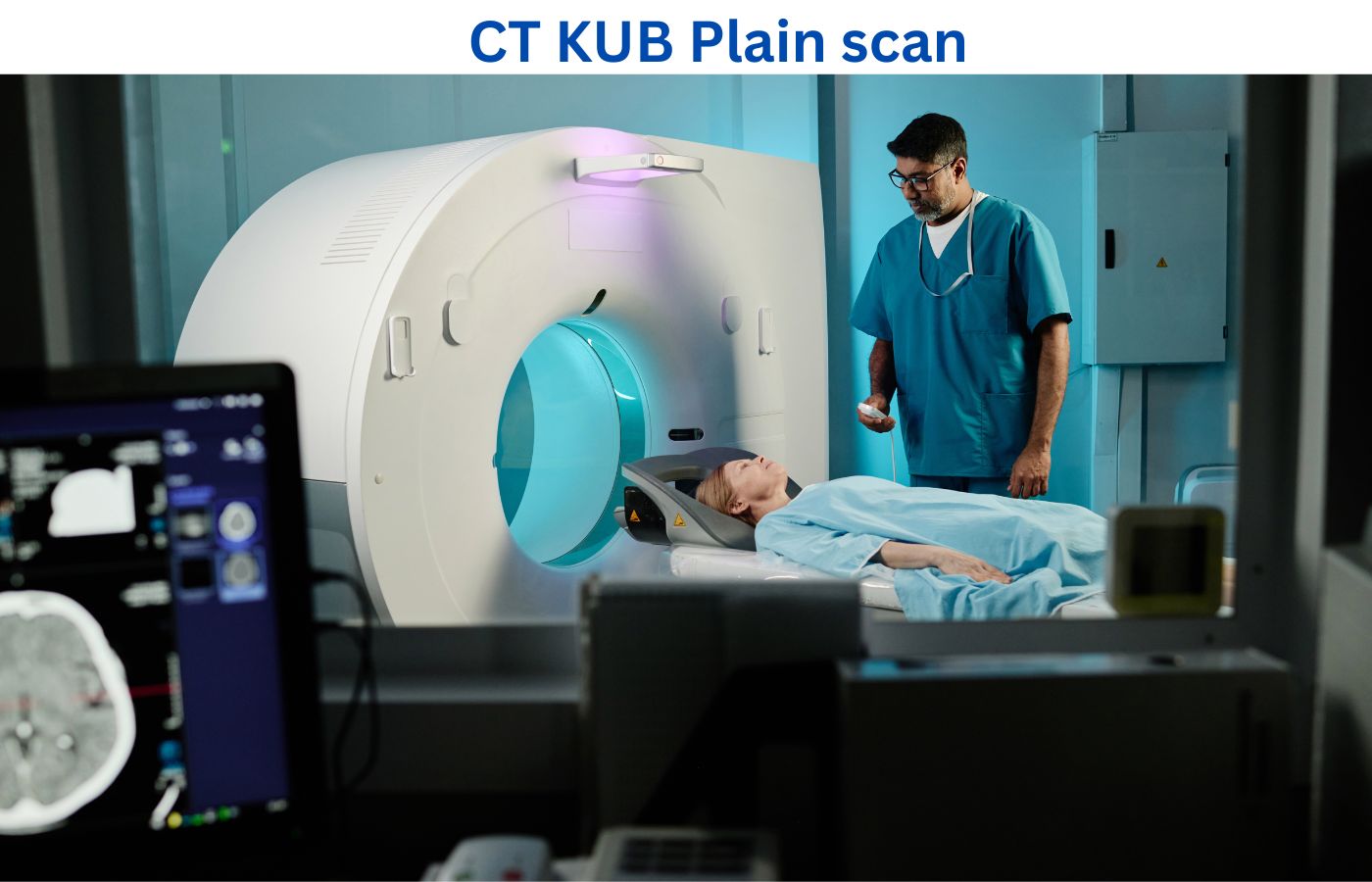
A CT KUB plain scan is a diagnostic imaging test used to examine the kidneys, ureters, and bladder (KUB). Doctors commonly recommend this scan when patients experience symptoms such as abdominal pain, kidney stones, urinary problems, or blood in urine.
Using advanced CT imaging technology, the scan produces highly detailed images that help doctors detect abnormalities in the urinary tract quickly and accurately. A CT KUB scan is often preferred because it provides clearer and more precise results than traditional X-rays or ultrasounds.
A CT KUB plain scan is a type of computed tomography scan that focuses specifically on the urinary system, including:
Kidneys
Ureters (tubes connecting kidneys to the bladder)
Urinary bladder
The term “plain scan” means the scan is performed without contrast dye, making it useful for detecting conditions such as kidney stones.
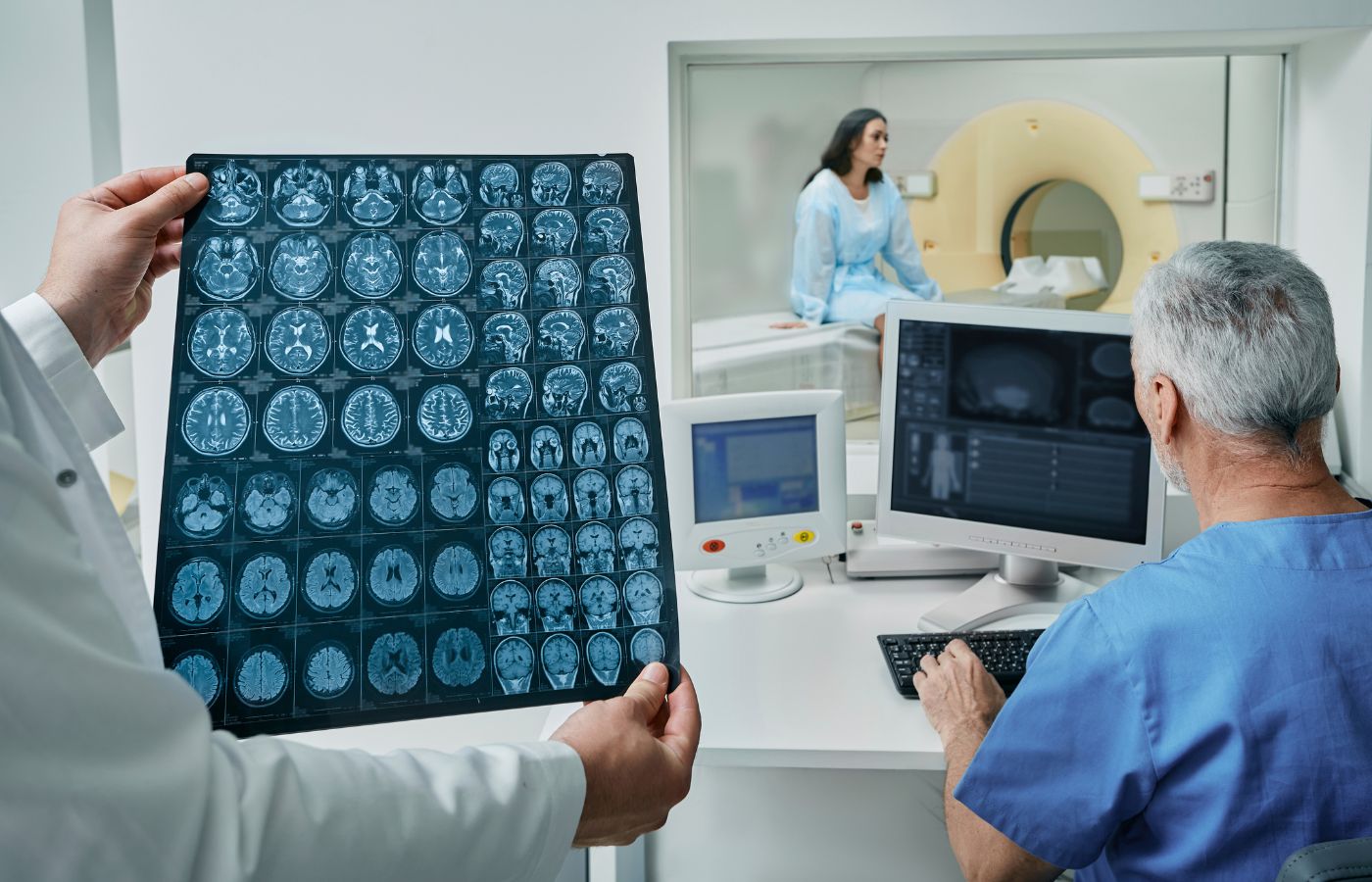
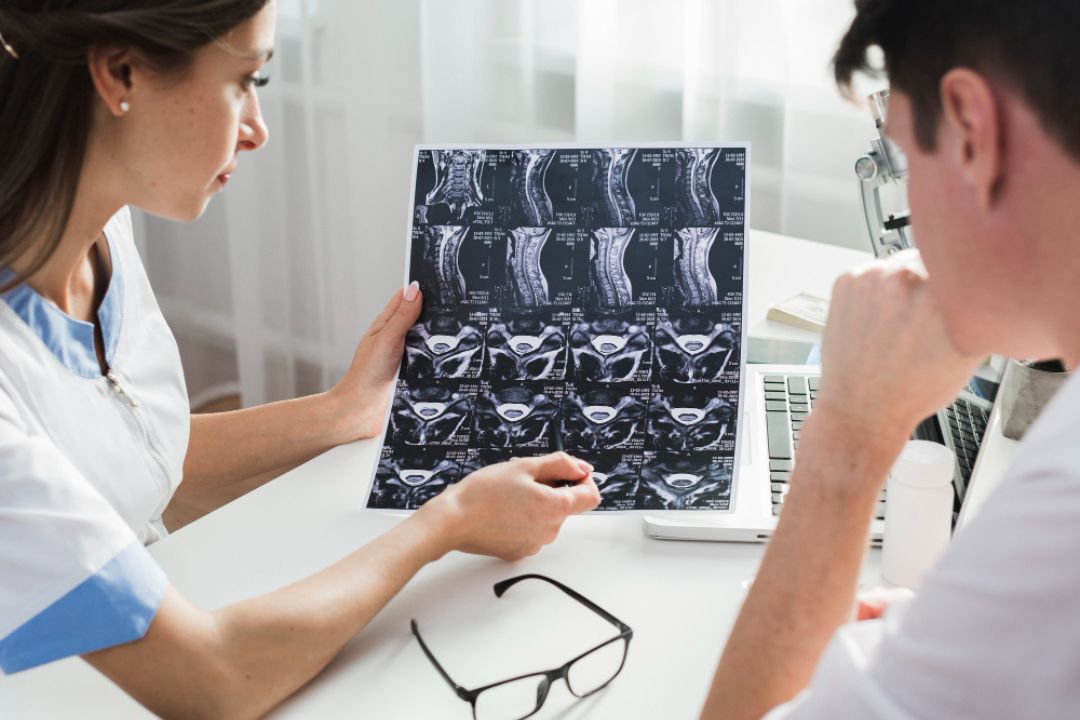
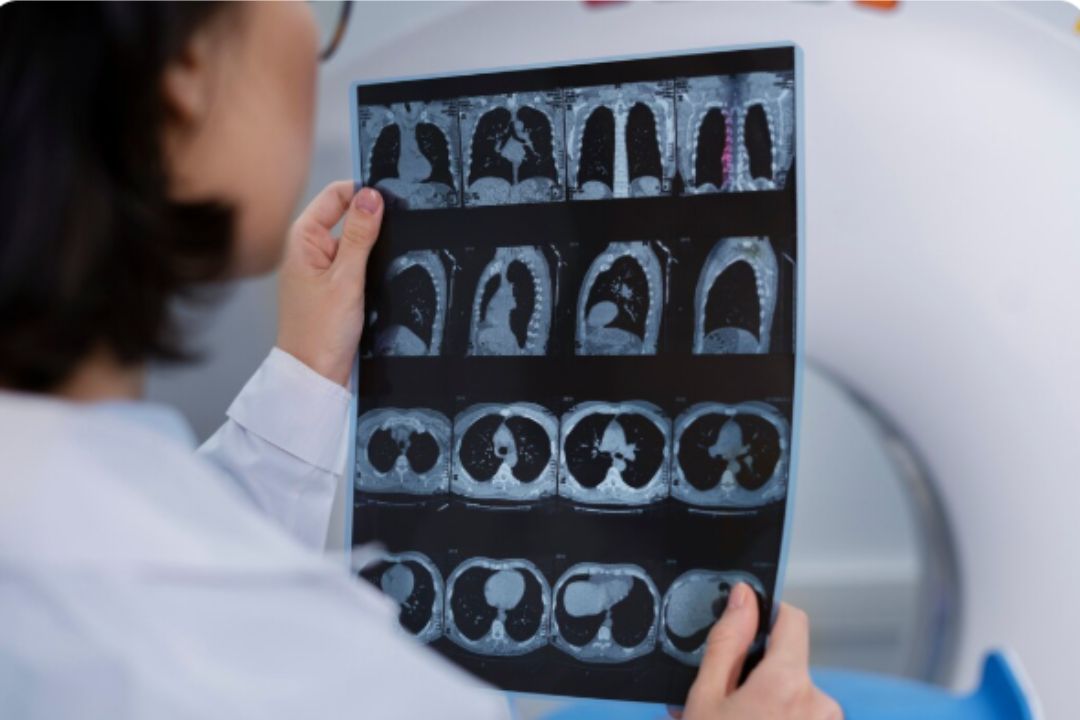
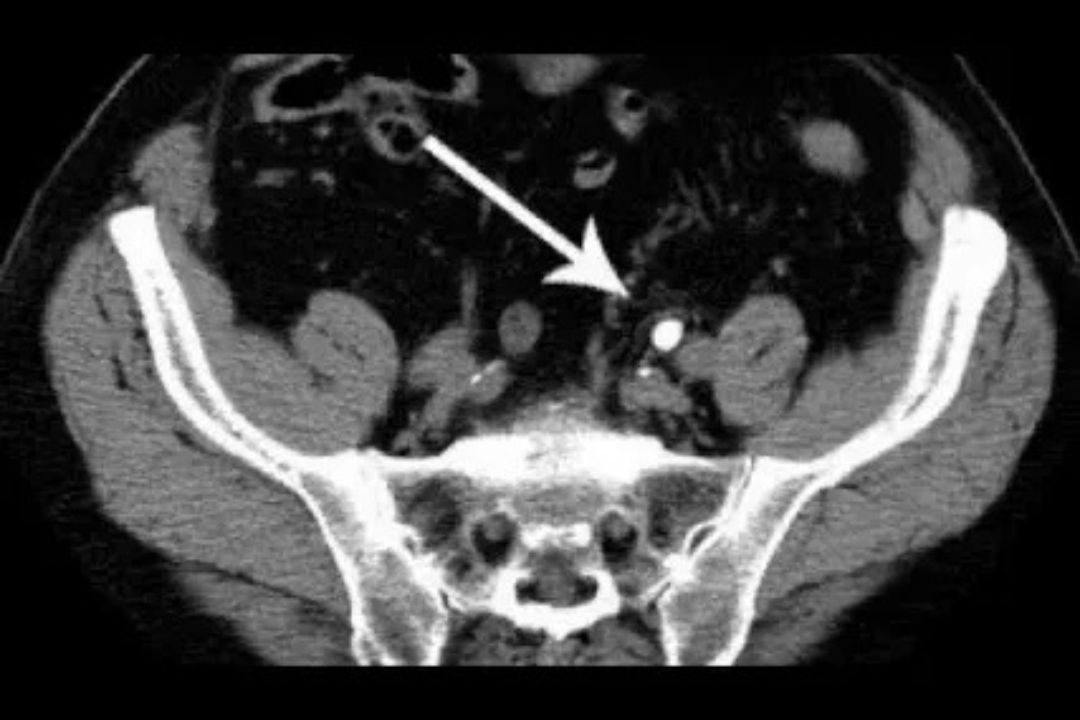
This imaging test creates cross-sectional images of the abdomen and pelvic area, helping doctors evaluate the structure and condition of the urinary organs.
Doctors may recommend a CT KUB scan to diagnose several urinary tract problems. It is especially useful when patients have symptoms related to kidney or bladder disorders.
Common reasons for this scan include:
Severe abdominal or flank pain
Suspected kidney stones
Blood in urine (hematuria)
Urinary tract infections
Difficulty passing urine
Monitoring kidney or bladder conditions
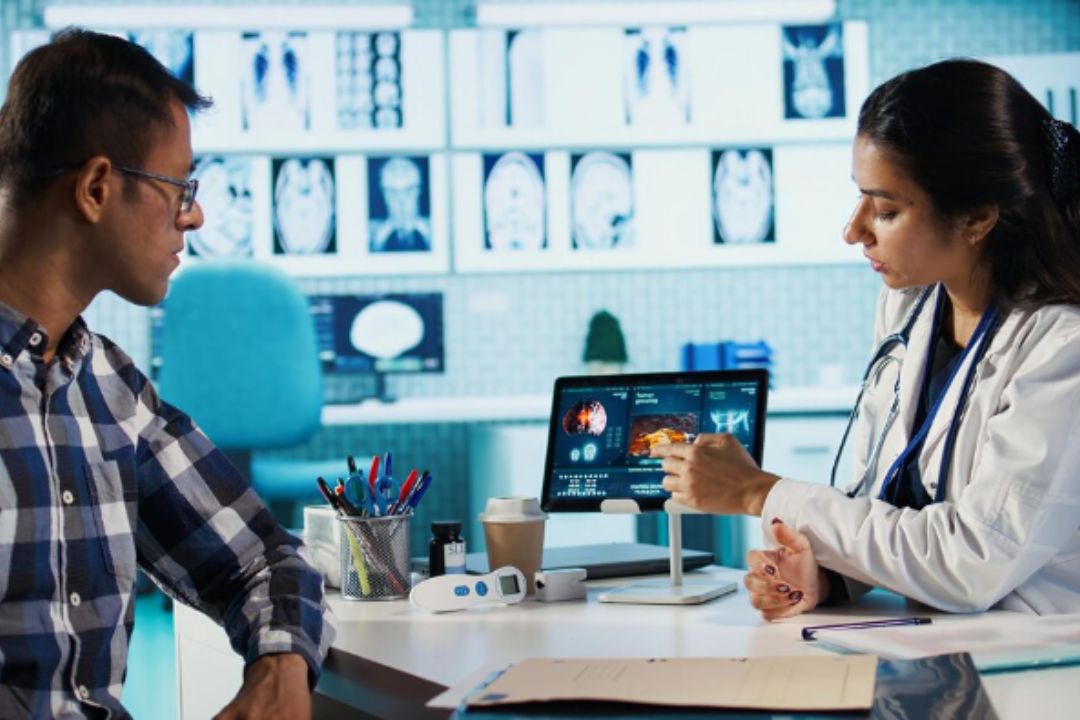
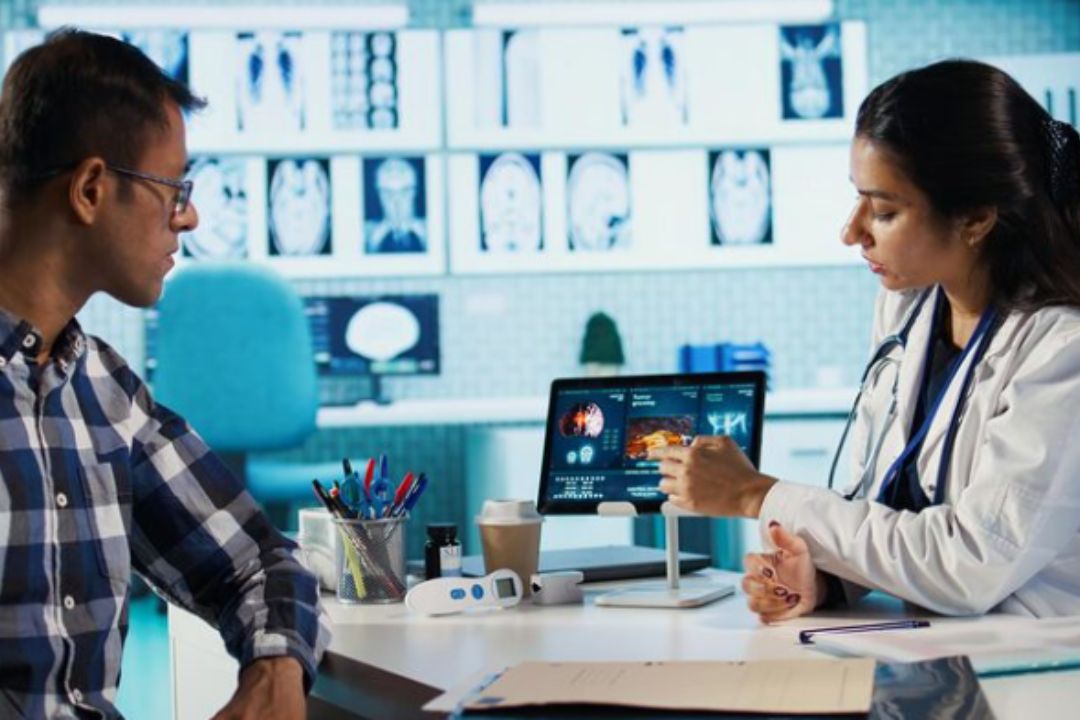
The scan helps doctors quickly identify the source of the problem and recommend appropriate treatment.
A CT KUB plain scan is highly effective in detecting several conditions affecting the urinary system.
One of the most common reasons for this scan is the detection of kidney stones, which can cause intense pain and urinary issues.
Stones that move from the kidney to the ureters can also be identified clearly with CT imaging.
CT scans can detect stones or calcifications in the urinary bladder.
The scan helps identify blockages in the urinary tract that may affect urine flow.
In some cases, CT scans may reveal inflammation or infection in the kidneys.
The scan can also detect abnormal masses or tumors in the urinary system.
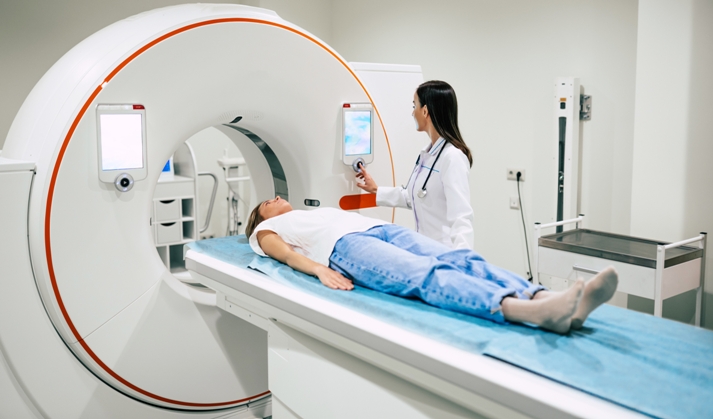
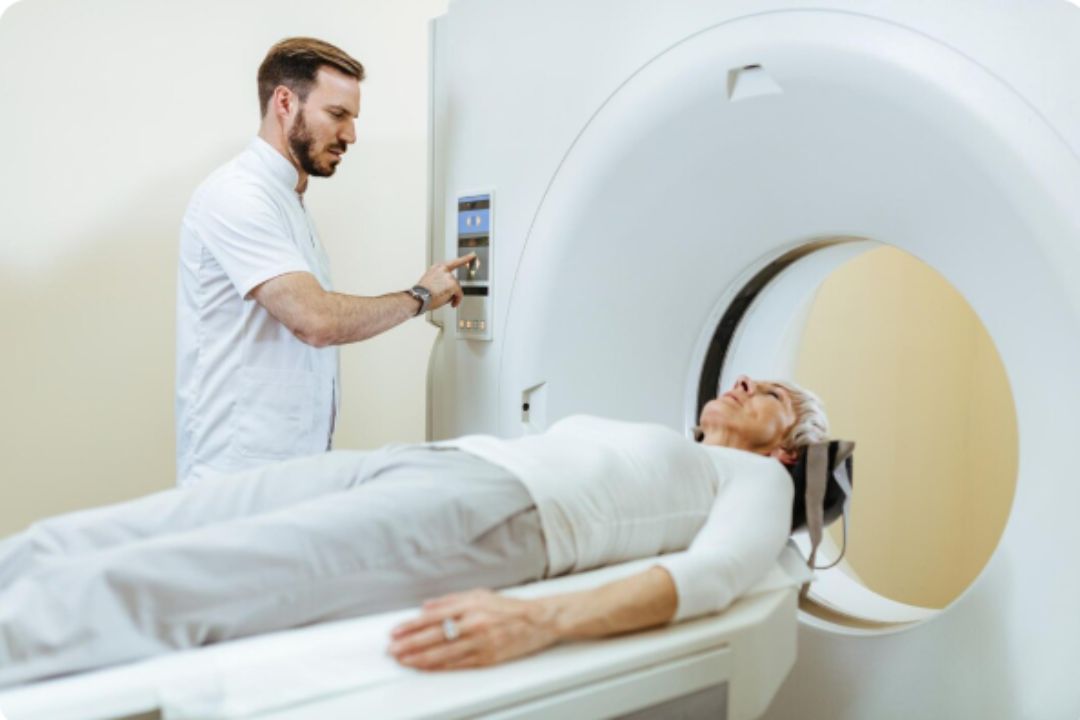
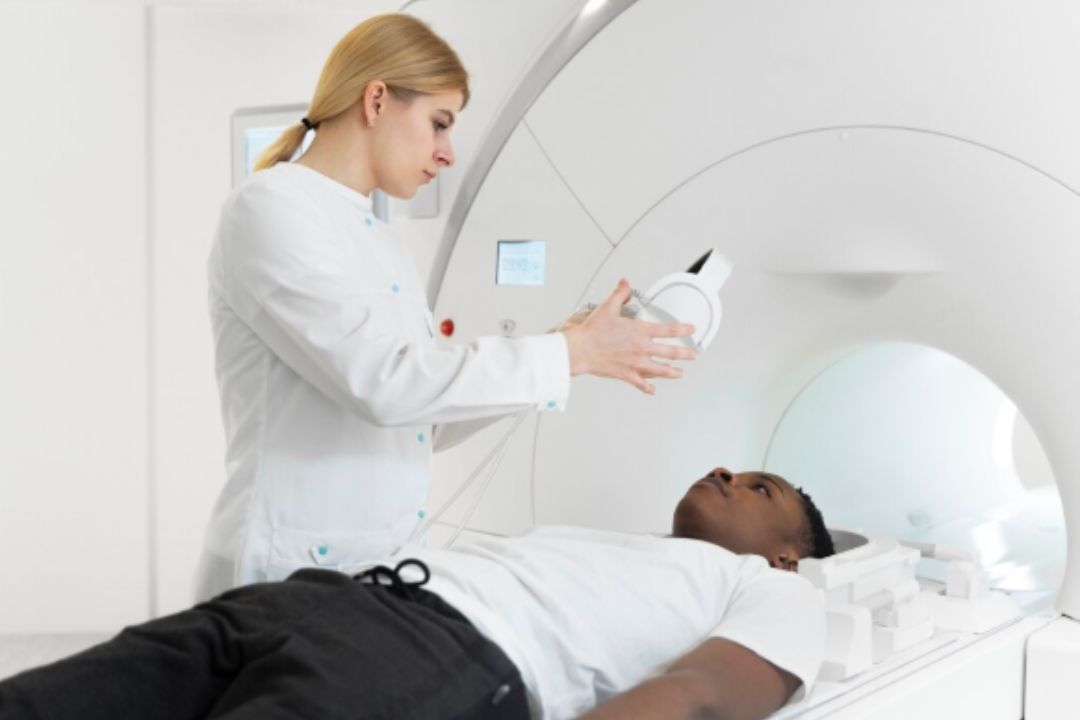
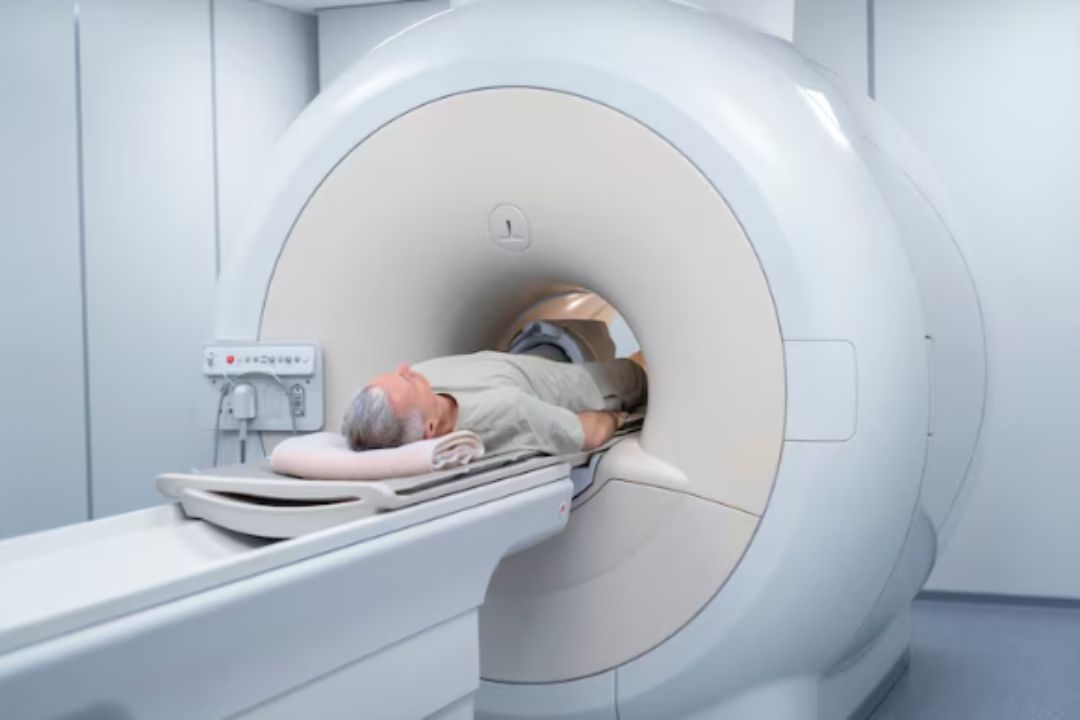
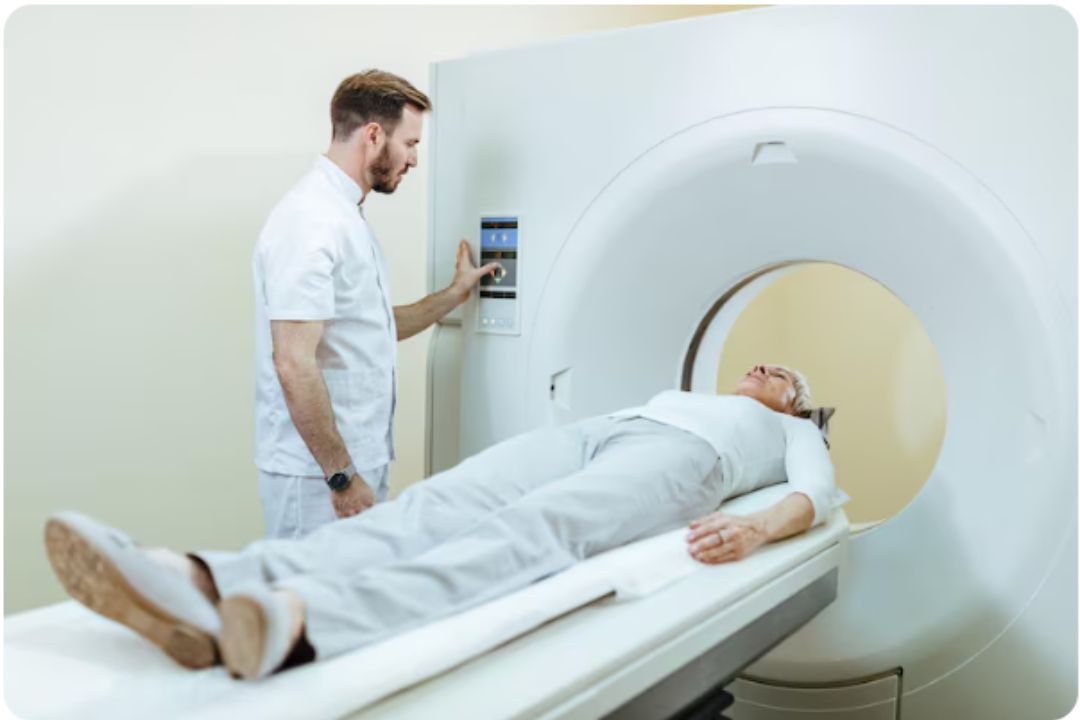
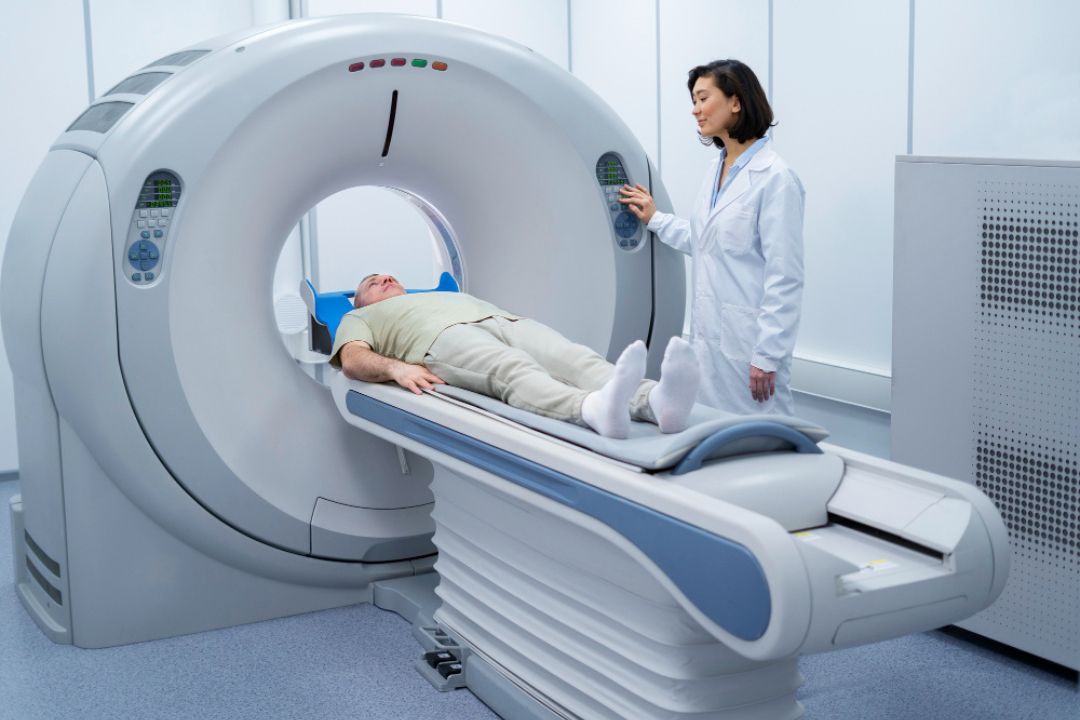
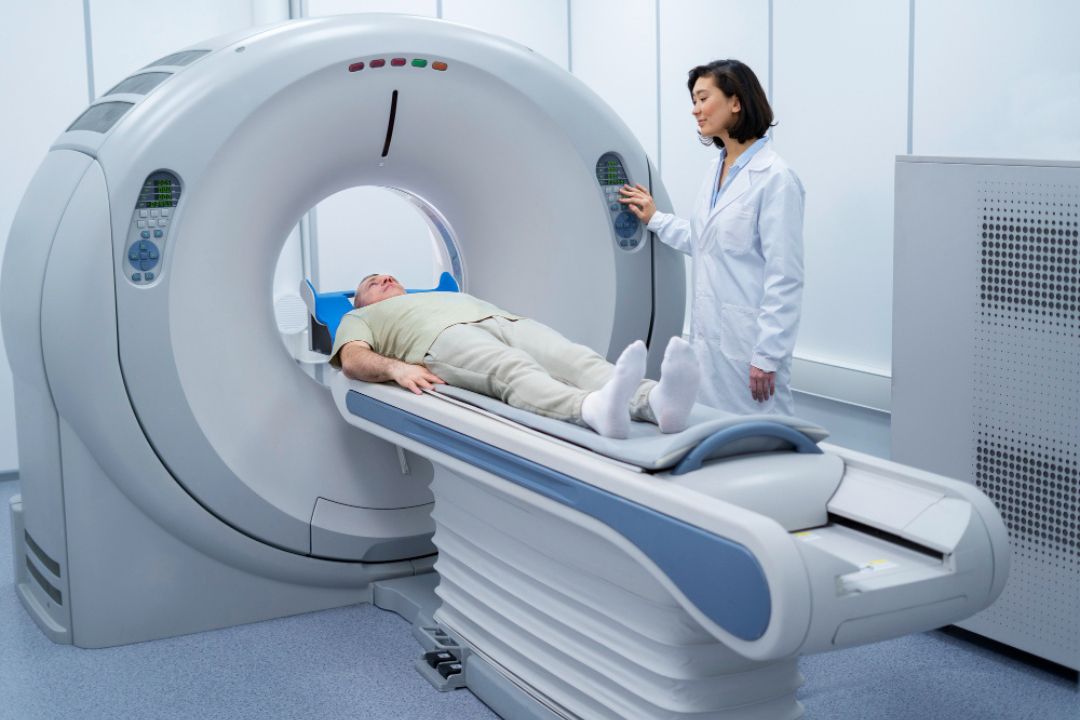
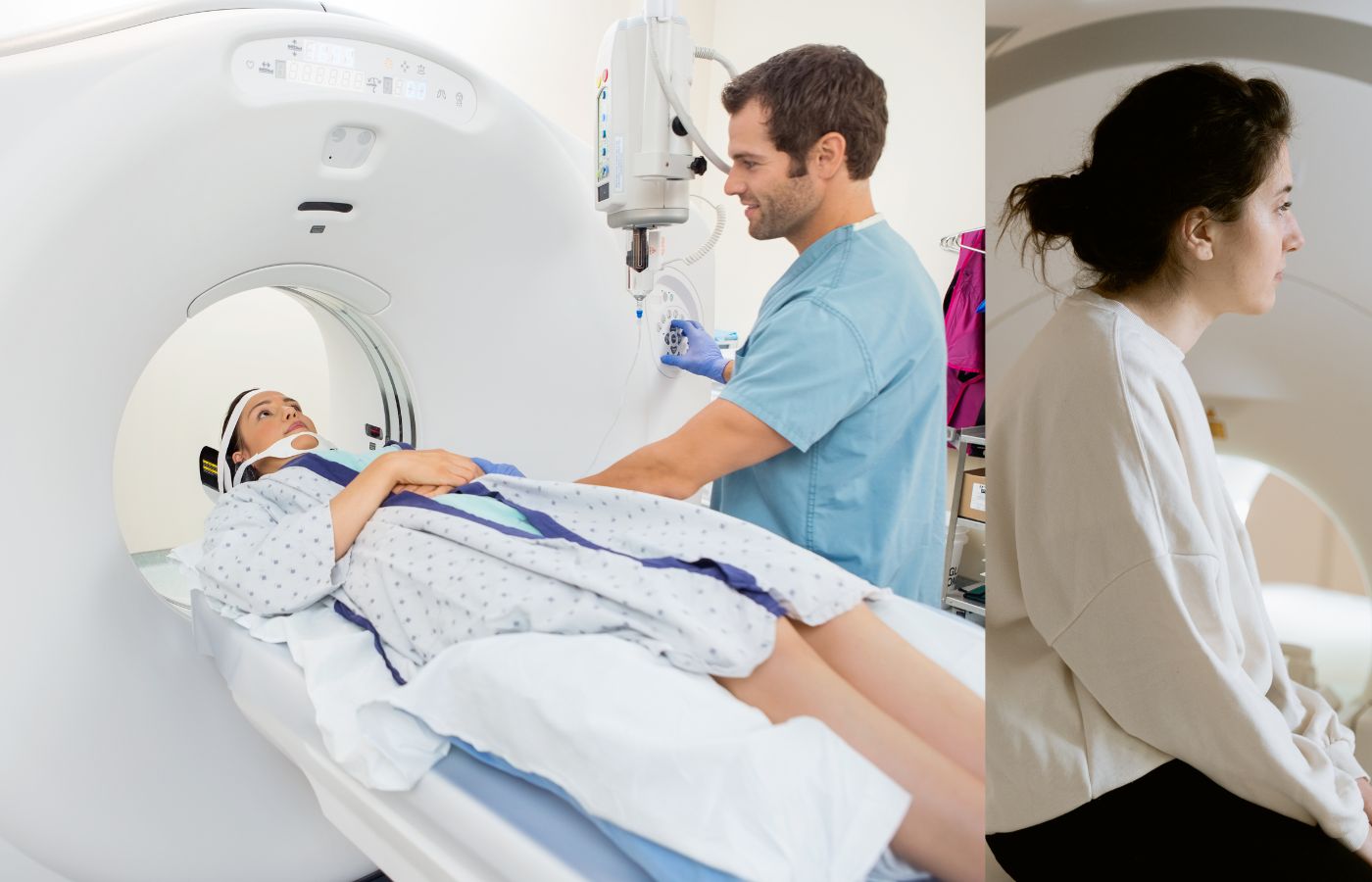
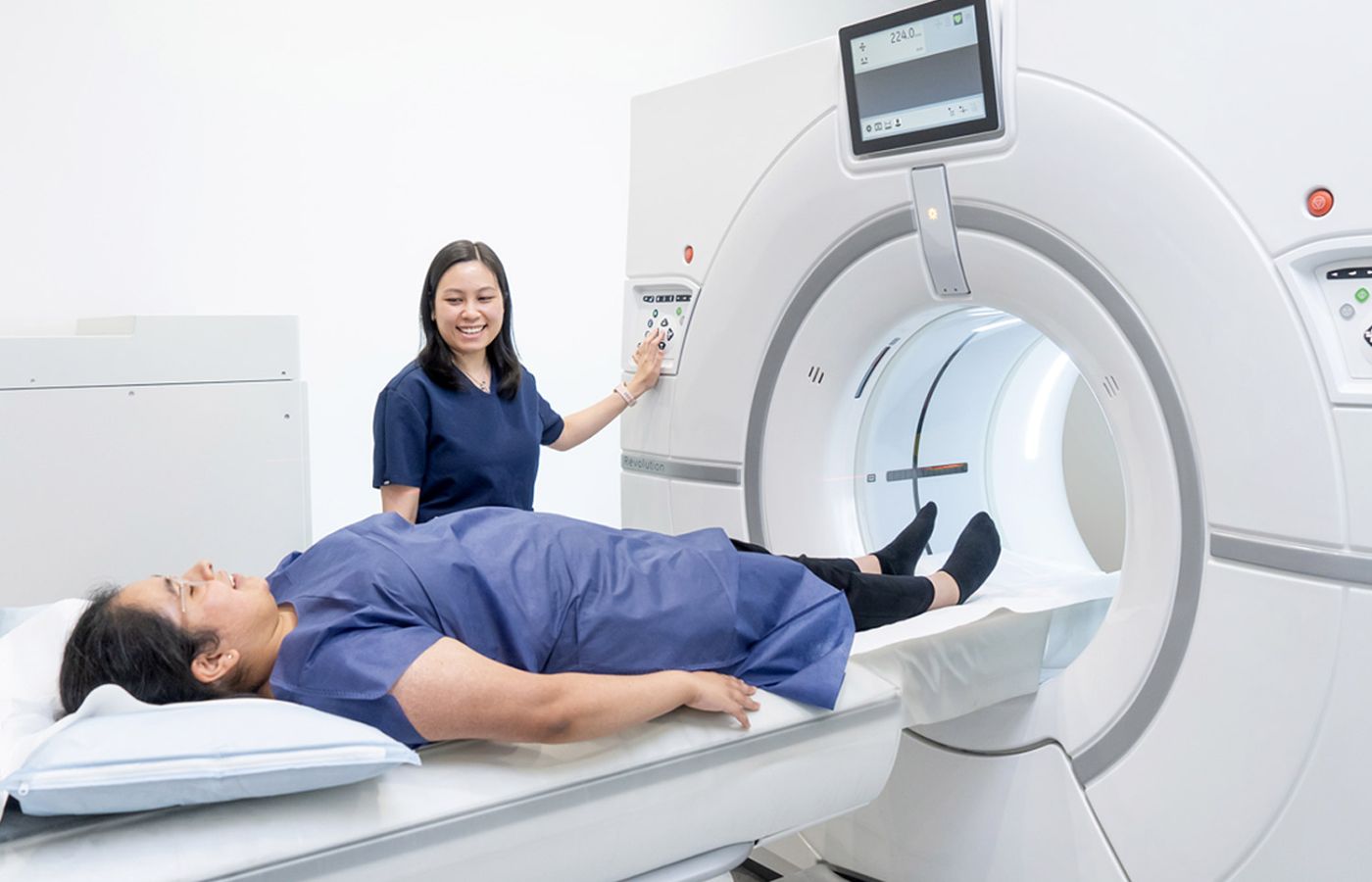
The CT scan procedure is quick and painless.
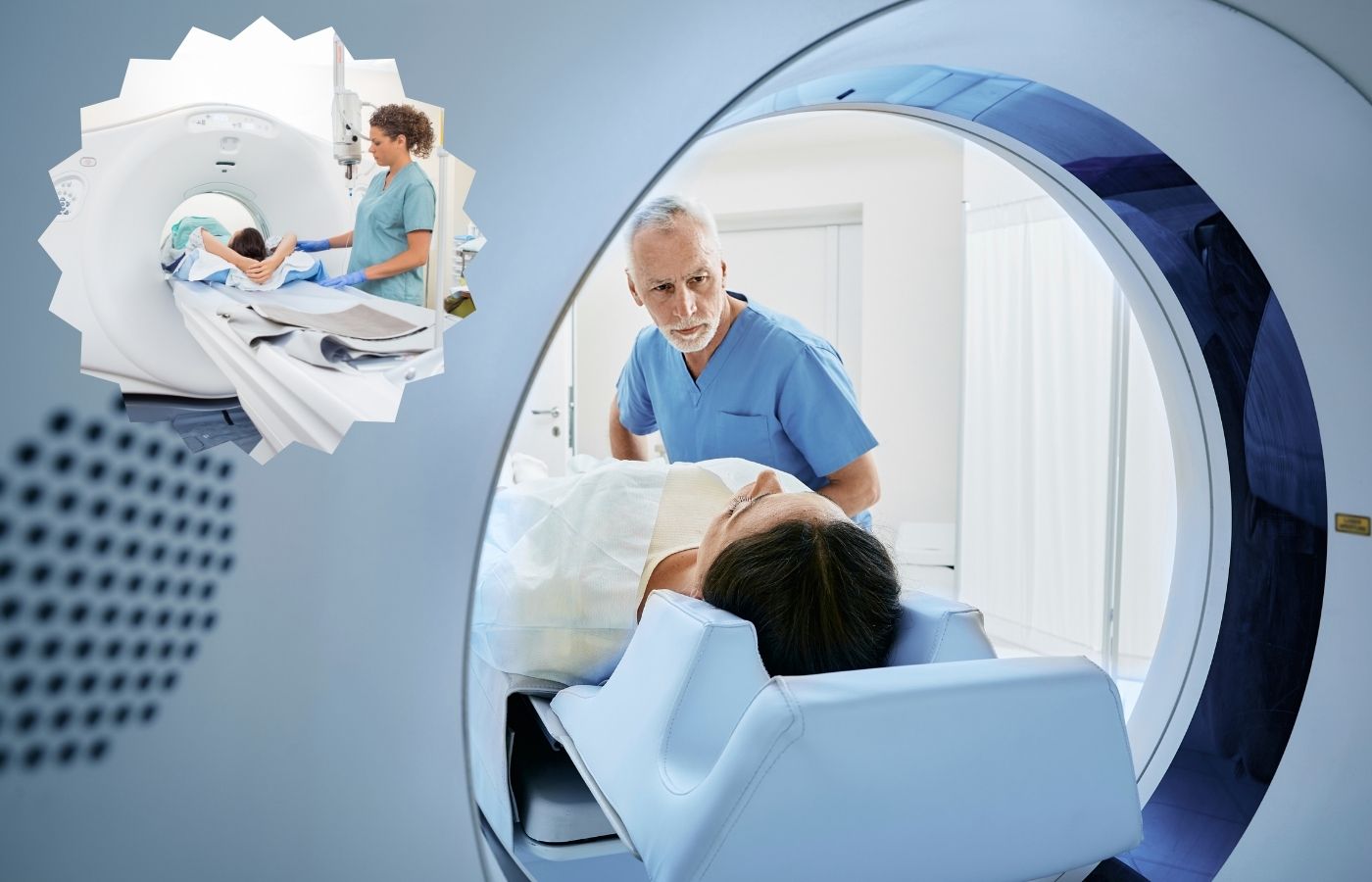
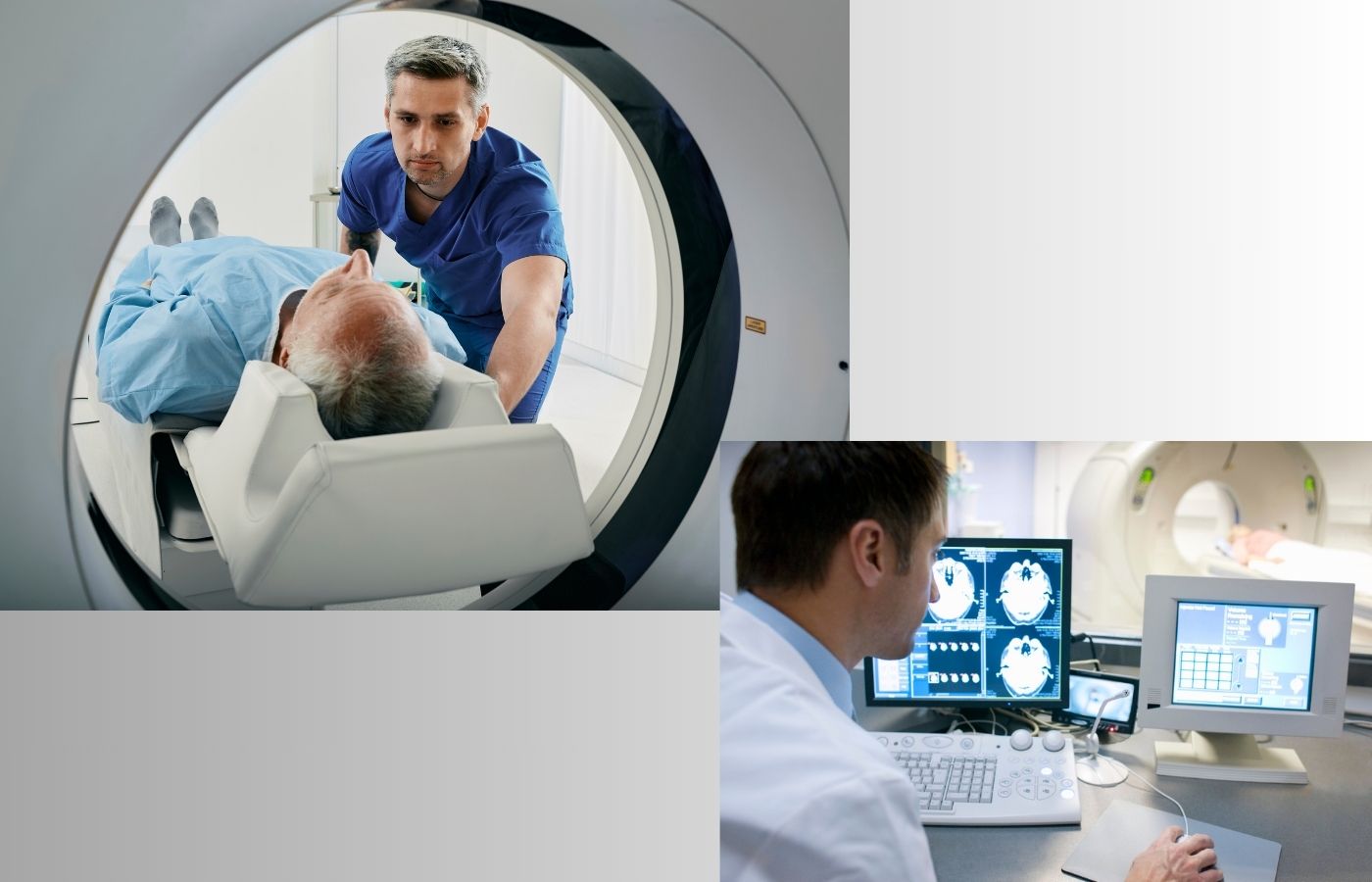
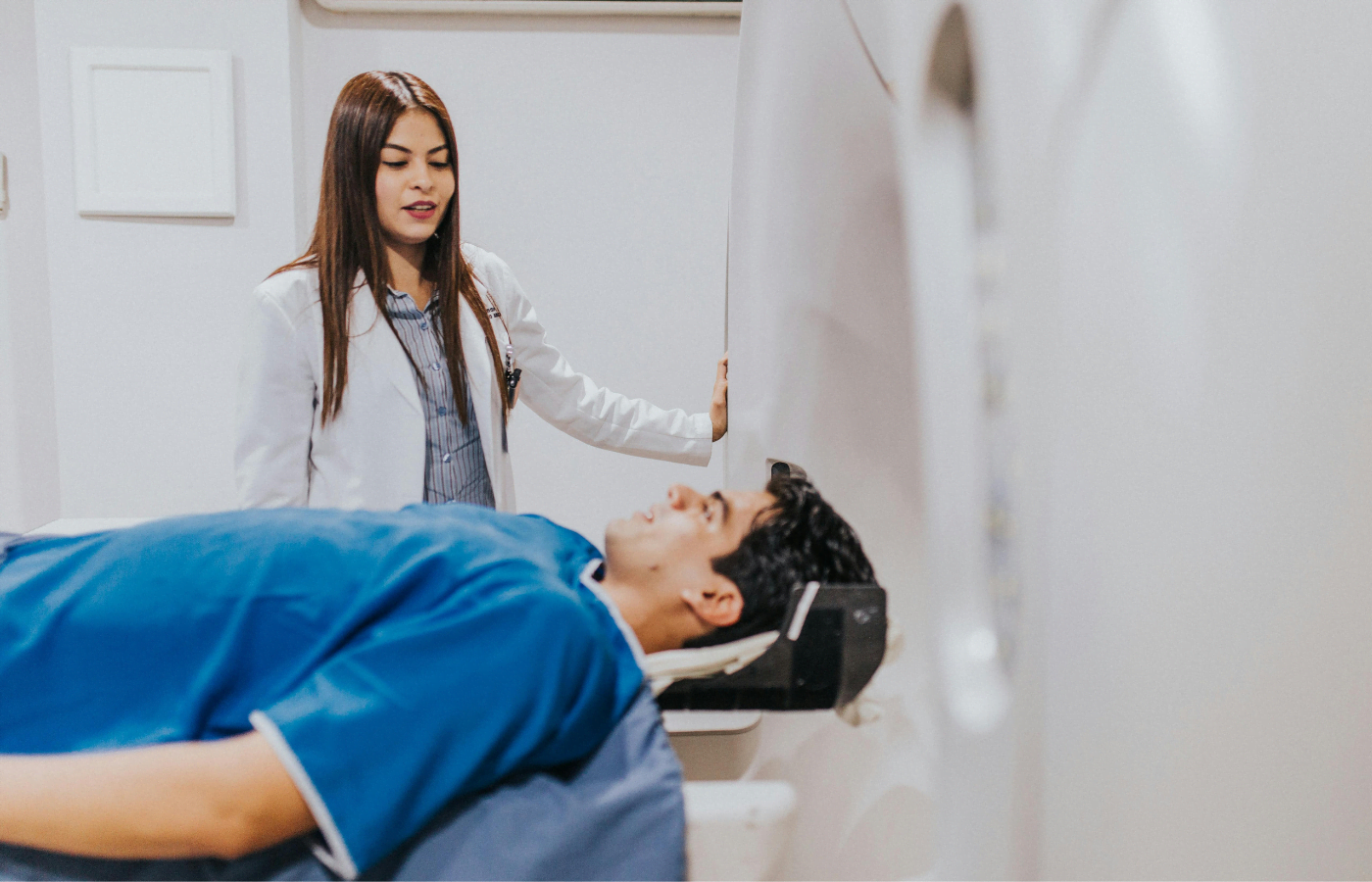
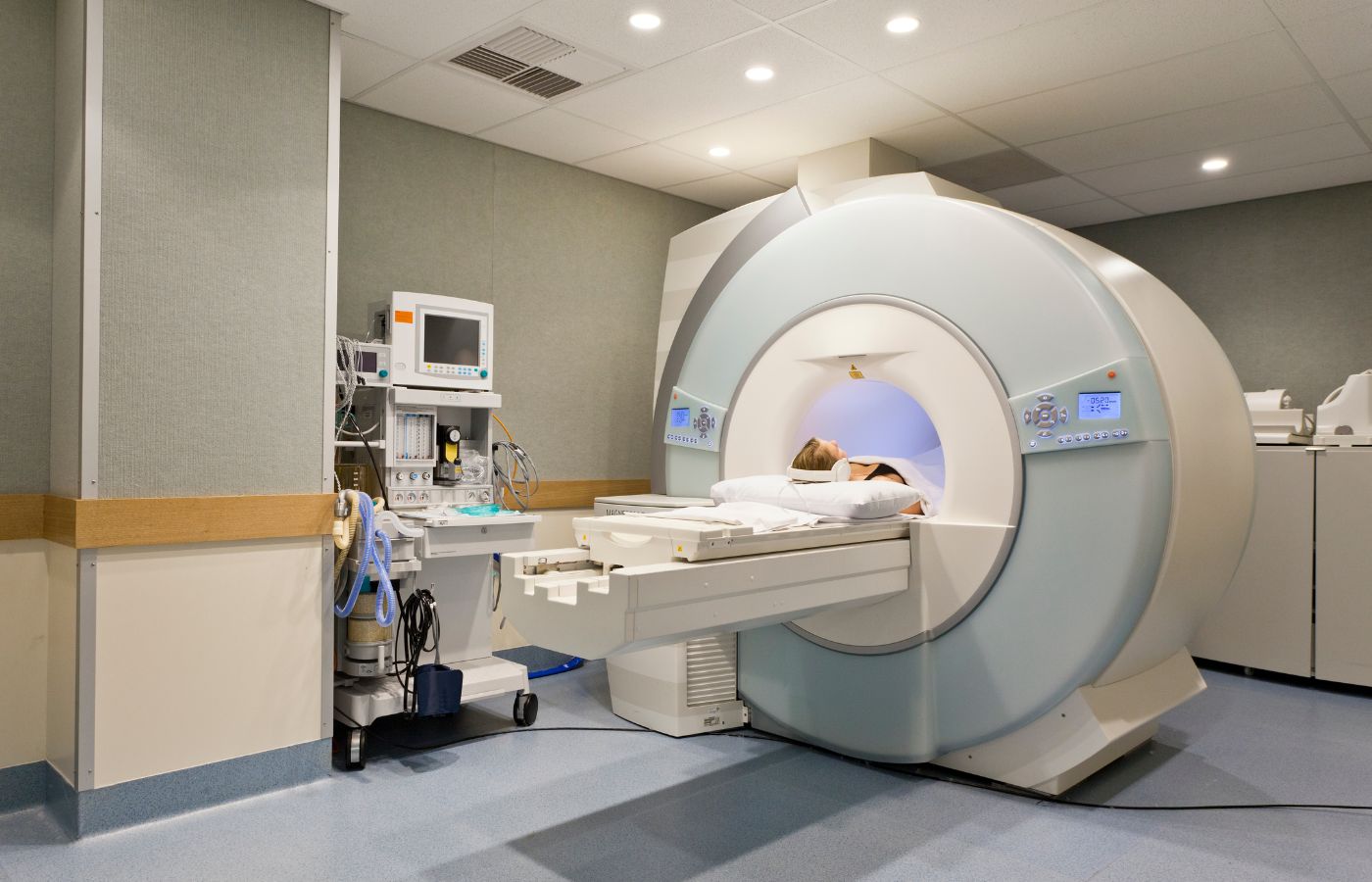
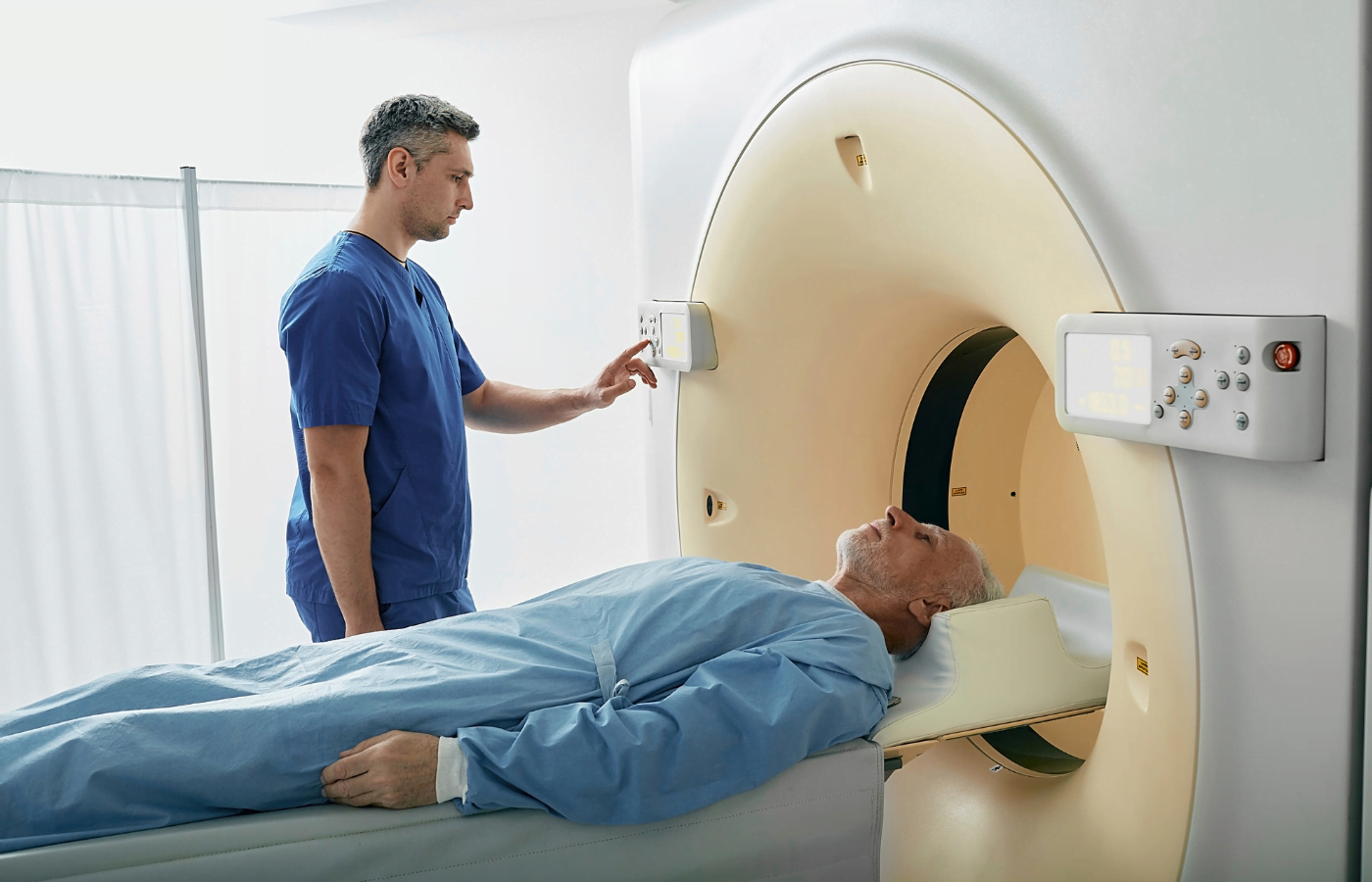
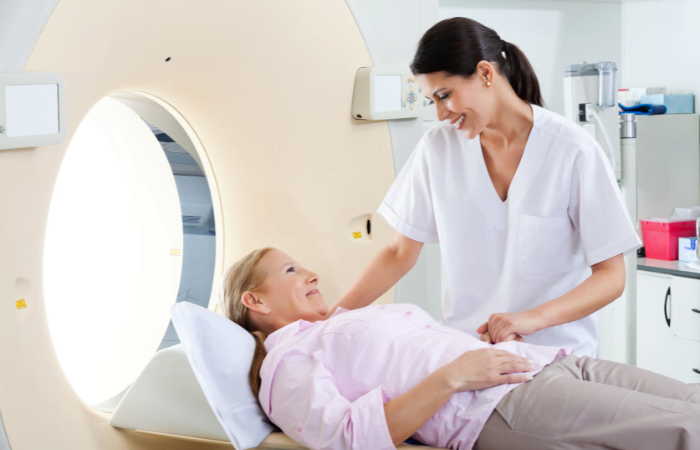
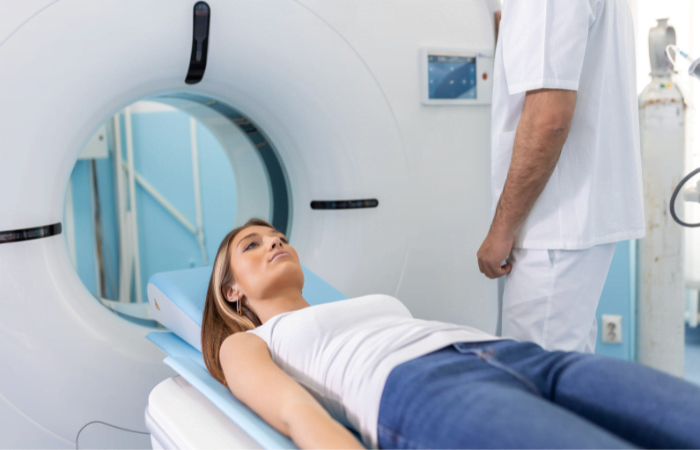
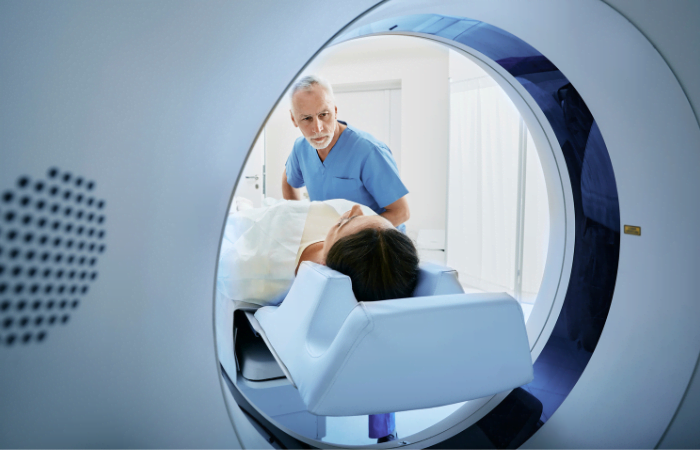
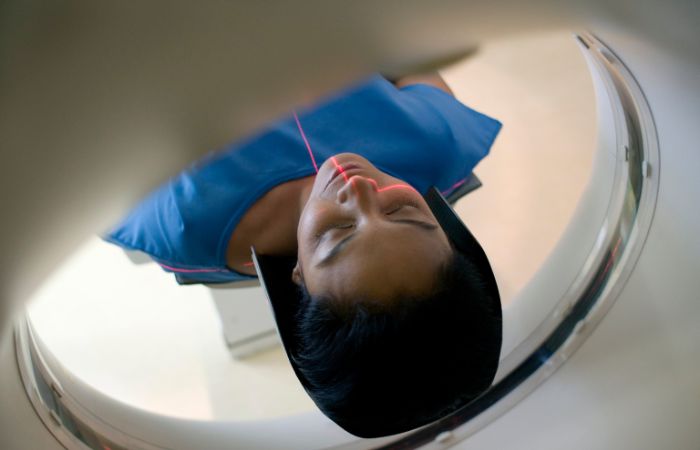
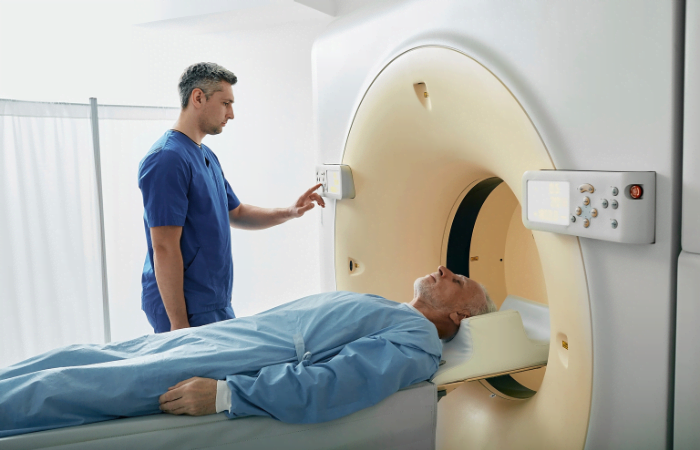
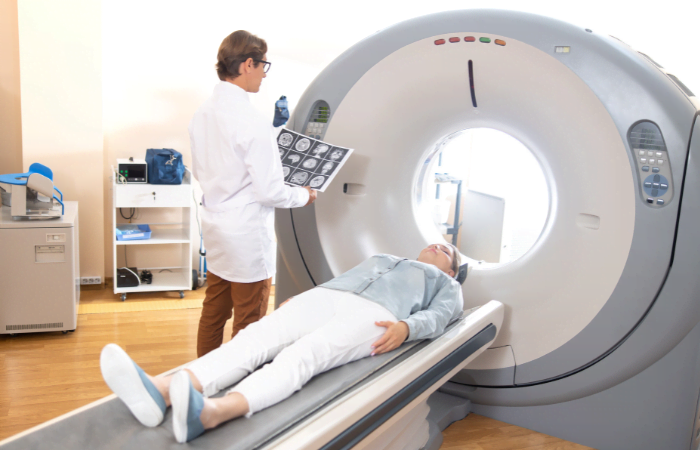
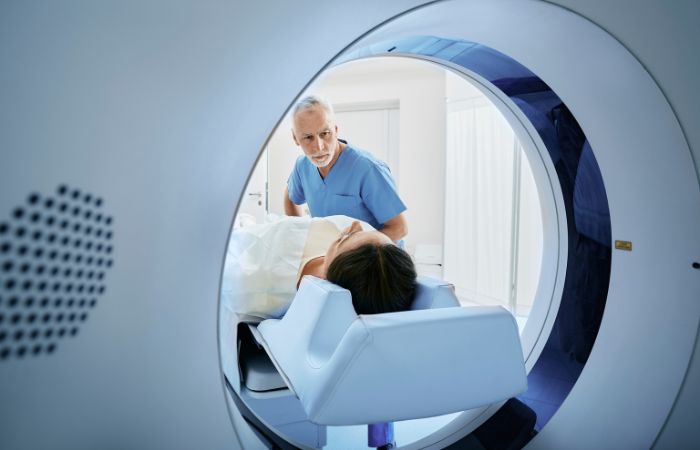
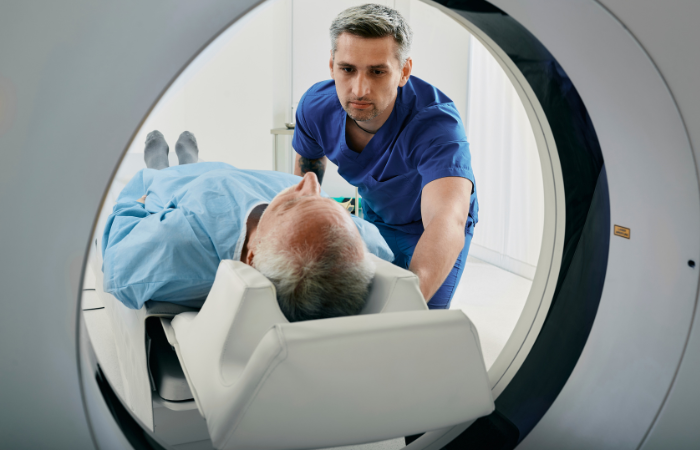
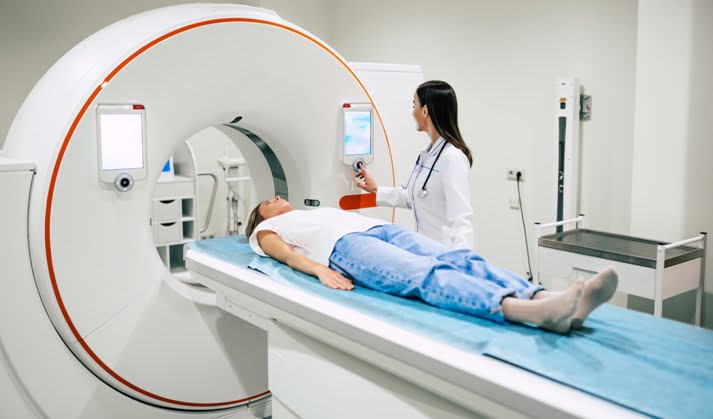
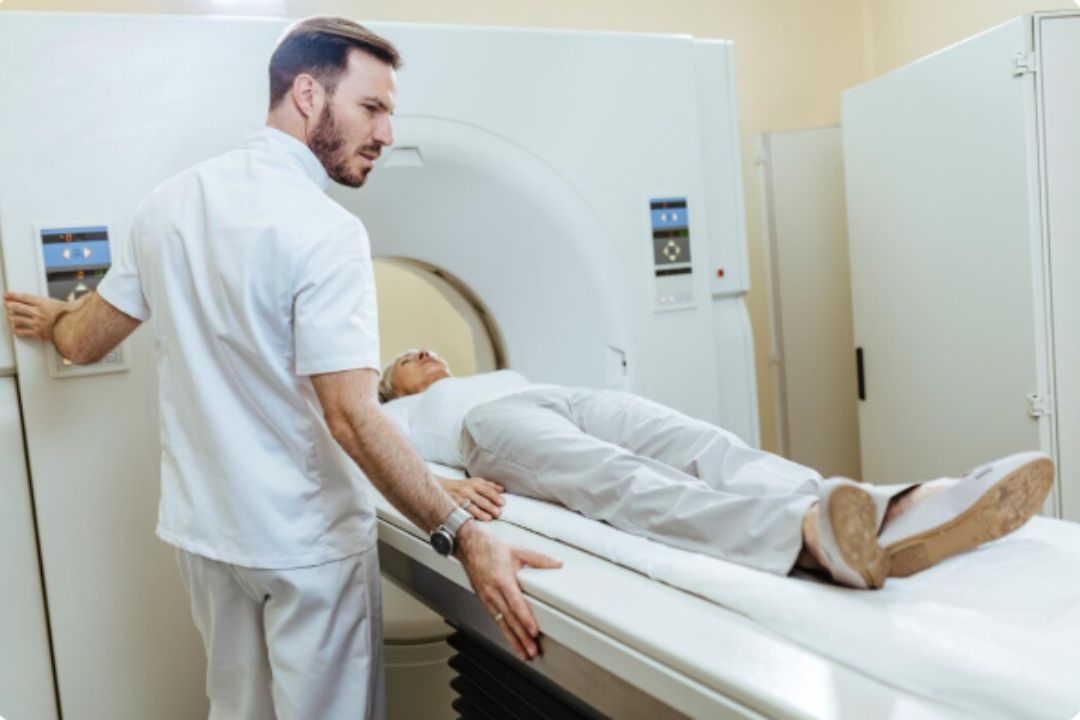
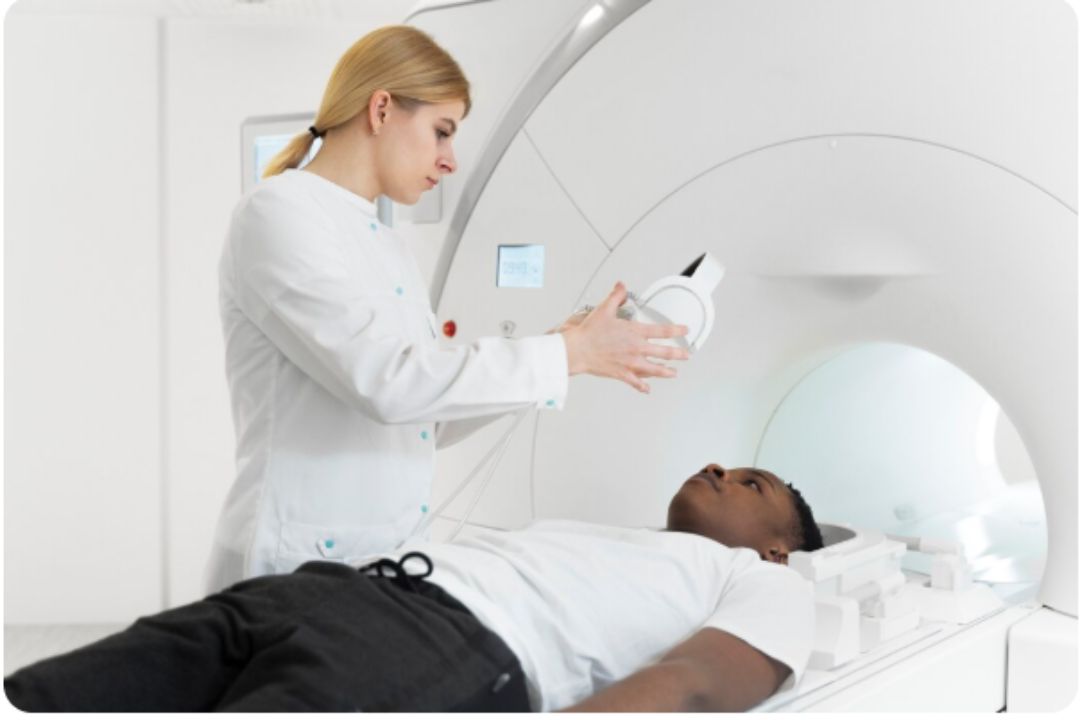
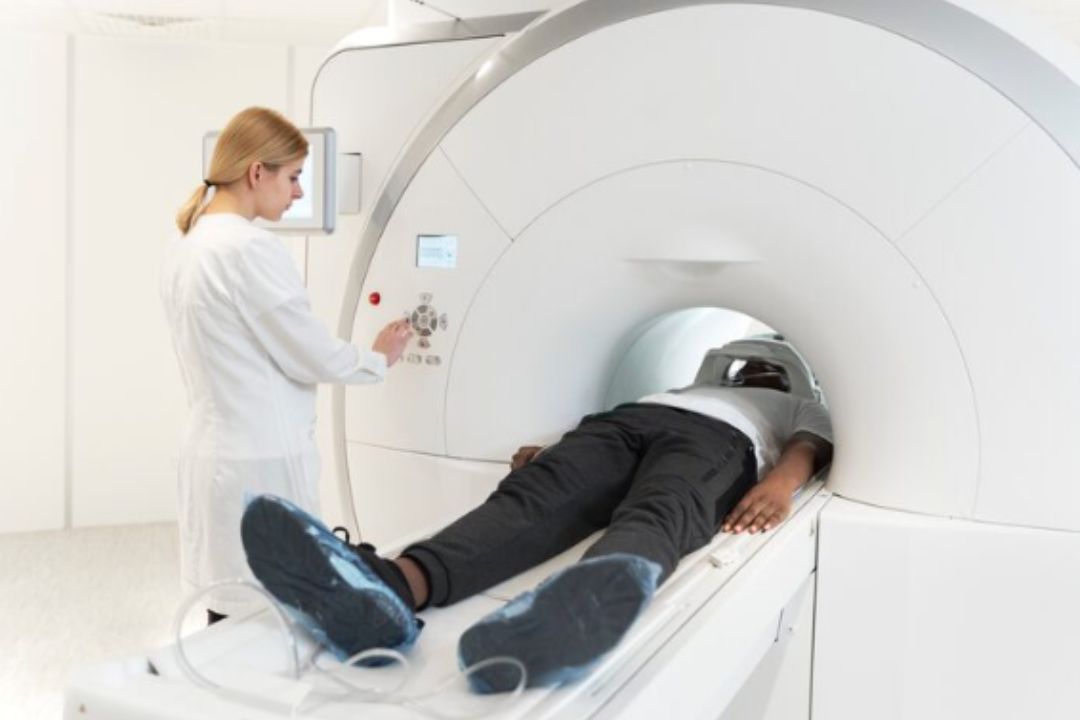
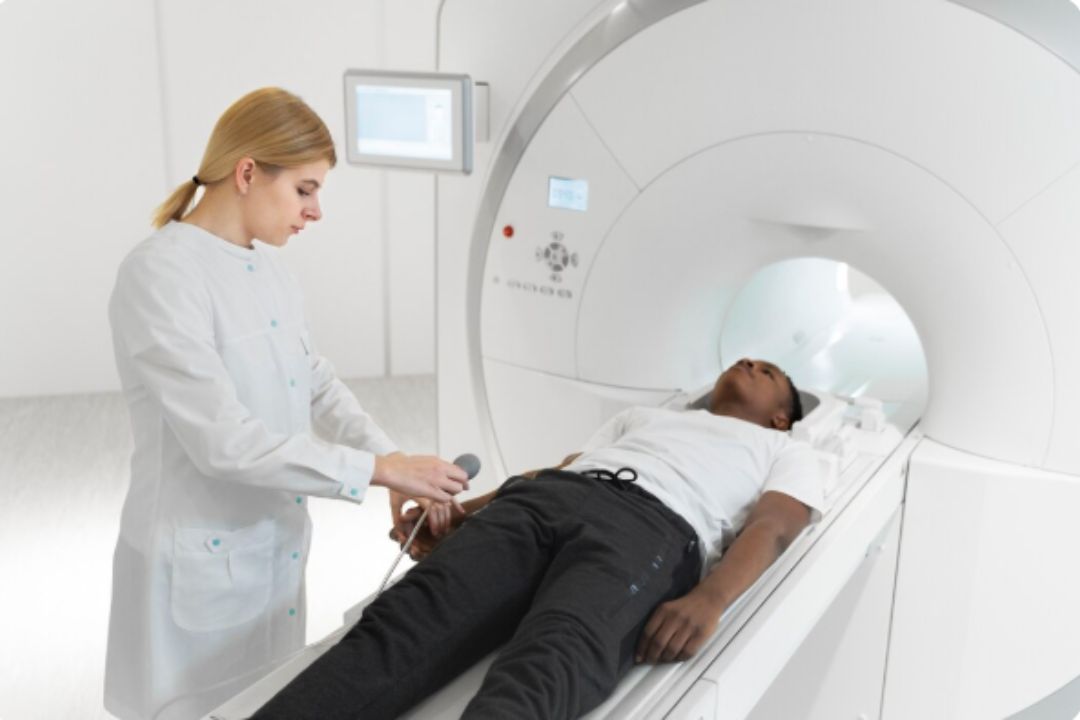
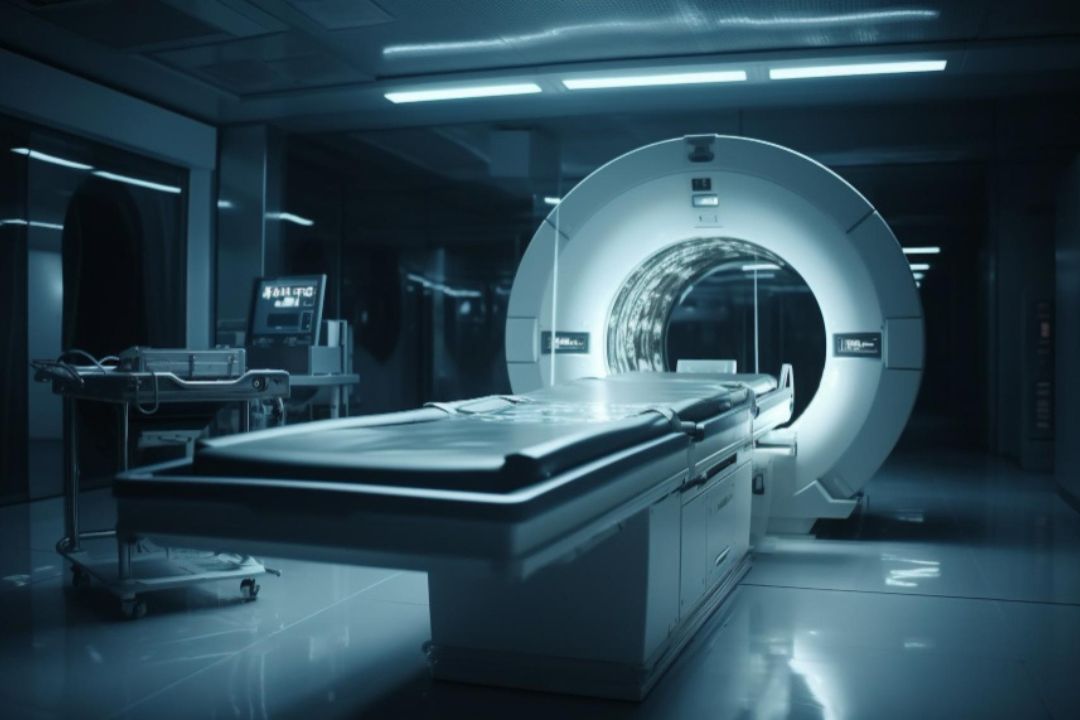
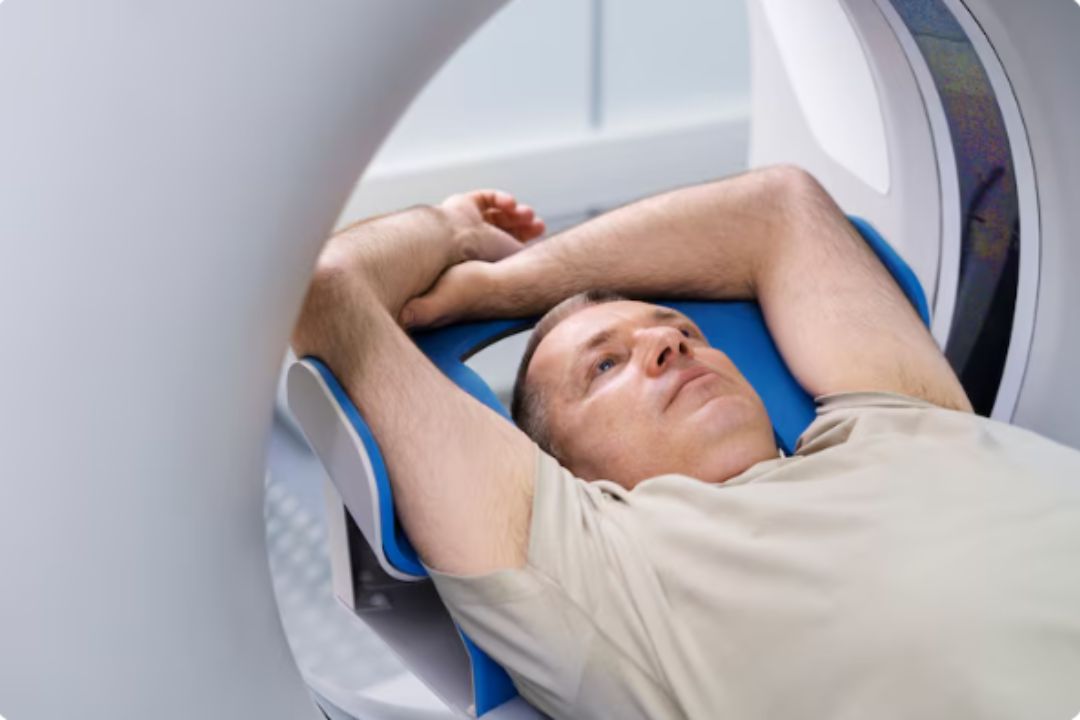
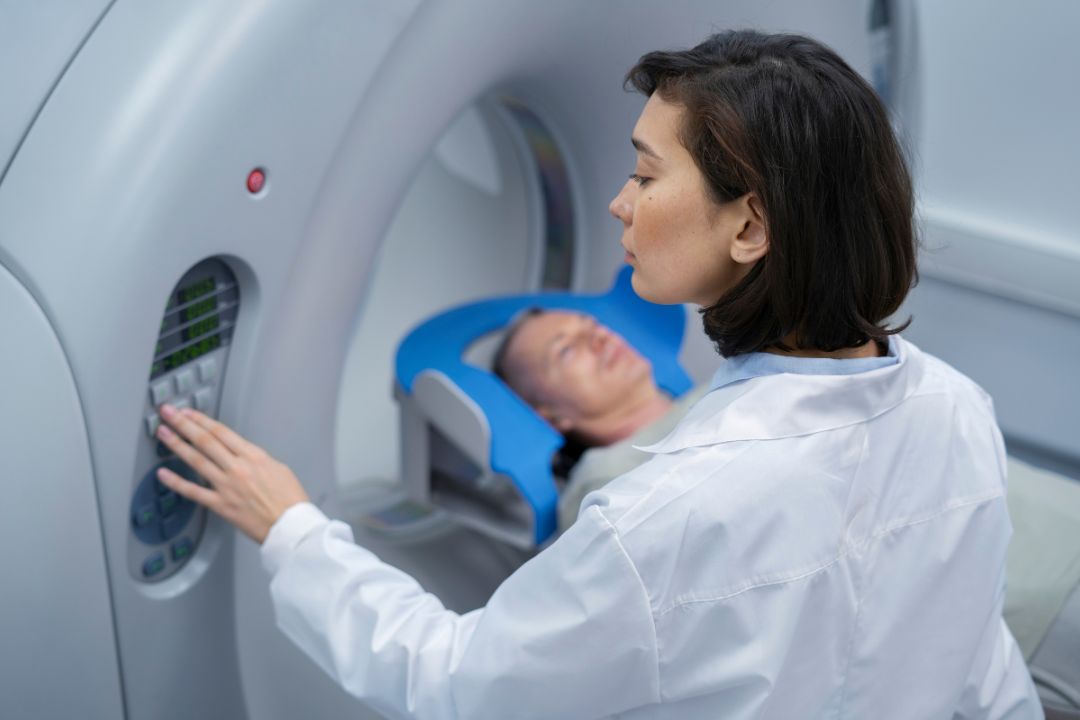
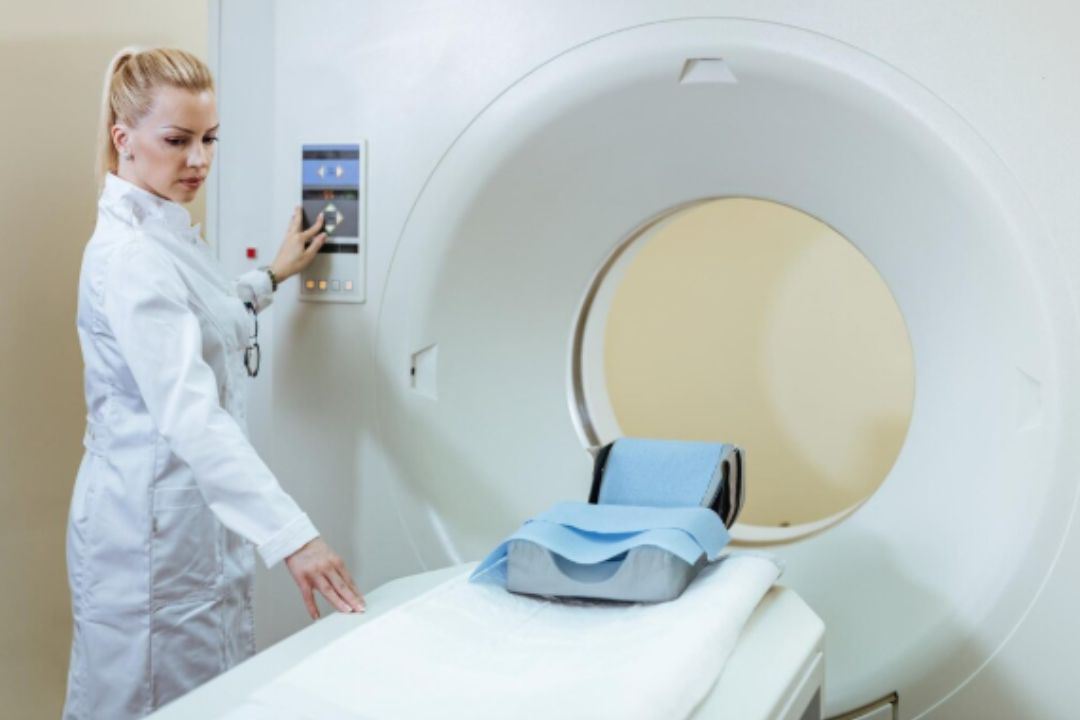
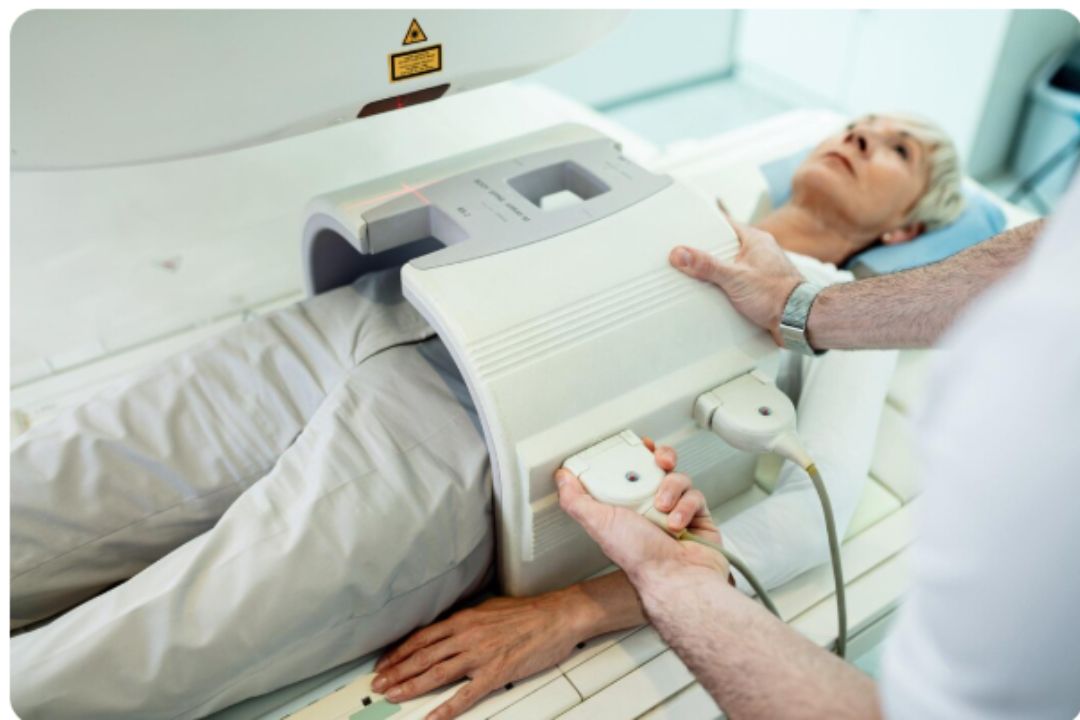
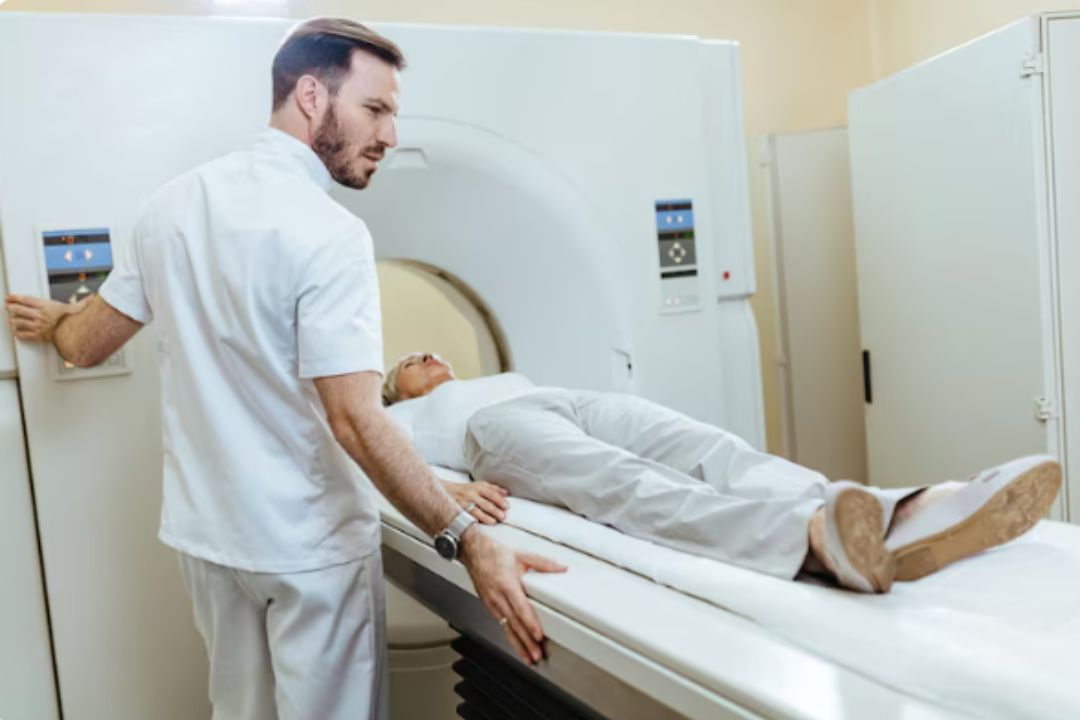
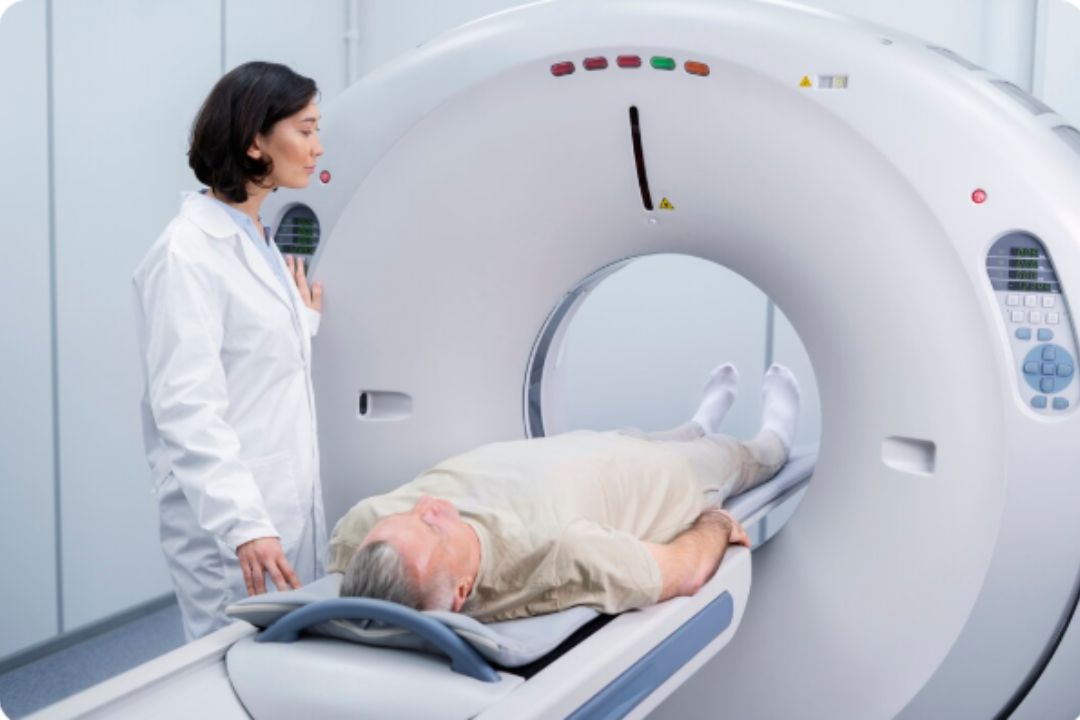
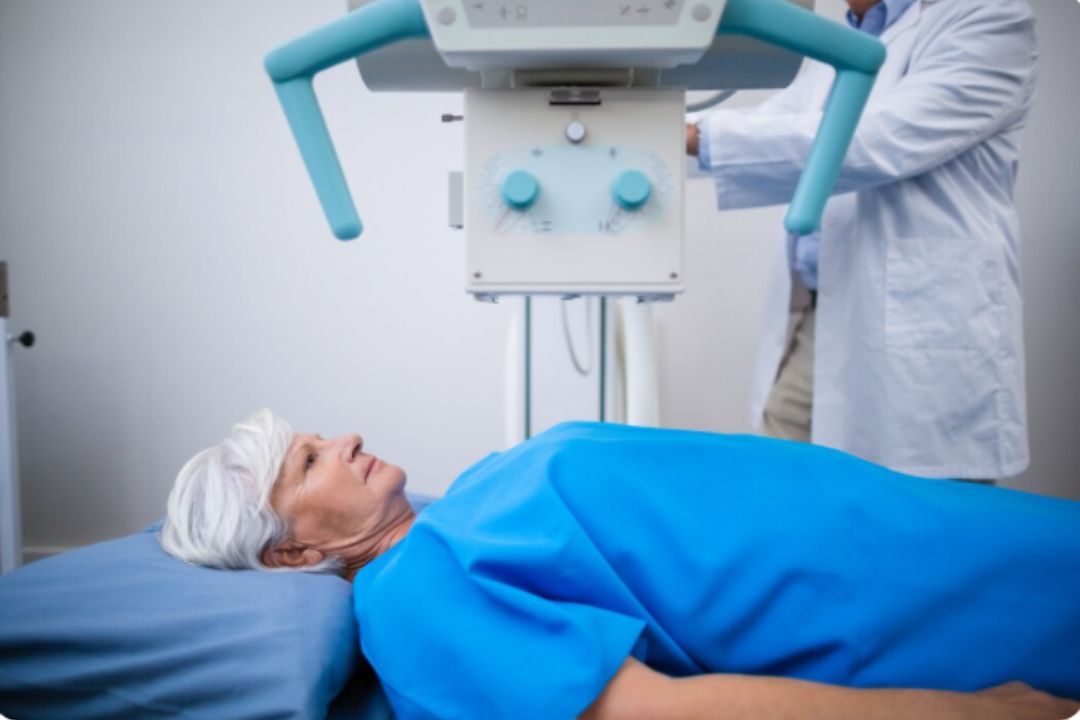
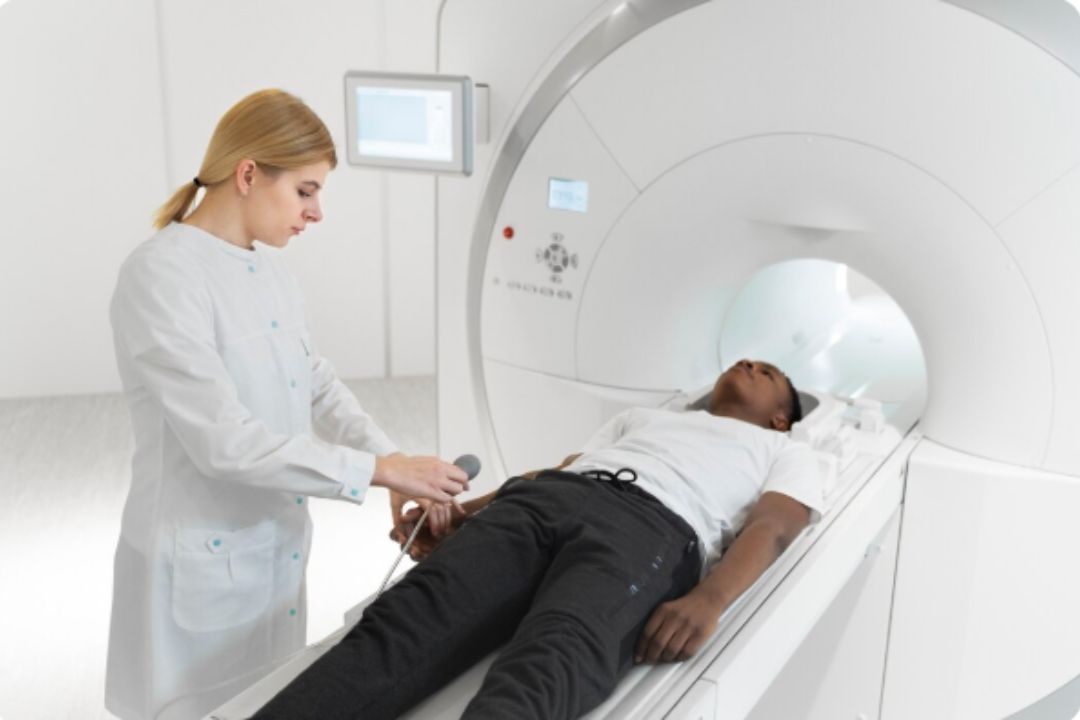
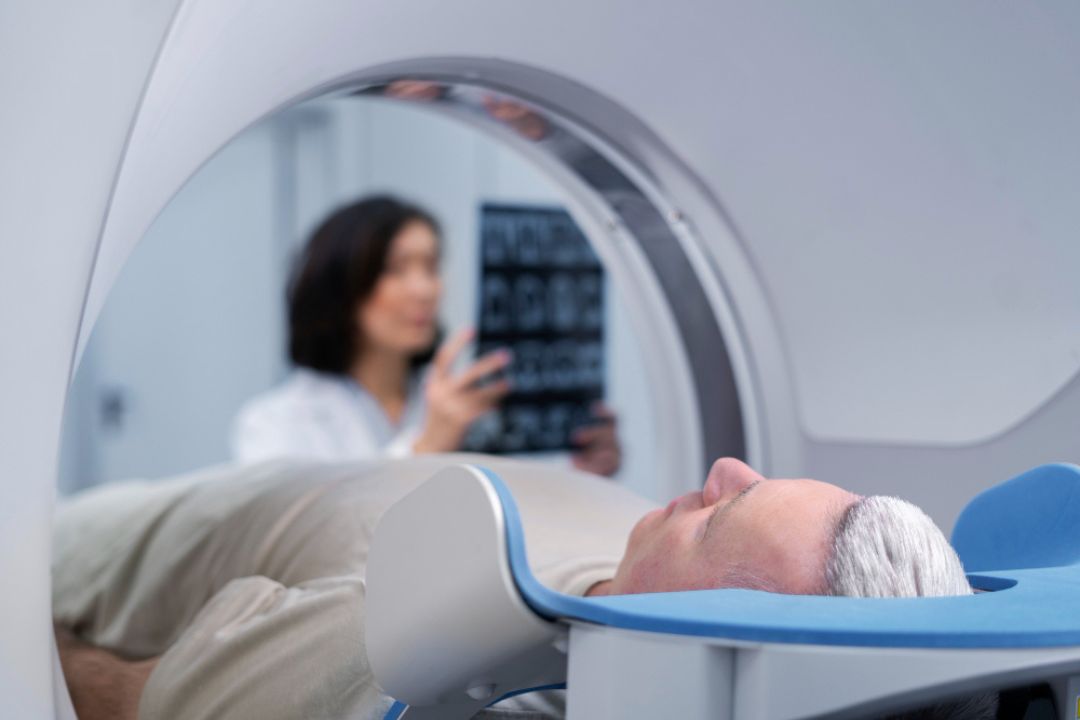
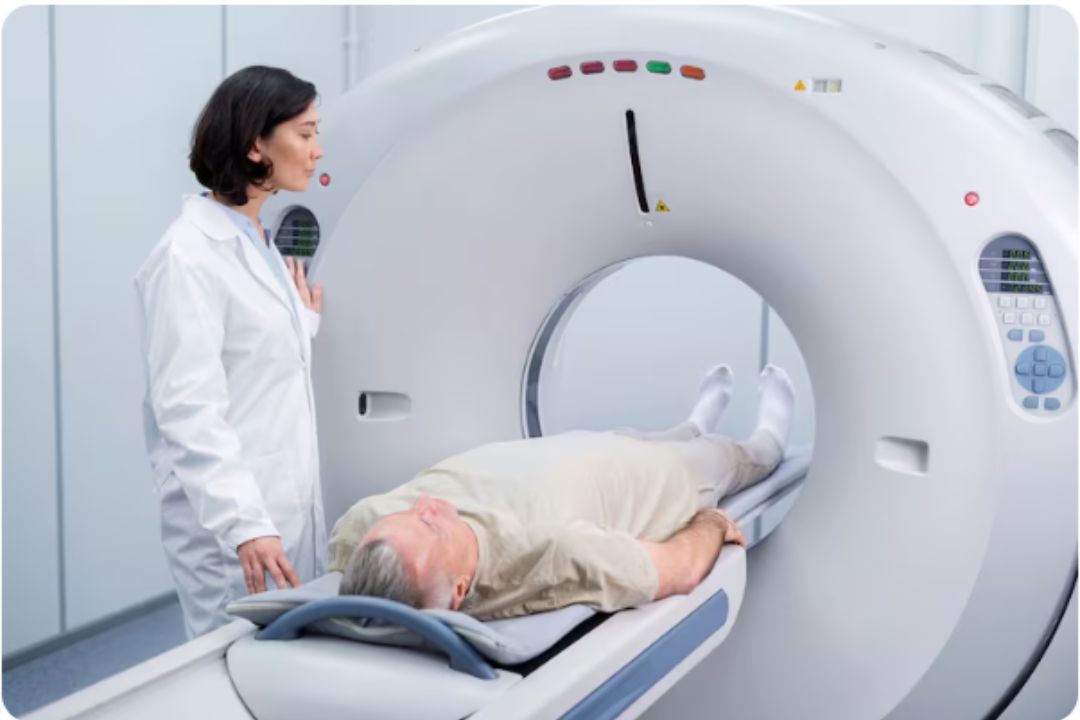
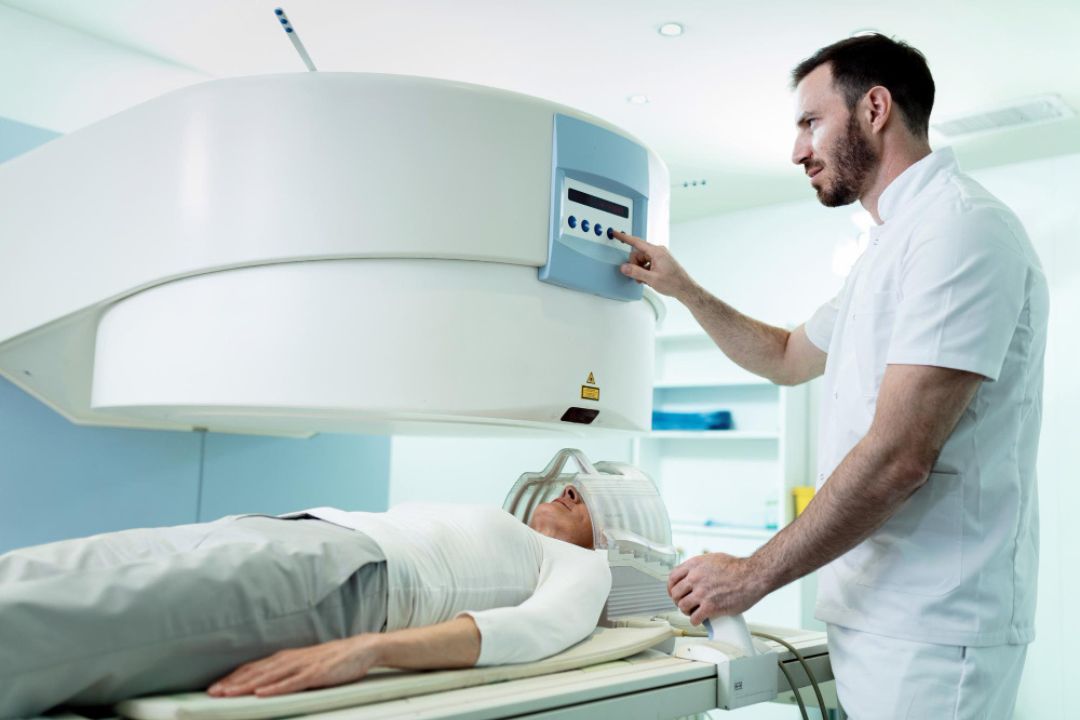
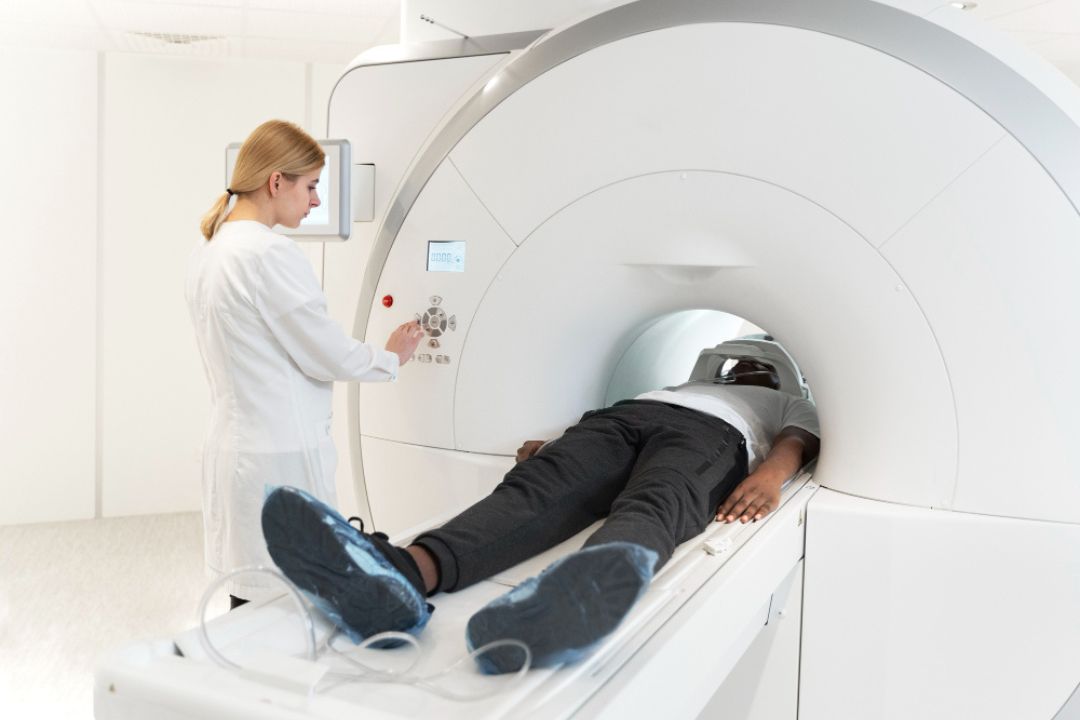
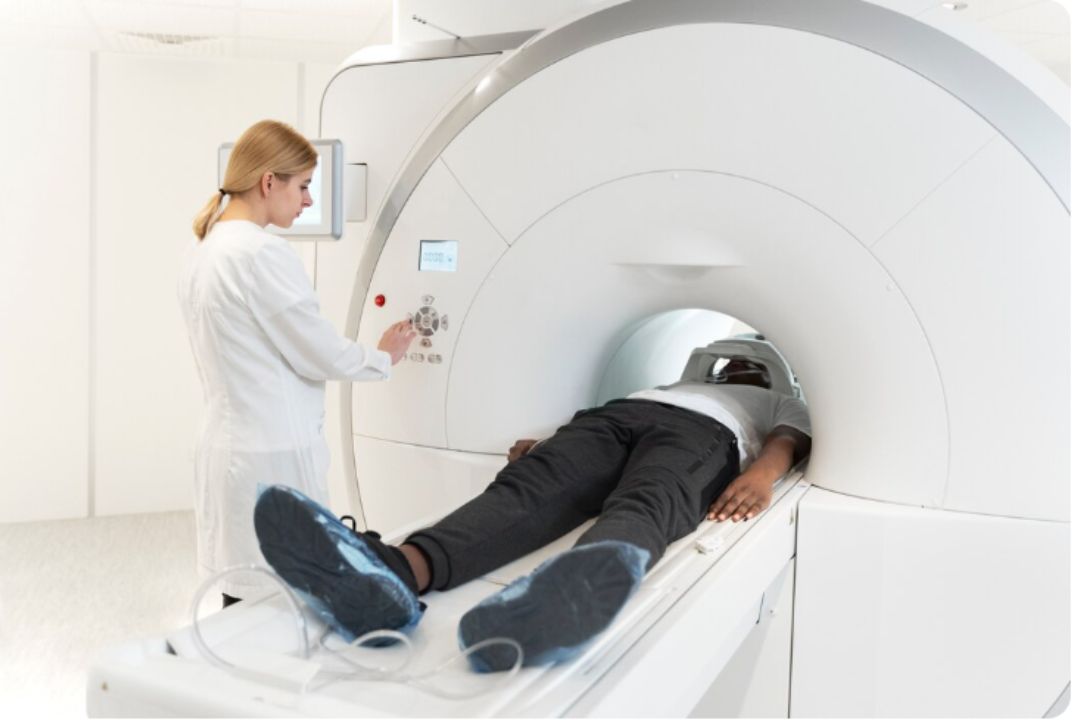
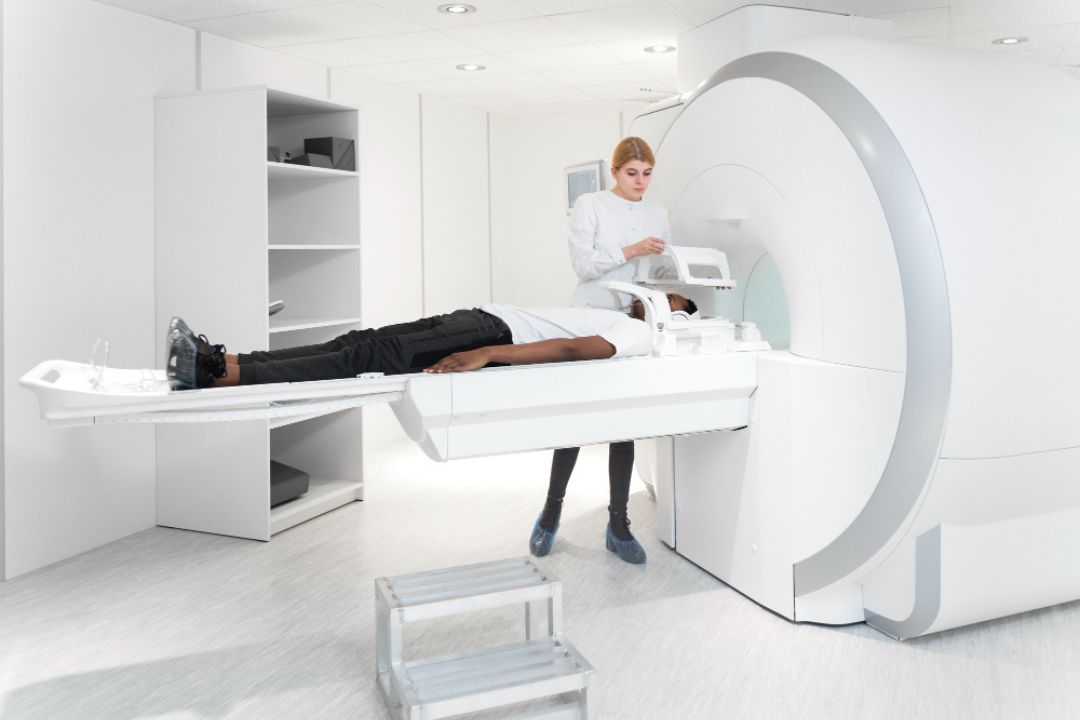
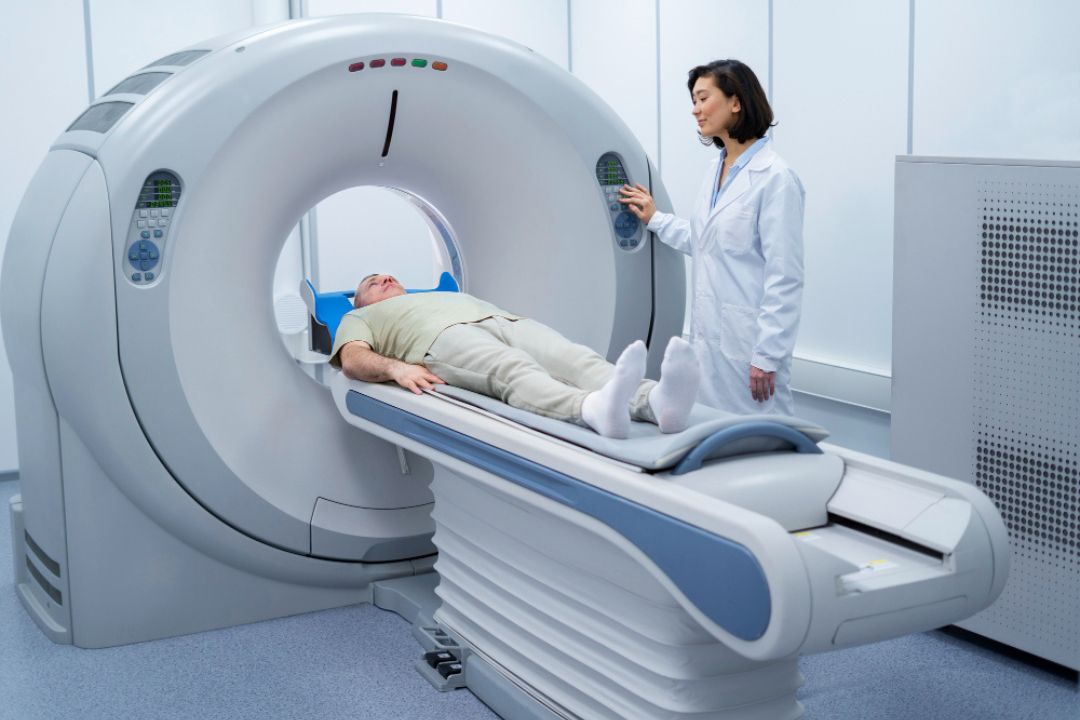
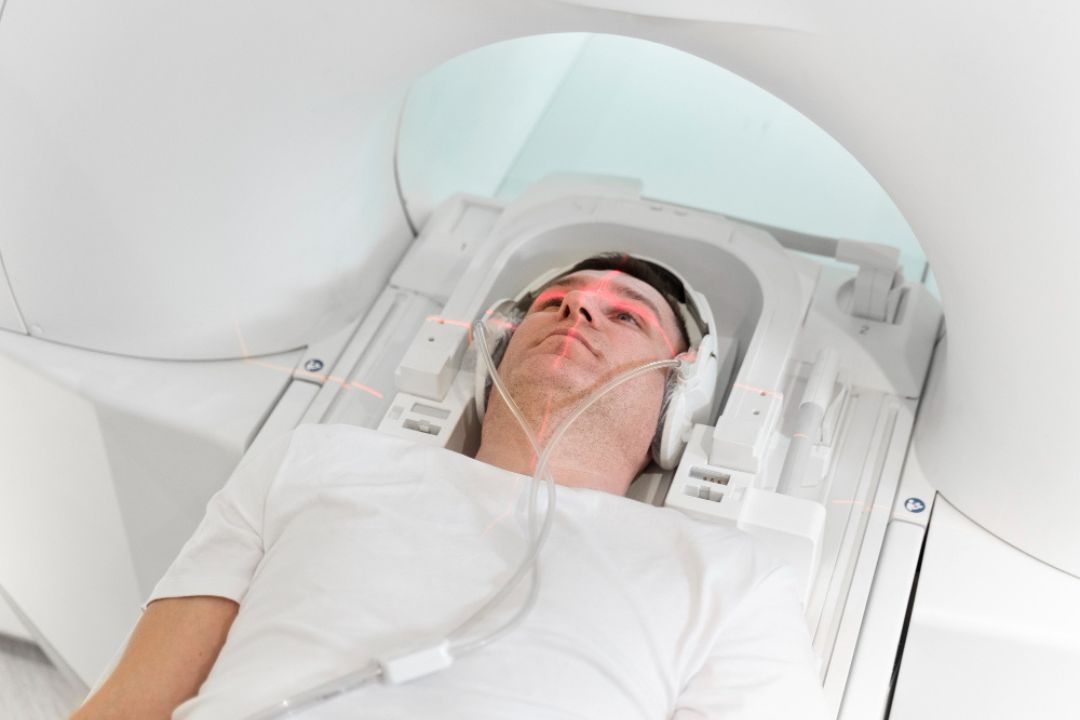
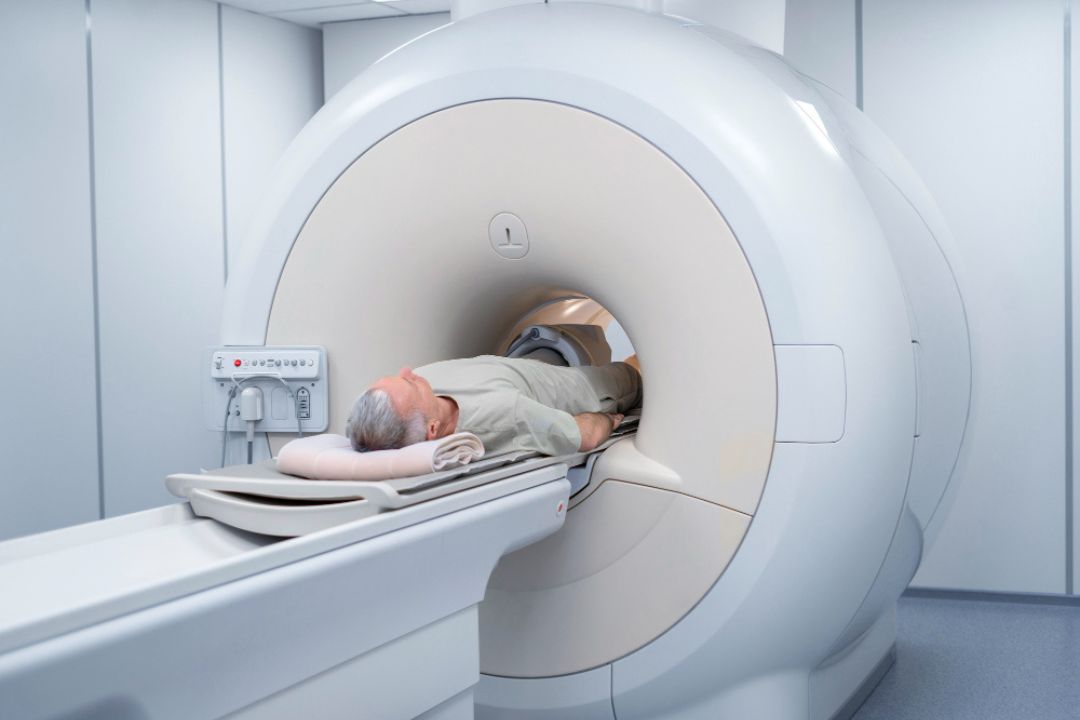
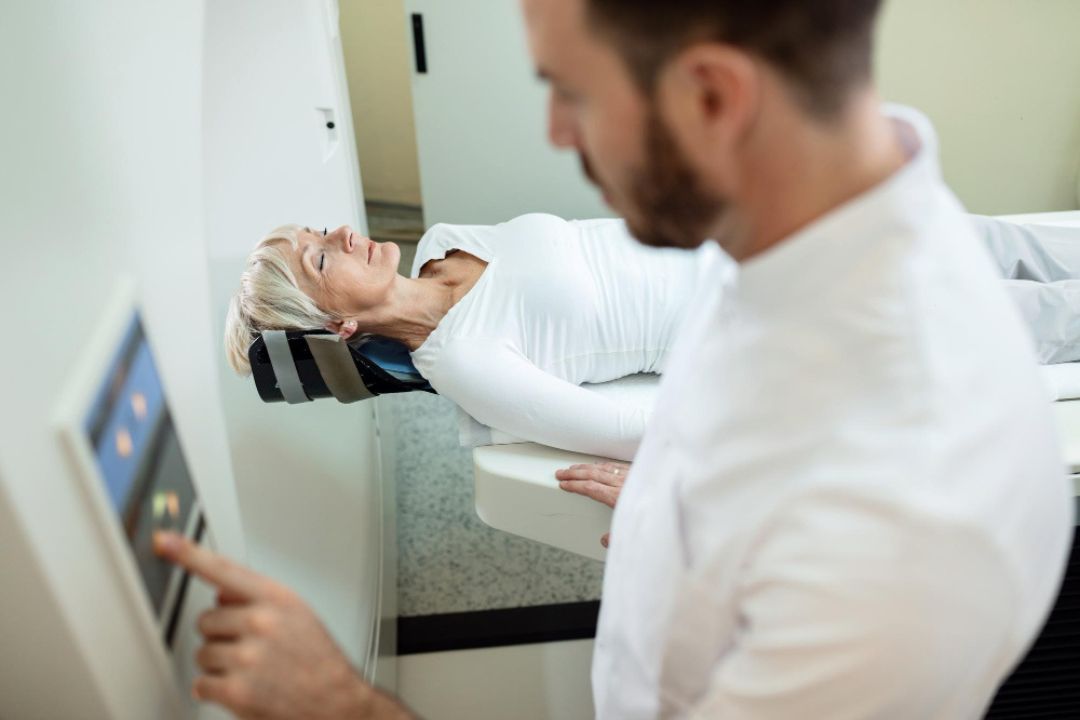
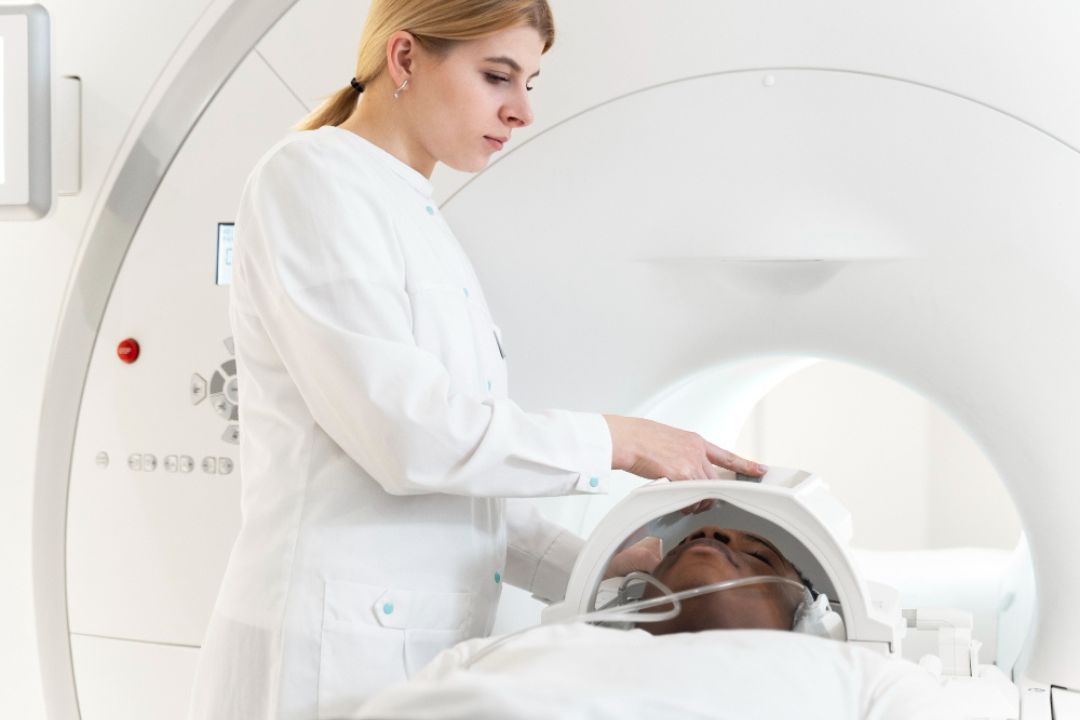
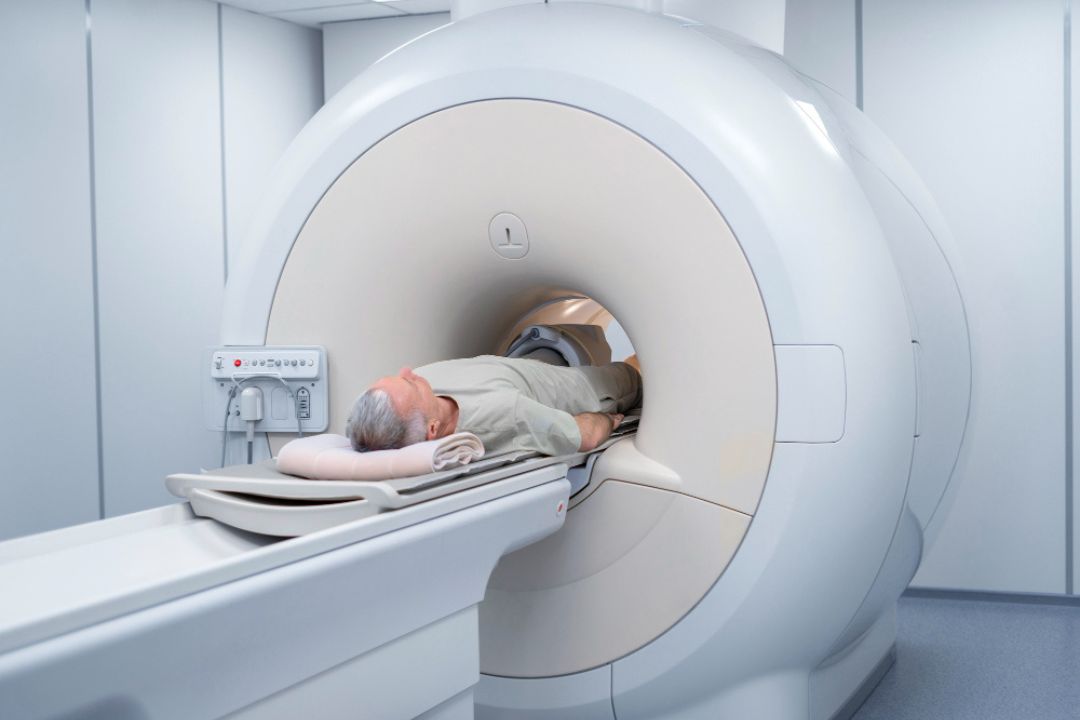
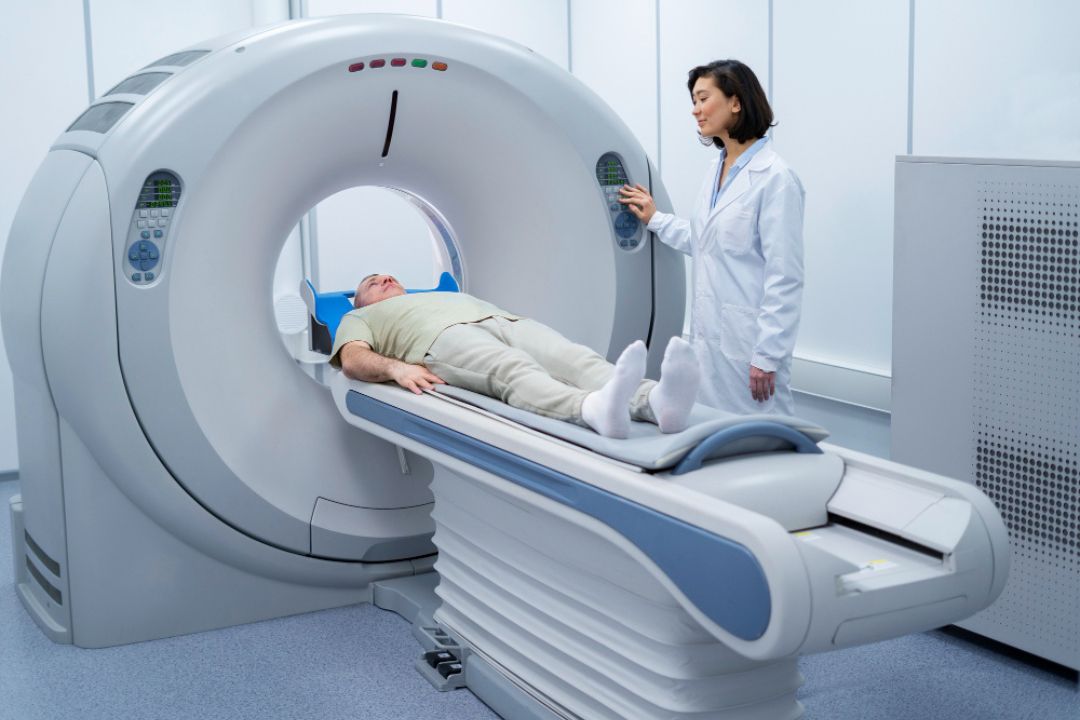
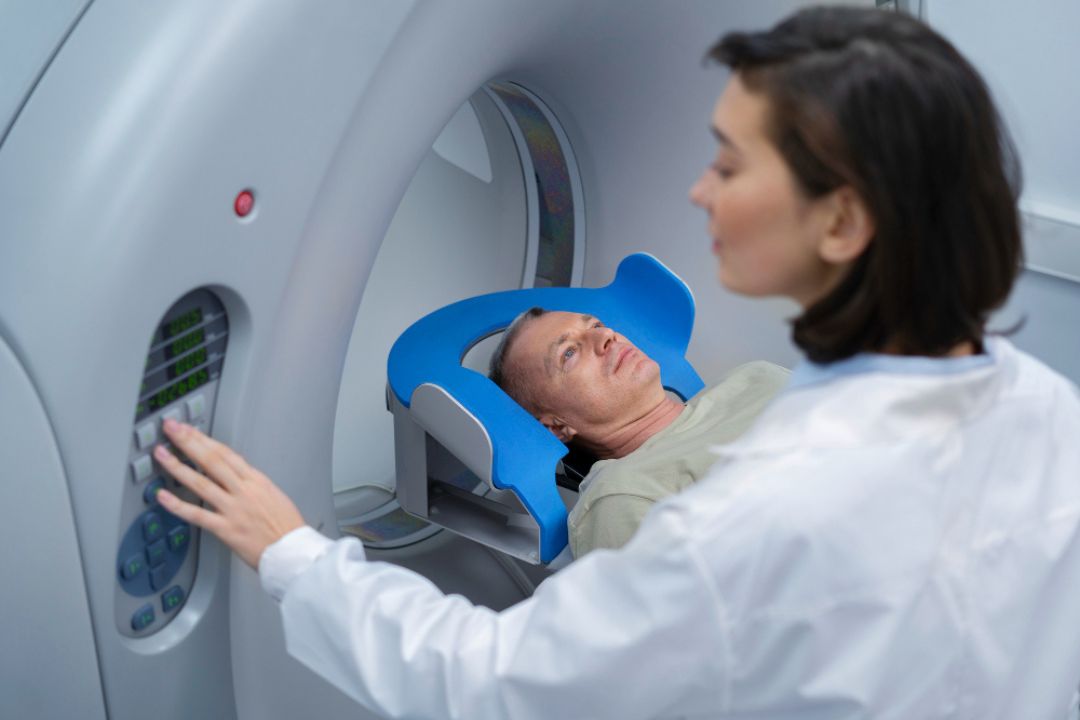
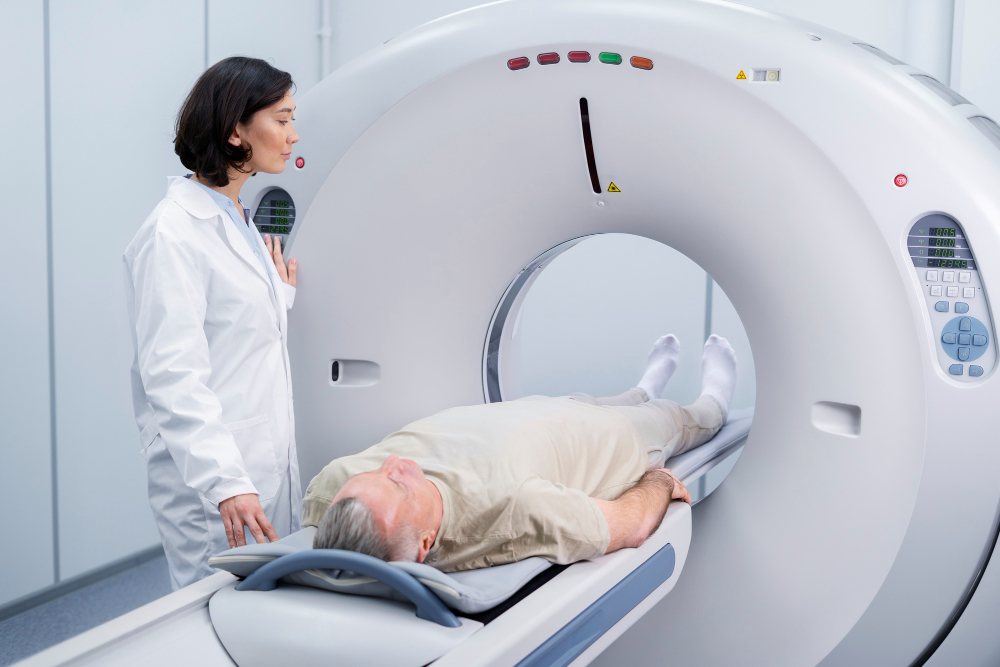
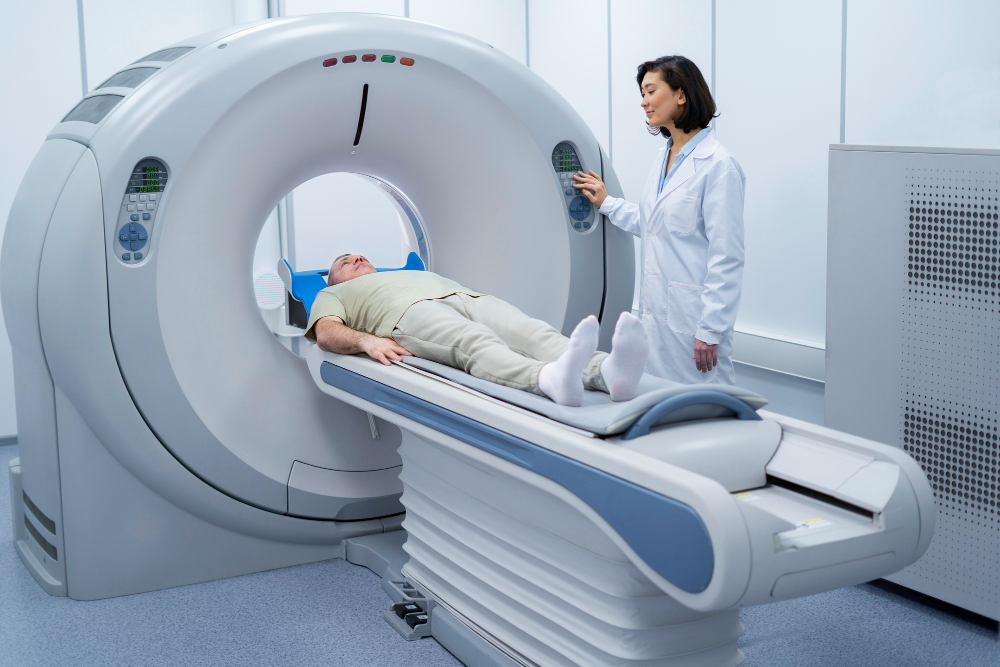
The patient lies on a motorized scanning table.
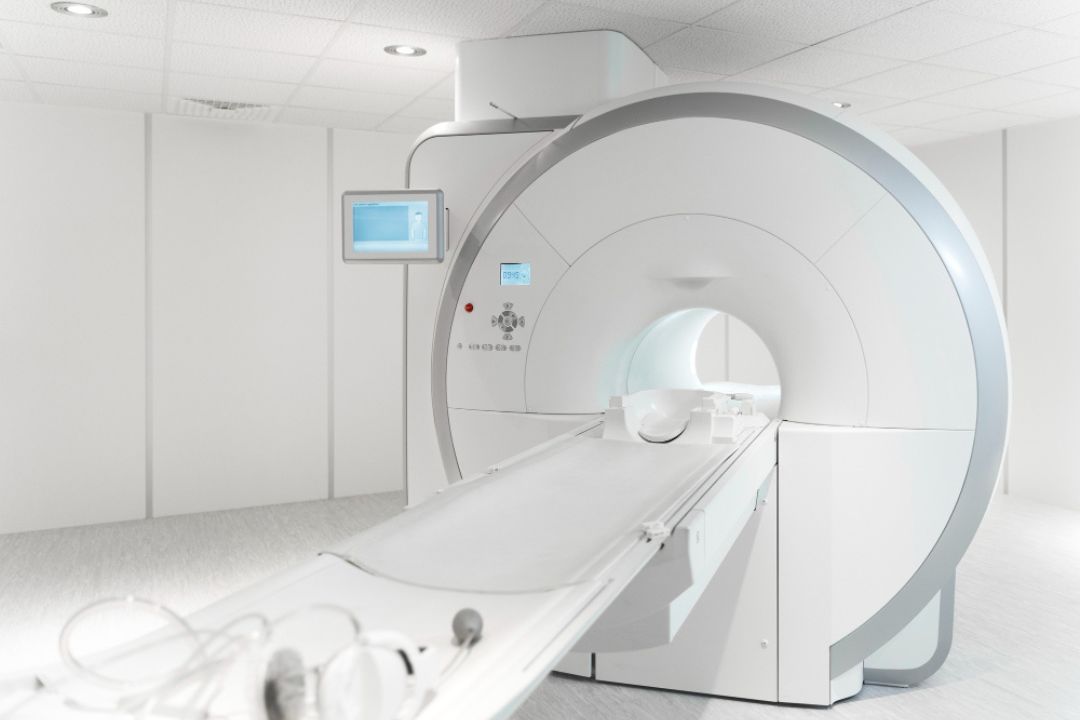
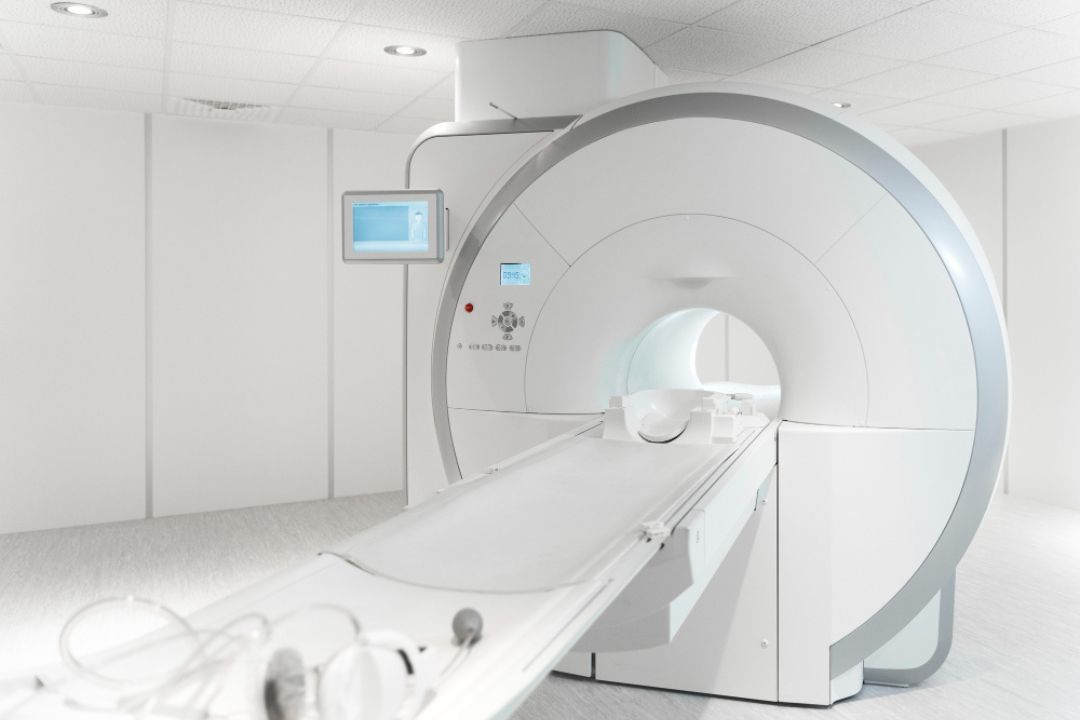
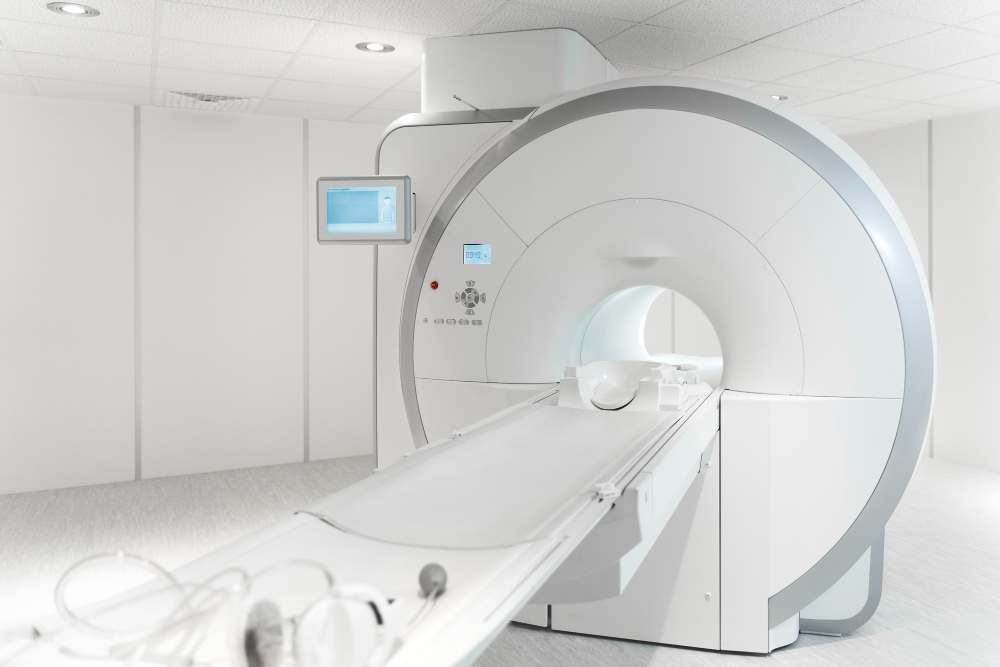
The table moves slowly through the CT scanner.
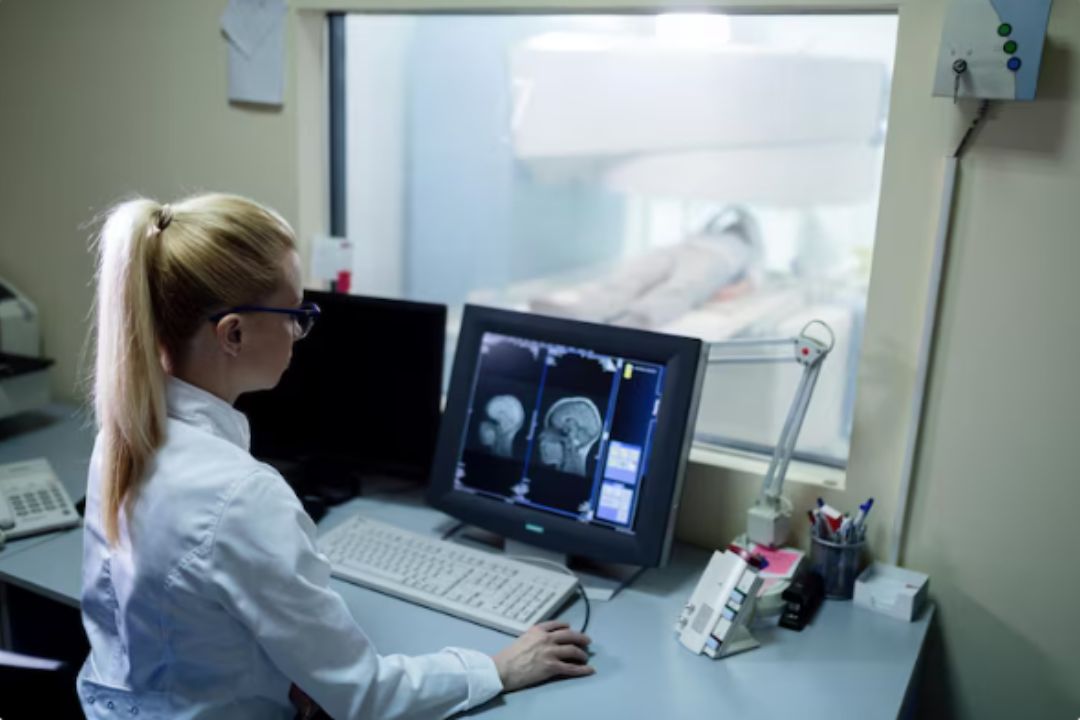
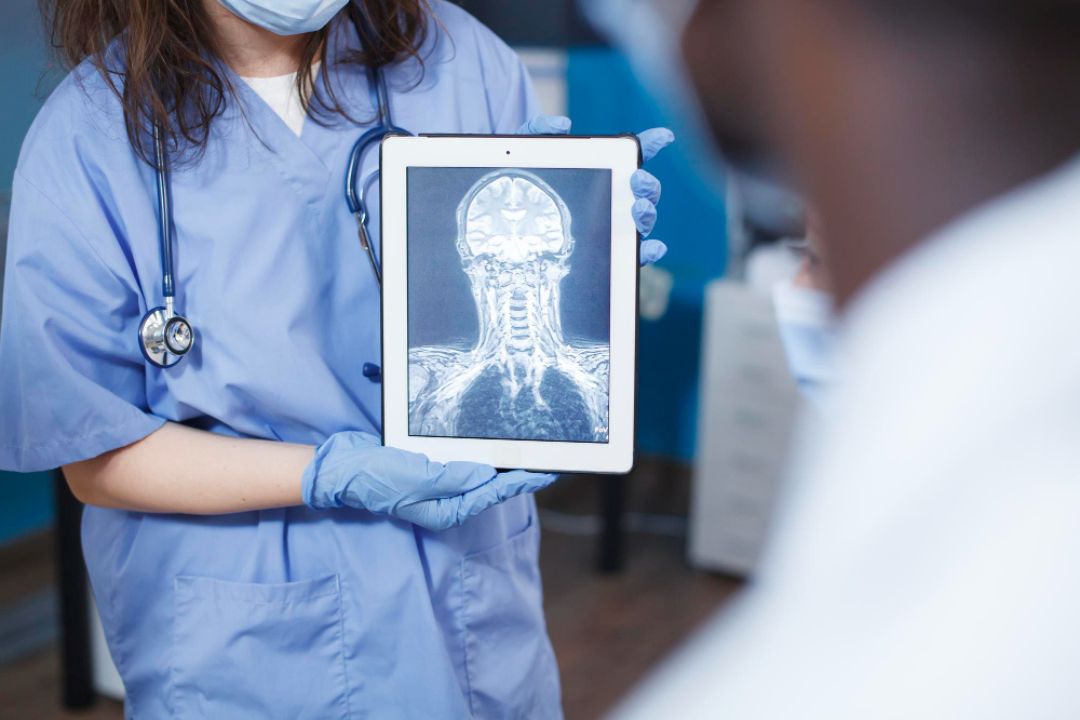
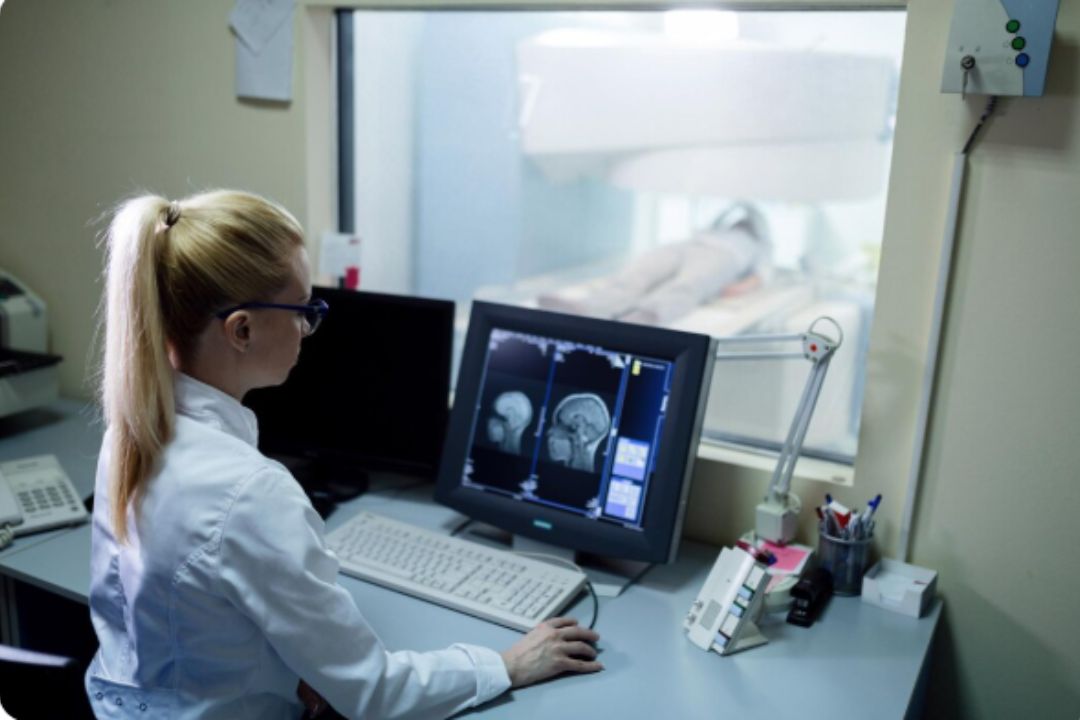
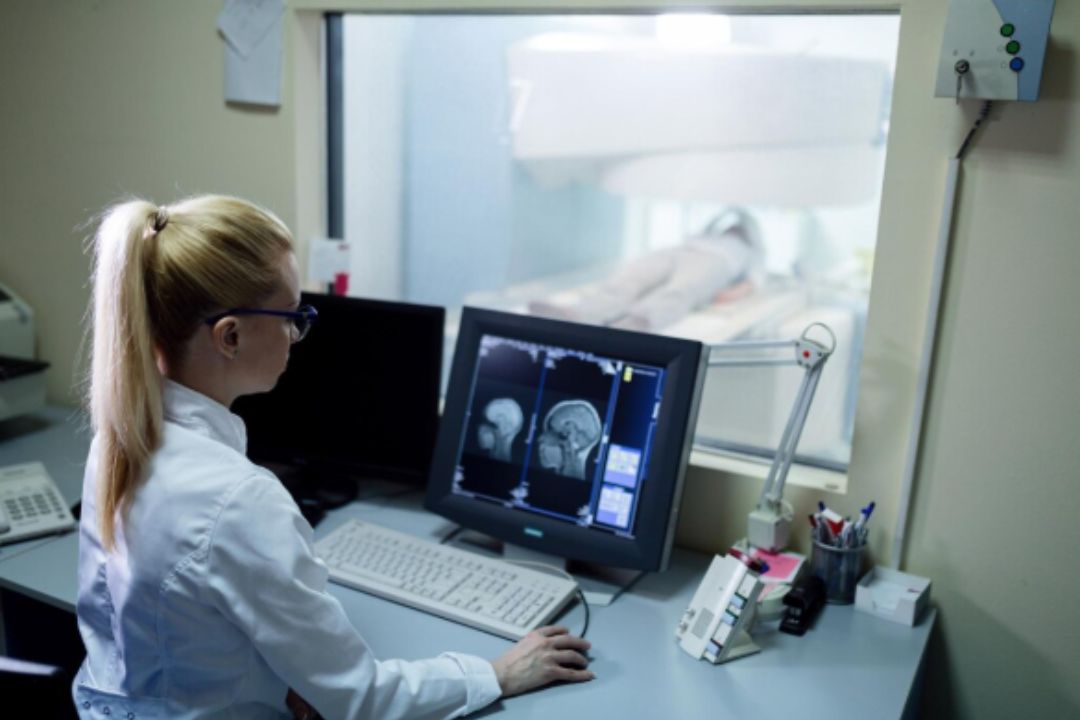
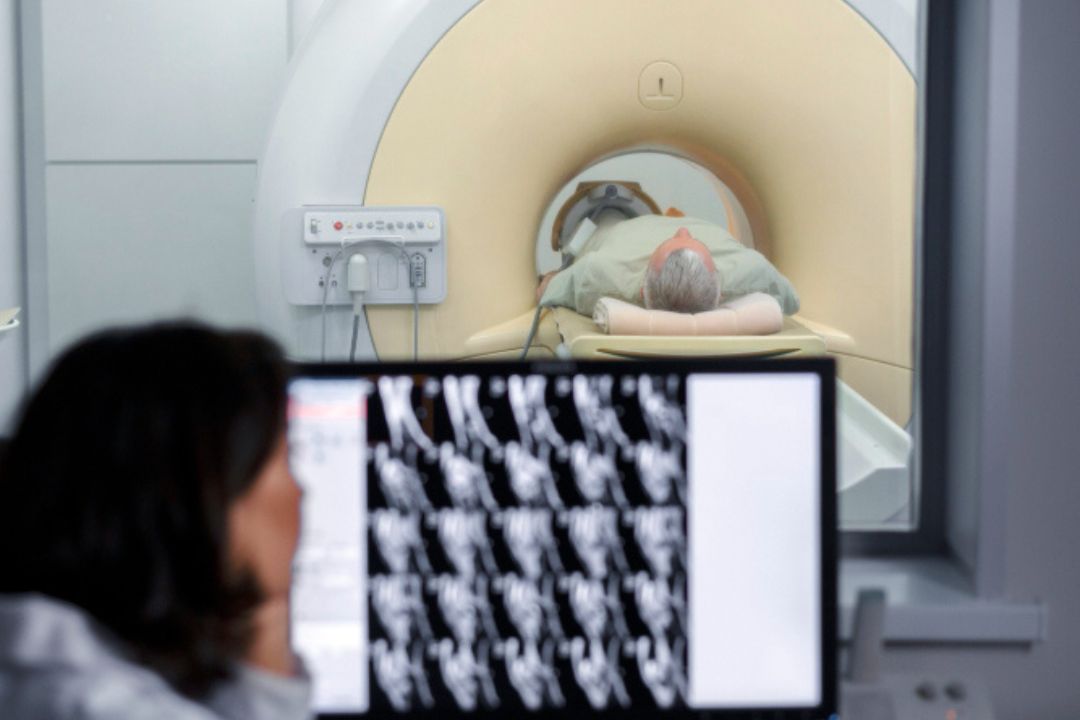
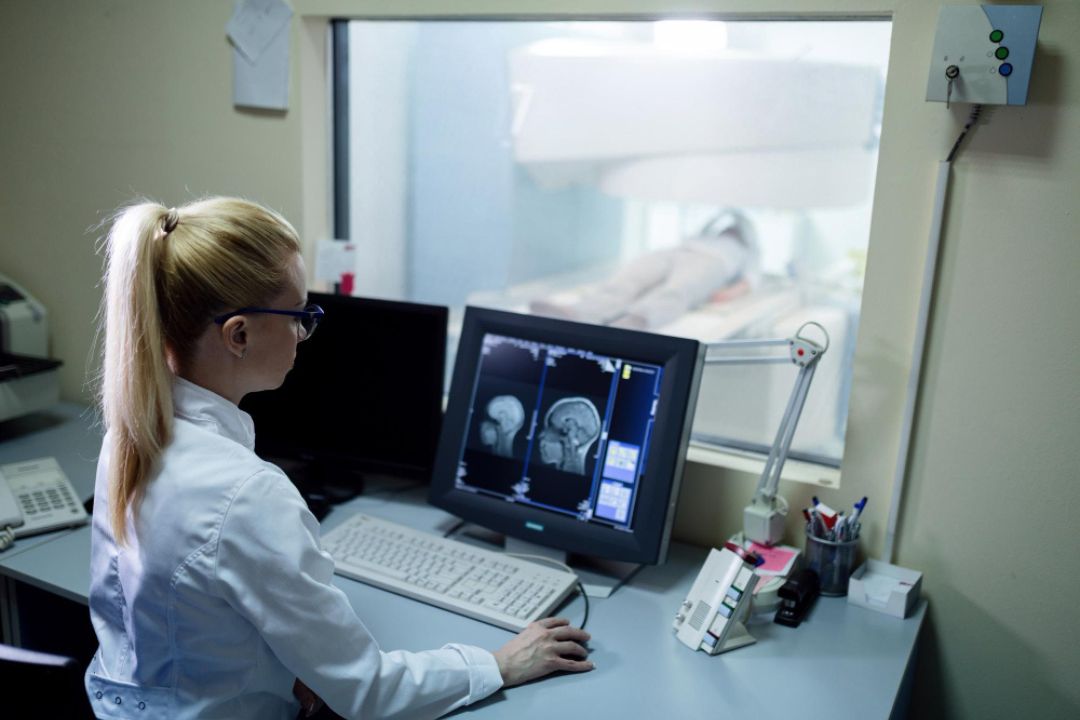
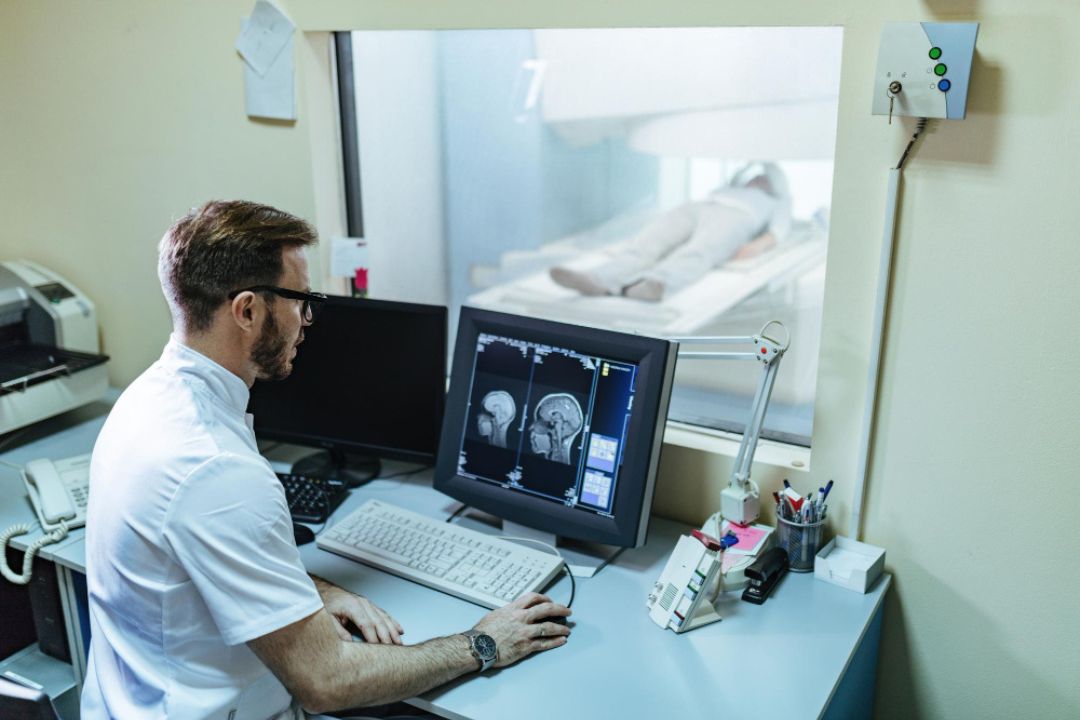
The machine captures detailed images of the abdomen and pelvis.
The scan usually takes 10 to 15 minutes.
Because this is a plain CT scan, no contrast dye is typically required.
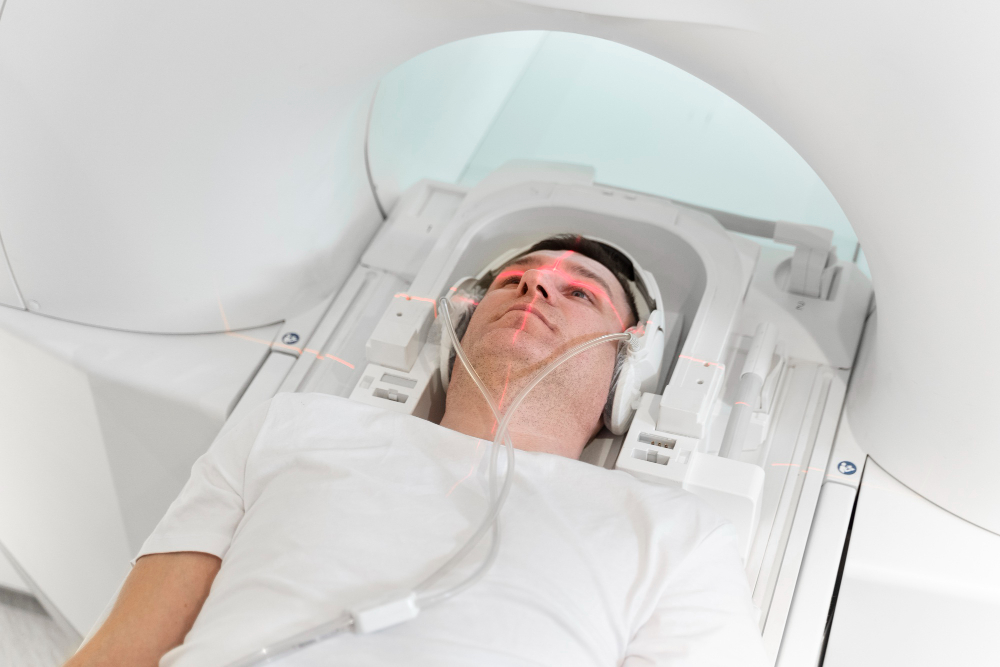
Patients are usually asked to remain still during the scan to ensure clear images.
Preparation for a CT KUB plain scan is generally simple.
Patients may be advised to:
Wear comfortable clothing
Remove metal objects such as jewelry
Inform the doctor about any medical conditions or medications
Drink water before the scan in some cases
Since contrast dye is not used, fasting is usually not required.
A CT KUB scan offers several advantages in diagnosing urinary tract problems.
Key benefits include:
Highly accurate detection of kidney stones
Detailed imaging of urinary organs
Quick and painless procedure
No contrast dye required in most cases
Helps doctors plan effective treatment
These benefits make CT KUB scans one of the most reliable imaging tests for urinary tract conditions.
Doctors may recommend this scan if you experience symptoms such as:
Severe lower abdominal or back pain
Pain during urination
Blood in urine
Frequent urinary infections
Suspected kidney stones
Early diagnosis through imaging helps prevent complications and ensures timely treatment.
A CT KUB plain scan is an important diagnostic test used to evaluate the kidneys, ureters, and bladder. It helps doctors detect conditions such as kidney stones, urinary blockages, infections, and tumors with high accuracy.
Because the procedure is quick, painless, and highly reliable, it plays a crucial role in diagnosing urinary tract disorders and guiding proper medical treatment.








.jpg "ct brain scan plain and contrast")











.jpg "ct scan")

.jpg "ct scan or mri for brain disorders")


.jpg "exploring the power of ct brain contrast in modern diagnostics")
.jpg "ct scan")
.jpg "ct scan")








.jpg "ct scan")

.jpg "CT Brain Scan for Headaches")
.jpg "The Future of 3D CT Imaging")