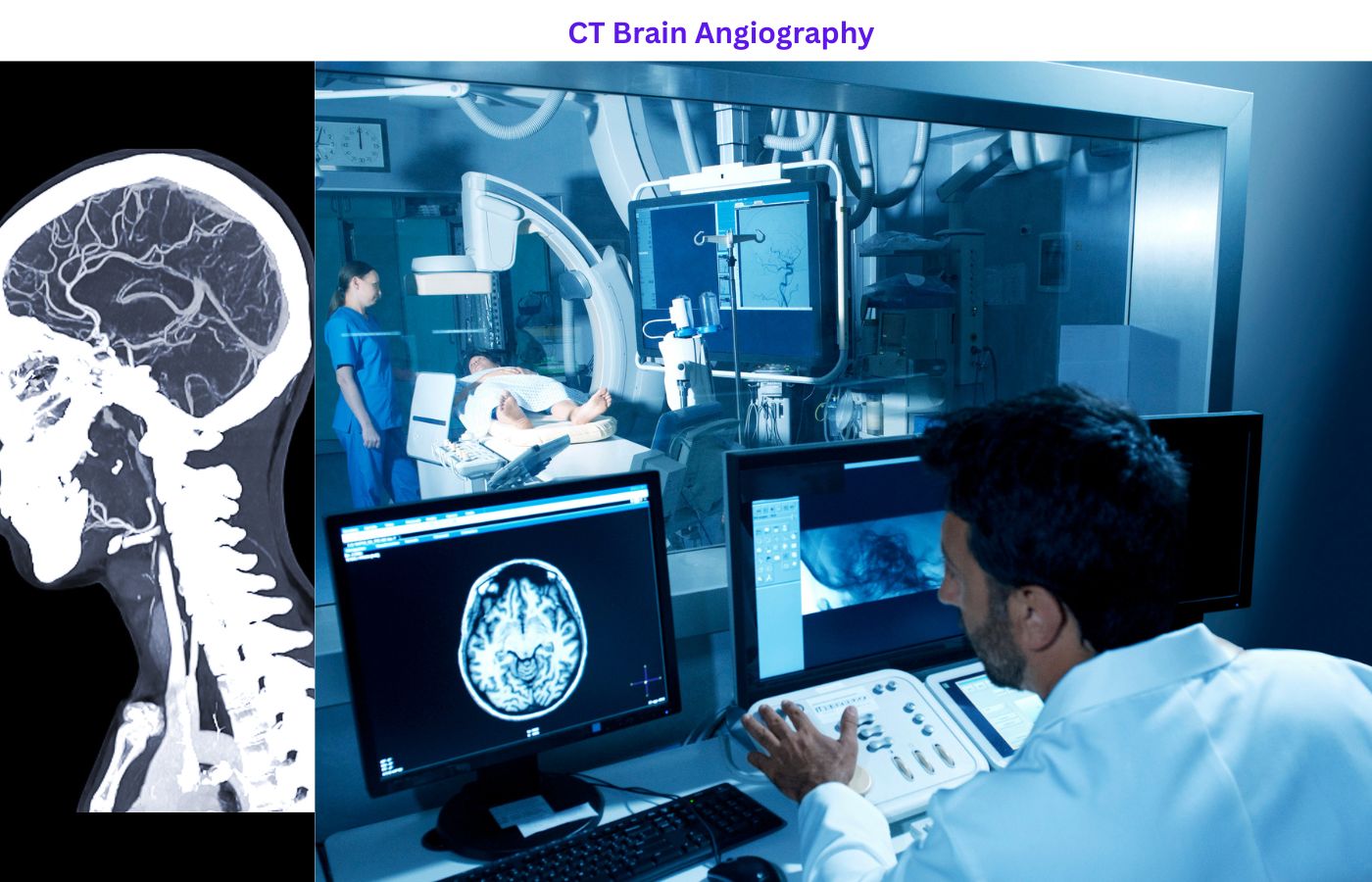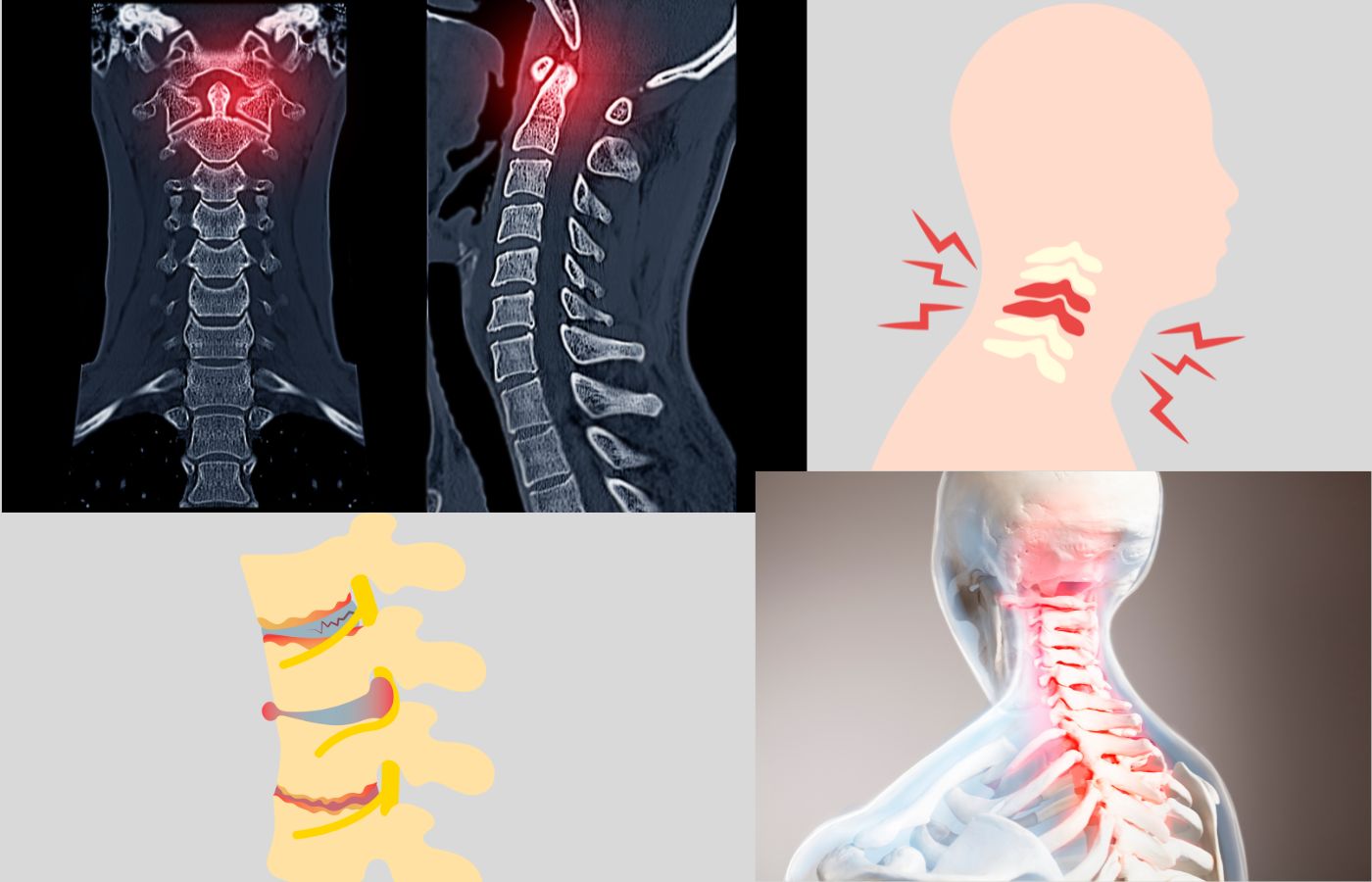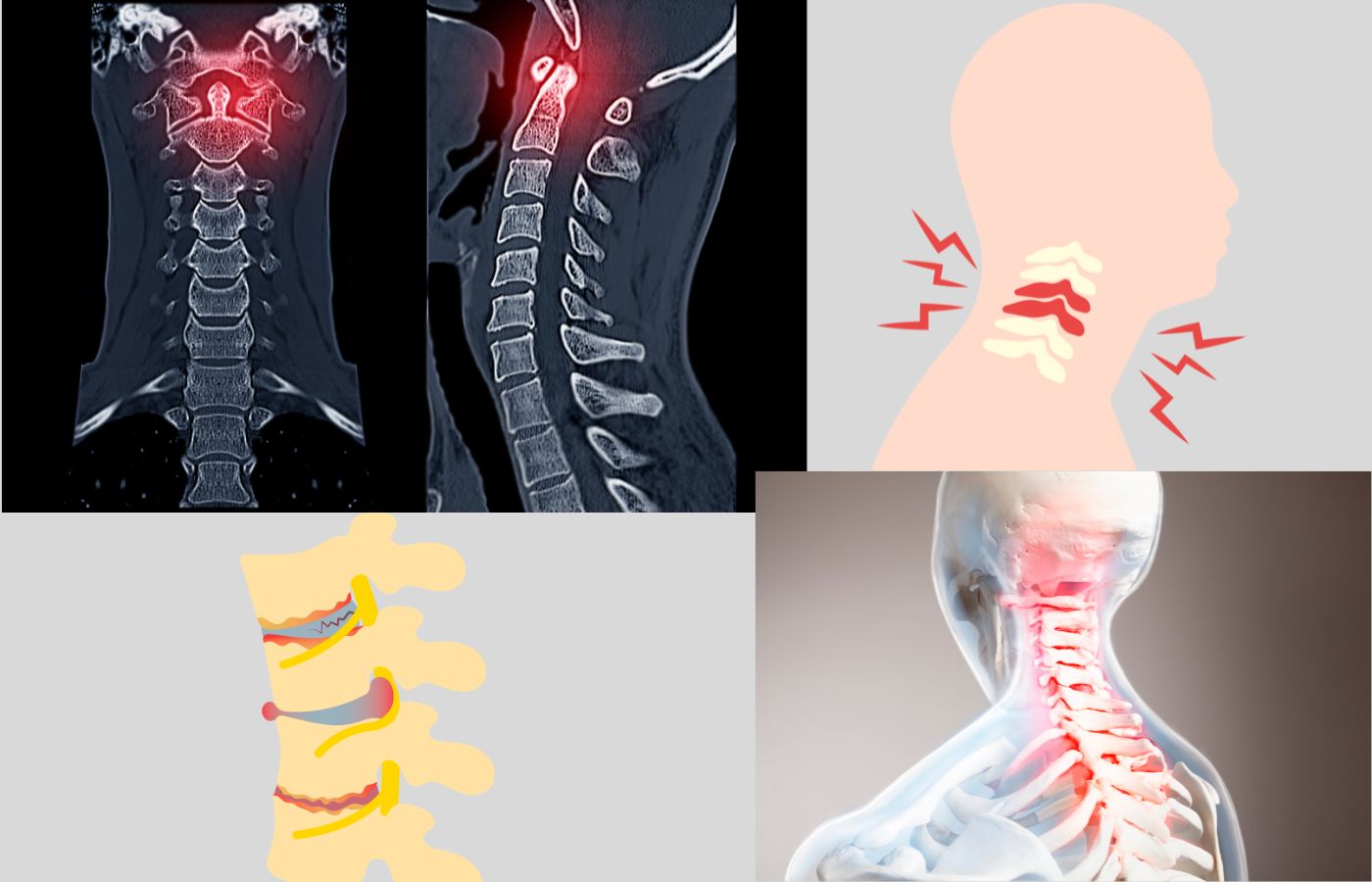
A CT scan without contrast, also known as a plain CT scan, is a common medical imaging test used to diagnose many conditions. Many patients feel anxious before the test and often ask one important question: Is a CT scan without contrast painful?
The simple answer is no. A CT scan without contrast is generally painless, quick, and non-invasive. The procedure does not involve injections or needles, and most patients feel comfortable throughout the scan.
In this guide, we will explain what a CT scan without contrast is, how the procedure works, why doctors recommend it, and what you can expect during the scan.
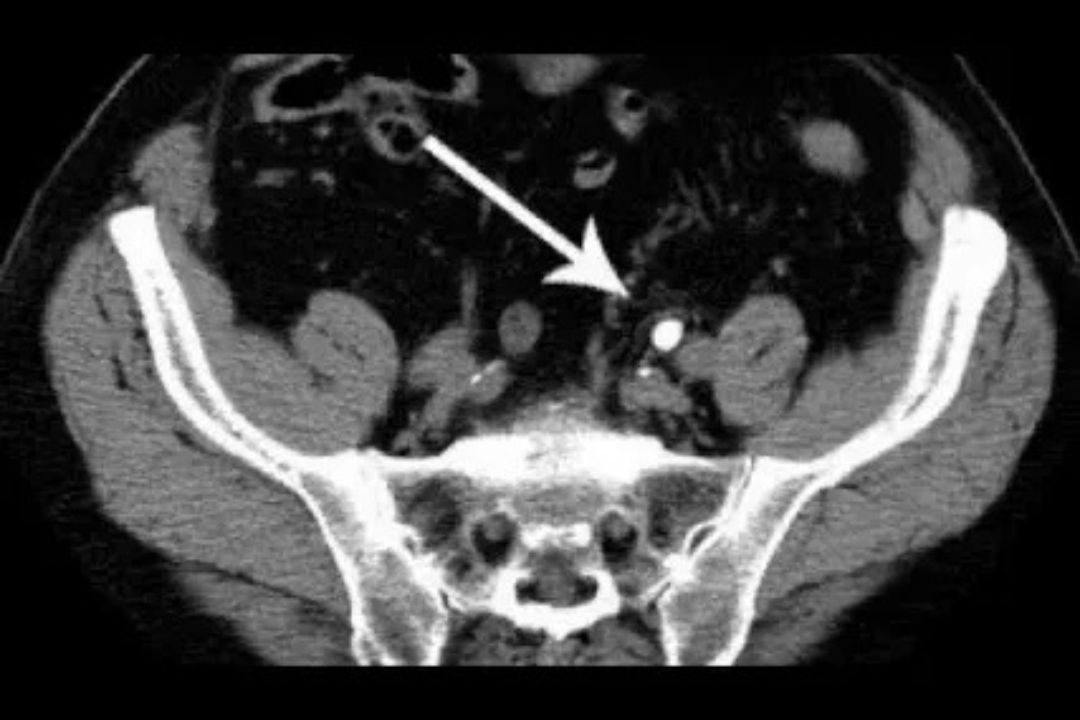
A CT (Computed Tomography) scan without contrast is a diagnostic imaging test that uses X-rays and computer technology to create detailed images of the inside of the body.
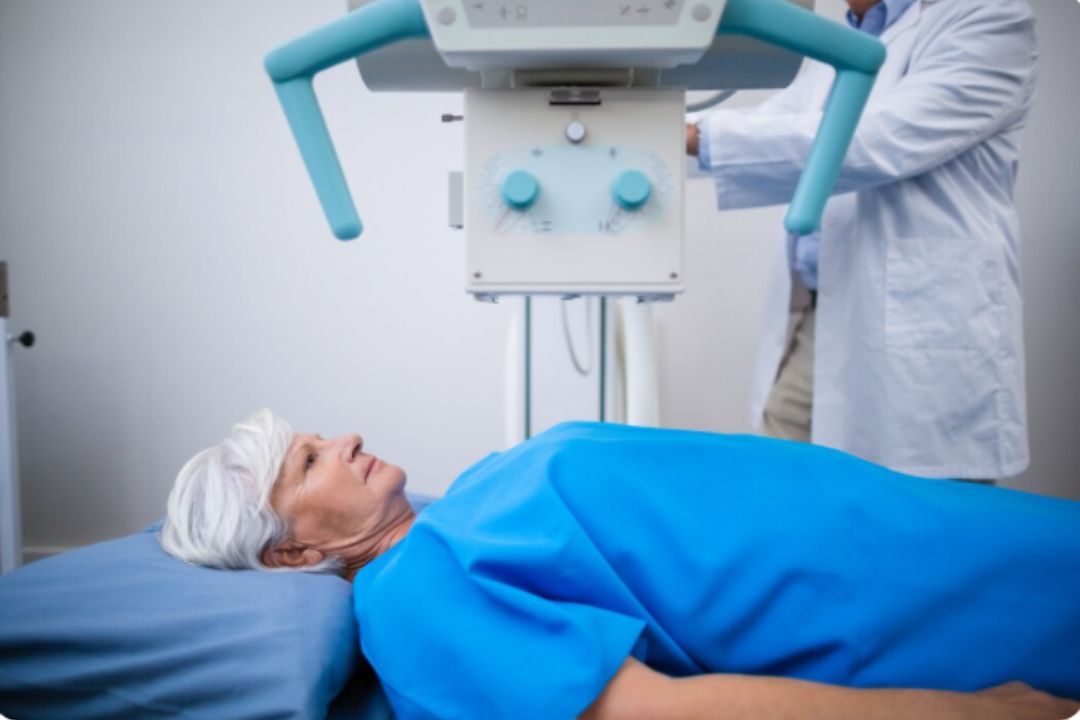
Unlike contrast CT scans, this test does not require a contrast dye injection. The scan simply captures images of bones, organs, and tissues using X-ray beams.
Doctors commonly recommend non-contrast CT scans to examine:
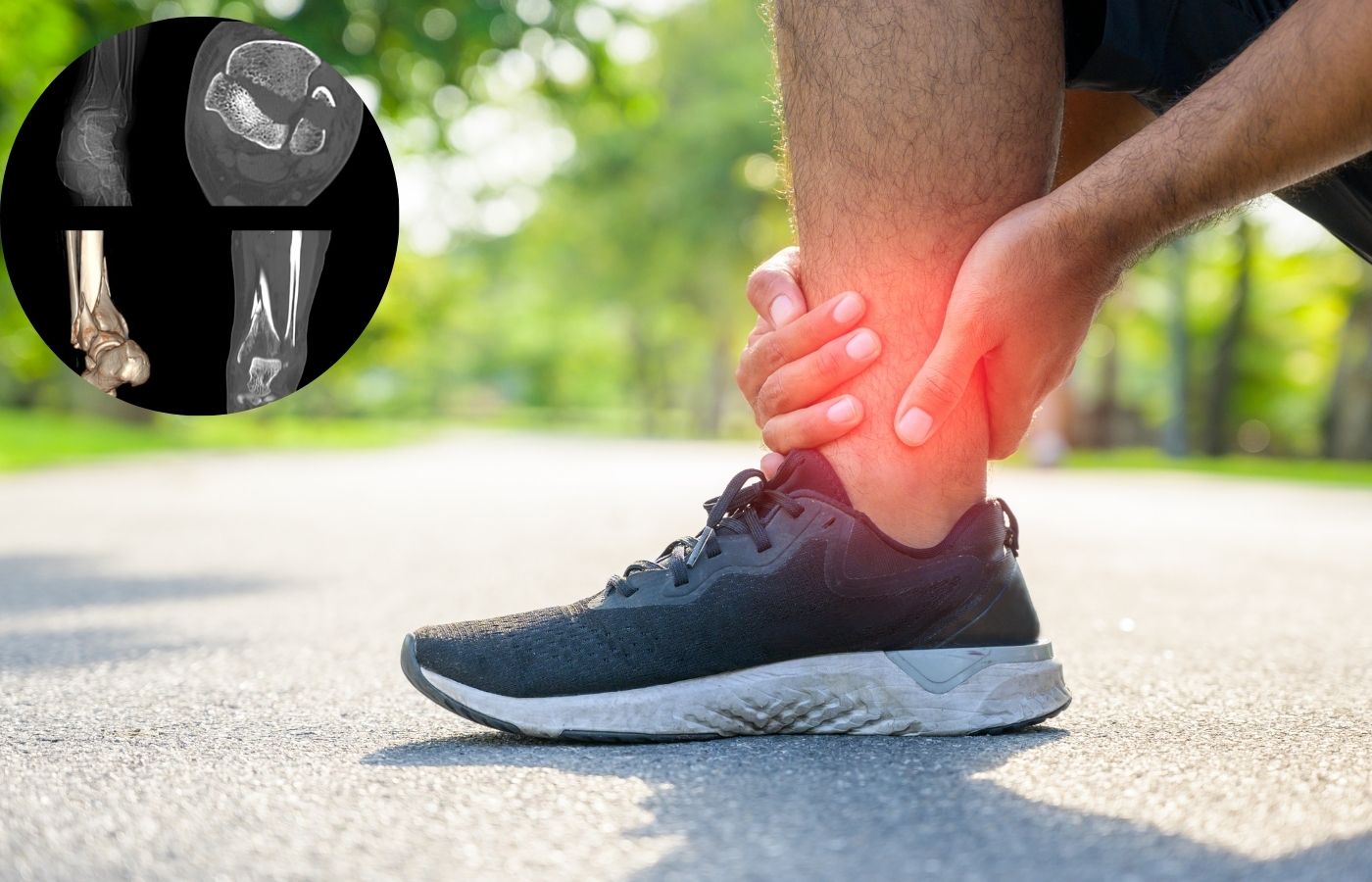
Bone fractures
Kidney stones
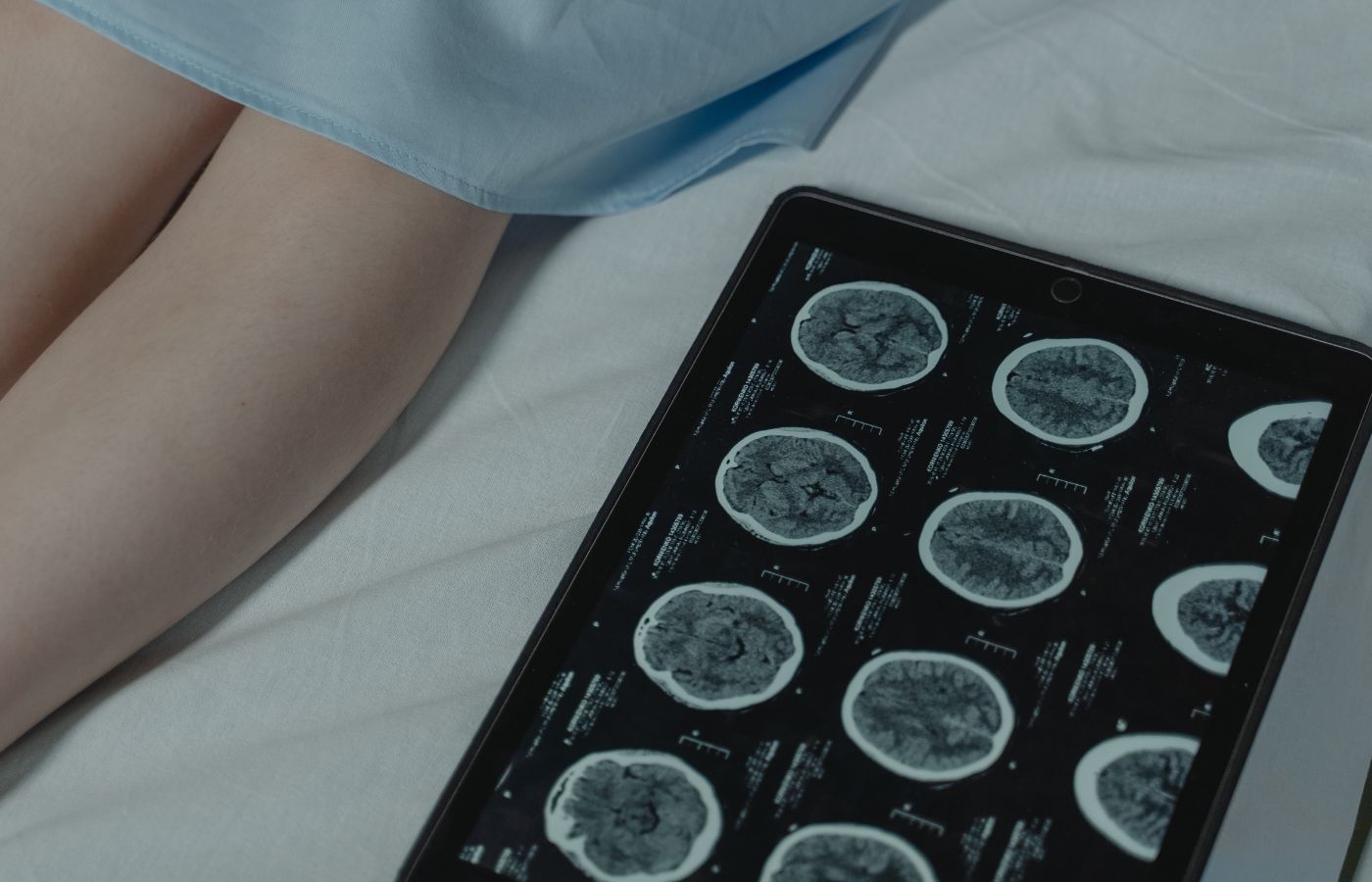
Brain injuries
Internal bleeding
Lung conditions
Sinus infections
Because no dye is used, the procedure is simpler and faster than a contrast CT scan.
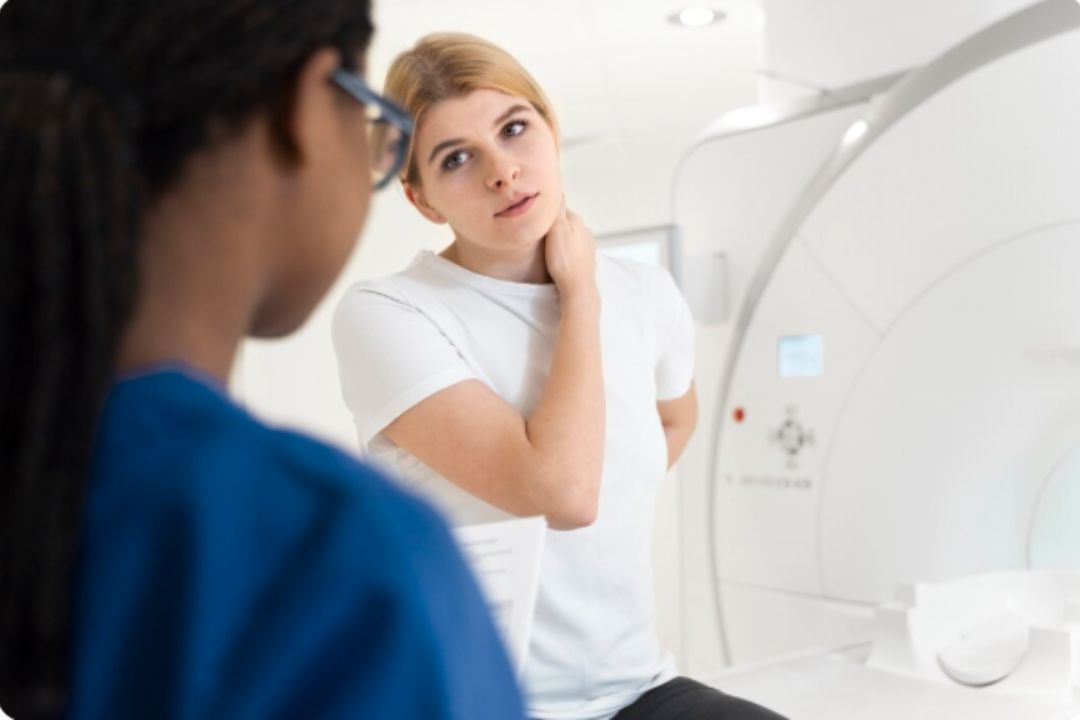
A CT scan without contrast is not painful. The procedure does not involve needles, injections, or surgical instruments.
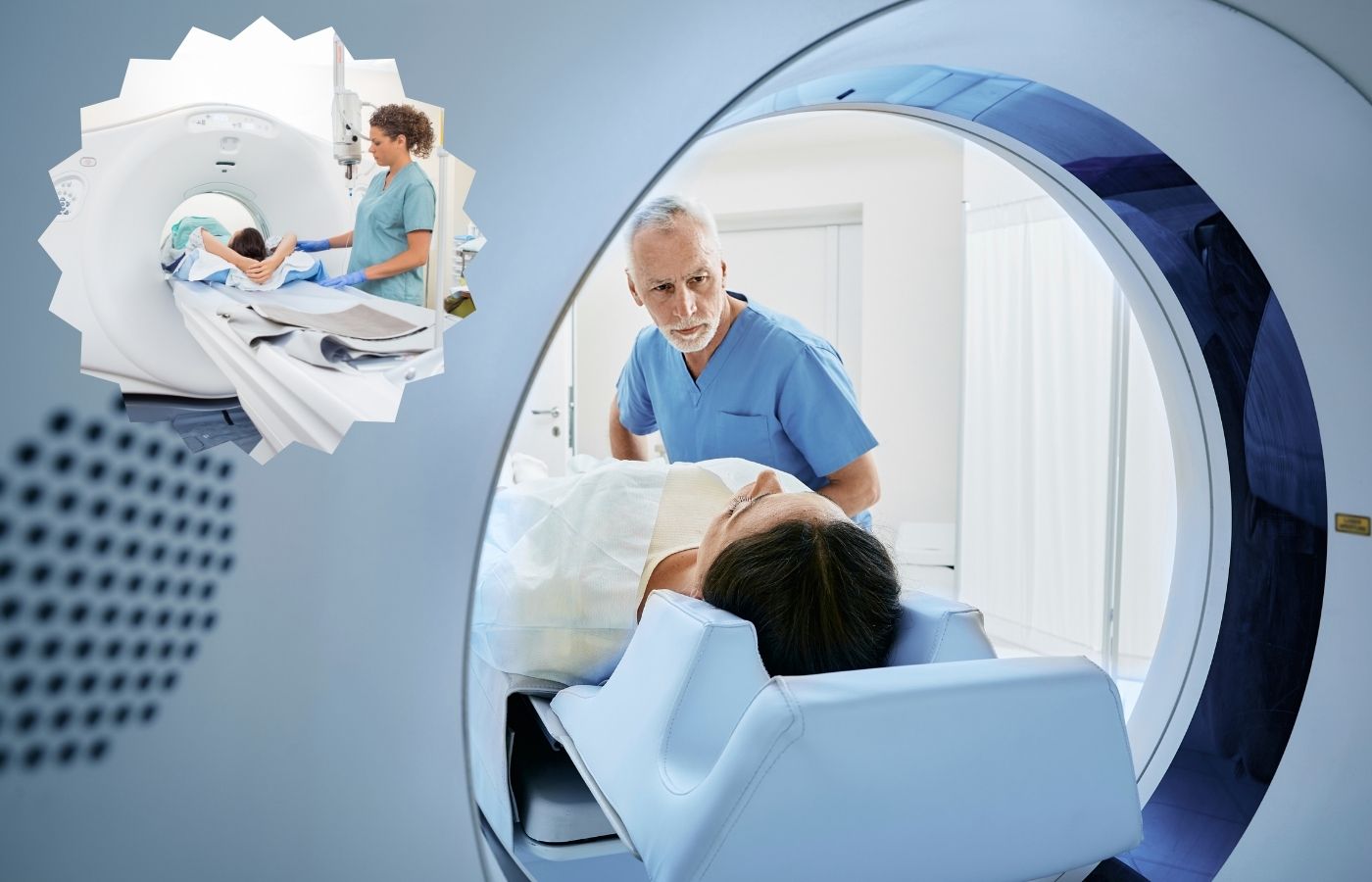
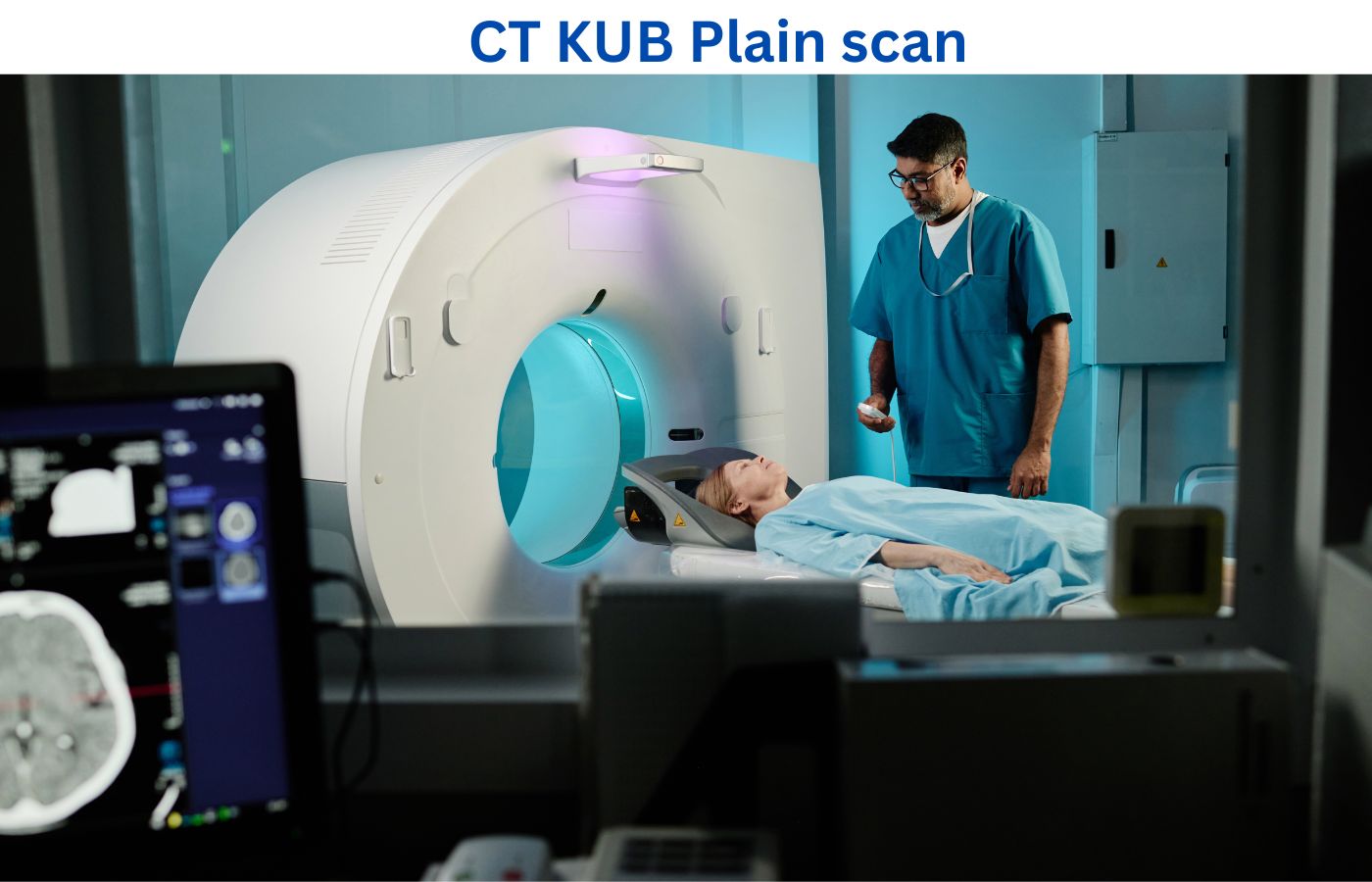
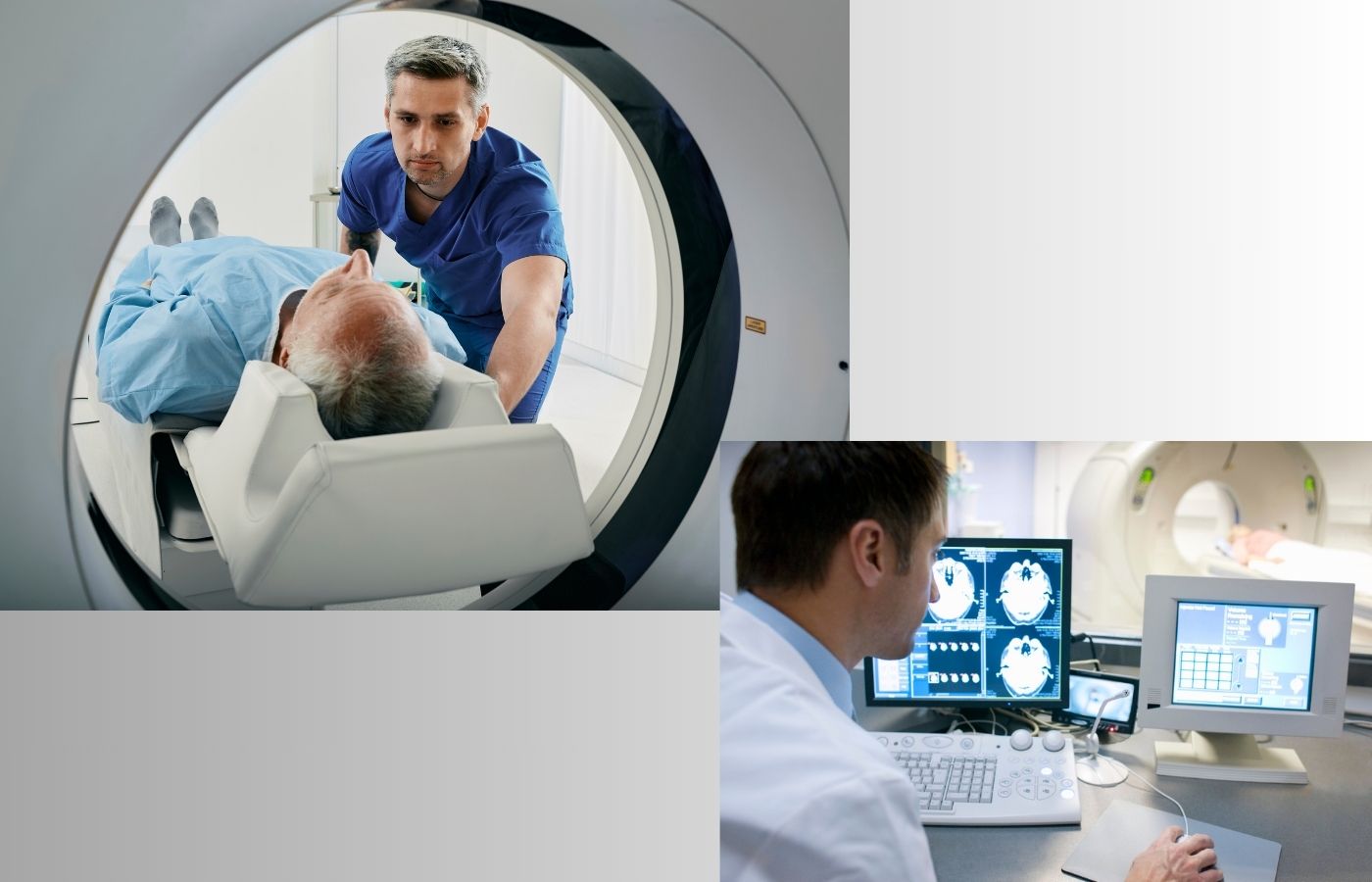
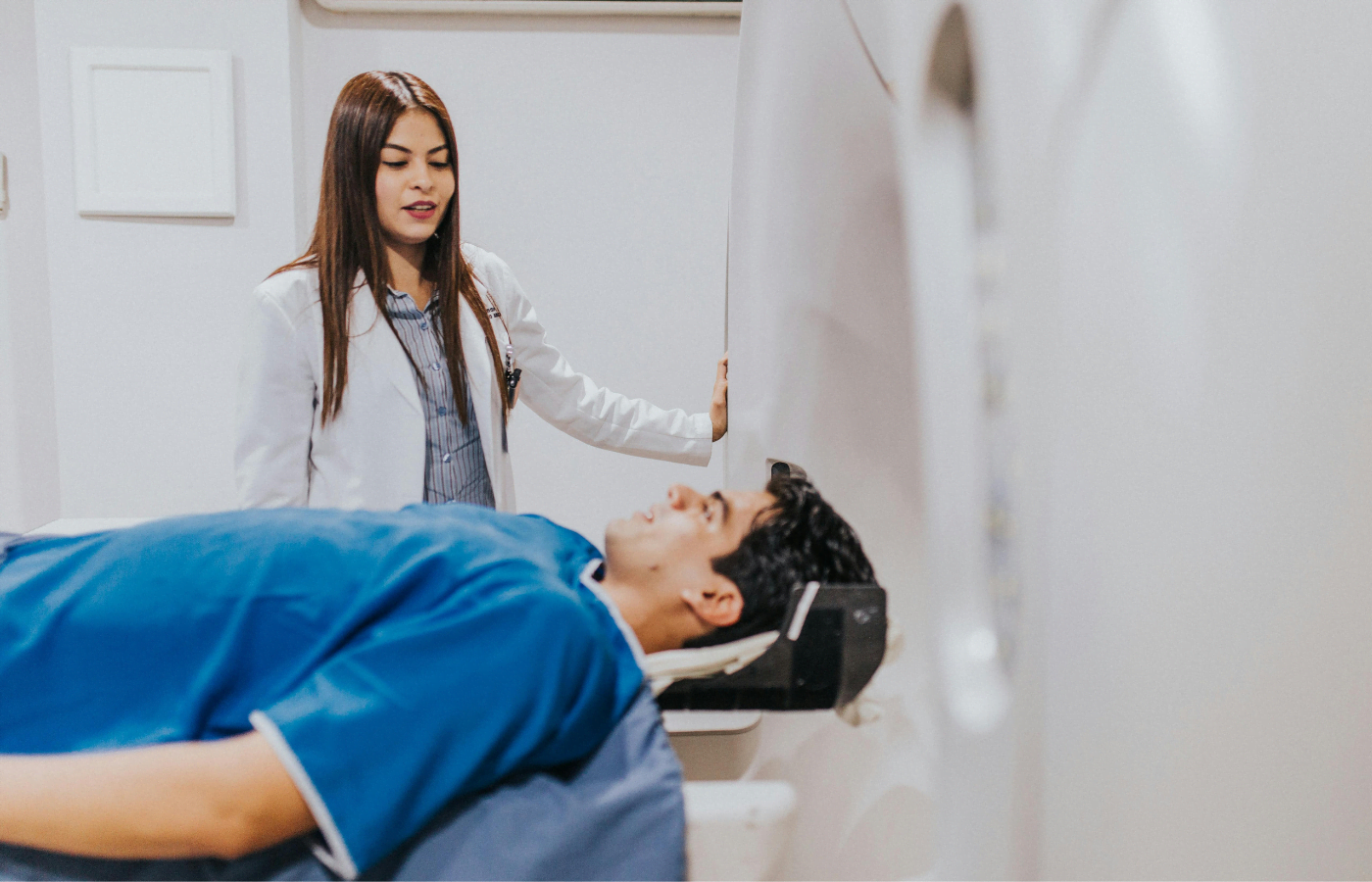
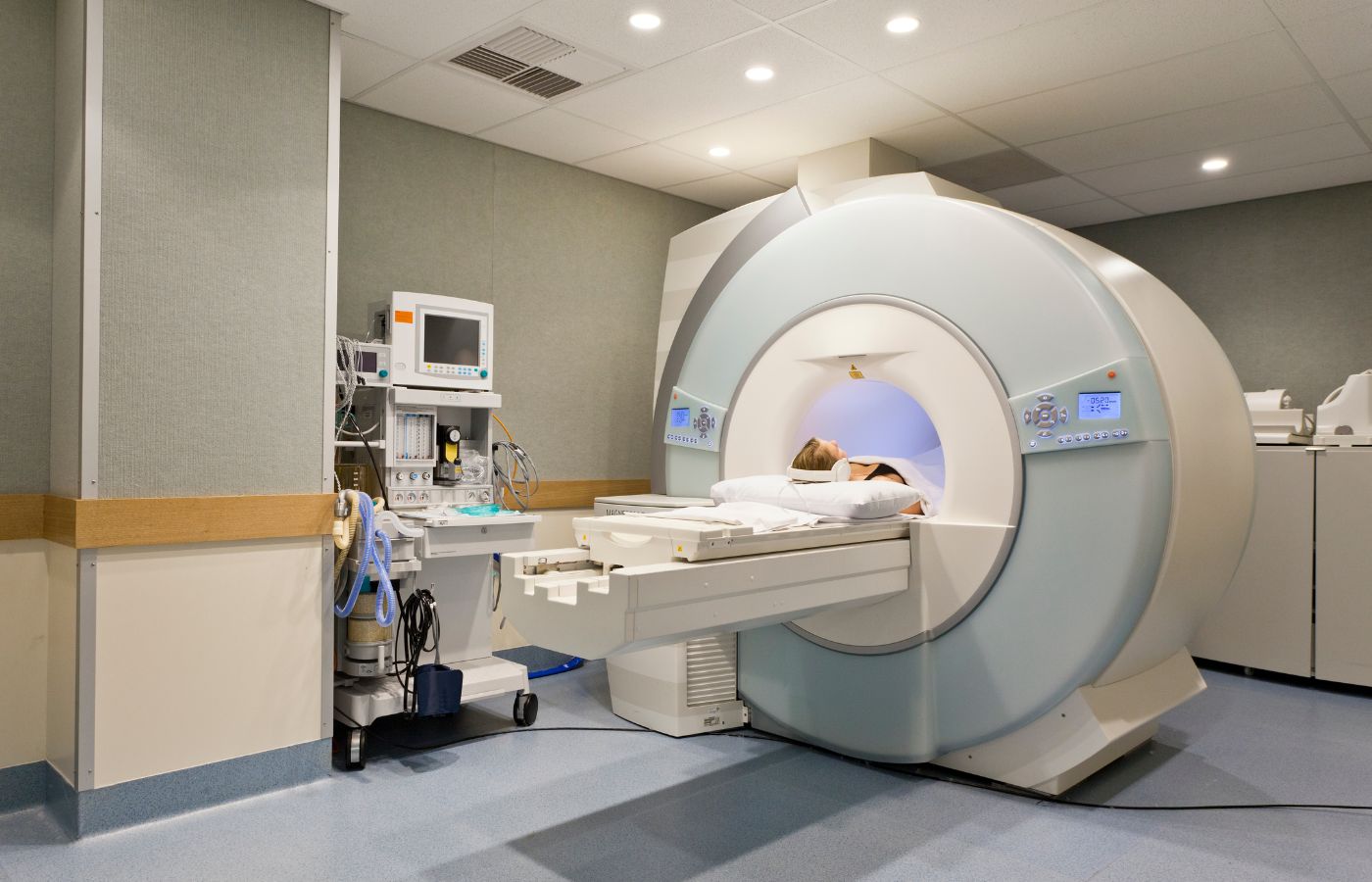
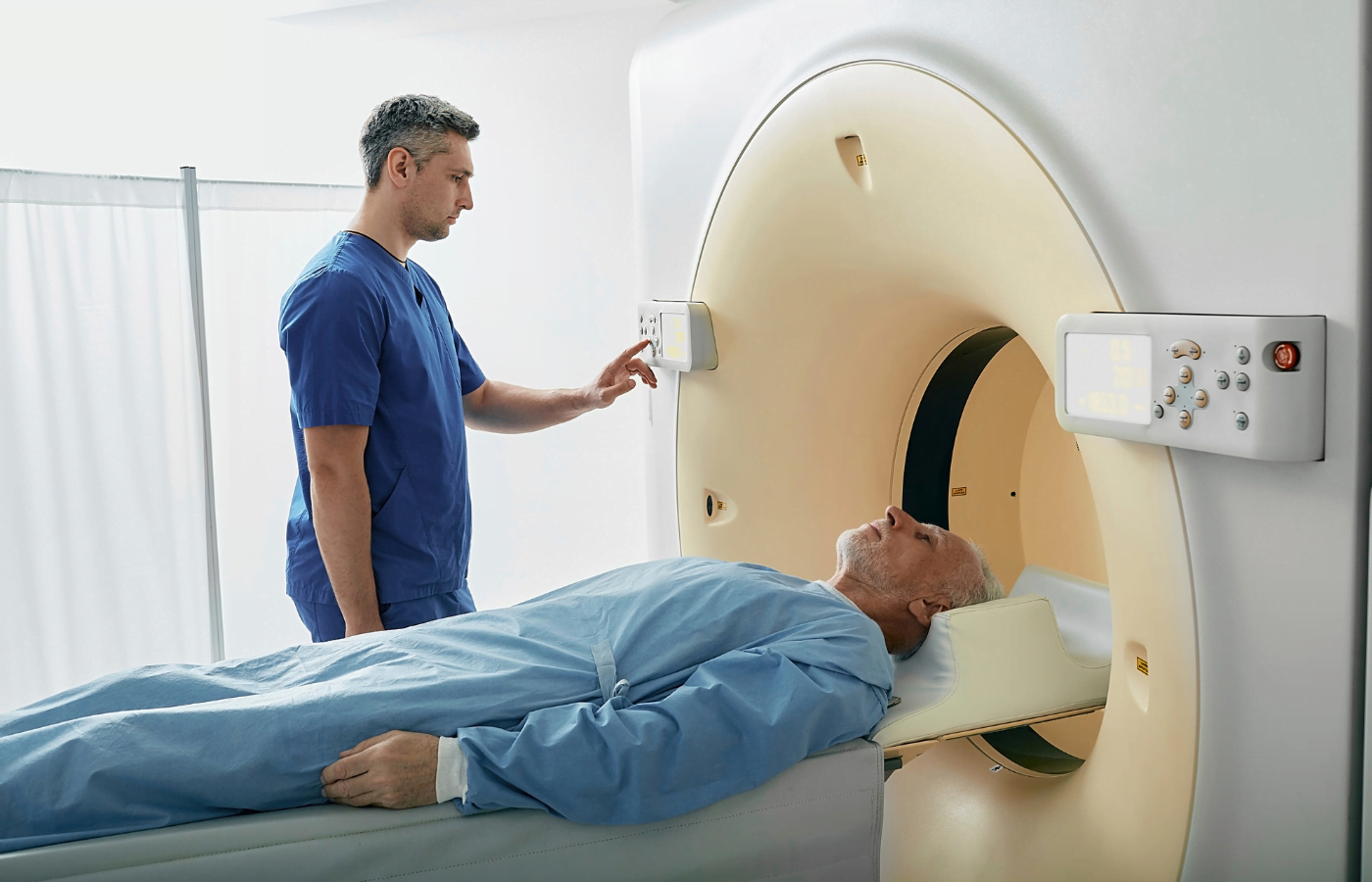
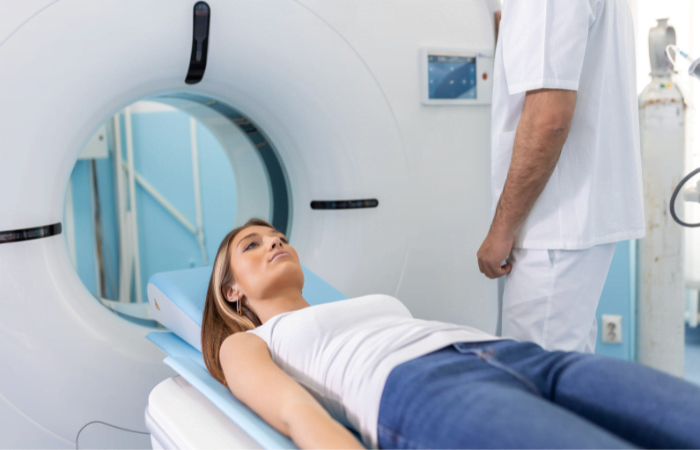
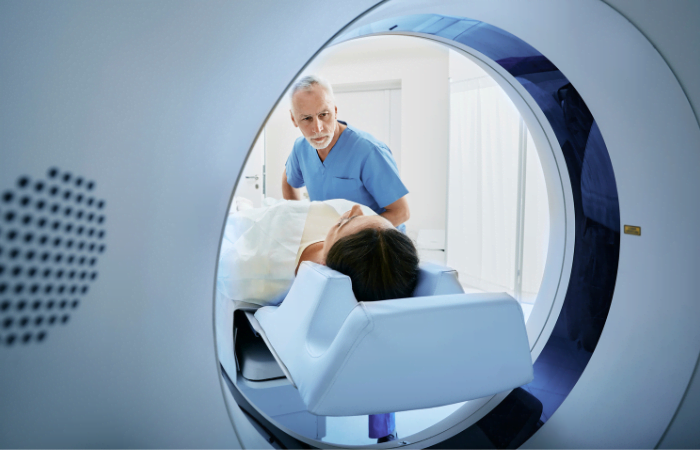
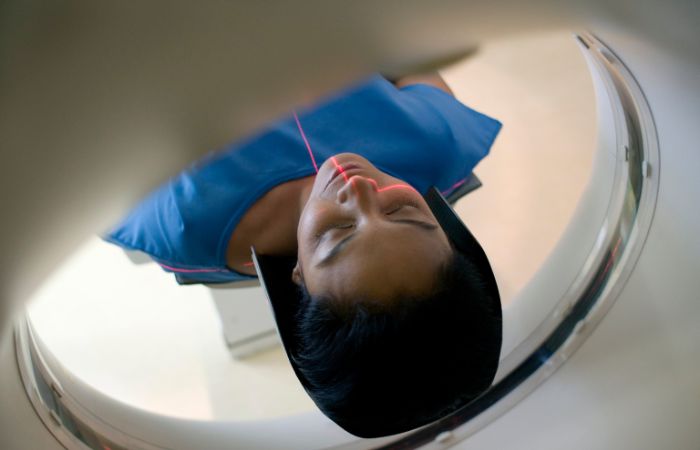
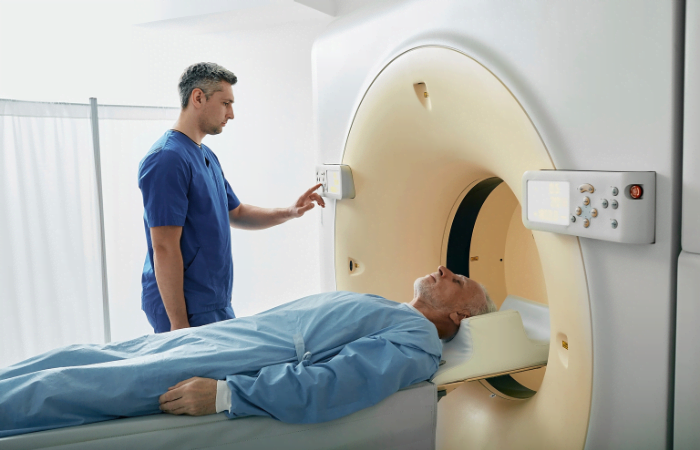
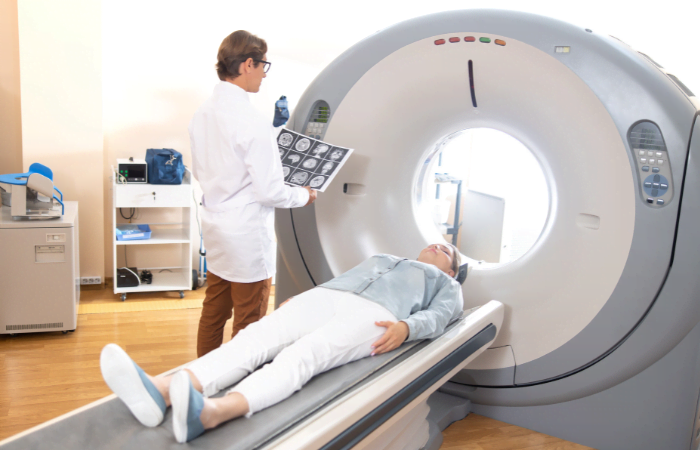
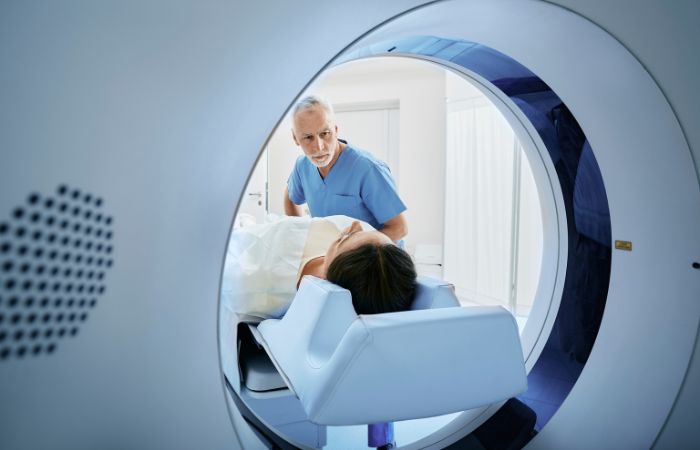
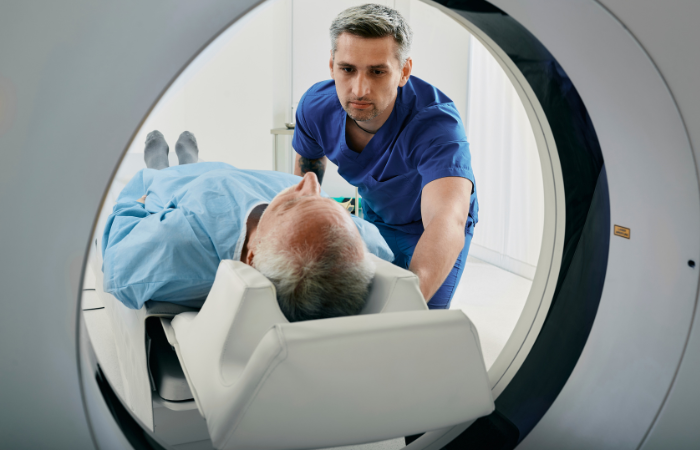
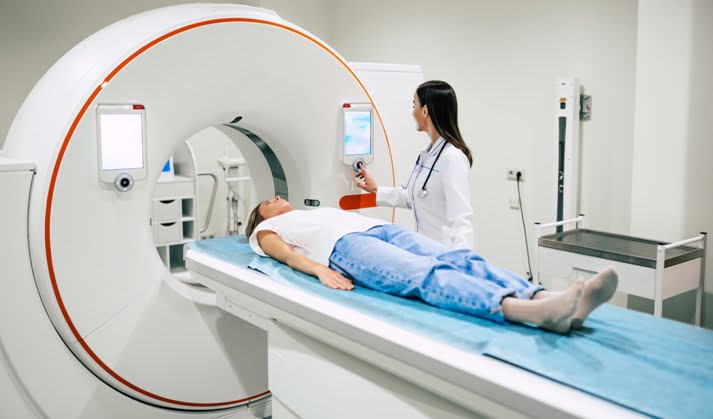
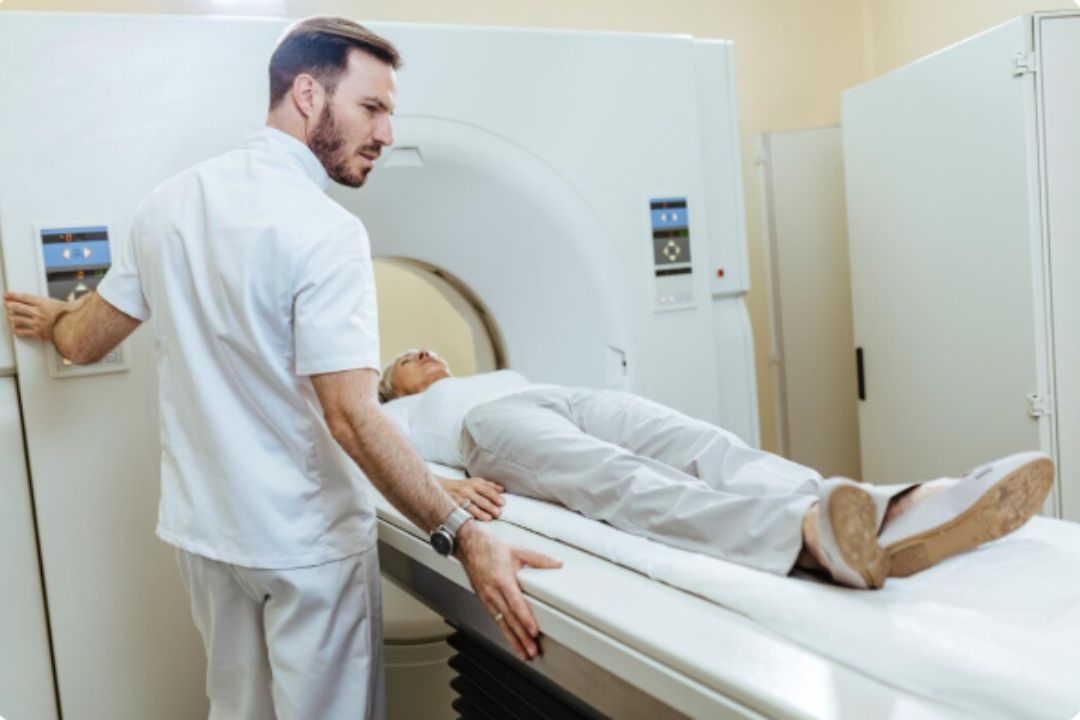
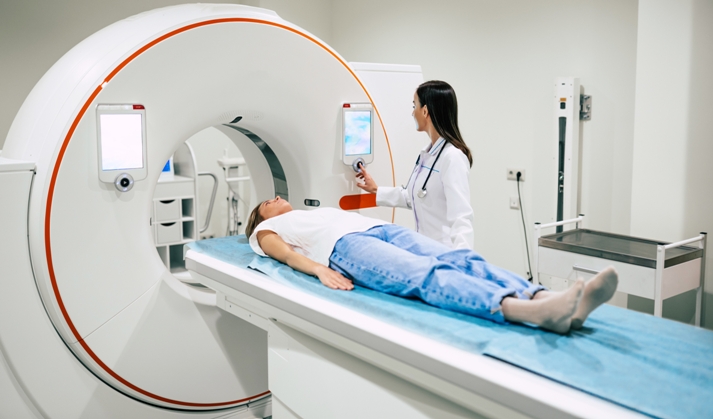
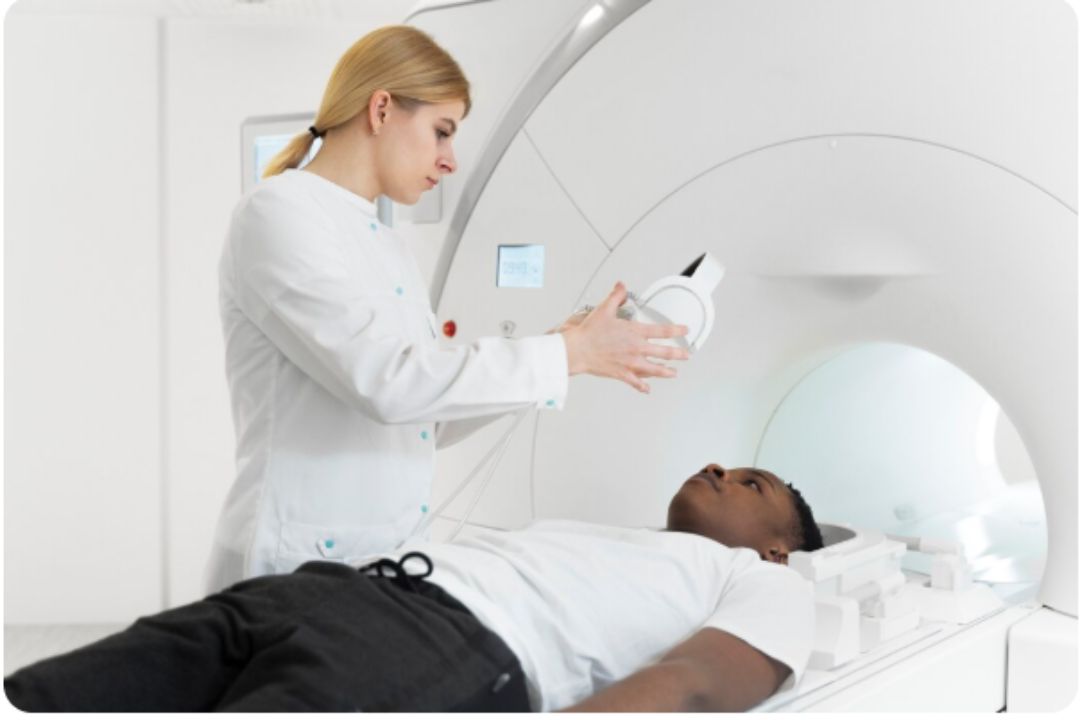
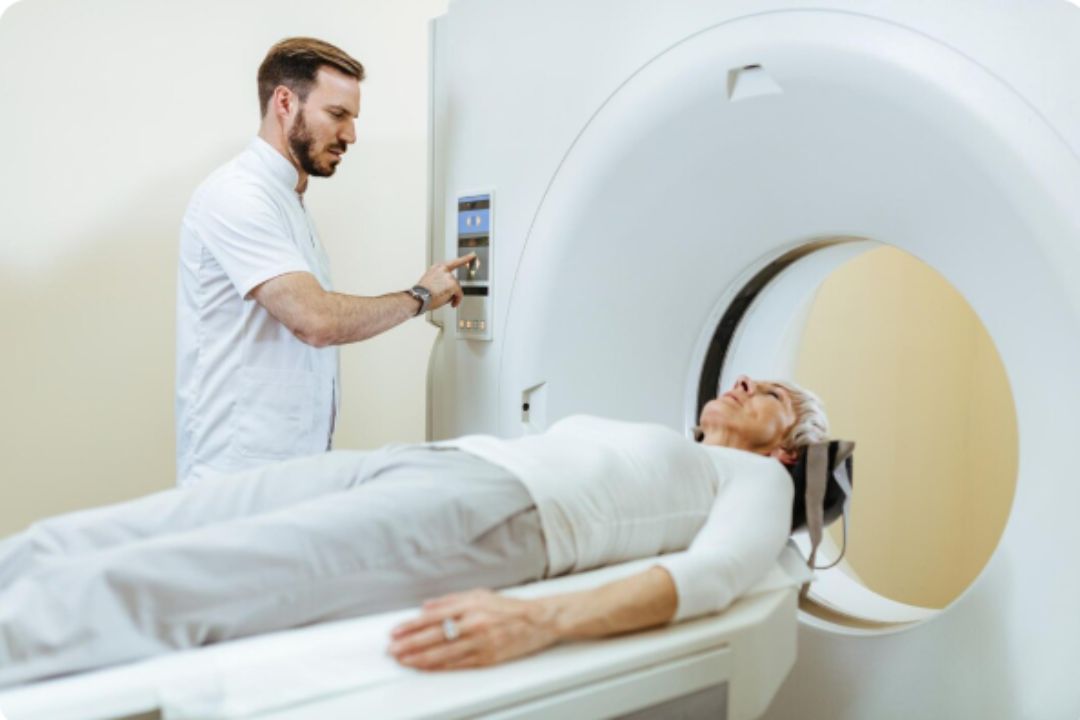
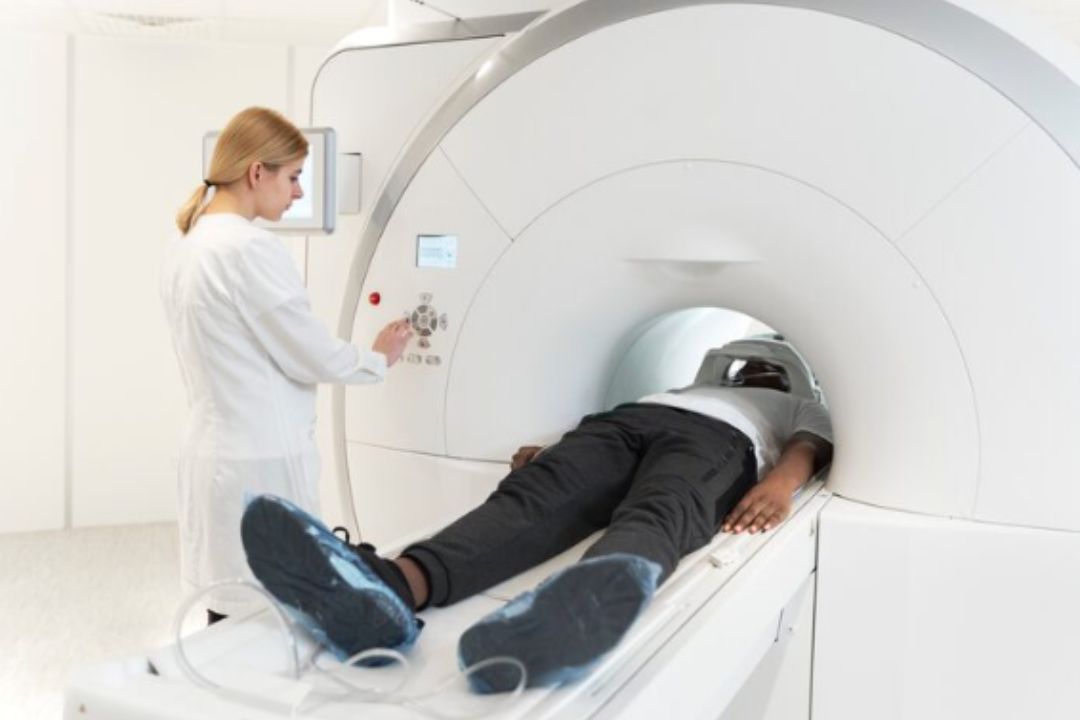
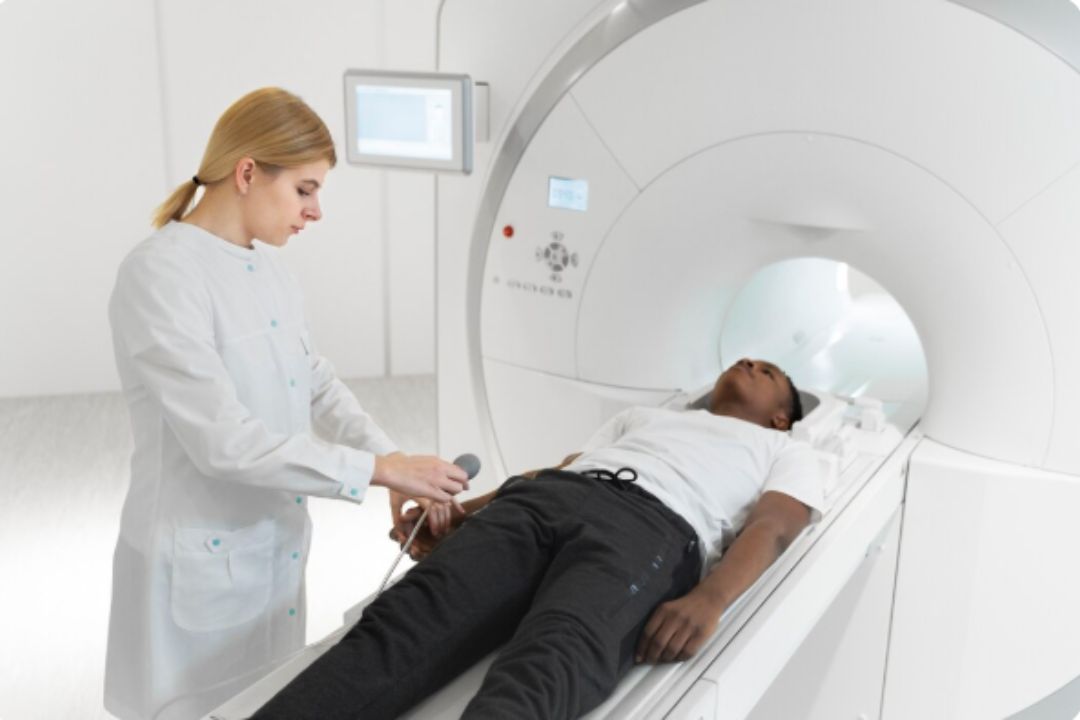
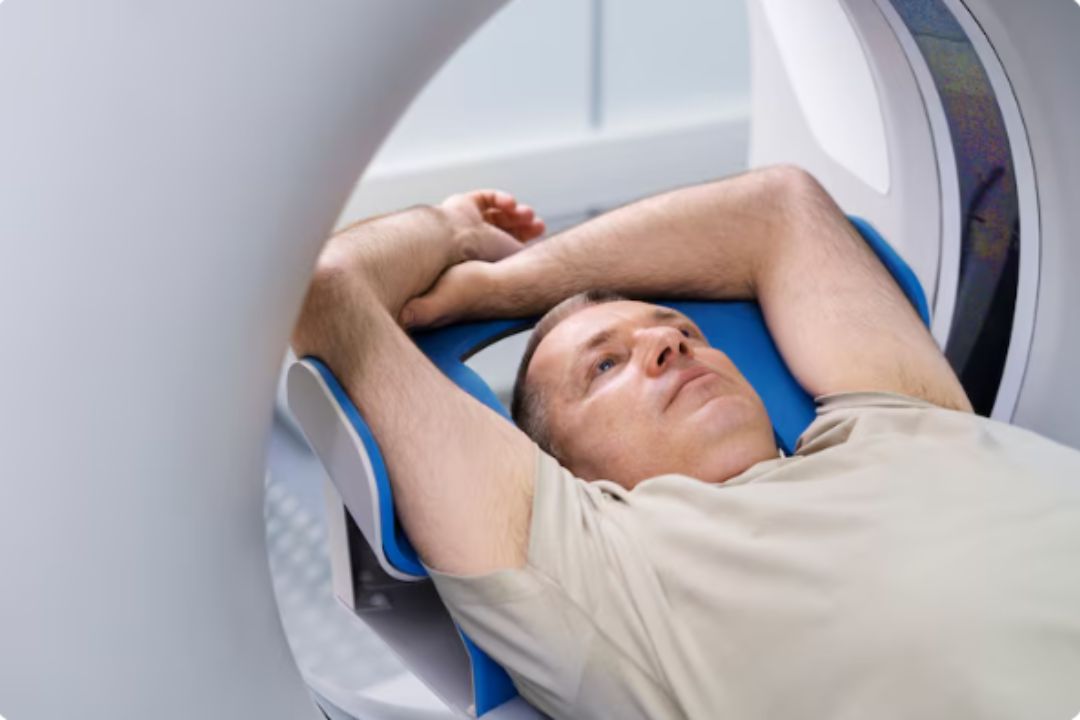
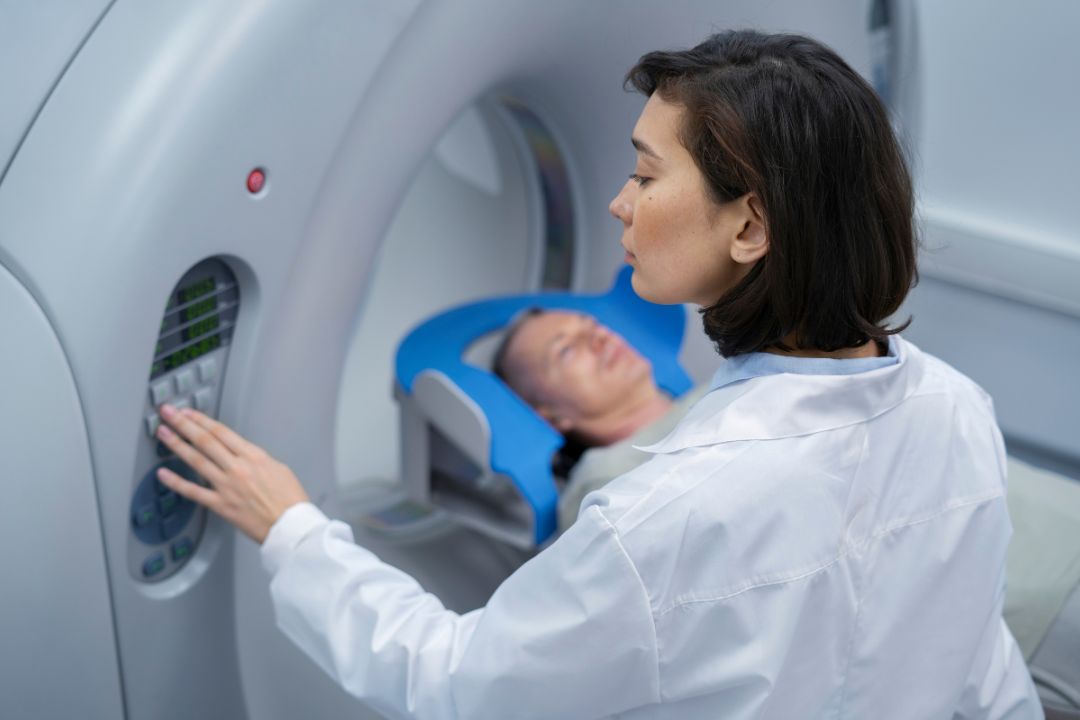
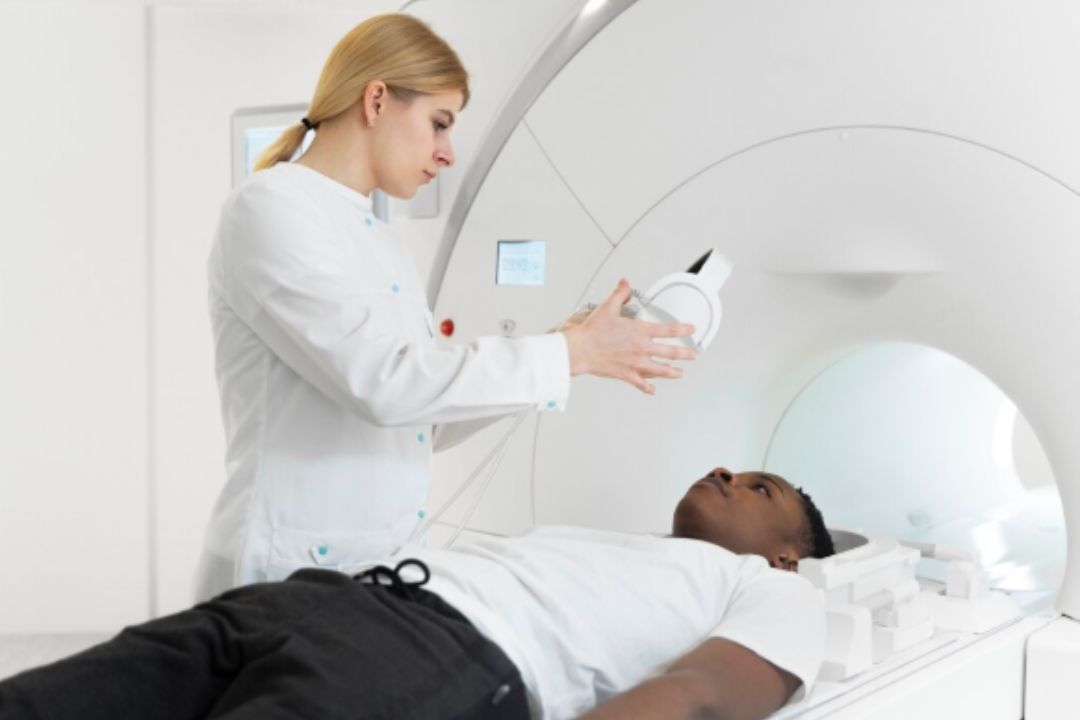
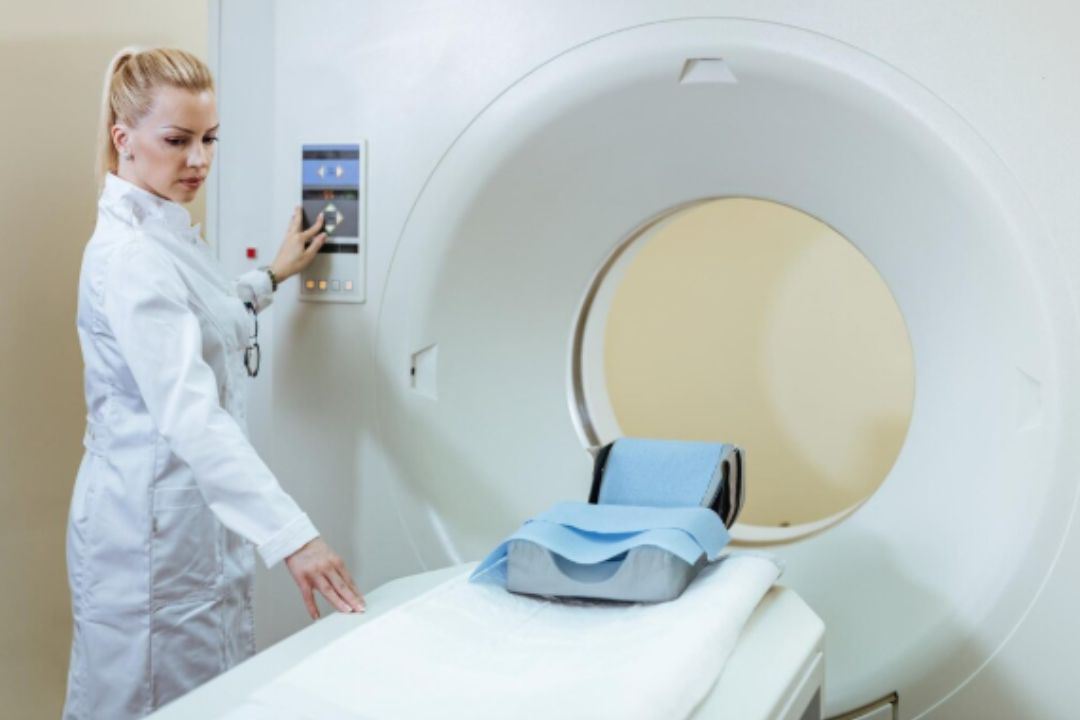
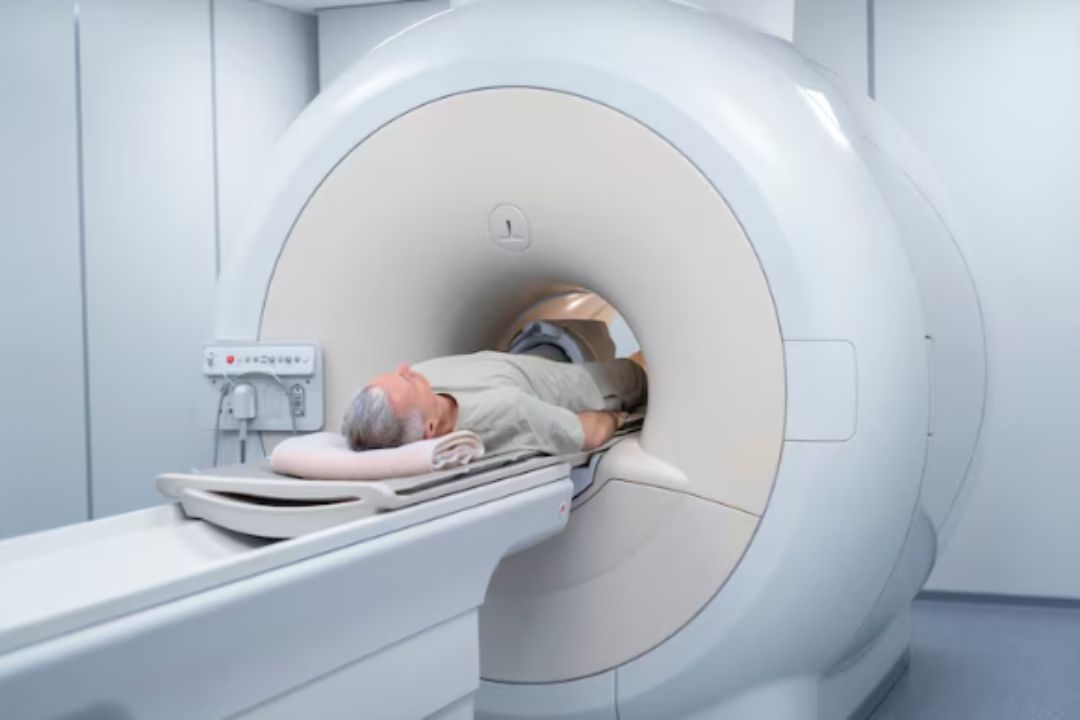
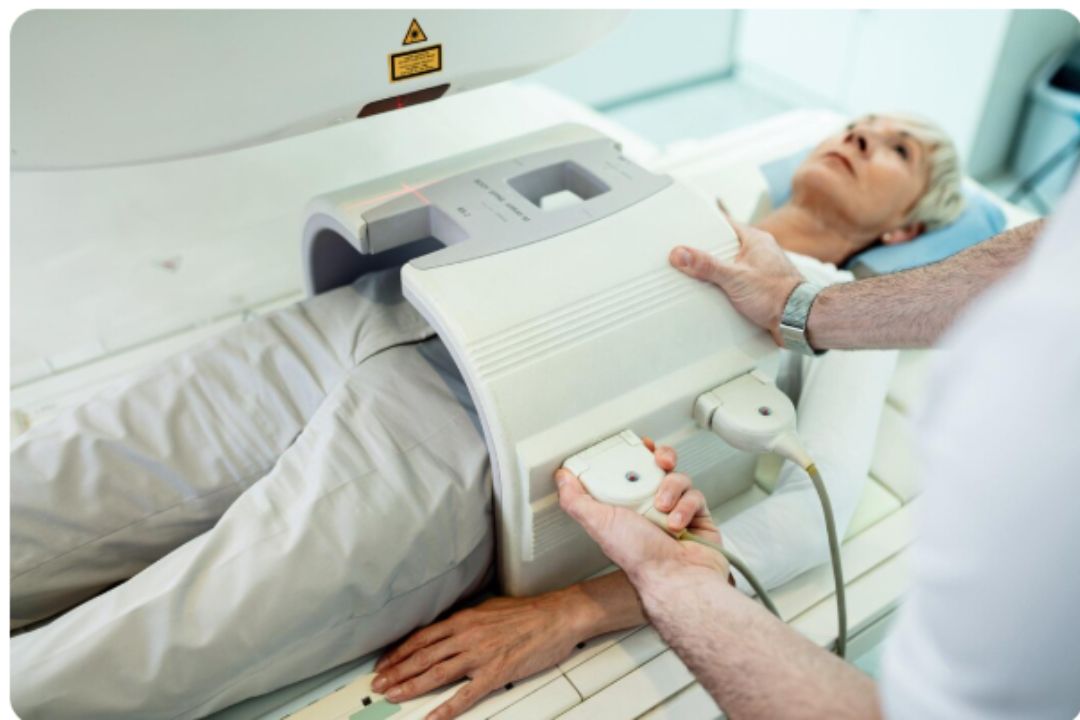
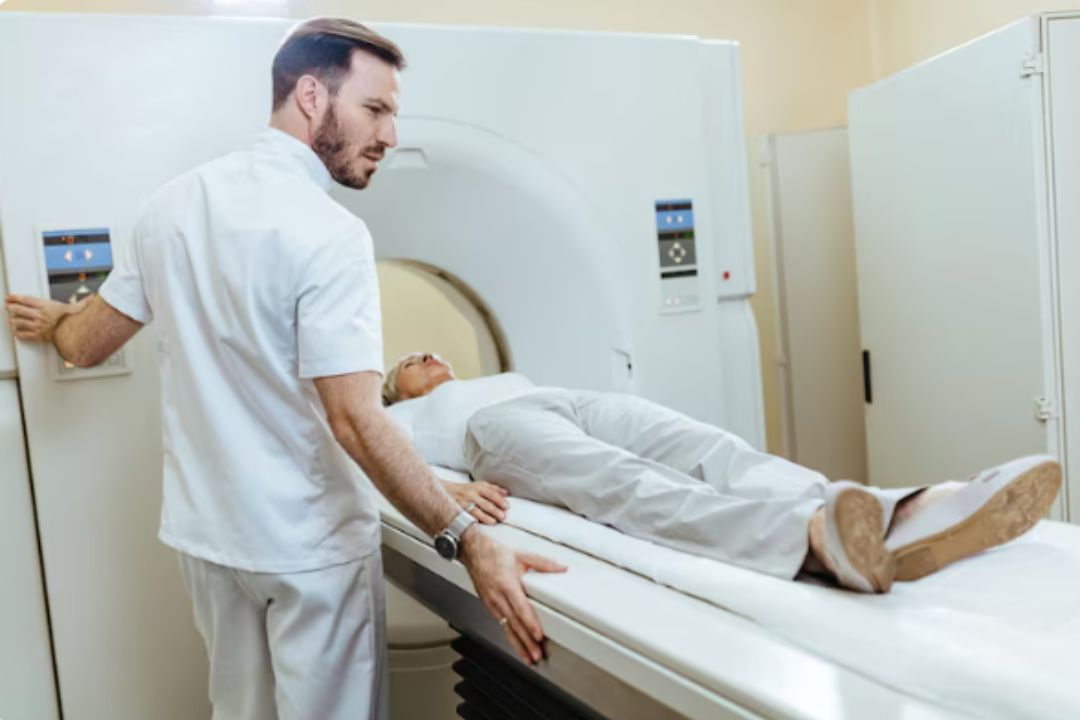
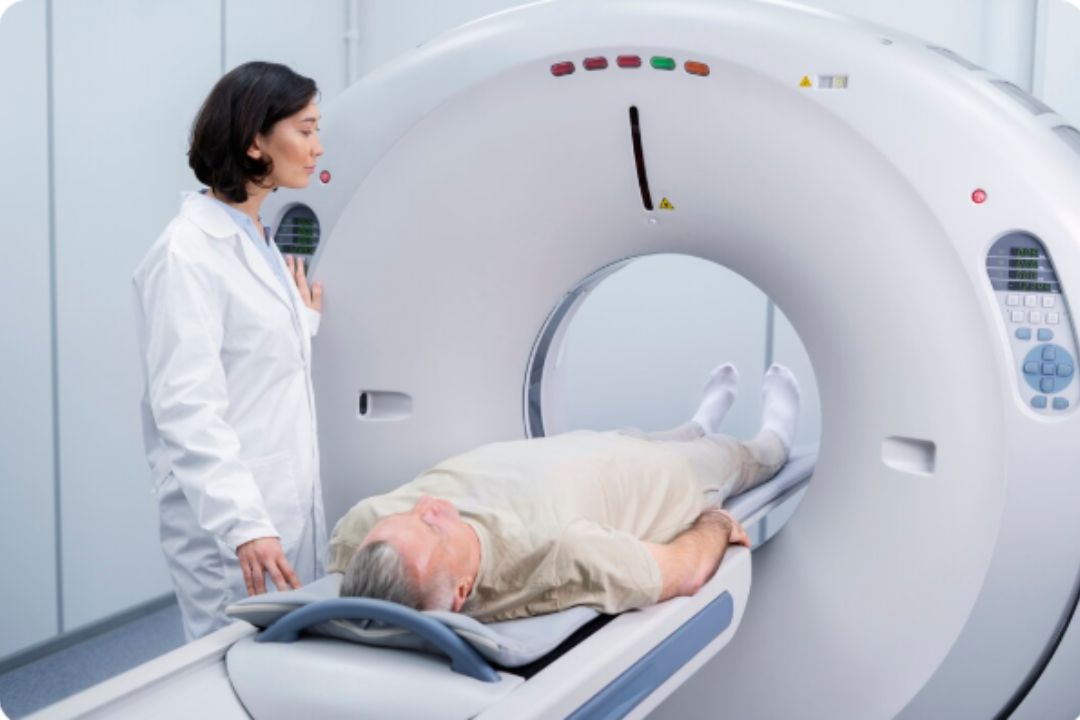
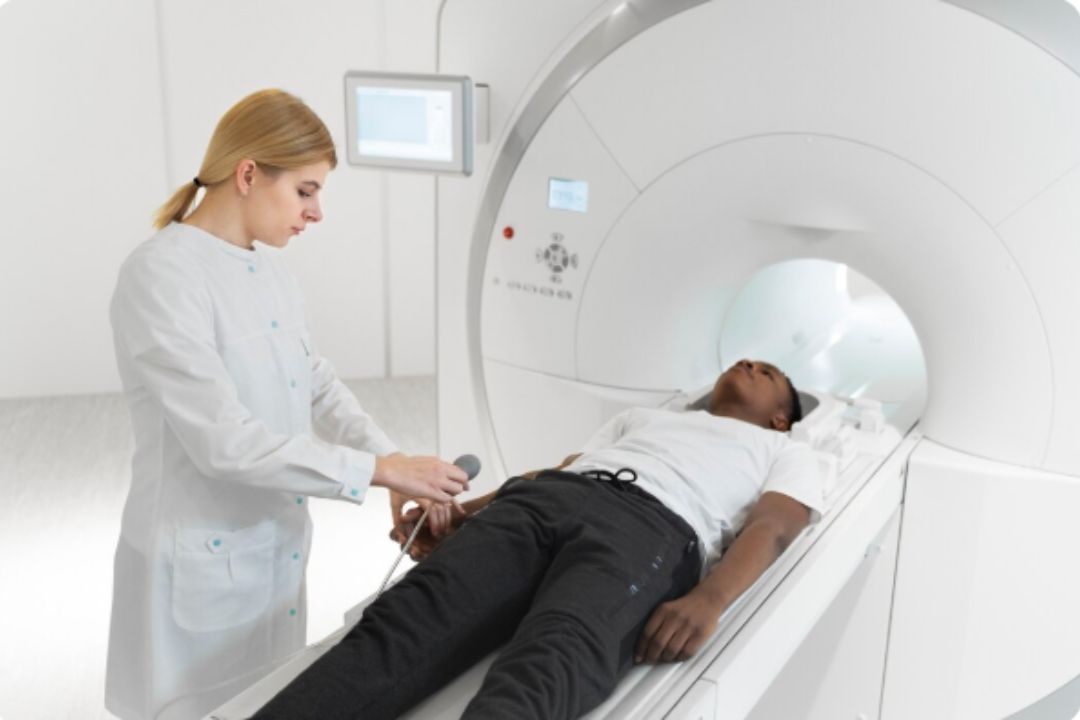
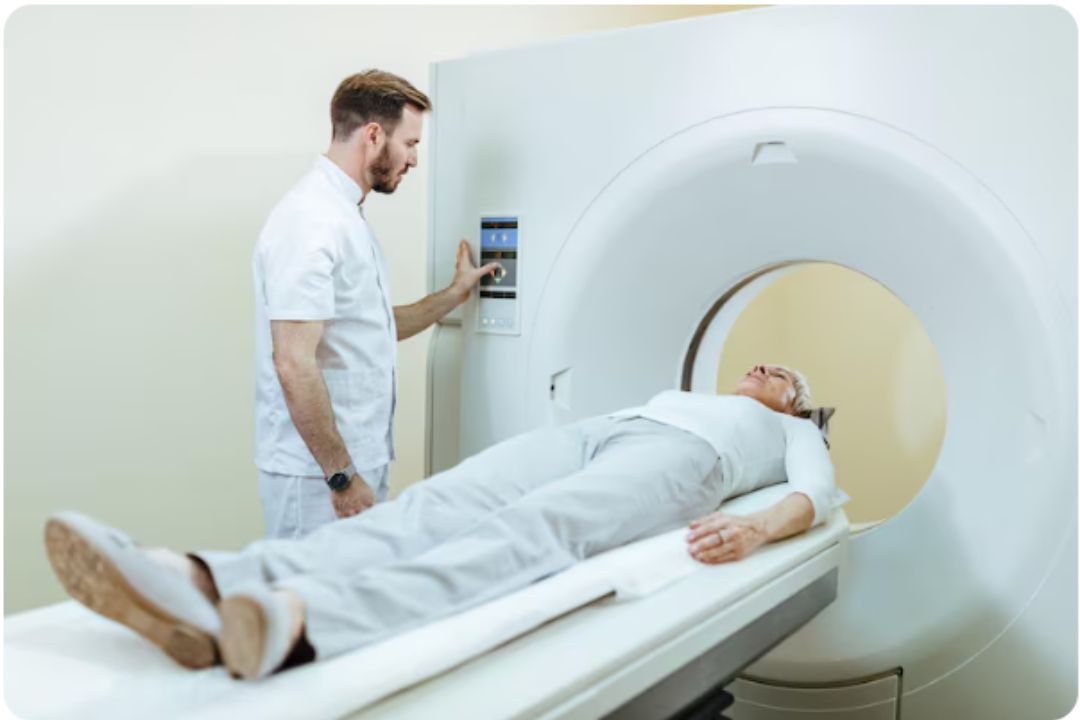
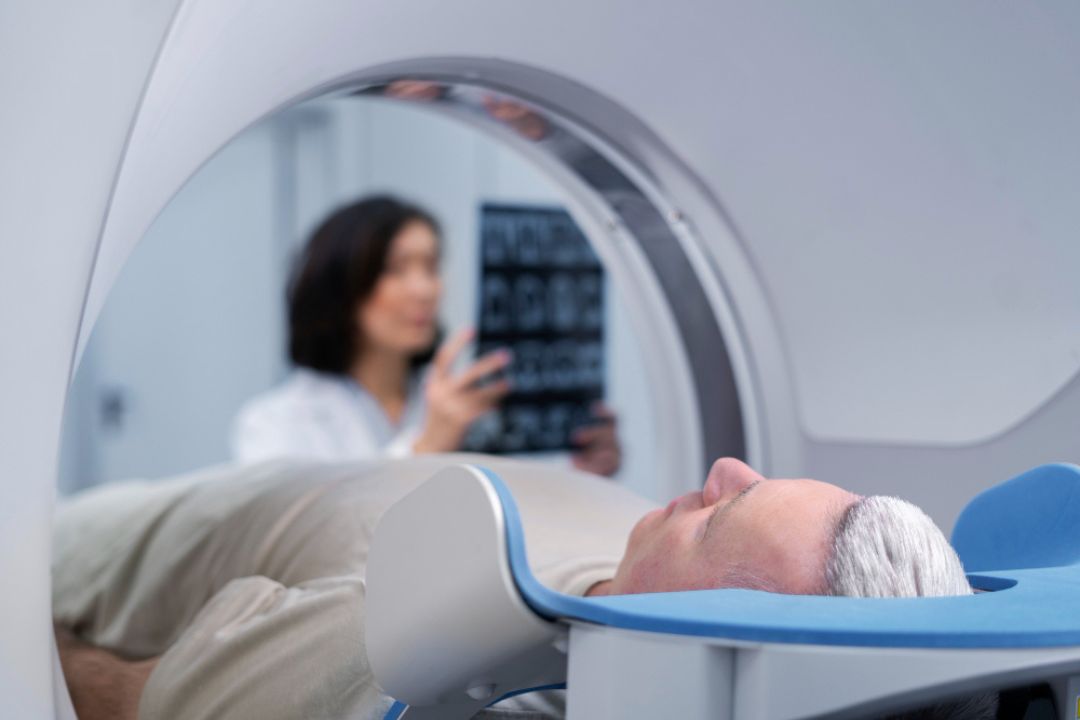
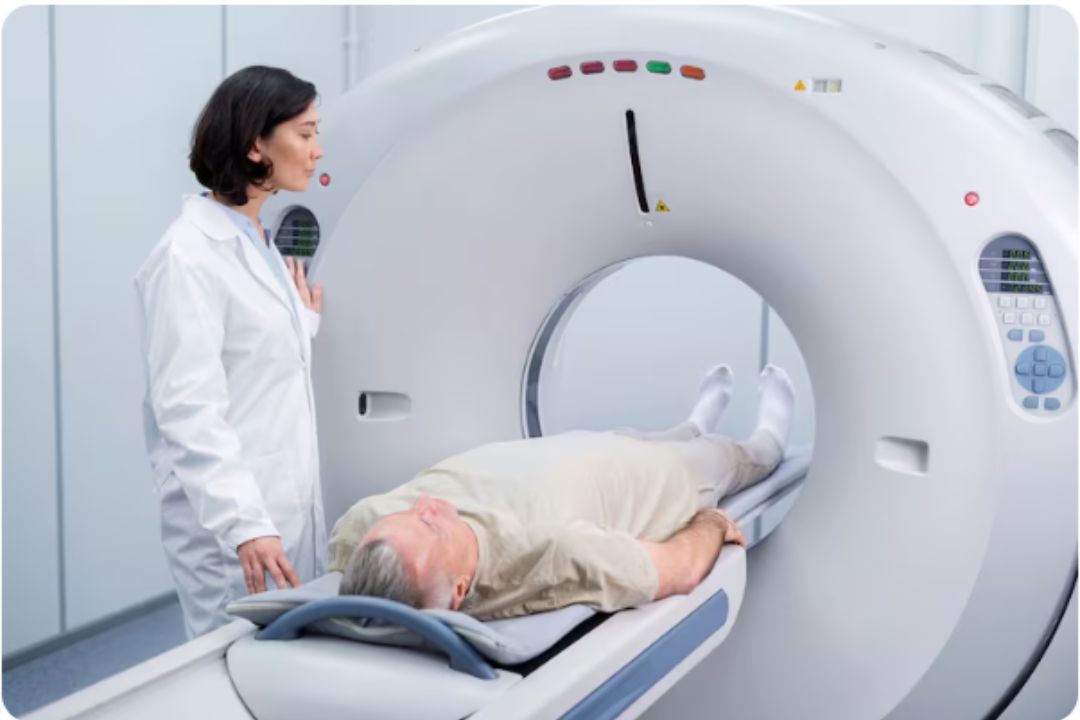
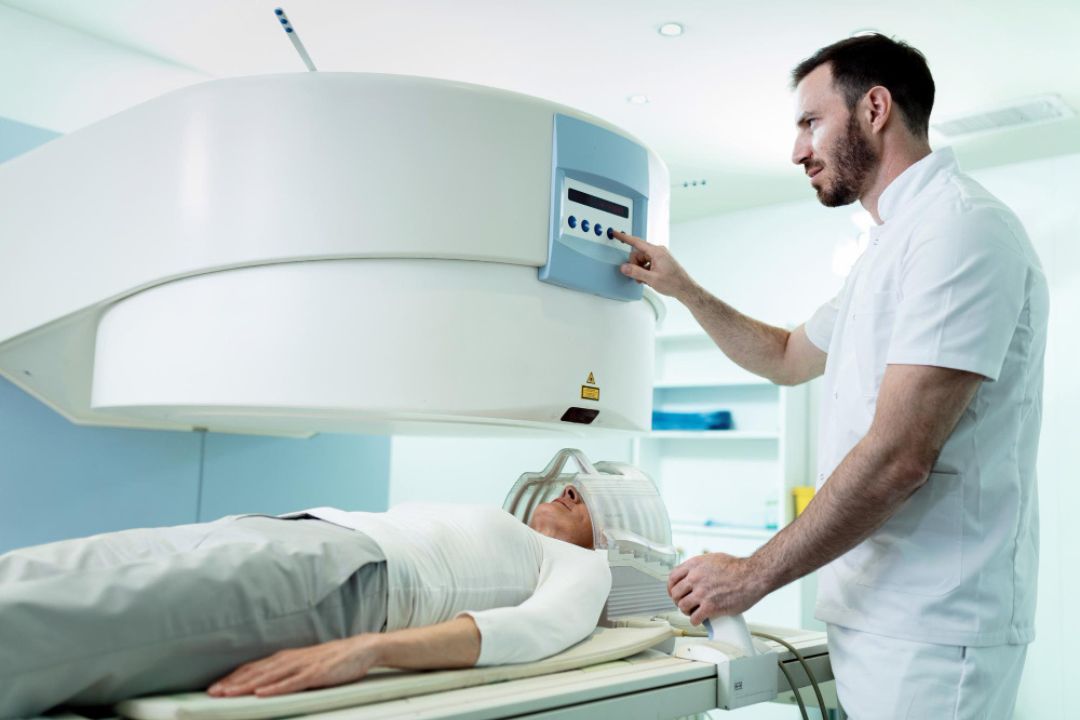
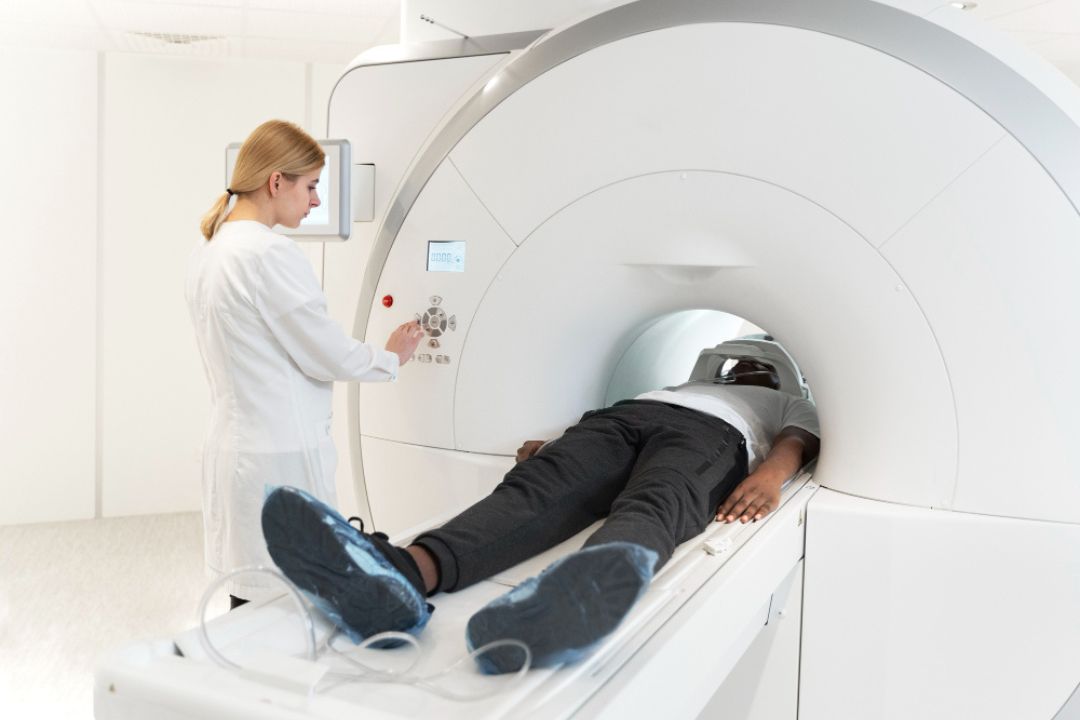
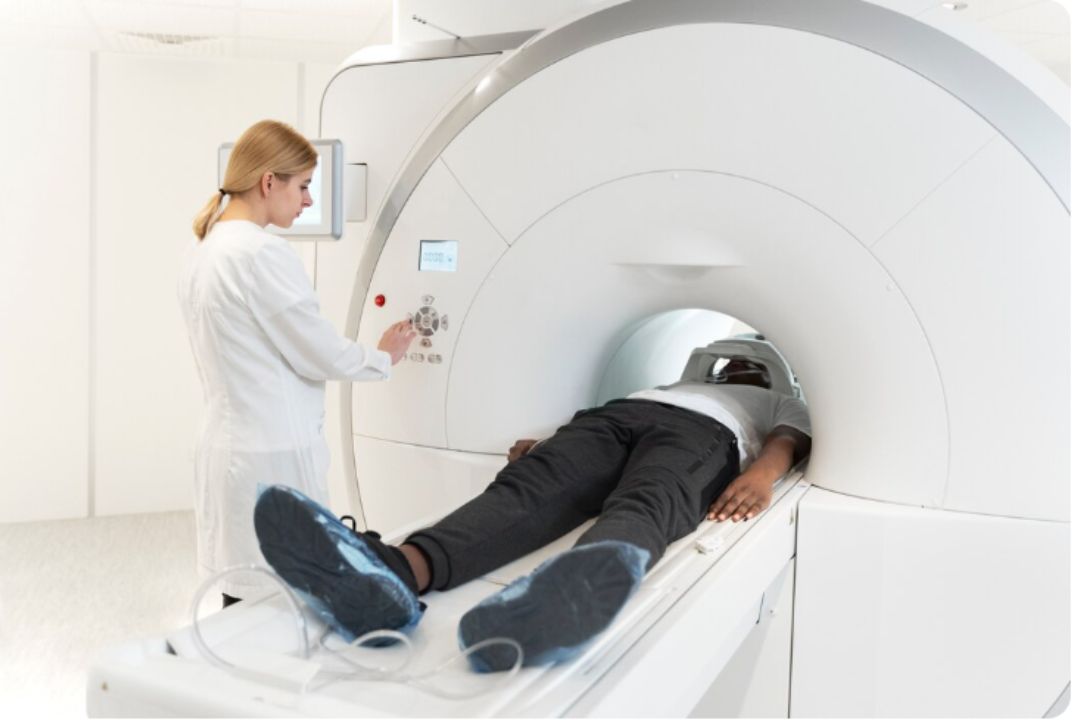
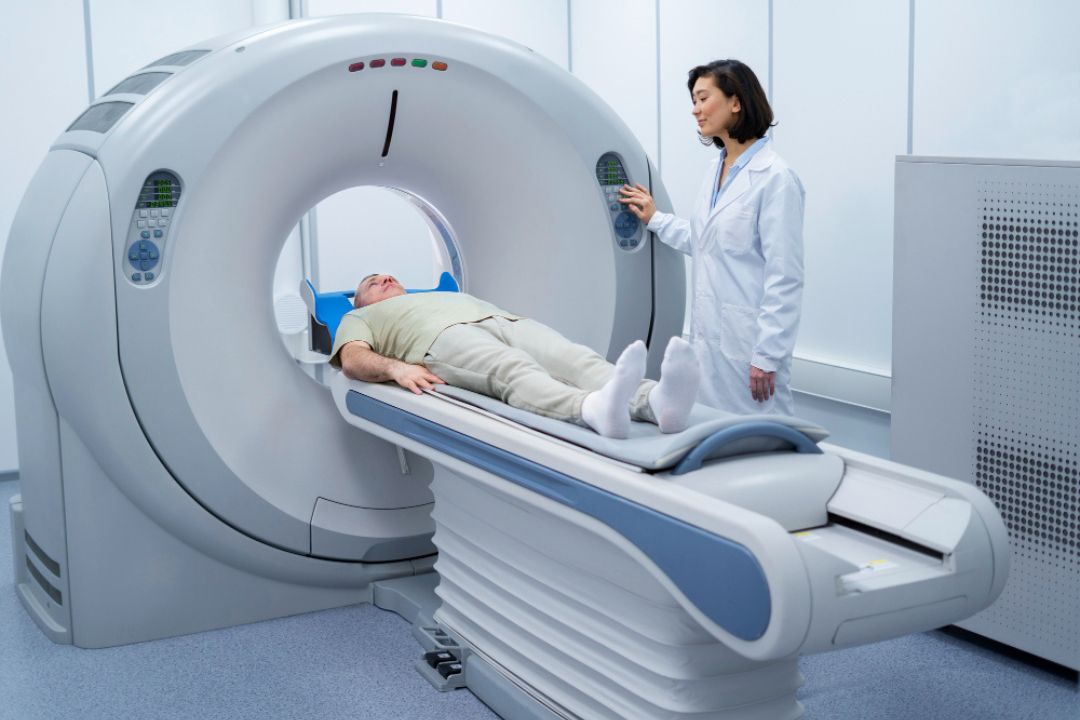
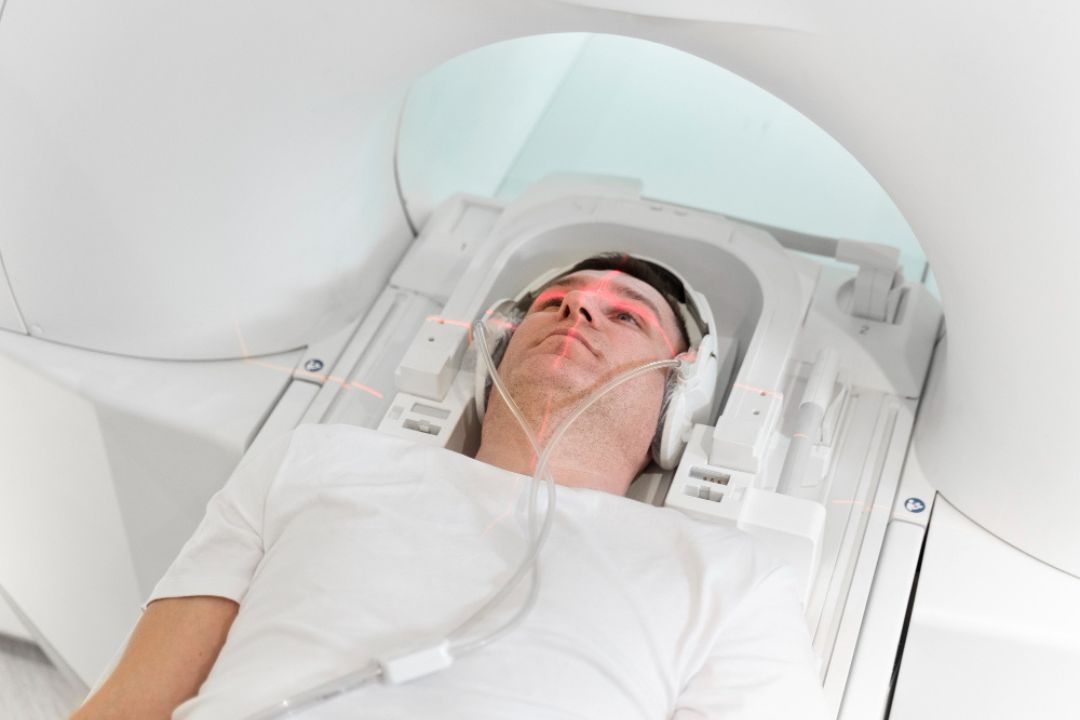
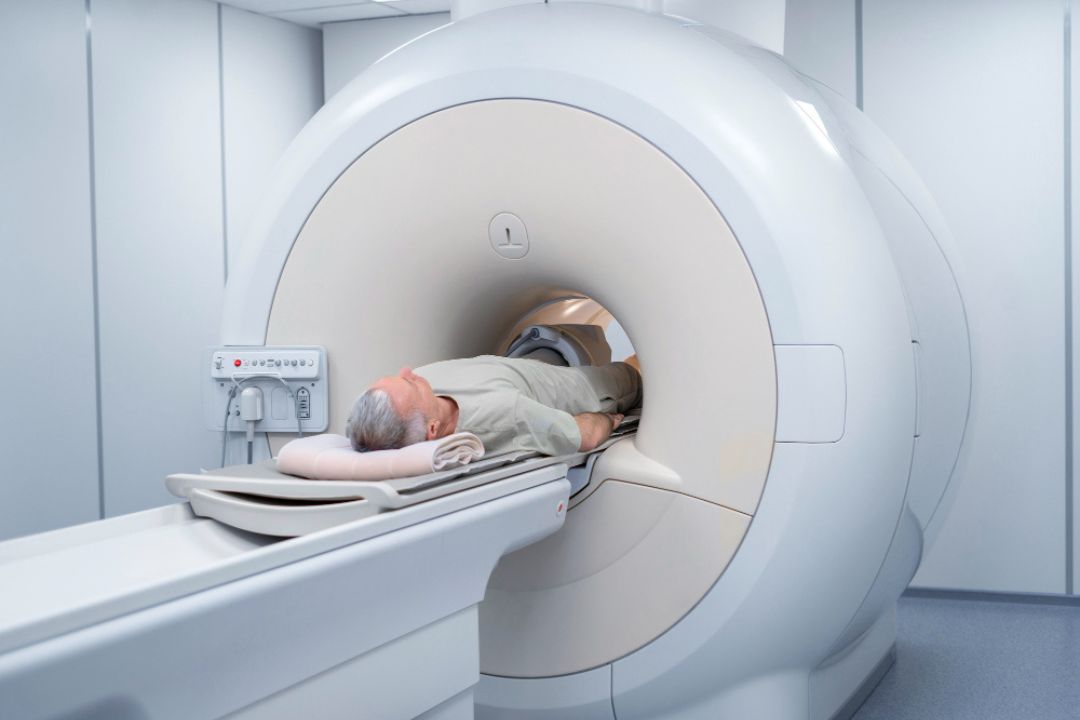
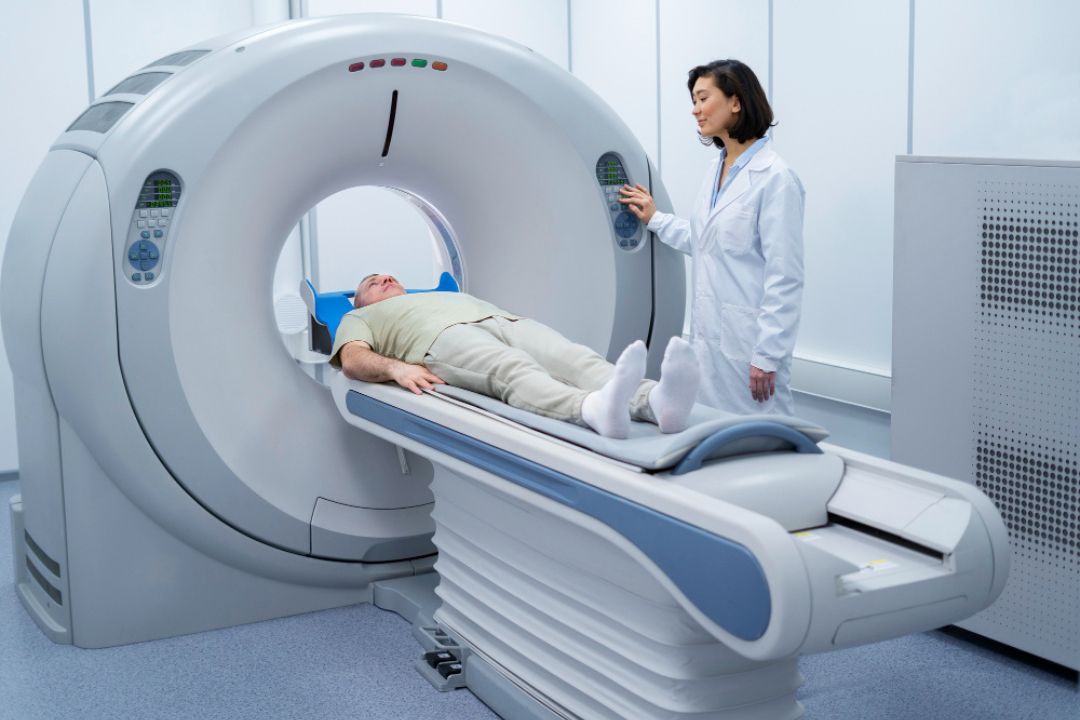
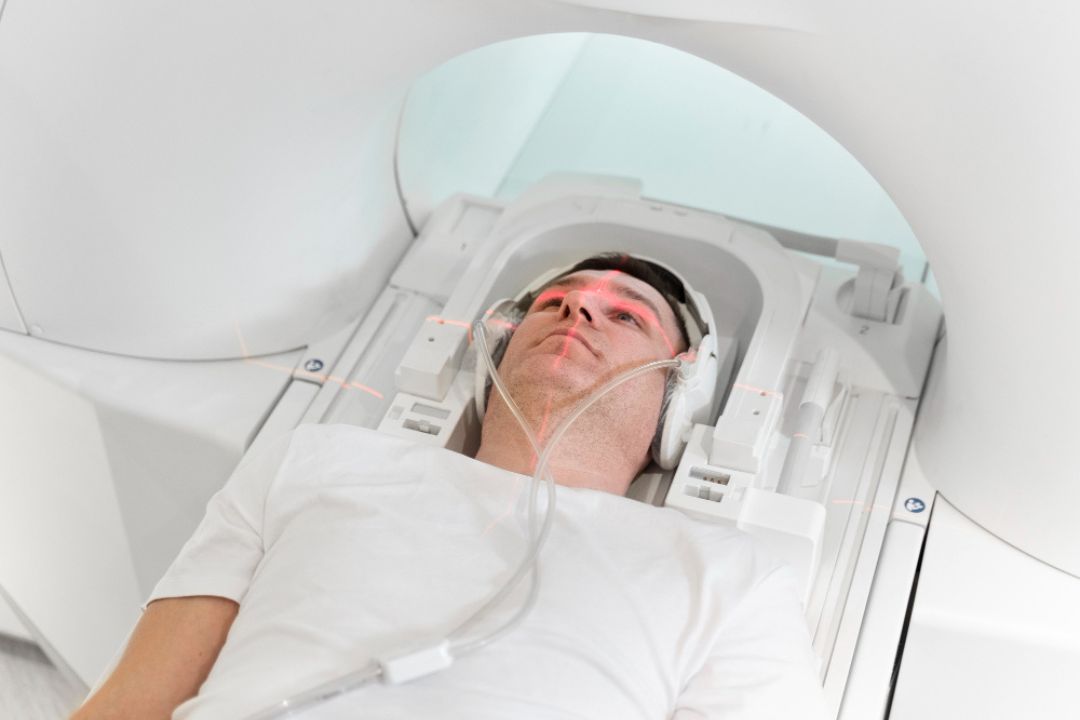
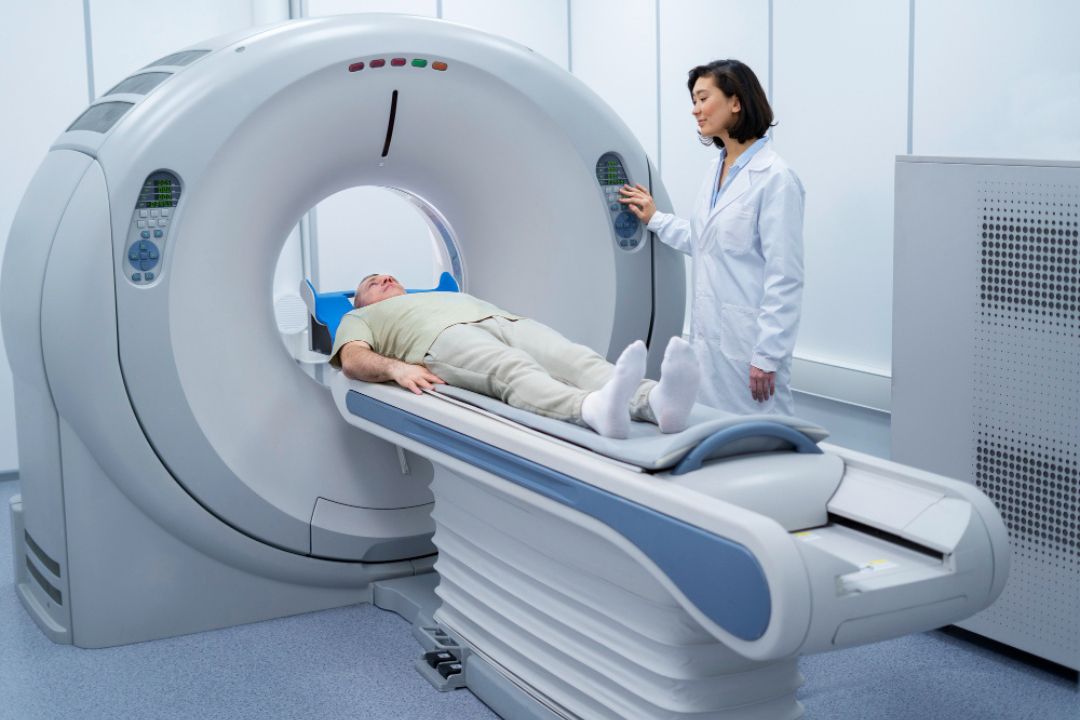
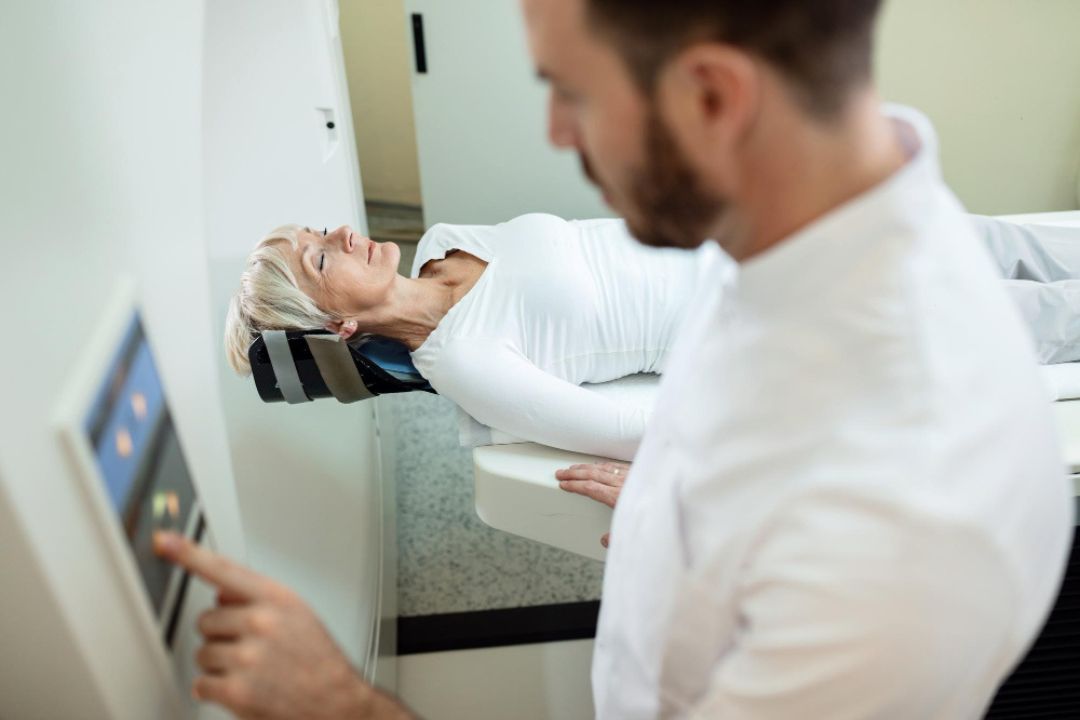
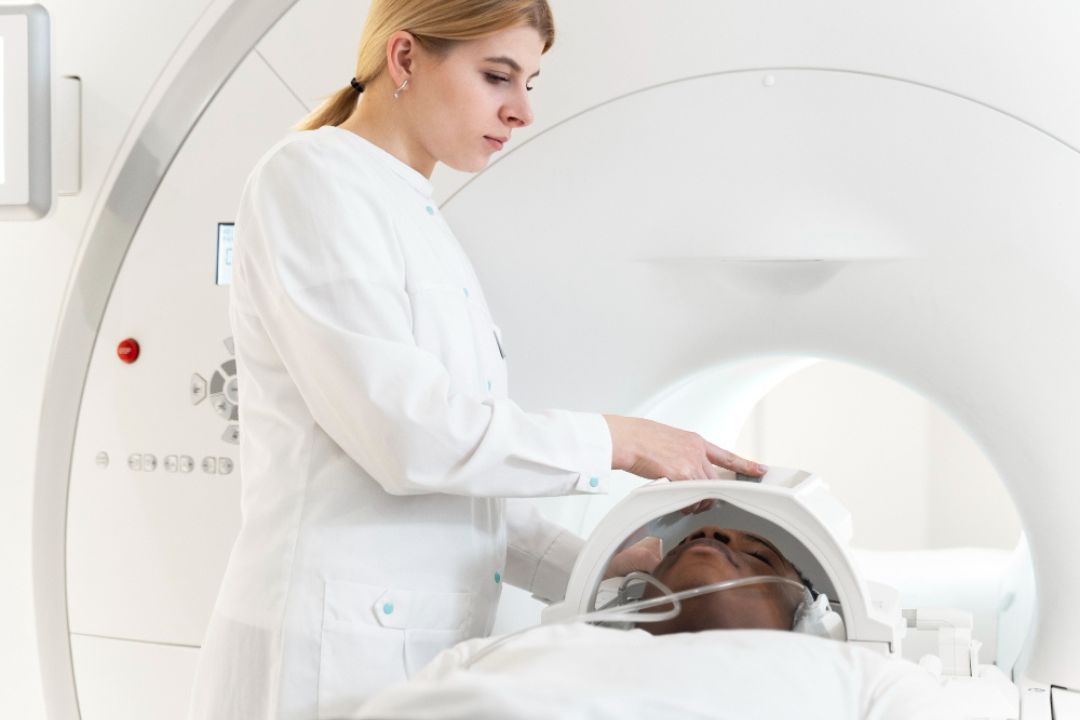
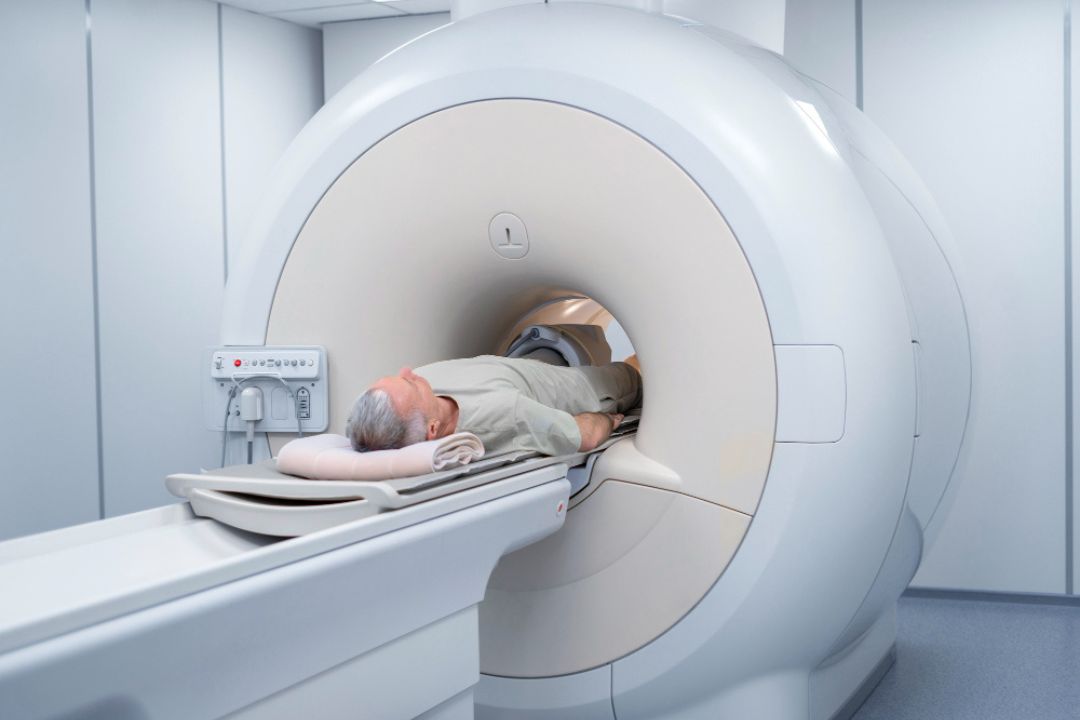
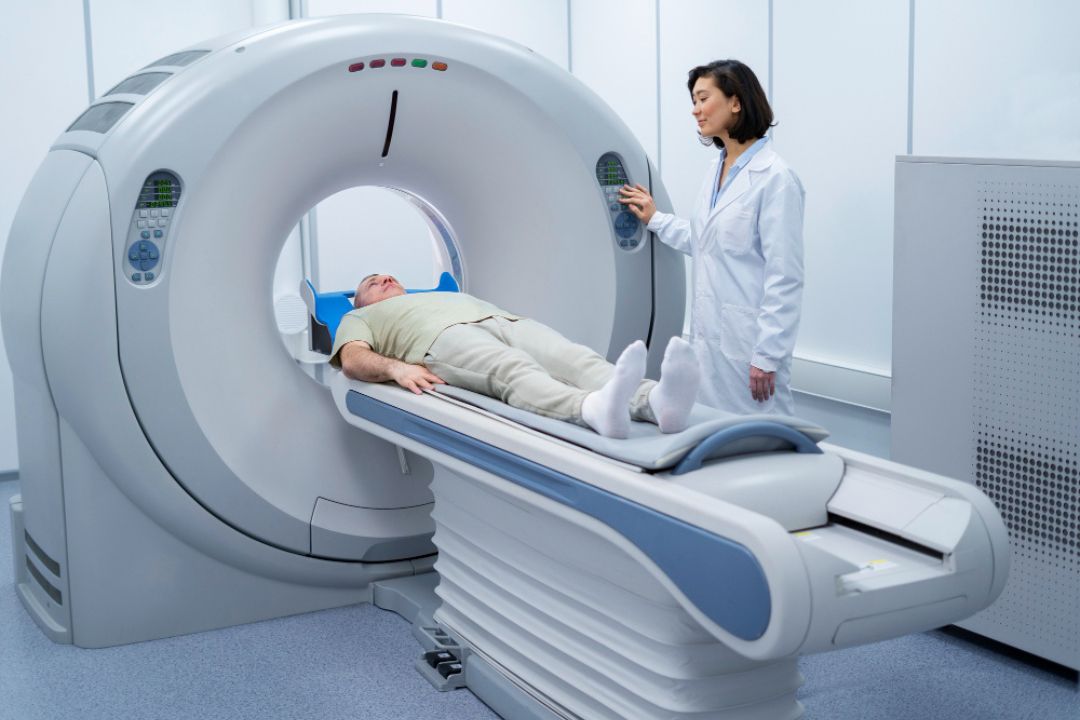
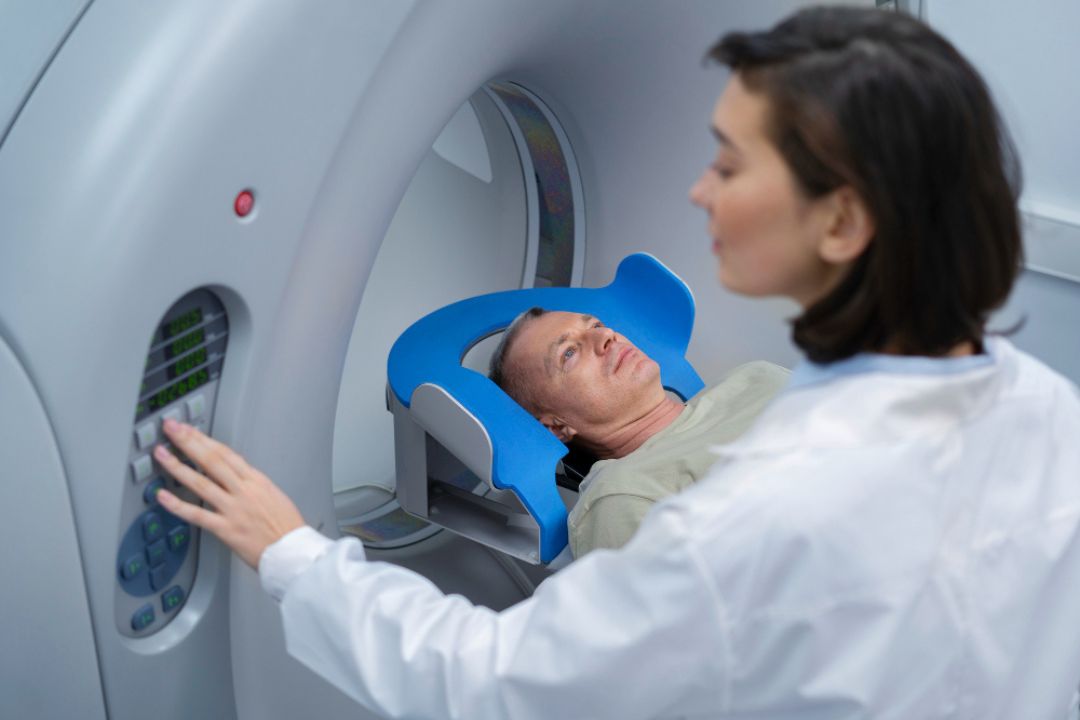
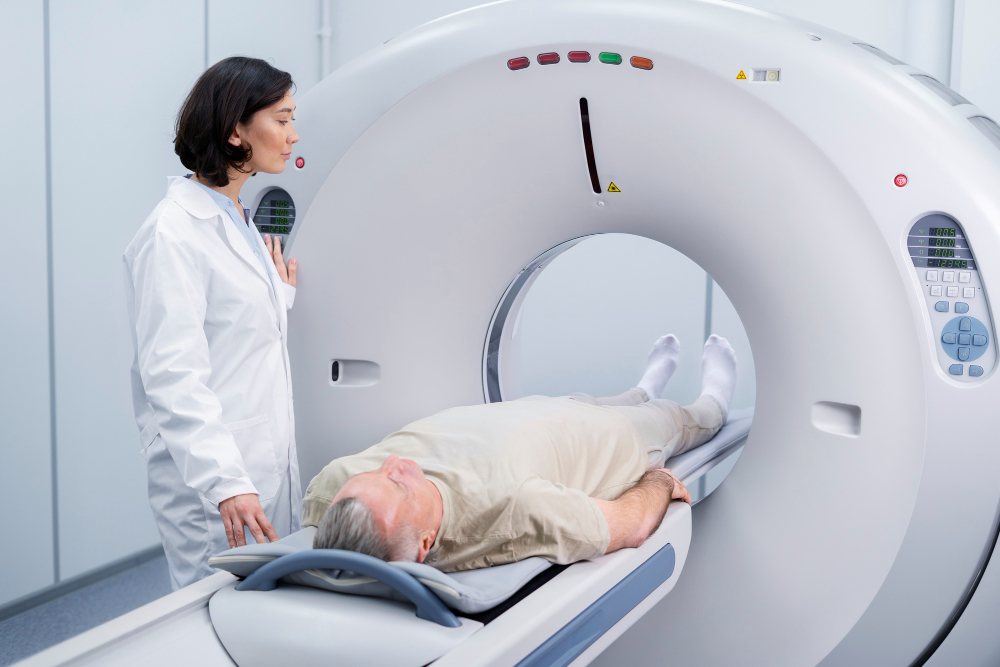
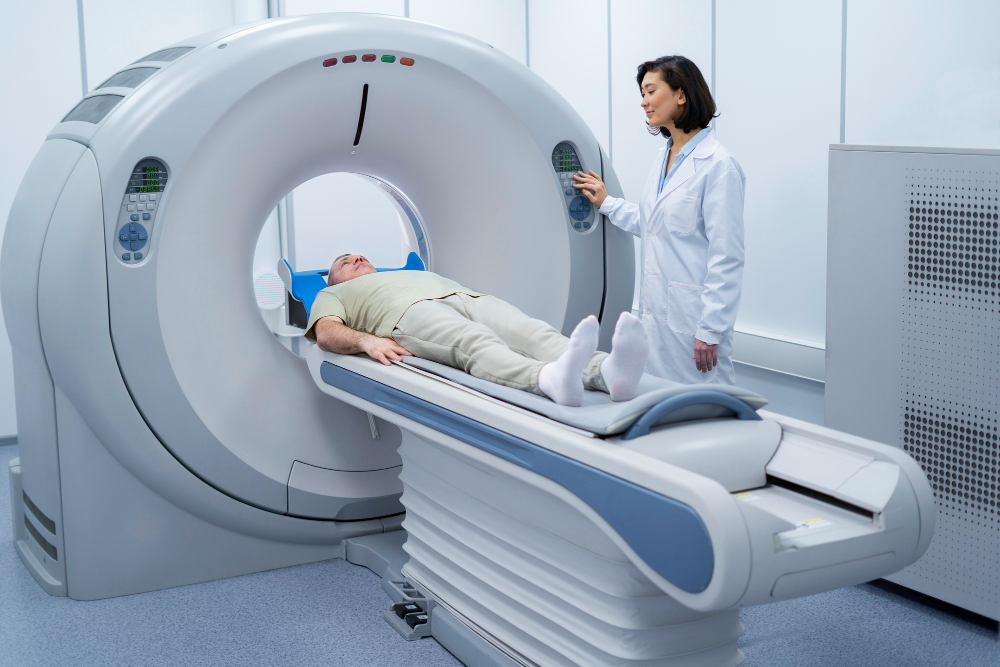
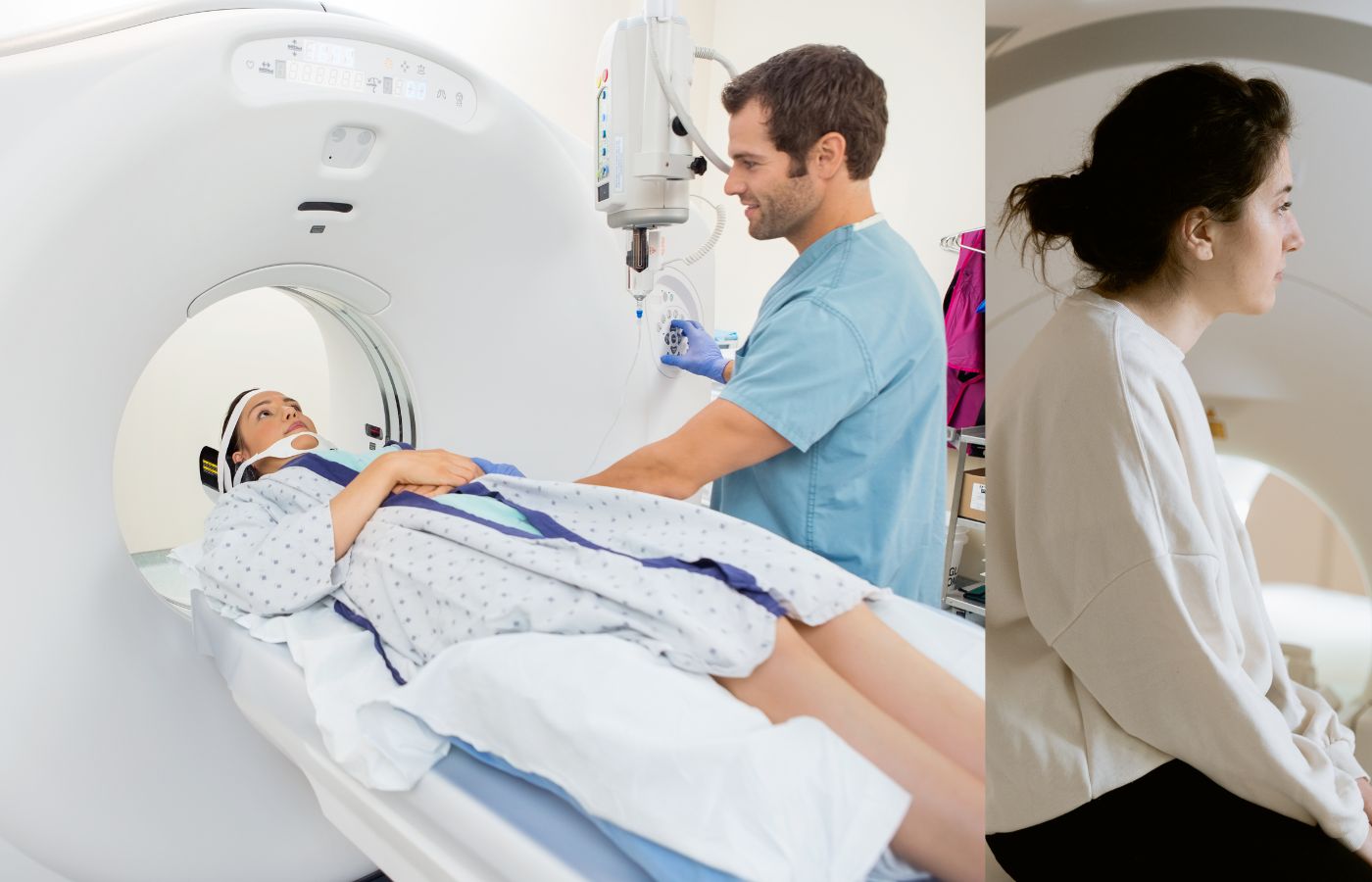
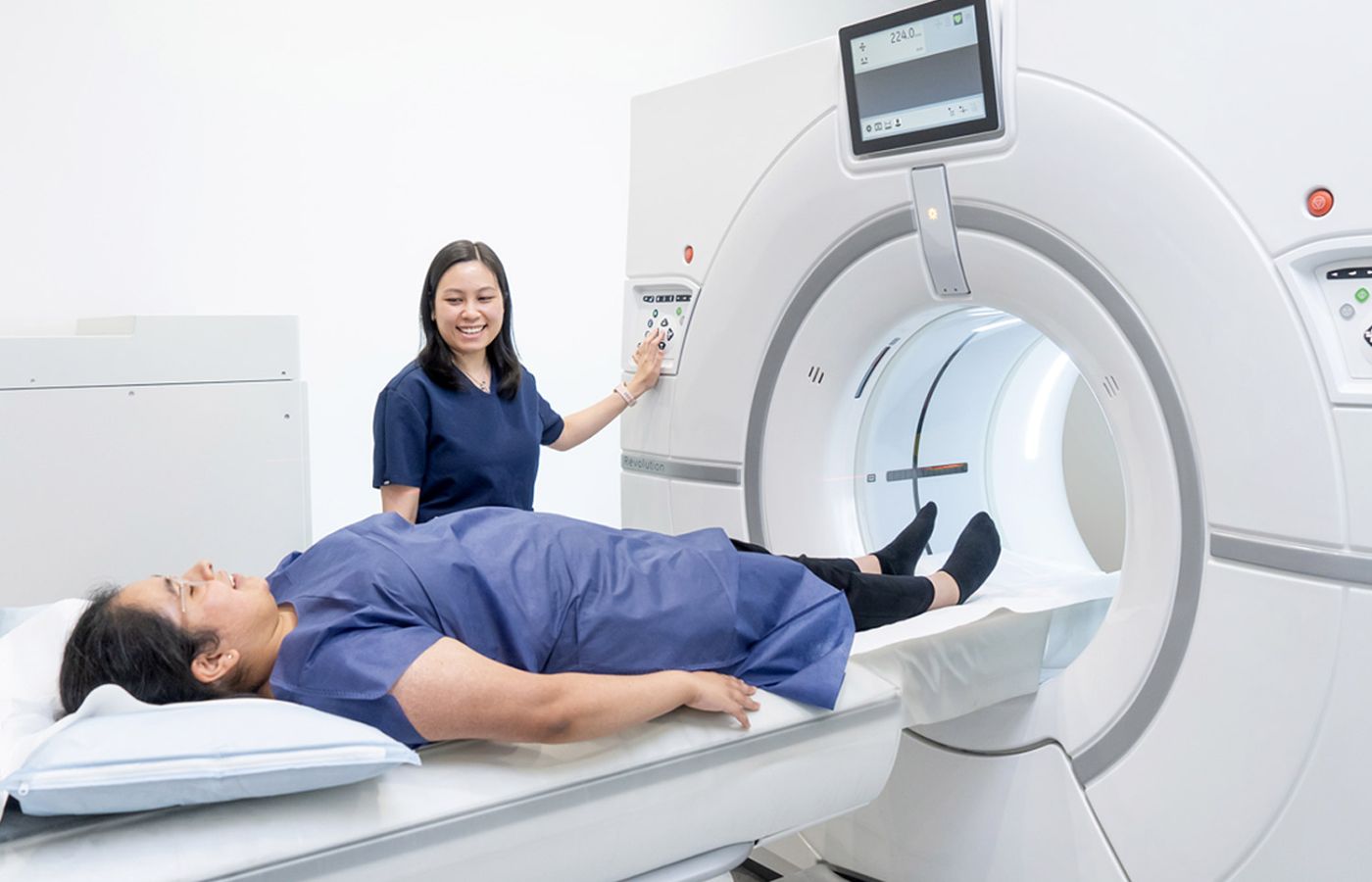
During the scan, the patient simply lies on a motorized table that moves slowly through the CT scanner. The scanner rotates around the body and captures multiple images.
Most patients experience:
No pain
No discomfort
No sensation from the scanner
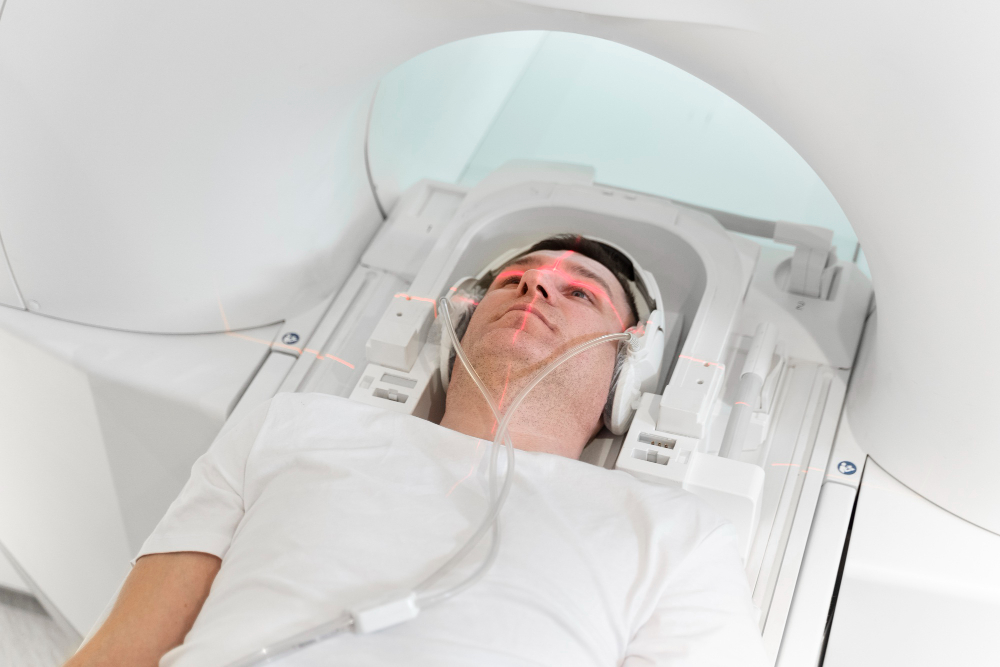
The only requirement is to remain still for a few minutes while the machine takes images.
Some patients may hear soft buzzing or humming sounds from the machine, but this is completely normal.
Doctors often recommend CT scans without contrast when they need to quickly diagnose medical conditions that do not require dye enhancement.
Common reasons include:
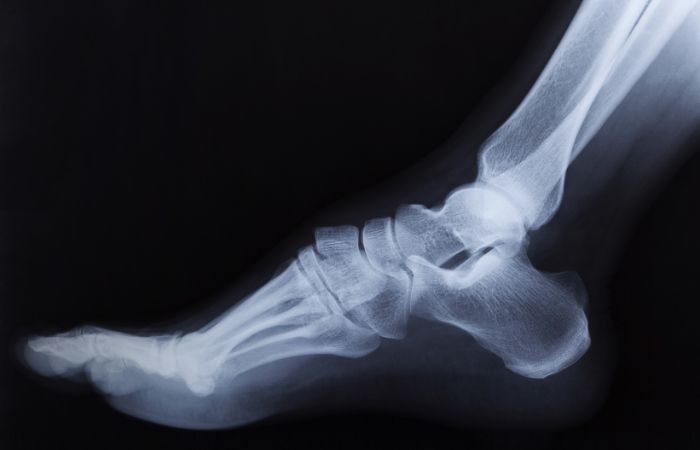
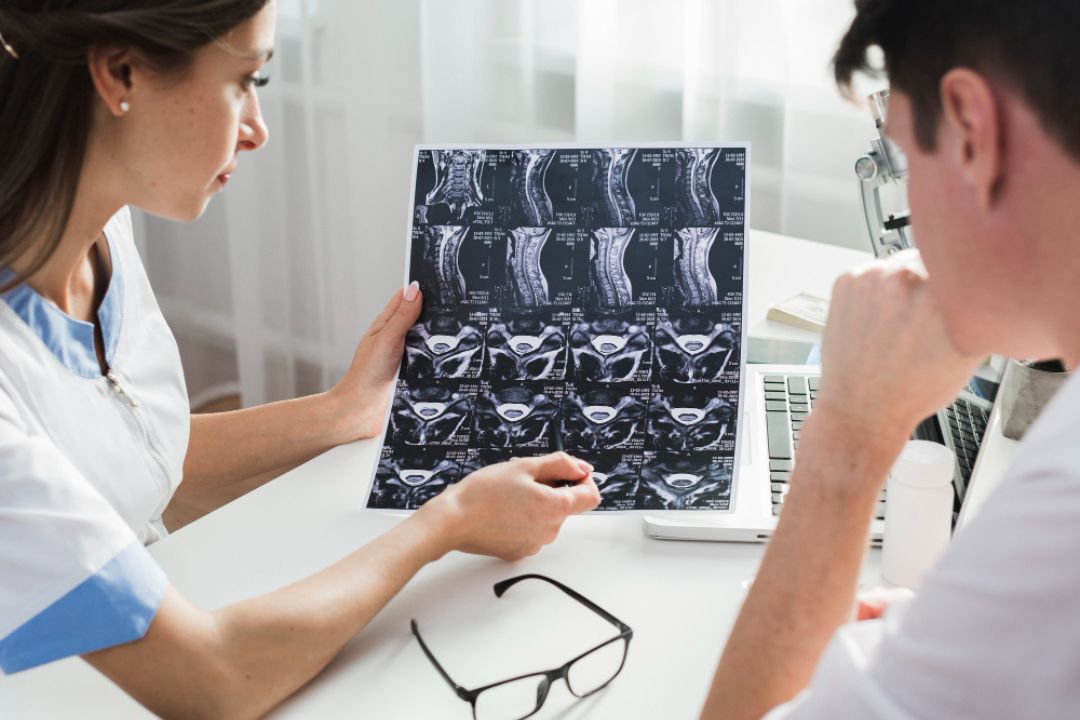
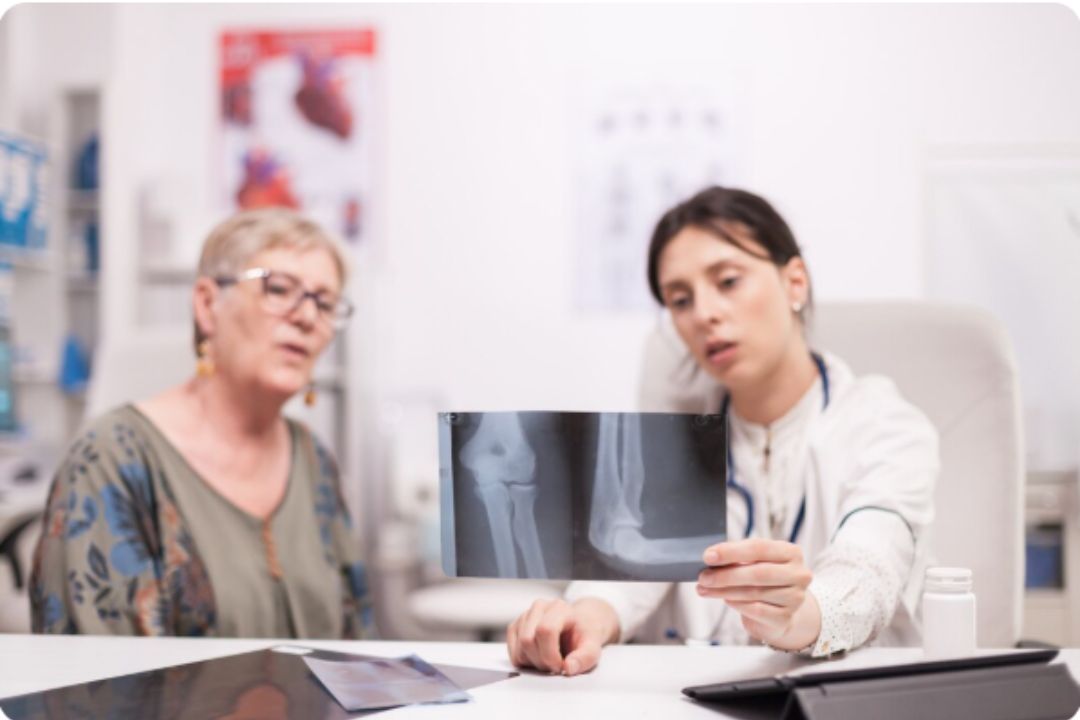
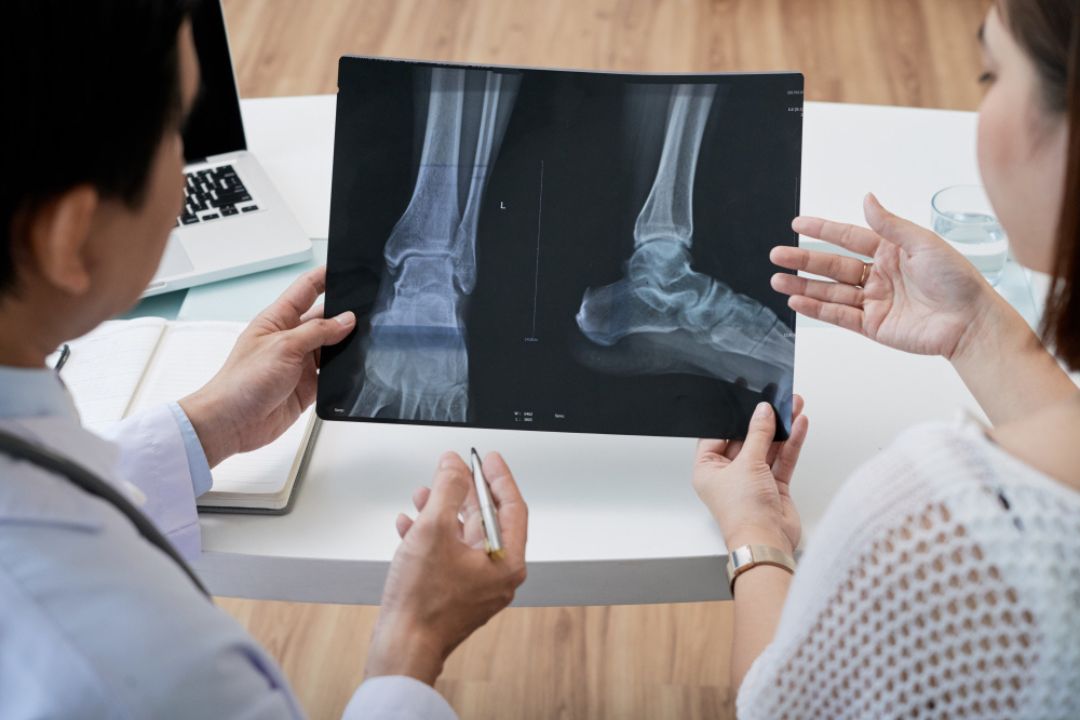
CT scans provide detailed images of bones and joints. They can identify fractures that may not appear clearly on an X-ray.
A non-contrast CT scan is considered one of the best tests for detecting kidney stones.
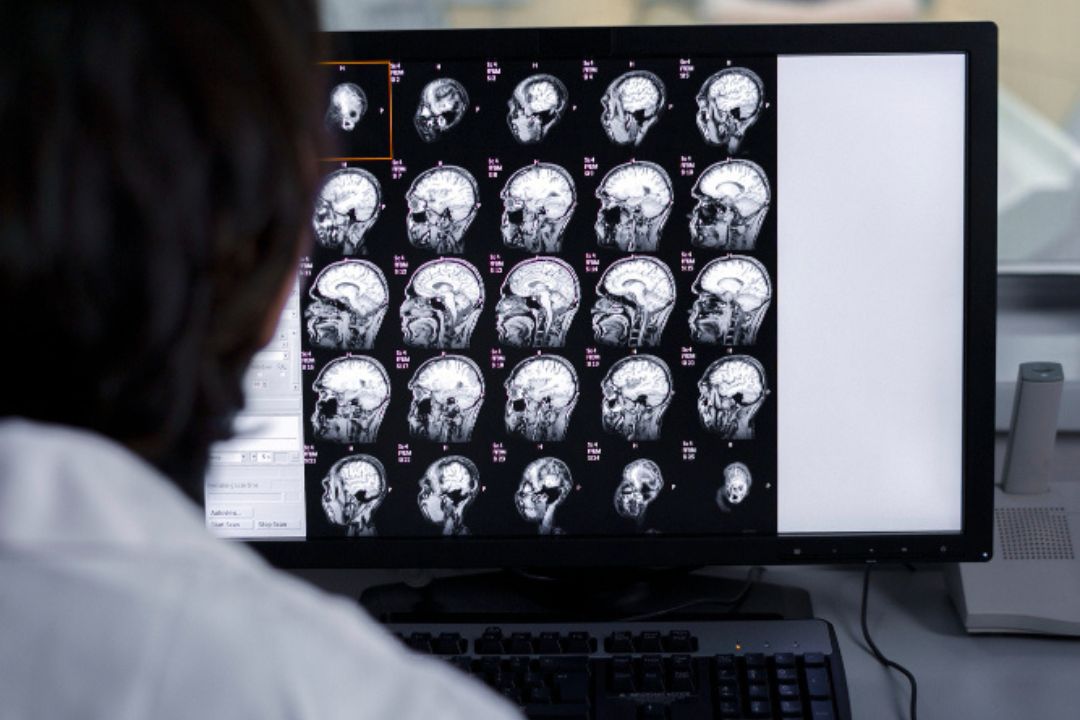
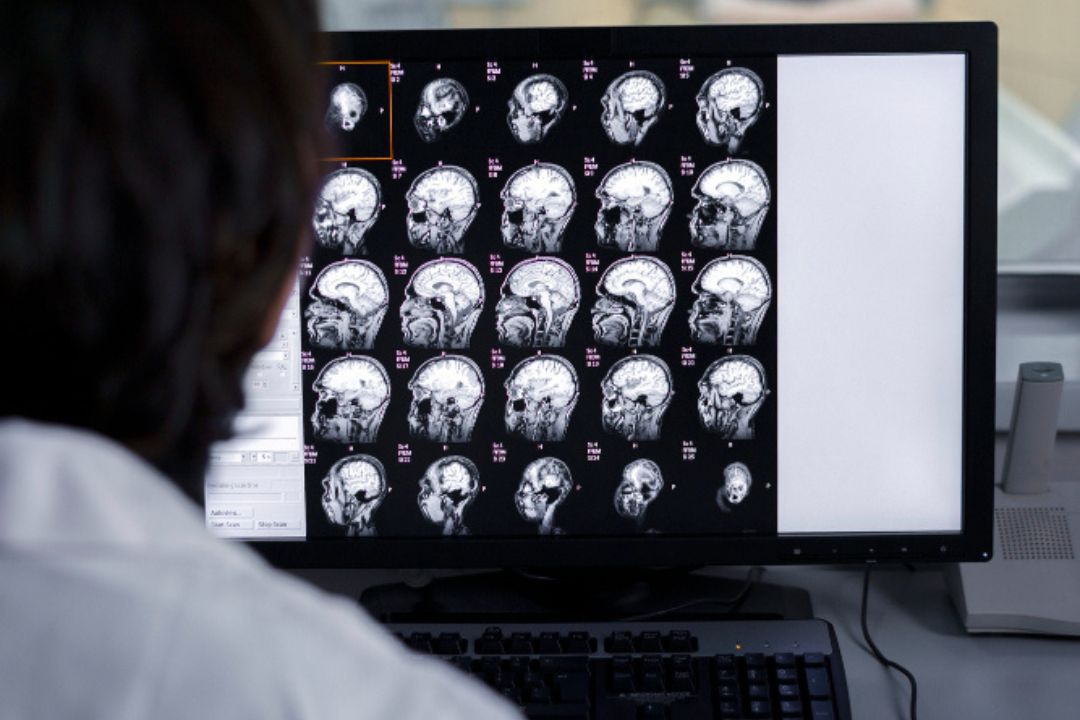
Doctors often use CT scans to detect brain injuries, bleeding, or swelling after accidents or trauma.
CT scans can help detect lung infections, tumors, or other abnormalities.
In emergency situations, CT scans help doctors quickly identify internal bleeding.
Because the scan is quick and accurate, it is widely used in emergency medicine and routine diagnostics.
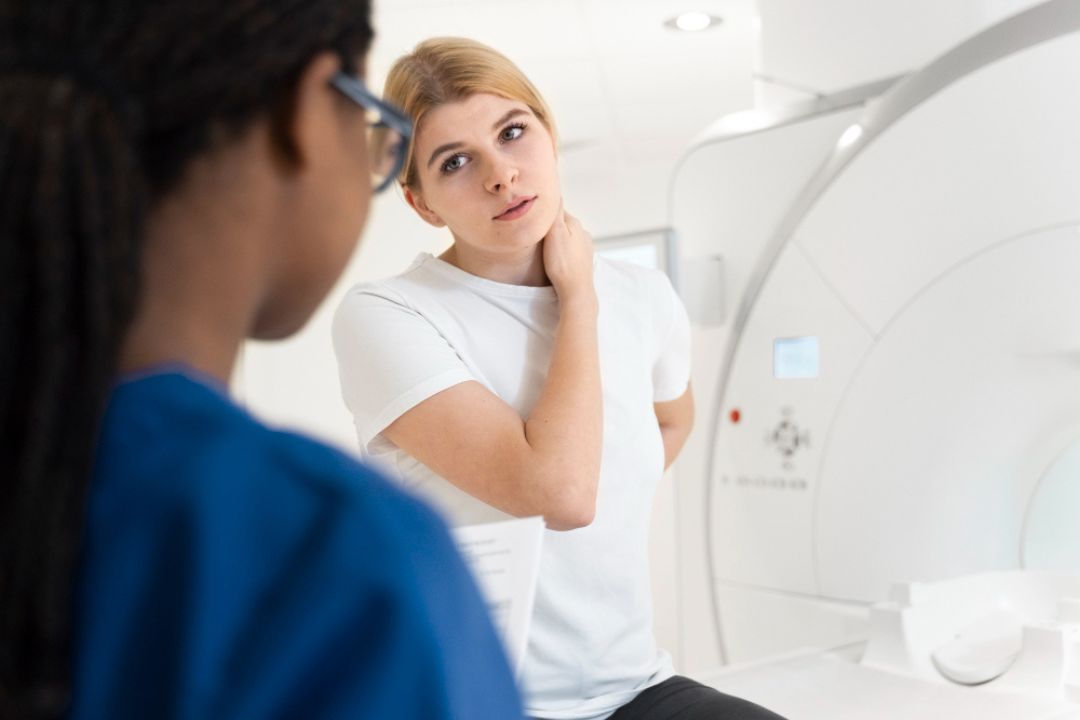
Understanding the procedure can help reduce anxiety before the test.
Before the scan, you may be asked to:
Remove metal objects such as jewelry, glasses, or belts
Wear a hospital gown if necessary
In most cases, no fasting or special preparation is required.
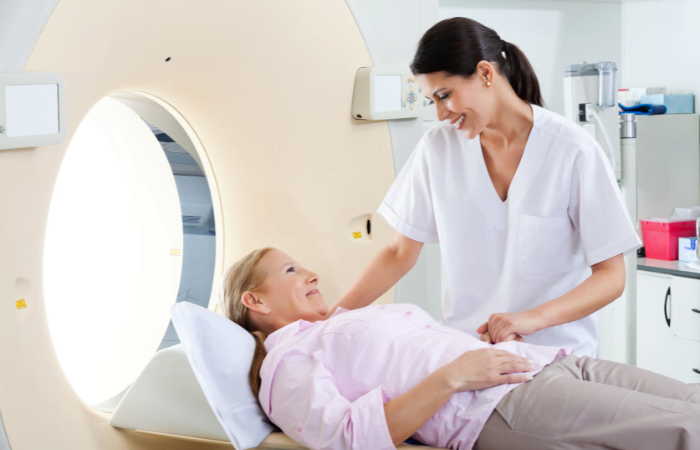
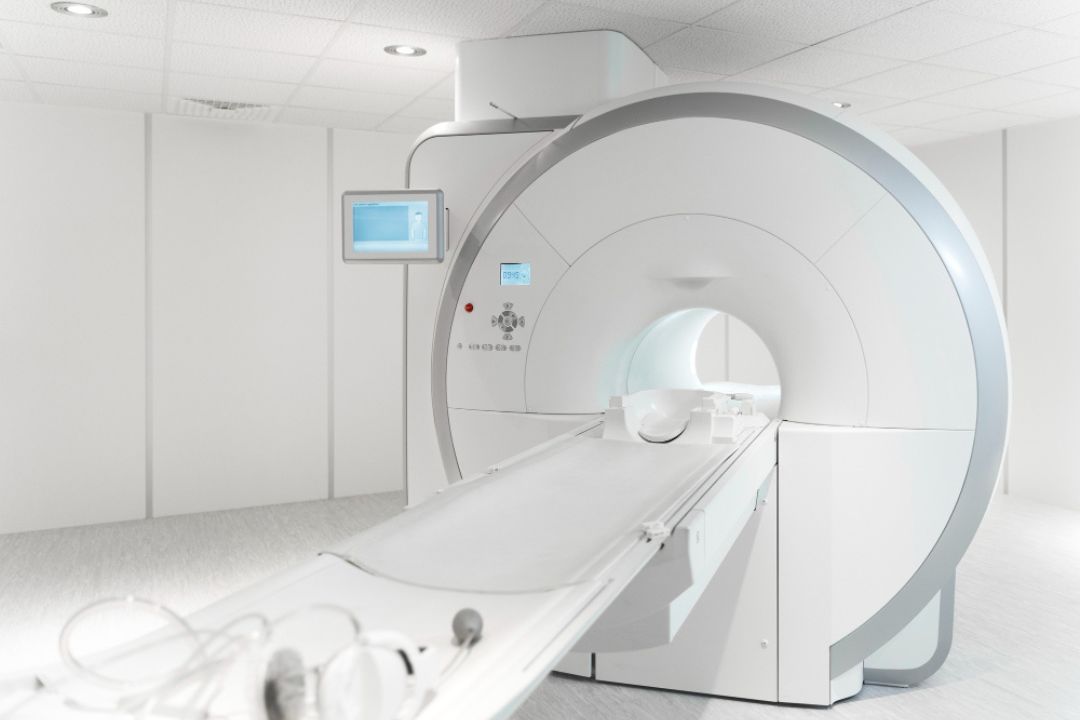
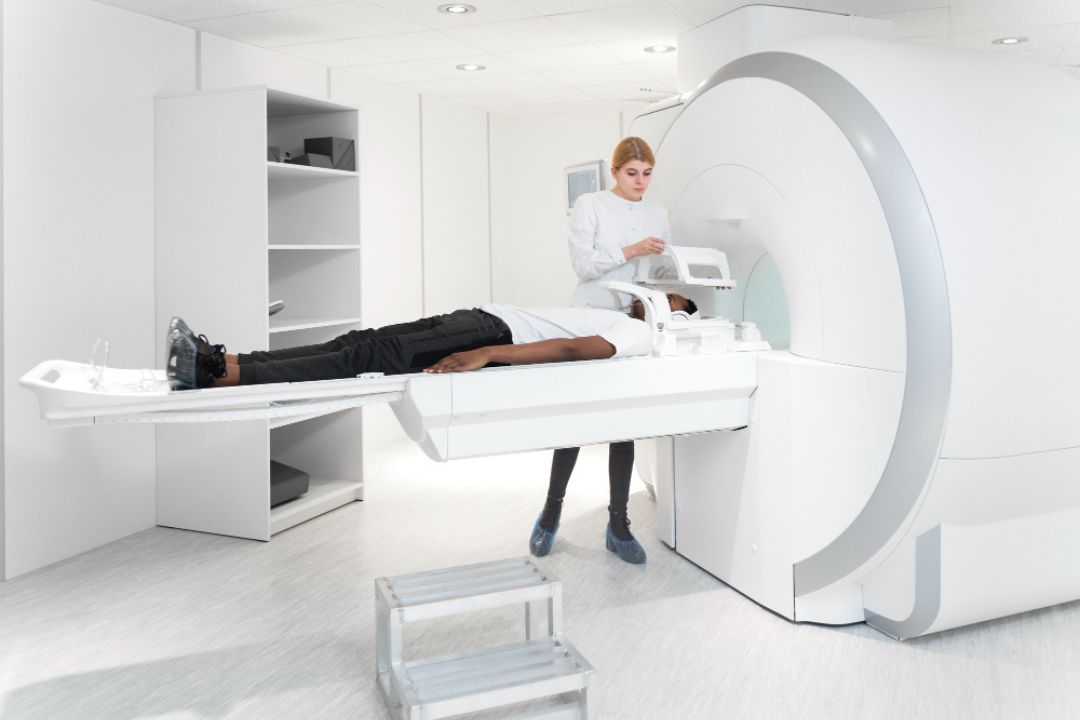
You will lie on a flat scanning table that slides into the CT scanner.
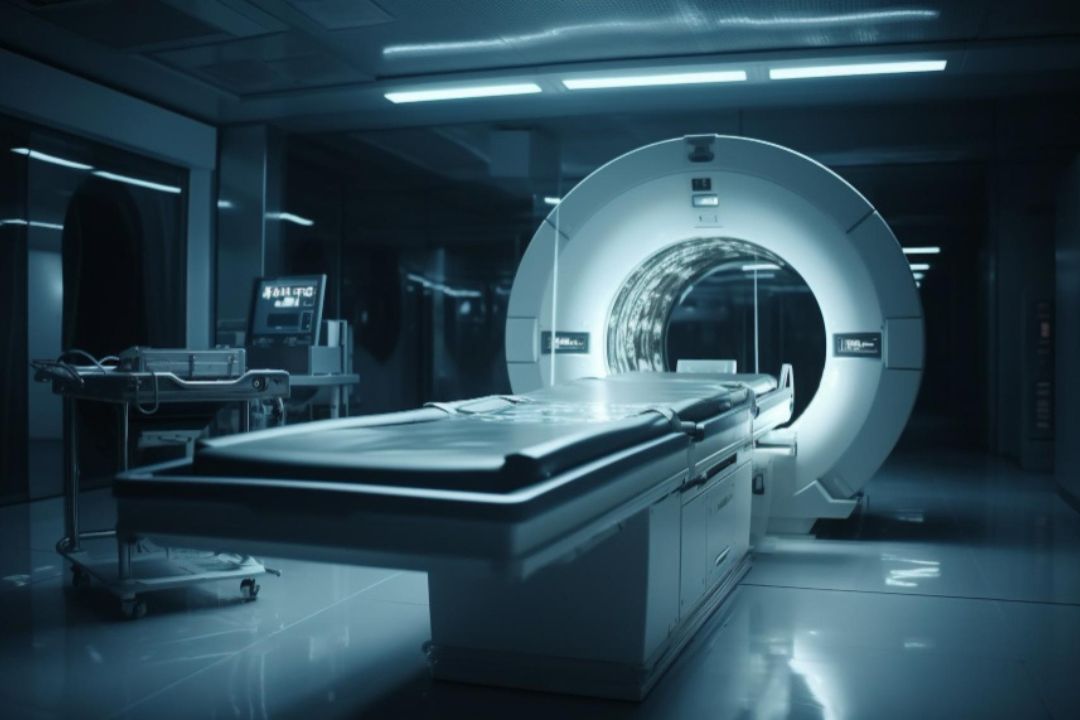
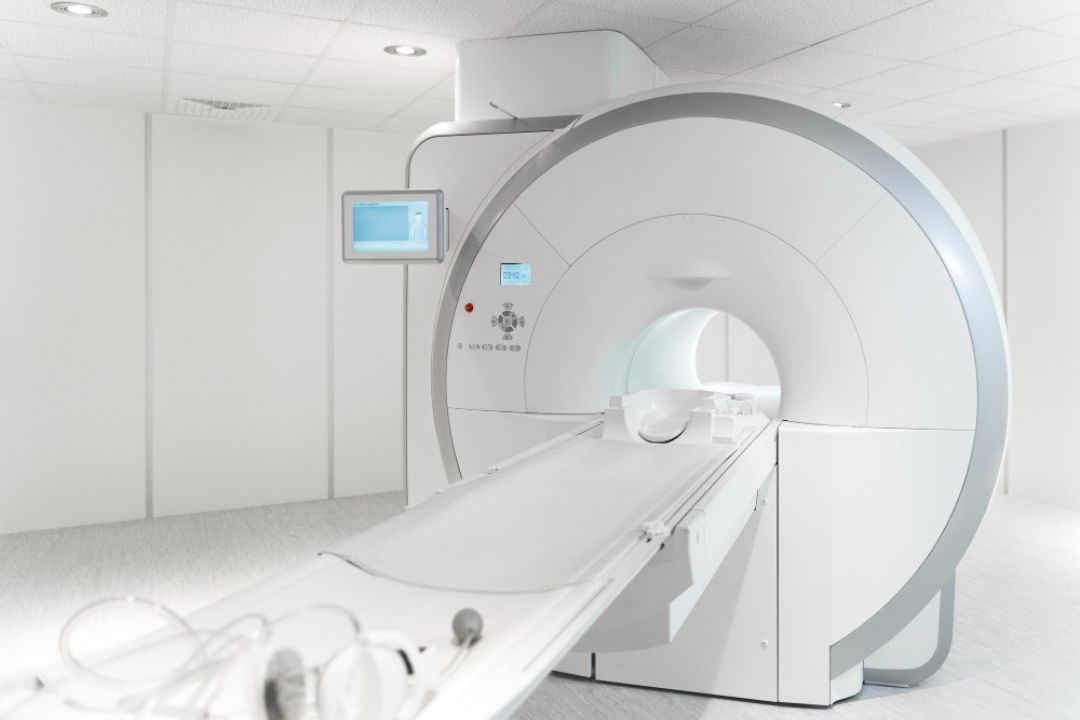
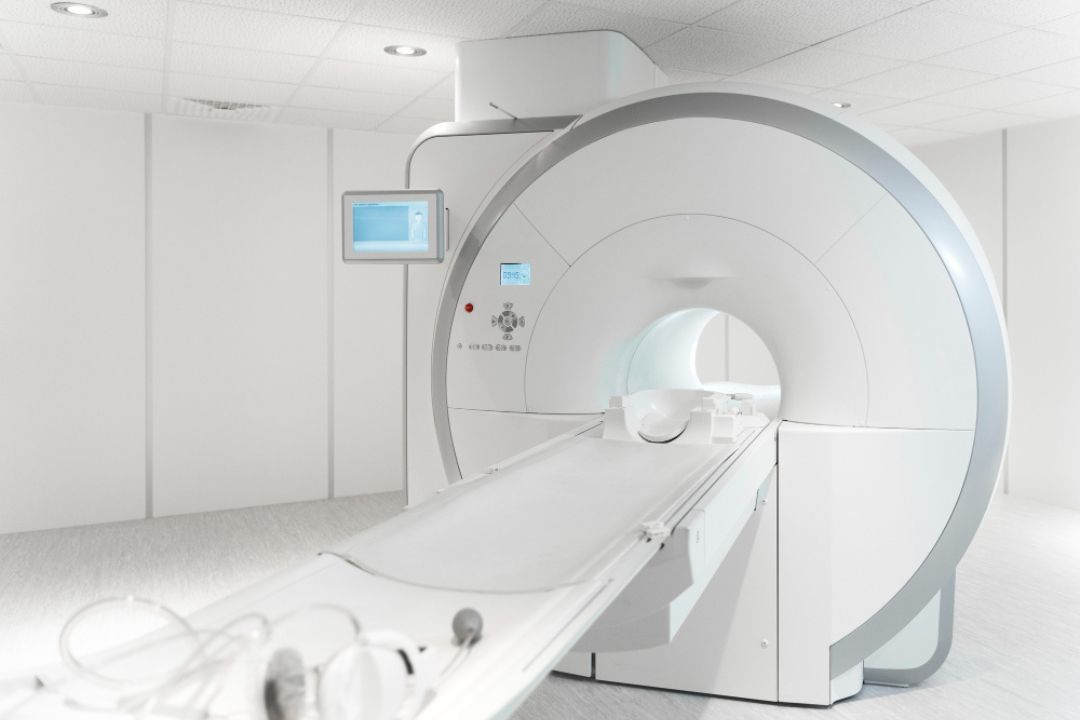
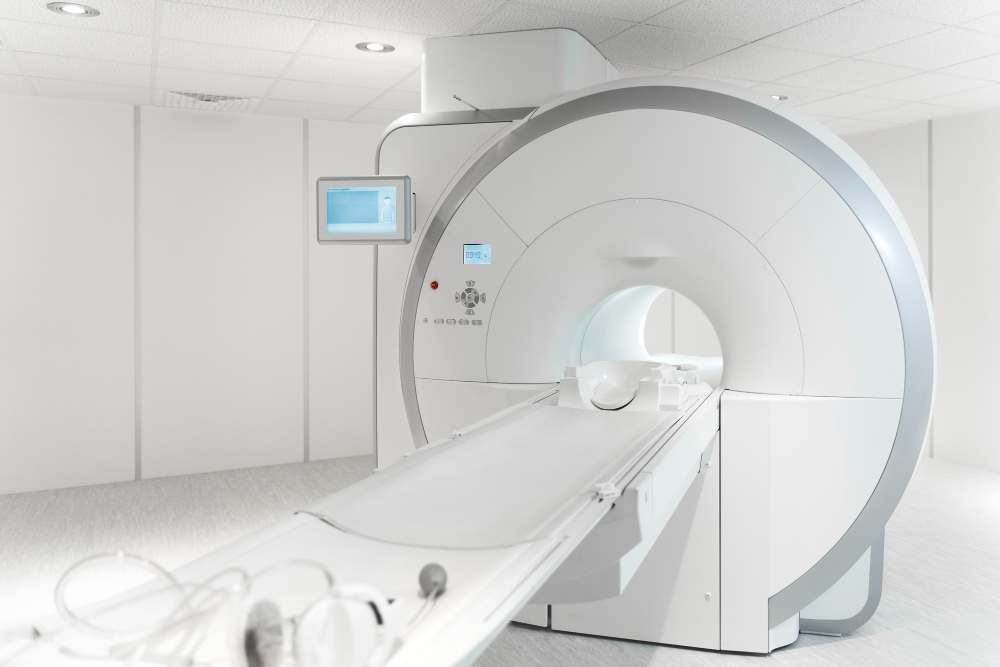
The CT scanner is a large donut-shaped machine, open on both sides.
The table slowly moves through the scanner while the machine rotates around your body.
During this time:
You may be asked to hold your breath briefly
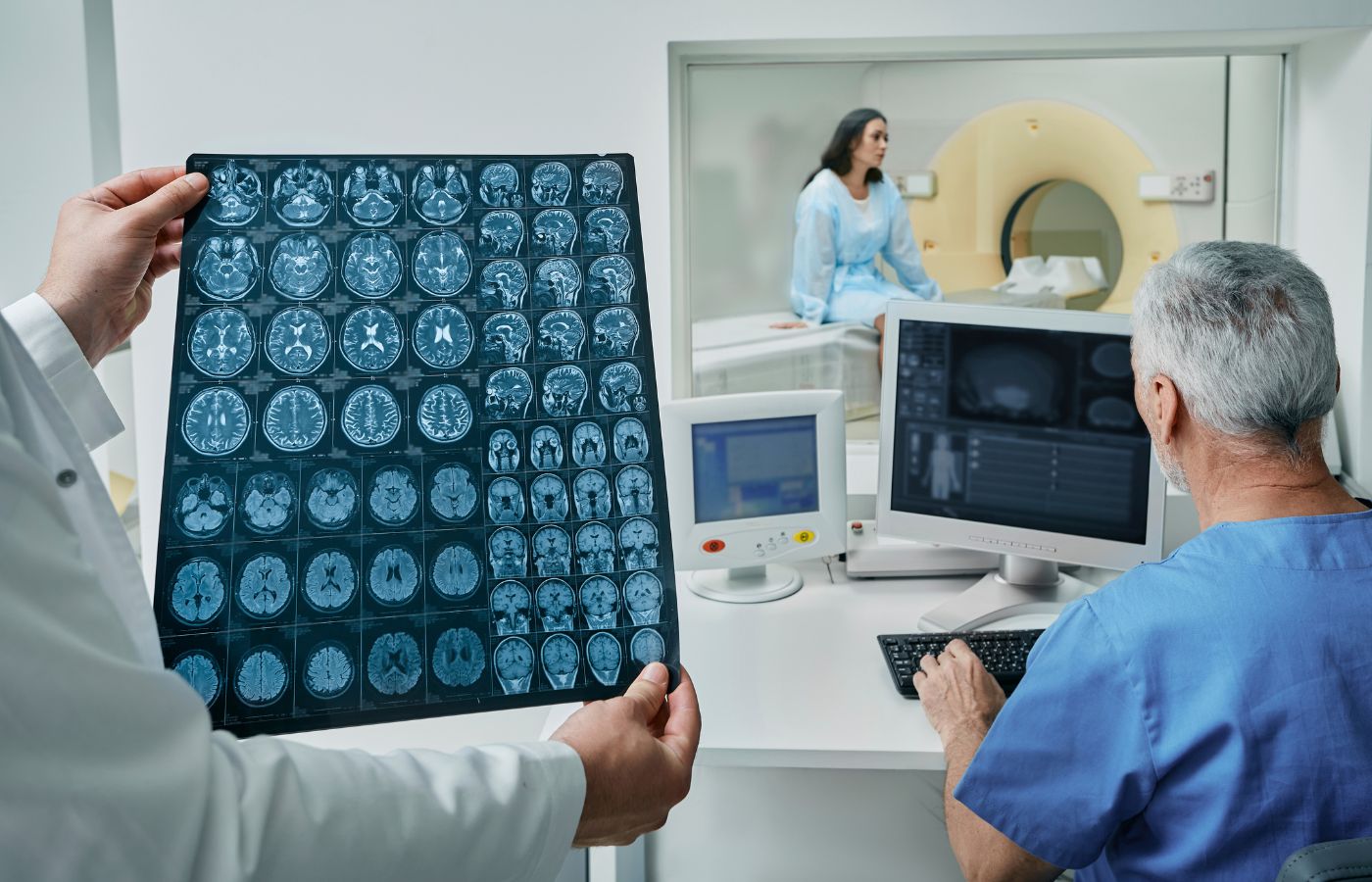
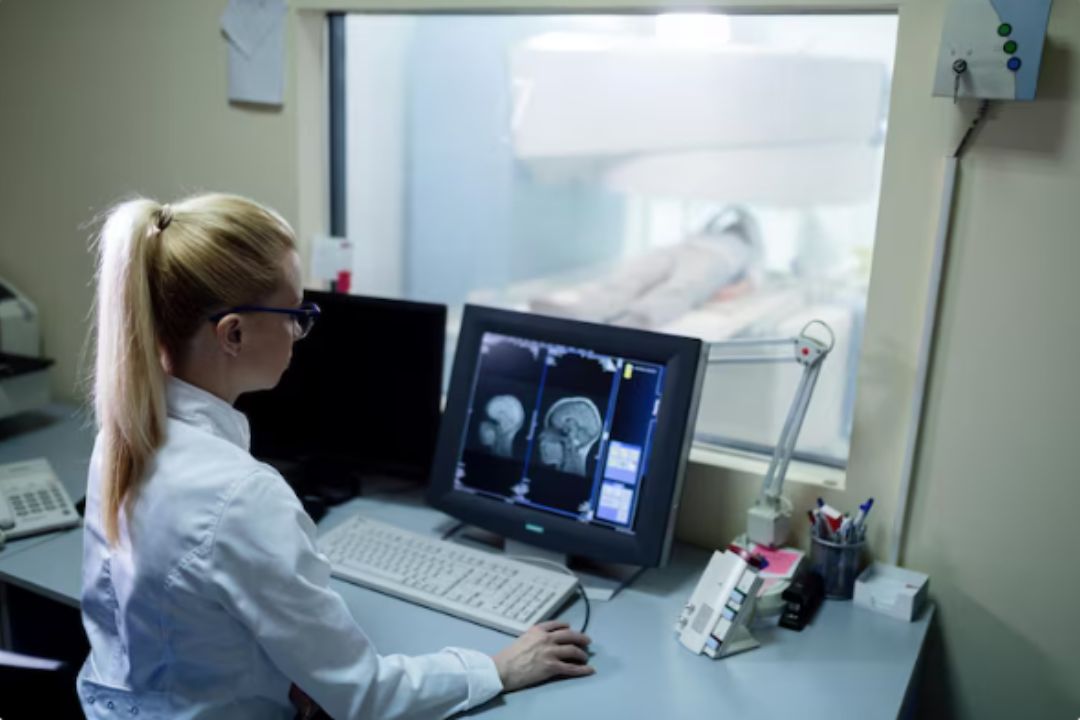
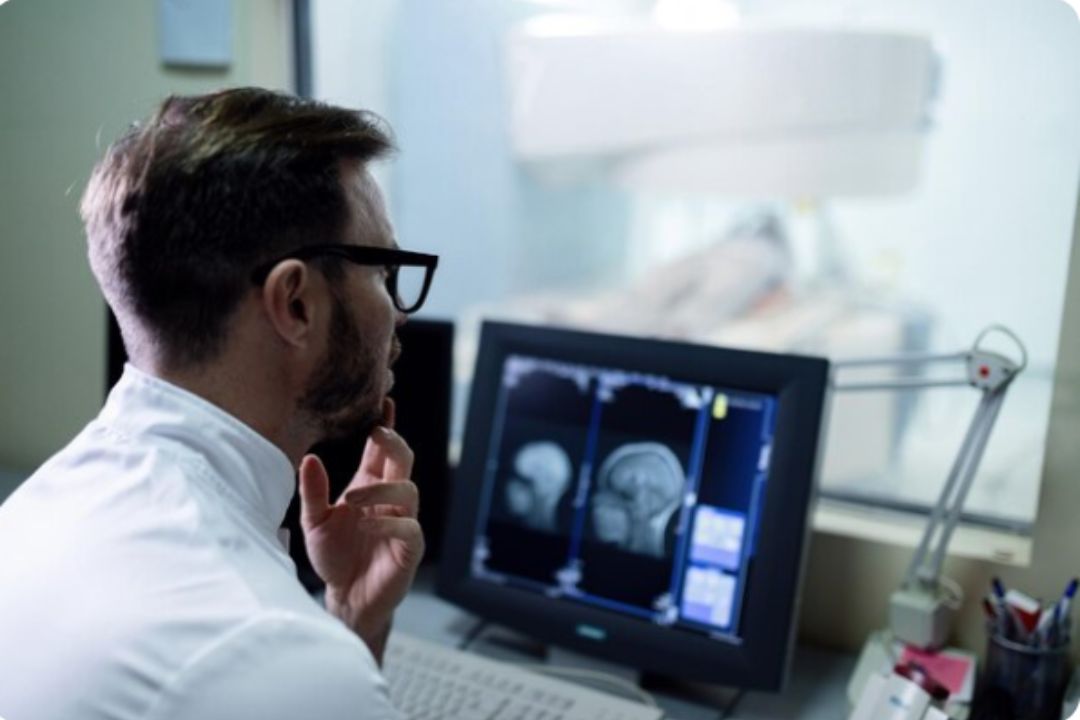
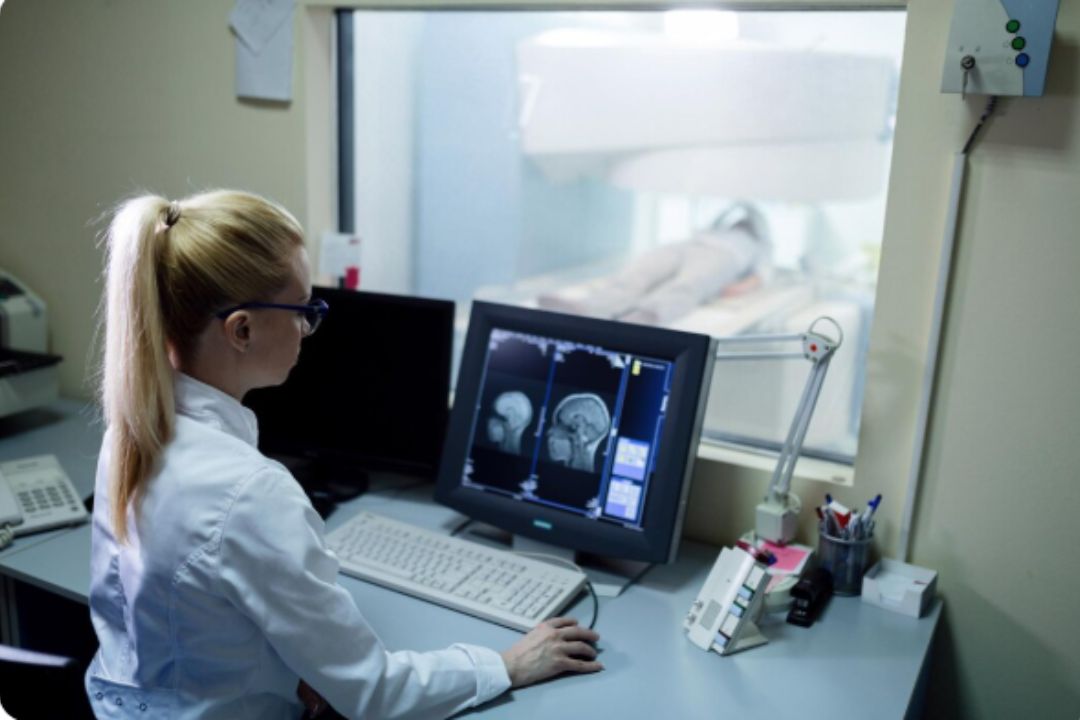
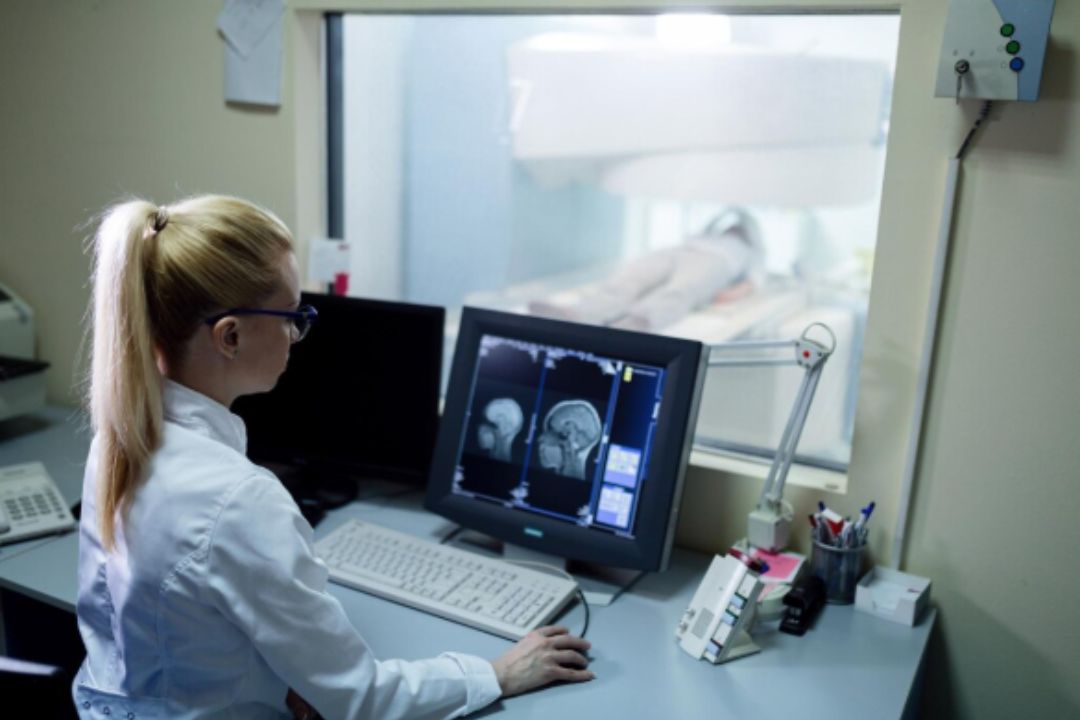
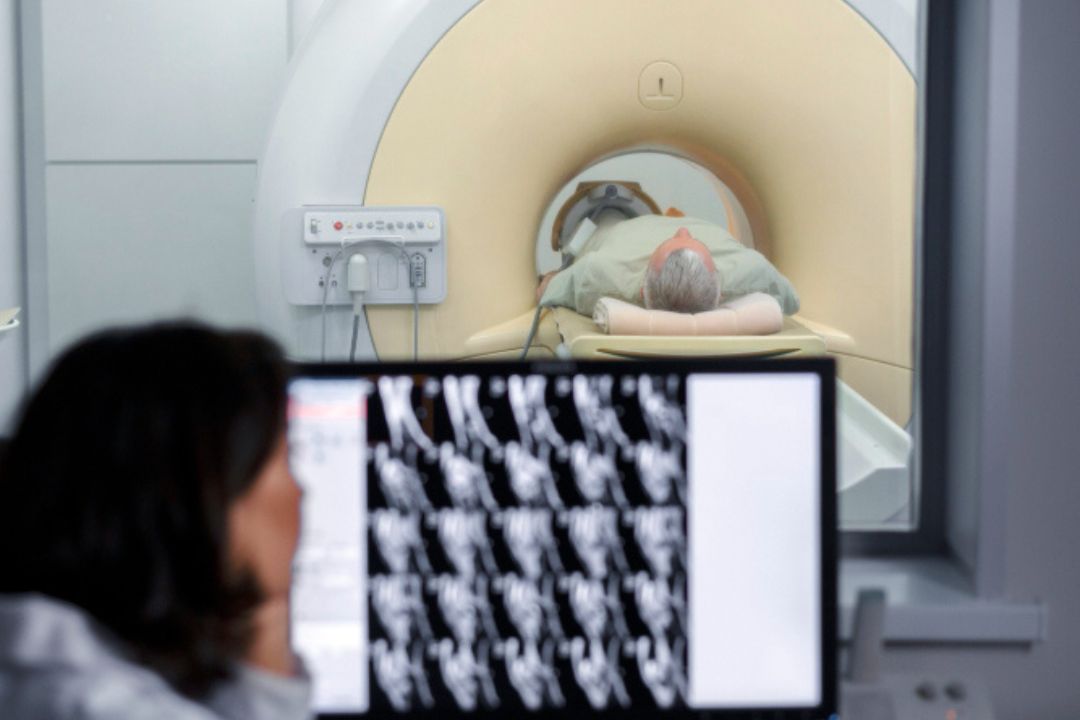
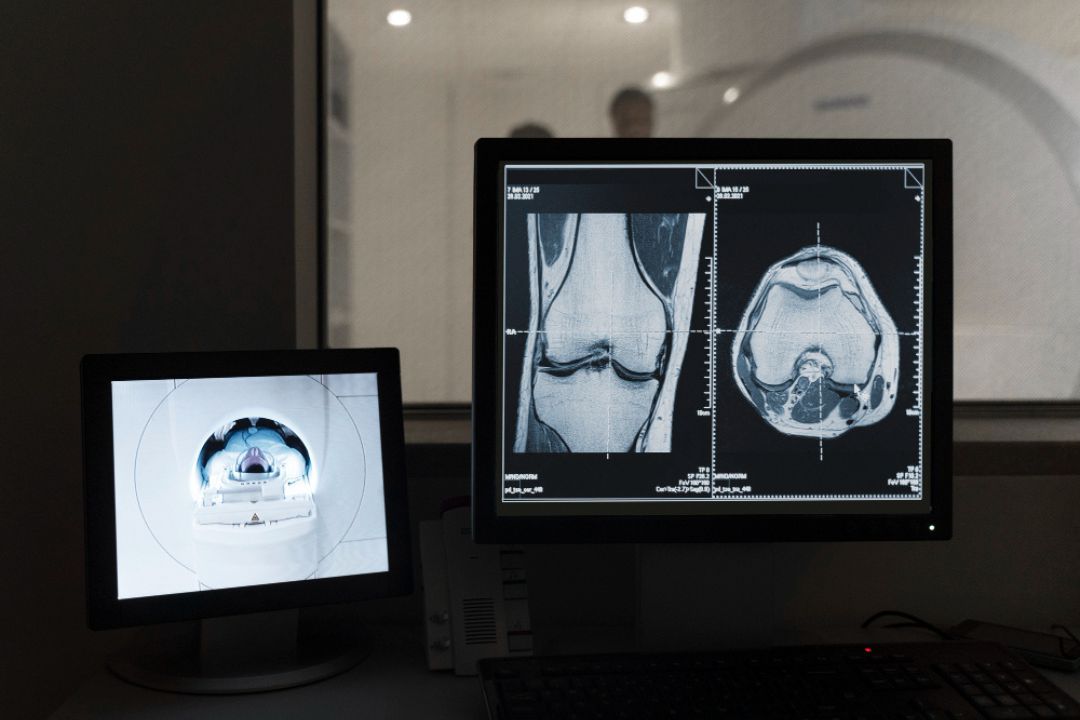
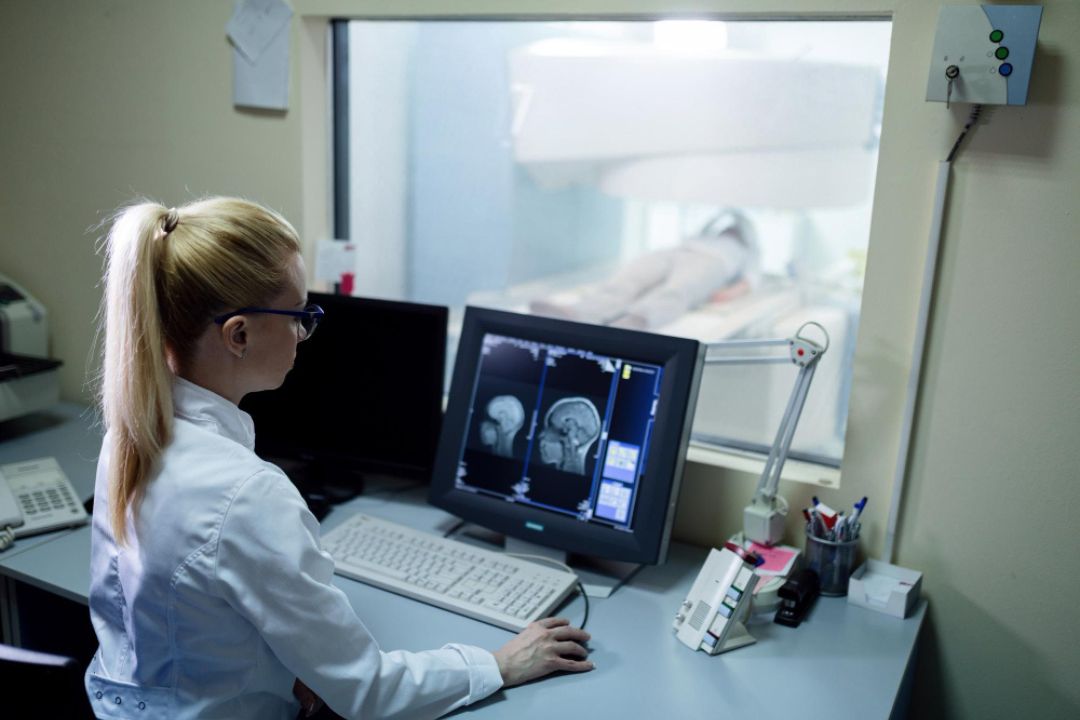
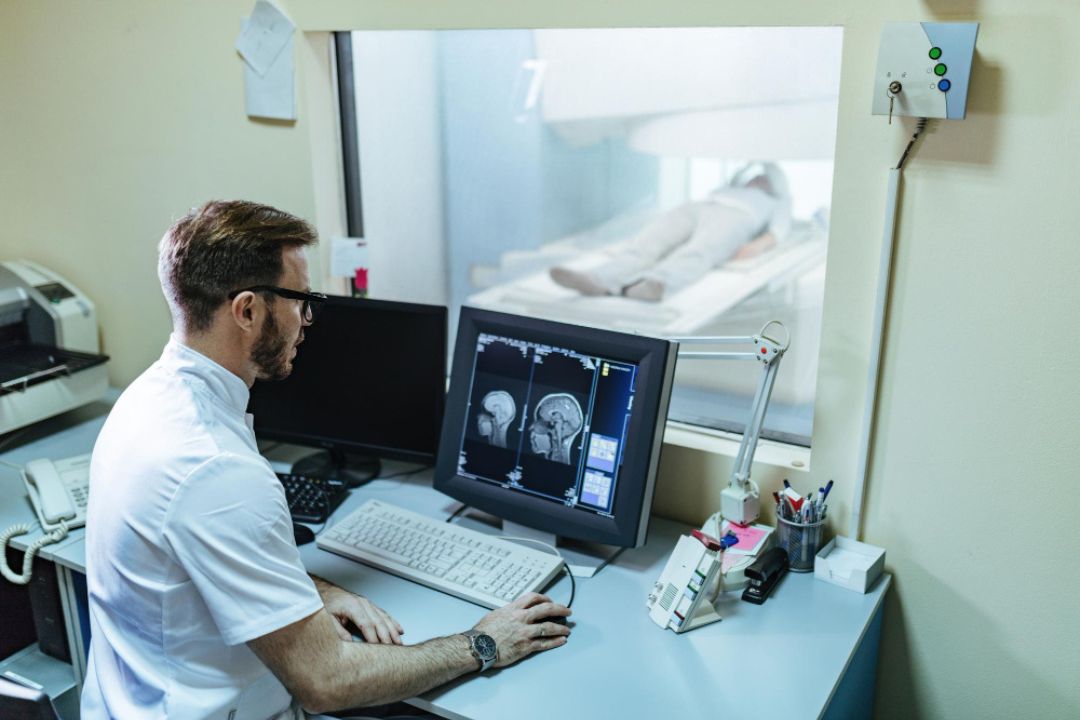
The radiologist controls the machine from another room
The machine takes multiple images from different angles
The scan usually takes 5 to 15 minutes.
Once the imaging is complete, the table slides out and the procedure is finished.
You can immediately resume your normal activities.
A CT scan without contrast offers several advantages:
Since there are no injections or needles, the procedure is comfortable for most patients.
The scan takes only a few minutes, allowing doctors to quickly evaluate medical conditions.
Some patients may be allergic to contrast dye. A non-contrast CT scan eliminates this risk.
Contrast dye can sometimes affect kidney function, so a non-contrast CT scan may be safer for patients with kidney problems.
CT scans provide detailed cross-sectional images that help doctors detect many conditions.
CT scans use low levels of radiation, which is carefully controlled by medical professionals.
For most patients, the benefits of accurate diagnosis far outweigh the minimal radiation risk.
Radiologists ensure that radiation exposure is kept as low as reasonably possible while still producing clear images.
However, CT scans are generally avoided during pregnancy unless absolutely necessary.
Always inform your doctor if you are pregnant or suspect pregnancy before the scan.
Preparation for a plain CT scan is usually simple.
Patients are typically advised to:
Wear comfortable clothing
Remove metal objects
Inform the technician about any medical conditions
Bring previous medical reports if available
Unlike contrast CT scans, fasting is usually not required.
Your doctor or technician will provide specific instructions if any preparation is needed.
A CT scan without contrast is a very quick procedure.
Typical timeline:
Preparation: 5 minutes
Scan time: 5–10 minutes
Total visit time: 15–30 minutes
In most cases, patients can leave immediately after the scan.
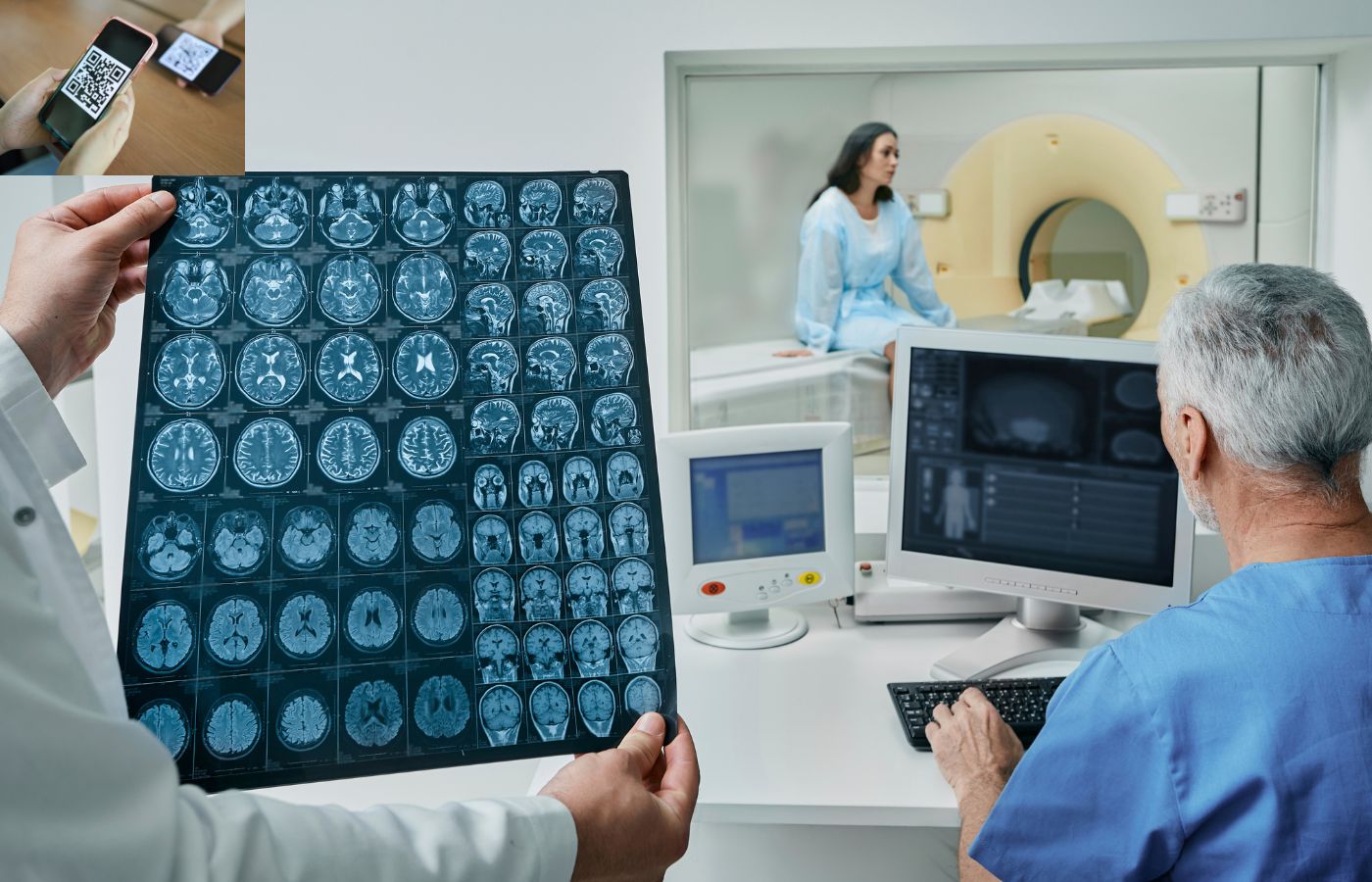
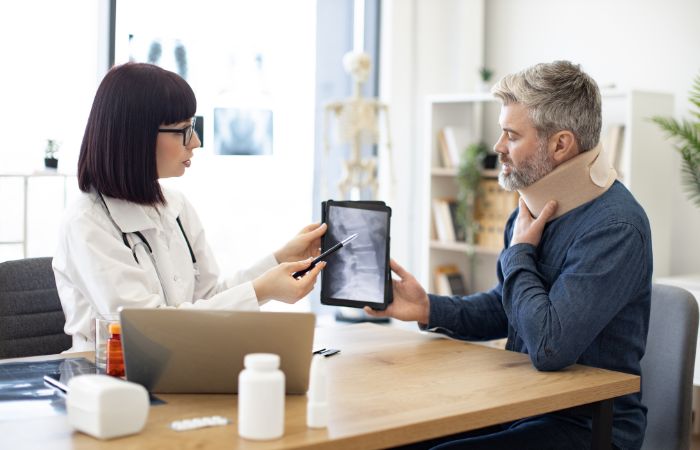
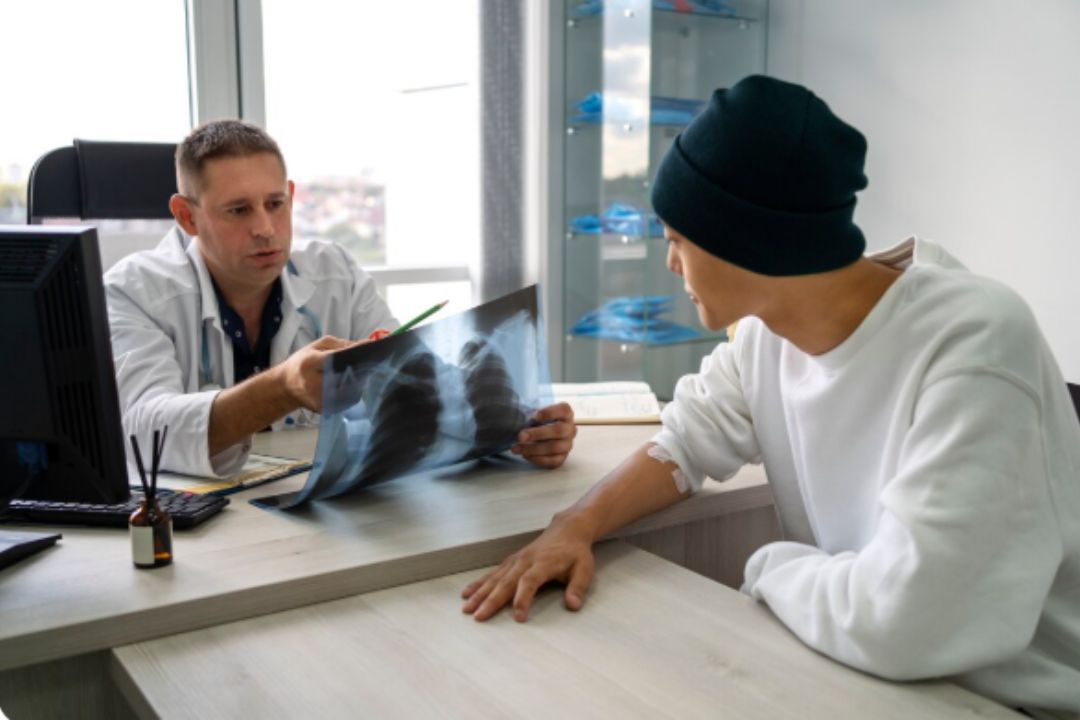
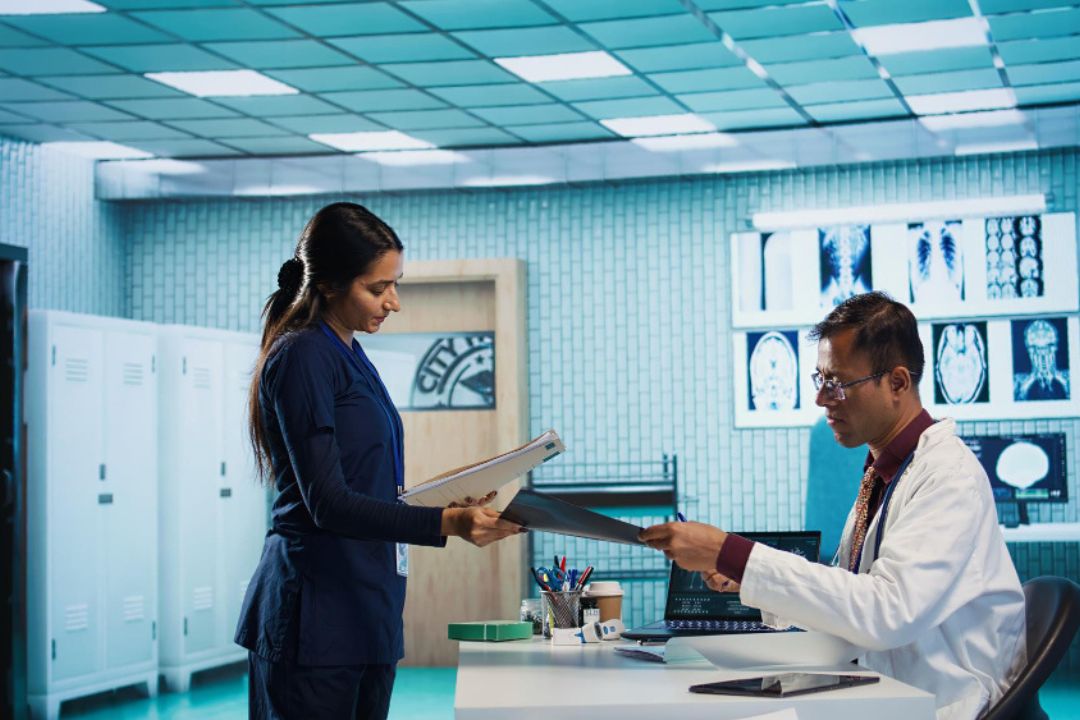
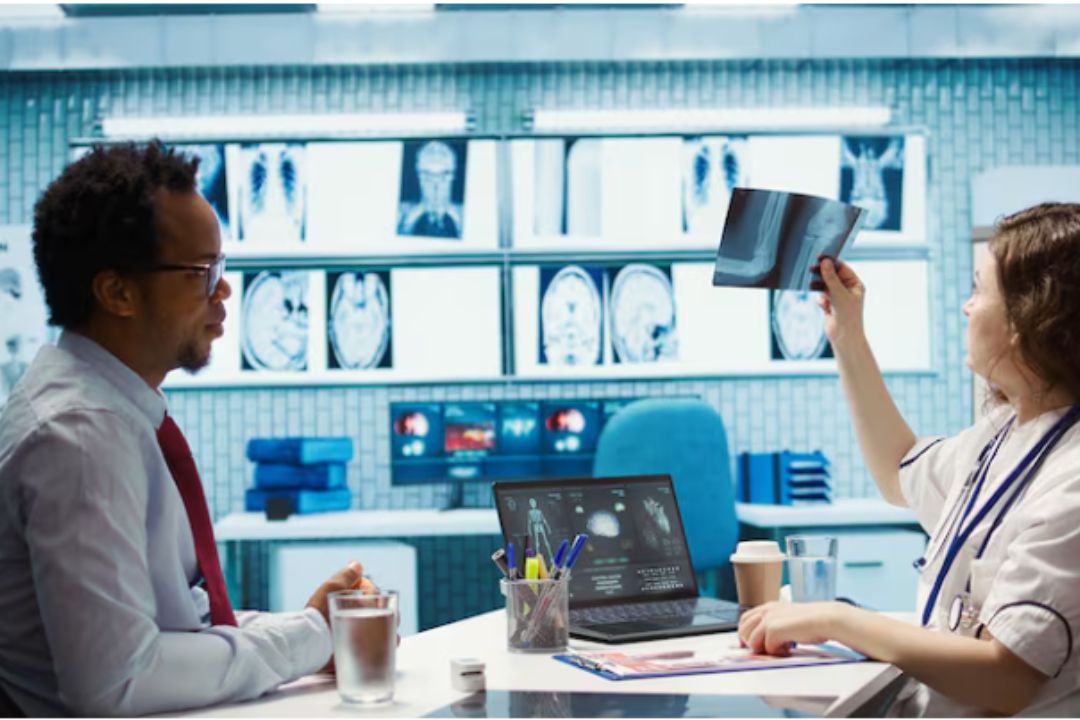
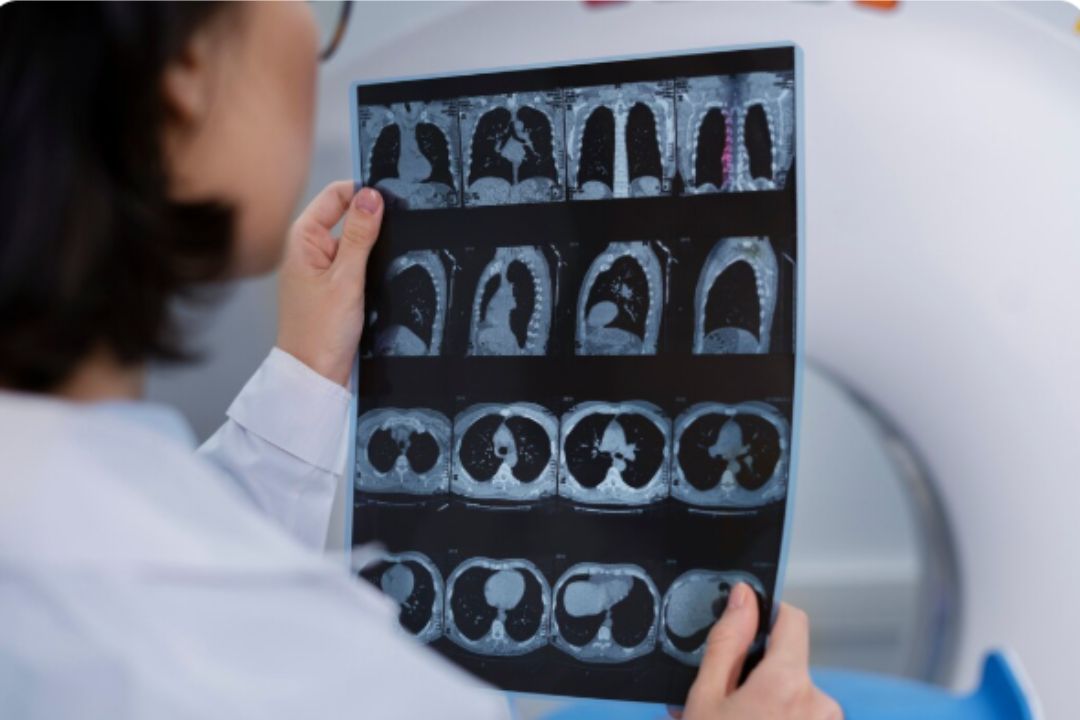
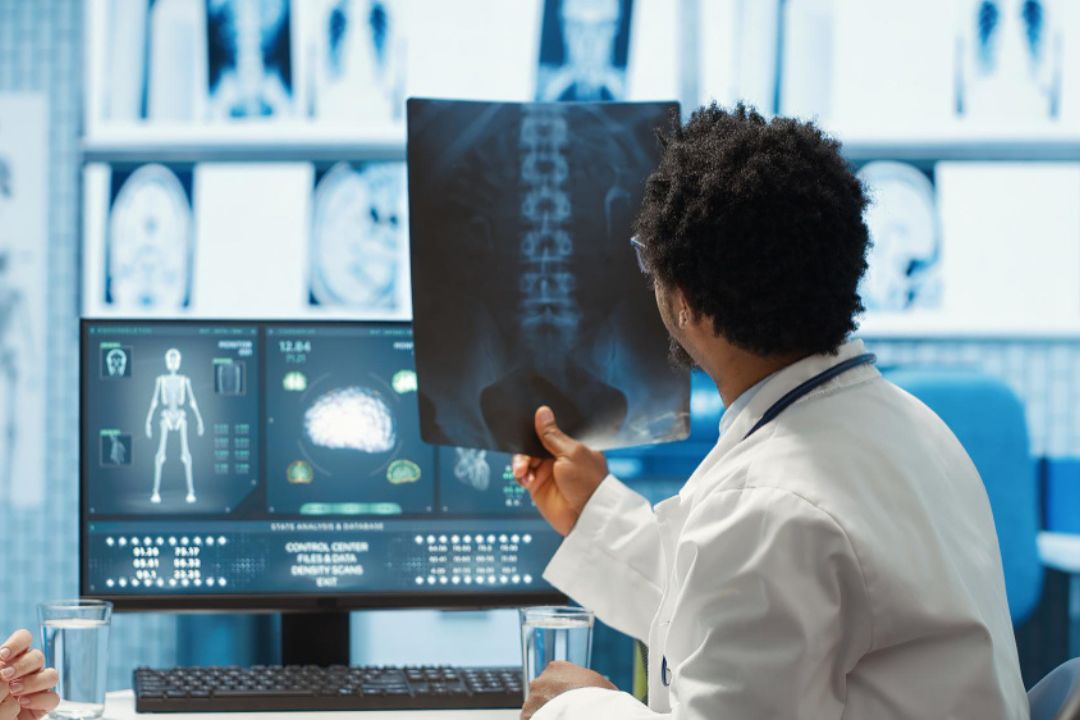
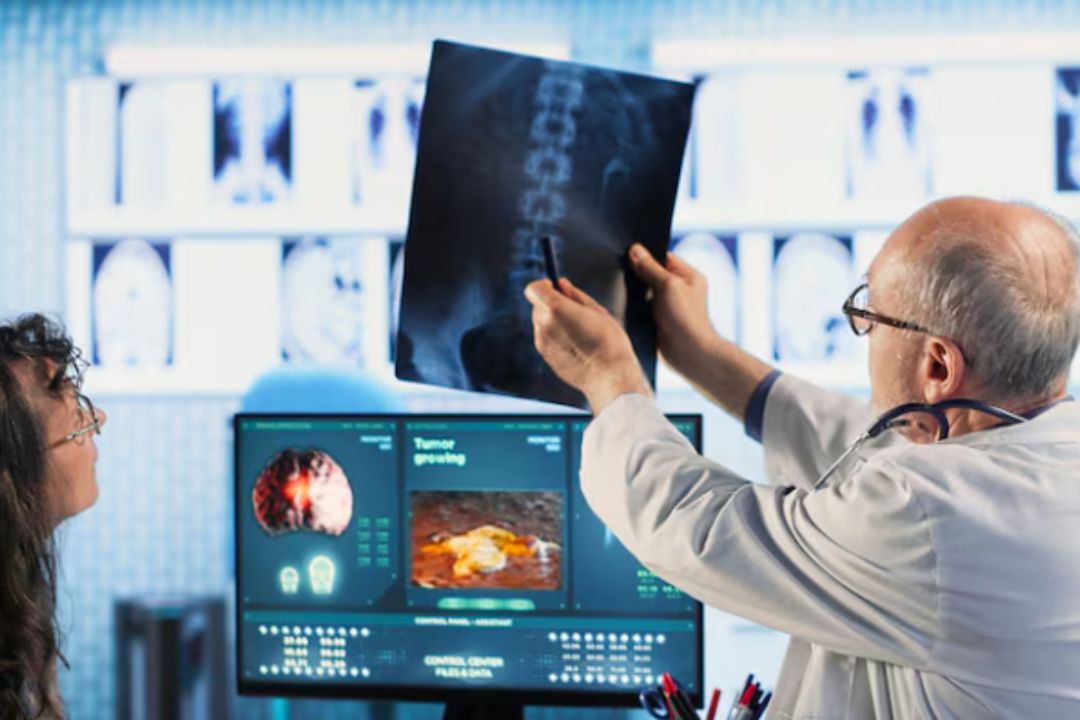
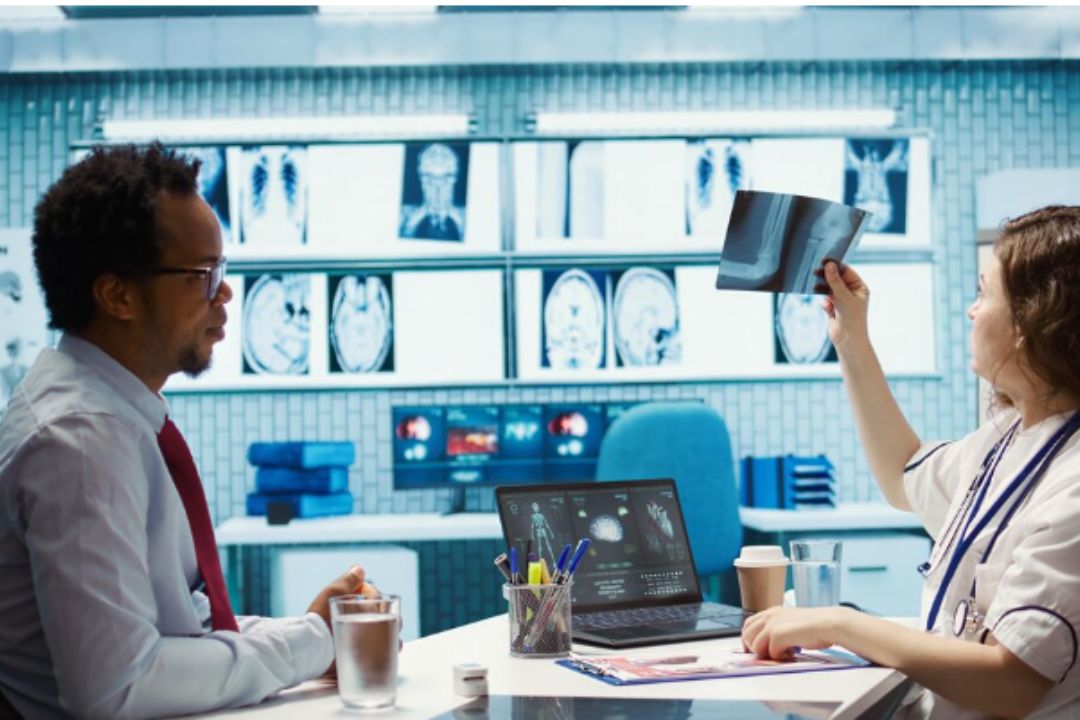
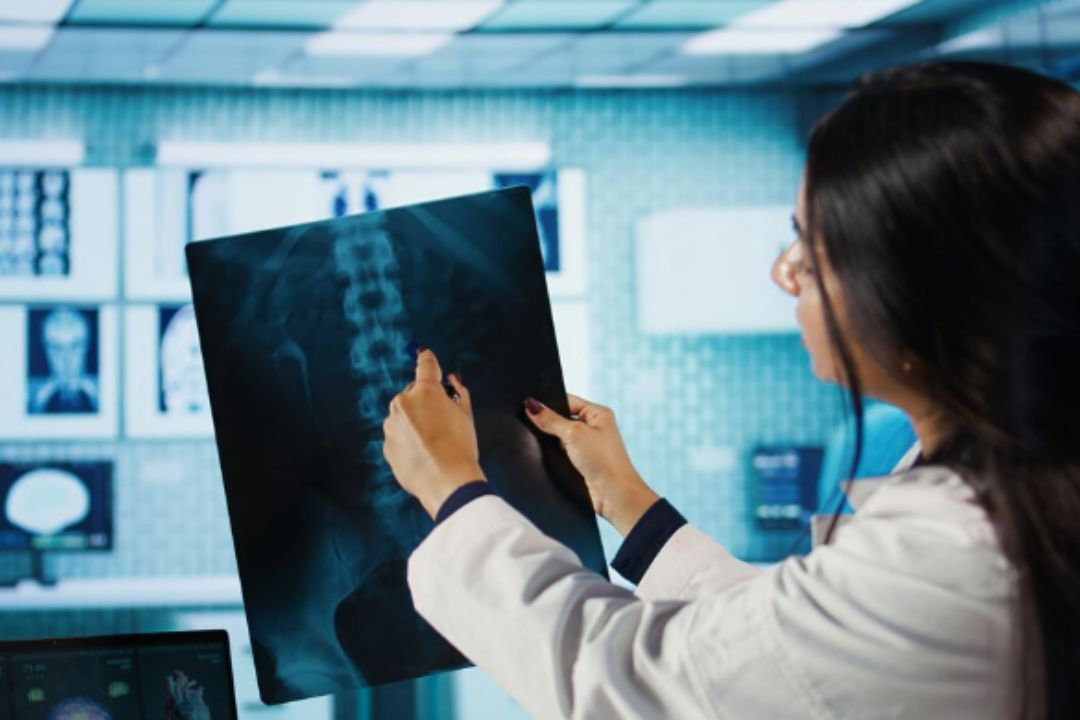
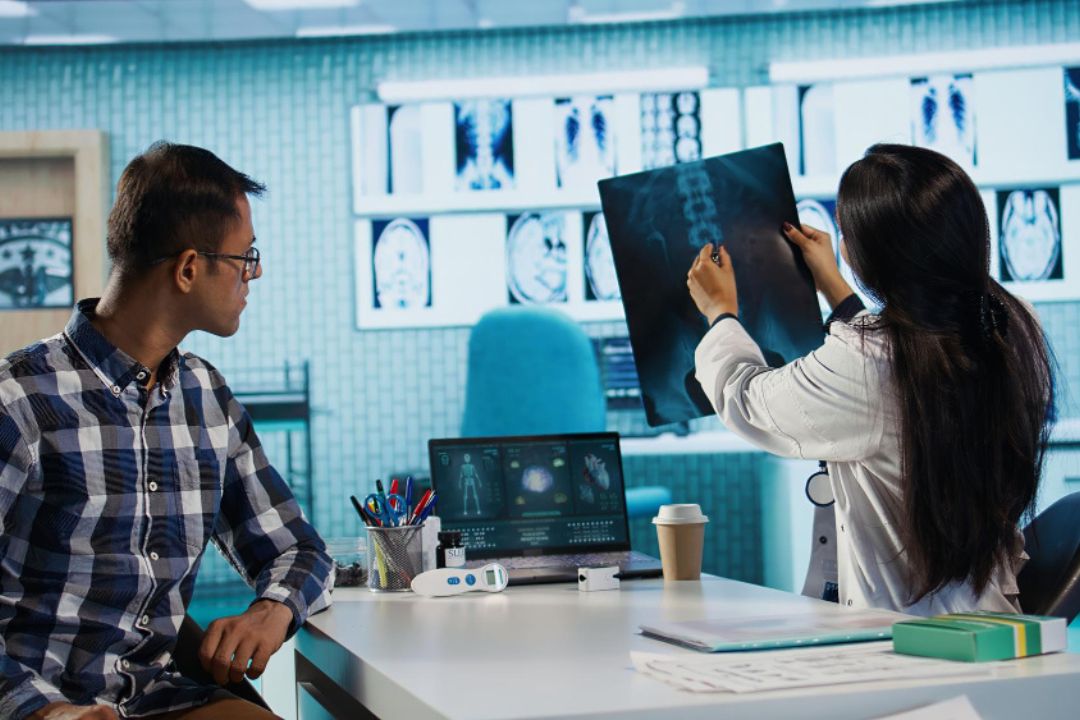
After the scan, the images are reviewed by a radiologist, a doctor specialized in medical imaging.
The radiologist analyzes the images and prepares a detailed report for your doctor.
Results are typically available within a few hours to 24 hours, depending on the medical facility.
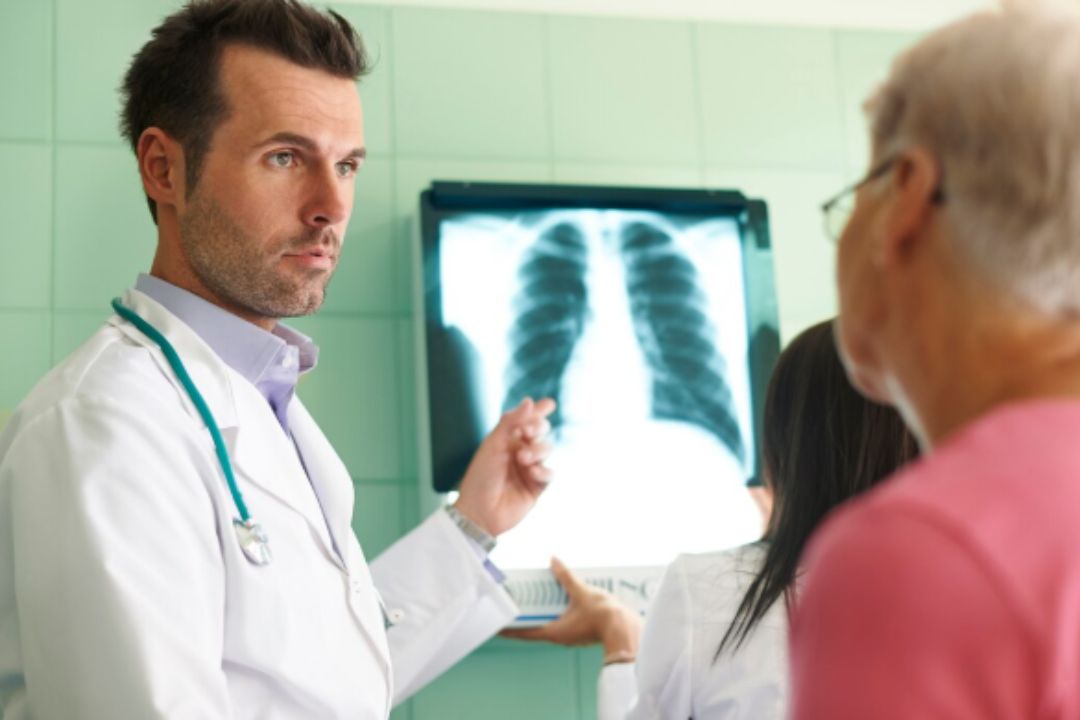
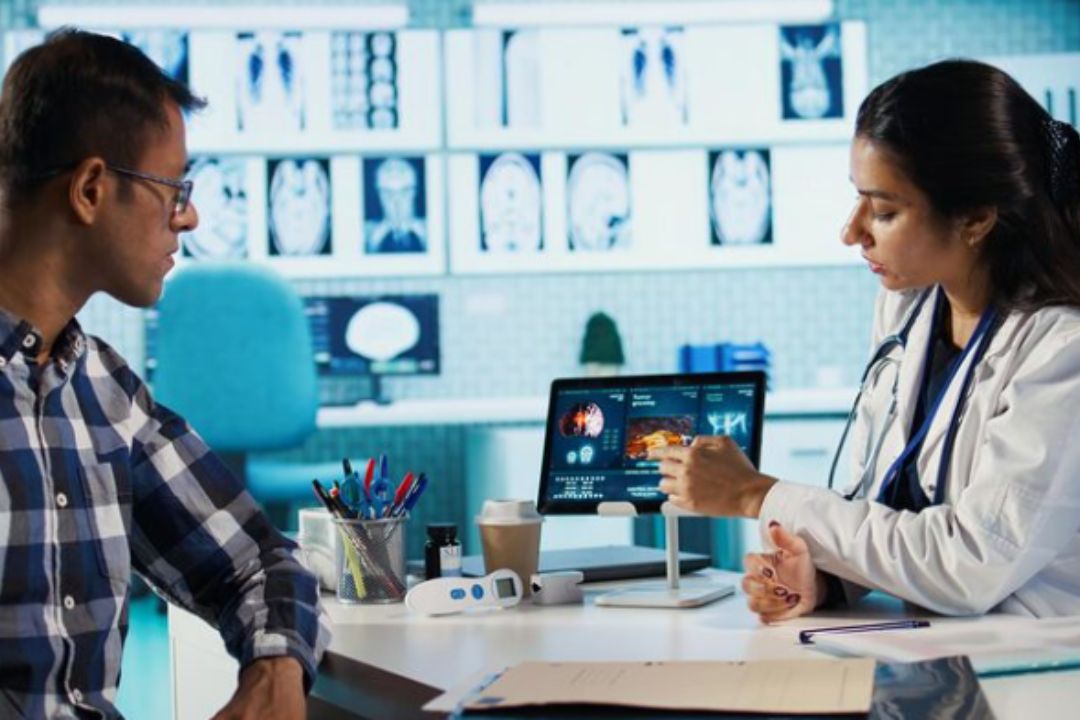
Your doctor will then explain the findings and recommend further treatment if needed.
A CT scan without contrast is a painless, quick, and highly effective diagnostic test used to detect many medical conditions. Since the procedure does not involve injections or contrast dye, most patients experience no discomfort at all.
The scan typically takes only a few minutes and provides doctors with clear and detailed images that help in accurate diagnosis and treatment planning.
If your doctor has recommended a CT scan without contrast, there is usually no need to worry. The procedure is safe, simple, and widely used in modern medical imaging.




.jpg "ct brain scan plain and contrast")





.jpg "ct scan")
.jpg "ct scan or mri for brain disorders")


.jpg "exploring the power of ct brain contrast in modern diagnostics")
.jpg "ct scan")
.jpg "ct scan")







.jpg "ct scan")
.jpg "CT Brain Scan for Headaches")
.jpg "The Future of 3D CT Imaging")