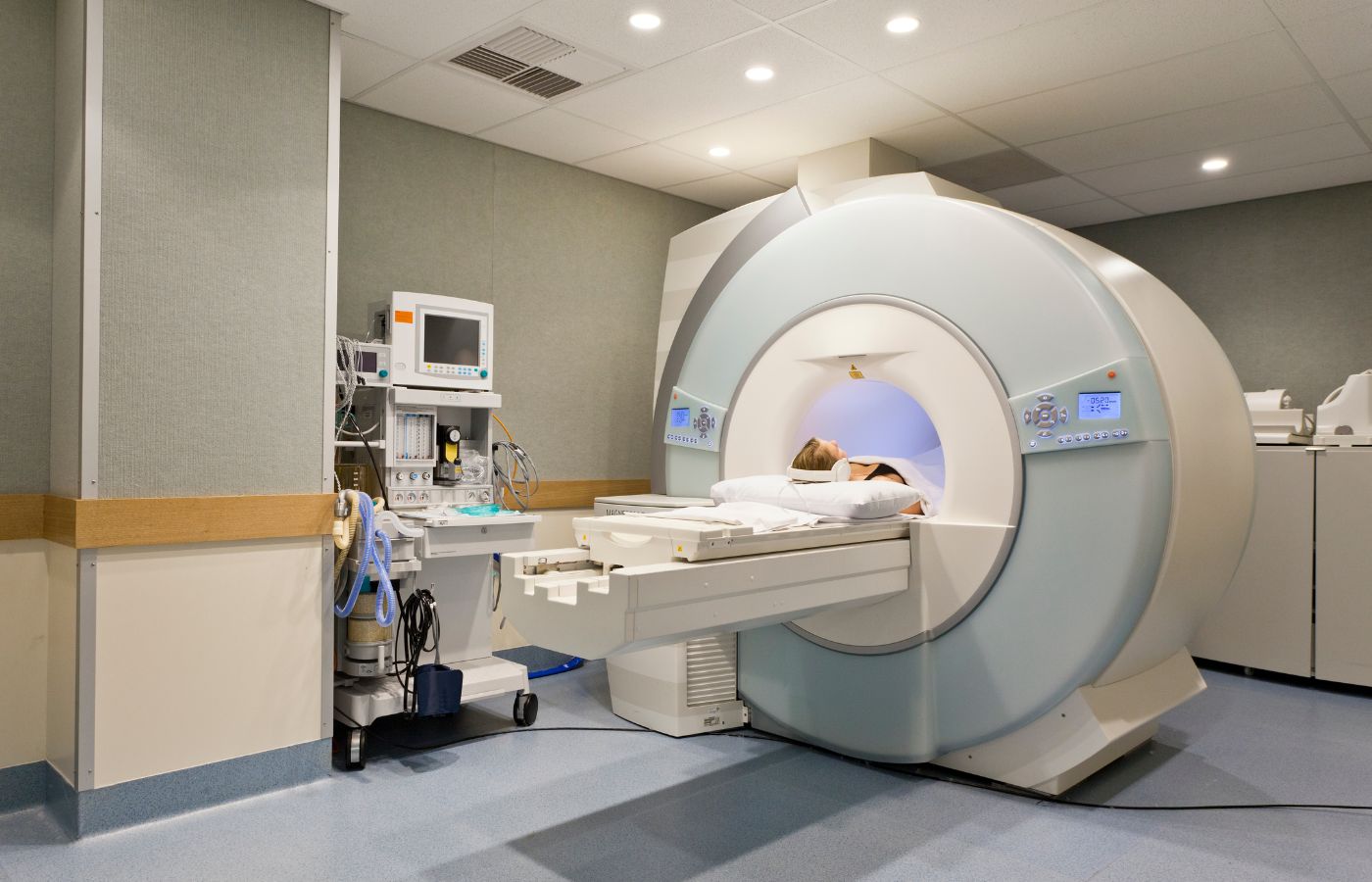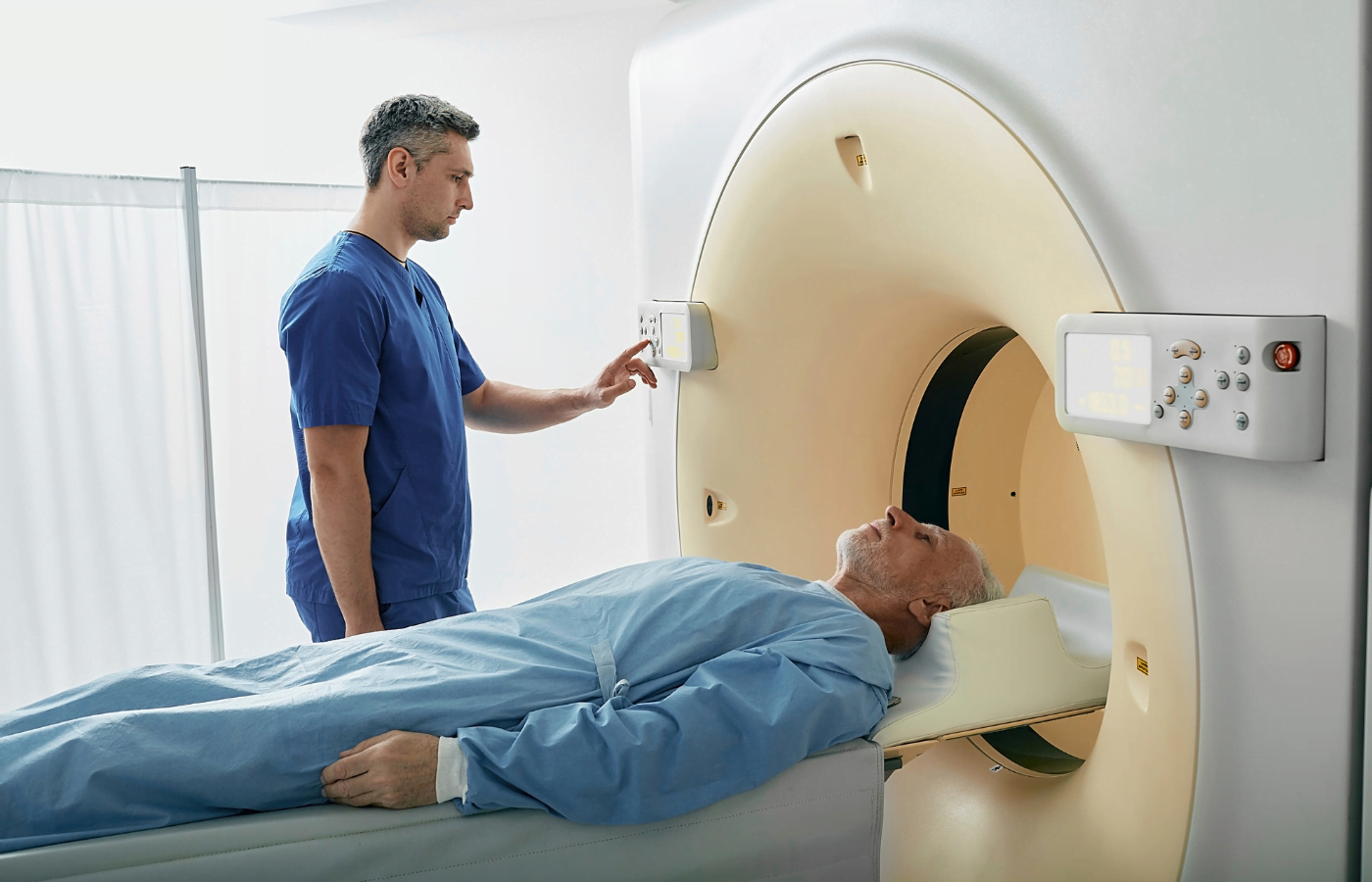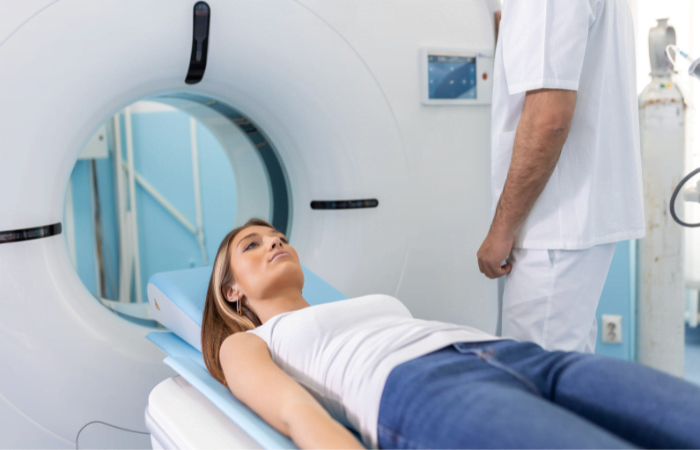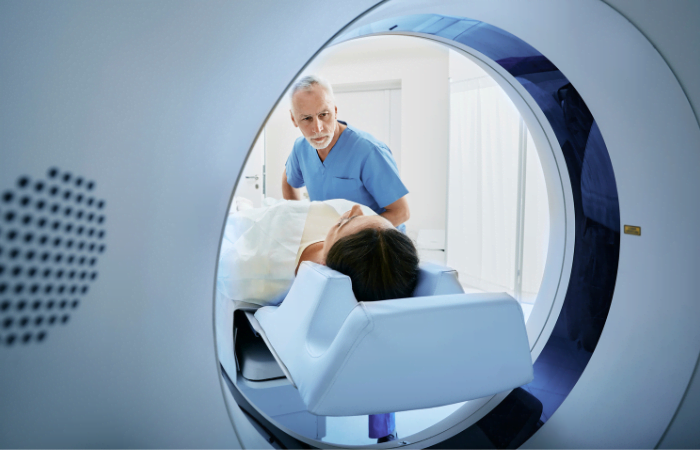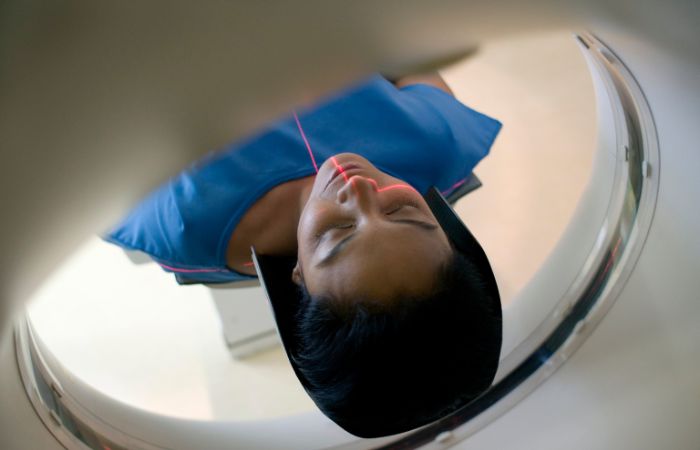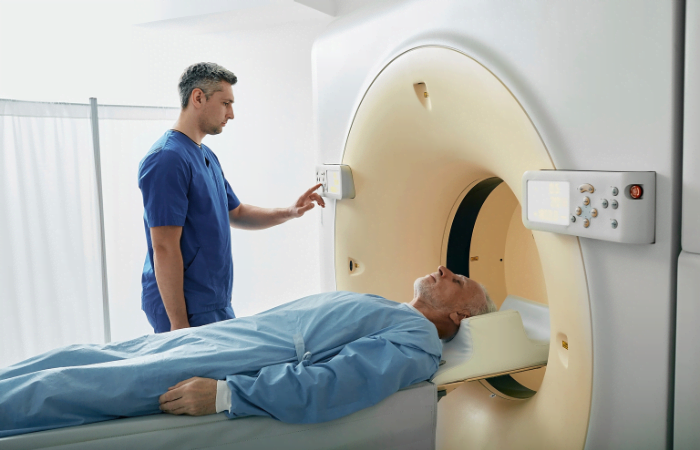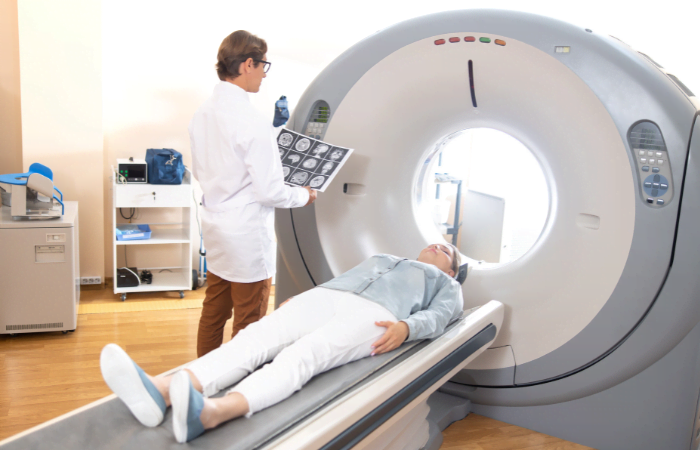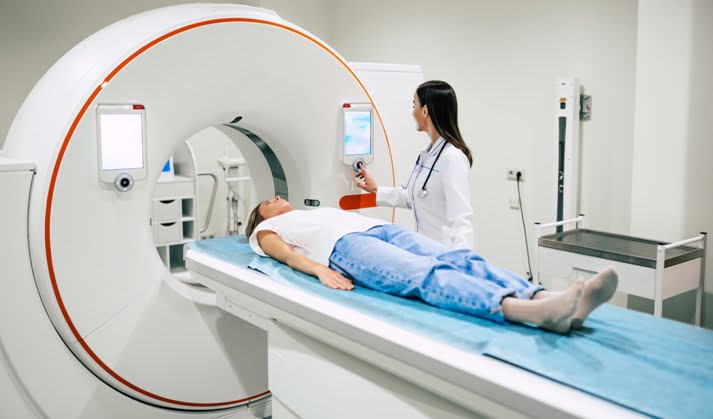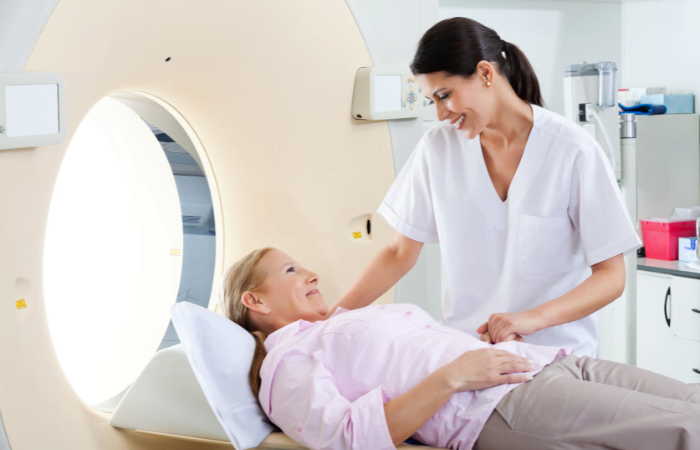
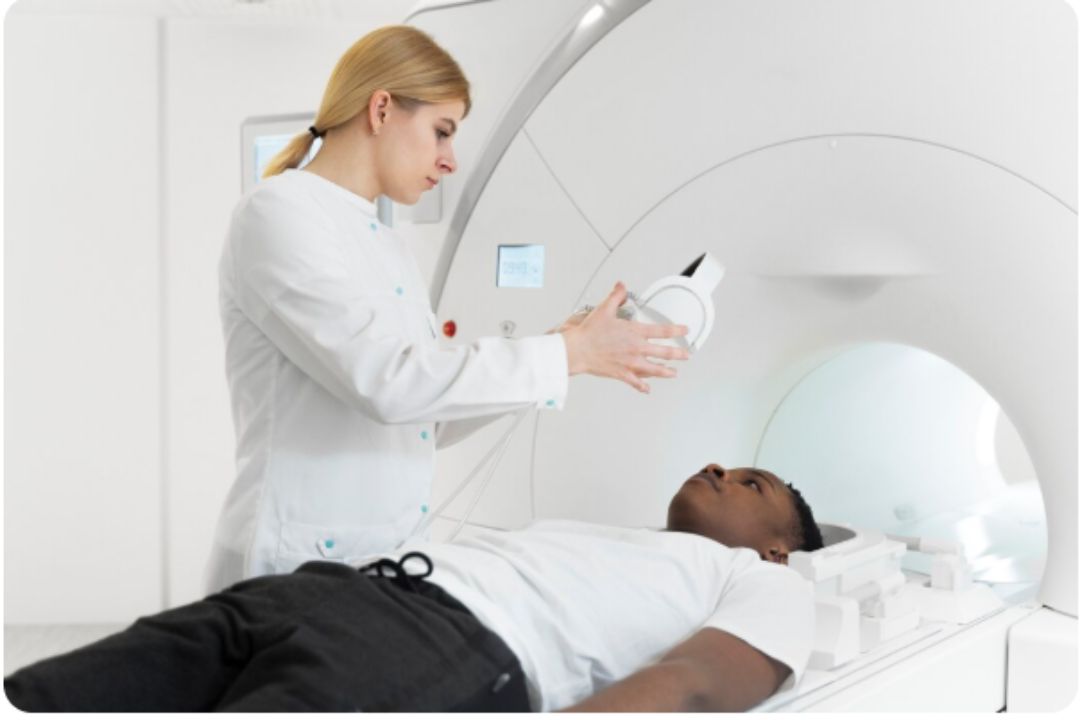
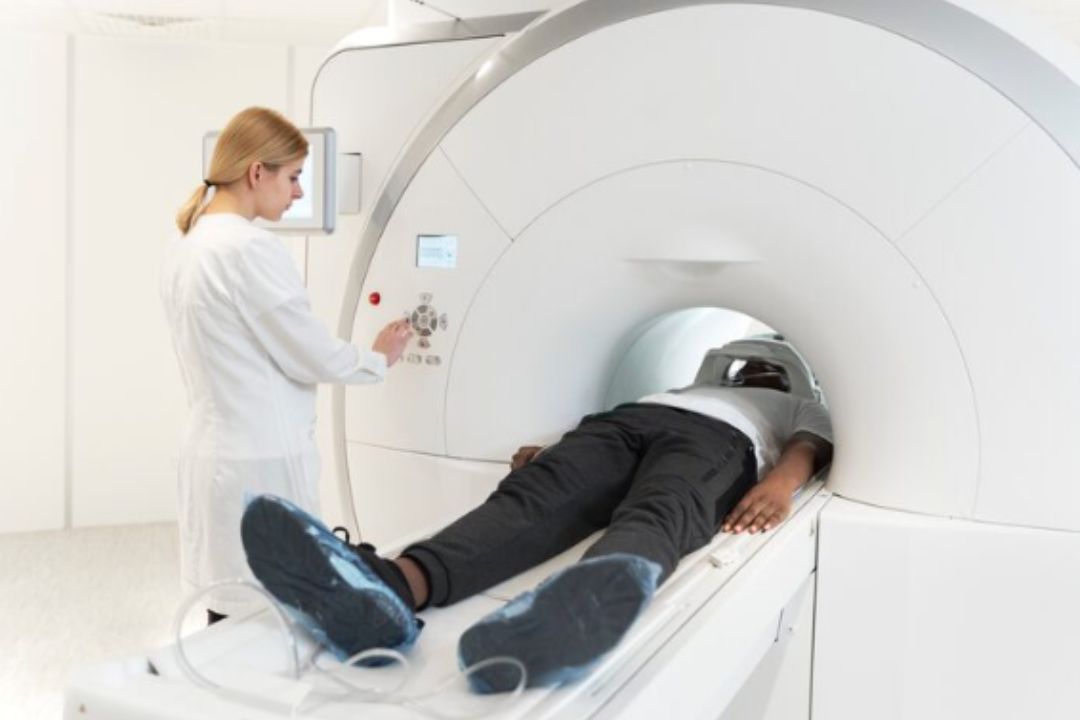
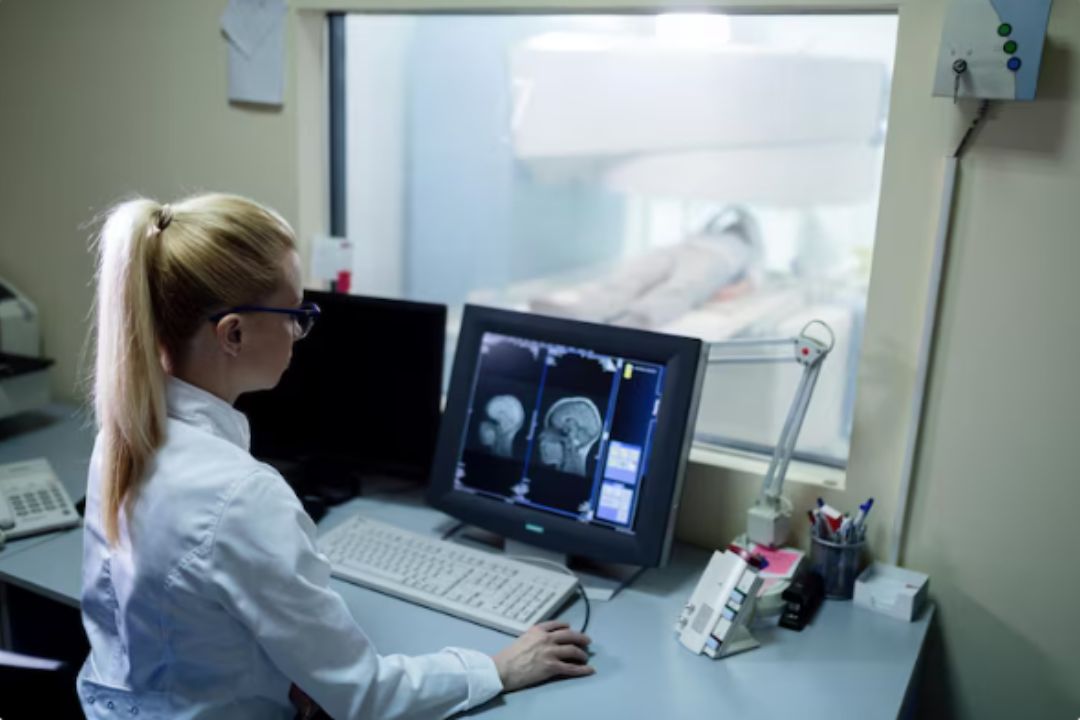
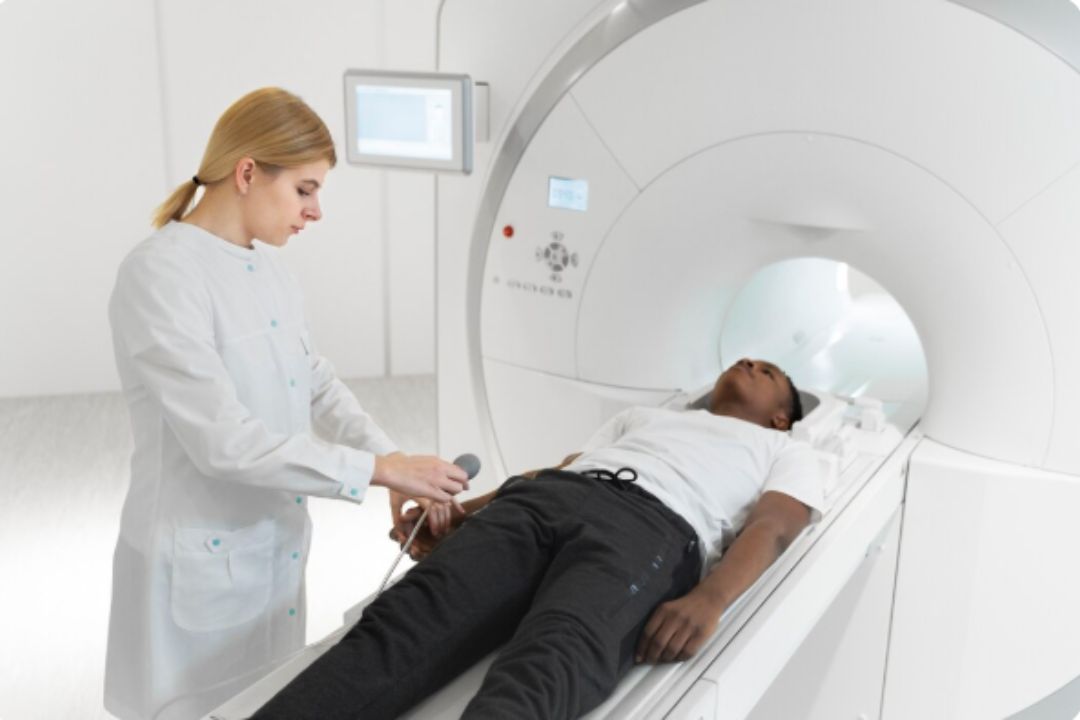
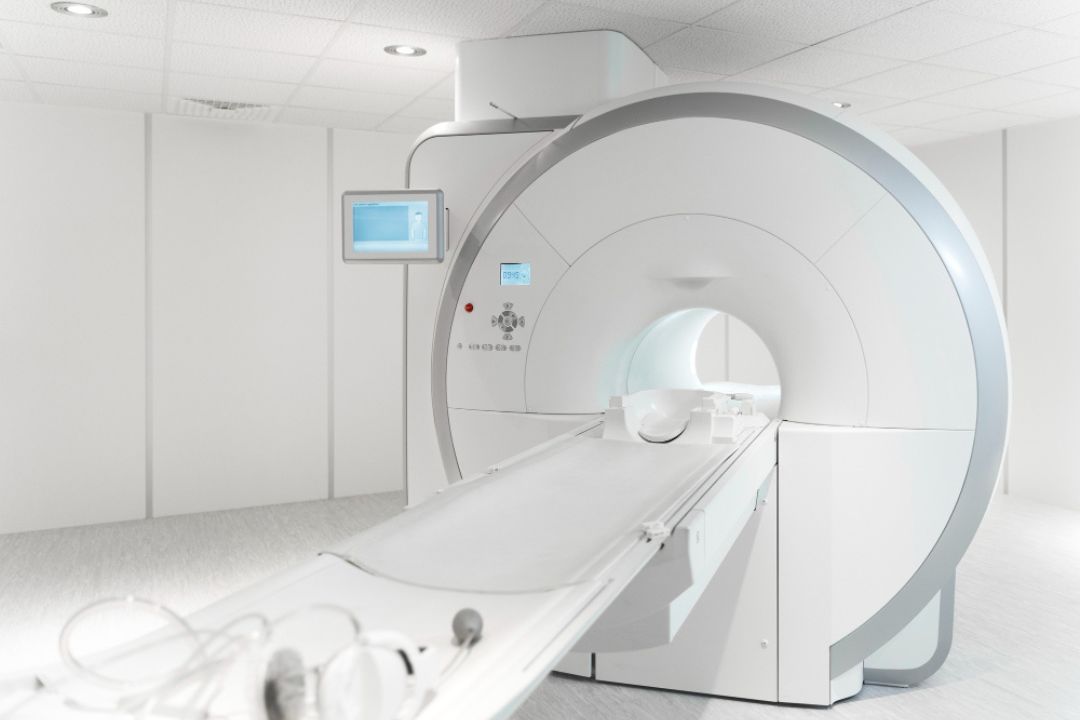
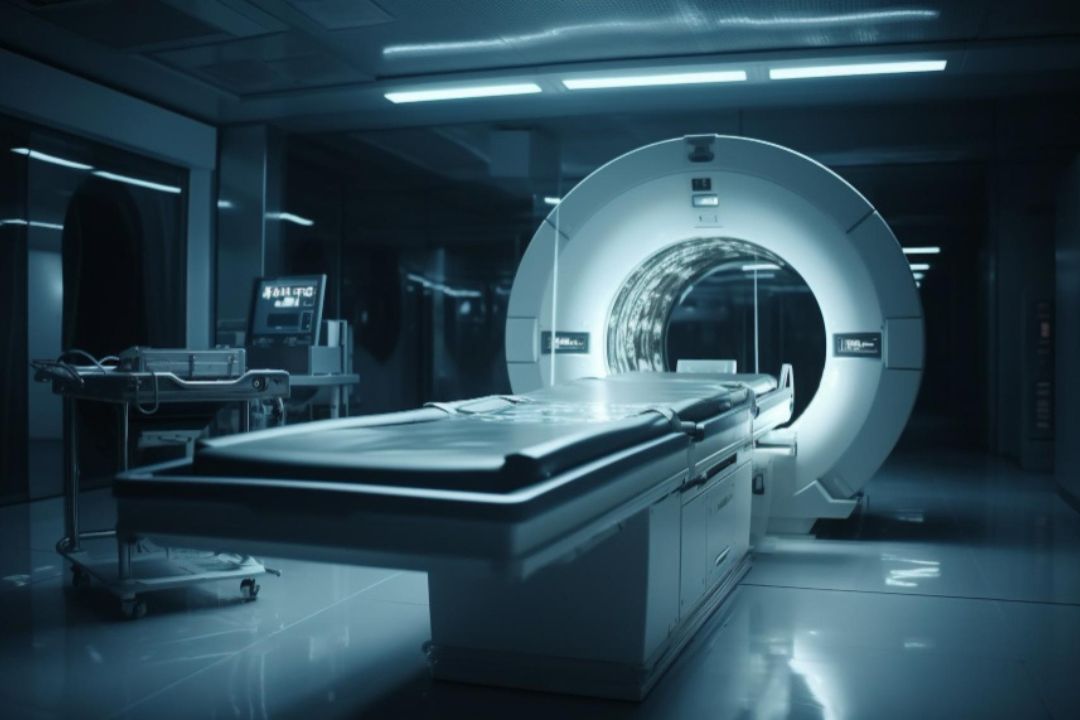
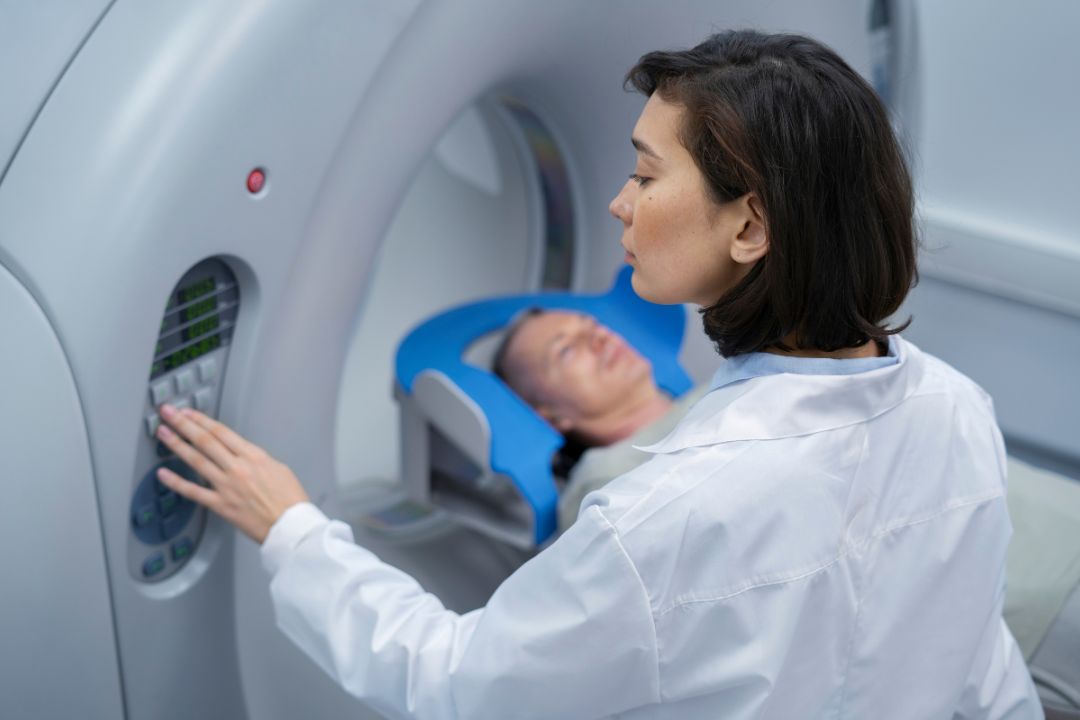
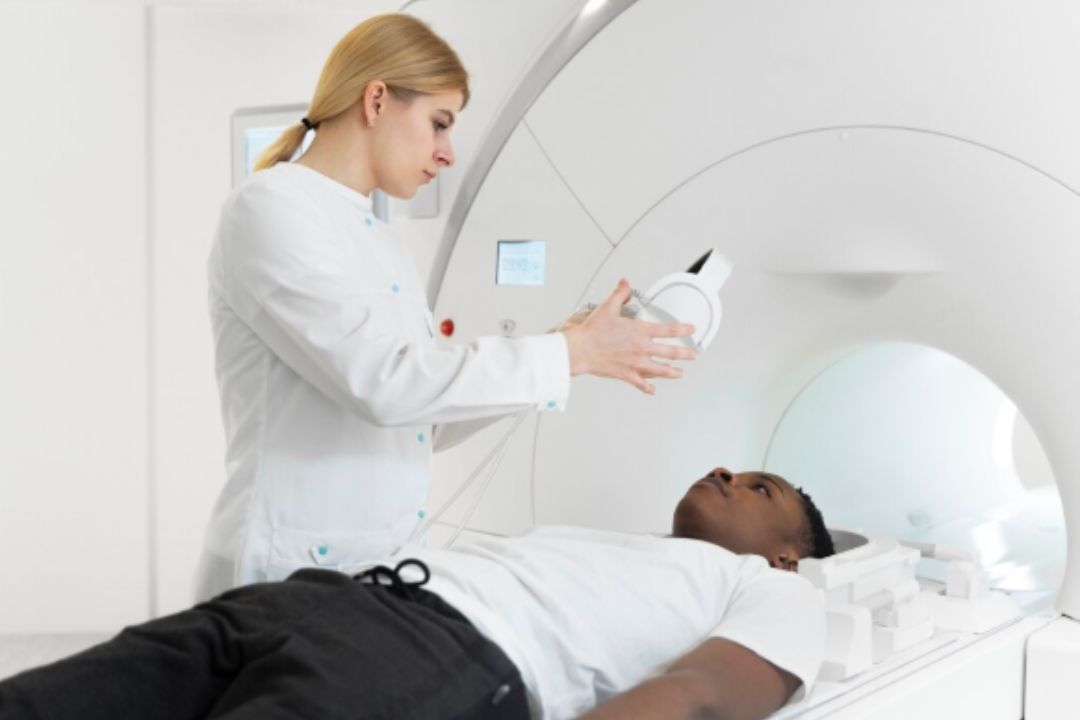
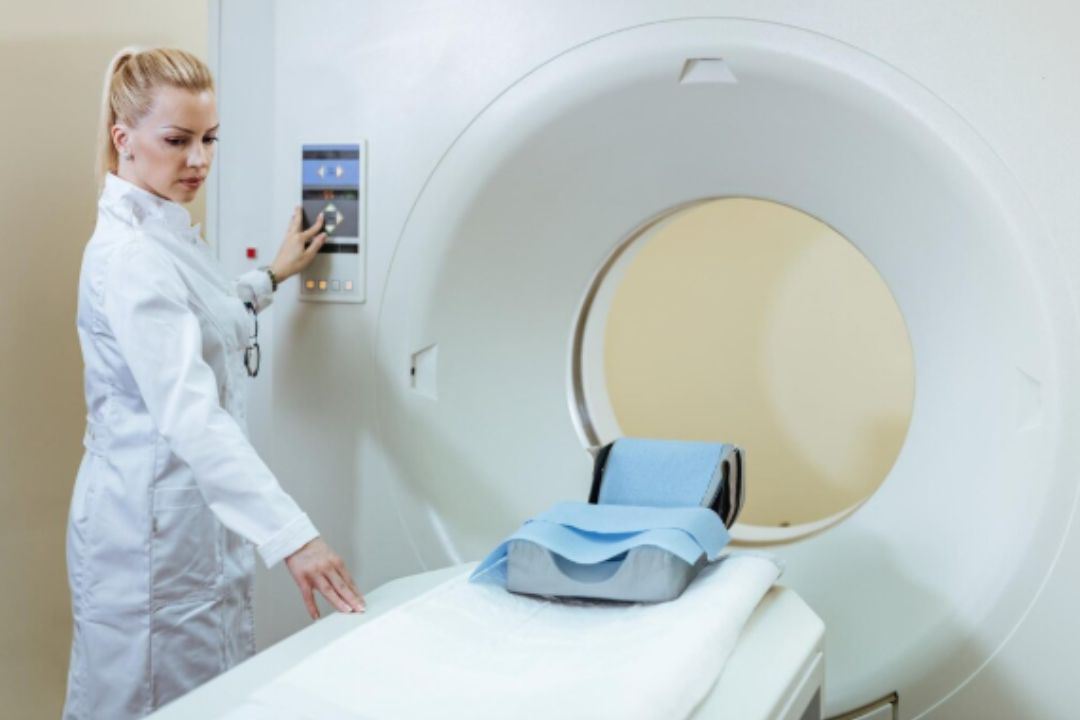
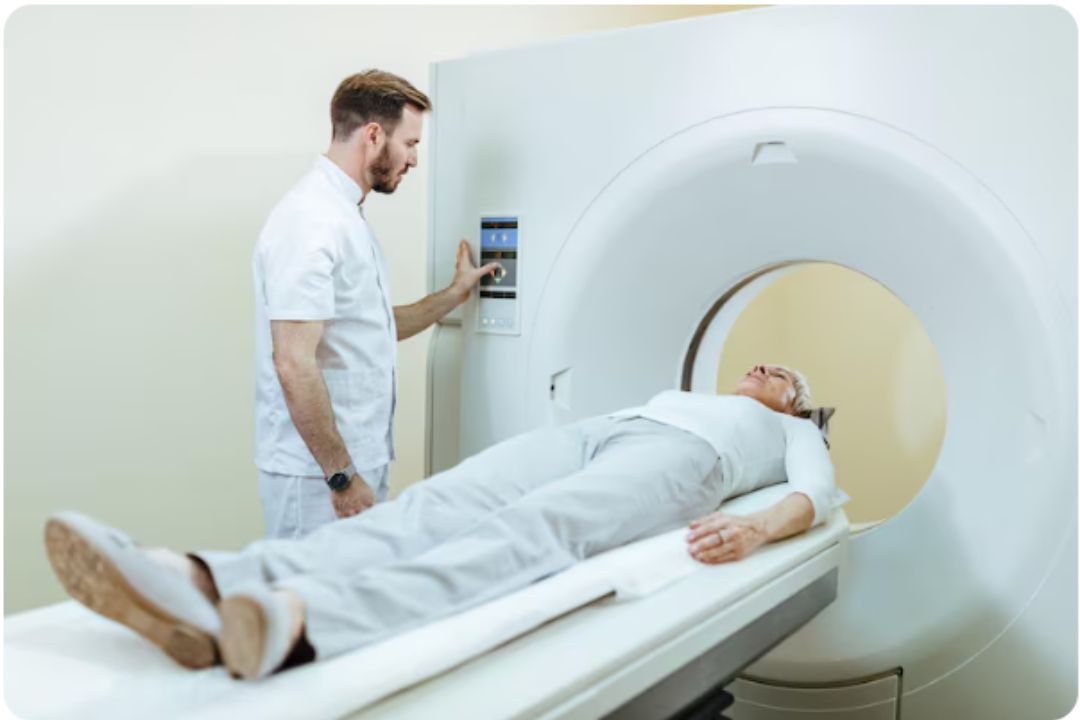
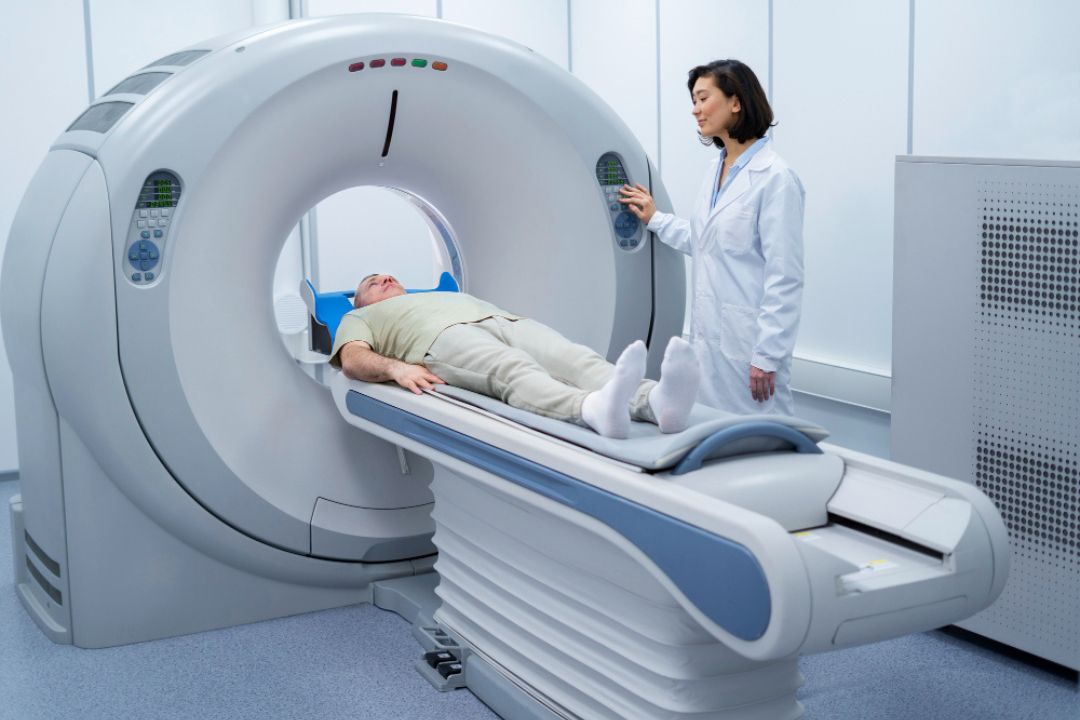
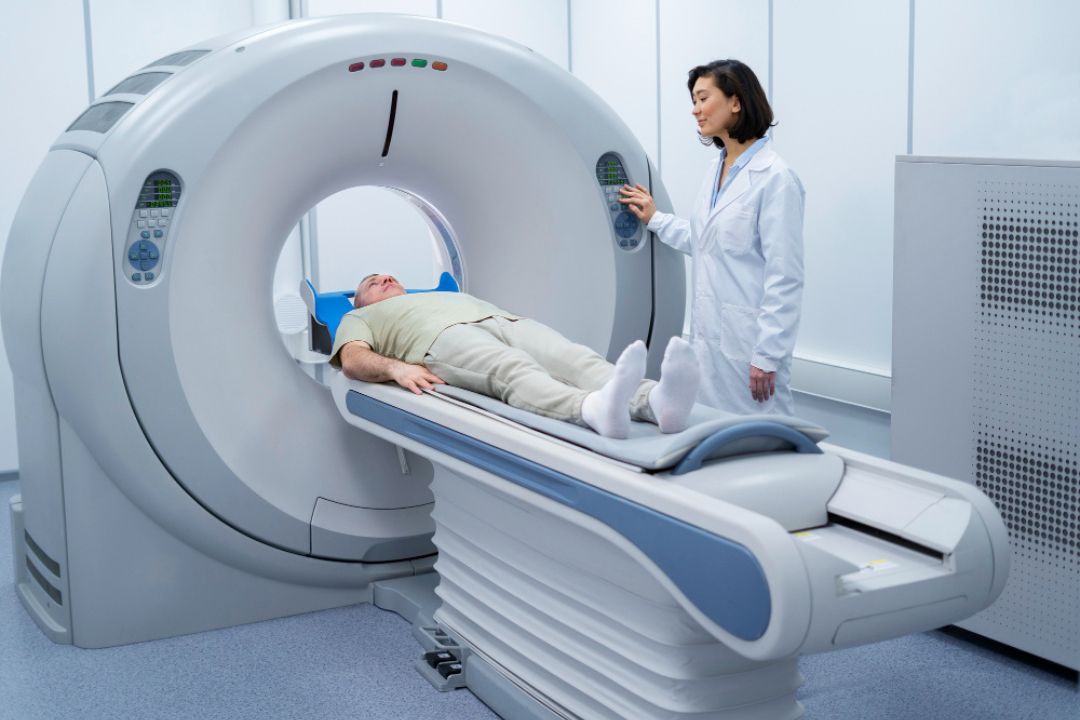
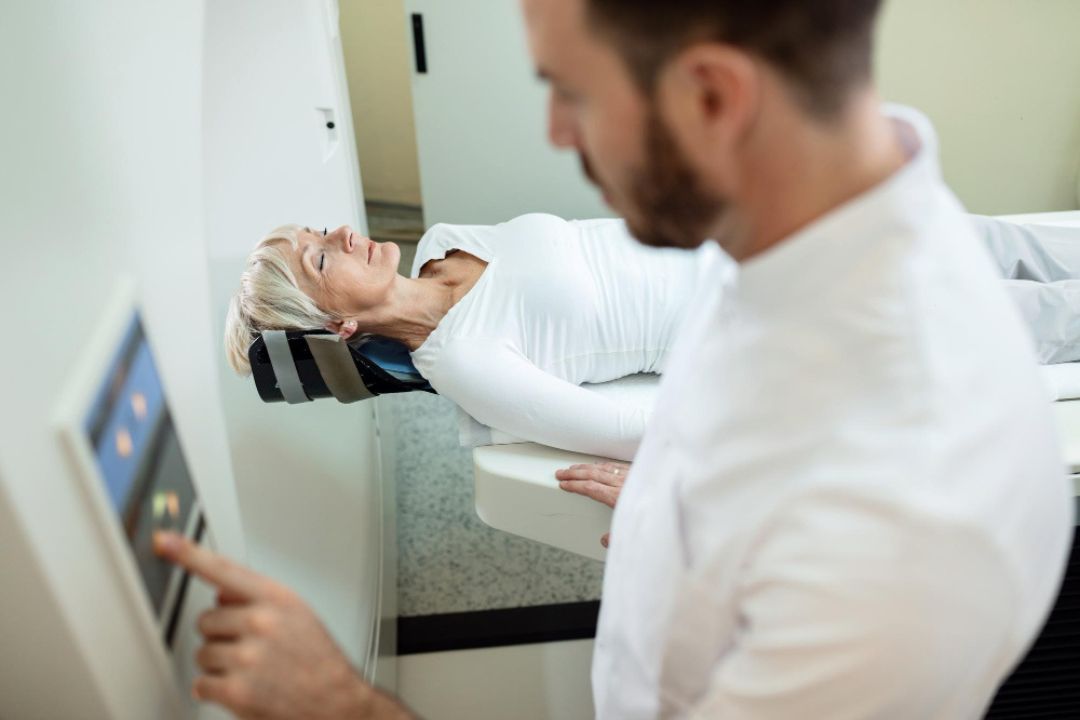
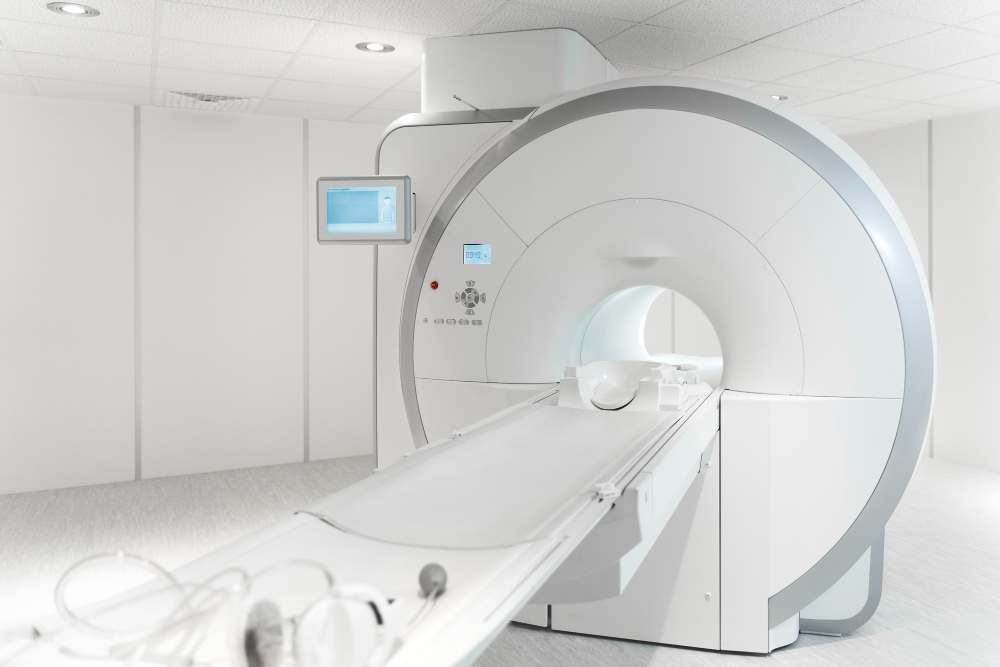
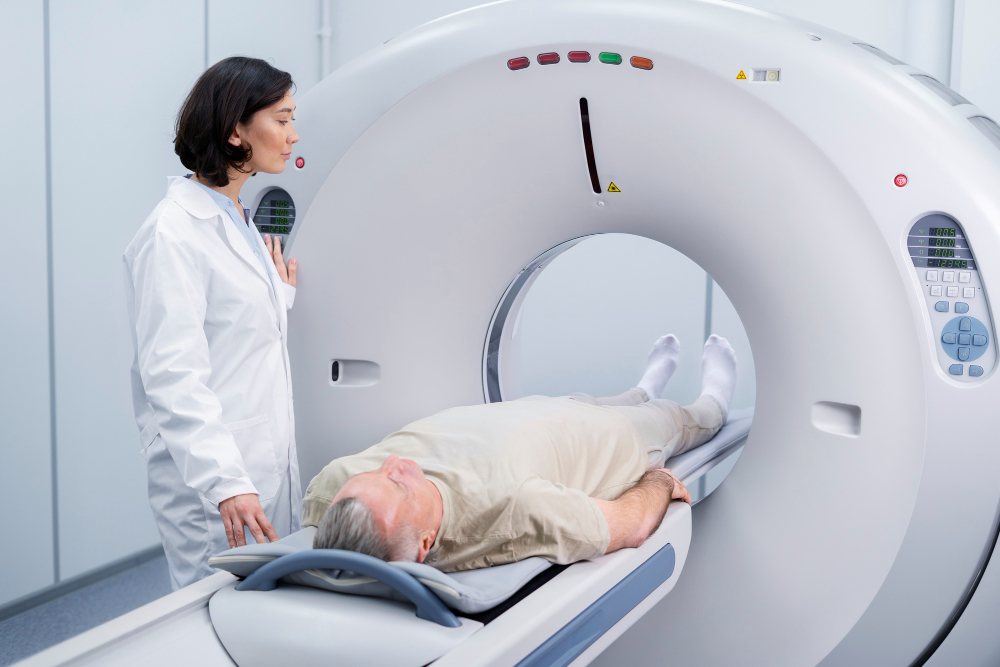
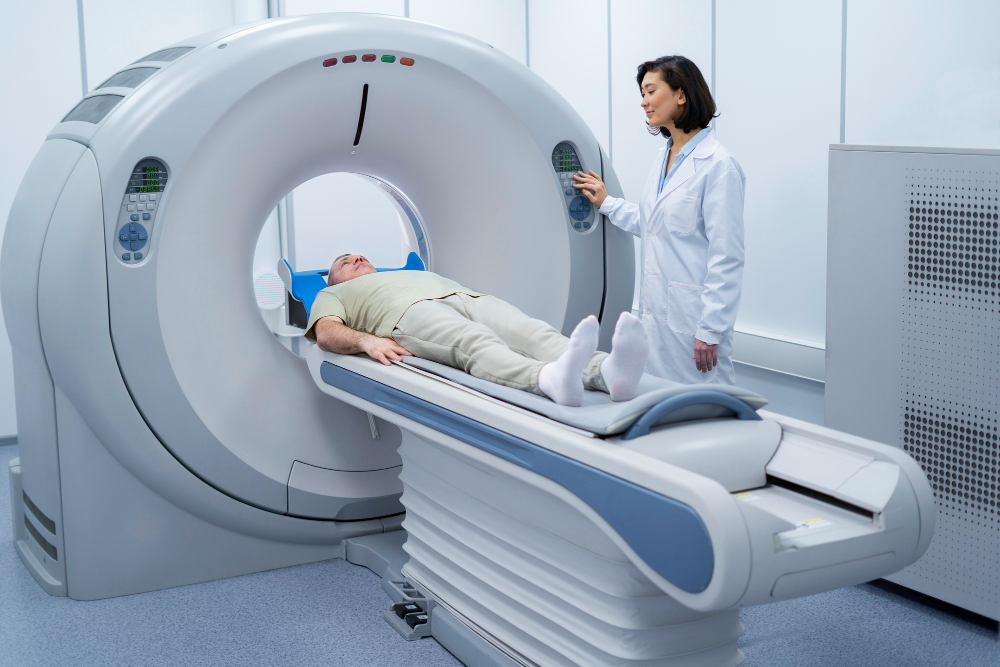
Medical imaging has transformed the way doctors diagnose and treat serious health conditions. Among the most powerful diagnostic tools available today is the CT Scan (Computed Tomography scan). This advanced imaging technique combines multiple X-ray images to create detailed cross-sectional views of the body.
CT scans play a crucial role in detecting life-threatening diseases early, allowing doctors to diagnose conditions quickly and begin appropriate treatment. From identifying internal injuries to detecting cancers and infections, CT scans are widely used in modern healthcare.
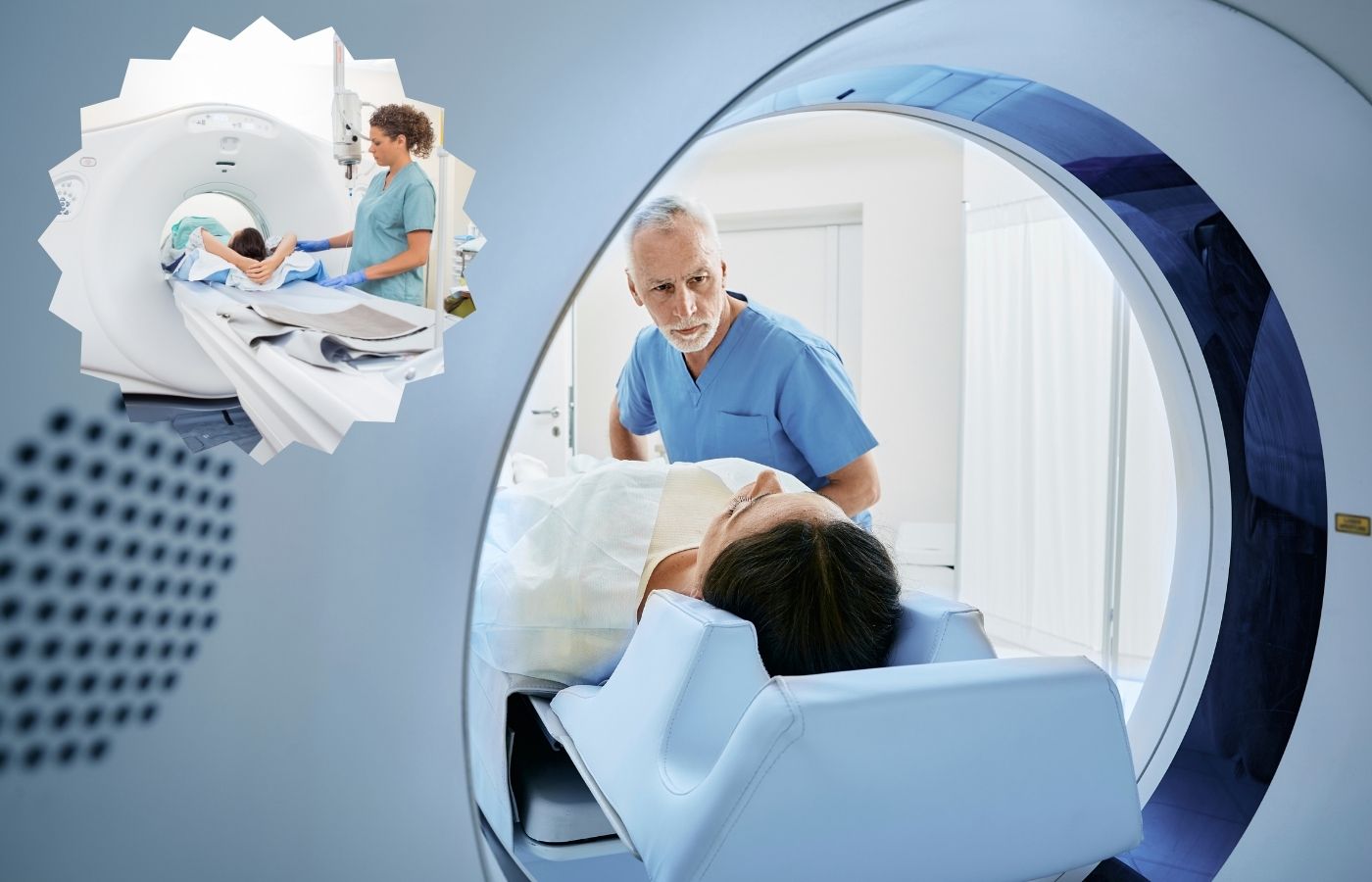
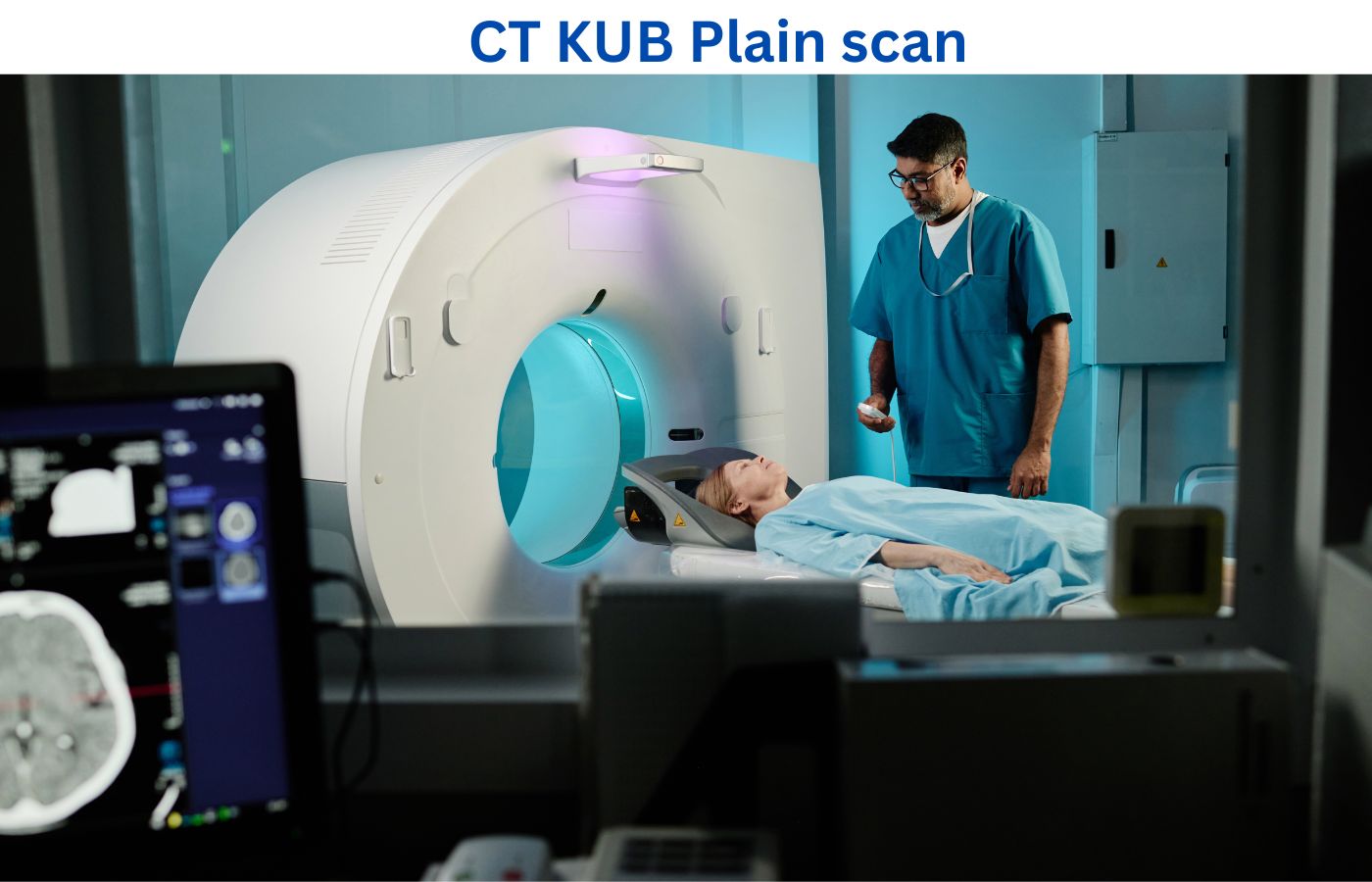
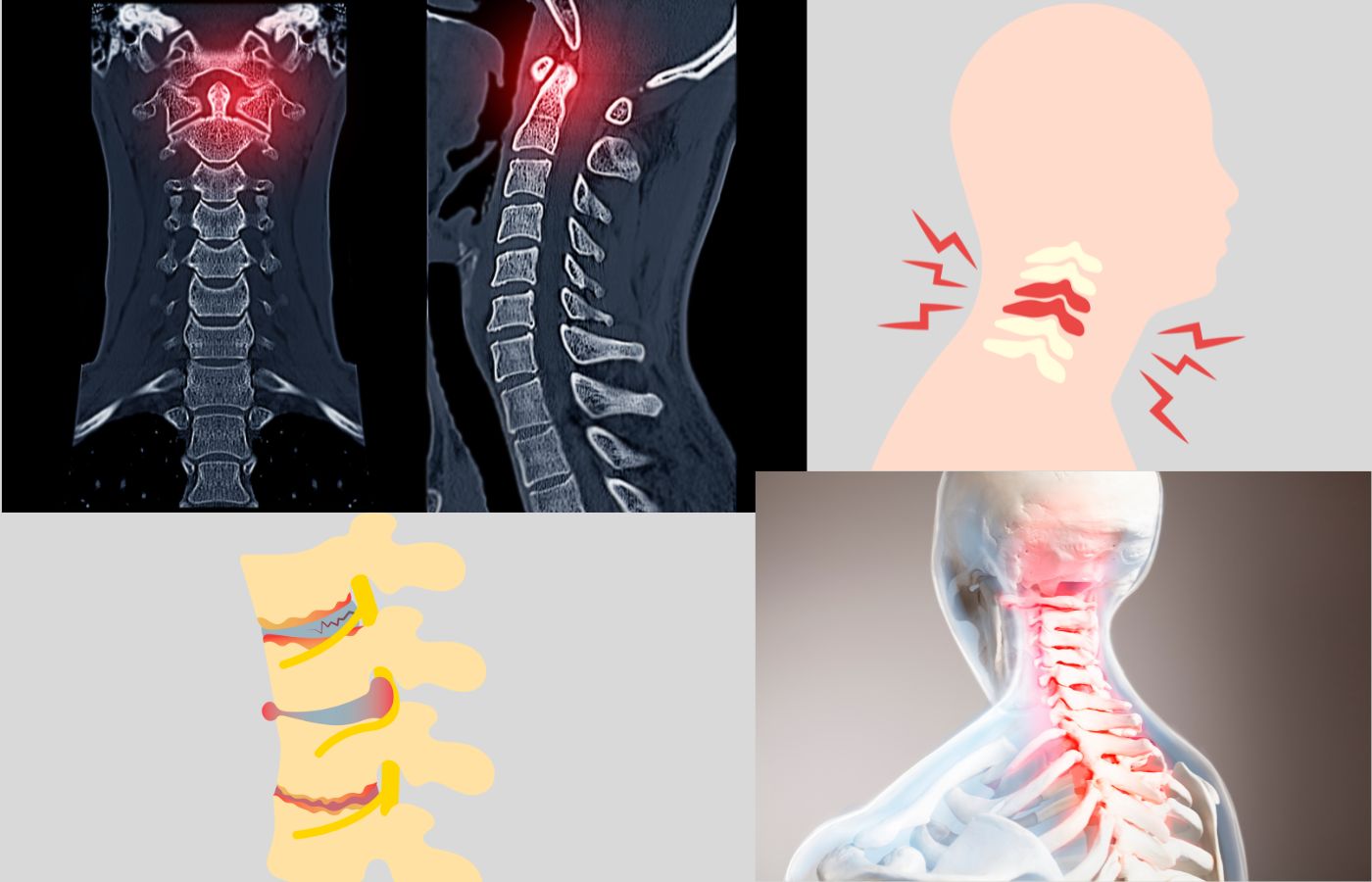
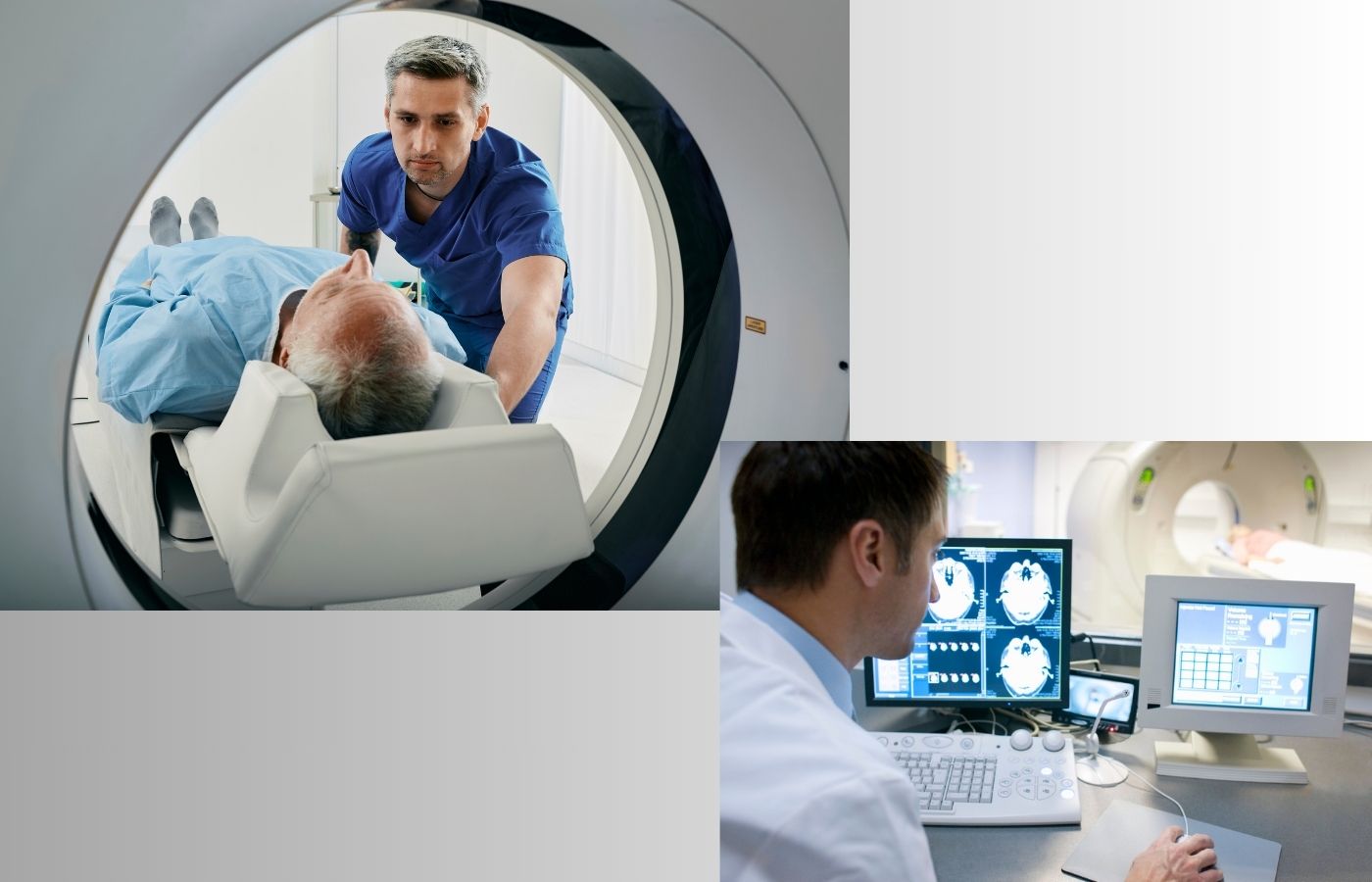
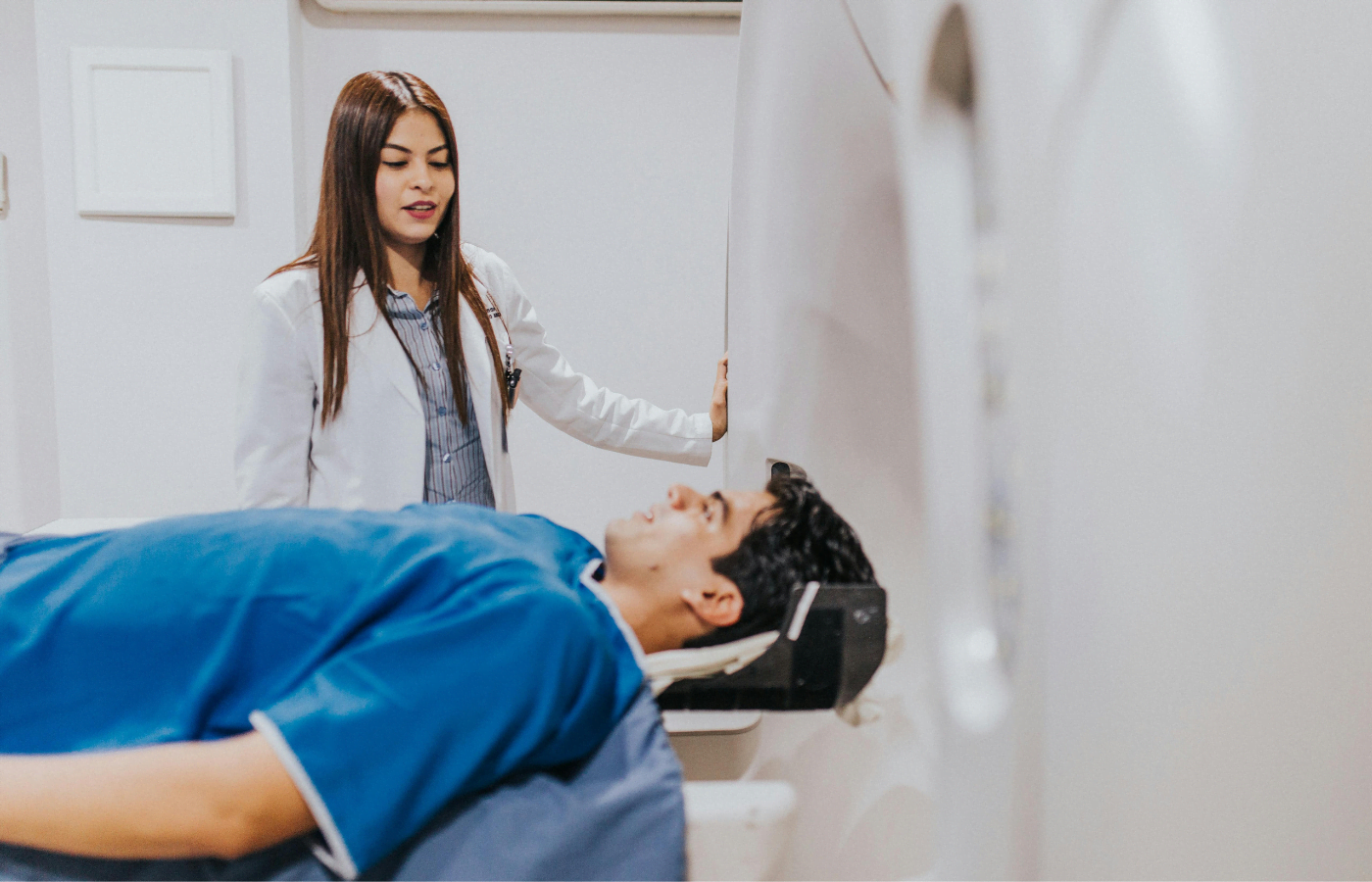
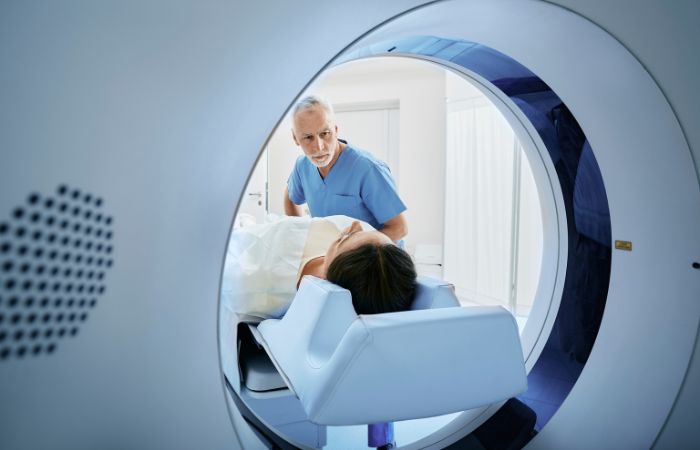
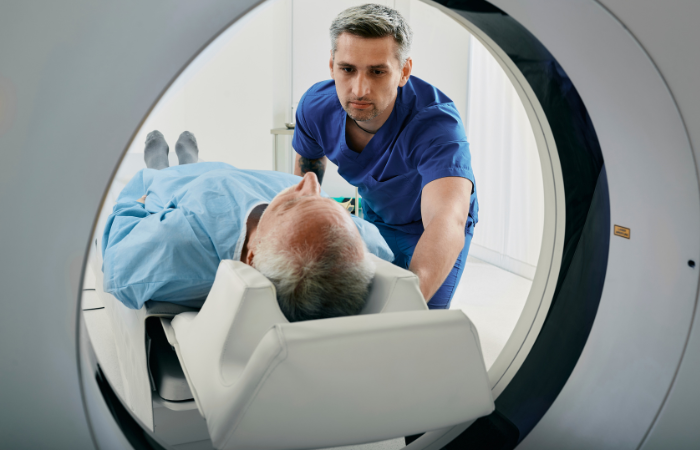
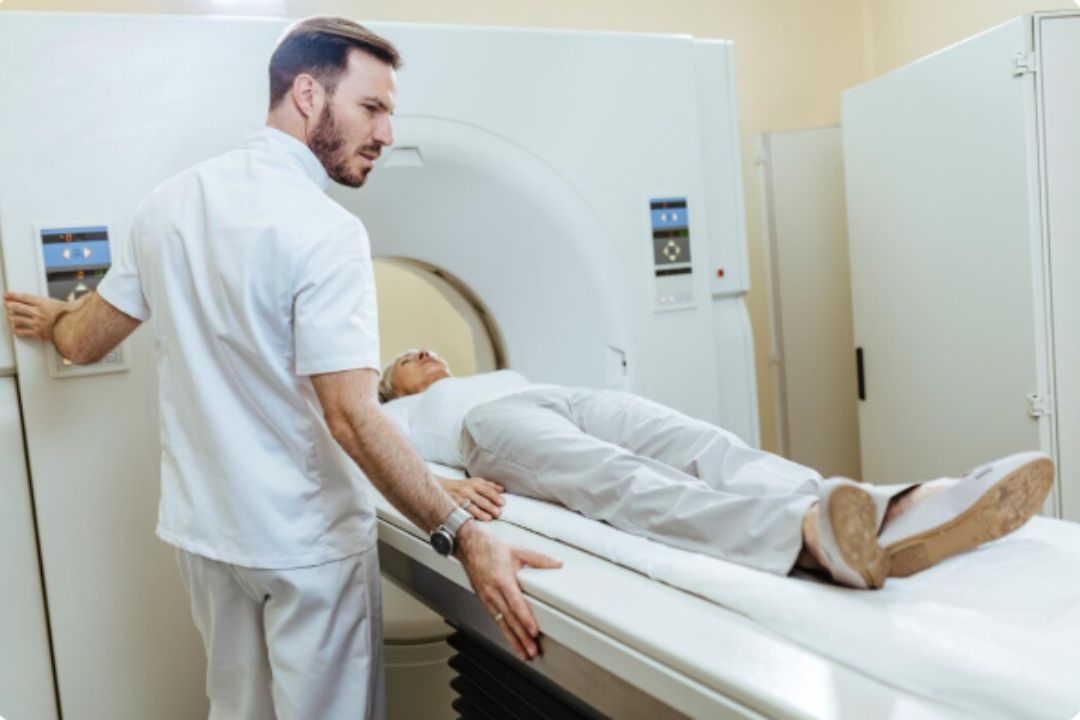
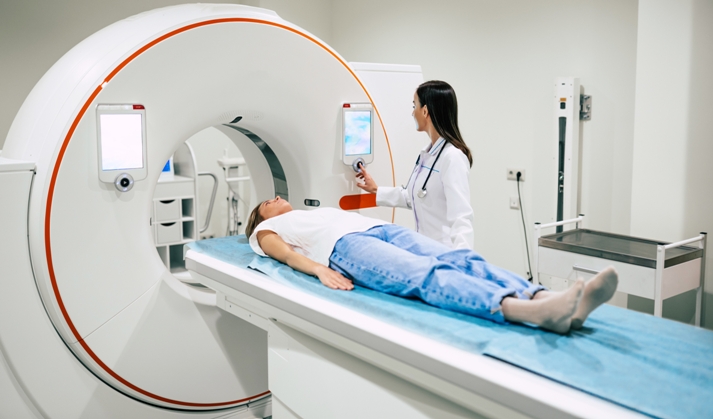
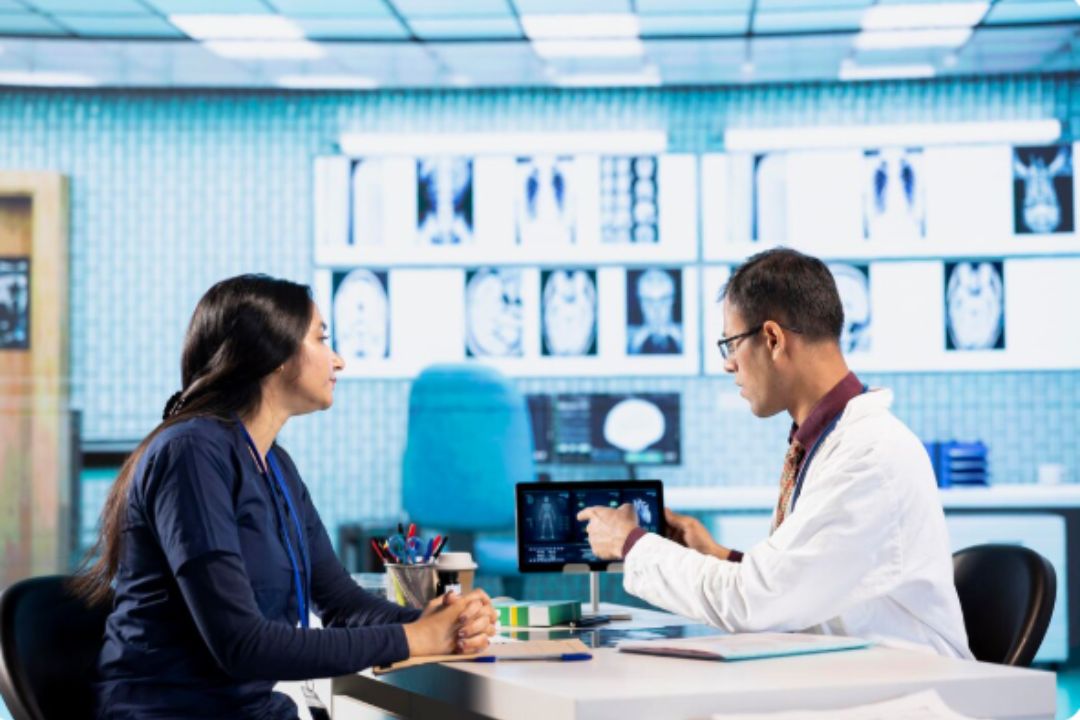
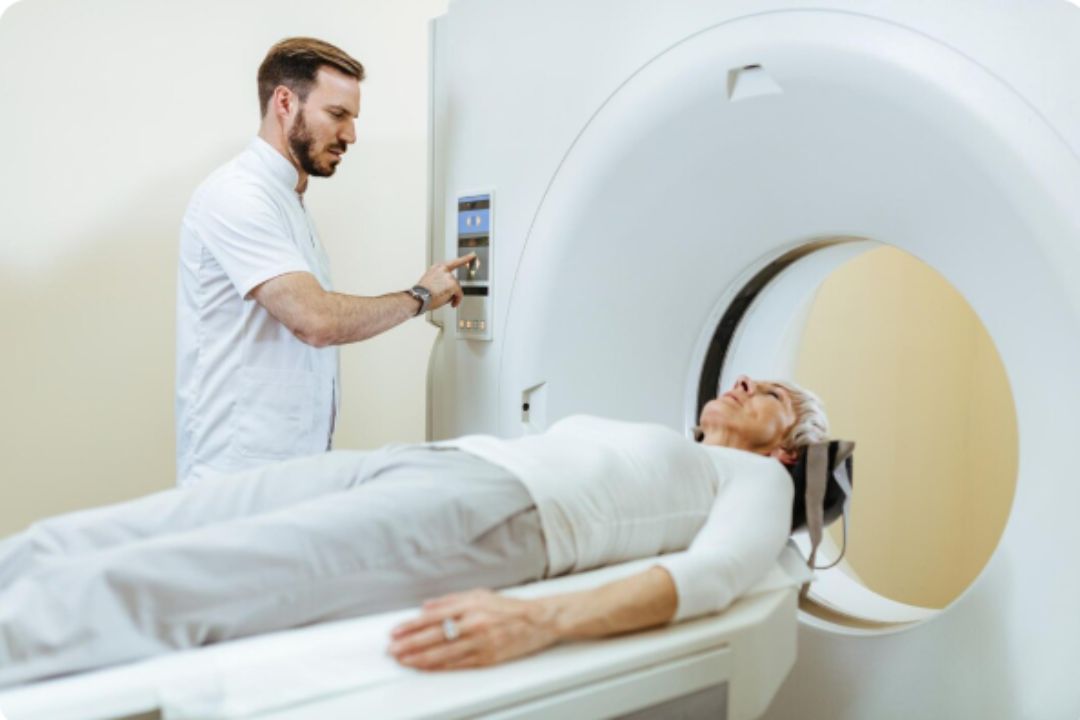
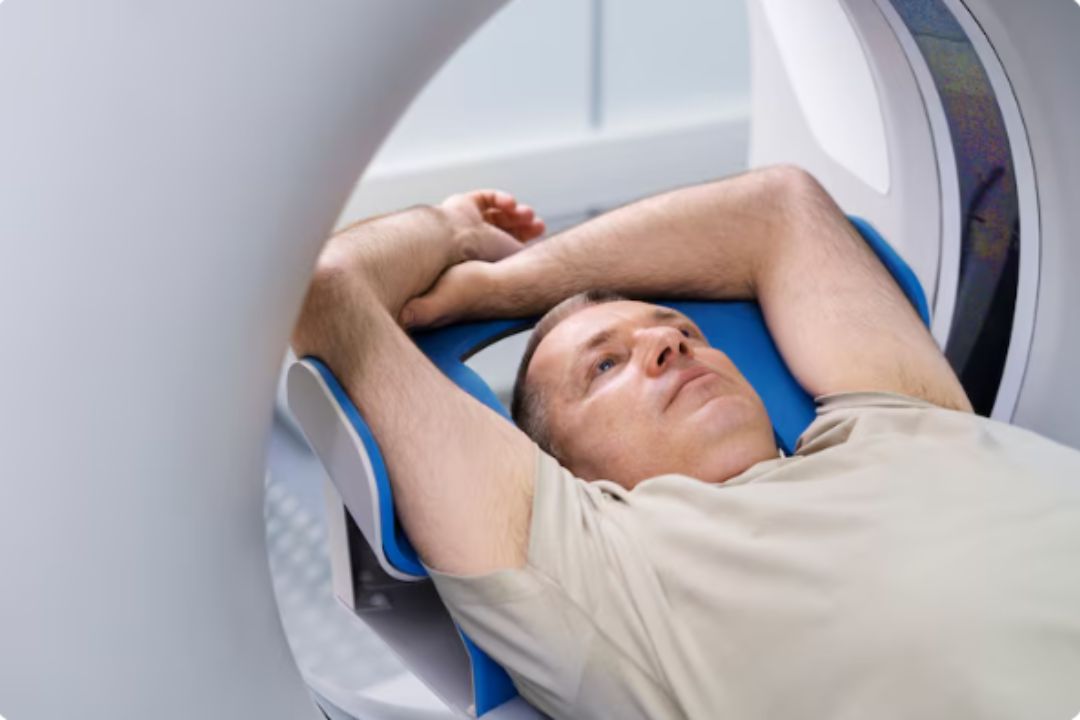
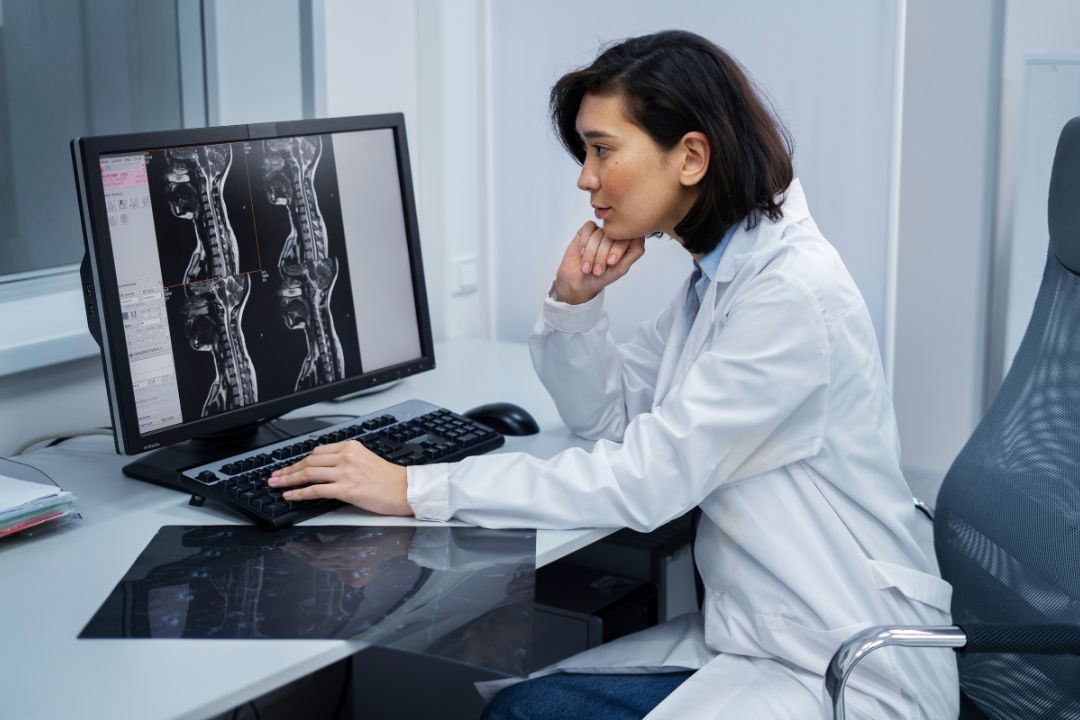
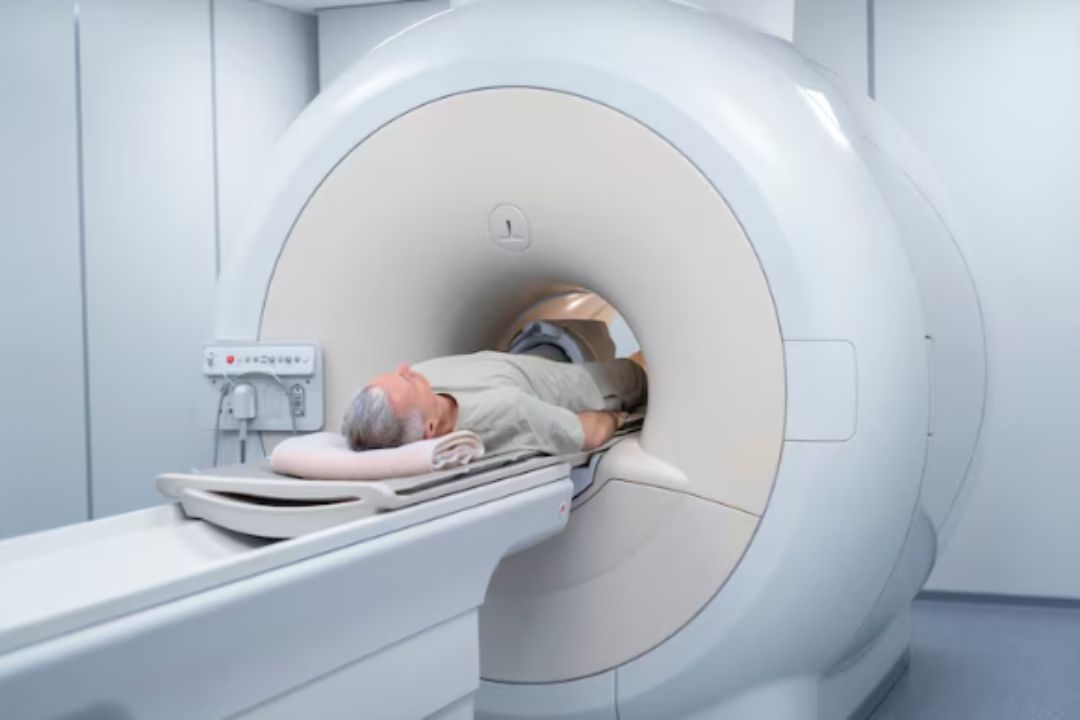
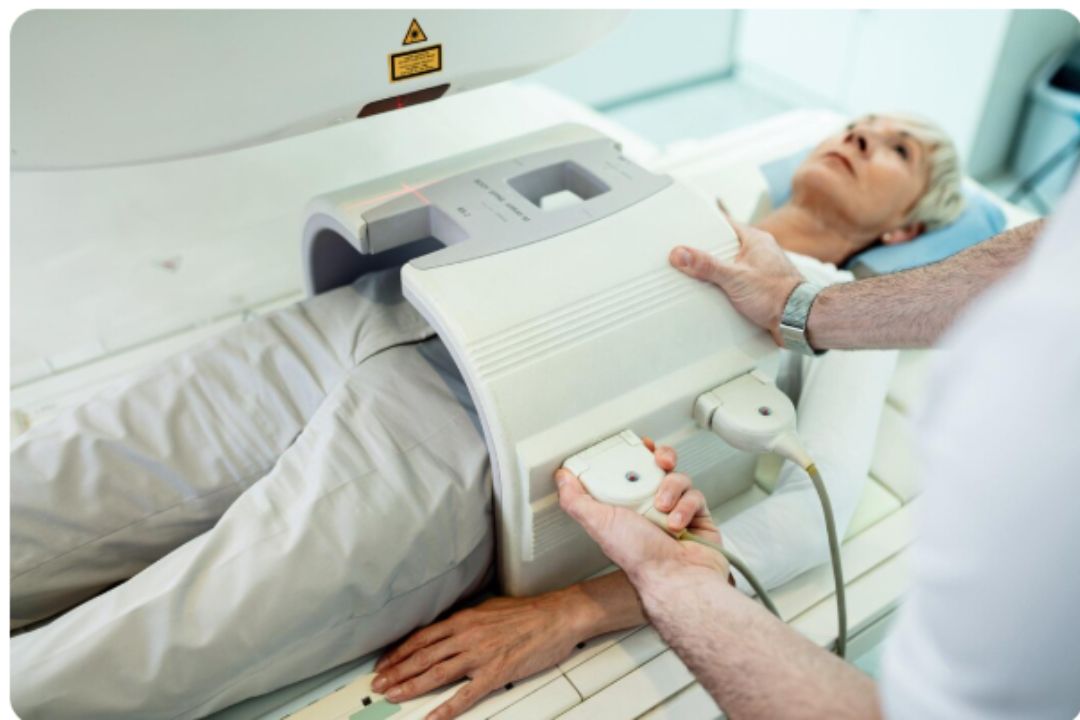
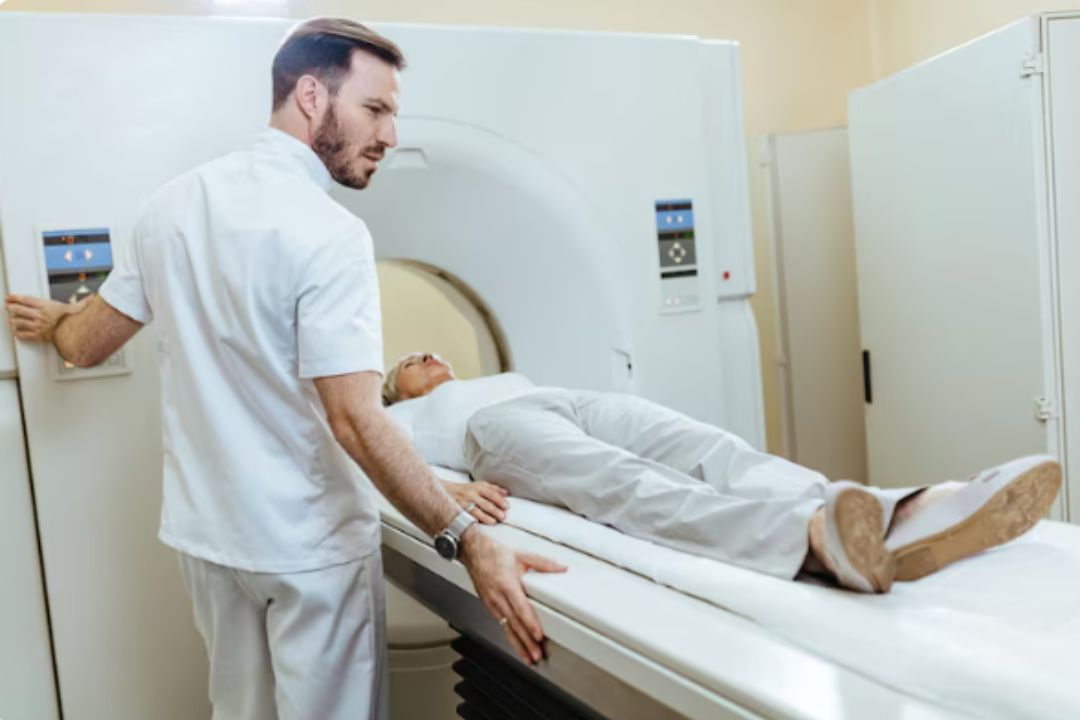
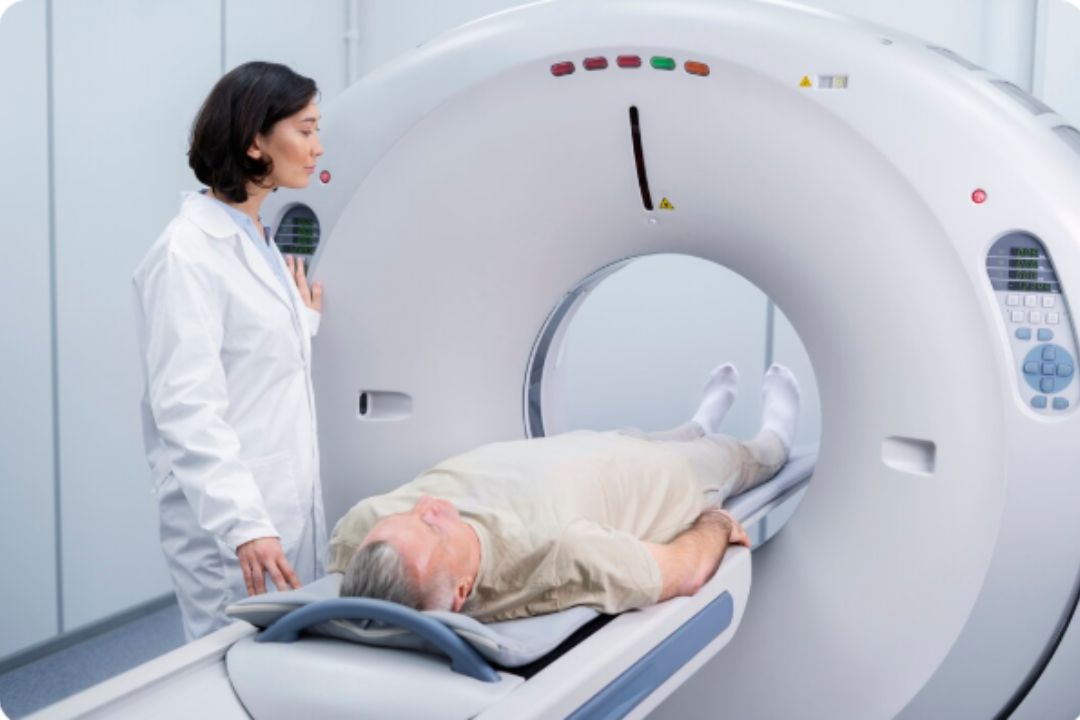
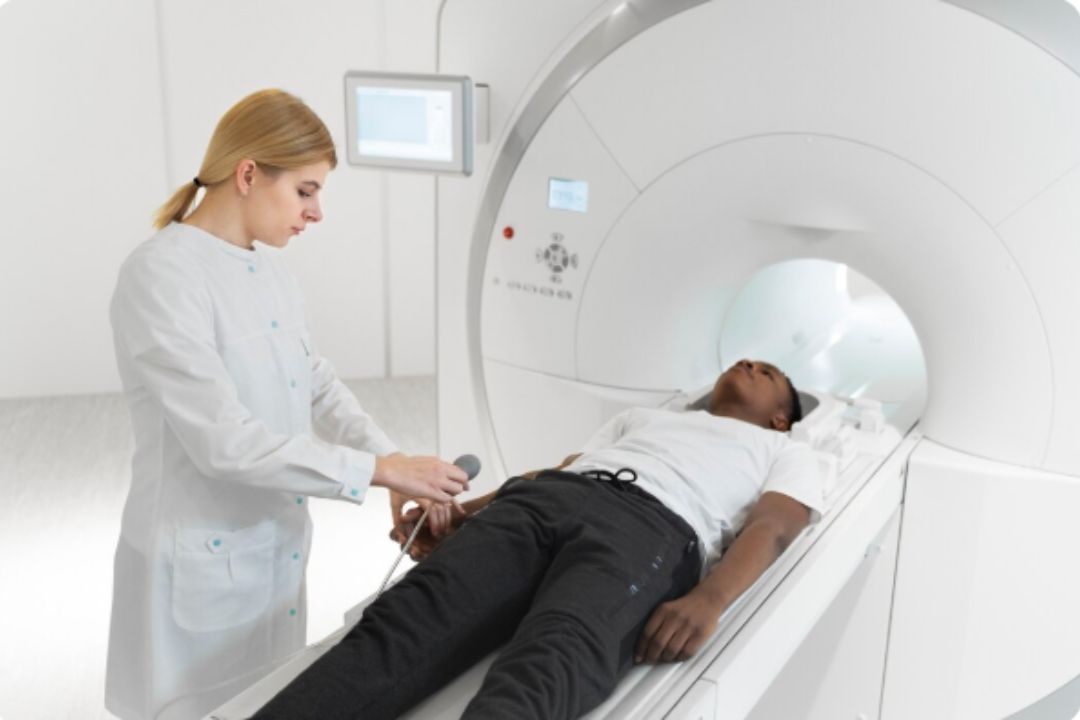
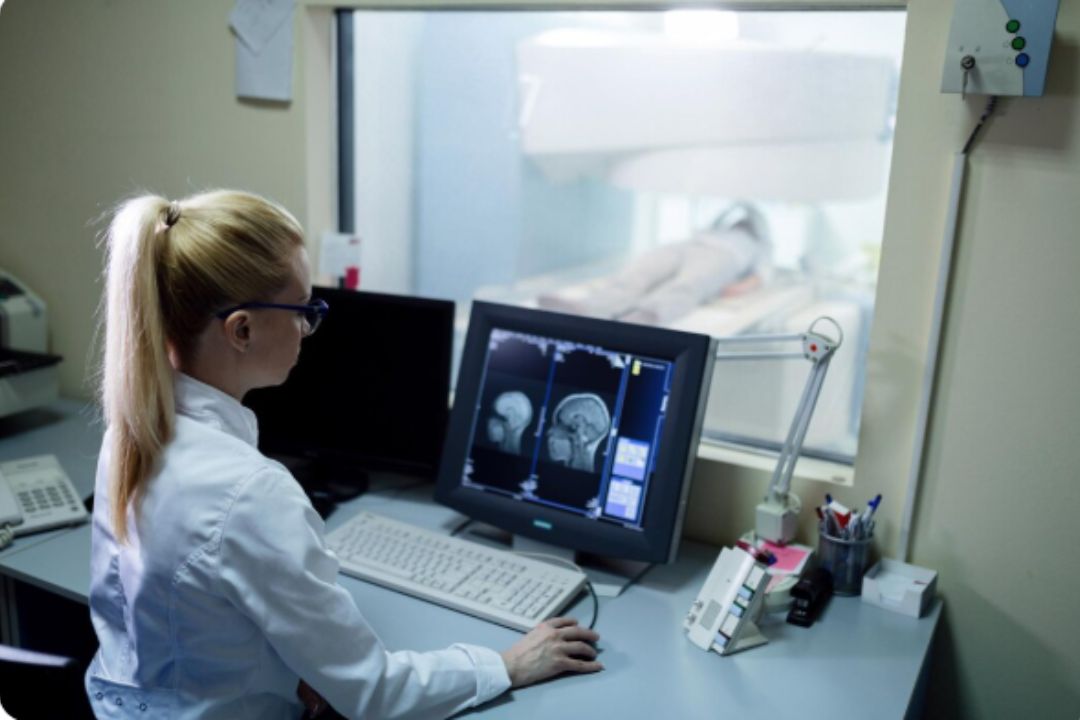
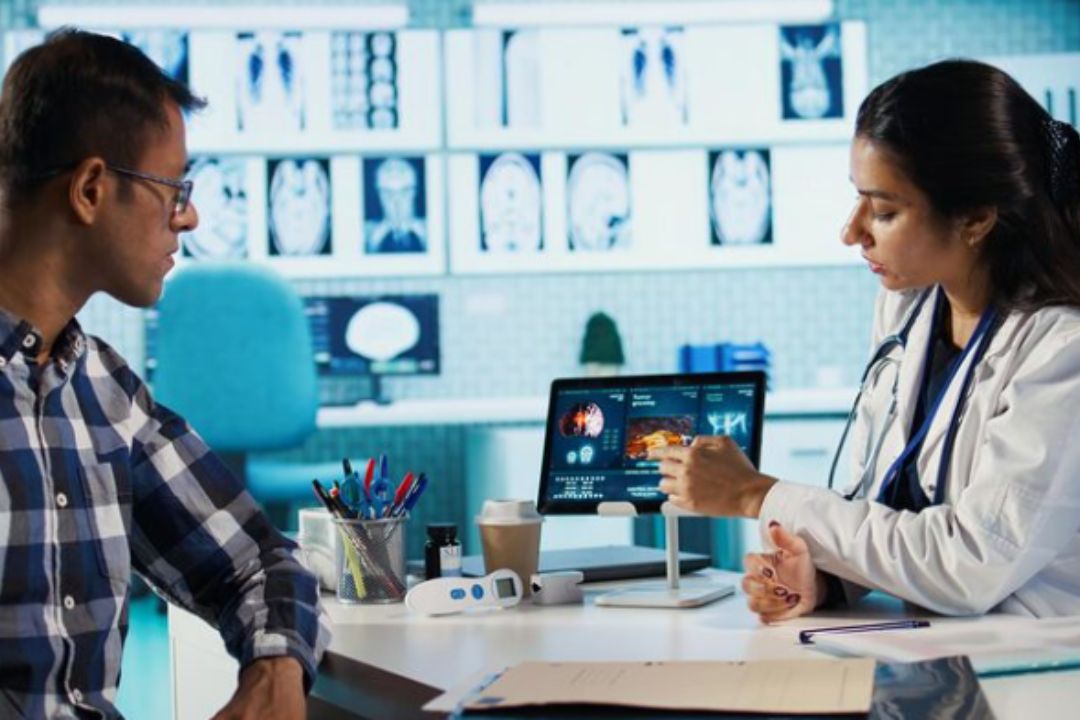
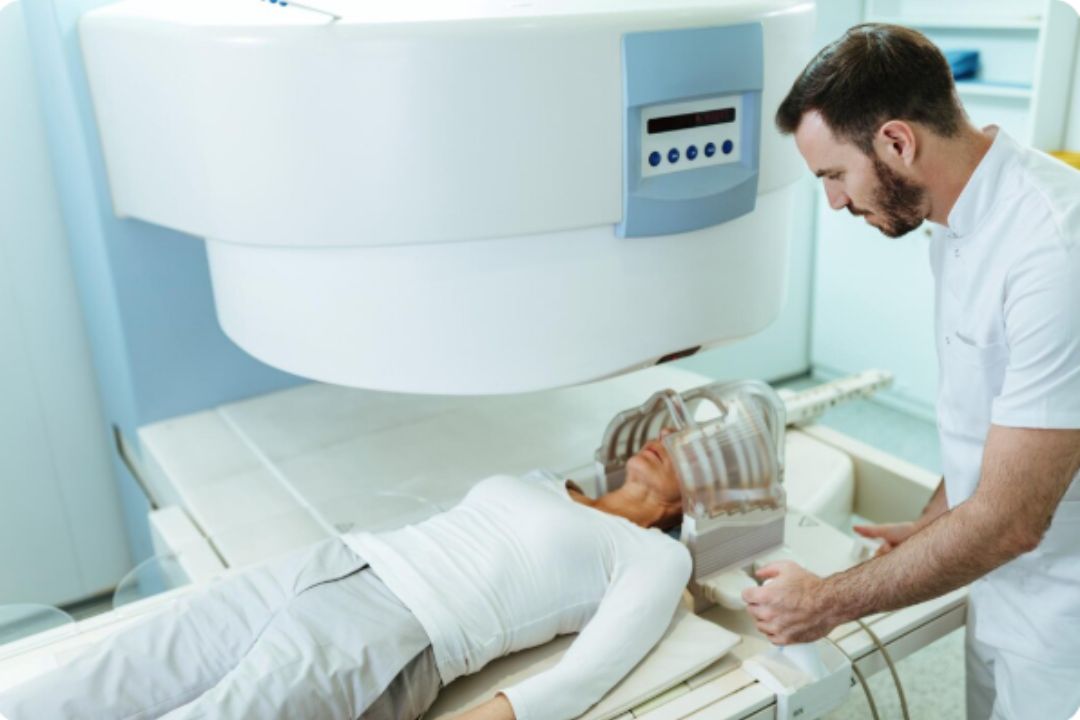
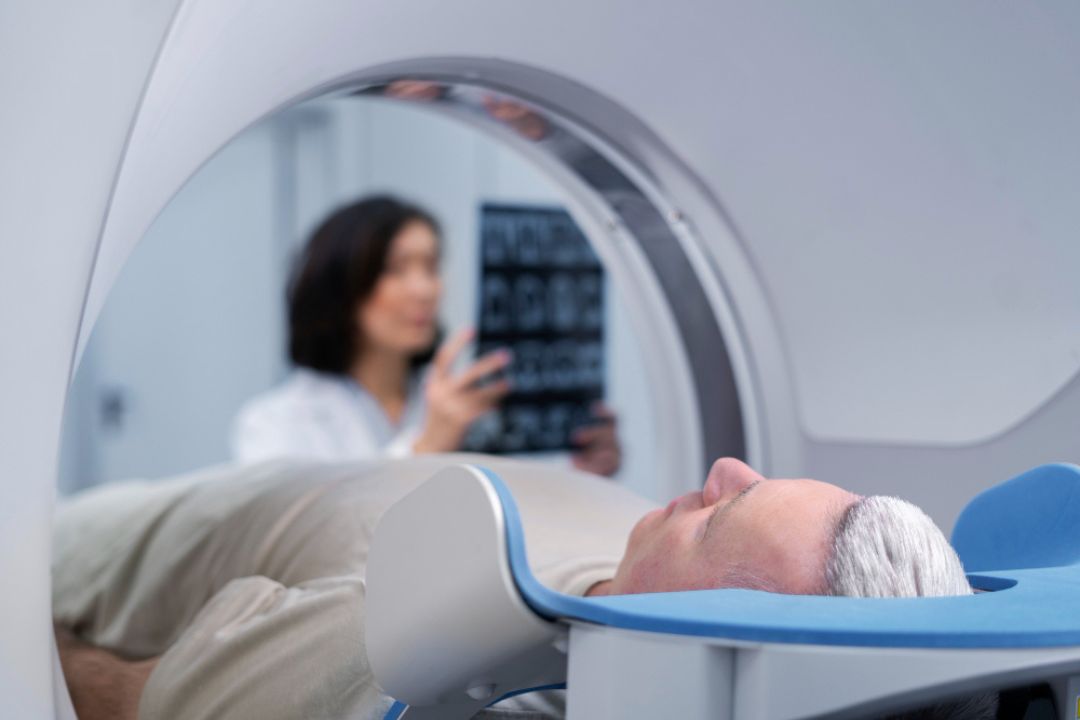
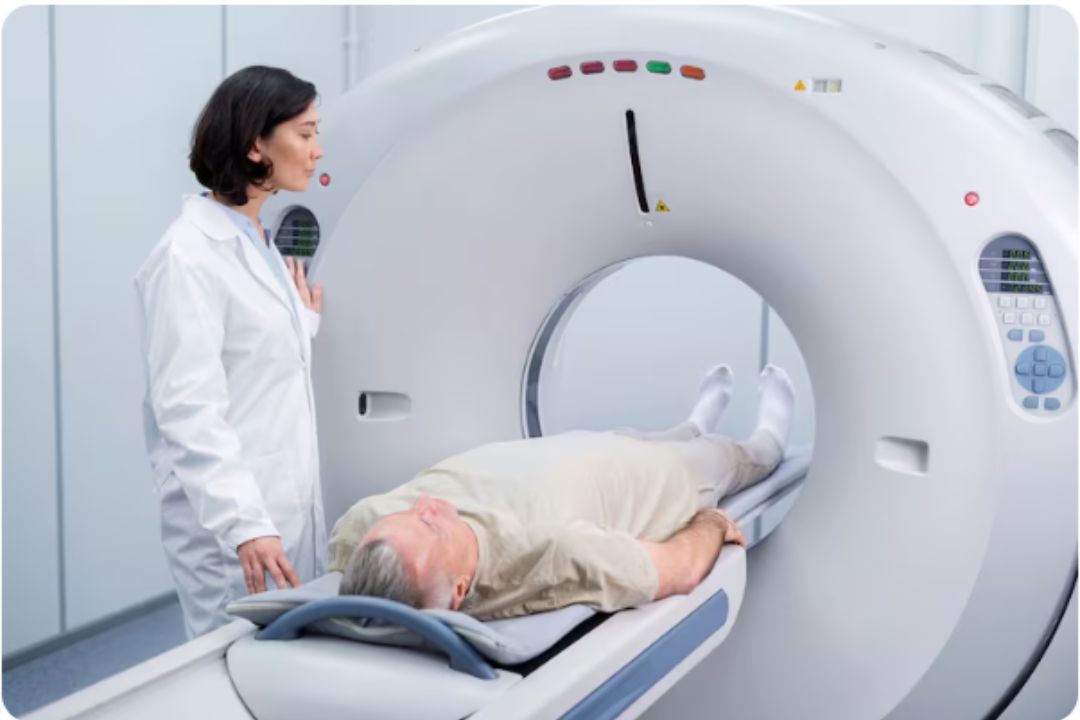
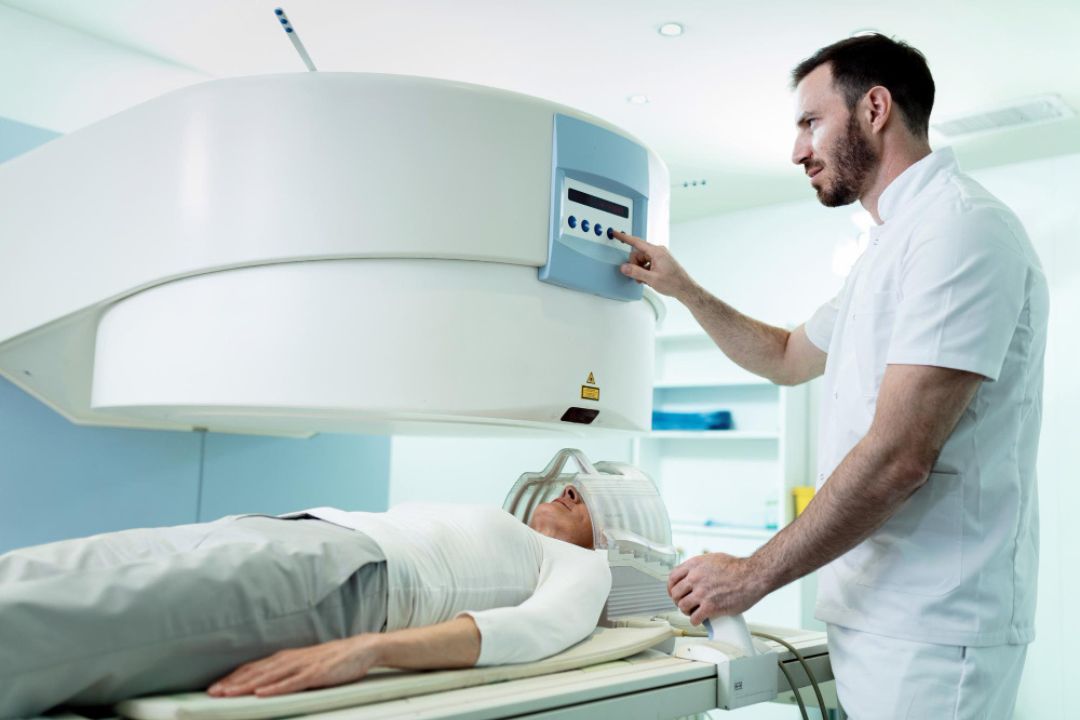
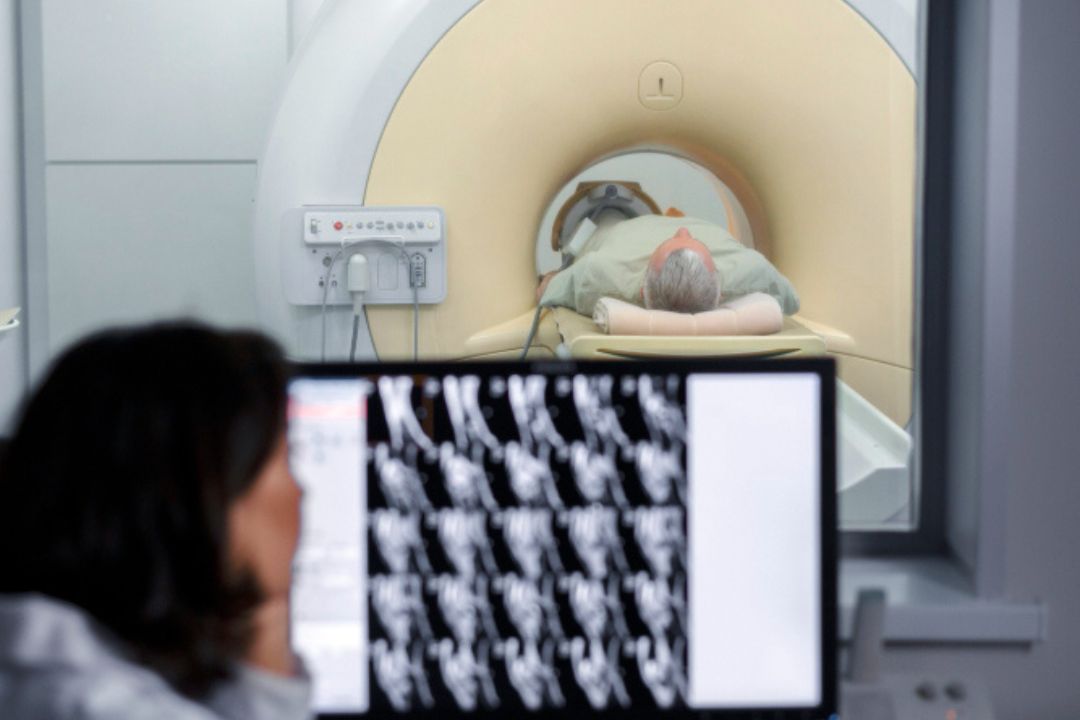
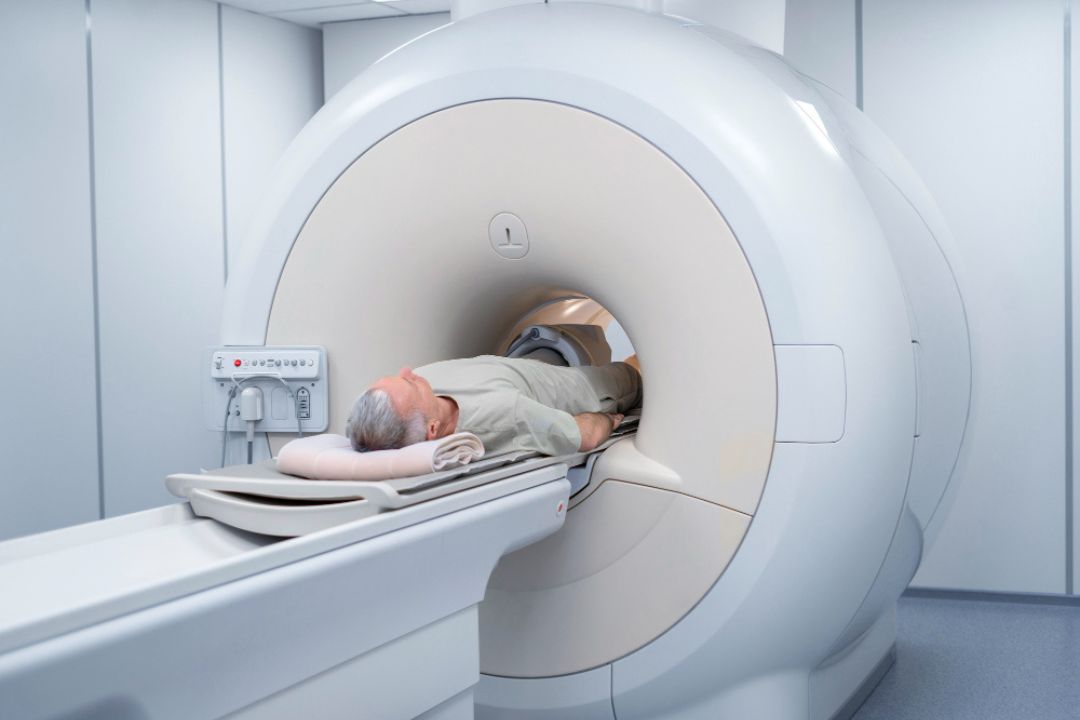
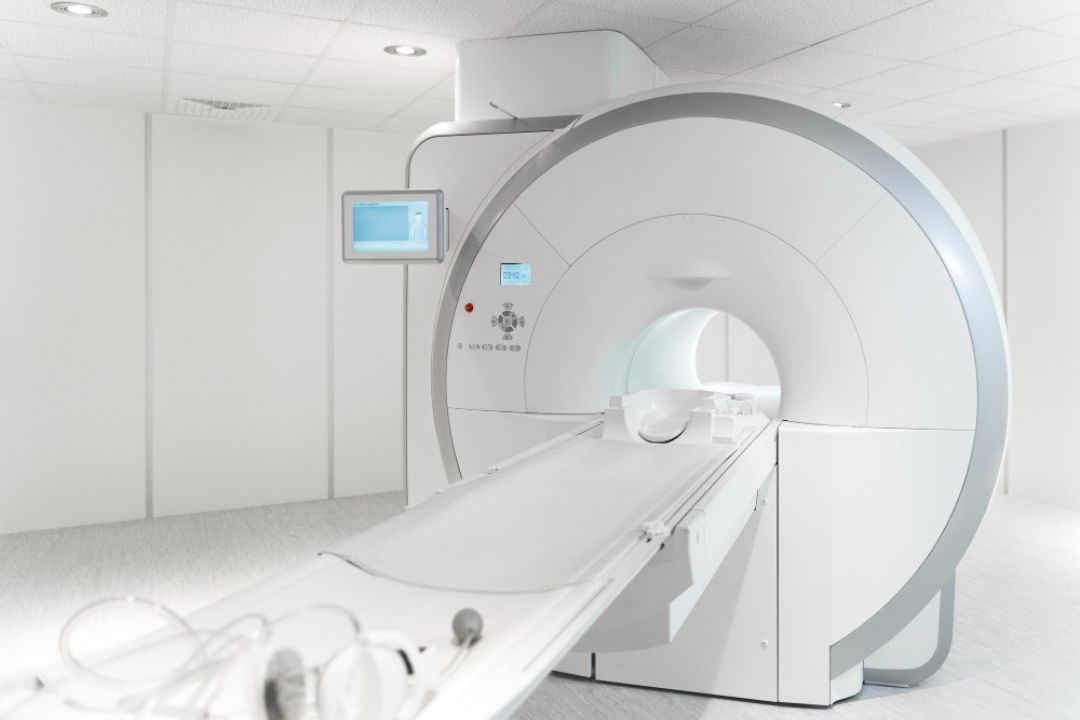
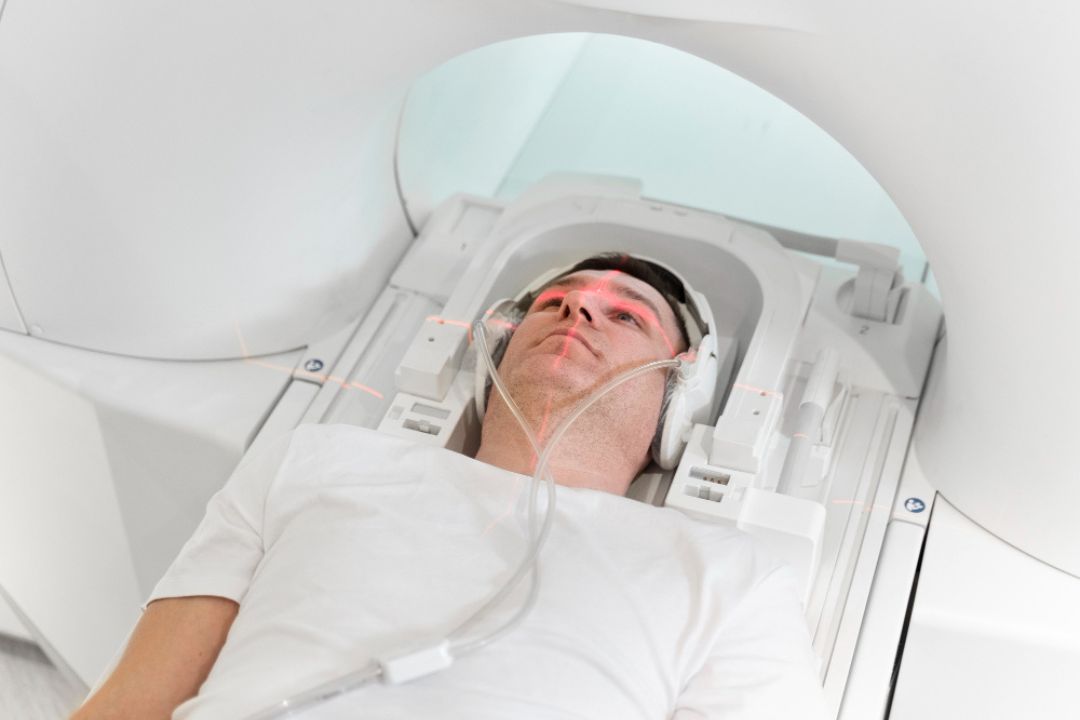
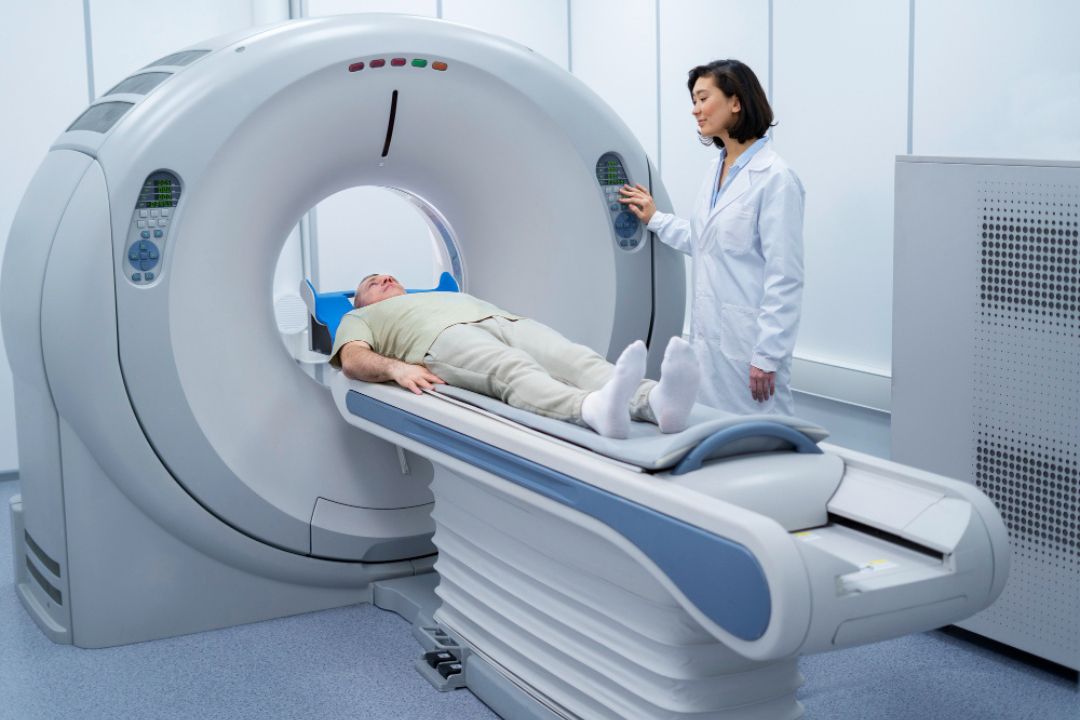
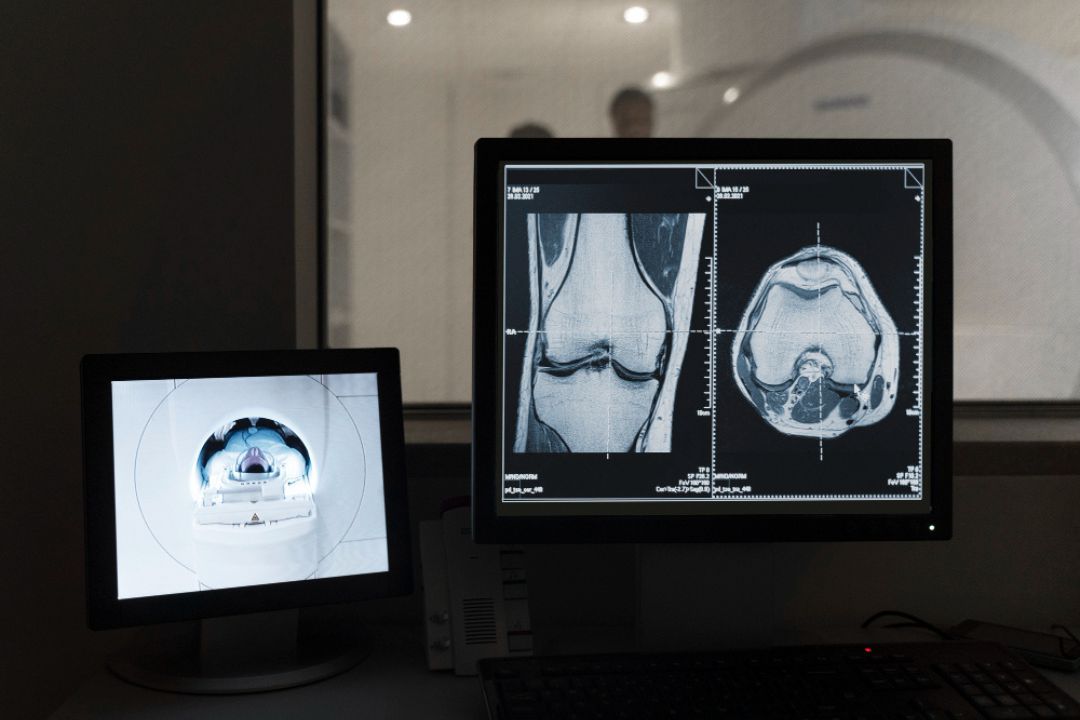
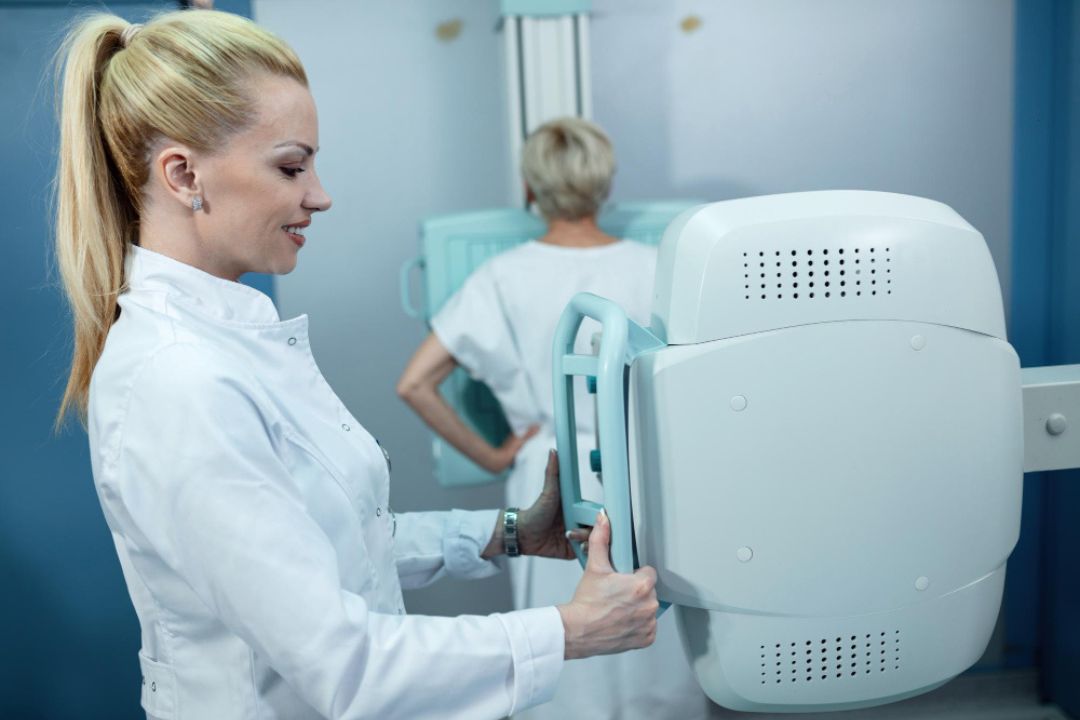
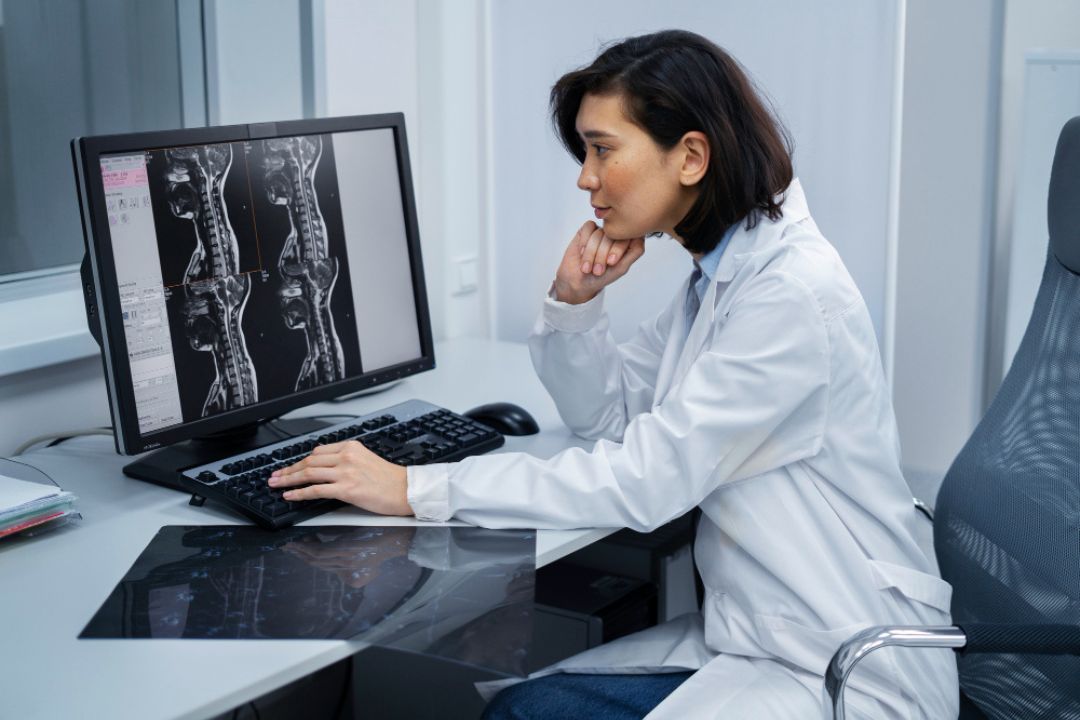
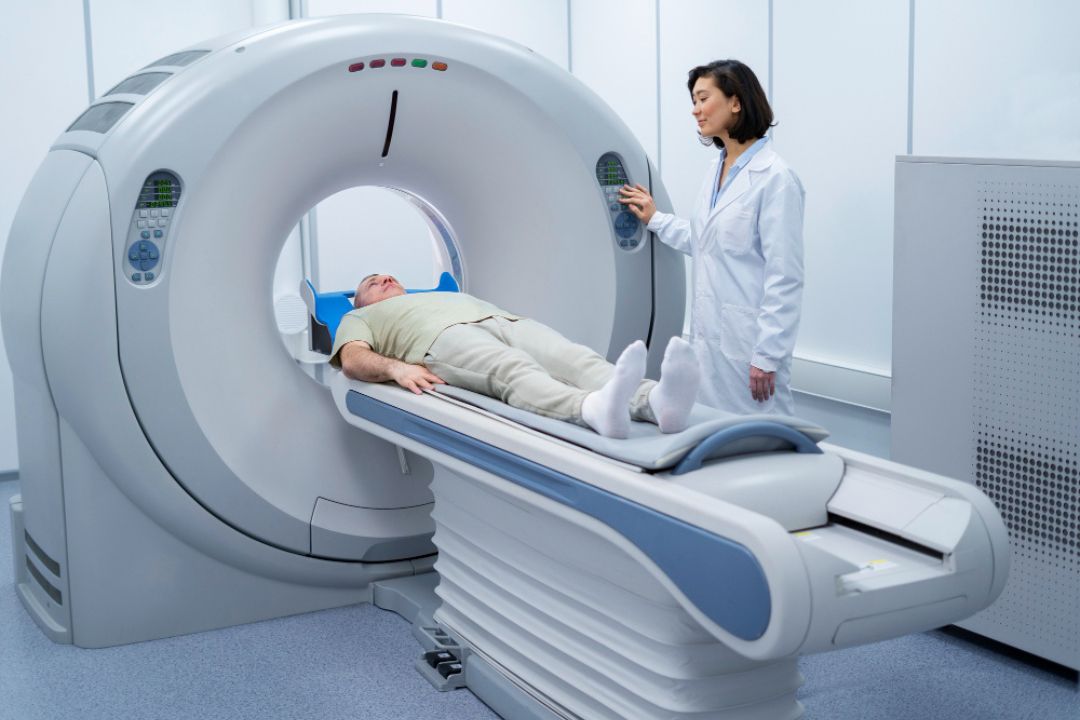
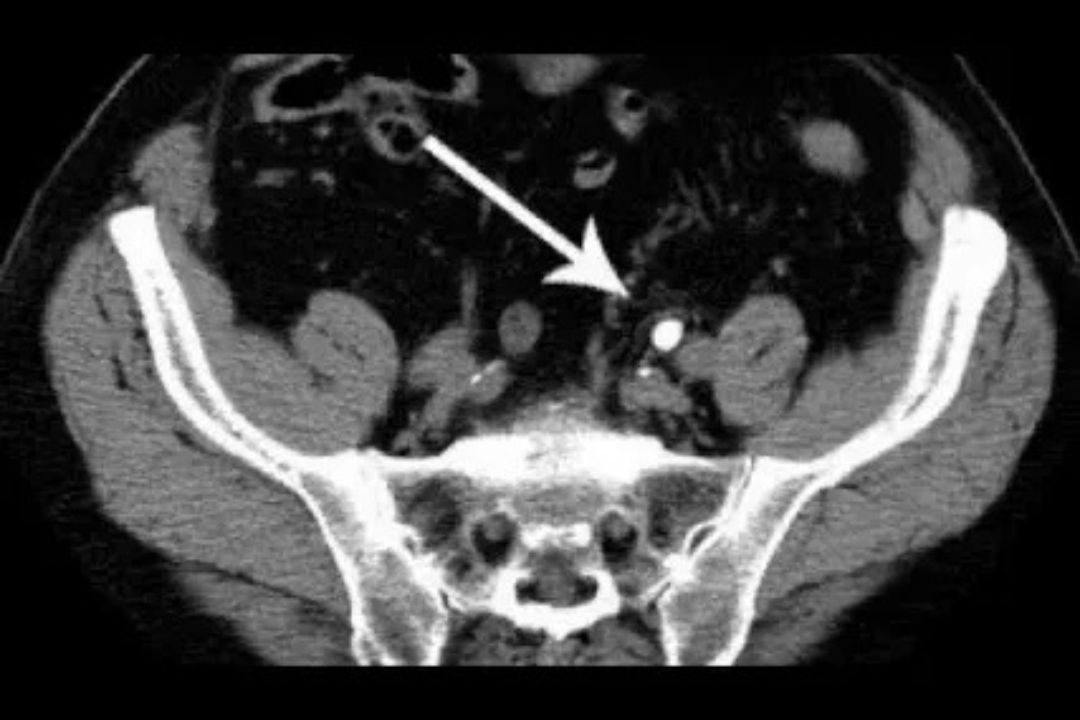
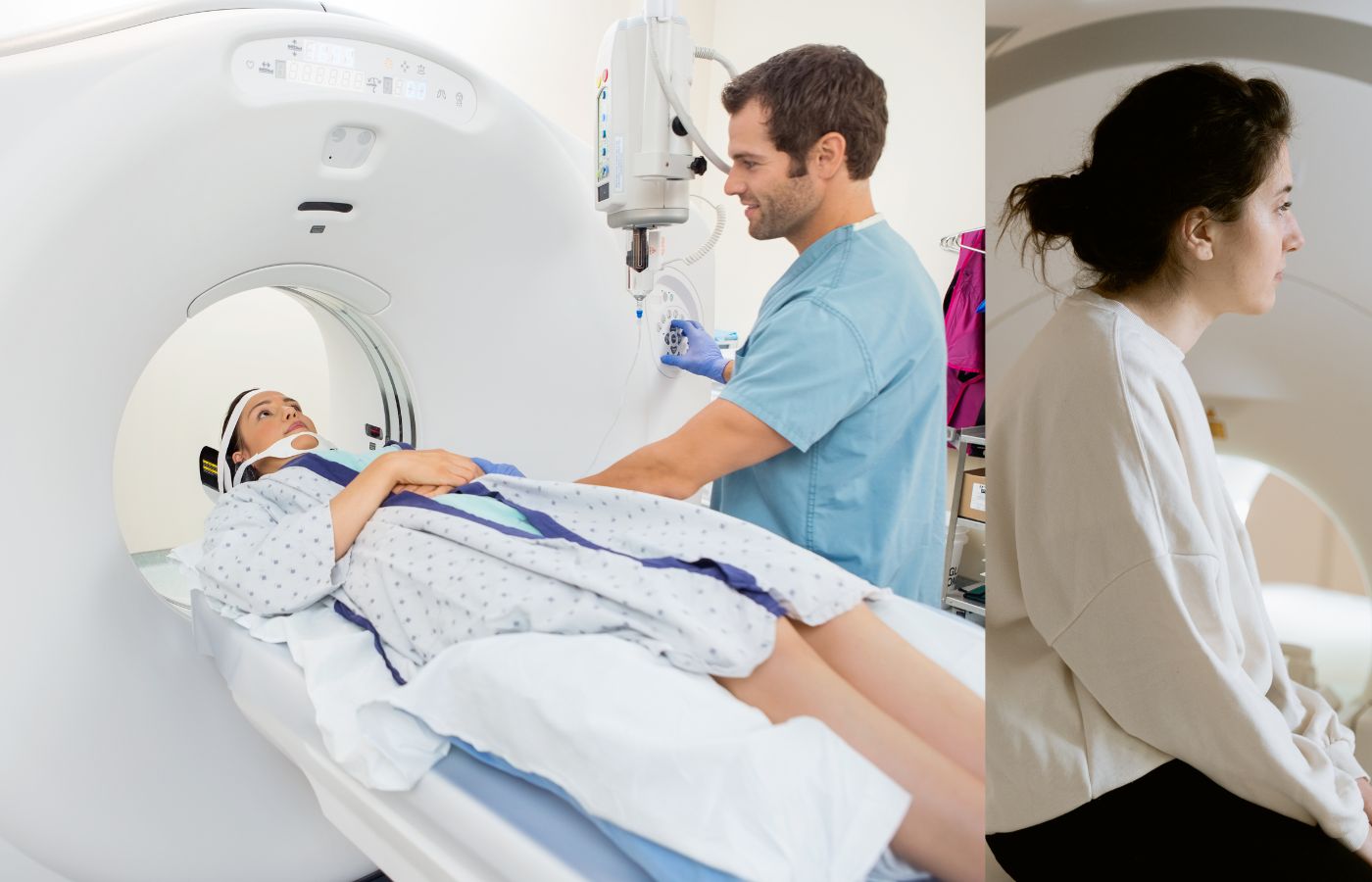
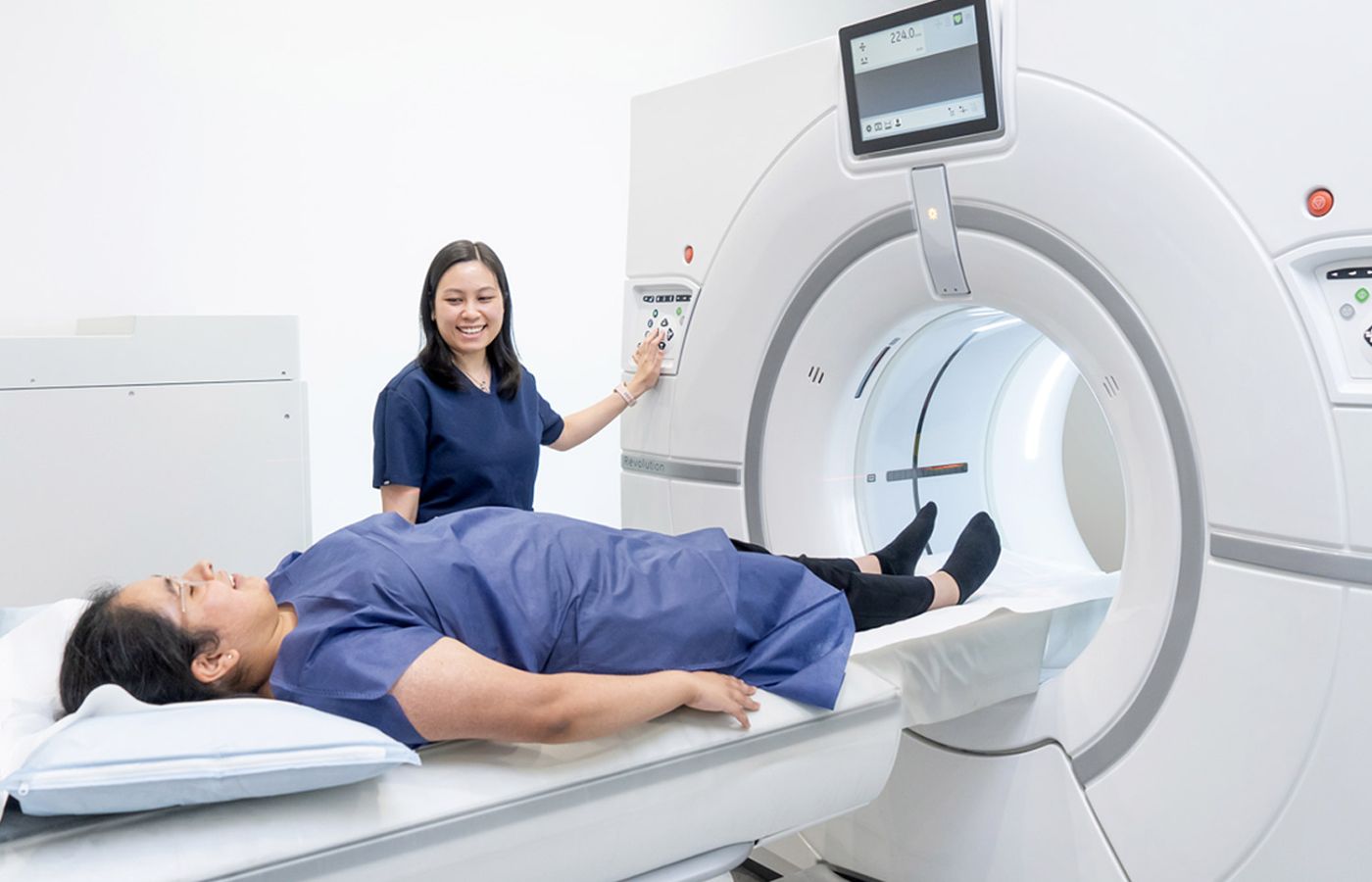
A CT Scan is a non-invasive imaging test that provides detailed images of organs, bones, blood vessels, and tissues. Unlike regular X-rays, CT scans capture images from multiple angles and combine them to produce clear cross-sectional pictures.
Doctors rely on CT scans to examine various parts of the body, including:
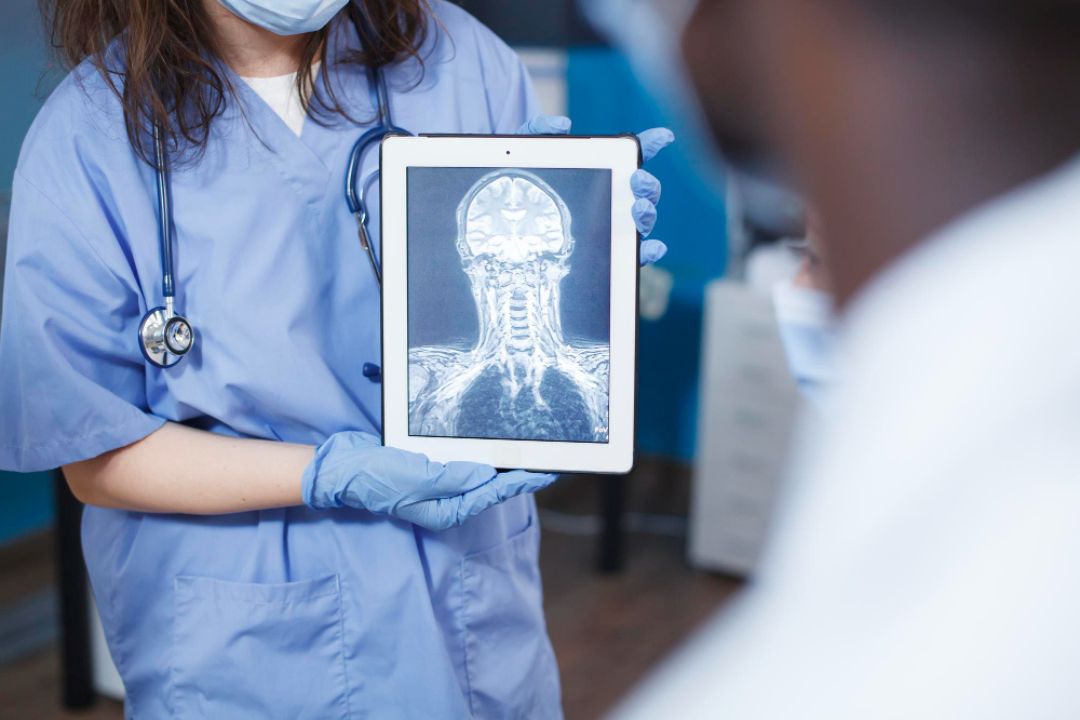
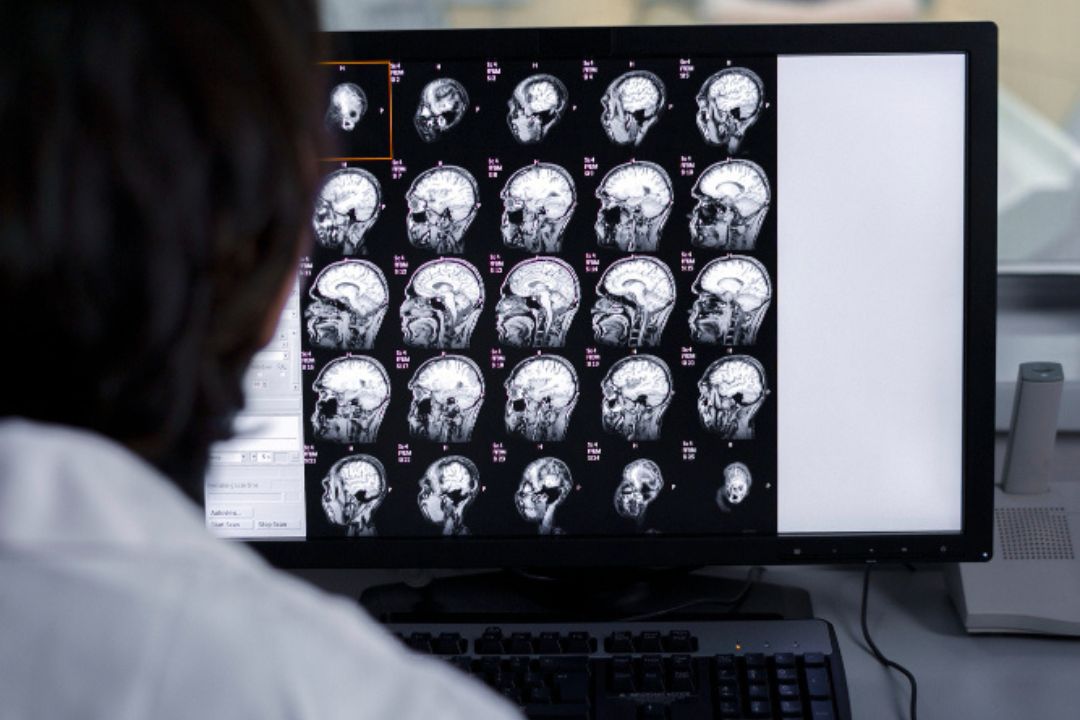
Brain
Chest and lungs
Abdomen and pelvis
Blood vessels
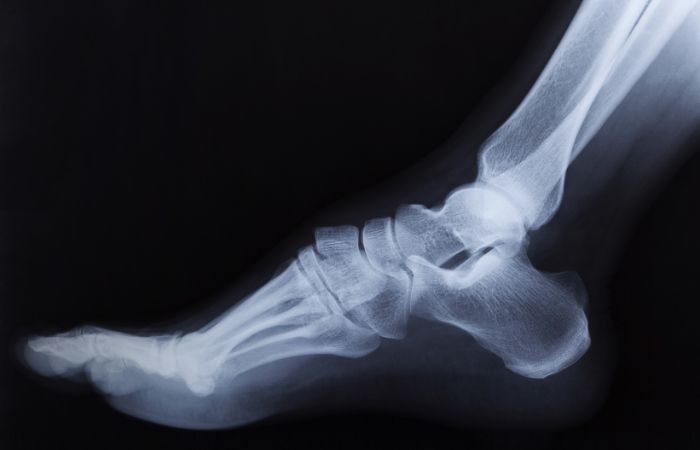
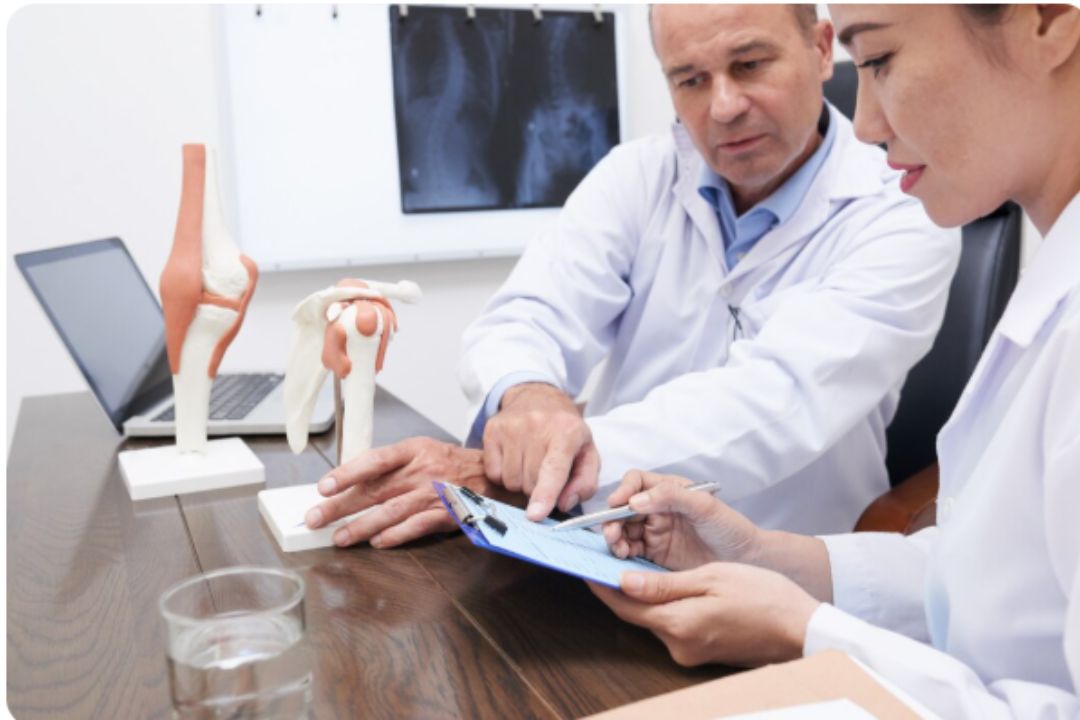
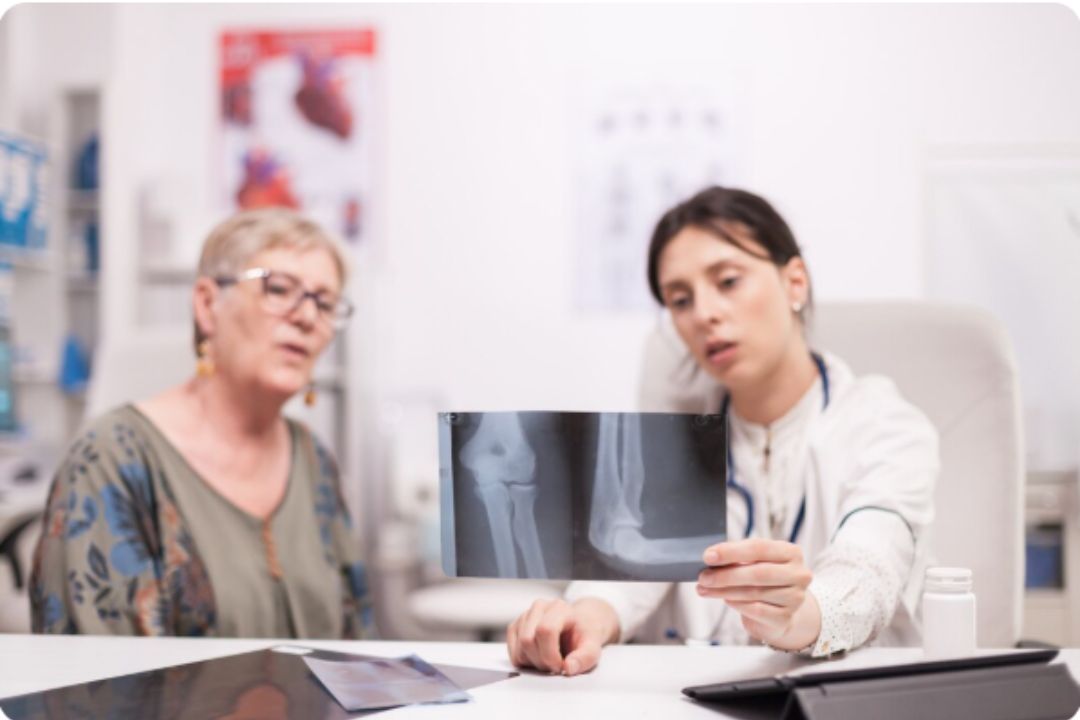
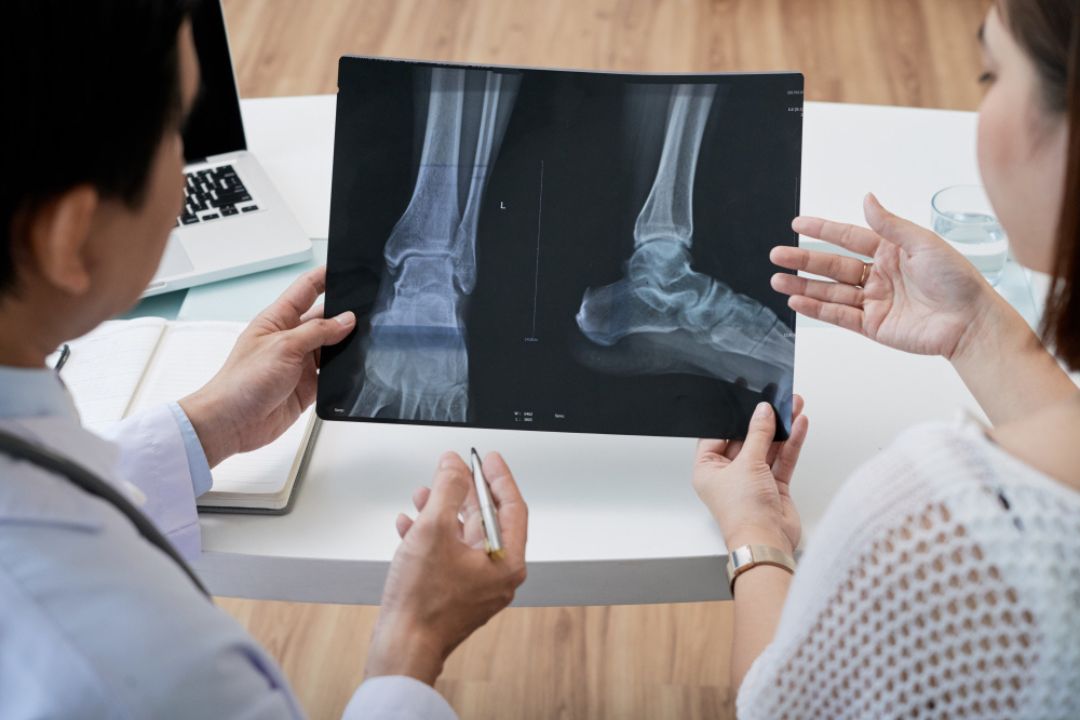
Bones and joints
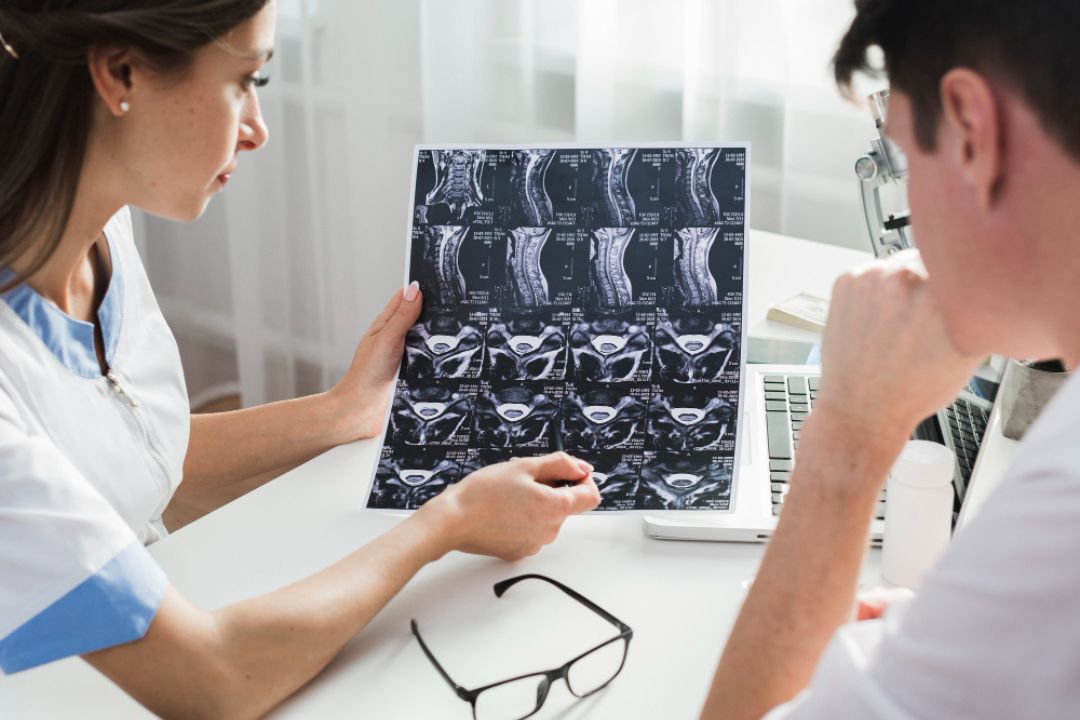
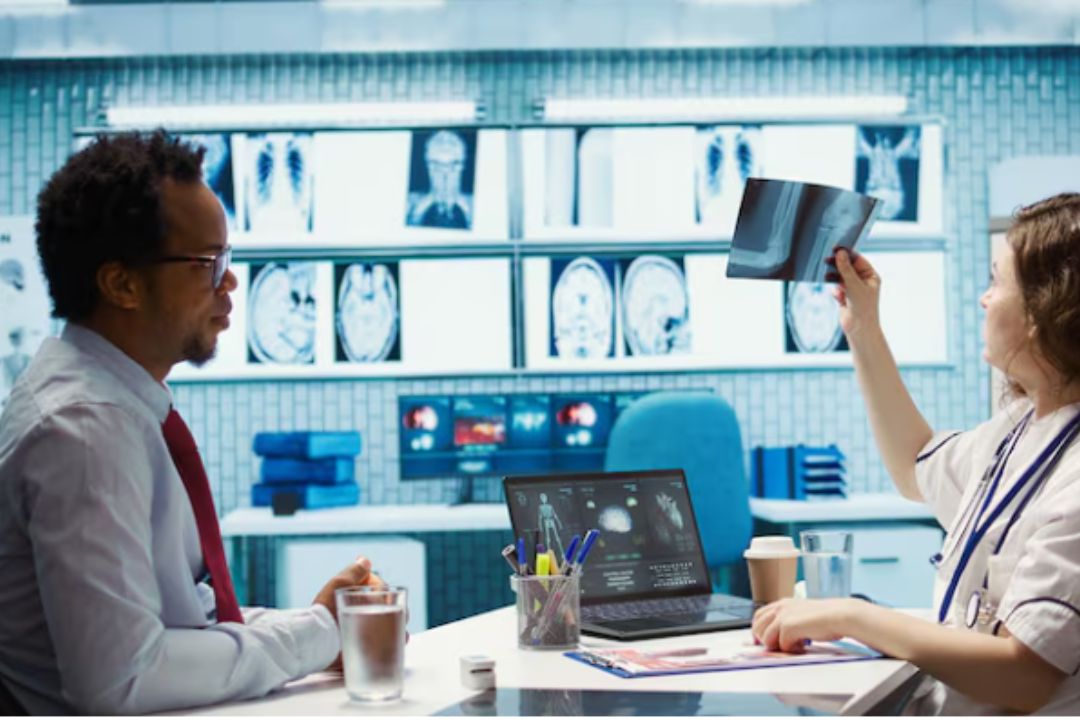
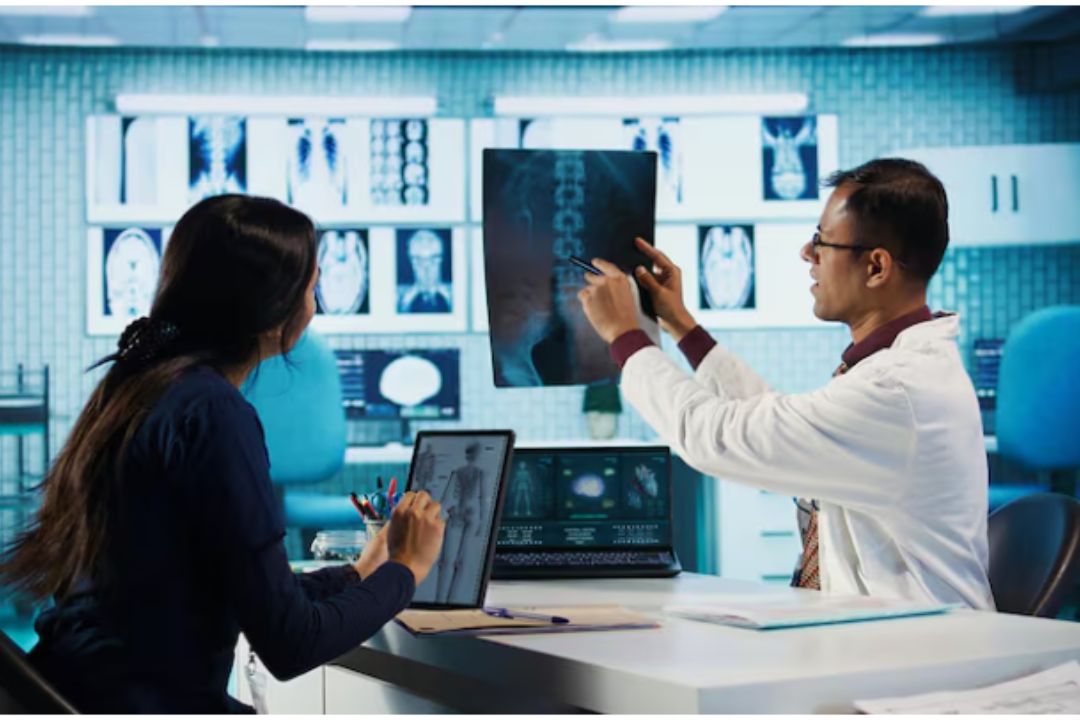
This detailed imaging helps medical professionals detect abnormalities that may not be visible through standard diagnostic methods.
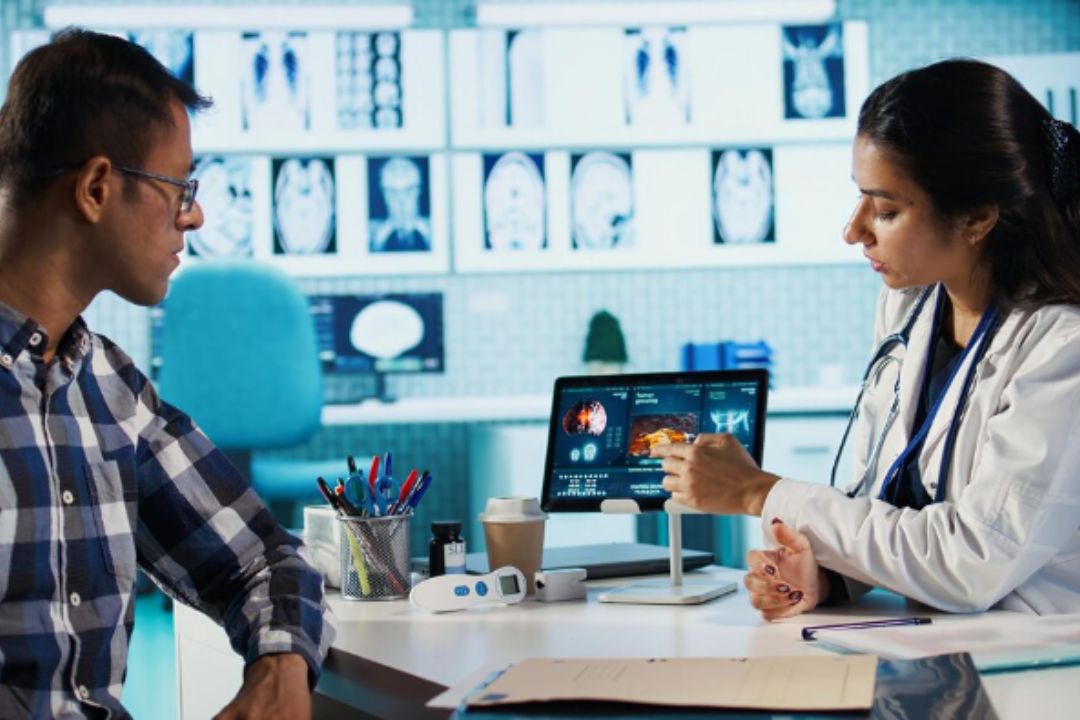
One of the most important roles of CT scans is the early detection of serious medical conditions. Early diagnosis improves treatment outcomes and can save lives.
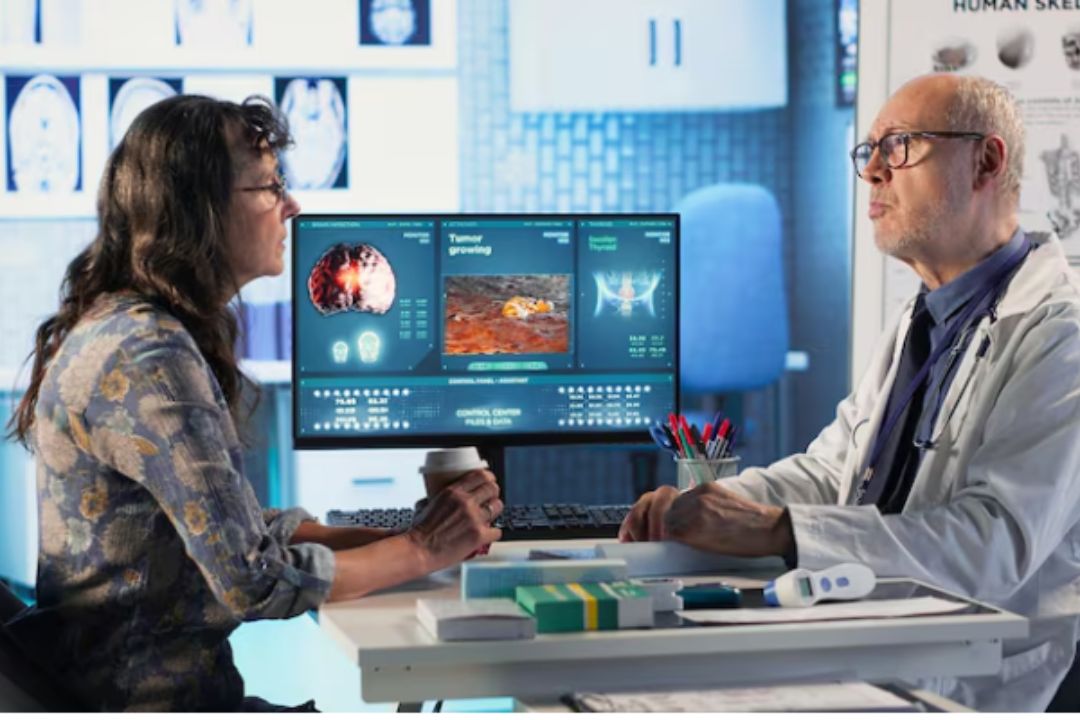
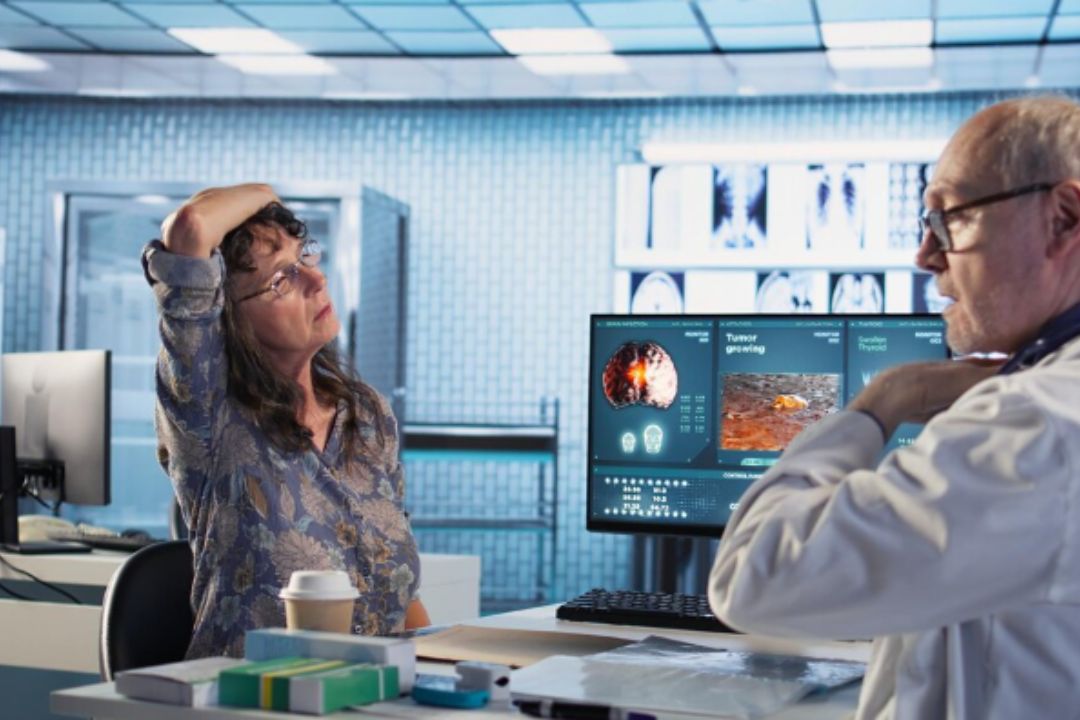
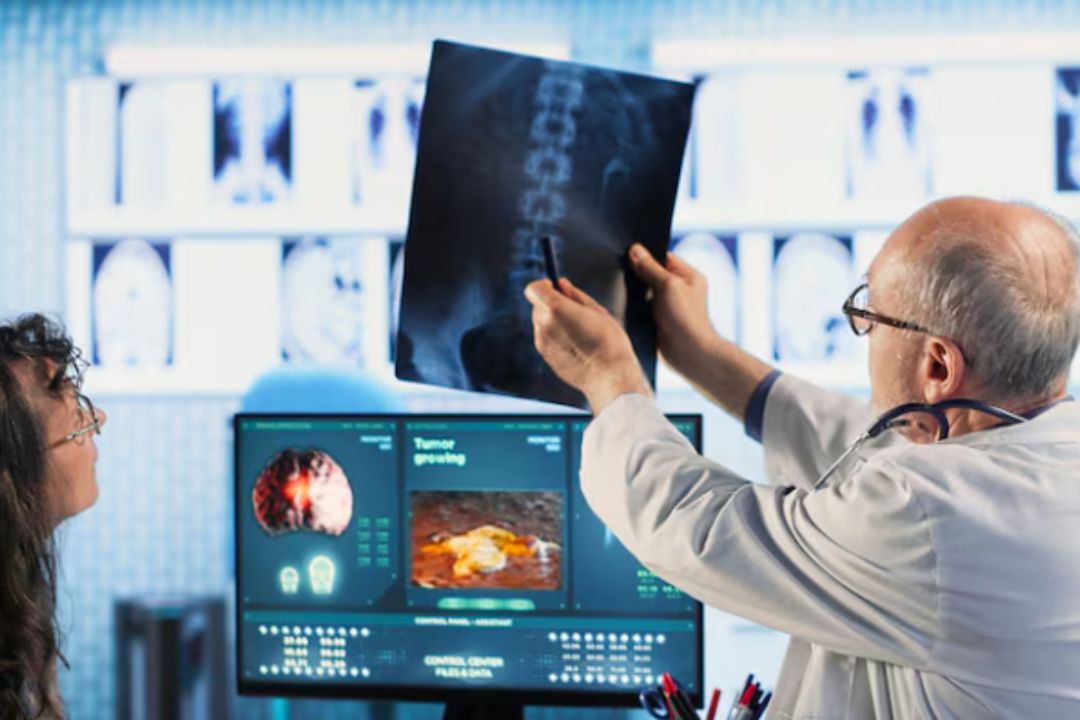
CT scans are commonly used to identify tumors and abnormal growths in different parts of the body. They help doctors determine:
Tumor size
Location
Spread of cancer
This information is essential for planning treatments such as surgery, chemotherapy, or radiation therapy.
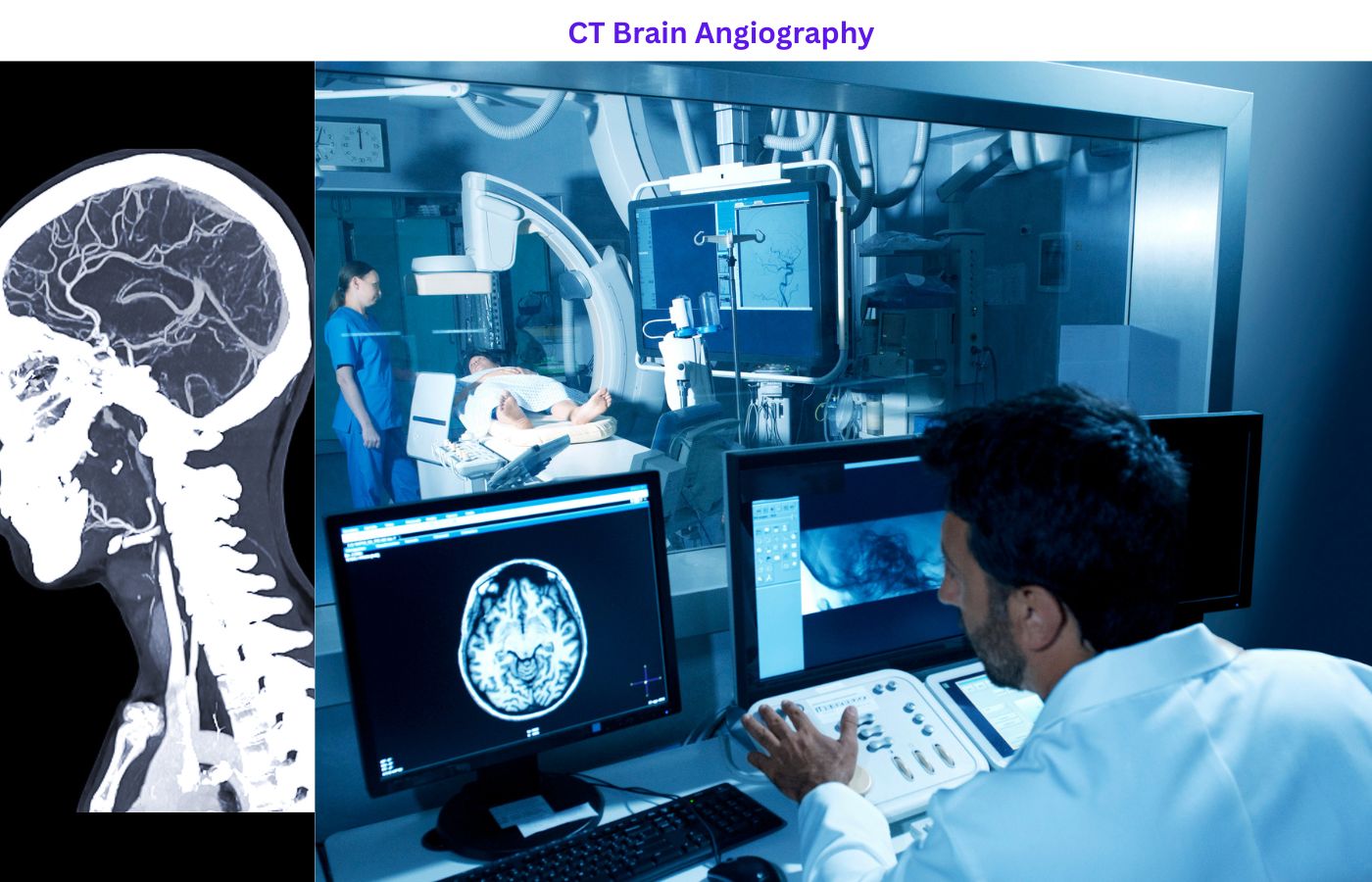
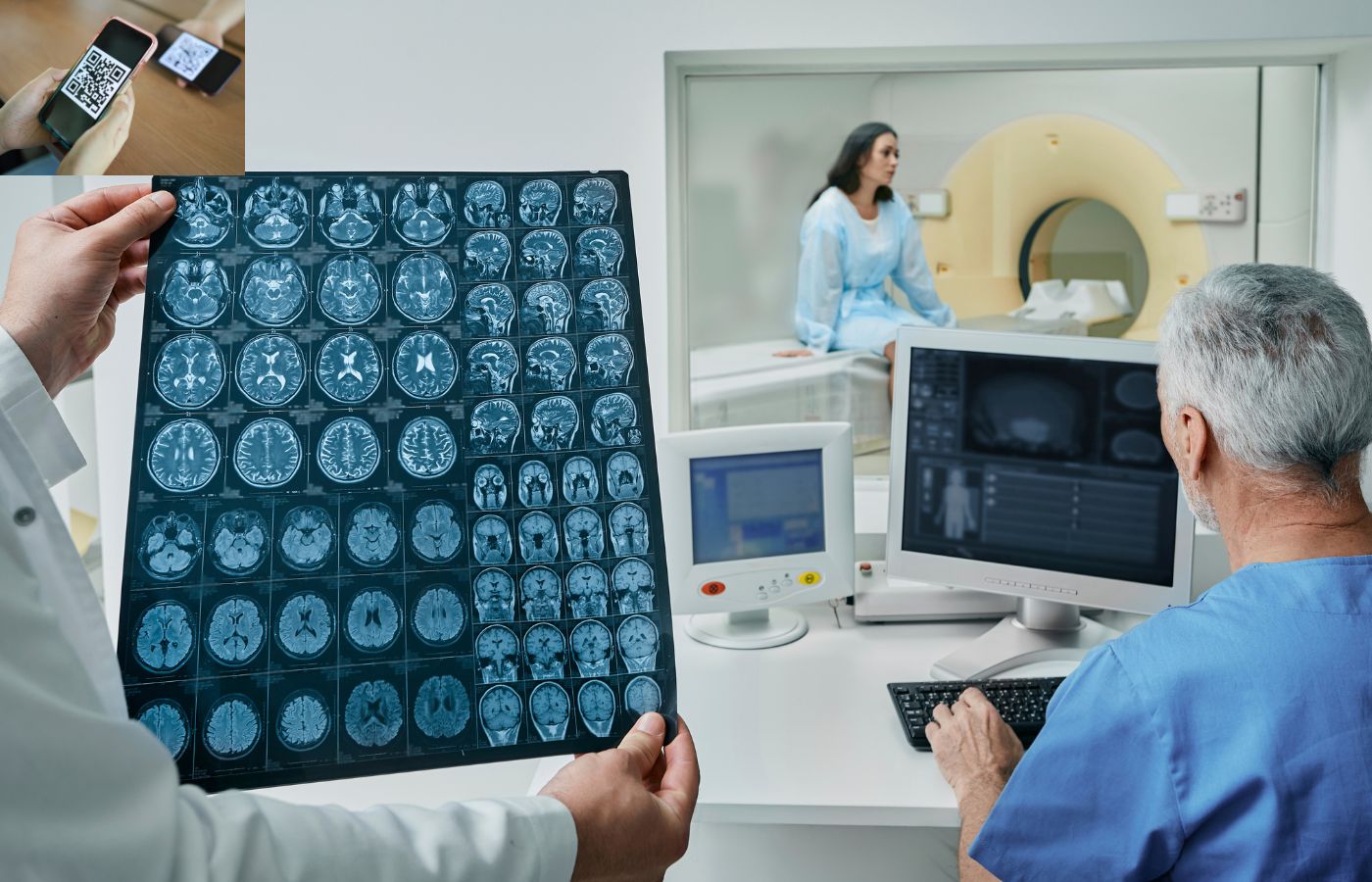
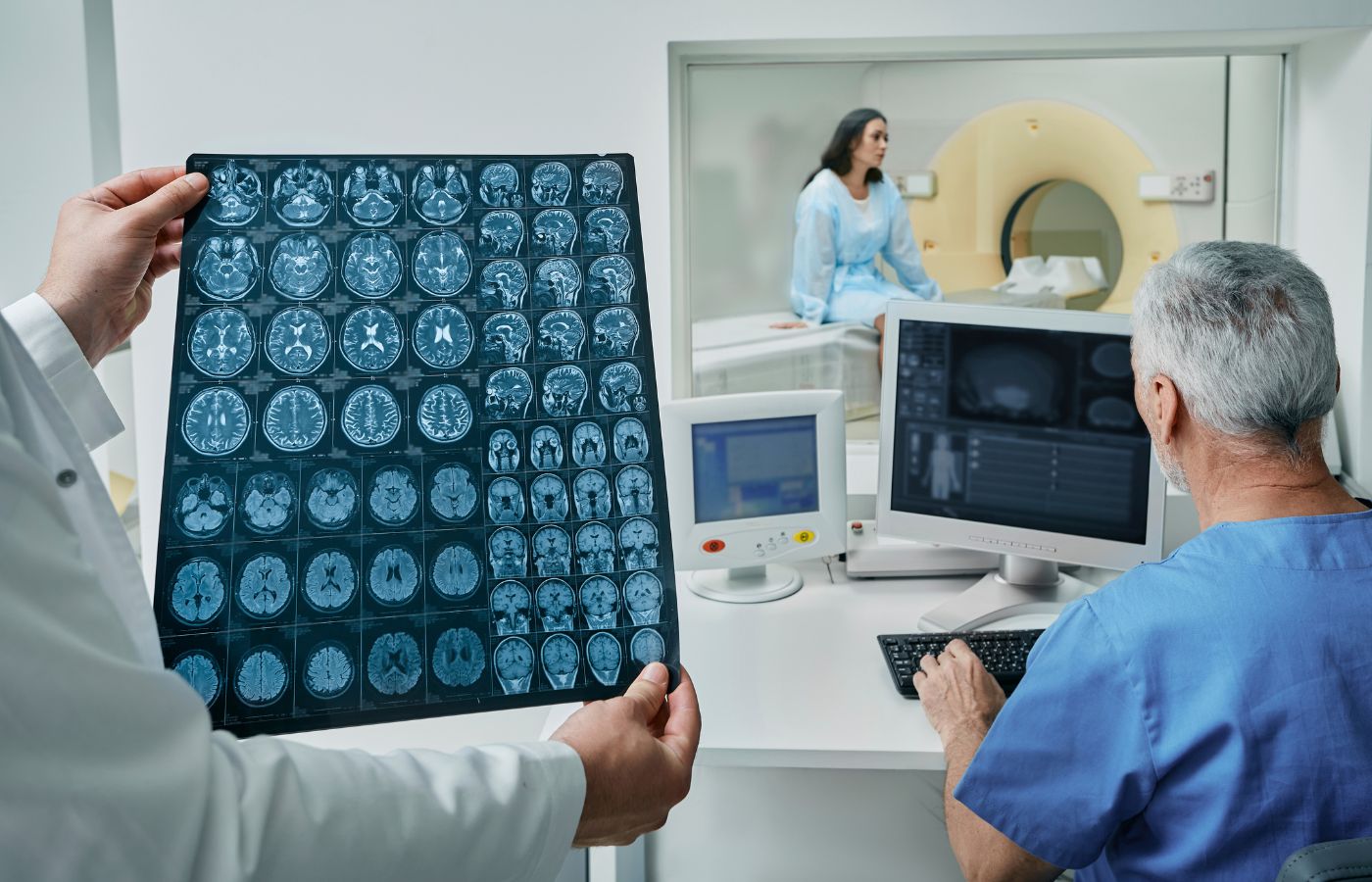
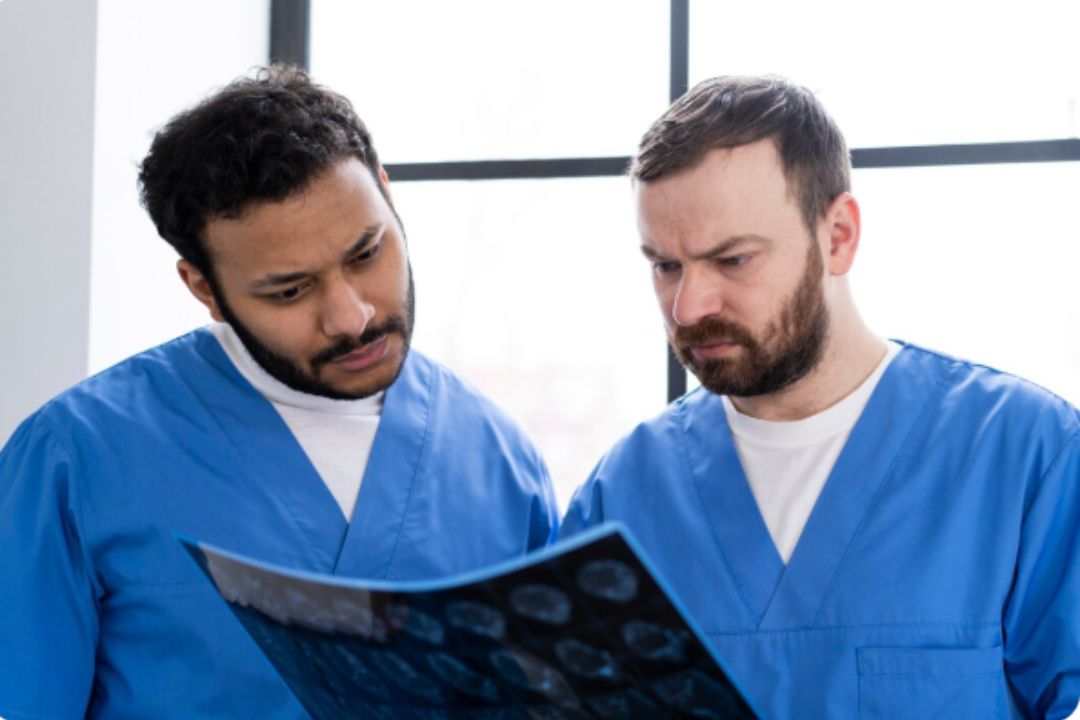
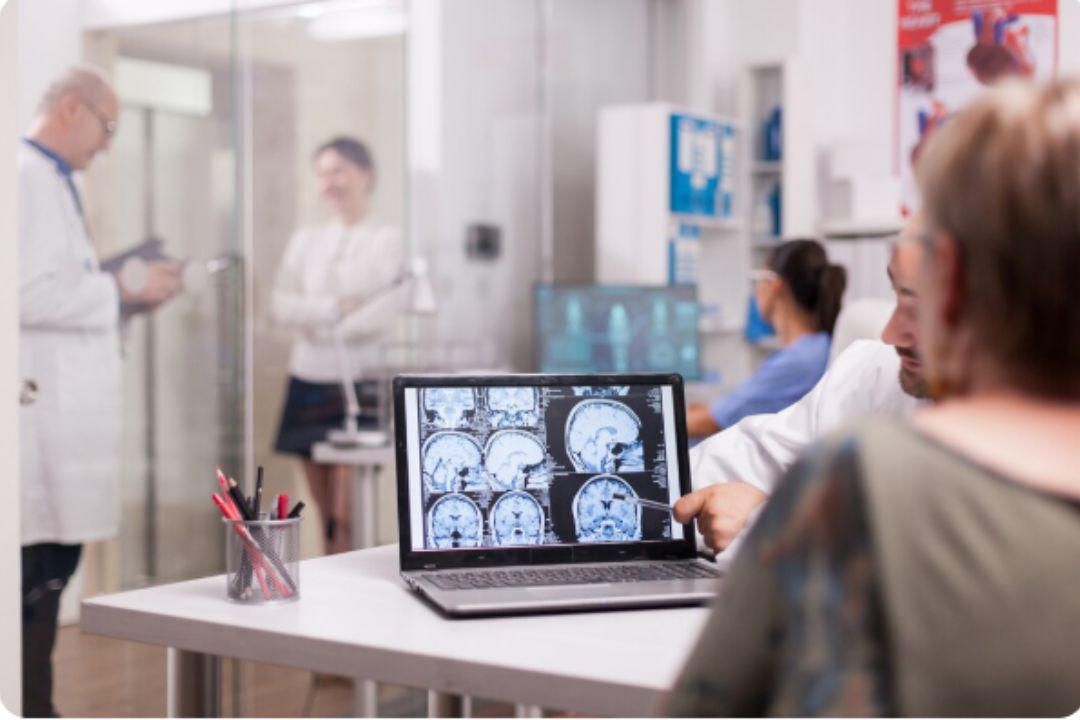
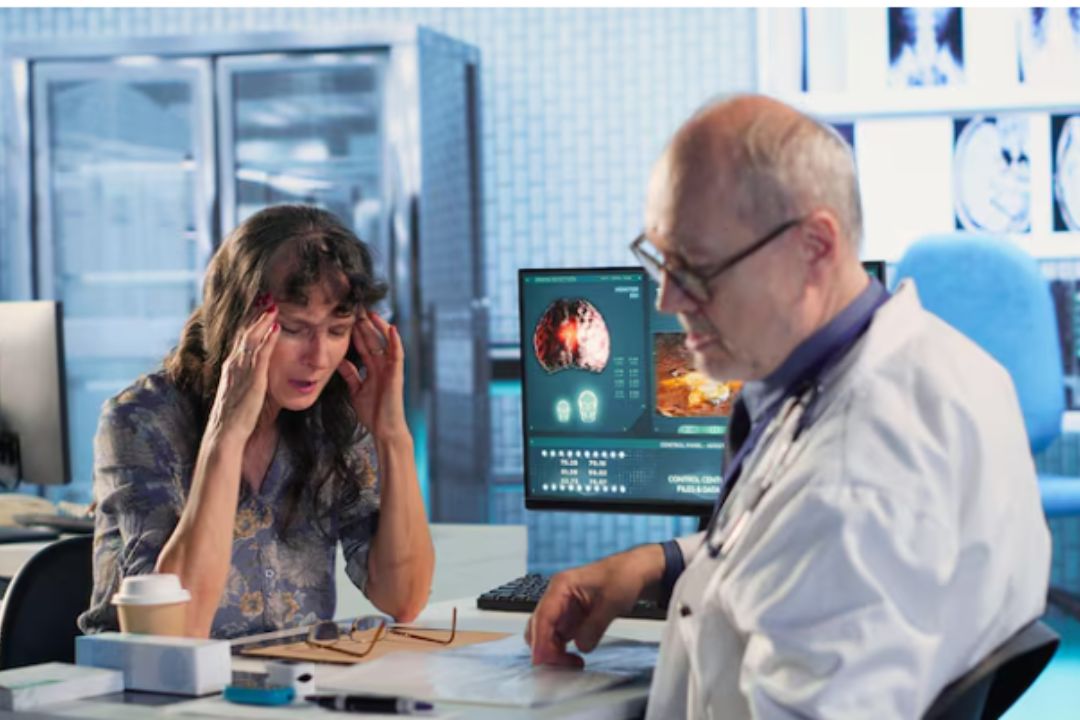
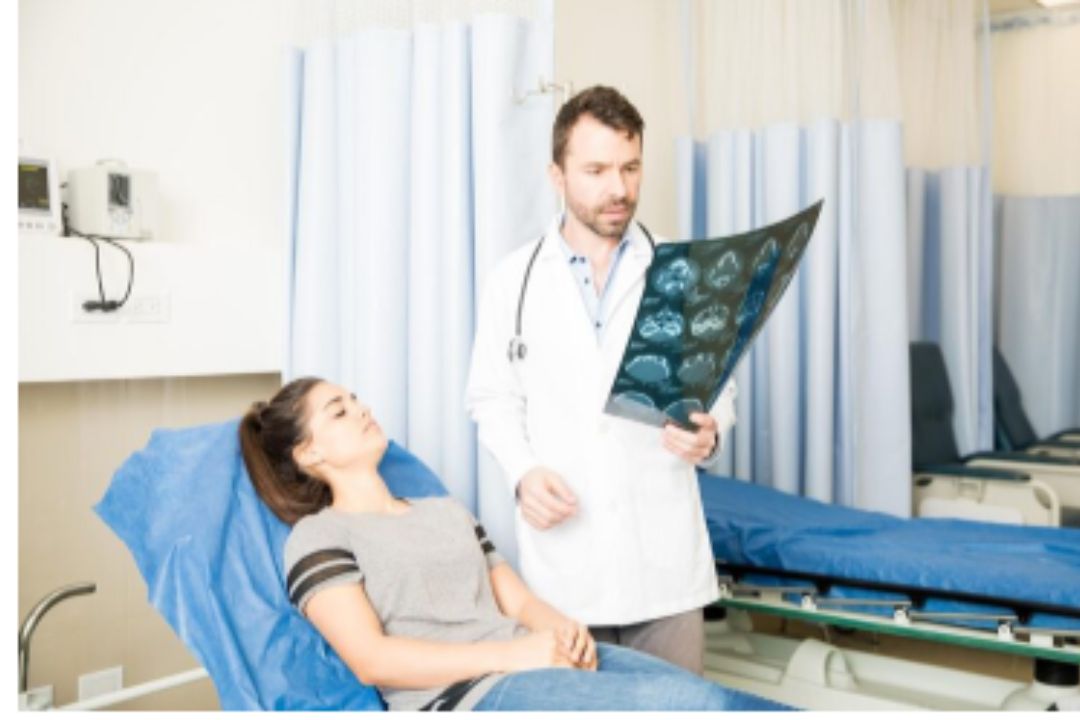
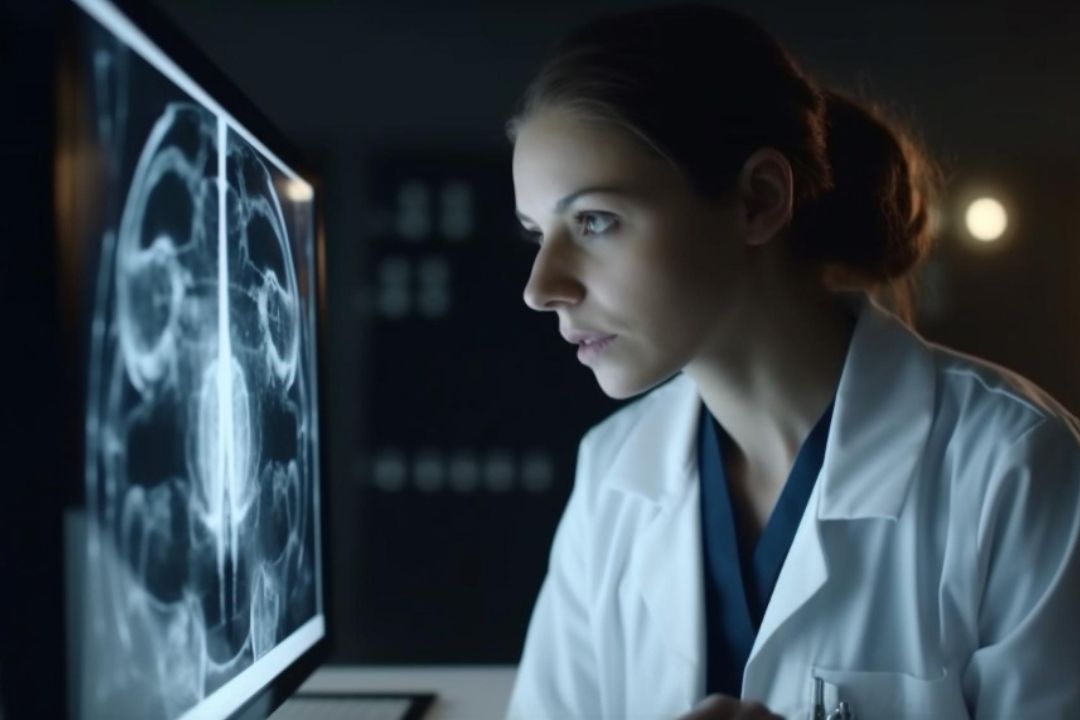
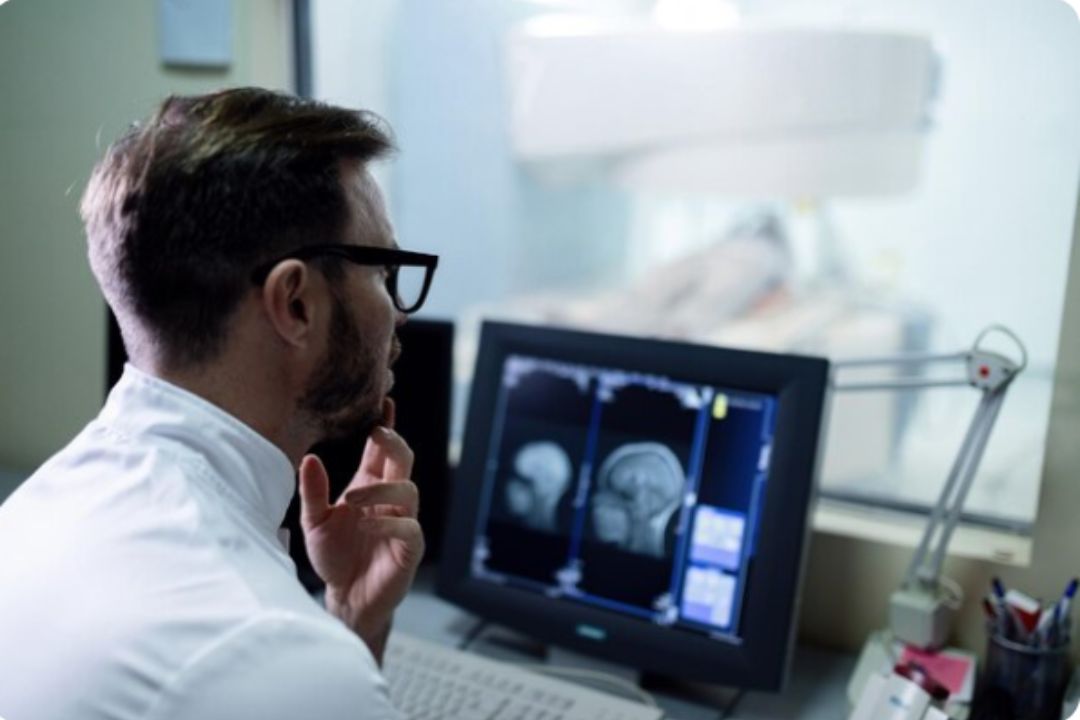
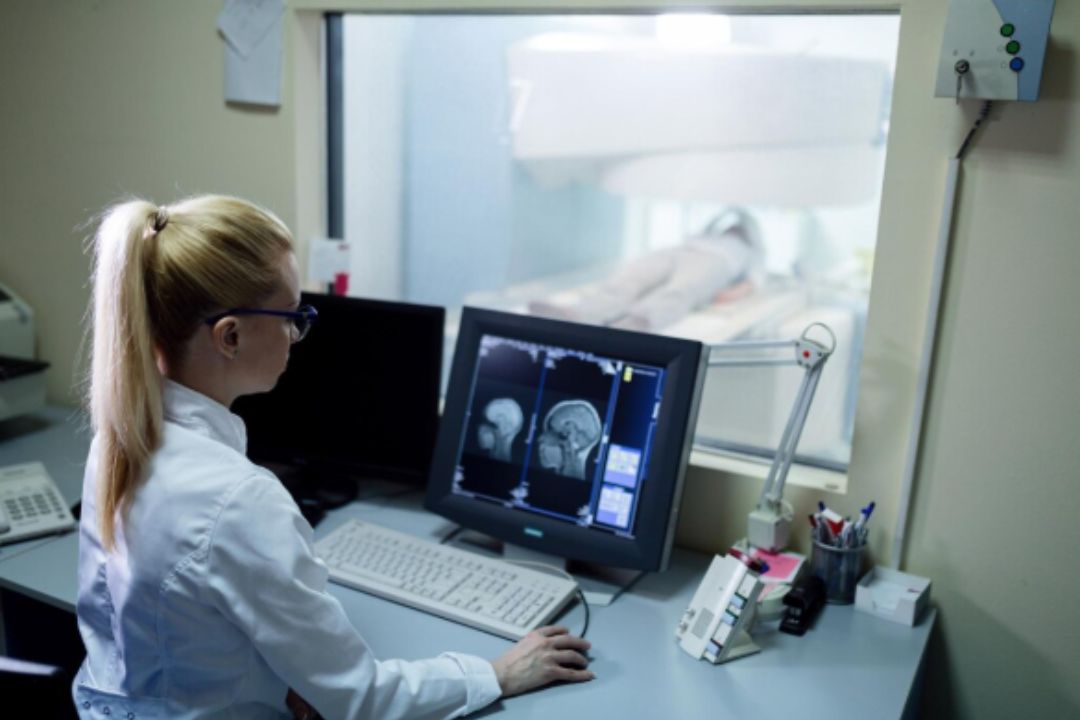
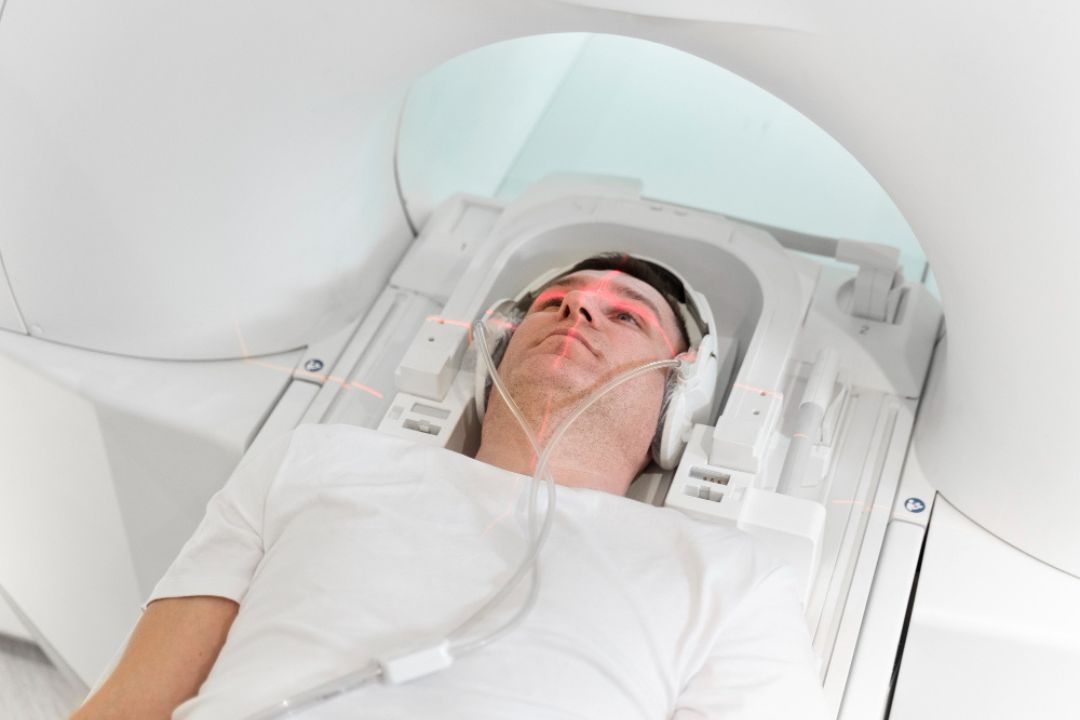
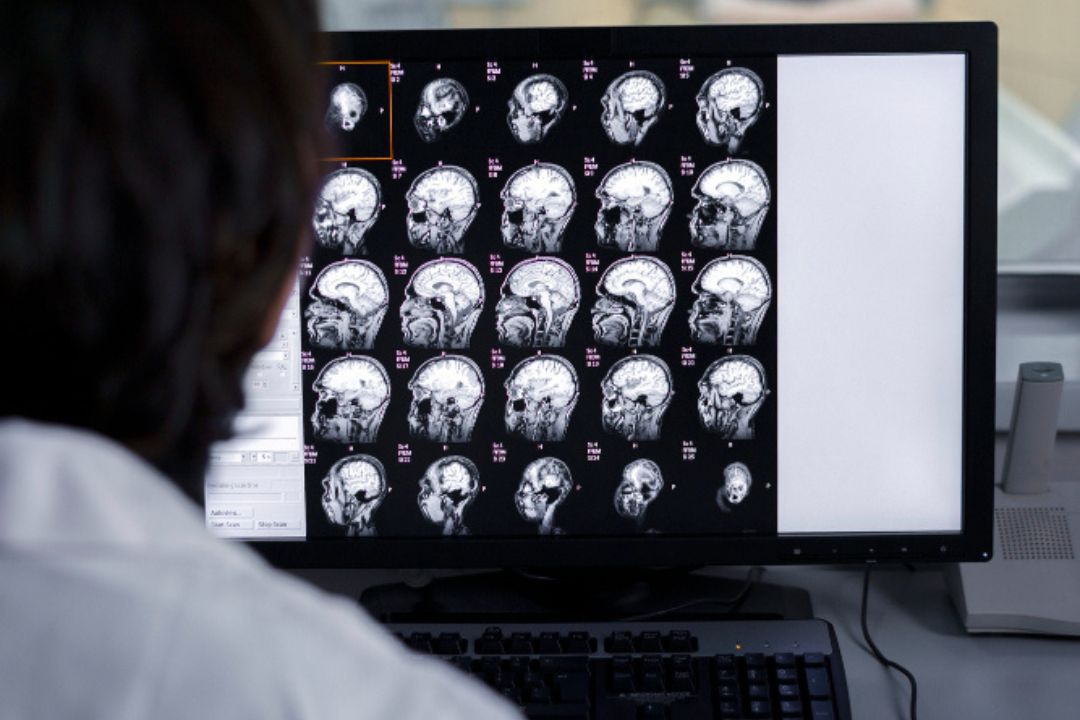
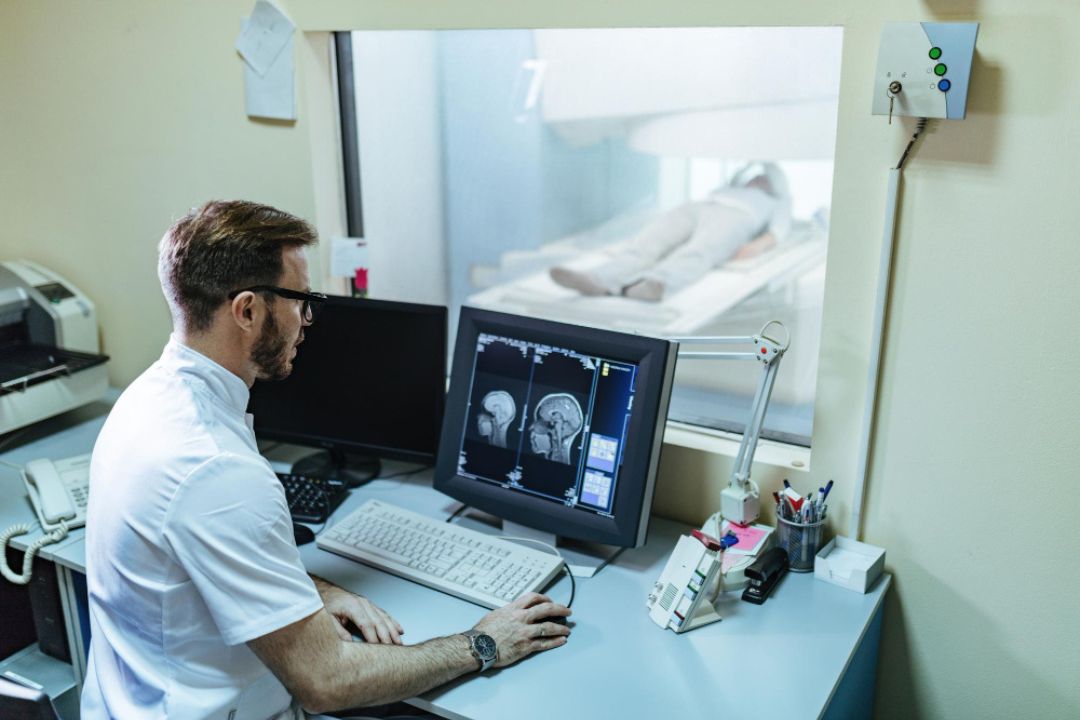
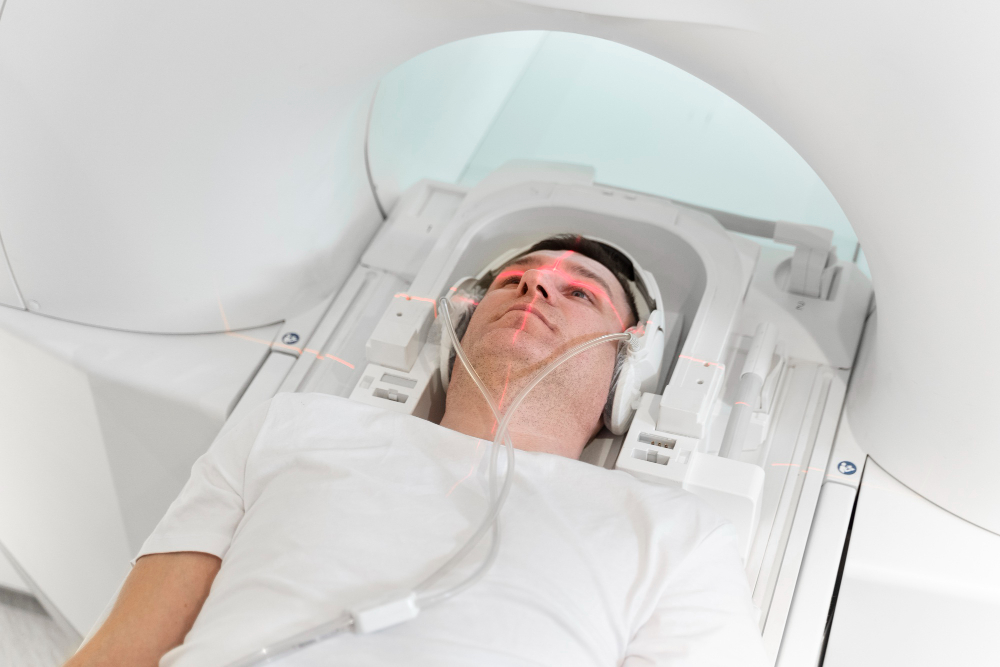
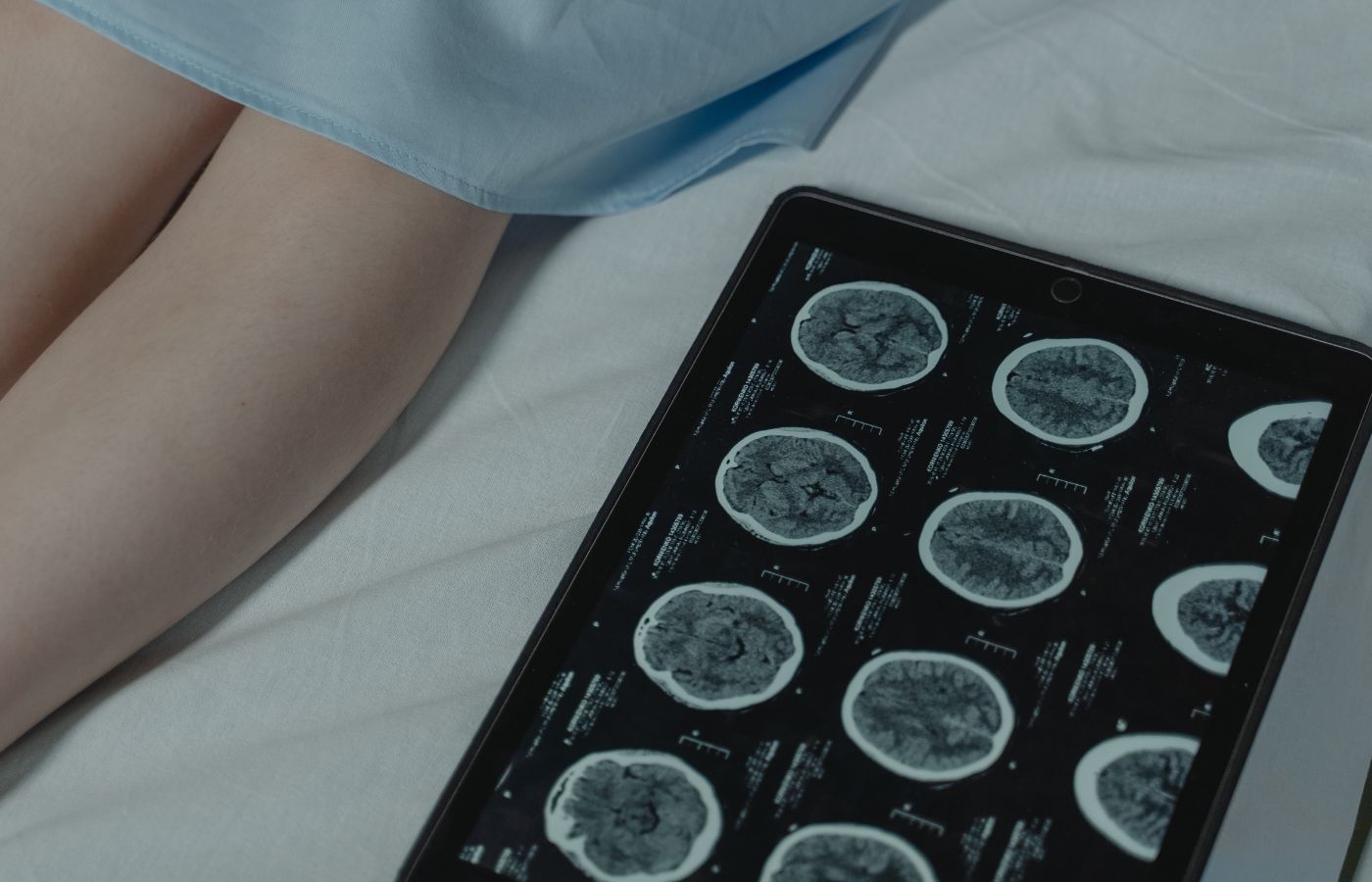
CT scans are often used in emergency situations to evaluate the brain. They can quickly detect:
Brain bleeding
Stroke
Brain tumors
Head injuries
Rapid diagnosis is critical in such cases because timely treatment can prevent severe complications.
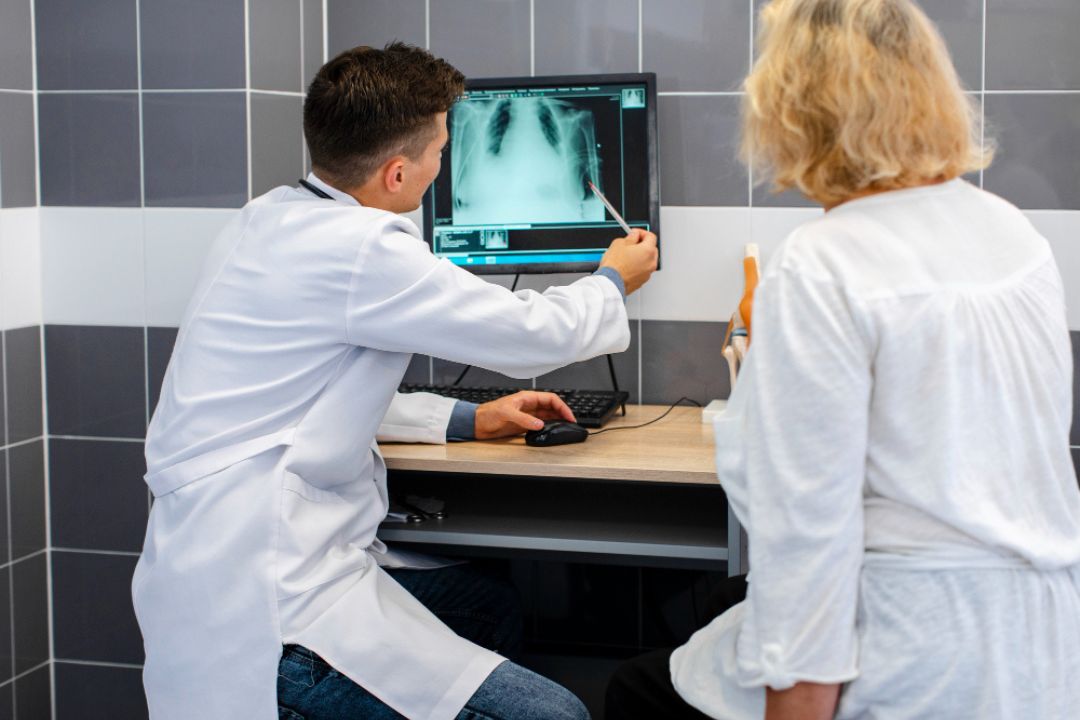
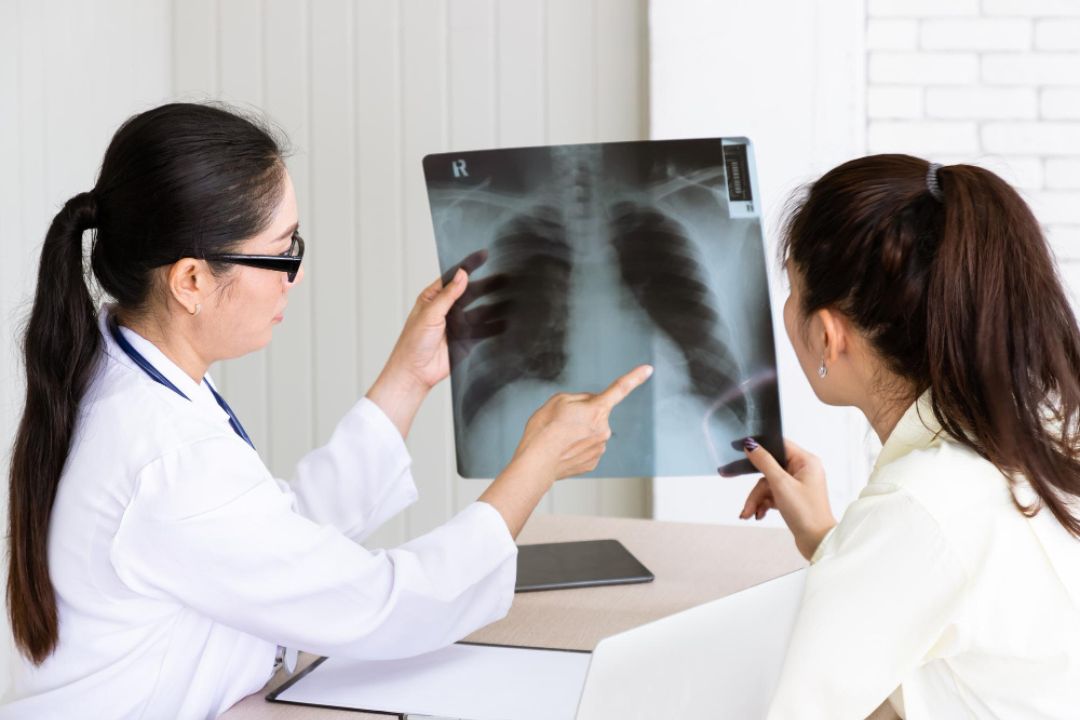
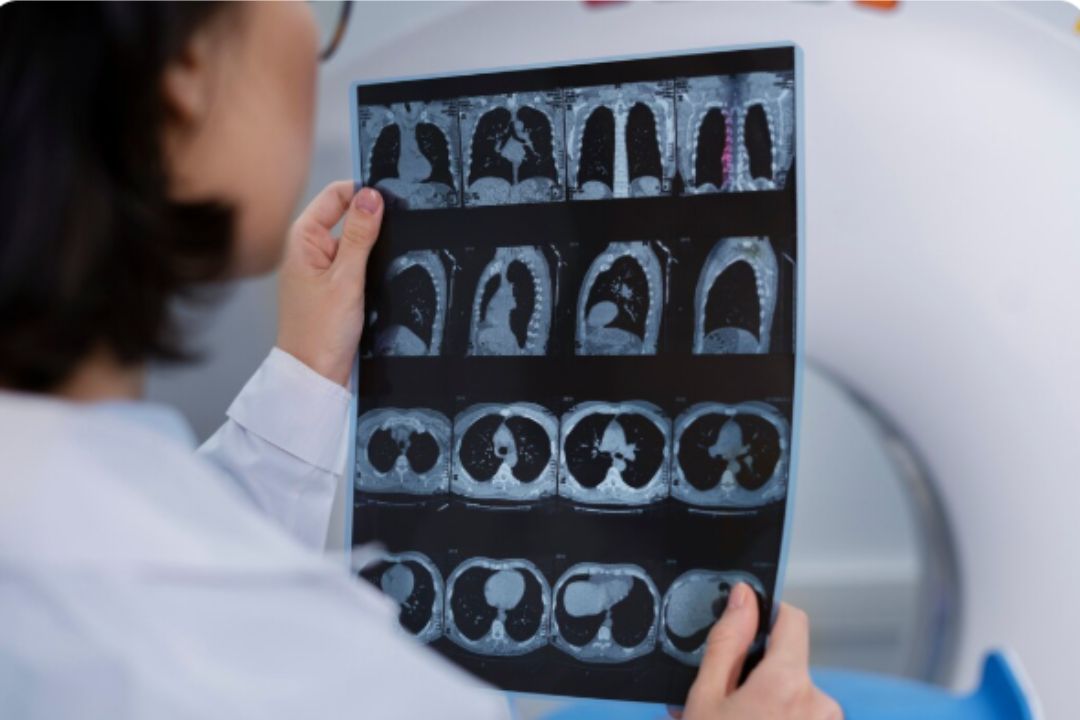
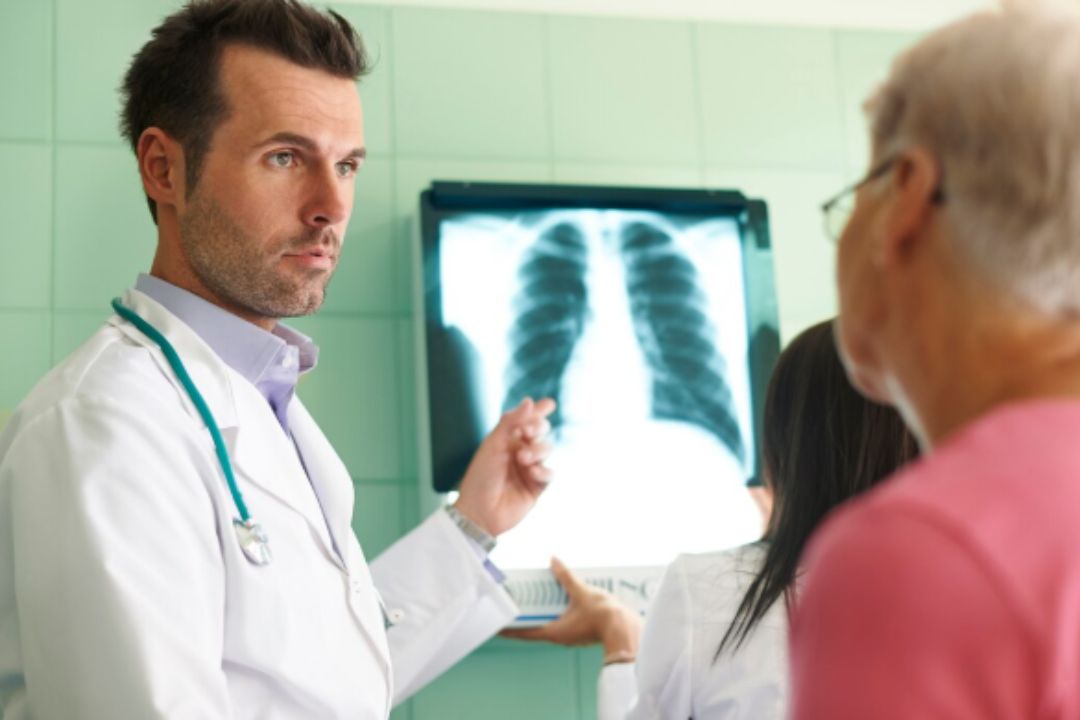
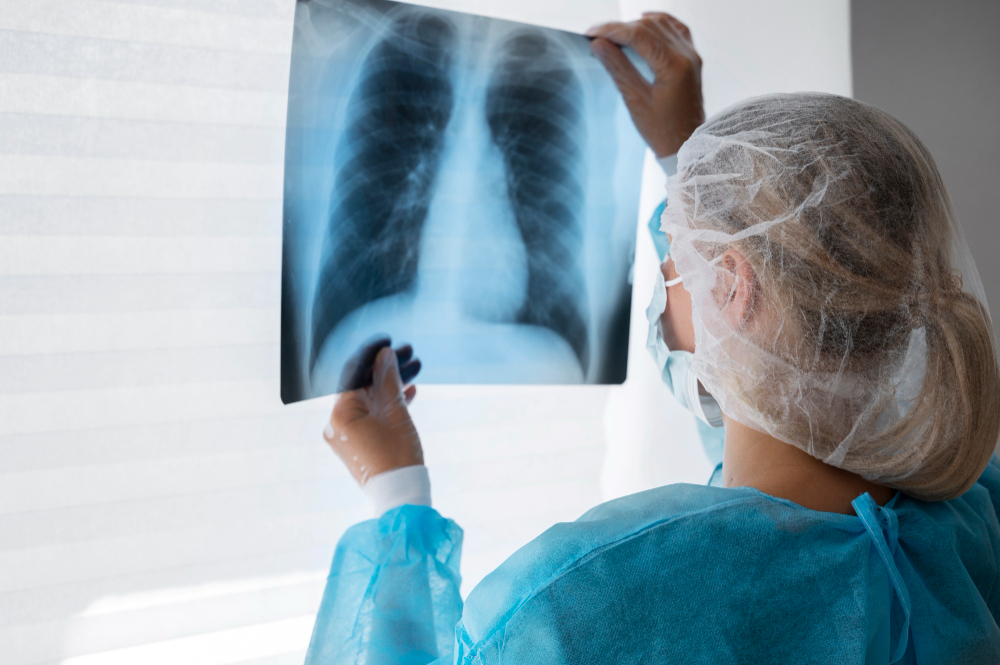
CT scans of the chest provide highly detailed images of the lungs and surrounding structures. Doctors use them to detect conditions such as:
Lung infections
Pulmonary embolism
Lung cancer
Severe inflammation or damage
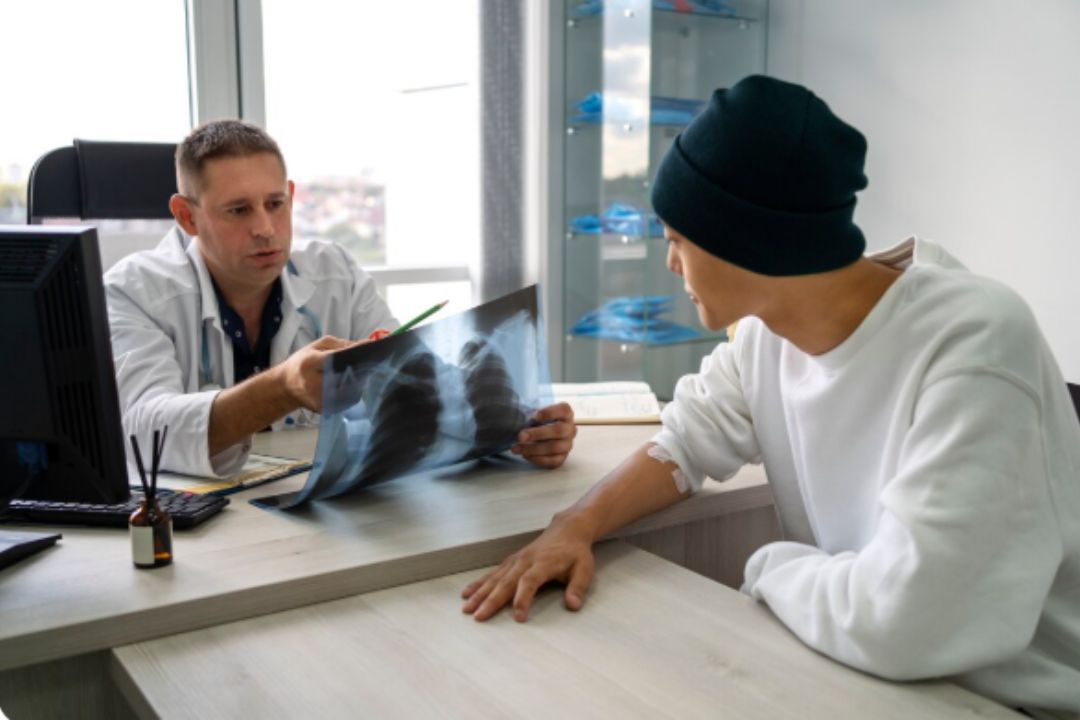
These scans help doctors assess the severity of the condition and guide treatment decisions.
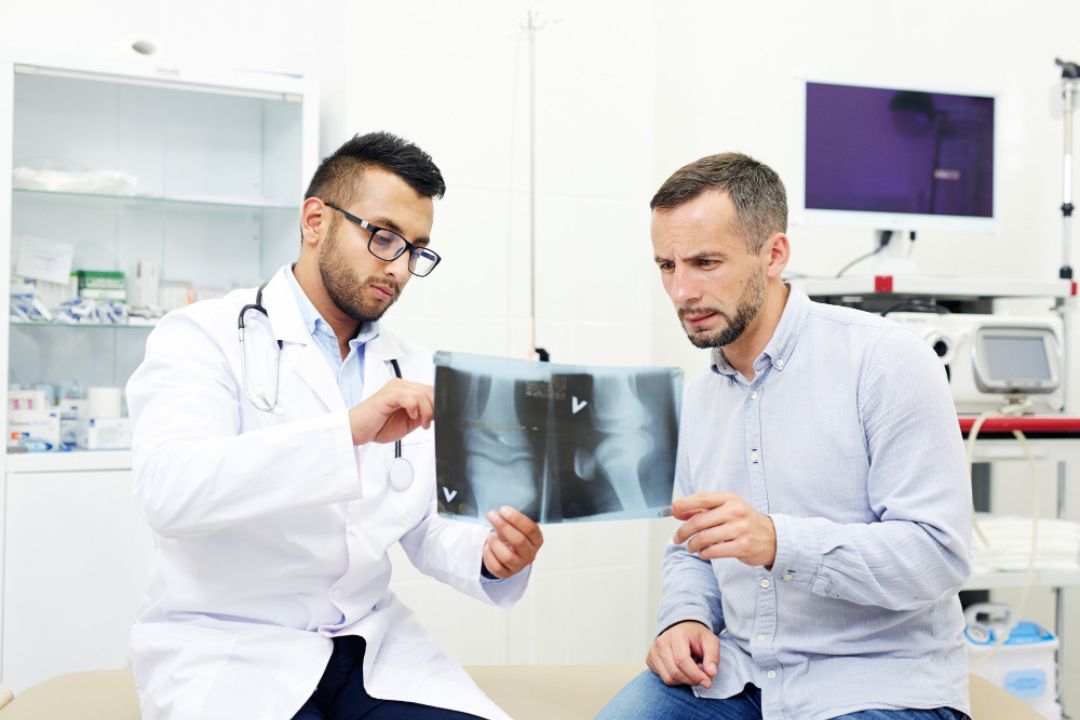
In trauma or accident cases, CT scans are often used to identify internal injuries. They can reveal:
Internal bleeding
Organ damage
Bone fractures
Blood vessel injuries
Because CT scans produce quick and accurate results, they are commonly used in emergency departments.
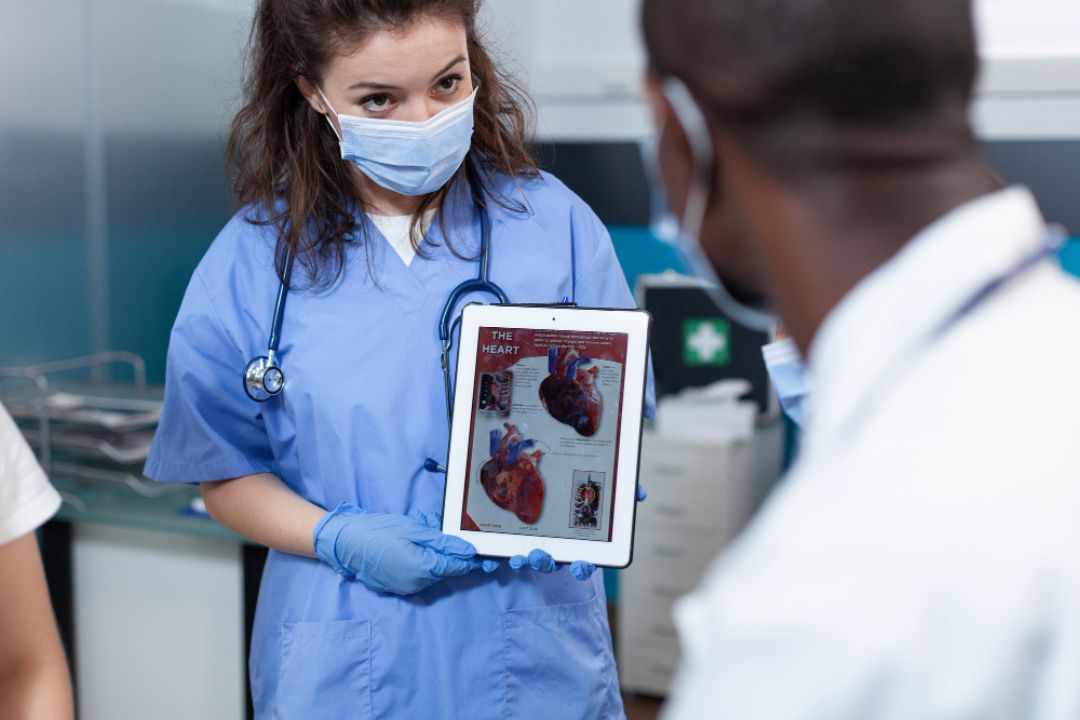
CT scans can also help identify life-threatening cardiovascular conditions such as:
Blocked arteries
Aortic aneurysm
Blood clots
Detecting these conditions early allows doctors to prevent serious complications like heart attacks or strokes.
CT scans offer several advantages that make them essential in modern healthcare:
Fast and accurate diagnosis
Detailed images of internal organs
Non-invasive procedure
Helpful in emergency situations
Guides treatment planning
These benefits make CT scans one of the most reliable tools for diagnosing critical medical conditions.
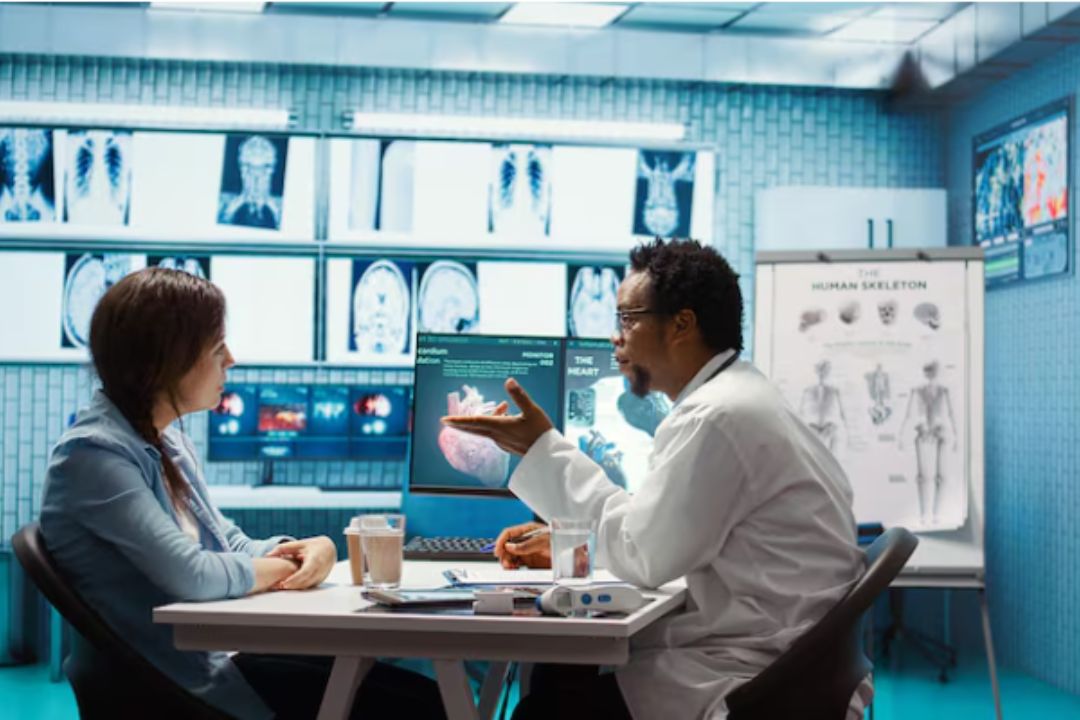
CT Scans play a vital role in identifying life-threatening diseases and improving patient outcomes. By providing clear and detailed images of the body, they allow doctors to detect serious conditions early and begin treatment promptly.
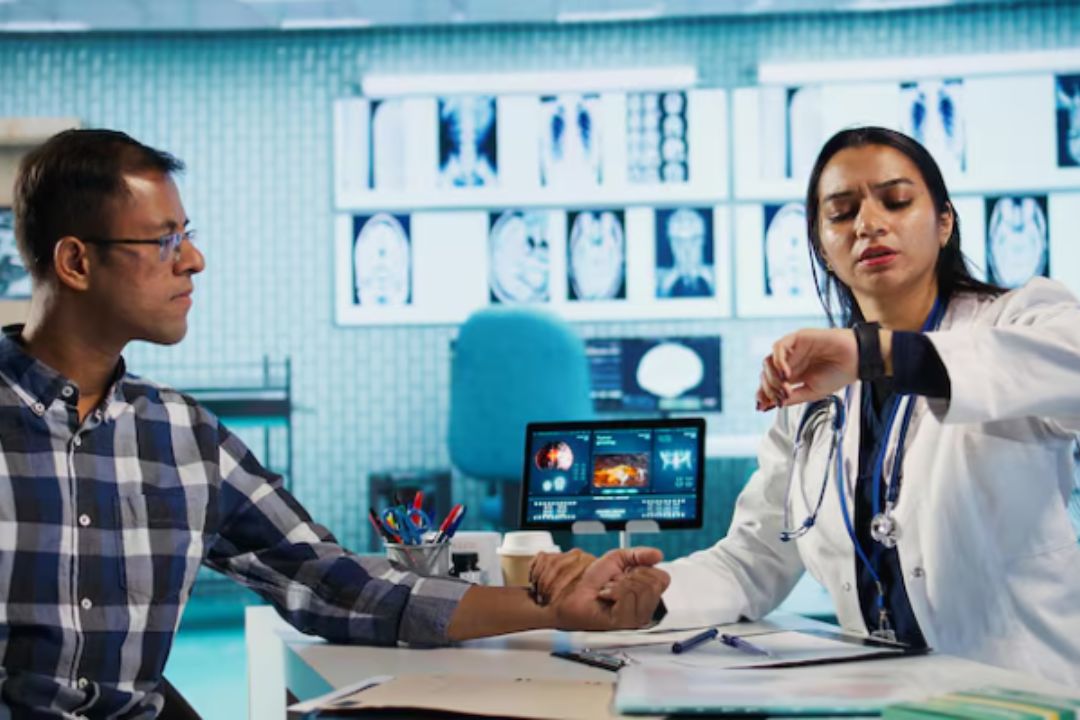
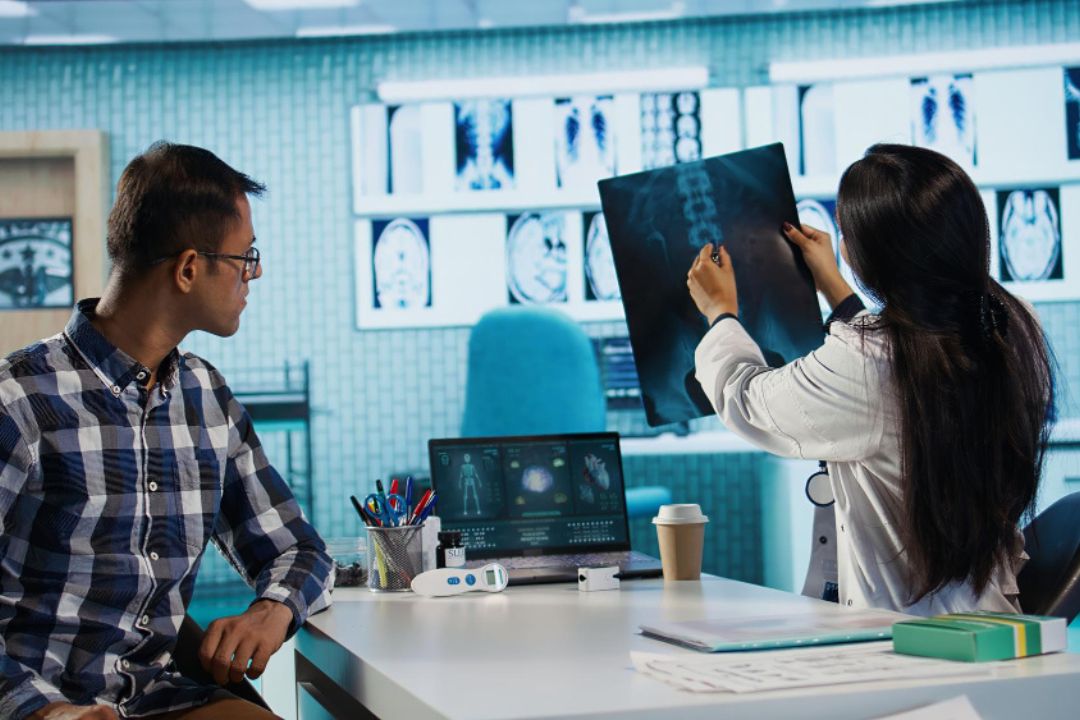
If your doctor recommends a CT scan, it is an important step in diagnosing potential health problems and ensuring timely medical care. Early detection through advanced imaging technology can make a significant difference in managing serious diseases and protecting your health.





.jpg "ct brain scan plain and contrast")


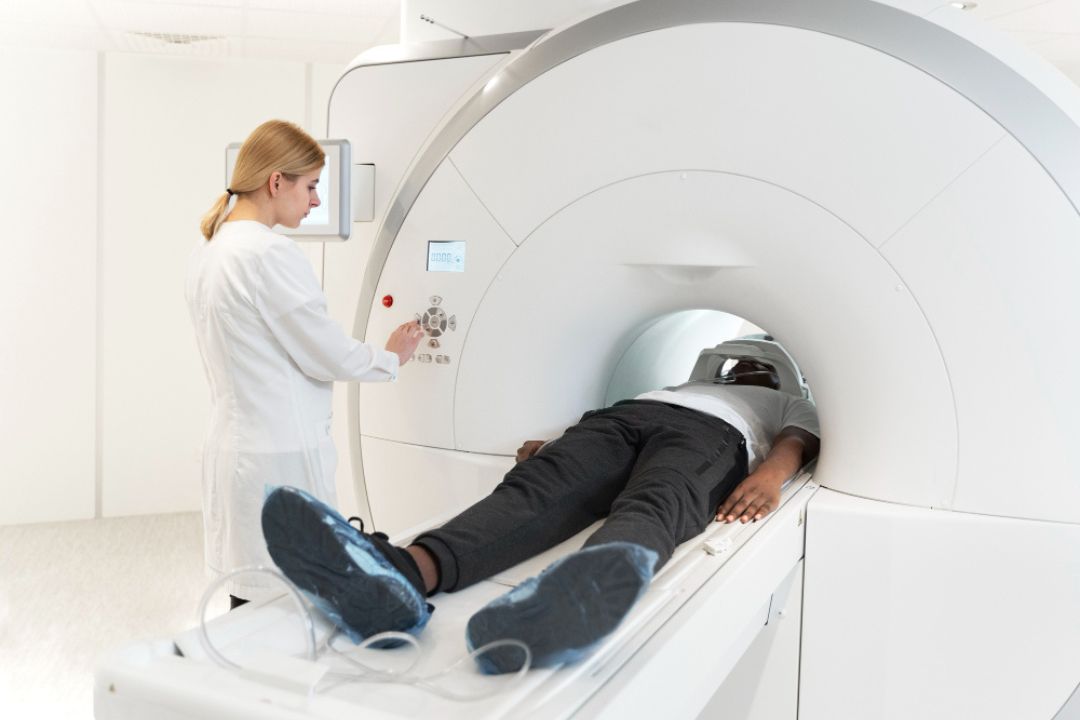
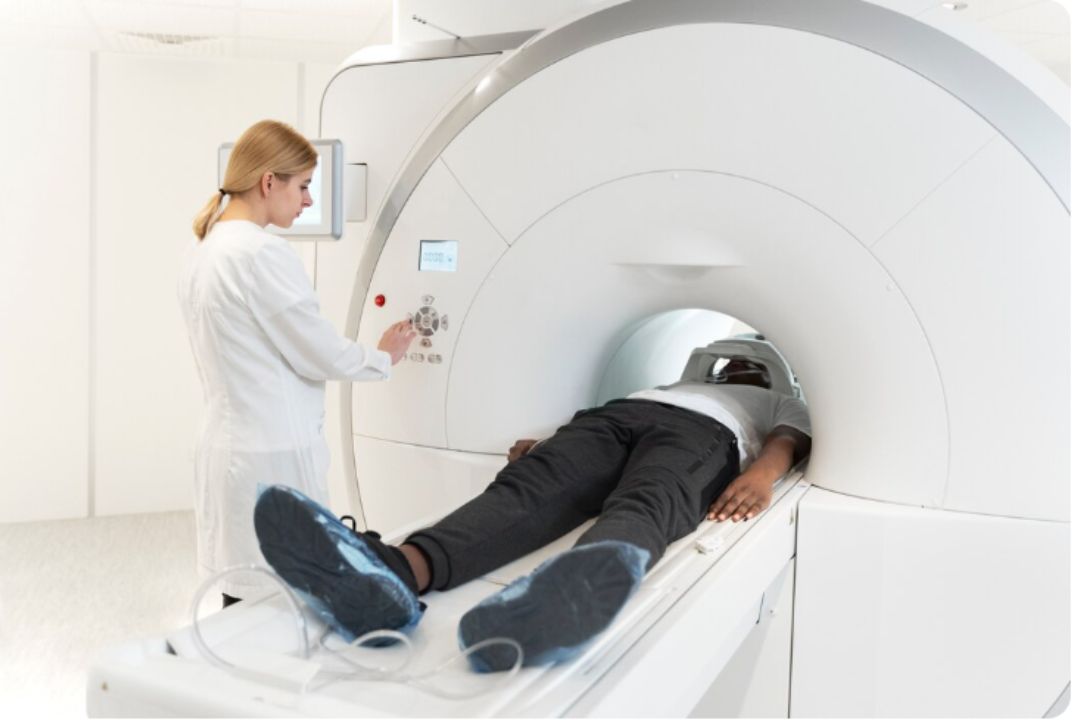
.jpg "ct scan")
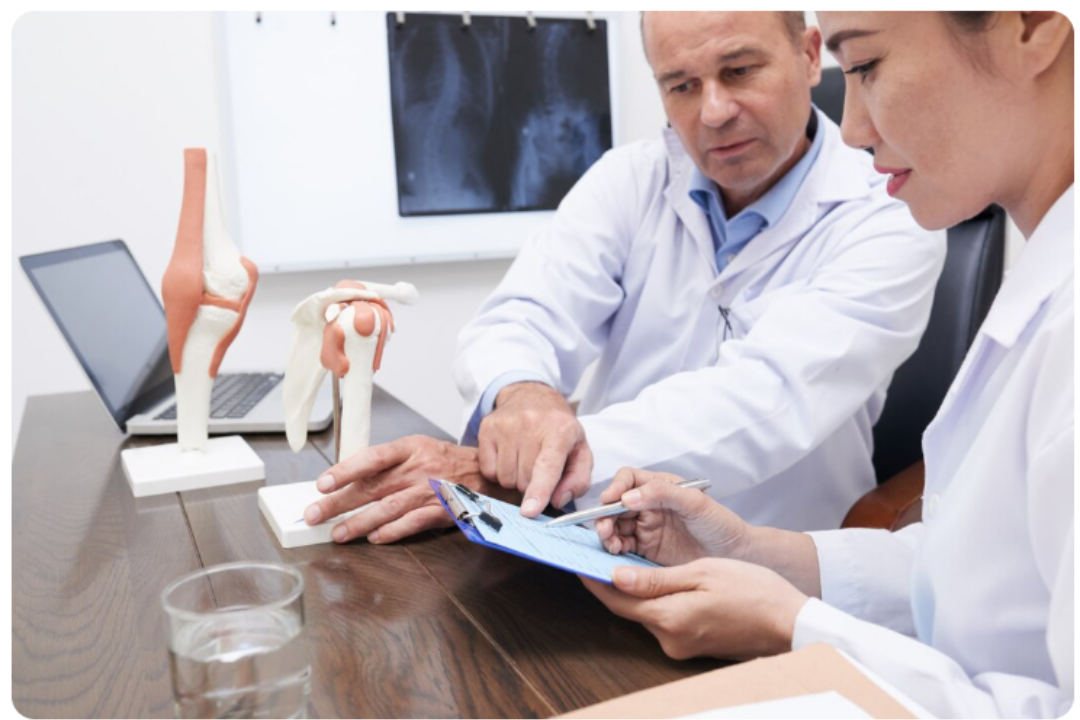
.jpg "ct scan or mri for brain disorders")


.jpg "exploring the power of ct brain contrast in modern diagnostics")
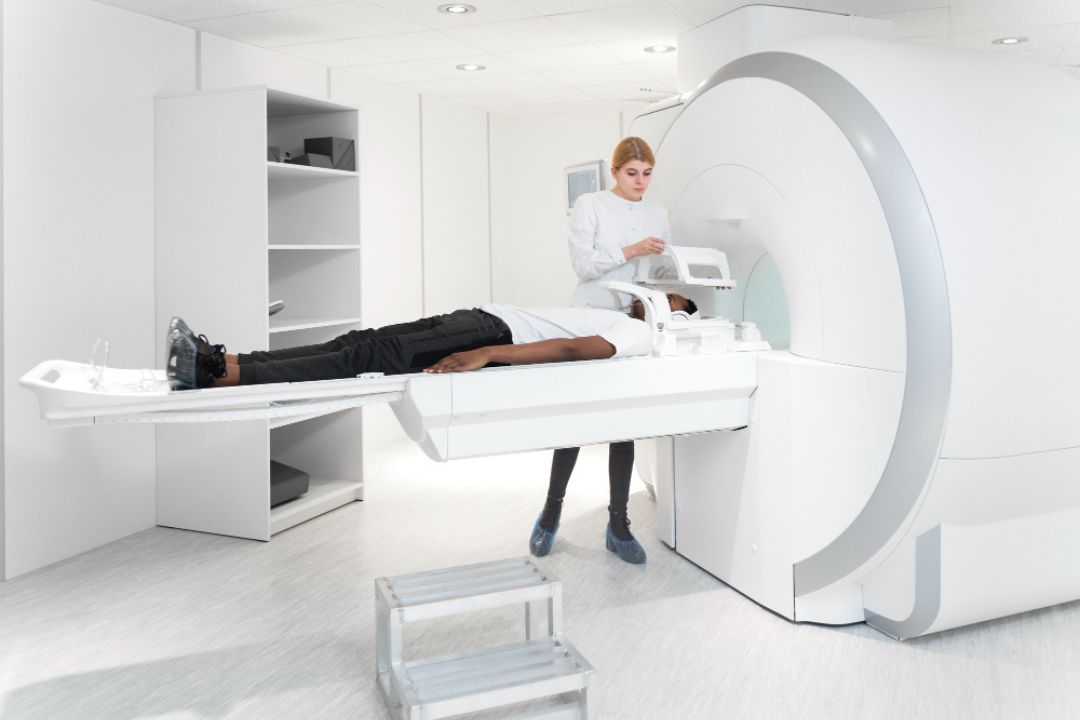
.jpg "ct scan")
.jpg "ct scan")





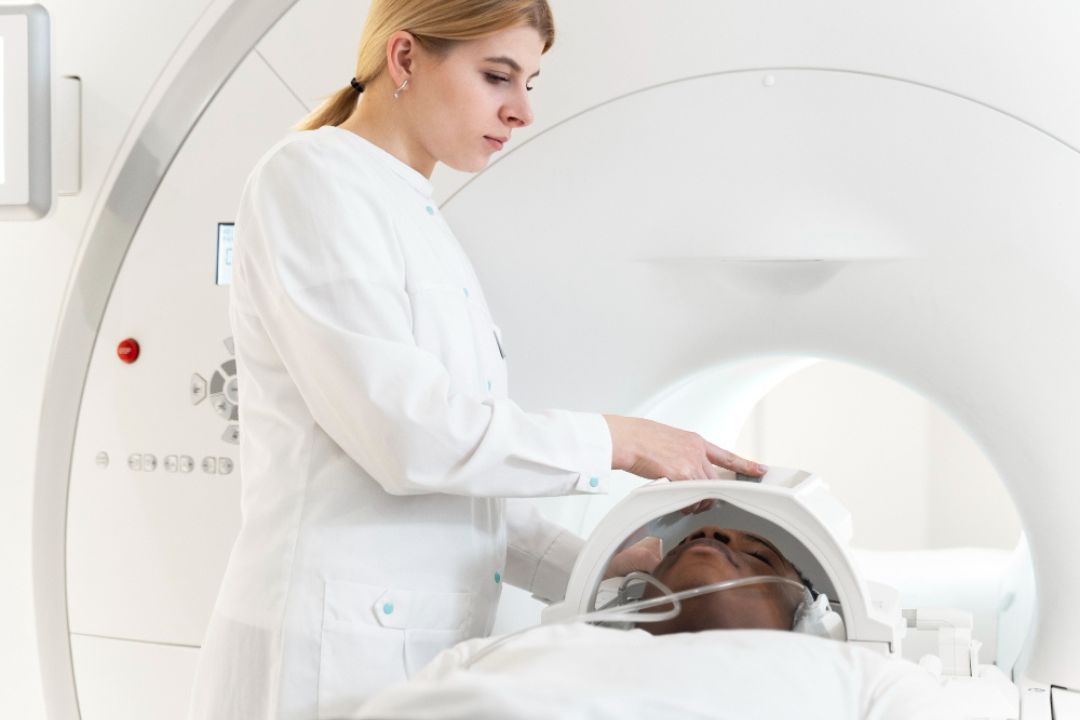

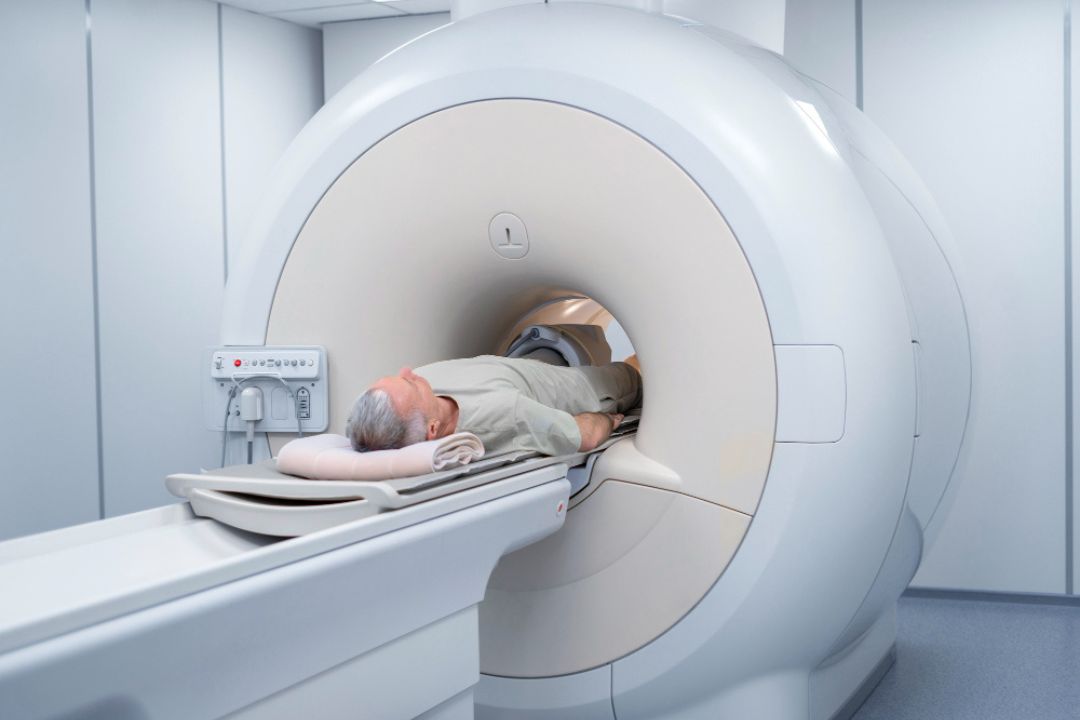
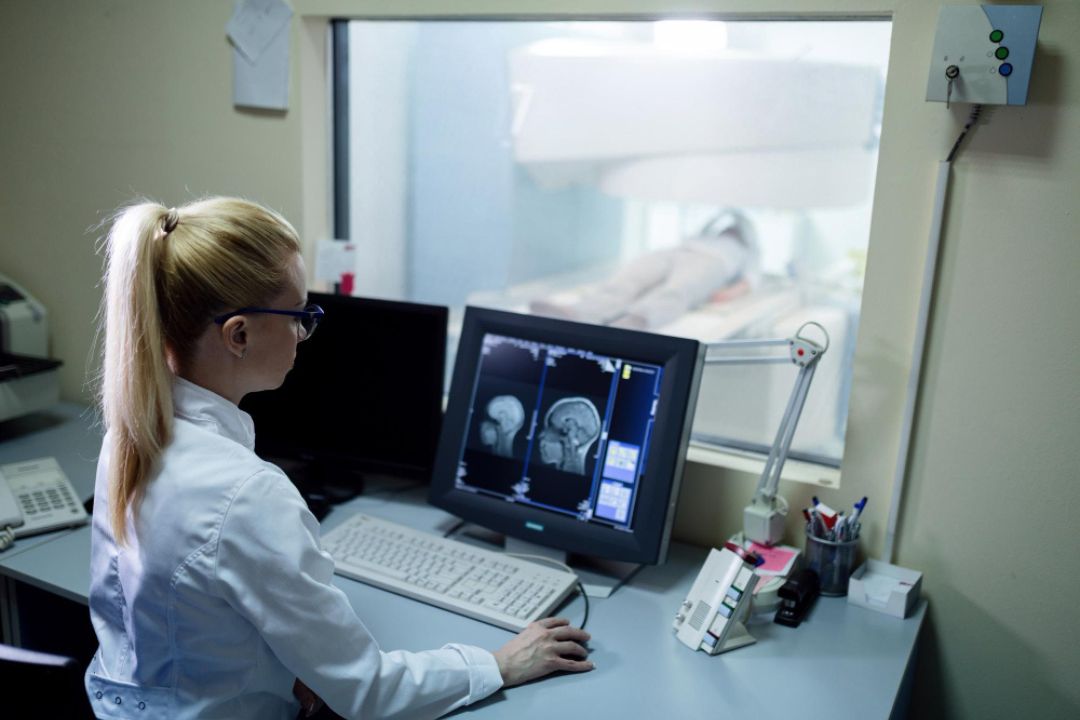
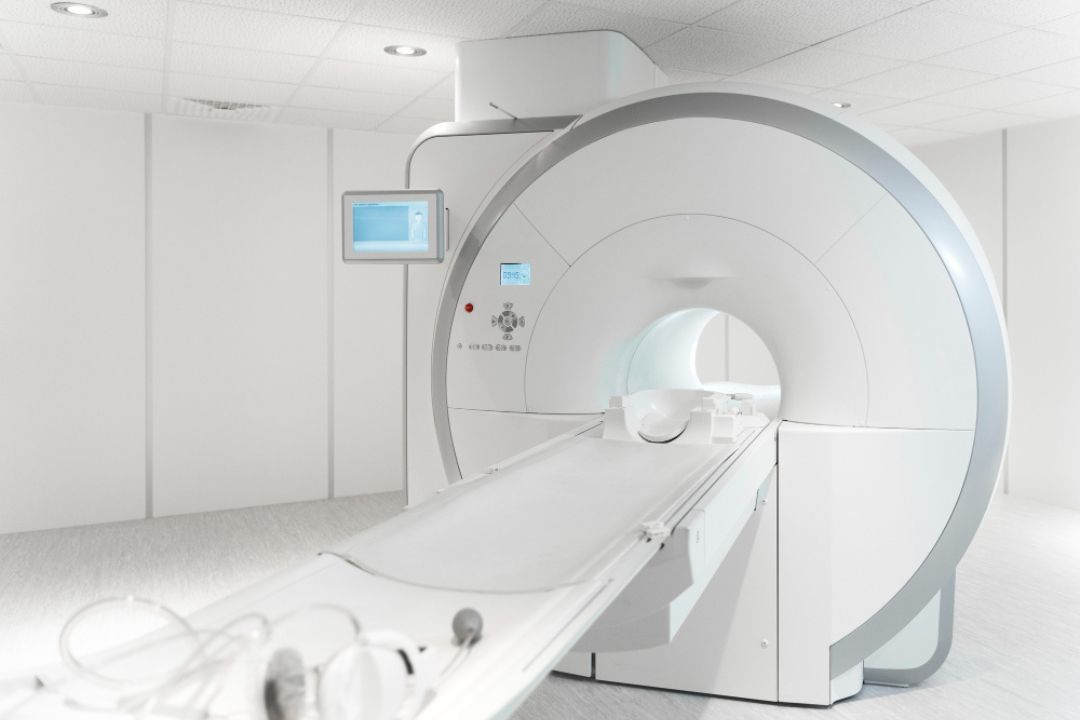
.jpg "ct scan")

.jpg "CT Brain Scan for Headaches")
.jpg "The Future of 3D CT Imaging")