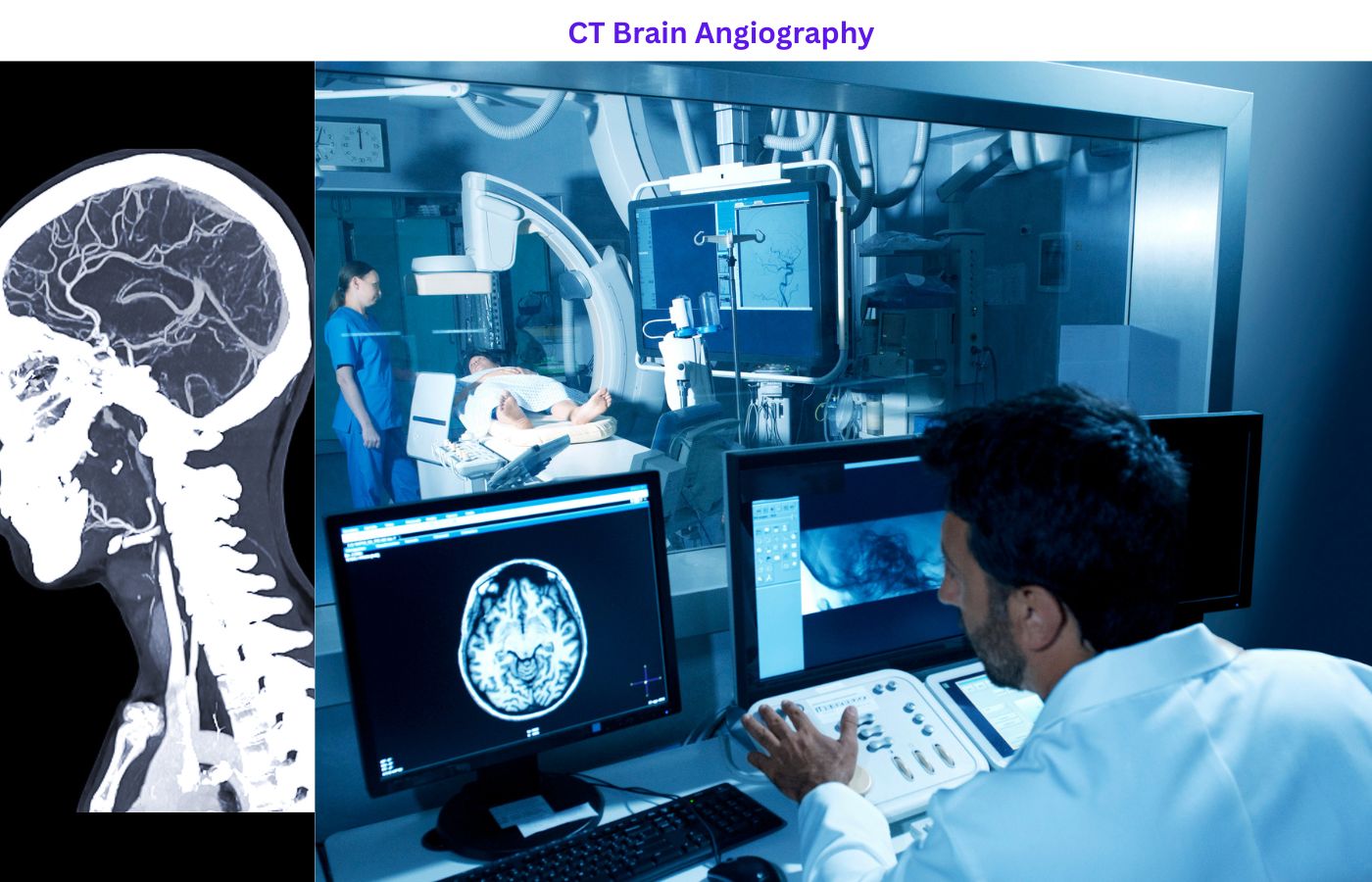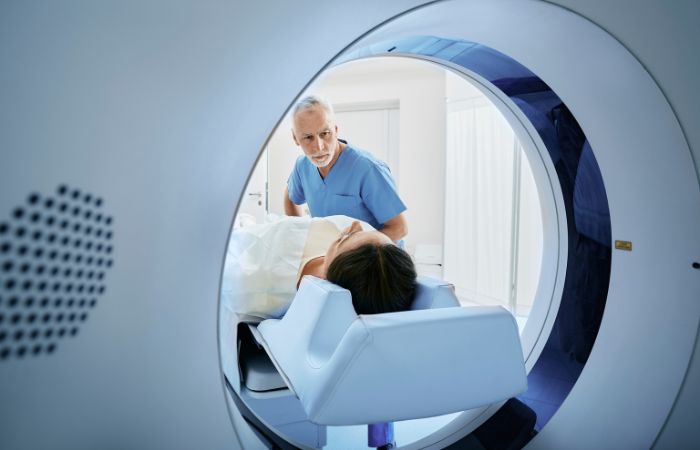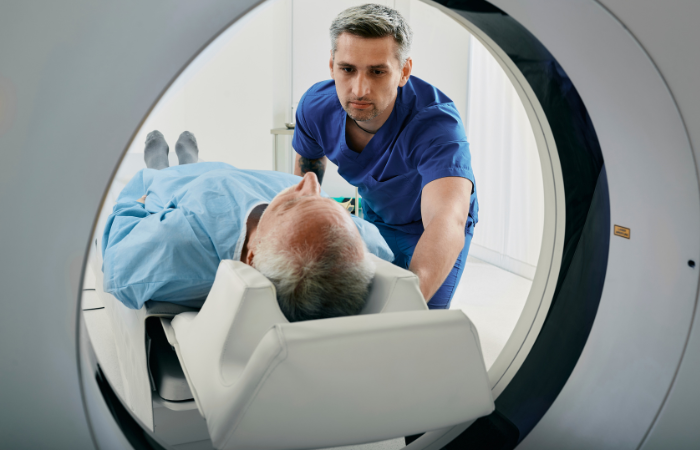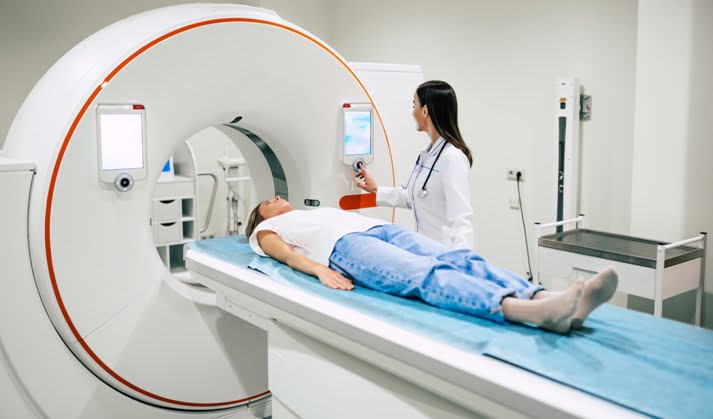
Many patients feel concerned when their doctor recommends a CT scan because the word “radiation” can sound alarming. However, it is important to understand that radiation exposure is part of everyday life. Every person is exposed to natural background radiation from the environment, even without undergoing any medical tests.
Visit Now: https://www.diagnopein.com/ct-scan/Mumbai
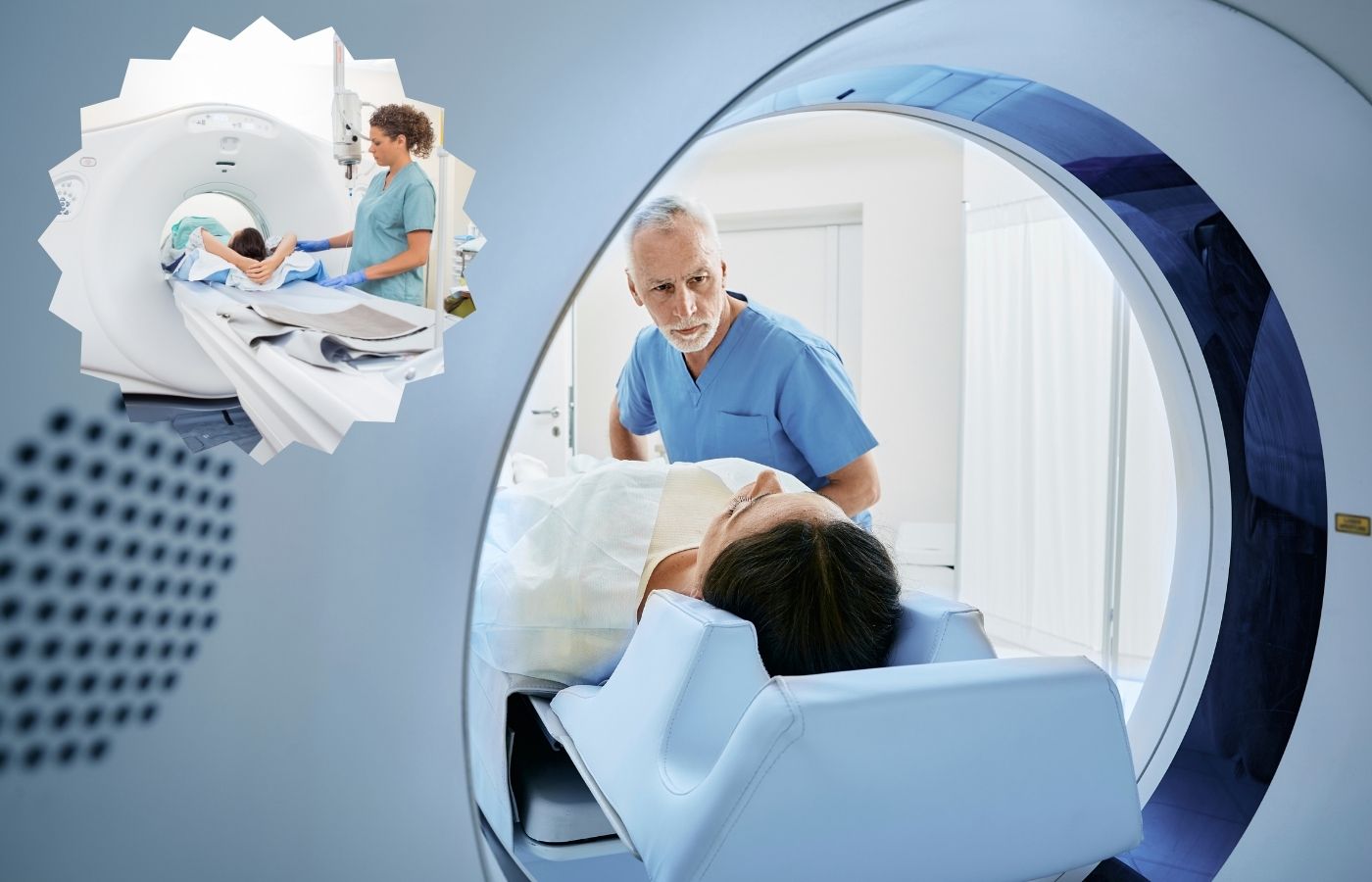
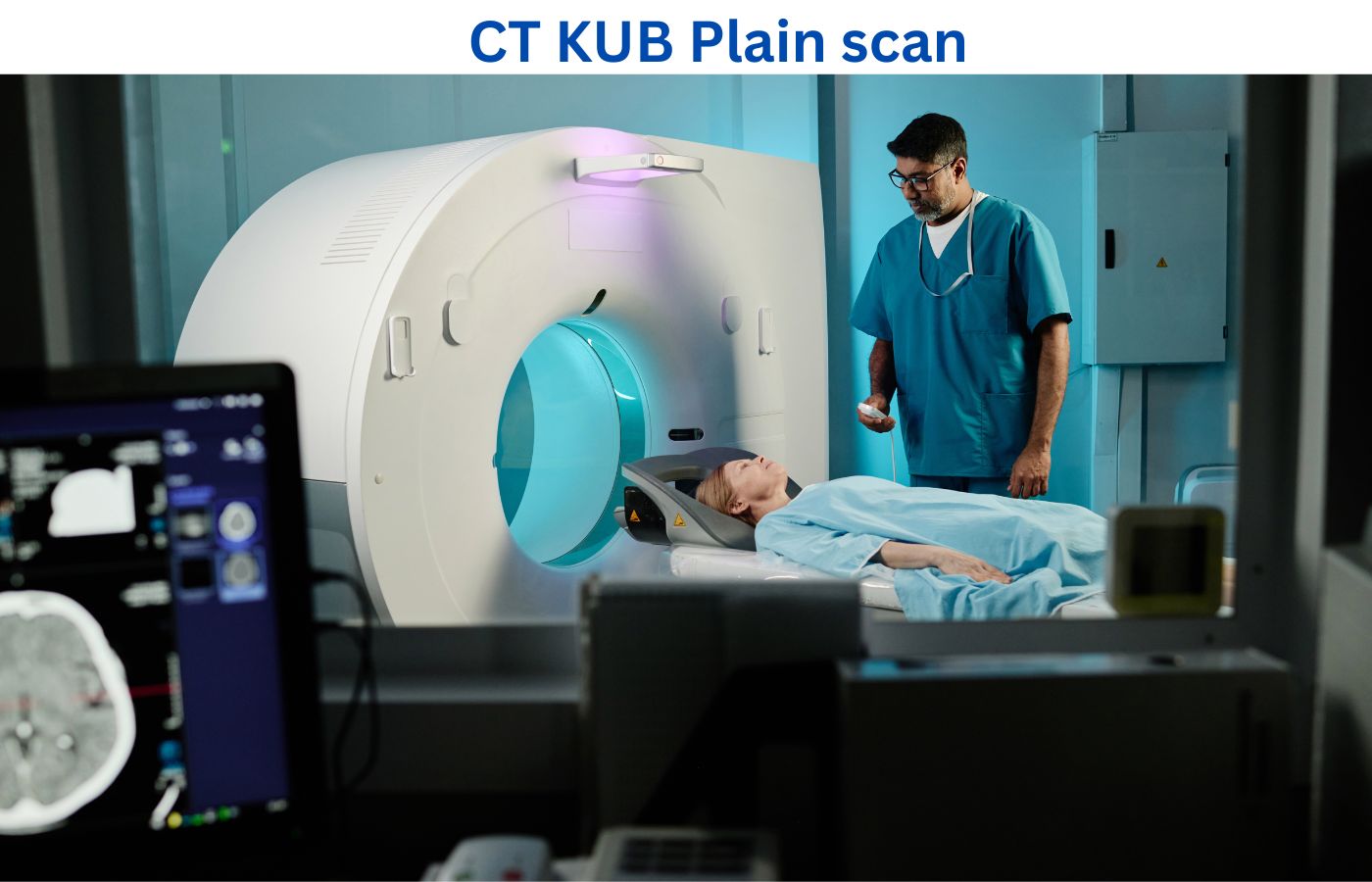
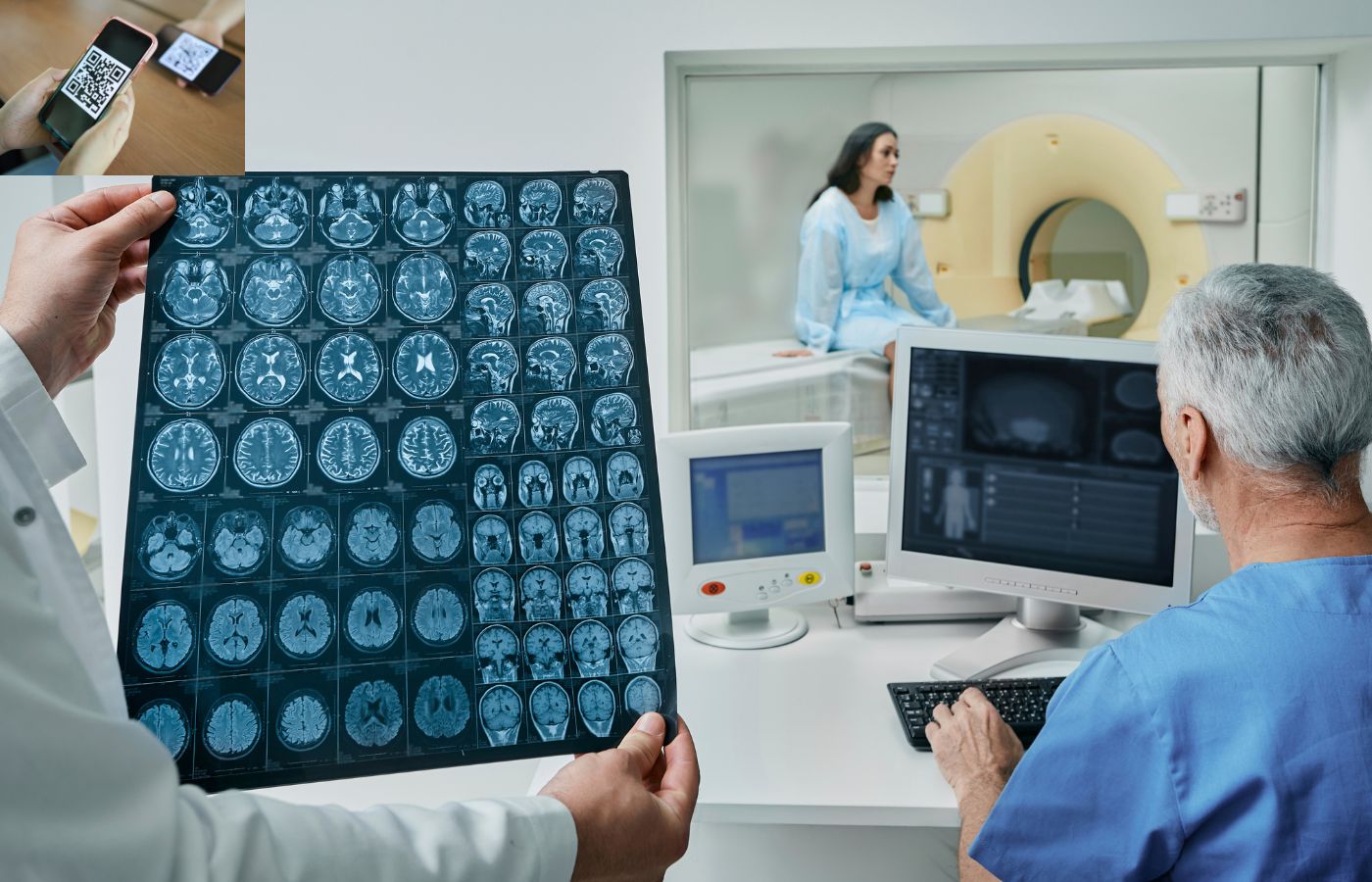
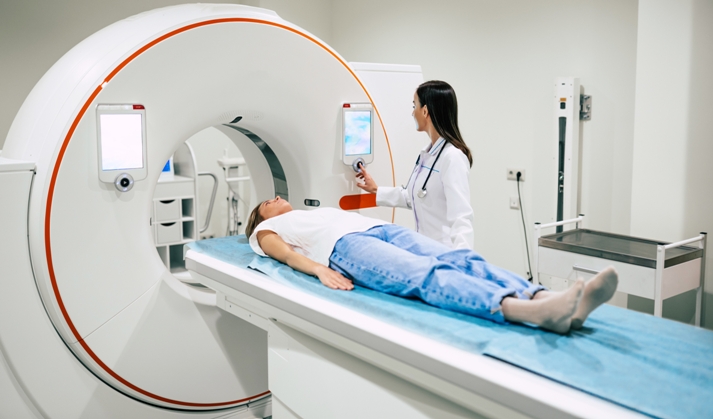
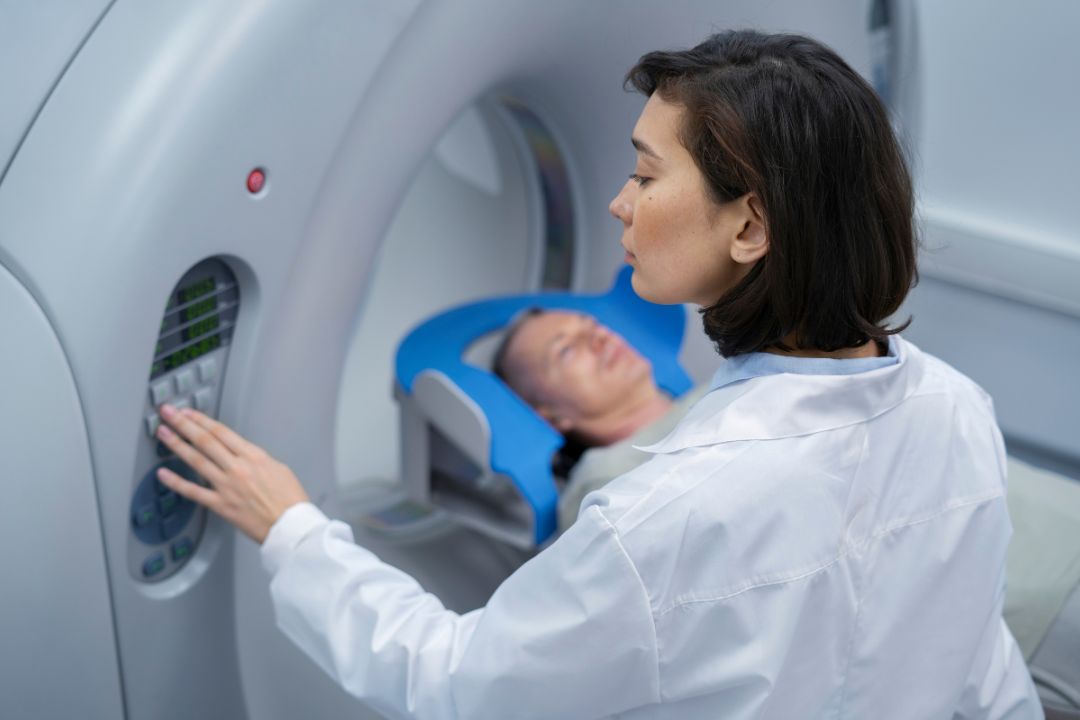
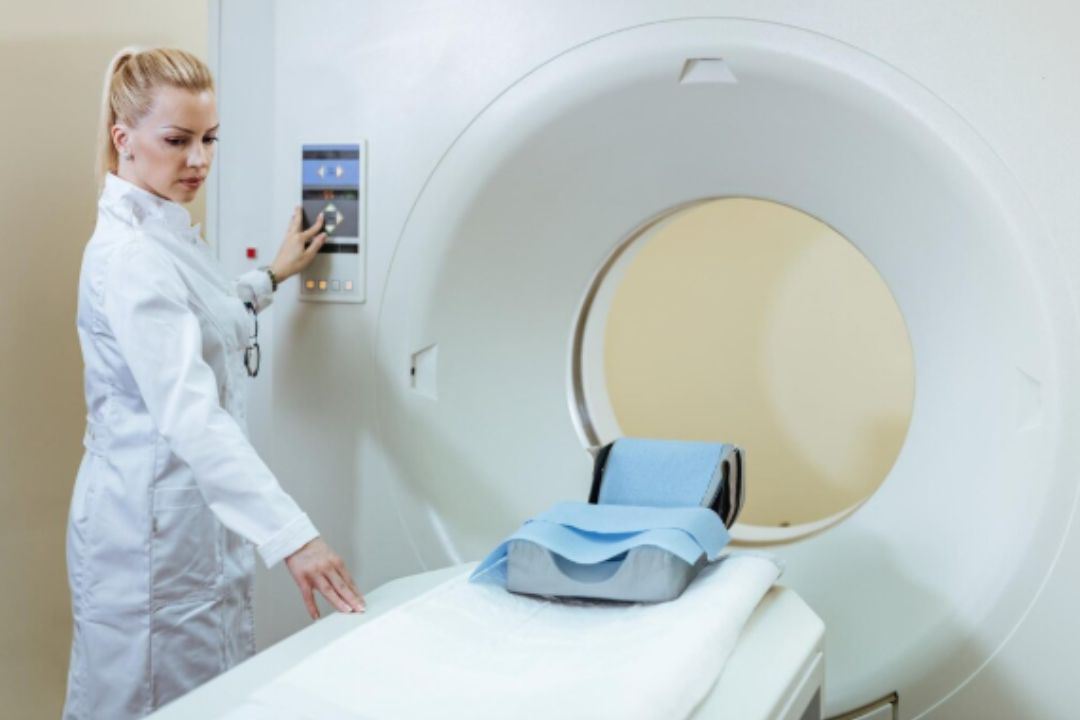
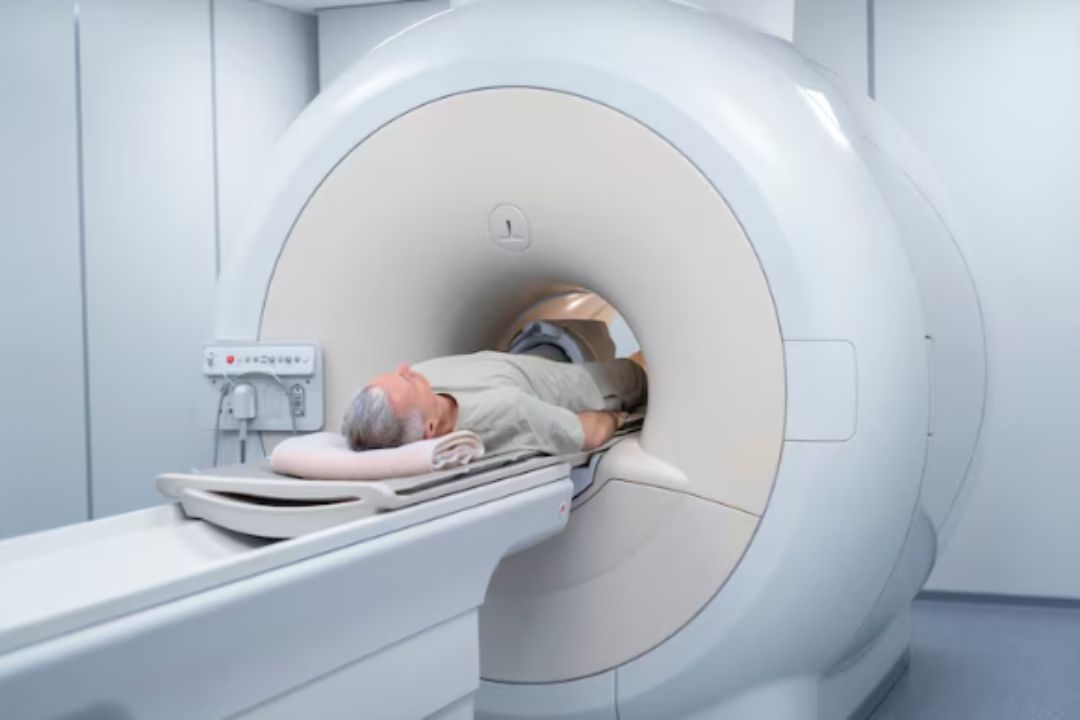
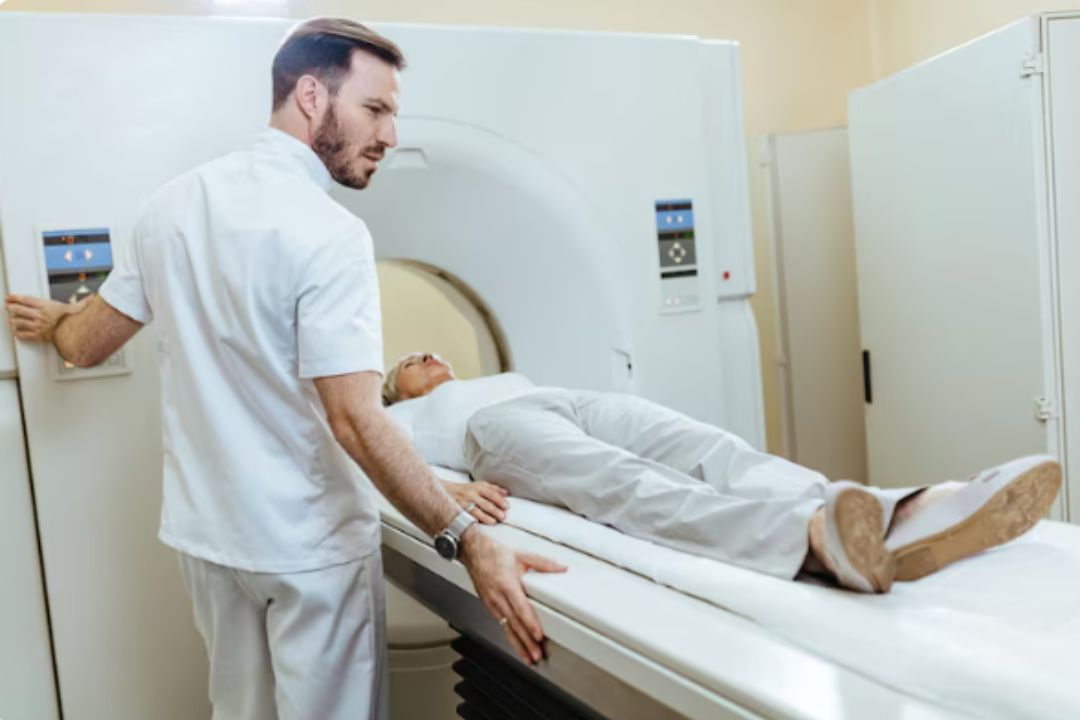
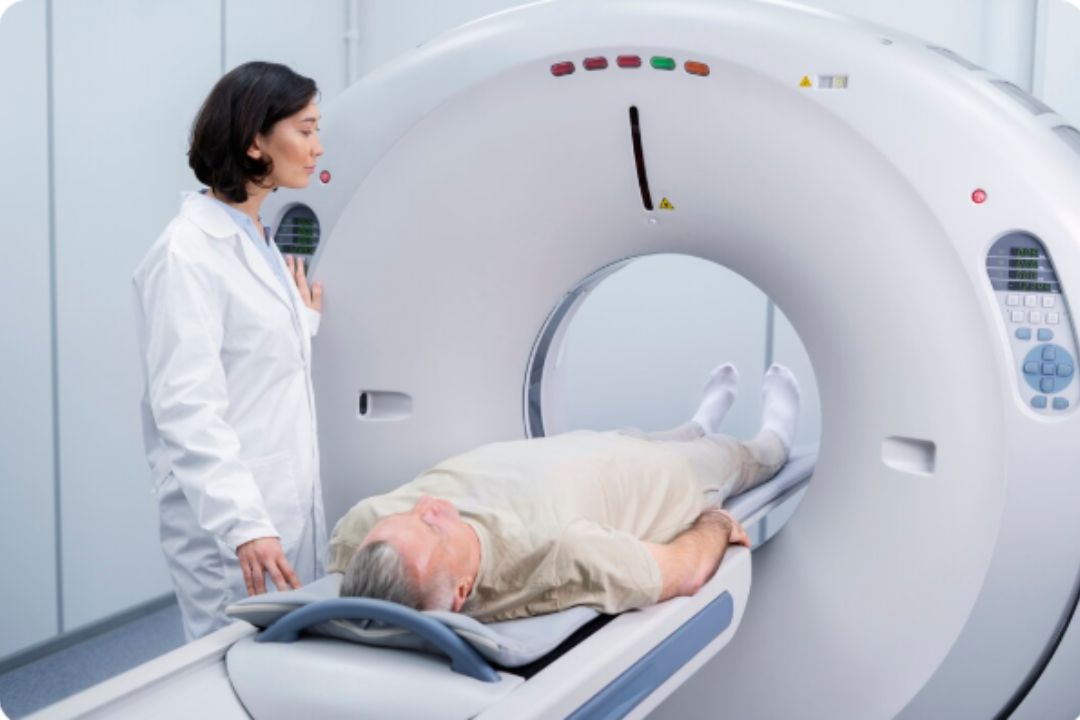
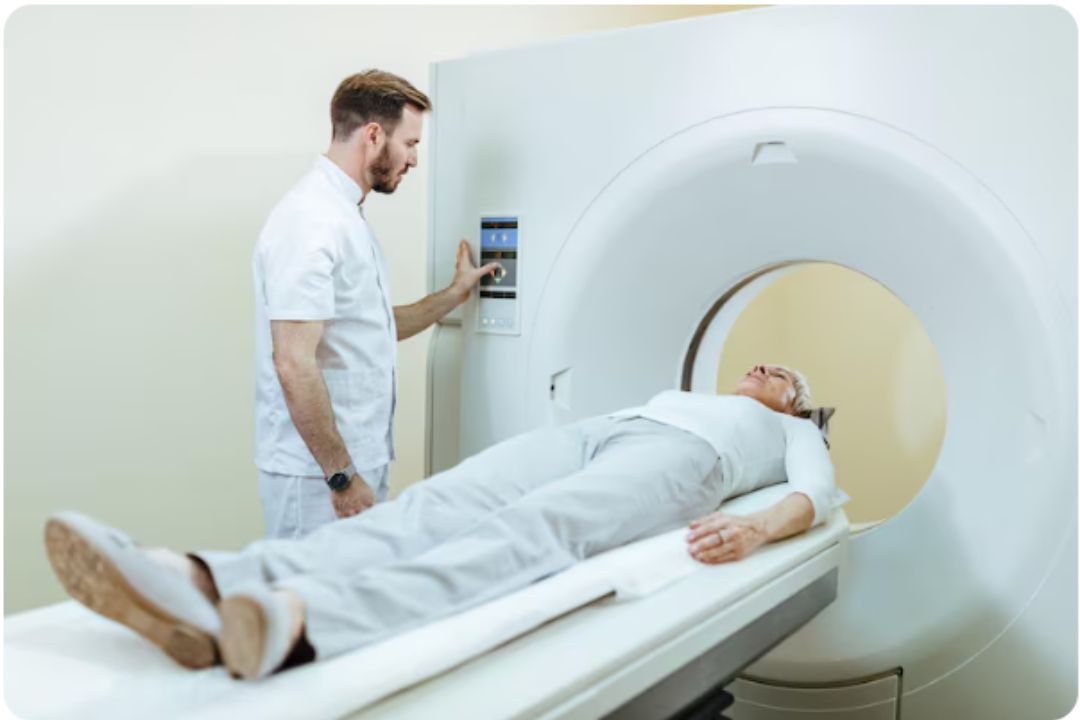
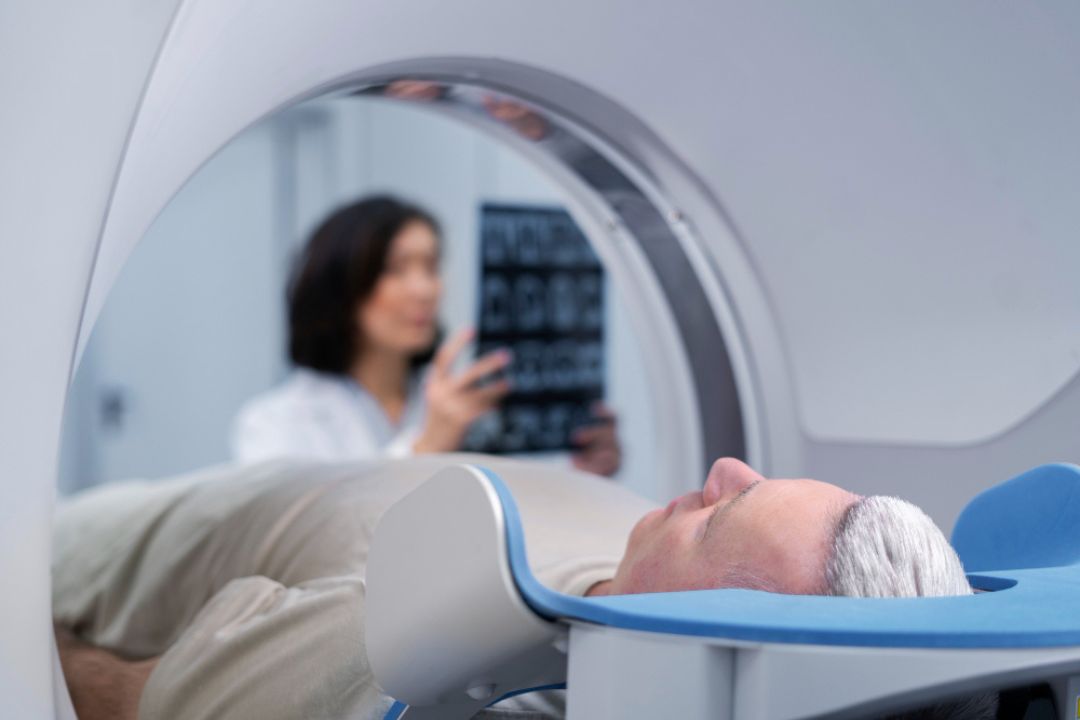
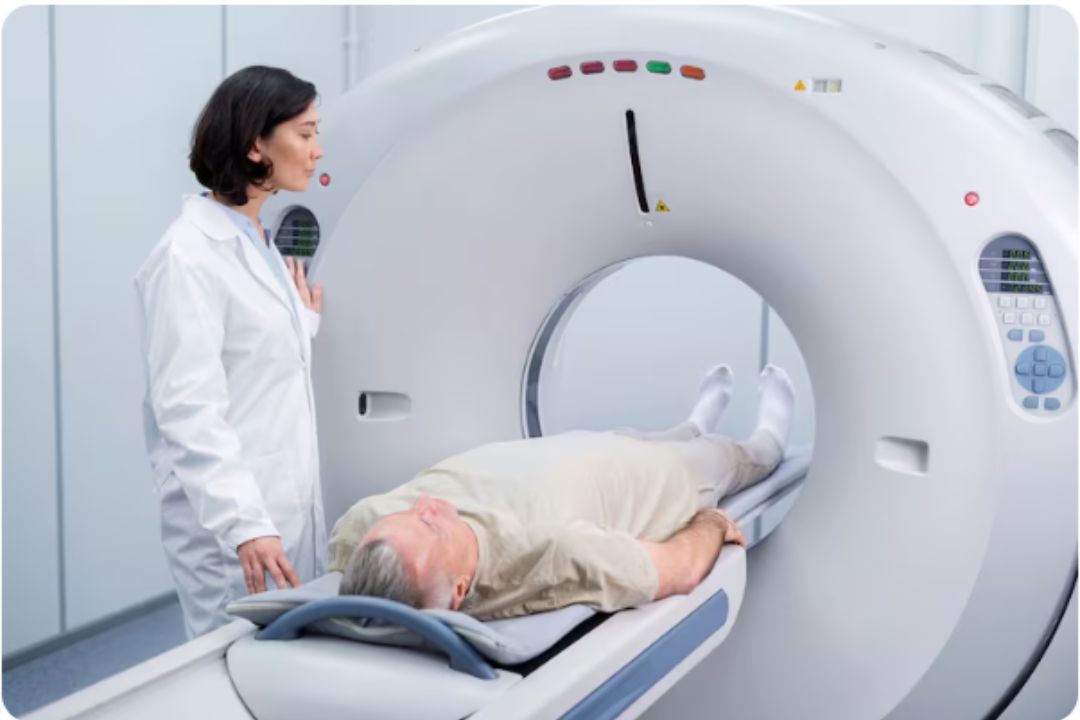
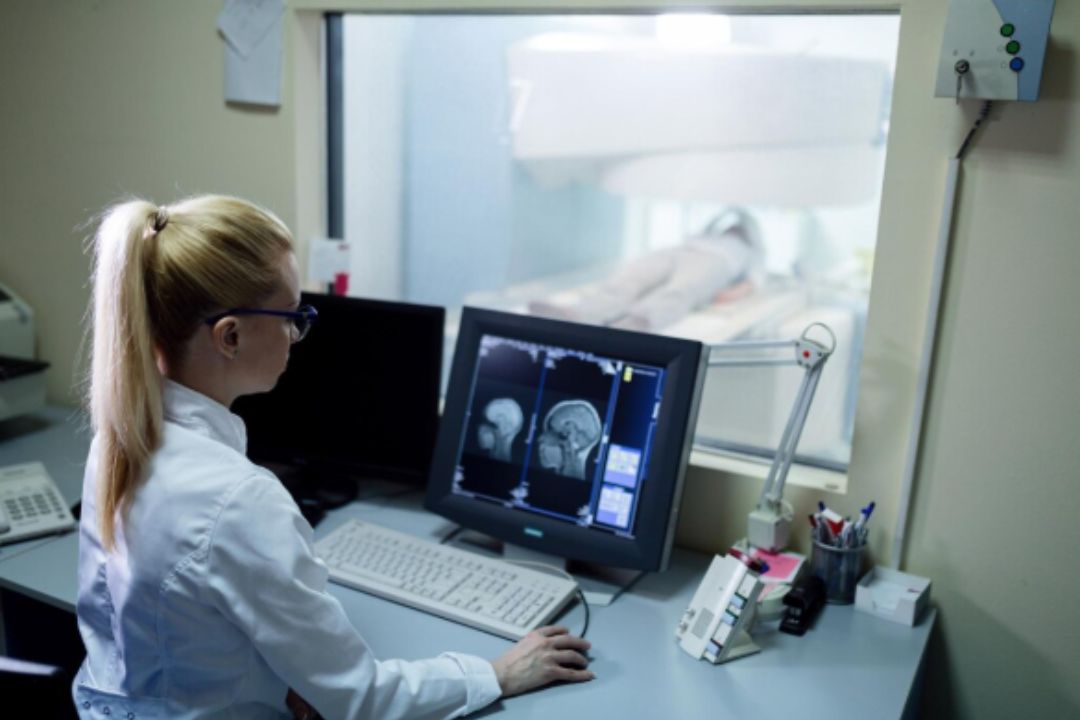
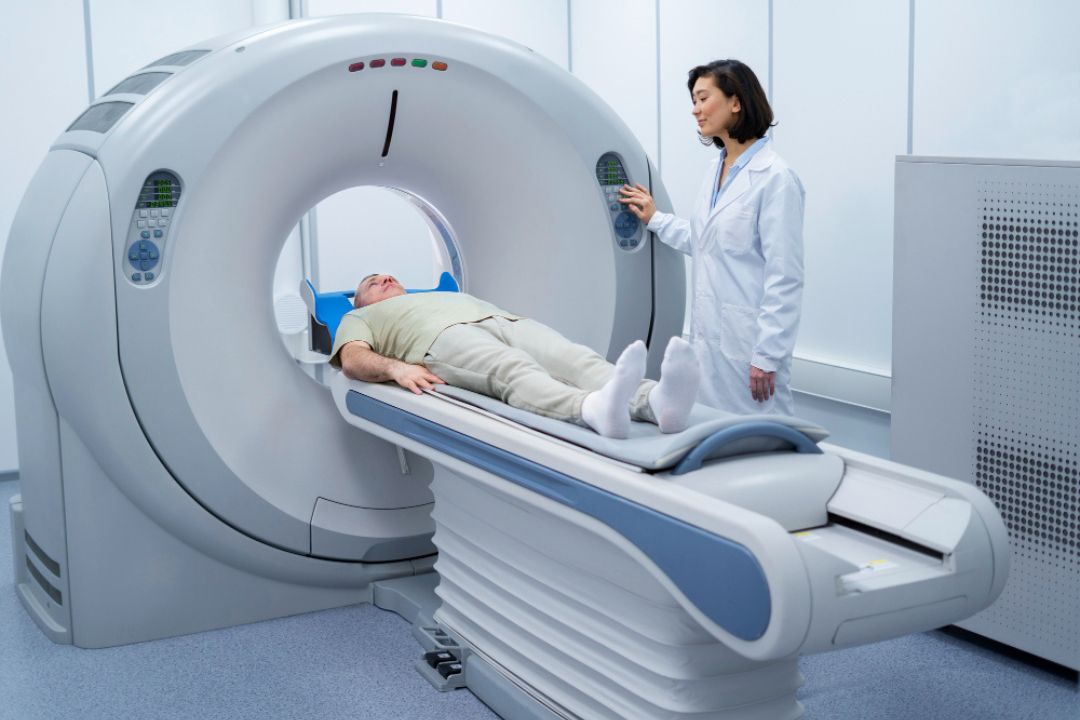
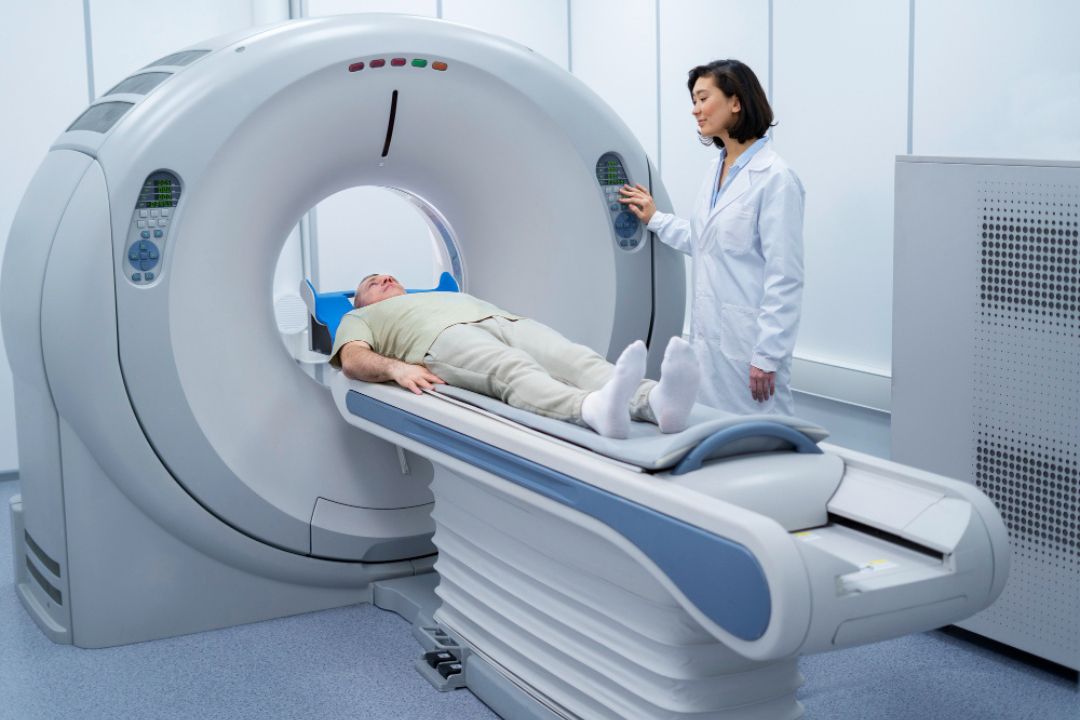
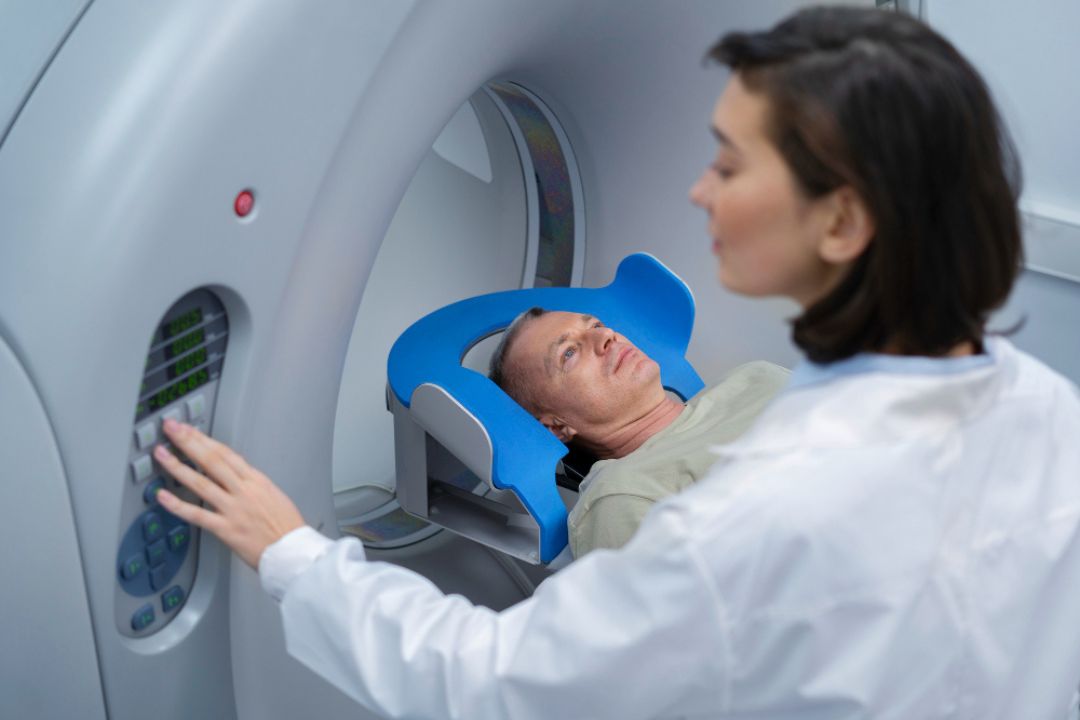
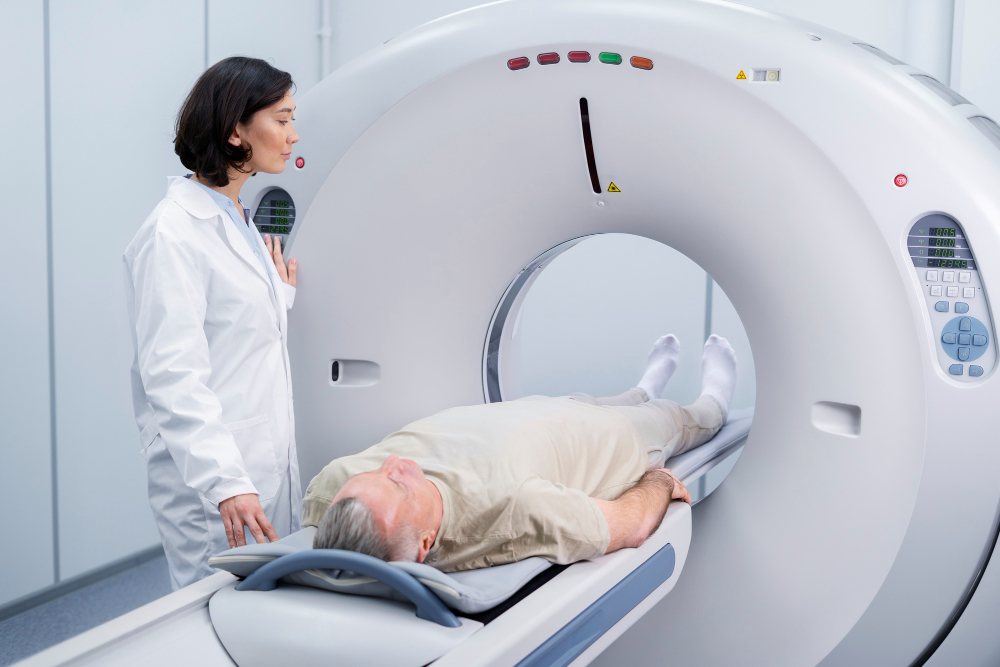
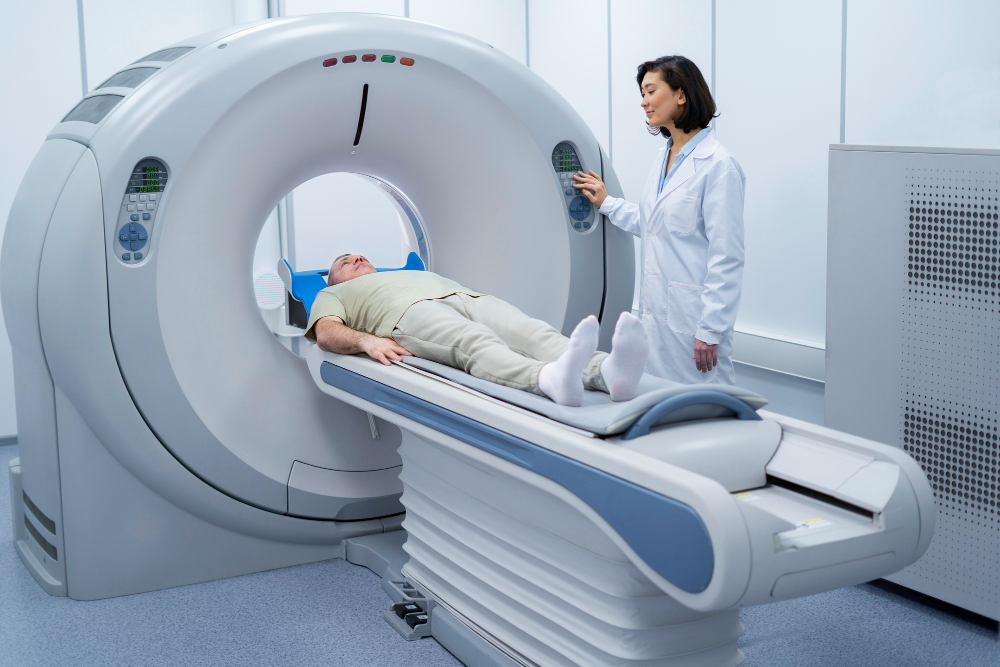
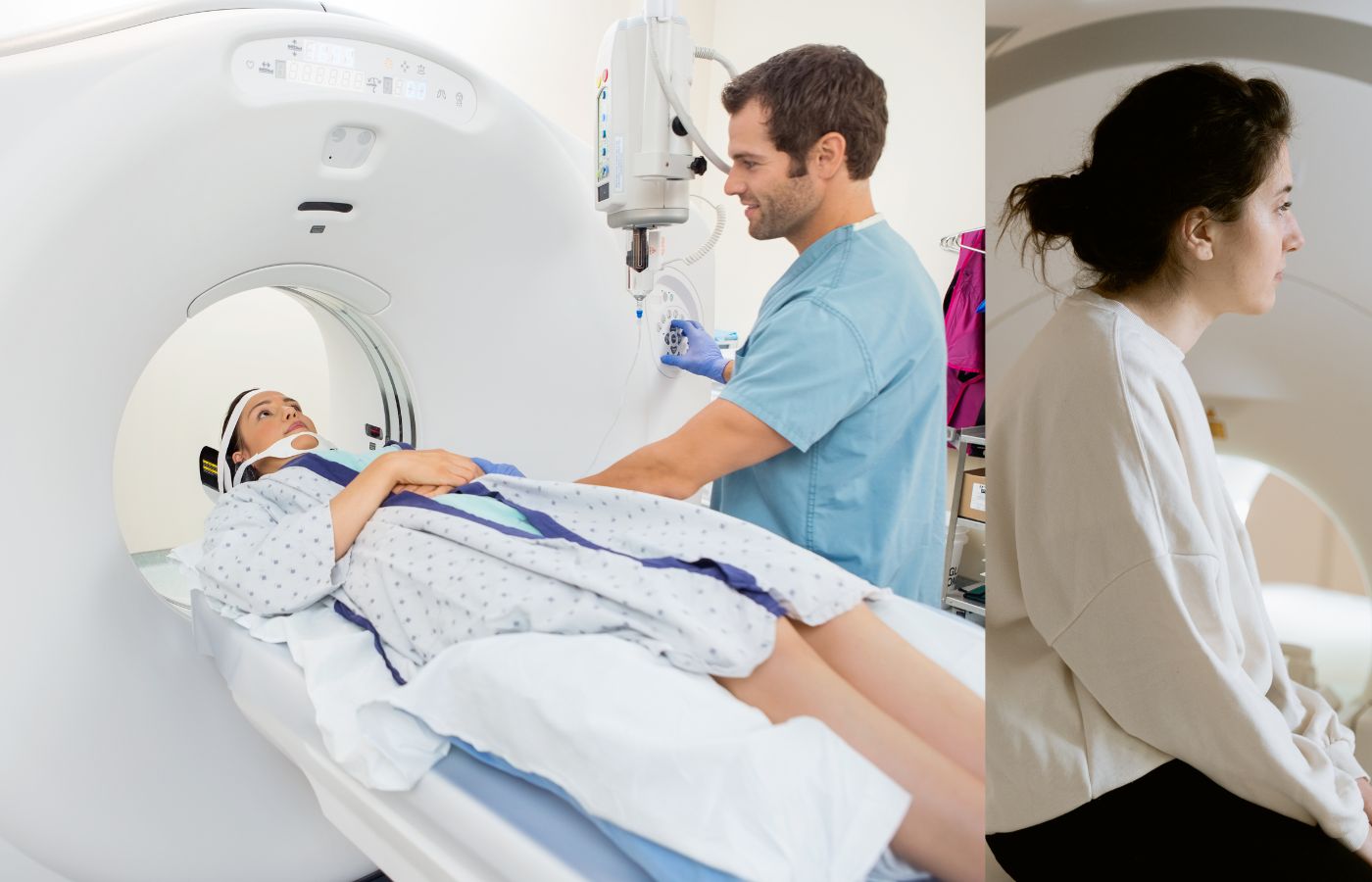
A CT scan uses controlled X-ray radiation to create detailed images of the inside of the body. To understand the real risk, it helps to compare the radiation from a CT scan with the radiation we receive daily from natural sources.
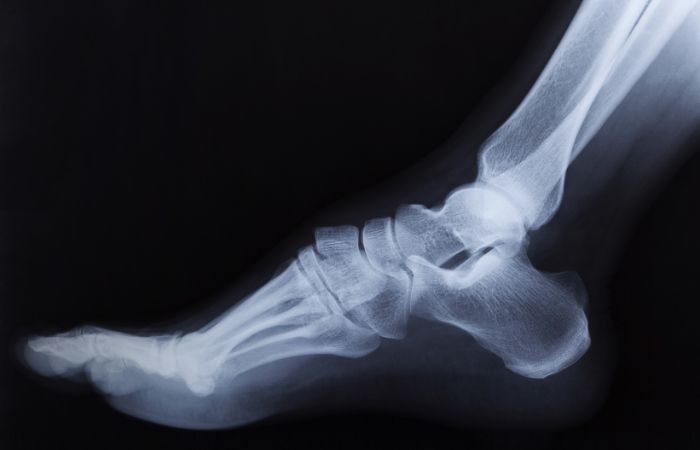
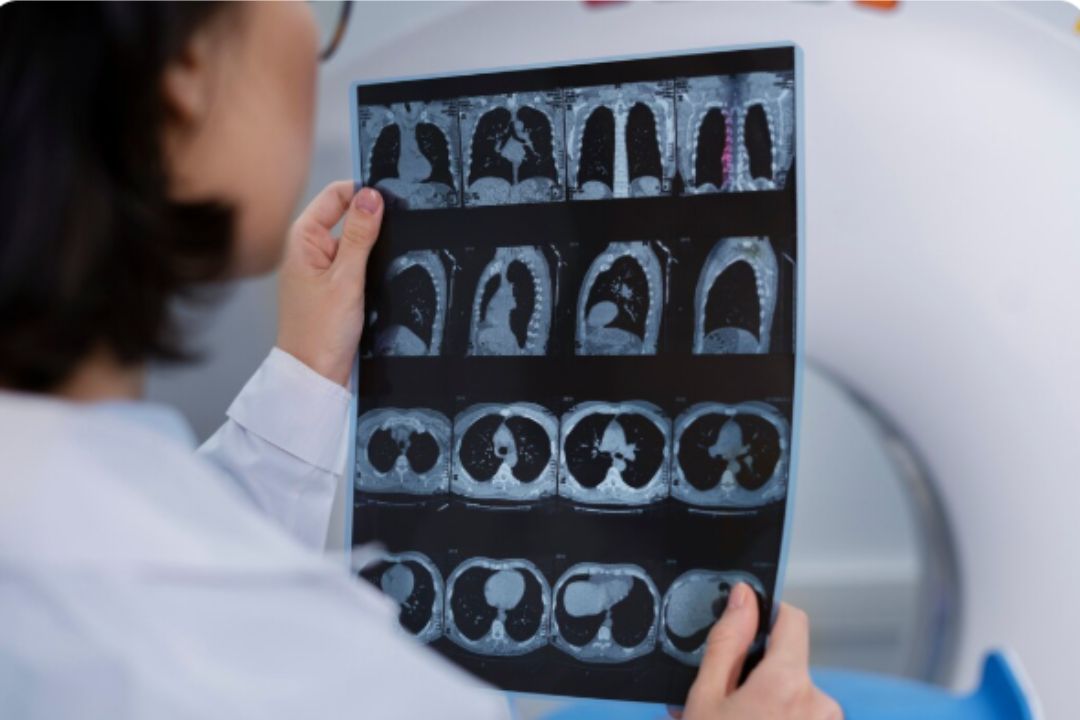
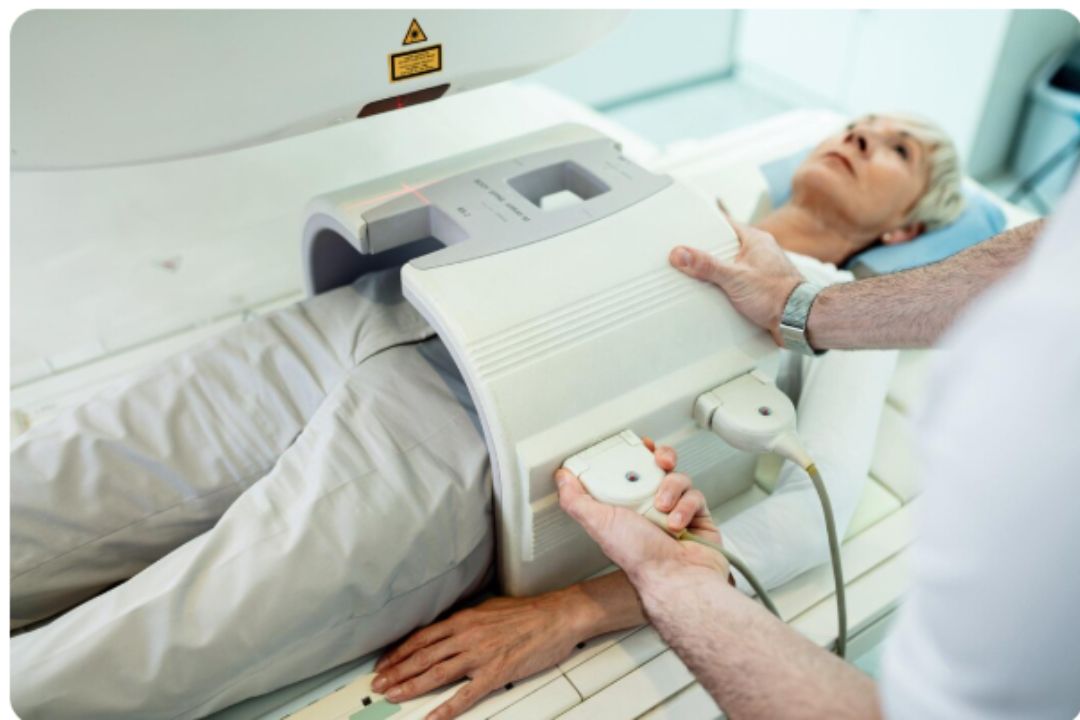
Radiation is energy that travels through space or materials. In medical imaging, CT Scans use a type of radiation called X-rays to capture detailed pictures of internal organs.
Radiation exposure is measured in a unit called millisieverts (mSv), which helps doctors estimate how much radiation the body receives.
Every person is constantly exposed to small amounts of radiation from natural sources. This is known as background radiation.
Common sources of everyday radiation include:
Cosmic rays from the sun and outer space
Natural radioactive elements in soil and rocks
Radon gas released from the ground
Food and drinking water
Building materials and household items
On average, people receive about 3 mSv of natural background radiation each year from these sources.
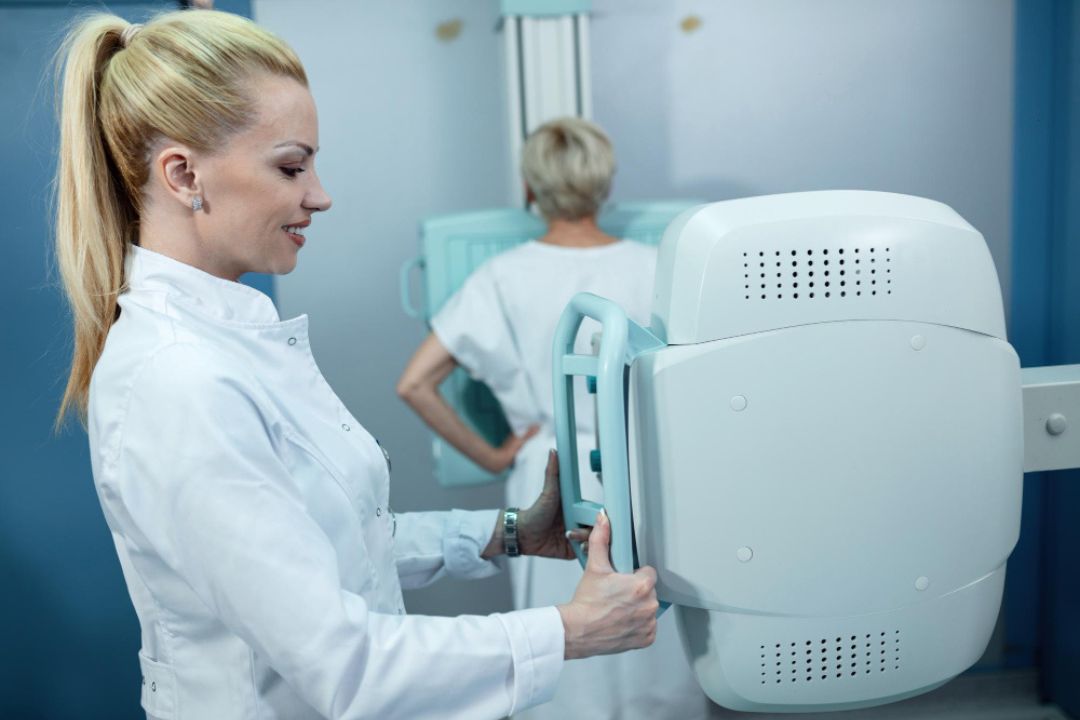
A CT Scan produces higher radiation than a simple X-ray because it creates very detailed images using multiple X-ray beams.
The amount of radiation depends on the body part being scanned.
Typical CT scan radiation levels include:
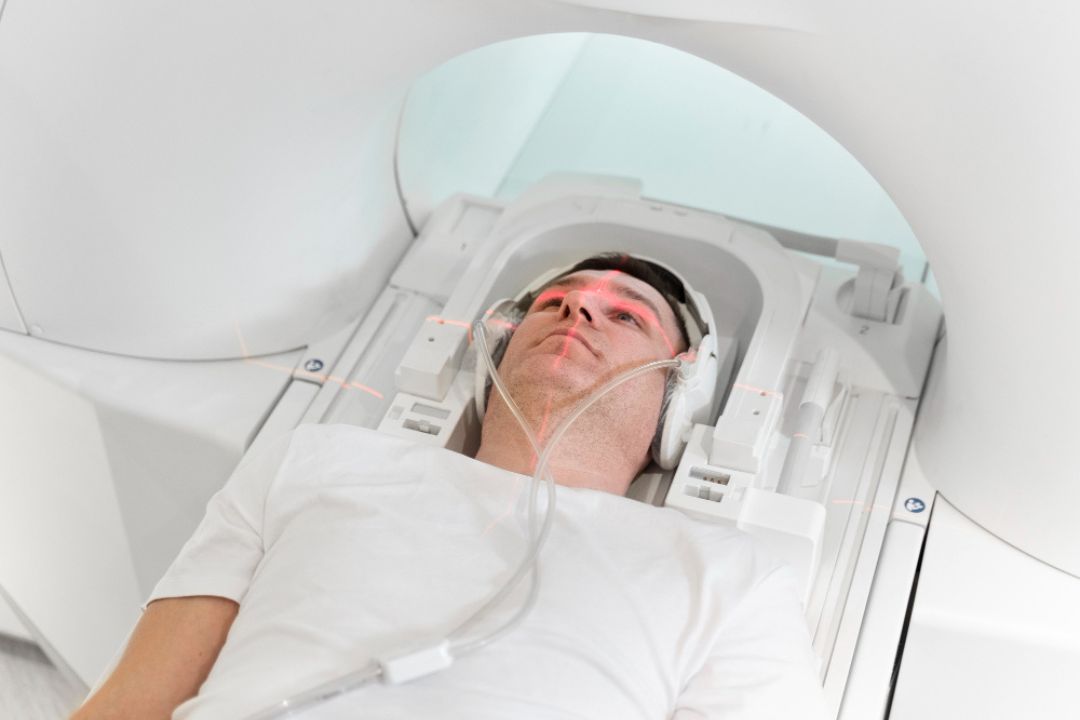
Head CT scan – about 2 mSv
Chest CT scan – about 7 mSv
Abdomen CT scan – about 8 to 10 mSv
These values can vary depending on the scanning equipment and imaging technique used.
Understanding radiation becomes easier when we compare it with natural background exposure.
Head CT scan
Approximately equal to about 8 months of natural background radiation.
Chest CT scan
Roughly equal to about 2 years of natural background radiation.
Abdominal CT scan
Similar to about 3 years of natural background radiation exposure.
Although CT scans involve higher radiation than daily exposure, they are performed only when medically necessary.
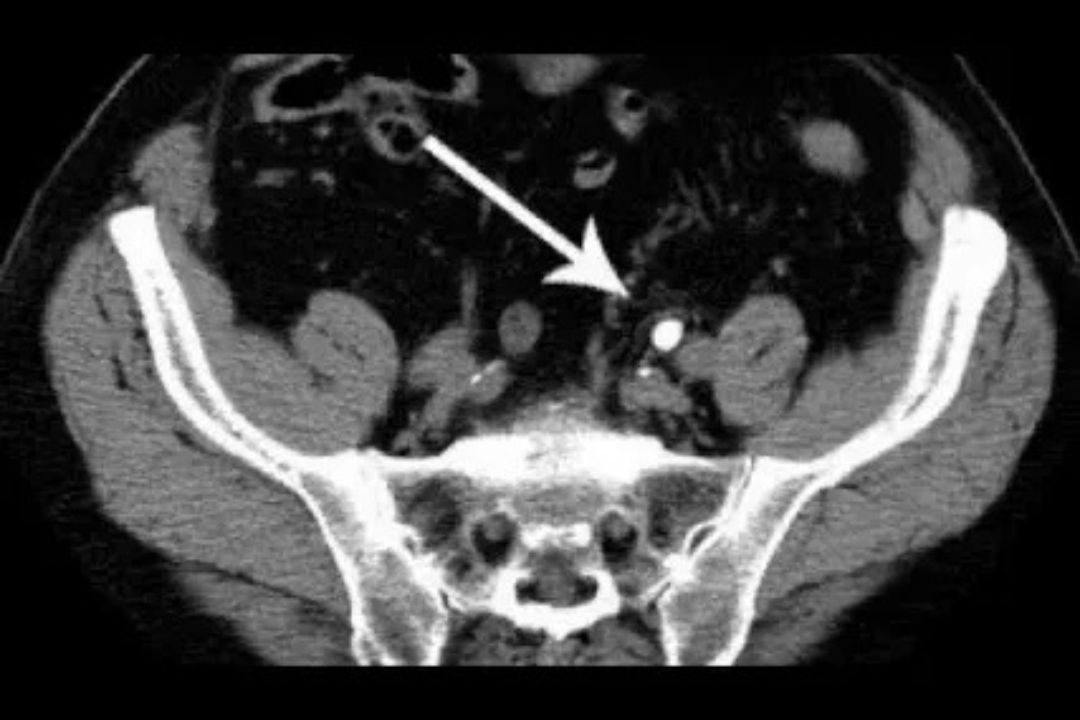
Despite the radiation involved, CT scans are one of the most valuable diagnostic tools in modern medicine. They help doctors detect and diagnose many serious conditions quickly.
CT scans are commonly used to identify:
Internal injuries after accidents
Tumors and cancers
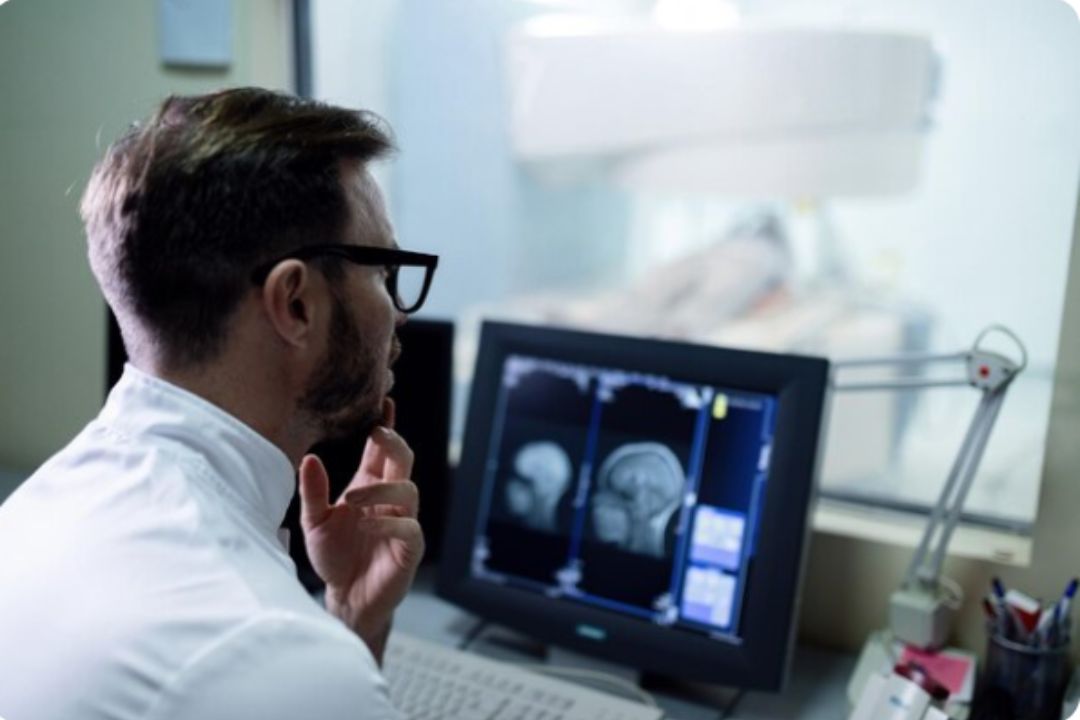
Stroke and brain bleeding
Blood clots in the lungs
Infections and inflammation
Kidney stones and abdominal diseases
The benefit of detecting a serious medical condition early usually outweighs the small radiation risk.
Modern CT technology is designed to minimize radiation exposure while maintaining high-quality images.
Radiology centers follow strict safety guidelines such as:
Using the lowest radiation dose necessary
Adjusting the scan based on patient size
Limiting repeated scans unless necessary
Using advanced low-dose imaging technology
These safety measures ensure patients receive only the amount of radiation required for accurate diagnosis.
For most people, the risk from a single CT scan is extremely small. Medical imaging is carefully recommended only when it provides important information that cannot be obtained through other tests.
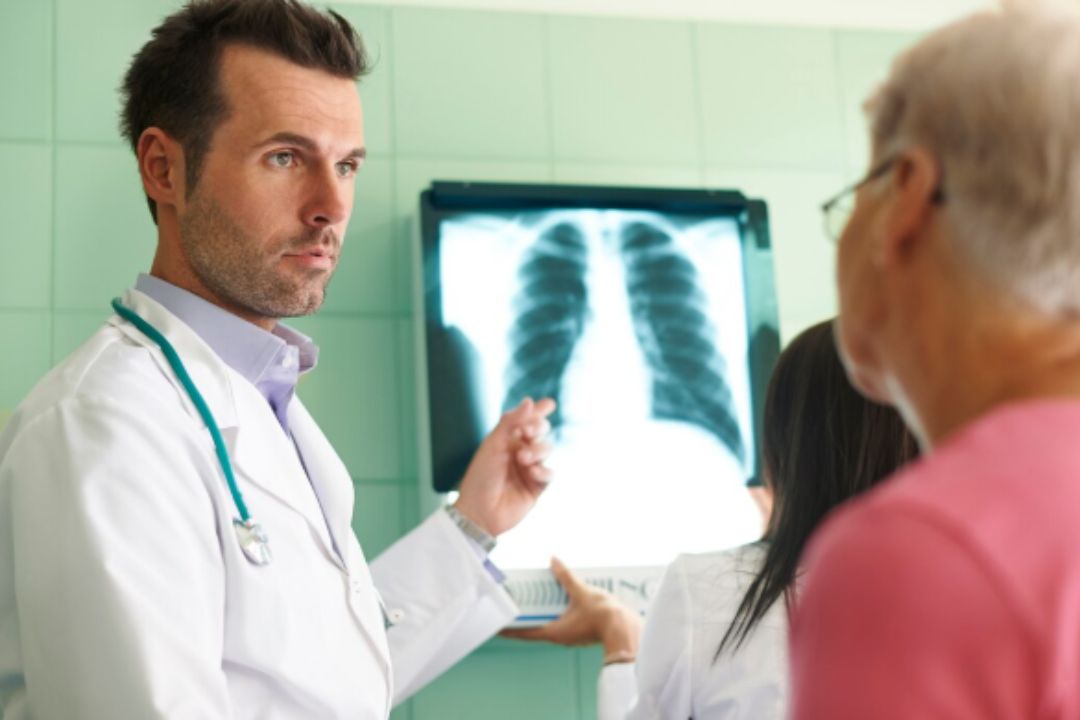
Doctors always evaluate the benefits and risks before suggesting a CT scan. When used appropriately, CT imaging plays a critical role in diagnosing and treating many health conditions.
Radiation exposure is a natural part of everyday life, and everyone receives small amounts of radiation from the environment each year. A CT scan does involve higher radiation than daily exposure, but it provides extremely detailed images that help doctors diagnose serious diseases quickly and accurately.
When recommended by a doctor, the benefits of a CT Scan generally far outweigh the minimal risks associated with radiation exposure.





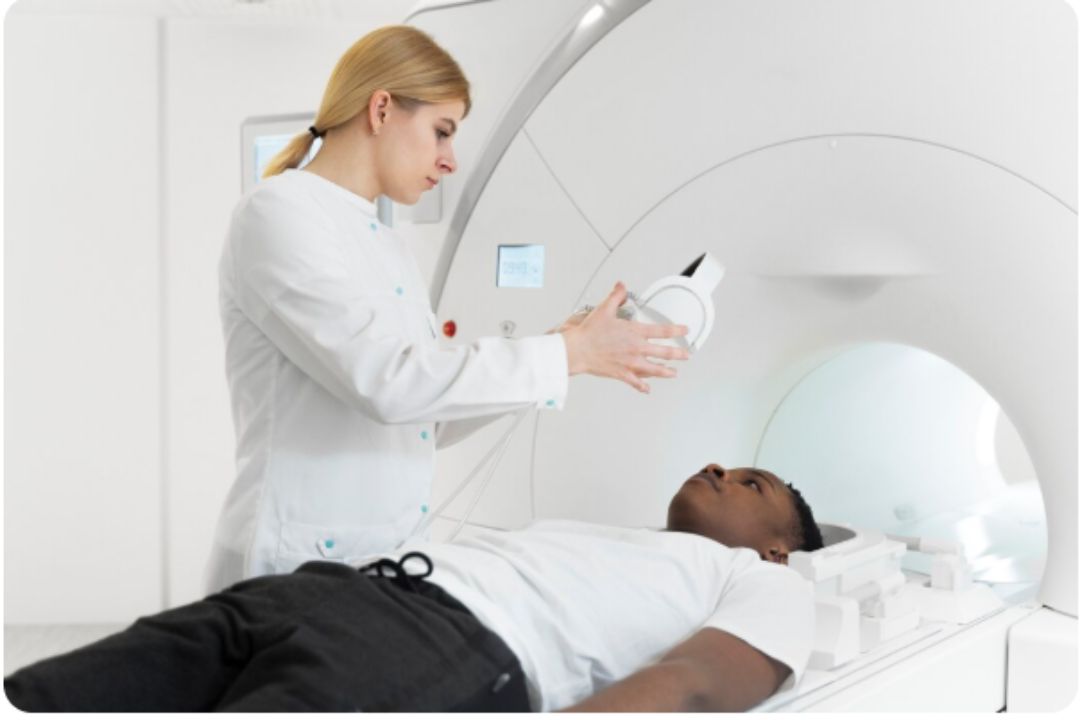

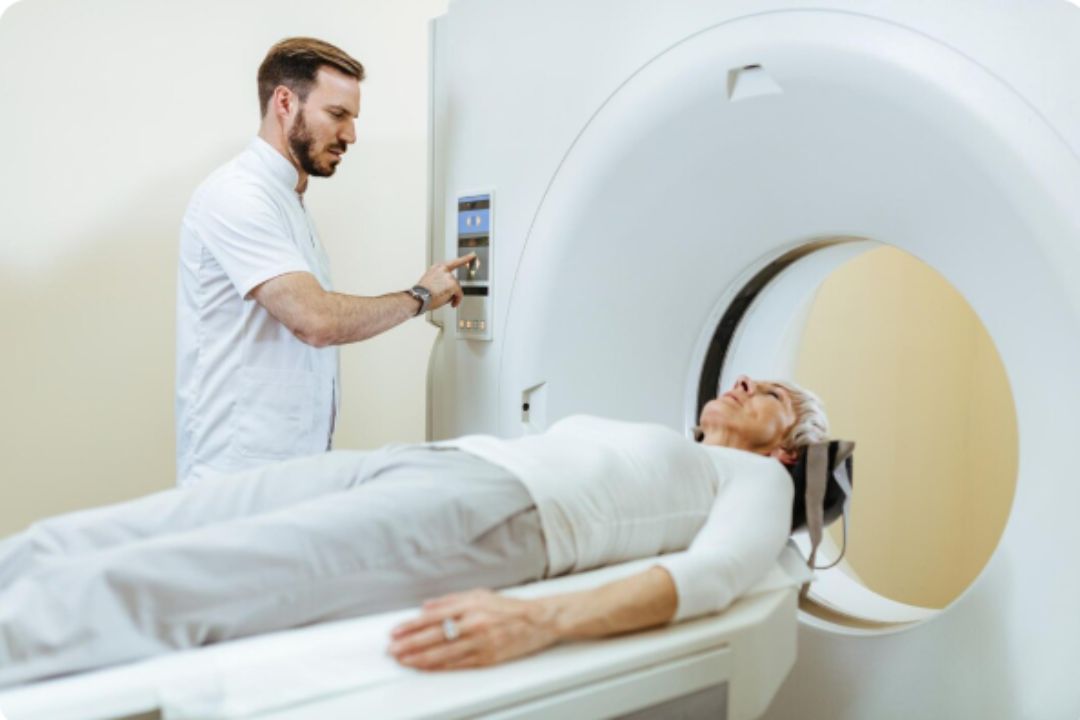
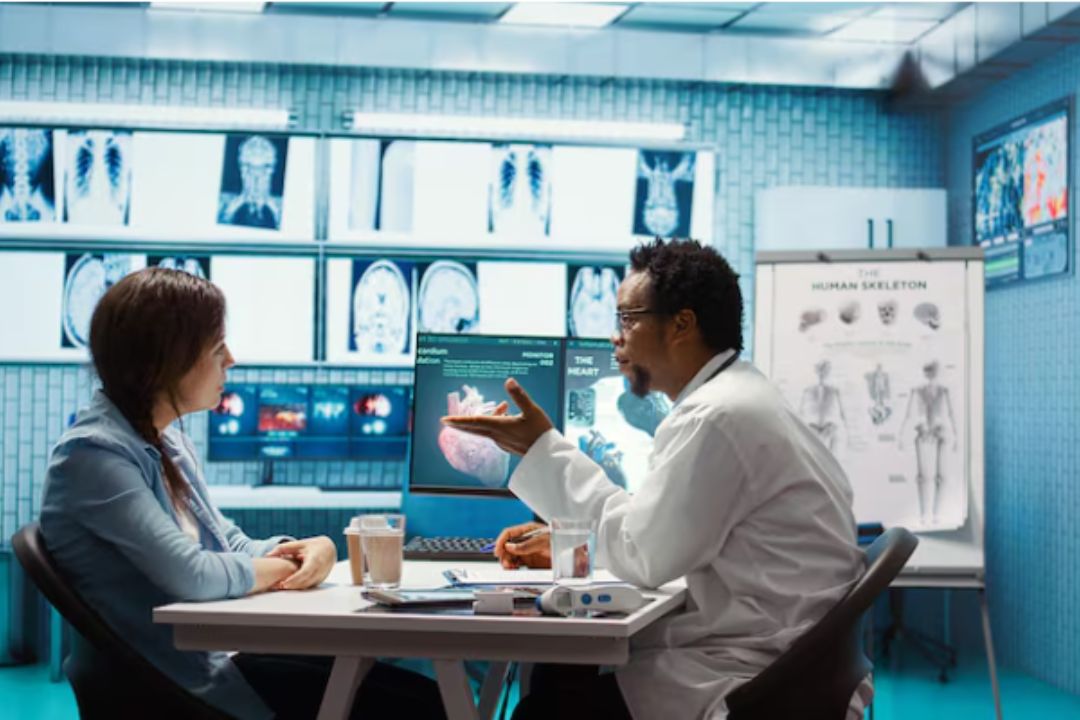
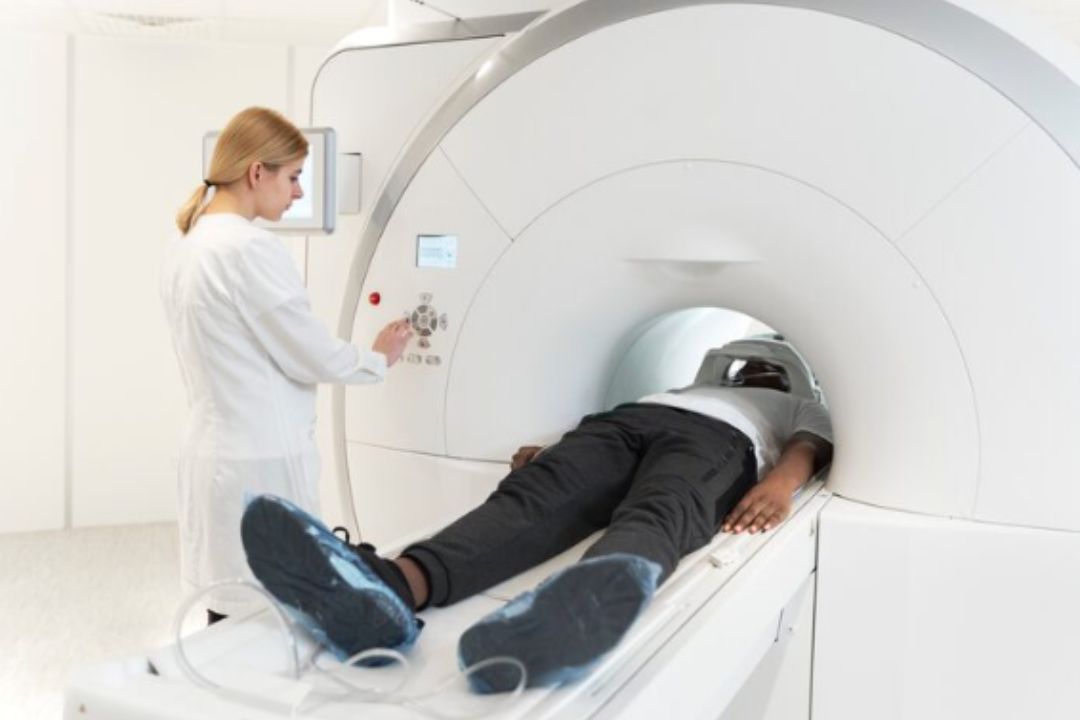
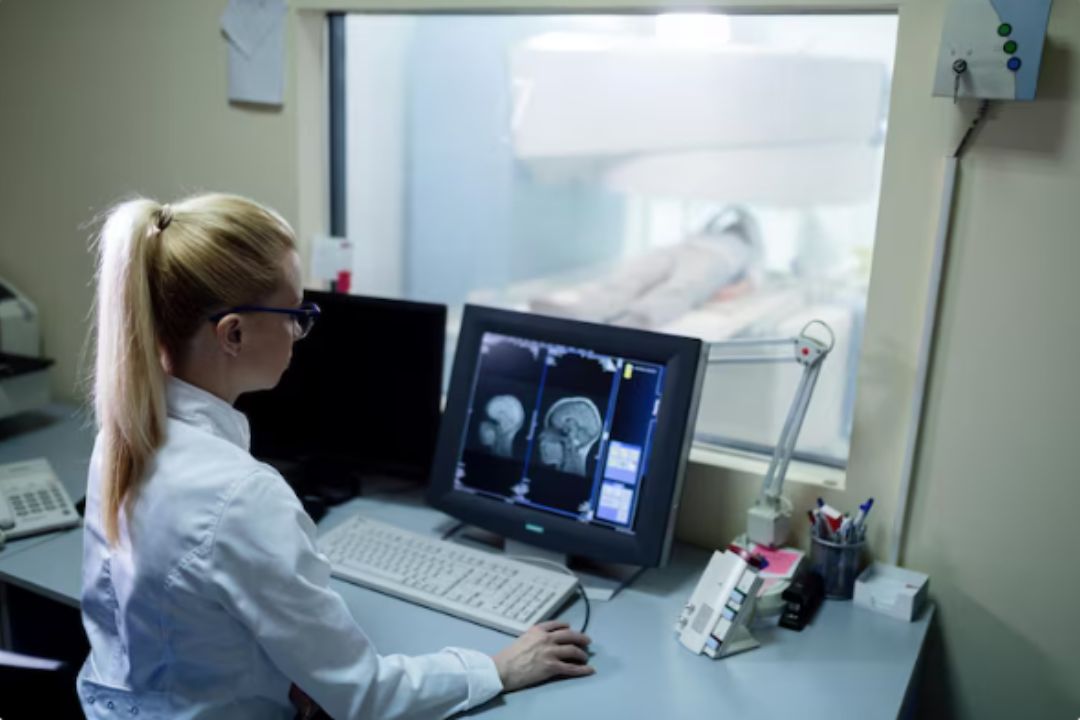

.jpg "ct brain scan plain and contrast")








.jpg "ct scan")
.jpg "ct scan or mri for brain disorders")


.jpg "exploring the power of ct brain contrast in modern diagnostics")
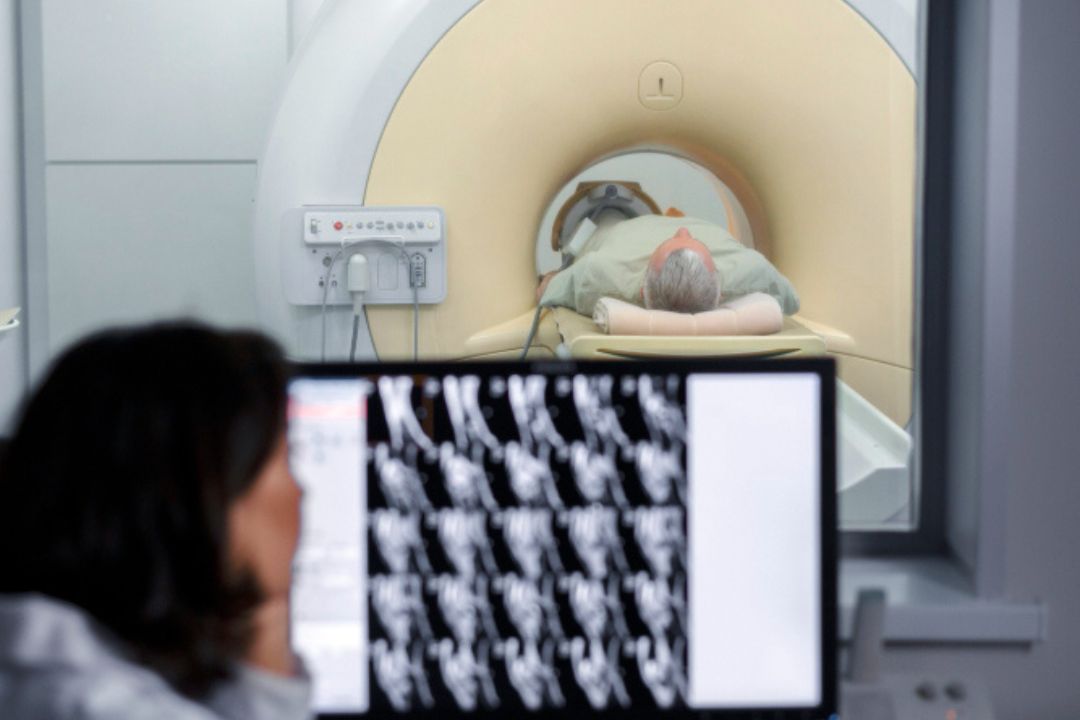
.jpg "ct scan")
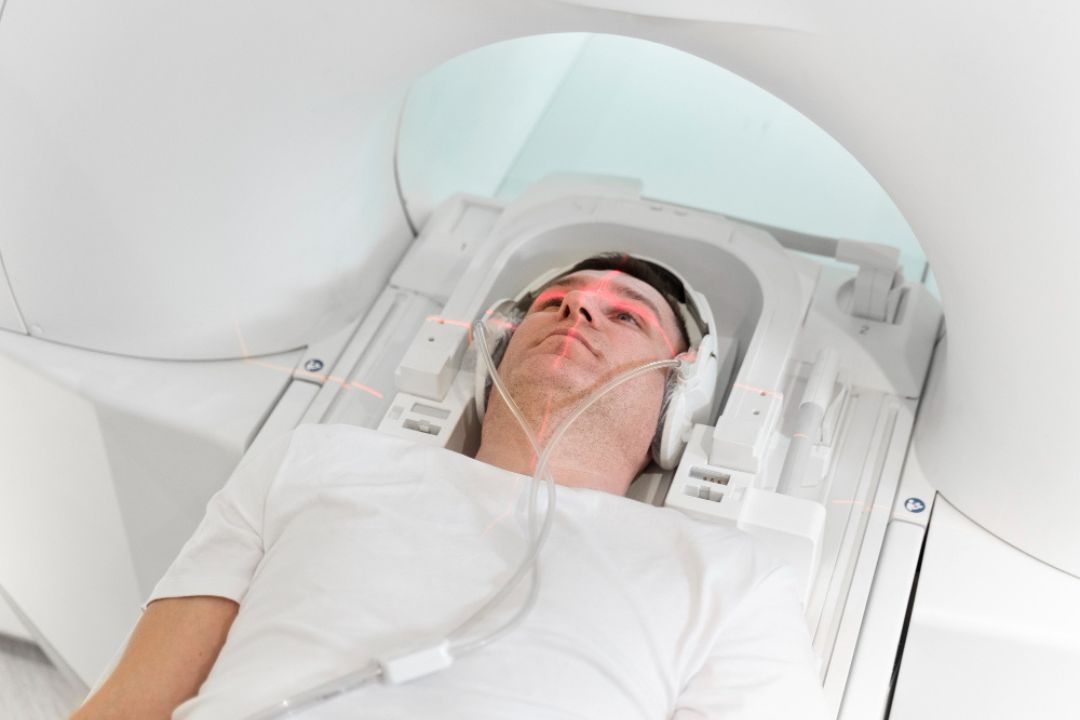
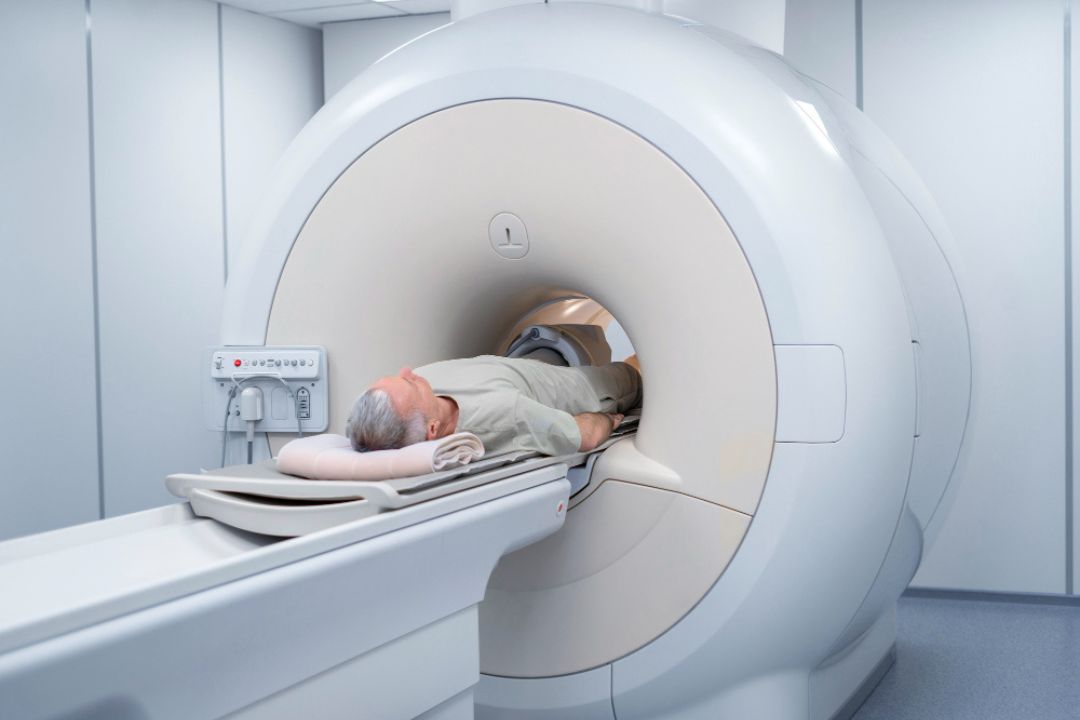
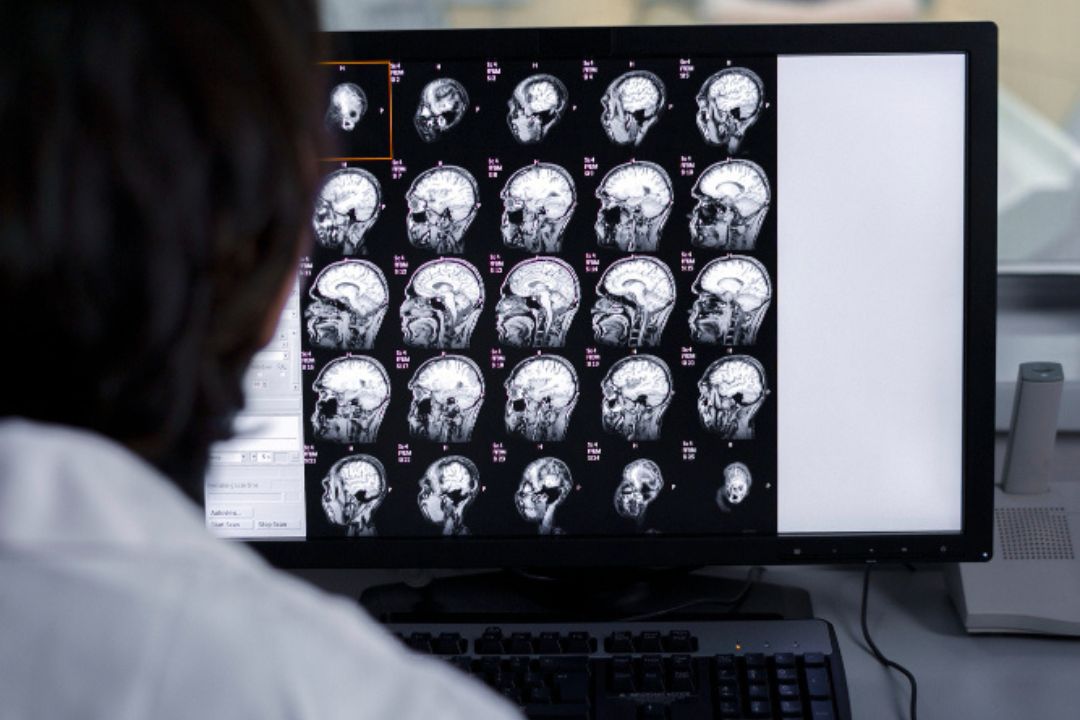
.jpg "ct scan")

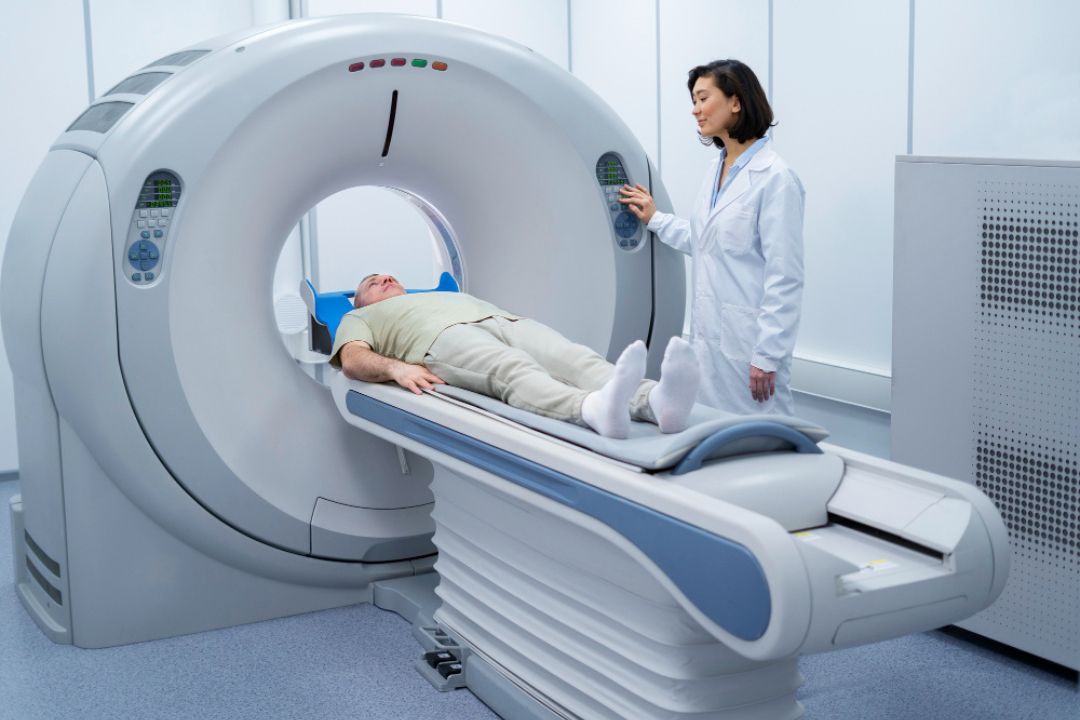
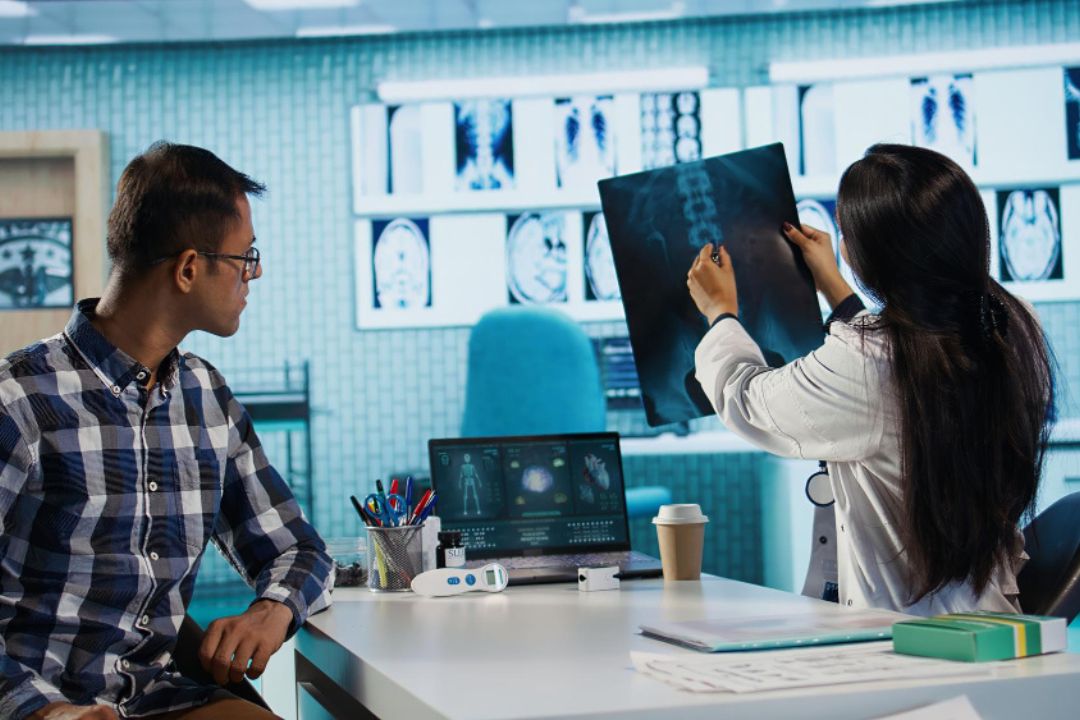
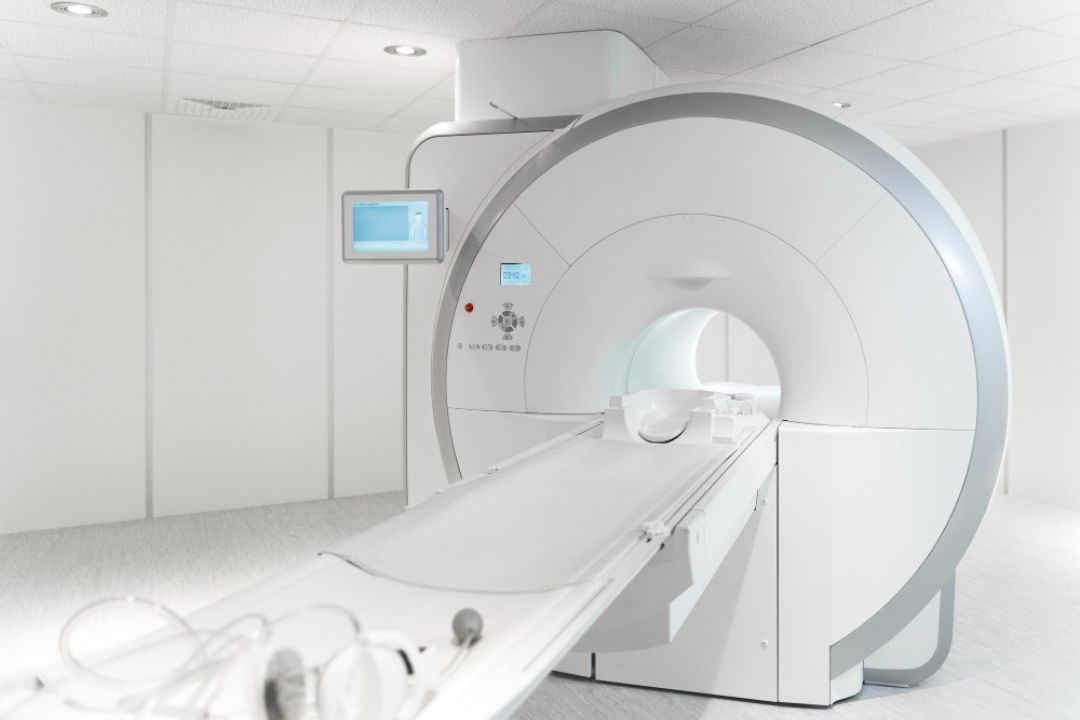


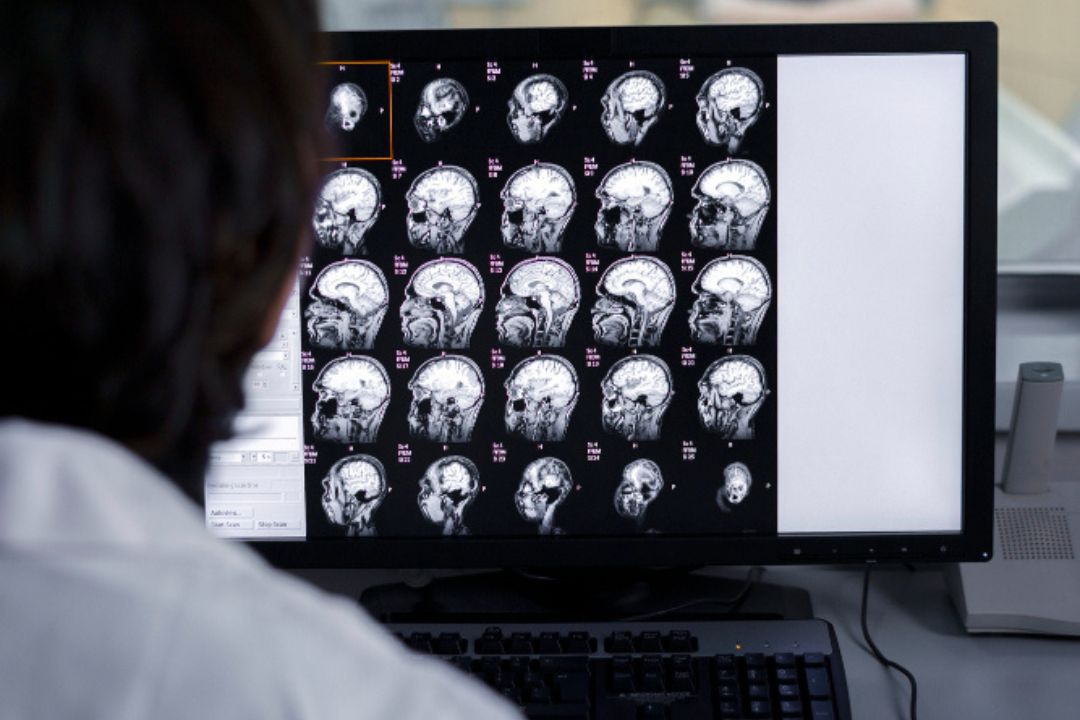


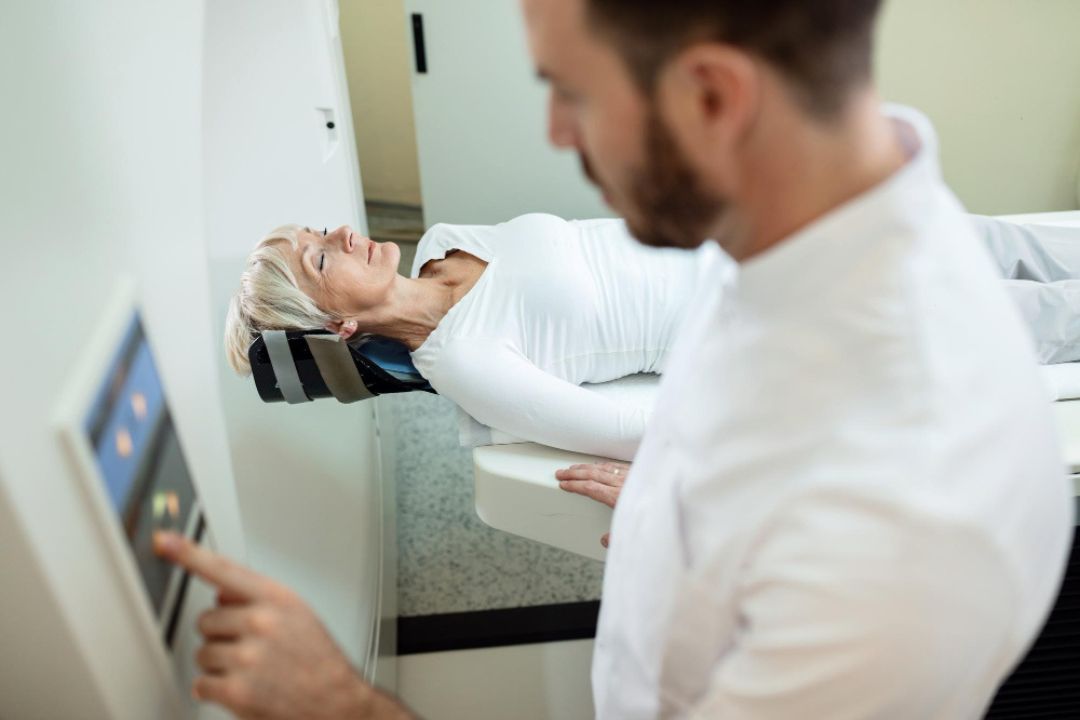

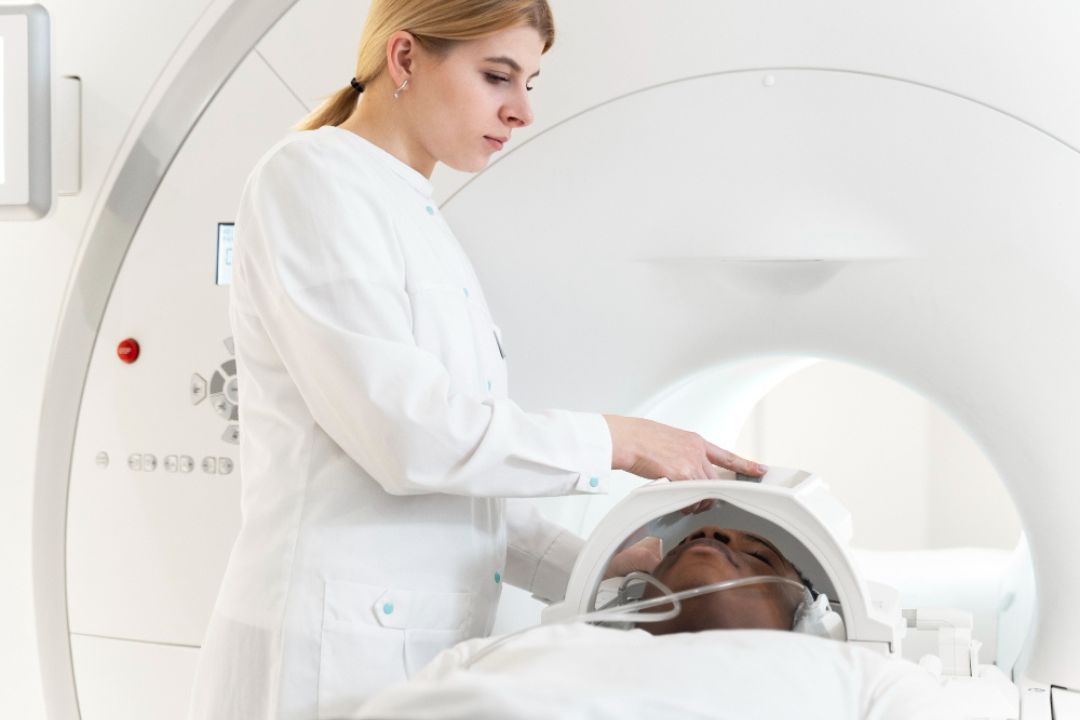

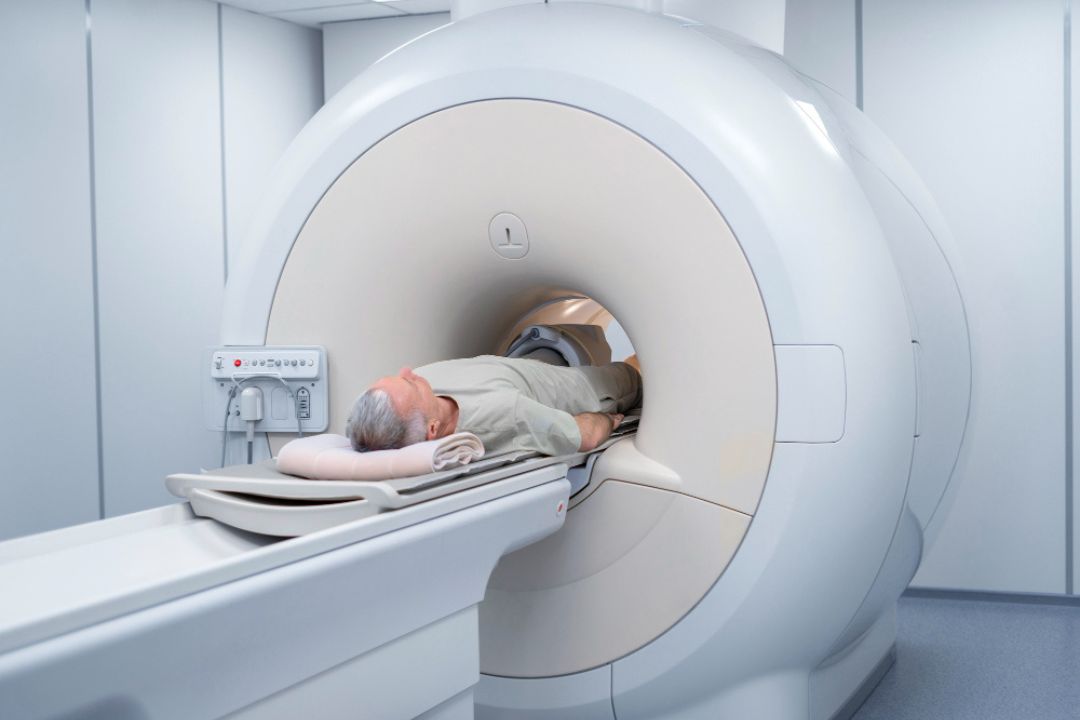
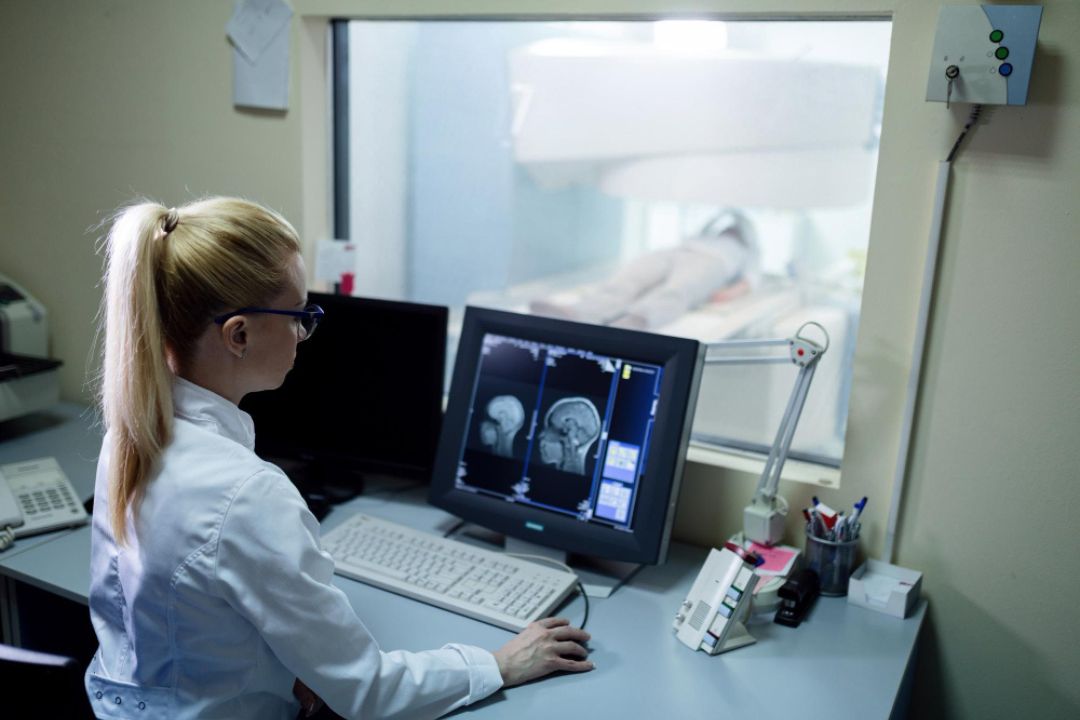
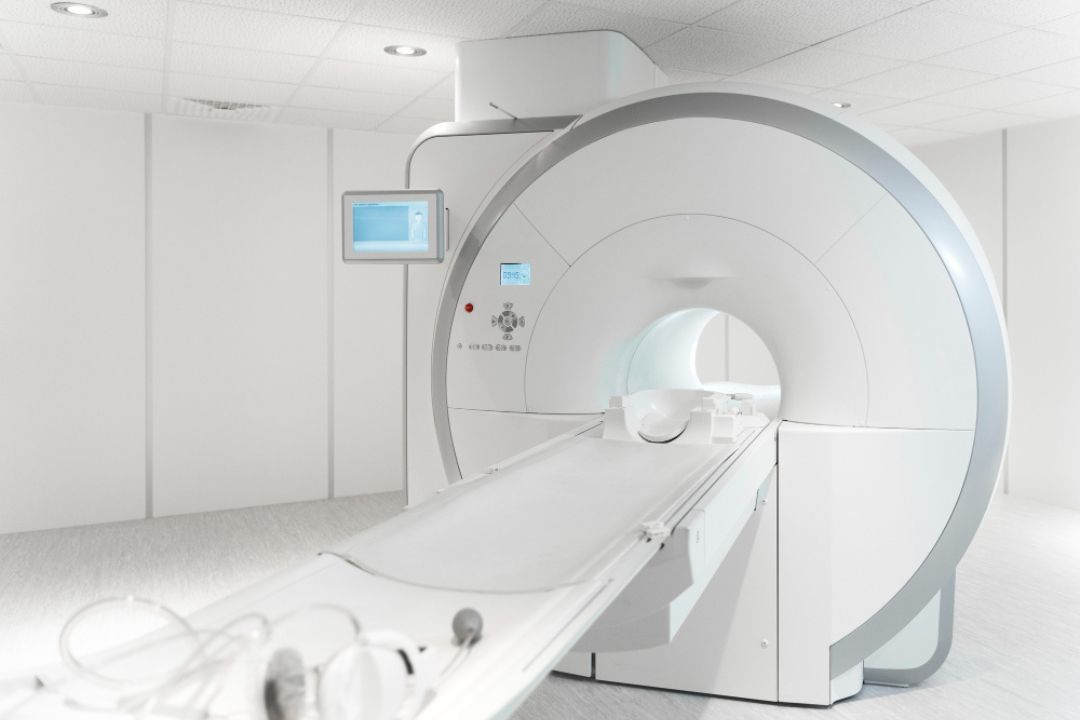
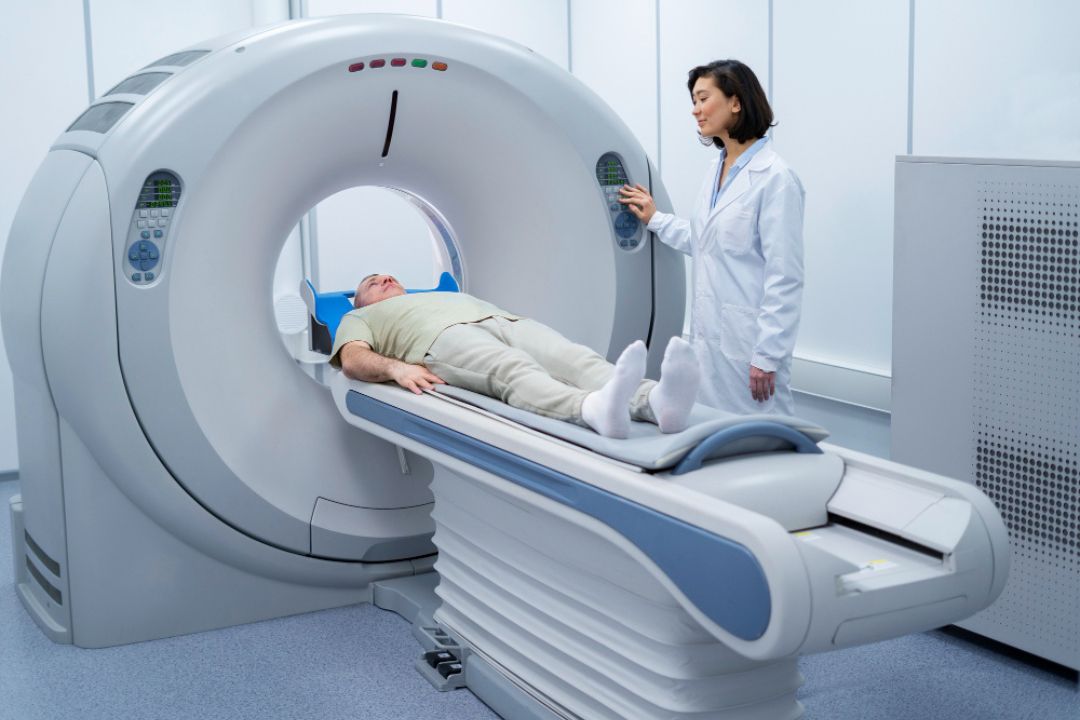
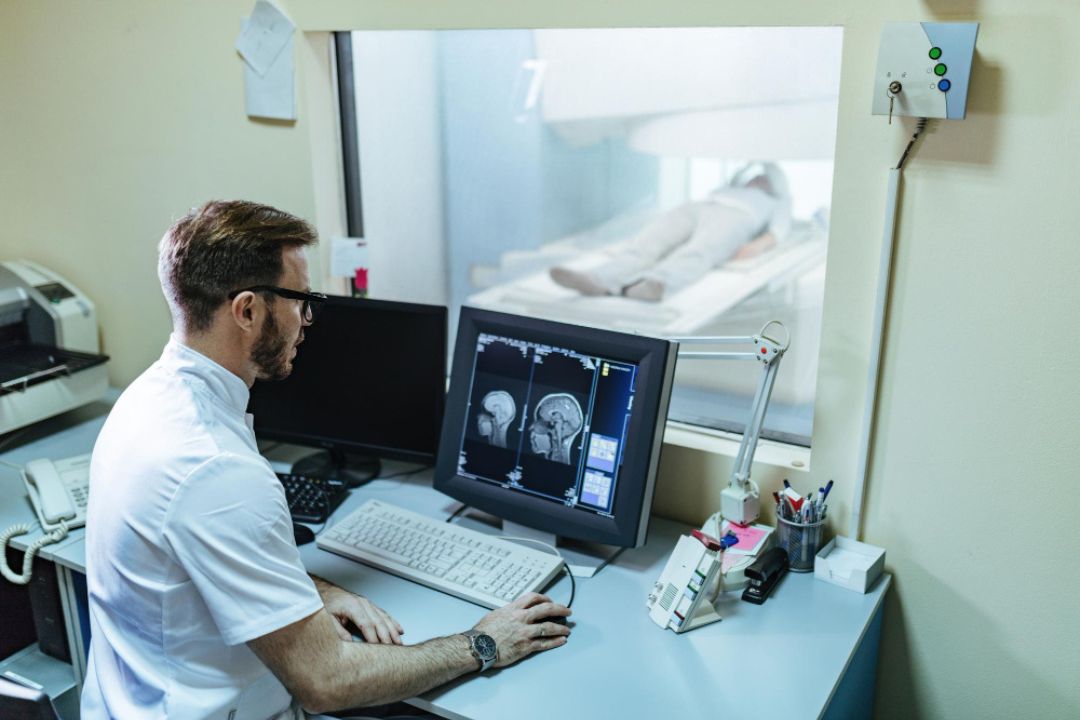
.jpg "ct scan")
.jpg "CT Brain Scan for Headaches")
.jpg "The Future of 3D CT Imaging")