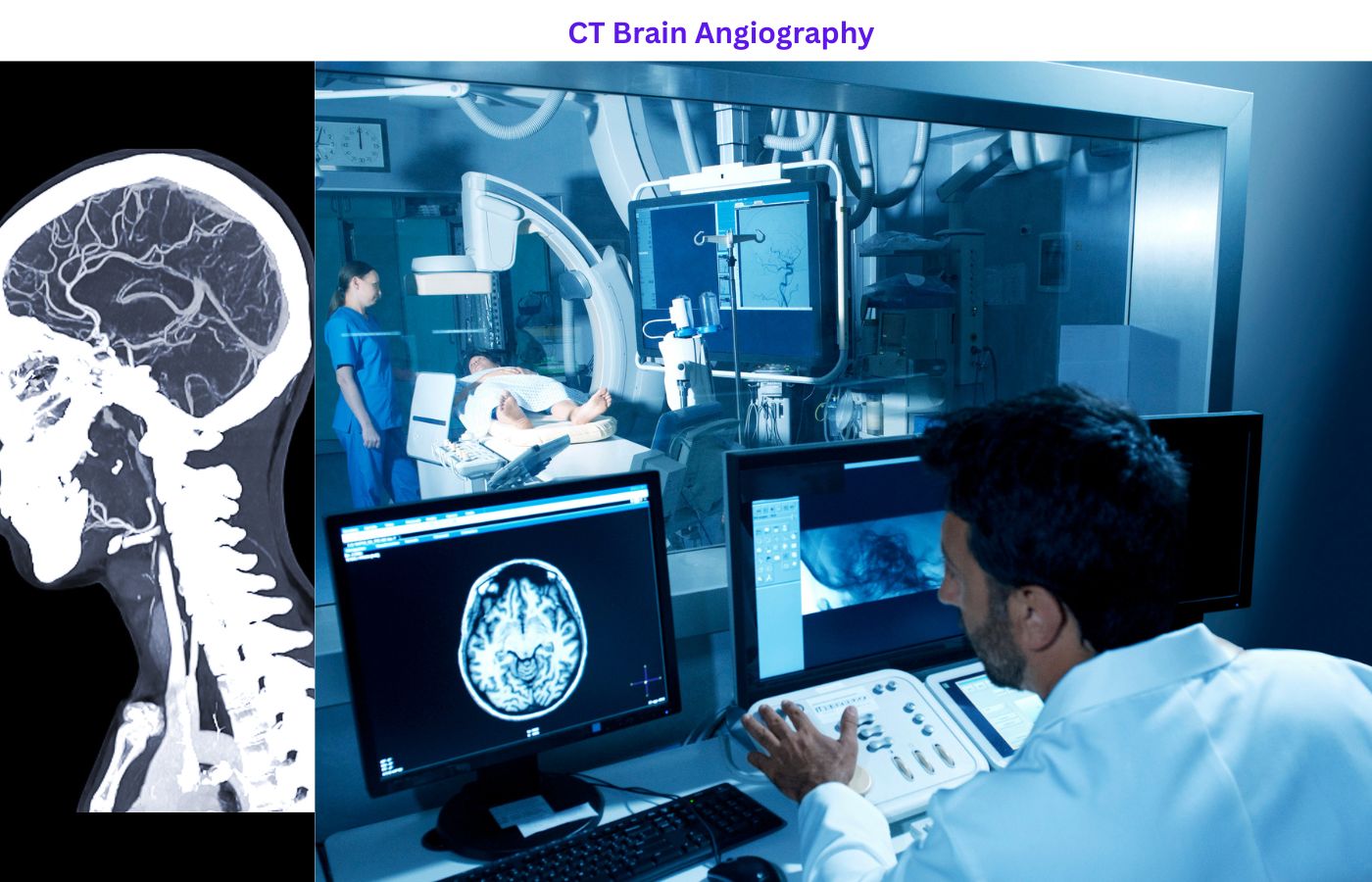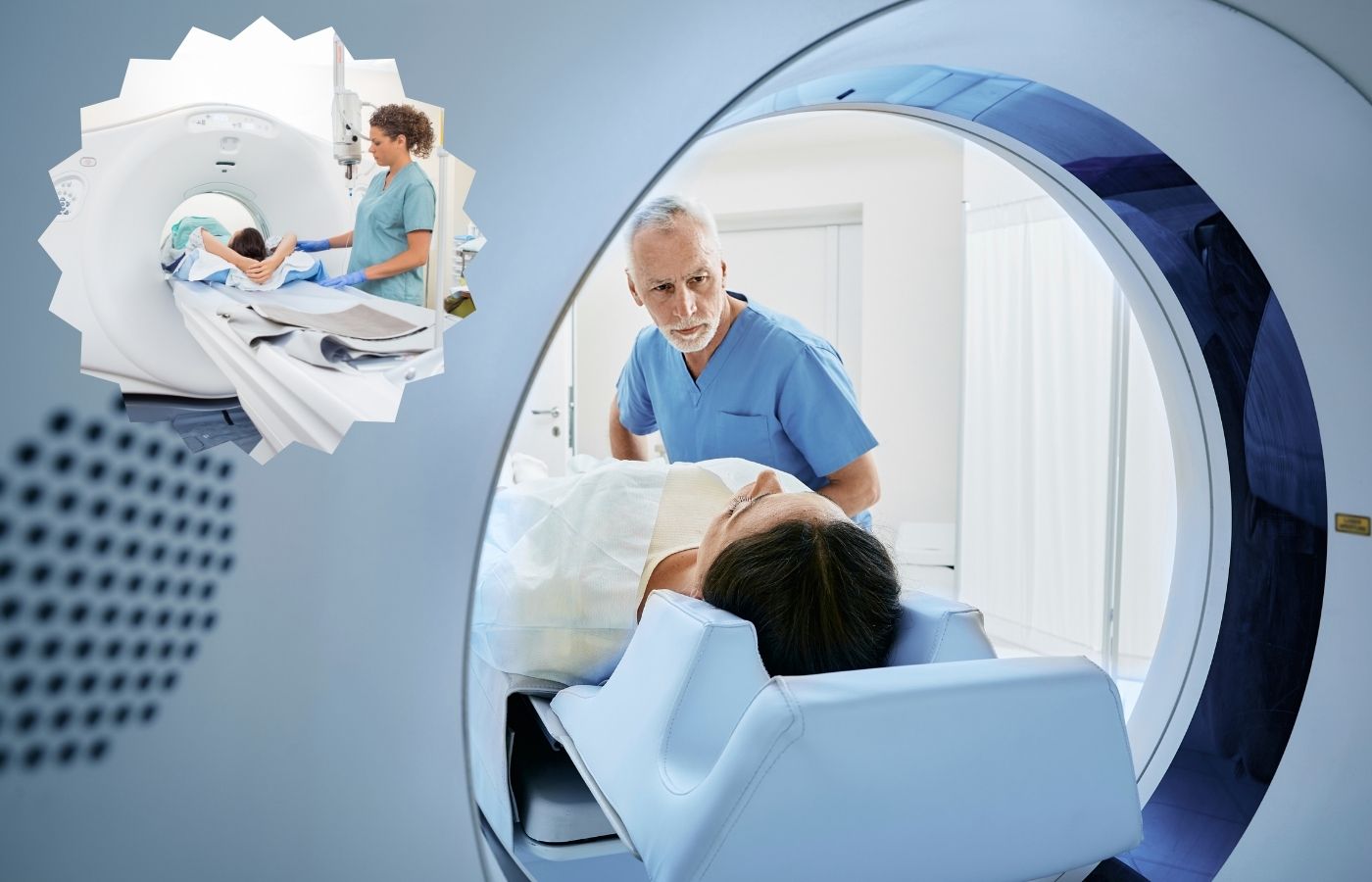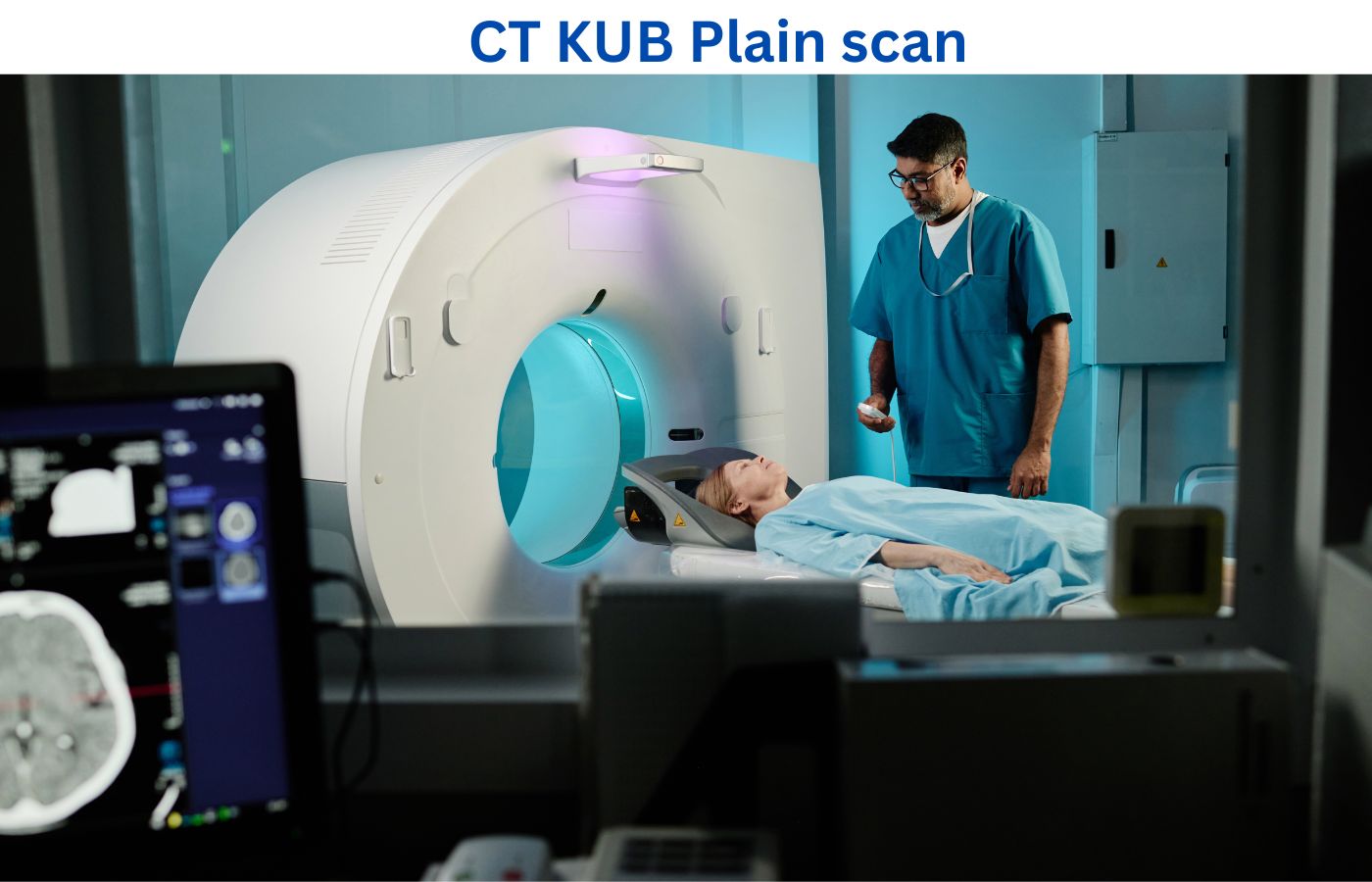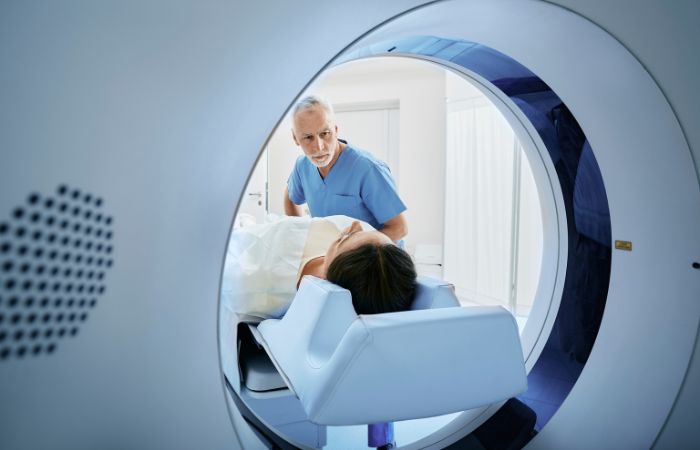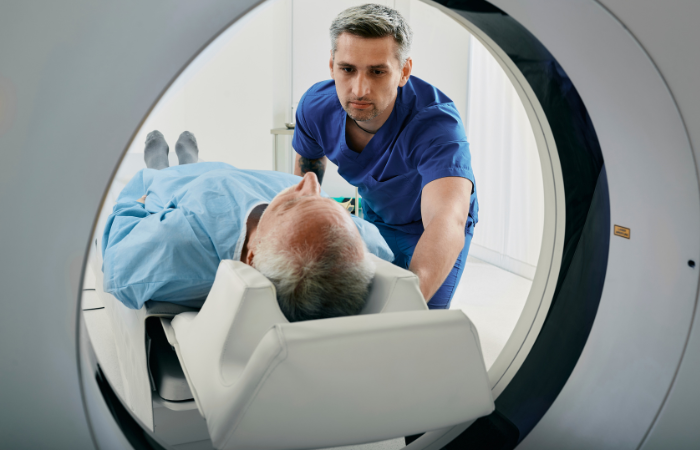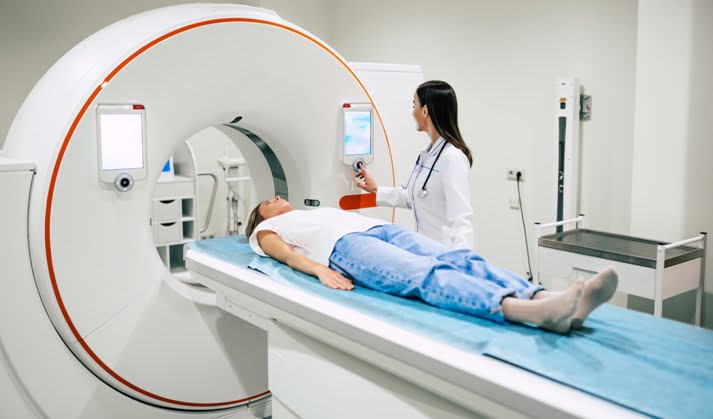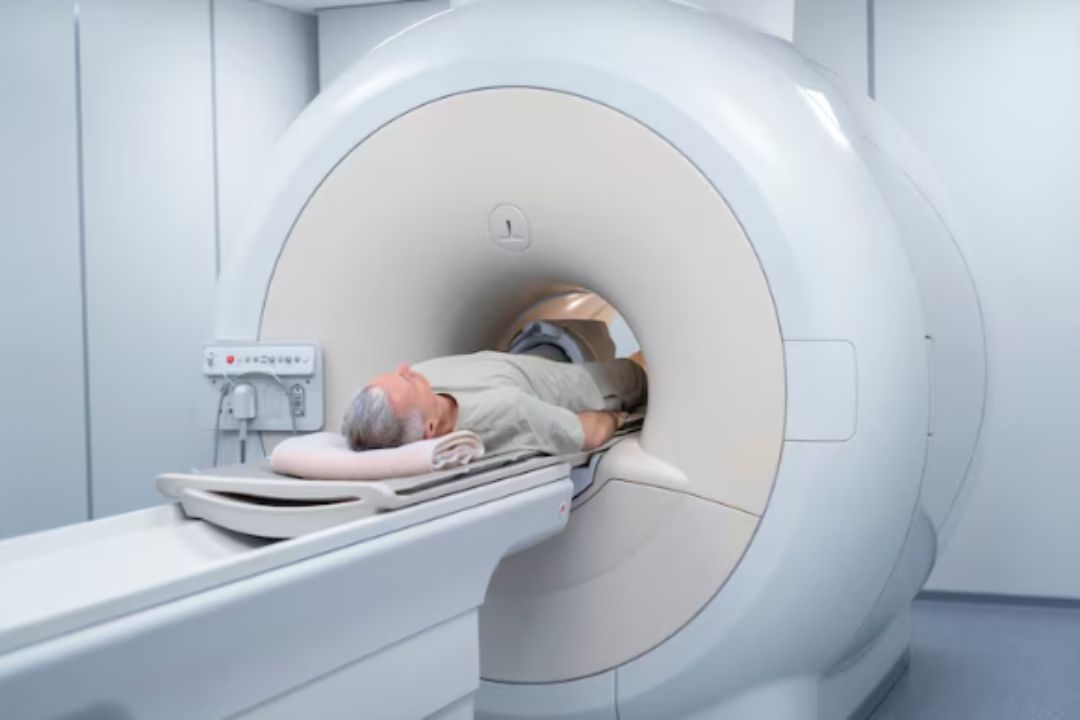
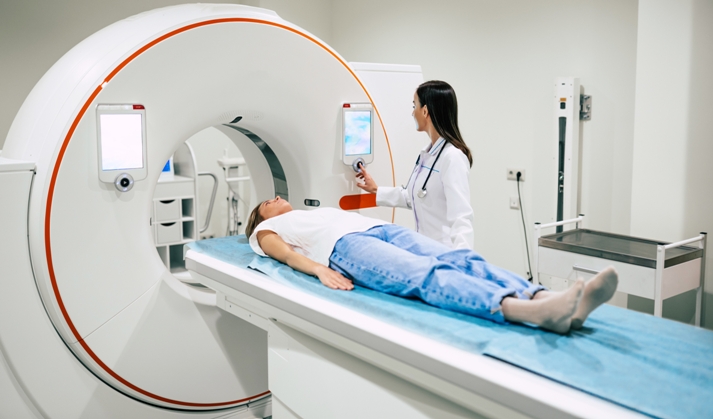
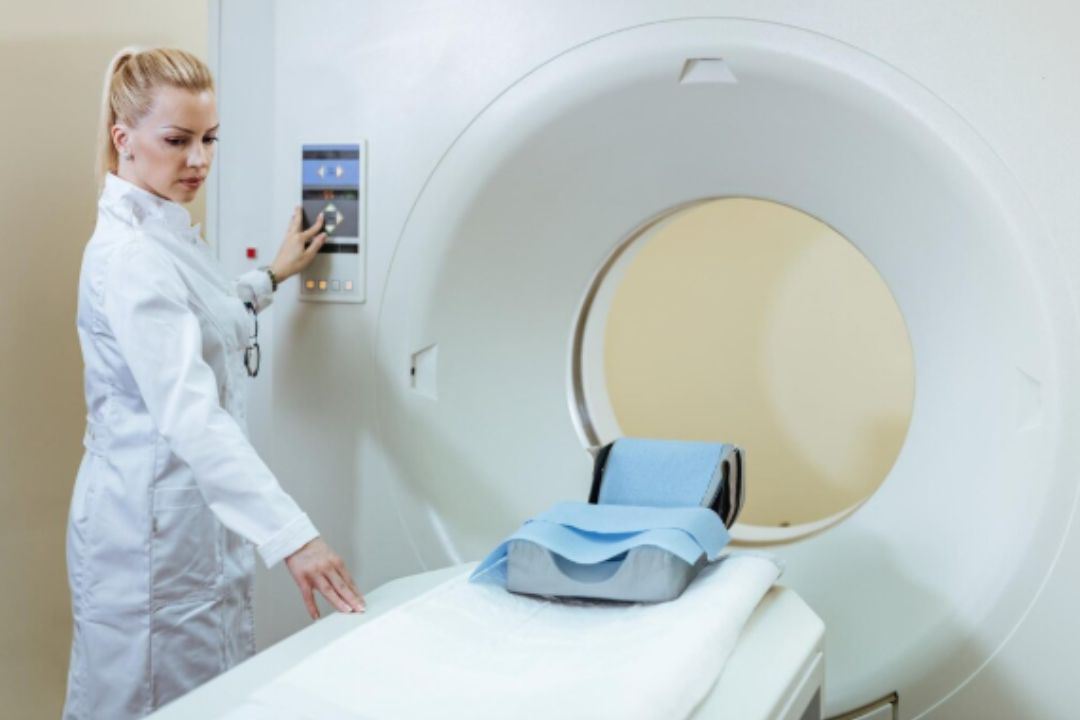
When your doctor recommends a CT scan, it’s natural to have questions, especially about safety and radiation exposure. "How often is it safe to get a CT scan?" is one of the most common and crucial queries patients have. While CT scans are invaluable diagnostic tools, understanding their safe usage is key to informed healthcare.
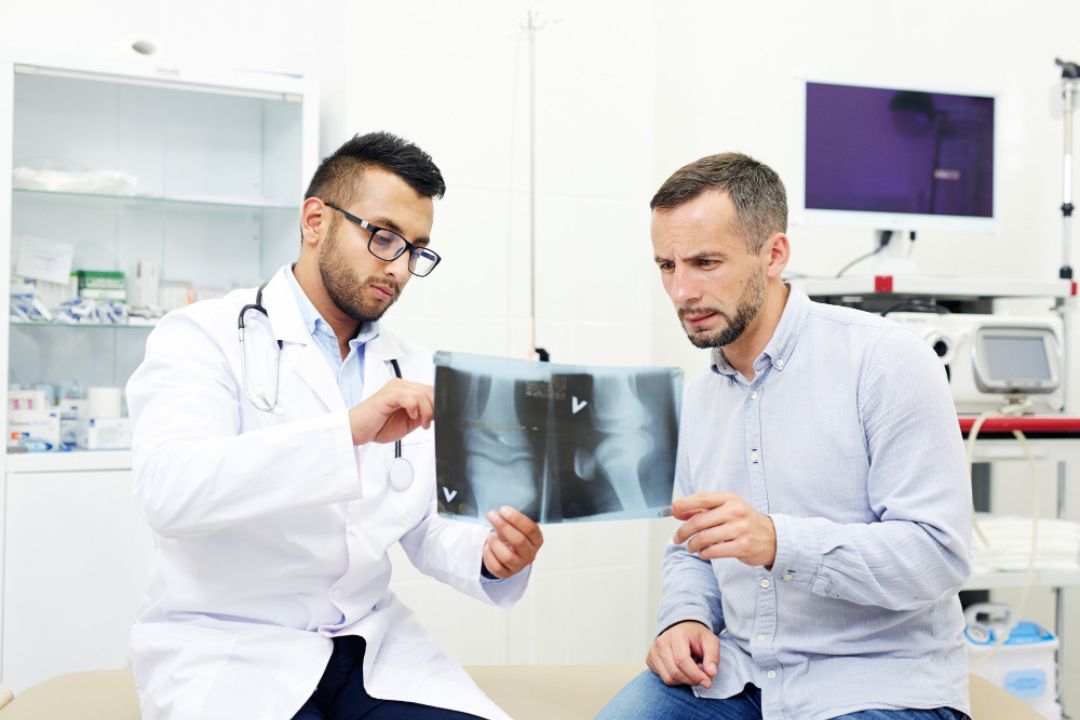
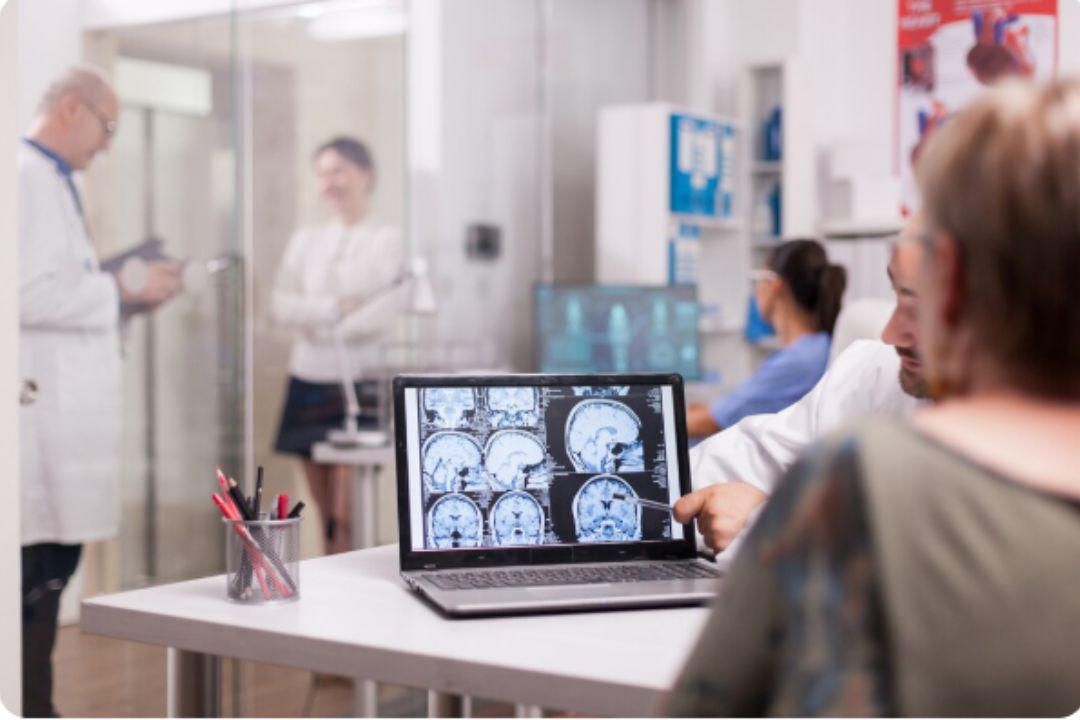
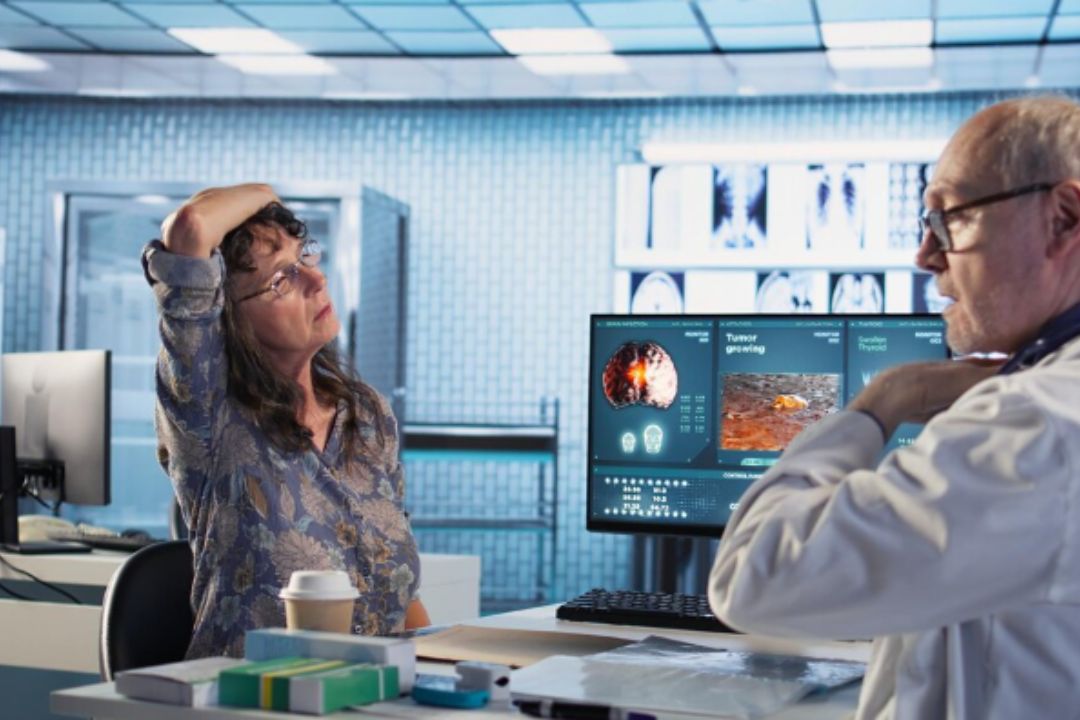
Computed Tomography (CT) scans are widely used to diagnose injuries, infections, tumors, and many other health conditions. They provide fast and highly detailed images that help doctors make accurate decisions. However, because CT scans use ionizing radiation, many patients wonder how often it is safe to undergo this test.
Visit Now: https://www.diagnopein.com
This guide explains the recommended frequency, safety considerations, and when repeat CT scans may be necessary.
There is no fixed safe number of CT scans for every person. A CT scan is considered safe when it is medically justified. Doctors follow the ALARA principle (As Low As Reasonably Achievable) to keep radiation exposure minimal while still getting the information needed for diagnosis.
Book Now: https://www.diagnopein.com/ct-scan/Mumbai
In simple terms:
Occasional CT scans are generally very safe
Multiple scans may be needed for certain conditions
Unnecessary repeat scans should be avoided
CT scans use more radiation than standard X-rays. Radiation effects are cumulative, meaning exposure adds up over time. Because of this, doctors carefully evaluate whether each scan is truly necessary.
That said, the radiation risk from a single CT scan is very low, and in most medical situations, the benefits of accurate diagnosis far outweigh the small potential risk.
Radiation dose varies depending on the body part being scanned.
Approximate effective doses:
Head CT: about 2 mSv
Chest CT: about 4–8 mSv
Abdomen and pelvis CT: about 10–16 mSv
There is no official lifetime limit on the number of CT scans a person can have. Instead, safety is based on medical necessity and cumulative exposure.
However, research suggests that measurable long-term cancer risk begins to slightly increase when cumulative exposure reaches around 50–100 mSv. Depending on the type of scan, this could equal roughly 5 to 10 typical CT scans over time.
The frequency depends entirely on the medical condition.
Many people need only one CT scan to diagnose a problem such as:
Head injury
Suspected appendicitis
Kidney stones
Trauma evaluation
Some patients require periodic CT scans for monitoring.
Common examples:
Cancer follow-up
Lung nodule surveillance
Recurrent kidney stones
Chronic infections
Typical follow-up intervals may be:
Every 6–12 months
Sometimes every 3–6 months in high-risk cases
In emergencies, doctors may perform multiple CT scans within a short period. This is considered appropriate when the scans are necessary to guide life-saving treatment.
In such cases, the immediate medical benefit clearly outweighs the small radiation risk.
Certain groups require extra caution.
More sensitive to radiation
Longer lifetime for potential effects
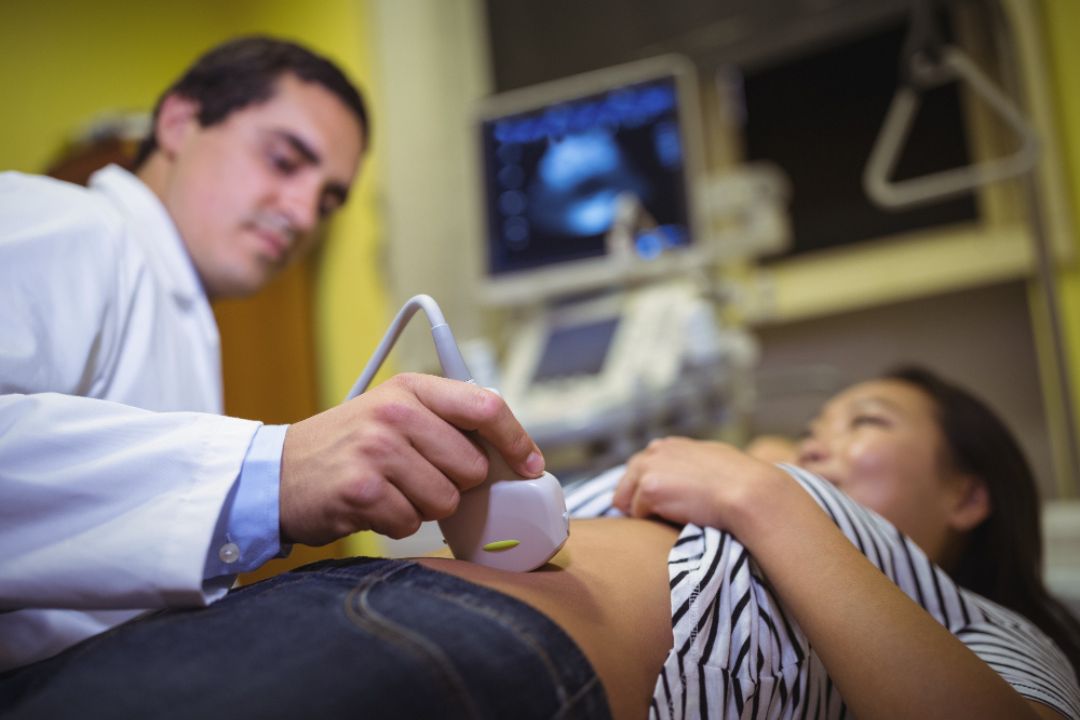
Doctors often prefer ultrasound or MRI when suitable
Because of longer life expectancy, doctors try to minimize unnecessary radiation exposure.
CT scans are generally avoided during pregnancy unless absolutely necessary. Alternative imaging methods are preferred whenever possible.
Examples include cancer patients or those with chronic inflammatory diseases. For these individuals, doctors carefully balance monitoring needs with radiation safety.
A CT scan is usually recommended when it helps to:
Detect serious internal injuries
Identify tumors or infections early
Guide emergency treatment
Monitor disease progression
Plan surgery or procedures
Patients can take simple steps to stay safe.
Keep a record of previous CT scans
Inform your doctor about recent imaging
Bring old reports and CDs to appointments
Ask if MRI or ultrasound could be an option
Choose a reputable diagnostic center with modern equipment
Avoid repeat scans without clear medical reason
Talk to your healthcare provider if:
You have had several CT scans within one year
Different doctors are ordering the same test repeatedly
You are unsure why the scan is needed
A lower-radiation alternative might work
CT scans are safe and highly valuable diagnostic tools when used appropriately. There is no fixed number that applies to everyone. Instead, safety depends on medical necessity and total radiation exposure over time.
For most patients:
Occasional CT scans are very safe
Even multiple scans may be appropriate for serious conditions
Unnecessary repeat scans should be avoided









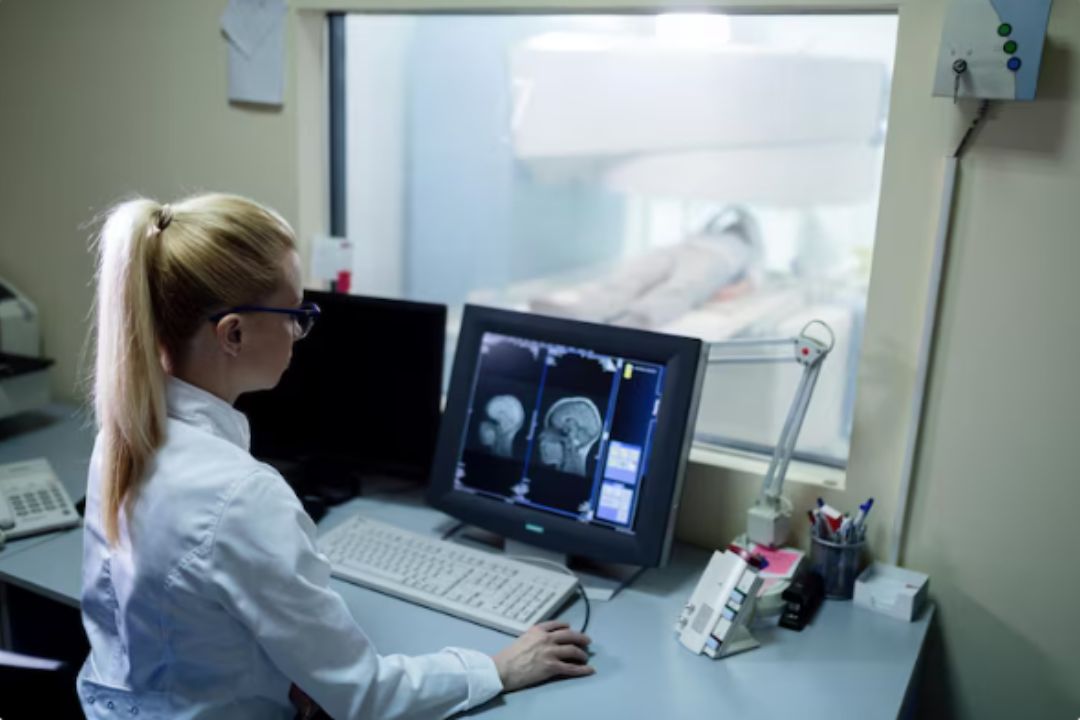
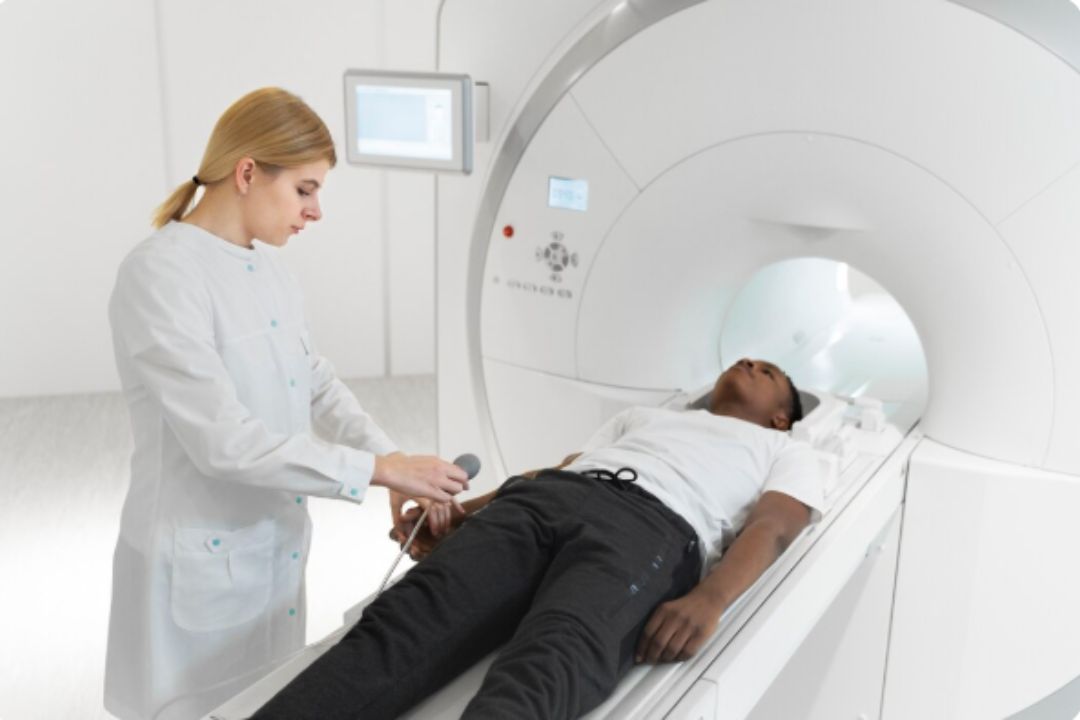
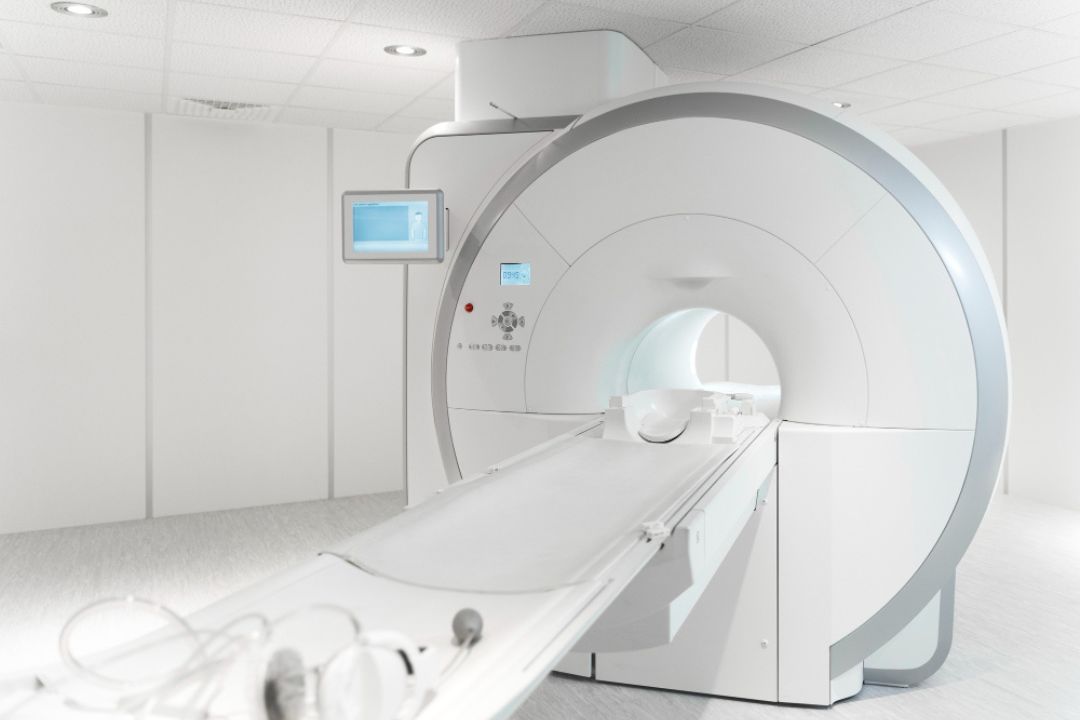
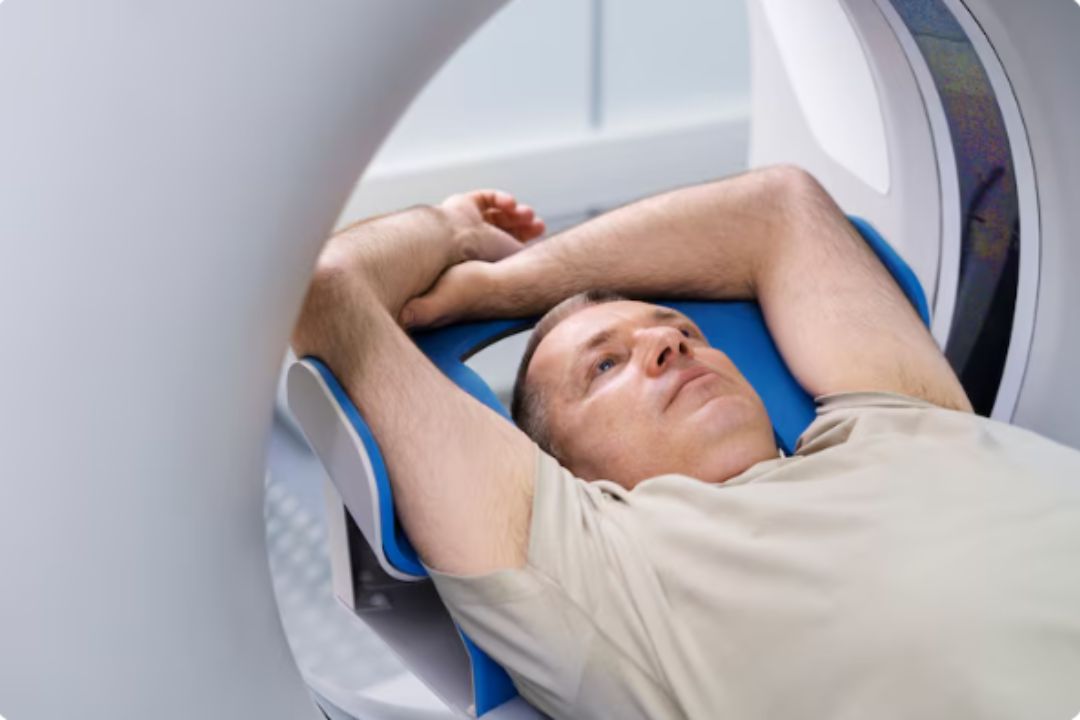

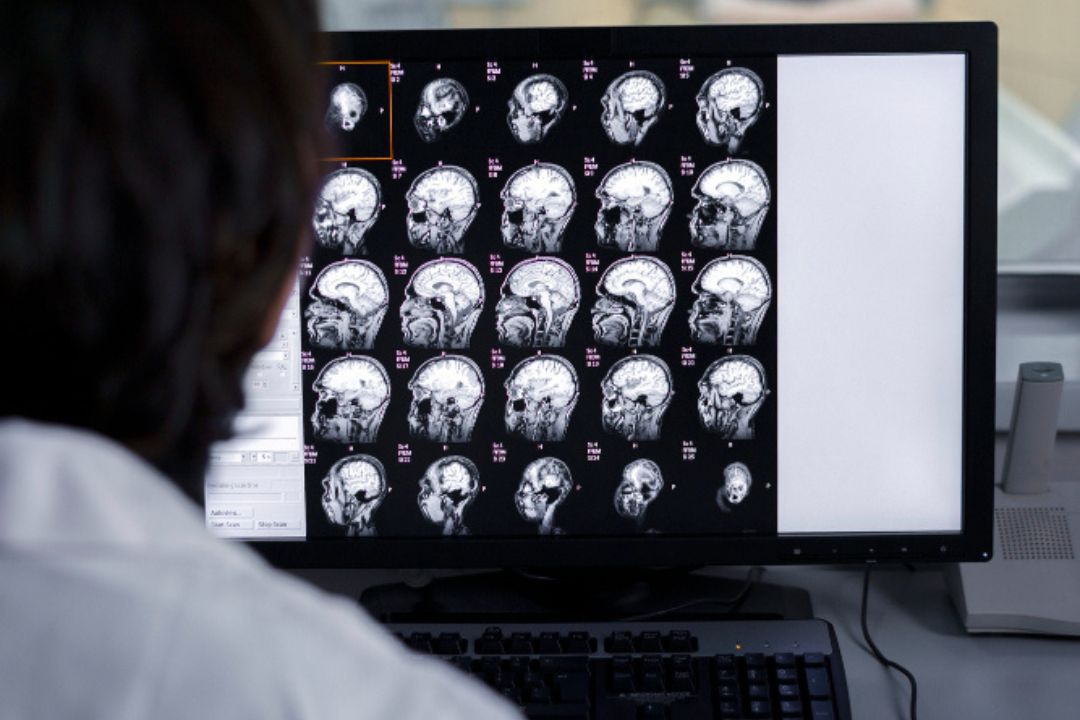
.jpg "ct brain scan plain and contrast")
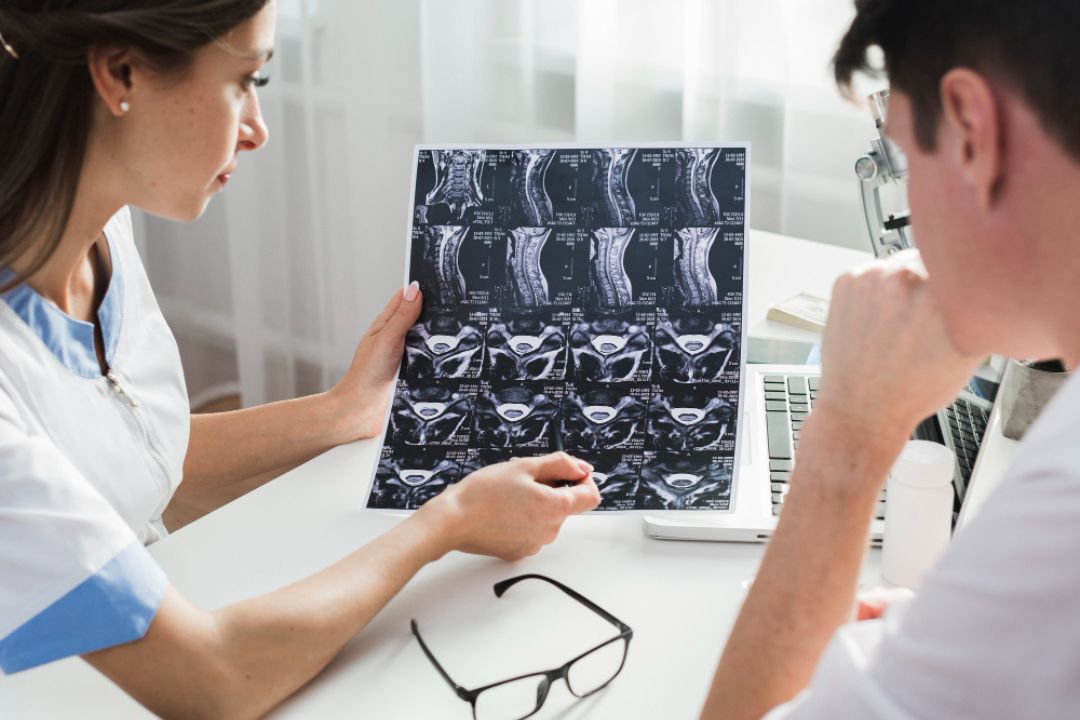


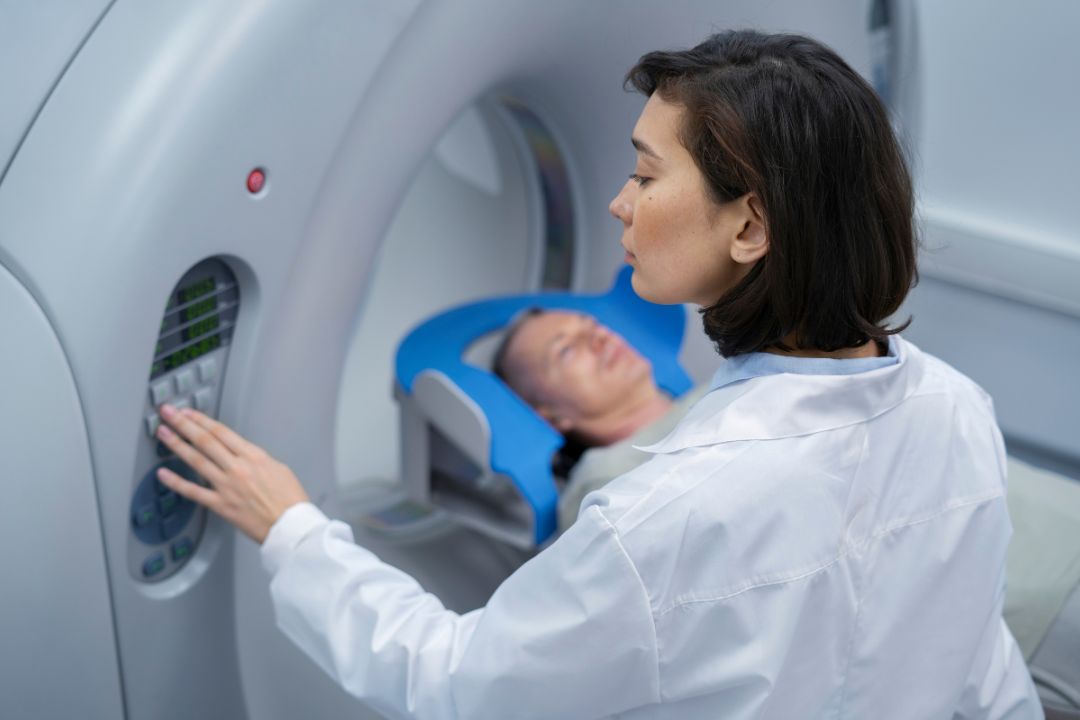
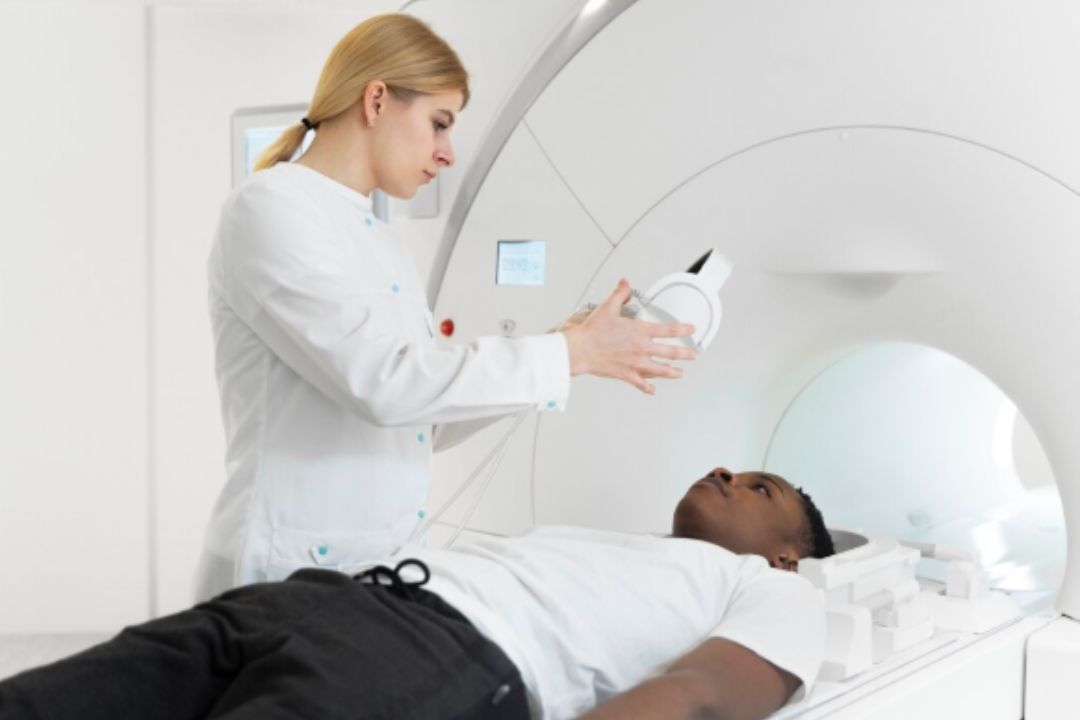















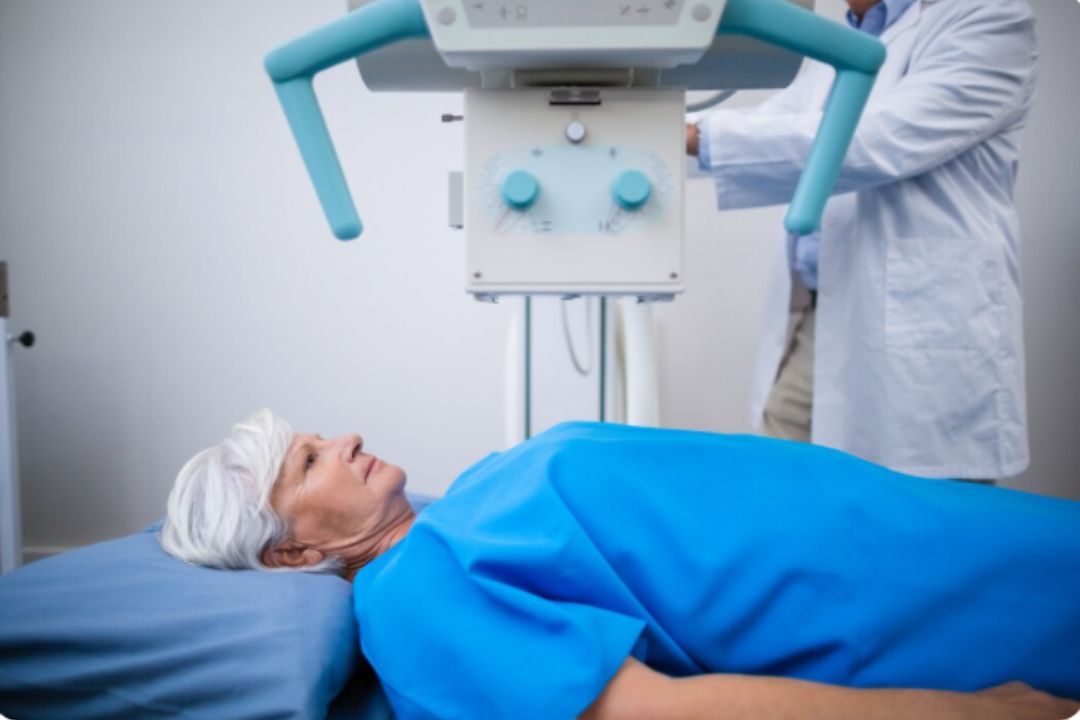
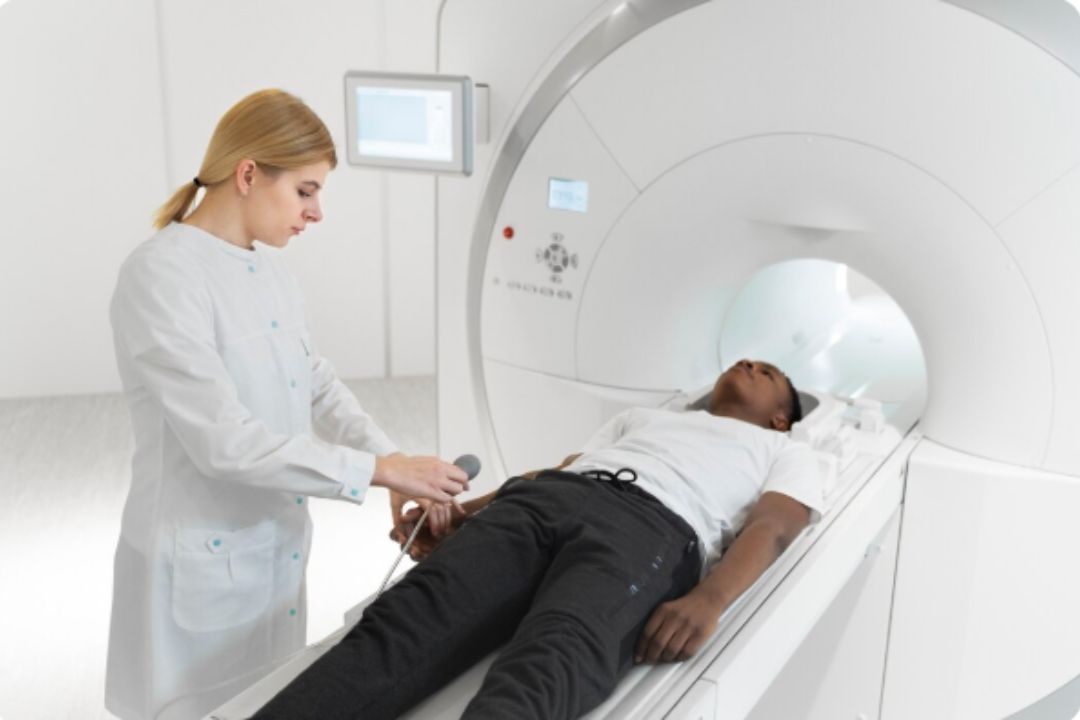
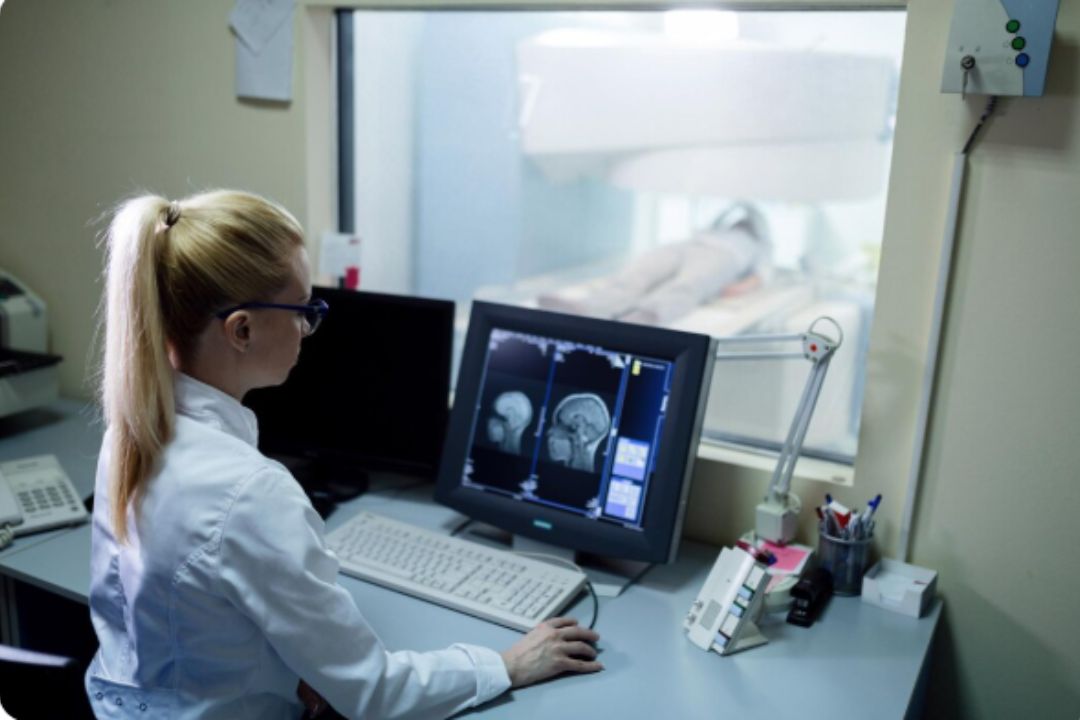

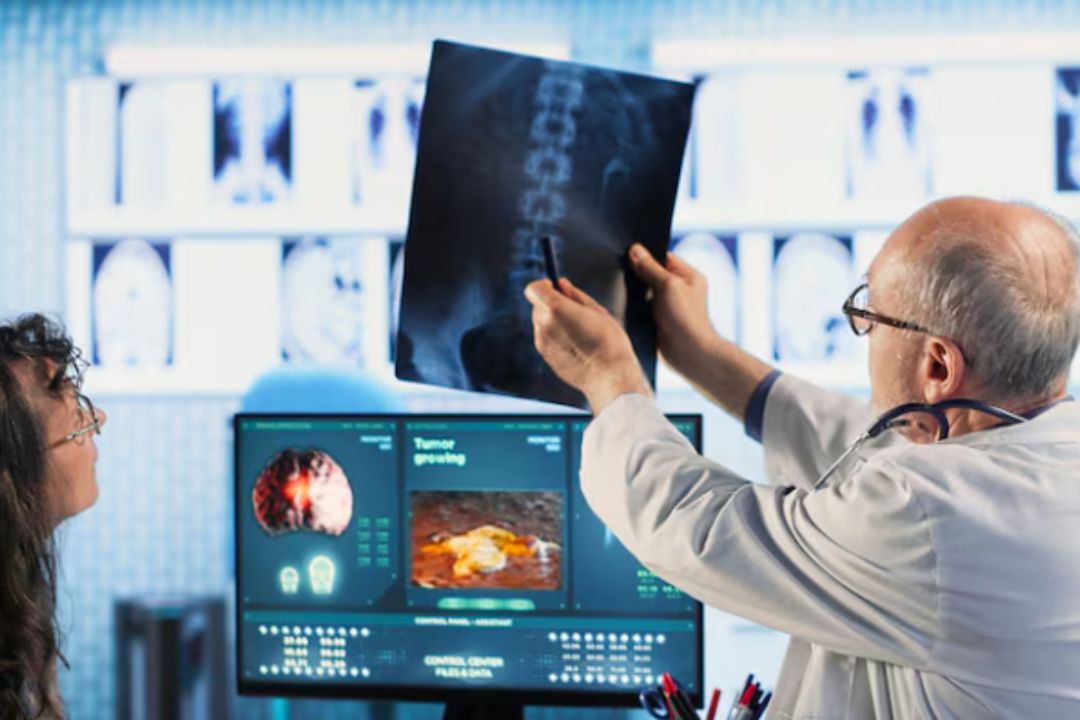


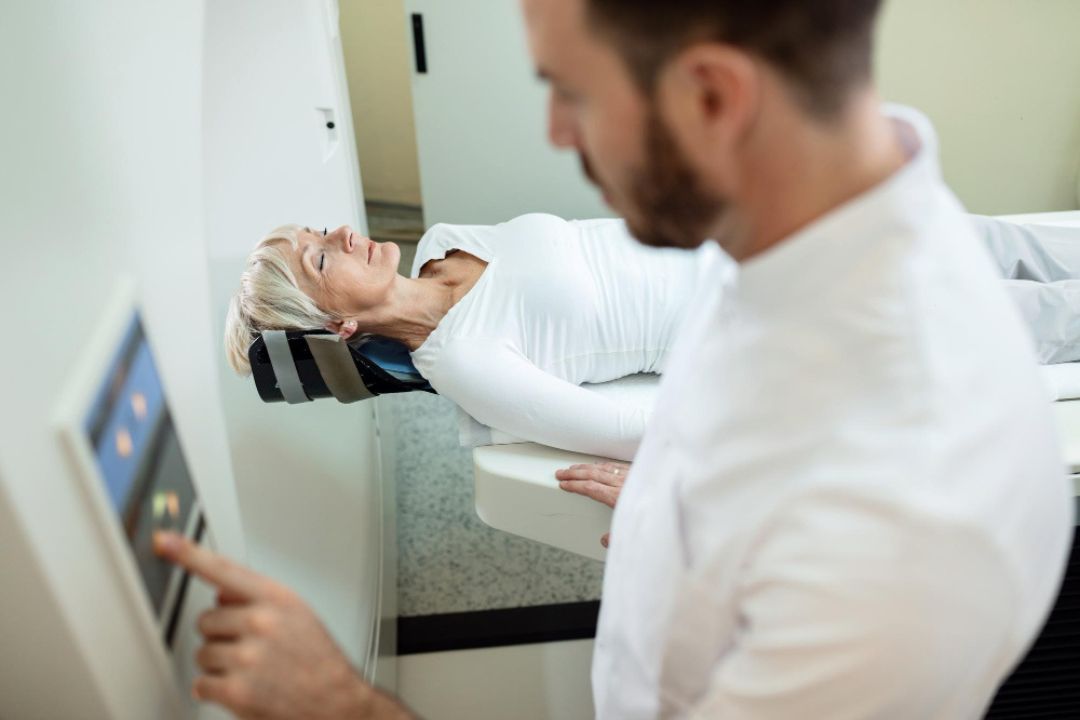
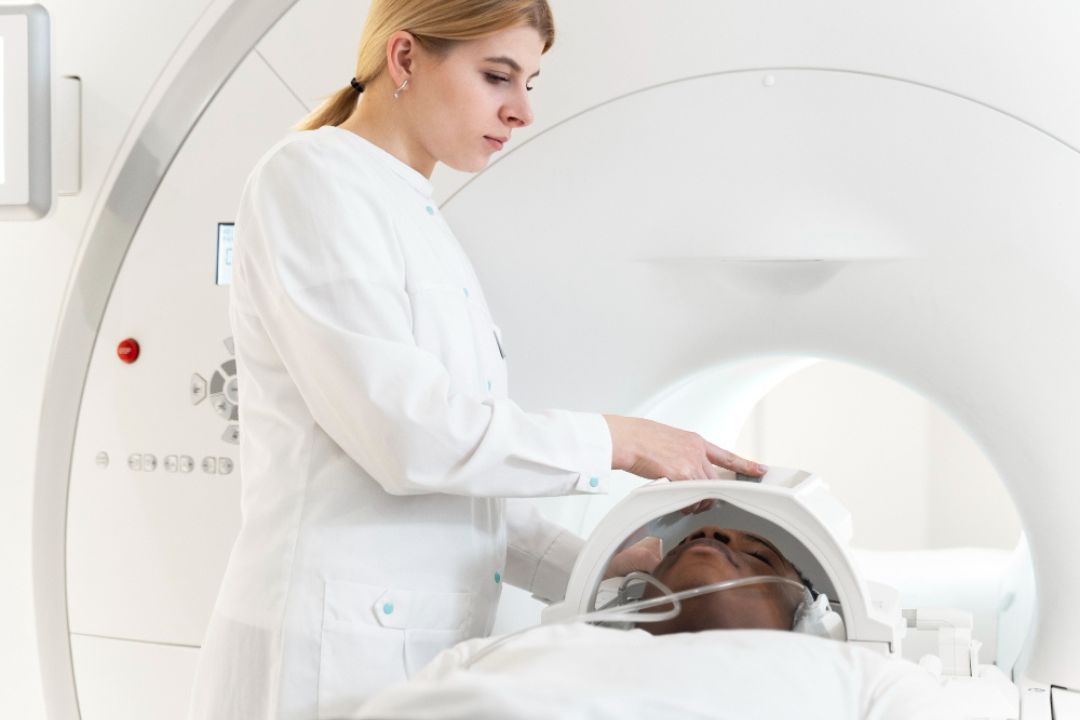
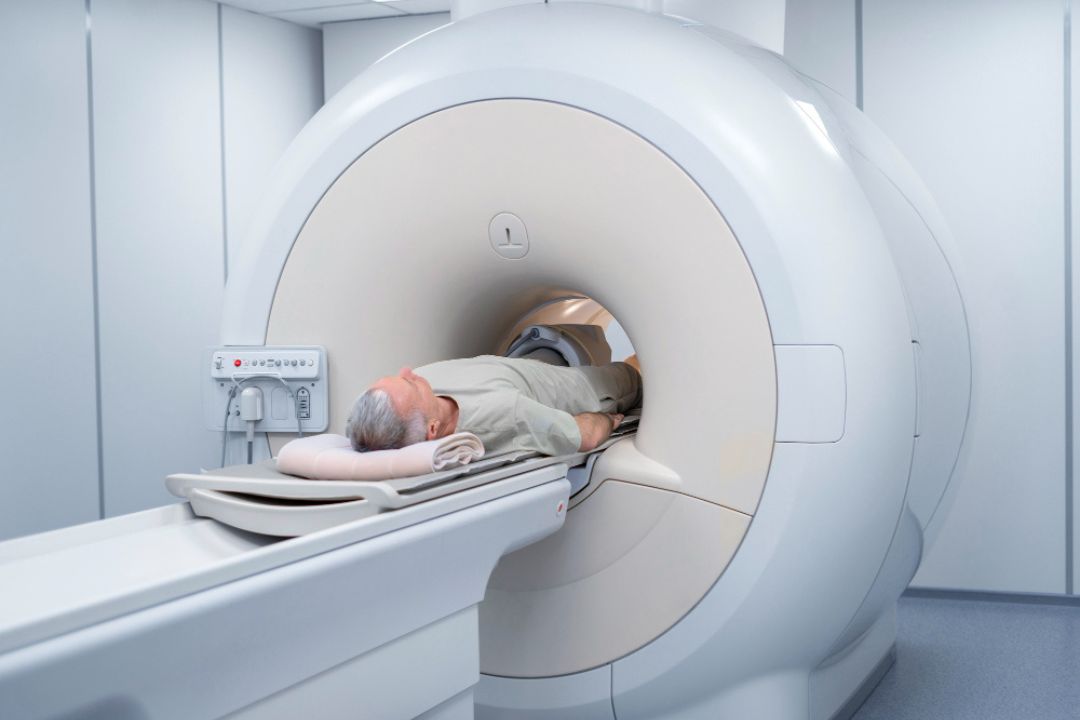
.jpg "ct scan")

.jpg "ct scan or mri for brain disorders")


.jpg "exploring the power of ct brain contrast in modern diagnostics")
.jpg "ct scan")
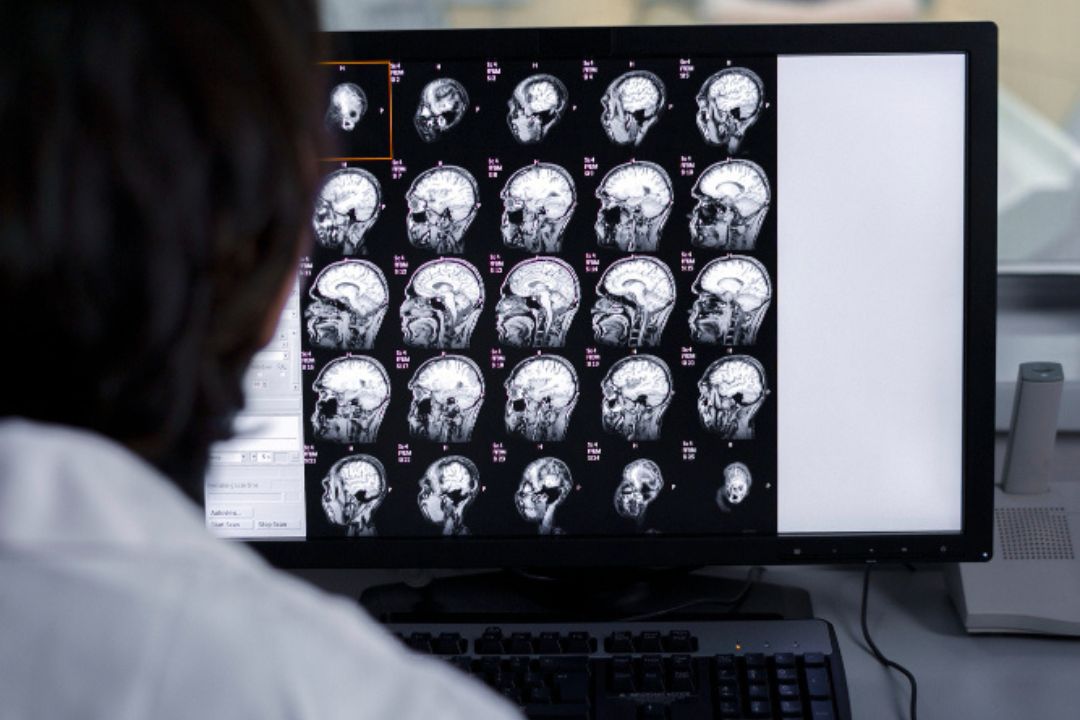
.jpg "ct scan")

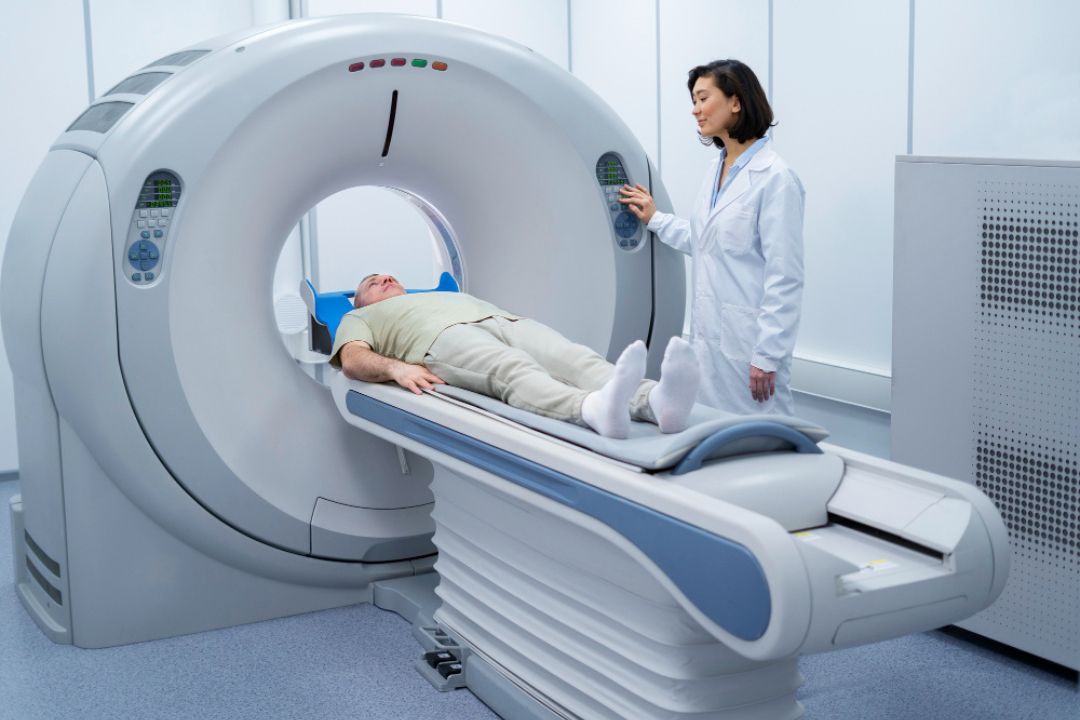
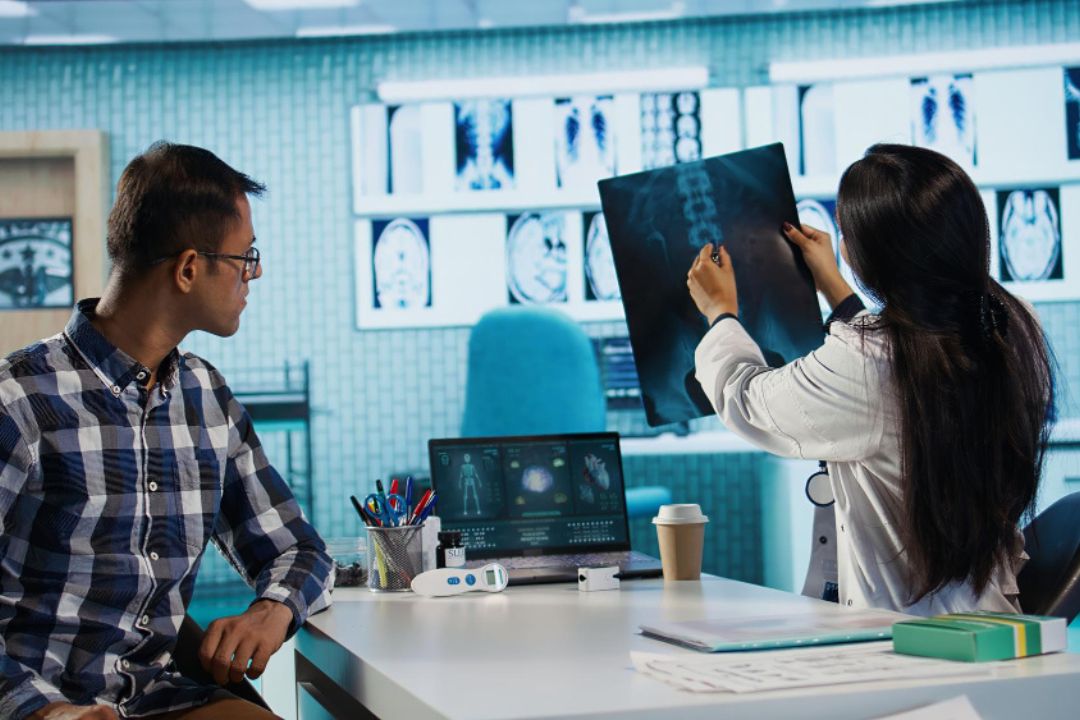
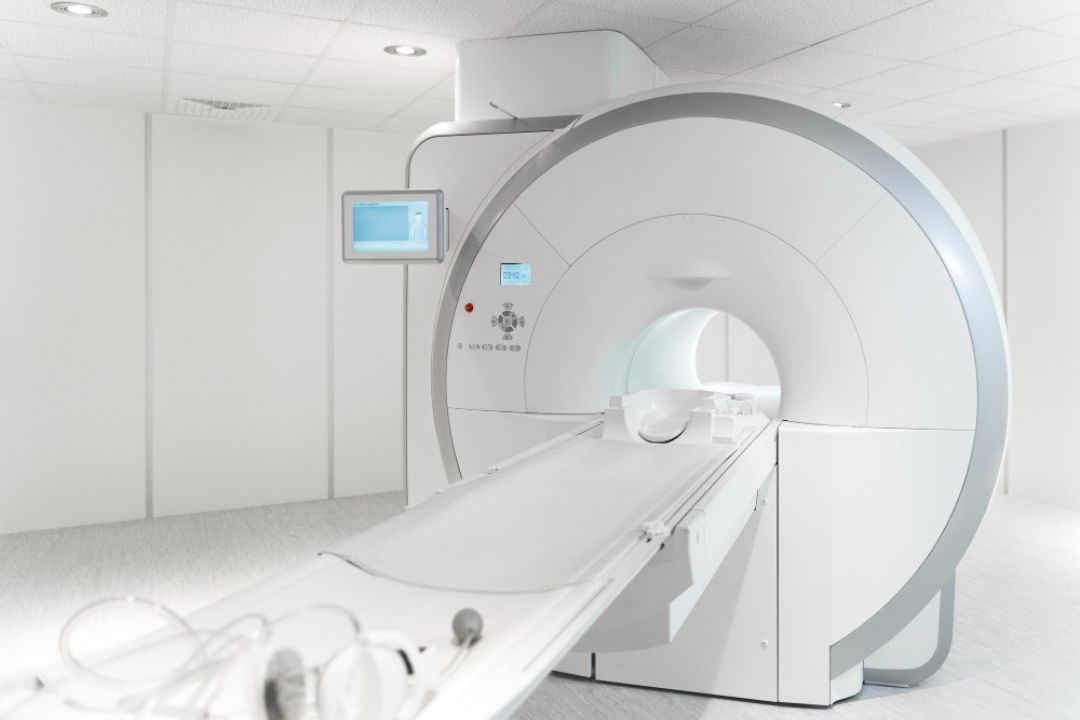






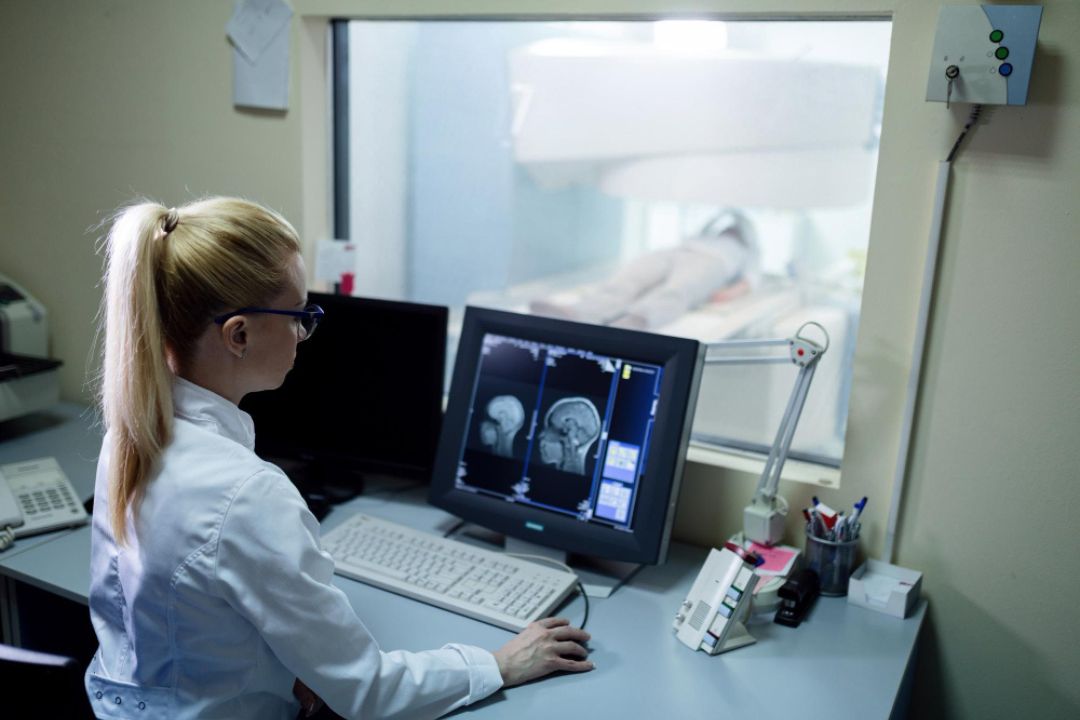
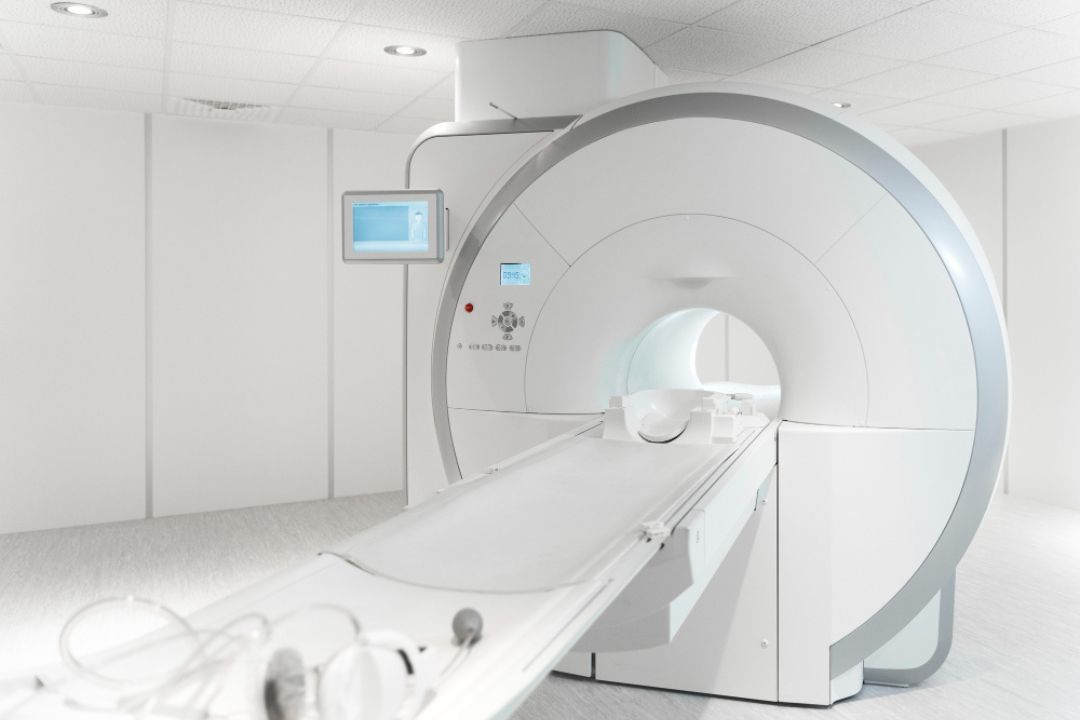
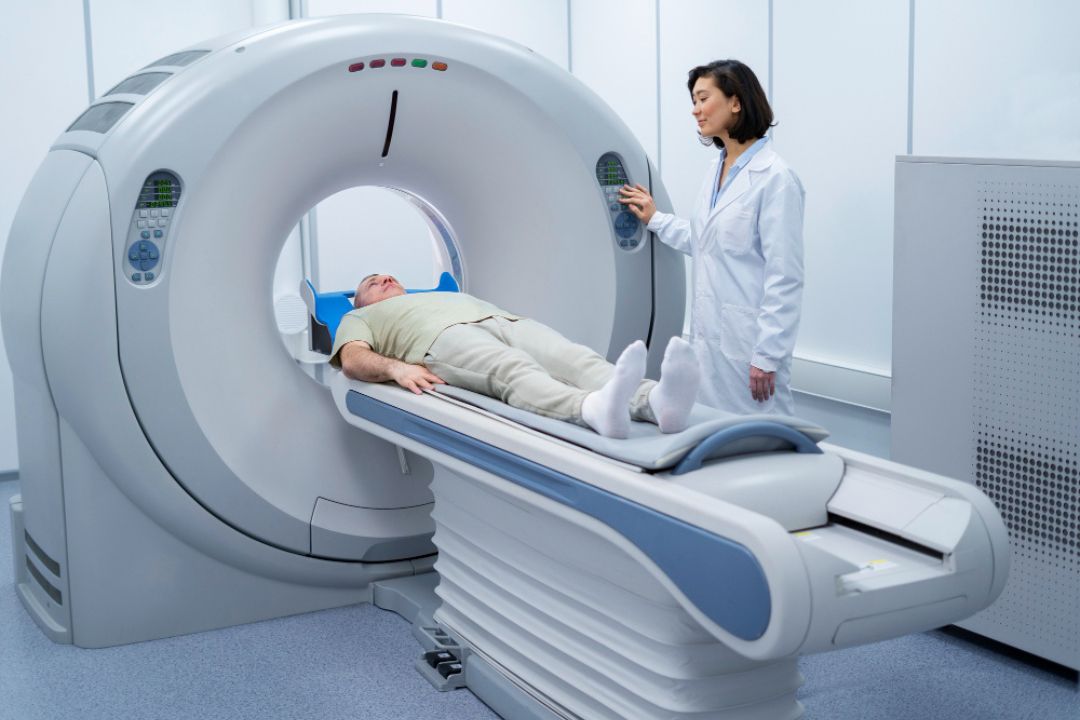
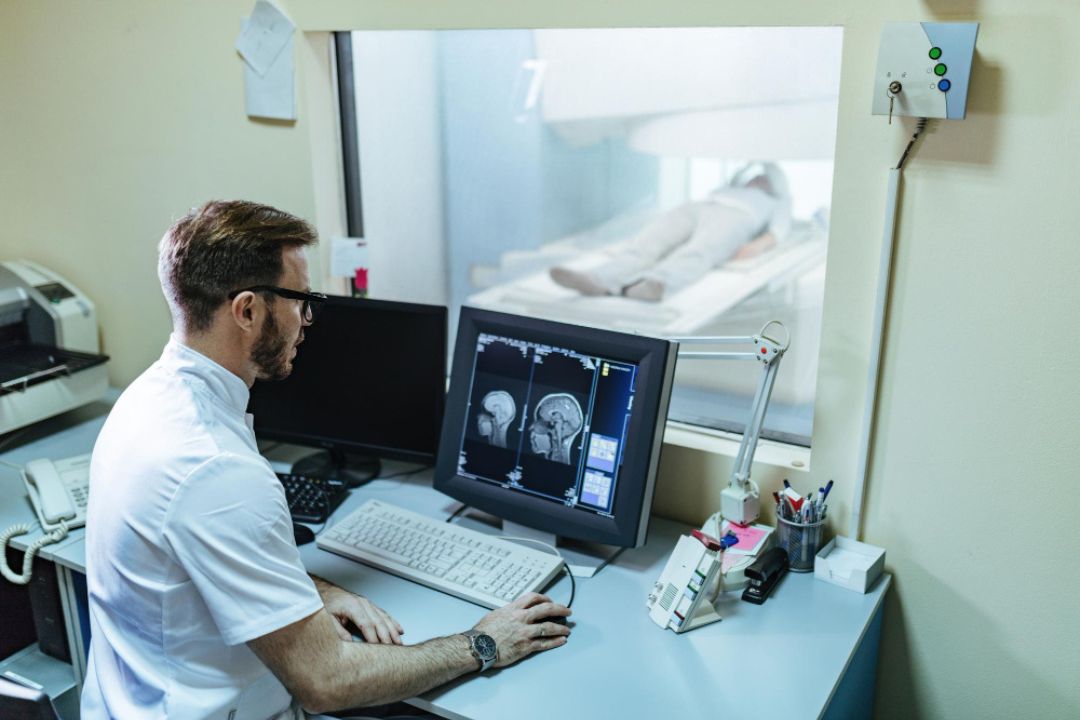
.jpg "ct scan")

.jpg "CT Brain Scan for Headaches")
.jpg "The Future of 3D CT Imaging")