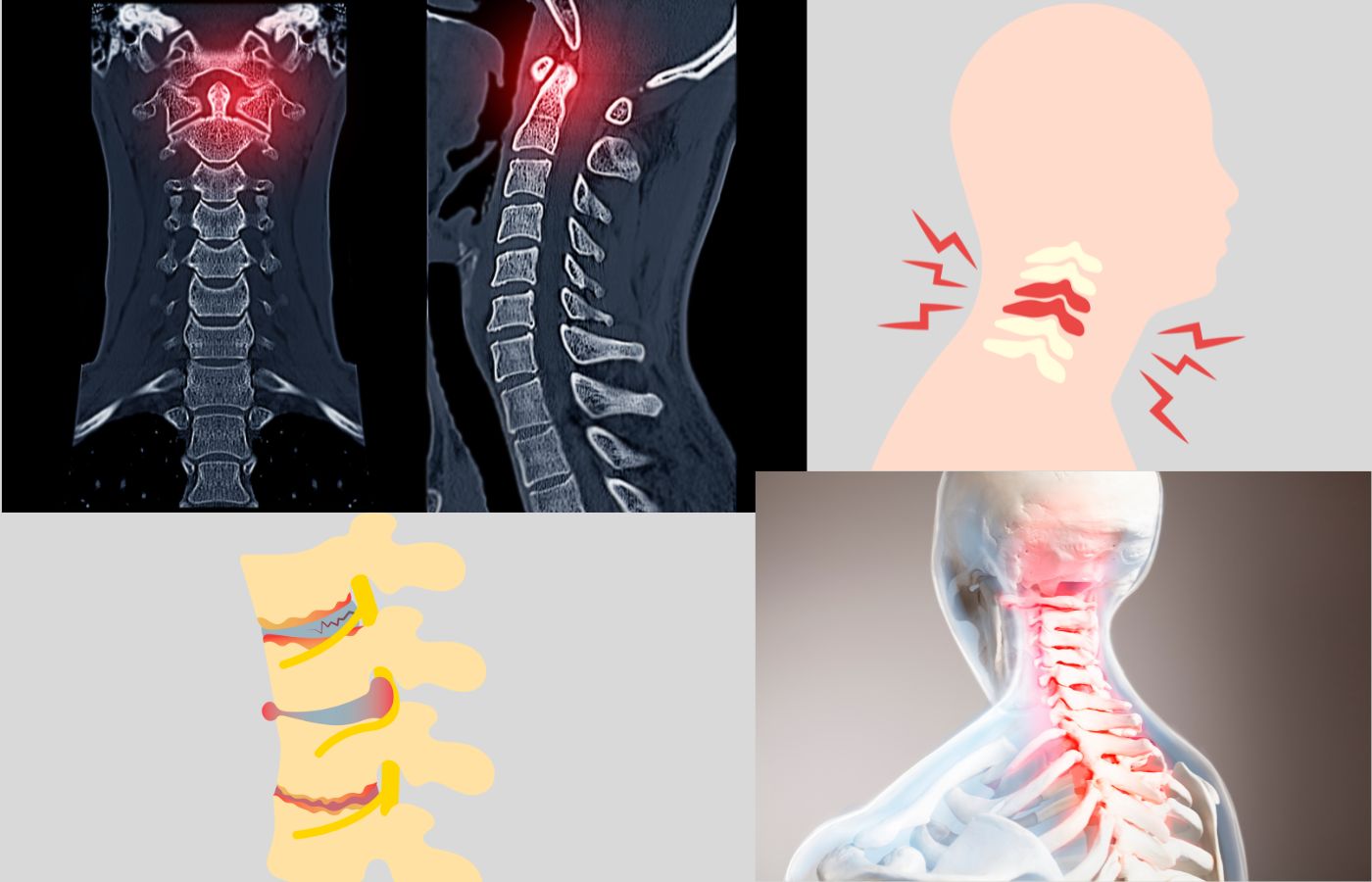
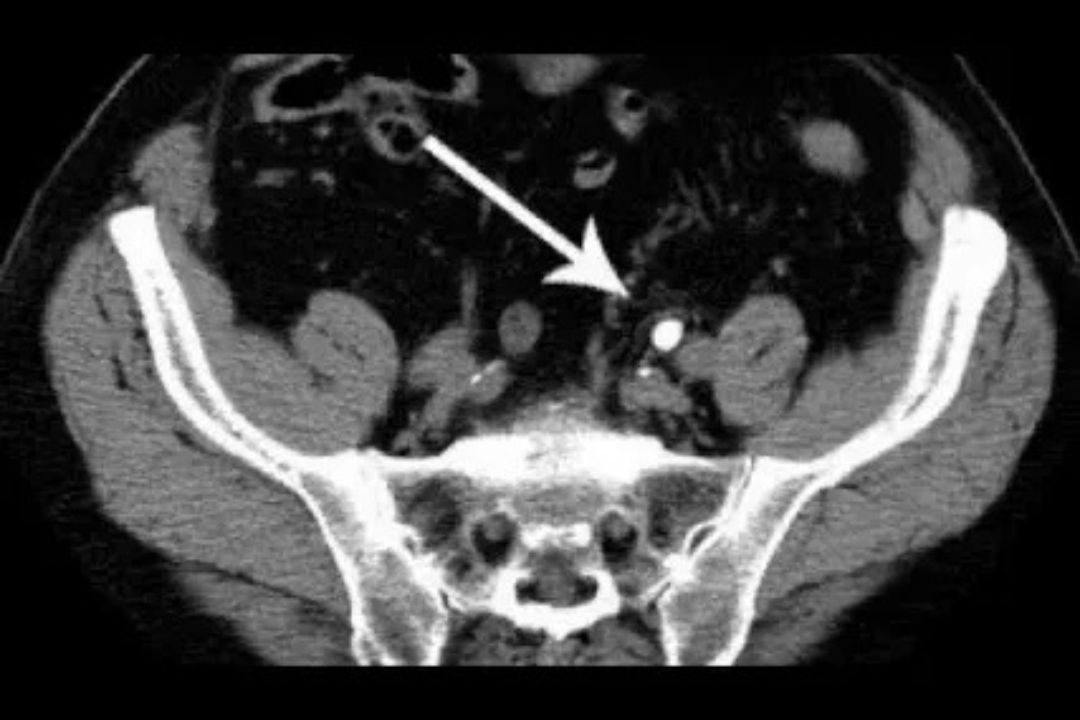
A contrast CT scan is an advanced diagnostic imaging test that helps doctors see organs, blood vessels, and tissues more clearly. The use of a contrast dye allows medical professionals to detect abnormalities that may not be visible in a regular CT scan.
Many patients feel anxious before undergoing a contrast CT scan because they are unsure about the procedure. Understanding the step-by-step process can help you feel more comfortable and prepared.
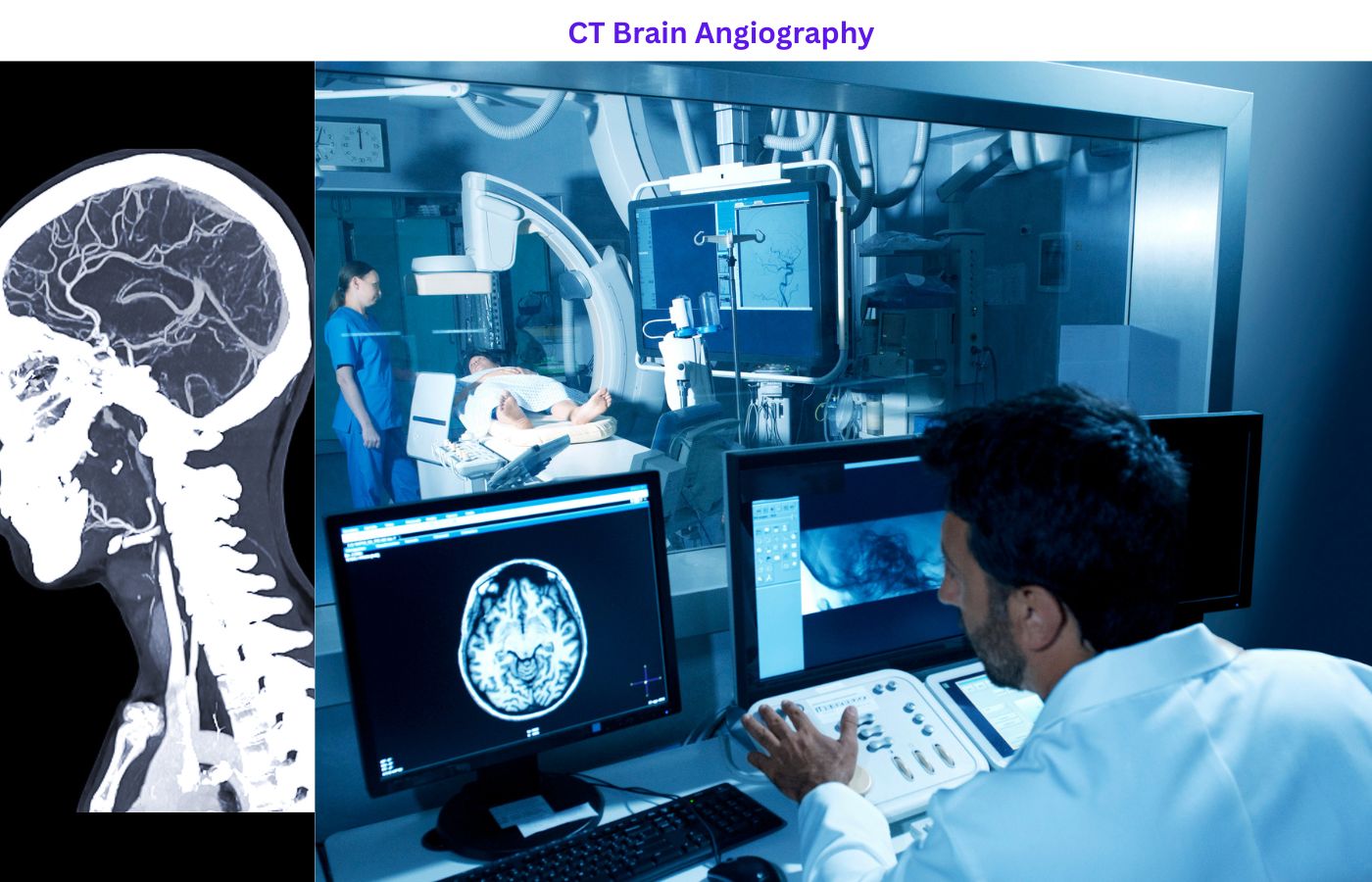
A Contrast CT Scan is a type of computed tomography scan that uses a special dye called contrast material to enhance the visibility of certain structures inside the body.
The contrast dye helps highlight:
Blood vessels
Organs
Tumors or infections
Areas of inflammation
This allows doctors to obtain more detailed images for accurate diagnosis.
Doctors may recommend a contrast CT scan for many medical reasons. It helps diagnose and monitor a wide range of conditions, including:
Tumors and cancers
Blood vessel blockages
Internal bleeding
Organ infections
Heart and vascular diseases
Because the contrast dye improves image clarity, it allows doctors to detect abnormalities more easily.
Understanding each step of the procedure can help reduce anxiety and make the experience smoother.
Before the scan, patients may receive specific preparation instructions. These instructions depend on the type of CT scan being performed.
Typical preparation may include:
Fasting for 4–6 hours before the scan
Removing metal objects such as jewelry or watches
Informing the doctor about allergies or medications
Patients should also inform their doctor if they have kidney disease, diabetes, or a history of contrast allergies.
When you arrive at the diagnostic center, staff will verify your details and explain the procedure.
You may be asked to:
Sign a consent form
Change into a hospital gown if required
Provide previous medical reports
This step ensures that the procedure is performed safely.
For a contrast CT scan, the contrast dye is usually injected into a vein in the arm using a small needle.
During the injection, some patients may experience:
A warm sensation in the body
A metallic taste in the mouth
These sensations are temporary and usually disappear quickly.
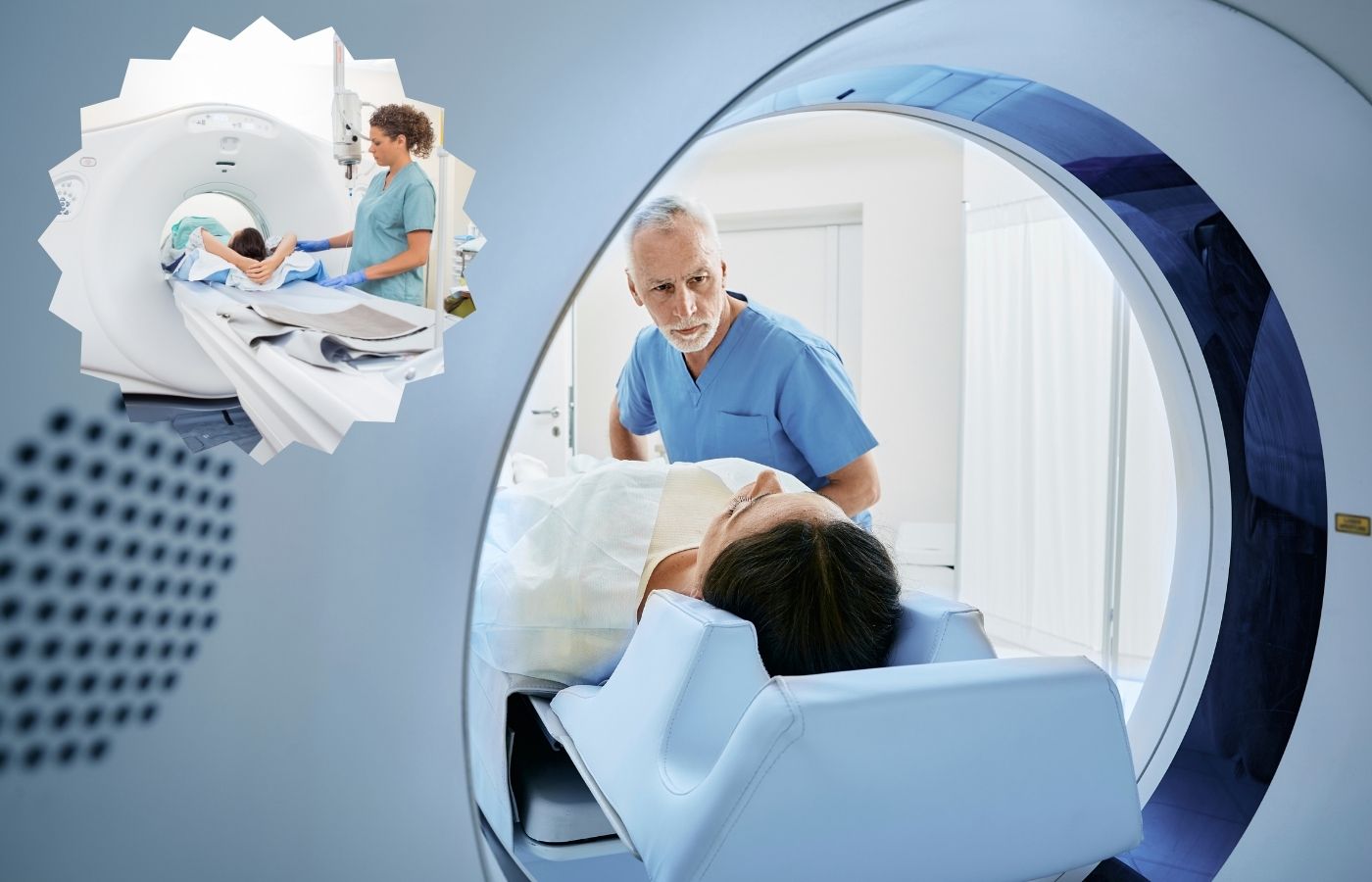
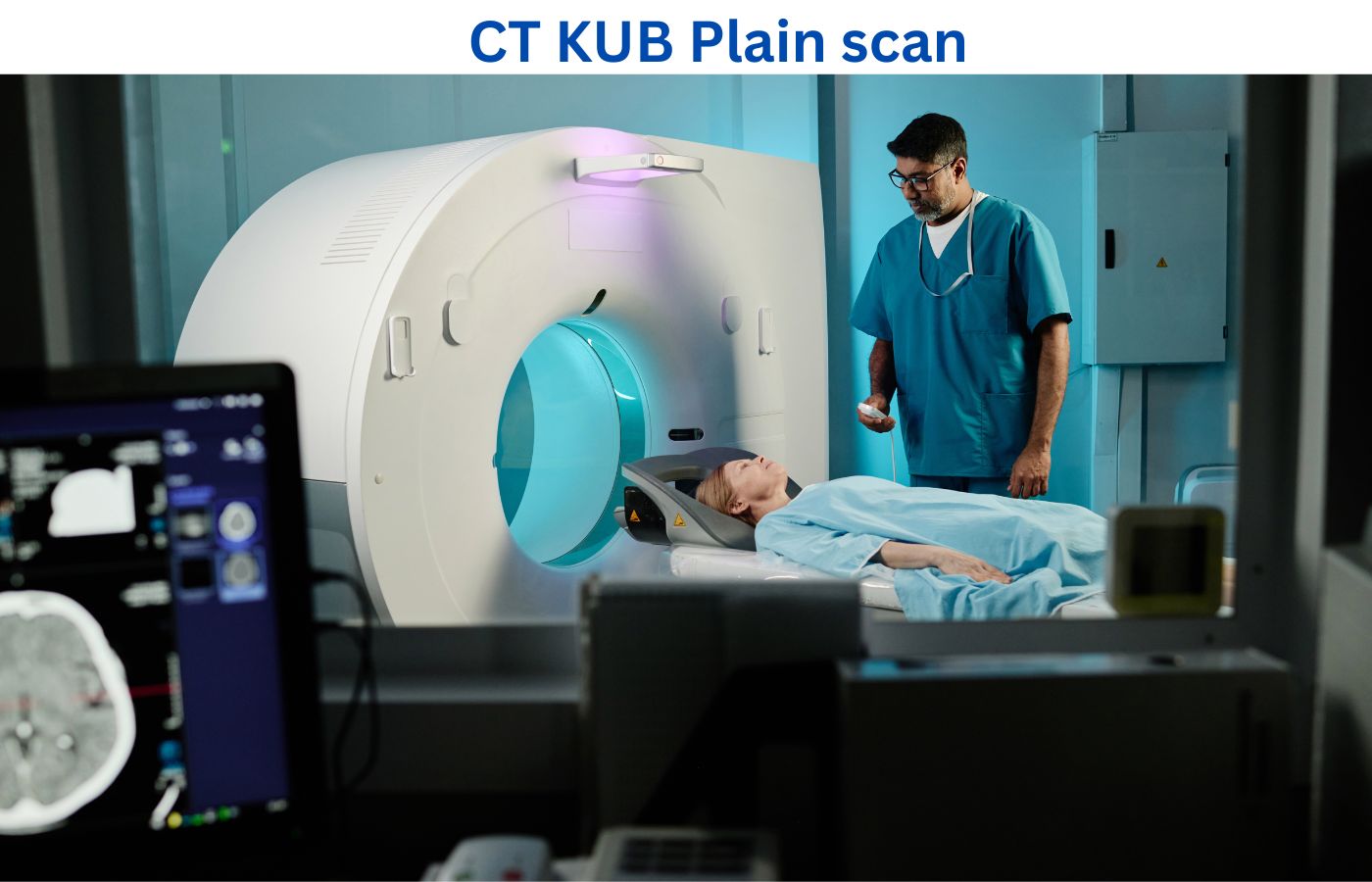
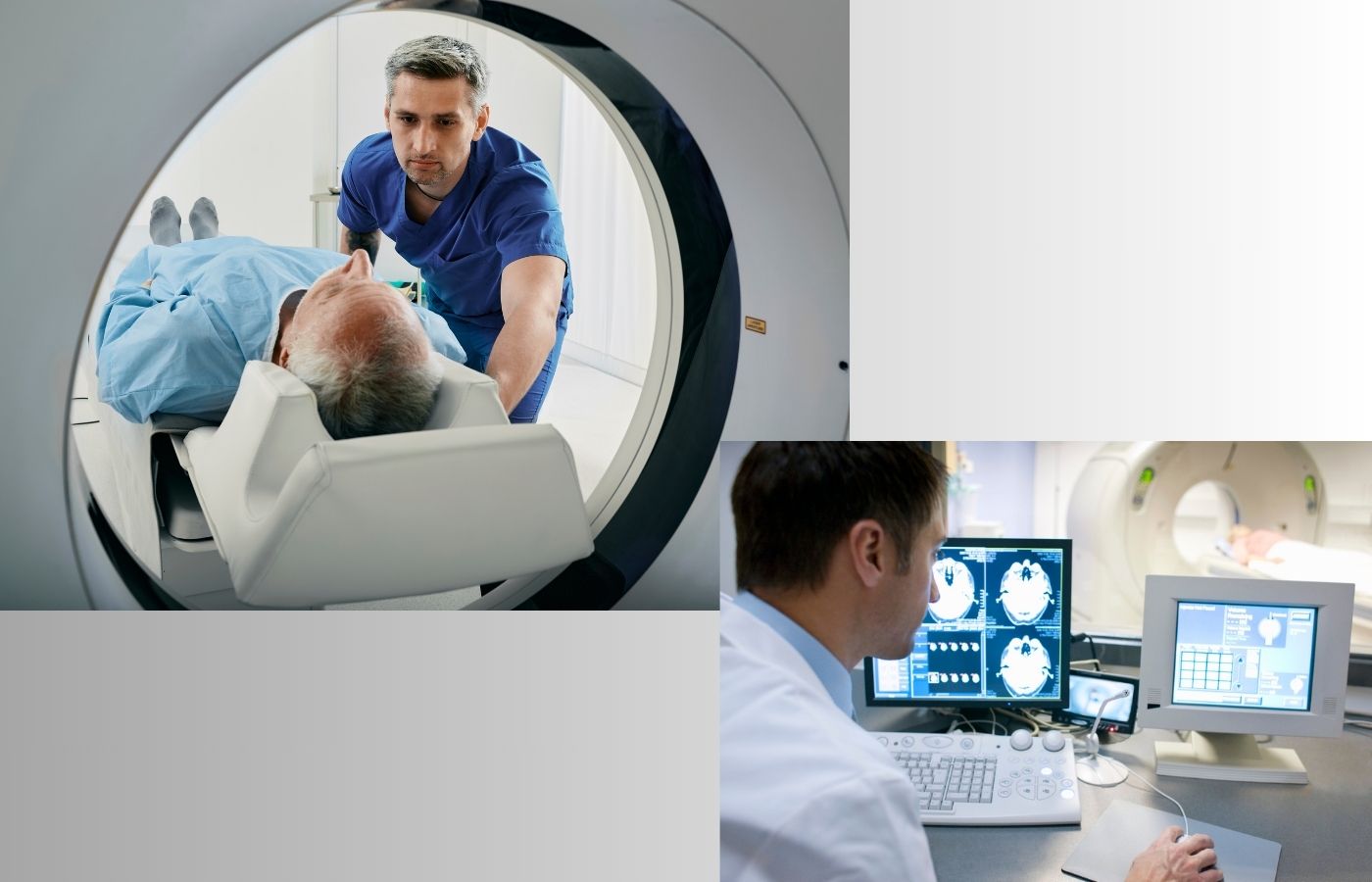
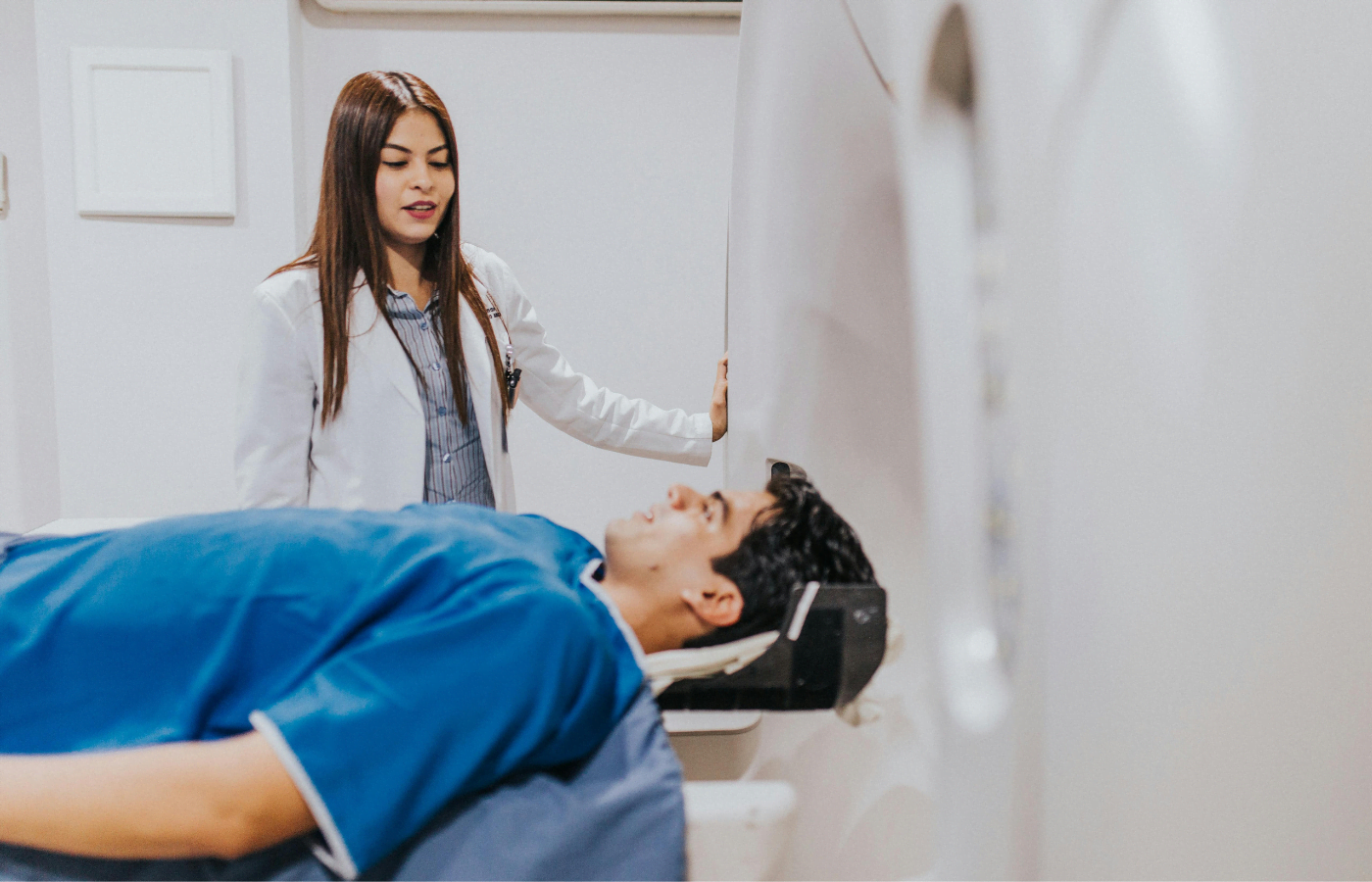
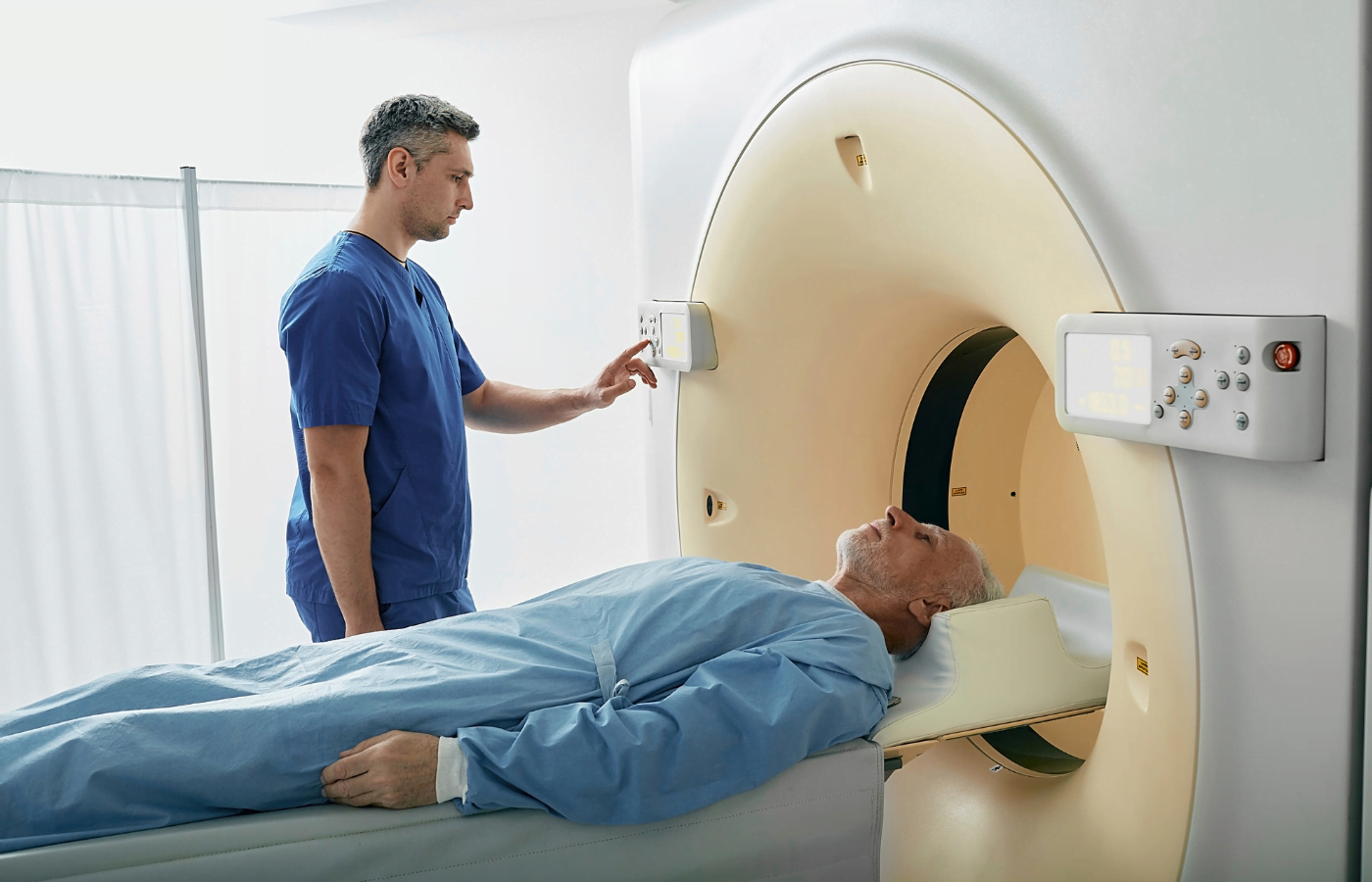
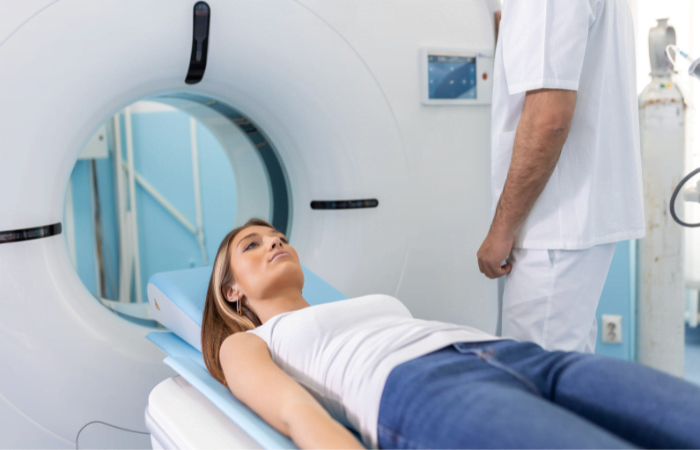
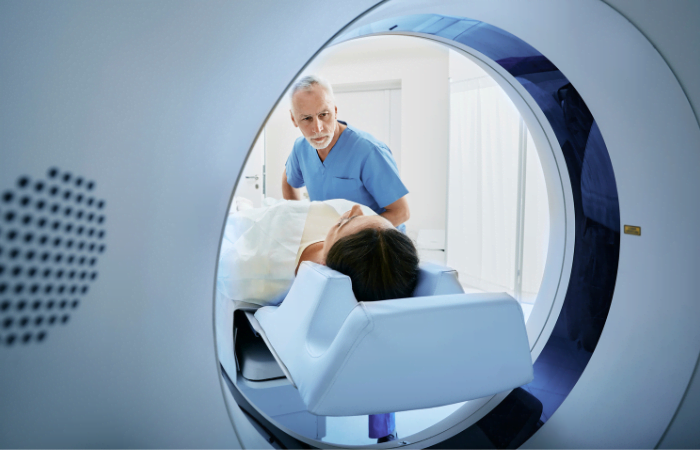
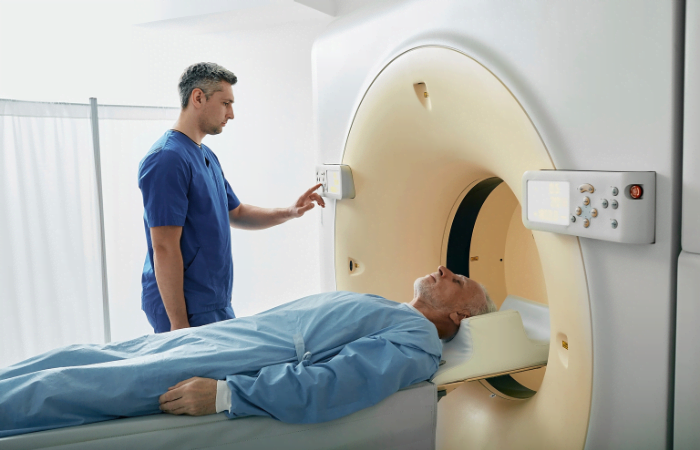
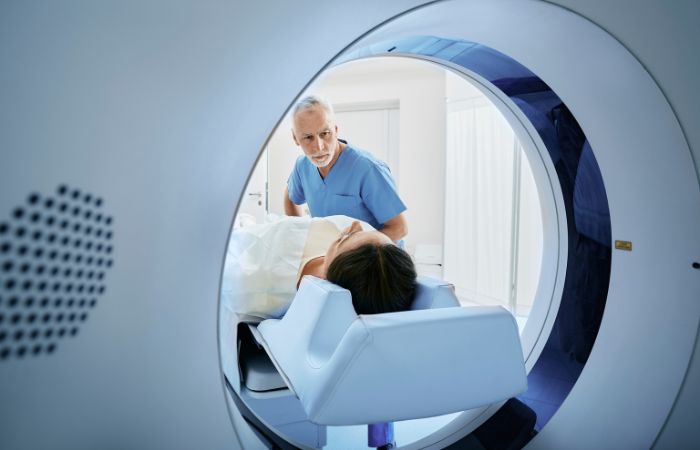
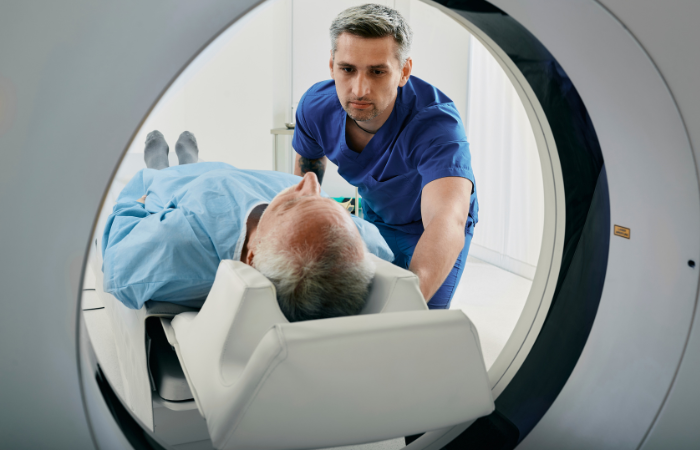
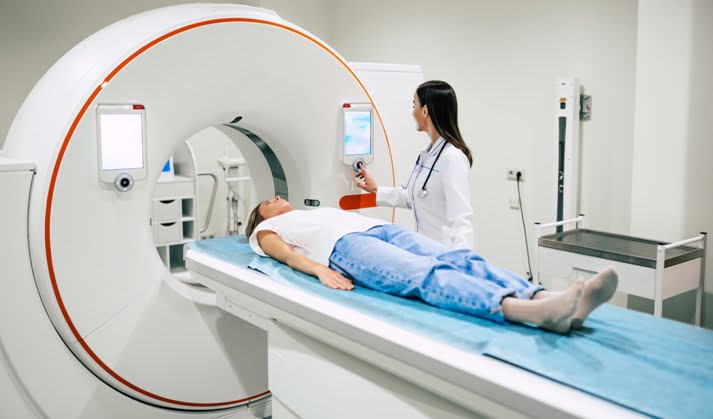
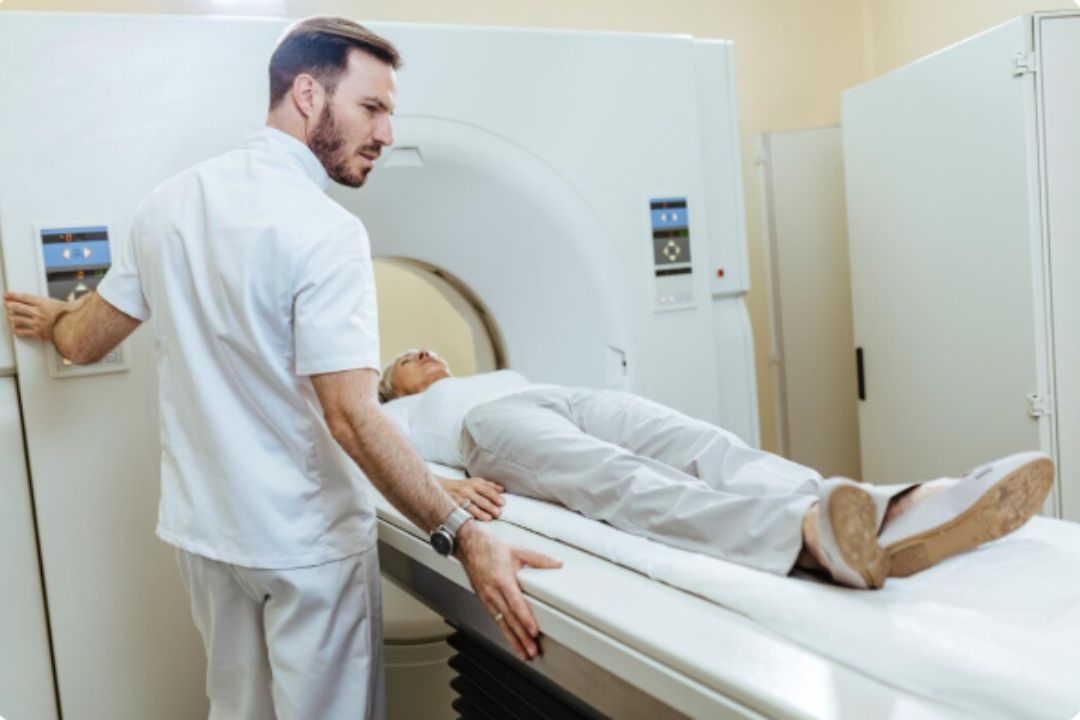
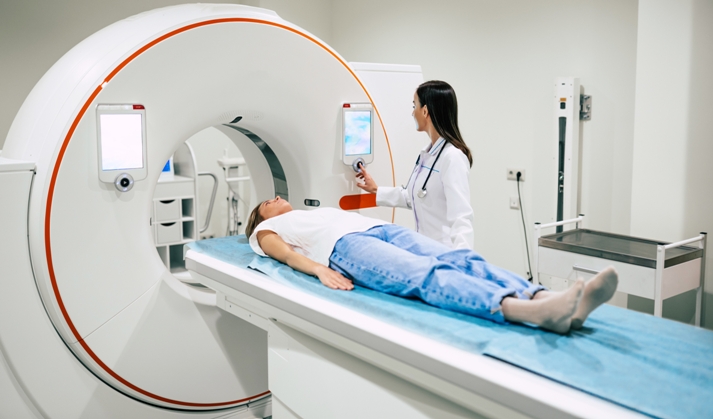
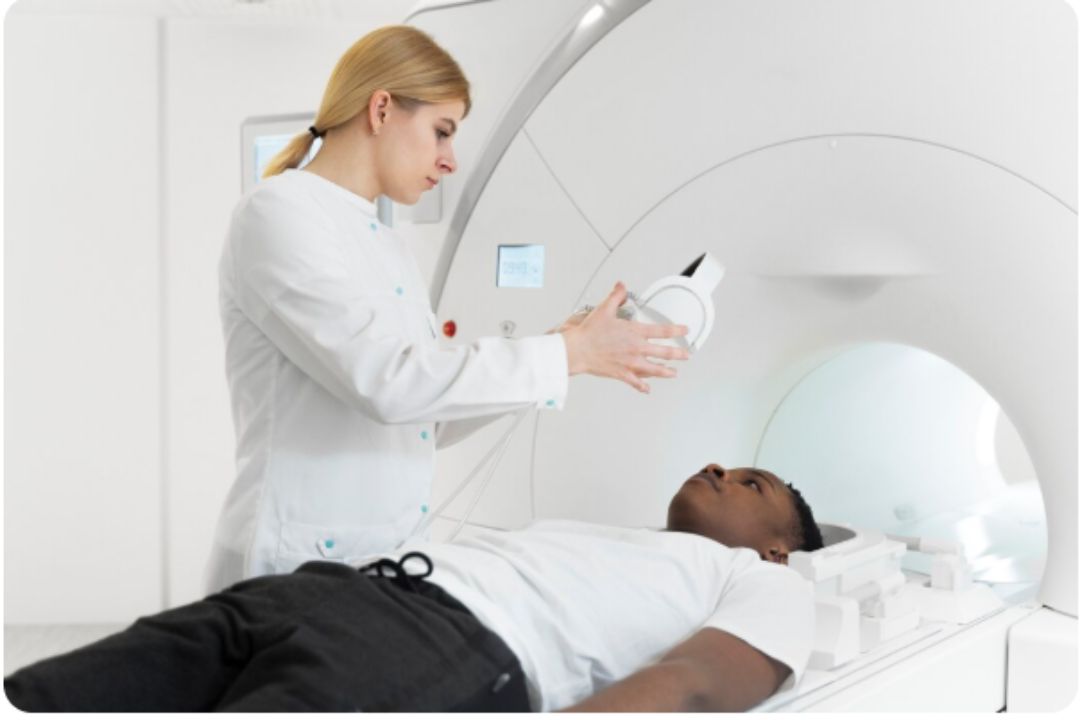
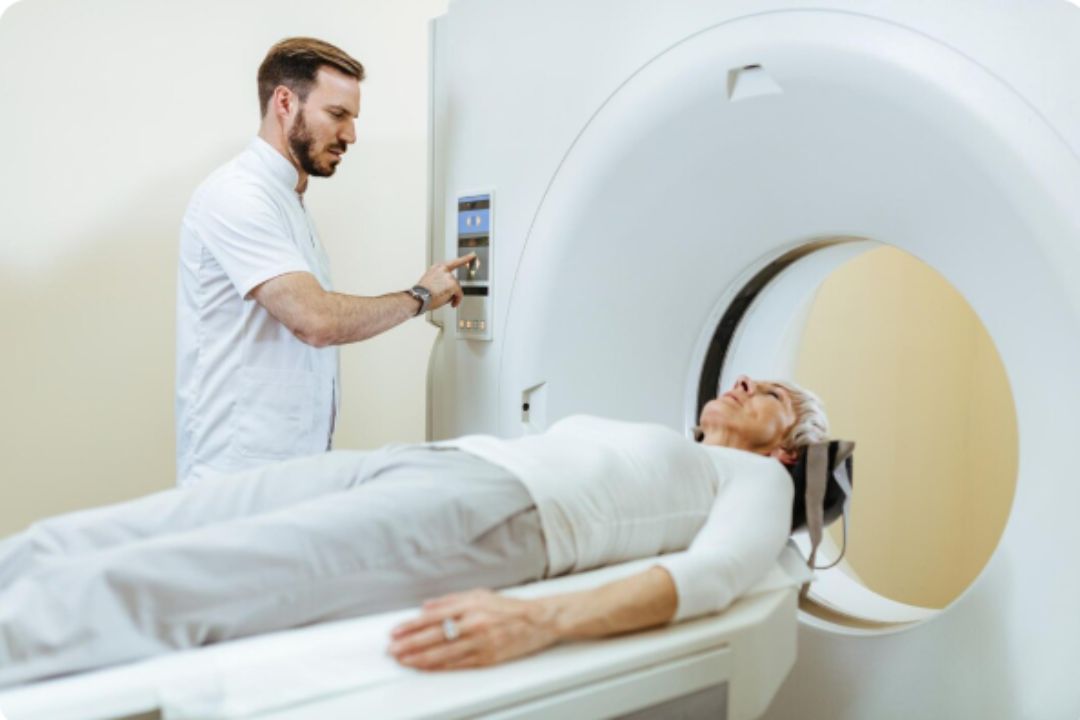
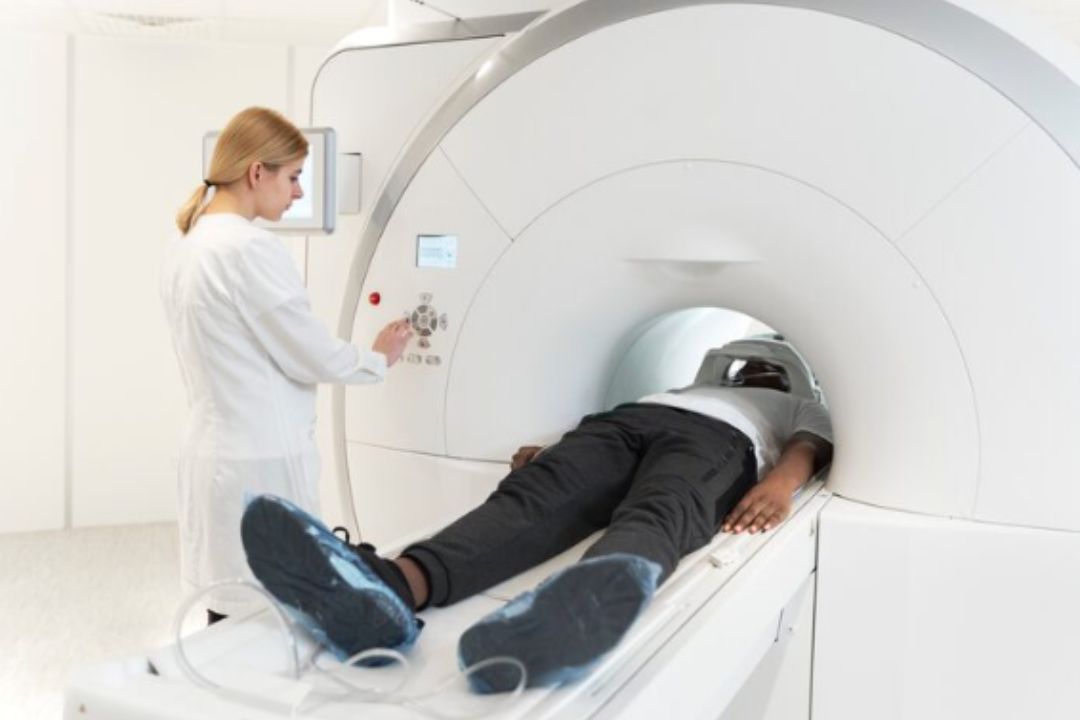
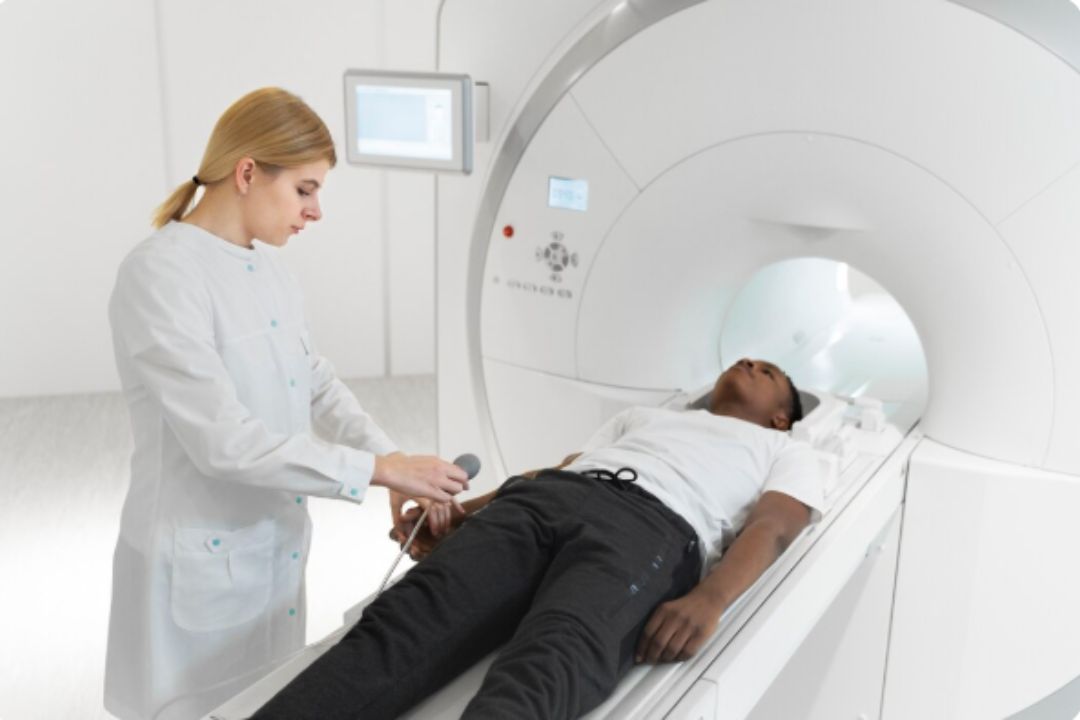
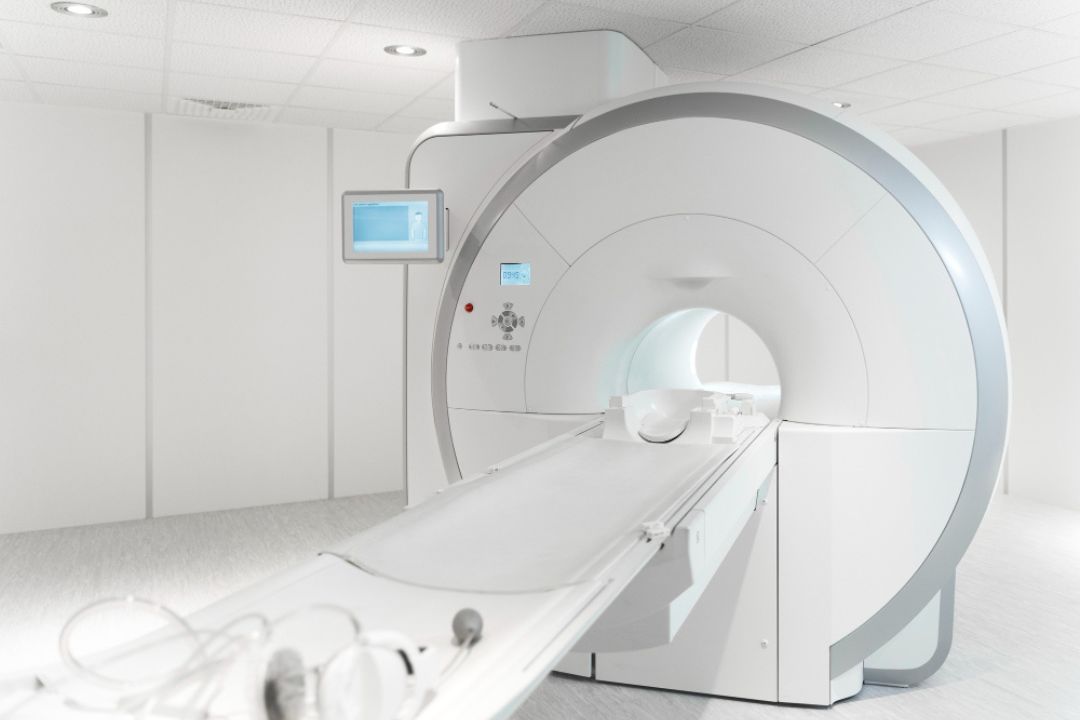
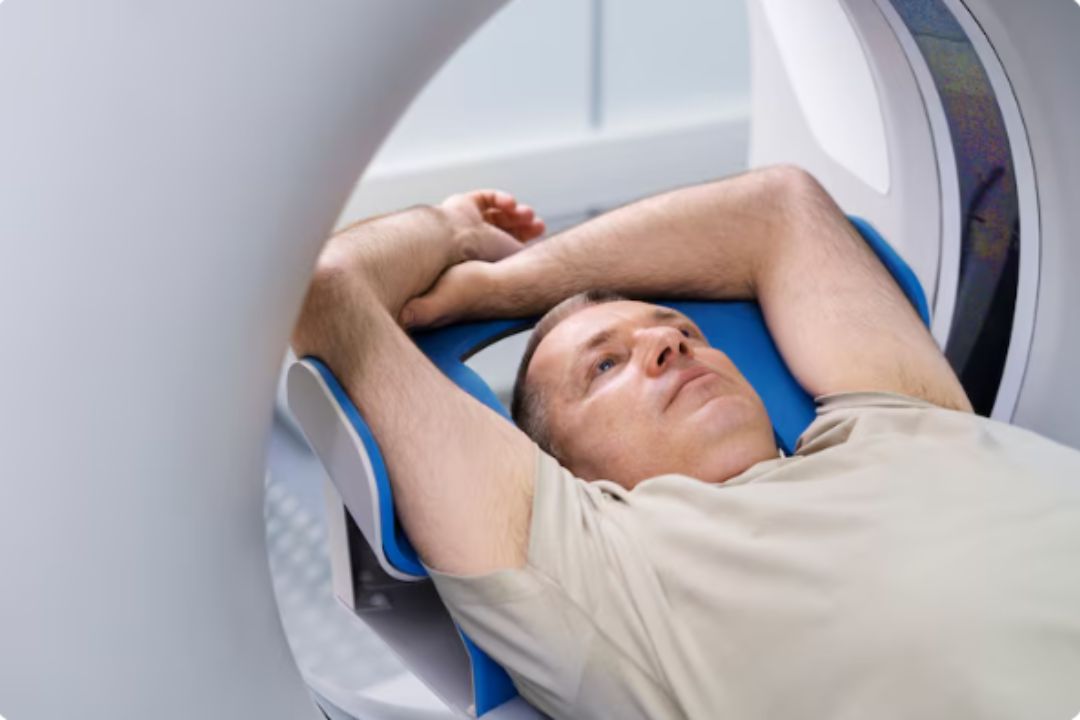
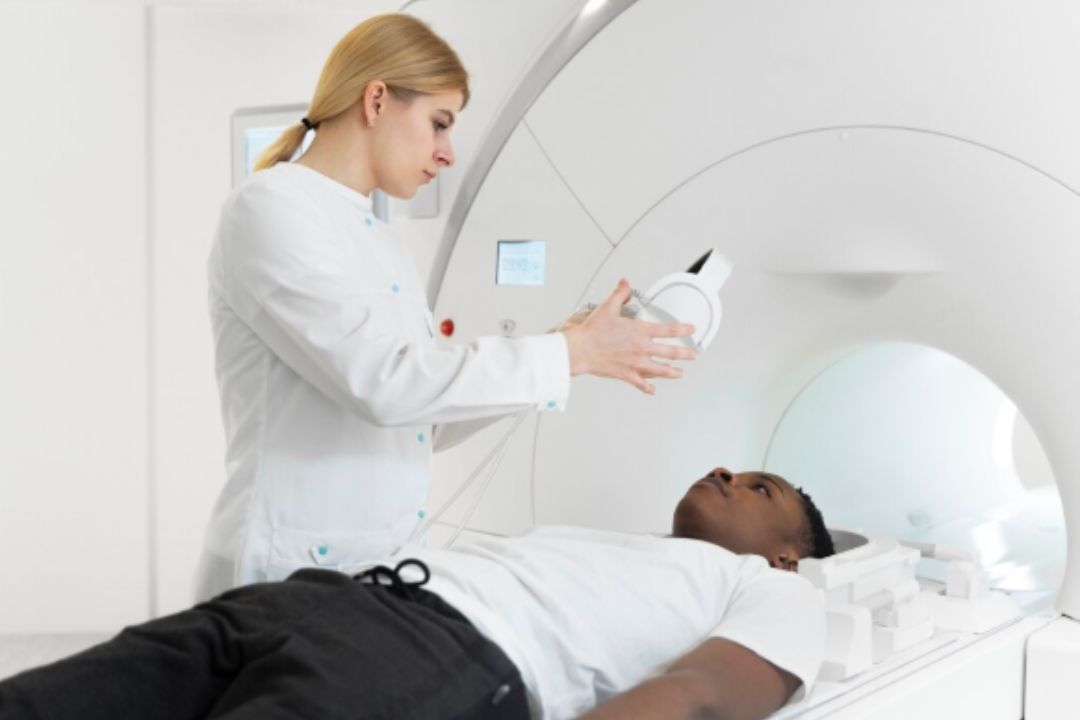
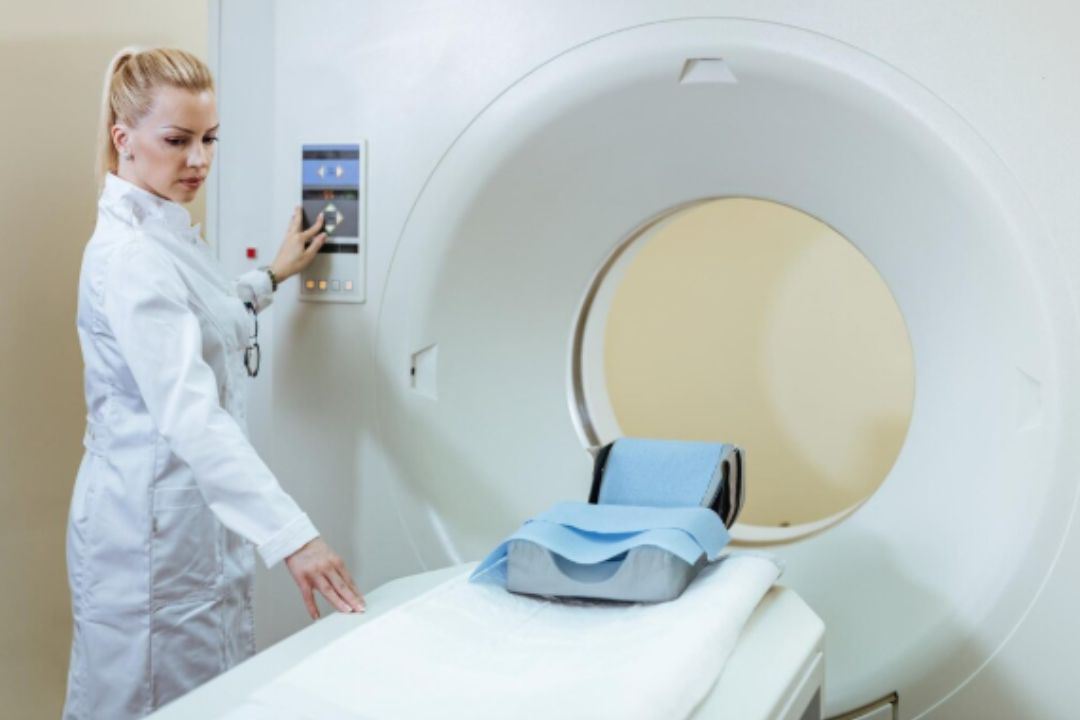
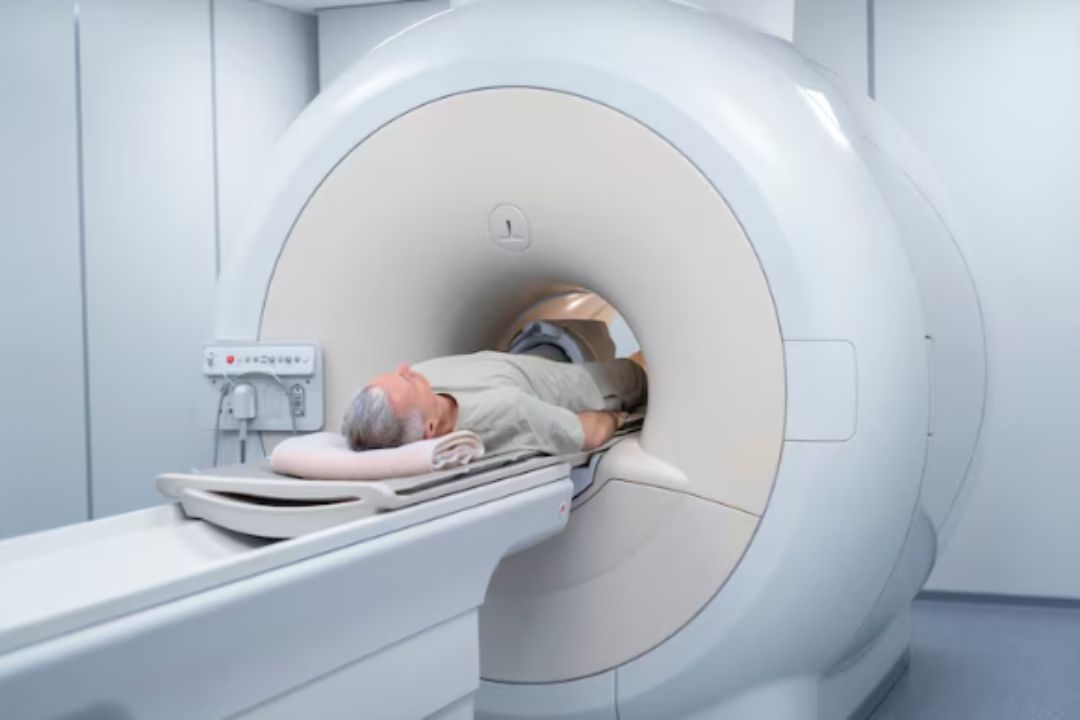
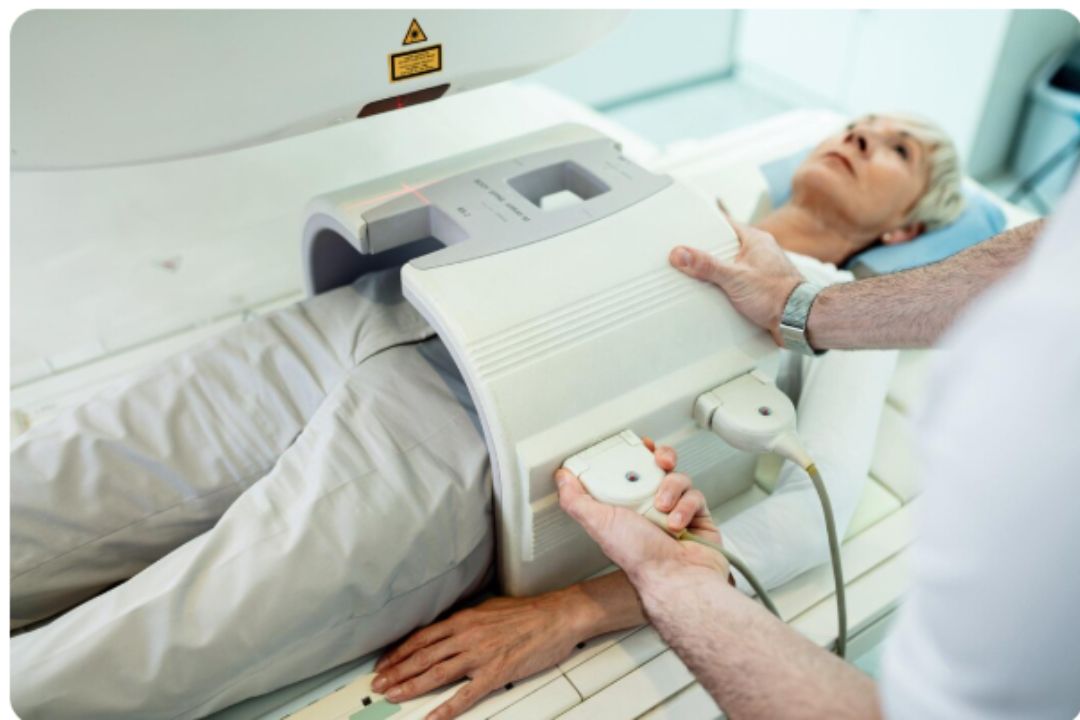
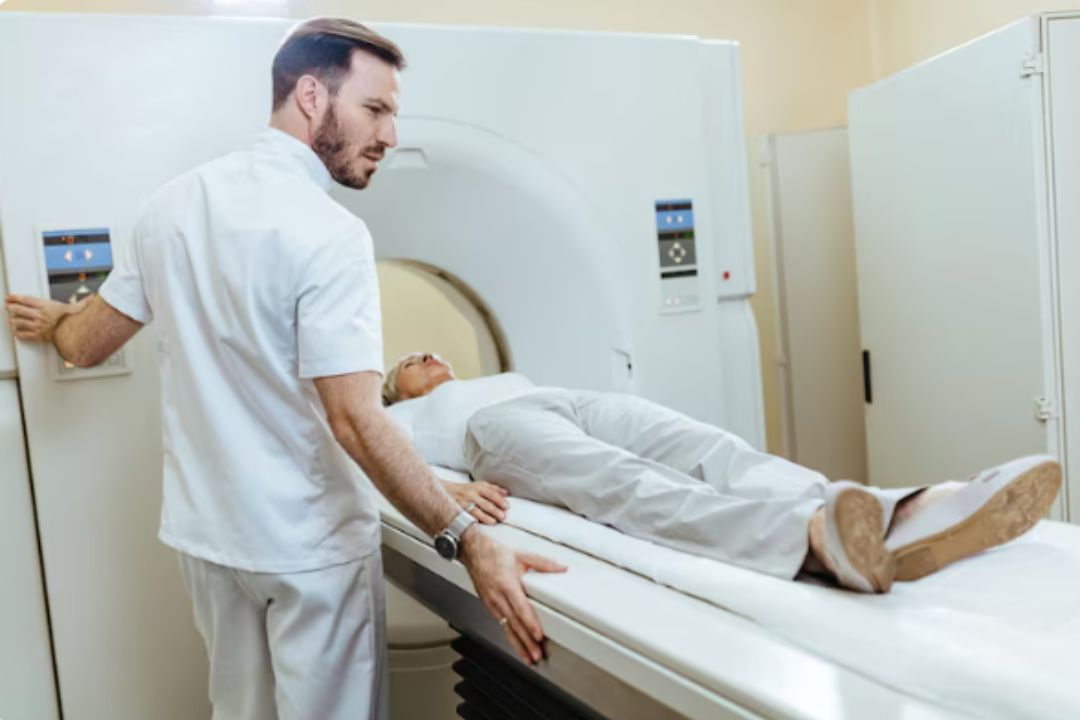
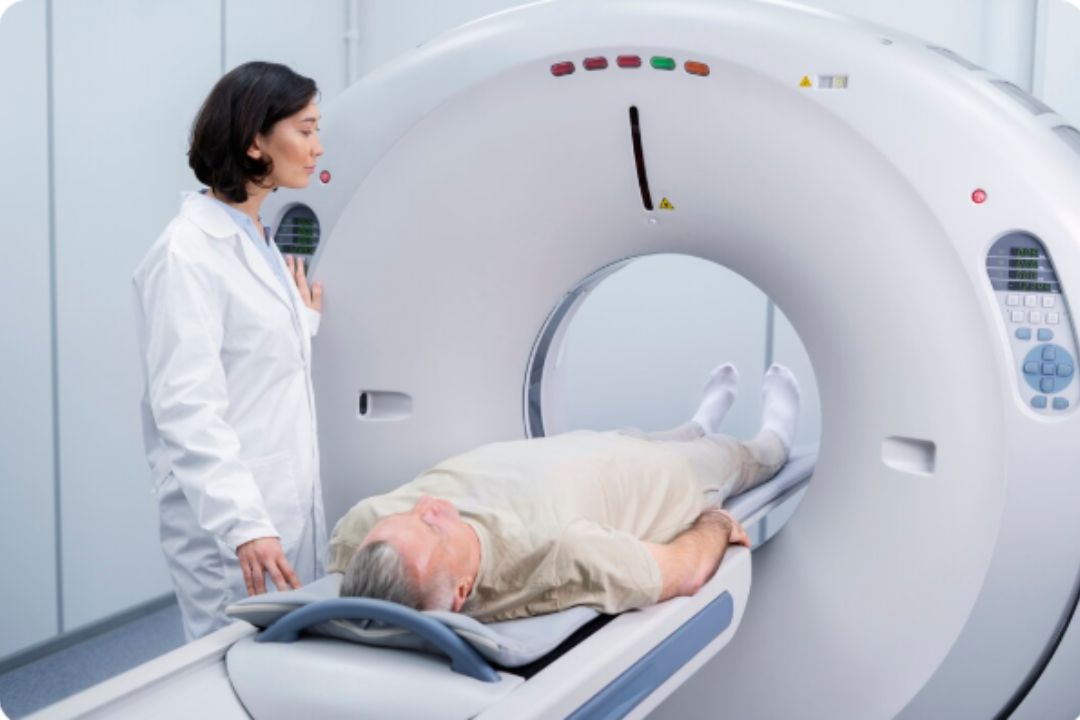
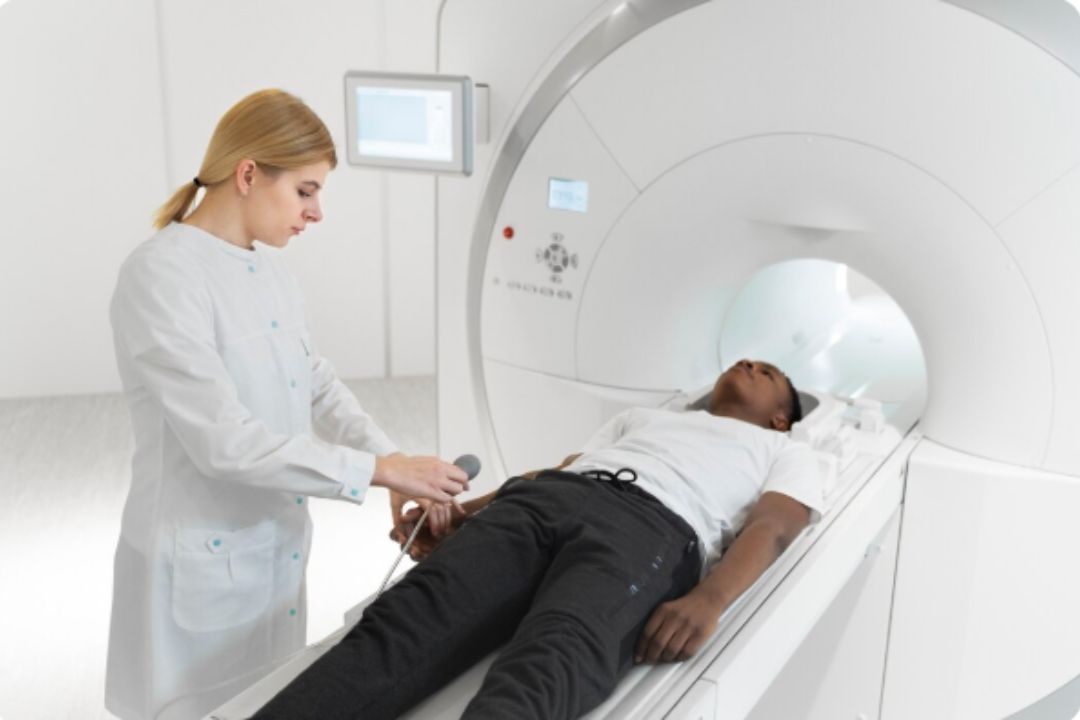
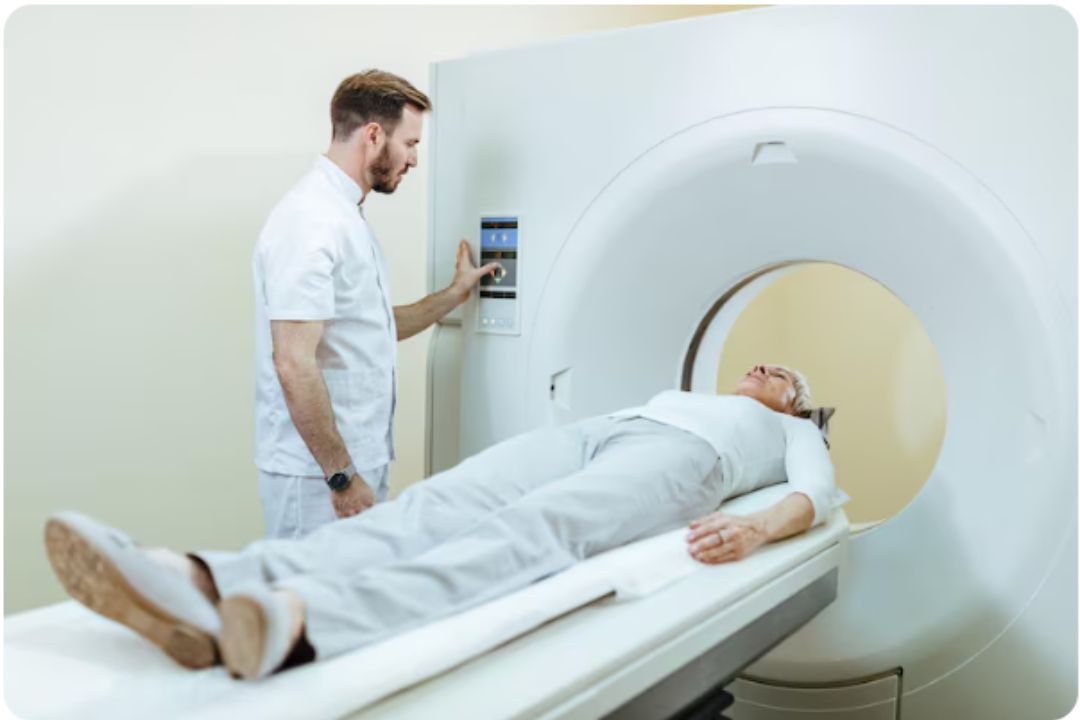
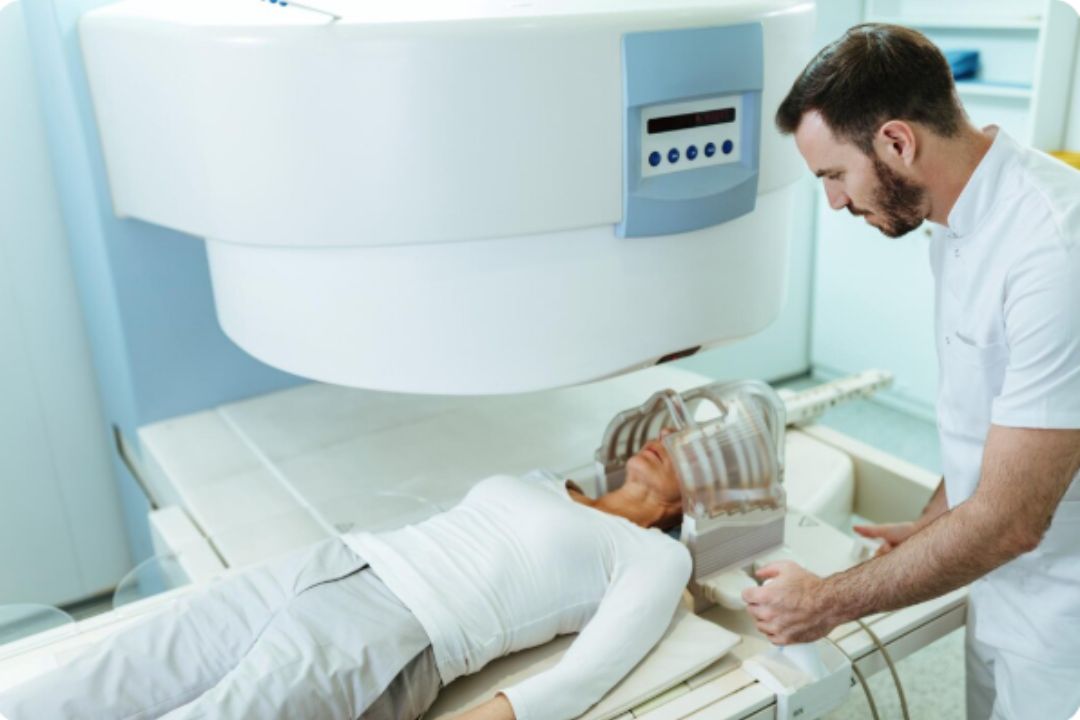
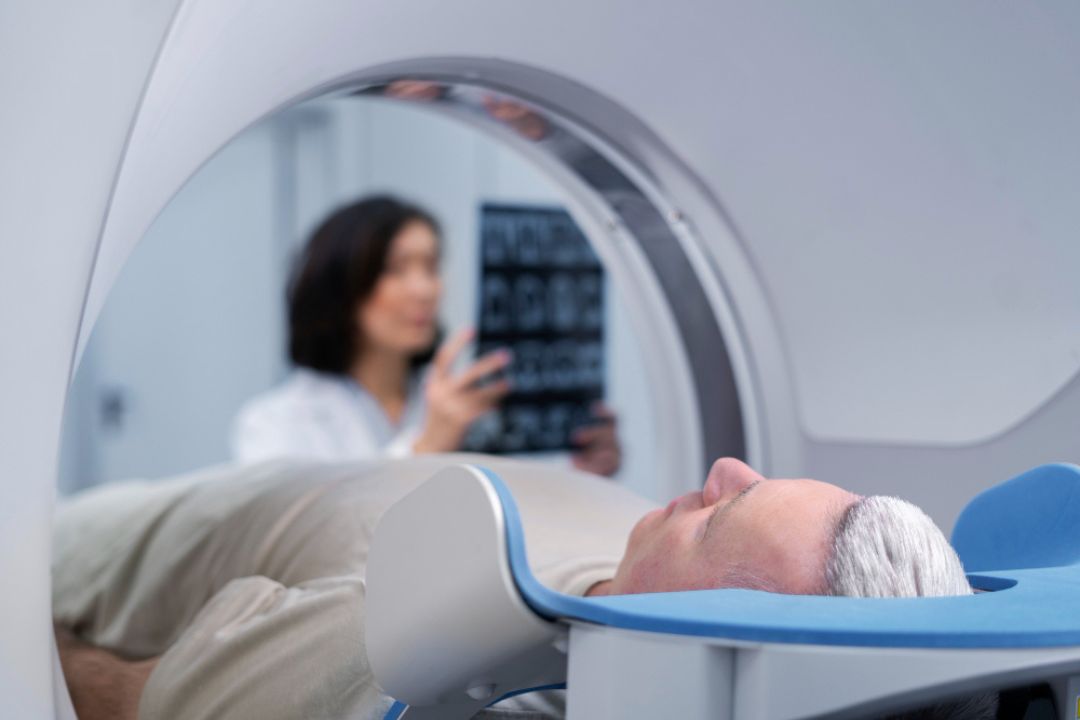
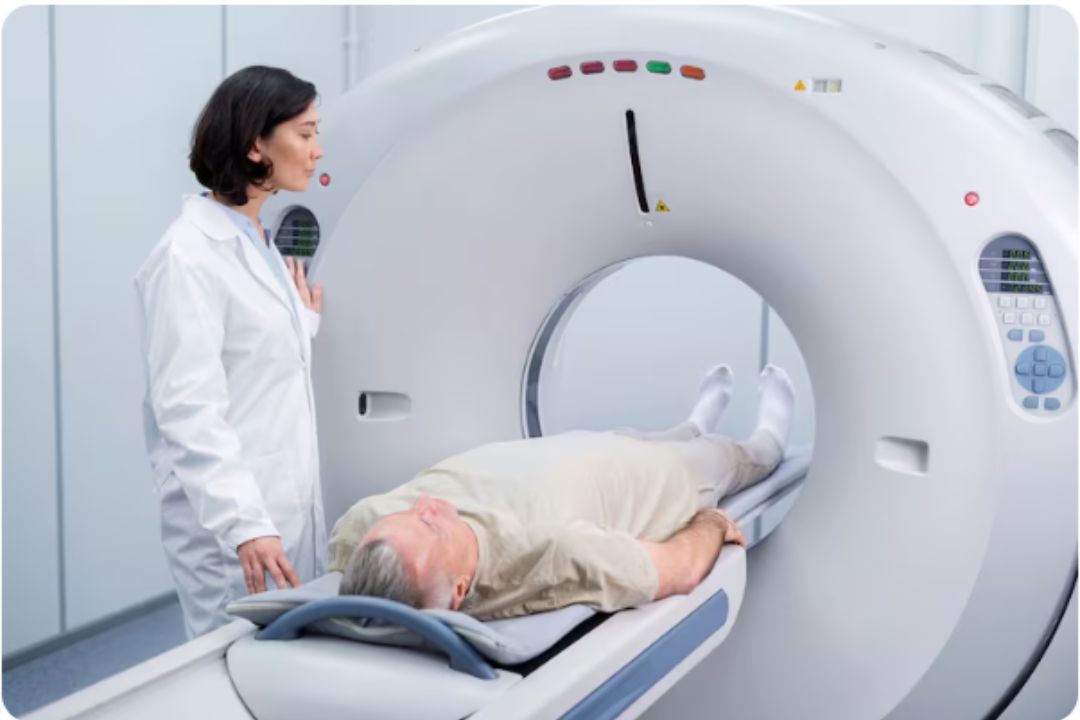
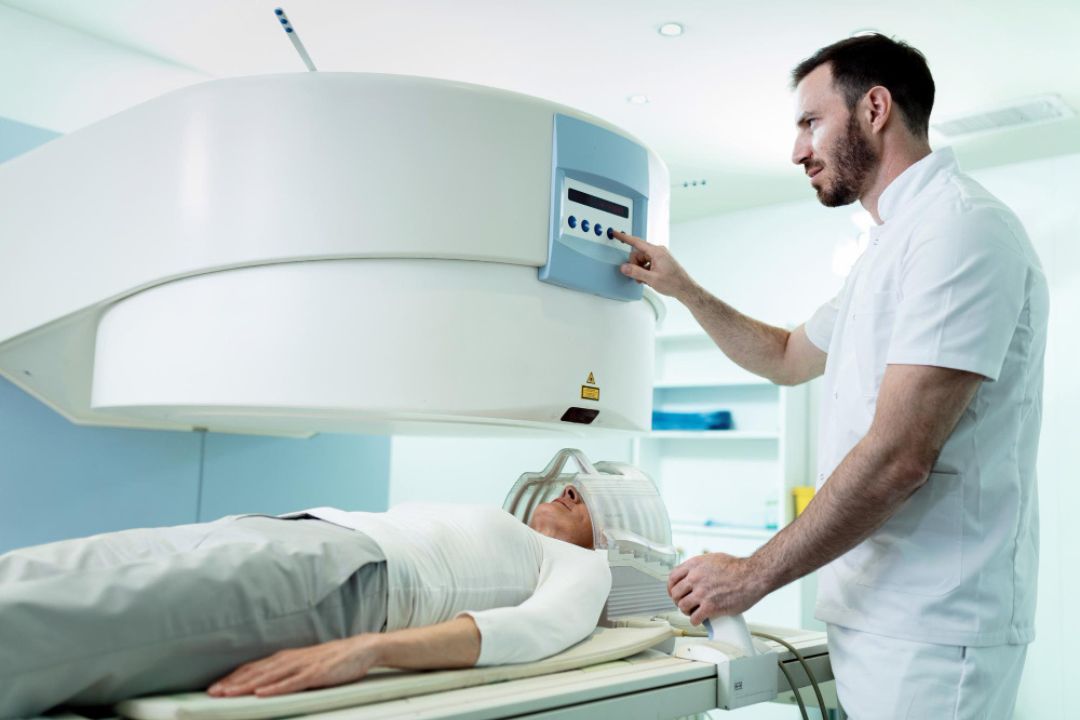
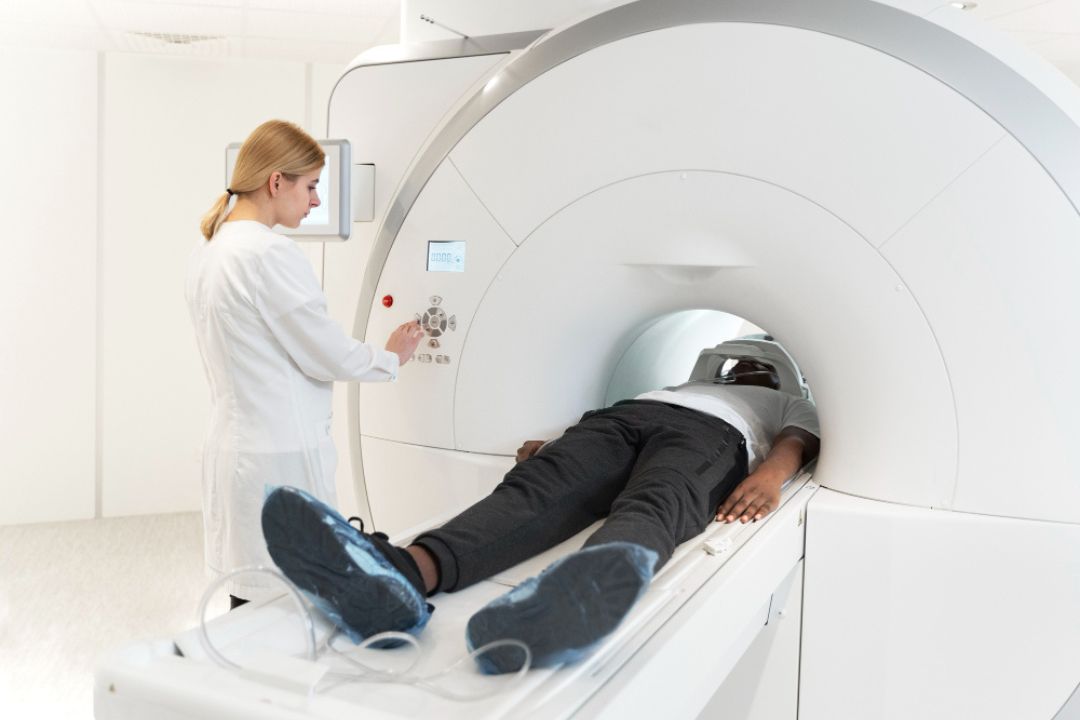
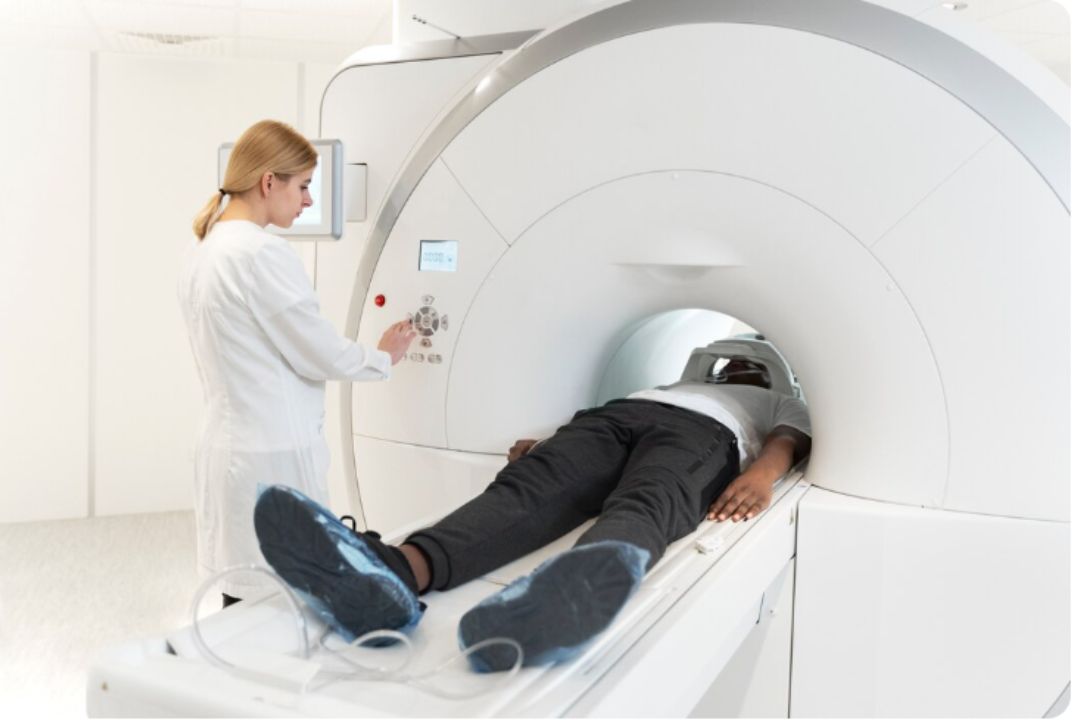
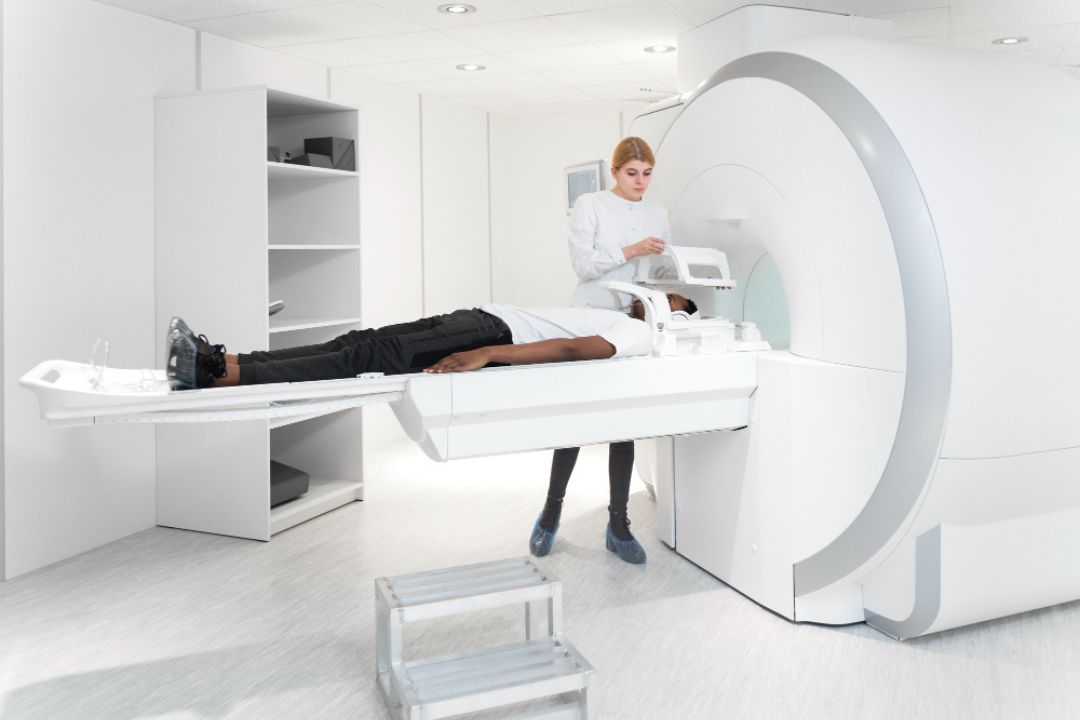
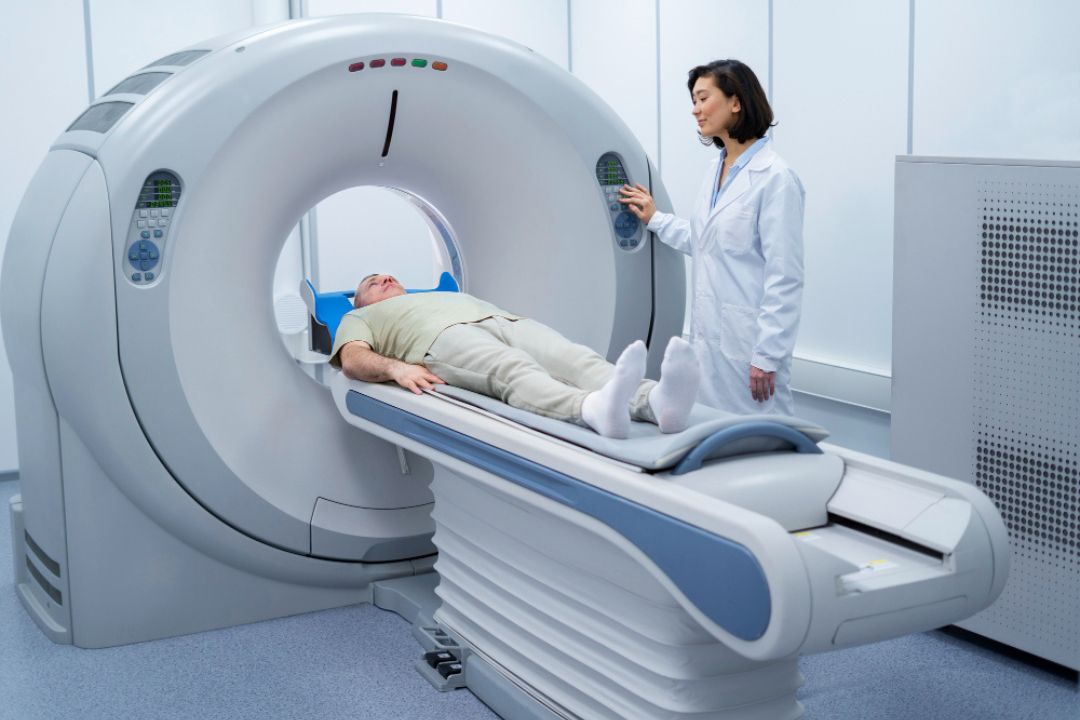
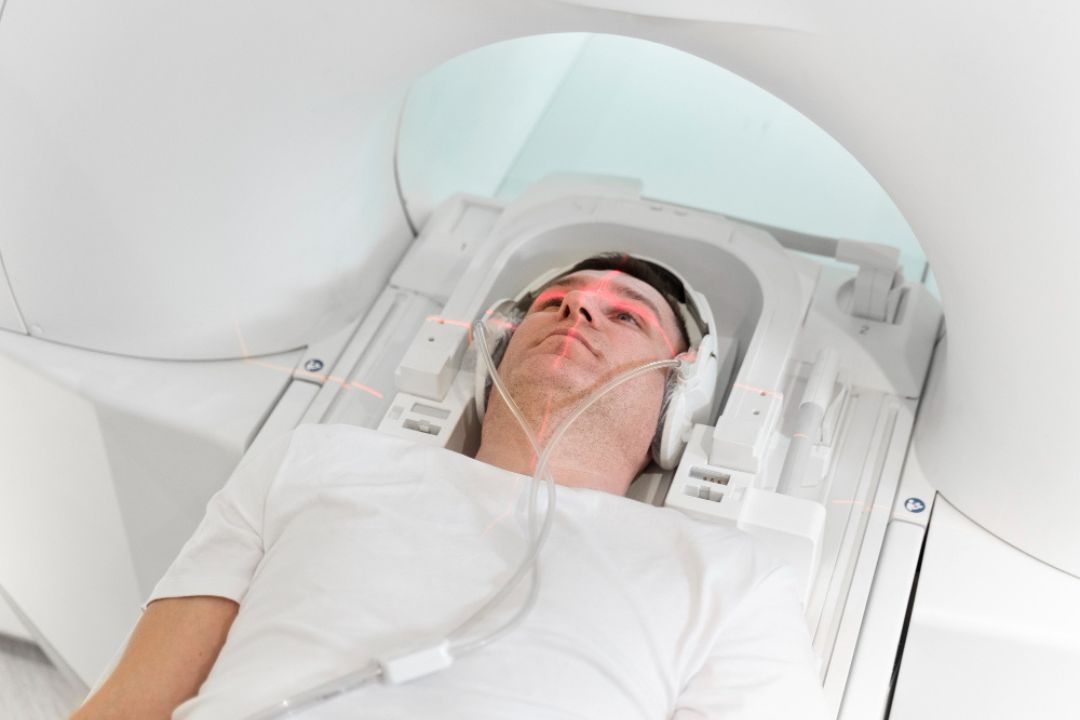
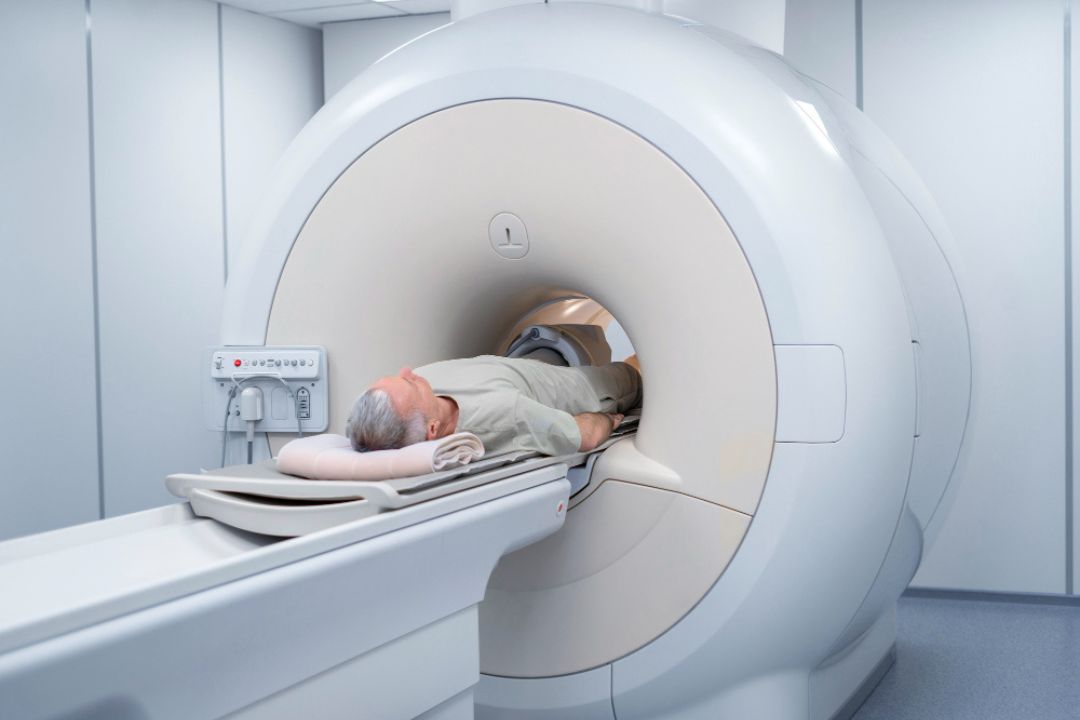
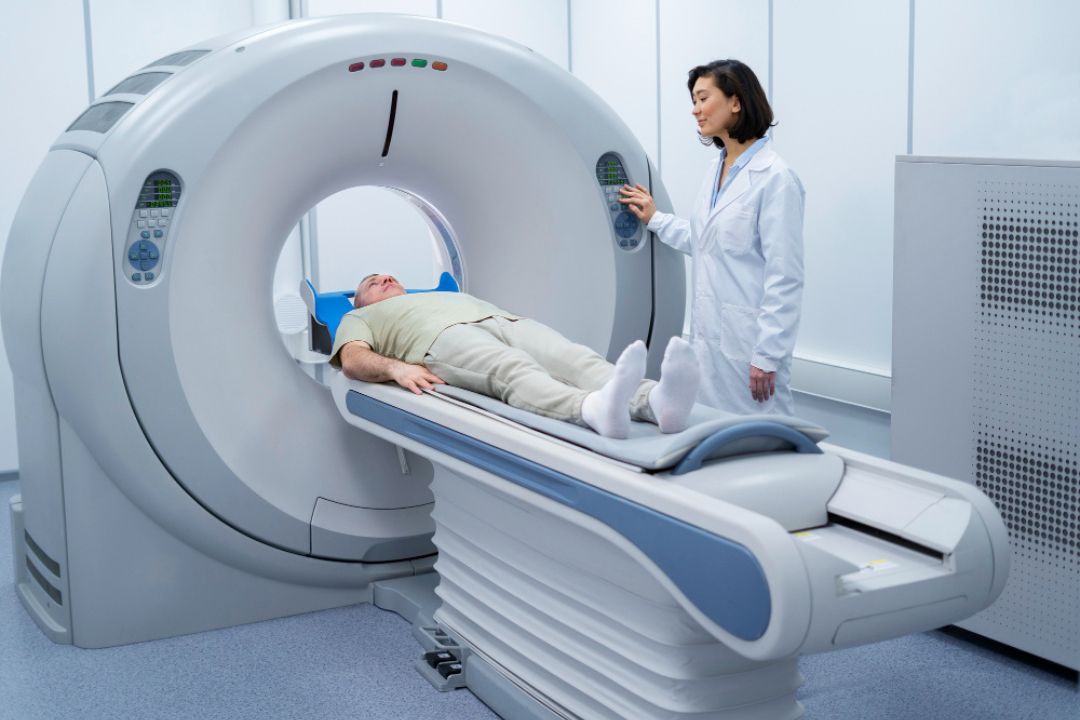
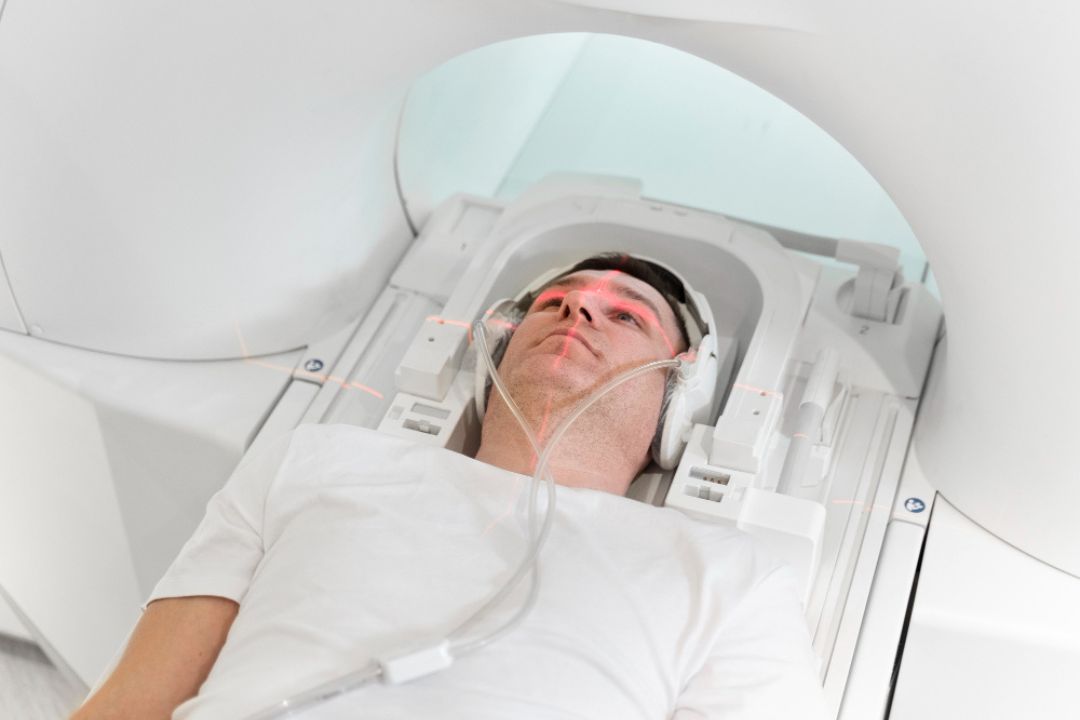
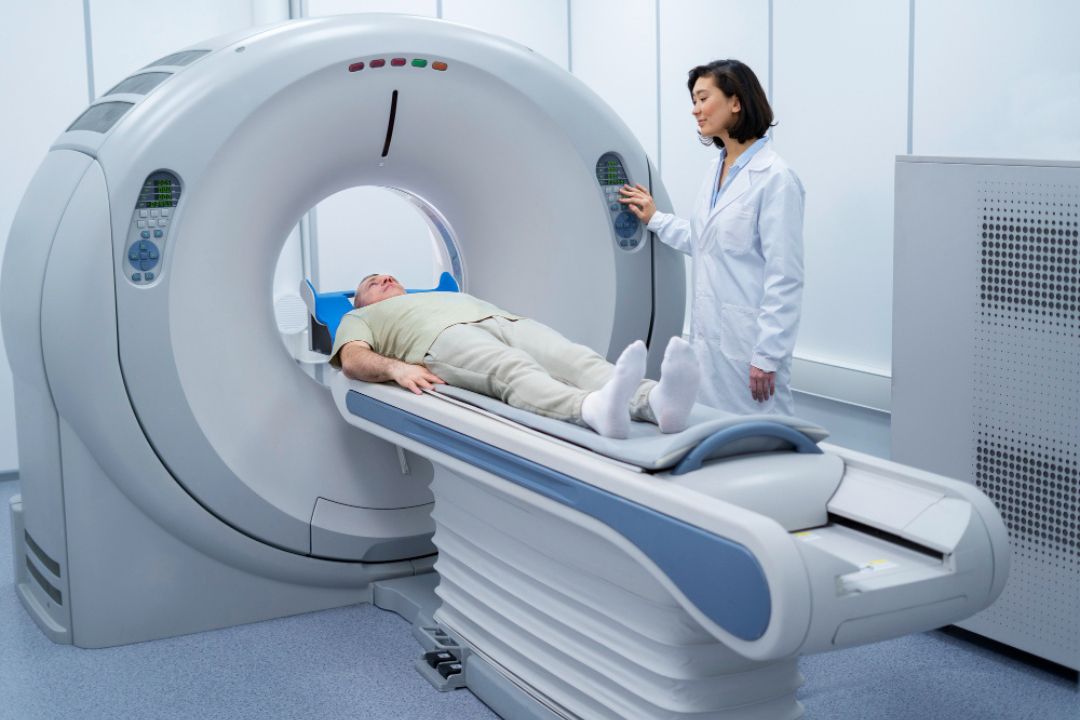
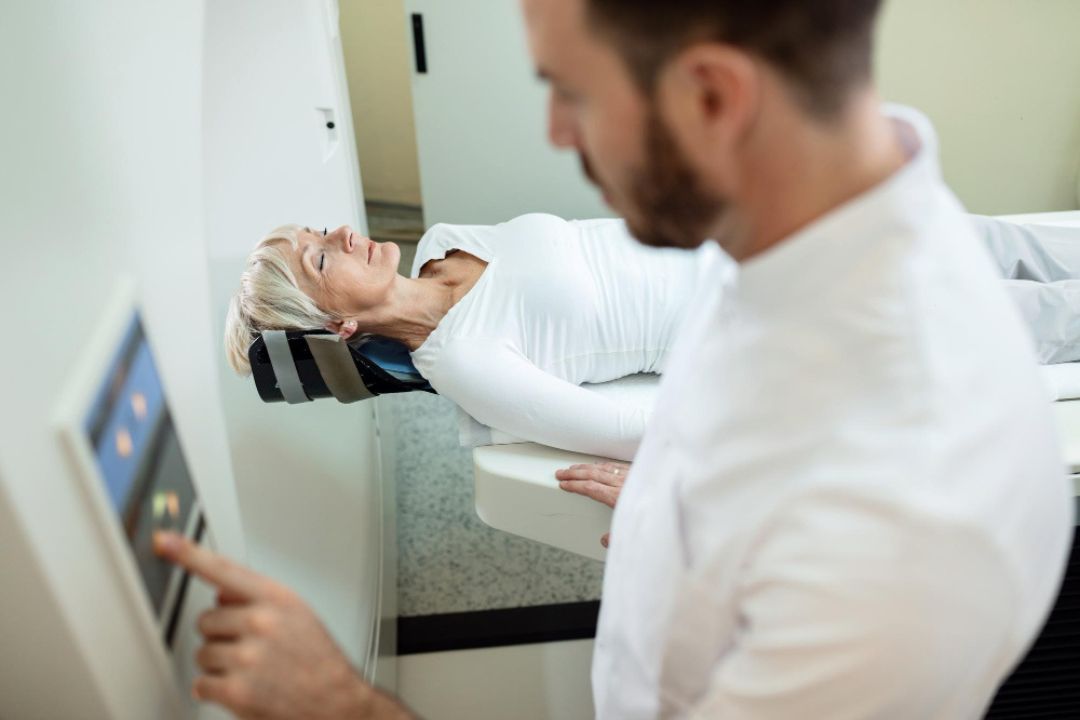
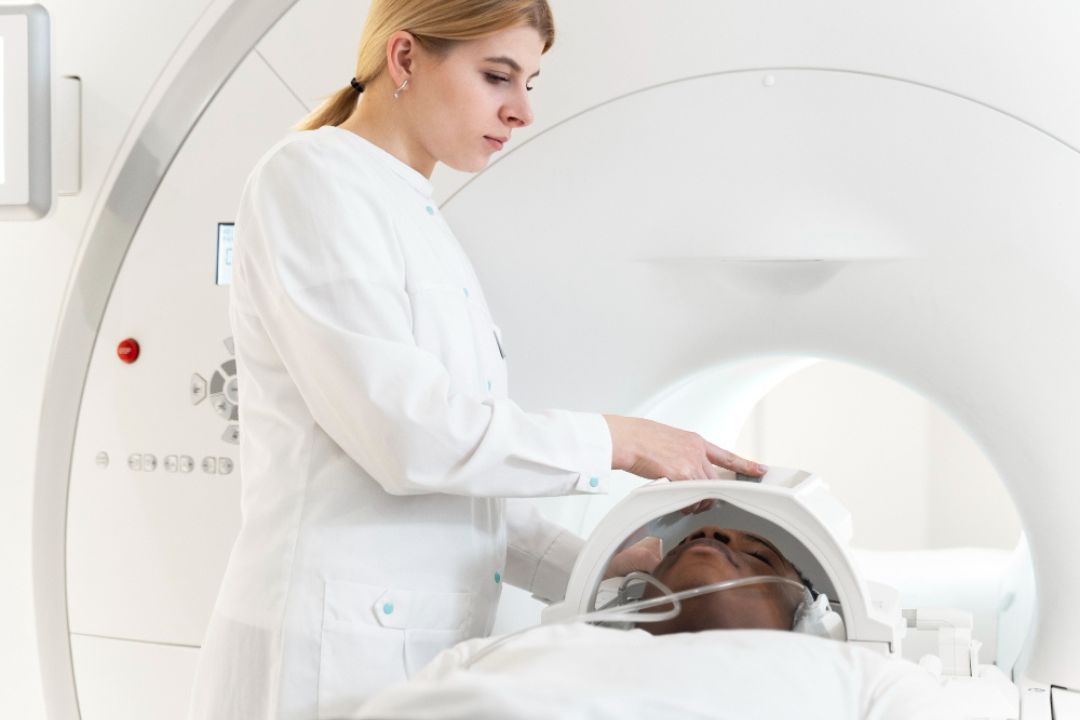
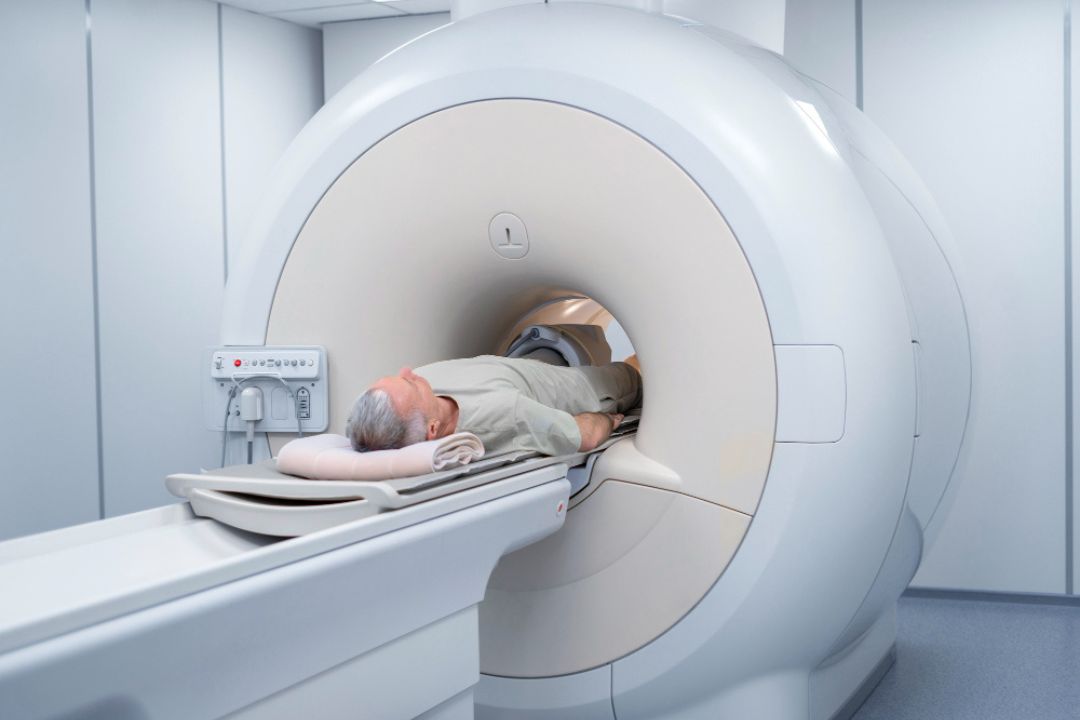
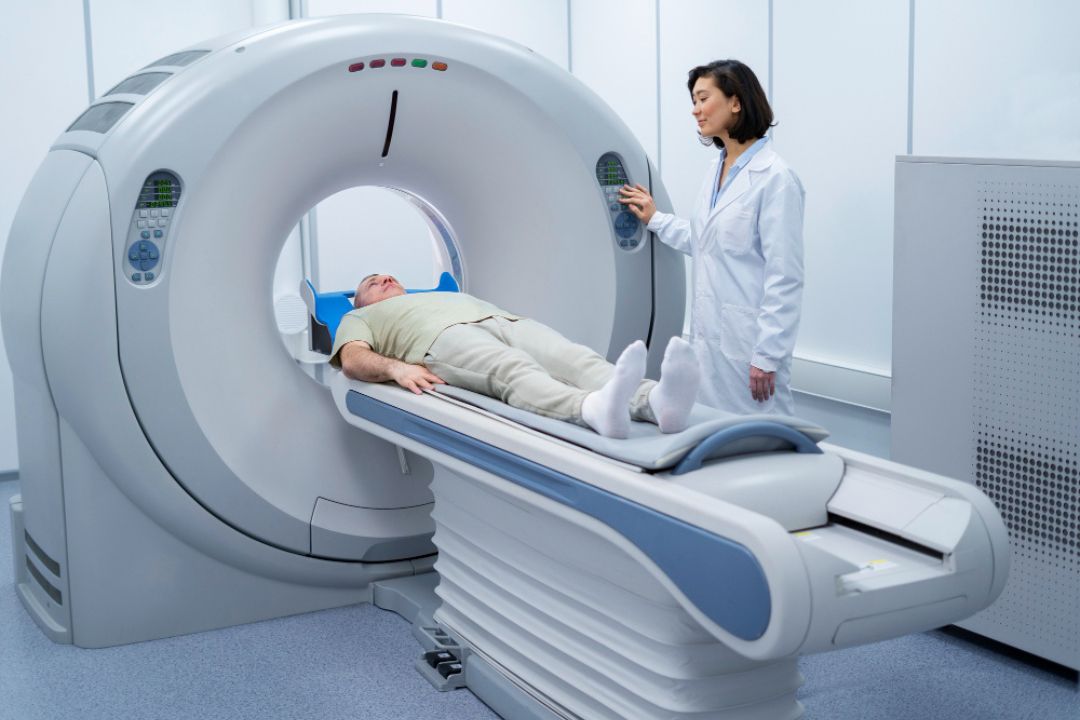
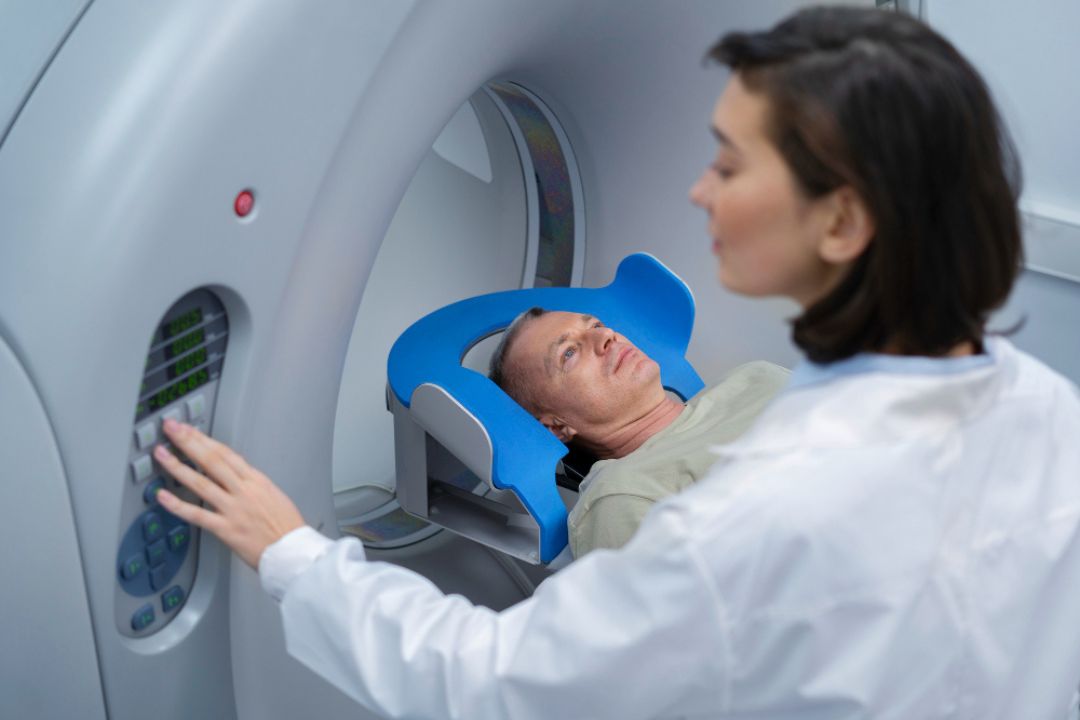
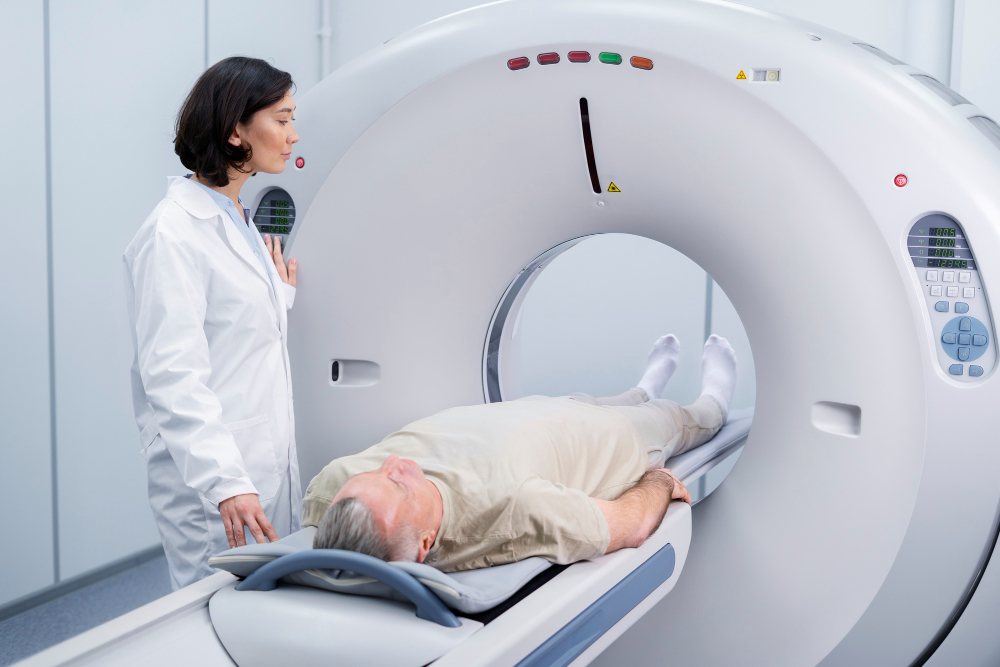
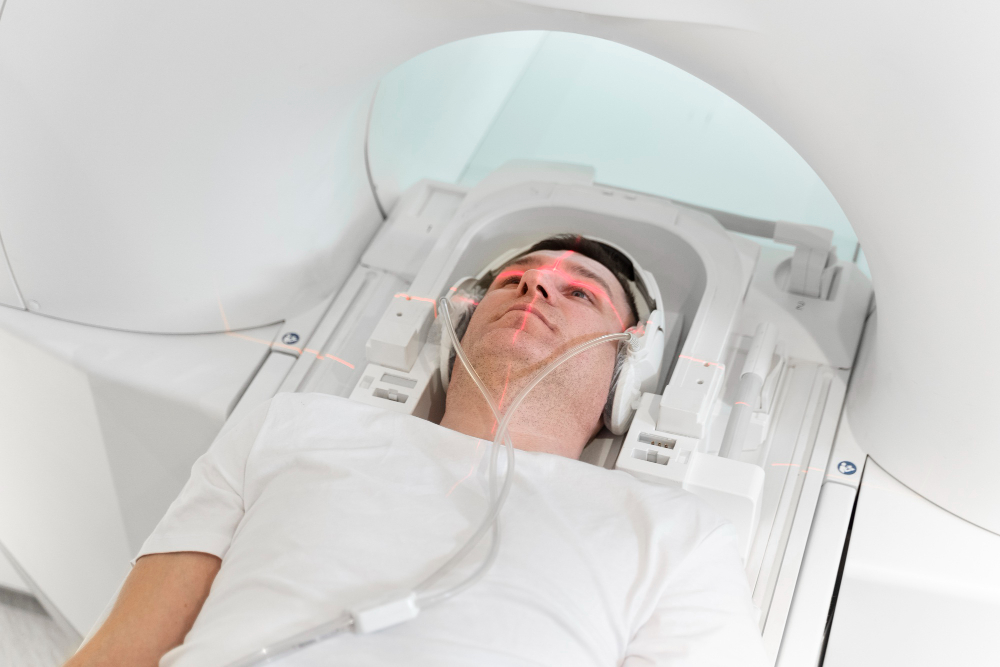
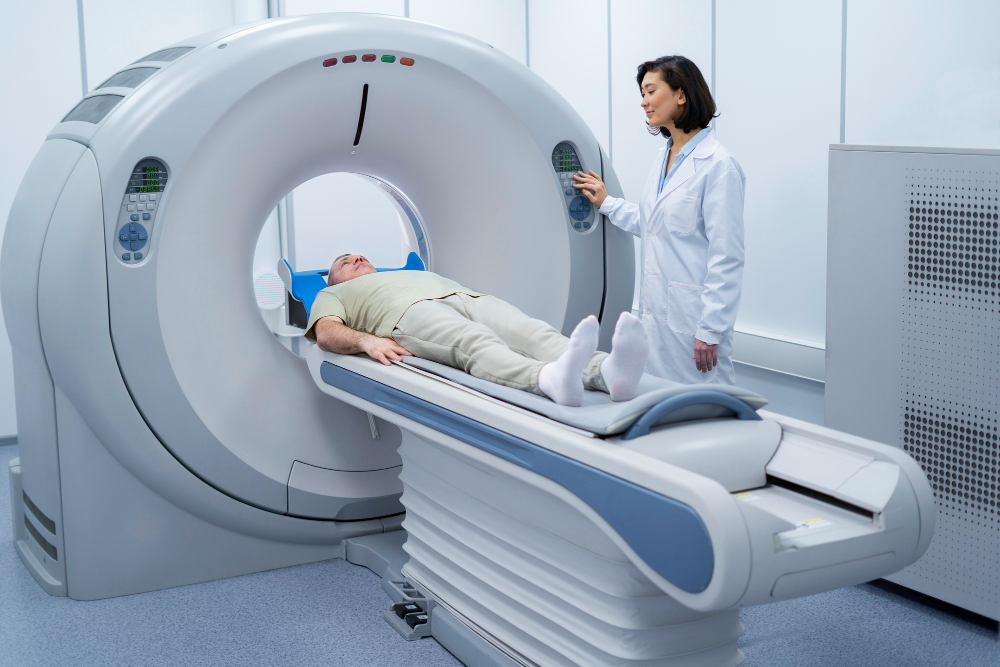
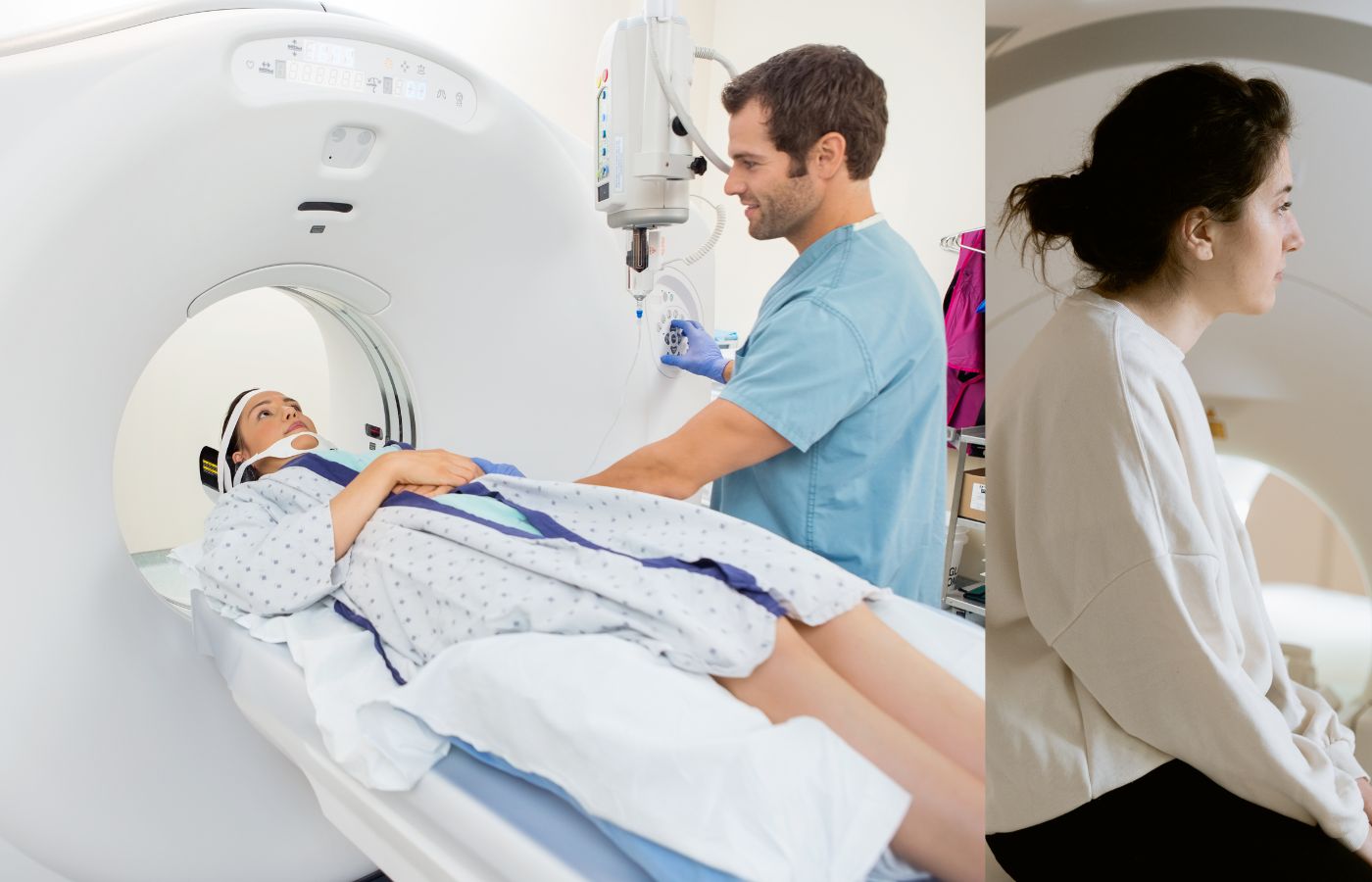
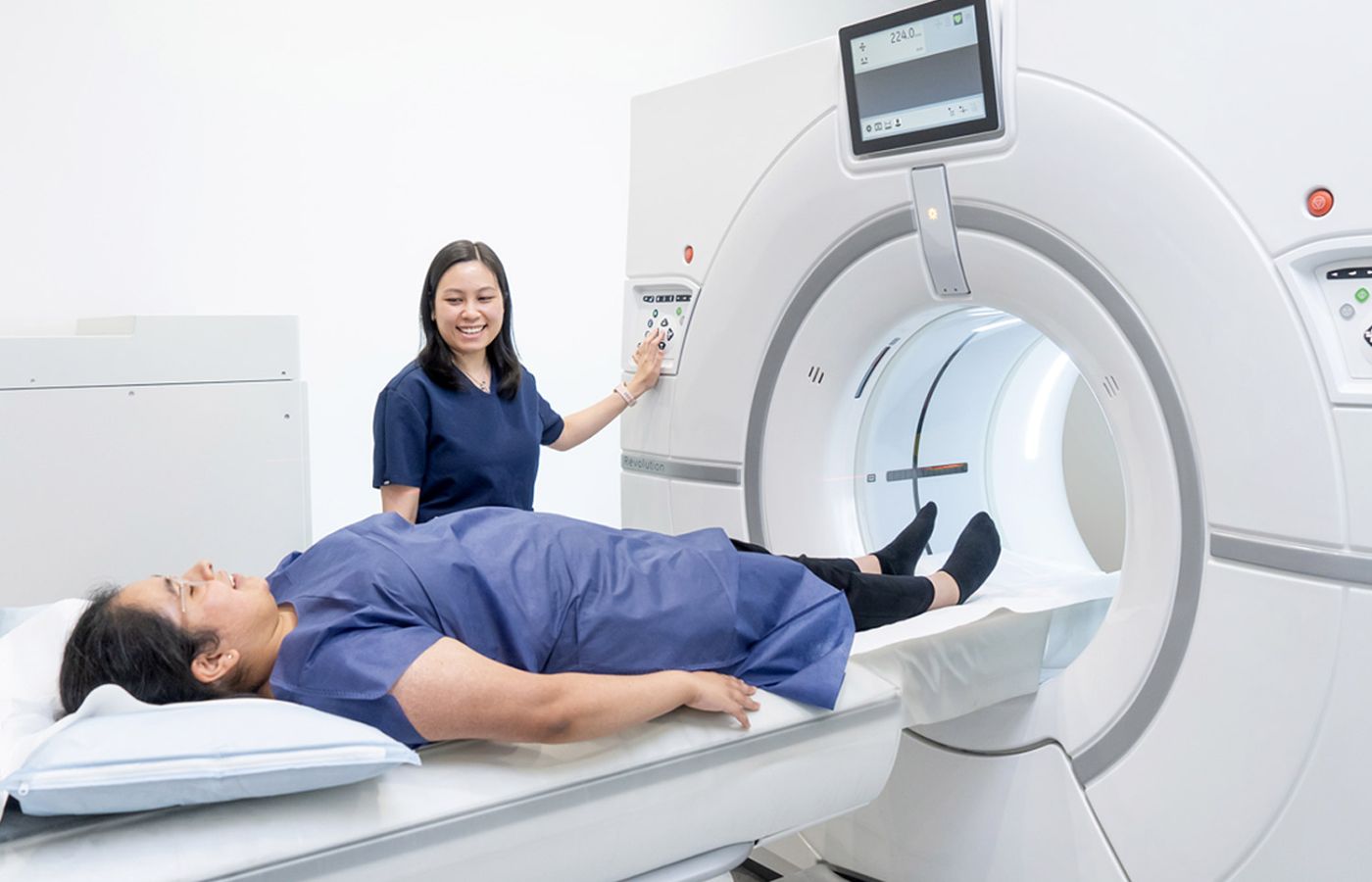
After the contrast injection, you will lie on a motorized scanning table.
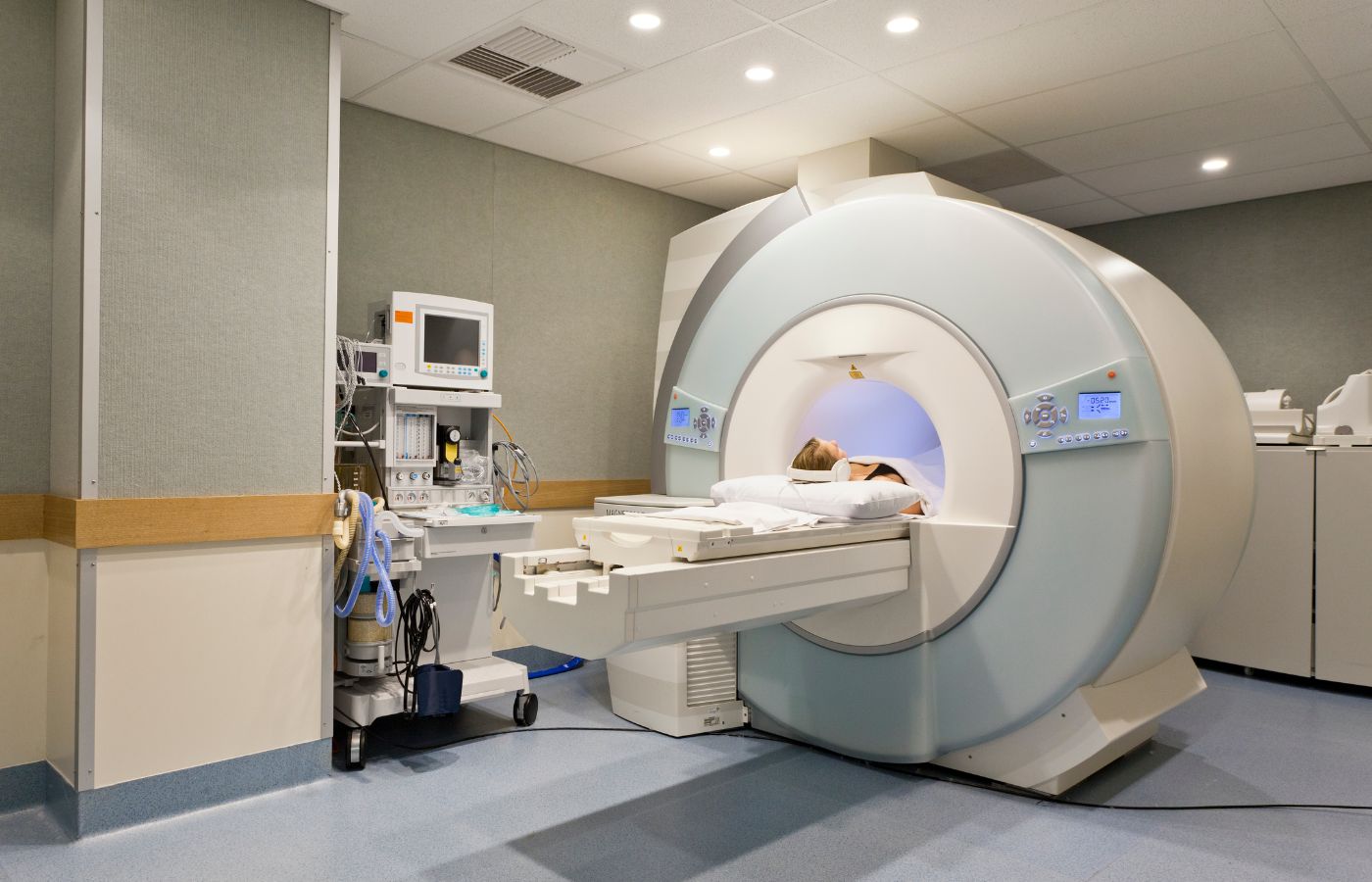
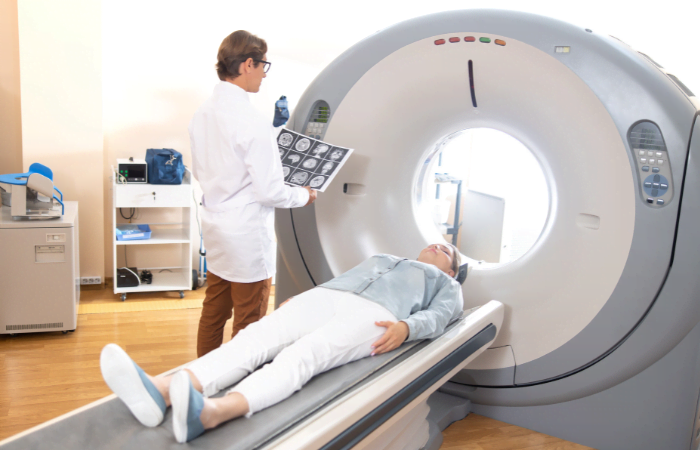
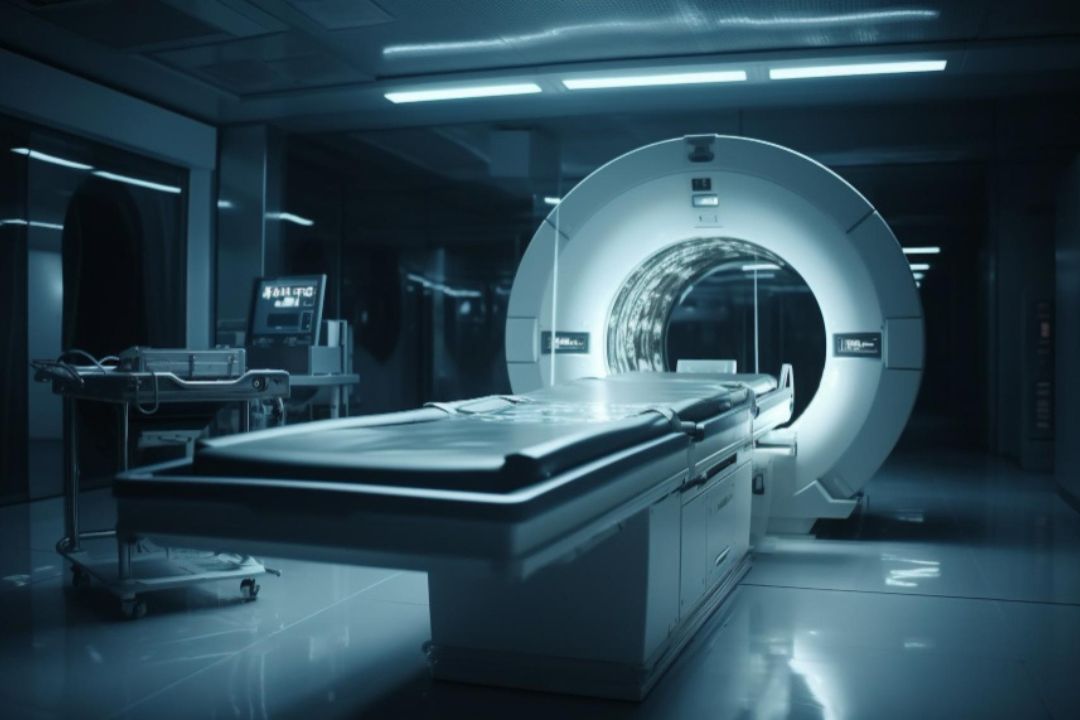
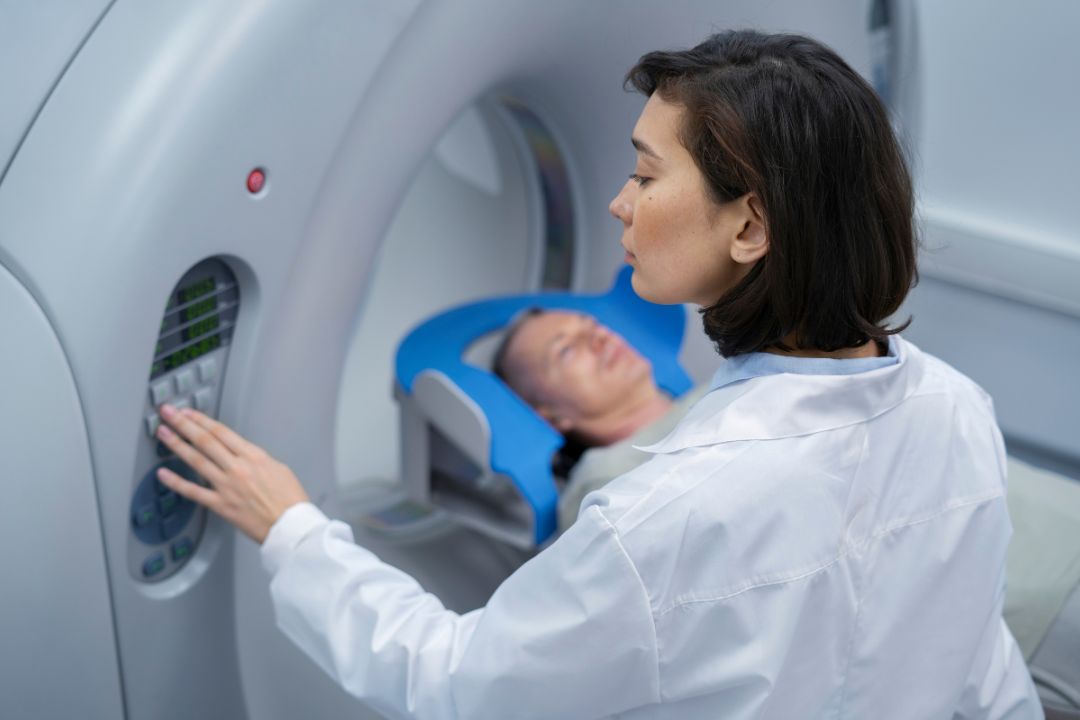
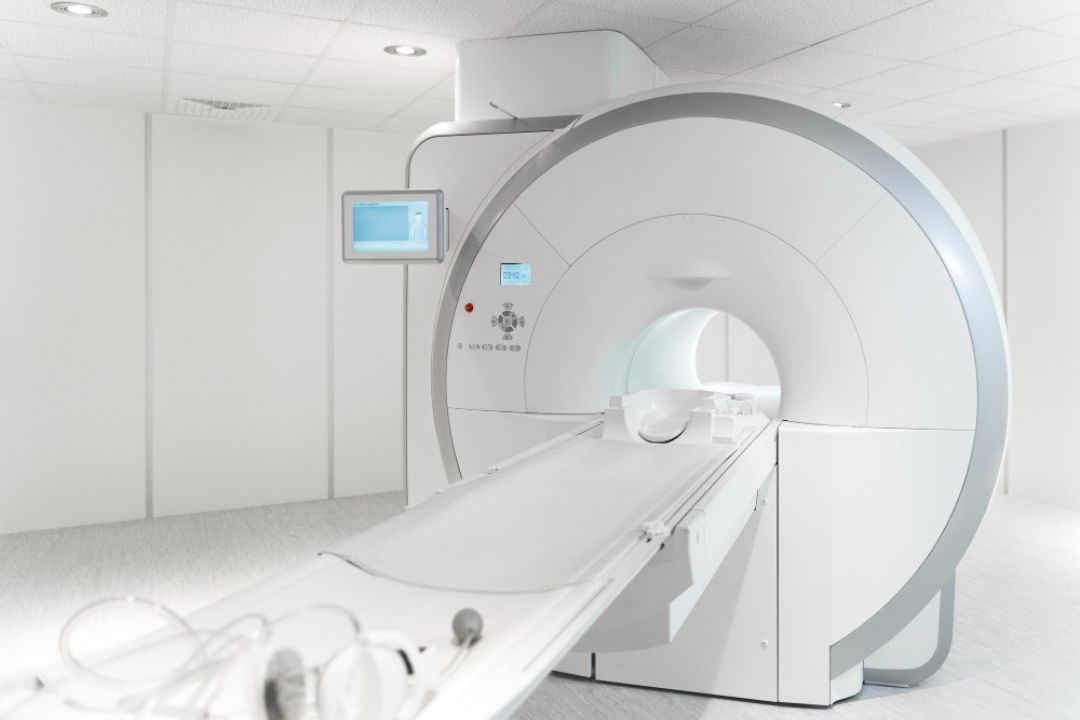
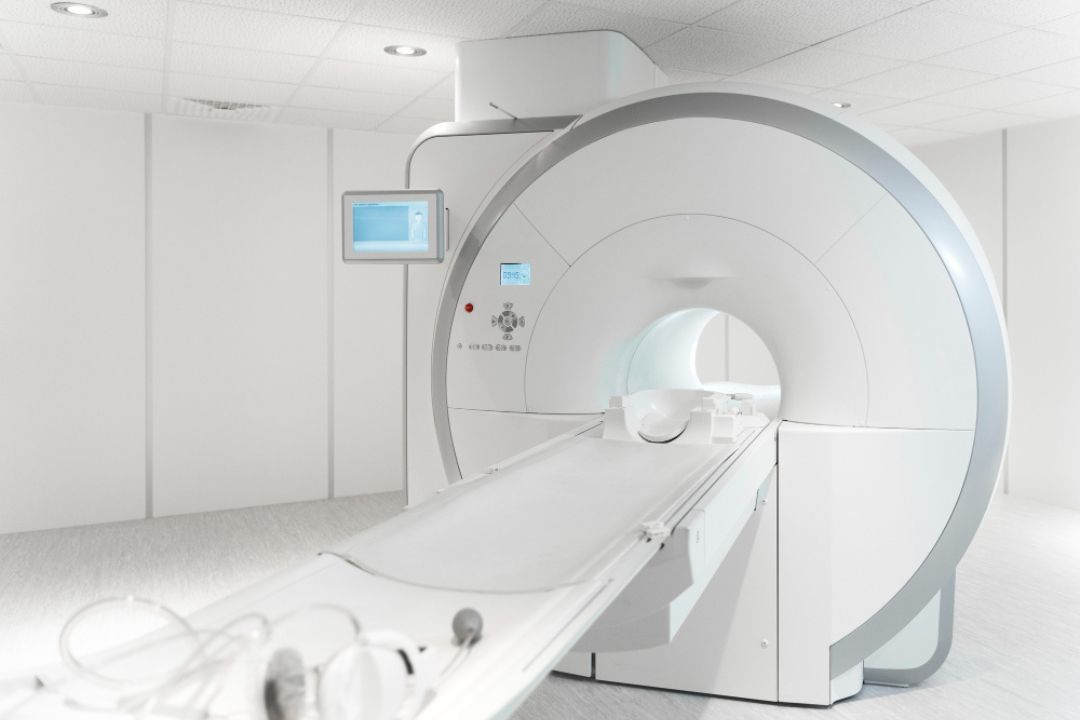
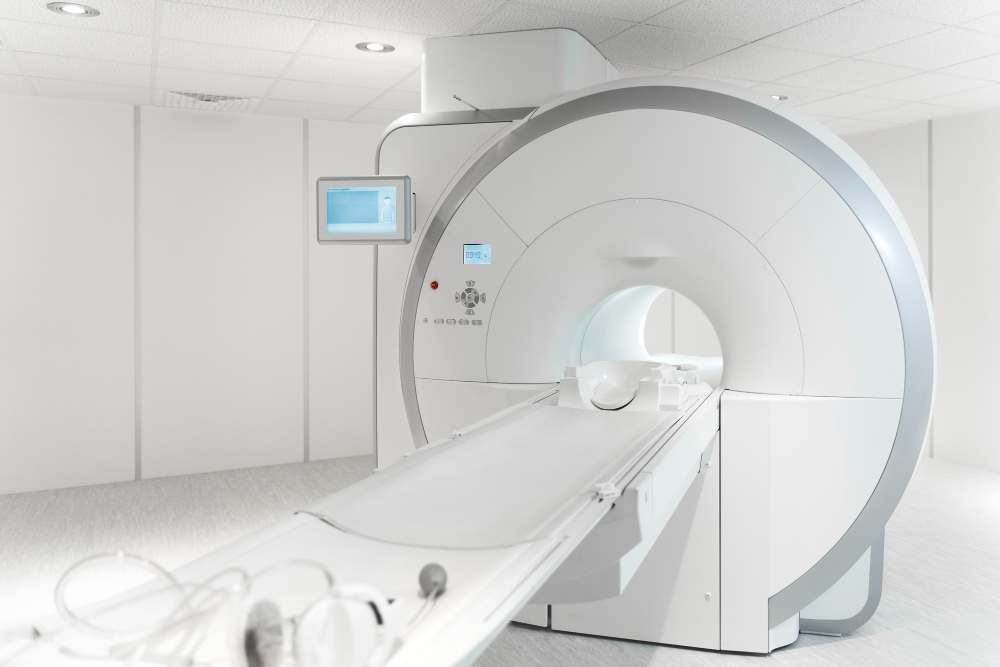
The table moves slowly into the CT scanner, which is a large circular machine with an open center.
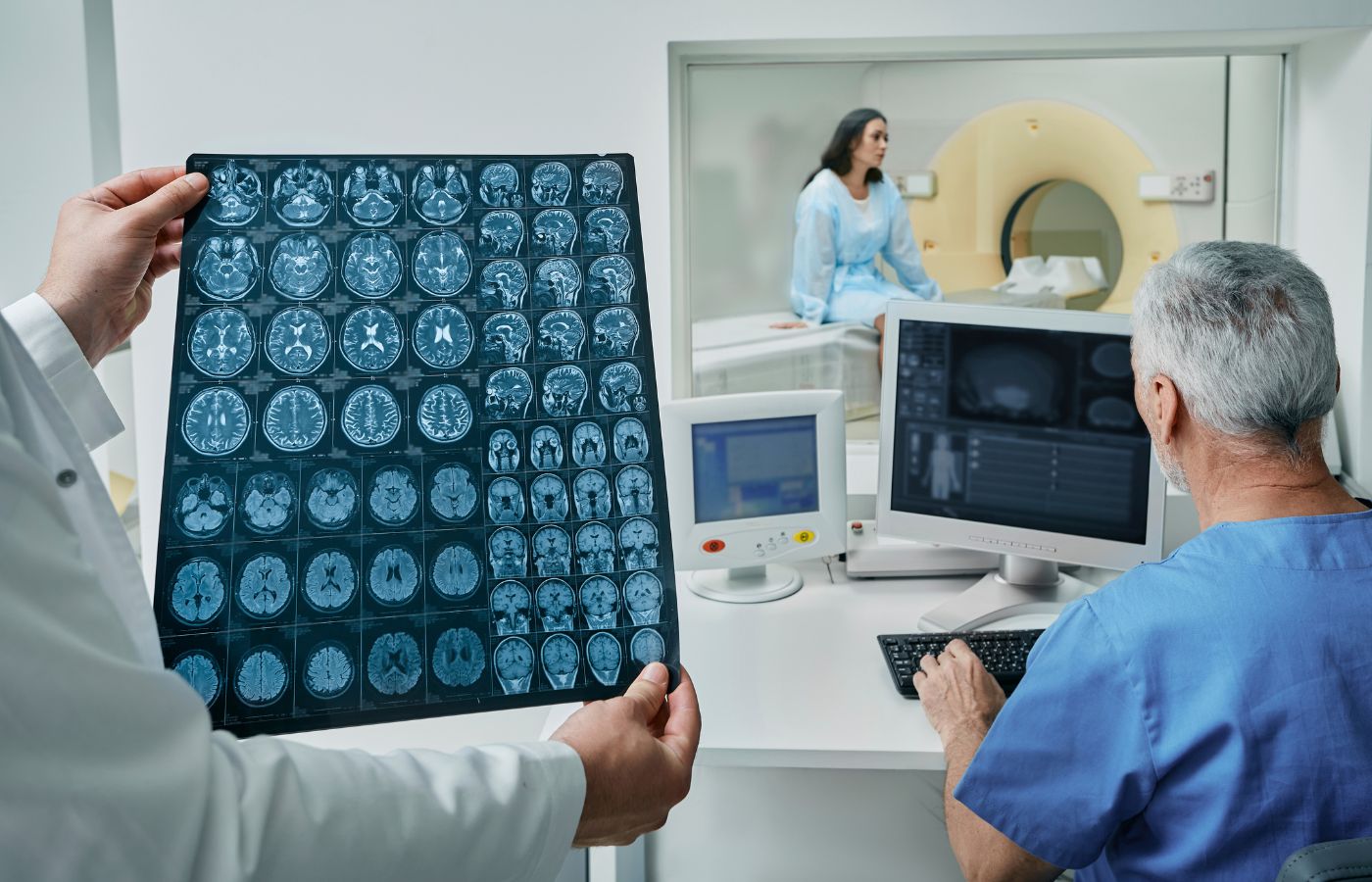
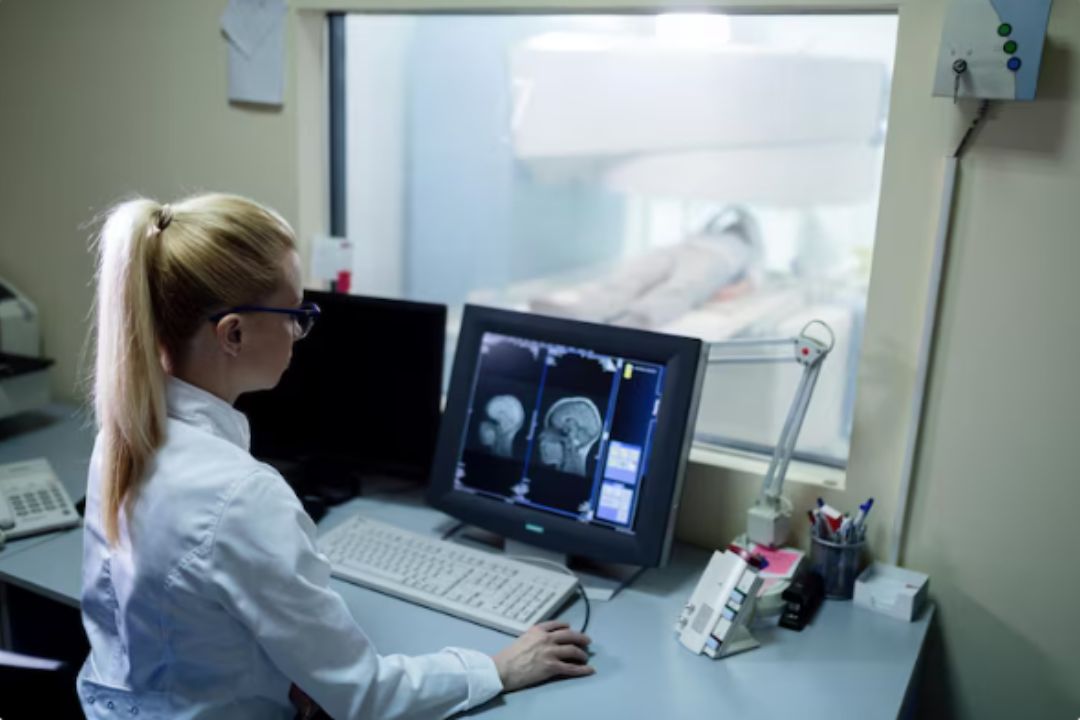
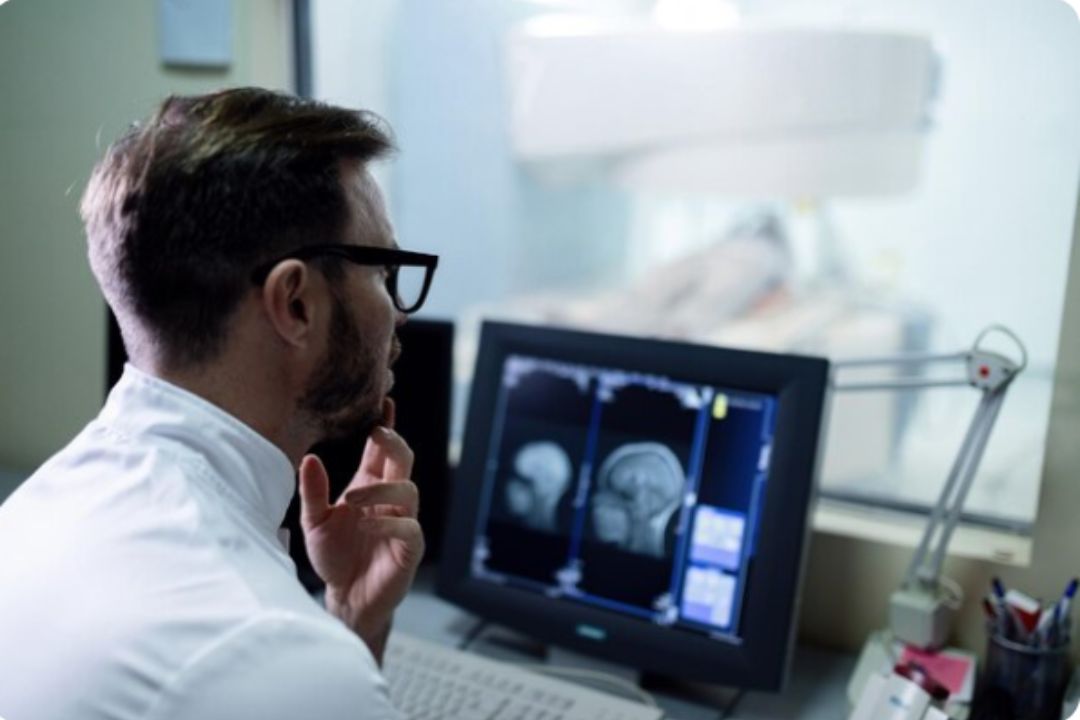
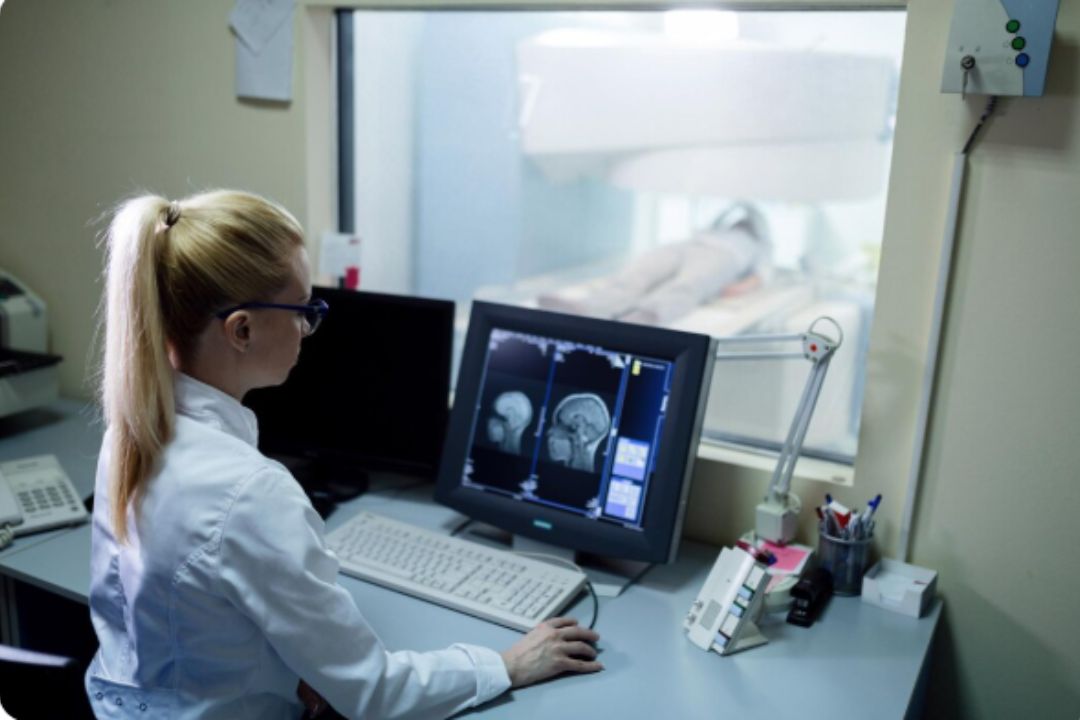
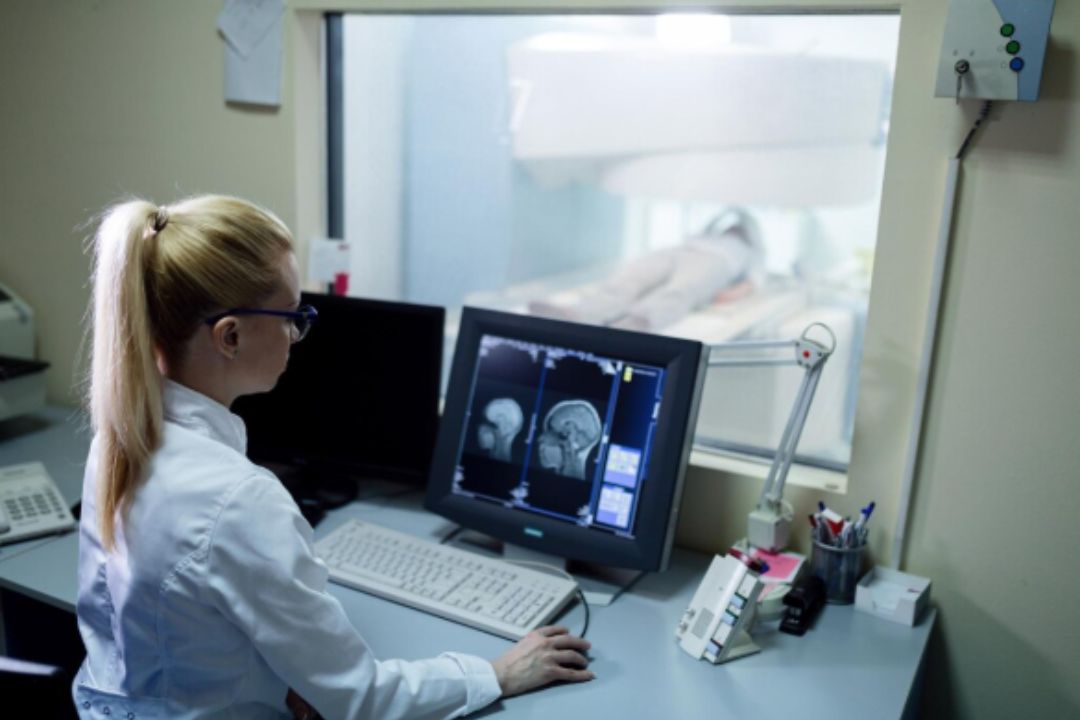
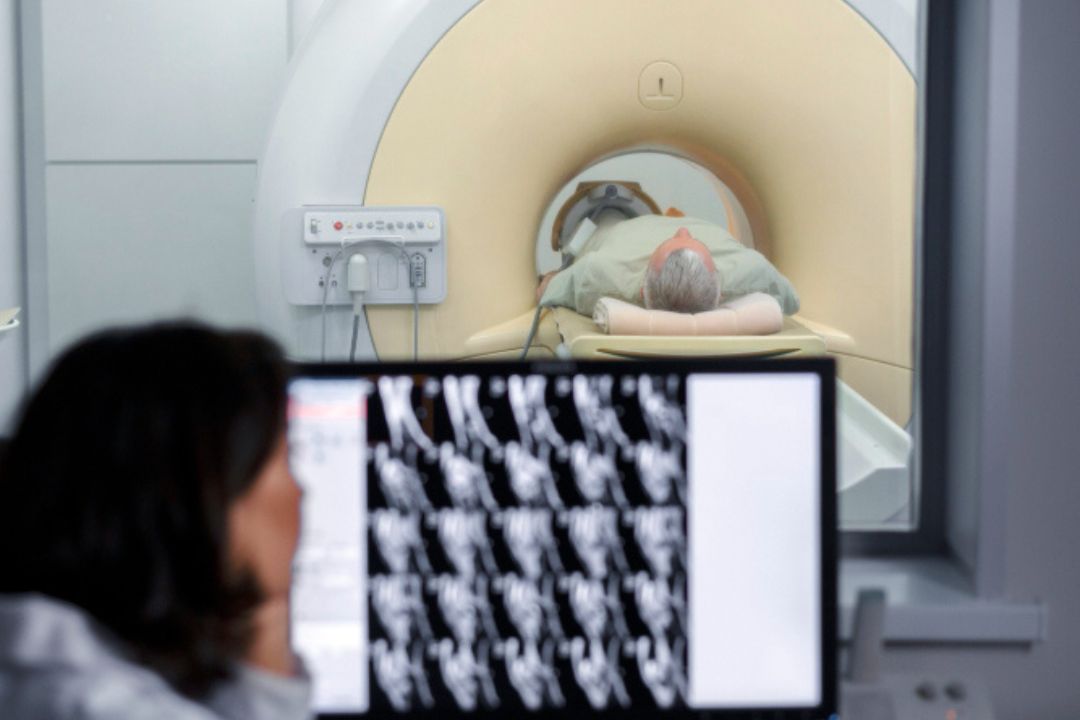
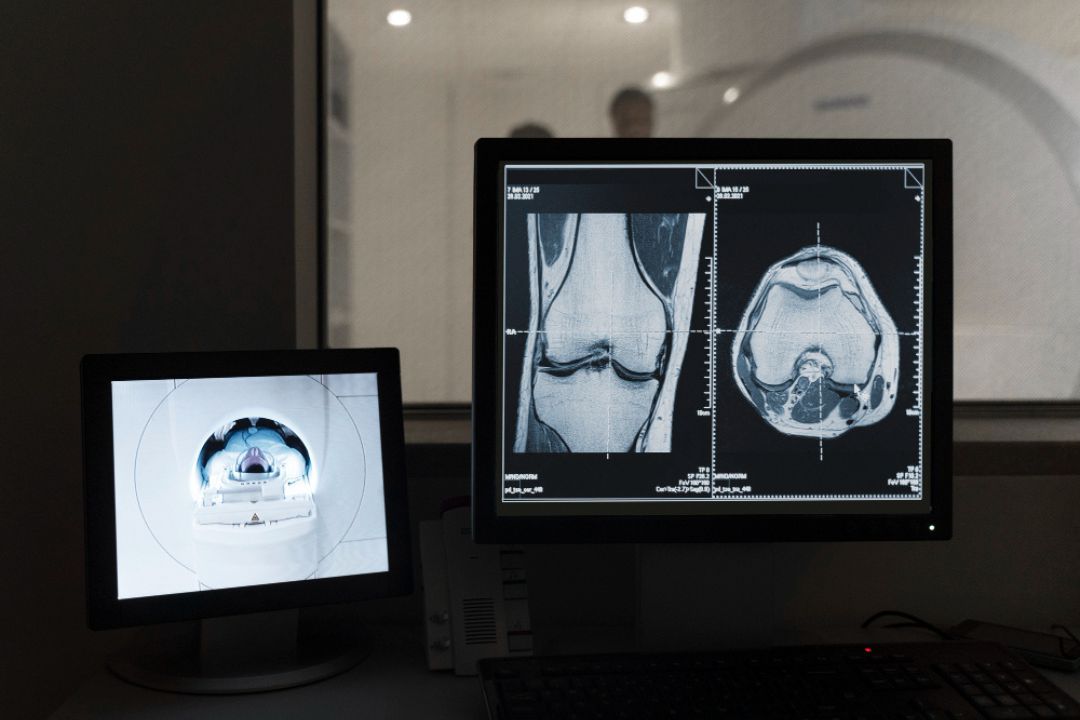
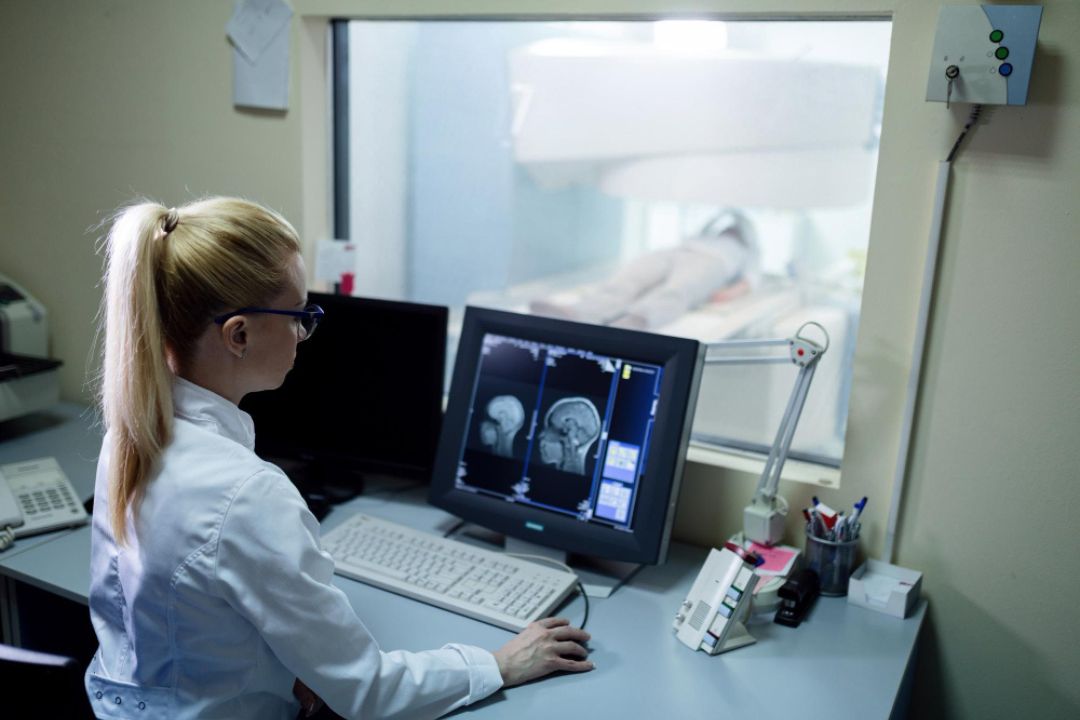
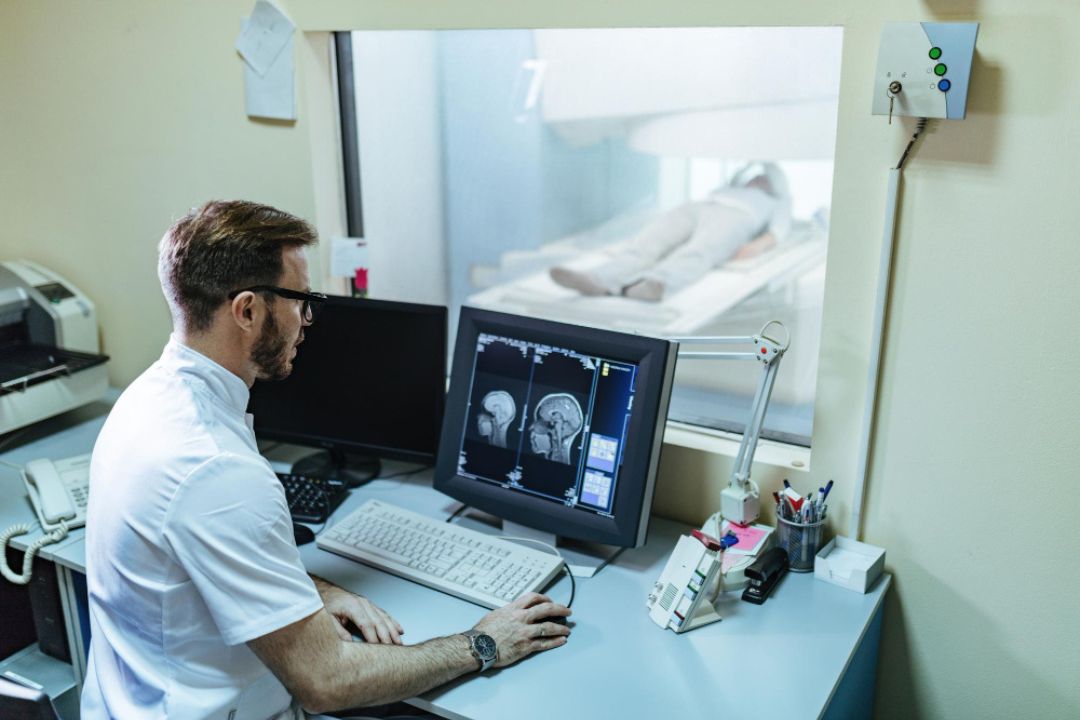
The technologist operates the scanner from another room but communicates with you through an intercom system.
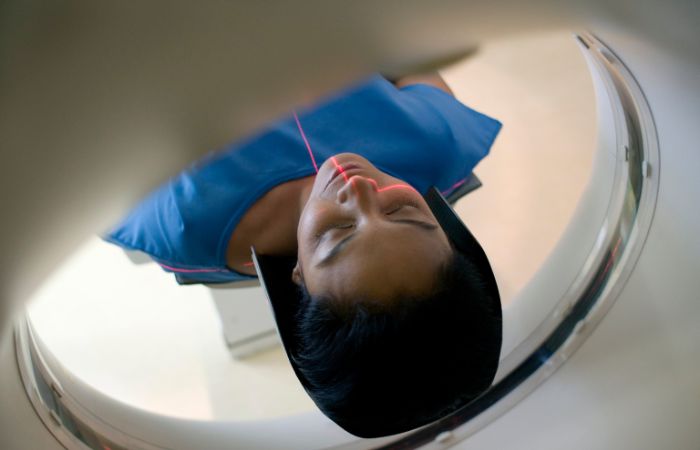
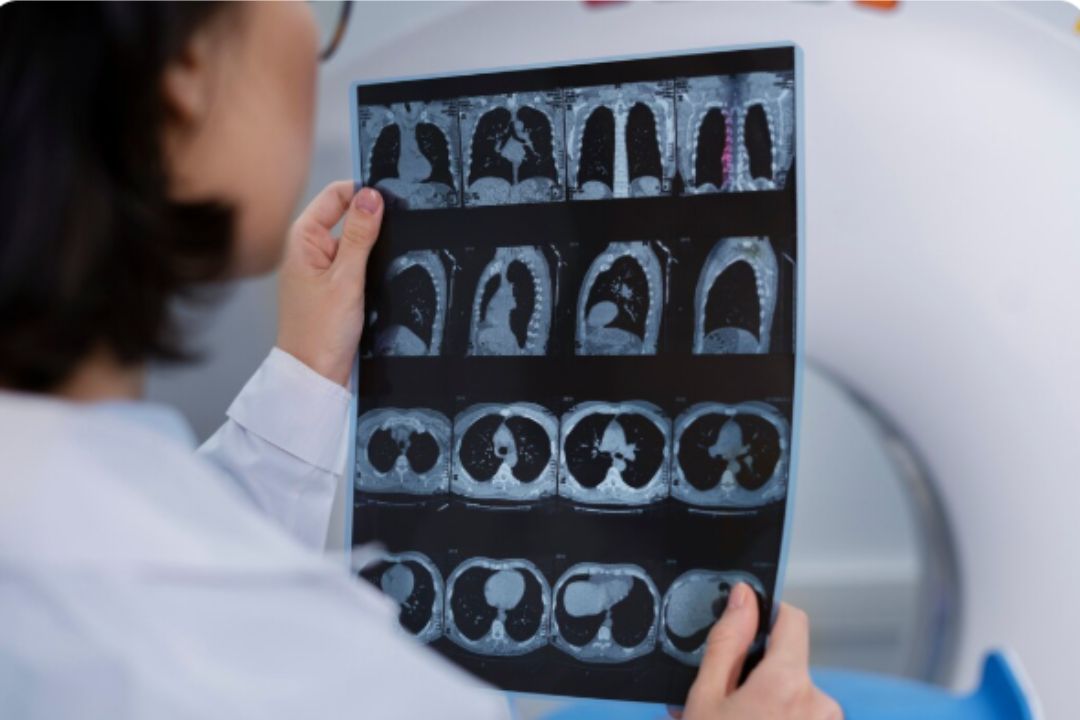
During the scan, the CT machine rotates around your body while capturing multiple images from different angles.
You may be asked to:
Hold your breath briefly
Remain still for a few seconds
The scanning process usually takes 5 to 15 minutes depending on the area being examined.
Once the images are captured, the scanning table moves out of the machine and the procedure is completed.
The intravenous line used for contrast injection is removed, and you can relax for a short time before leaving the diagnostic center.
After the scan, most patients can resume their normal activities immediately.
Doctors usually recommend drinking plenty of water to help flush the contrast dye from the body.
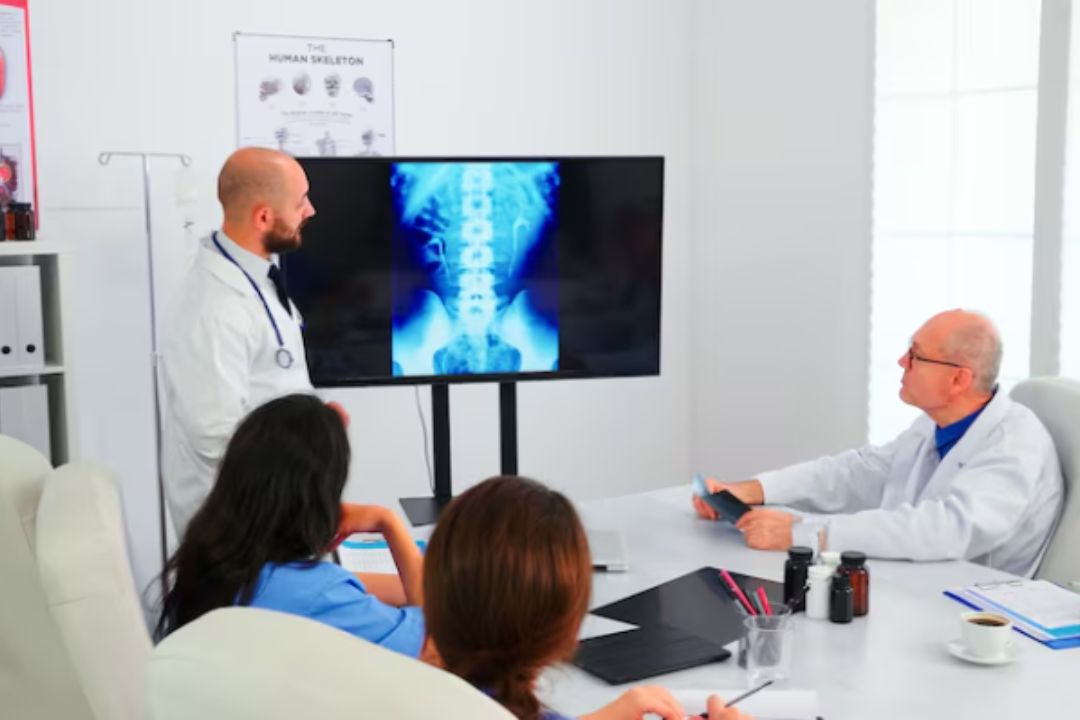
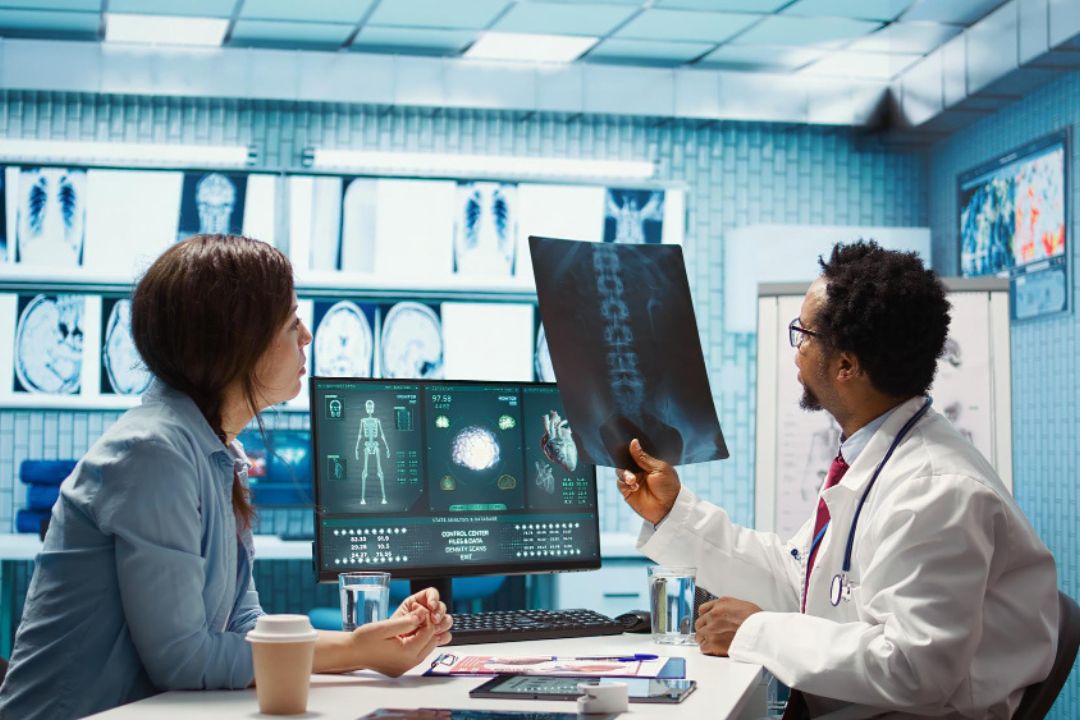
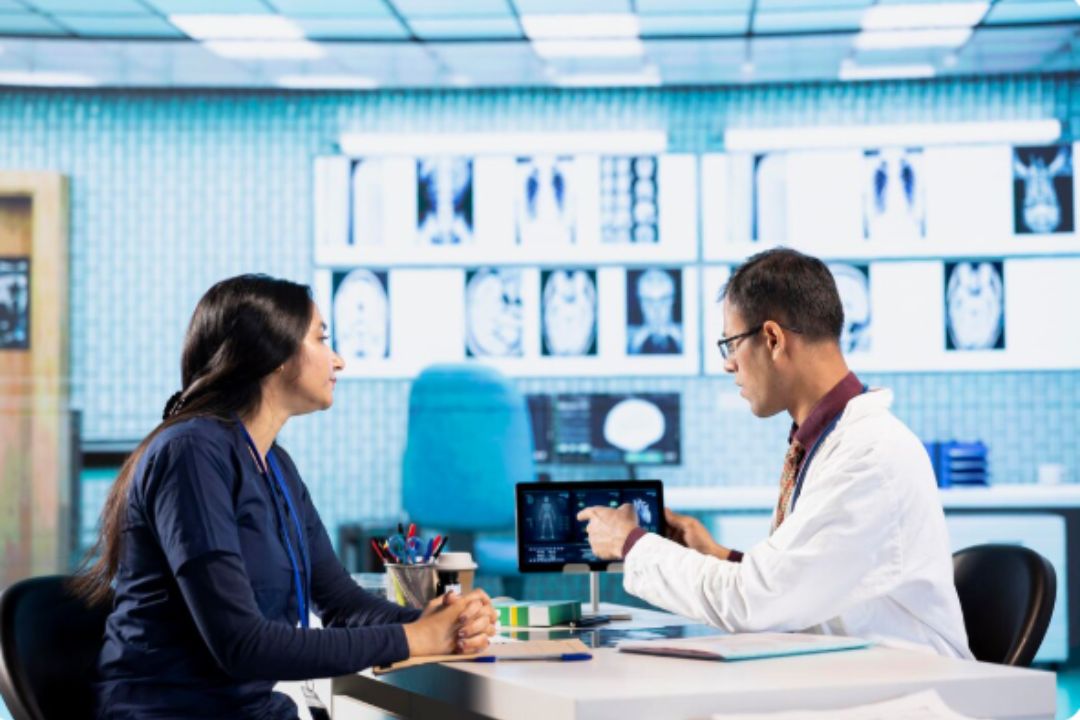
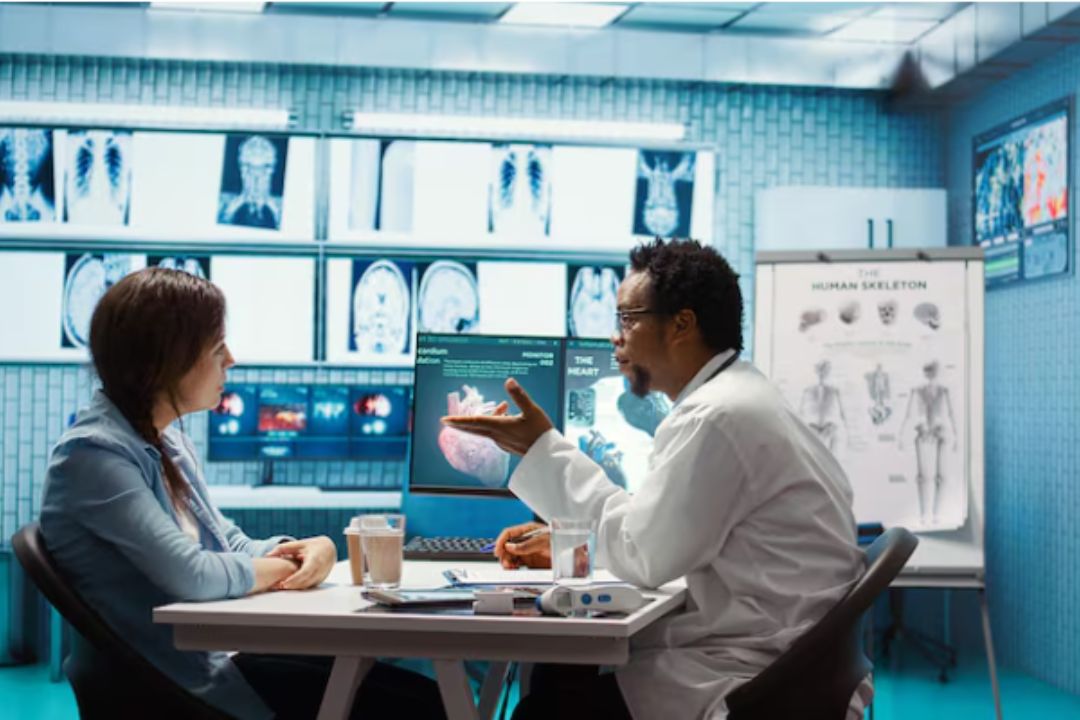
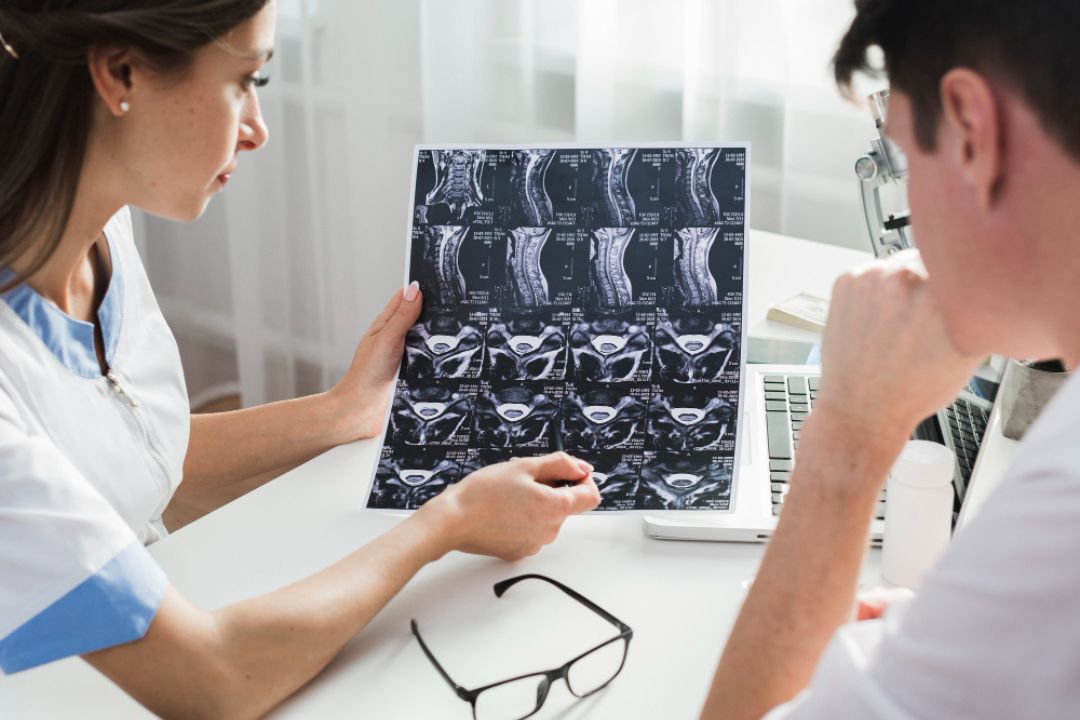
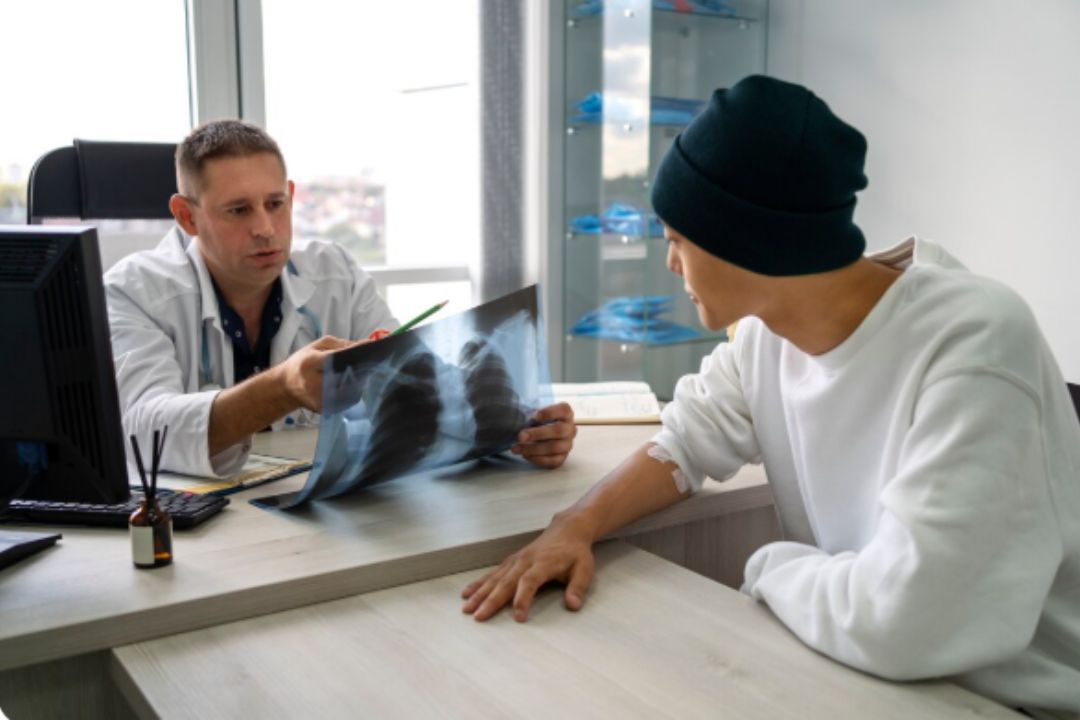
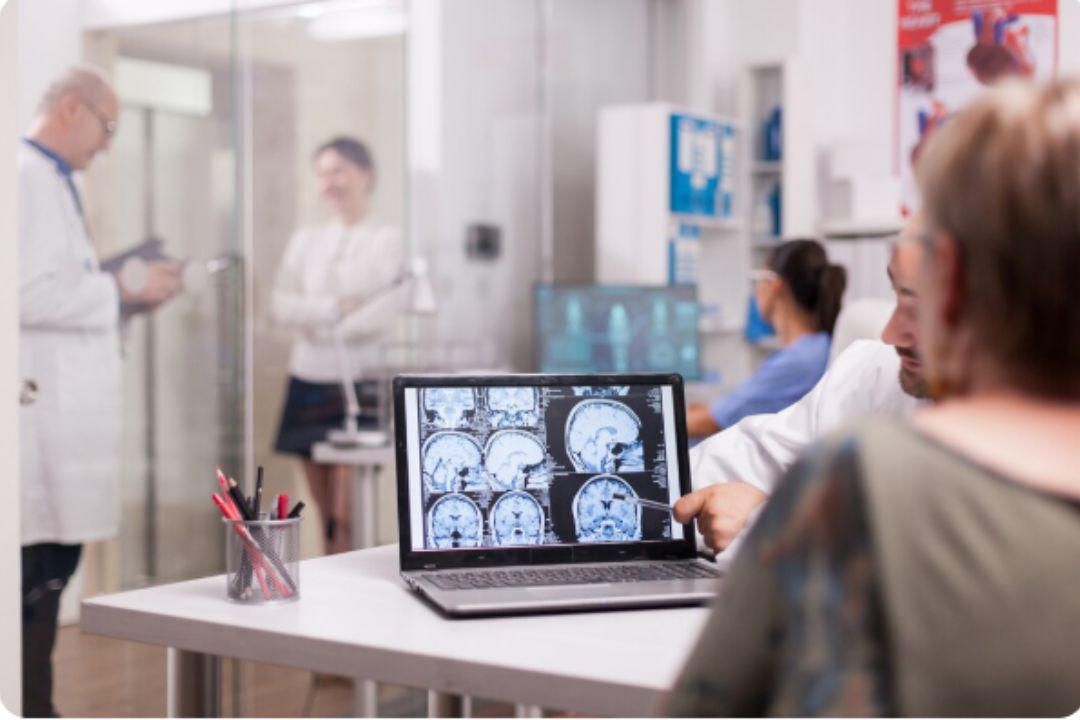
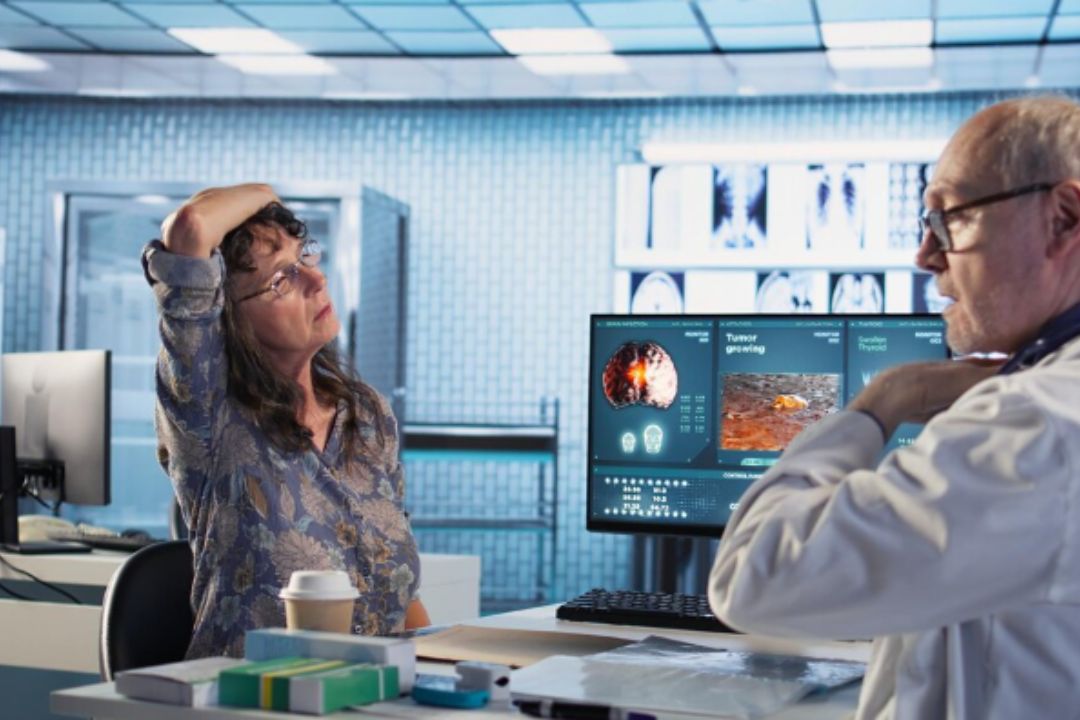
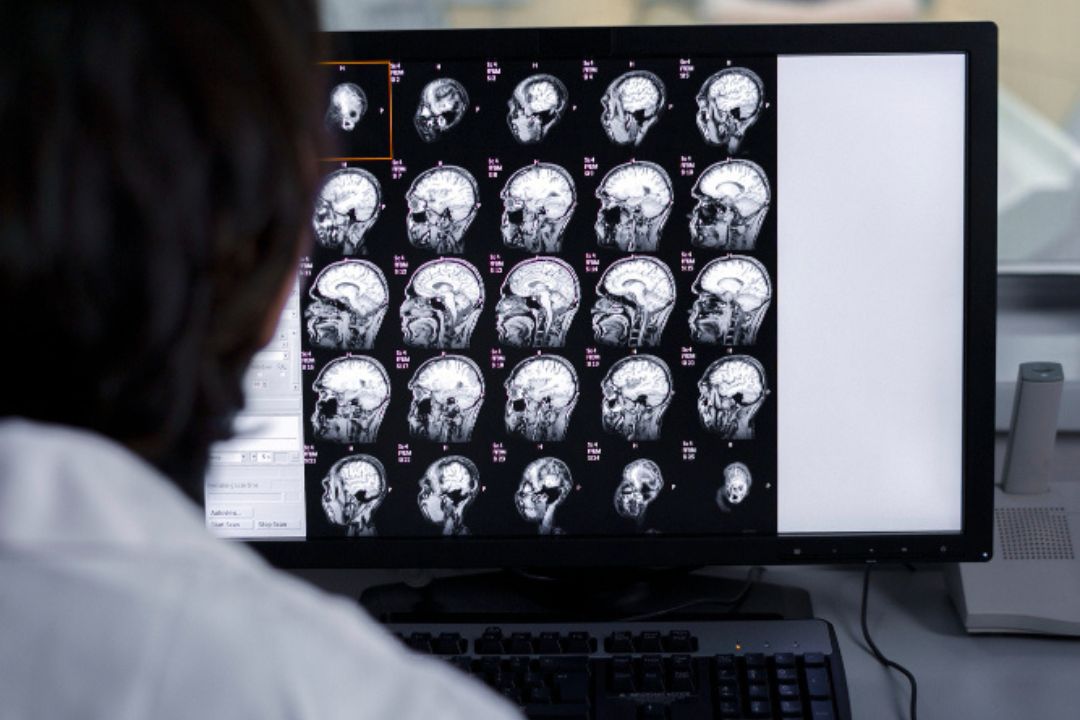
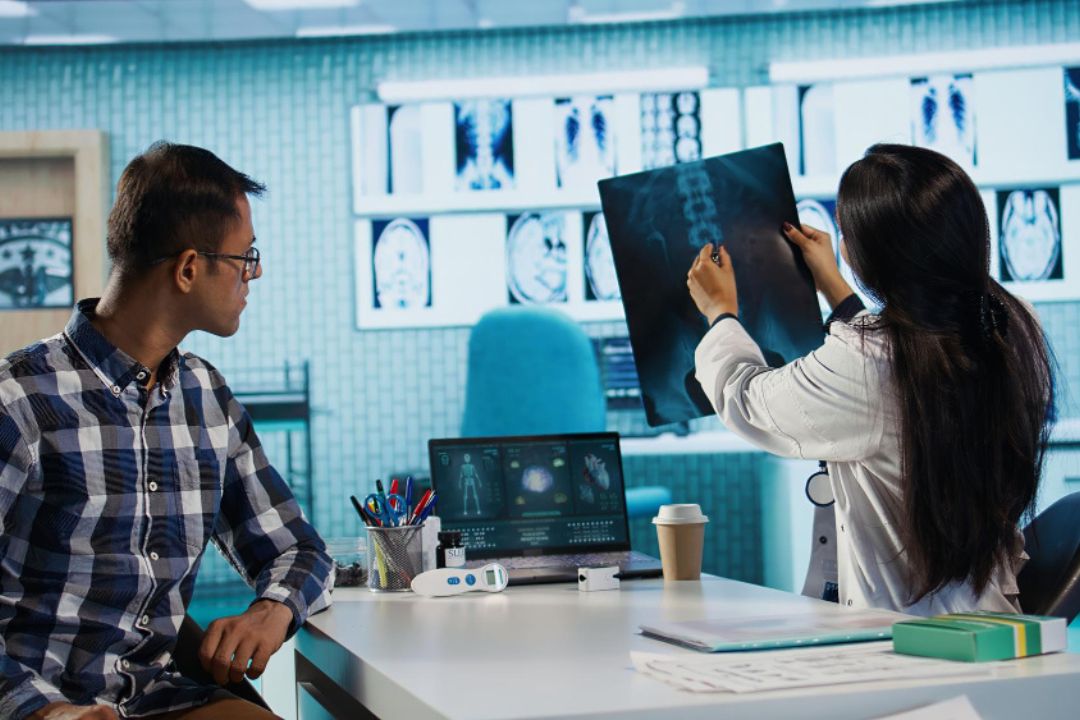
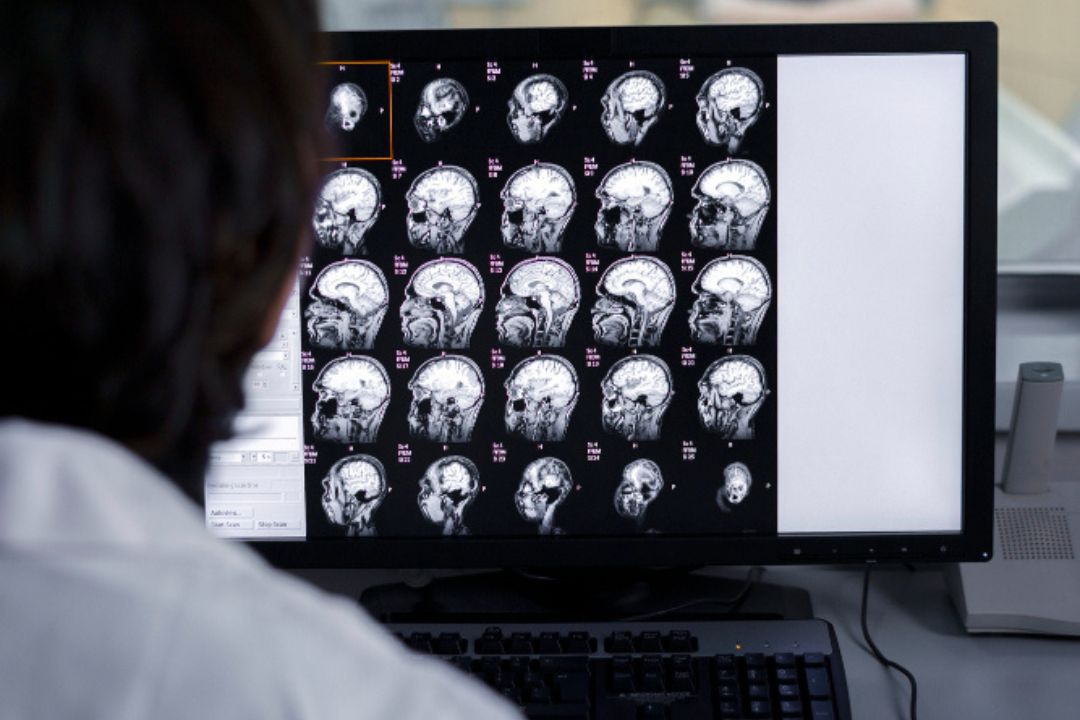
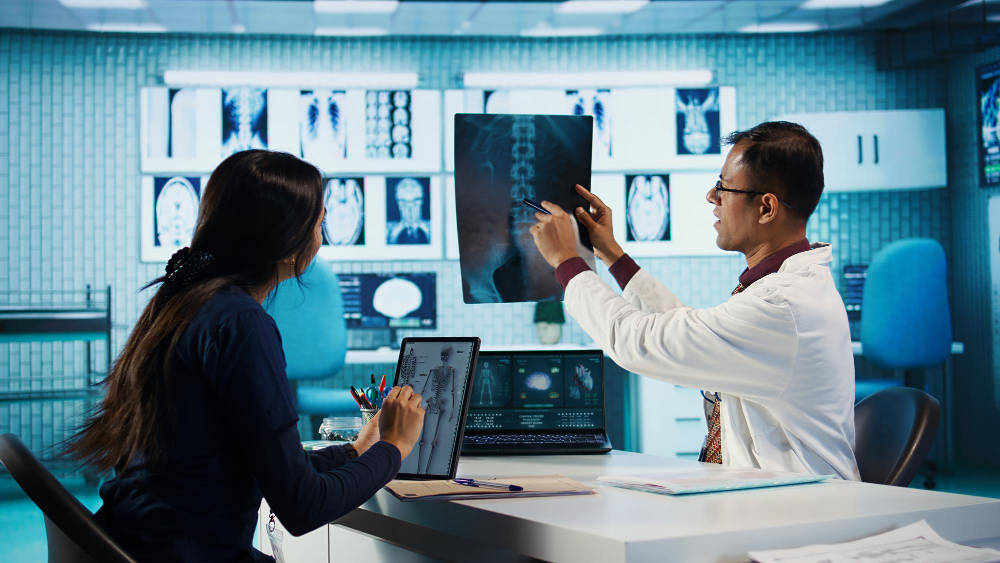
A radiologist will review the images and prepare a detailed report, which is then shared with your doctor for further evaluation.
Contrast CT scans are generally considered safe when performed under medical supervision.
However, patients should inform their doctor if they:
Have kidney disease
Are allergic to iodine or contrast material
Are pregnant or breastfeeding
Medical professionals carefully evaluate these factors before performing the scan.
To ensure a smooth procedure, patients should follow a few simple tips:
Follow fasting instructions if provided
Wear comfortable clothing
Inform the technician about allergies or medications
Arrive early for your appointment
These steps help ensure accurate imaging and a comfortable experience.
A contrast CT scan is a valuable diagnostic tool that provides detailed images of organs, tissues, and blood vessels. The procedure is quick, safe, and widely used to diagnose many medical conditions.
By understanding the step-by-step contrast CT scan procedure, patients can feel more confident and relaxed during the test. Following the preparation instructions and communicating with your healthcare provider helps ensure a smooth and successful scanning experience.










.jpg "ct brain scan plain and contrast")


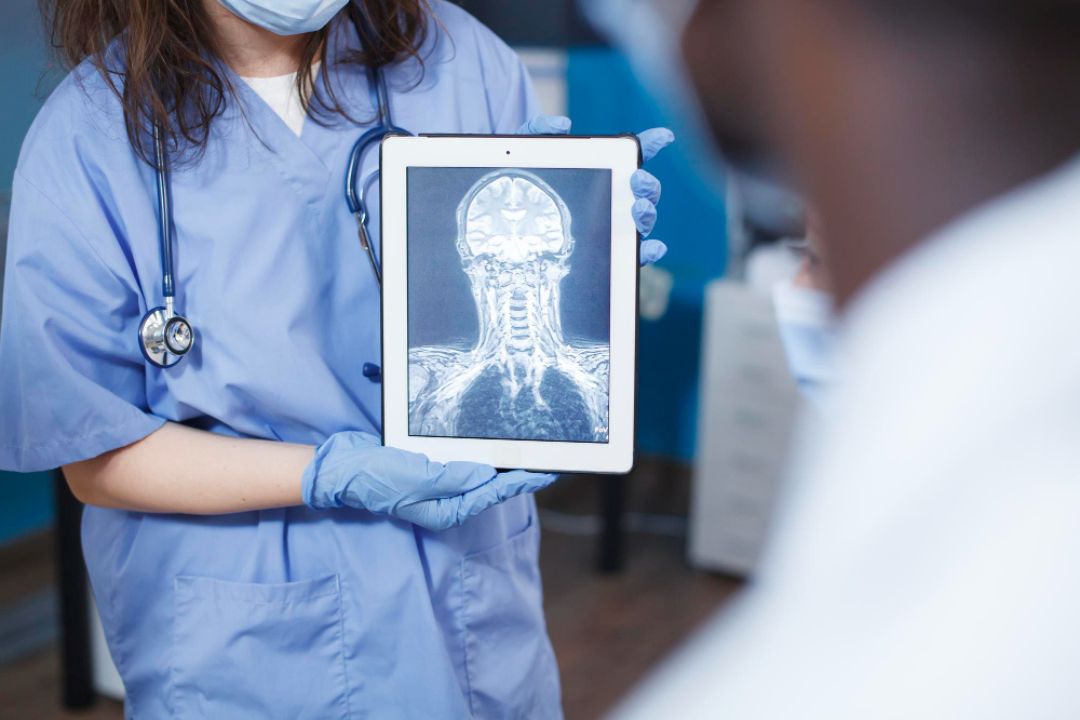















.jpg "ct scan")

.jpg "ct scan or mri for brain disorders")


.jpg "exploring the power of ct brain contrast in modern diagnostics")
.jpg "ct scan")
.jpg "ct scan")









.jpg "ct scan")

.jpg "CT Brain Scan for Headaches")
.jpg "The Future of 3D CT Imaging")