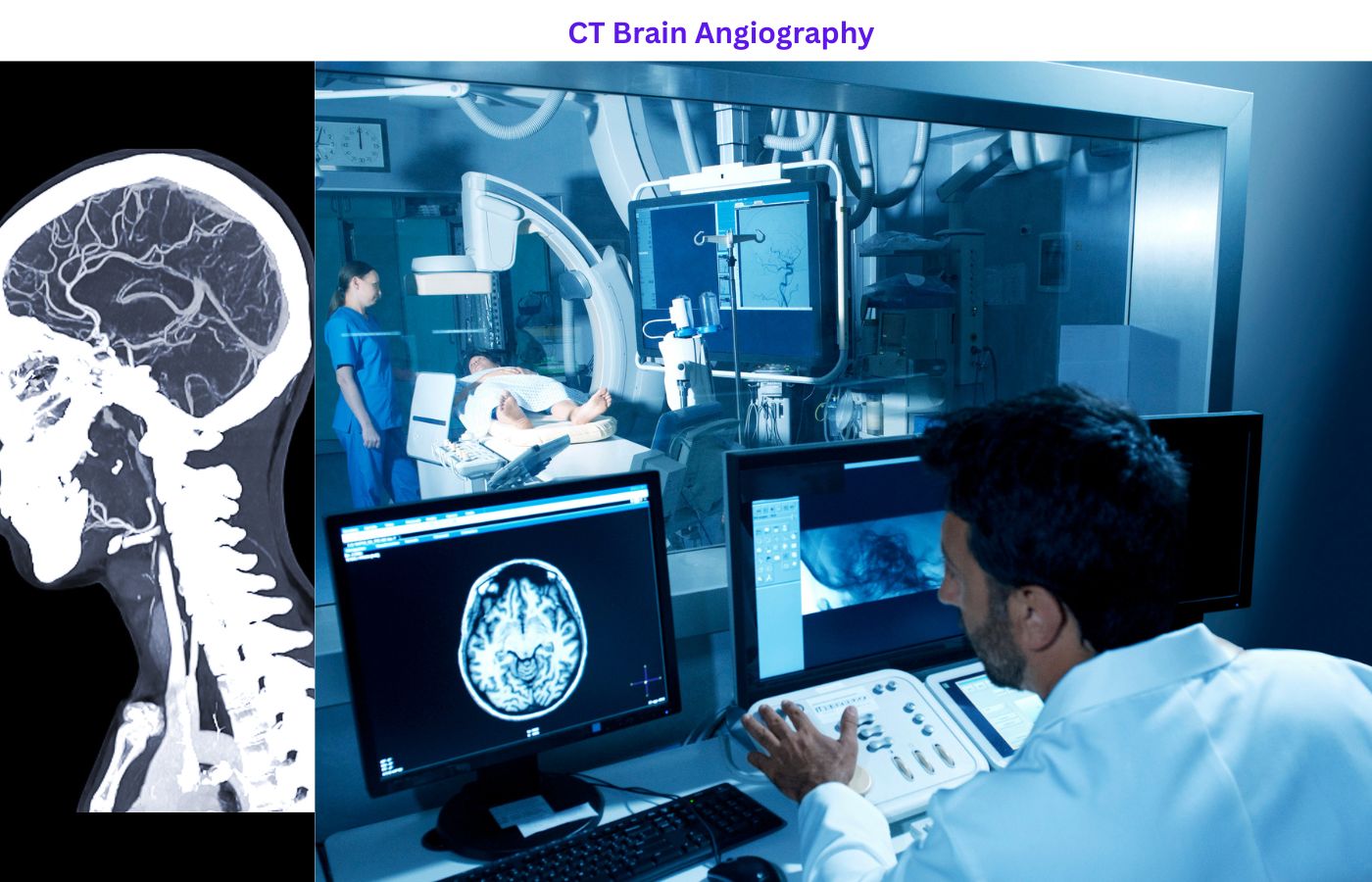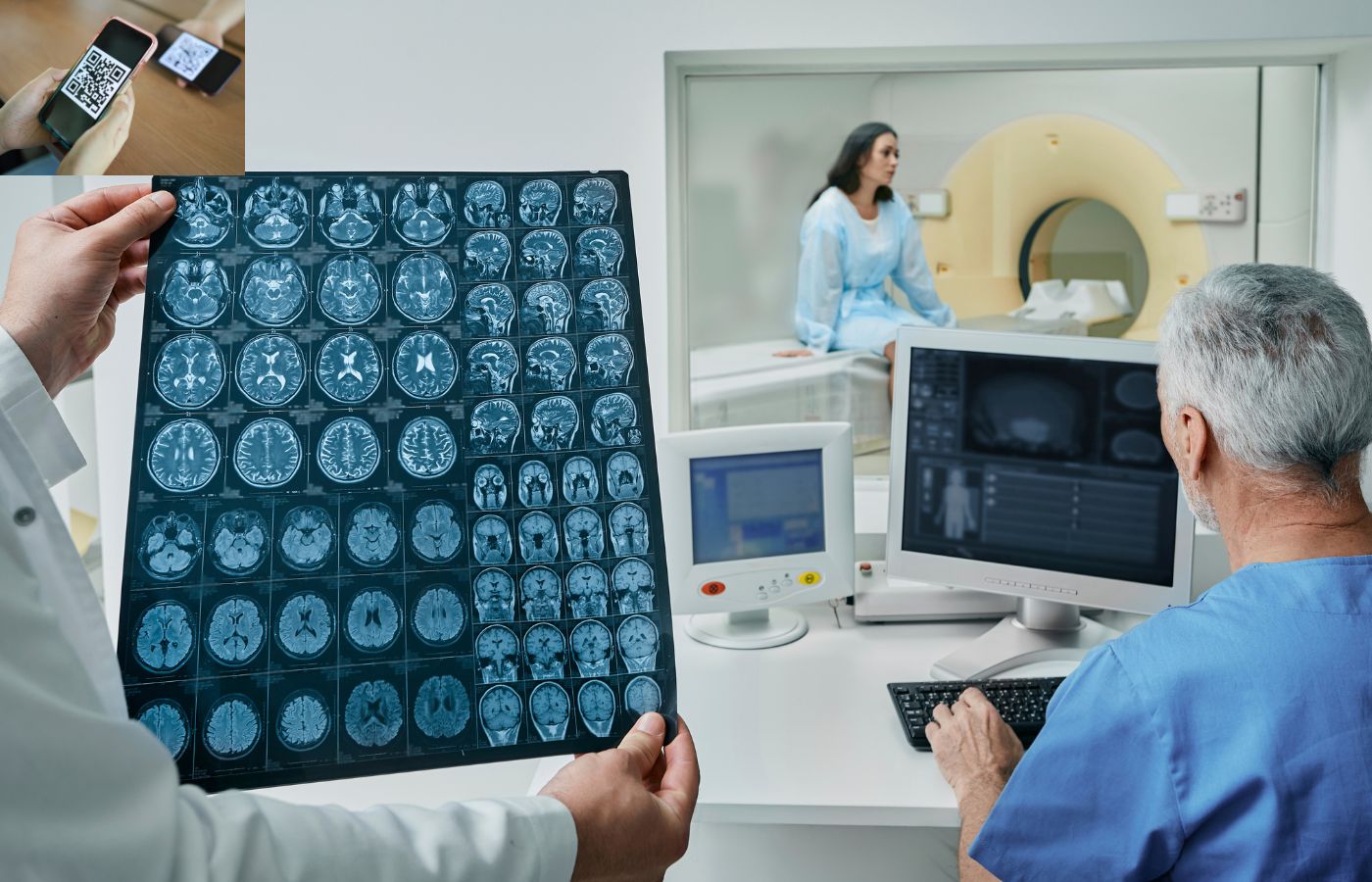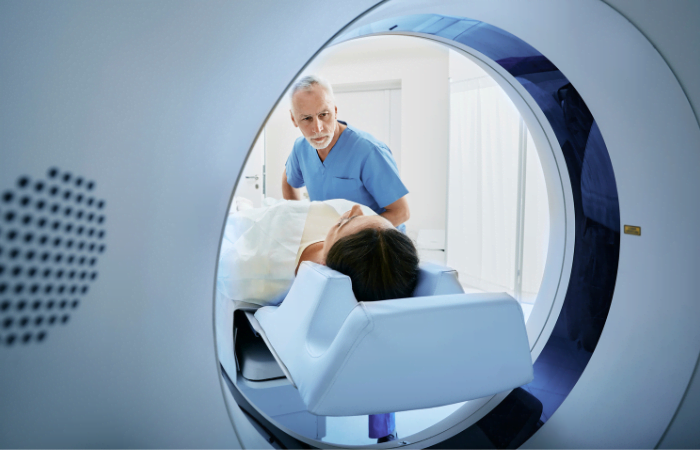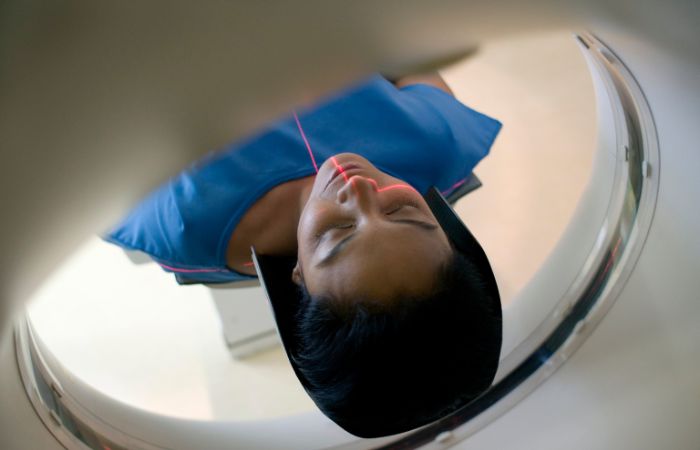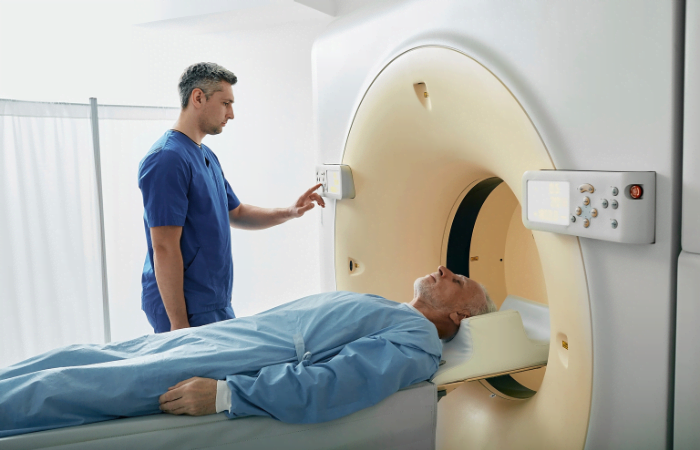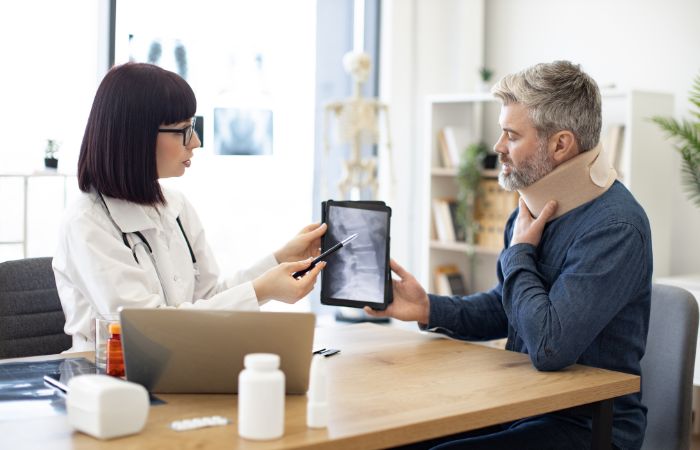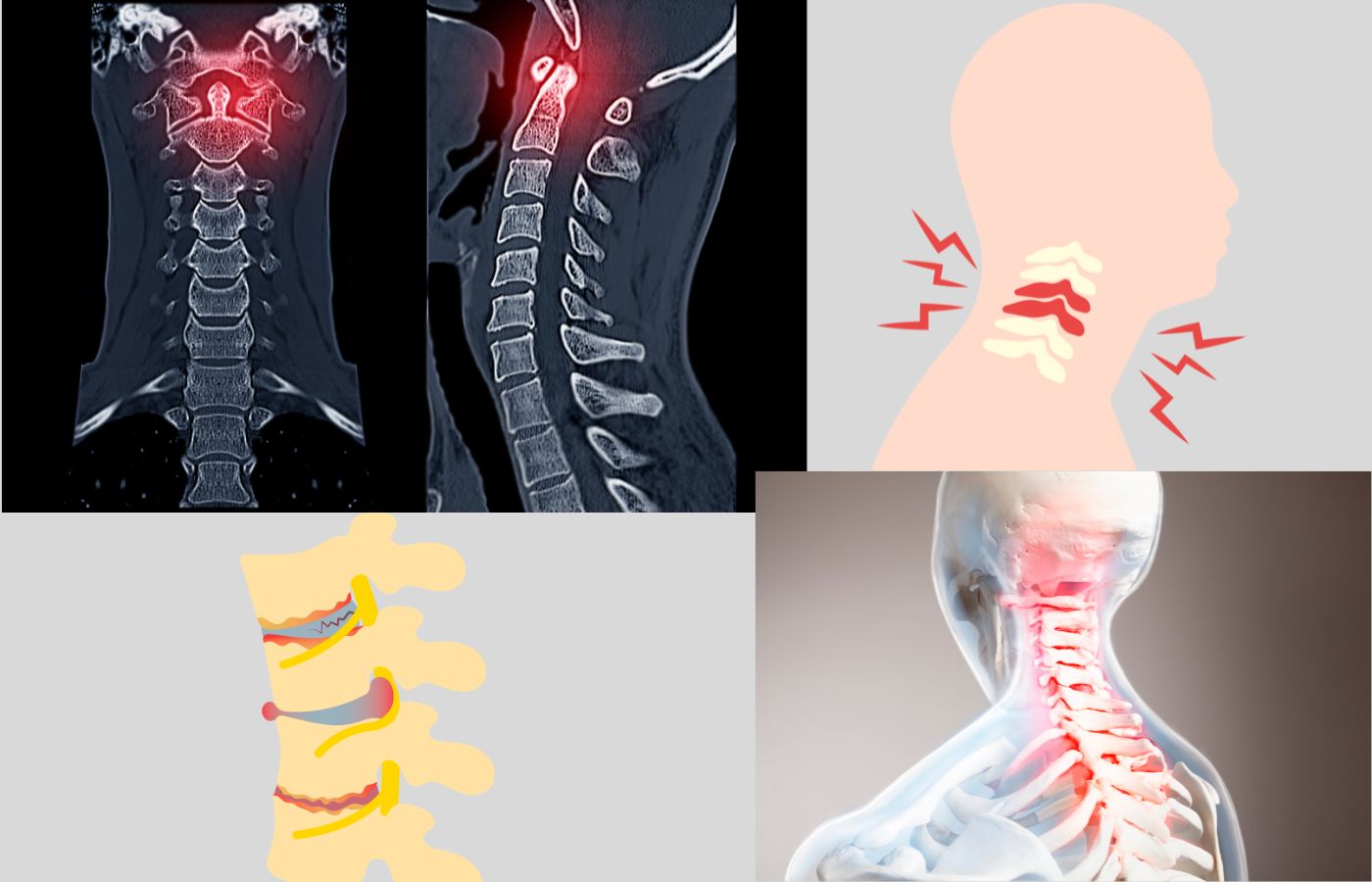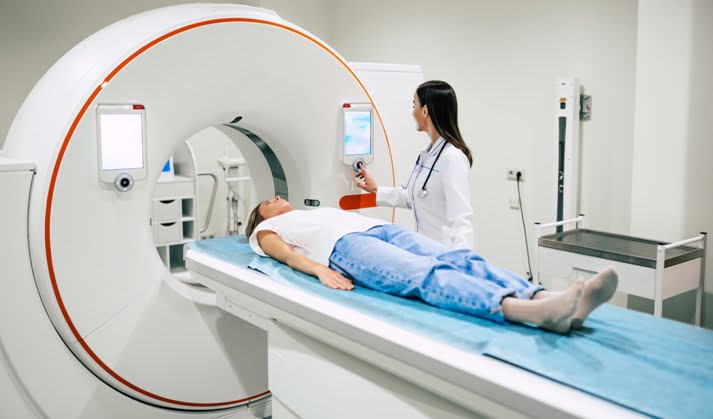
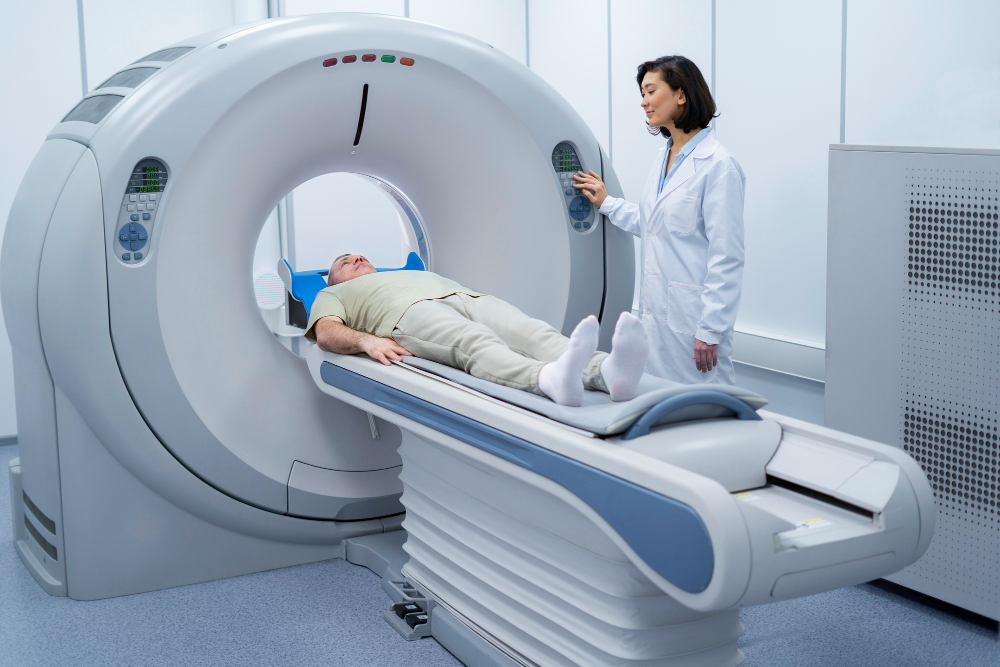
In the realm of modern medicine, few diagnostic tools are as pivotal—and as misunderstood—as the CT scan. Short for Computed Tomography, a CT scan is a sophisticated imaging procedure that combines a series of X-ray views taken from different angles to create cross-sectional images of your bones, blood vessels, and soft tissues. While it’s a cornerstone of diagnosis, swirling myths often cause unnecessary anxiety. At Diagnopein, Mumbai, we believe clarity empowers patients. Let’s dismantle the most persistent common myths about CT scans and replace fear with facts.
Computed Tomography (CT) scans have transformed modern medical diagnosis. They help doctors detect injuries, infections, tumors, and internal bleeding quickly and accurately. Despite their importance, many patients still feel anxious about CT scans because of widespread myths and misinformation.
These misconceptions often lead to unnecessary fear and delayed diagnosis. The truth is that CT scan technology today is highly advanced, safe, and carefully regulated.
Visit Now: https://www.diagnopein.com/ct-scan/Mumbai
In this detailed guide, we will debunk the most common myths about CT scans and explain the facts every patient should know.
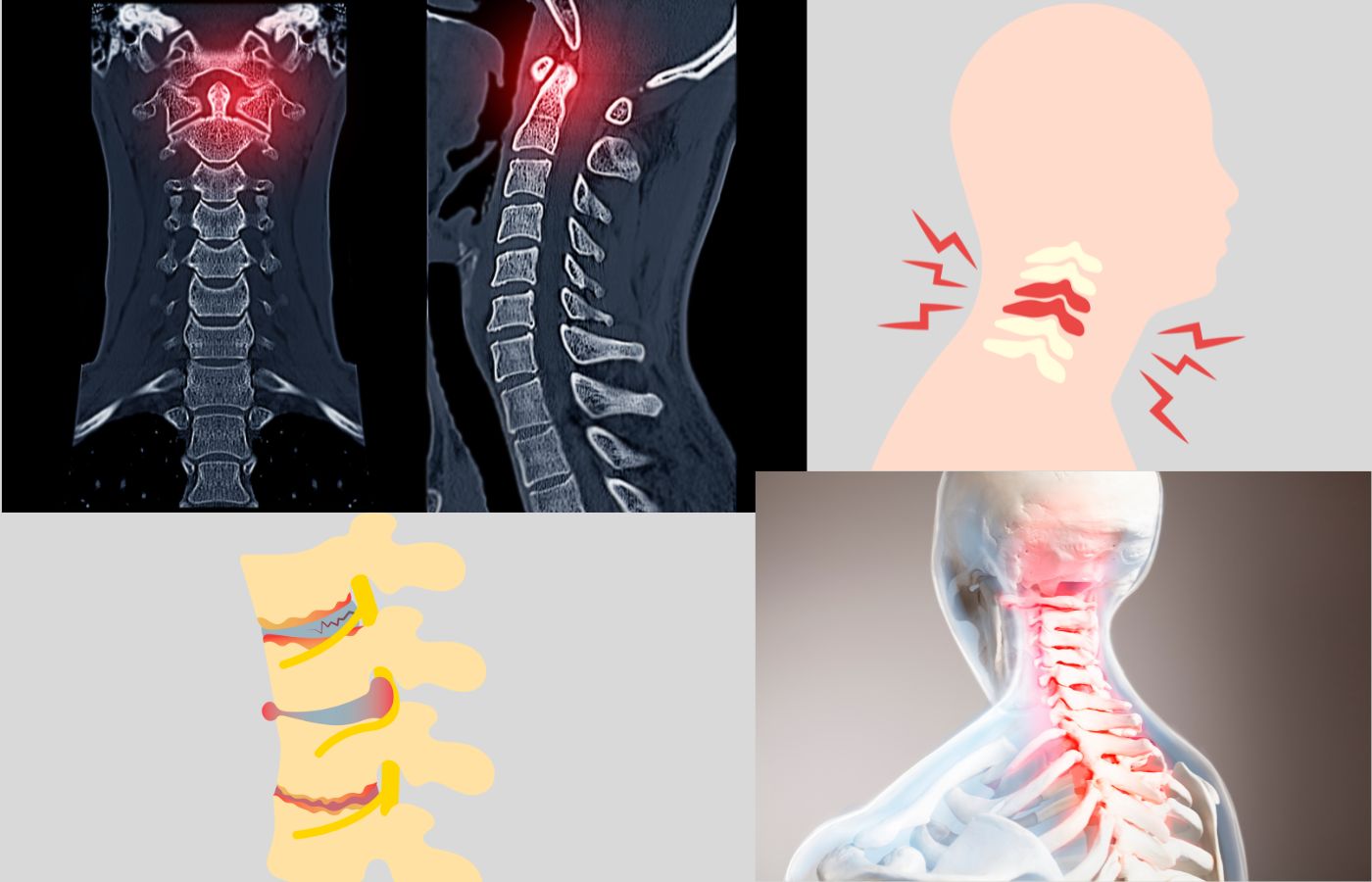
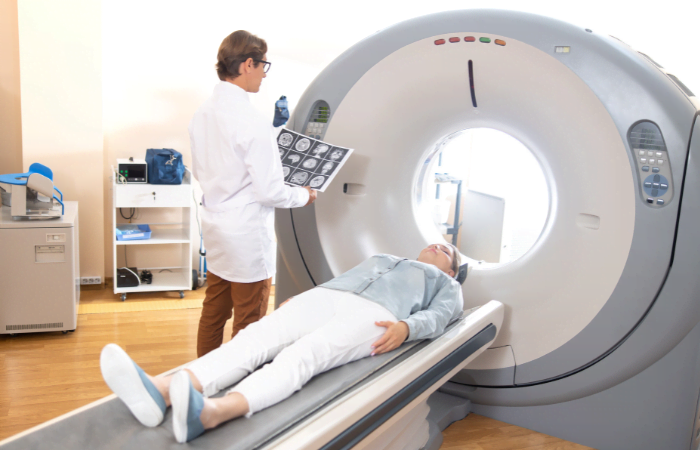
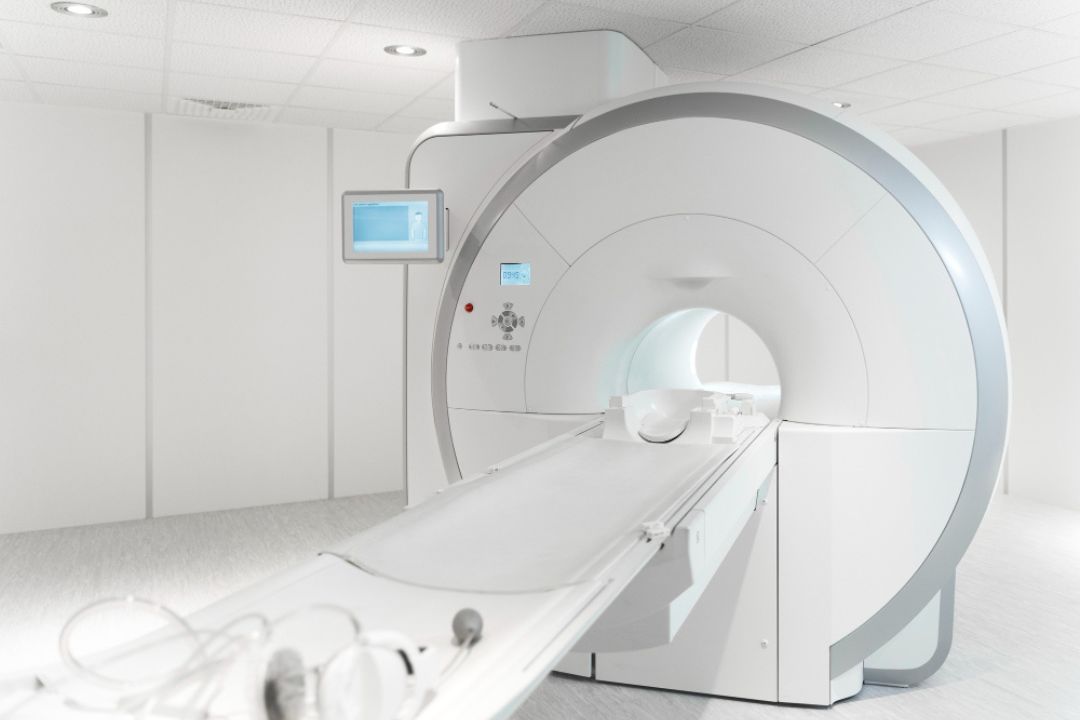
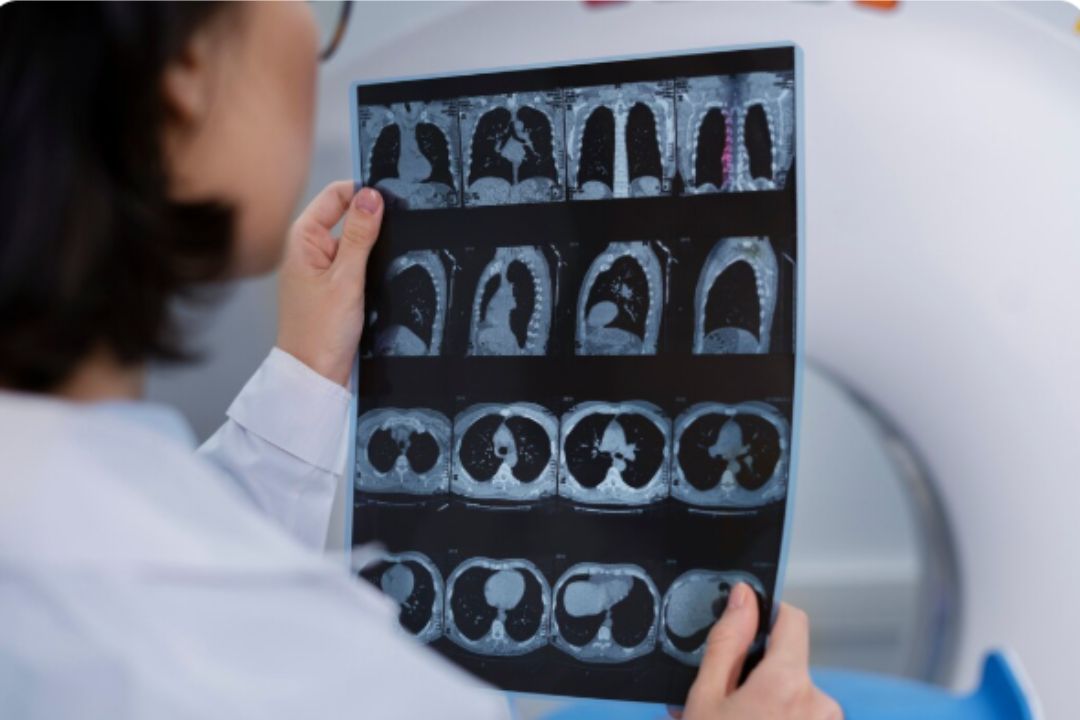
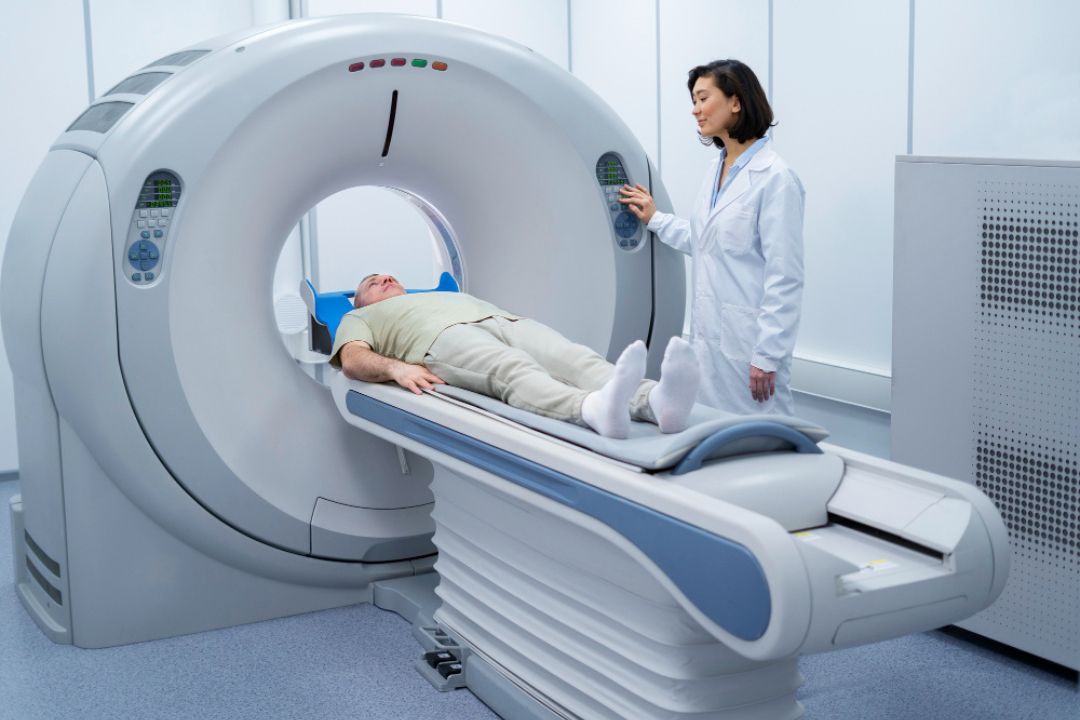
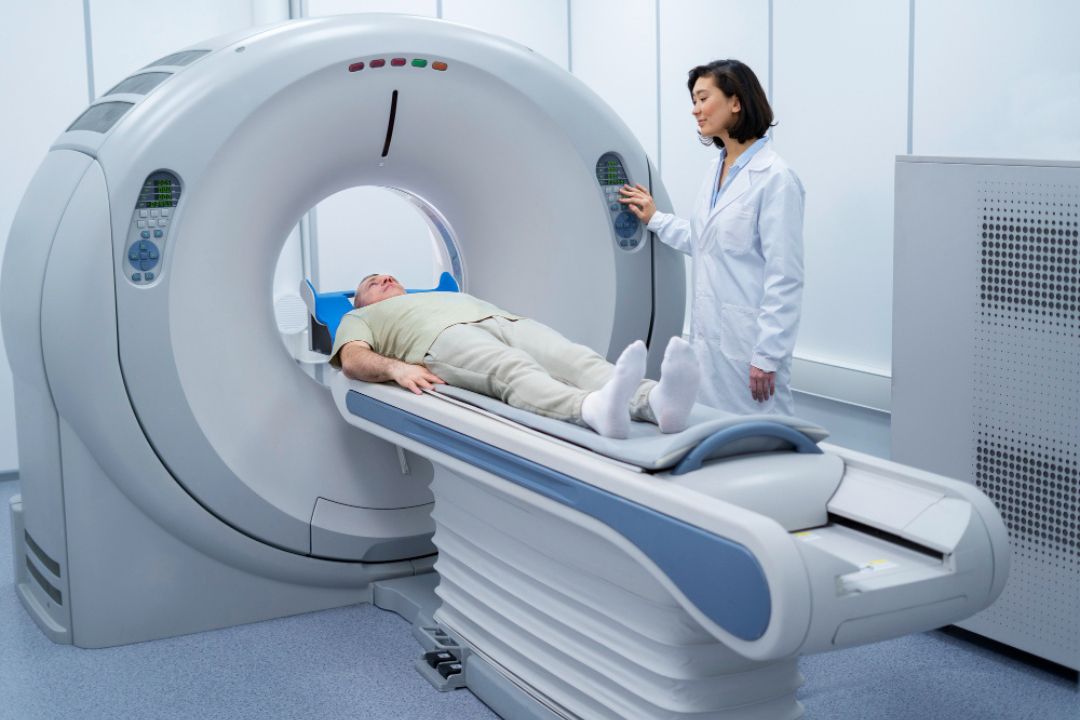
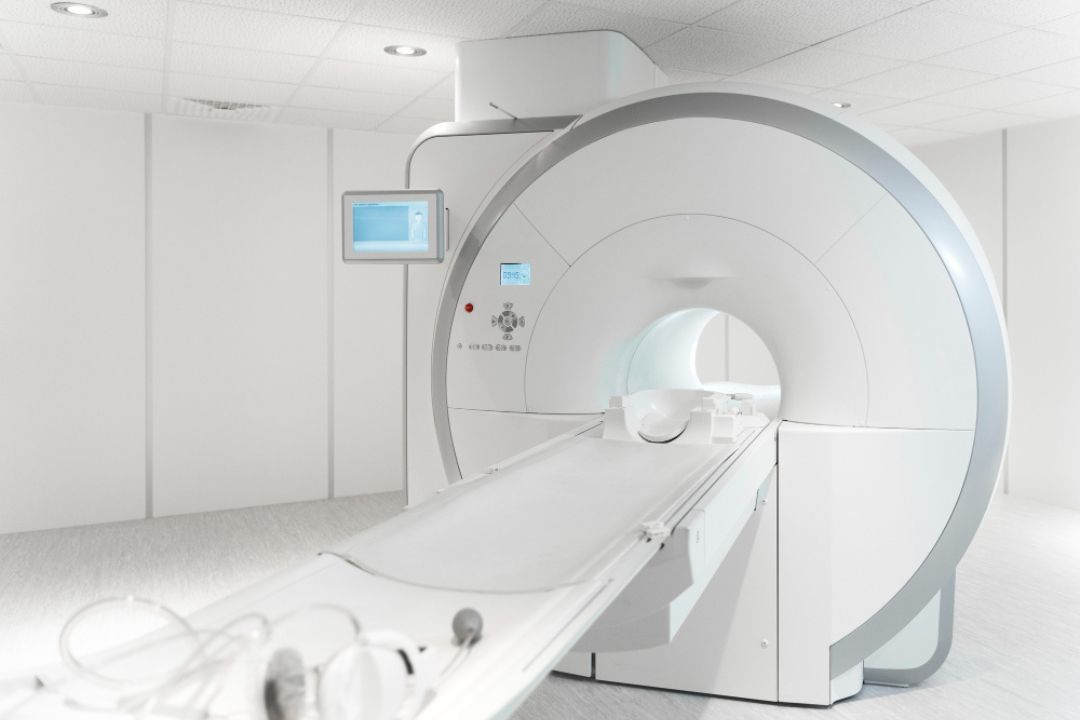
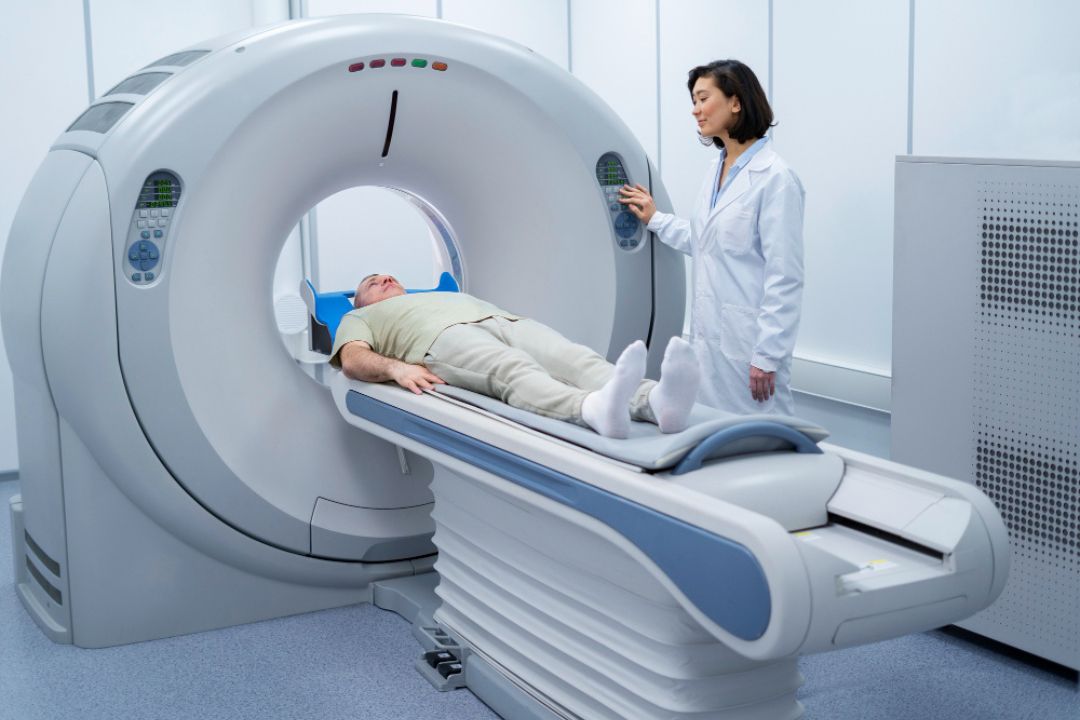
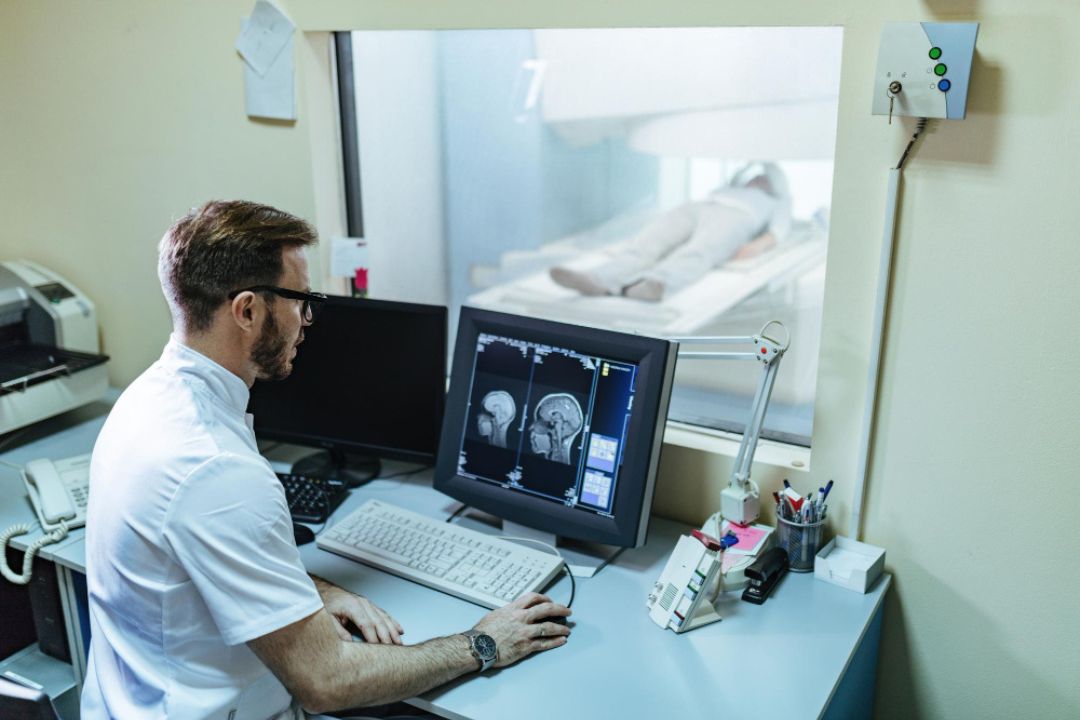
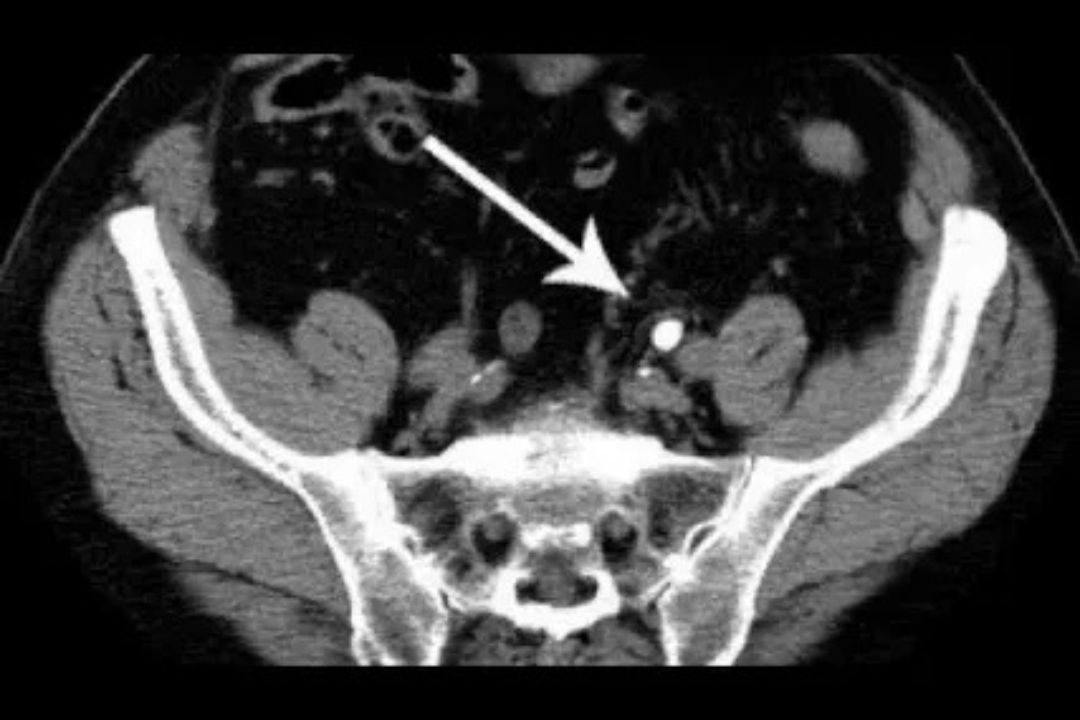
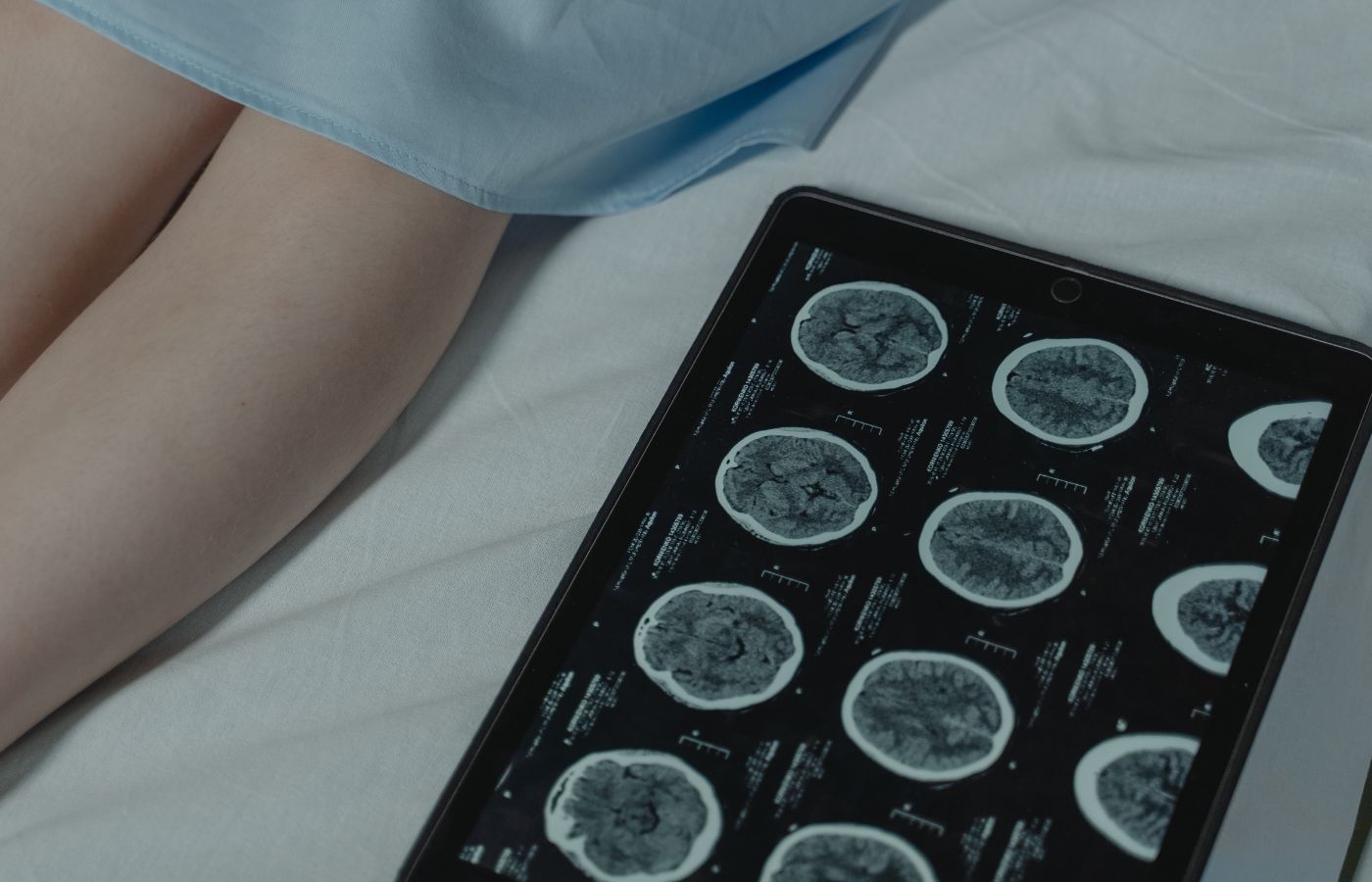
A CT scan is an advanced imaging test that uses X-rays and computer processing to create detailed cross-sectional images of the body. It allows doctors to view bones, organs, blood vessels, and soft tissues with high precision.
CT scans are commonly used to:
Detect infections and inflammation
Diagnose tumors and cancers
Evaluate trauma and internal injuries
Guide surgeries and treatments
Monitor treatment progress
Because of its speed and accuracy, CT imaging plays a critical role in emergency and preventive care.
Many CT scan myths come from:
Fear of radiation
Confusion with older imaging technologies
Outdated information online
Lack of patient education
Social media misinformation
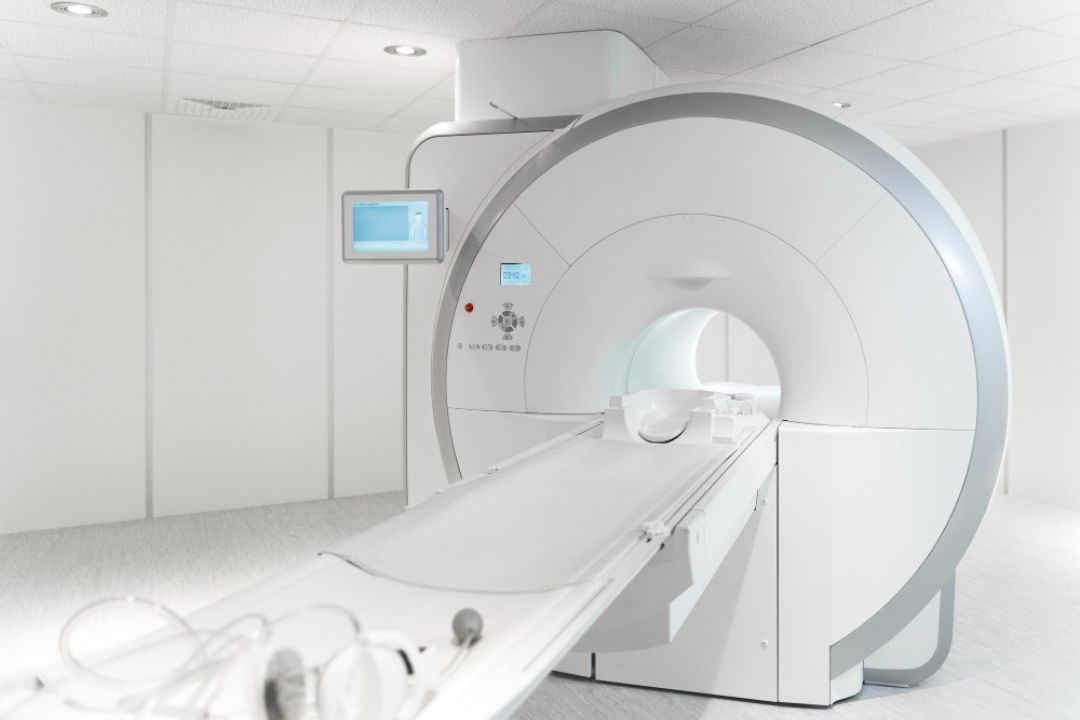
Modern CT technology has evolved significantly. Today’s scanners use optimized radiation doses and advanced safety protocols.
If you want to understand the latest improvements, read our guide on
?? Advancements in CT Scan Technology in Modern Radiology
(Internal link placement: first mention of technology discussion)
Let’s separate facts from fiction.
Reality: CT scans are generally safe when medically necessary.
Yes, CT scans use ionizing radiation. However, the dose is carefully controlled and minimized. Medical professionals order CT scans only when the diagnostic benefits outweigh the small potential risks.
More Info: https://www.diagnopein.com
Key facts:
Modern scanners use dose-reduction technology
Protocols follow international safety standards
Doctors avoid unnecessary repeat scans
Benefits usually far outweigh risks
In many emergency situations, CT scans save lives by enabling rapid diagnosis.
Reality: The risk from a single CT scan is very low.
Some people believe even one scan can cause cancer. This is misleading. While radiation exposure theoretically carries a small risk, the risk from medically necessary CT scans is minimal.
Important points:
Risk depends on dose and frequency
Medical imaging uses controlled exposure
Diagnostic benefits are immediate and significant
Doctors follow the ALARA principle (As Low As Reasonably Achievable)
Avoiding a needed CT scan can actually be more dangerous if it delays diagnosis of serious conditions.
Reality: CT scans are much more advanced than regular X-rays.
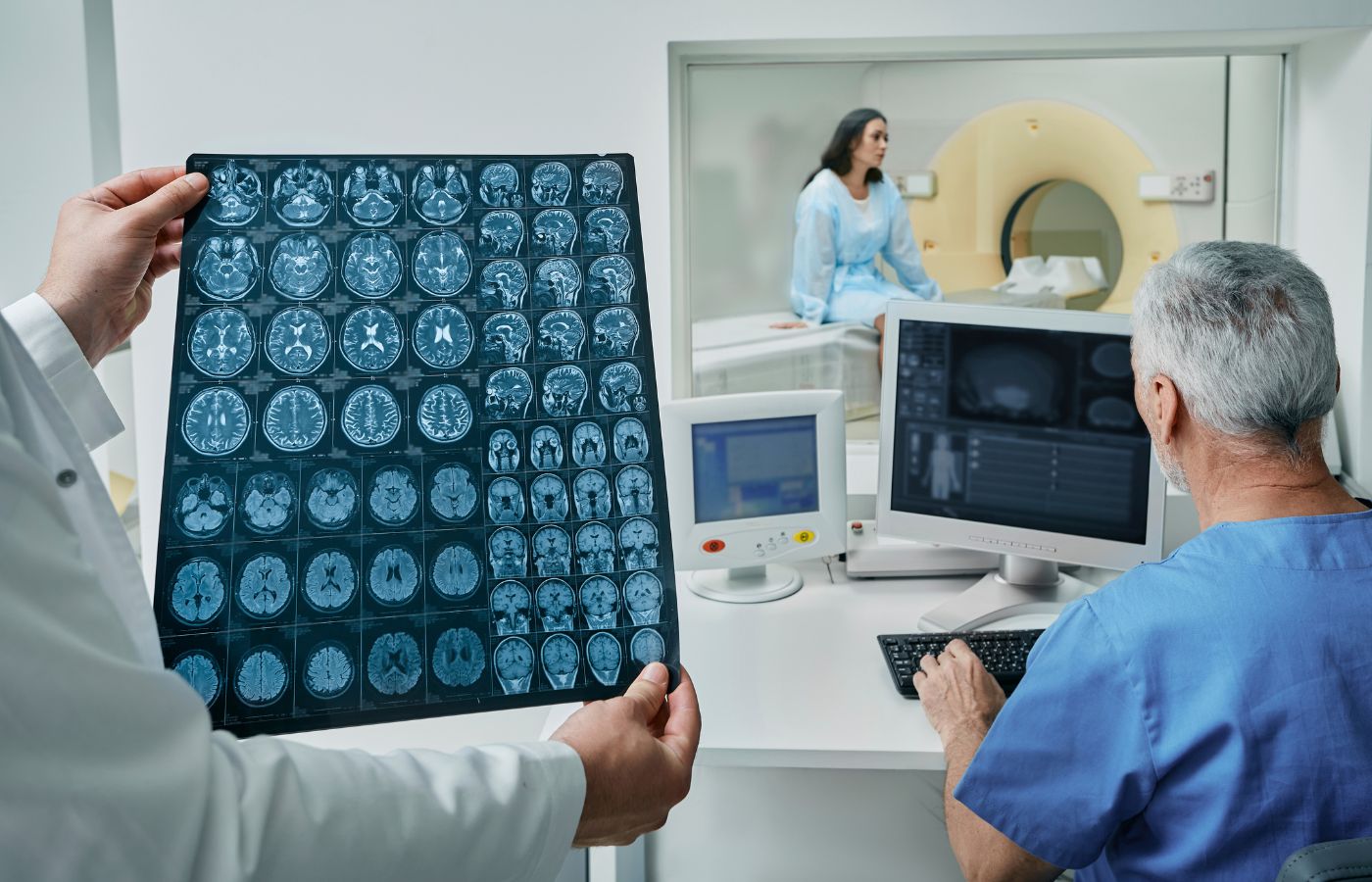
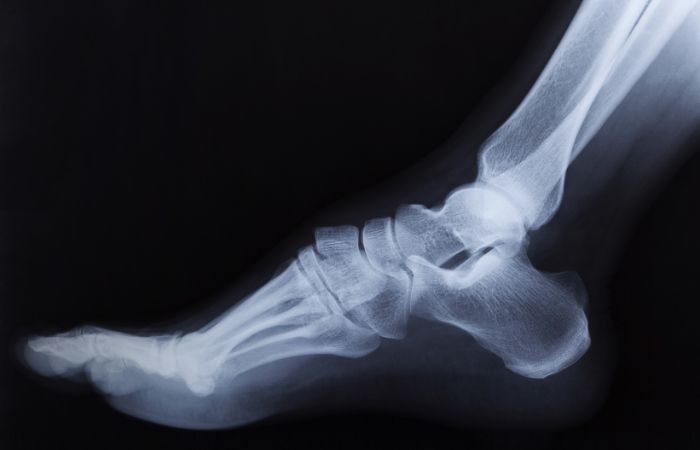
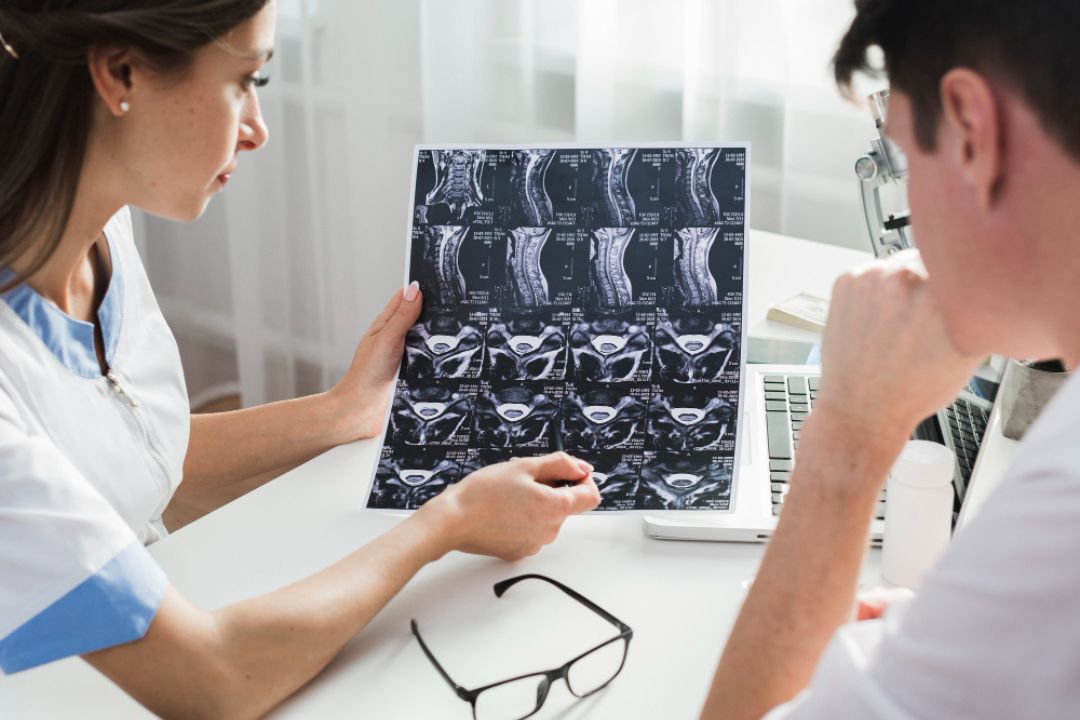
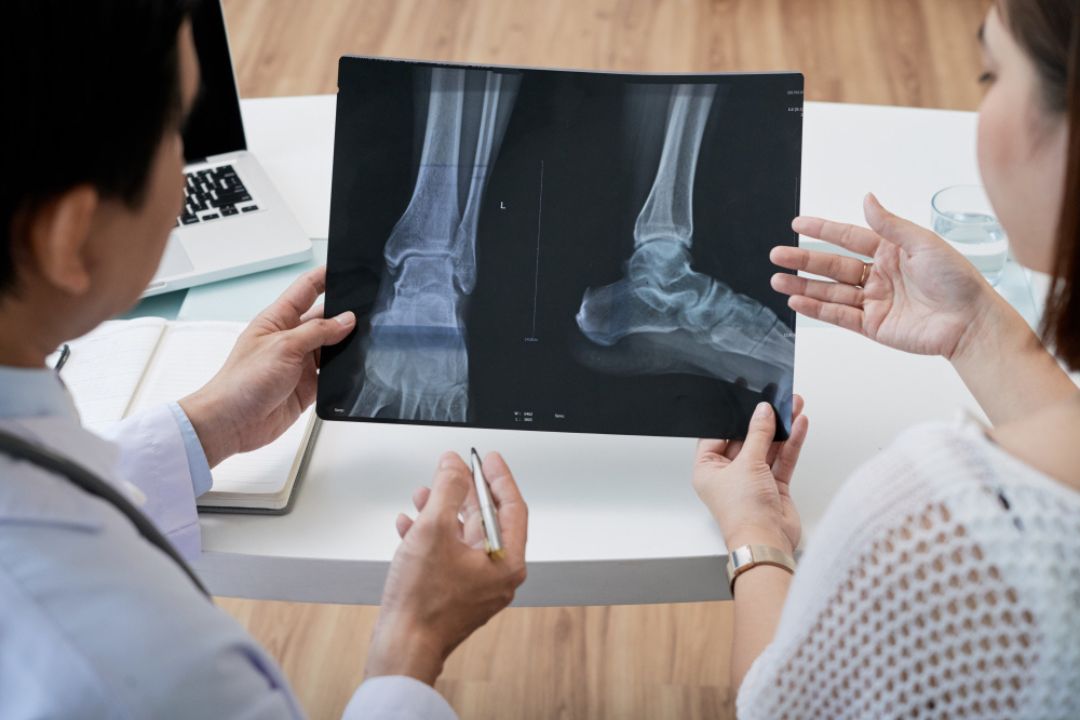
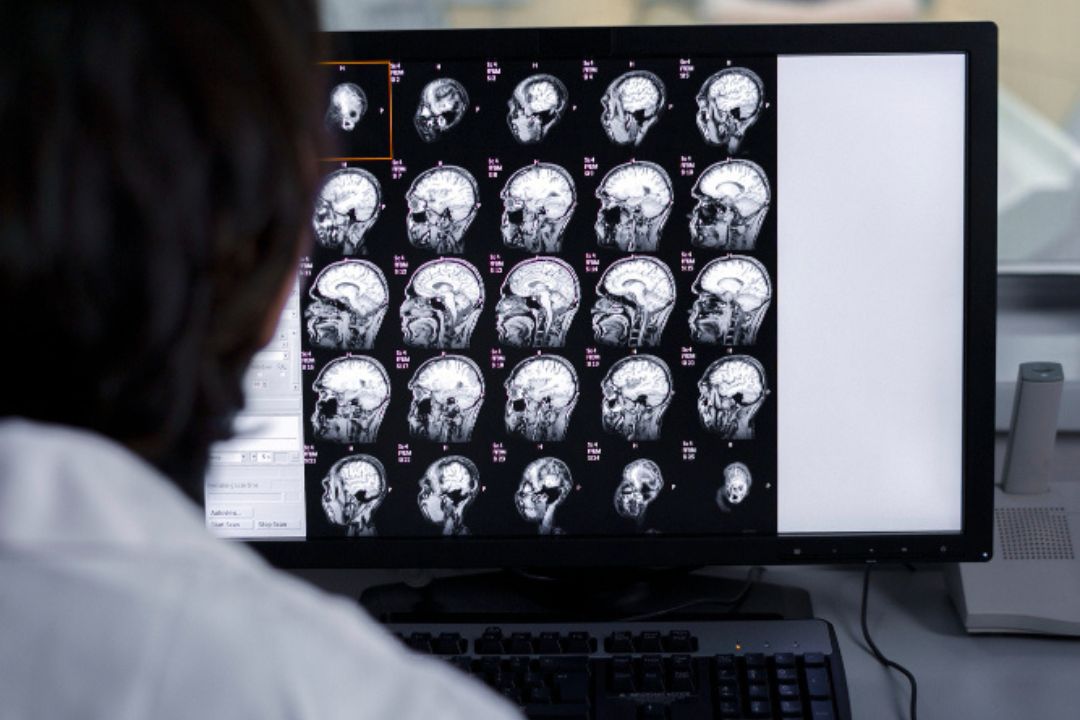
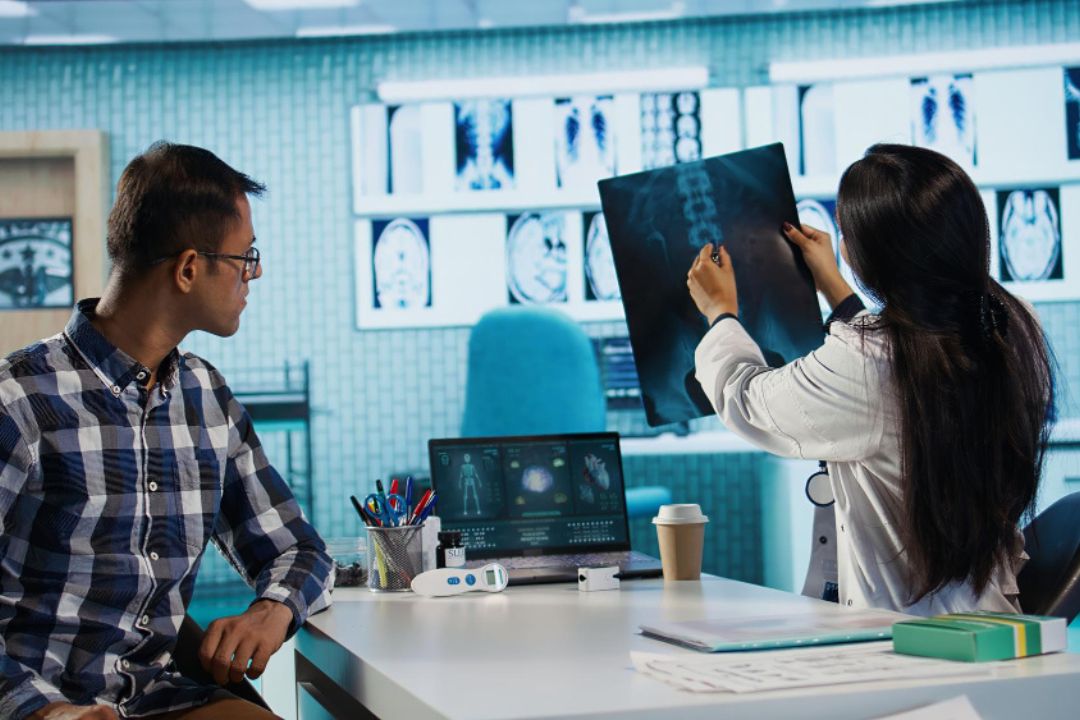
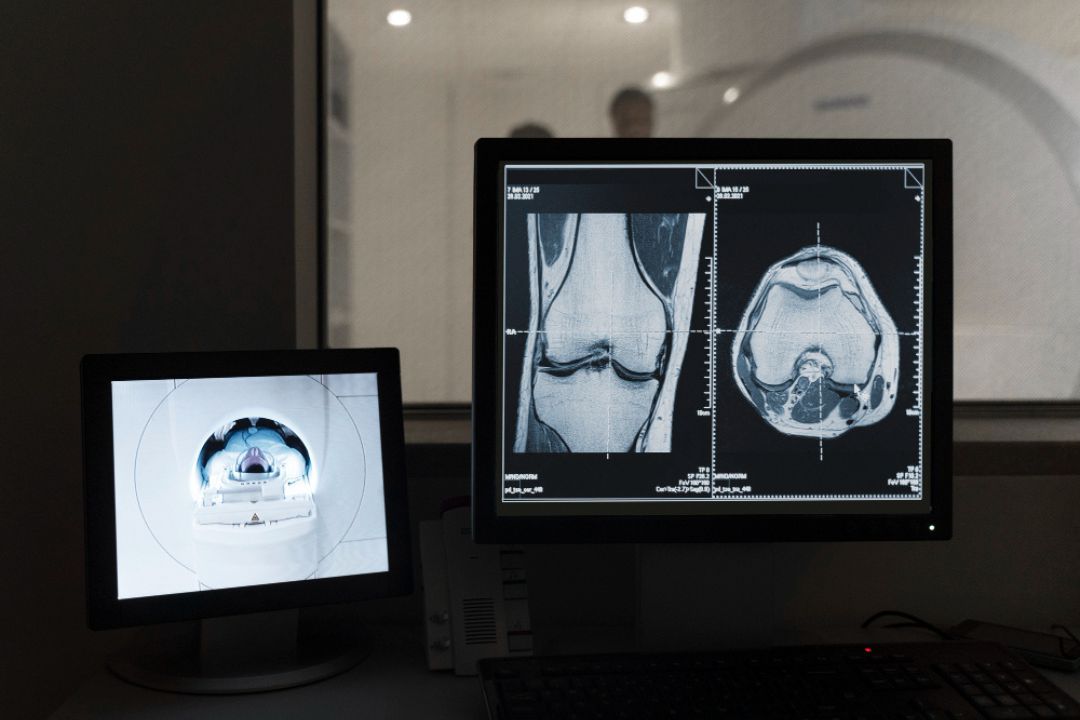
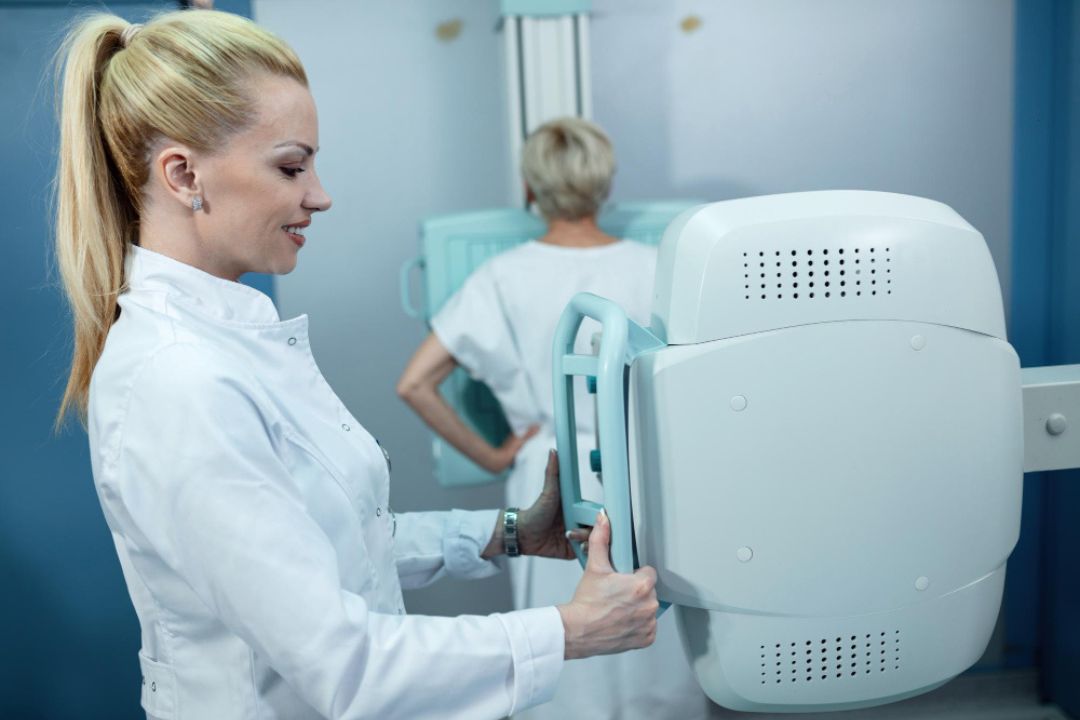
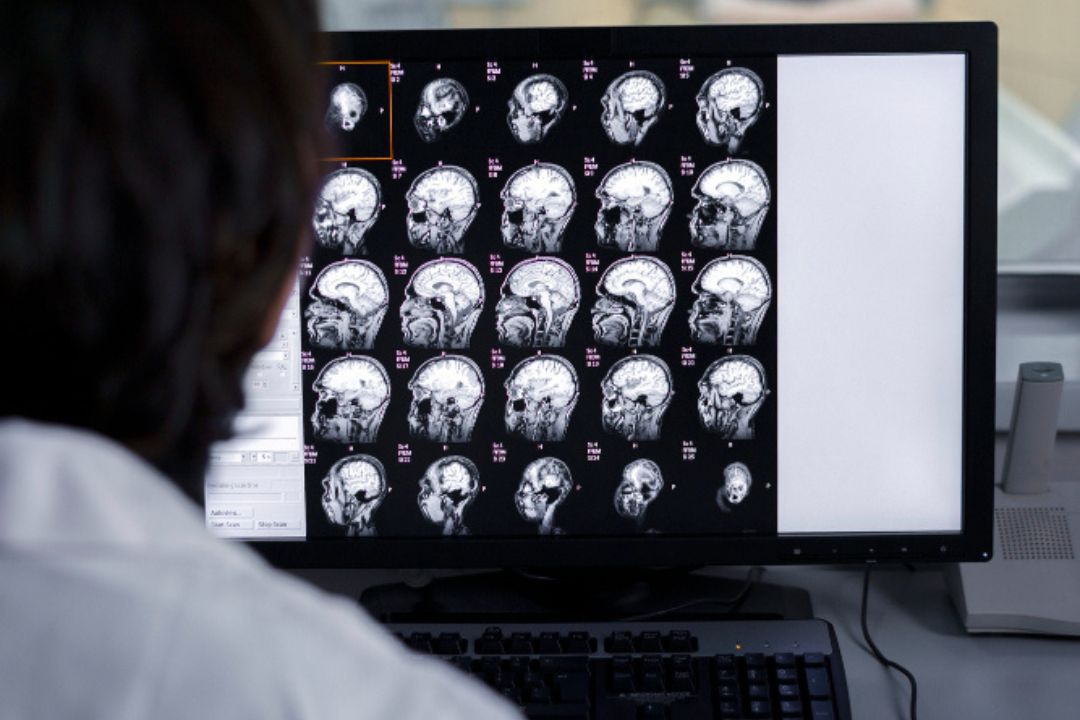
A standard X-ray produces a single flat image. A CT scan creates detailed cross-sectional slices and even 3D views.
CT scans provide:
Higher diagnostic accuracy
Better soft tissue visualization
Detailed organ imaging
Improved detection of small abnormalities
This is why doctors often prefer CT imaging for complex conditions.
Reality: It depends on the type of CT scan.
Many patients assume fasting is always required. In truth, preparation varies based on the scan type and whether contrast dye is used.
Some scans require fasting, while others do not.
For detailed preparation guidelines, read:
?? Can You Eat or Drink Before a CT Scan?
(Internal link placement: after preparation discussion)
Always follow the specific instructions given by your diagnostic center.
Reality: CT scans are used for many routine and preventive purposes.
While CT scans are essential in emergencies, they are also used for:
Early disease detection
Health screening
Treatment monitoring
Pre-surgical planning
Chronic condition evaluation
Early imaging often helps doctors catch problems before symptoms become severe.
Reality: Most CT scans are very quick.
Modern CT scanners are extremely fast. Many scans take only:
5 to 10 minutes total
Actual scan time of just a few seconds
This speed is especially important in trauma and emergency cases.
Reality: Contrast dye is safe for most patients.
Contrast material helps highlight blood vessels and organs. While some patients may need precautions (such as those with kidney issues or allergies), serious reactions are rare.
Before administering contrast, medical teams:
Review medical history
Check kidney function if needed
Ask about previous allergies
Monitor patients during the scan
Always inform your doctor about any past reactions.
Reality: CT scans are completely painless.
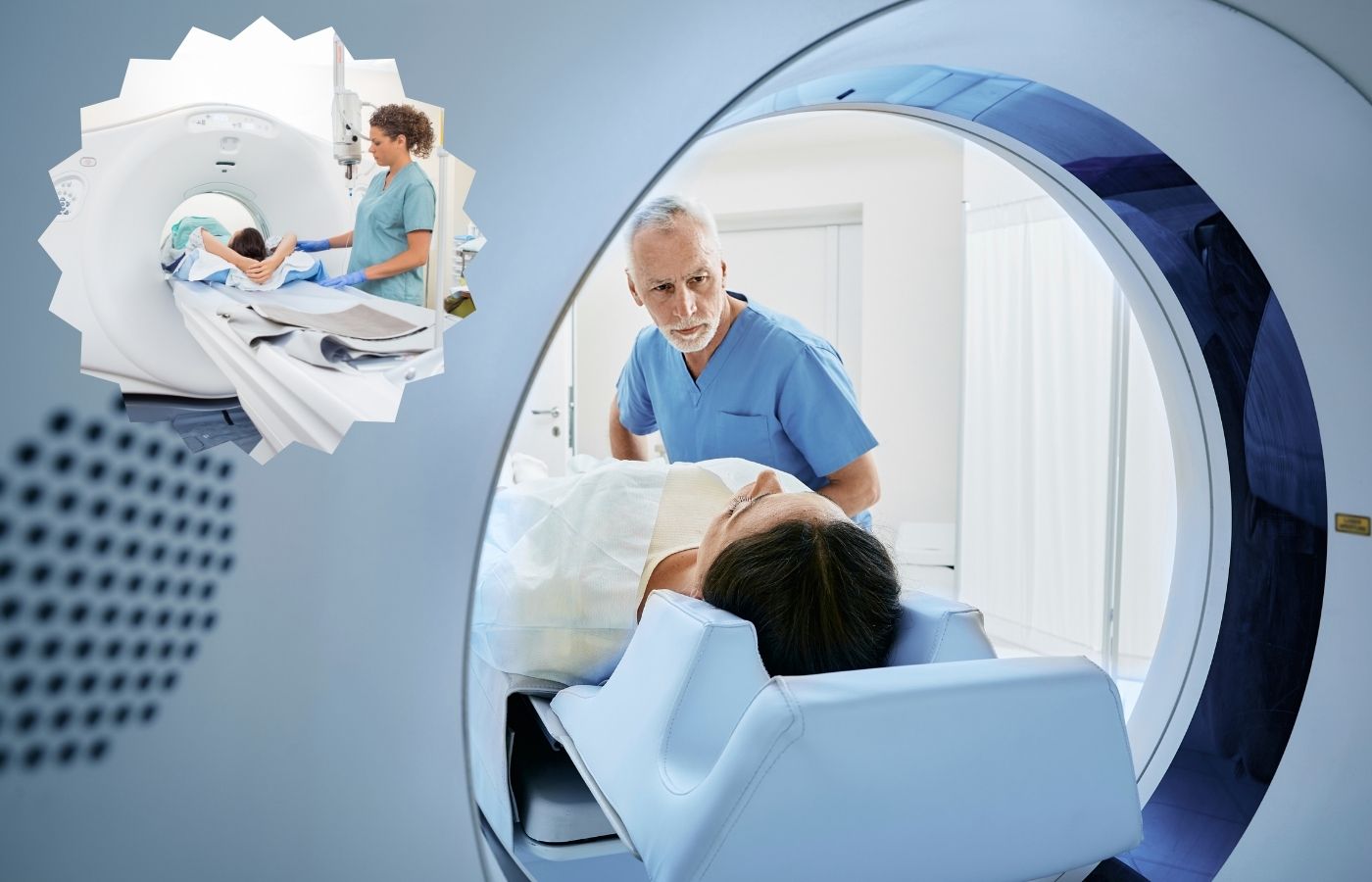
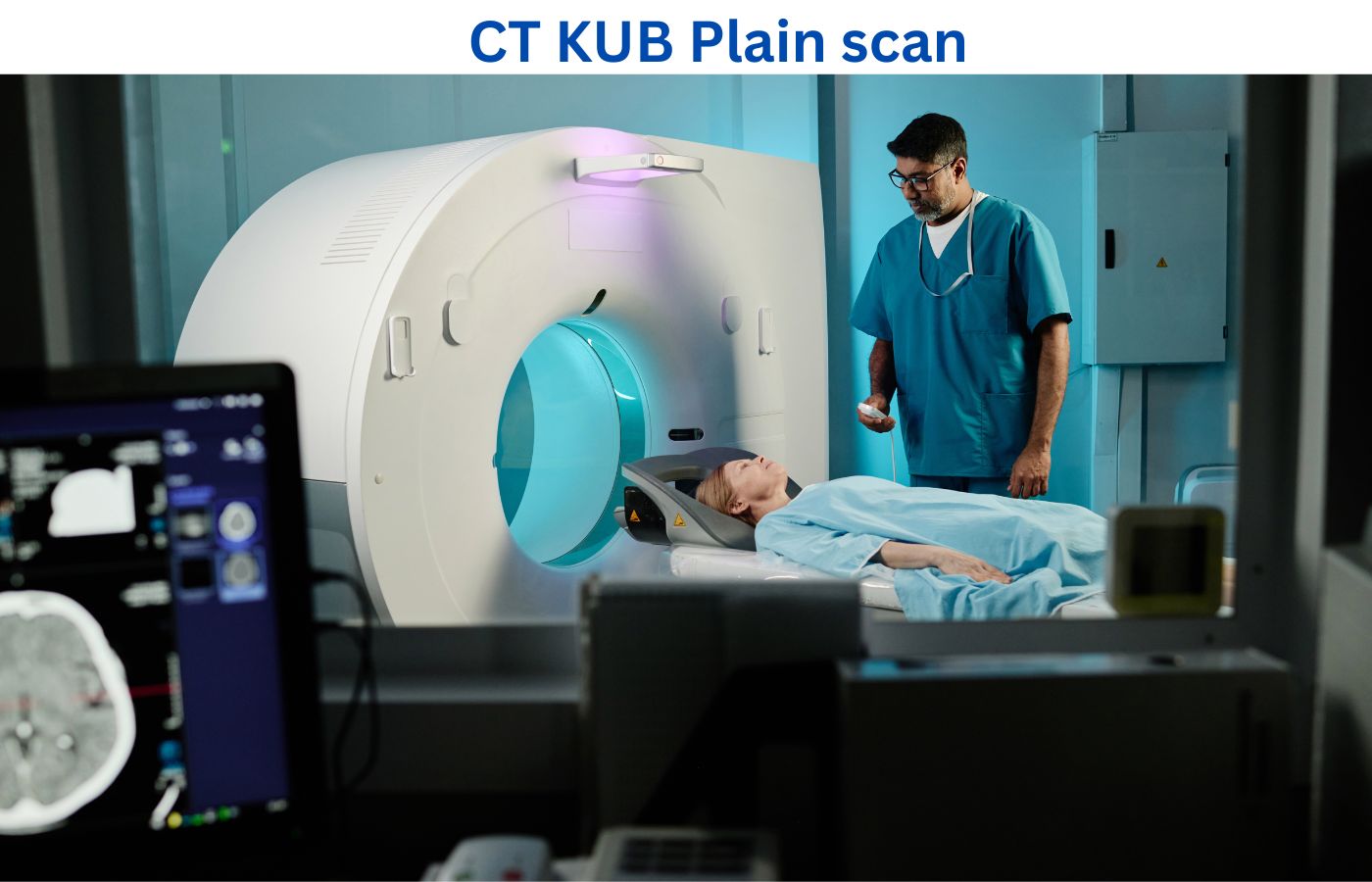
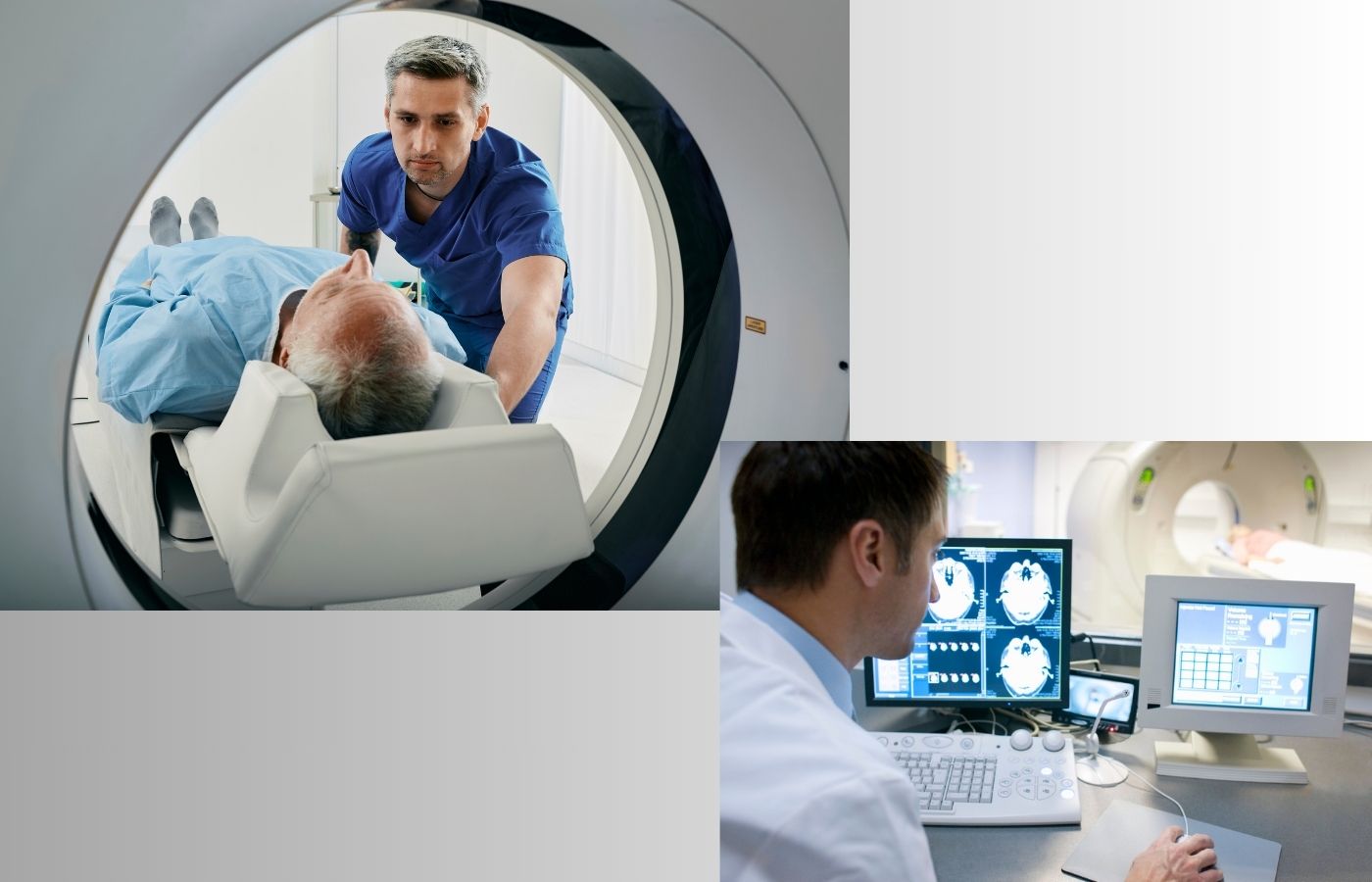
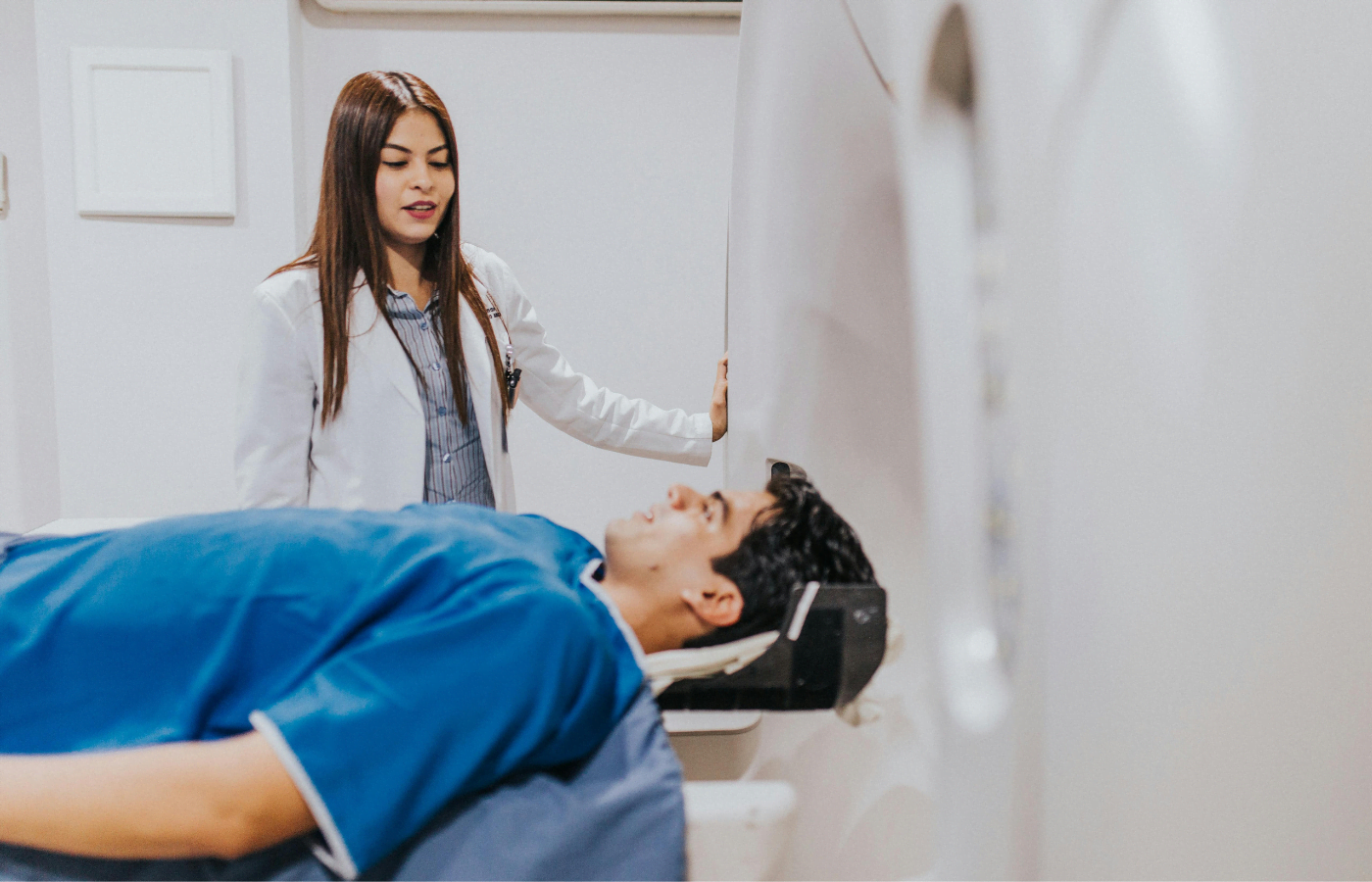
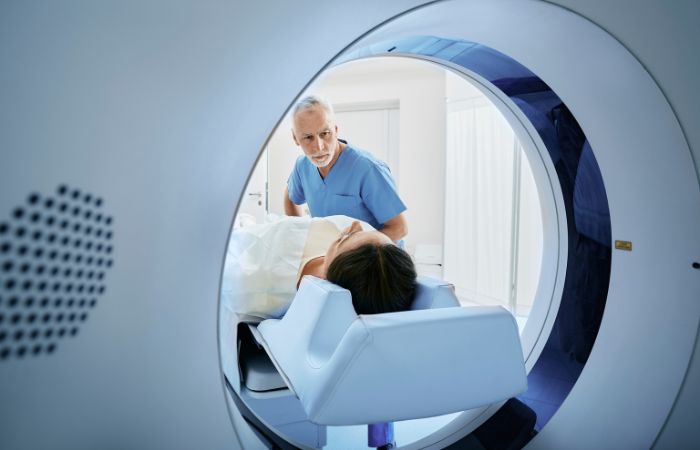
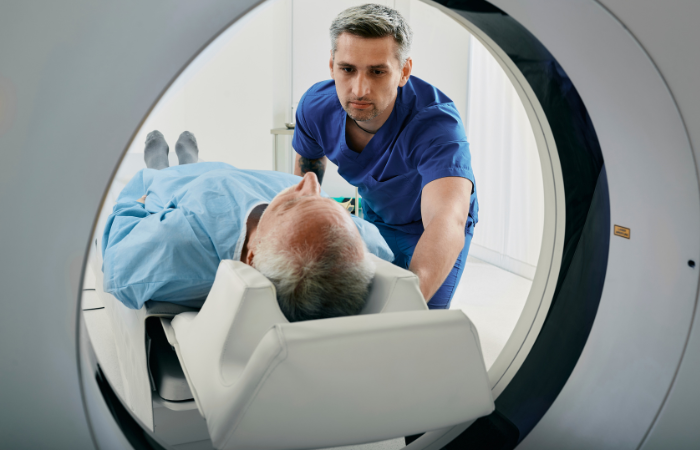
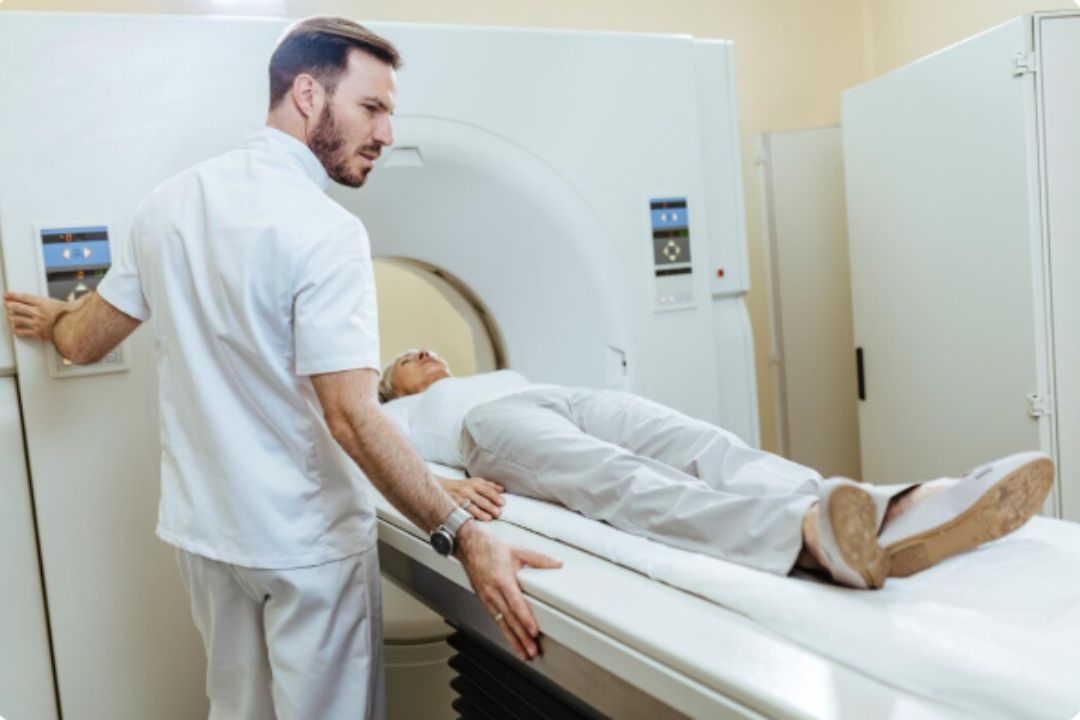
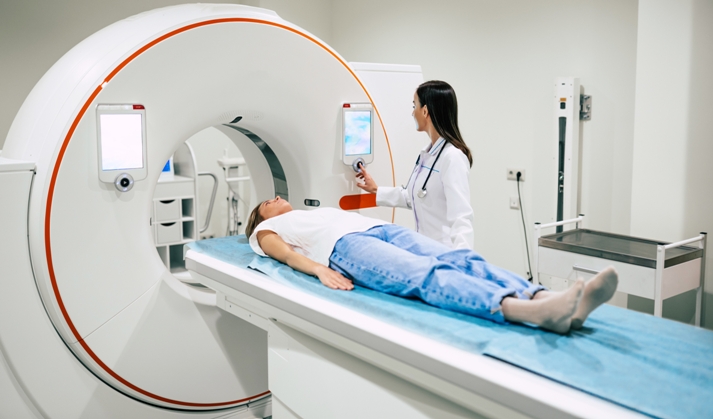
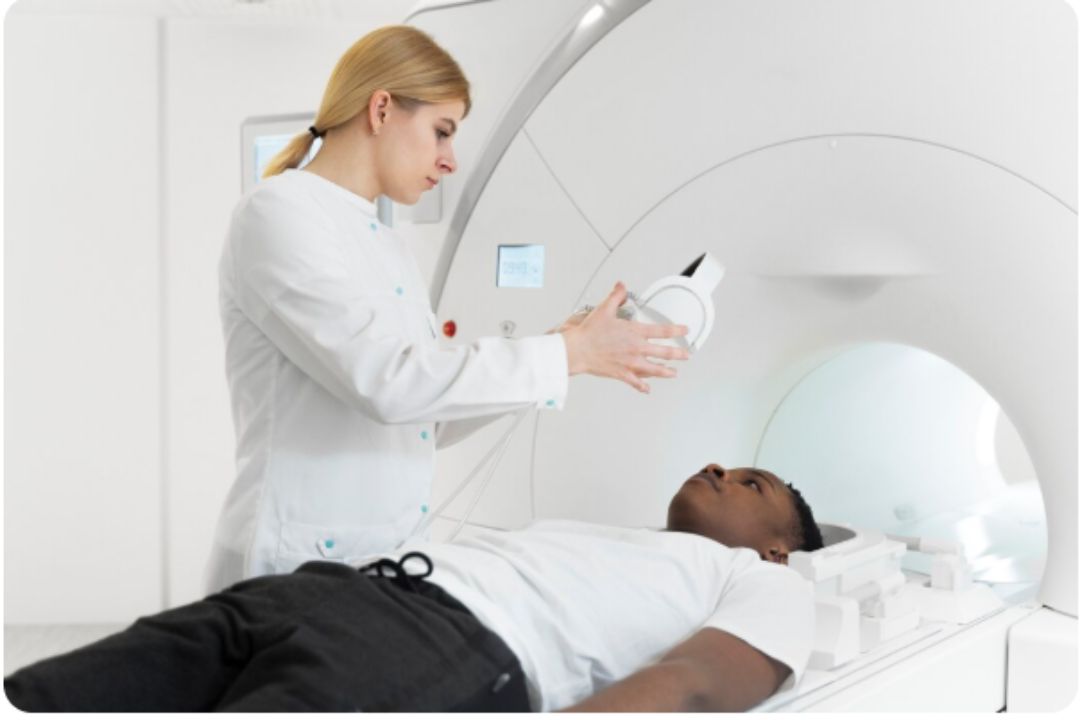
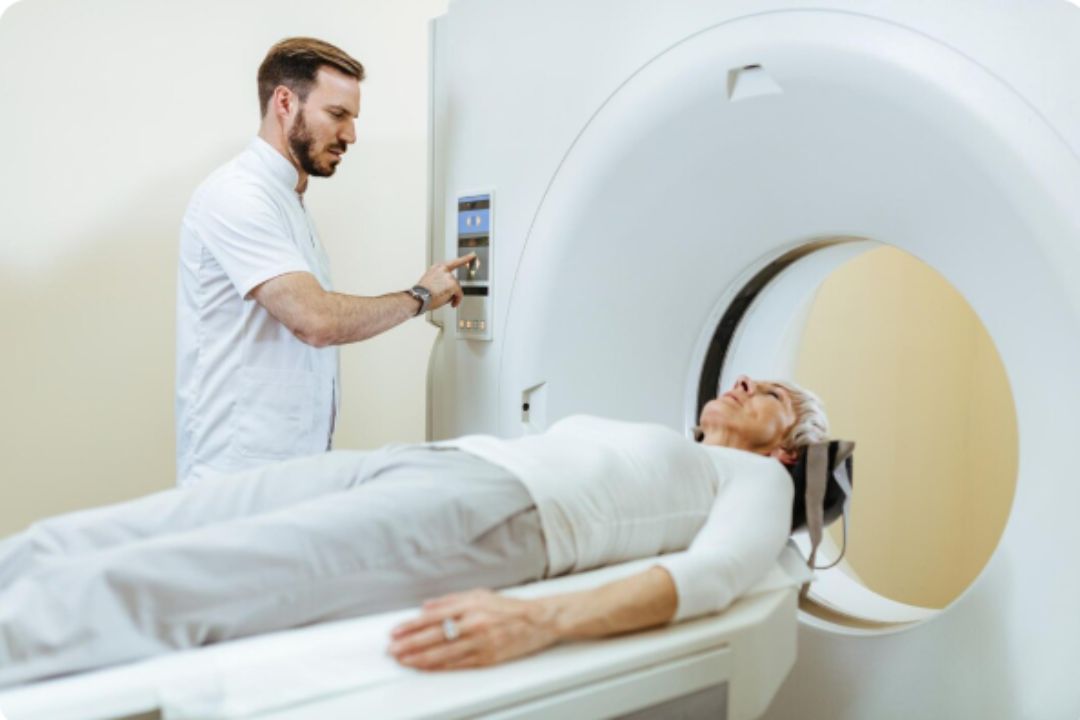
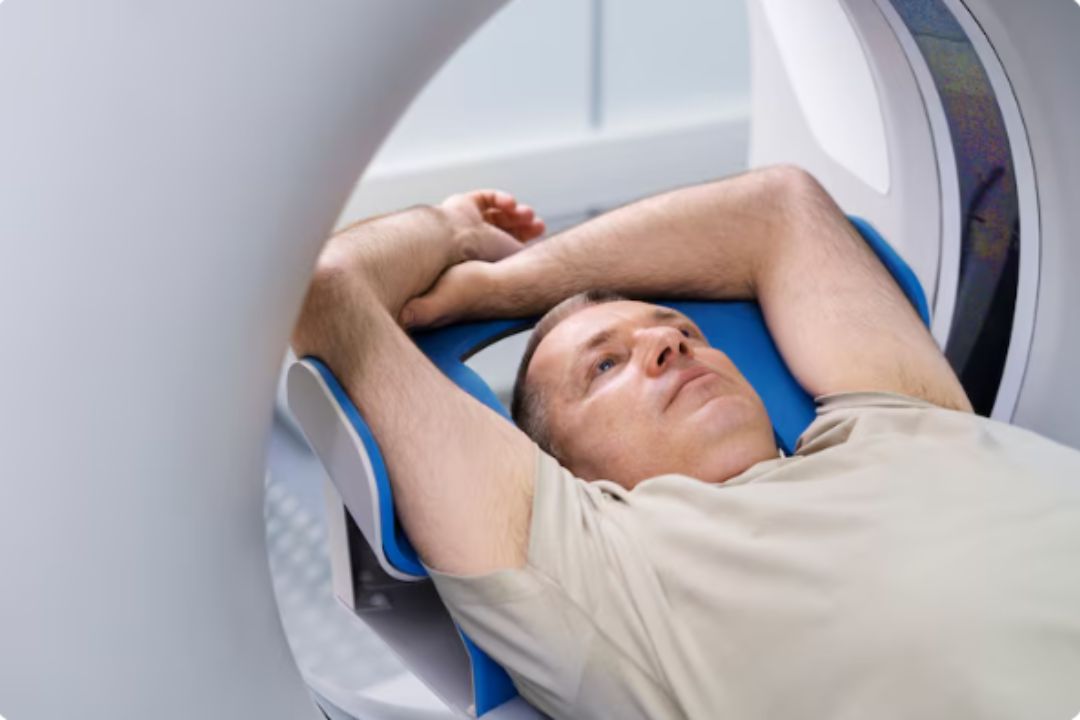
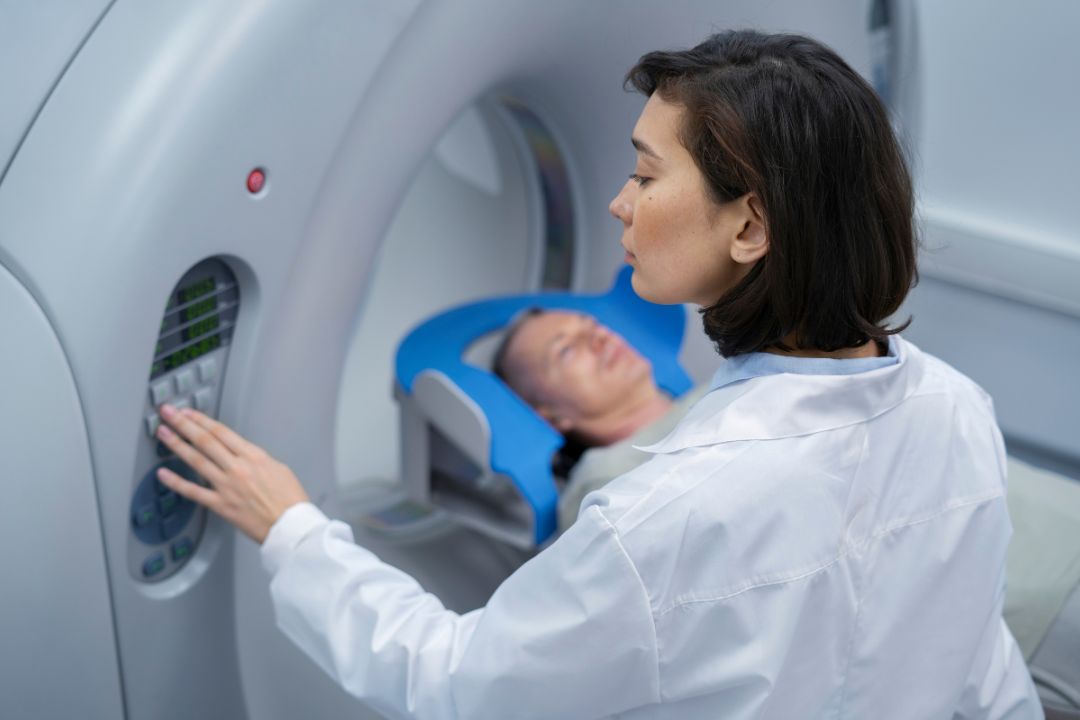
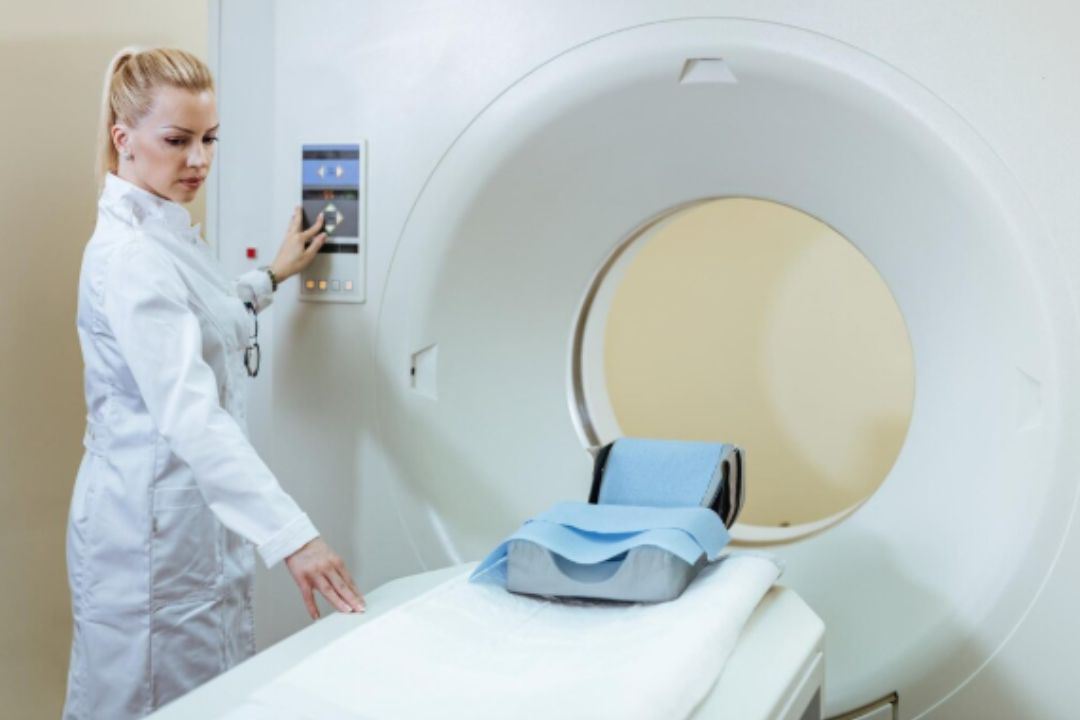
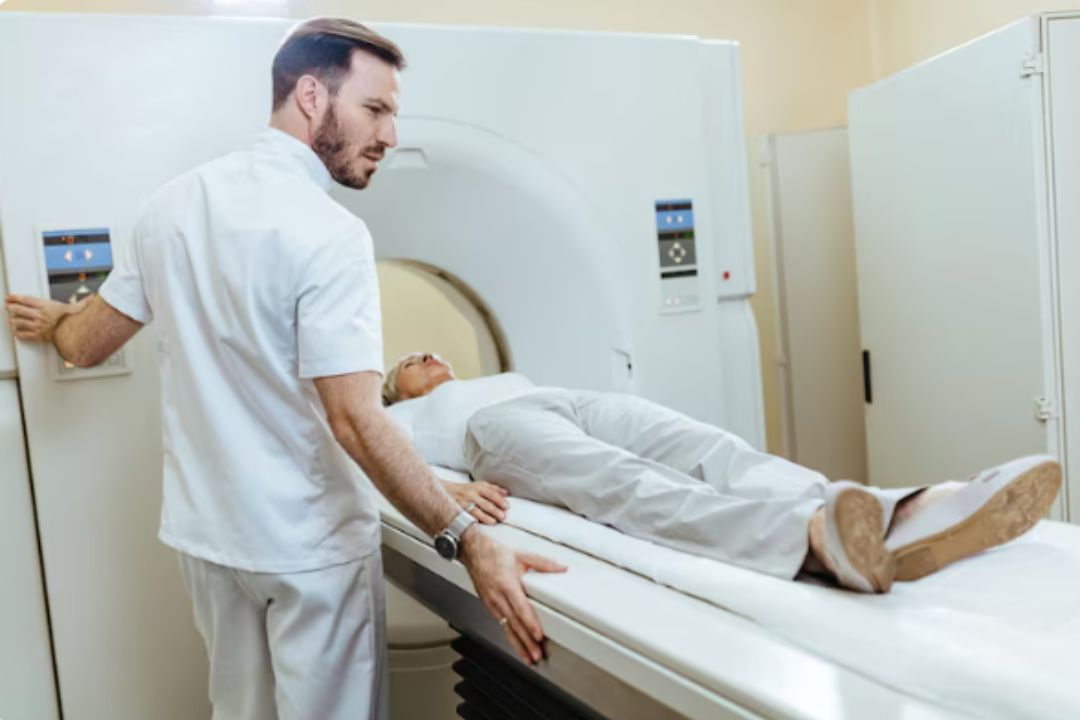
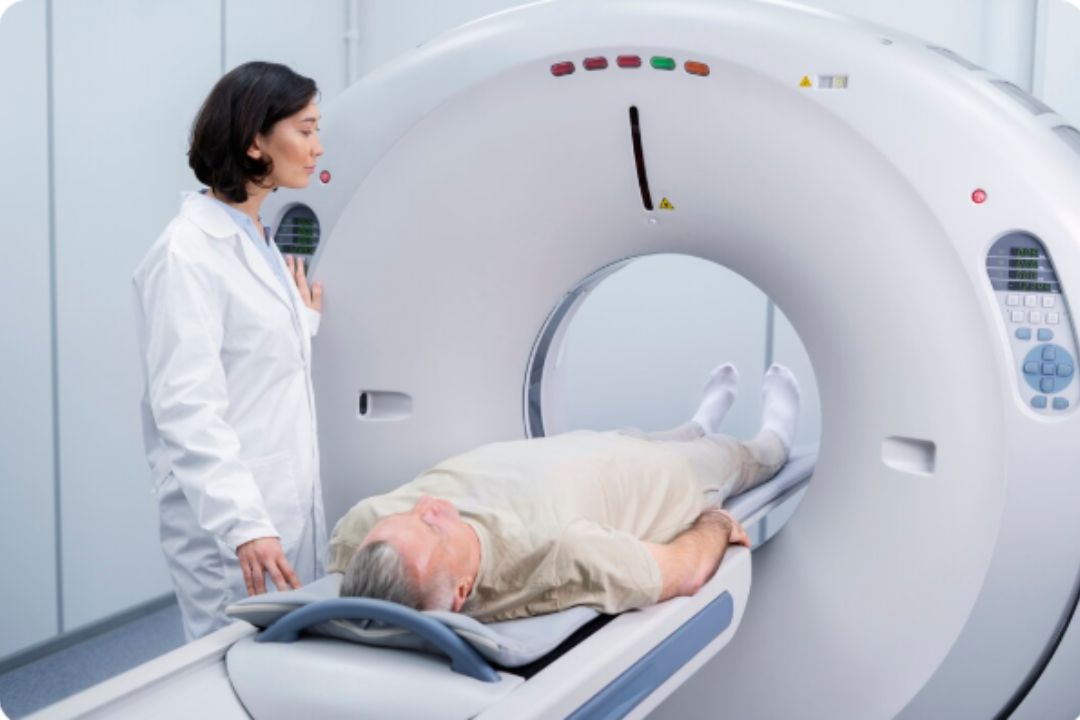
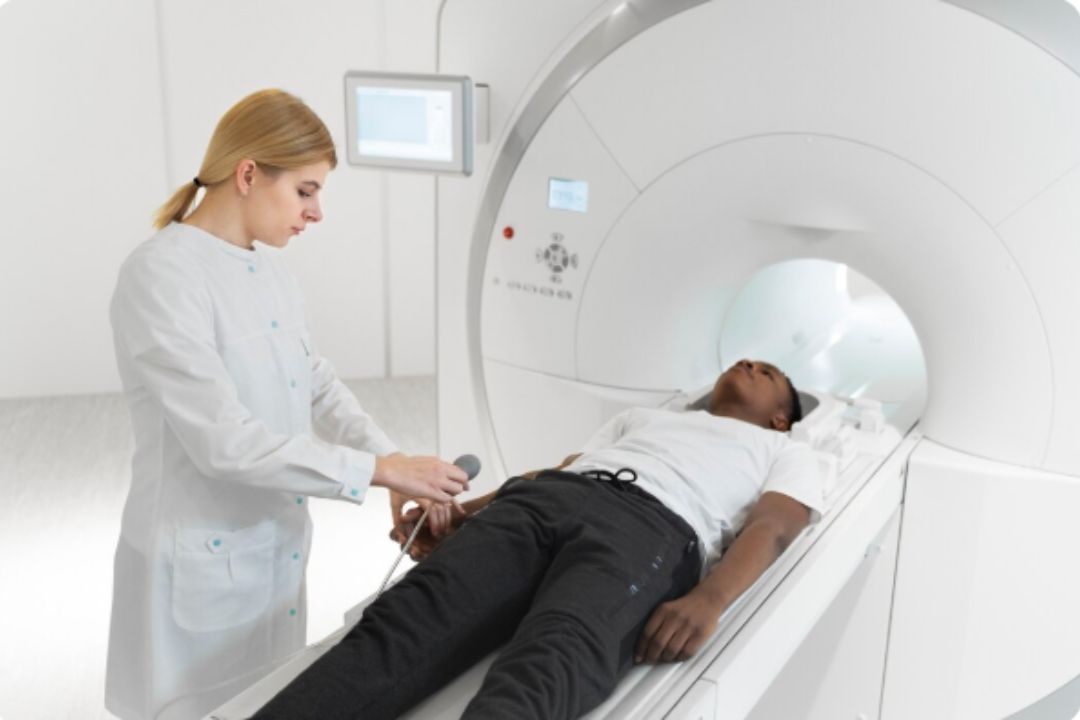
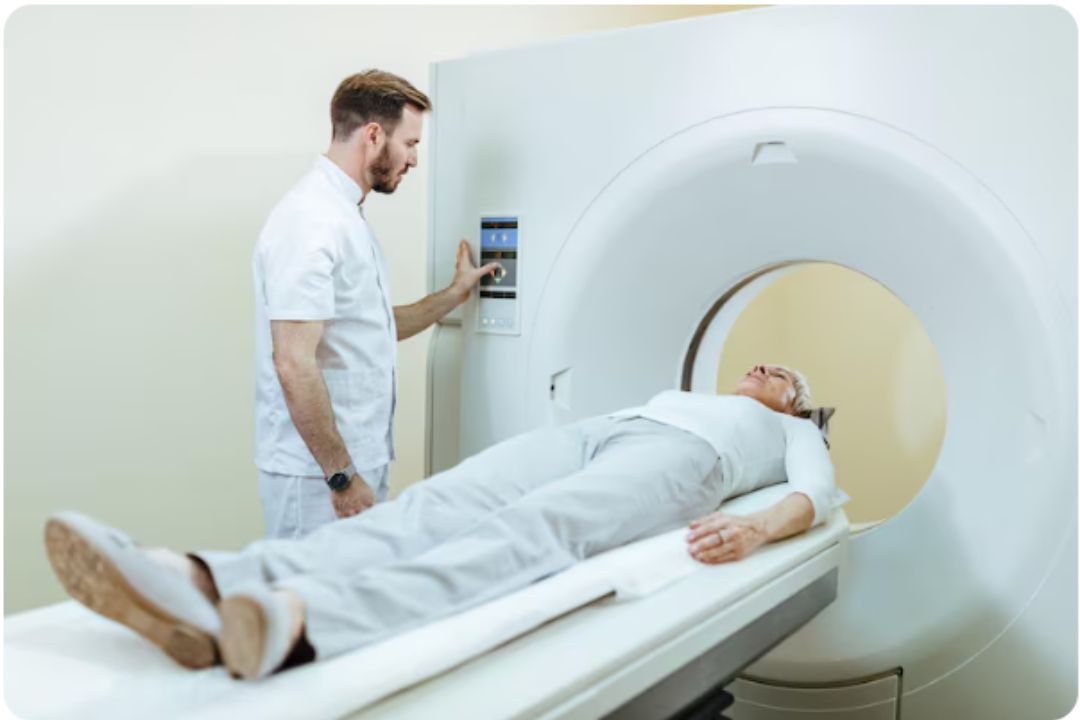
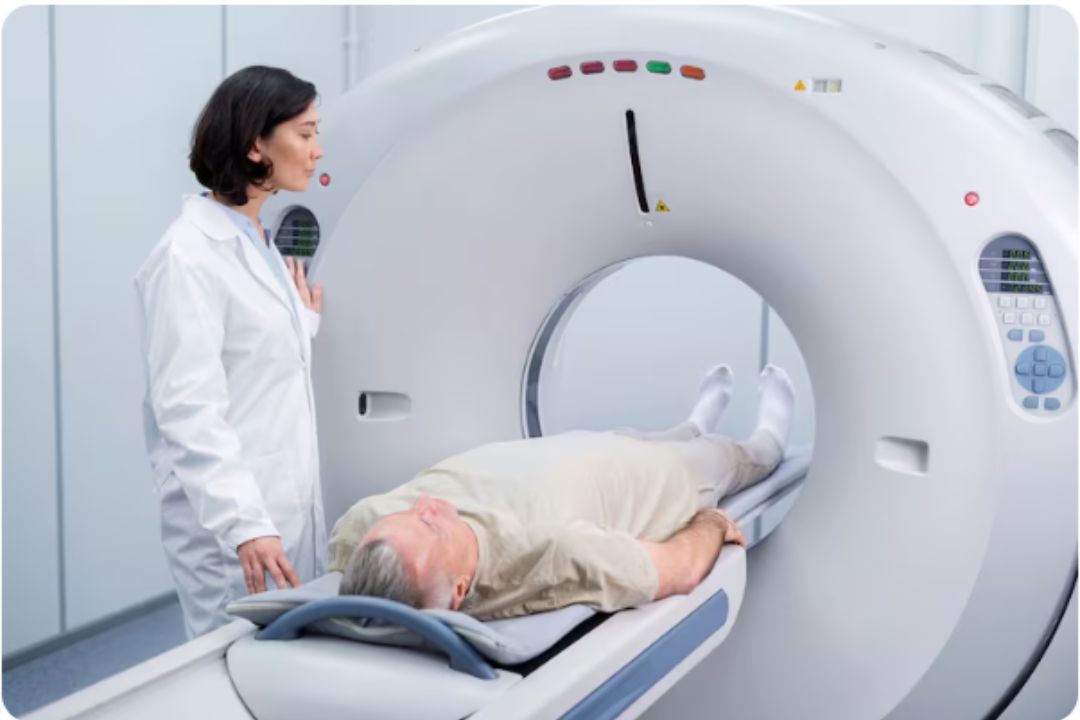
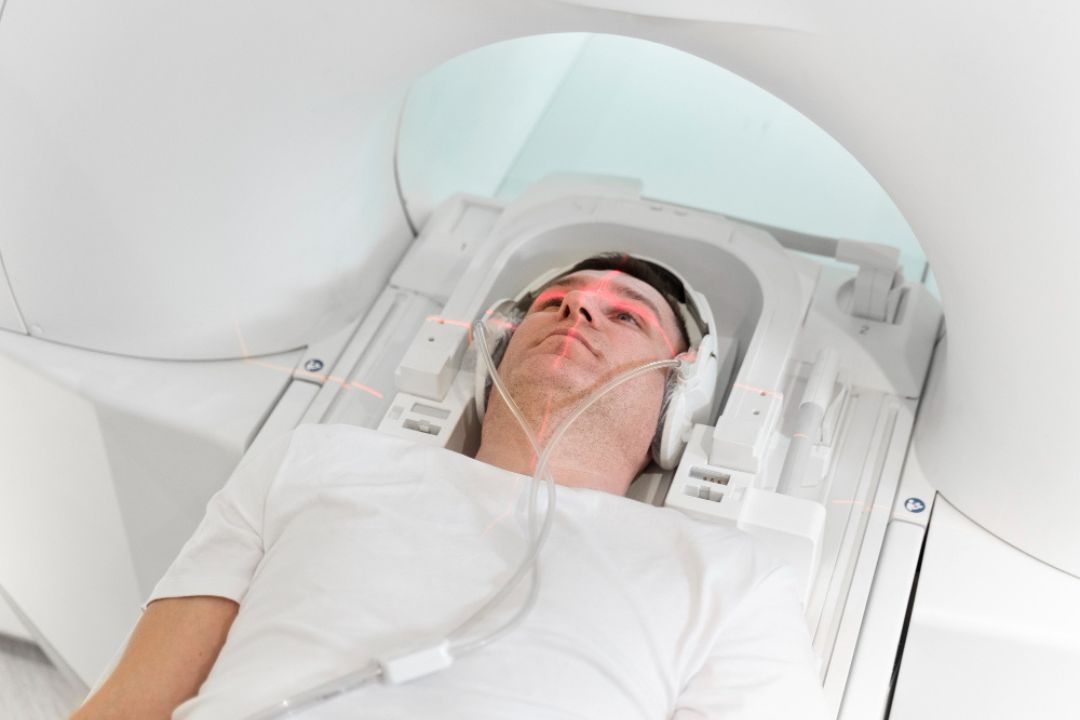
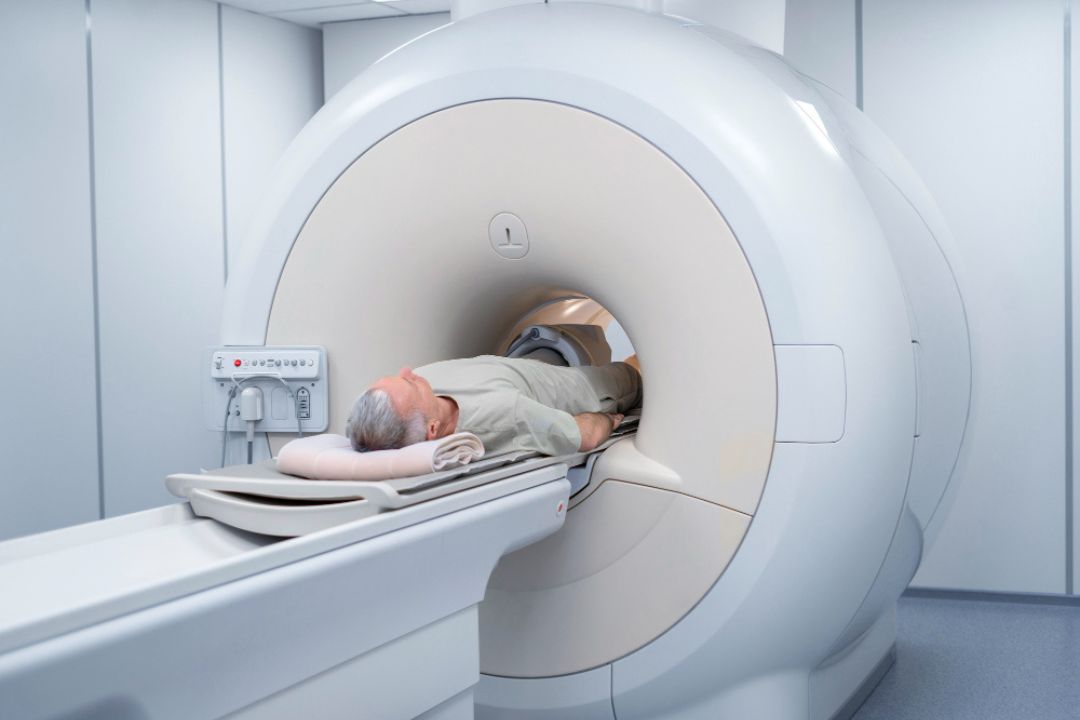
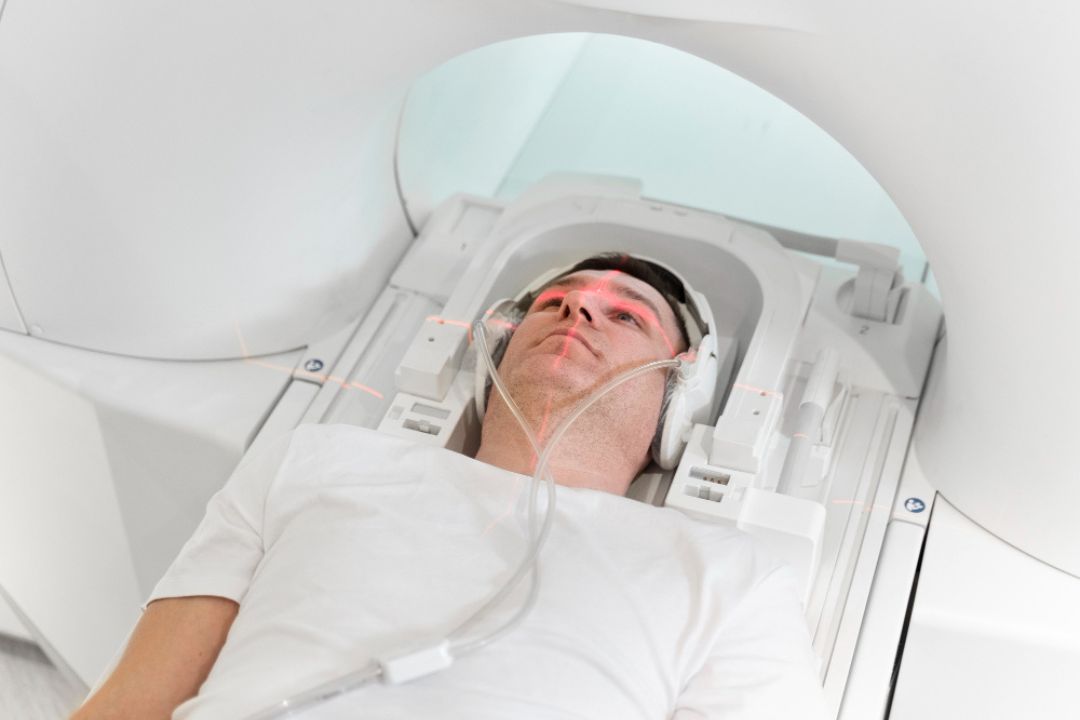
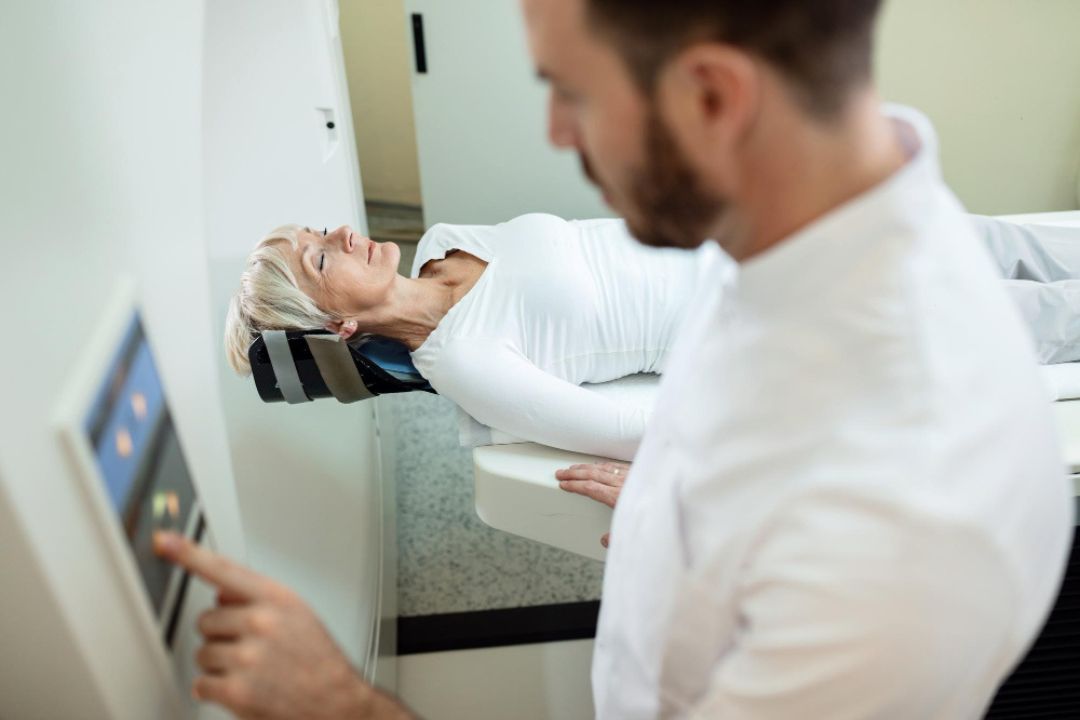
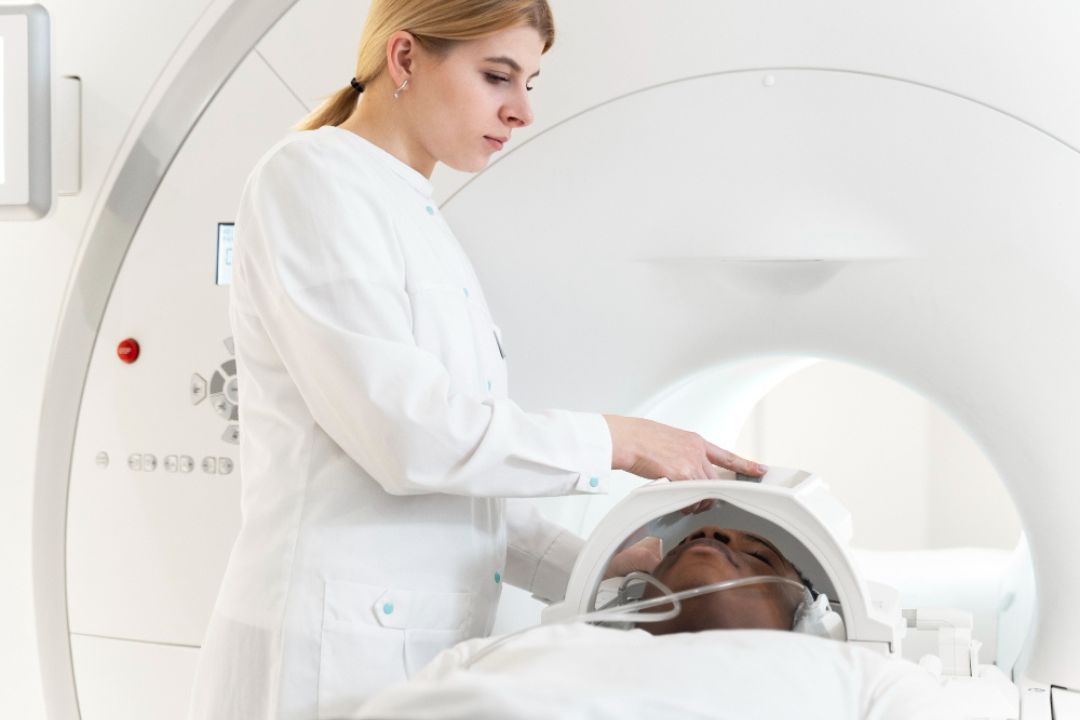
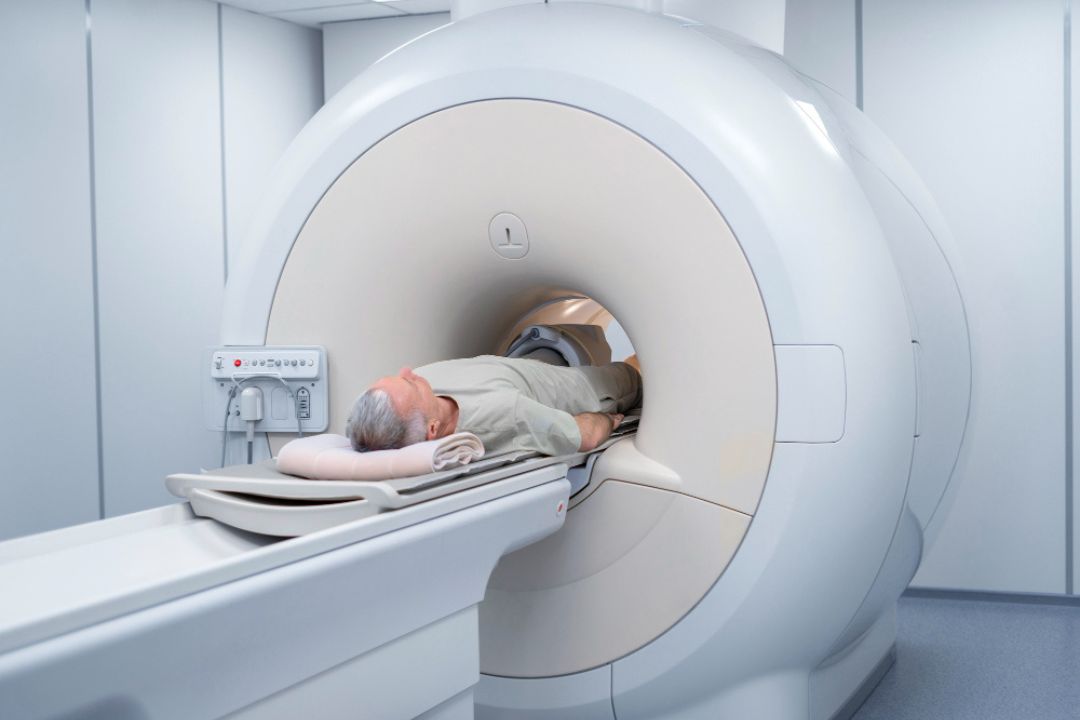
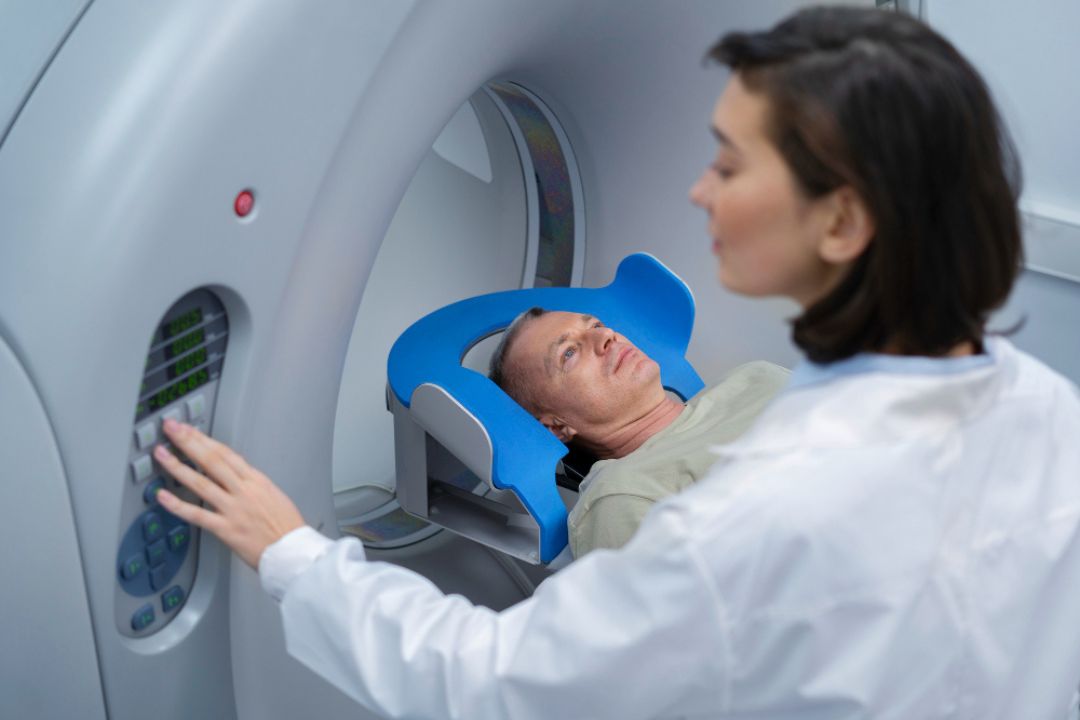
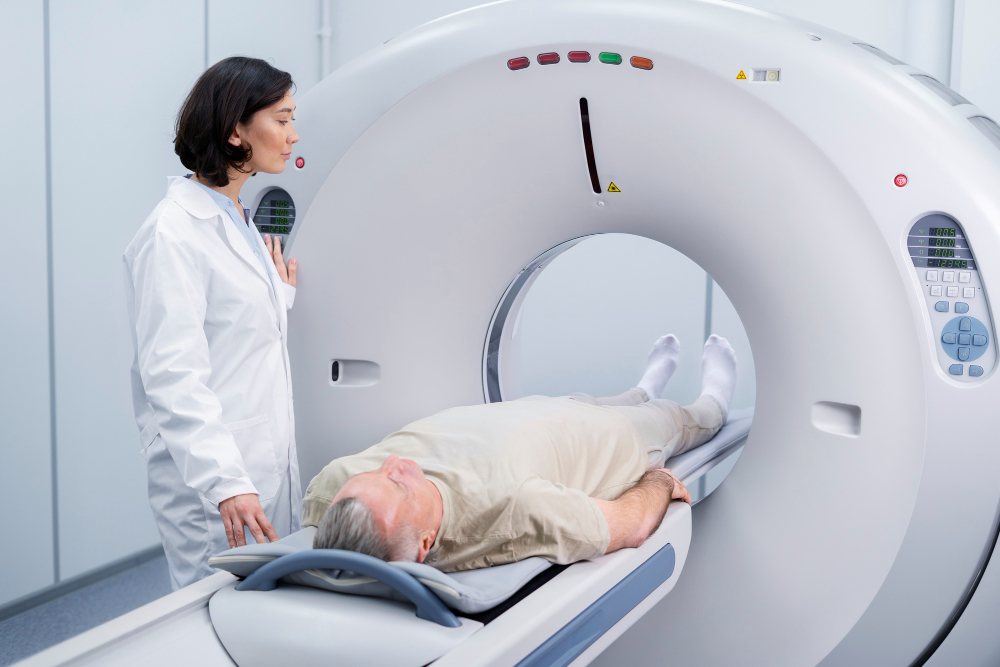
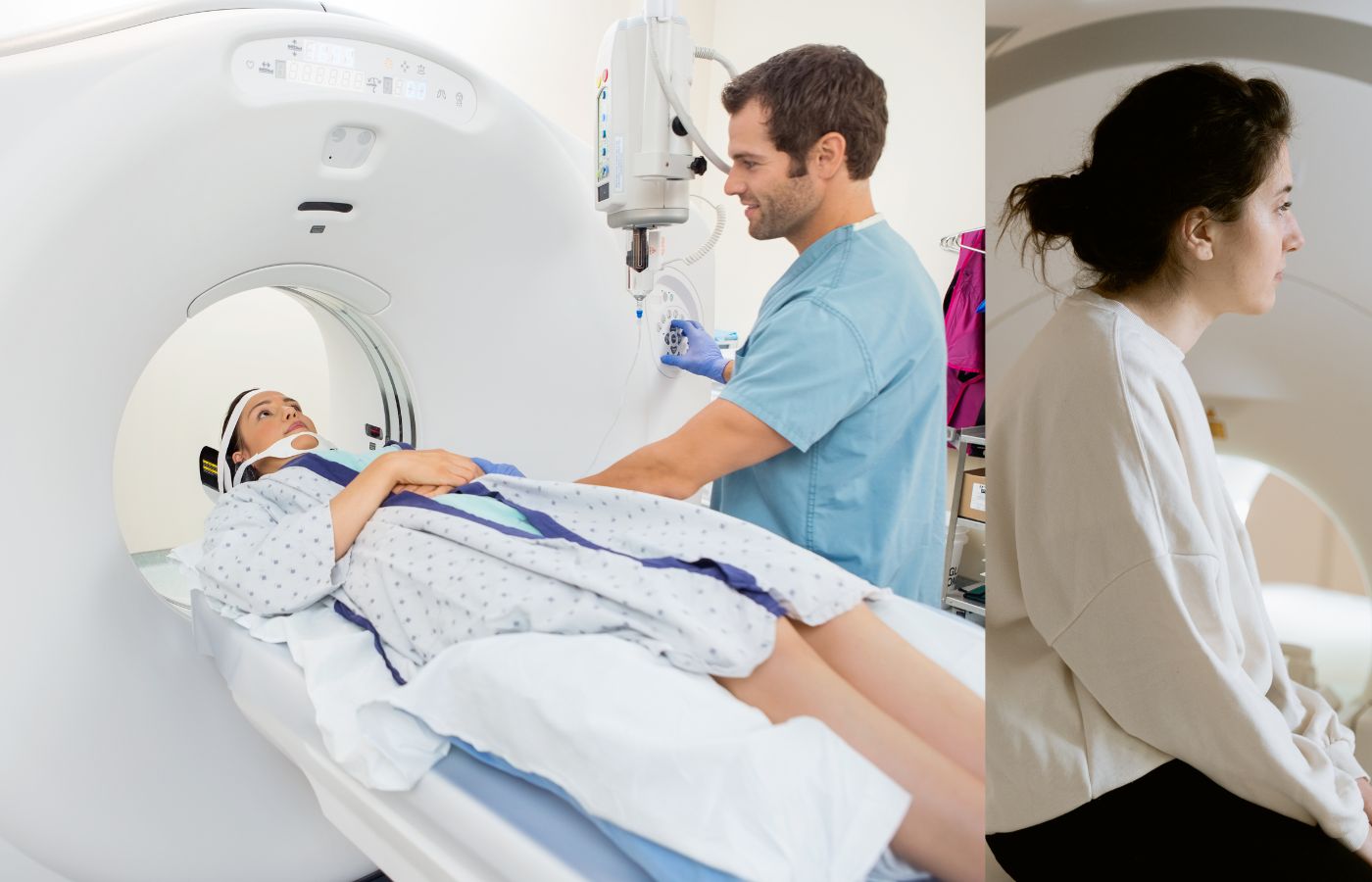
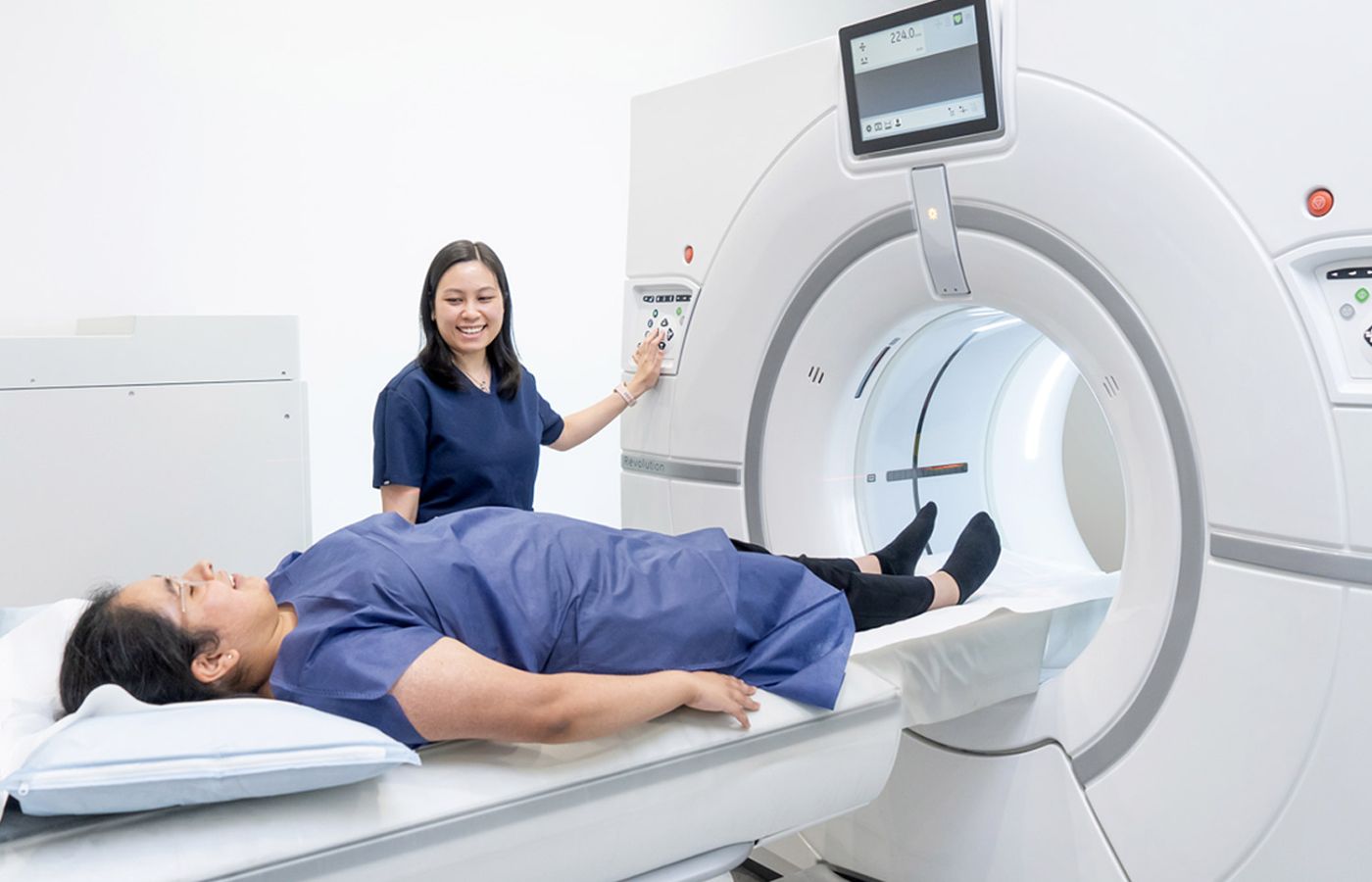
During the scan, you simply lie on a table that moves through the scanner. You may hear soft machine noises, but there is no pain.
Some patients may feel:
Mild warmth with contrast dye
Brief metallic taste
Slight discomfort from lying still
These sensations are temporary and normal.
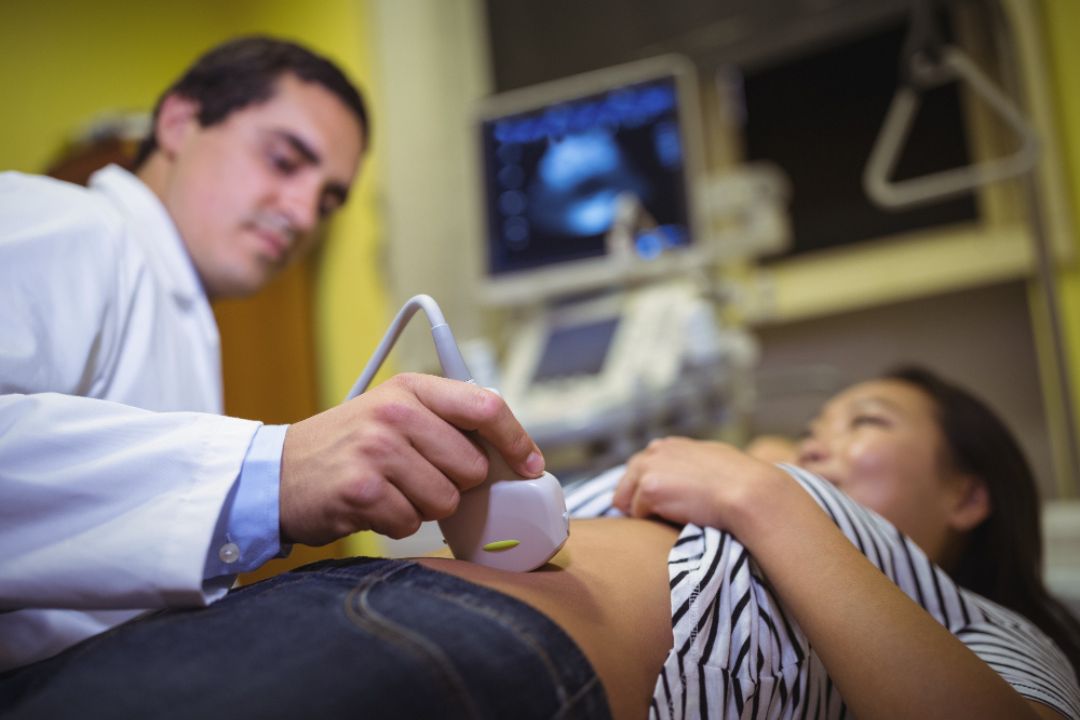
Reality: CT scans are avoided in pregnancy unless medically necessary.
Doctors are cautious with imaging during pregnancy. However, in emergencies where the mother’s health is at risk, a CT scan may still be performed with protective measures.
Radiologists always:
Consider alternative imaging first
Use shielding when possible
Minimize radiation exposure
Weigh risks vs benefits carefully
Never refuse imaging in an emergency without medical advice.
Reality: Doctors carefully track cumulative exposure.
Repeated unnecessary scans should be avoided, but medically indicated follow-up scans are often essential for monitoring serious conditions.
Modern practice includes:
Dose tracking systems
Justified imaging protocols
Low-dose CT techniques
Evidence-based scan intervals
Your healthcare provider ensures scans are ordered responsibly.
CT imaging has revolutionized diagnosis and treatment planning.
CT scans help detect life-threatening conditions quickly, especially in:
Stroke
Internal bleeding
Trauma injuries
Pulmonary embolism
Speed can make the difference between life and death.
CT provides detailed images that help doctors:
Detect small tumors
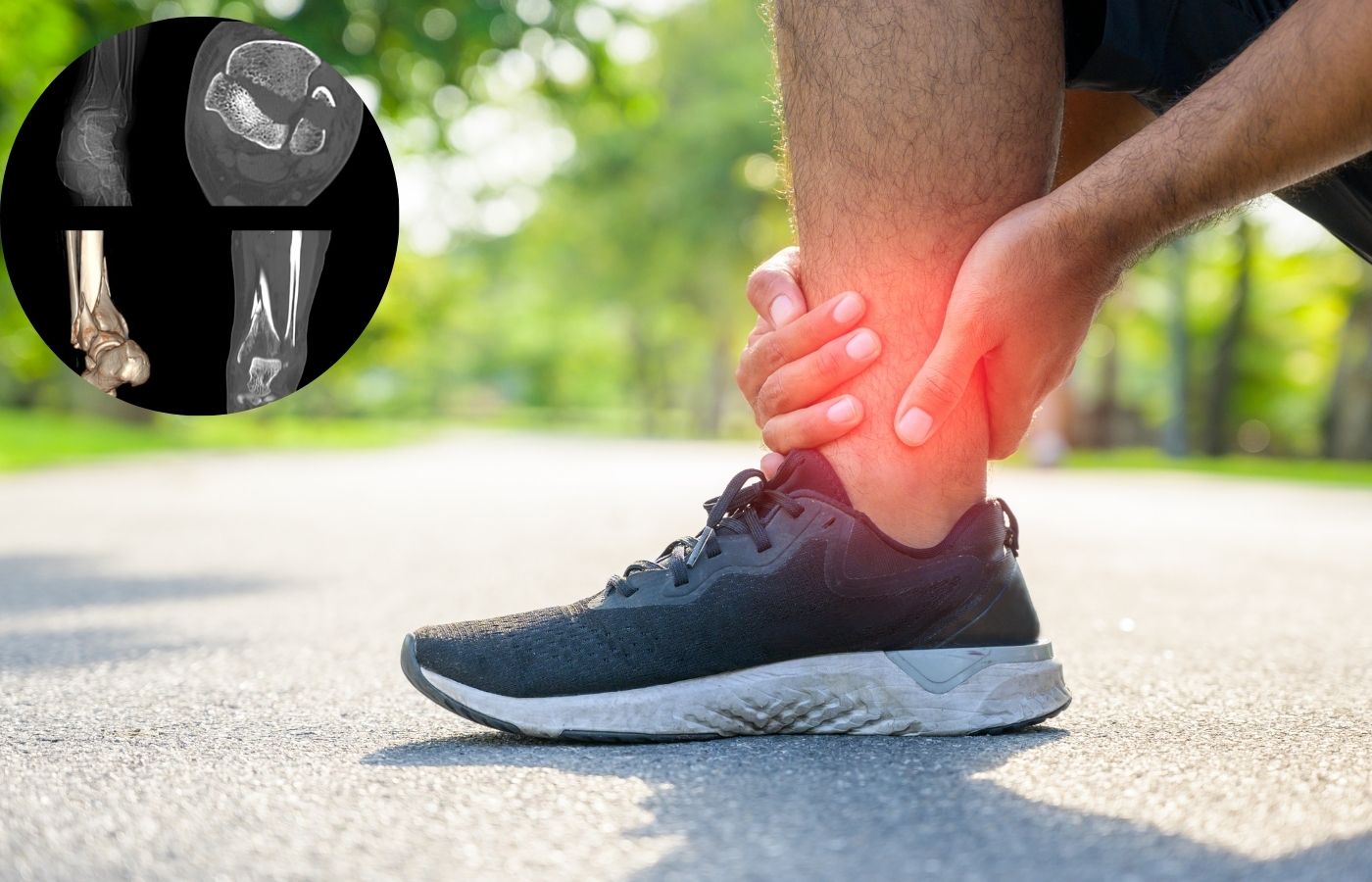
Identify fractures
Evaluate organ damage
Guide biopsies
This accuracy reduces guesswork in medicine.
Unlike exploratory surgery, CT scans allow doctors to see inside the body without making incisions.
This means:
Less risk
No recovery time
Quick return to normal activities
CT imaging helps in:
Cancer staging
Surgical planning
Radiation therapy guidance
Treatment monitoring
It supports personalized and precise medical care.
Your doctor may recommend a CT scan if you have:
Persistent unexplained pain
Head injury
Suspected infection
Possible tumor
Chest or abdominal symptoms
Trauma from accidents
Never self-diagnose. Always follow medical advice.
Preparation depends on the scan type.
General tips:
Wear comfortable clothing
Remove metal objects
Inform about pregnancy
Share allergy history
Follow fasting instructions if given
Bring previous reports
Your diagnostic center will provide exact instructions.
Most patients do not need to worry. However, discuss with your doctor if you:
Have had many recent scans
Have kidney disease
Are pregnant
Have contrast allergies
Are undergoing repeated follow-ups
Open communication ensures safe imaging.
CT scans are one of the most powerful tools in modern medicine. Unfortunately, myths and misinformation still create unnecessary fear among patients.
The truth is simple:
CT scans are carefully regulated
Radiation doses are optimized
Benefits usually outweigh risks
Modern technology is safer than ever
When recommended by a qualified doctor, a CT scan is a reliable and valuable diagnostic test.
If you have concerns, speak openly with your healthcare provider. Accurate information is the best way to overcome fear and make informed decisions about your health.





.jpg "ct brain scan plain and contrast")



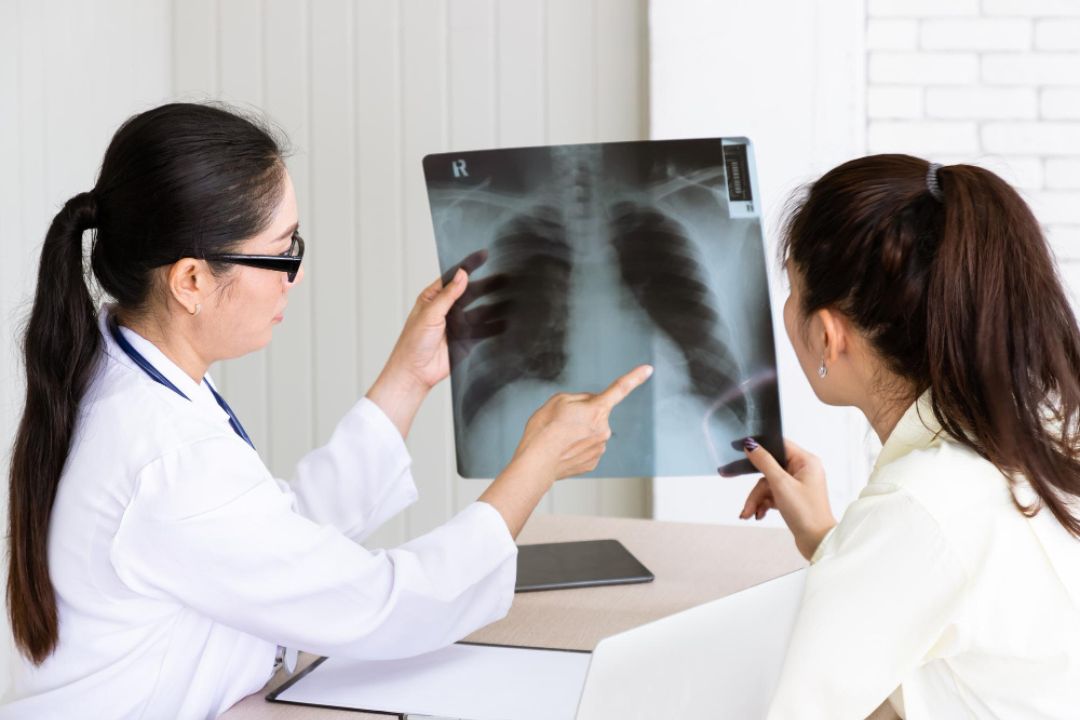

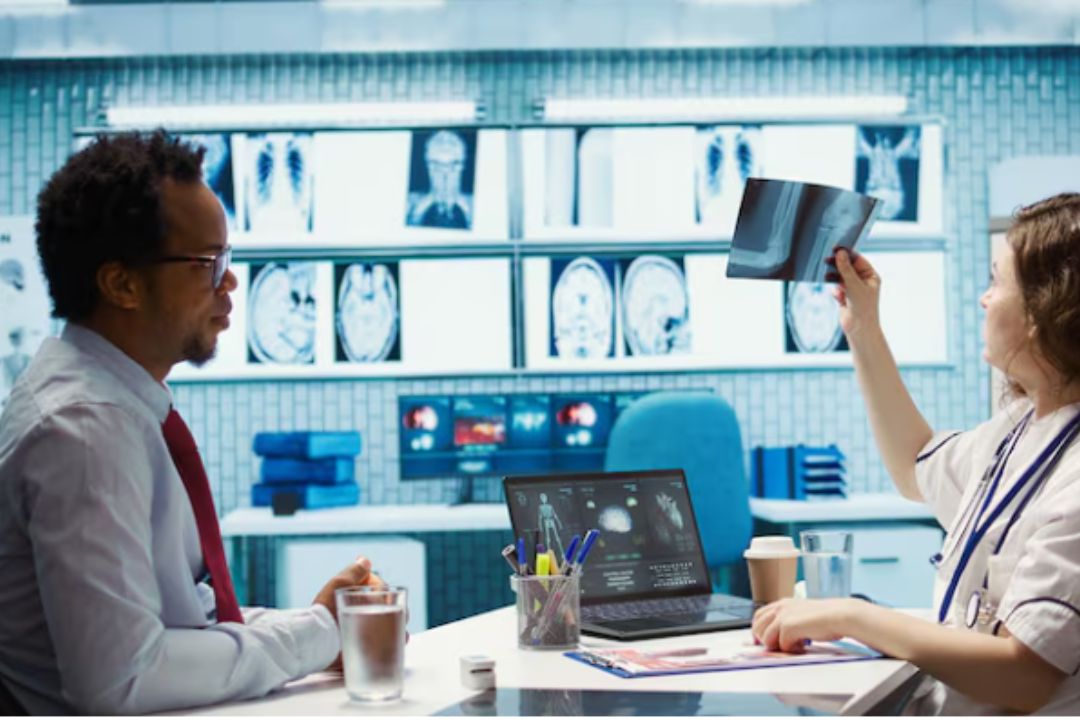
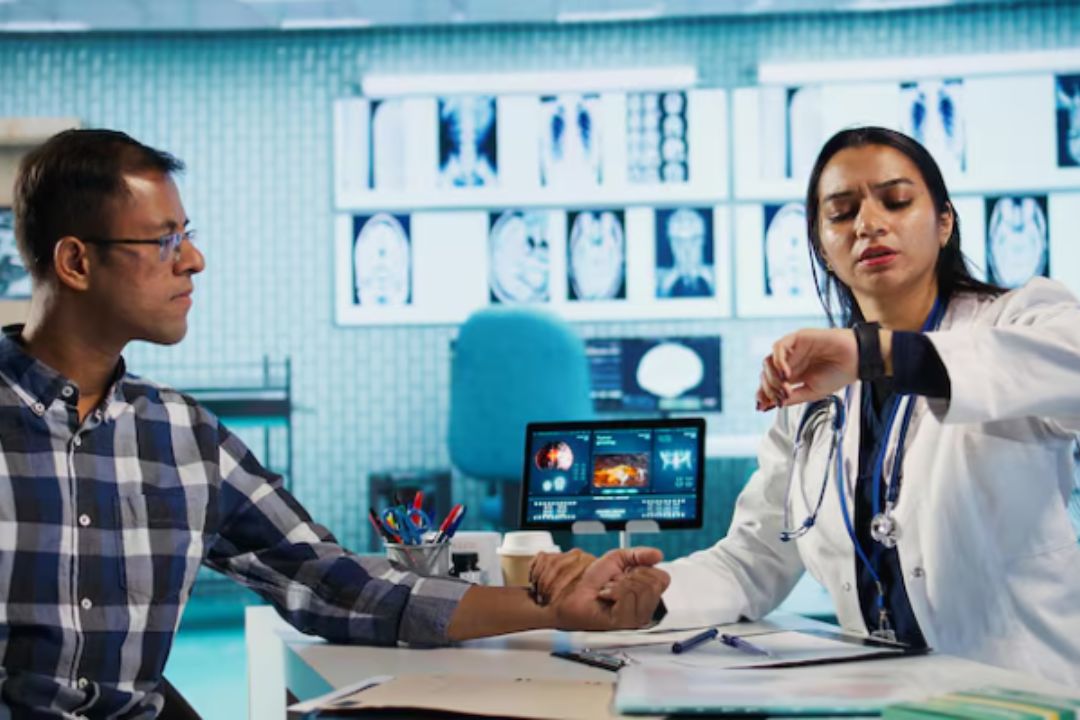
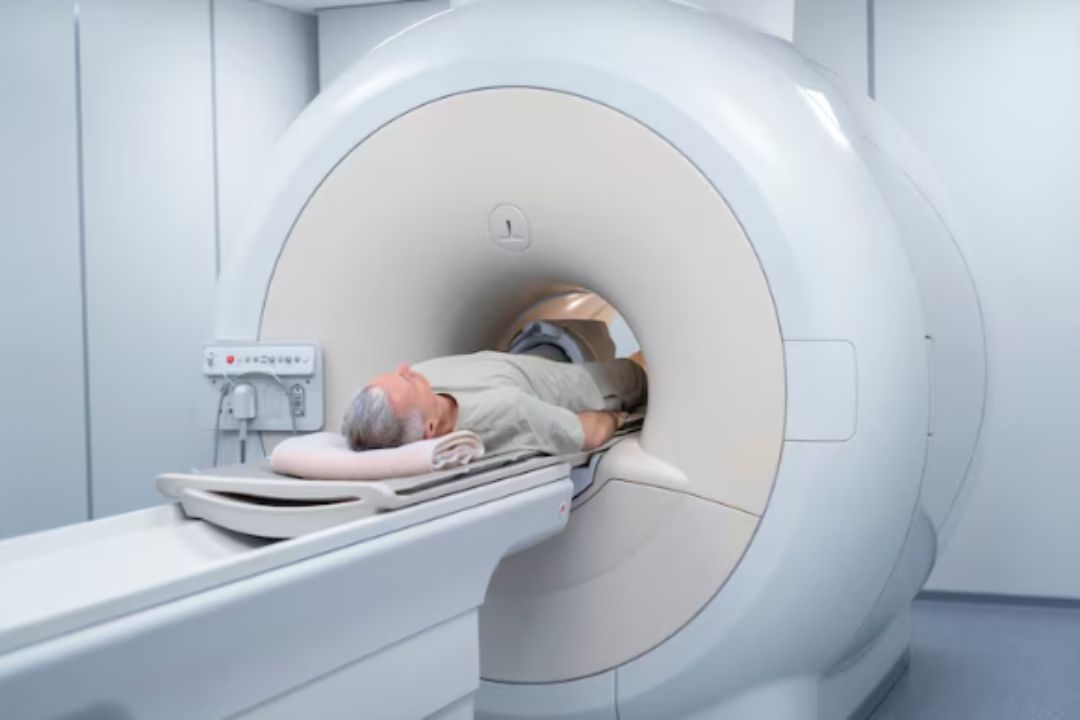
.jpg "ct scan")
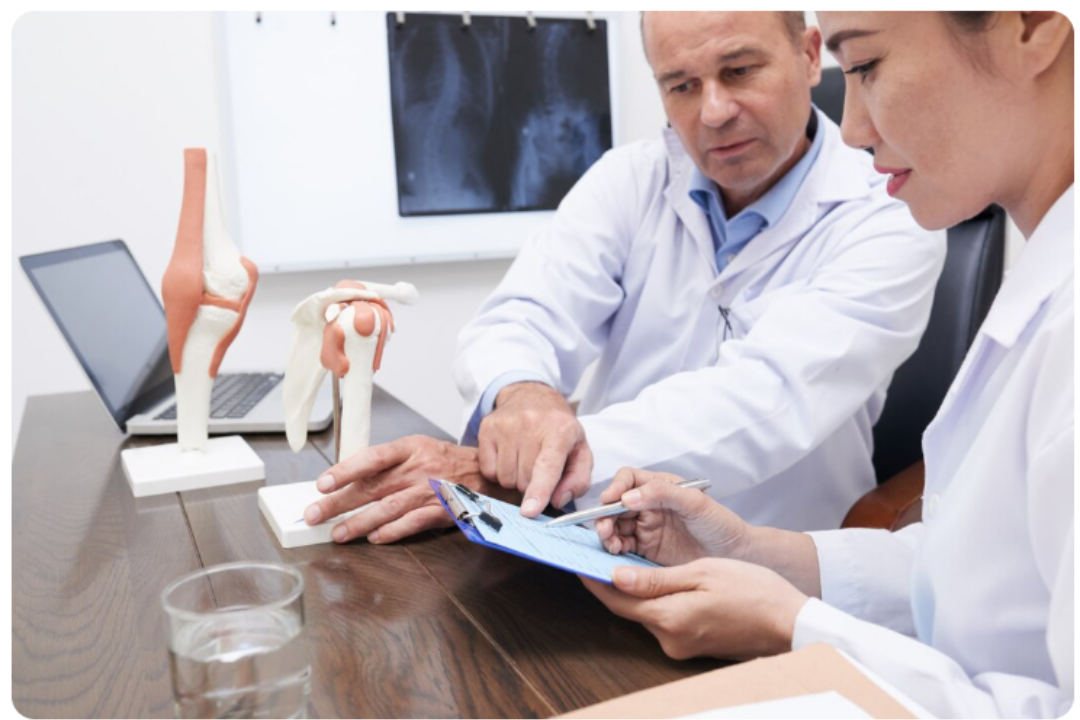
.jpg "ct scan or mri for brain disorders")


.jpg "exploring the power of ct brain contrast in modern diagnostics")
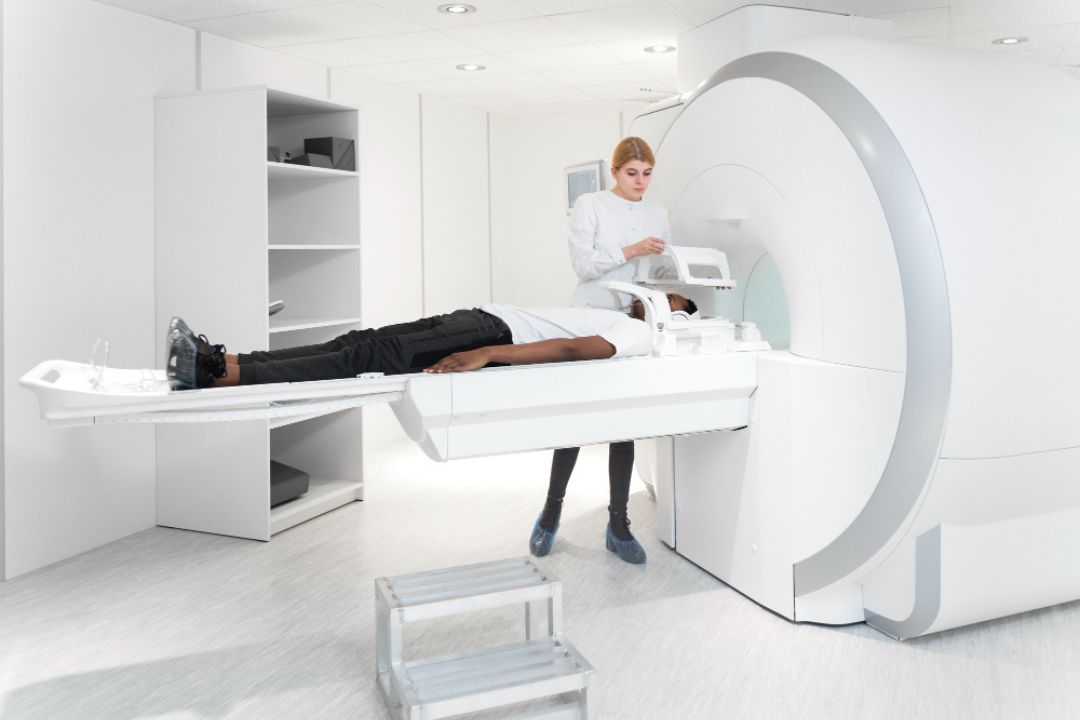
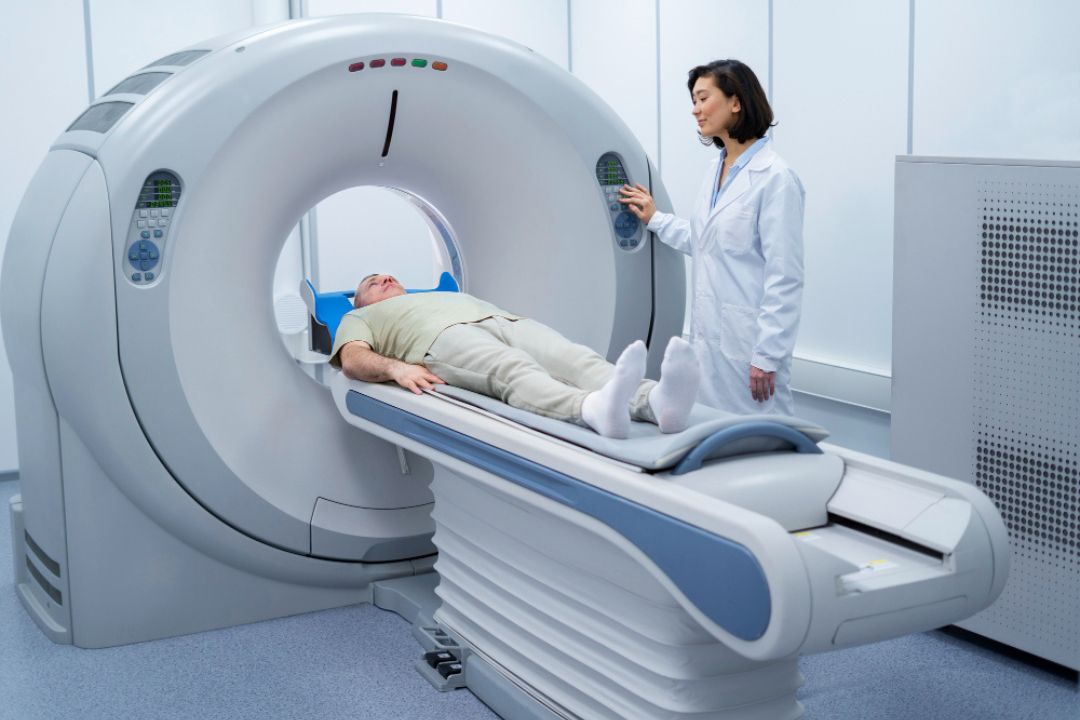
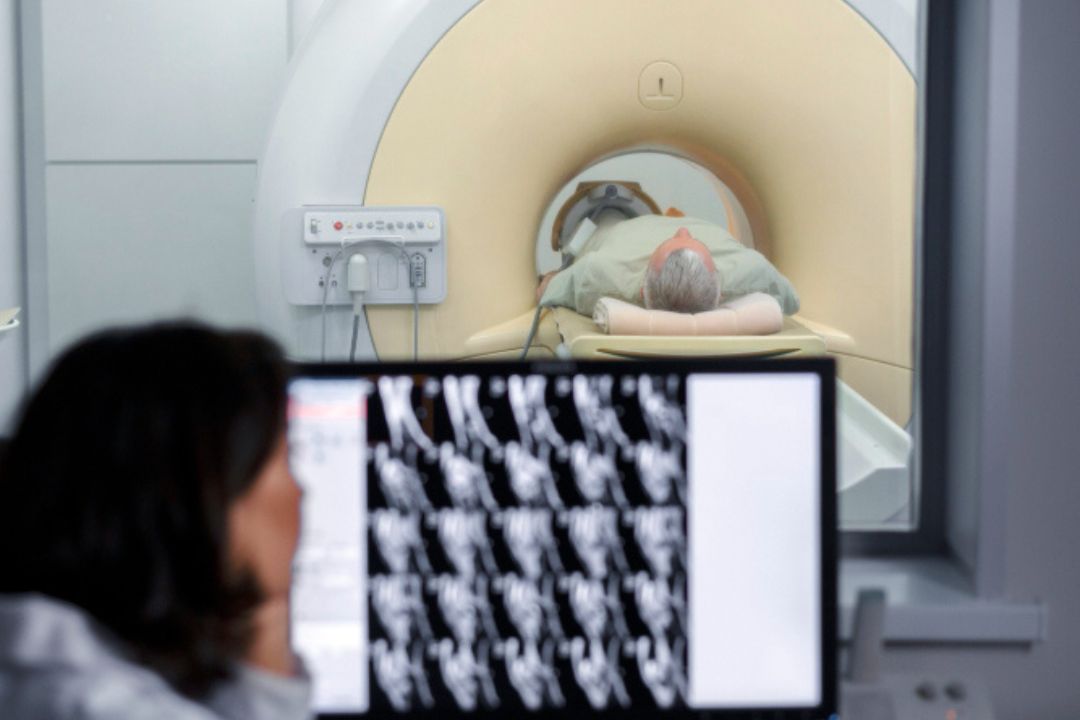
.jpg "ct scan")
.jpg "ct scan")







.jpg "ct scan")
.jpg "CT Brain Scan for Headaches")
.jpg "The Future of 3D CT Imaging")