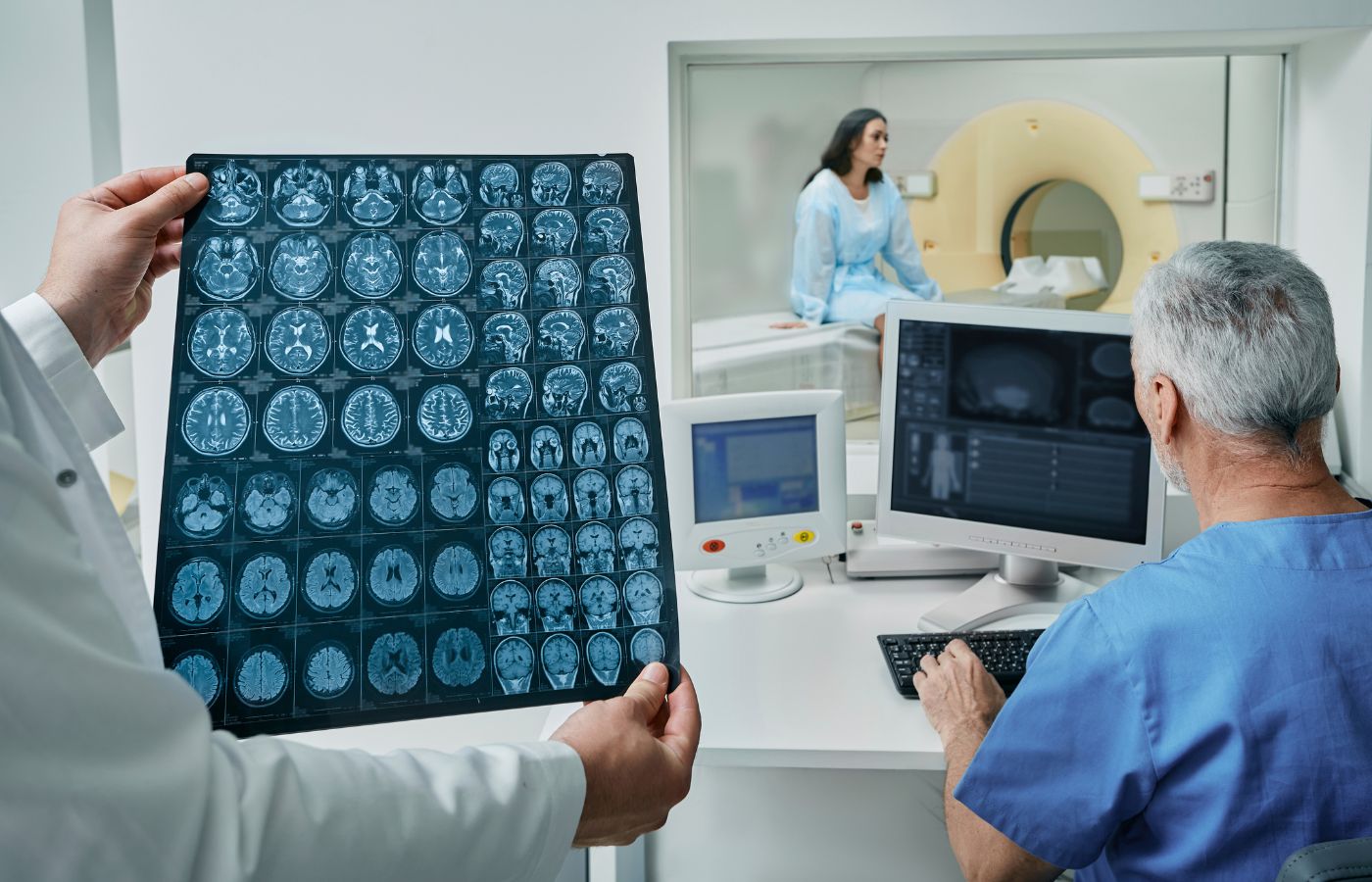
An HRCT Scan (High-Resolution Computed Tomography scan) is an advanced imaging test used to examine the lungs in great detail. Doctors often recommend this scan when they need a clearer view of lung tissues than a regular CT scan can provide. HRCT scans help detect various lung diseases, infections, and abnormalities at an early stage.
Understanding how an HRCT scan works and the additional tests that may be performed along with it can help patients prepare for the diagnostic process.
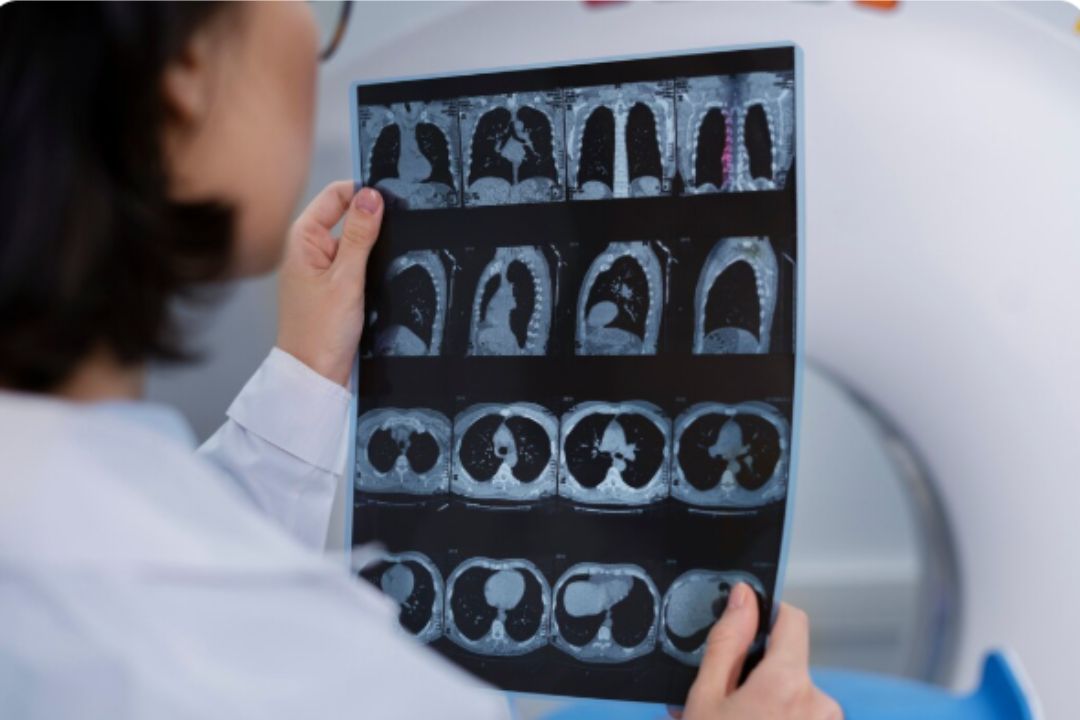
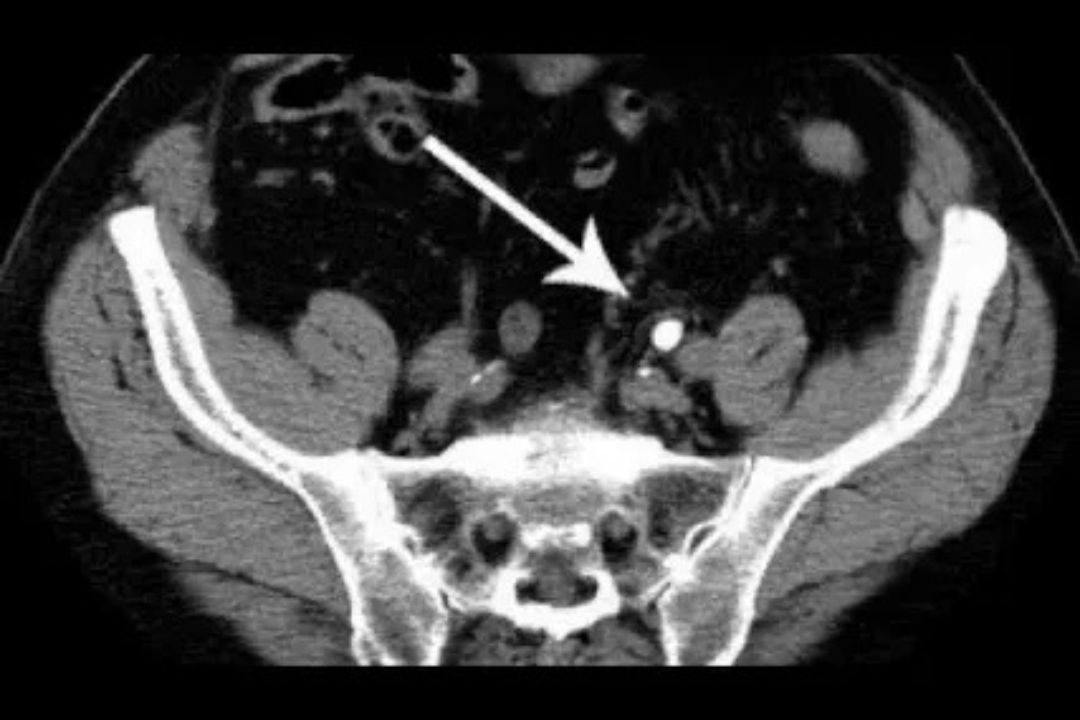
An HRCT Scan is a specialized type of CT scan that produces highly detailed images of the lungs. It uses thin-section imaging to provide clear views of the lung structure, including airways, tissues, and blood vessels.
Doctors typically recommend an HRCT scan to diagnose or monitor lung conditions such as:
Interstitial lung disease
Pulmonary fibrosis
Lung infections
Tuberculosis complications
Chronic obstructive pulmonary disease (COPD)
Lung nodules or tumors
Because of its high resolution, this scan helps doctors identify even small abnormalities in lung tissue.
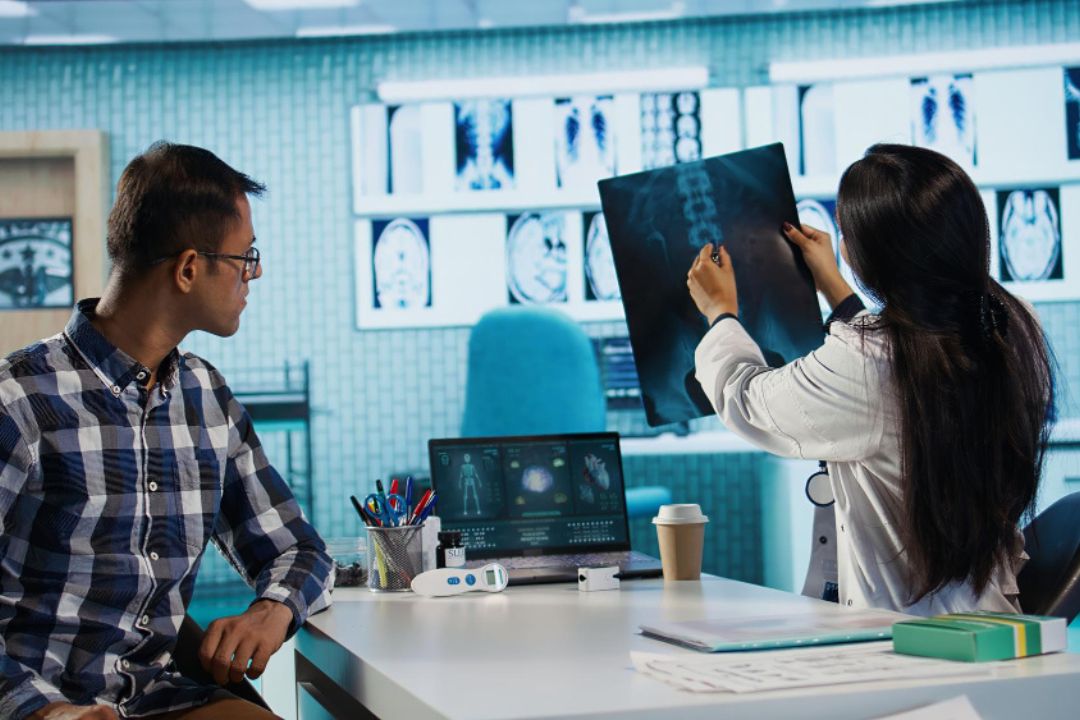
An HRCT scan is usually recommended when patients experience symptoms related to lung problems or when other imaging tests do not provide enough detail.
Visit Now: https://www.diagnopein.com
Common reasons for recommending an HRCT scan include:
Persistent cough
Shortness of breath
Chest discomfort
Abnormal chest X-ray results
Monitoring chronic lung diseases
The scan allows doctors to evaluate the lungs more precisely and determine the appropriate treatment.
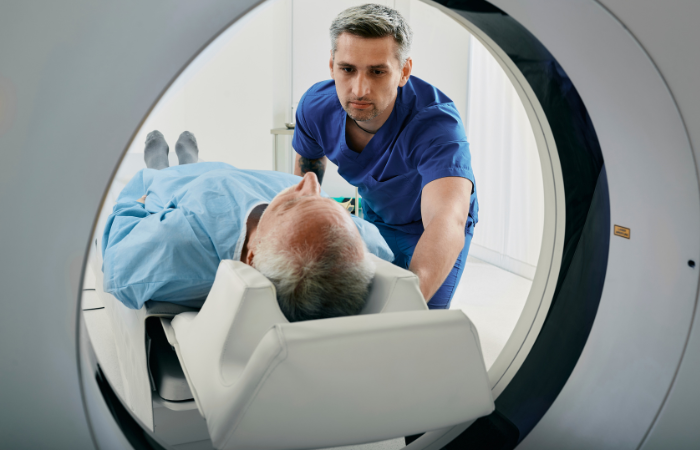
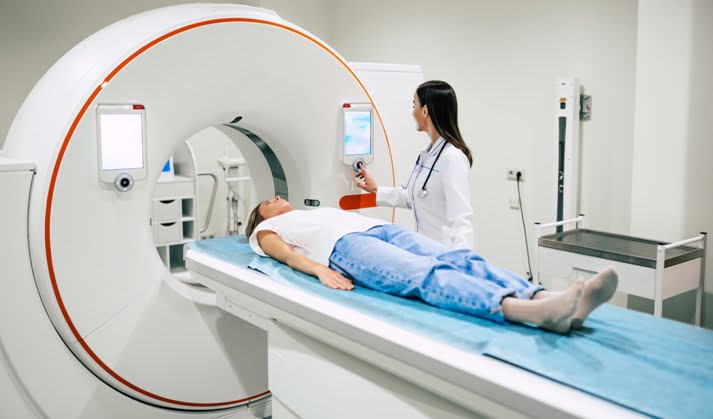
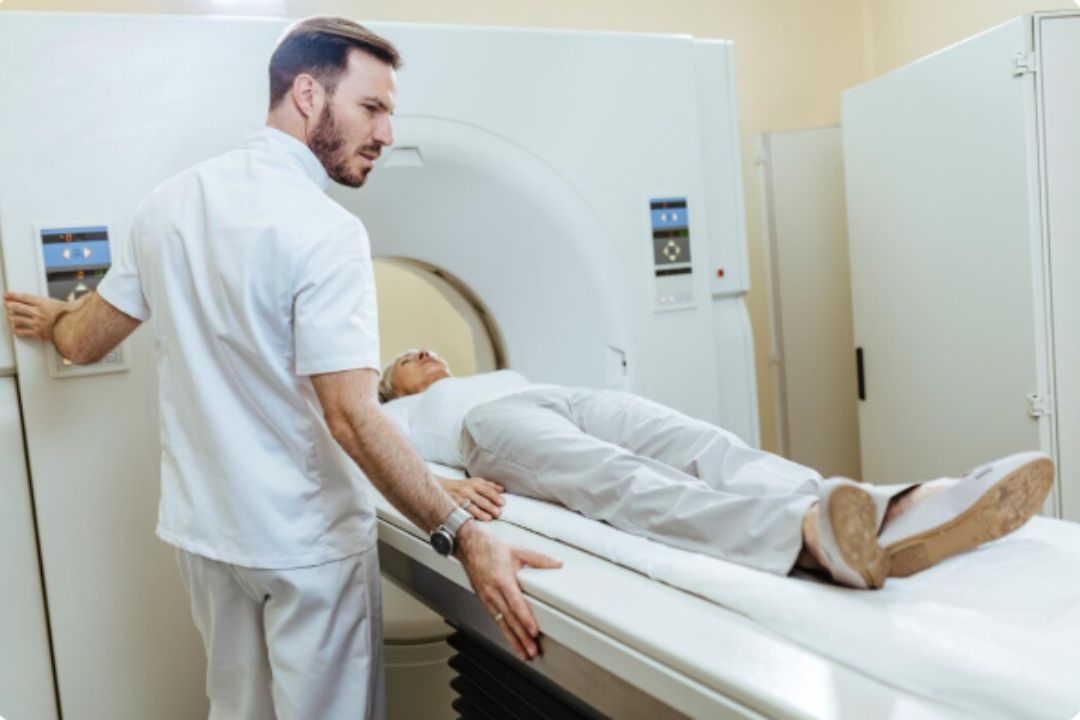
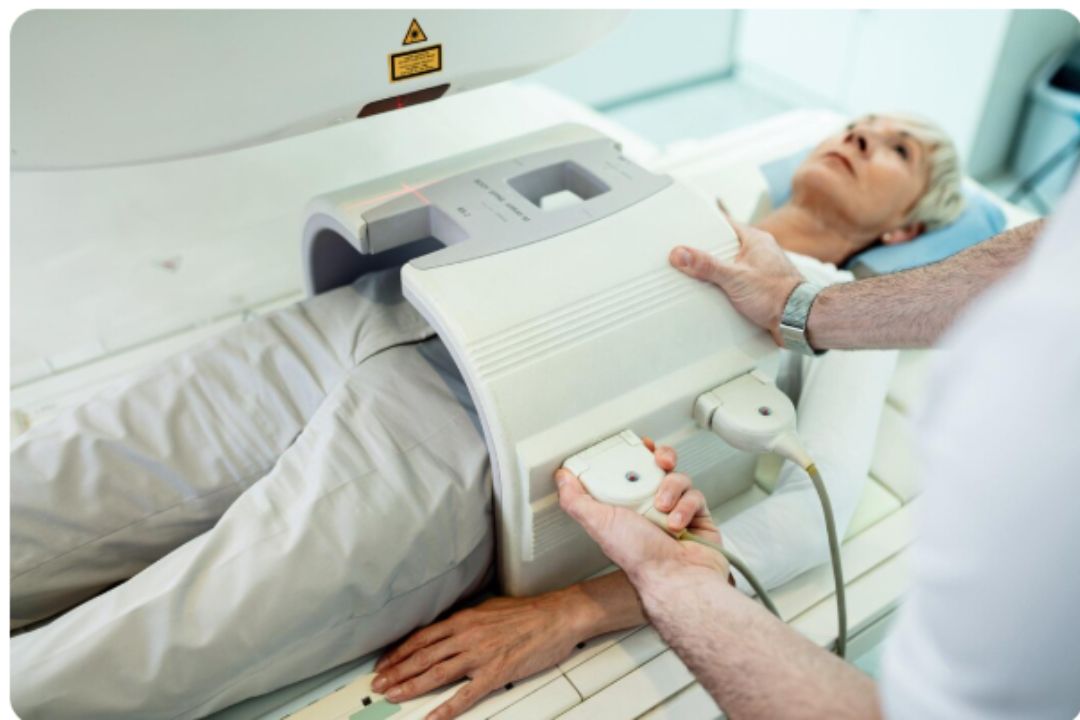
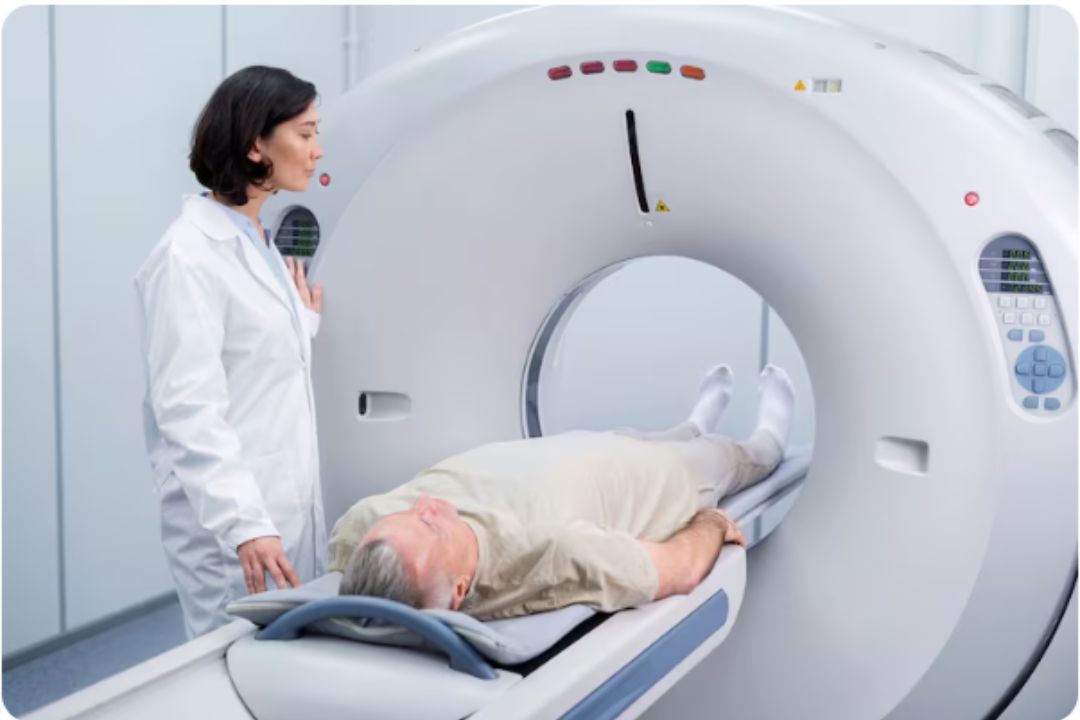
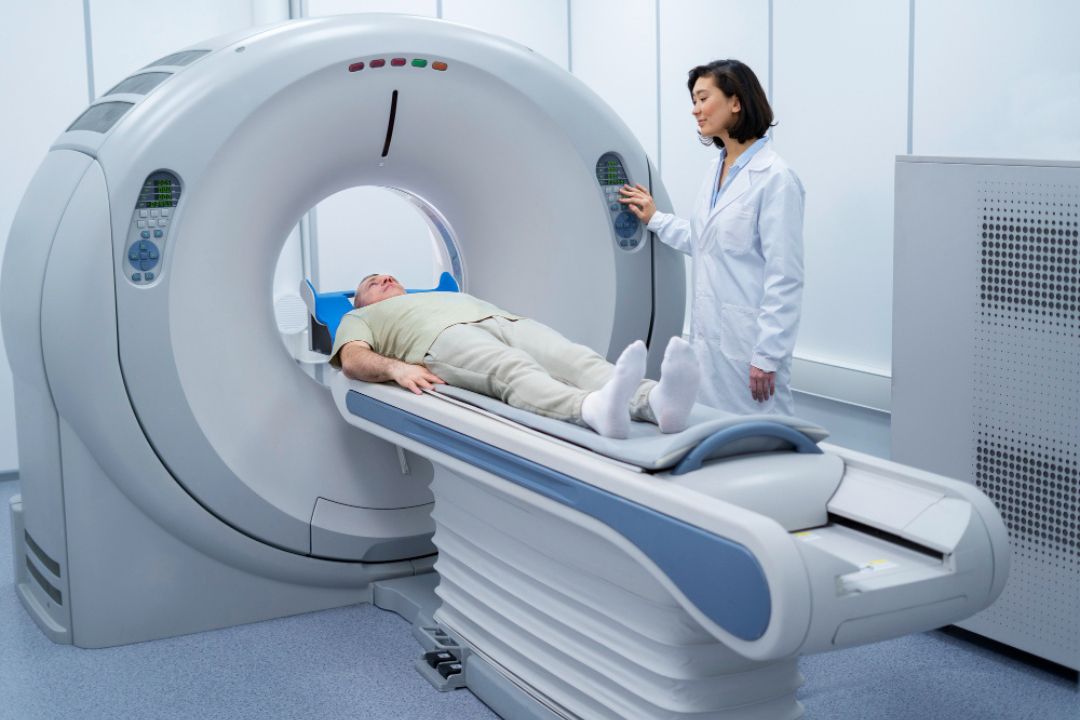
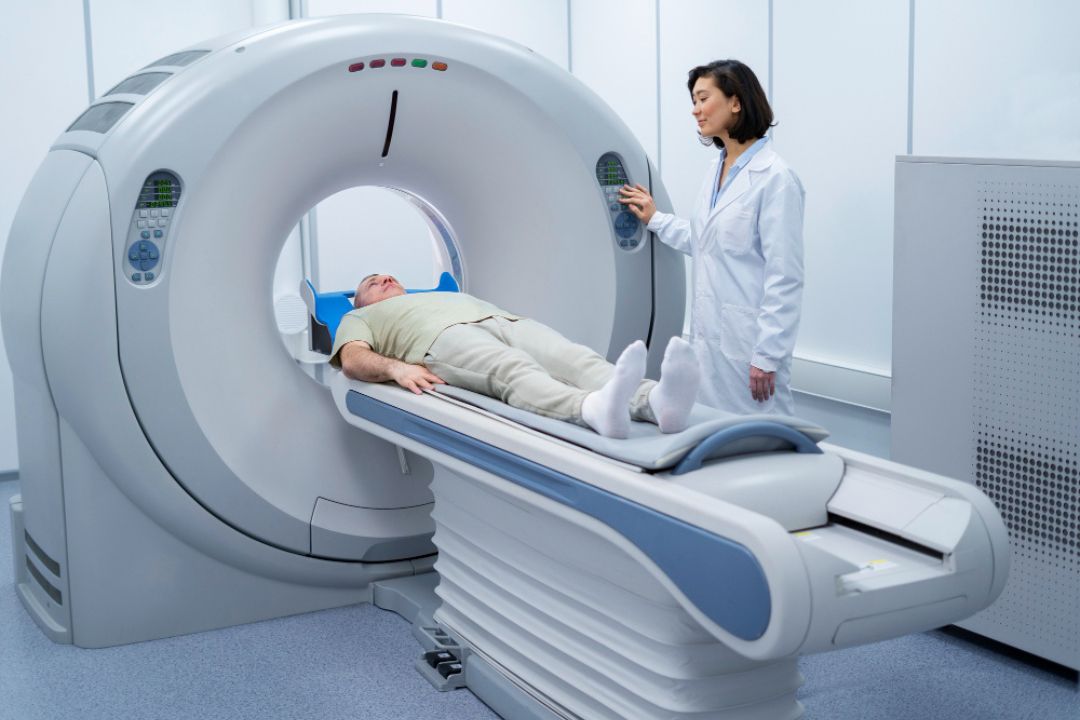
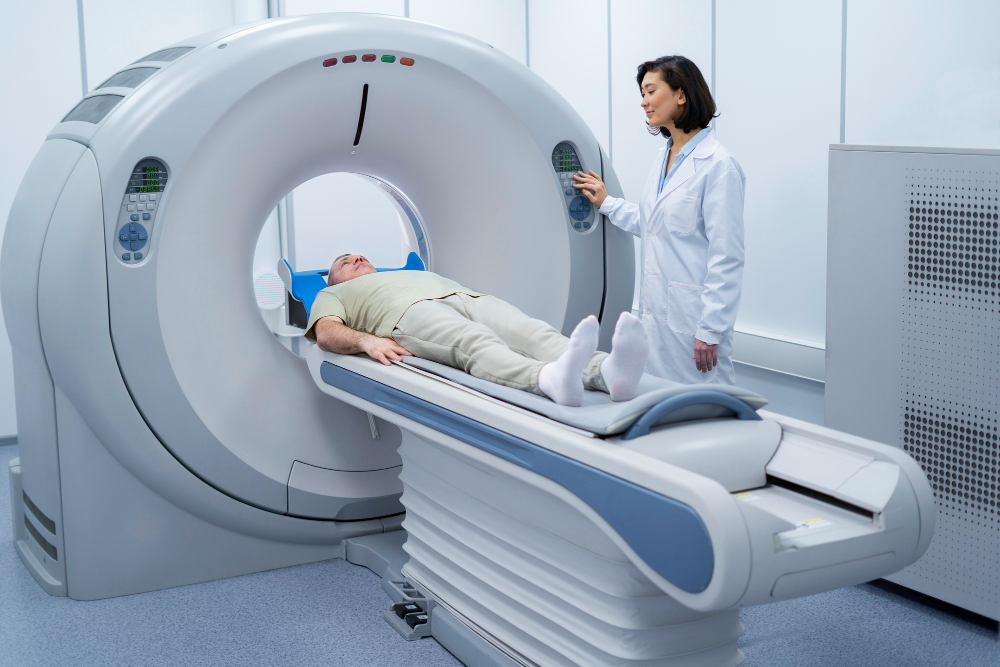
The HRCT scan procedure is simple and painless.
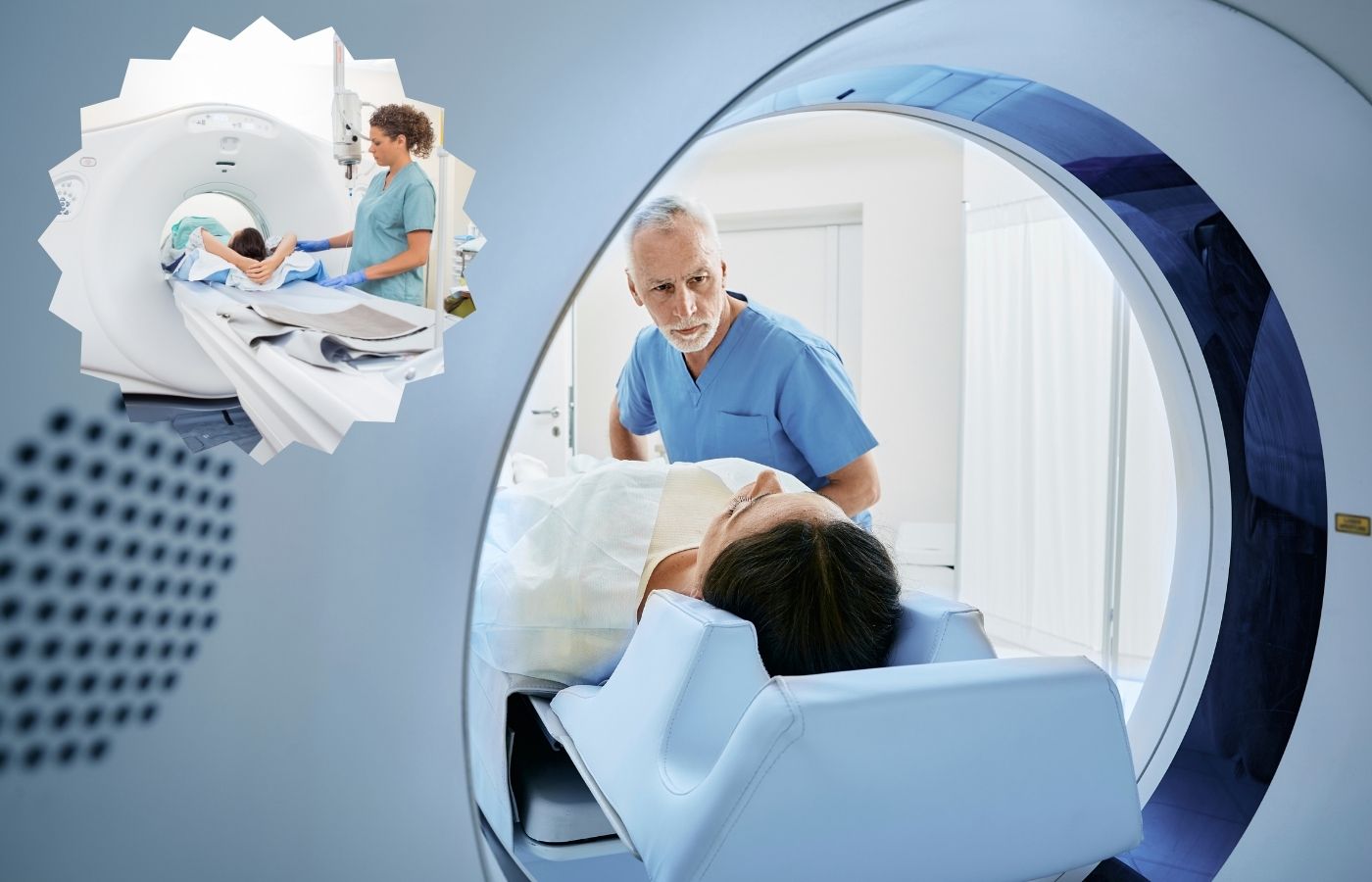
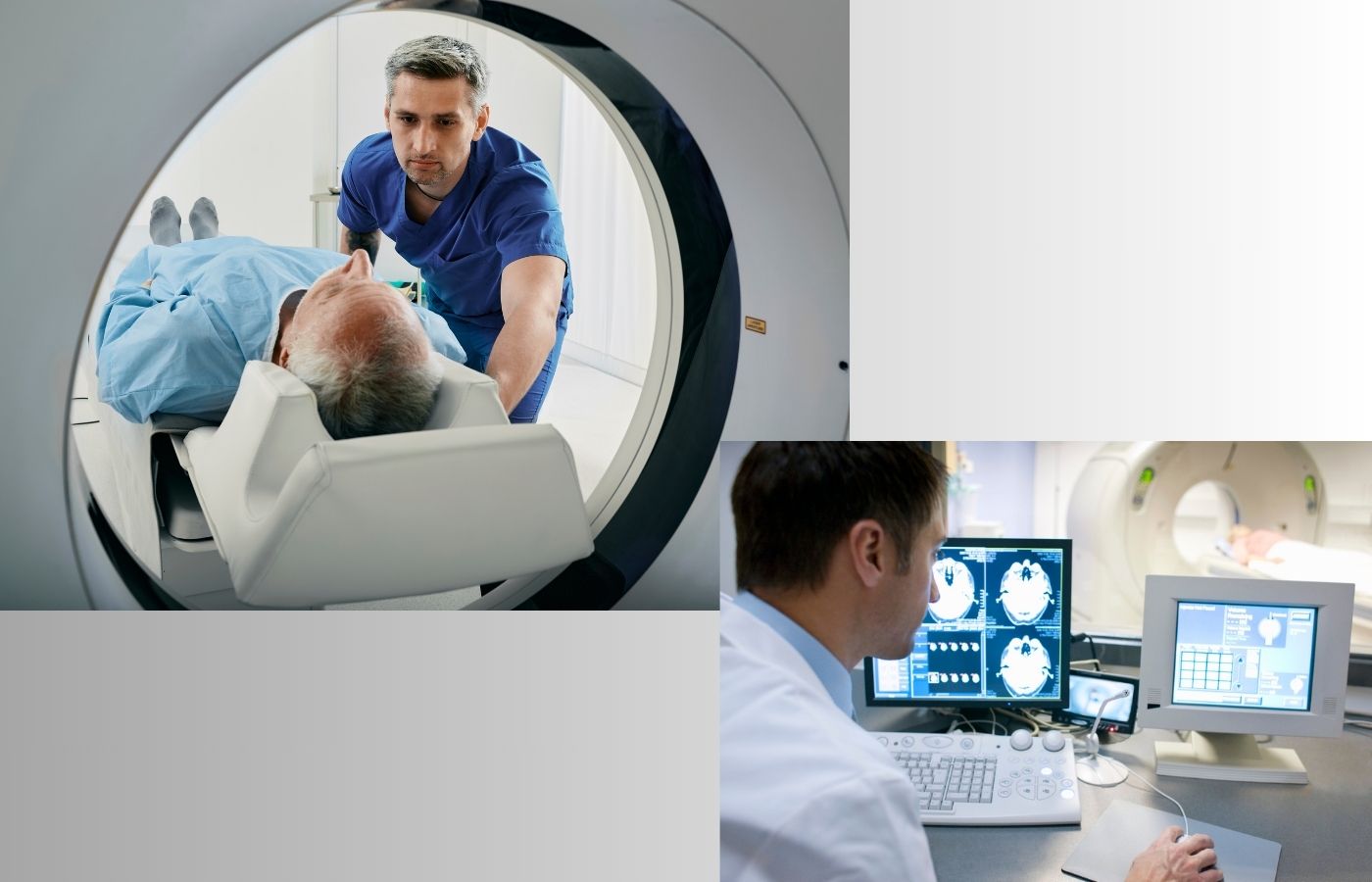
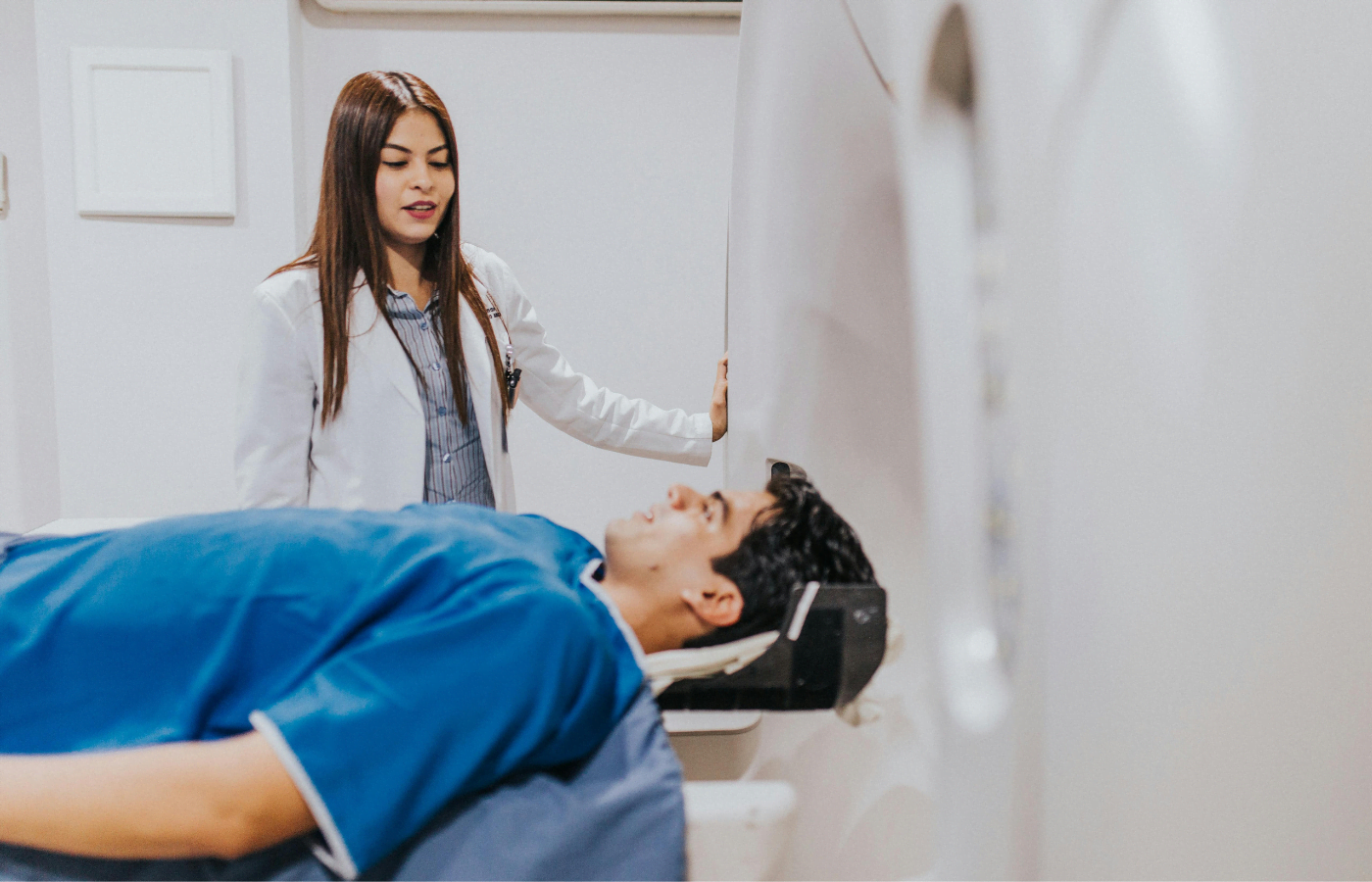
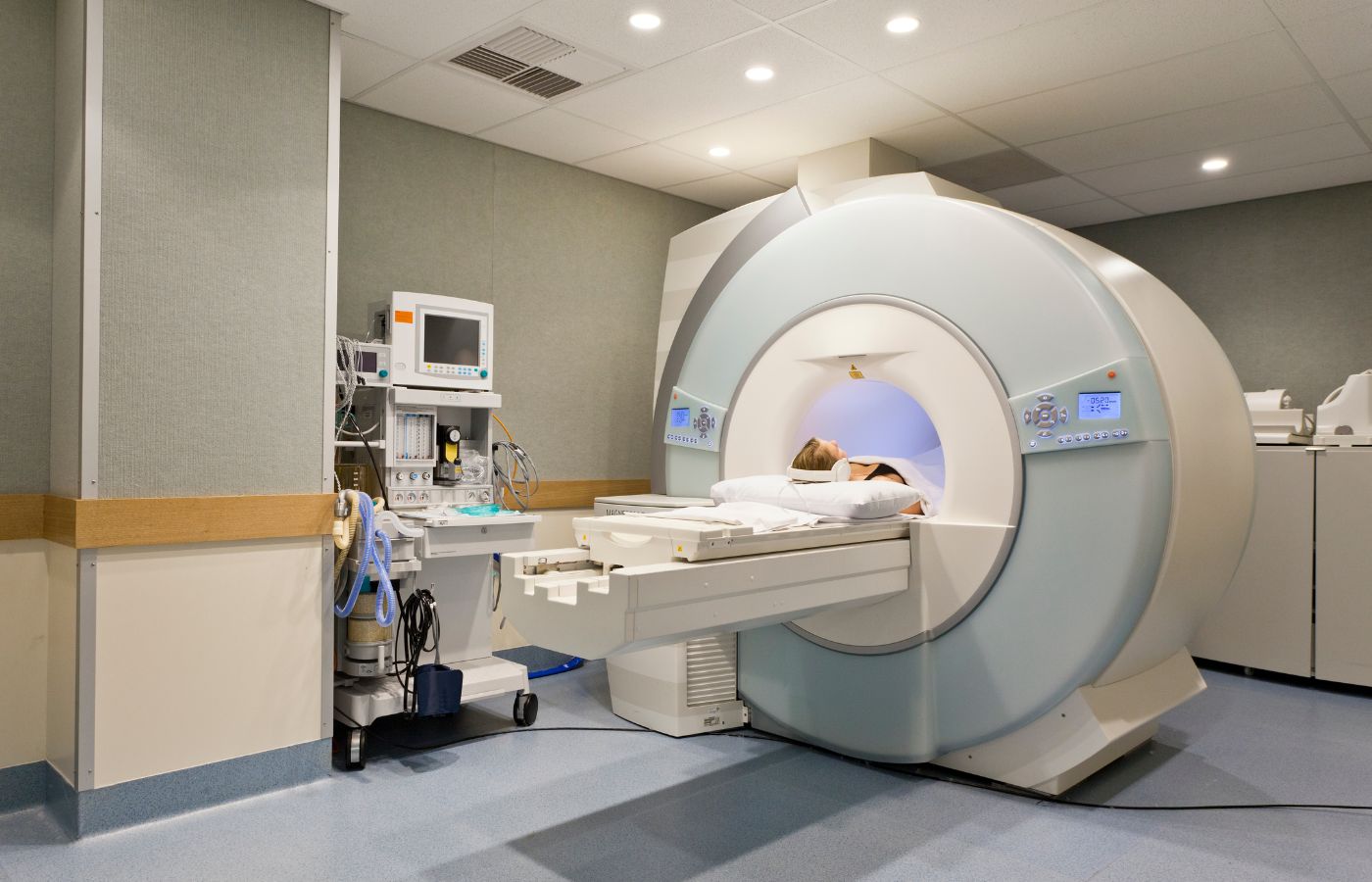
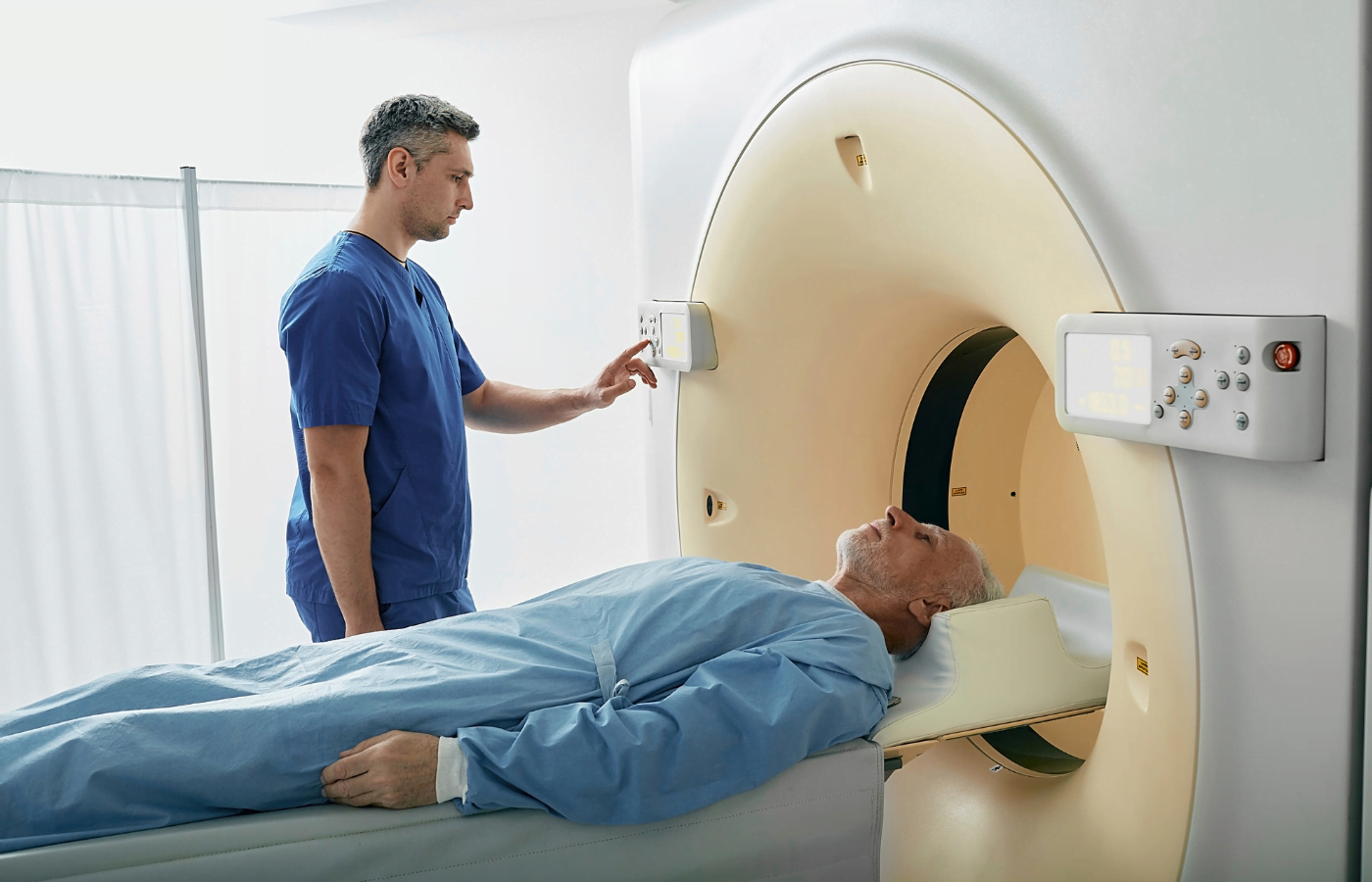
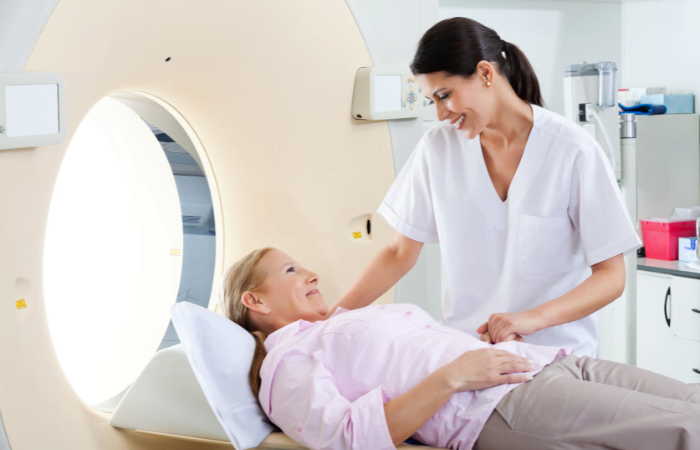
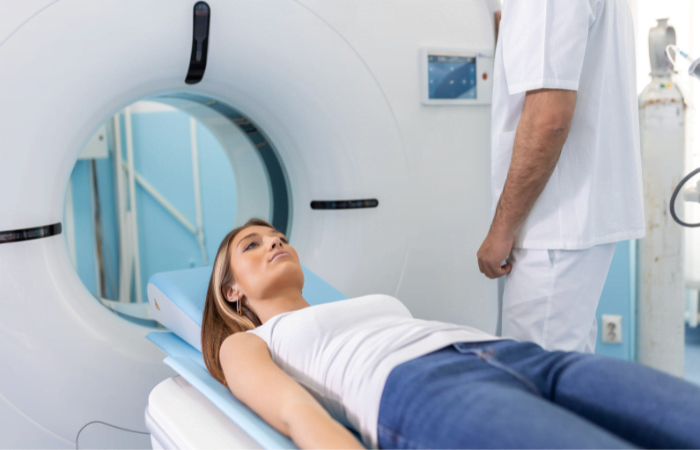
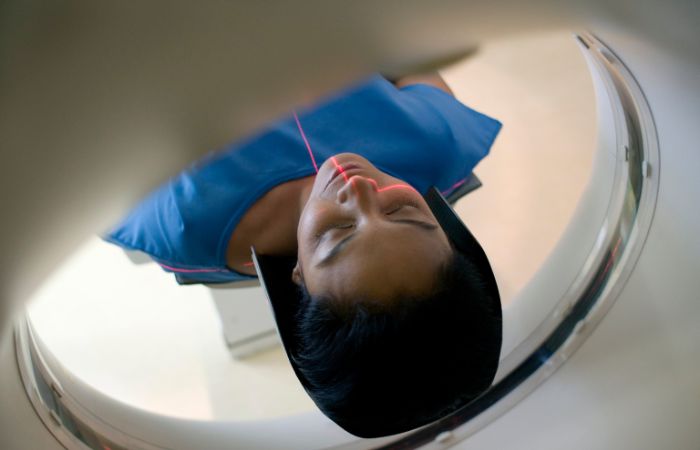
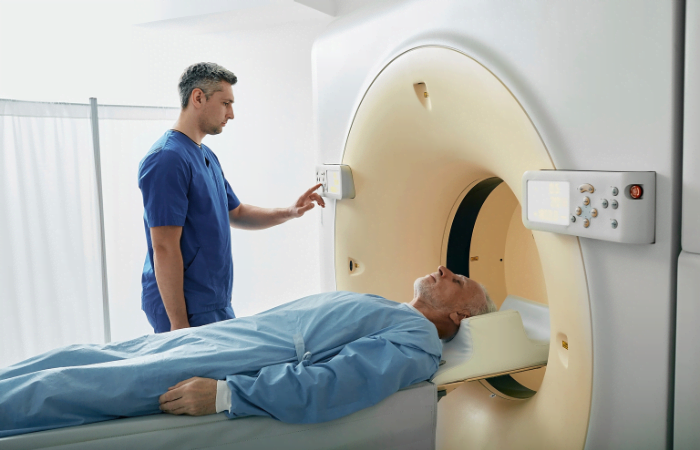
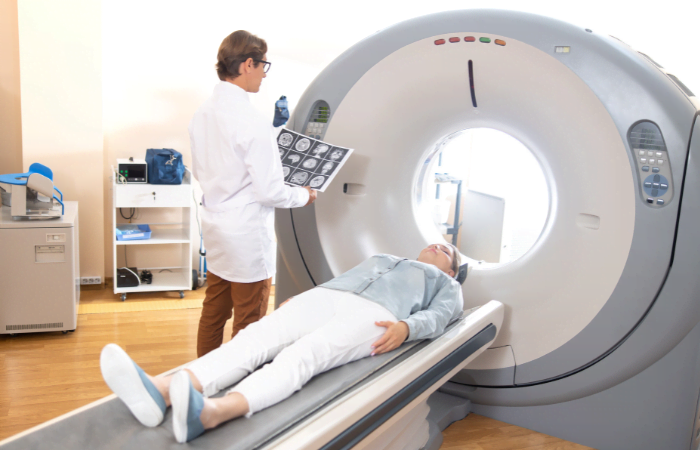
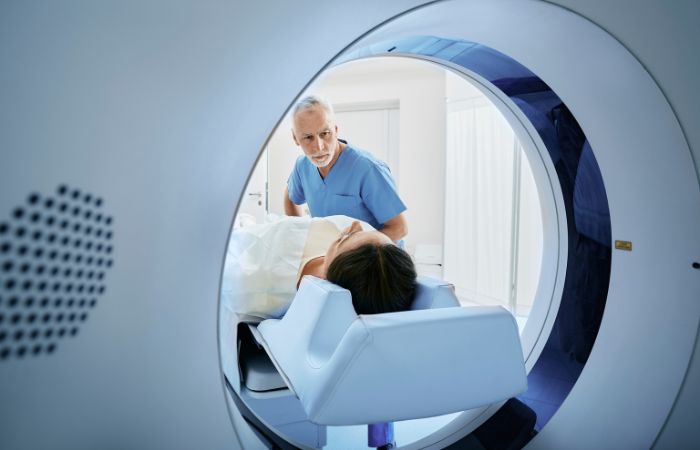
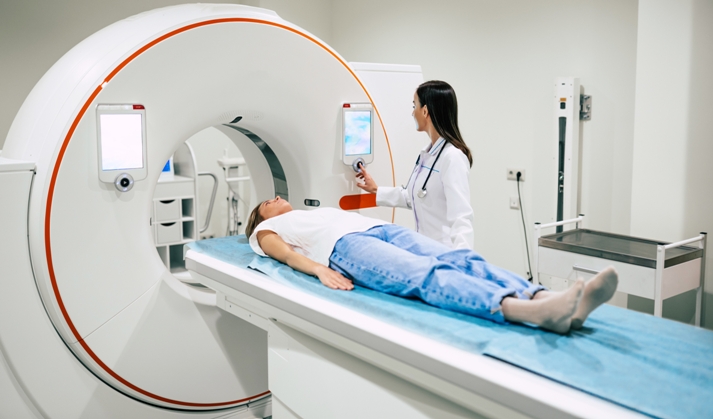
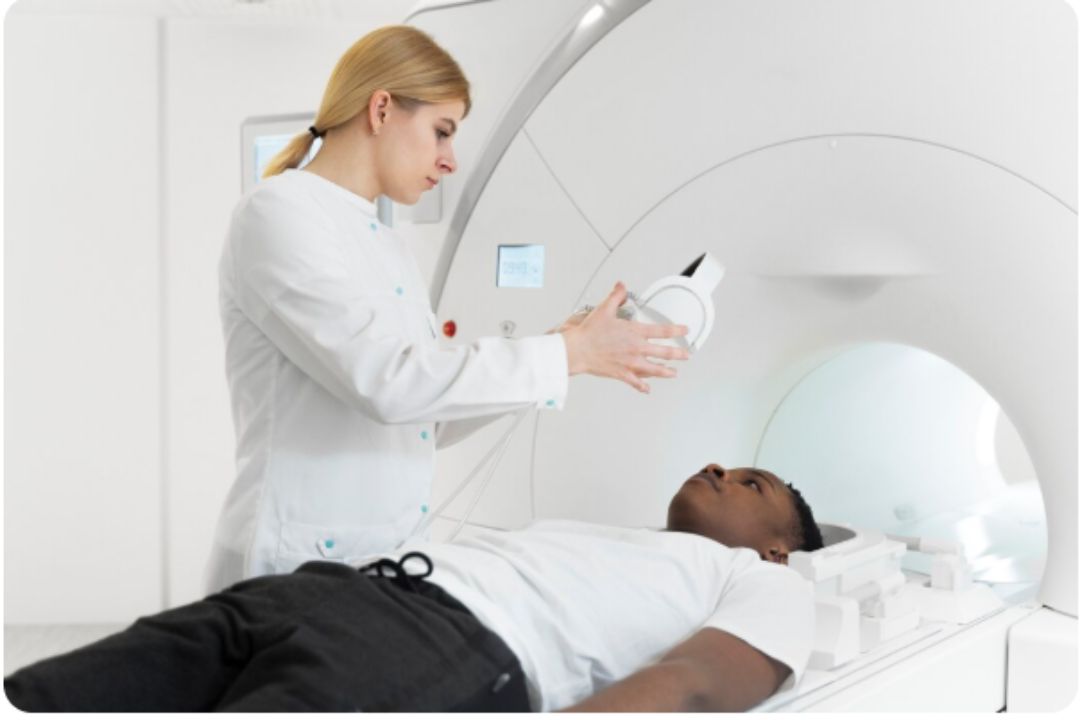
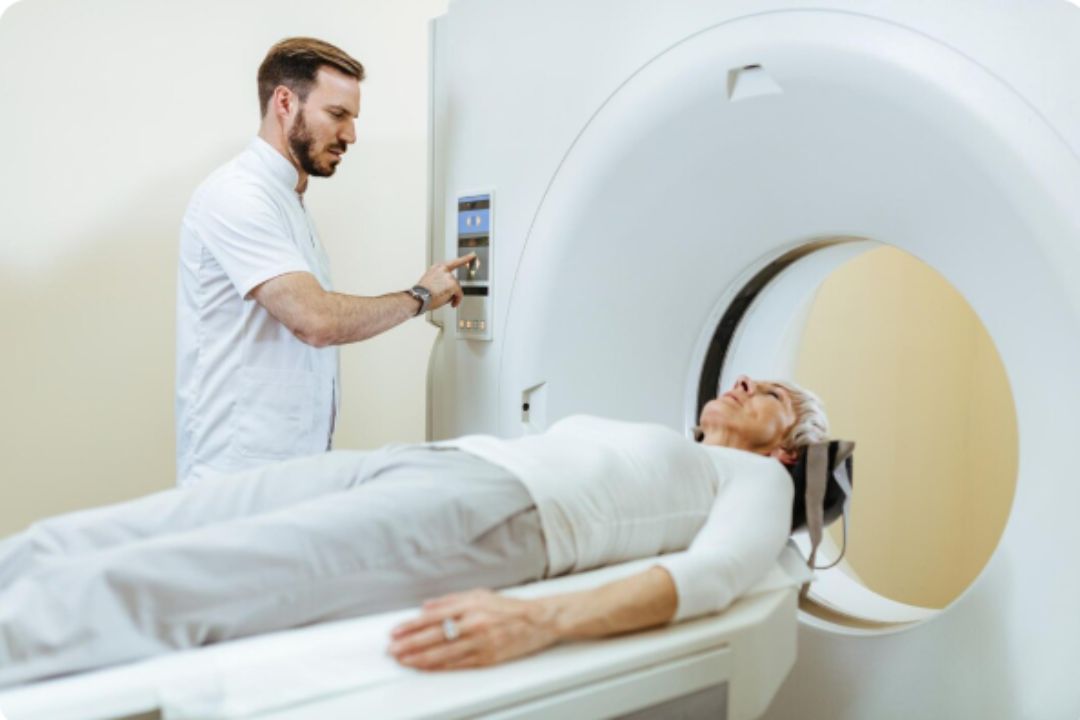
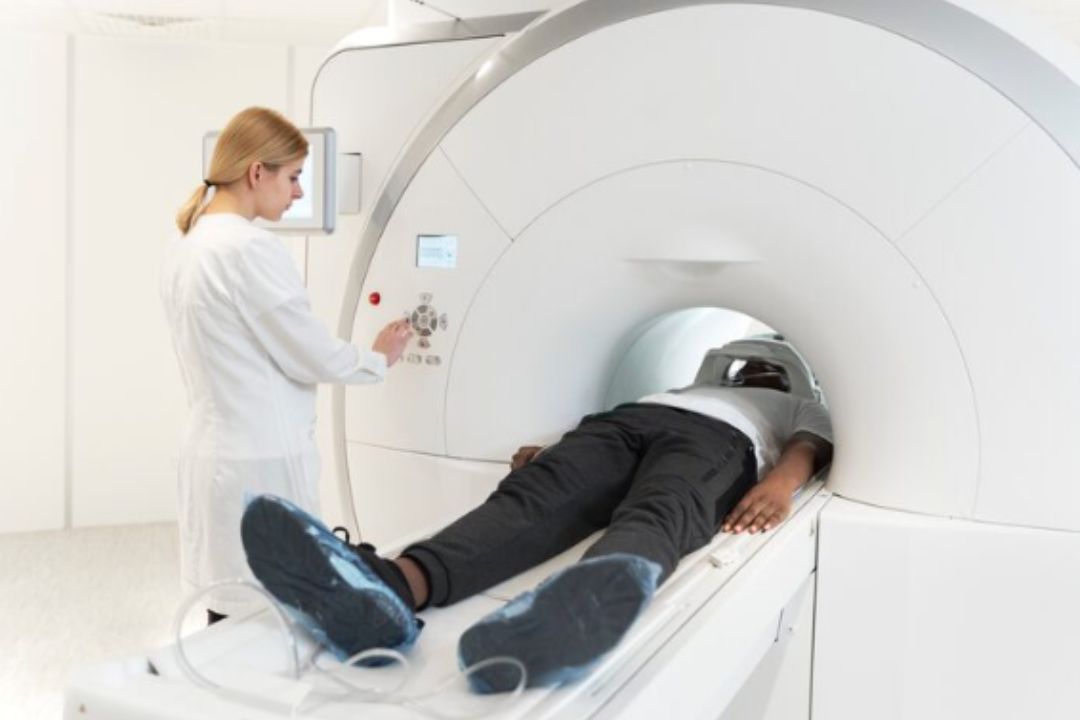
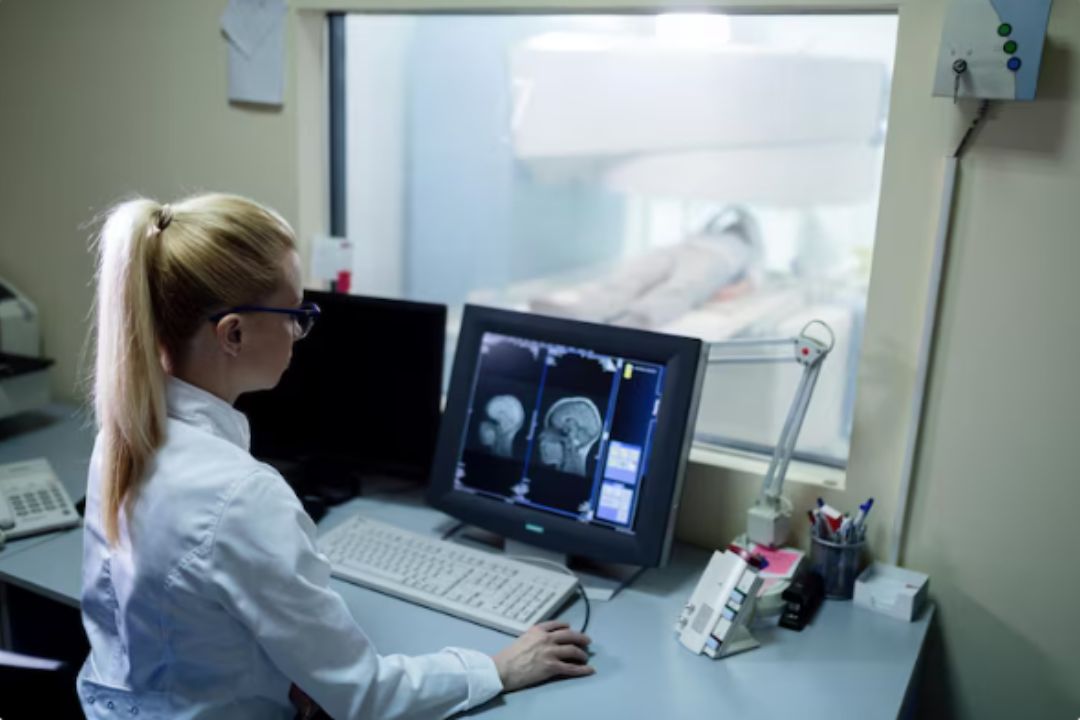
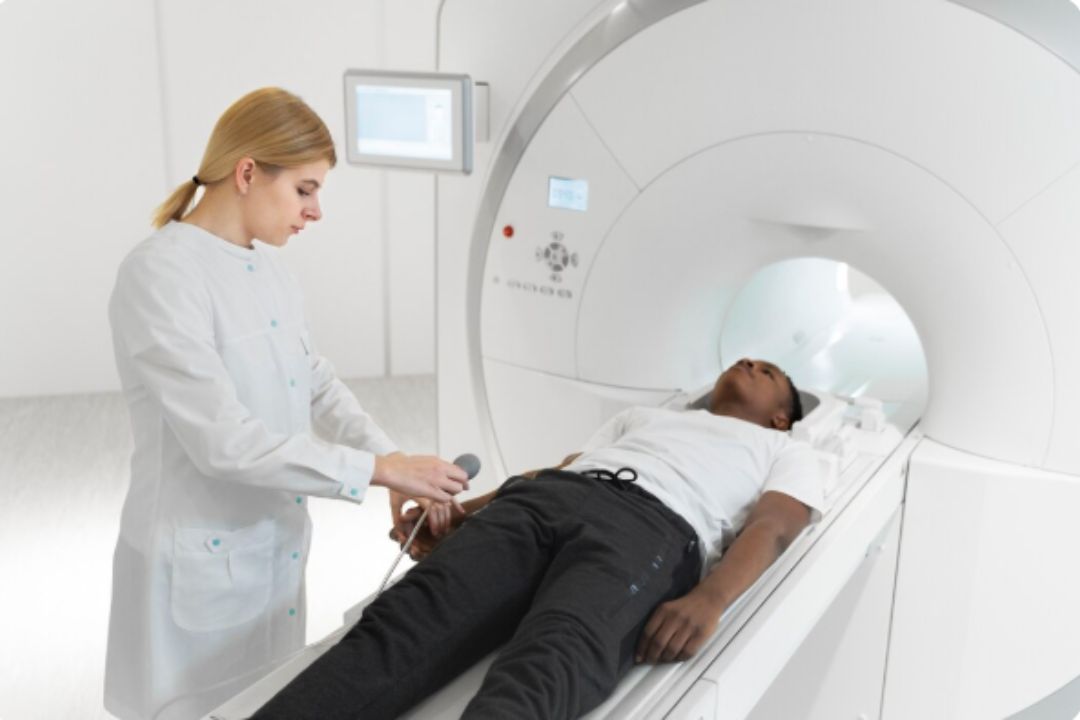
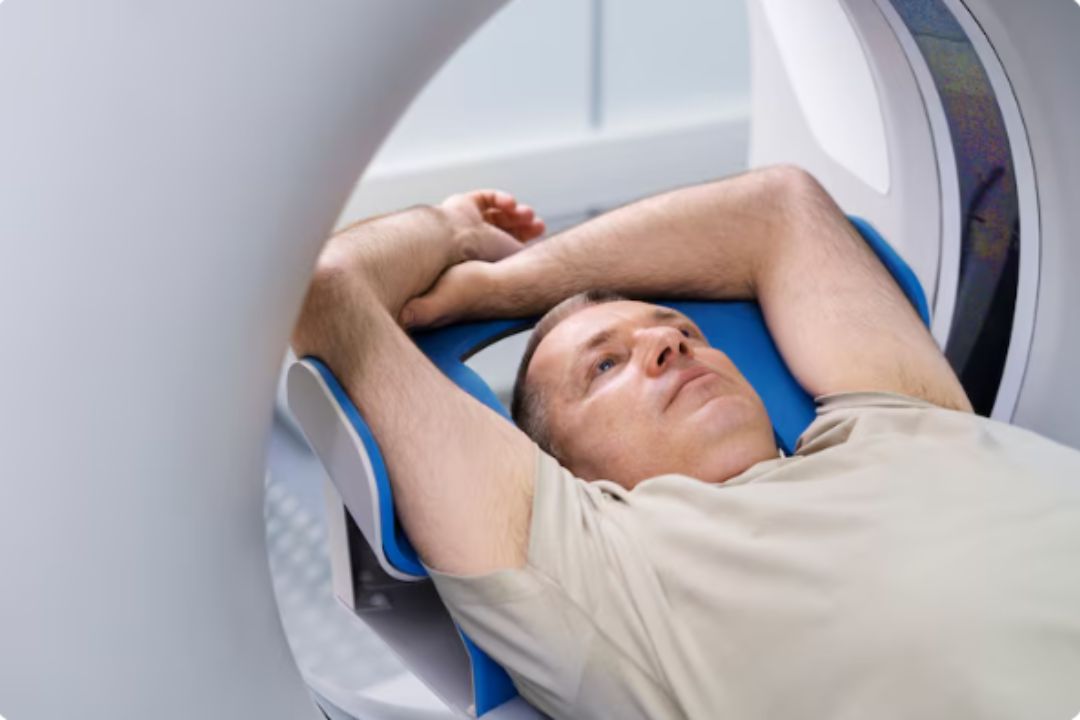
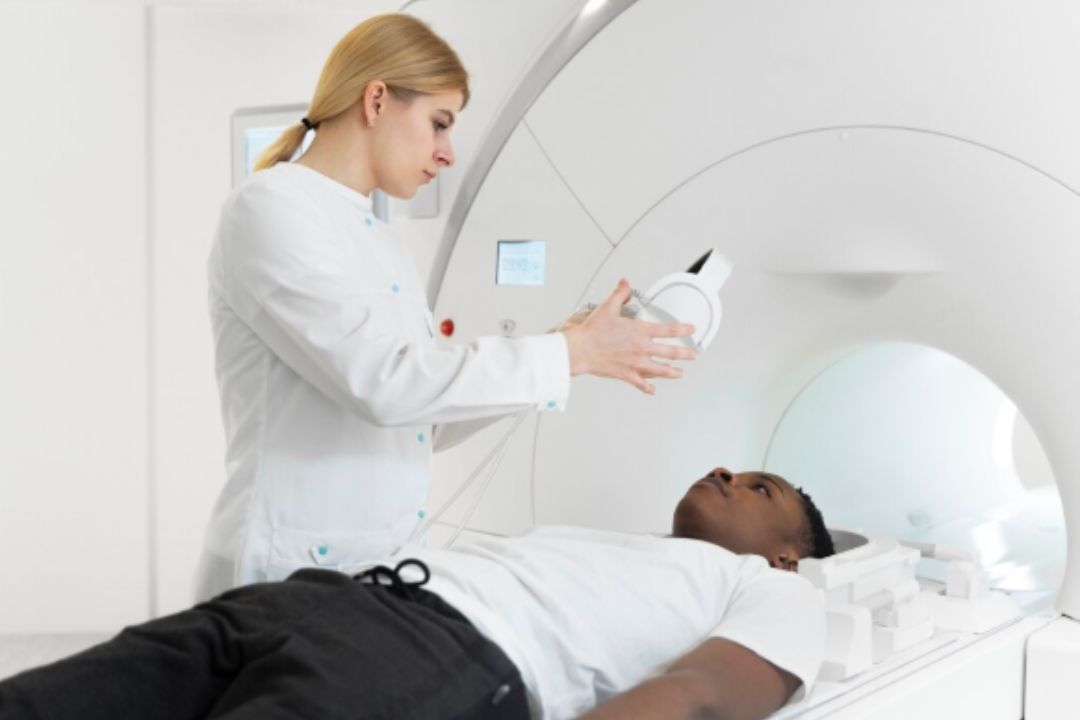
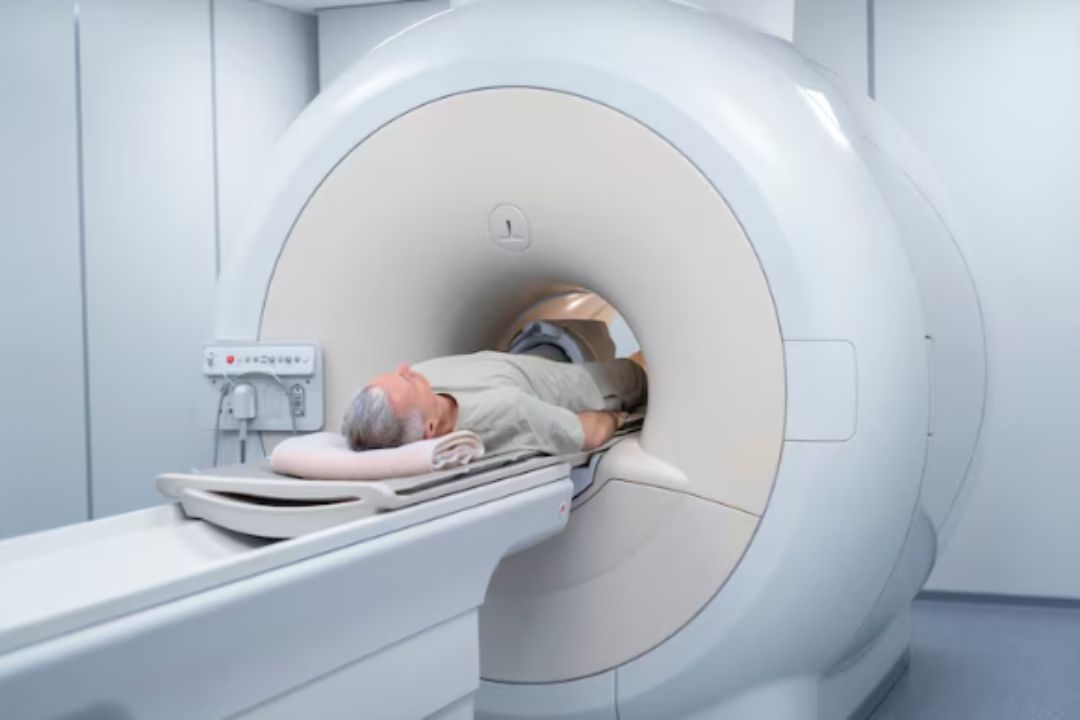
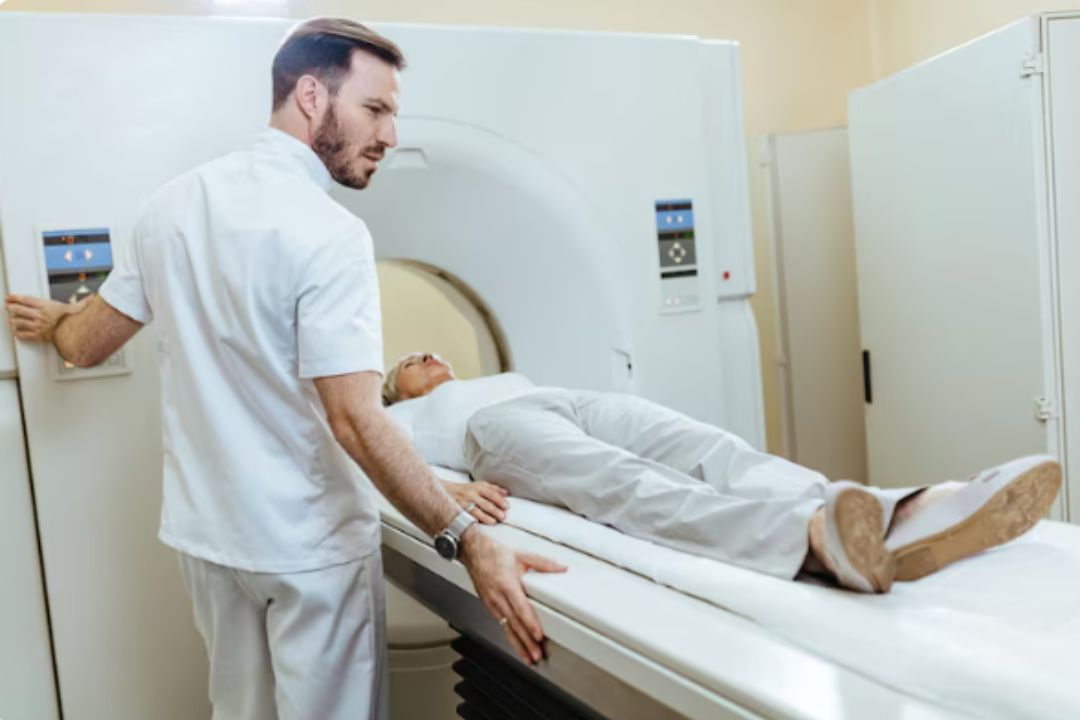
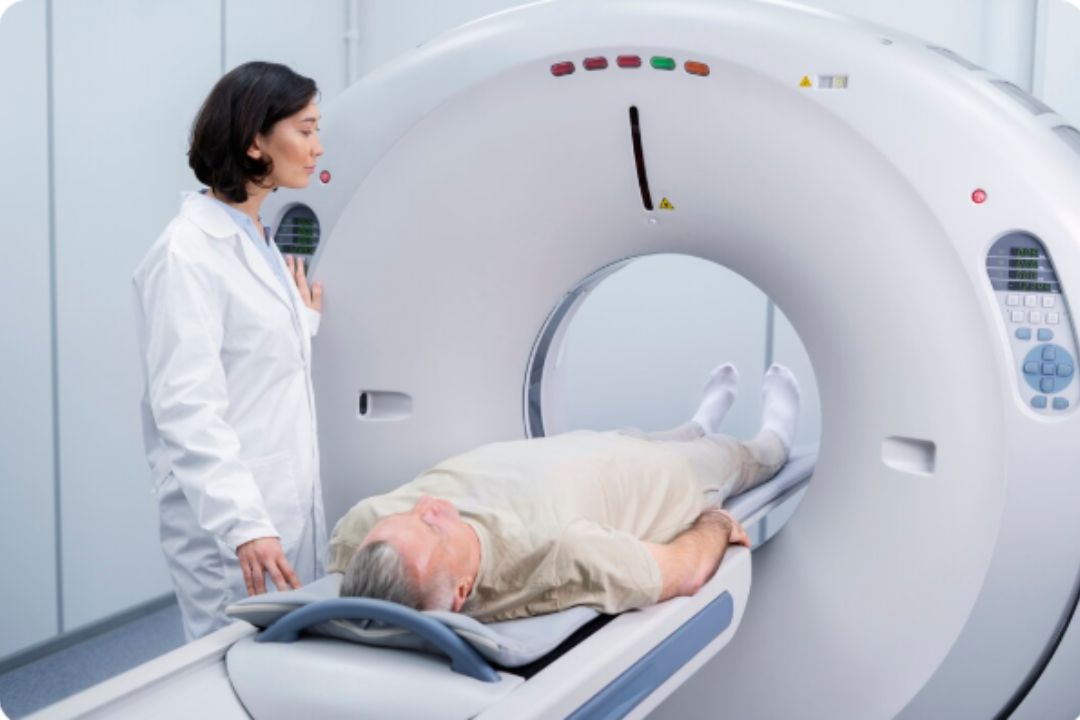
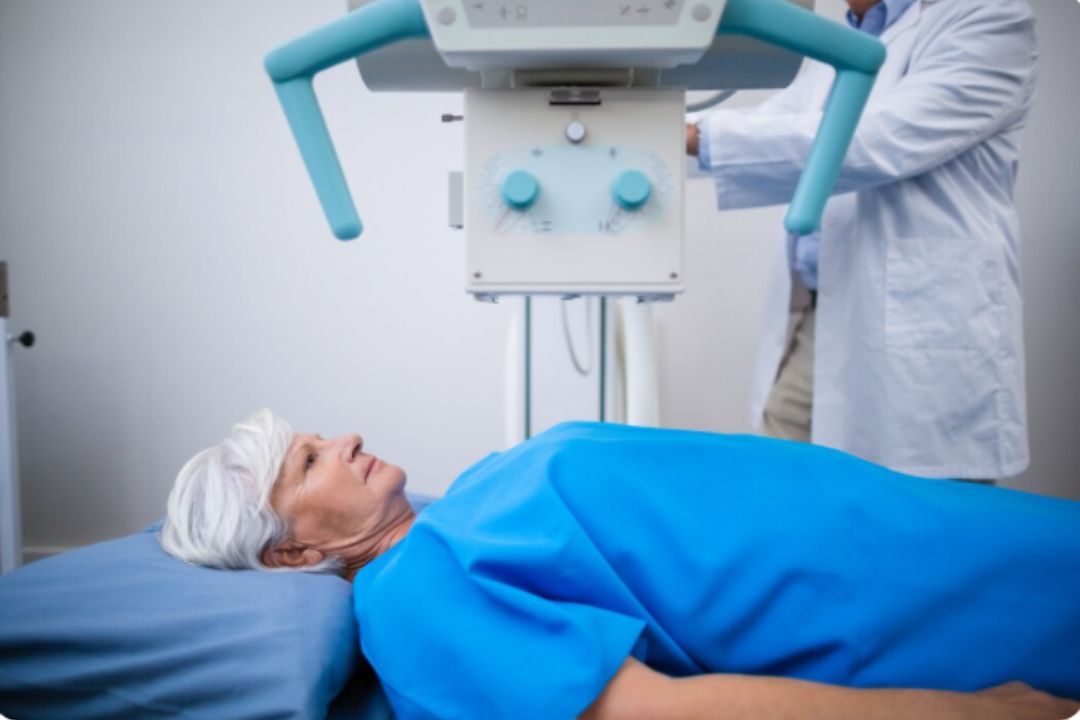
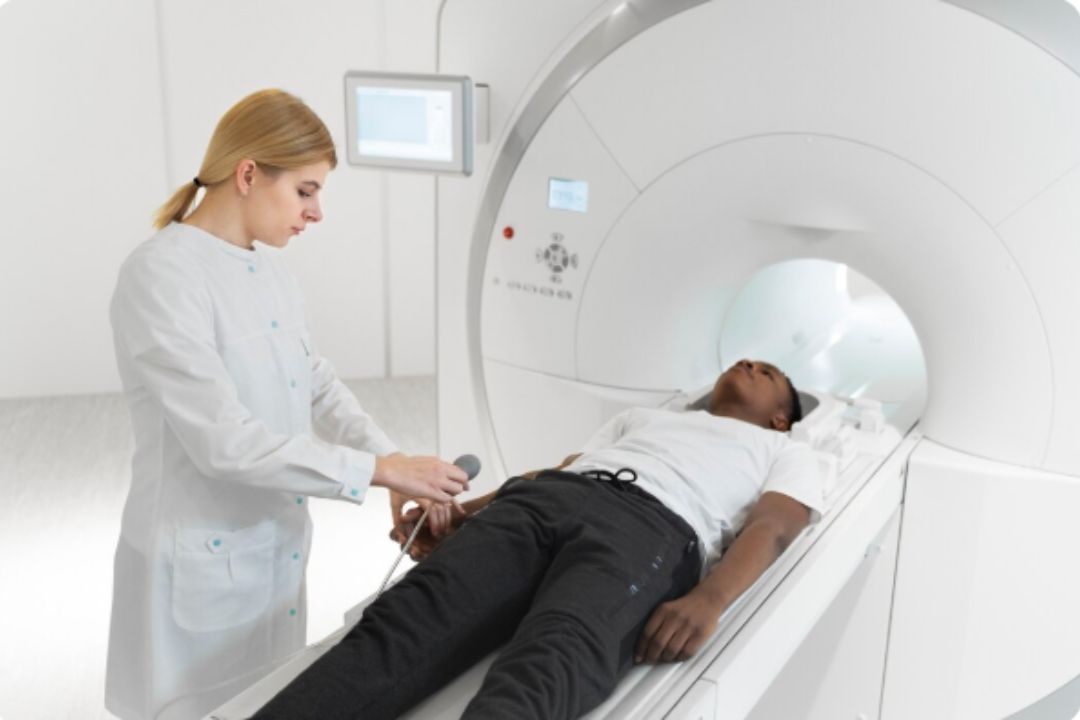
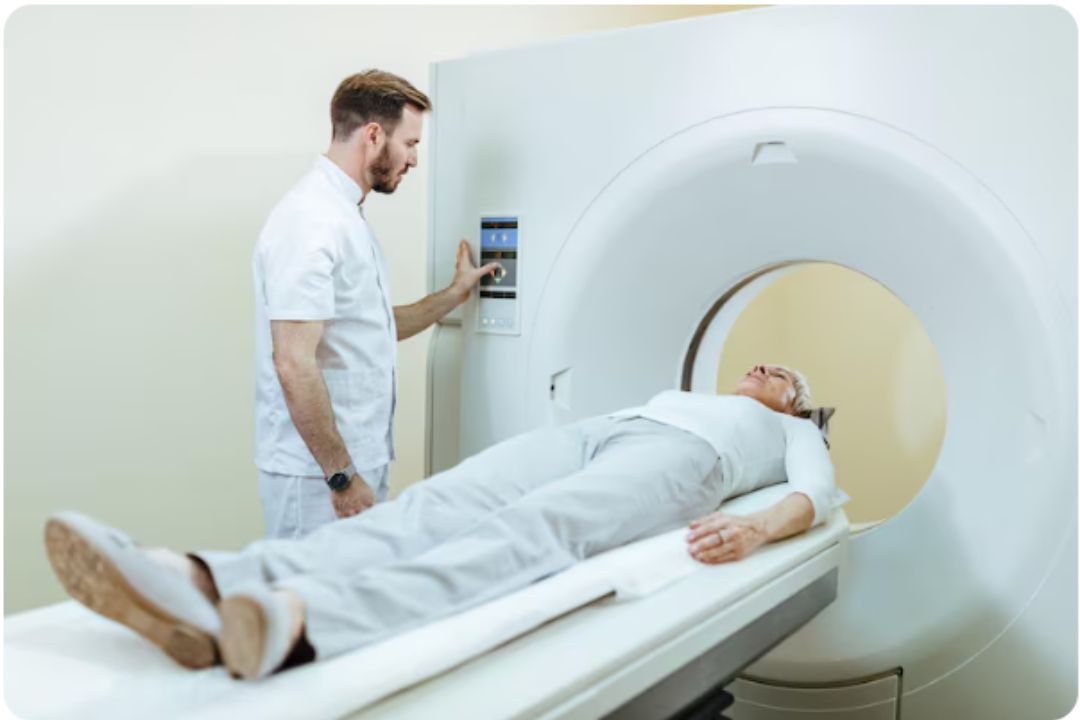
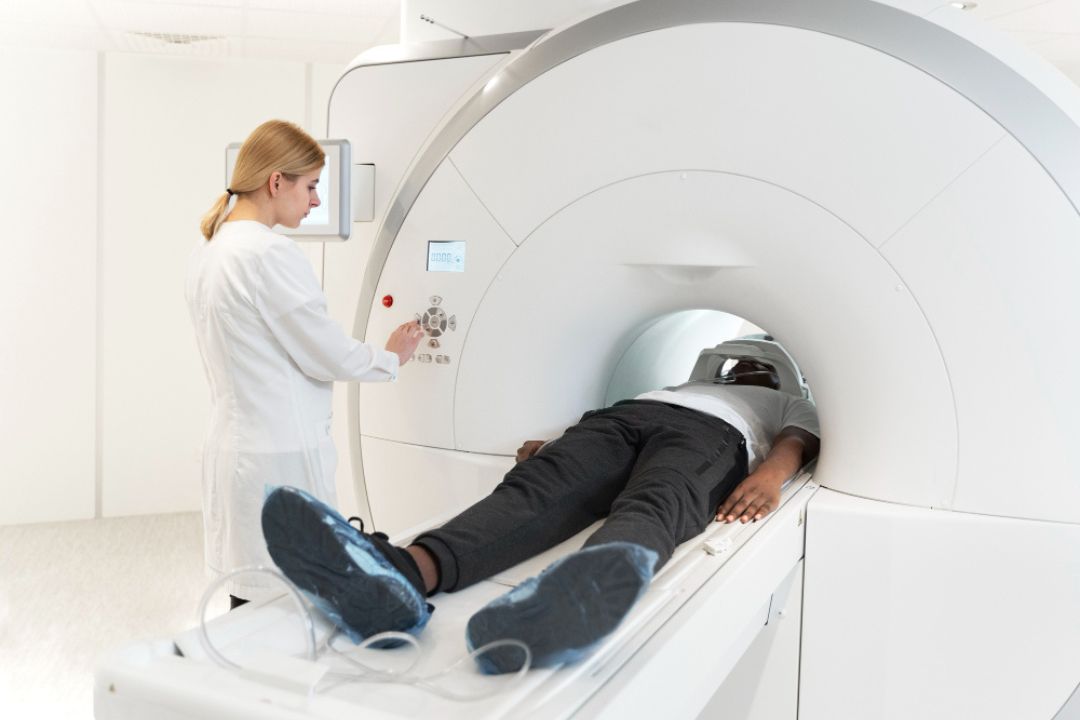
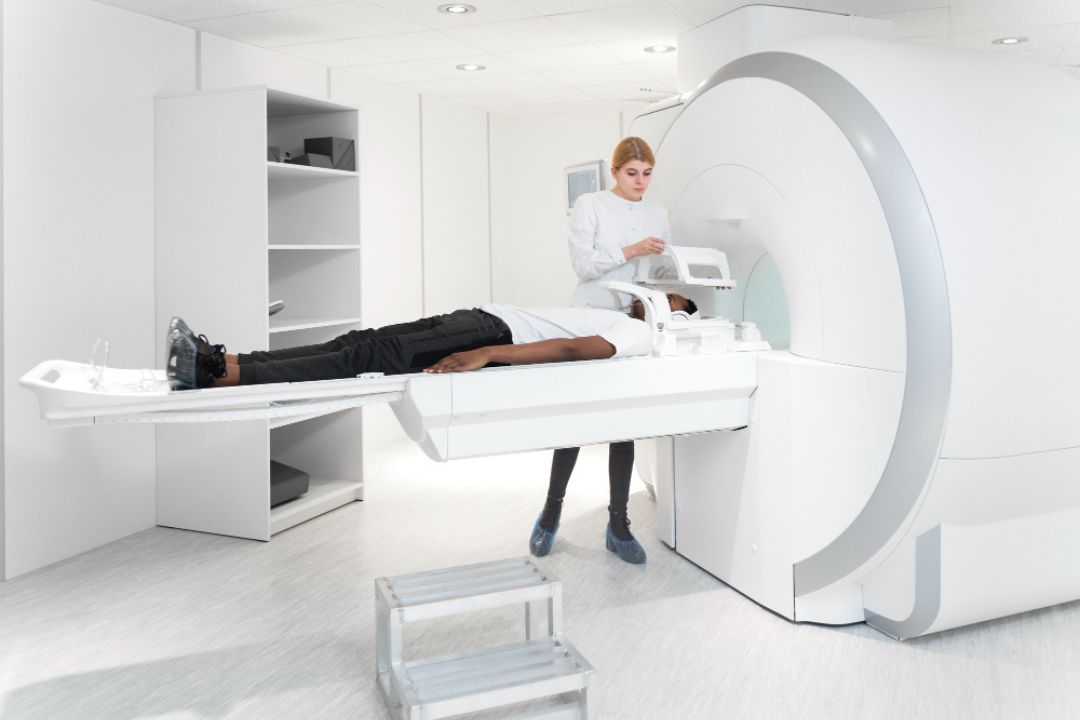
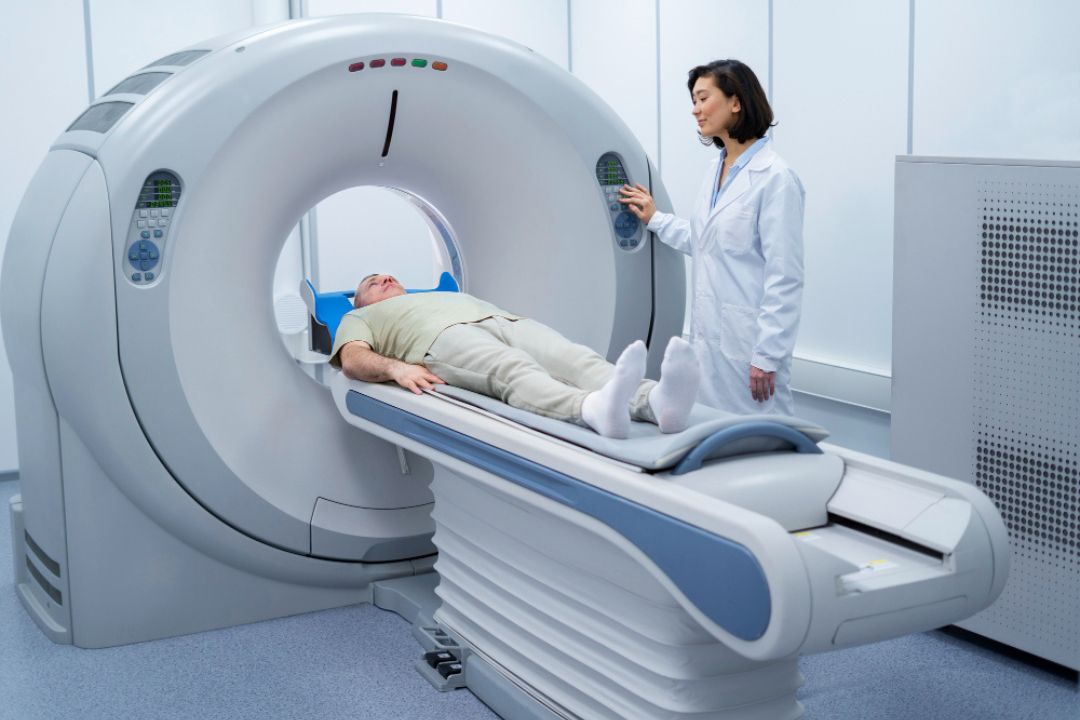
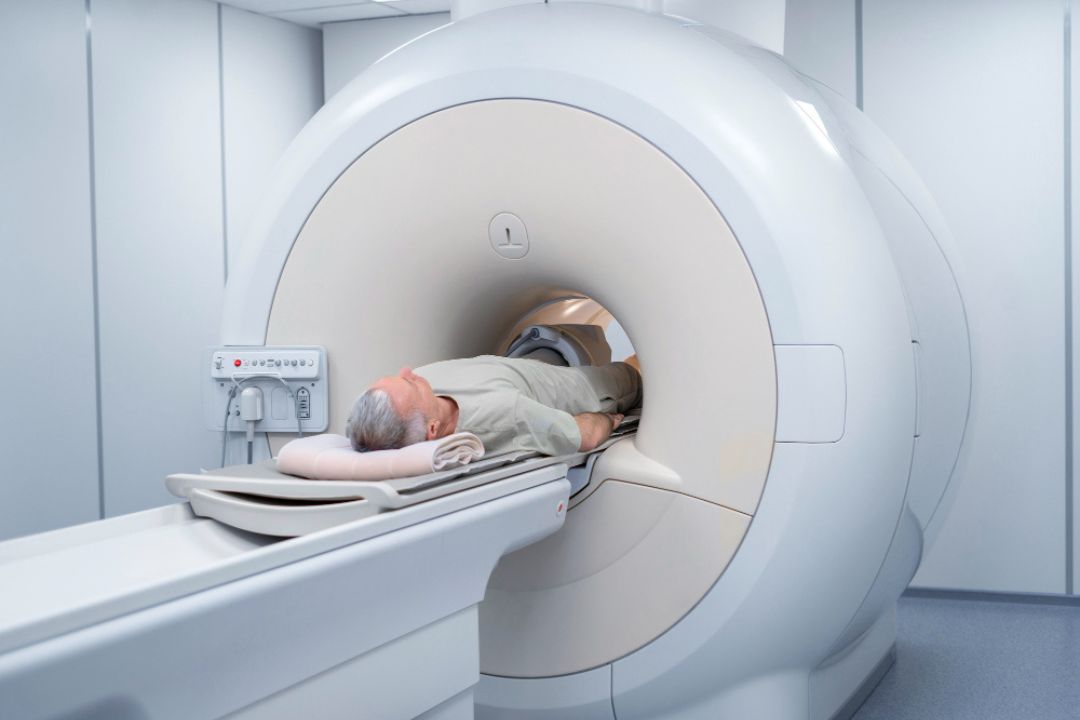
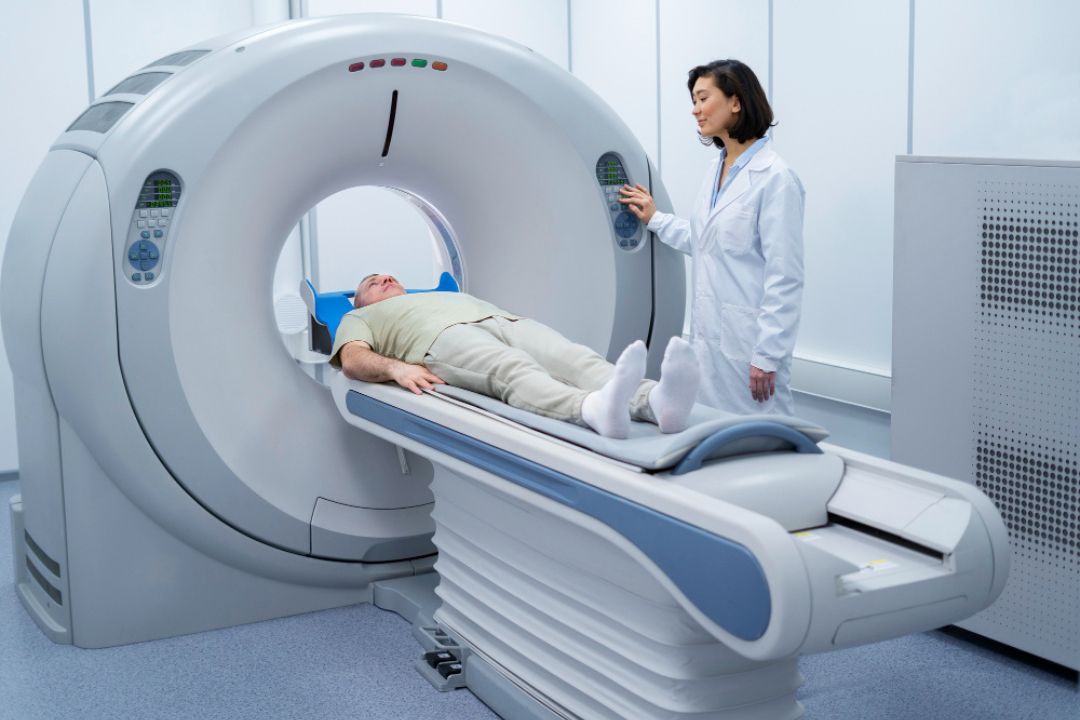
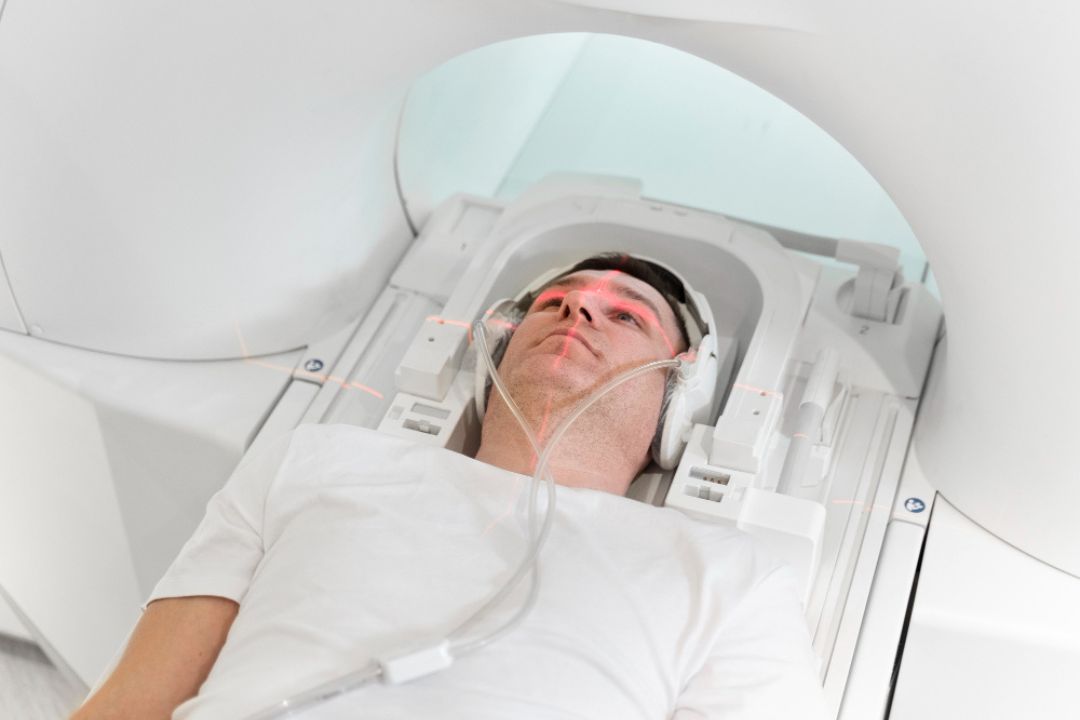
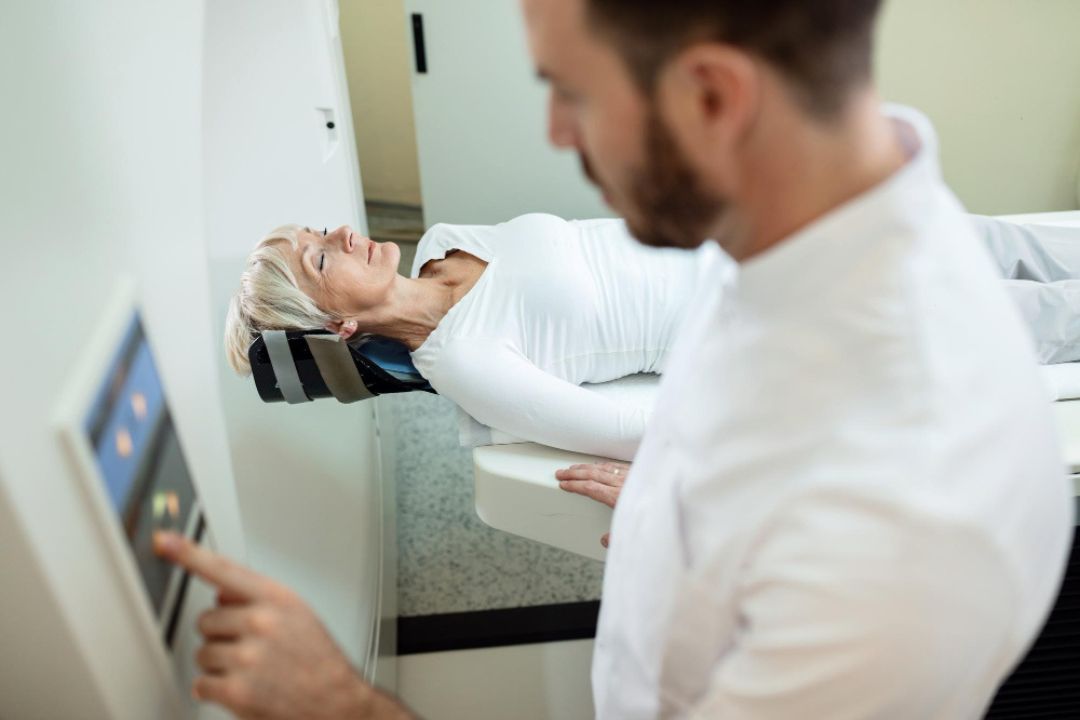
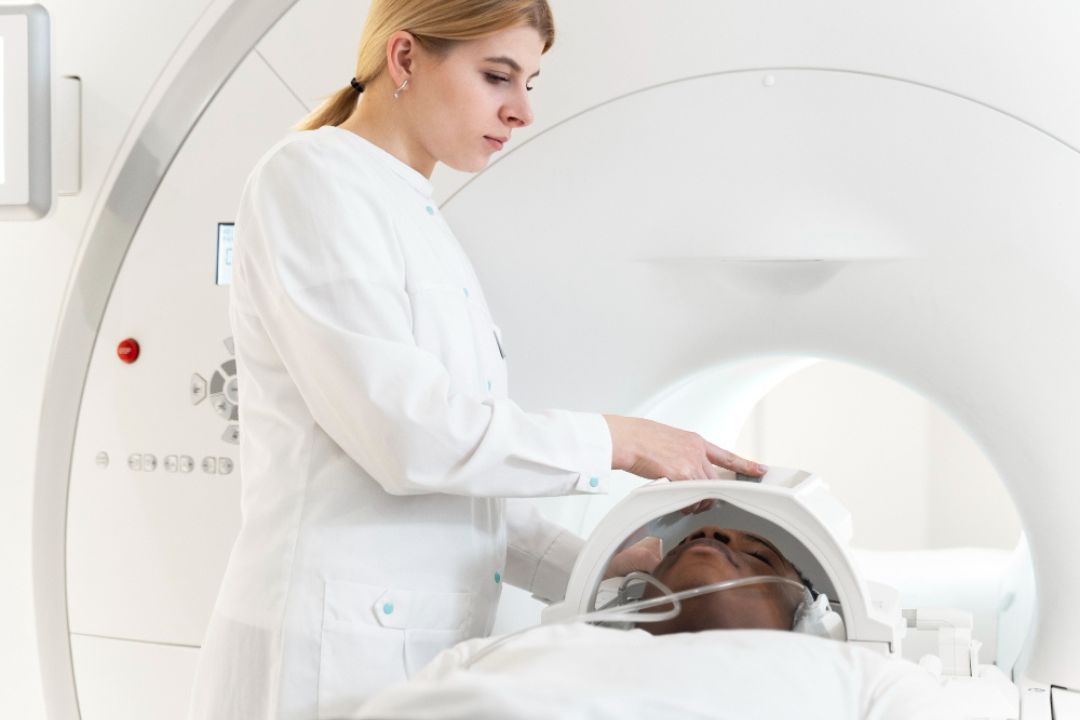
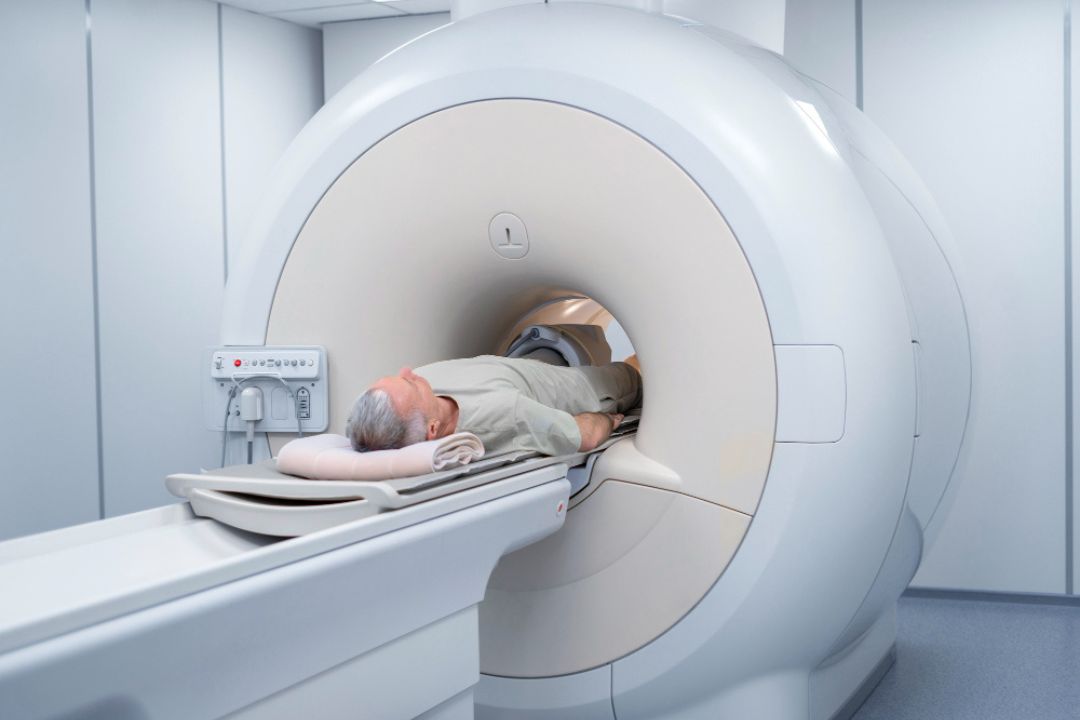
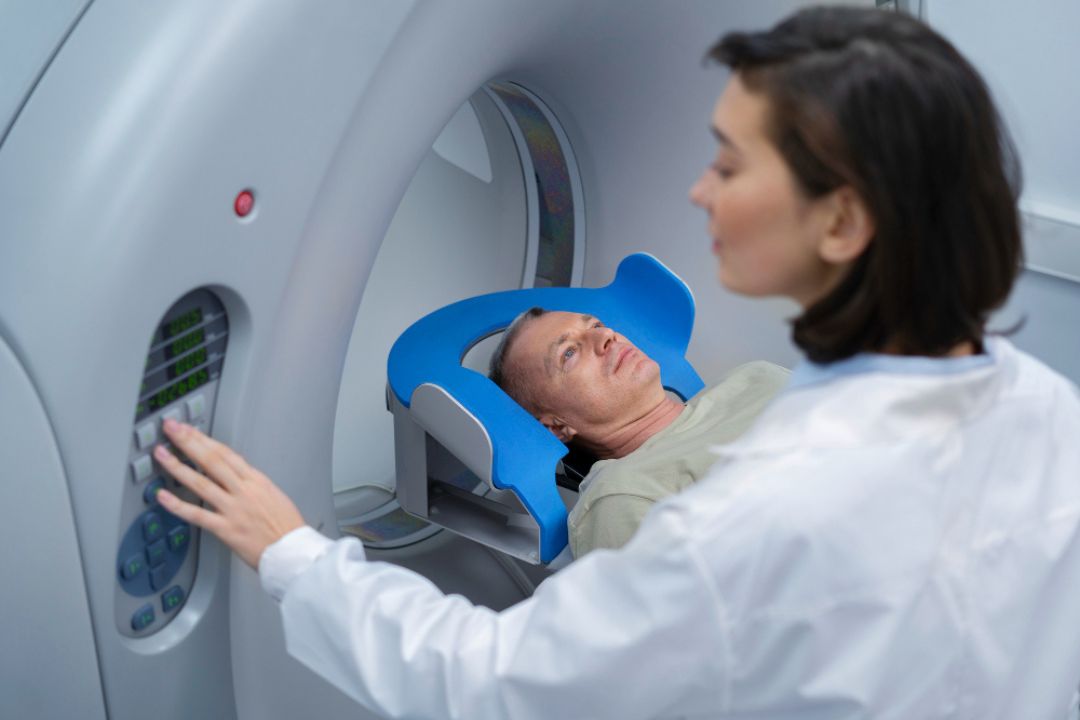
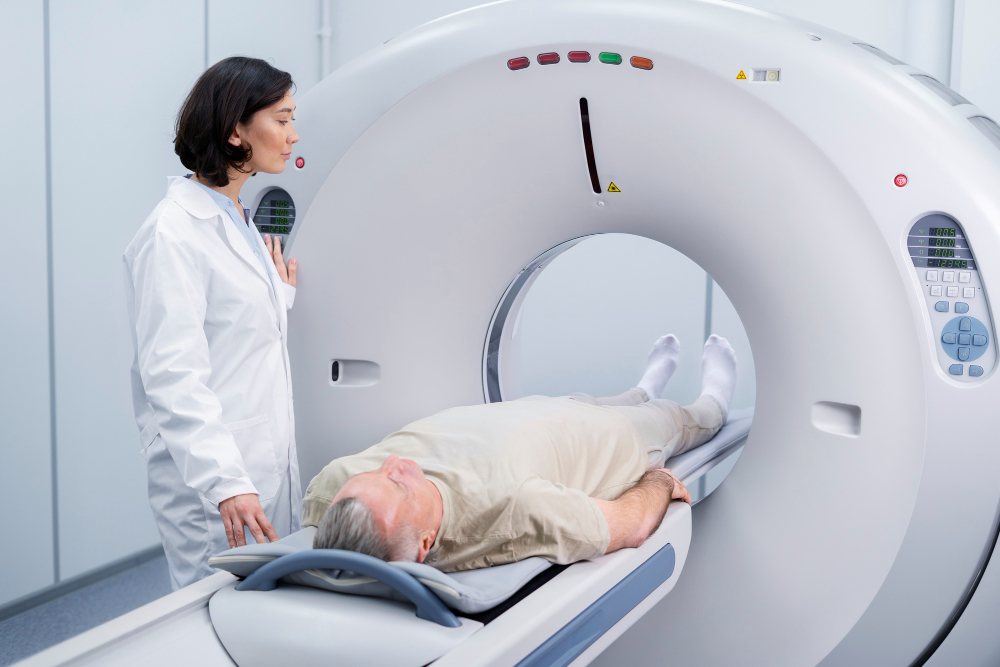
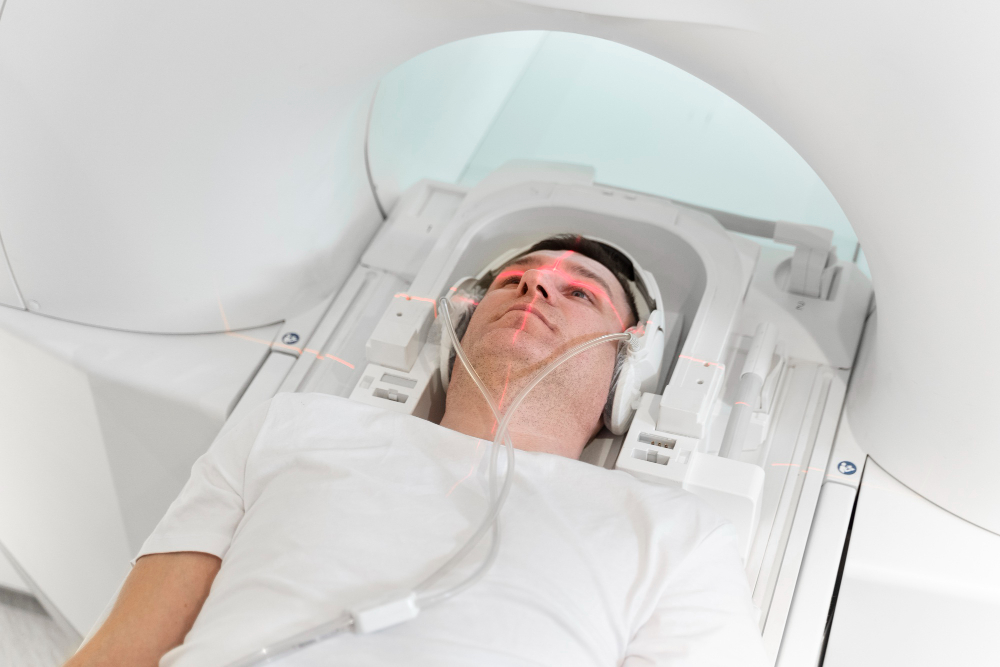
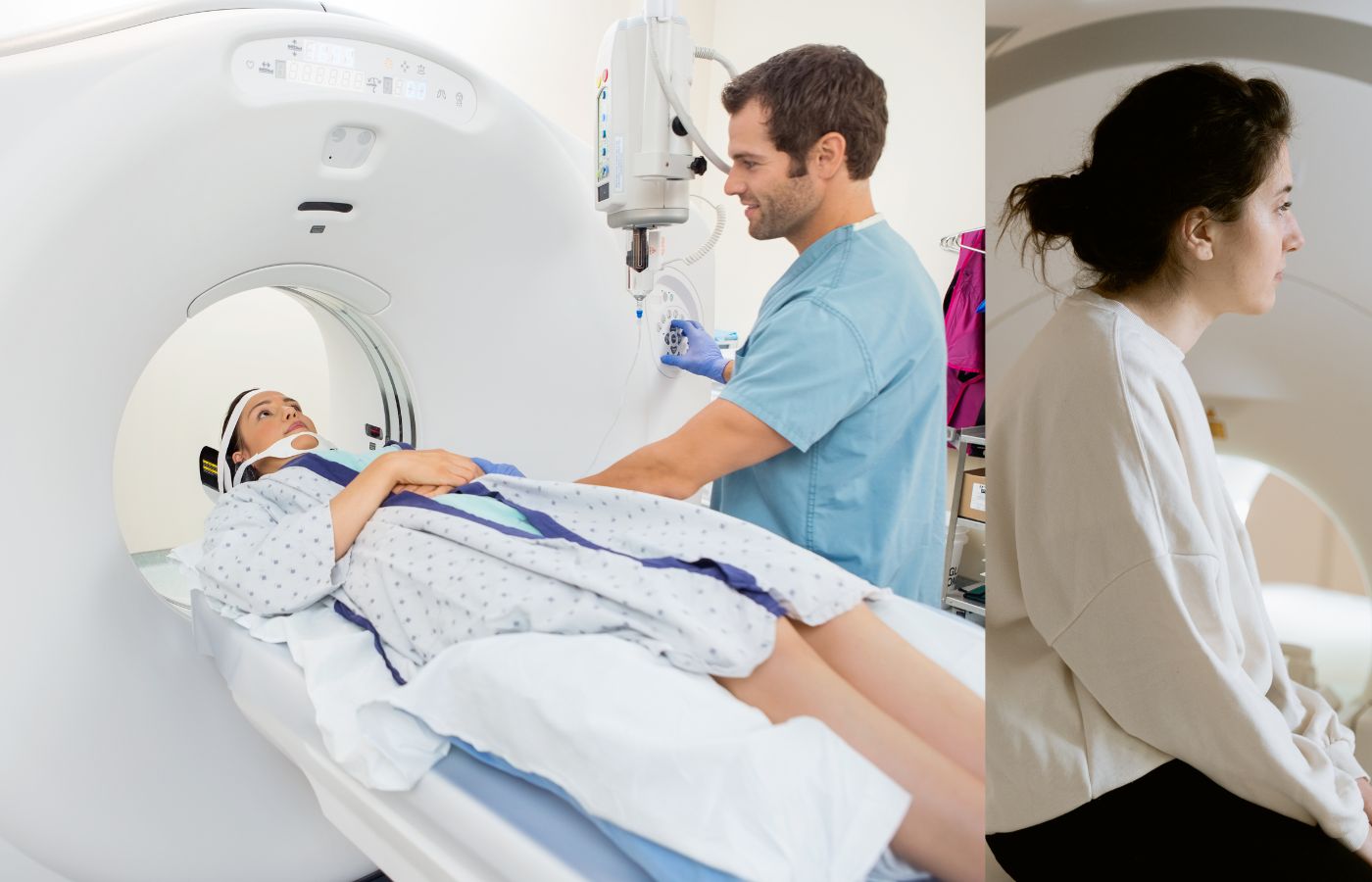
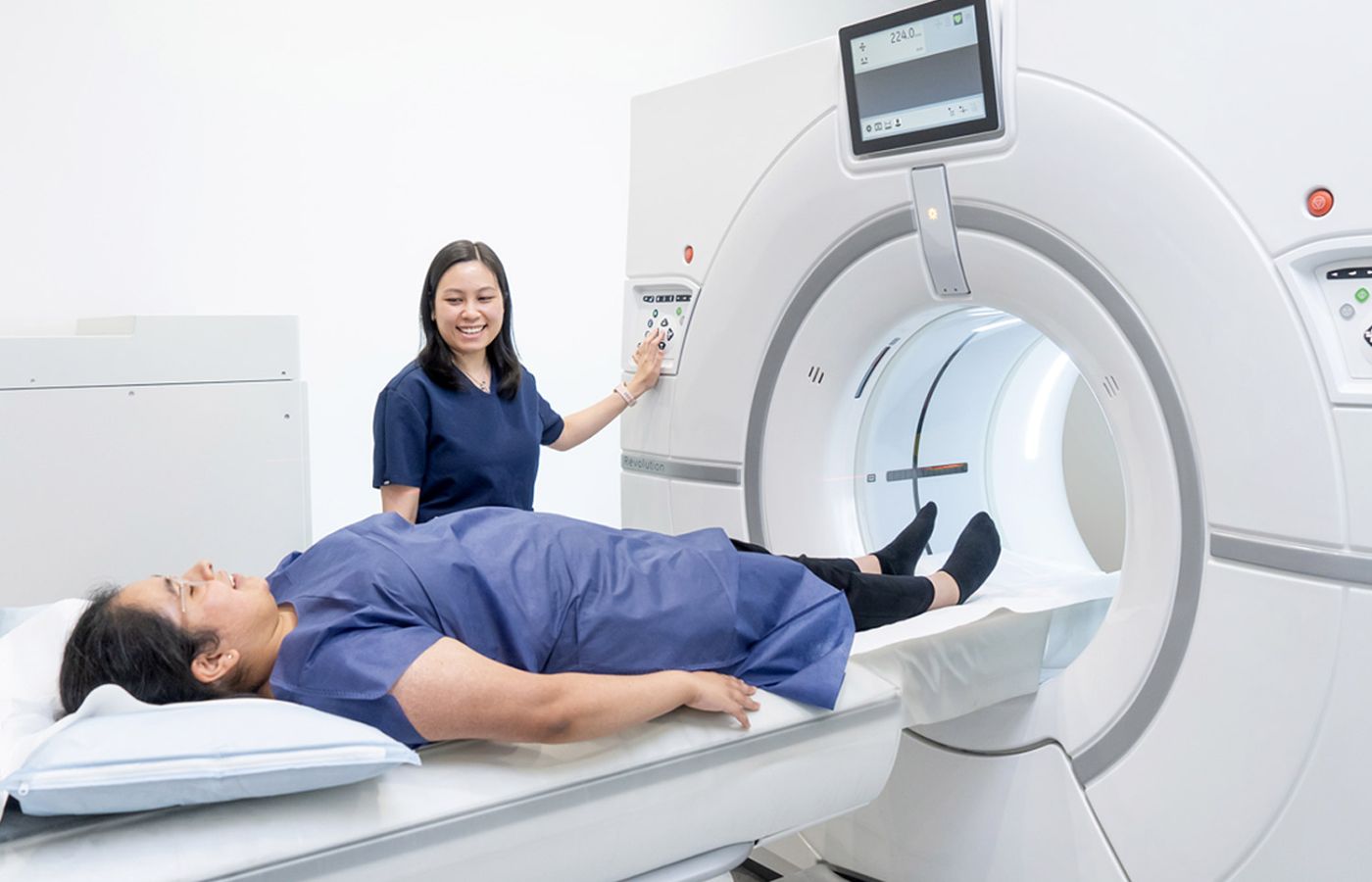
The patient lies on a movable scanning table.
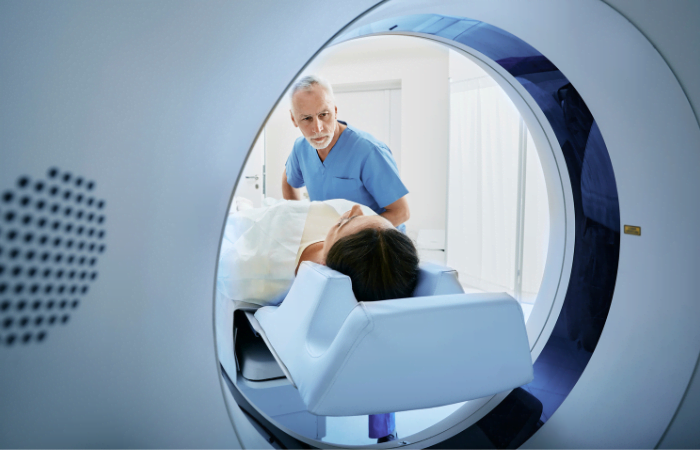
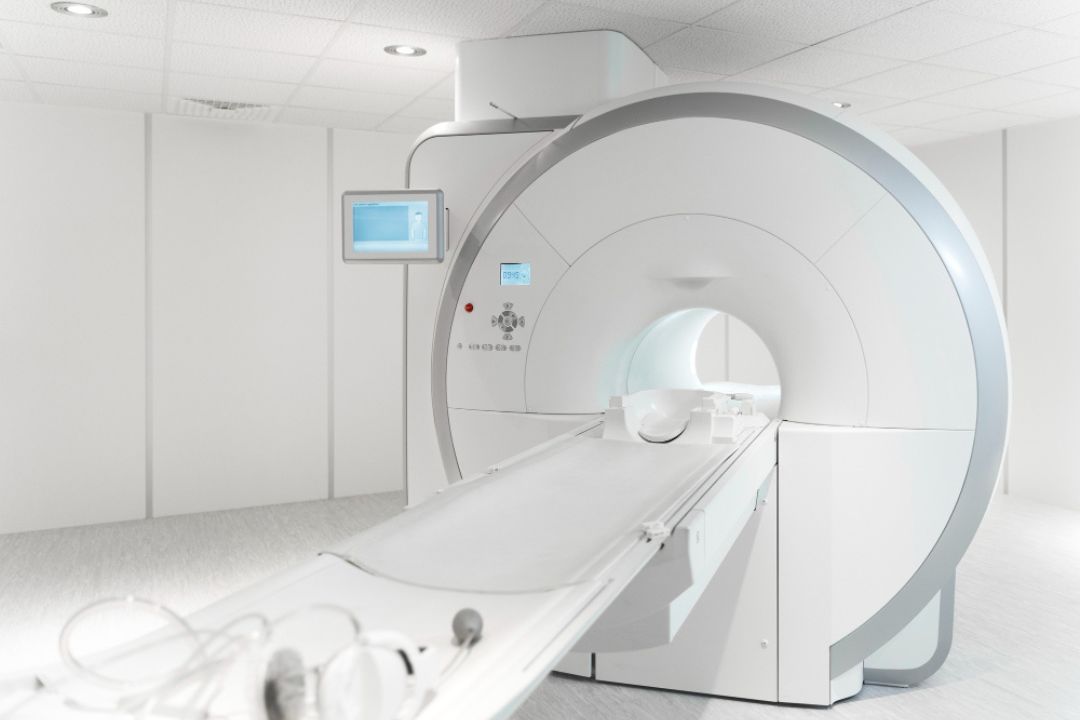
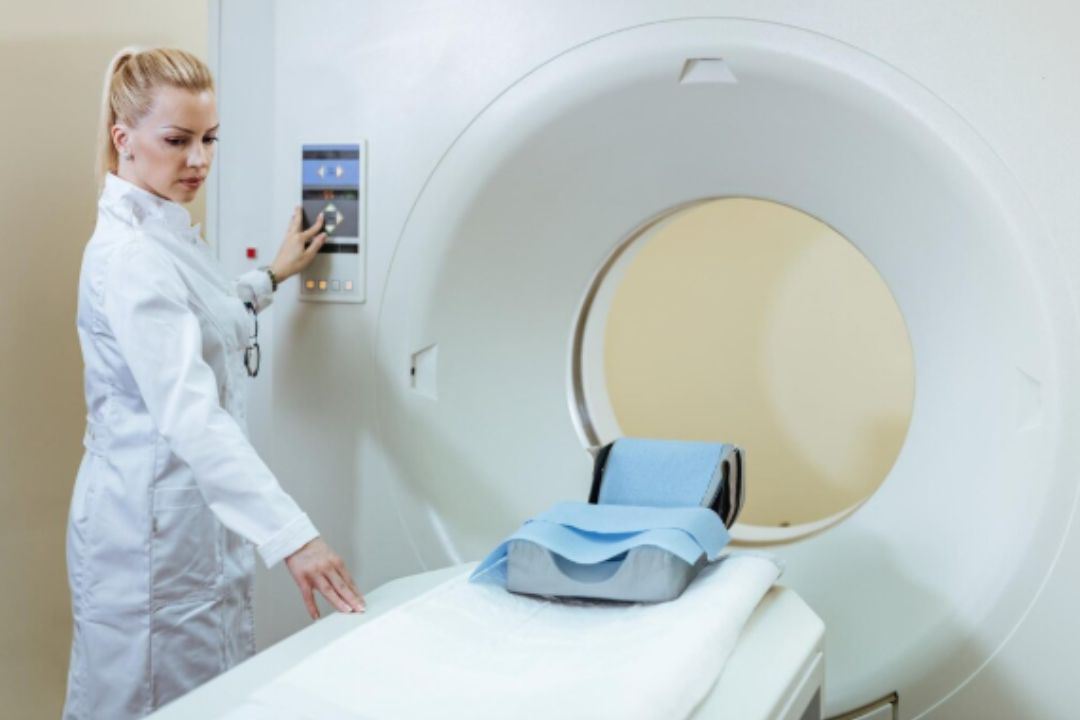
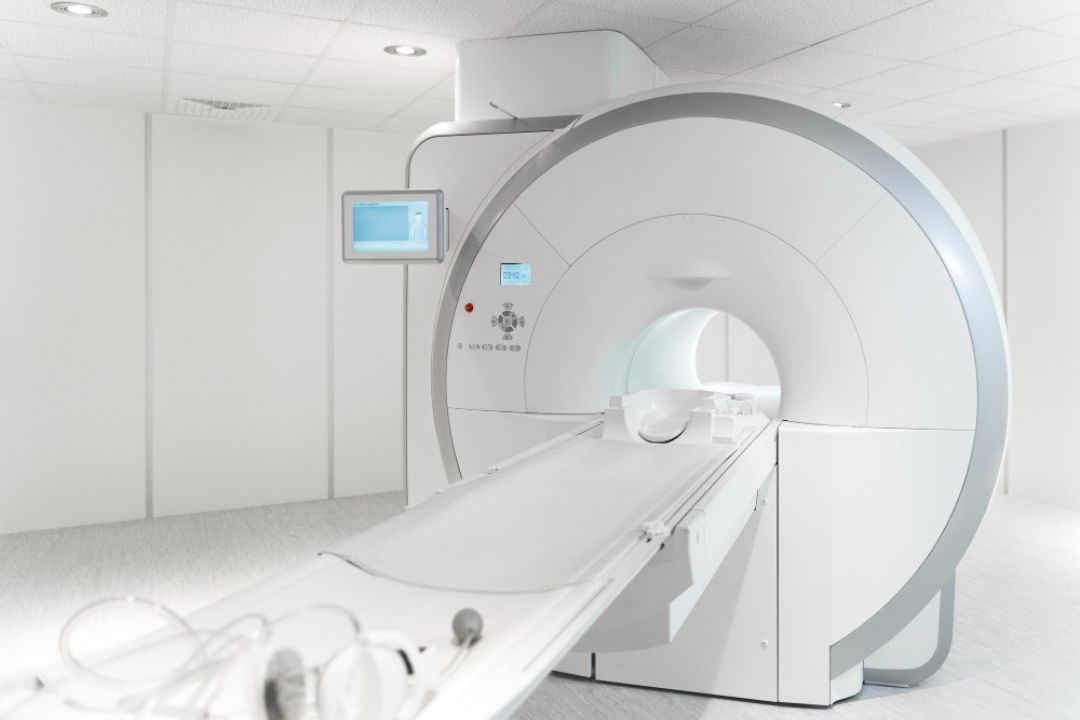
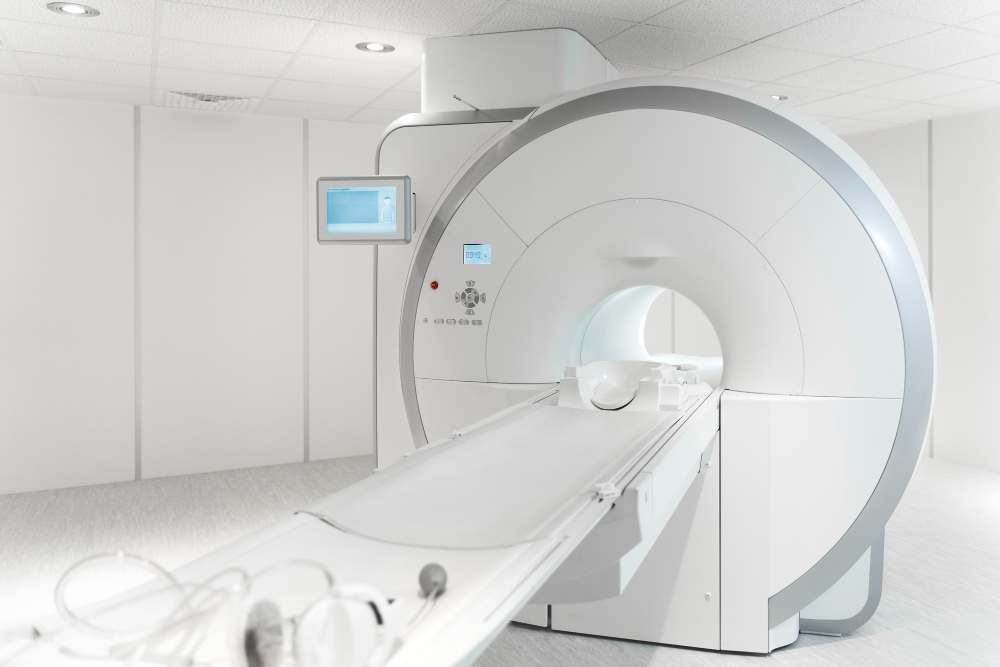
The table slides into the CT scanner.
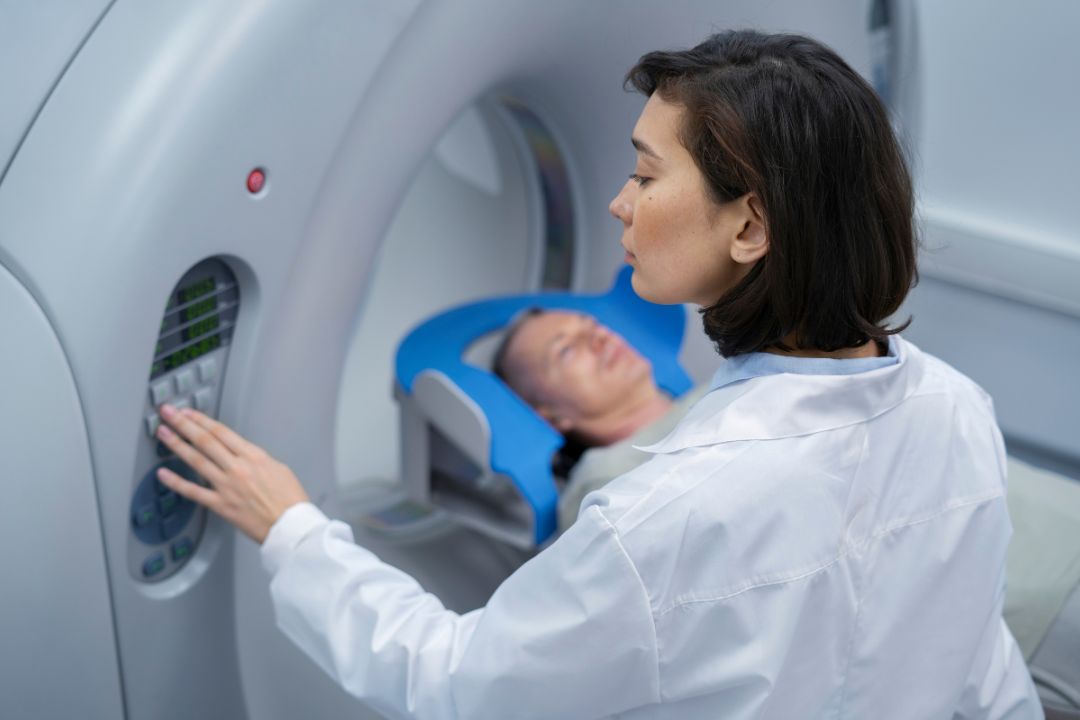
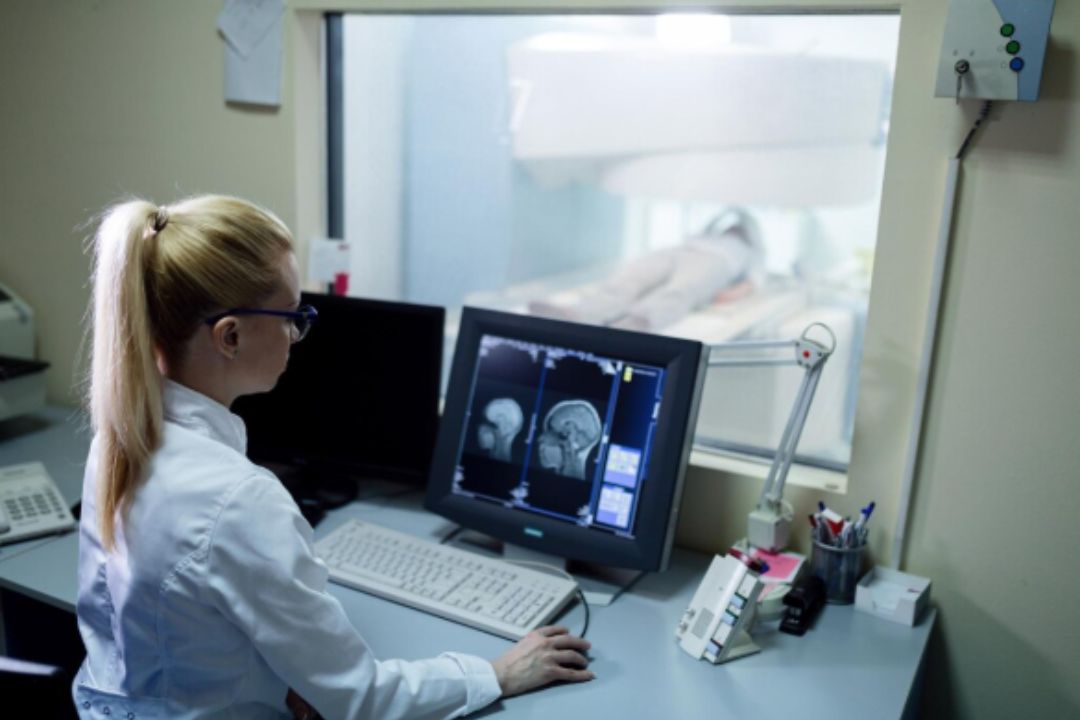
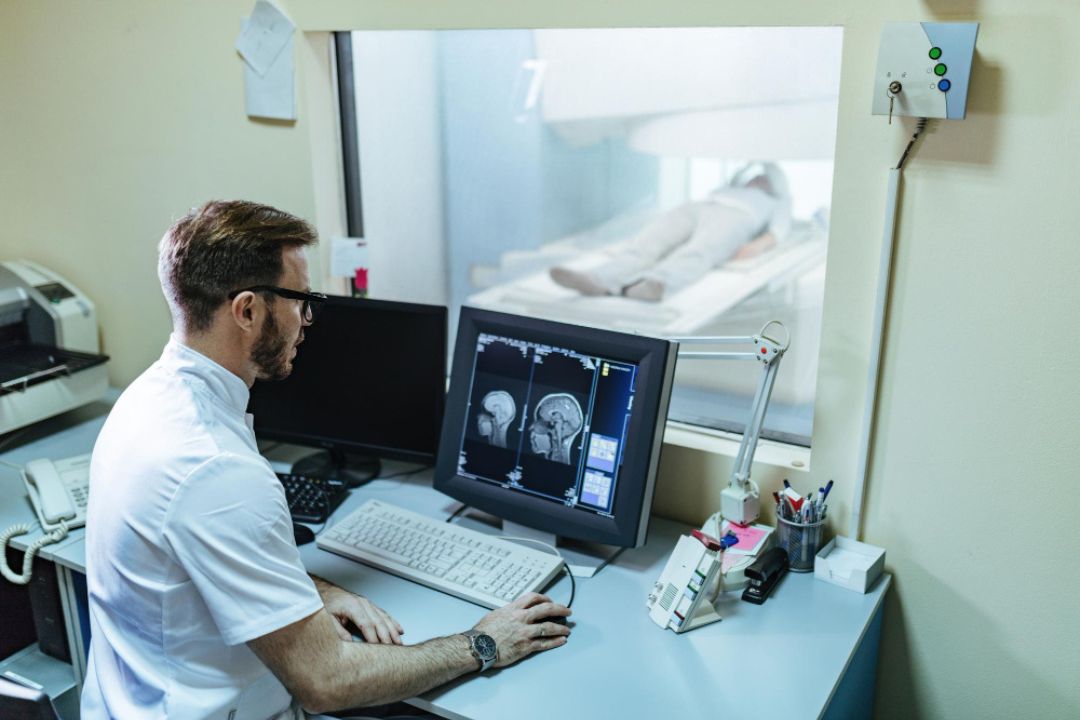
The scanner takes detailed images of the lungs from different angles.
Patients may be asked to hold their breath for a few seconds to capture clear images.
The entire process usually takes 10 to 15 minutes, and patients can typically resume normal activities afterward.
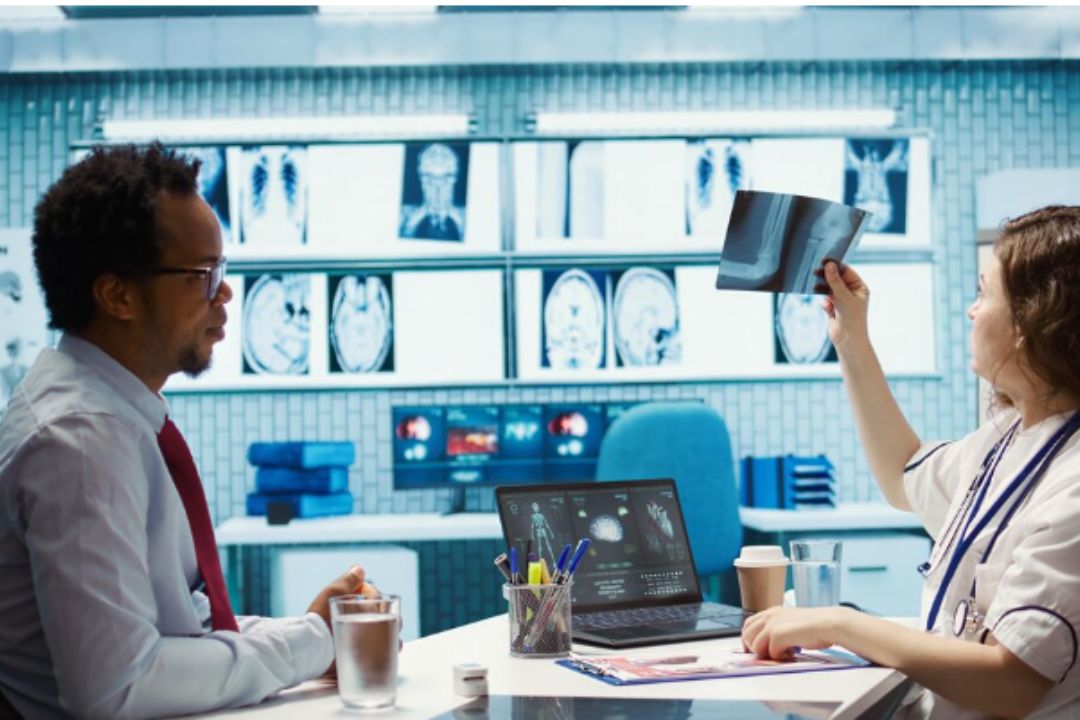
Doctors may recommend additional tests along with an HRCT scan to confirm the diagnosis and evaluate lung function.
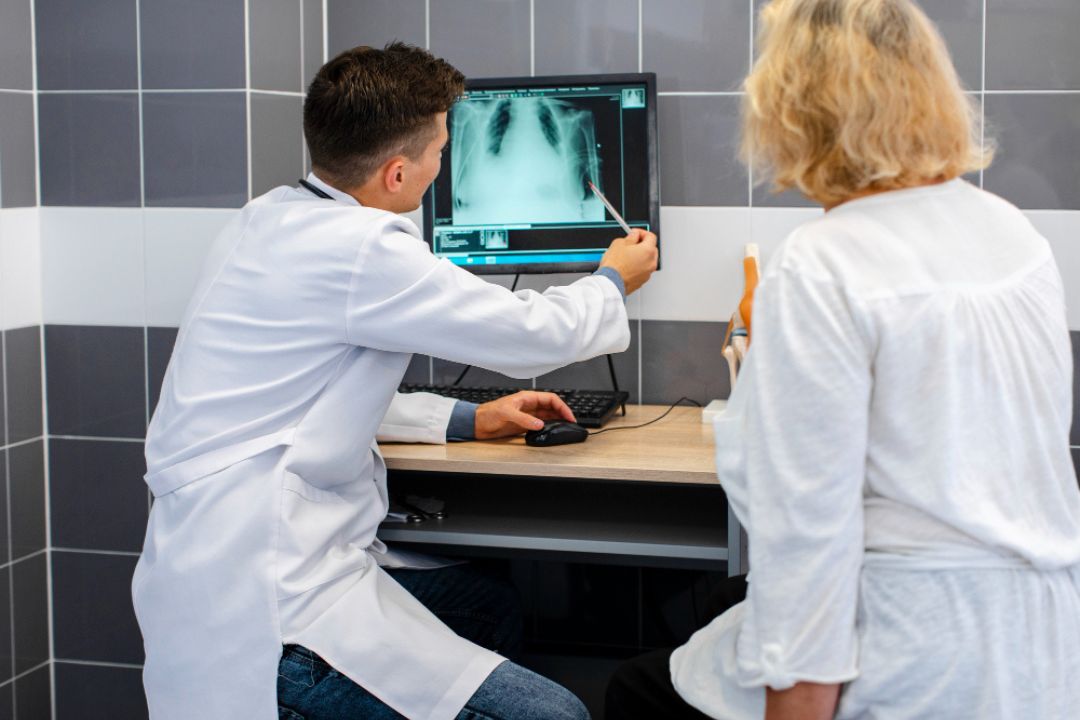
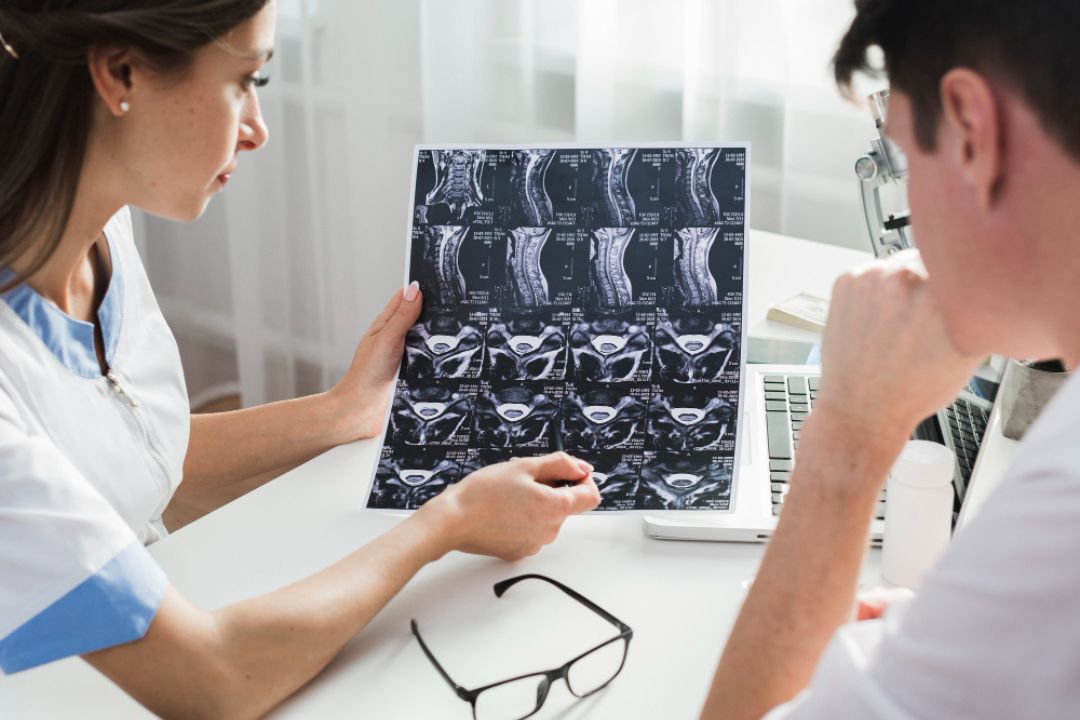
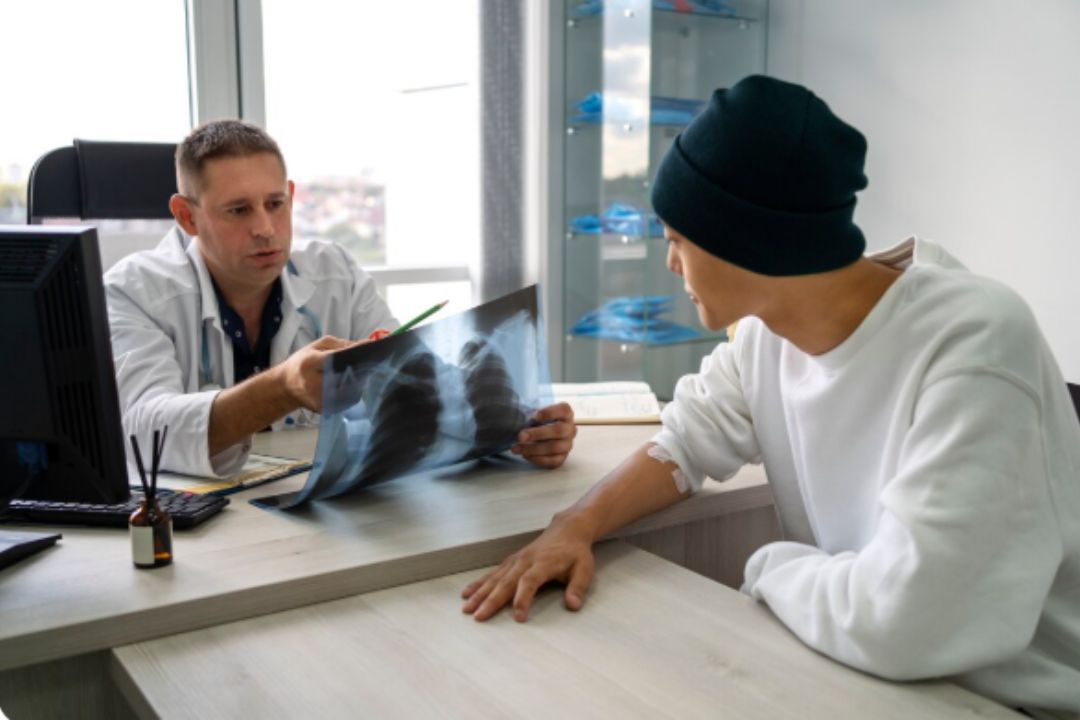
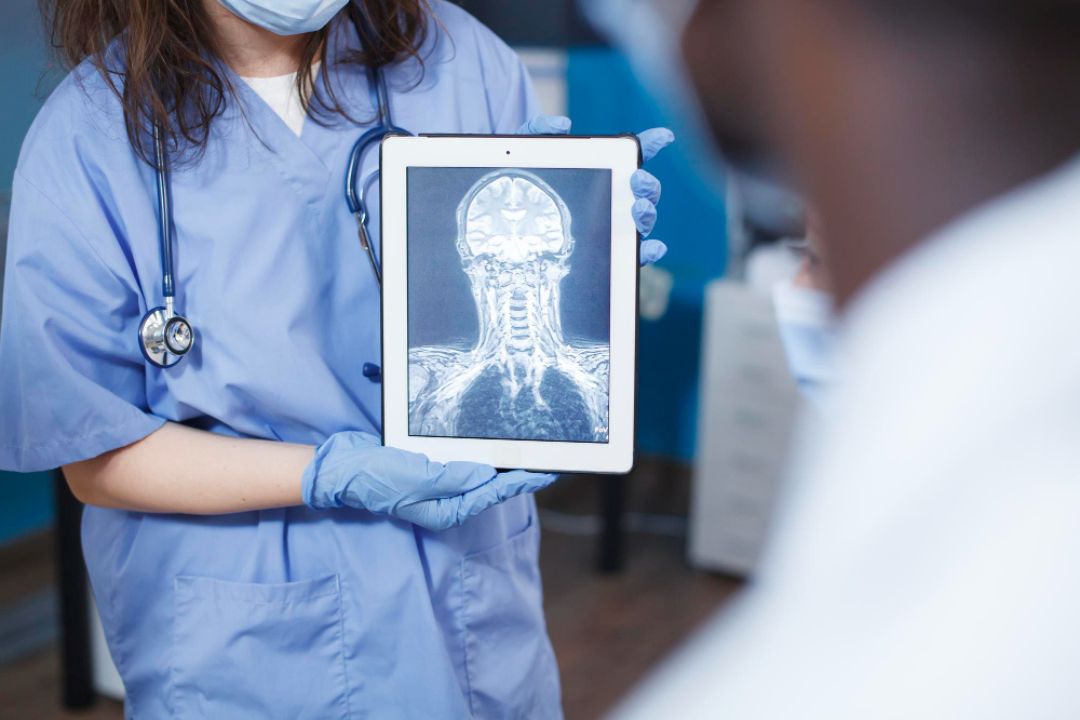
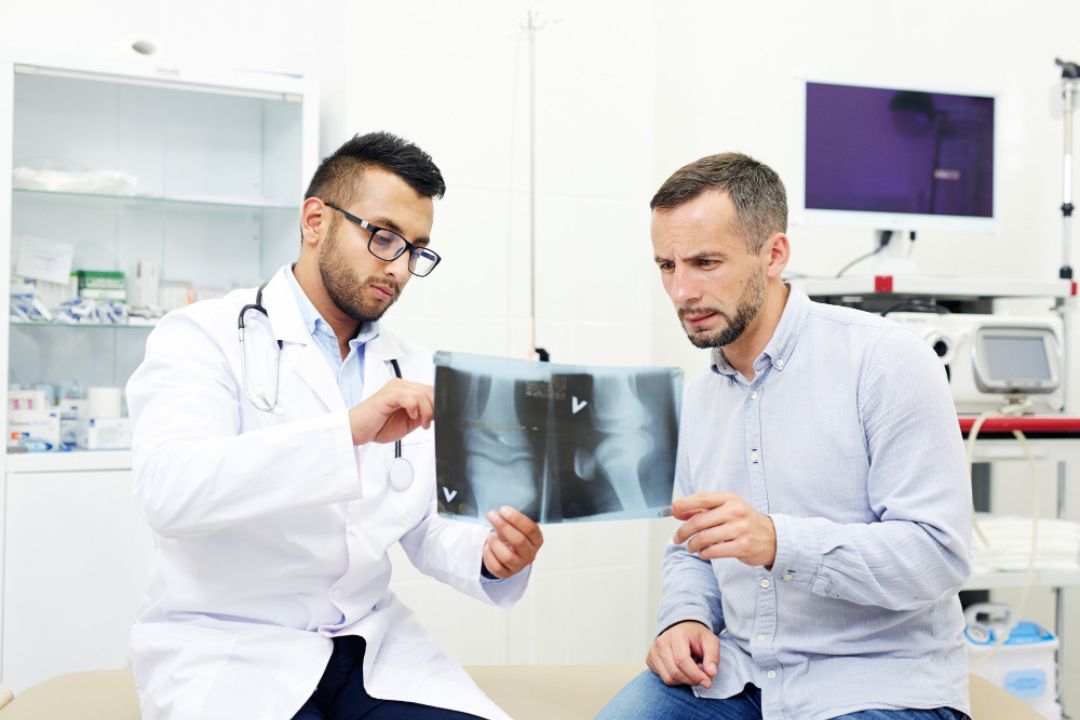
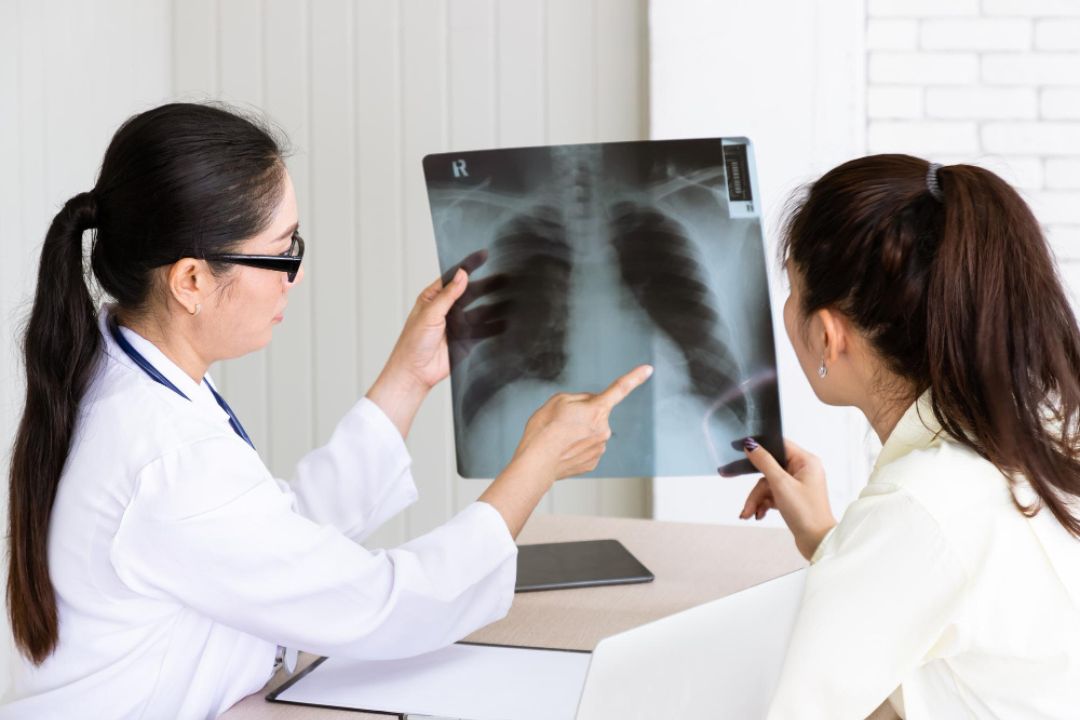
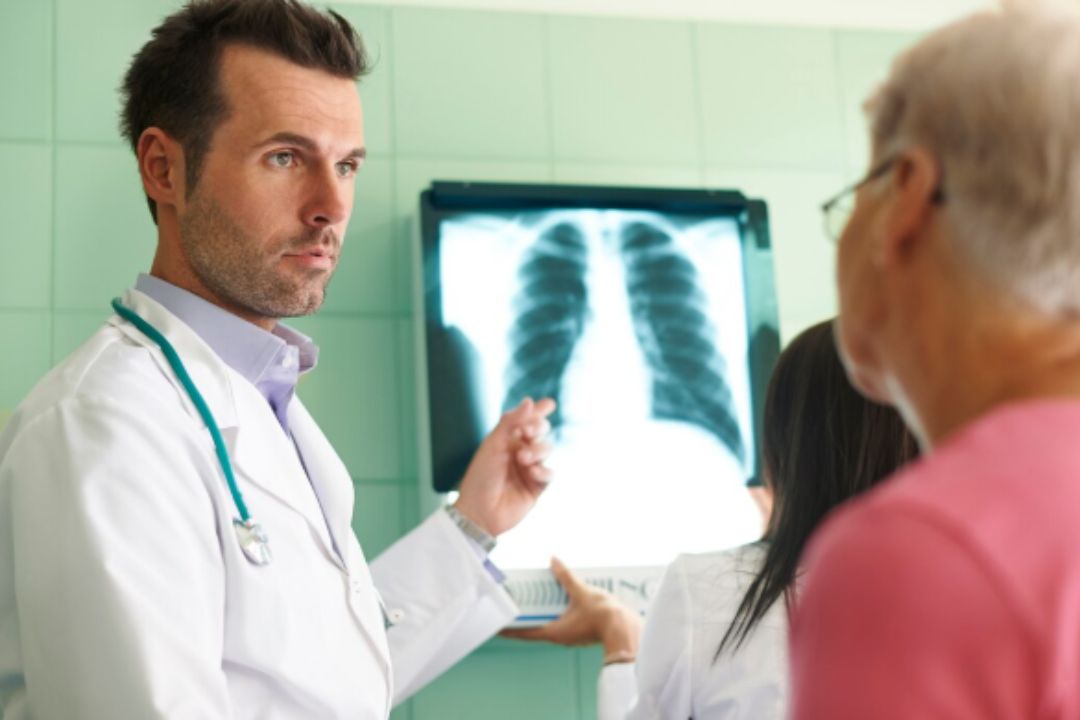
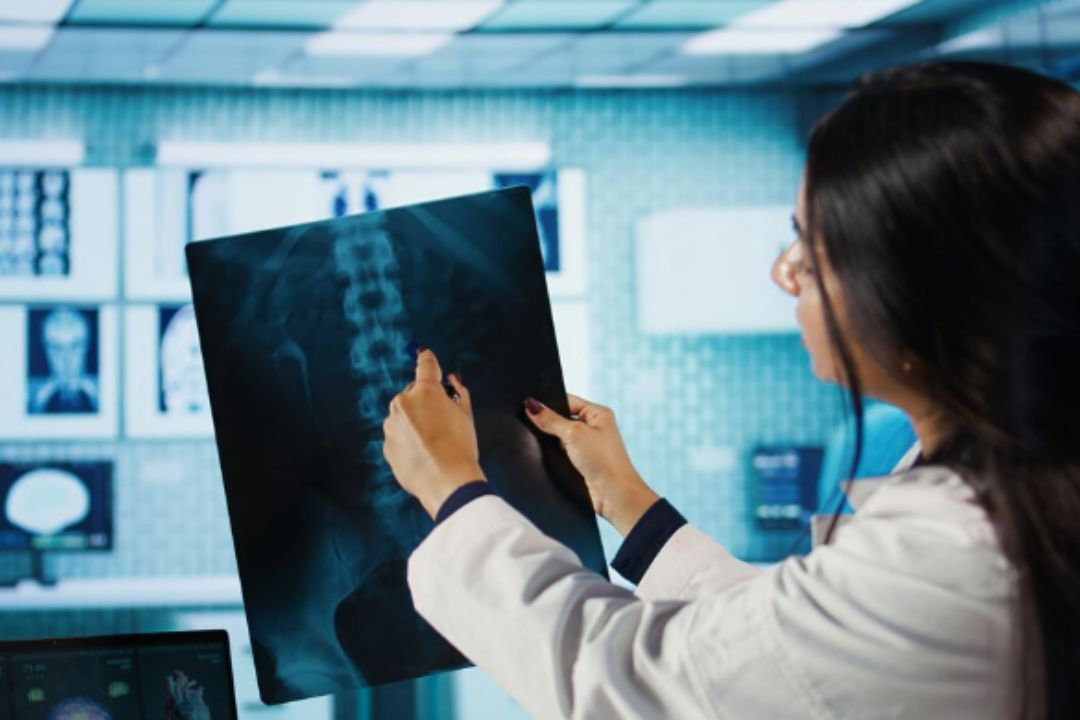
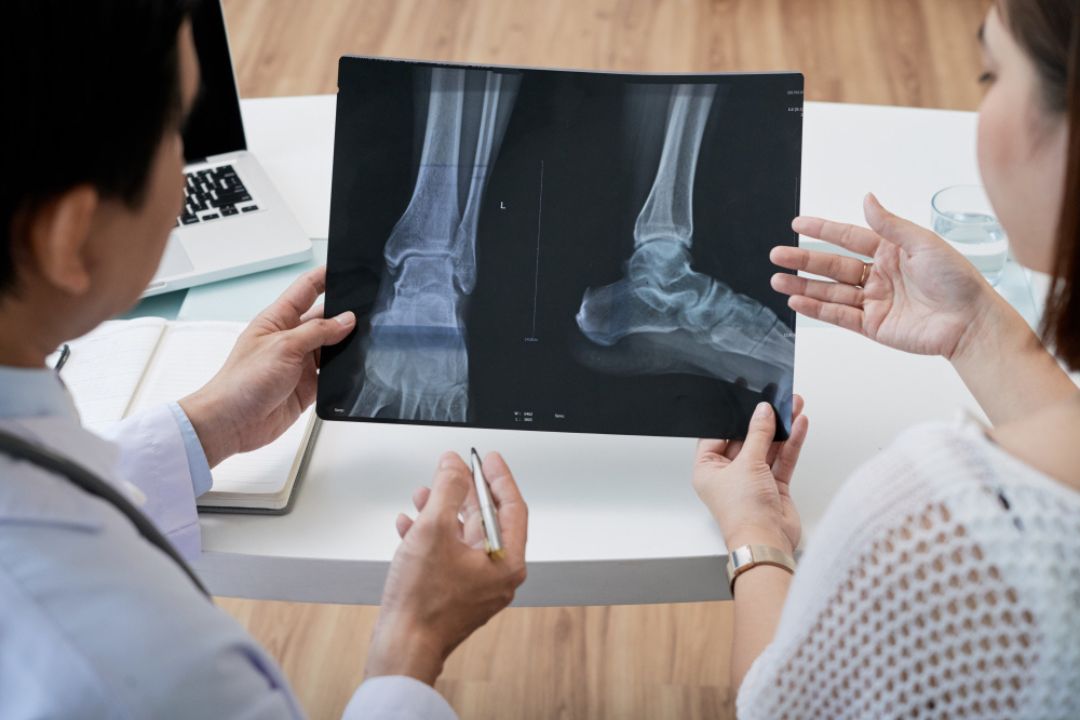
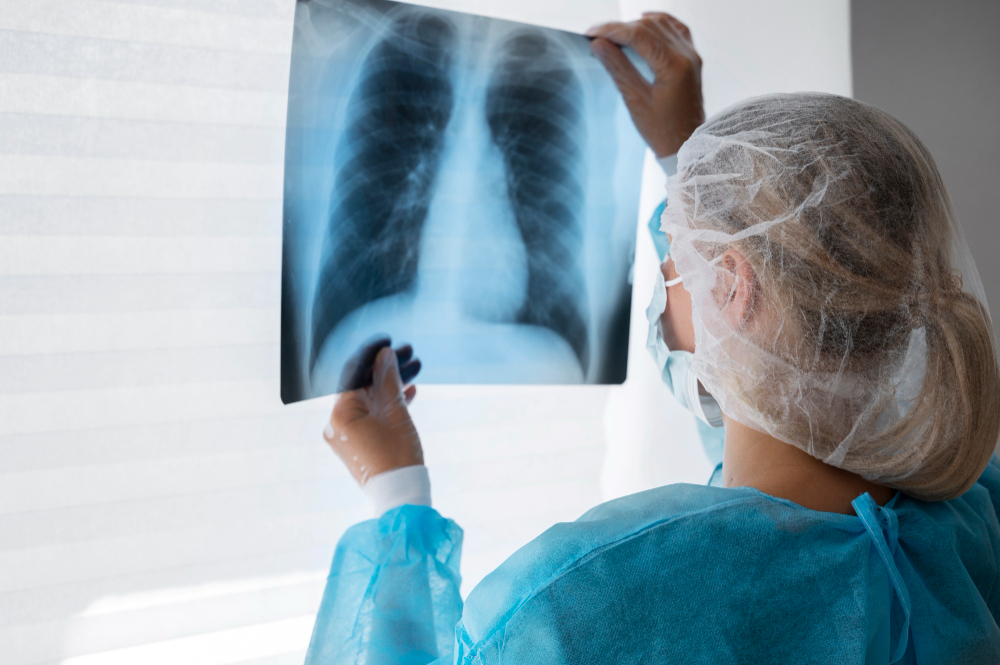
A chest X-ray is often the first imaging test used to detect lung abnormalities. If the results are unclear, an HRCT scan may be performed for a more detailed evaluation.
Pulmonary function tests measure how well the lungs are working. They help determine lung capacity, airflow, and oxygen exchange.
Blood tests may be recommended to check for infections, inflammation, or autoimmune conditions that could affect the lungs.
A sputum test analyzes mucus from the lungs to detect bacterial or viral infections.
In some cases, doctors may perform a bronchoscopy to examine the airways directly and collect tissue samples if needed.
Preparing for an HRCT scan is usually simple. Patients may be advised to:
Wear comfortable clothing without metal objects
Inform the doctor about any existing medical conditions
Share information about medications they are taking
Follow specific instructions provided by the diagnostic center
In most cases, no special preparation is required unless contrast dye is used.
An HRCT scan is generally considered safe and widely used in medical diagnosis. It uses a small amount of radiation to produce detailed images. Doctors recommend the scan only when the benefits outweigh the potential risks.
If you have concerns about radiation exposure, it is best to discuss them with your doctor before the procedure.
An HRCT Scan is an important diagnostic tool that provides detailed images of the lungs and helps doctors identify various respiratory conditions. It is commonly recommended when more detailed imaging is needed beyond a regular chest X-ray.
Along with HRCT scans, doctors may suggest additional tests such as pulmonary function tests, blood tests, or bronchoscopy to ensure an accurate diagnosis. Early detection through proper testing helps doctors provide effective treatment and improve overall lung health.





.jpg "ct brain scan plain and contrast")











.jpg "ct scan")

.jpg "ct scan or mri for brain disorders")


.jpg "exploring the power of ct brain contrast in modern diagnostics")
.jpg "ct scan")
.jpg "ct scan")







.jpg "ct scan")

.jpg "CT Brain Scan for Headaches")
.jpg "The Future of 3D CT Imaging")