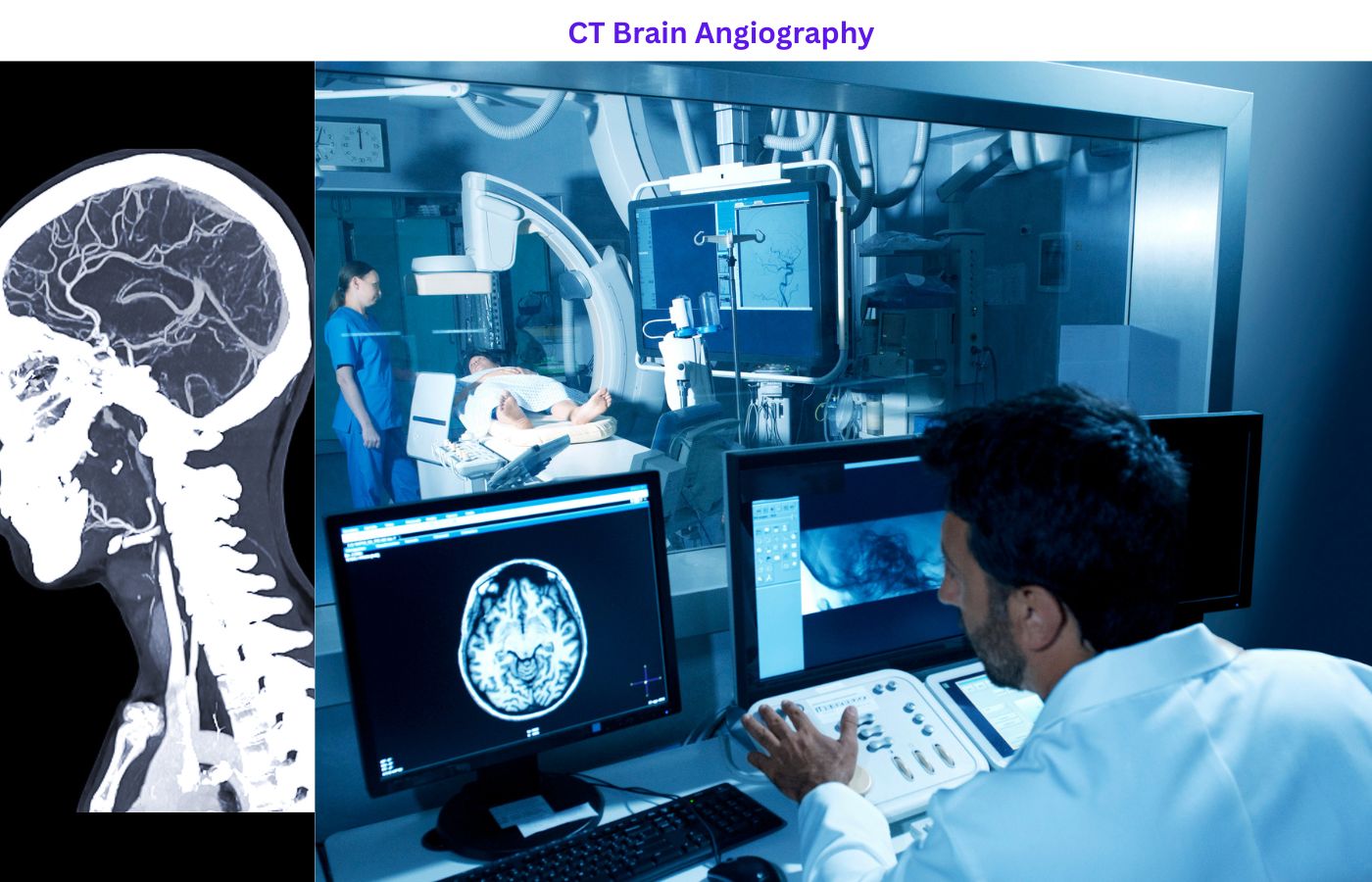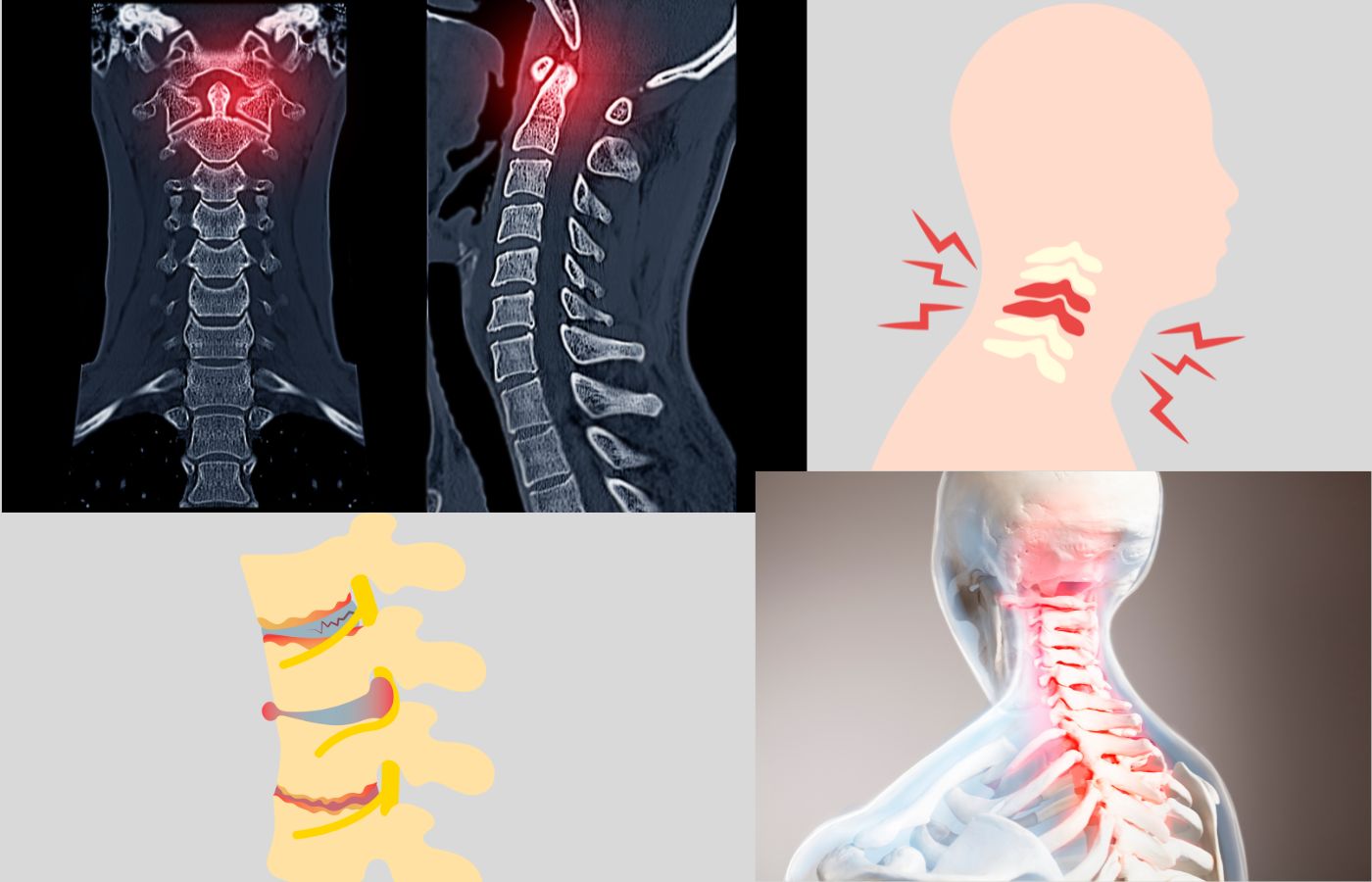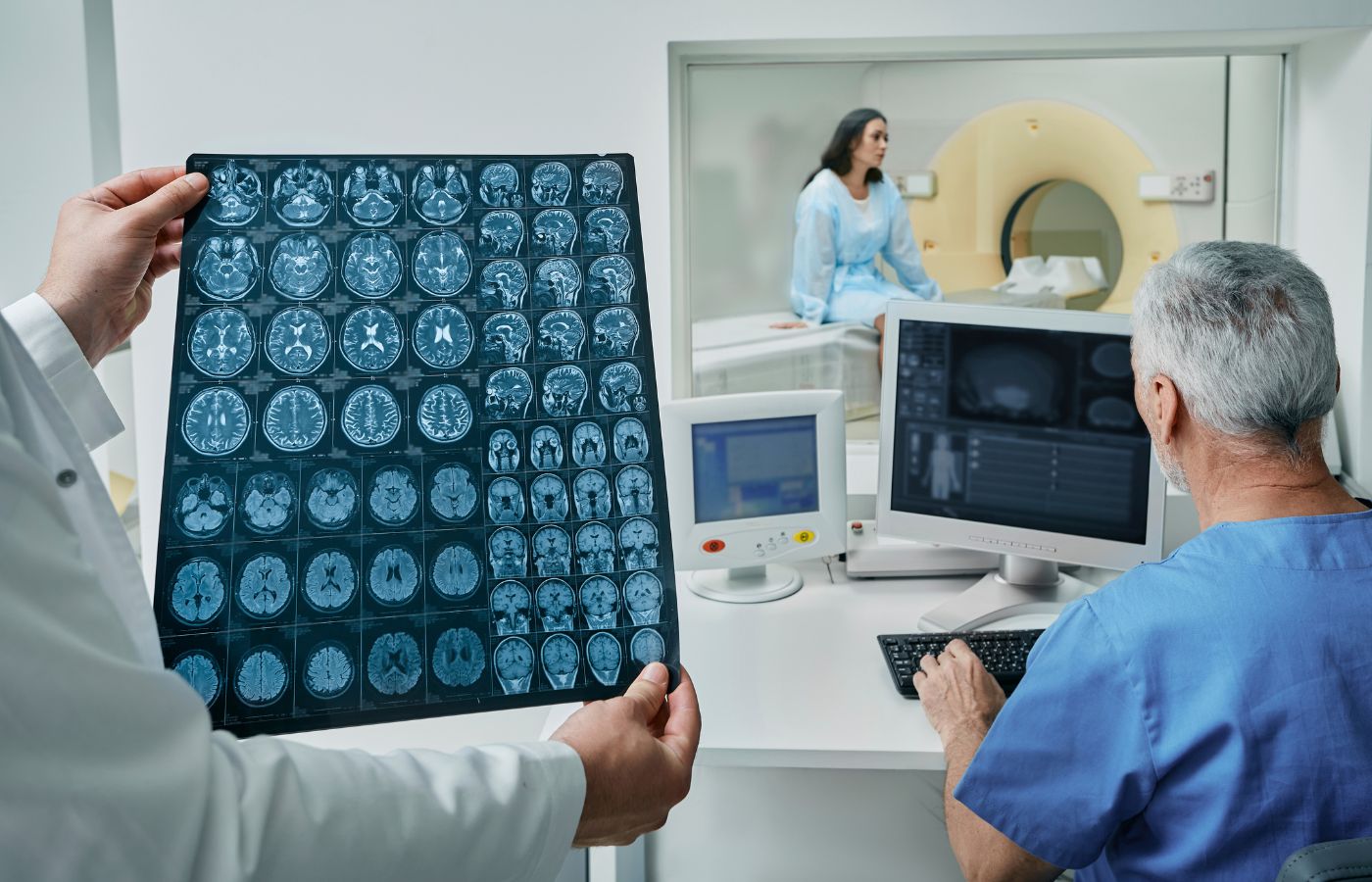
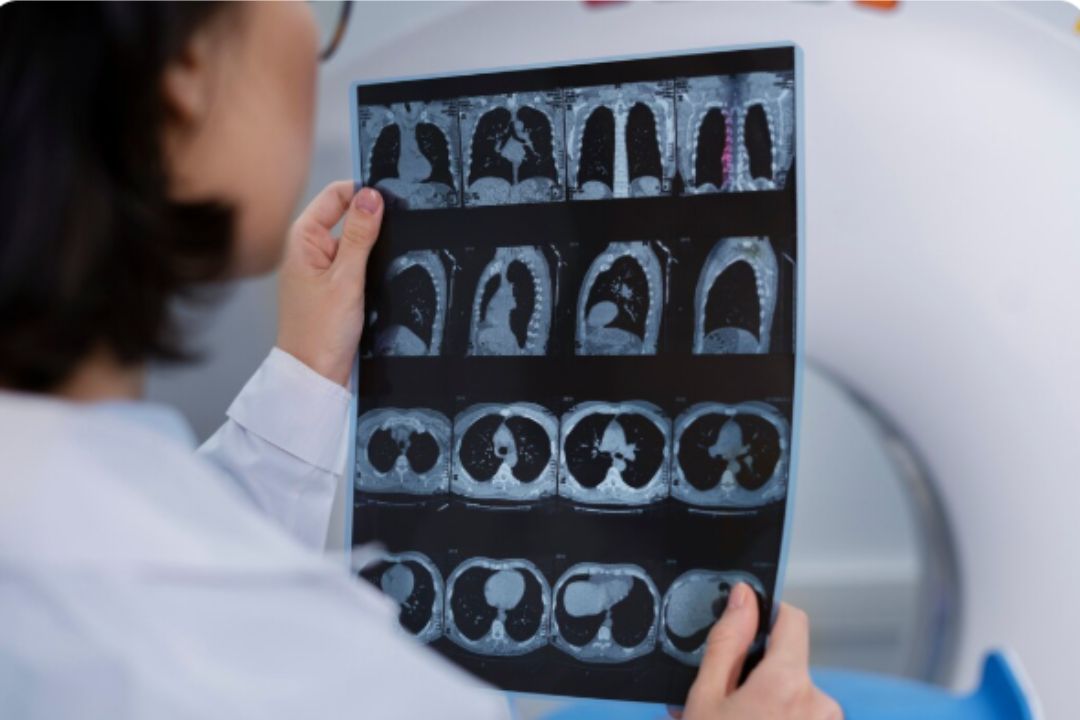
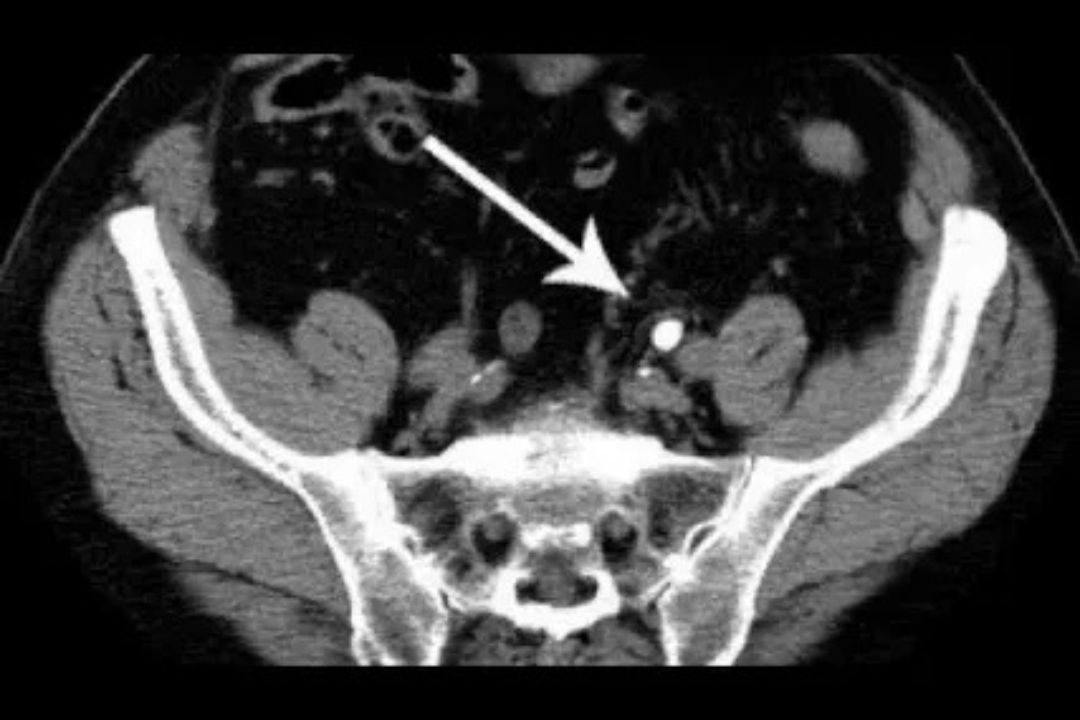
A CT Scan of The Abdomen is a medical imaging test that uses X-rays and advanced computer technology to create detailed images of the abdominal organs. Doctors commonly recommend this scan to diagnose pain, infections, tumors, internal injuries, or other abnormalities in the abdominal region.
The abdomen contains several vital organs responsible for digestion, metabolism, and waste removal. A CT scan provides clear cross-sectional images that help doctors examine these organs and detect medical conditions at an early stage.
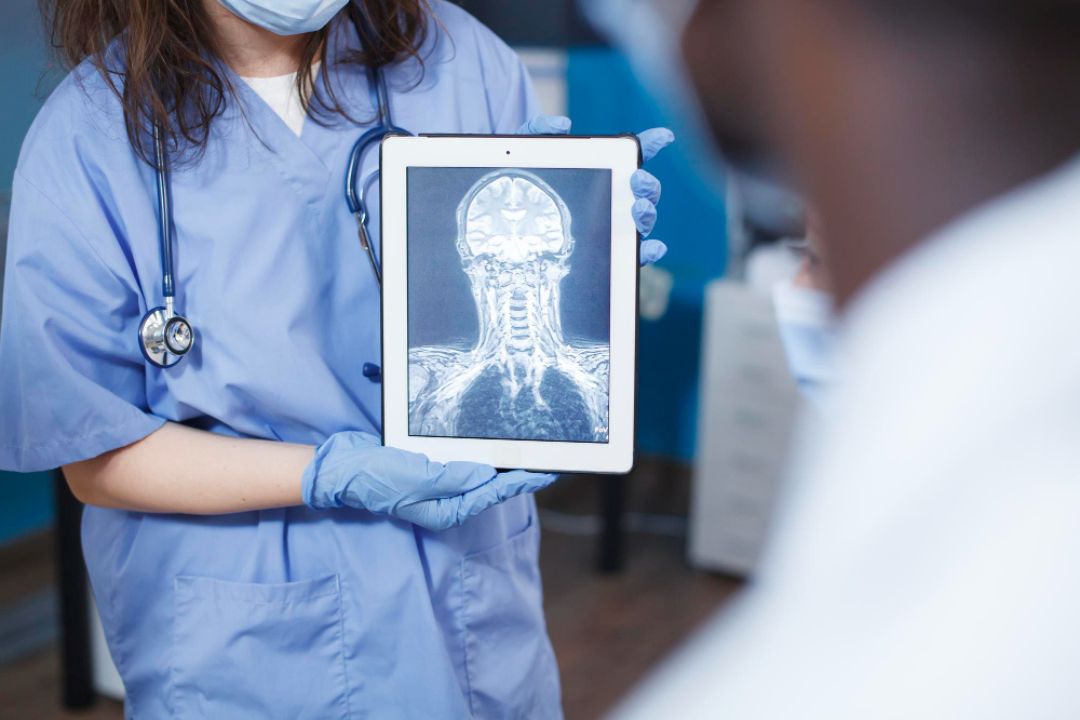
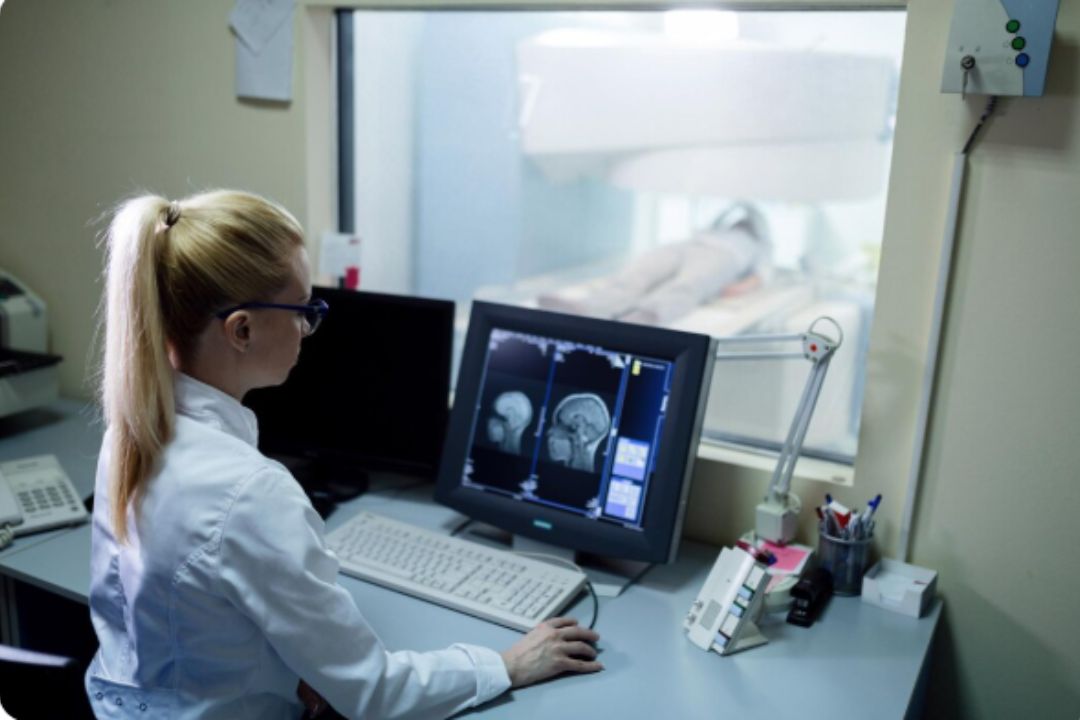
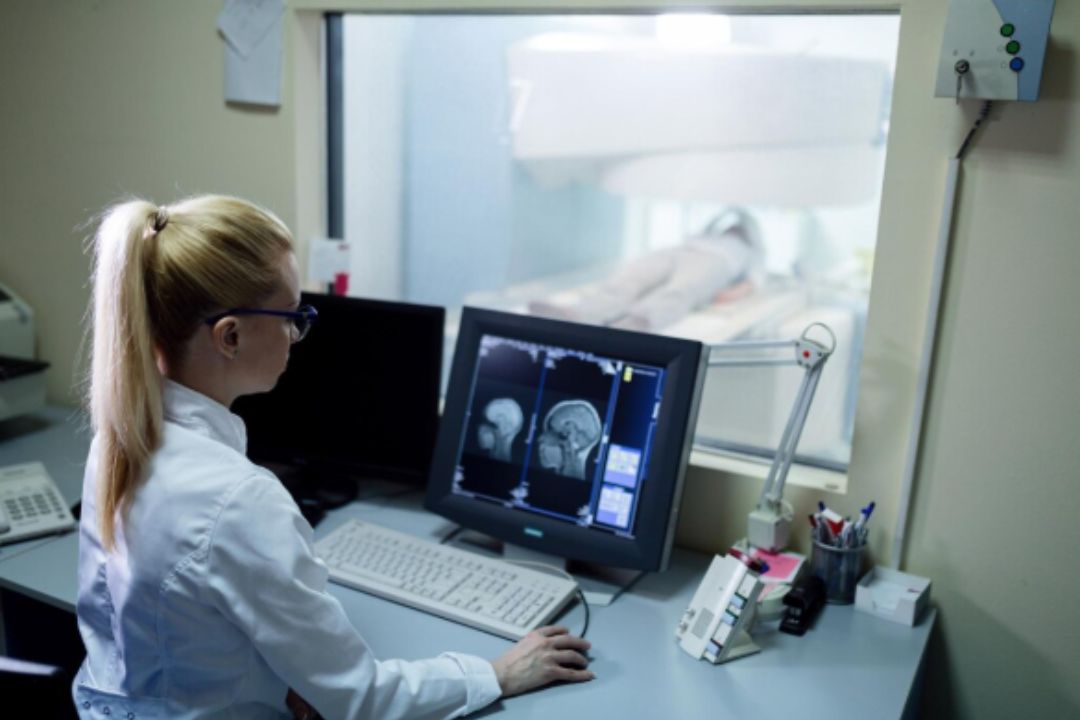
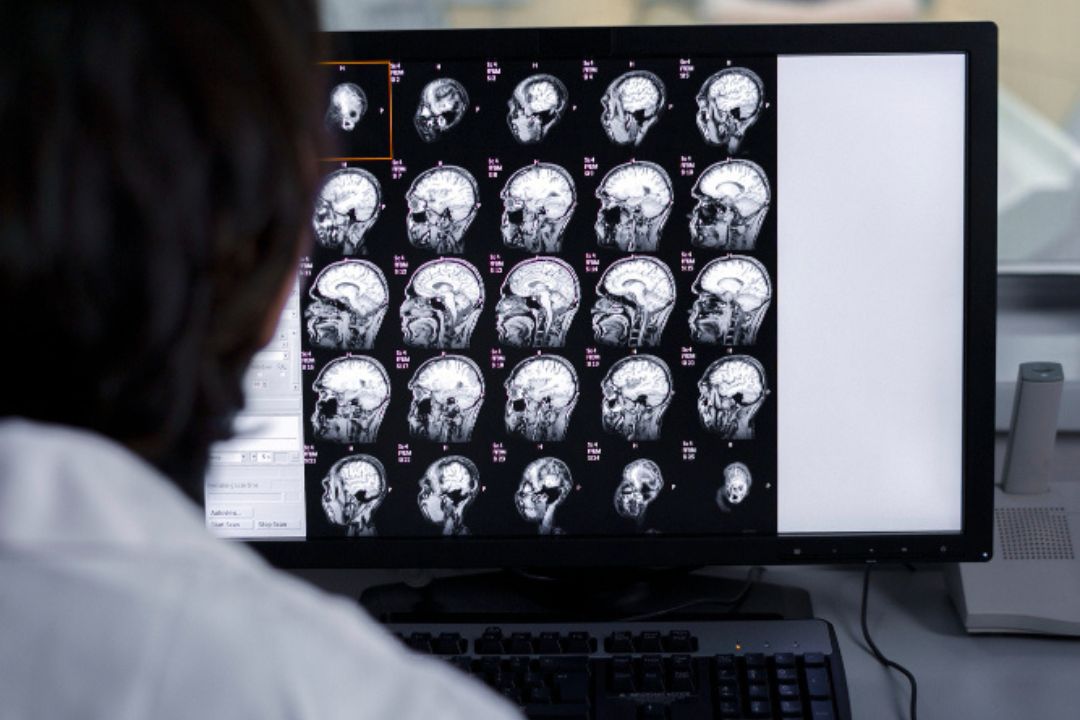
A CT Scan is a diagnostic imaging procedure that captures multiple X-ray images from different angles and combines them to produce detailed internal views of the body.
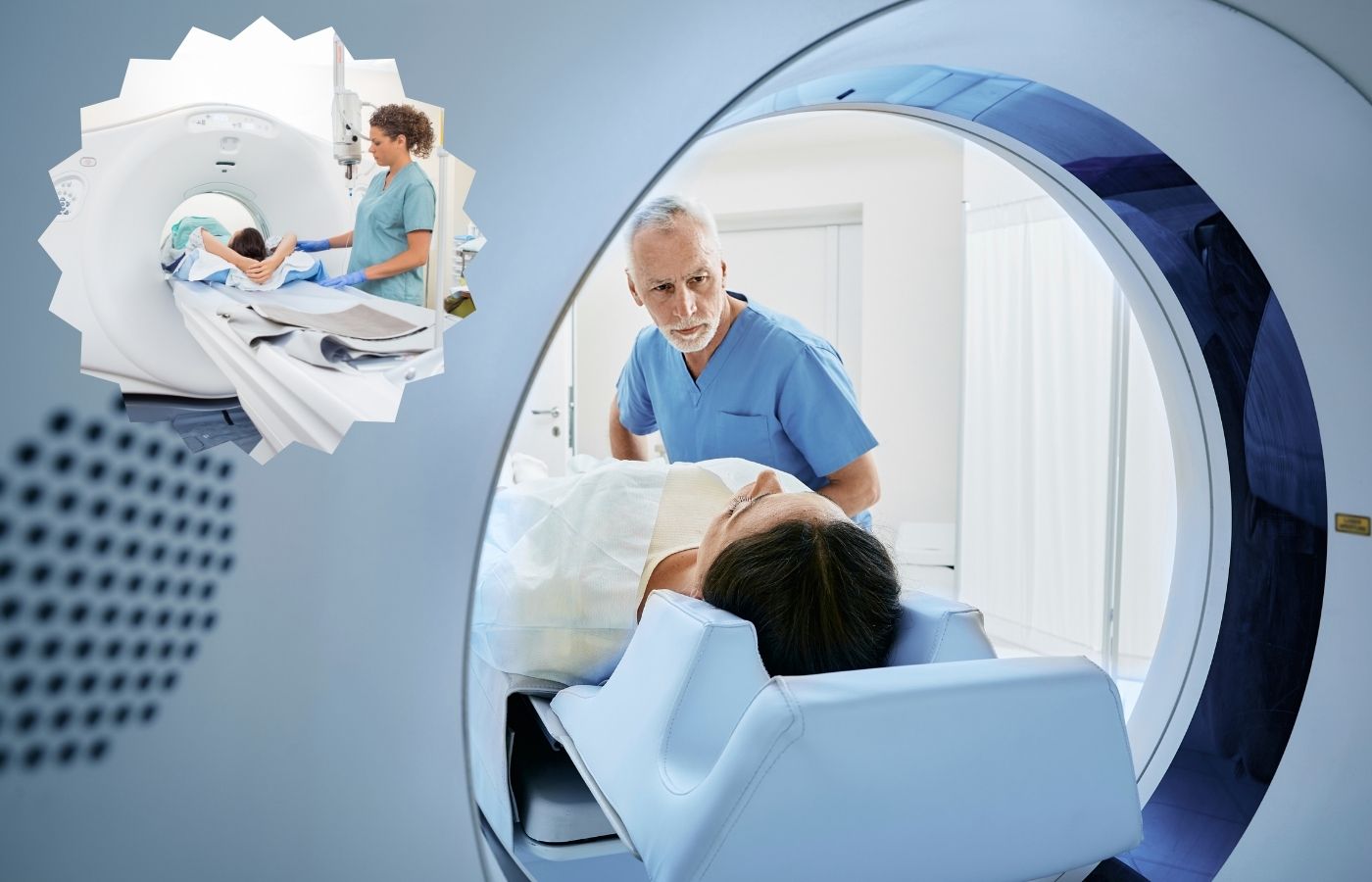
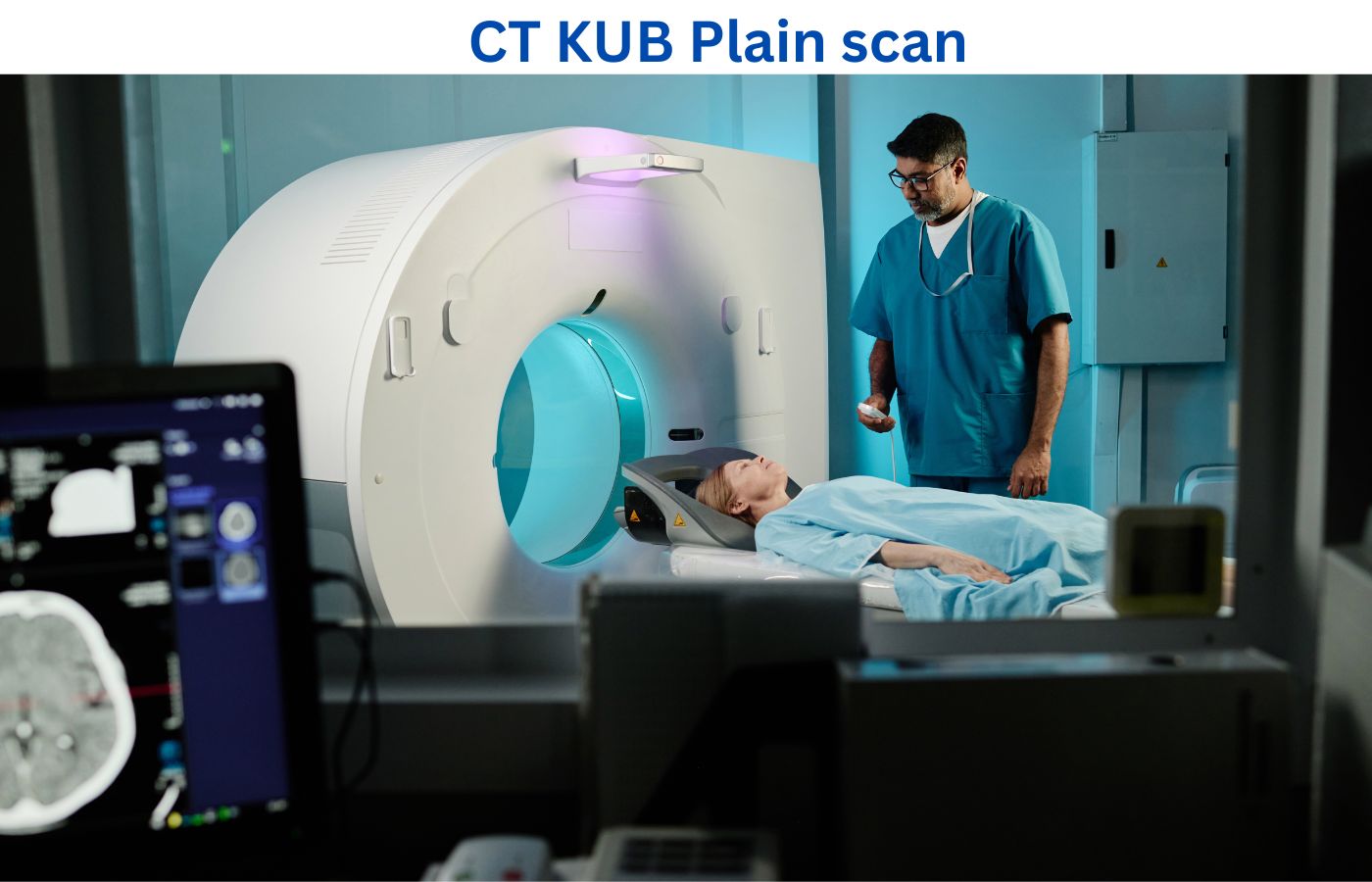
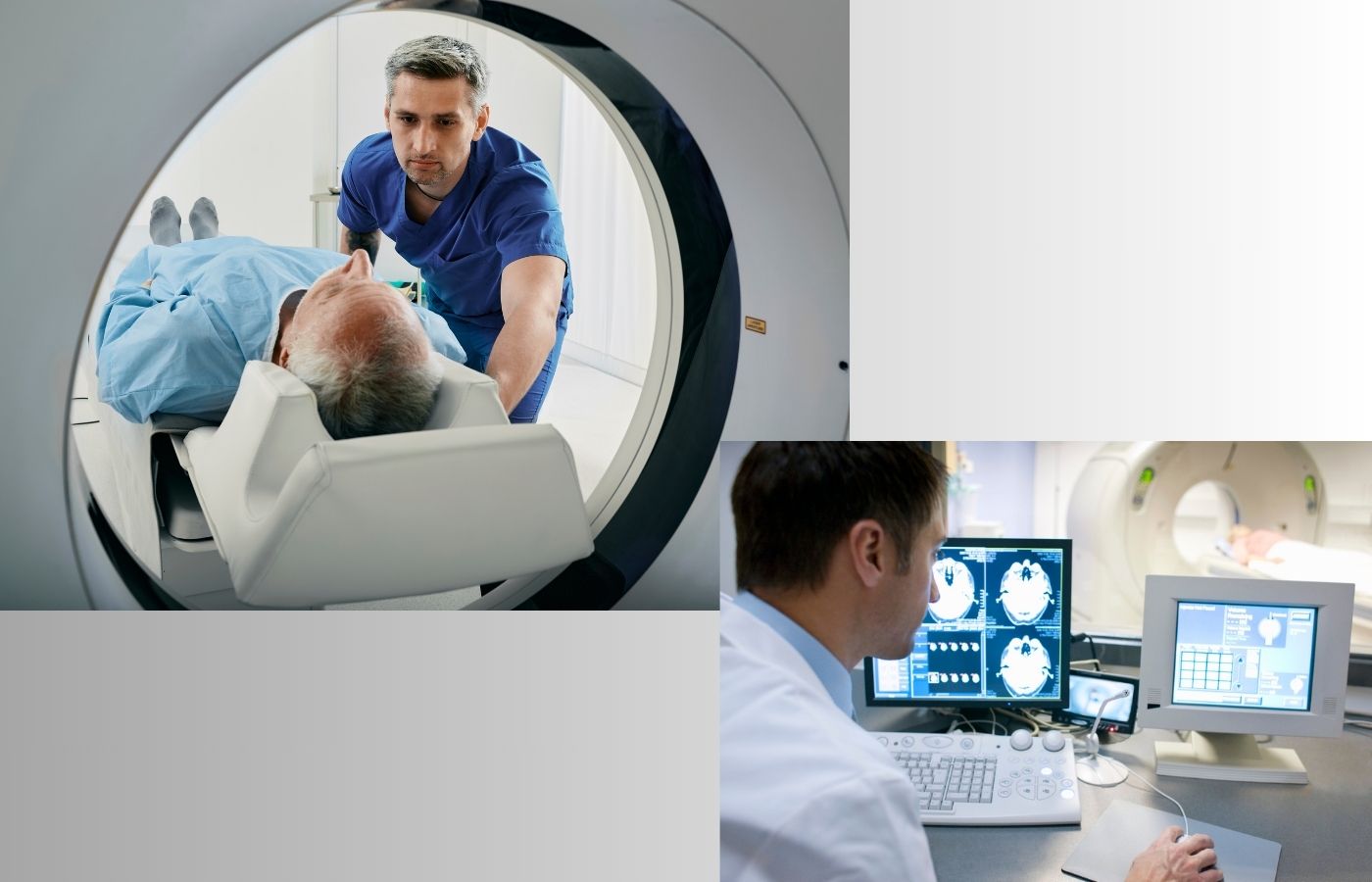
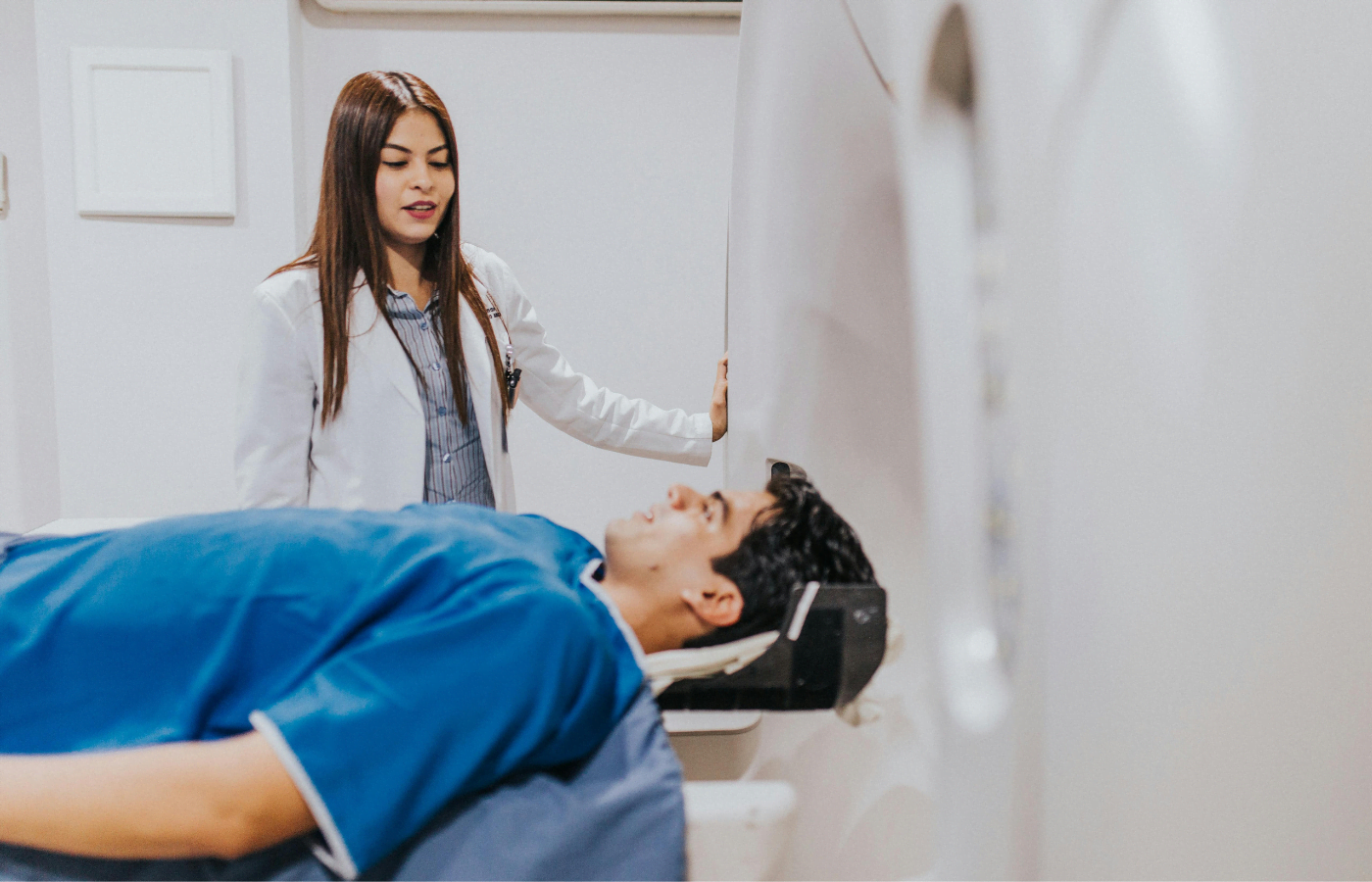
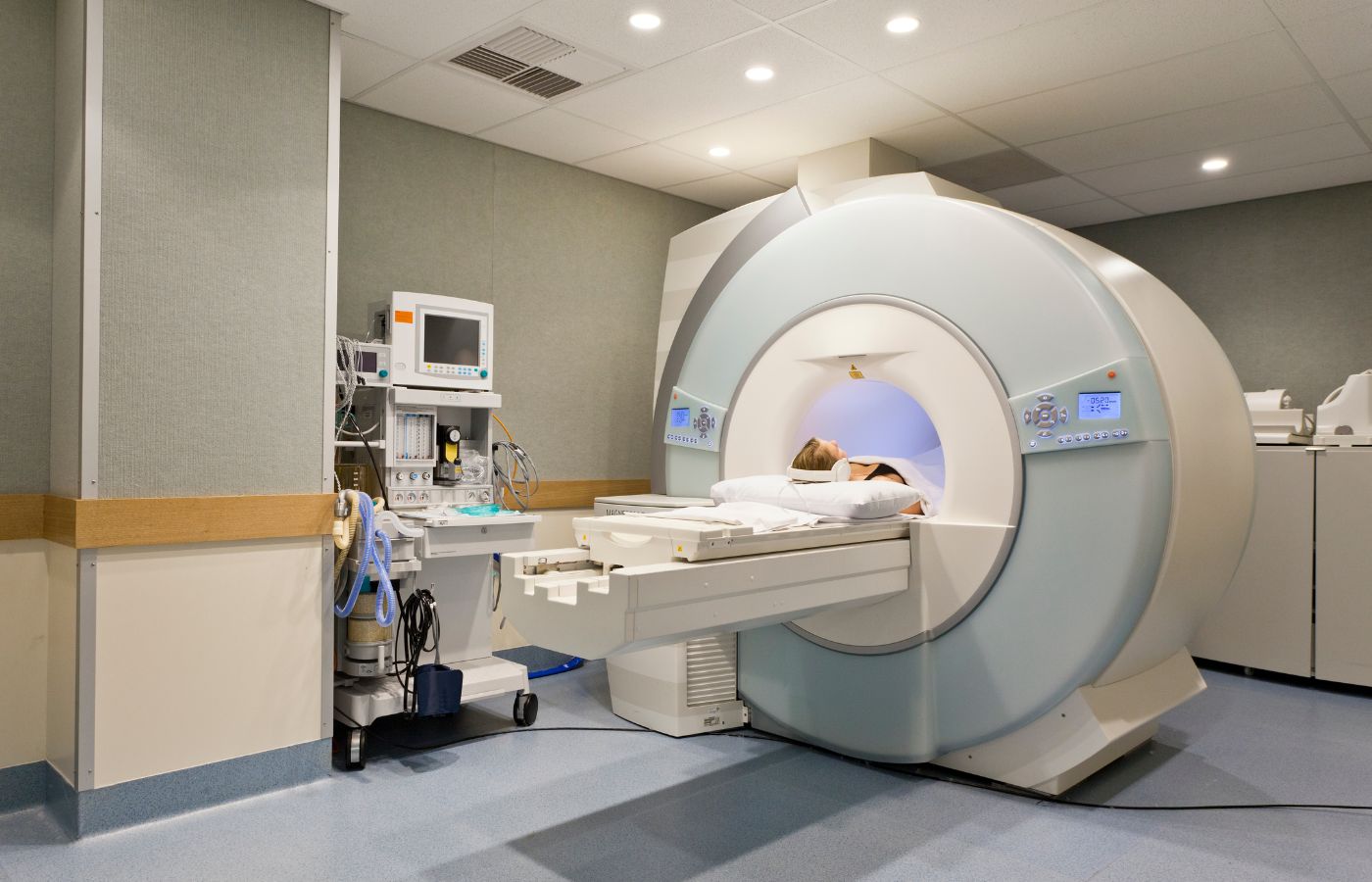
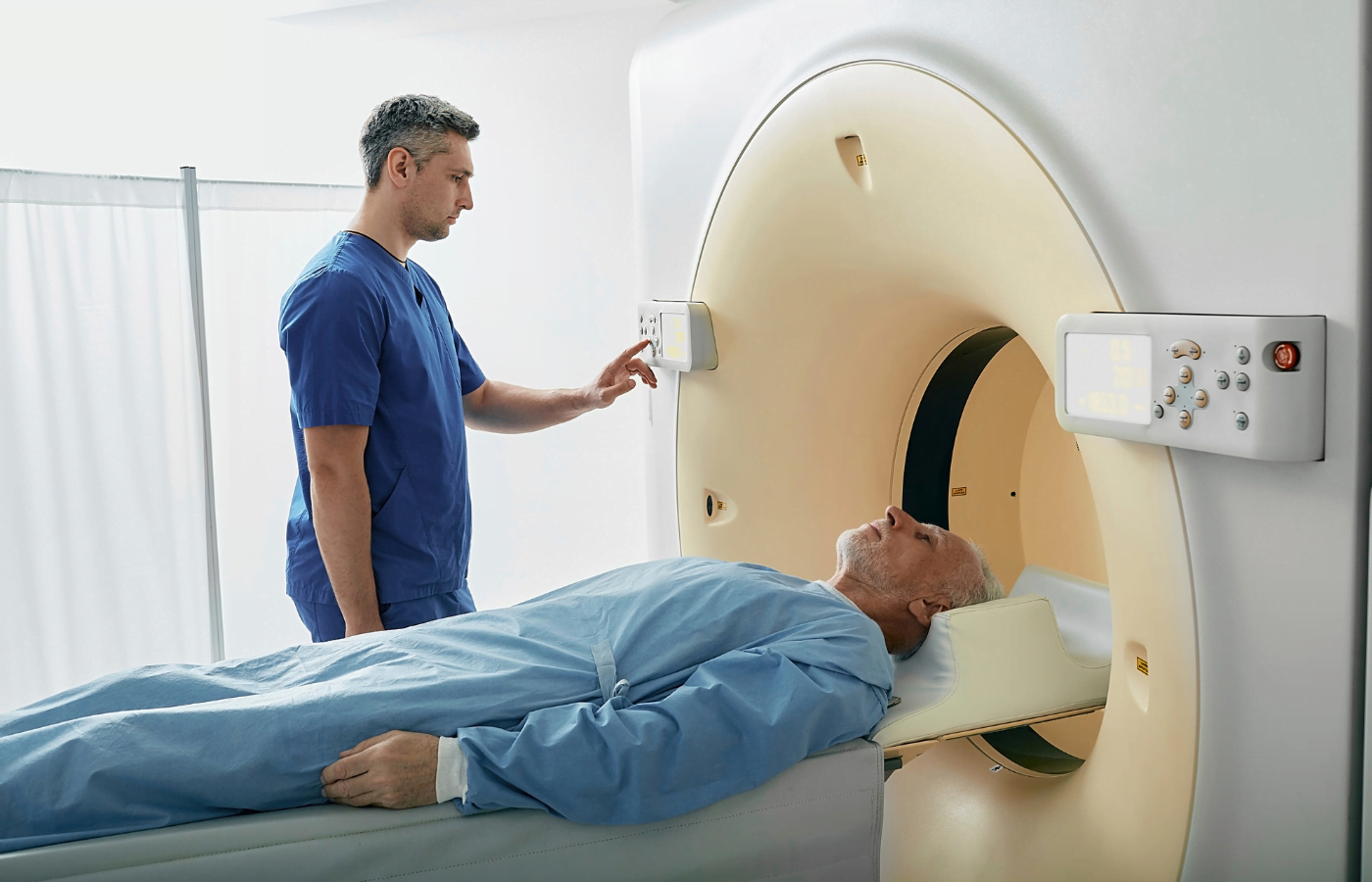
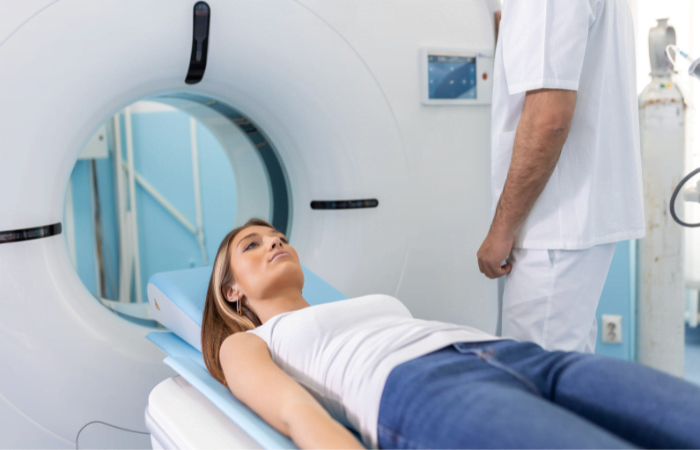
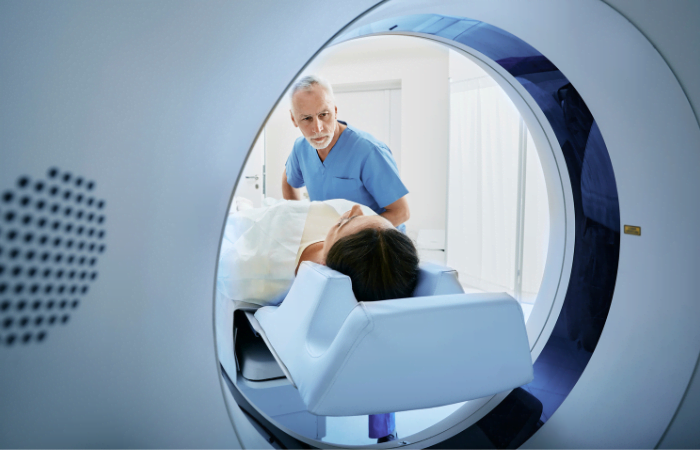
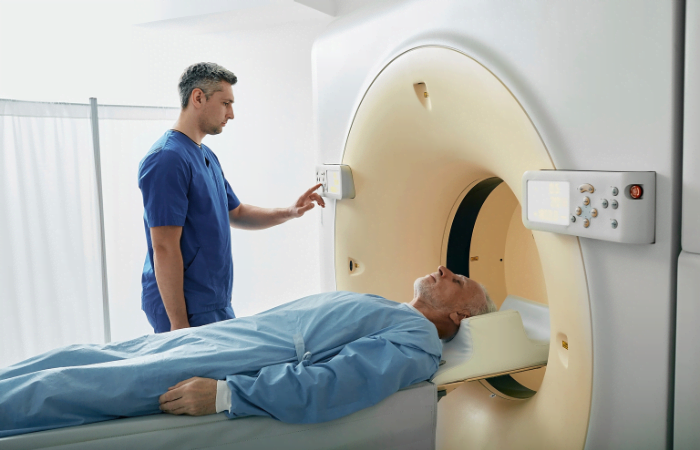
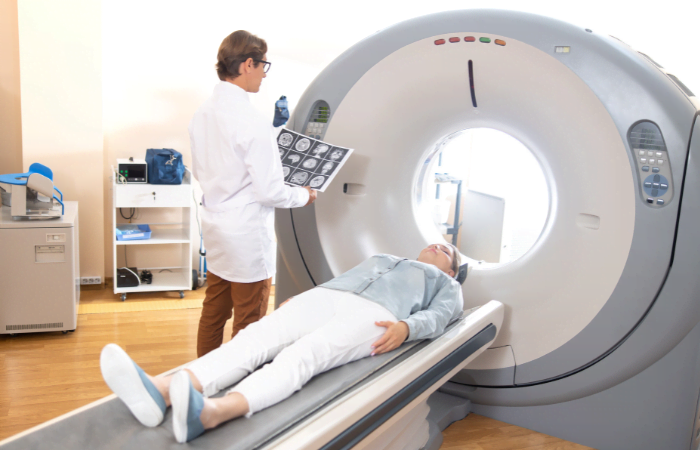
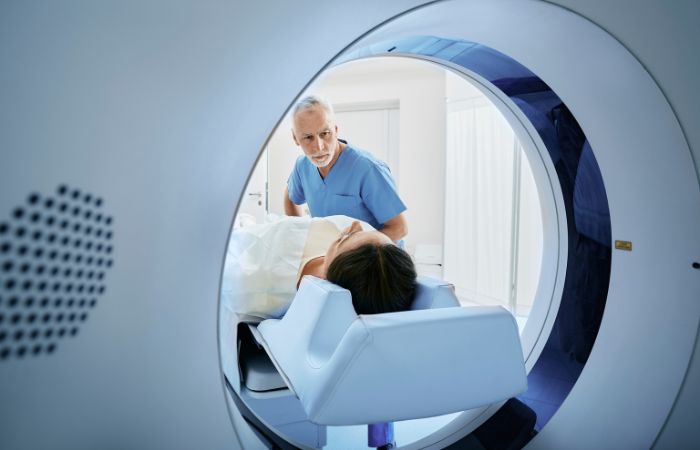
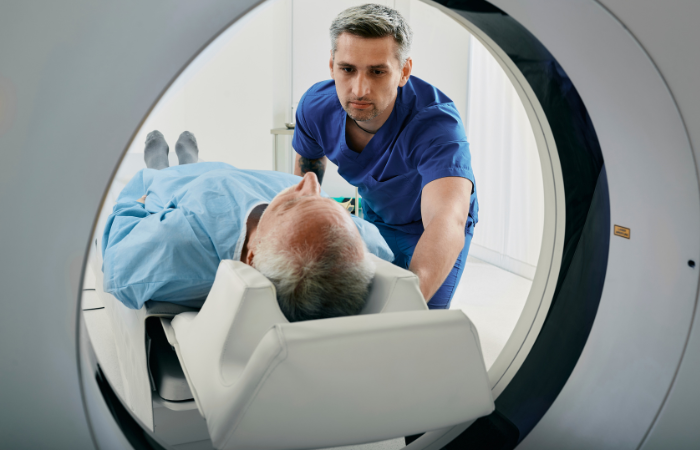
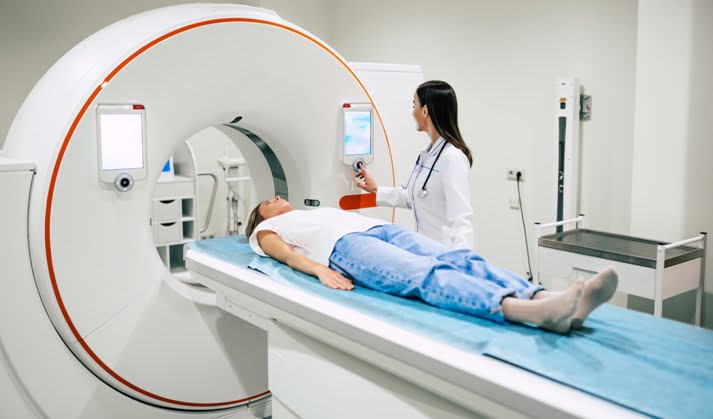
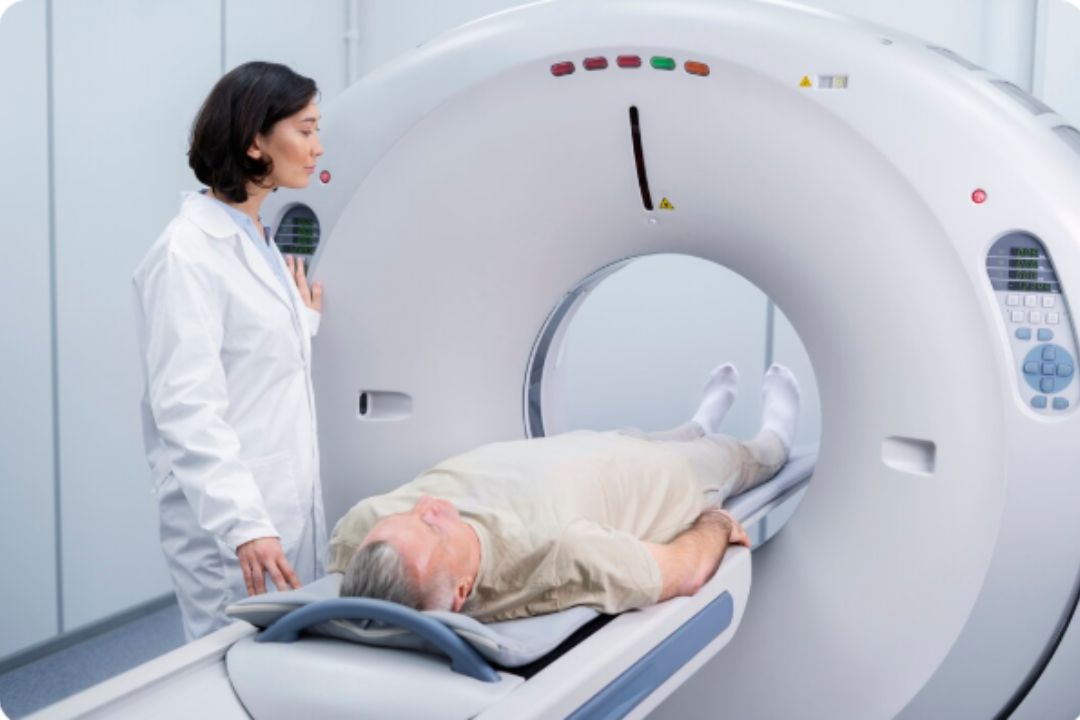
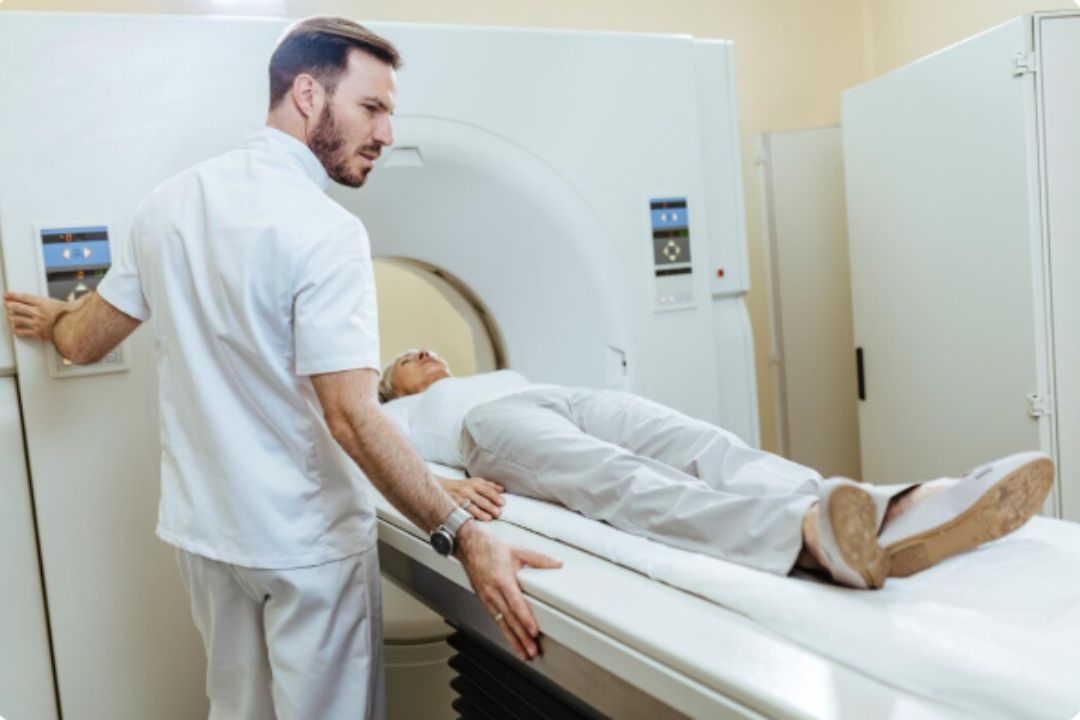
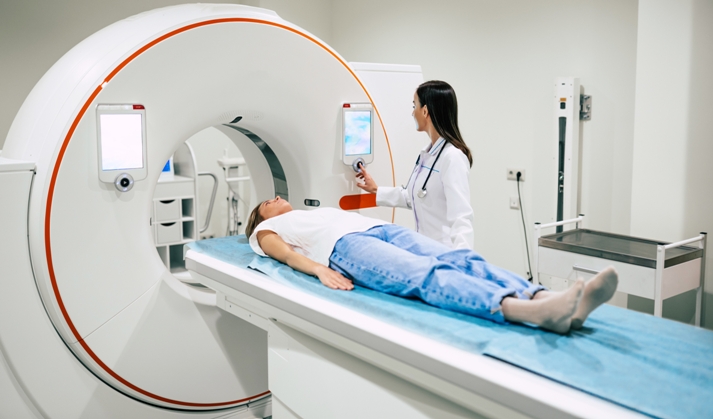
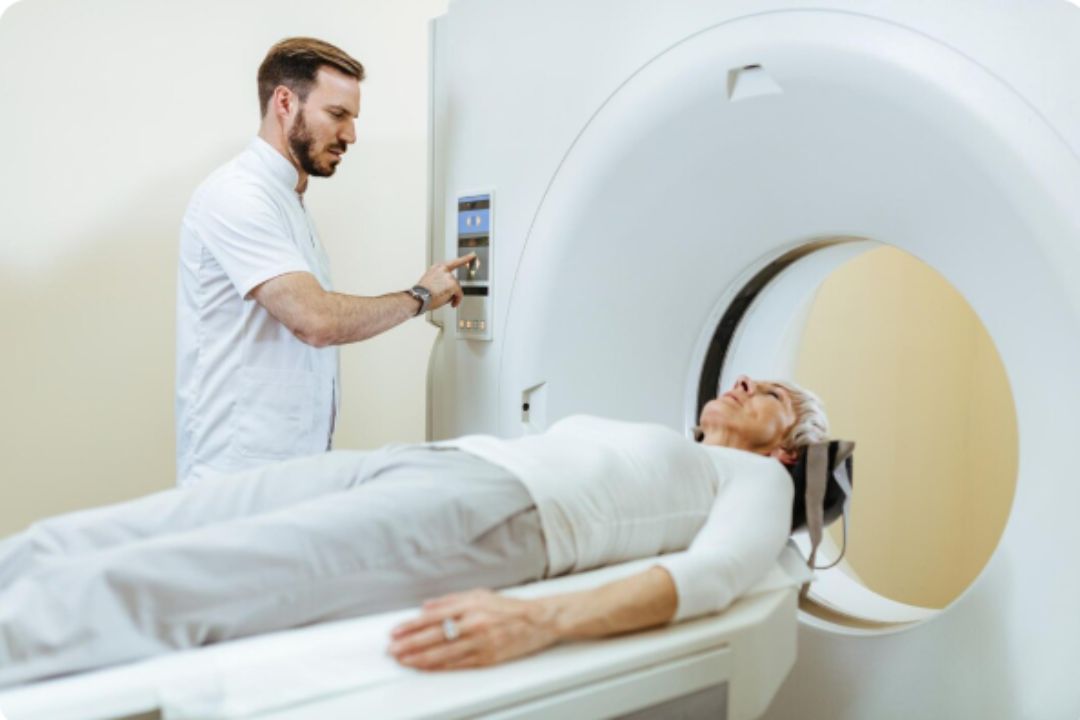
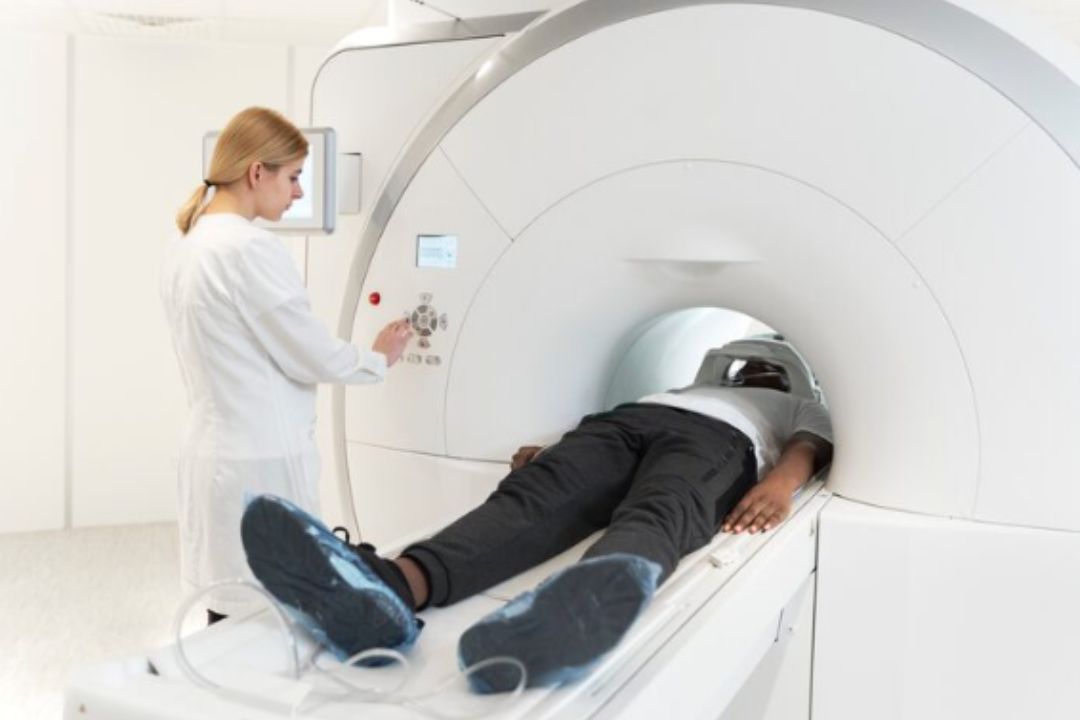
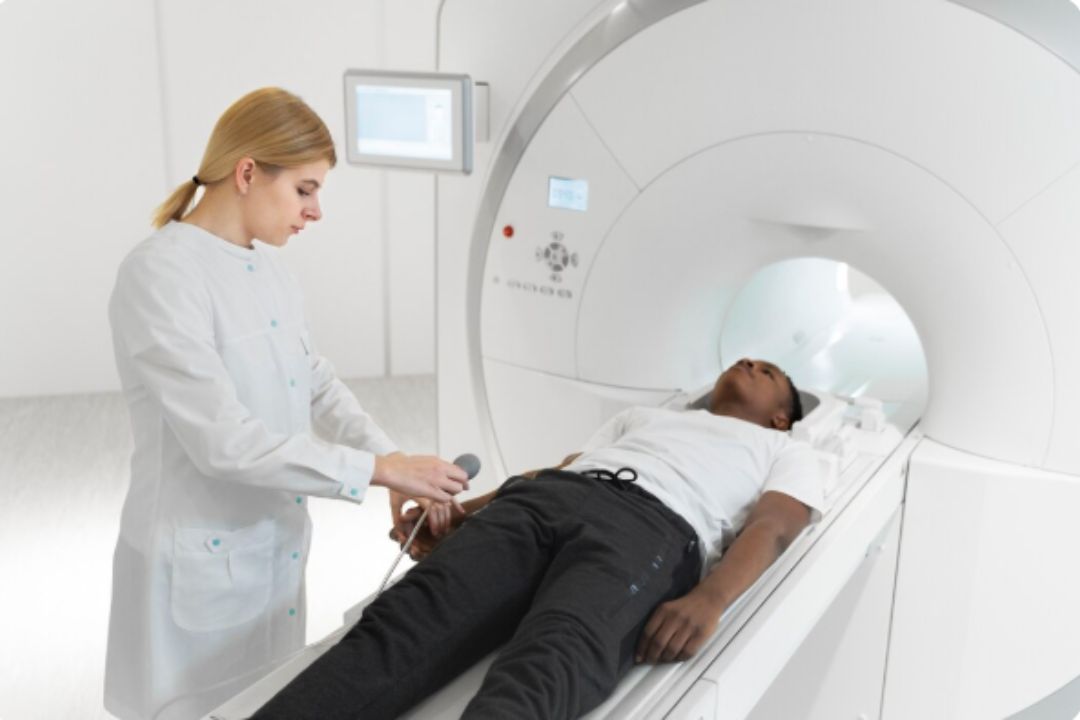
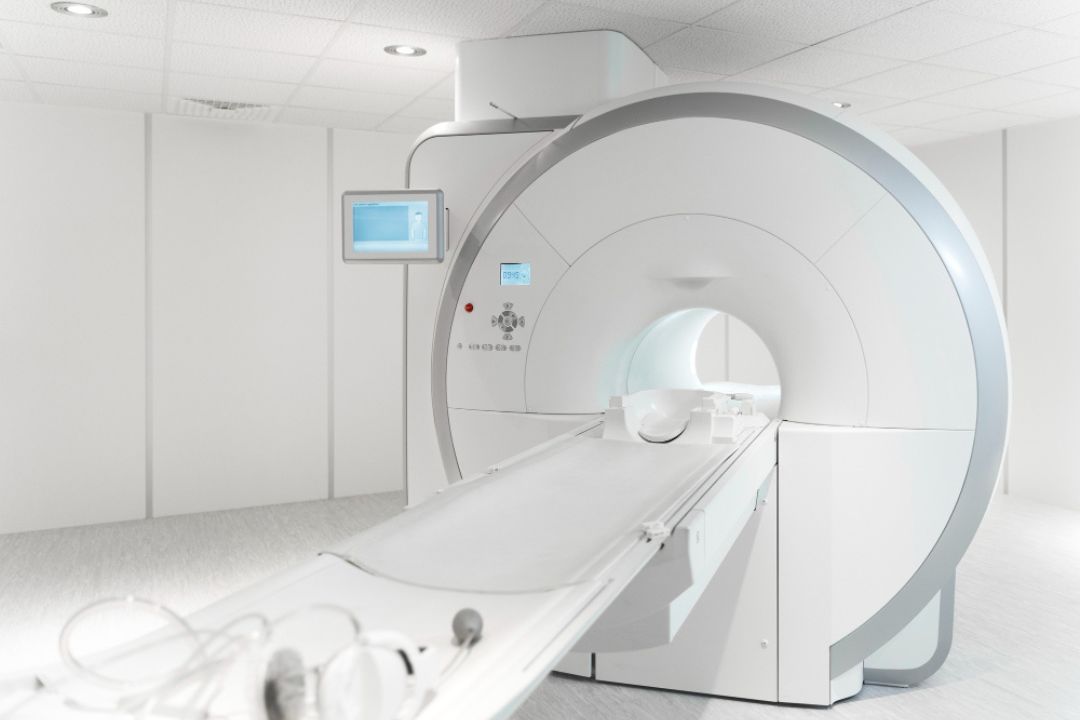
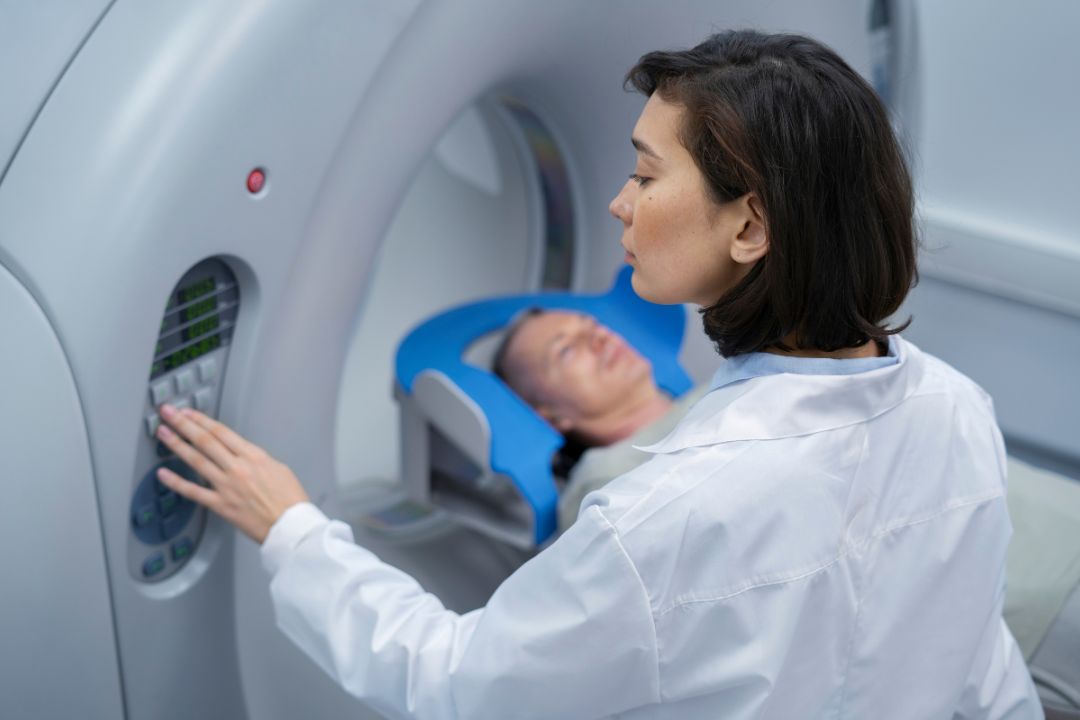
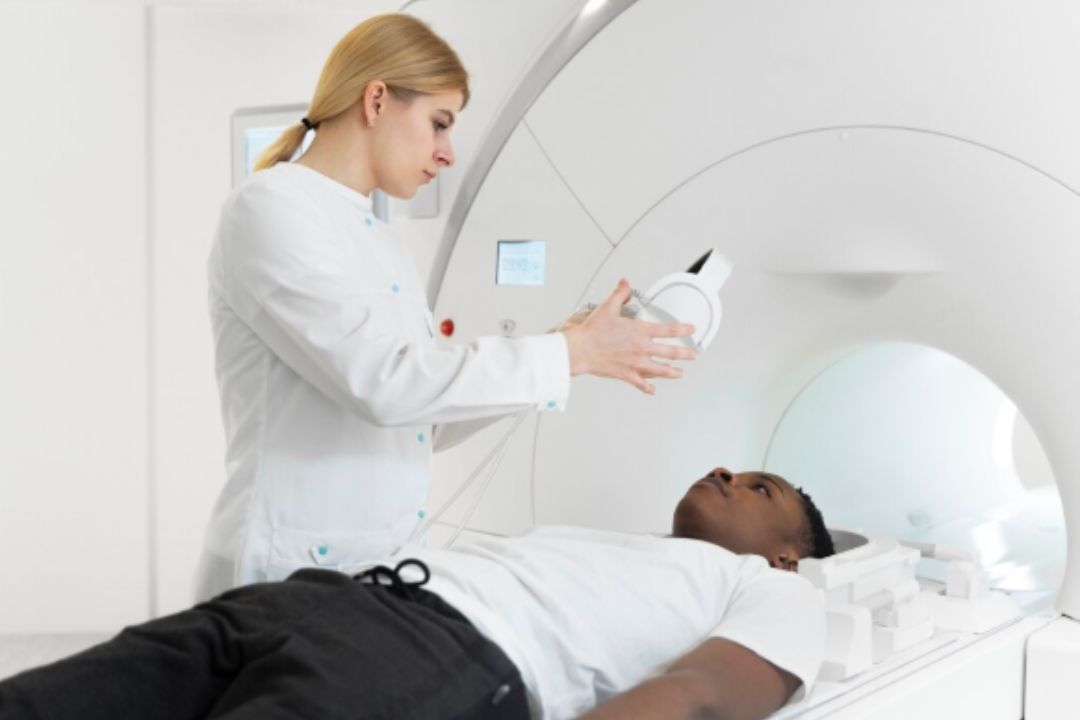
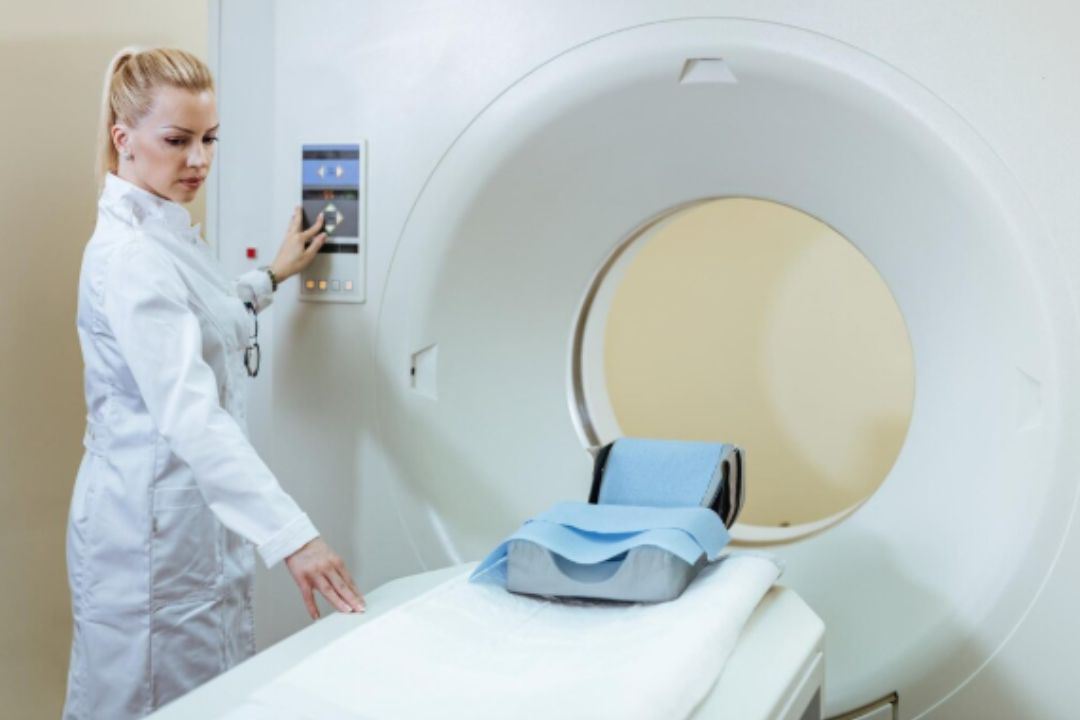
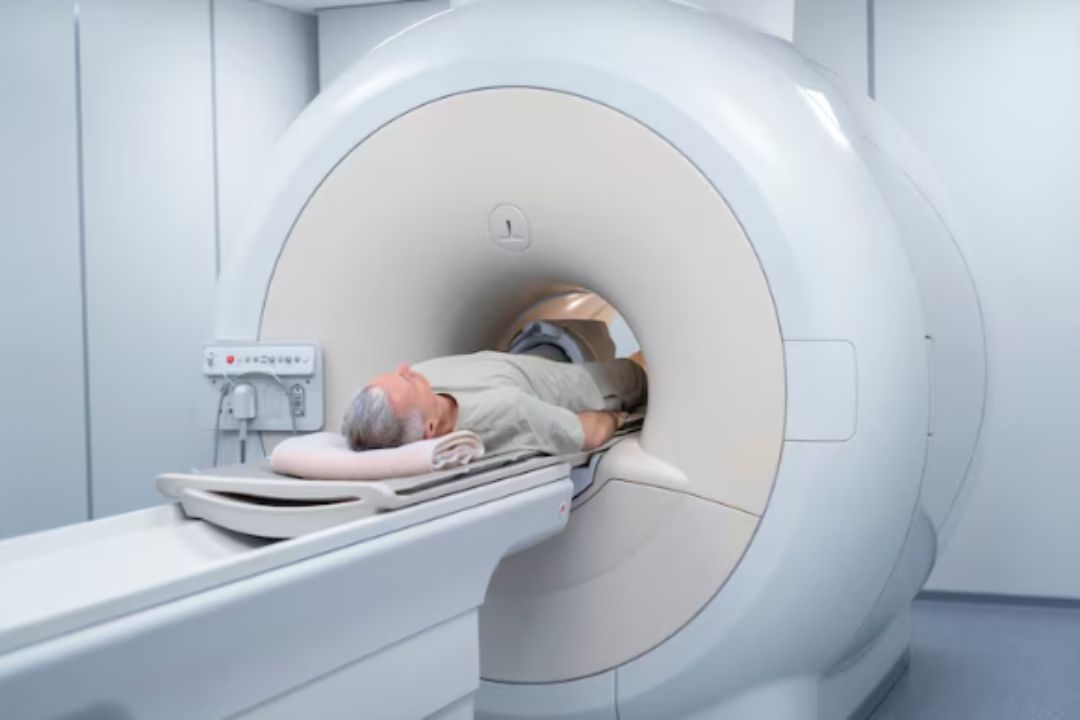
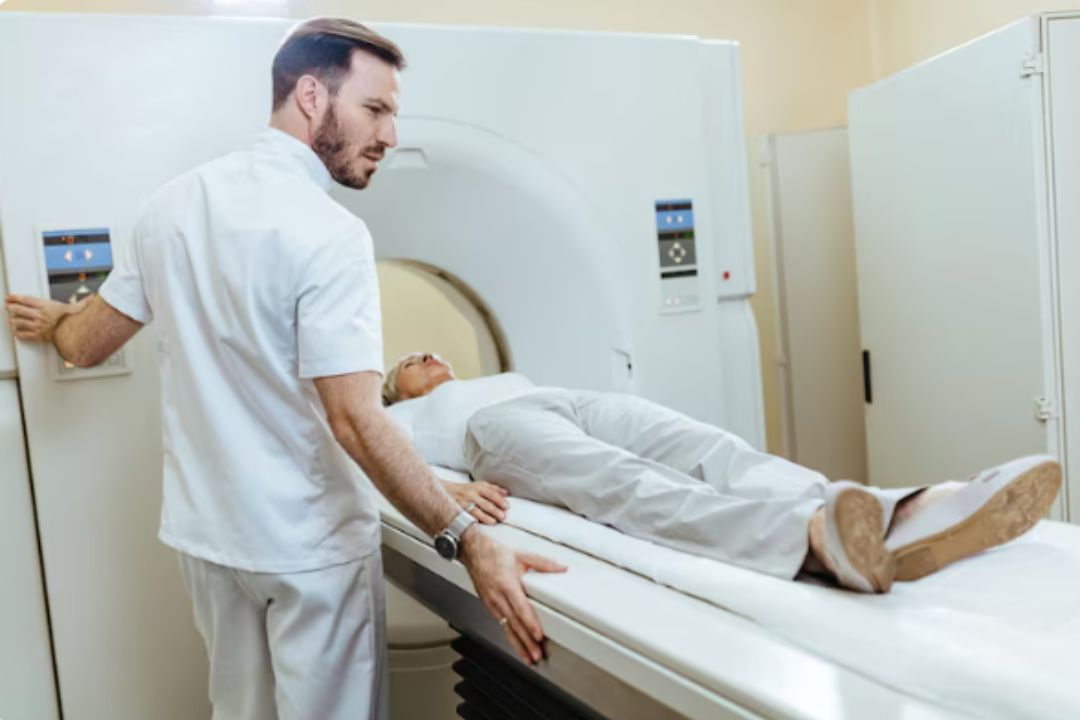
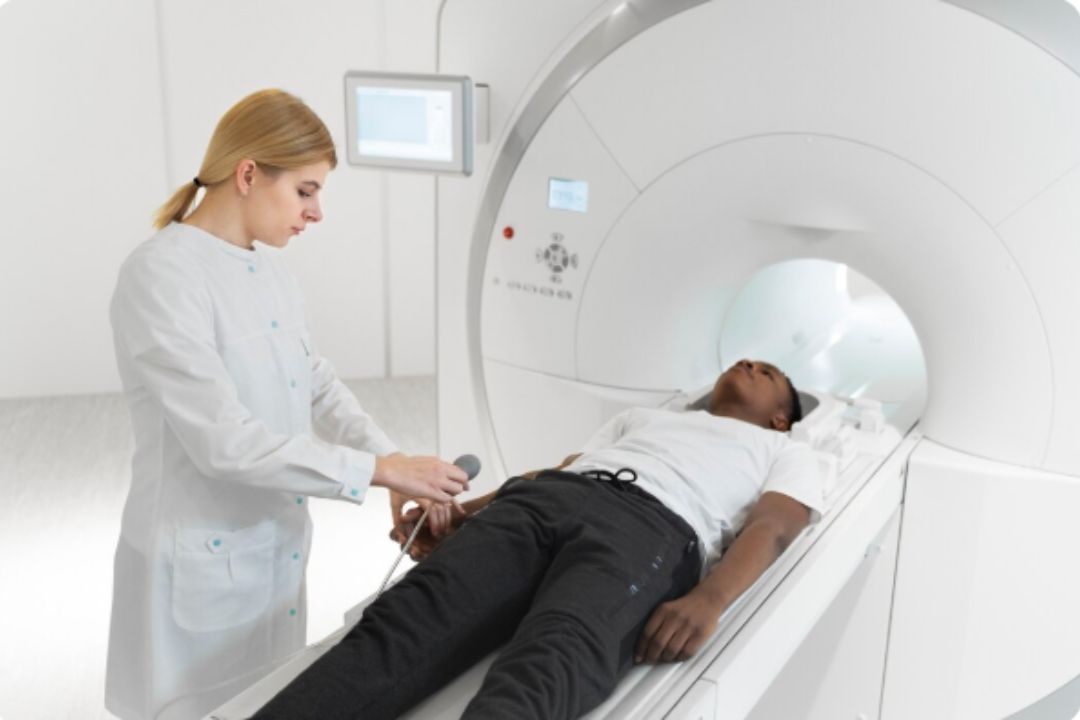
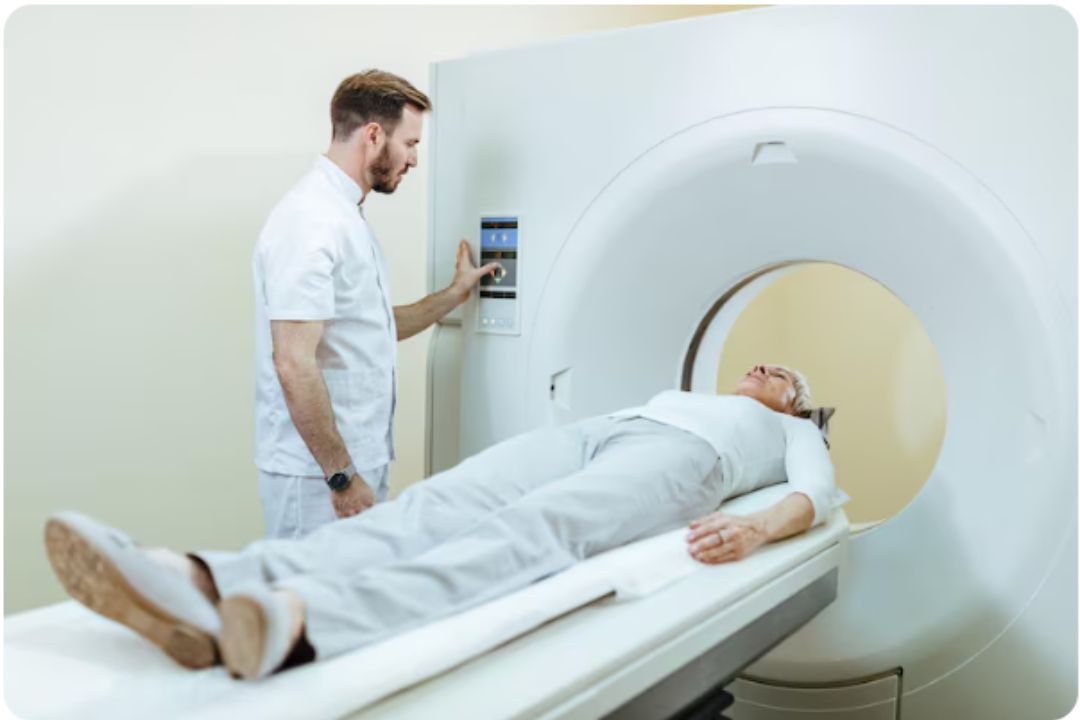
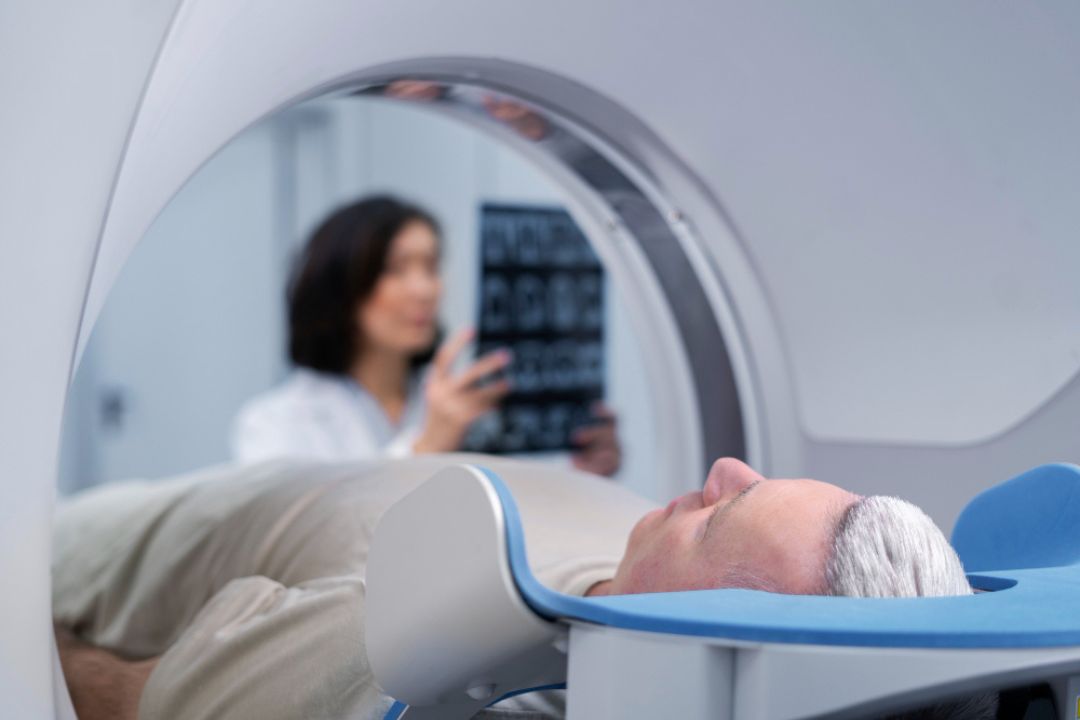
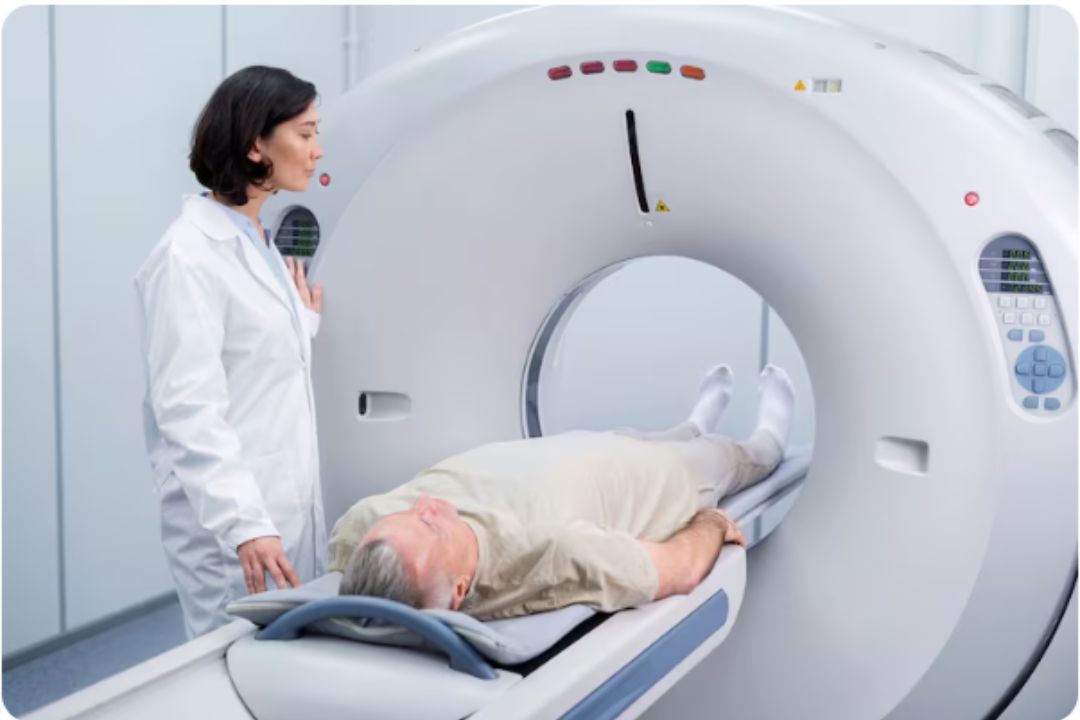
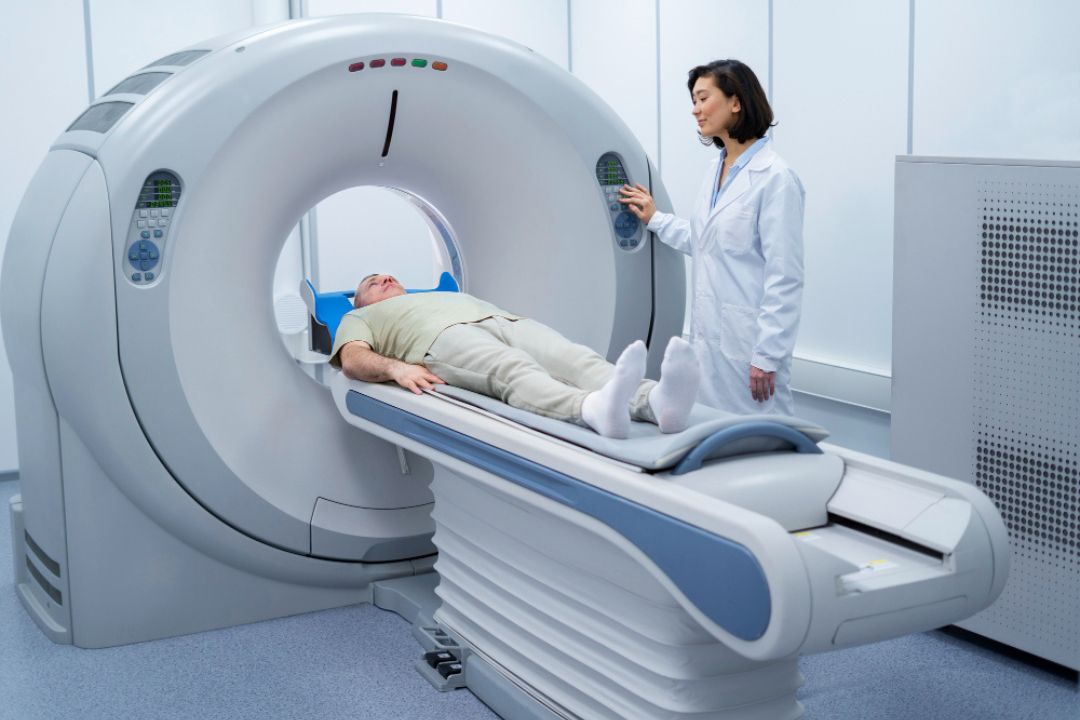
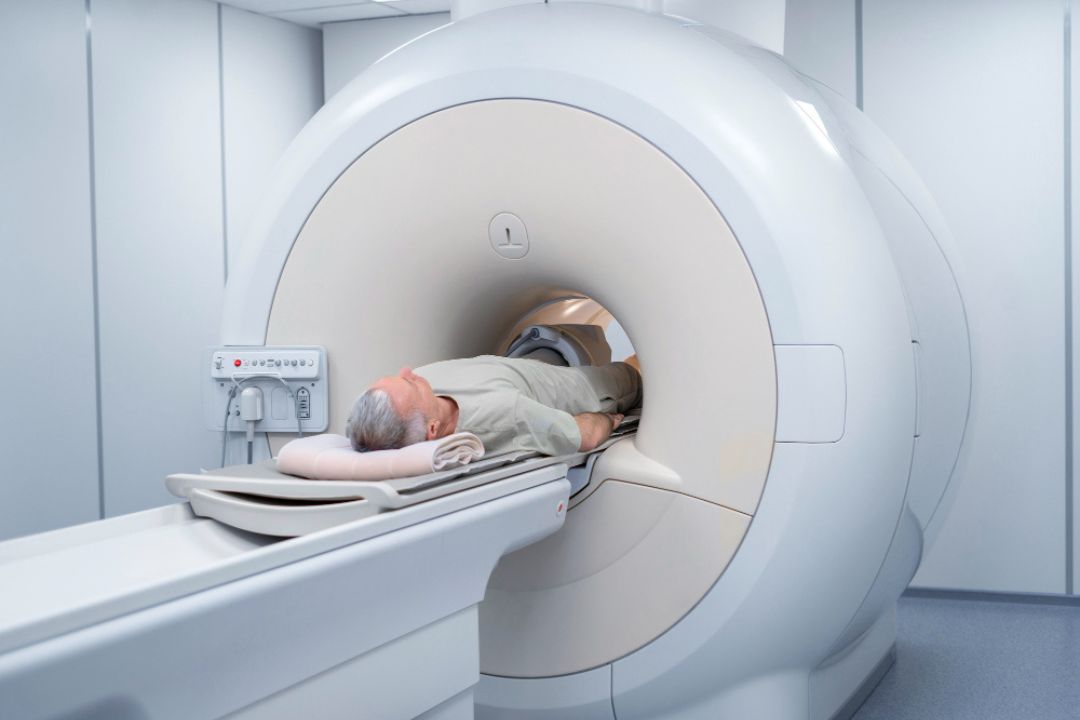
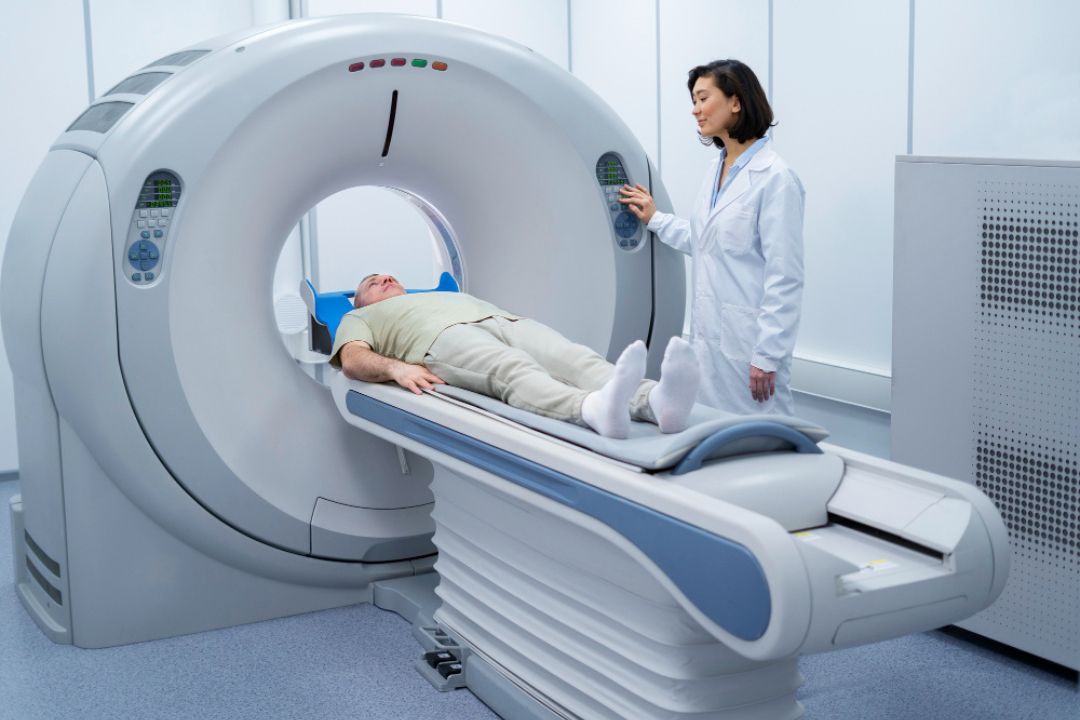
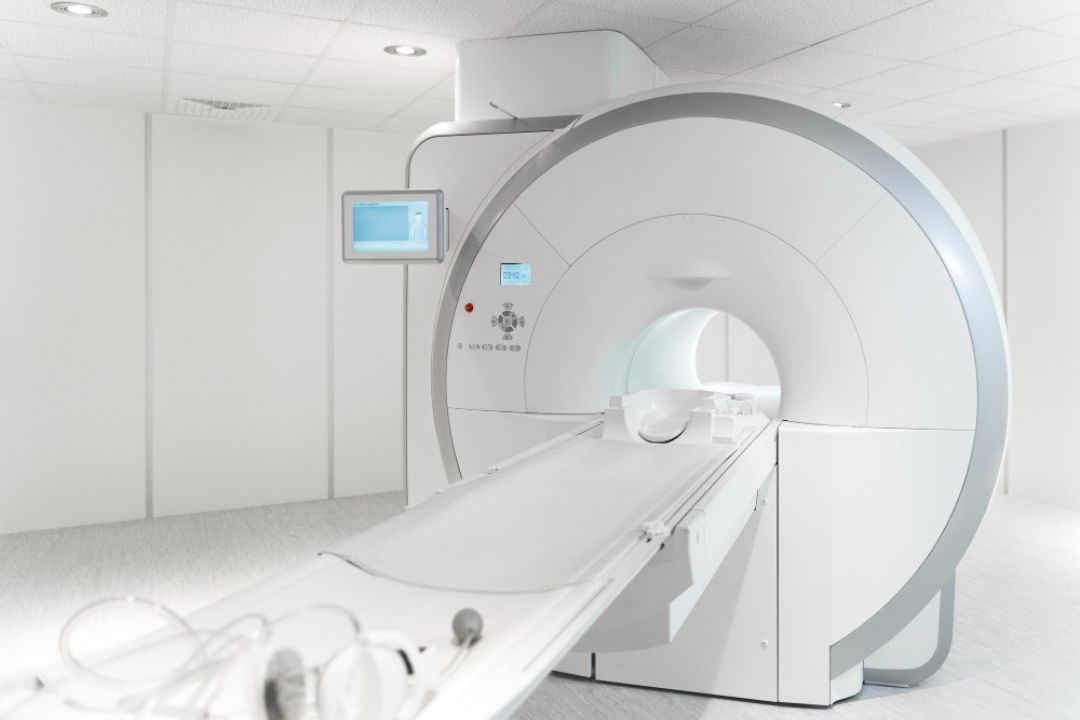
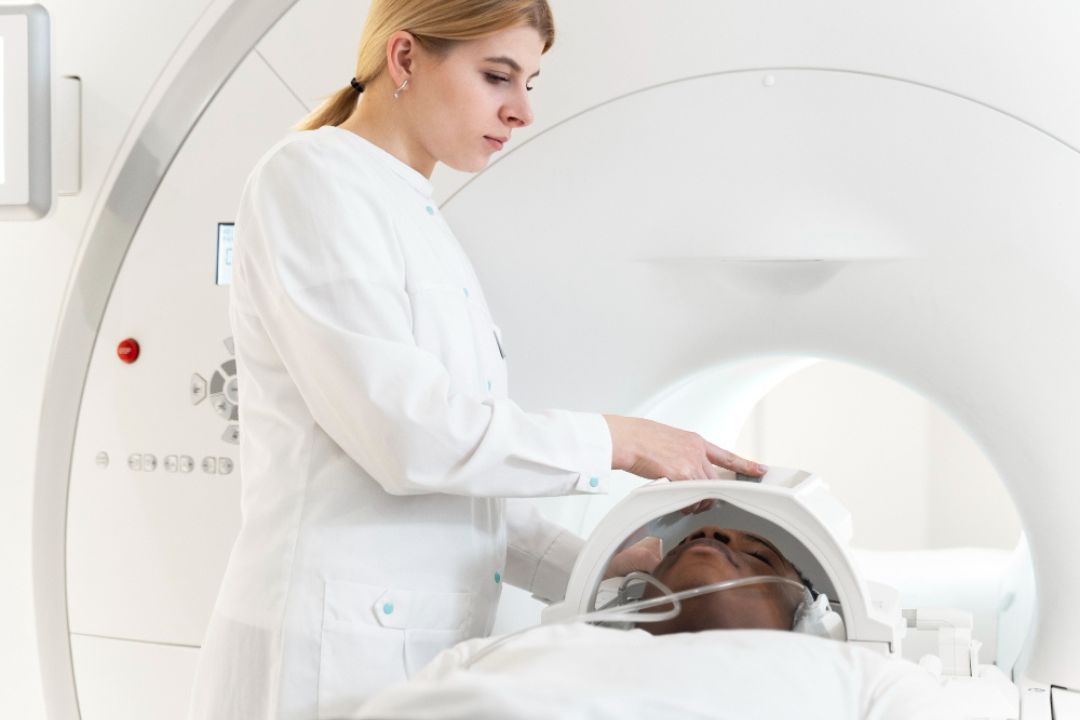
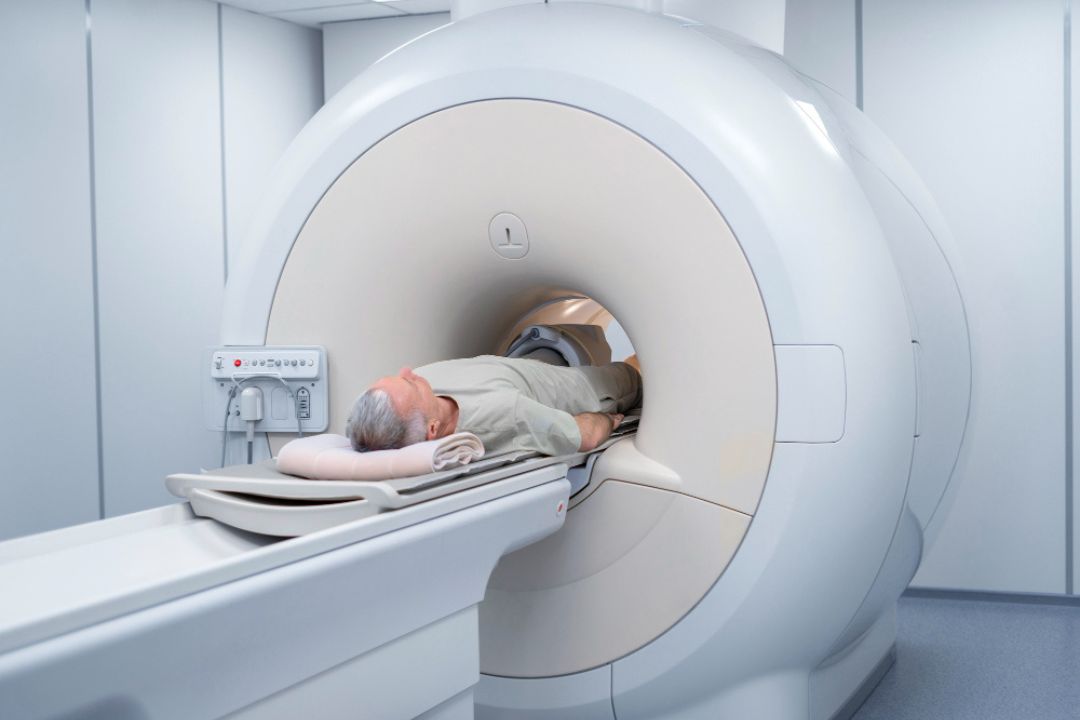
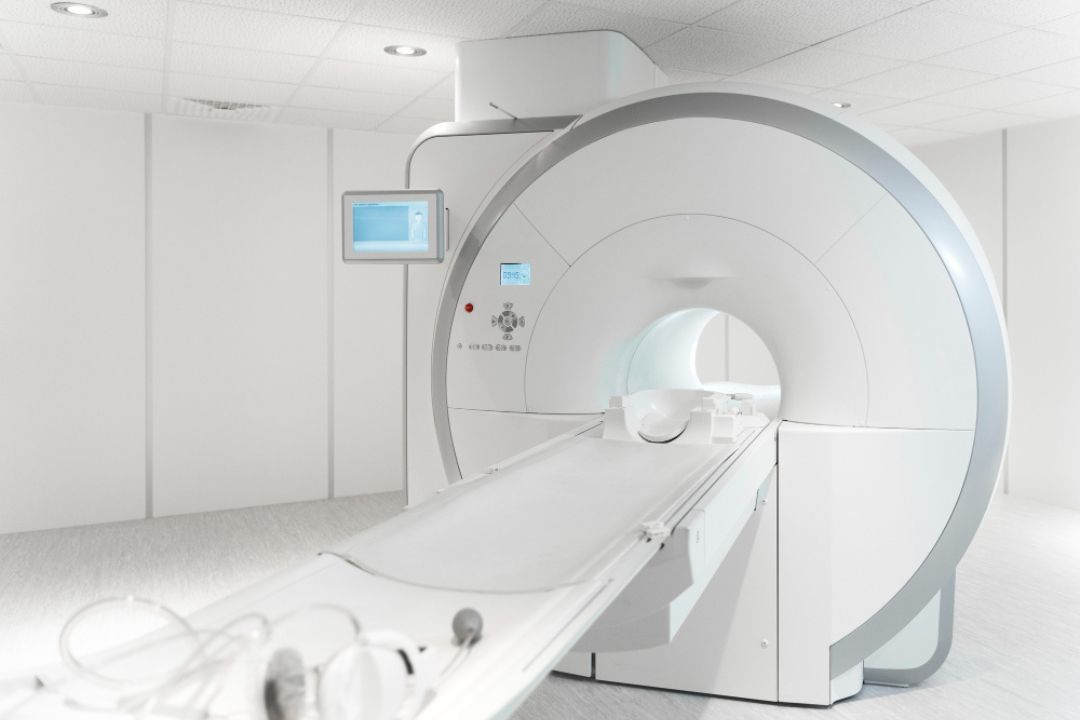
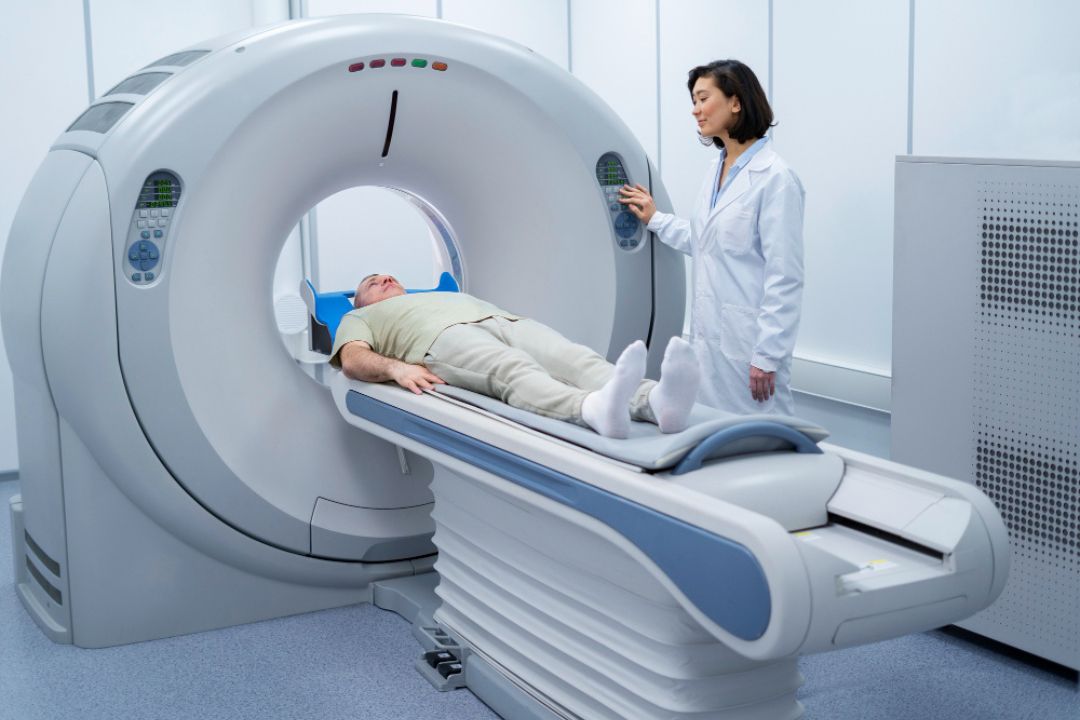
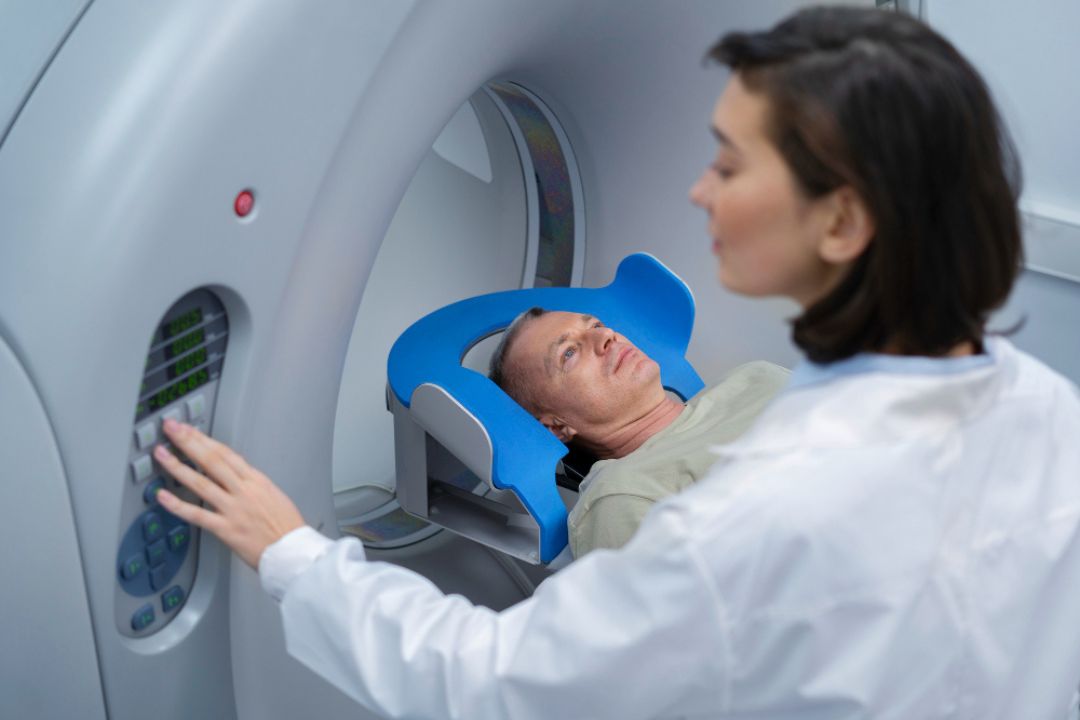
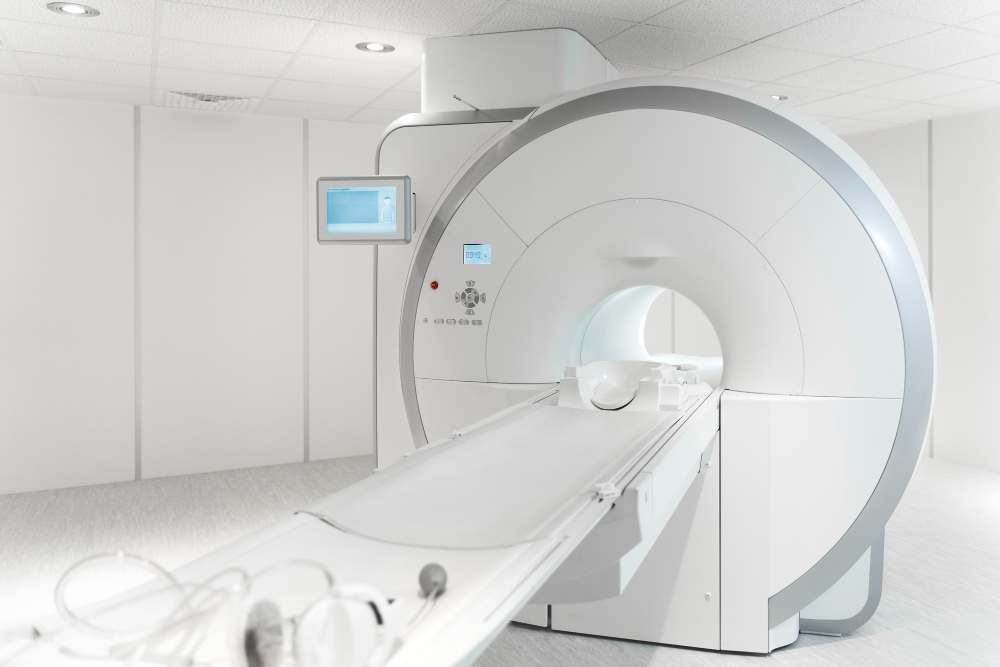
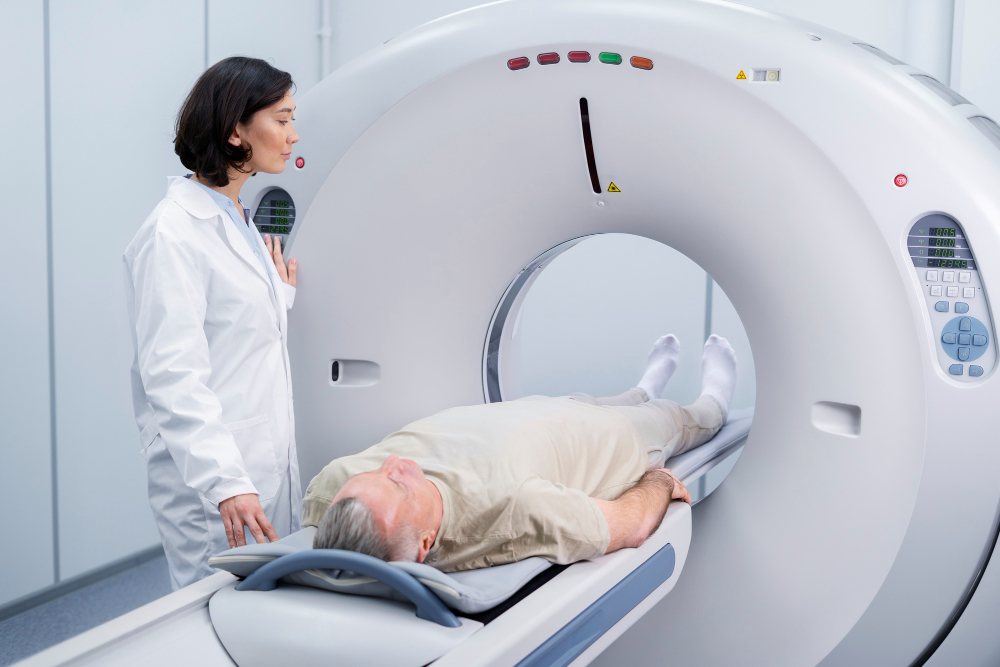
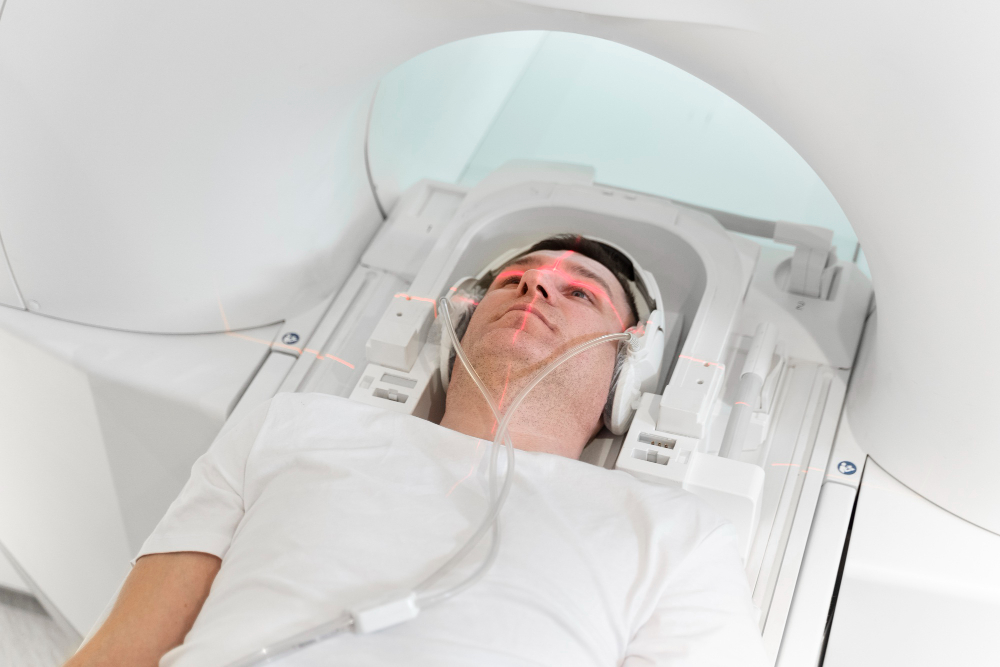
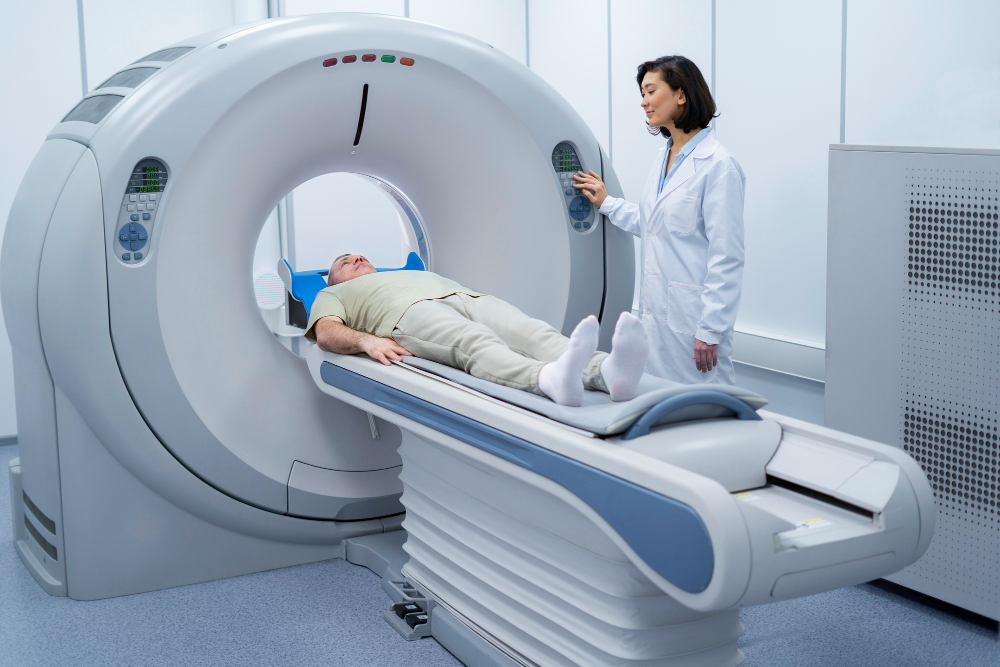
During an abdominal CT scan, the patient lies on a scanning table that moves through a circular CT scanner. In some cases, contrast dye may be used to highlight blood vessels and organs, improving the clarity of the images.
This test is quick, painless, and usually completed within 10 to 20 minutes.
A CT scan allows doctors to examine many organs located in the abdominal cavity. These include:
The liver is one of the largest organs in the body and plays an important role in digestion and detoxification. A CT scan can help detect liver tumors, fatty liver disease, cysts, infections, and liver enlargement.
The kidneys filter waste from the blood and produce urine. A CT scan can identify kidney stones, infections, cysts, tumors, and structural abnormalities affecting kidney function.
The pancreas produces digestive enzymes and hormones such as insulin. CT imaging helps diagnose pancreatitis, pancreatic tumors, cysts, and inflammation.
The spleen helps filter blood and supports the immune system. A CT scan can detect spleen enlargement, injuries, infections, or tumors.
The gallbladder stores bile produced by the liver. CT scans can help identify gallstones, inflammation, gallbladder infections, or blockages in the bile ducts.
The stomach is responsible for breaking down food during digestion. CT scans help detect tumors, ulcers, infections, and structural abnormalities in the stomach.
The small intestine absorbs nutrients from food. CT scans can help diagnose intestinal blockages, inflammation, infections, or tumors.
The colon processes waste before it leaves the body. A CT scan can detect colon tumors, diverticulitis, inflammation, and bowel obstruction.
The adrenal glands sit on top of the kidneys and produce hormones that regulate metabolism and stress responses. CT scans can detect adrenal tumors or enlargement.
Major abdominal blood vessels such as the abdominal aorta and vena cava can also be examined using CT imaging. This helps detect aneurysms, blood clots, and vascular abnormalities.
Doctors may suggest an abdominal CT scan to diagnose a variety of conditions. Some common reasons include:
Persistent abdominal pain
Unexplained weight loss
Suspected tumors or cancers
Internal bleeding
Infections or abscesses
Kidney stones
Liver disease
Injury after accidents
This scan provides a comprehensive view of the abdominal organs and helps doctors identify the underlying cause of symptoms.
Preparation for this scan is usually simple. Patients may be asked to avoid eating for several hours before the procedure. In some cases, contrast dye is given orally or through an intravenous injection to improve image clarity.
Patients should inform their doctor if they have allergies, kidney problems, or if they are pregnant.
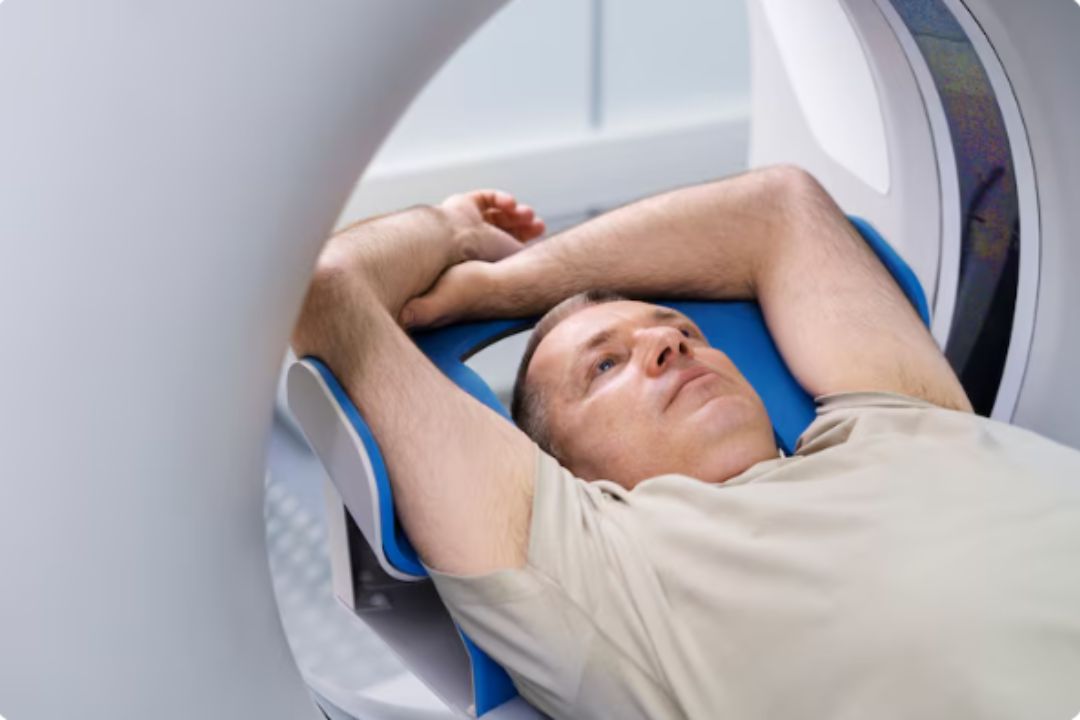
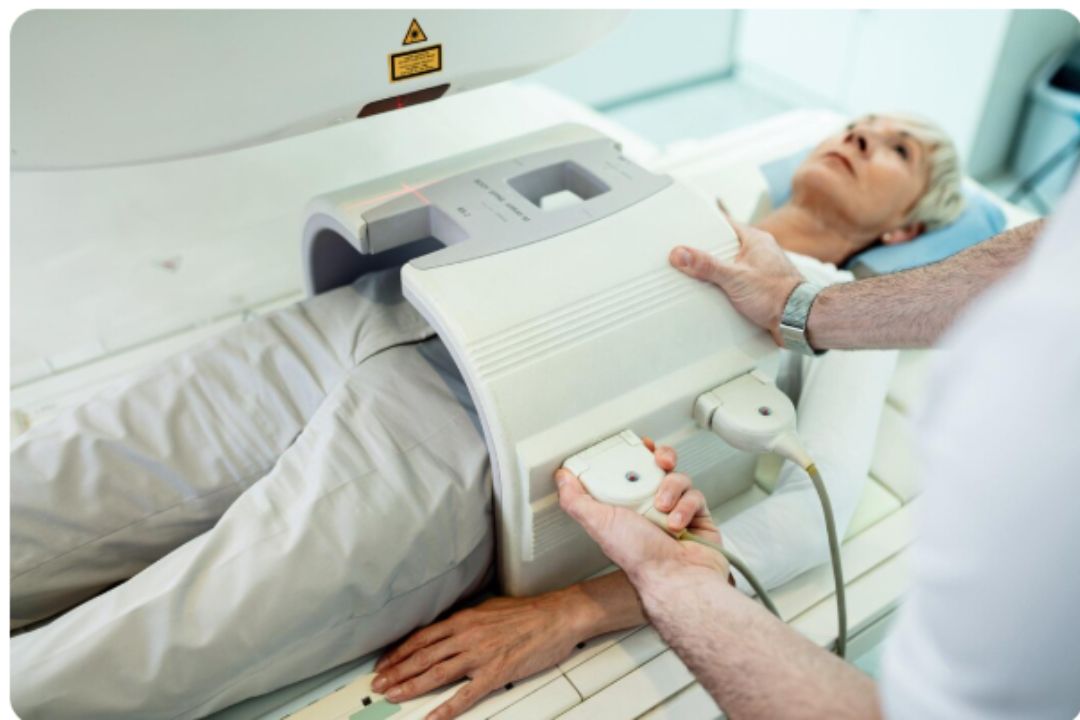
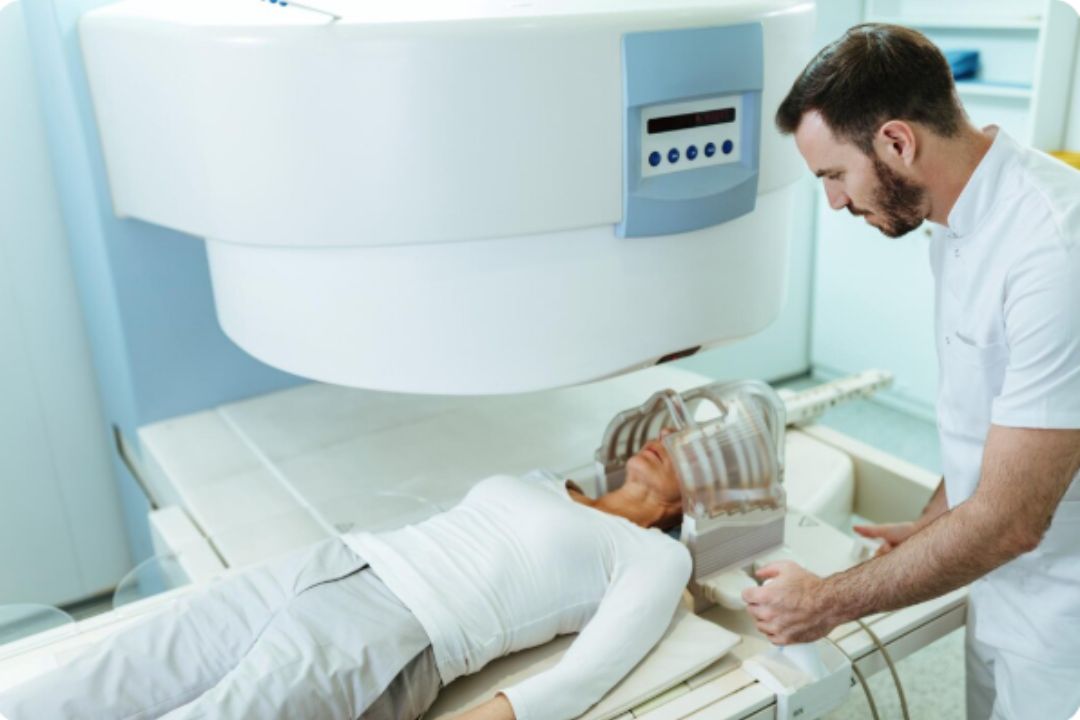
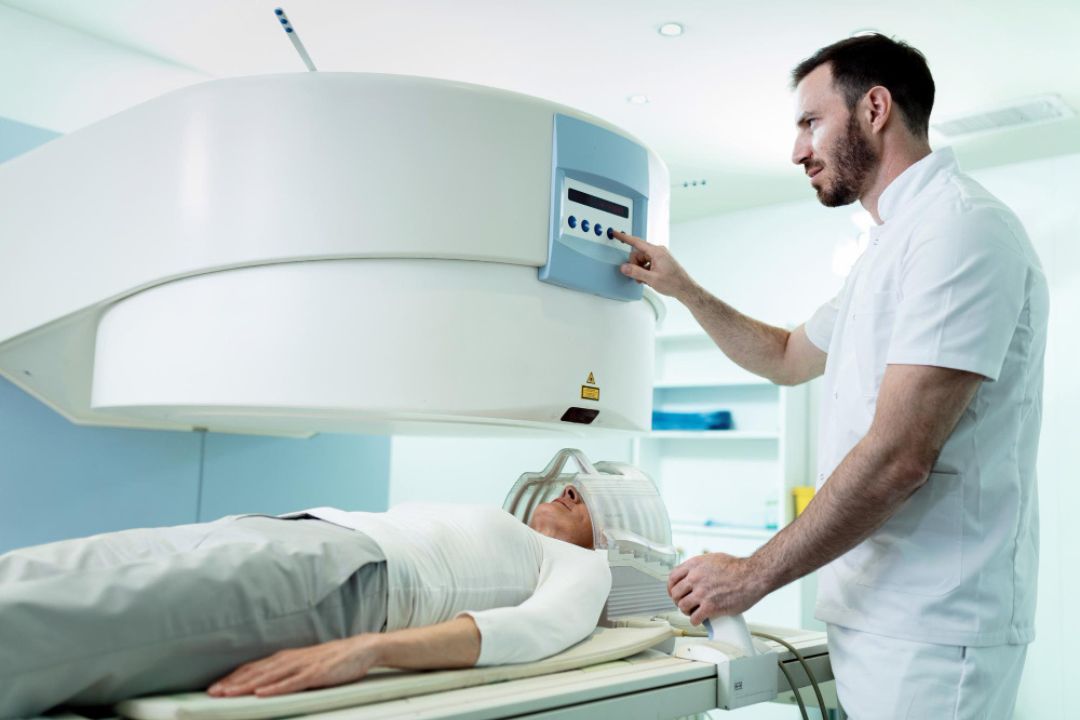
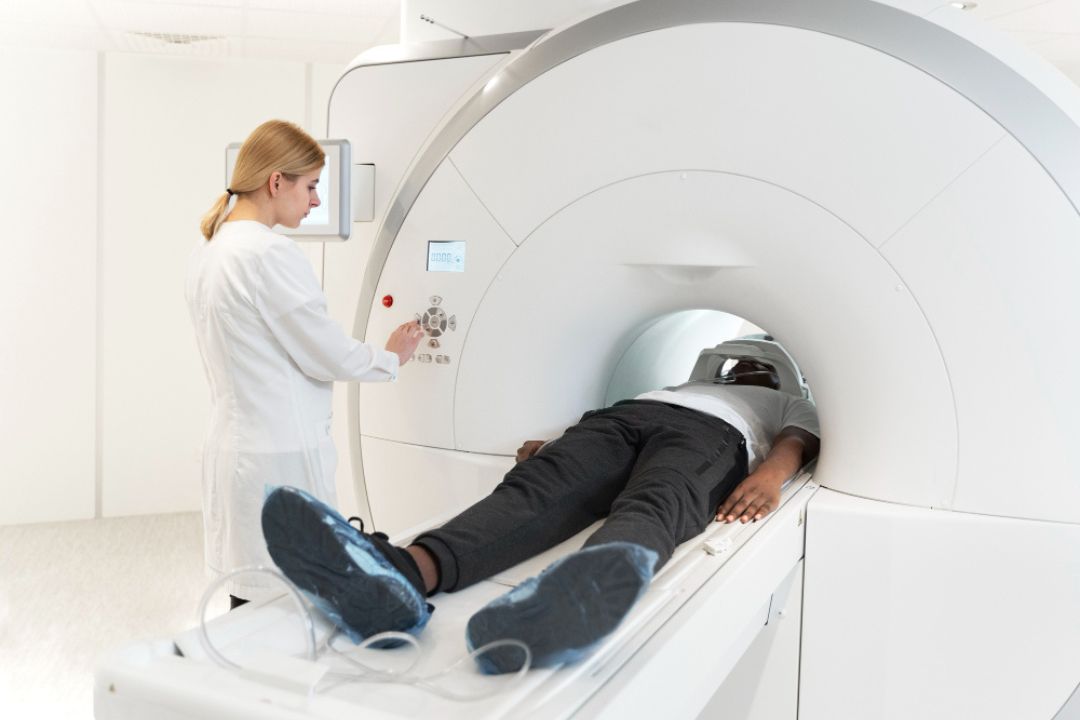
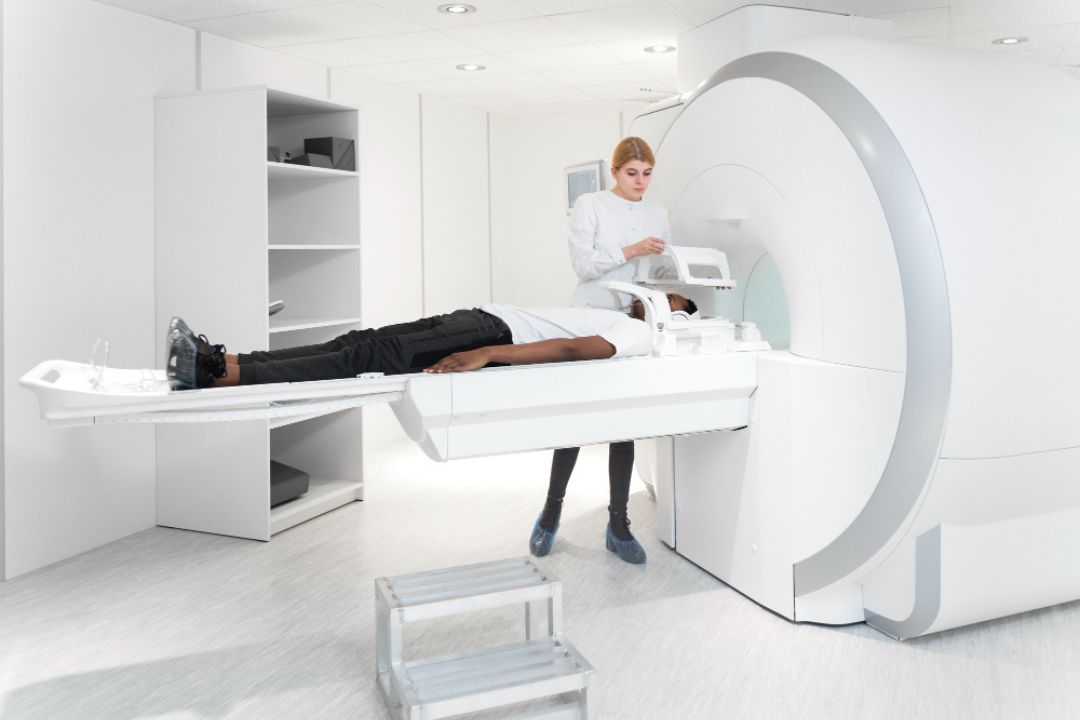
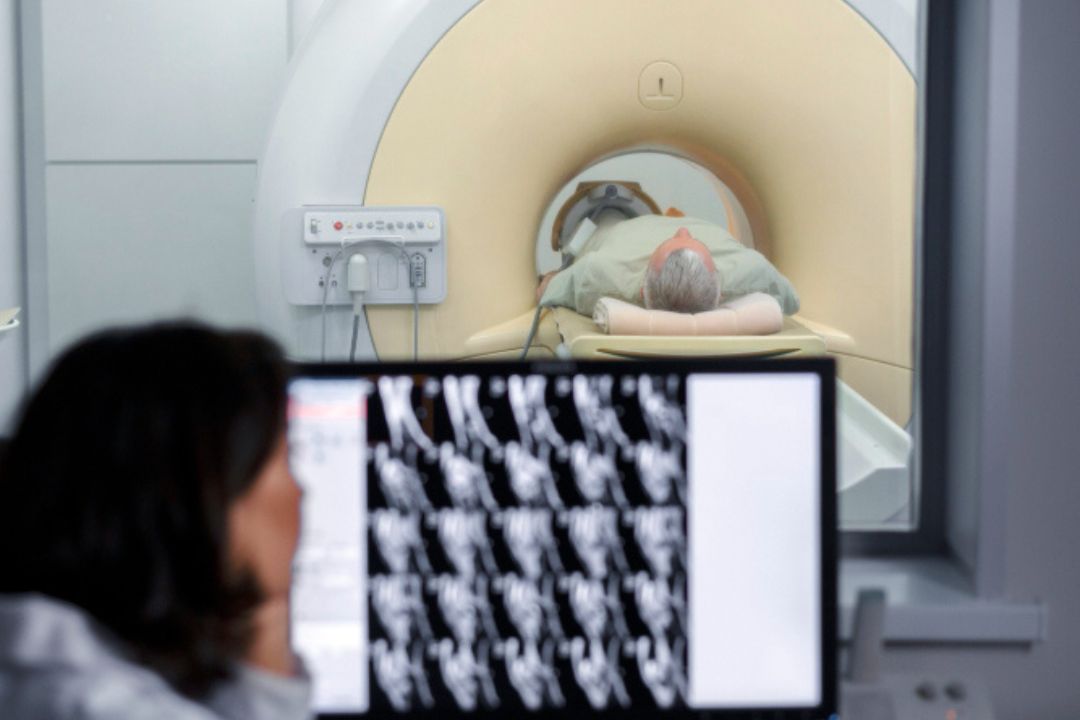
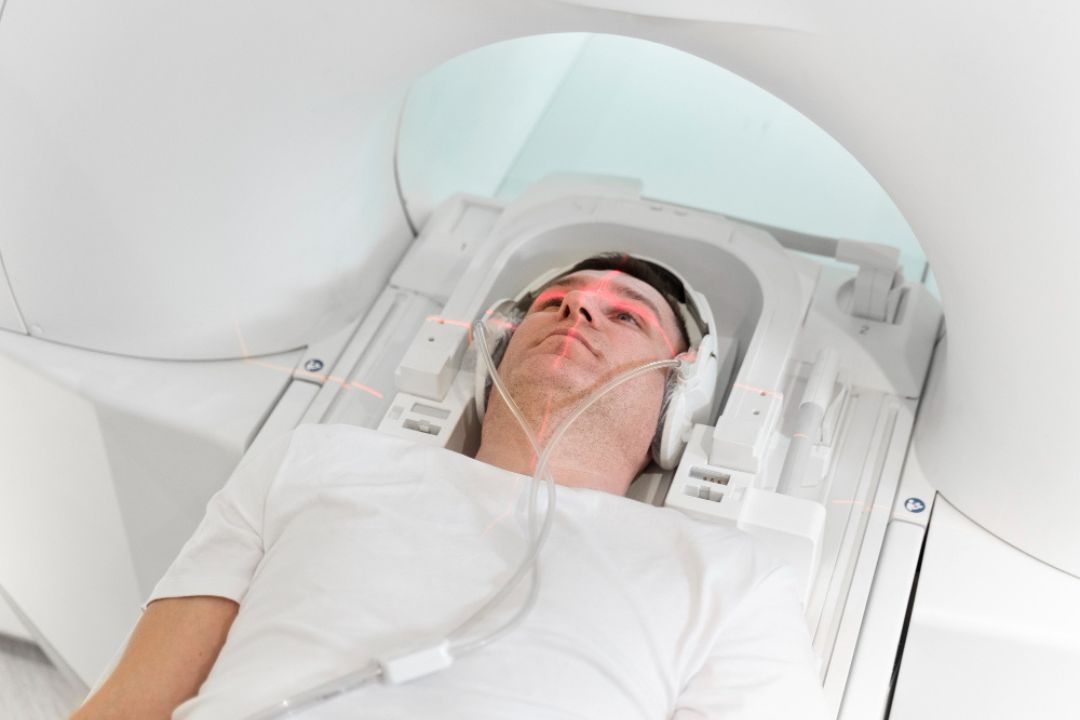
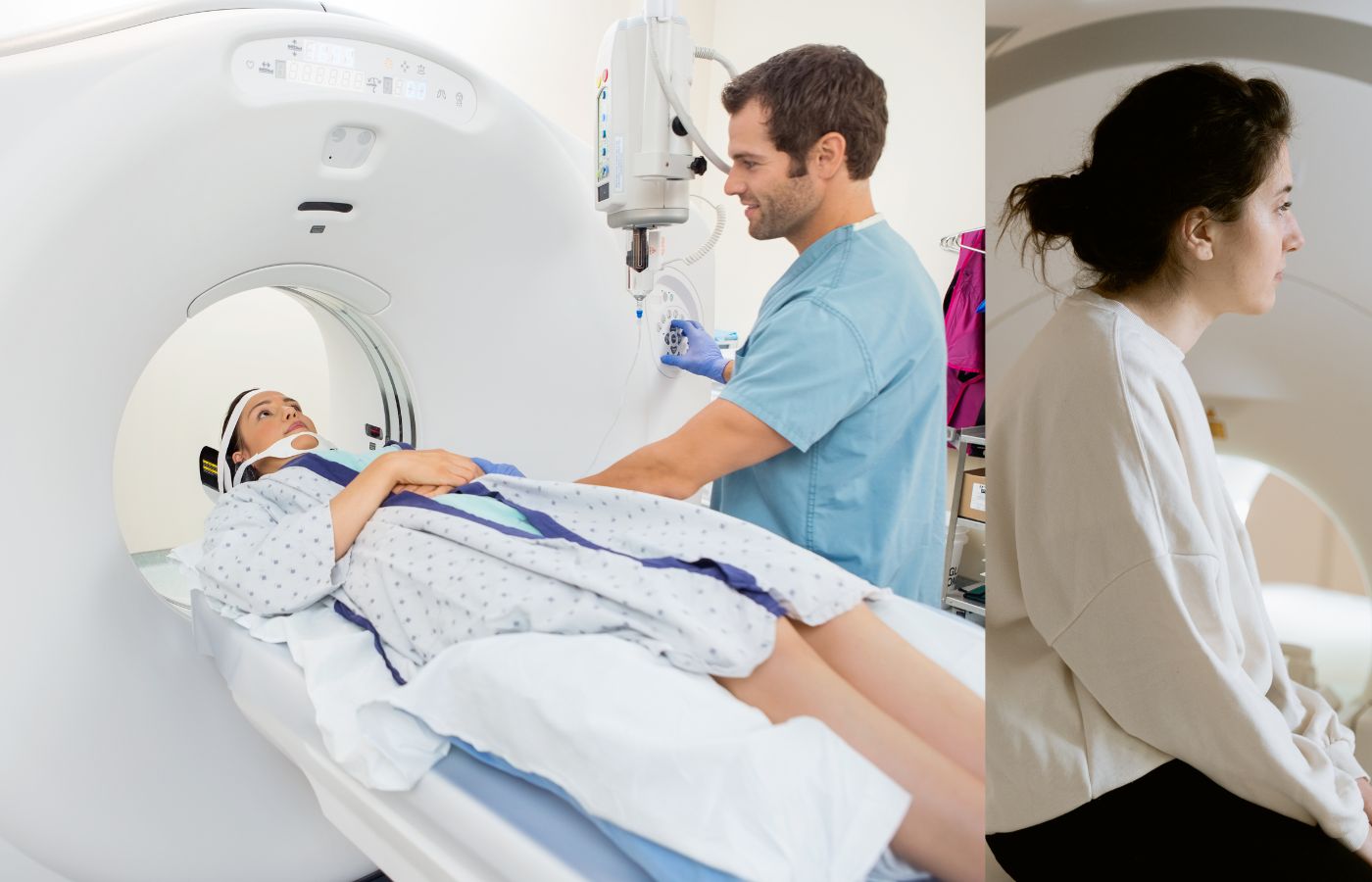
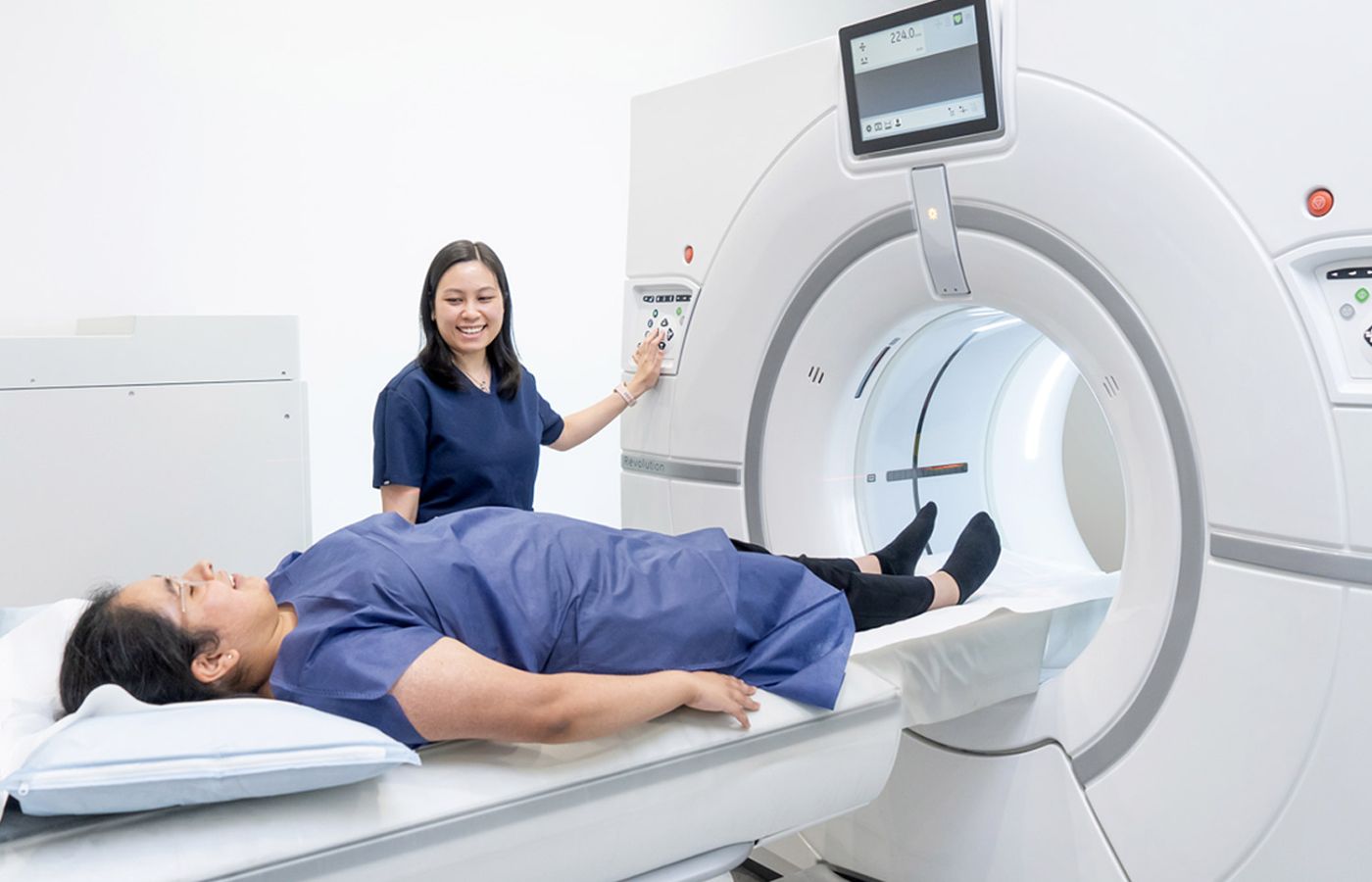
During the scan, the patient lies on a motorized table that slides into the CT scanner. The scanner rotates around the body and captures multiple images of the abdominal organs.
The patient may be asked to hold their breath for a few seconds while images are taken. The entire procedure usually takes less than 20 minutes.
A CT scan offers several advantages in diagnosing abdominal conditions:
Provides highly detailed images of internal organs
Detects tumors and infections early
Helps identify internal injuries and bleeding
Assists doctors in planning treatments or surgeries
Allows evaluation of multiple organs in a single scan
Because of its accuracy, CT imaging is widely used in modern medical diagnostics.
Although CT scans are generally safe, they do involve exposure to a small amount of radiation. The risk is minimal and the benefits of accurate diagnosis usually outweigh the potential risks.
Some patients may experience mild reactions to contrast dye, such as nausea or a warm sensation. Serious allergic reactions are rare.
A CT Scan of the abdomen is an effective diagnostic tool that allows doctors to examine many important organs, including the liver, kidneys, pancreas, spleen, stomach, intestines, gallbladder, adrenal glands, and major blood vessels.
By providing detailed images of the abdominal region, this scan helps identify diseases, injuries, and abnormalities quickly and accurately. If you are experiencing persistent abdominal symptoms, your doctor may recommend this scan to determine the cause and guide the appropriate treatment.

















.jpg "ct brain scan plain and contrast")































.jpg "ct scan")

.jpg "ct scan or mri for brain disorders")


.jpg "exploring the power of ct brain contrast in modern diagnostics")
.jpg "ct scan")

.jpg "ct scan")













.jpg "ct scan")


.jpg "CT Brain Scan for Headaches")
.jpg "The Future of 3D CT Imaging")