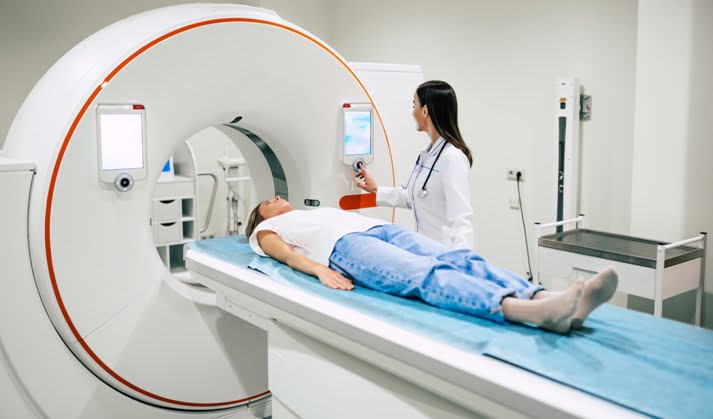
Sinus issues can be debilitating. The pressure, the headaches, and the constant discomfort often require more than just a physical examination to diagnose. If your doctor has recommended a CT PNS with contrast, you likely have questions: What does it show? How much does it cost? And most importantly, where can I get an affordable CT scan near me?
At Diagnopein Pune, we believe in demystifying healthcare. This complete guide will walk you through everything you need to know about CT Paranasal Sinuses (PNS) with contrast, ensuring you make an informed decision about your health.
A CT PNS with contrast is a highly effective imaging test used to evaluate the paranasal sinuses in detail. It helps doctors detect sinus infections, nasal blockages, polyps, tumors, and structural abnormalities that may not be visible on routine imaging.
Visit Now: https://www.diagnopein.com/ct-scan/Pune
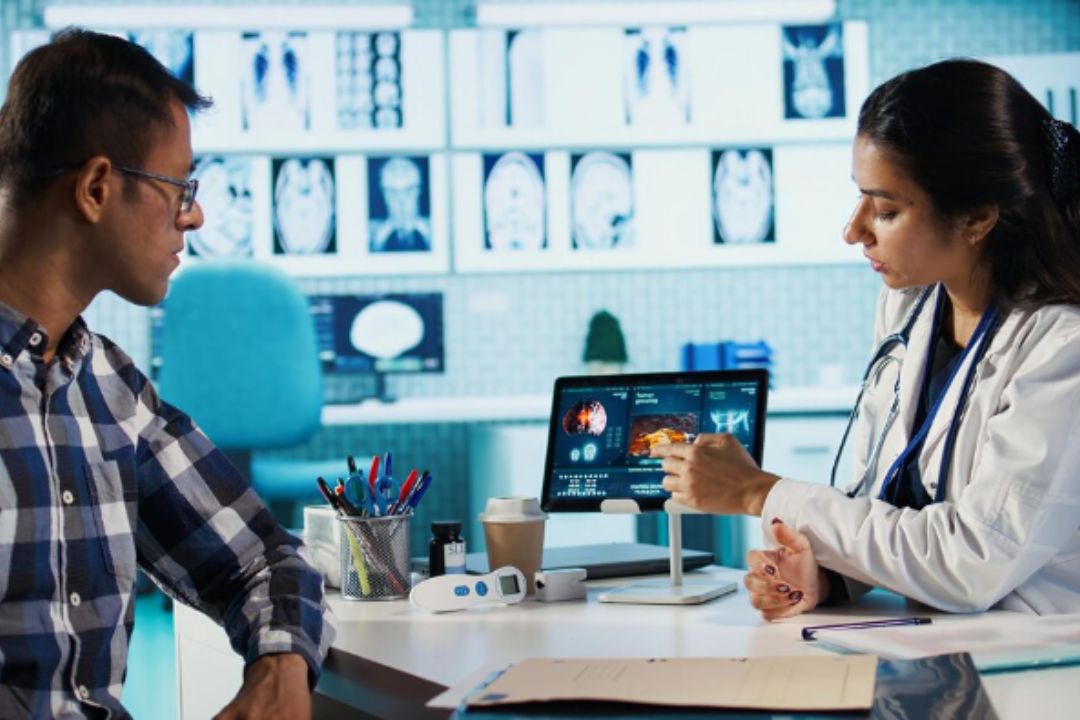
If your doctor has recommended this scan, understanding the procedure can help reduce anxiety and ensure proper preparation. In this complete guide, we explain what CT PNS with contrast is, why it is done, how to prepare, and what to expect.
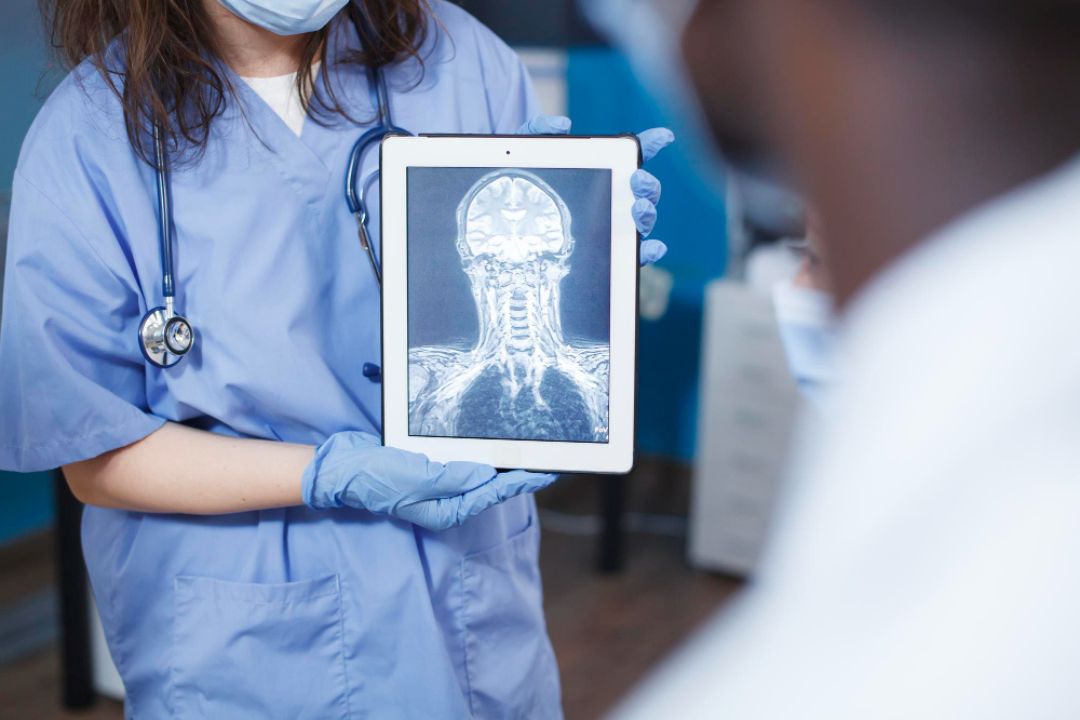
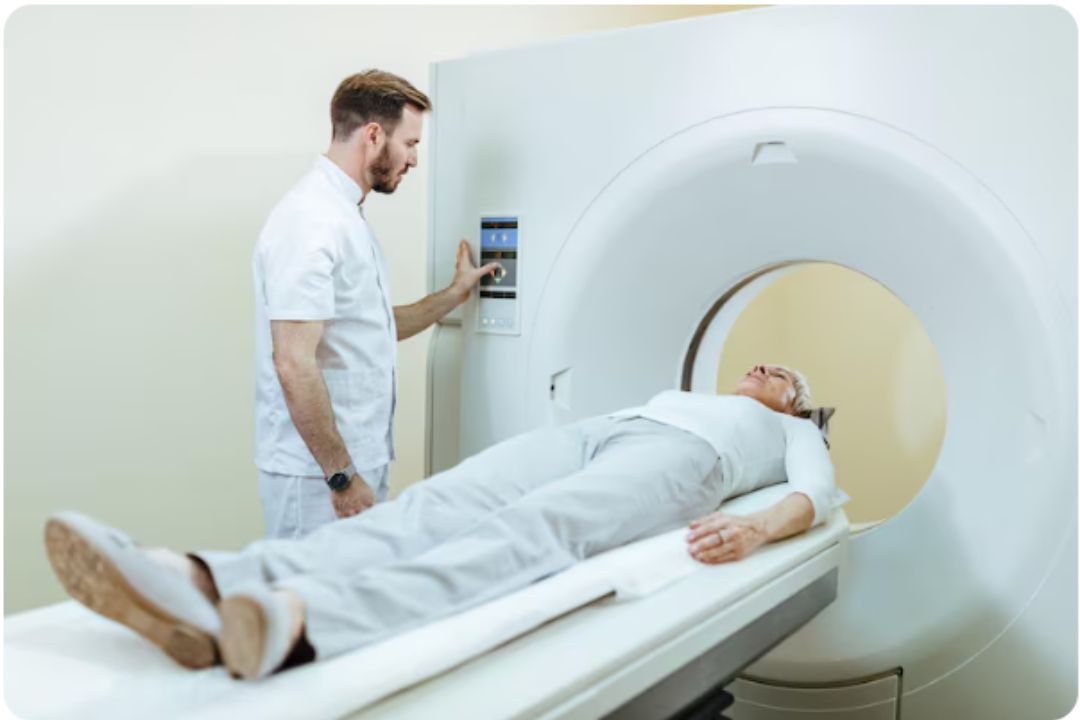
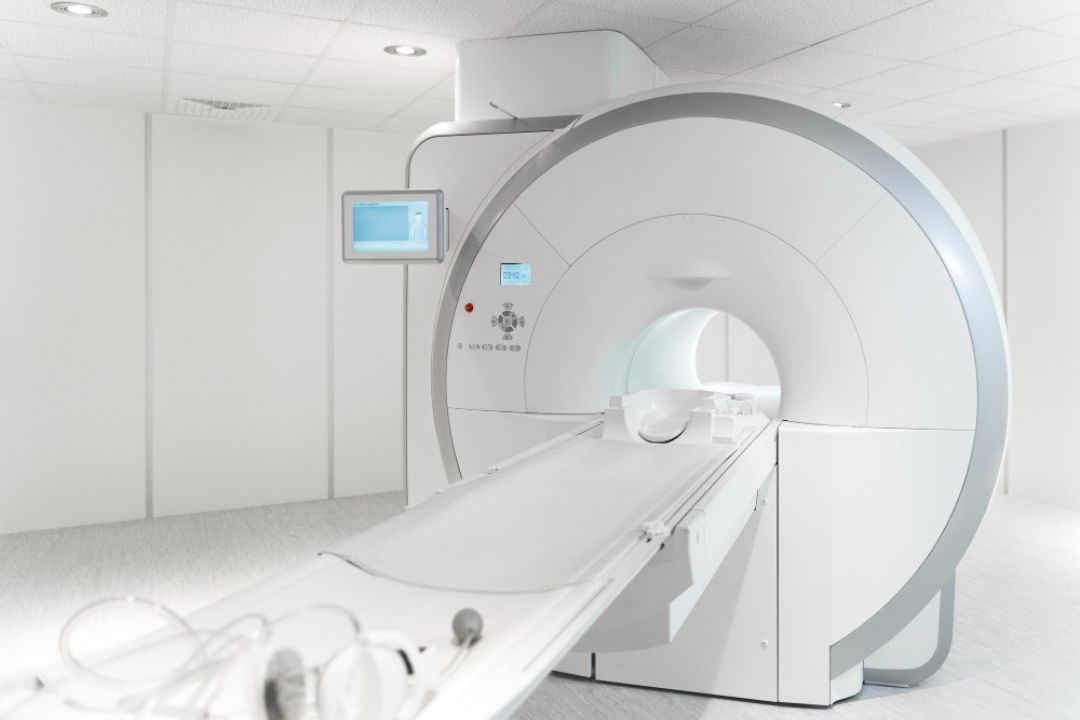
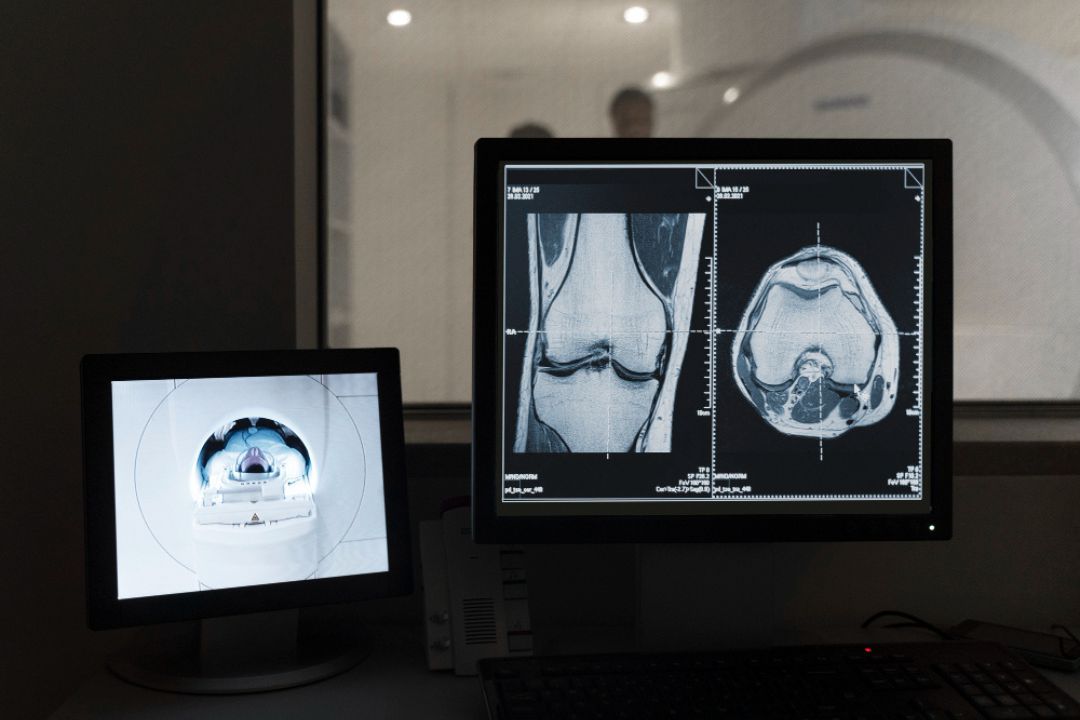
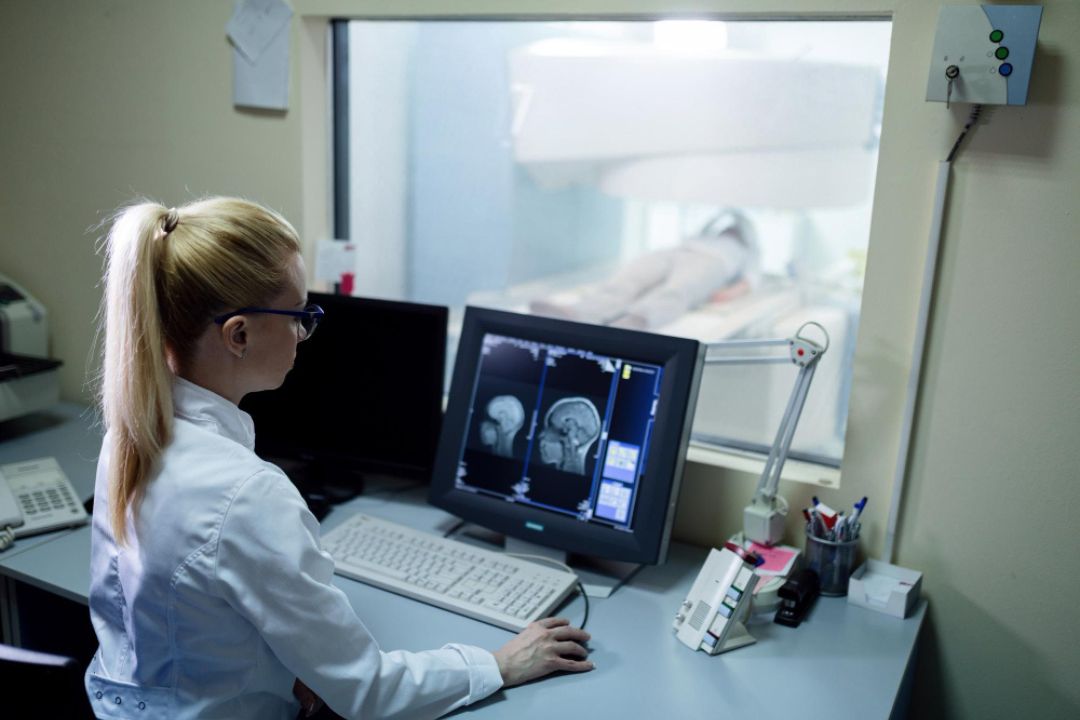
CT PNS stands for Computed Tomography of the Paranasal Sinuses. It is an advanced scan that uses X-rays and computer technology to create detailed cross-sectional images of the sinus cavities.
When contrast dye is used, the visibility of soft tissues, blood vessels, and abnormal growths improves significantly. This allows radiologists to detect subtle problems with greater accuracy.
CT PNS with contrast is especially useful when routine sinus imaging is not sufficient or when complications are suspected.
The paranasal sinuses are air-filled spaces located in the bones around the nose and eyes. They include:
Maxillary sinuses
Frontal sinuses
Ethmoid sinuses
Sphenoid sinuses
These sinuses help:
Humidify inhaled air
Improve voice resonance
Reduce skull weight
Support normal nasal function
Any blockage, infection, or abnormal growth in these areas can cause symptoms such as facial pain, headache, nasal congestion, or breathing difficulty.
Doctors recommend this scan when detailed sinus evaluation is required.
Chronic sinusitis
Suspected sinus tumors
Nasal polyps
Fungal sinus infections
Facial pain of unknown cause
Pre-surgical sinus evaluation
Recurrent sinus infections
Trauma to the nasal region
Contrast enhancement helps distinguish between infection, inflammation, and abnormal tissue growth.
Modern CT technology offers several advantages.
Contrast dye improves the visibility of soft tissues and blood vessels. This helps detect even small abnormalities.
The scan is quick and does not require any surgical procedure.
Detailed imaging helps ENT specialists plan sinus surgery more precisely.
It can identify complications such as:
Orbital involvement
Bone erosion
Deep fungal infection
Tumor spread
Proper preparation ensures smooth scanning and accurate results.
You may be advised to:
Avoid eating for 4–6 hours
Drink water if permitted
Inform about allergies
Share kidney disease history
Inform if pregnant
Remove metal accessories
Preparation instructions may vary slightly depending on your medical condition.
If you are unsure about fasting rules, read our detailed guide on
can you eat or drink before a CT scan for complete preparation clarity.
Understanding the process can help you feel more comfortable.
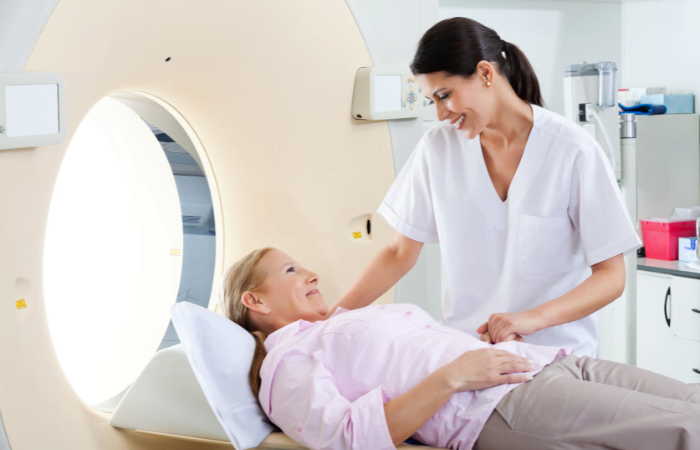
Your medical history and consent are taken. Kidney function may be reviewed if contrast is planned.
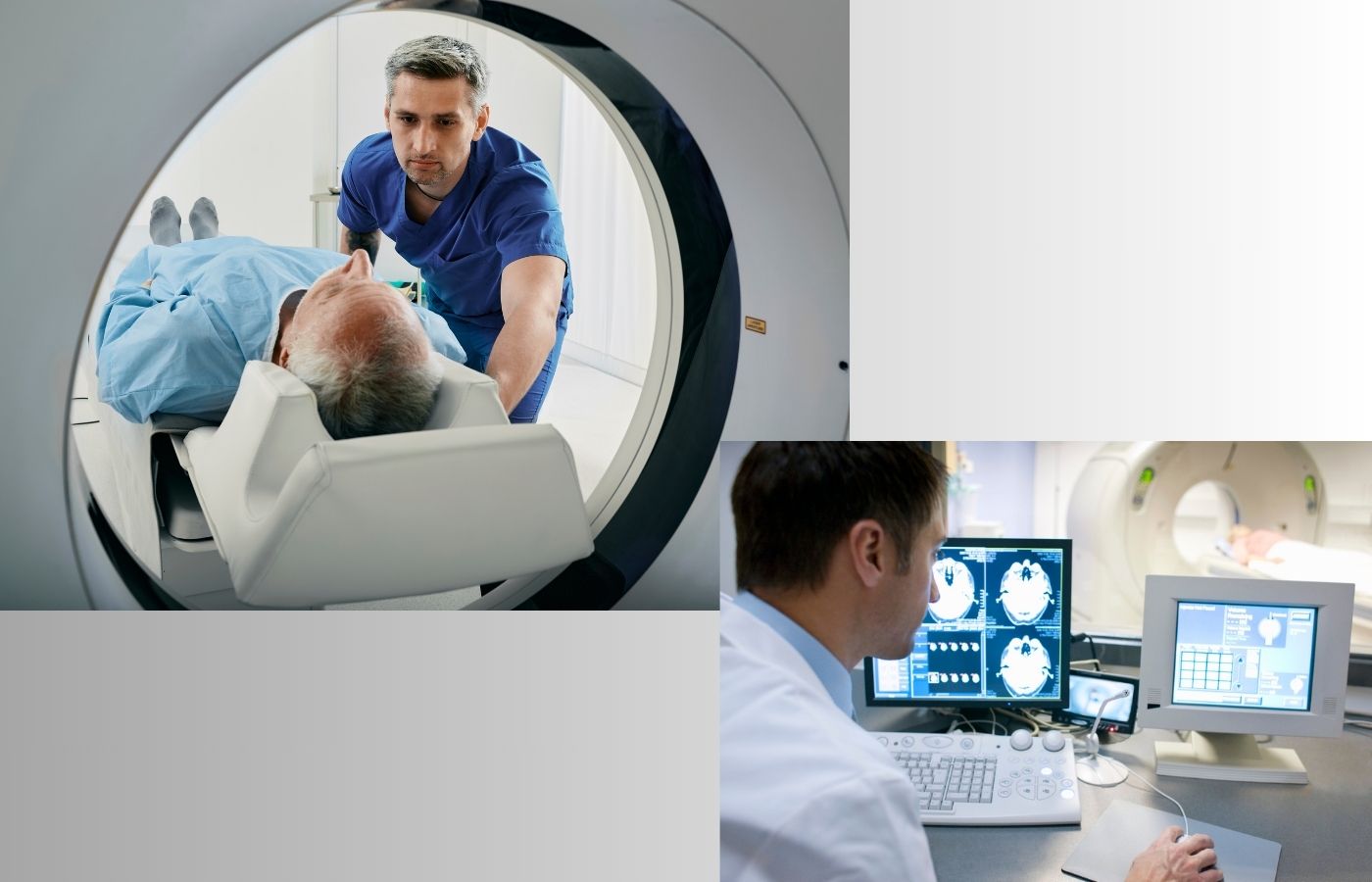
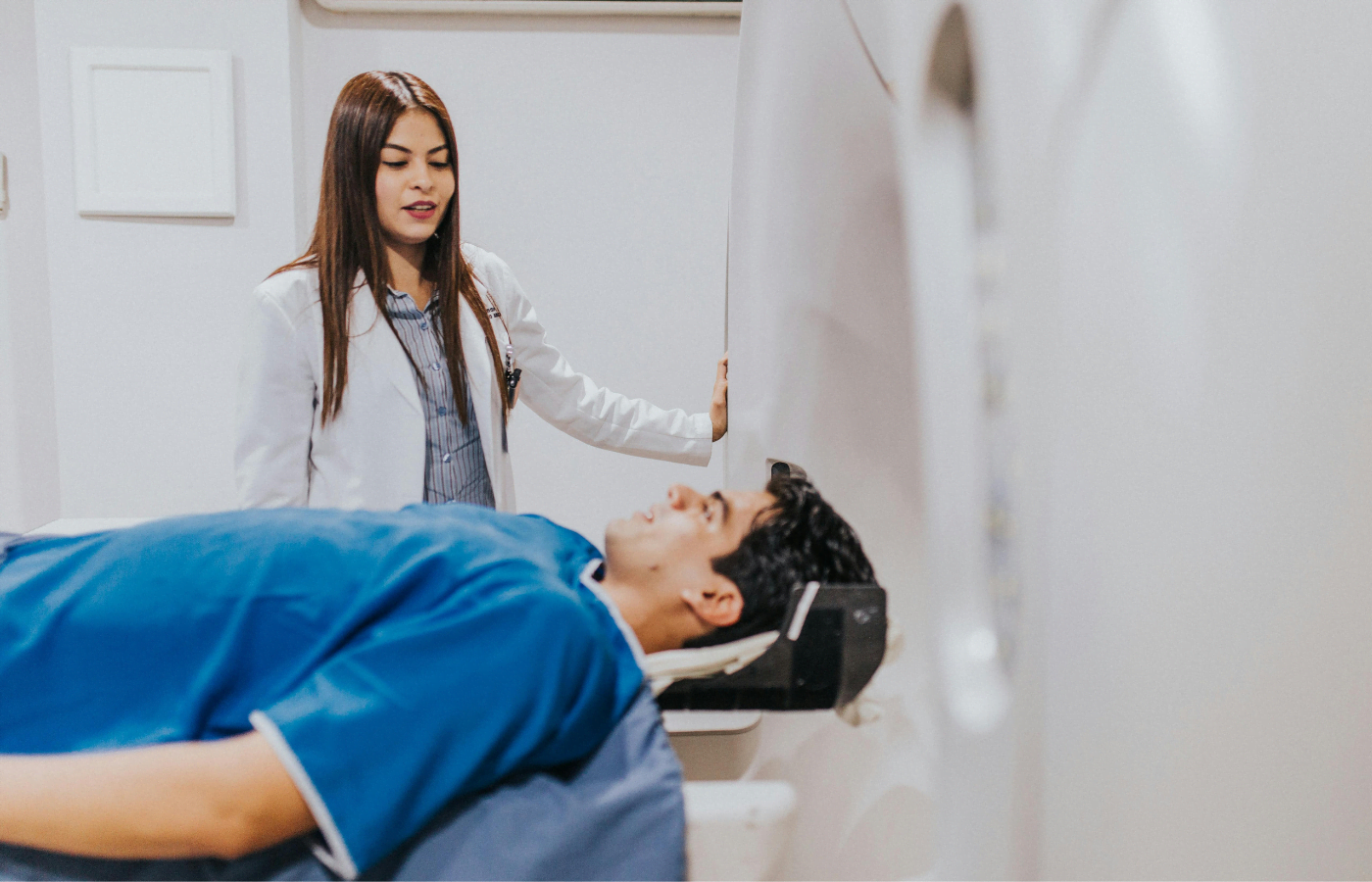
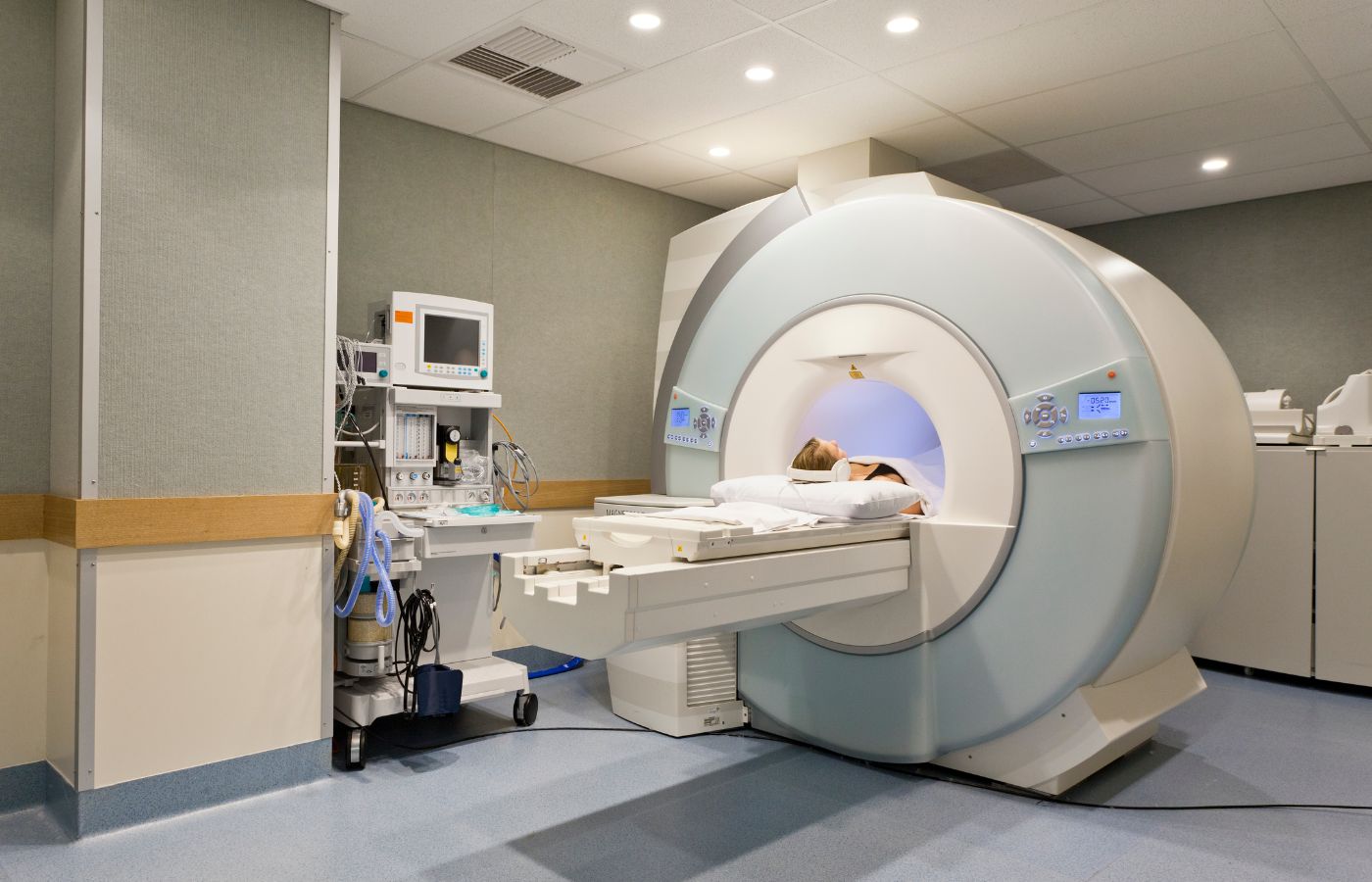
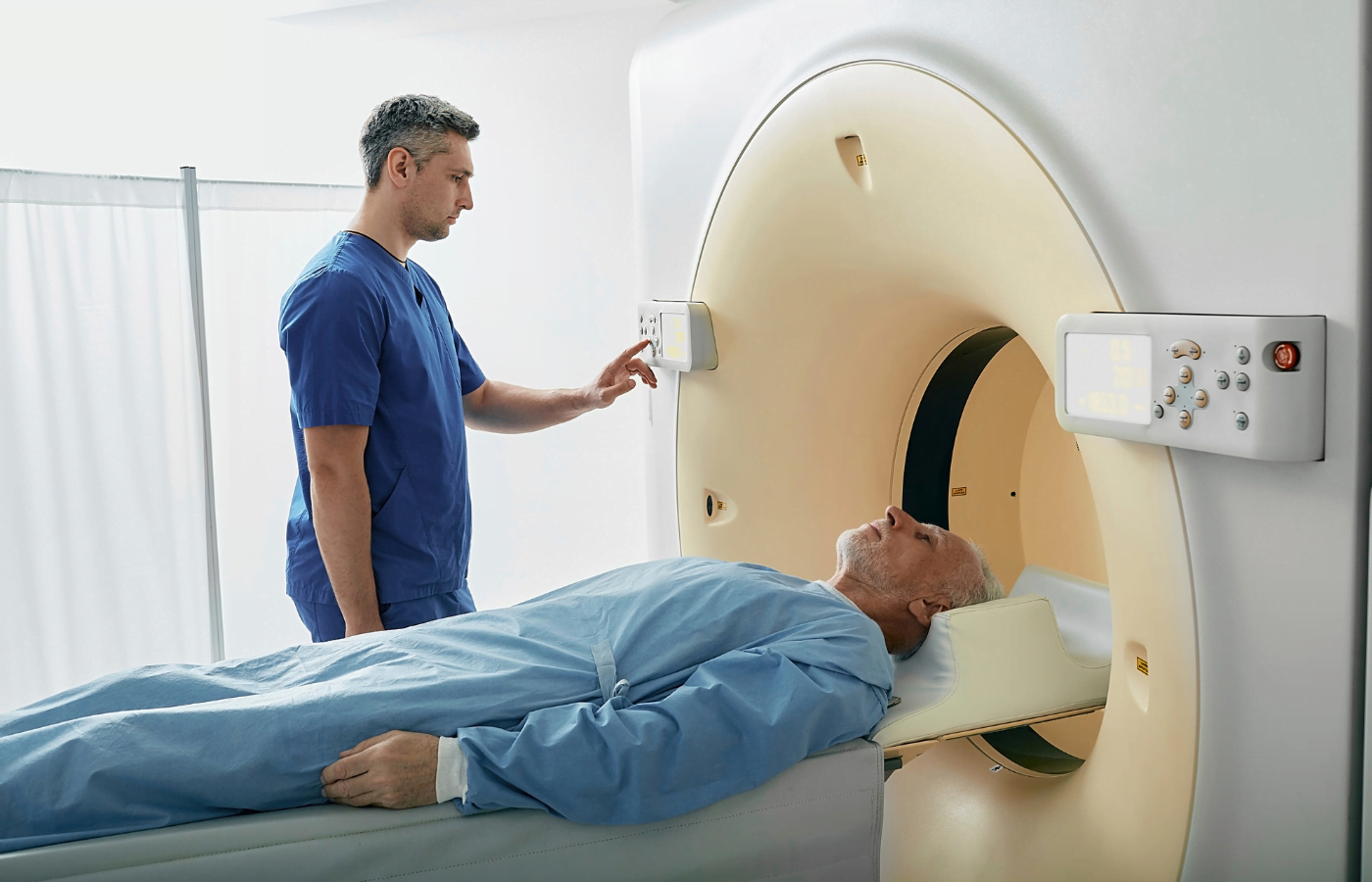
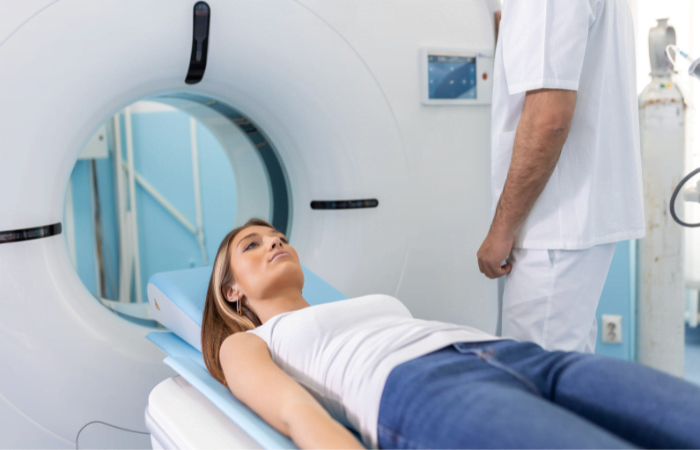
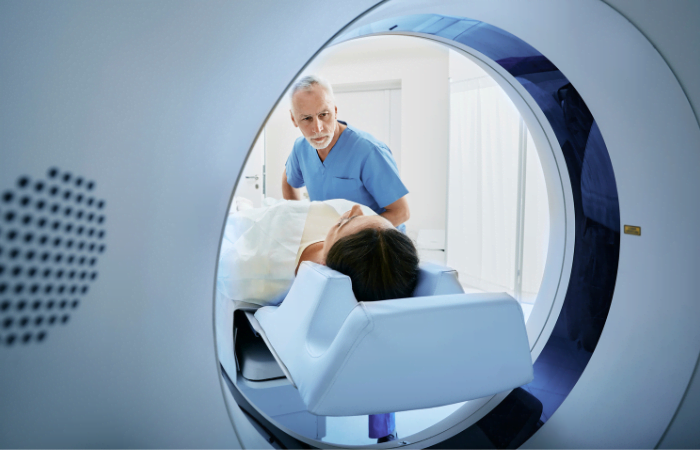
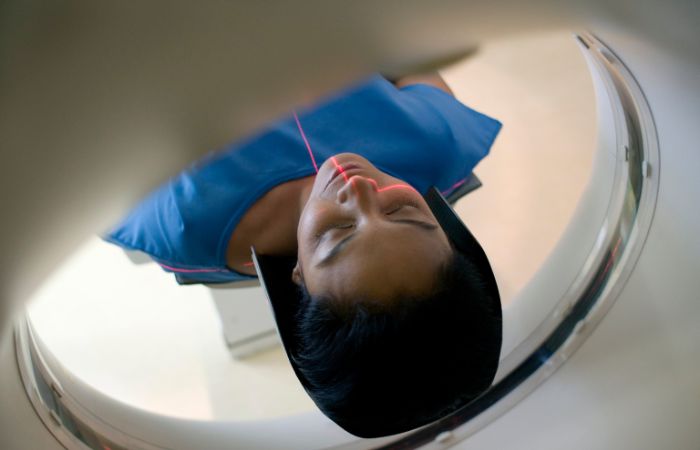
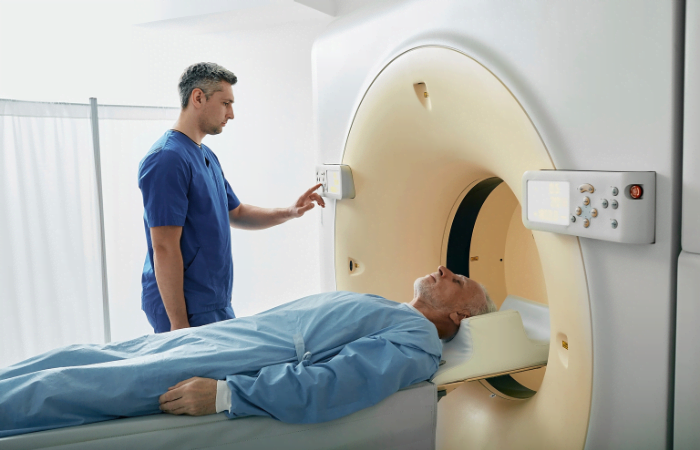
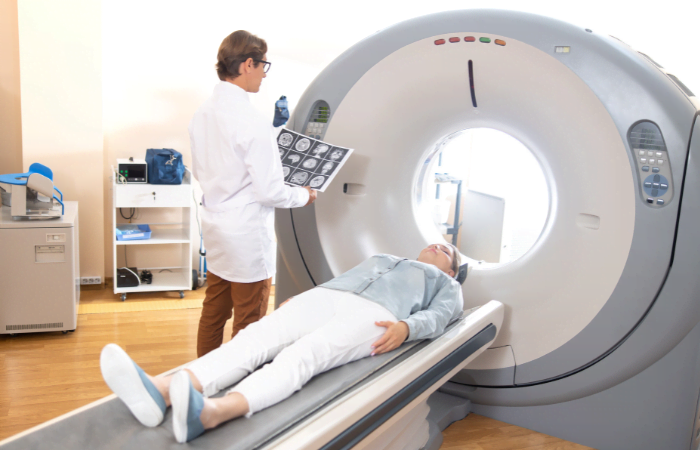
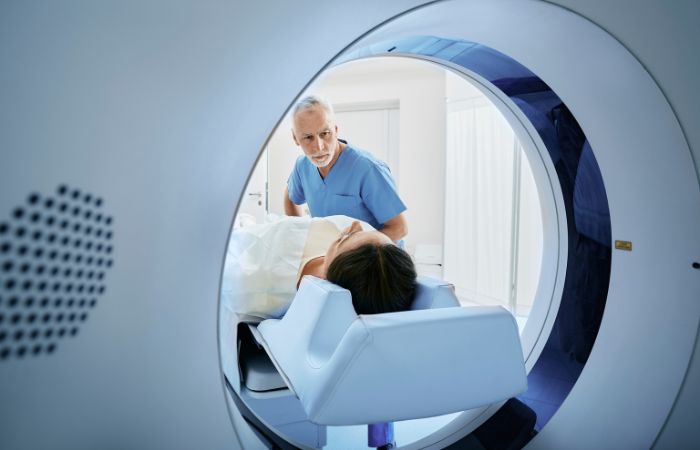
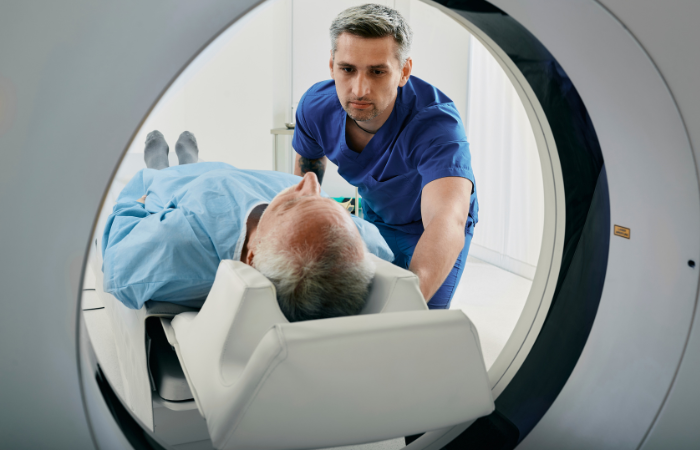
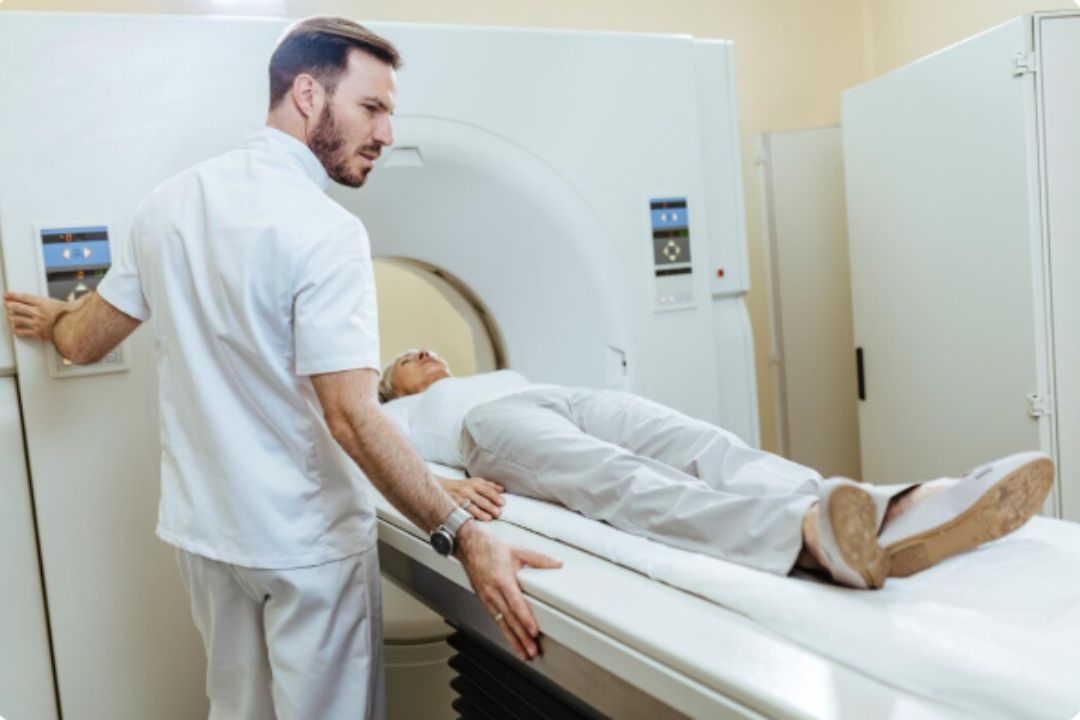
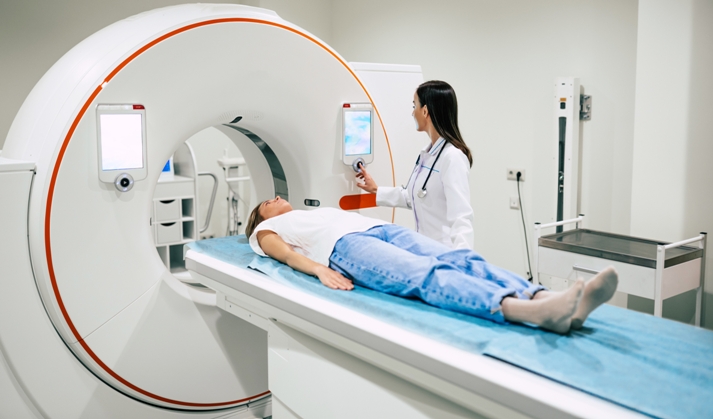
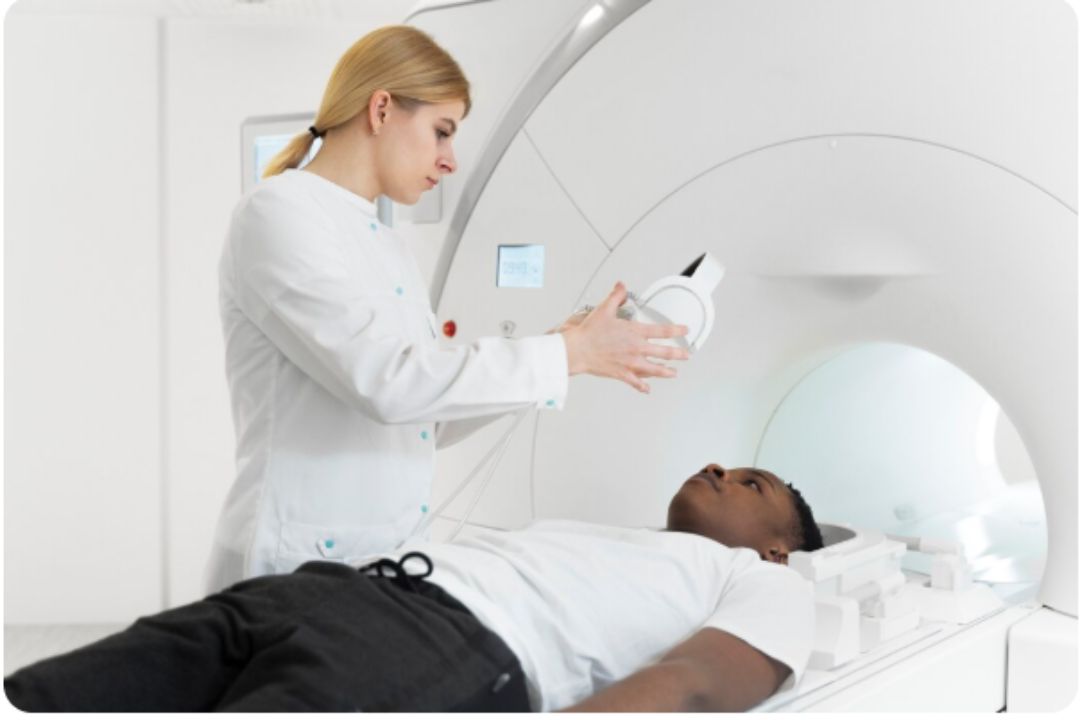
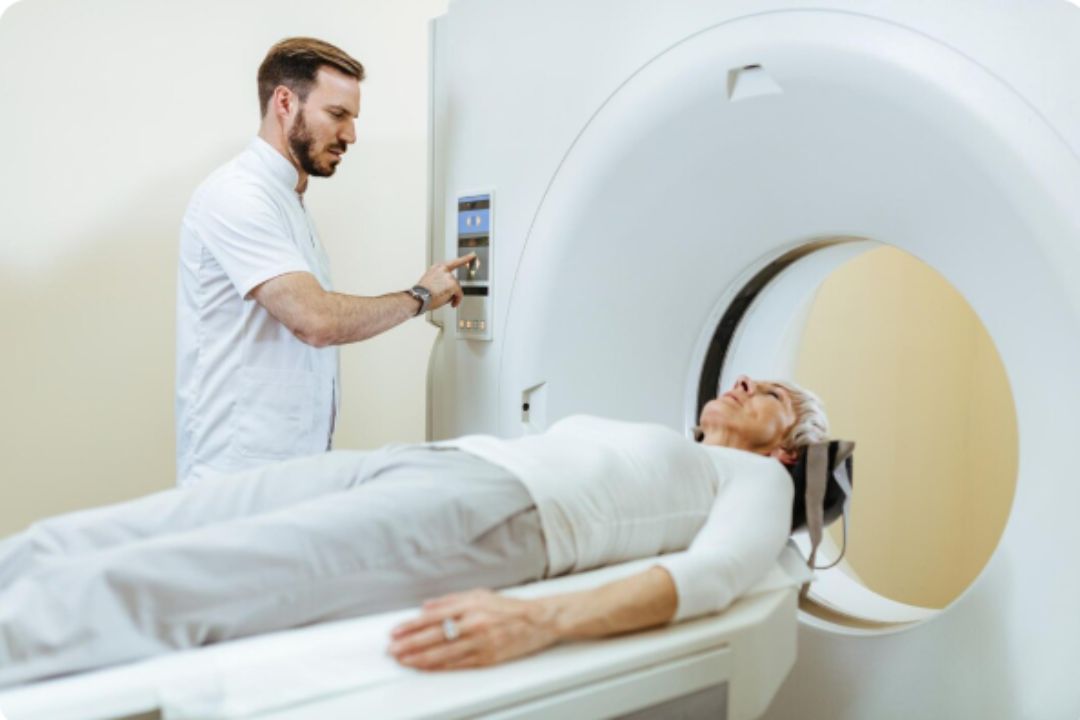
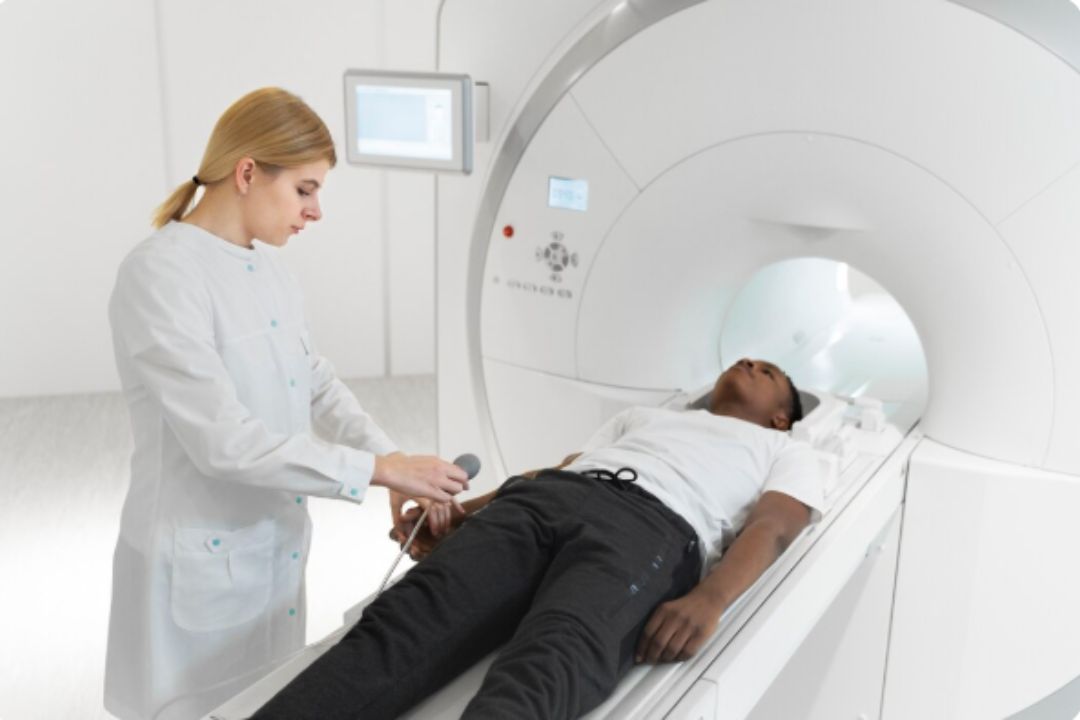
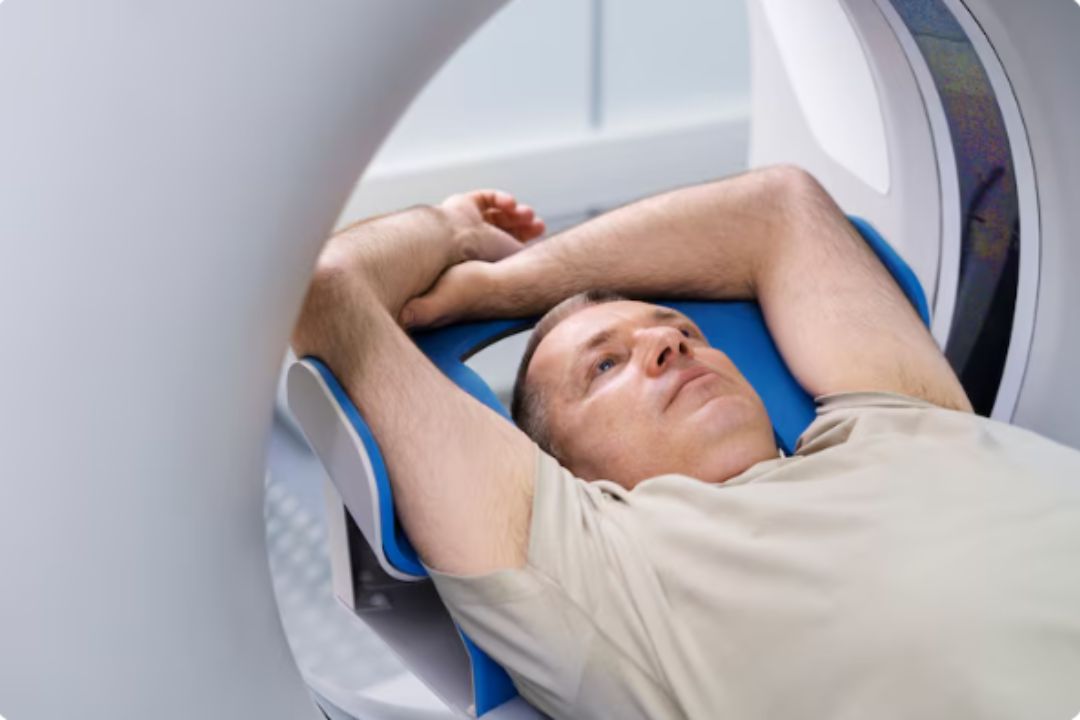
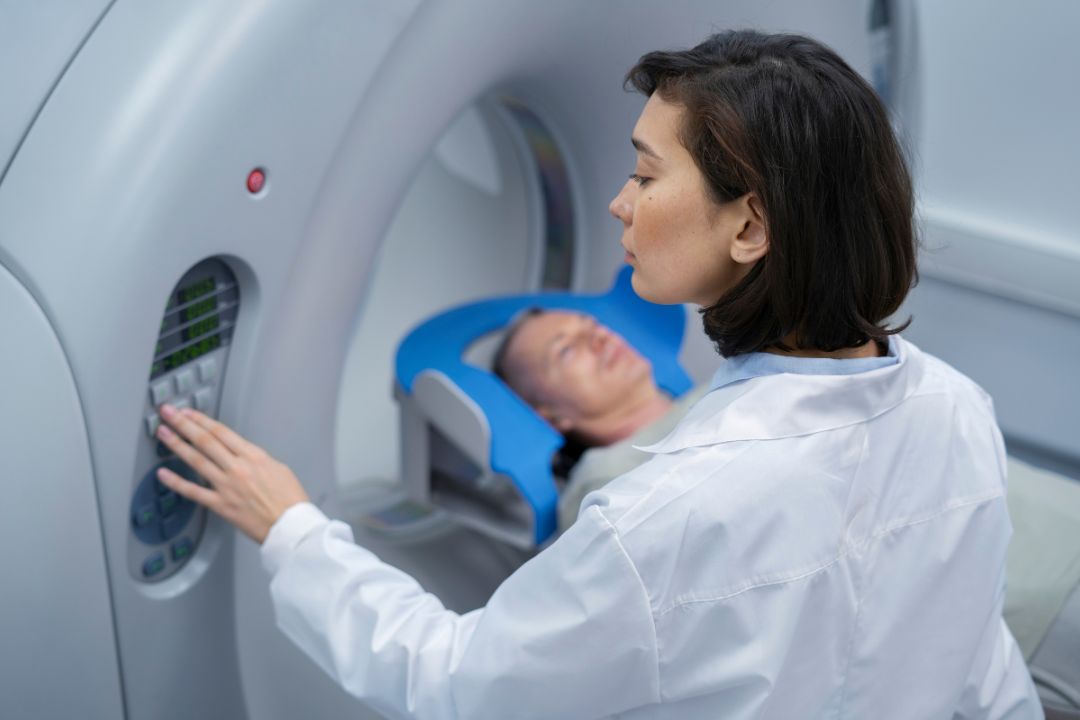
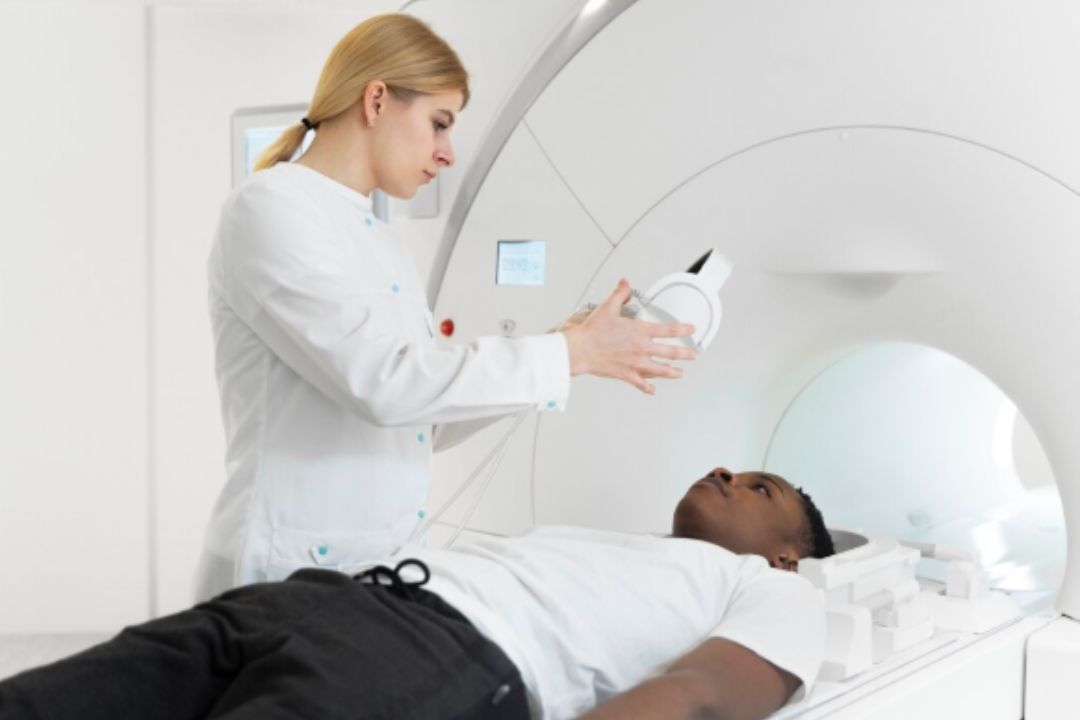
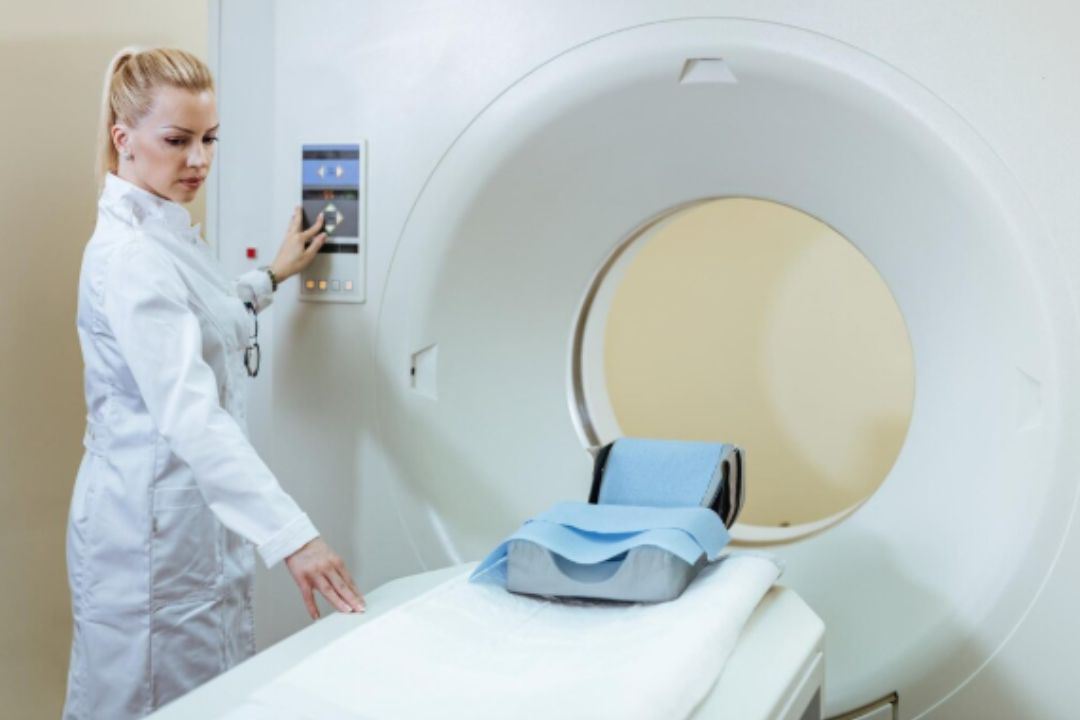
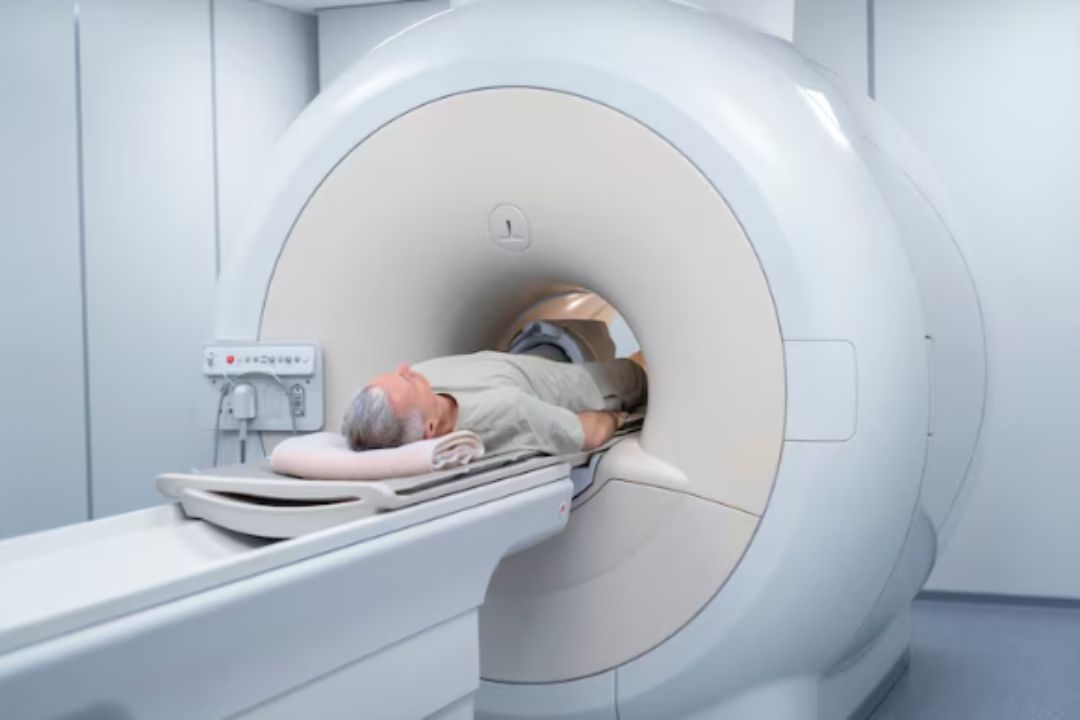
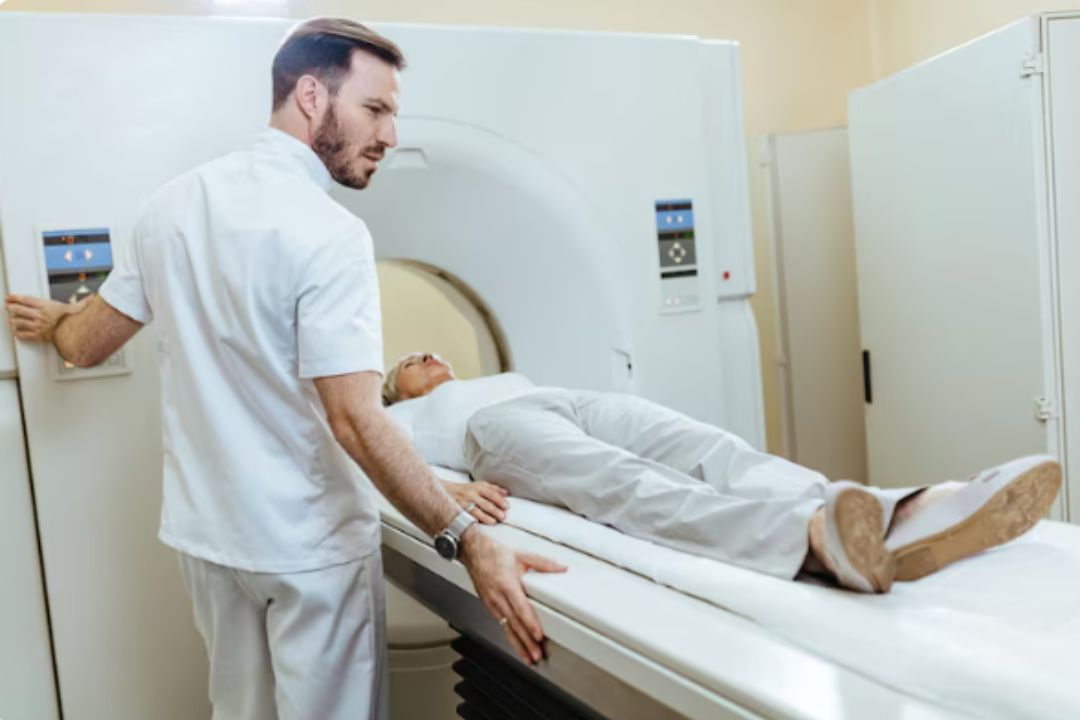
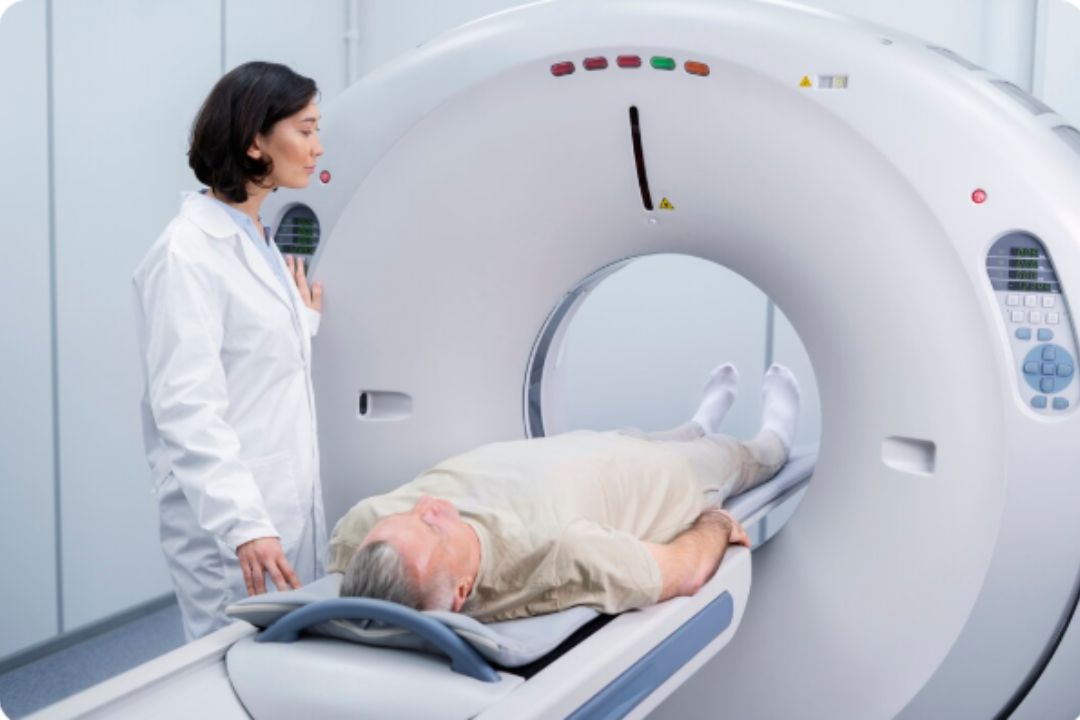
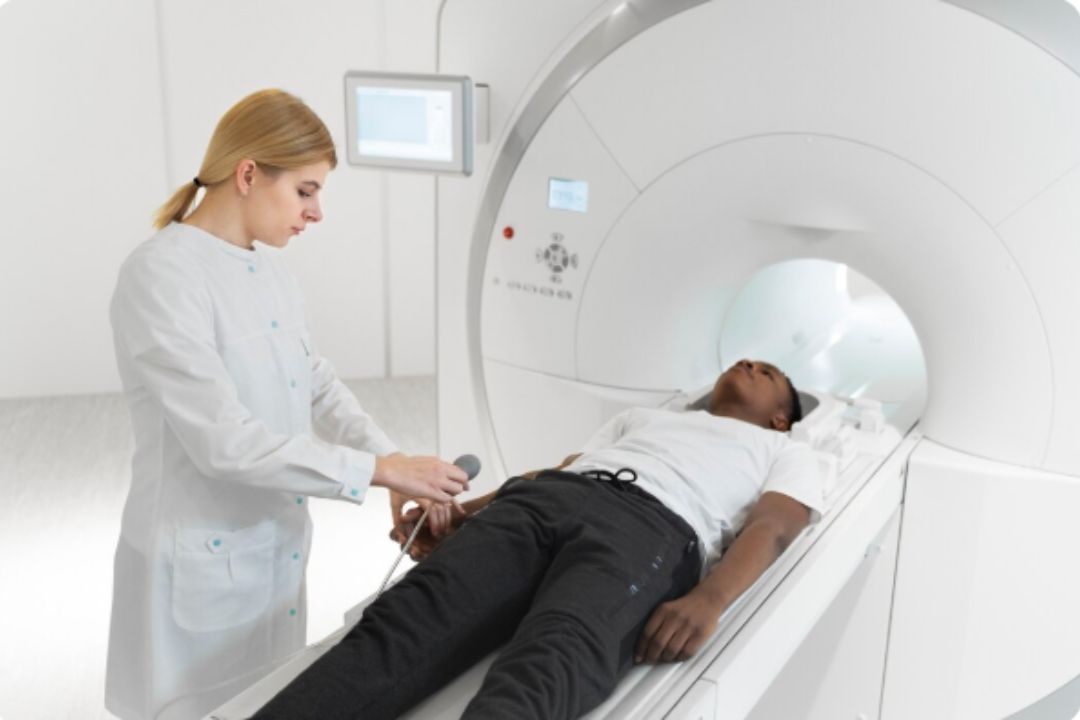
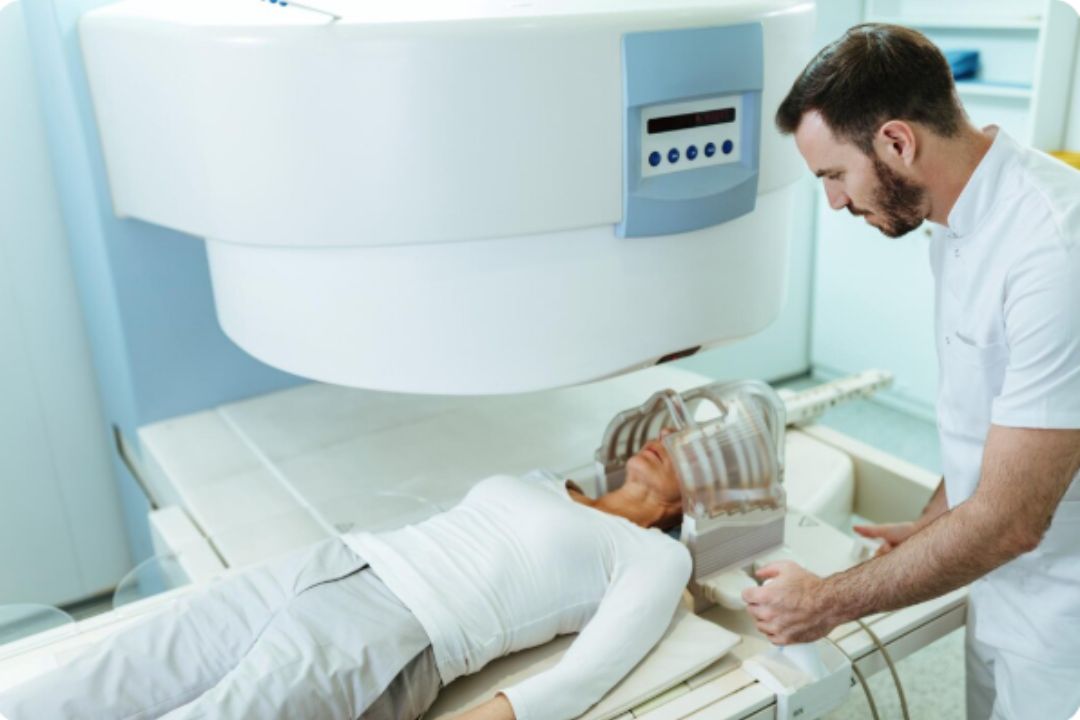
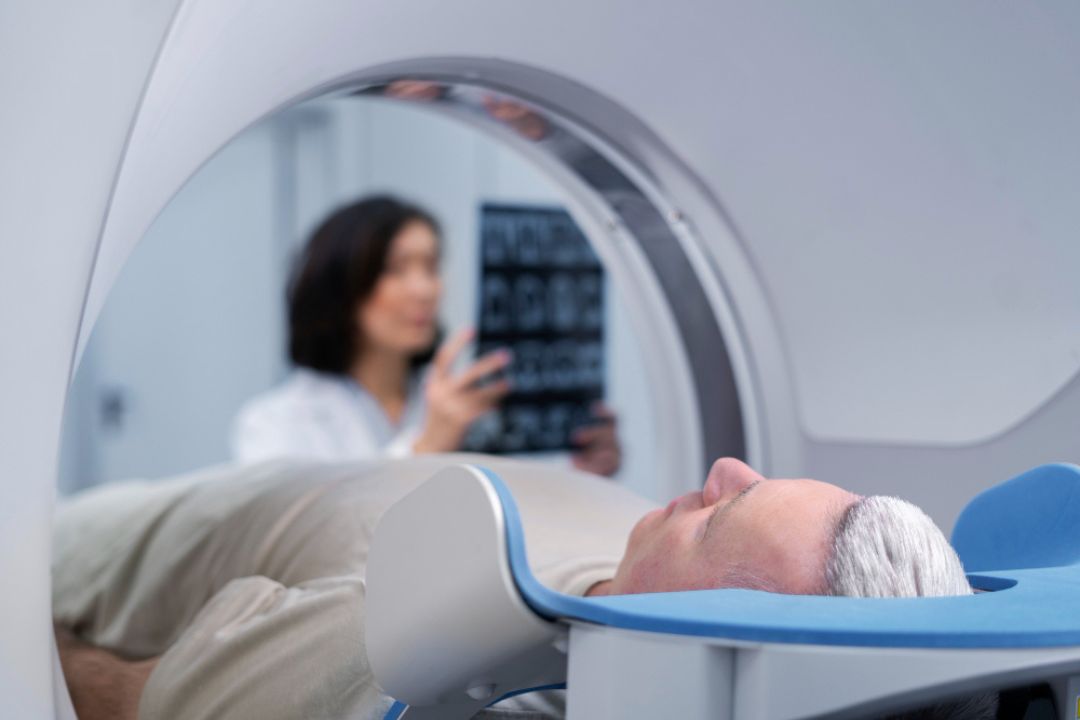
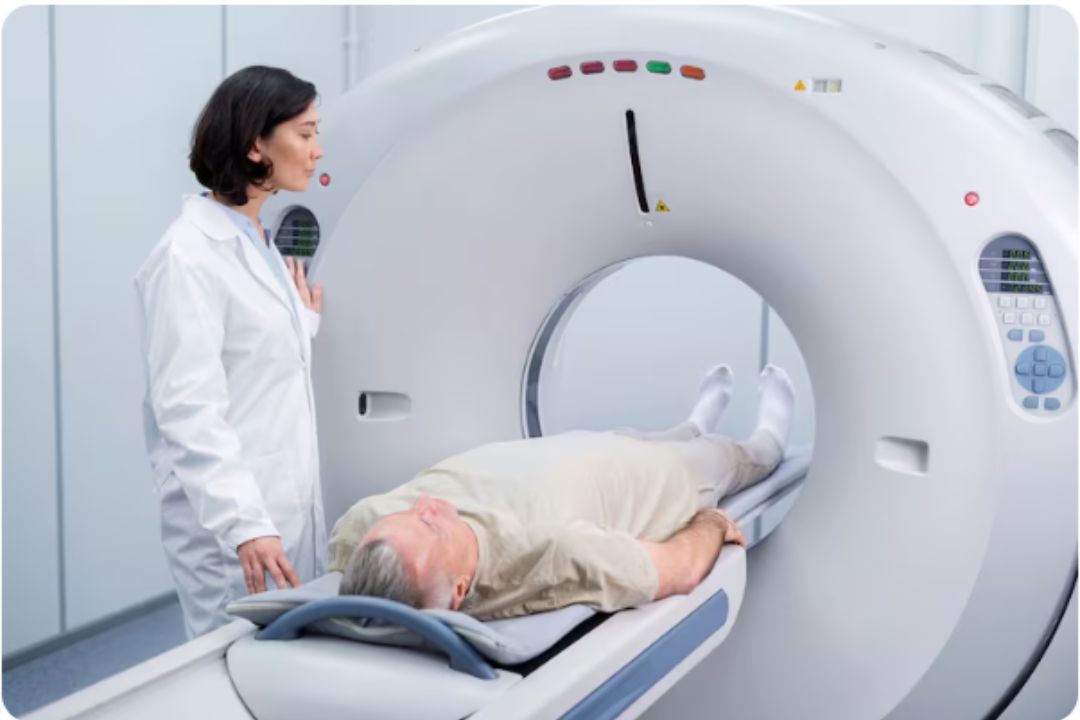
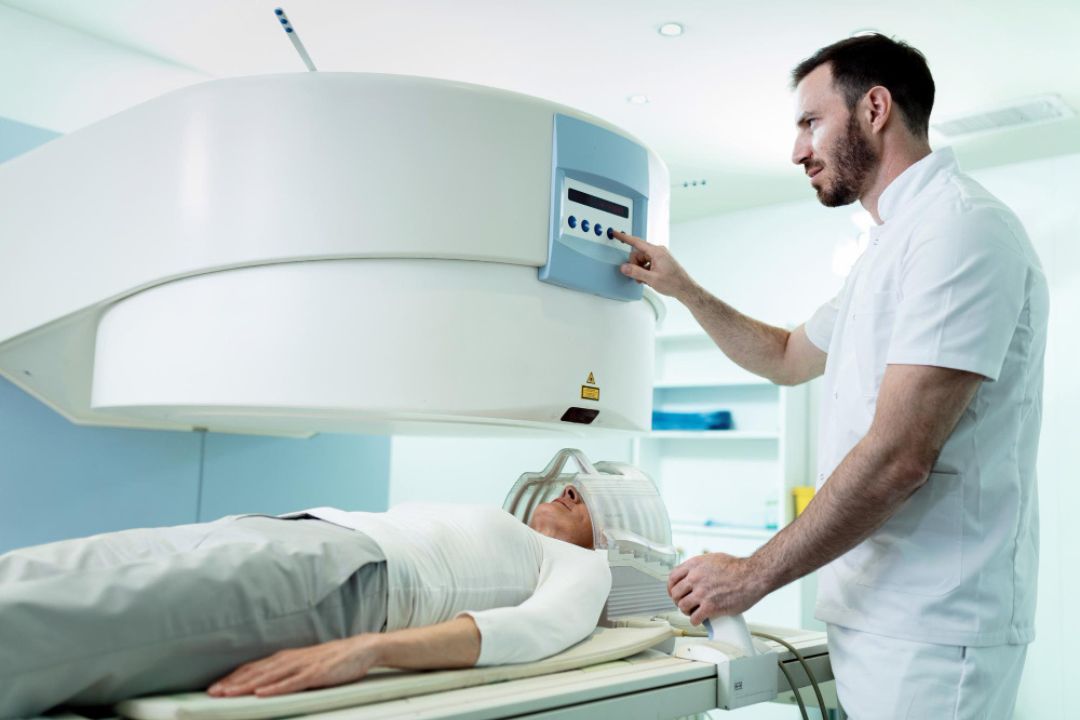
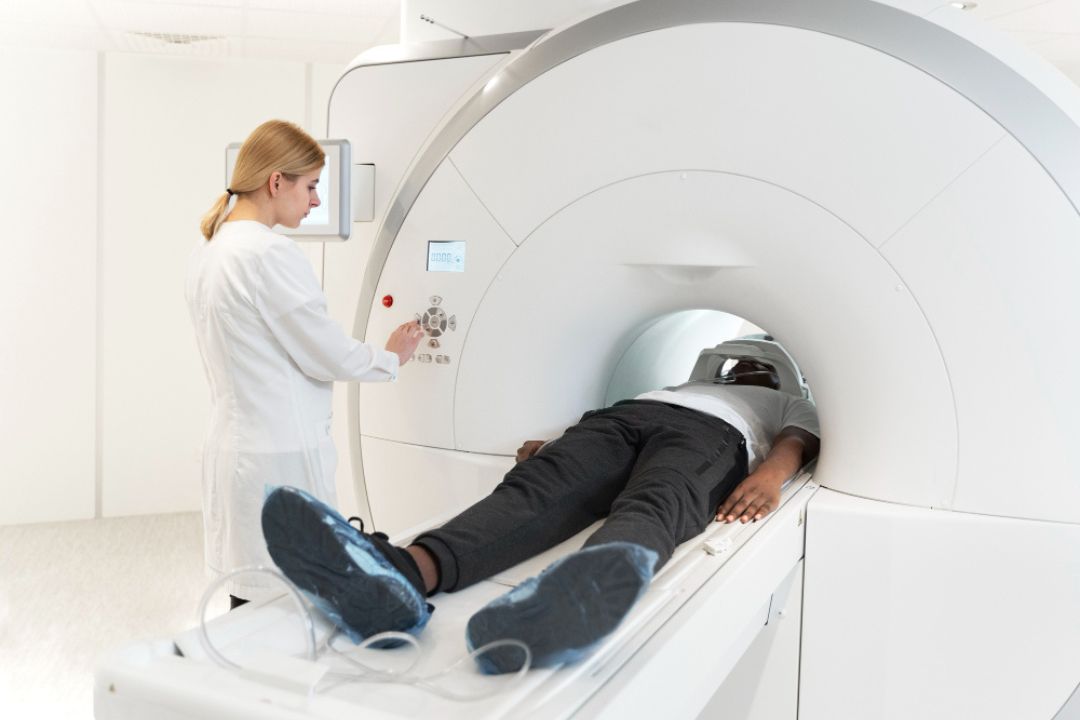
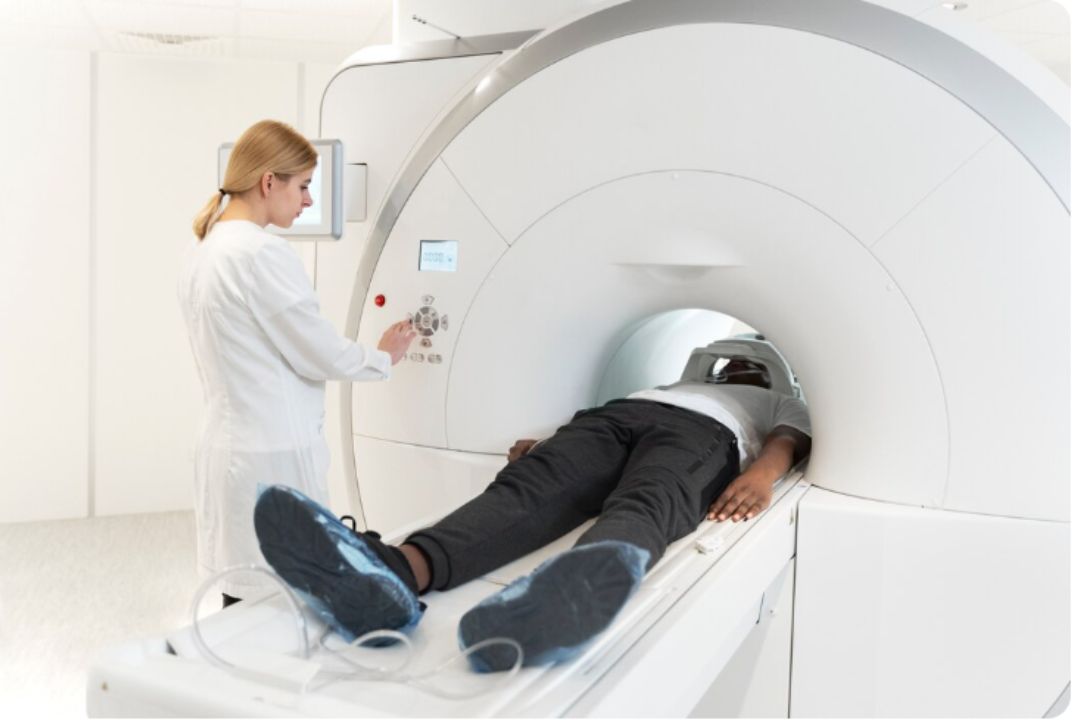
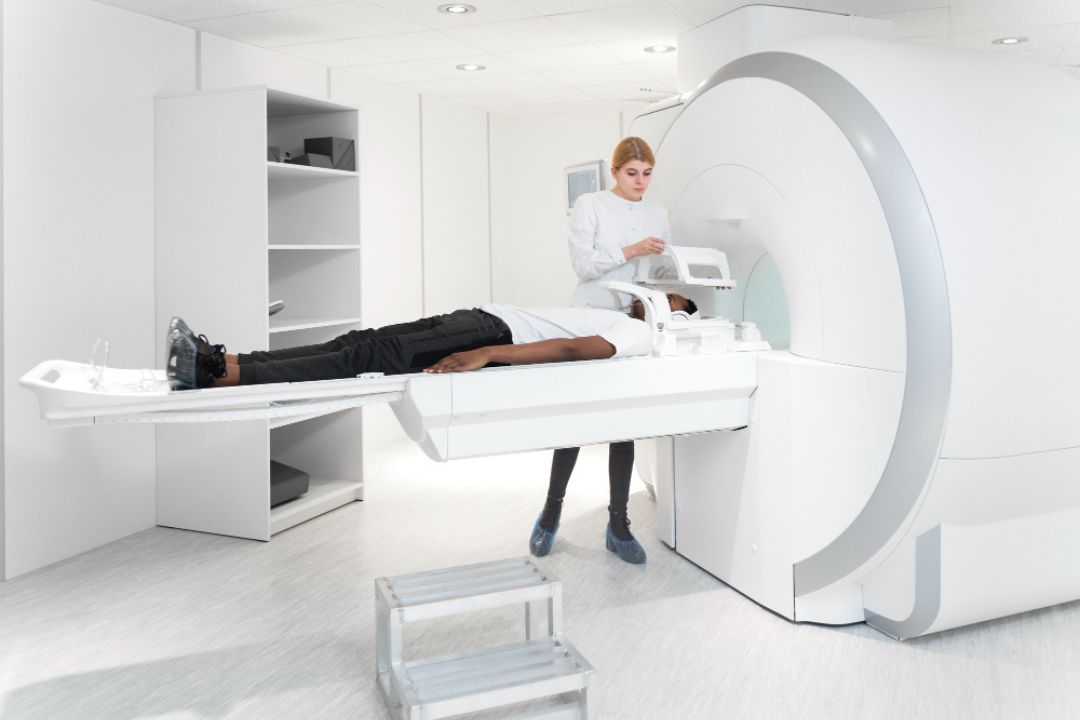
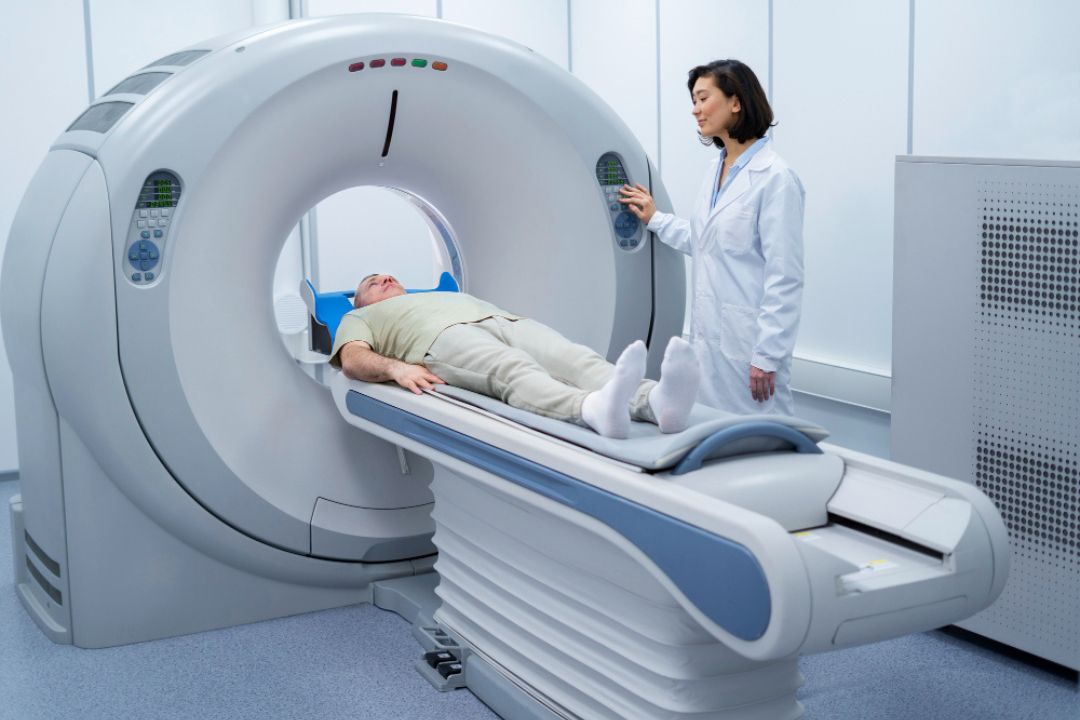
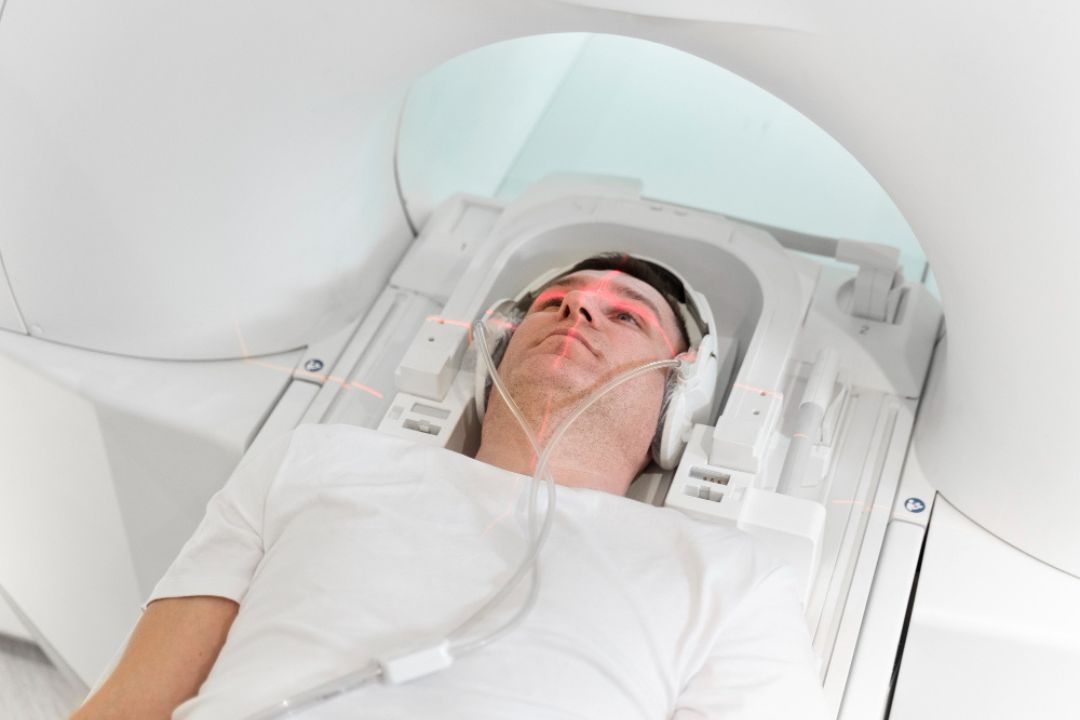
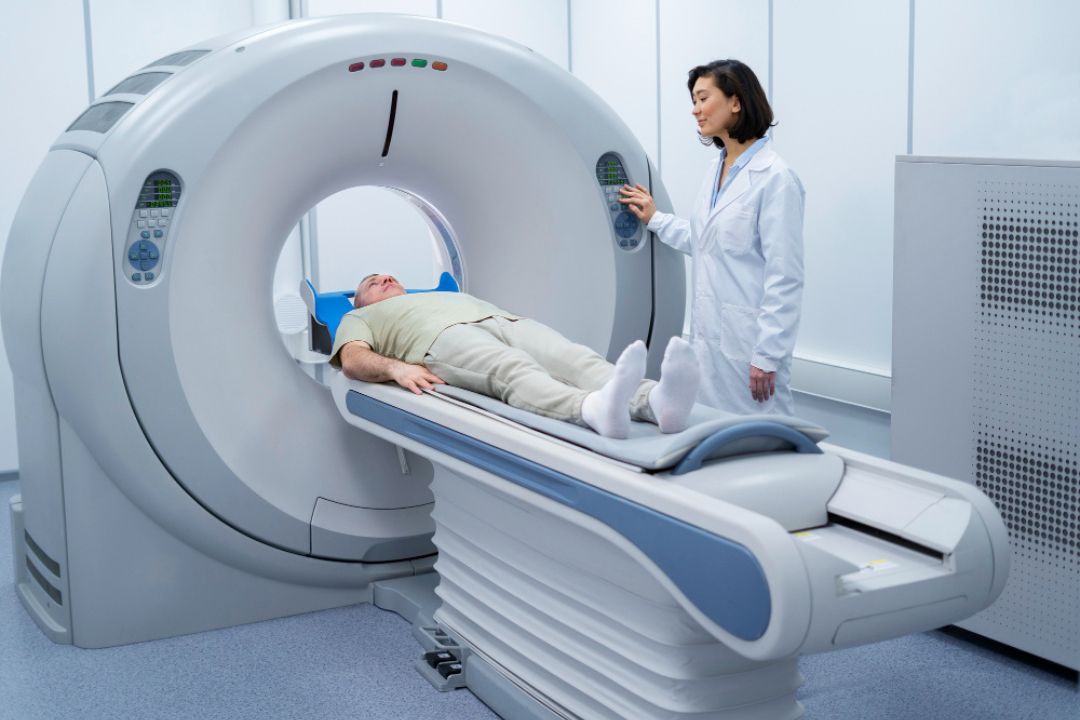
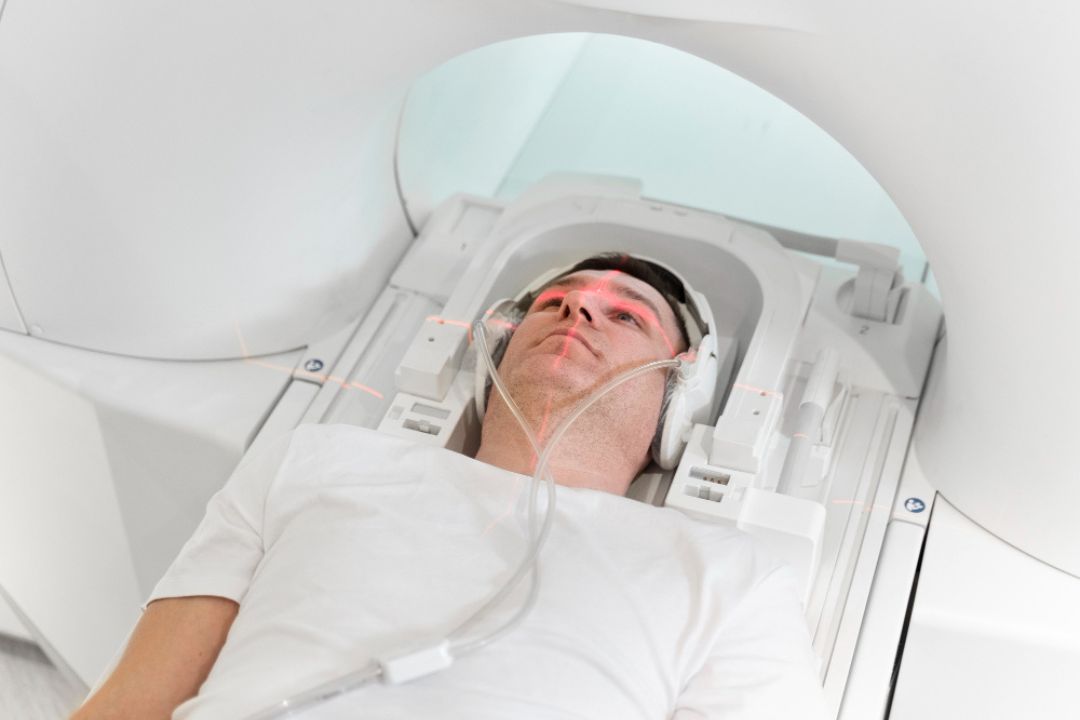
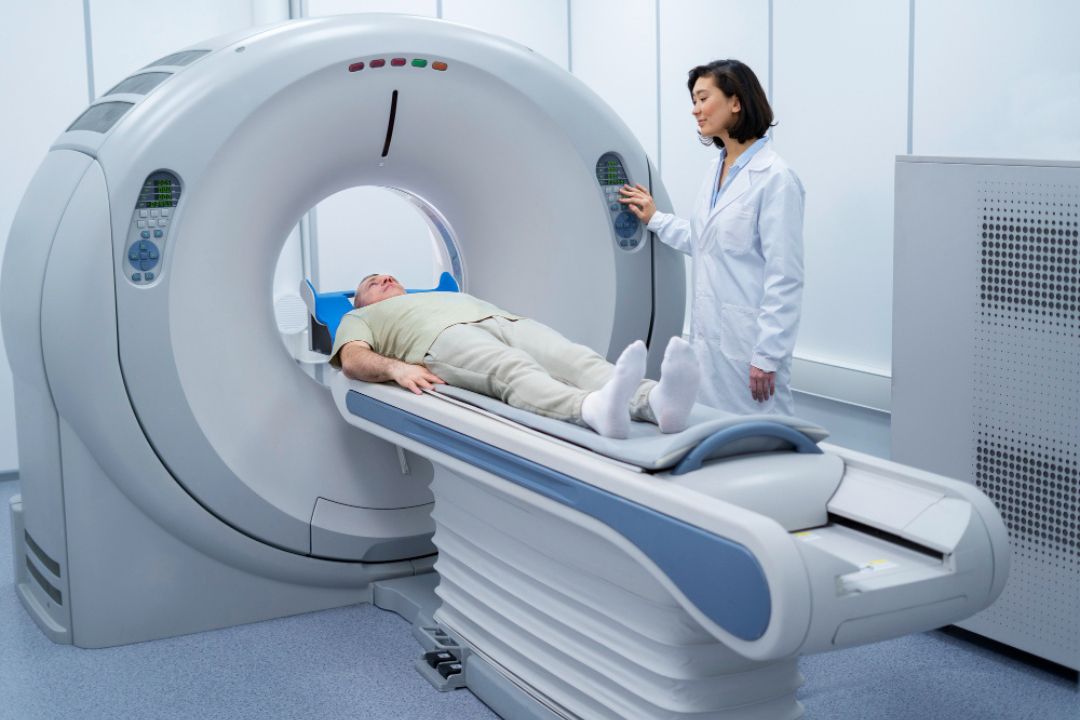
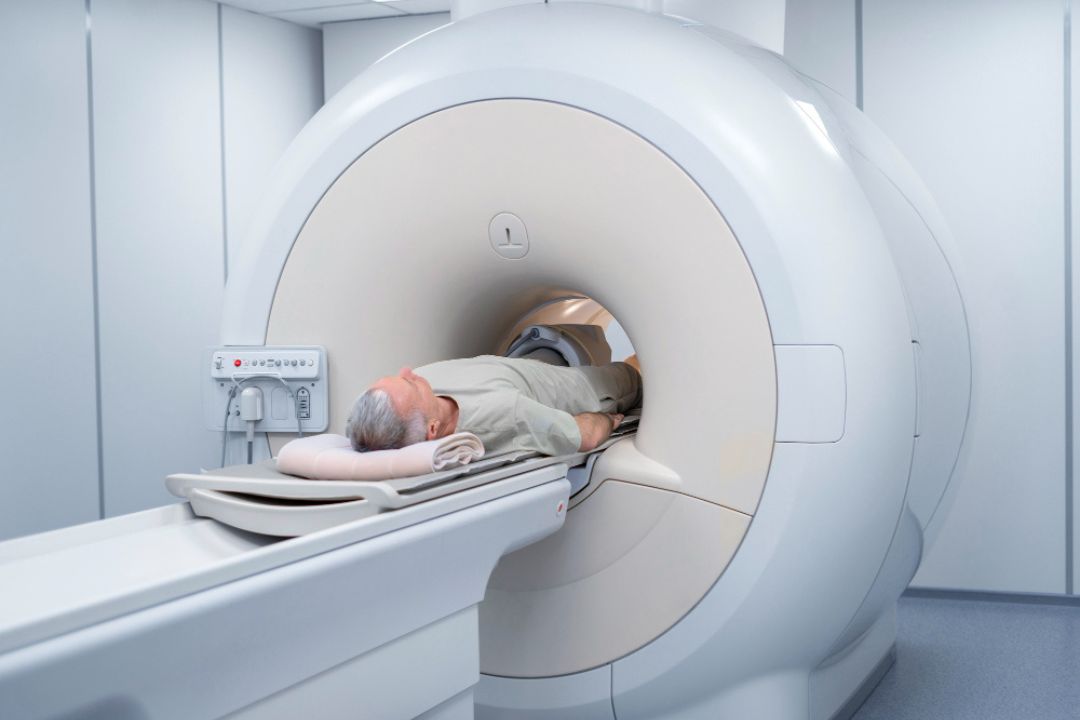
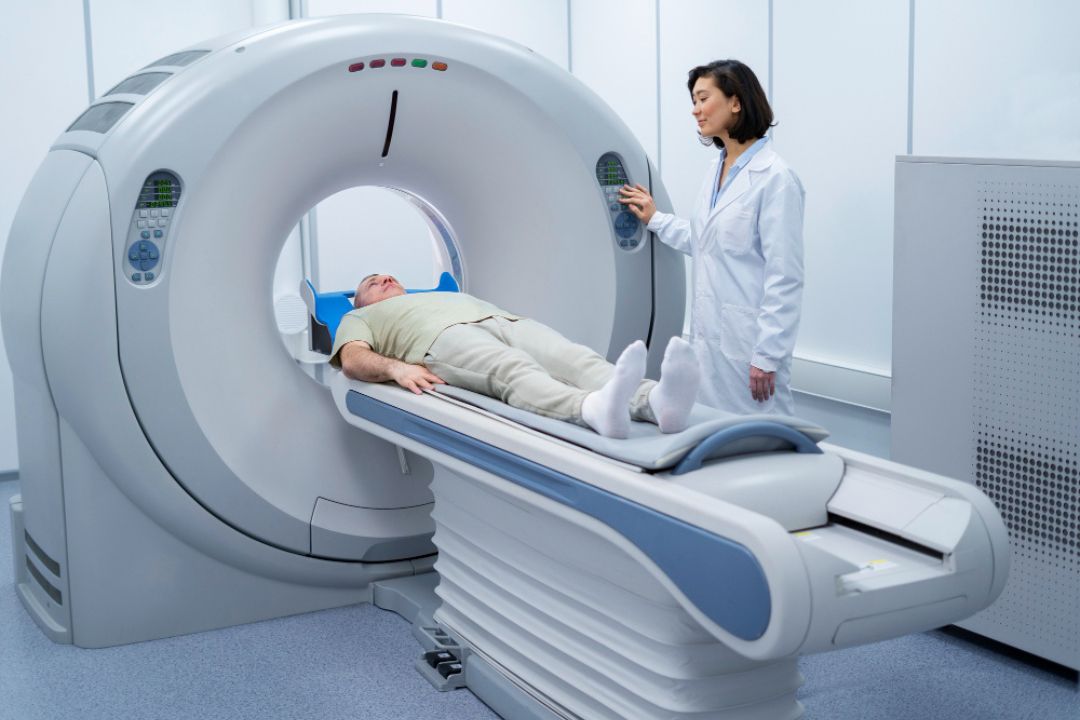
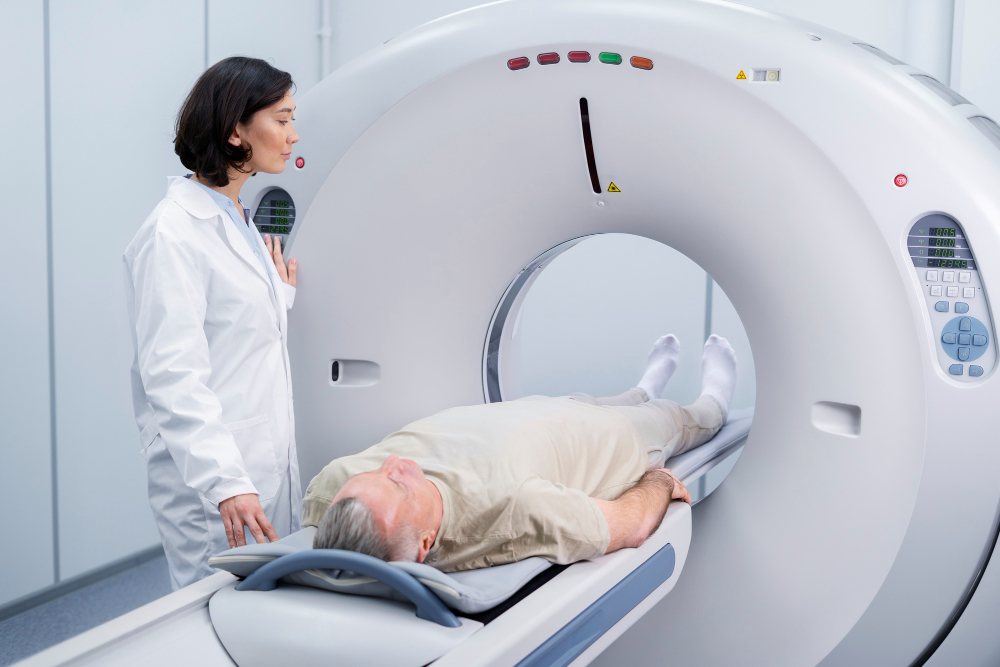
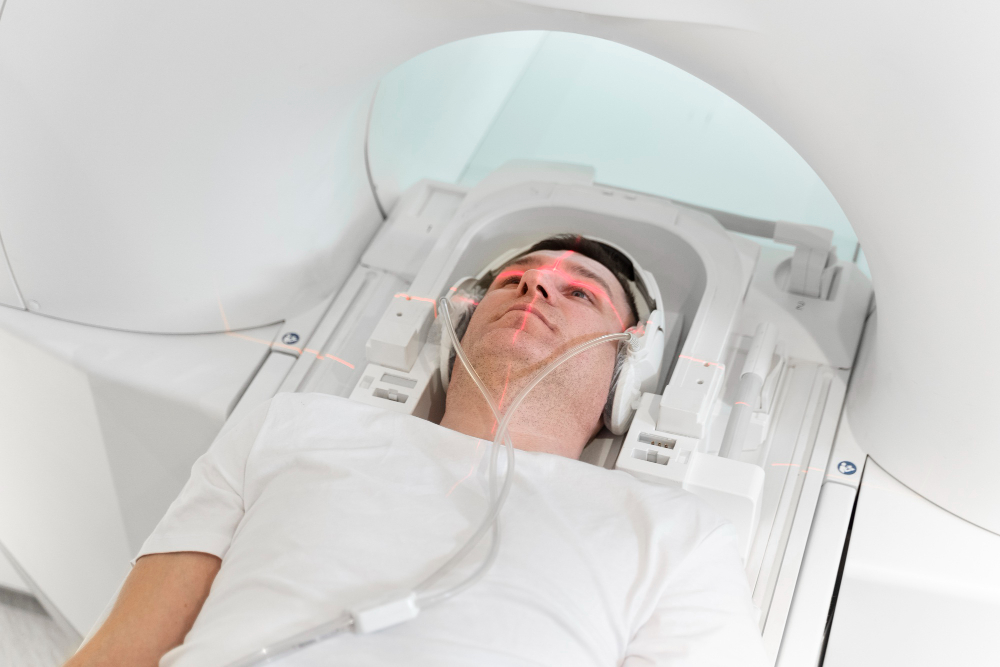
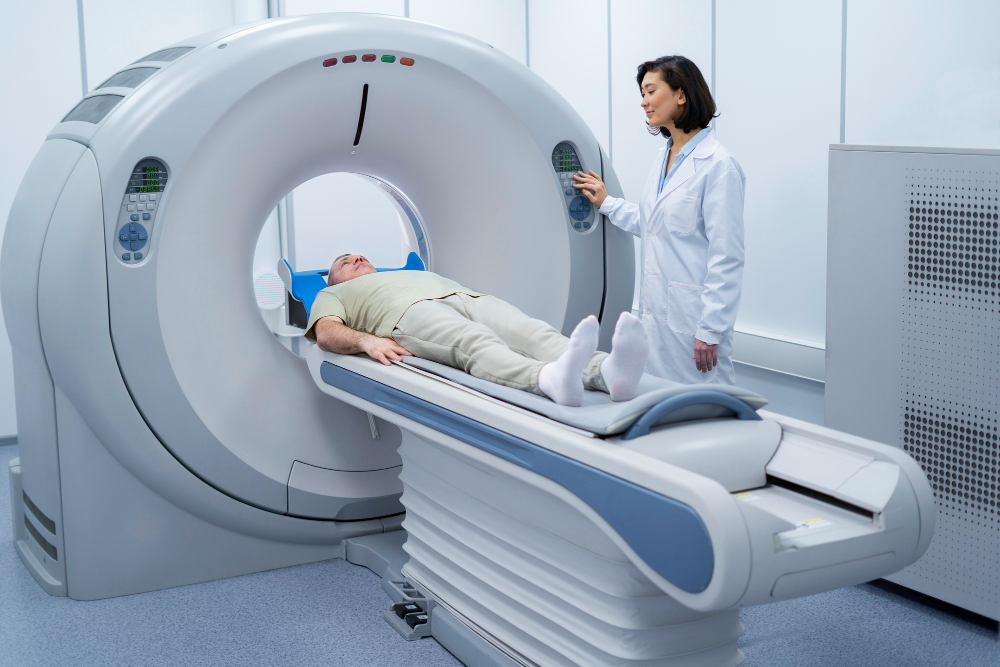
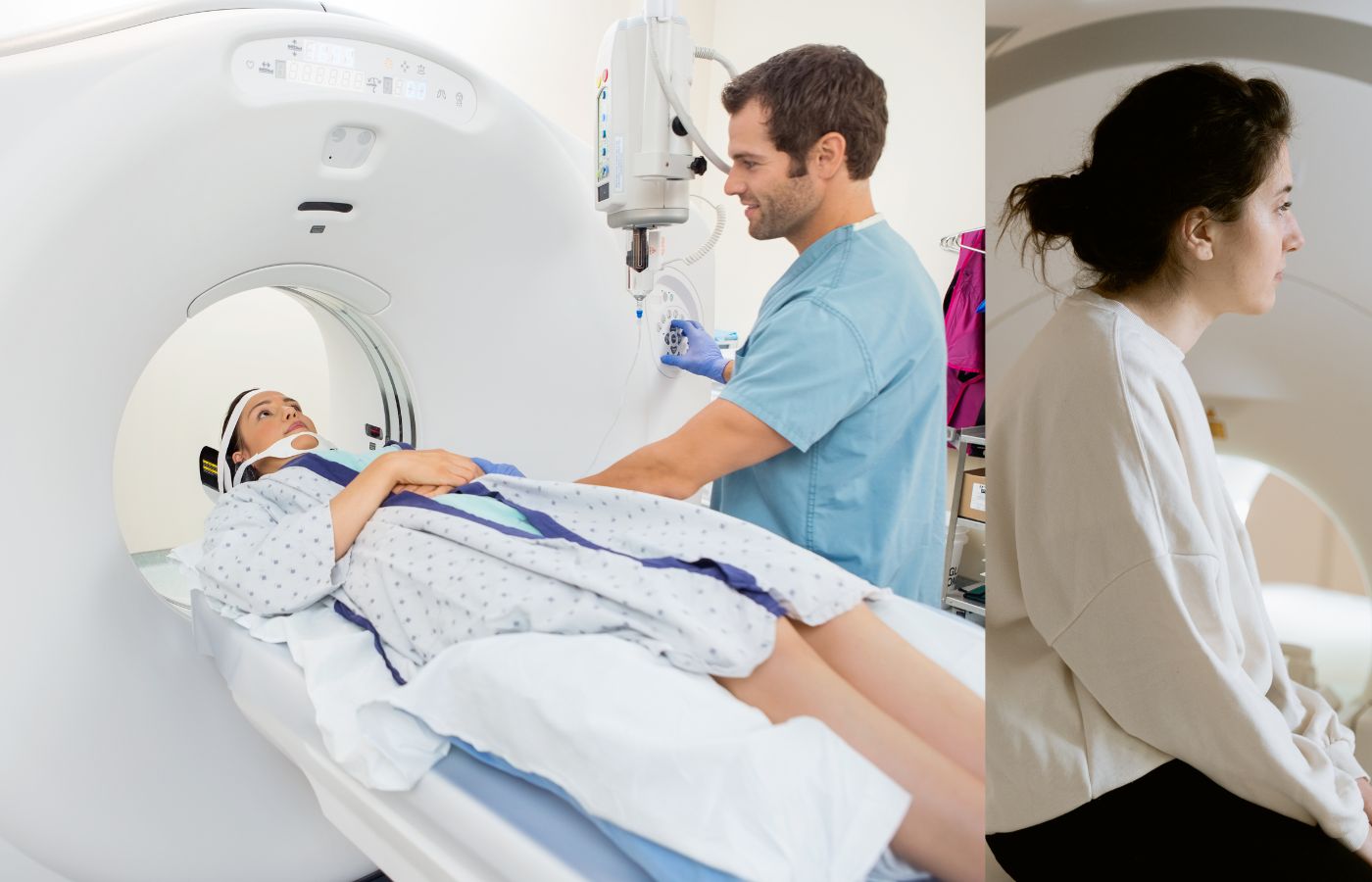
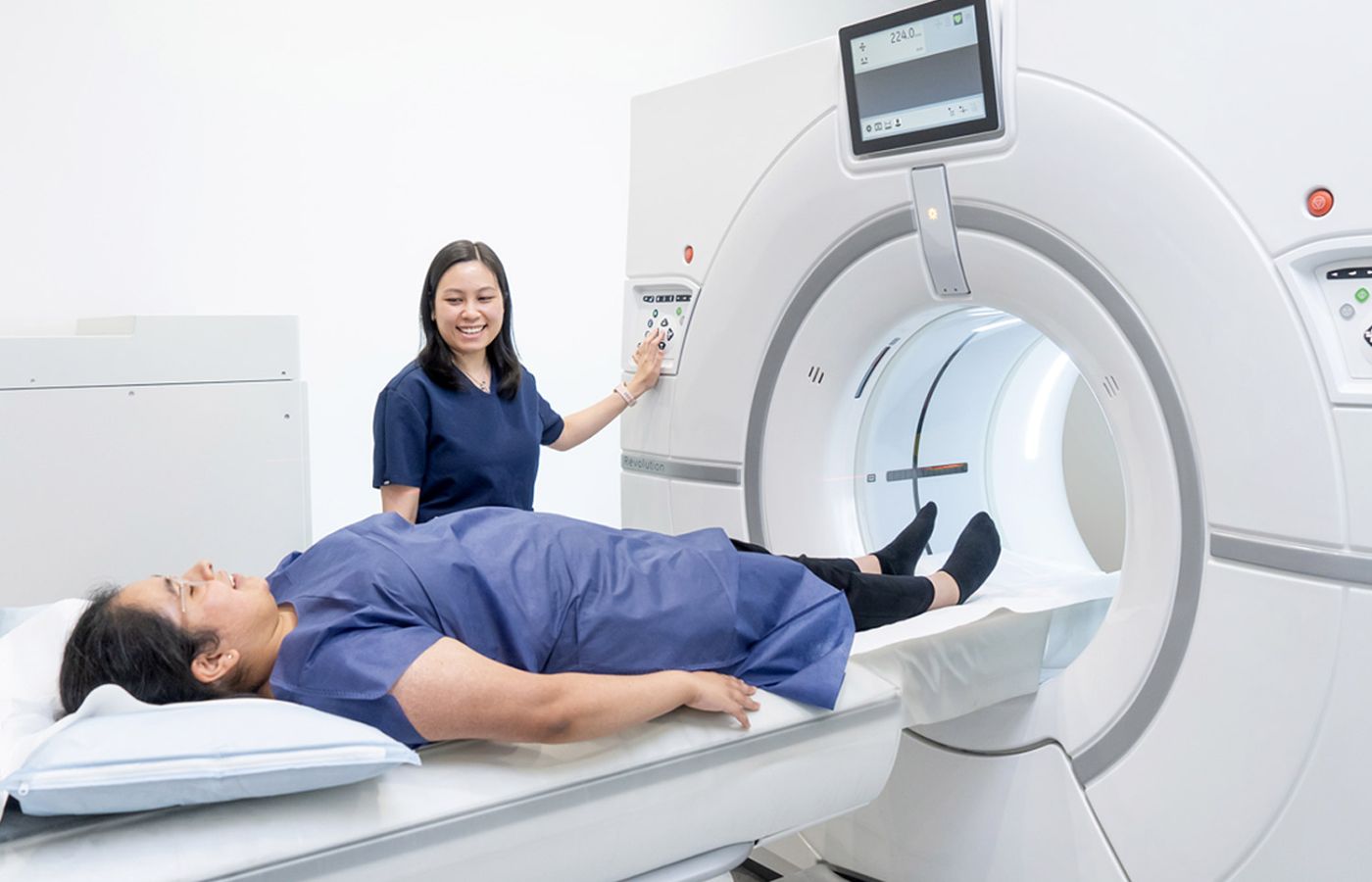
You will lie on the CT scan table. Your head will be positioned carefully to capture clear sinus images.
Contrast dye is injected into a vein, usually in the arm. You may feel:
Mild warmth
Metallic taste
Brief flushing sensation
These are normal and temporary.
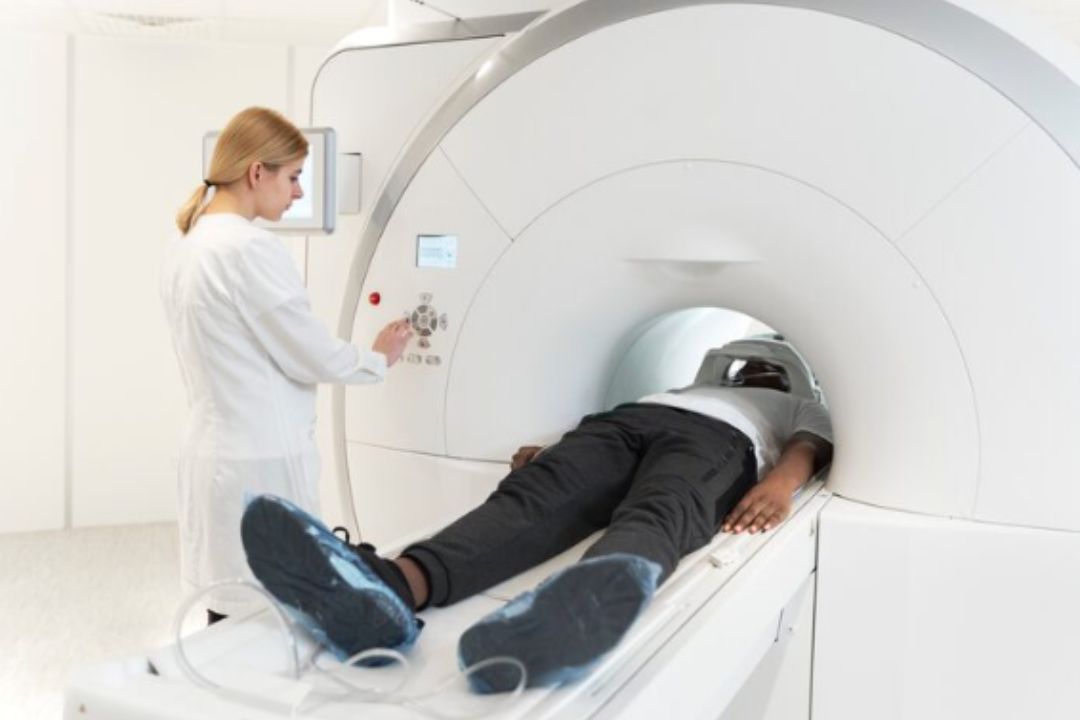
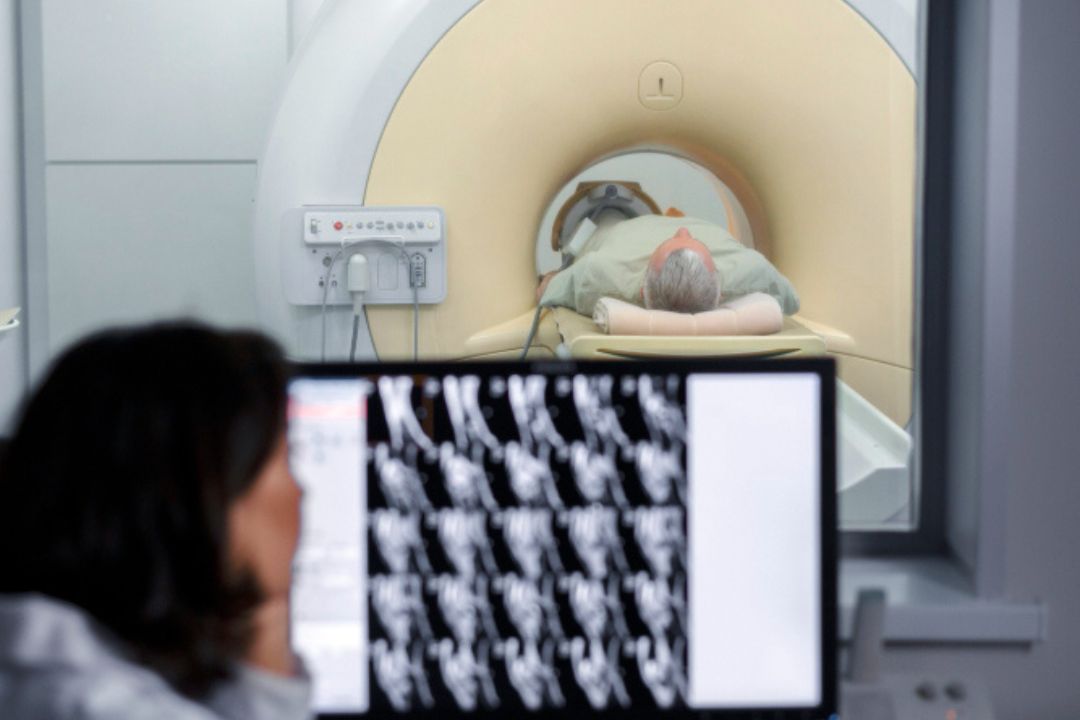
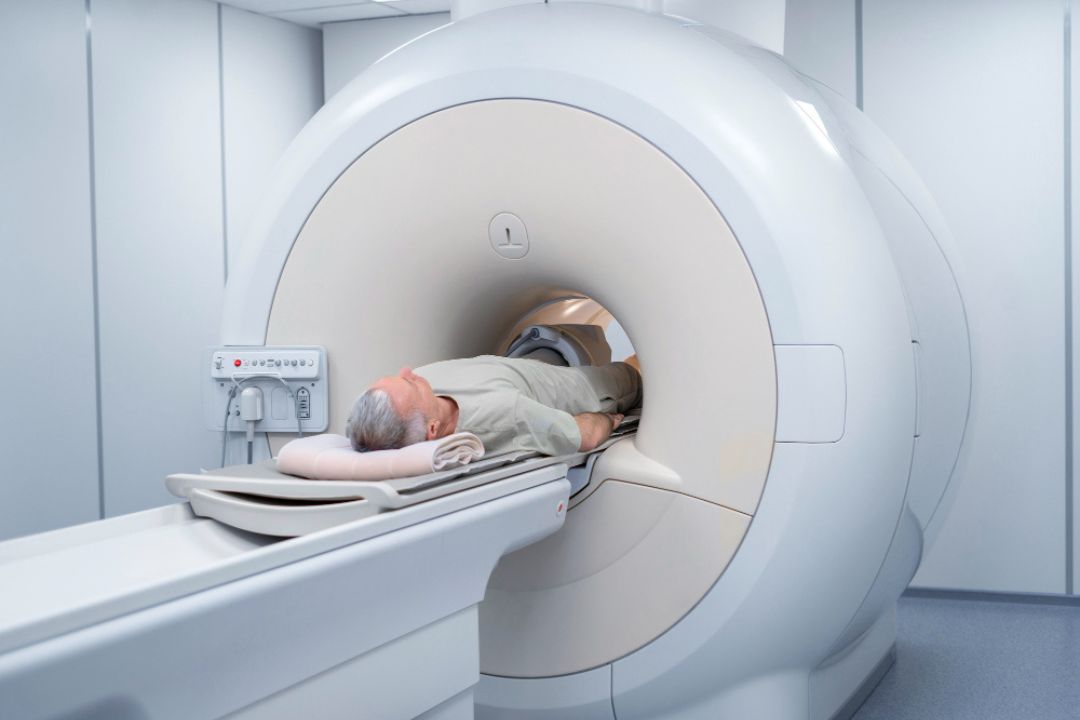
The table moves through the CT scanner. You must remain still for a few seconds while images are captured.
The scan usually finishes within 10–15 minutes.
Most patients can resume normal activities immediately.
Drink plenty of water
Monitor for rare allergic symptoms
Continue normal diet unless instructed
Collect reports as advised
Hydration helps flush the contrast dye from your body. Diagnopein
CT PNS with contrast is generally safe when performed under medical supervision.
Mild contrast allergy
Temporary nausea
Warm sensation
Very small radiation exposure
Modern CT scanners use dose-optimization techniques to keep radiation as low as possible.
Always inform your doctor if you have:
Kidney disease
Previous contrast allergy
Pregnancy
Thyroid disorders
Patients often wonder which scan is better.
CT PNS Without Contrast
Best for:
Basic sinusitis
Structural evaluation
Bone anatomy
CT PNS With Contrast
Best for:
Suspected tumors
Complicated infections
Soft tissue evaluation
Pre-operative planning
Fungal sinus disease
Your doctor chooses based on clinical need.
Special precautions are taken in:
Pregnant women
Severe kidney disease patients
Known contrast allergy patients
Uncontrolled thyroid disorders
In many cases, alternative imaging or precautions can still allow safe scanning.
Diagnopein provides advanced and patient-friendly CT imaging services.
Latest CT scan technology
Low-dose radiation protocols
Experienced radiology team
Quick report turnaround
Affordable pricing
Multiple Pune locations
We focus on accurate diagnosis with maximum patient comfort.
CT PNS with contrast is a powerful diagnostic tool for evaluating sinus conditions in detail. It helps doctors detect infections, polyps, tumors, and complications with high precision.
With modern low-dose CT technology, the procedure is fast, safe, and highly informative. Proper preparation and choosing a trusted diagnostic center ensure the best results.
If your doctor has recommended a CT PNS with contrast in Pune, Diagnopein offers advanced imaging with expert care and reliable reporting.





.jpg "ct brain scan plain and contrast")






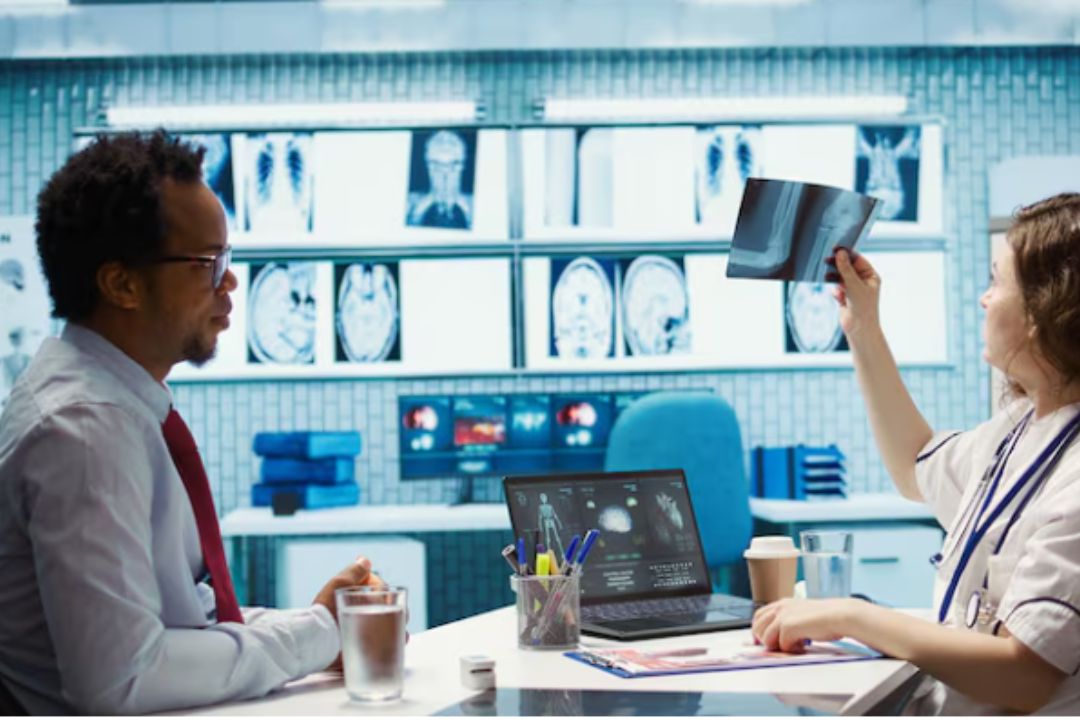

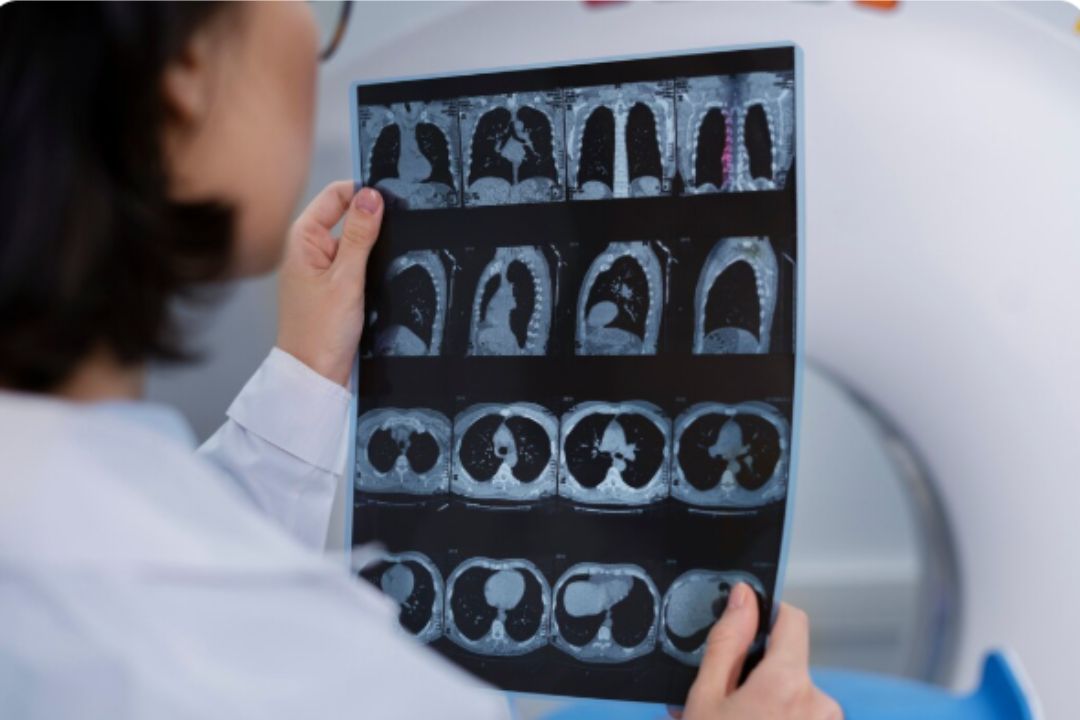
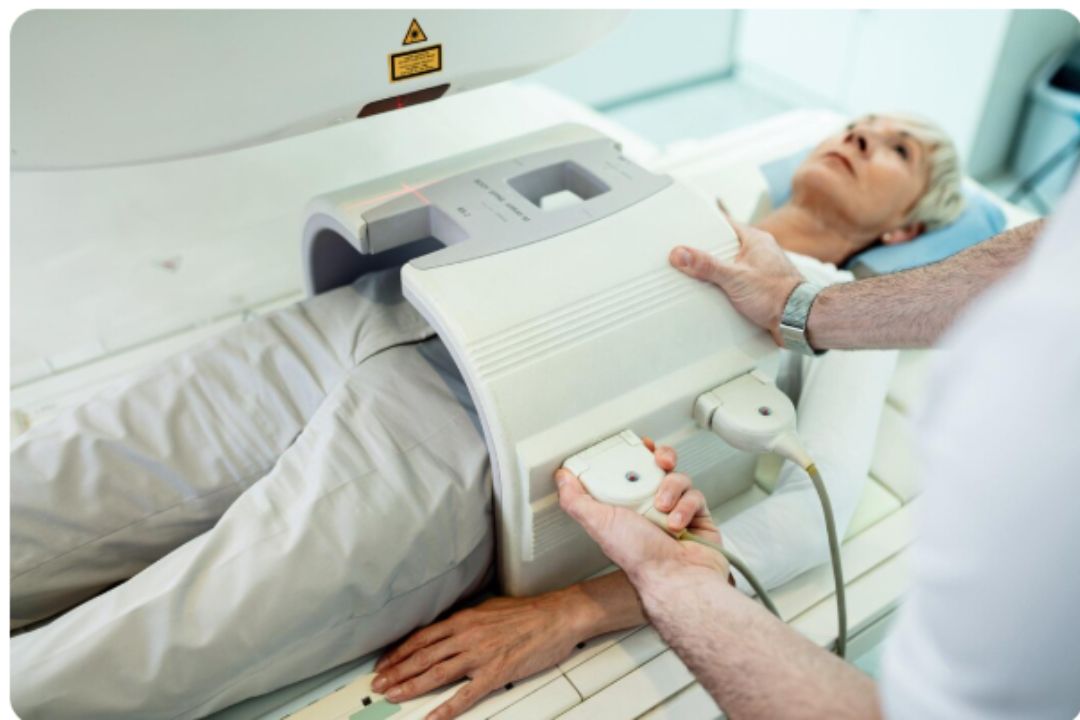

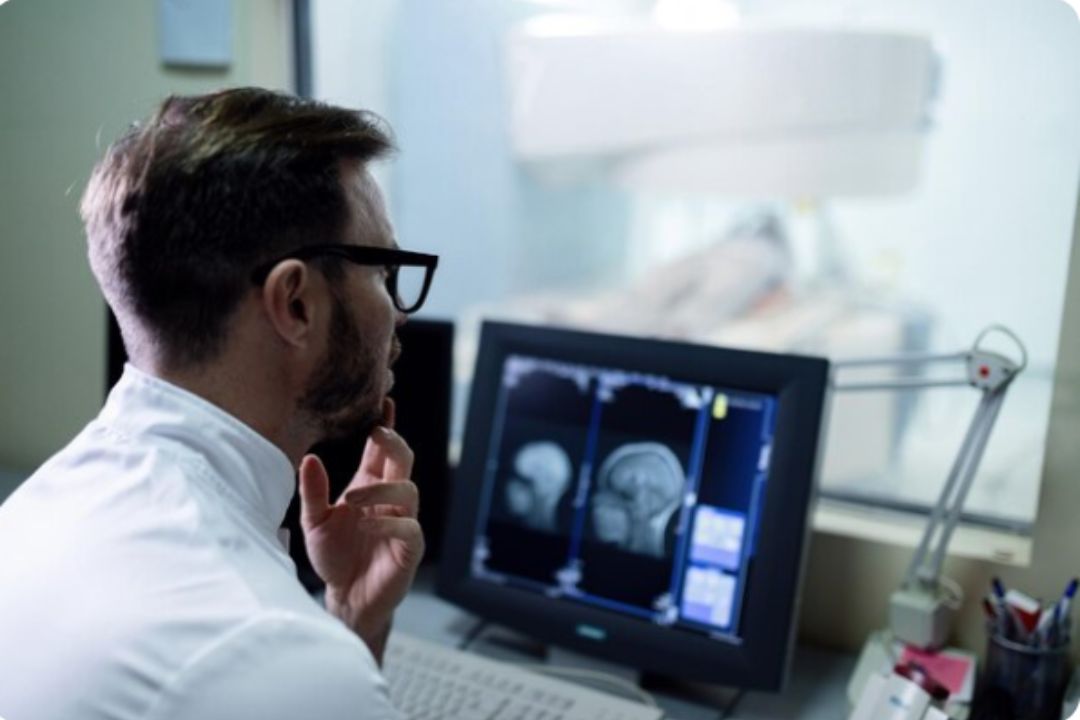
.jpg "ct scan")
.jpg "ct scan or mri for brain disorders")


.jpg "exploring the power of ct brain contrast in modern diagnostics")
.jpg "ct scan")
.jpg "ct scan")







.jpg "ct scan")

.jpg "CT Brain Scan for Headaches")
.jpg "The Future of 3D CT Imaging")