CT Scans are one of the most widely used diagnostic imaging tests in modern medicine. They help doctors detect internal injuries, tumors, infections, and many other medical conditions. However, many people worry about the possible side effects of CT scans.
There are several myths surrounding CT scans, especially about radiation exposure and contrast dye. Understanding the difference between myths and real medical facts can help patients make informed decisions about their health.
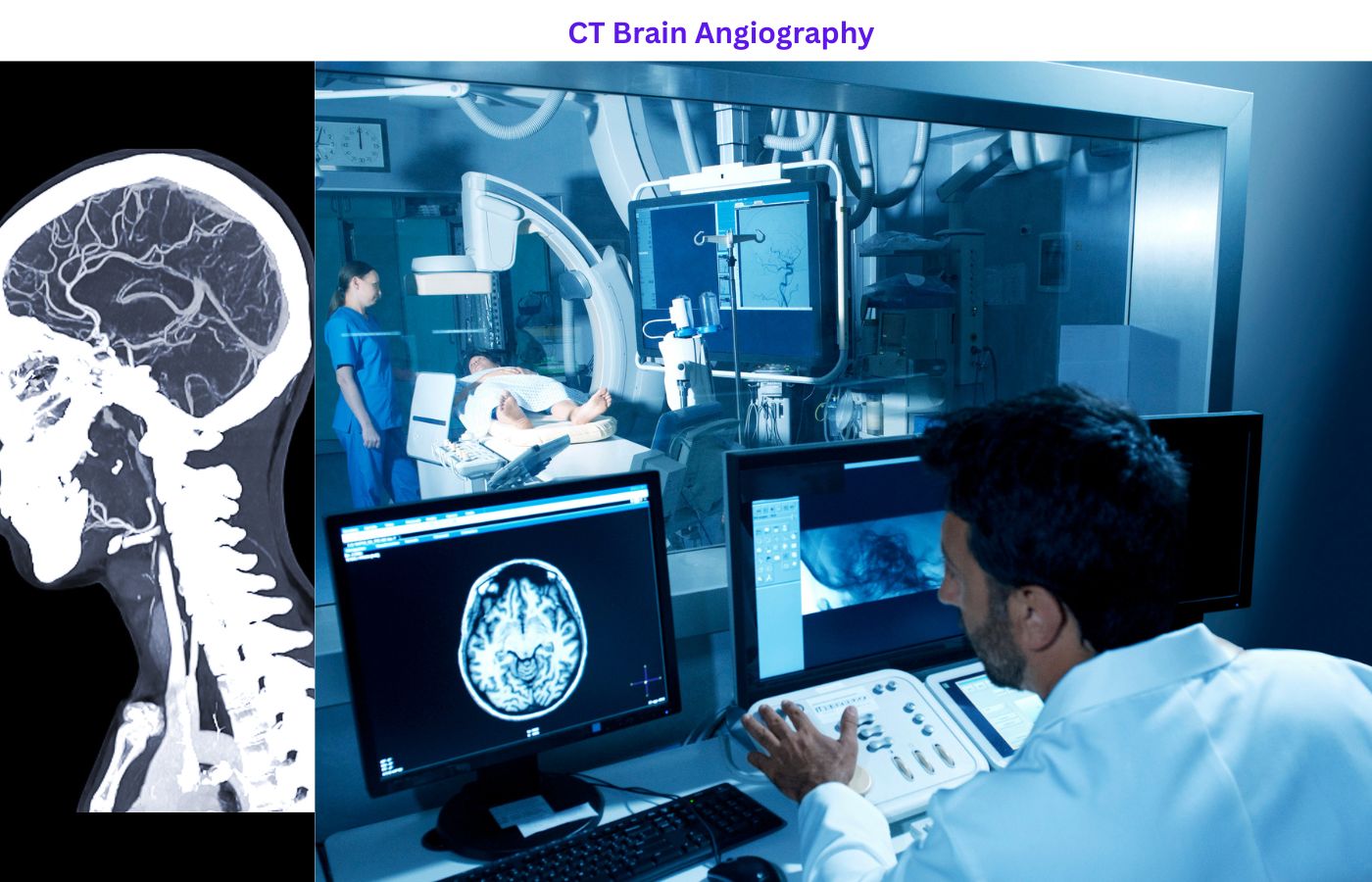
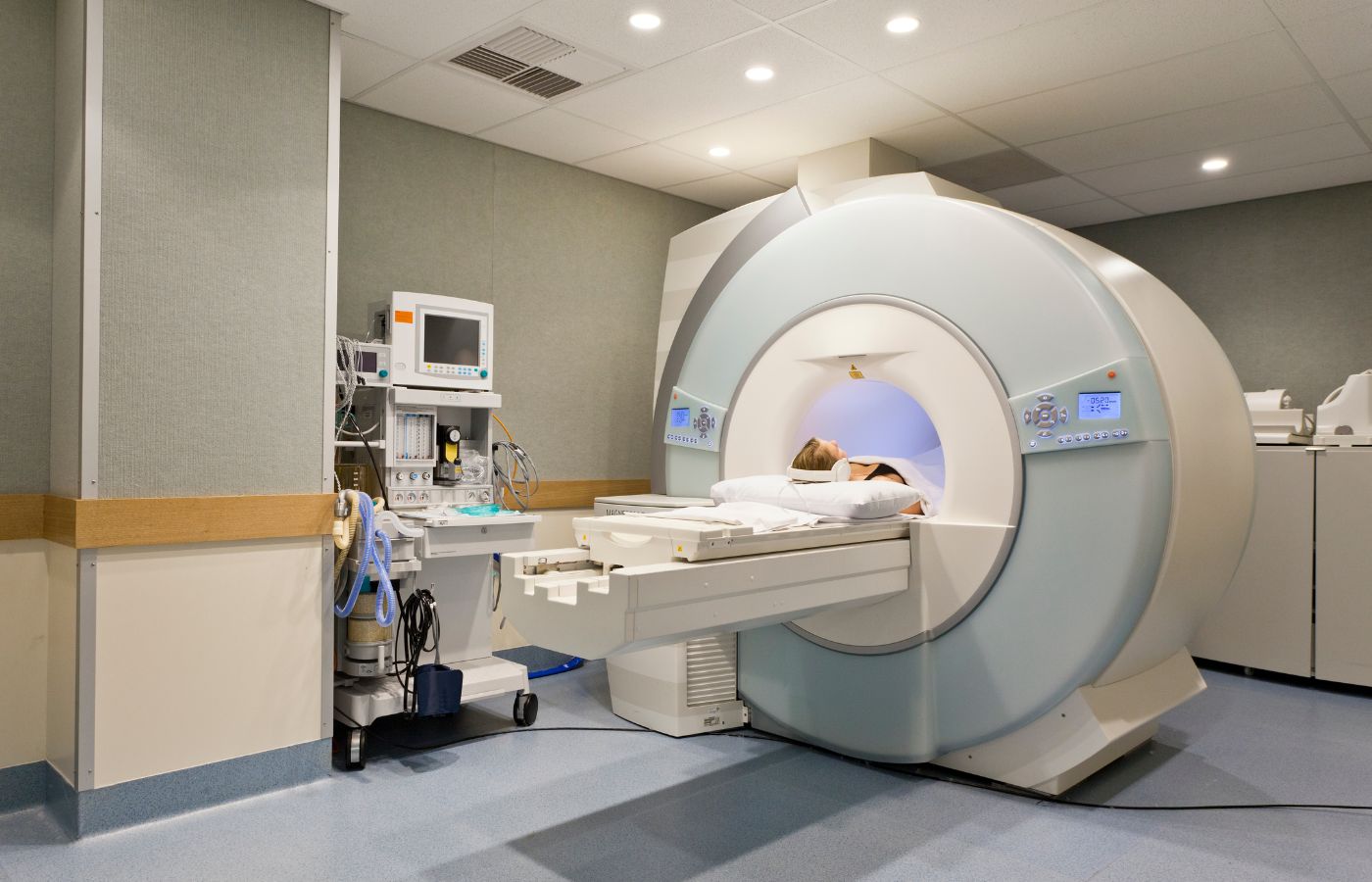
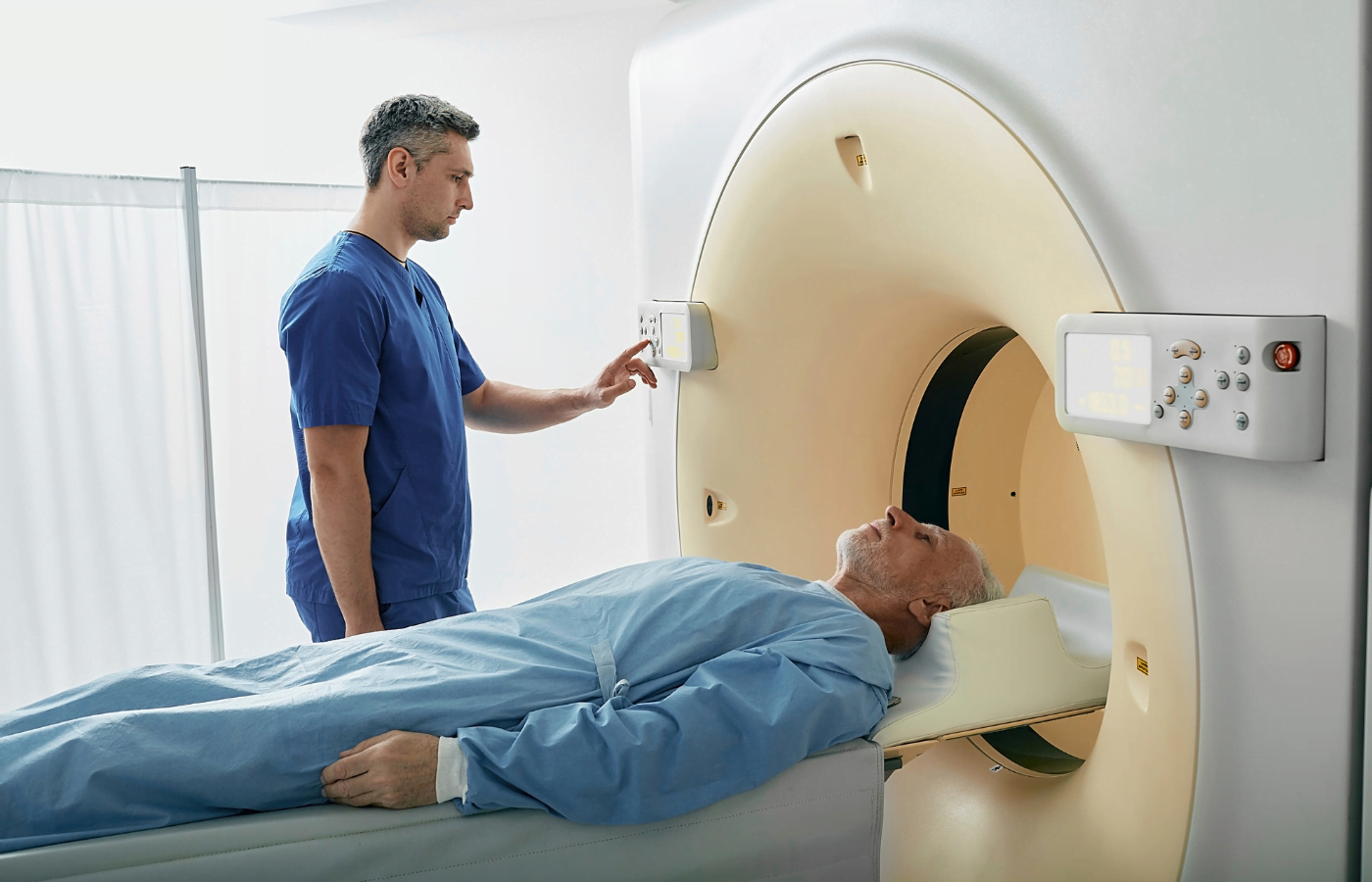
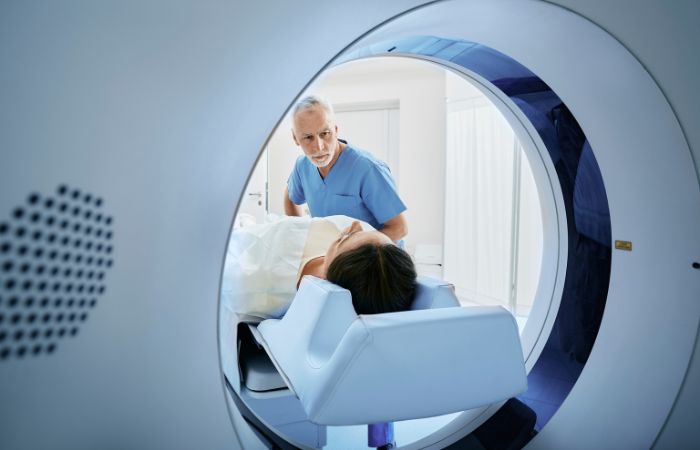
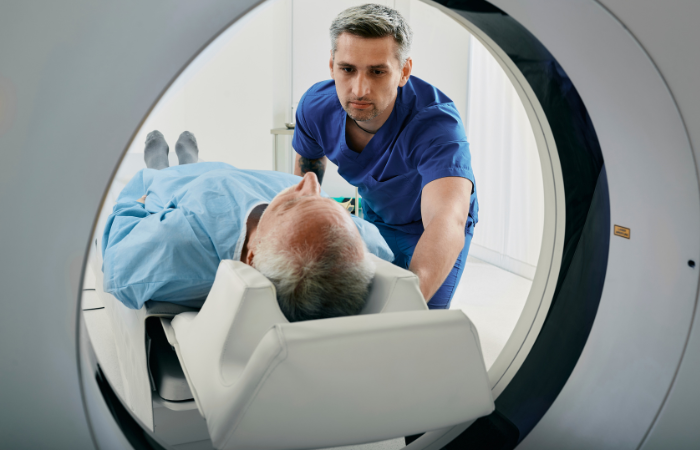
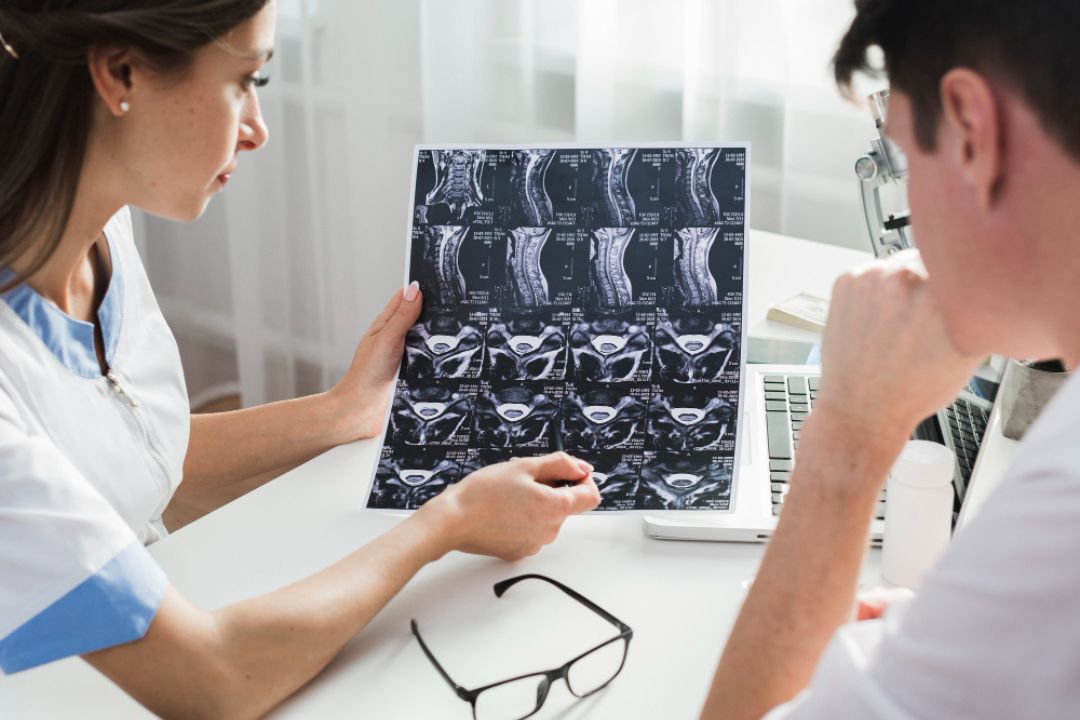
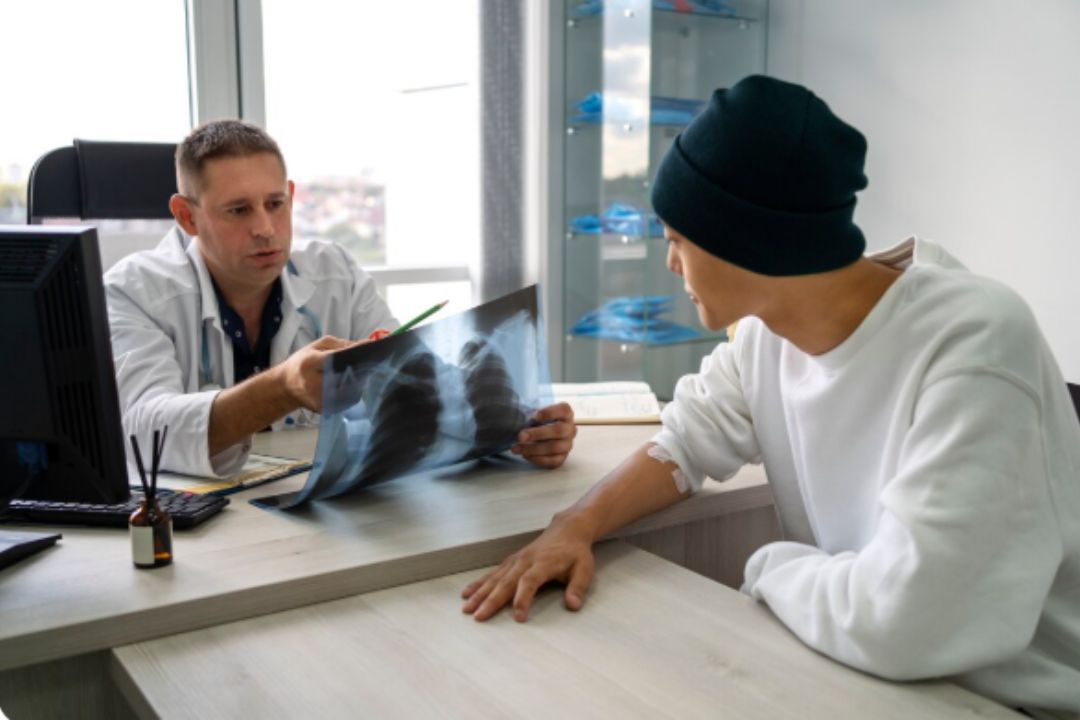
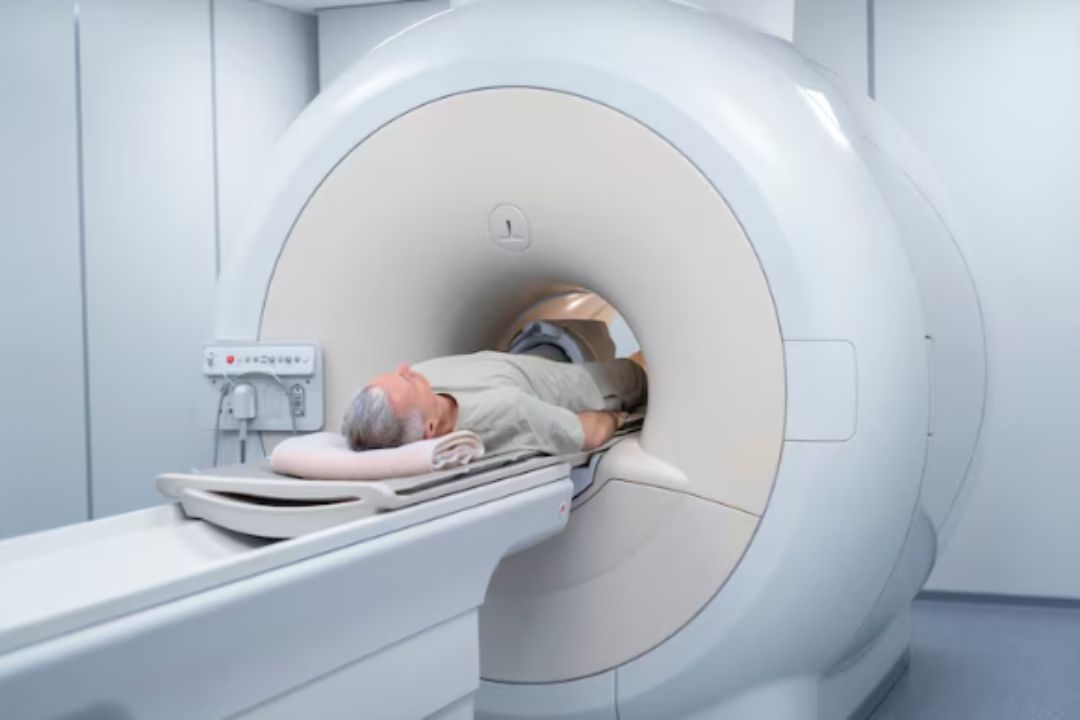
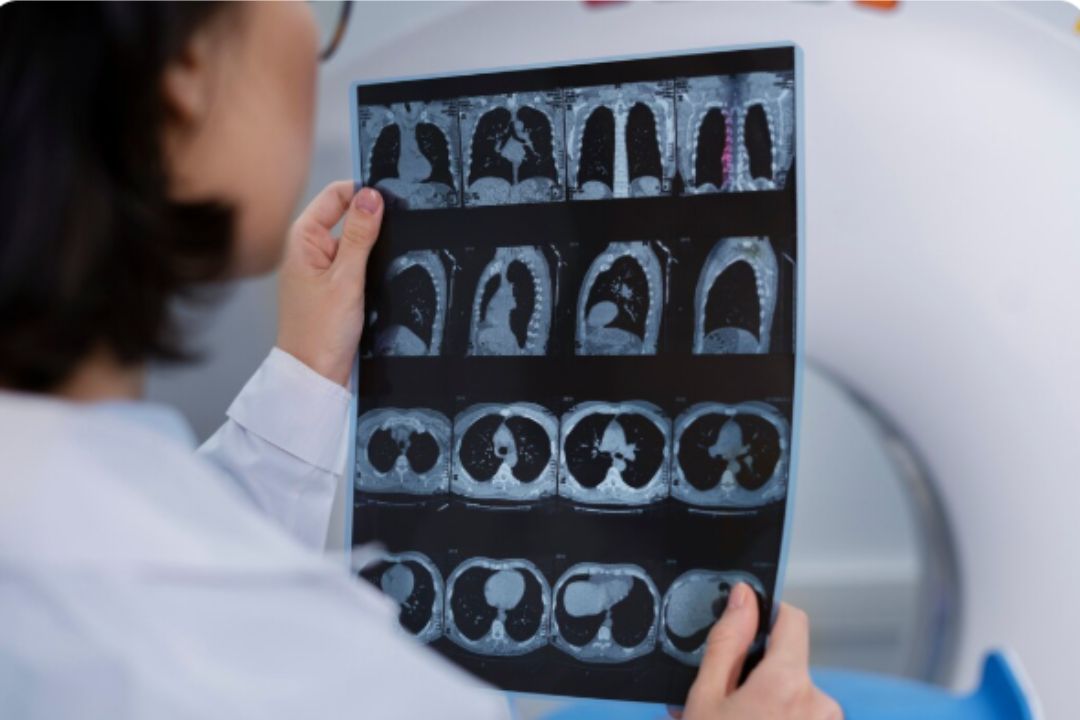
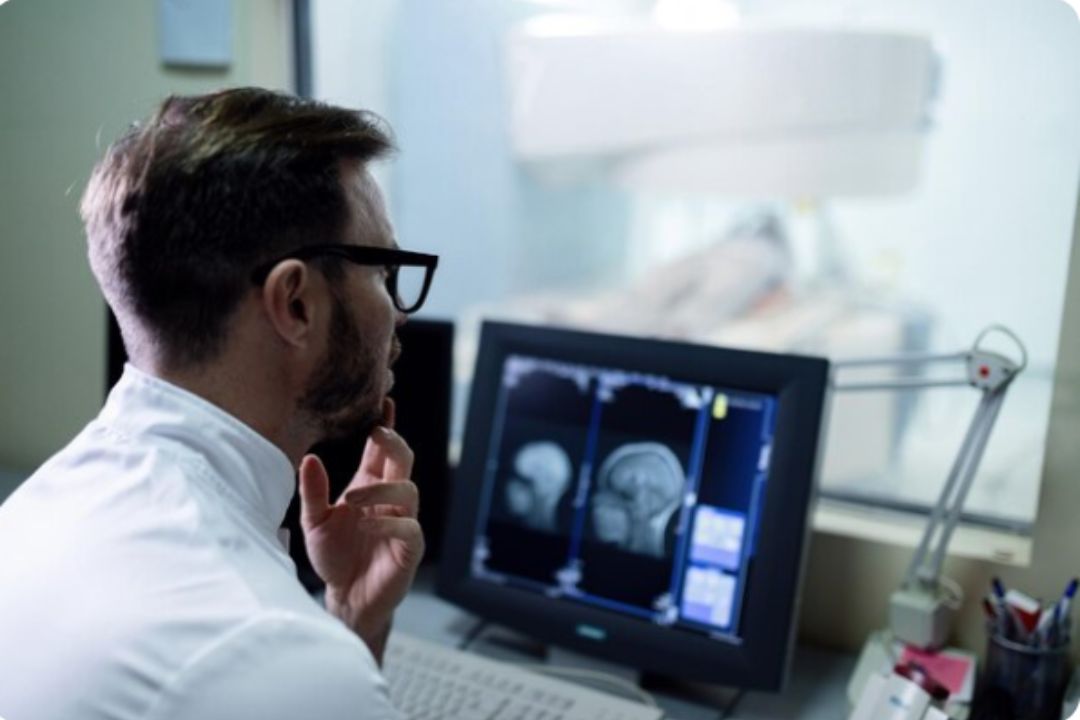
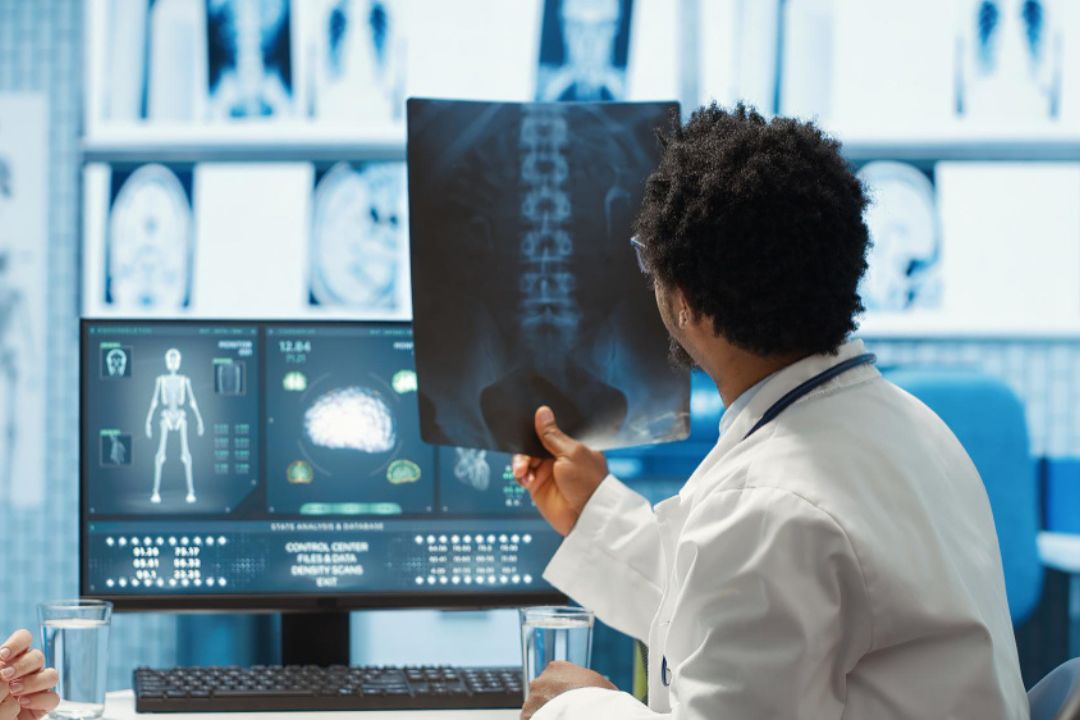
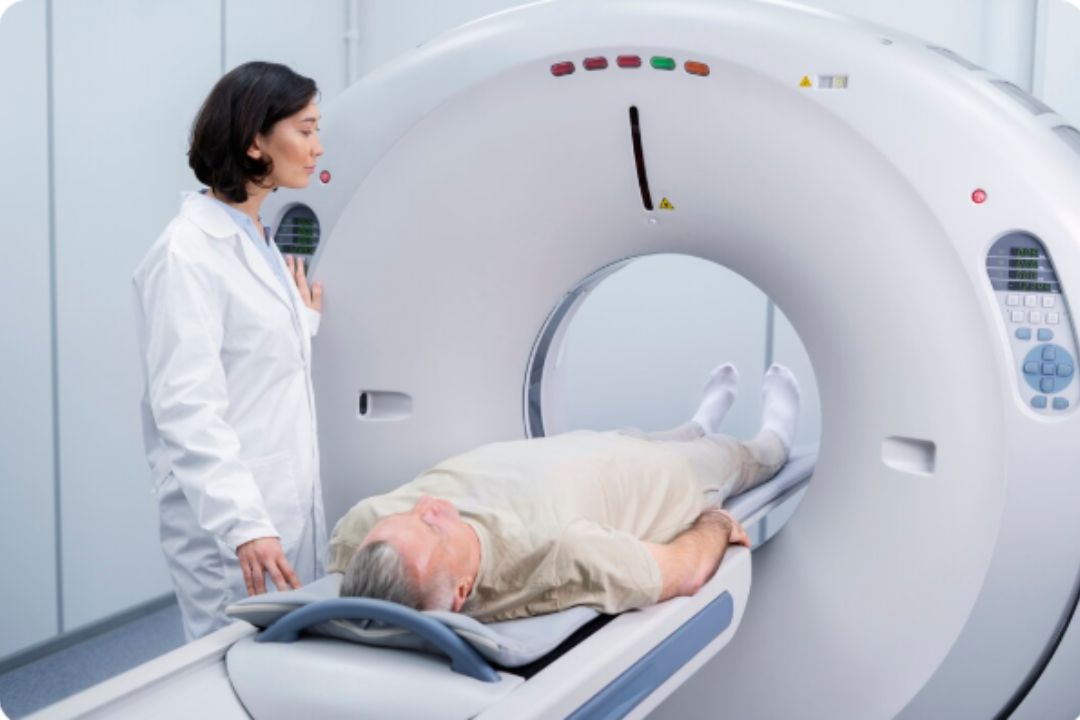
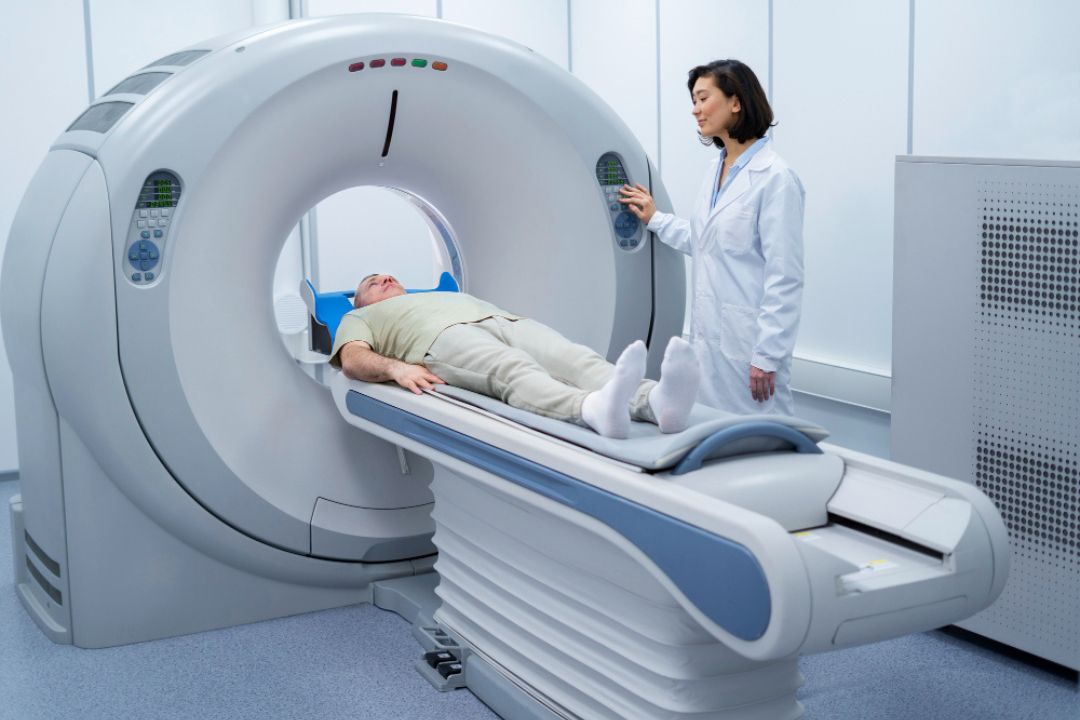
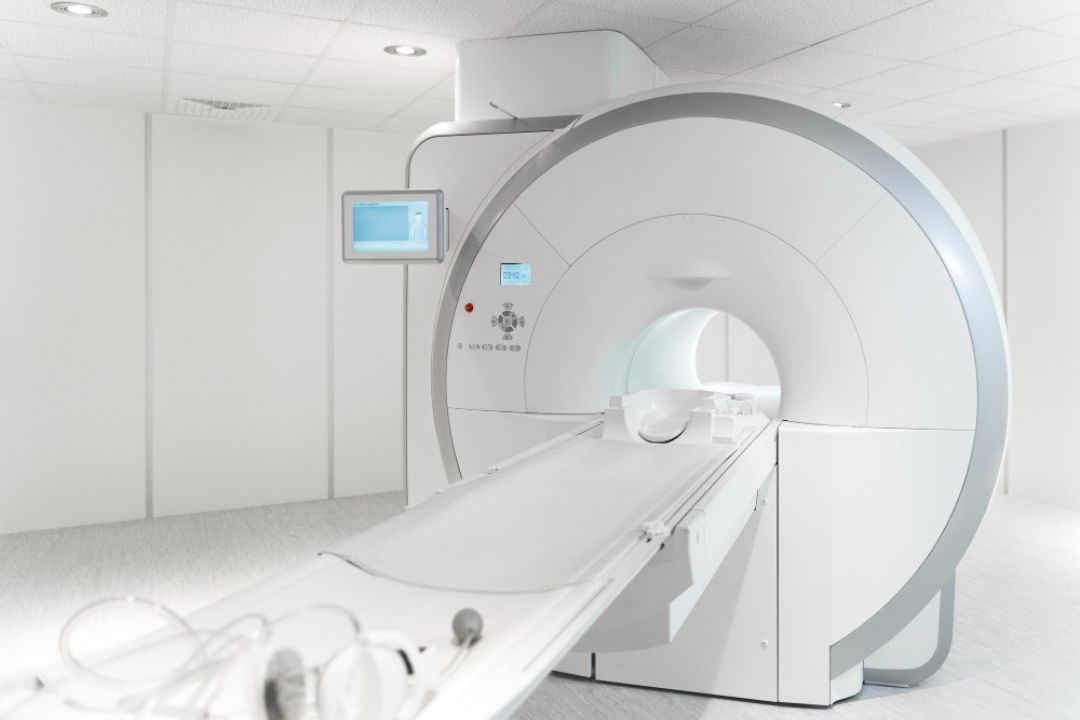
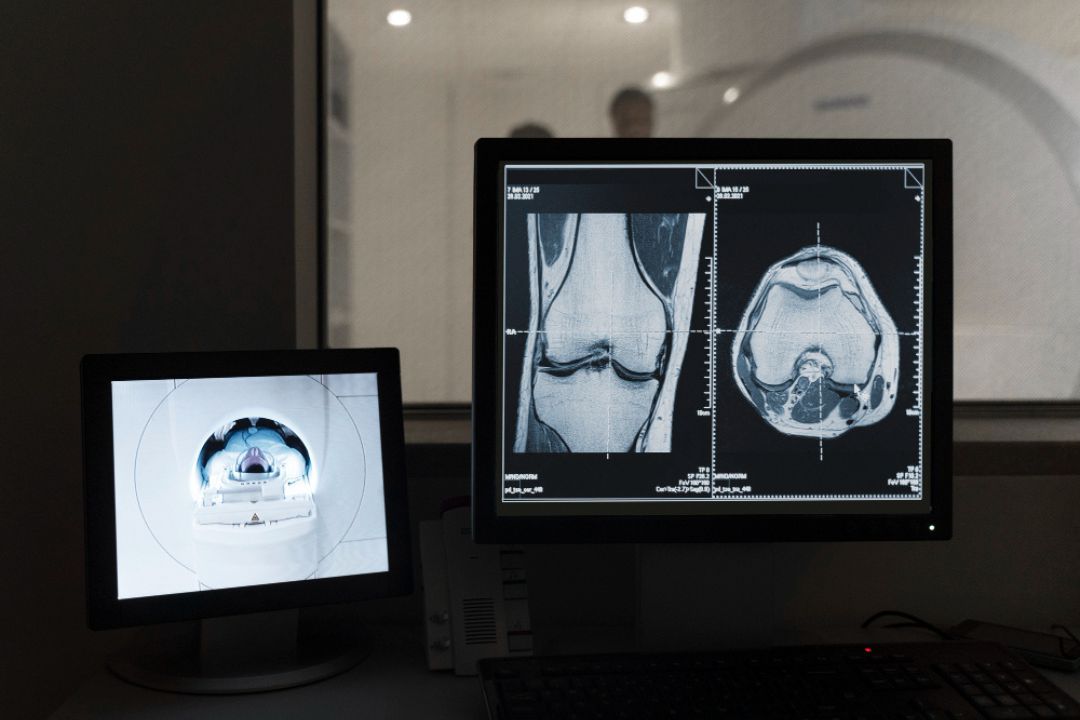
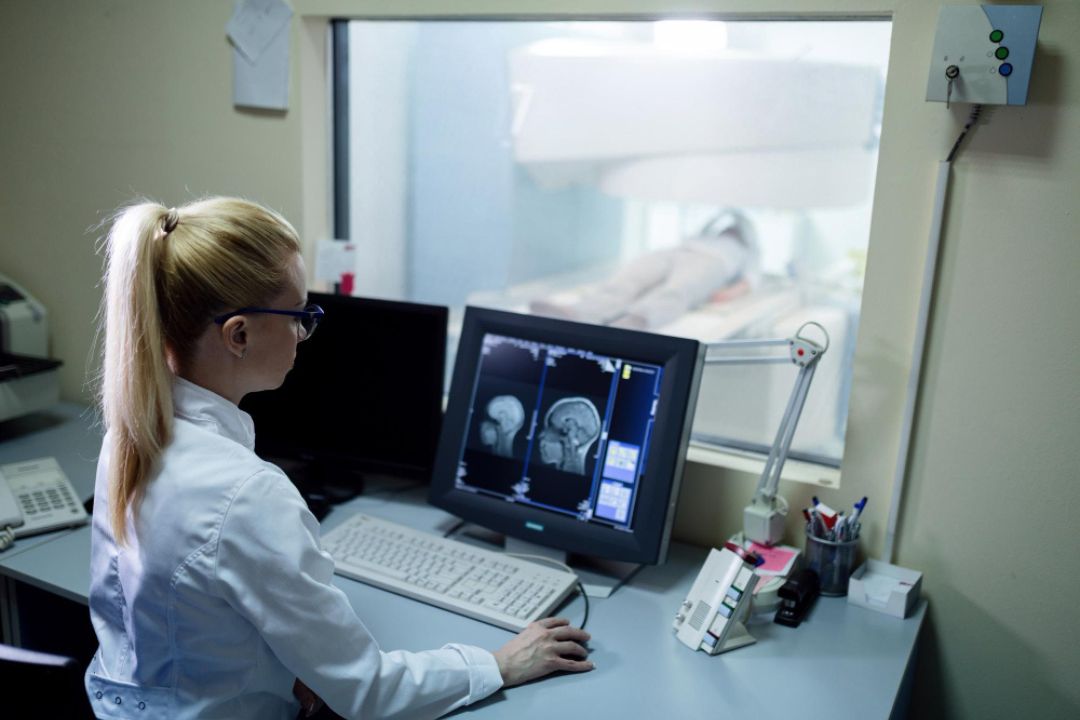
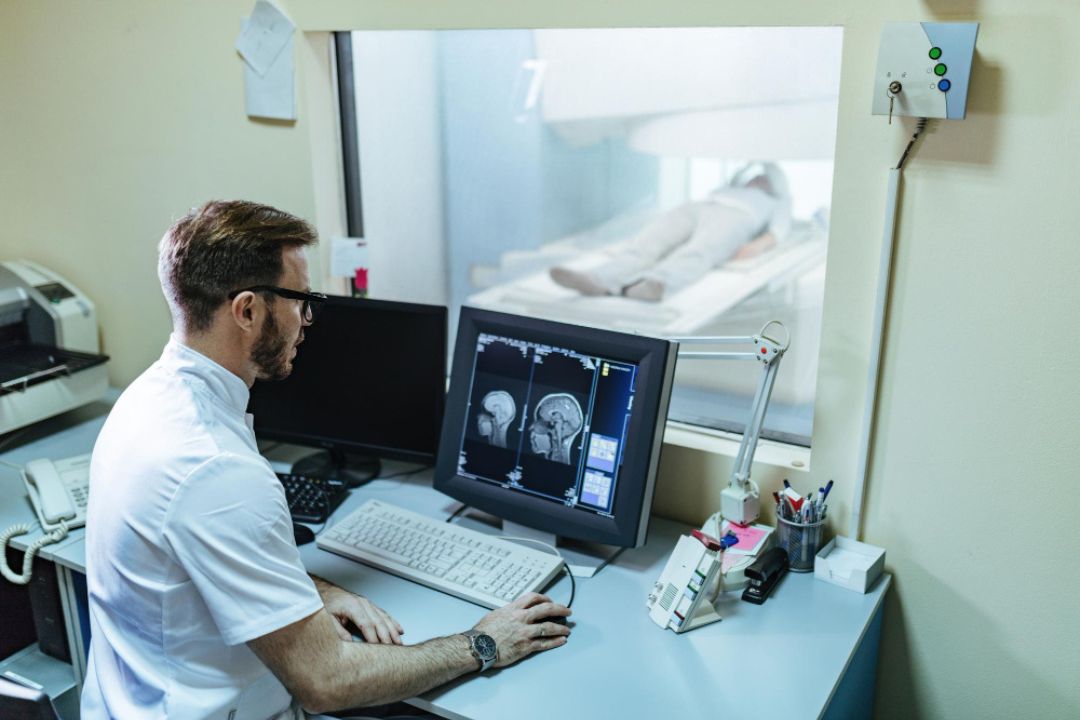
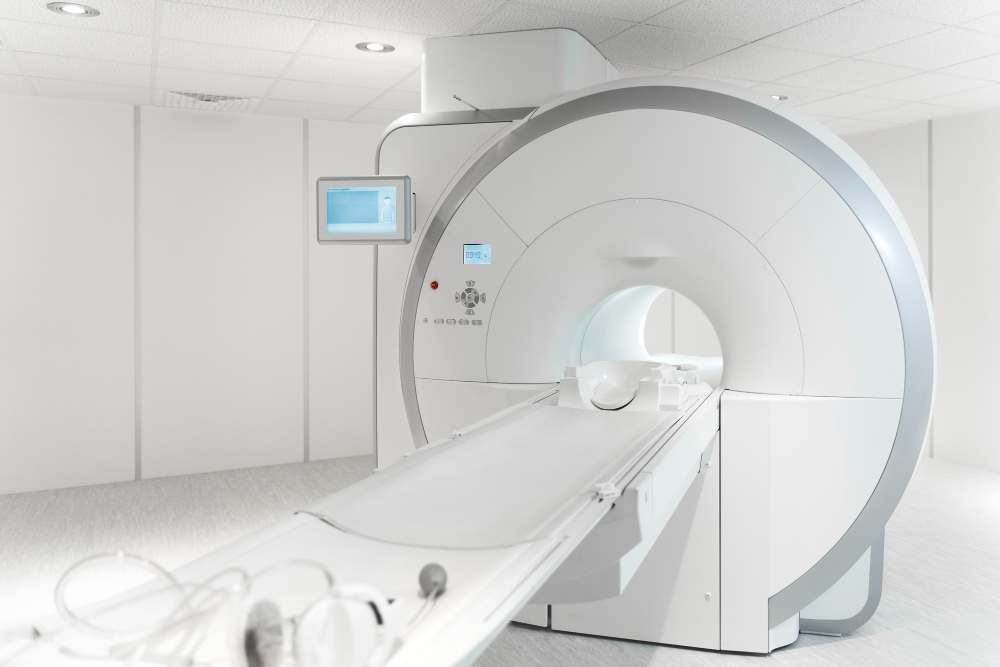
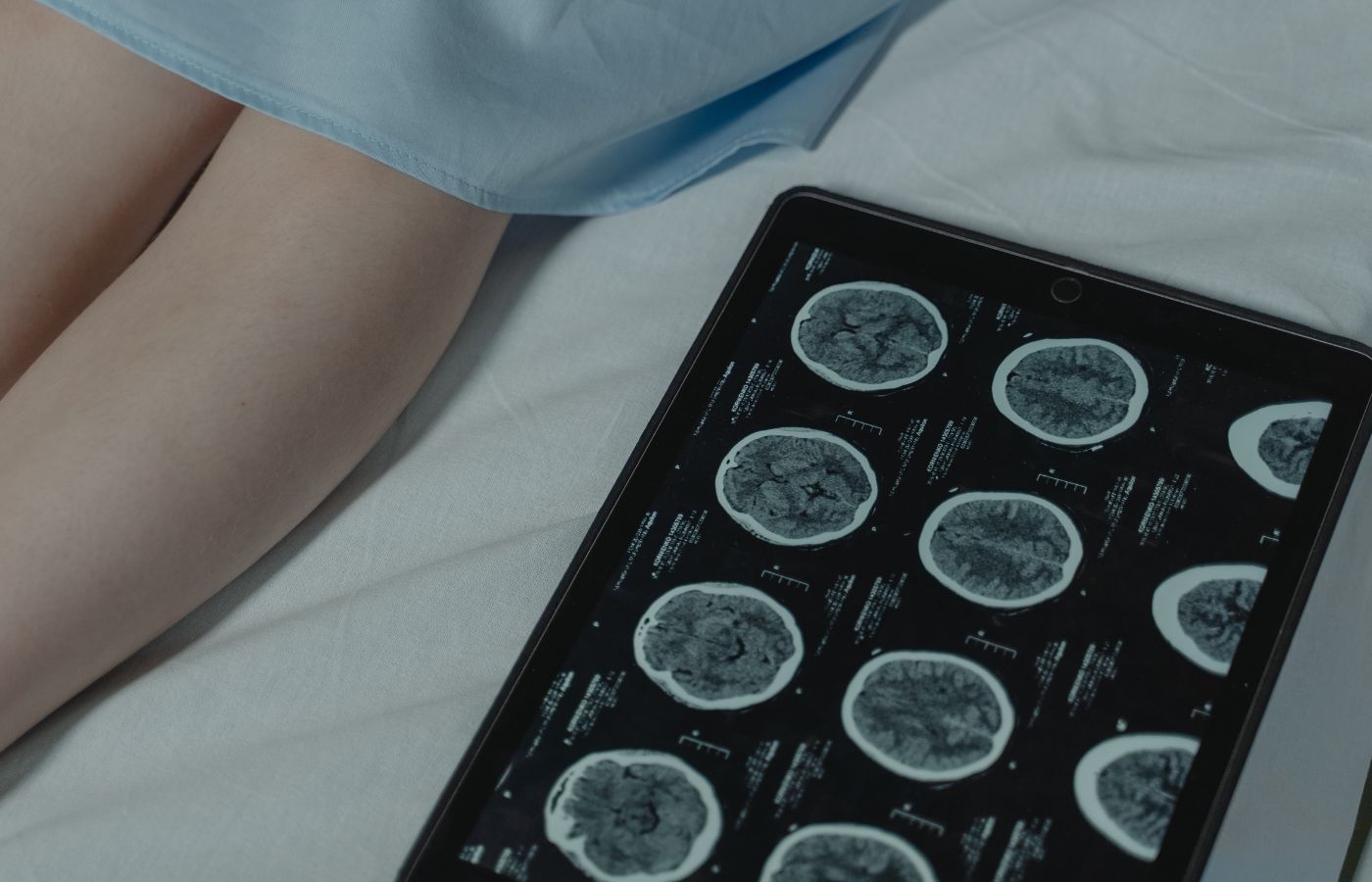
A CT Scan, also known as computed tomography, is a medical imaging technique that uses X-rays and computer processing to create detailed images of the inside of the body.
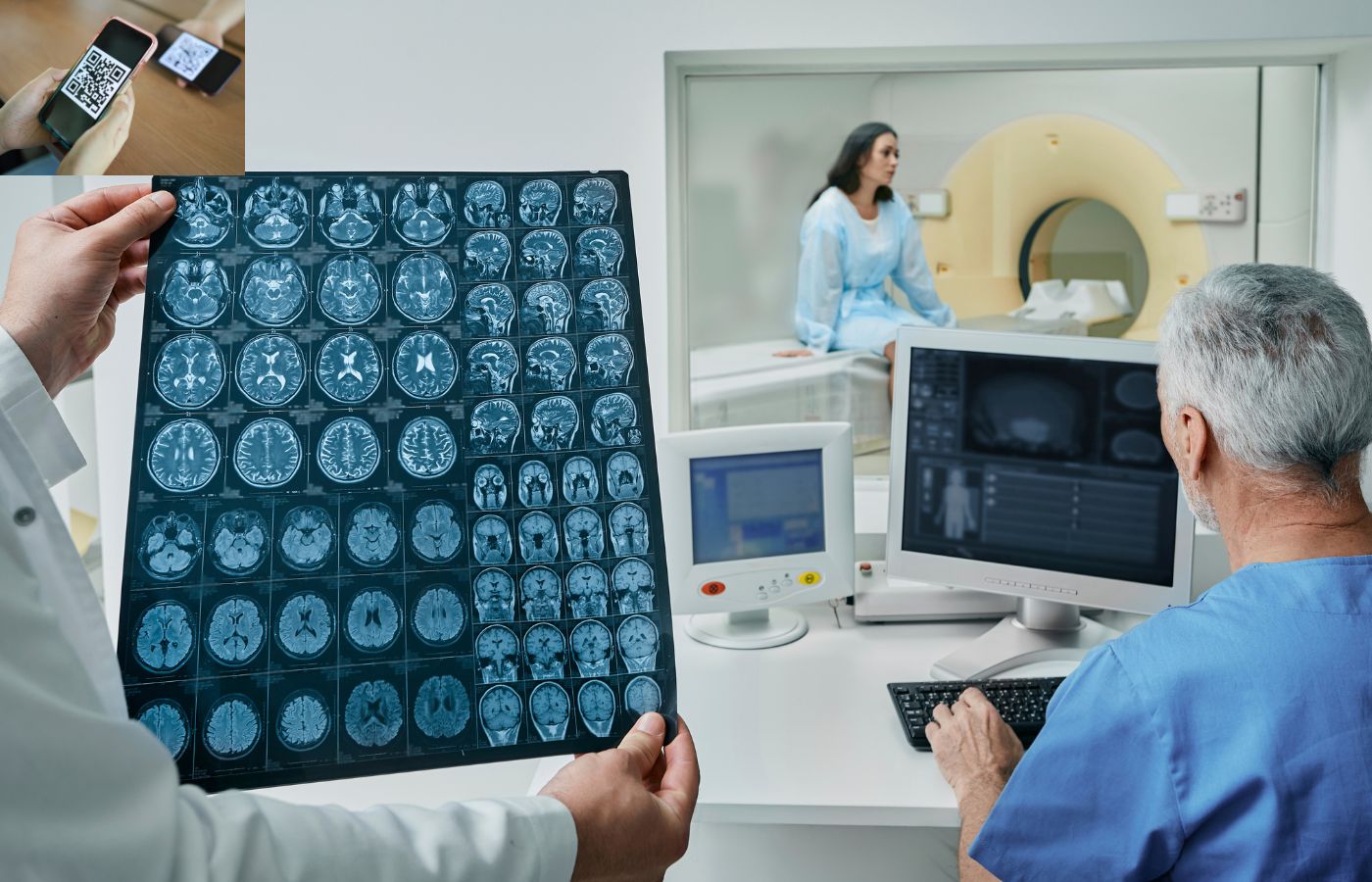
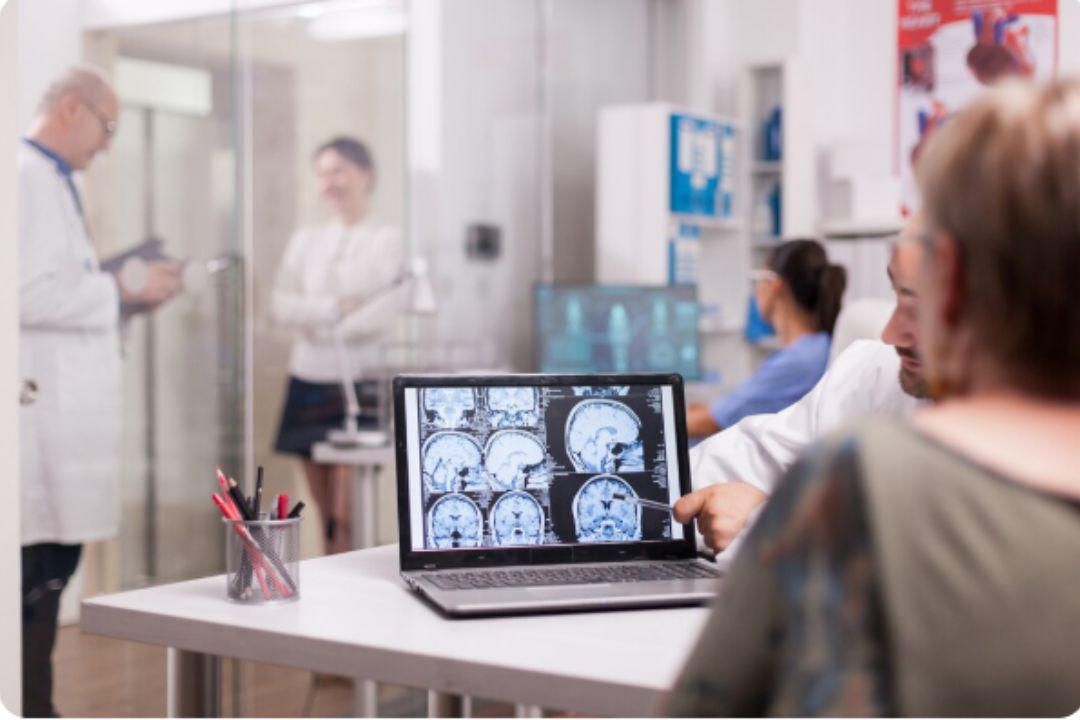
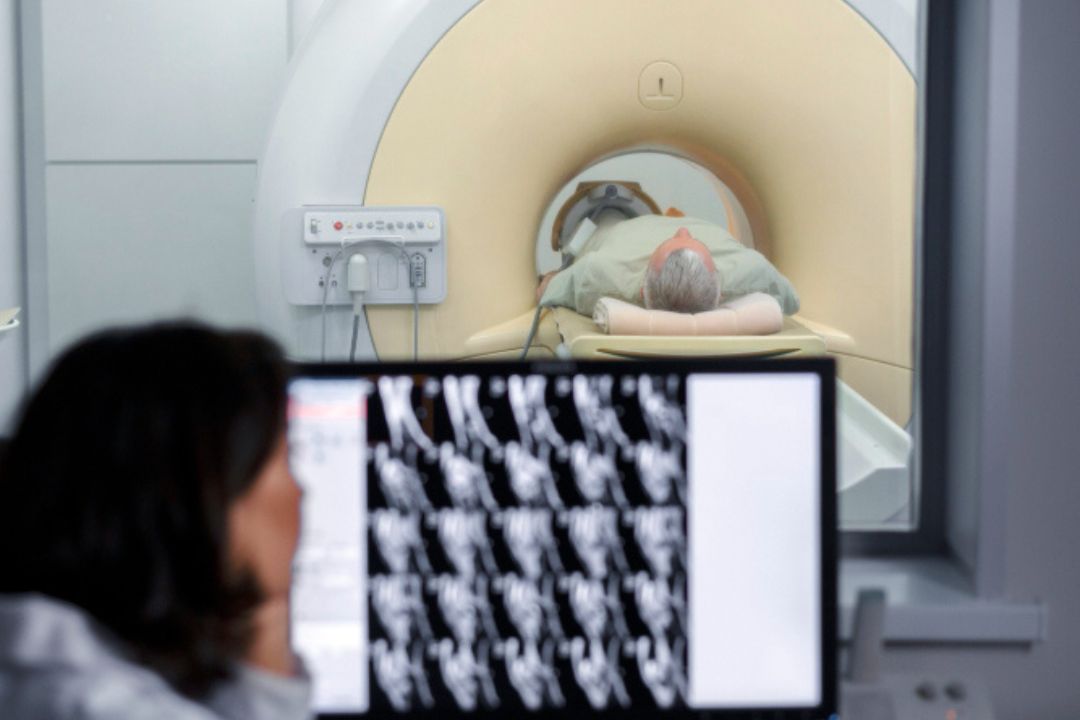
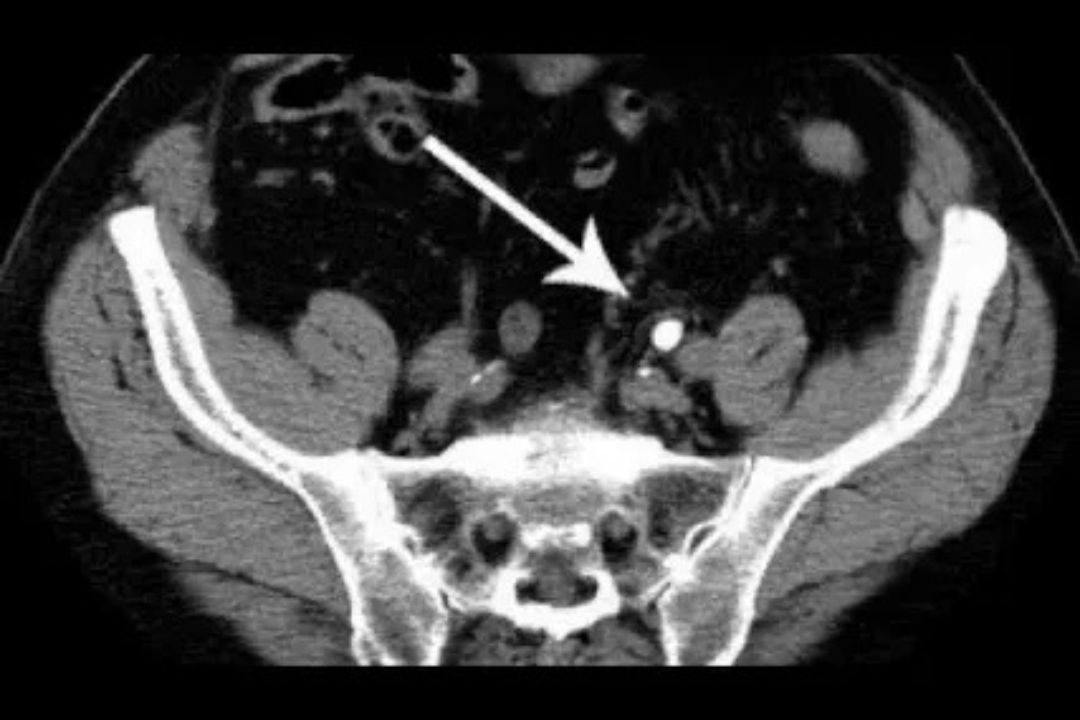
Doctors use CT scans to examine organs, bones, blood vessels, and tissues. The test is painless and usually takes only a few minutes to complete.
In some cases, a contrast dye is used to improve image clarity and help doctors identify abnormalities more accurately.
Many people believe that CT scans are extremely dangerous due to radiation exposure.
In reality, modern CT scanners use carefully controlled radiation levels. Medical professionals only recommend CT scans when the diagnostic benefits outweigh the potential risks.
For most patients, a single CT scan poses a very small health risk.
Another common myth is that CT scans directly cause cancer.
CT scans do use ionizing radiation, but the radiation dose used in medical imaging is generally low and carefully monitored. The risk of developing cancer from a single scan is extremely small compared with the benefits of accurate diagnosis.
Doctors always consider the patient’s medical condition before recommending the scan.
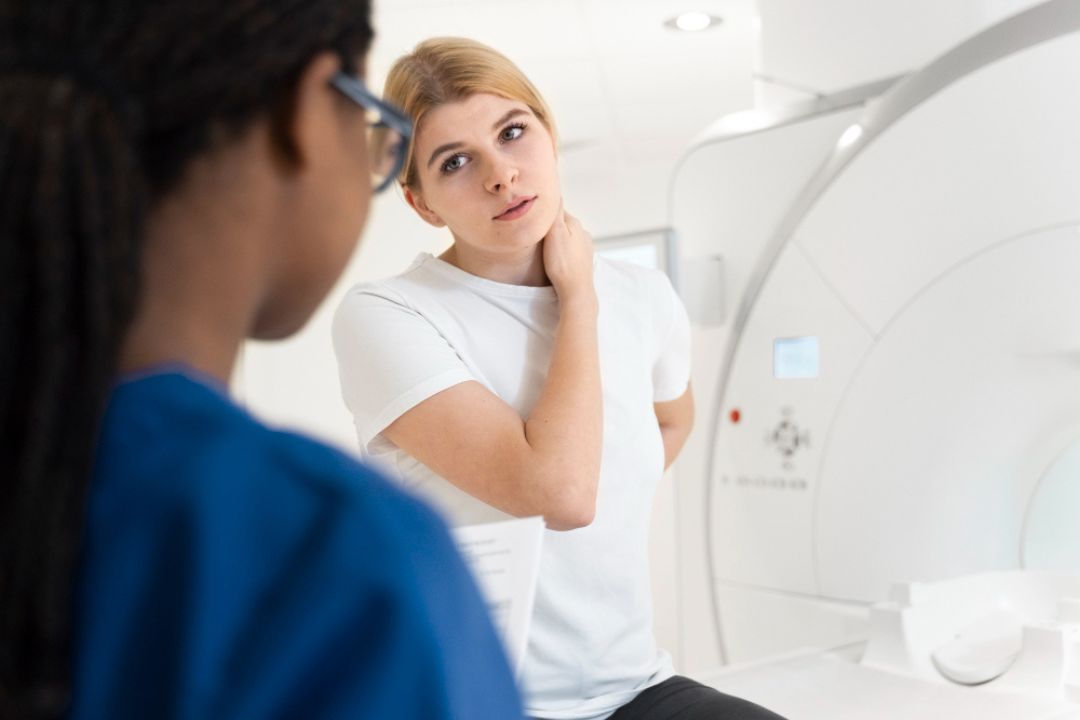
Some patients worry that the procedure will be painful.
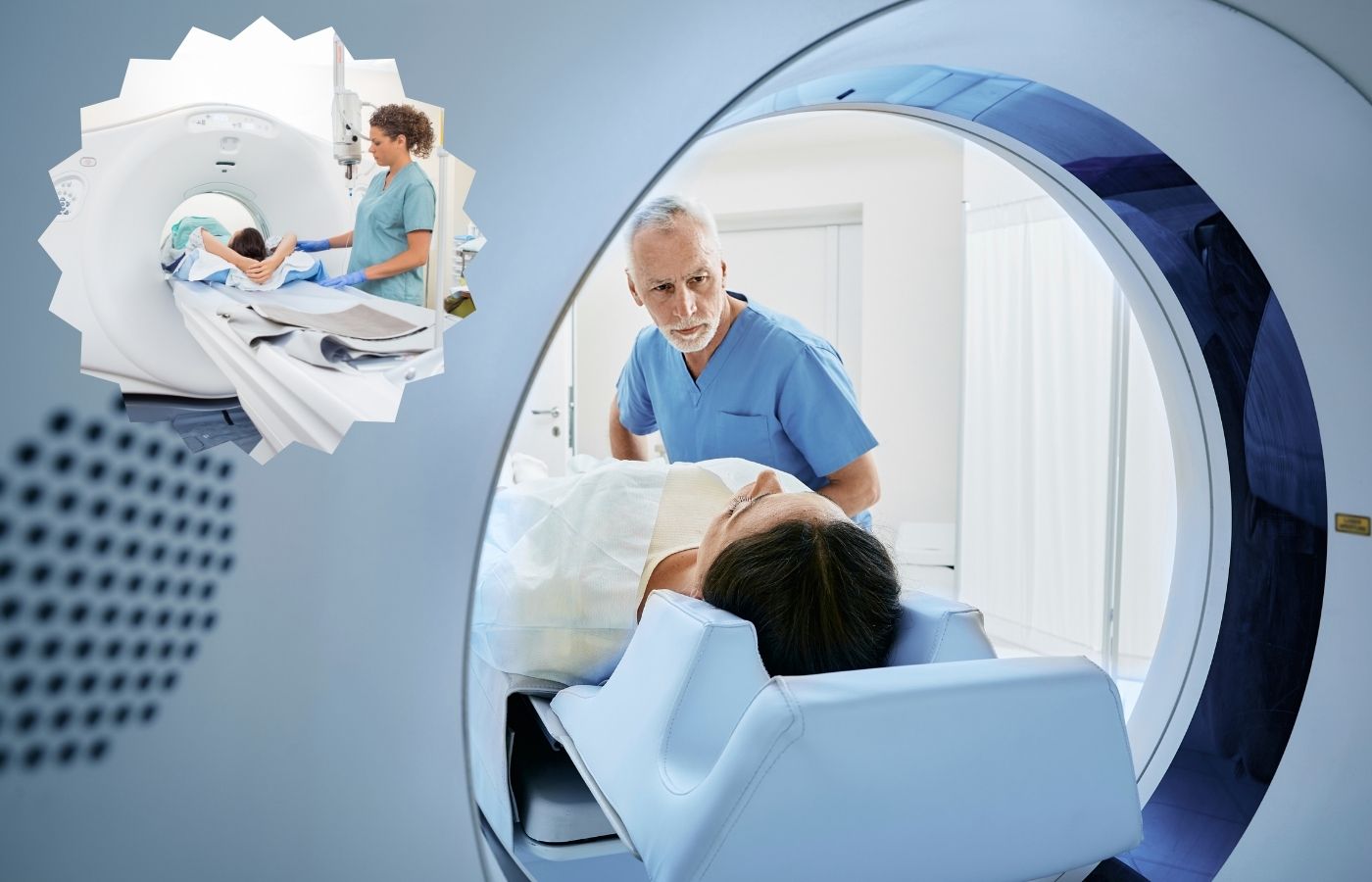
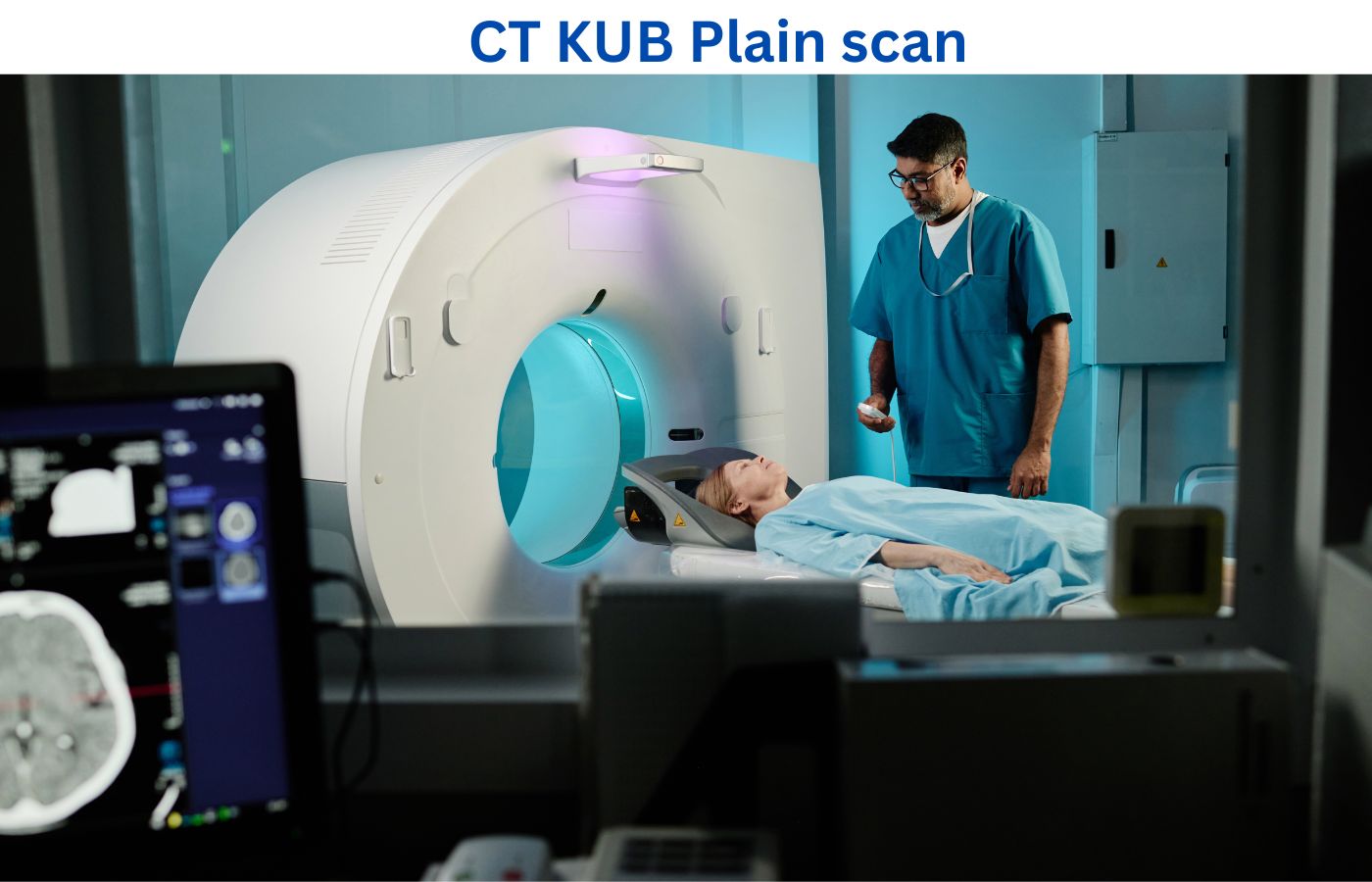
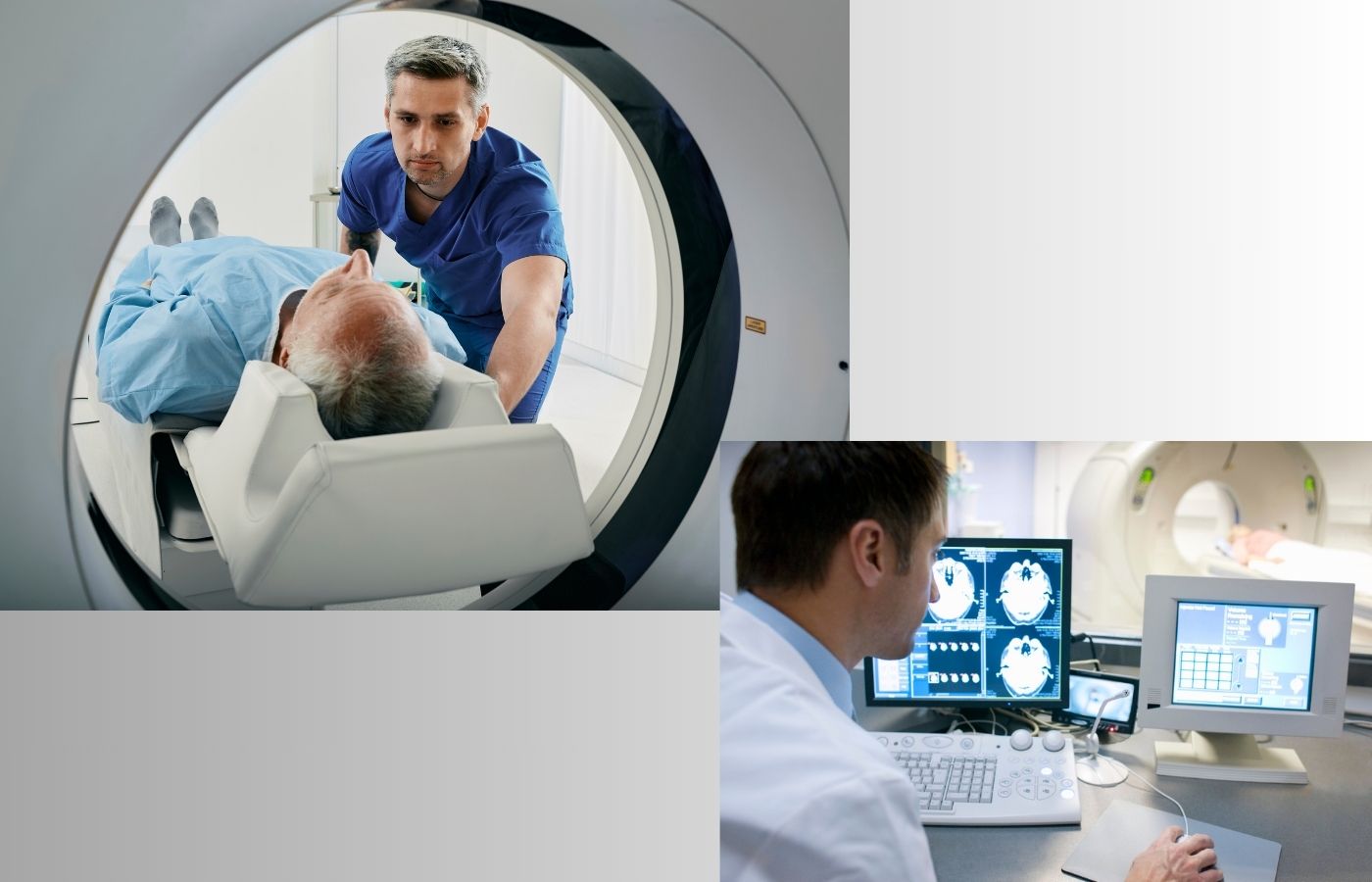
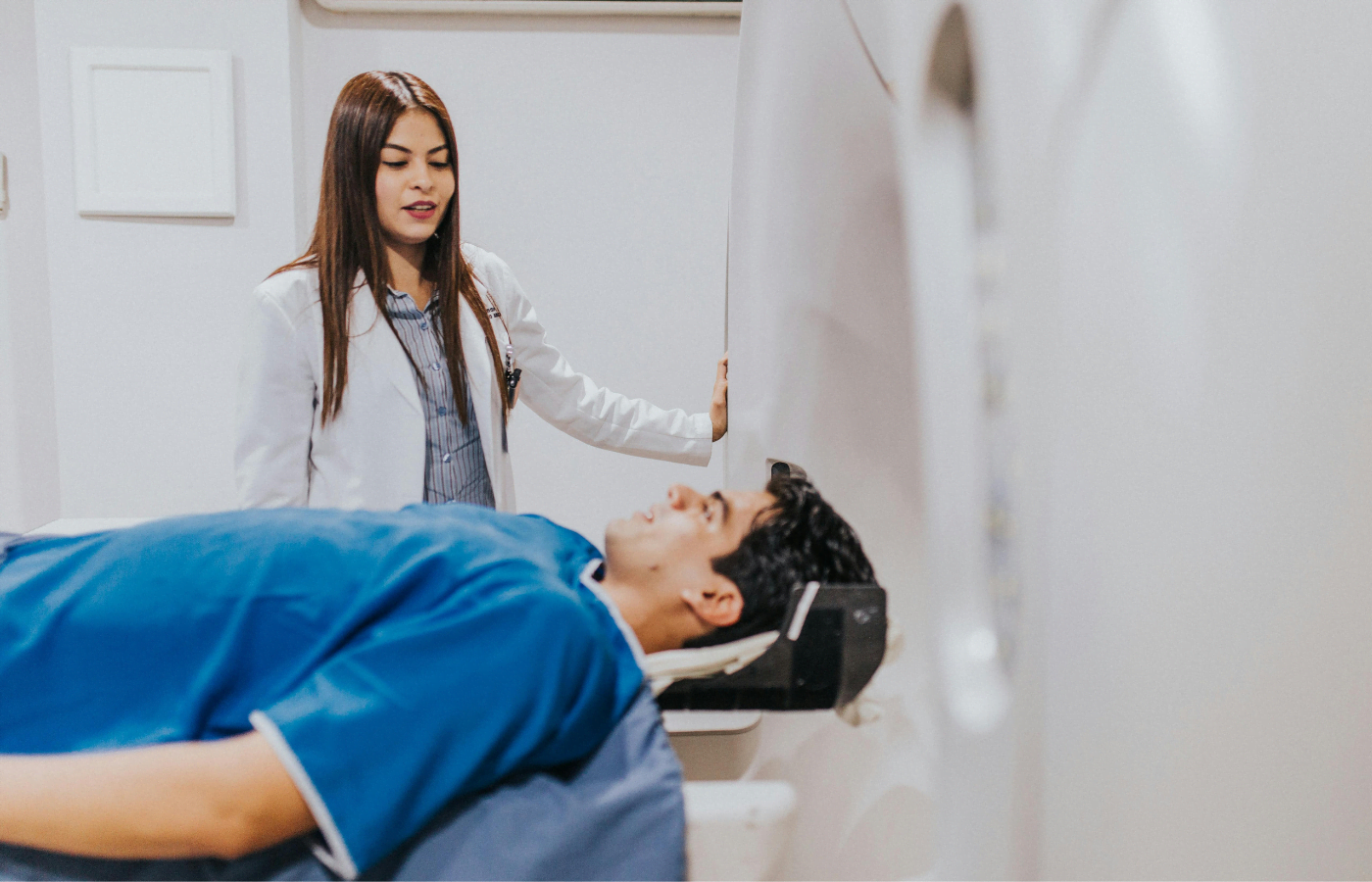
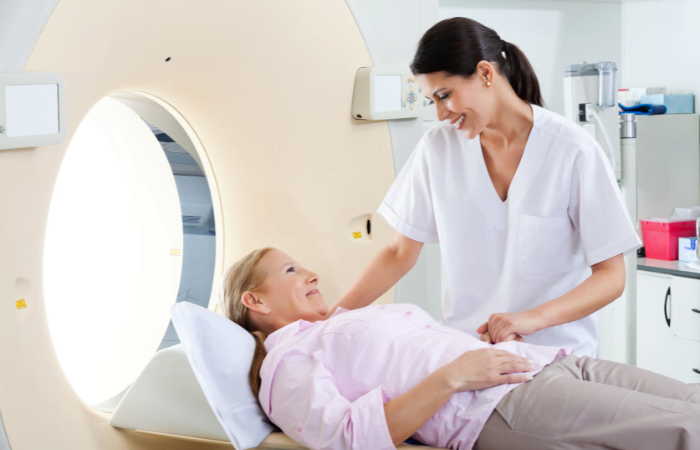
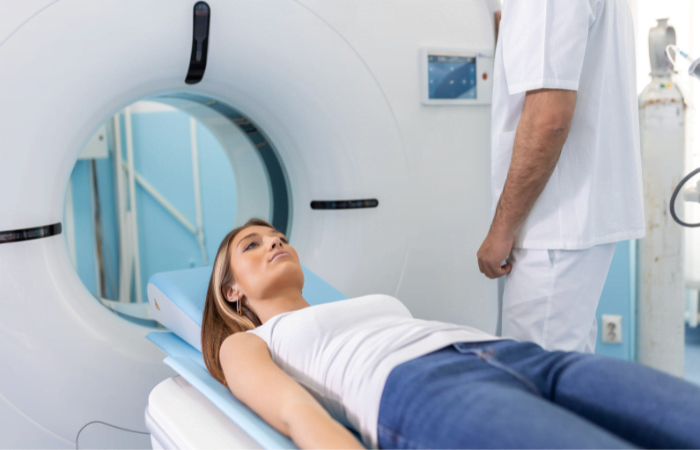
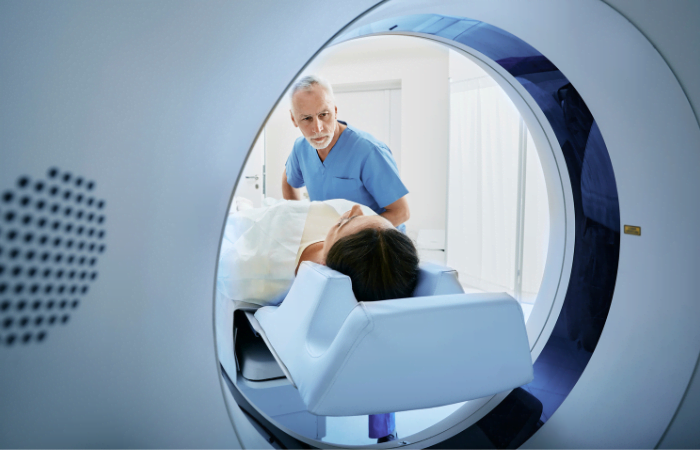
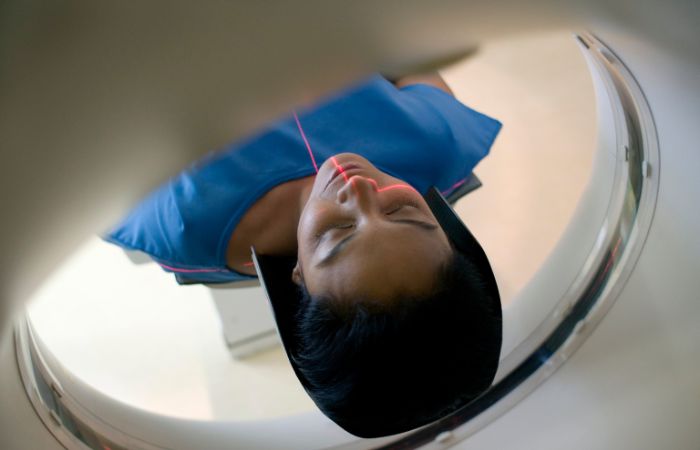
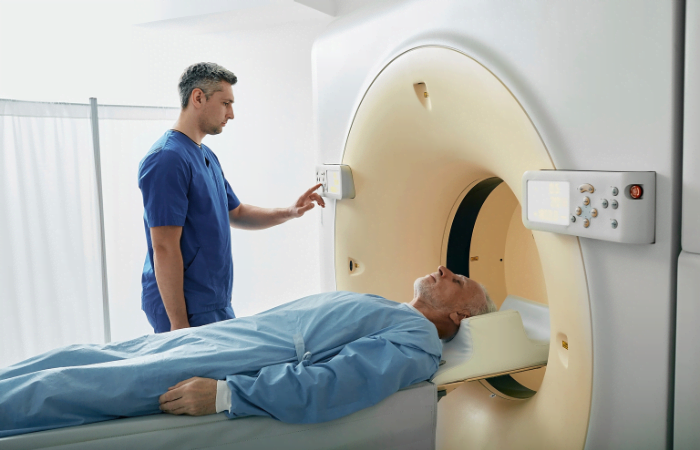
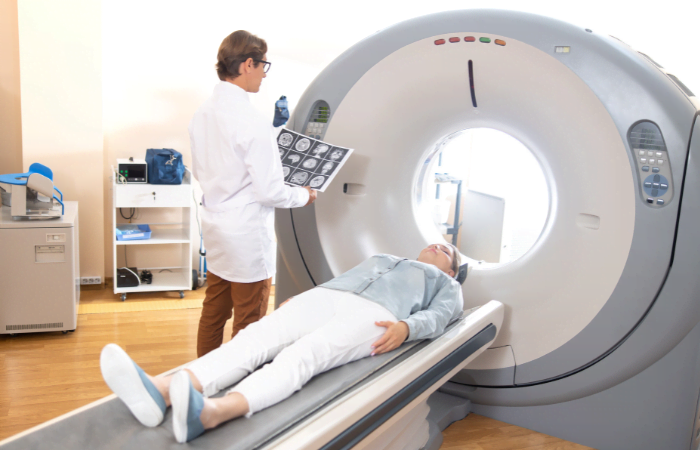
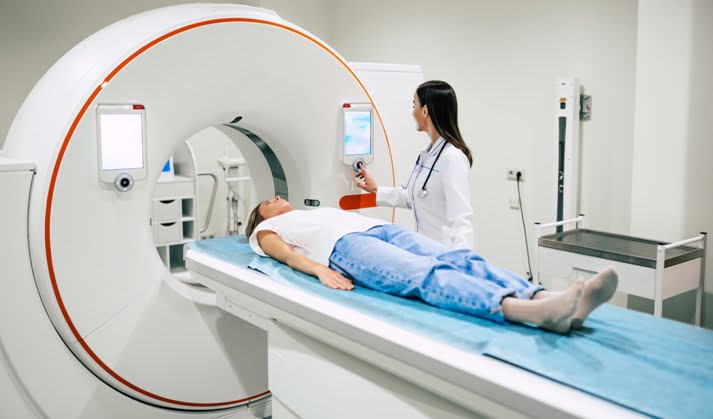
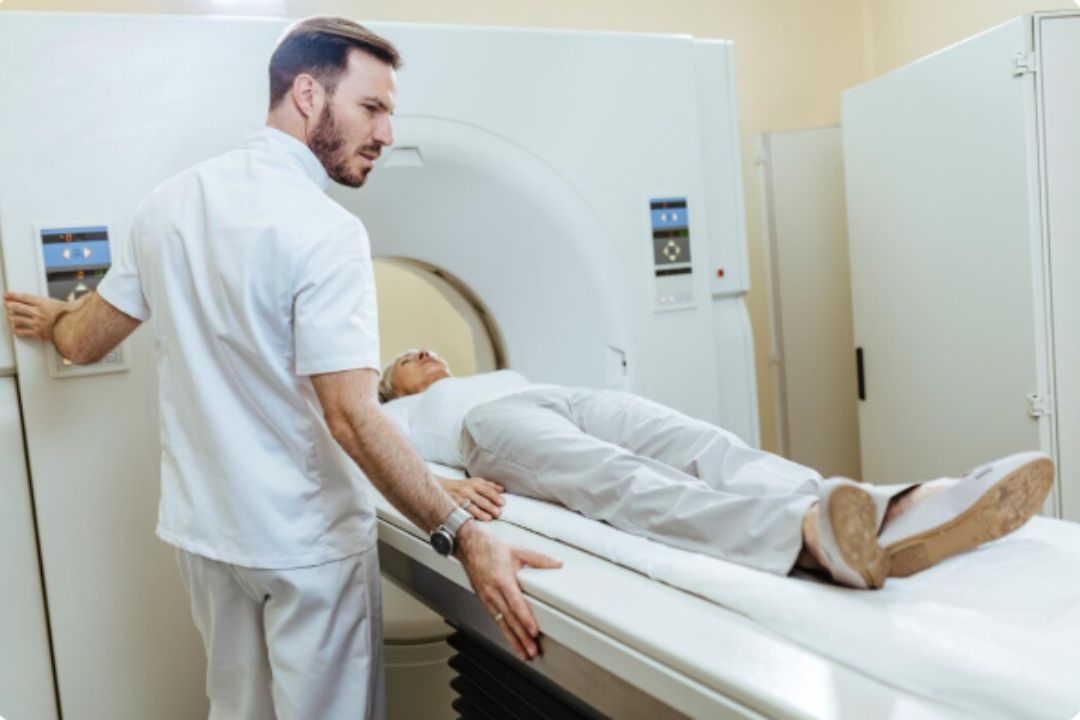
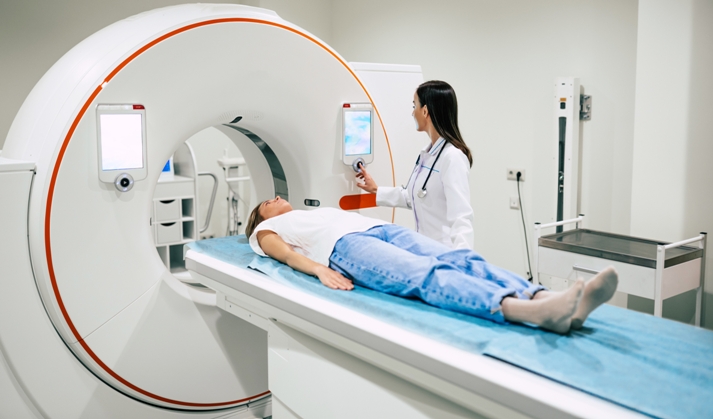
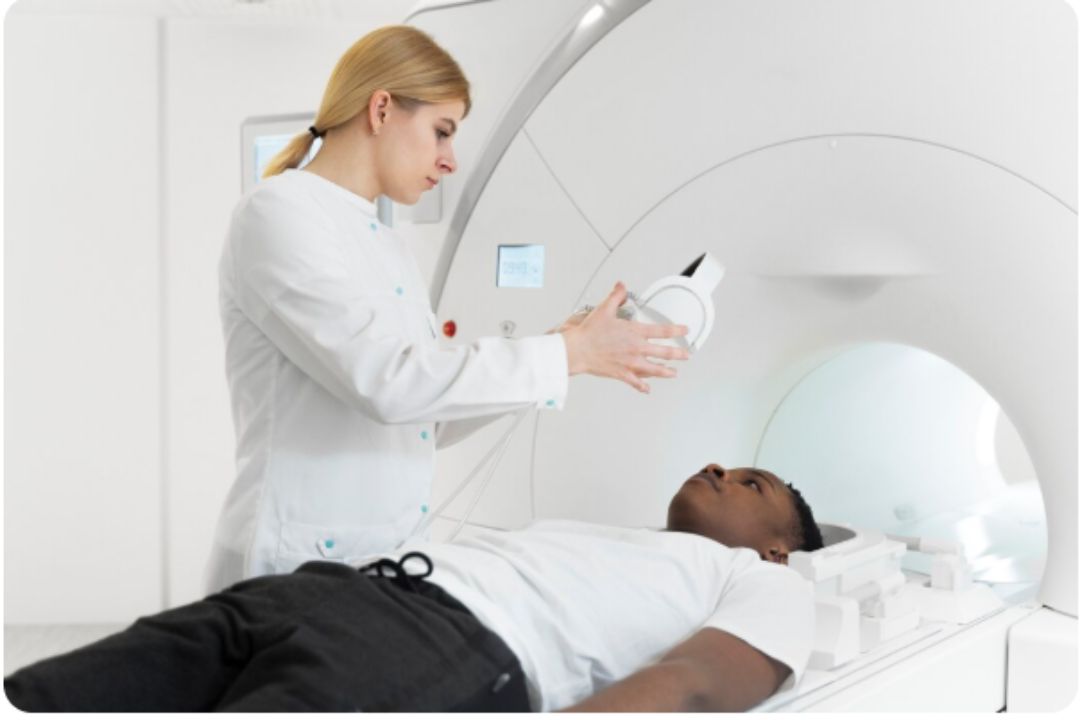
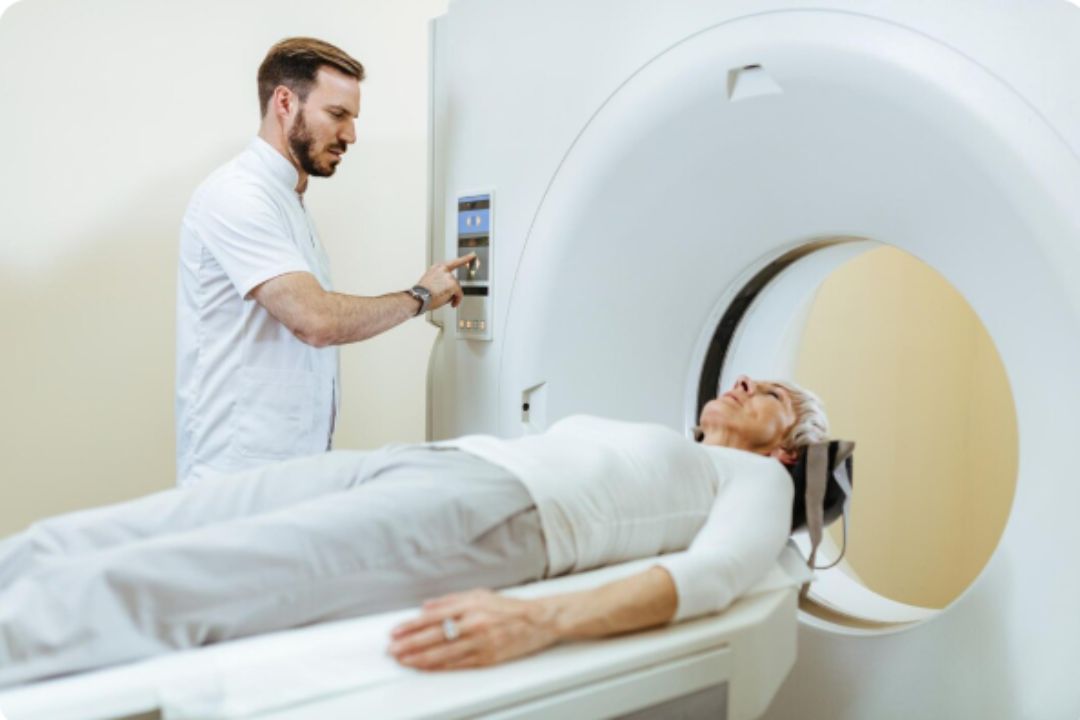
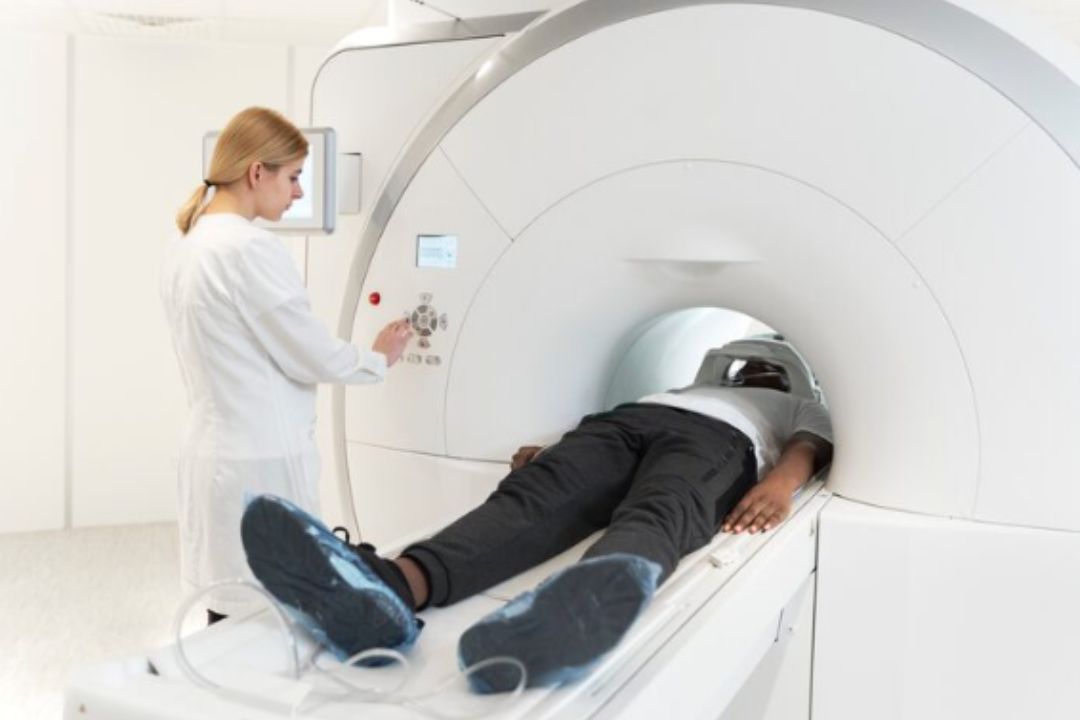
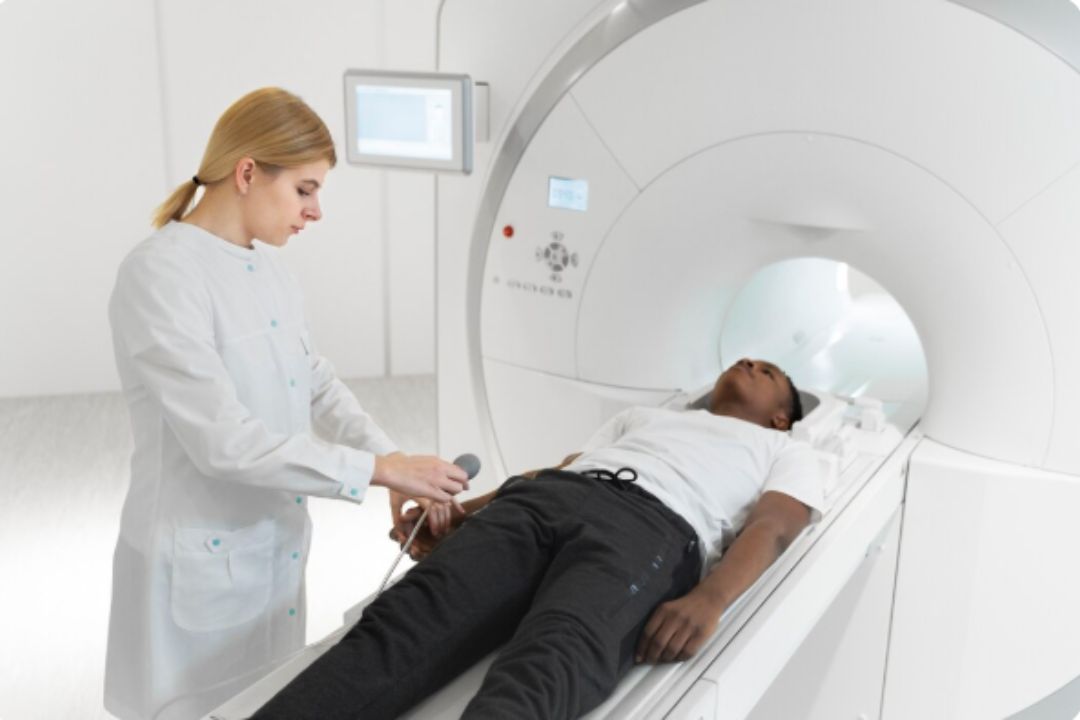
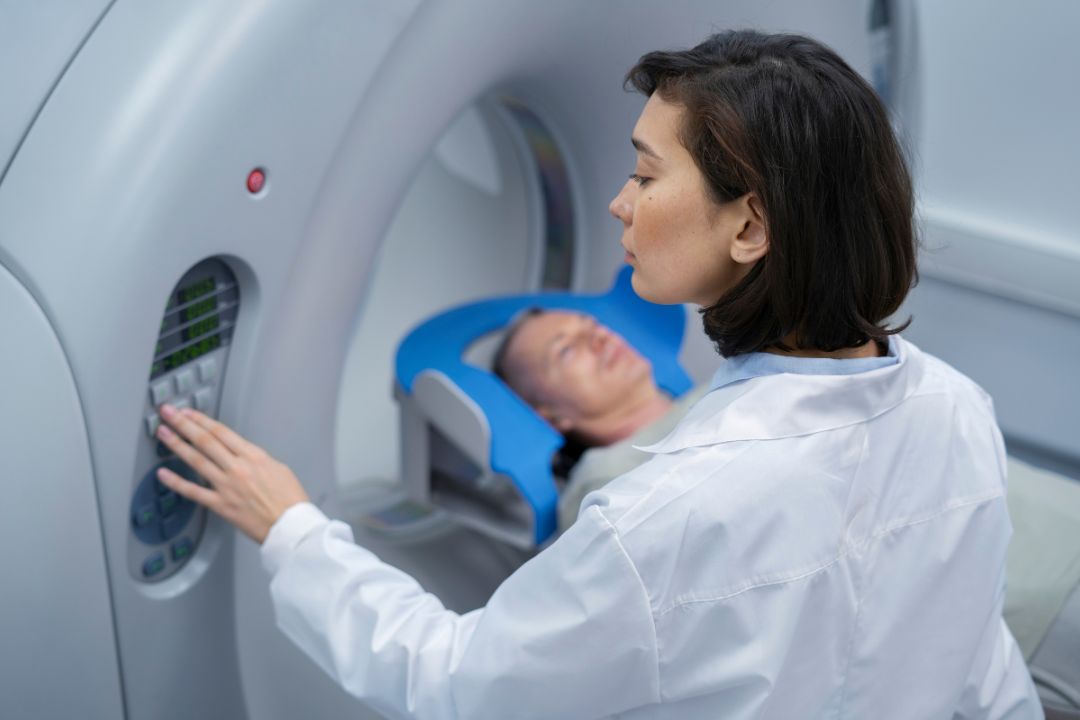
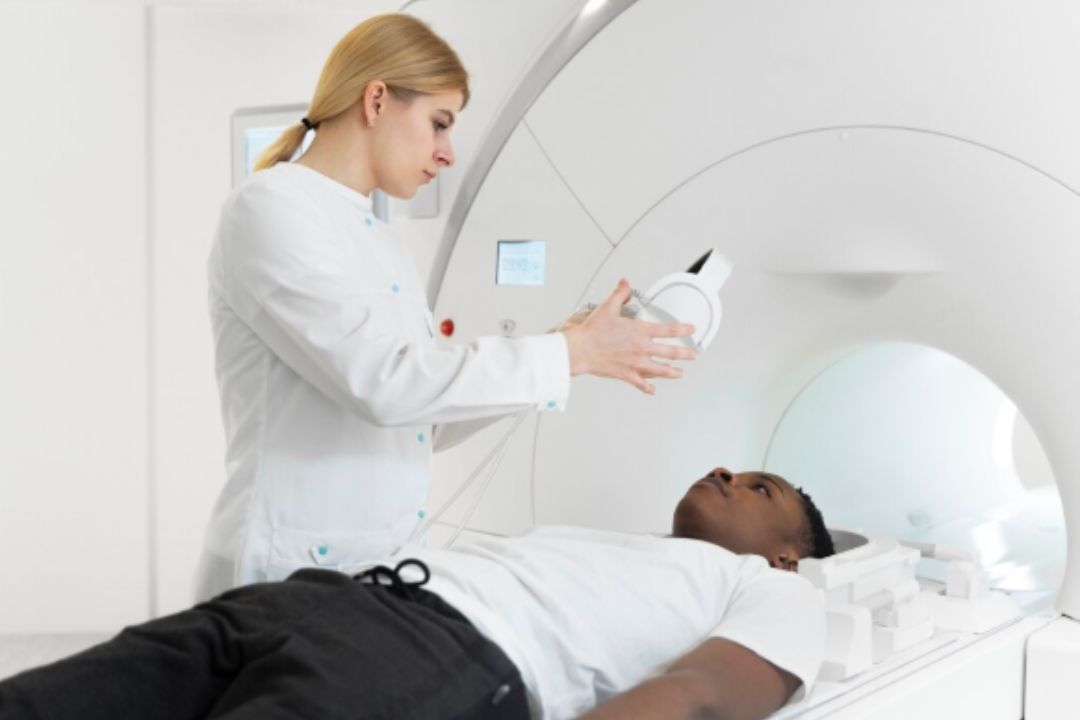
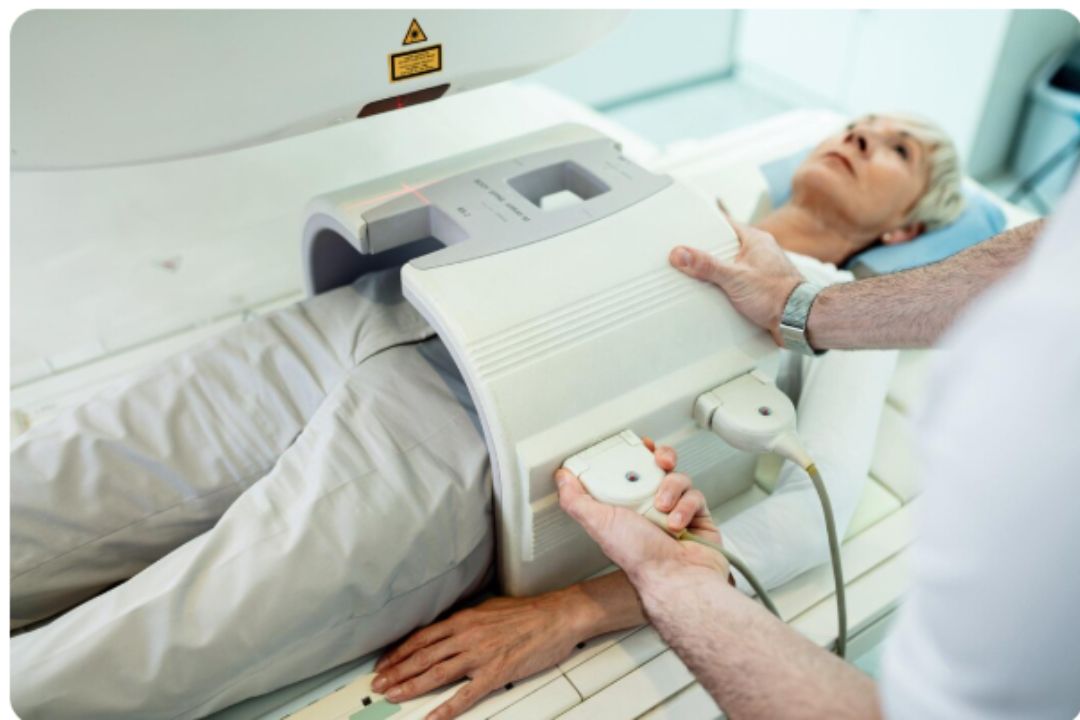
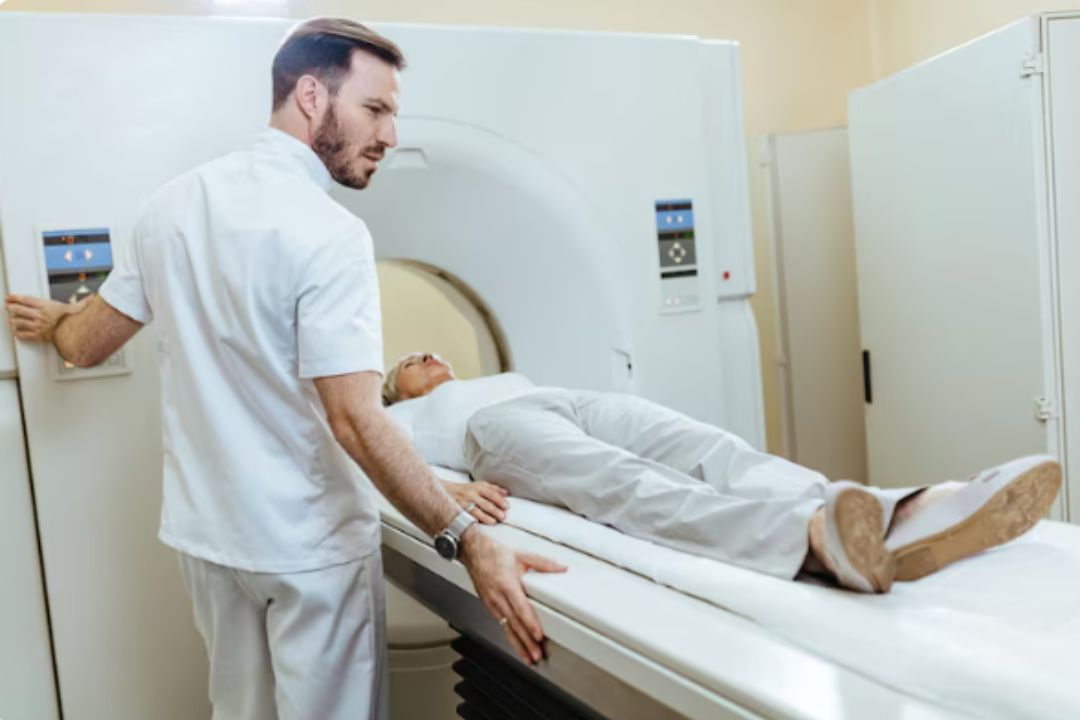
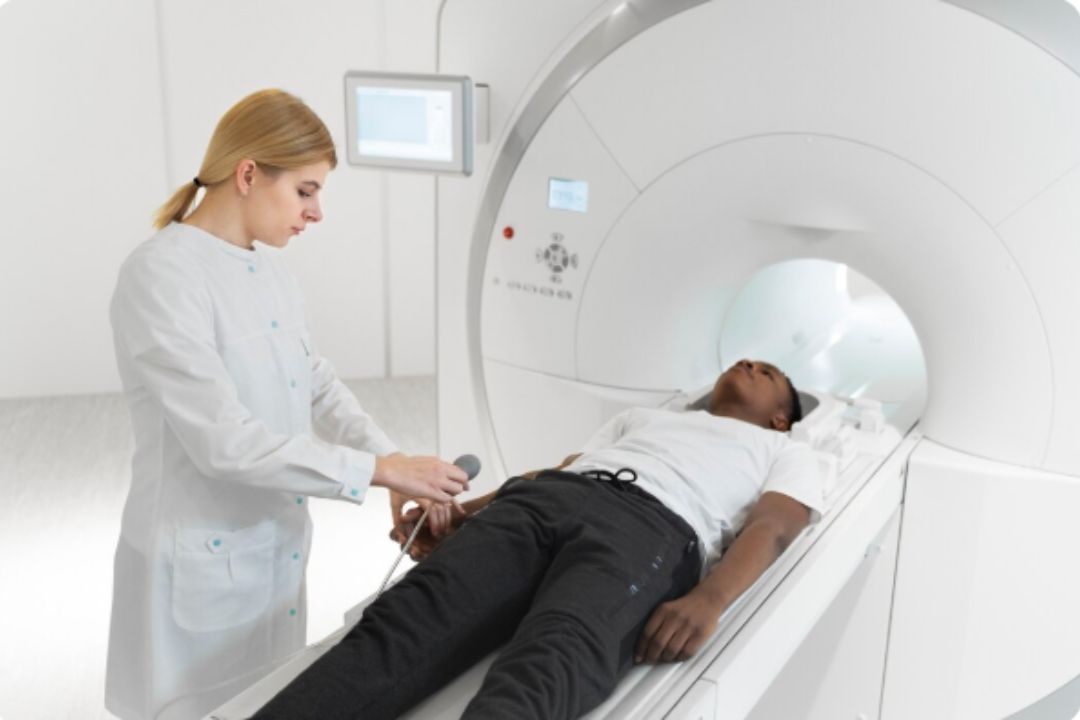
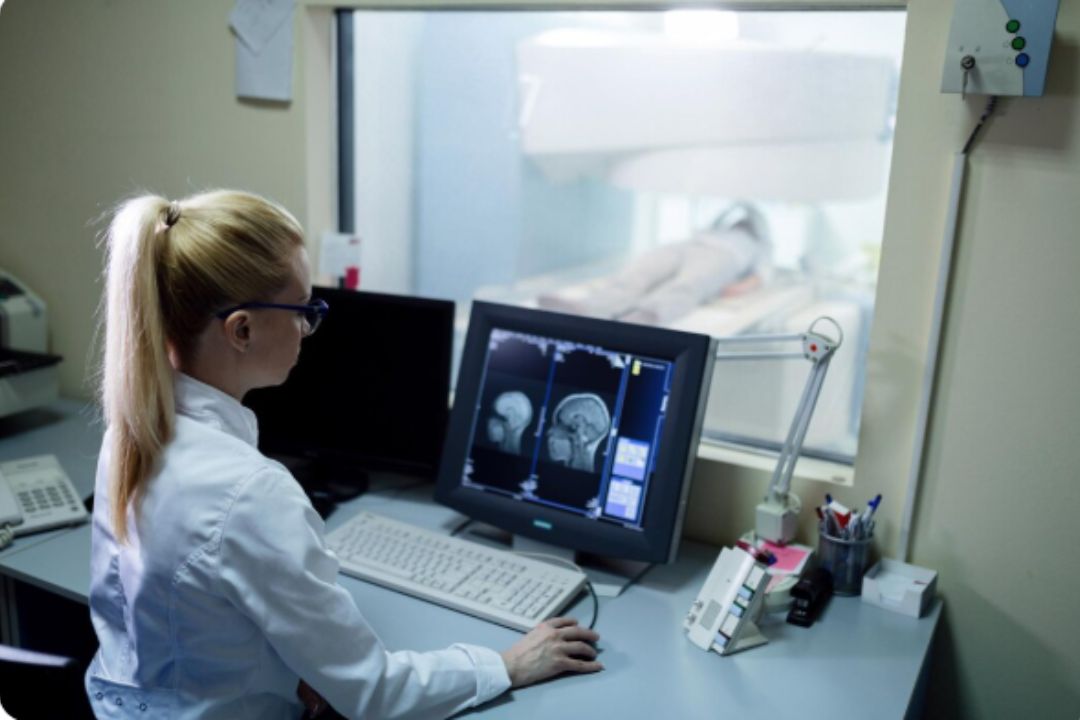
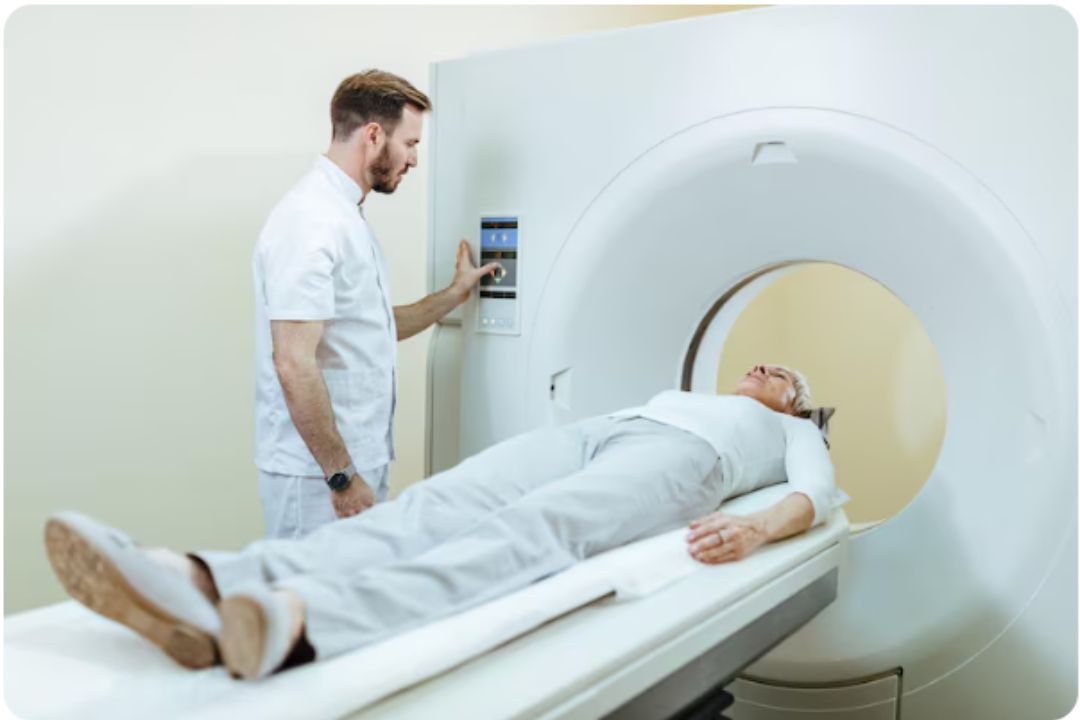
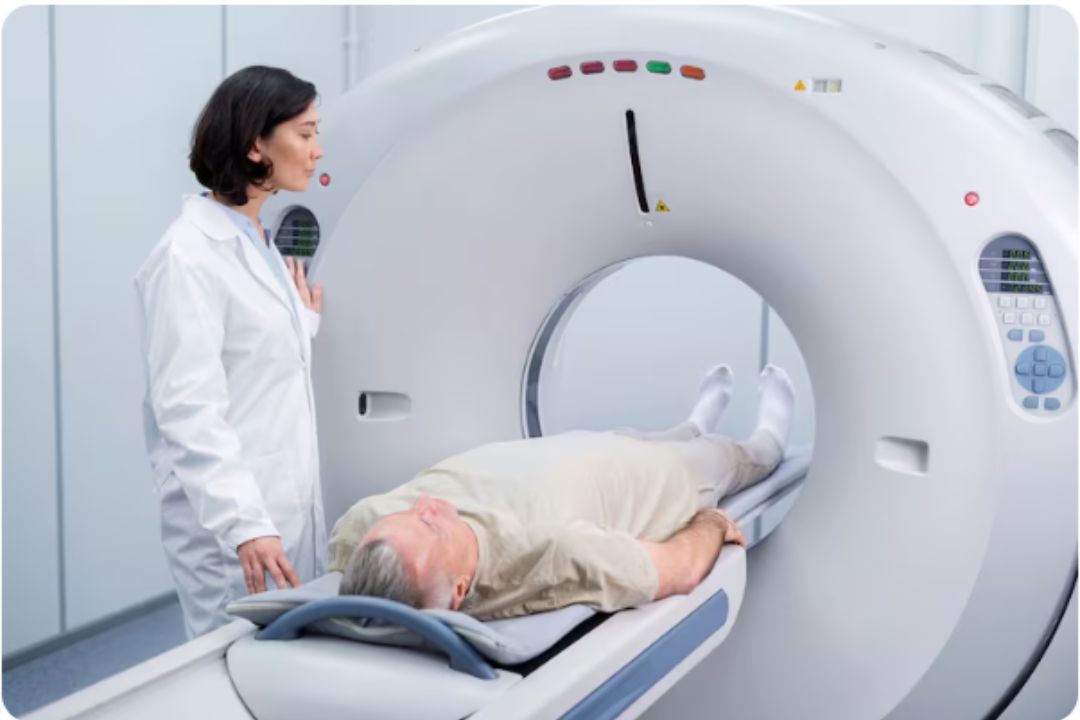
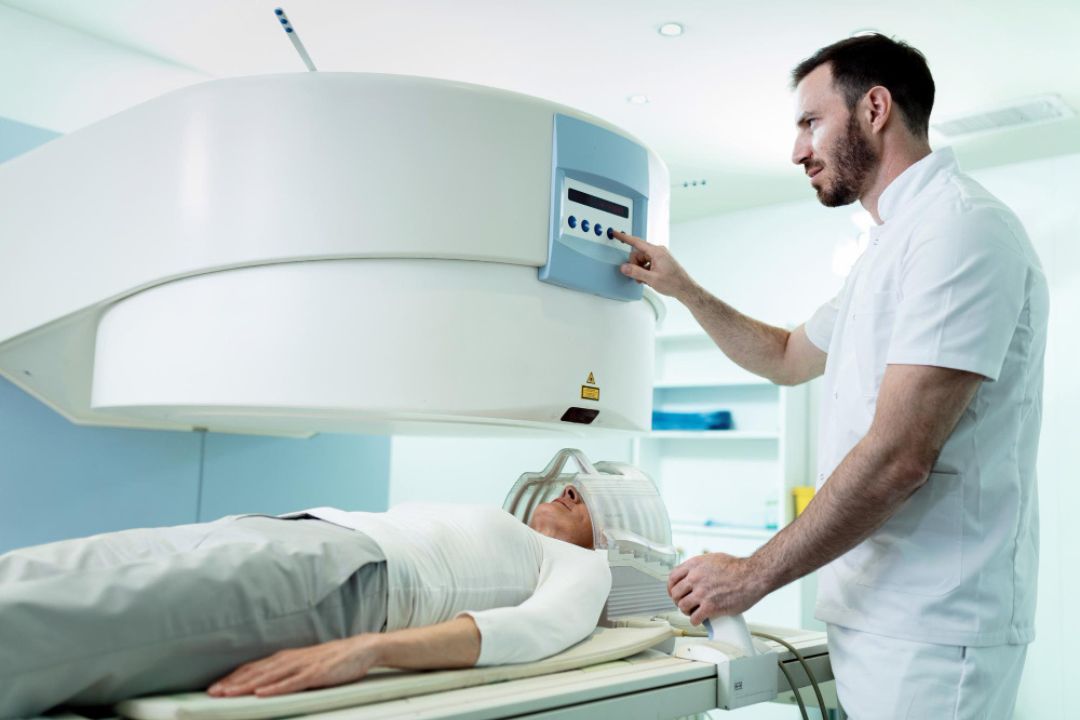
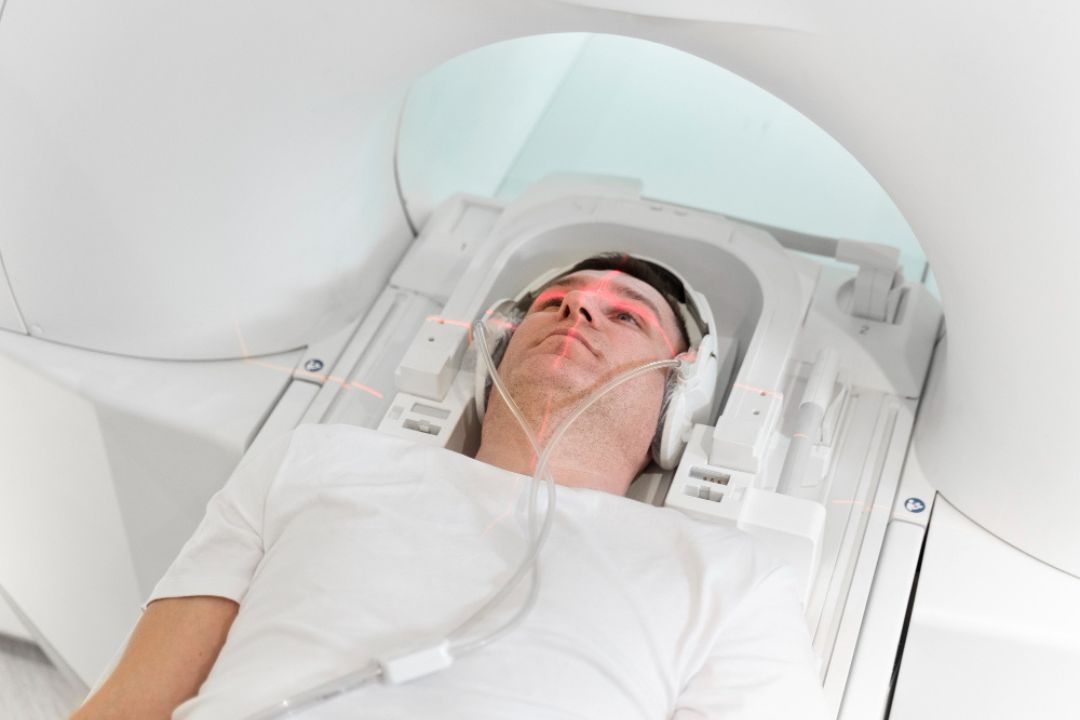
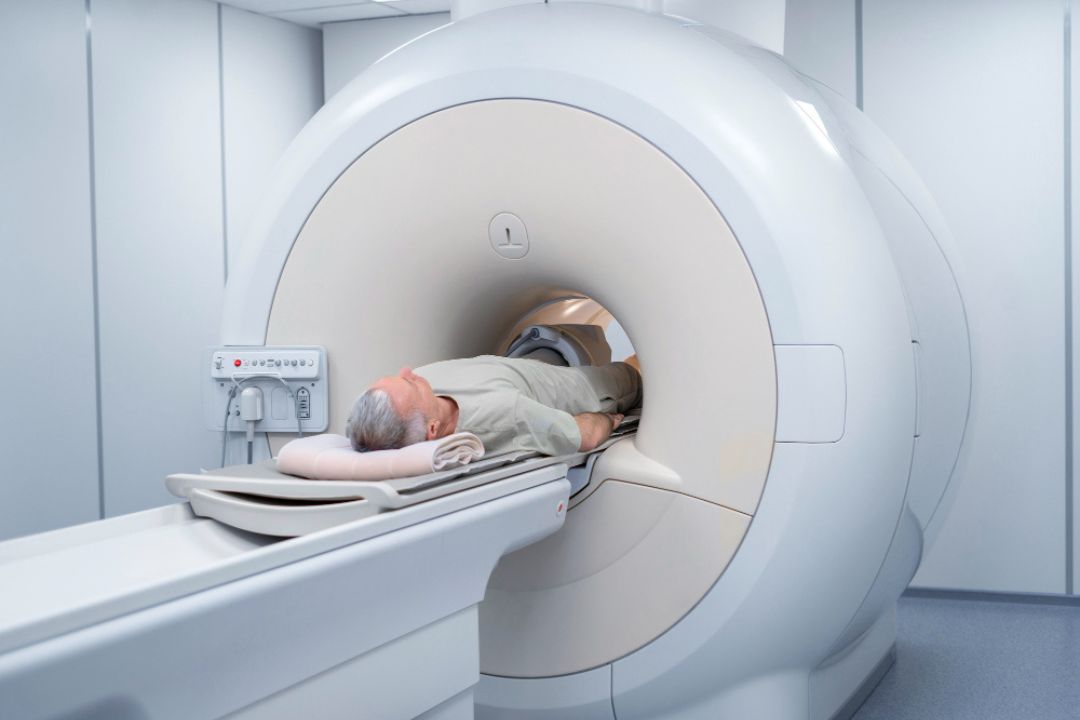
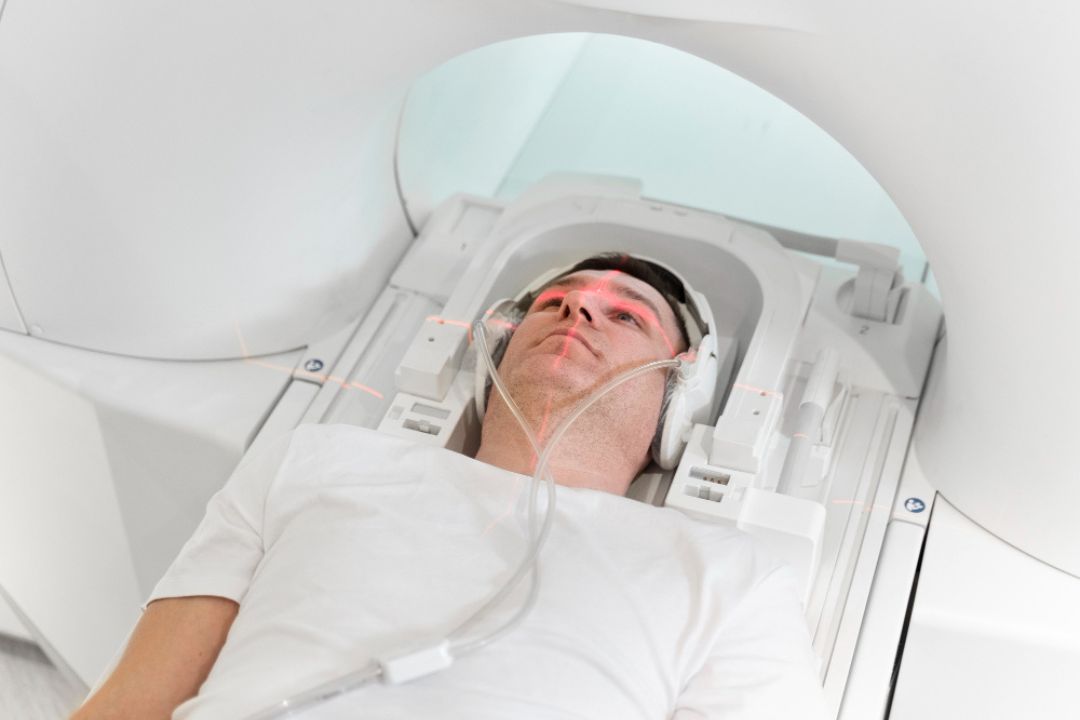
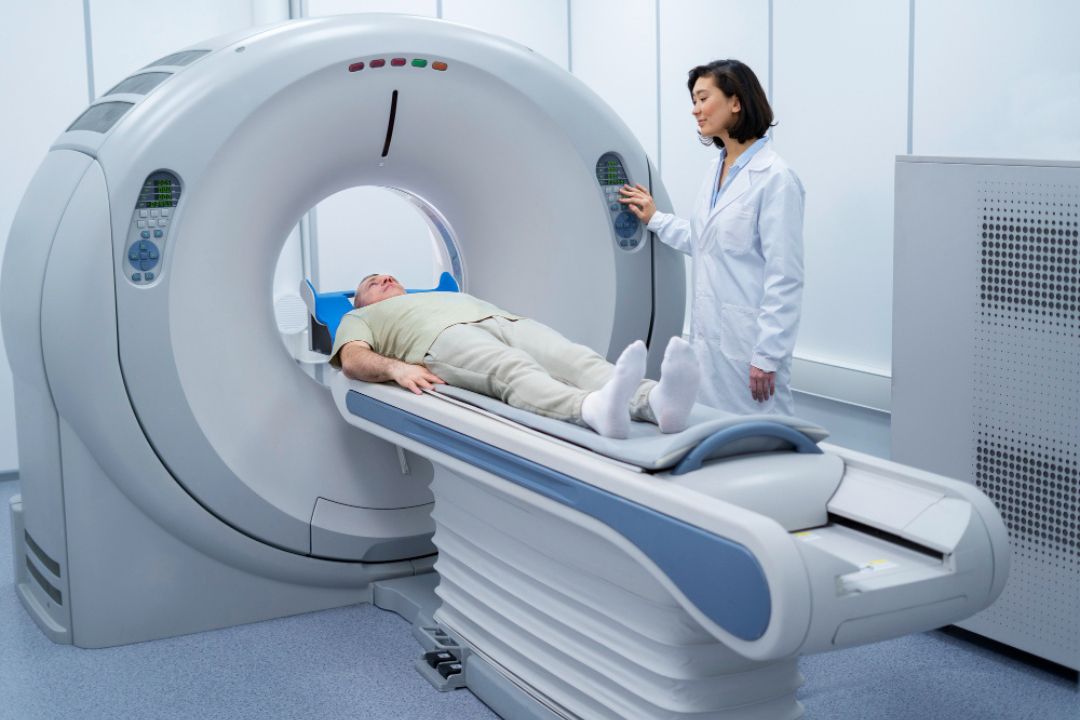
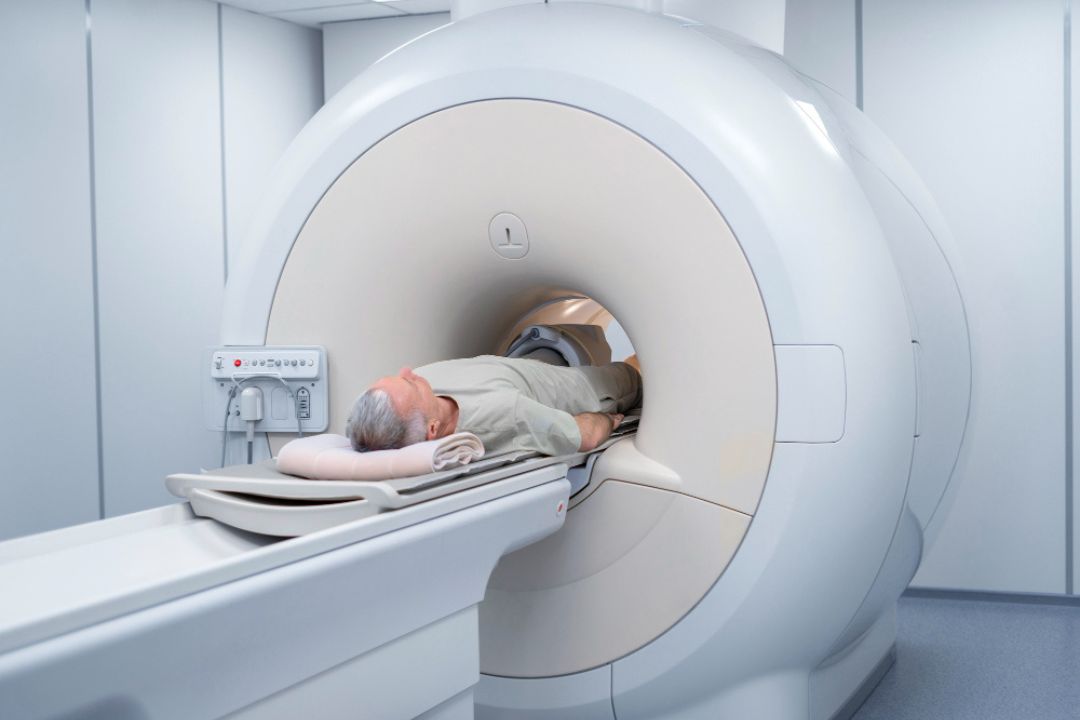
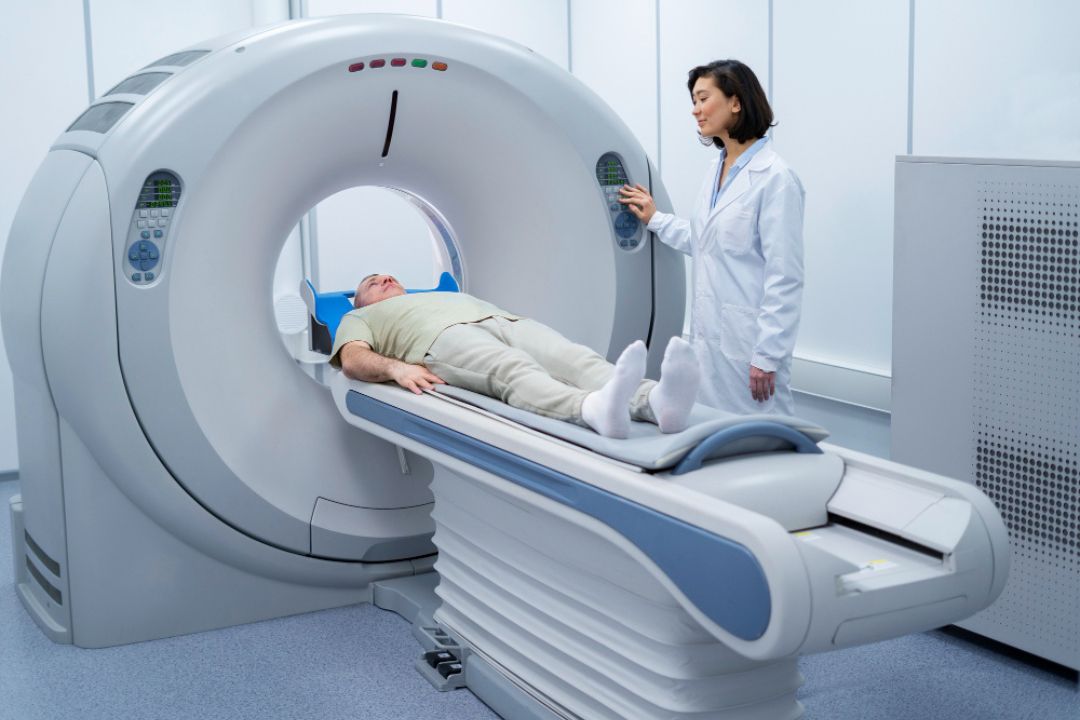
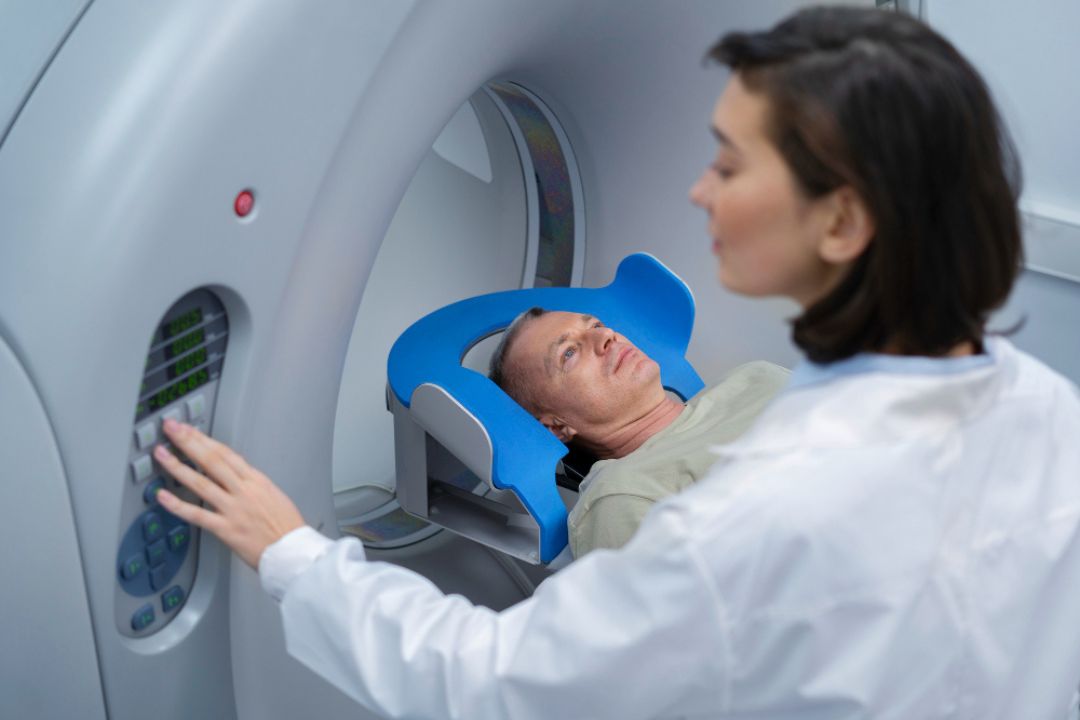
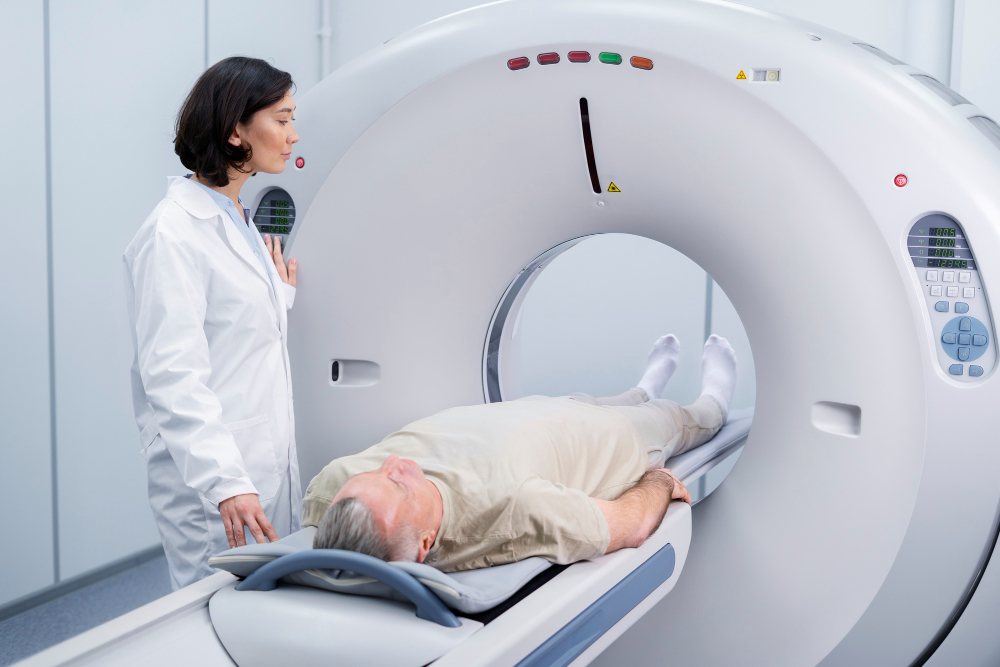
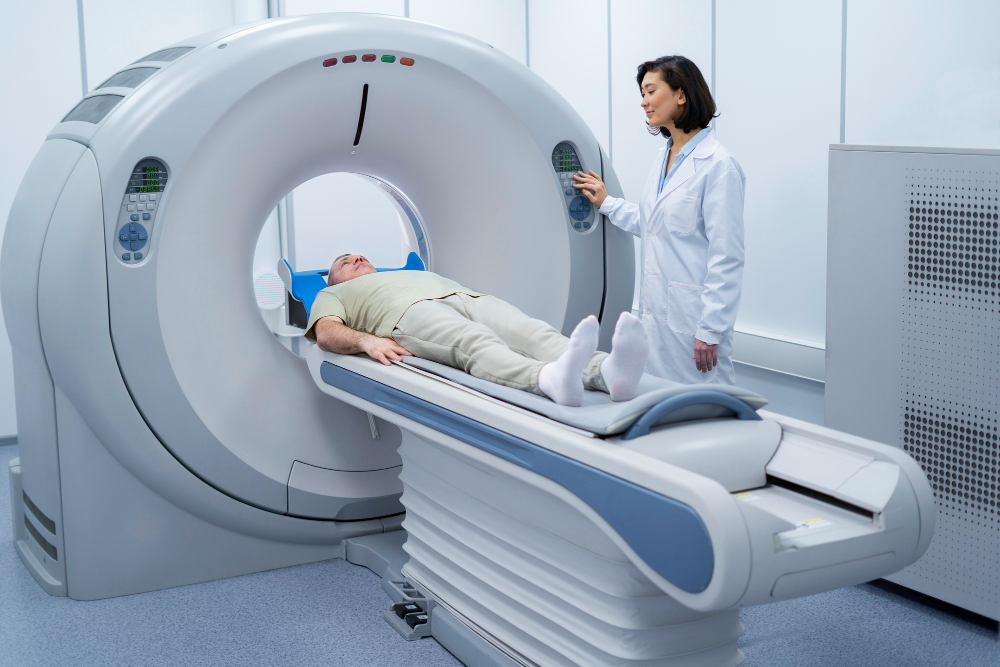
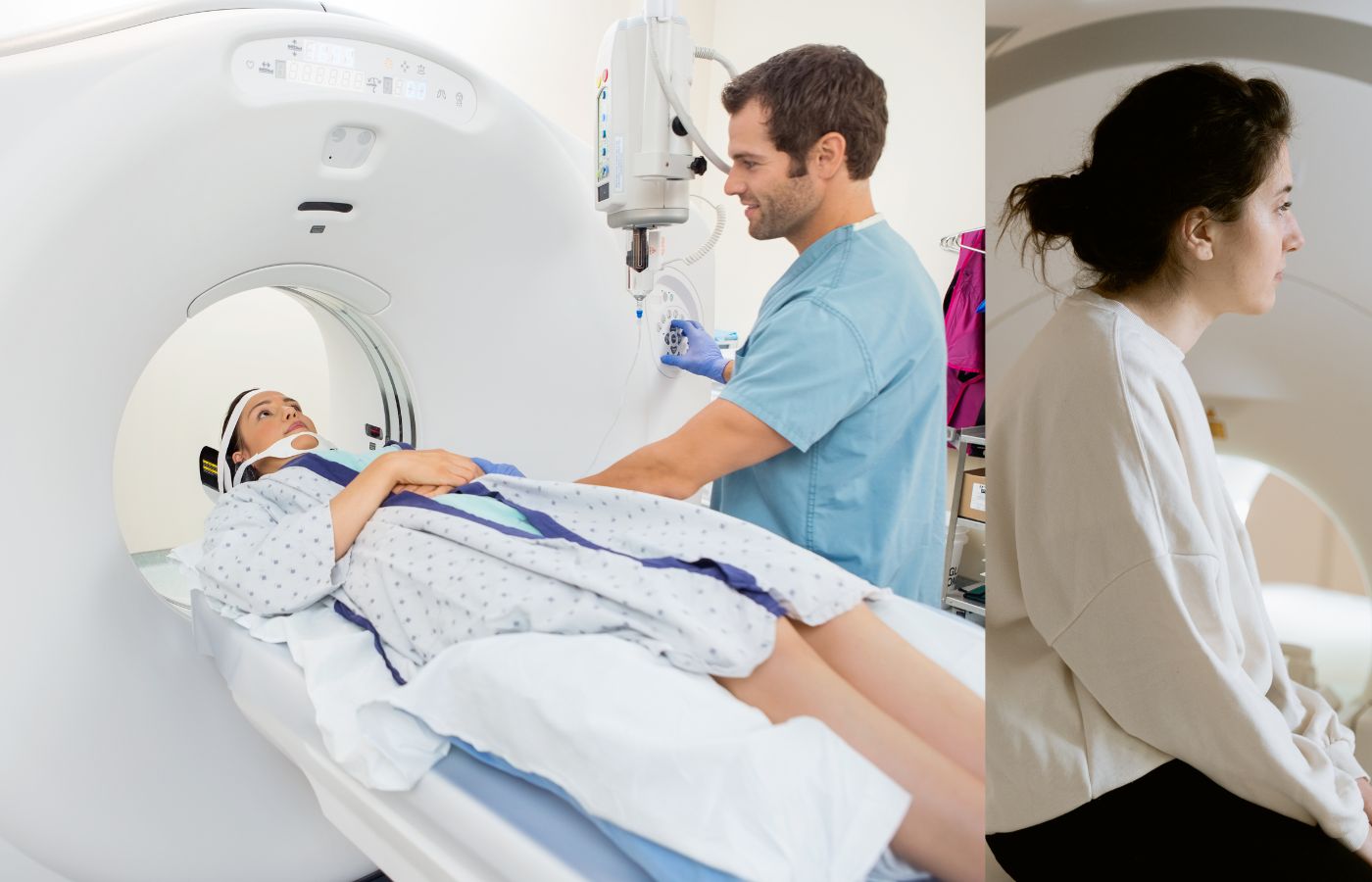
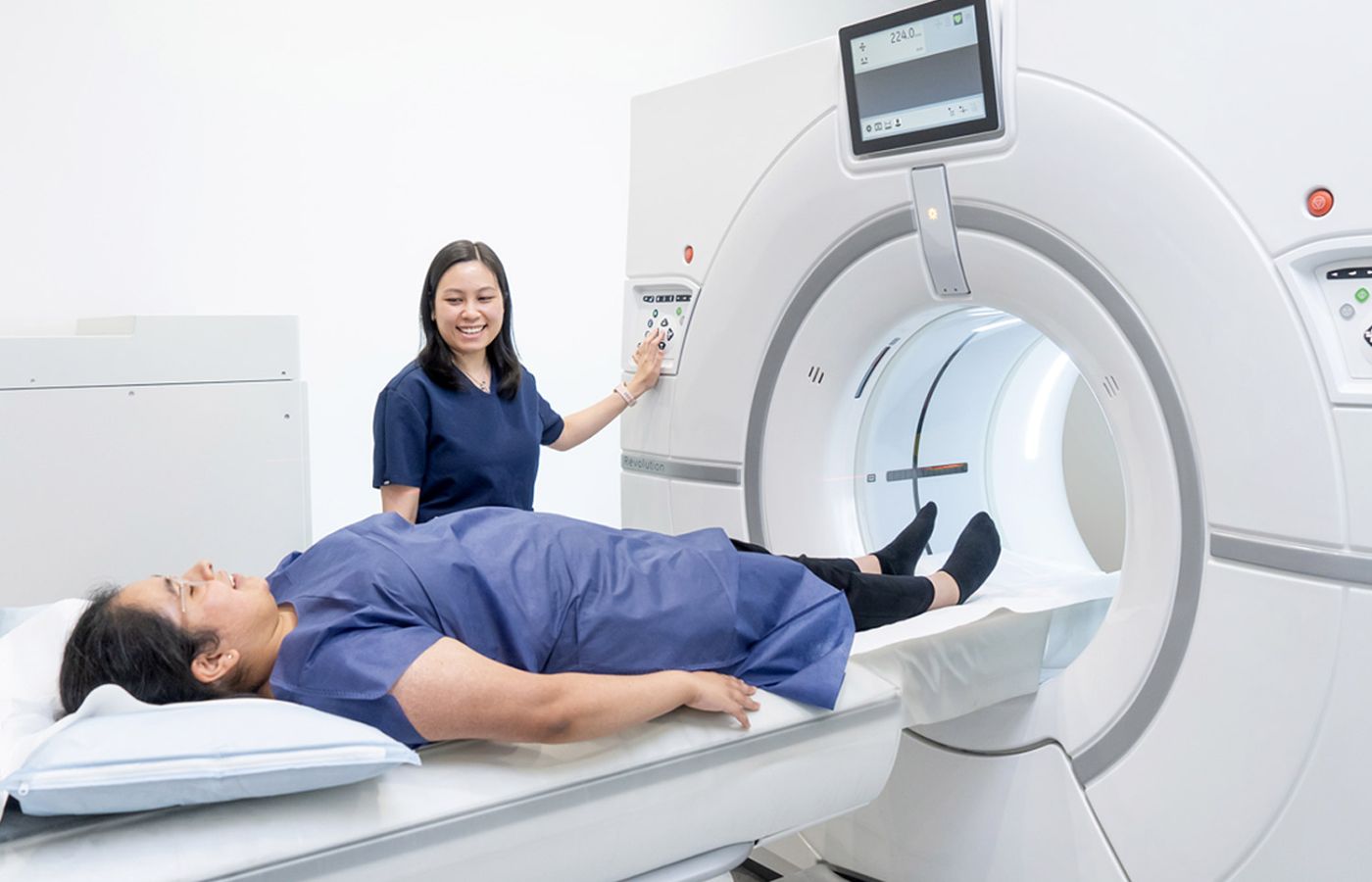
In reality, a CT Scan is a non-invasive and painless test. The patient simply lies on a table while the scanner rotates around the body.
The only possible discomfort may come from staying still during the scan or from the injection of contrast dye.
Contrast dye is sometimes used during CT scans to enhance image quality. Some people believe that this dye always causes severe reactions.
In most cases, patients tolerate contrast dye well. Serious allergic reactions are rare, although mild symptoms like itching, nausea, or a warm sensation may occur temporarily.
Patients with known allergies or kidney problems should inform their doctor before the procedure.
Although CT scans are generally safe, there are a few potential side effects that patients should be aware of.
CT scans involve exposure to ionizing radiation. While the amount is small, repeated scans over time may slightly increase long-term health risks.
However, doctors carefully control radiation doses to minimize risk.
Some CT scans require a contrast dye to improve image clarity. Possible temporary side effects include:
Warm sensation in the body
Metallic taste in the mouth
Mild nausea
Headache
These symptoms usually disappear quickly after the scan.
Contrast dye is filtered by the kidneys. In patients with existing kidney disease, the dye may occasionally affect kidney function.
Doctors often check kidney function before performing contrast scans in high-risk patients.
Certain individuals should inform their doctor before undergoing a CT scan, including:
Pregnant women
Patients with kidney disease
People with contrast dye allergies
Patients with diabetes taking specific medications
Doctors may recommend alternative imaging tests if necessary.
Despite concerns about side effects, CT scans provide many important medical benefits.
They help doctors:
Detect tumors and cancers
Diagnose internal injuries
Identify infections and inflammation
Examine blood vessels and organs
Plan surgeries and treatments
Because of their accuracy, CT scans are an essential tool in modern medical diagnosis.
CT Scans are generally safe and highly effective diagnostic tools. While some risks exist, many of the fears surrounding CT scans are based on myths rather than medical facts.
Modern imaging technology uses controlled radiation levels and safety protocols to minimize risks. For most patients, the benefits of an accurate diagnosis far outweigh the small potential side effects.
If your doctor recommends a CT scan, it is usually because the test can provide important information needed to diagnose and treat your condition effectively.







.jpg "ct brain scan plain and contrast")


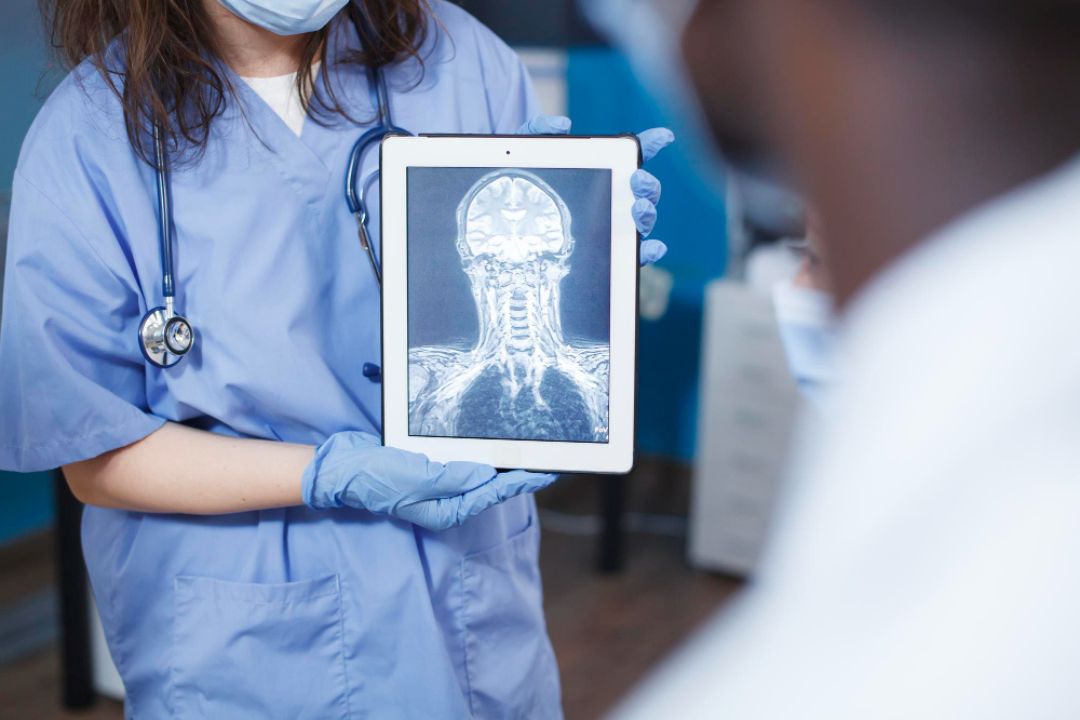
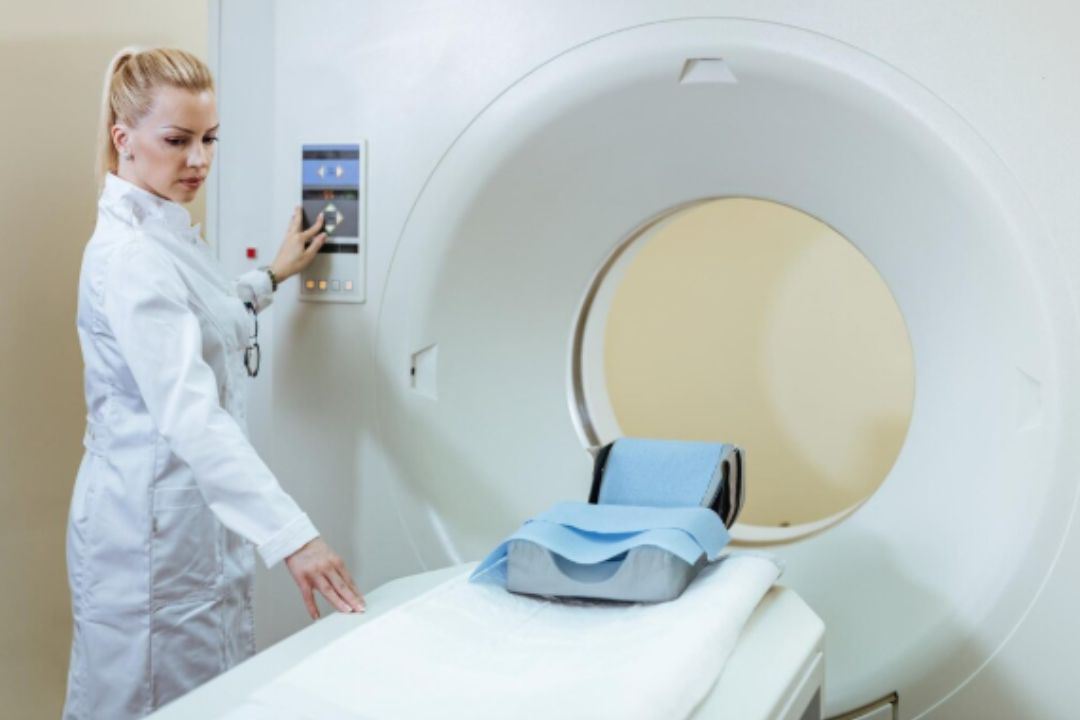
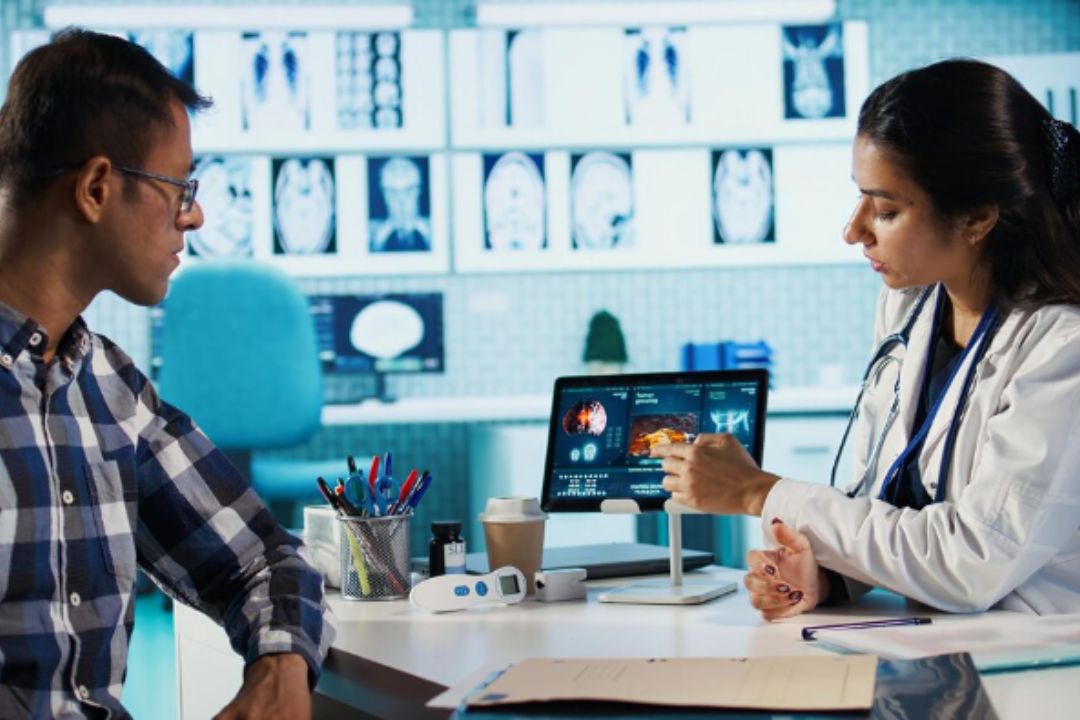
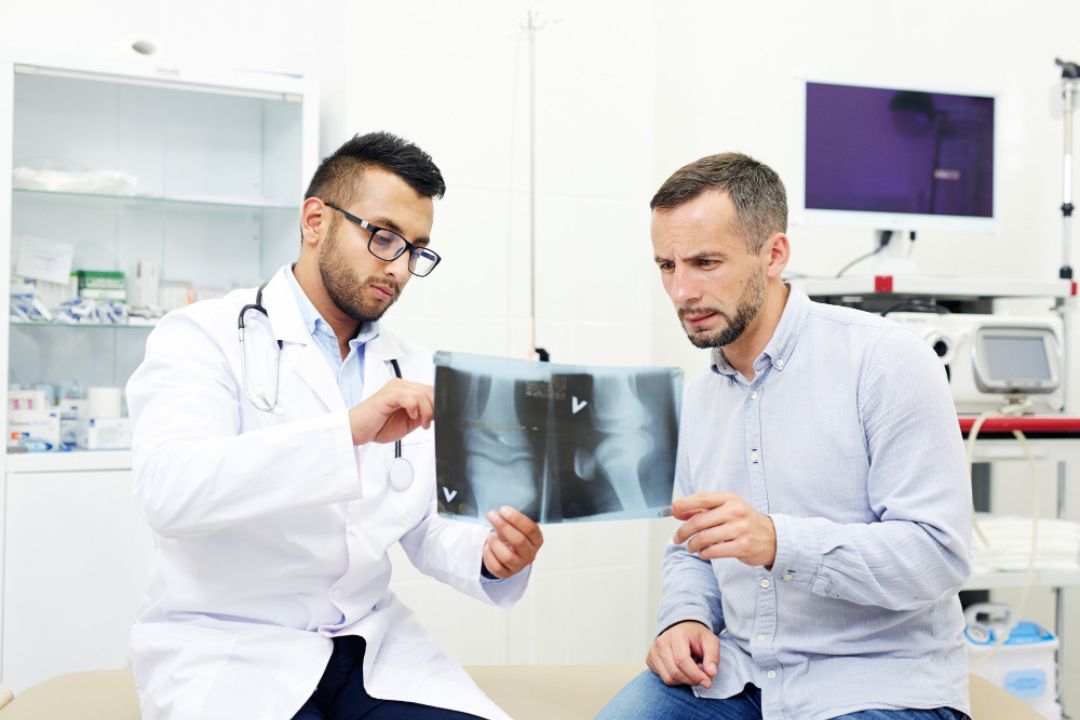





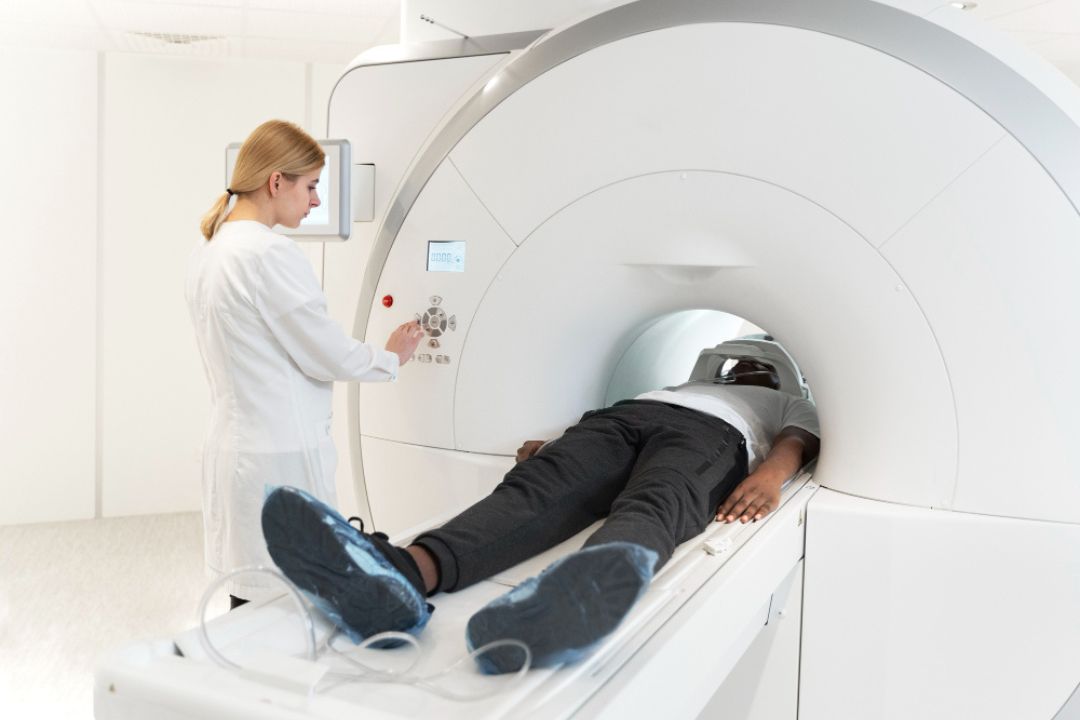
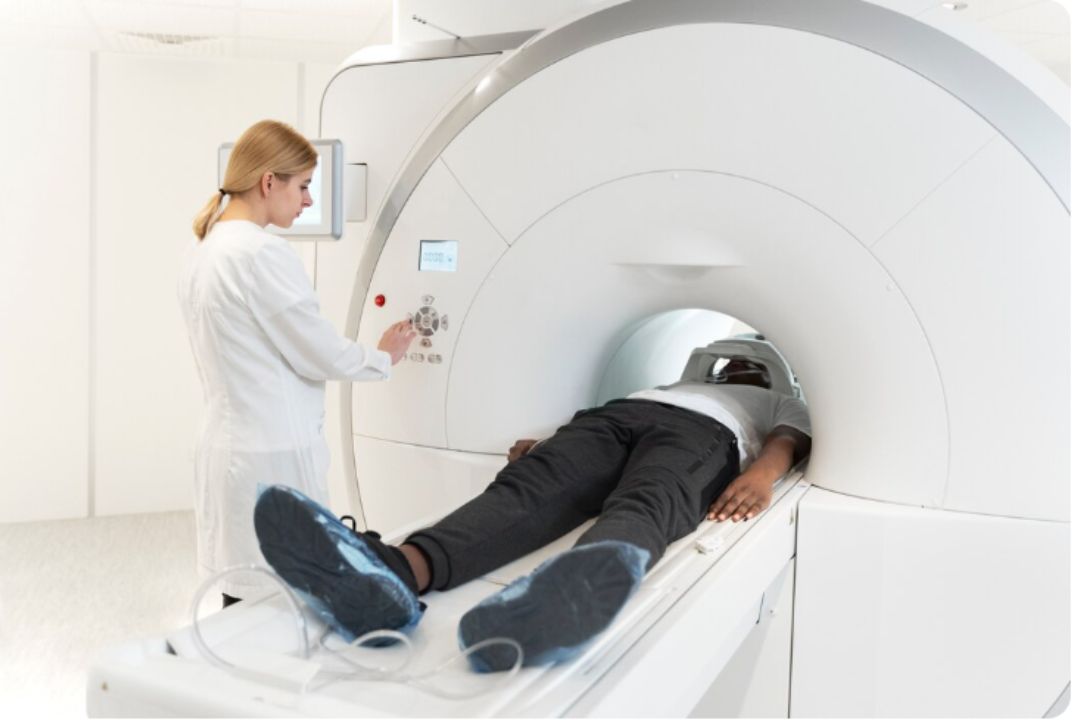
.jpg "ct scan")
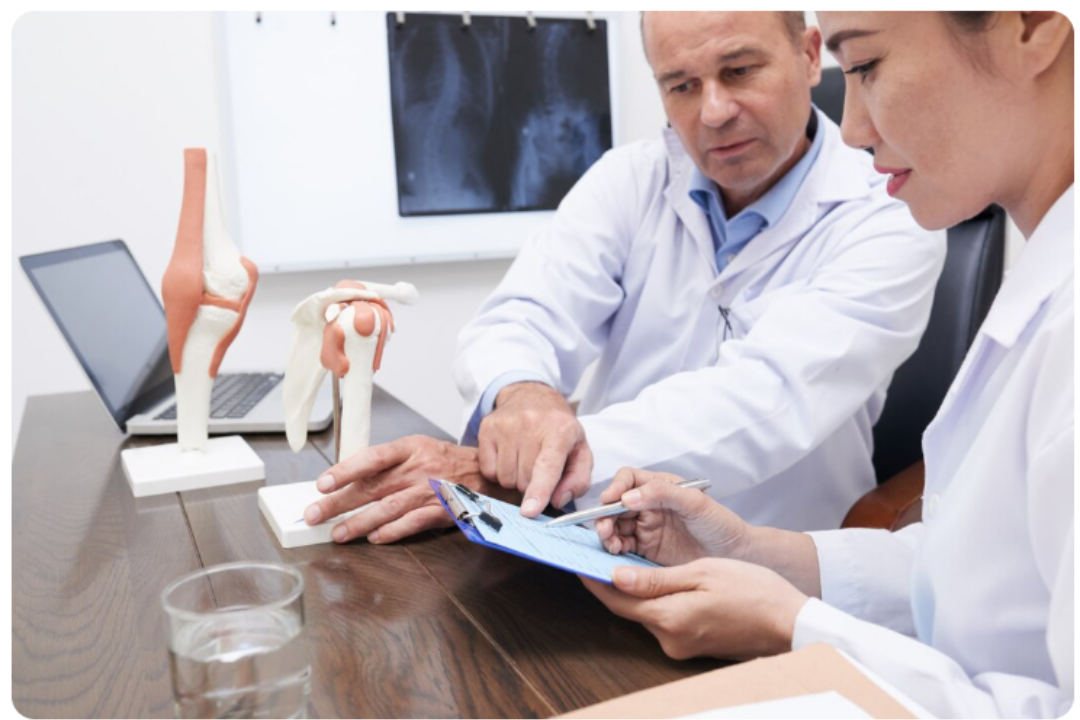
.jpg "ct scan or mri for brain disorders")


.jpg "exploring the power of ct brain contrast in modern diagnostics")
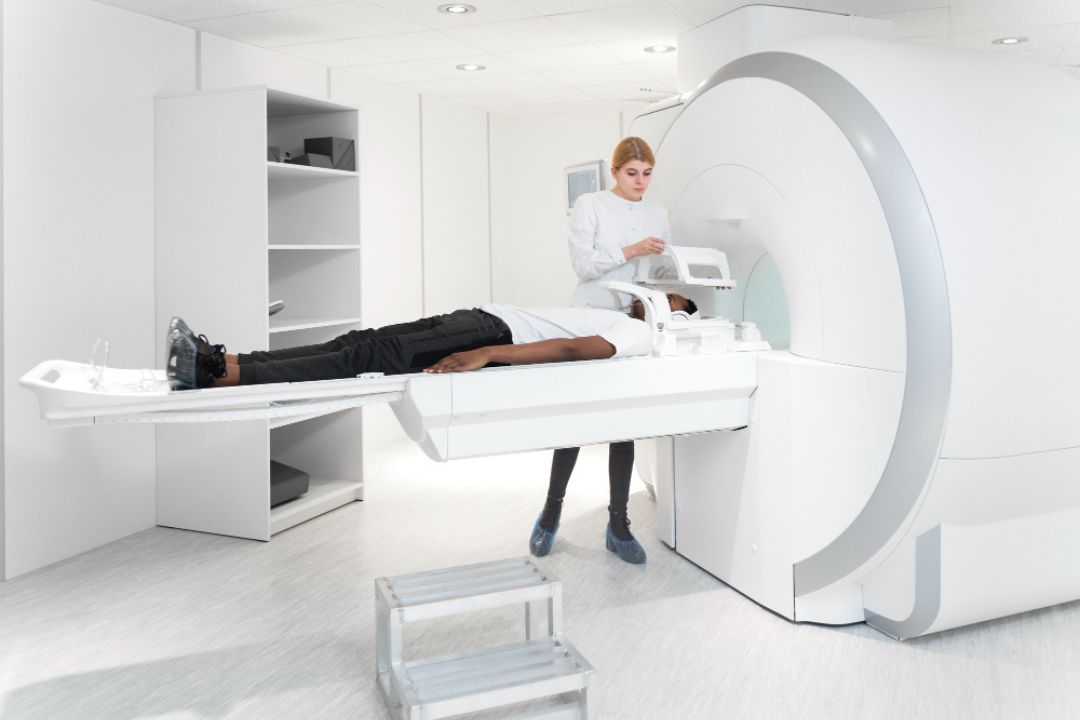
.jpg "ct scan")
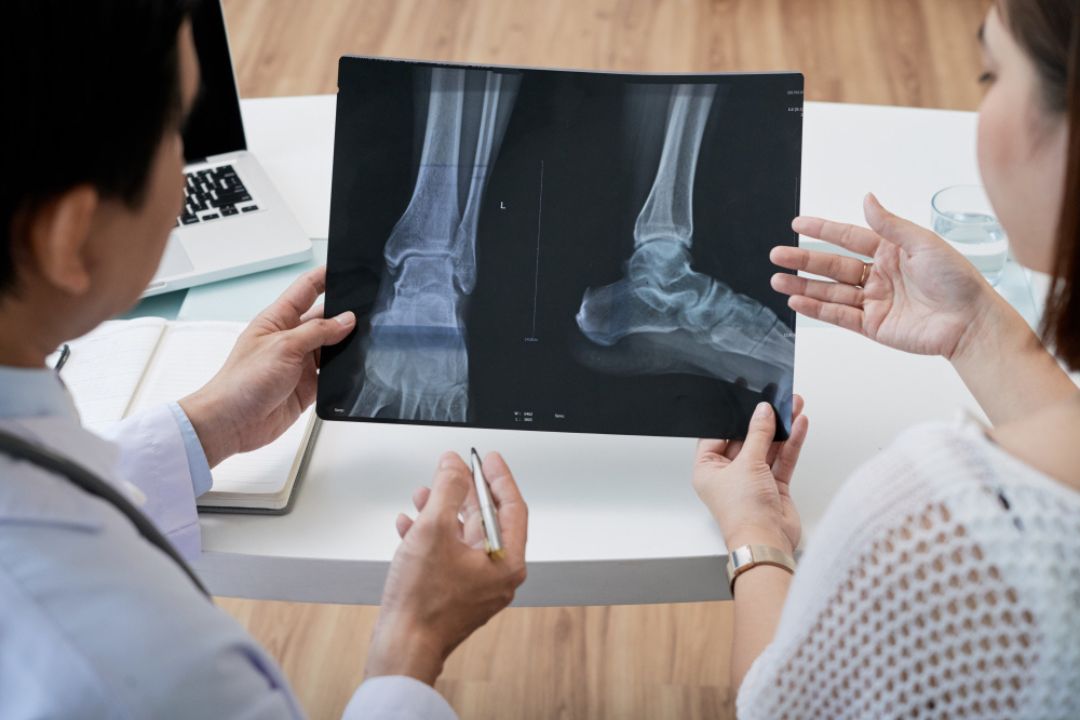
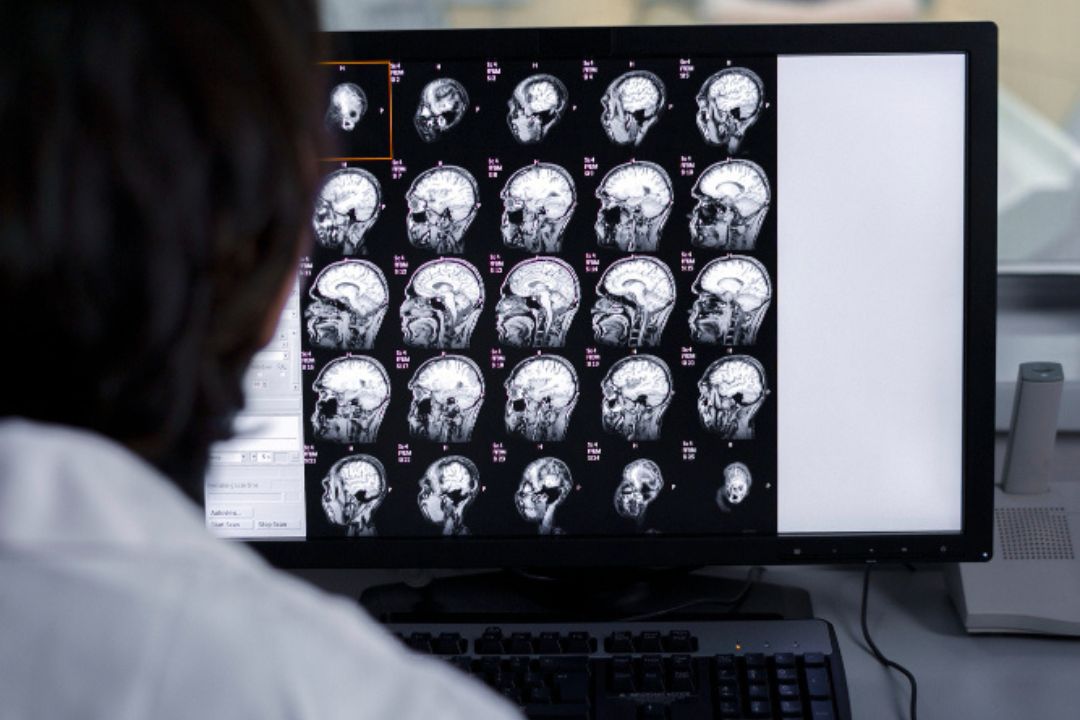
.jpg "ct scan")

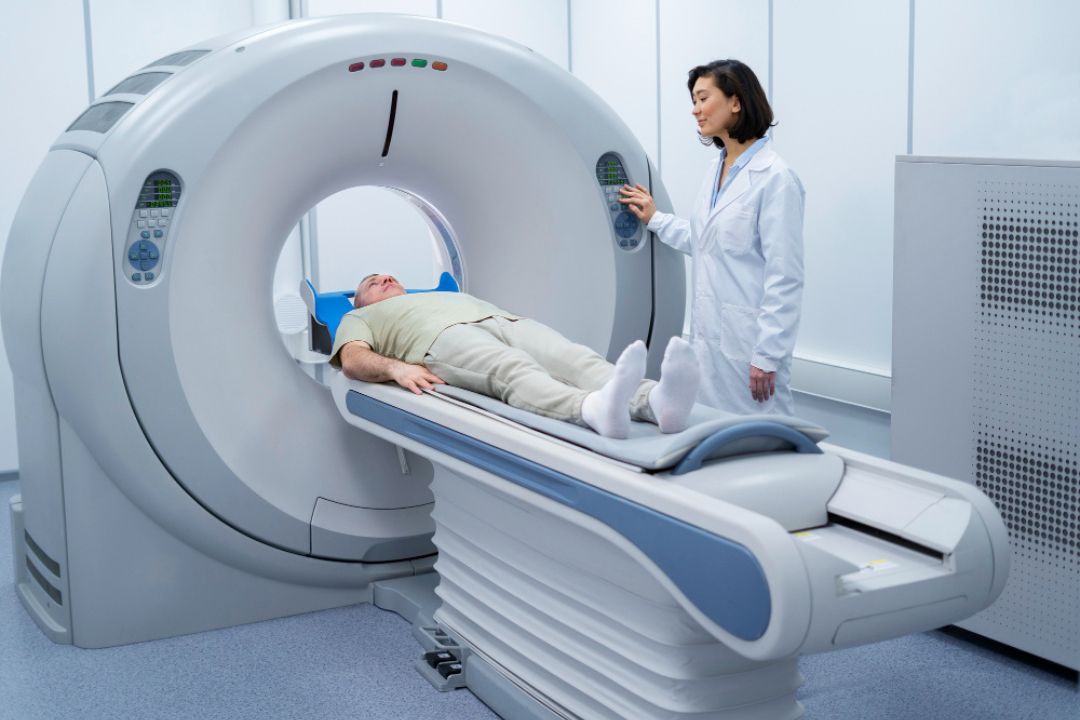
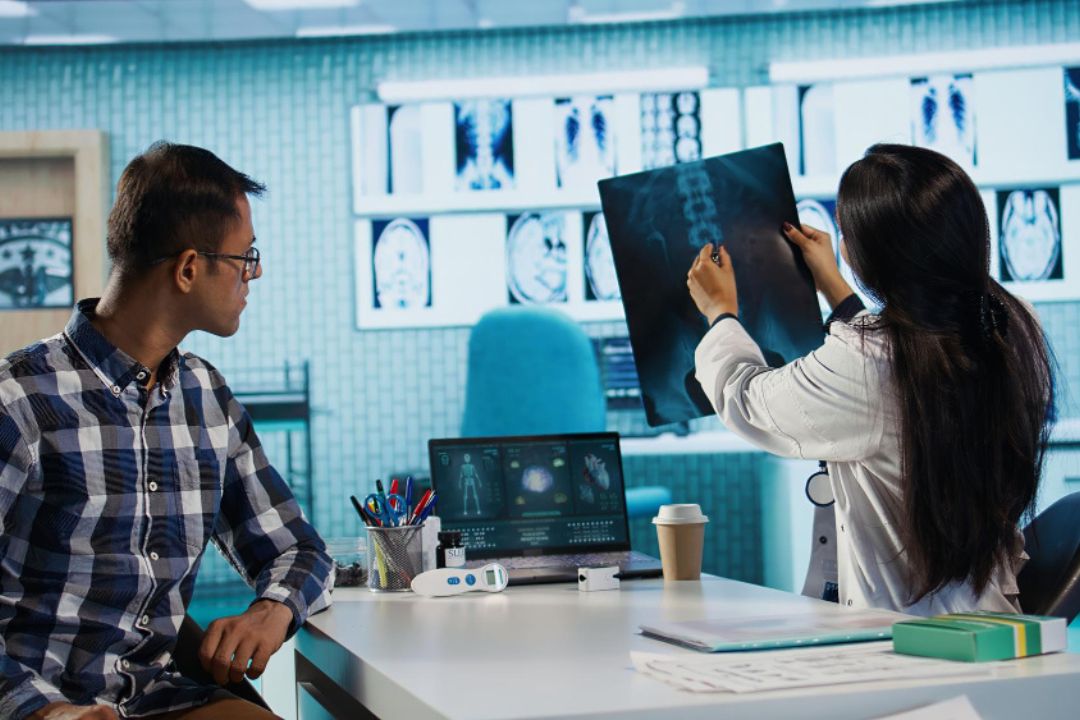

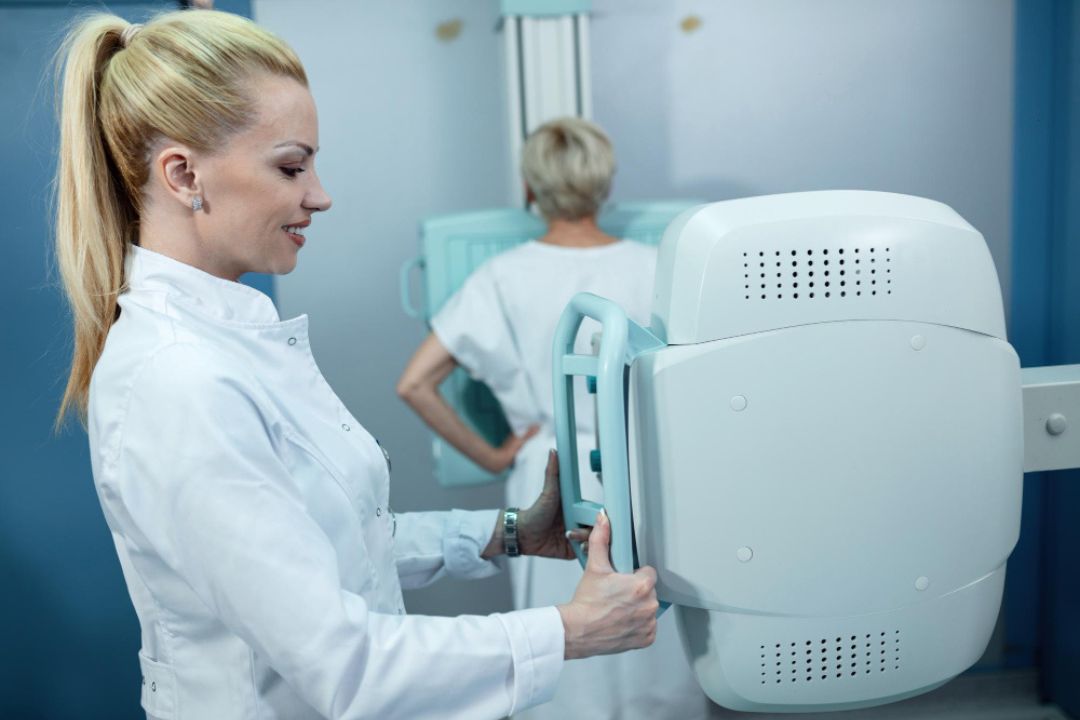

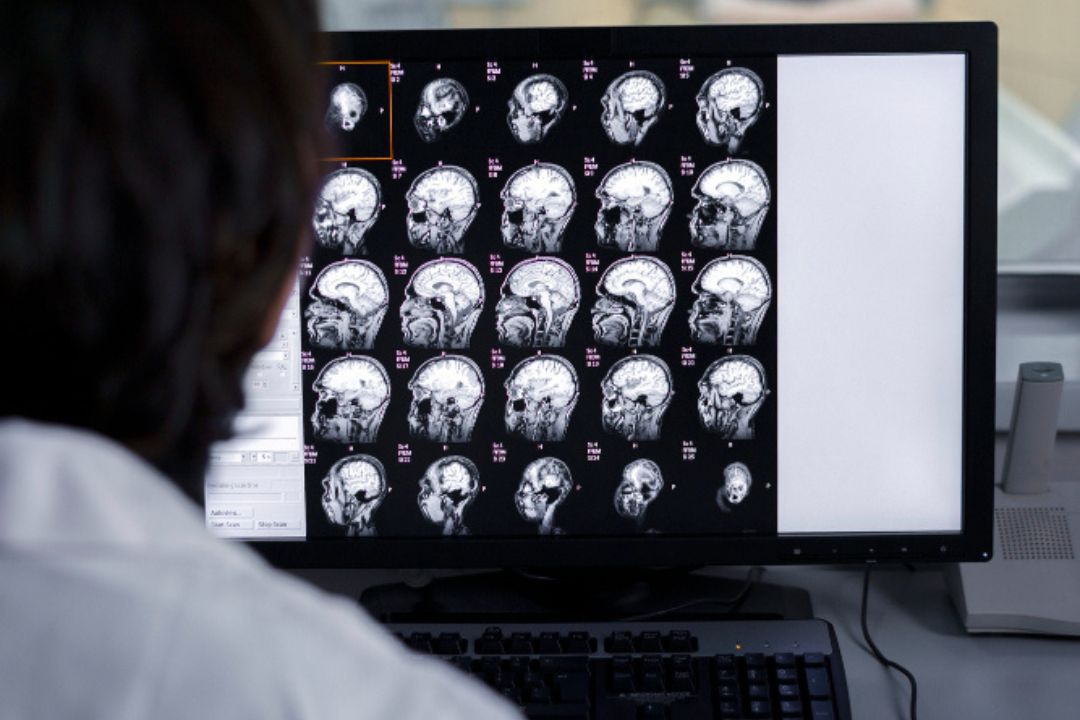


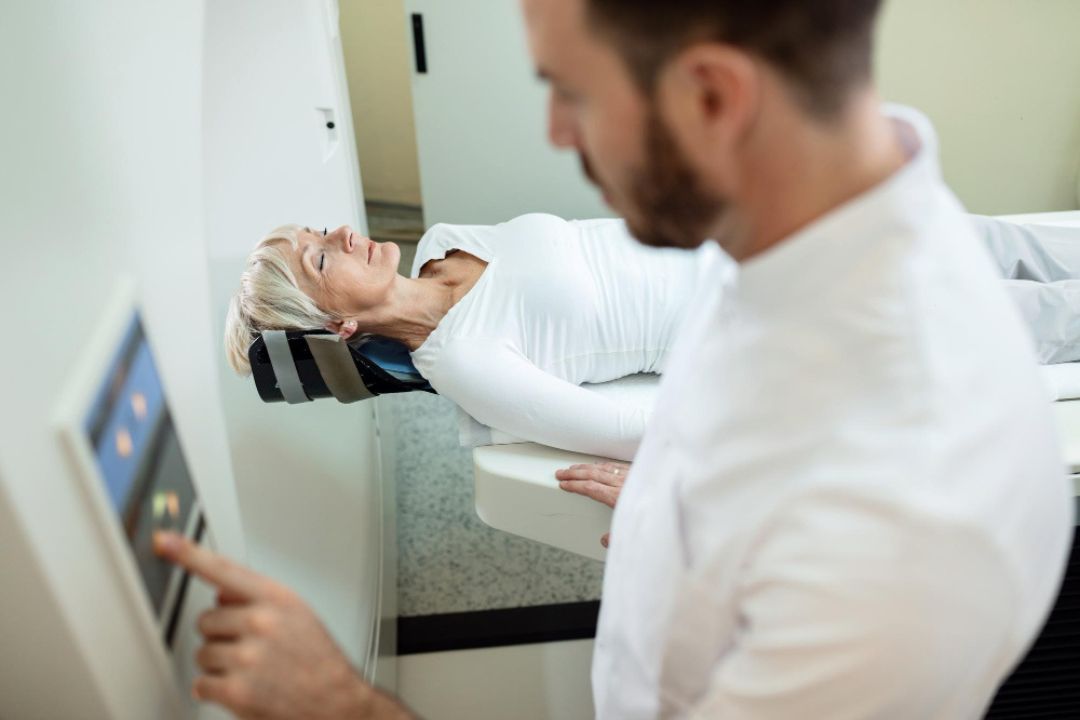

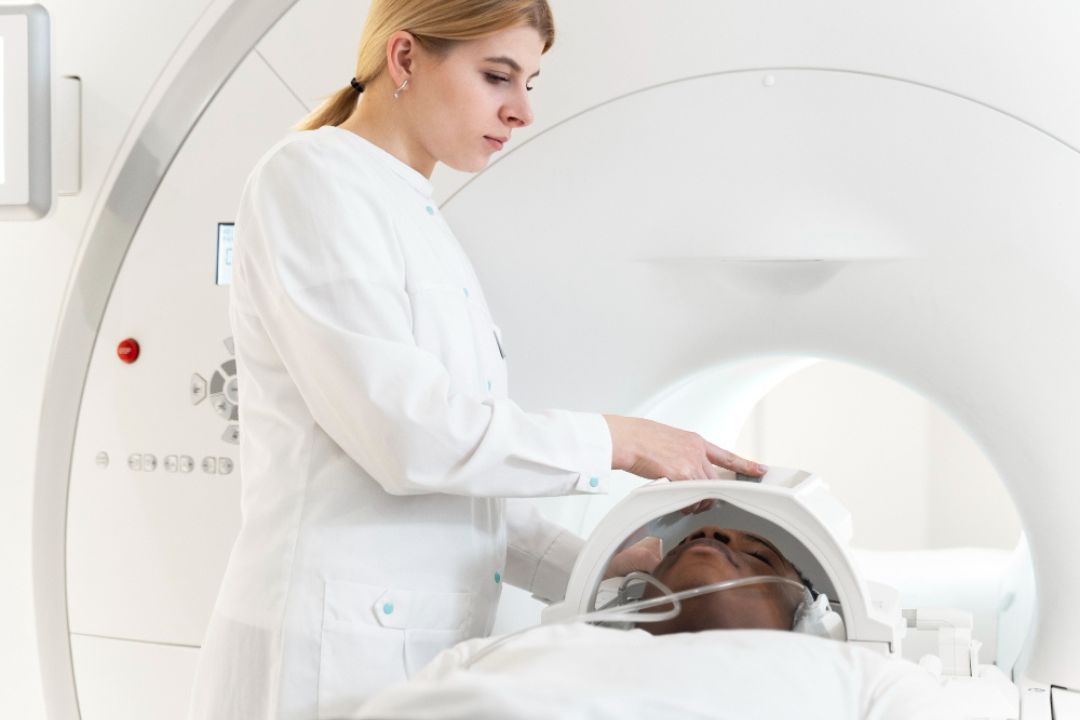

.jpg "ct scan")

.jpg "CT Brain Scan for Headaches")
.jpg "The Future of 3D CT Imaging")