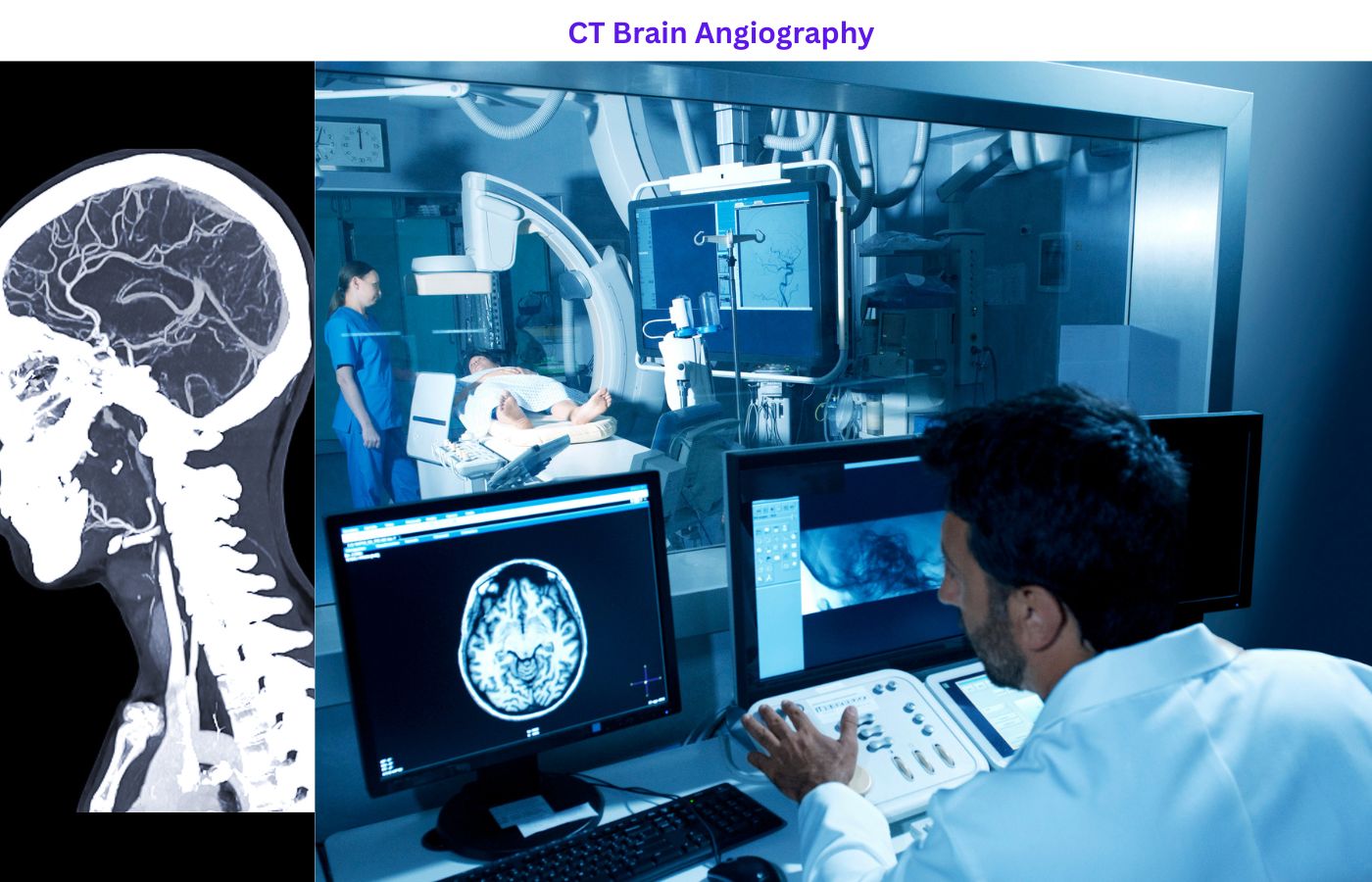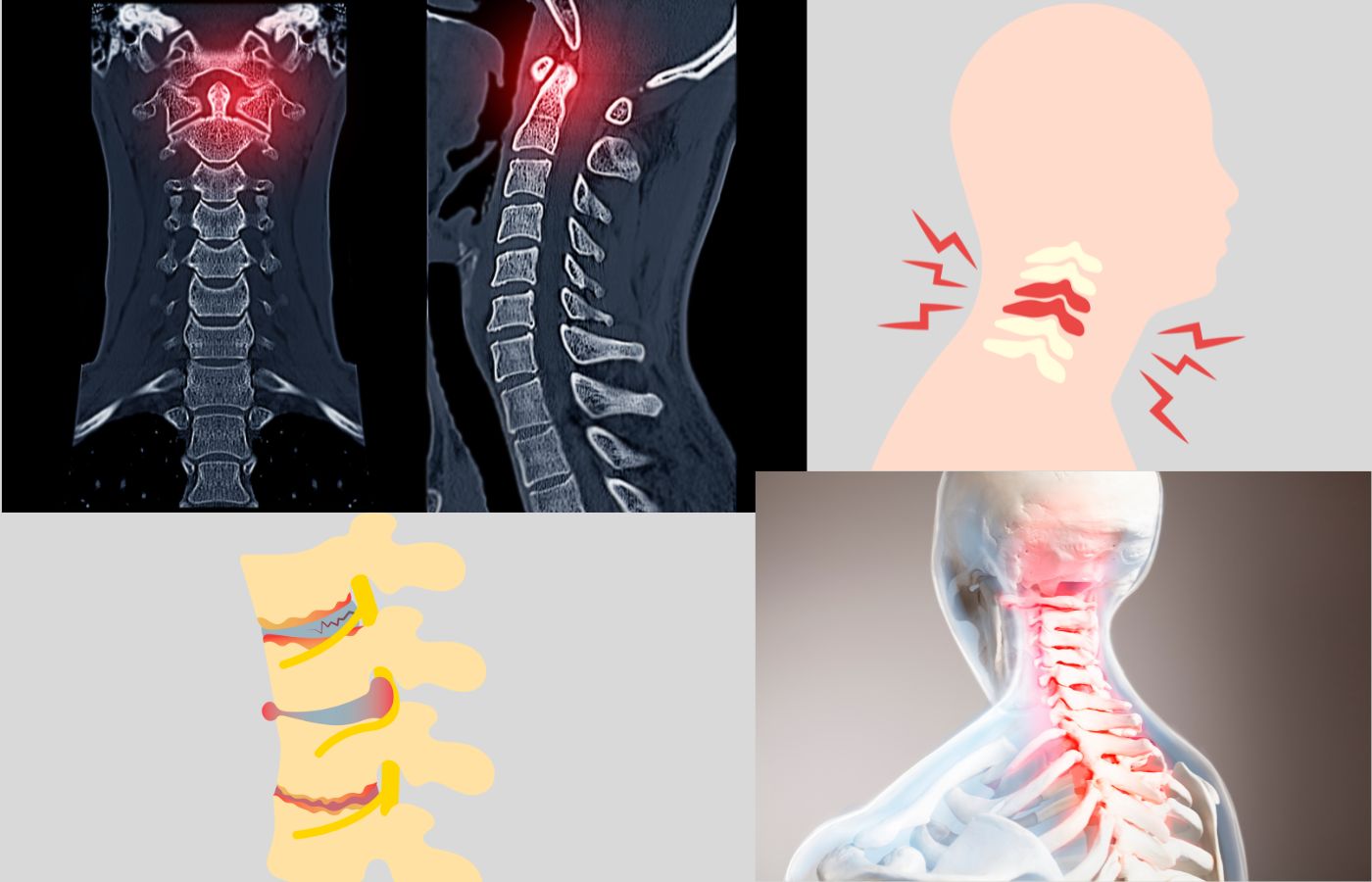
A CT scan with contrast is a diagnostic imaging test that uses X-rays and a special dye called contrast material to create detailed images of internal organs, blood vessels, and tissues. Doctors use this scan to detect diseases, injuries, infections, and tumors inside the body.
The contrast dye improves the clarity of the images, making it easier for radiologists to identify abnormalities that may not be visible in a regular CT scan.
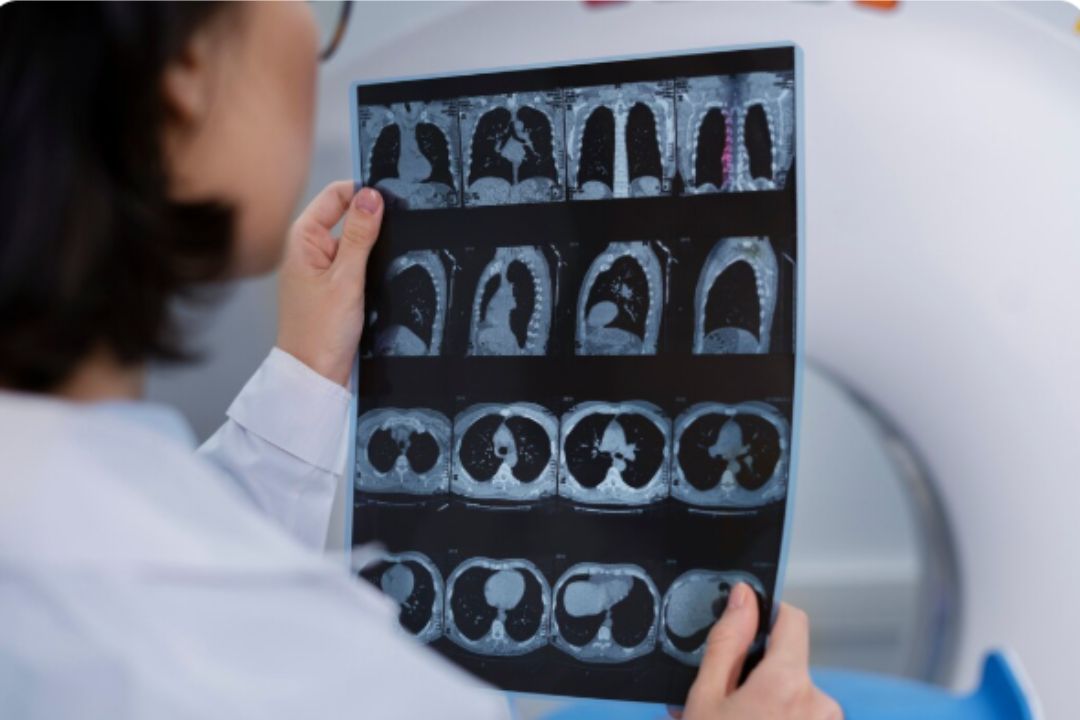
A CT Scan combines multiple X-ray images taken from different angles to create cross-sectional images of the body. When contrast material is used, certain tissues and blood vessels appear brighter on the scan, allowing doctors to see structures more clearly.
Contrast material may be given in different ways:
Injected into a vein through an IV
Taken orally as a liquid
Administered through the rectum for intestinal scans
The type of contrast used depends on the body part being examined.
Contrast dye enhances the visibility of organs and tissues, making diagnosis more accurate. It helps doctors detect problems that might otherwise be difficult to identify.
CT scans with contrast are commonly used to examine:
Tumors and cancers
Blood vessel abnormalities
Internal bleeding
Infections or inflammation
Organ damage after injury
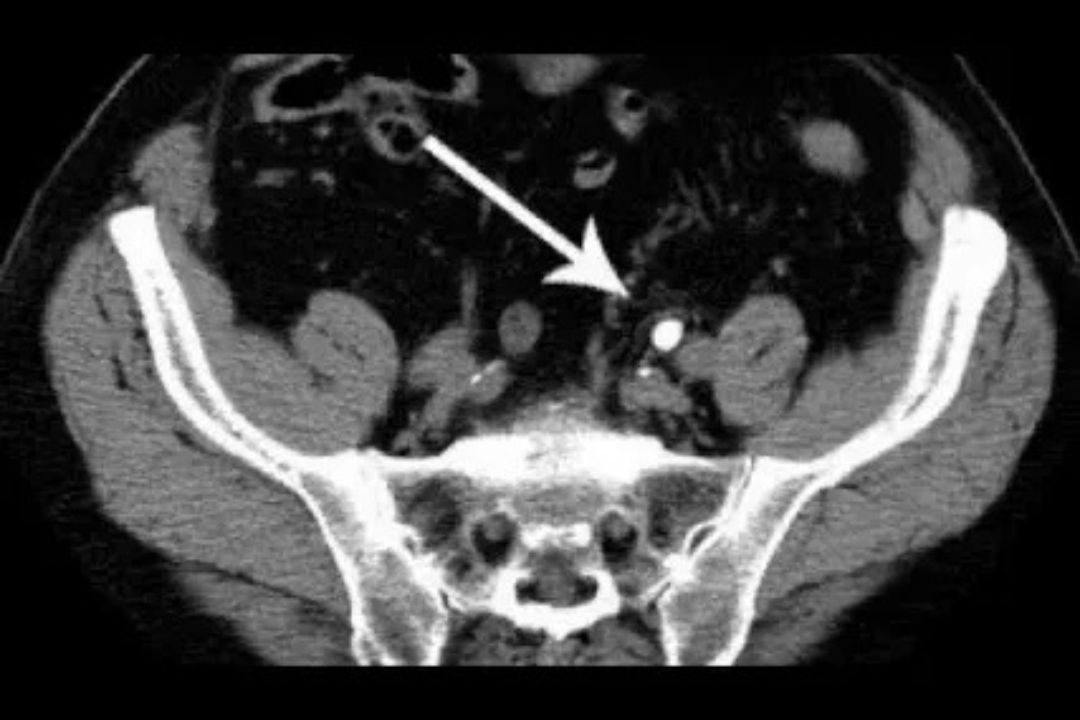
The contrast material highlights blood vessels, intestines, and soft tissues, allowing doctors to distinguish between normal and abnormal structures.
Doctors often recommend this scan to diagnose many medical conditions, including:
Cancer detection and staging
Blood clots or vascular diseases
Internal injuries after accidents
Kidney stones or urinary problems
Liver or pancreatic diseases
Infections and abscesses
Because of its detailed imaging capability, CT with contrast is widely used in emergency and routine medical diagnostics.
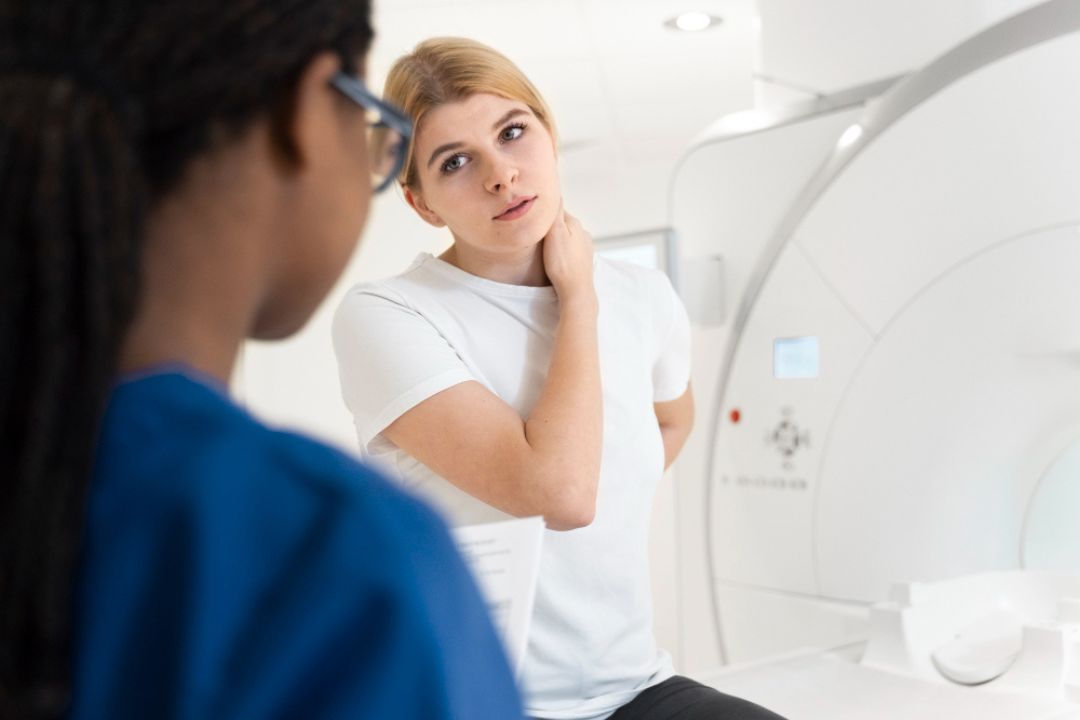
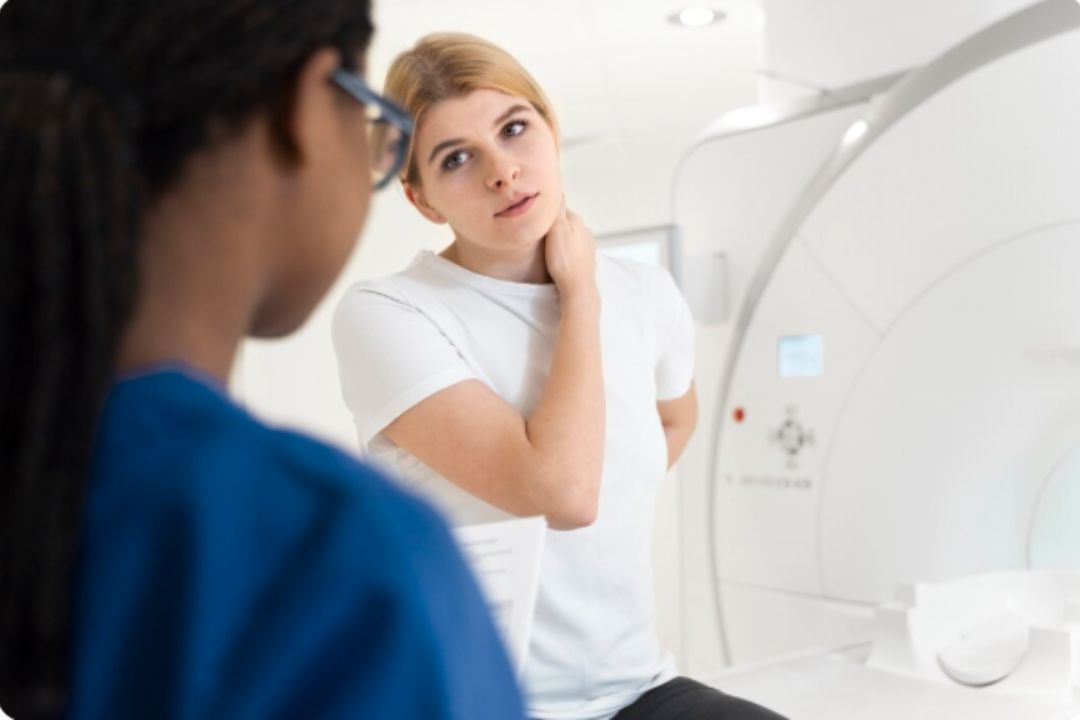
Preparation for the scan is usually simple. Patients may be asked to avoid eating for a few hours before the procedure. This is especially common when contrast dye is injected.
Patients should inform their doctor if they have:
Allergies to medications or iodine
Kidney disease
Diabetes
Pregnancy
Doctors sometimes perform blood tests to check kidney function before administering contrast dye.
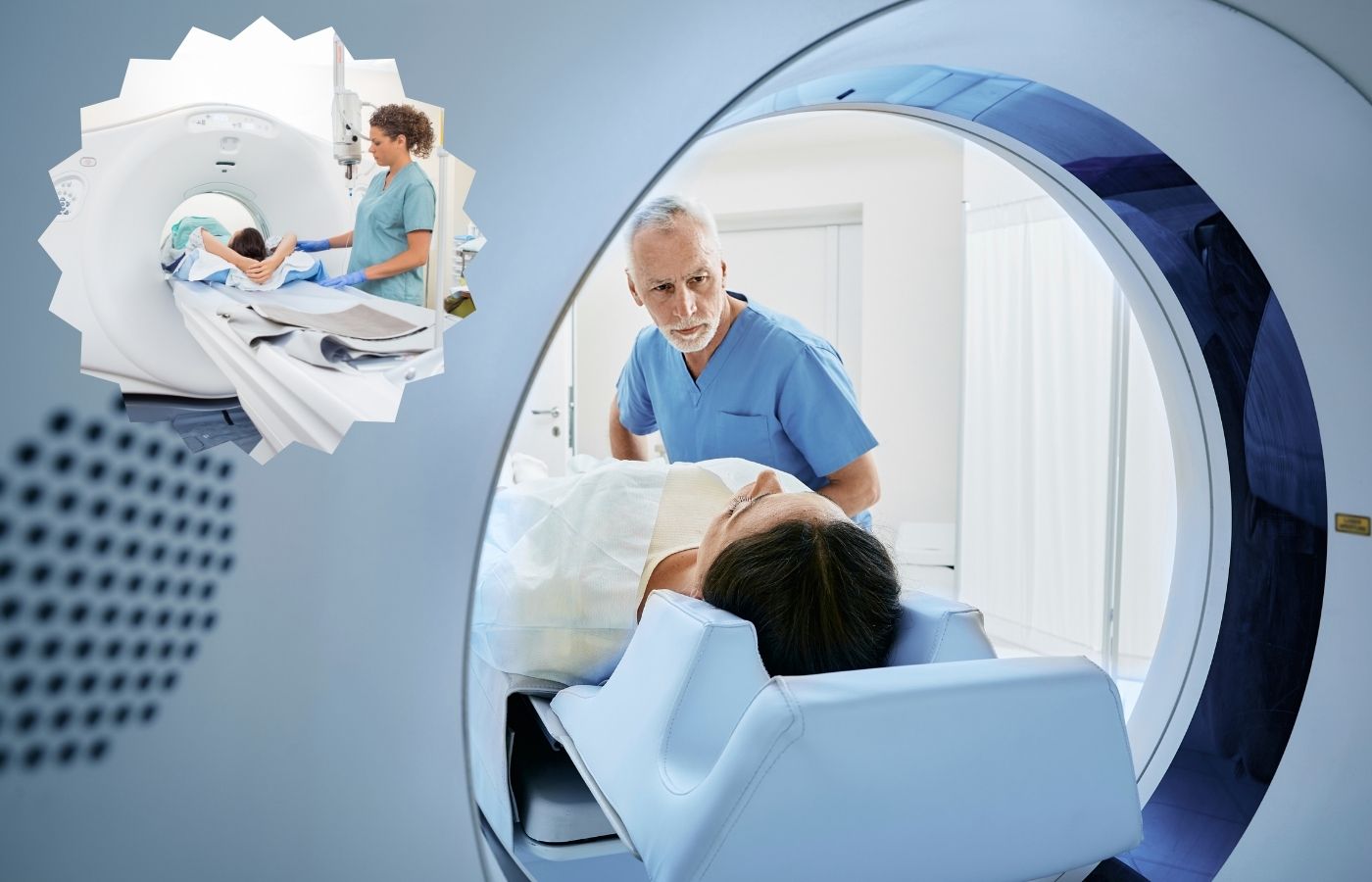
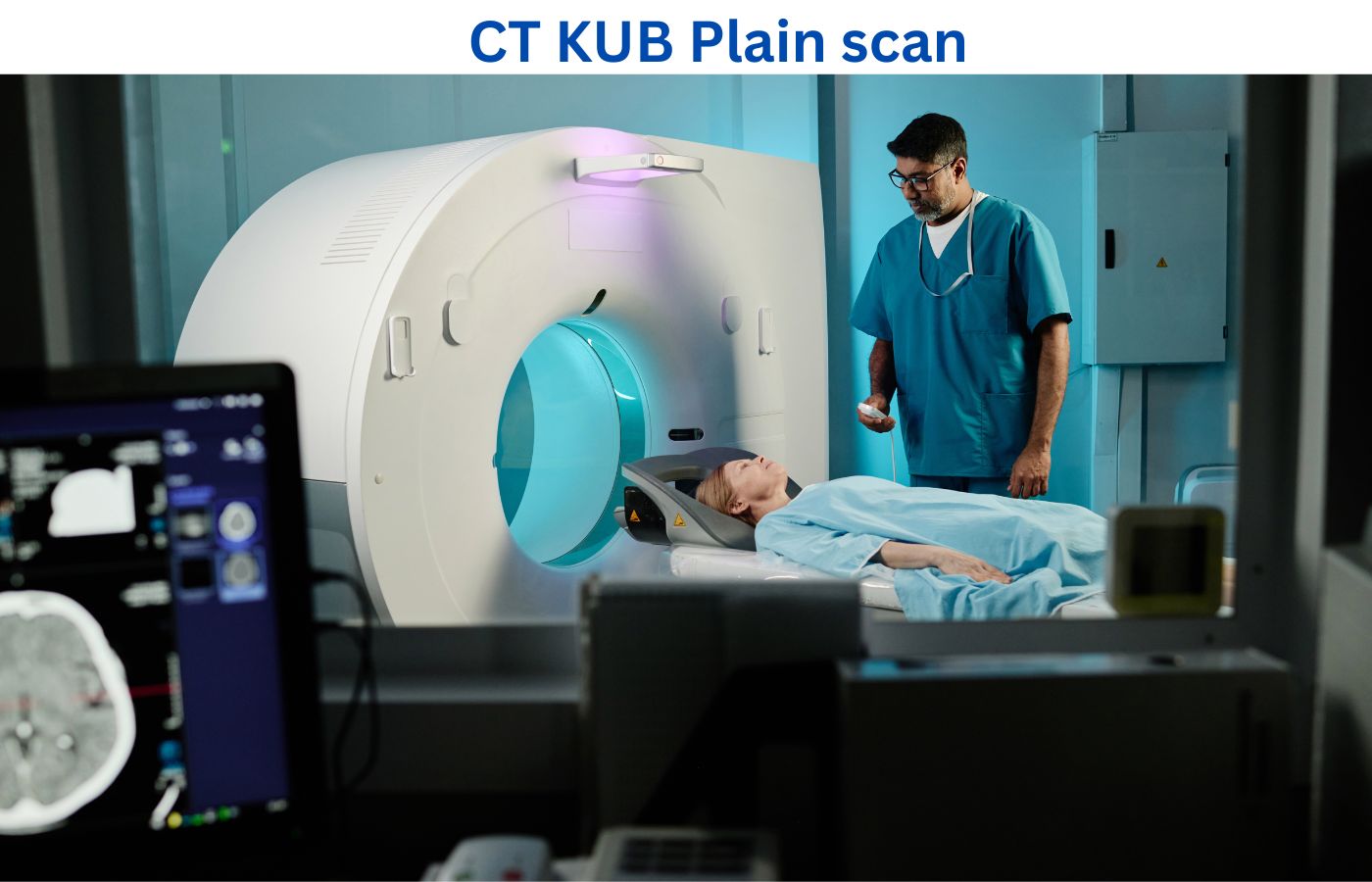
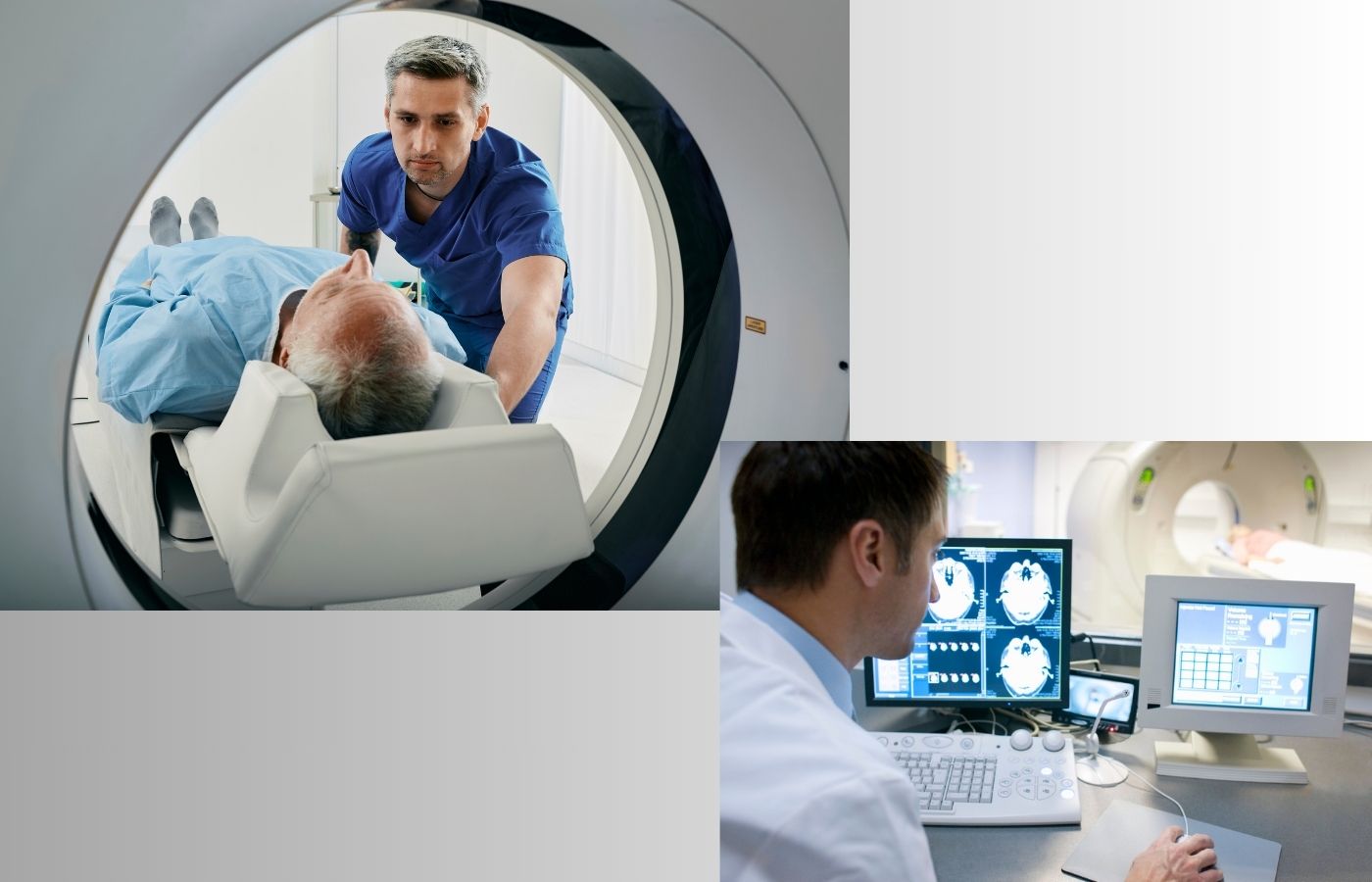
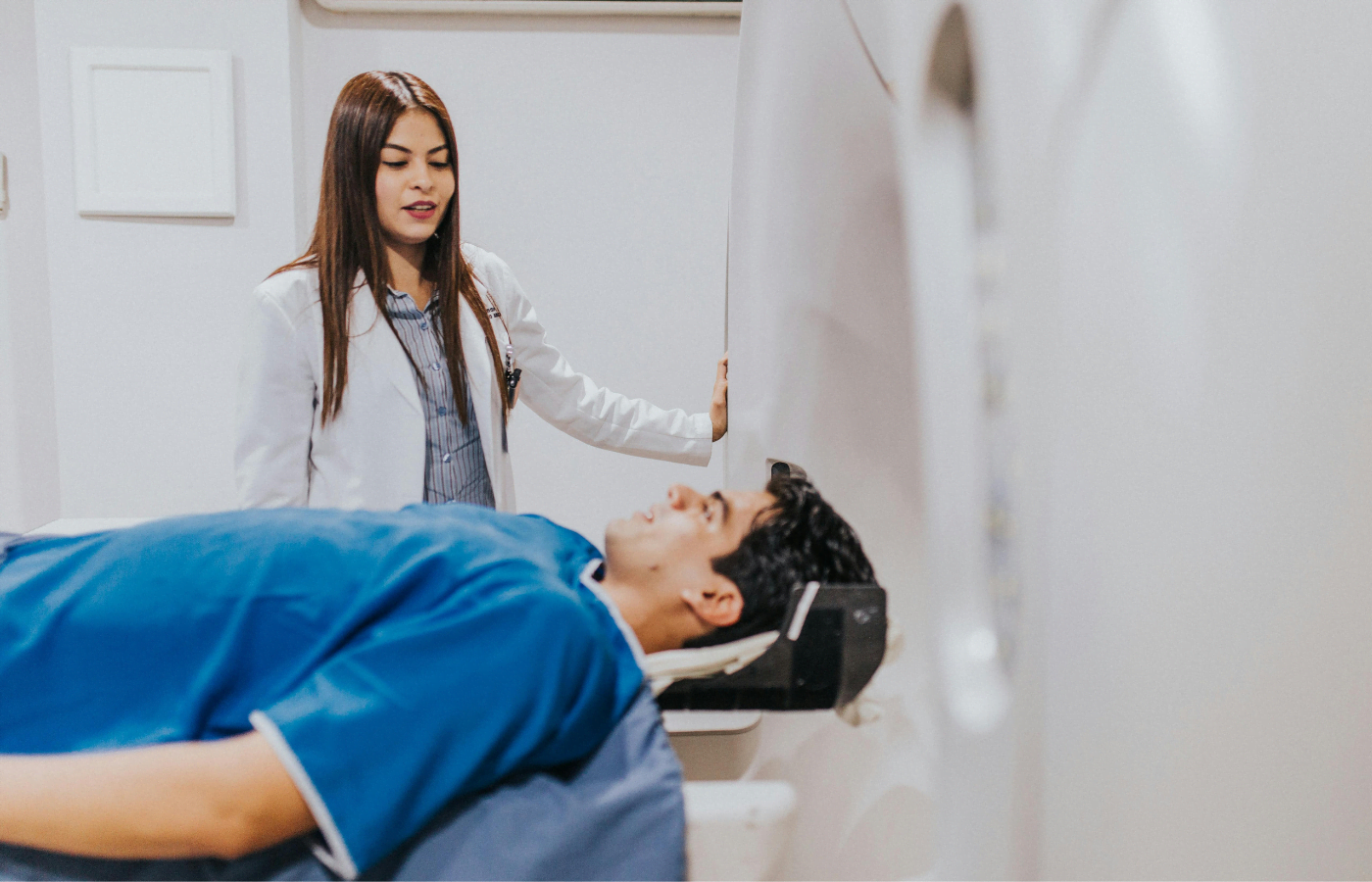
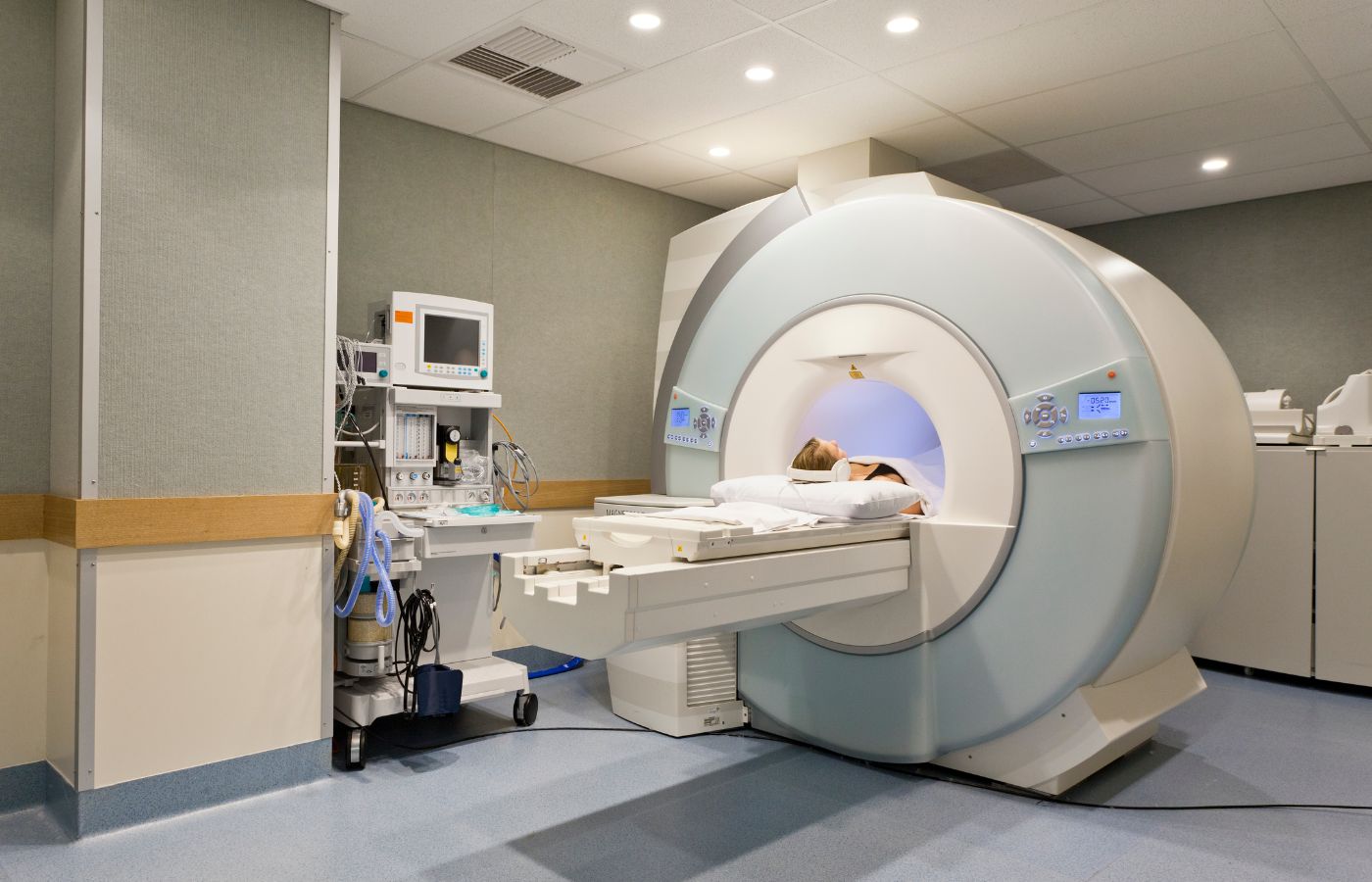
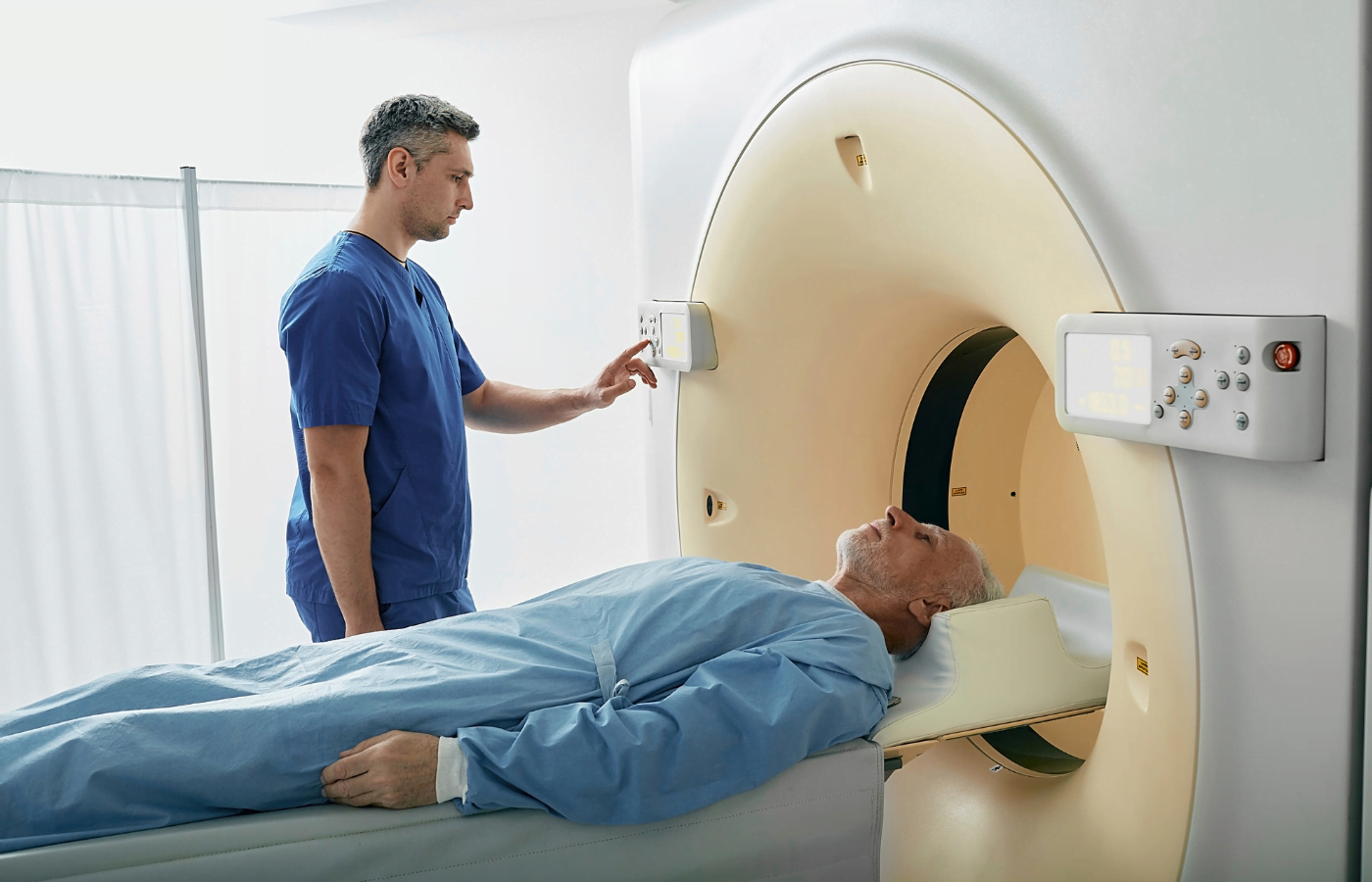
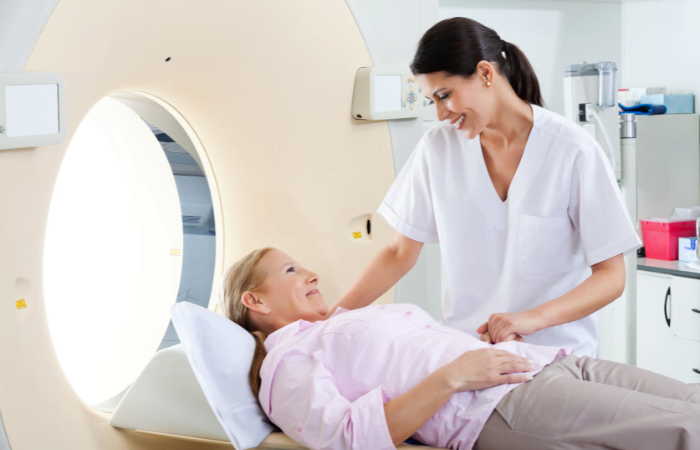
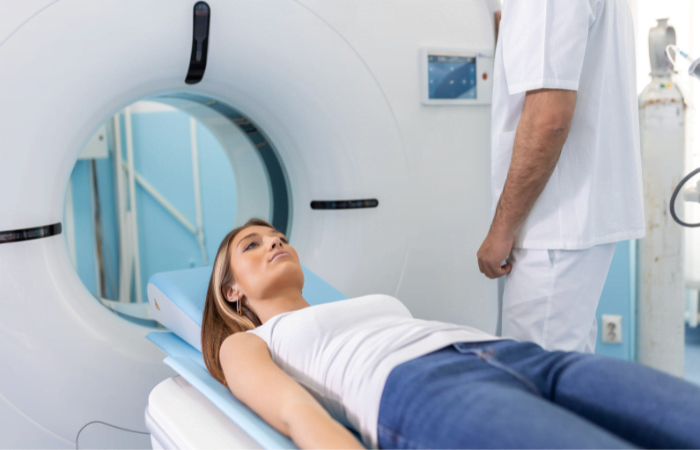
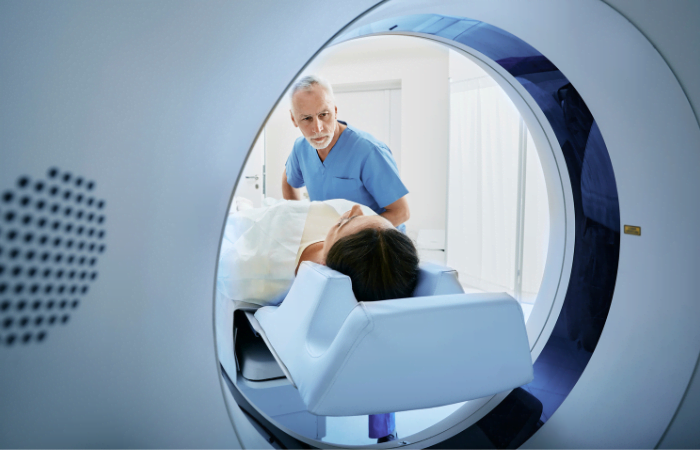
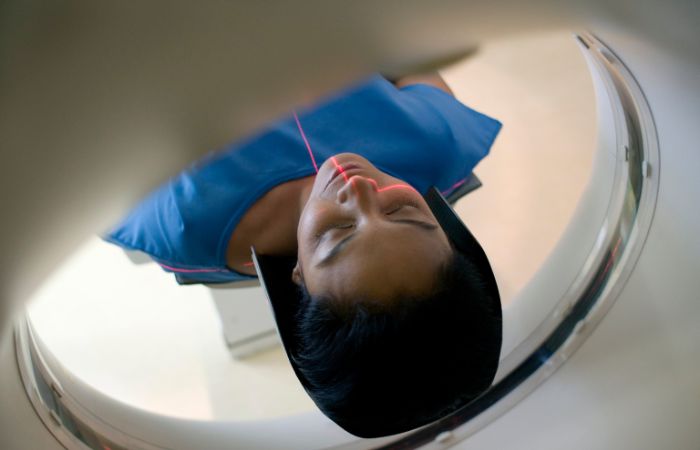
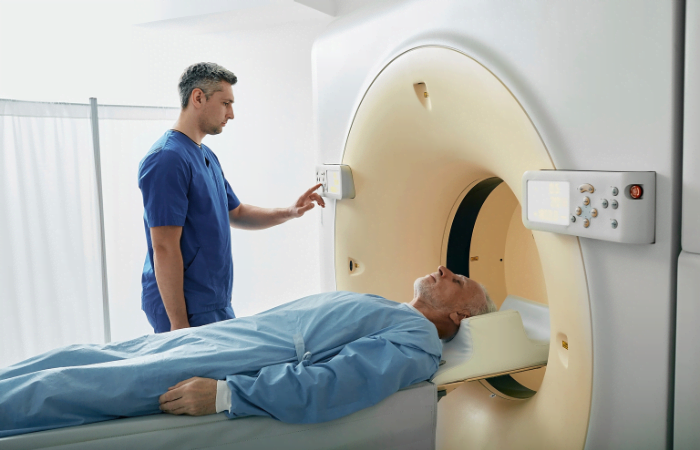
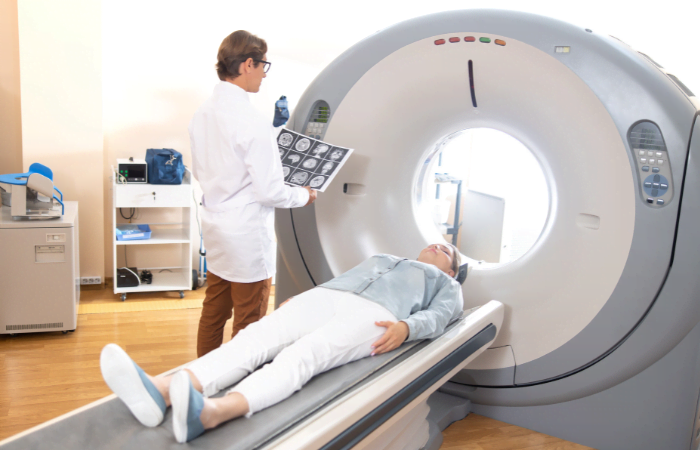
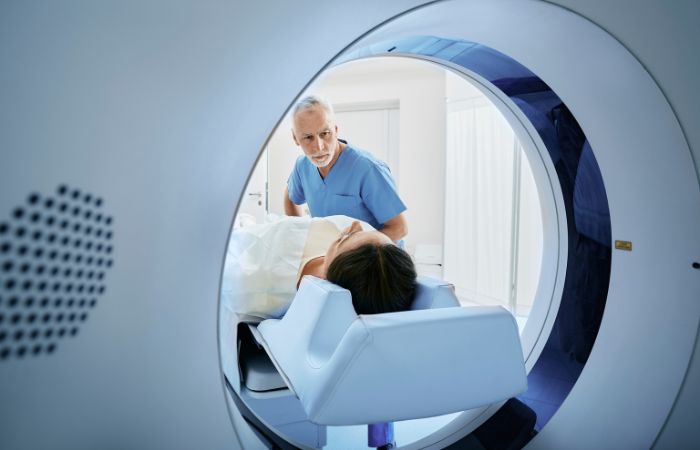
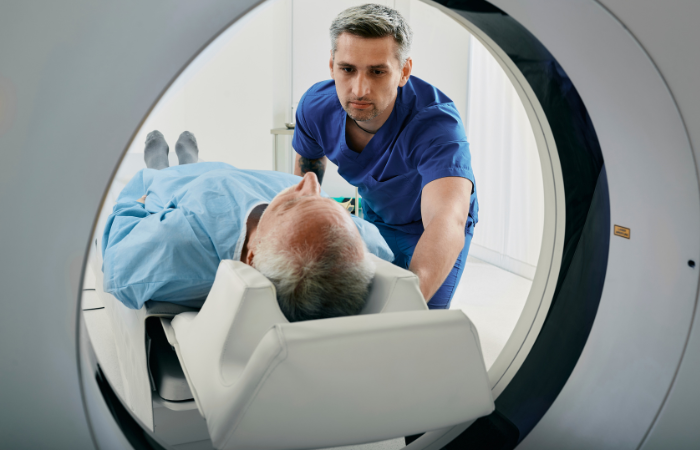
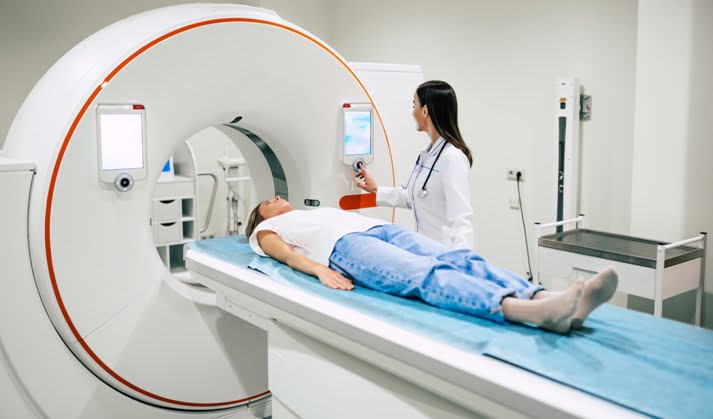
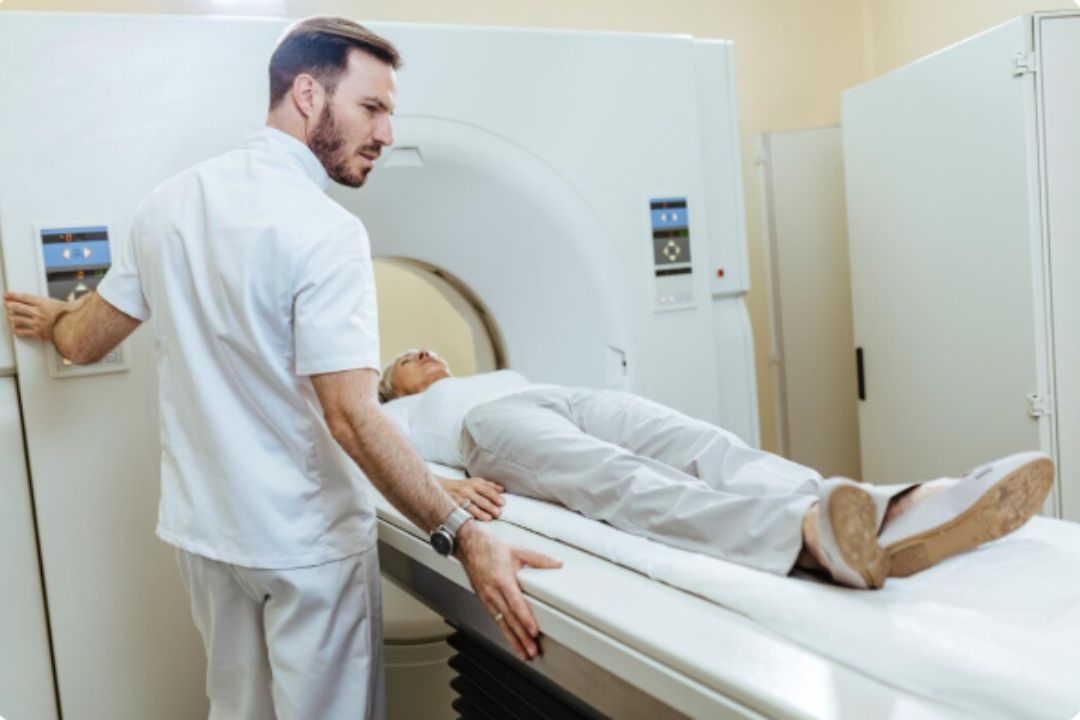
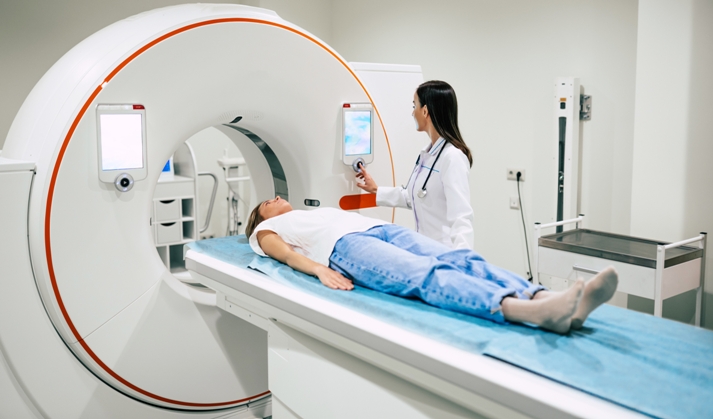
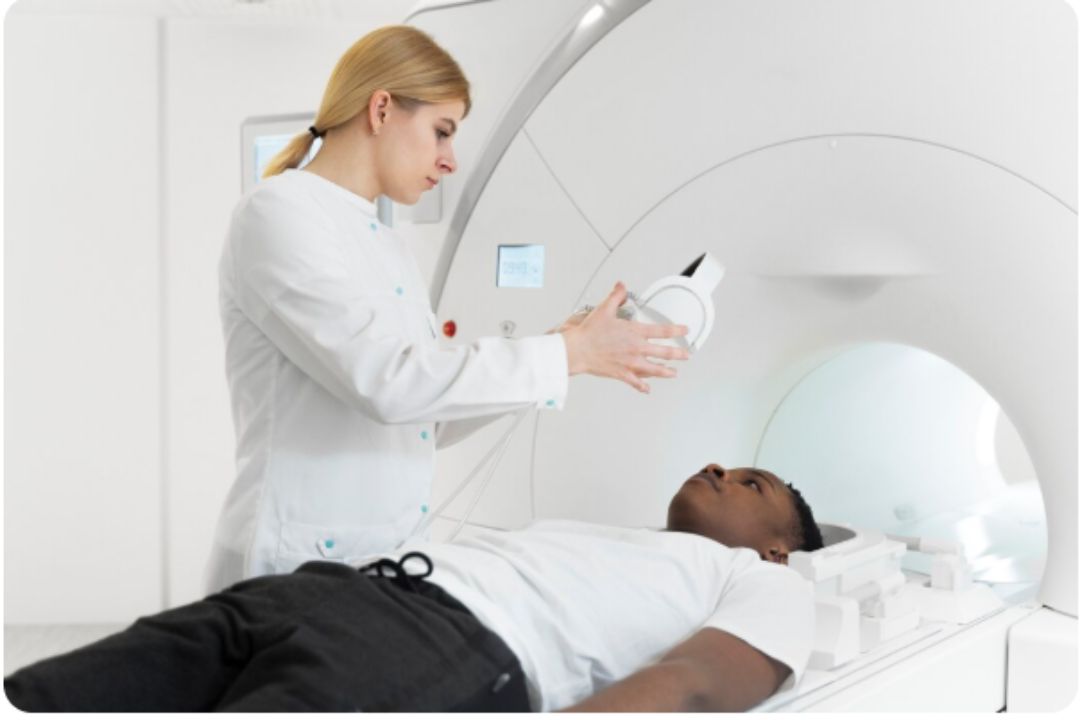
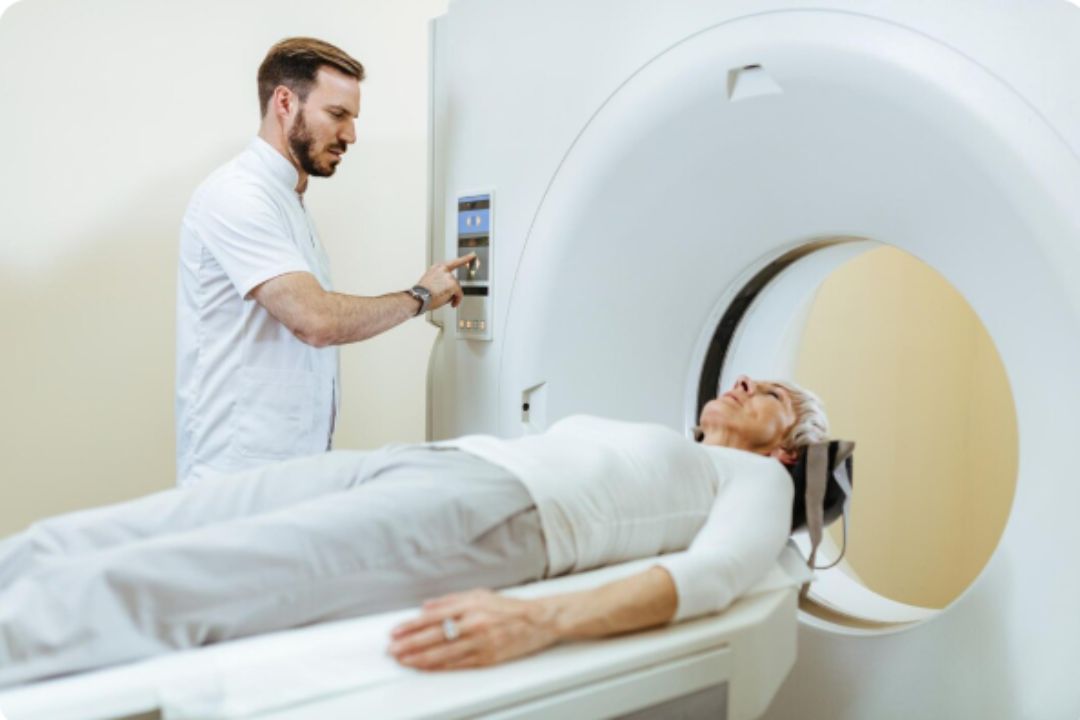
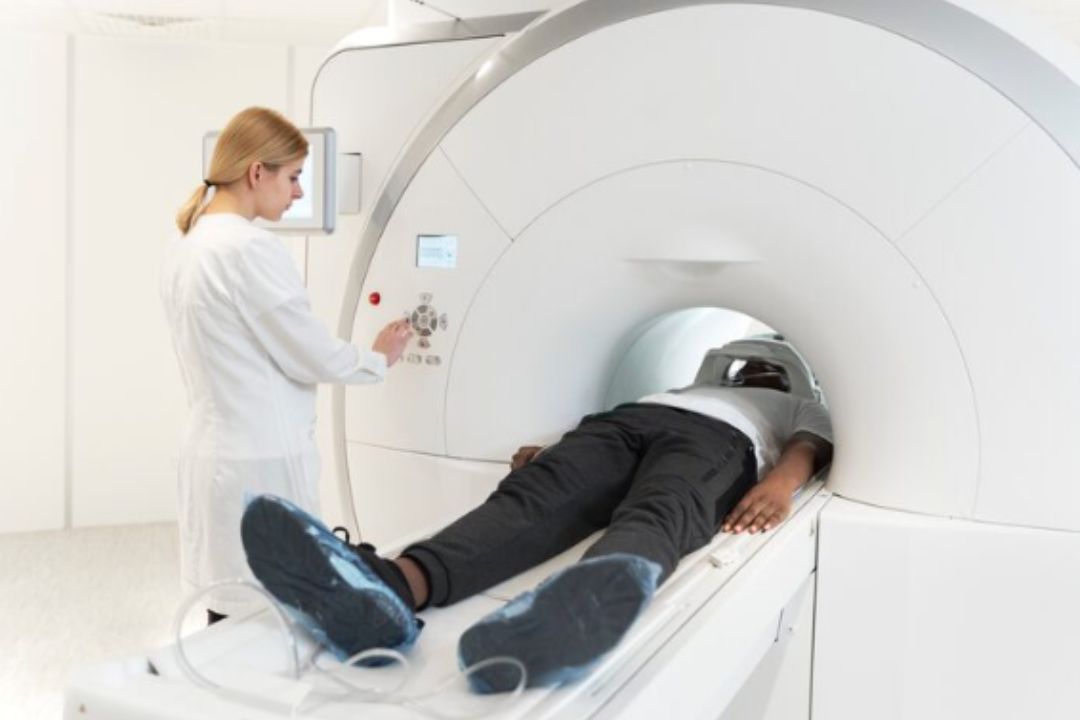
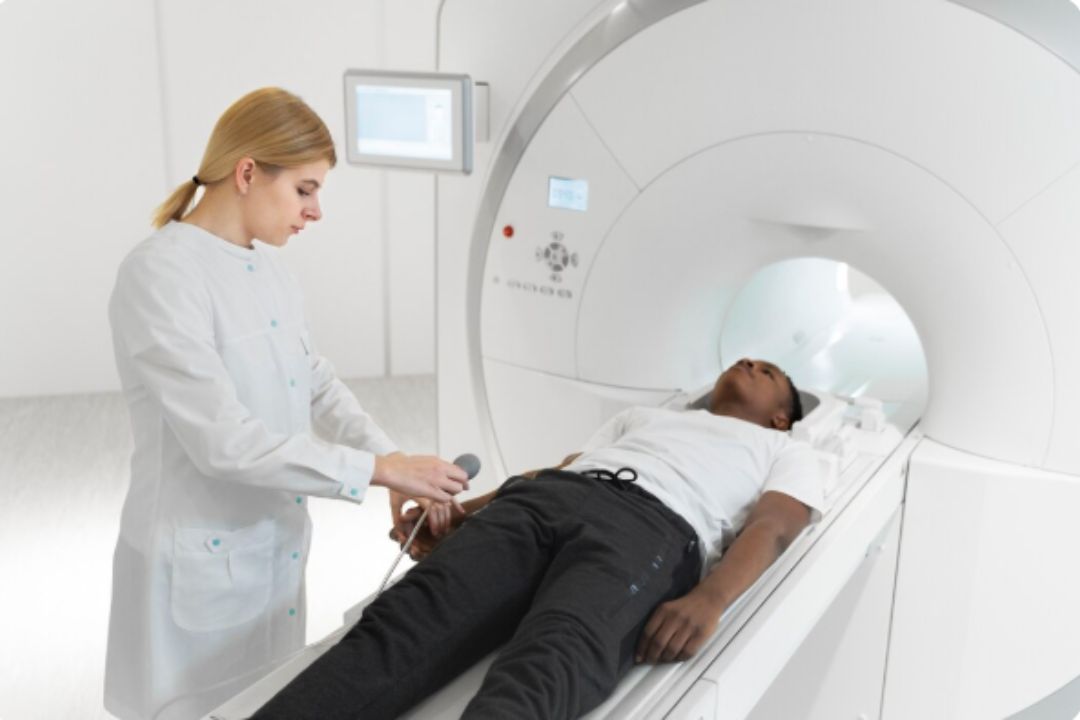
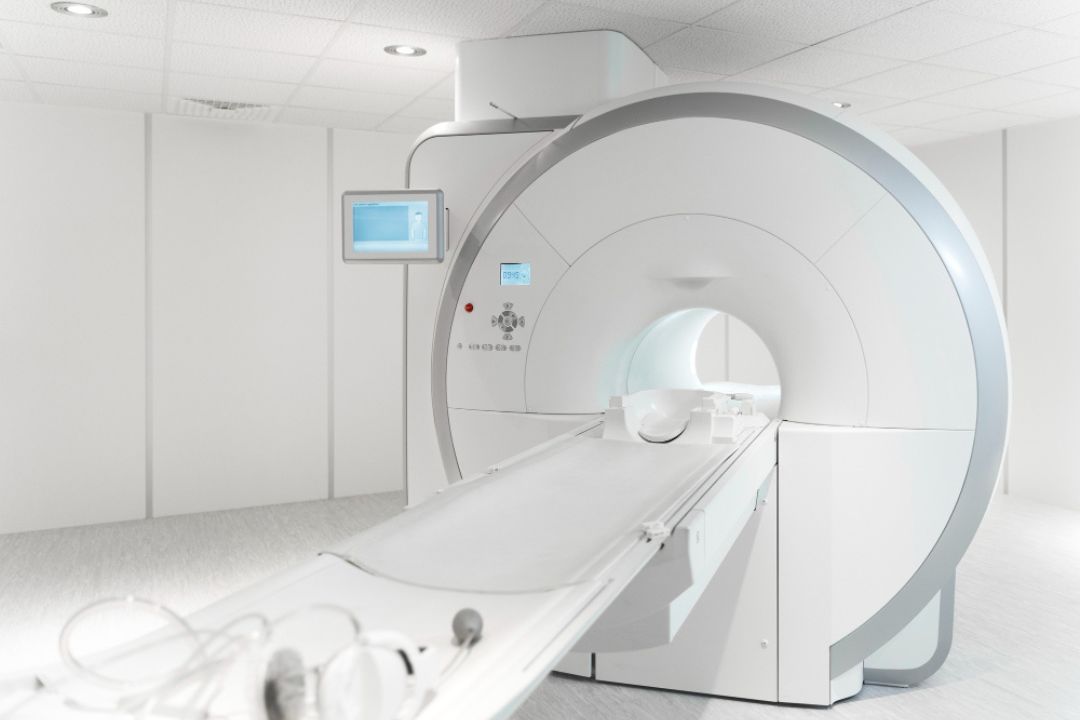
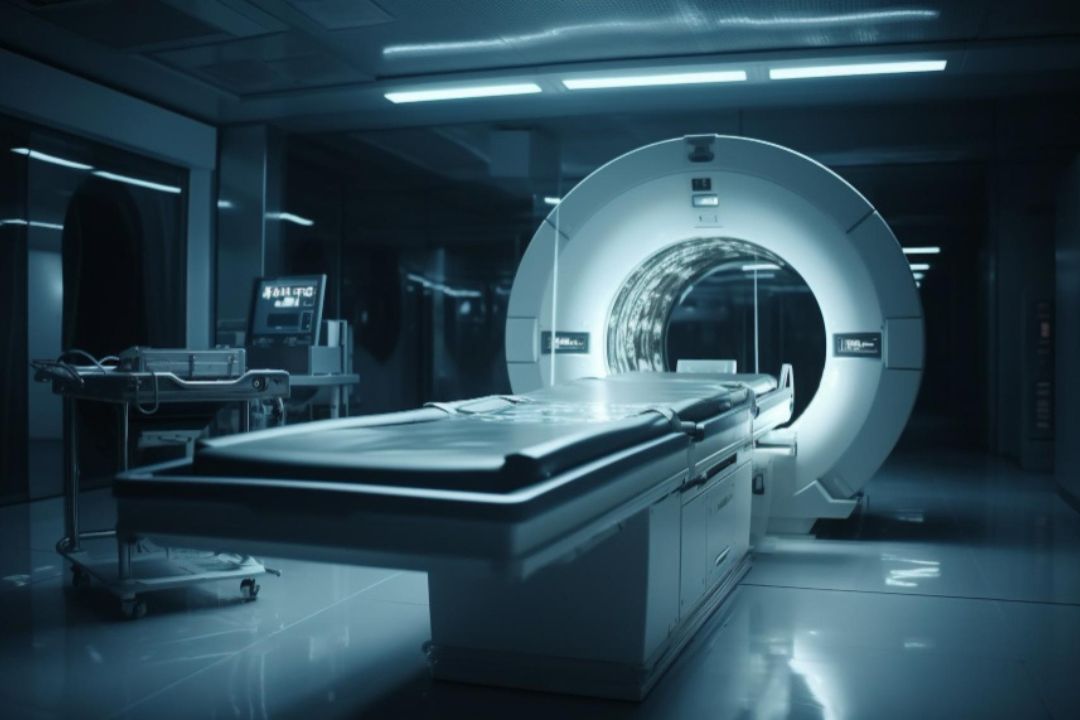
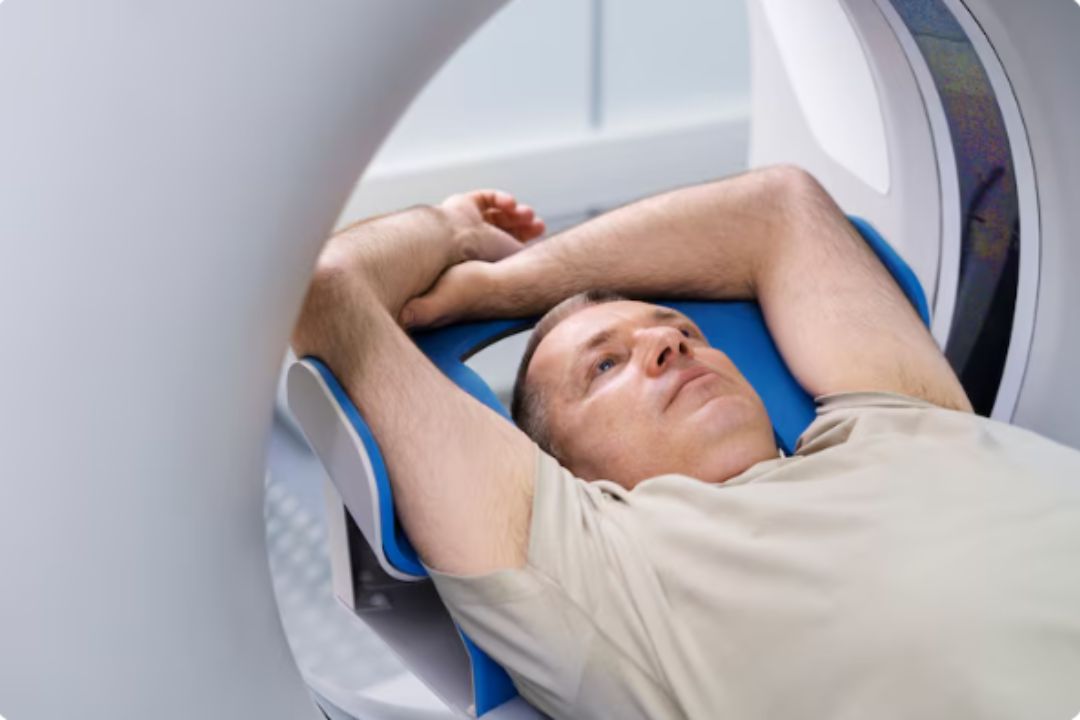
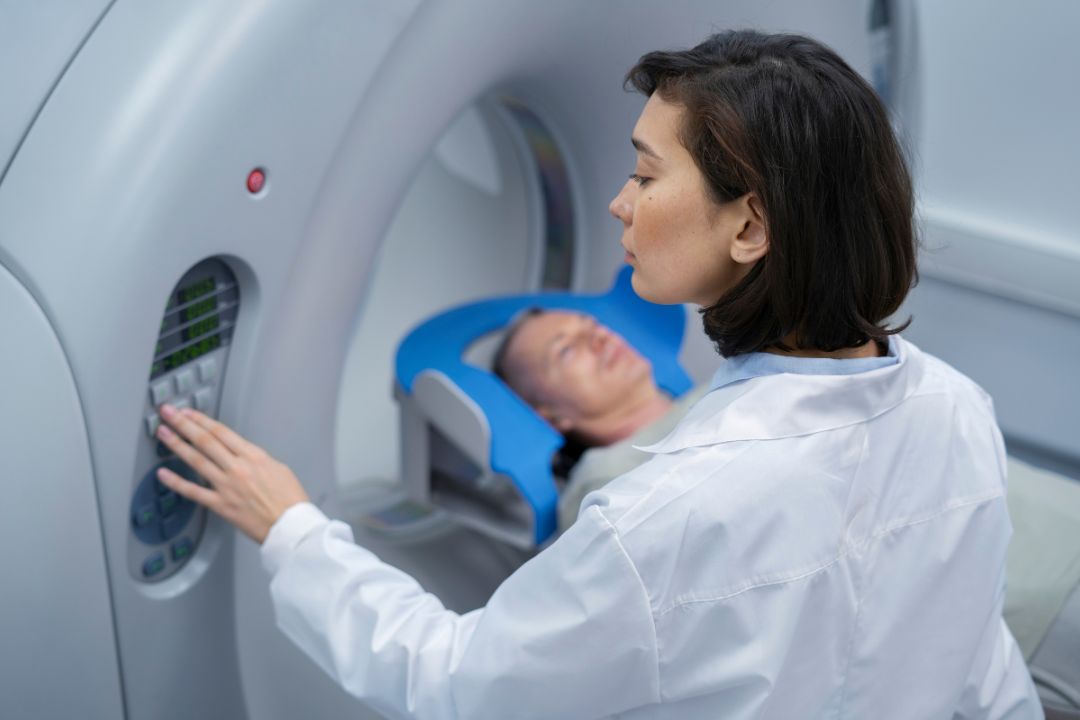
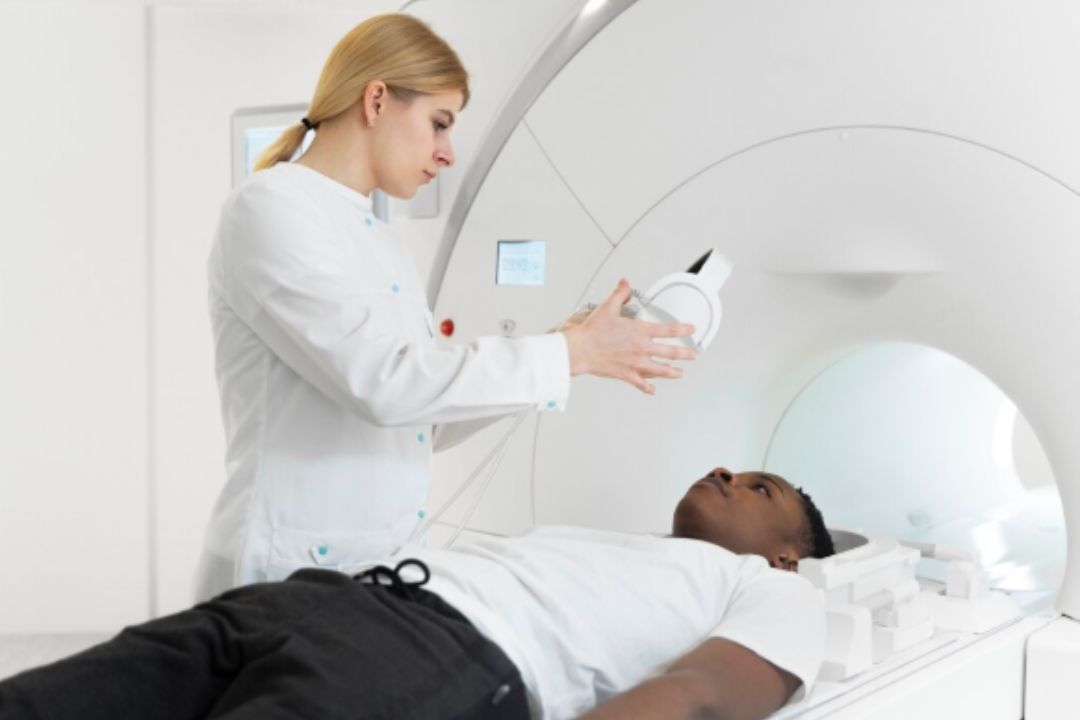
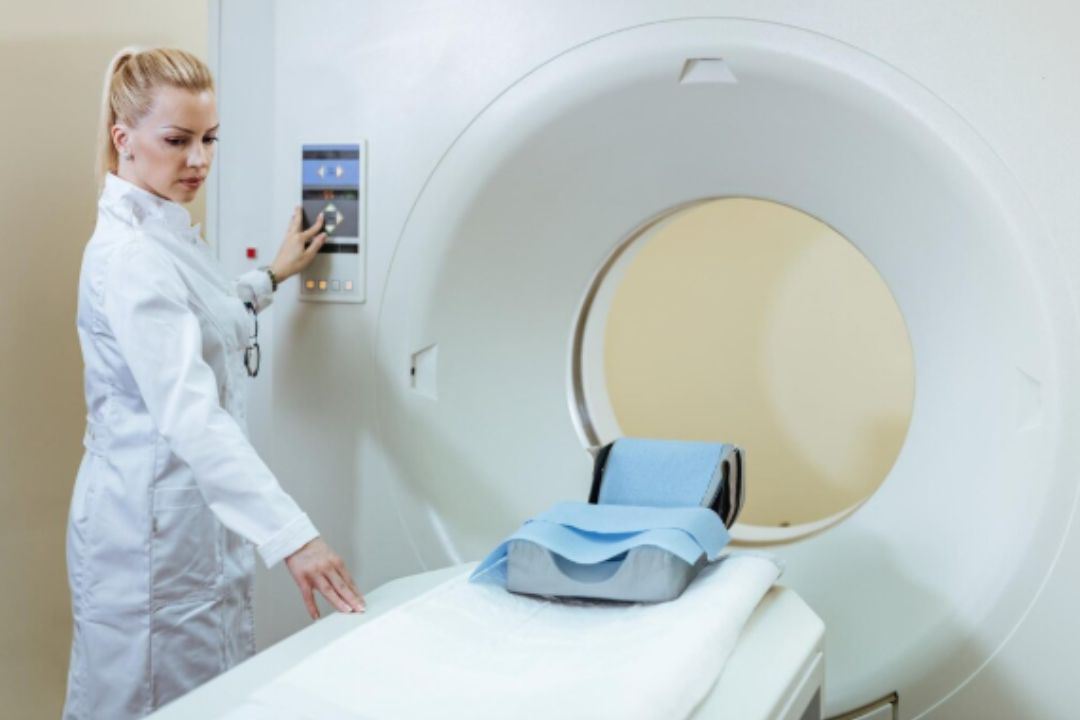
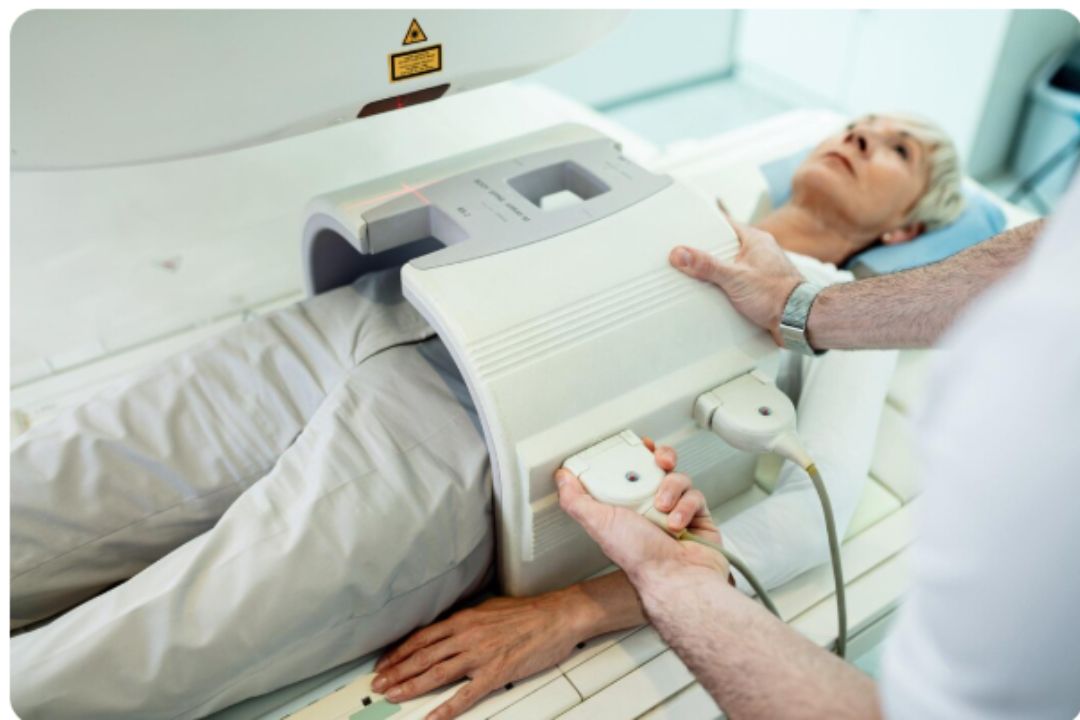
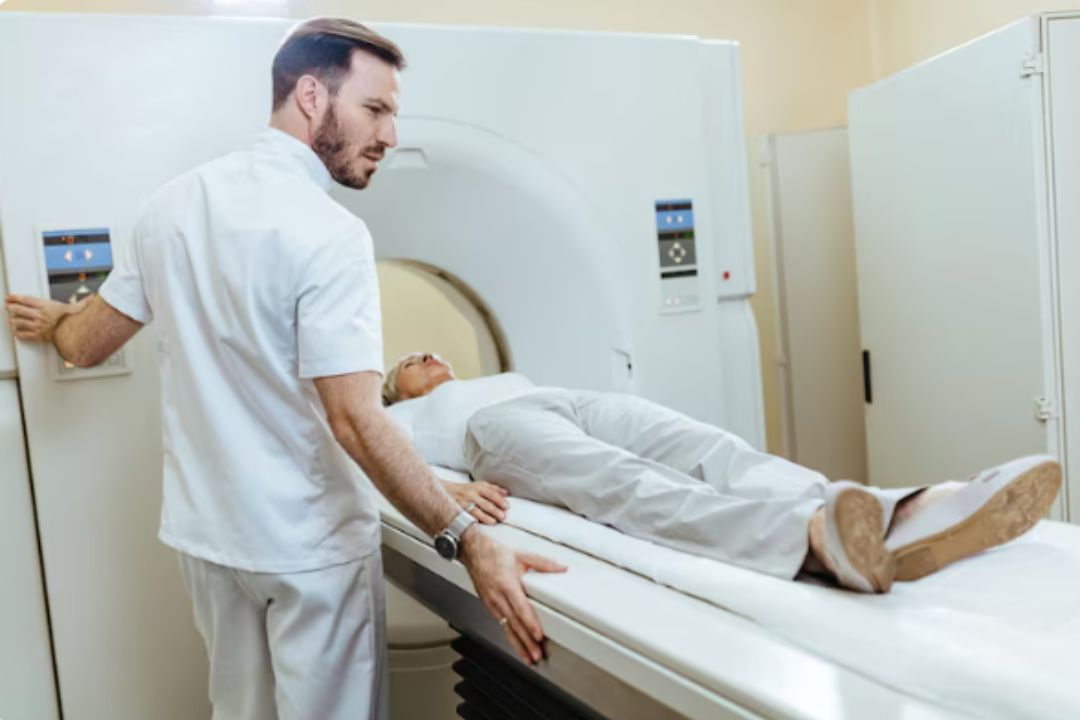
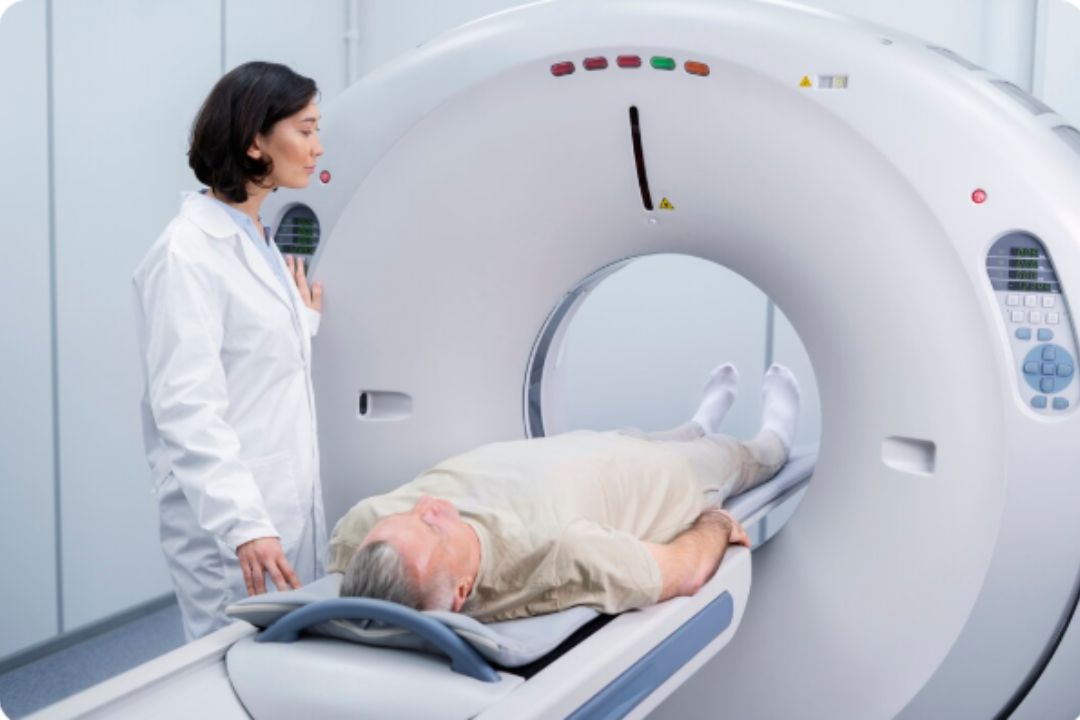
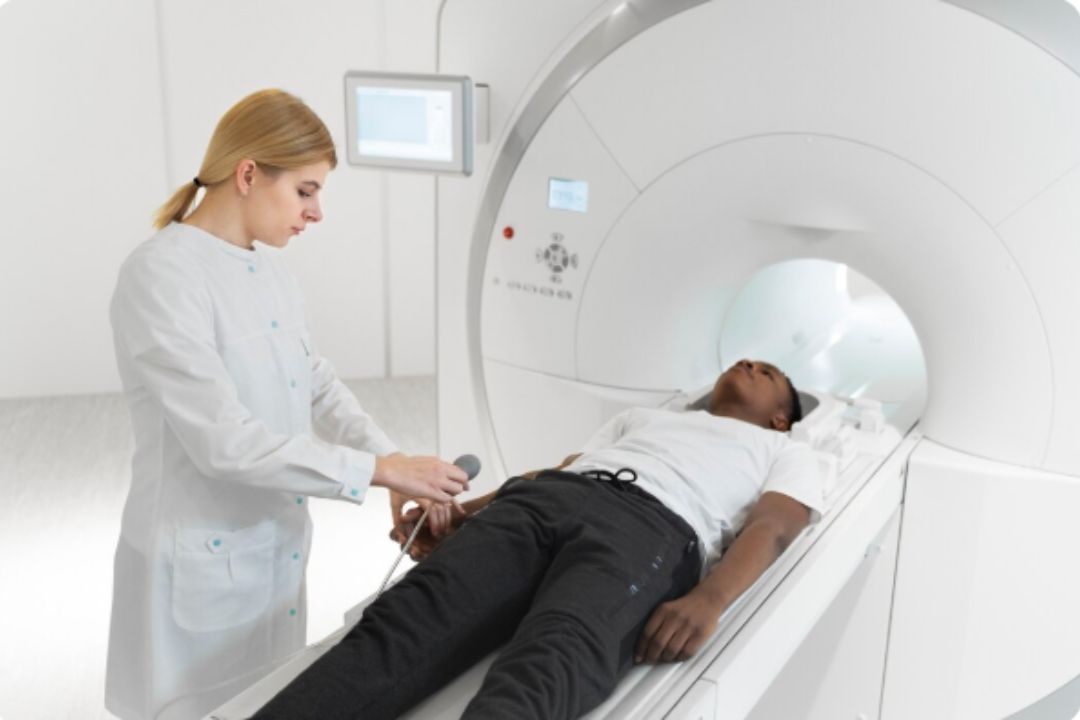
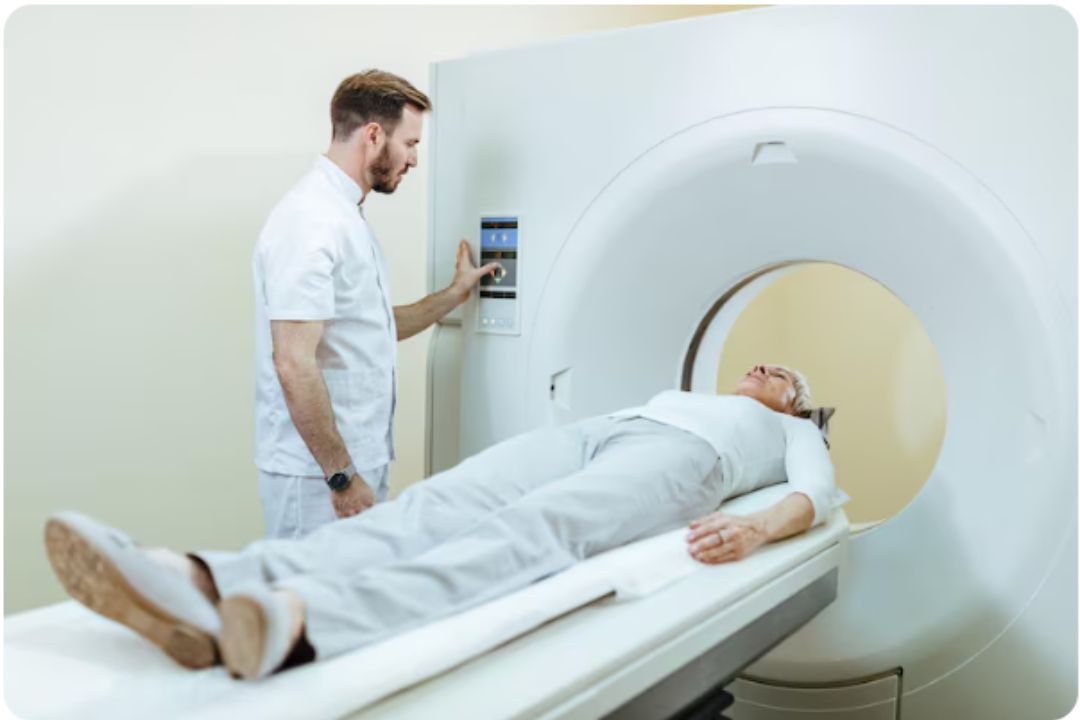
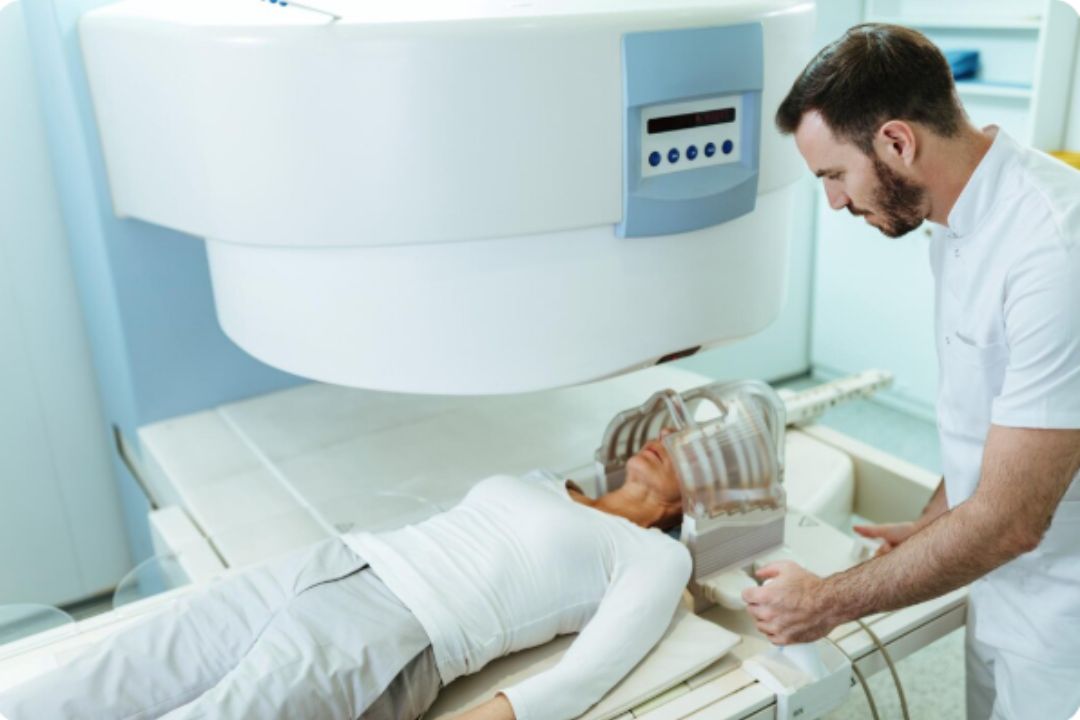
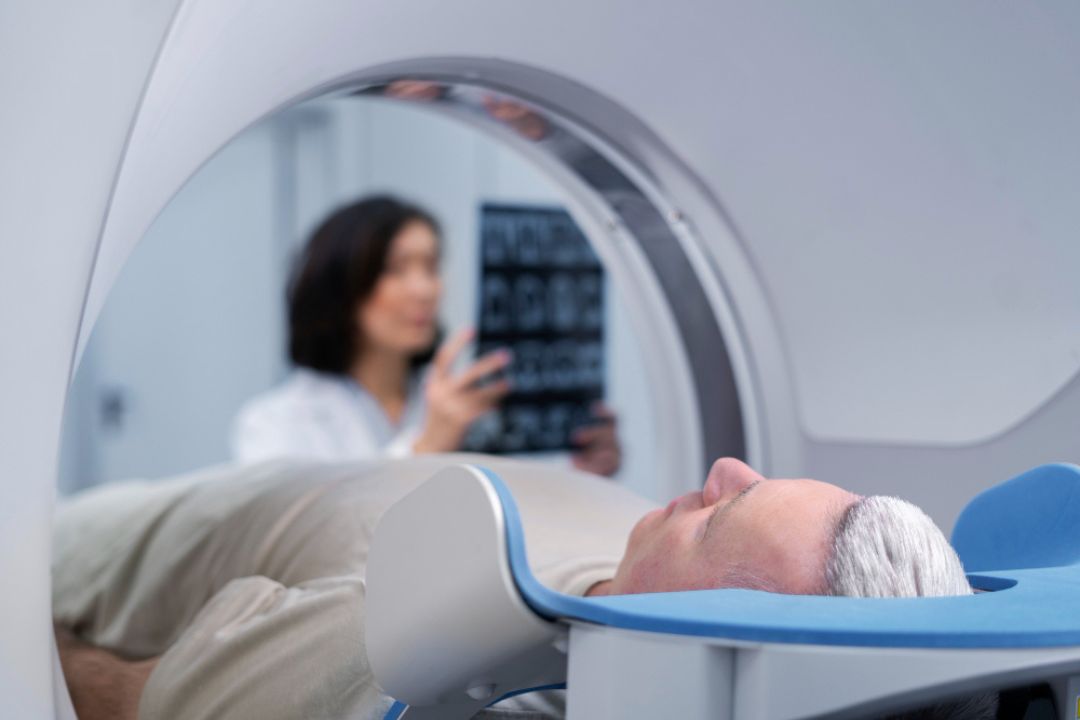
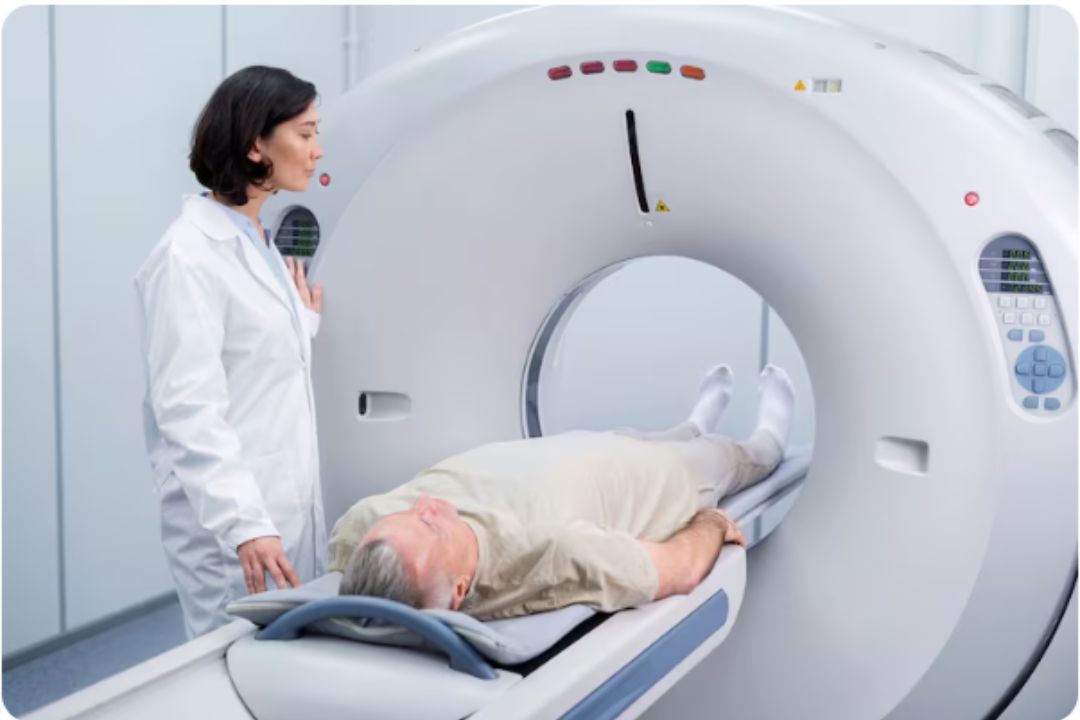
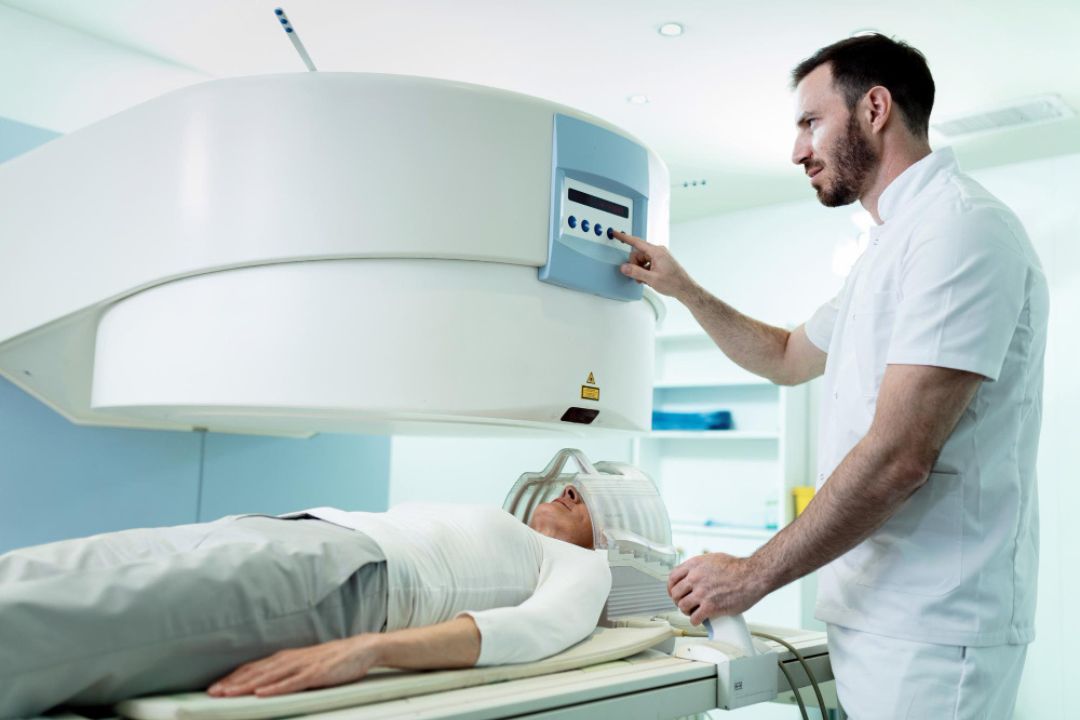
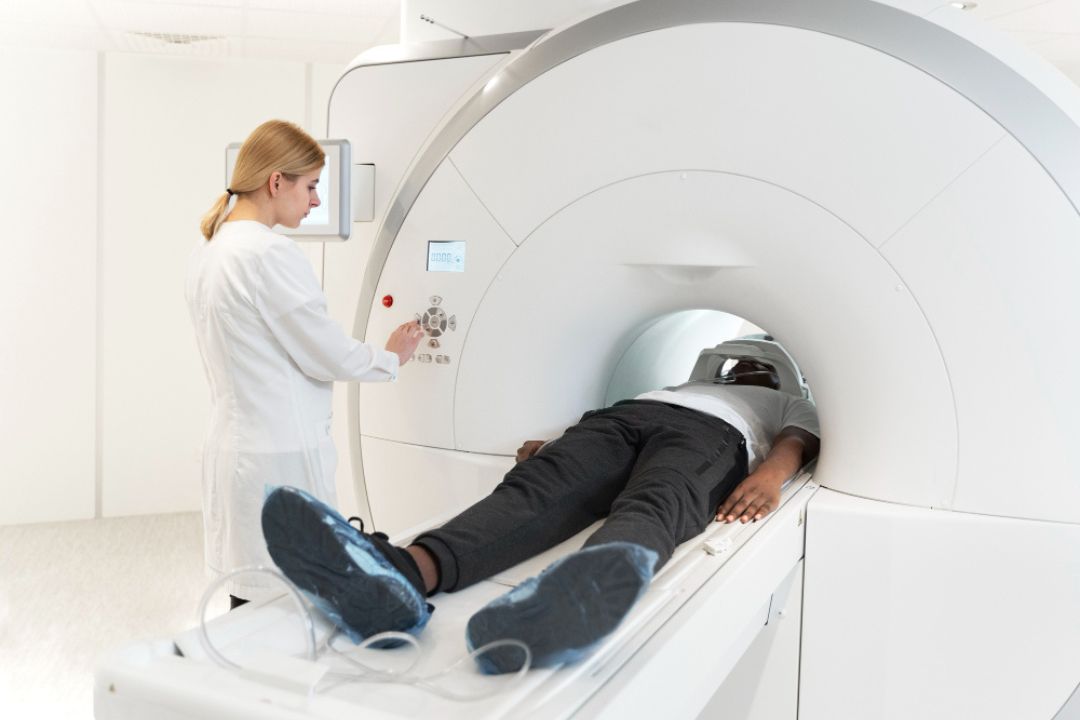
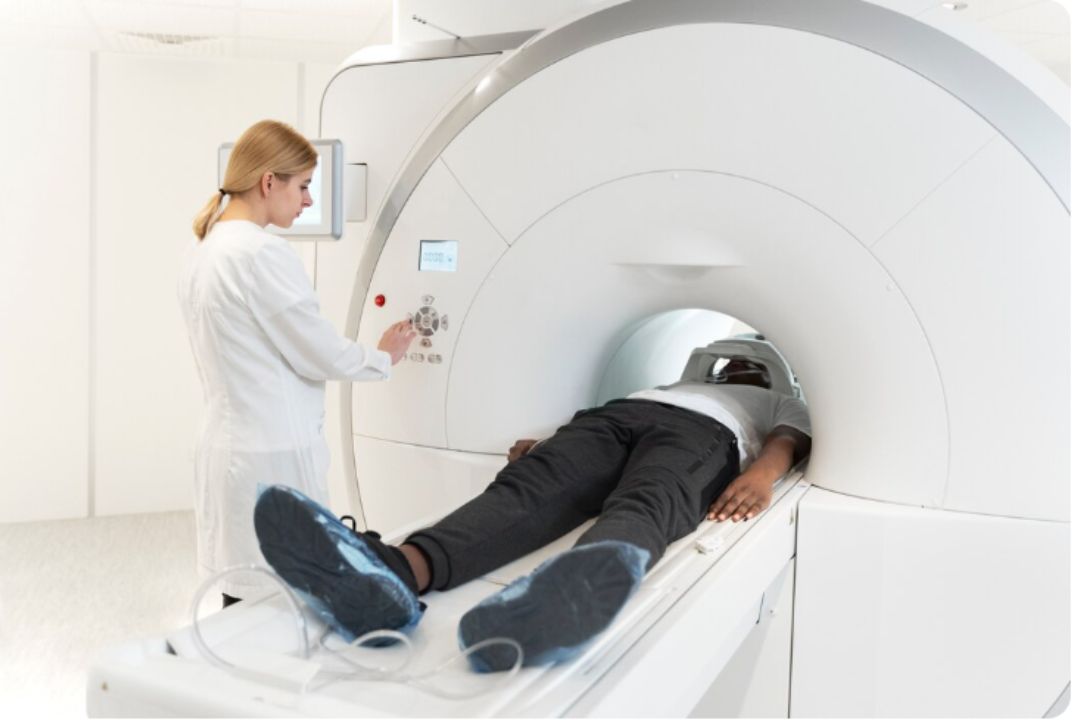
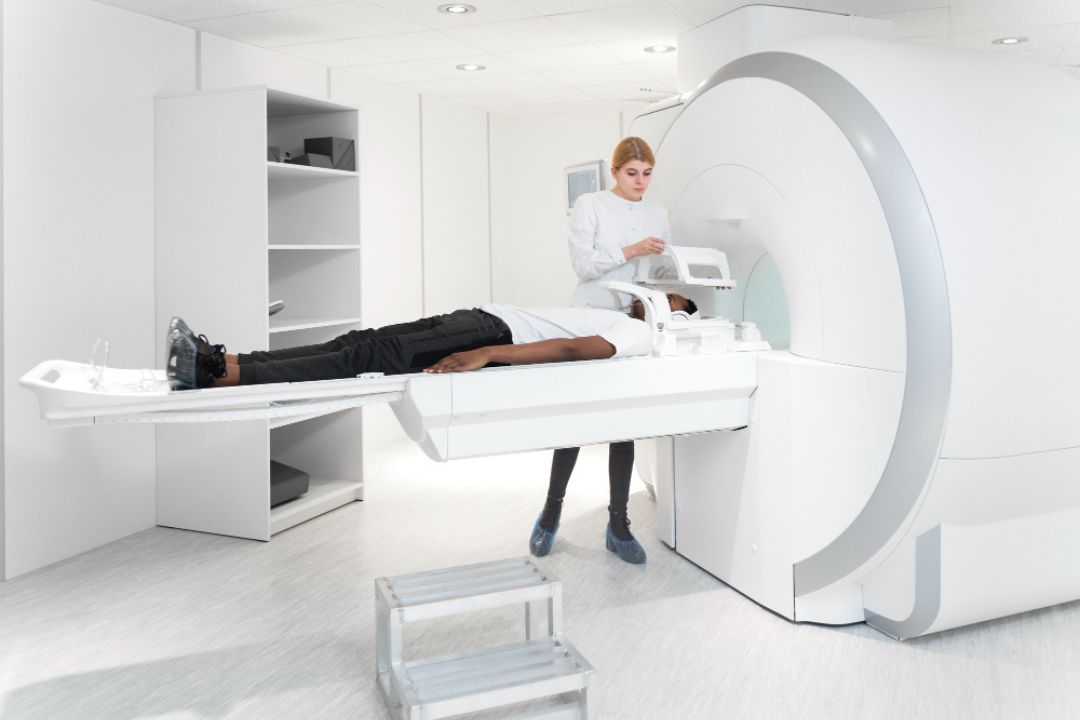
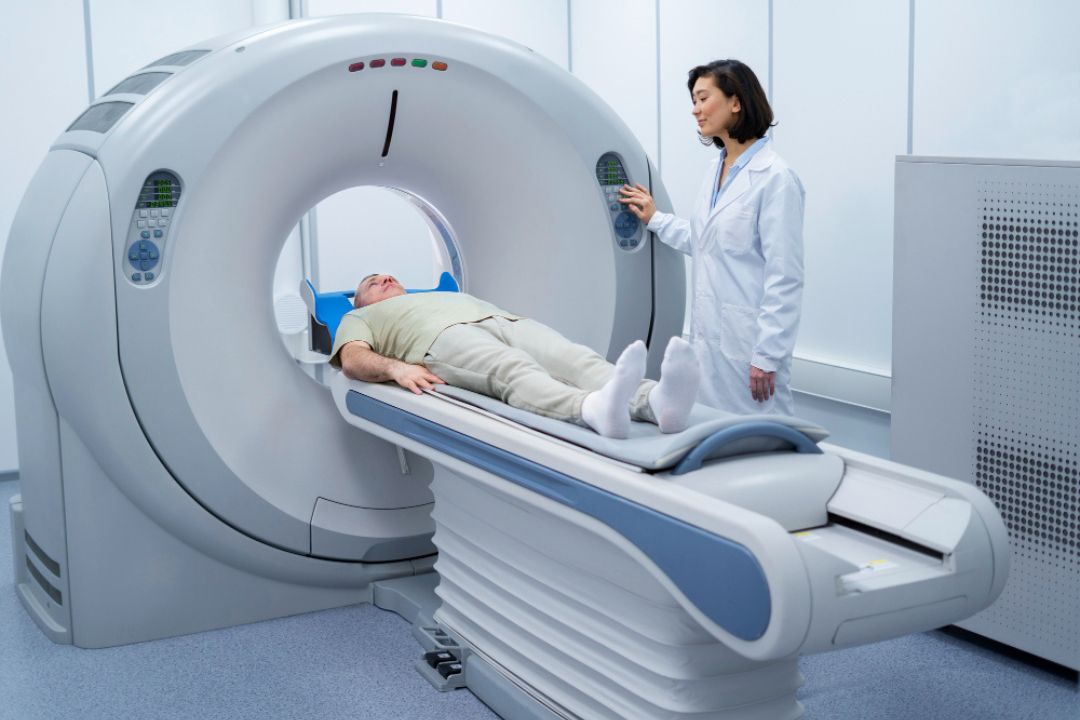
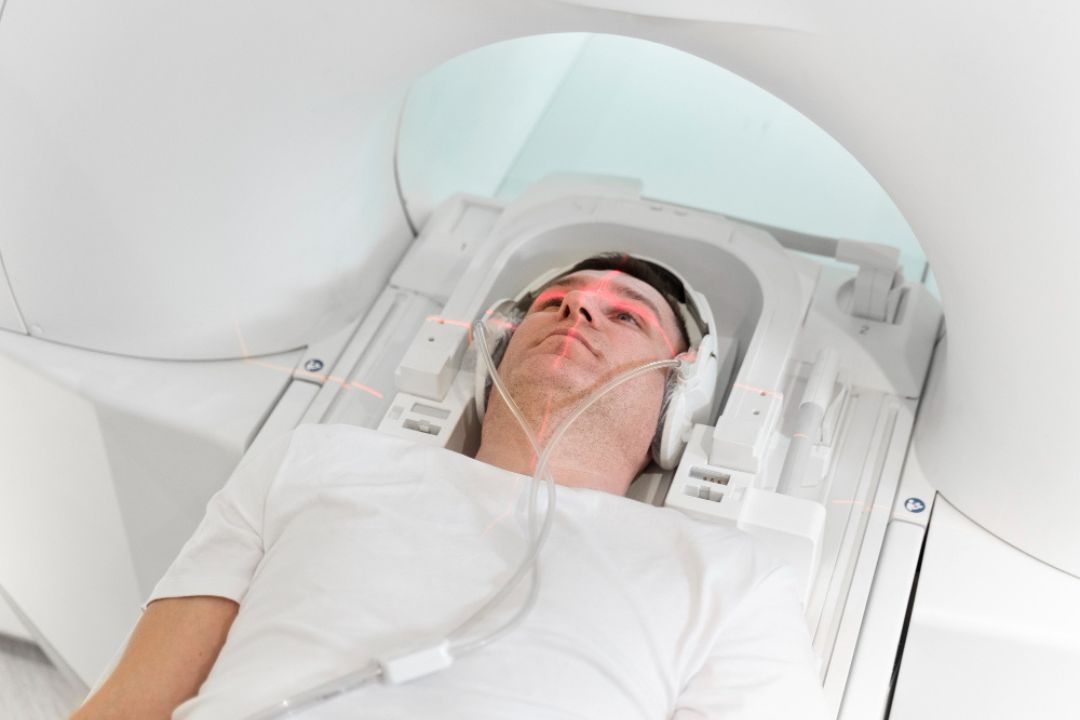
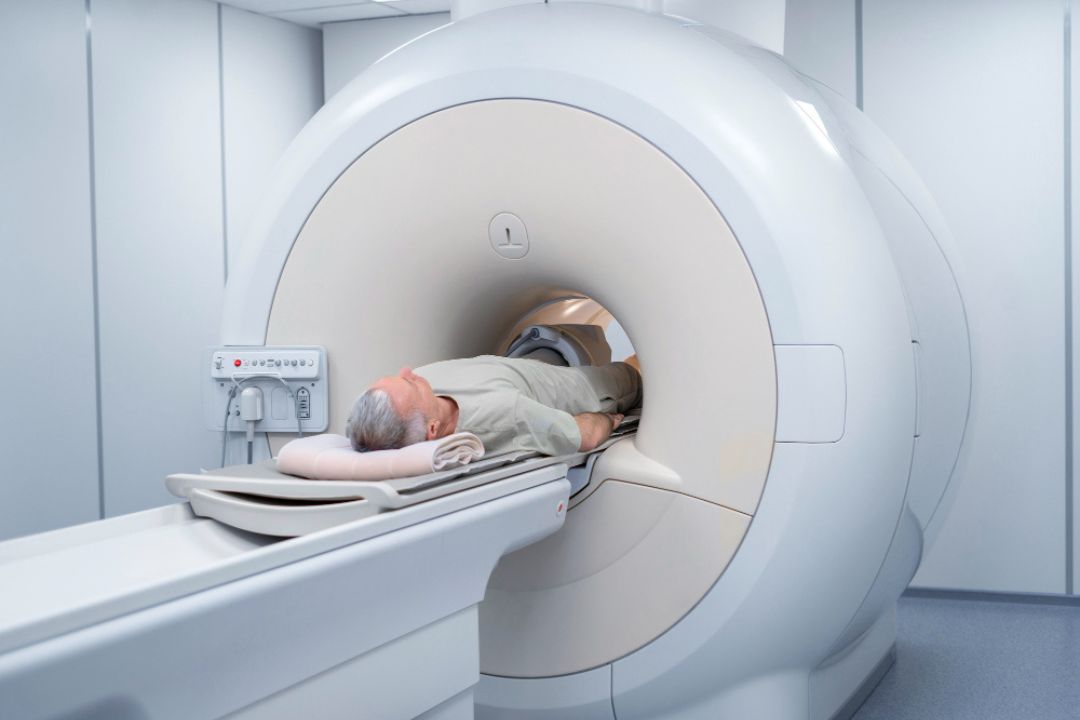
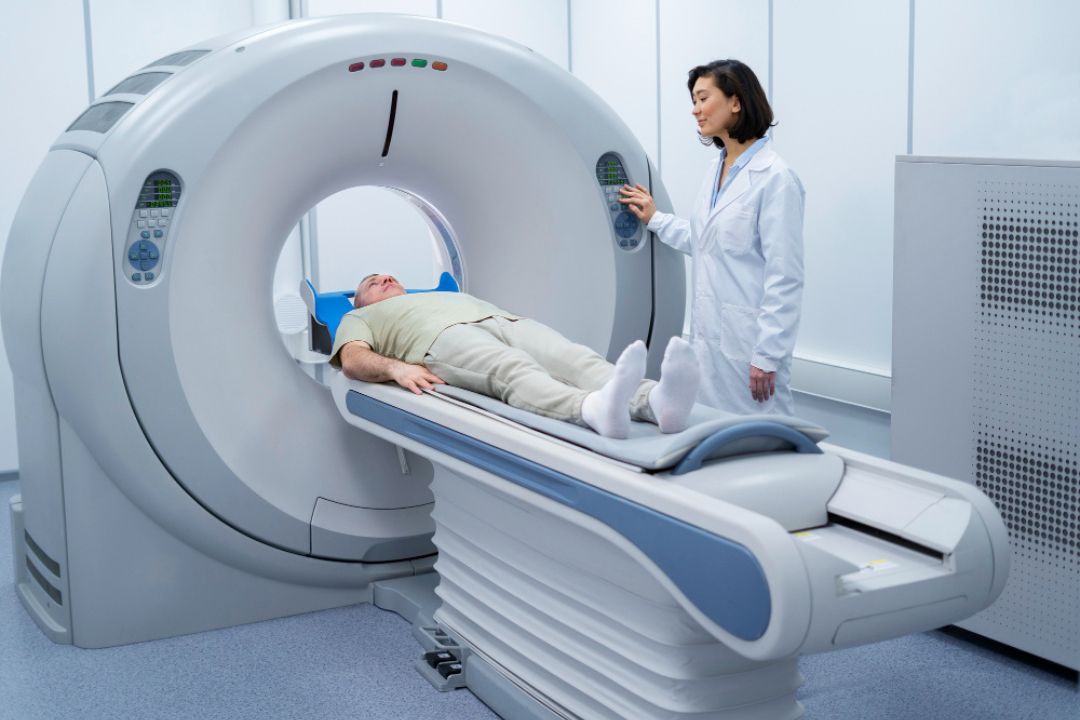
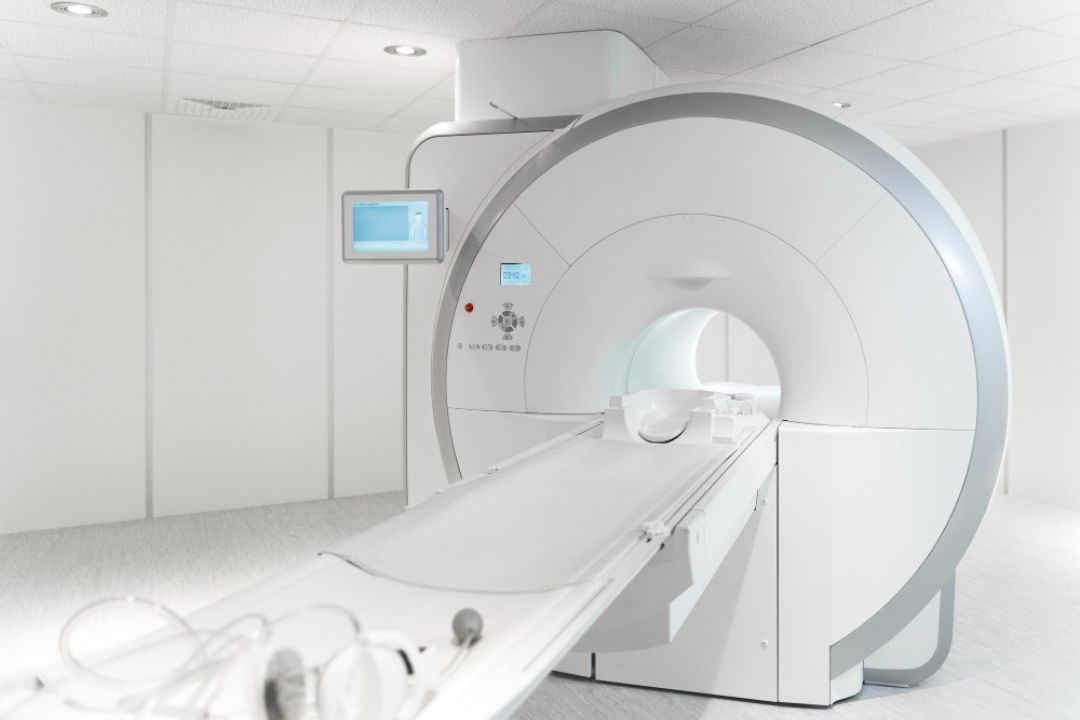
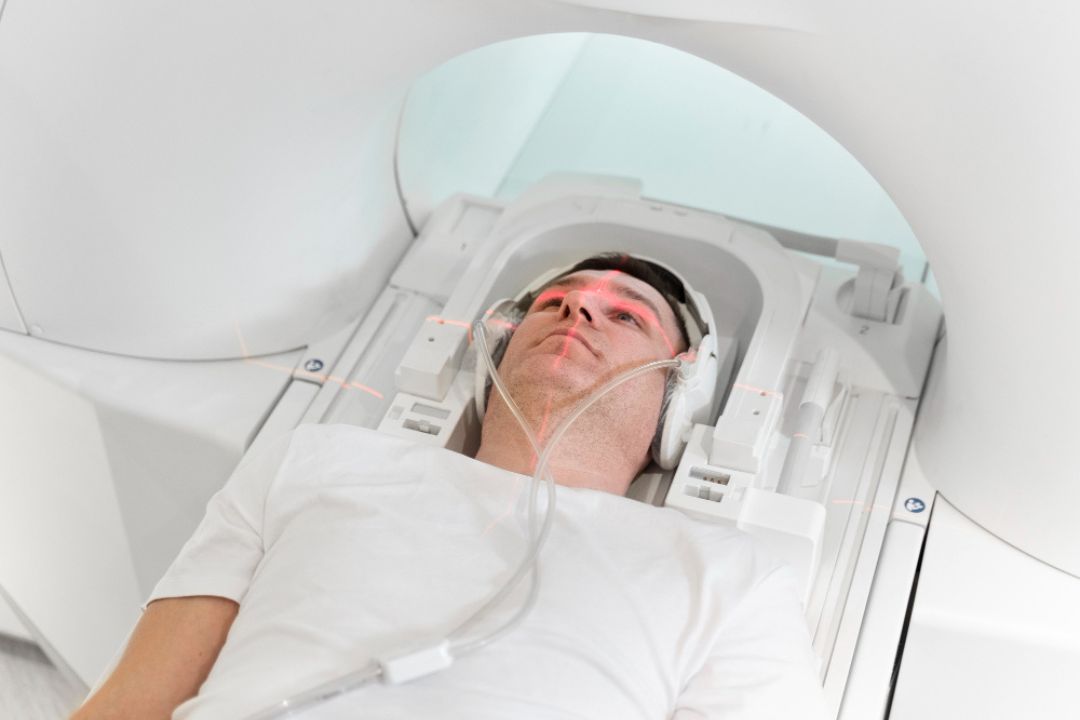
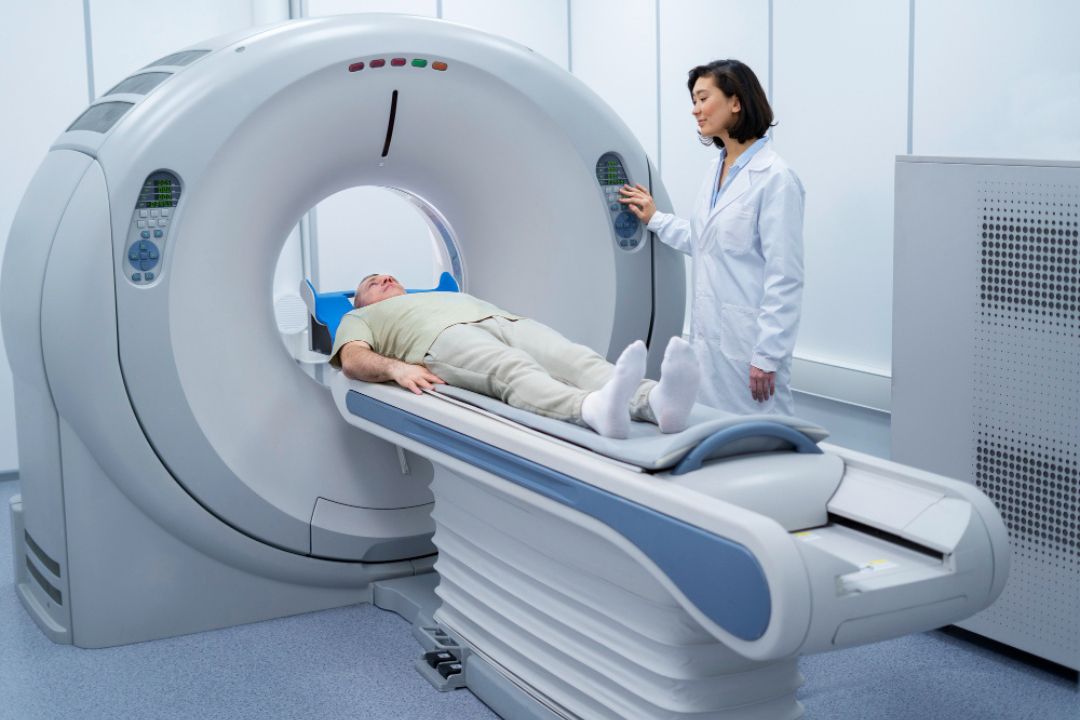
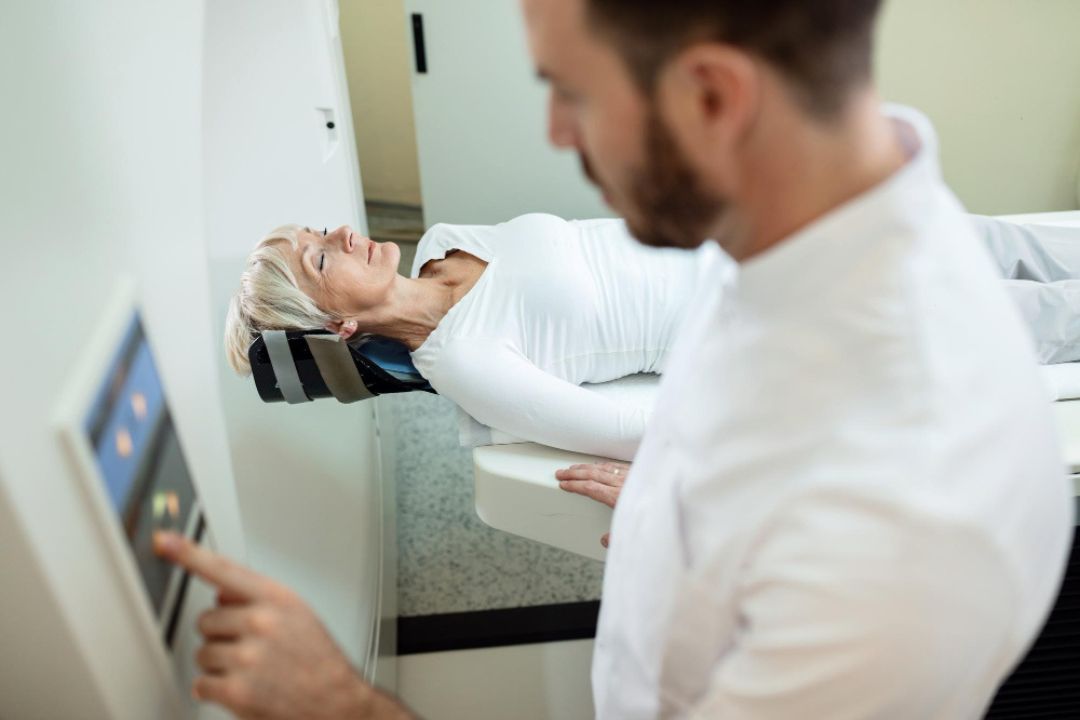
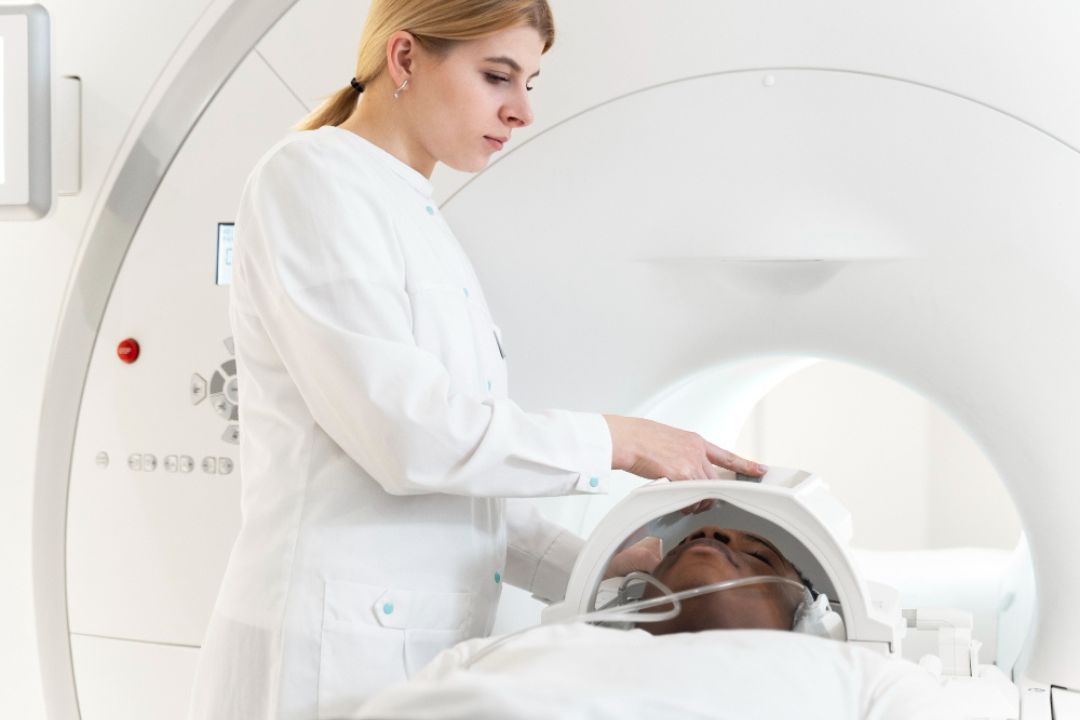
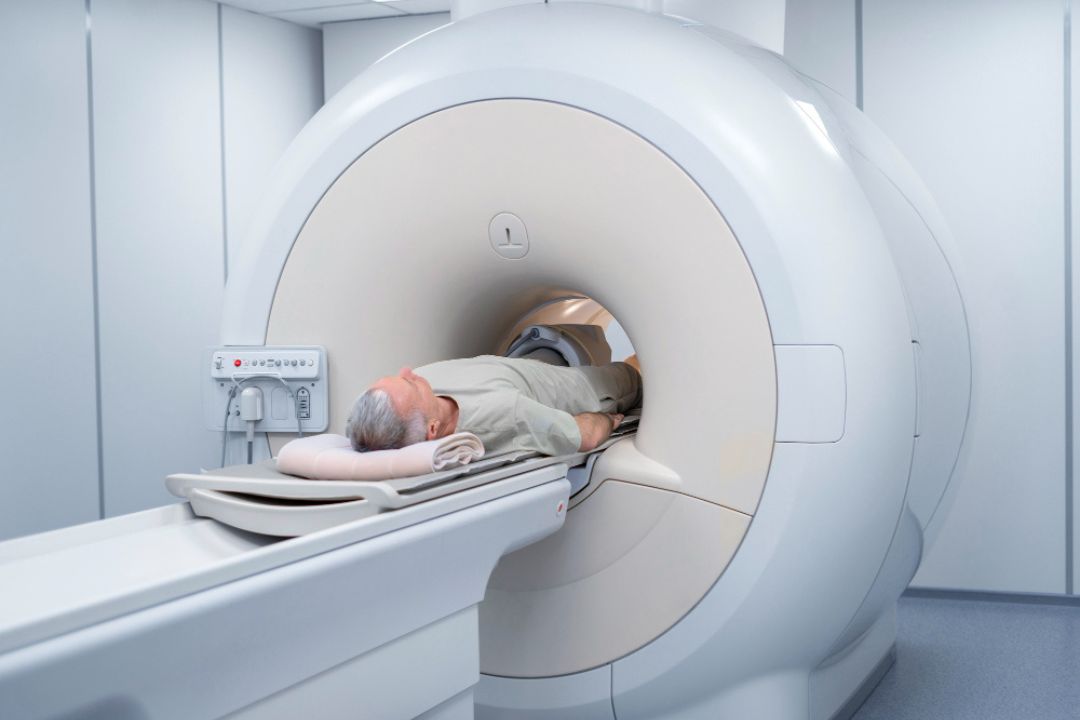
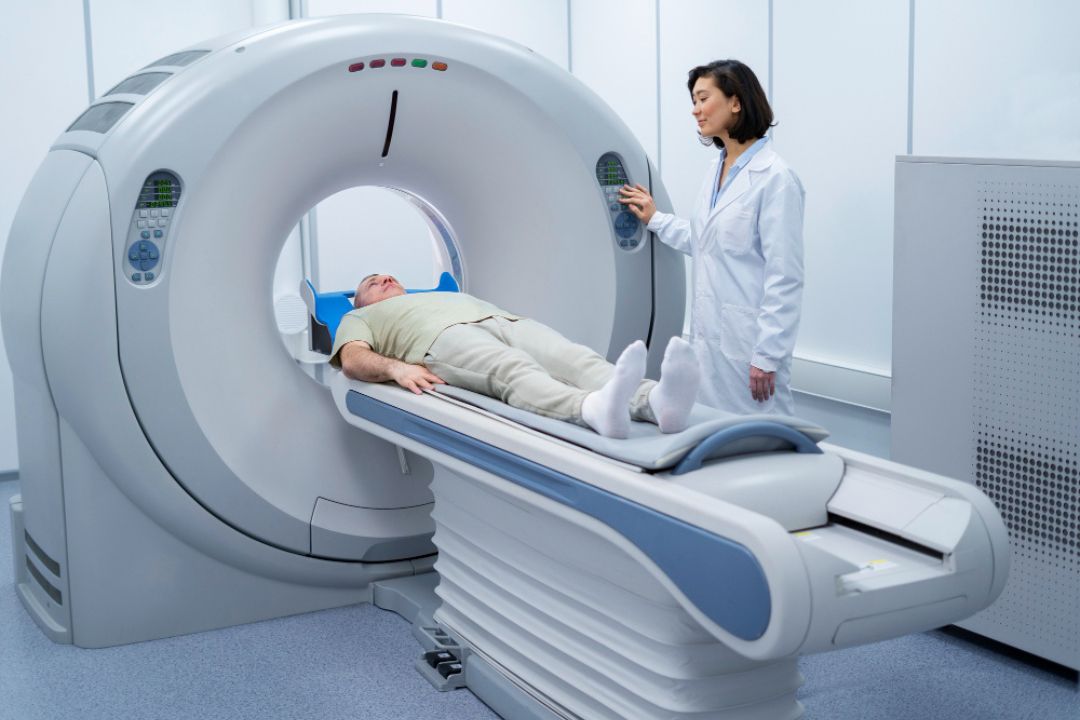
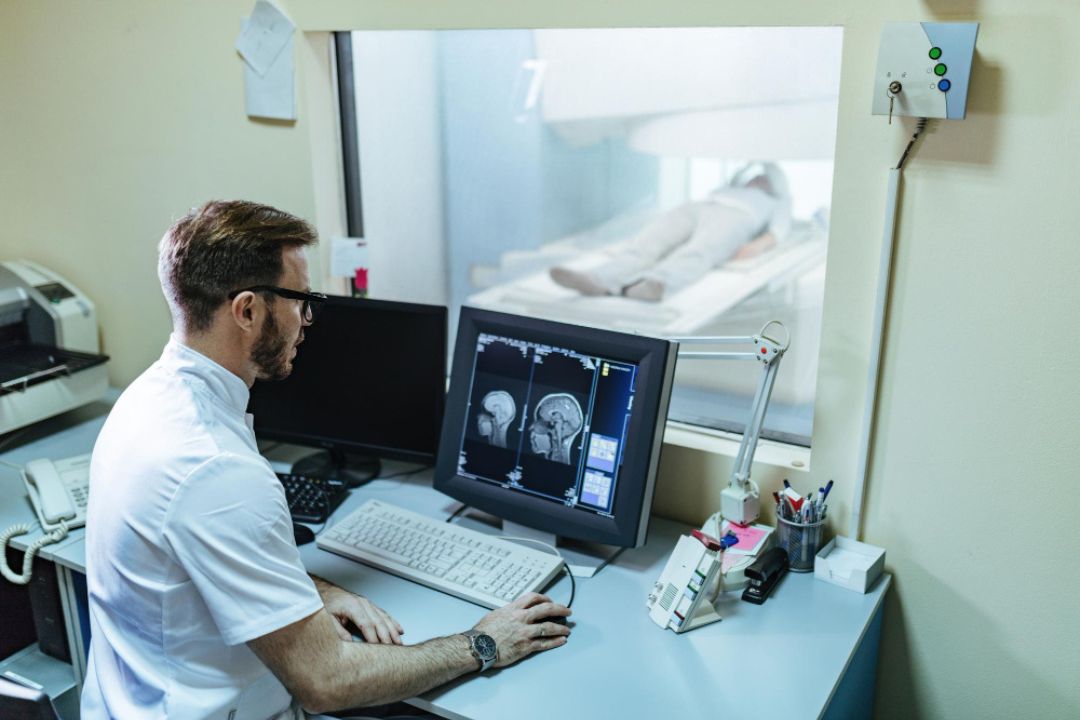
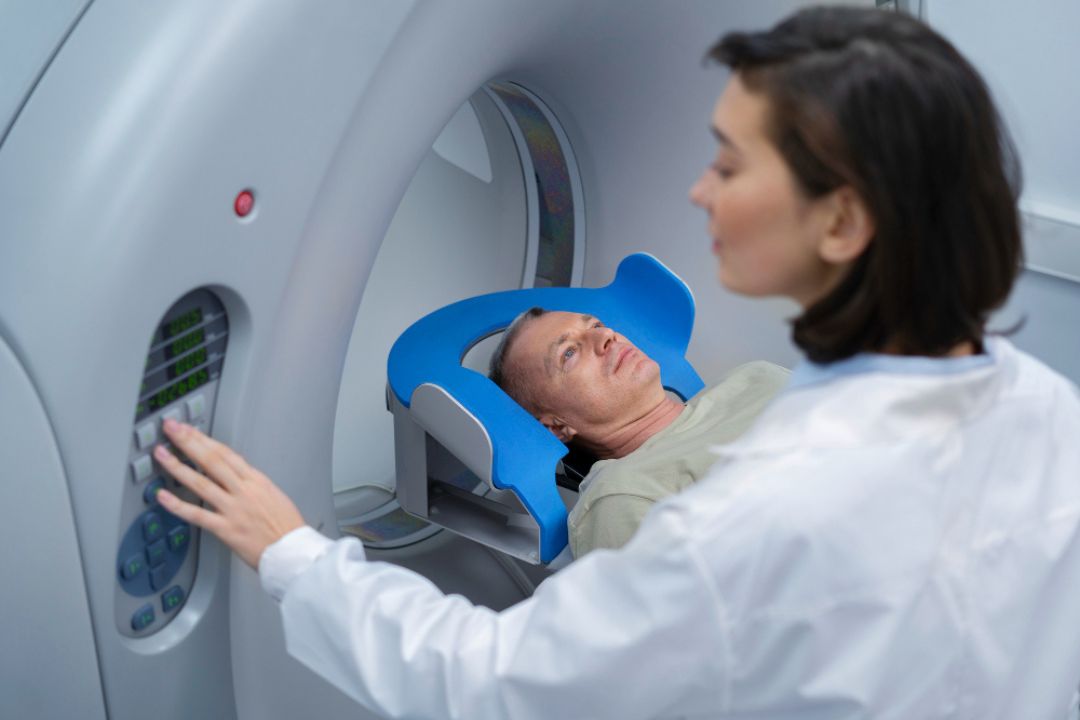
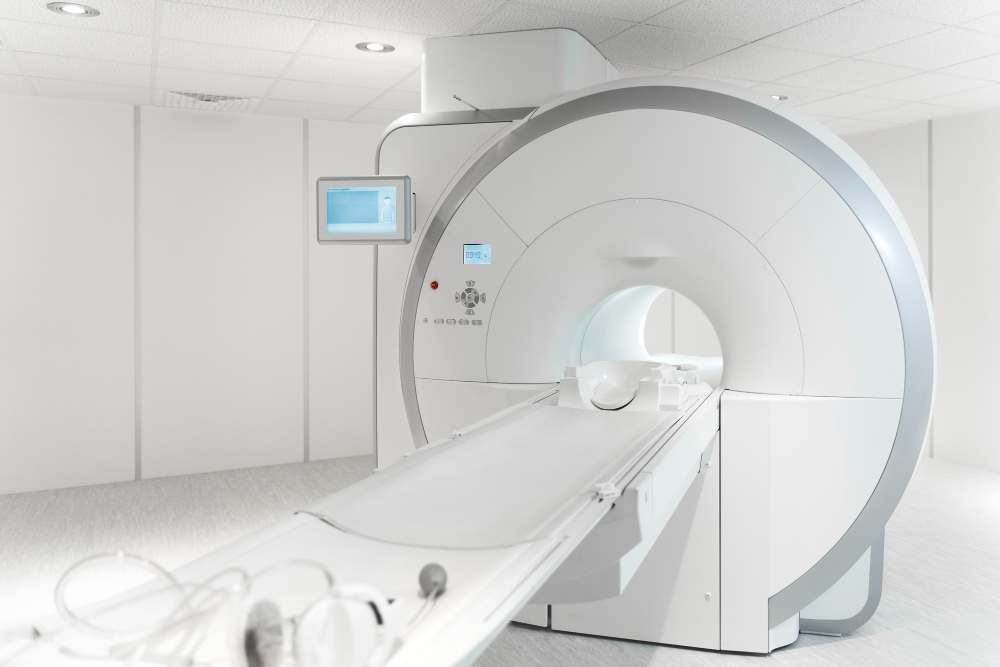
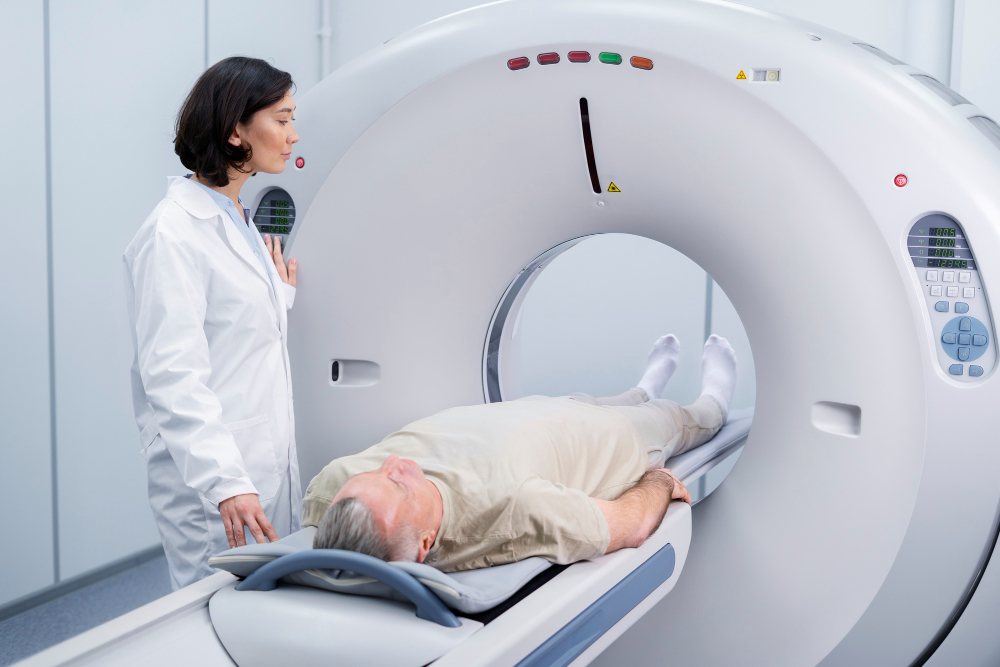
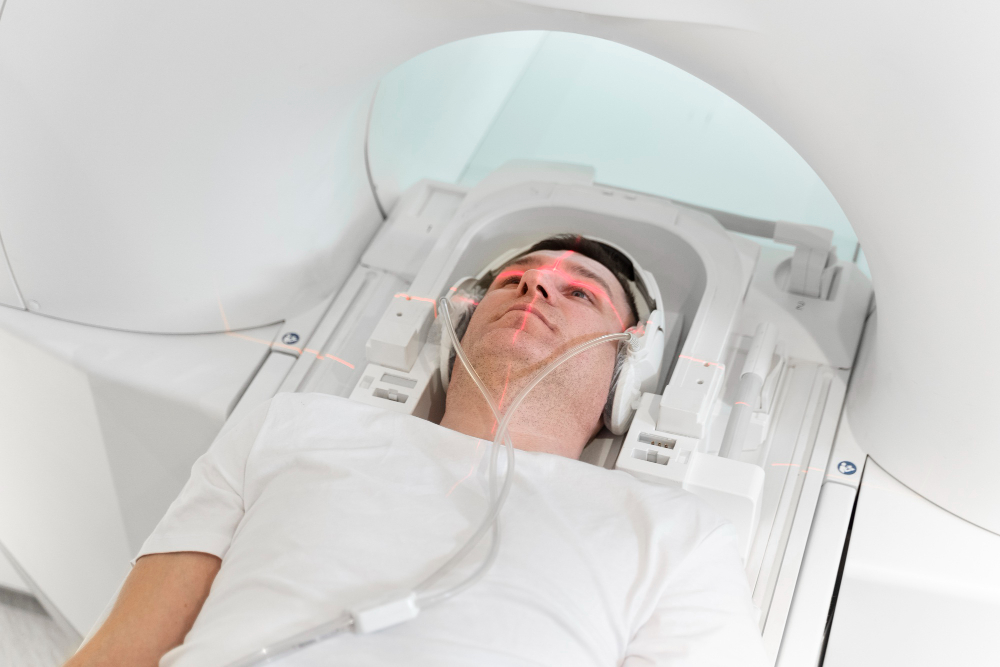
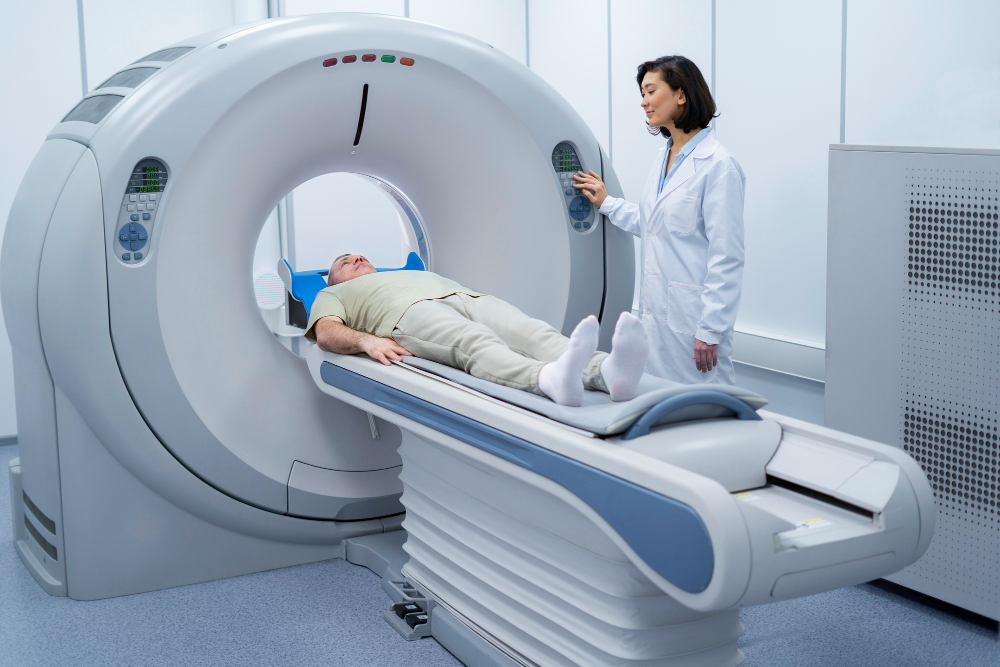
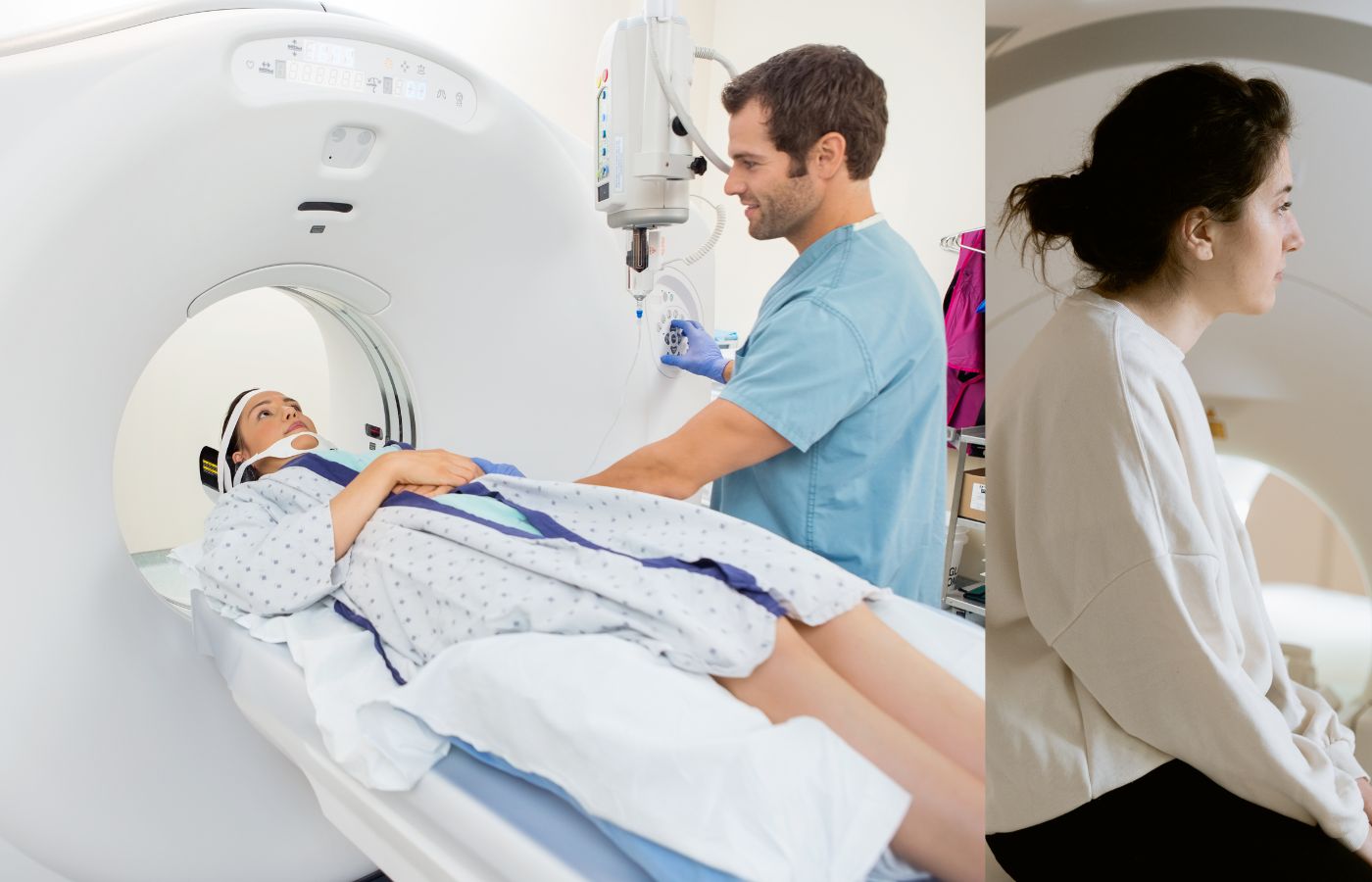
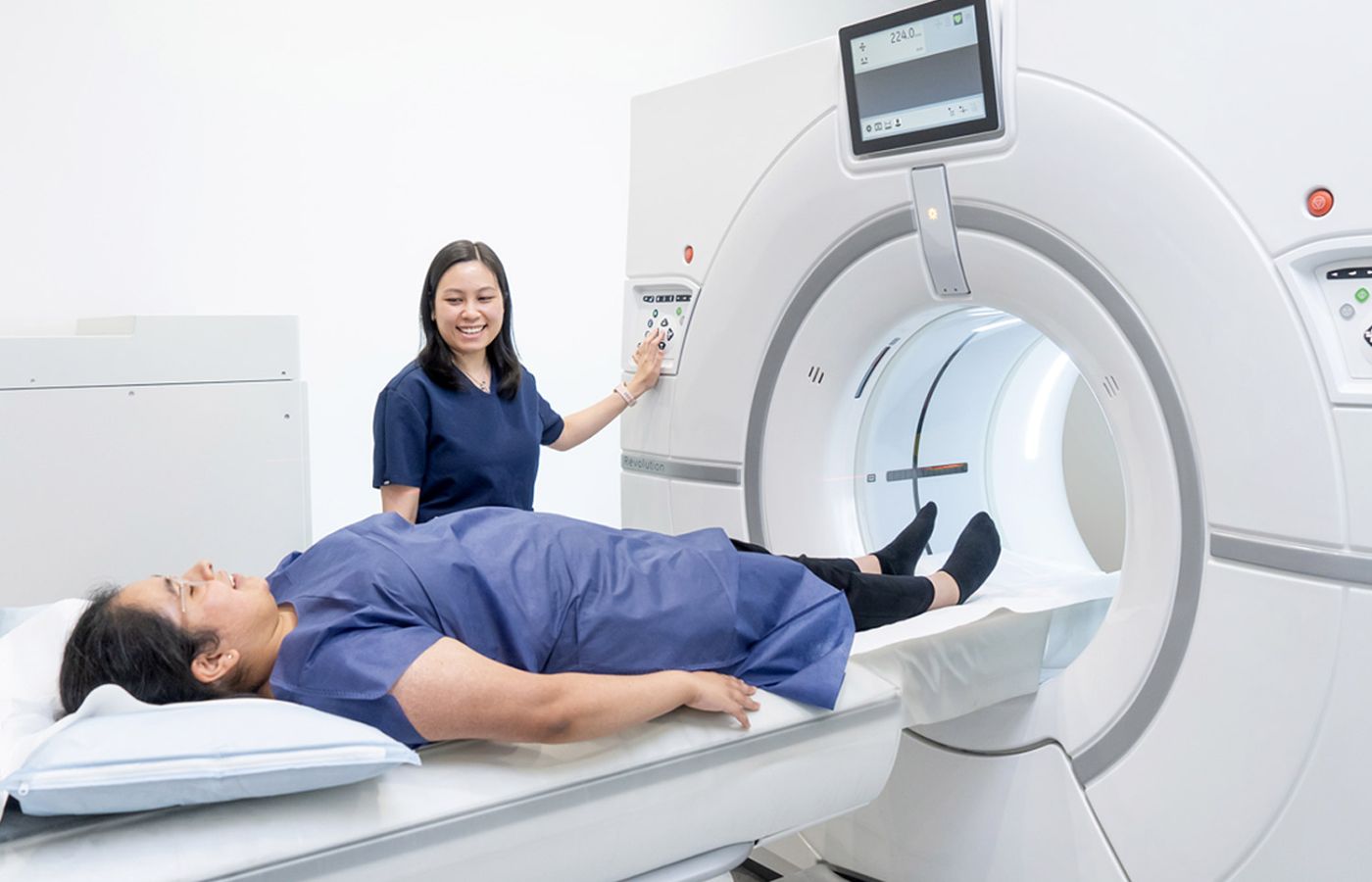
During the CT Scan, the patient lies on a movable table that slides into a circular CT scanner. If contrast is used, it is usually injected through an intravenous line.
The contrast injection may cause a warm sensation in the body or a metallic taste in the mouth. These sensations are temporary and usually disappear quickly.
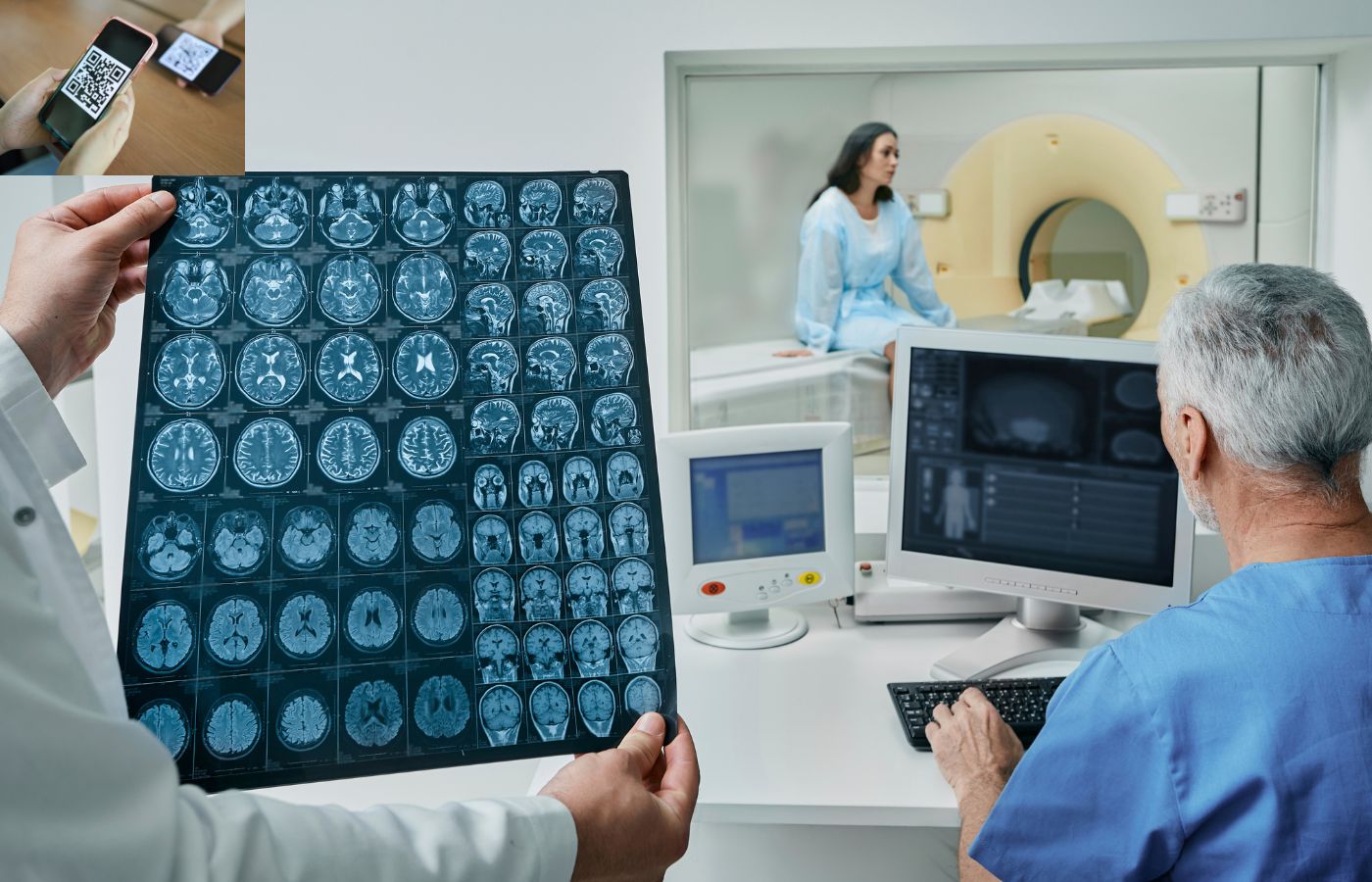
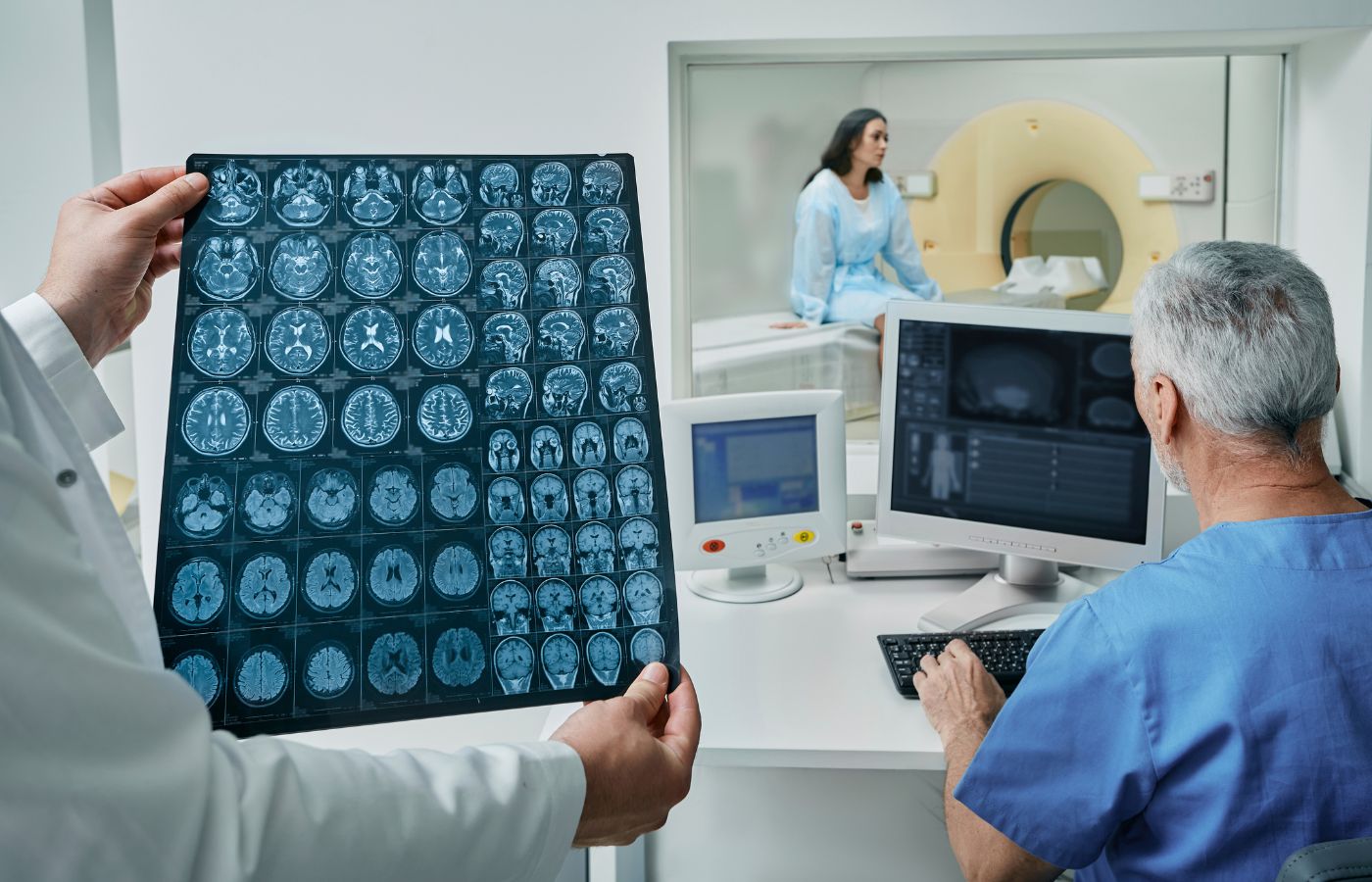
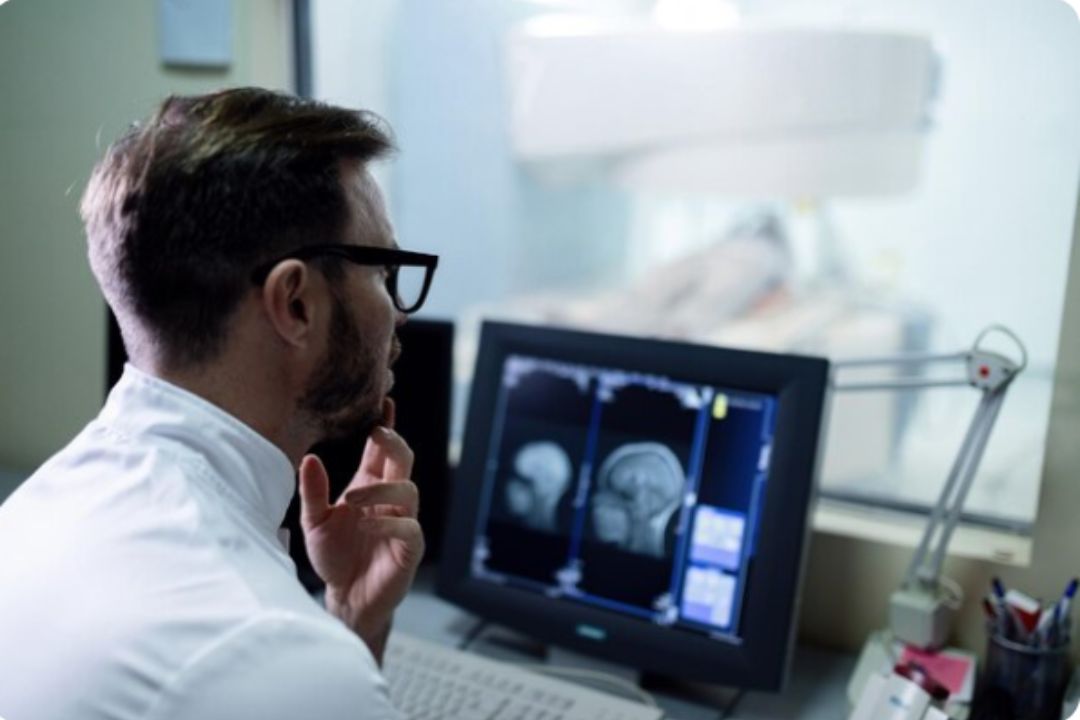
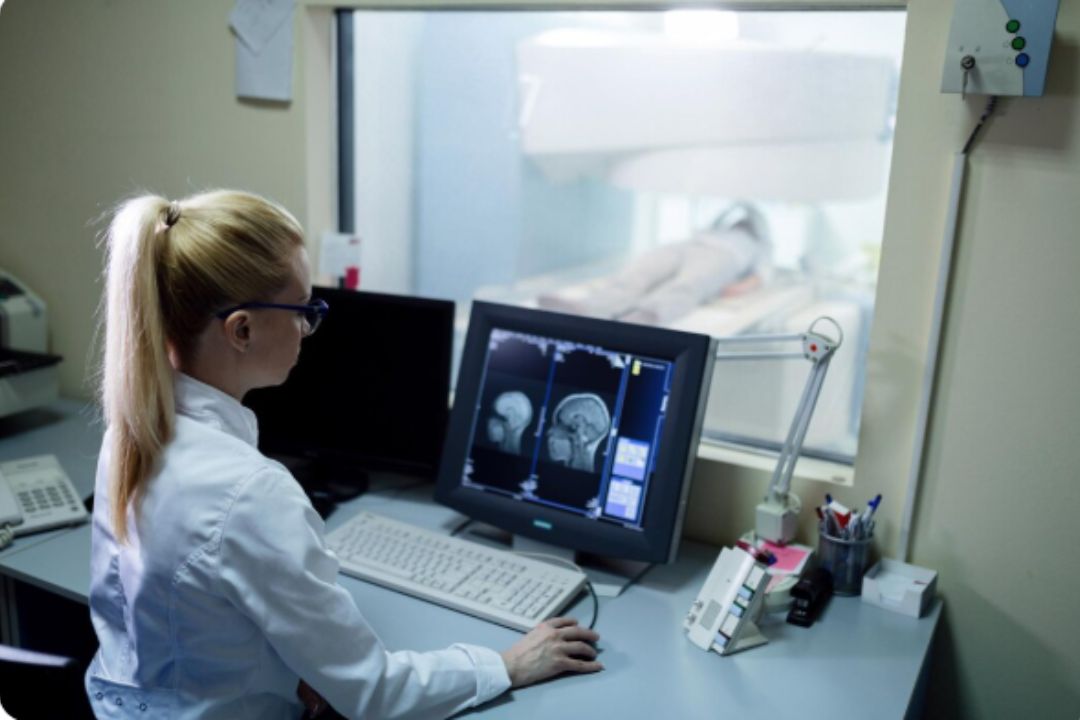
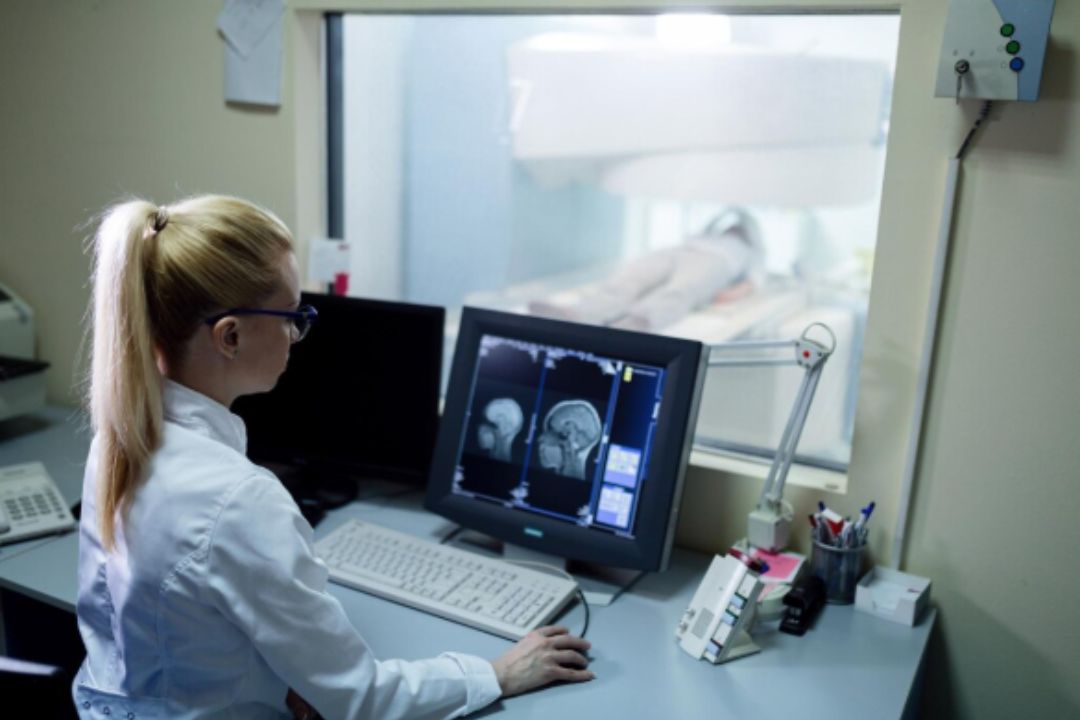
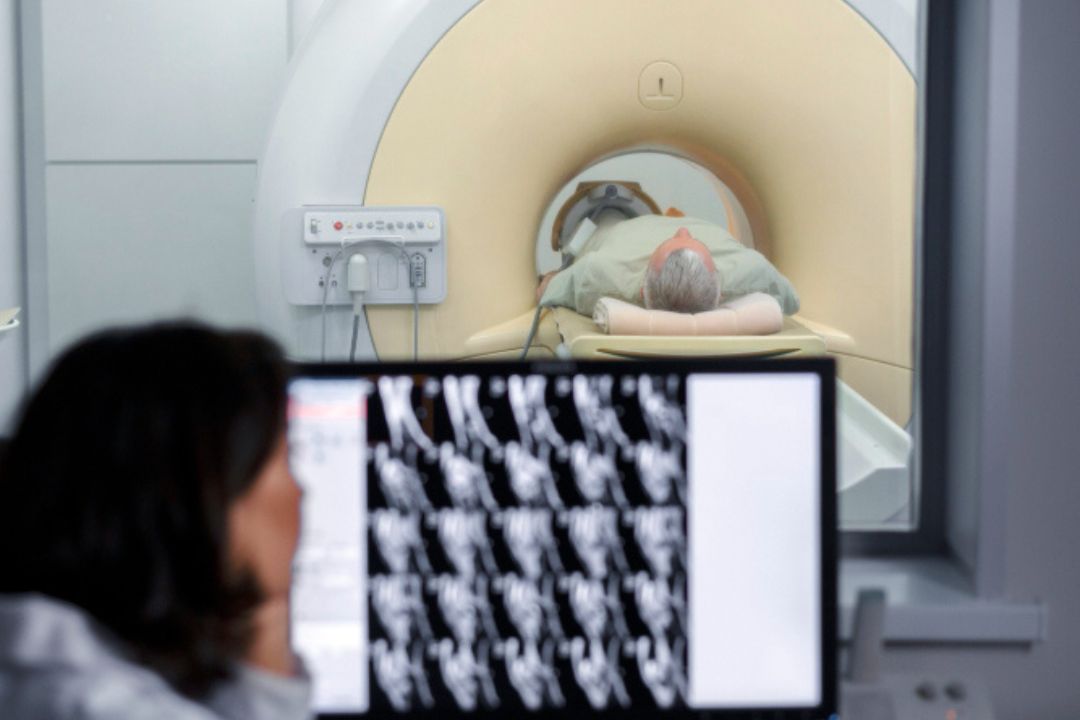
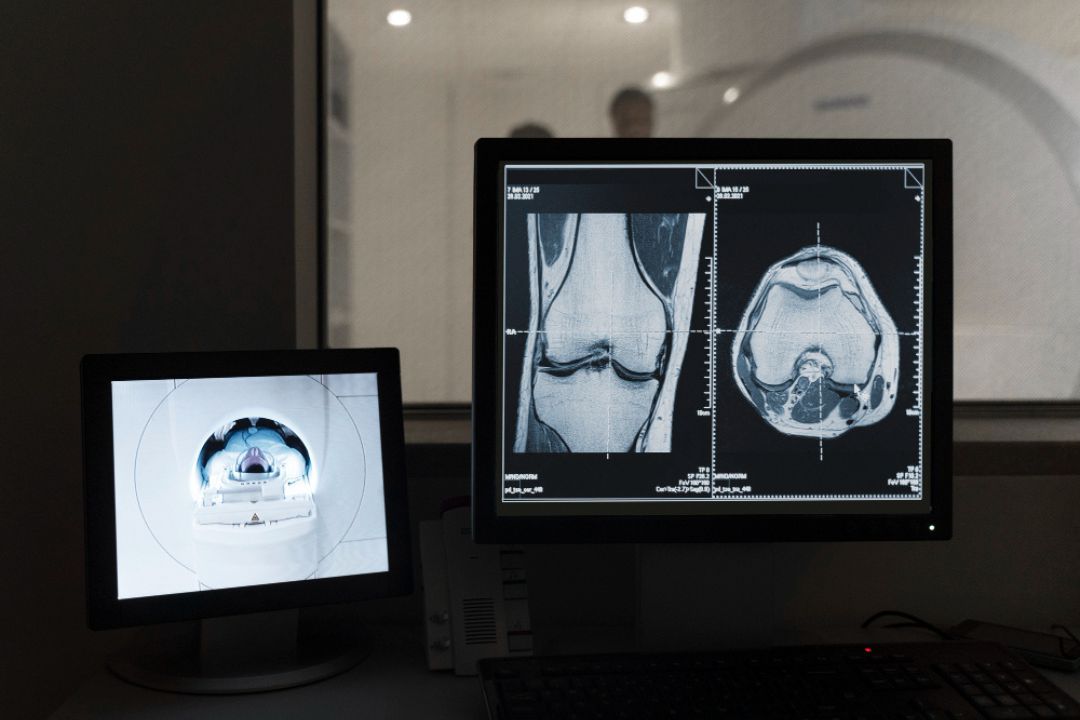
The scanner rotates around the body and captures multiple images, which are processed by a computer to create detailed cross-sectional views of internal organs.
The procedure typically takes about 10 to 30 minutes.
A CT scan with contrast offers several advantages in medical diagnosis.
It provides highly detailed images of organs and blood vessels. It helps doctors detect tumors, infections, and injuries more accurately. The scan is quick, painless, and widely available in hospitals and diagnostic centers.
Because of its accuracy, CT imaging is often used to guide treatments and surgical planning.
CT scans are generally safe, but there are some potential risks.
The scan uses ionizing radiation, although the amount used is considered low and medically safe when necessary.
Some people may experience mild reactions to contrast dye, such as itching, rash, nausea, or dizziness. Severe allergic reactions are rare but possible.
In rare cases, contrast dye may affect kidney function, especially in patients who already have kidney disease.
Doctors evaluate the benefits and risks before recommending the test.
Most patients can resume normal activities immediately after the scan. Doctors may advise drinking plenty of water to help flush the contrast material out of the body.
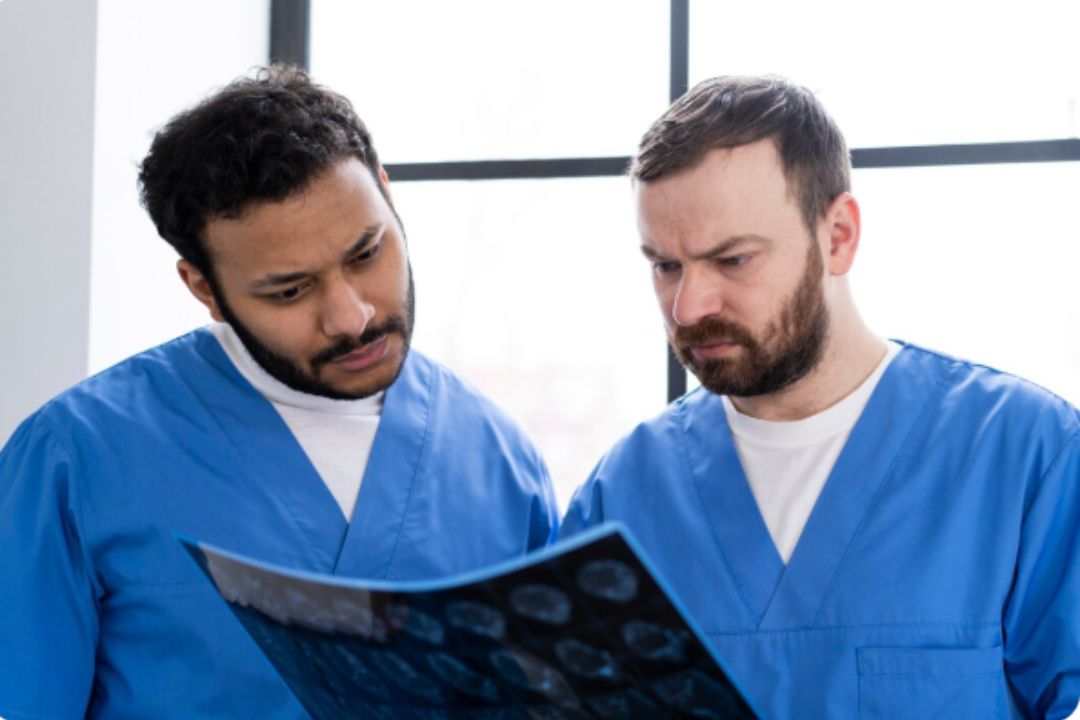
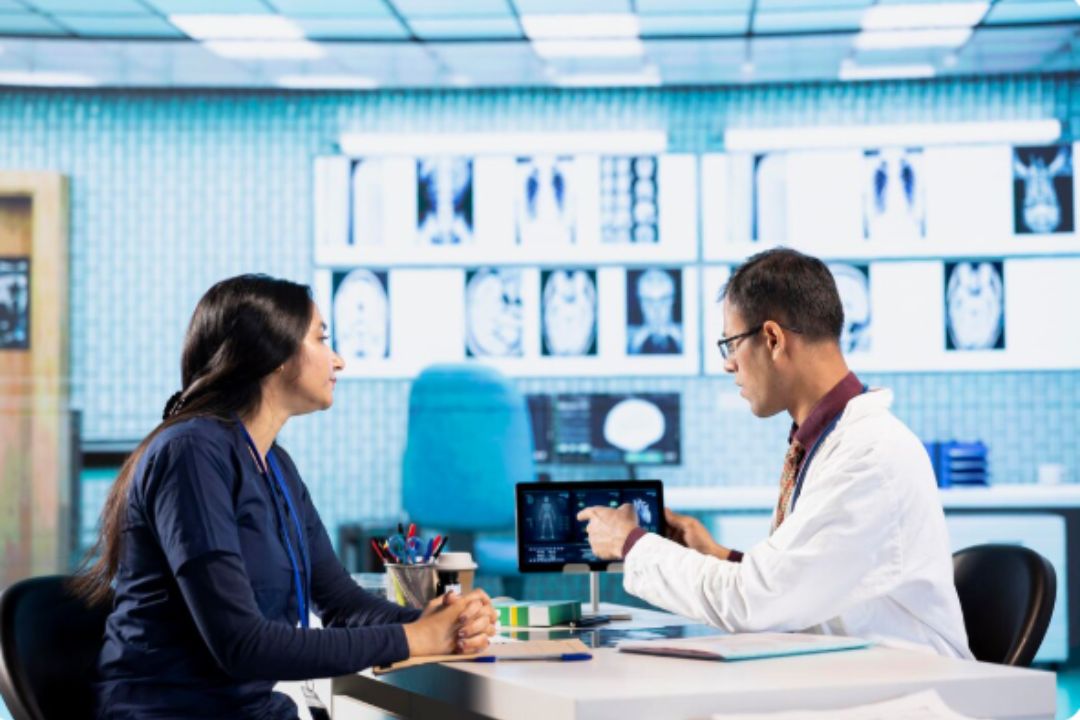
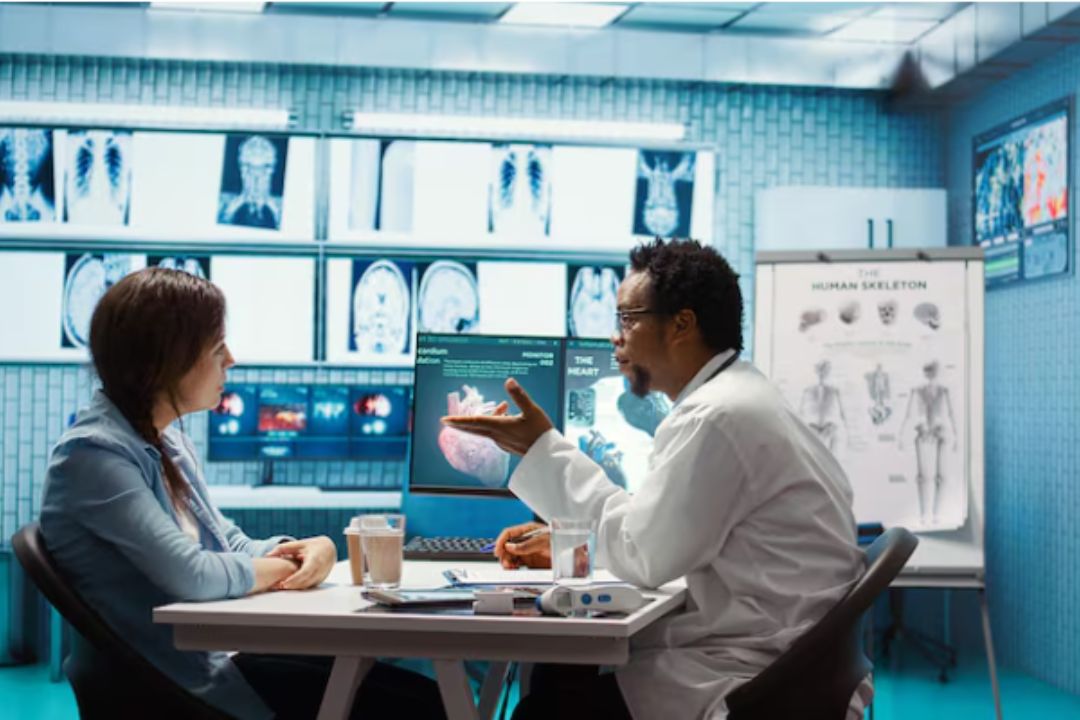
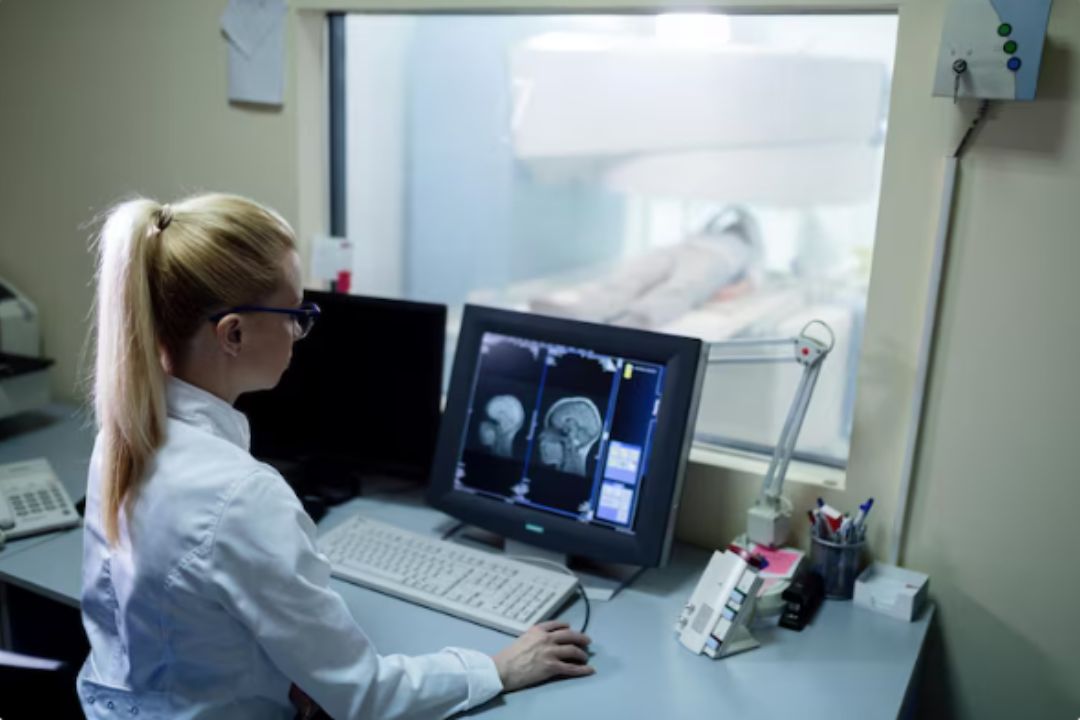
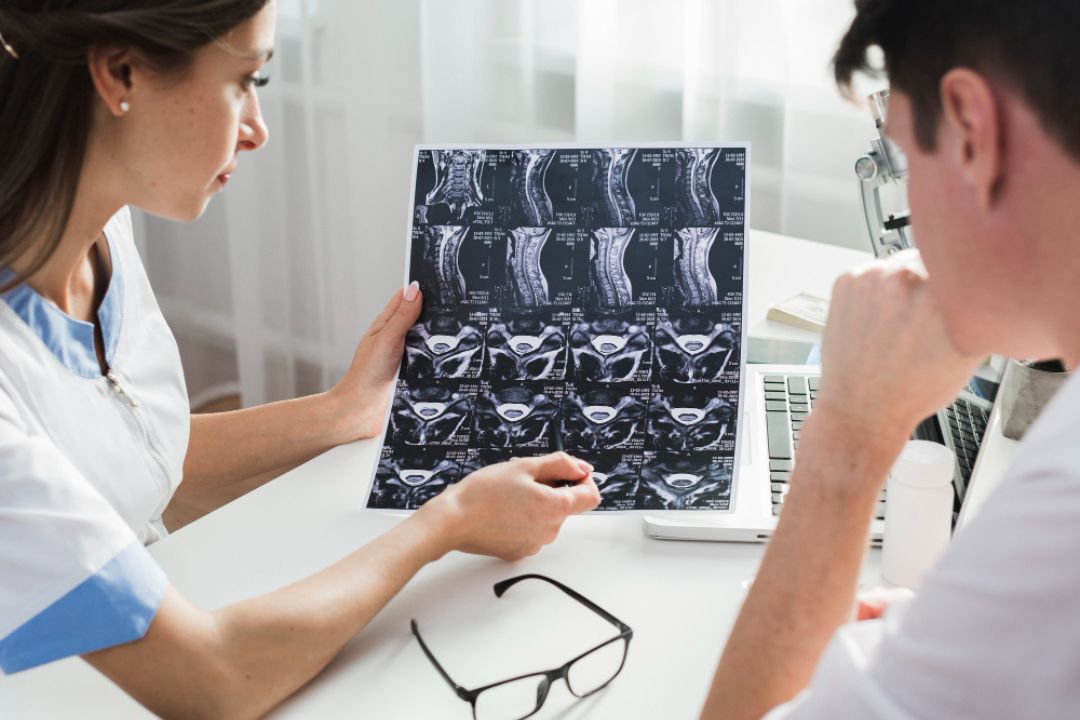
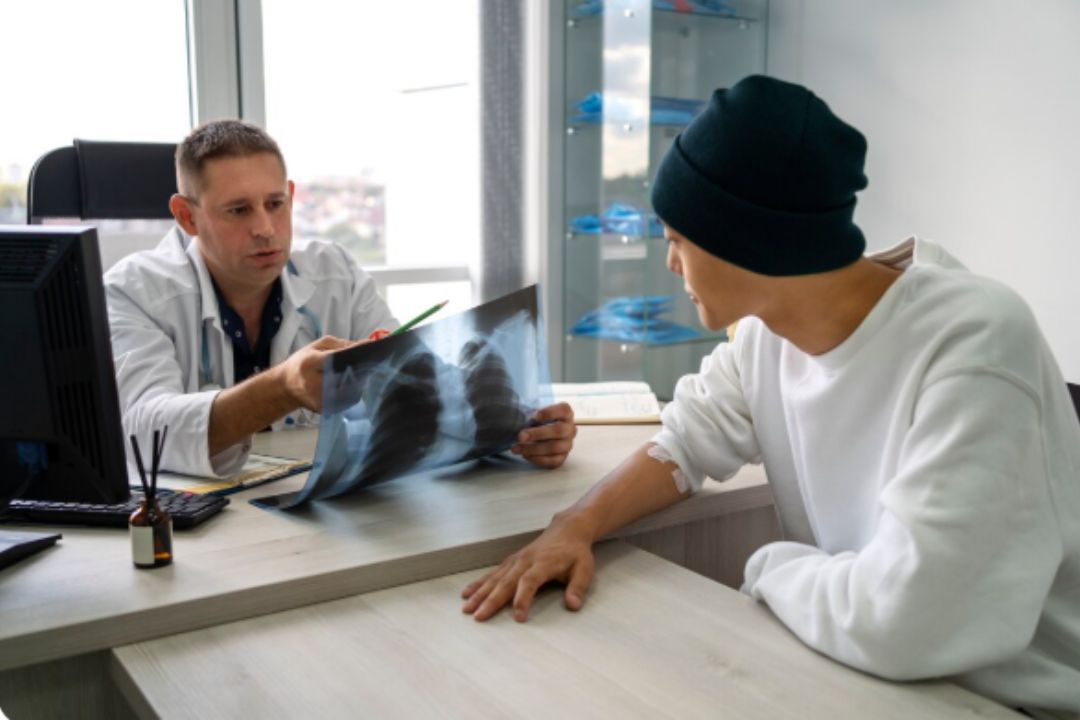
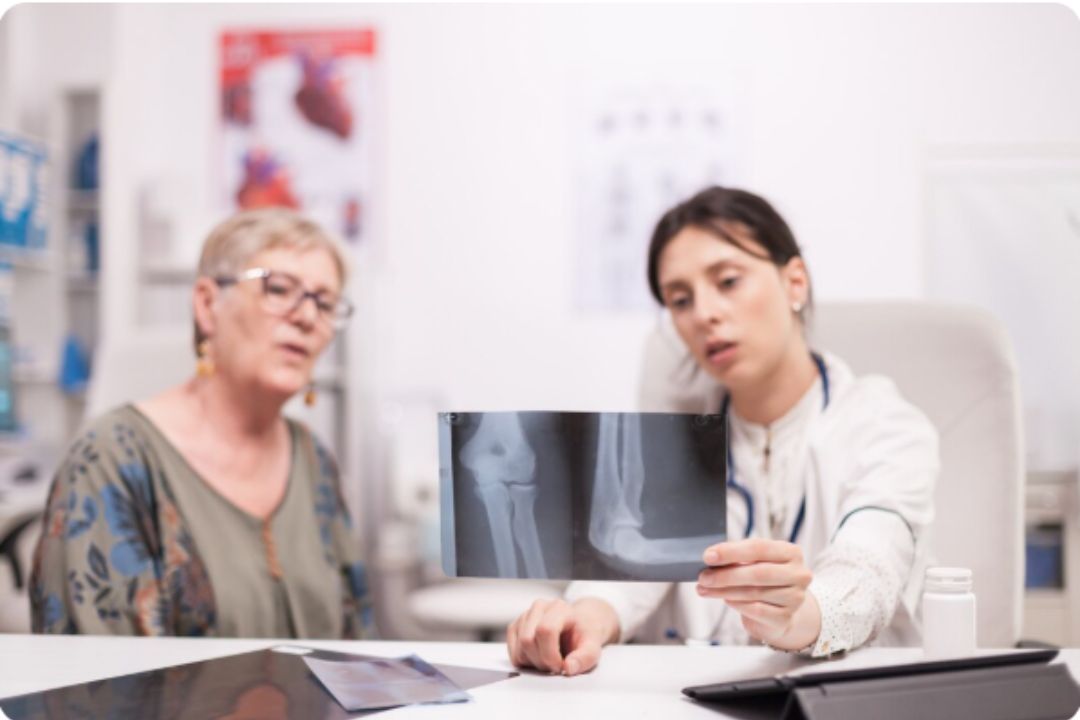
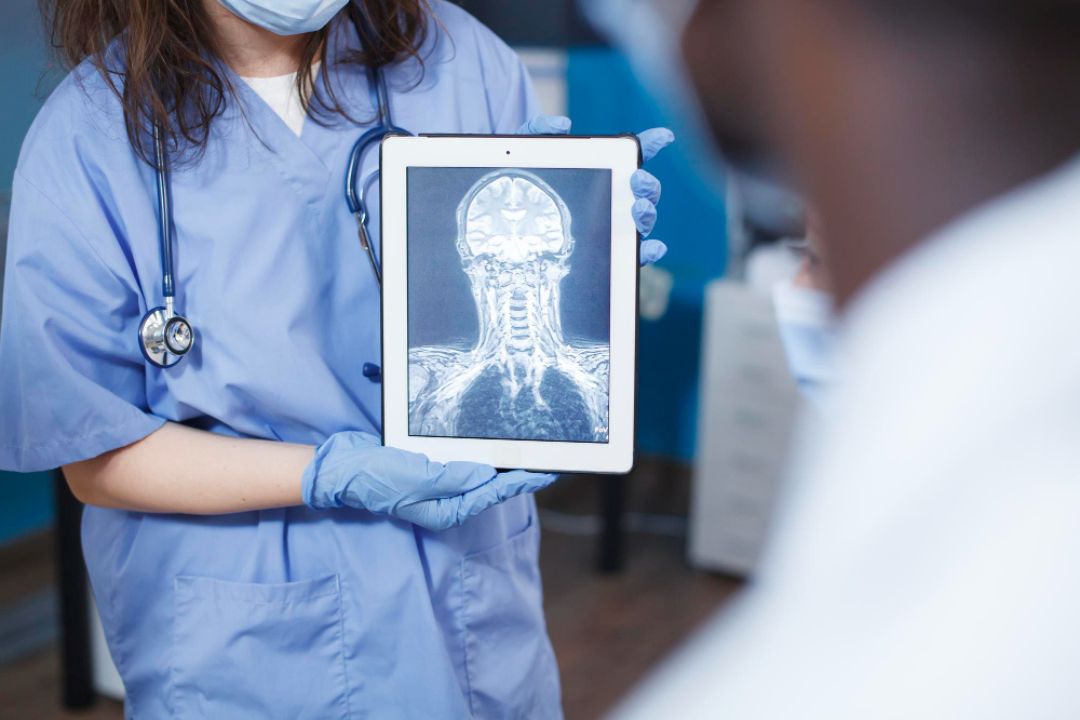
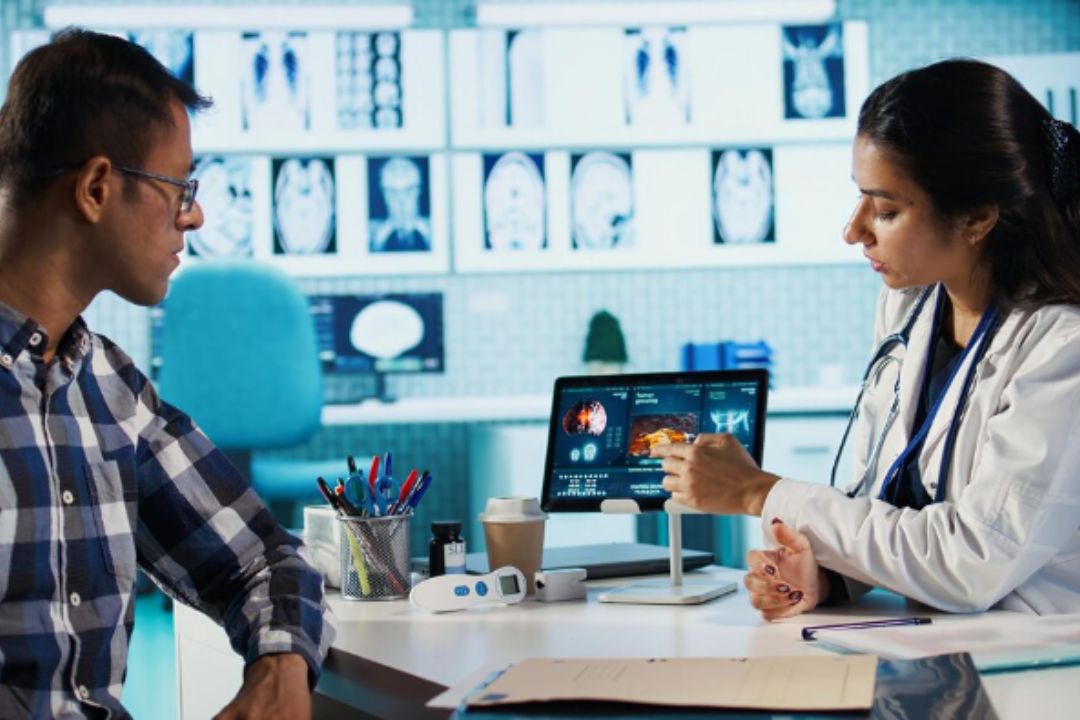
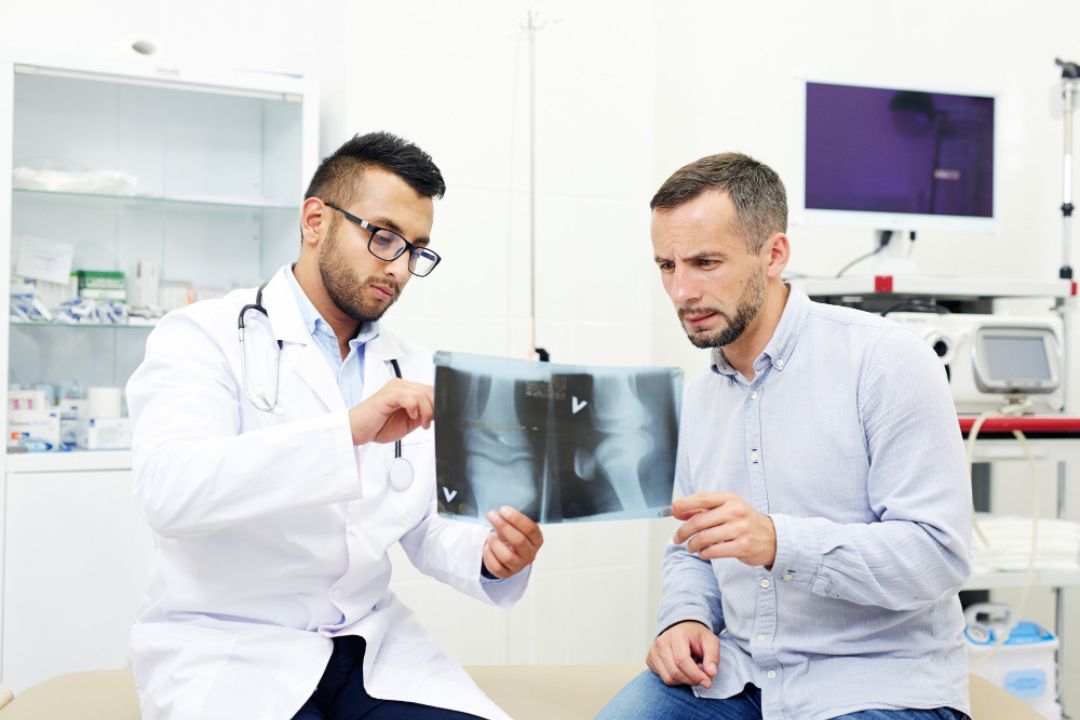
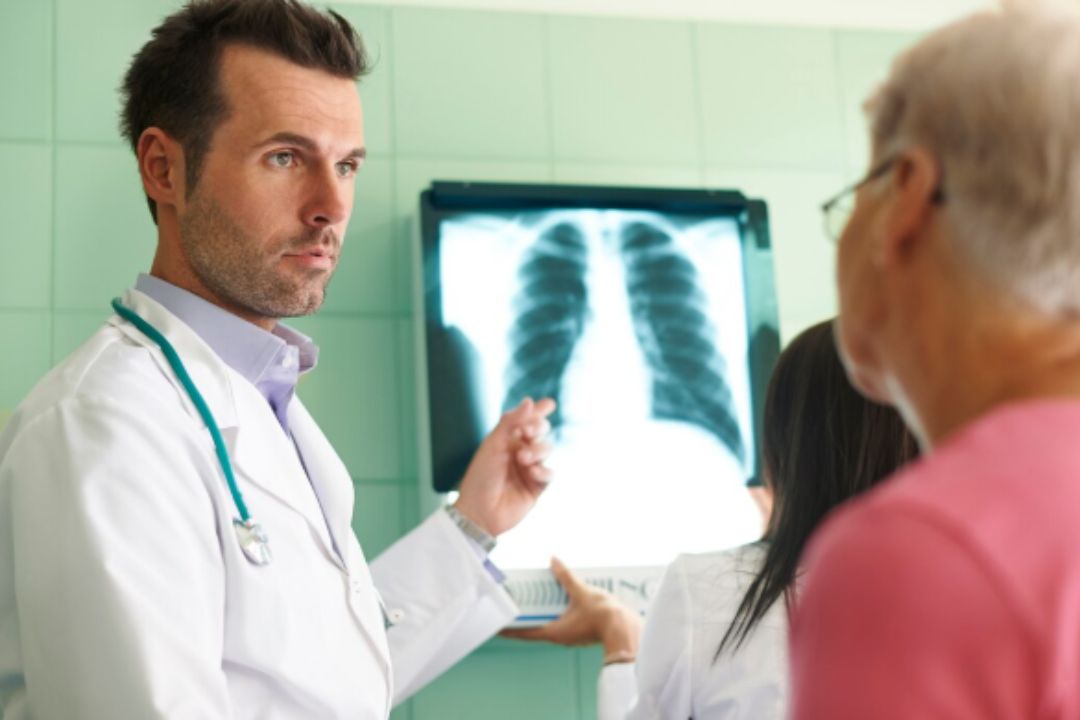
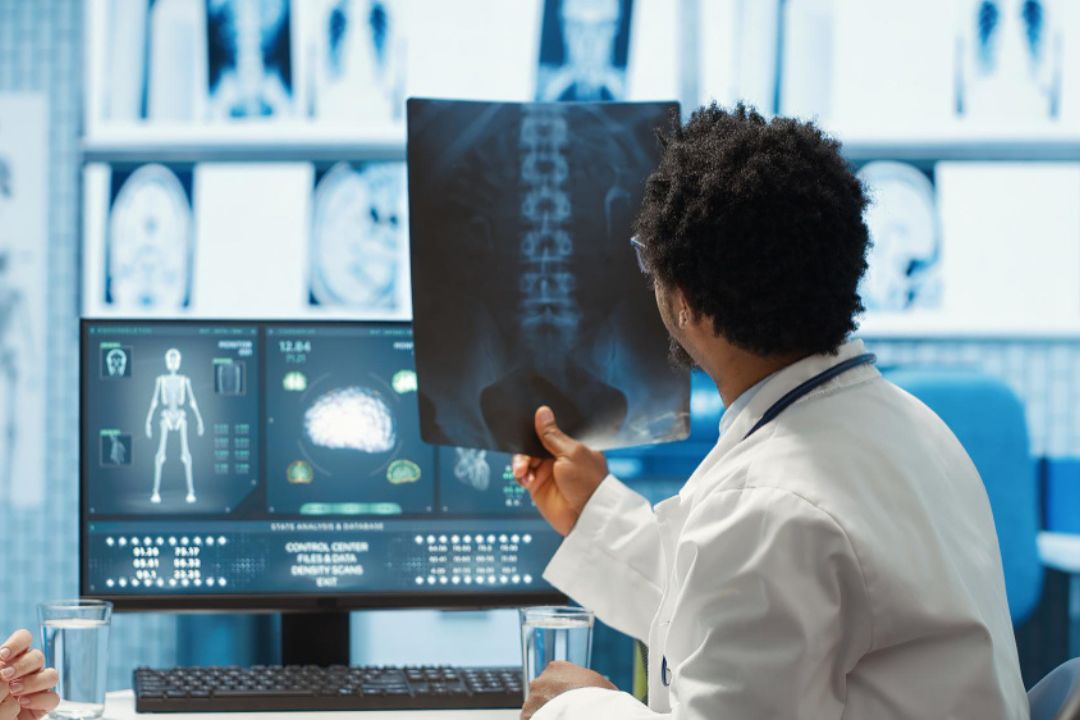
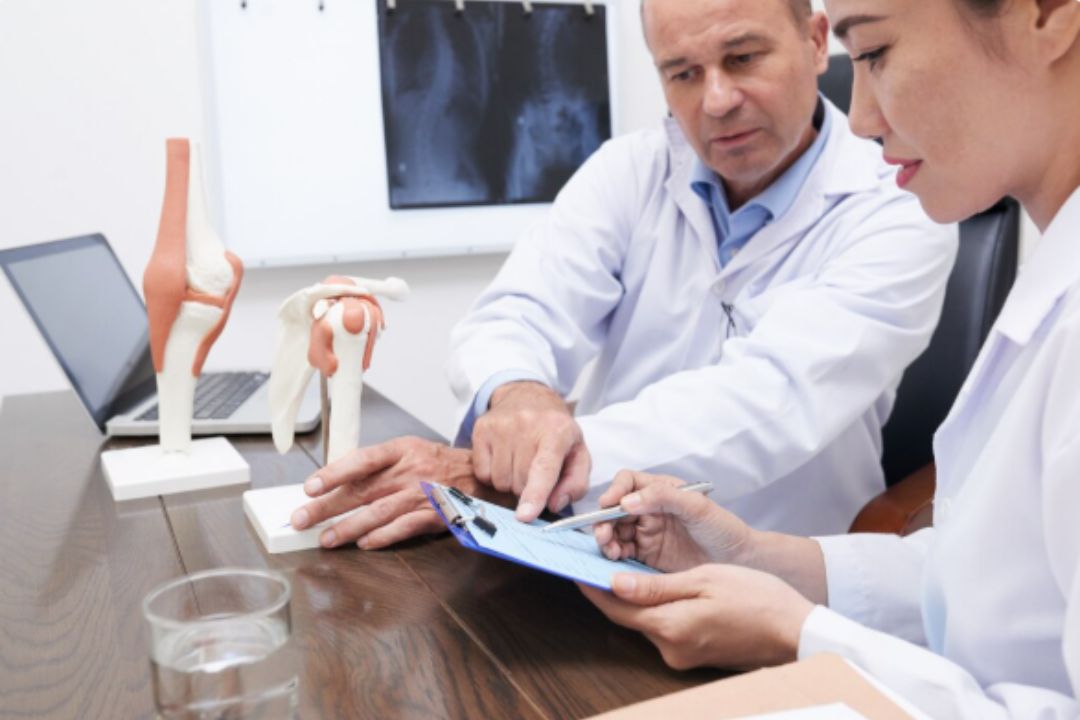
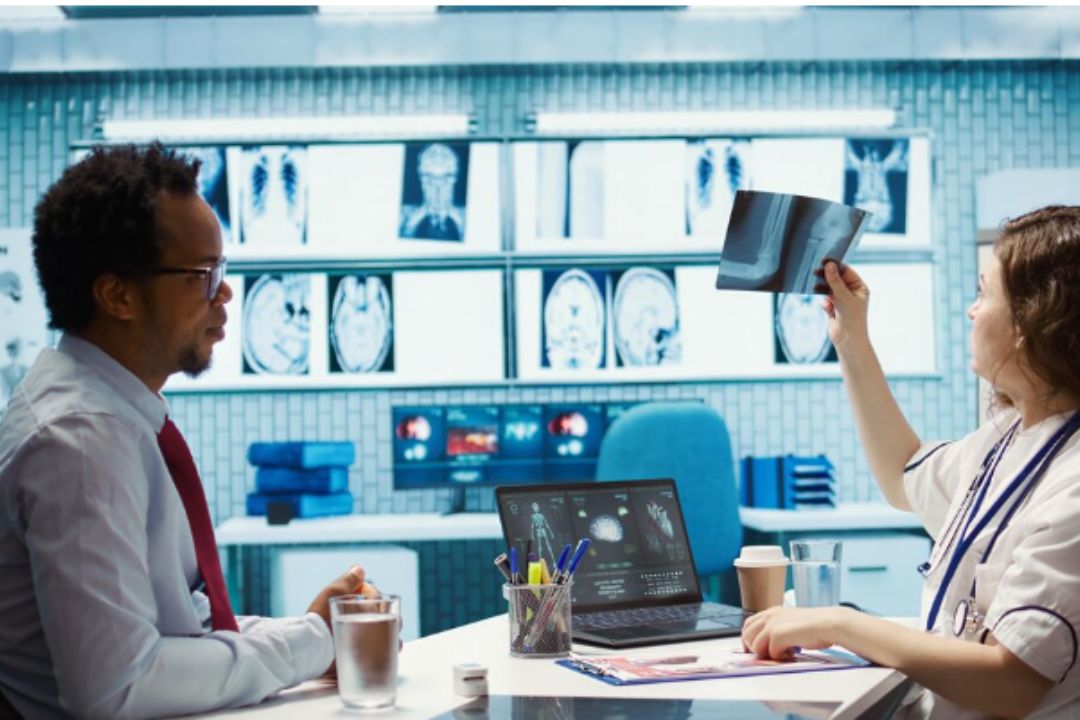
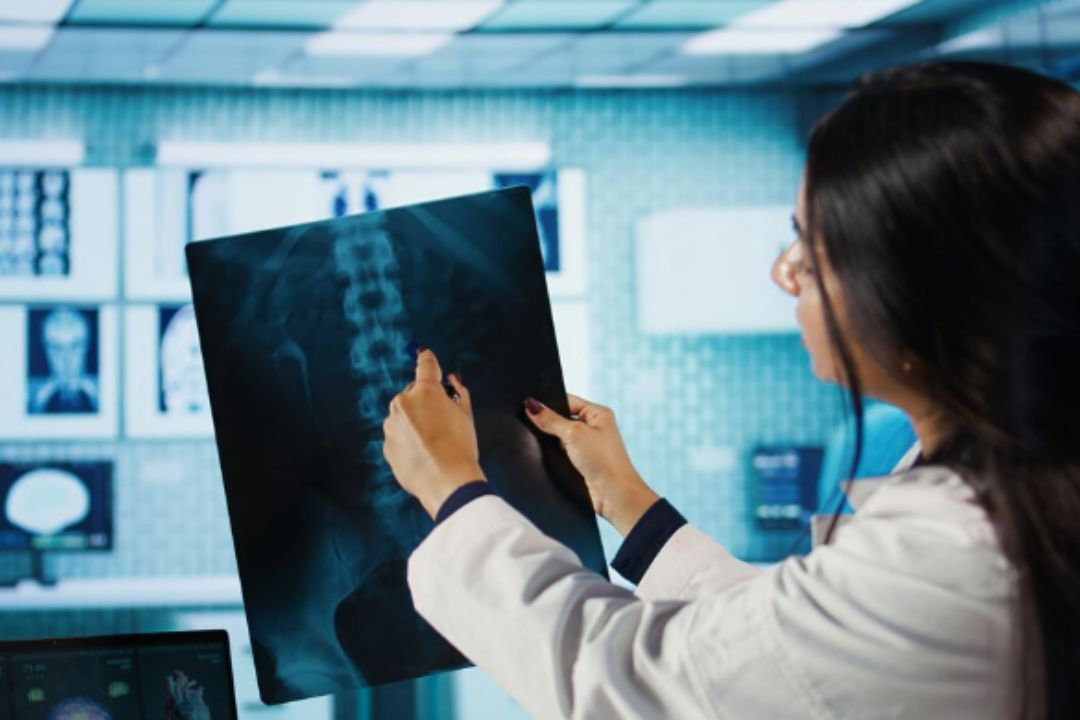
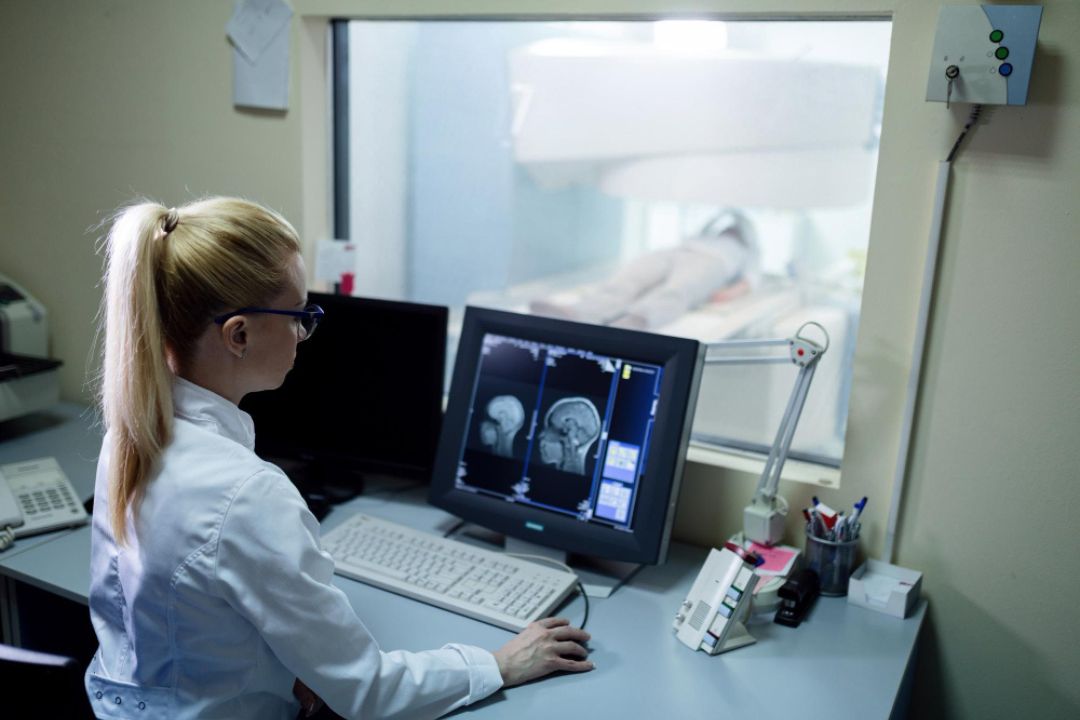
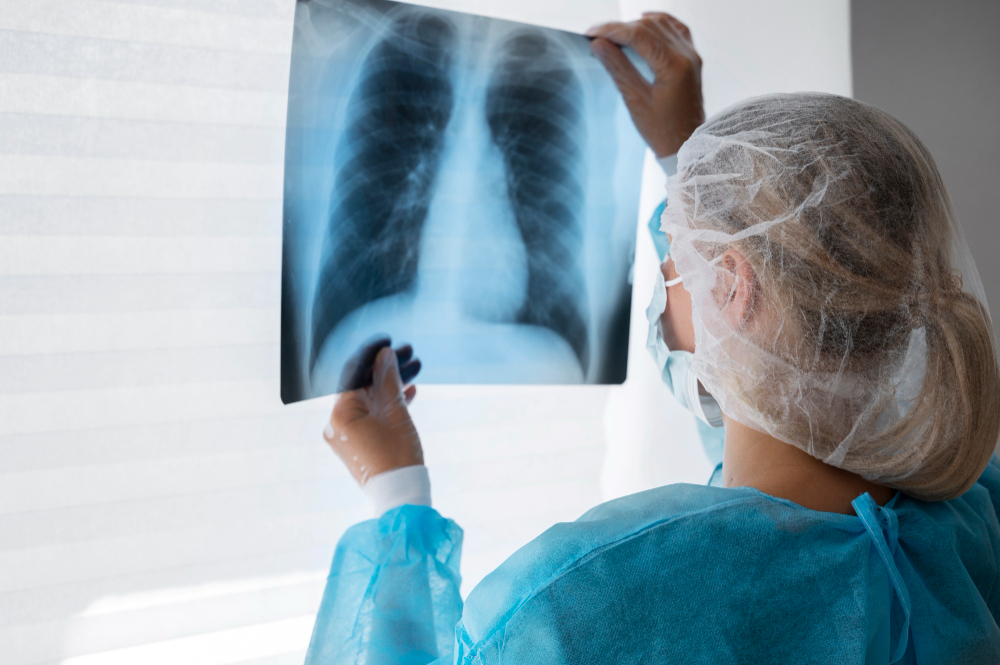
Results are usually reviewed by a radiologist and sent to the doctor, who will discuss the findings and recommend further treatment if necessary.
A CT scan with contrast is a powerful diagnostic tool that allows doctors to examine internal organs, blood vessels, and tissues with great accuracy. By enhancing image clarity, contrast material helps detect diseases such as tumors, infections, and vascular problems at an early stage.
Although the scan involves a small amount of radiation and minor risks from contrast dye, it remains one of the most reliable imaging techniques used in modern medicine. When recommended by a doctor, the benefits of the scan generally outweigh the potential risks.





.jpg "ct brain scan plain and contrast")

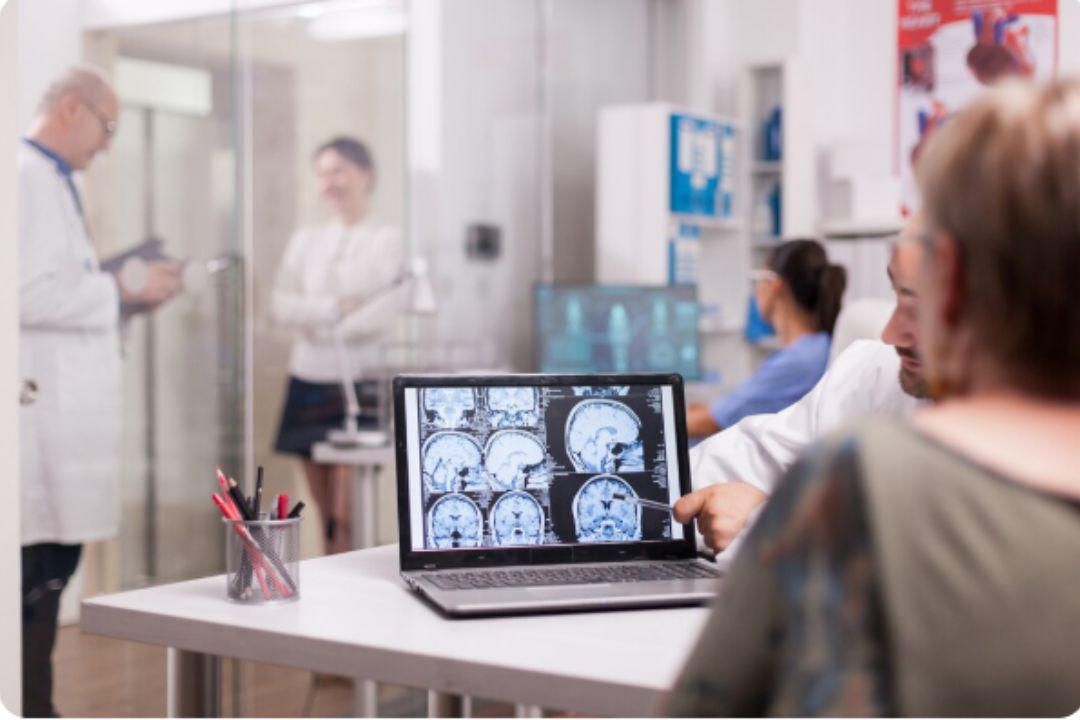

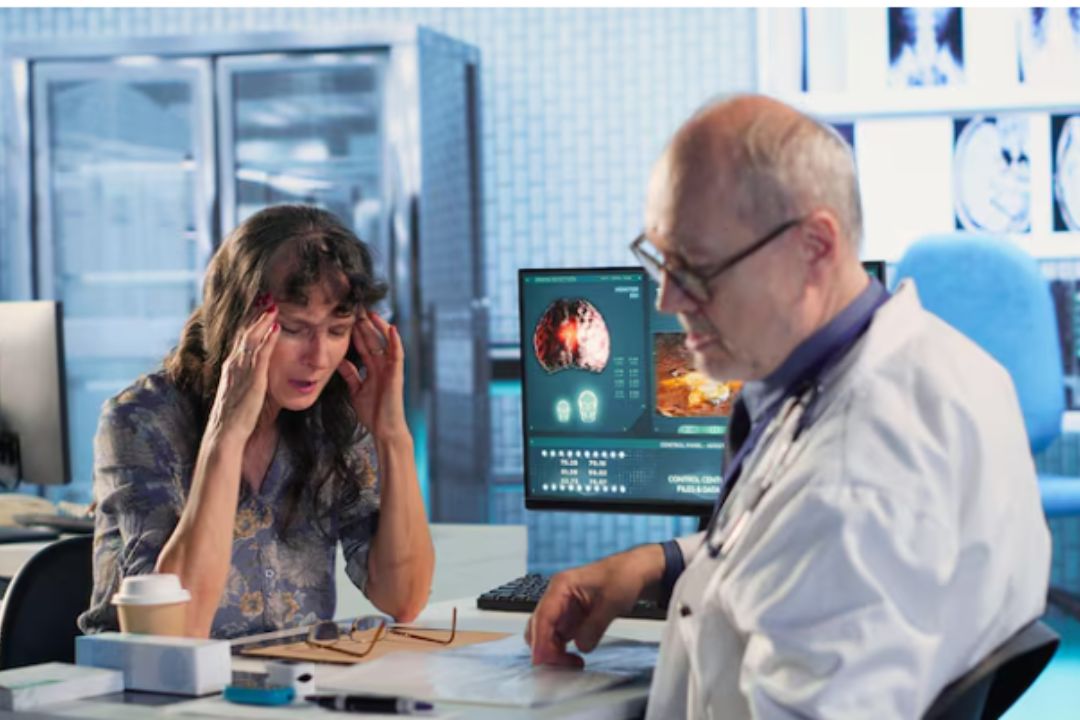
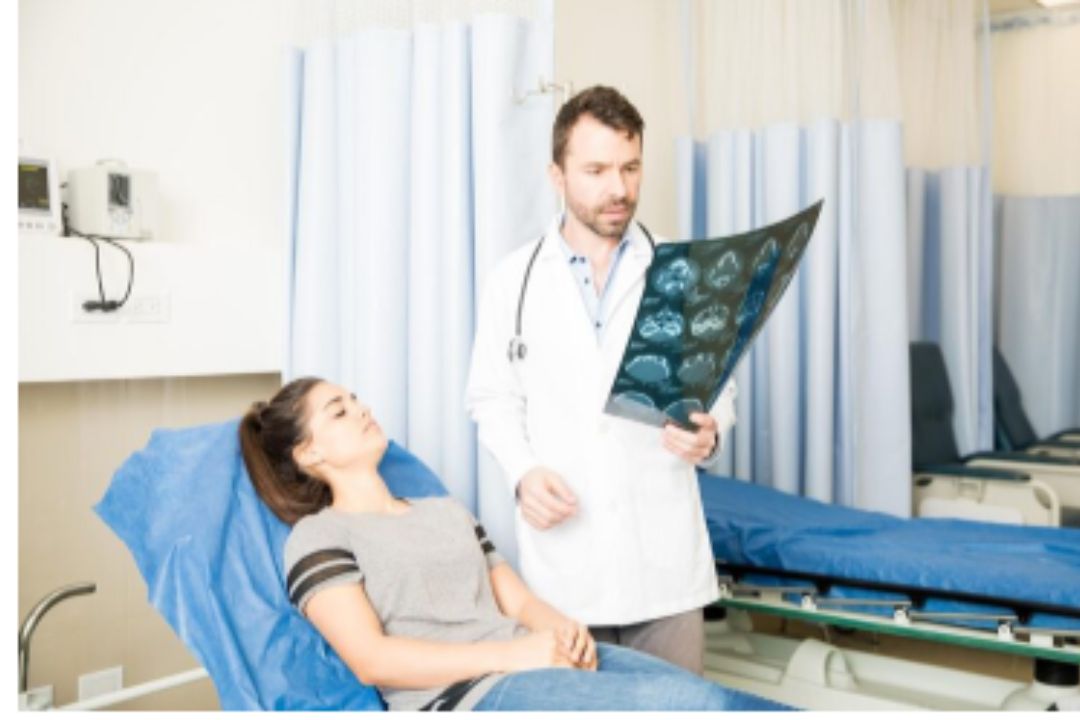
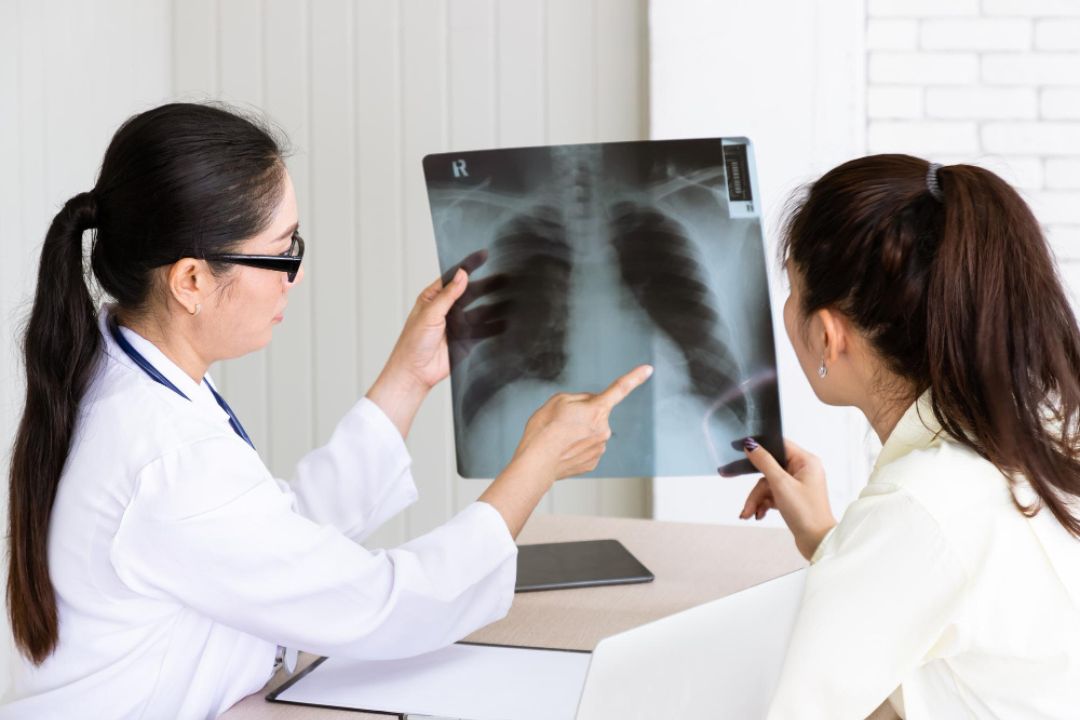

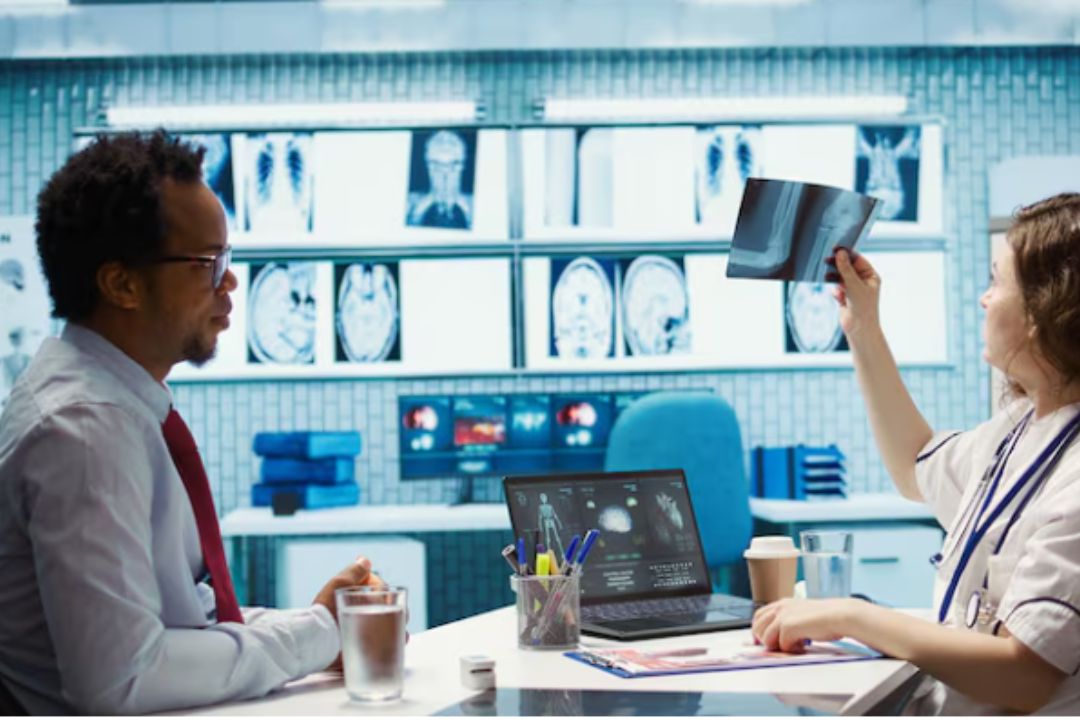
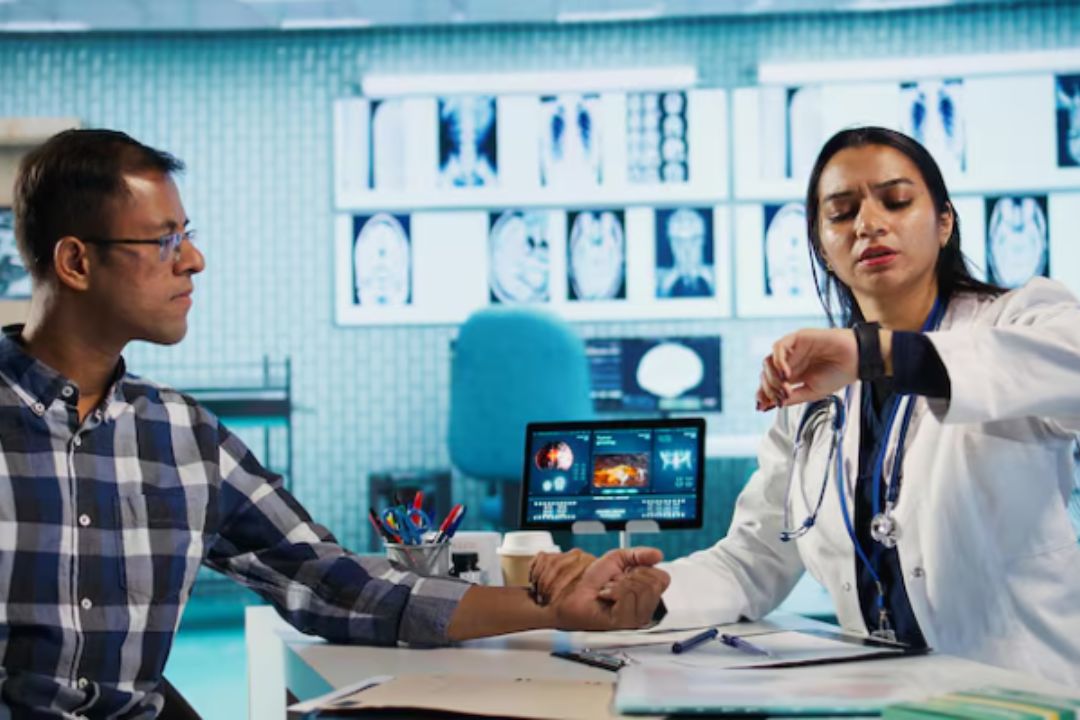

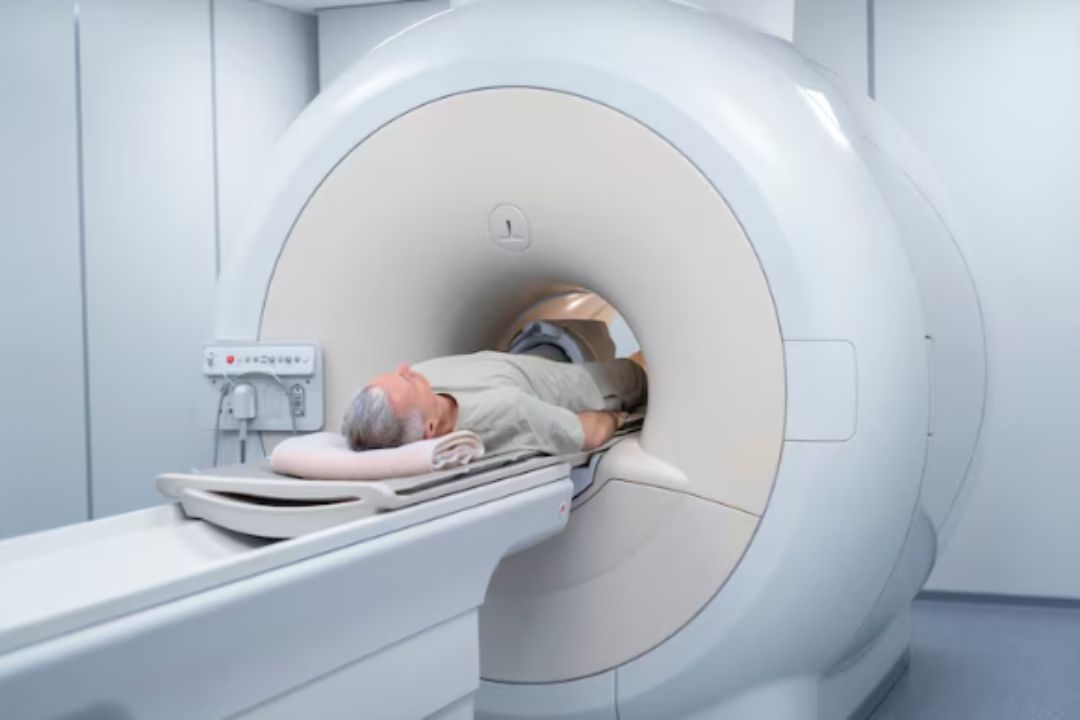

.jpg "ct scan")
.jpg "ct scan or mri for brain disorders")


.jpg "exploring the power of ct brain contrast in modern diagnostics")
.jpg "ct scan")
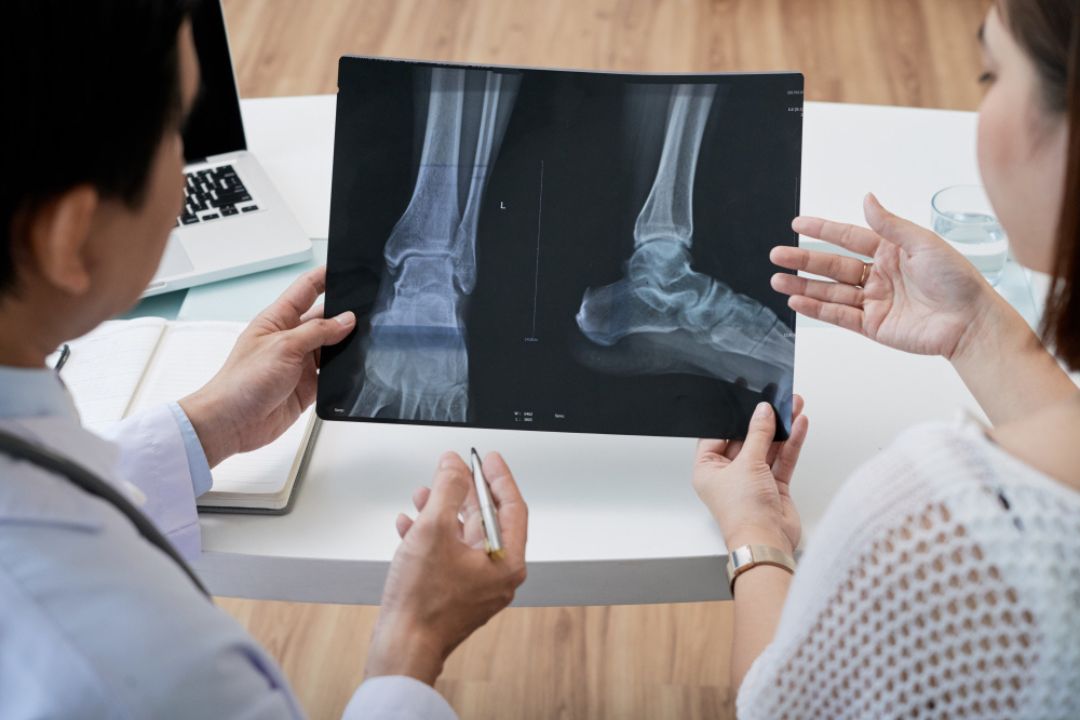
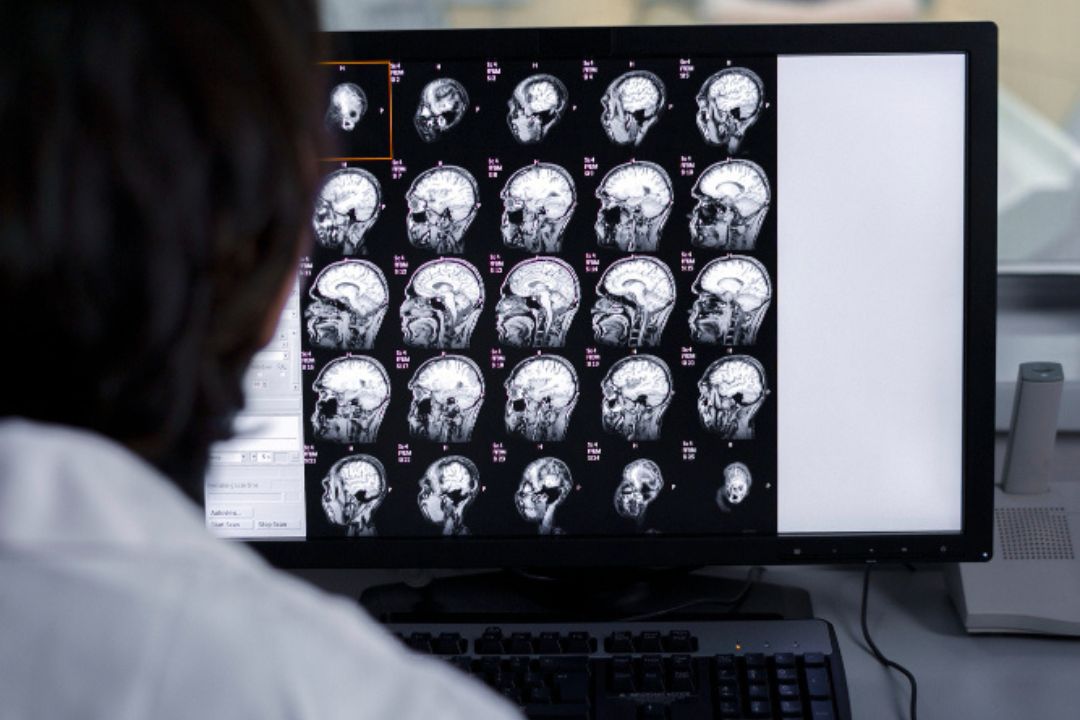
.jpg "ct scan")

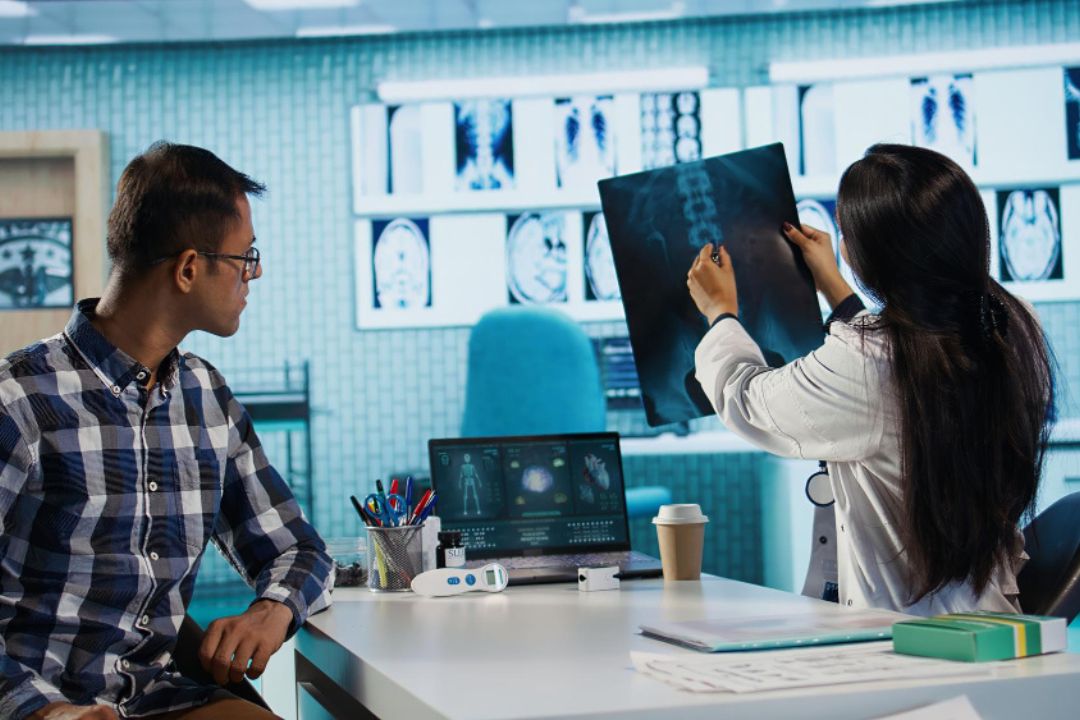






.jpg "ct scan")

.jpg "CT Brain Scan for Headaches")
.jpg "The Future of 3D CT Imaging")