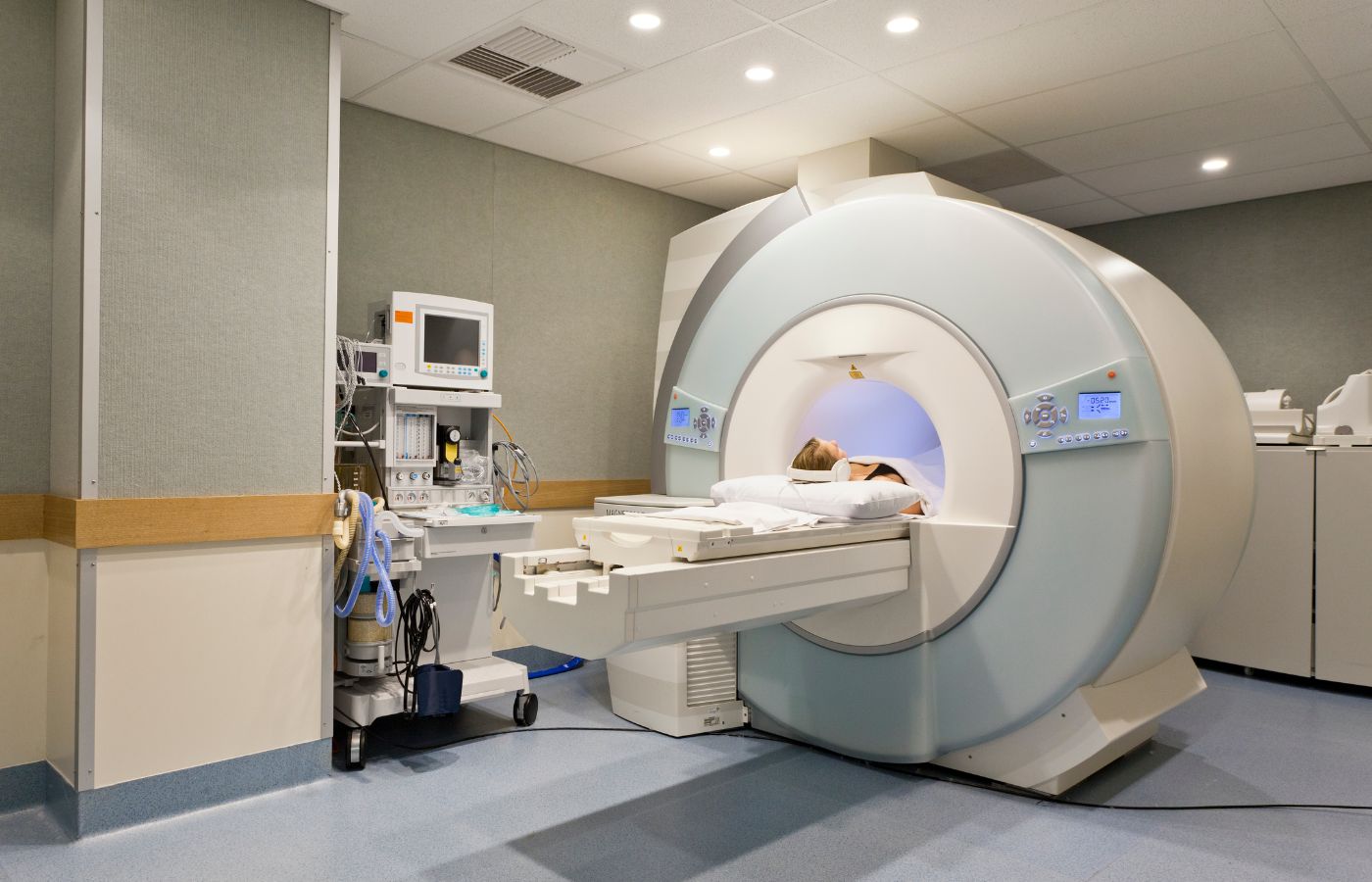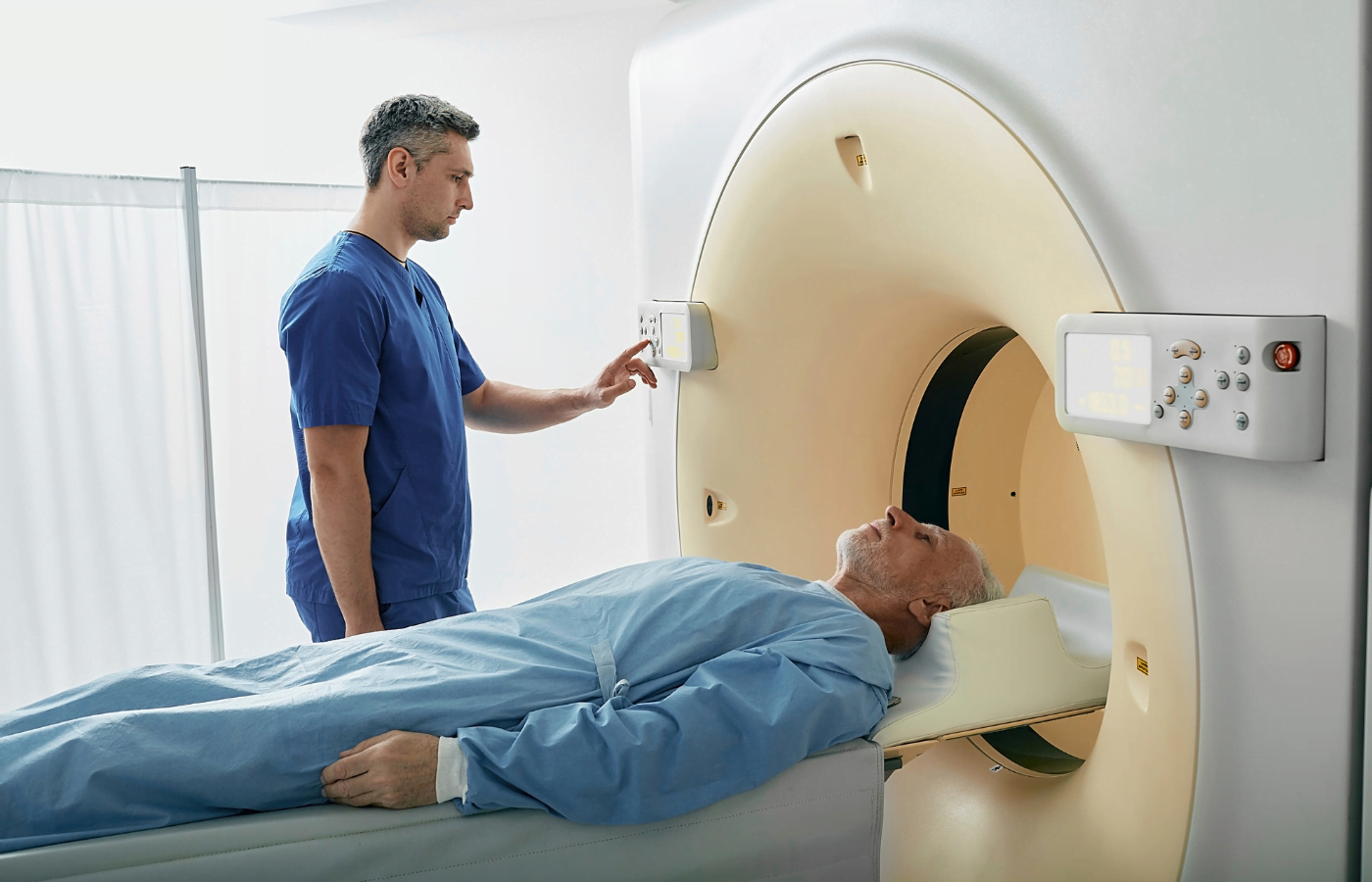
Many patients scheduled for a CT scan often ask an important question: Is fasting required before a CT scan?
The answer depends on the type of CT scan and whether contrast dye will be used. Some CT scans require fasting for a few hours, while others do not require any special preparation.
Understanding when fasting is necessary can help ensure accurate imaging results and a smooth scanning experience.
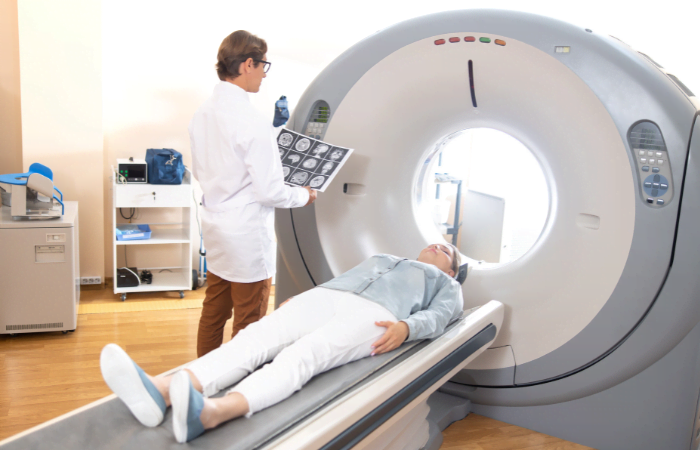
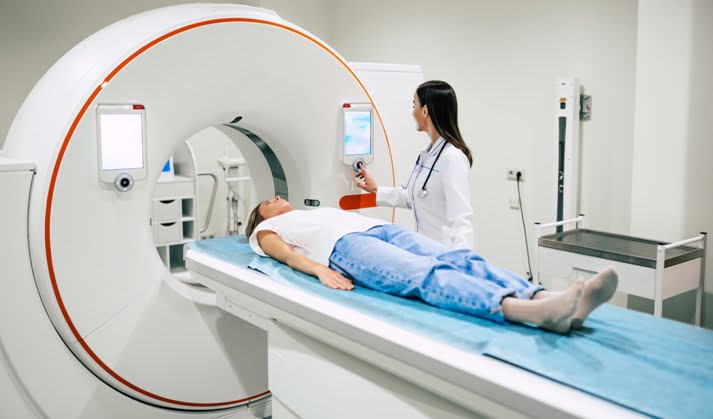
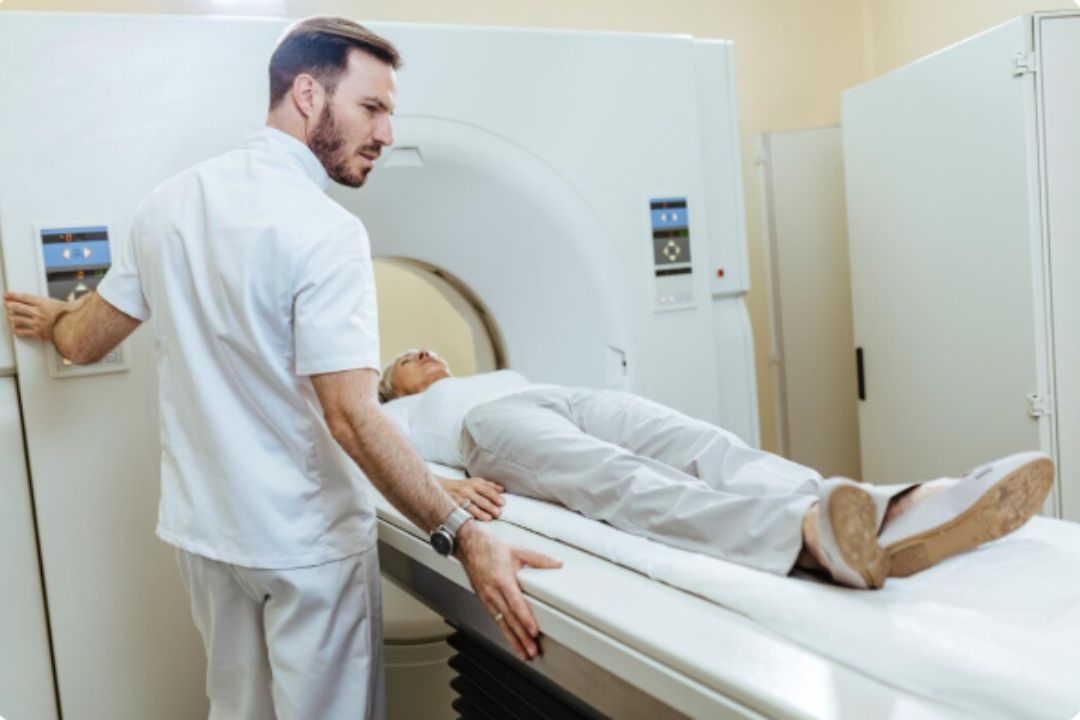
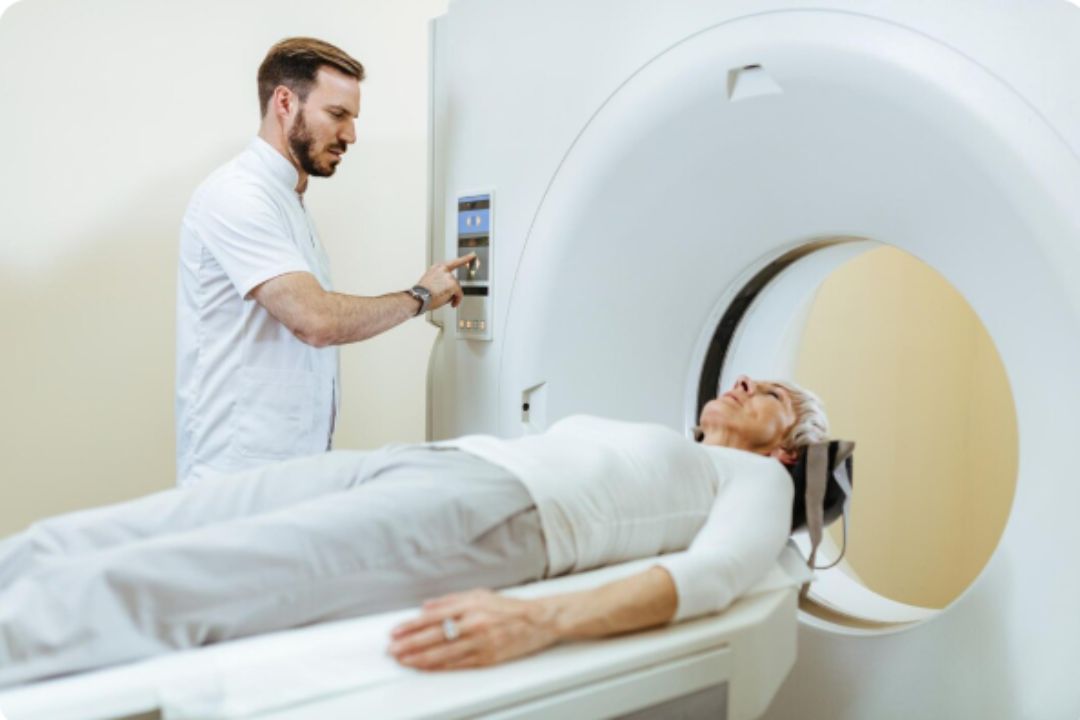
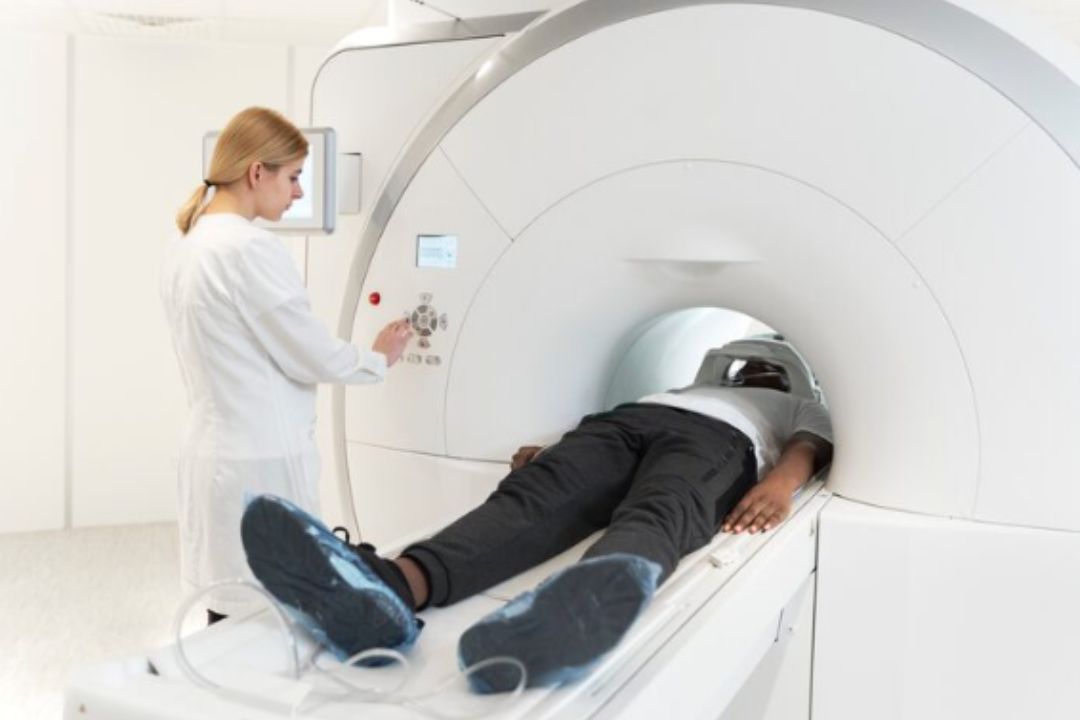
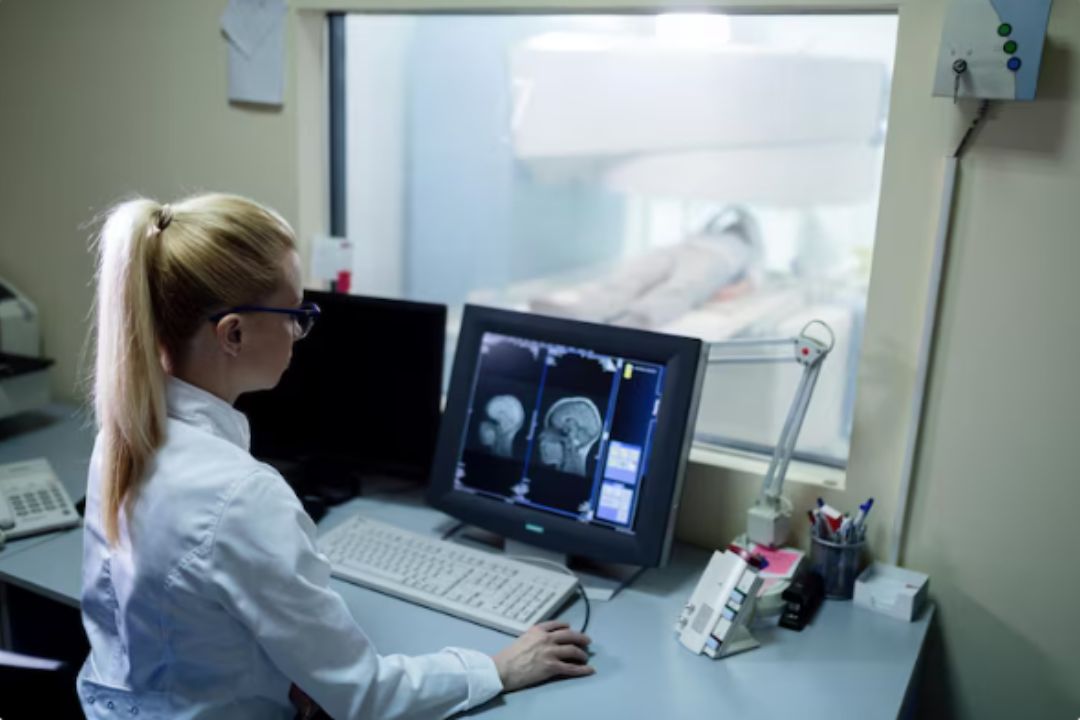
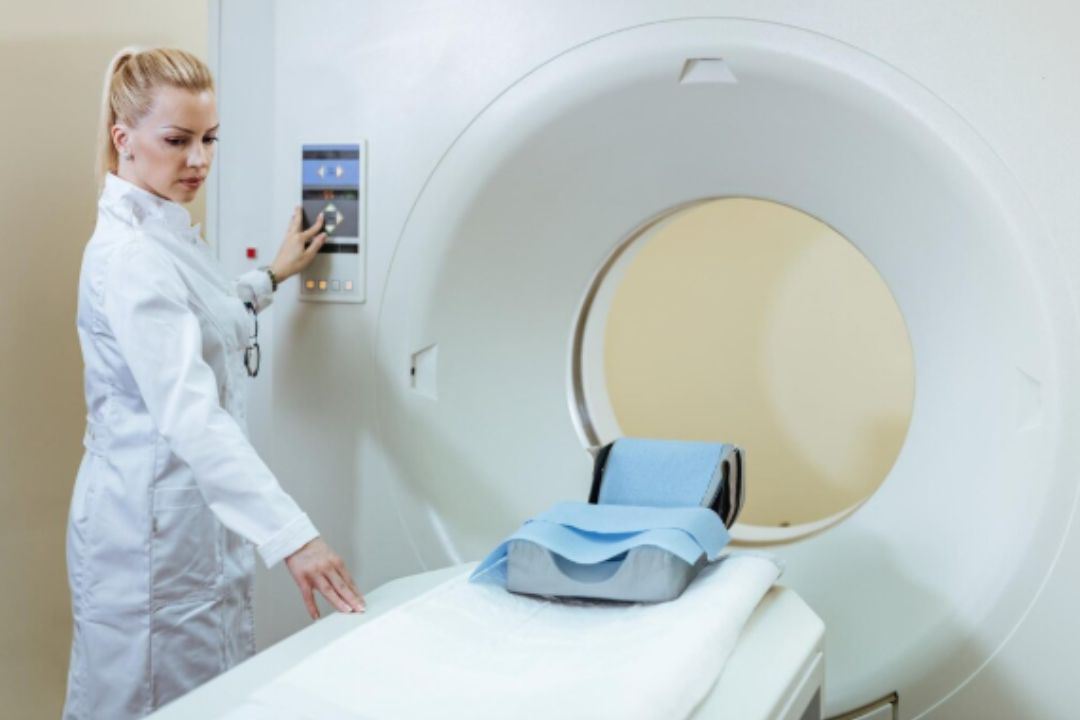
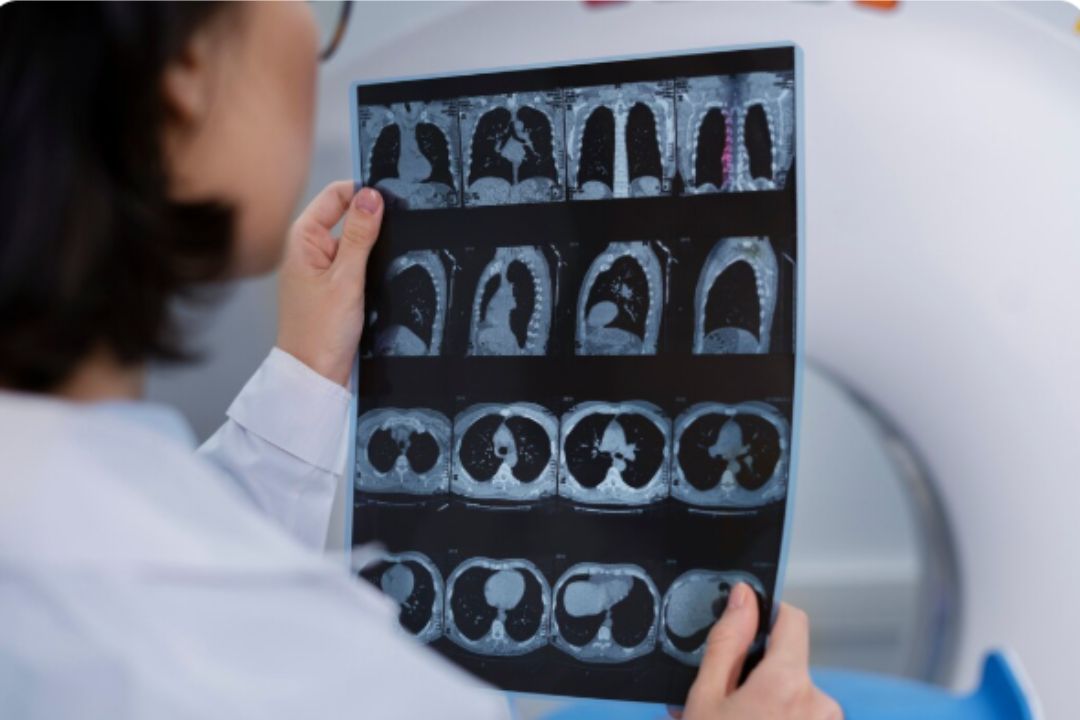
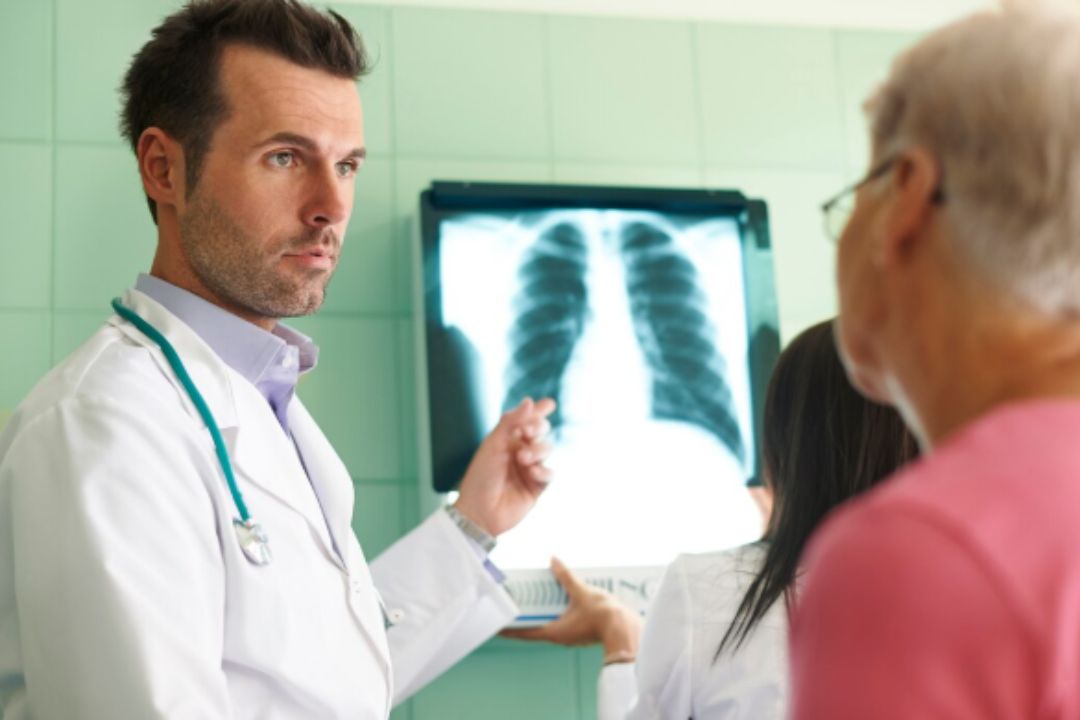
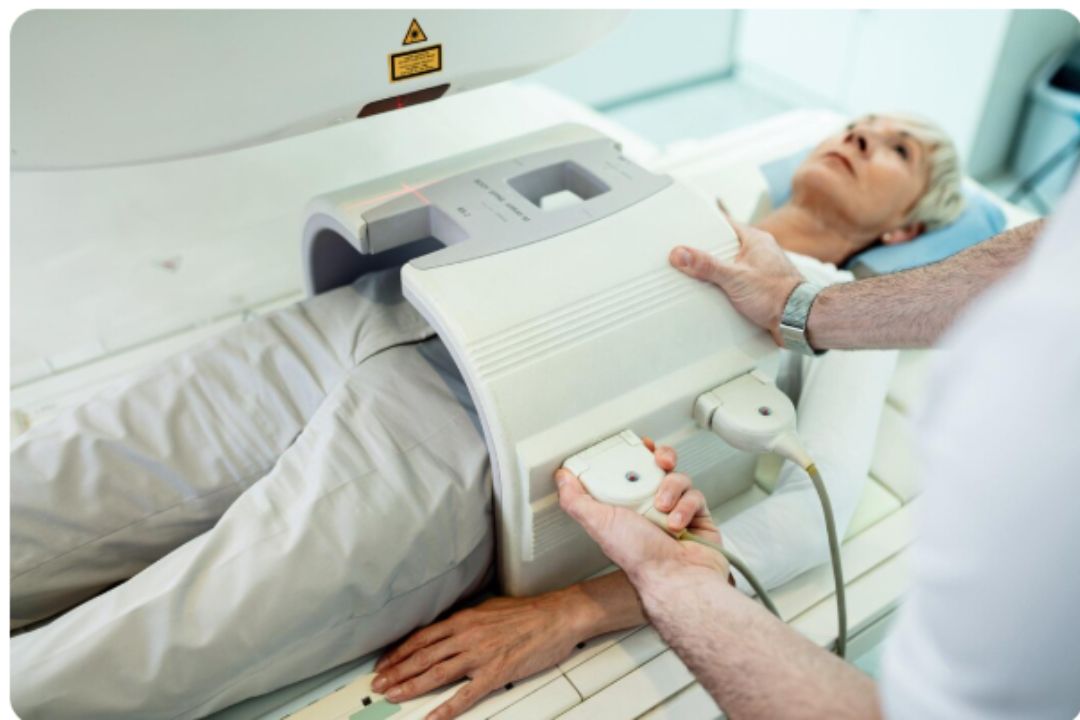
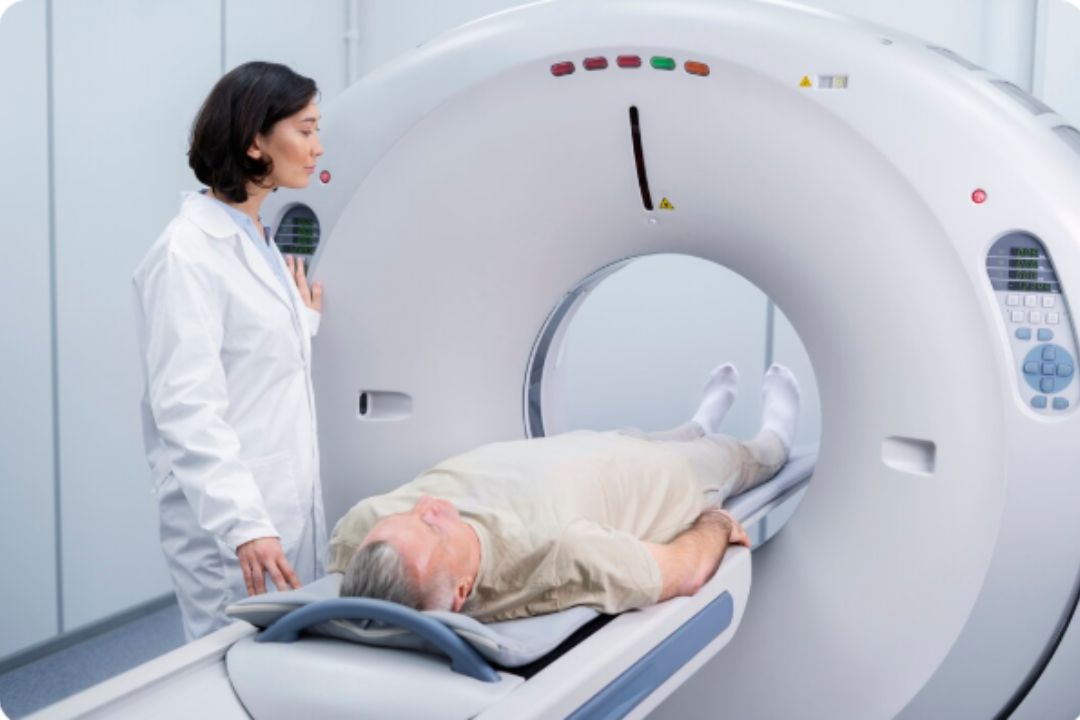
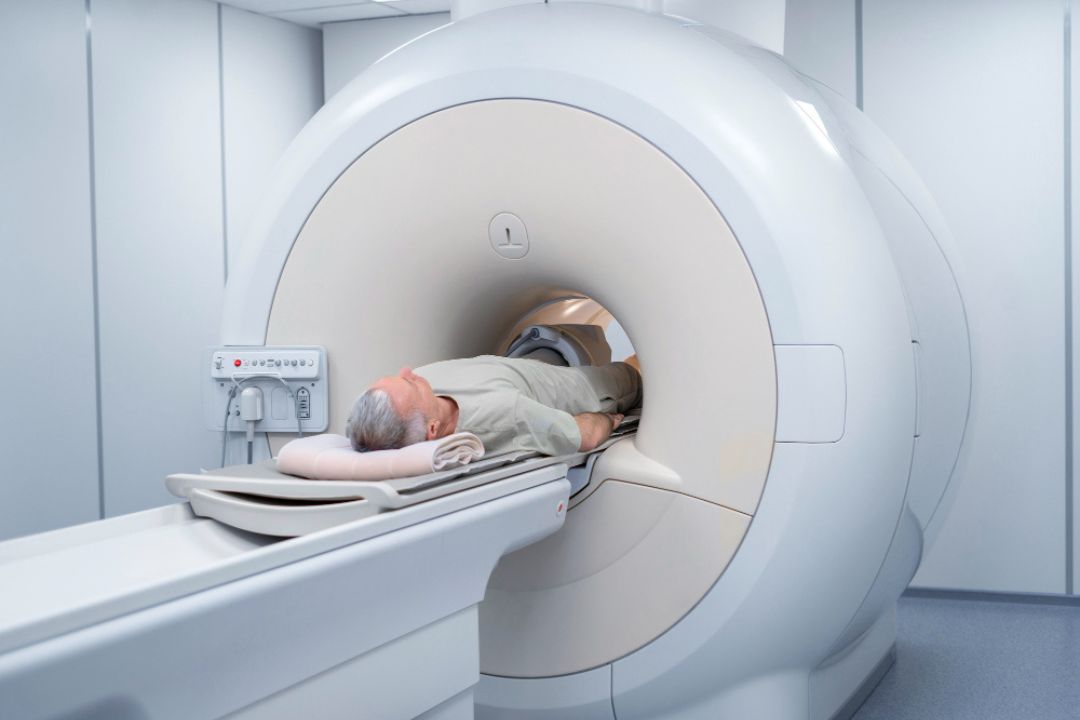
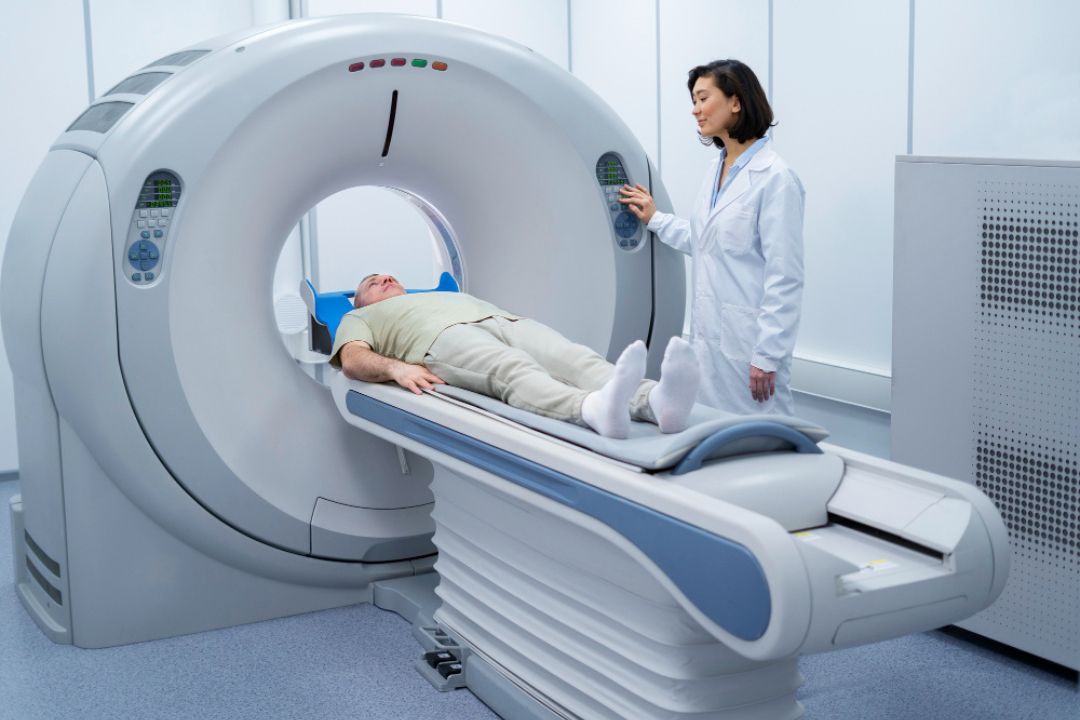
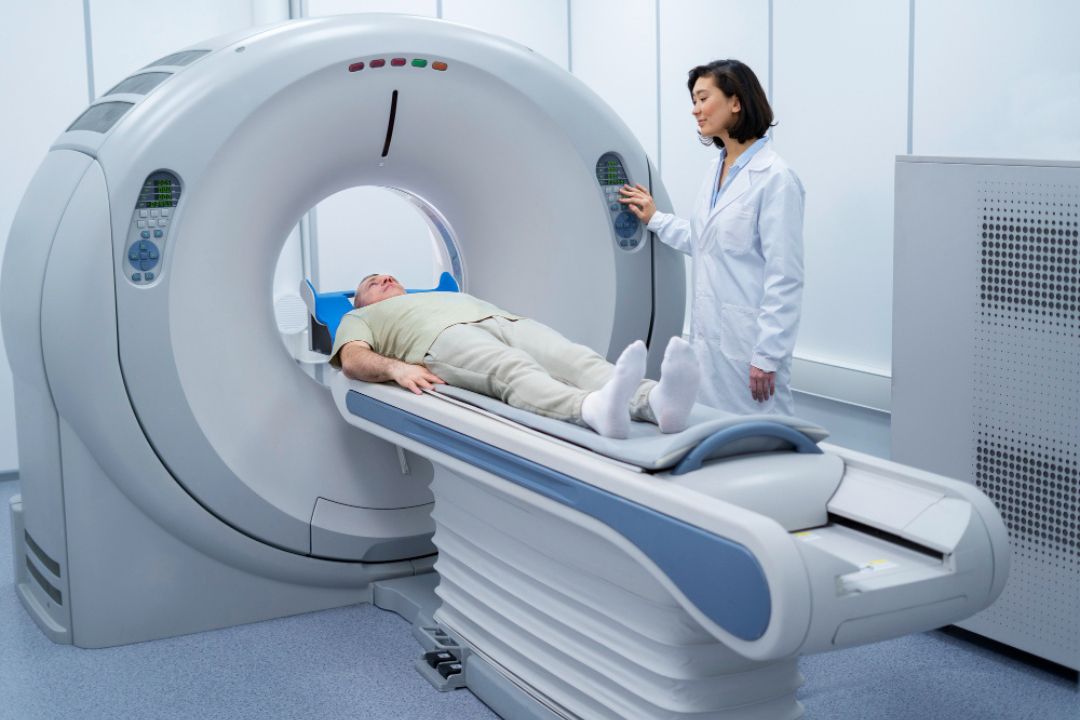
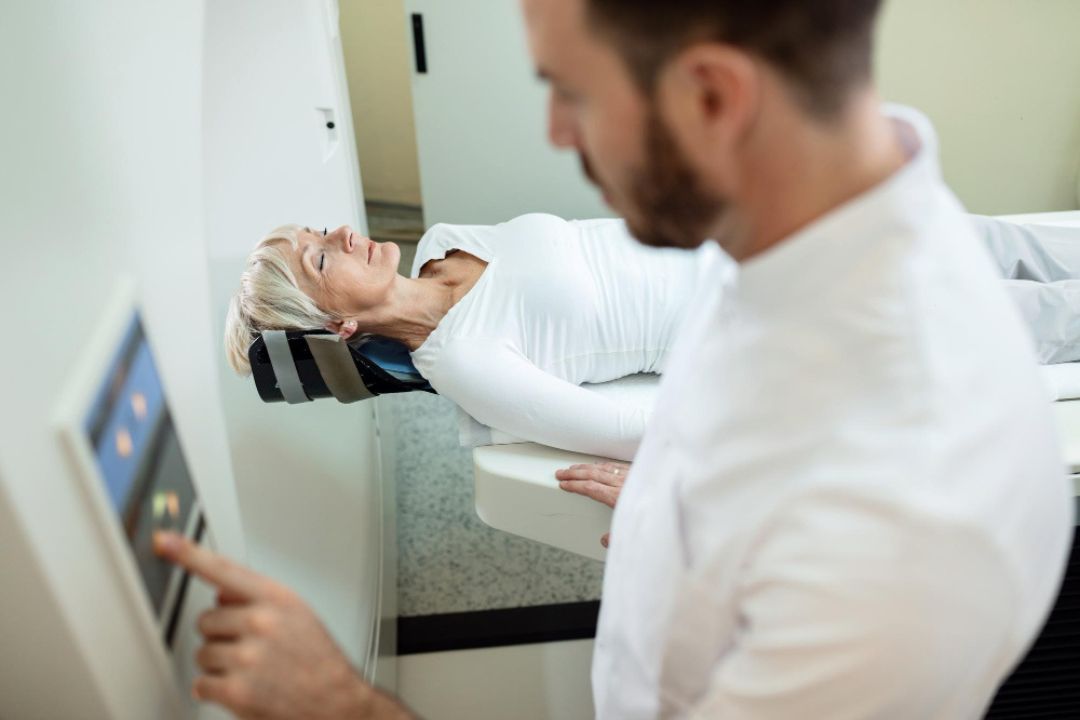
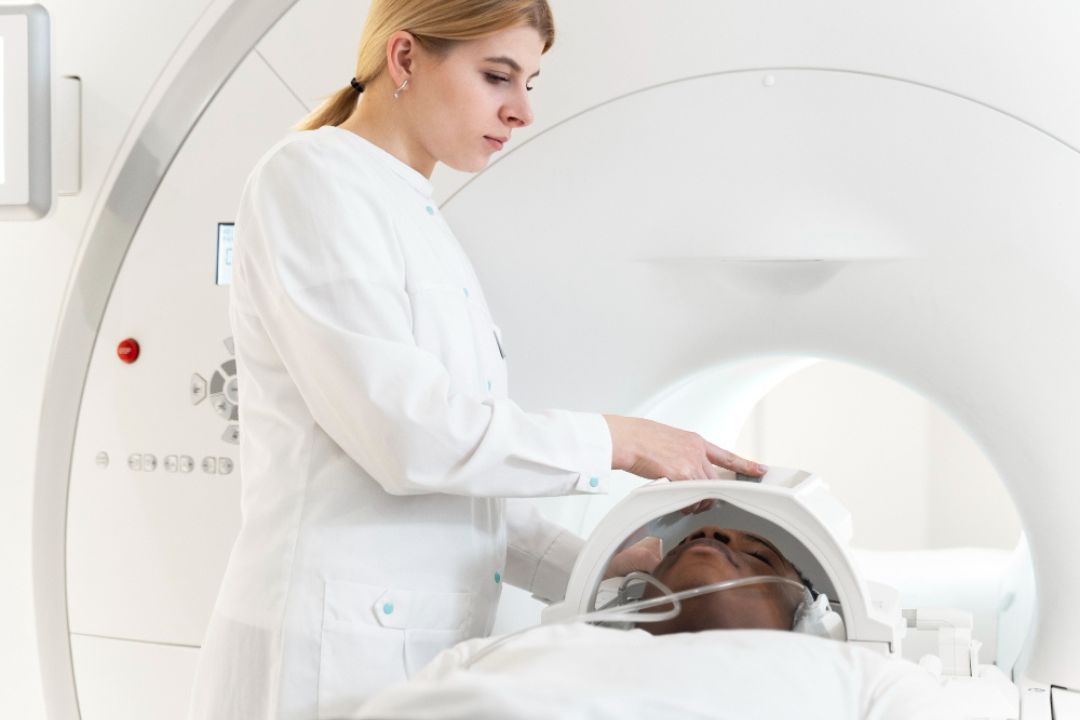
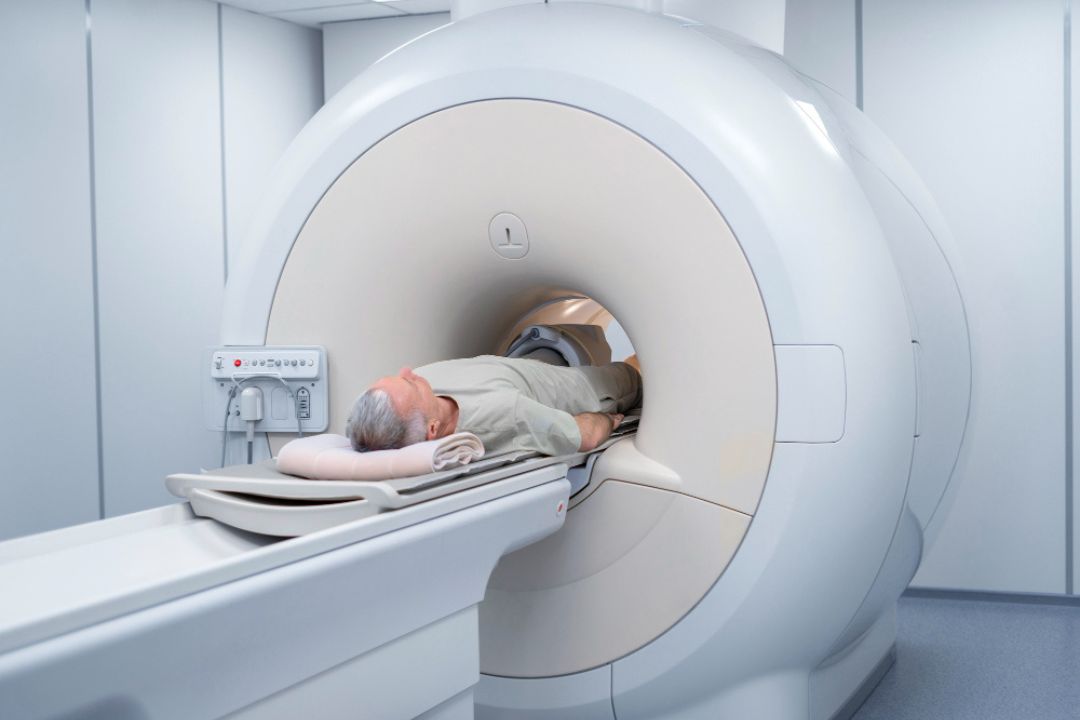
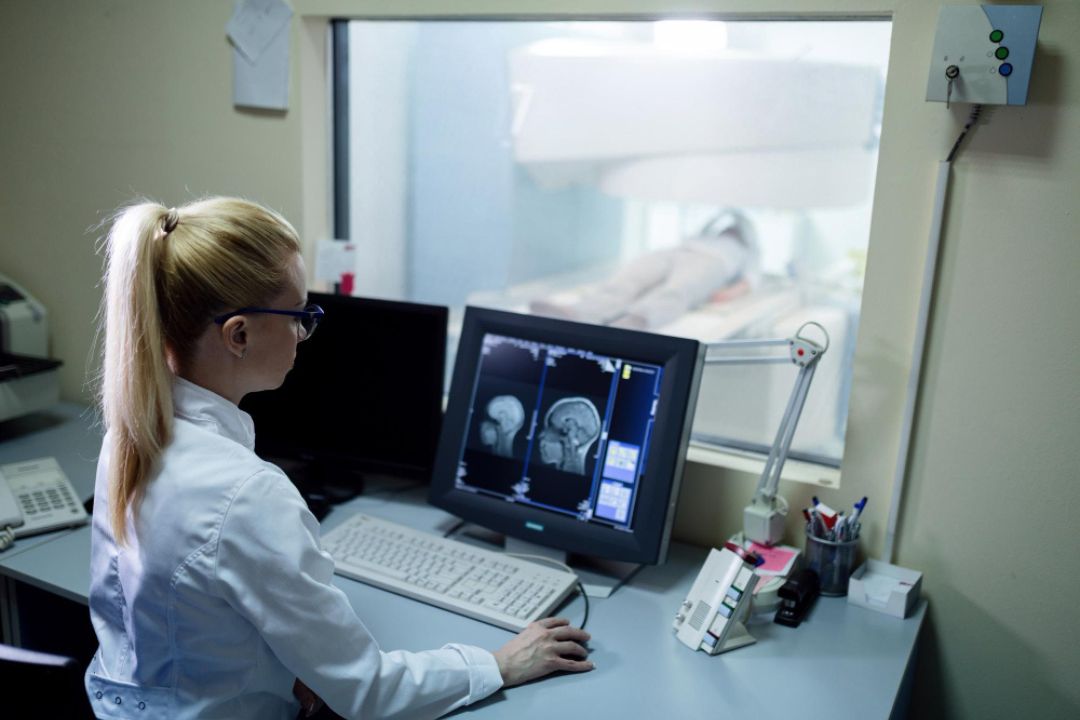
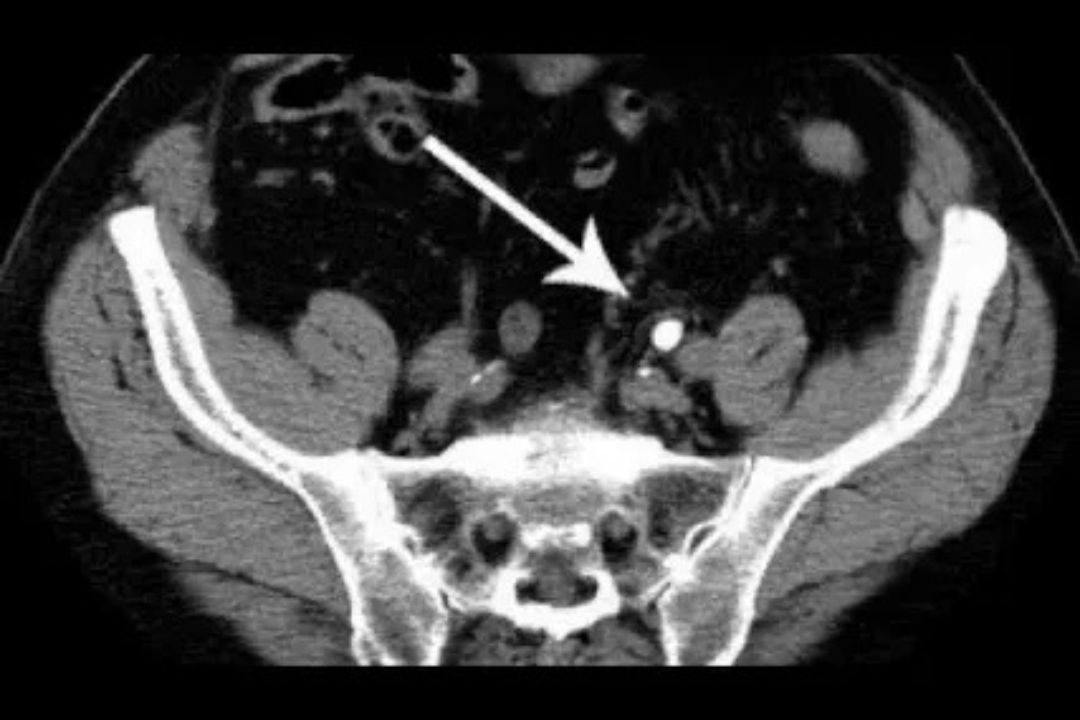
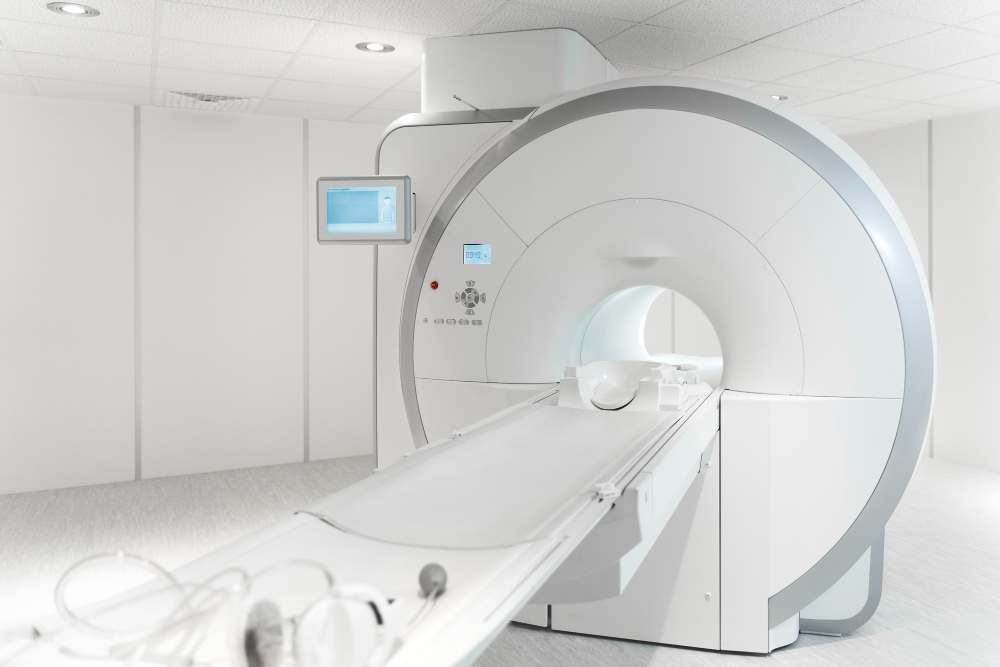
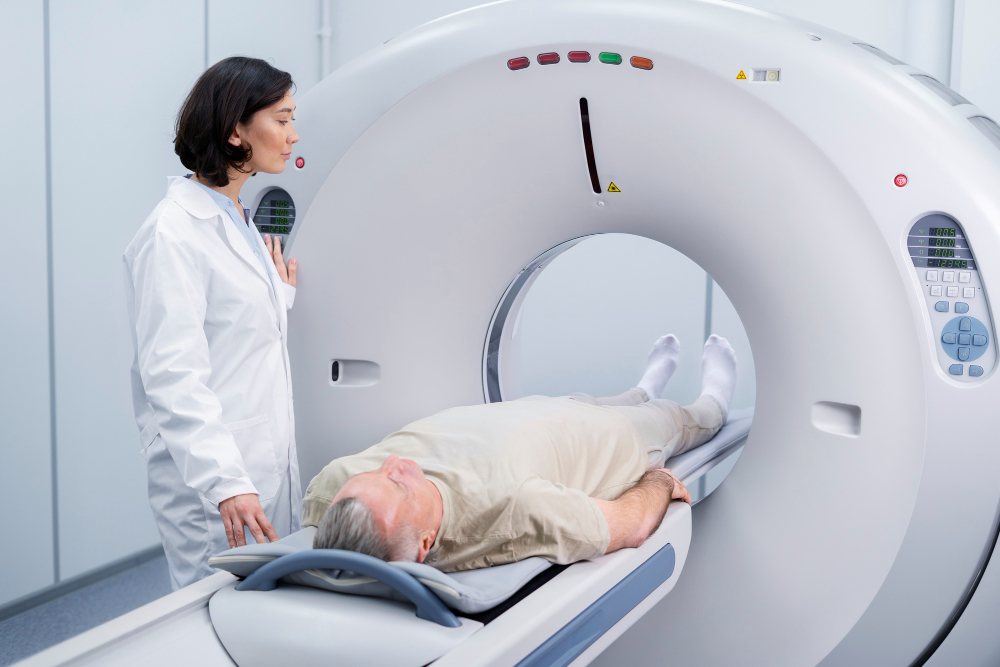
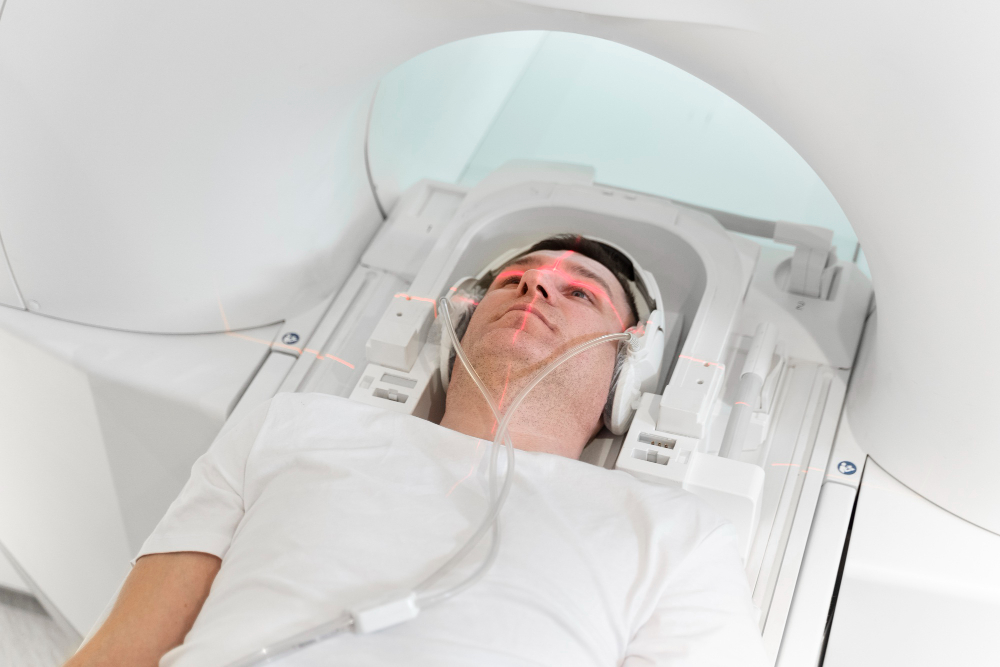
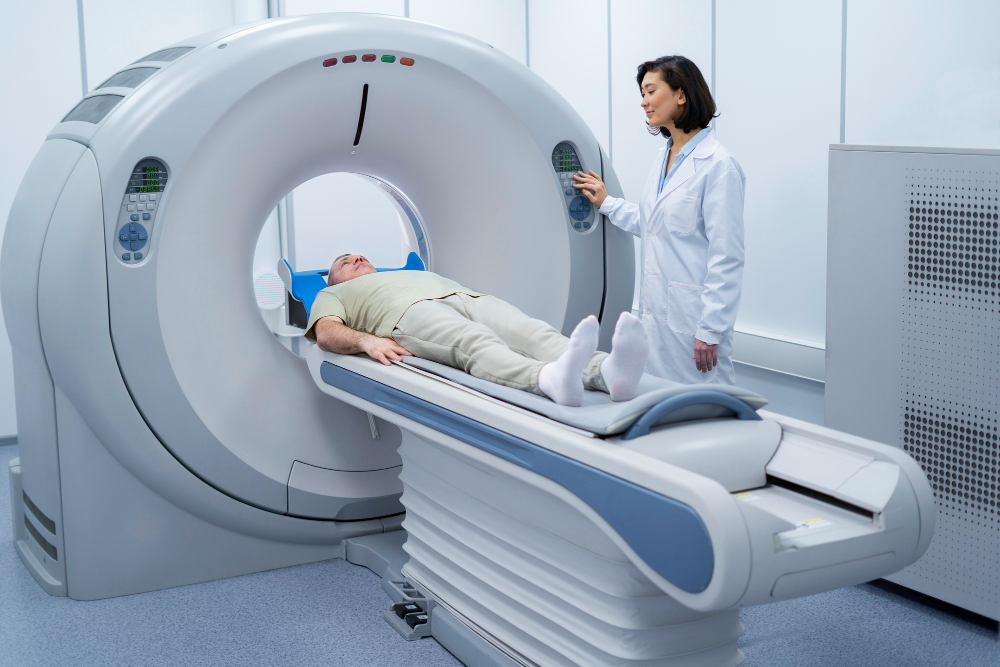
A CT (Computed Tomography) scan is an advanced imaging test that uses X-rays and computer technology to create detailed cross-sectional images of the body. Doctors use CT scans to diagnose many conditions such as infections, tumors, injuries, internal bleeding, and organ diseases.
CT scans can be performed in two main ways:
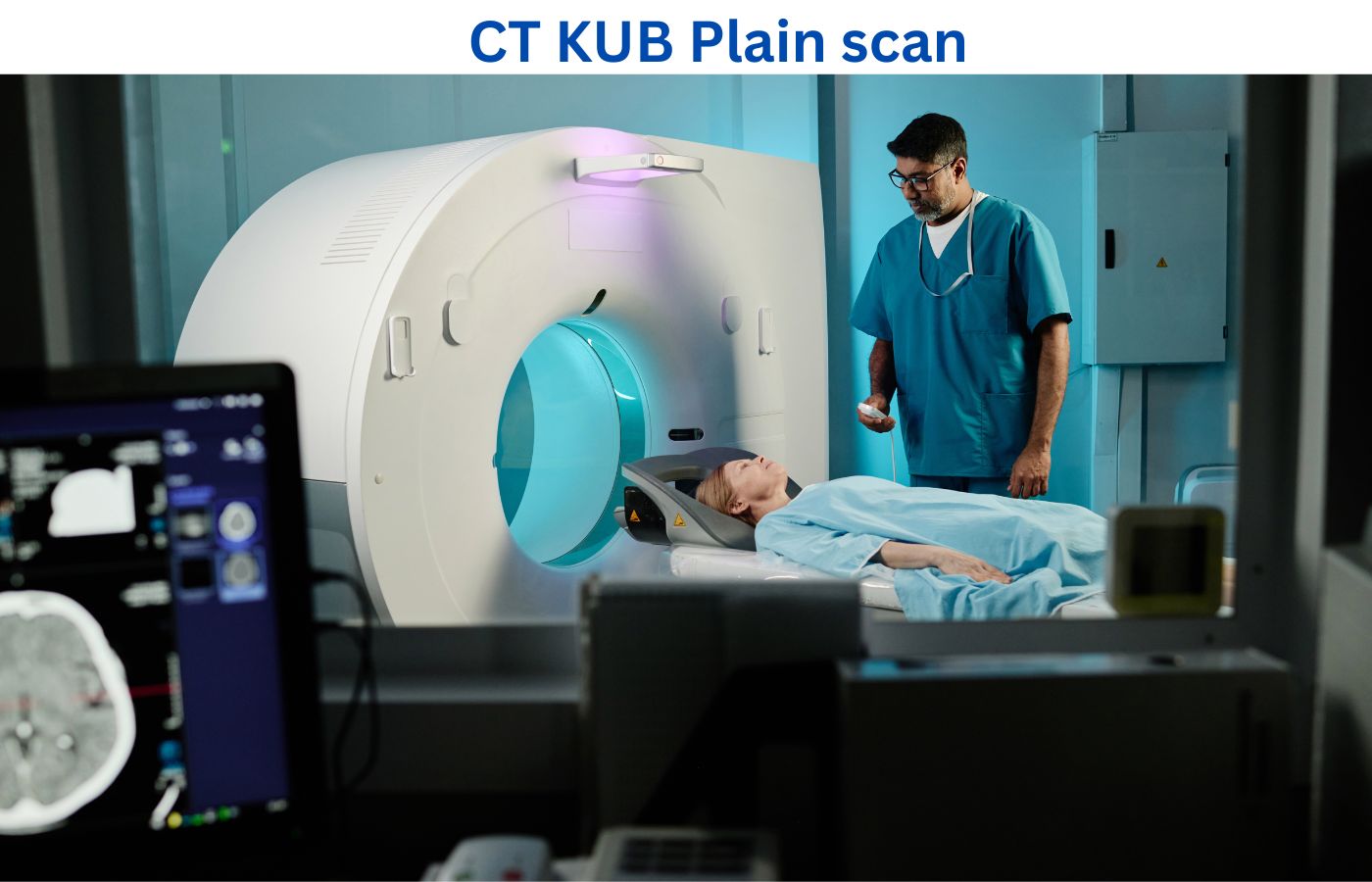
CT scan without contrast (plain CT scan)
CT scan with contrast dye
This difference is the main reason why fasting may or may not be required.
In many cases, fasting is not required for a CT scan. However, if the scan involves contrast dye, doctors may ask patients to fast for several hours before the procedure.
Typically:
CT scan without contrast → No fasting required
CT scan with contrast → Fasting for 4–6 hours may be required
Always follow the instructions given by your doctor or diagnostic center before the scan.
Fasting is recommended mainly for CT scans that use contrast dye.
The reasons include:
Contrast dye can sometimes cause mild nausea. An empty stomach reduces the risk of vomiting during the procedure.
Food in the stomach or digestive tract can sometimes interfere with imaging, especially during abdominal scans.
Fasting helps the contrast dye circulate properly and produce clearer images.
If vomiting occurs during the scan, there is a small risk of inhaling stomach contents into the lungs. Fasting minimizes this risk.
Here is a general guideline for common CT scans.
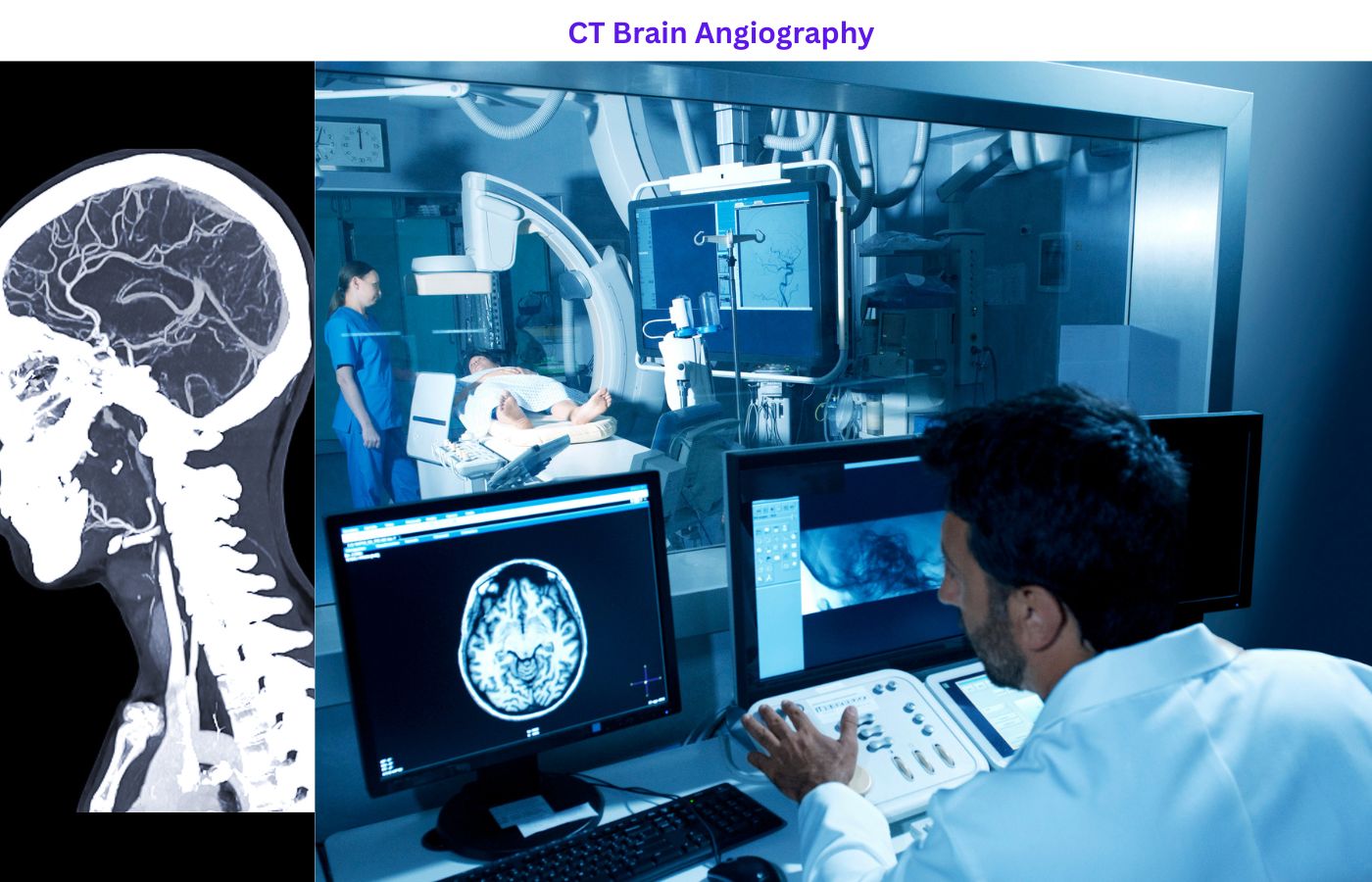
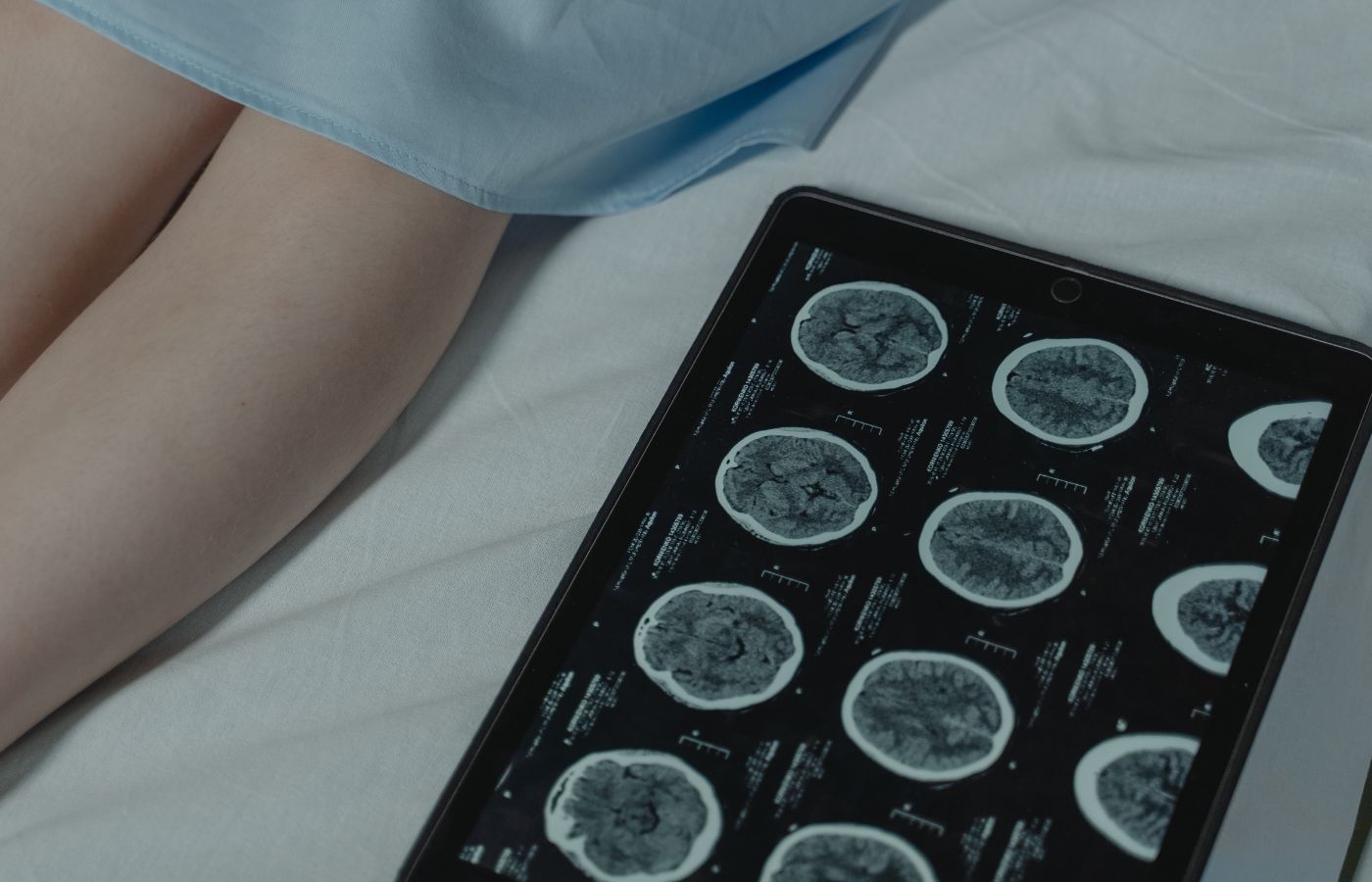
You can usually eat normally before these scans:
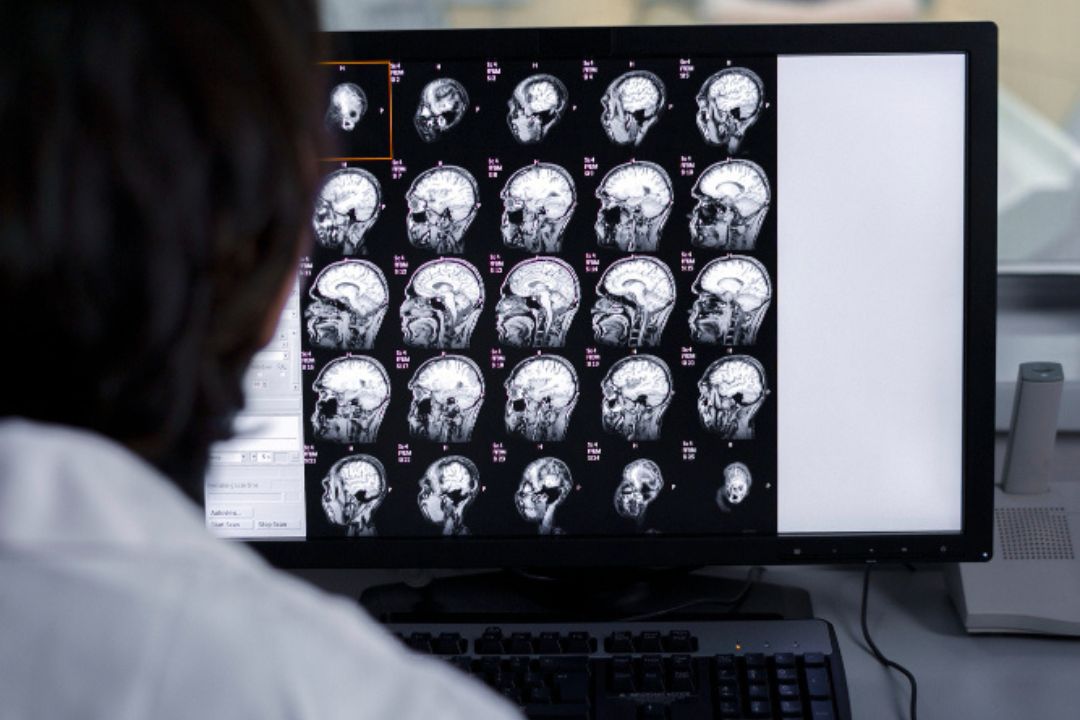
Used to detect:
Stroke
Brain injury
Tumors
Bleeding
Food intake usually does not affect brain imaging.
Often used to diagnose:
Sinus infections
Nasal blockage
Sinus inflammation
Fasting is generally not required.
This scan helps diagnose:
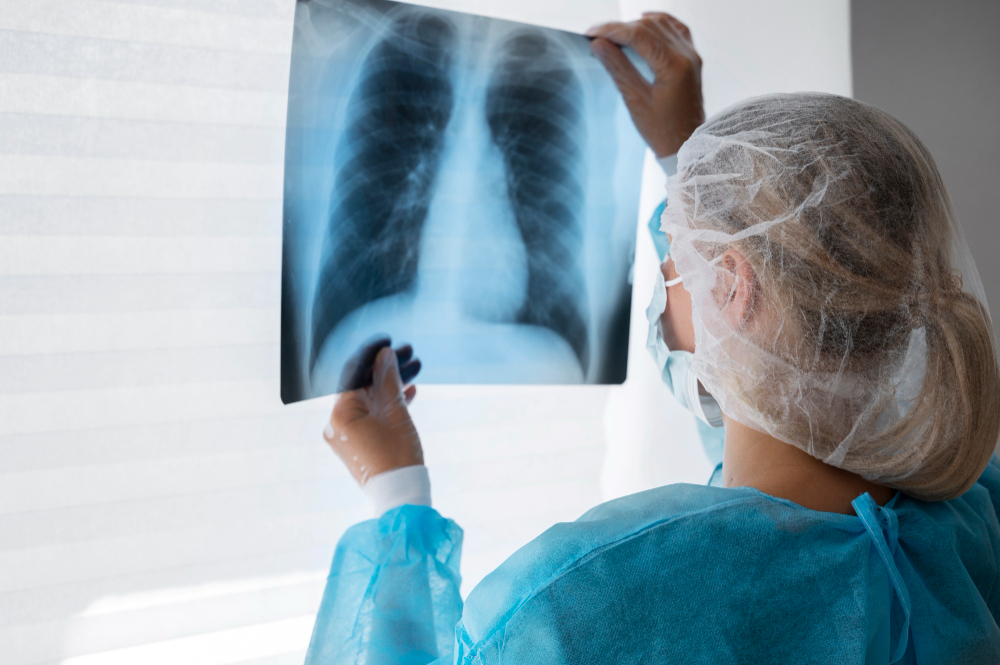
Lung infections
Lung nodules
Tuberculosis
Lung cancer
Most non-contrast chest CT scans do not require fasting.
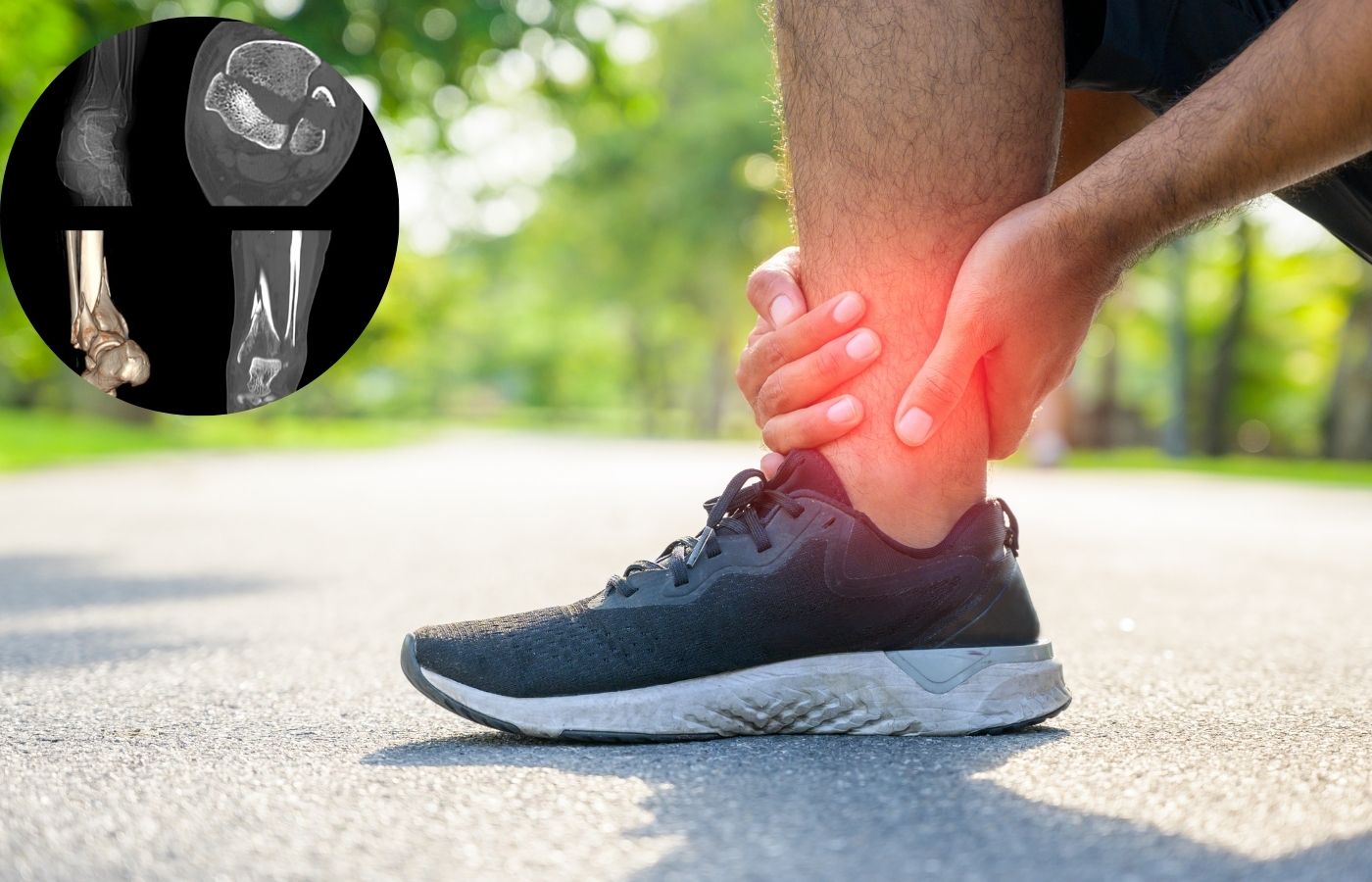
CT scans of arms, legs, spine, or joints typically do not require fasting.
Some CT scans require fasting for 4–6 hours before the procedure.
This scan evaluates organs such as:
Liver
Pancreas
Kidneys
Gallbladder
Intestines
Food residue in the stomach may affect imaging, so fasting is usually recommended.
Used to diagnose problems involving:
Bladder
Reproductive organs
Pelvic tumors
Fasting may be required when contrast dye is used.
This scan evaluates blood vessels and circulation.
Contrast dye is commonly used, so patients are often asked to fast beforehand.
For CT scans with contrast, doctors usually recommend fasting for 4 to 6 hours before the scan.
Typical guidelines include:
Avoid:
Food
Milk
Tea or coffee
Juice
Allowed:
Plain drinking water (unless instructed otherwise)
Always confirm the exact fasting instructions from your diagnostic center.
If you accidentally eat before a CT scan that requires fasting:
Inform the diagnostic center immediately.
The scan may be delayed or rescheduled.
Doctors may evaluate whether the scan can still proceed safely.
It is important to follow preparation guidelines to avoid inaccurate results or repeat scans.
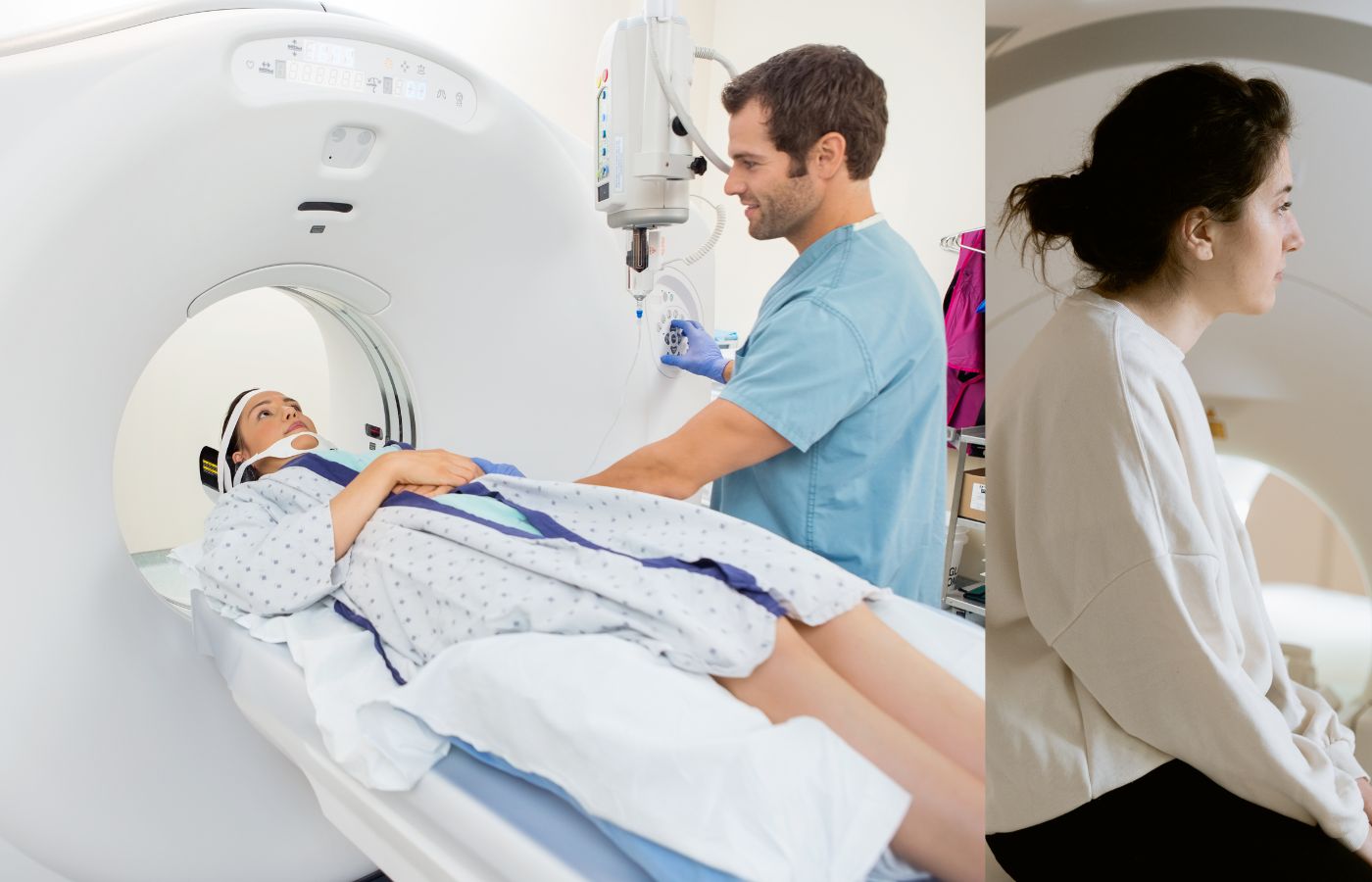
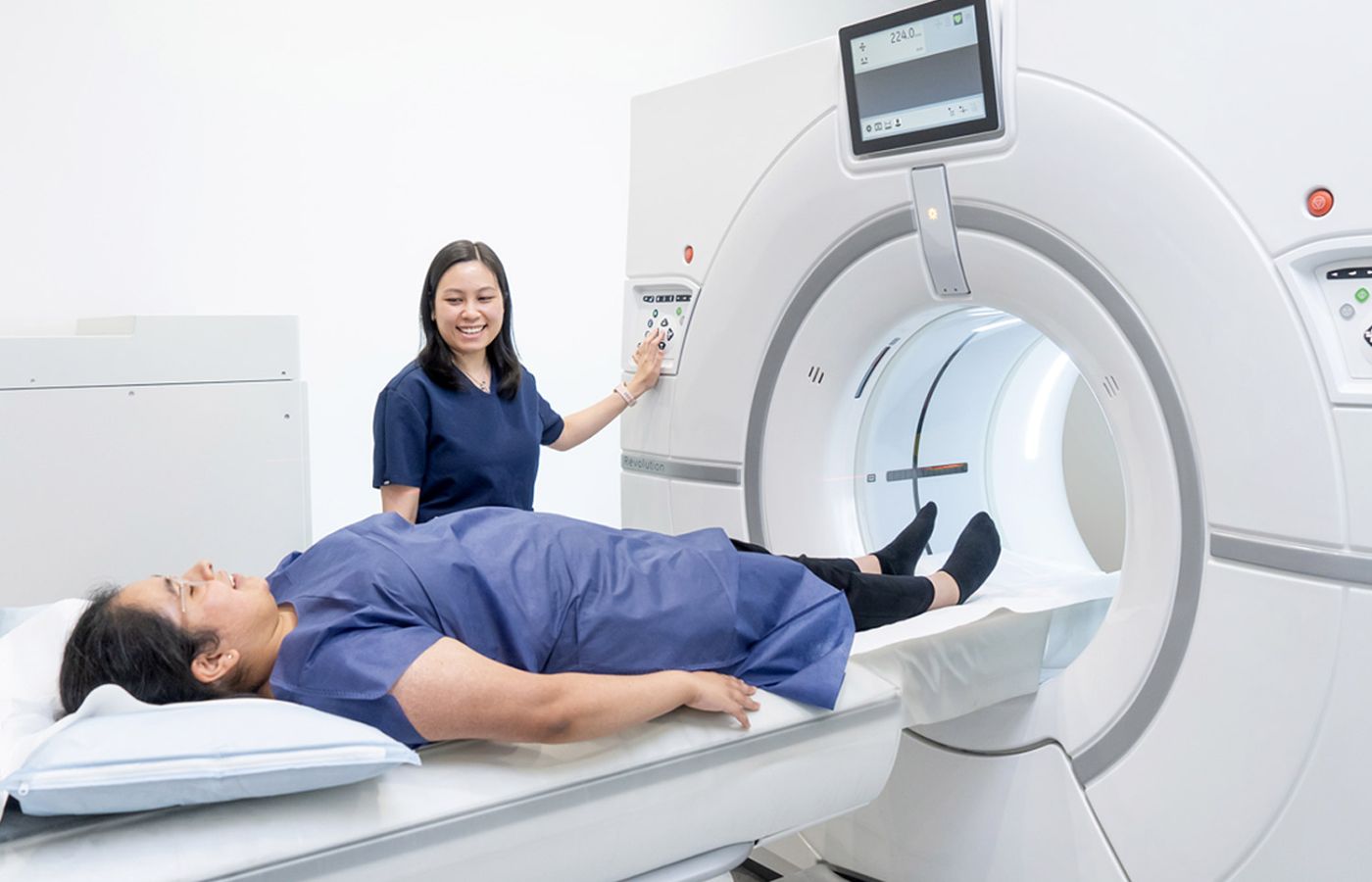
To ensure a smooth and safe CT scan experience, patients should also follow these general instructions:
Jewelry, watches, belts, and other metal items may interfere with imaging.
Tell your doctor if you:
Have kidney disease
Have diabetes
Are pregnant
Have a history of contrast allergy
Take medications regularly
Loose clothing helps during positioning for the scan.
Fasting before a CT Scan depends on the type of scan and whether contrast dye is used. Many CT scans, especially those without contrast, do not require fasting. However, CT scans of the abdomen, pelvis, or scans involving contrast dye usually require 4–6 hours of fasting for better image quality and safety.





.jpg "ct brain scan plain and contrast")


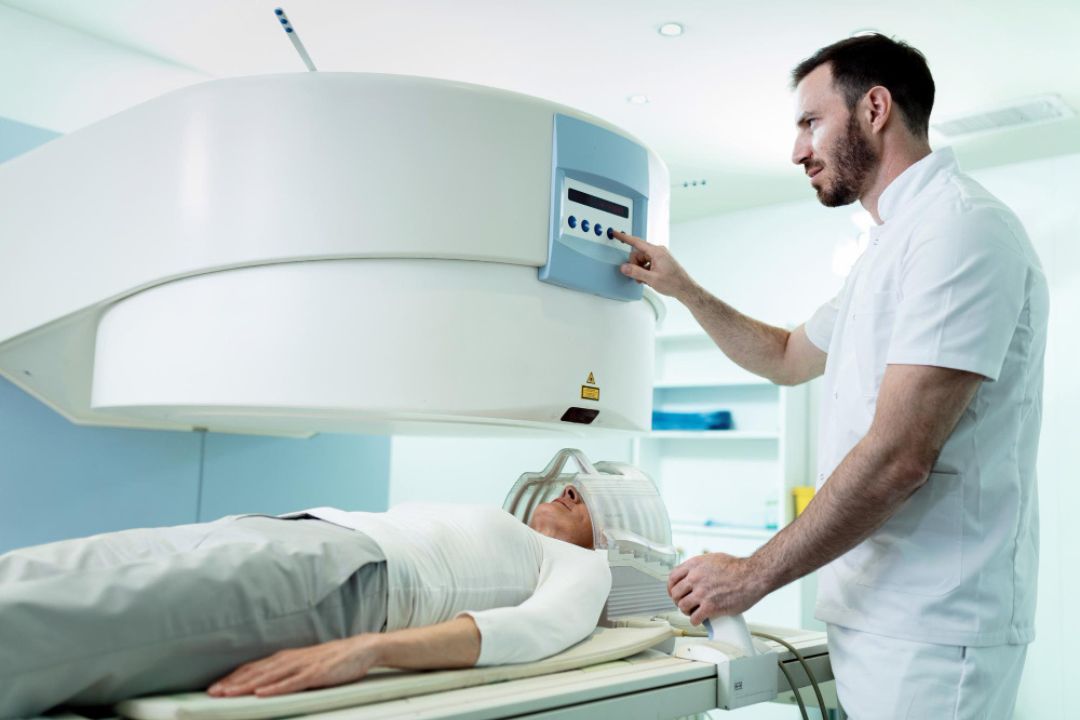
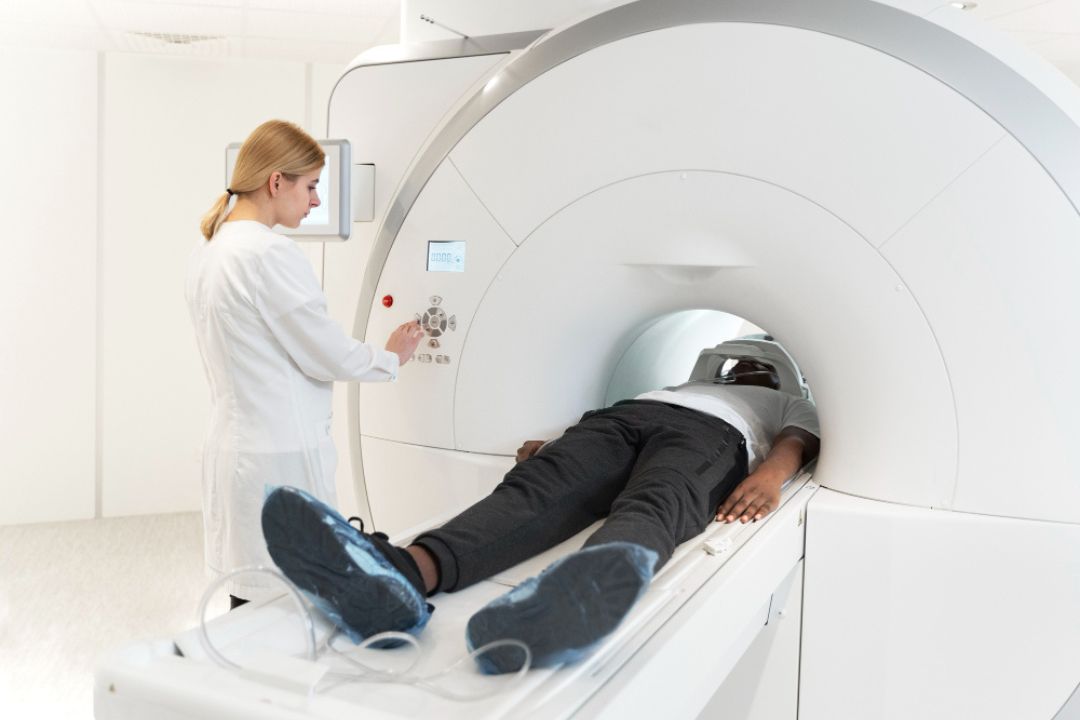
.jpg "ct scan")
.jpg "ct scan or mri for brain disorders")


.jpg "exploring the power of ct brain contrast in modern diagnostics")
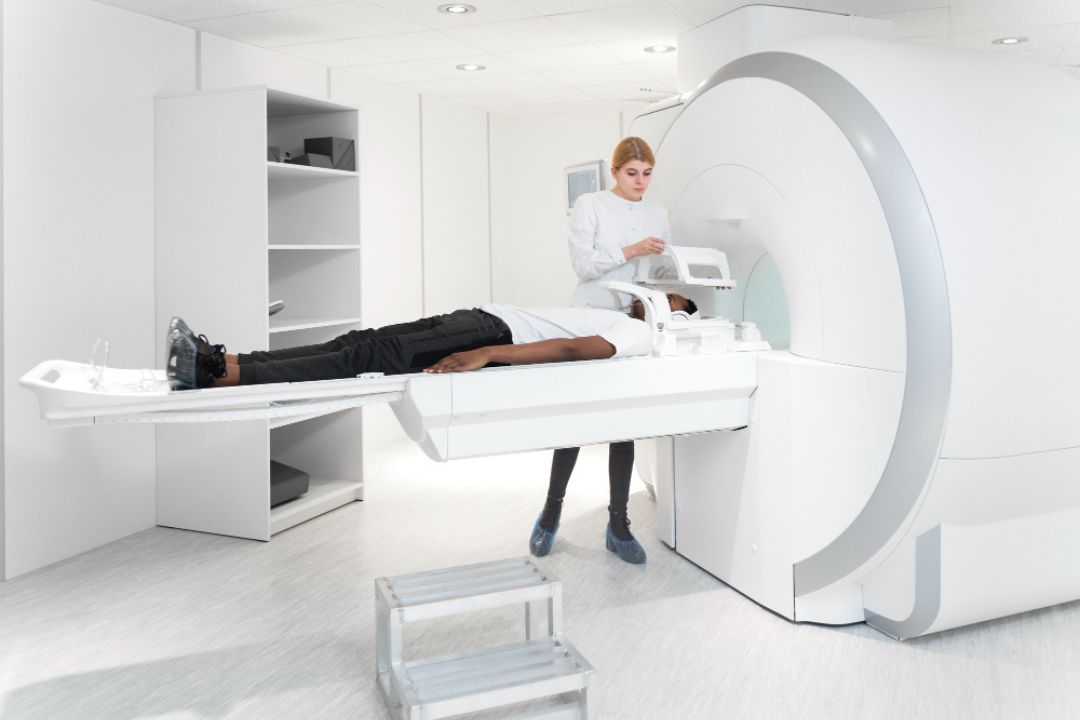
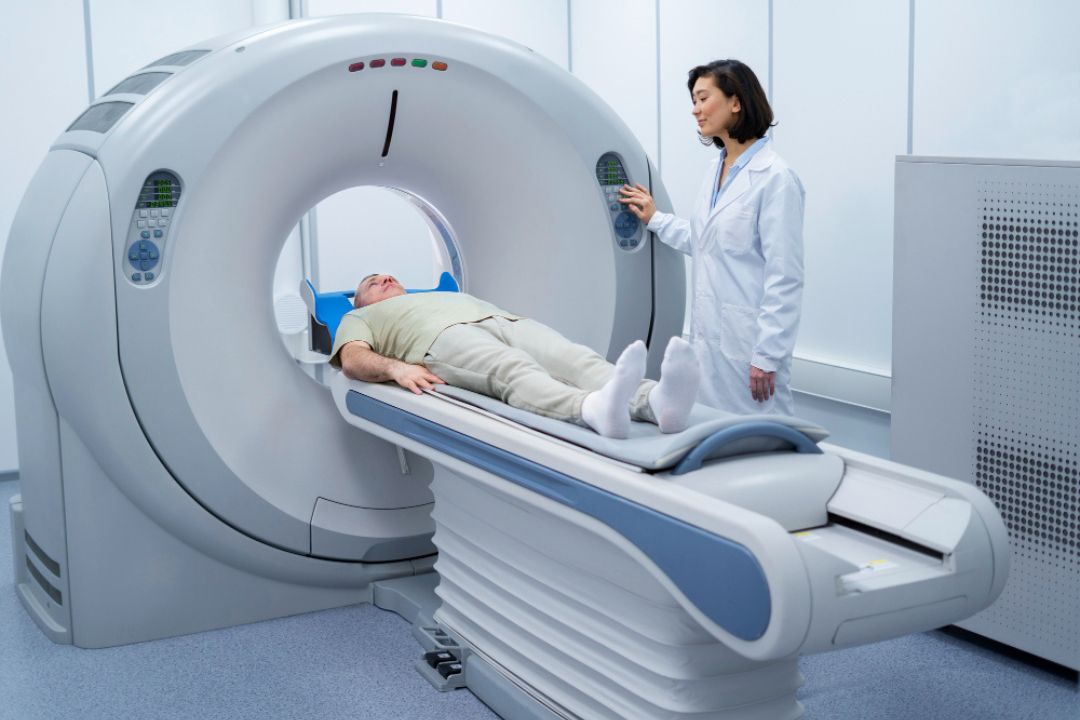
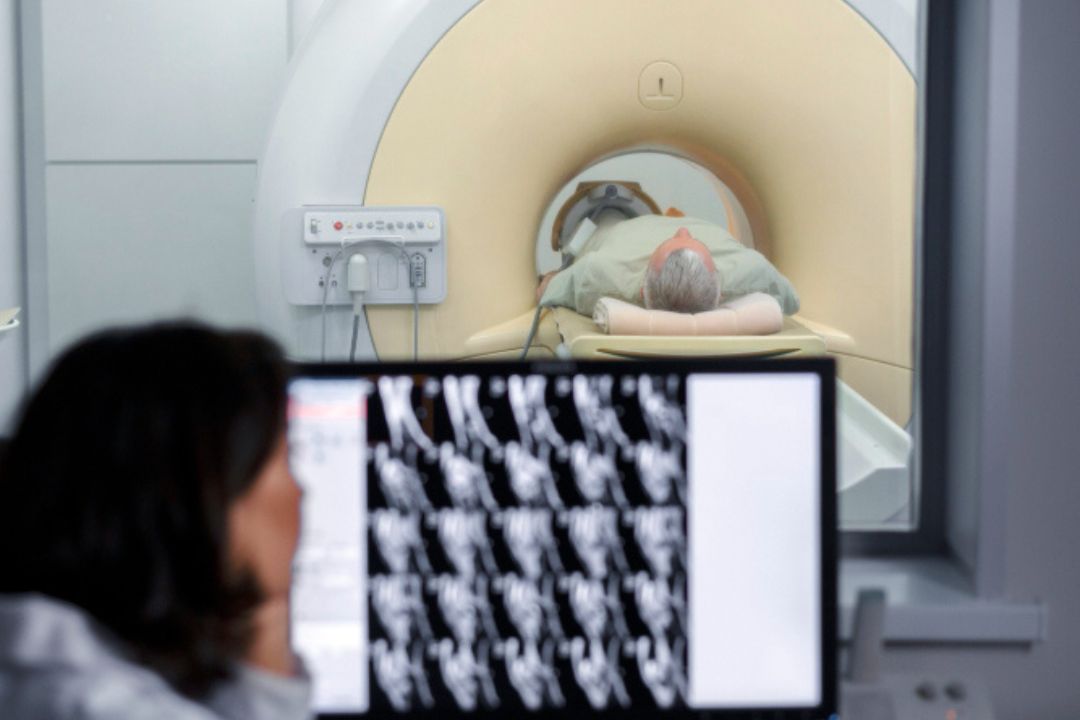
.jpg "ct scan")
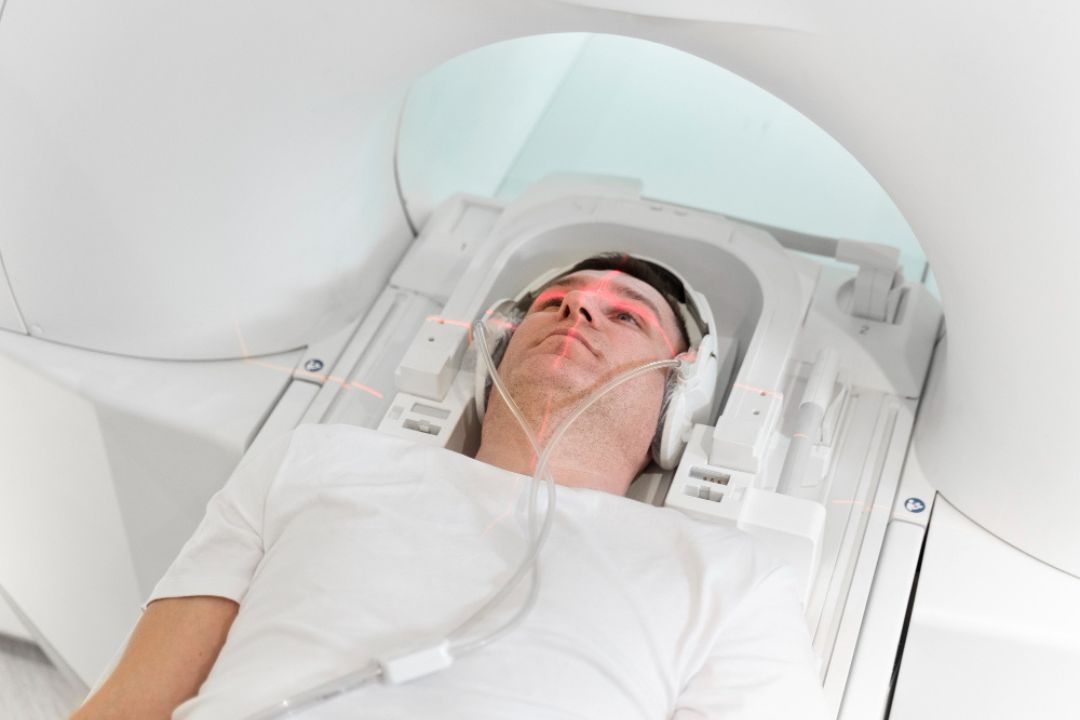
.jpg "ct scan")






.jpg "ct scan")
.jpg "CT Brain Scan for Headaches")
.jpg "The Future of 3D CT Imaging")