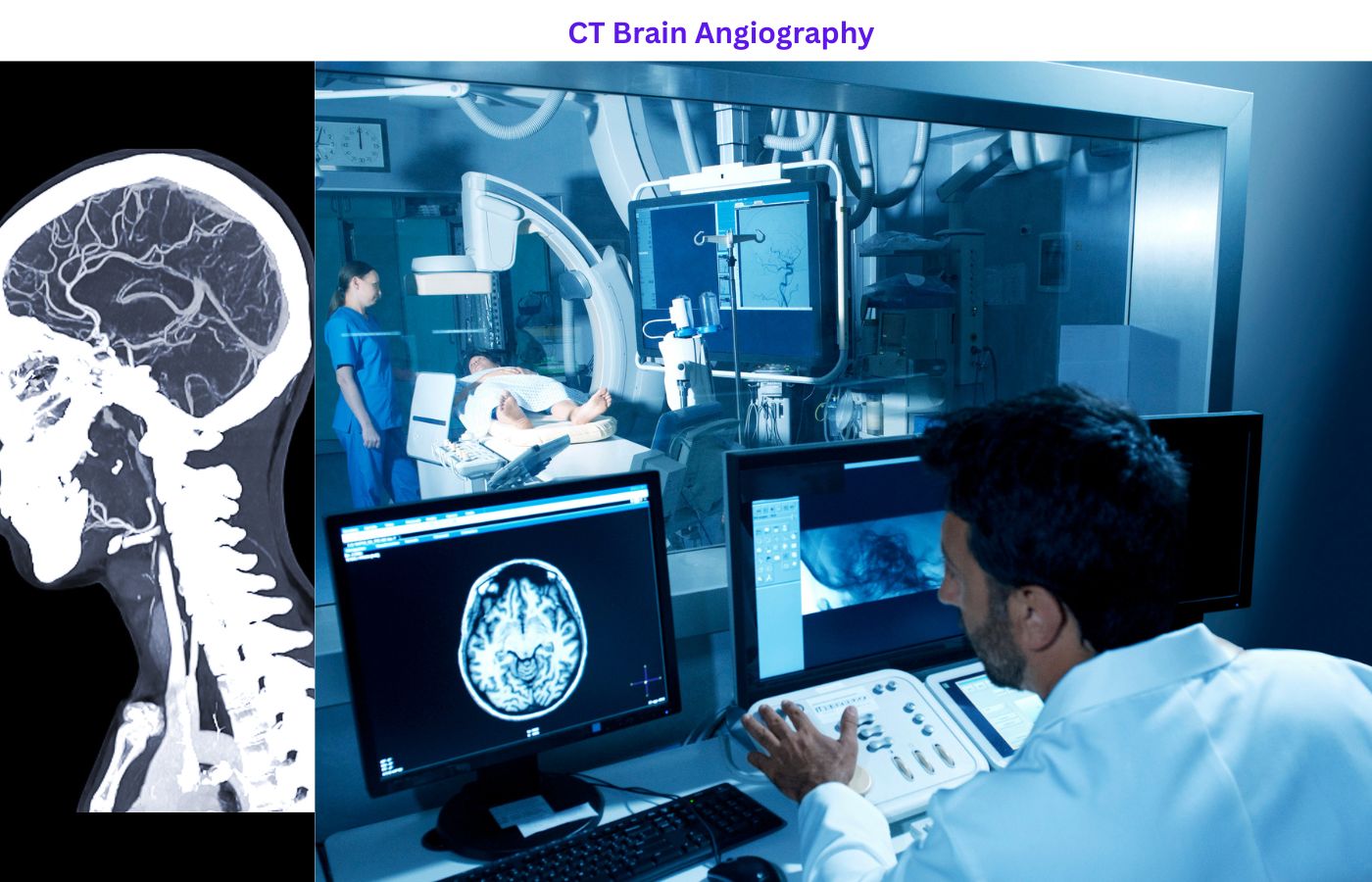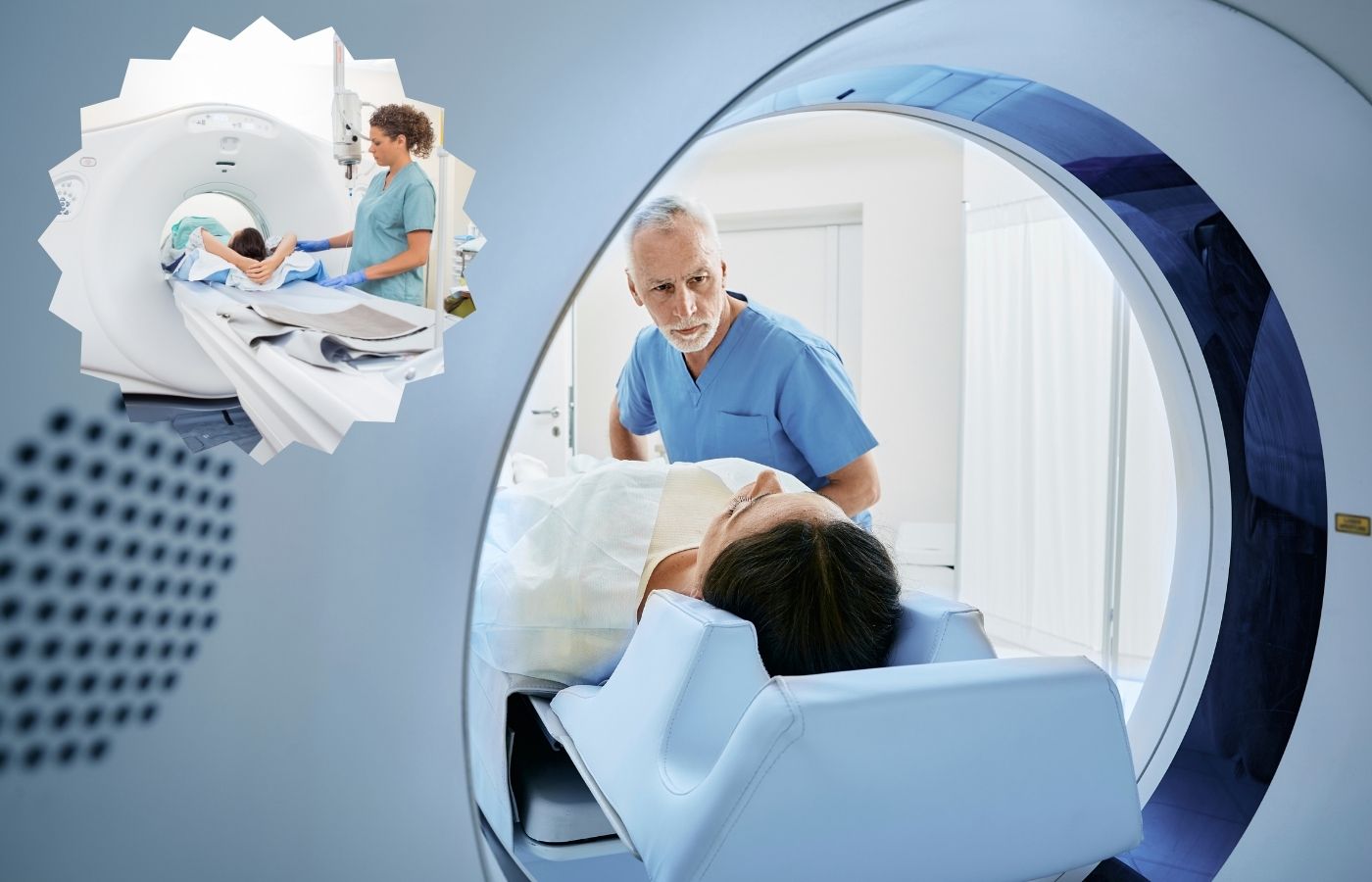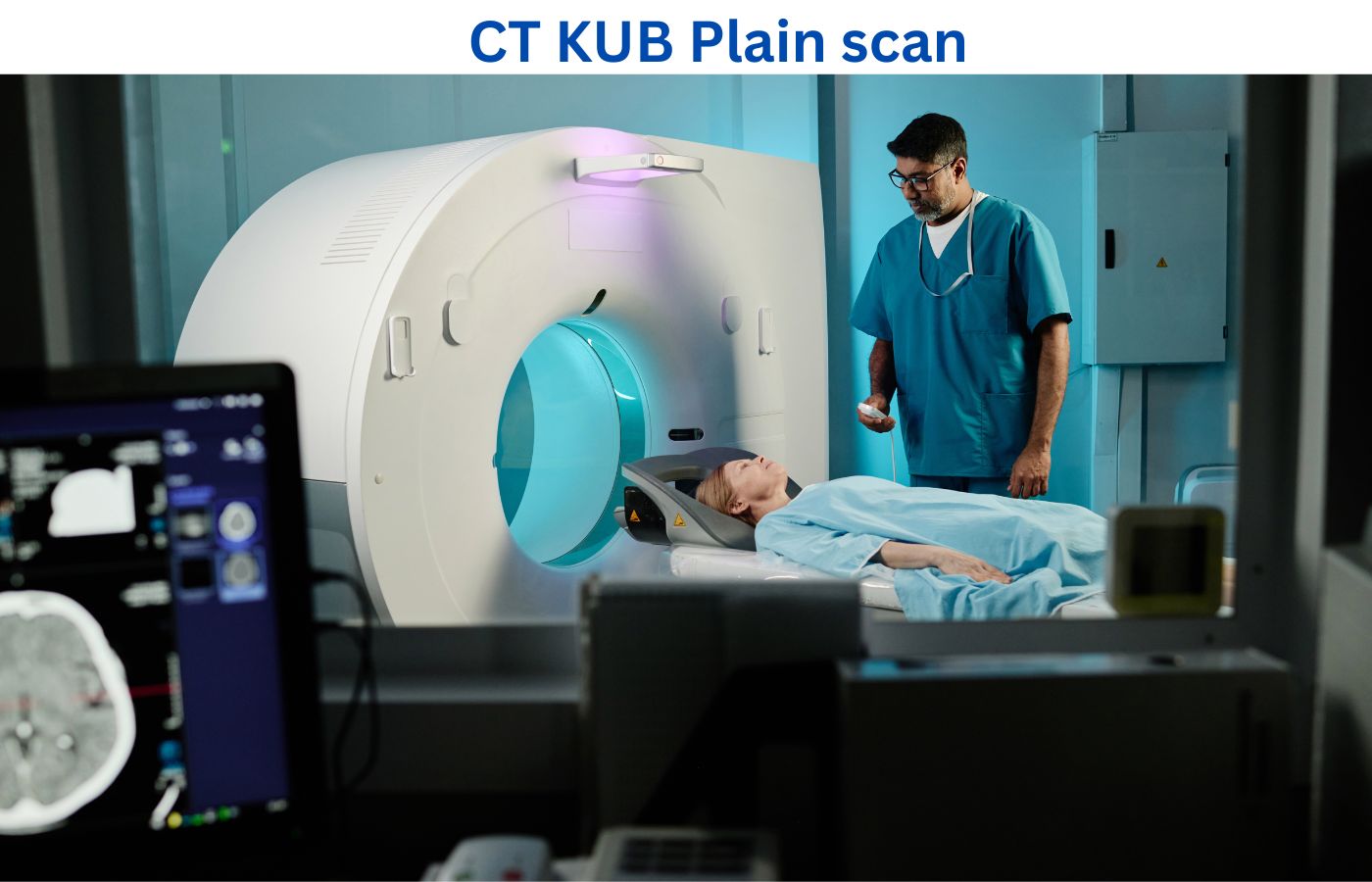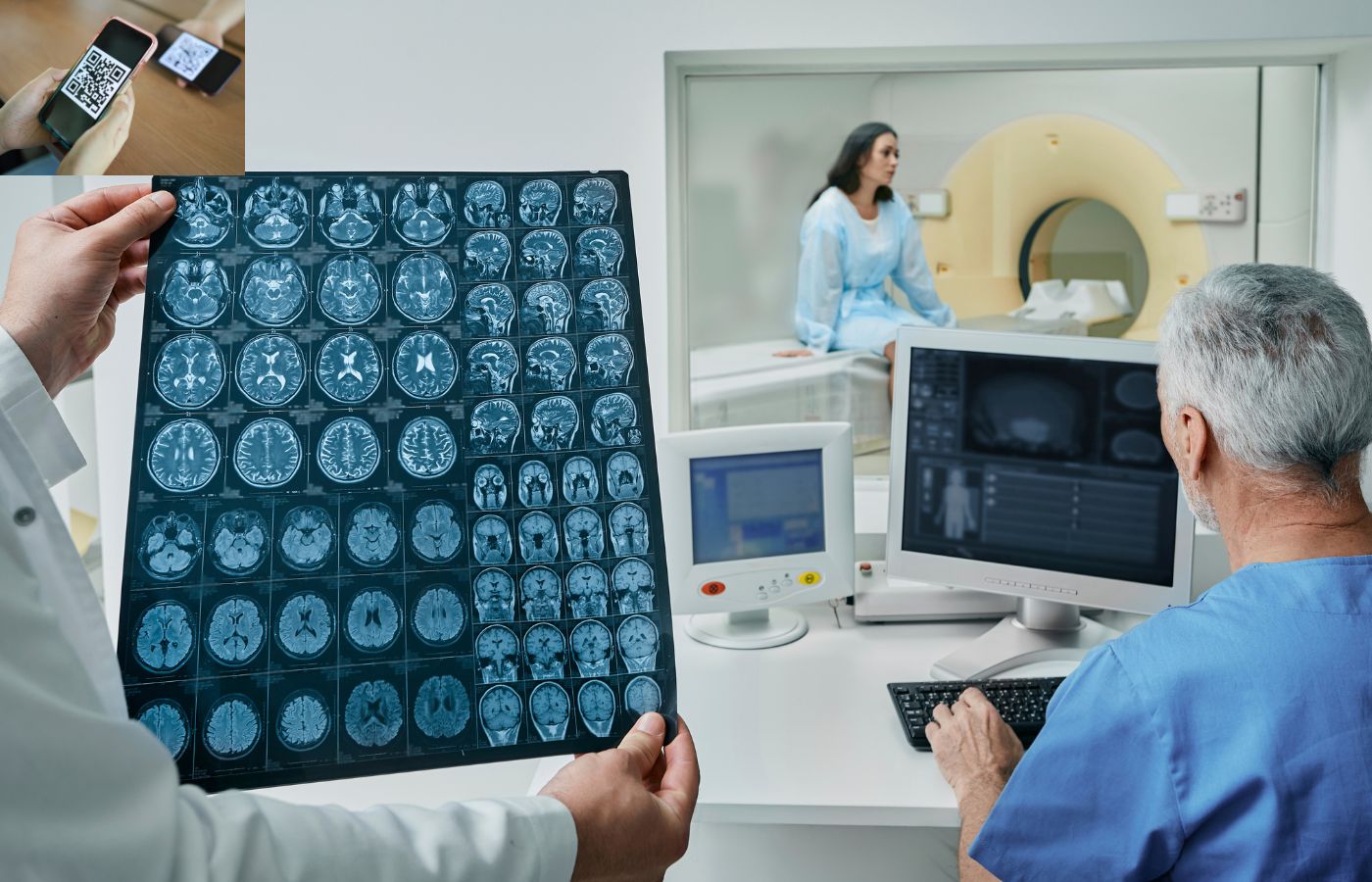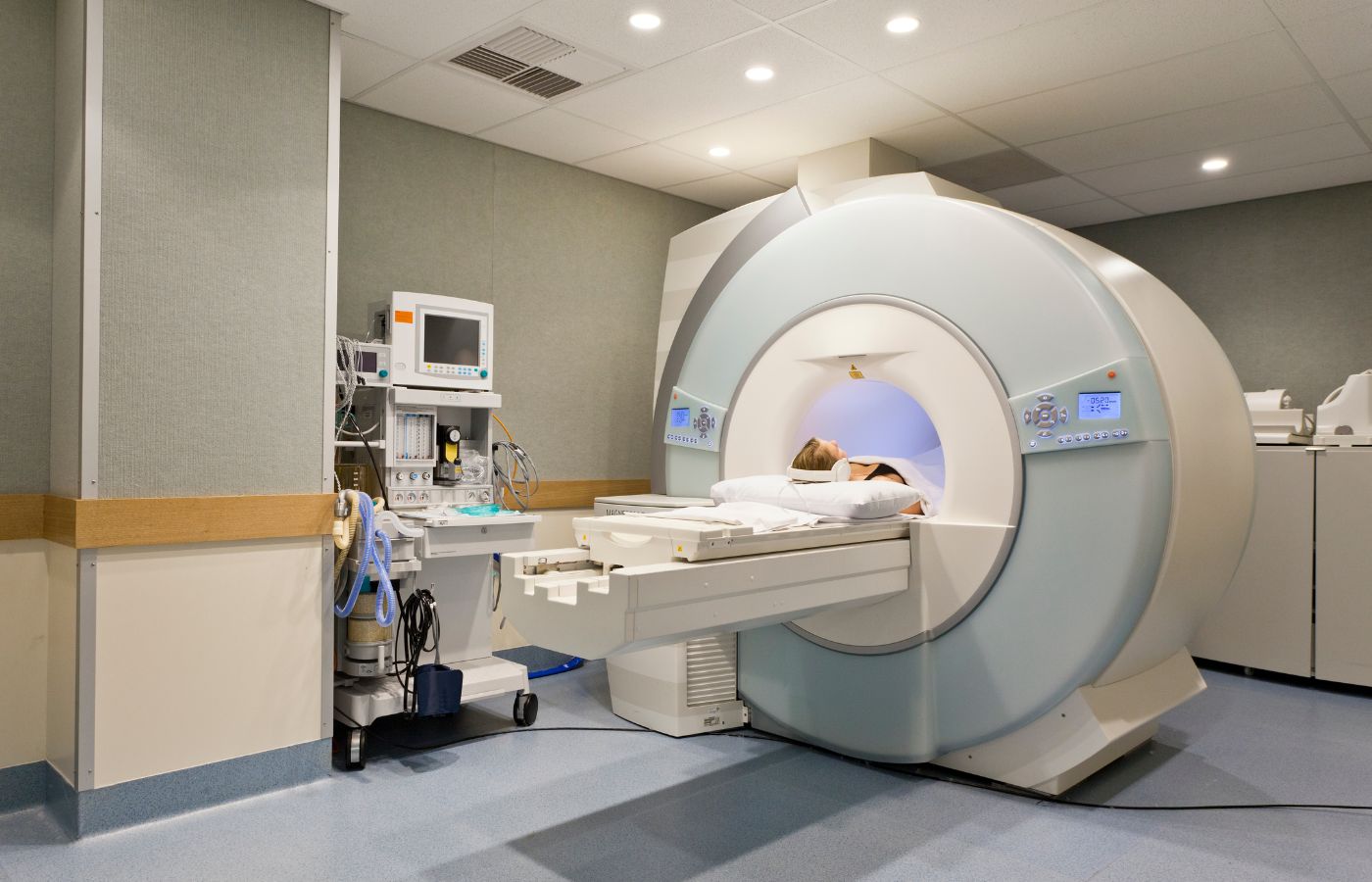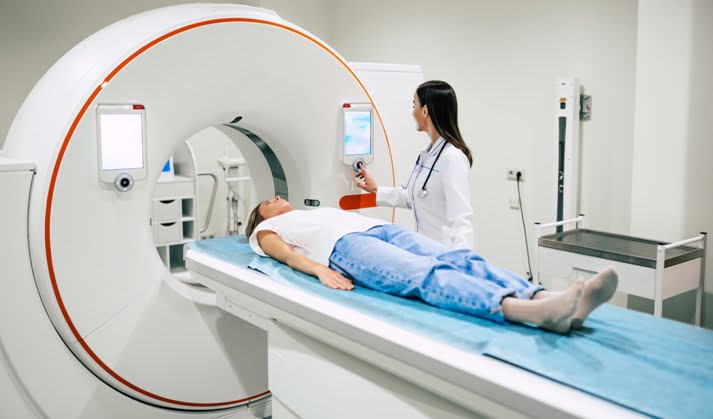
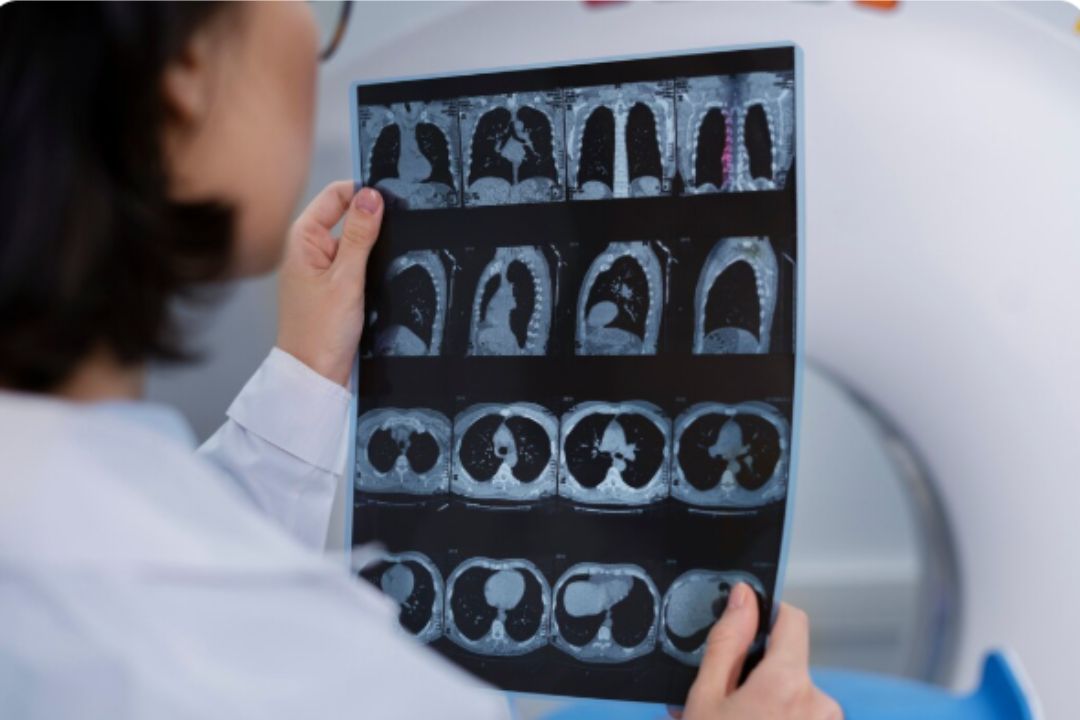
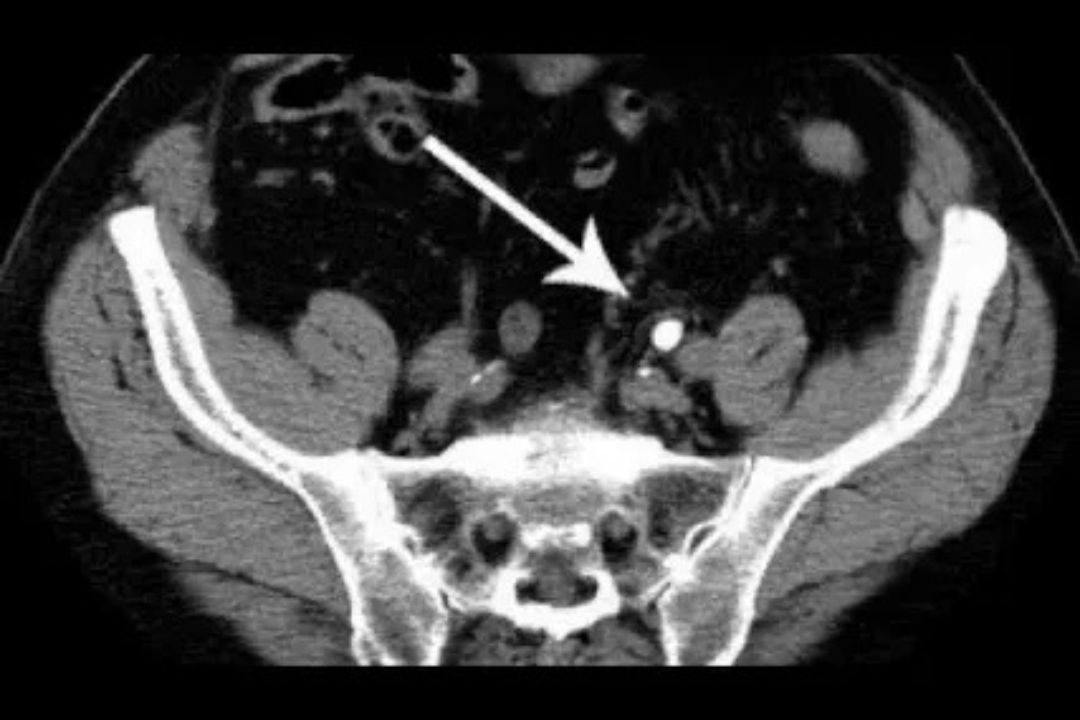
A CT chest without contrast is a commonly performed diagnostic imaging test used to examine the lungs and chest structures in detail. It uses advanced X-ray technology and computer processing to produce detailed cross-sectional images of the chest area.
Many patients worry about the safety of this scan, especially when they hear the term "CT scan." However, a CT chest without contrast is generally considered safe and is widely used by doctors to diagnose various lung and chest conditions.
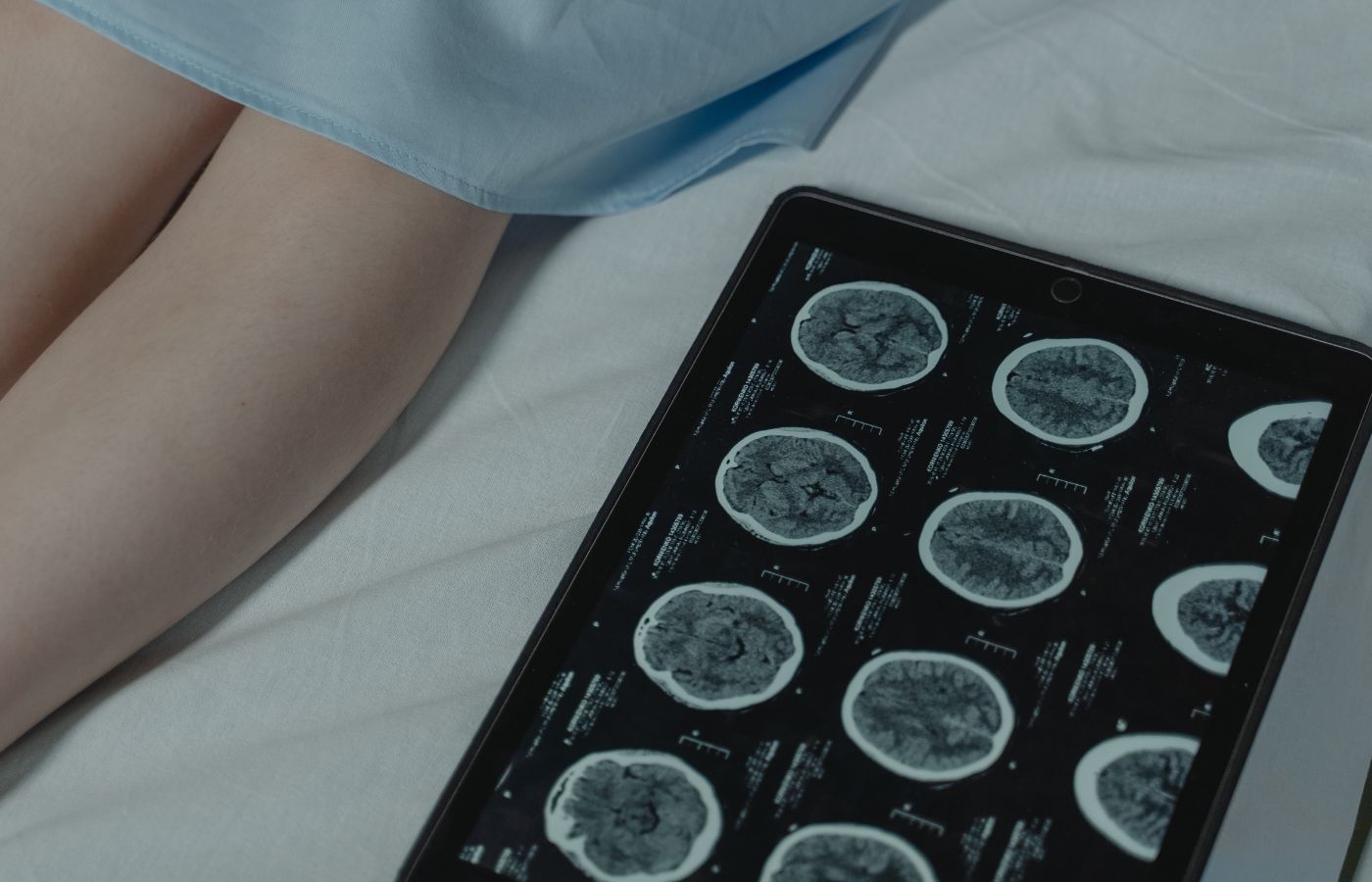
A CT chest without contrast is a medical imaging test that produces detailed images of the lungs, airways, blood vessels, and chest structures without using a contrast dye.
Unlike contrast CT scans that require an injection of dye to highlight blood vessels and tissues, this scan does not involve any injection. This makes it suitable for patients who cannot receive contrast due to allergies or kidney problems.
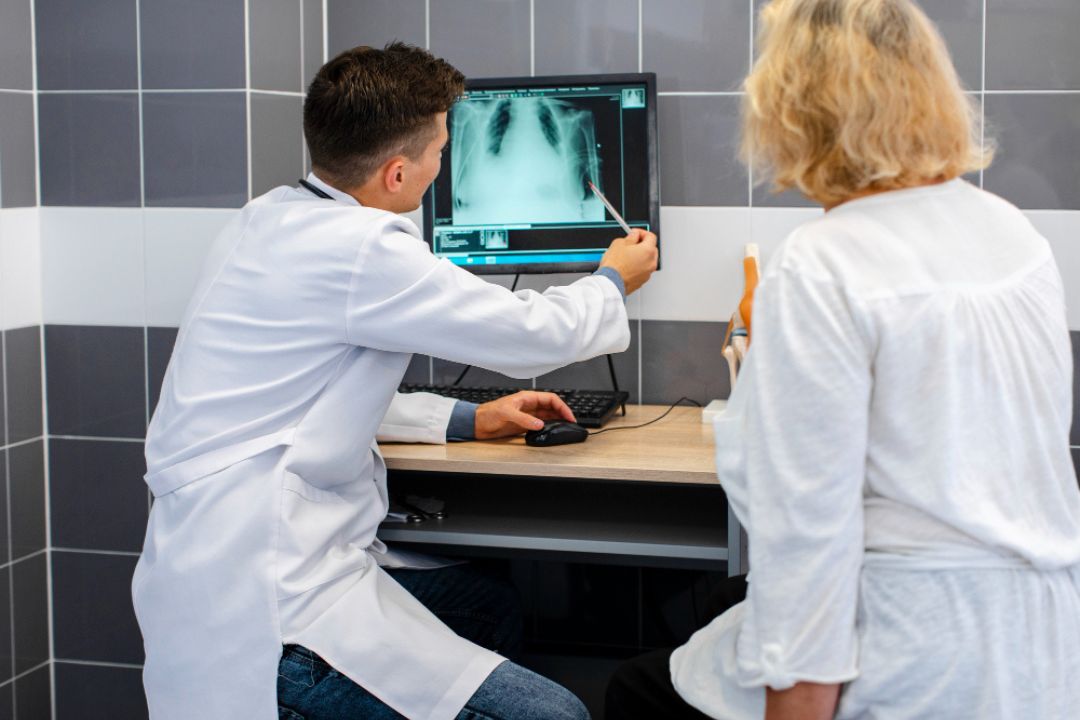
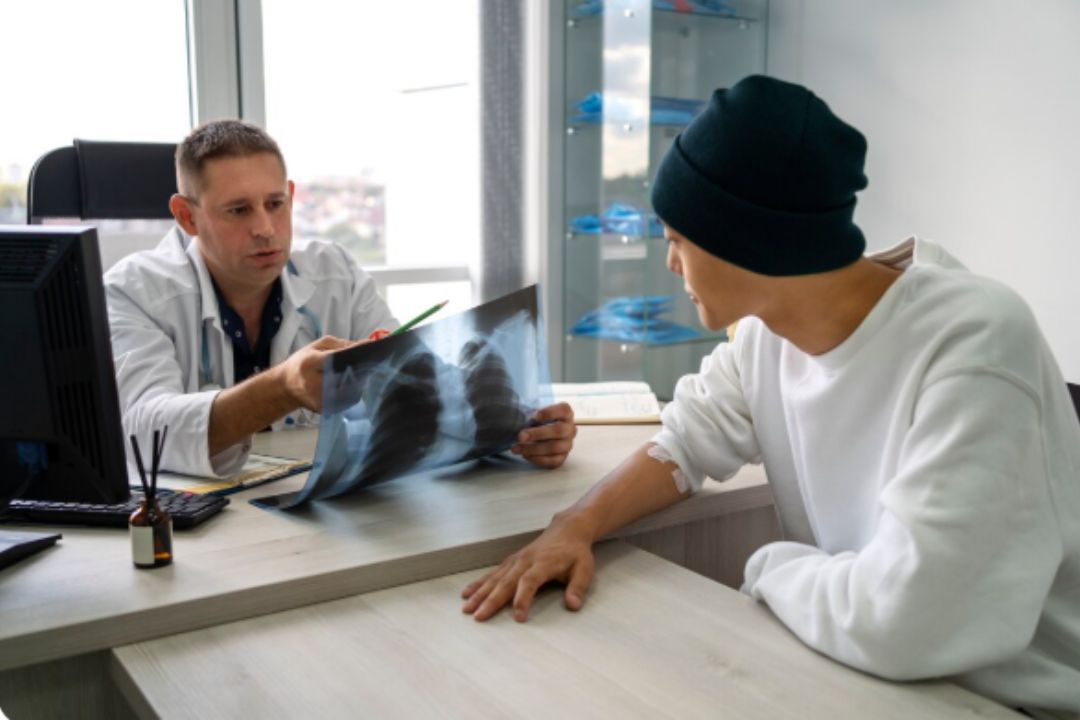
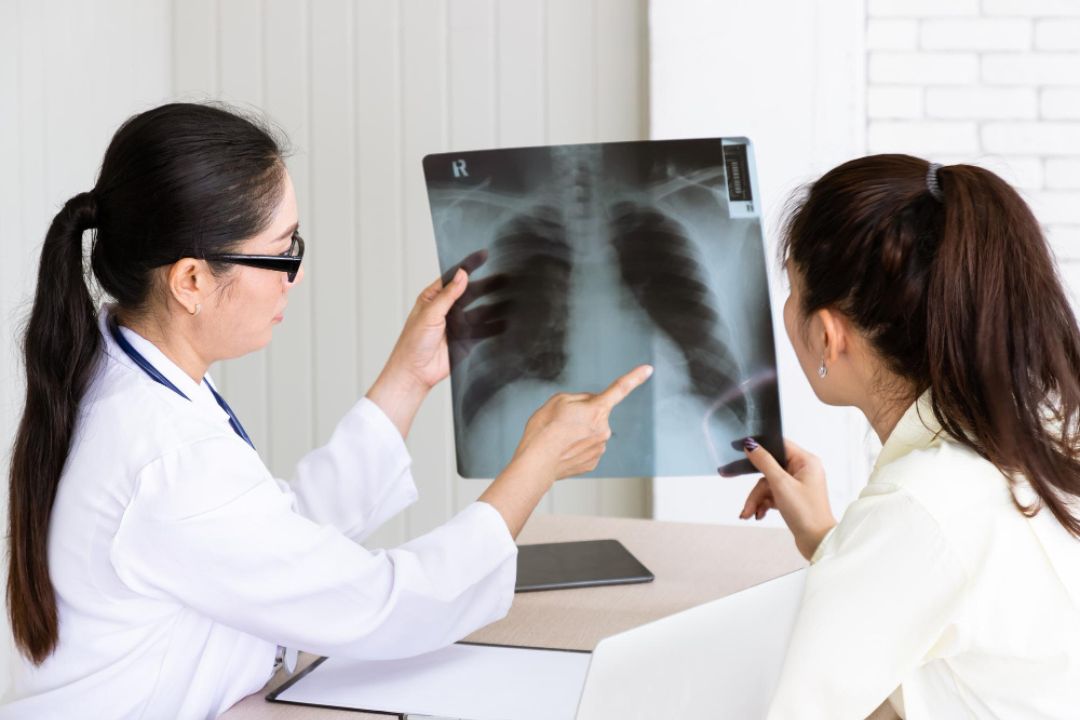
Doctors use this scan to evaluate various conditions affecting the lungs and chest cavity. The scan provides clear images that help detect abnormalities that may not be visible on a regular X-ray.
Doctors may recommend this scan for several medical reasons. It helps detect lung conditions and evaluate symptoms related to the chest.
Common reasons for a CT chest without contrast include:
Persistent cough
Shortness of breath
Chest pain
Suspected lung infections
Detection of lung nodules
Evaluation of chronic lung diseases
Screening for lung abnormalities
Monitoring lung conditions
This scan is particularly helpful when doctors need detailed images of the lungs without exposing patients to contrast dye.
Yes, a CT chest without contrast is generally safe for most patients.
The scan uses a controlled amount of radiation to create detailed images of the chest. The radiation dose is carefully regulated and kept as low as possible while still producing accurate images.
Since the scan does not involve contrast dye, it eliminates the risk of allergic reactions or kidney complications associated with contrast injections.
For patients who have kidney disease or are allergic to contrast material, a CT chest without contrast can be a safer alternative while still providing valuable diagnostic information.
However, like all medical imaging tests that use radiation, it should only be performed when recommended by a healthcare professional.
There are several advantages to performing a CT chest scan without contrast.
Some of the main benefits include:
Non-invasive diagnostic procedure
No injection required
Quick and painless test
Detailed images of lungs and chest structures
Suitable for patients allergic to contrast dye
Helps detect lung abnormalities early
Because the scan is fast and simple, it is commonly used in emergency and routine diagnostic situations.
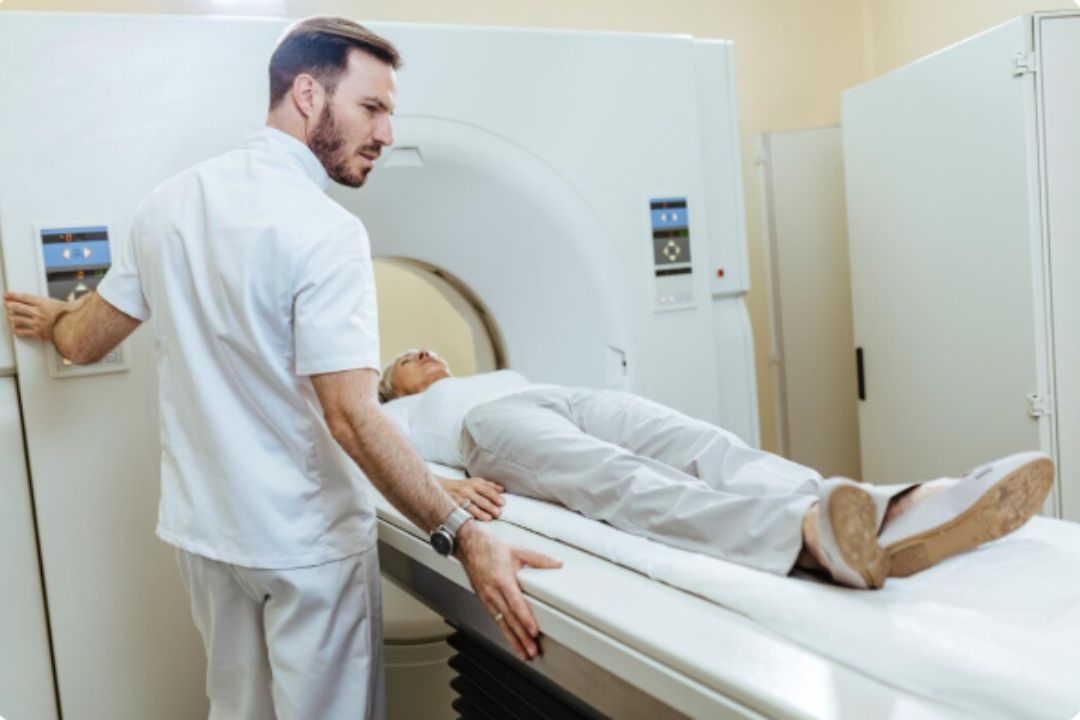
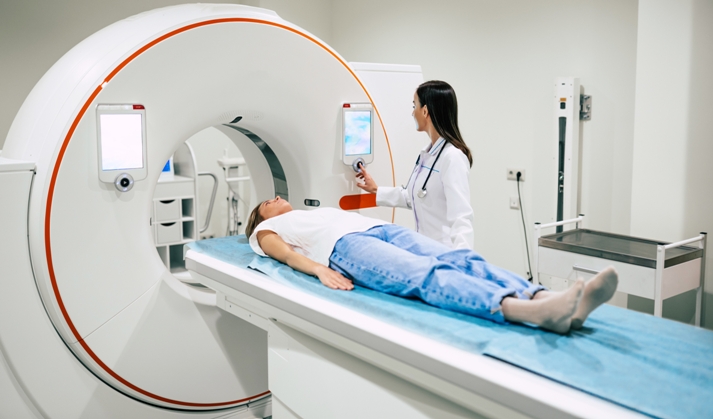
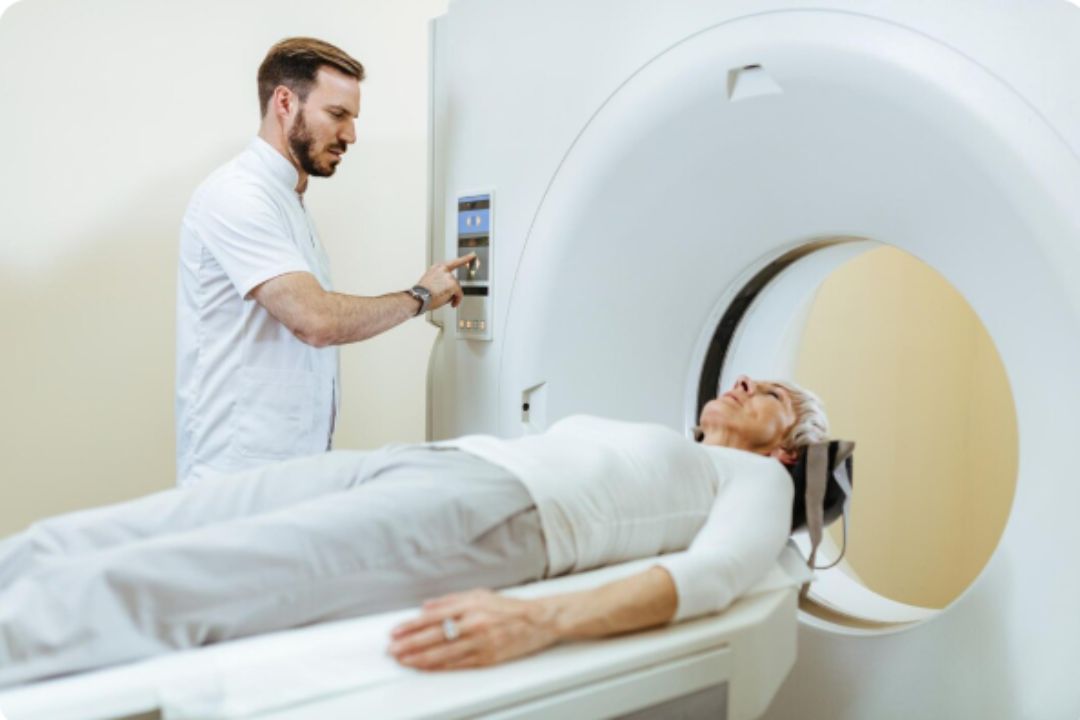
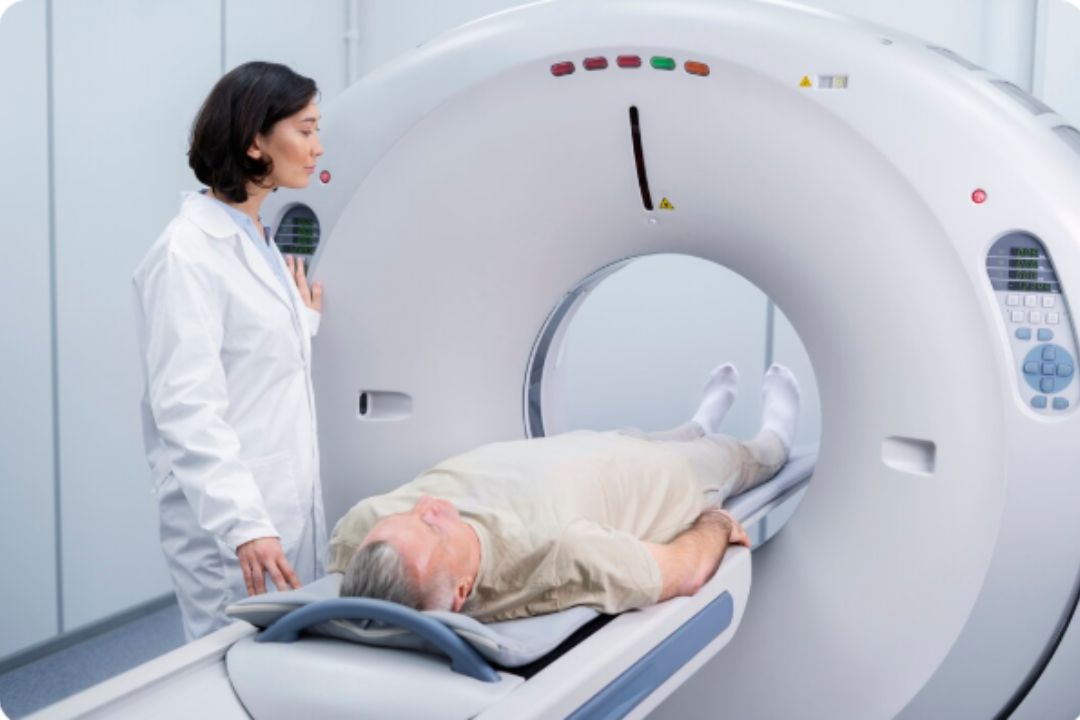
The CT scan procedure is simple and usually completed within a few minutes.
Here is what typically happens during the scan:
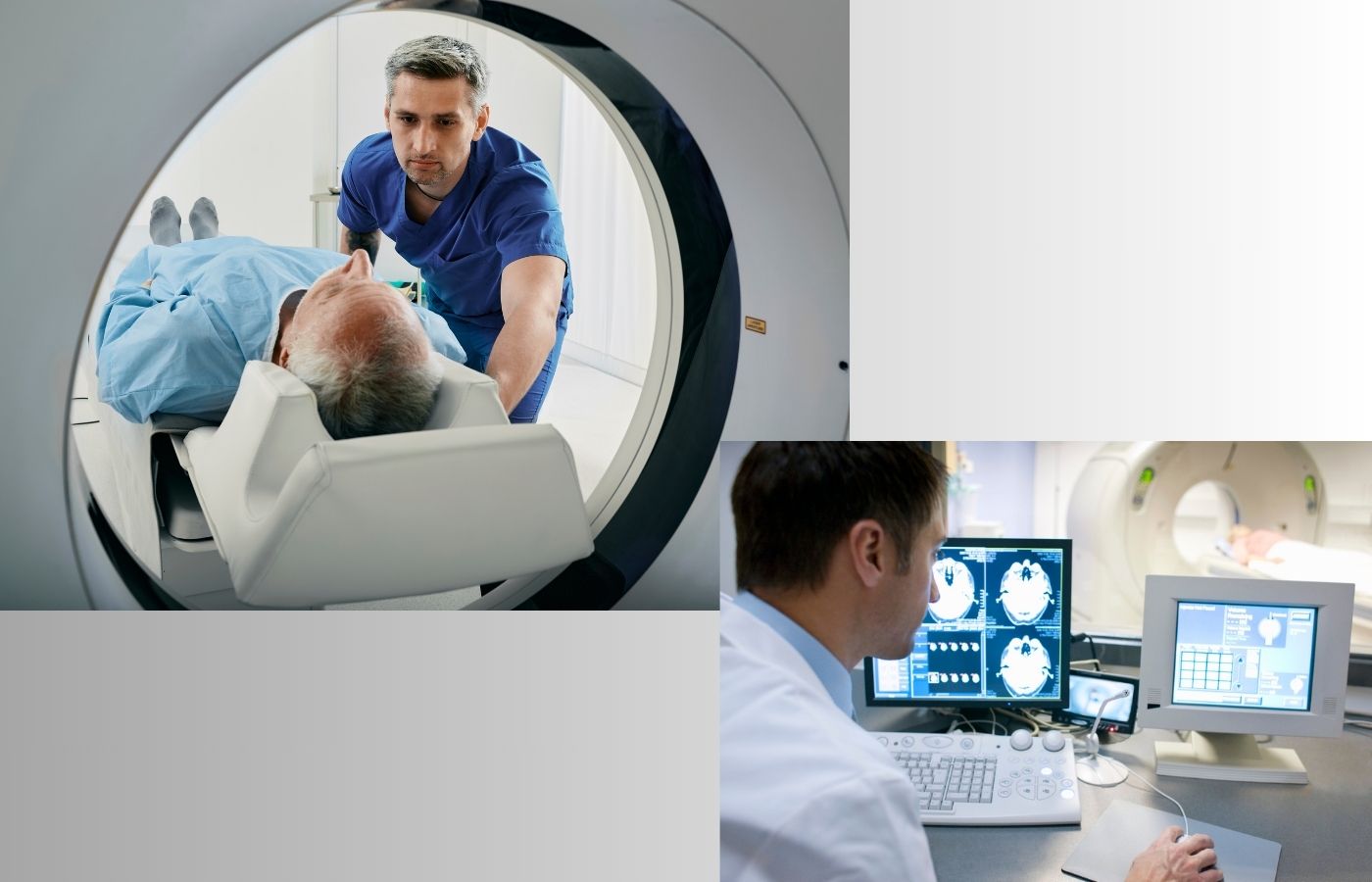
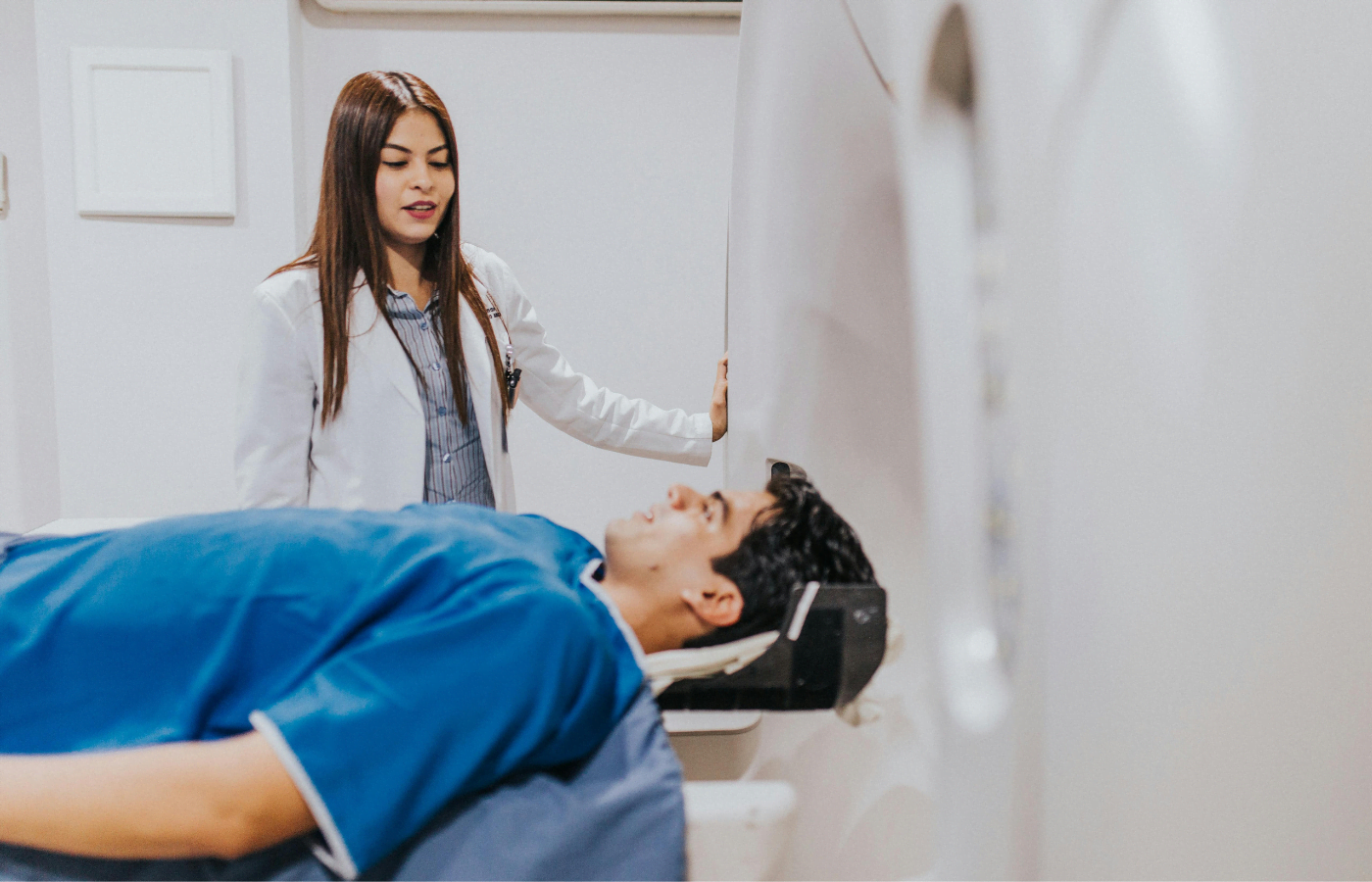
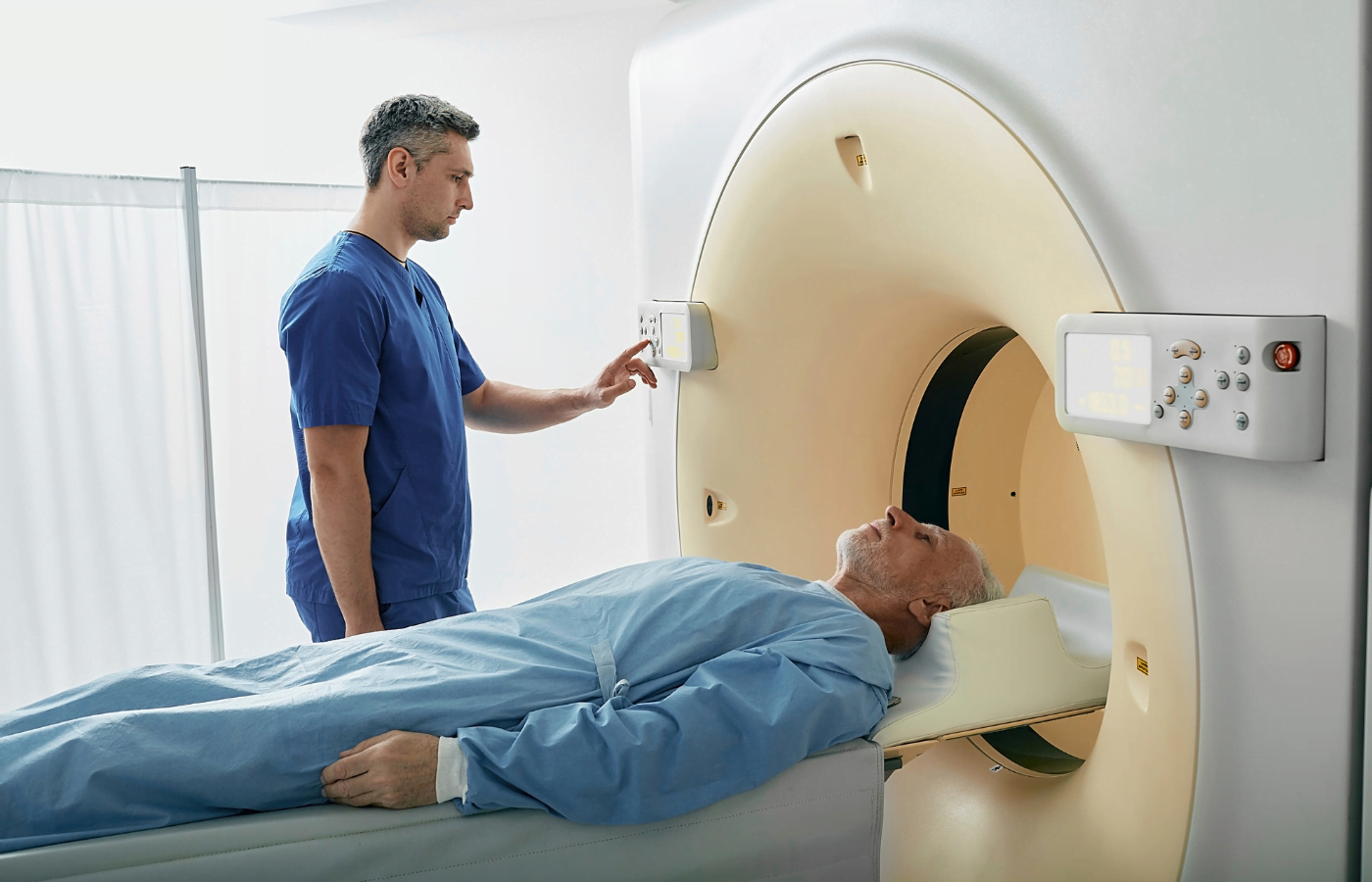
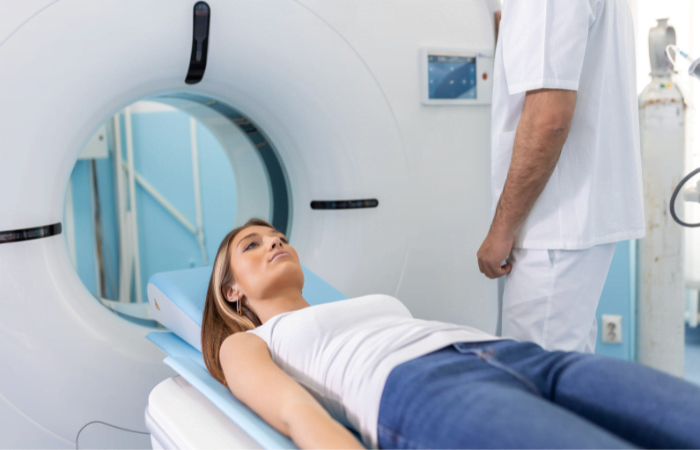
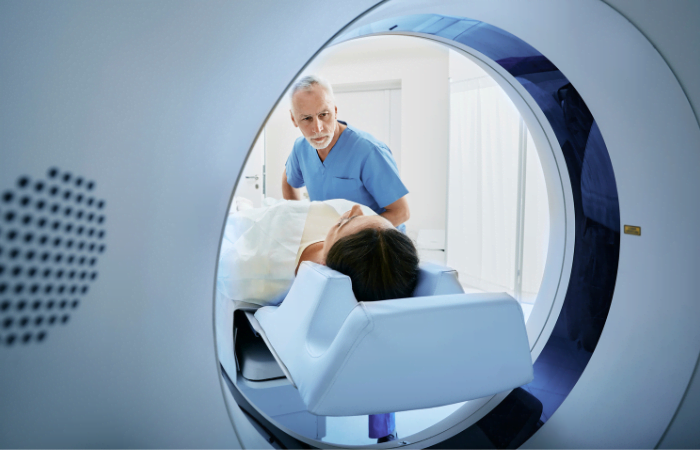
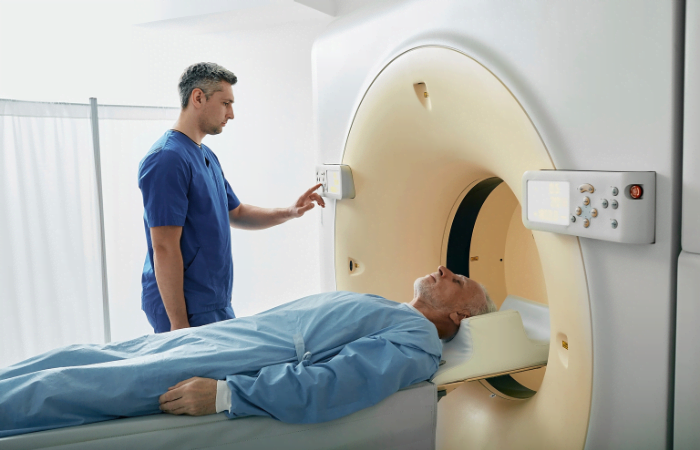
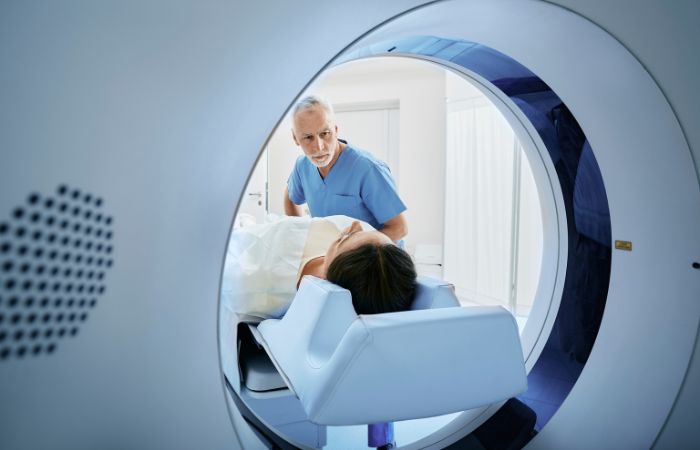
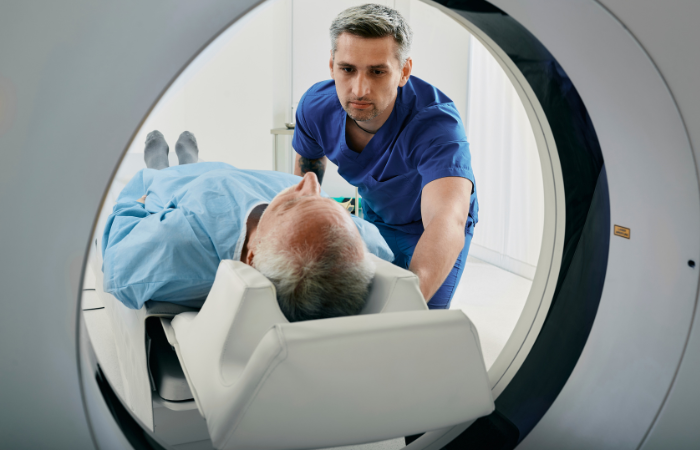
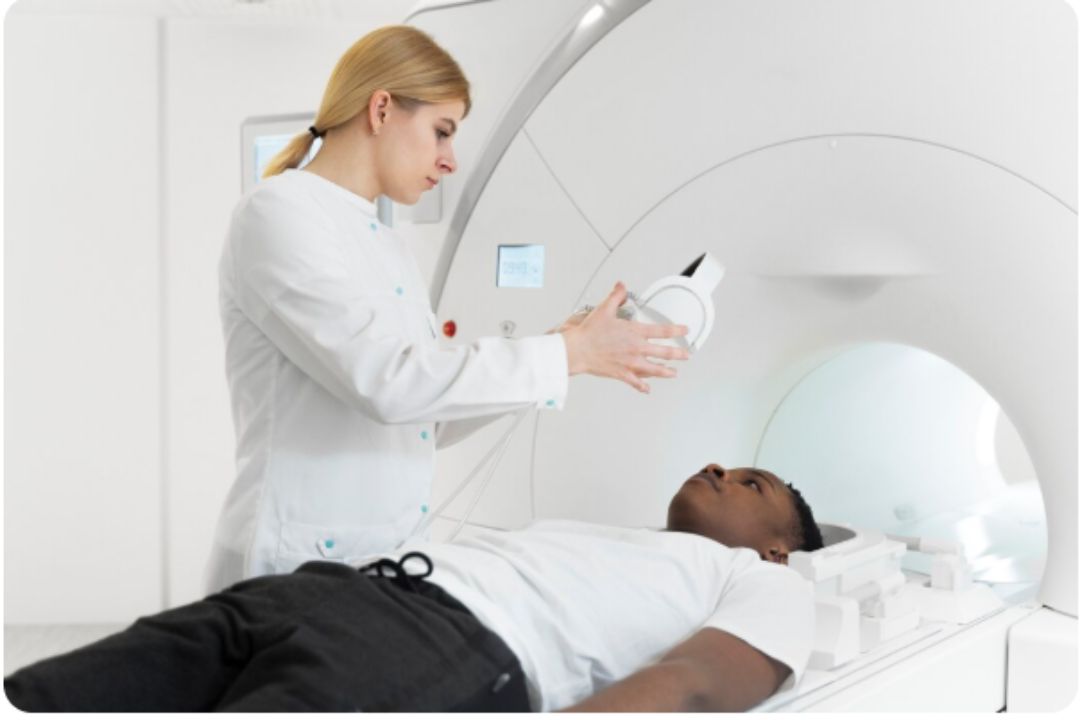
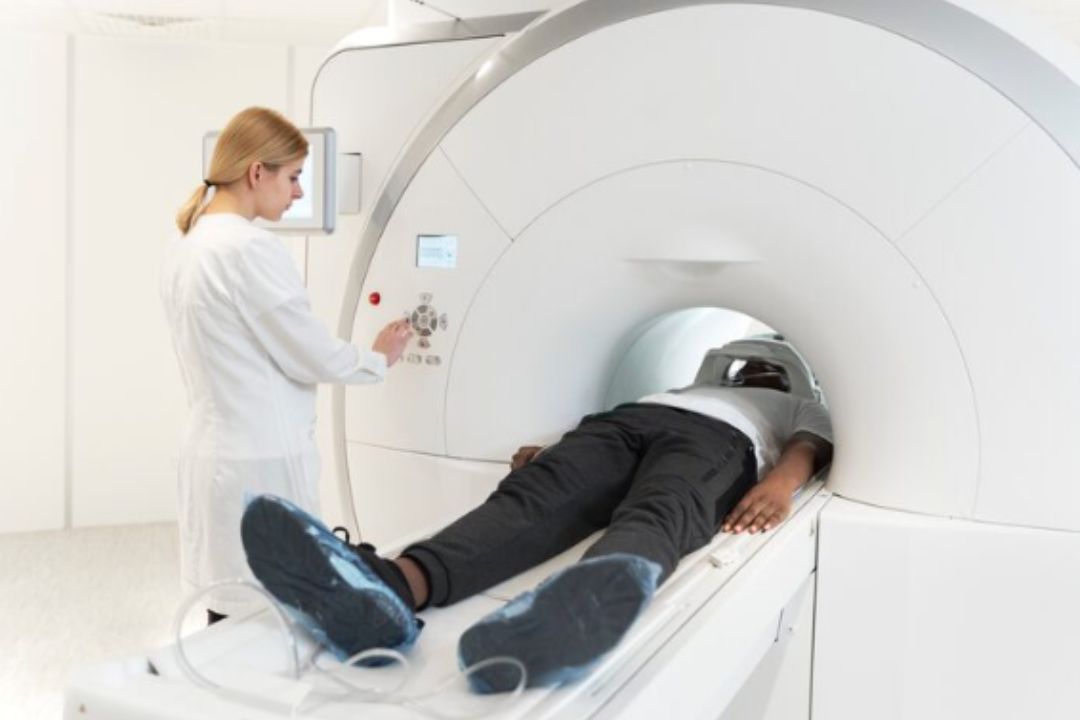
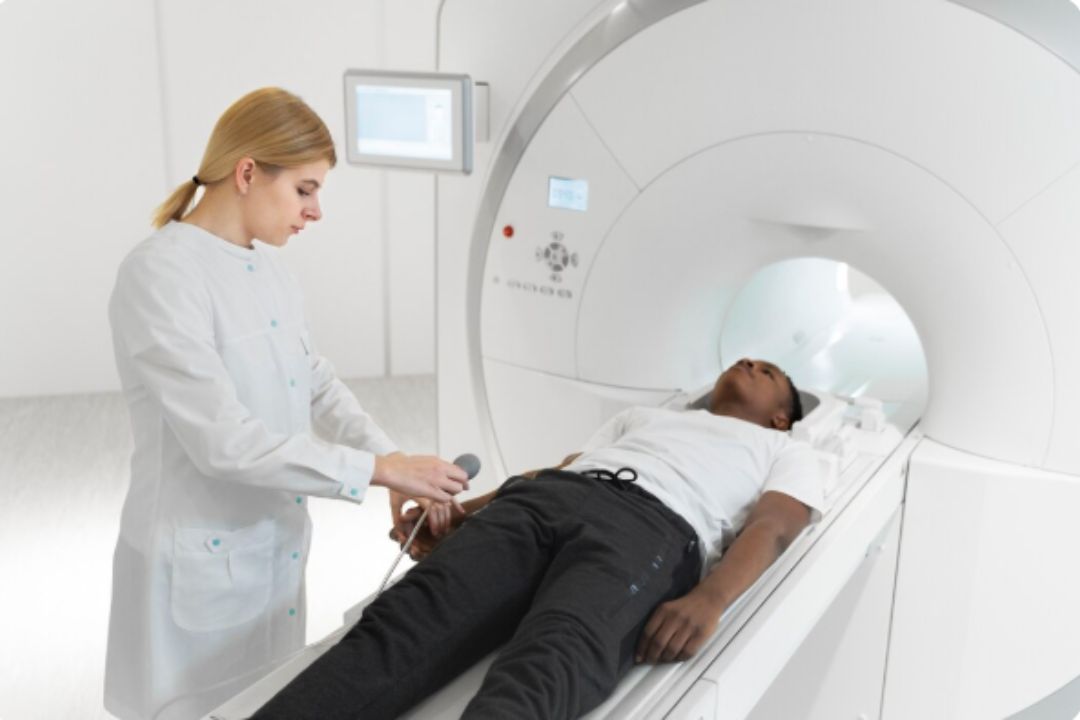
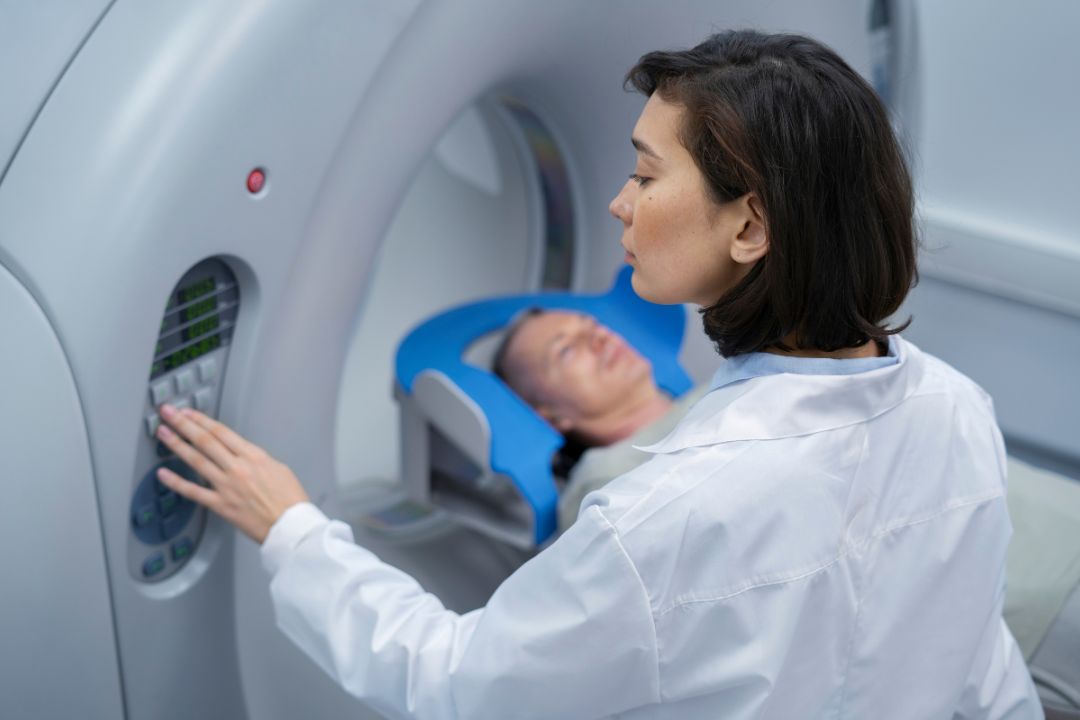
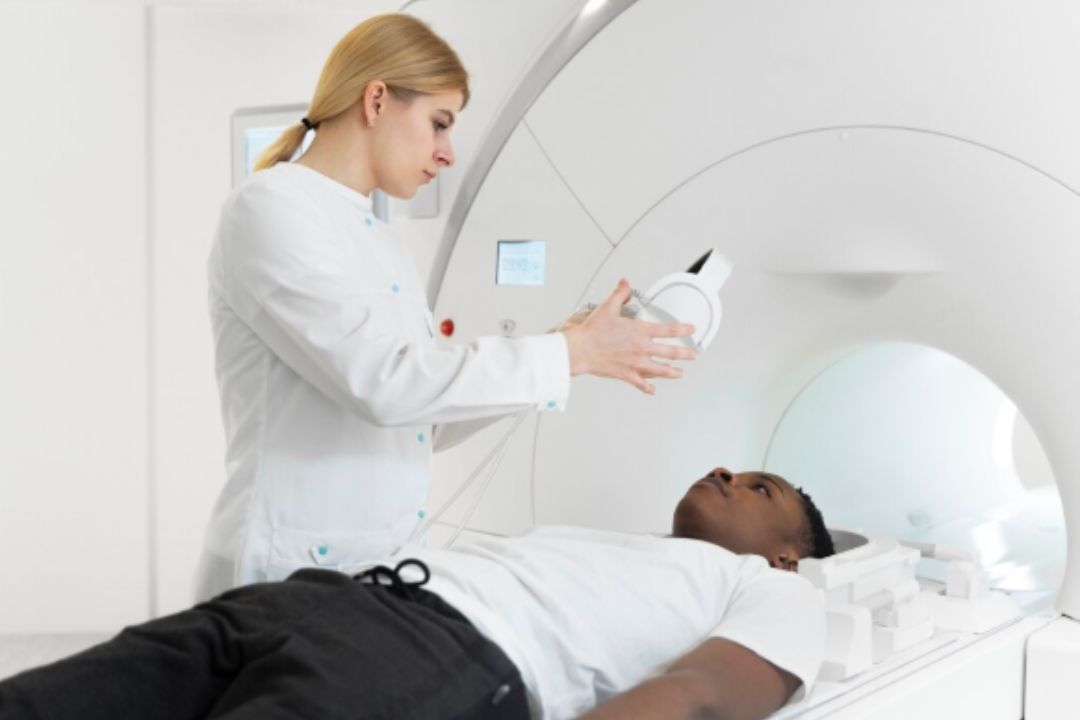
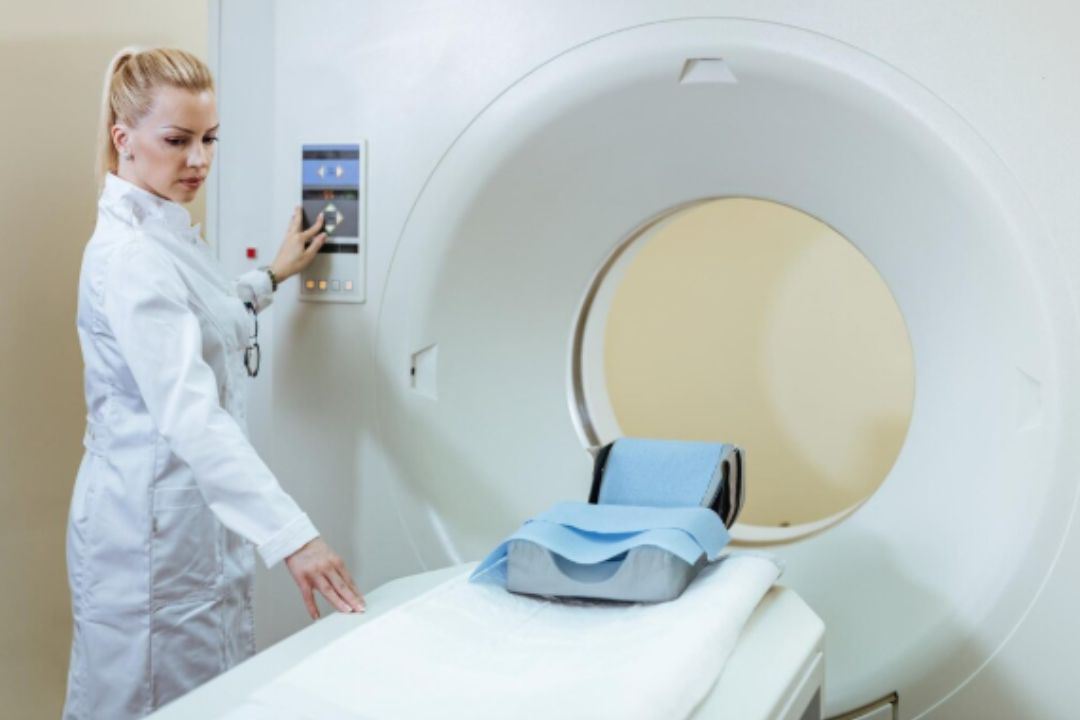
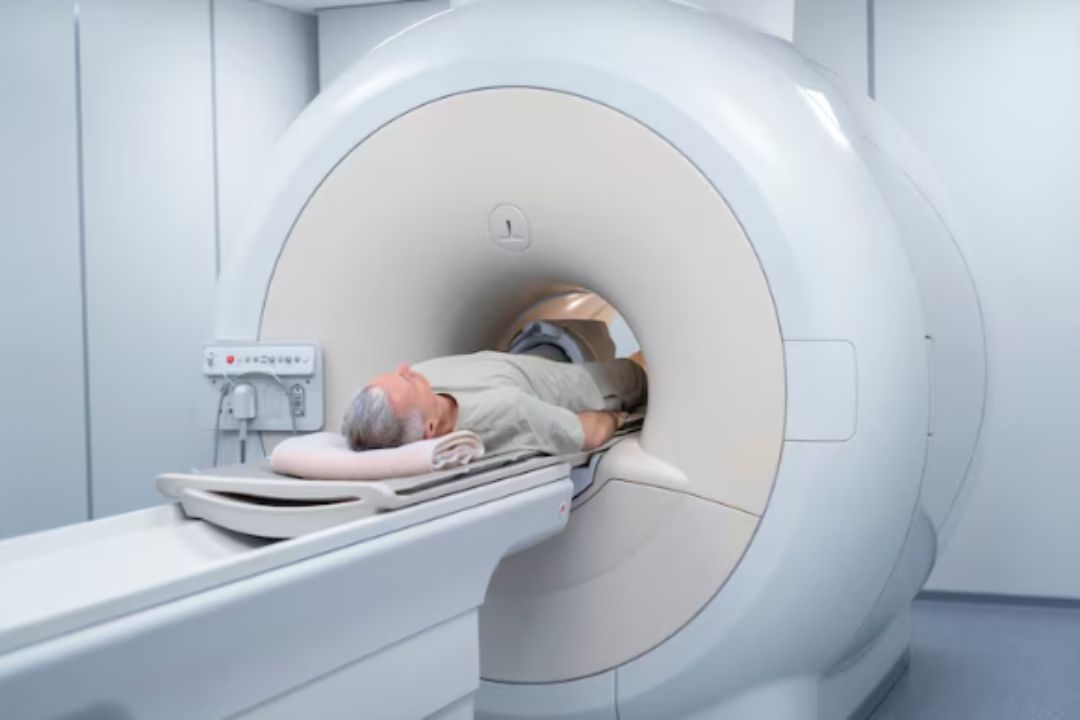
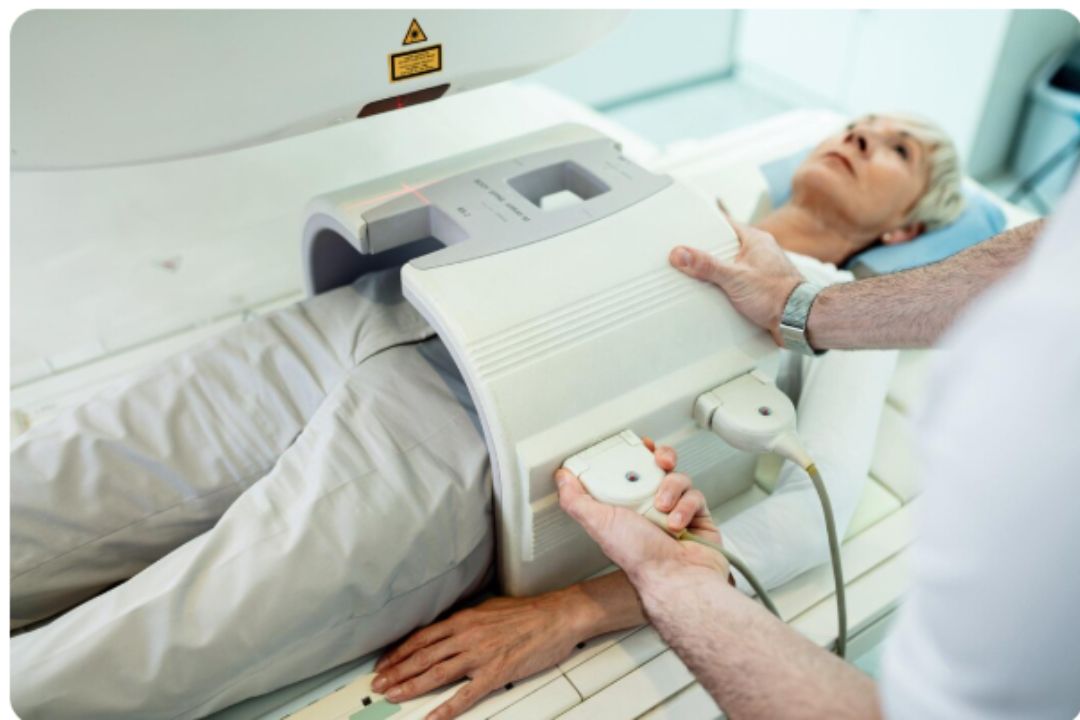
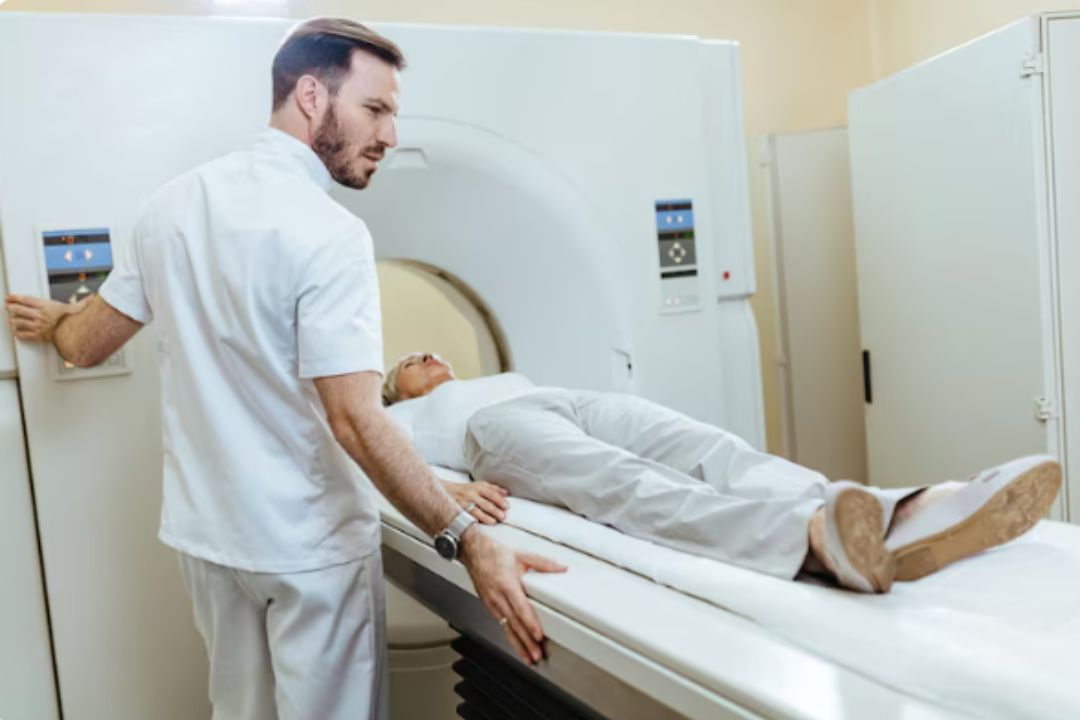
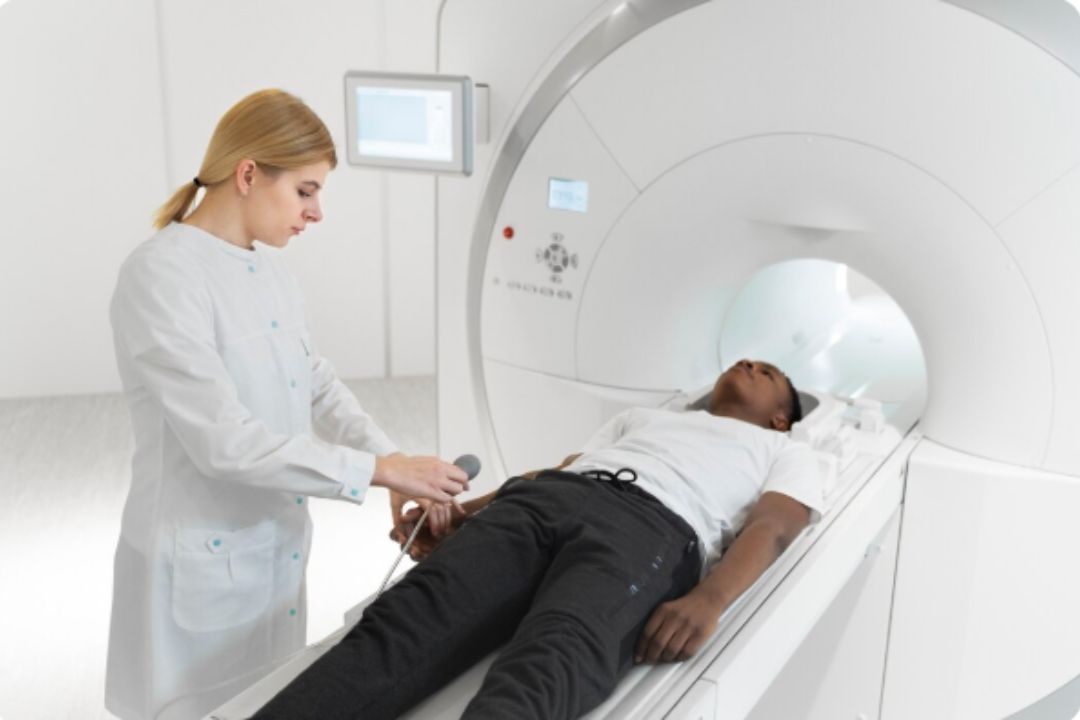
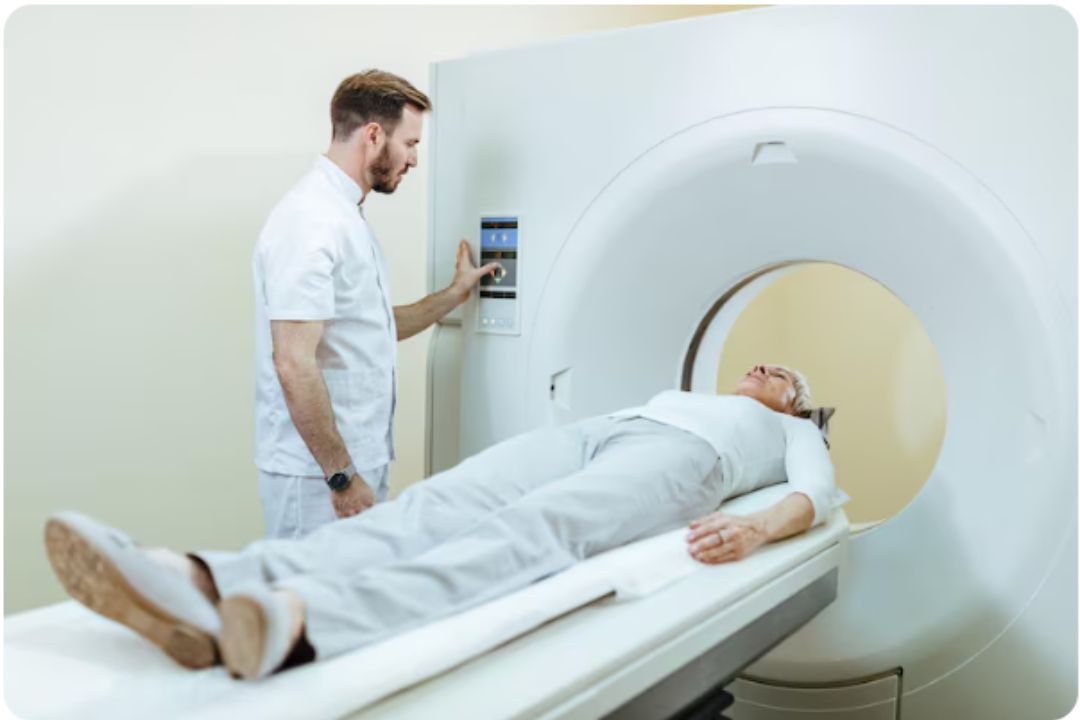
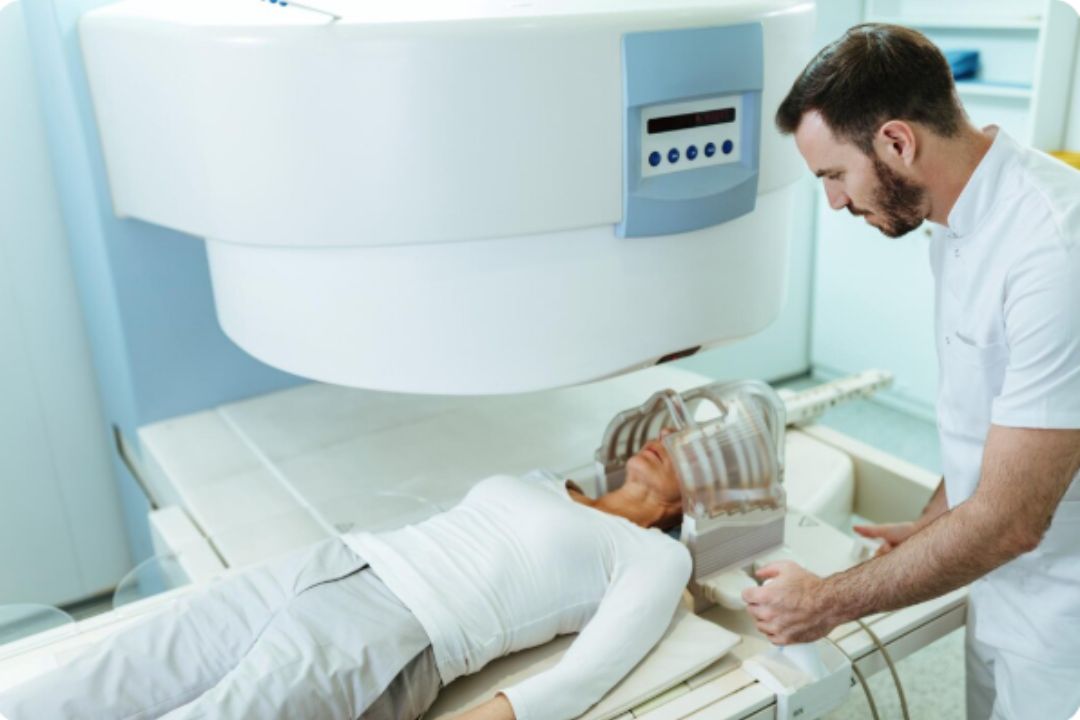
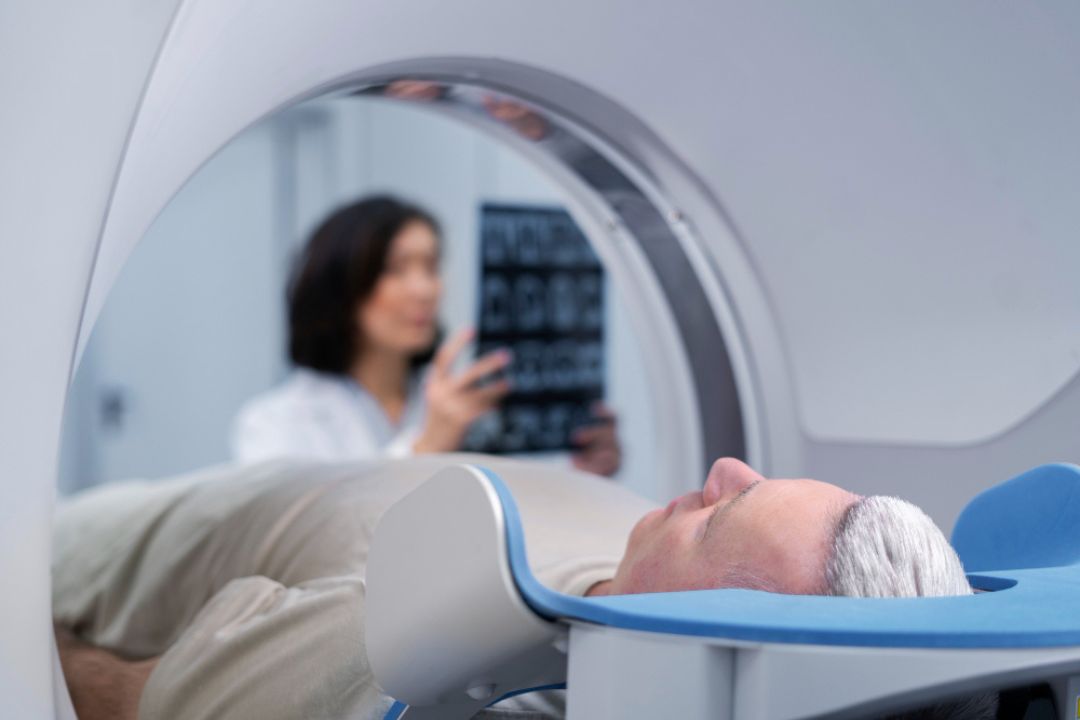
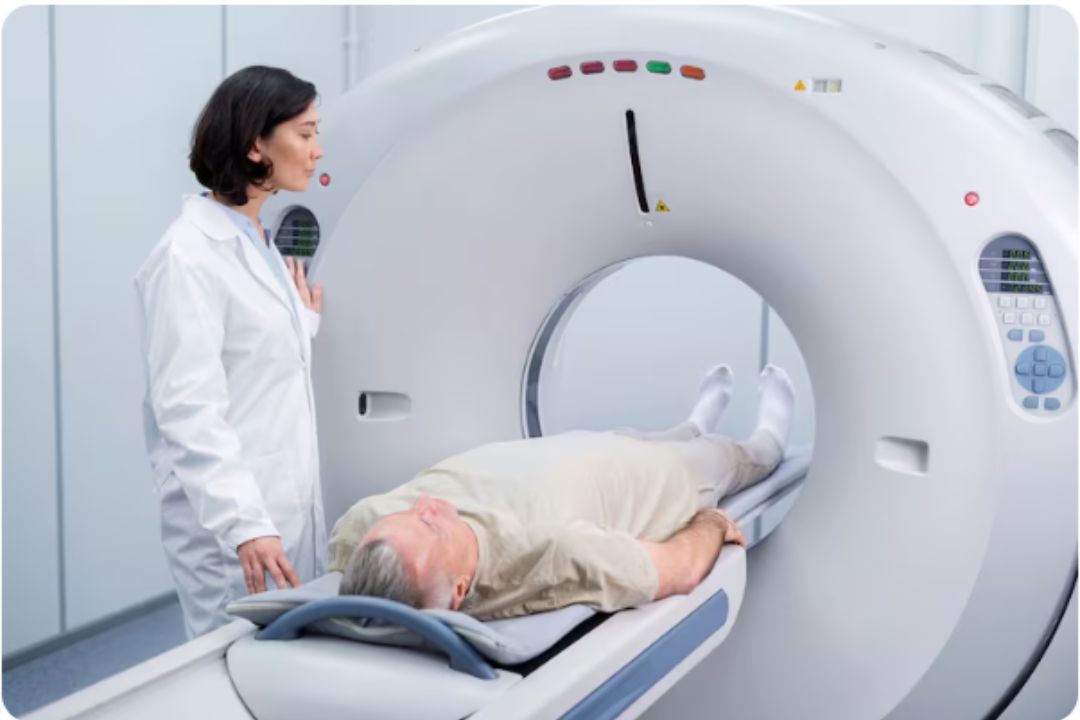
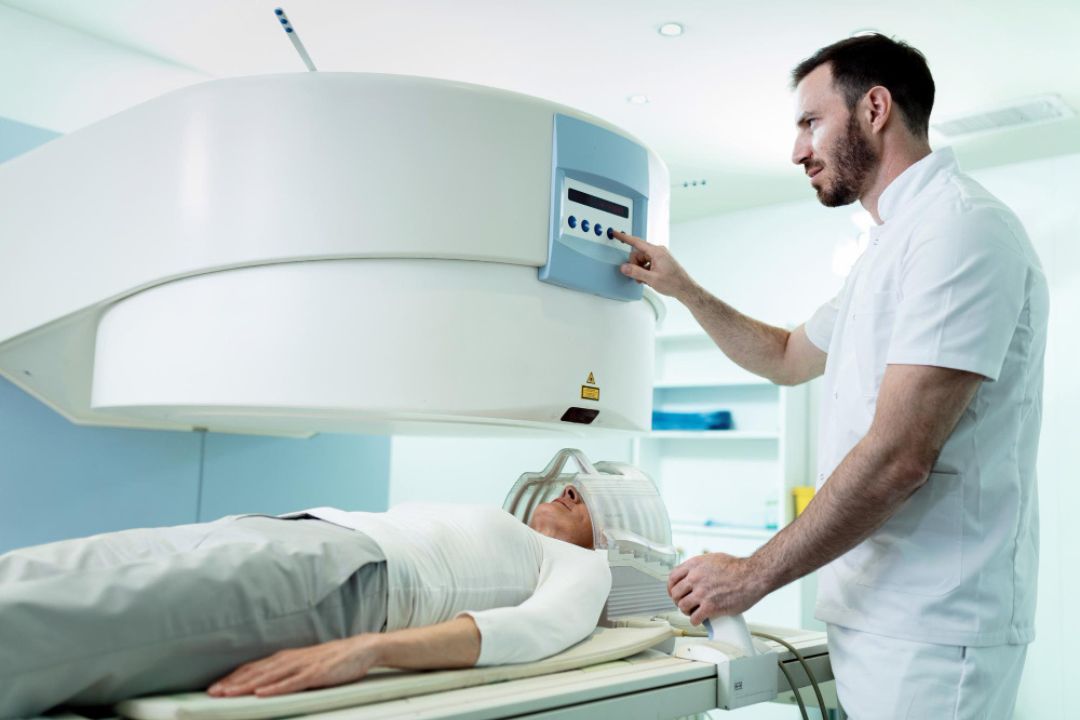
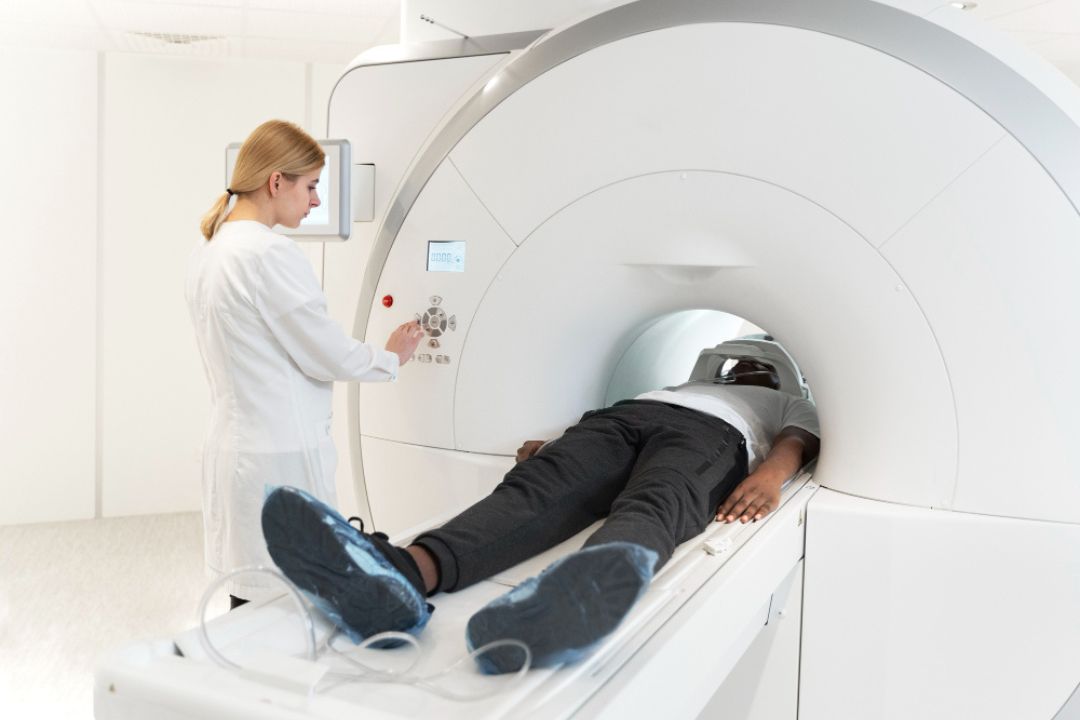
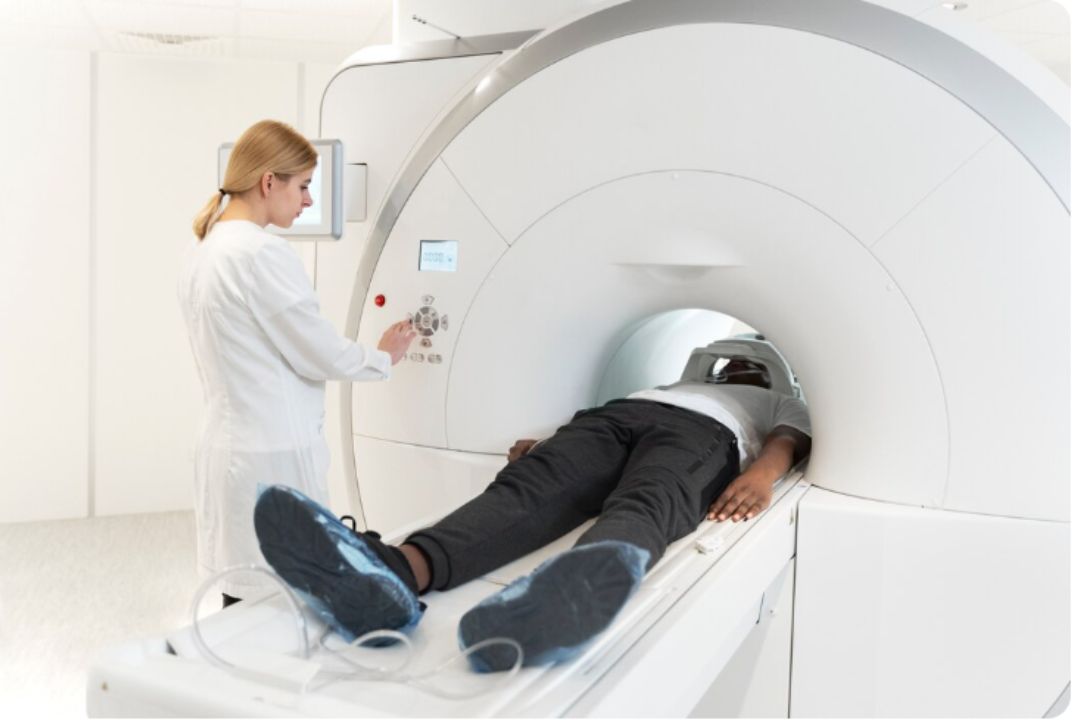
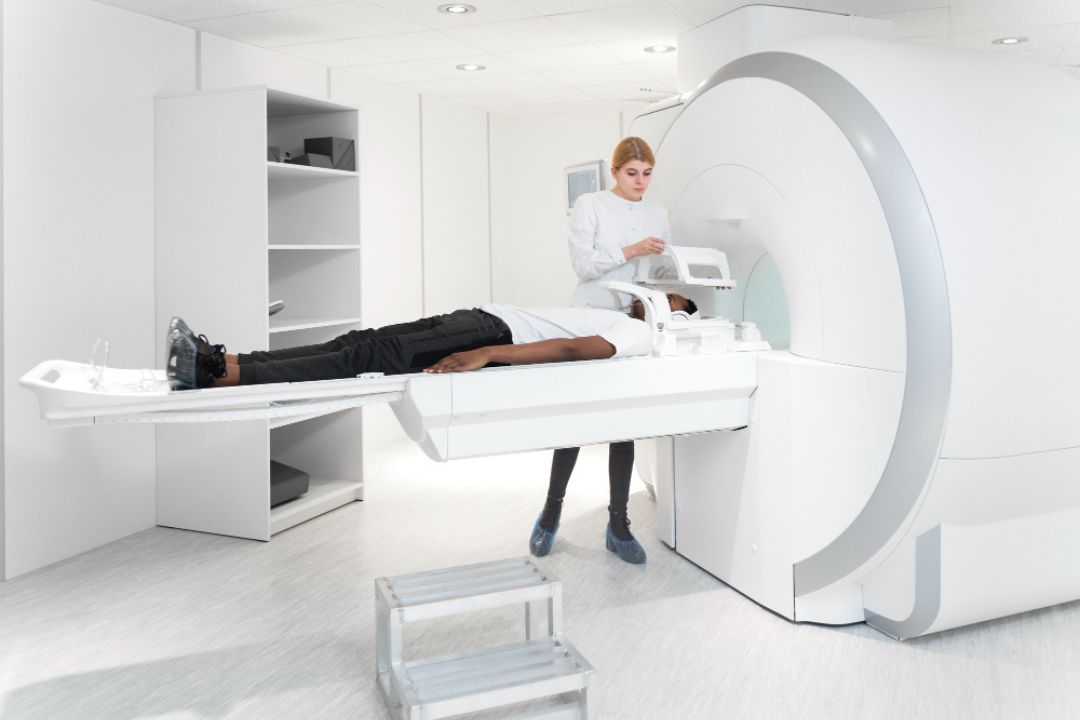
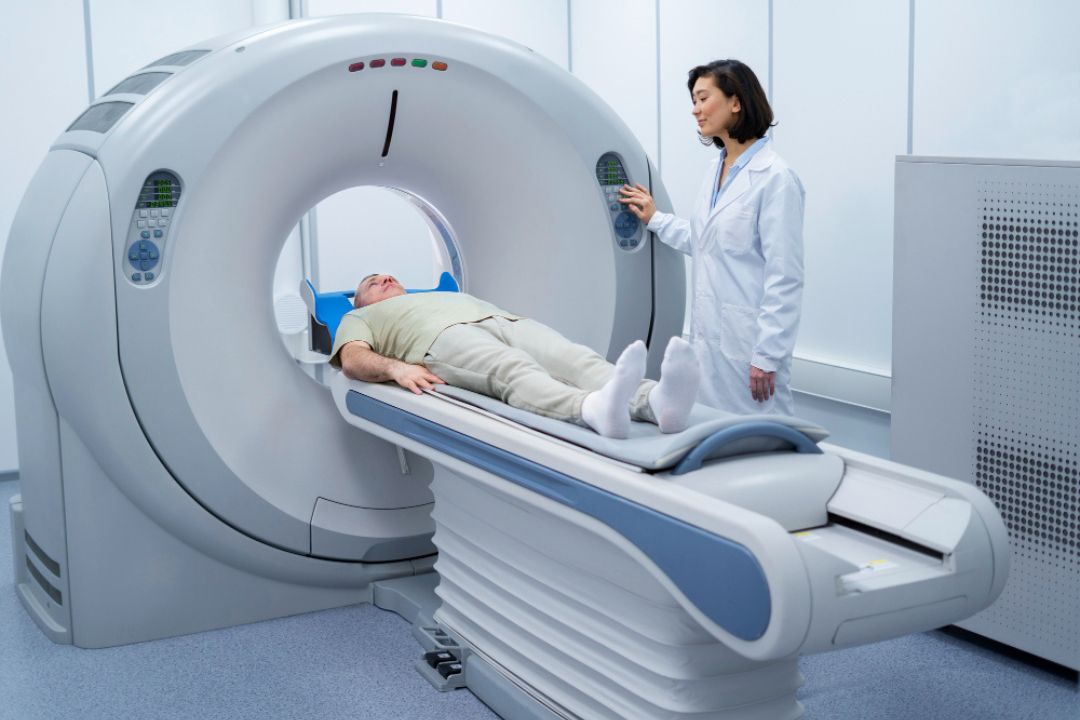
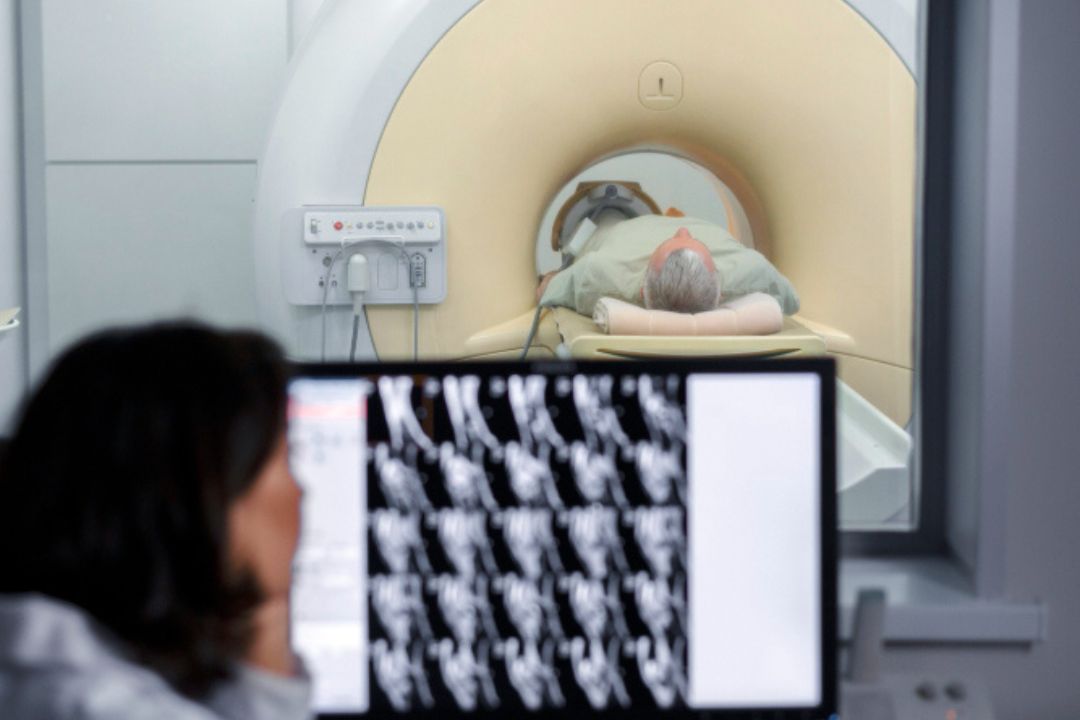
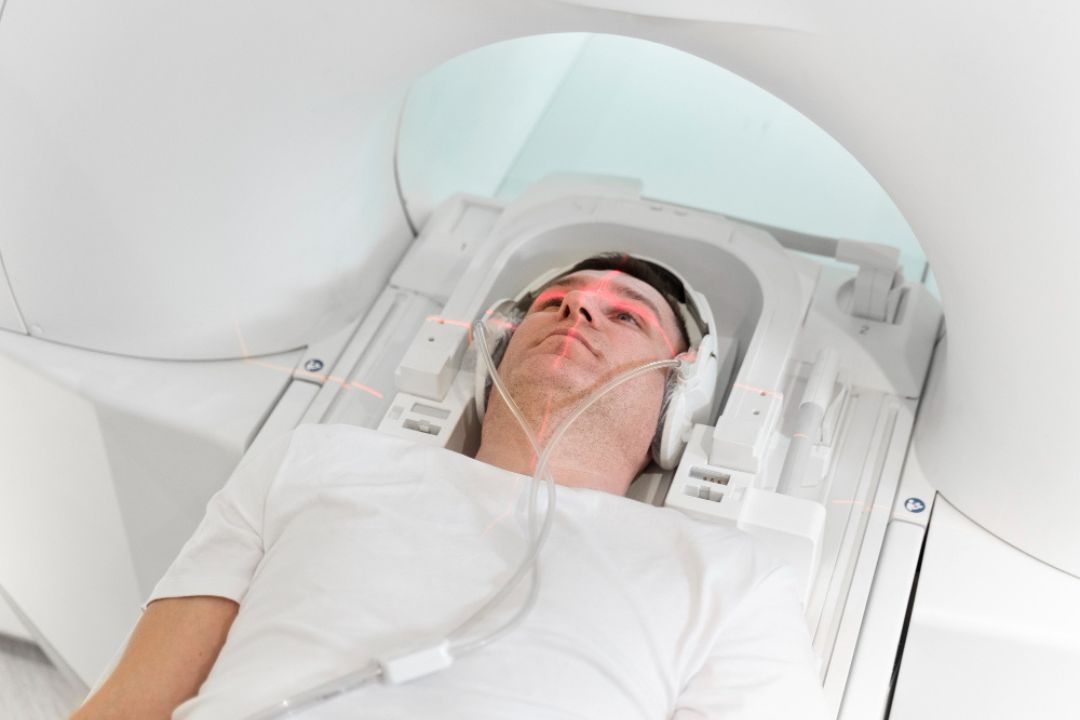
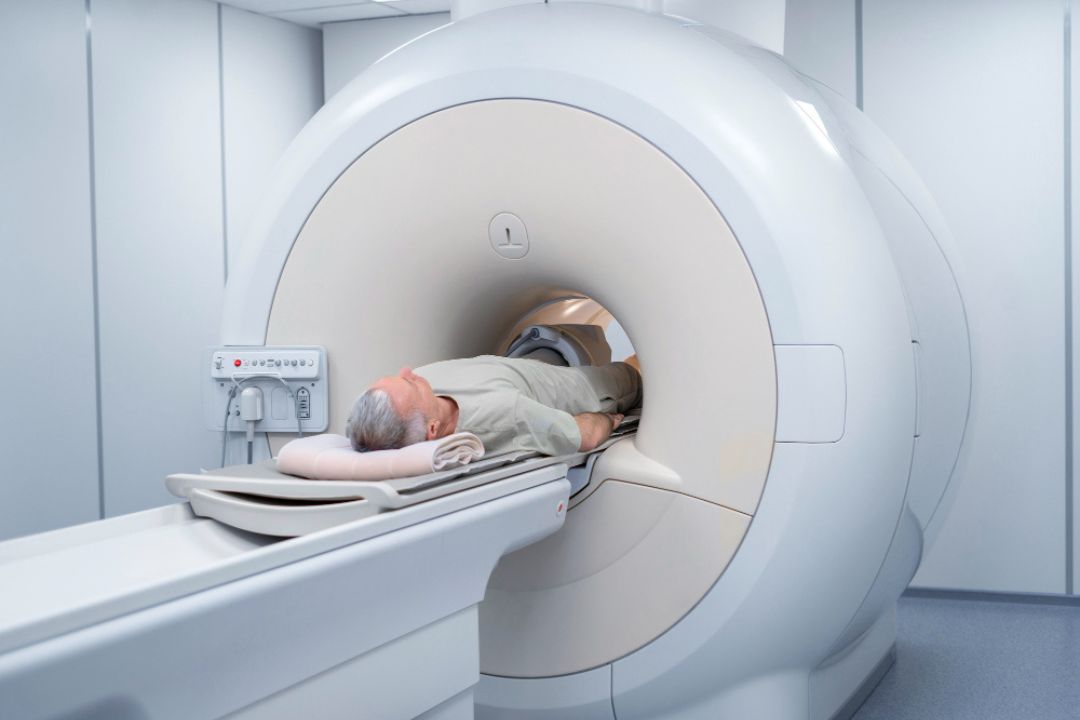
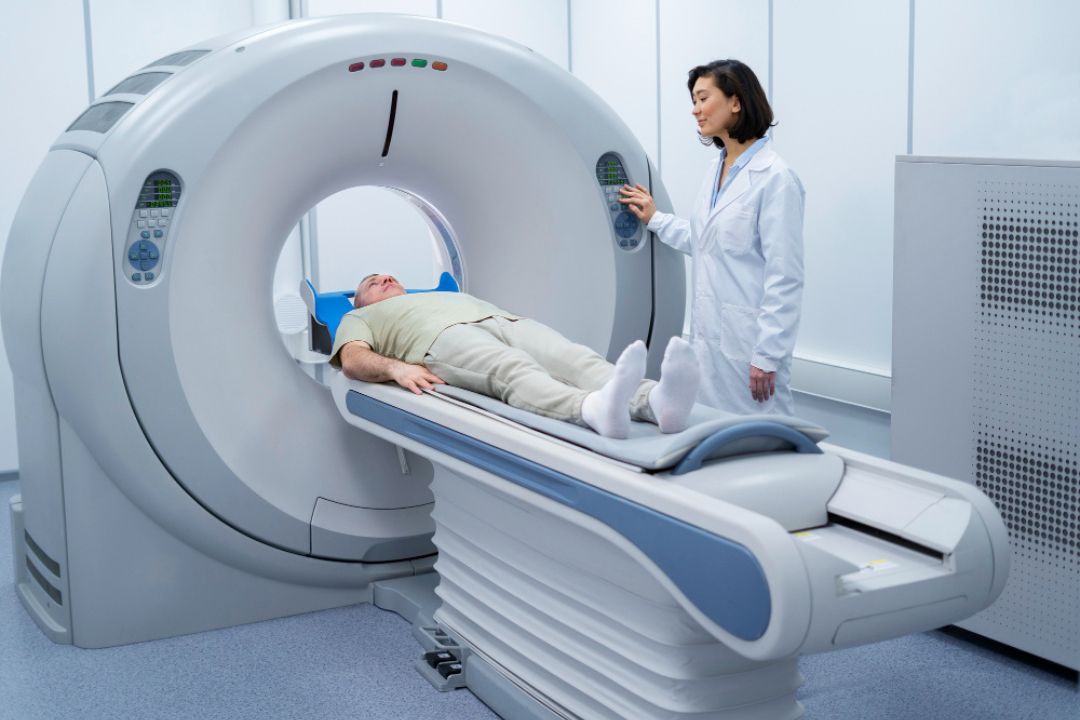
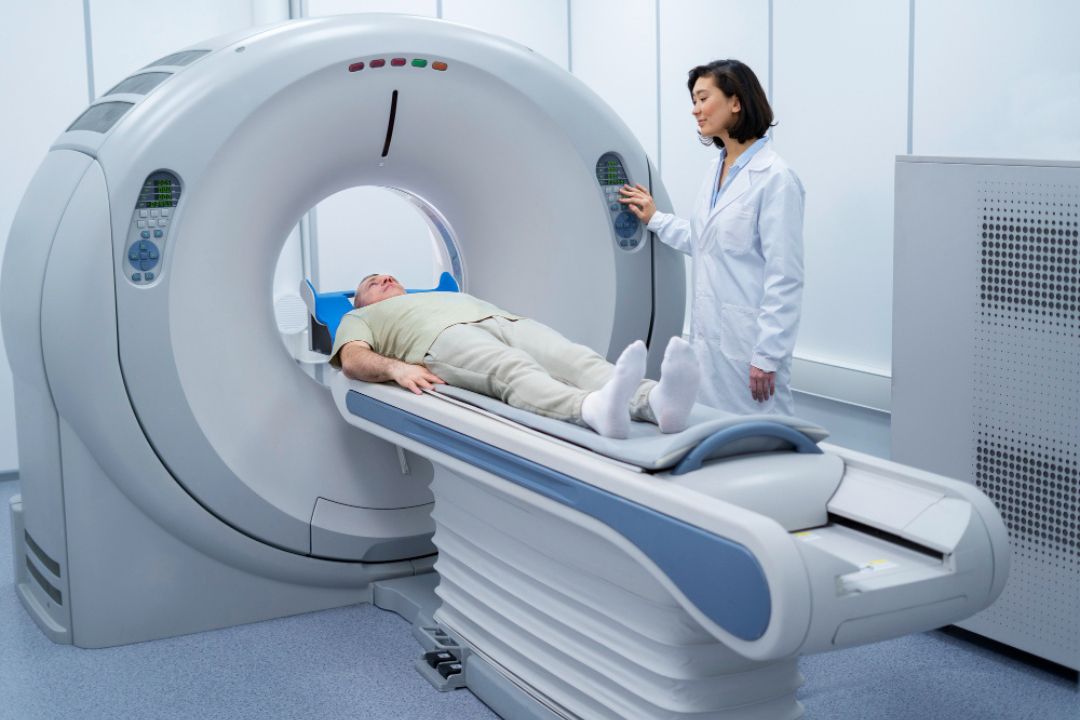
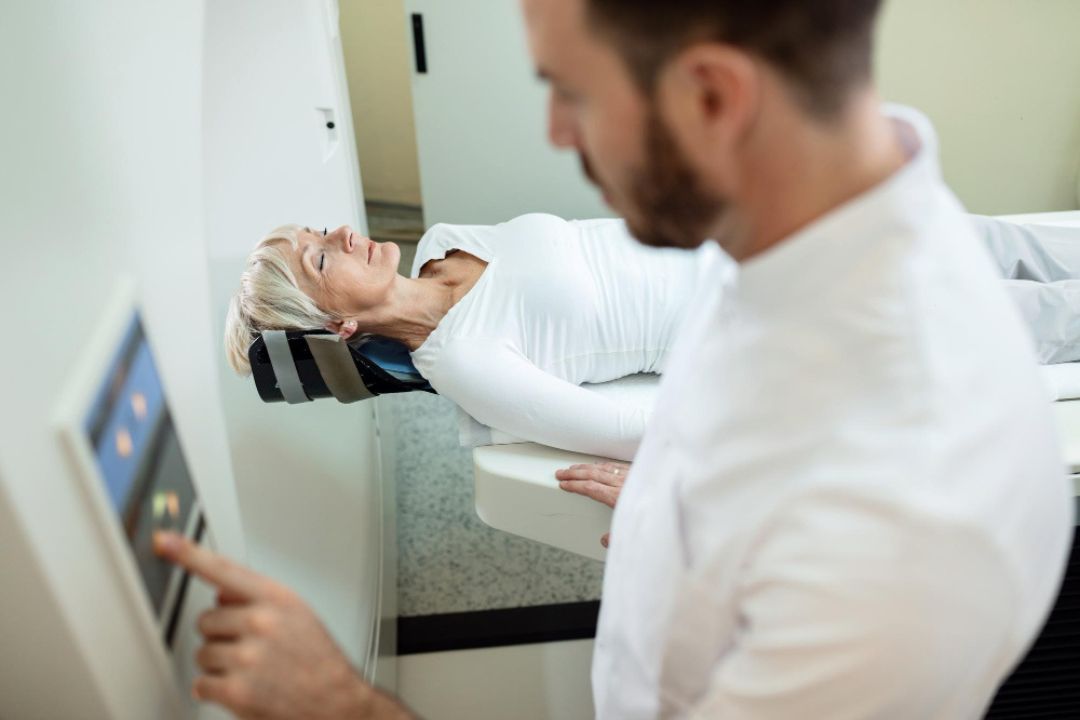
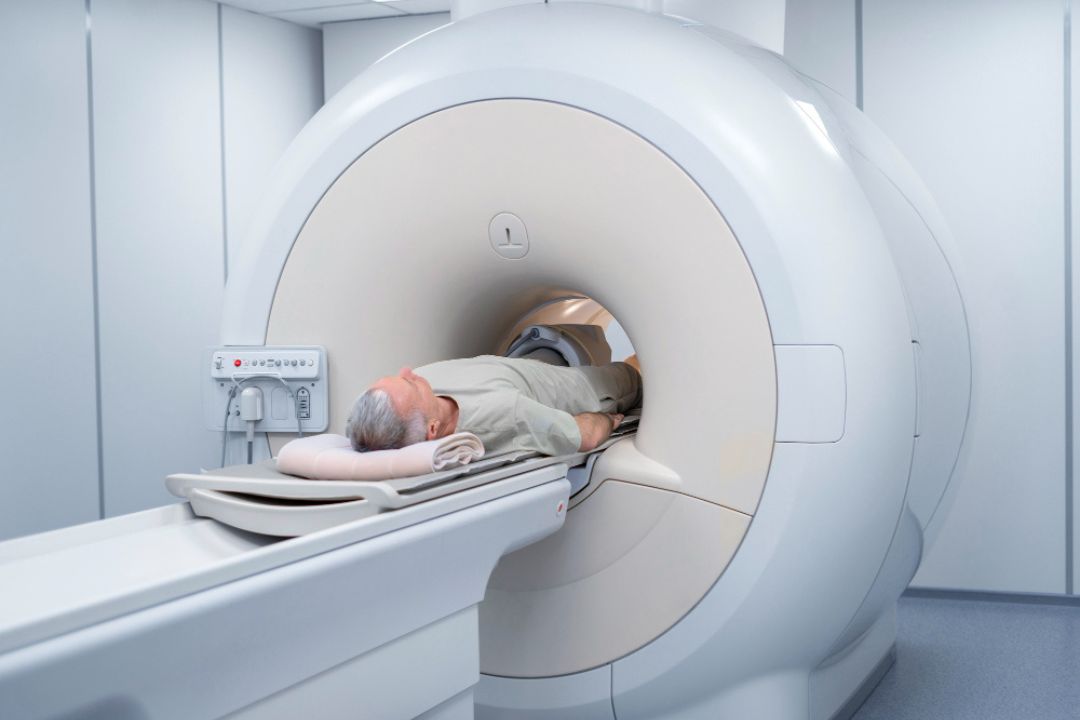
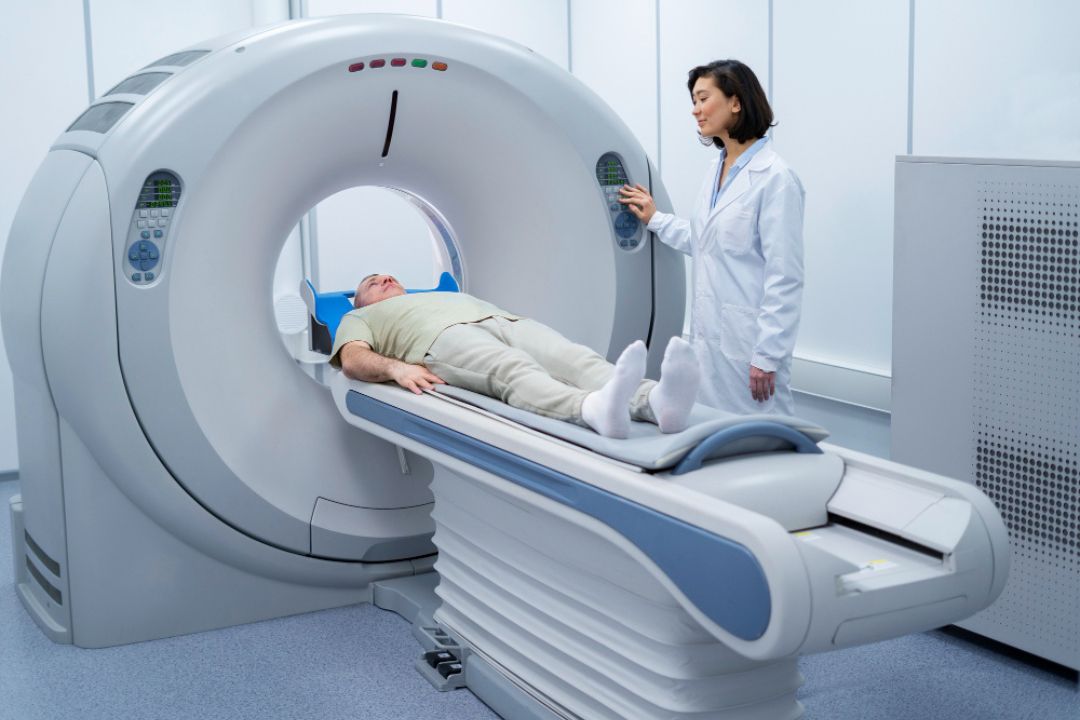
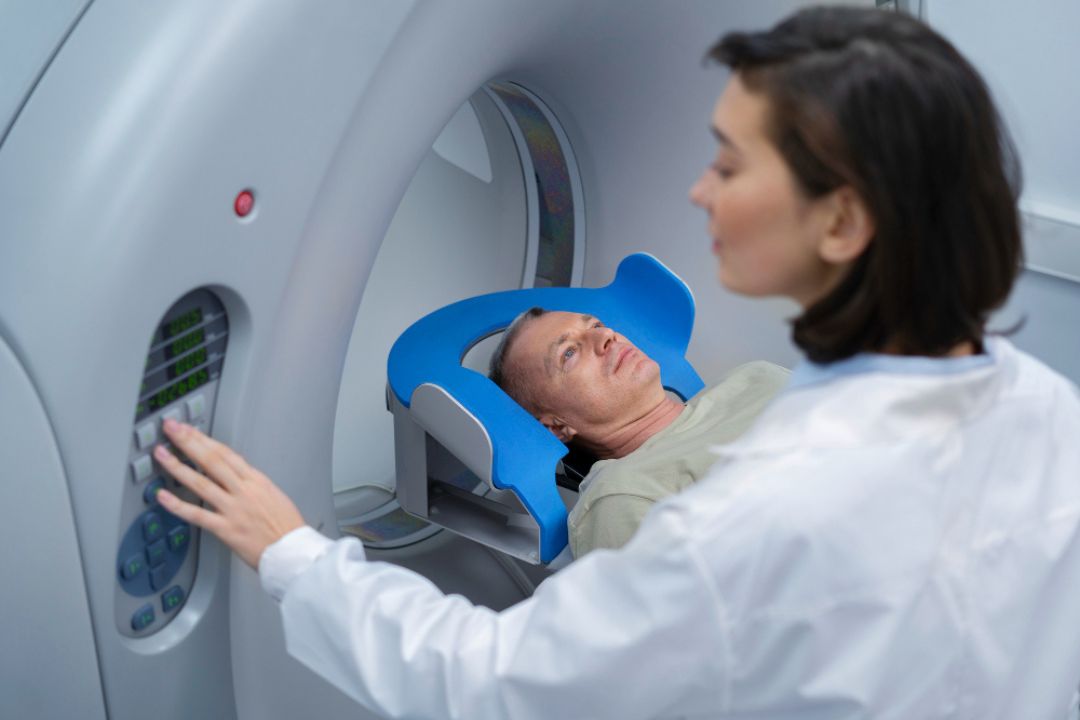
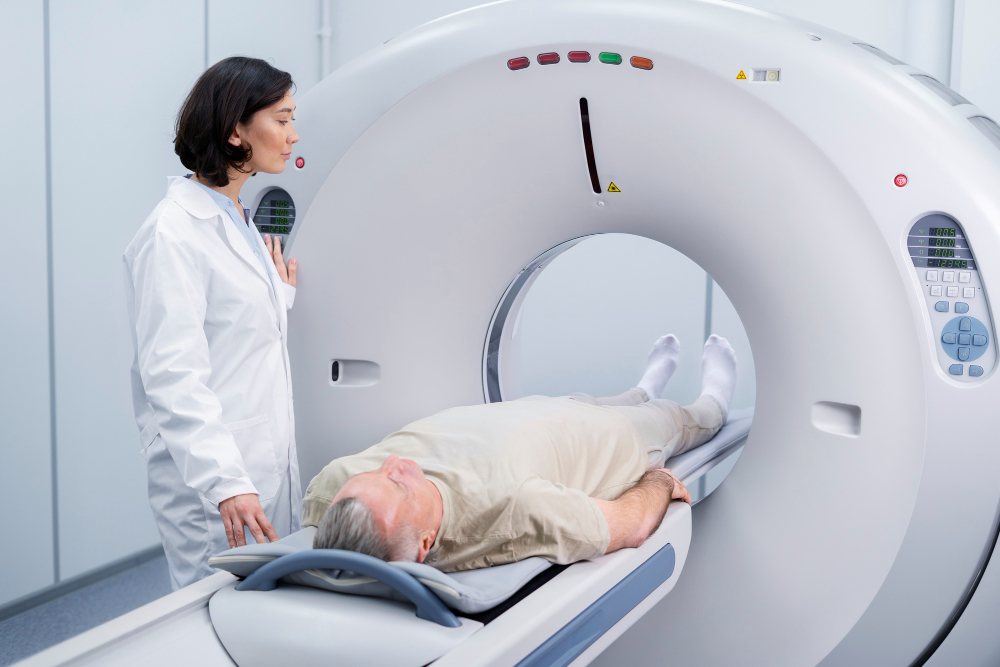
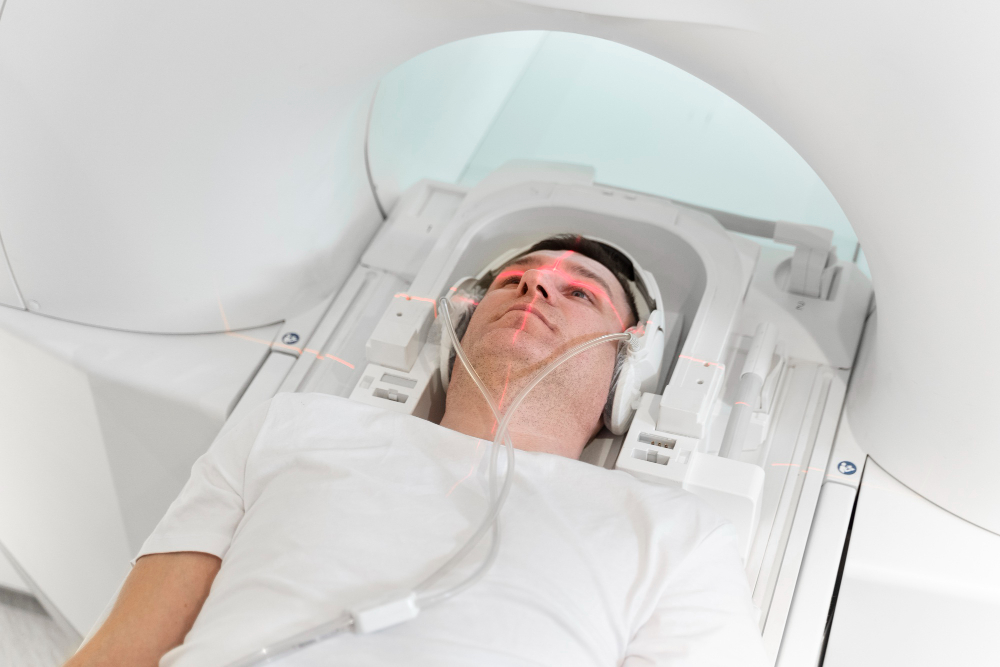
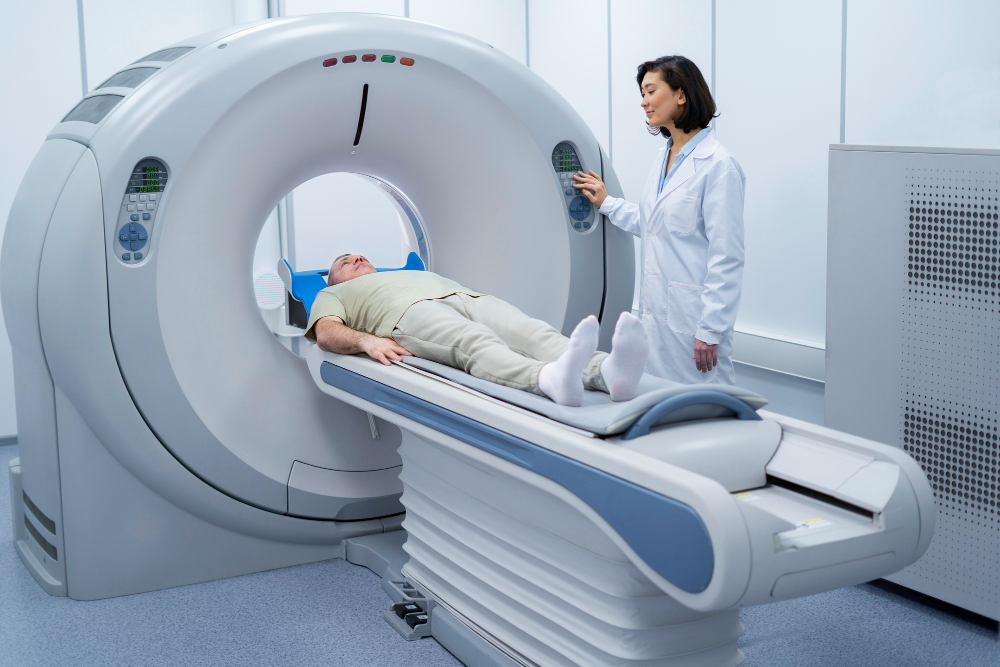
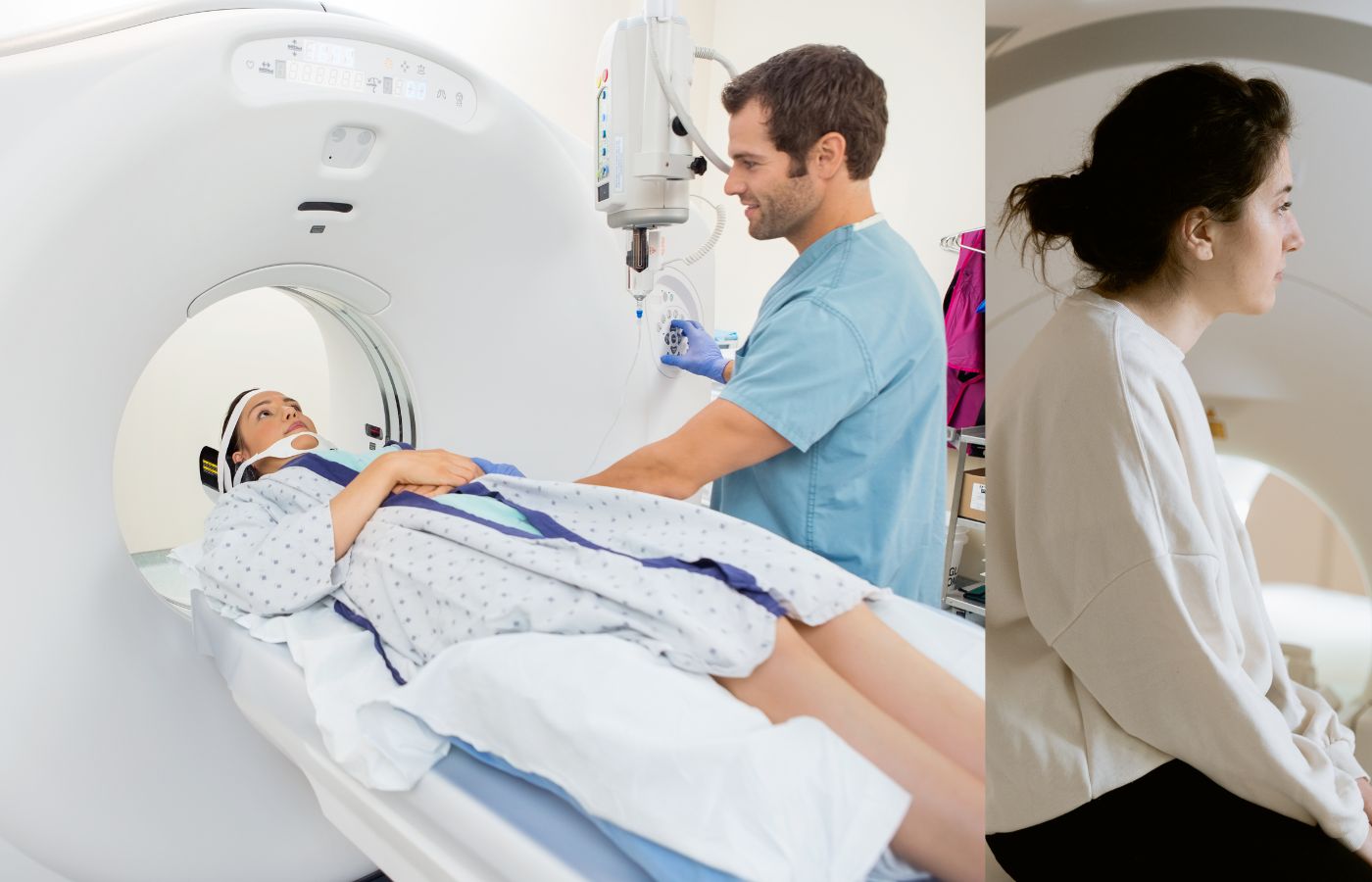
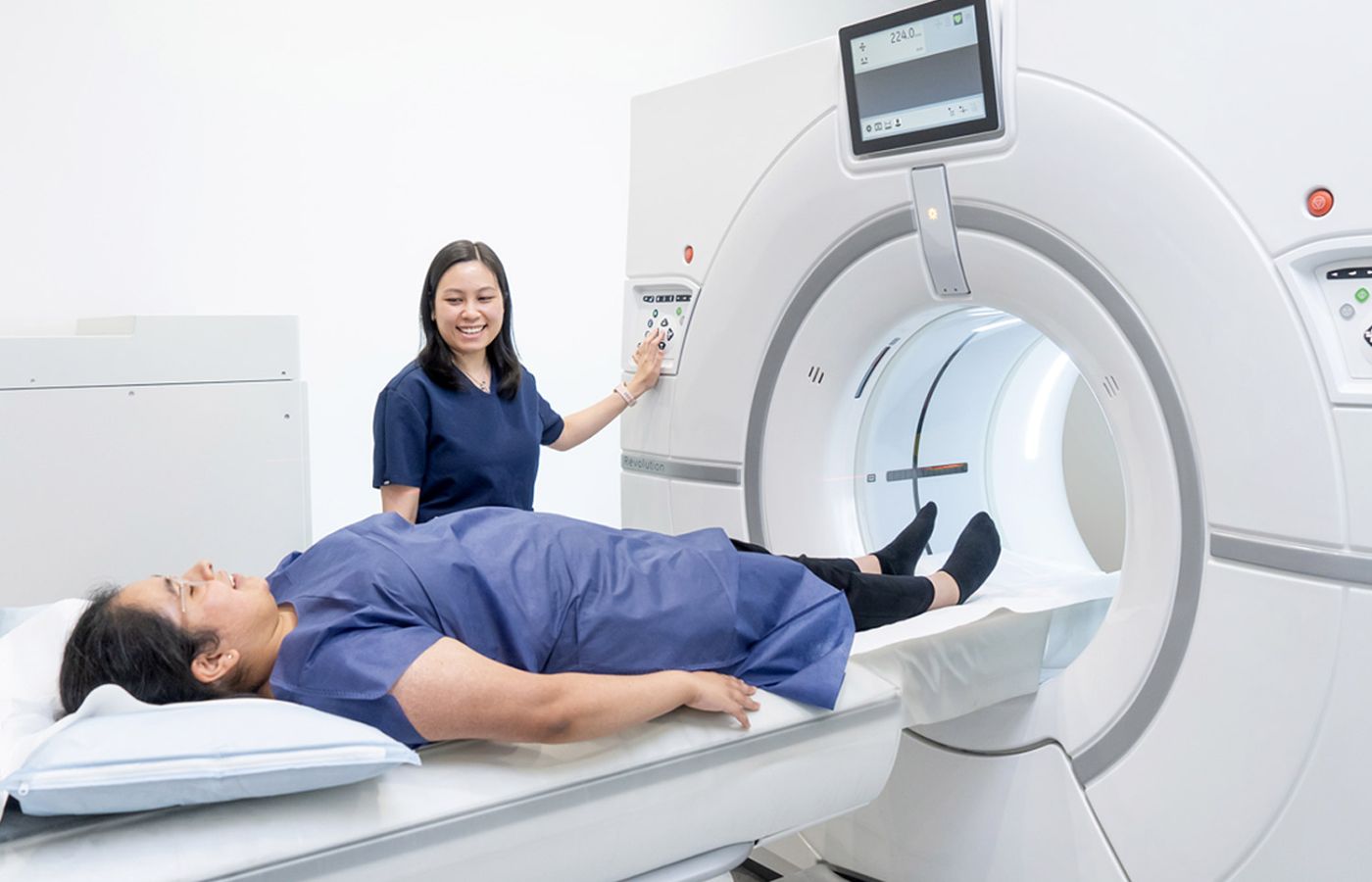
The patient lies on a motorized CT scanning table.
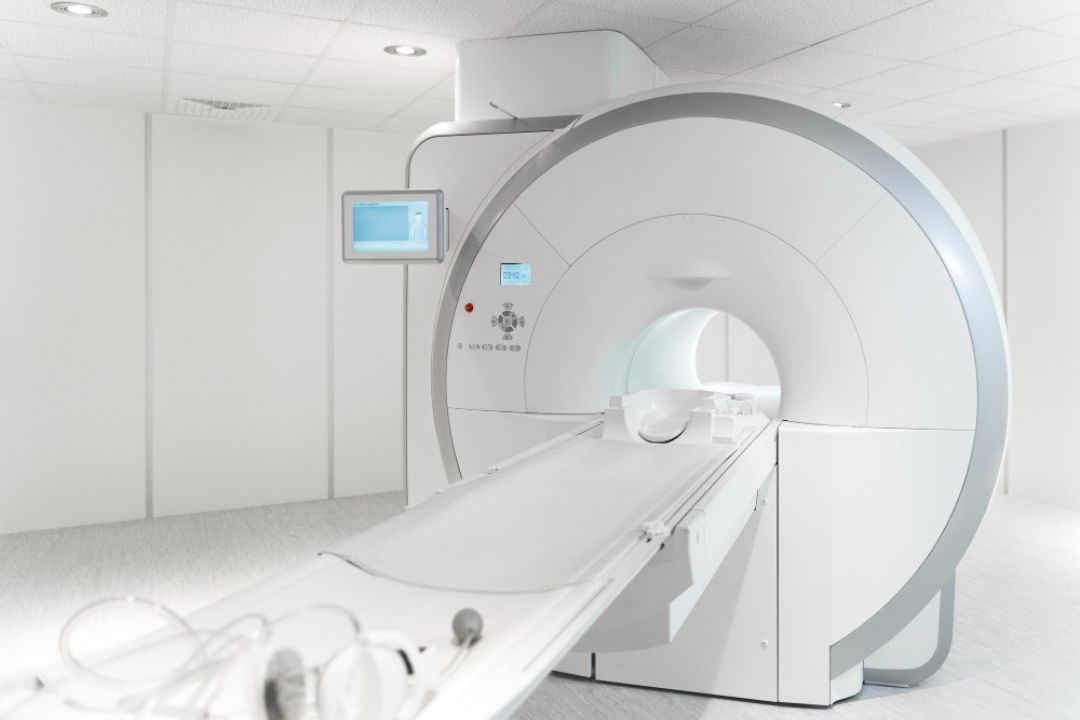
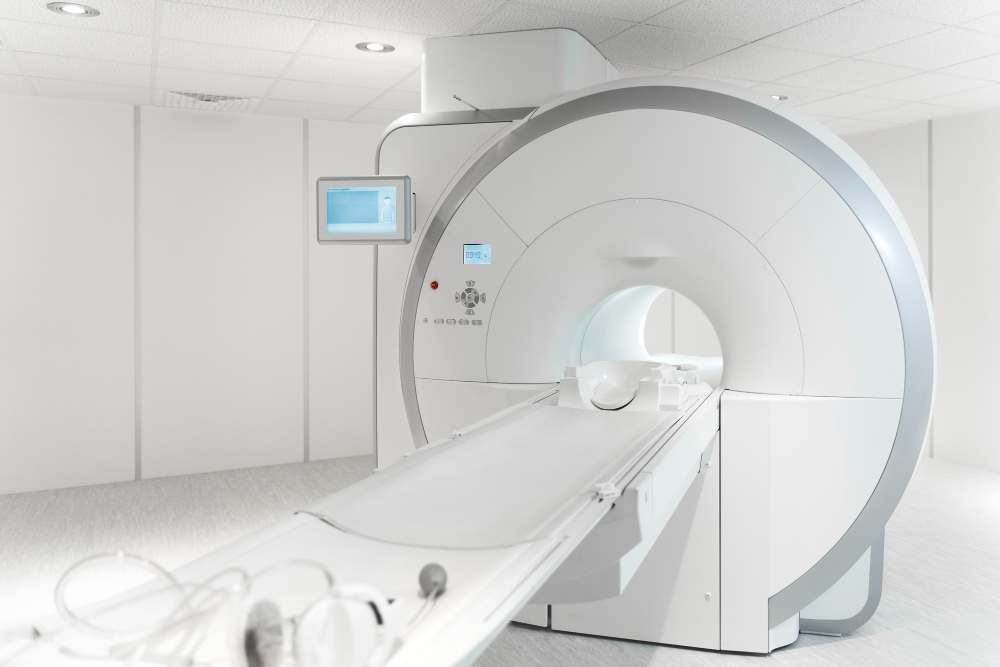
The table slowly moves through the CT scanner.
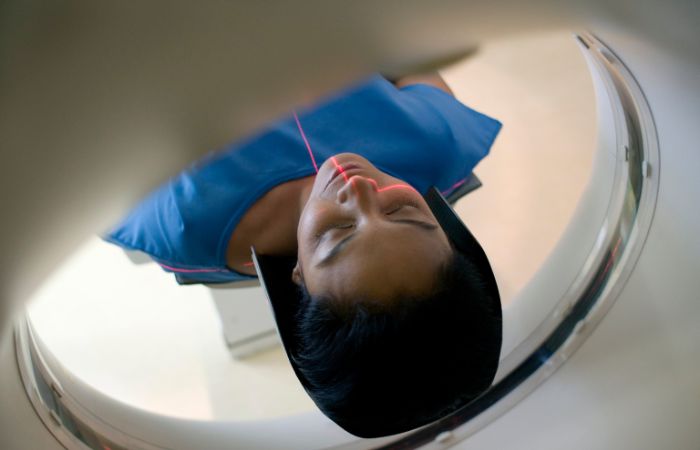
The scanner rotates around the chest and captures multiple images.
The patient may be asked to hold their breath for a few seconds.
The scan usually takes around 5 to 10 minutes.
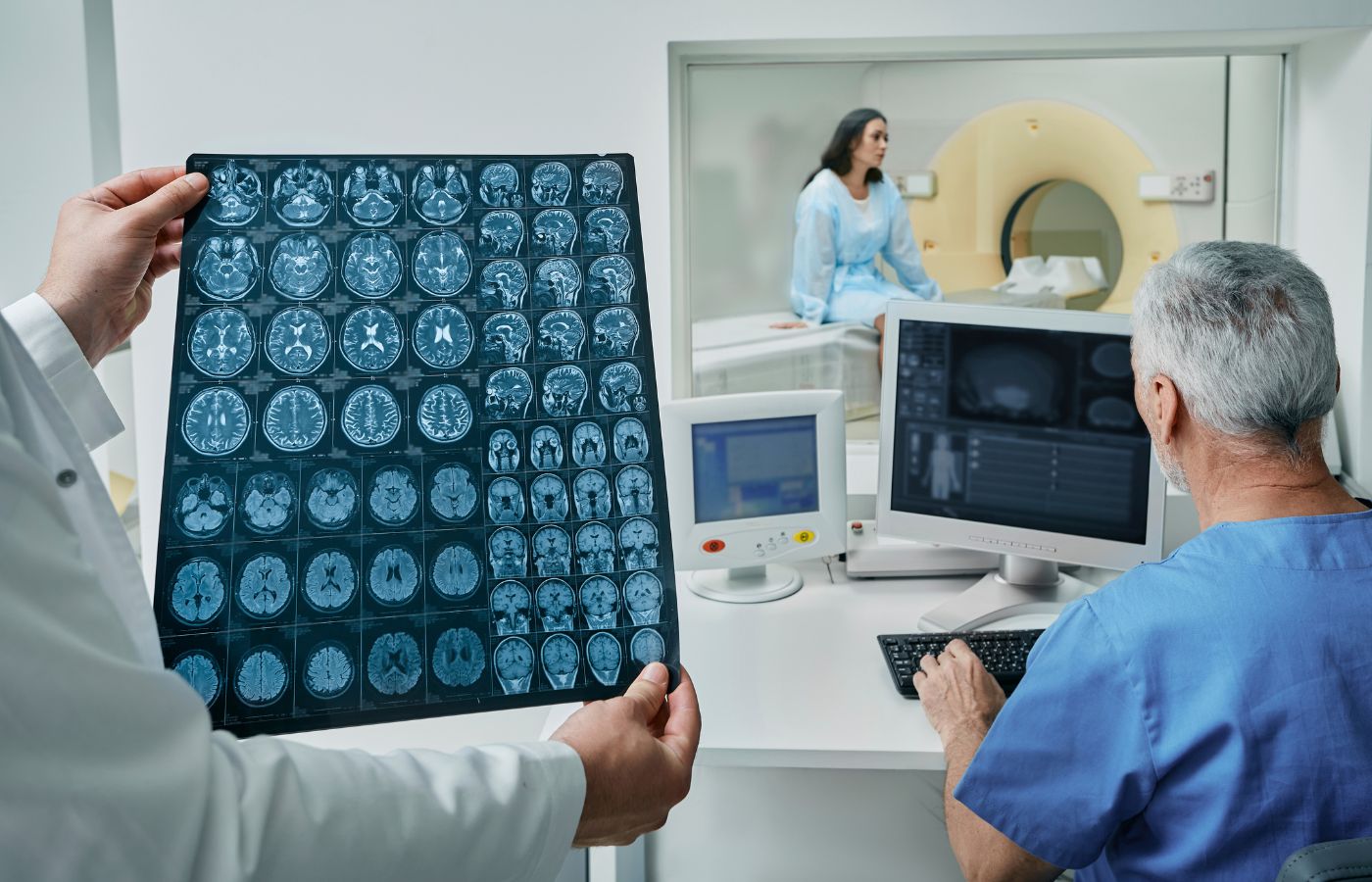
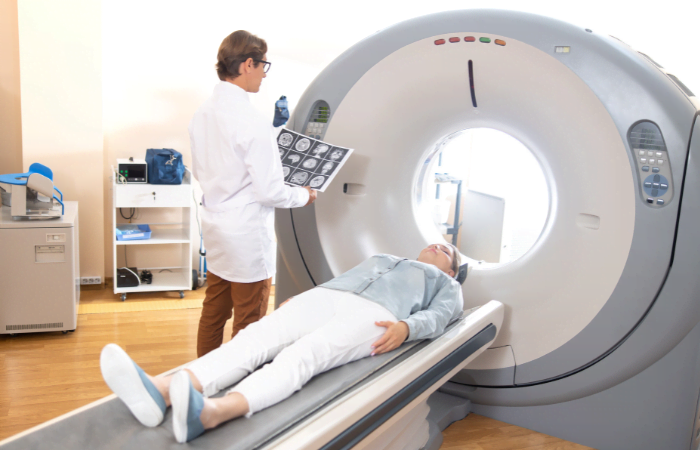
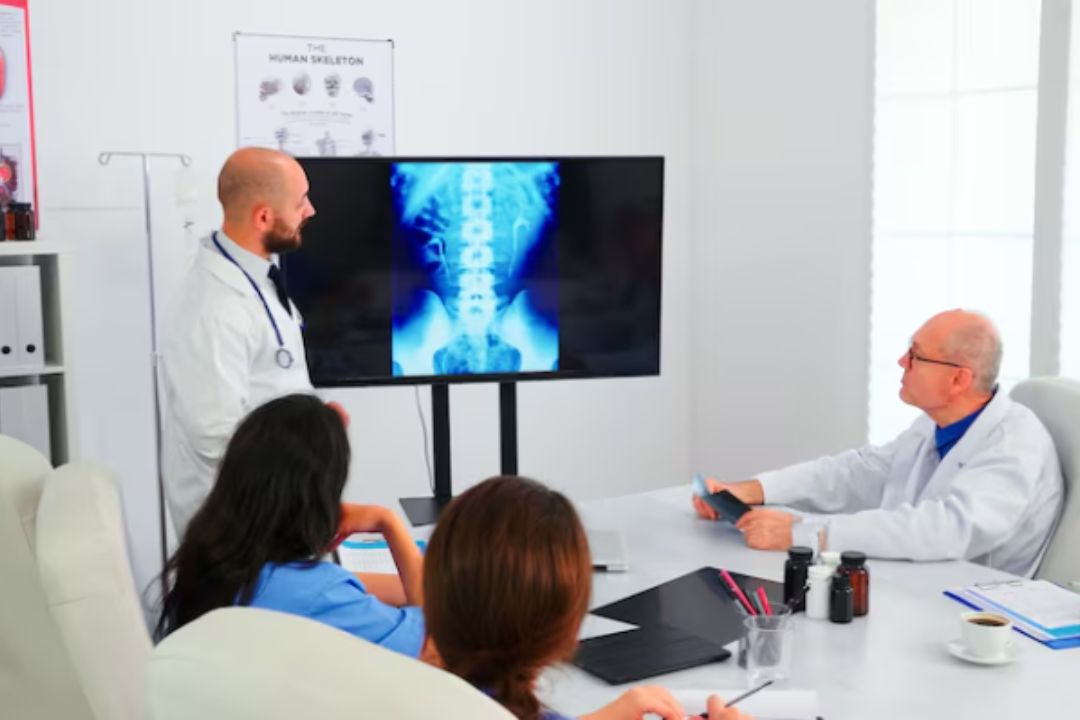
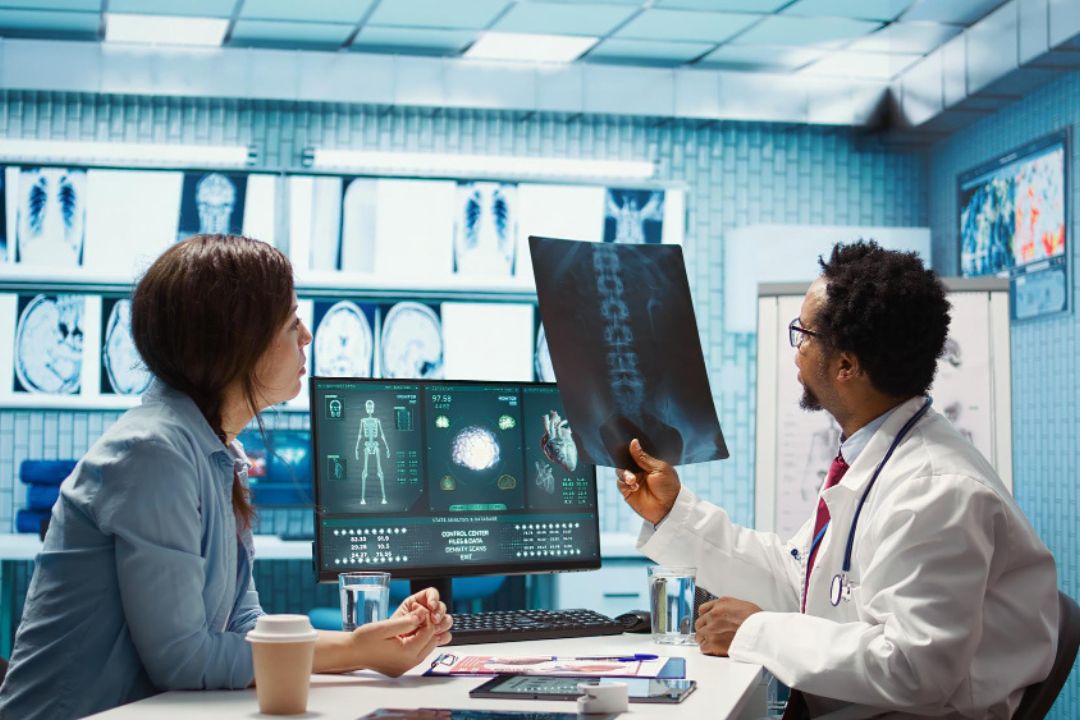
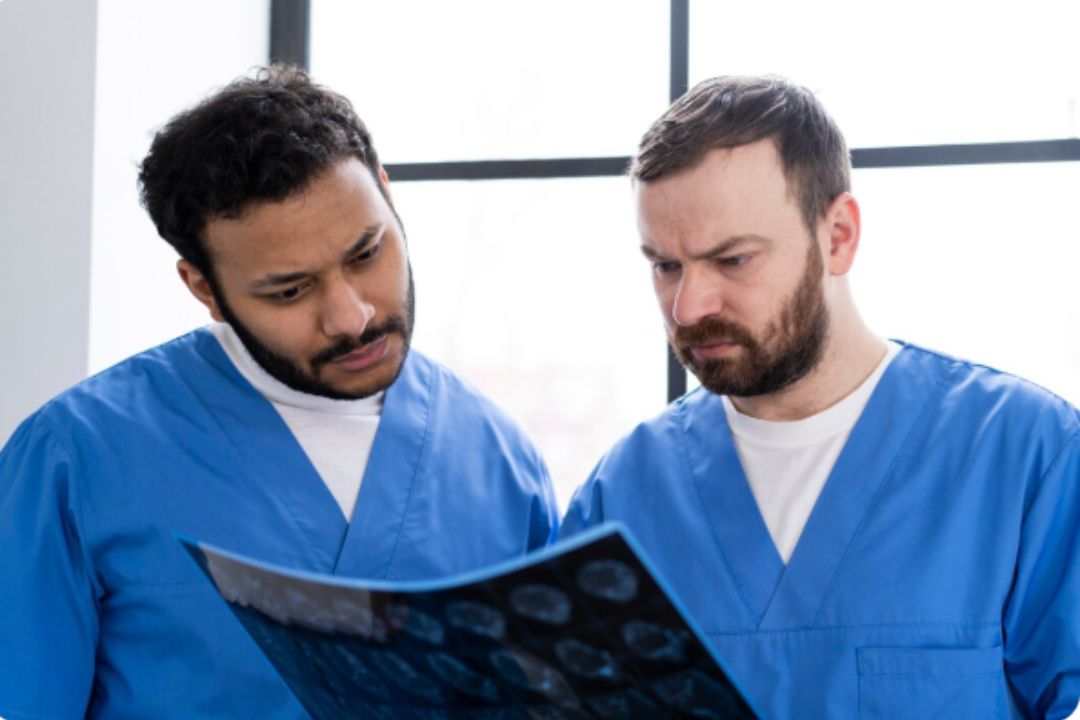
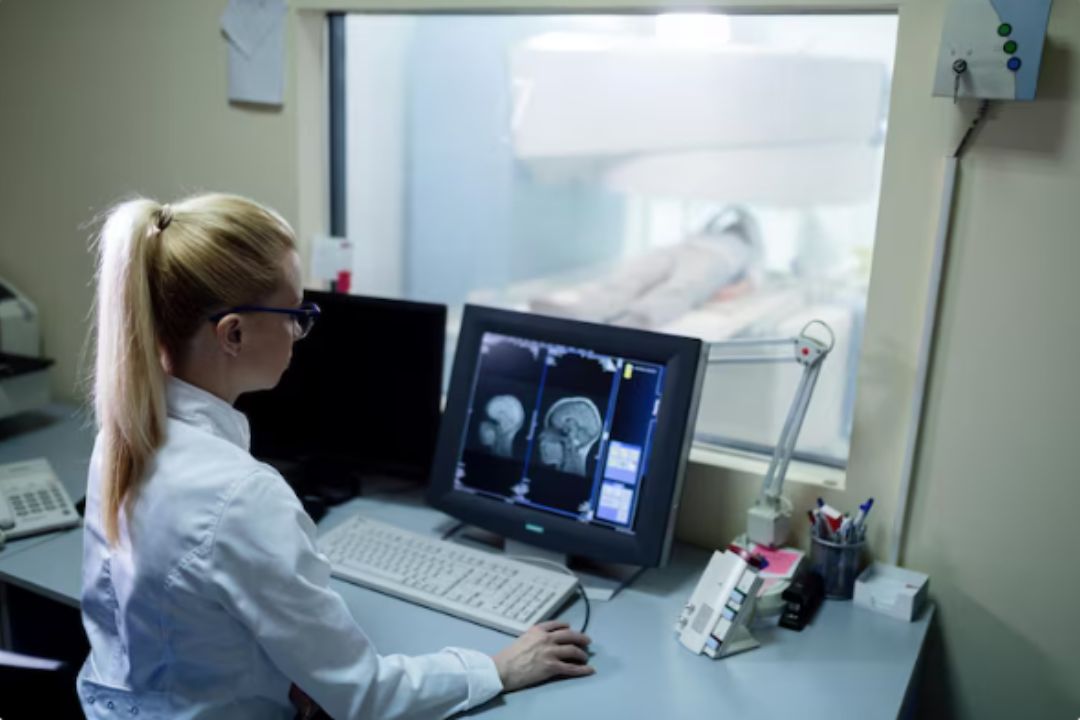
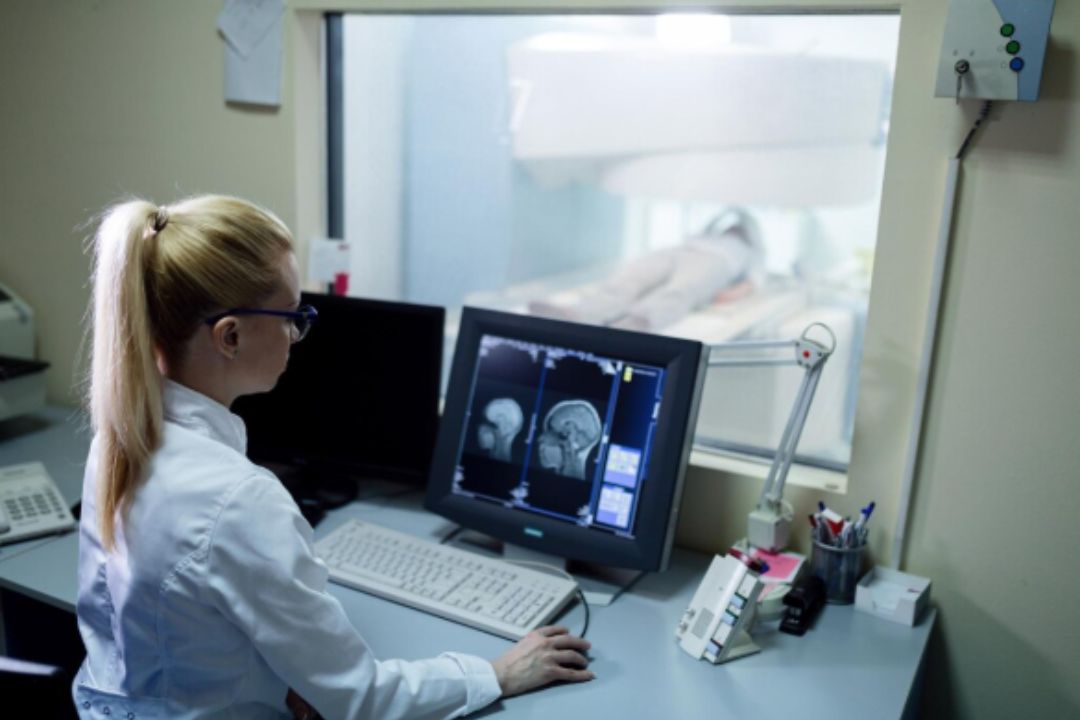
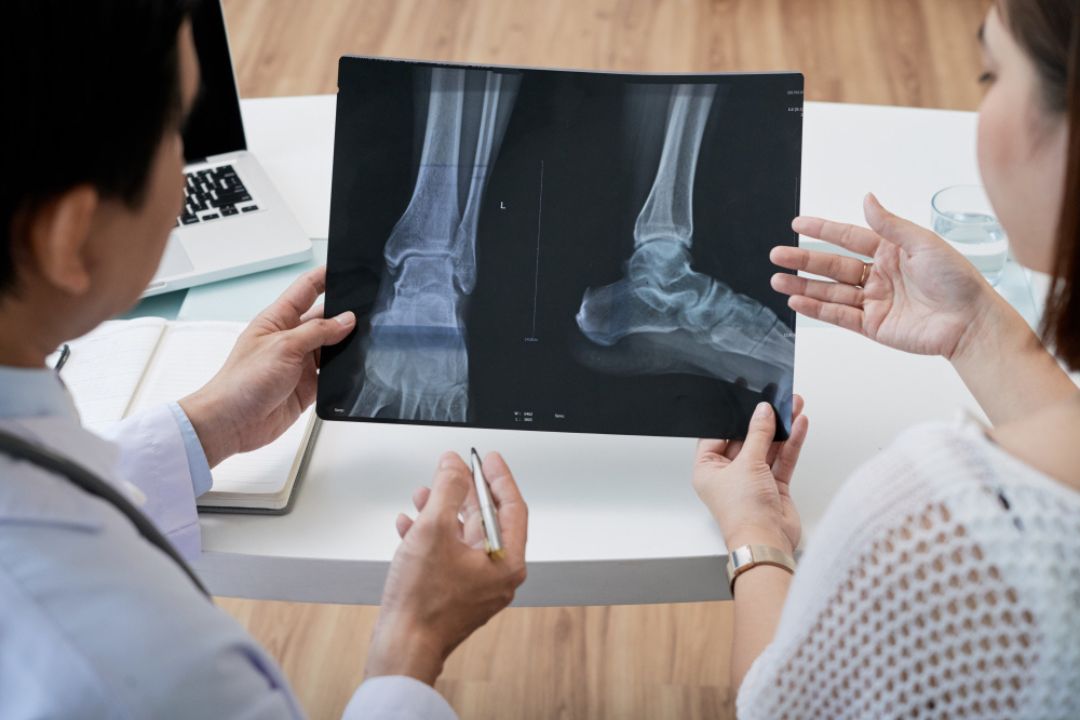
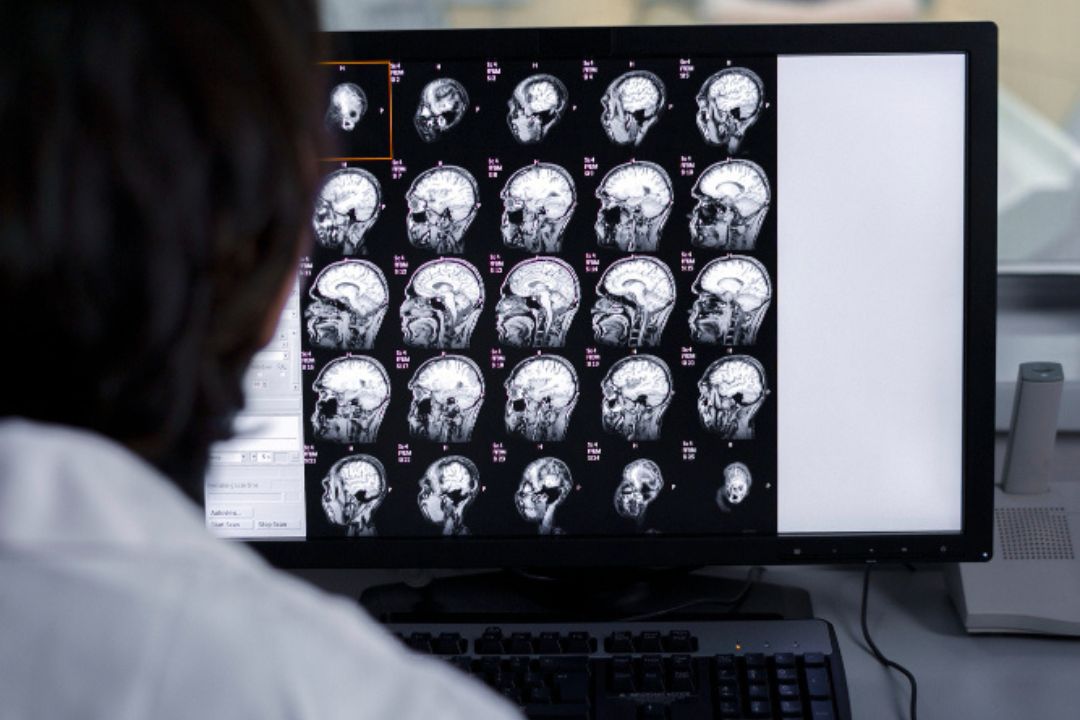
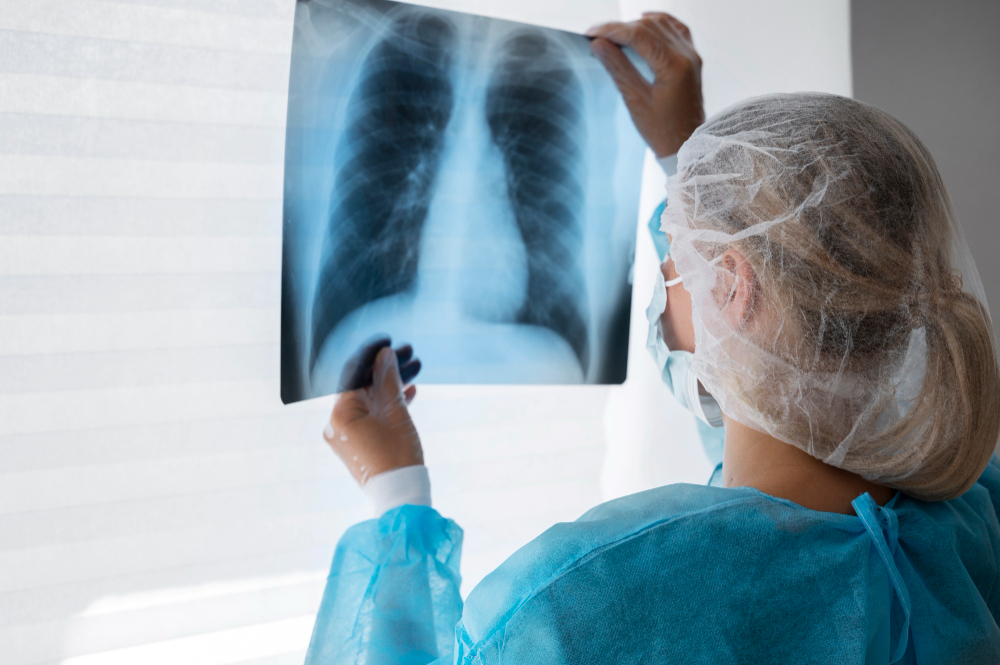
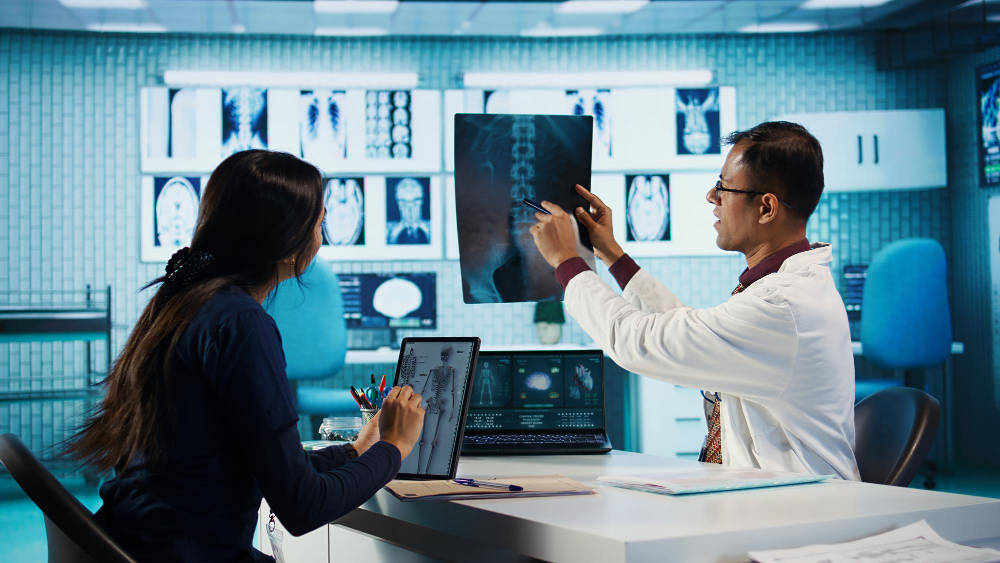
The captured images are then analyzed by a radiologist who prepares a detailed report for the doctor.
Preparation for this scan is usually minimal.
Patients may be advised to follow a few simple instructions before the scan:
Wear comfortable clothing
Avoid wearing jewelry or metal objects
Inform the technician if you are pregnant
Bring previous medical reports if available
Unlike contrast CT scans, fasting is usually not required before a CT chest without contrast.
A CT chest without contrast can help doctors diagnose many conditions affecting the lungs and chest area.
These may include:
Lung infections
Tuberculosis
Lung nodules
Lung cancer
Pulmonary fibrosis
Pneumonia
Chronic obstructive pulmonary disease (COPD)
Pleural diseases
The detailed images provided by the scan allow doctors to detect abnormalities at an early stage and plan appropriate treatment.
Although the scan is generally safe, there are a few minor considerations.
The main concern is exposure to a small amount of radiation. However, modern CT scanners are designed to minimize radiation exposure while maintaining image quality.
Doctors only recommend the scan when the benefits of diagnosis outweigh the potential risks.
Pregnant women should always inform their doctor before undergoing any CT scan, as radiation exposure should be avoided during pregnancy unless absolutely necessary.
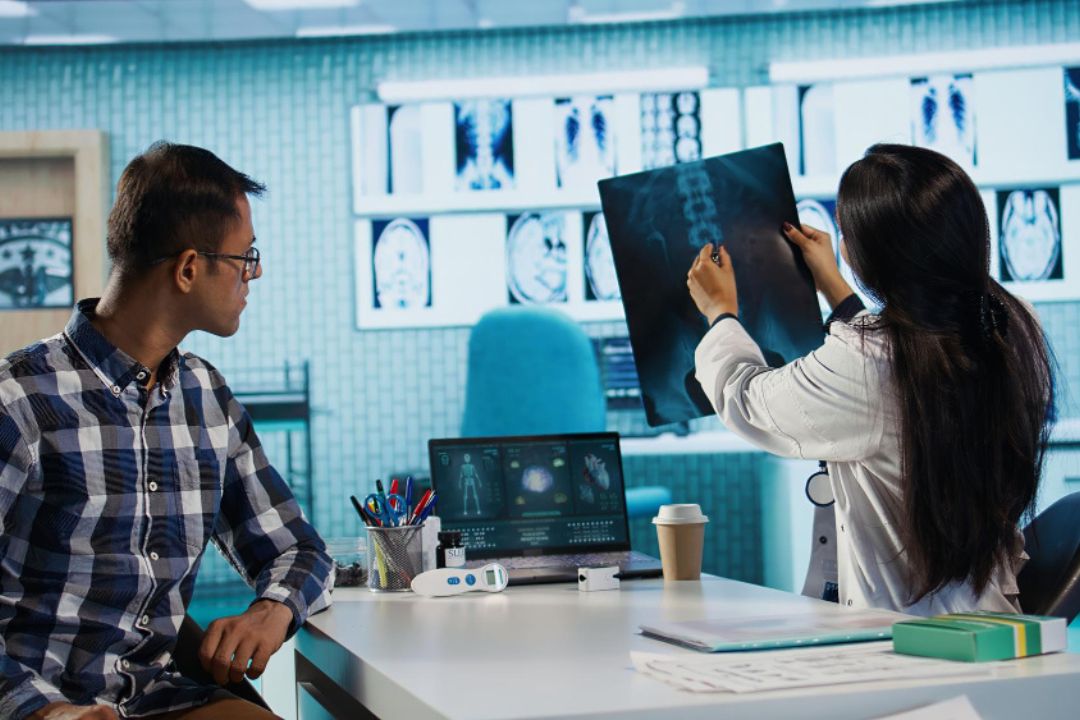
After the scan is completed, the images are reviewed by a radiologist.
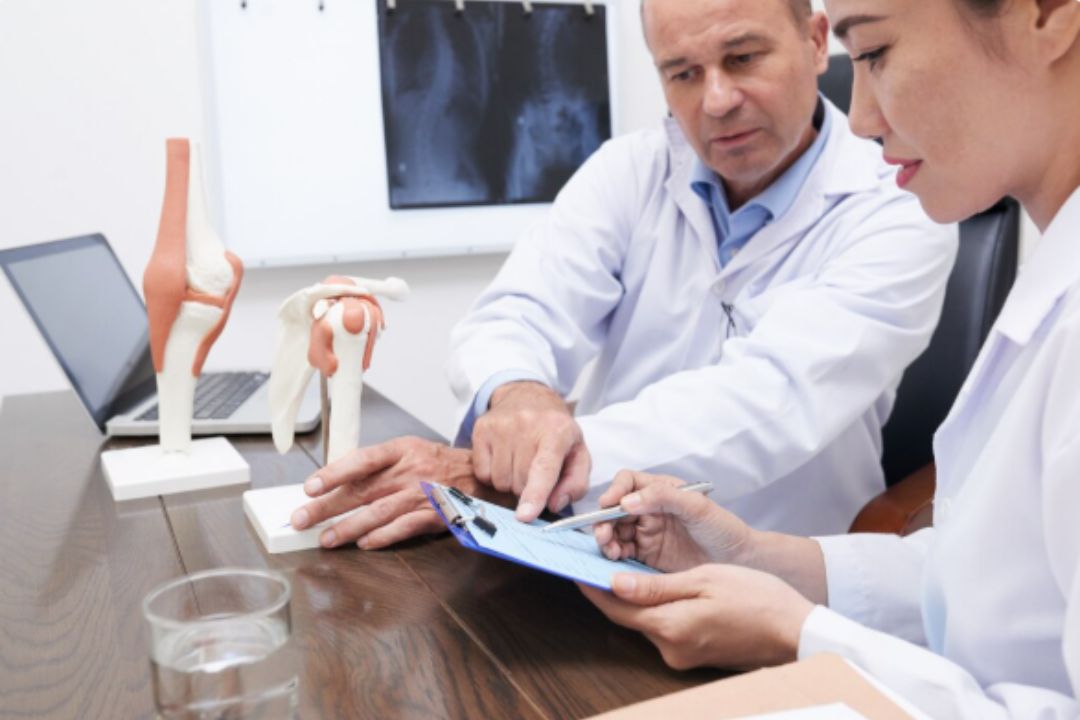
The radiologist carefully examines the images and prepares a diagnostic report for the referring doctor.
In many diagnostic centers, results may be available within:
A few hours
The same day
Within 24 hours
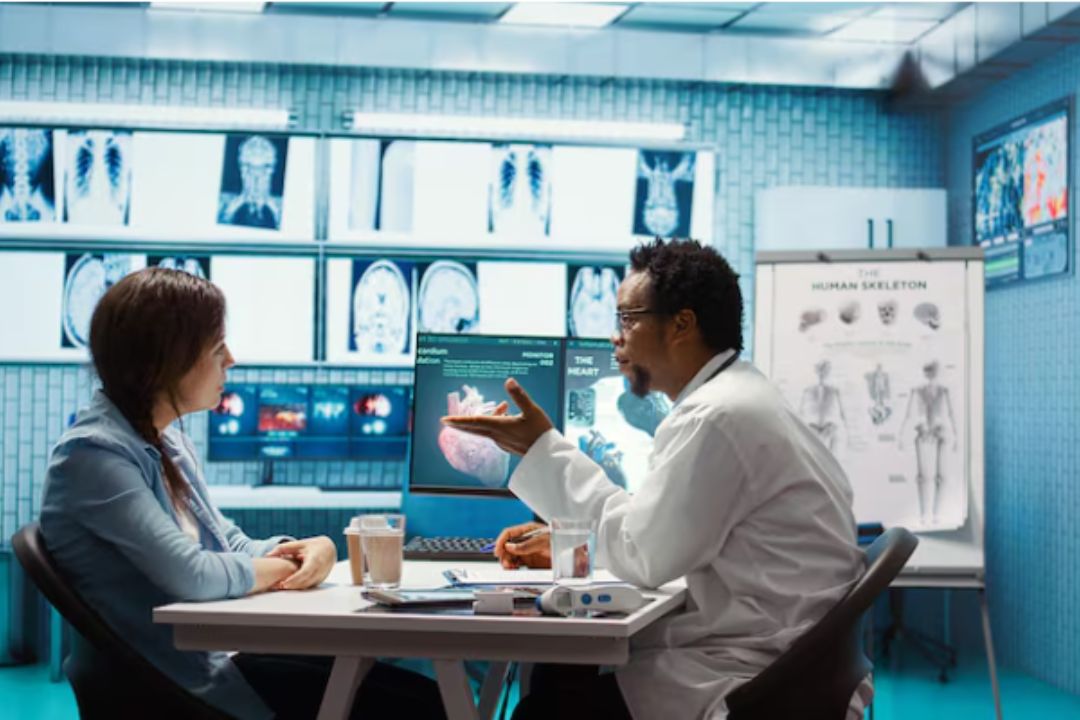
The doctor will then discuss the findings and recommend further treatment or tests if necessary.
A CT chest without contrast is a safe and effective imaging test used to diagnose a wide range of lung and chest conditions. It provides detailed images without the need for contrast dye, making it suitable for patients who cannot receive contrast injections.
The procedure is quick, painless, and widely used in medical diagnostics. If your doctor recommends this scan, it is usually because it can provide valuable information about your lung health and help guide appropriate treatment.






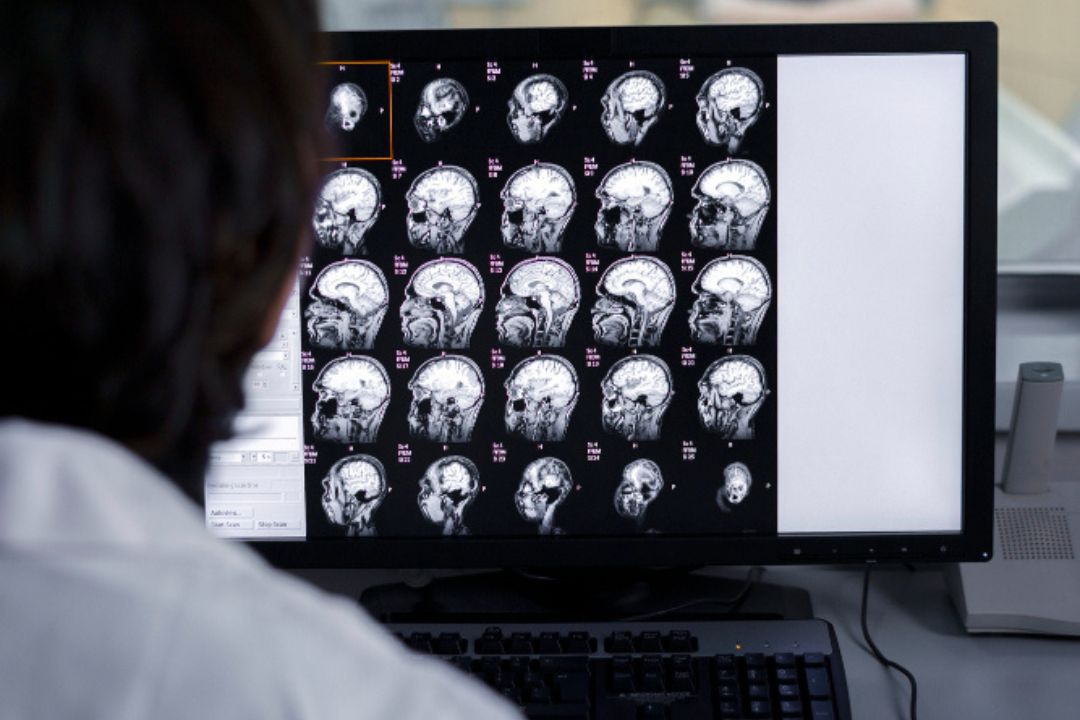
.jpg "ct brain scan plain and contrast")













.jpg "ct scan")
.jpg "ct scan or mri for brain disorders")


.jpg "exploring the power of ct brain contrast in modern diagnostics")
.jpg "ct scan")
.jpg "ct scan")








.jpg "ct scan")

.jpg "CT Brain Scan for Headaches")
.jpg "The Future of 3D CT Imaging")