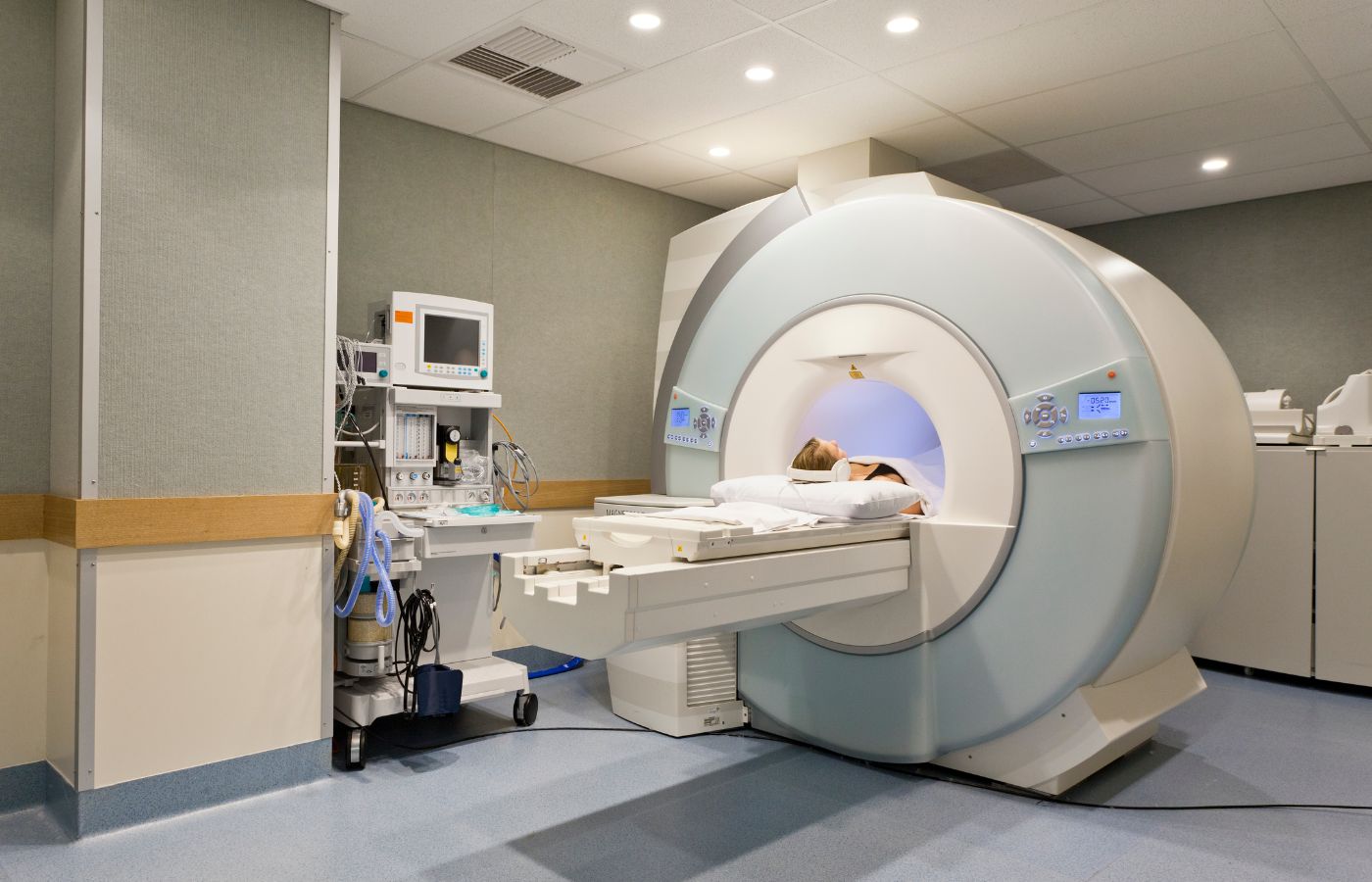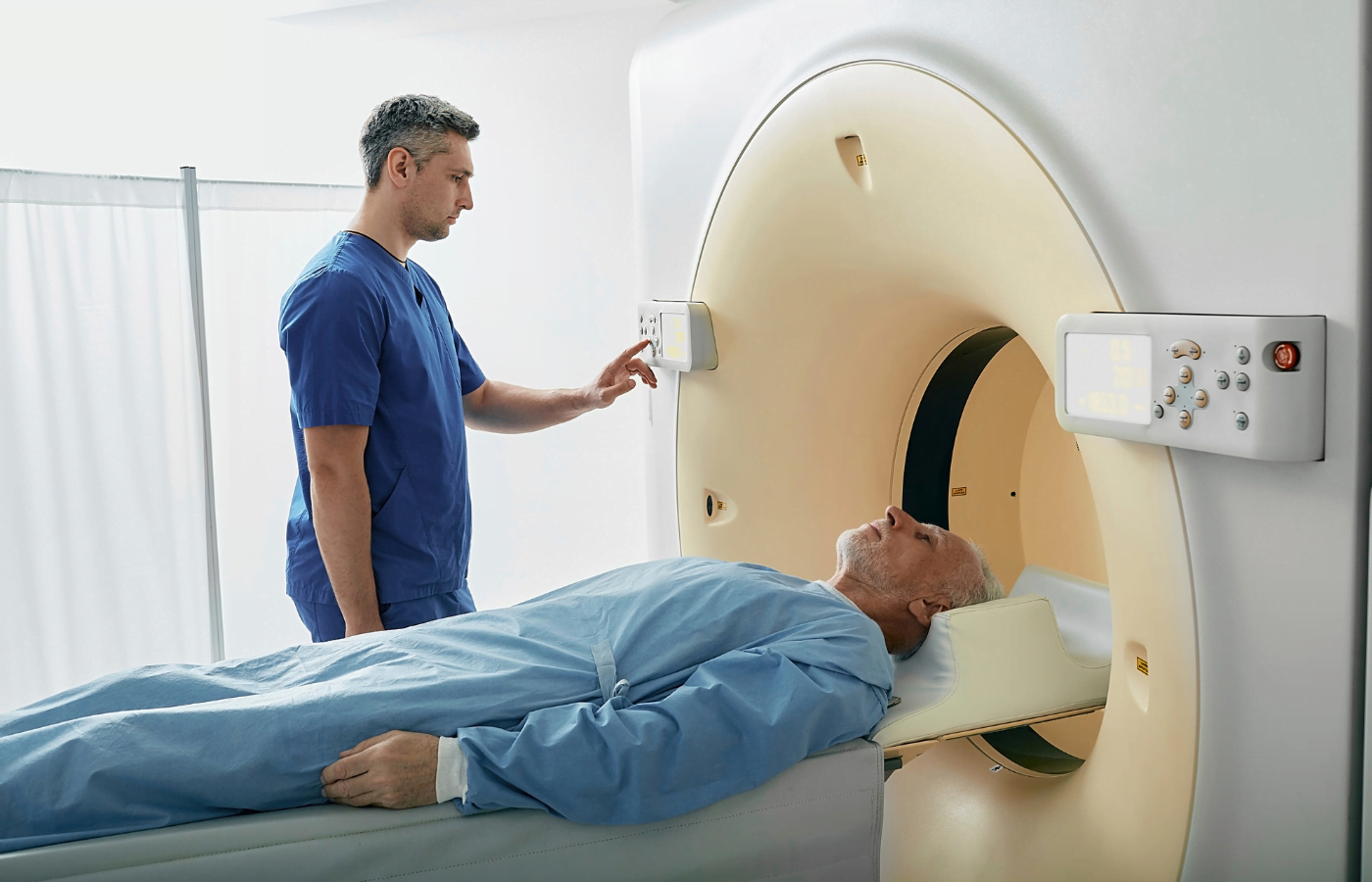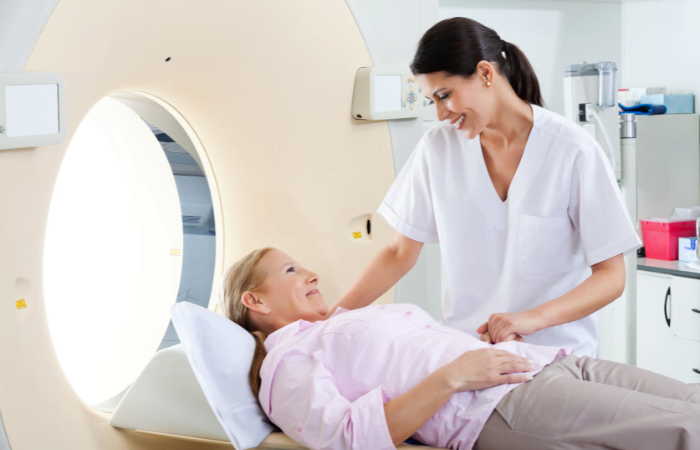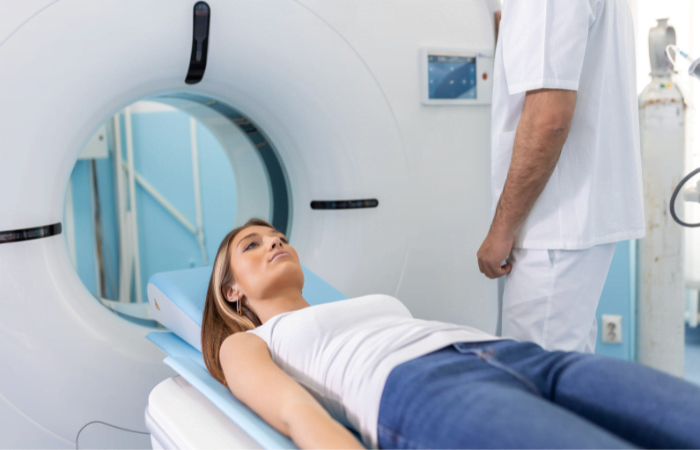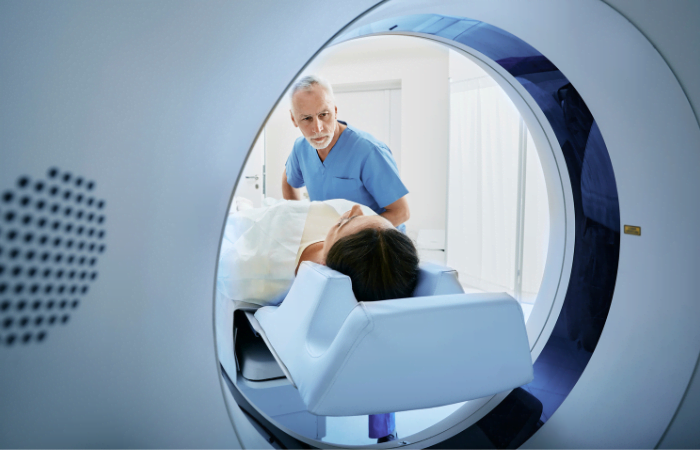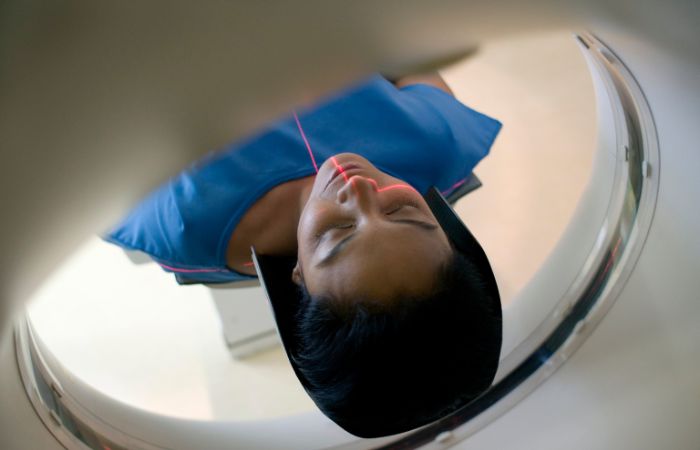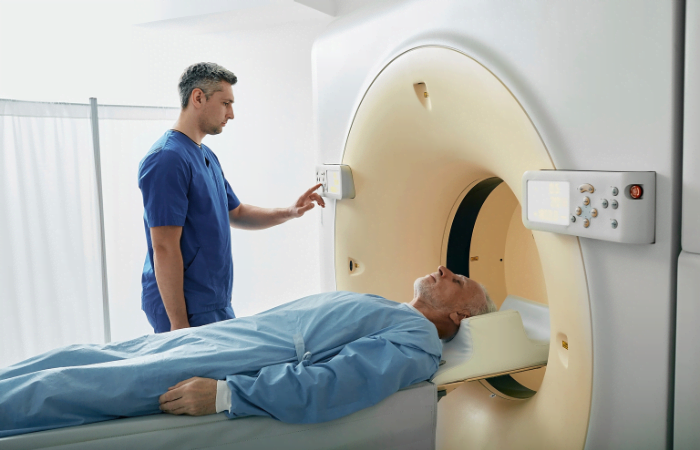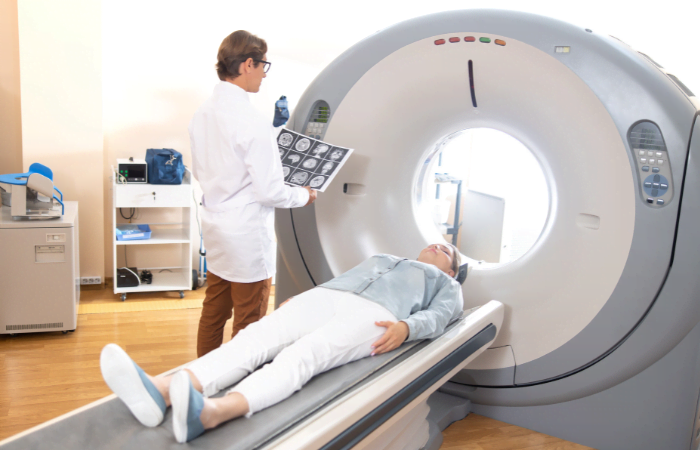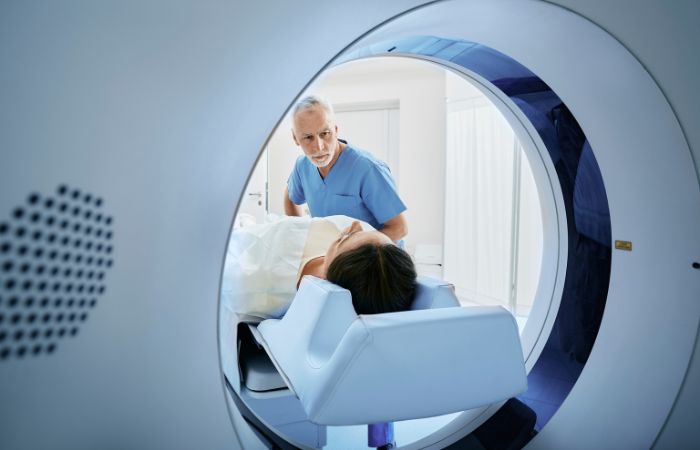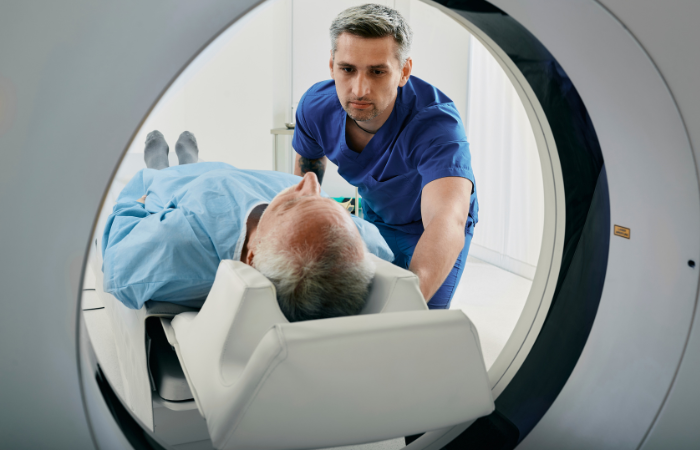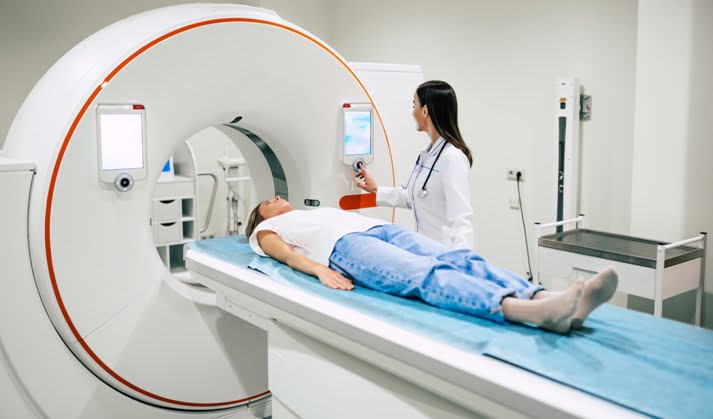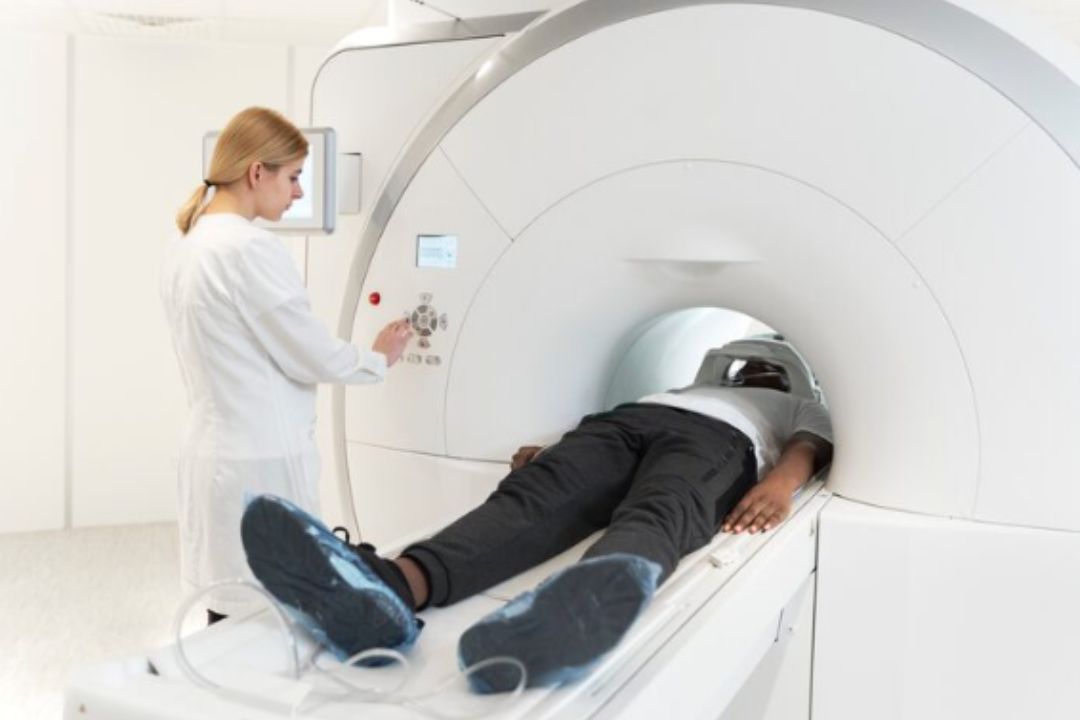
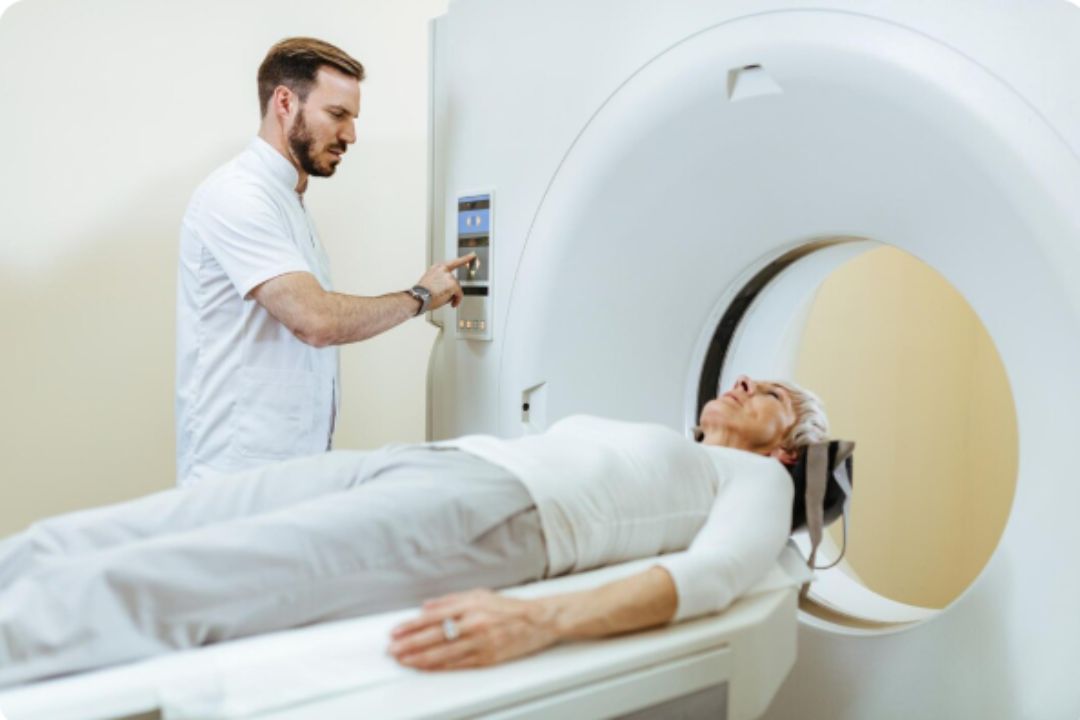
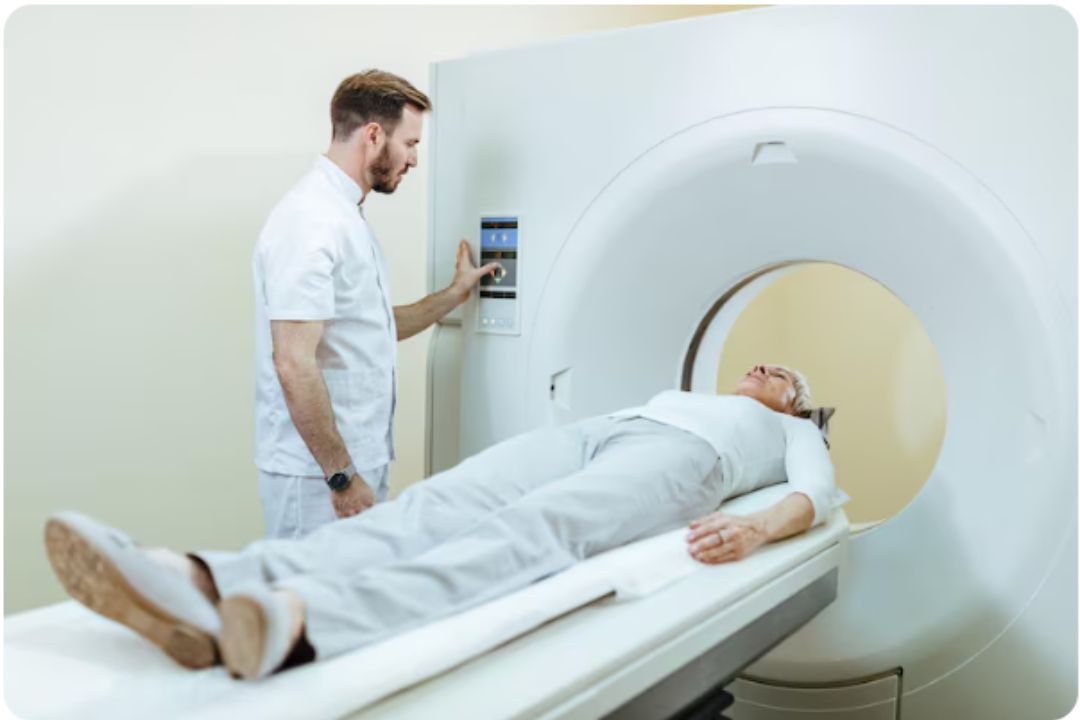
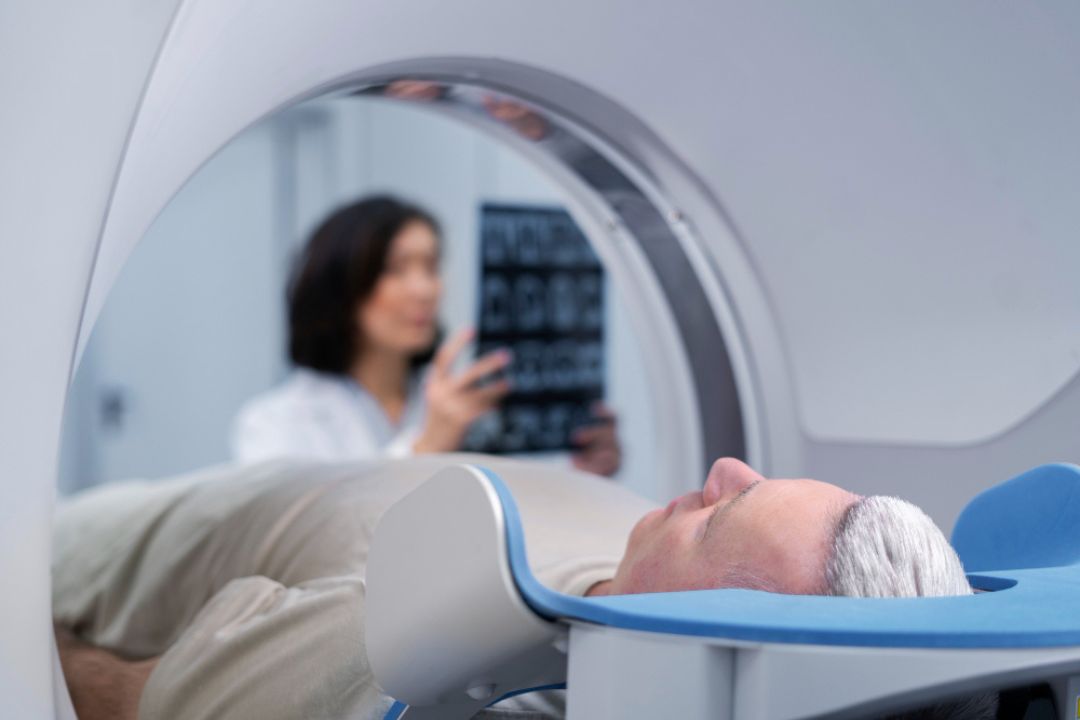
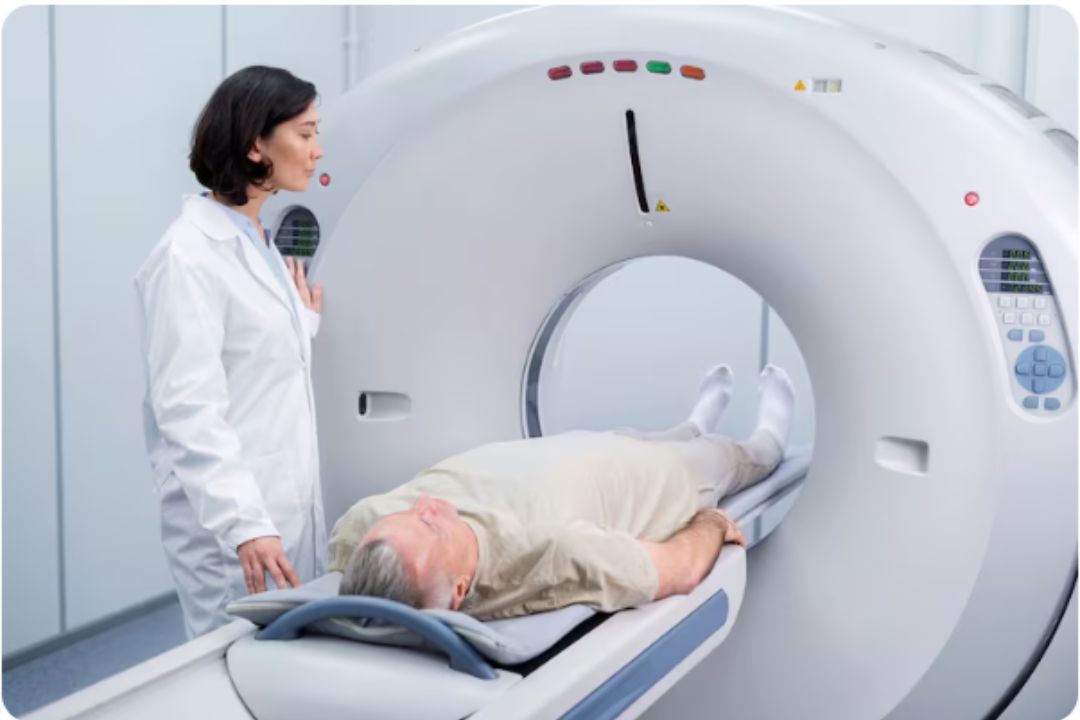
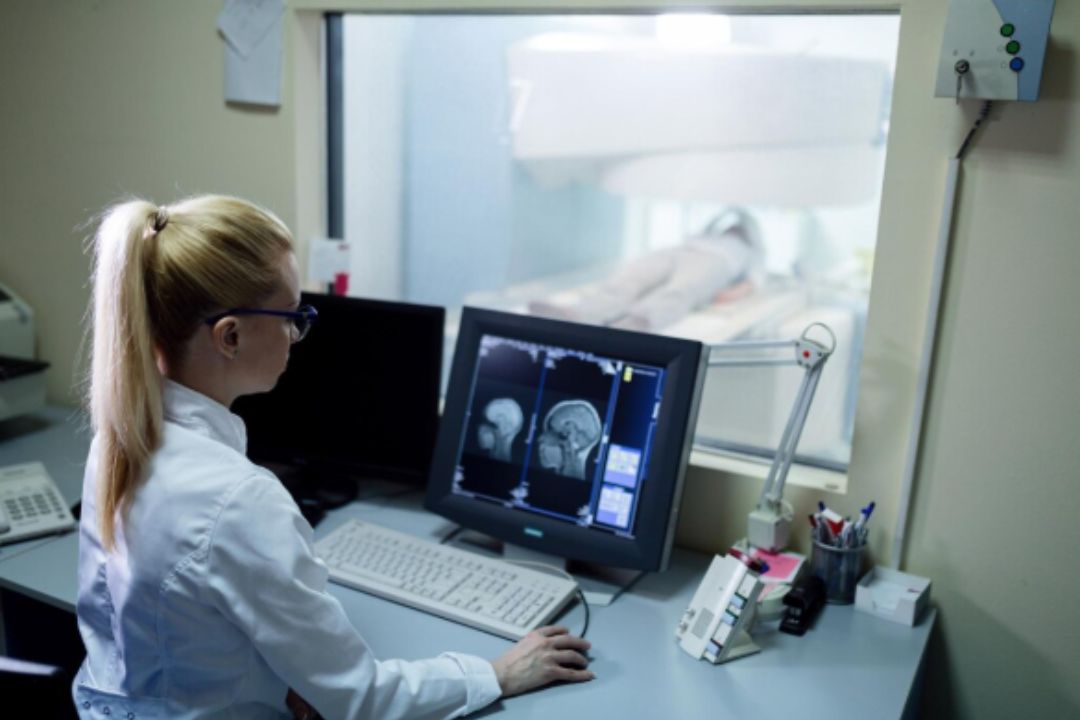
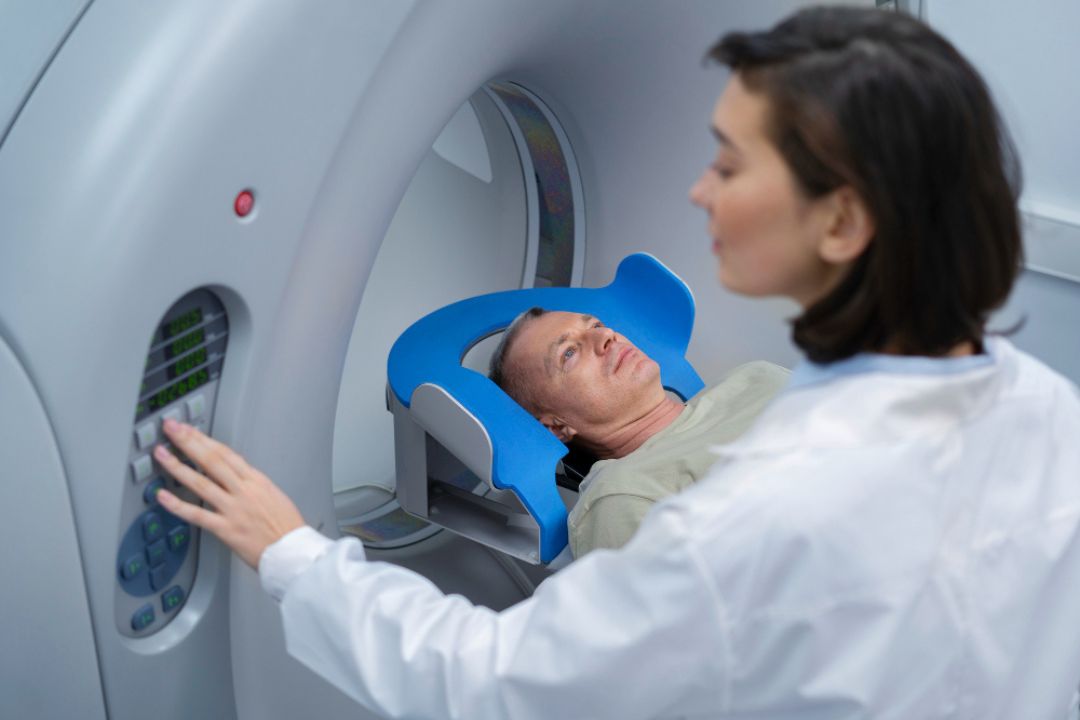
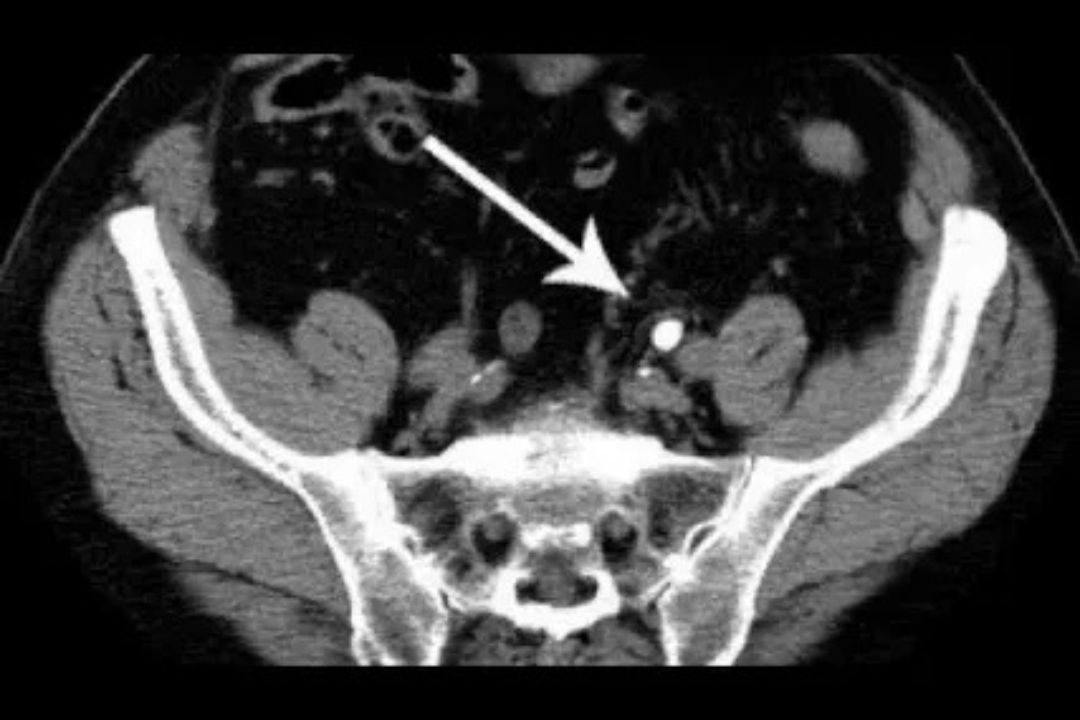
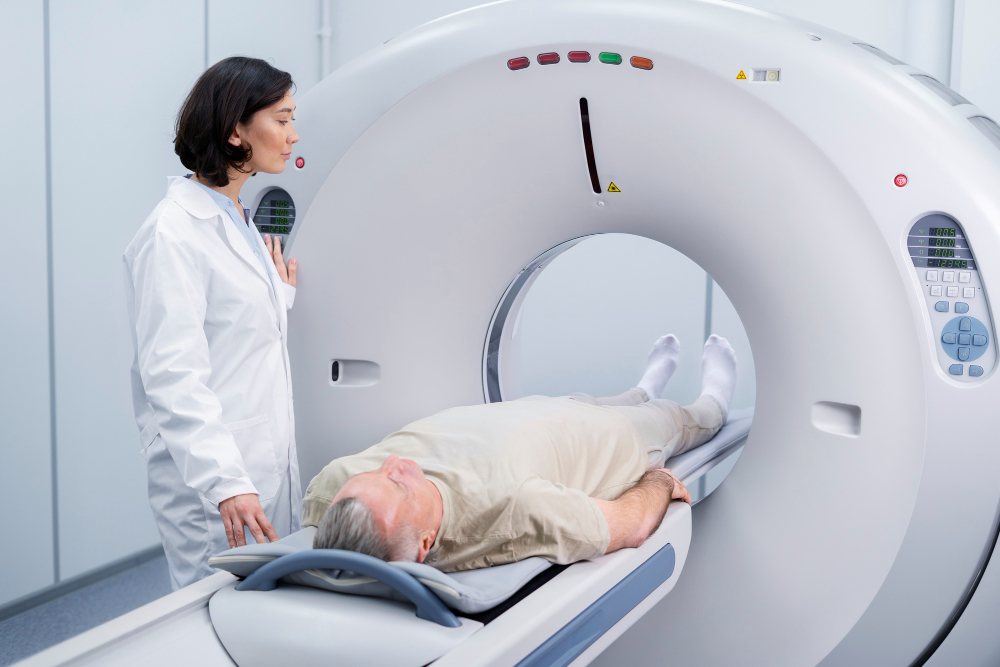
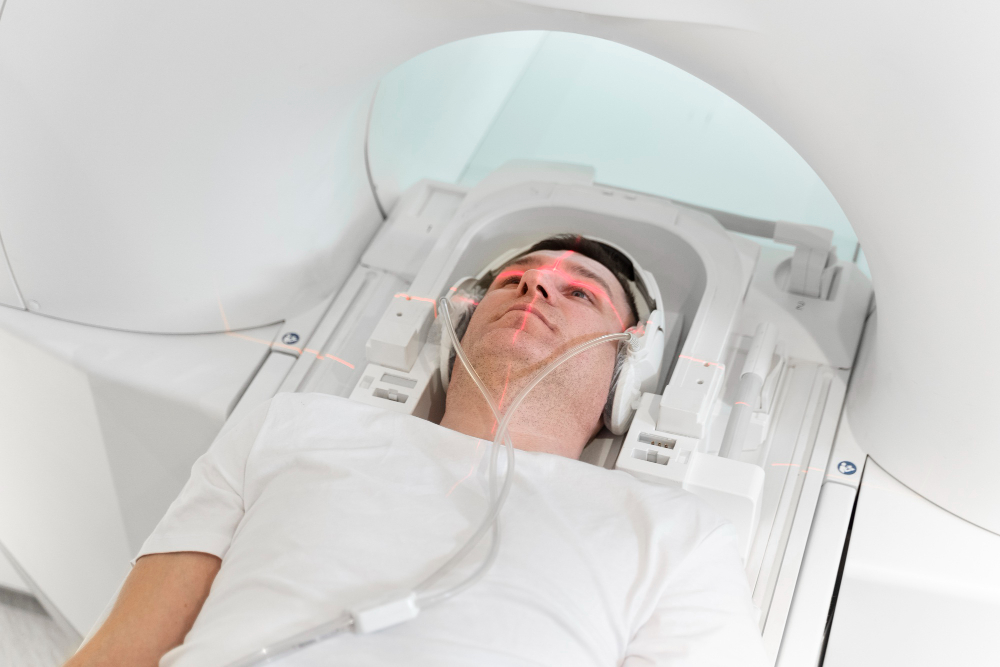
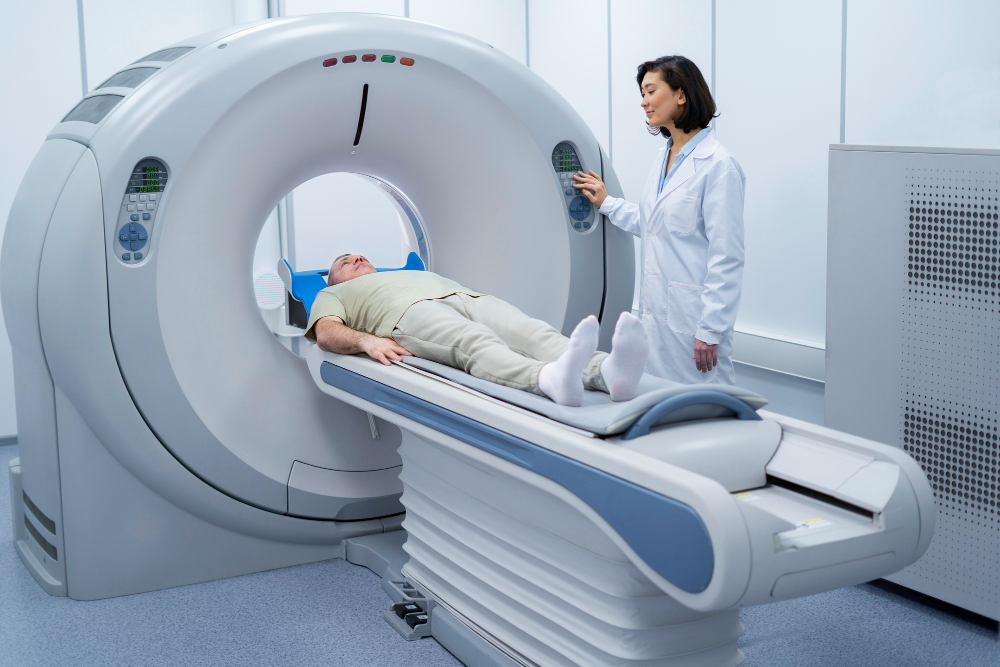
A CT orbit scan is a specialized imaging test used to examine the eye sockets, surrounding bones, muscles, and nerves. In some cases, doctors recommend a contrast-enhanced CT orbit scan, which uses a contrast dye to improve the visibility of tissues and blood vessels.
While contrast dye is generally safe and widely used in medical imaging, some patients may experience temporary side effects. Understanding these potential effects can help patients feel more prepared before undergoing the scan.
A CT orbit scan with contrast uses an iodine-based contrast agent that is injected into a vein. This contrast material helps highlight blood vessels and soft tissues around the eyes, allowing doctors to detect abnormalities more clearly.
Doctors may recommend this scan to diagnose conditions such as:
Eye injuries or trauma
Tumors or abnormal growths near the eye
Infections in the eye socket
Blood vessel abnormalities
Inflammation of orbital tissues
The contrast dye improves the accuracy of the images and helps doctors make better treatment decisions.
Most patients do not experience any serious problems after receiving contrast dye. However, some mild and temporary side effects may occur.
Visit Now: https://www.diagnopein.com
Many patients feel a warm or flushing sensation throughout the body shortly after the injection. This feeling is temporary and usually disappears within a few minutes.
Some people notice a metallic or unusual taste in their mouth after the contrast injection. This is normal and usually fades quickly.
A small number of patients may feel slightly nauseous for a short time after receiving contrast dye.
Occasionally, patients may experience a mild headache following the scan, but this typically resolves without treatment.
Although rare, some patients may experience allergic reactions to contrast material. These reactions can range from mild to more serious.
Symptoms may include:
Skin rash
Itching
Sneezing
Mild swelling
These reactions are usually temporary and manageable.
Very rarely, severe reactions can occur. Symptoms may include:
Difficulty breathing
Severe swelling of the face or throat
Rapid heartbeat
Low blood pressure
Medical teams are trained to manage these reactions immediately if they occur.
Contrast dye is processed and eliminated from the body through the kidneys. In patients with existing kidney problems, there is a small risk of contrast affecting kidney function.
Doctors may recommend blood tests before the scan to evaluate kidney health. Patients with kidney disease should inform their doctor before undergoing a contrast CT scan.
Certain patients should take extra precautions before receiving contrast dye.
These include people who:
Have kidney disease
Have a history of contrast allergy
Have severe asthma or allergies
Are pregnant
Take medications such as metformin for diabetes
Informing your doctor about your medical history helps ensure the scan is performed safely.
There are several simple steps that can help reduce the risk of contrast-related side effects.
Drinking water before and after the scan helps the body eliminate the contrast dye more quickly.
Tell your doctor or technician about any allergies, medications, or health conditions.
Some CT scans require fasting or specific preparation before the test.
After a CT orbit scan with contrast
Most patients can return to their normal activities immediately.
Drinking plenty of water helps flush the contrast dye from the body.
Any mild symptoms usually disappear within a short time.
If unusual symptoms occur after the scan, patients should contact their doctor for medical advice.
A CT orbit scan with contrast is a valuable imaging test used to diagnose eye and orbital conditions. Although contrast dye is generally safe, some patients may experience mild and temporary side effects such as warmth, nausea, or a metallic taste.
Serious reactions are rare, and medical professionals take necessary precautions to ensure patient safety. By informing your doctor about your medical history and following preparation instructions, you can help ensure a safe and successful CT scan experience.




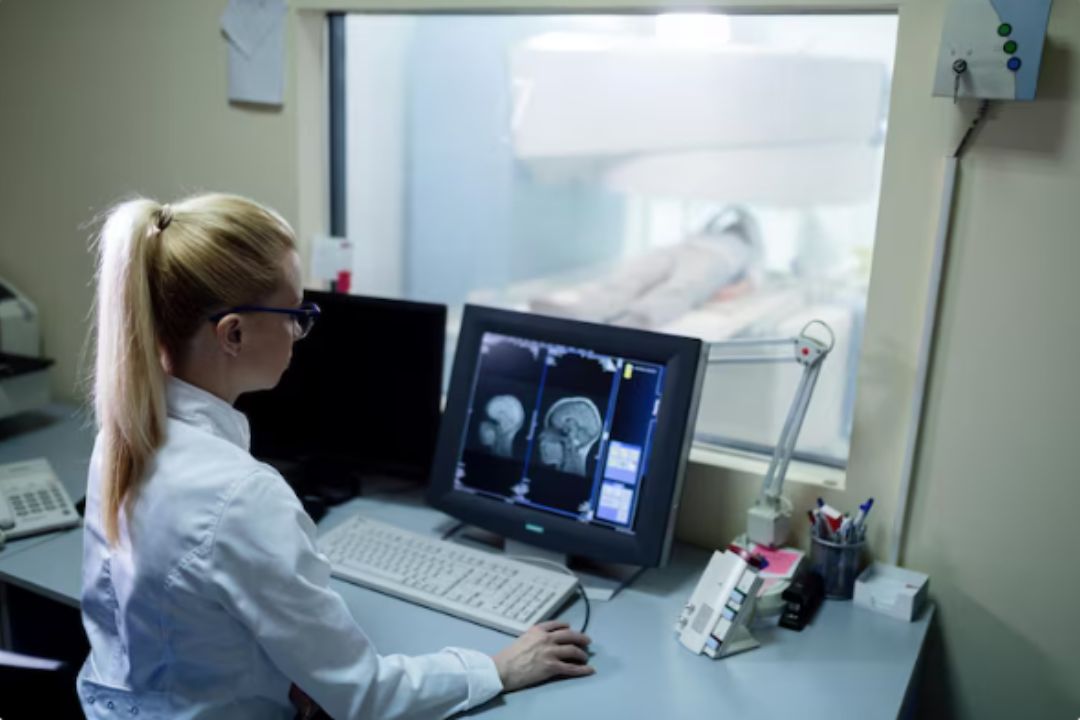
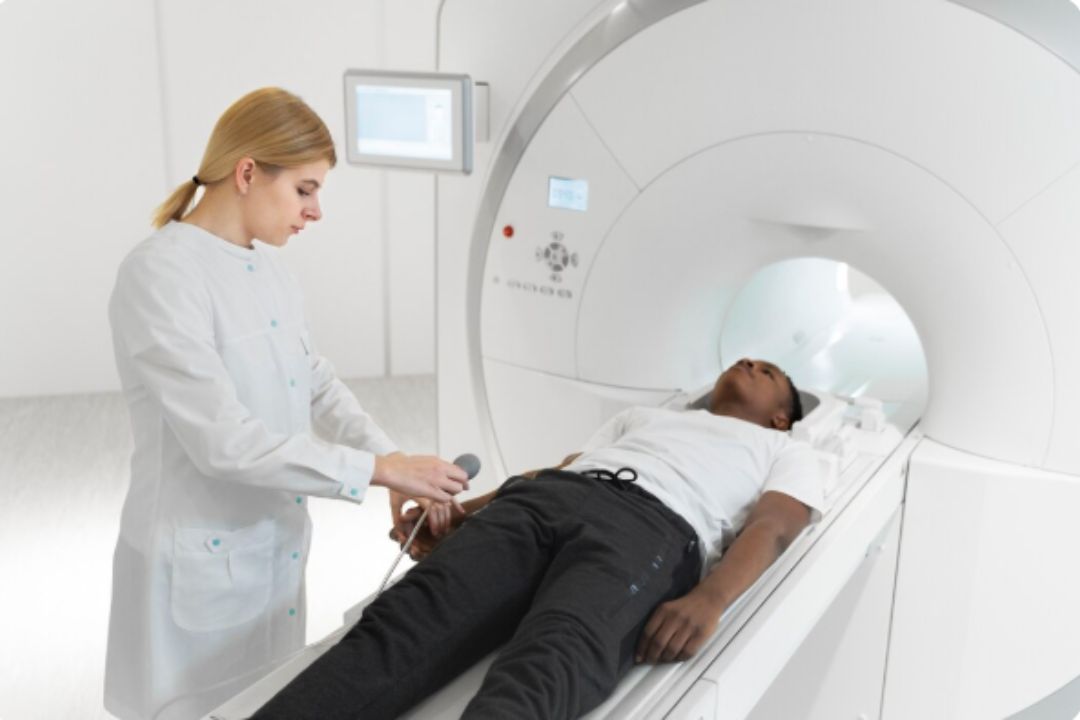
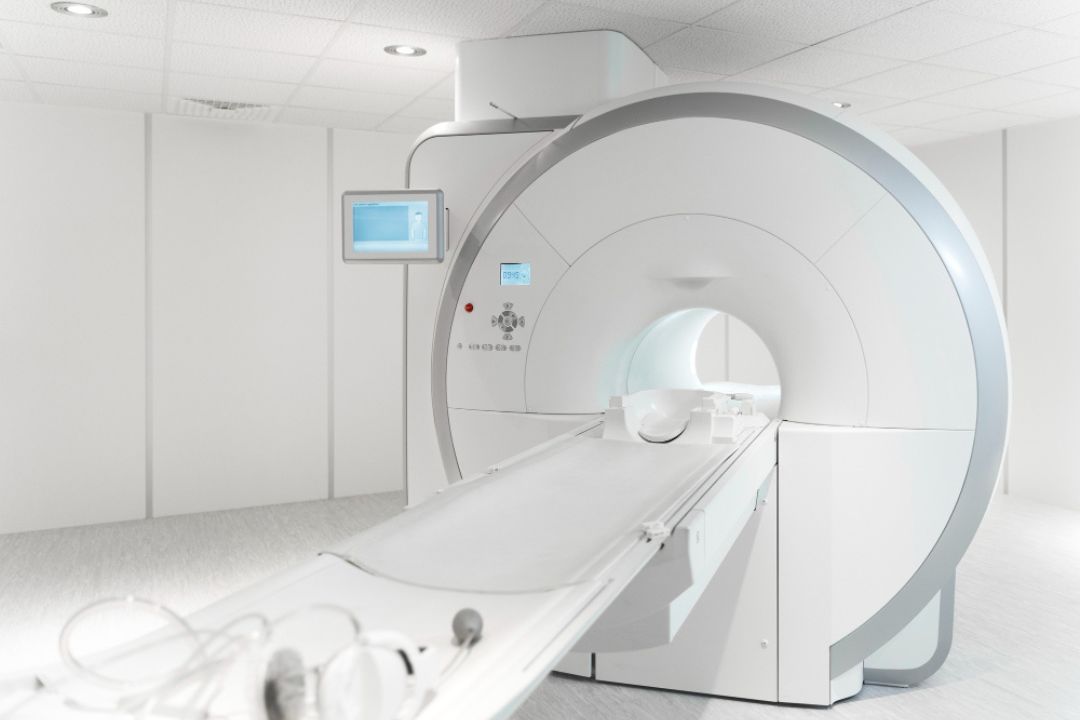
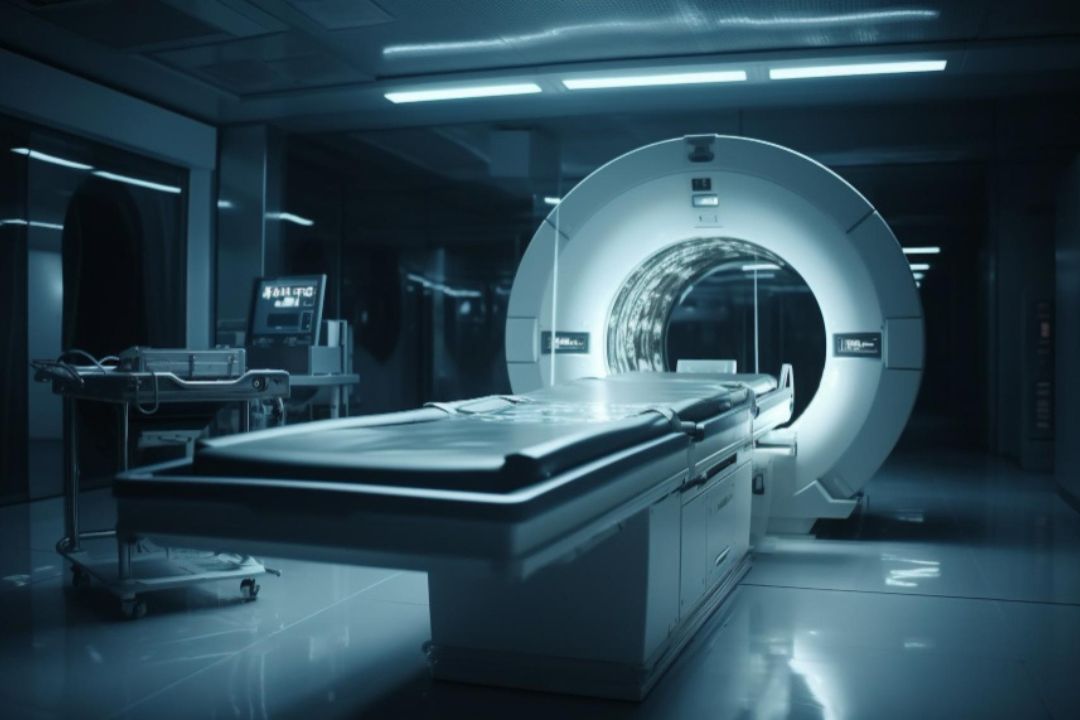
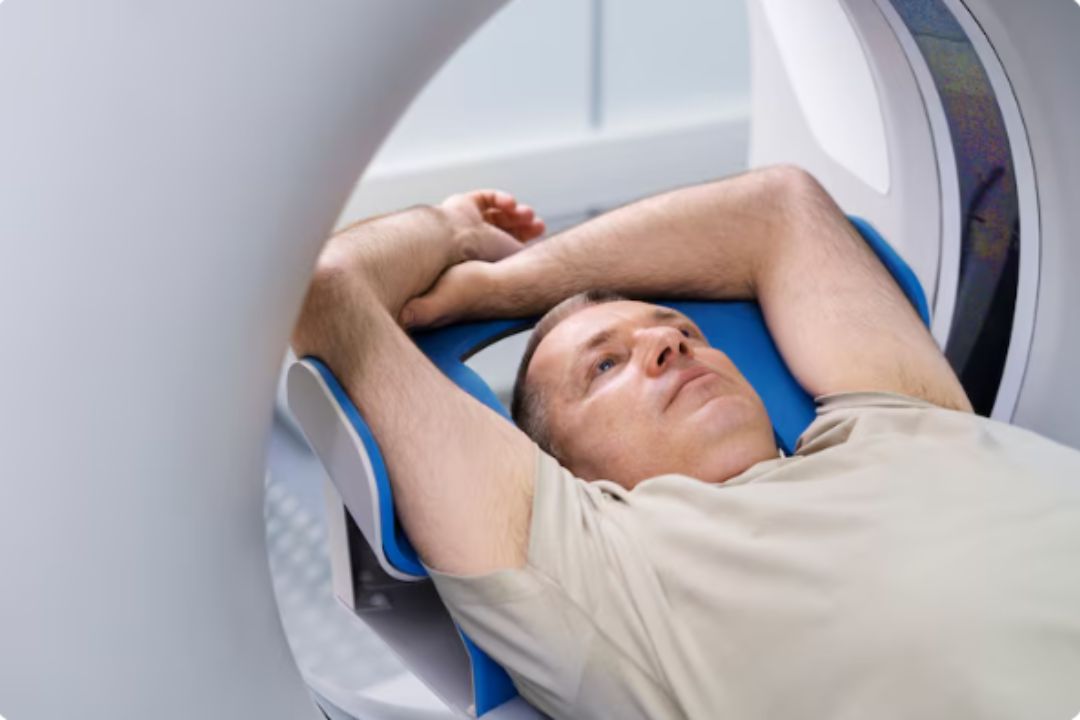

.jpg "ct brain scan plain and contrast")
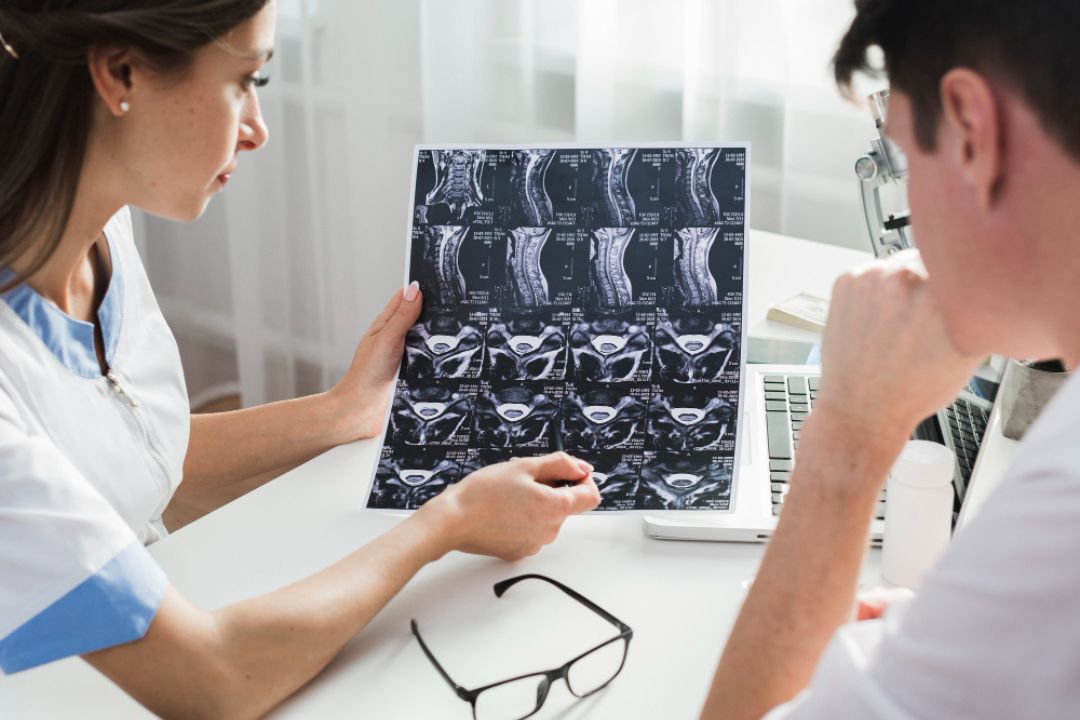
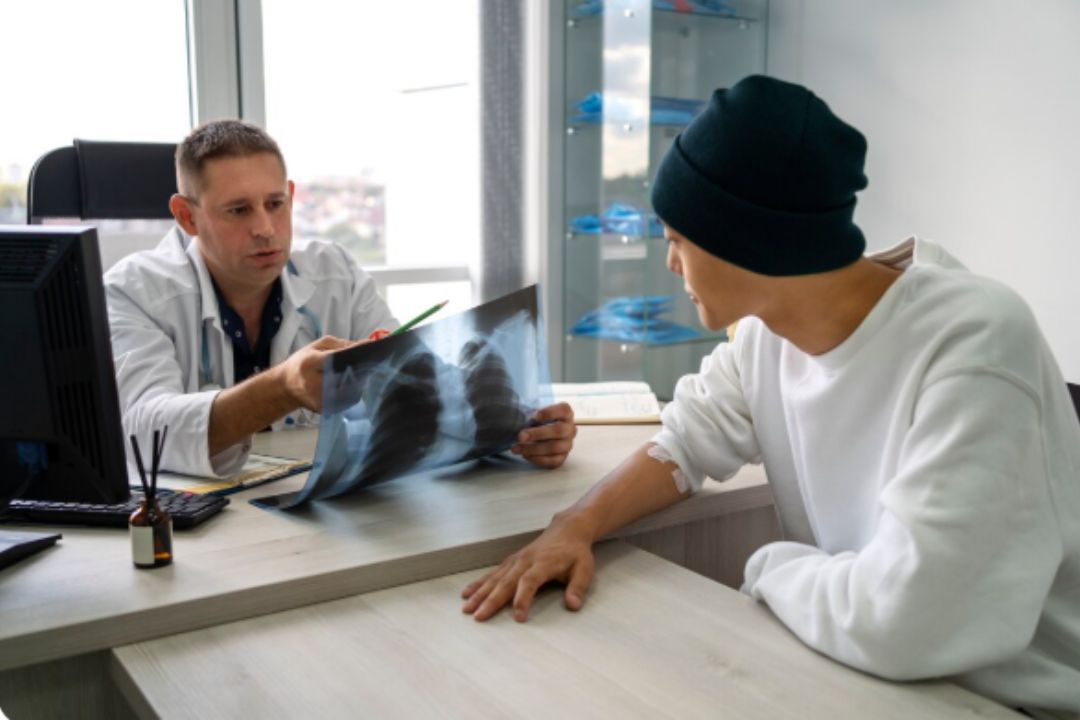

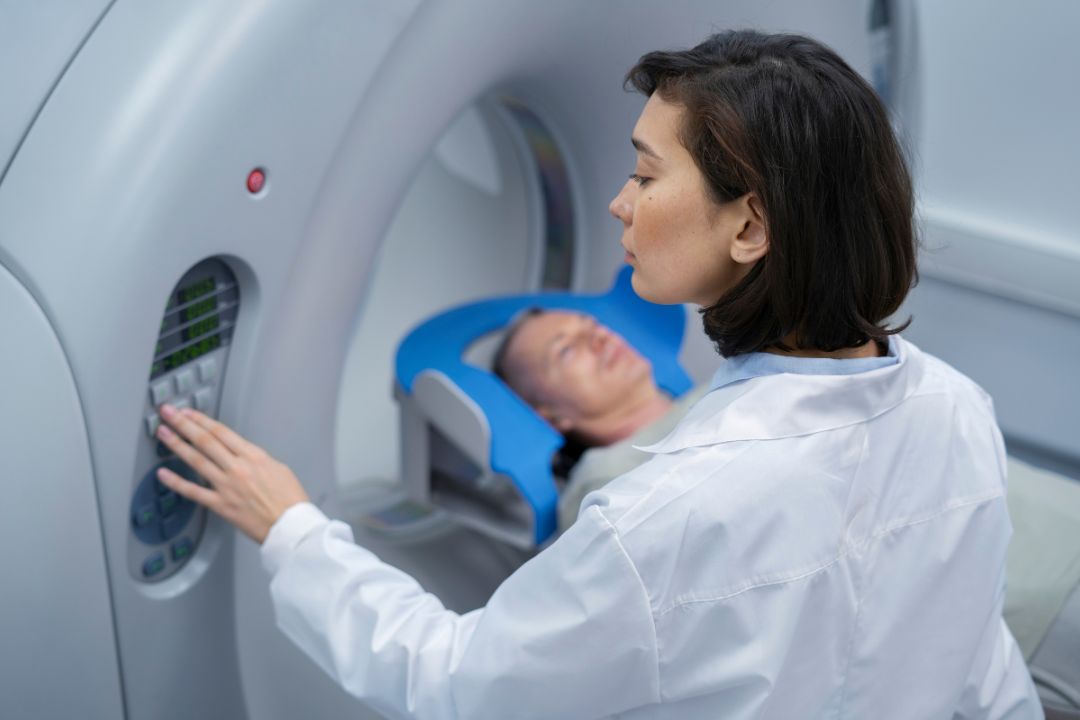





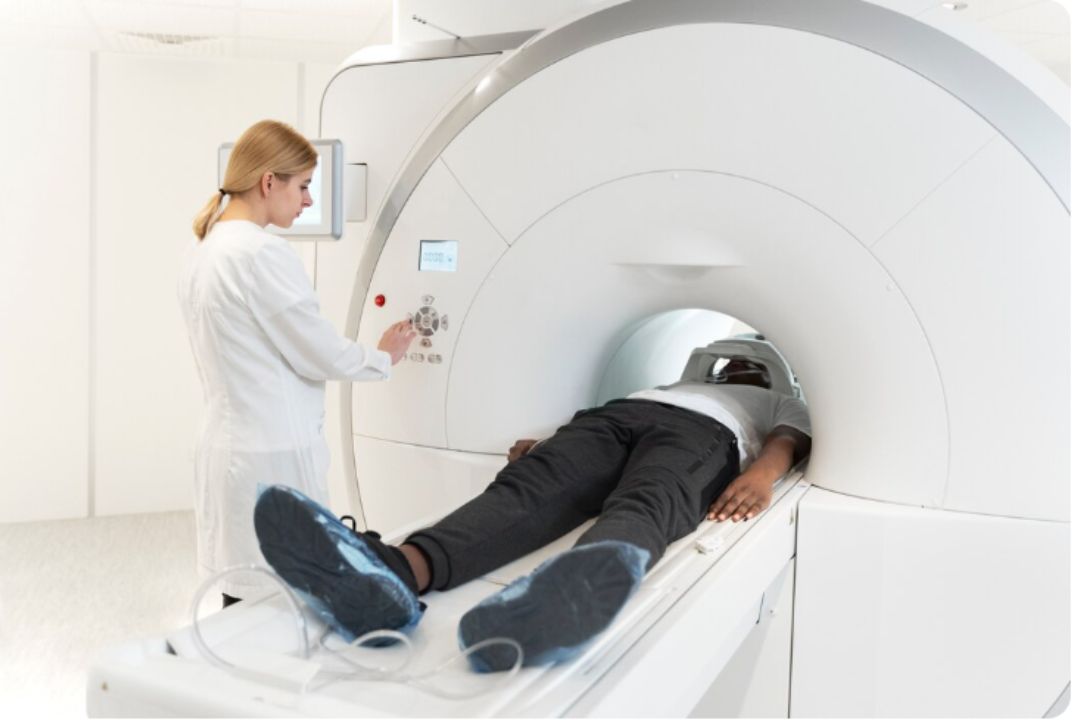
.jpg "ct scan")
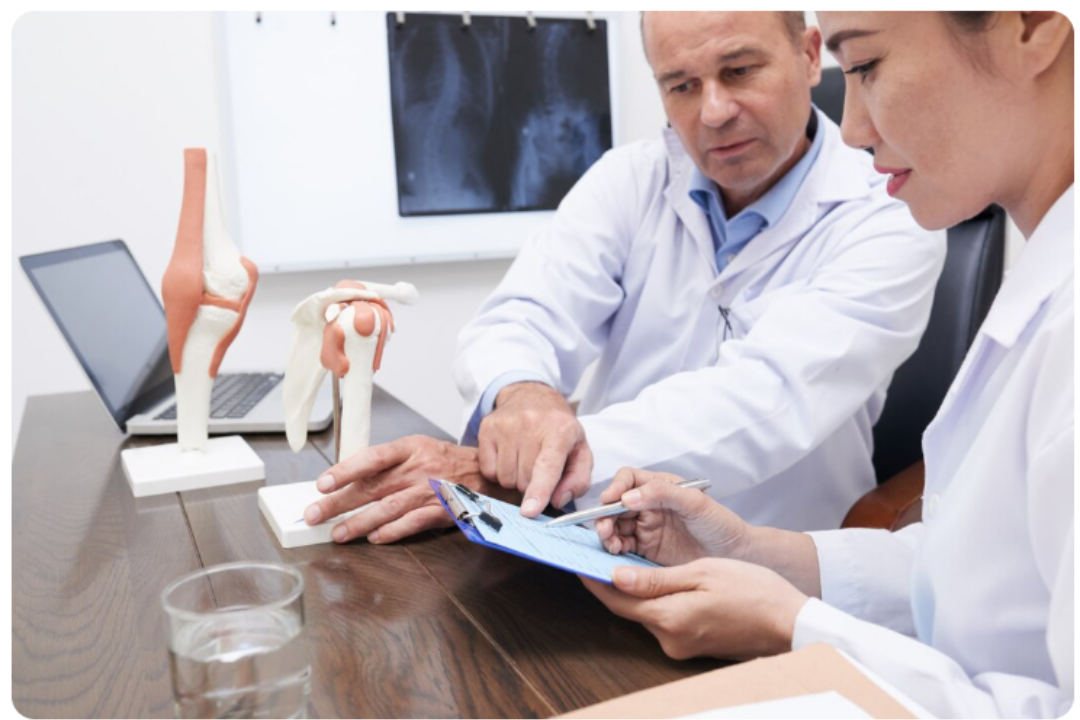
.jpg "ct scan or mri for brain disorders")


.jpg "exploring the power of ct brain contrast in modern diagnostics")
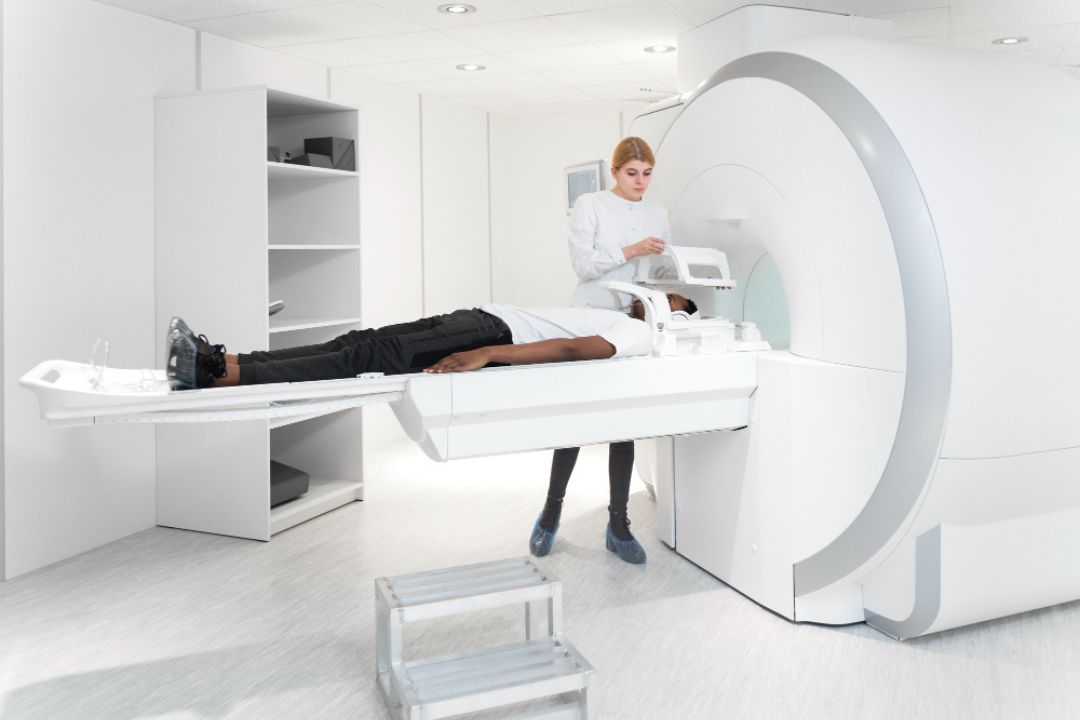
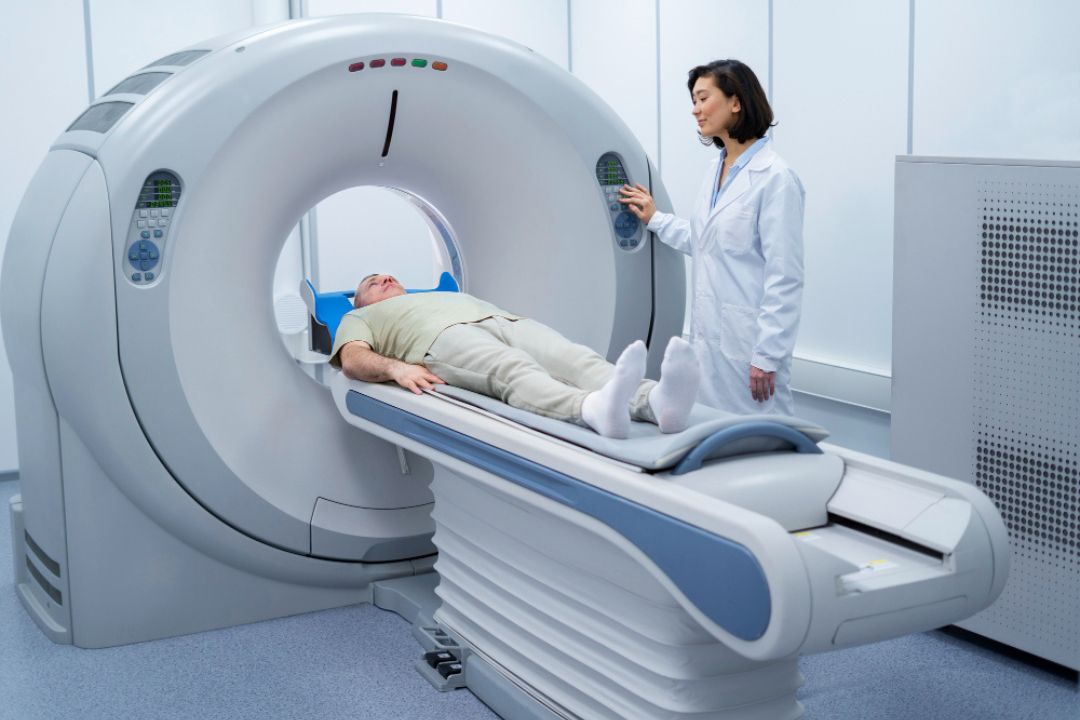
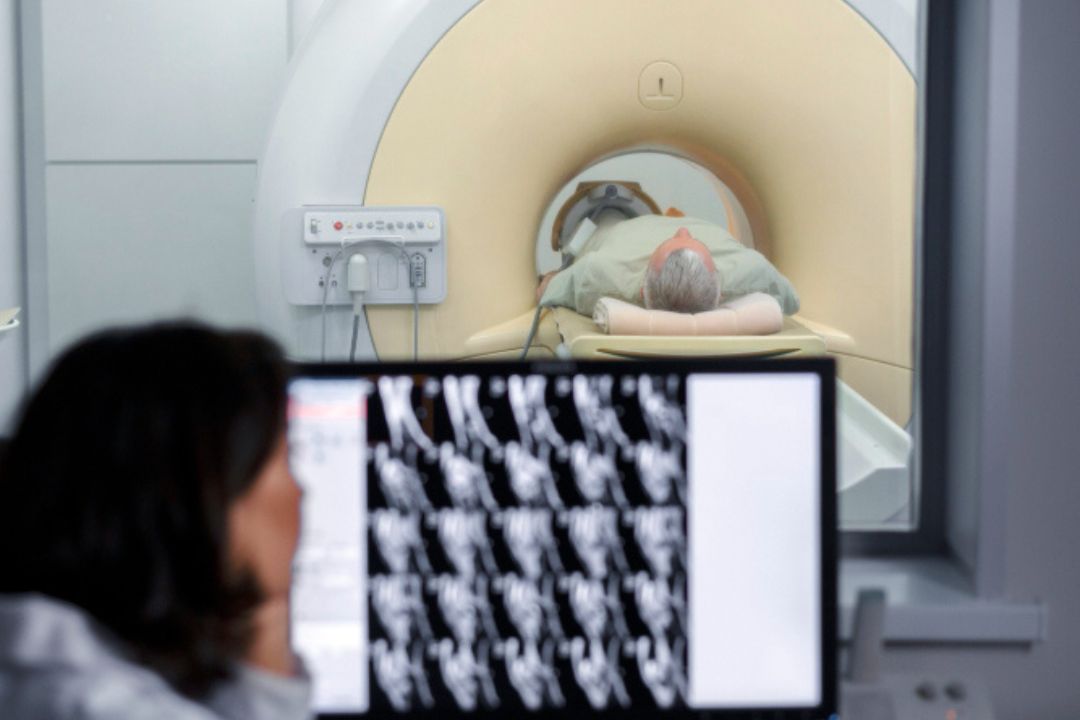
.jpg "ct scan")
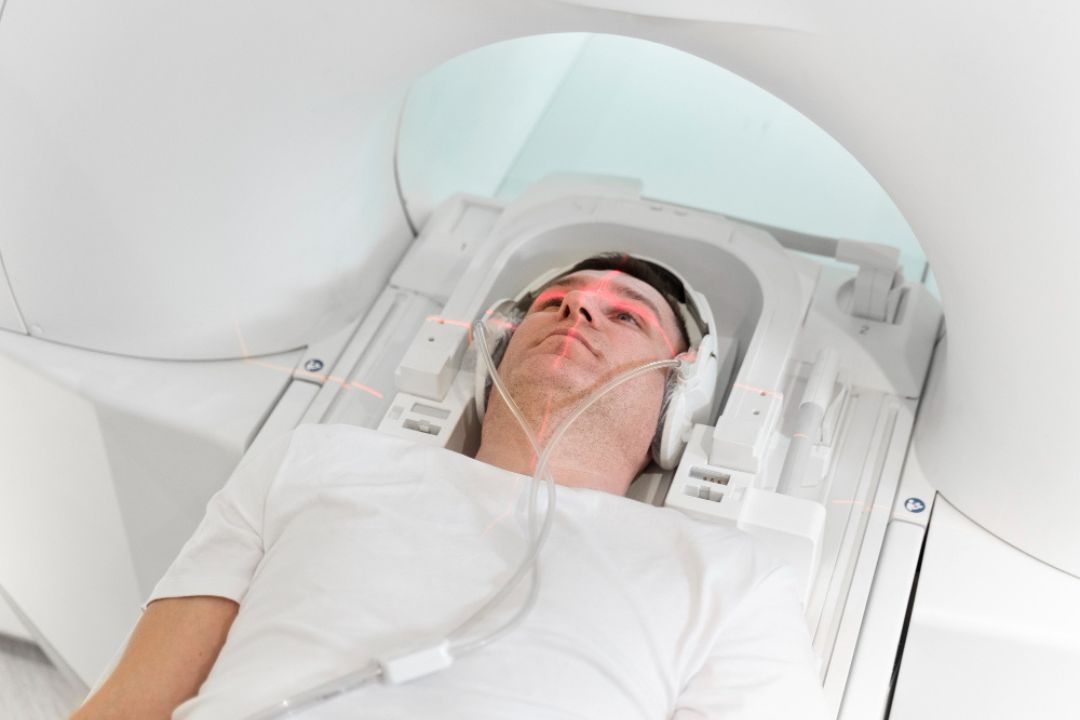
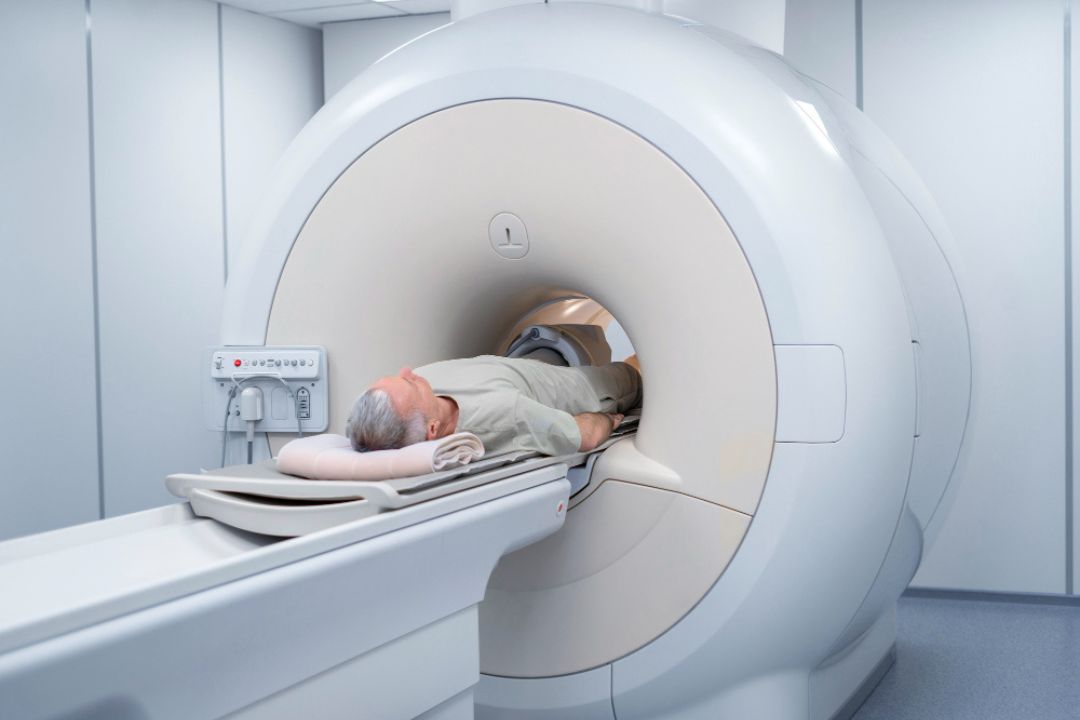
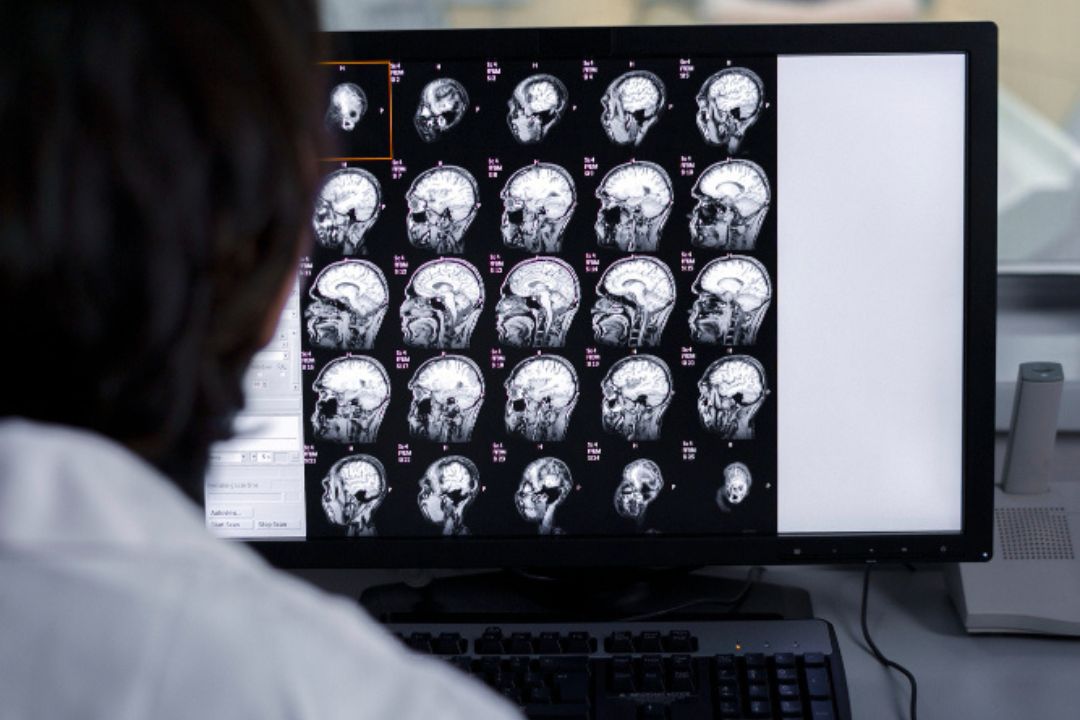
.jpg "ct scan")

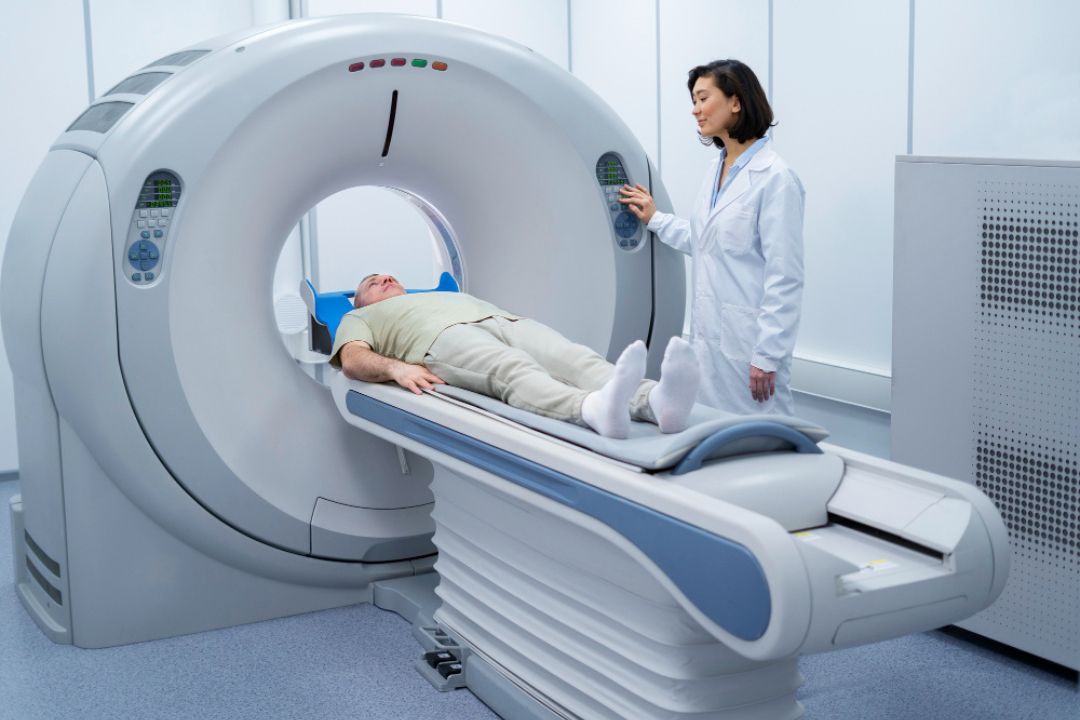
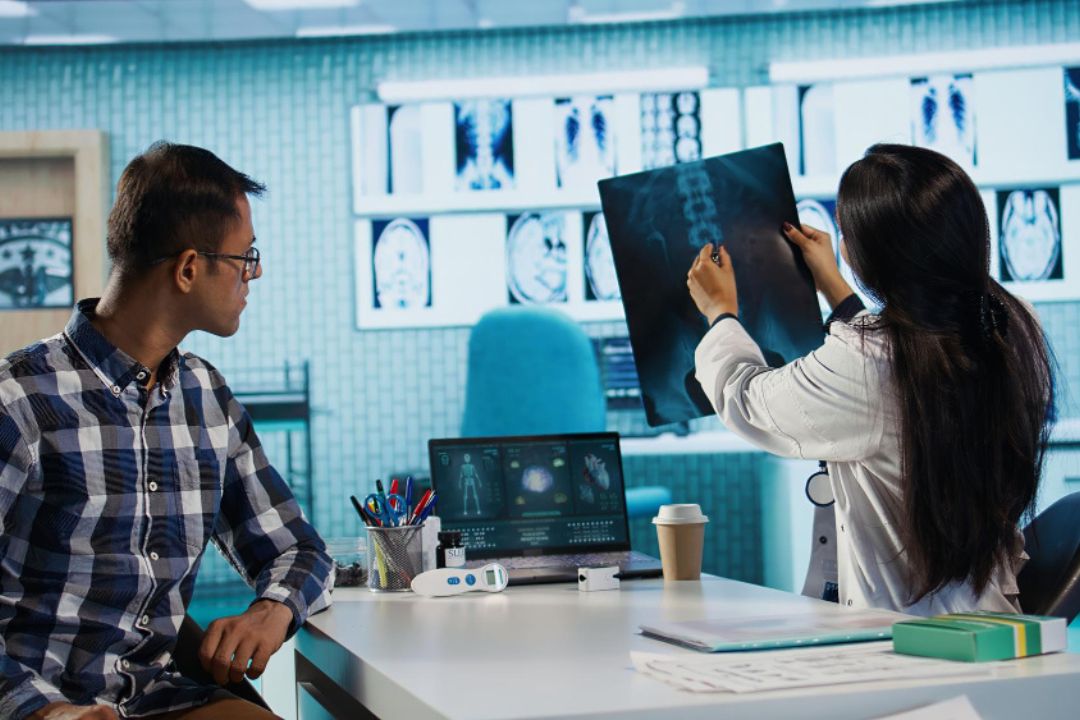
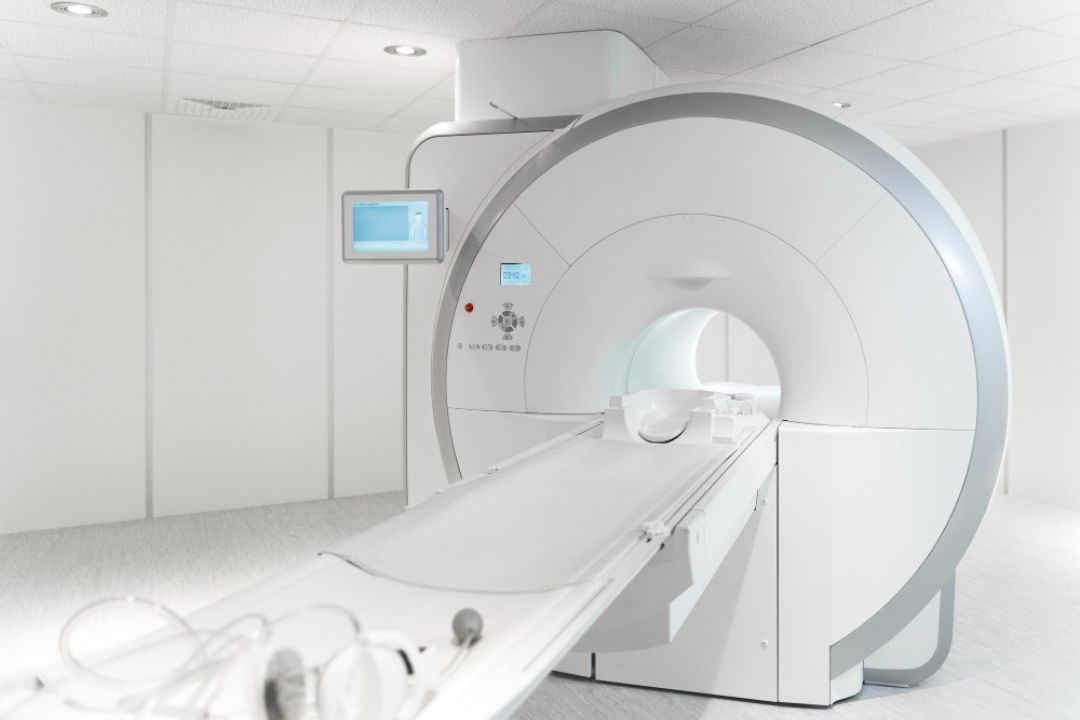






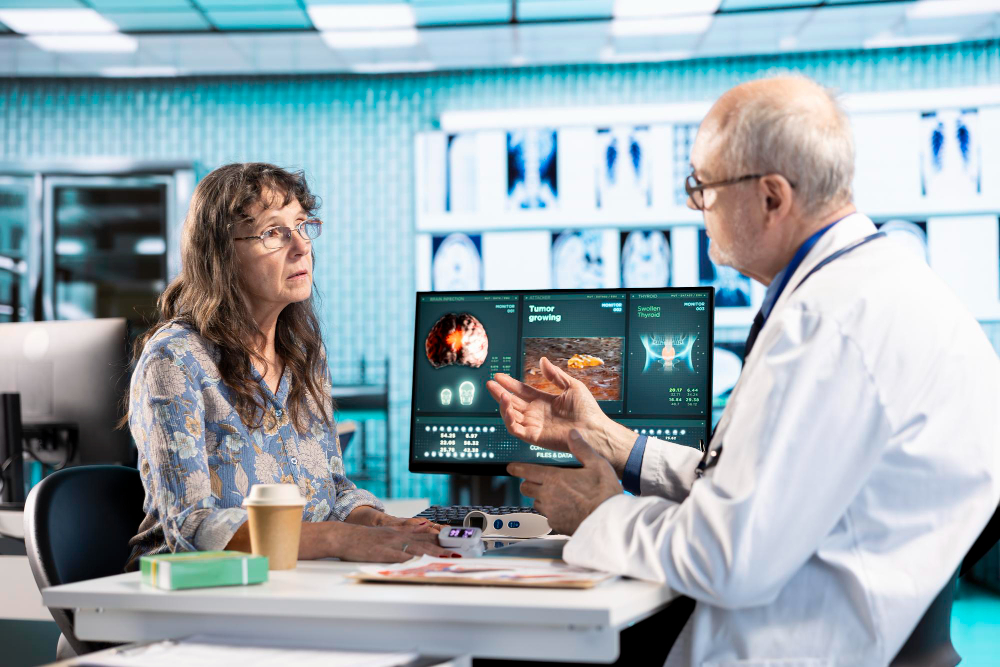
.jpg "ct scan")

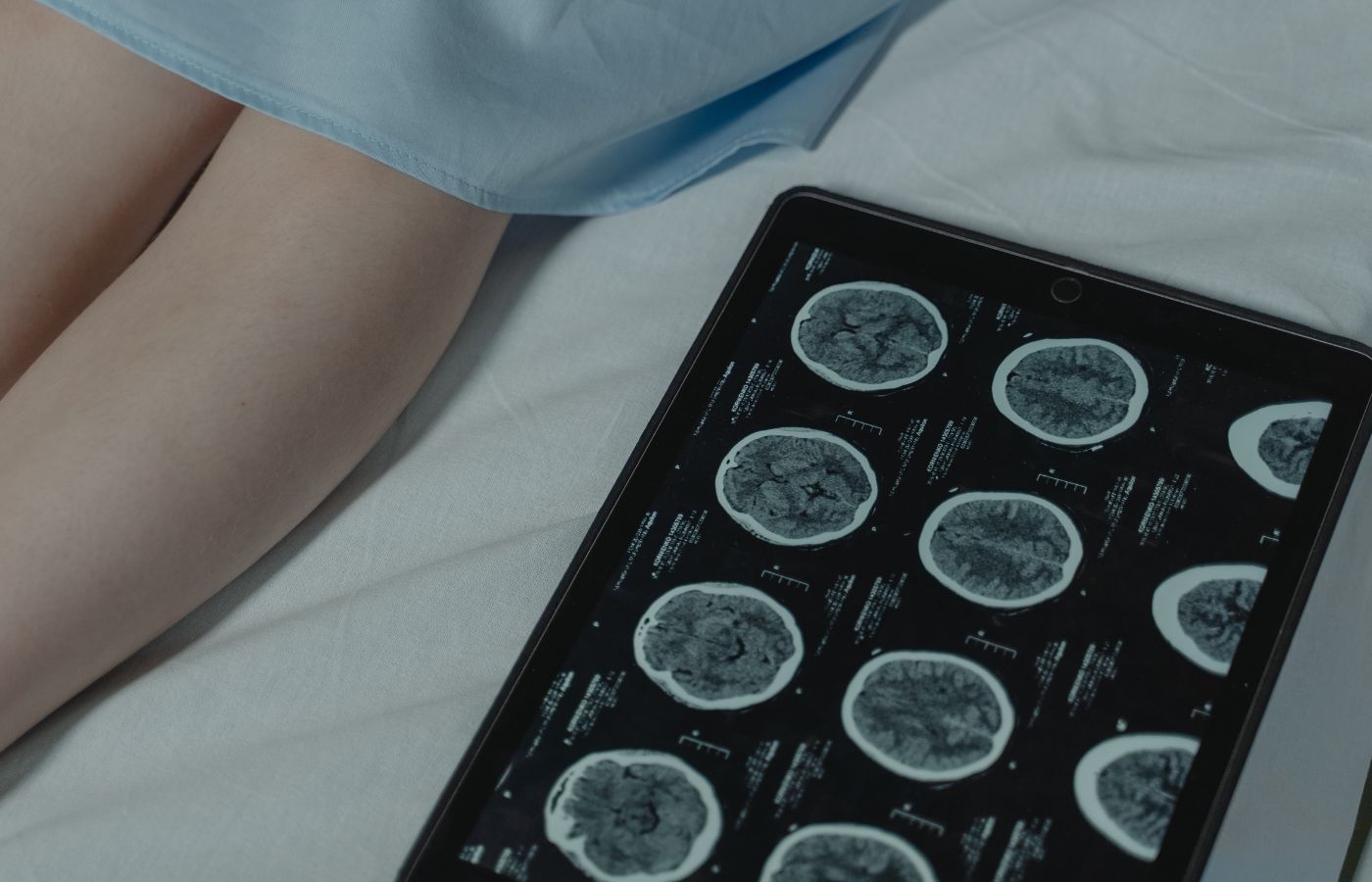
.jpg "CT Brain Scan for Headaches")
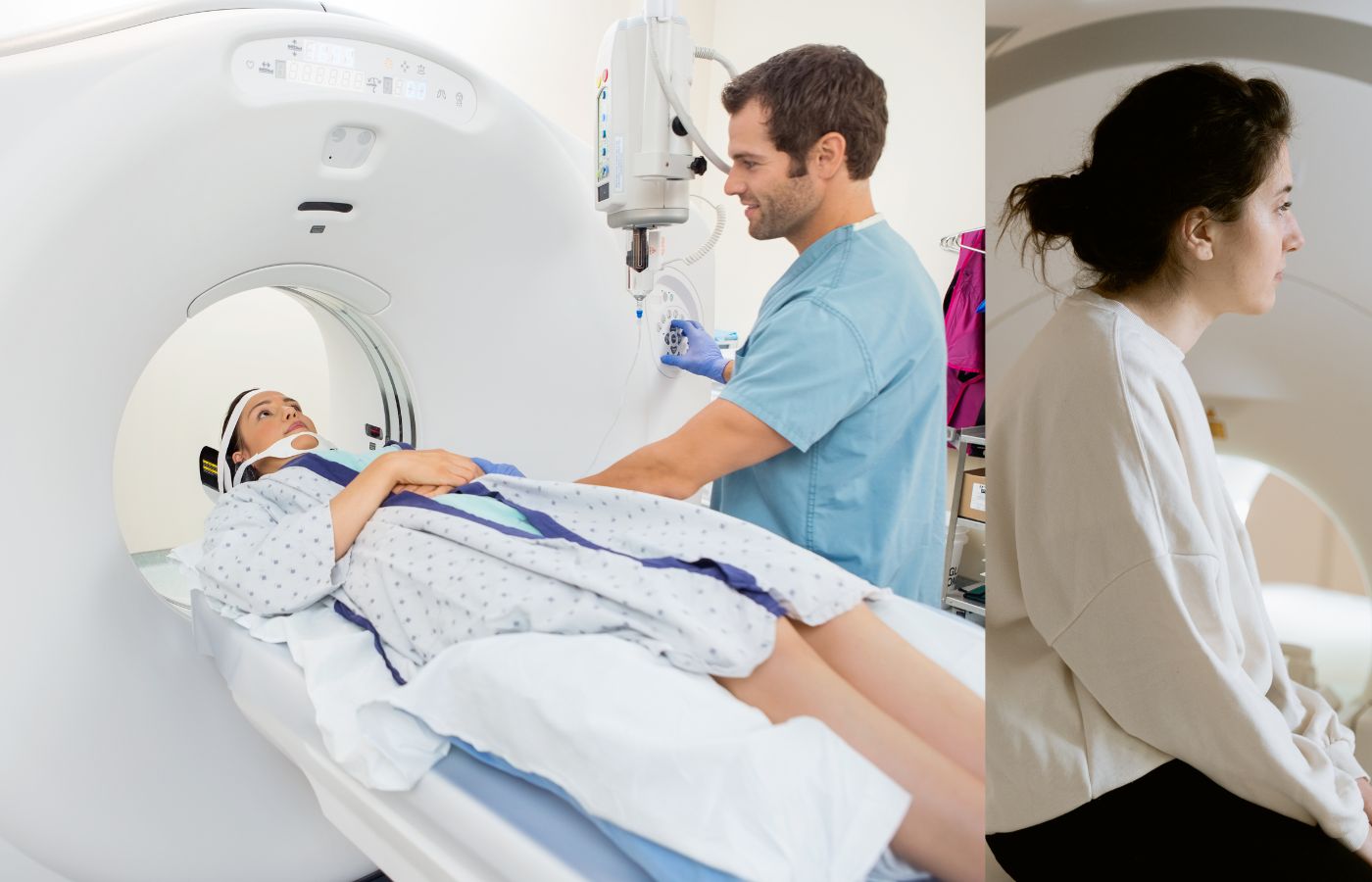
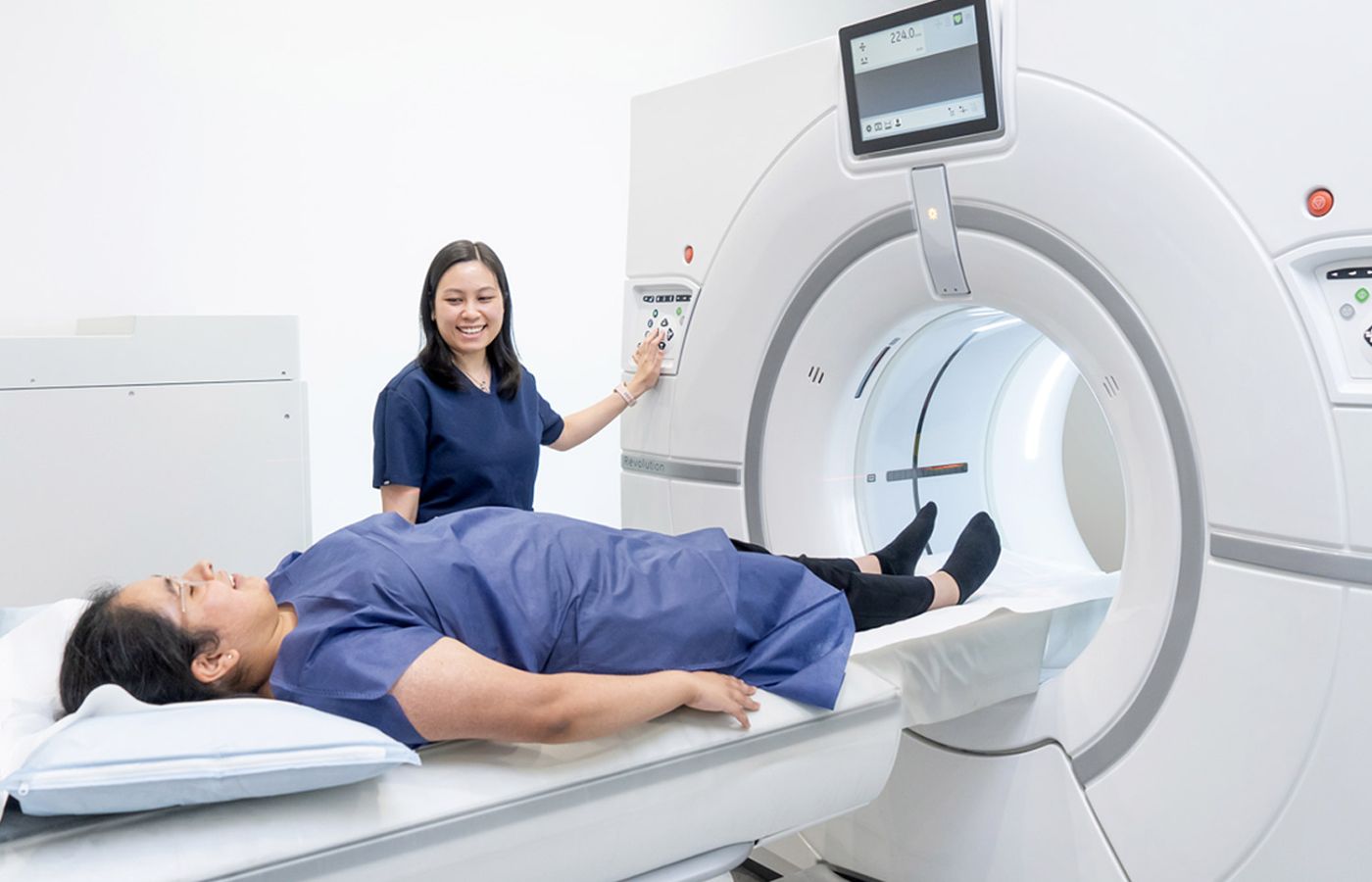
.jpg "The Future of 3D CT Imaging")