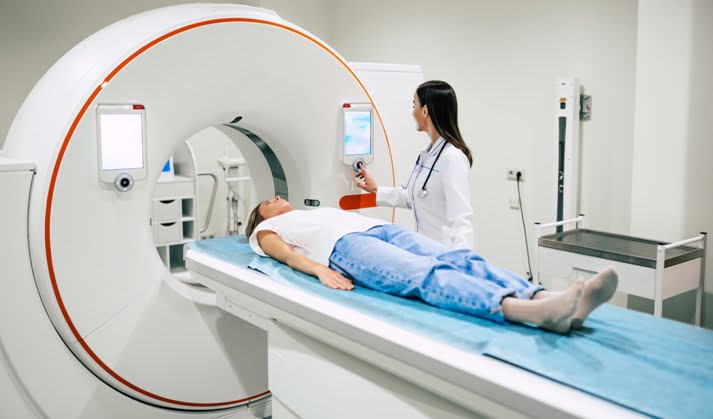
If you have been experiencing hearing loss, chronic ear infections, dizziness, or unexplained ear discharge, your doctor might have recommended a temporal bone CT scan. But if you’ve never had one before, you are likely searching for “what happens during a temporal bone CT scan” —and that is exactly what we are going to demystify today.
At Diagnopein Pune, we combine cutting-edge CT scan machine technology with patient-centric care. Whether you are looking for a cheap CT scan near me or a premium diagnostic experience, we ensure accuracy, affordability, and absolute comfort.
Let’s walk you through the procedure, the benefits, the cost, and why Diagnopein should be your first choice for temporal bone imaging.
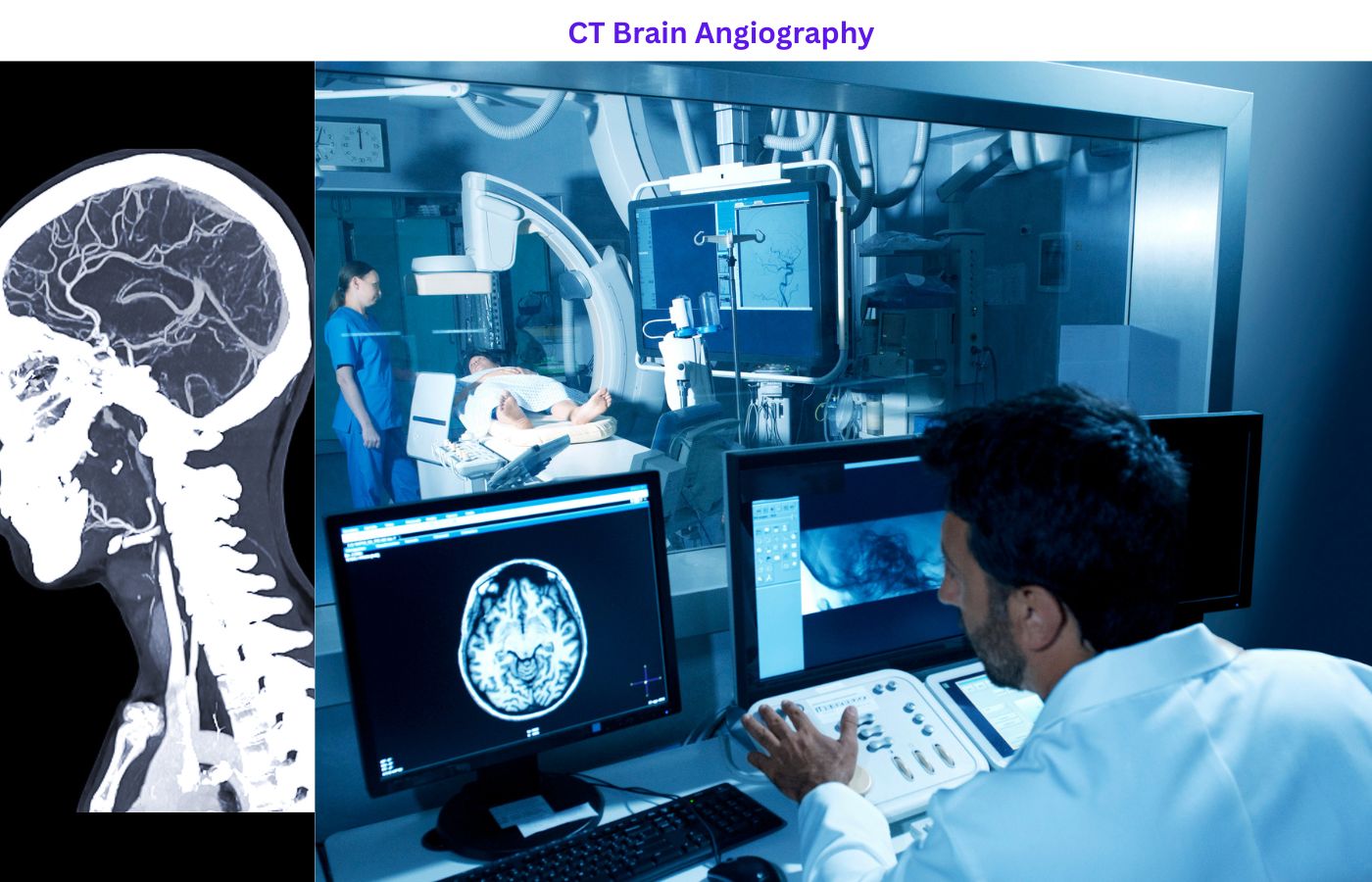
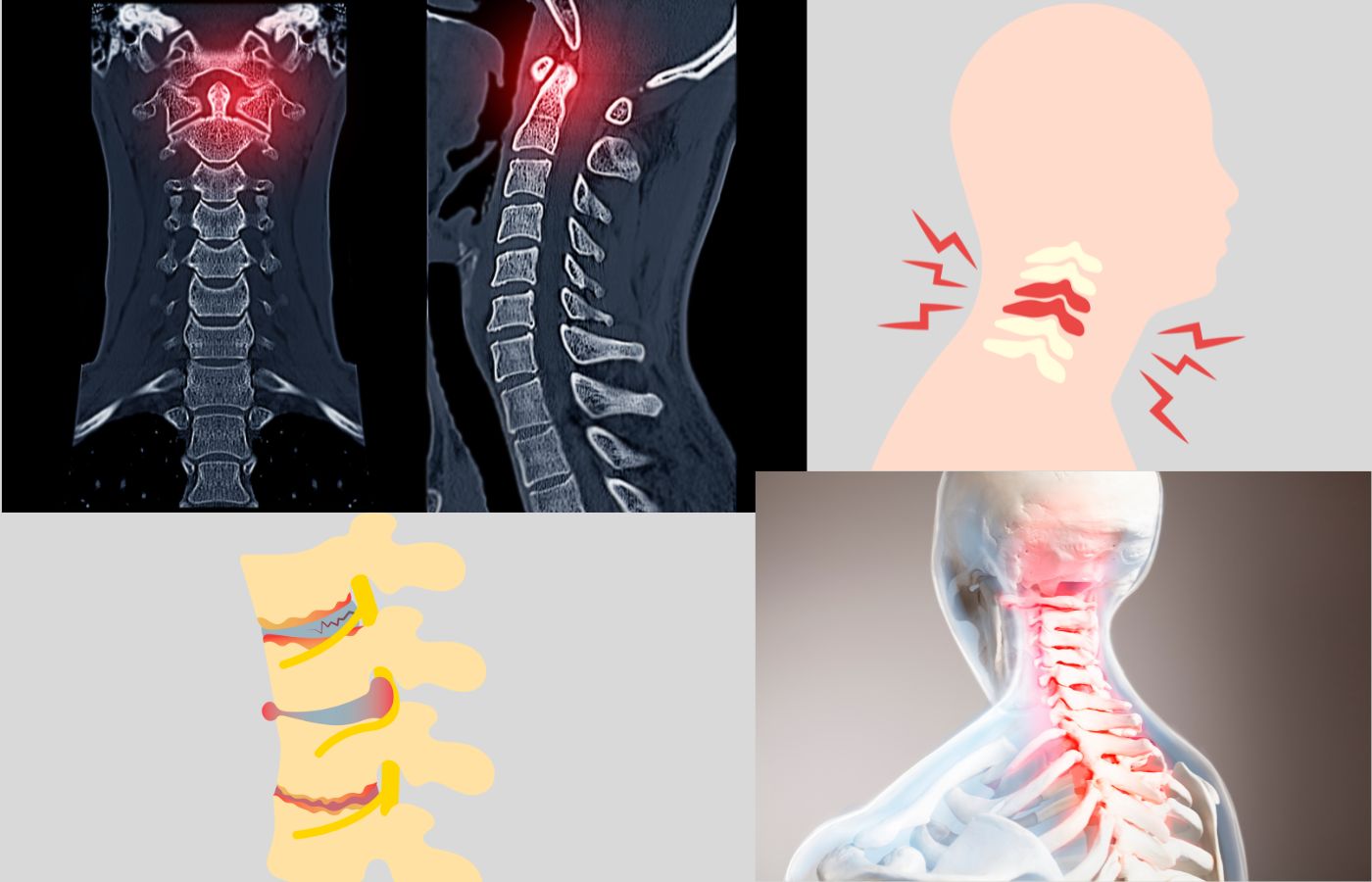
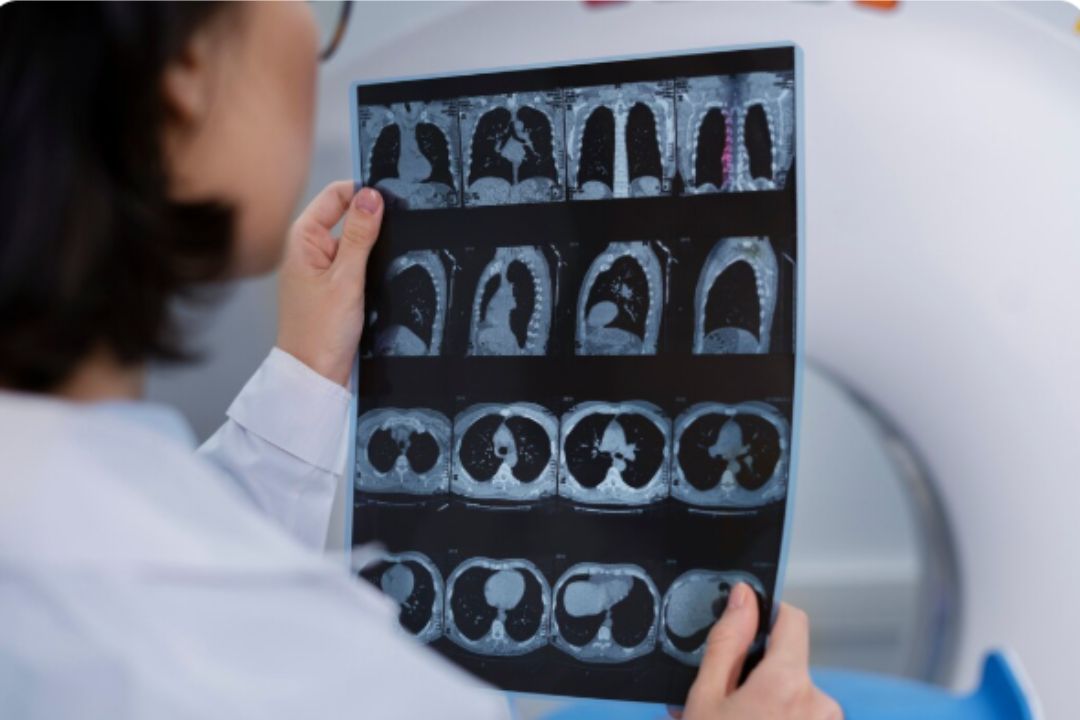
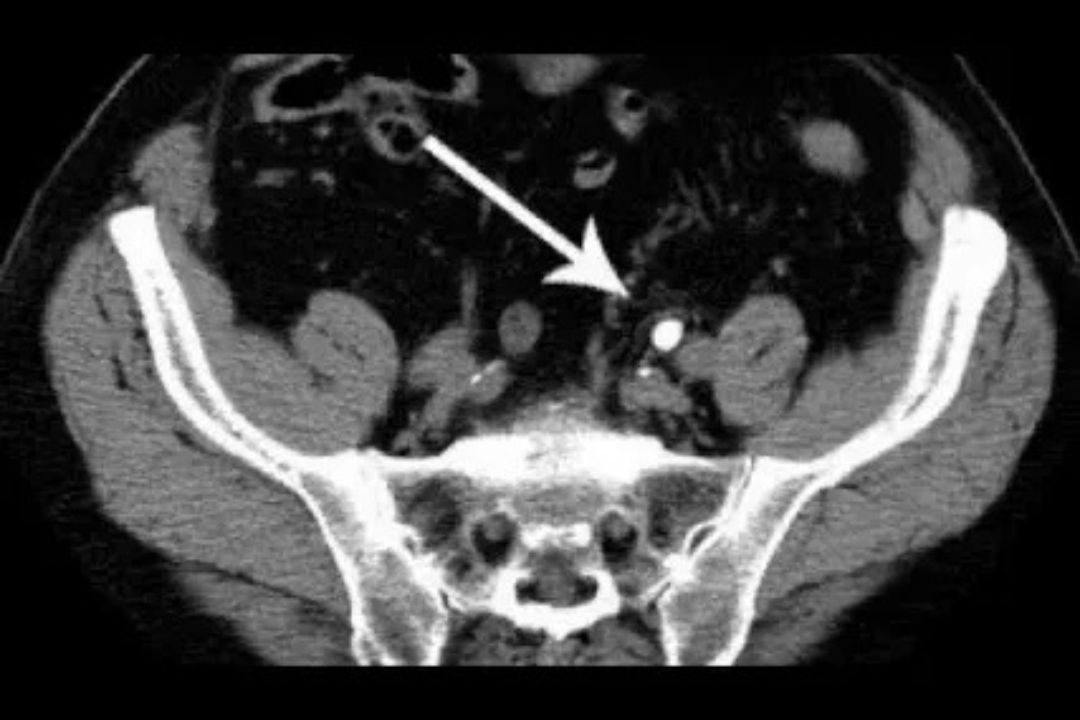
A CT scan, short for computed tomography scan, is a medical imaging test that uses X-rays and computer processing to create detailed cross-sectional images of parts of your body. Unlike a regular X-ray that produces a flat picture, a CT scan captures many slices of images from multiple angles and creates a three-dimensional view of the area being scanned.
Book Now: https://www.diagnopein.com/ct-scan/Pune
When focused on the temporal bone, CT imaging can reveal detailed structures that are otherwise difficult to see. The temporal bone houses the delicate components of the middle and inner ear, including the tiny ear bones, the cochlea, the vestibular system responsible for balance, and the facial nerve canal.
Doctors order a temporal bone CT scan for a variety of reasons. Some common indications include:
• Investigating unexplained hearing loss
• Evaluating chronic ear infections or persistent ear discharge
• Diagnosing congenital ear abnormalities
• Planning ear surgery, such as cochlear implant or mastoidectomy
• Detecting fractures after trauma
• Assessing tumors or other abnormal growths near the temporal bone
Preparing for a temporal bone CT scan is usually simple, and in most cases, no special steps are required ahead of time.
Visit Now: https://www.diagnopein.com
You should wear comfortable, loose-fitting clothes to your appointment. Before the scan begins, you will be asked to remove any metallic objects that could interfere with the imaging. These may include:
• Earrings and nose rings
• Hairpins and clips
• Spectacles or sunglasses
• Hearing aids or dental appliances with metal
• Jewelry or body piercings
Metal can create artifacts on the images which appear as streaks and shadows, making it harder to see important details.
For most temporal bone scans, contrast dye is not needed. Therefore, you will not be asked to fast or change your diet before the test. If your doctor does want a contrast-enhanced scan, you may be instructed to avoid eating or drinking for a few hours prior, and your kidney function might be checked to ensure it is safe to use contrast.
When you arrive at the imaging center or hospital, you will check in at the reception desk. A staff member may ask you about your medical history, any allergies, and whether there is any chance you might be pregnant.
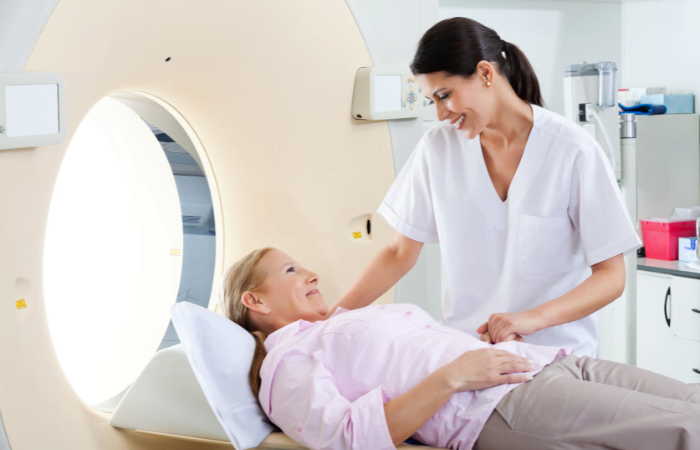
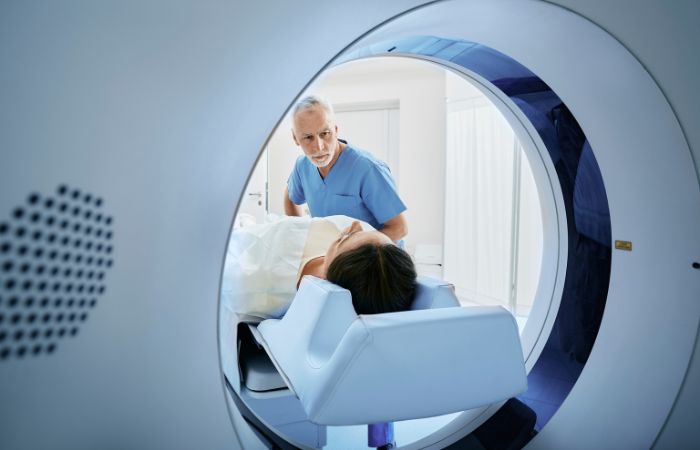
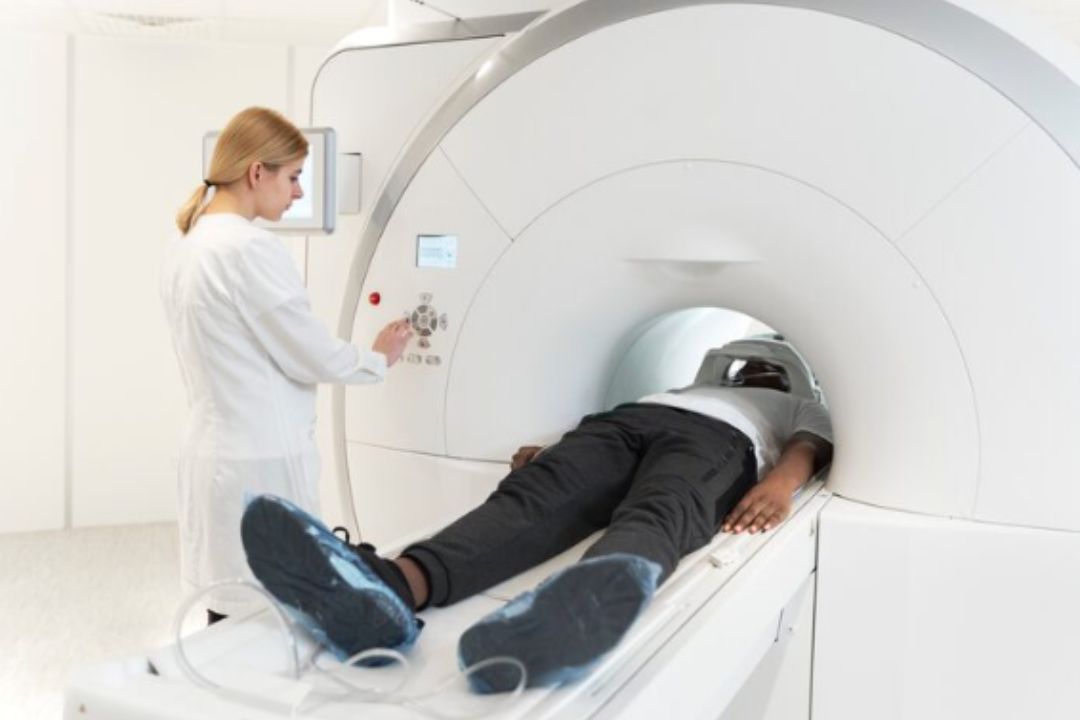
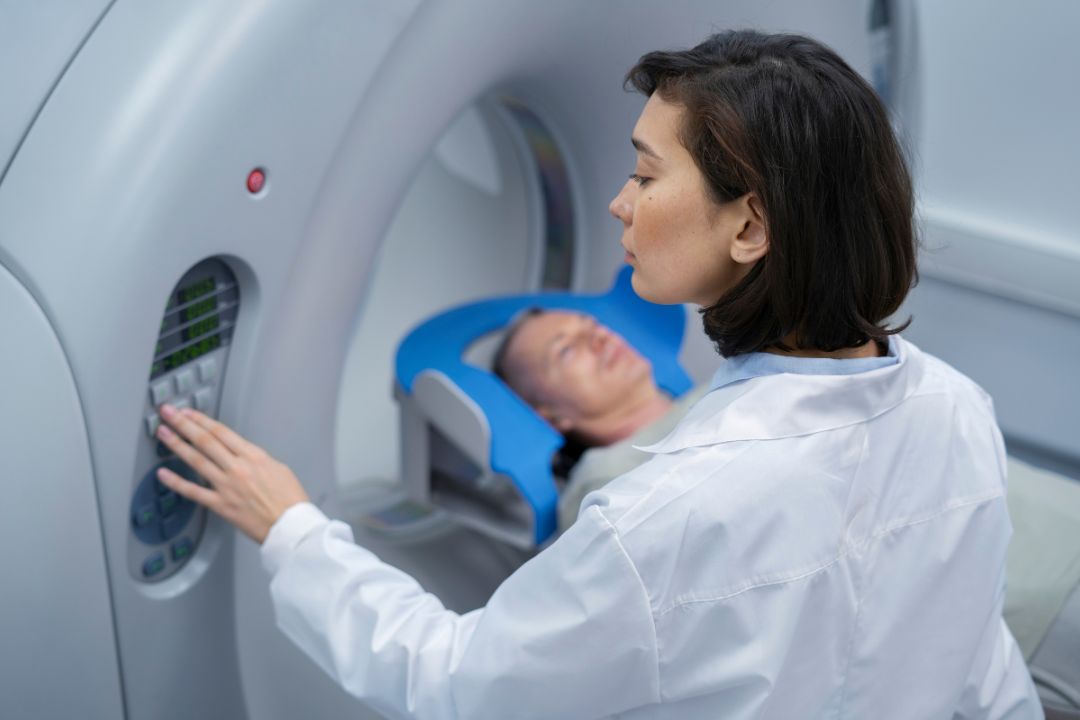
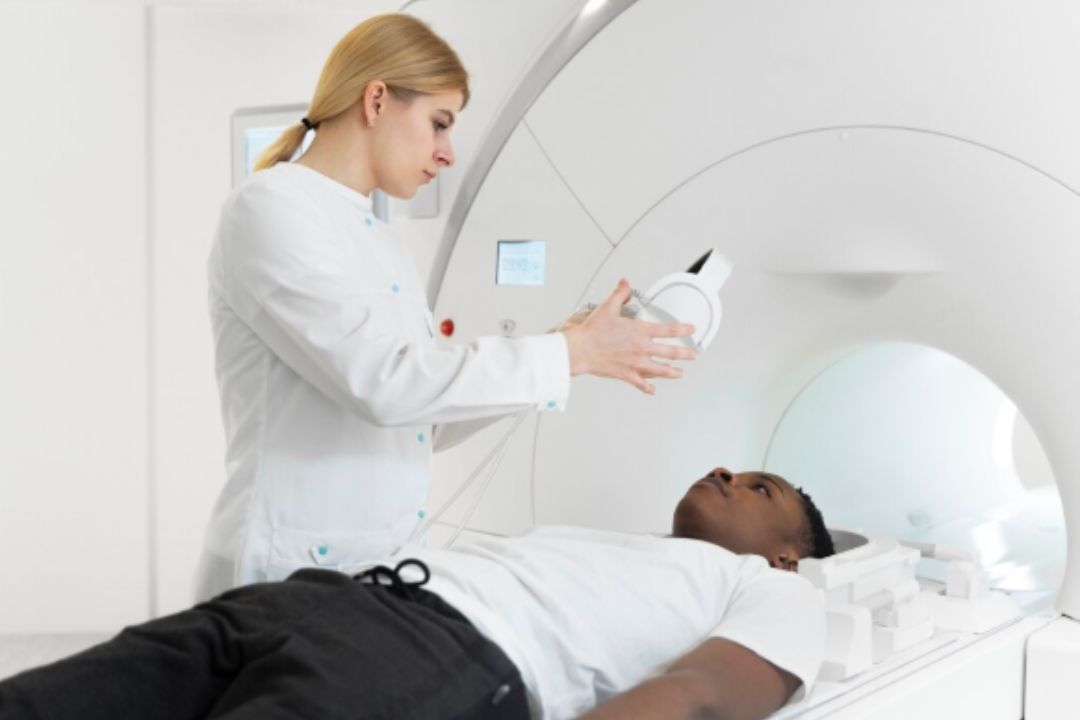
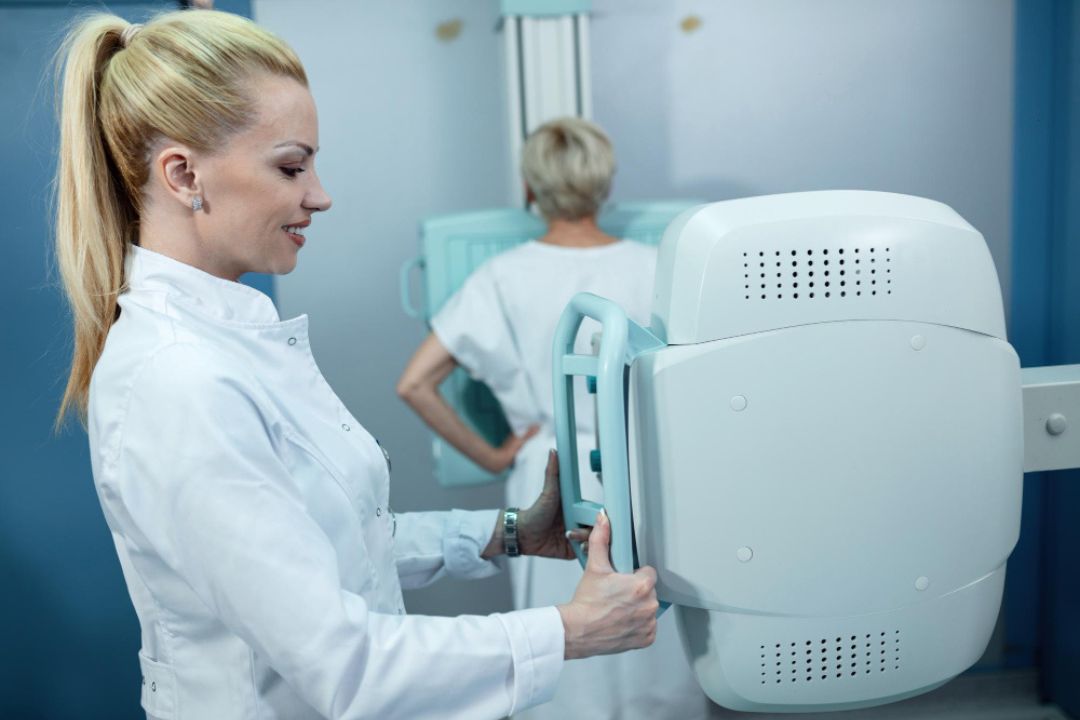
Once checked in, a trained radiology technologist will guide you to the scanning room. Here is what typically happens next:
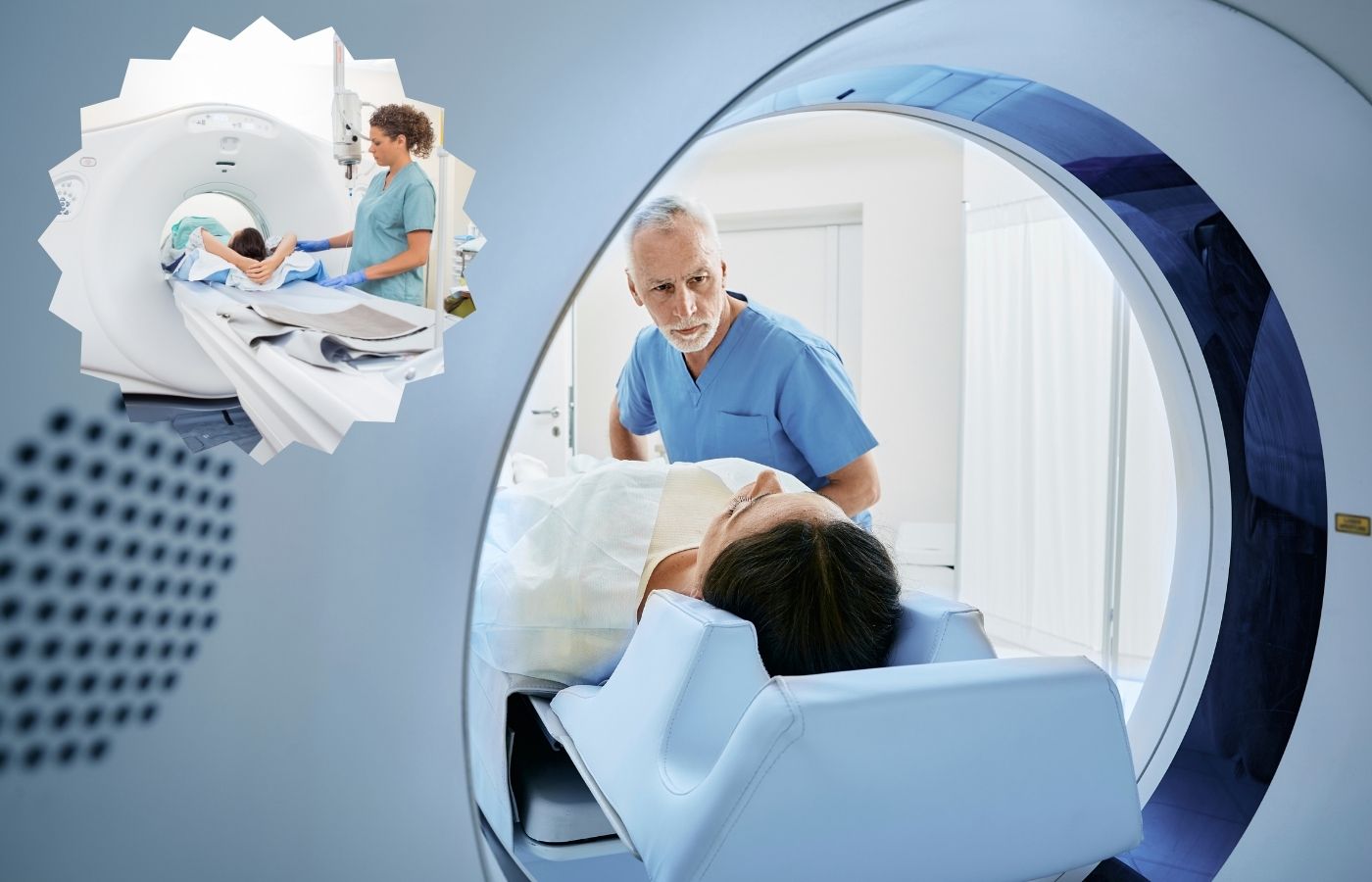
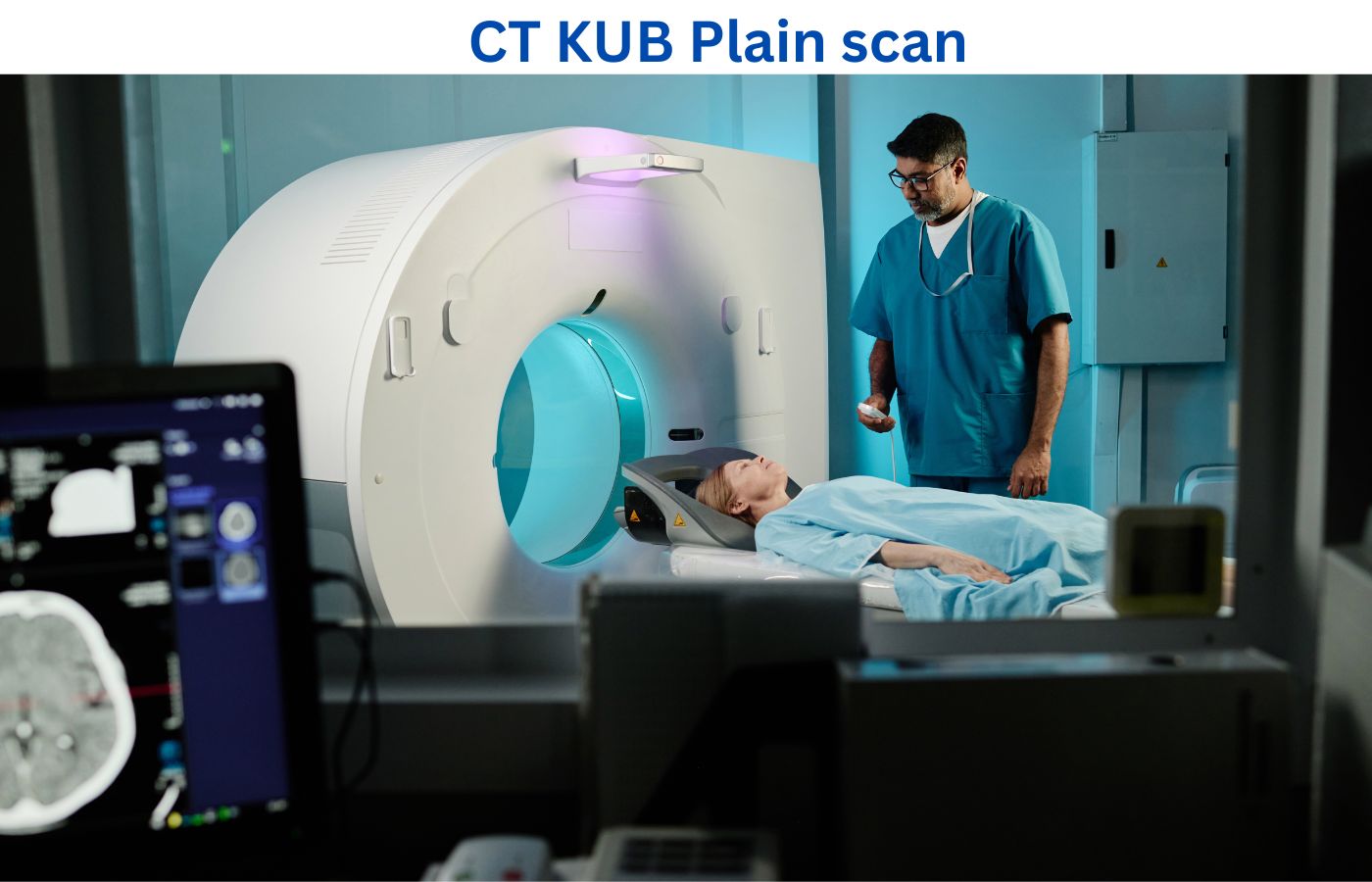
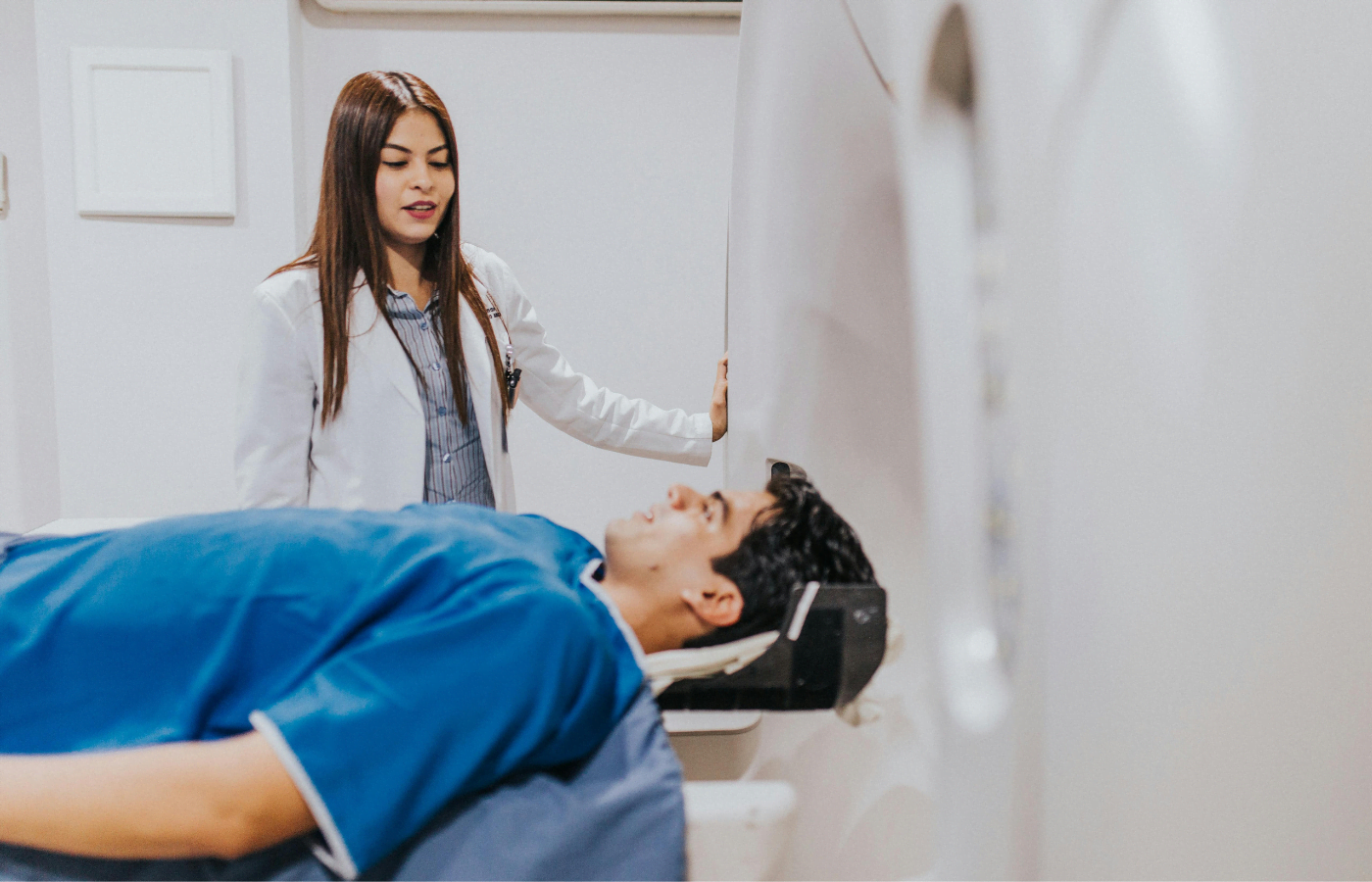
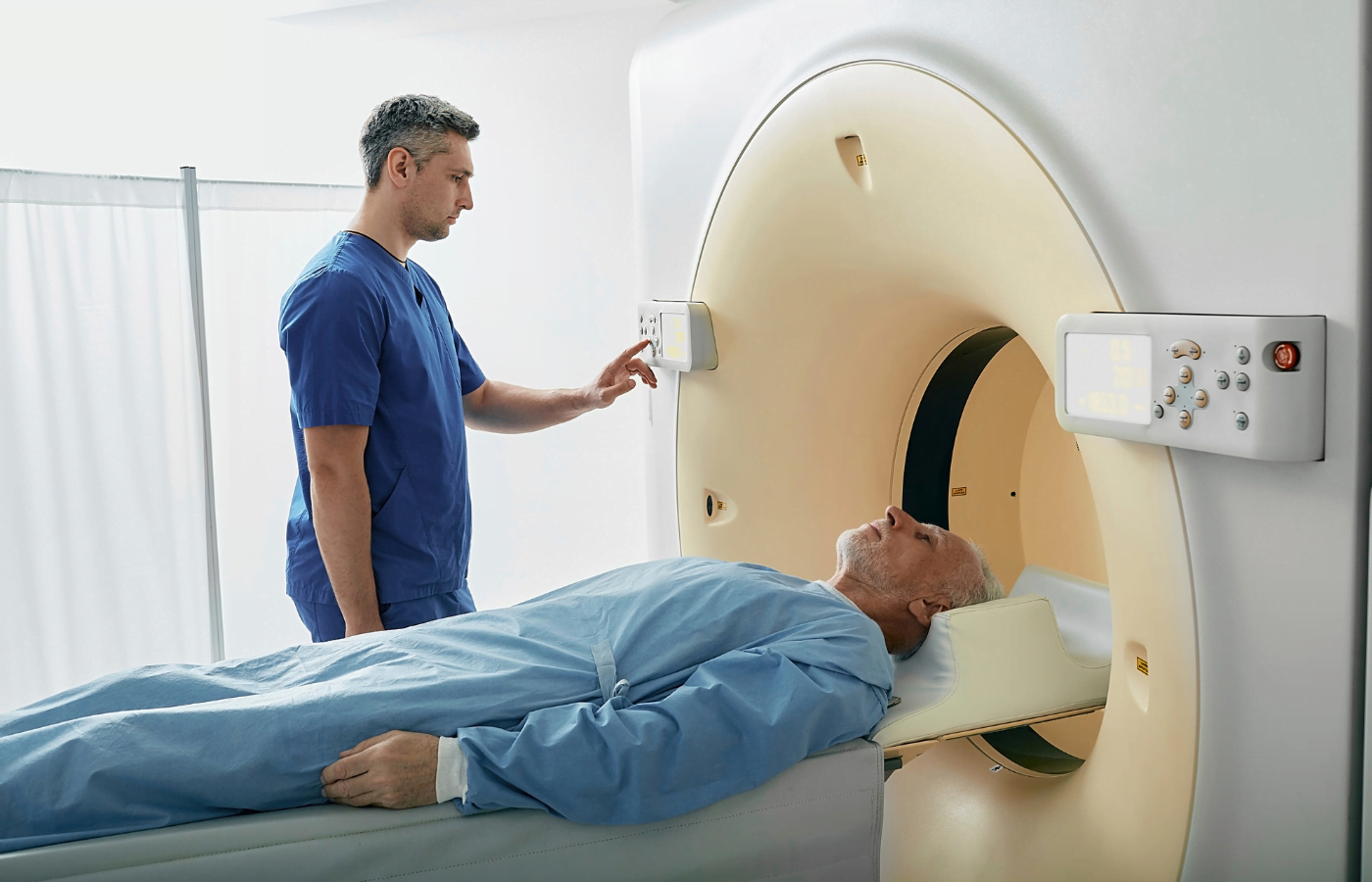
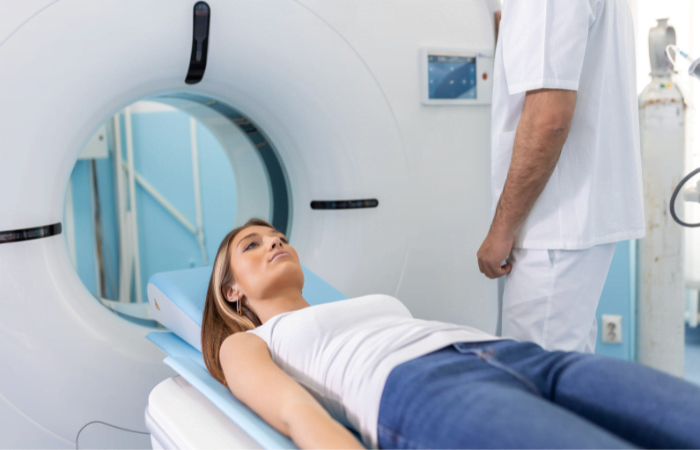
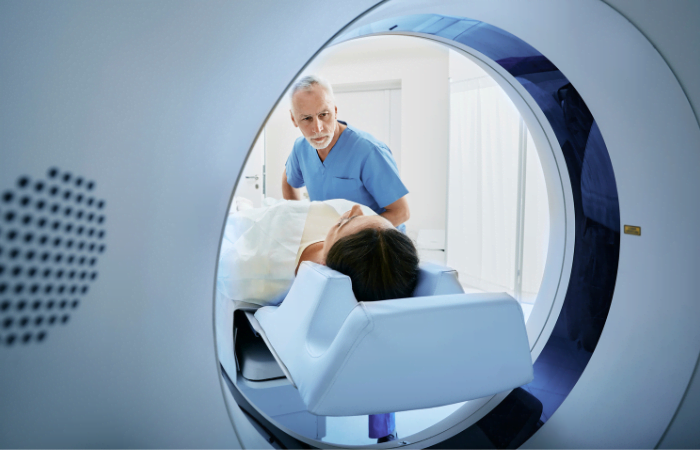
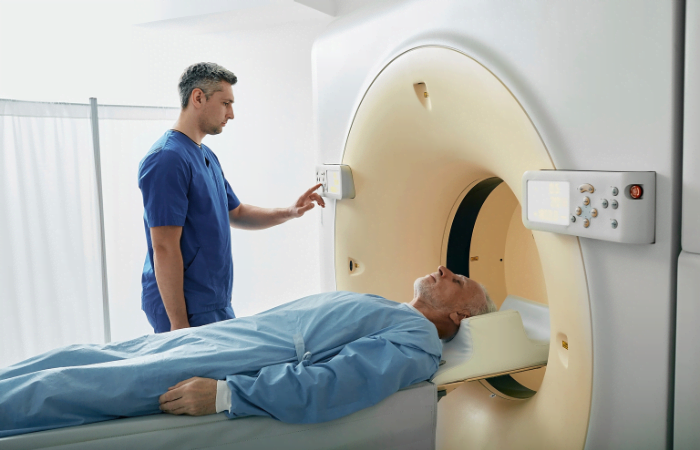
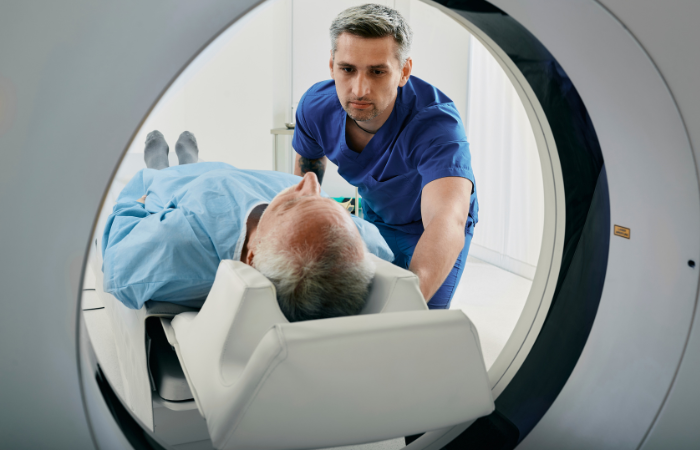
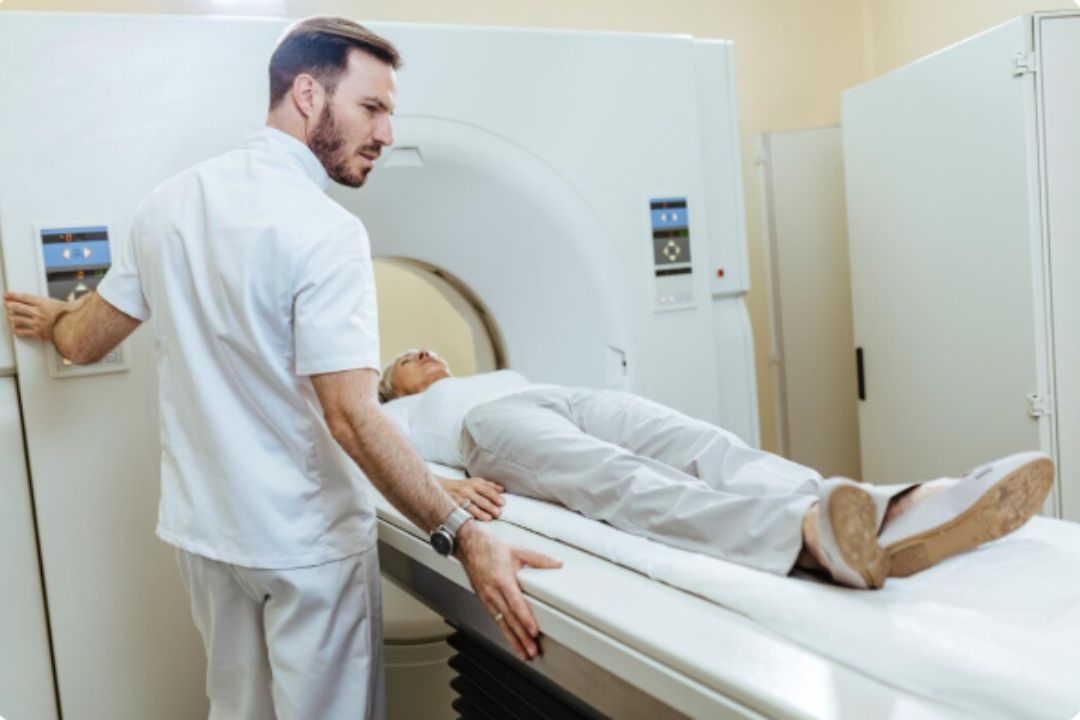
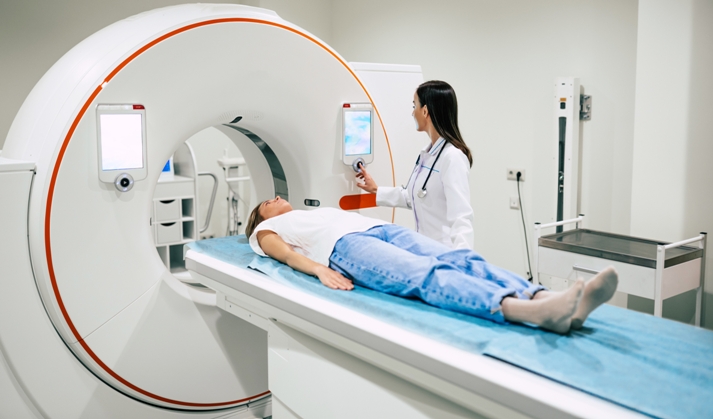
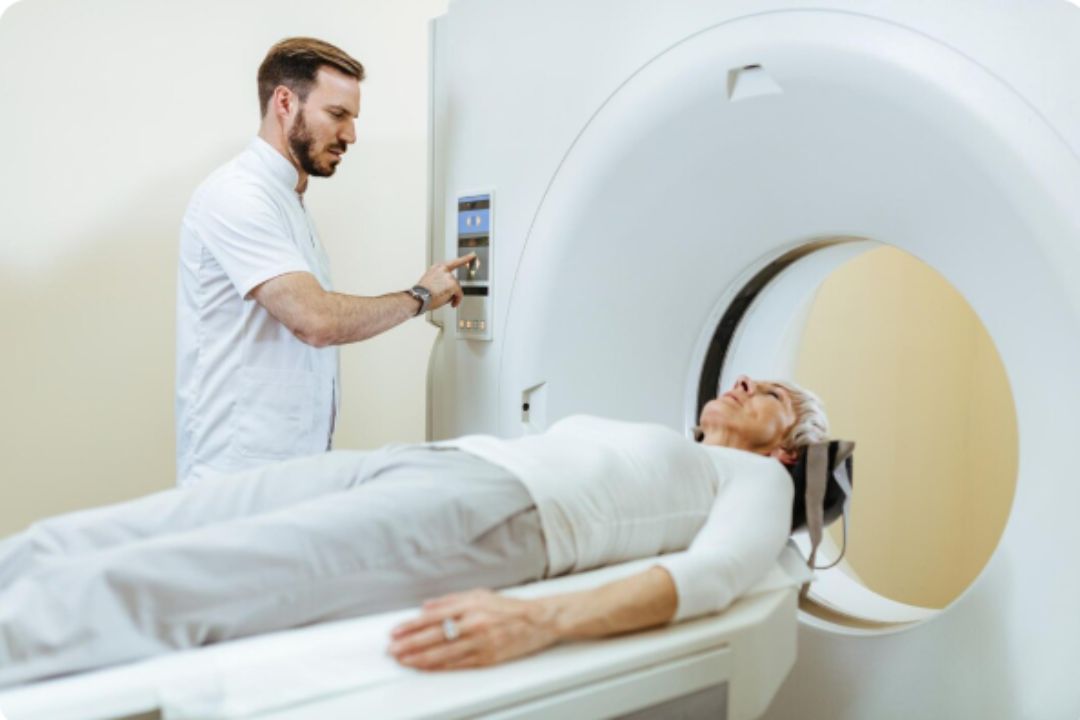
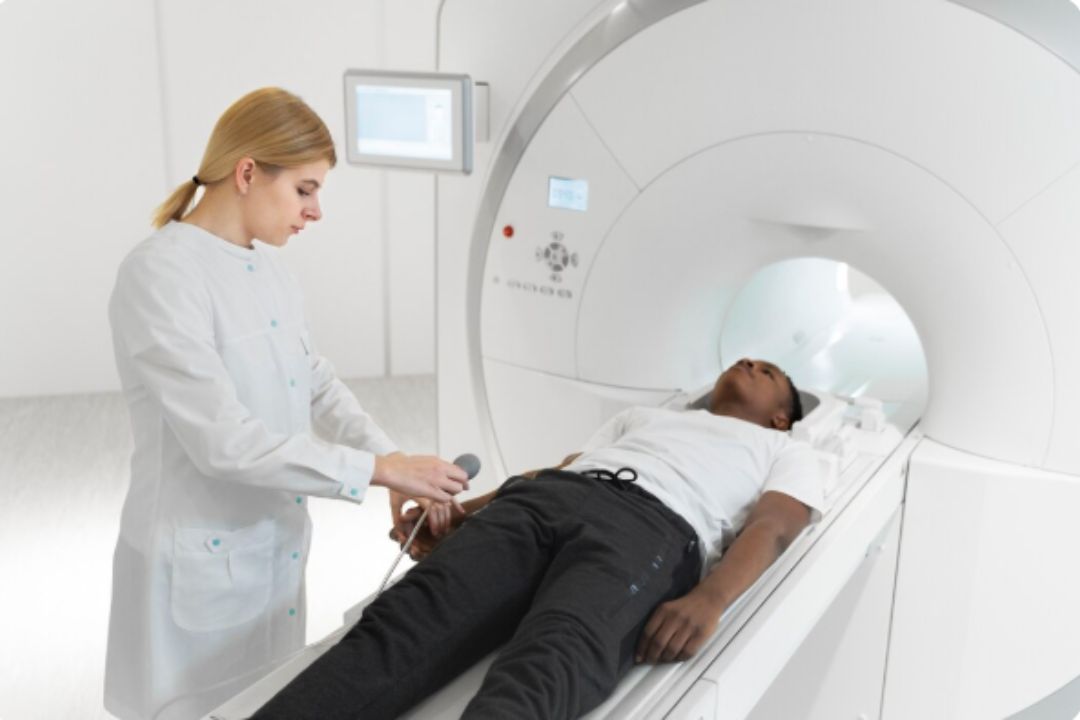
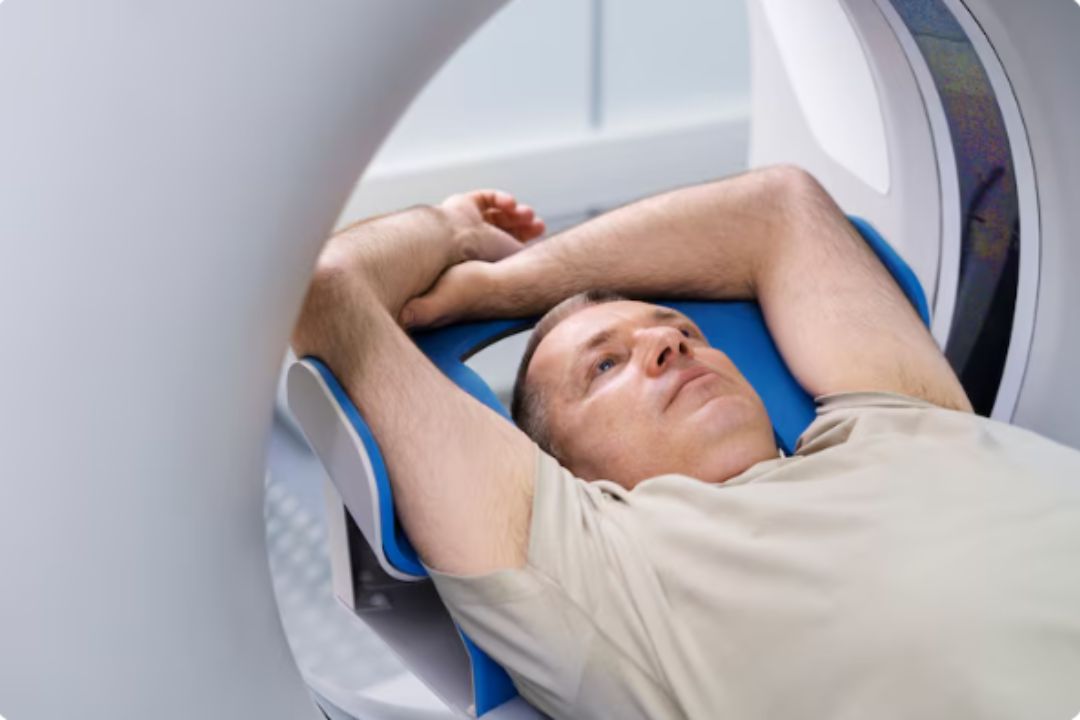
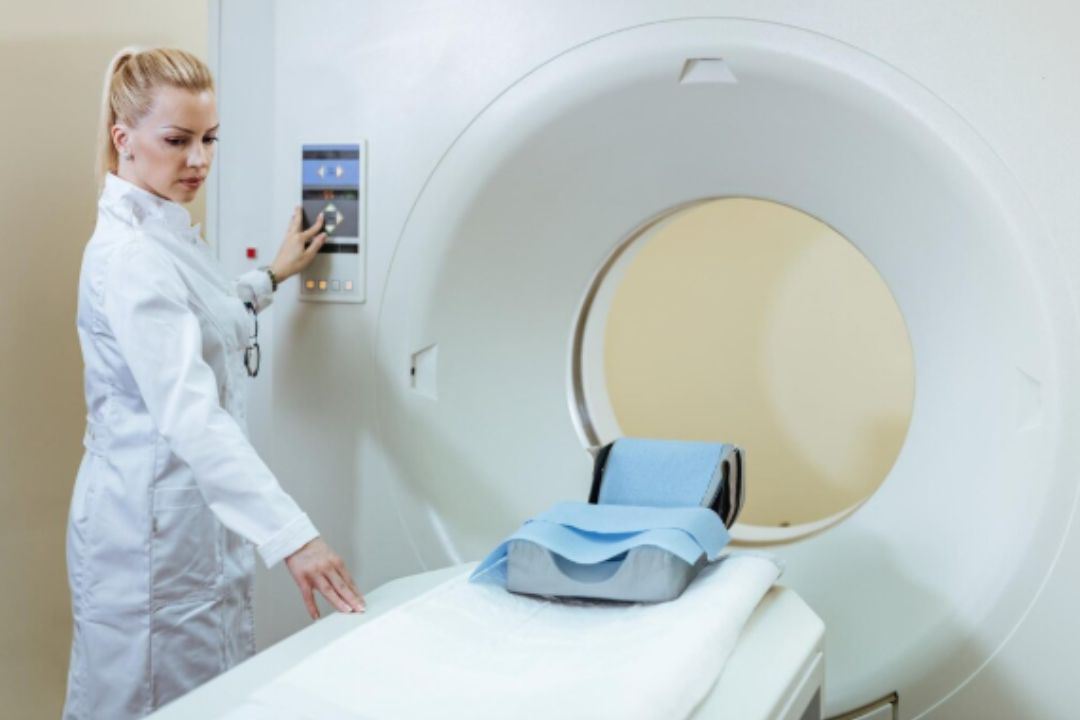
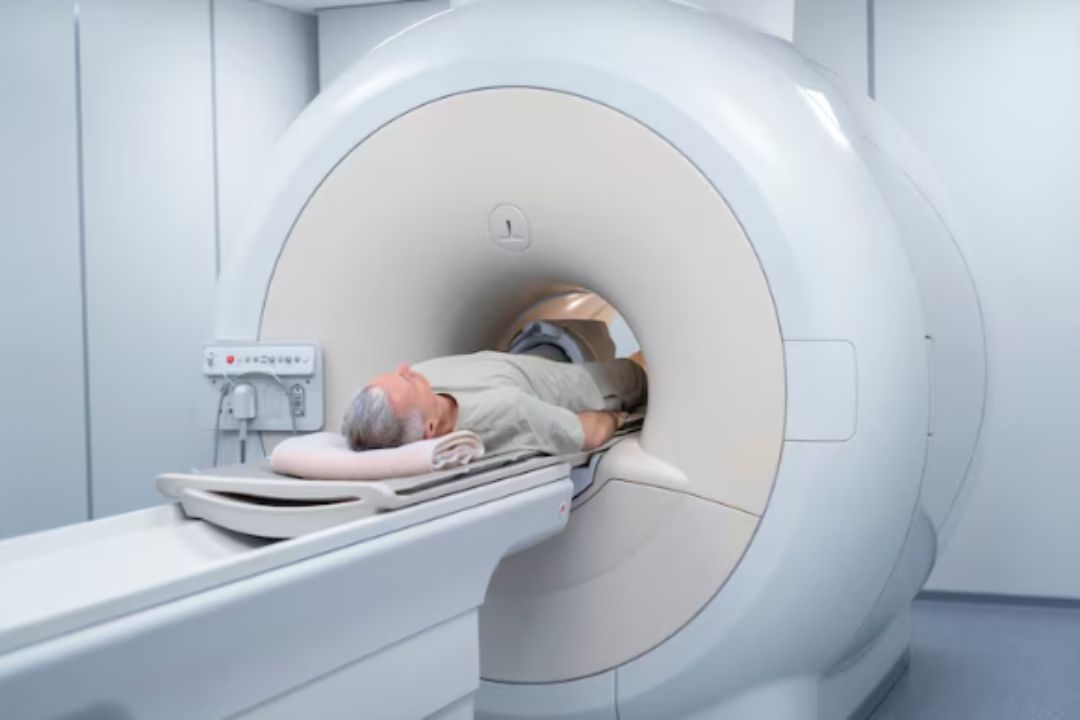
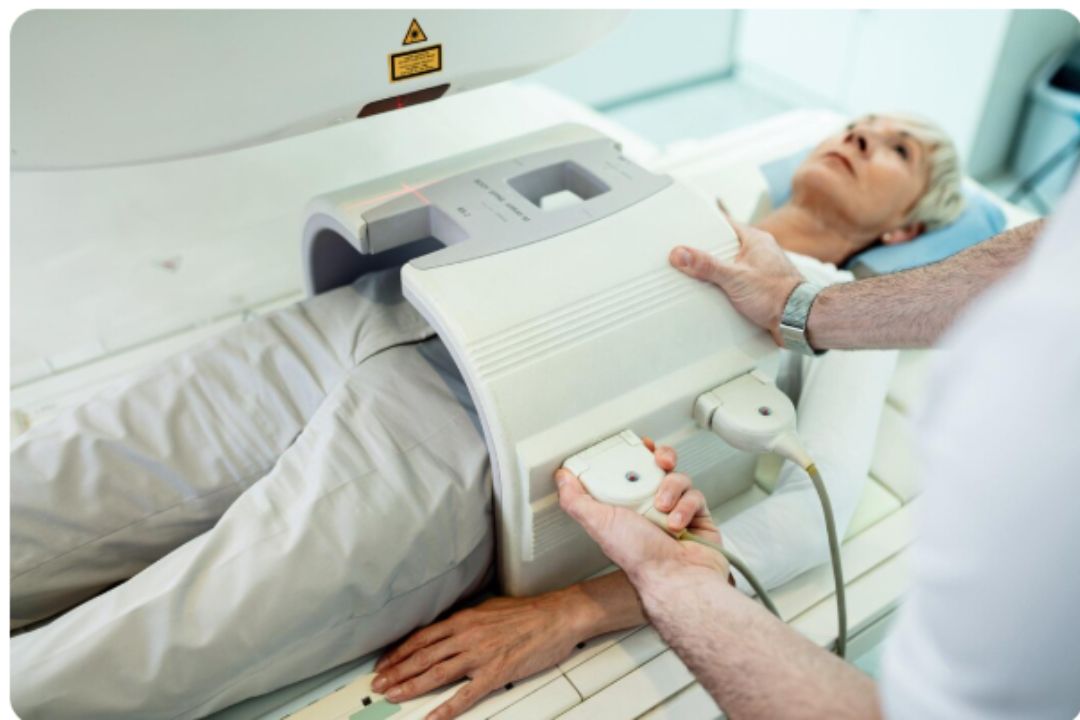
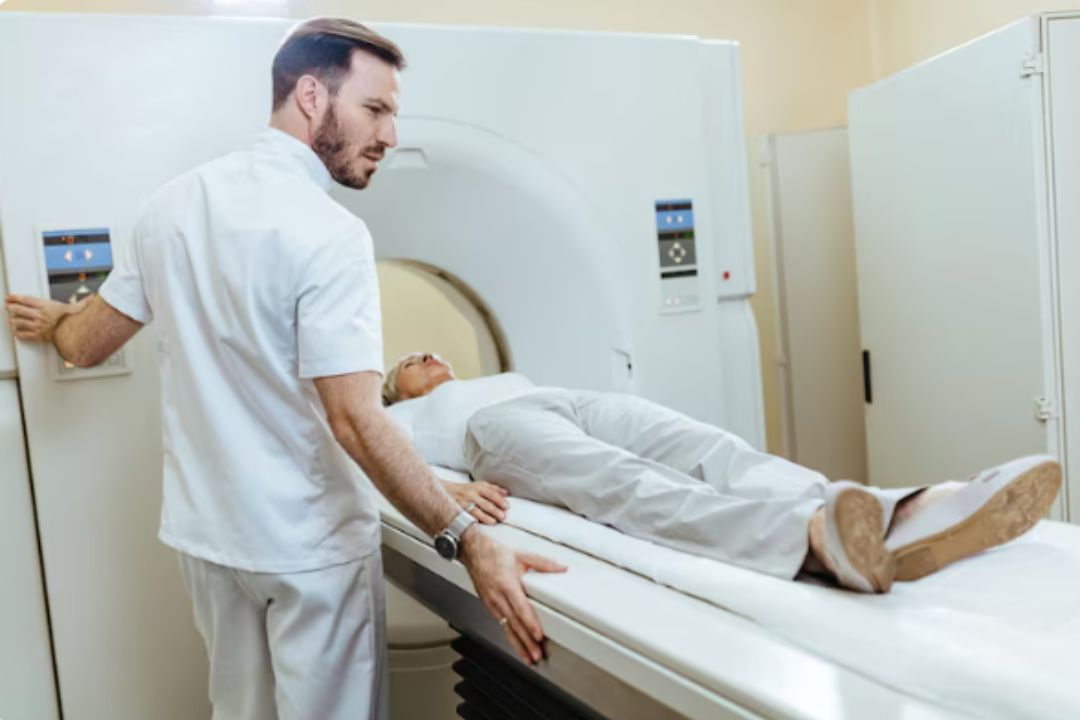
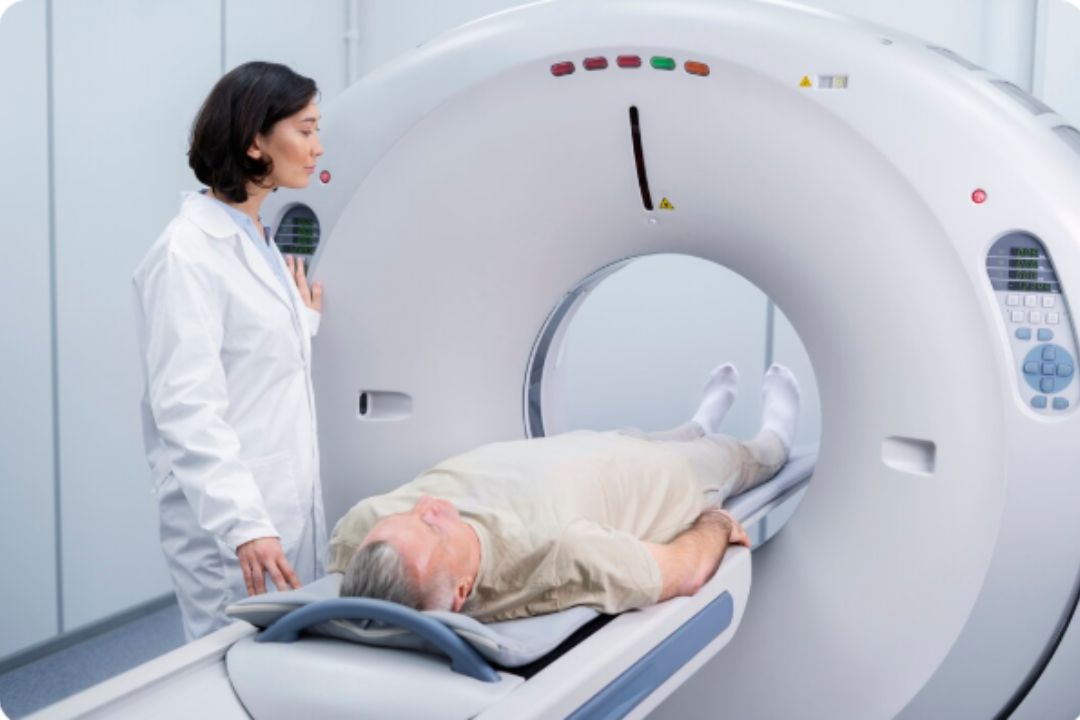
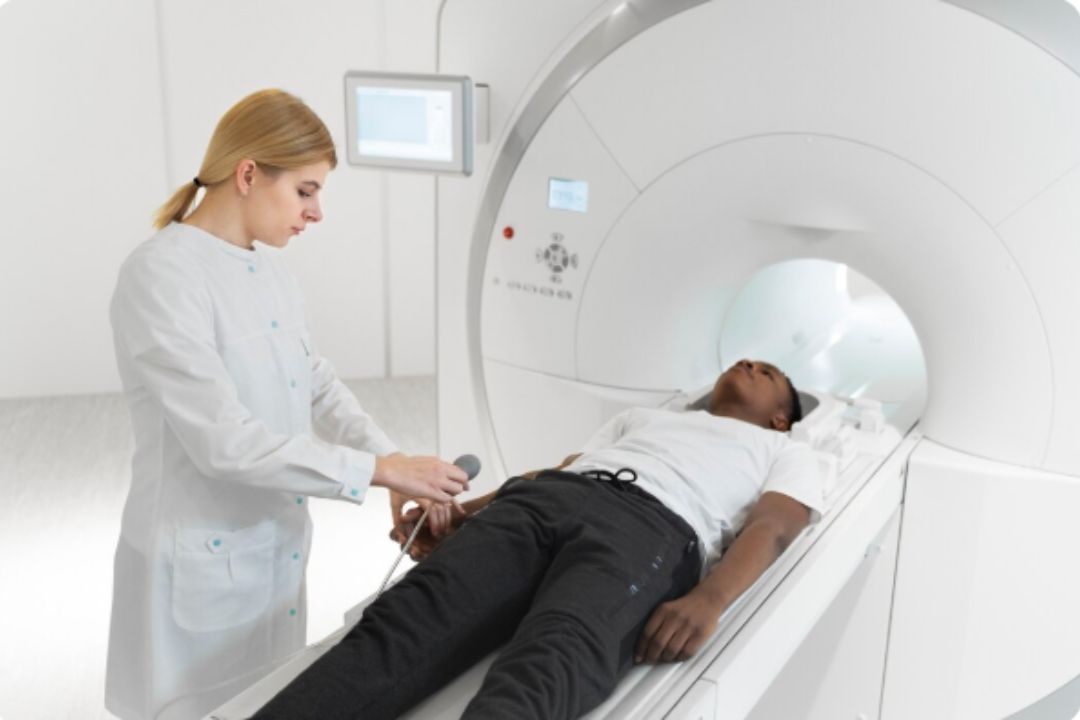
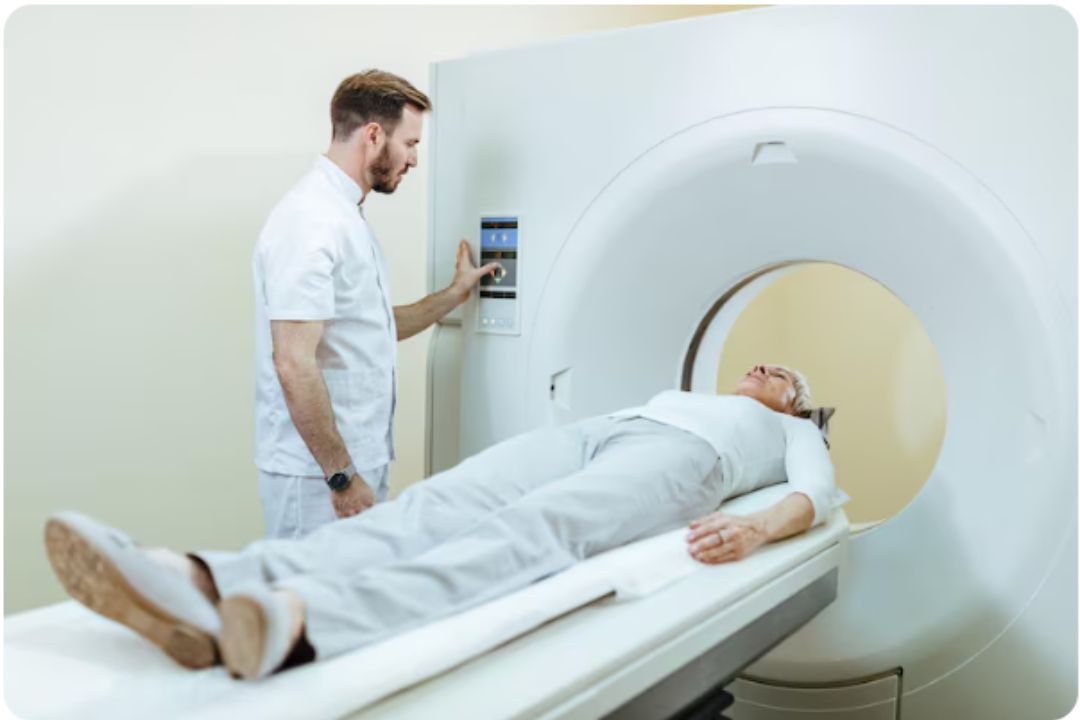
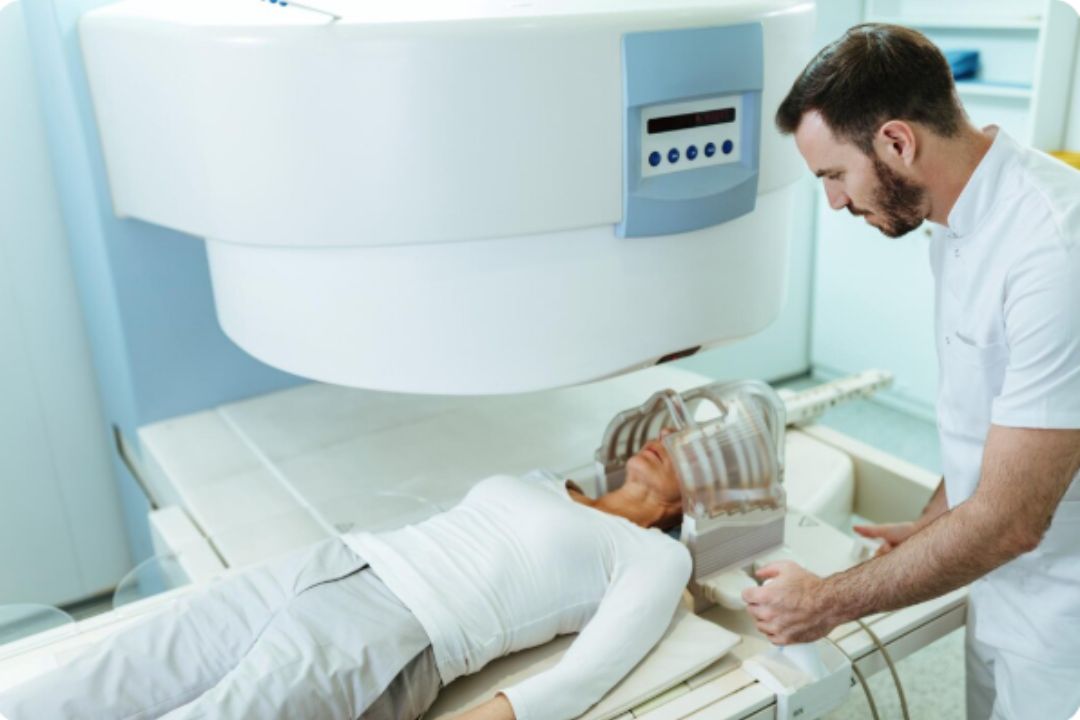
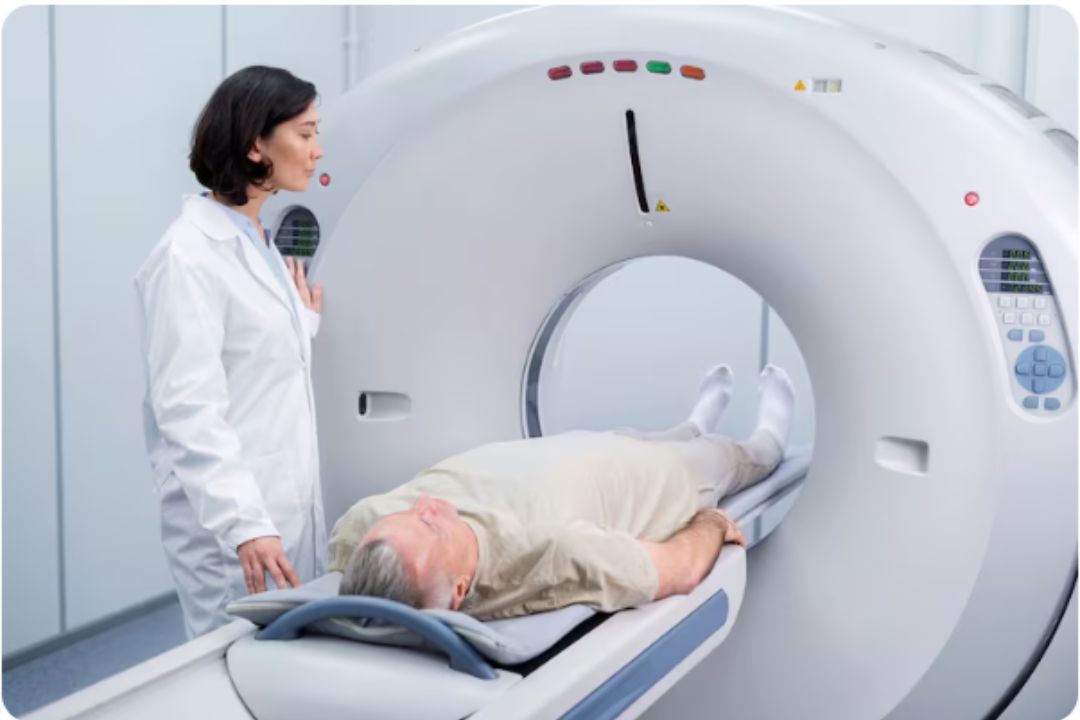
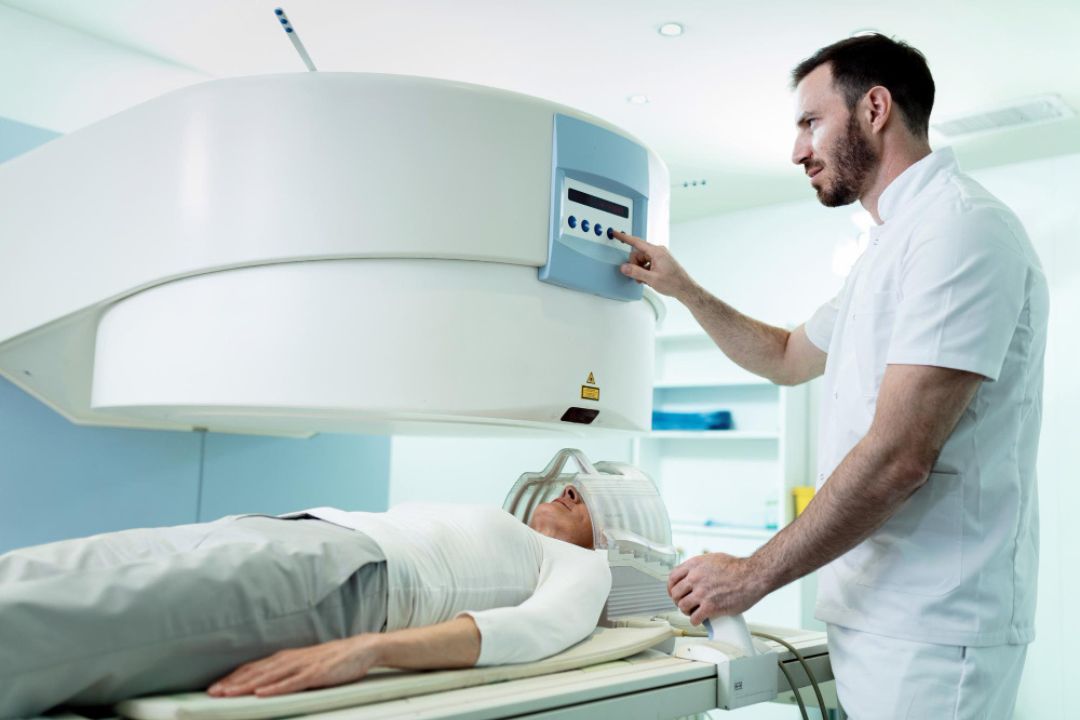
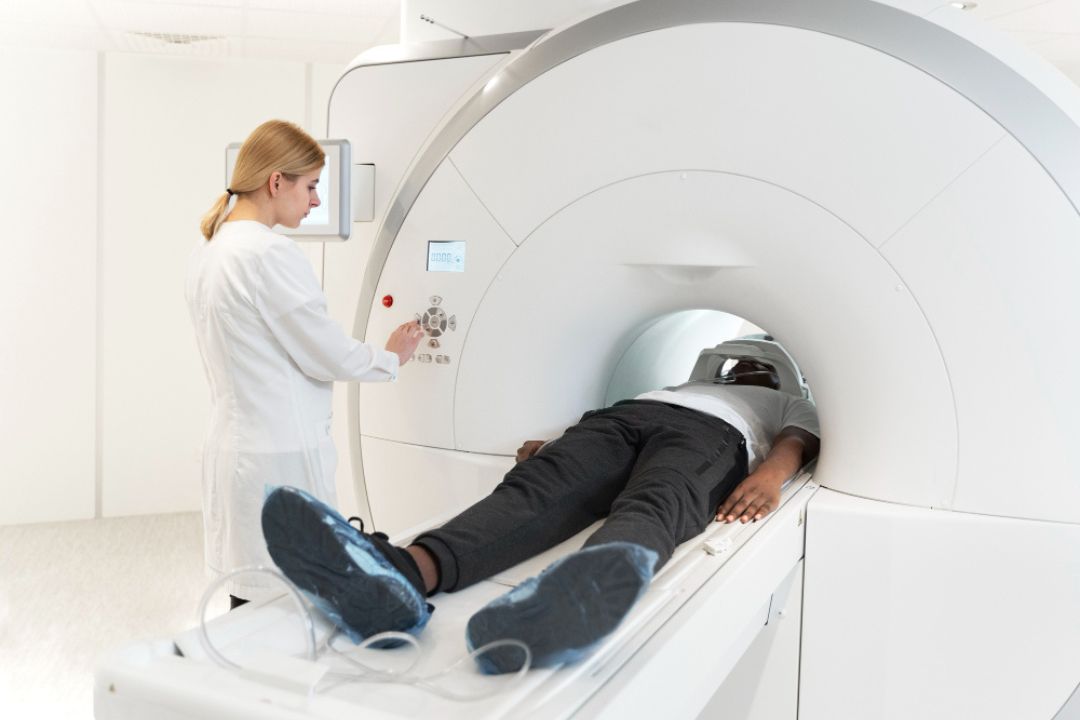
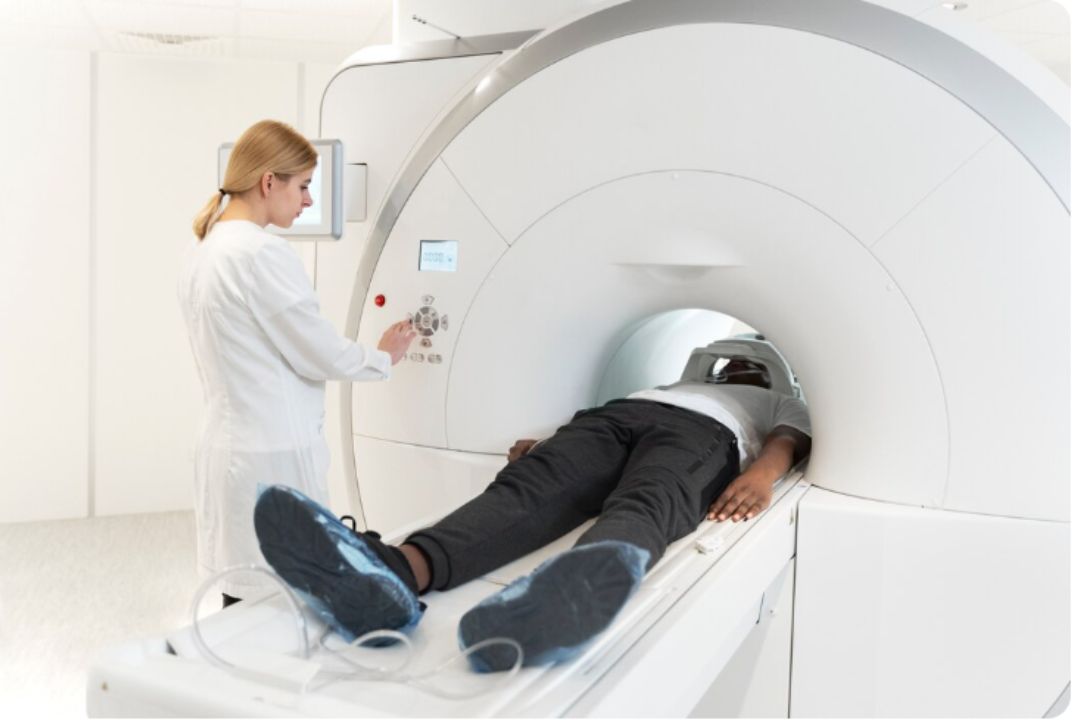
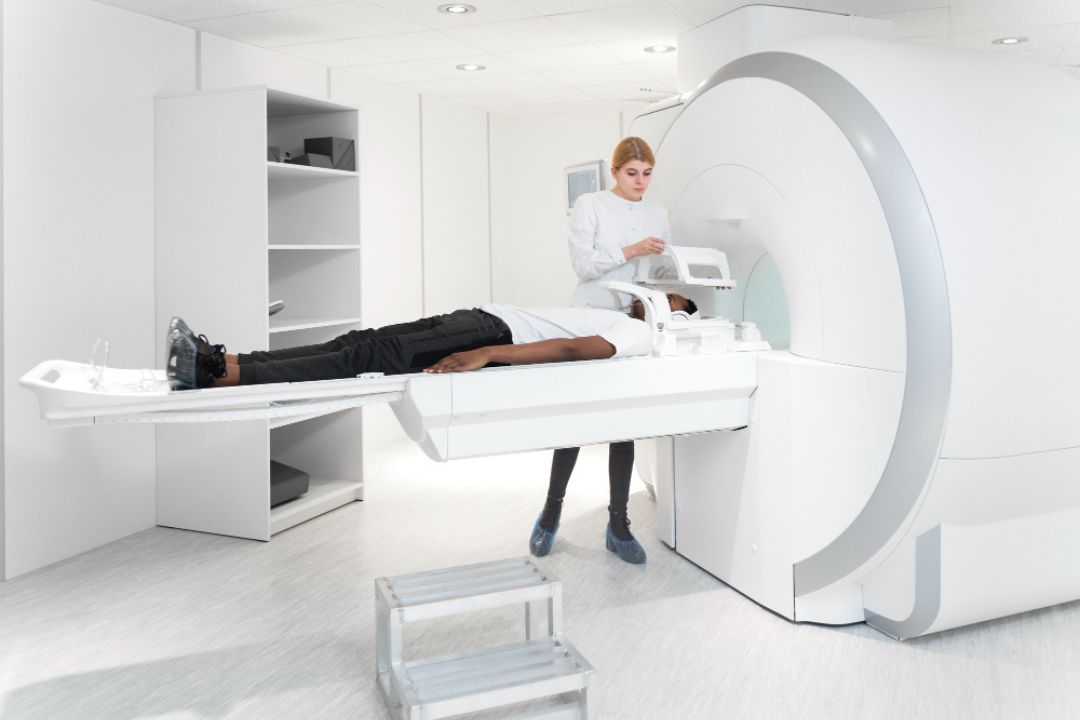
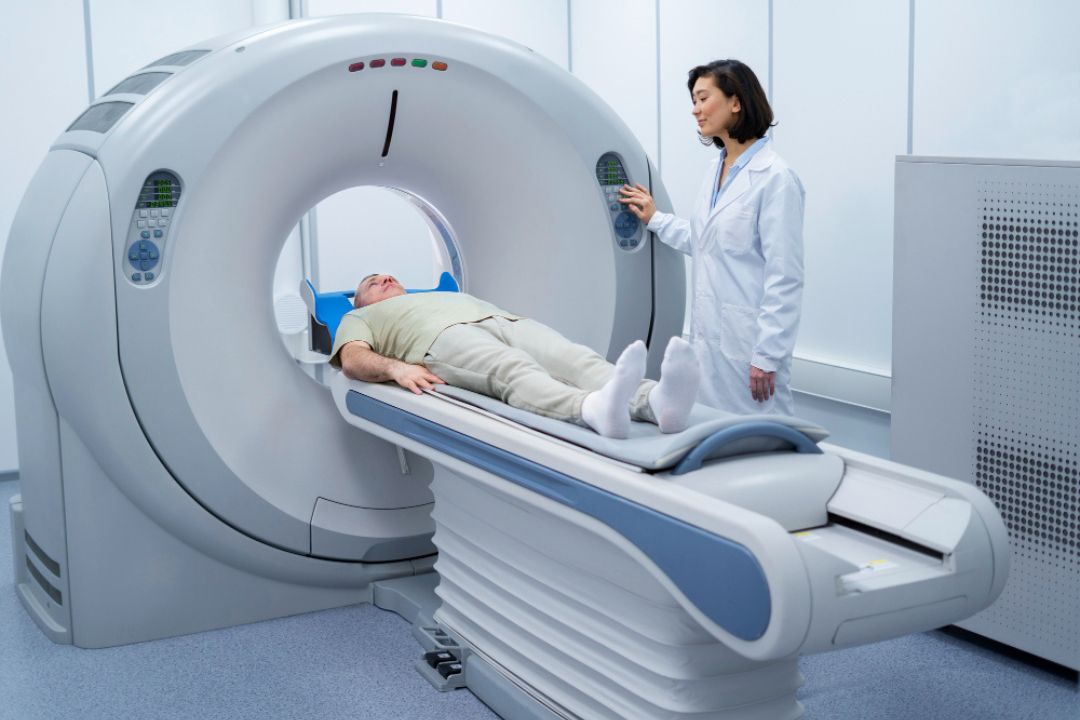
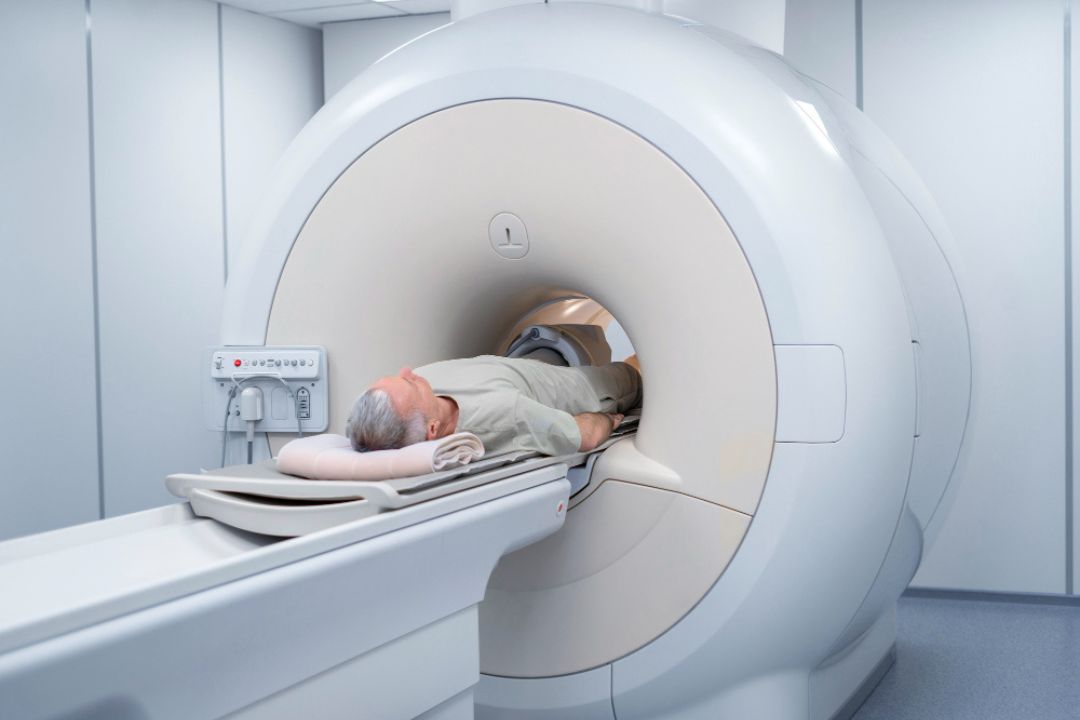
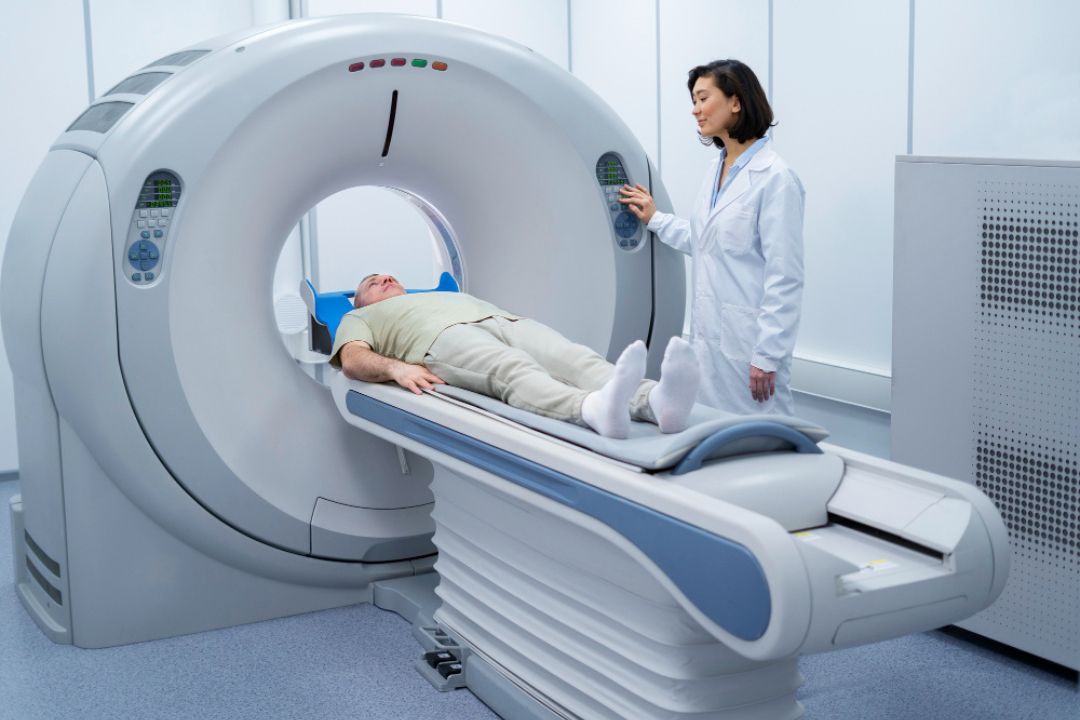
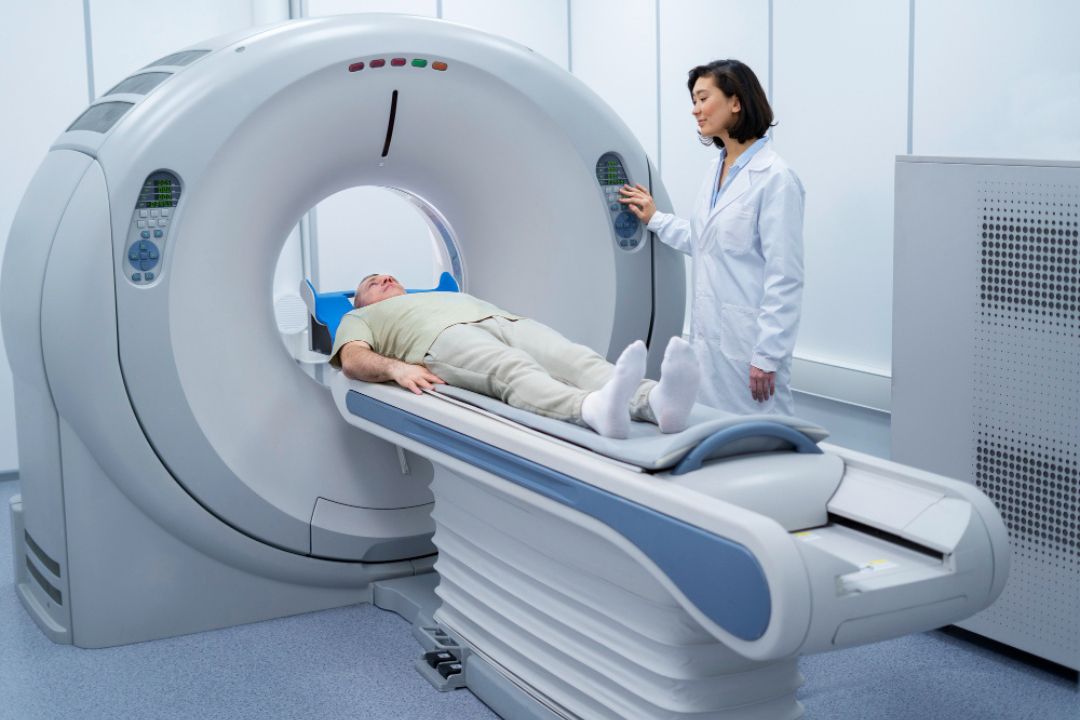
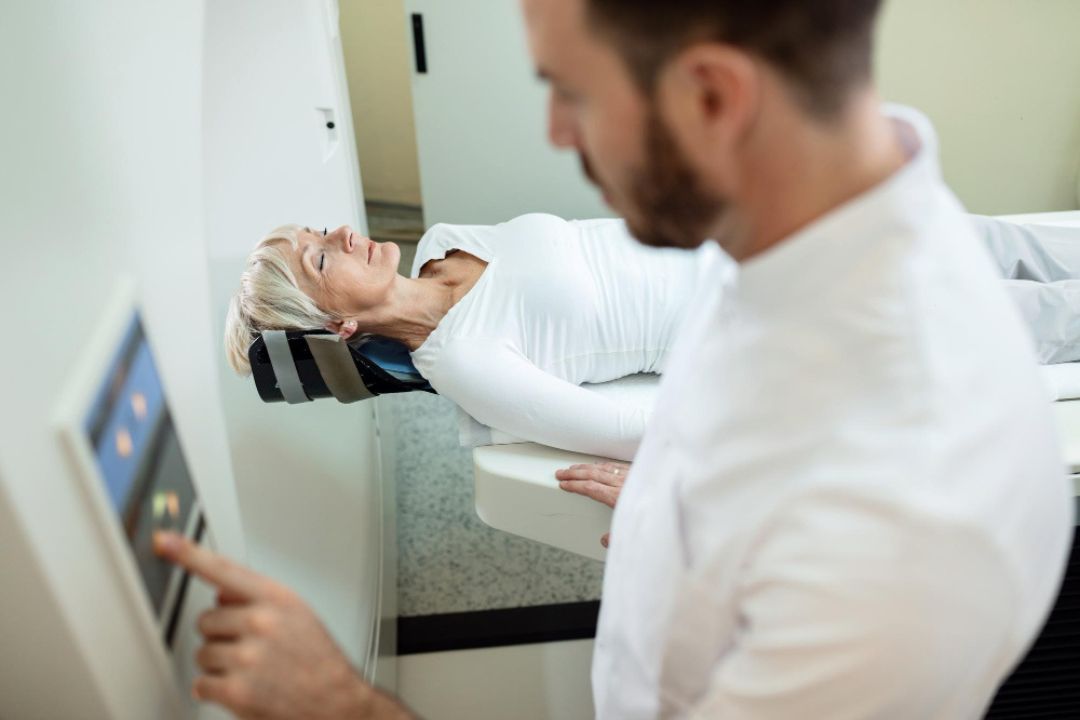
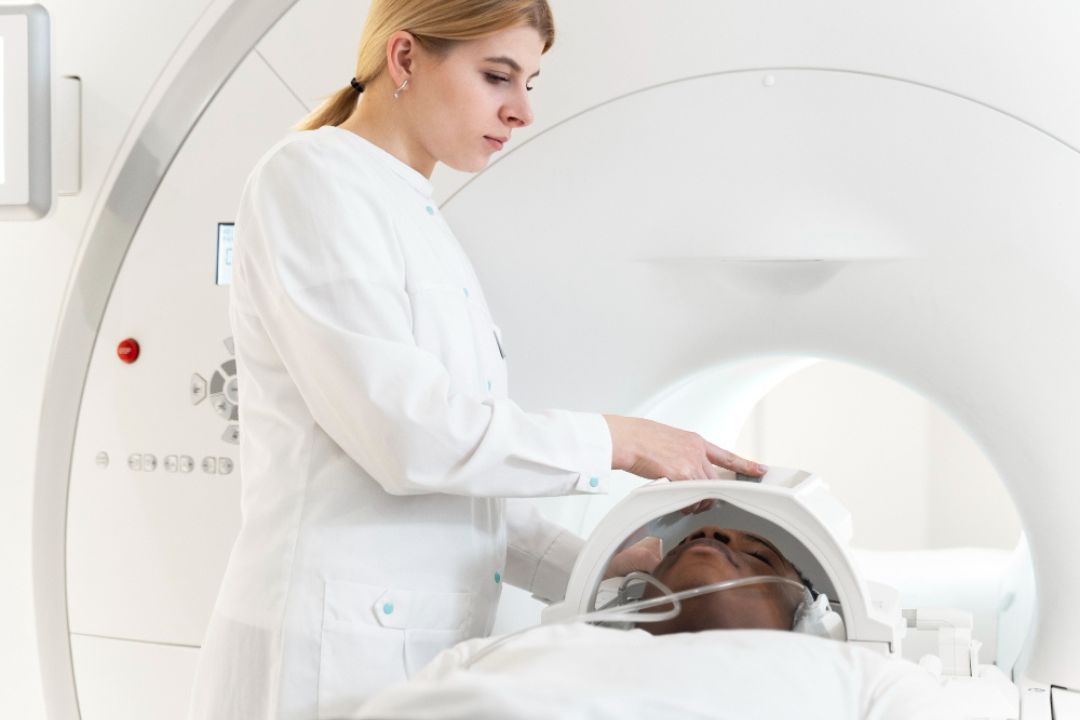
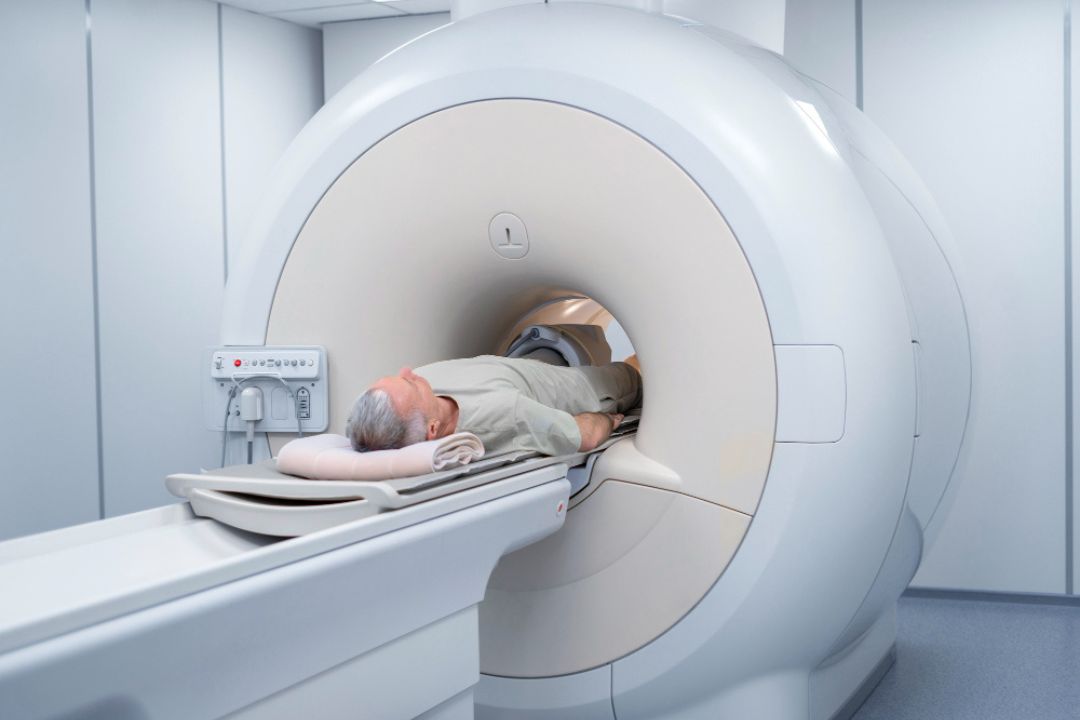
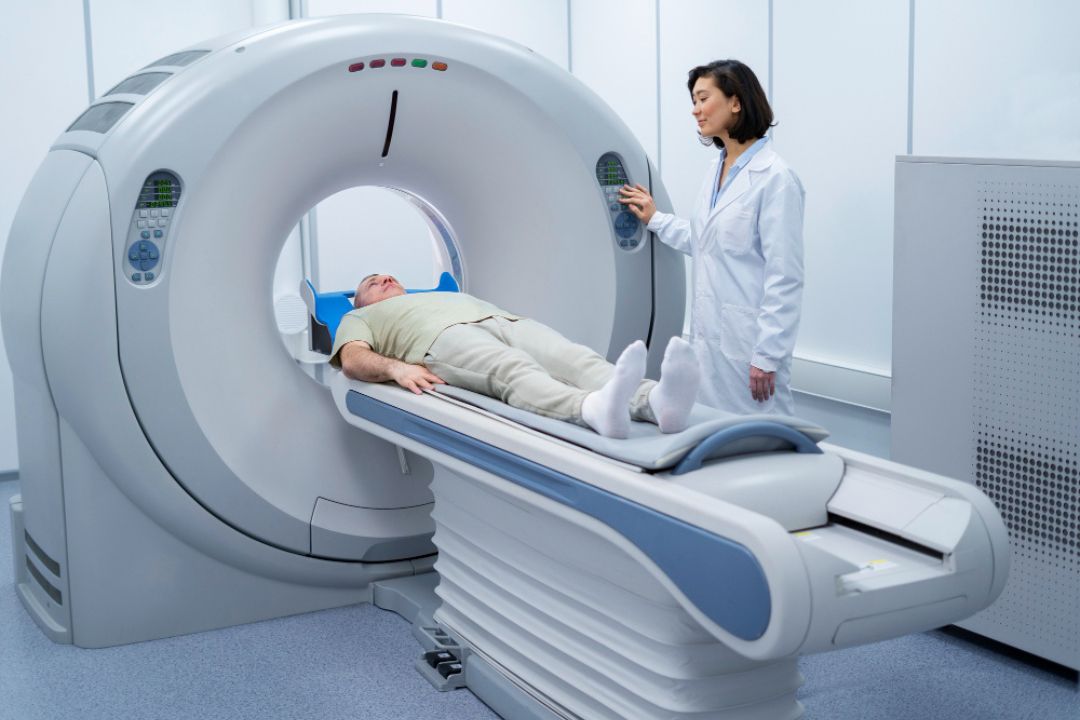
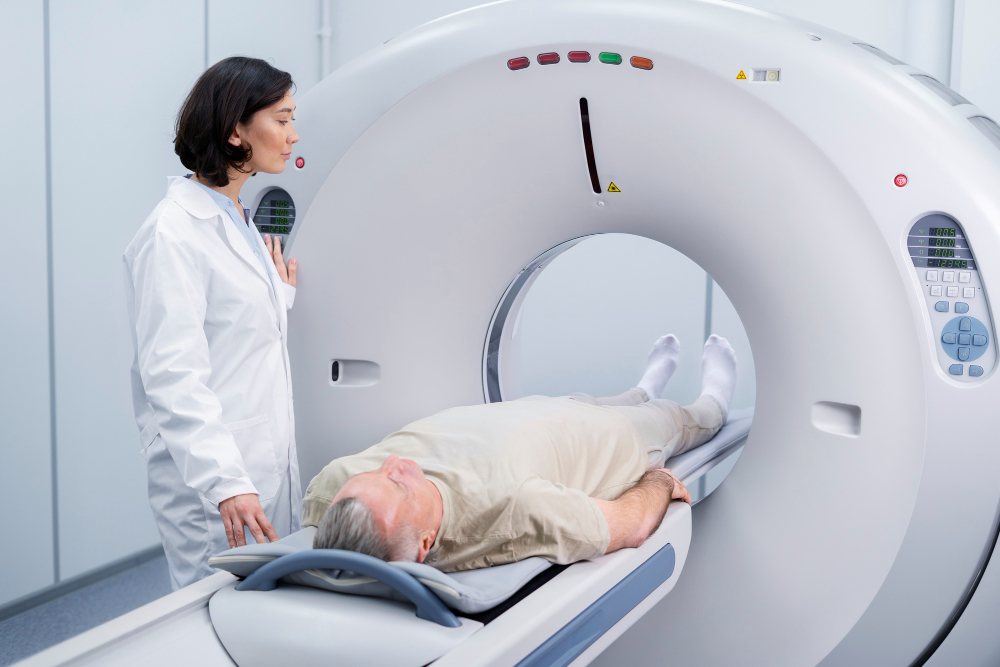
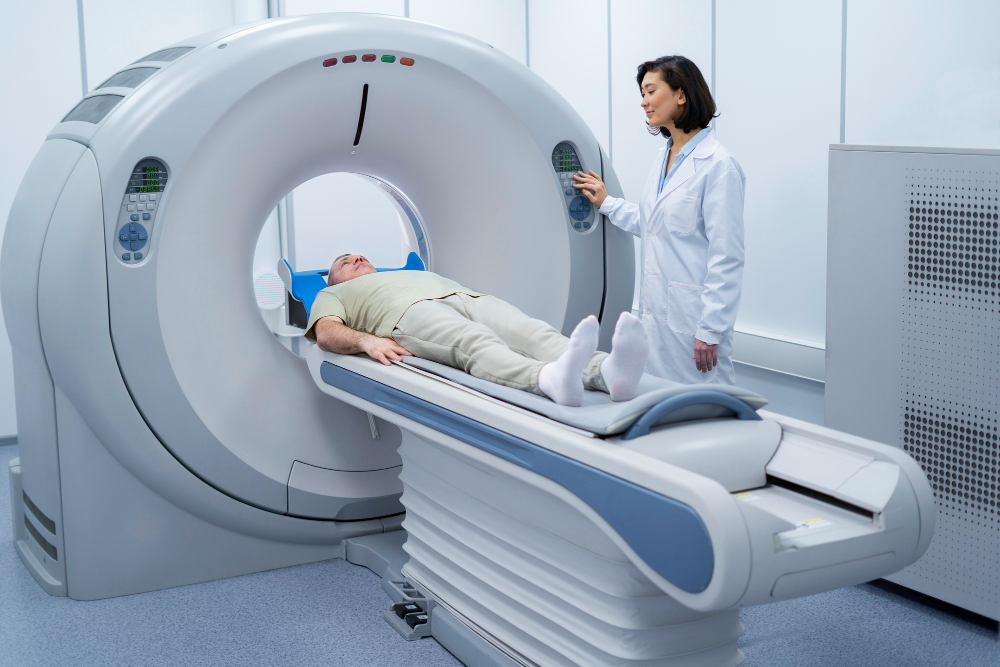
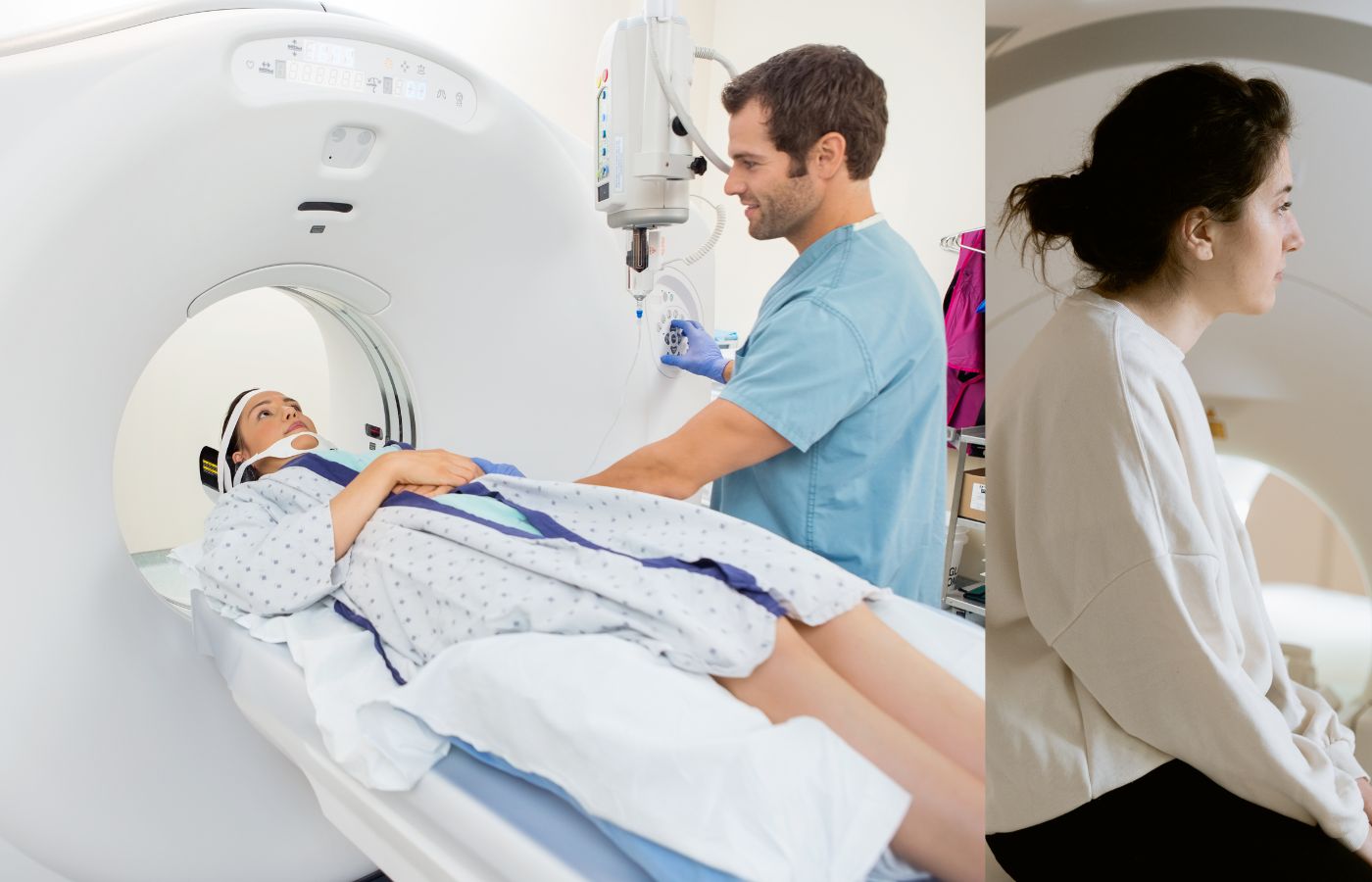
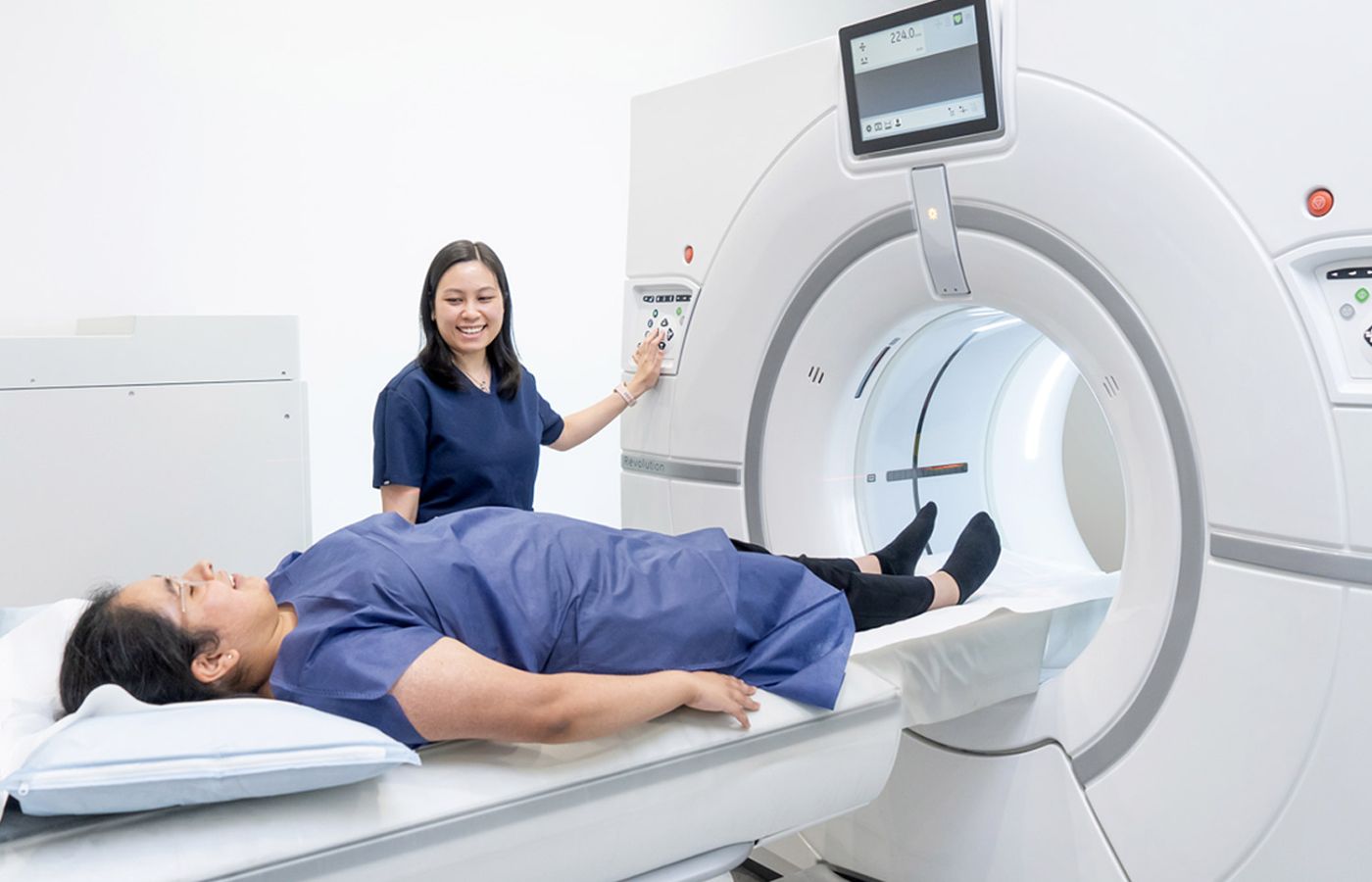
You will lie down on a motorized table that is part of the CT scanner. The table may move slightly, but it is designed so that you can lie comfortably.
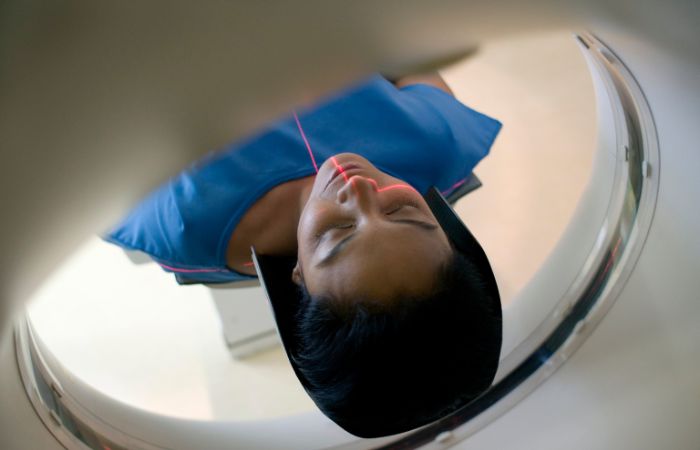
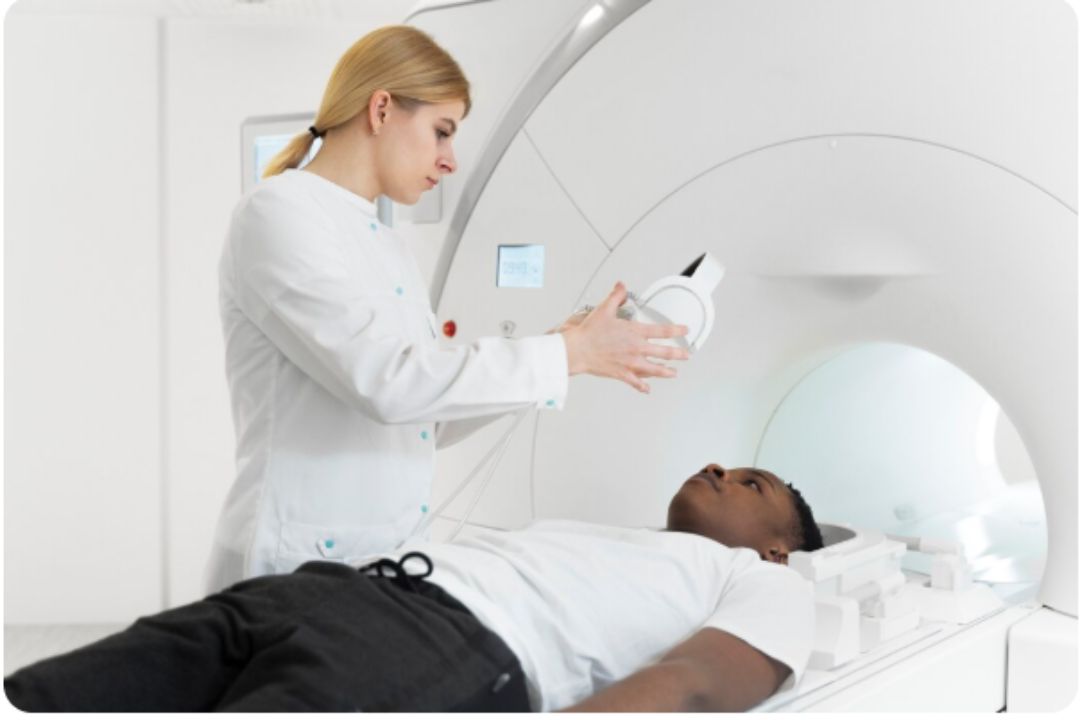
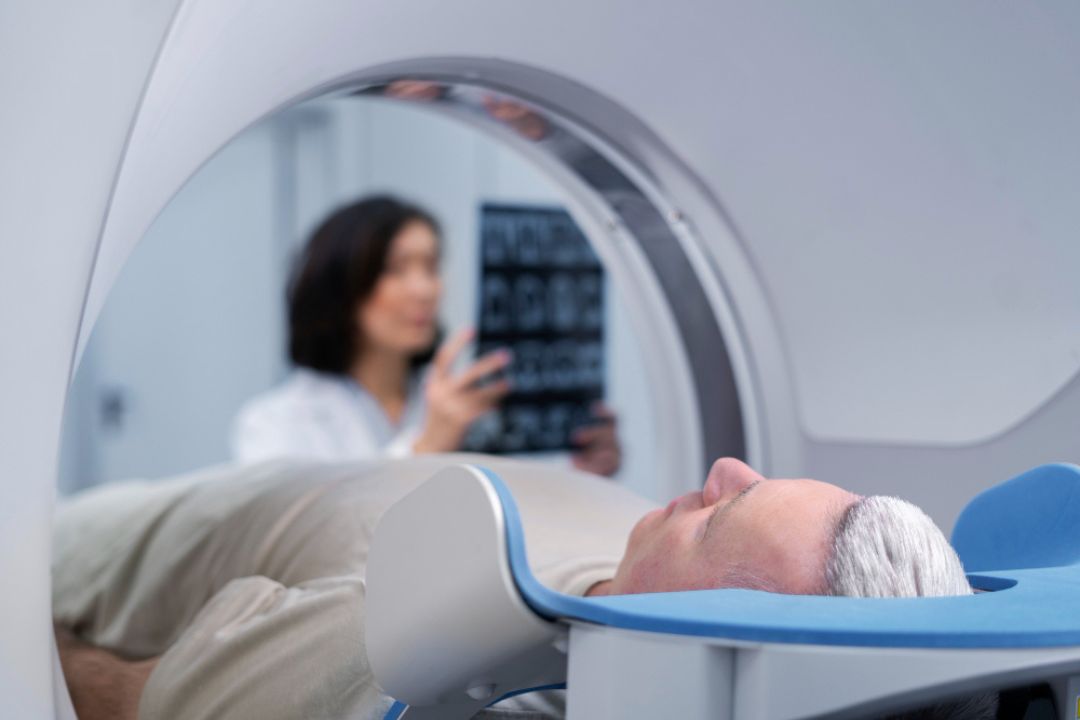
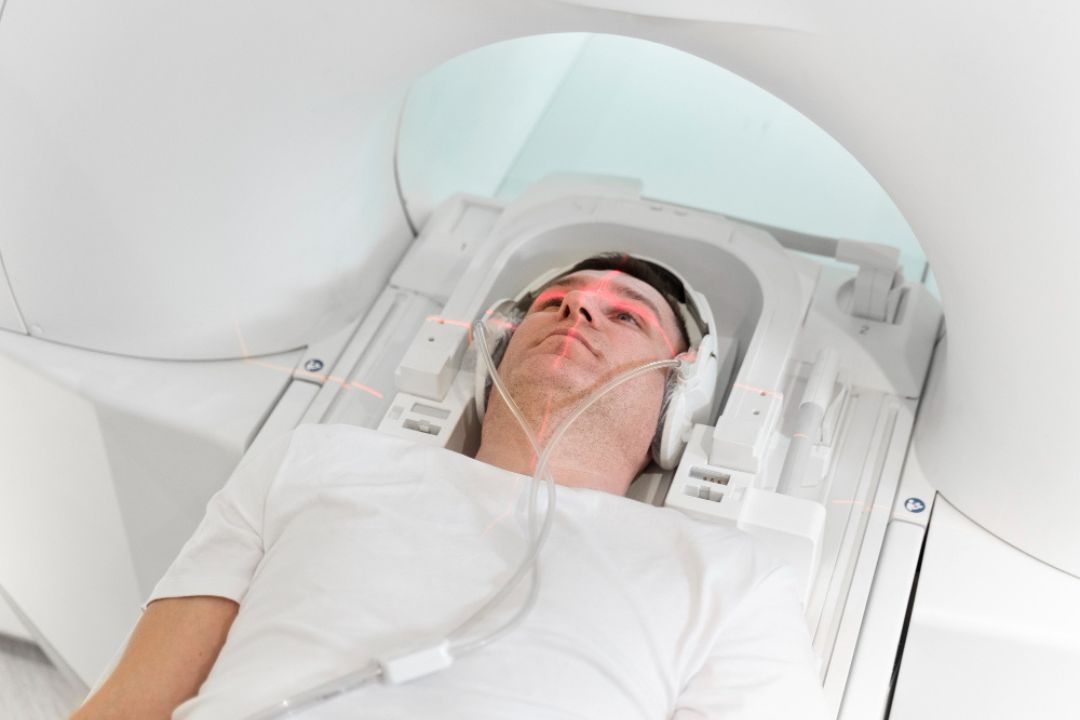
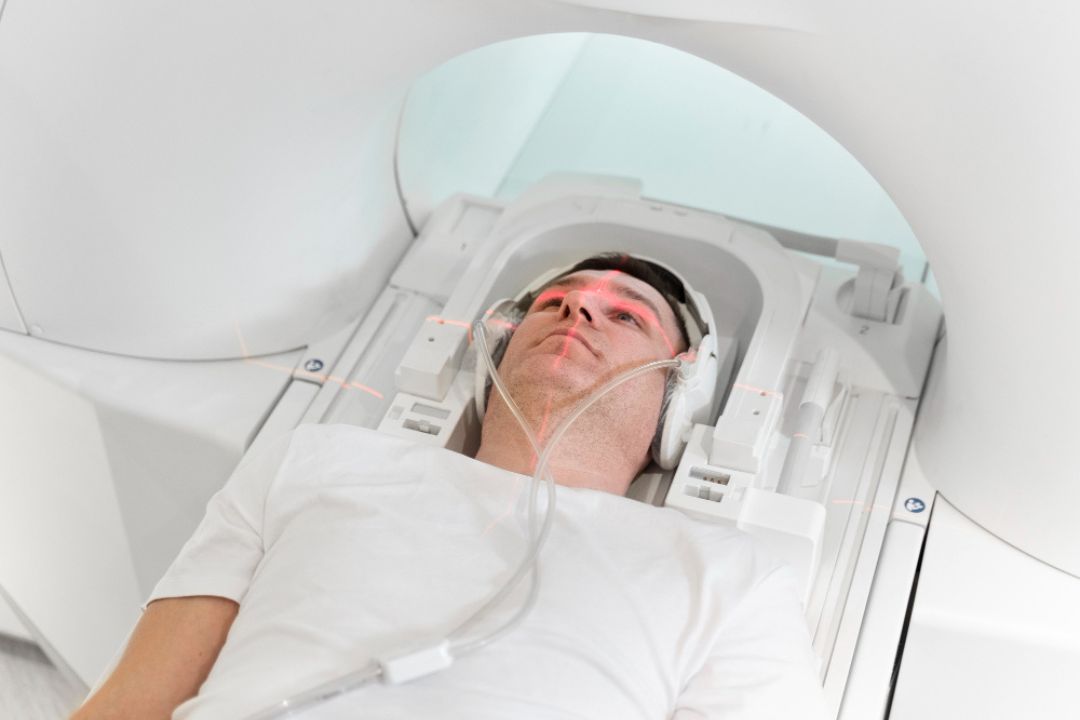
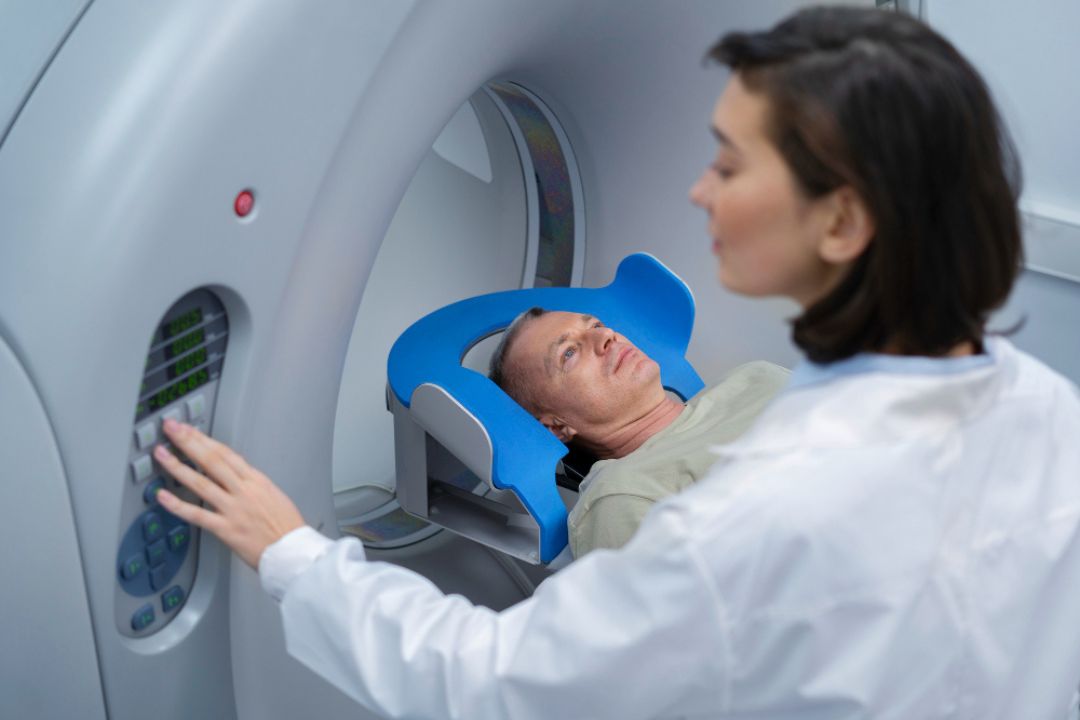
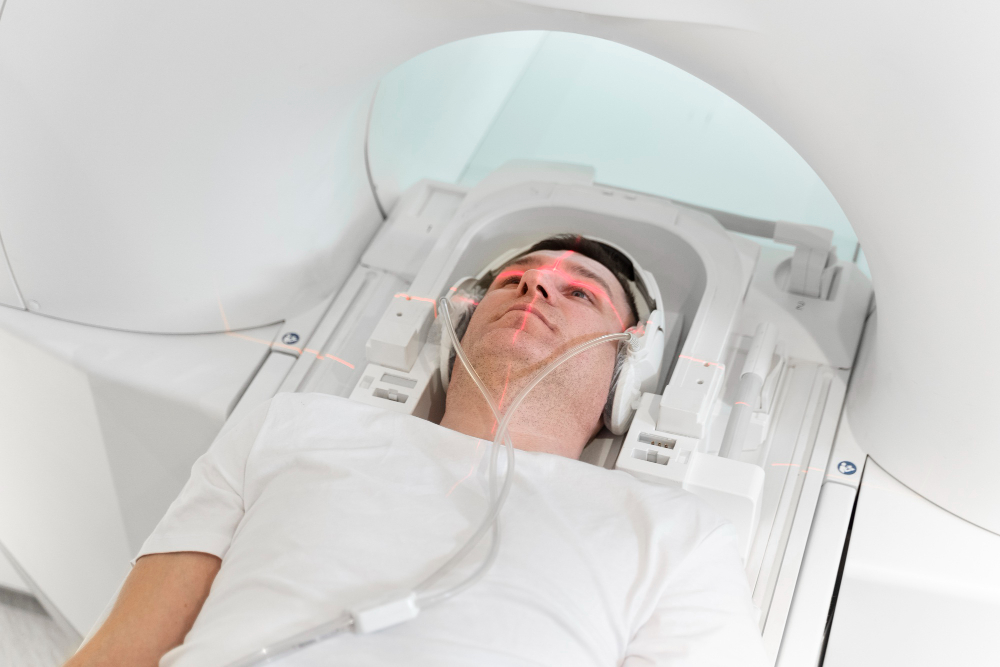
Special supports such as foam cushions or head cradles will be positioned around your head to keep it perfectly still. For temporal bone imaging, absolute stillness is important because even tiny movements can blur the detailed images.
A soft strap may be gently placed across your forehead to help you stay still.
You will be connected to an intercom system so you can talk to the technologist at any time. You may also be given a buzzer or call button to alert the technologist if you feel uncomfortable or need to stop the scan.
Once you are positioned, the scanning begins.
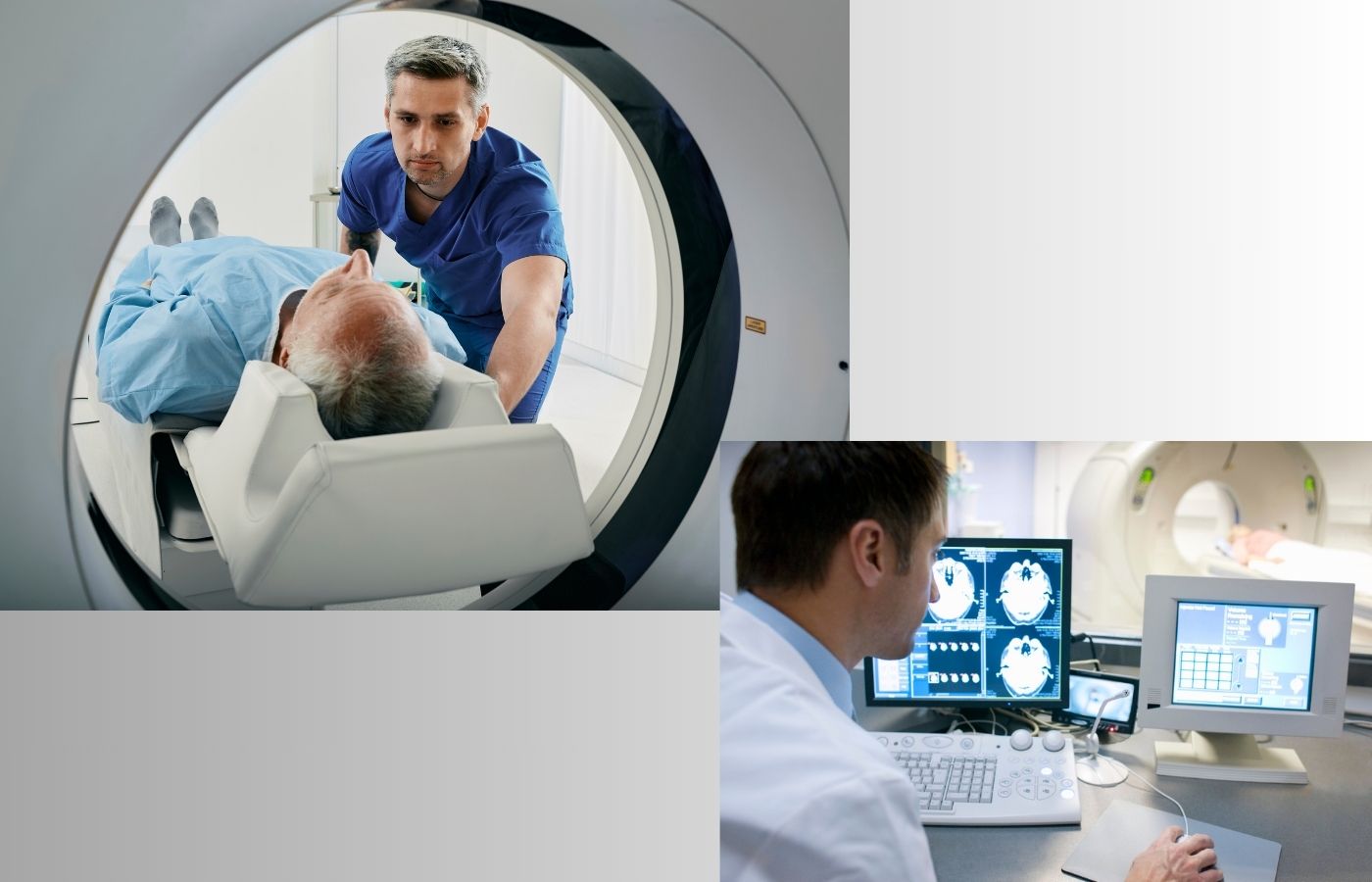
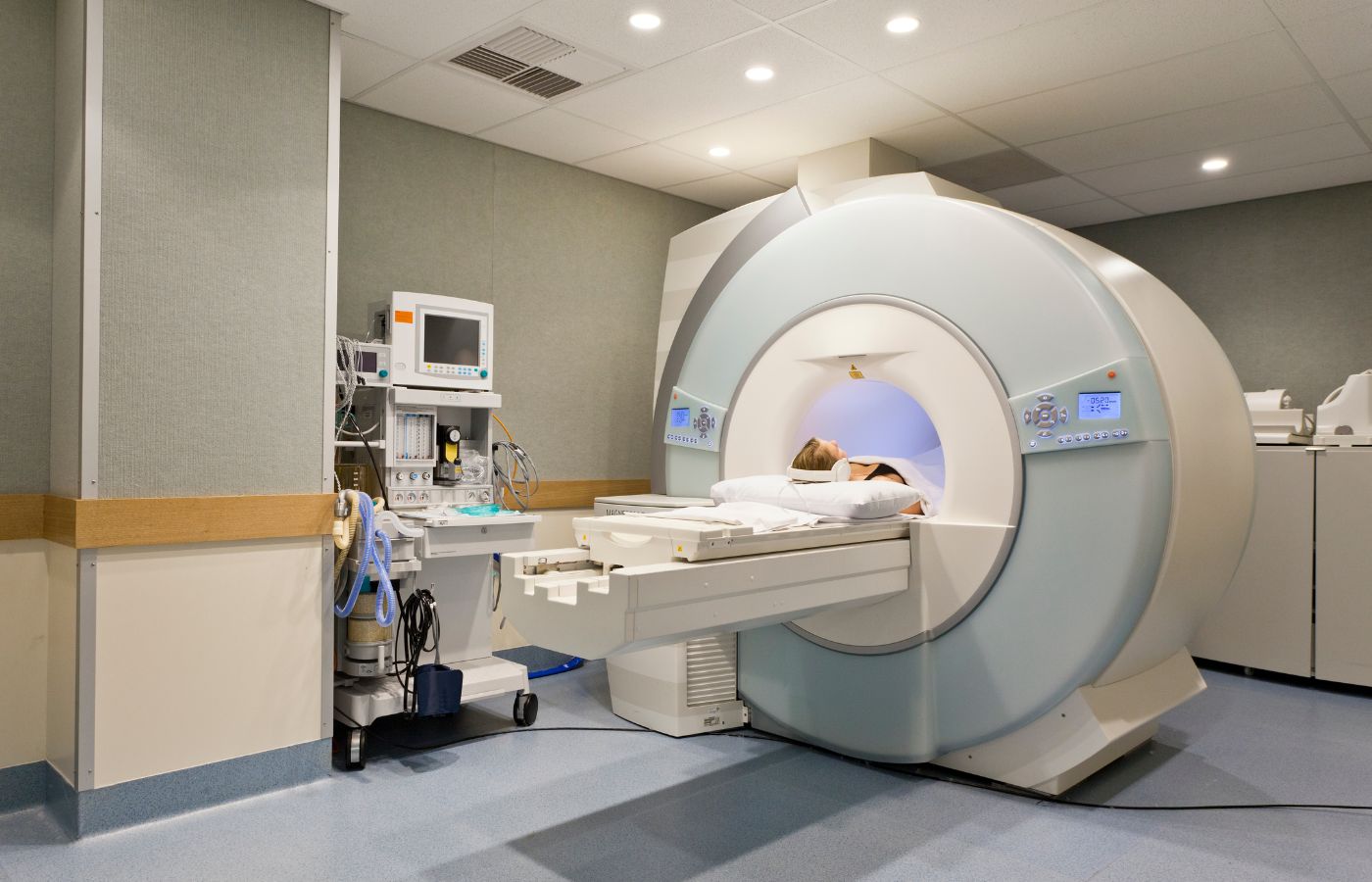
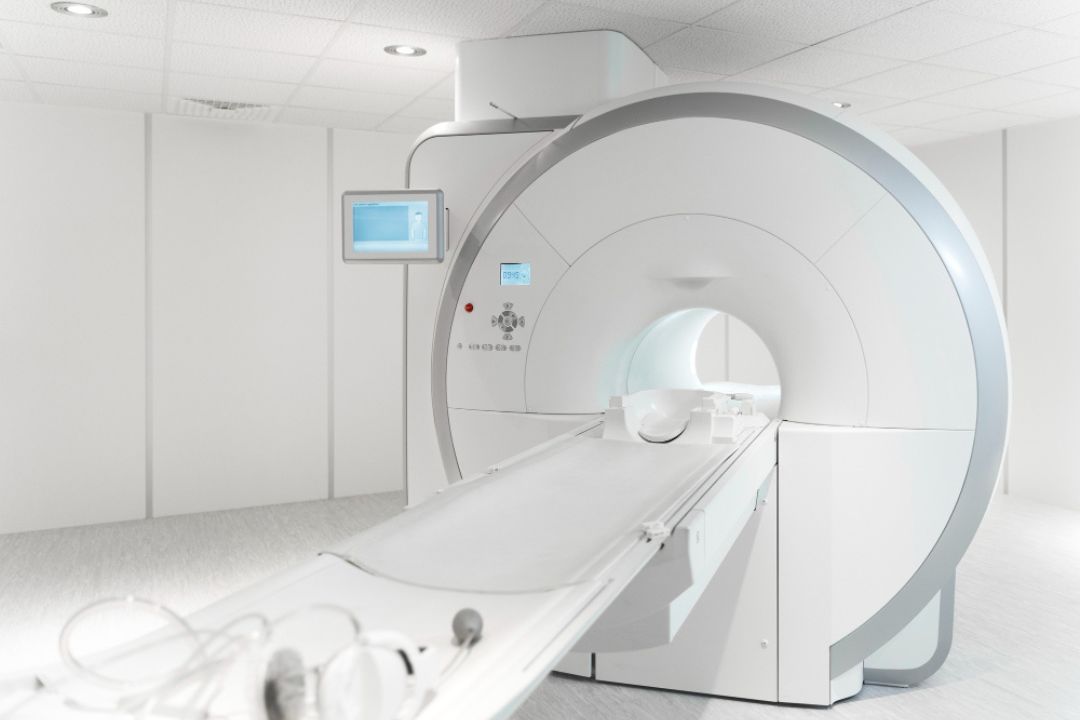
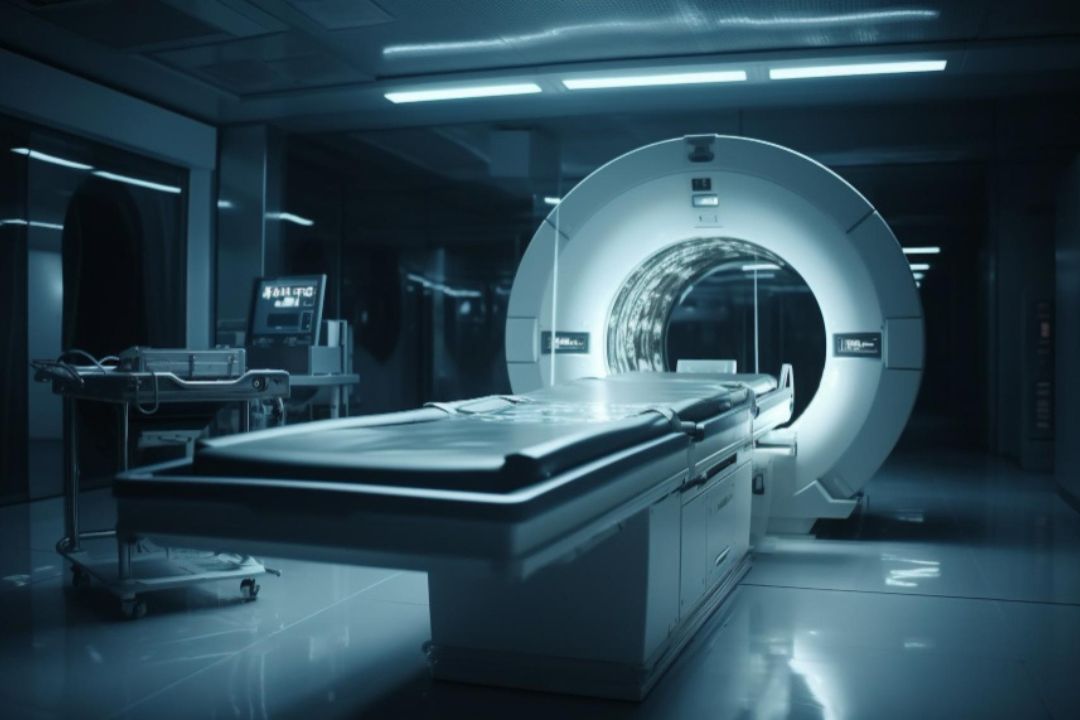
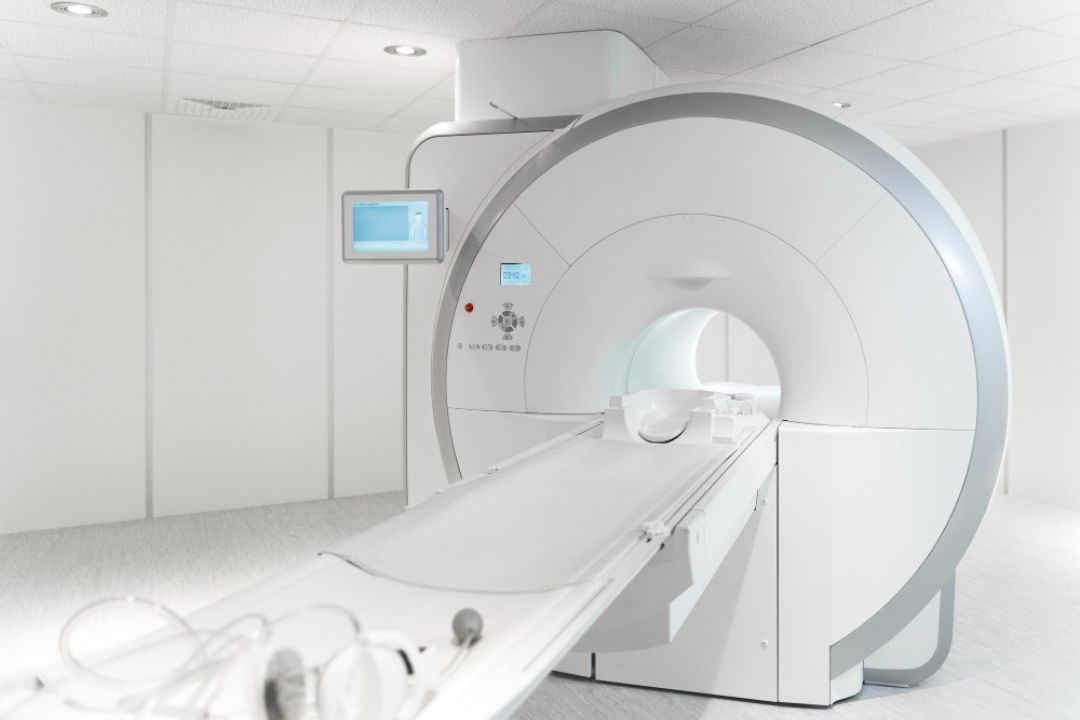
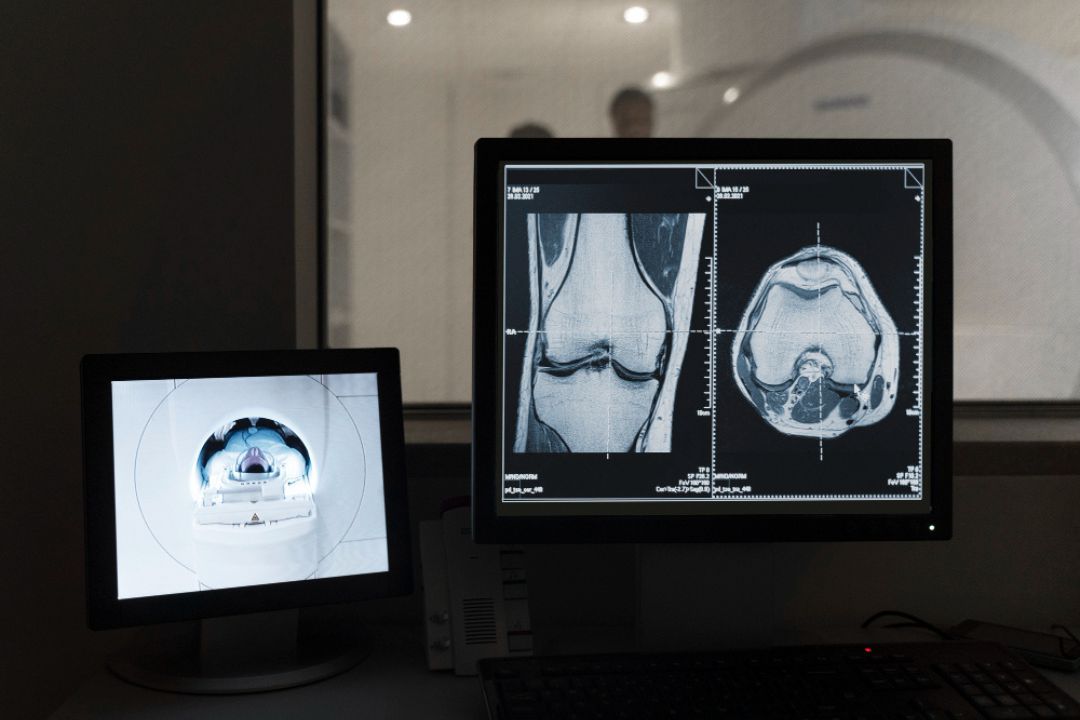
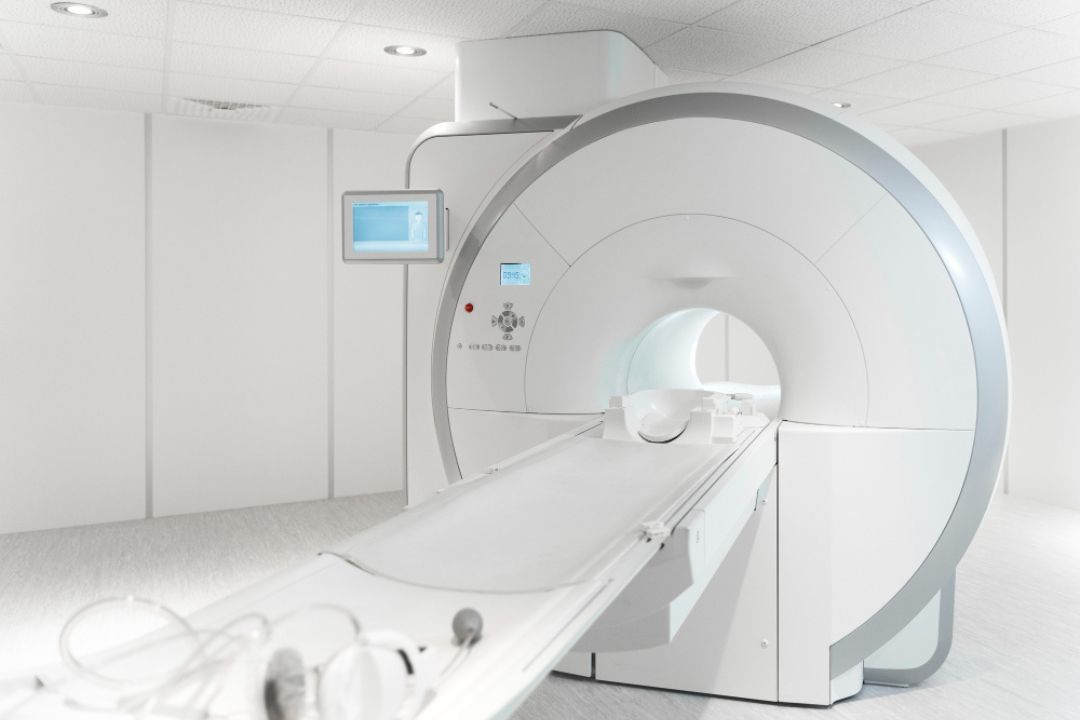
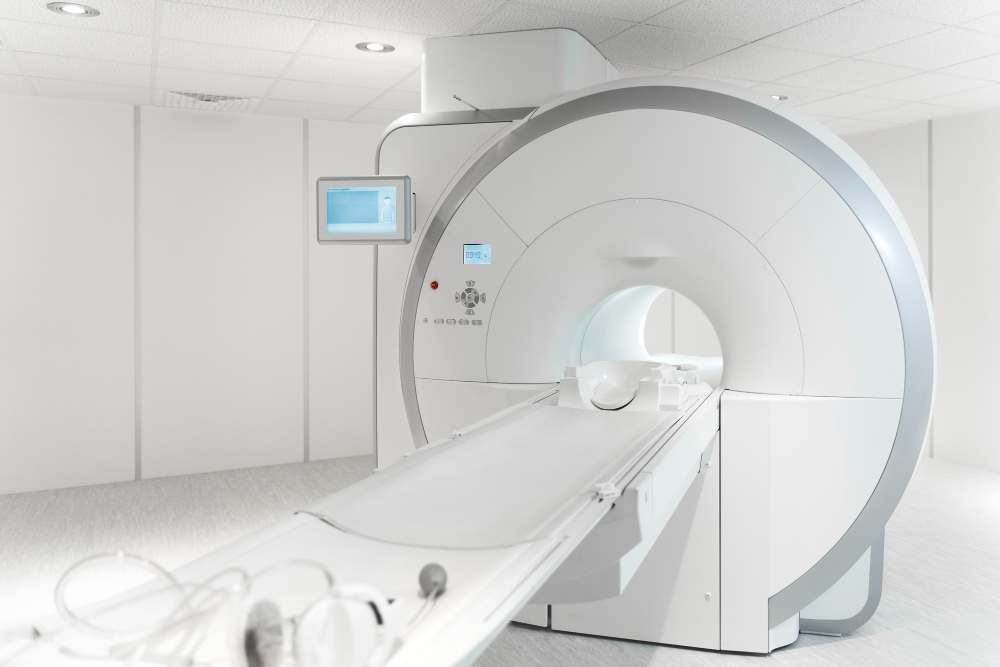
A temporal bone CT scanner consists of a large ring-shaped gantry with an opening in the center. The X-ray tube rotates around your head while you remain still. This rotation captures multiple X-ray images from different angles.
During the scan, the table moves in and out of the machine gradually so that images of the temporal bones can be taken layer by layer. A computer processes these images and constructs them into very detailed views.
The scan itself is painless. You will not feel any pain from the X-rays. However, you will hear mechanical whirring, clicking, and buzzing noises as the machine rotates. These sounds are normal and simply come from the equipment moving and collecting the images.
If contrast dye is used (only in selected cases), you may feel a brief warm sensation or a metallic taste in your mouth when the dye is injected. These sensations are temporary and not harmful.
You may be asked to hold your breath for a few seconds at certain stages of the scan. This helps reduce motion and ensures the clearest images possible.
A temporal bone CT scan is a quick procedure. For most patients, the scanning time lasts around 5 to 10 minutes from start to finish. The entire appointment might take a bit longer when you include setup, positioning, and any preparation steps.
Once the scan is completed, the table will slide out of the scanner, and the technologist will help you sit up and leave the machine.
If contrast dye was not used, you can leave immediately and resume your normal activities. If contrast was administered, you may be advised to drink plenty of water to help flush it from your system.
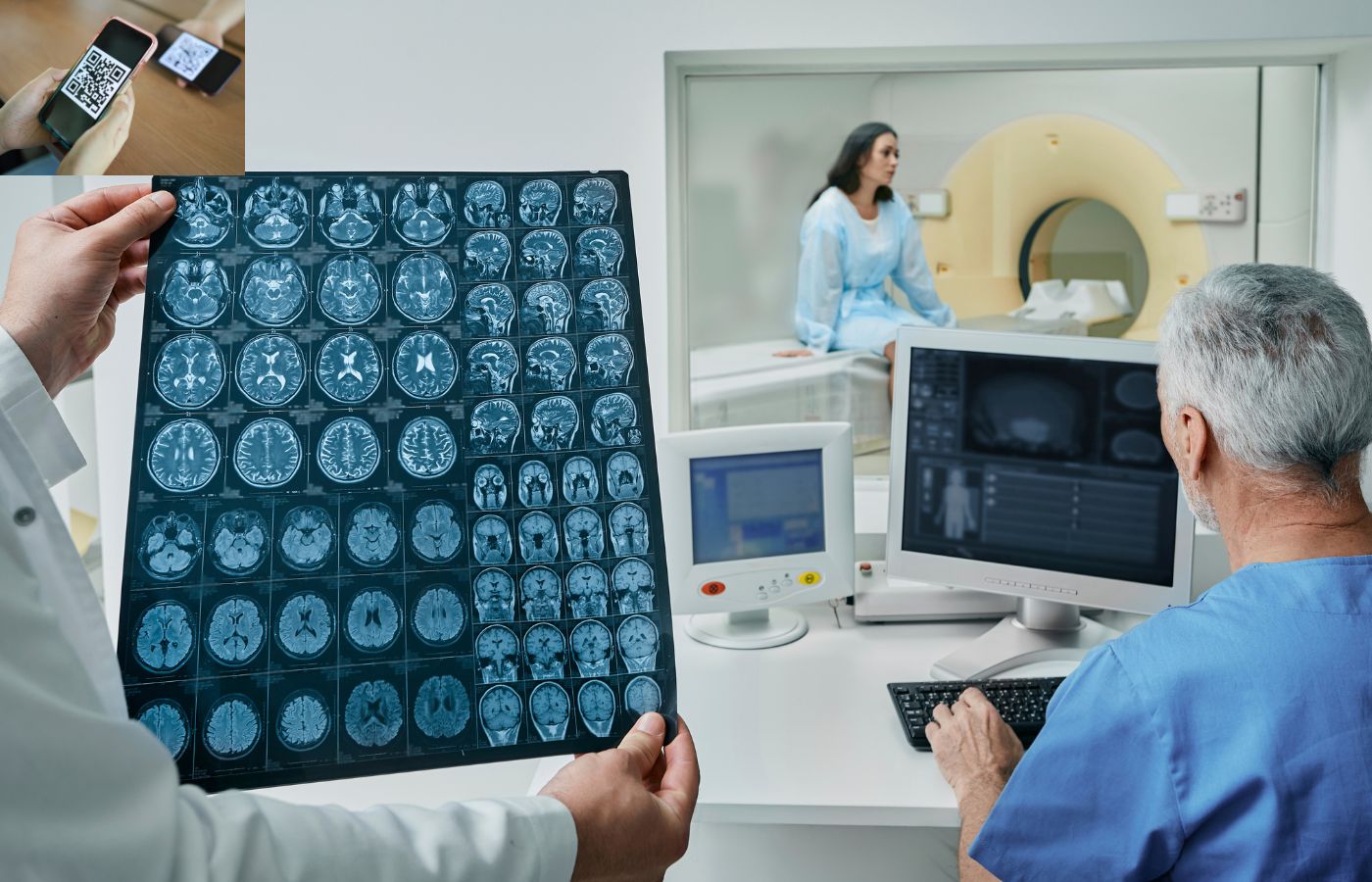
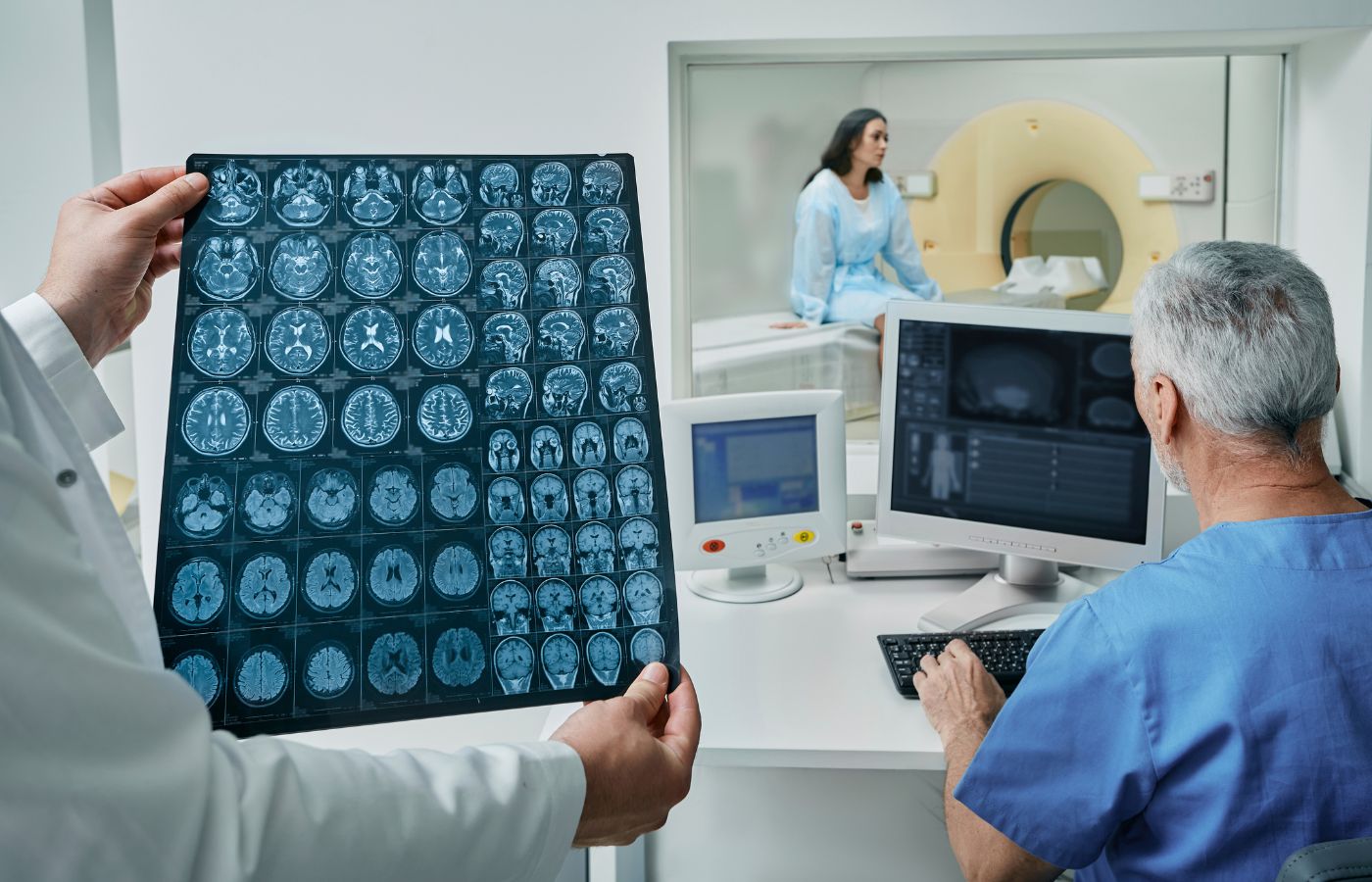
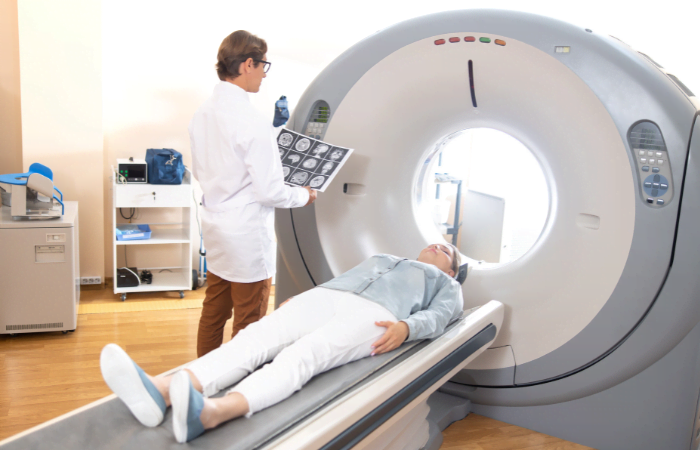
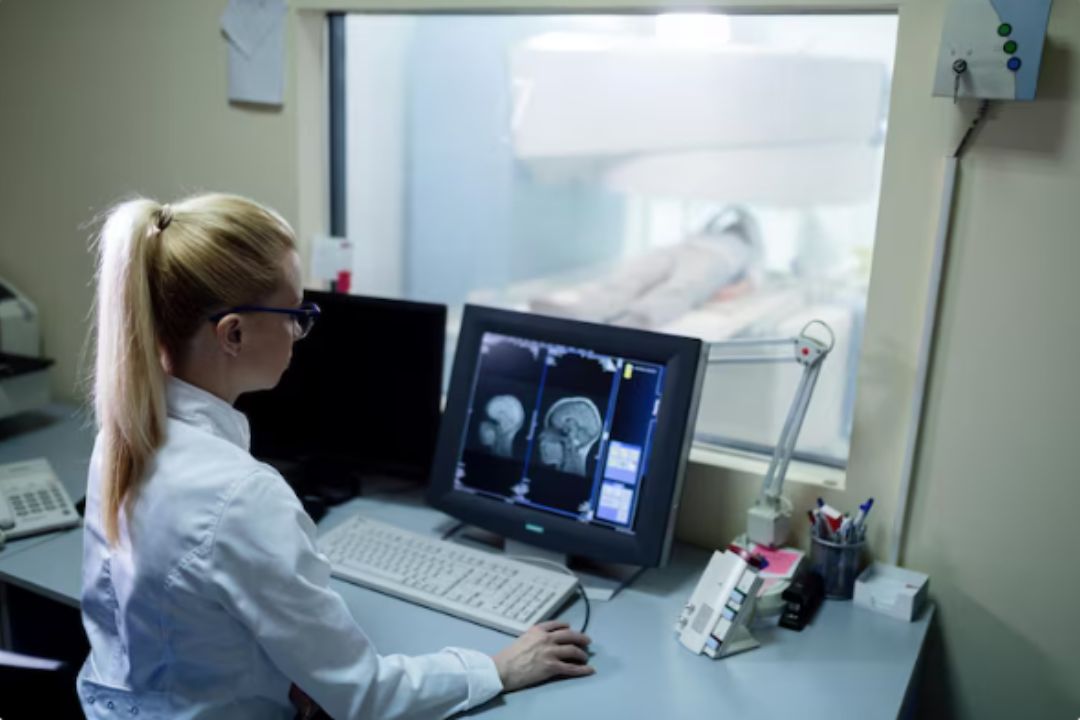
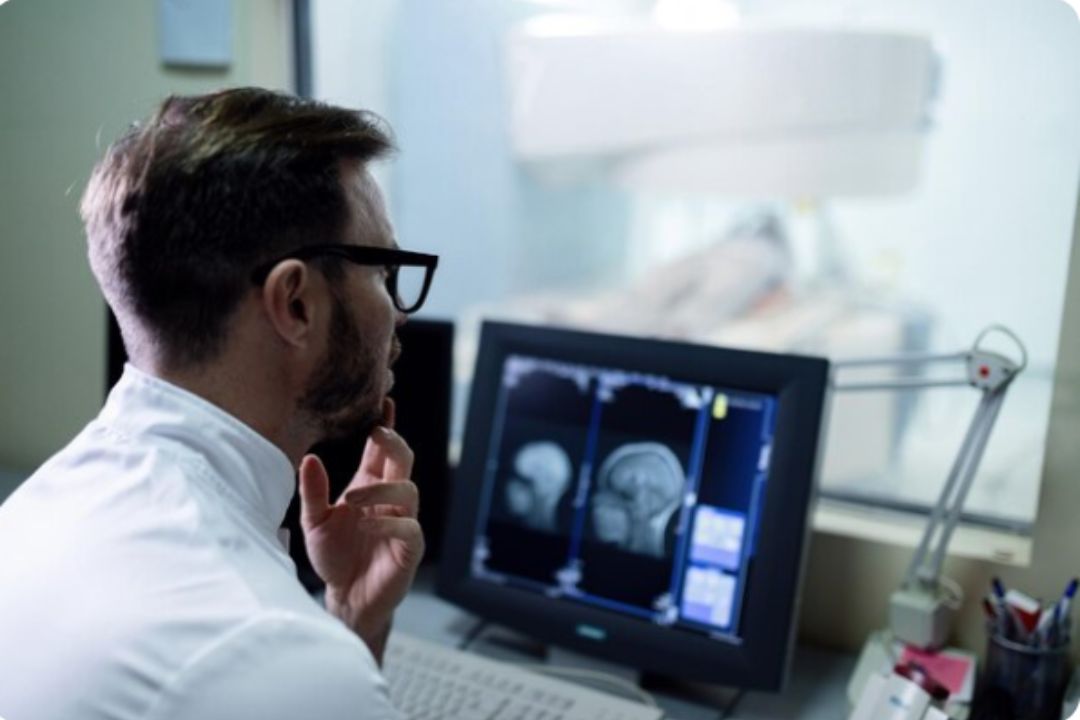
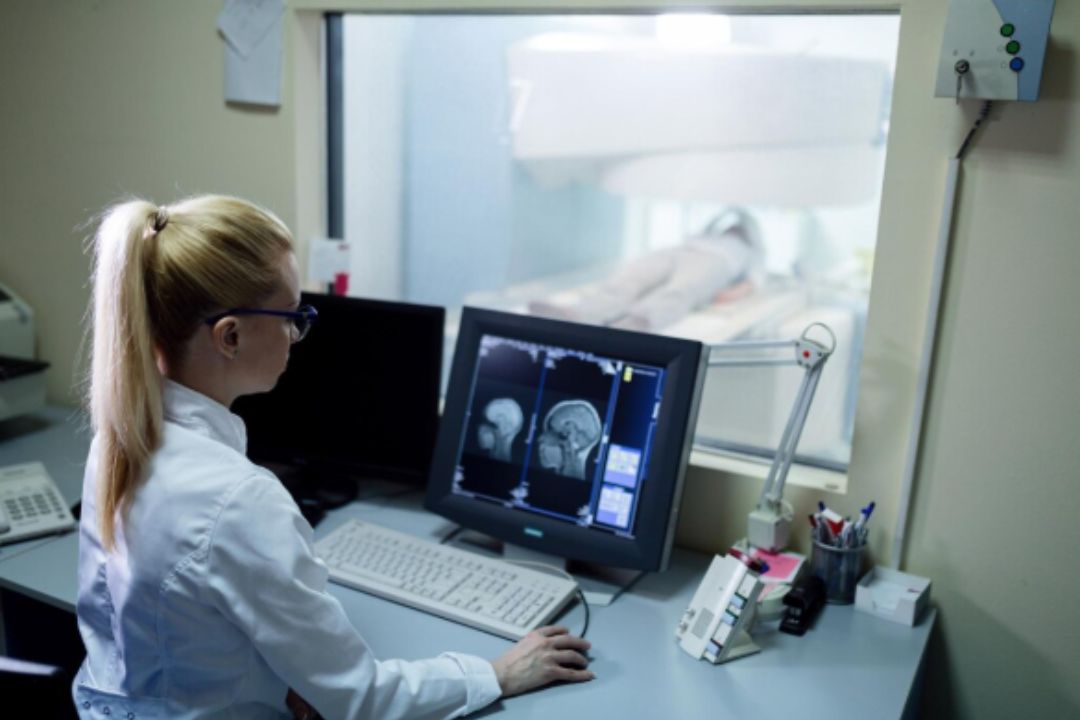
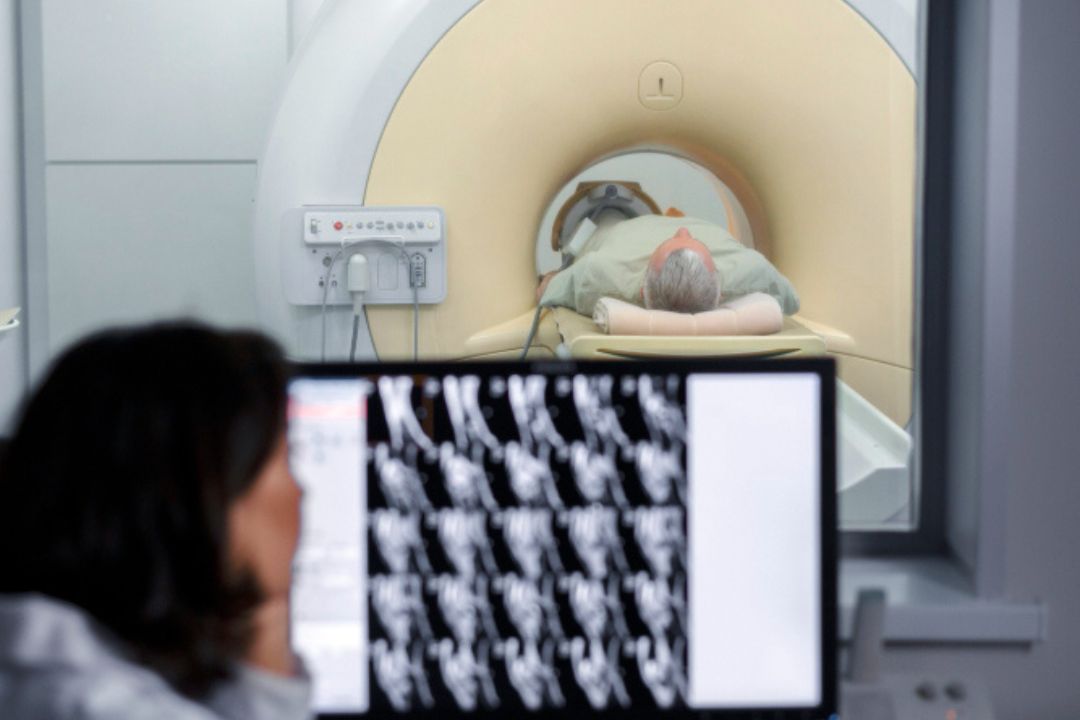
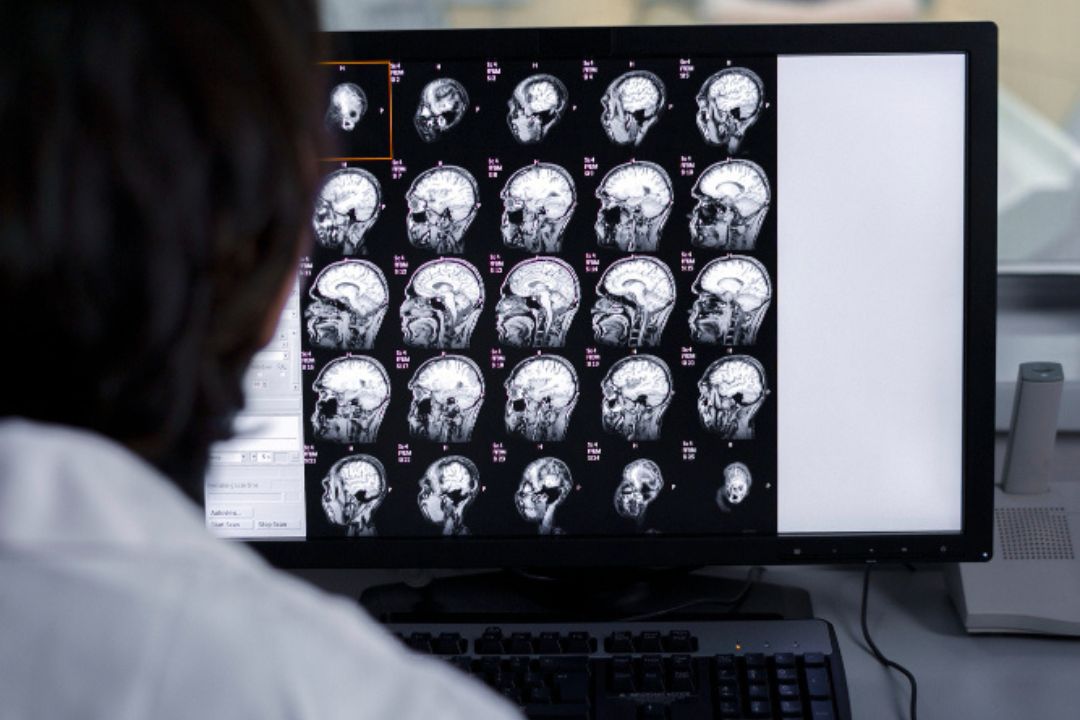
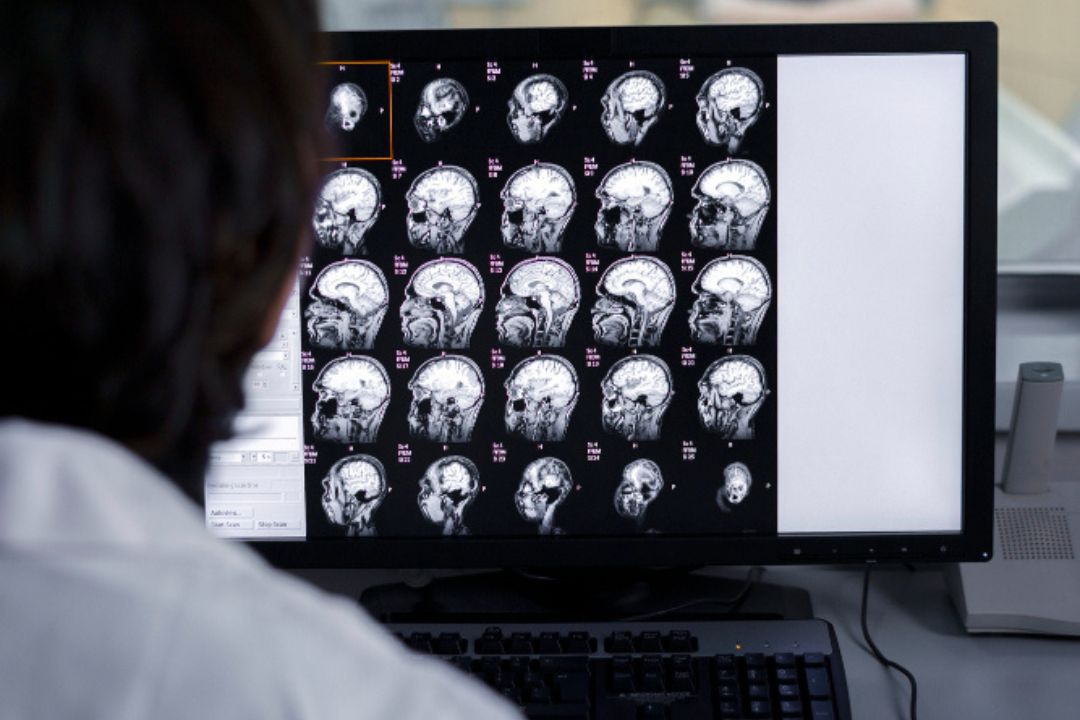
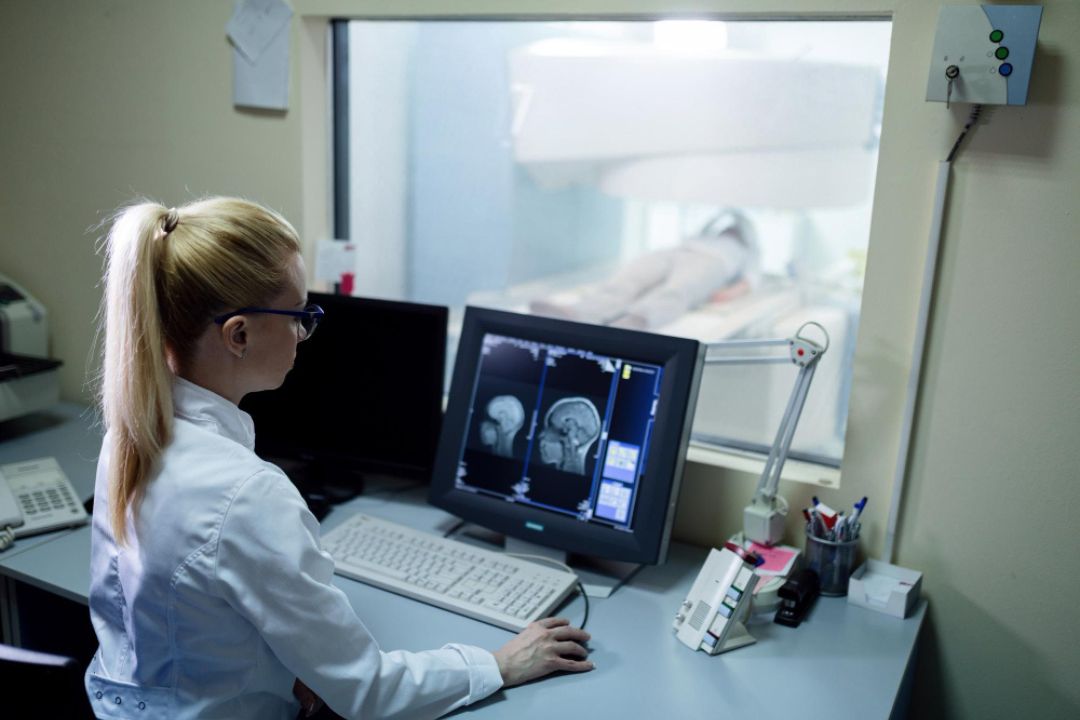
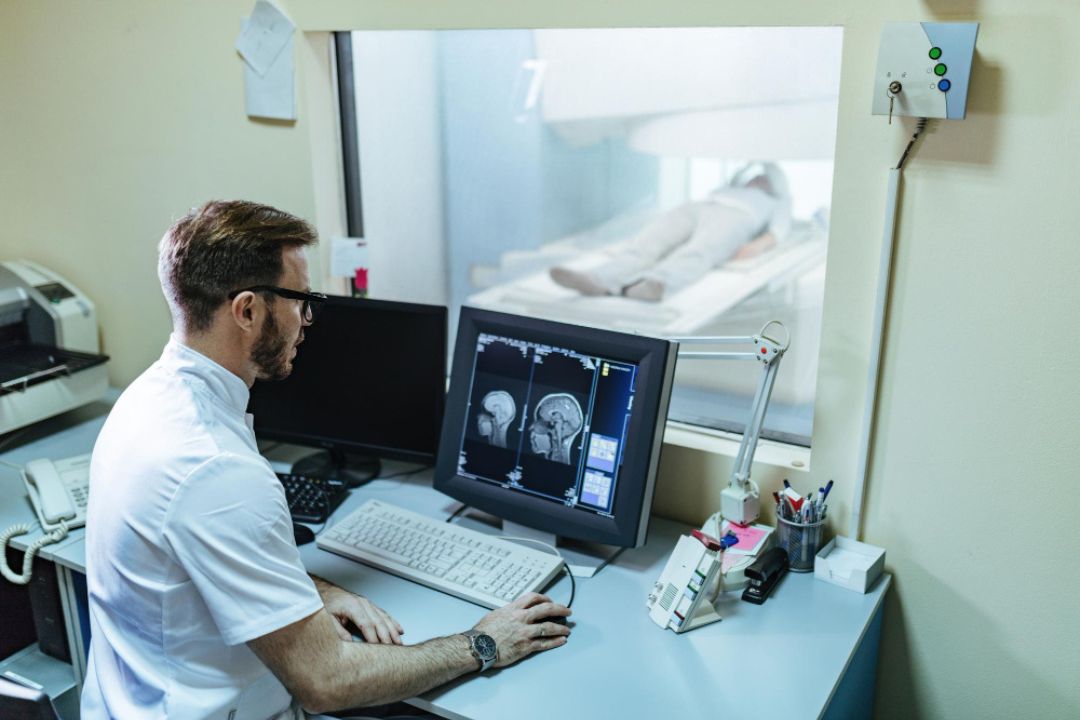
After the scan images are captured, a radiologist (a doctor specialized in interpreting medical images) will carefully analyze them. This process may take a few hours to a couple of days depending on the facility.
The radiologist will prepare a detailed report based on the findings and send it to the doctor who ordered the scan. Your doctor will then discuss the results with you and recommend any necessary next steps or treatments.
Temporal bone CT scans are powerful diagnostic tools. Their benefits include:
• High-resolution images of bone and fine anatomical details
• Quick and painless procedure
• Helps identify fractures, infections, and malformations
• Assists in surgical planning for ear and skull base operations
• Helps detect tumors or lesions in the ear region
A temporal bone CT scan is a fast, safe, and highly effective imaging test that helps doctors diagnose a wide range of ear and skull base conditions. From the moment you arrive until the images are analyzed, each step is designed to be smooth and comfortable. Understanding what happens during the scan can help you feel more confident and prepared for your appointment.








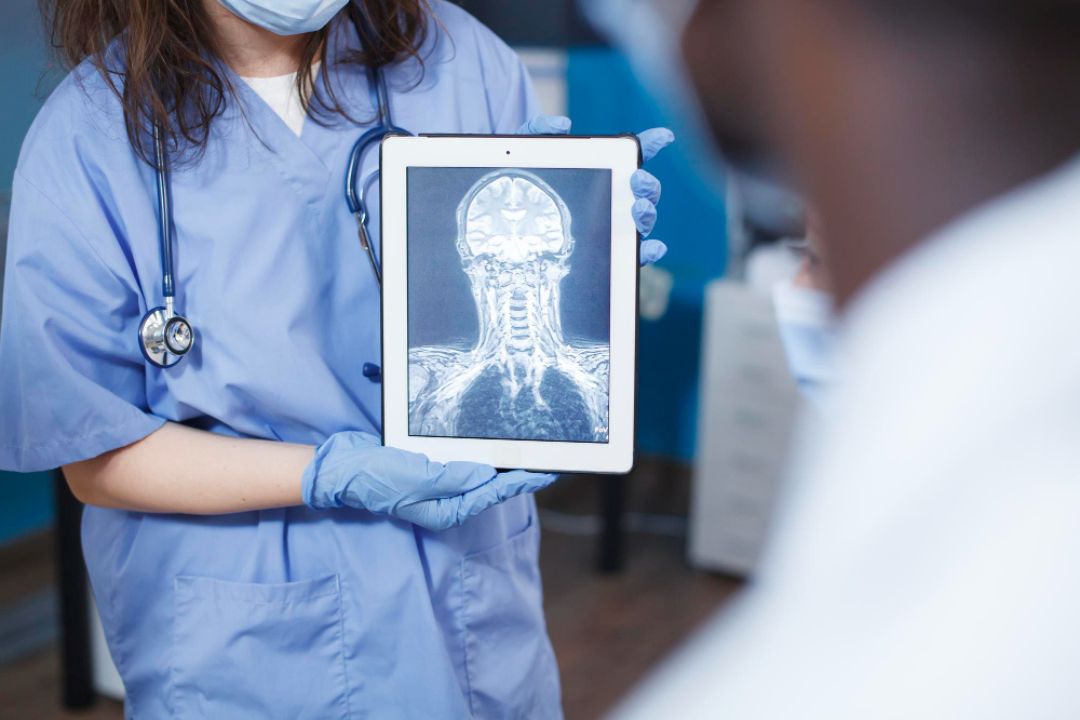
.jpg "ct brain scan plain and contrast")
















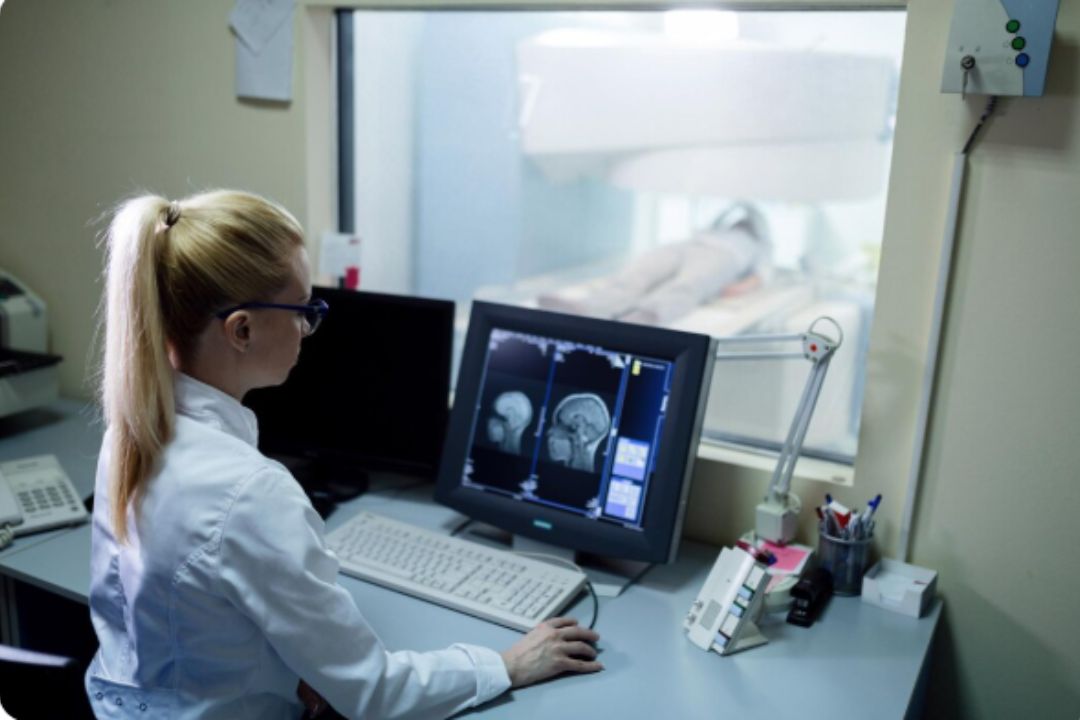

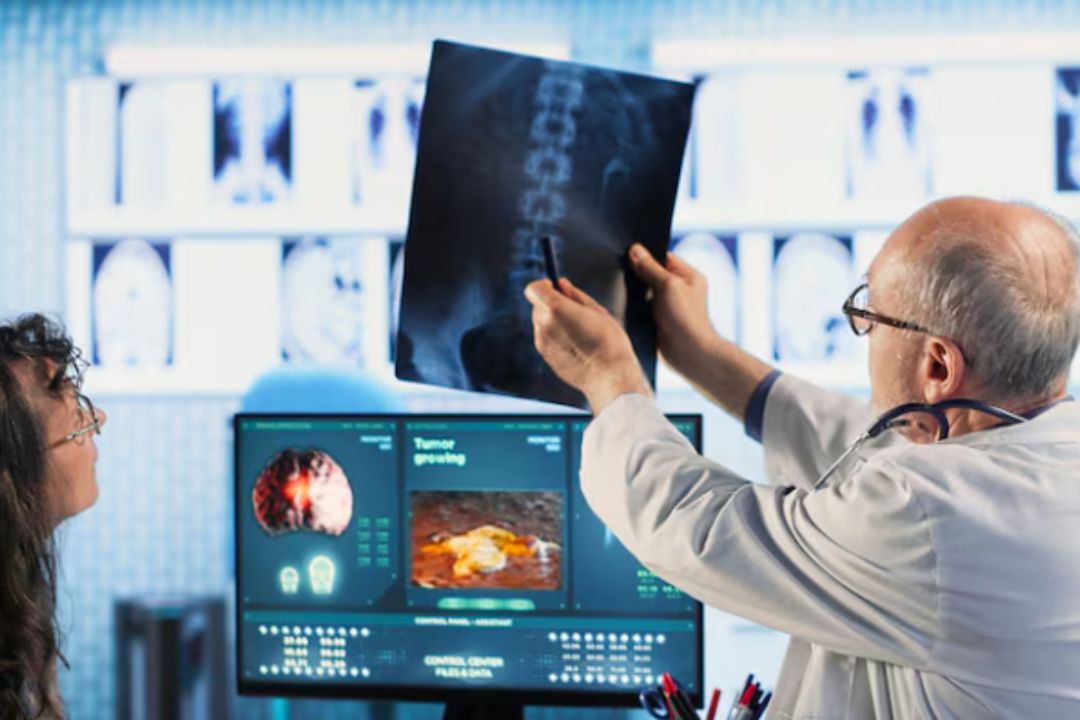
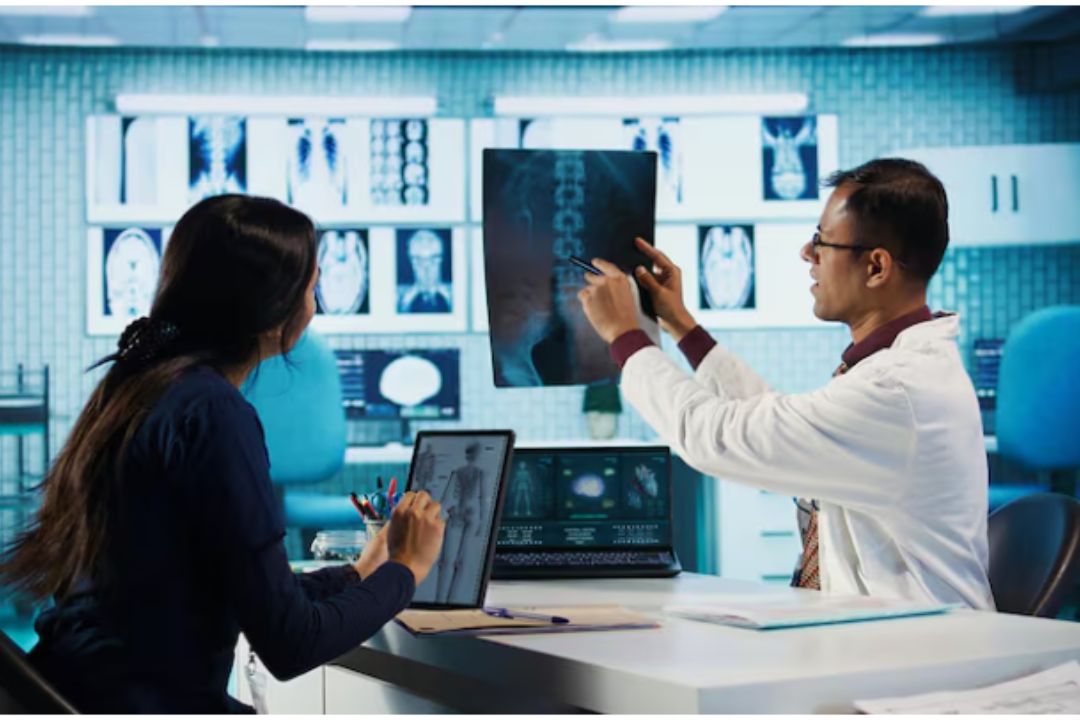

.jpg "ct scan")

.jpg "ct scan or mri for brain disorders")


.jpg "exploring the power of ct brain contrast in modern diagnostics")
.jpg "ct scan")

.jpg "ct scan")









.jpg "ct scan")

.jpg "CT Brain Scan for Headaches")
.jpg "The Future of 3D CT Imaging")