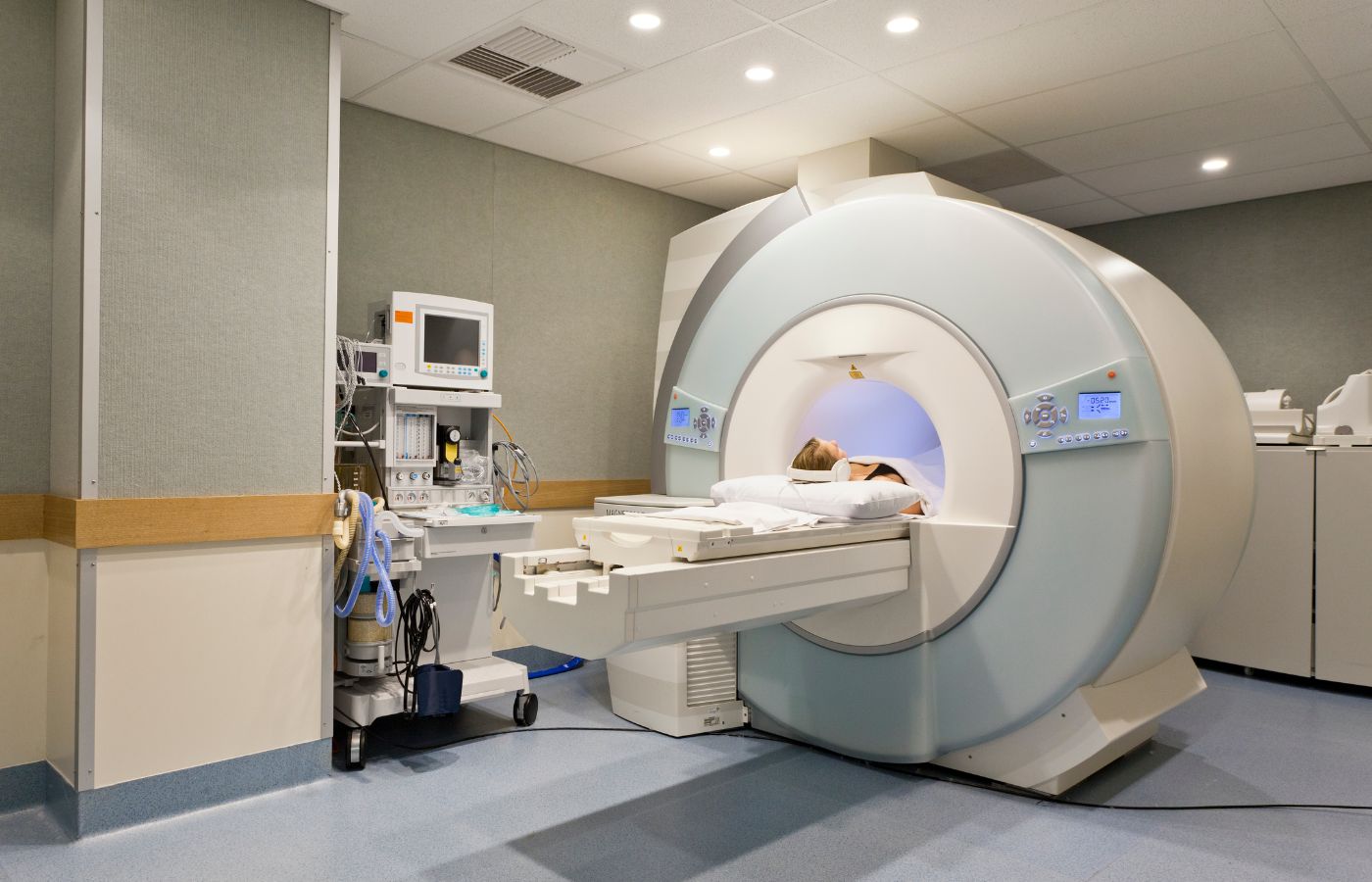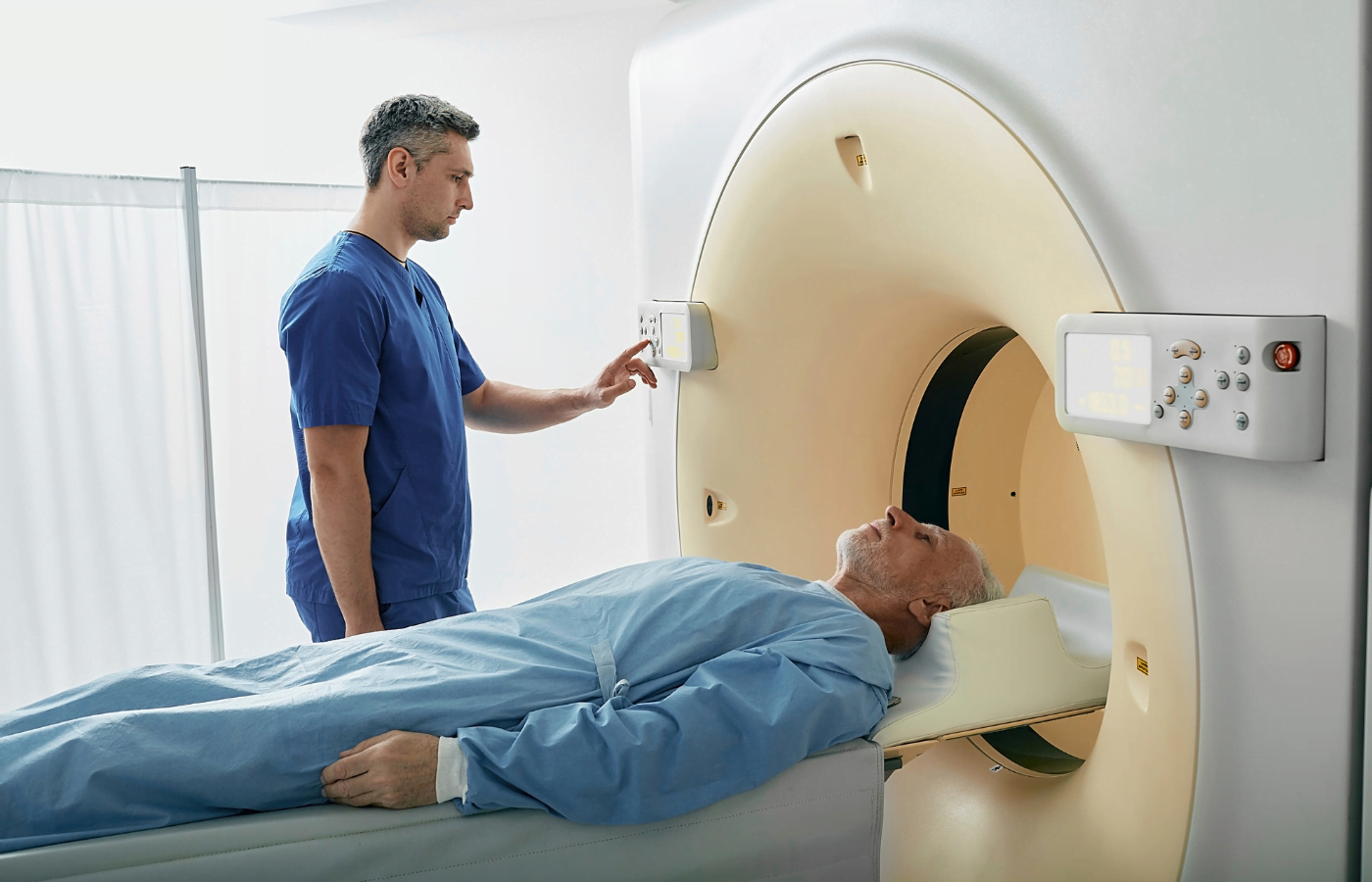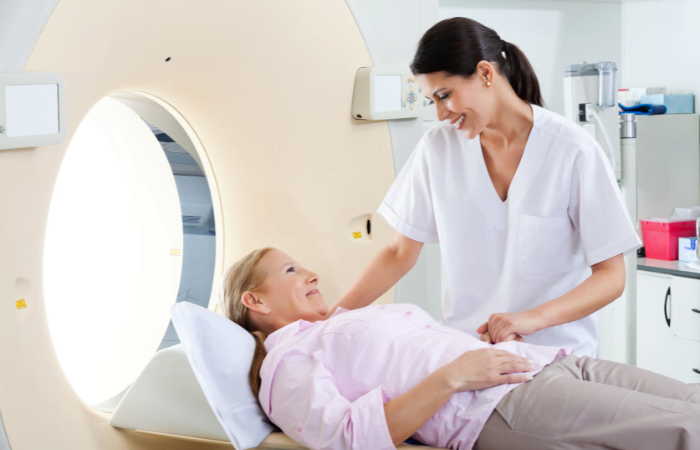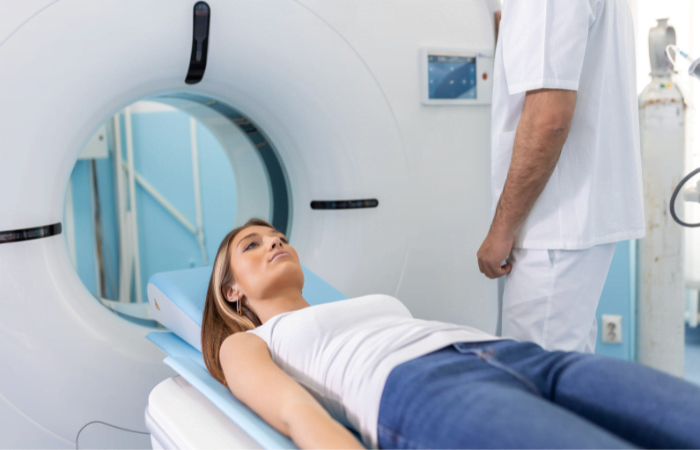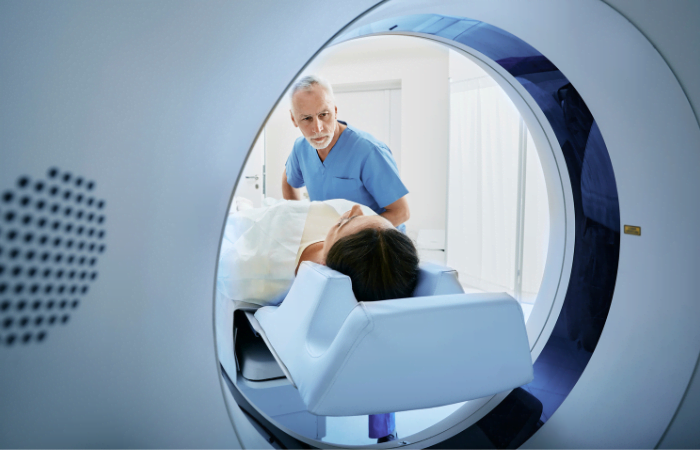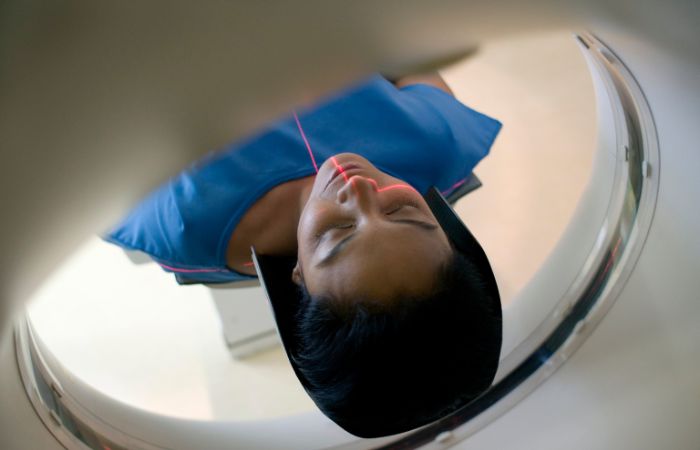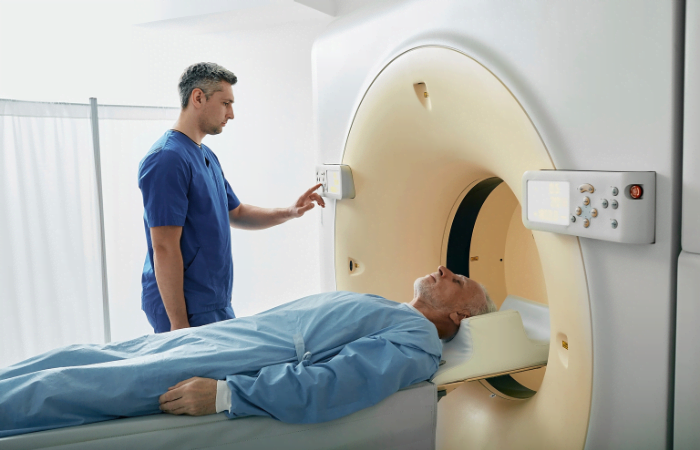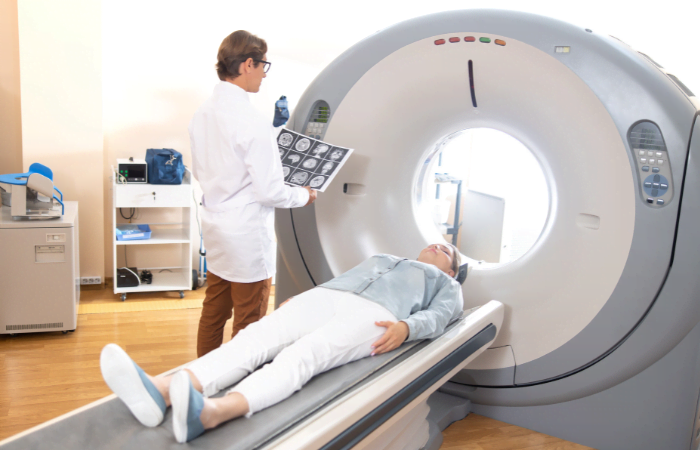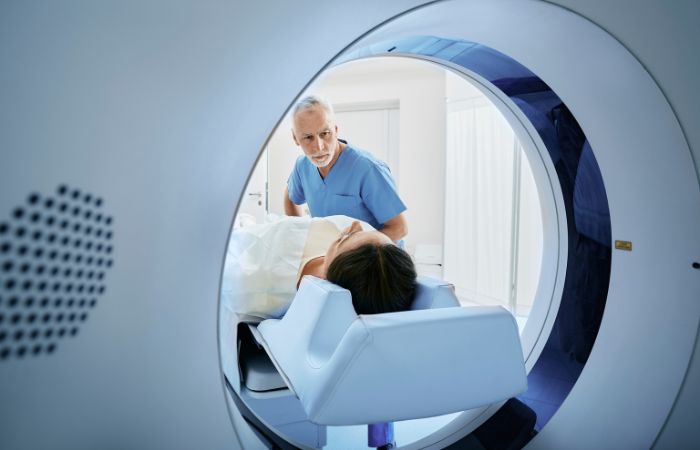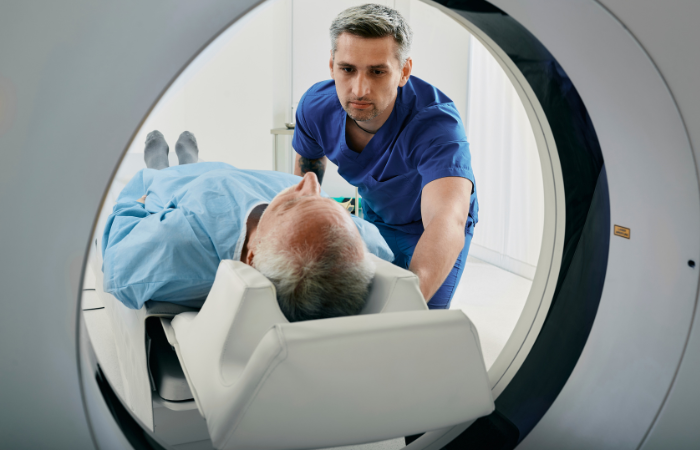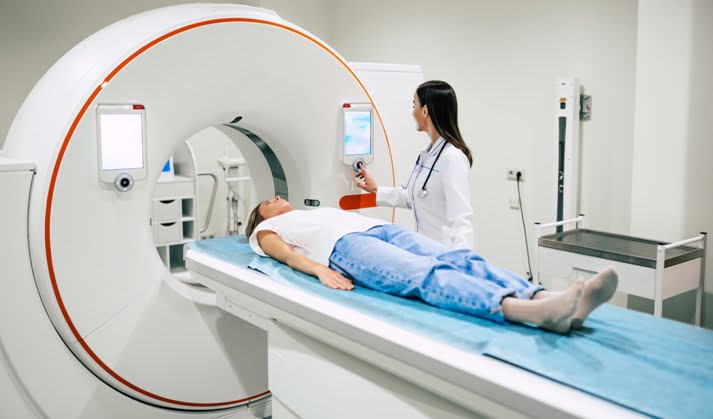
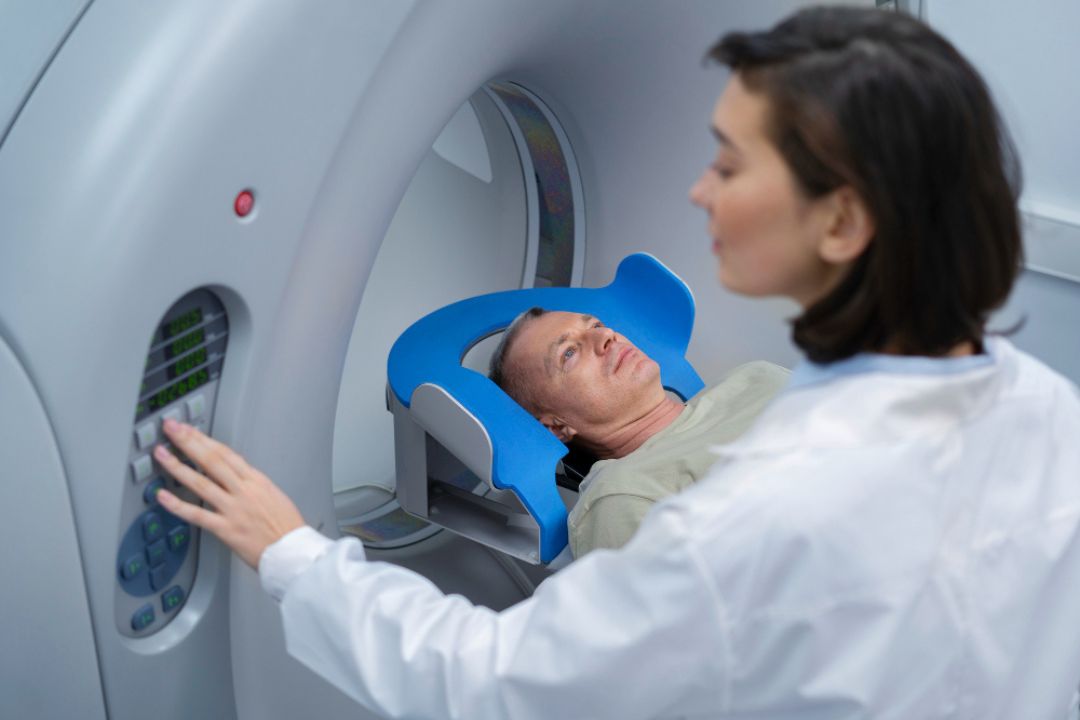
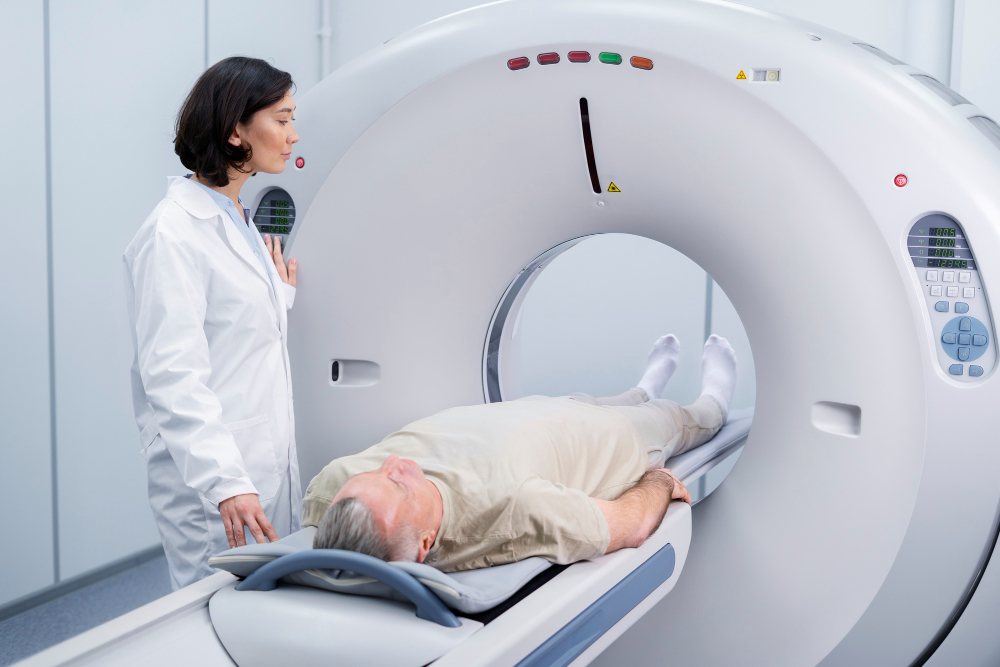
When a doctor recommends a CT scan, many patients wonder about the radiation involved and whether it is safe. This is a very common and understandable concern. A CT Scan uses X-rays to create detailed images of the inside of the body, which means a small amount of radiation exposure occurs during the test.
Understanding how much radiation is used and how it compares to everyday radiation exposure can help patients feel more confident about the procedure.
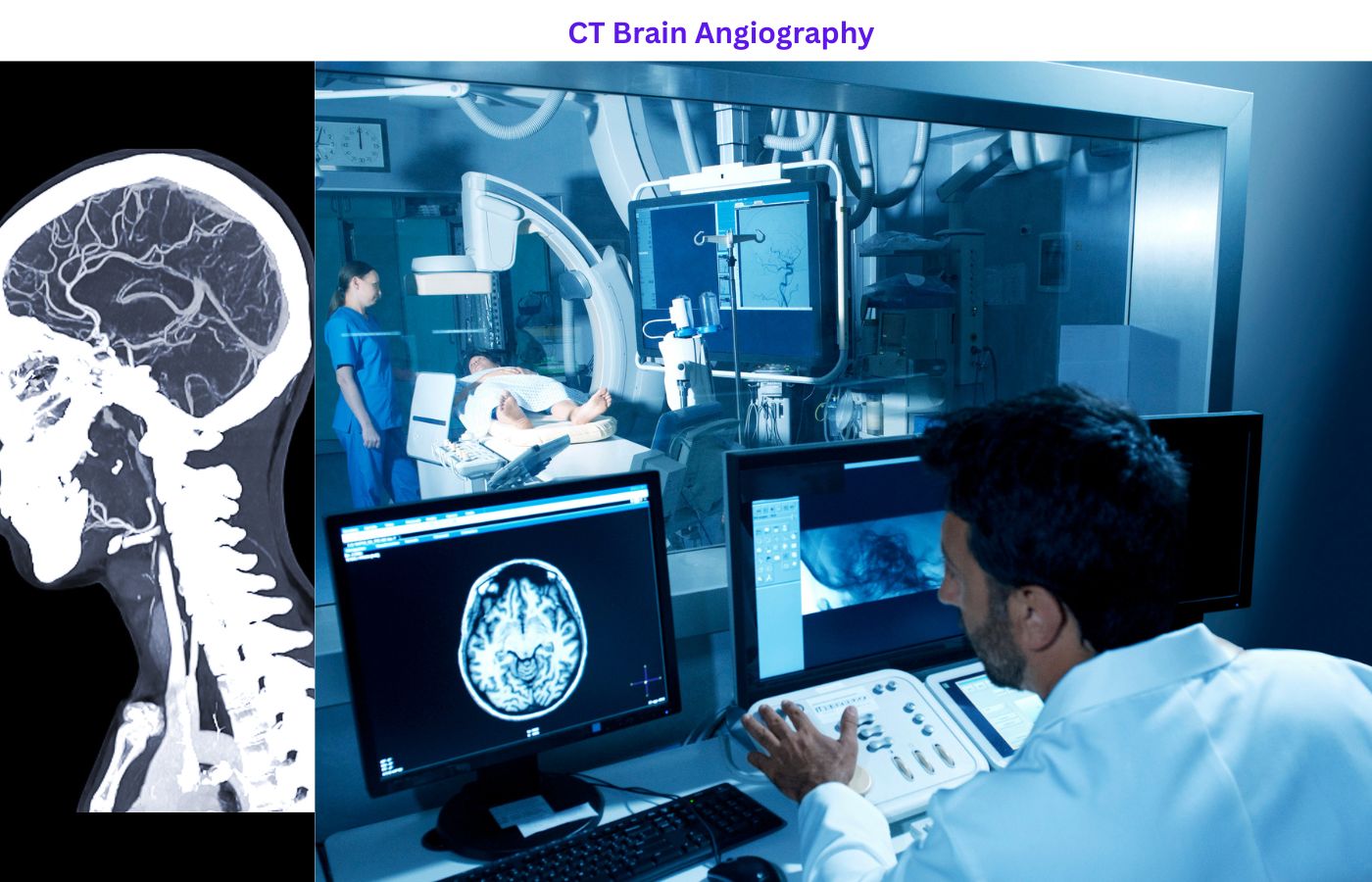
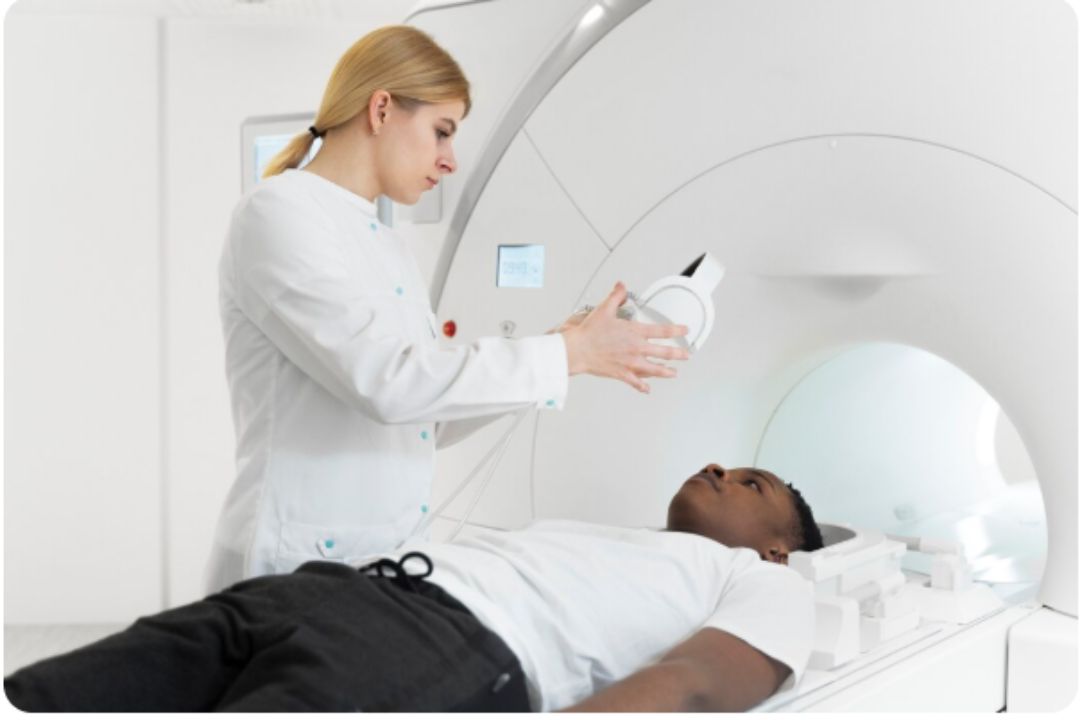
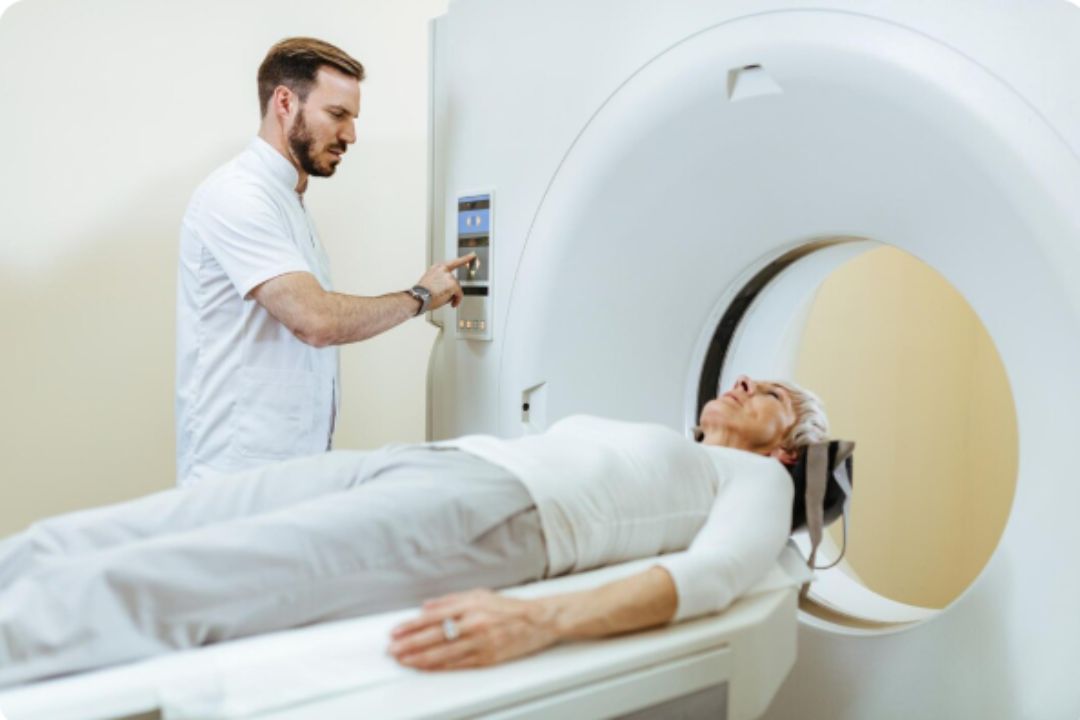
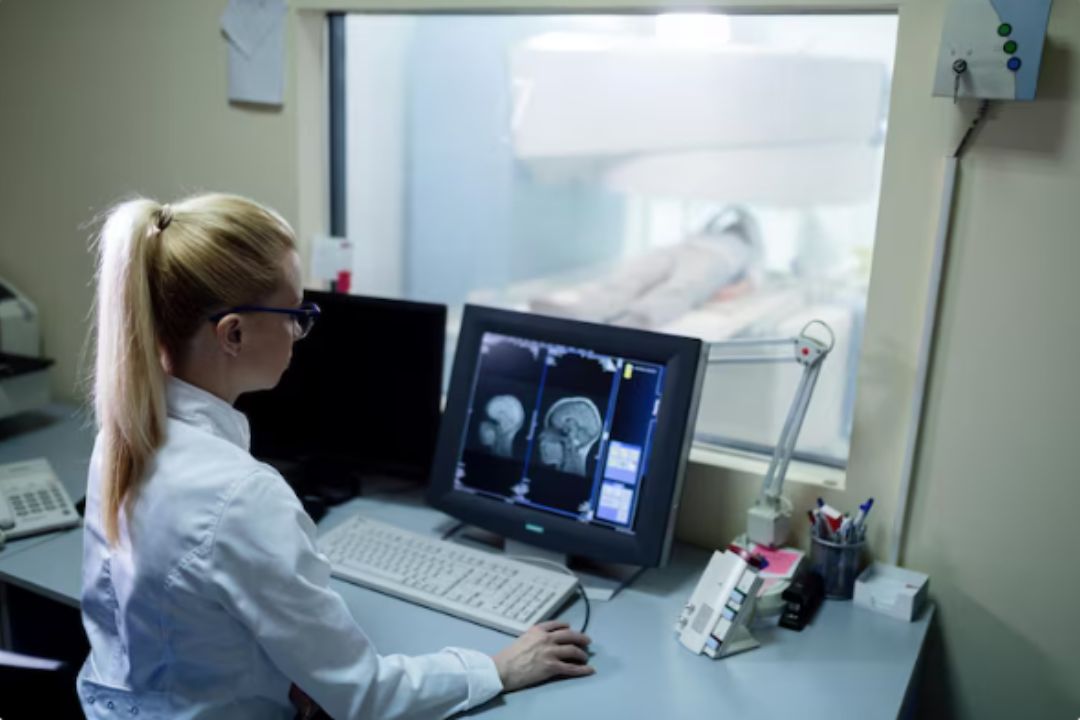
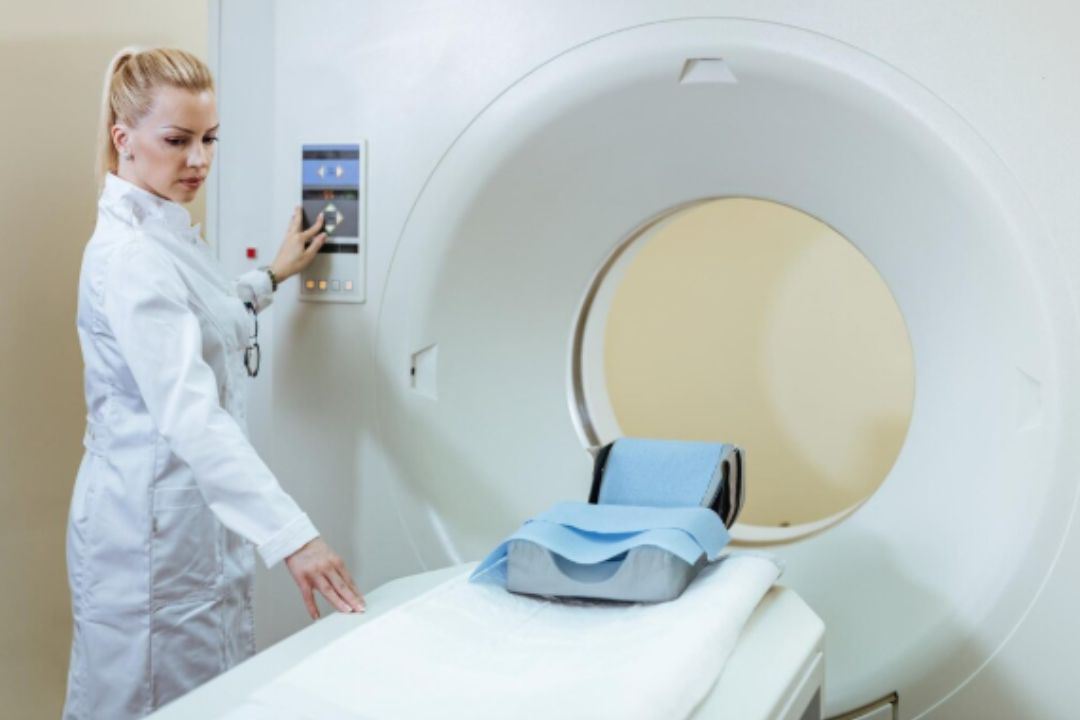
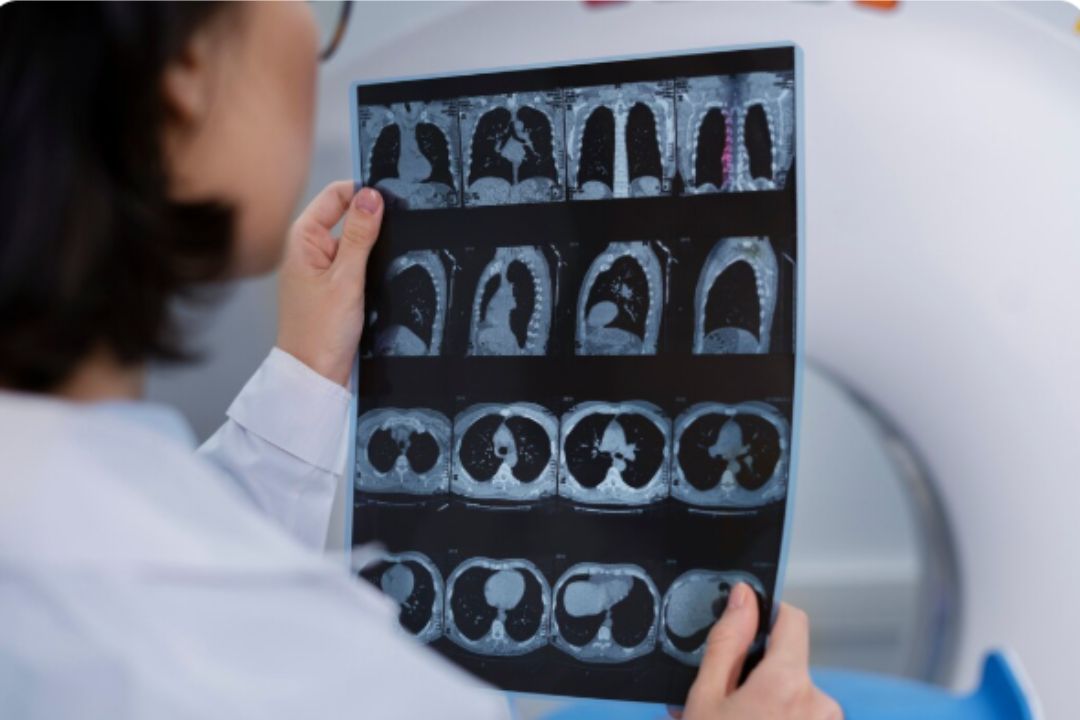
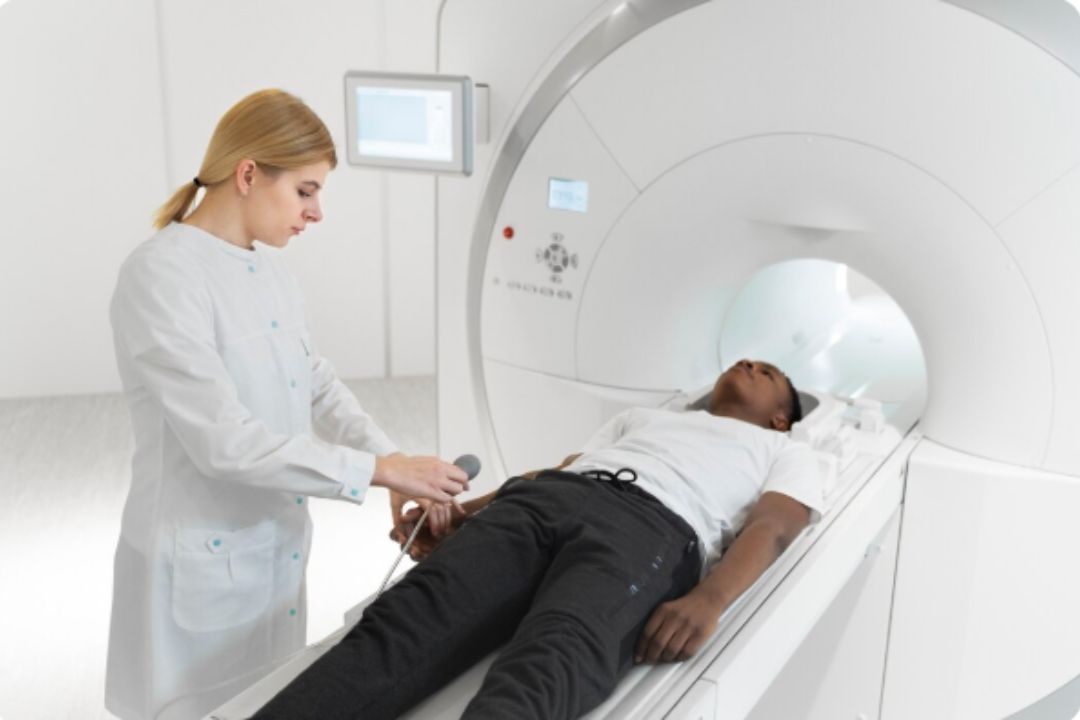
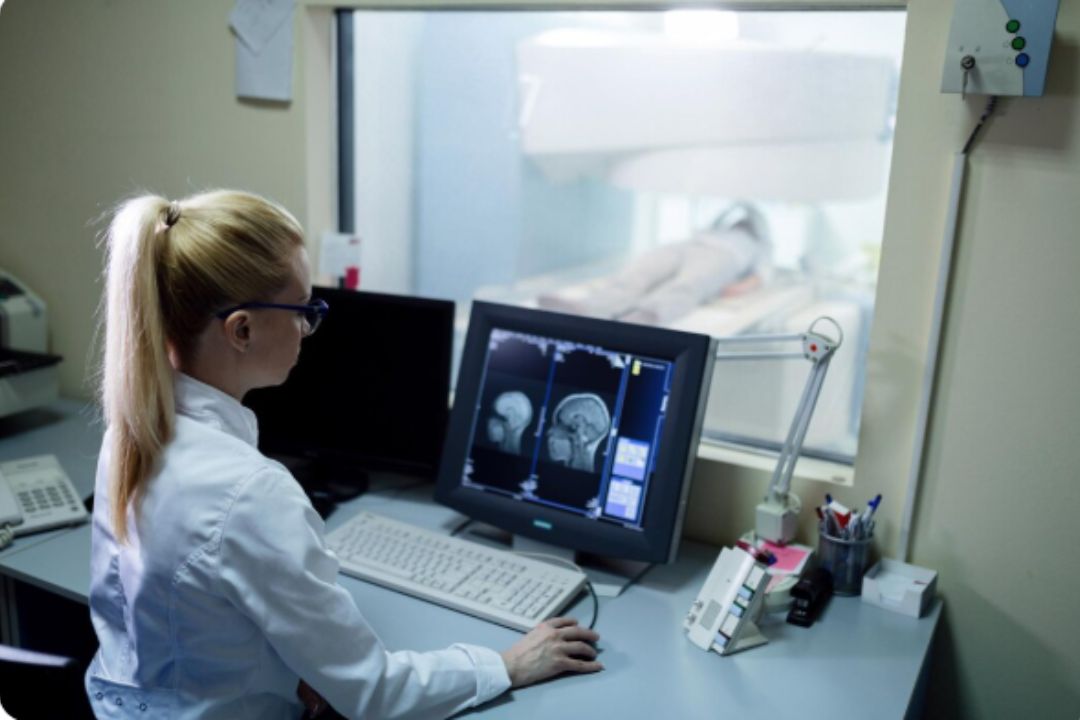
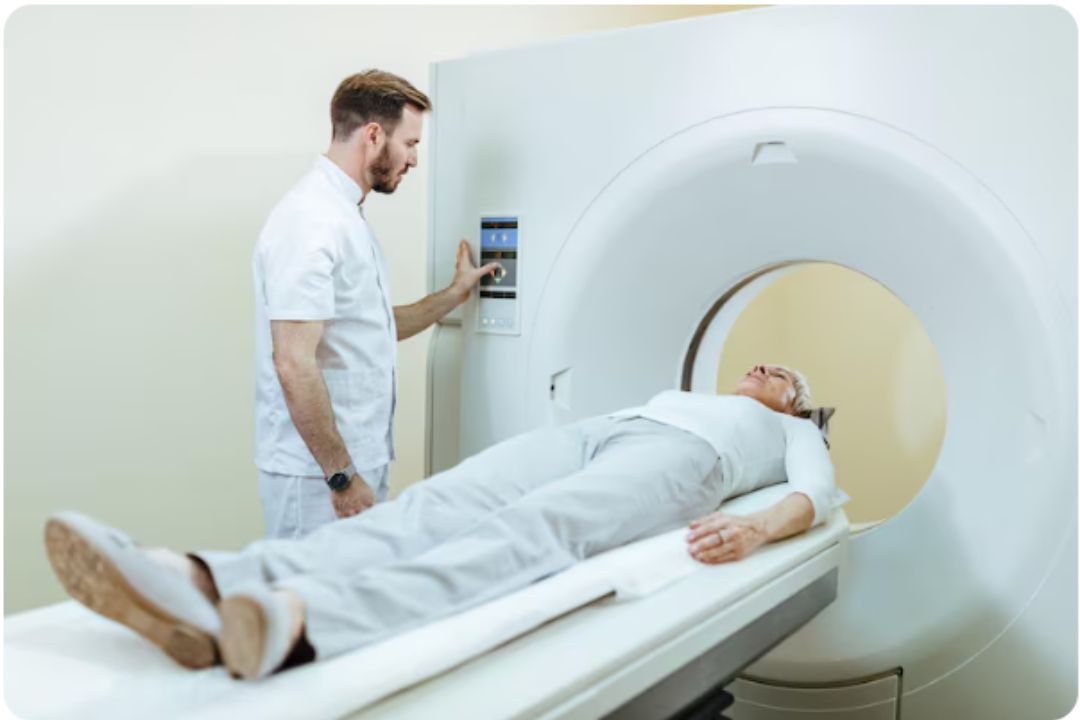
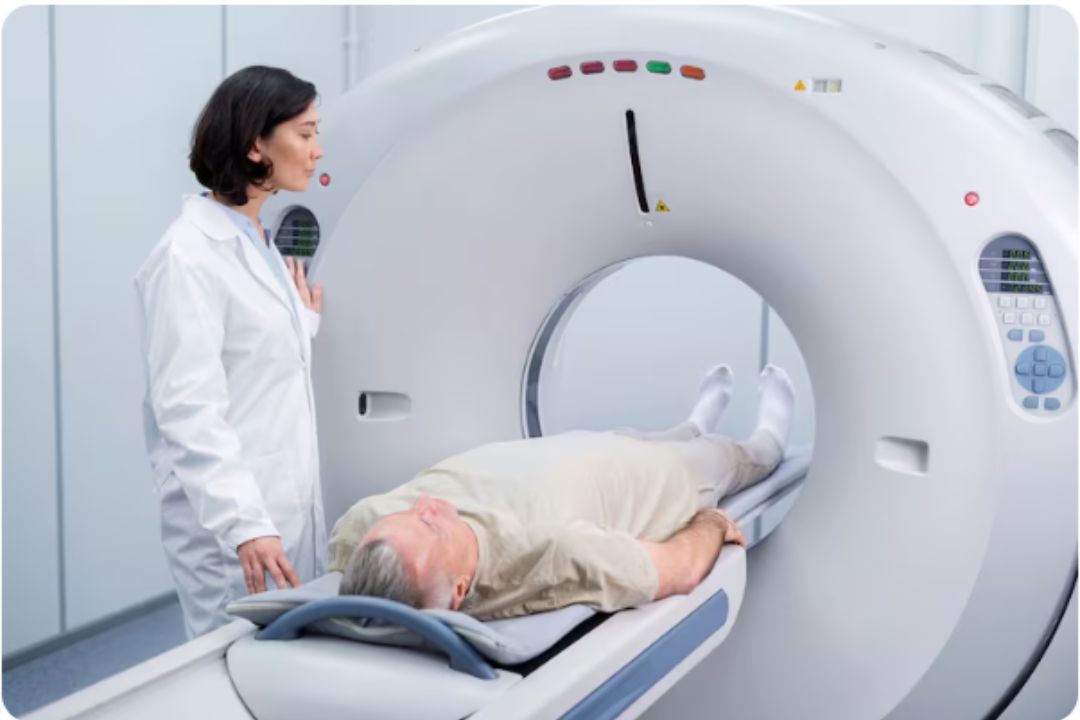
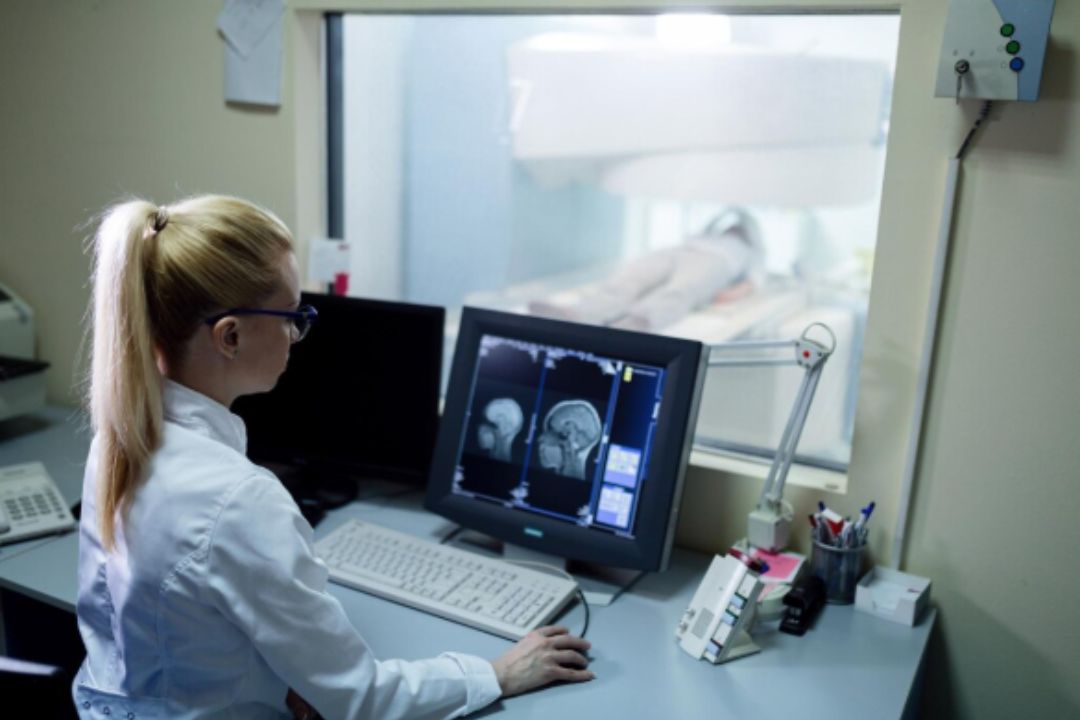
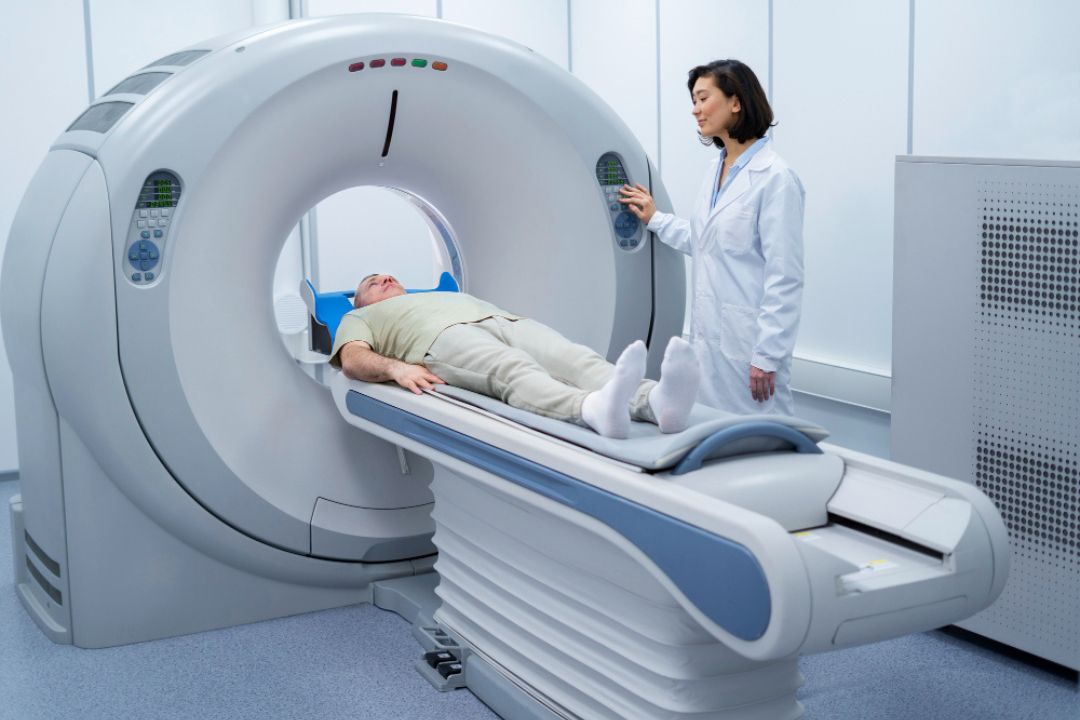
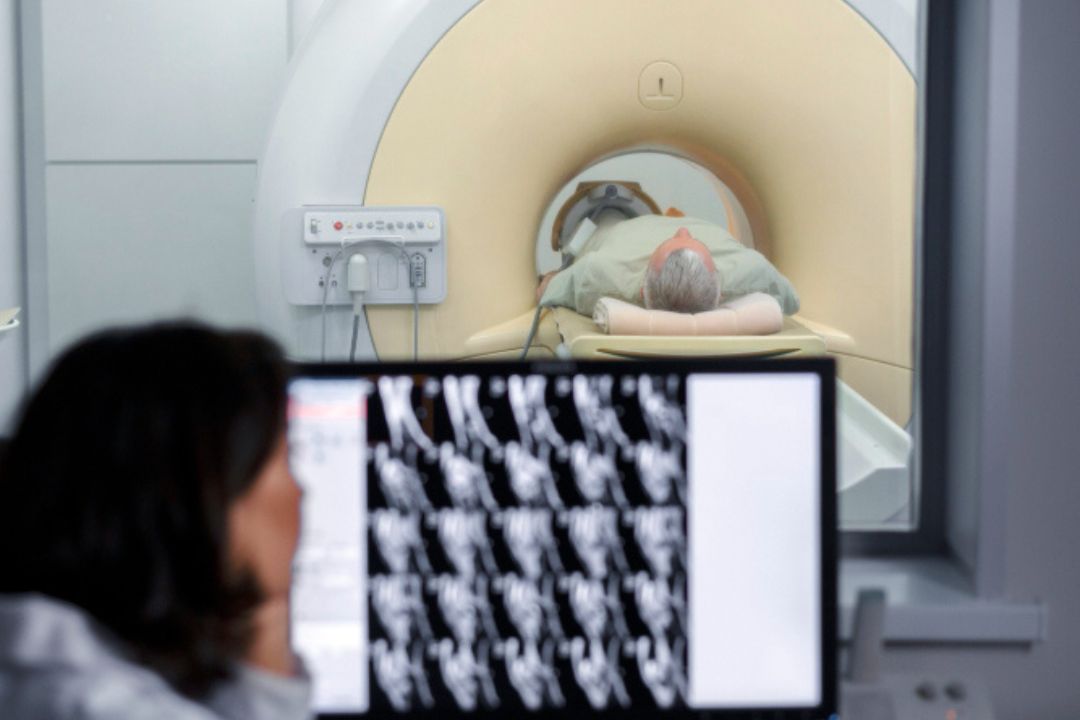
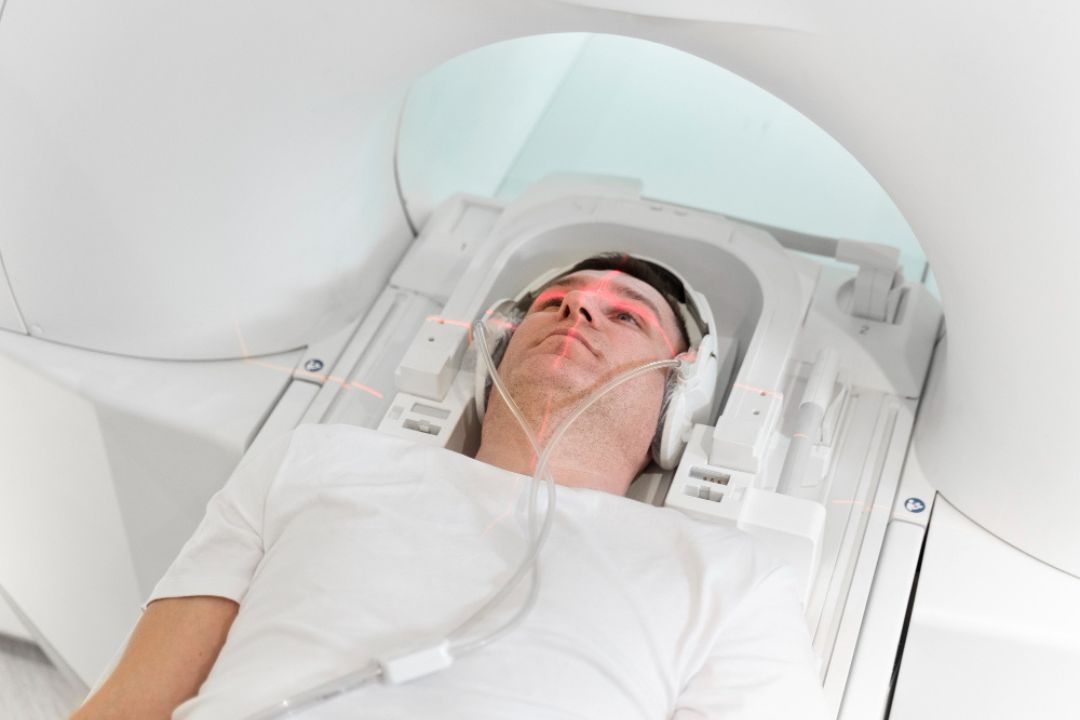
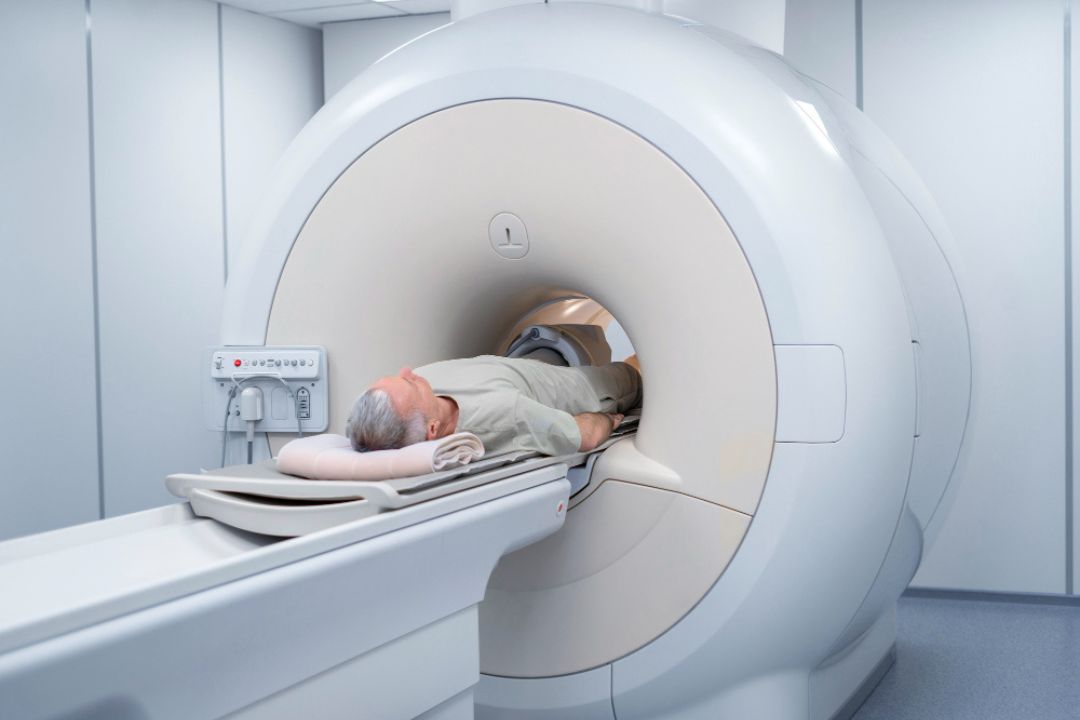
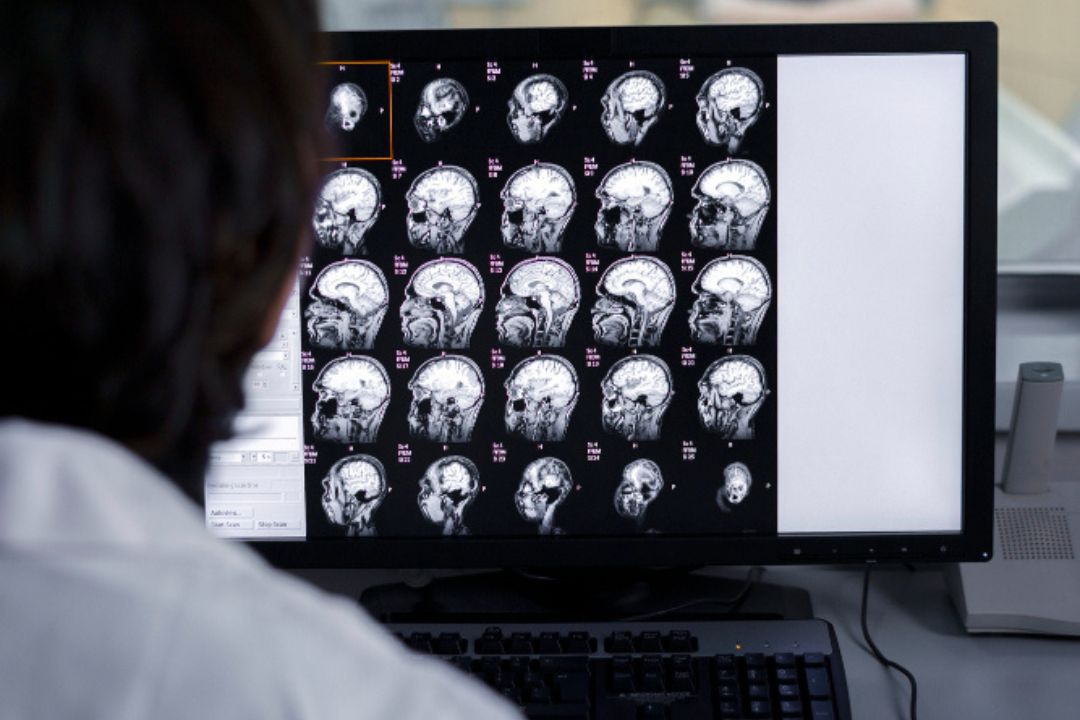
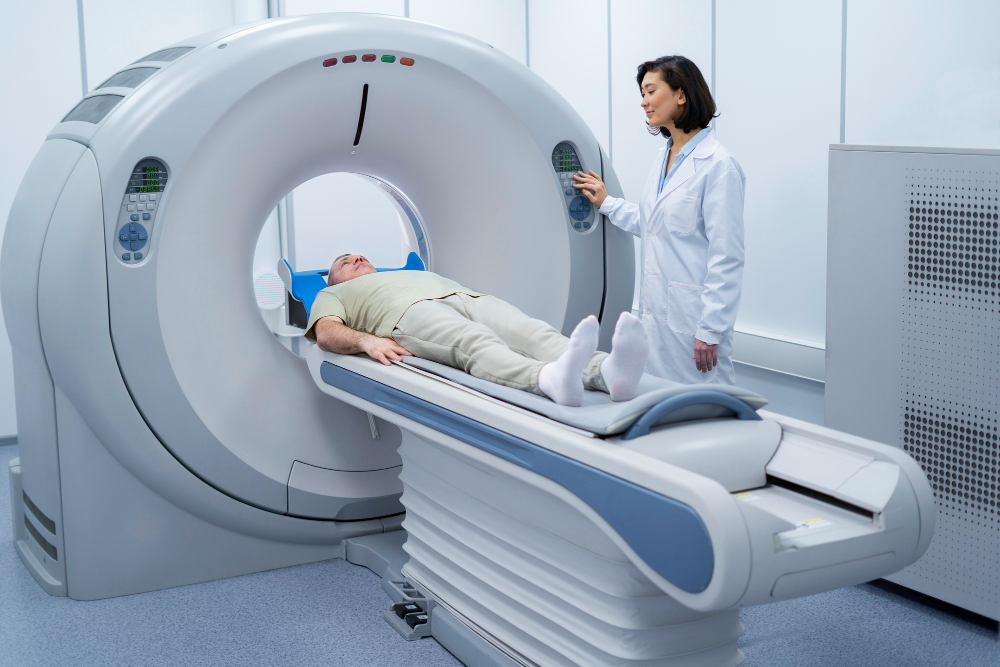
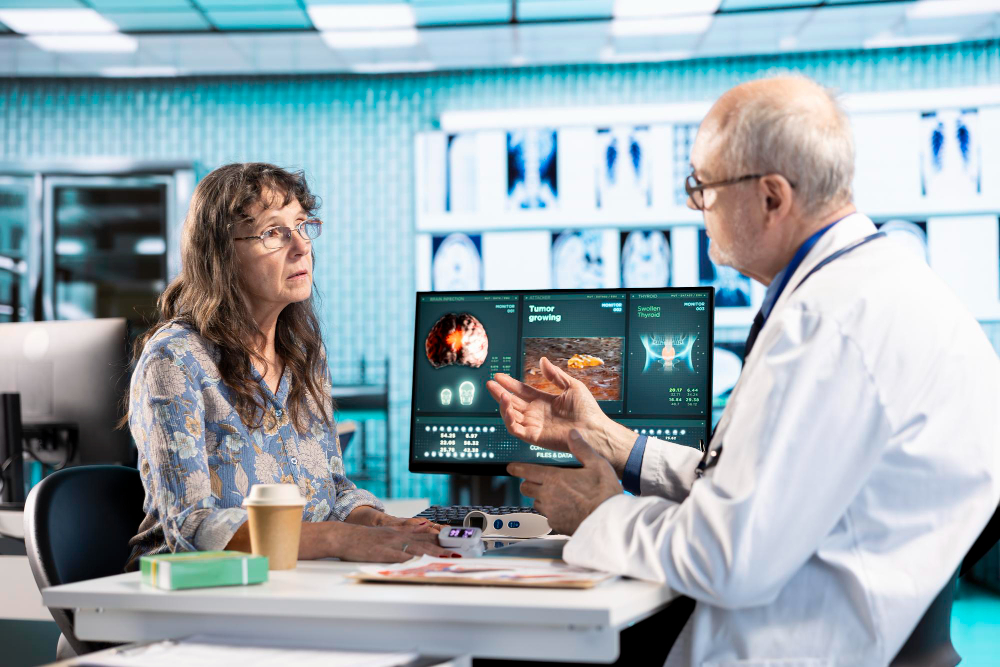
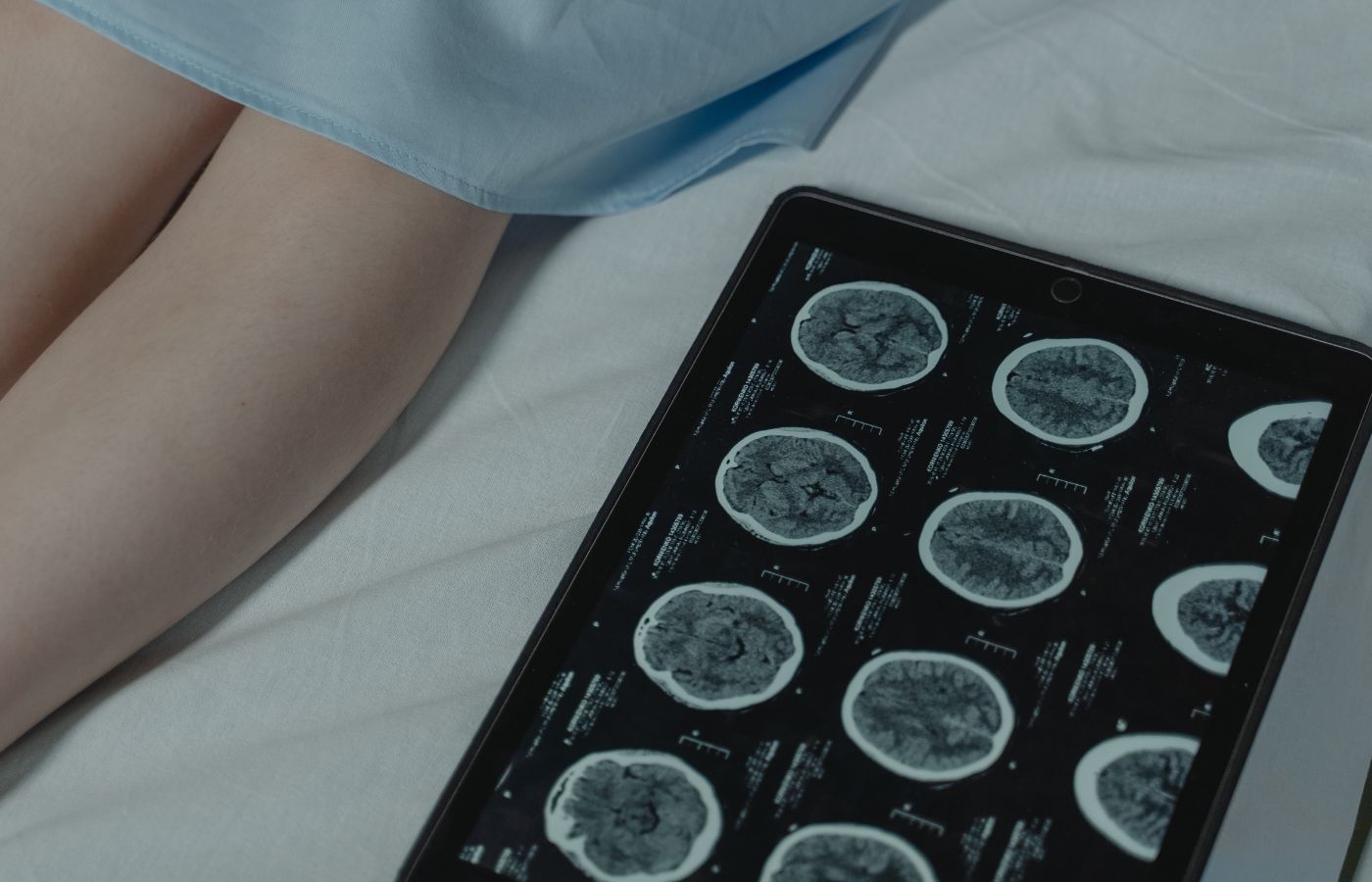
A CT Scan, or Computed Tomography scan, is an advanced imaging test that uses multiple X-ray images taken from different angles. A computer combines these images to create detailed cross-sectional pictures of the body.
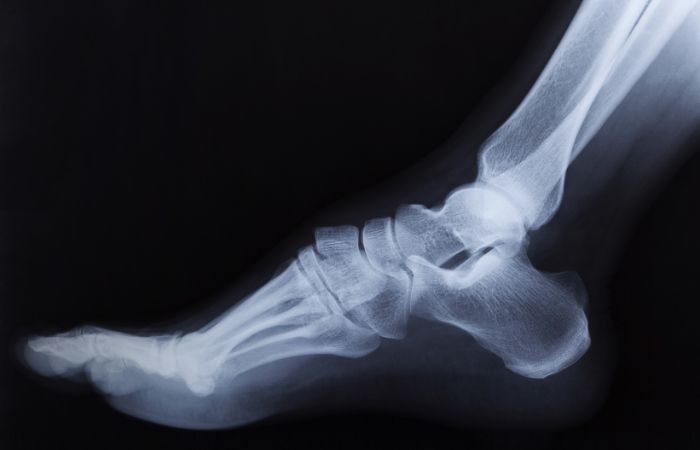
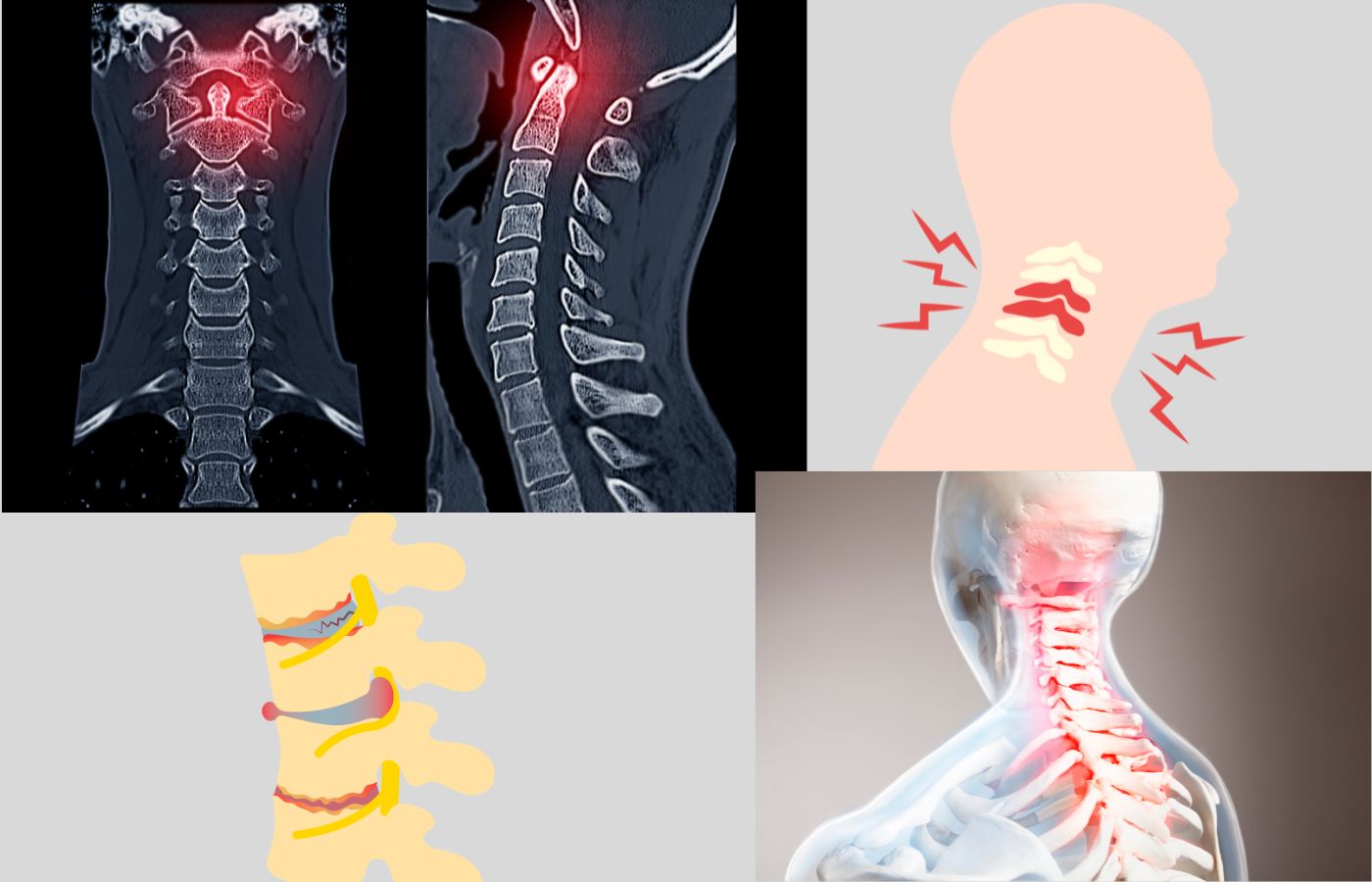
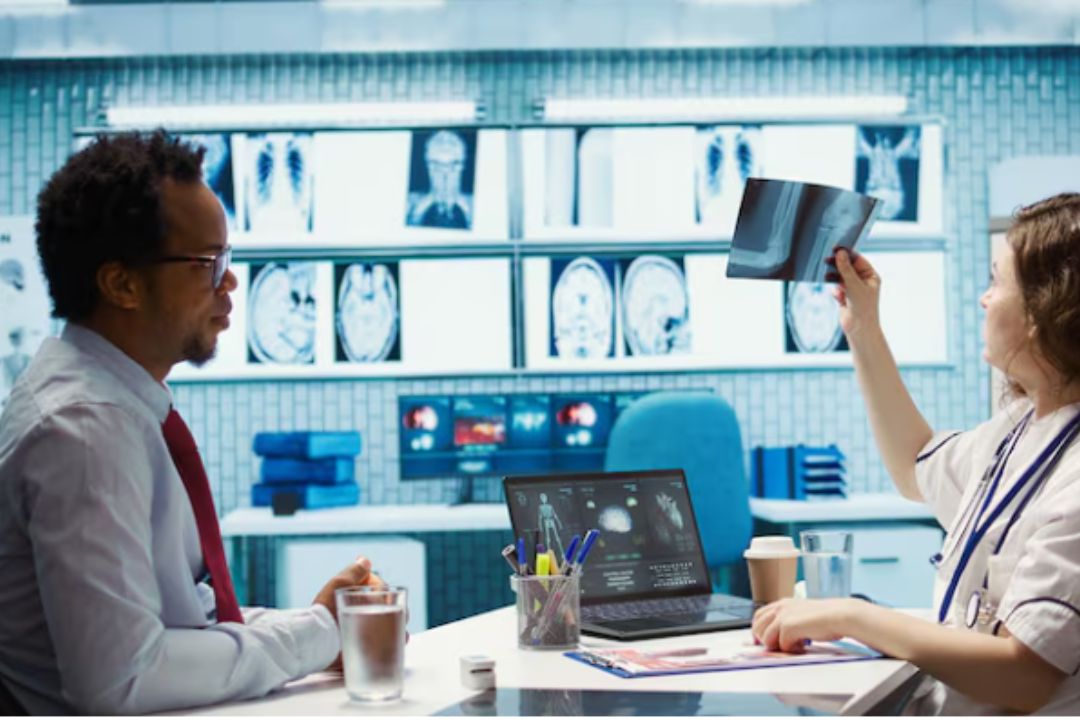
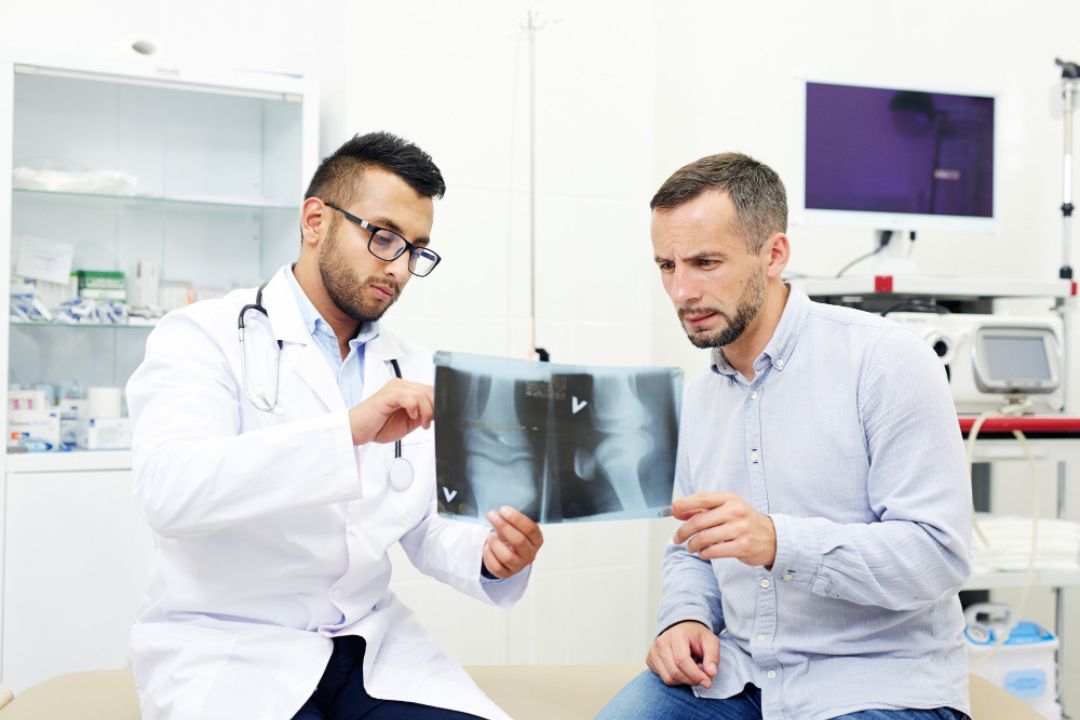
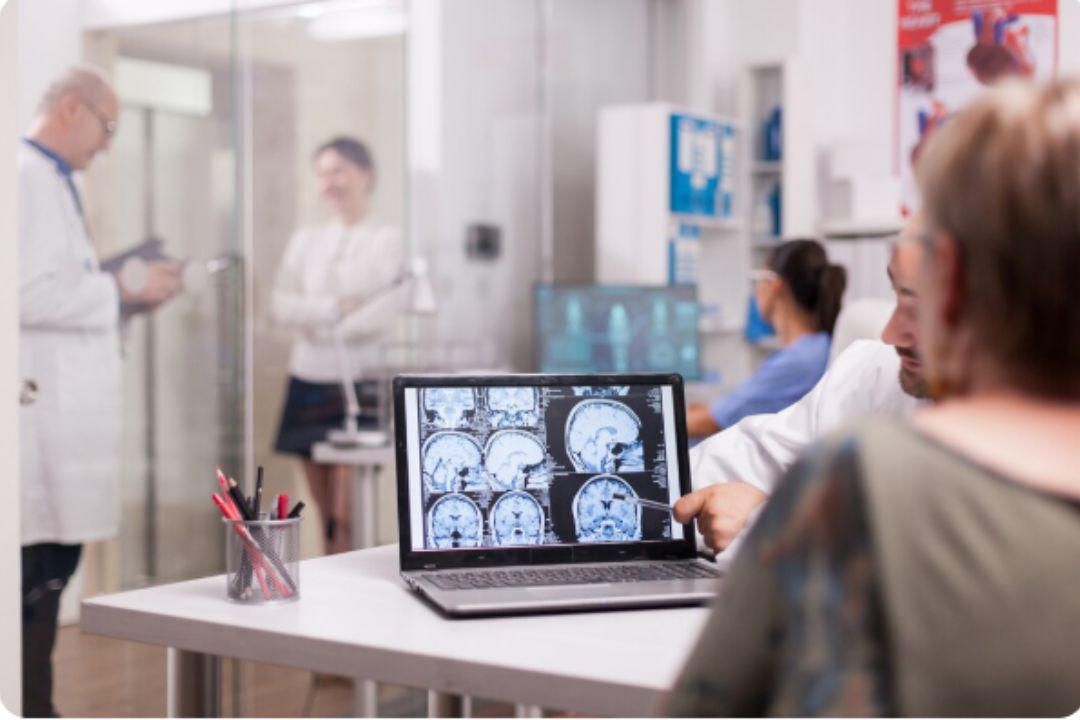
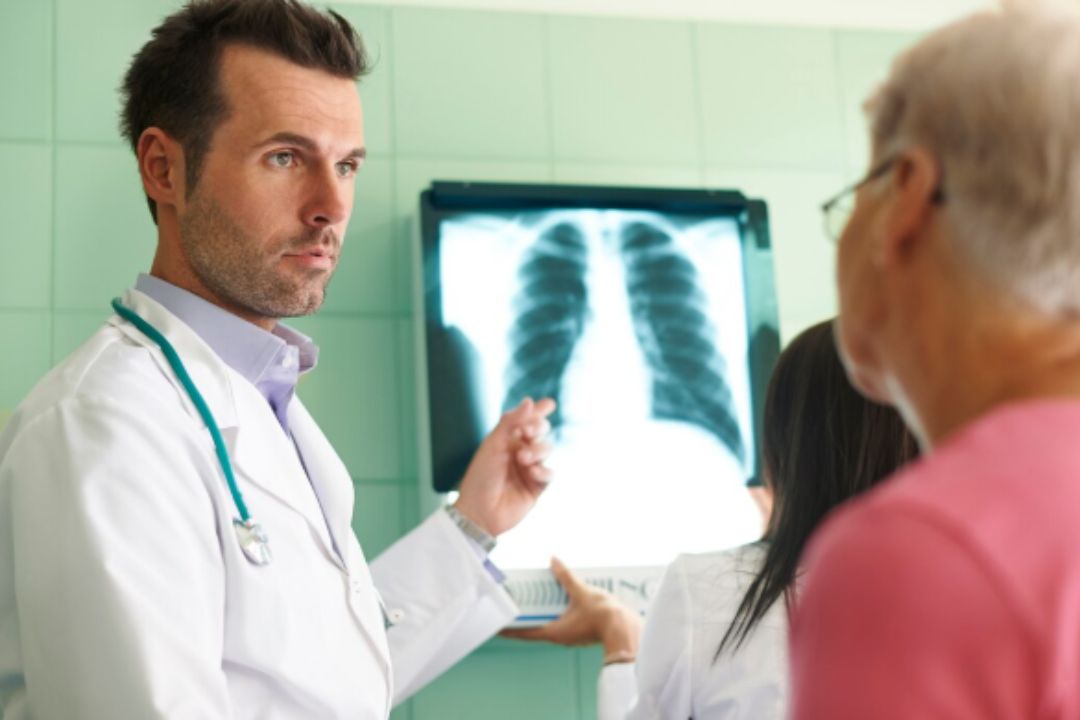
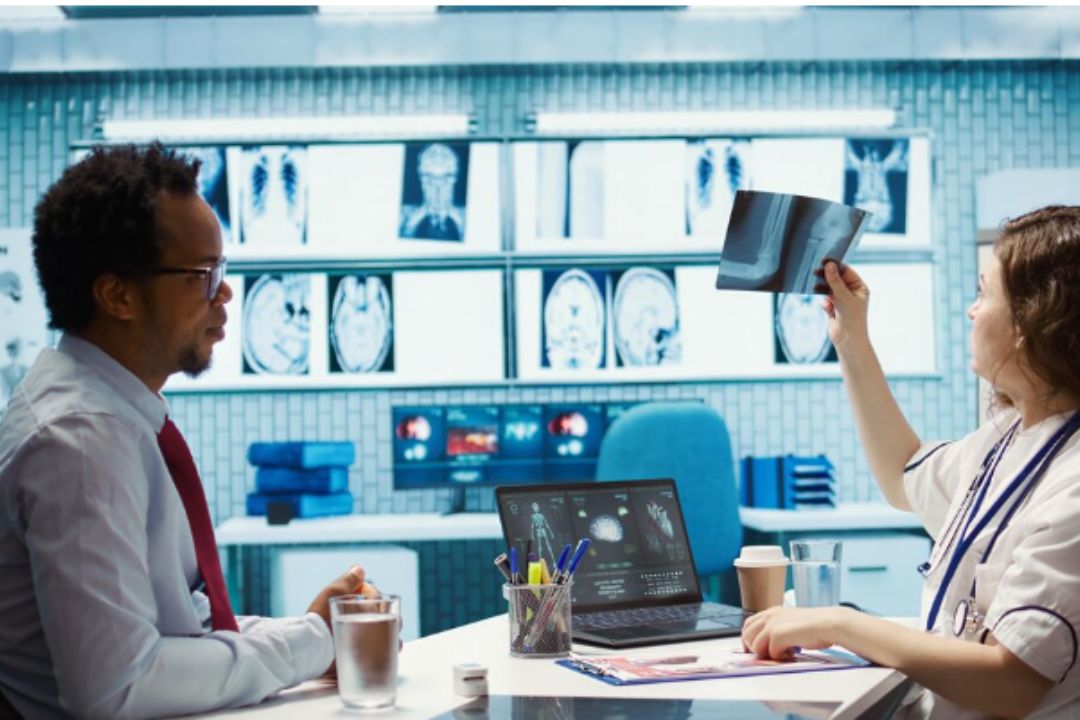
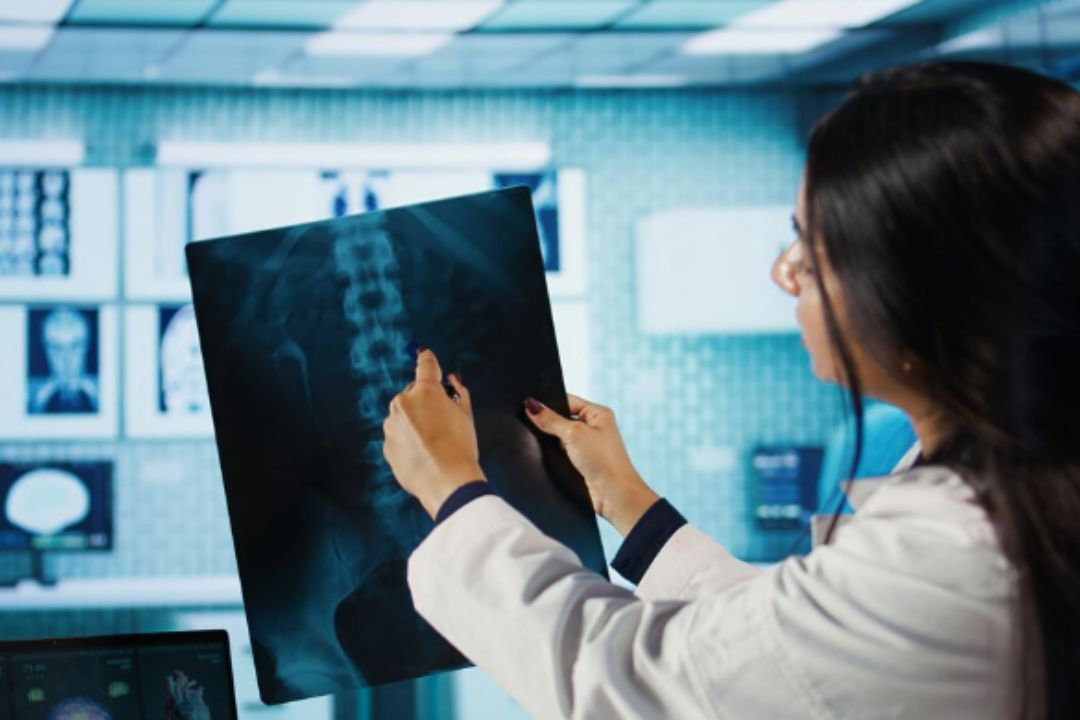
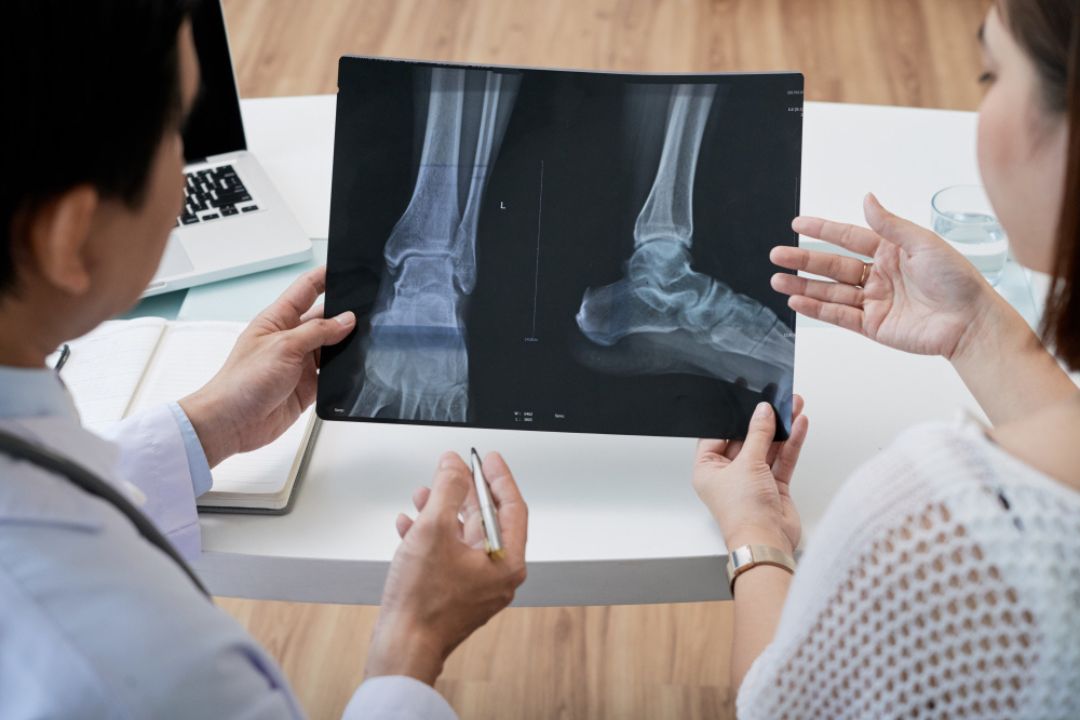
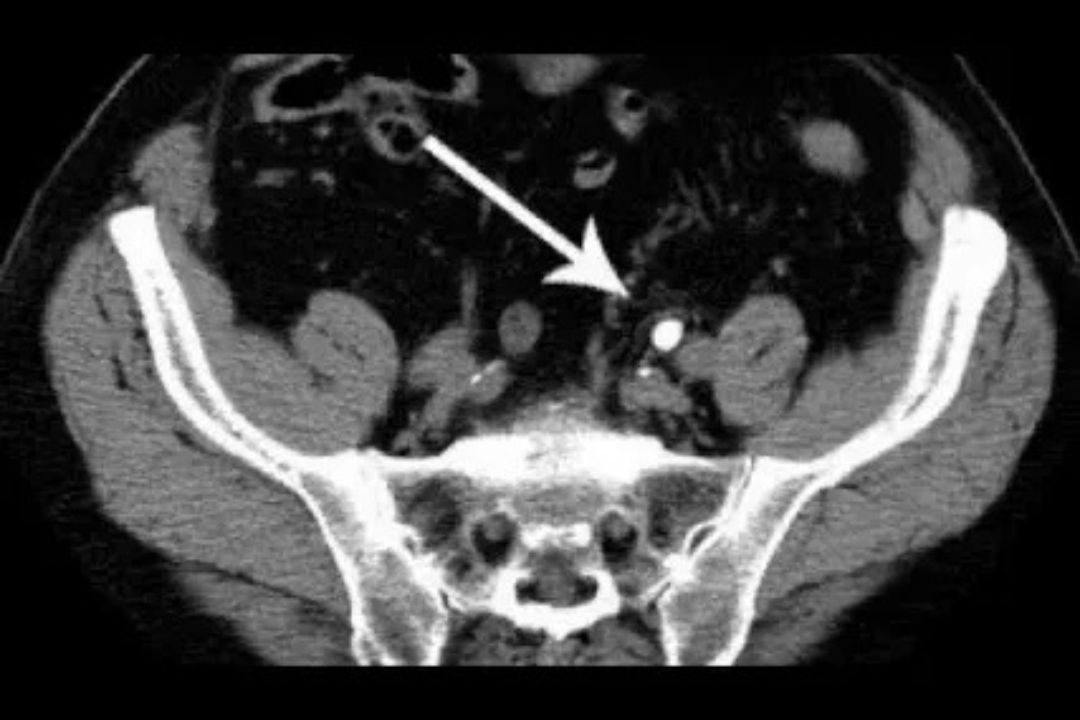
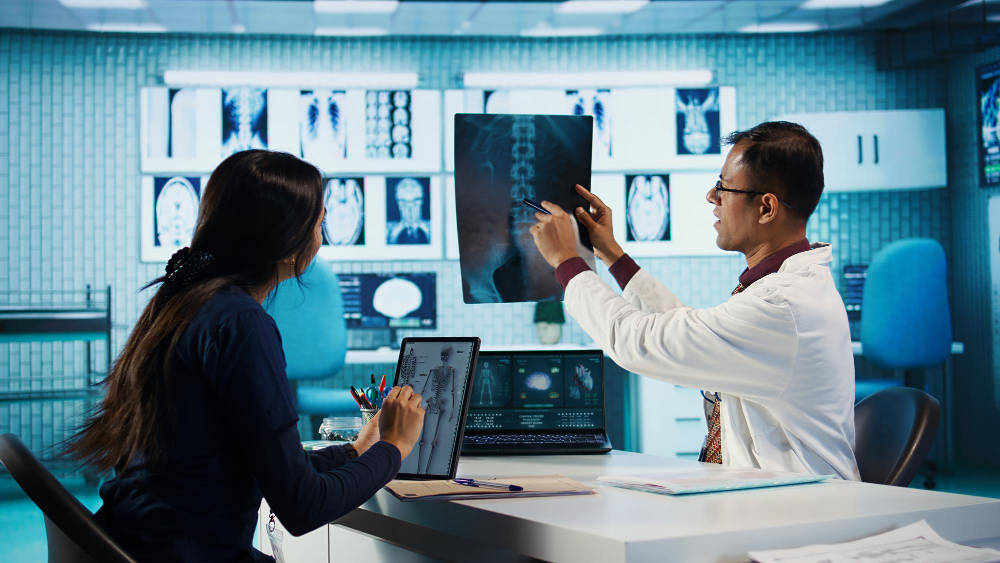
Unlike a regular X-ray, which produces a single image, a CT scan provides detailed views of organs, bones, blood vessels, and soft tissues. This helps doctors diagnose many medical conditions such as infections, injuries, tumors, and internal bleeding.
Radiation from medical imaging is measured in a unit called millisieverts (mSv). This unit helps doctors estimate how much radiation the body absorbs during a scan.
The amount of radiation in a CT scan depends on the body part being examined and the type of scan performed.
Most diagnostic CT scans typically expose patients to about 1 to 10 millisieverts of radiation.
Different types of CT scans use different amounts of radiation.
Examples include:
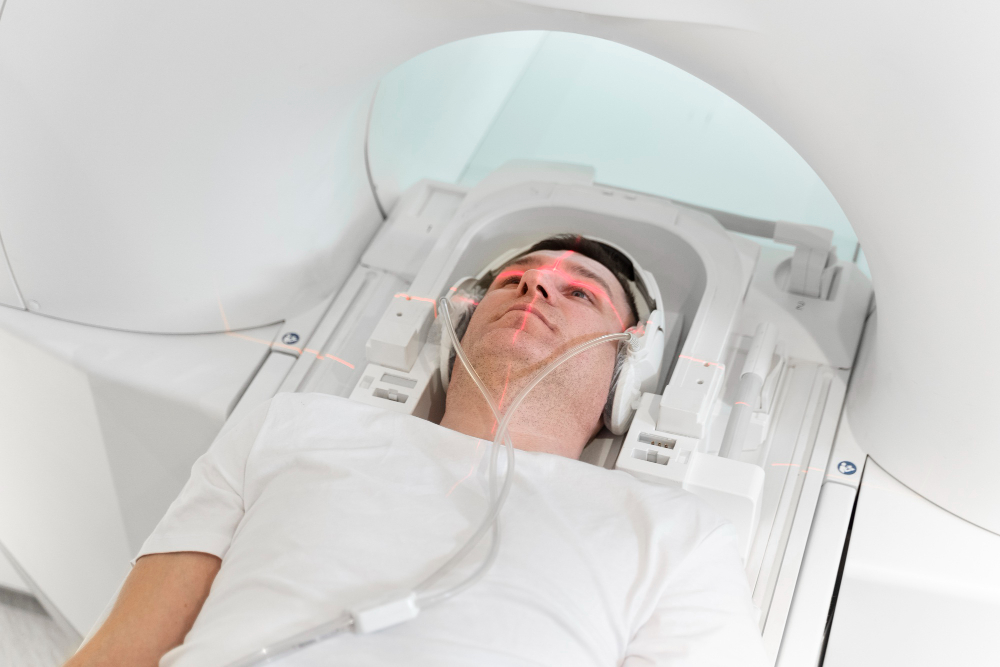
Head CT scan: about 2 mSv
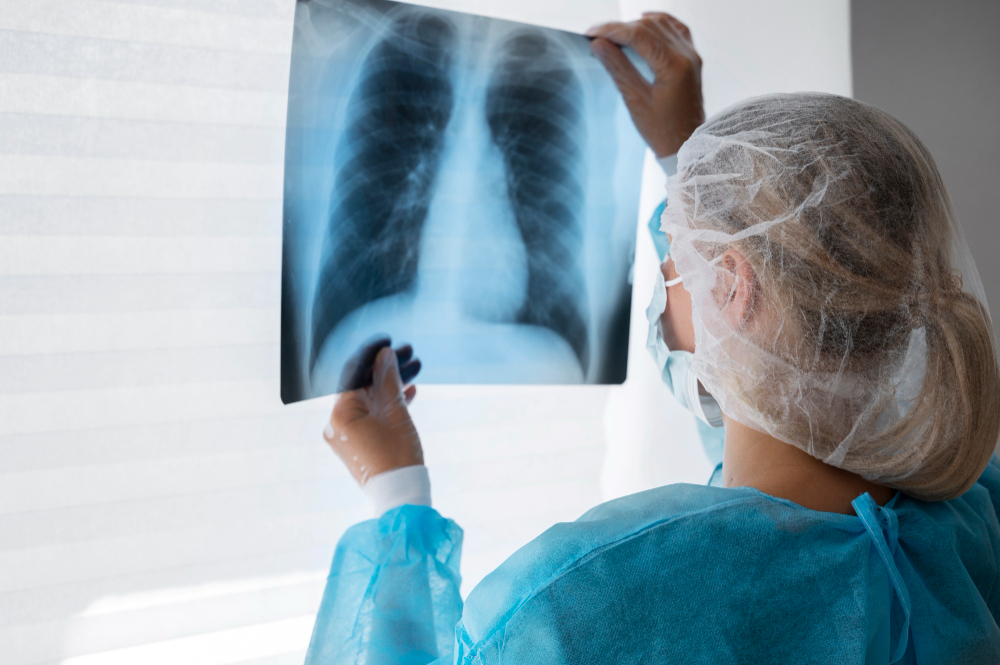
Chest CT scan: about 7–8 mSv
Abdomen CT scan: about 10 mSv
Pelvis CT scan: about 10 mSv
These values can vary depending on the technology used and the patient’s body size.
To better understand these numbers, it helps to compare CT radiation with the natural radiation we experience in daily life.
Every person is exposed to about 3 mSv of natural background radiation each year from sources such as sunlight, soil, and cosmic rays.
Examples of comparisons:
One chest CT scan ≈ about 2 years of natural background radiation
One head CT scan ≈ about 8 months of natural radiation
One abdominal CT scan ≈ about 3 years of natural radiation
These comparisons show that while CT scans use more radiation than regular X-rays, the levels are still considered medically acceptable when the test is necessary.
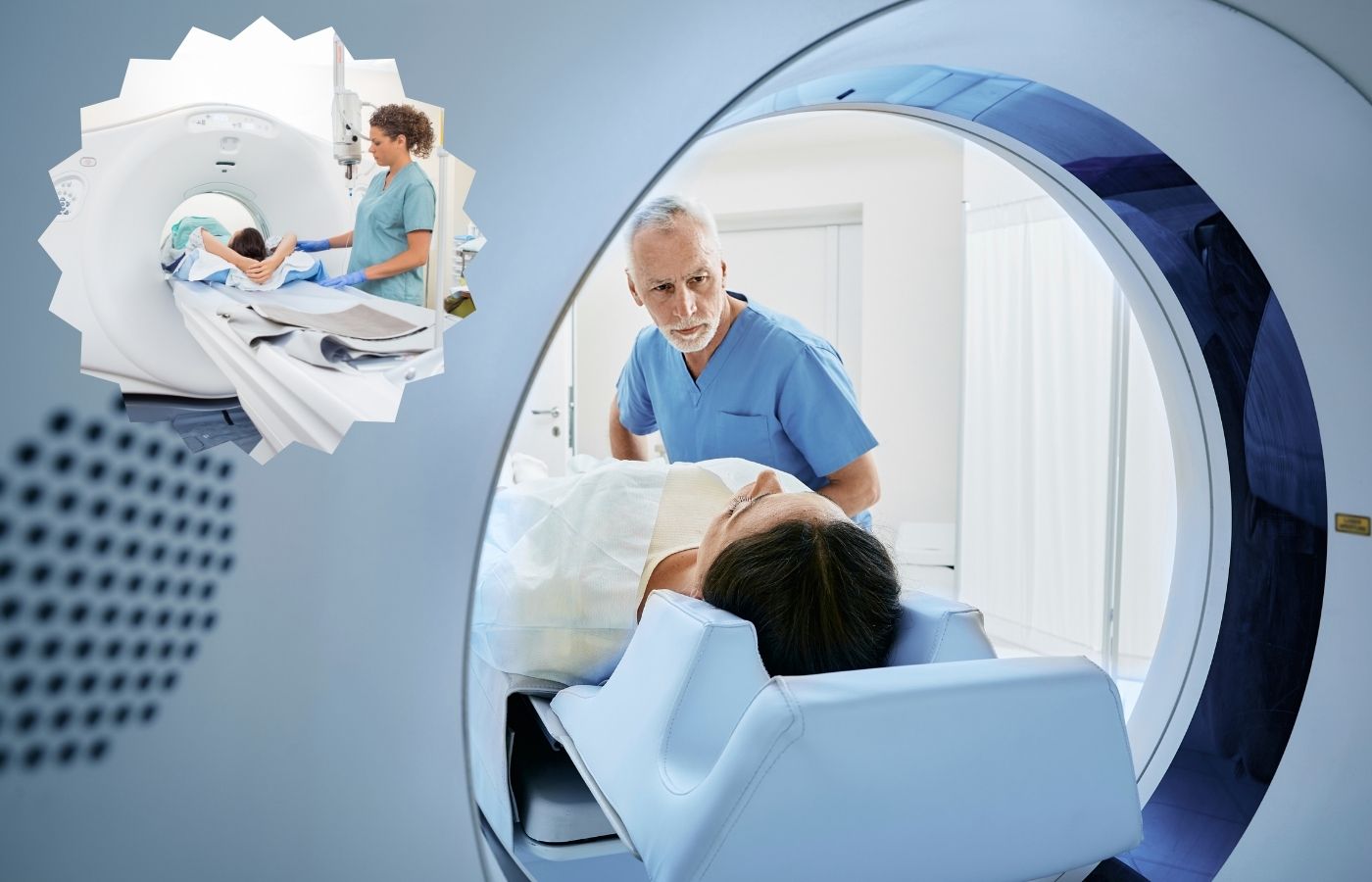
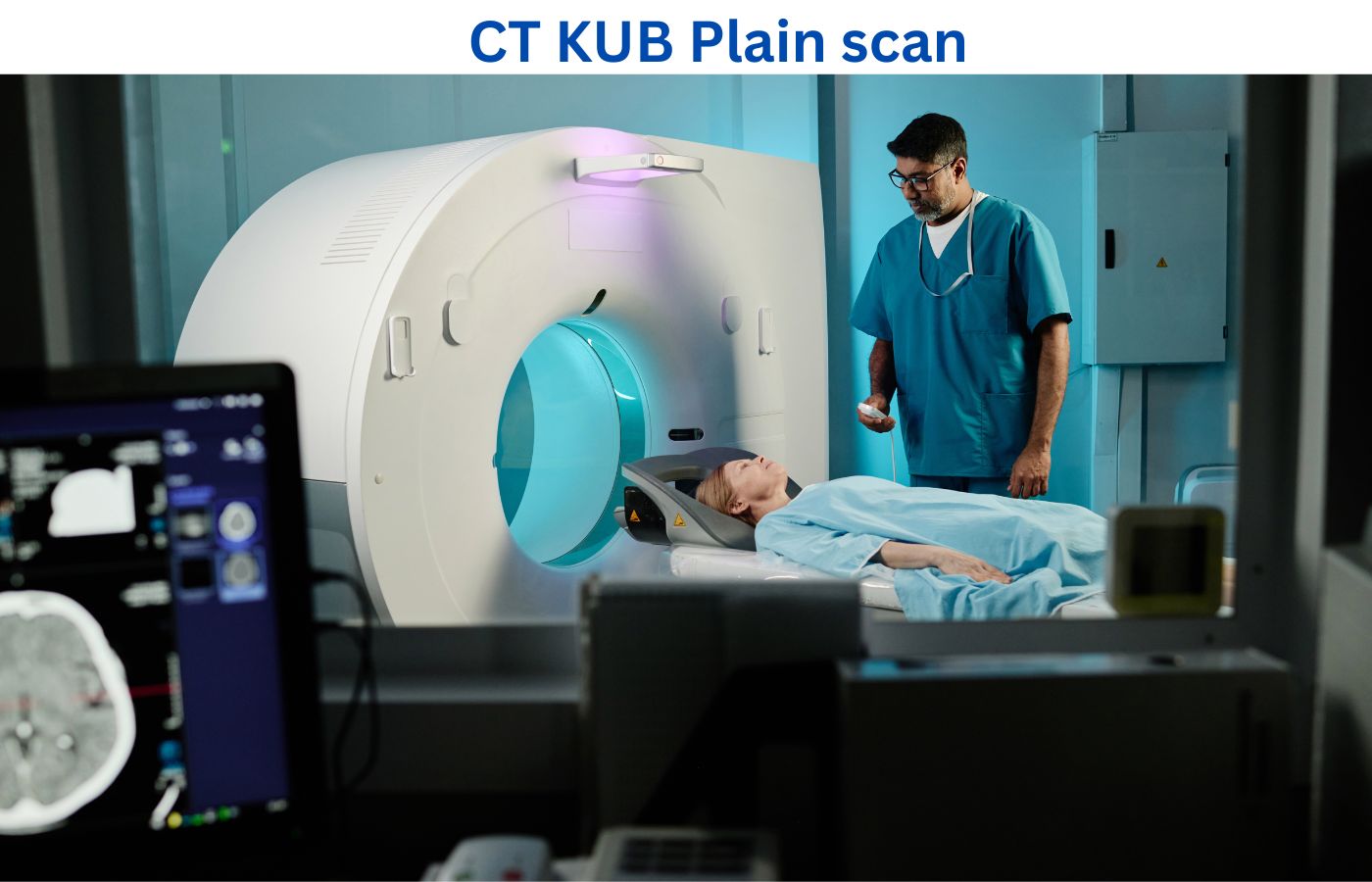
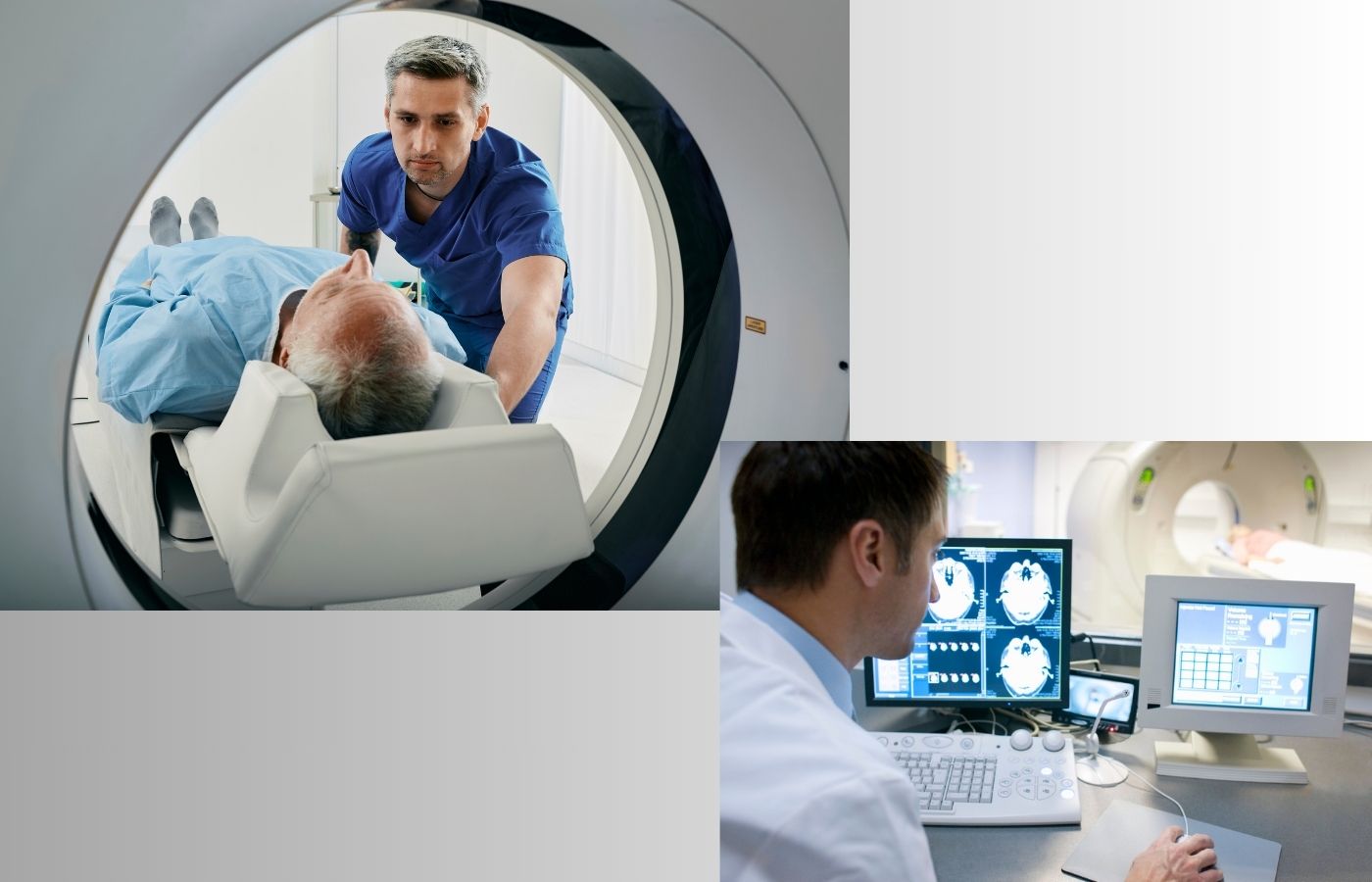
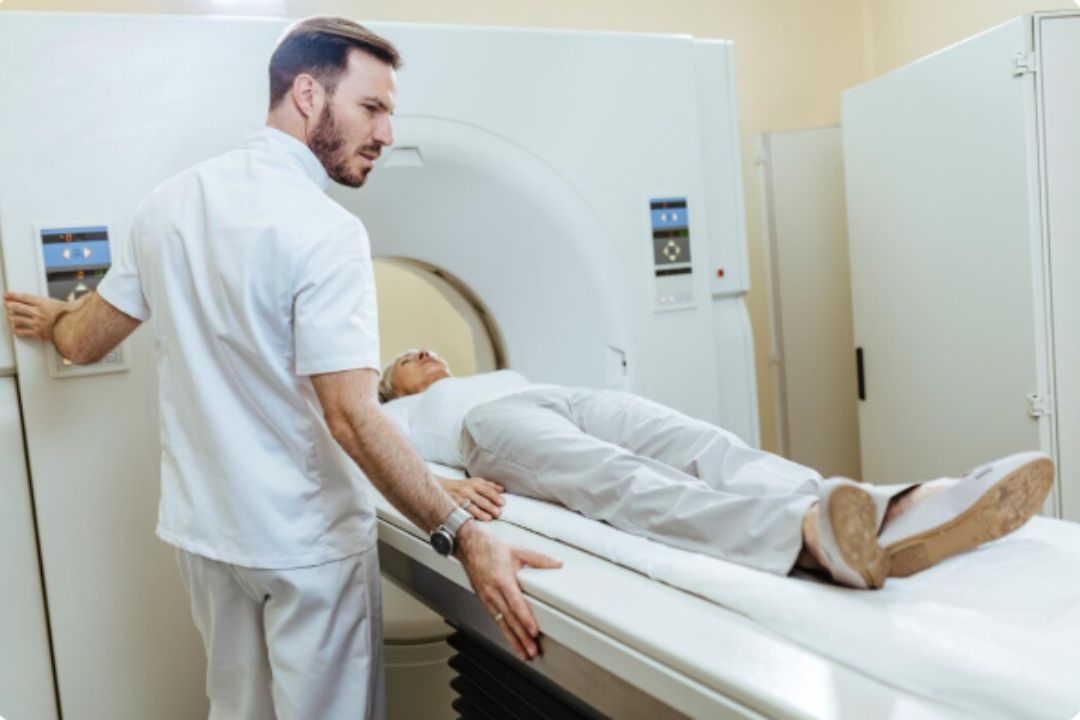
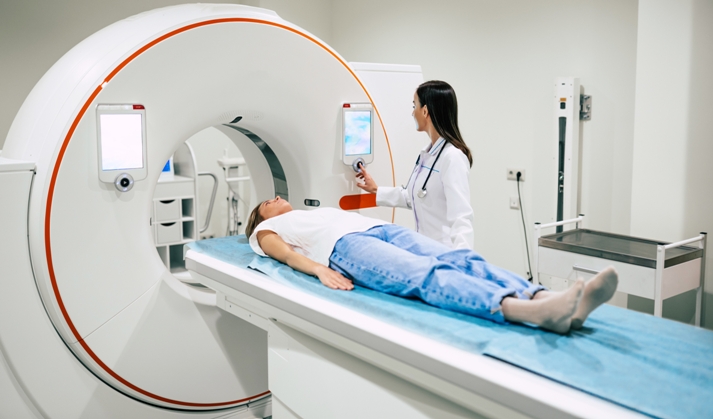
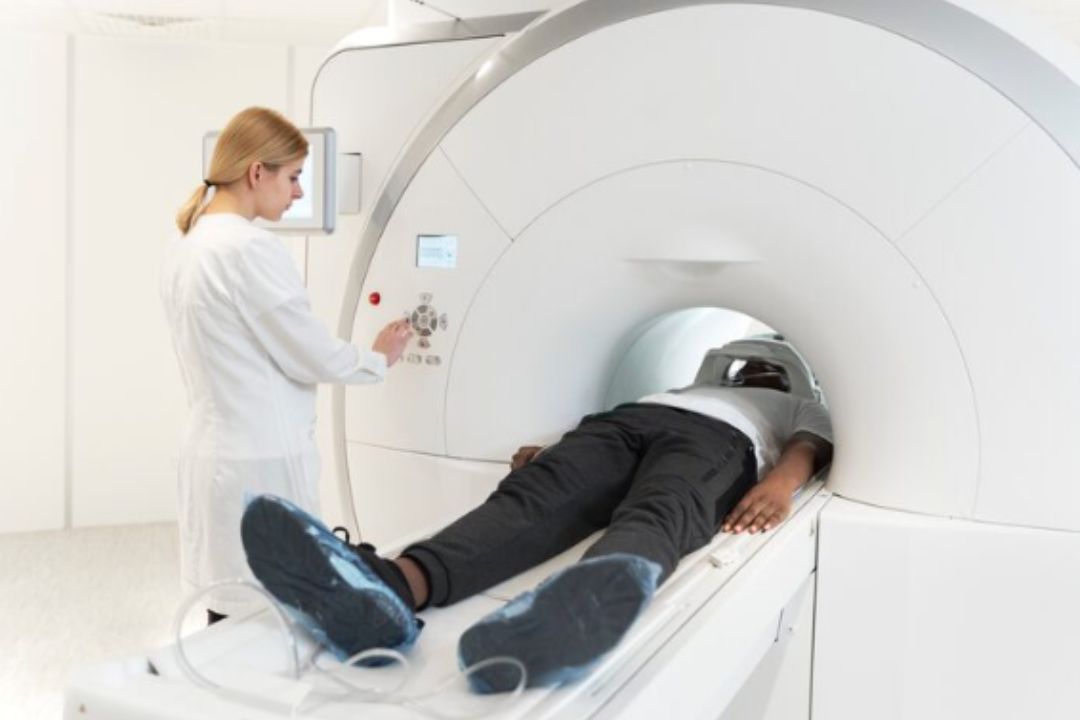
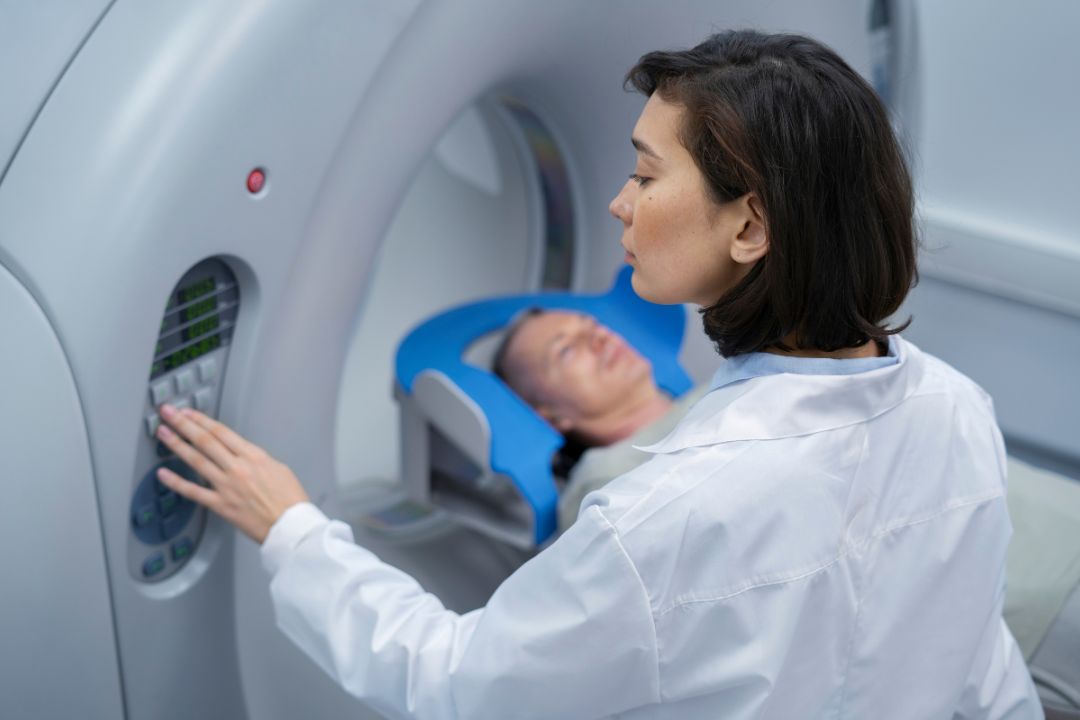
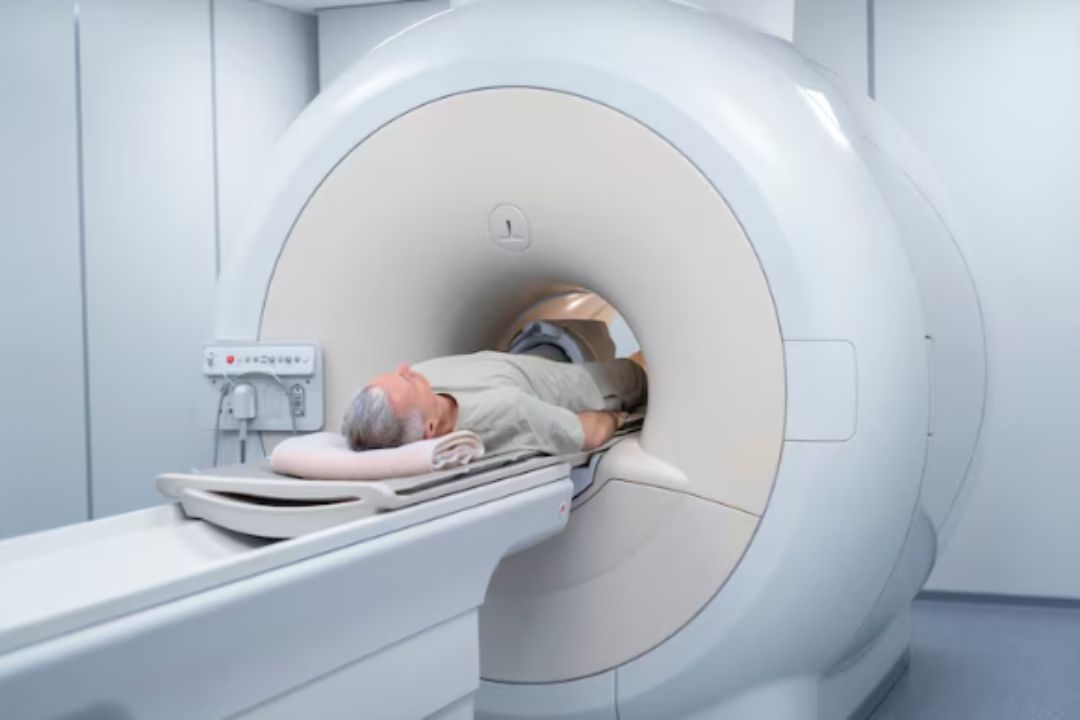
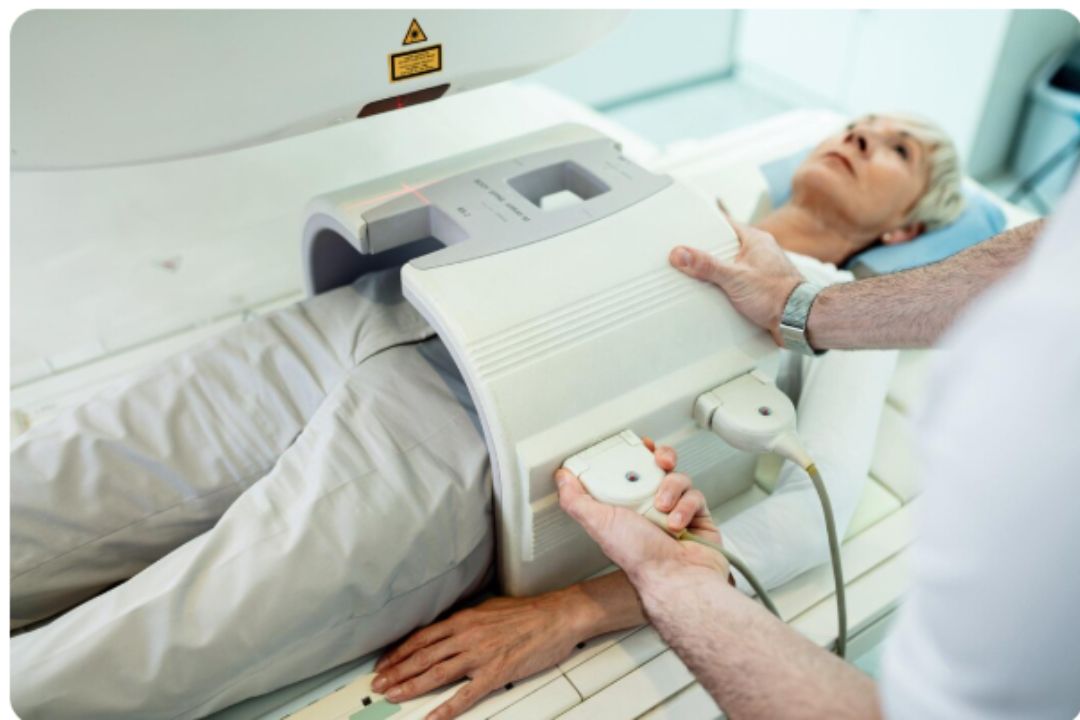
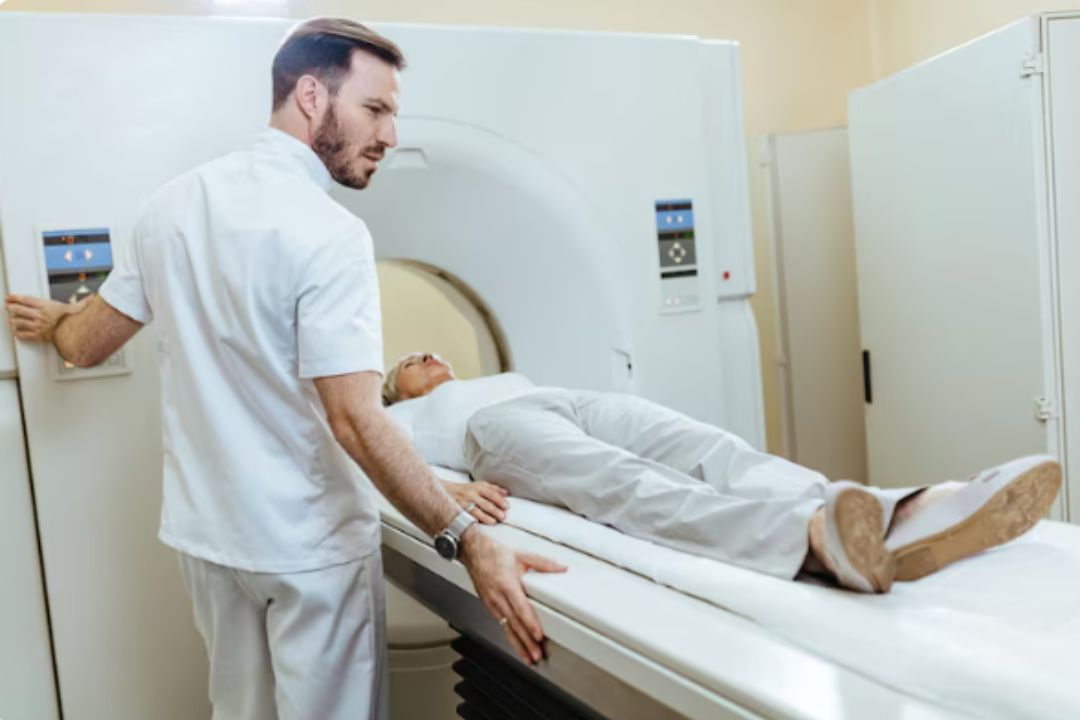
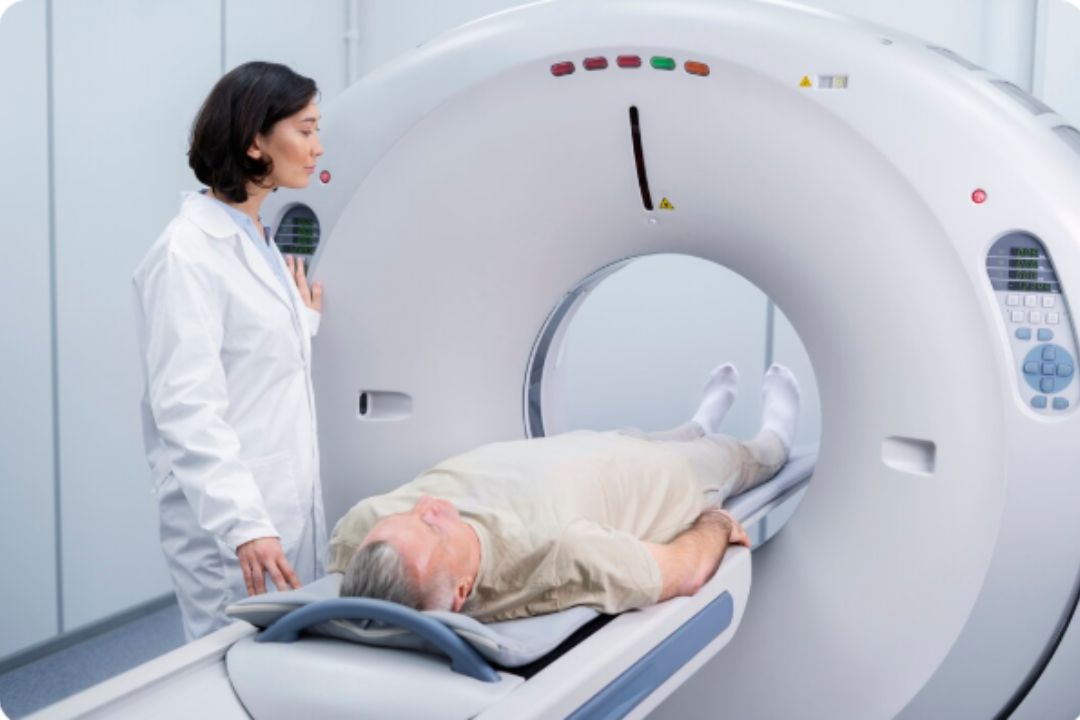
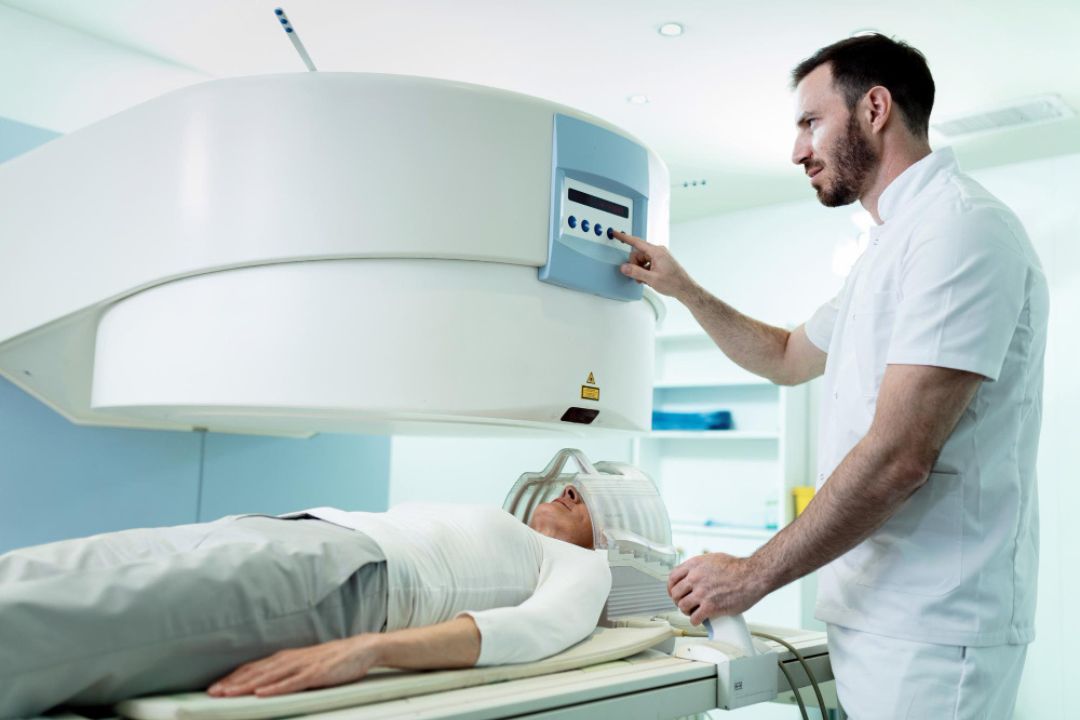
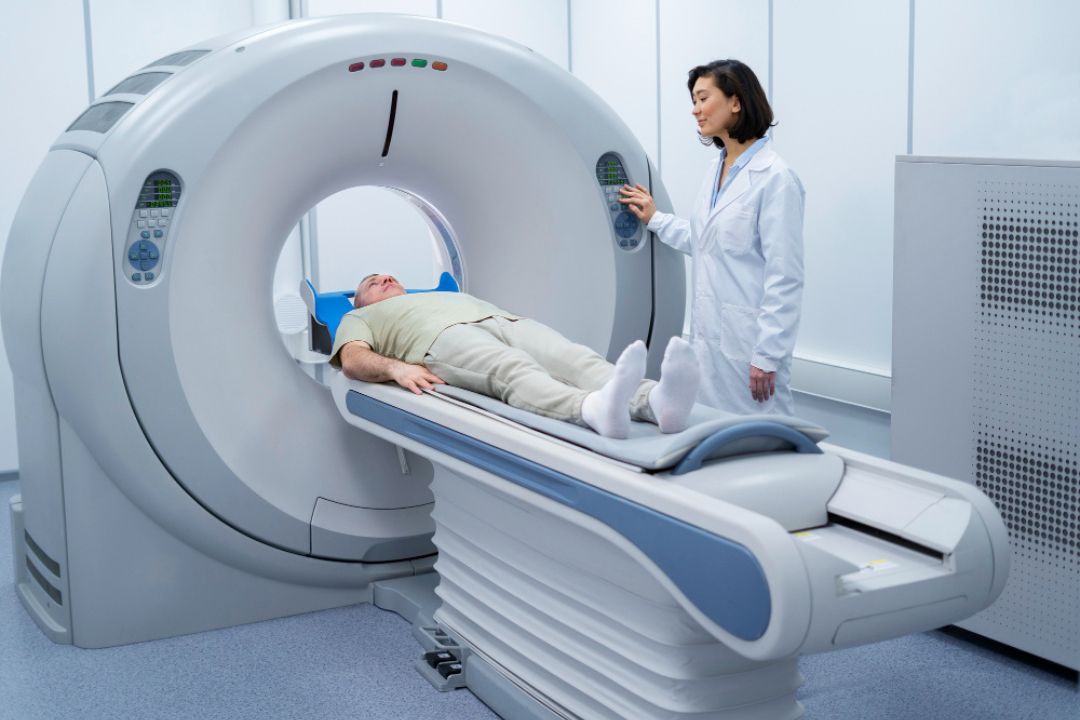
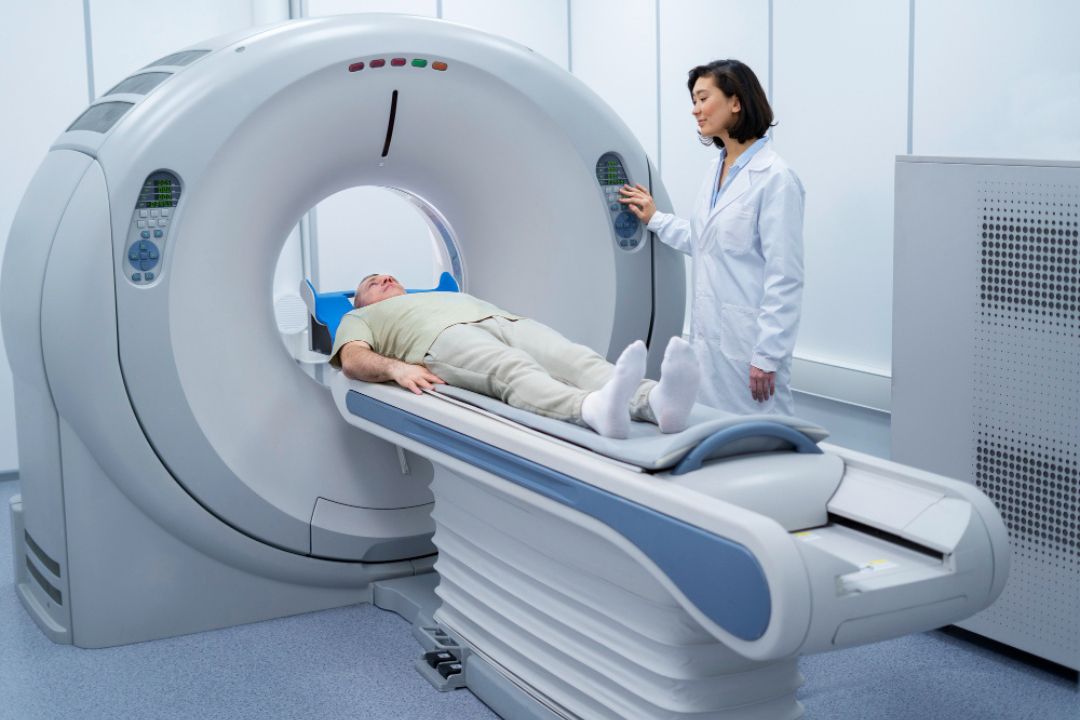
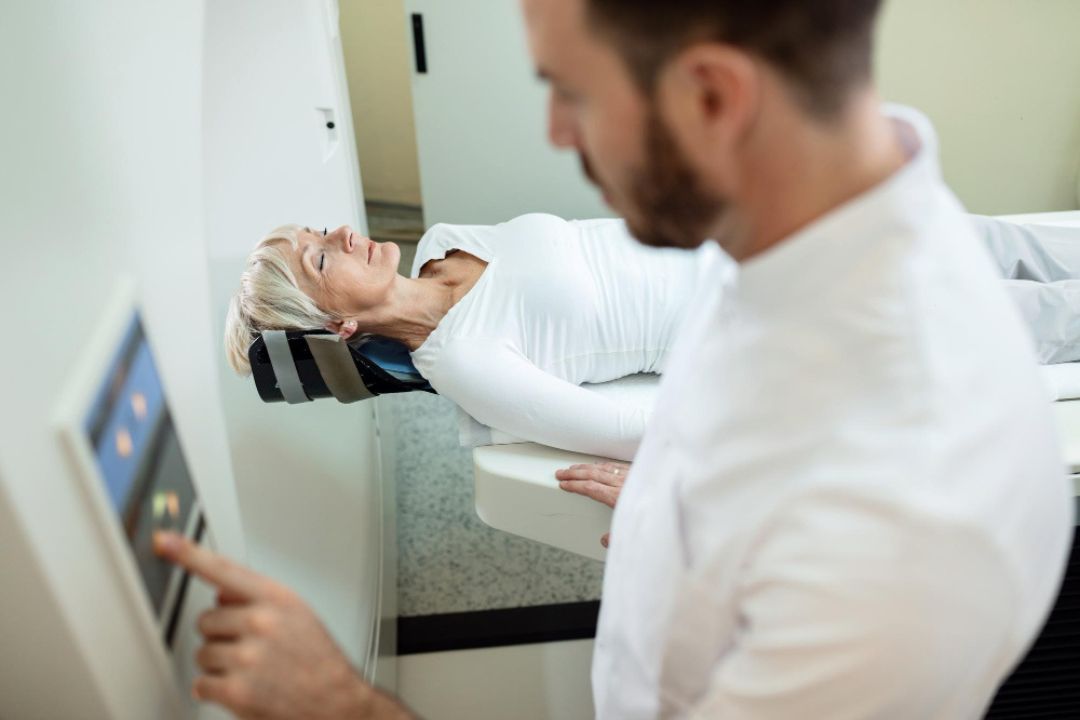
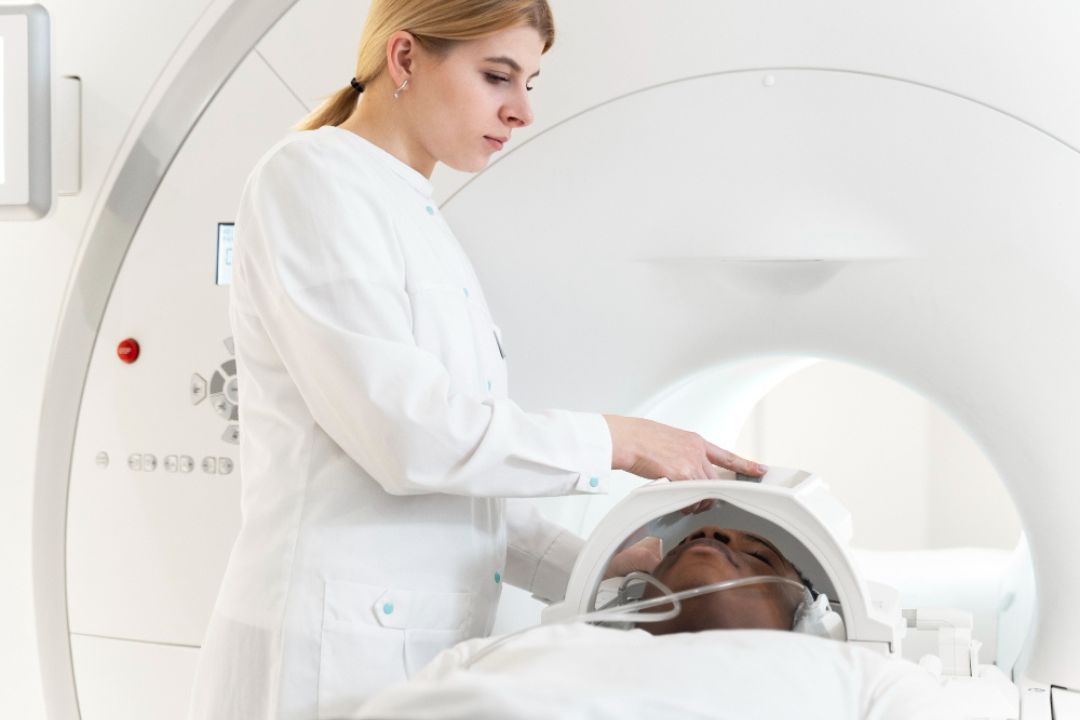
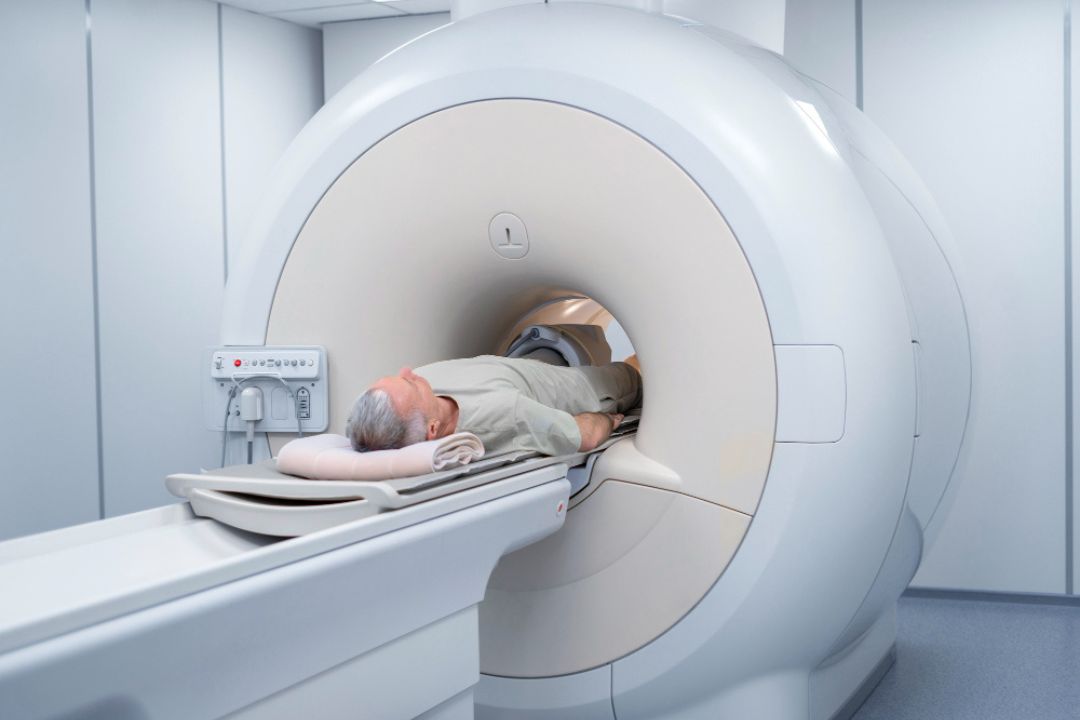
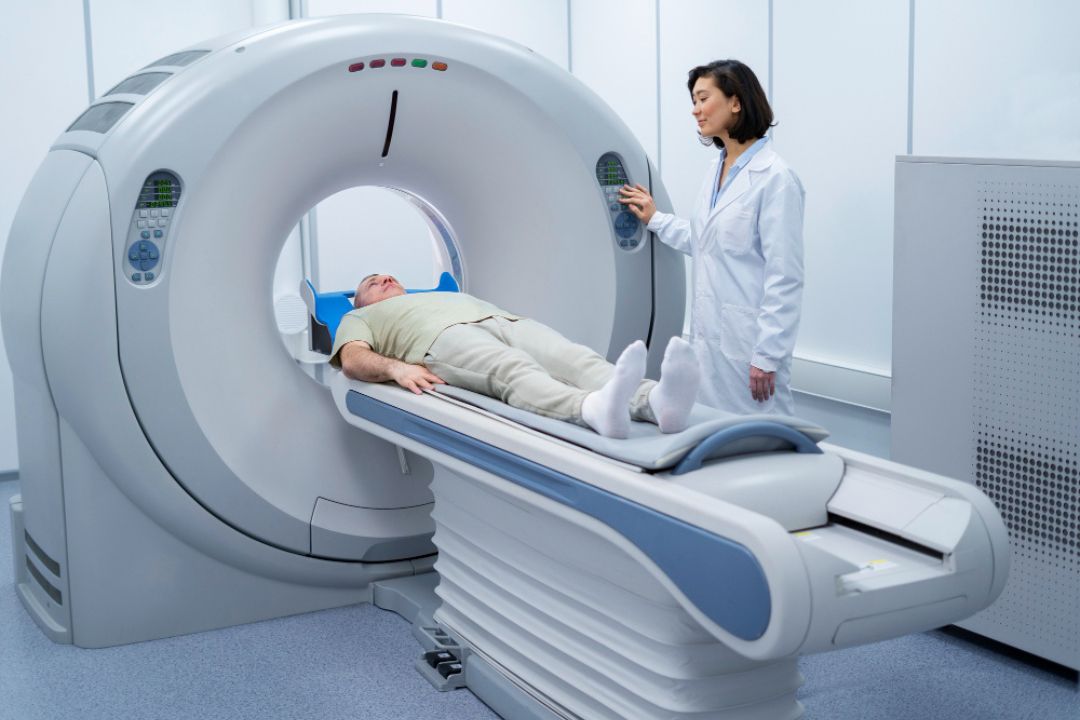
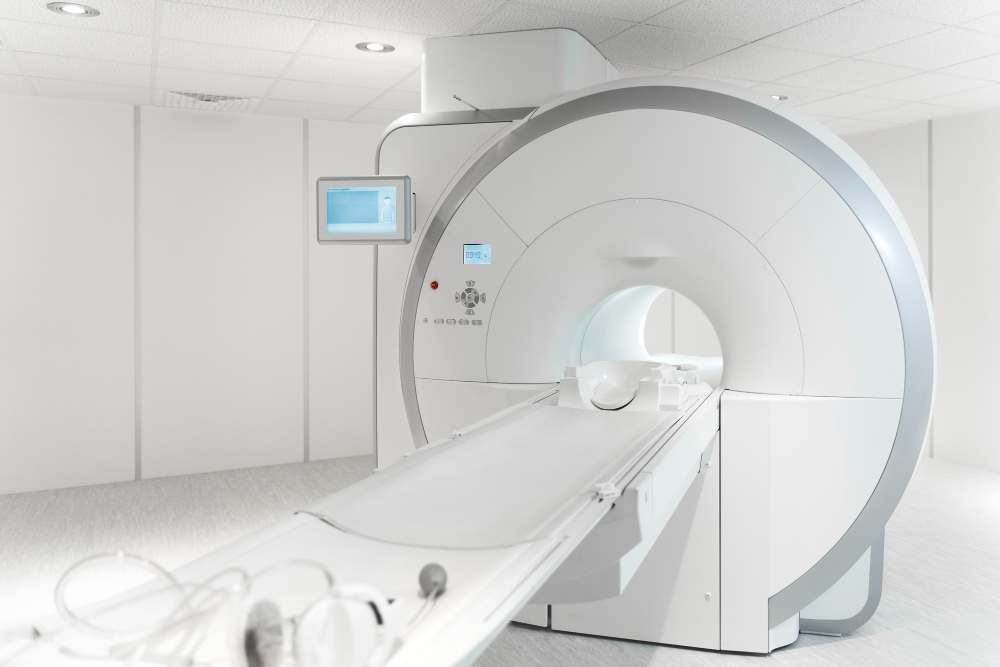
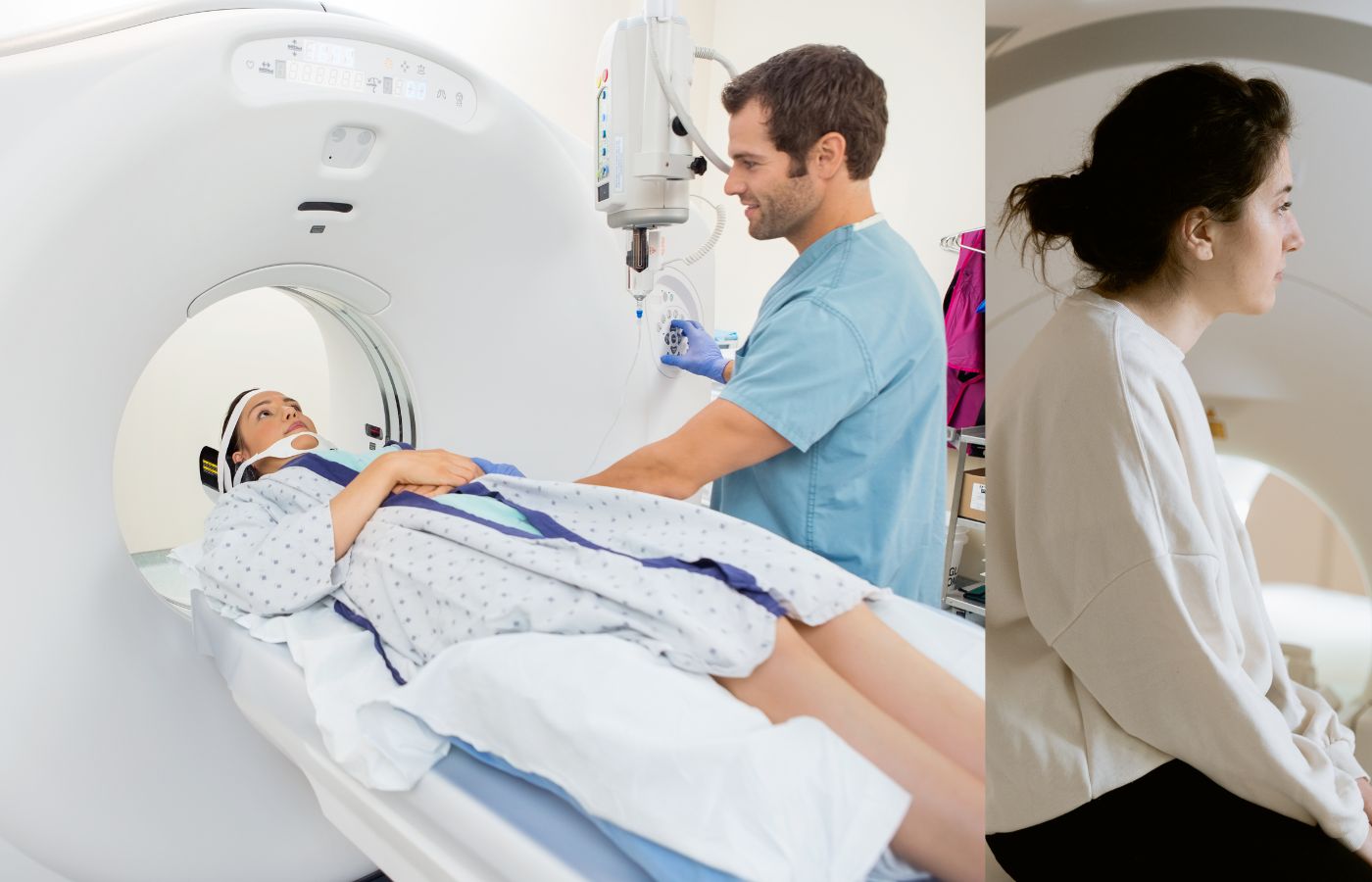
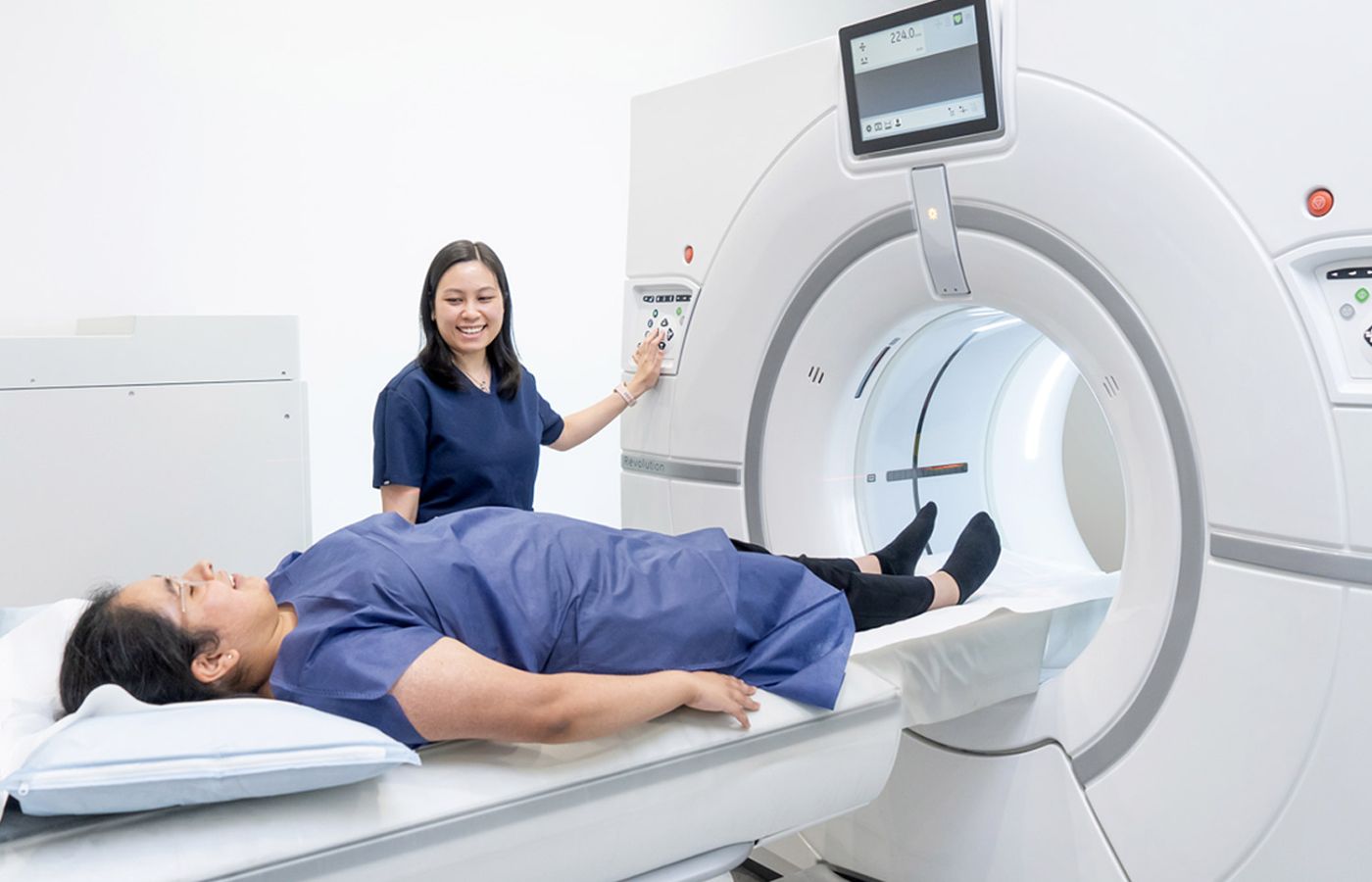
CT Scans use radiation because X-rays are able to pass through the body and create detailed images of internal structures. The scanner rotates around the body and captures hundreds of images in seconds.
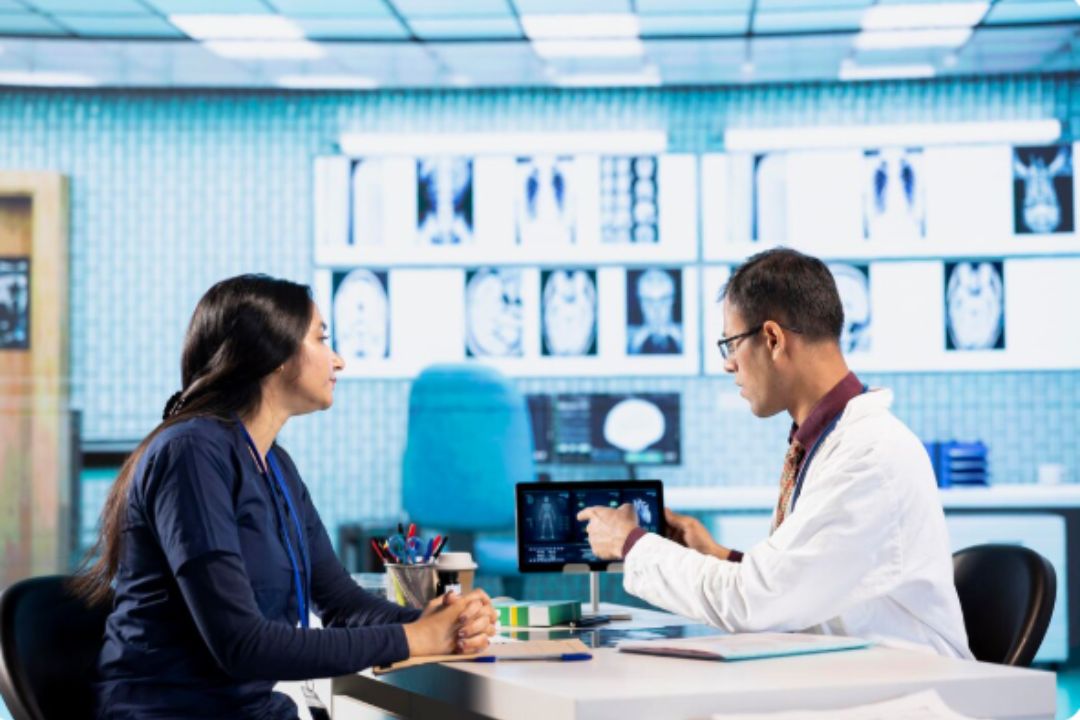
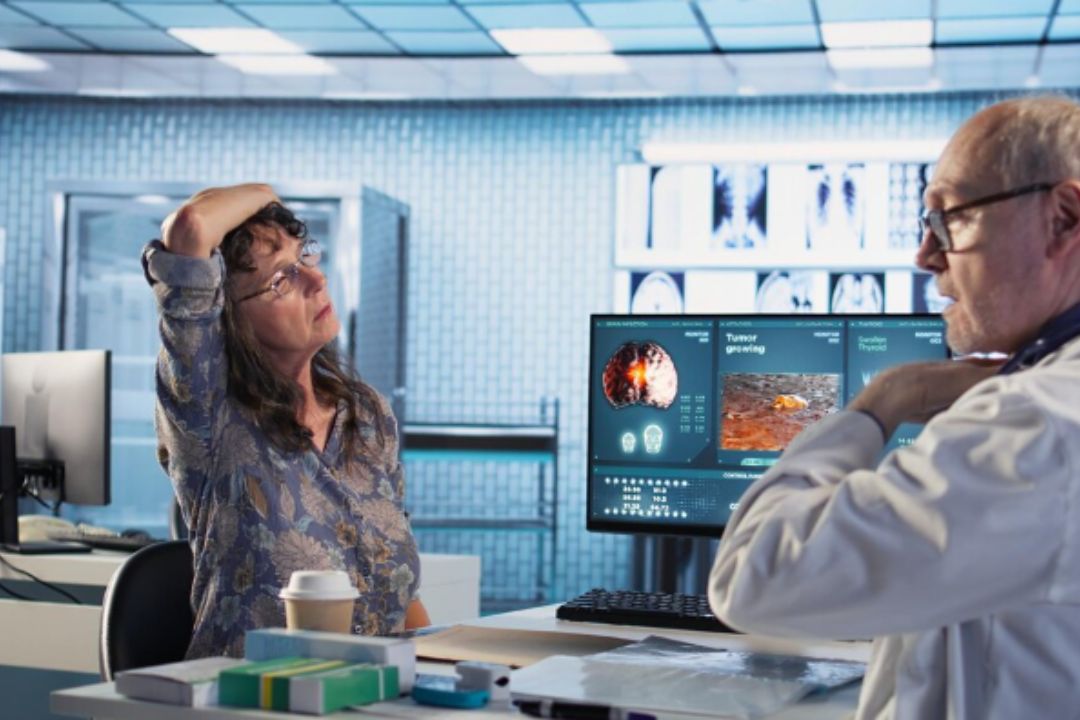
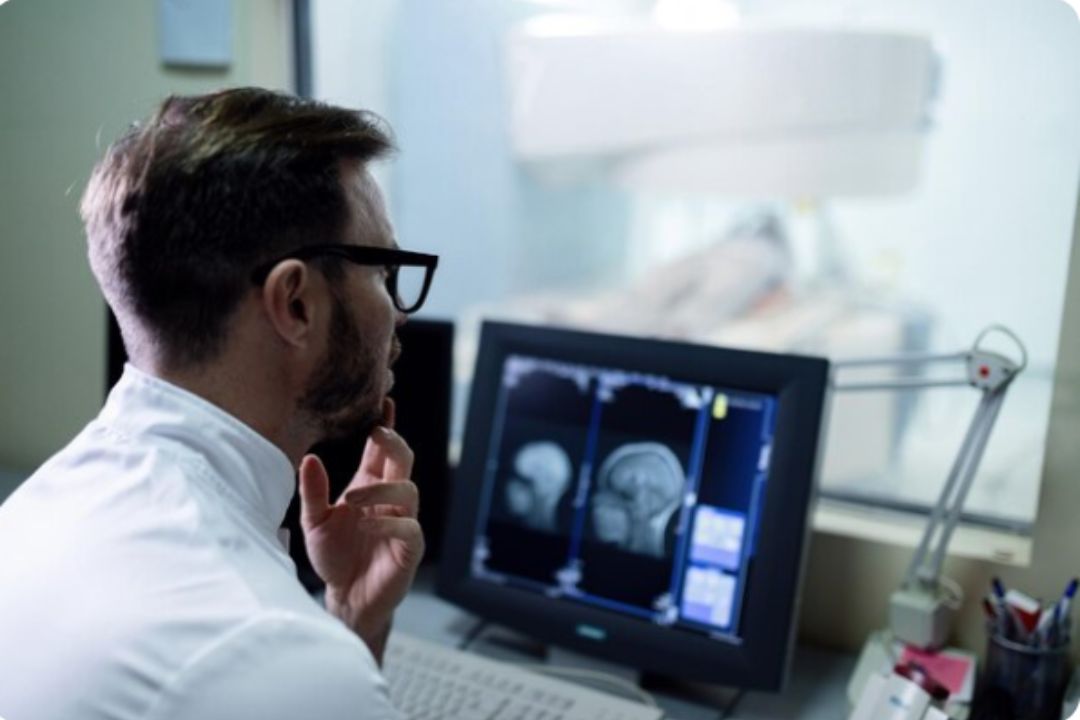
These detailed images allow doctors to detect problems that may not be visible with other imaging tests.
CT scans are commonly used to diagnose:
Internal injuries after accidents
Tumors and cancers
Infections and abscesses
Blood clots
Organ damage
Kidney stones
Because of this accuracy, CT scans often help doctors make faster and more precise diagnoses.
For most patients, CT scans are considered safe. The radiation dose used in medical imaging is carefully controlled, and modern scanners are designed to use the lowest amount of radiation needed to produce clear images.
Healthcare providers also follow safety principles that ensure scans are only performed when medically necessary.
The benefits of an accurate diagnosis usually outweigh the small potential risk from radiation exposure.
Medical imaging centers take several steps to reduce radiation during CT scans:
Modern low-dose CT scanners
Adjusting radiation levels based on patient size
Scanning only the necessary body area
Using protective shielding when possible
These safety measures help ensure that radiation exposure remains as low as reasonably achievable.
Doctors recommend CT scans only when the information from the scan will help diagnose or treat a medical condition.
For example, CT scans are essential in emergencies because they can quickly detect life-threatening problems such as internal bleeding, brain injuries, or organ damage.
Without CT imaging, diagnosing these conditions quickly would be much more difficult.
A CT Scan uses a small amount of radiation to create highly detailed images of the body. Most CT scans expose patients to between 1 and 10 millisieverts of radiation, depending on the type of scan performed.
Although this is higher than a regular X-ray, CT scans provide extremely valuable medical information that helps doctors diagnose and treat many serious conditions.
For most patients, the benefits of having a medically necessary CT scan far outweigh the small risks associated with radiation exposure.







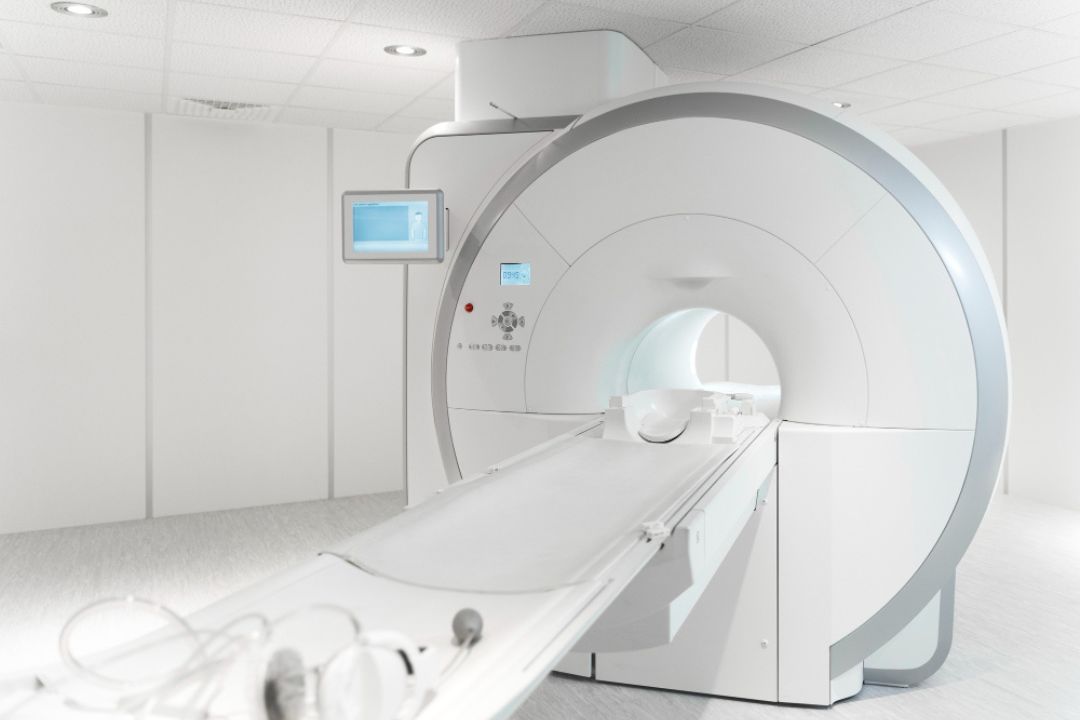
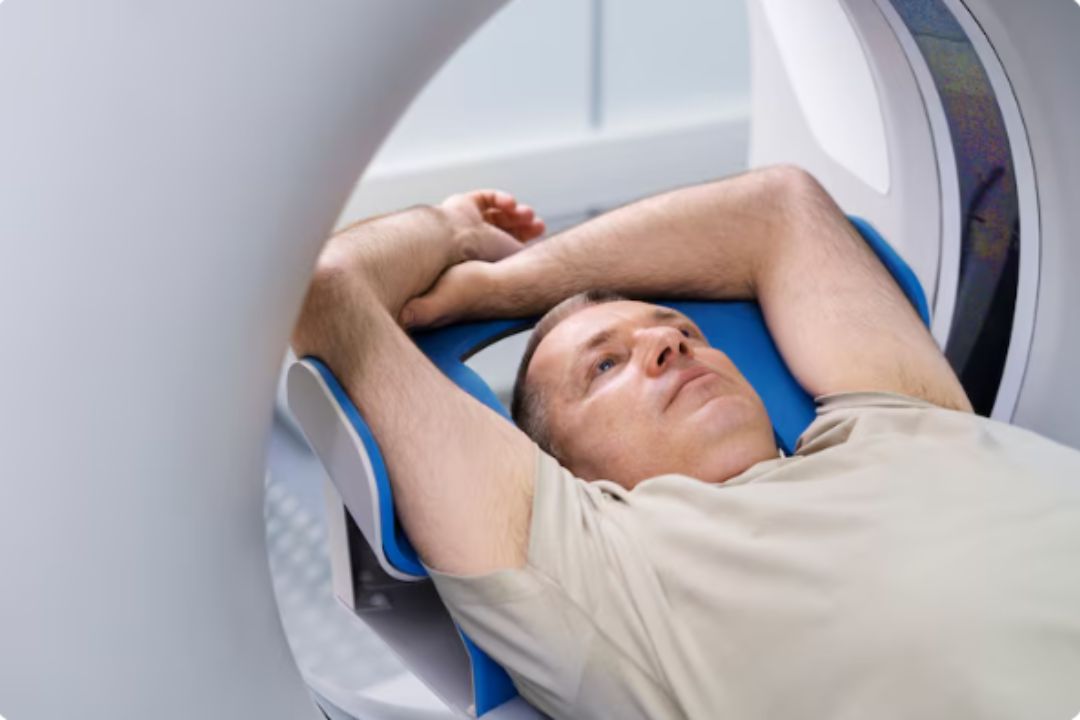

.jpg "ct brain scan plain and contrast")
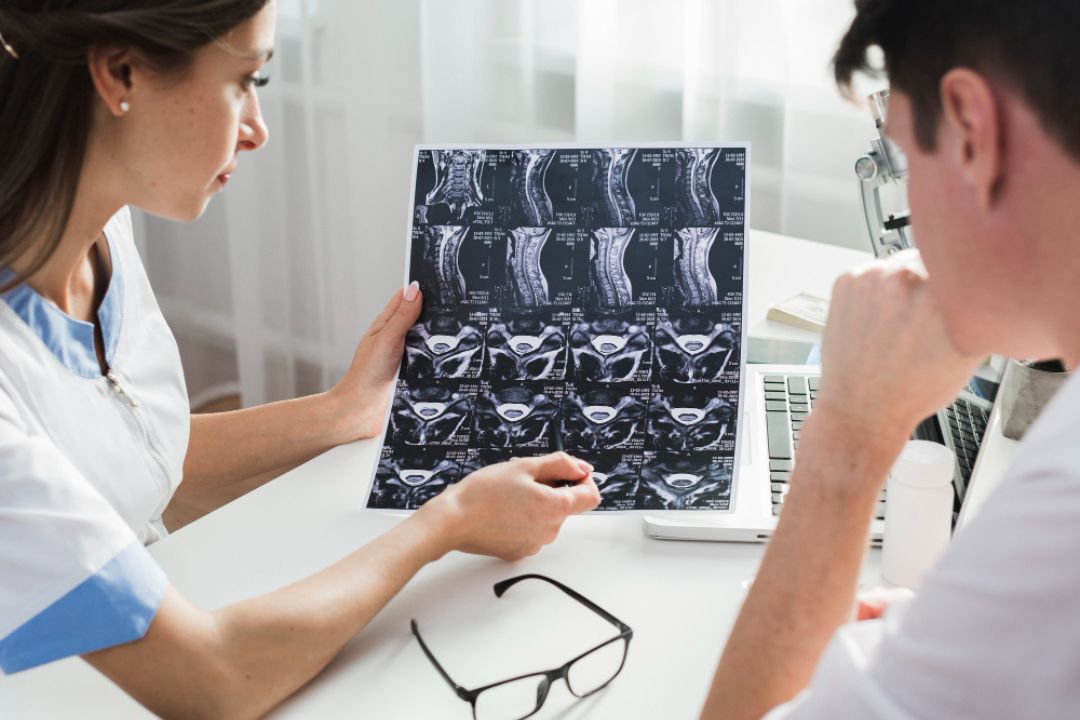














.jpg "ct scan")

.jpg "ct scan or mri for brain disorders")


.jpg "exploring the power of ct brain contrast in modern diagnostics")
.jpg "ct scan")
.jpg "ct scan")







.jpg "ct scan")

.jpg "CT Brain Scan for Headaches")
.jpg "The Future of 3D CT Imaging")