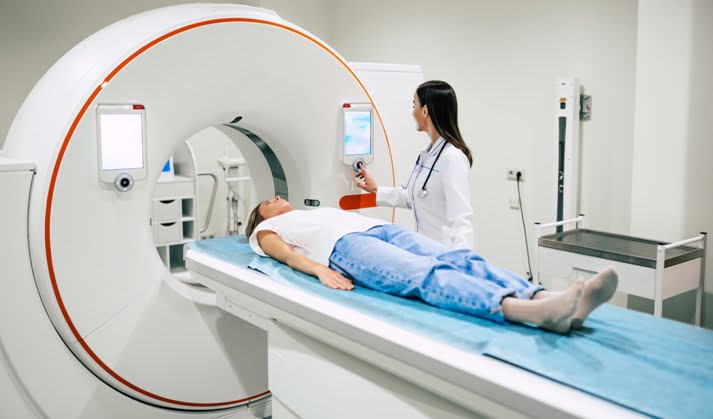
When your doctor recommends a CT scan with contrast it is natural to wonder whether the contrast dye is safe. Many patients feel concerned about possible side effects or risks before undergoing the test.
A CT scan with contrast is a diagnostic imaging procedure that uses a special dye to improve the visibility of organs, blood vessels, and tissues inside the body. The contrast helps doctors detect medical conditions more clearly than a regular CT scan without contrast.
CT scan contrast is a special substance used during imaging tests to enhance the clarity of the scan images.
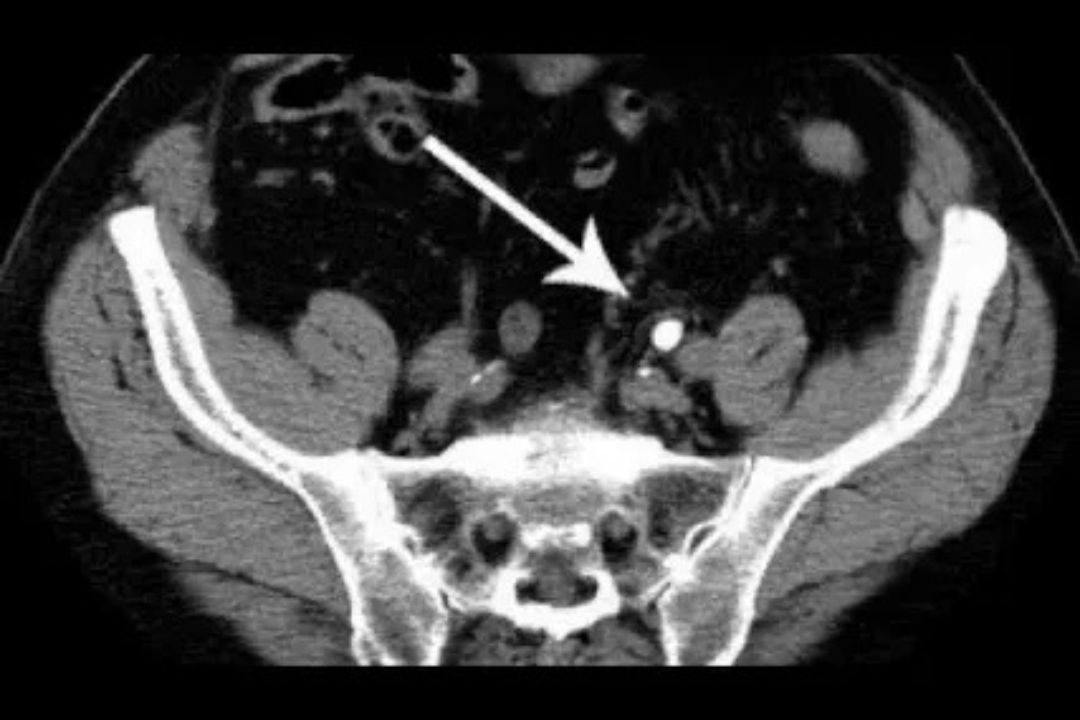
The contrast dye is usually iodine-based and helps highlight organs, blood vessels, and tissues. This makes it easier for radiologists to identify abnormalities that may not be visible on a standard scan.
Depending on the type of CT scan, contrast material can be given in different ways:
Through an intravenous (IV) injection
As an oral drink before the scan
Through a rectal contrast for digestive system imaging
The method used depends on the body part being examined and the condition the doctor is investigating.
Contrast-enhanced CT scans provide more detailed and accurate images, which helps doctors diagnose many medical conditions.
Some major benefits include:
Contrast dye helps highlight abnormal tissues such as tumors, infections, and inflammation. This allows doctors to detect diseases earlier.
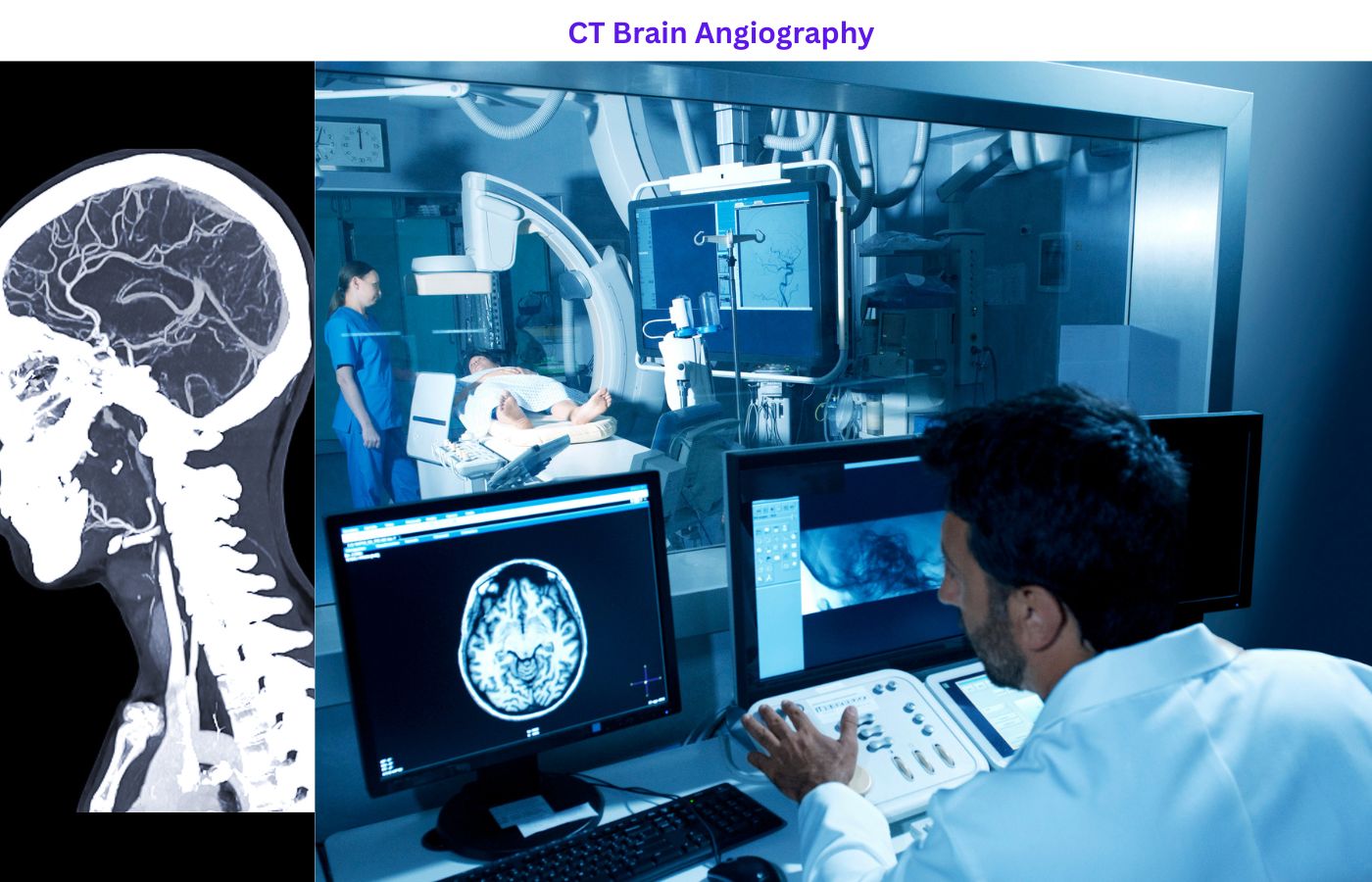
Contrast scans make arteries and veins easier to see. This helps diagnose conditions such as:
Blood clots
Aneurysms
Blocked arteries
Internal bleeding
CT contrast scans provide better imaging of organs including:
Liver
Kidneys
Pancreas
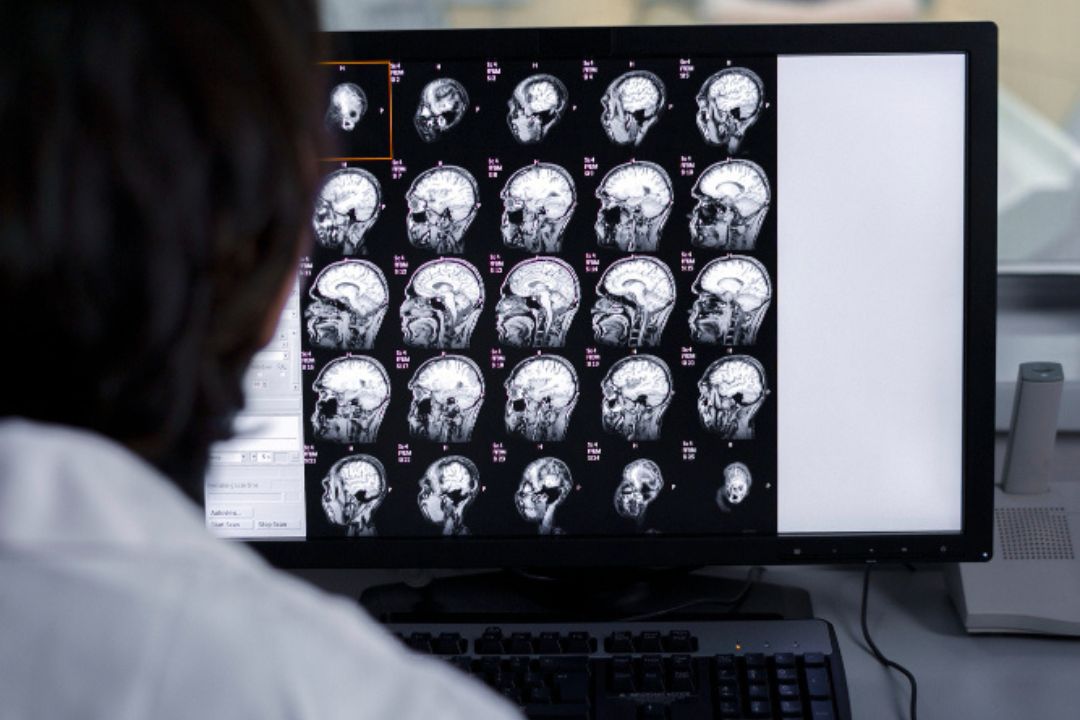
Brain
Lungs
This improved visibility helps doctors understand the severity of a disease and choose the best treatment plan.
For the majority of patients, CT contrast is very safe when administered under proper medical supervision.
Modern contrast agents are designed to minimize side effects and allergic reactions. Most patients complete the scan without experiencing any serious problems.
However, some mild reactions may occur in a small number of people.
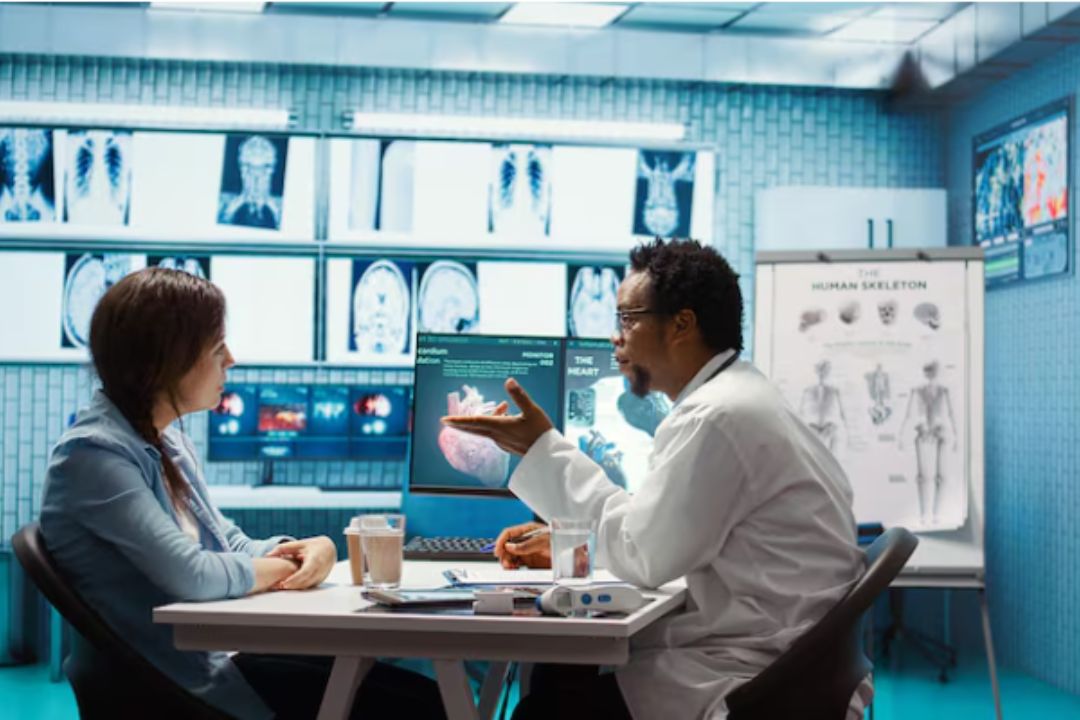
Medical teams usually evaluate patients before the scan to ensure that contrast dye can be used safely.
Although contrast dye is generally safe, a few side effects may occur.
Some patients may experience:
Warm or flushing sensation
Metallic taste in the mouth
Mild nausea
Dizziness
These symptoms usually disappear within a few minutes after the injection.
A small percentage of patients may have allergic reactions to contrast material. Most reactions are mild and include itching or skin rash. Severe allergic reactions are extremely rare but can occur in very sensitive individuals.
In rare cases, contrast dye can affect kidney function, especially in patients who already have kidney disease. Doctors often perform kidney function tests before the scan to reduce this risk.
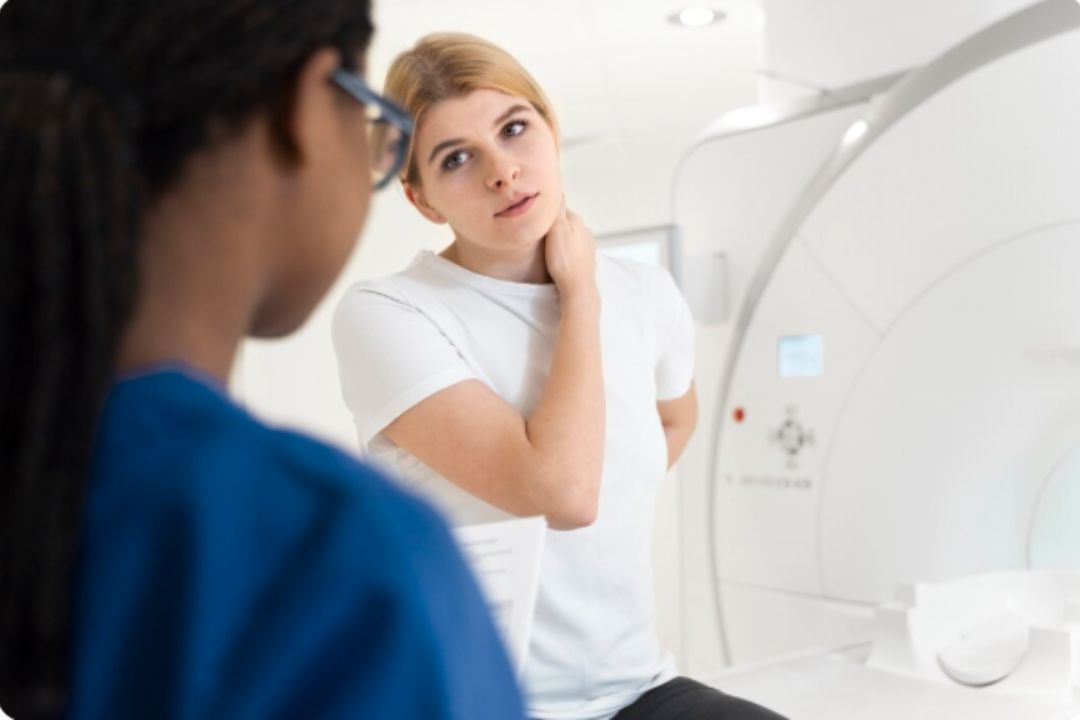
Certain individuals should inform their doctor before undergoing a CT scan with contrast.
These include:
People with kidney disease
Patients with previous contrast dye allergies
Individuals taking metformin for diabetes
Pregnant women
People with severe asthma or allergies
Doctors may choose alternative imaging methods or take additional precautions for these patients.
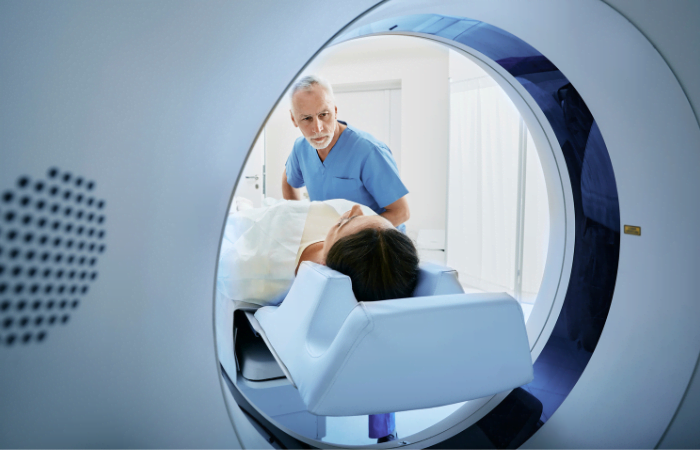
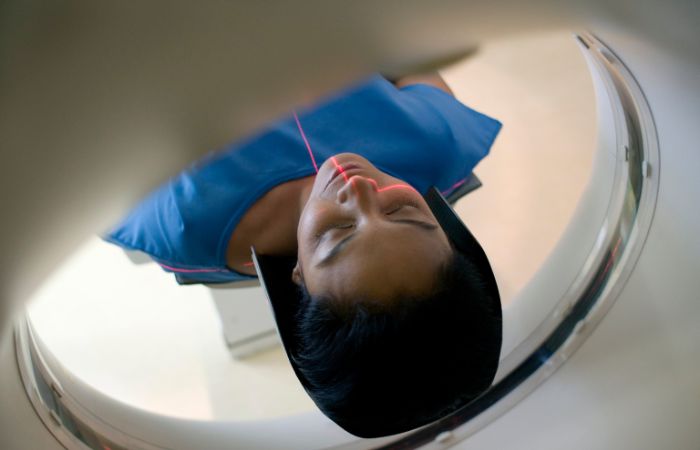
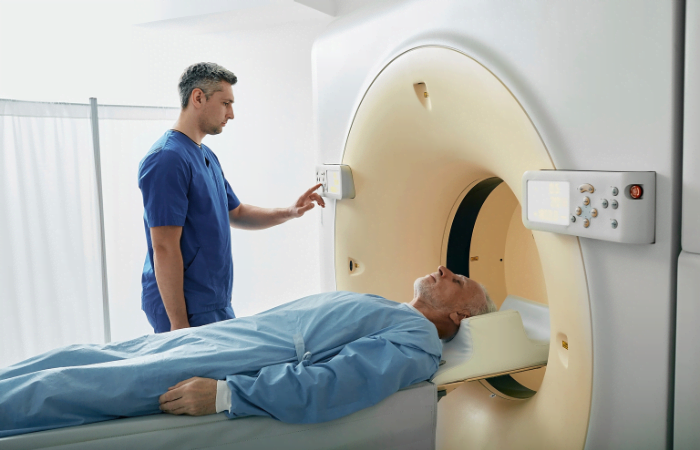
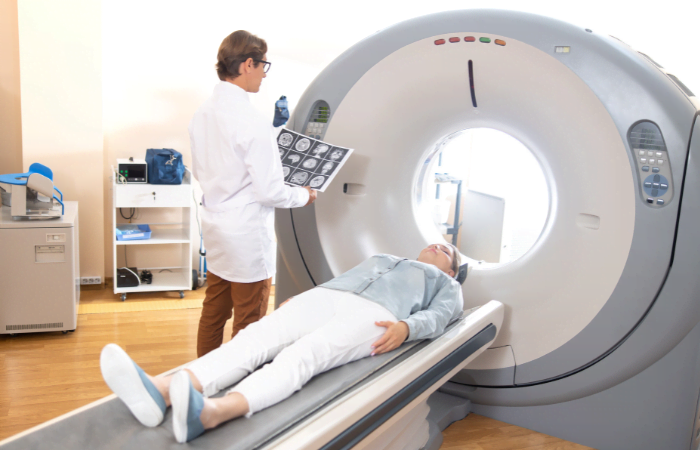
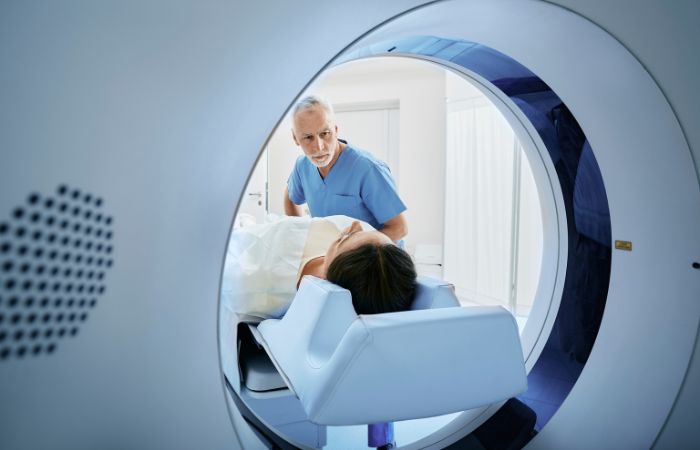
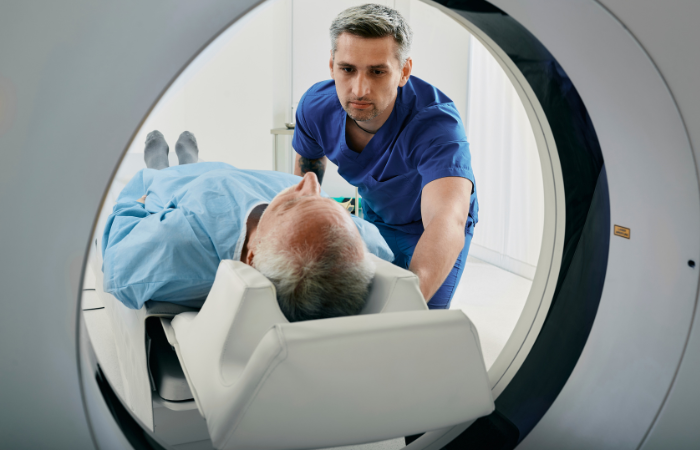
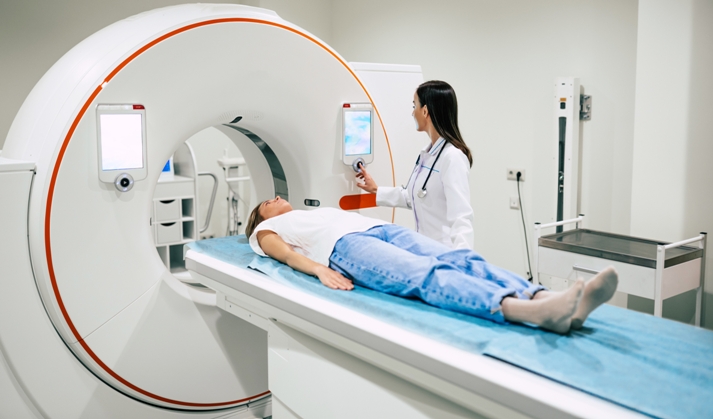
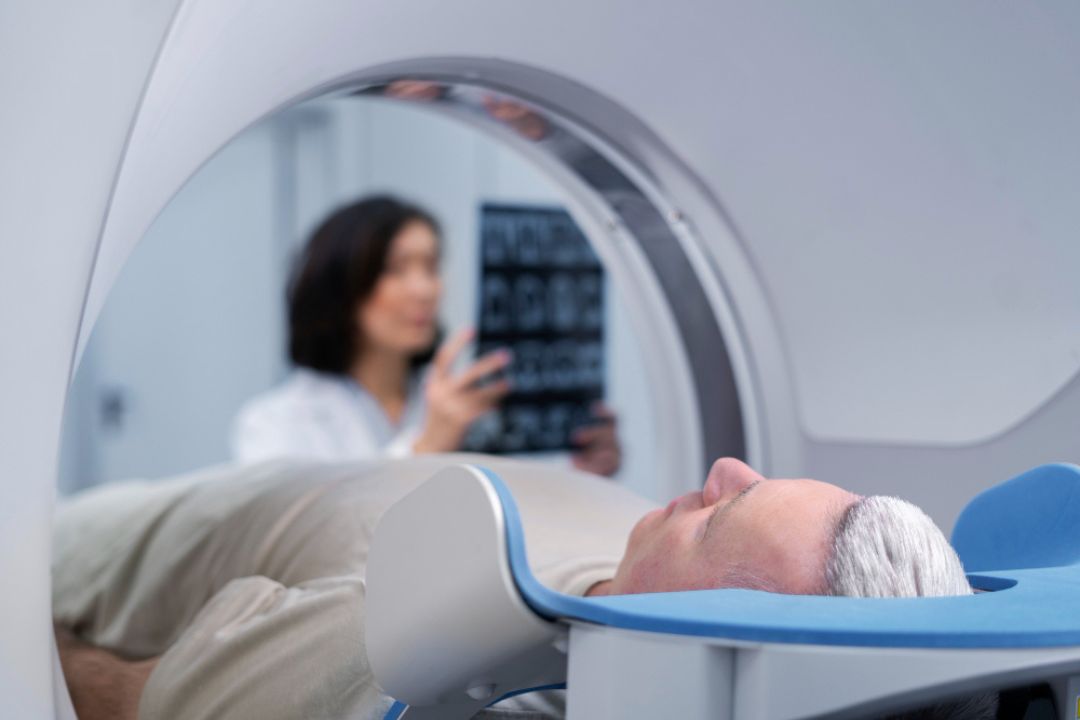
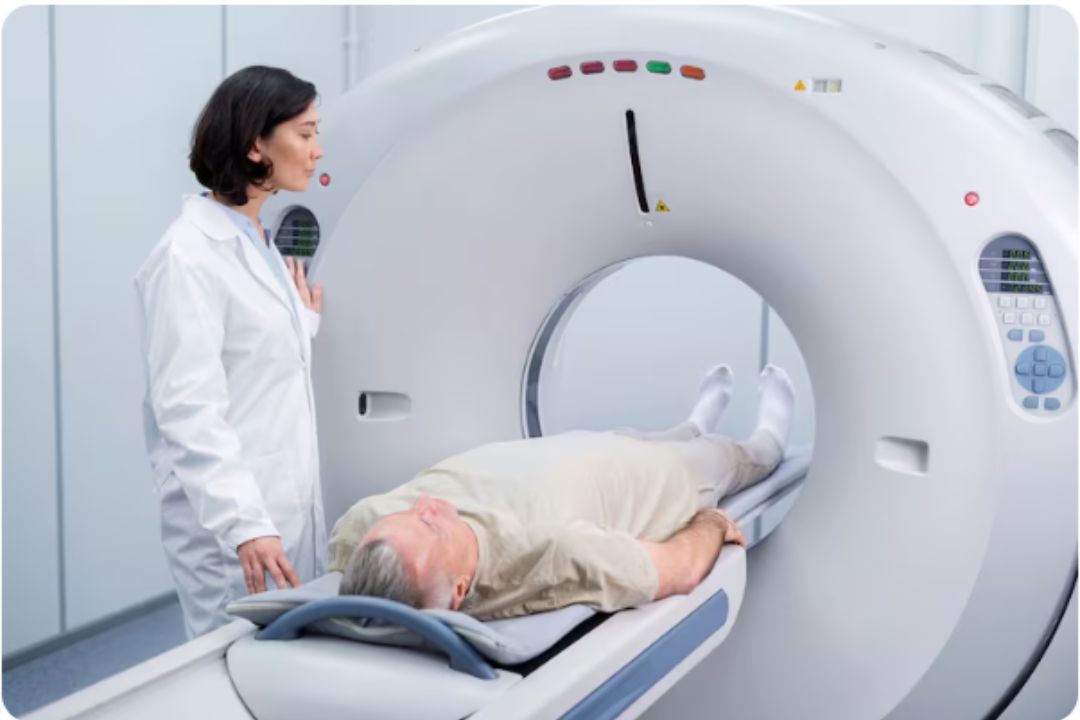
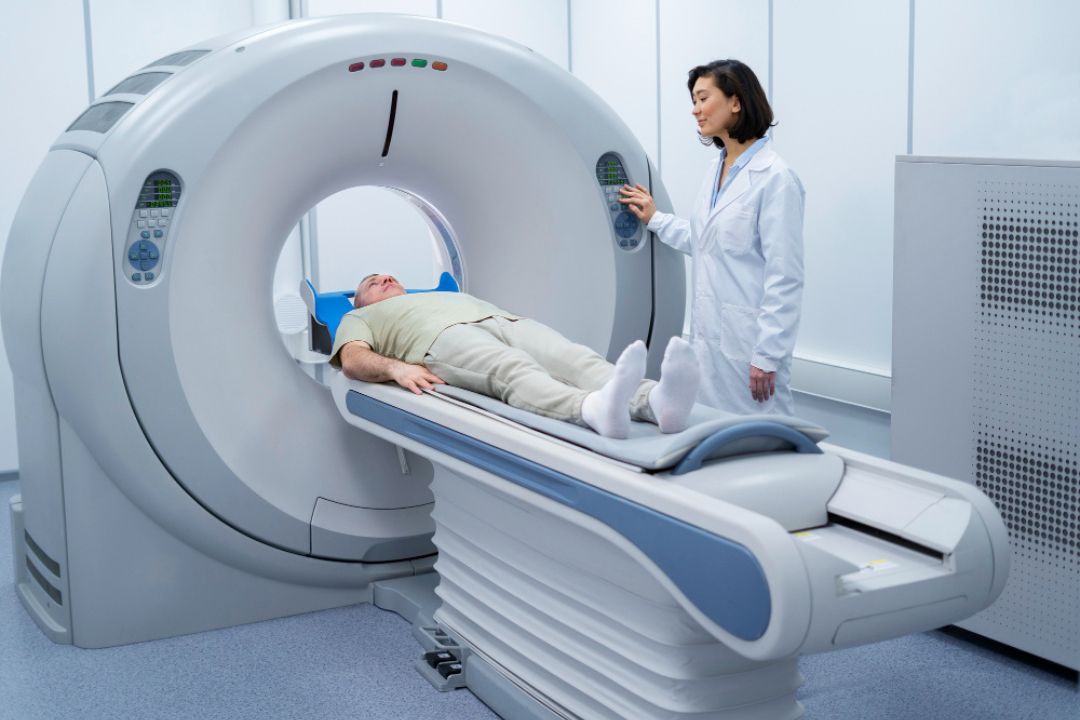
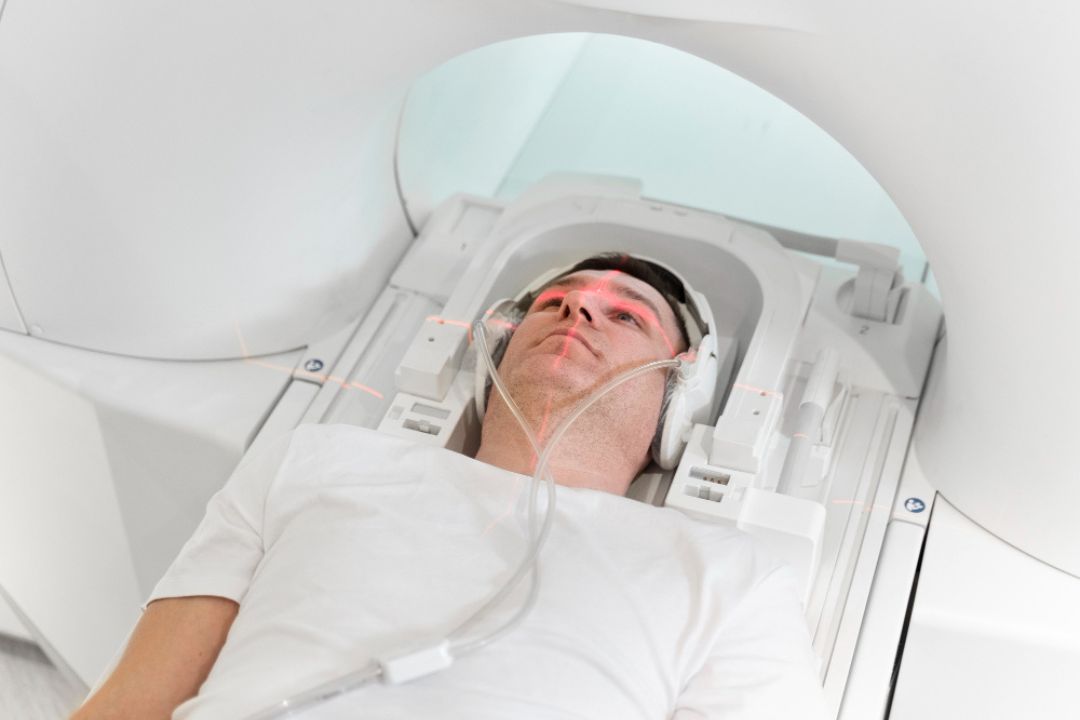
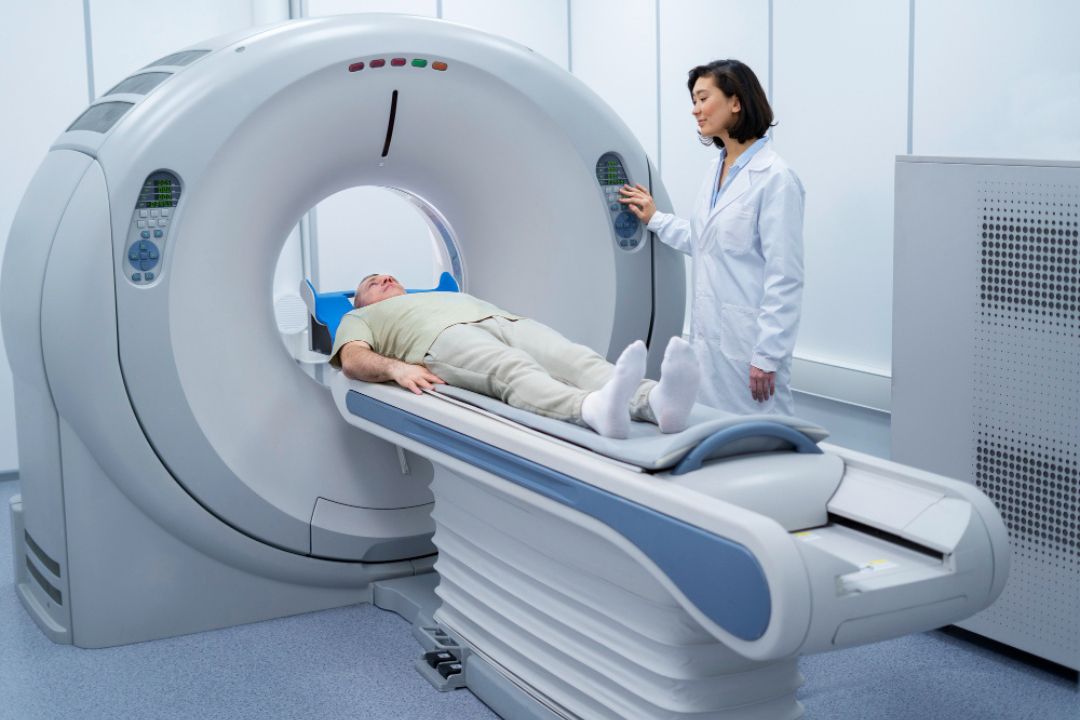
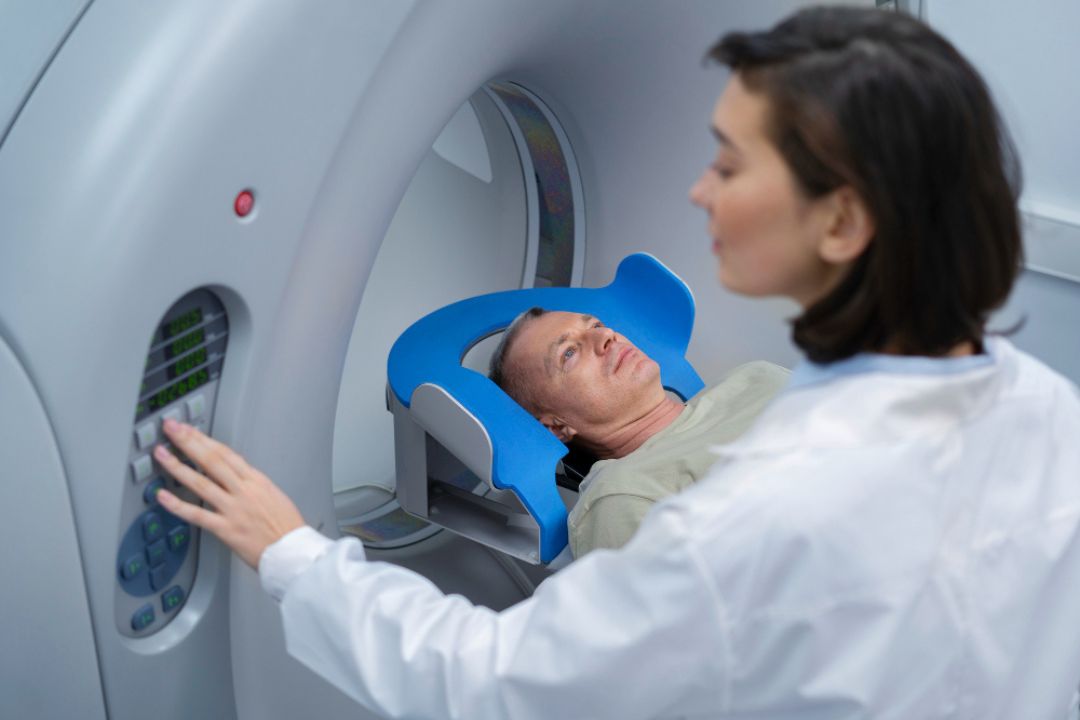
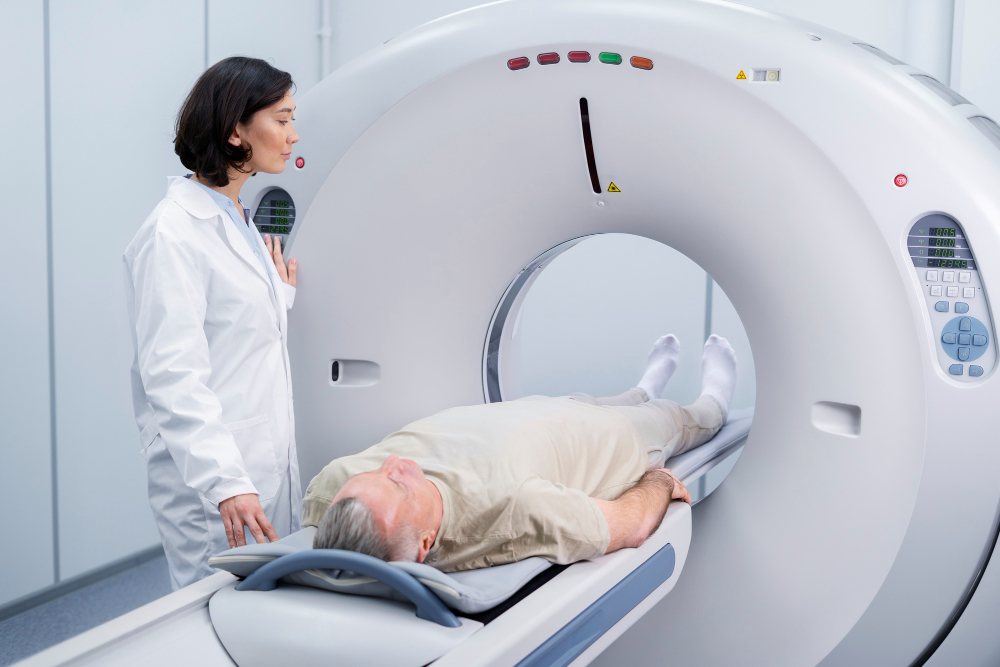
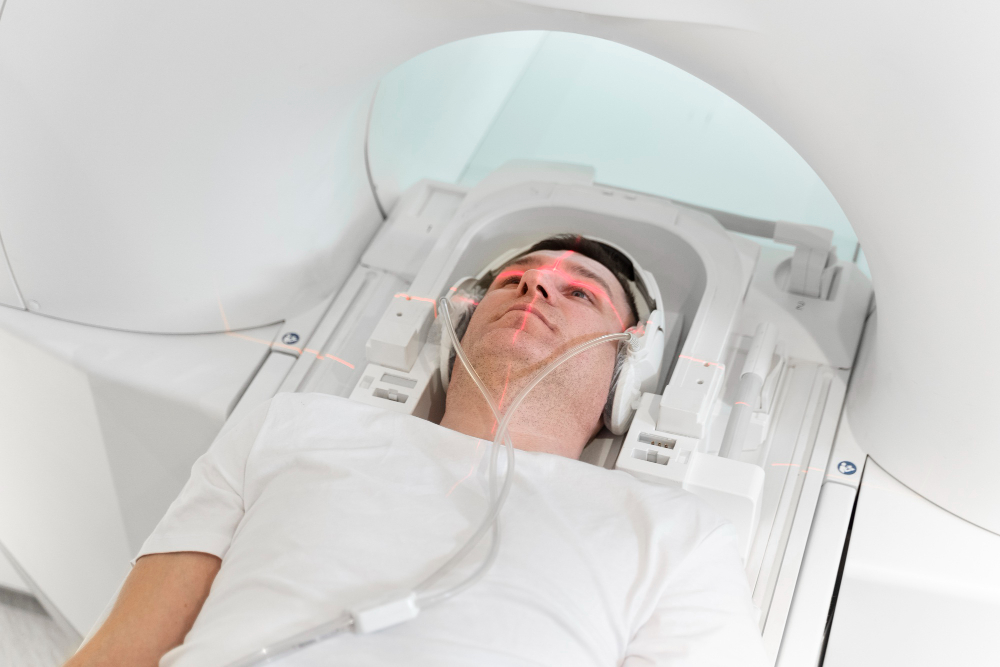
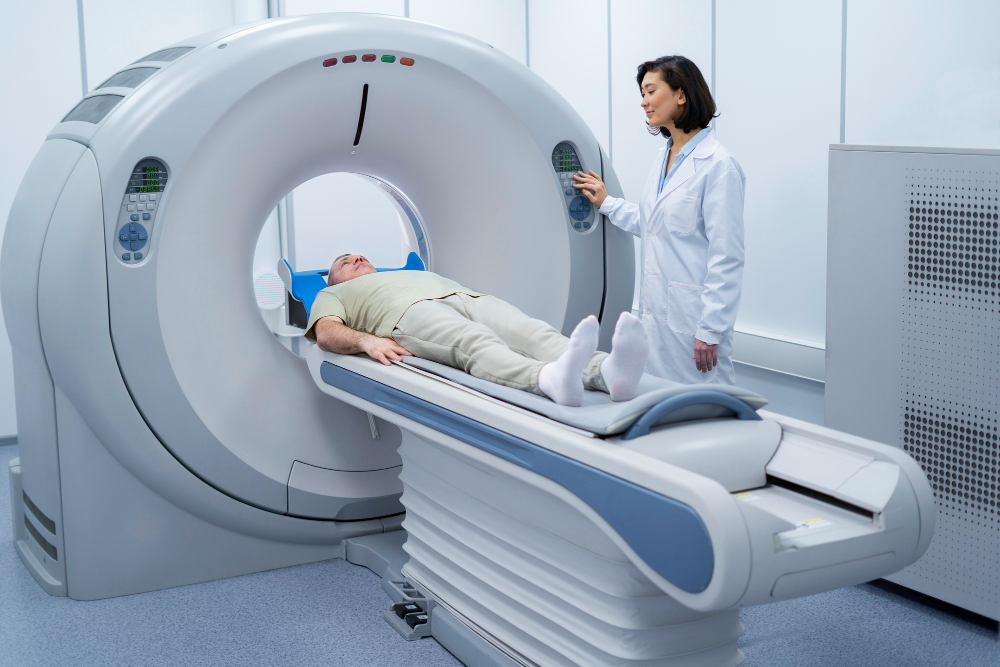
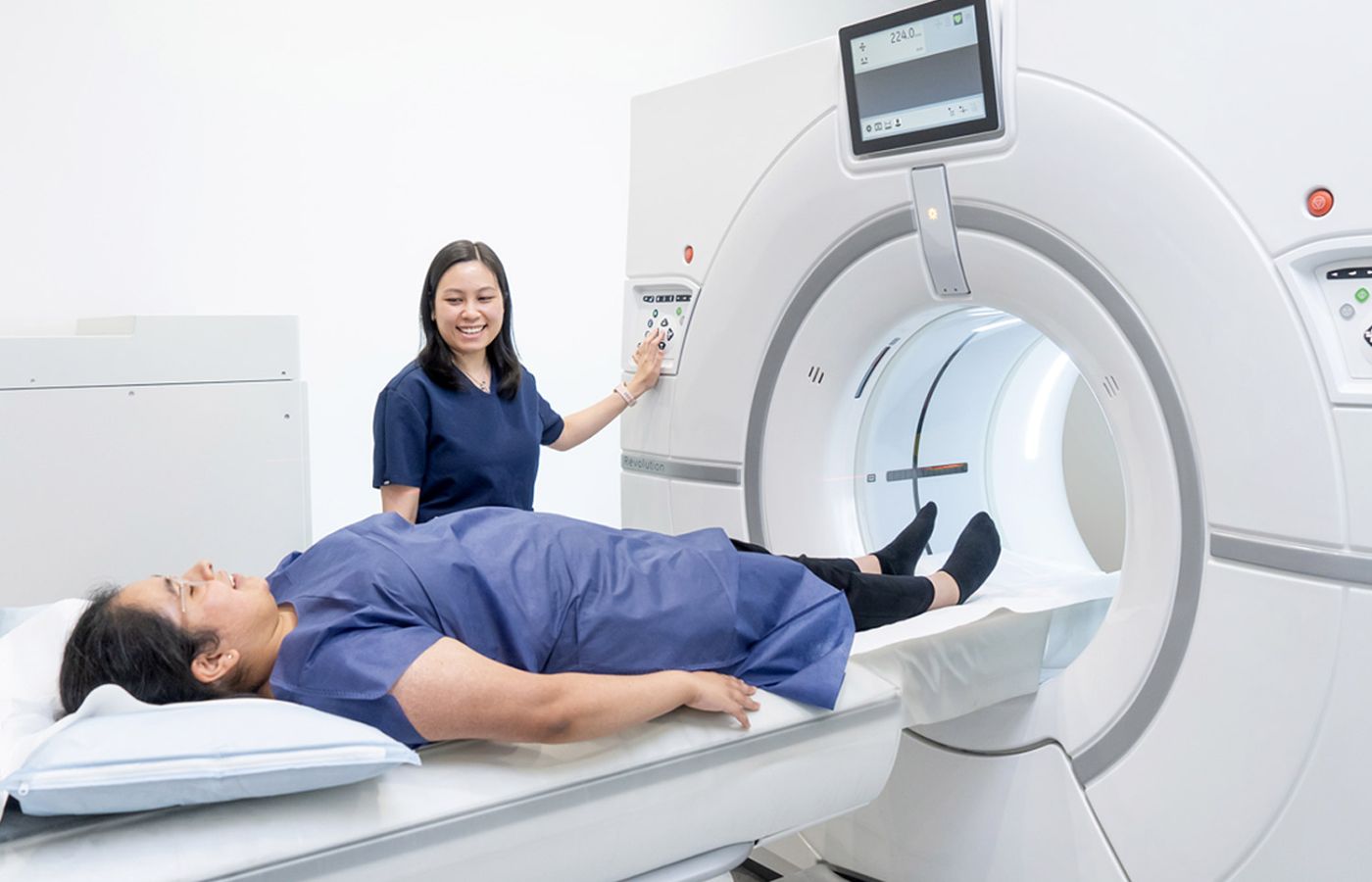
A CT scan with contrast is a simple and painless procedure.
Here is what usually happens during the scan:
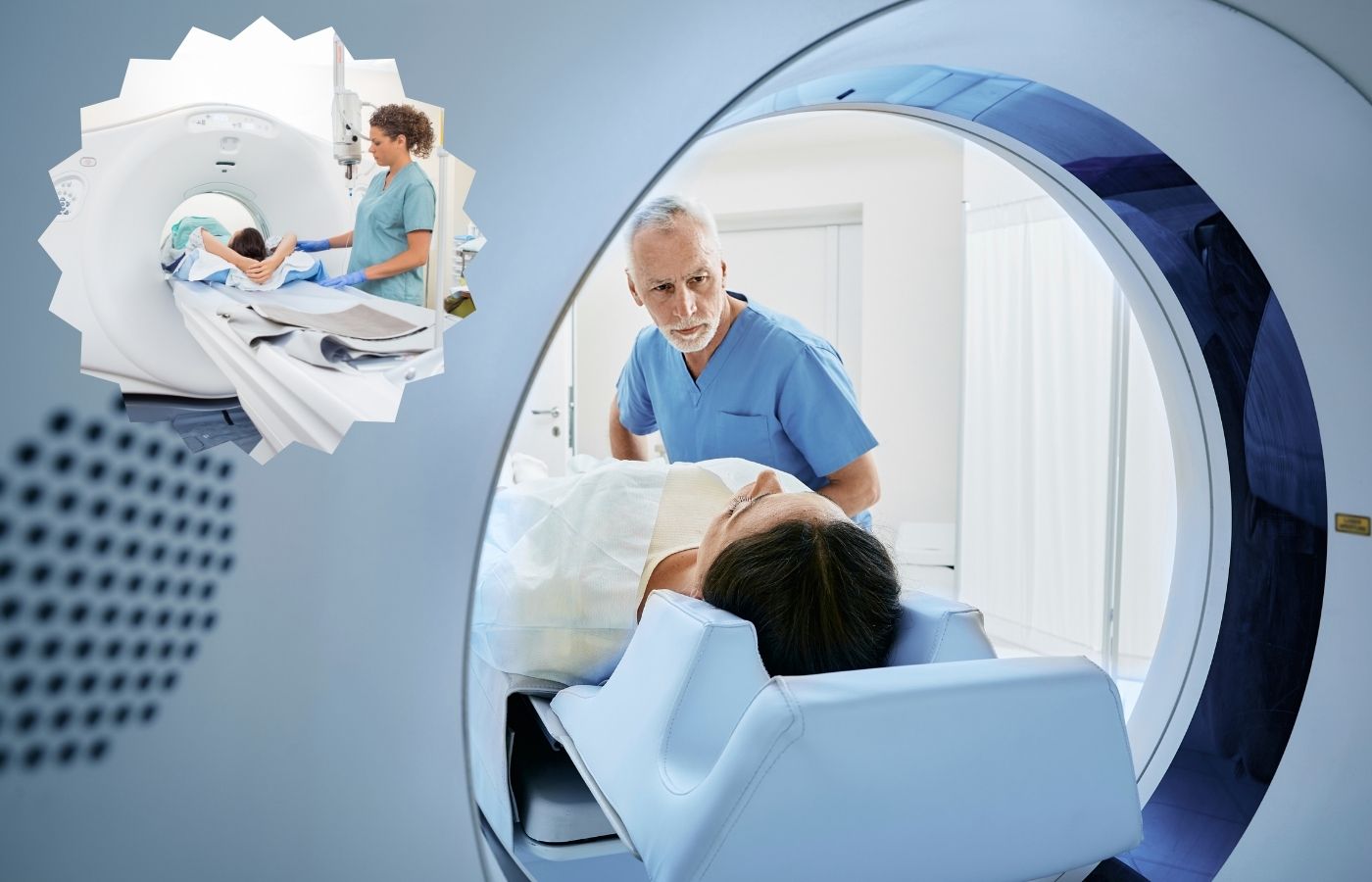
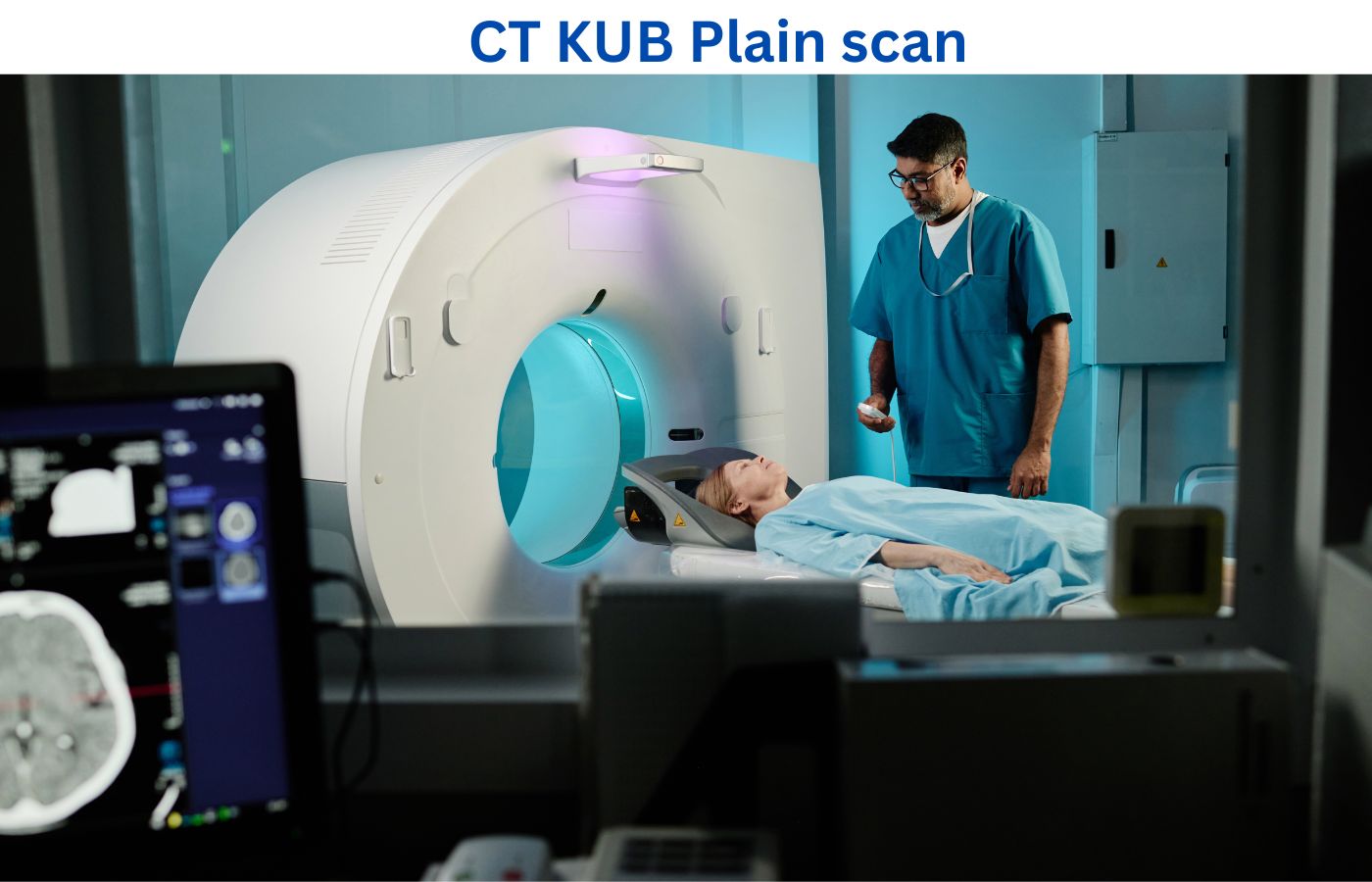
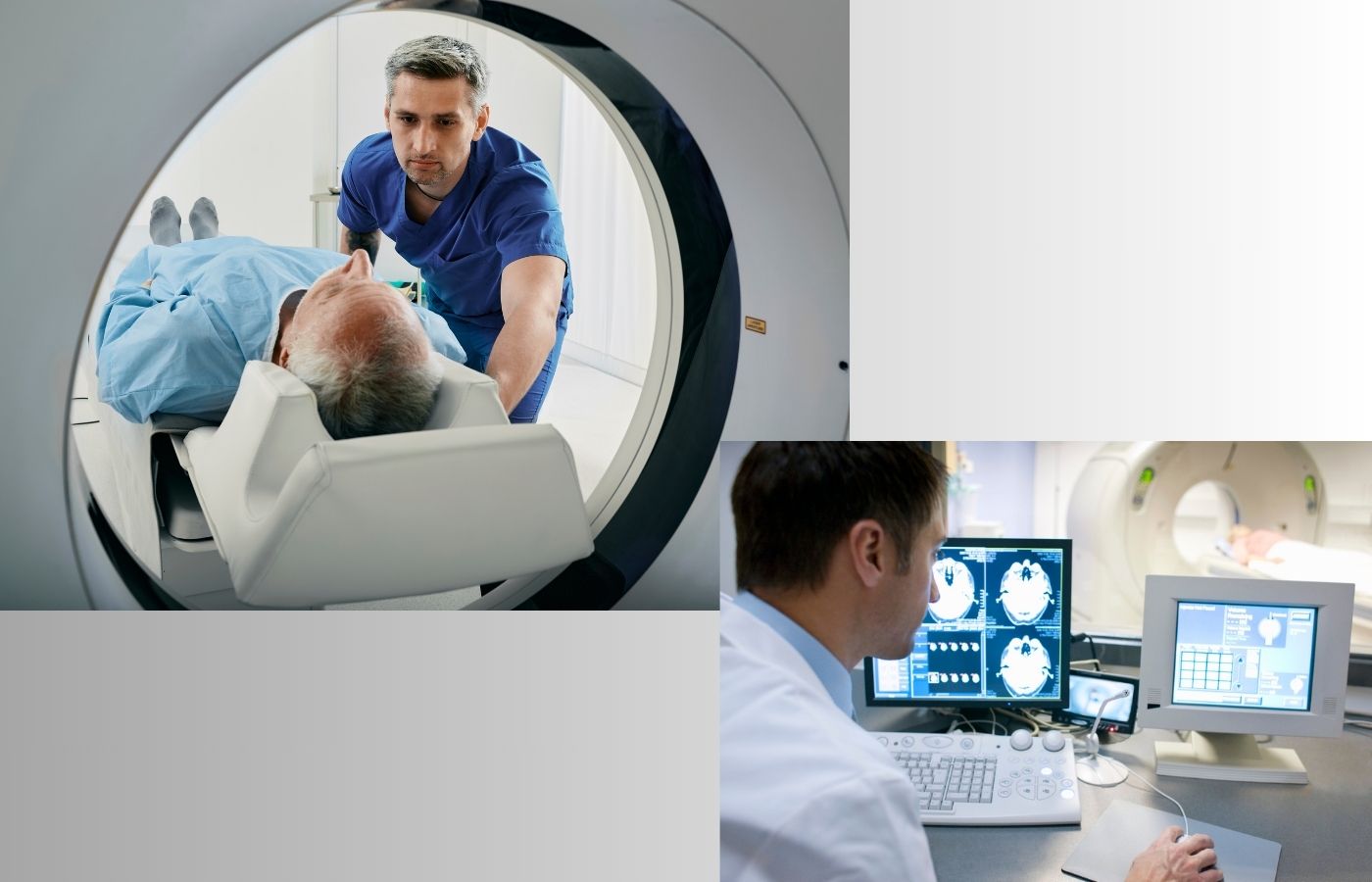
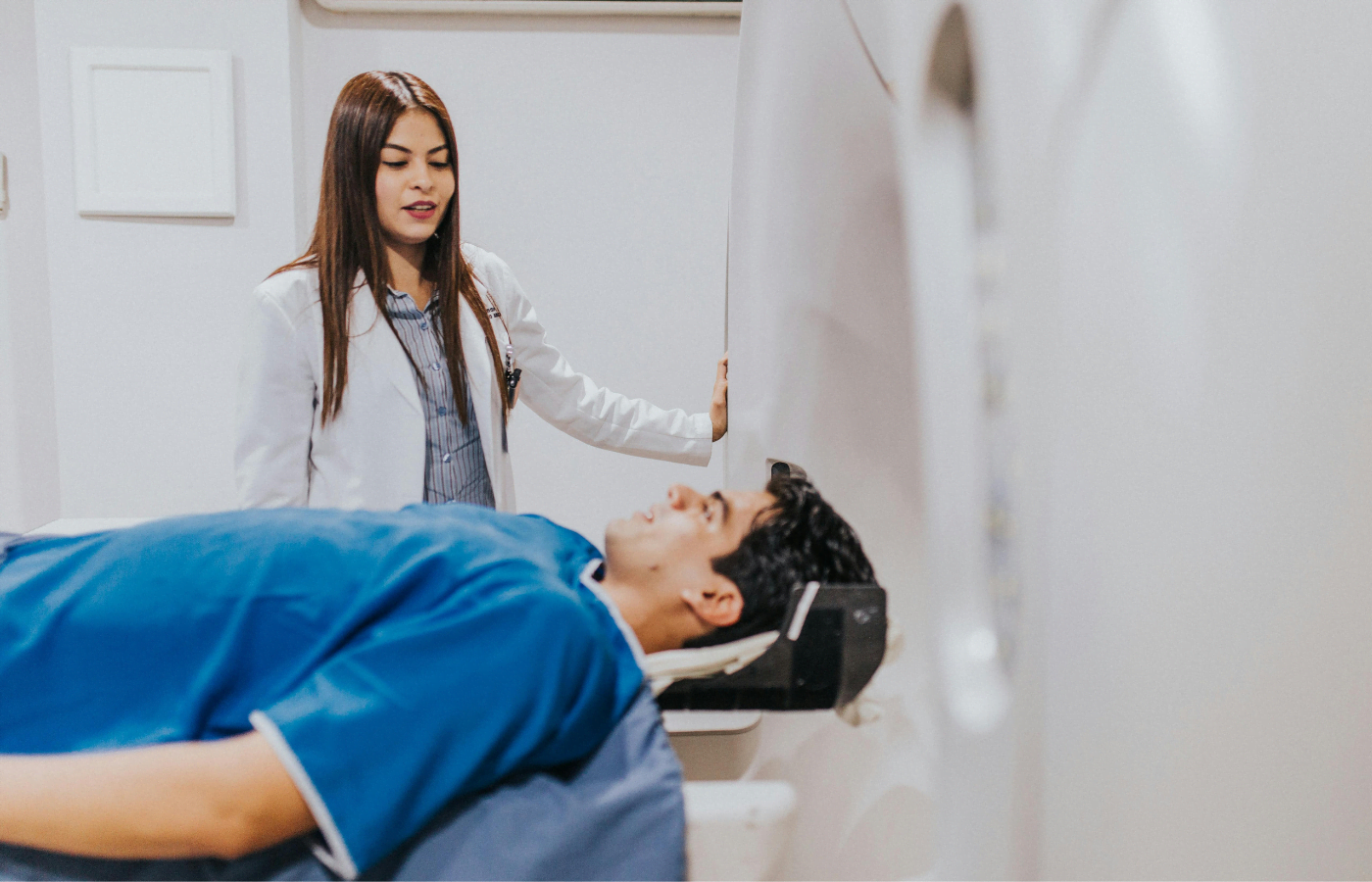
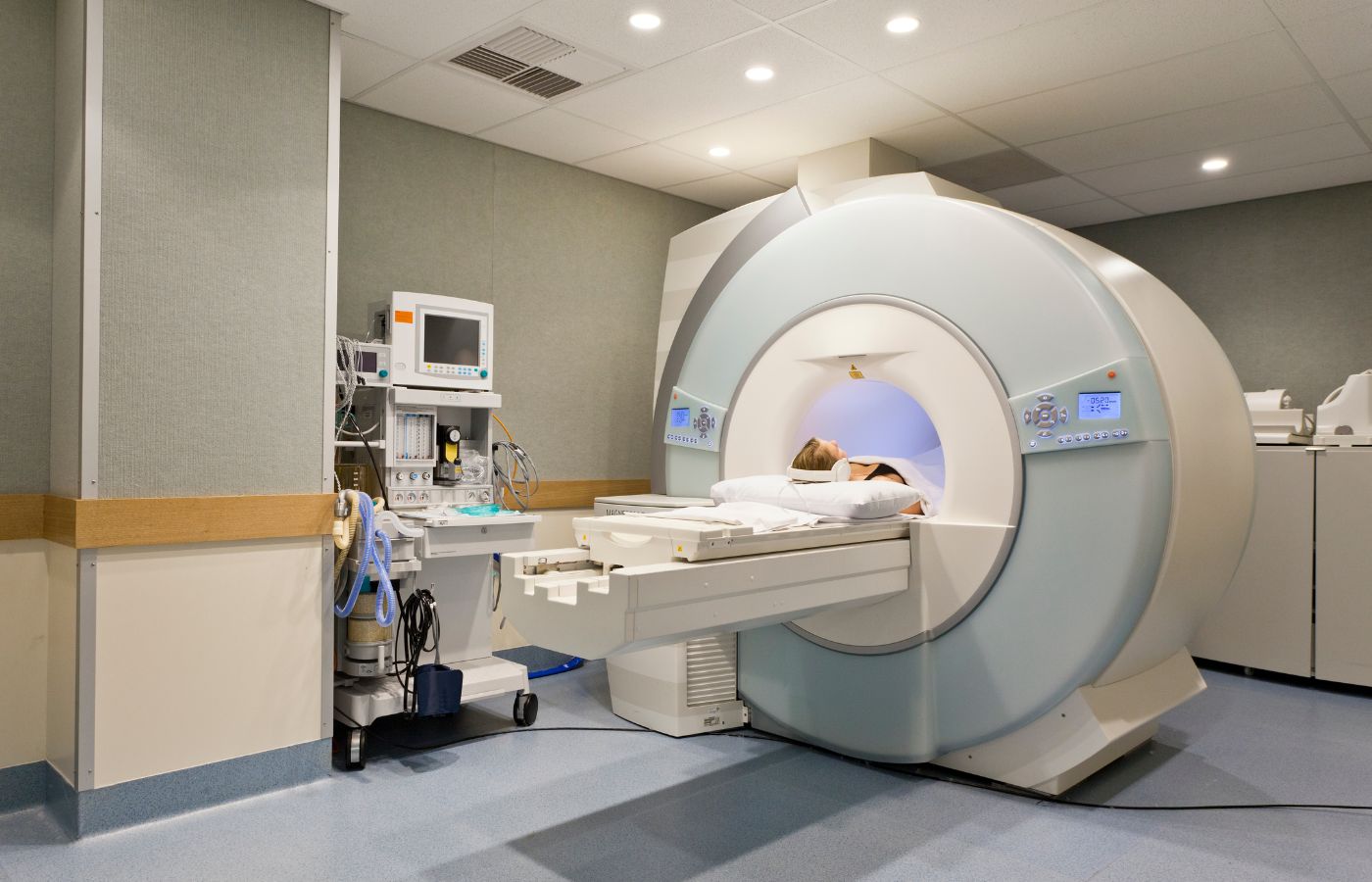
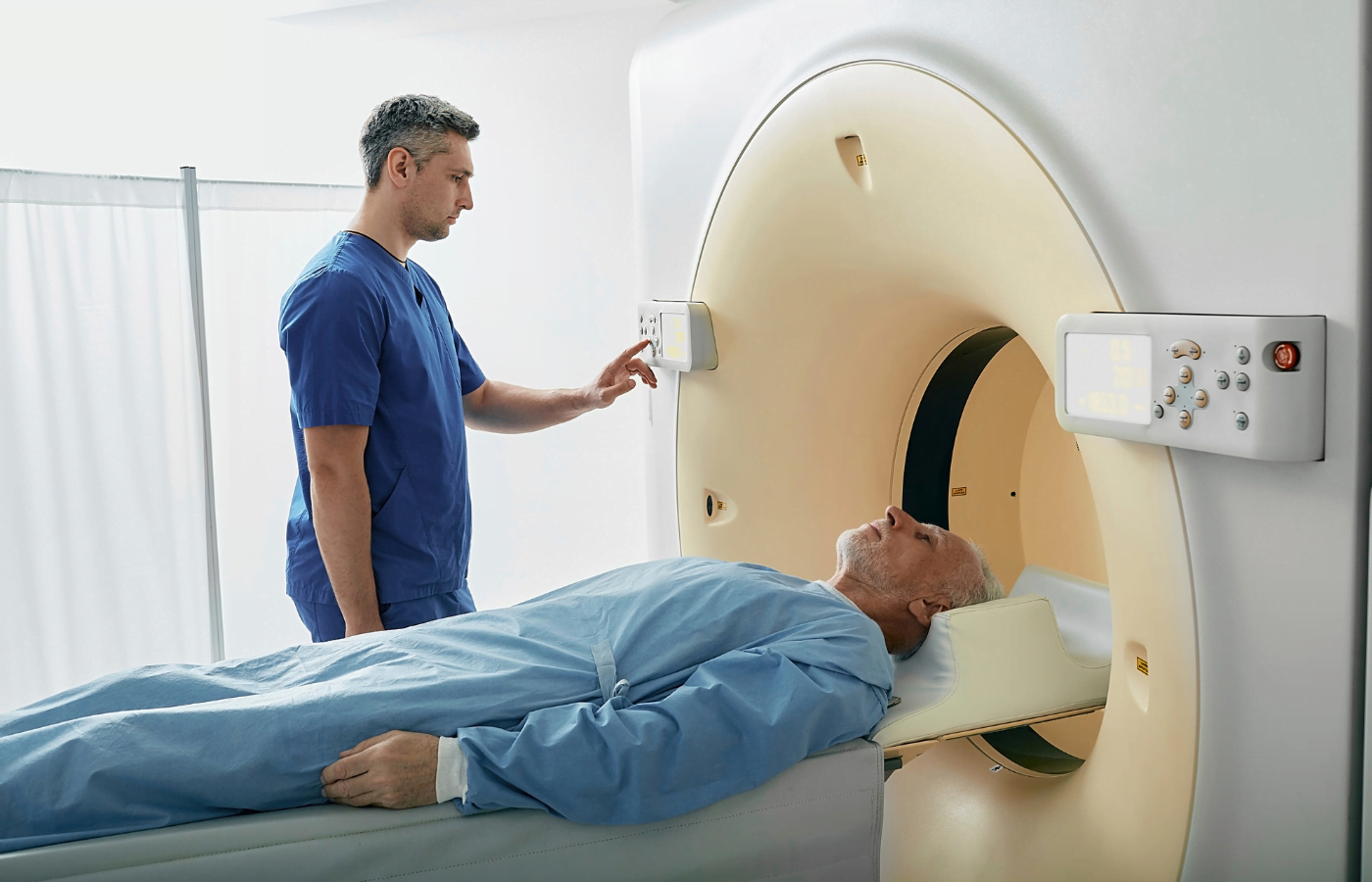
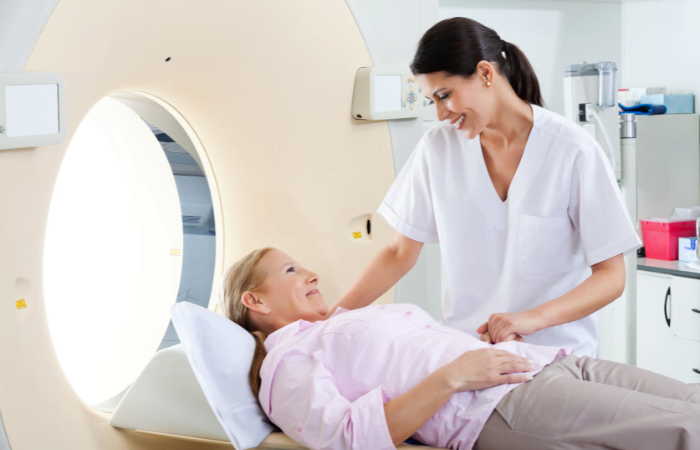
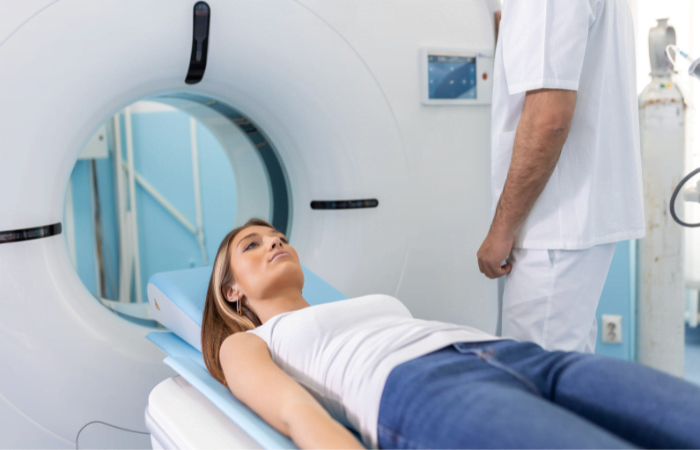
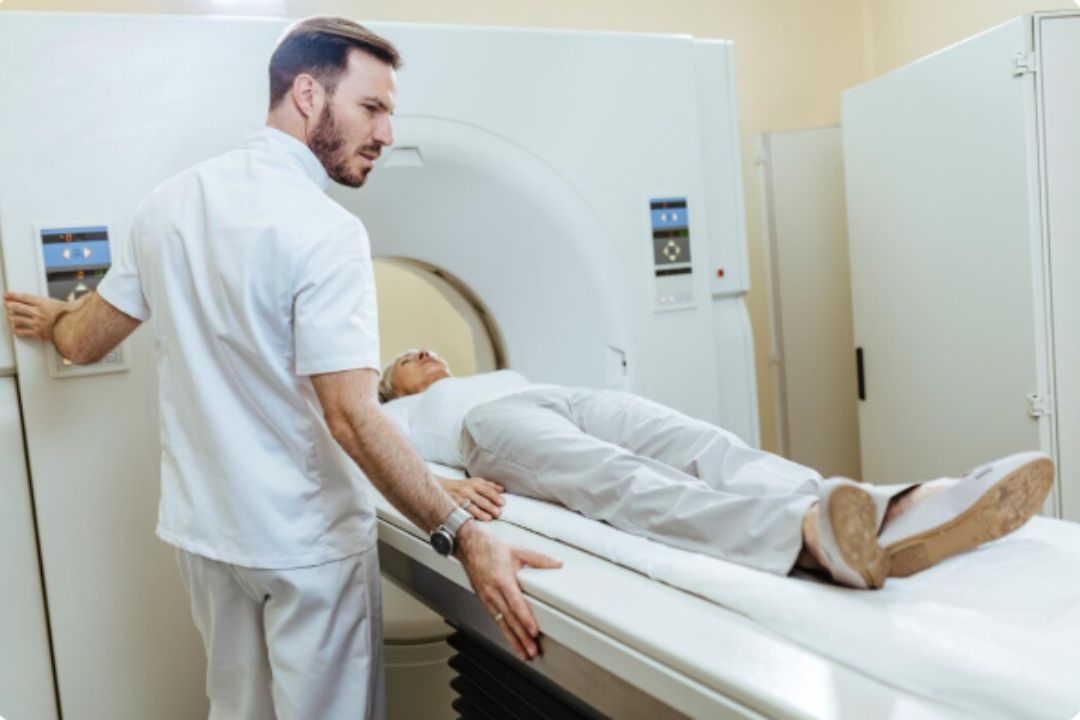
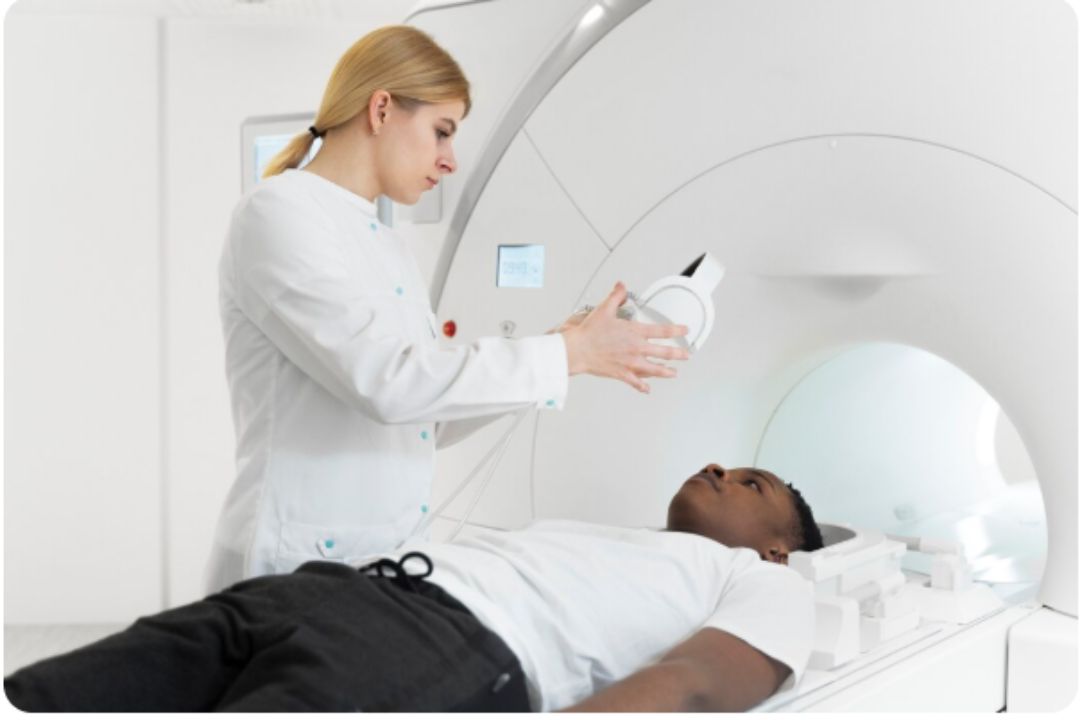
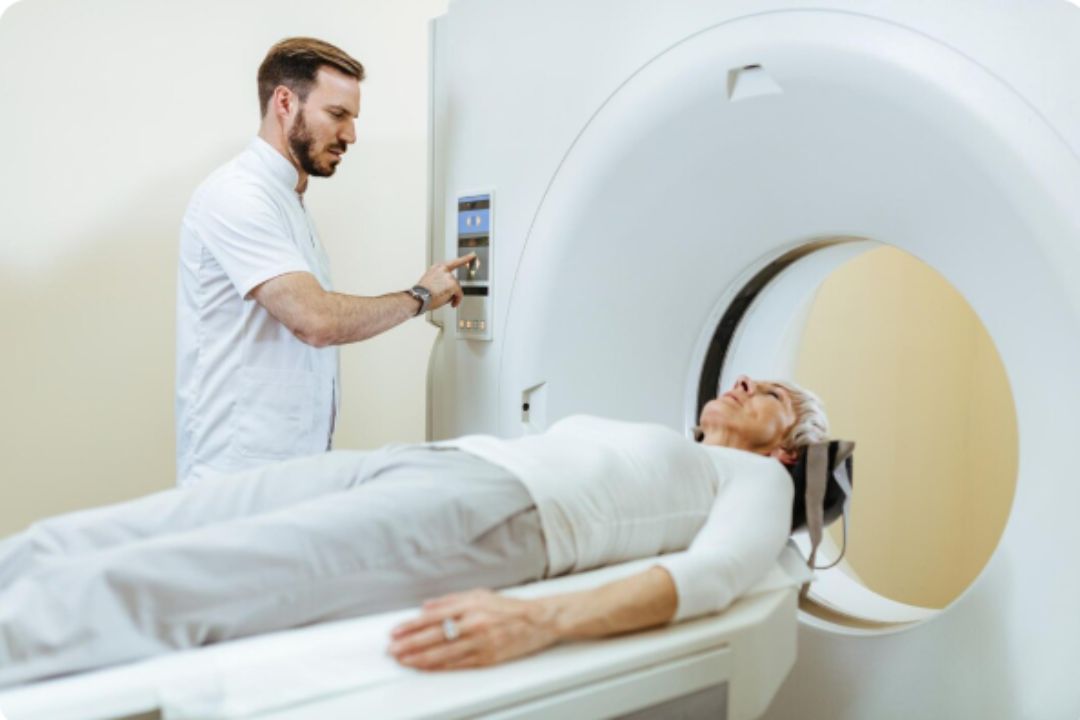
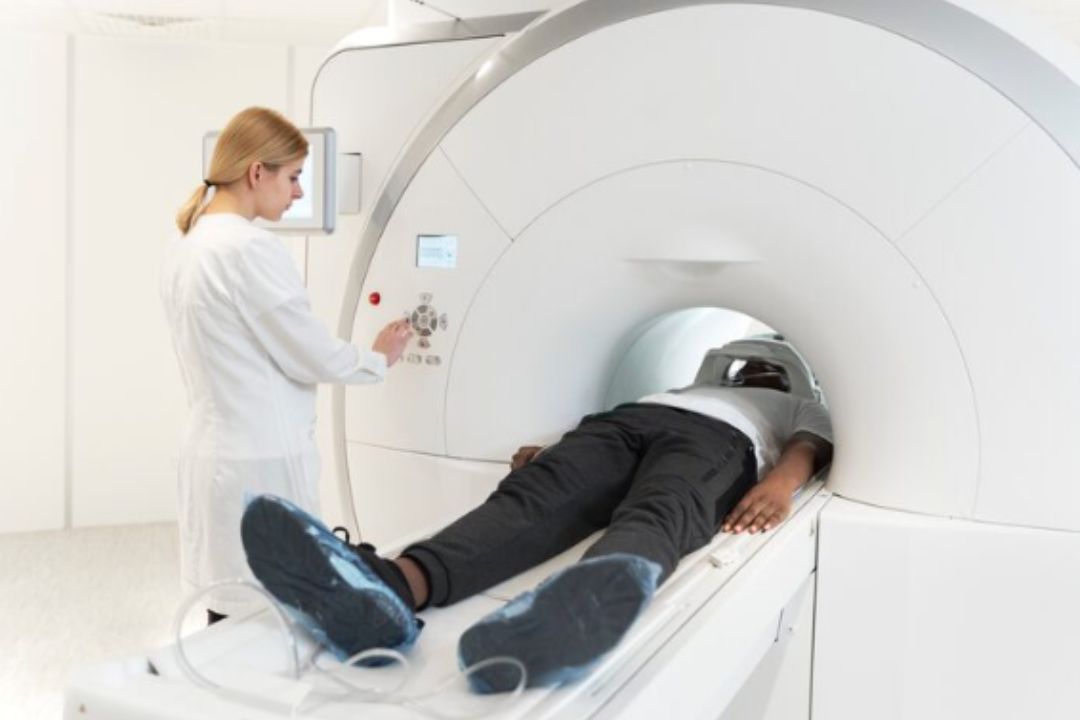
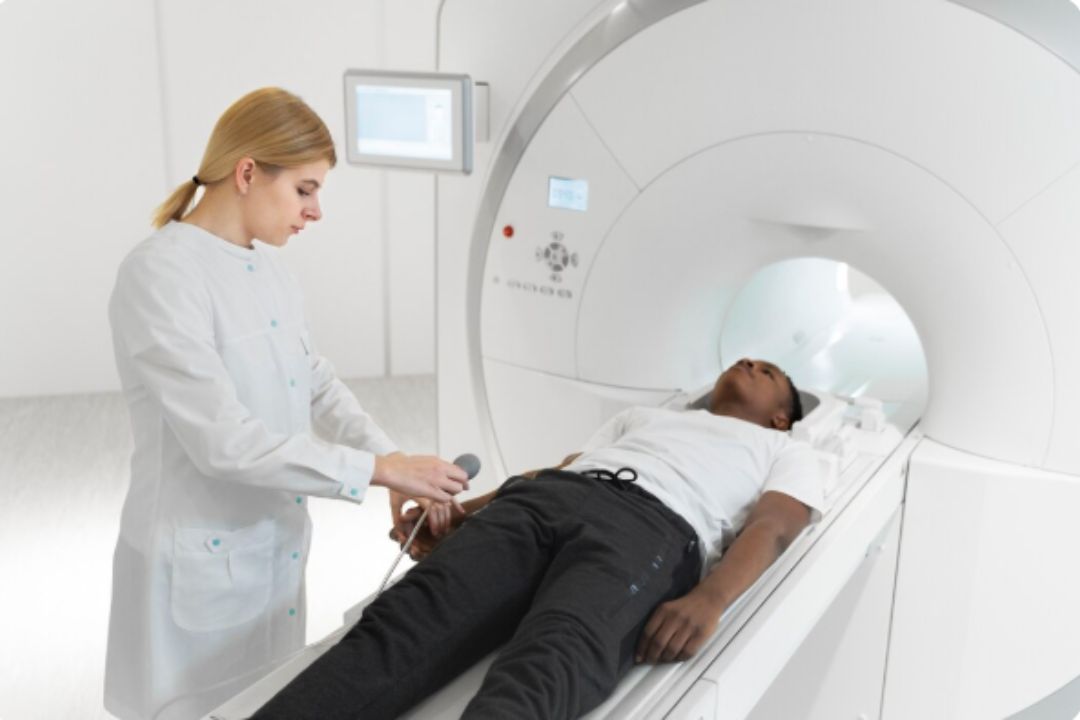
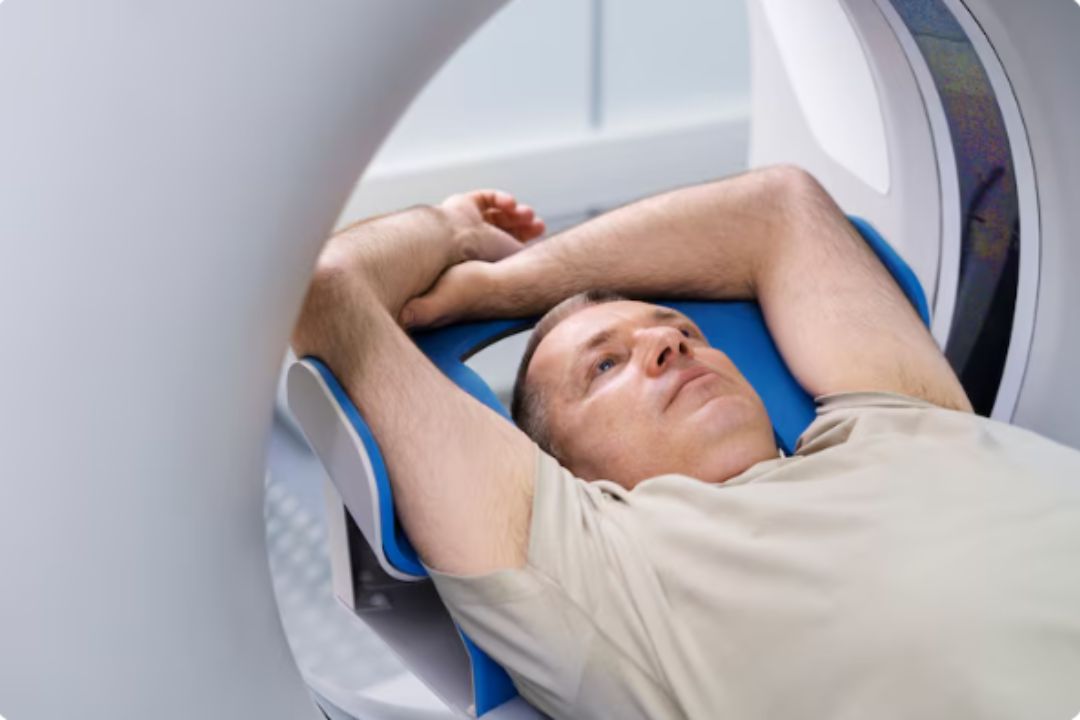
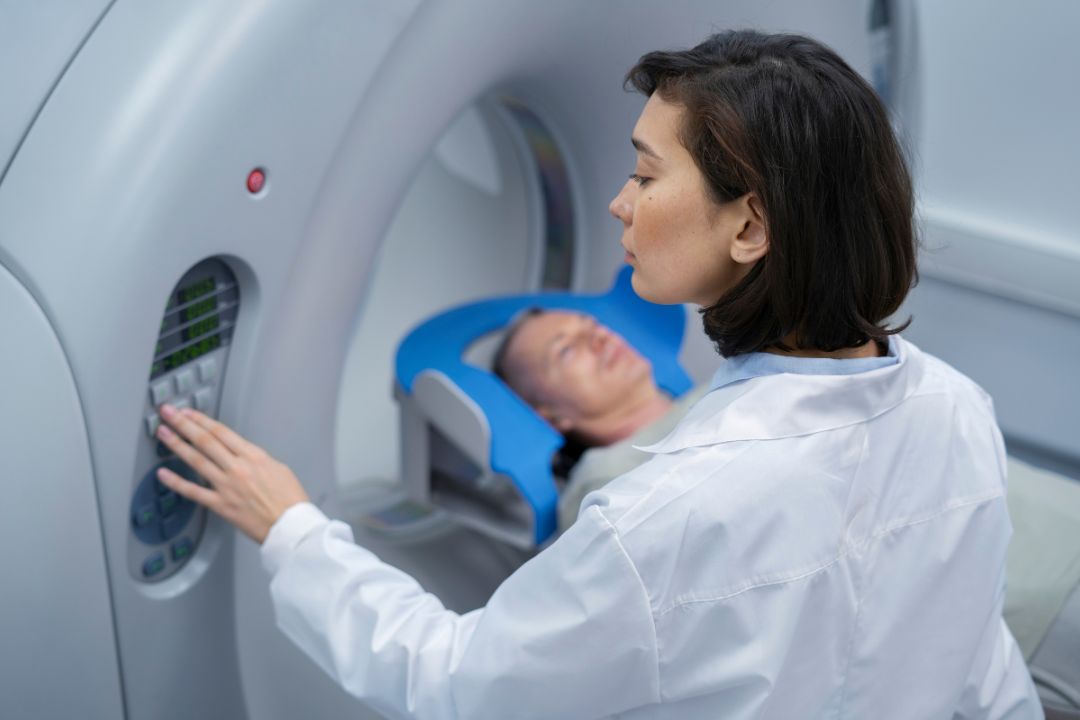
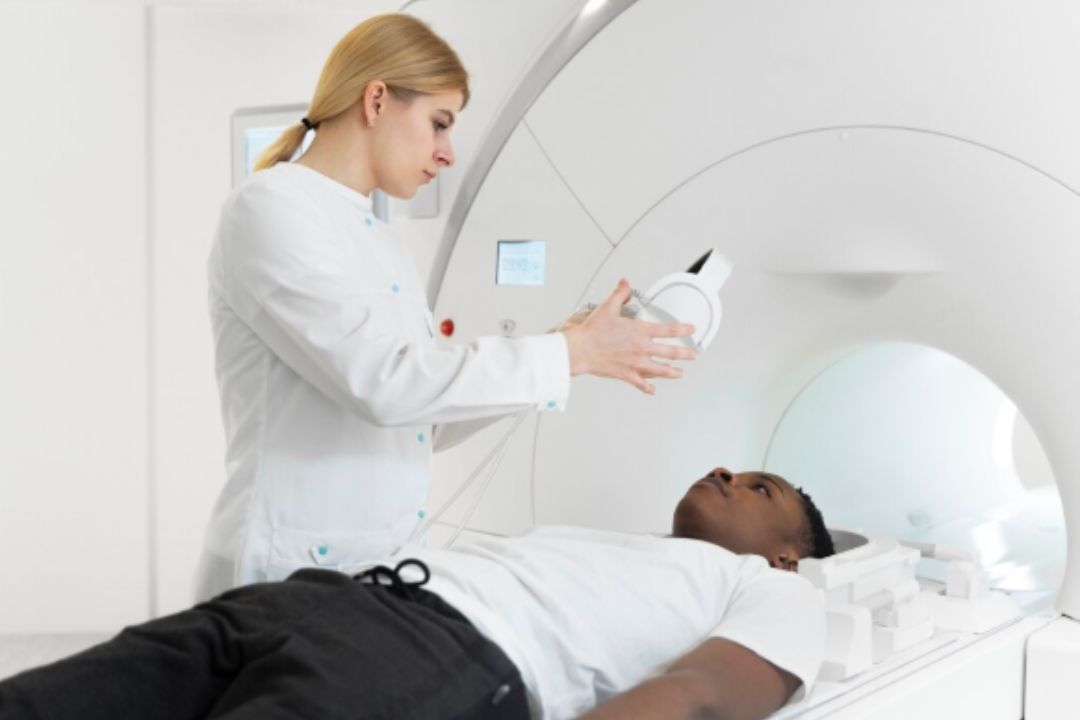
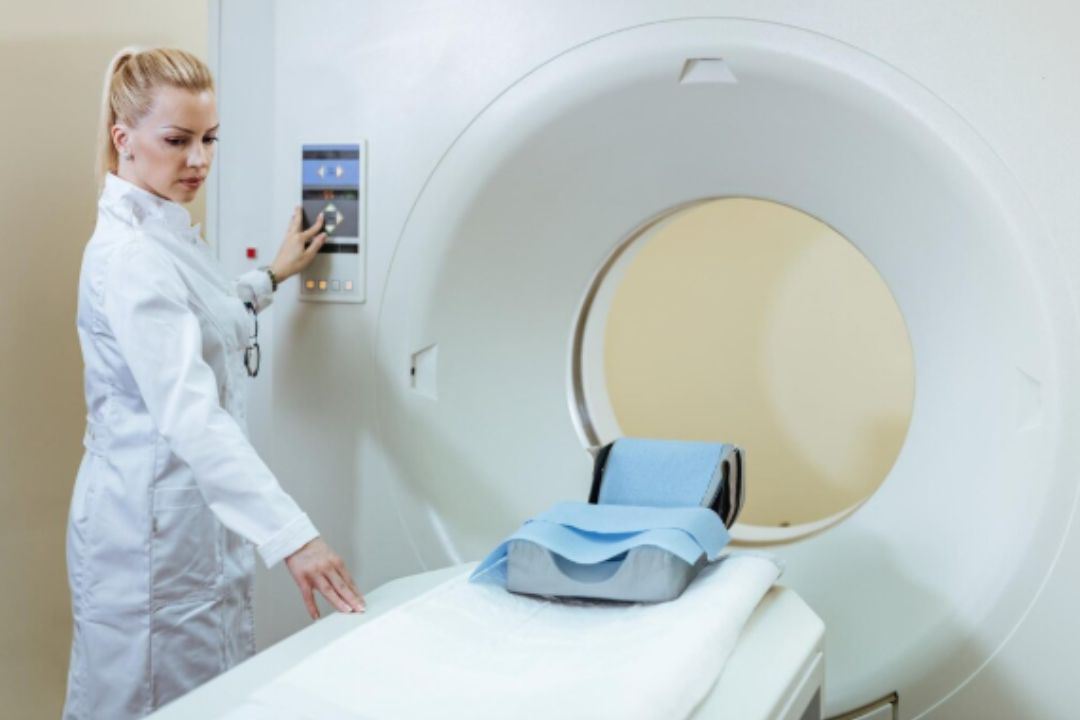
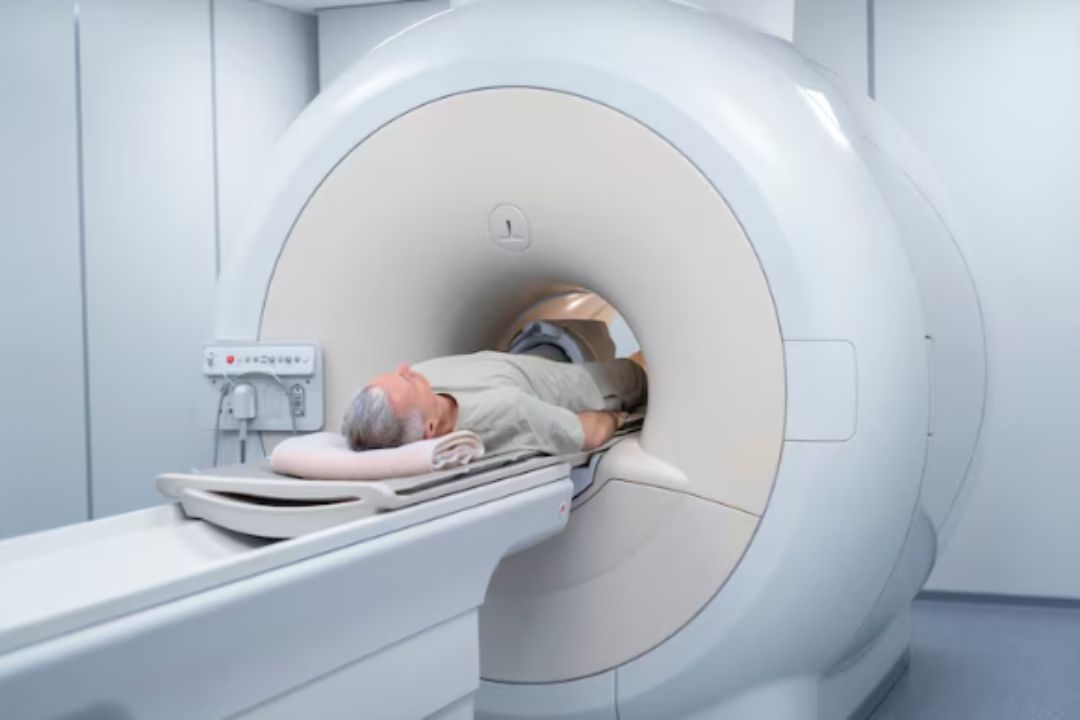
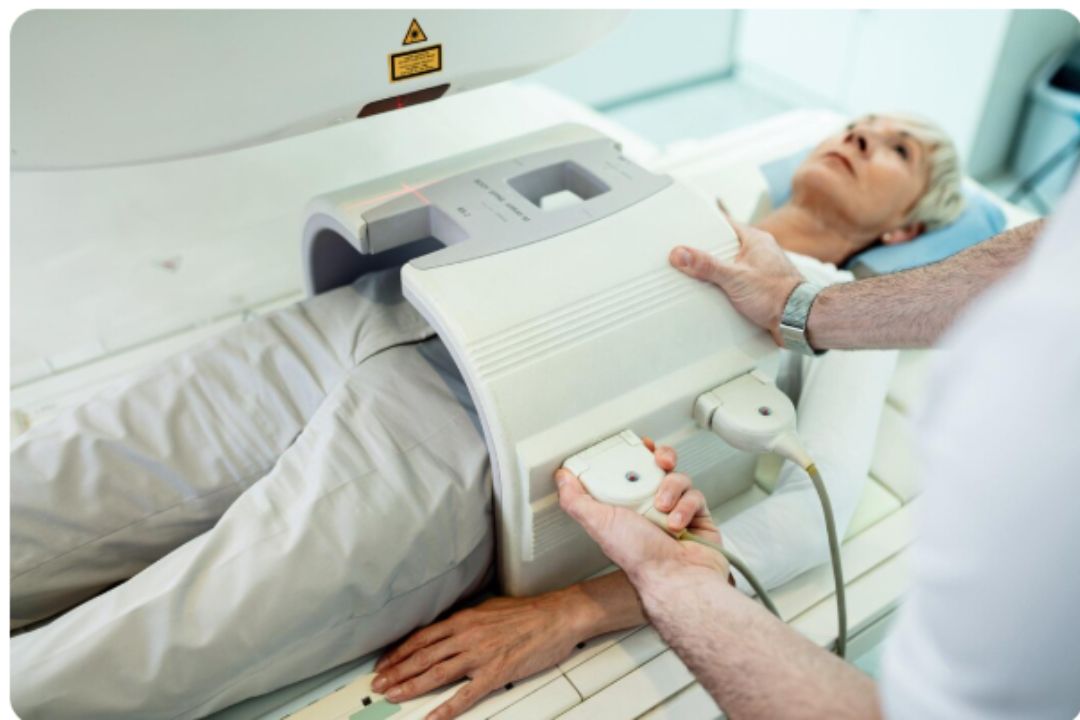
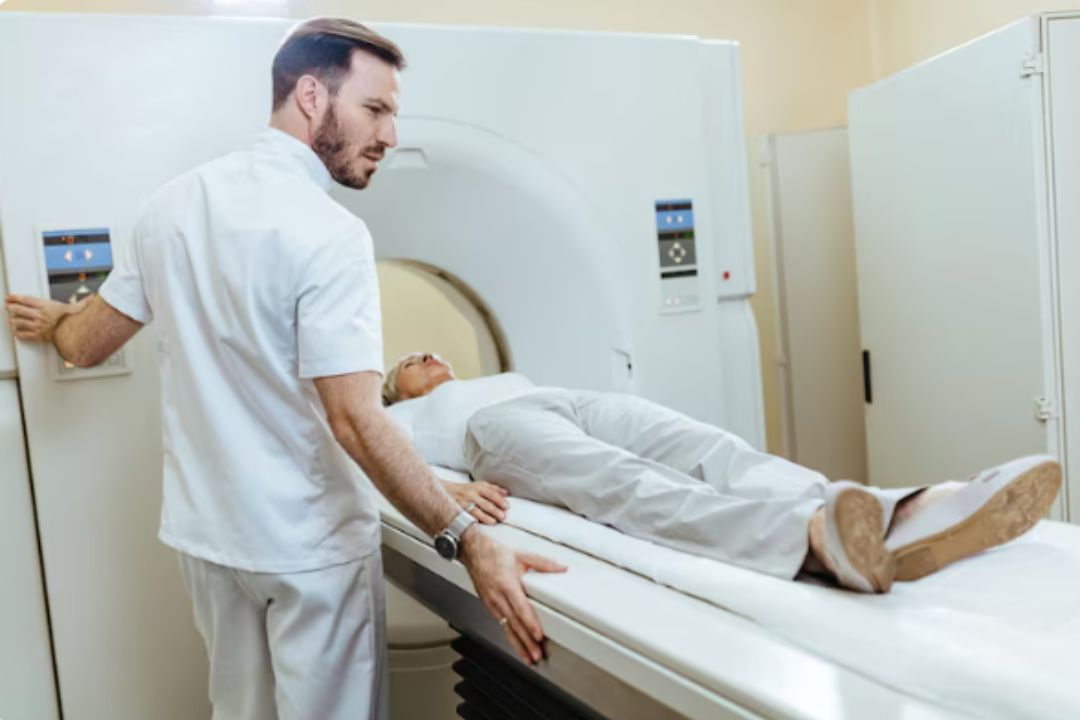
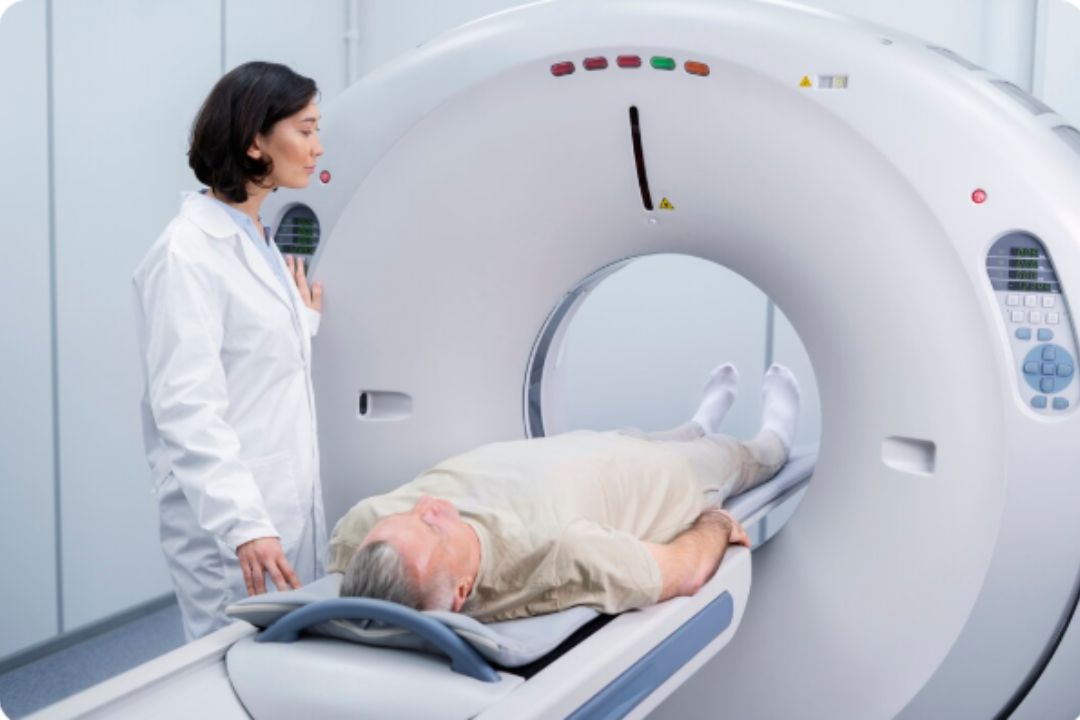
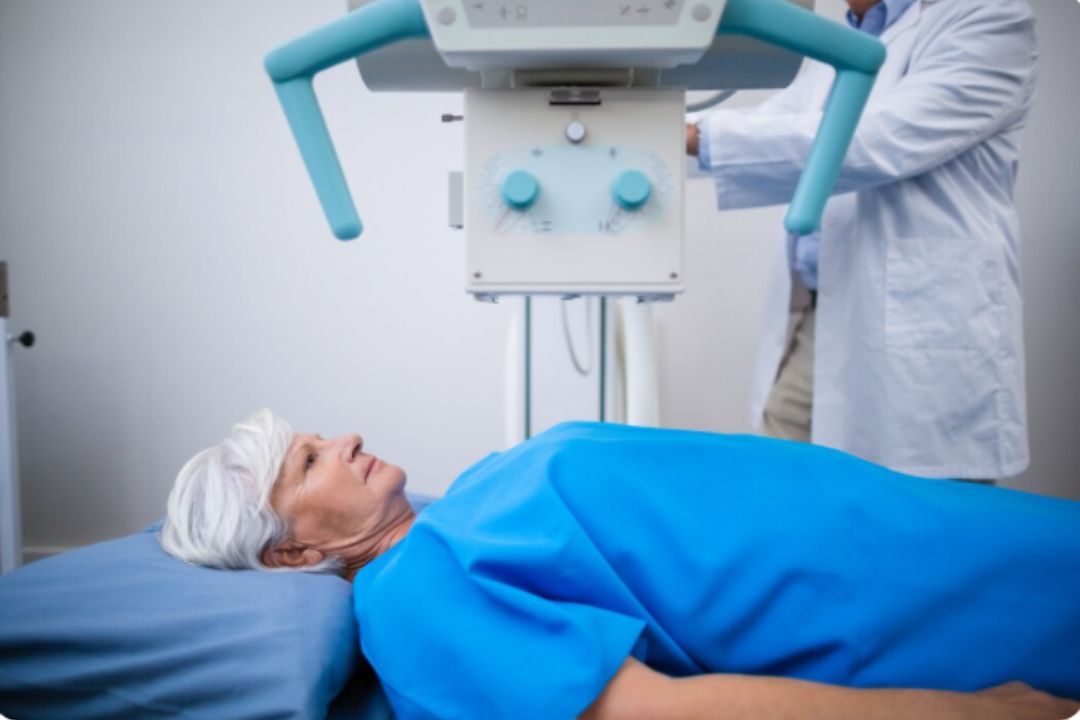
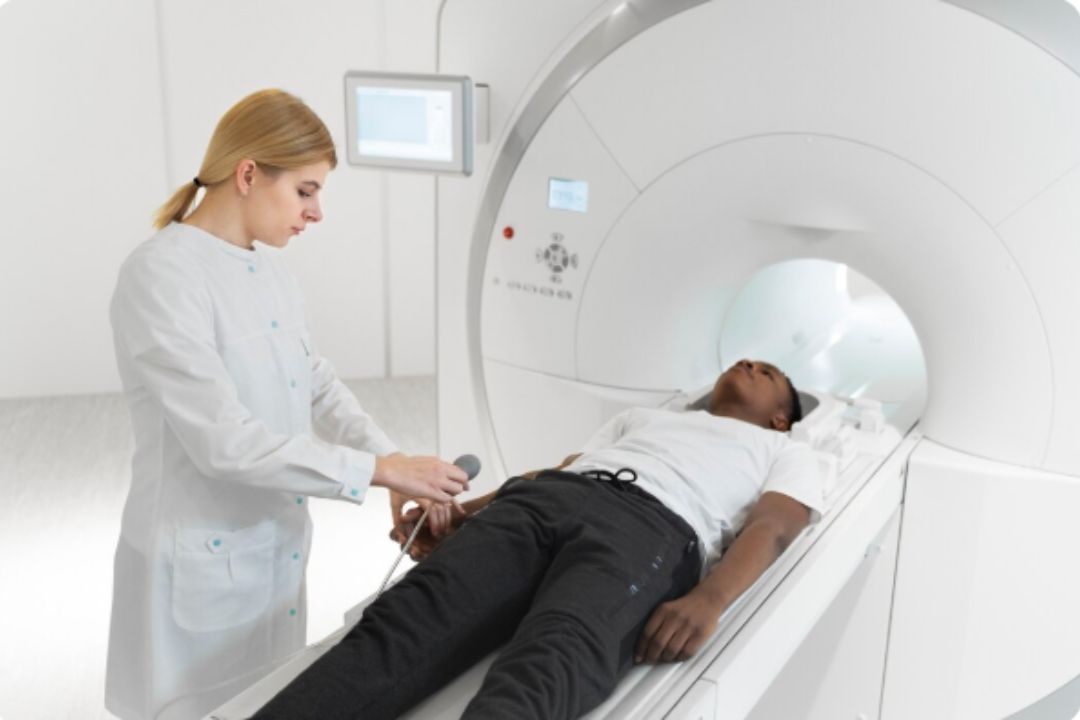
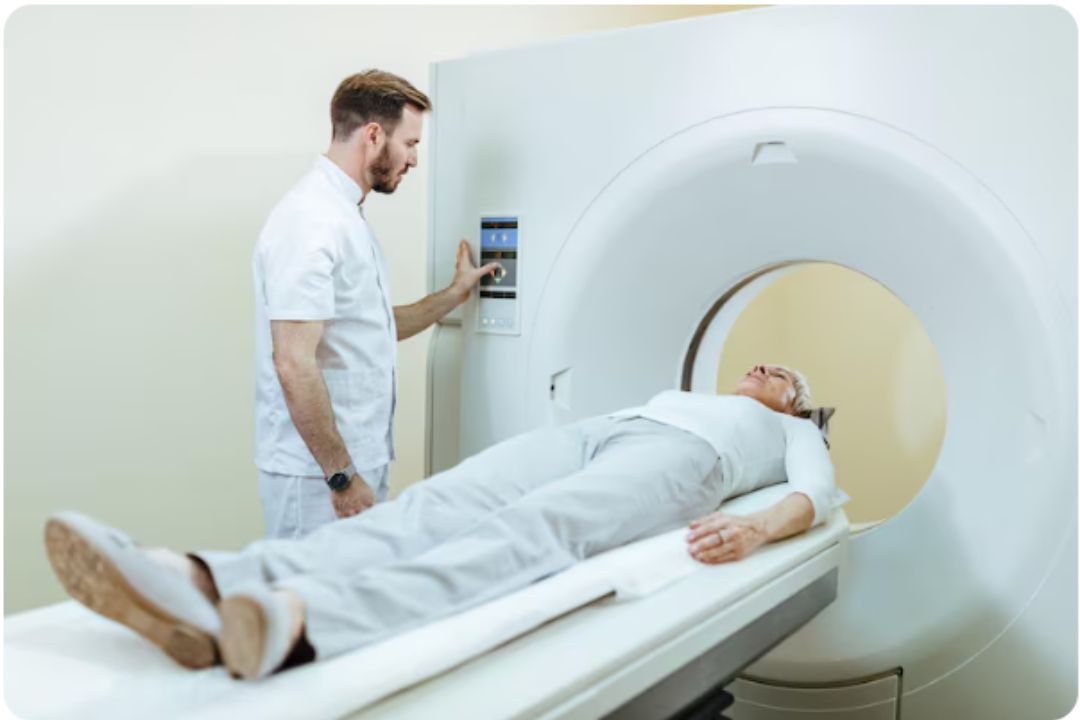
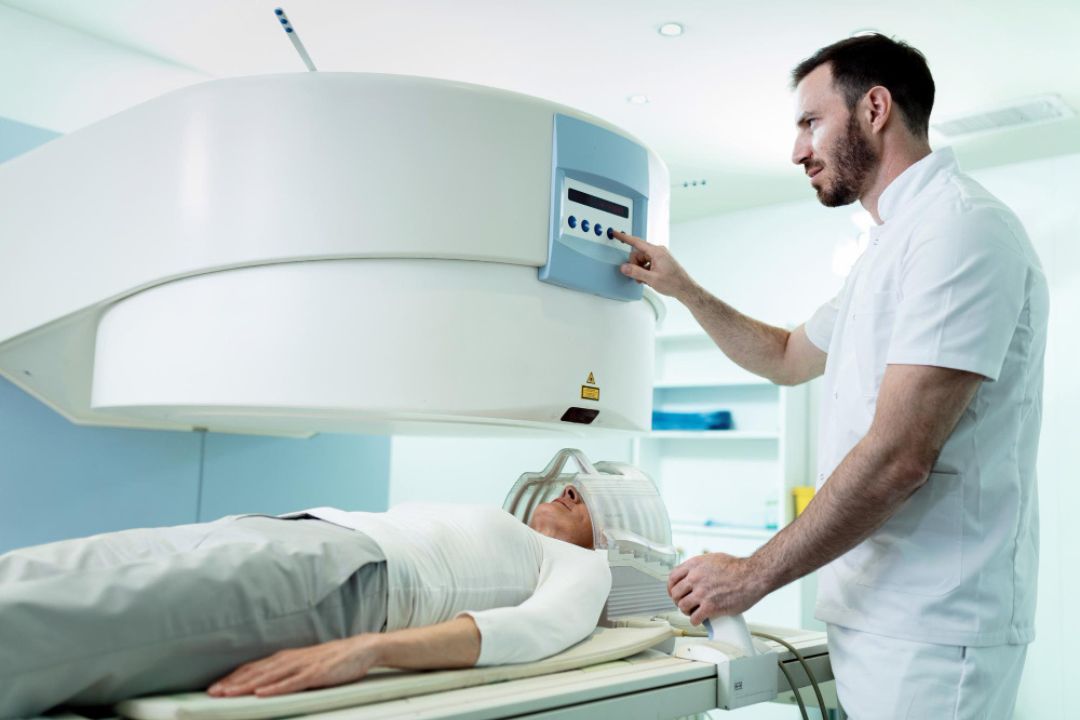
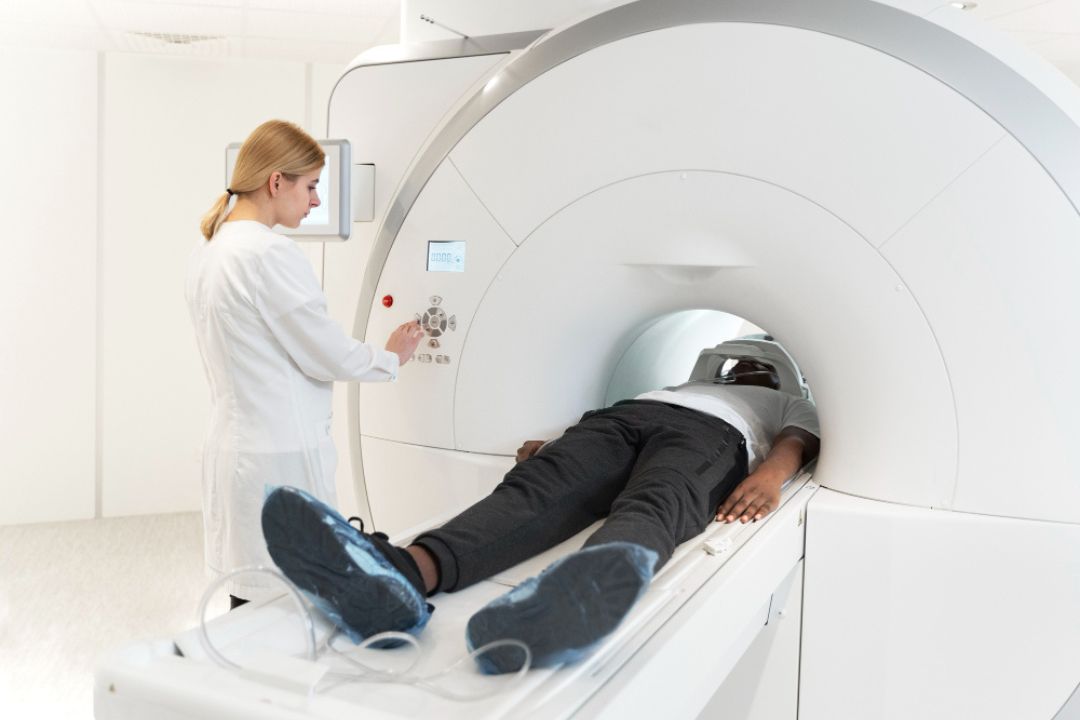
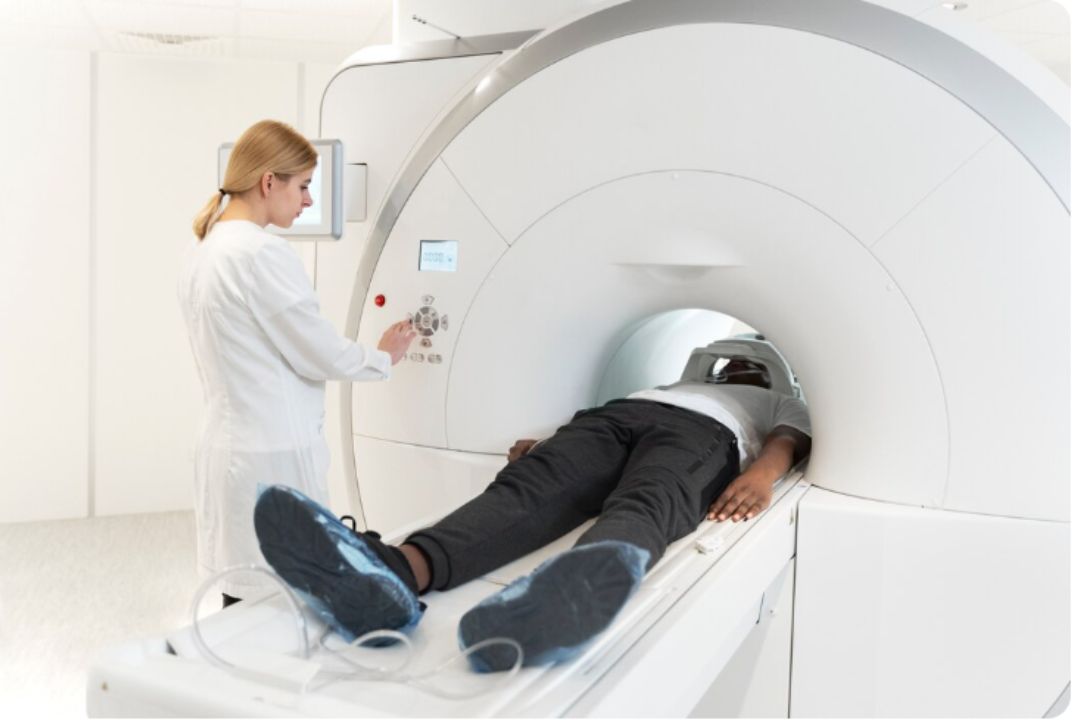
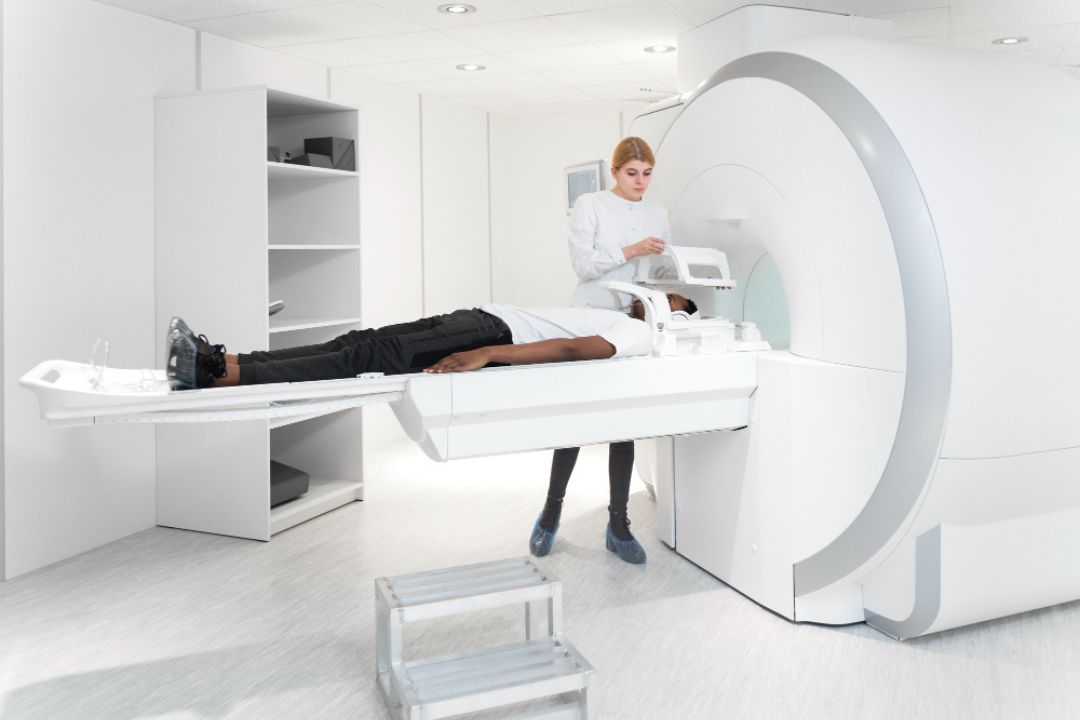
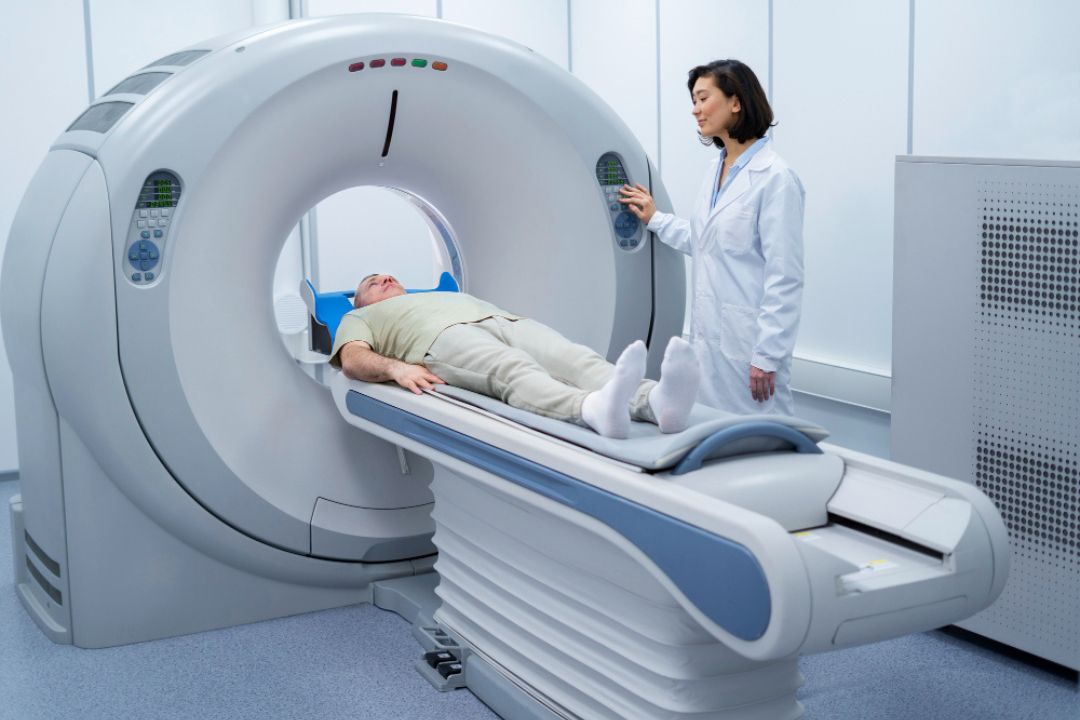
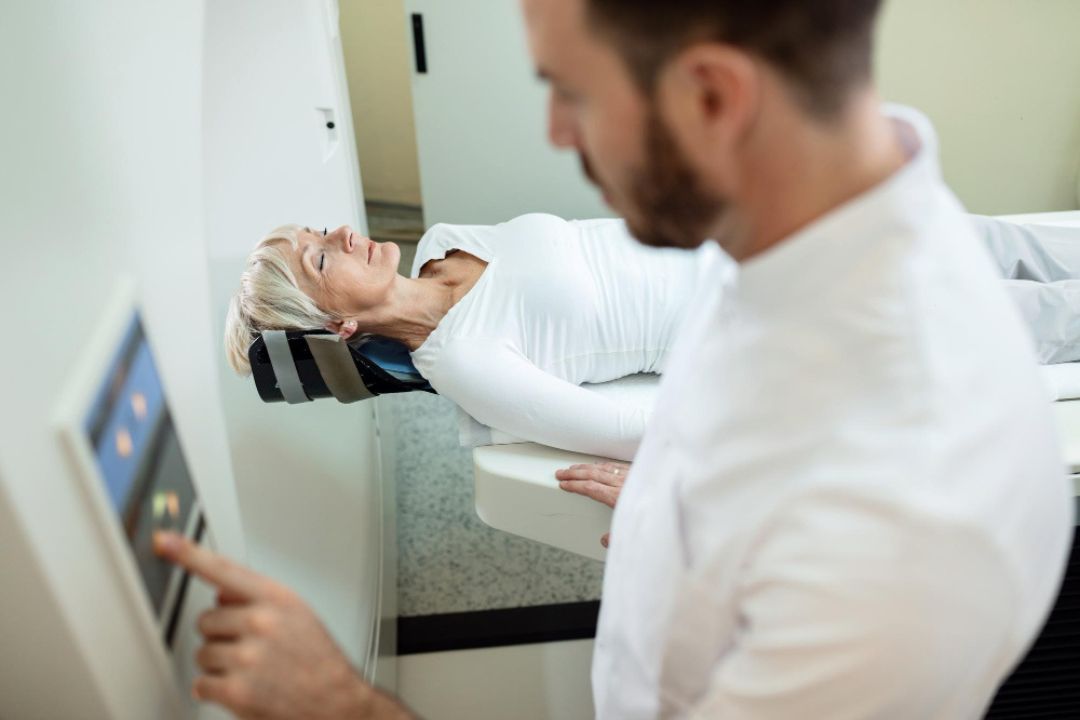
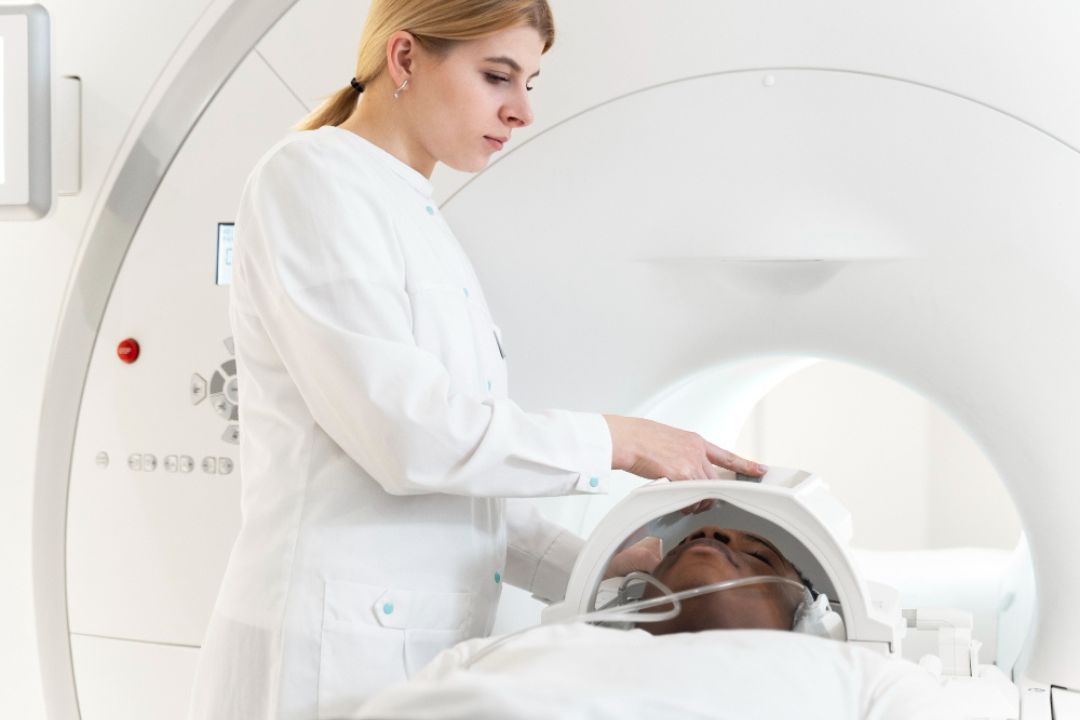
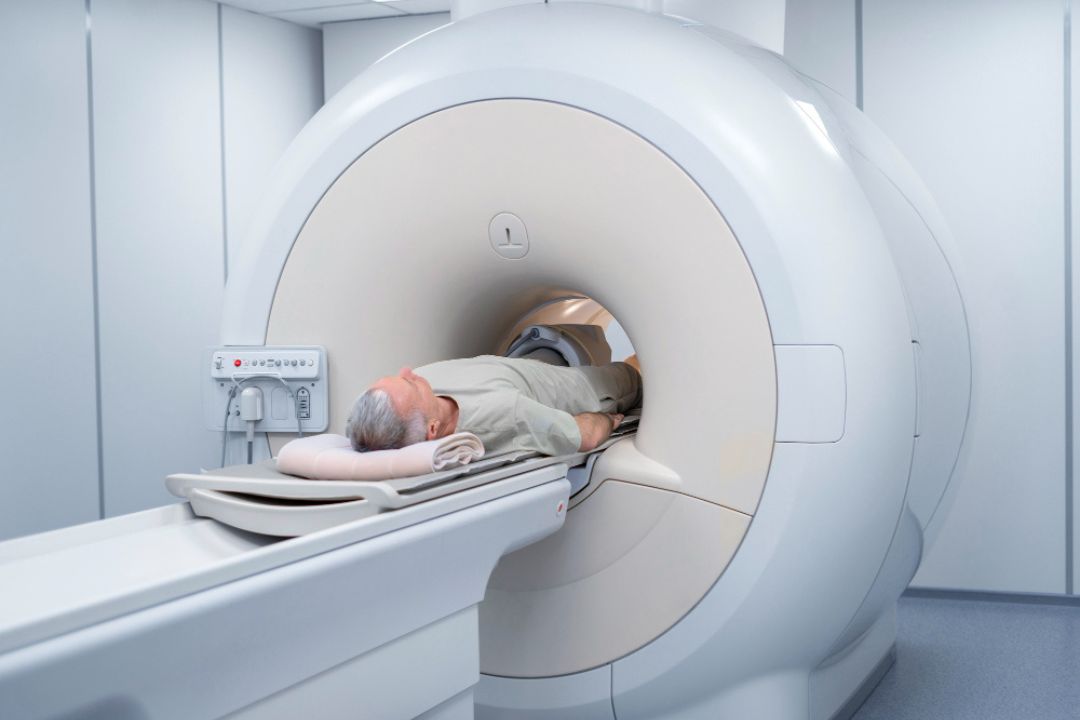
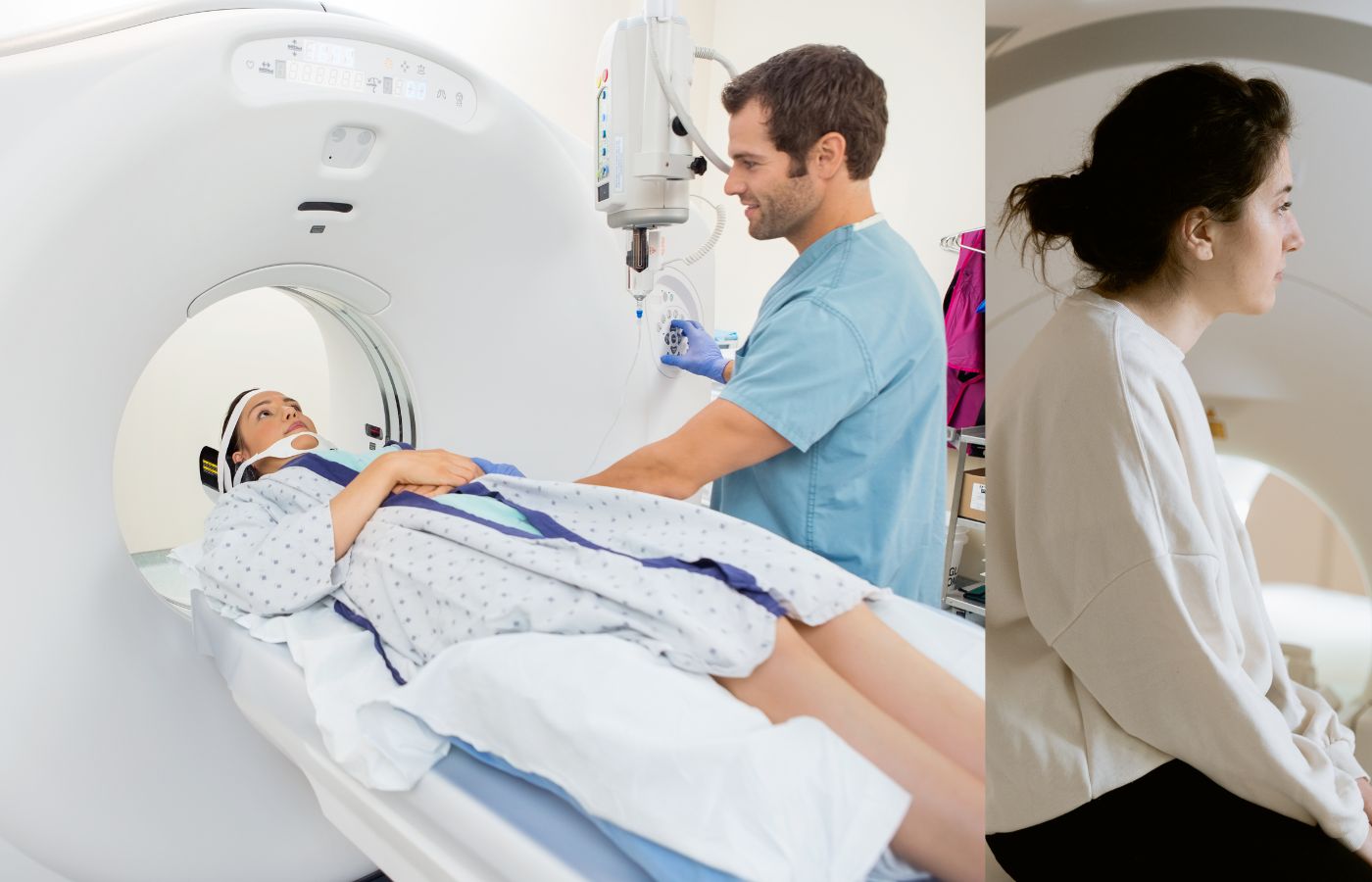
The patient lies on a scanning table.
A technician inserts a small IV line to inject the contrast dye.
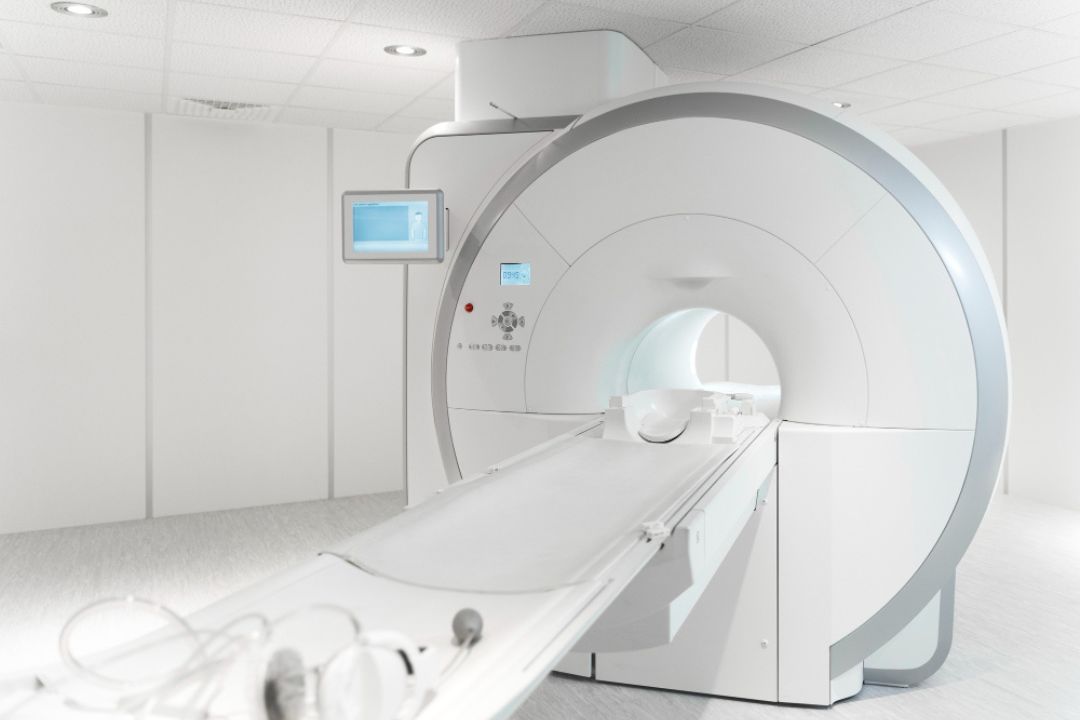
The CT scanner rotates around the body.
The patient may be asked to hold their breath for a few seconds.
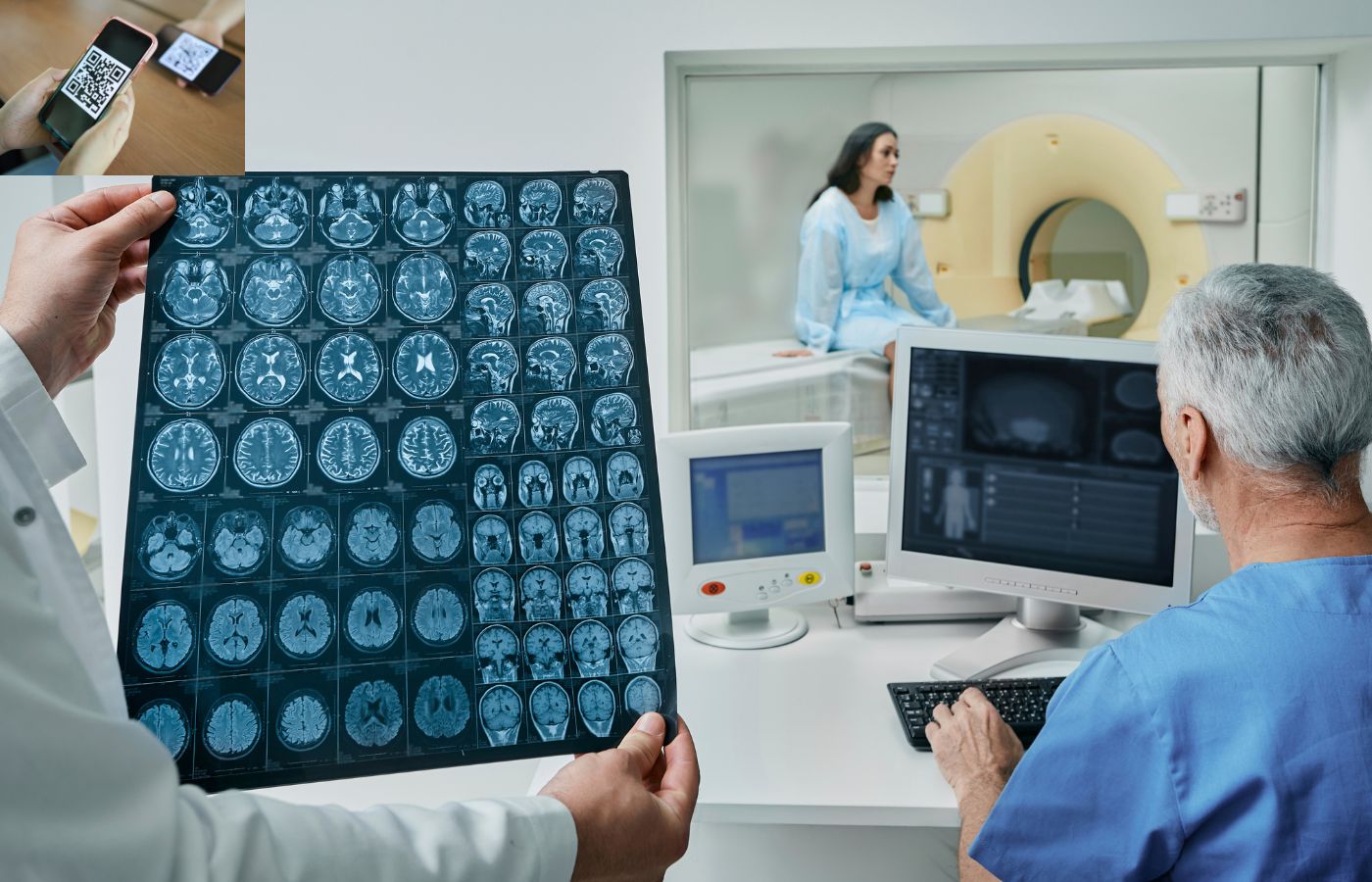
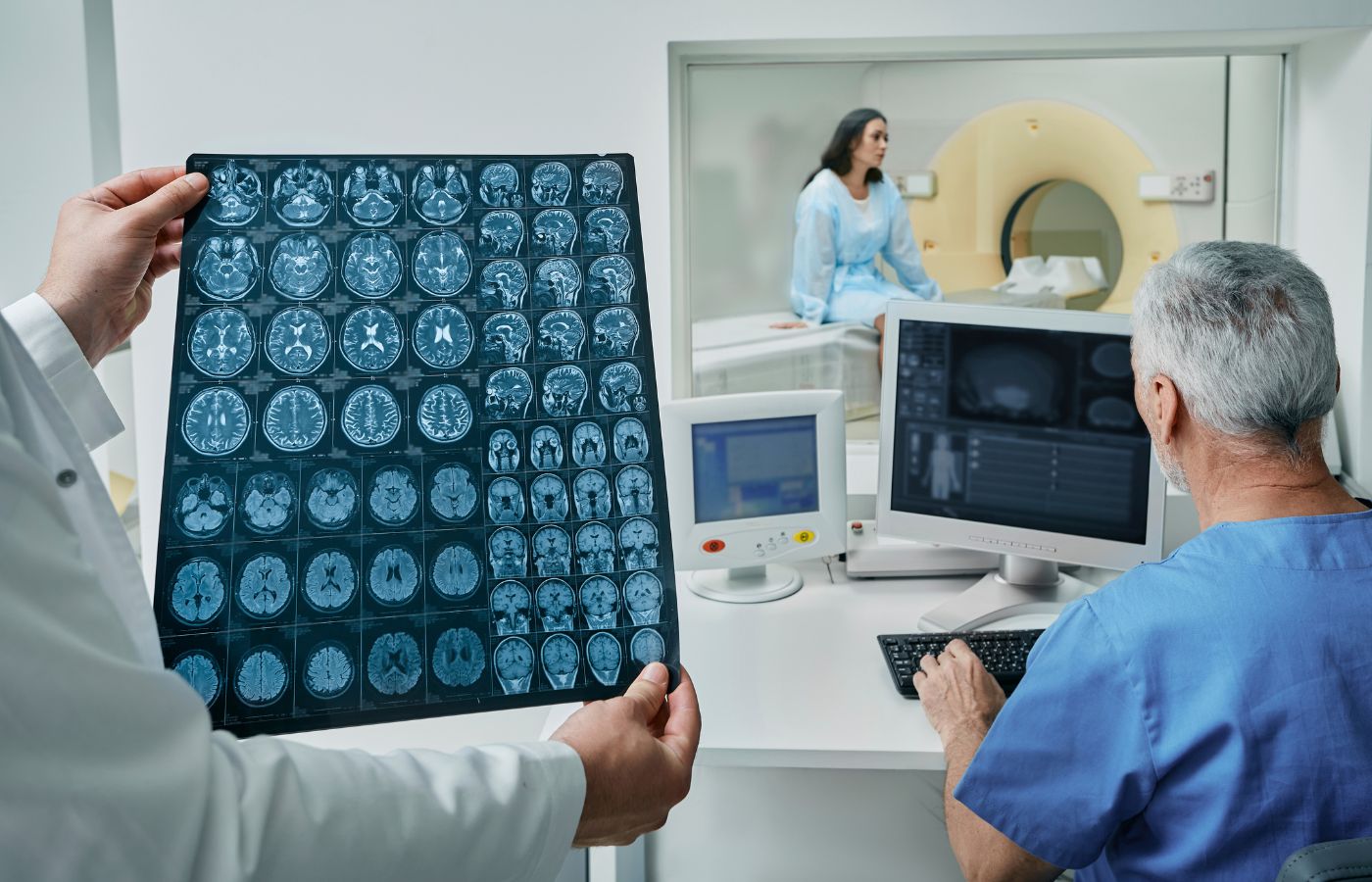
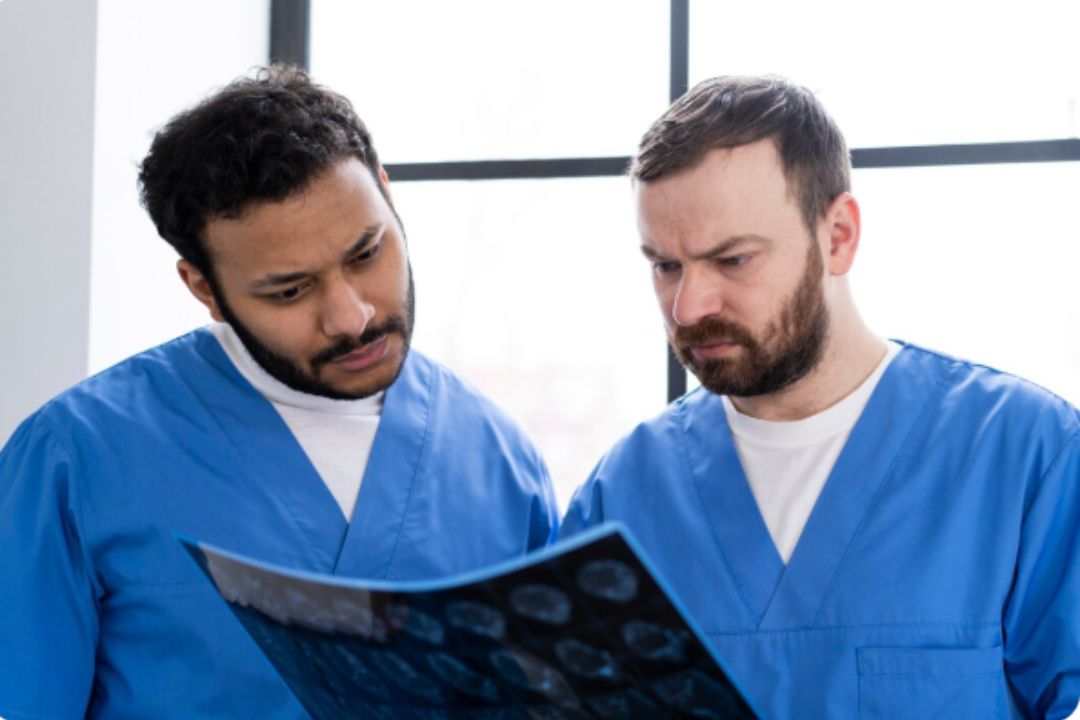
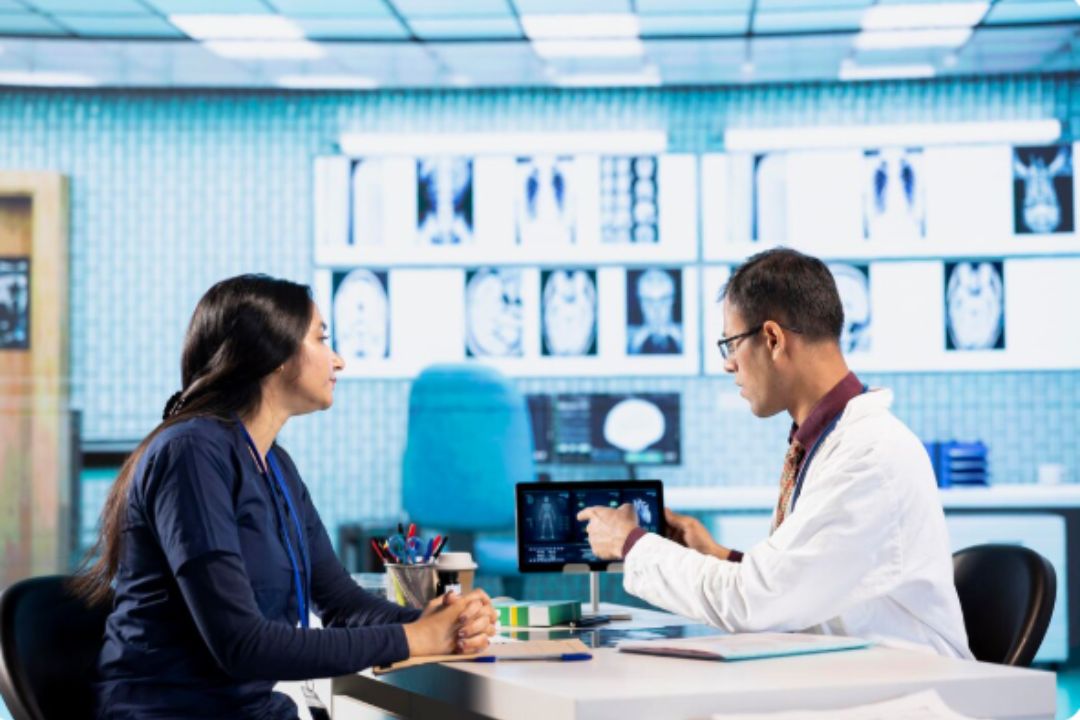
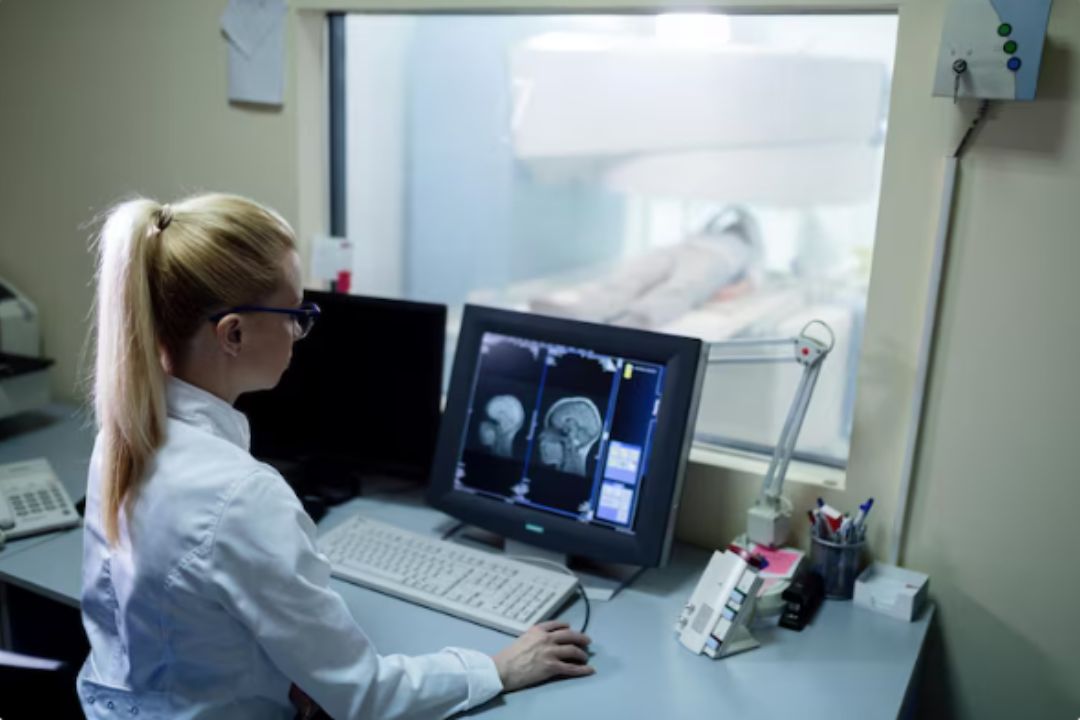
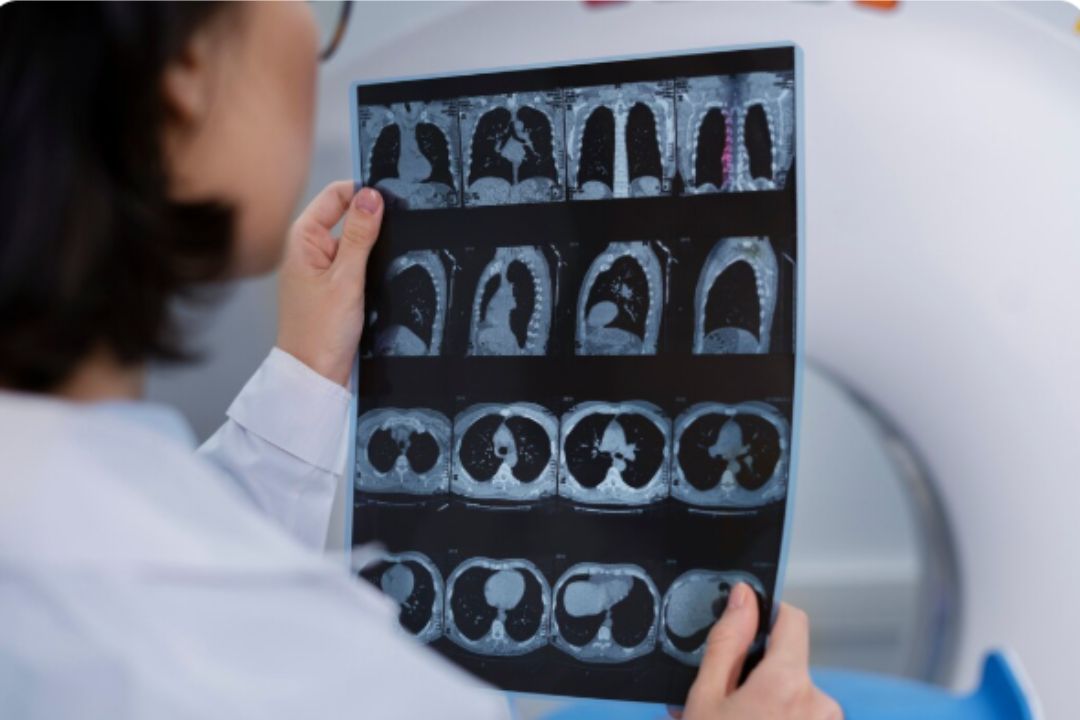
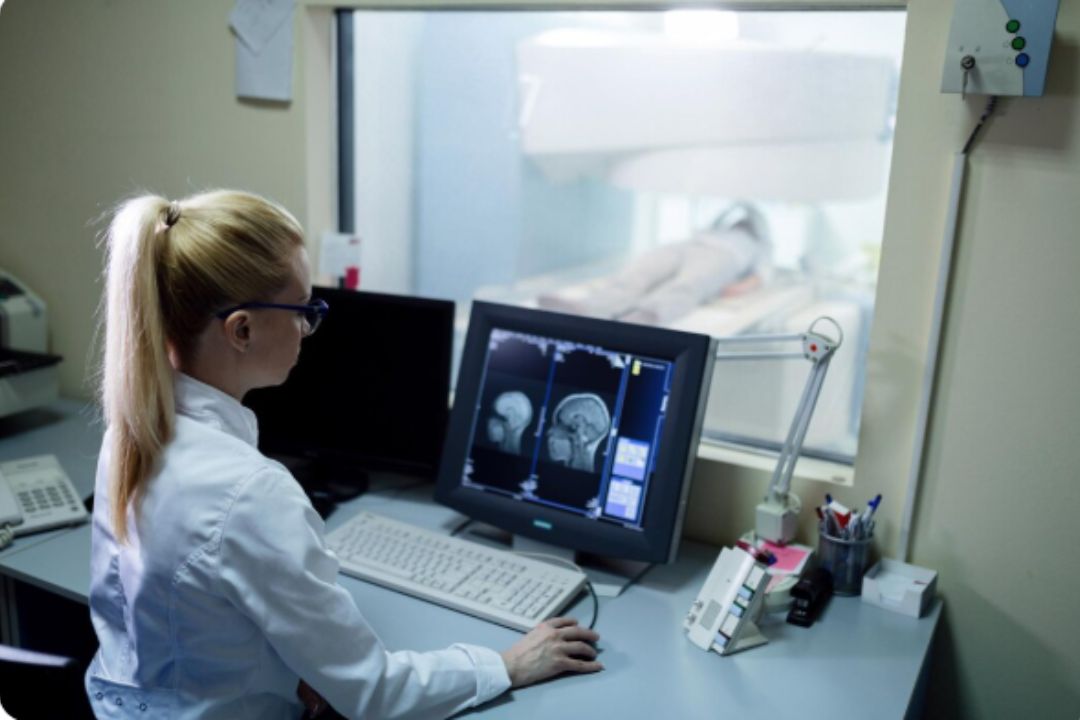
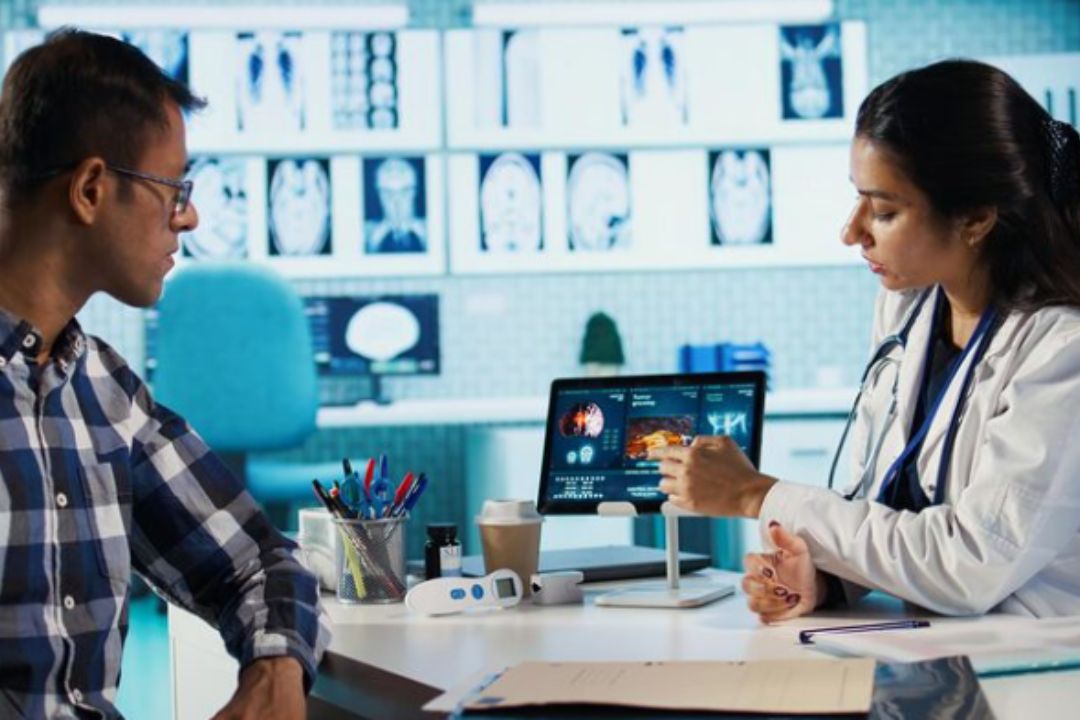
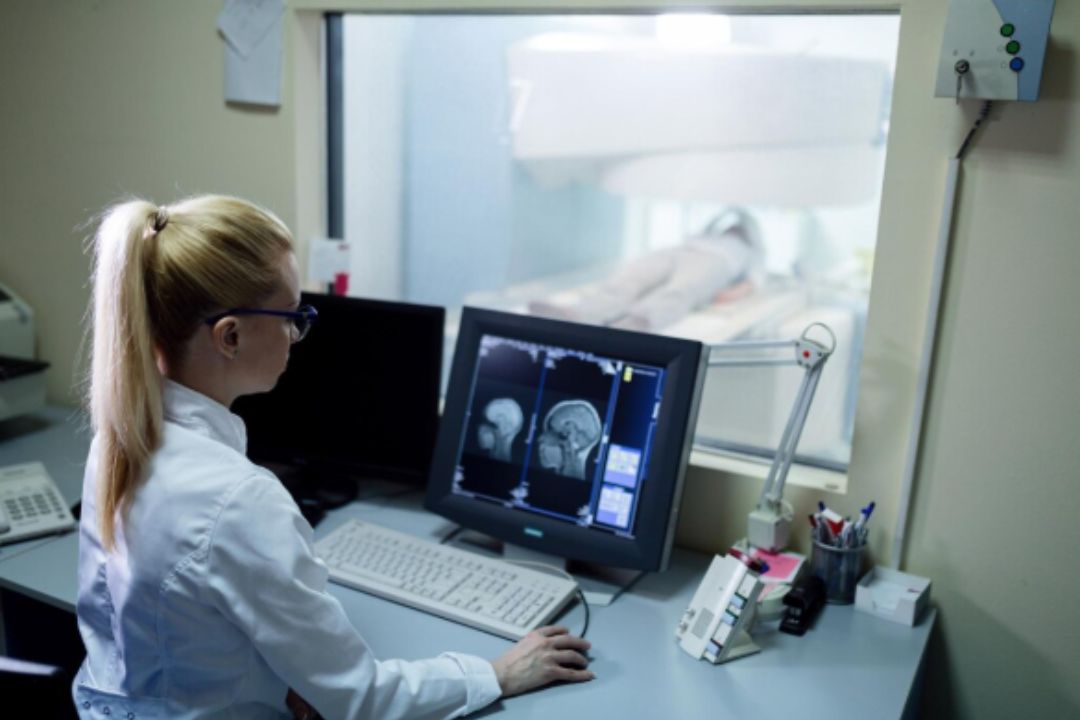
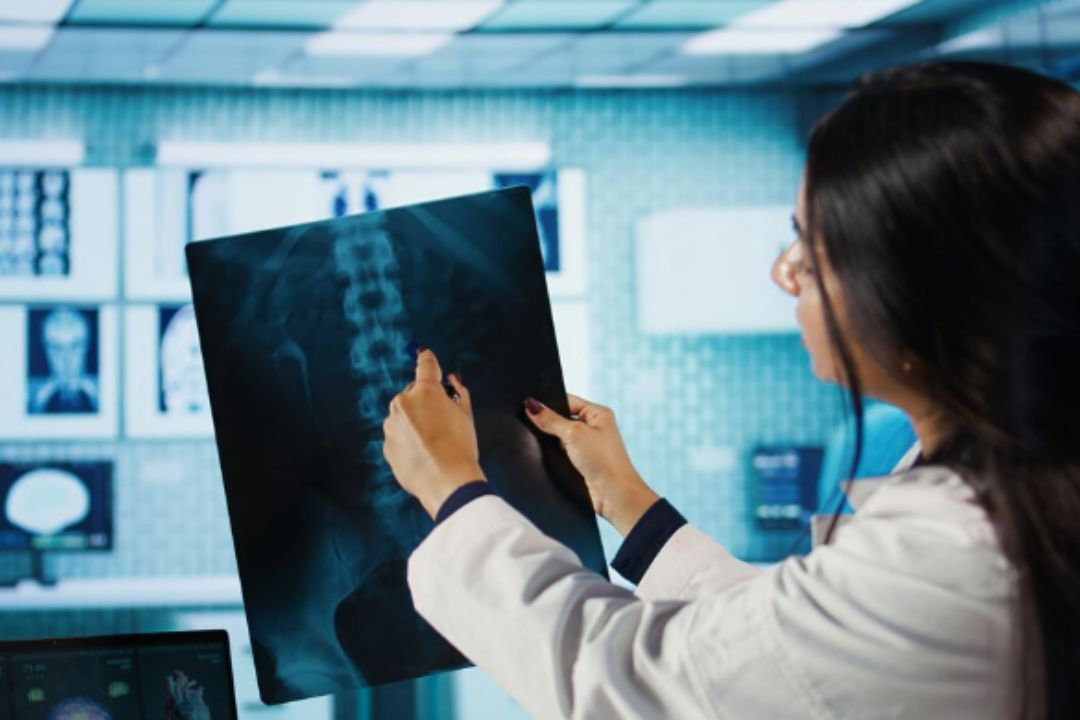
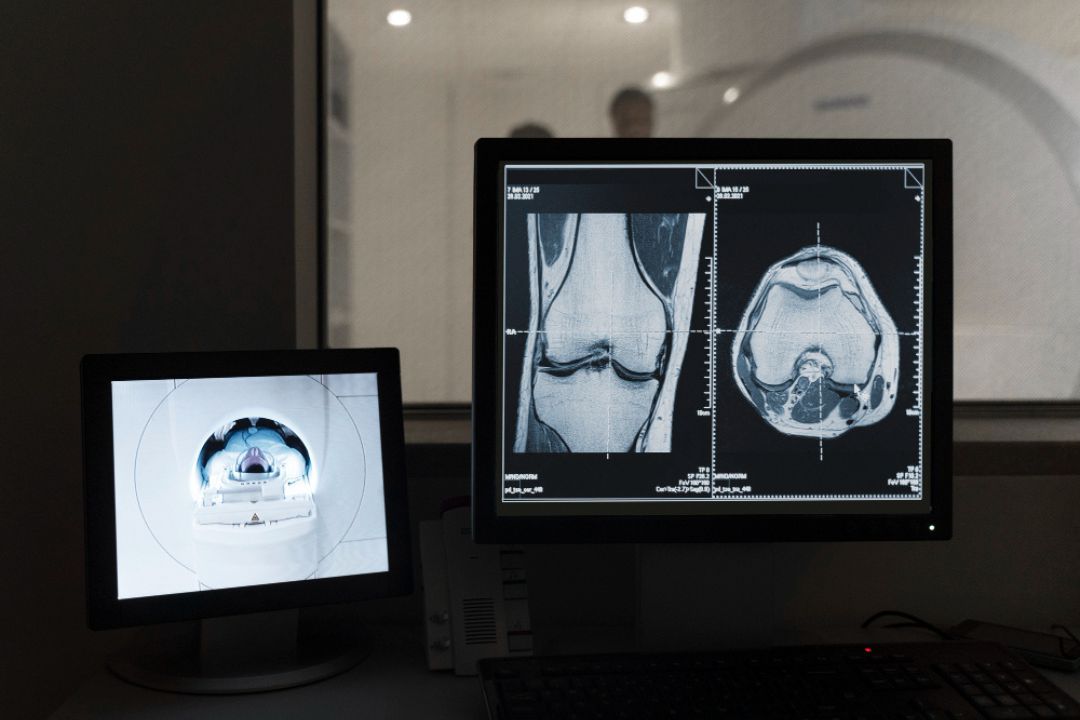
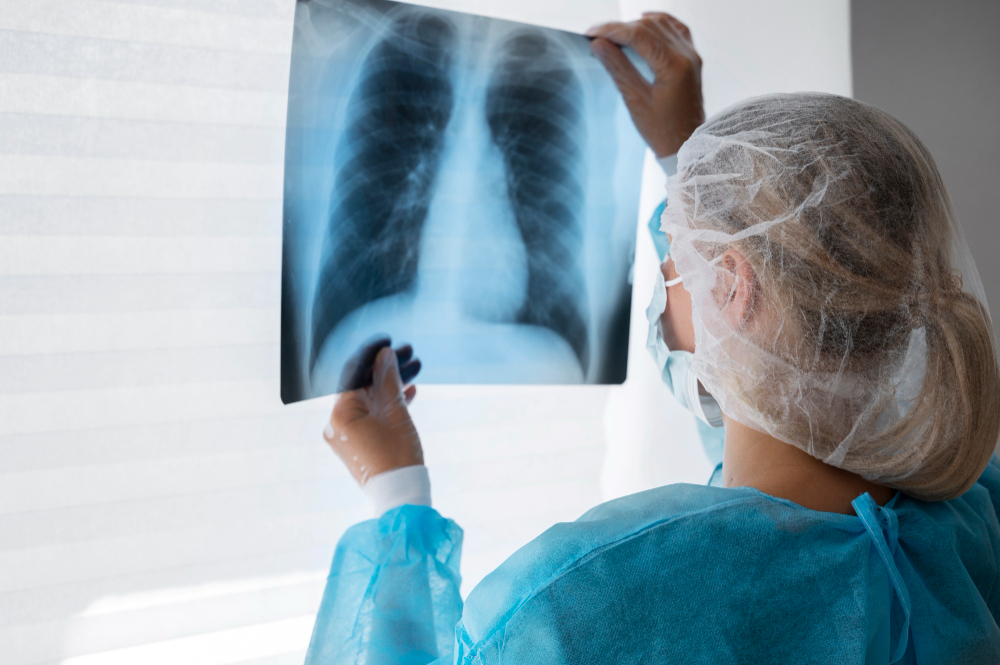
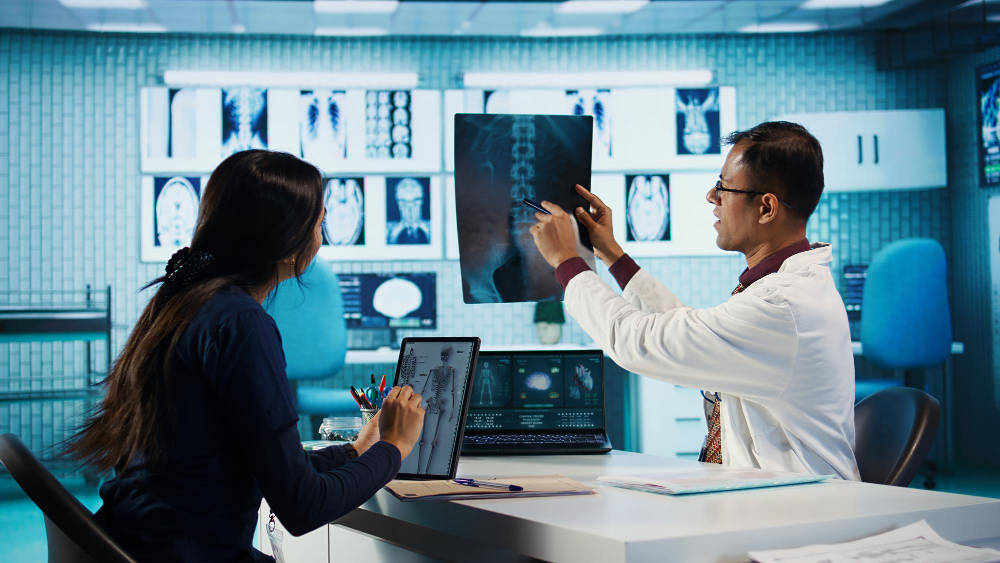
Images are captured and analyzed by a radiologist.
The entire procedure usually takes 15 to 30 minutes.
Your doctor may give some instructions before the scan.
Common preparation steps include:
Avoid eating for a few hours before the scan
Drink enough water
Inform the technician about allergies
Bring previous medical reports if available
After the scan, drinking water helps the body remove the contrast dye faster.
CT scans use X-rays to create detailed images. Although this involves radiation, the dose is carefully controlled and considered safe for diagnostic purposes.
Doctors only recommend CT scans when the benefits of accurate diagnosis outweigh the small risks of radiation exposure.
CT scans with contrast are valuable diagnostic tools that help doctors detect diseases and medical conditions more accurately. The contrast dye enhances image quality, allowing radiologists to identify abnormalities that may not appear on a standard CT scan.
For most patients, CT contrast is safe and well tolerated. Although mild side effects can occur, serious complications are rare when the scan is performed under proper medical supervision.






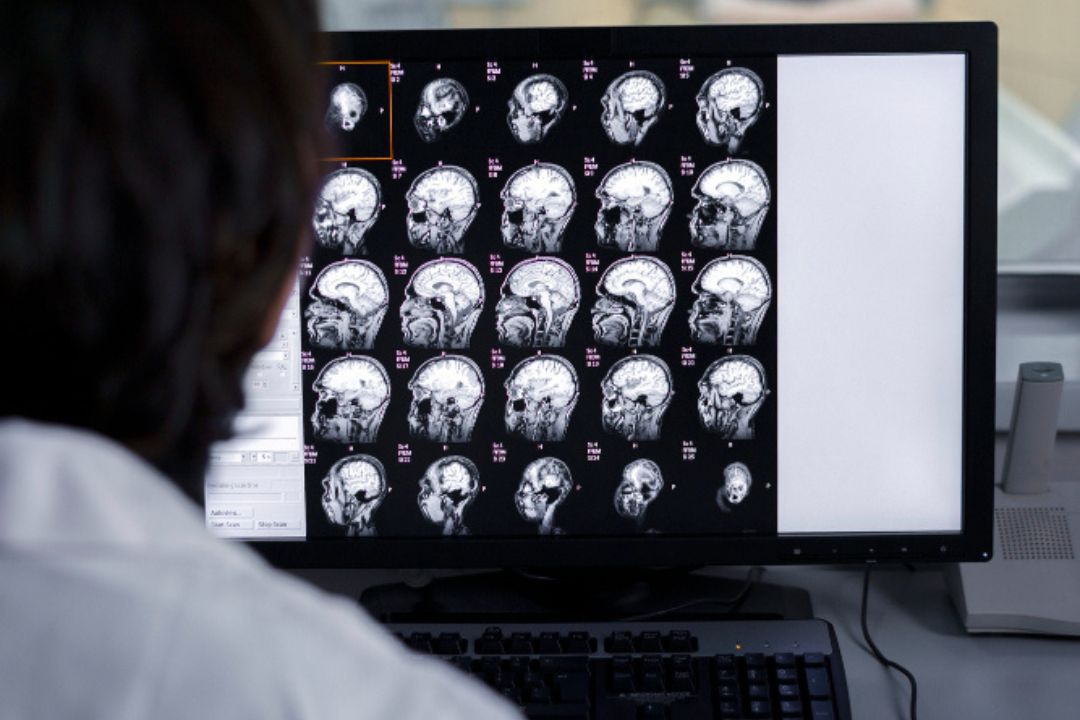
.jpg "ct brain scan plain and contrast")





.jpg "ct scan")
.jpg "ct scan or mri for brain disorders")


.jpg "exploring the power of ct brain contrast in modern diagnostics")
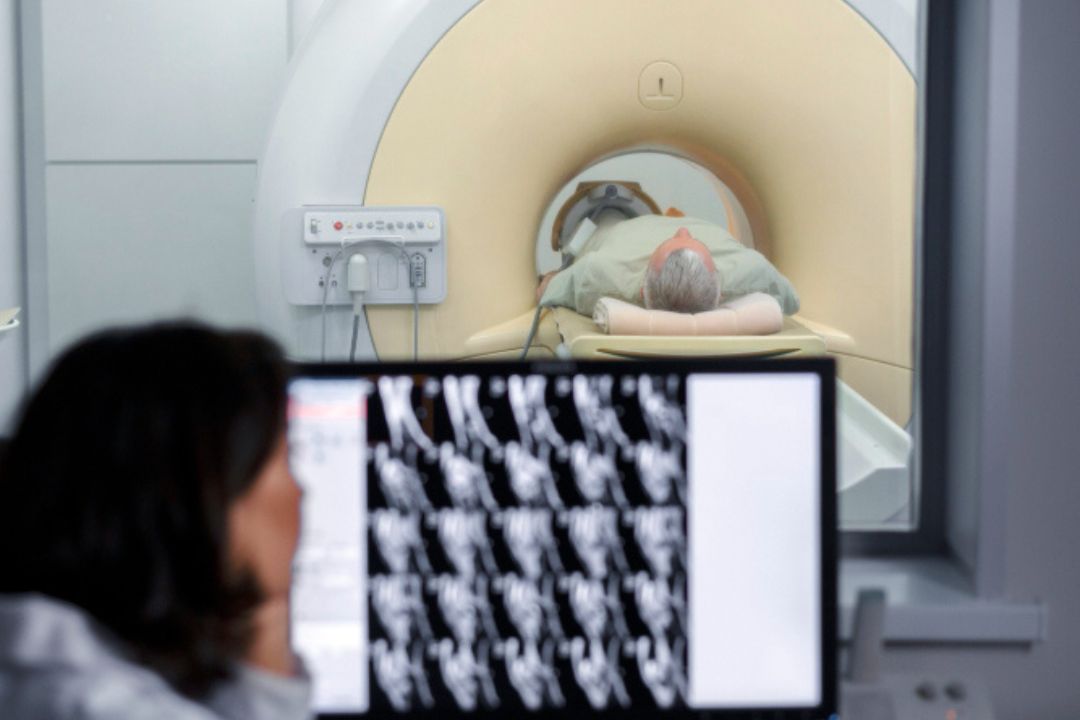
.jpg "ct scan")
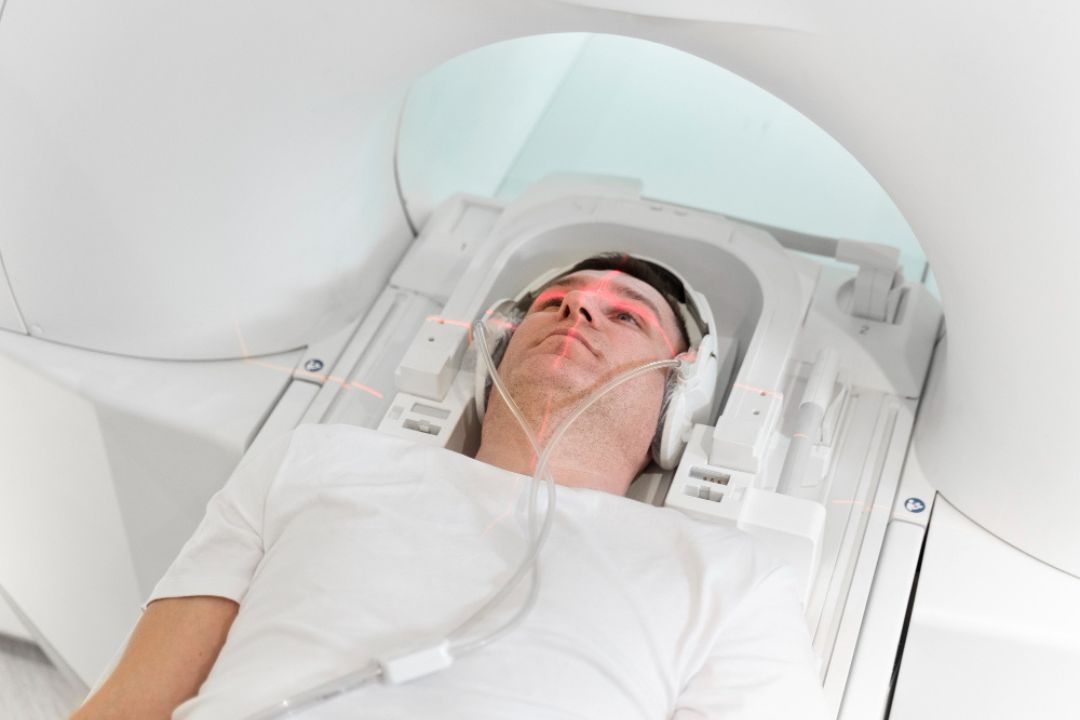
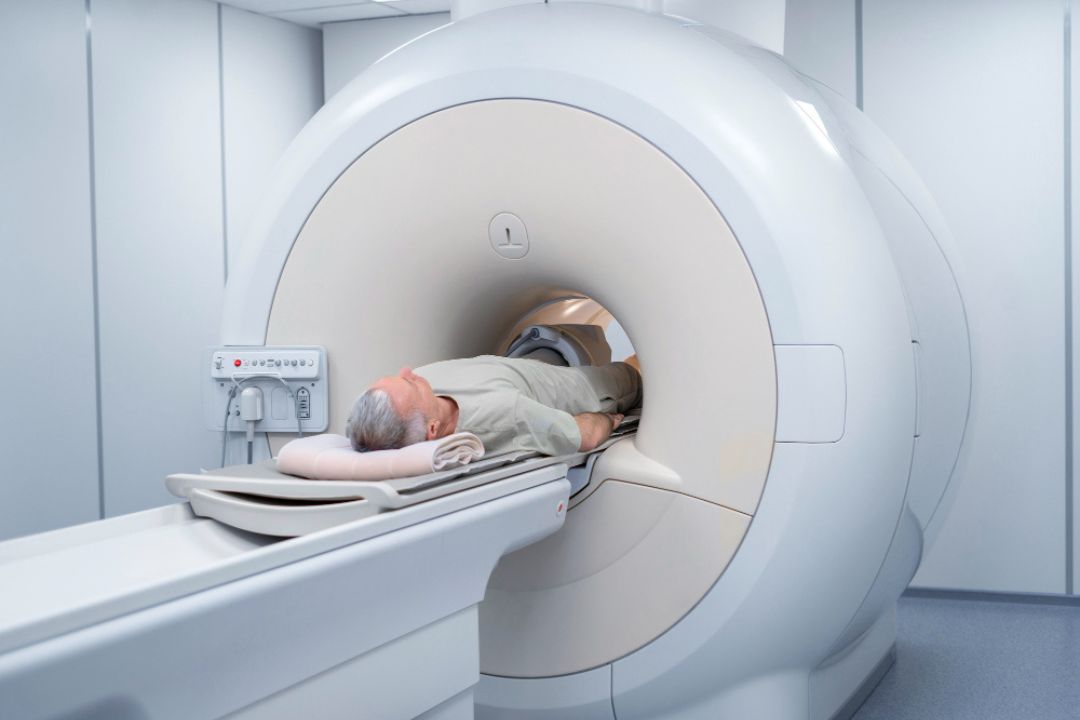
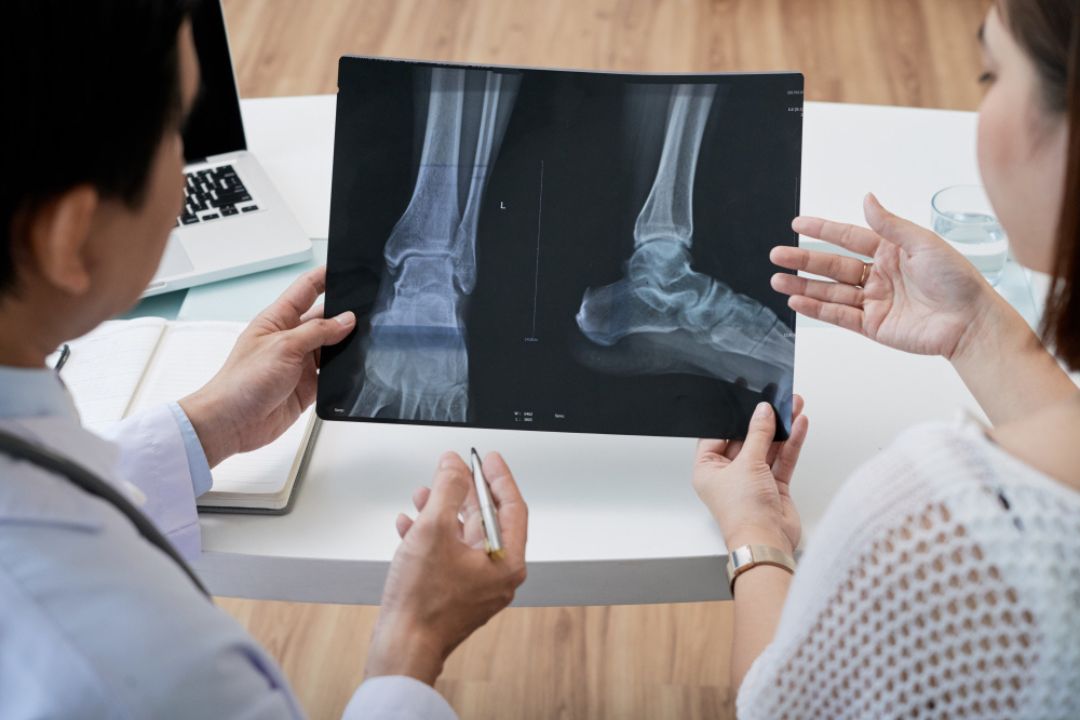
.jpg "ct scan")







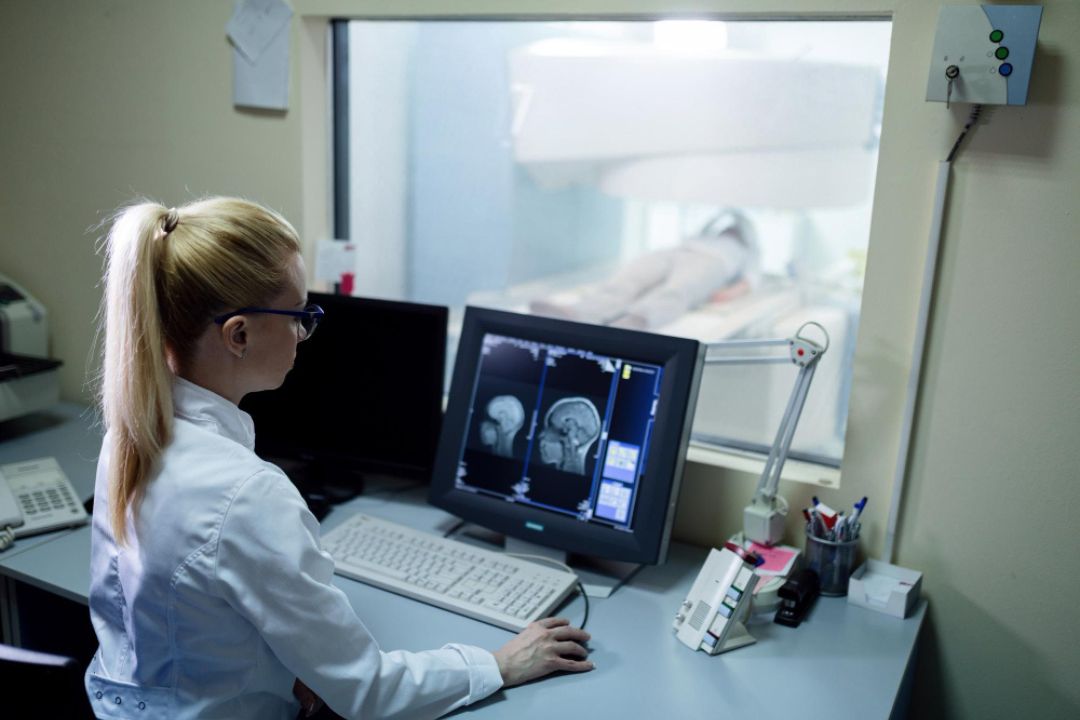
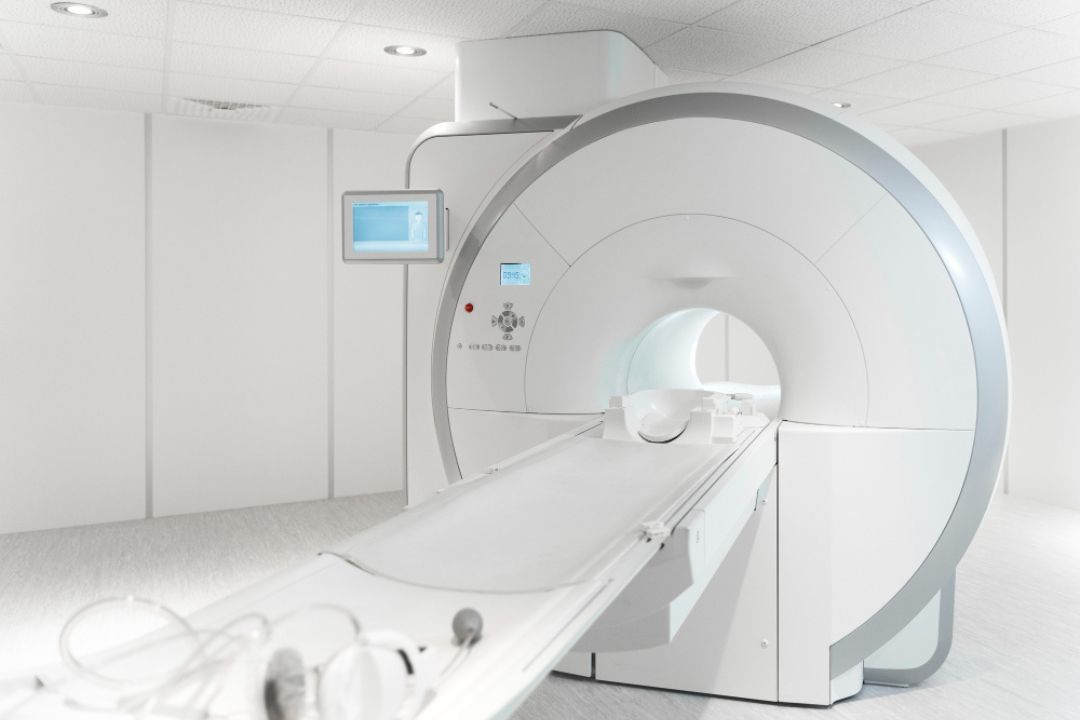
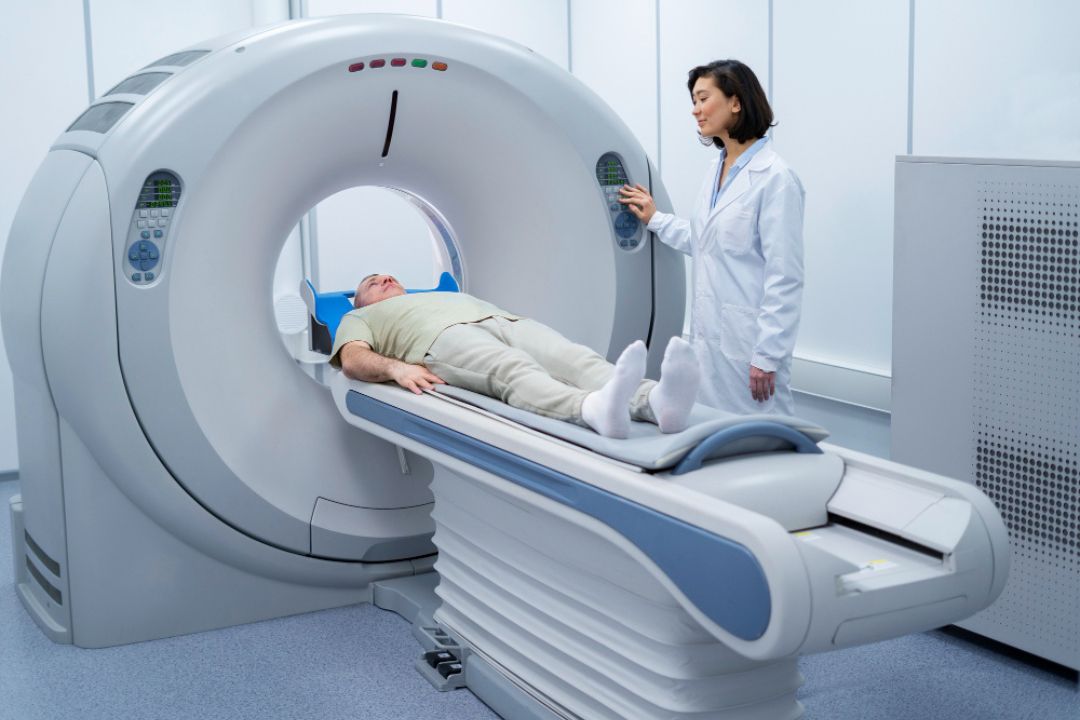
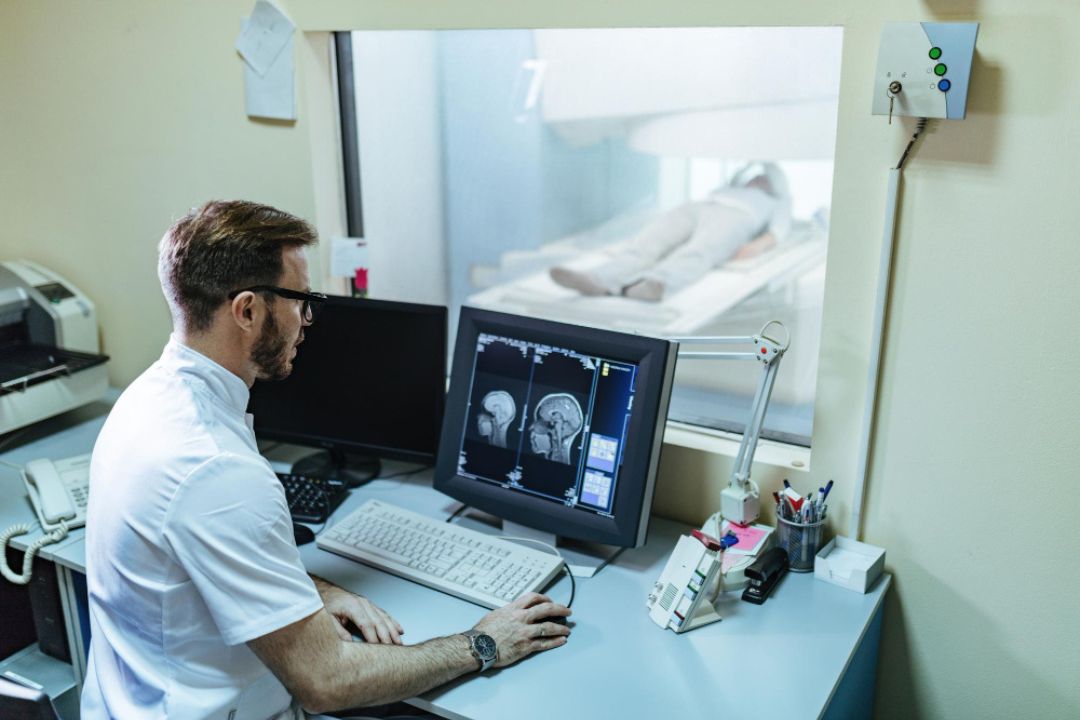
.jpg "ct scan")
.jpg "CT Brain Scan for Headaches")
.jpg "The Future of 3D CT Imaging")