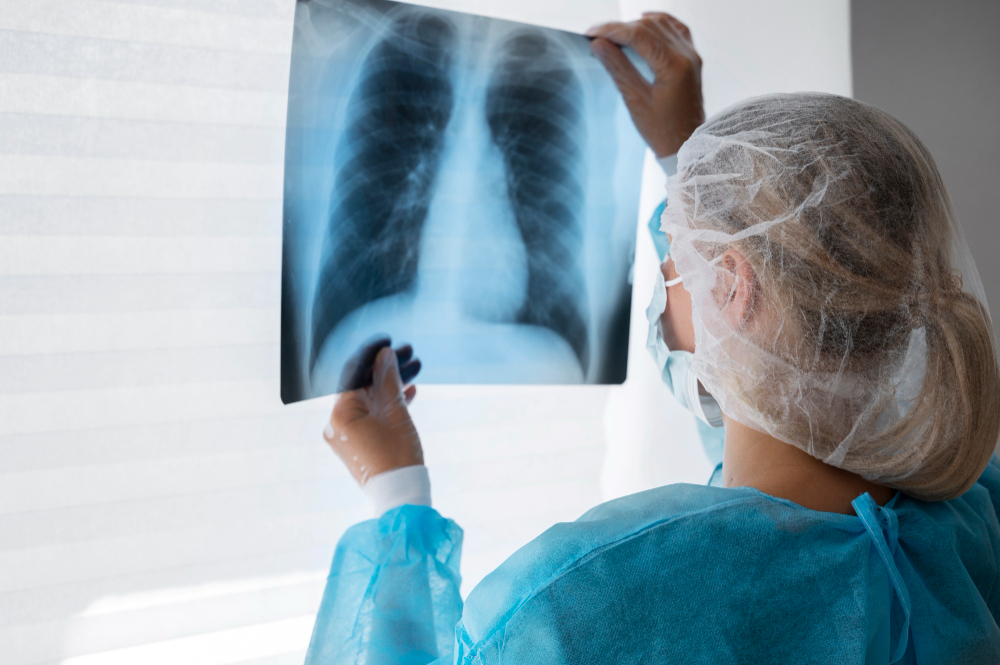
CT scans of the chest are widely used in modern medical imaging to diagnose various lung and chest conditions. Two common types of chest CT scans are the standard CT chest scan and the HRCT Chest Scan. Although both use X-ray technology to create detailed images of the chest, they are designed for different diagnostic purposes.
Understanding the difference between these two imaging techniques helps doctors choose the most appropriate test for diagnosing lung diseases and chest abnormalities.
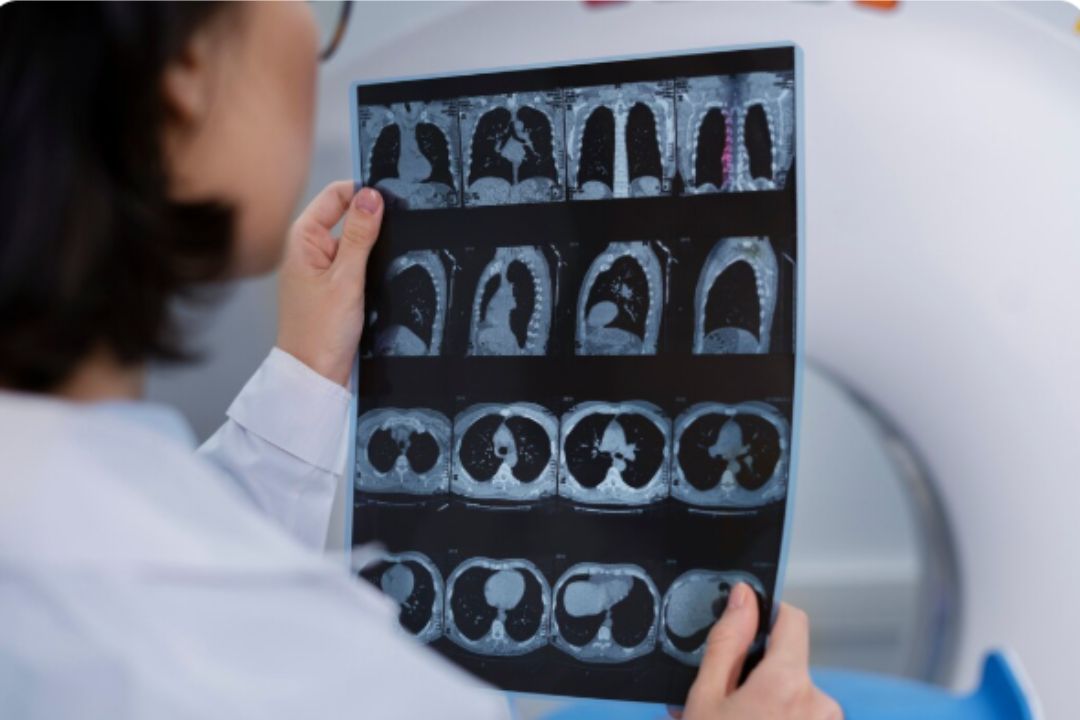
A CT Chest Scan is a diagnostic imaging test that uses X-rays and computer technology to produce detailed cross-sectional images of the chest. It allows doctors to examine the lungs, heart, blood vessels, lymph nodes, ribs, and surrounding tissues.
This scan is commonly used to detect conditions such as lung tumors, infections, blood clots, chest injuries, and other abnormalities in the chest region. It provides a comprehensive view of the chest structures and helps doctors evaluate multiple organs at the same time.
HRCT stands for High-Resolution Computed Tomography. It is a specialized type of CT scan that produces extremely detailed images of lung tissues.
Visit Now: https://www.diagnopein.com
This imaging technique uses very thin slices and advanced reconstruction methods to provide high-resolution images of the lungs and airways. Because of this high level of detail, HRCT is particularly useful for detecting subtle lung abnormalities that may not be visible on a standard CT scan.
Doctors often recommend HRCT when they need a more detailed evaluation of lung tissue and small airways.
The main difference between the two scans is image detail. HRCT produces very high-resolution images that allow doctors to examine lung tissue closely, while a normal CT chest provides broader images of the chest structures.
HRCT scans use thinner slices, usually around 1–2 millimeters, which creates clearer and more detailed images of lung structures. A standard CT chest scan uses thicker slices and focuses on overall chest anatomy.
HRCT is mainly used to evaluate lung tissue and chronic lung diseases, while a regular CT chest scan is used for a wider range of conditions including tumors, infections, trauma, and blood vessel problems.
A normal CT chest scan often uses contrast dye to highlight blood vessels, tumors, or infections. HRCT scans are usually performed without contrast and focus mainly on lung tissue details.
HRCT is especially useful for diagnosing interstitial lung diseases, pulmonary fibrosis, bronchiectasis, and other chronic lung conditions. A regular CT chest scan is used for diagnosing lung cancer, infections, chest injuries, and vascular problems.
Doctors usually suggest HRCT chest when patients have symptoms or conditions that require detailed evaluation of lung tissue.
Common reasons include:
Persistent cough
Shortness of breath
Suspected interstitial lung disease
Pulmonary fibrosis
Bronchiectasis
Lung damage after infections
Because HRCT provides highly detailed images, it helps doctors detect early lung disease and evaluate the extent of lung damage.
A standard CT chest scan is recommended for many different chest conditions, including:
Suspected lung cancer
Chest trauma or injury
Lung infections such as pneumonia
Blood clots in the lungs
Enlarged lymph nodes
Evaluation of chest tumors
This scan provides a broader overview of the chest and surrounding structures.
Both scans follow a similar procedure.
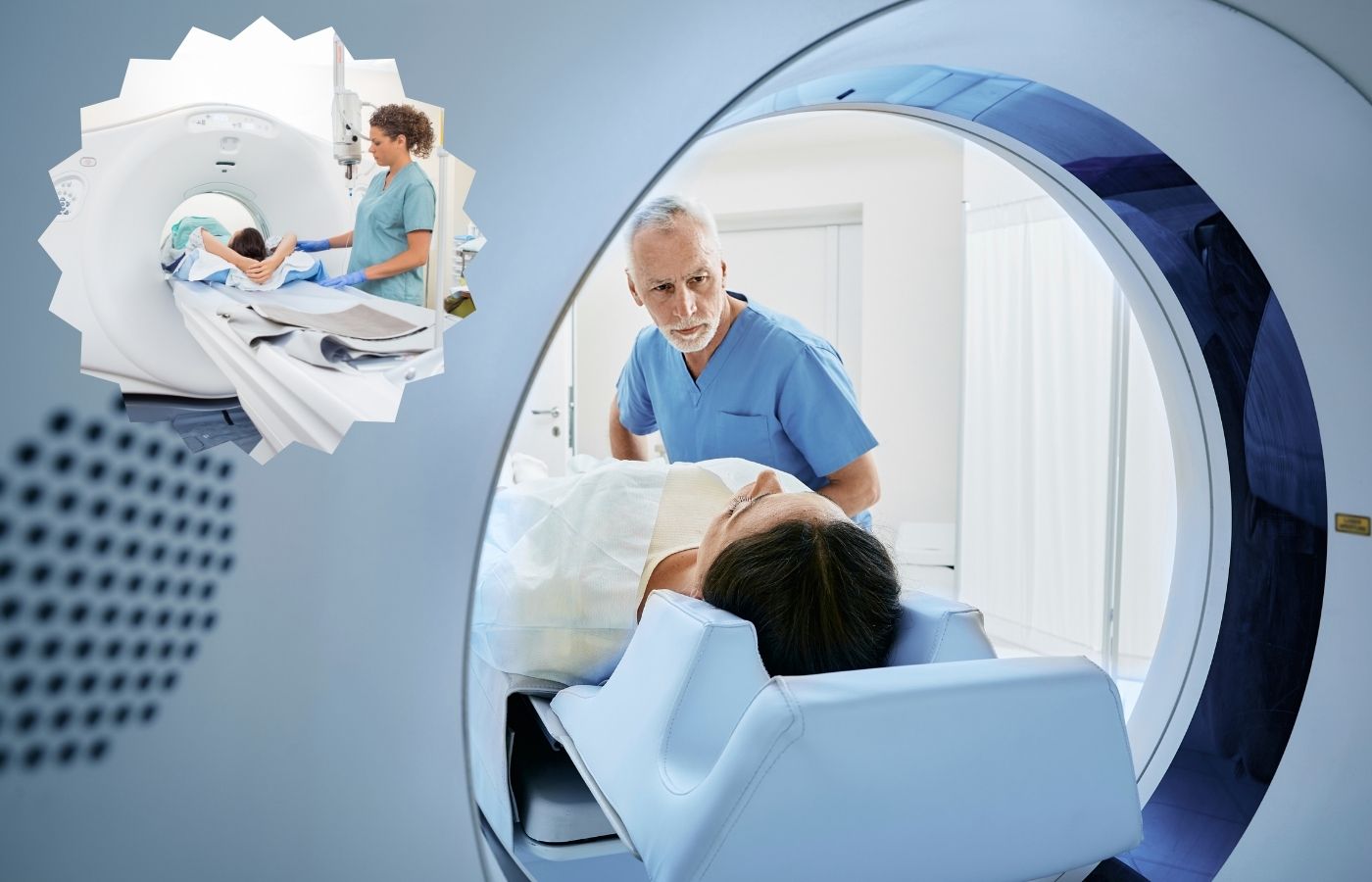
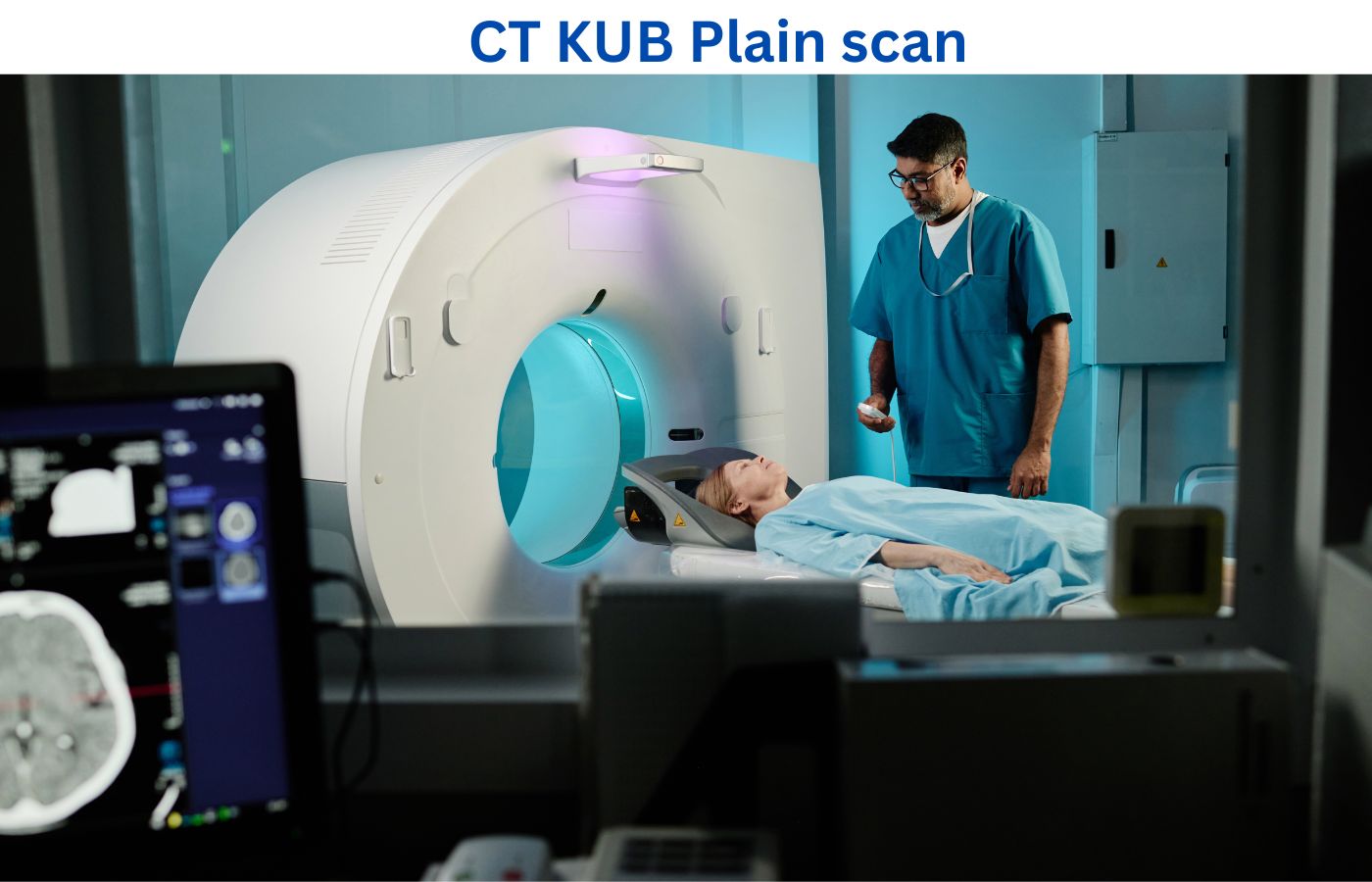
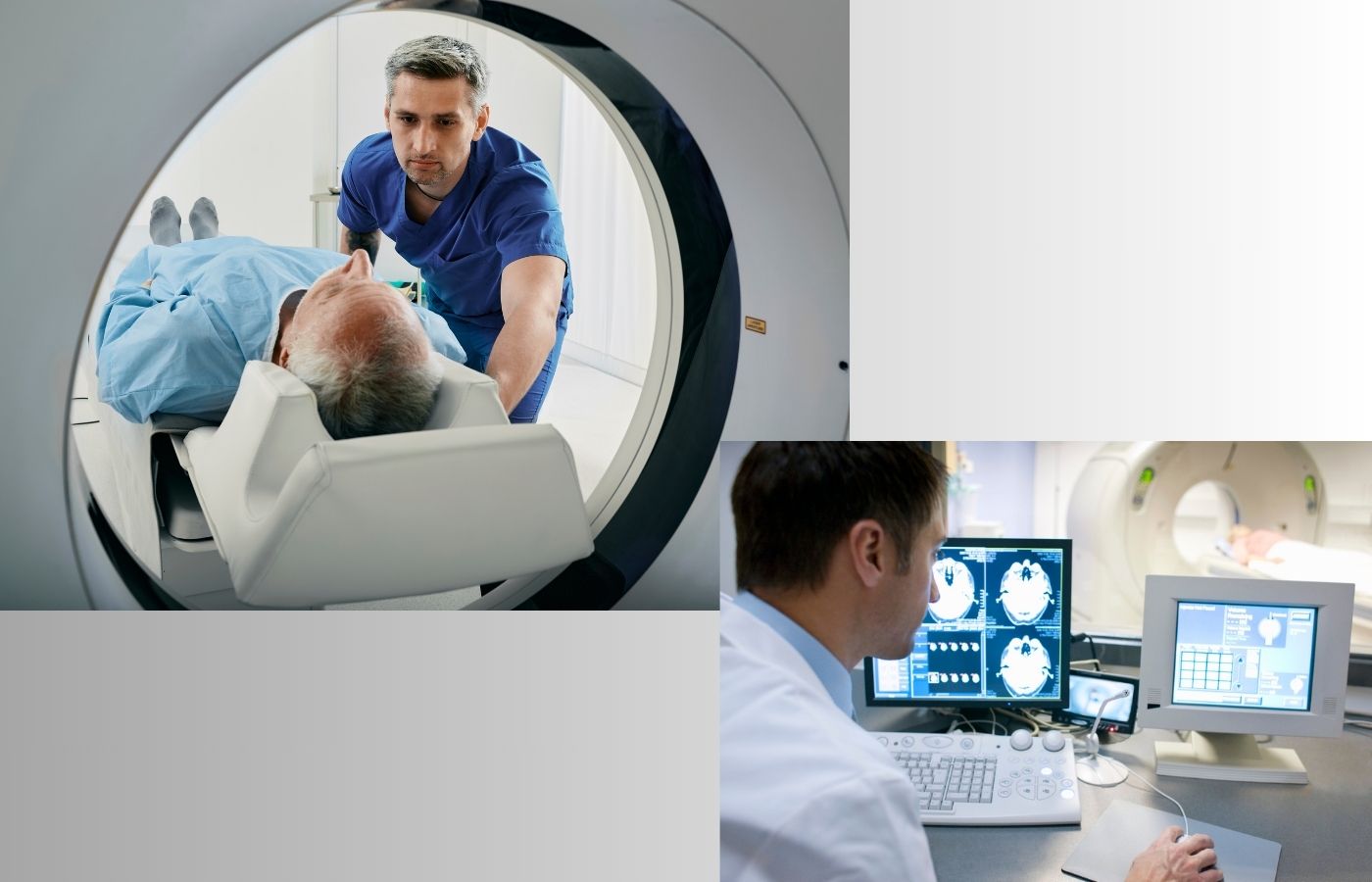
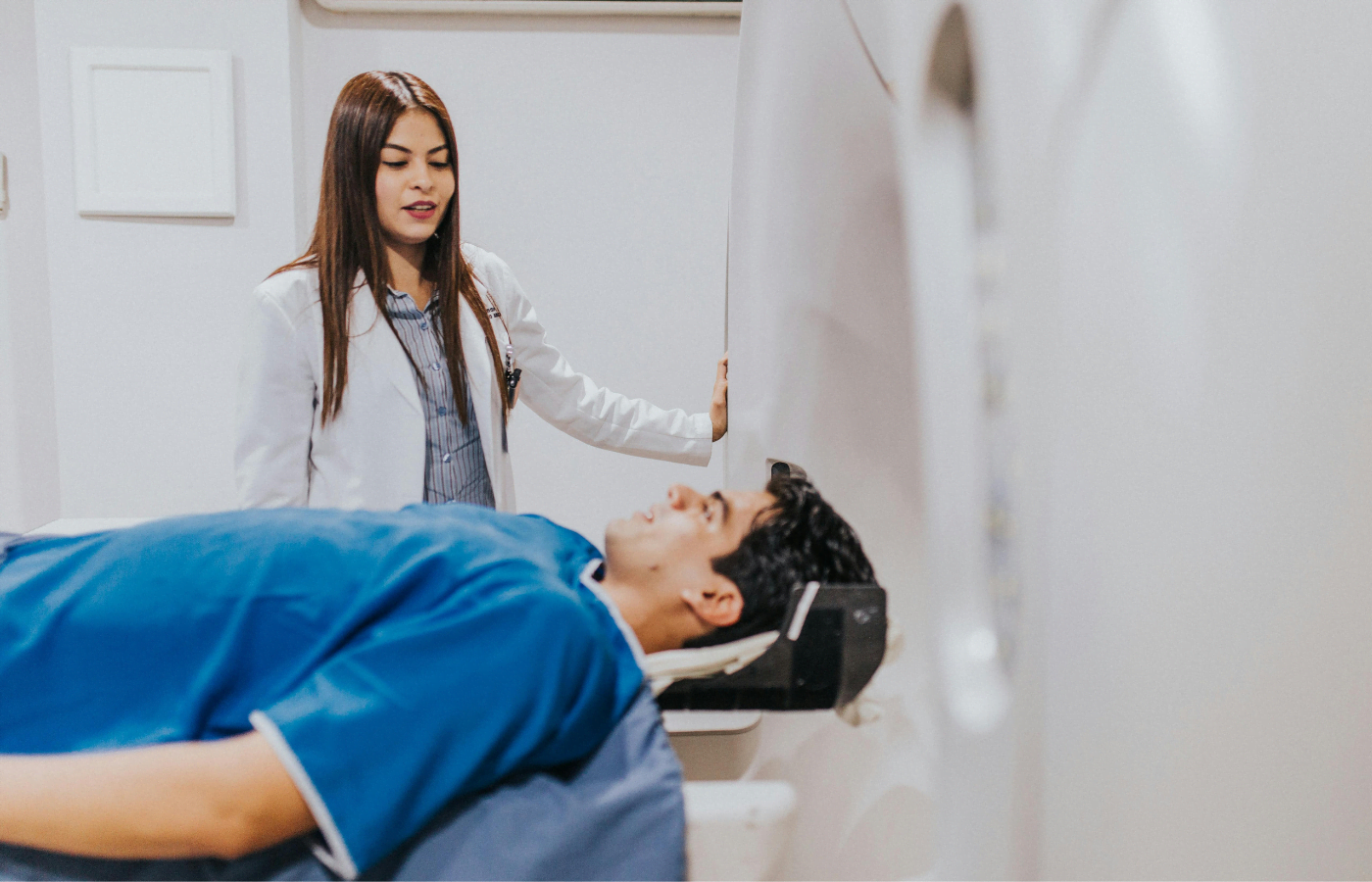
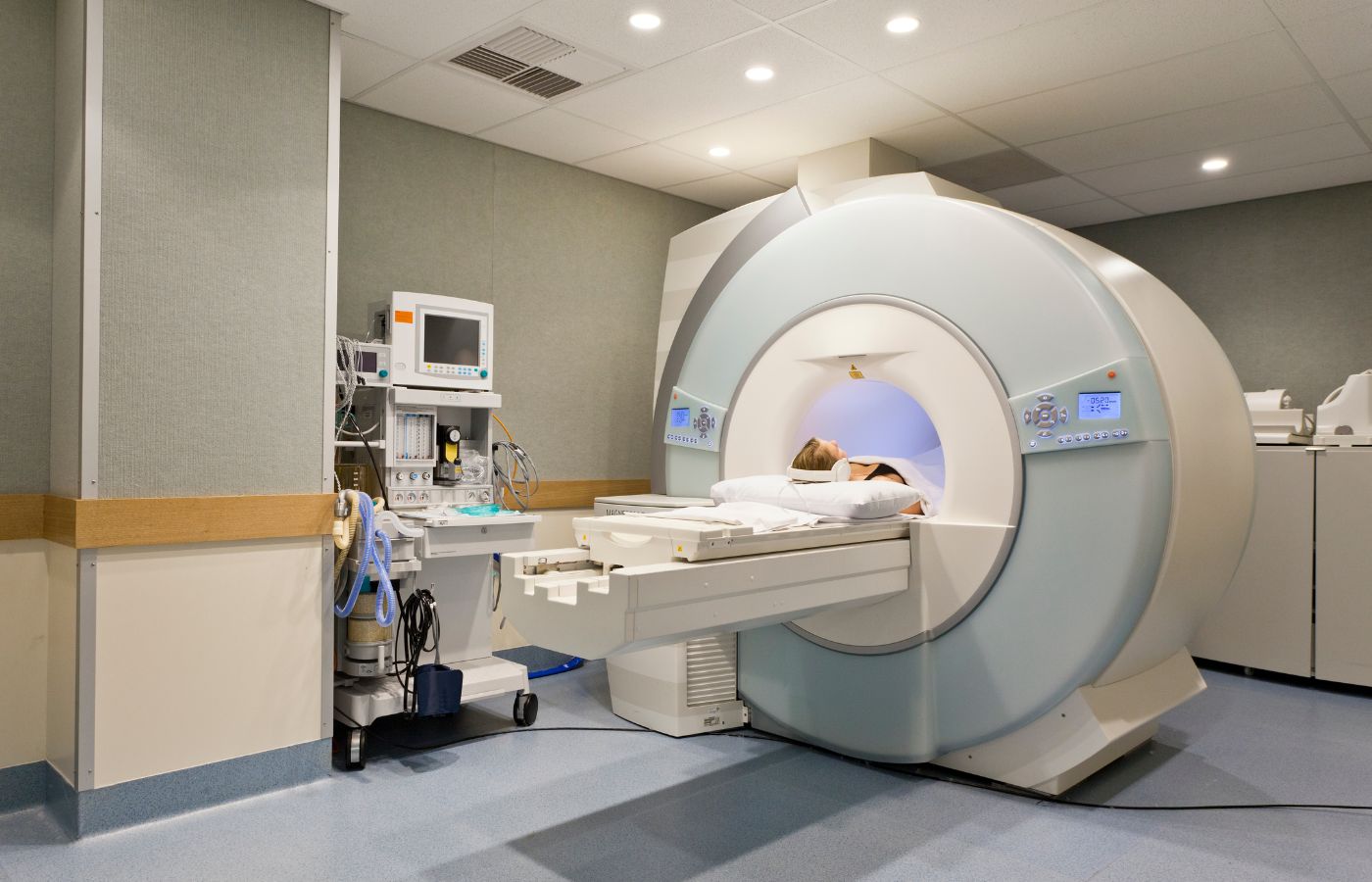
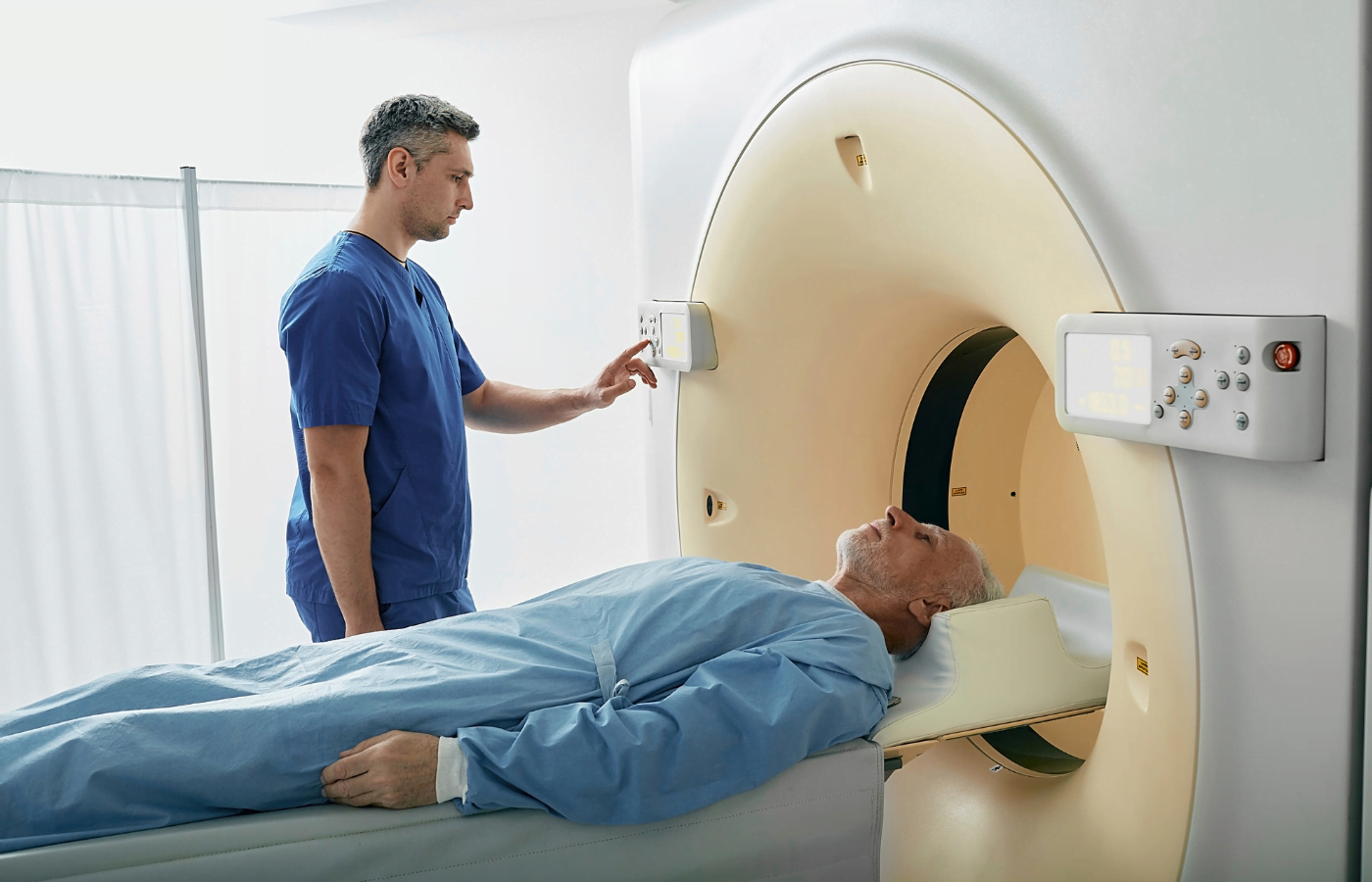
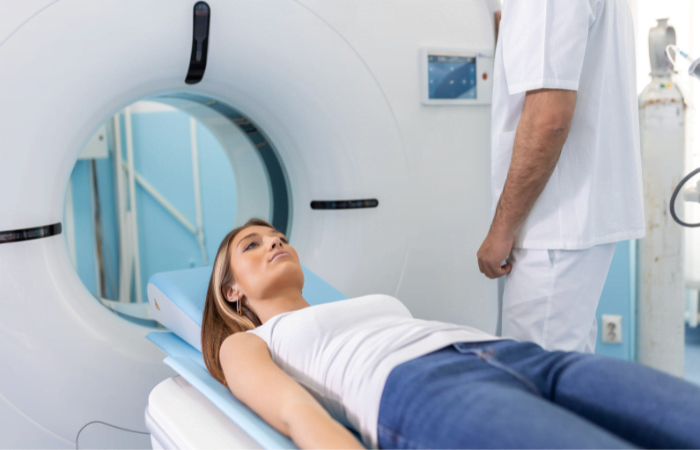
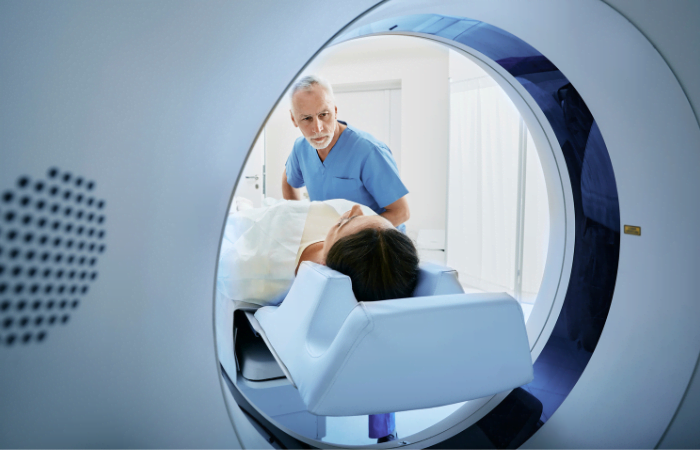
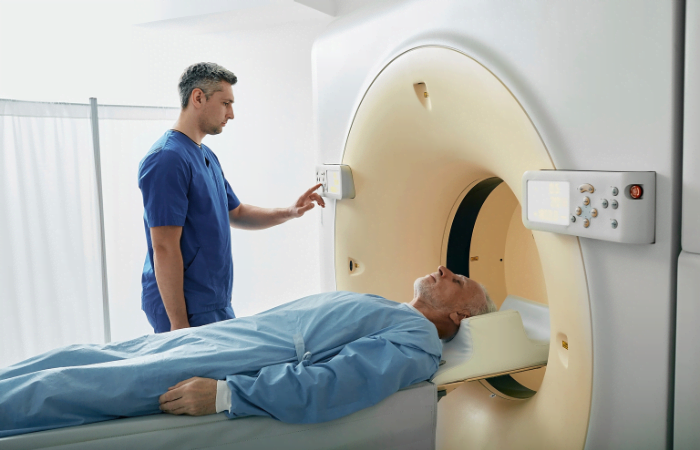
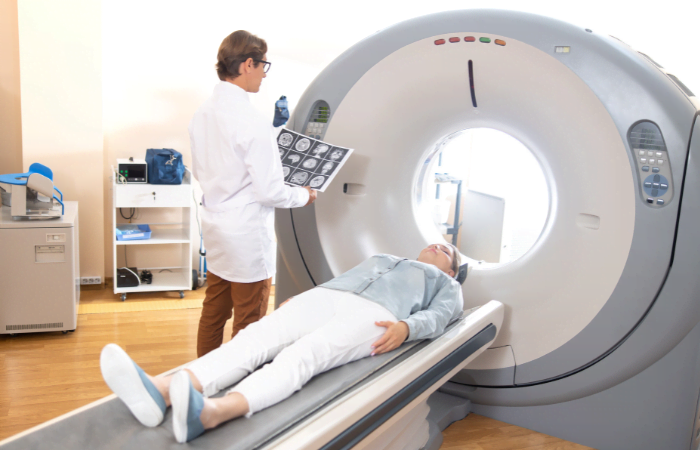
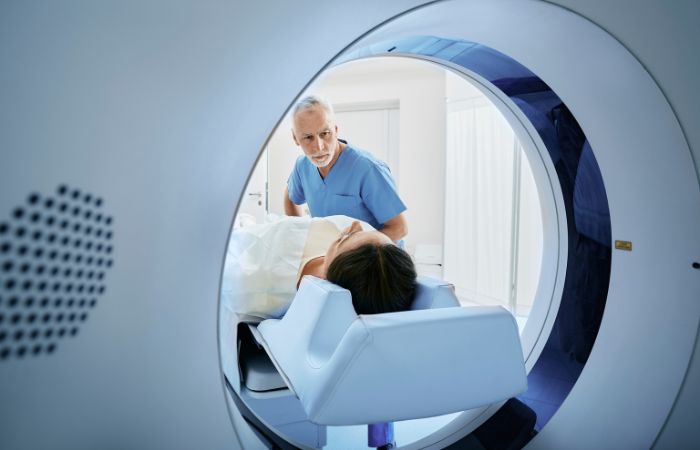
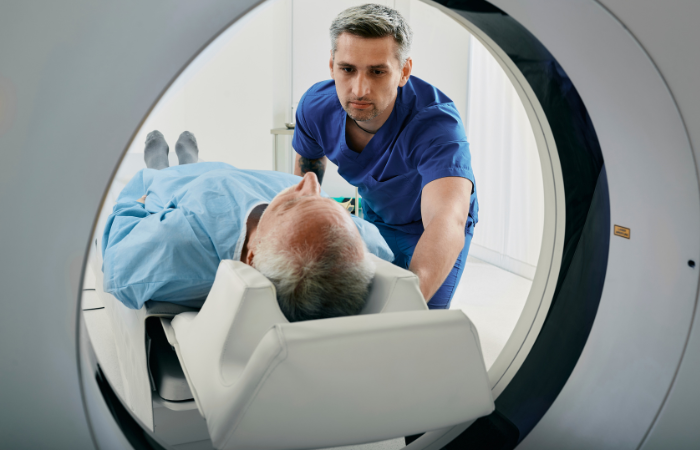
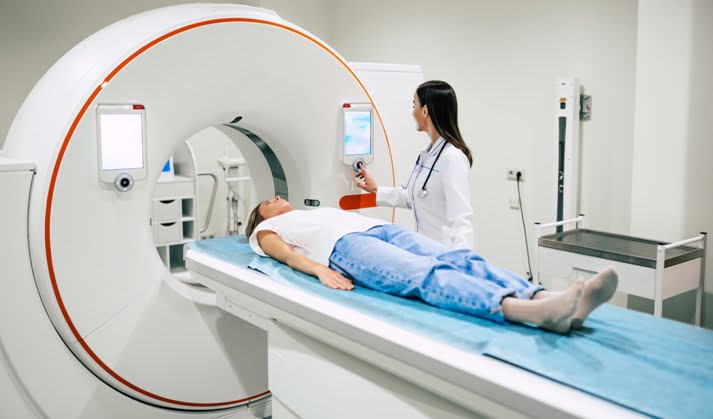
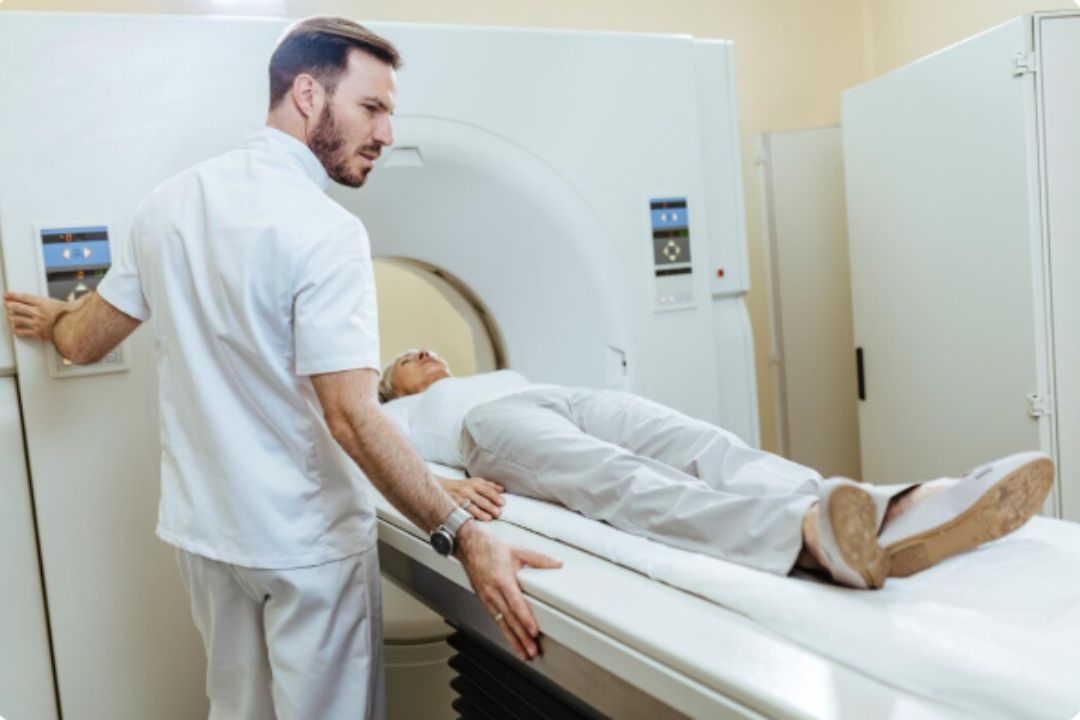
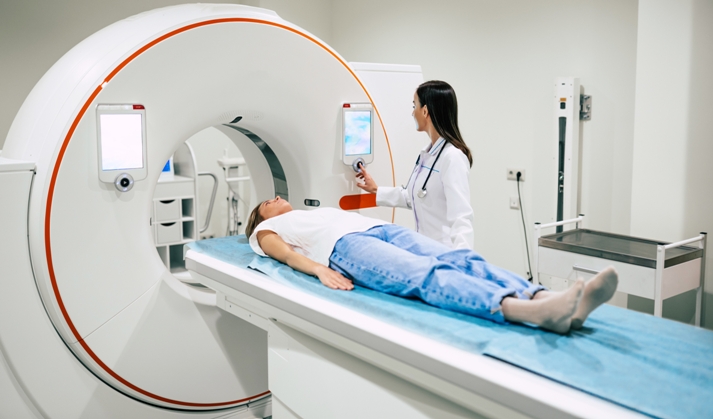
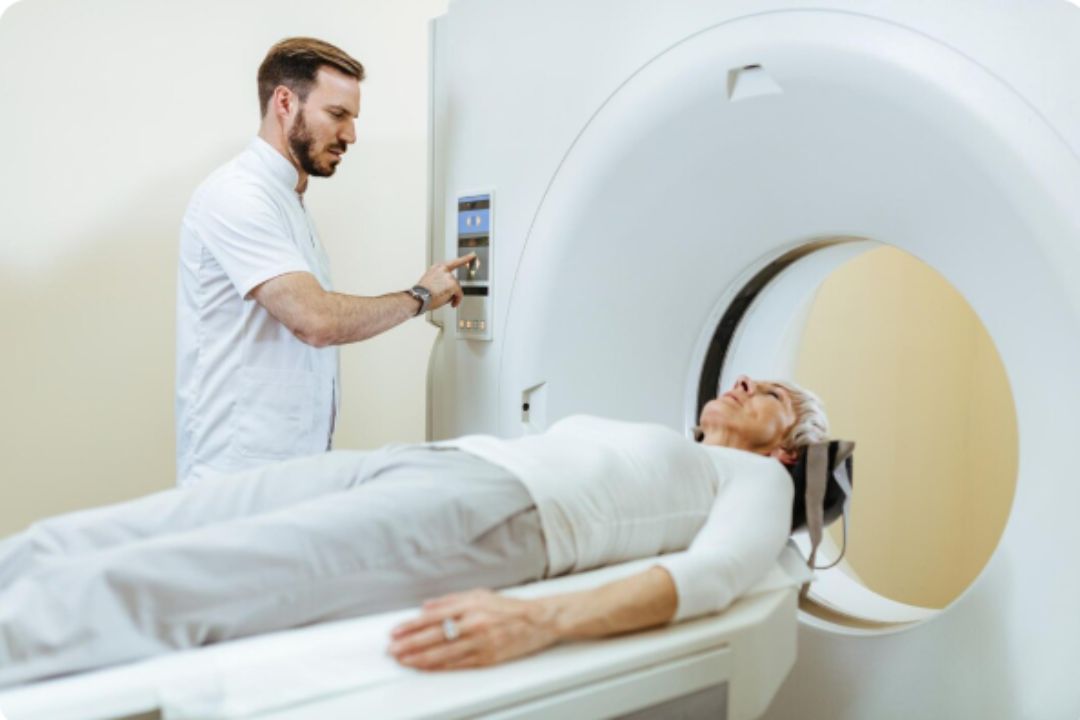
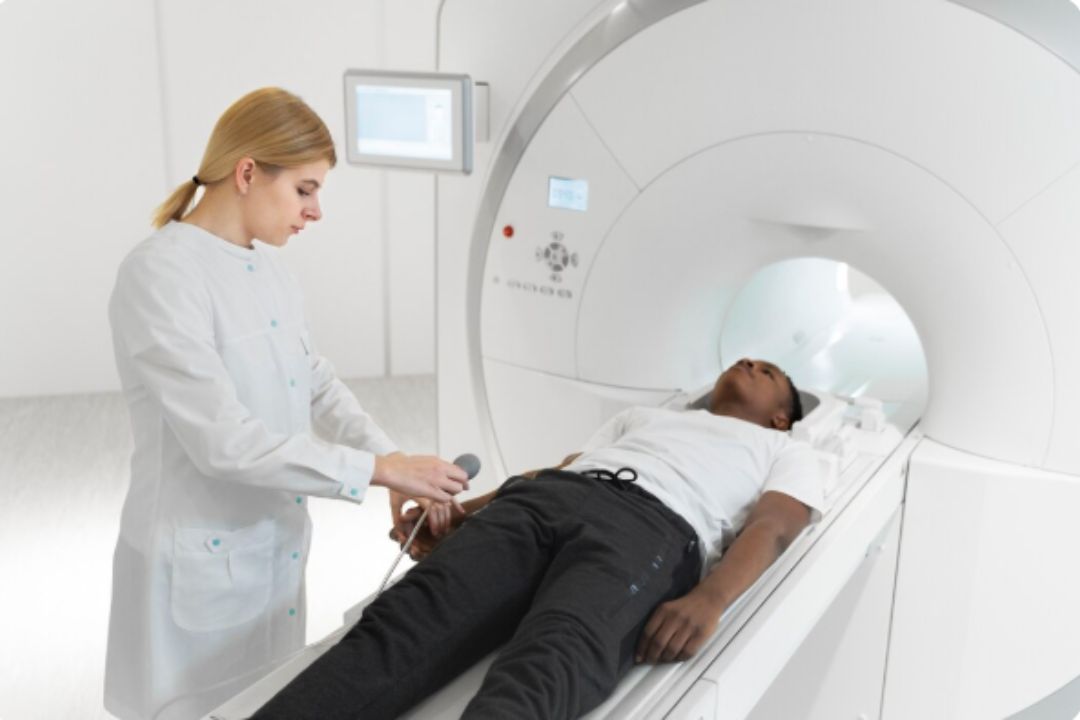
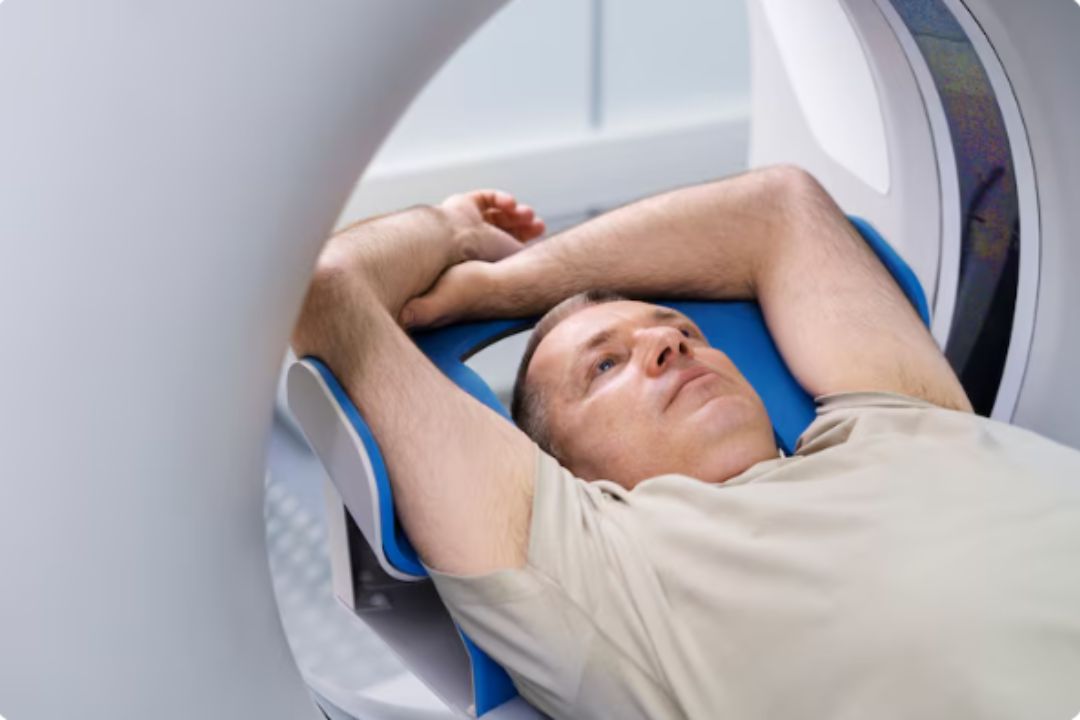
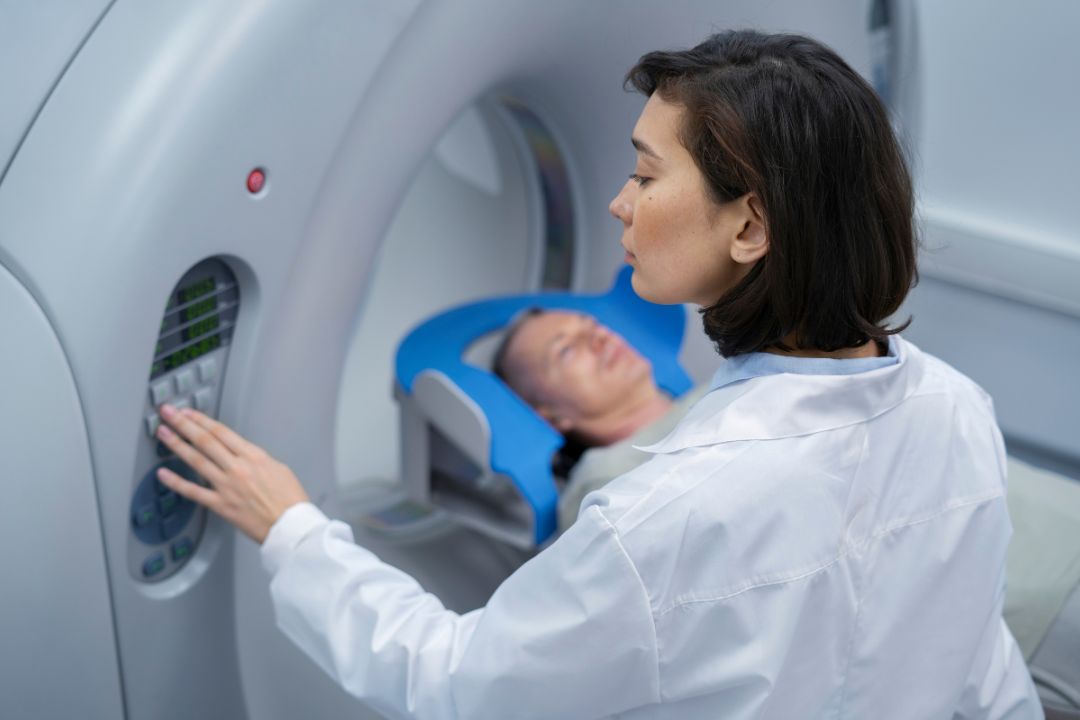
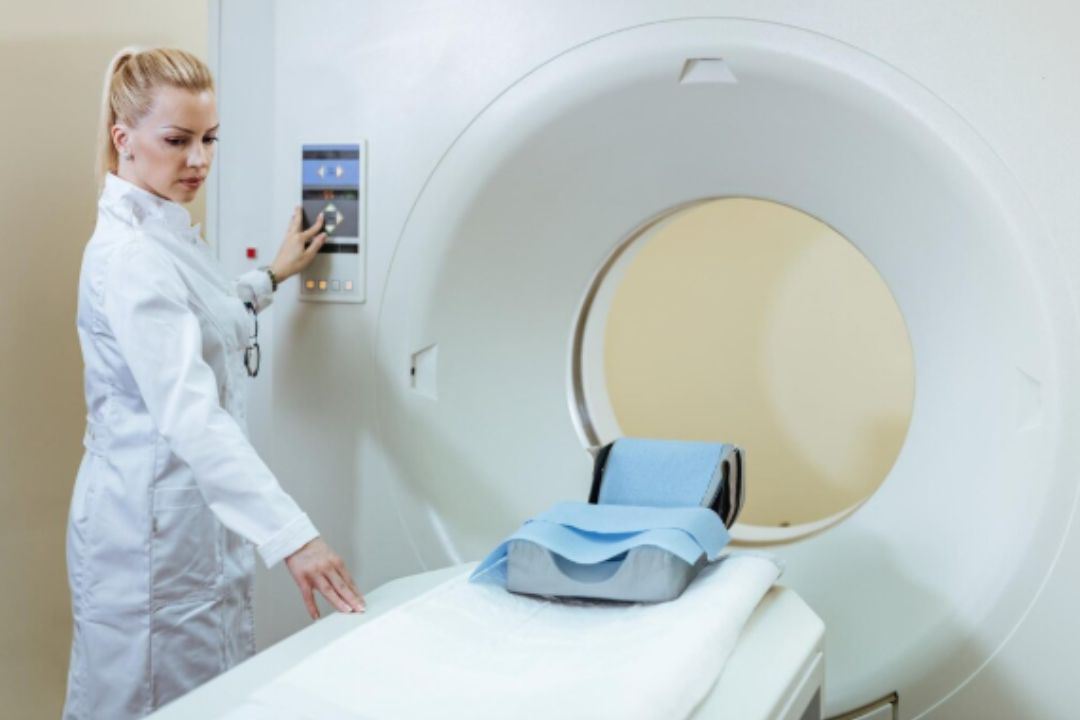
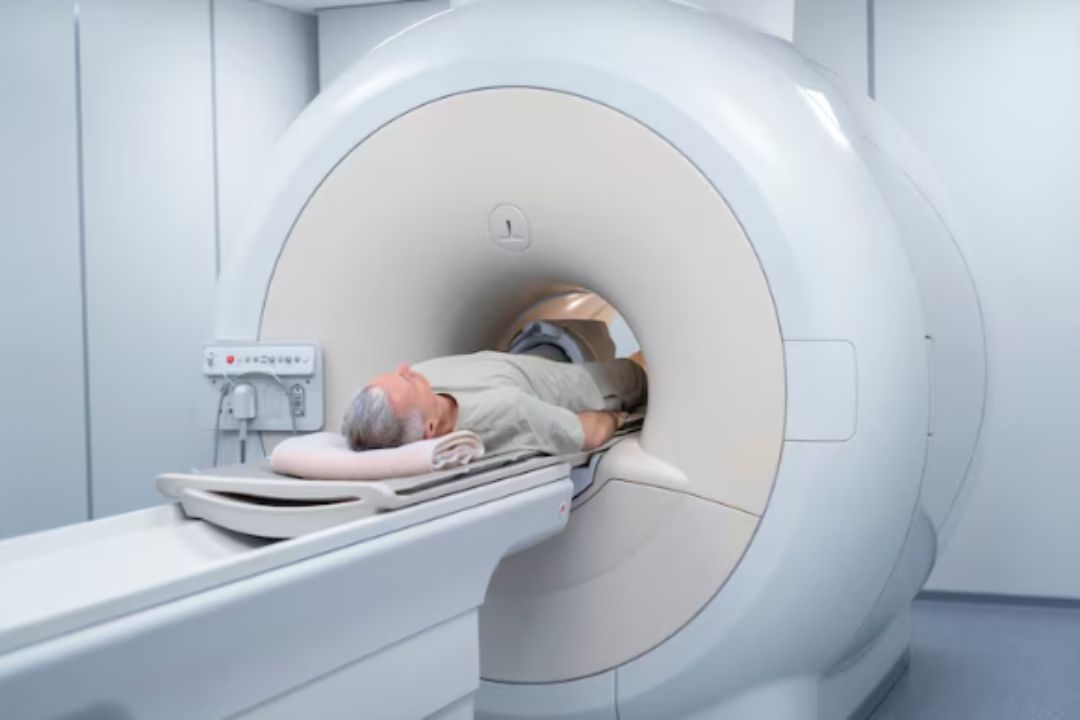
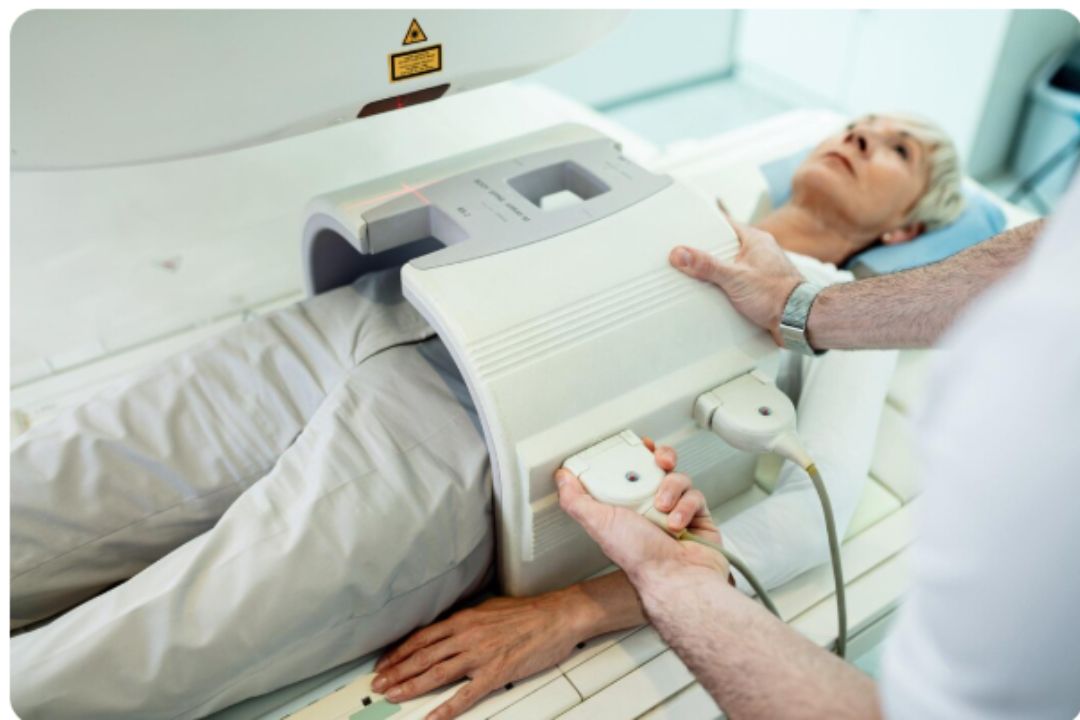
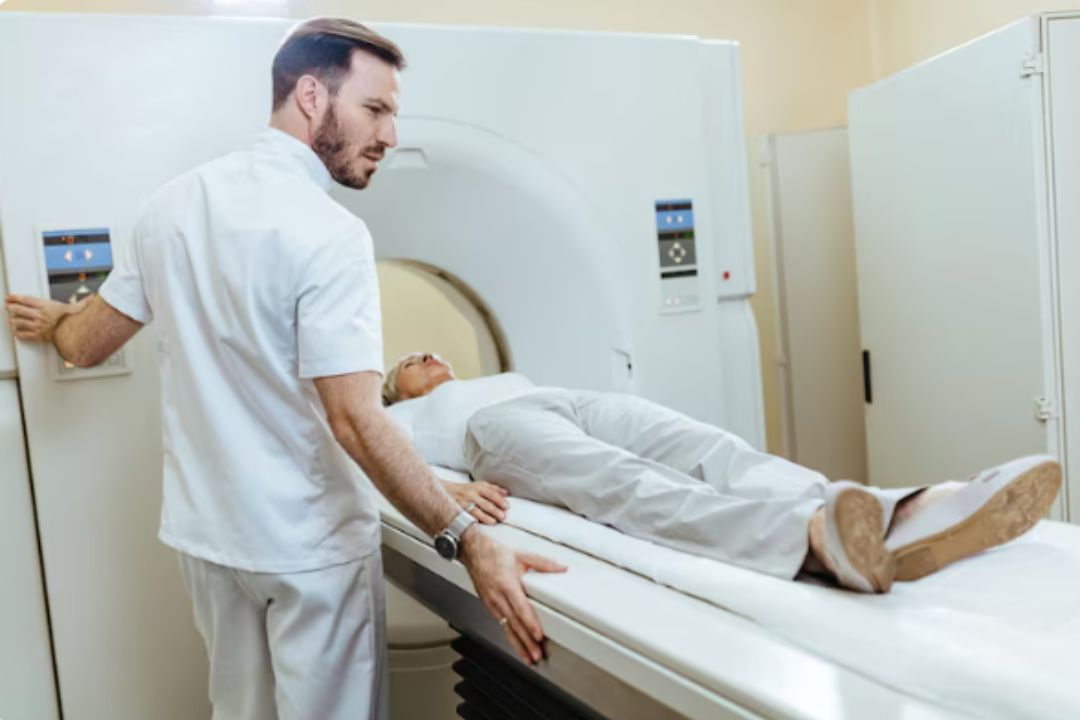
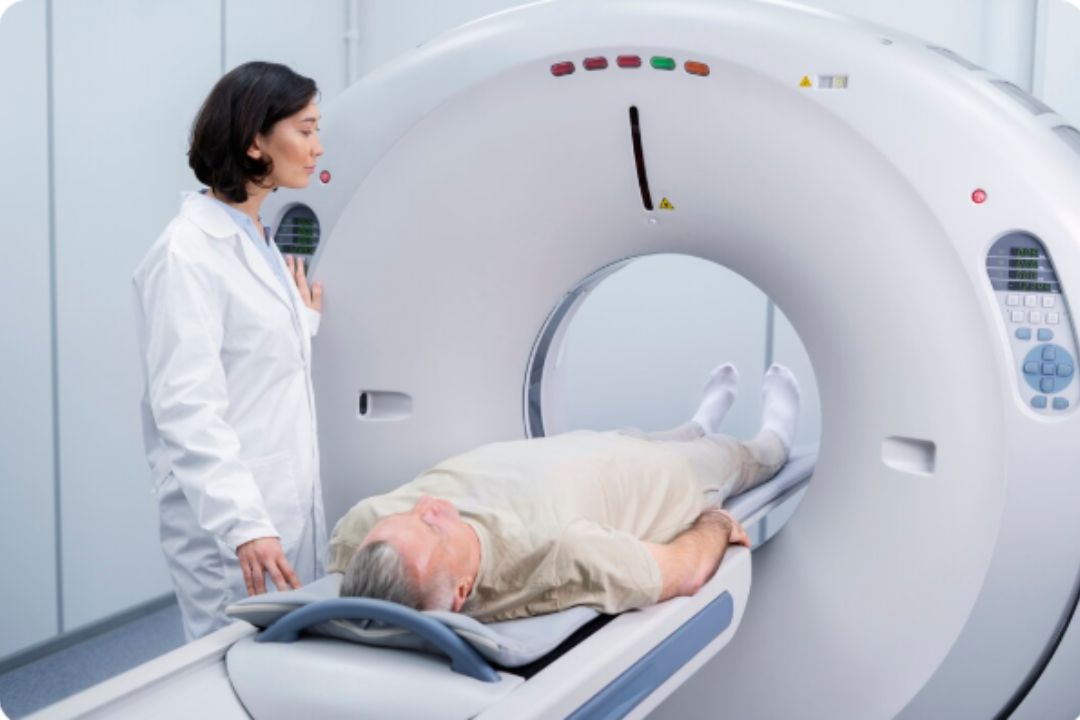
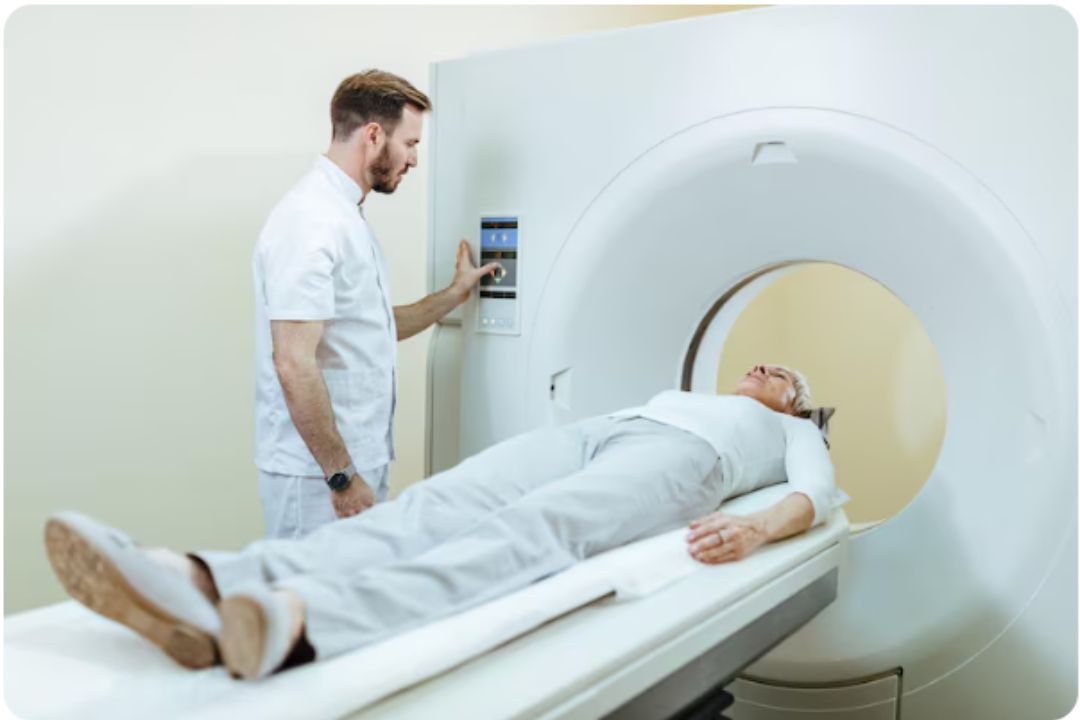
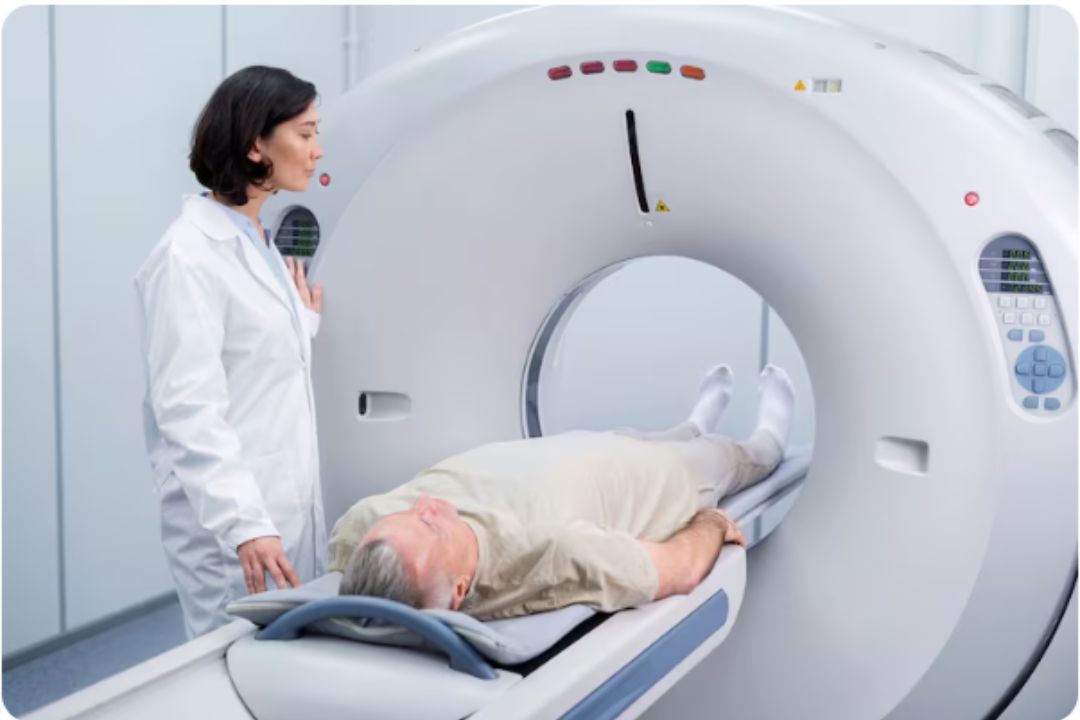
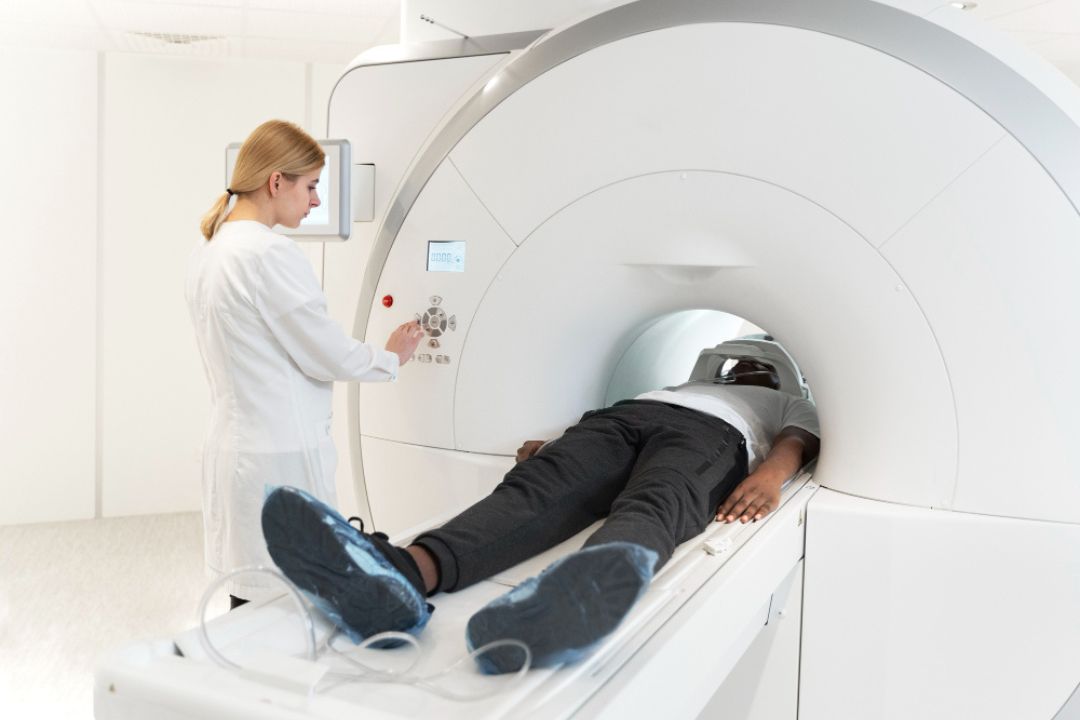
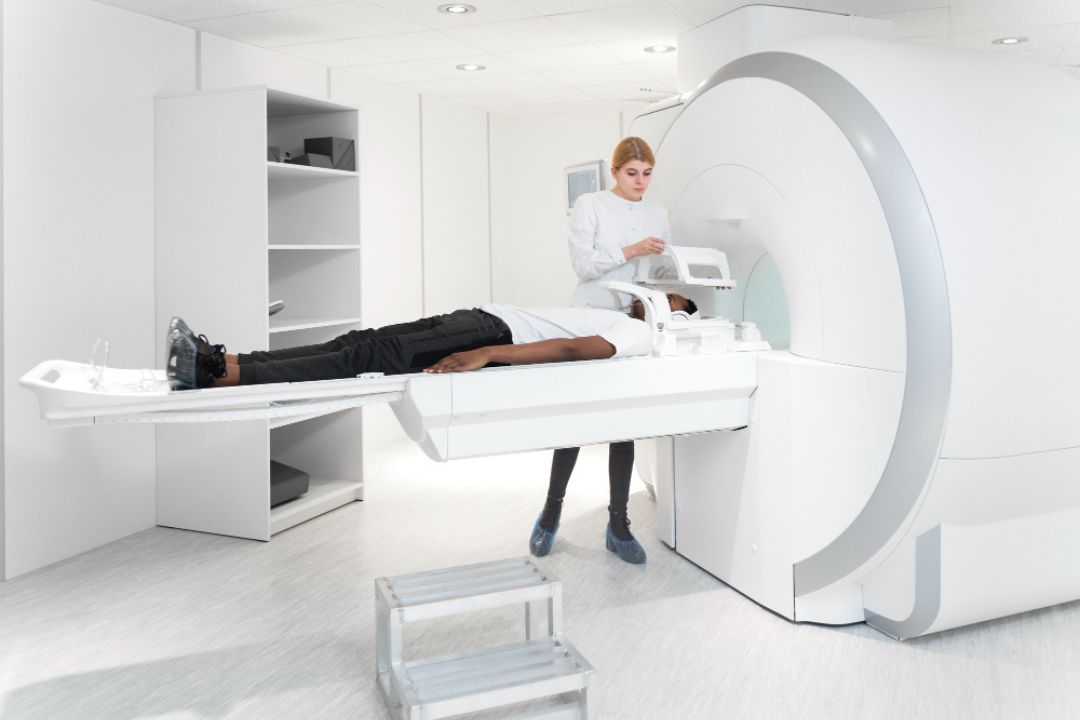
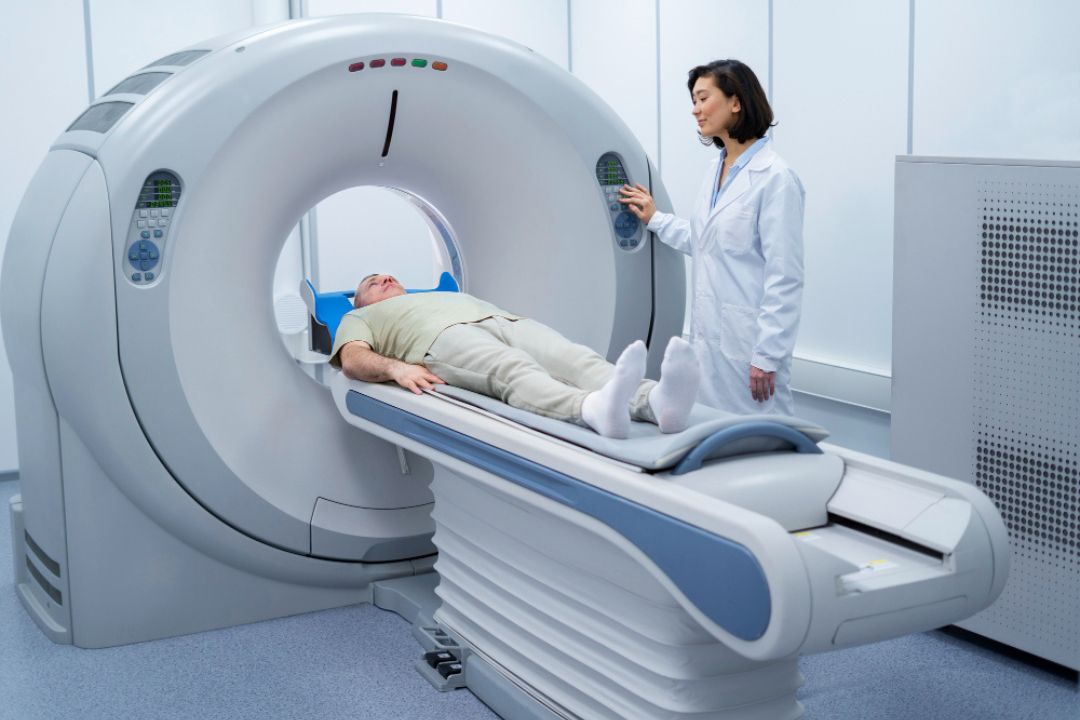
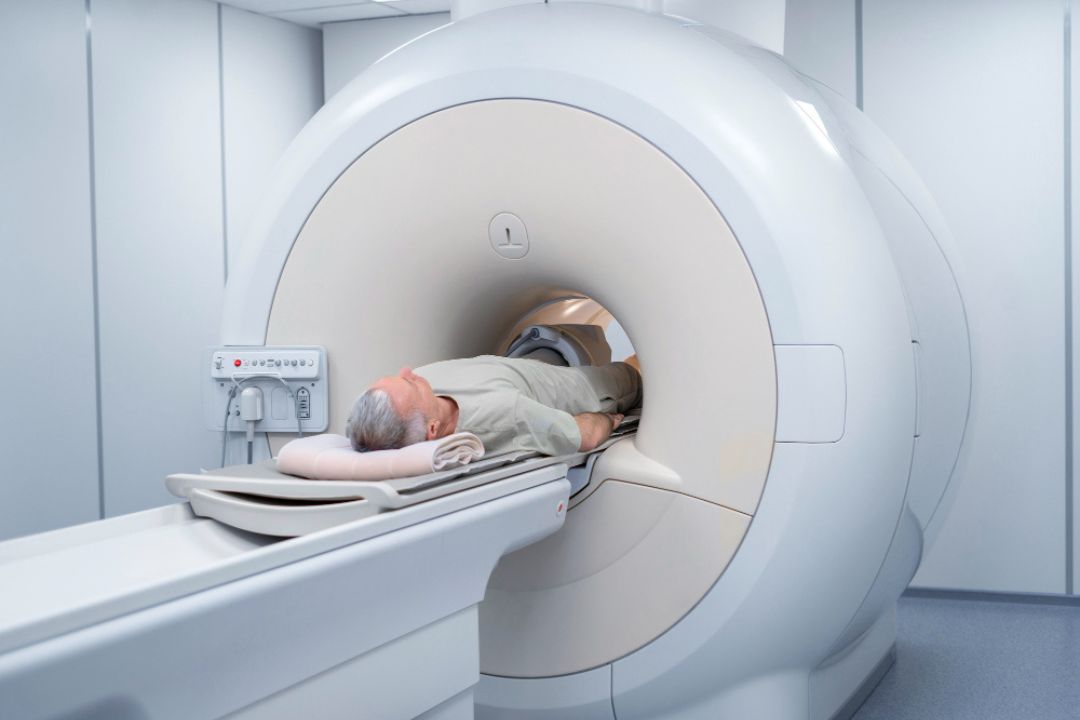
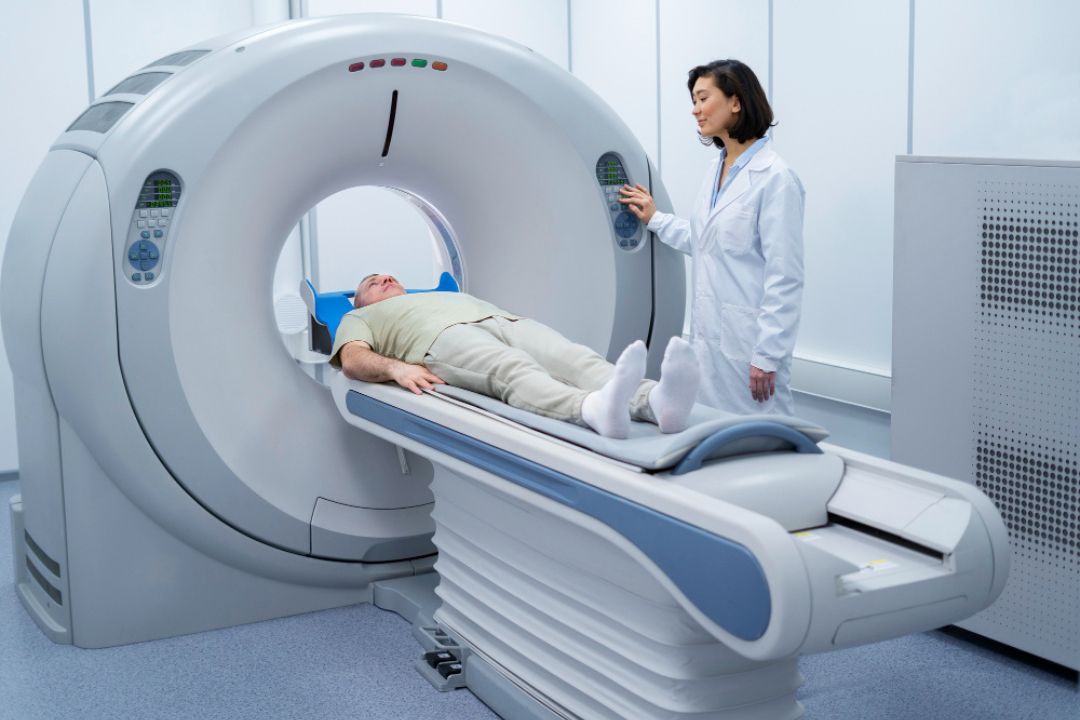
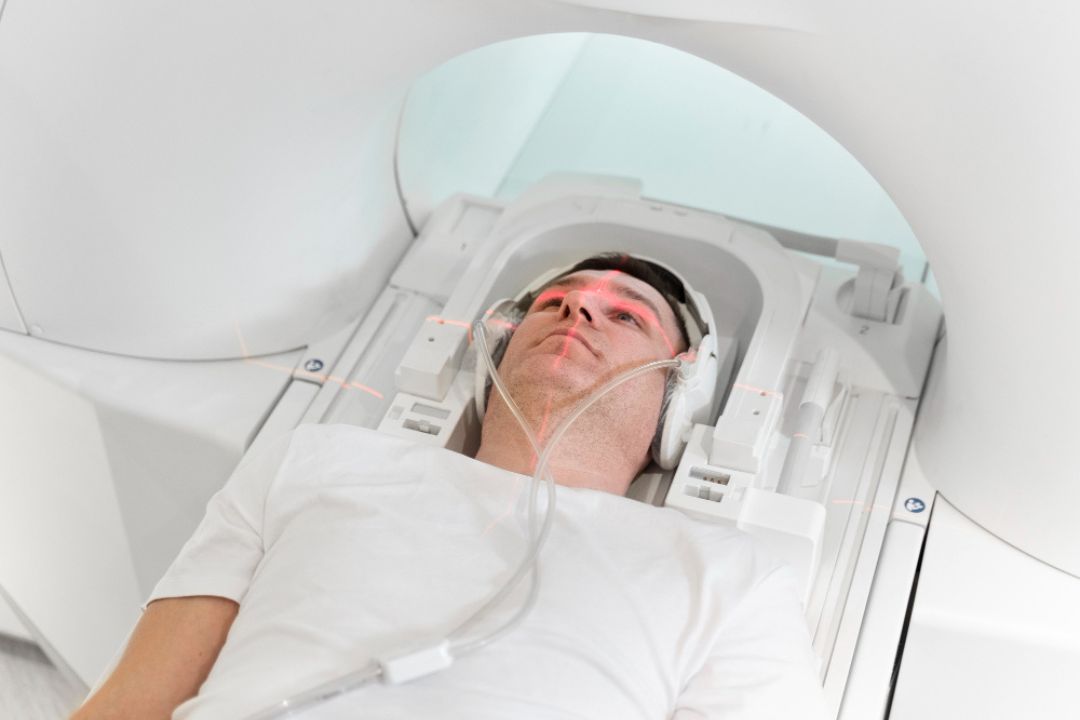
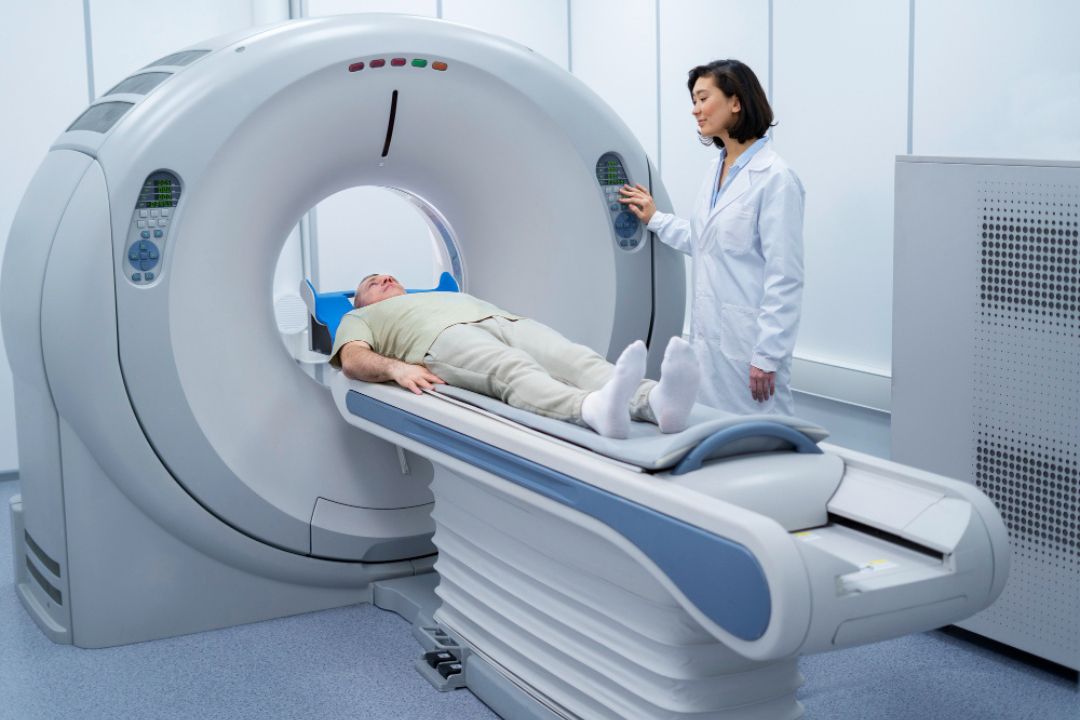
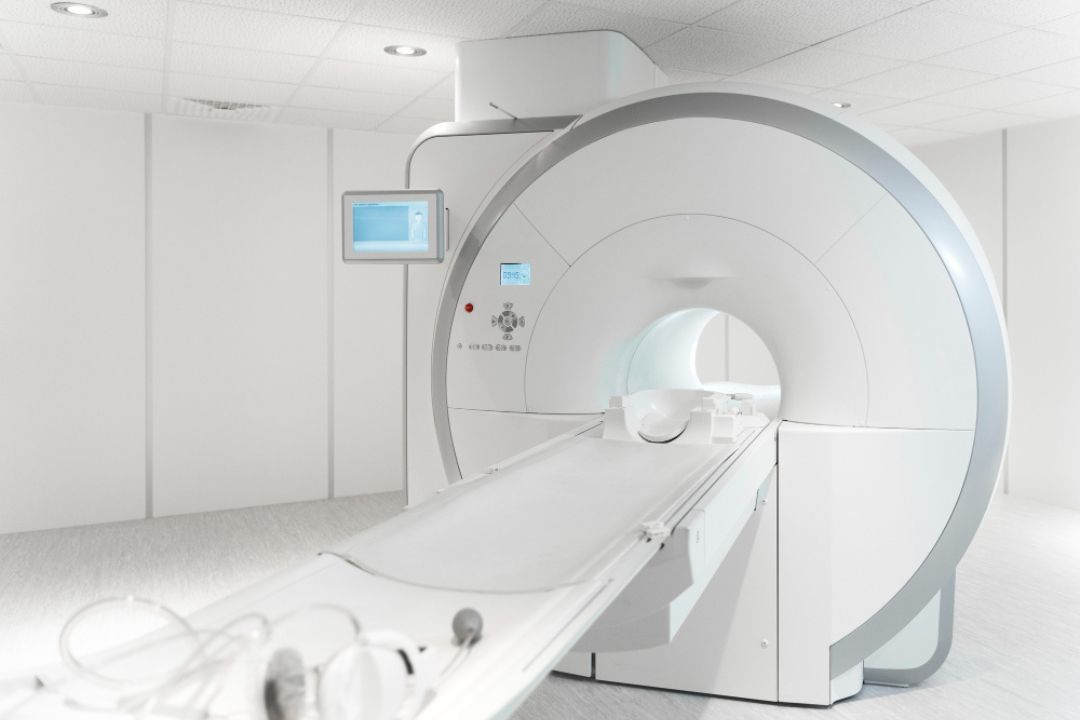
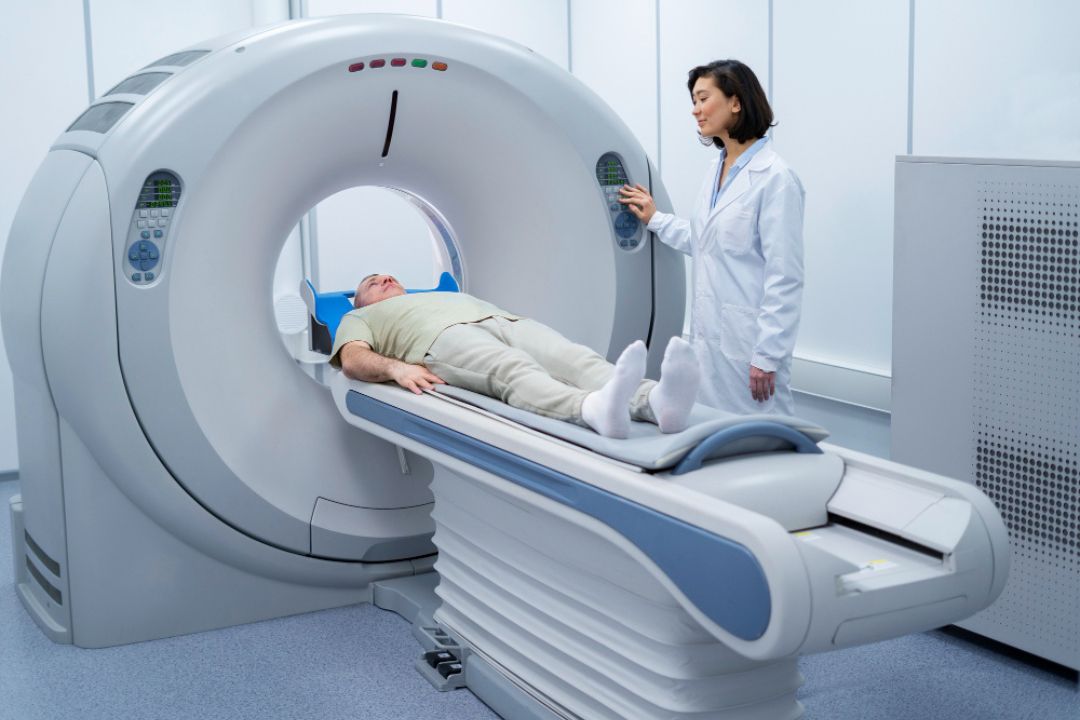
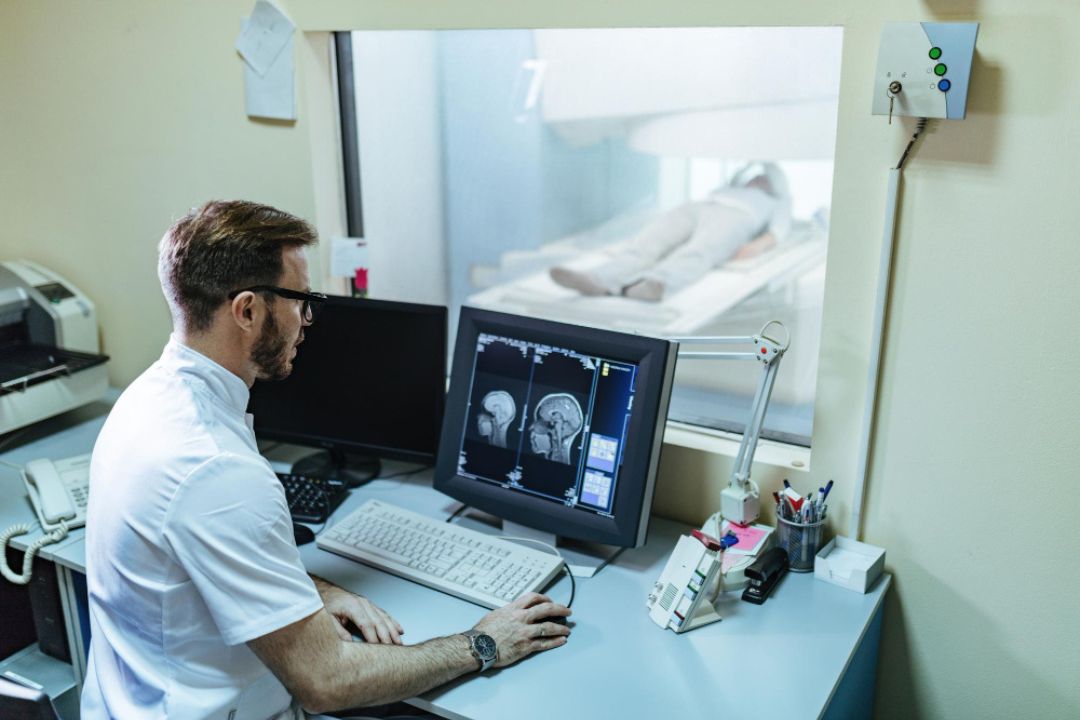
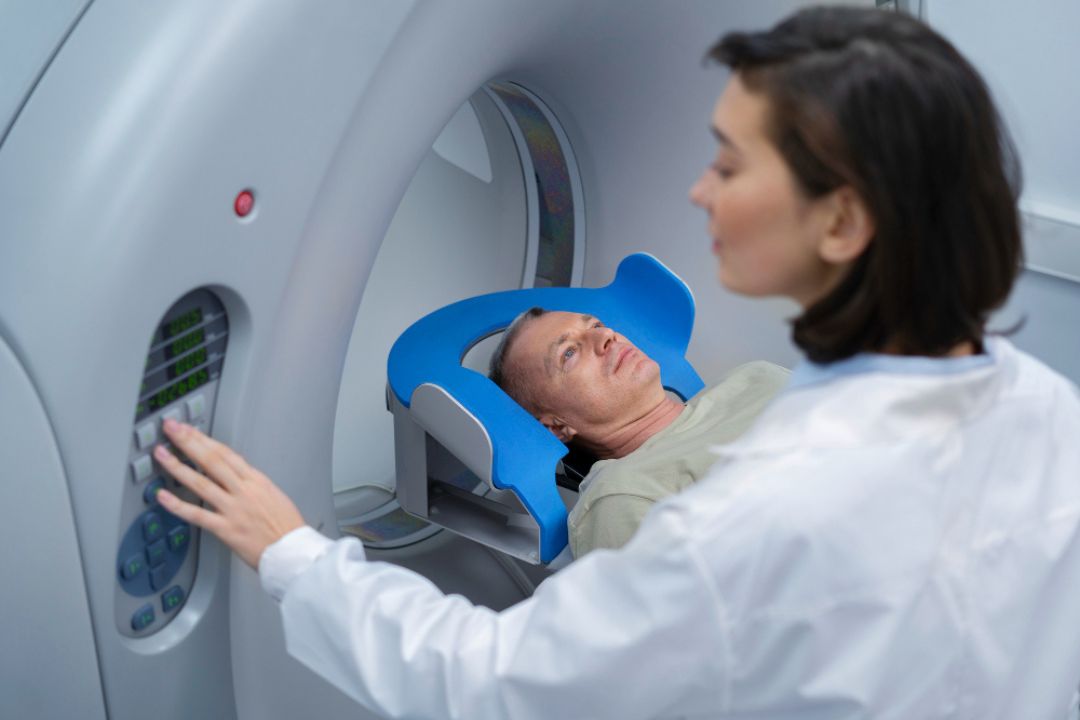
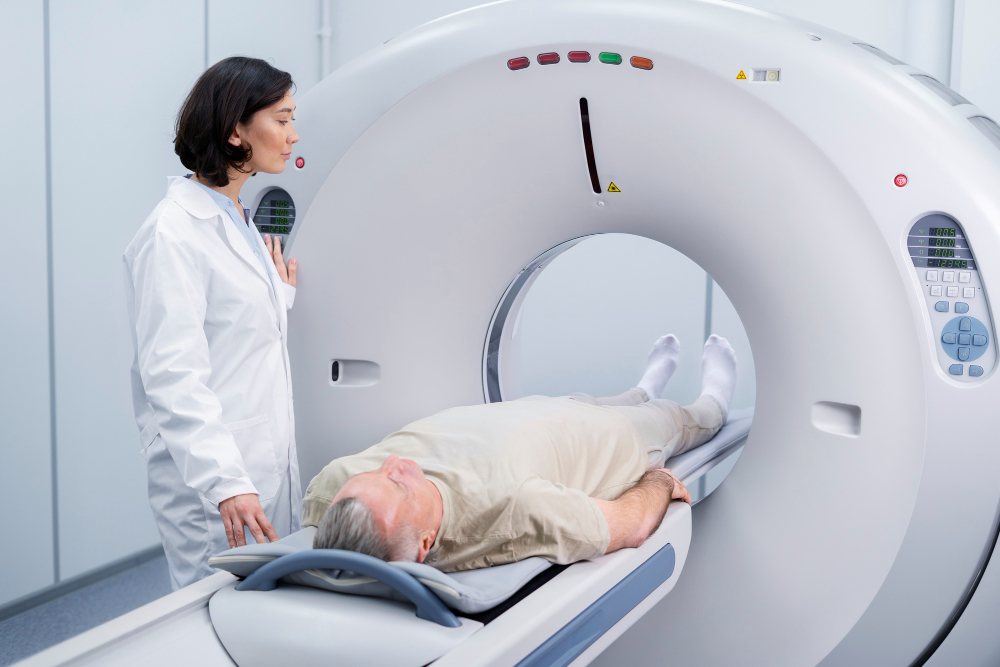
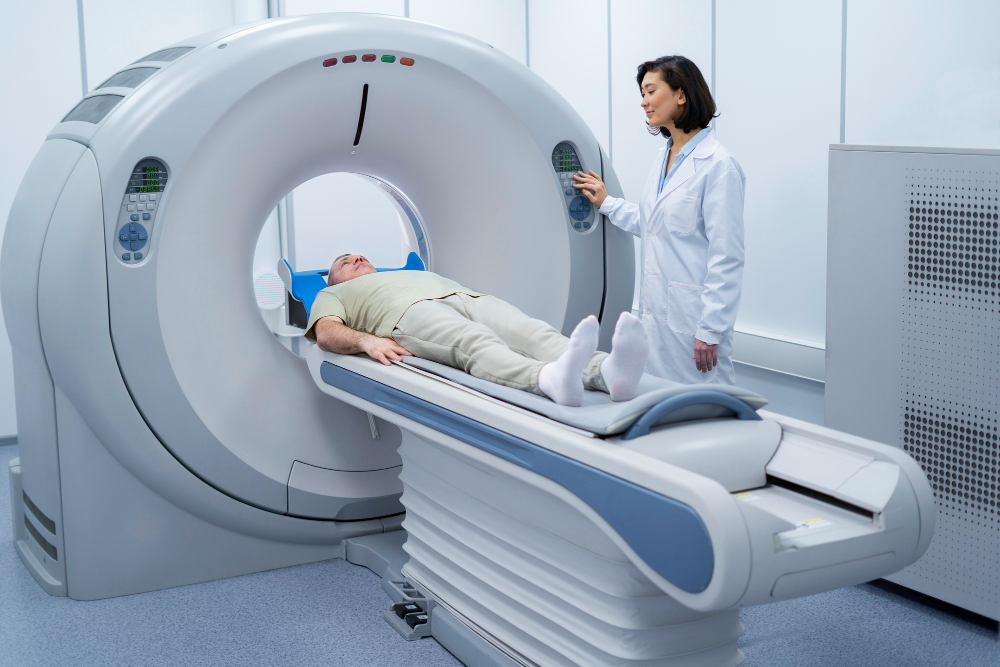
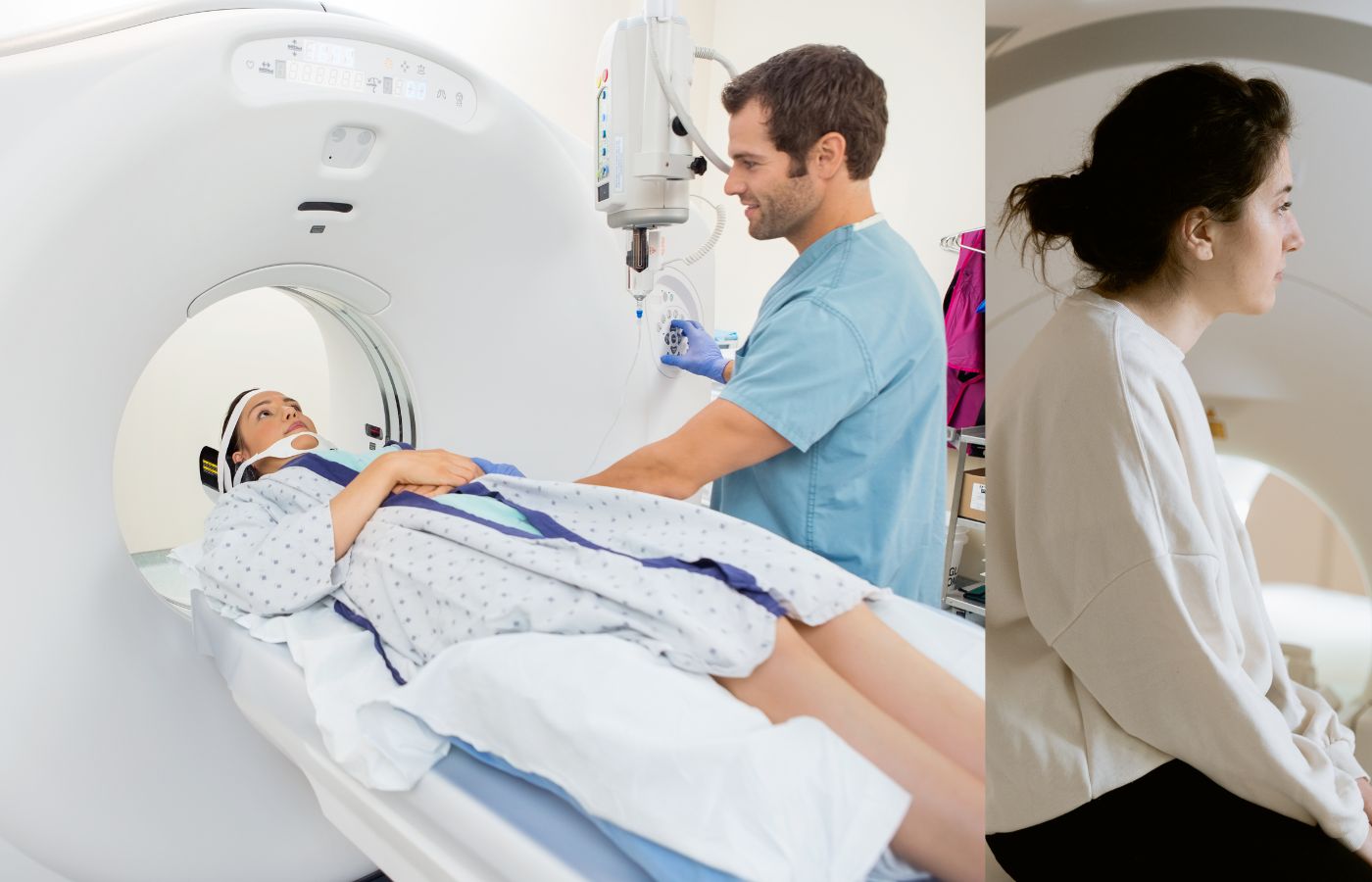
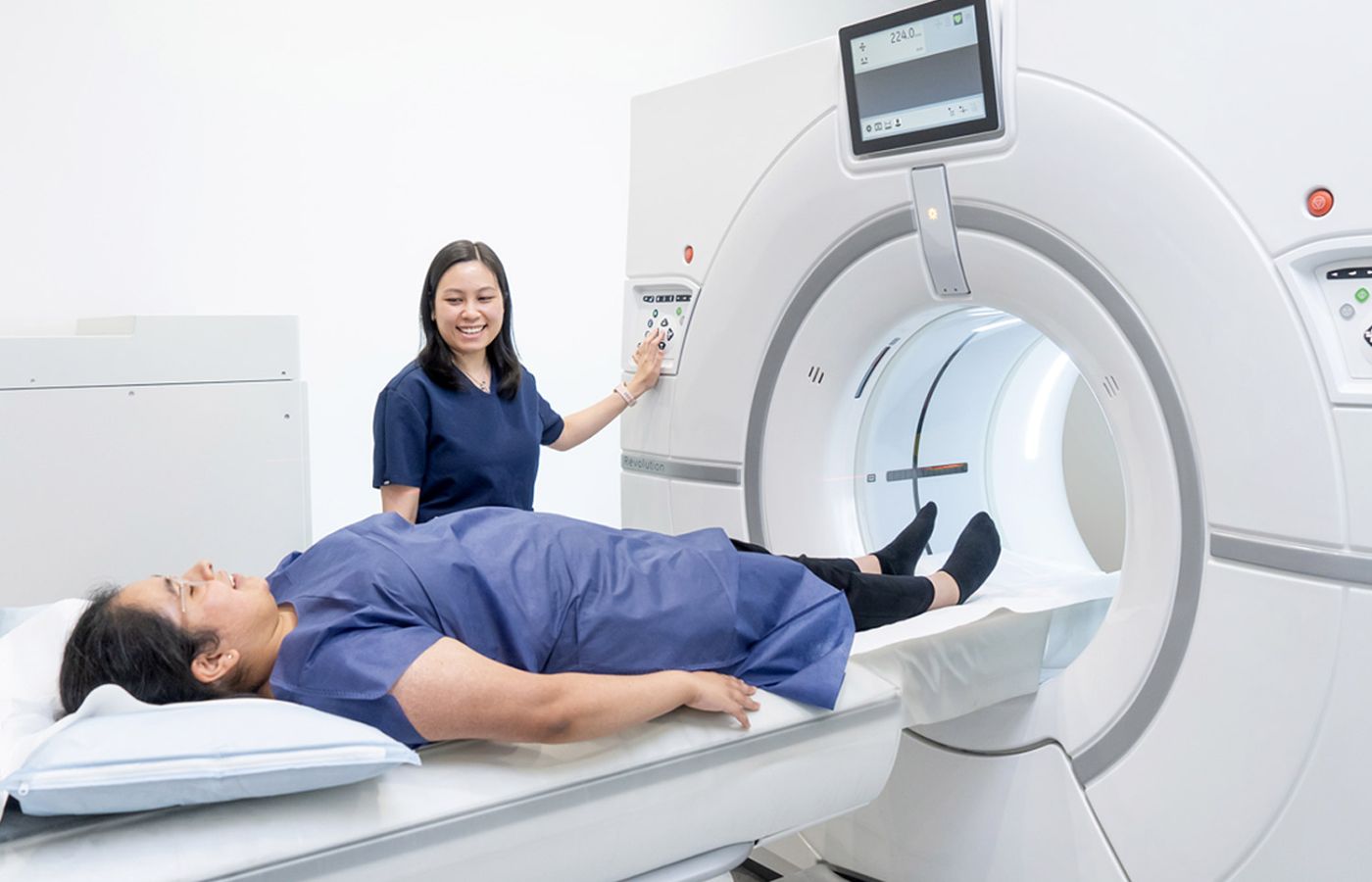
The patient lies on a motorized table that moves through the CT scanner. The scanner rotates around the chest and captures multiple images from different angles. Patients may be asked to hold their breath briefly to obtain clear images.
The entire scan usually takes around 10 to 15 minutes and is painless.
HRCT chest scans offer several advantages for lung disease diagnosis:
Highly detailed images of lung tissue
Early detection of lung diseases
Accurate evaluation of airway abnormalities
Better assessment of chronic lung conditions
Because of its detailed imaging capability, HRCT is considered one of the most reliable tools for diagnosing many respiratory diseases.
Both HRCT and CT chest scans involve exposure to a small amount of radiation. However, the risk is minimal, and the benefits of accurate diagnosis usually outweigh potential risks.
In cases where contrast dye is used, some patients may experience mild side effects such as nausea or a warm sensation. Serious allergic reactions are rare.
HRCT chest and normal CT chest scans are both valuable diagnostic imaging tools used to evaluate chest and lung conditions. While a standard CT chest scan provides a broad overview of the chest structures, HRCT offers highly detailed images of lung tissue and is particularly useful for diagnosing chronic lung diseases.
Doctors choose between these scans depending on the patient’s symptoms and the specific medical condition being investigated. Selecting the right imaging technique helps ensure accurate diagnosis and effective treatment planning.














.jpg "ct brain scan plain and contrast")






























.jpg "ct scan")

.jpg "ct scan or mri for brain disorders")


.jpg "exploring the power of ct brain contrast in modern diagnostics")
.jpg "ct scan")

.jpg "ct scan")




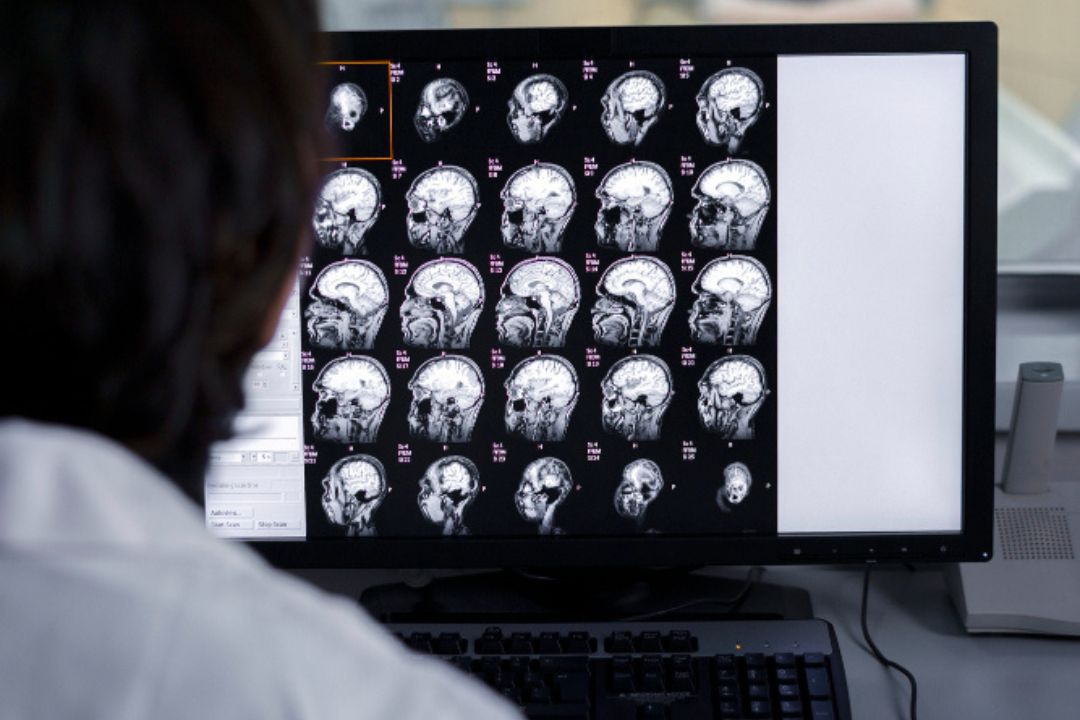




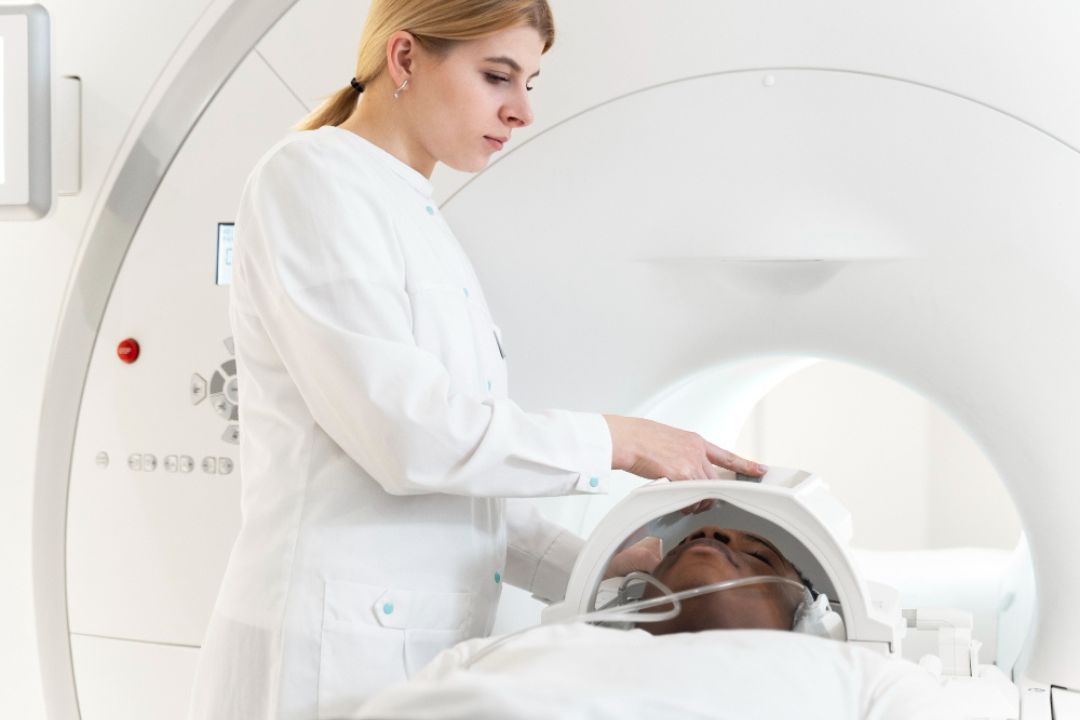

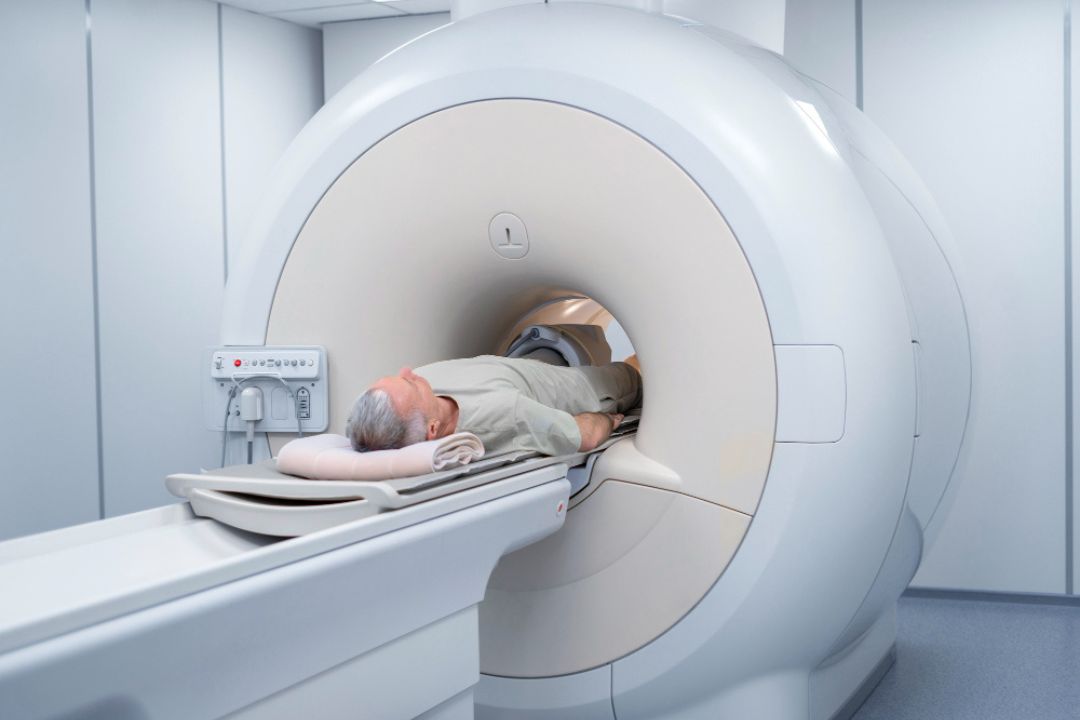
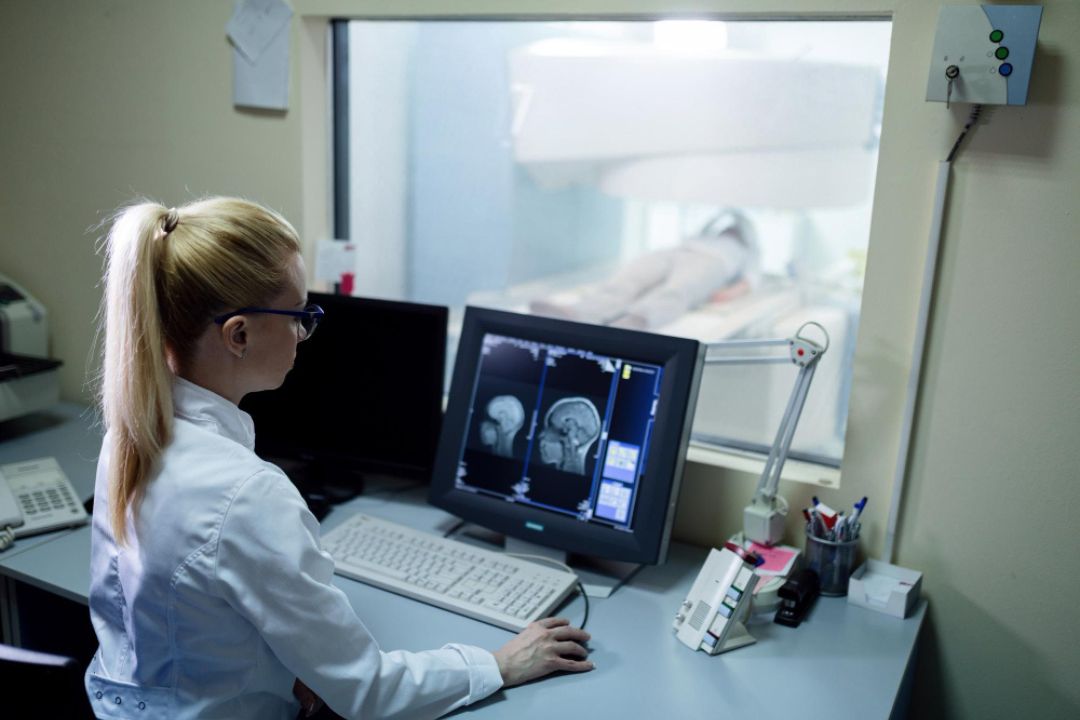


.jpg "ct scan")


.jpg "CT Brain Scan for Headaches")
.jpg "The Future of 3D CT Imaging")