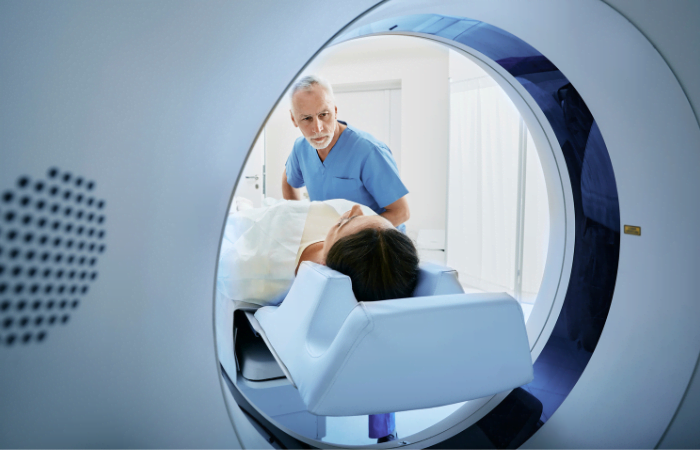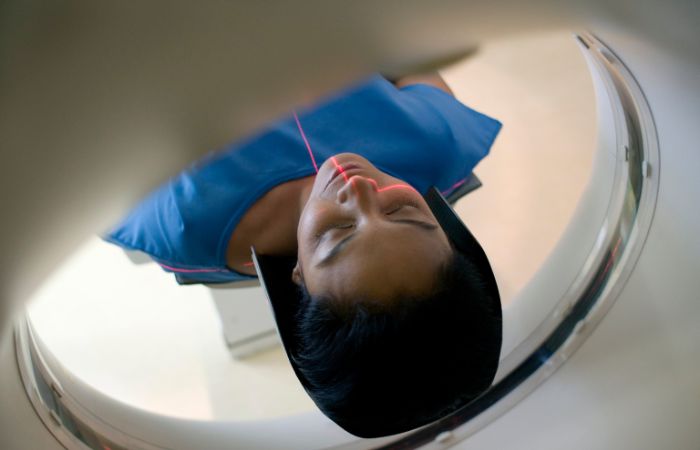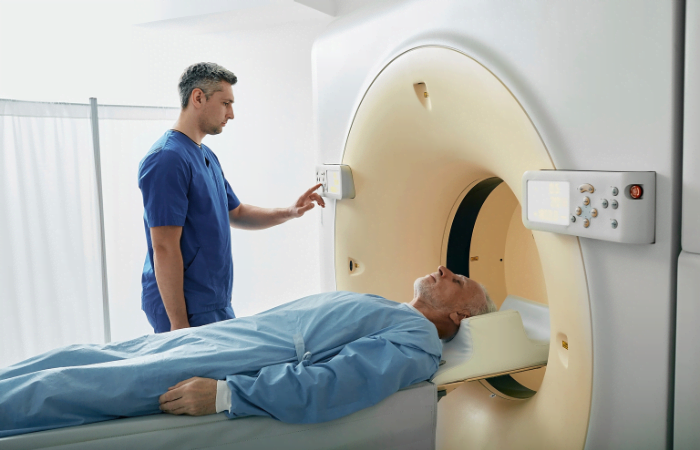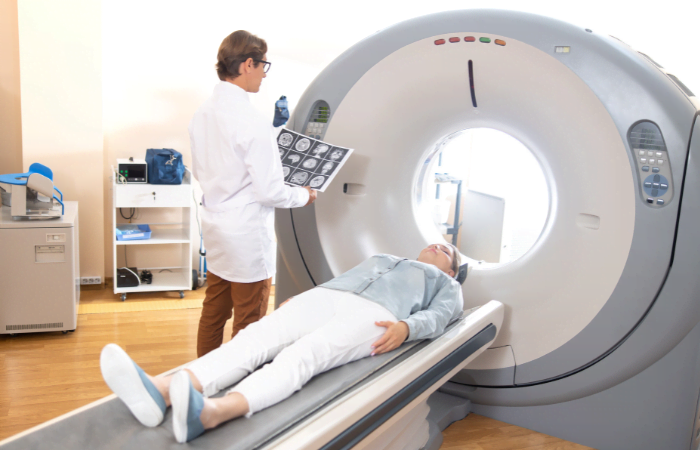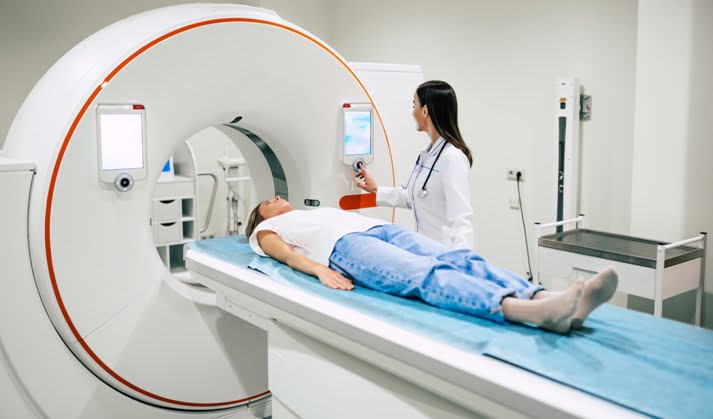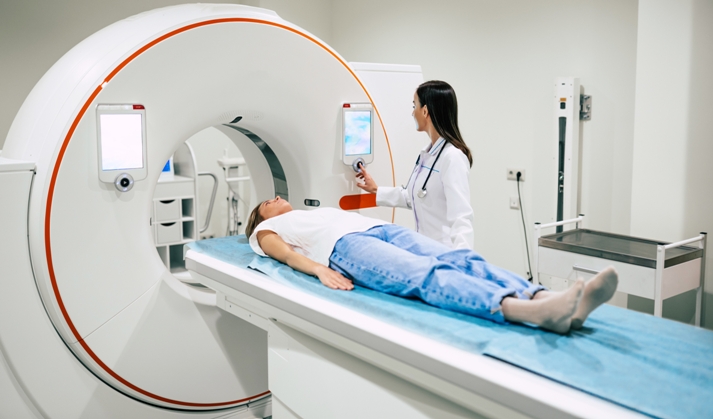
When a doctor prescribes a CT scan for a limb injury or chronic bone condition, patients often have one major concern: "Will I need an injection?" This question refers to the use of contrast dye (intravenous iodinated contrast). While contrast is vital for imaging soft tissues and blood vessels in organs like the liver or brain, it is surprisingly rarely needed for limb CT scans.
At Diagnopein Mumbai, we prioritize patient education and comfort. We believe in performing the right test, the right way. Here is a comprehensive look at why contrast is usually unnecessary for limbs, and how it benefits you.
Before exploring the role of contrast, it is essential to understand the technology itself. What is a CT scan?
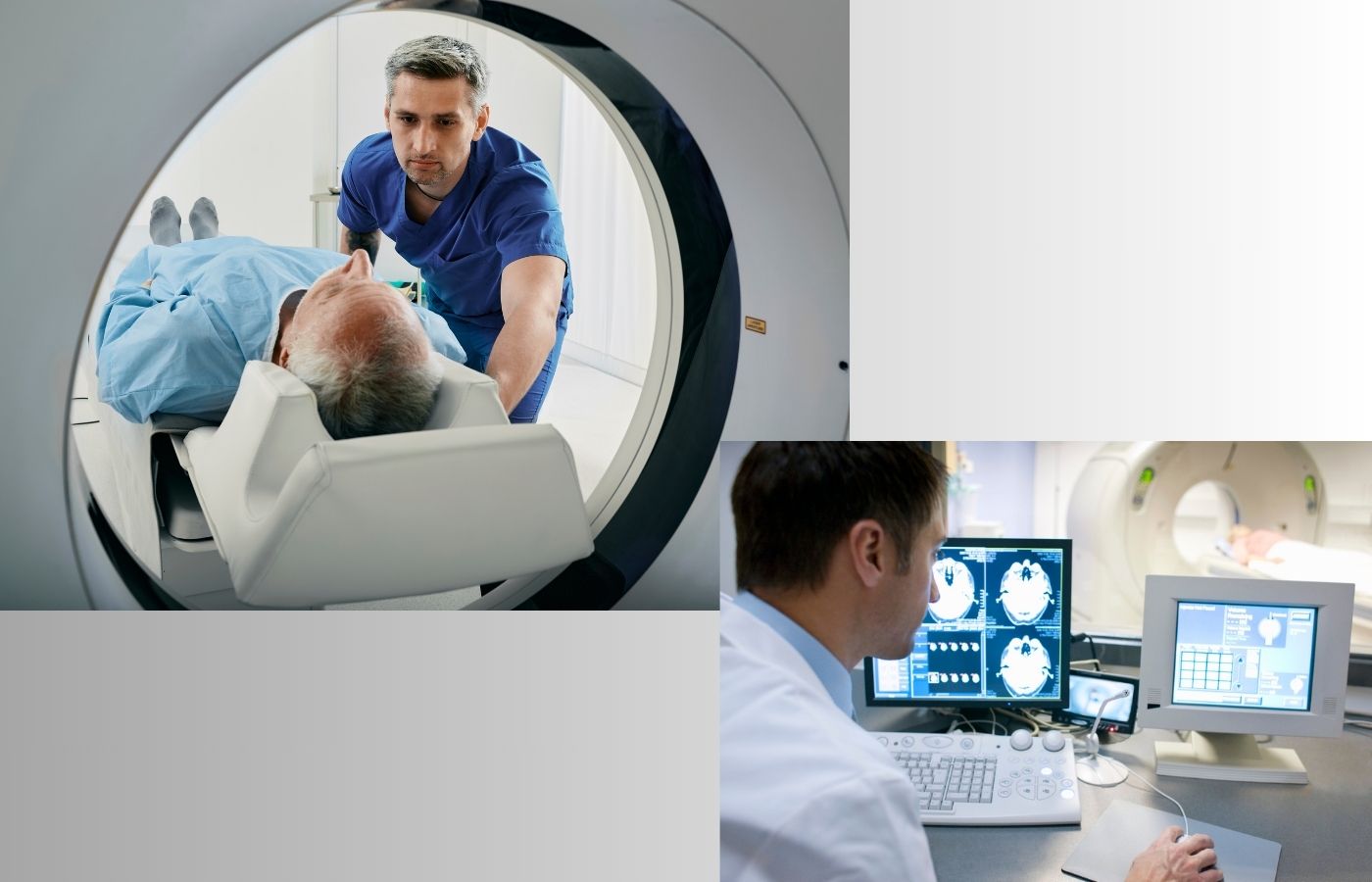
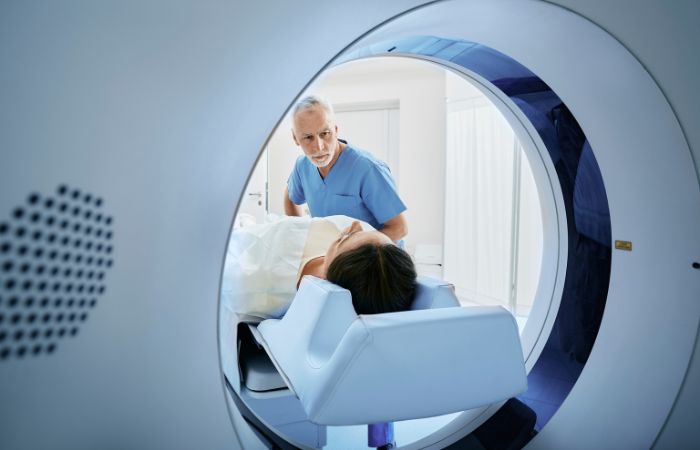
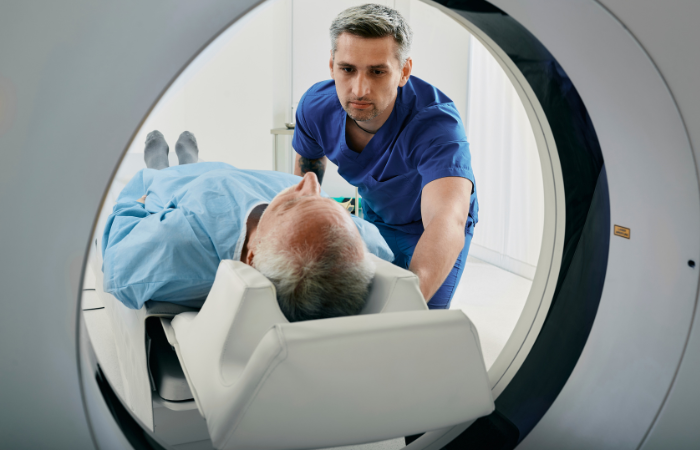
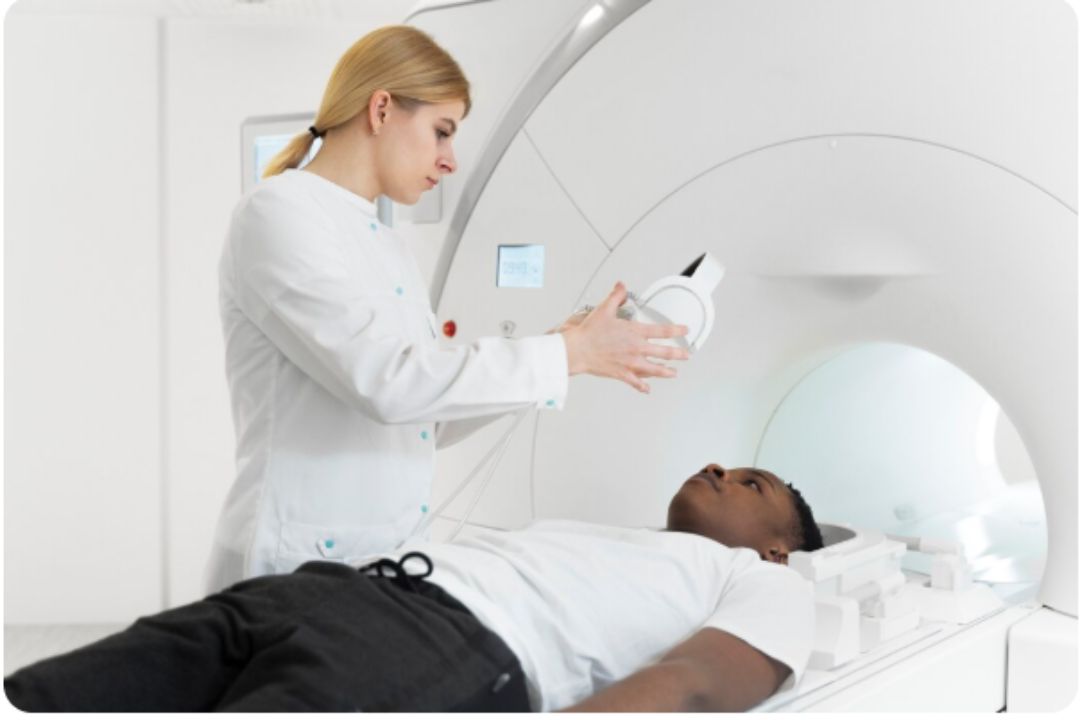
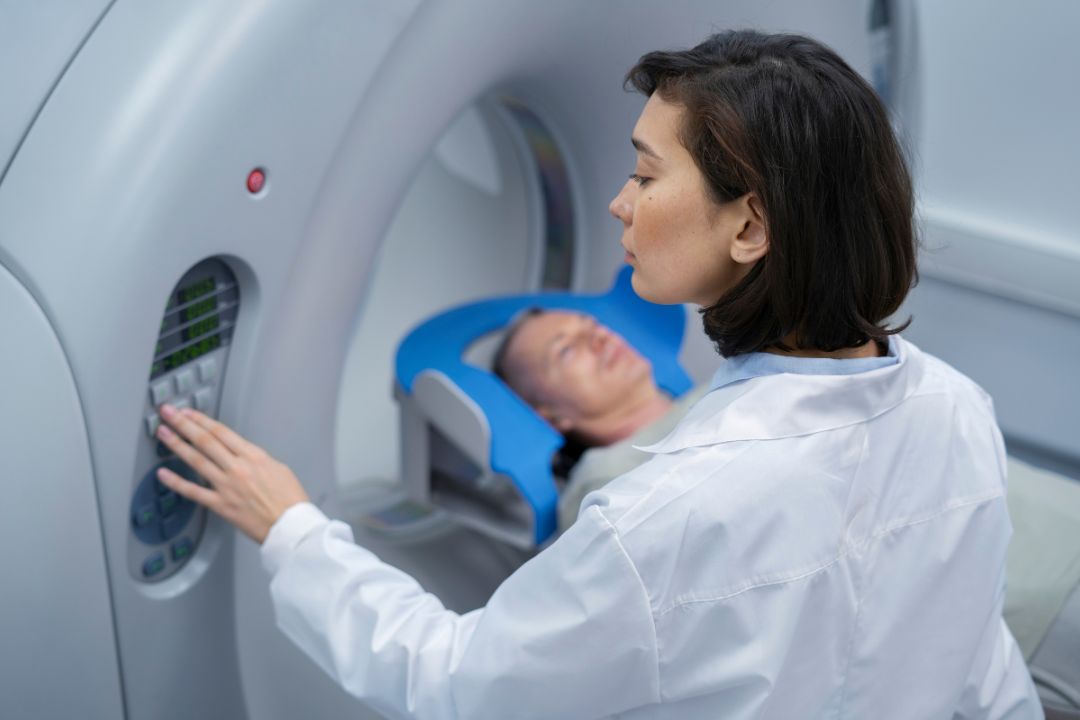
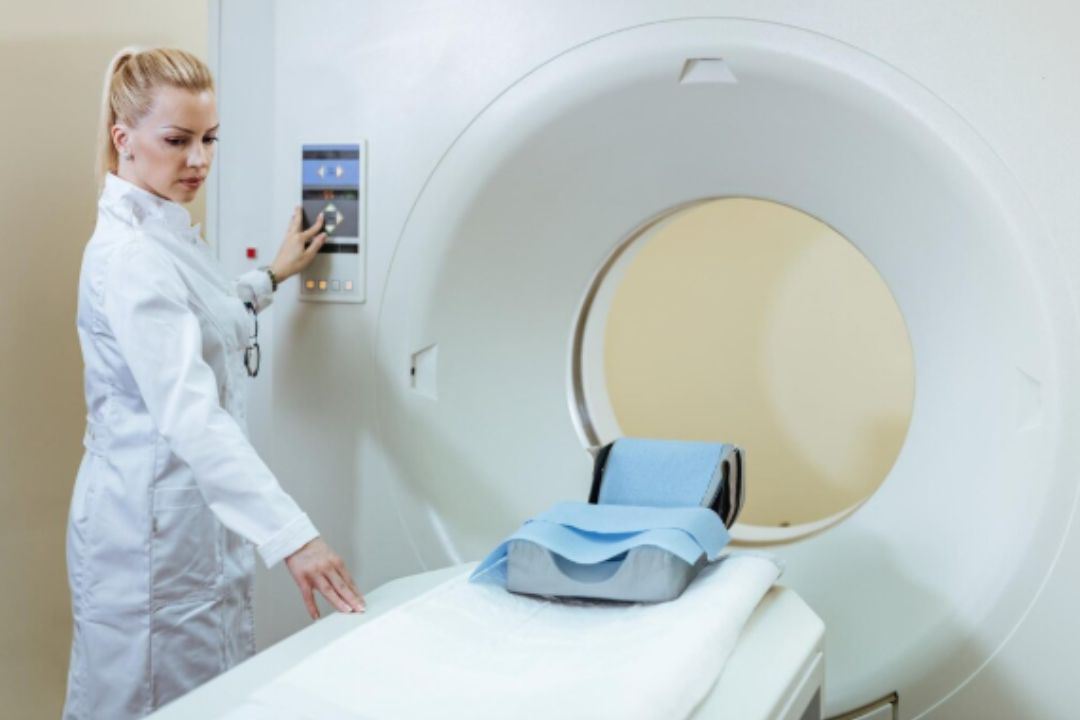
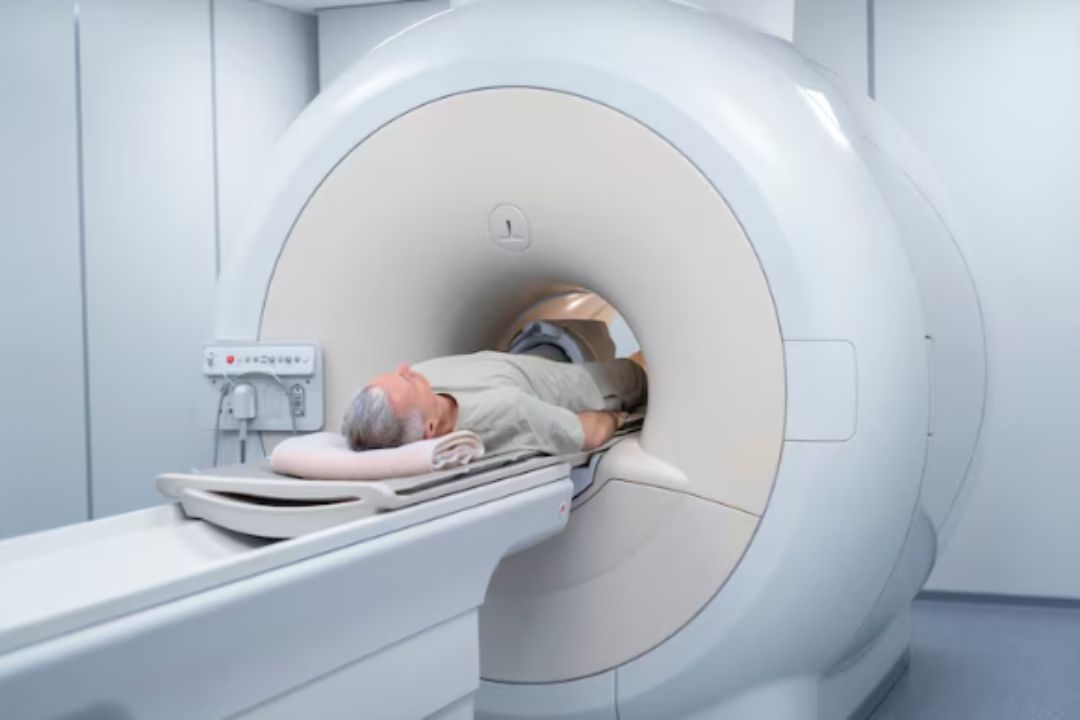
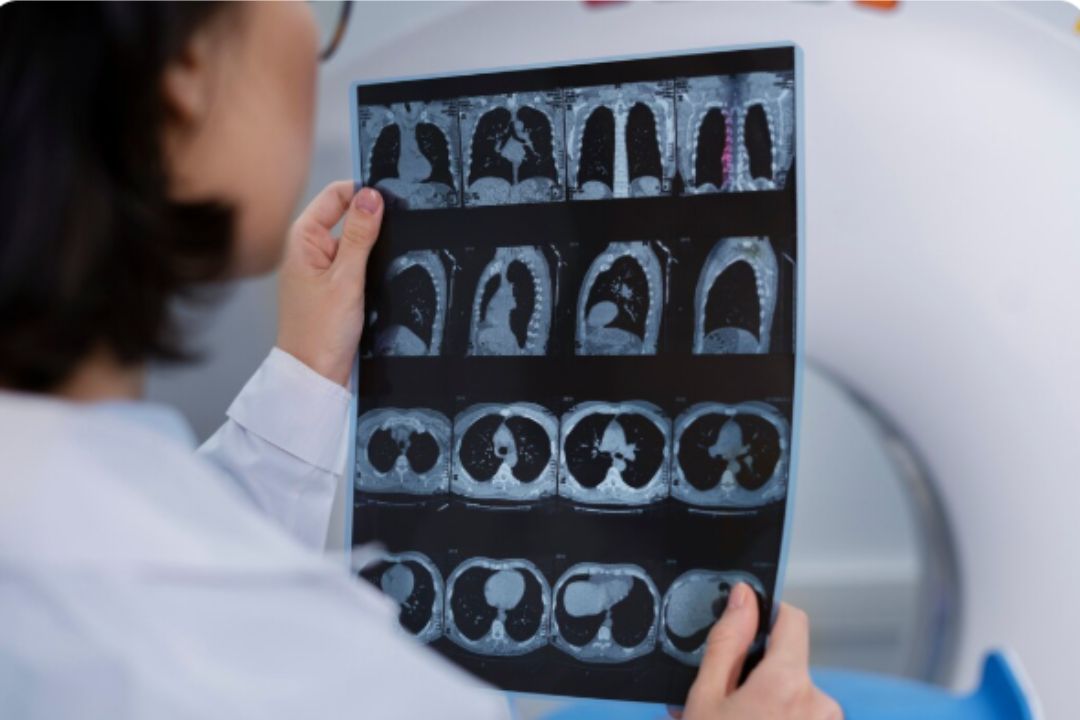
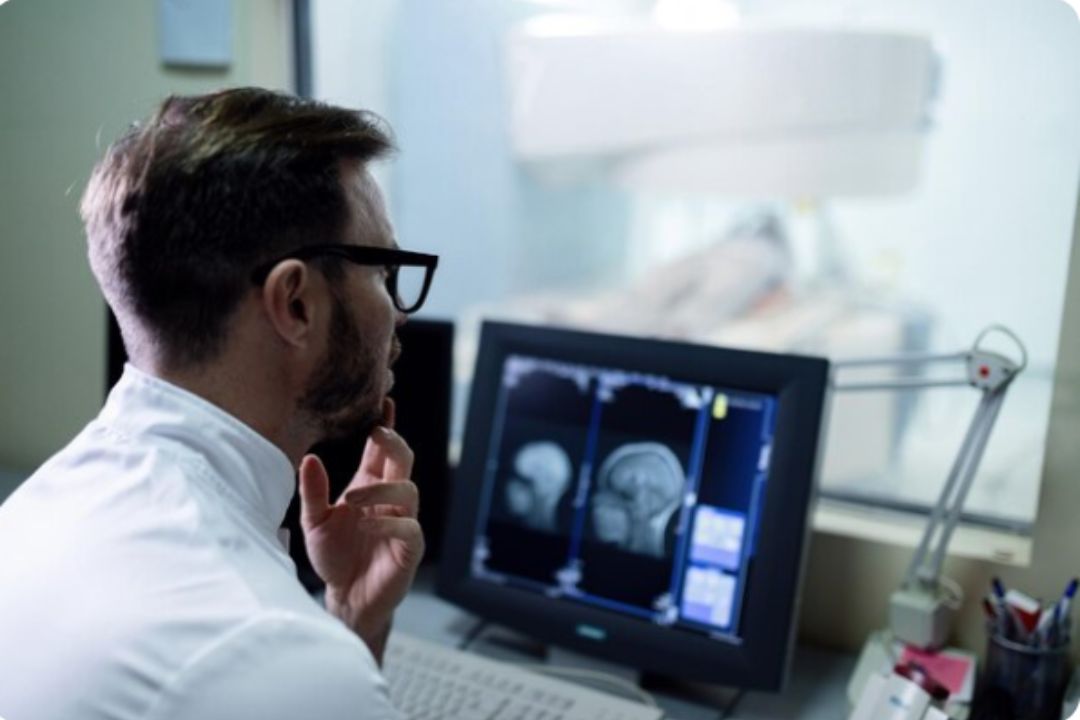
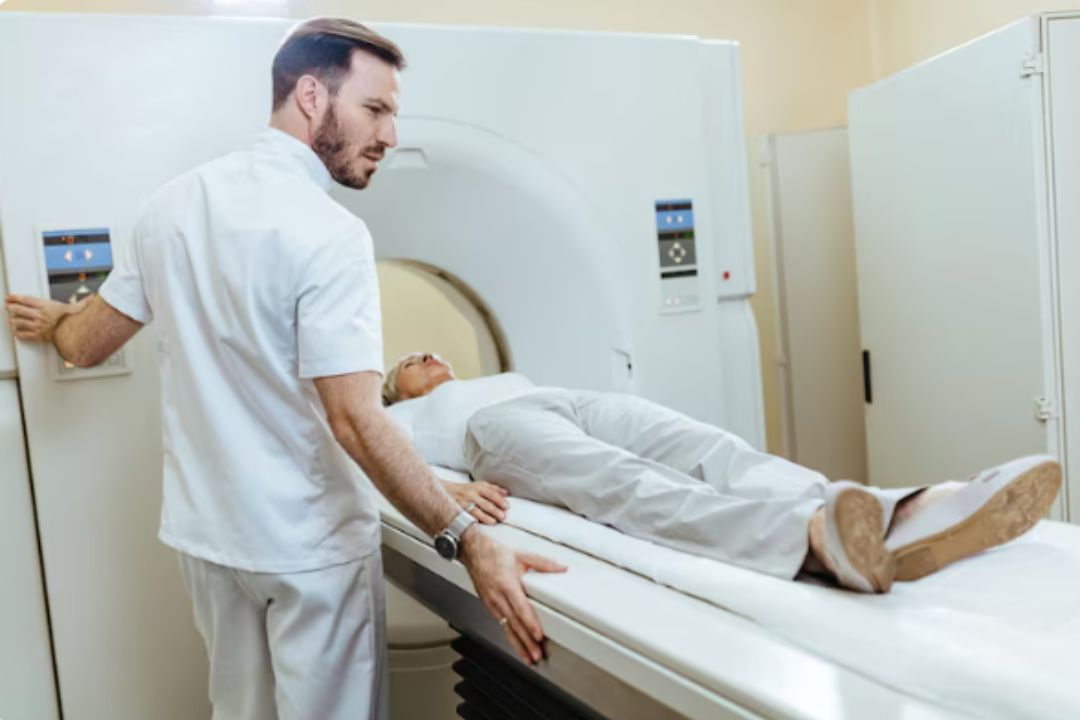
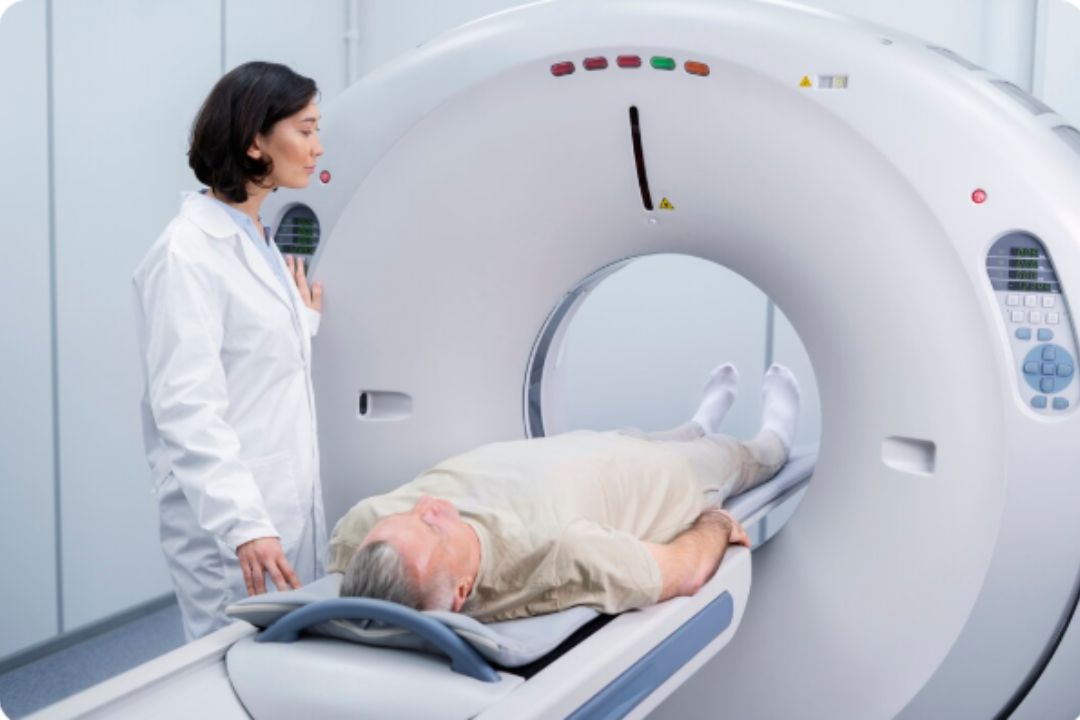
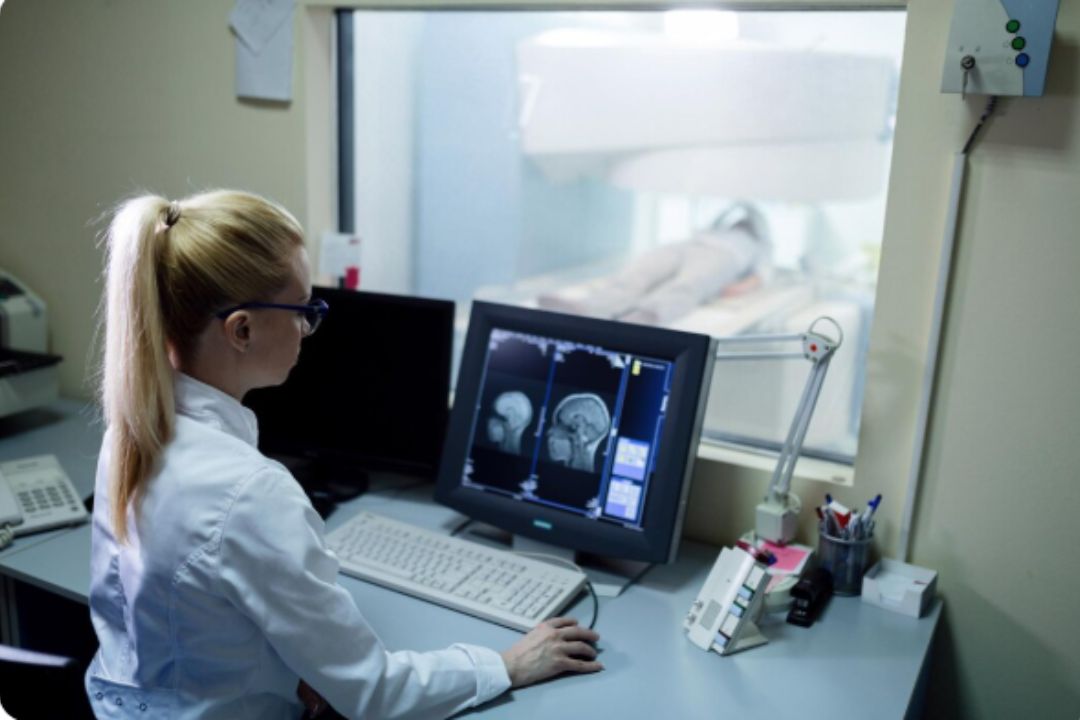
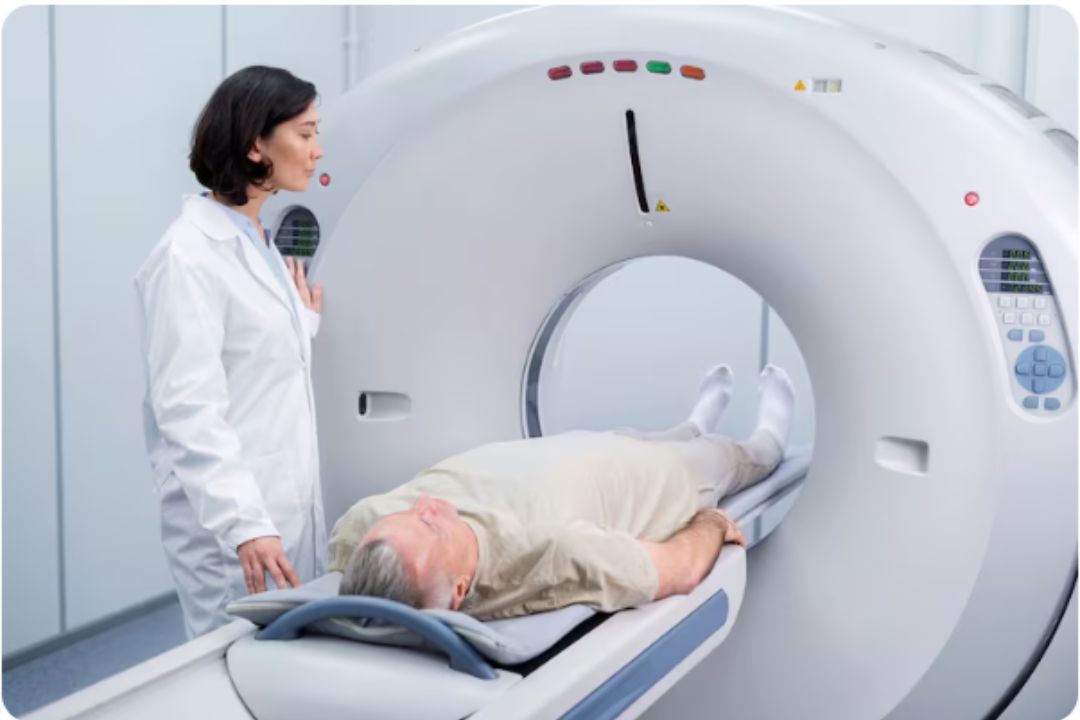
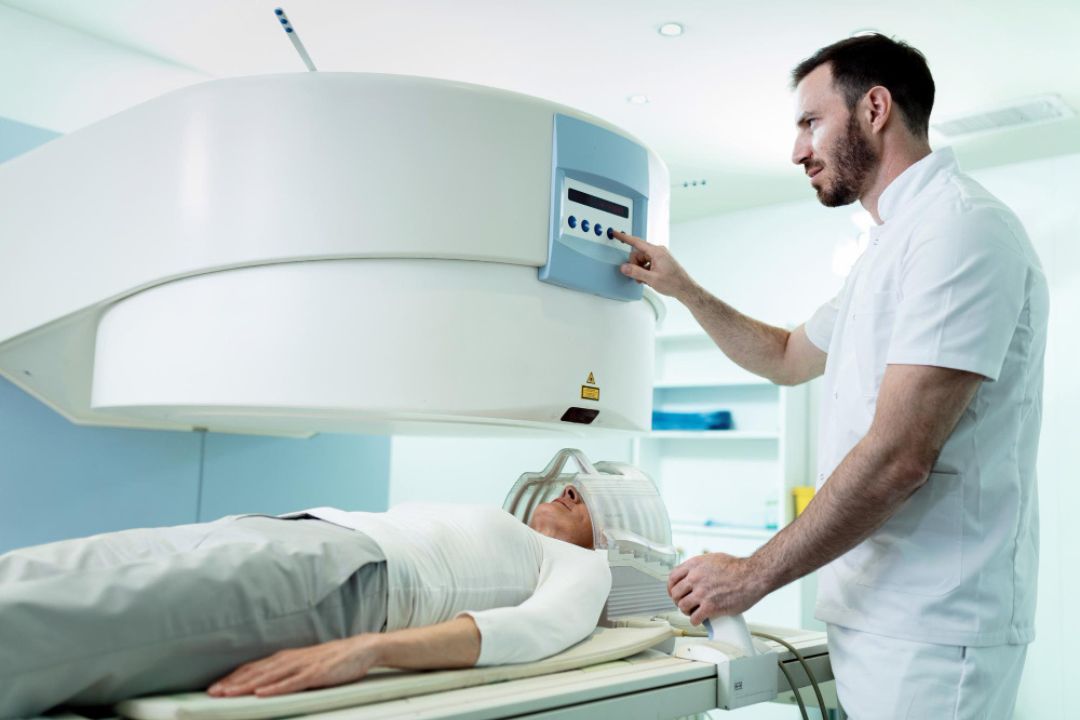
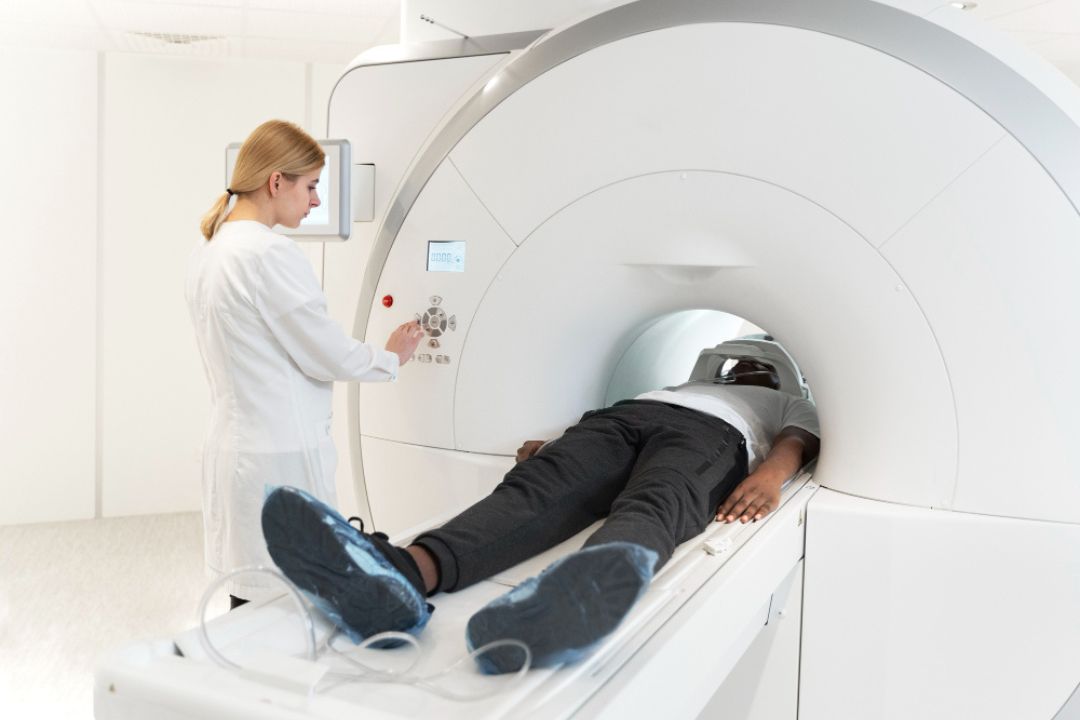
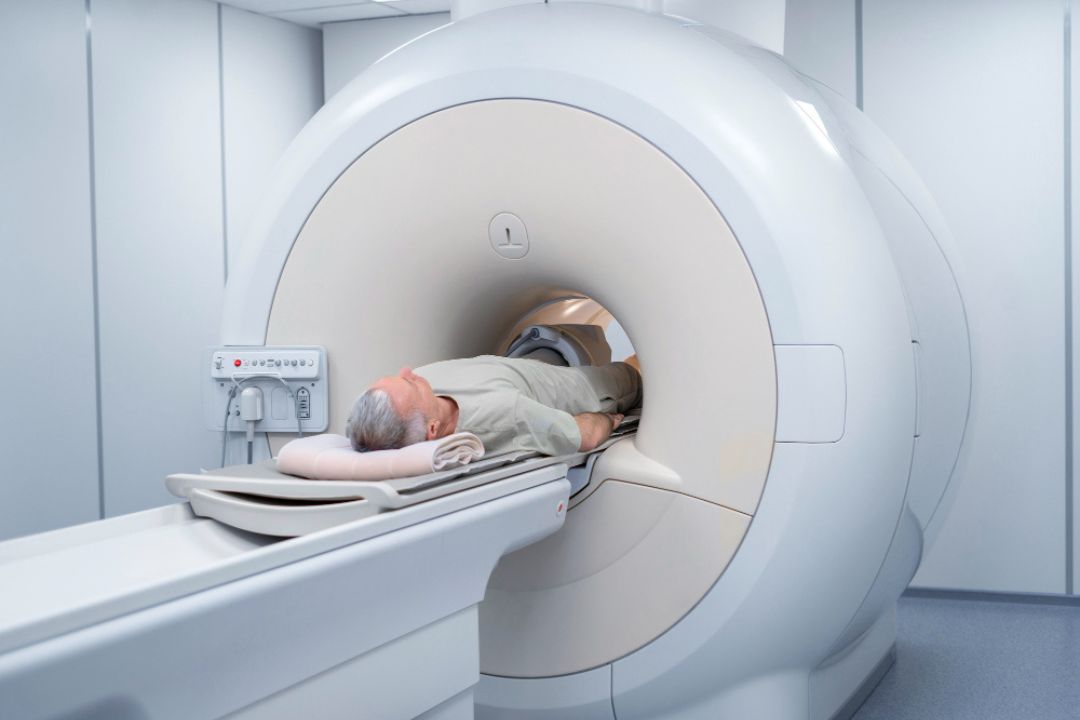
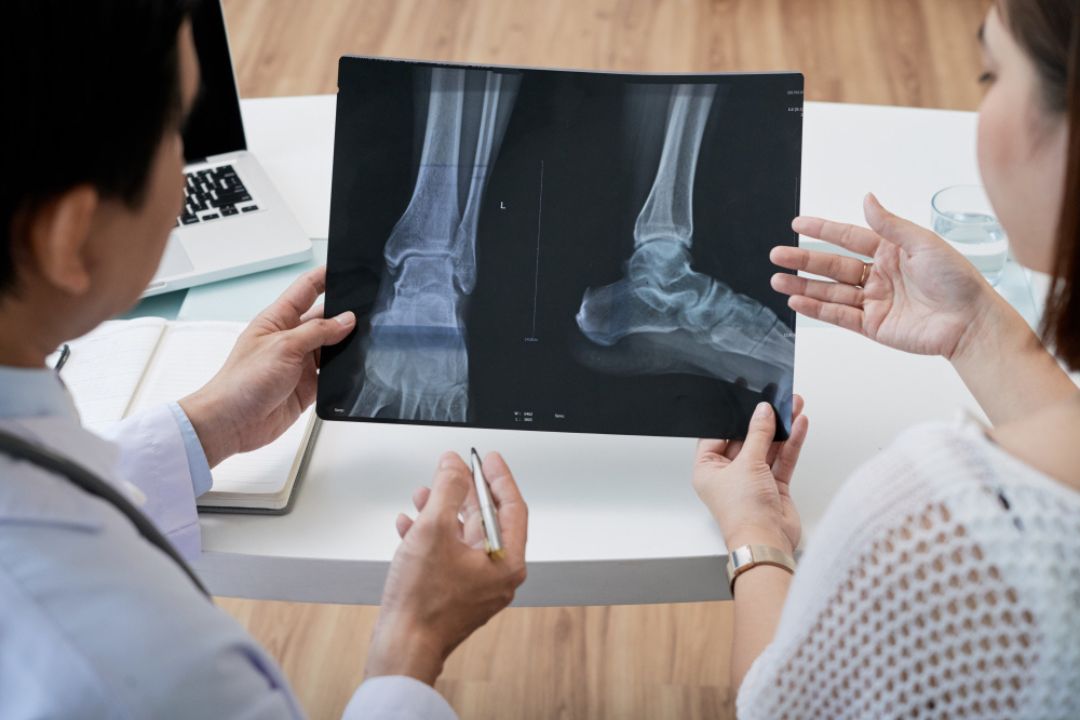
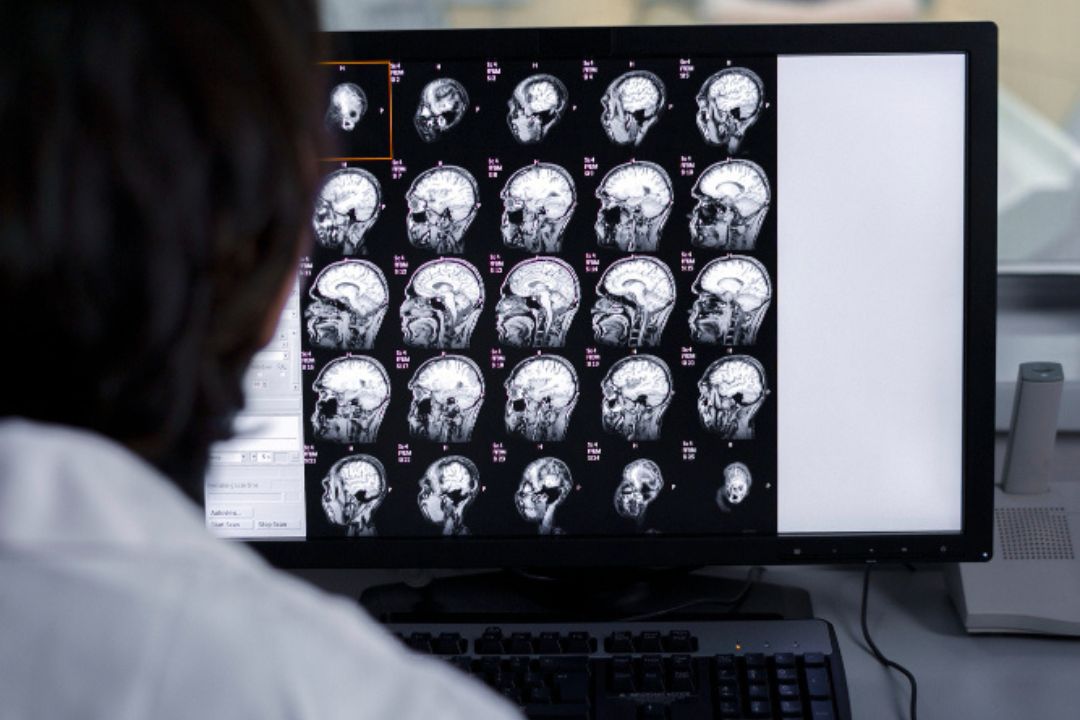
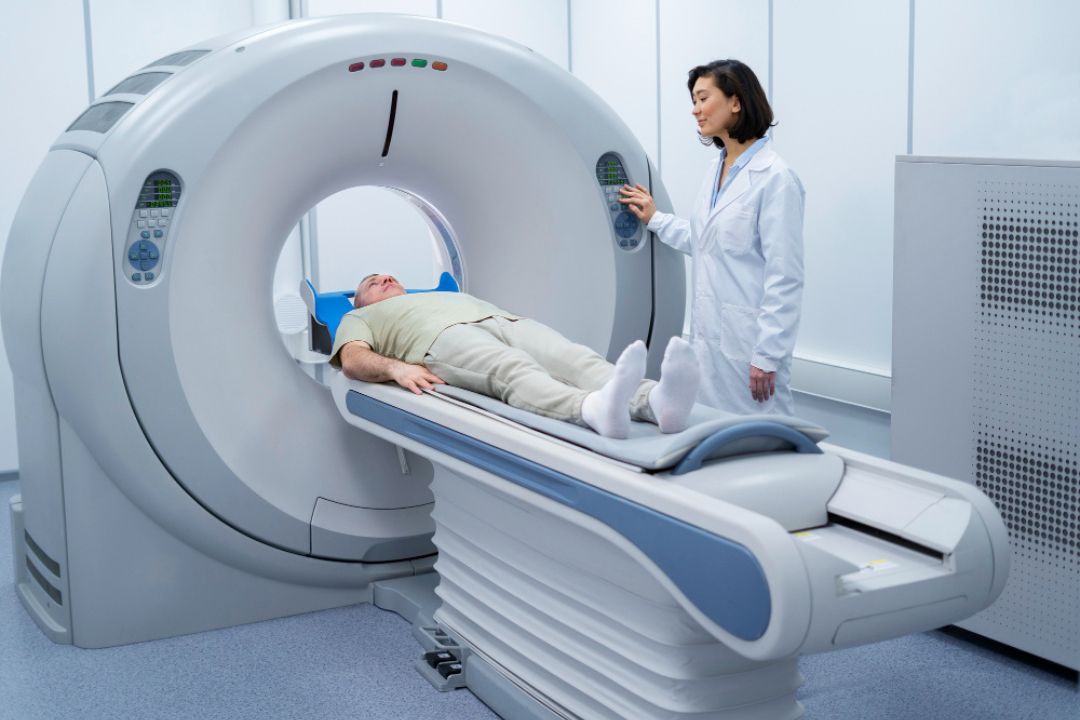
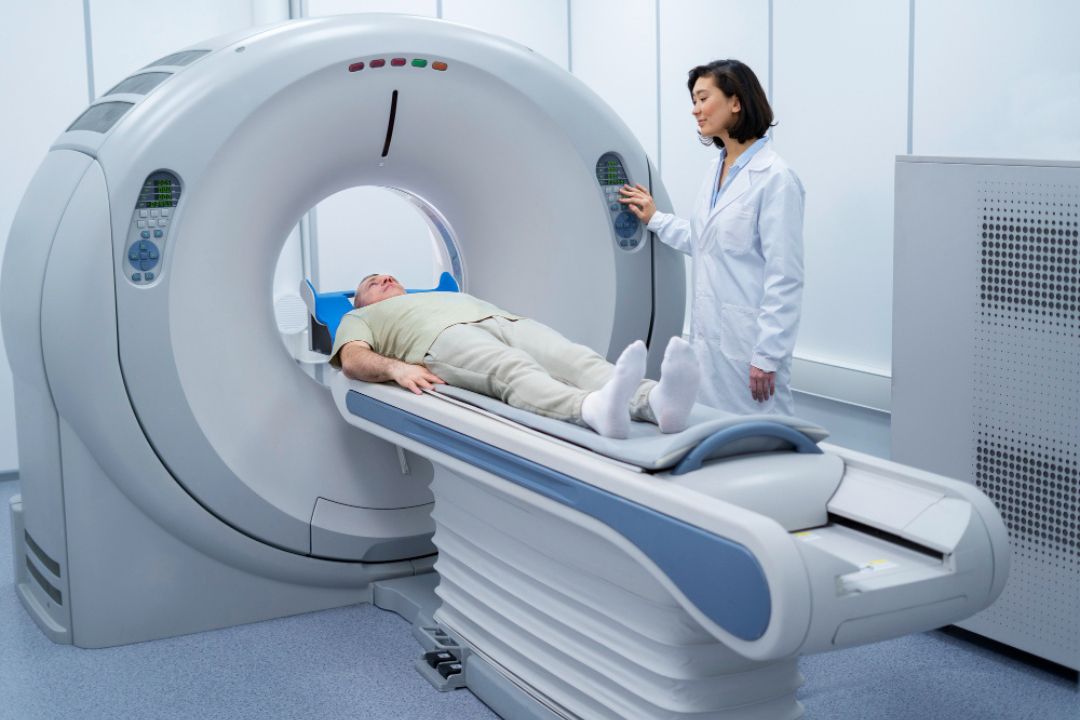
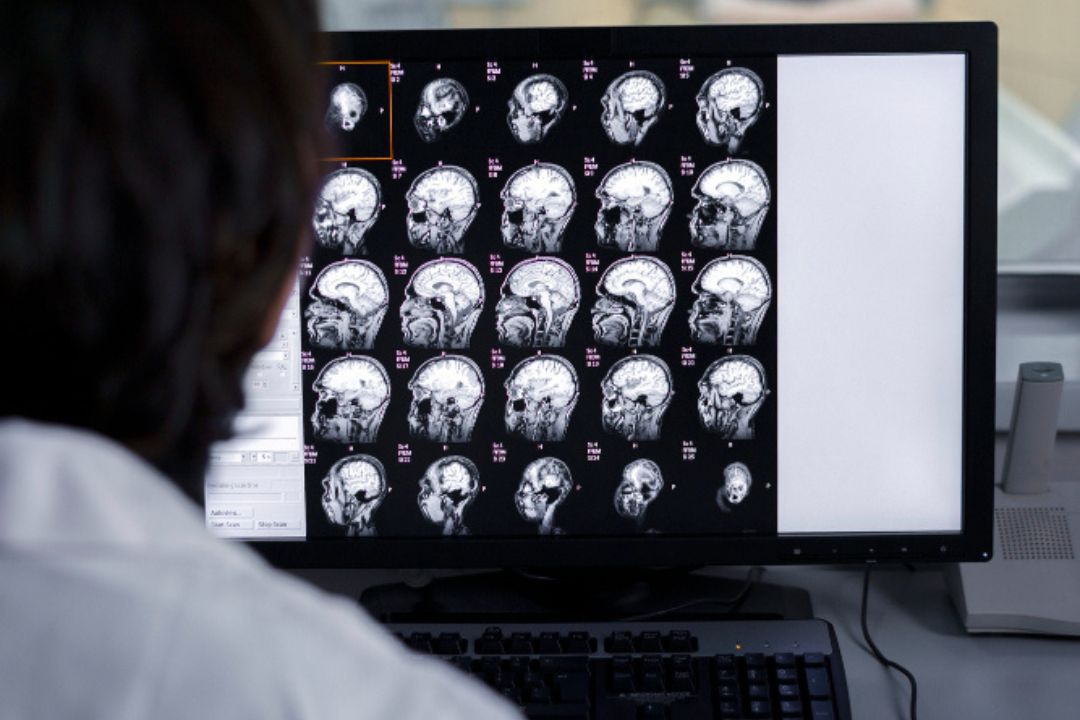
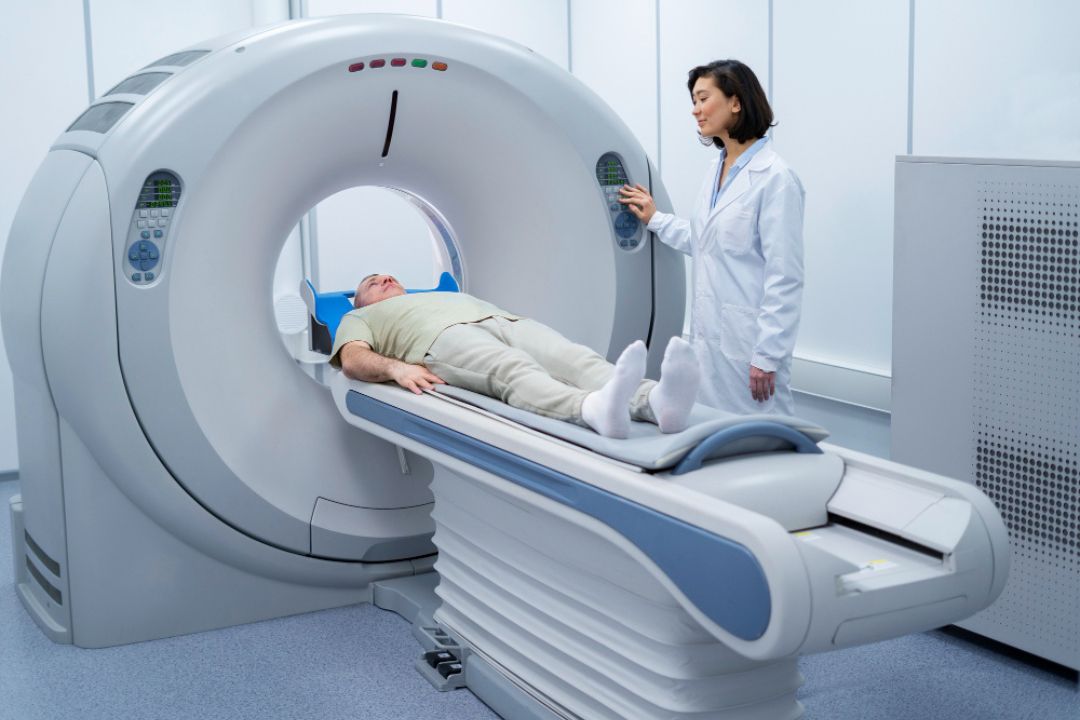
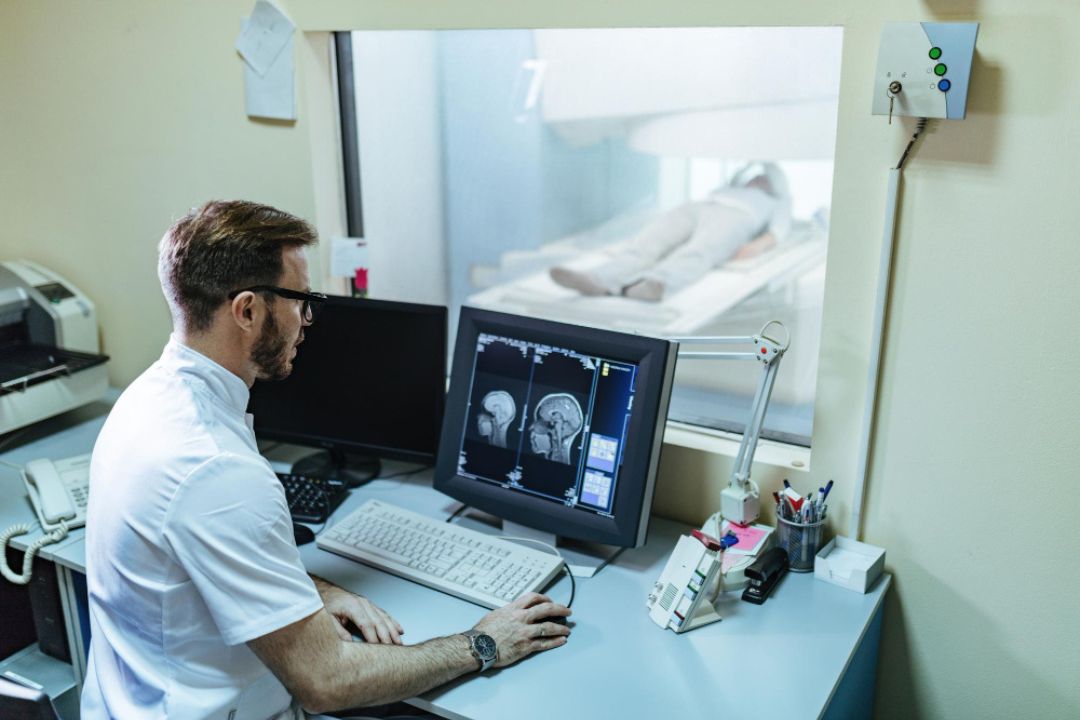
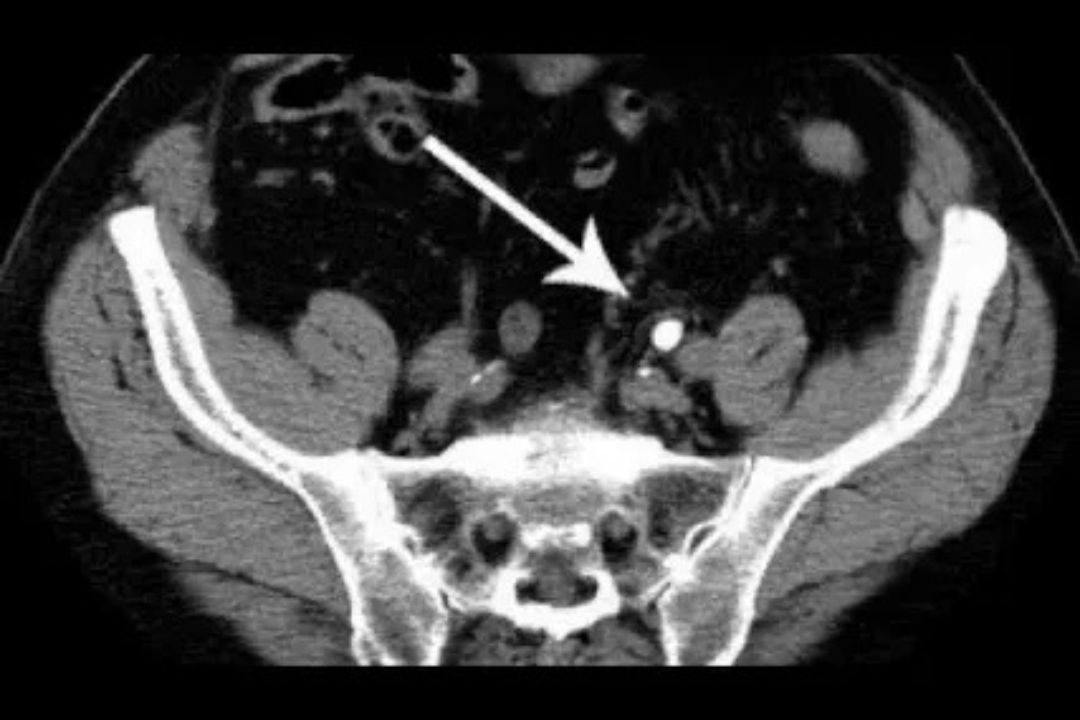
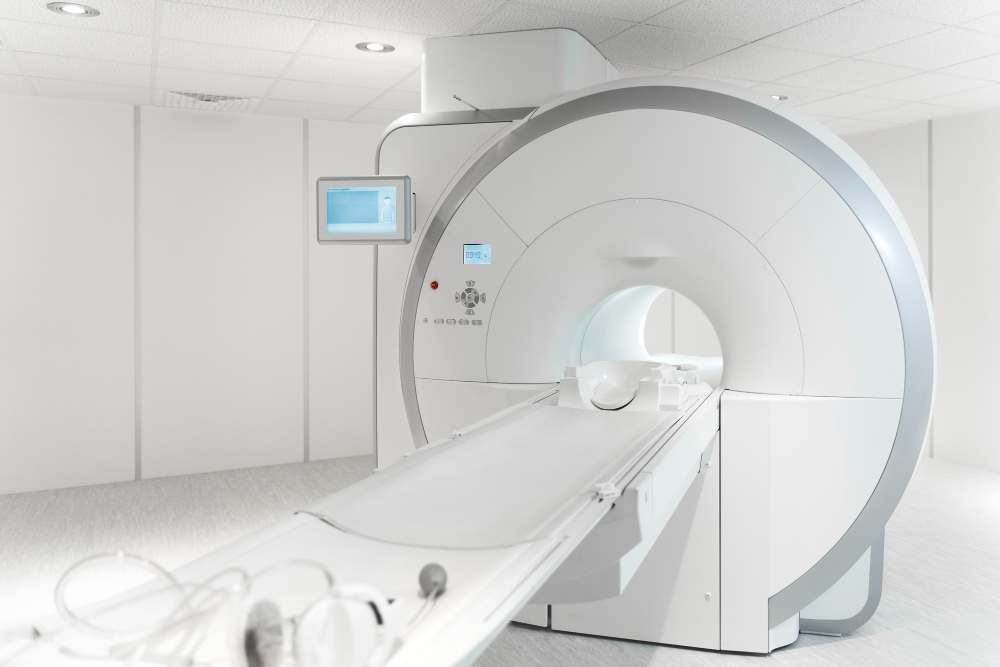
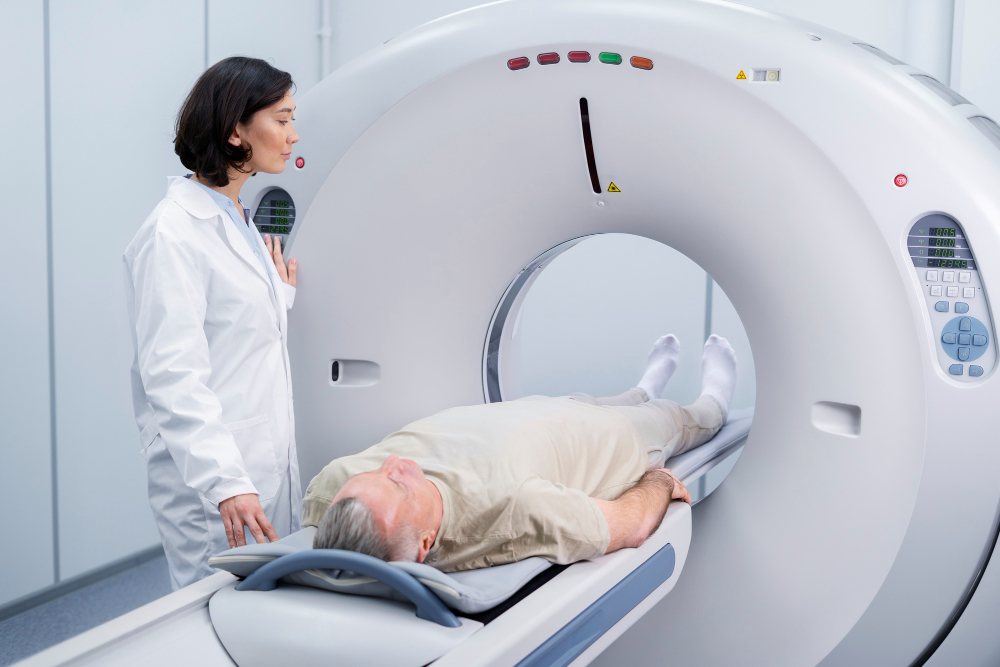
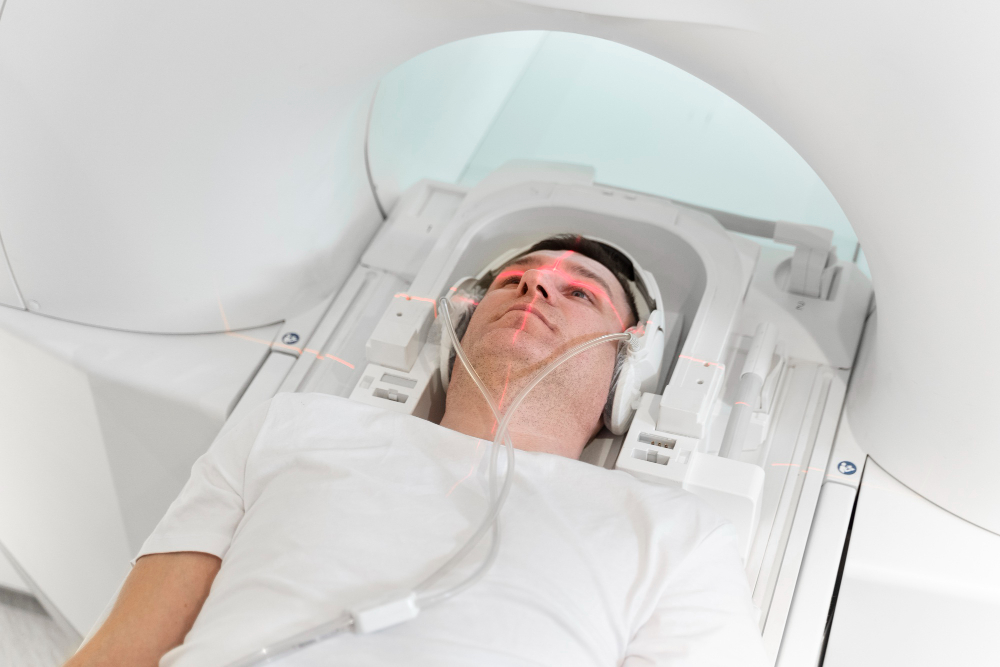
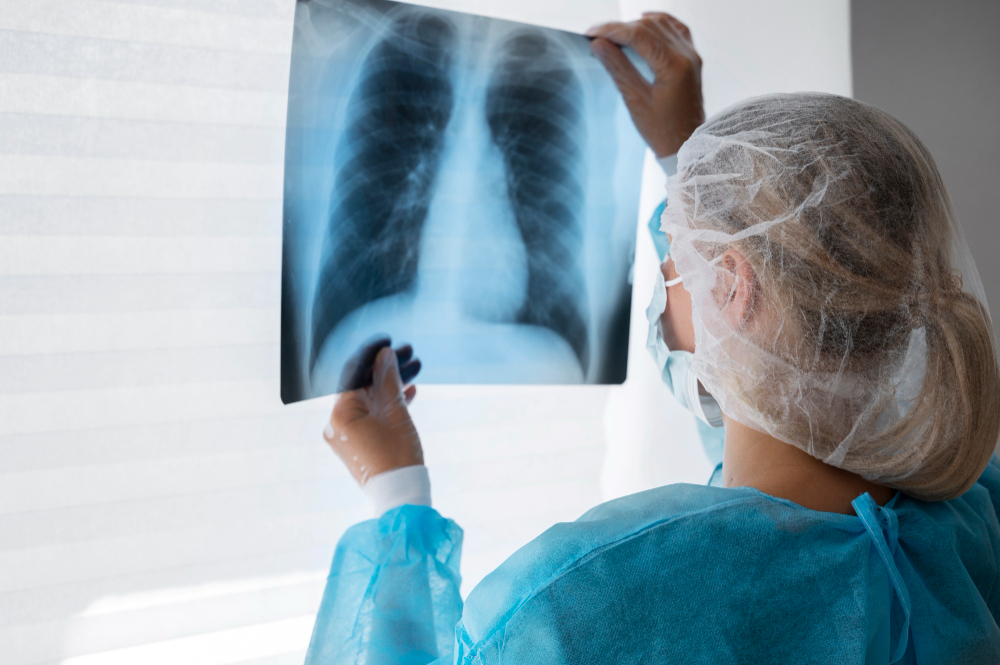
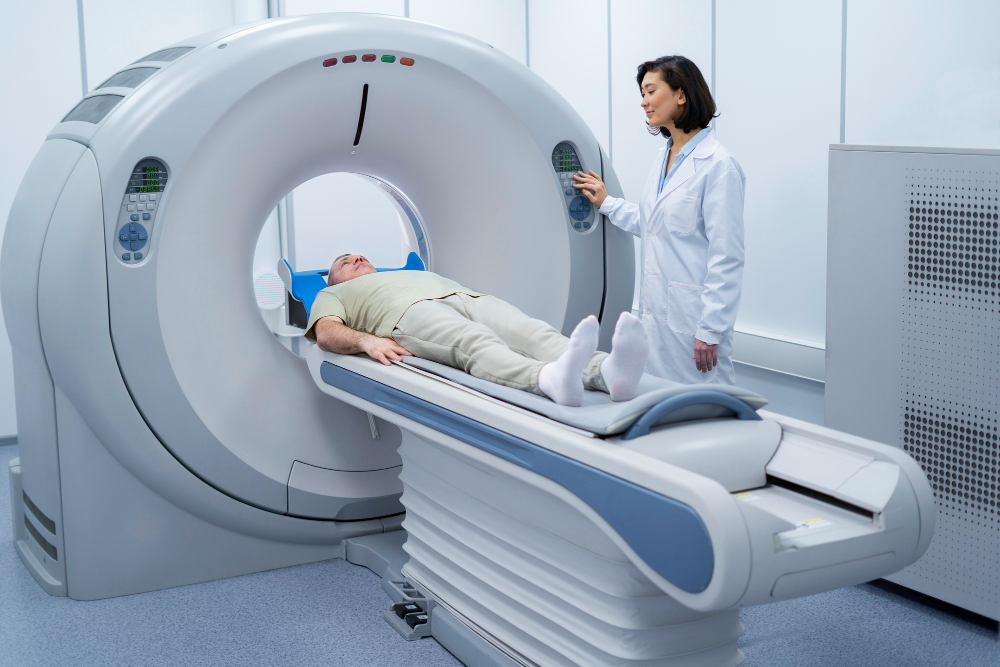
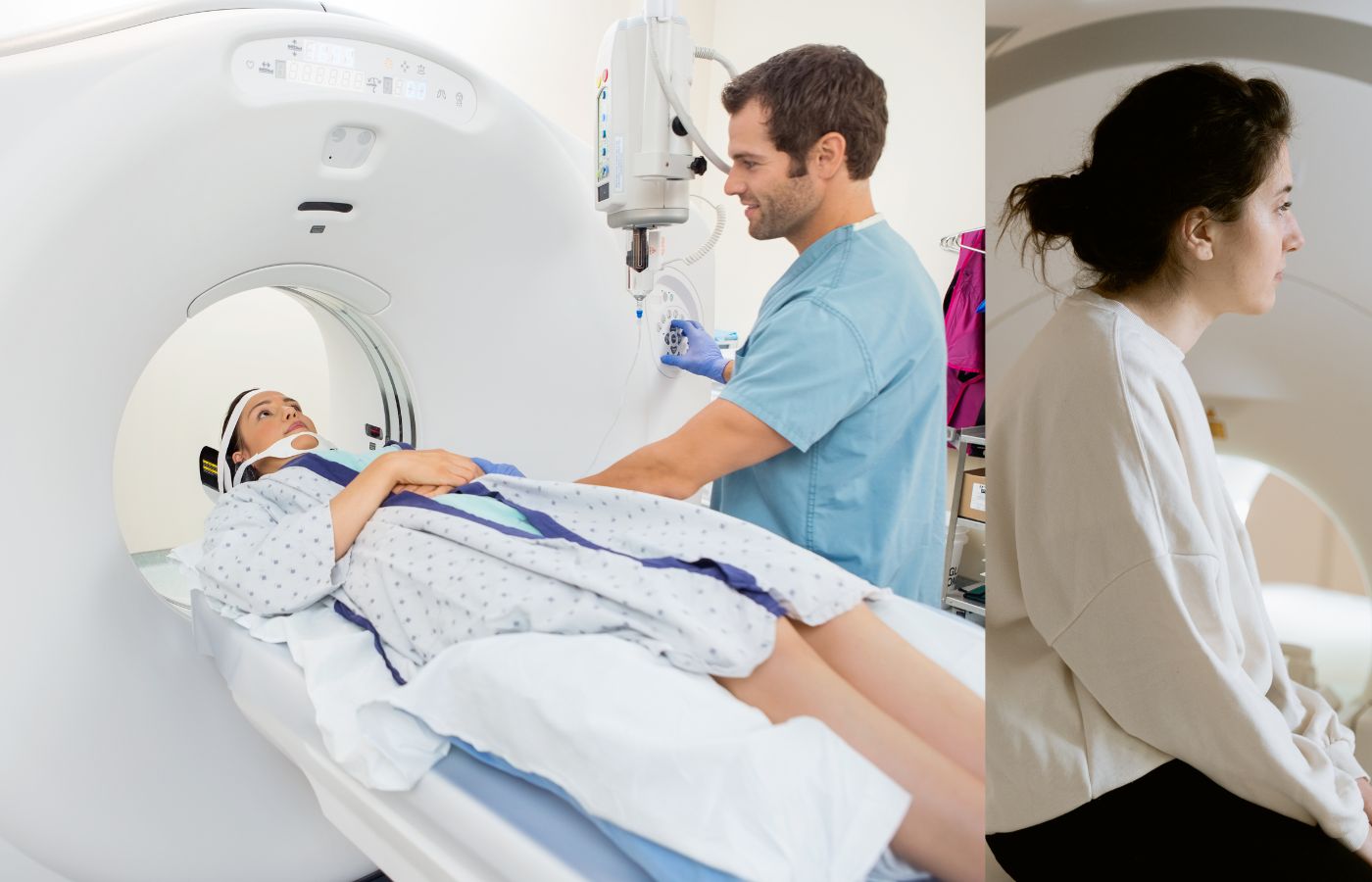
A CT scan, short for Computed Tomography scan, is a sophisticated imaging technique that combines multiple X-ray measurements taken from different angles around the body. A powerful computer processes this data to generate cross-sectional images, or "slices," of the internal structures. Unlike a conventional X-ray, which compresses three-dimensional anatomy into a flat, two-dimensional image, a CT scan provides detailed, layered views of bones, organs, and tissues. This makes it indispensable for diagnosing complex fractures, detecting bone tumors, planning orthopedic surgeries, and evaluating trauma.
Contrast dye, typically iodine-based, is a pharmacological agent administered intravenously to highlight specific tissues or blood vessels. It works by temporarily altering how X-rays interact with the body, making certain areas appear brighter or darker. However, when imaging the limbs, its utility is limited to very specific scenarios. Here is an in-depth explanation of why contrast is rarely needed in limb CT scans:
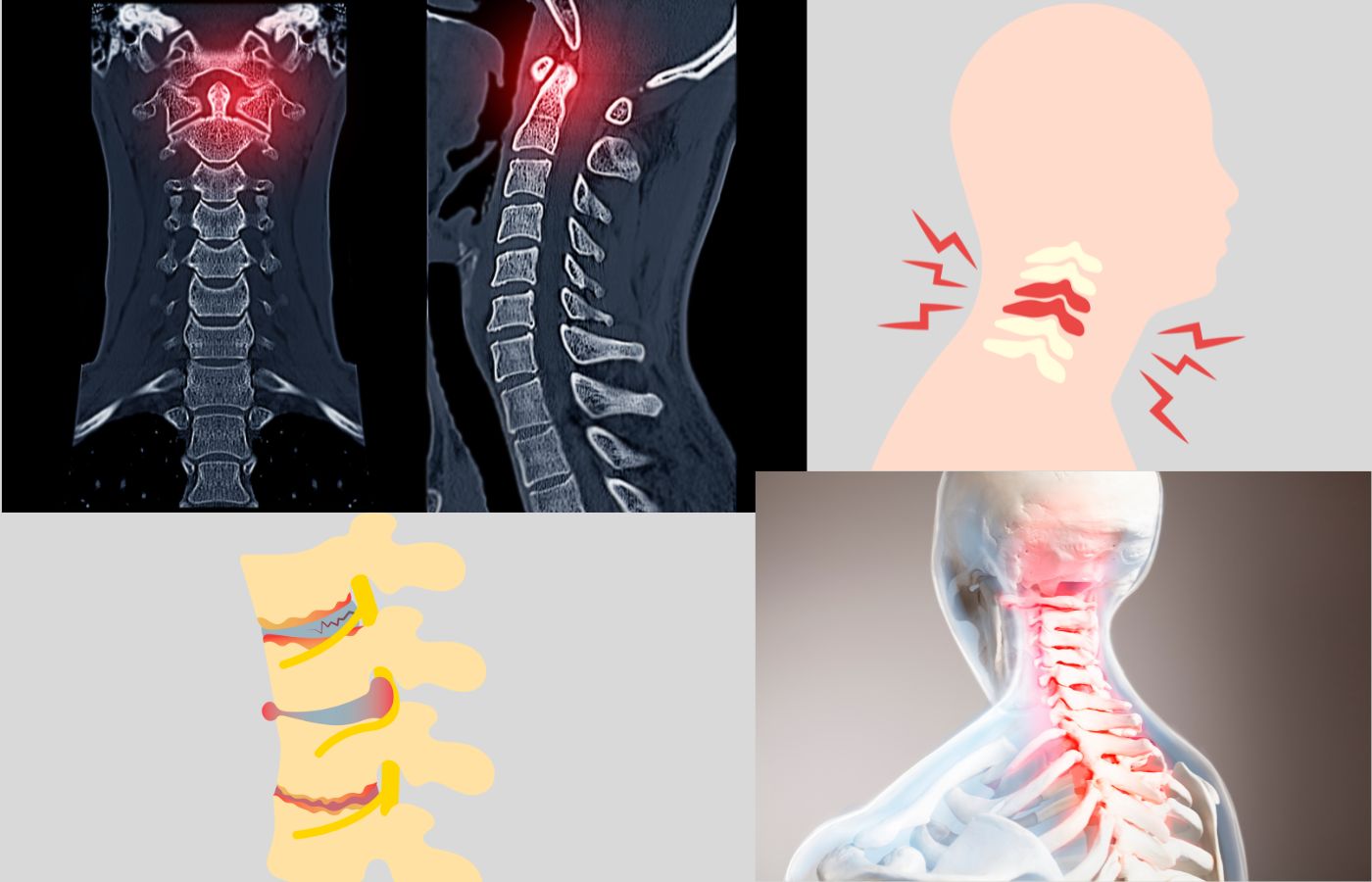
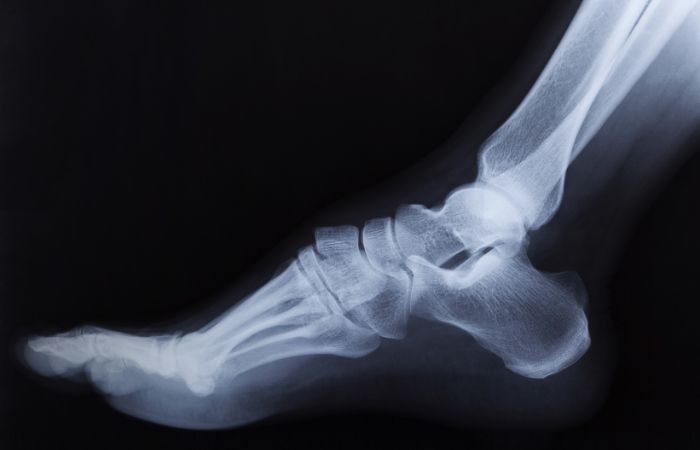
The human body possesses inherent contrast between different tissue types. Bones are composed of dense calcium, which effectively blocks X-rays, causing them to appear bright white on CT images. Surrounding muscles, fat, tendons, and skin have varying but consistently lower densities, appearing in shades of gray. This natural difference is so pronounced that adding contrast dye provides no additional benefit for visualizing bone structures. The bones are already perfectly visible against the background of softer tissues.
The vast majority of limb CT scans are ordered for orthopedic or bone-related indications. Common reasons include:
Occult Fractures: Hairline fractures or stress fractures that are invisible on standard X-rays.
Complex Fractures: Breaks that involve joint surfaces or have multiple fragments, requiring detailed evaluation for surgical planning.
Pre-Surgical Assessment: Creating precise 3D models for joint replacement or fracture fixation.
Bone Healing Evaluation: Assessing whether a fracture is healing properly after surgery or immobilization.
Bone Infections (Osteomyelitis): Detecting areas of bone destruction or inflammation caused by infection.
Bone Tumors: Identifying and characterizing growths originating in the bone.
All these conditions directly alter the bone structure or density, which is exquisitely visible on a non-contrast CT scan. Contrast dye simply does not add value in these contexts.
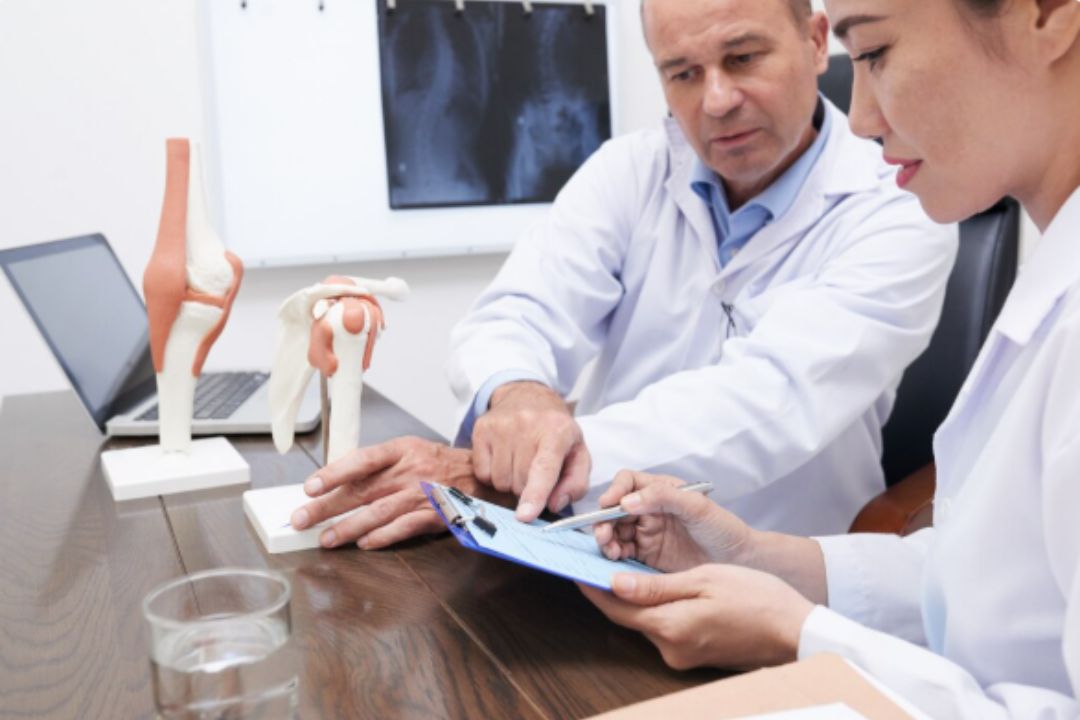
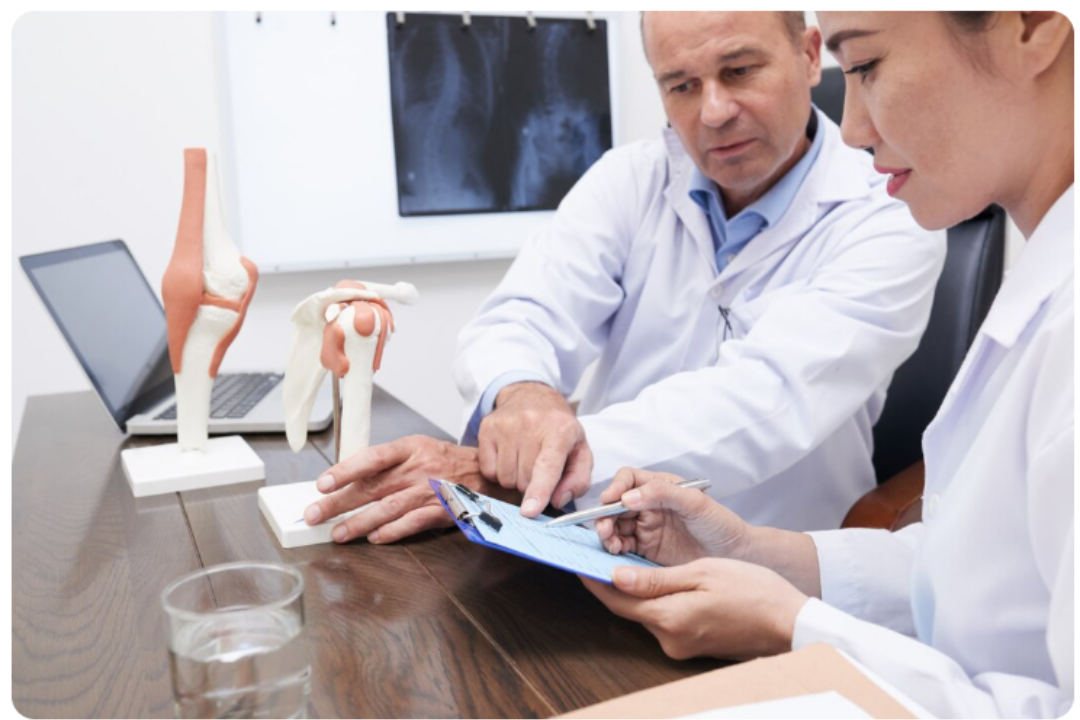
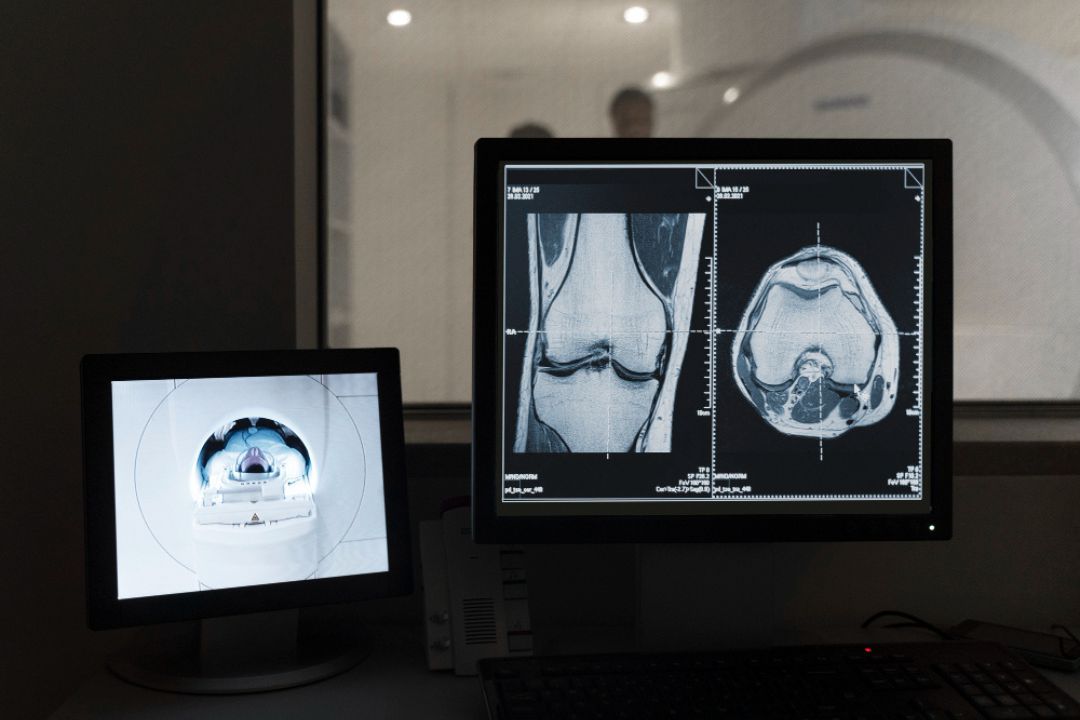
If a physician suspects a problem primarily involving soft tissues—such as a rotator cuff tear in the shoulder, a meniscus tear in the knee, or a ligament sprain in the ankle—they will typically order an MRI (Magnetic Resonance Imaging). MRI is far superior to CT for visualizing muscles, tendons, ligaments, and cartilage. Therefore, using a CT scan with contrast for a suspected soft tissue injury would be inappropriate and diagnostically ineffective.
It is important to recognize the exceptions. A CT scan with contrast for a limb is reserved for specific, targeted situations:
Tumor Characterization: To assess the vascularity of a soft tissue mass or bone tumor, helping determine if it is benign or malignant.
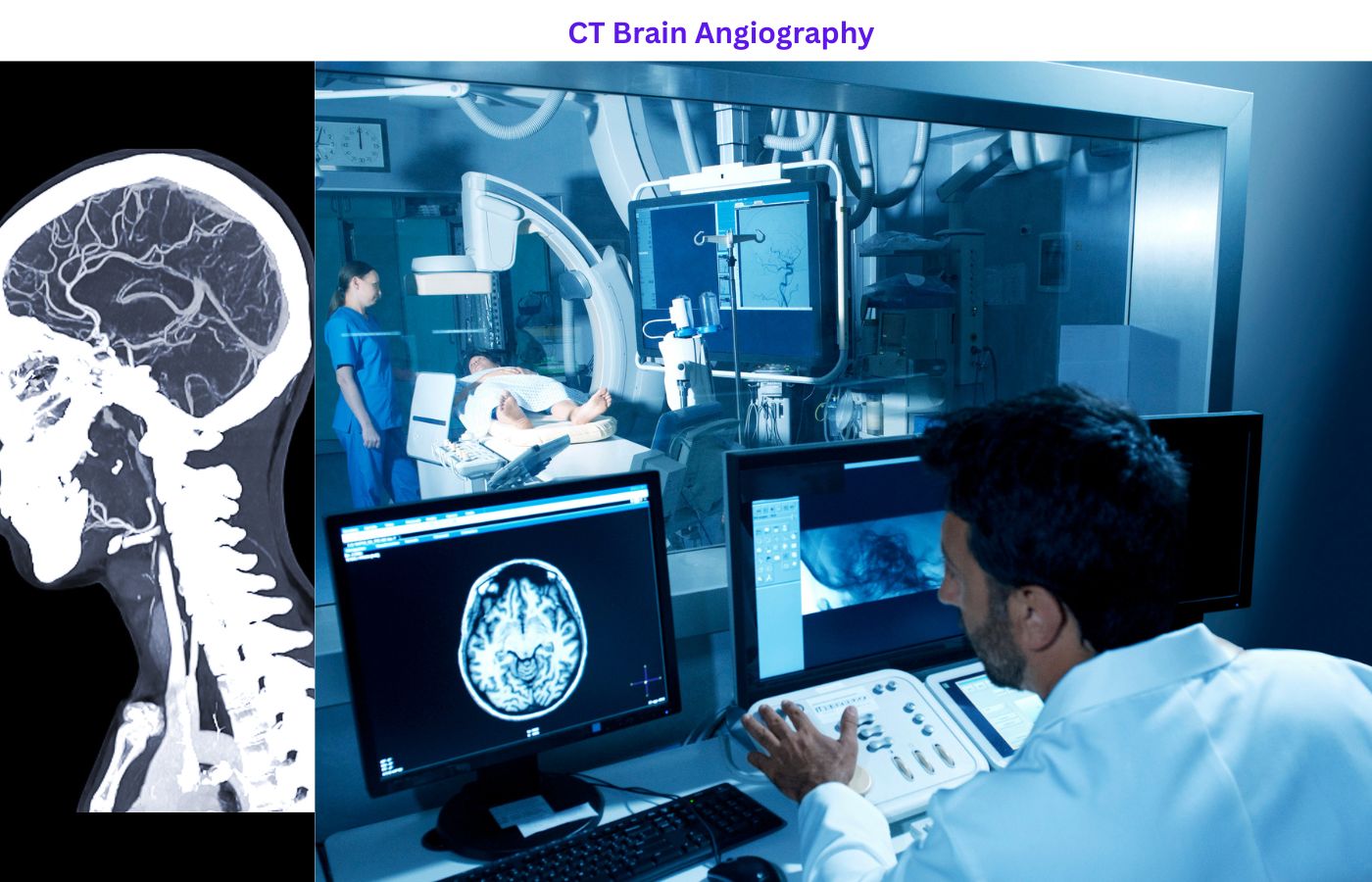
Vascular Assessment: CT Angiography (CTA) is used to map blood vessels, detect blockages in peripheral arterial disease, identify aneurysms, or evaluate vascular malformations.
Infection and Abscess Evaluation: To differentiate a fluid-filled abscess from surrounding inflamed tissue and guide drainage procedures.
When we discuss CT scan versus CT scan, the key variable is the use of contrast. This distinction is crucial for patients to understand.
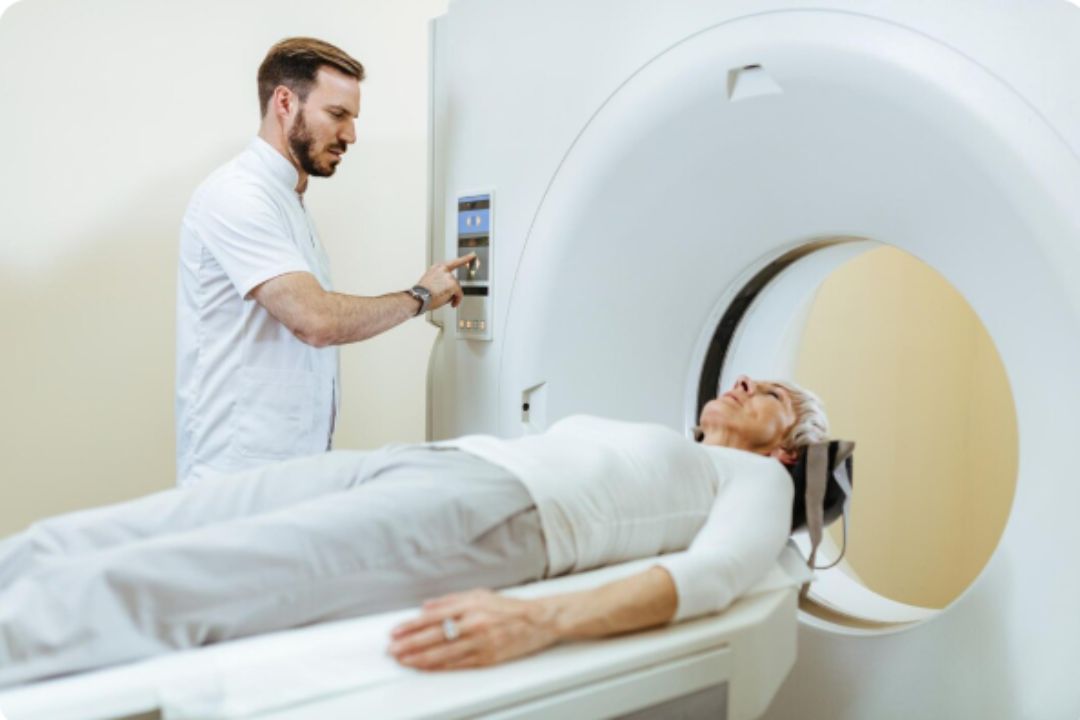
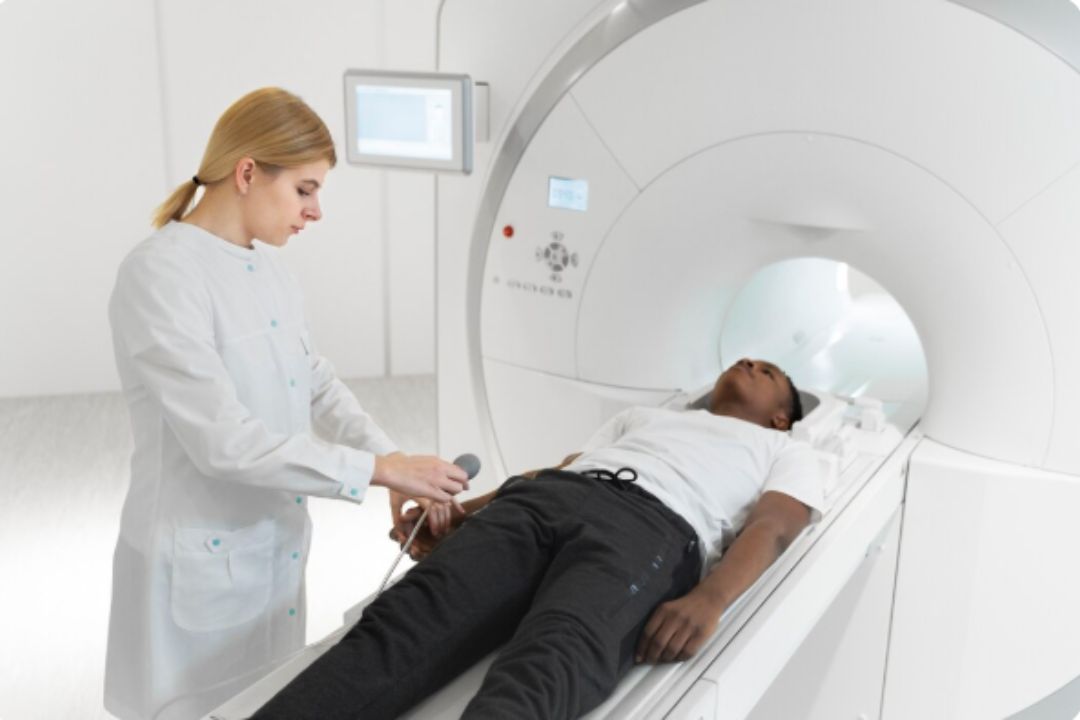
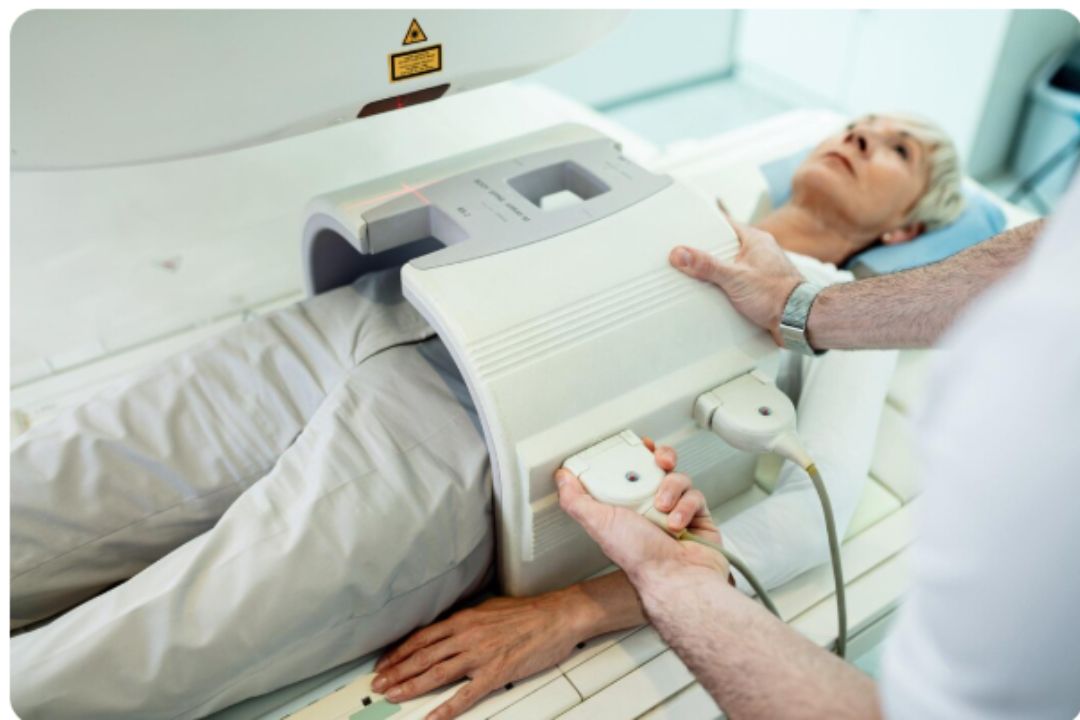
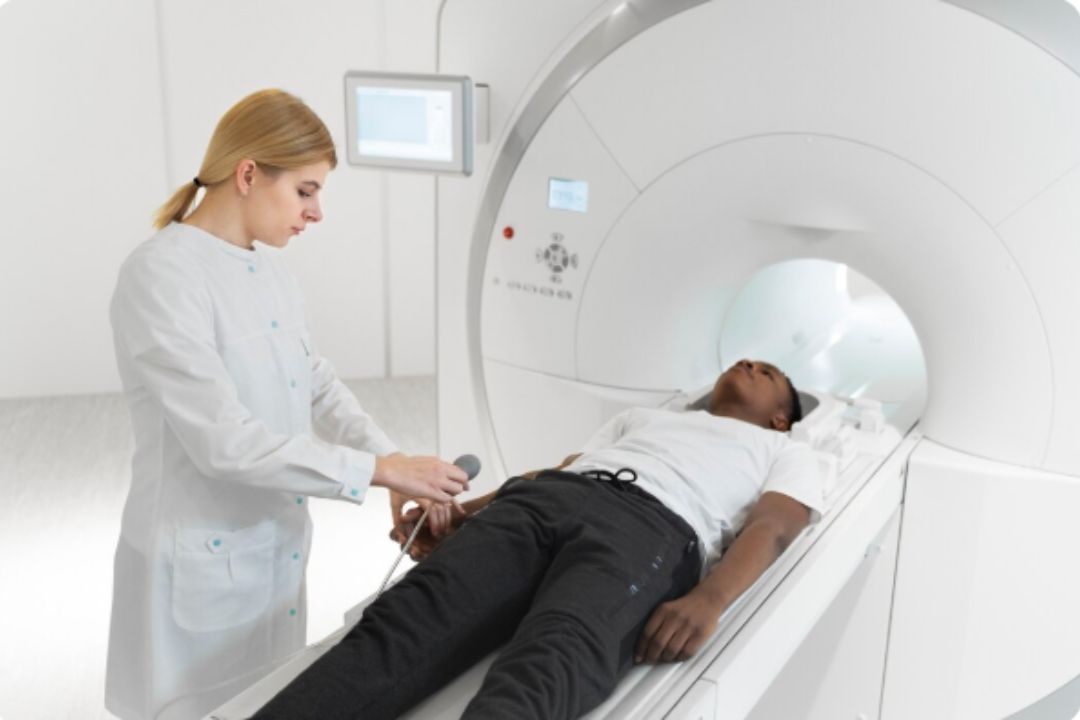
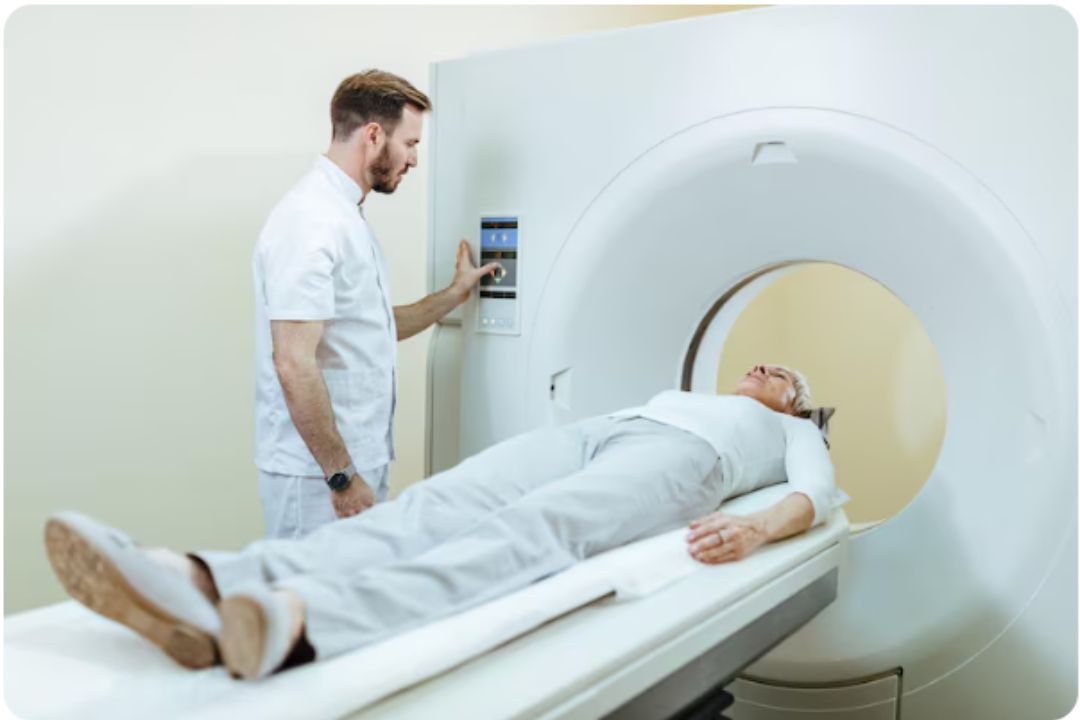
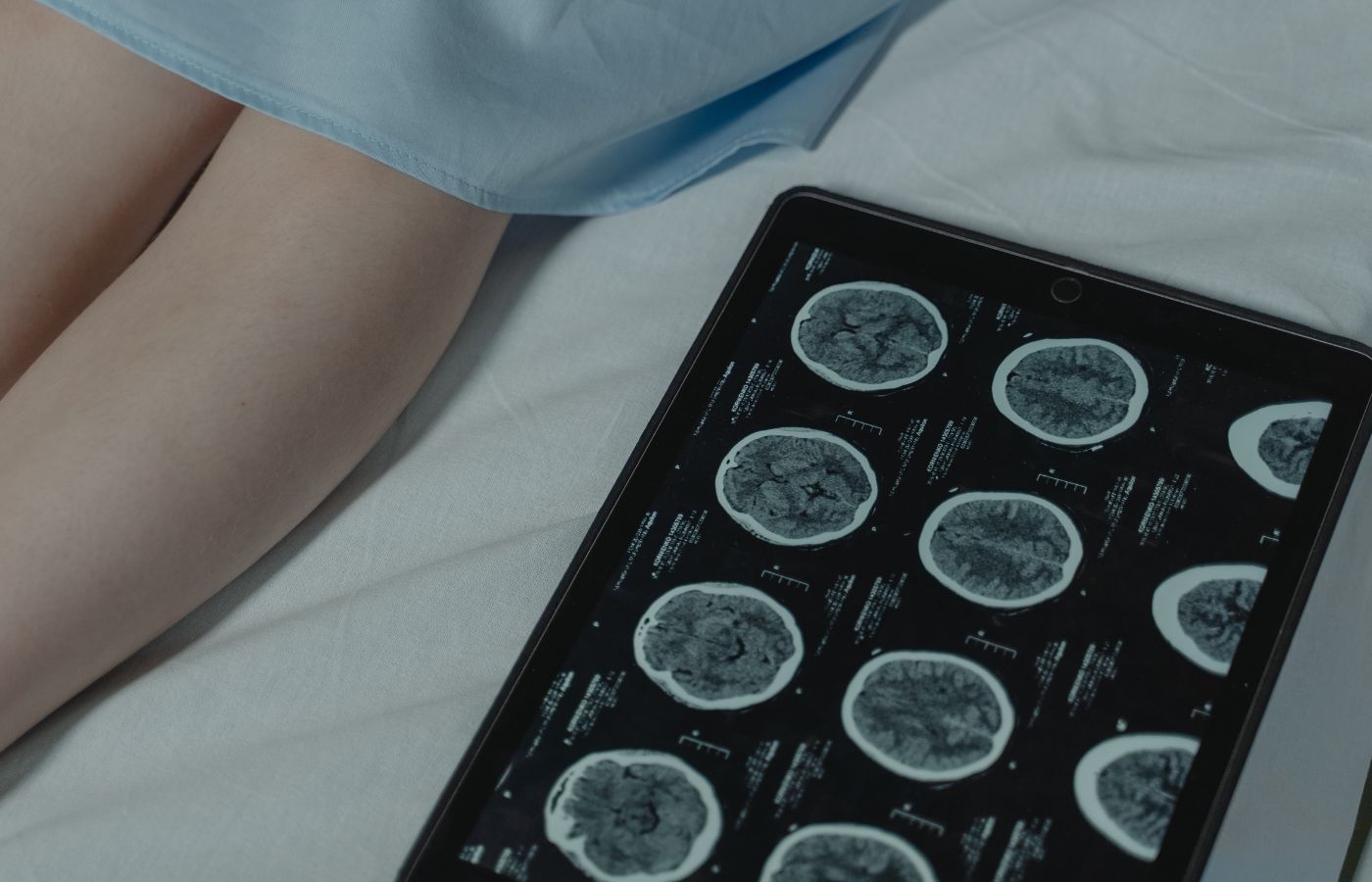
Non-Contrast CT Scan (Plain CT): This is the standard protocol. The patient lies on the scanning table, and images are acquired without any injection. It is ideal for evaluating bones, detecting acute bleeding in the brain, and visualizing kidney stones.
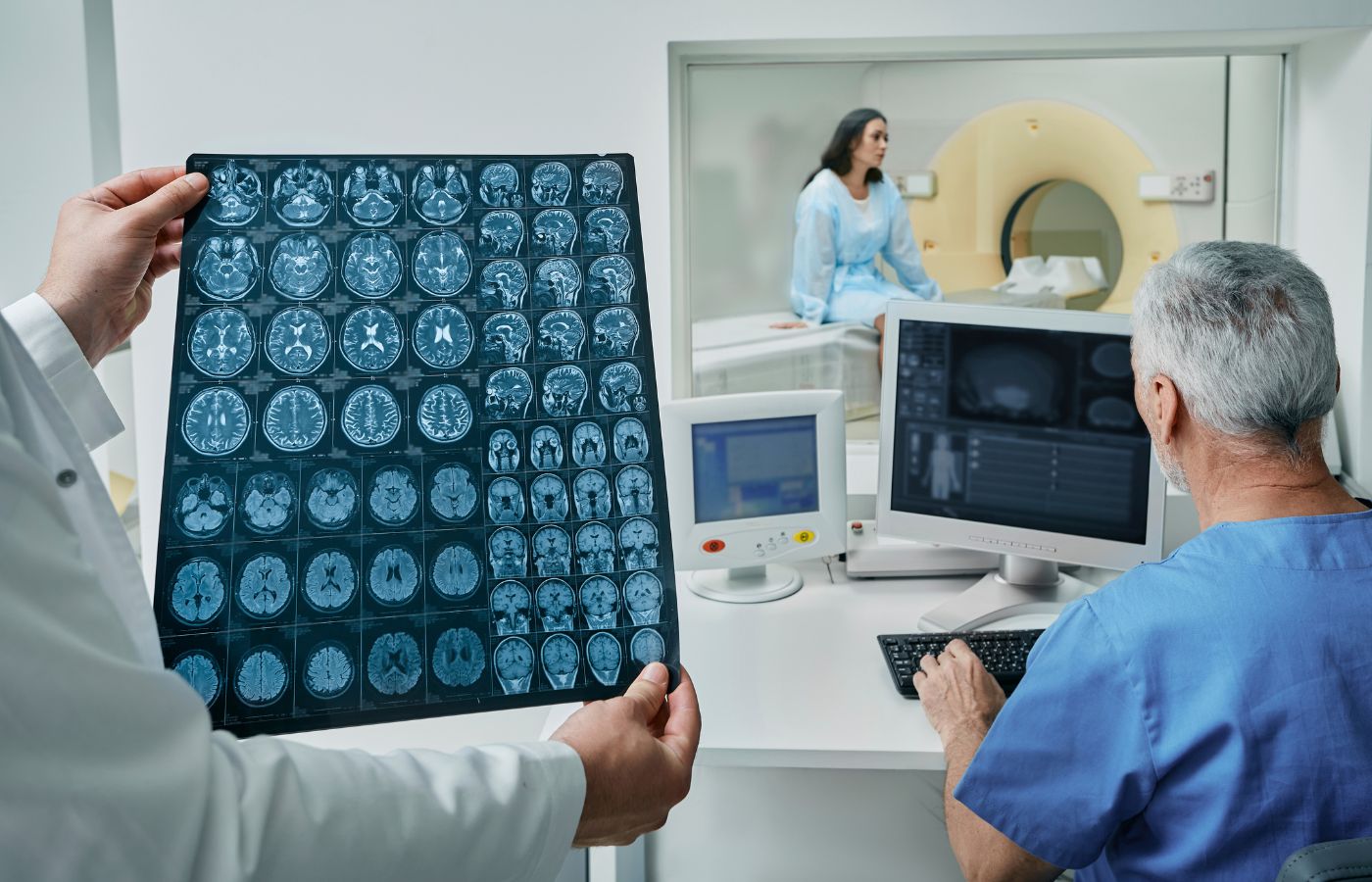
Contrast-Enhanced CT Scan: This involves intravenous administration of iodinated contrast. The scan is timed to capture the dye as it flows through arteries, veins, or tissues. It is essential for evaluating lesions in solid organs like the liver, pancreas, and kidneys, and for assessing infectious or inflammatory processes in soft tissues.
Benefit: The Advantages of Non-Contrast Limb CT Scans
Choosing a non-contrast scan at Diagnopein Mumbai offers multiple direct benefits:
Eliminates Medical Risks: Contrast dye is processed by the kidneys. Patients with chronic kidney disease, diabetes, or dehydration face a risk of Contrast-Induced Nephropathy (CIN). Additionally, although rare, allergic reactions to iodine contrast can range from mild hives to life-threatening anaphylaxis. A non-contrast scan is completely safe for all patients, regardless of kidney function or allergy history.
No Preparation Required: Contrast studies often require fasting for several hours beforehand to reduce the risk of nausea and vomiting if an allergic reaction occurs. With a non-contrast limb CT, you can eat, drink, and take medications normally before your appointment.
Faster Procedure: Without the need for IV insertion, waiting for contrast circulation, and acquiring delayed images, the entire process is significantly quicker and more efficient.
Healthcare costs are a significant consideration for most families. One major advantage of avoiding contrast is the impact on costing.
A CT scan with contrast is more expensive due to the cost of the dye, the intravenous cannula, and the extended technologist and machine time required.
At Diagnopein Mumbai, we are committed to transparent and ethical billing. By performing only the medically necessary non-contrast scan, we help minimize your financial burden while maintaining the highest standards of diagnostic accuracy.
At Diagnopein Mumbai, patient comfort is at the heart of everything we do. Medical tests can be stressful, and needles often add to that anxiety.
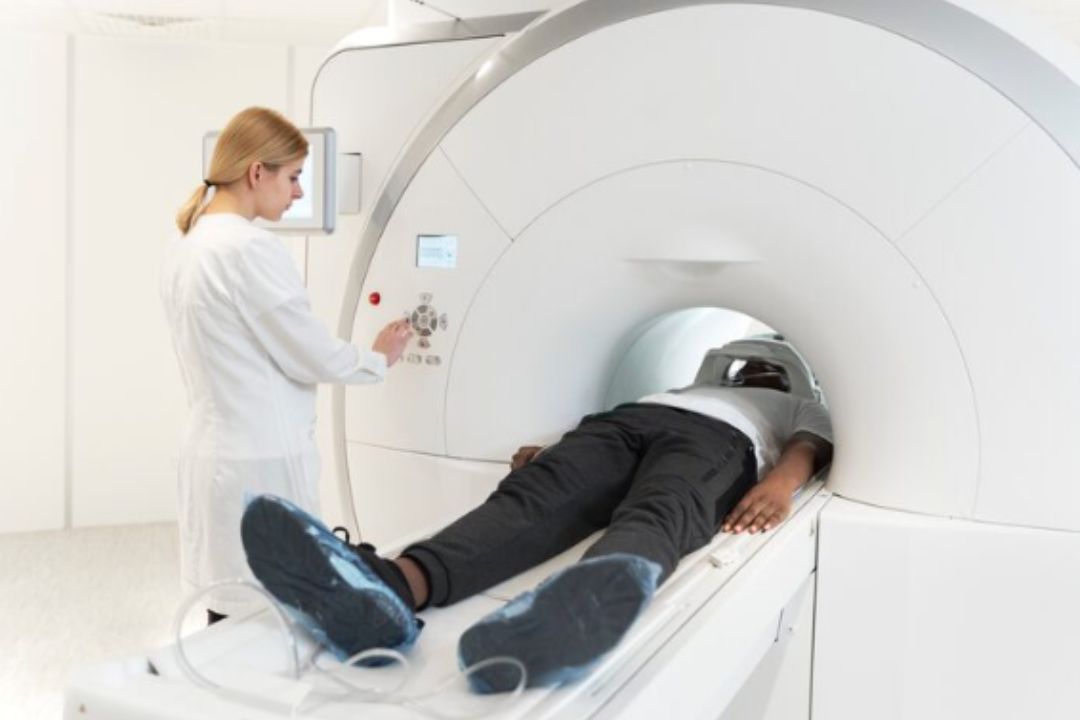
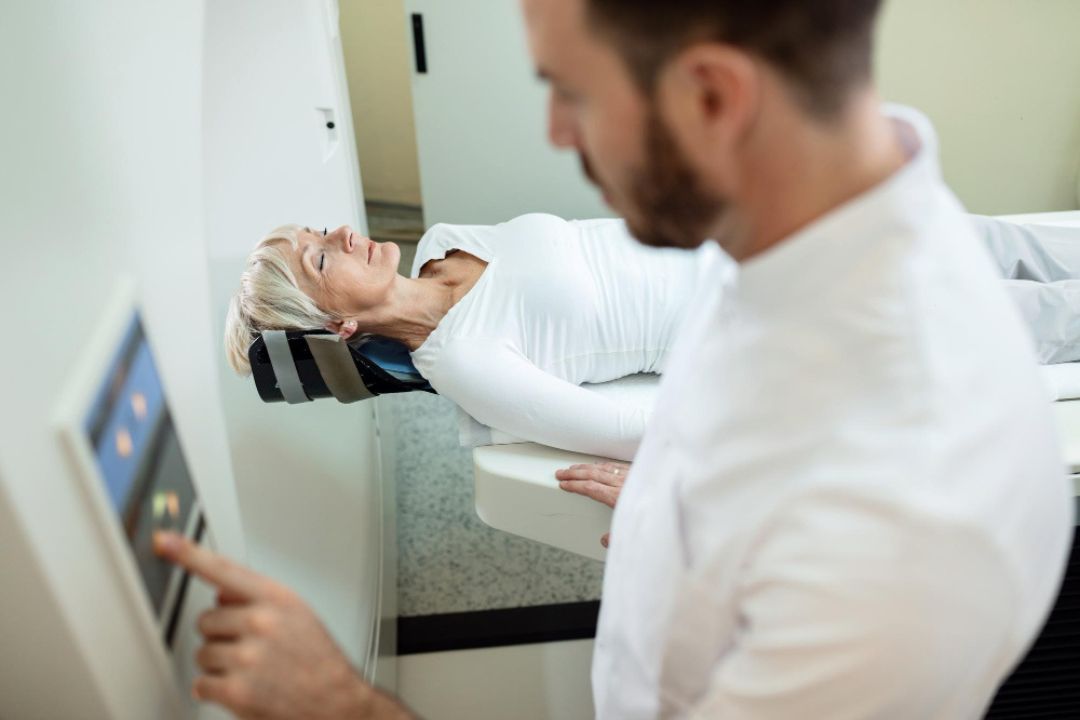
Needle-Free Experience: You can simply lie down and relax. There is no pinch from an IV line and no sensation of a foreign object in your vein.
No Unpleasant Sensations: Contrast dye often causes a transient warm, flushing sensation throughout the body and a metallic taste in the mouth. A non-contrast scan avoids these entirely.
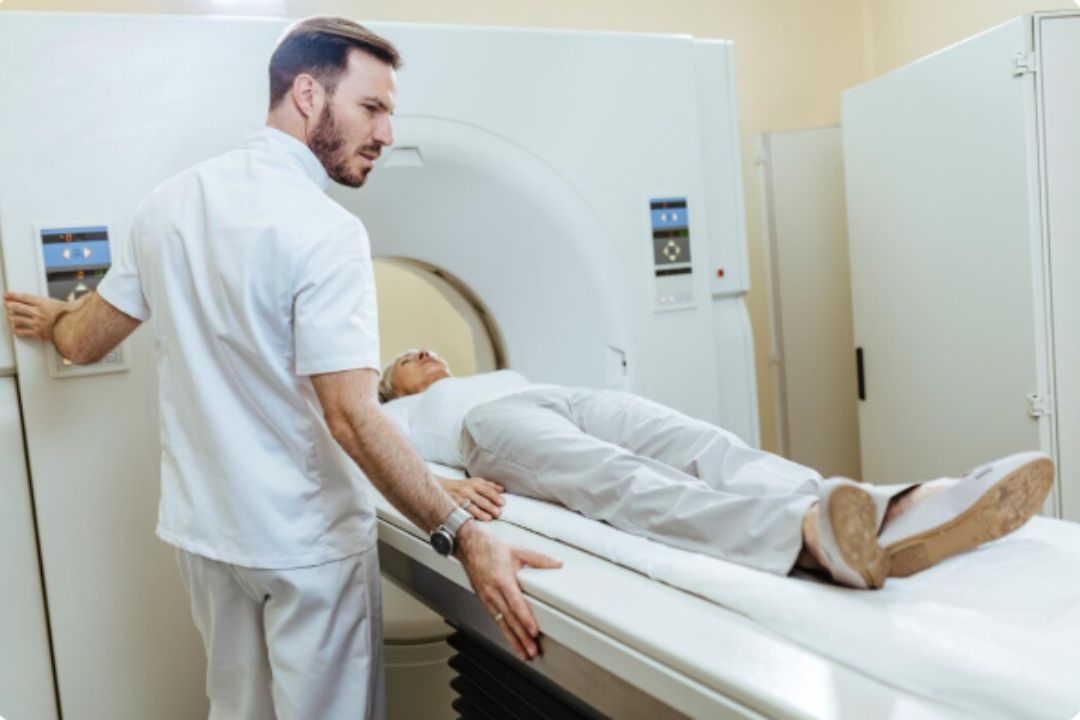
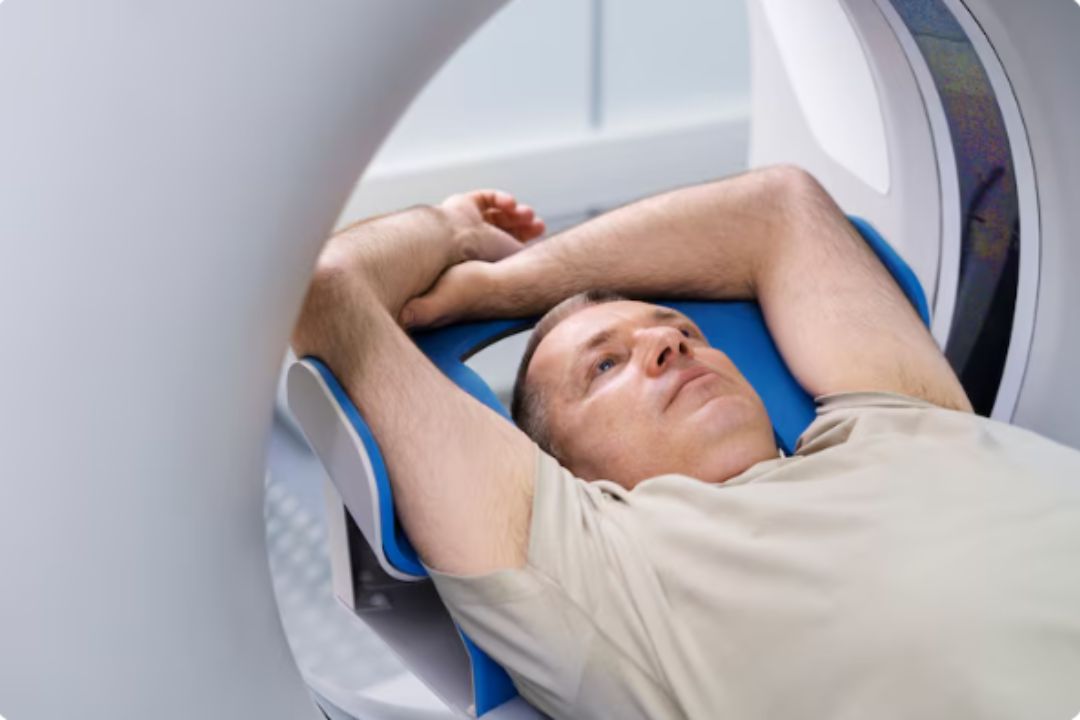
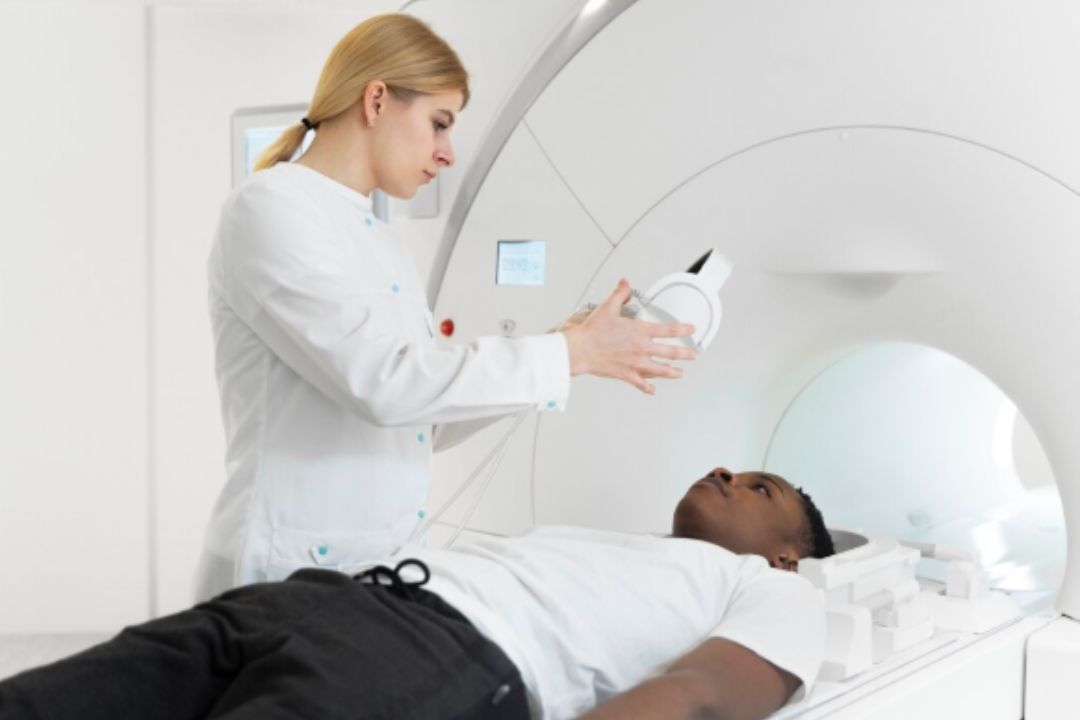
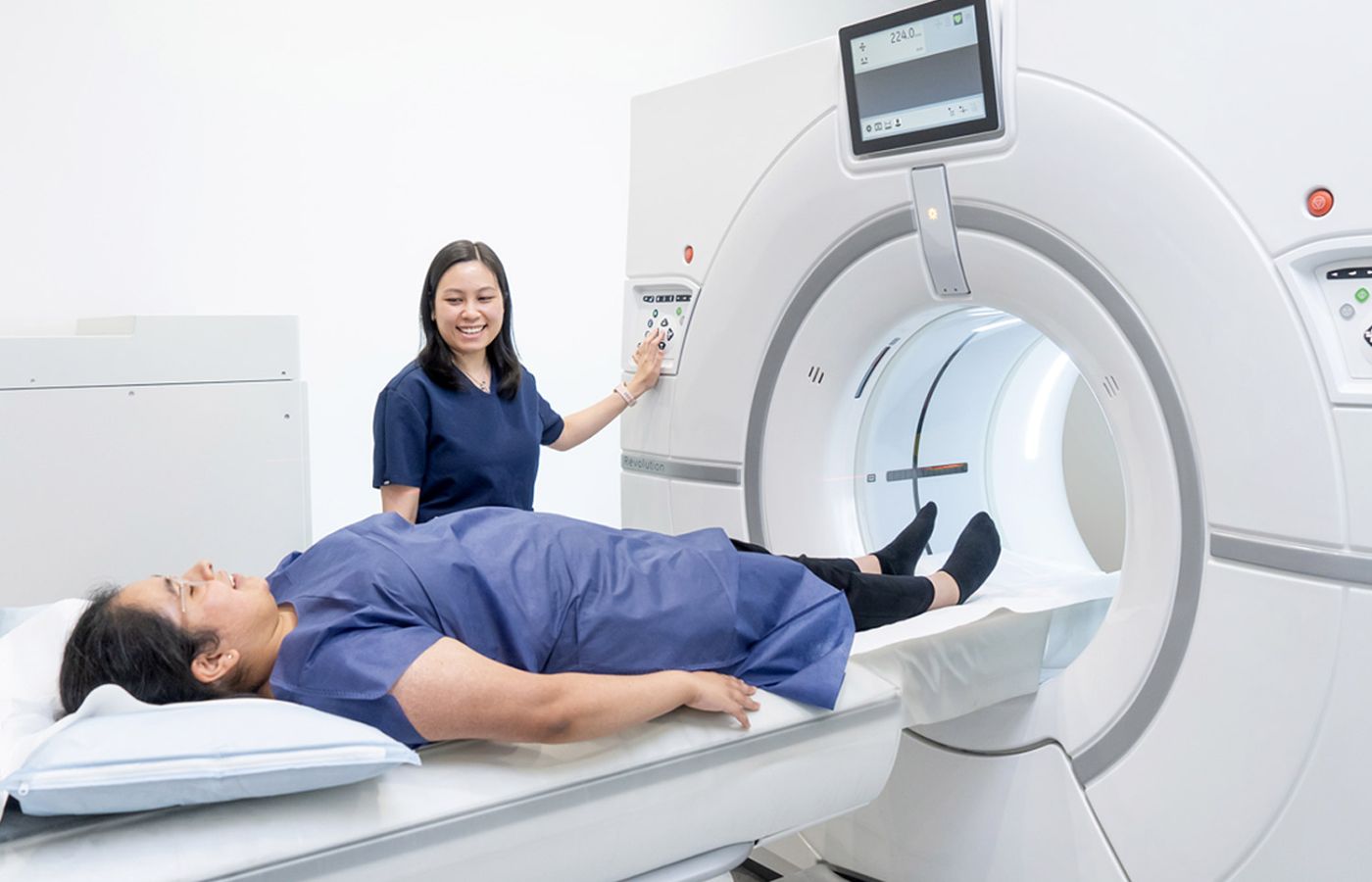
Quick and Easy: Limb scans are typically very fast. You are positioned comfortably, the scan is completed in minutes, and you can resume your normal activities immediately.
Selecting the right imaging center is just as important as the scan itself. At Diagnopein Mumbai, we distinguish ourselves through a combination of clinical excellence, advanced technology, and genuine compassion. Here is why patients and doctors trust us:
We have invested in the latest generation CT scanners that deliver exceptional image quality with the lowest possible radiation exposure. Our machines are designed to provide rapid, high-resolution images, ensuring that even subtle fractures or abnormalities are detected with precision.
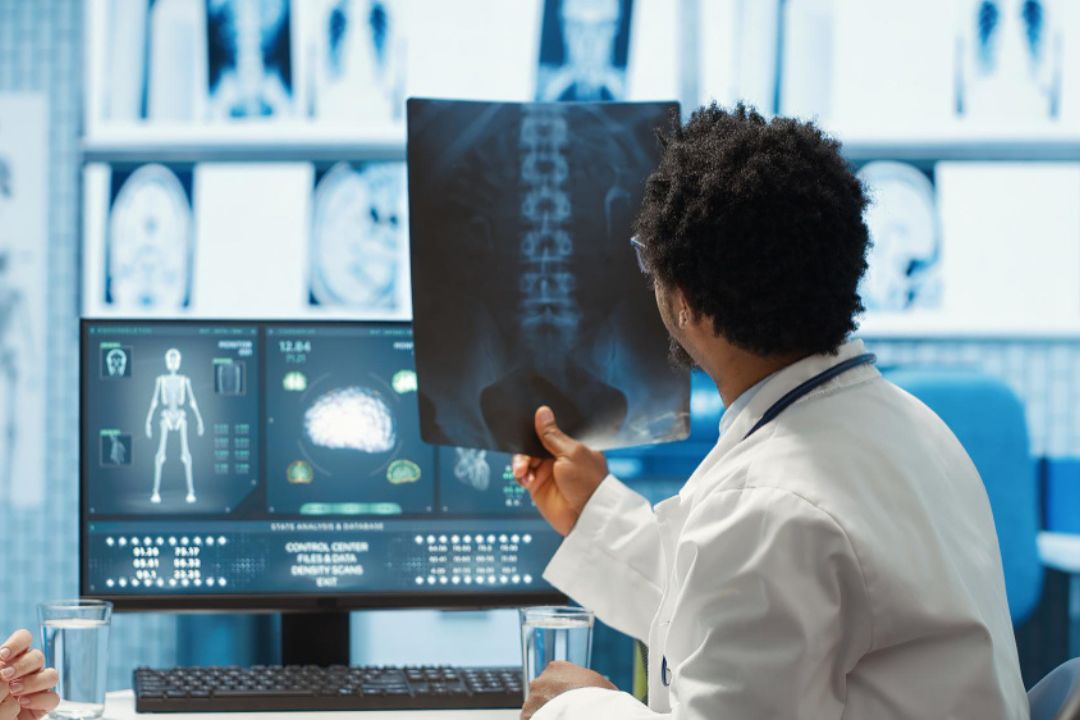
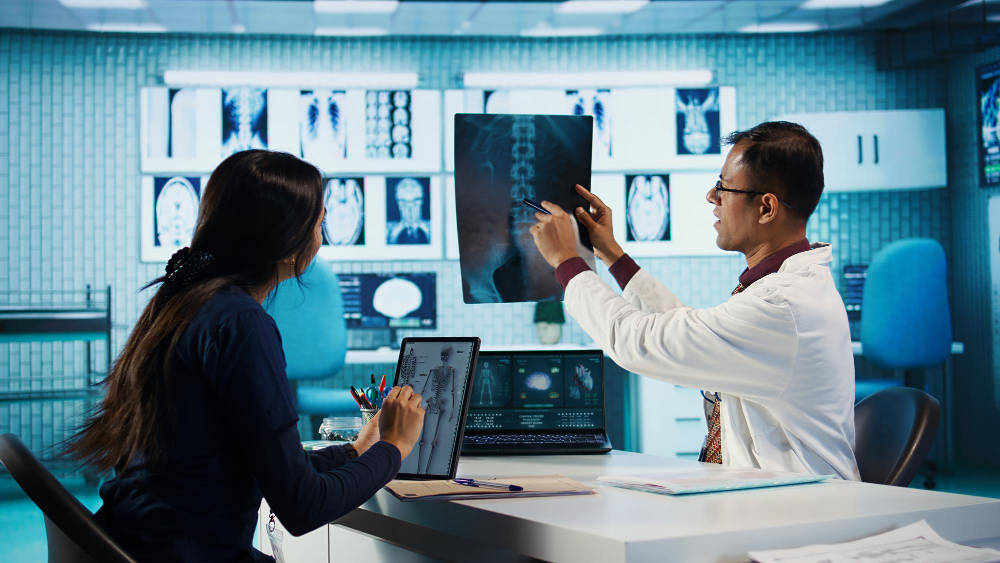
Our team comprises highly experienced radiologists who specialize in musculoskeletal imaging. They understand the nuances of bone and joint pathology and work closely with referring physicians to ensure accurate diagnosis and optimal treatment planning.
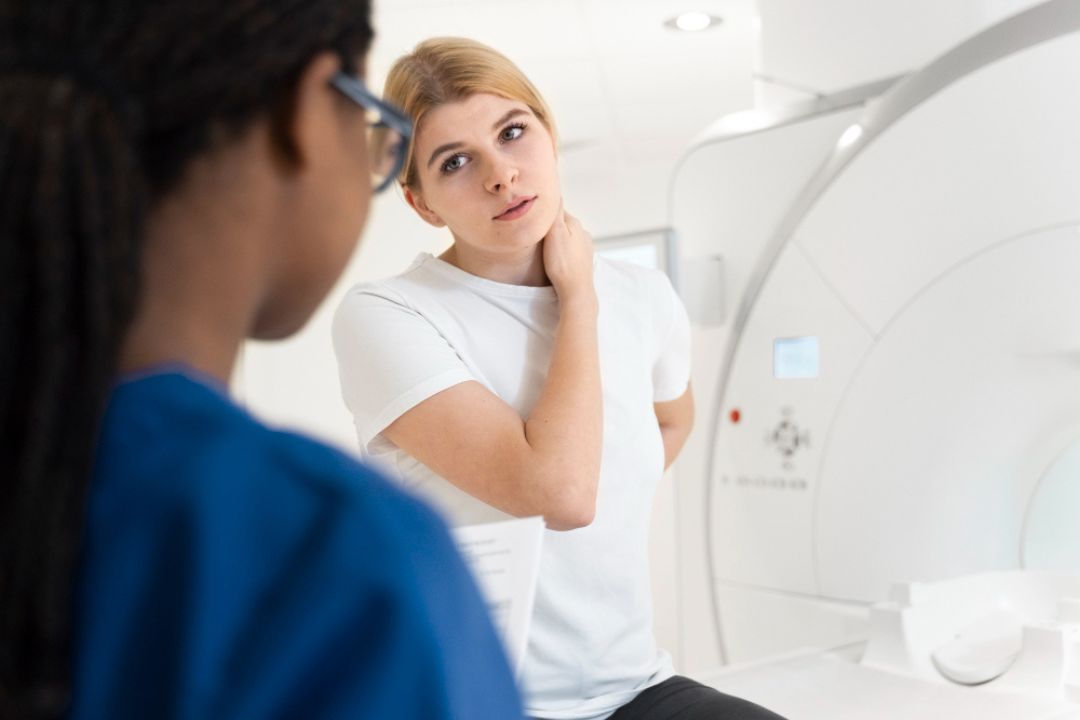
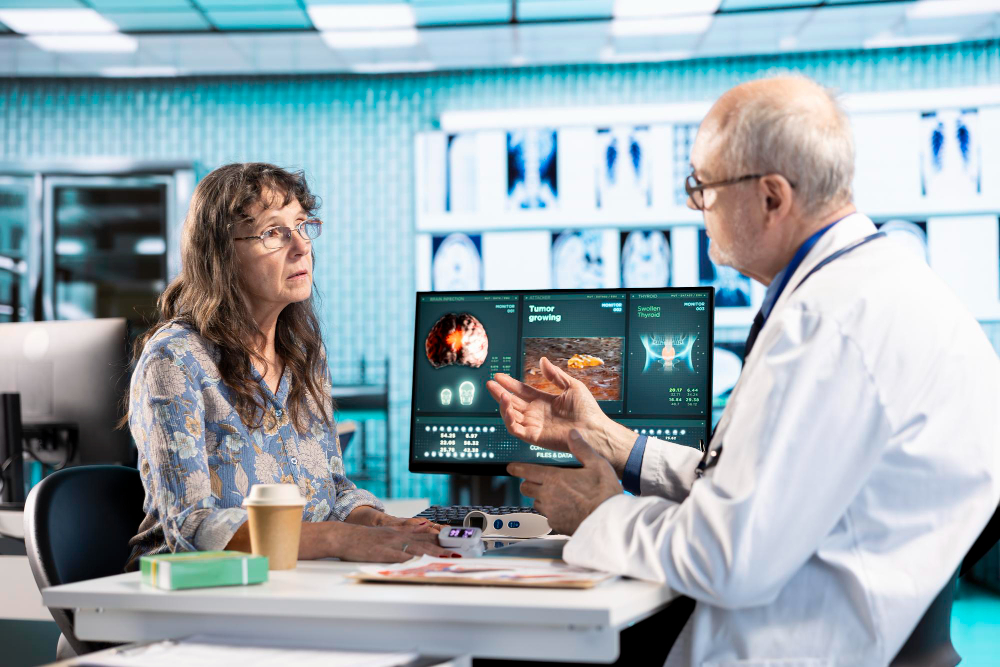
From the moment you walk through our doors, you are treated with respect, empathy, and professionalism. We understand that medical tests can be intimidating, so we take the time to explain every step, answer your questions, and ensure you feel completely at ease.
We believe that high-quality healthcare should be accessible to everyone. Our pricing is competitive, transparent, and free from hidden charges. We provide clear cost estimates upfront, so you know exactly what to expect.
Our center is strategically located and easily accessible from across Mumbai. We offer flexible appointment scheduling, including early morning and evening slots, to accommodate your busy lifestyle.
We understand that waiting for results can be stressful. Our streamlined reporting process ensures that your reports are prepared promptly and delivered to you and your doctor without unnecessary delay.
Understanding why contrast is rarely needed in limb CT scans empowers you to make informed decisions about your healthcare. For the overwhelming majority of bone and joint concerns—fractures, arthritis, infections, or pre-surgical planning—a safe, rapid, and highly accurate non-contrast CT scan provides all the information your doctor requires.
At Diagnopein Mumbai, we combine state-of-the-art technology with an unwavering commitment to patient care, comfort, and affordability. Our experienced radiologists and compassionate staff ensure that your experience is as smooth and stress-free as possible.






.jpg "ct brain scan plain and contrast")







.jpg "ct scan")
.jpg "ct scan or mri for brain disorders")


.jpg "exploring the power of ct brain contrast in modern diagnostics")
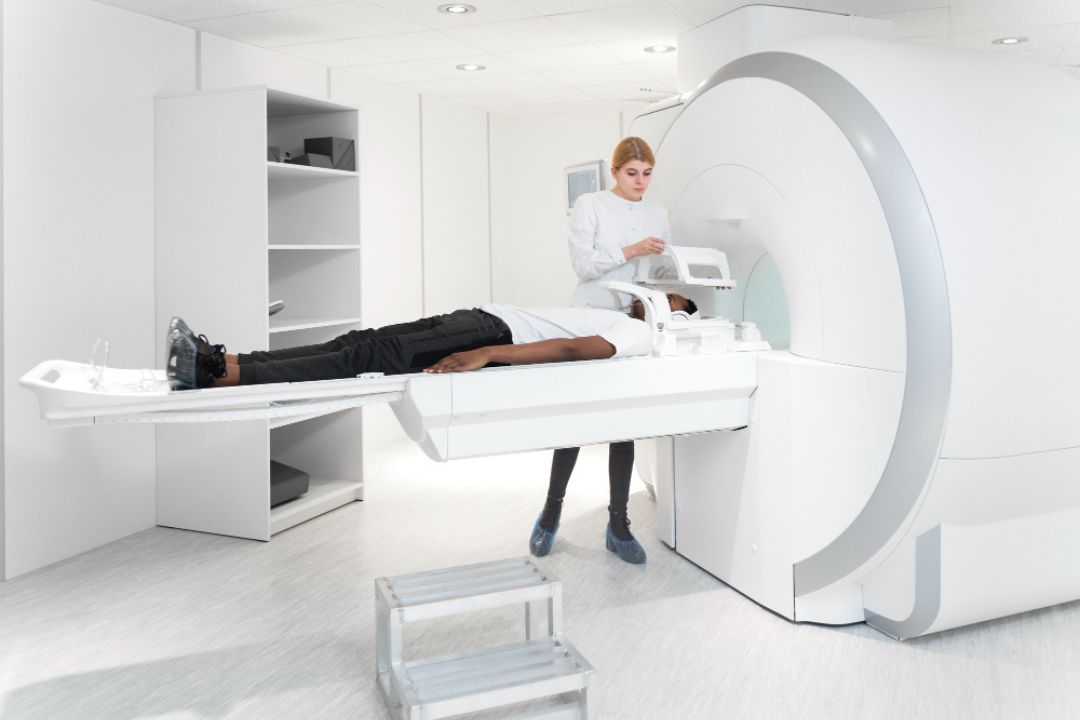
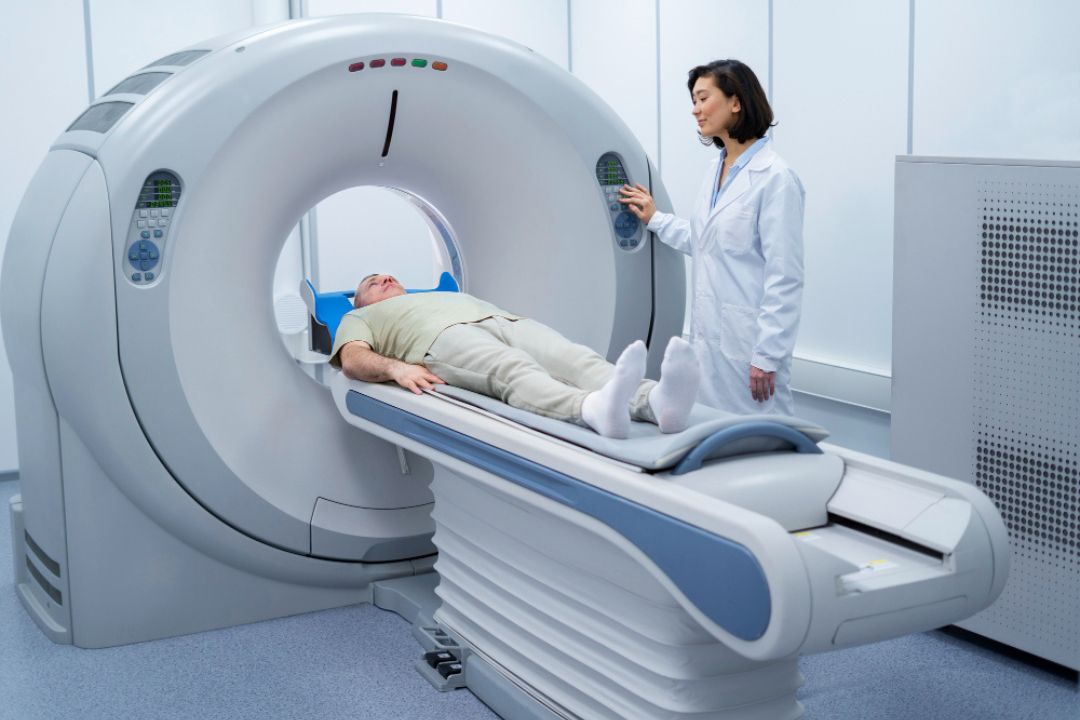
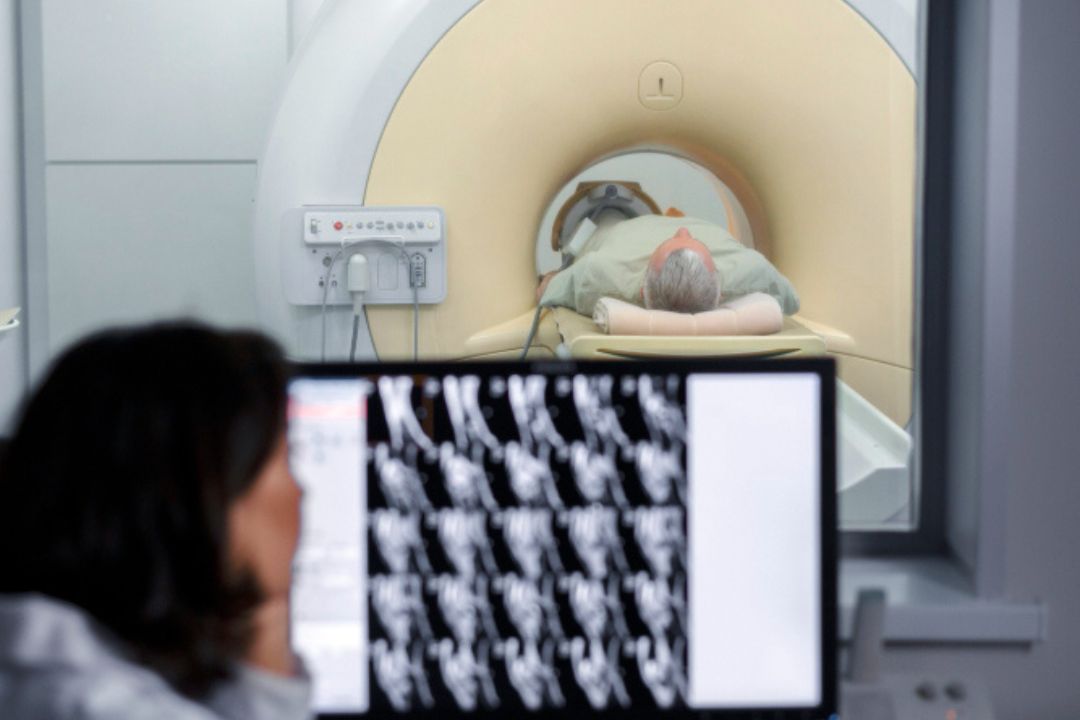
.jpg "ct scan")
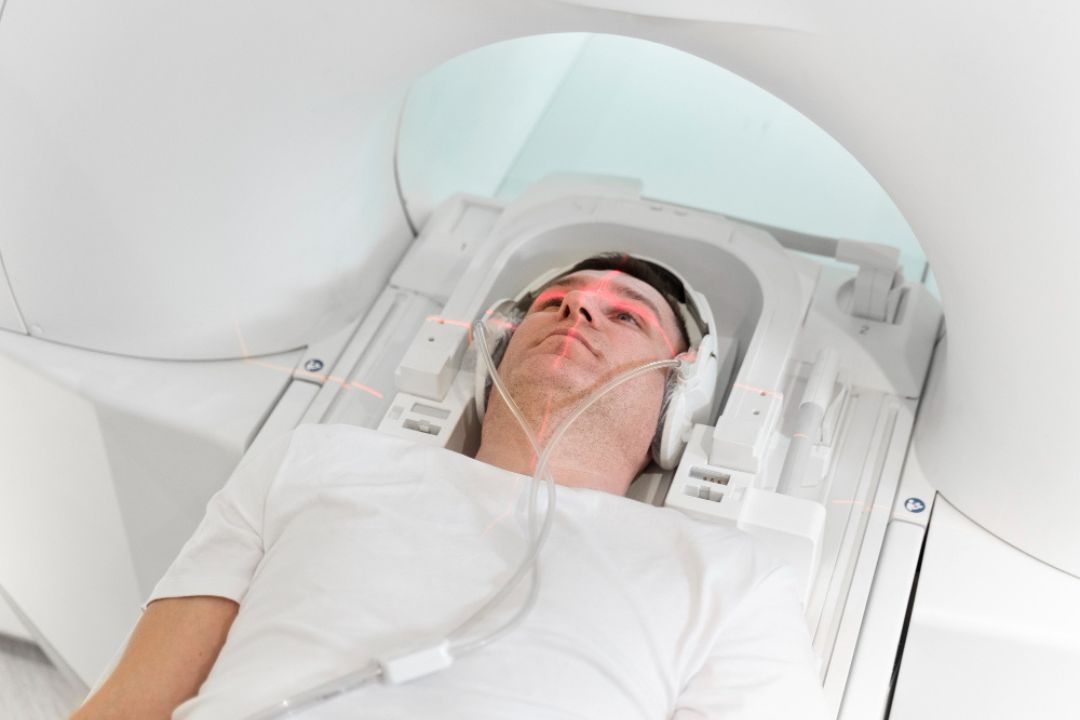
.jpg "ct scan")







.jpg "ct scan")

.jpg "CT Brain Scan for Headaches")
.jpg "The Future of 3D CT Imaging")