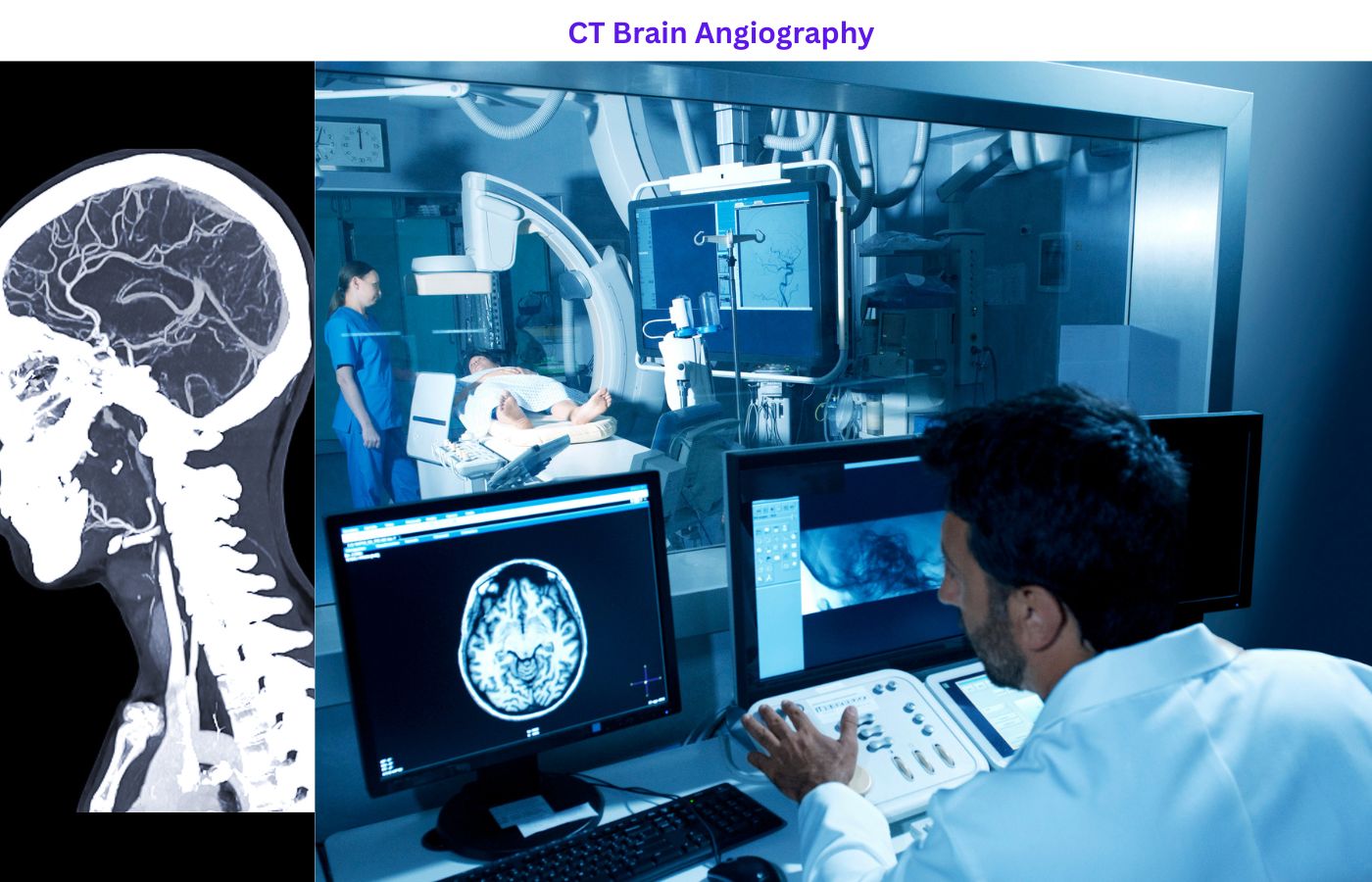
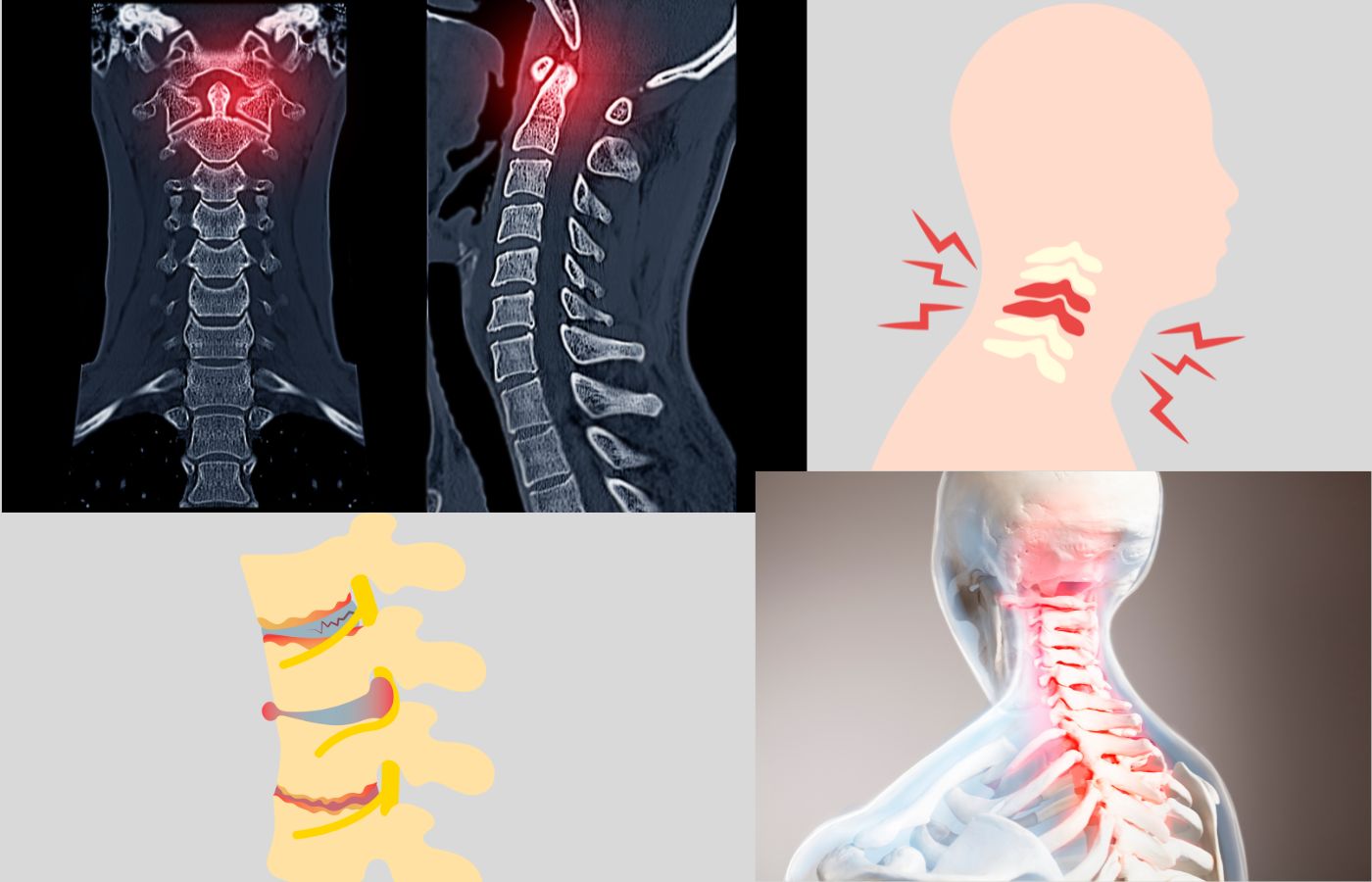
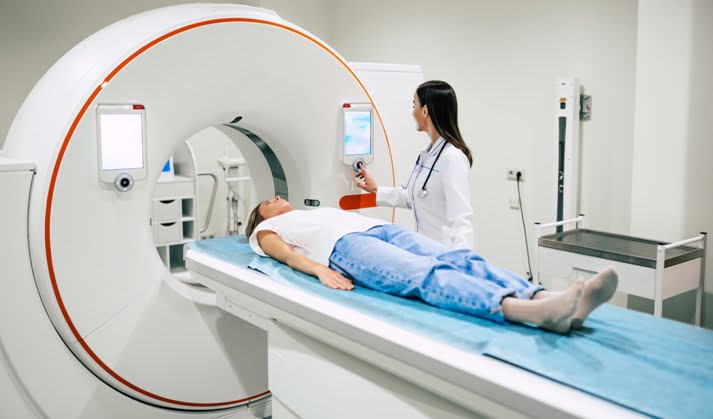
A CT Scan is a commonly used medical imaging test that helps doctors view detailed images of the body's internal organs, bones, and tissues. It is widely used to diagnose many medical conditions, including infections, injuries, tumors, and internal bleeding.
Although the procedure itself is quick and painless, proper preparation is important to ensure accurate results. Understanding the preparation steps can help patients feel more comfortable and avoid delays during the scan.
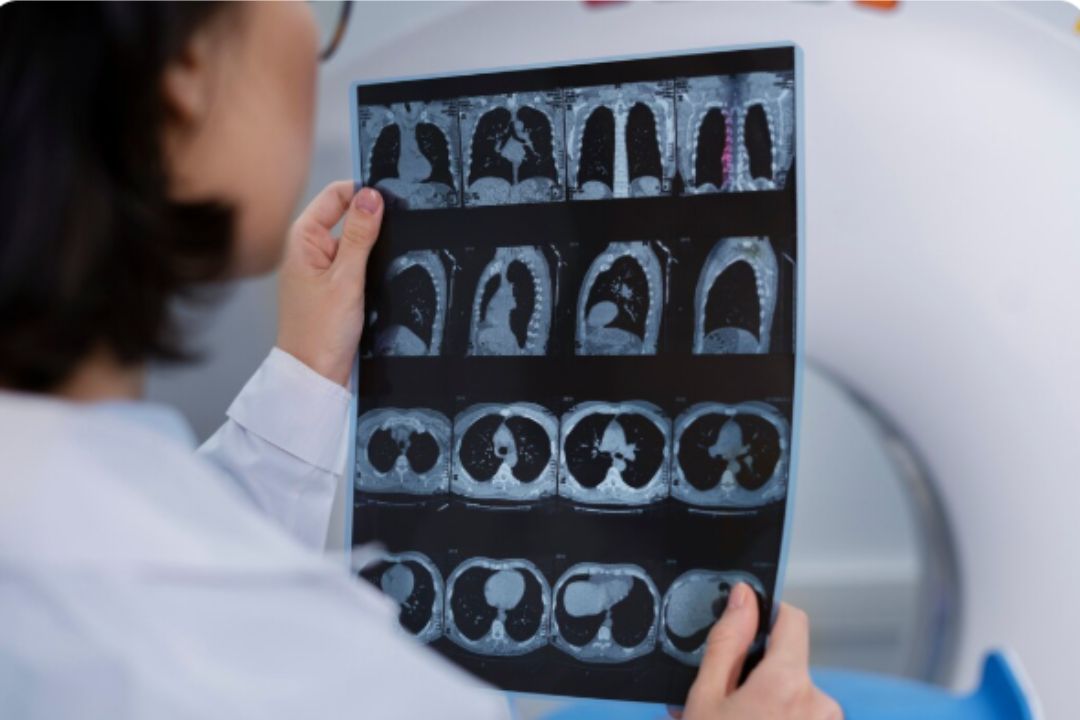
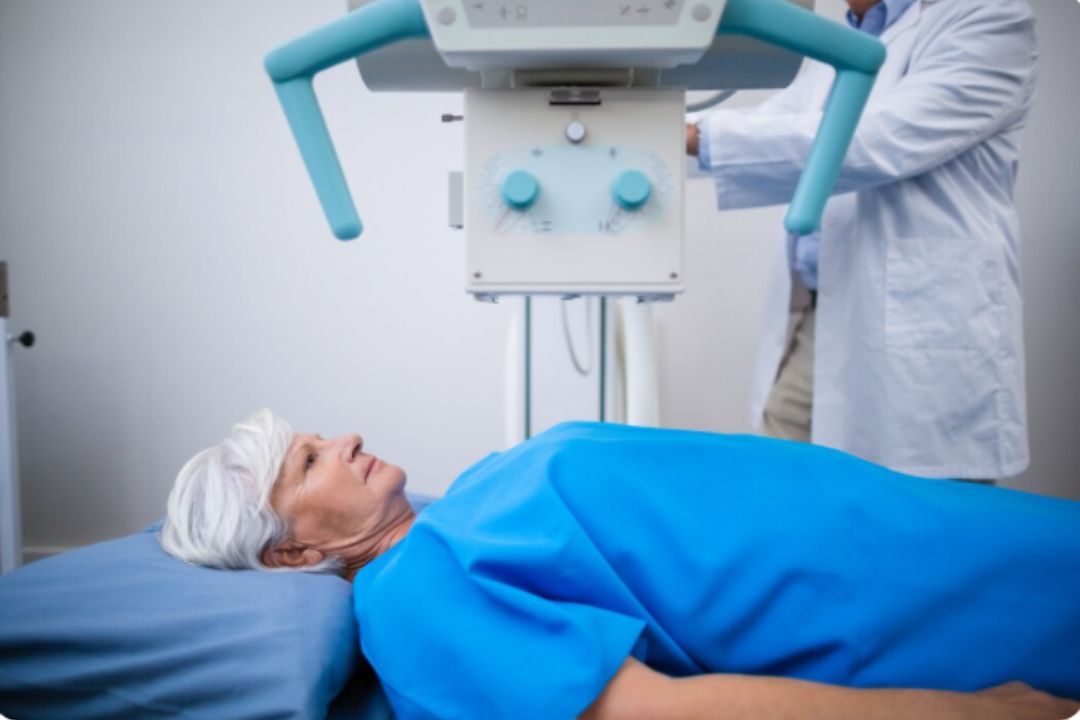
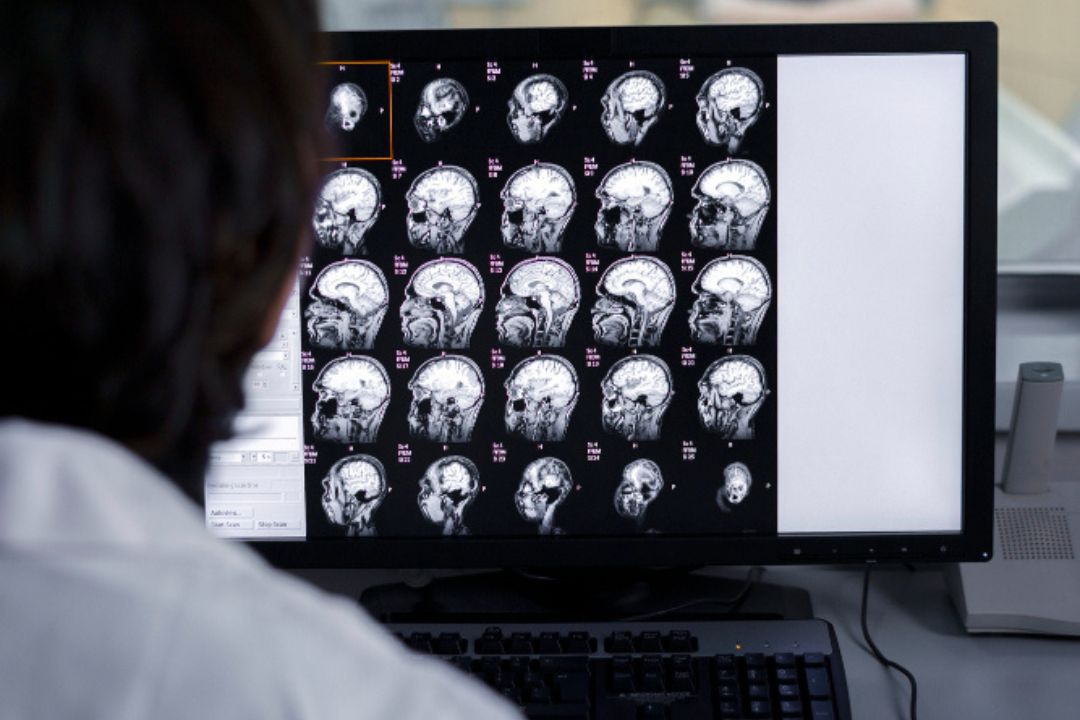
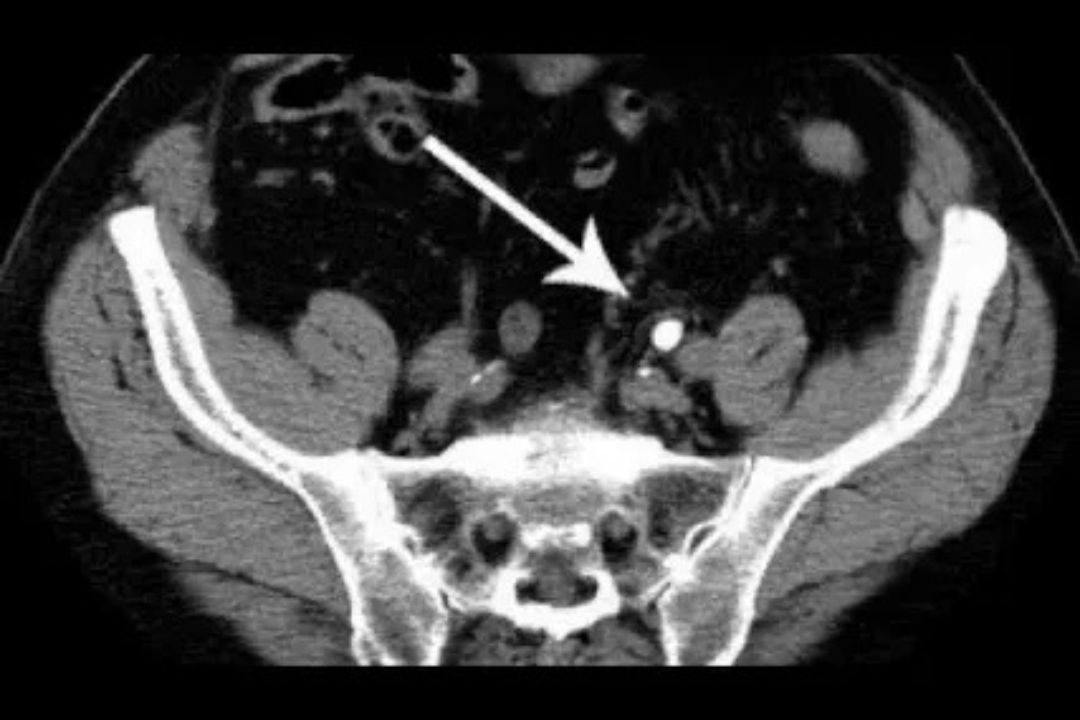
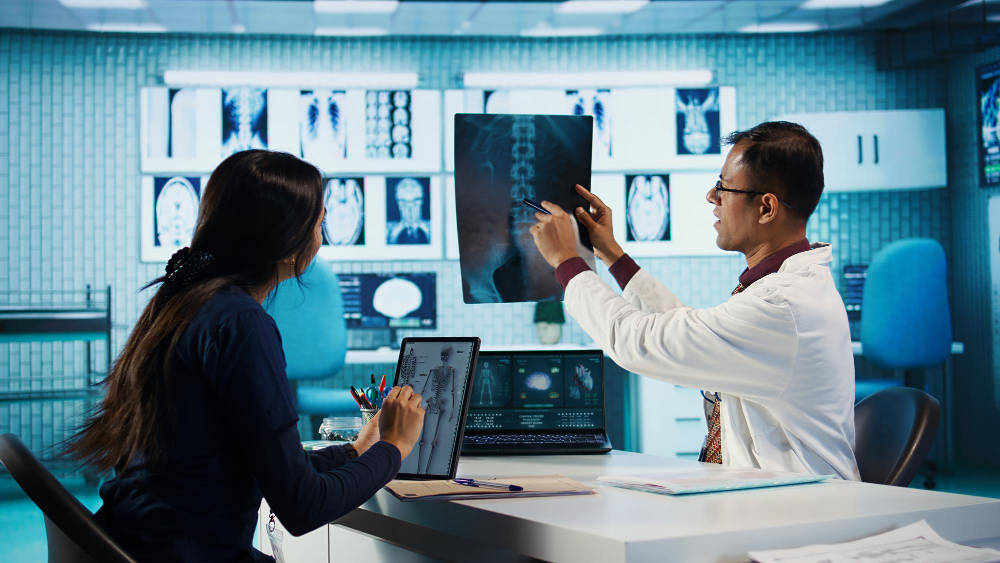
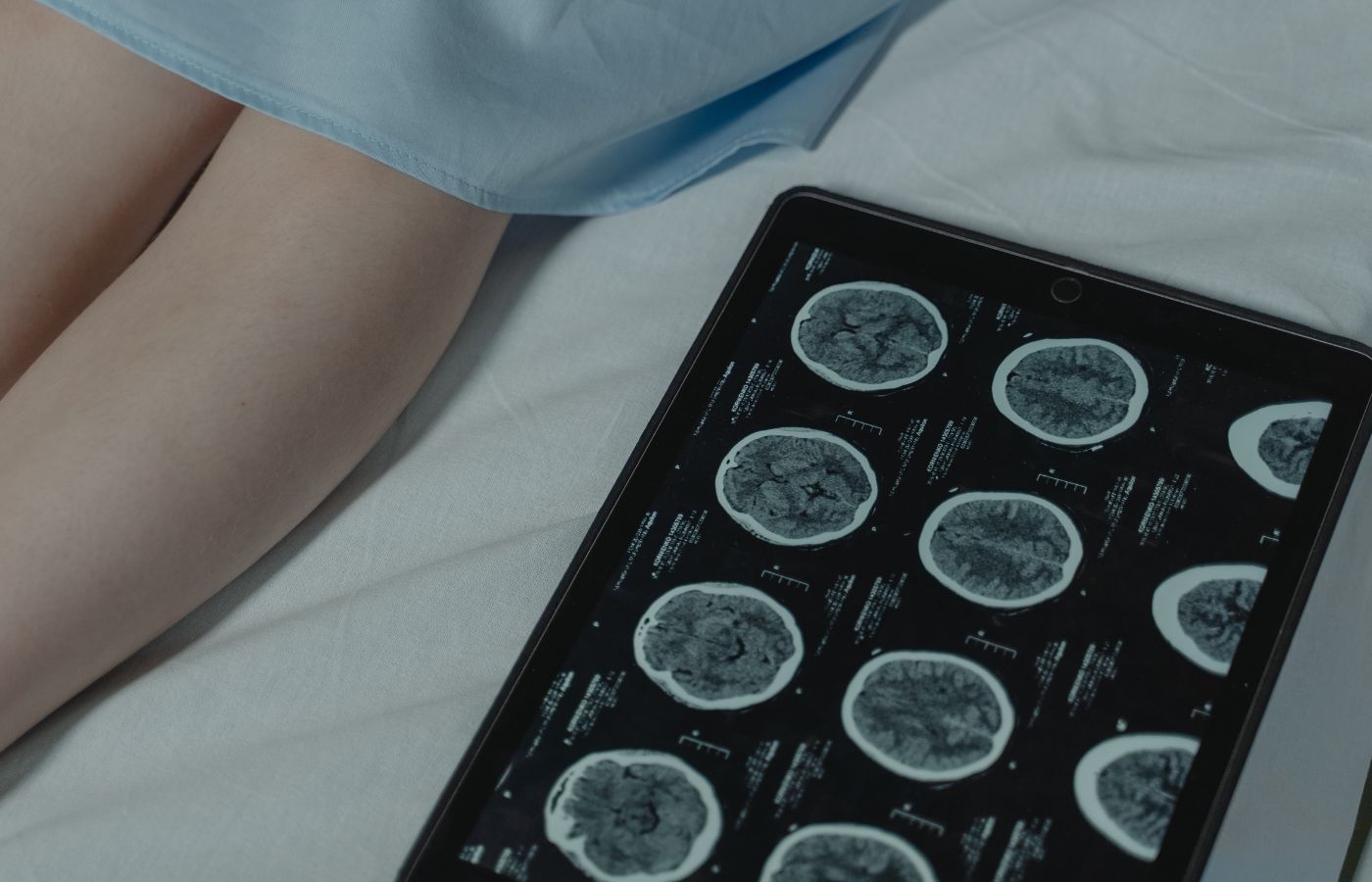
A CT Scan is an advanced imaging test that combines X-rays and computer technology to produce detailed cross-sectional images of the body. Unlike a regular X-ray, a CT scan provides more detailed information about soft tissues, organs, and blood vessels.
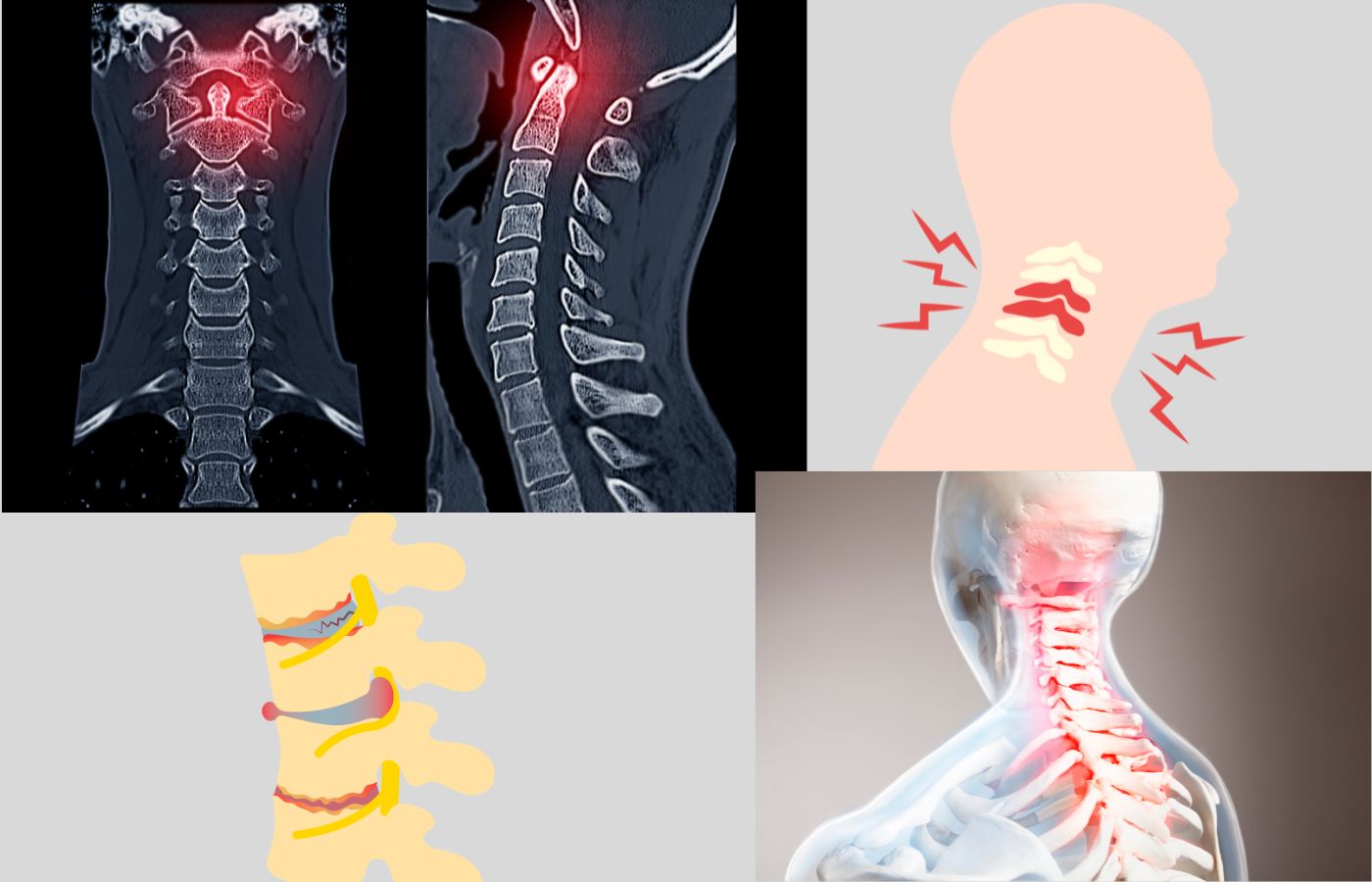
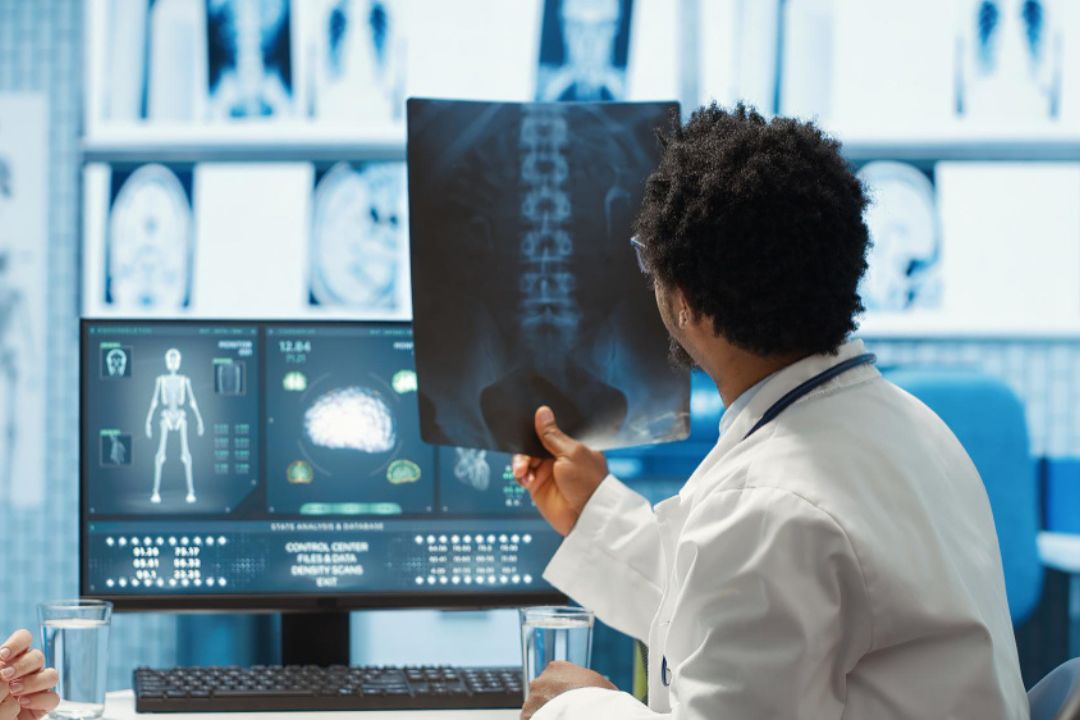
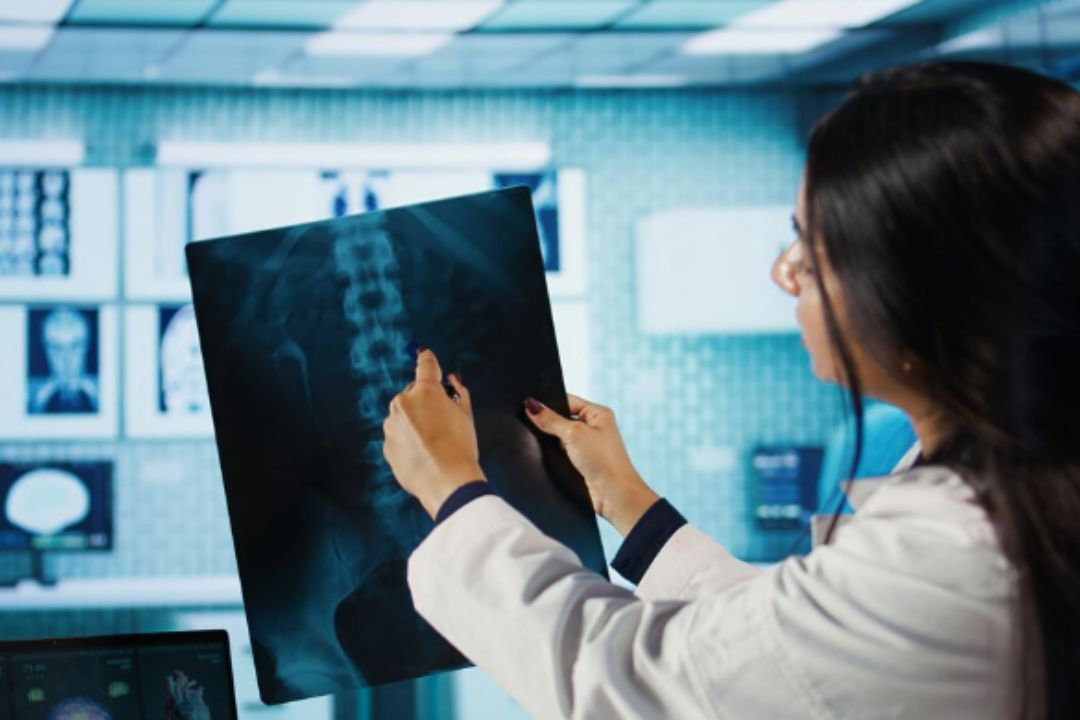
Doctors may recommend a CT scan to examine different parts of the body such as the brain, chest, abdomen, pelvis, or spine.
In some cases, a contrast dye is used during the scan to improve the visibility of certain organs and blood vessels.
Proper preparation ensures that the CT scan produces clear and accurate images. Following the instructions given by your healthcare provider can help reduce the chances of image distortion and avoid the need for repeat scans.
Preparation may vary depending on the type of CT Scan and whether contrast dye is used.
For some CT scans, especially those involving contrast dye, patients may be asked to avoid eating or drinking for several hours before the scan. Fasting helps prevent nausea and allows clearer imaging of abdominal organs.
Your doctor or diagnostic center will inform you if fasting is required and how long you should avoid food and drinks.
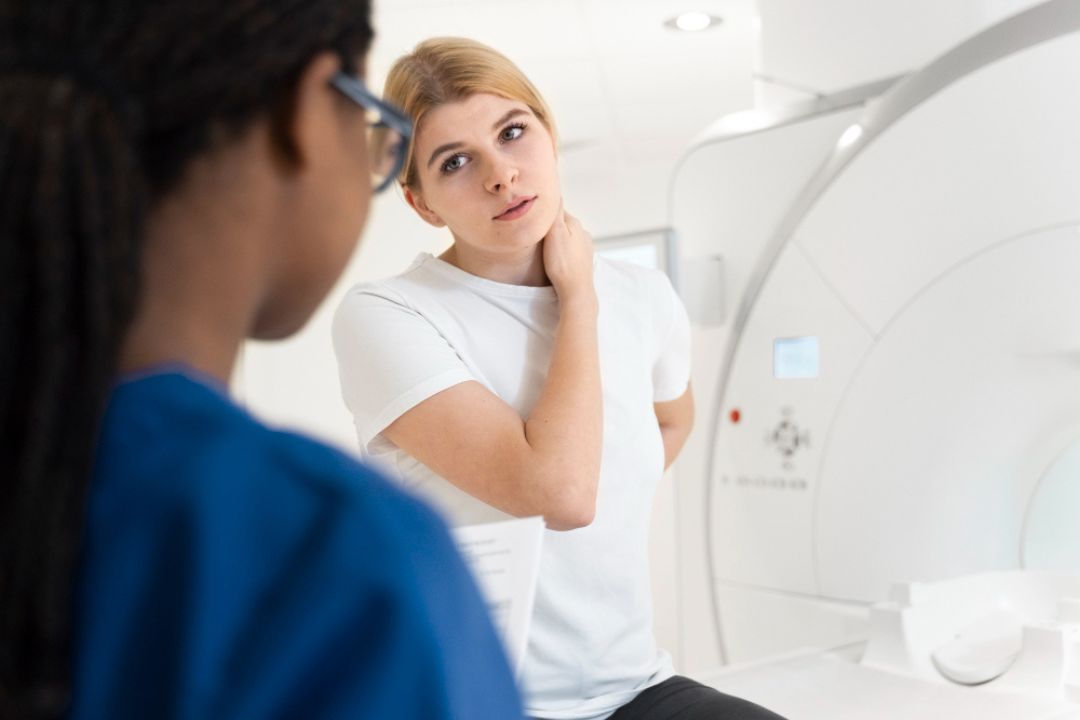
Before the scan, it is important to inform your doctor about any medical conditions or health concerns. This includes:
Kidney disease
Diabetes
Asthma
Heart problems
Thyroid disorders
Previous reactions to contrast dye
Providing this information helps the doctor determine whether special precautions are needed before the scan.
Some patients may have allergies to iodine-based contrast dye used during certain CT scans. If you have previously experienced allergic reactions to contrast material, be sure to inform the medical staff before the procedure.
In some cases, doctors may provide medication beforehand to prevent allergic reactions.
Pregnant women should inform their doctor before undergoing a CT scan. Although the radiation used in CT scans is controlled and considered safe in many situations, doctors may recommend alternative imaging tests when pregnancy is confirmed.
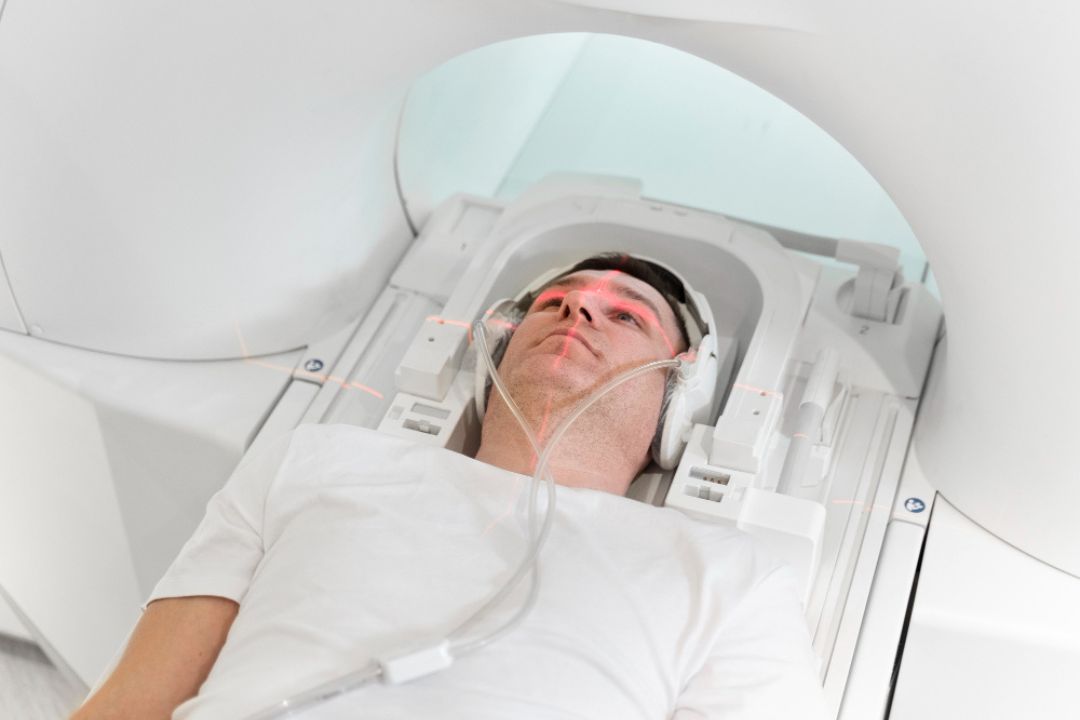
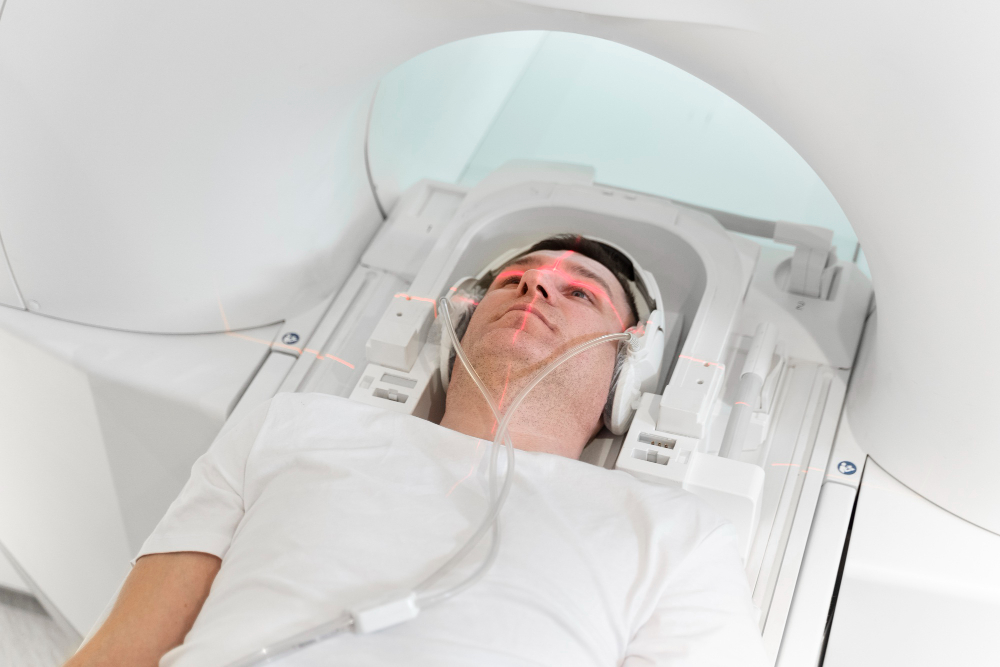
Before the scan, you may be asked to remove items that contain metal, such as:
Jewelry
Glasses
Hairpins
Watches
Dentures
Hearing aids
Metal objects can interfere with the imaging process and affect the quality of the CT scan.
Some CT scans require a contrast material to improve the visibility of organs and blood vessels. This contrast dye may be given in different ways.
The dye may be injected through a vein in the arm. Patients may feel a brief warm sensation or metallic taste when the contrast is injected.
For abdominal scans, patients may be asked to drink a liquid contrast solution before the procedure. This helps highlight the digestive organs in the scan images.
In certain cases, contrast may be administered through the rectum to examine the large intestine.
Patients are usually advised to wear comfortable and loose-fitting clothing. In some cases, the diagnostic center may provide a hospital gown to wear during the procedure.
Clothing with metal buttons, zippers, or accessories may need to be removed before the scan.
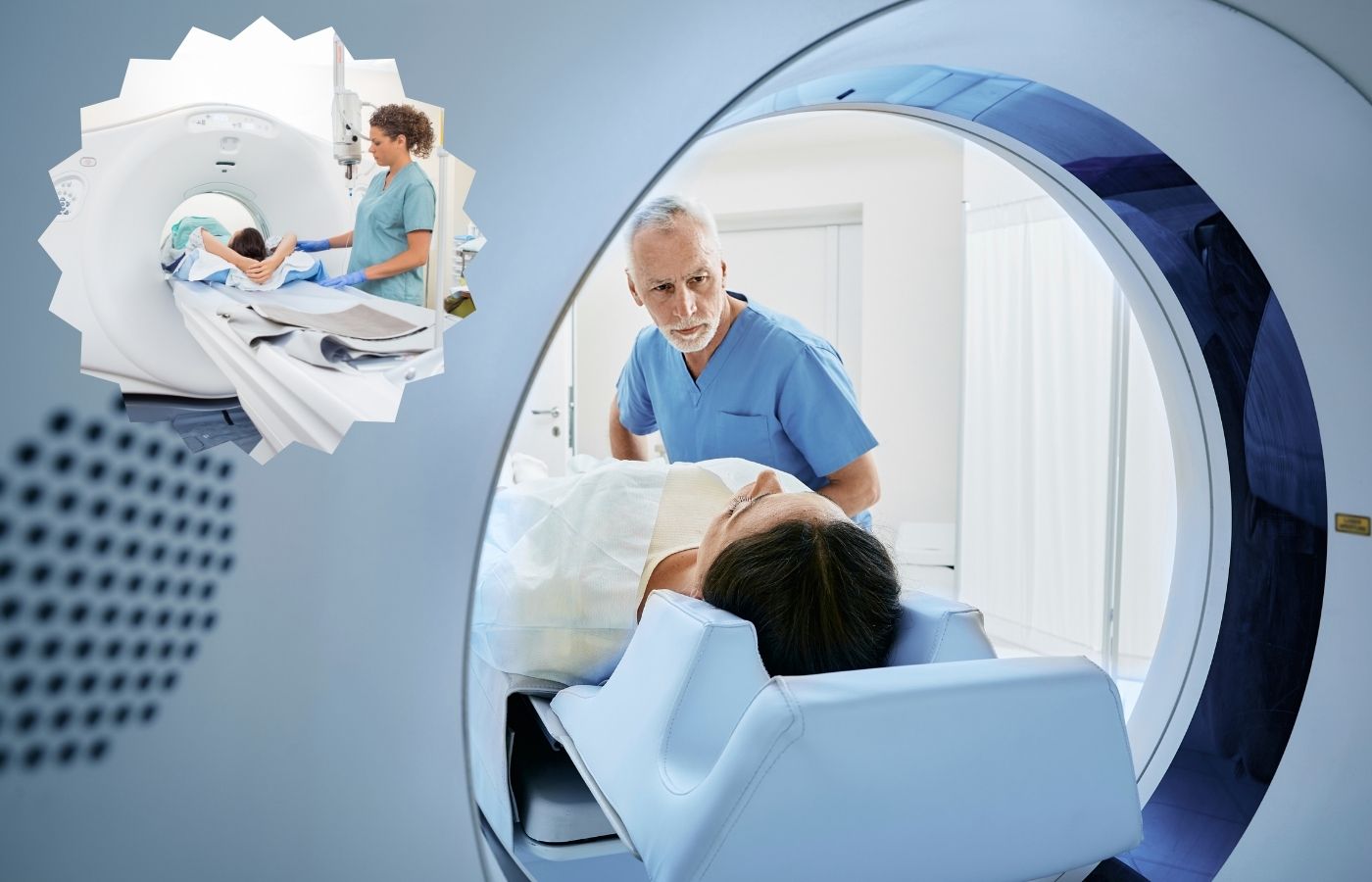
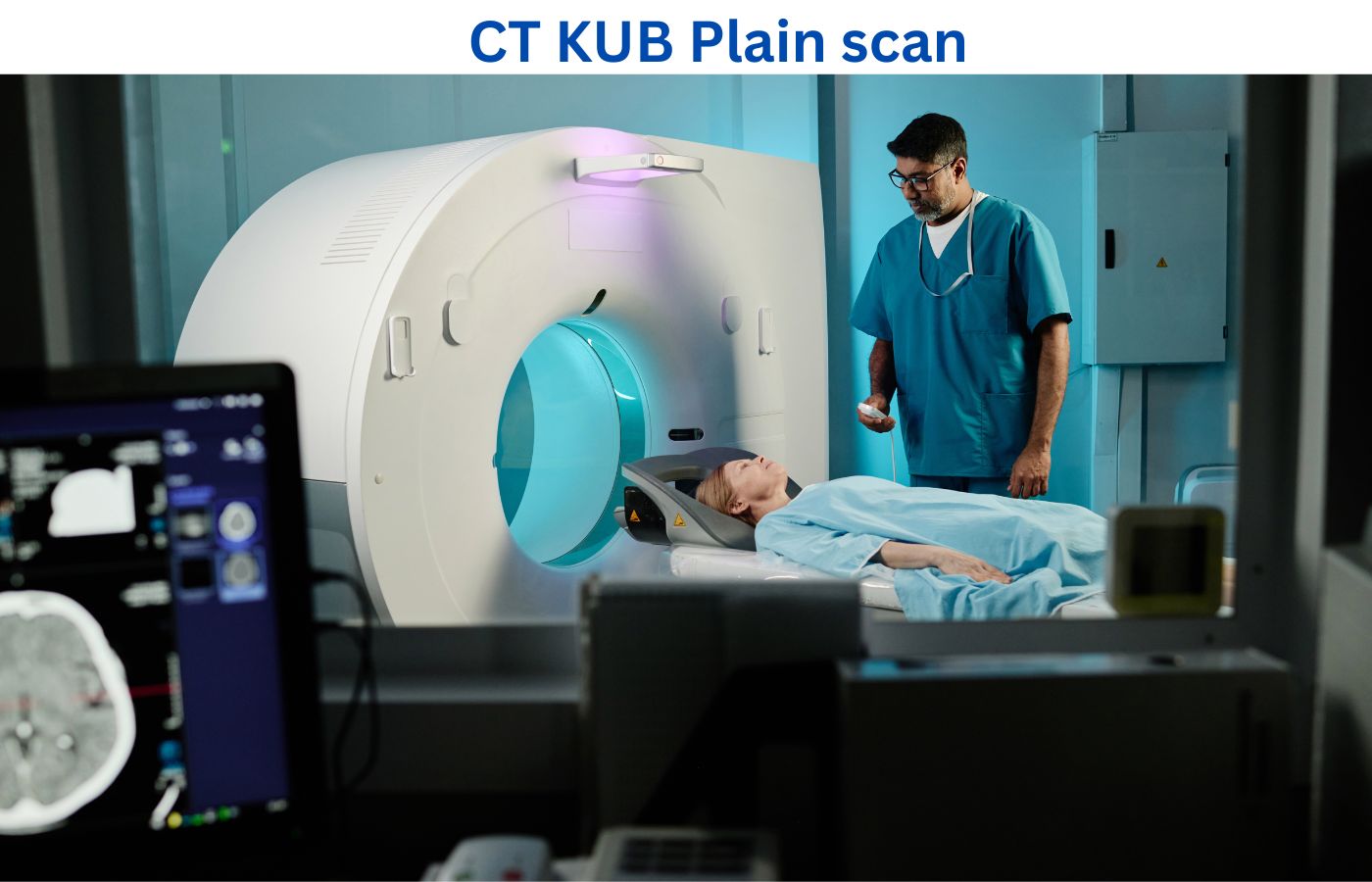
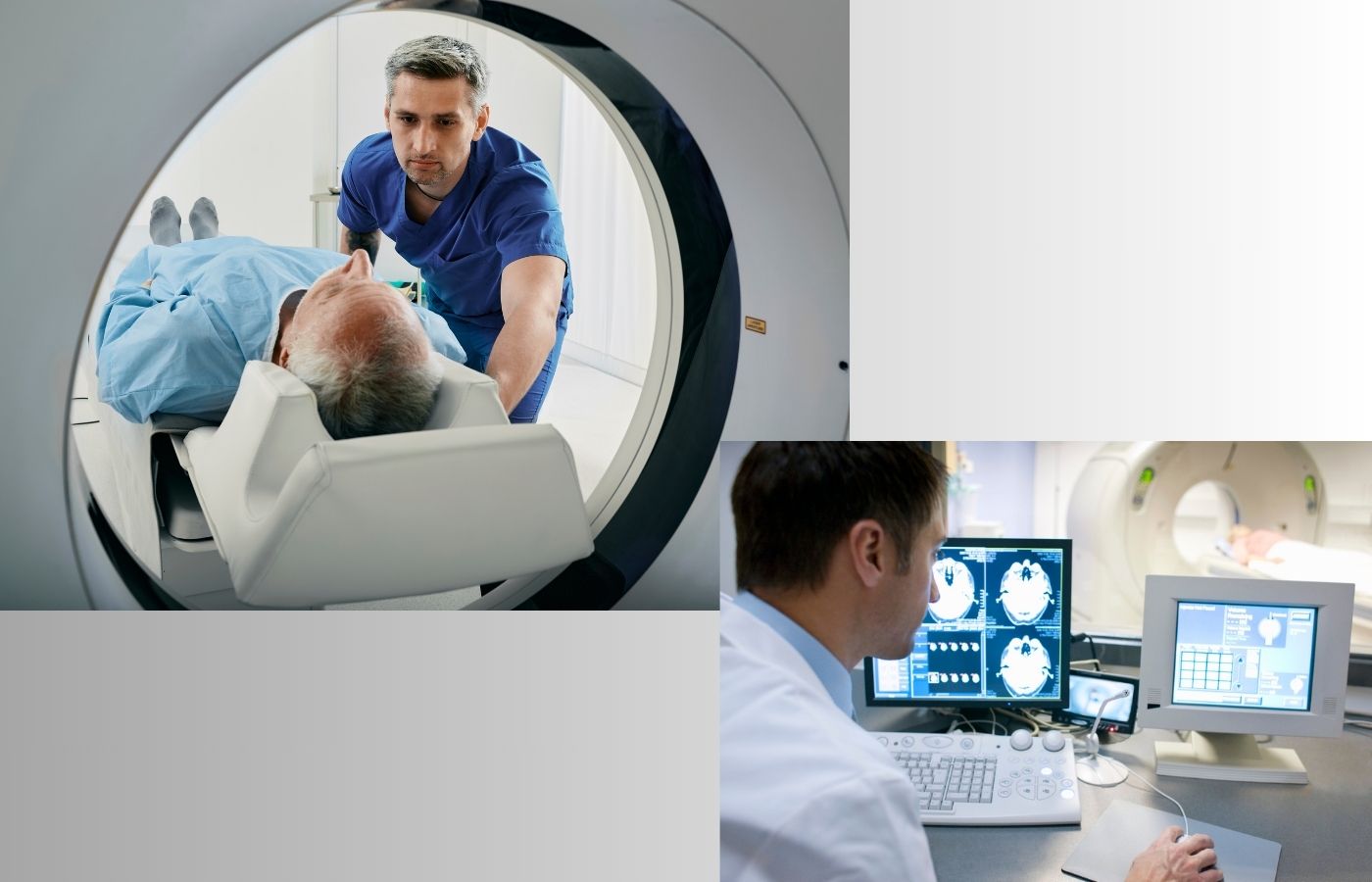
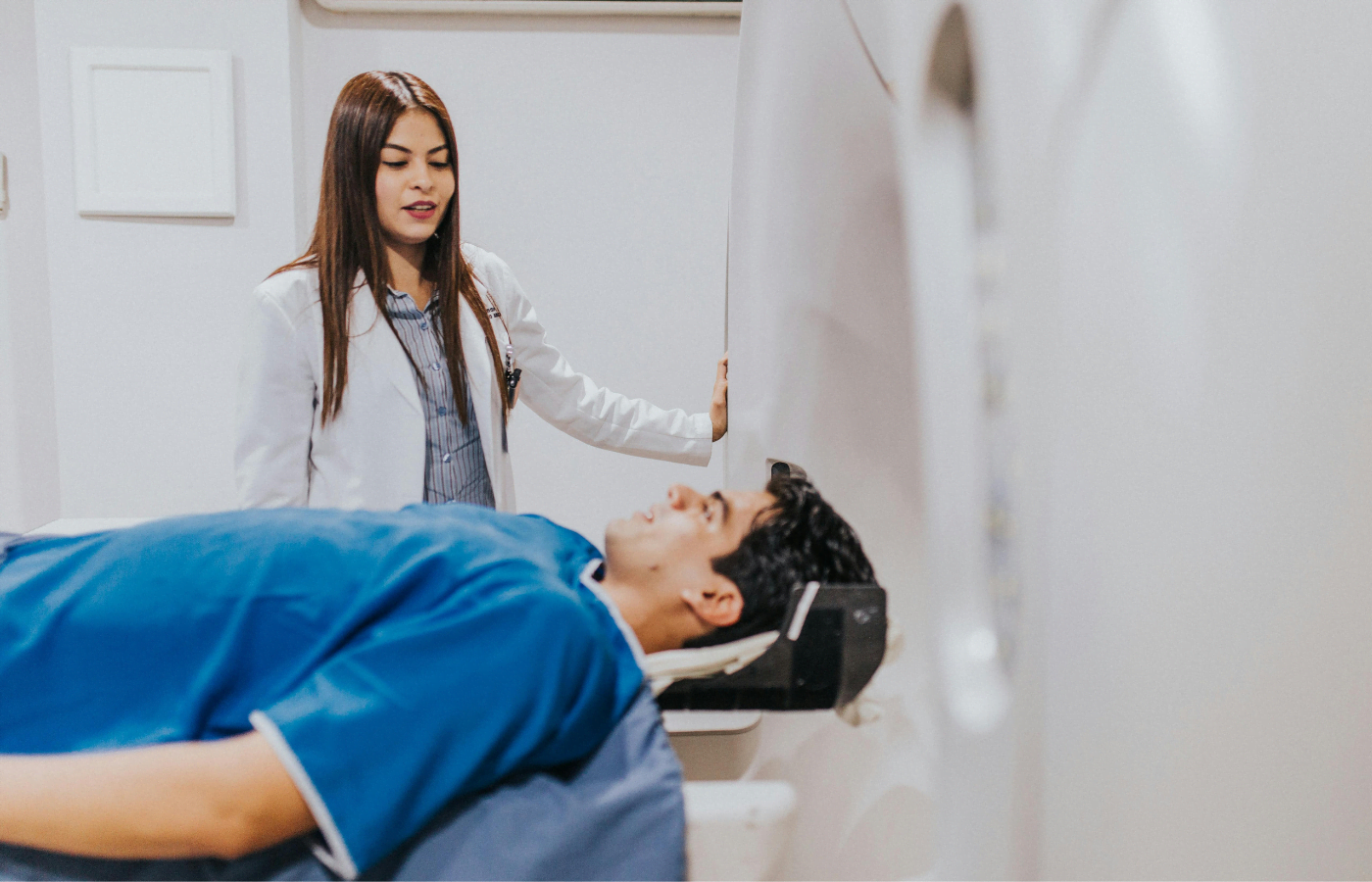
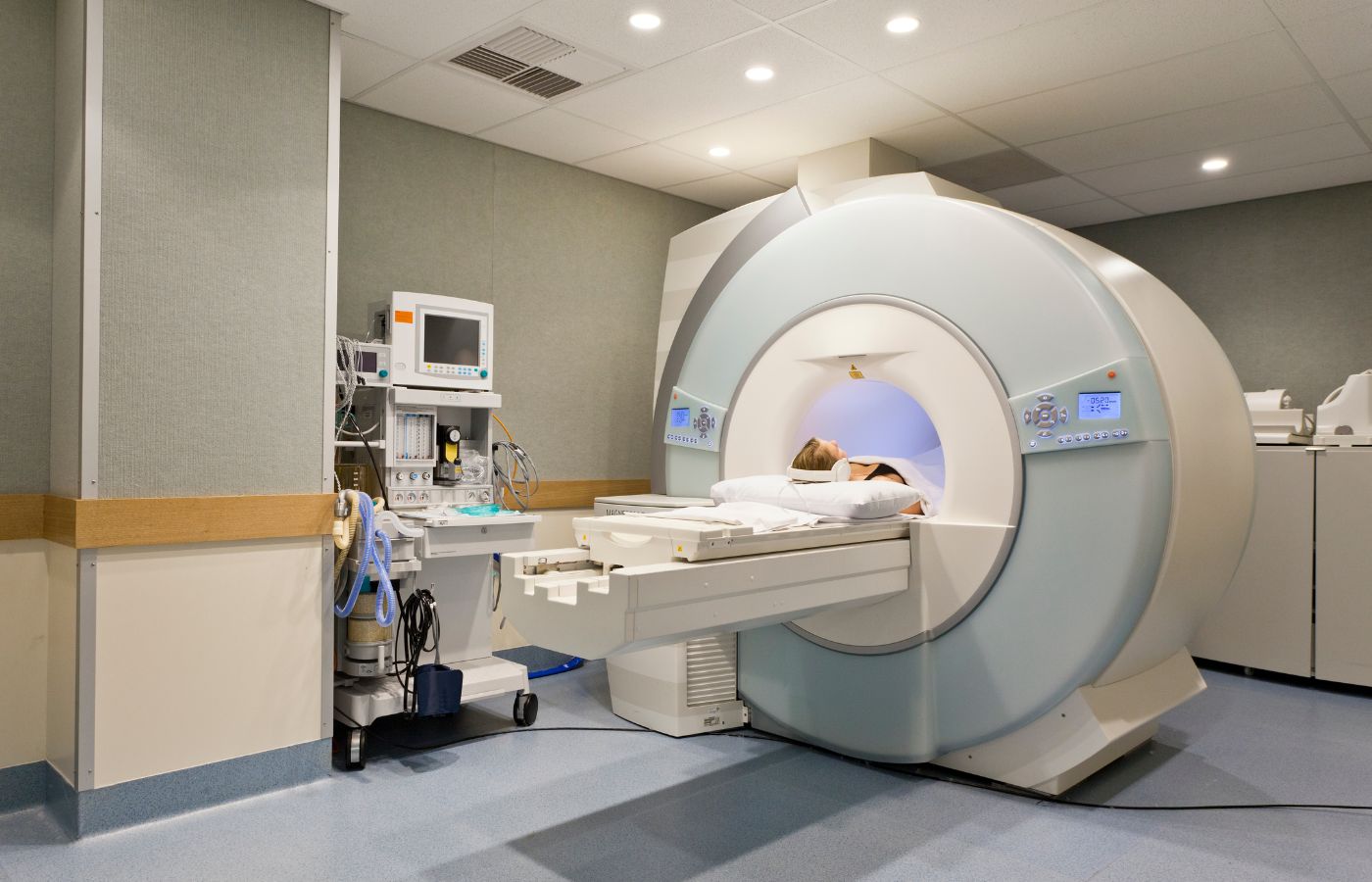
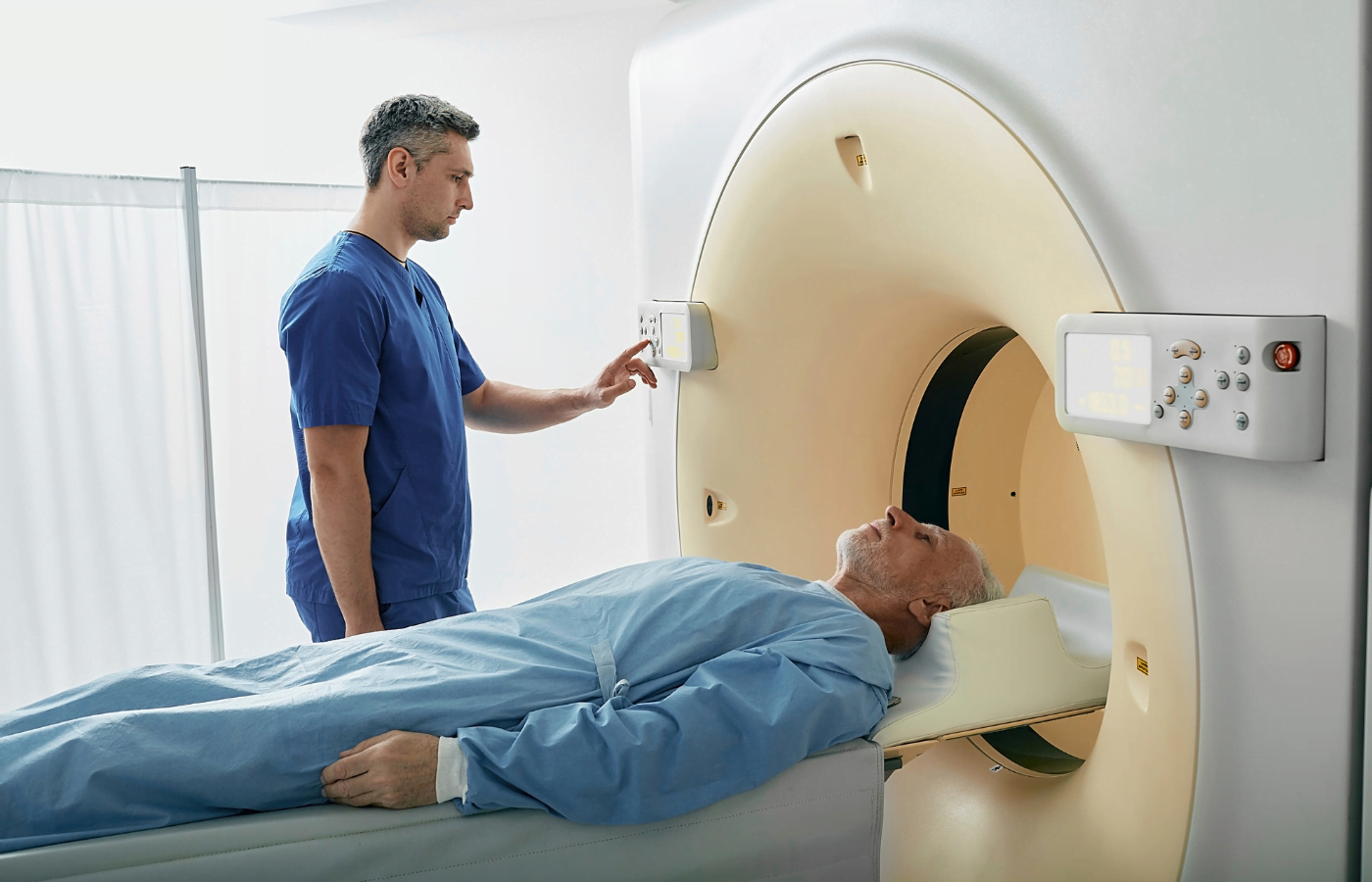
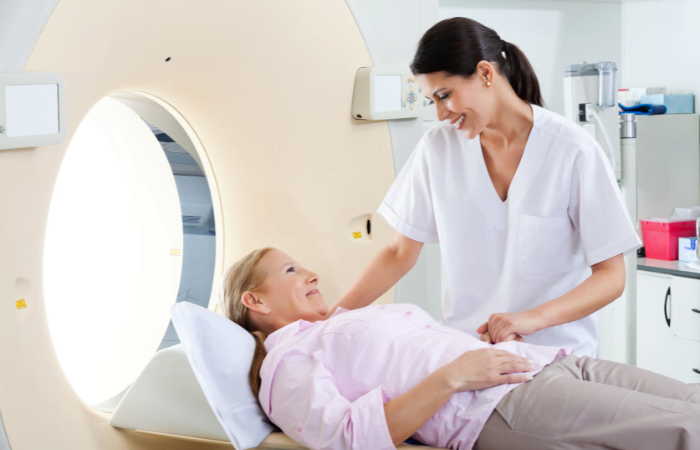
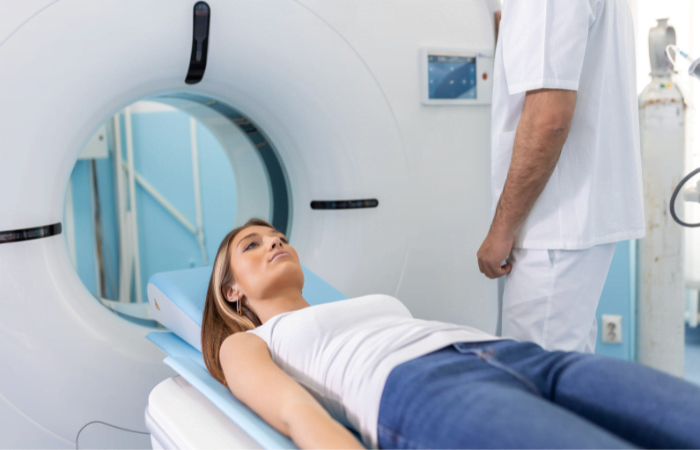
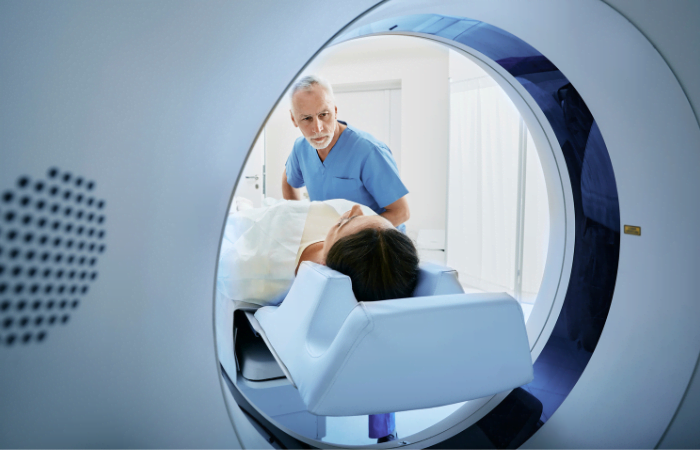
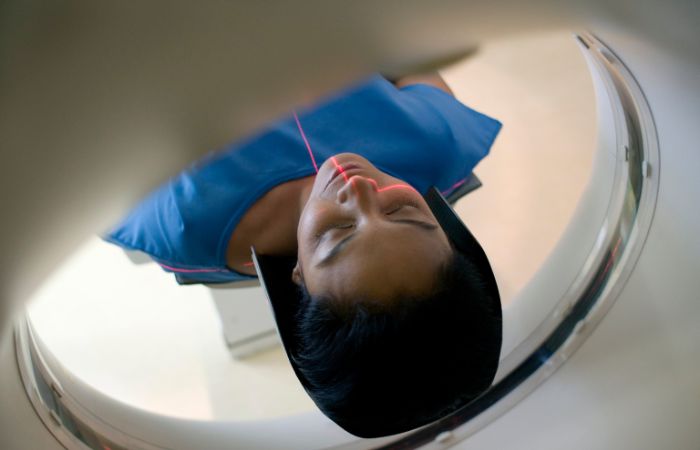
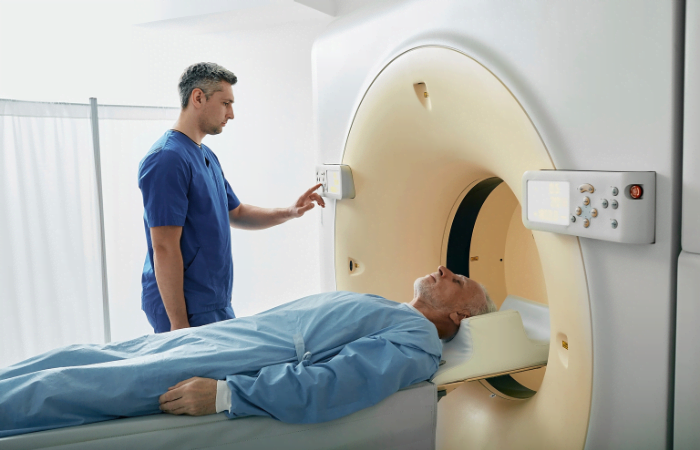
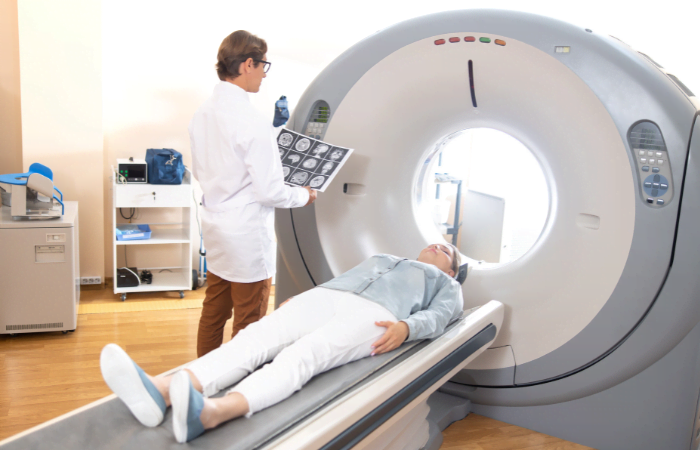
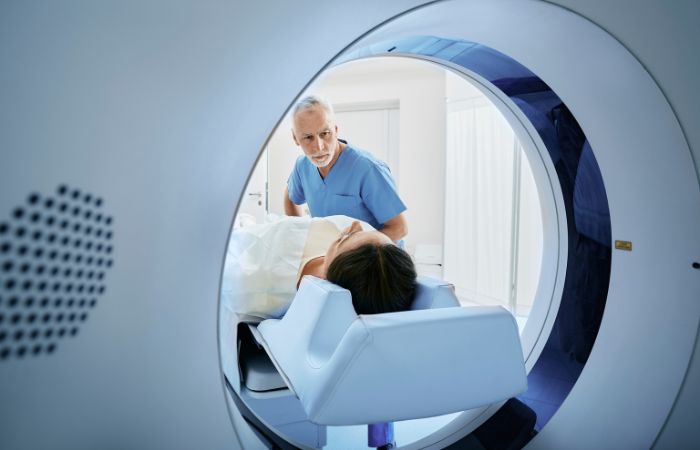
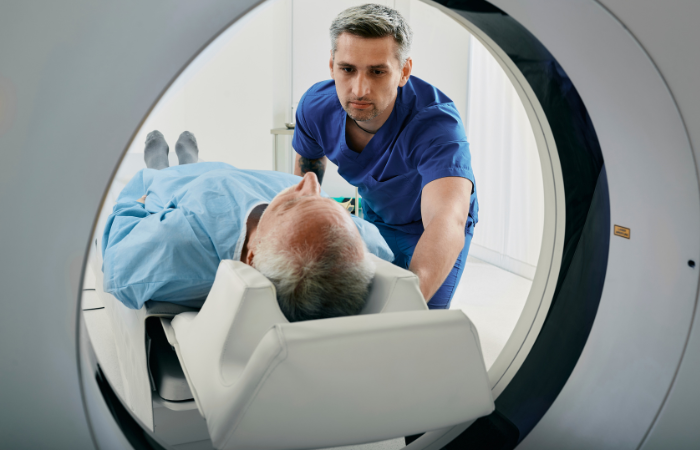
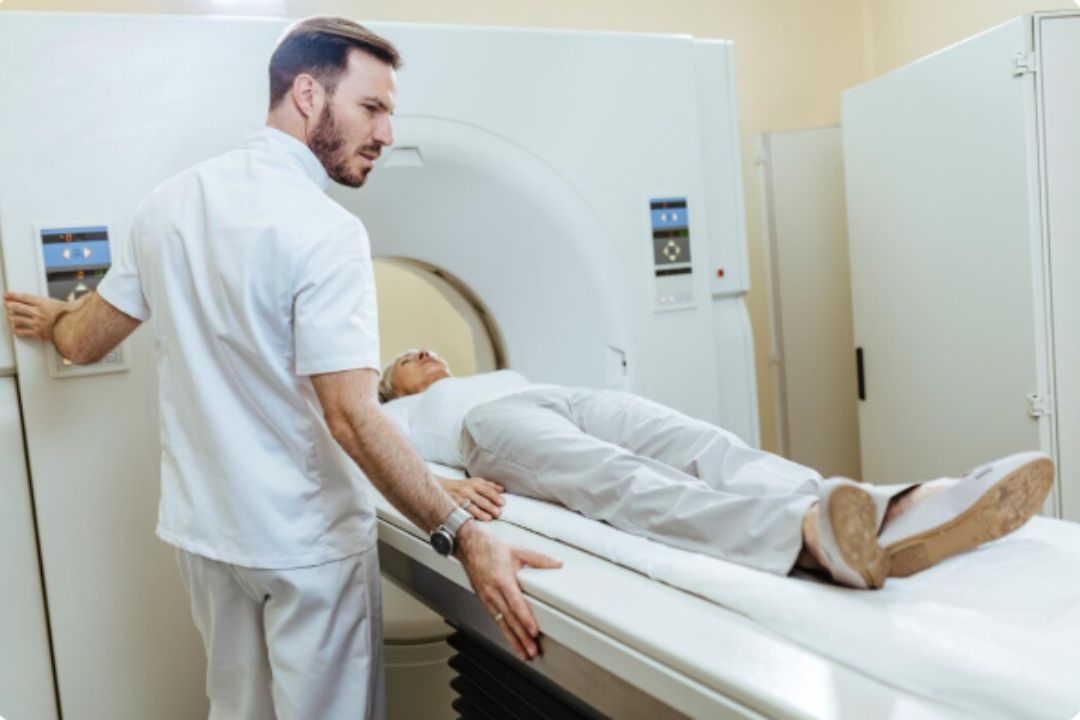
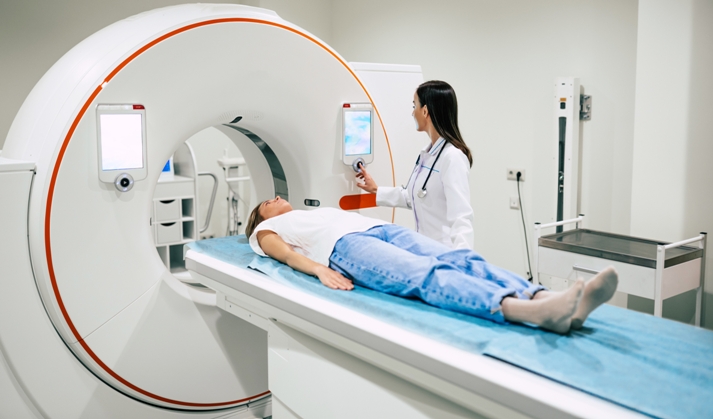
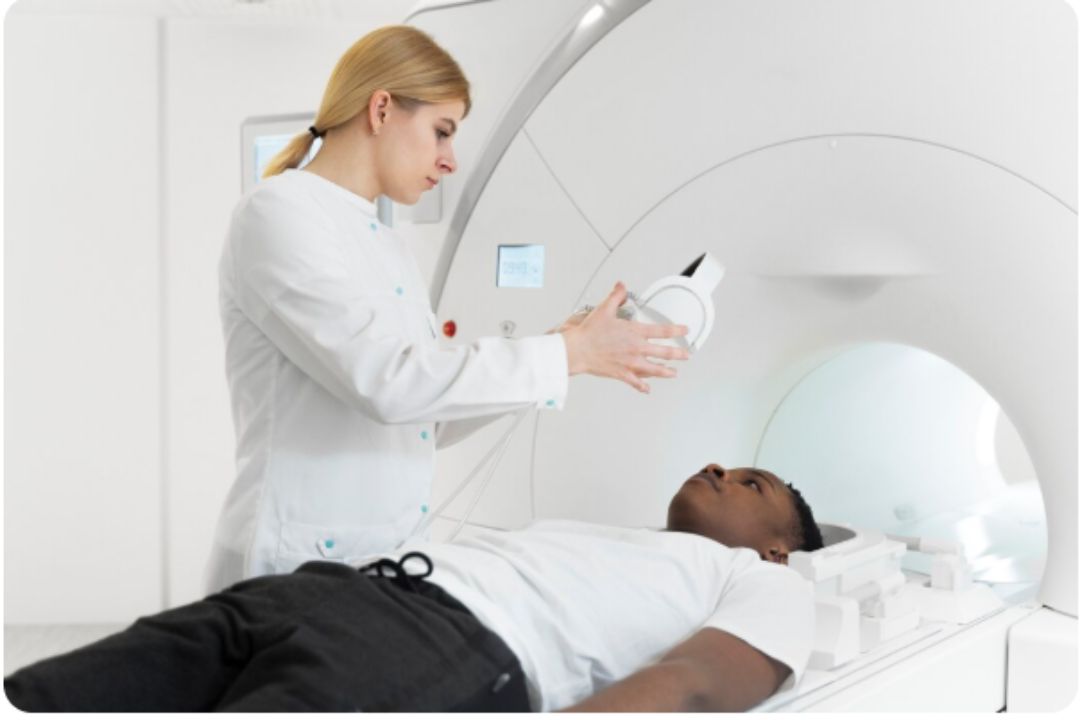
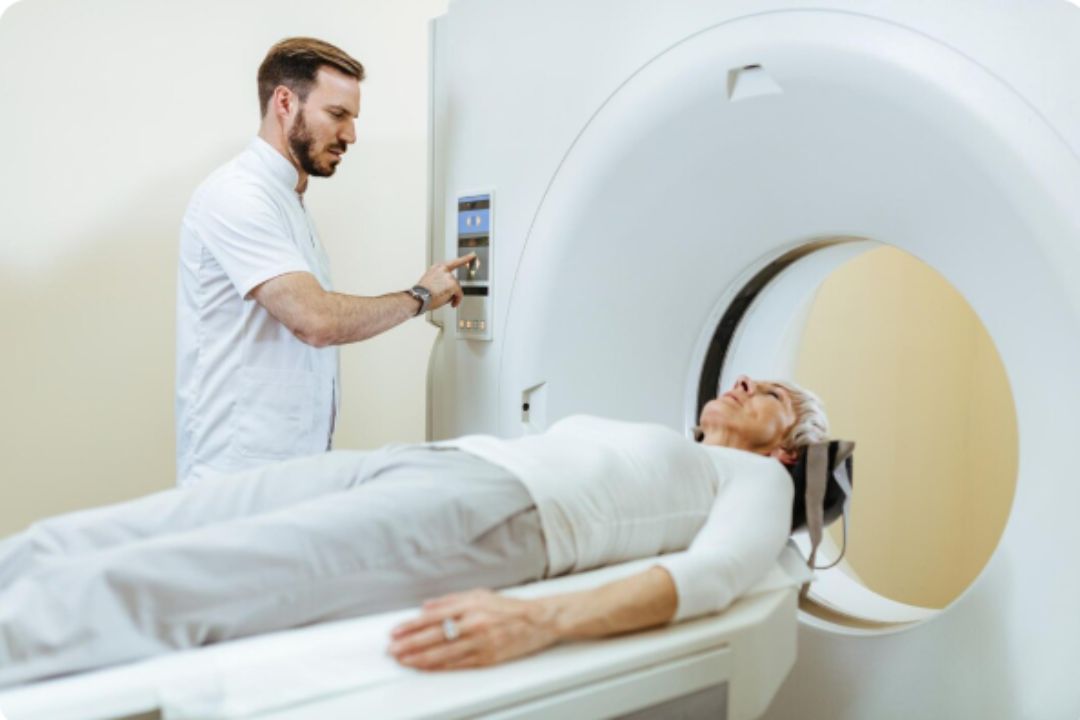
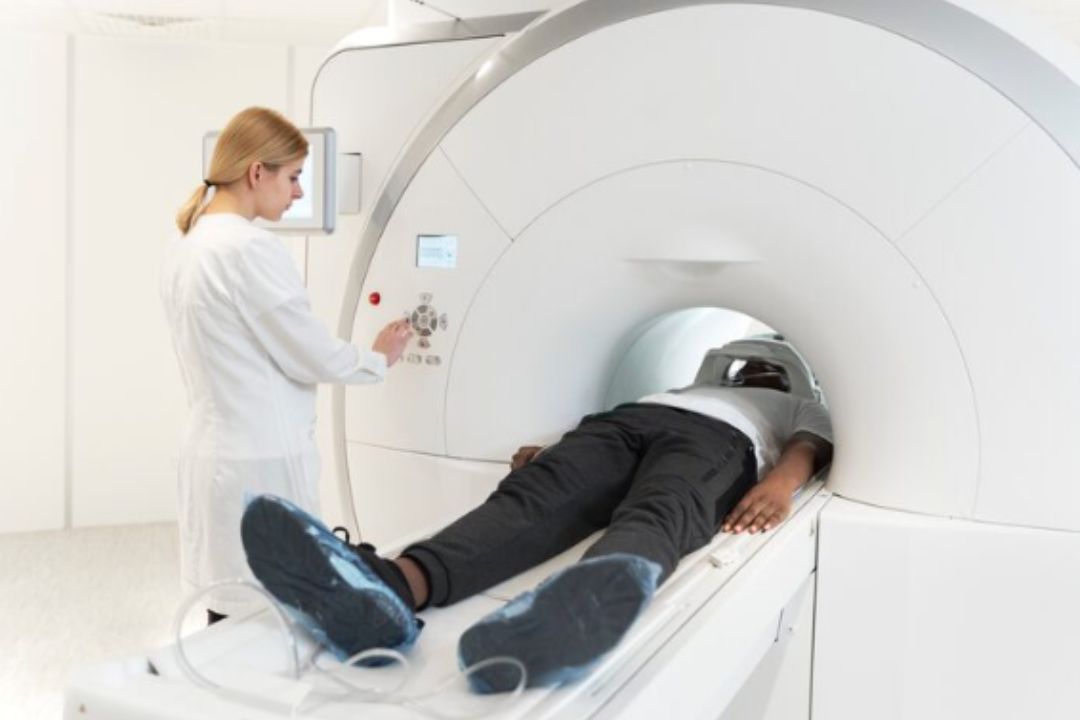
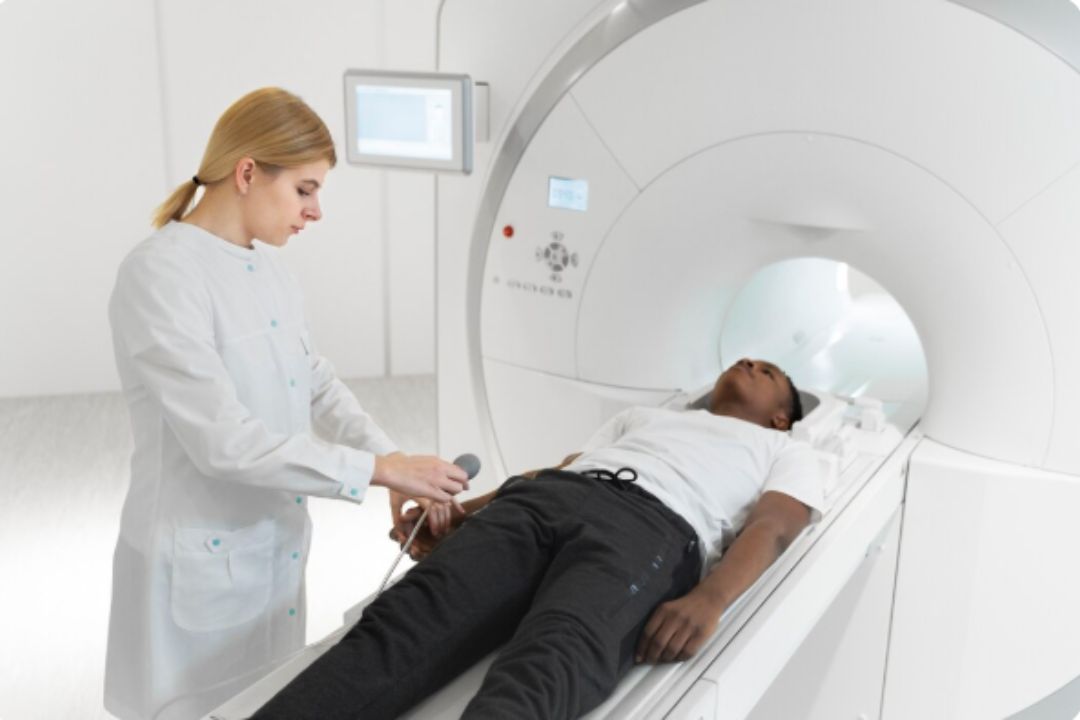
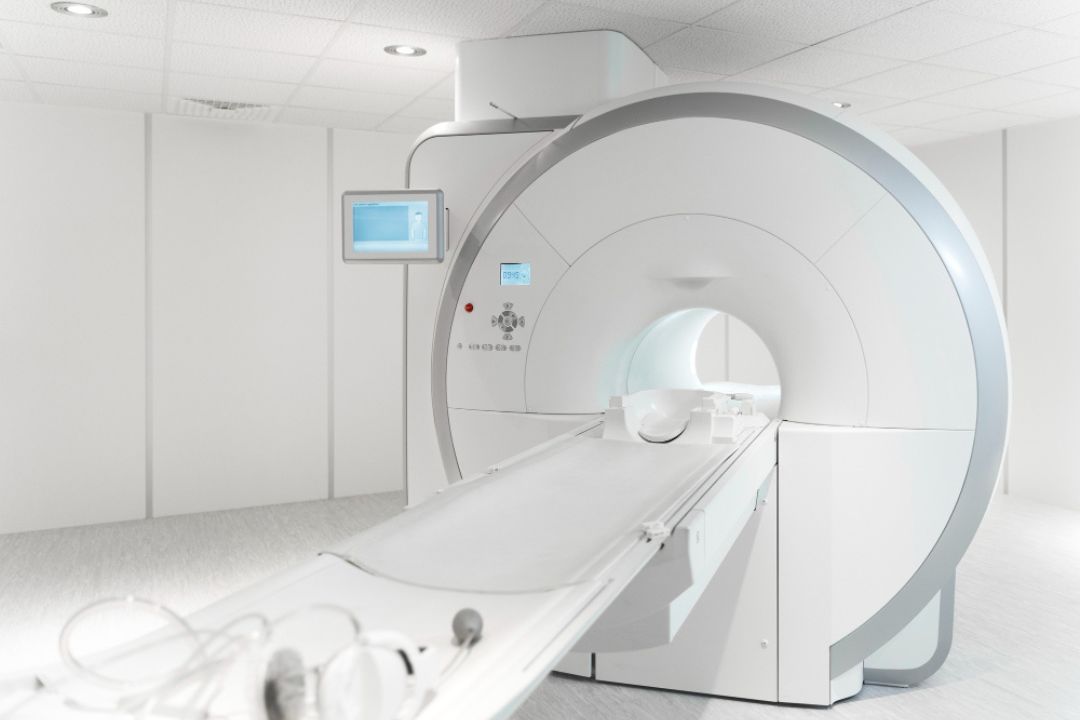
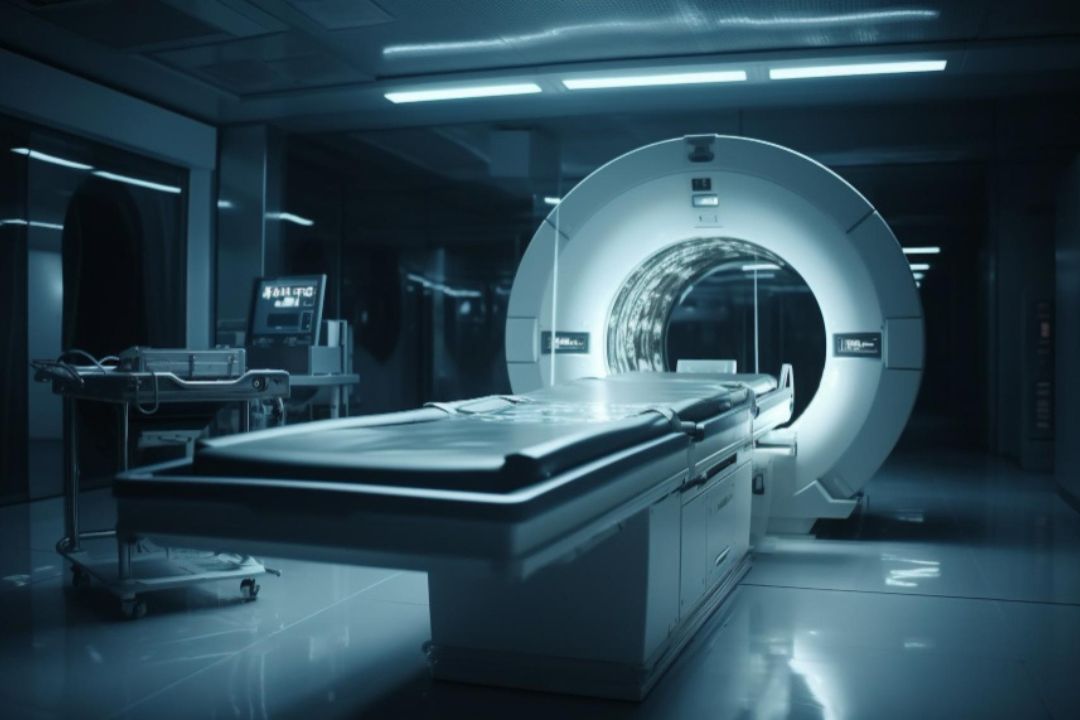
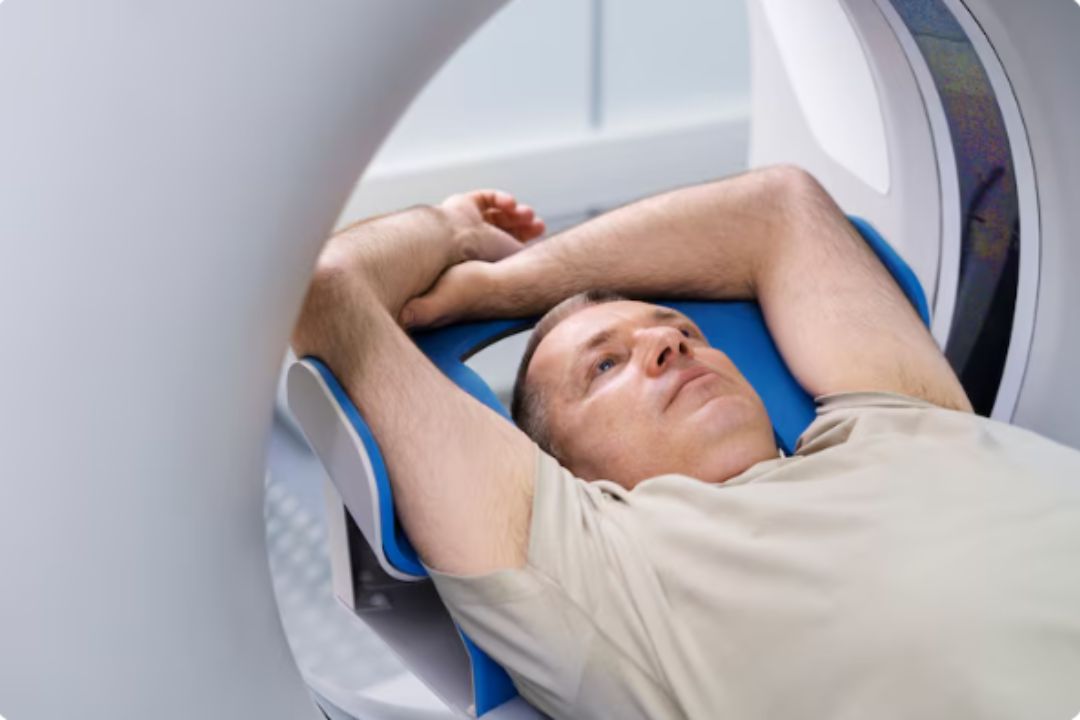
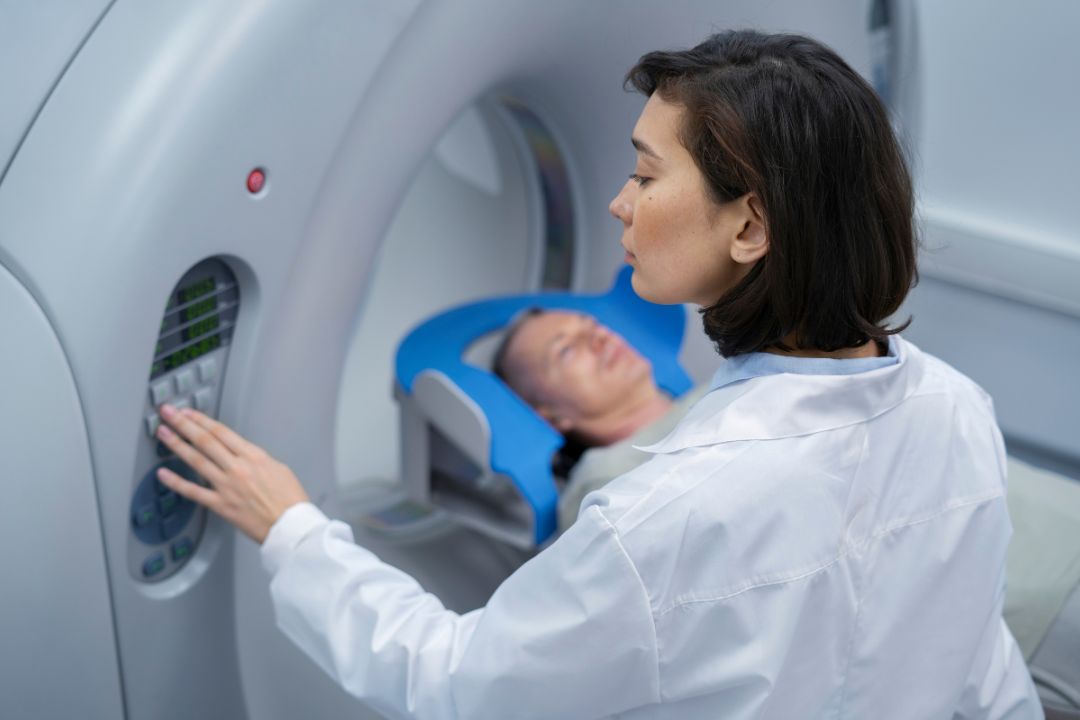
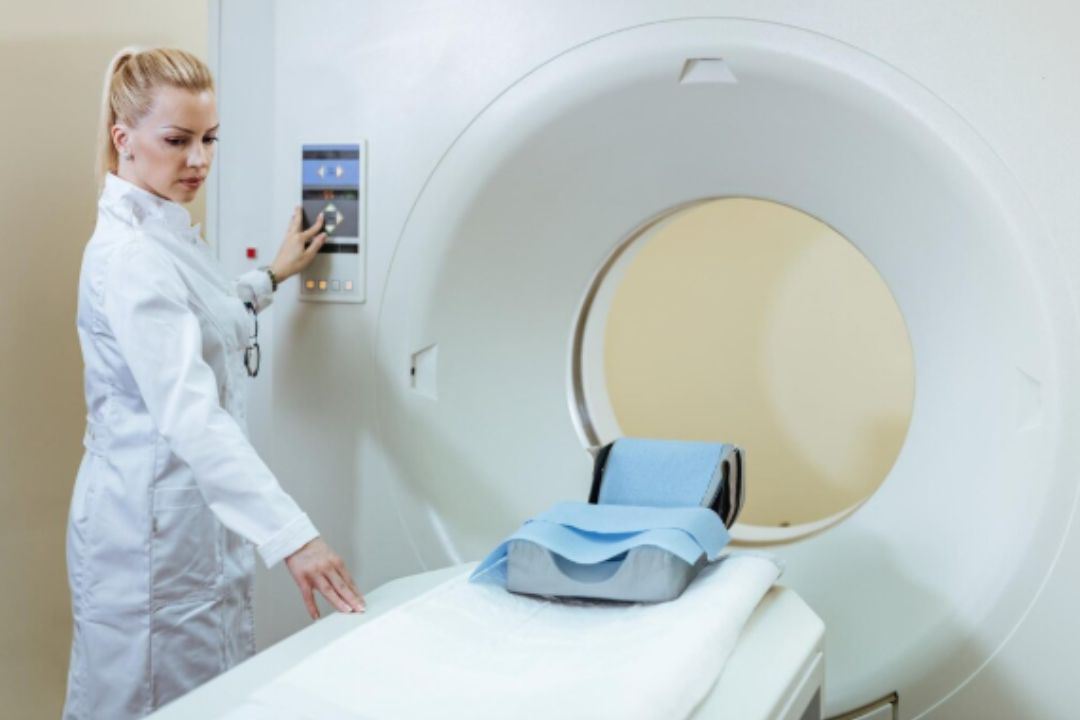
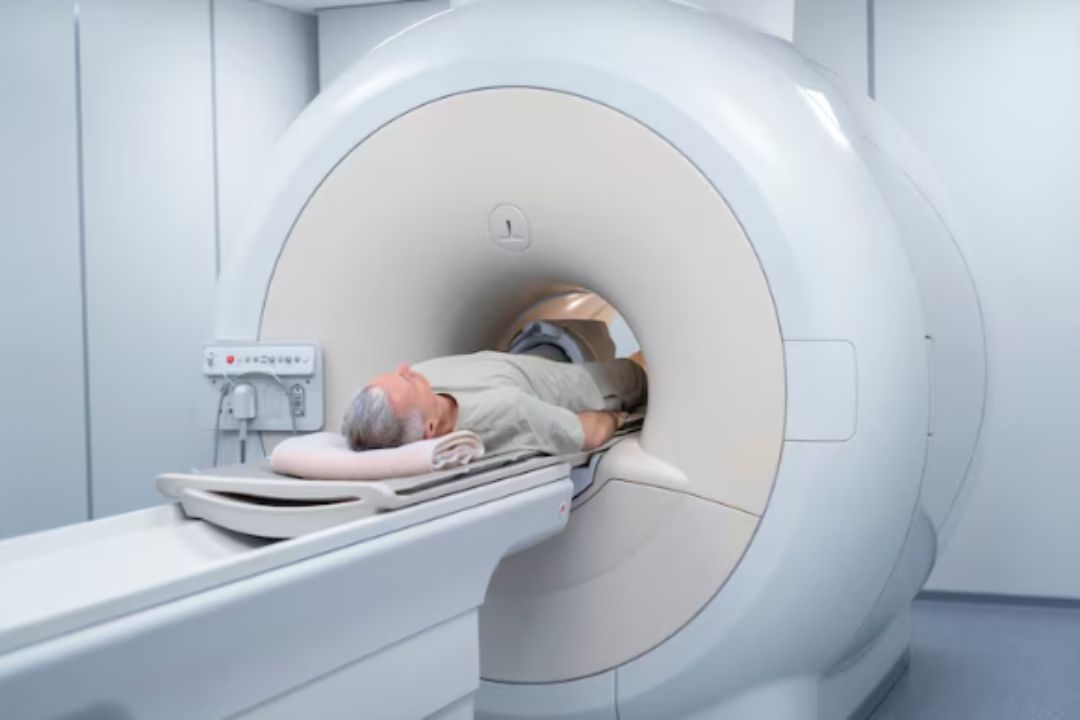
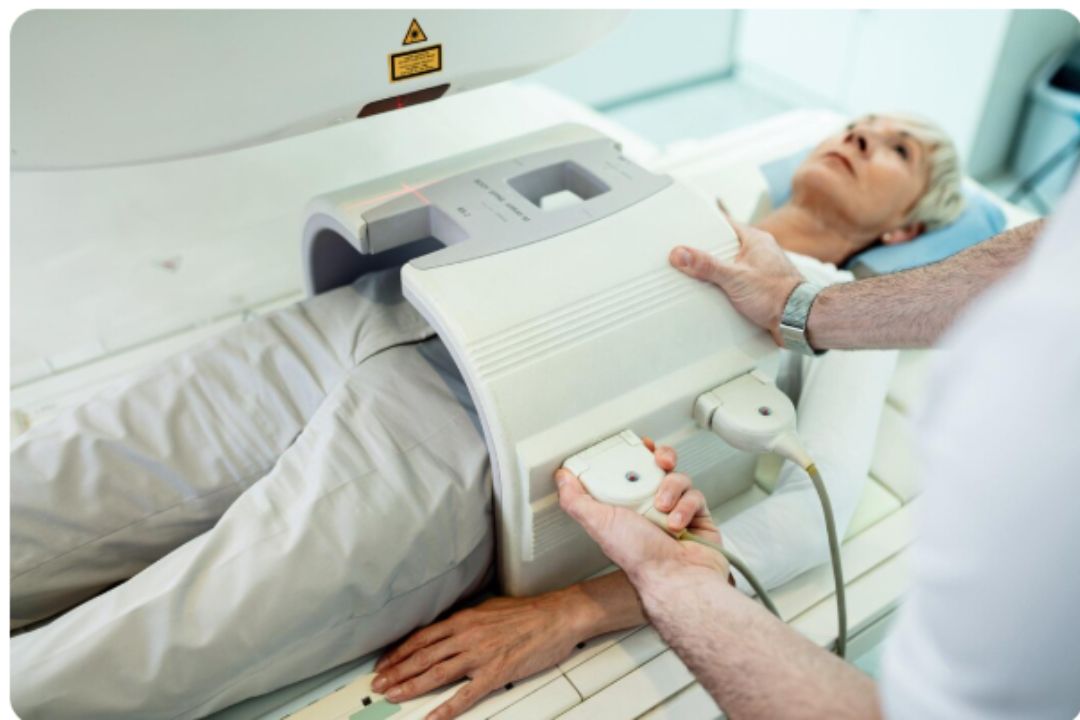
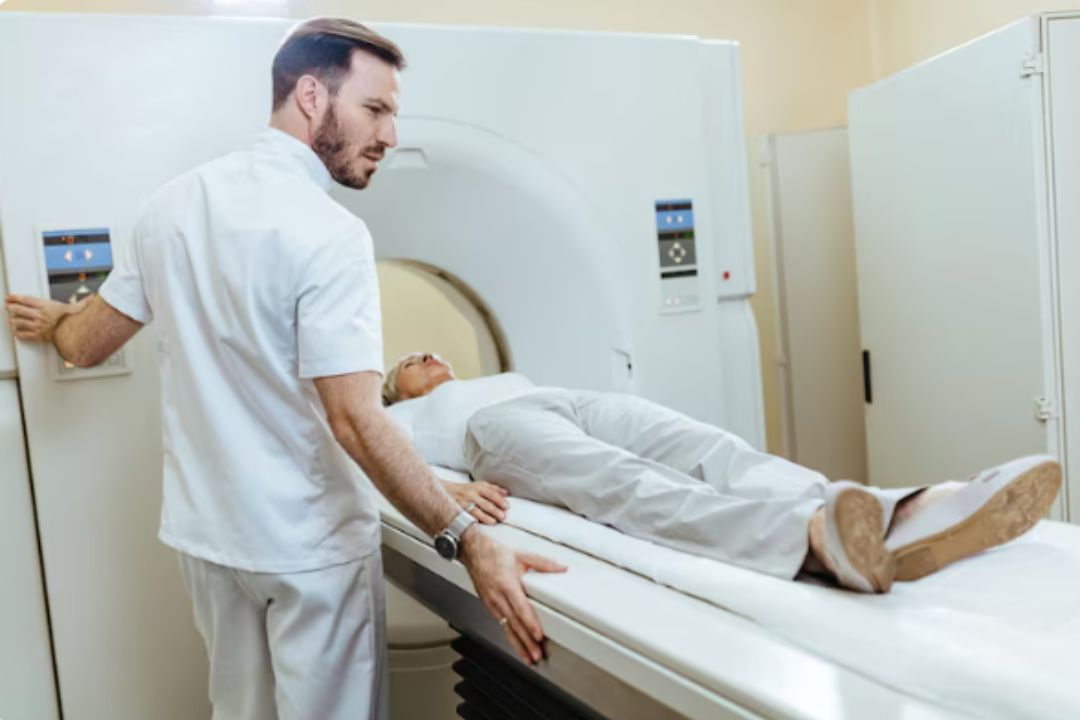
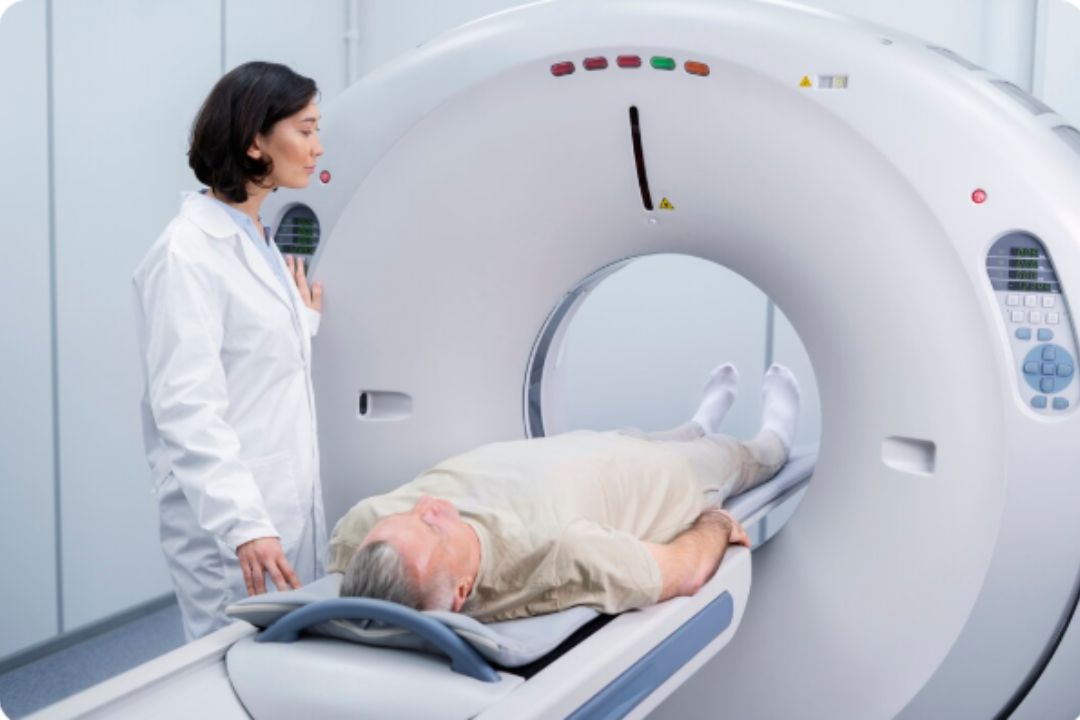
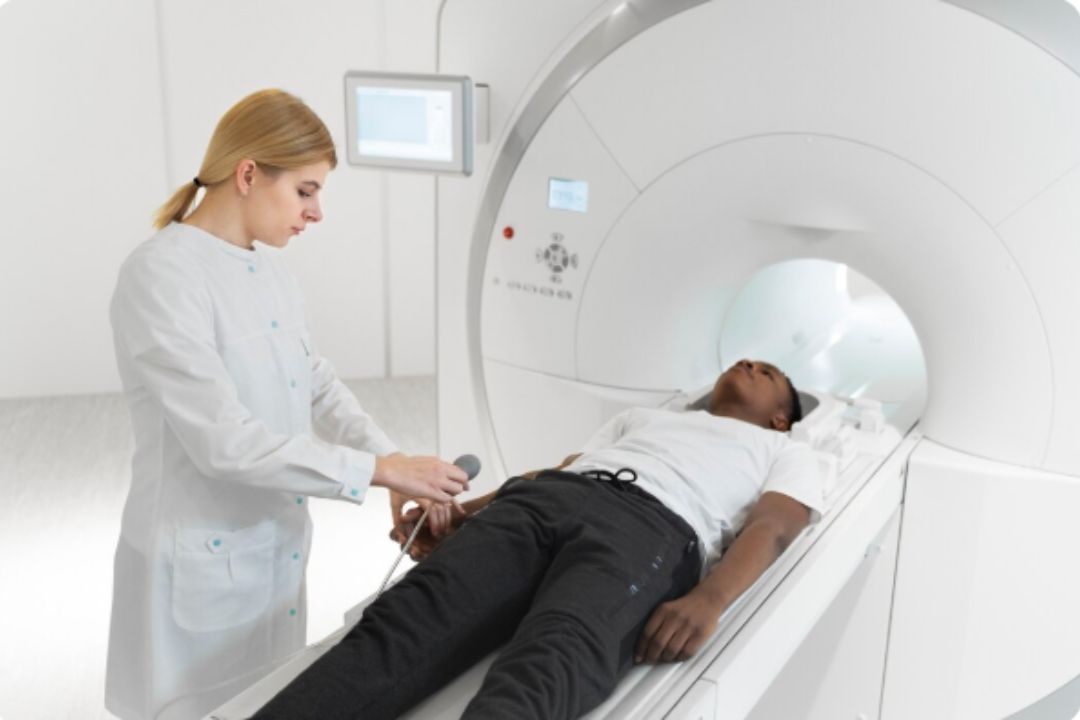
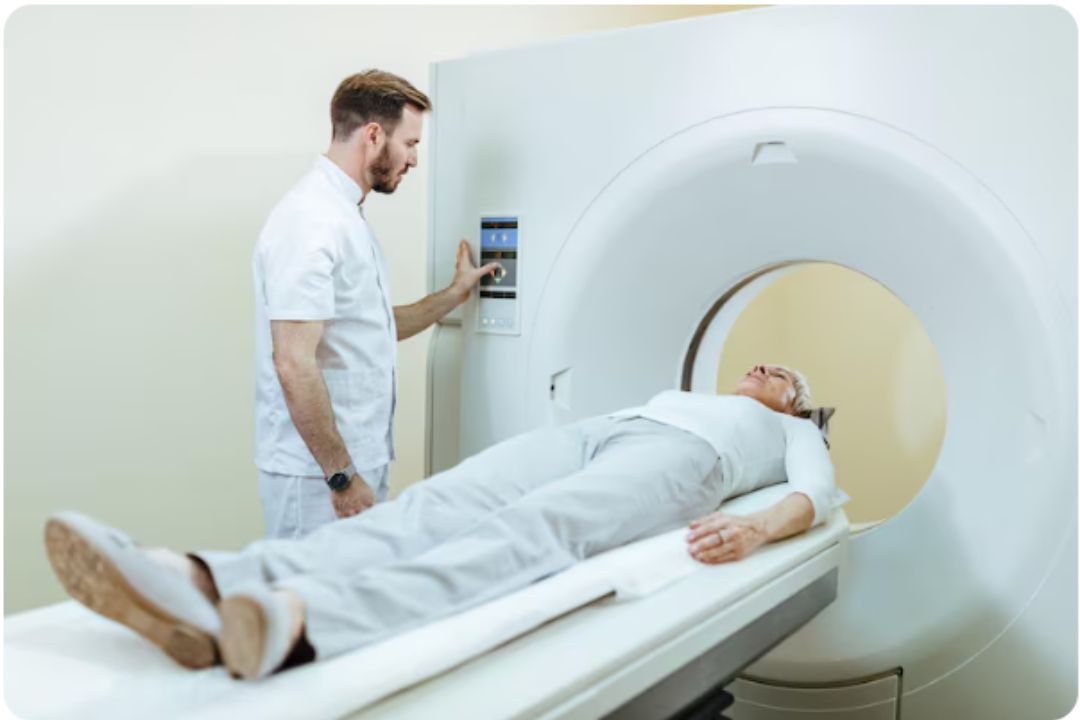
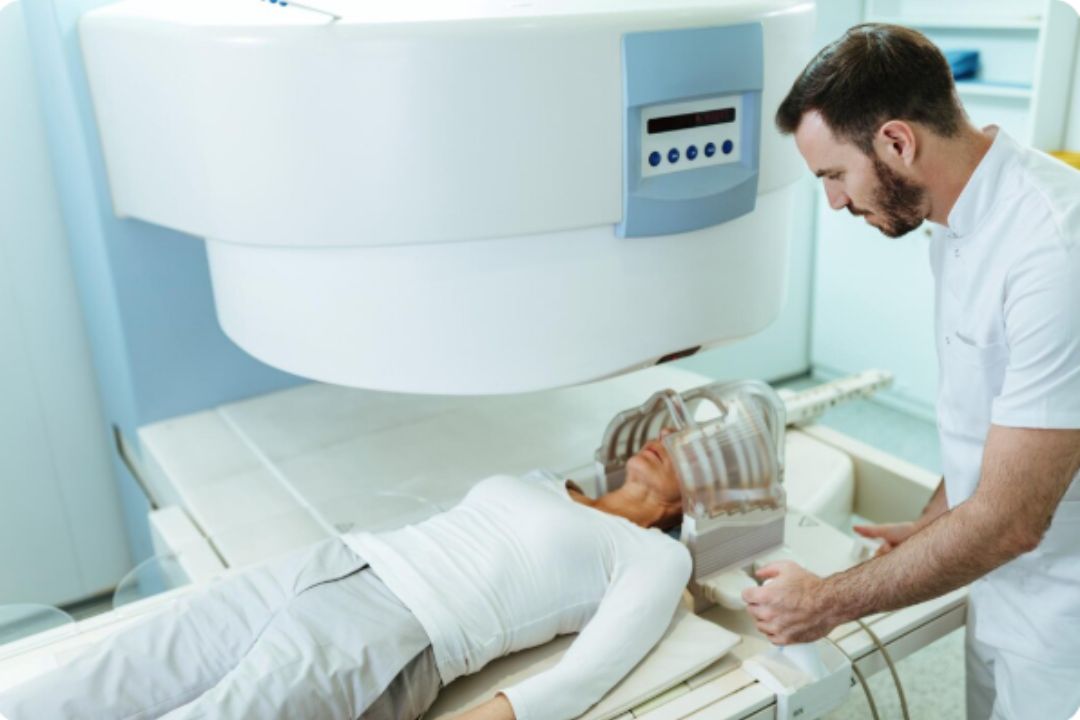
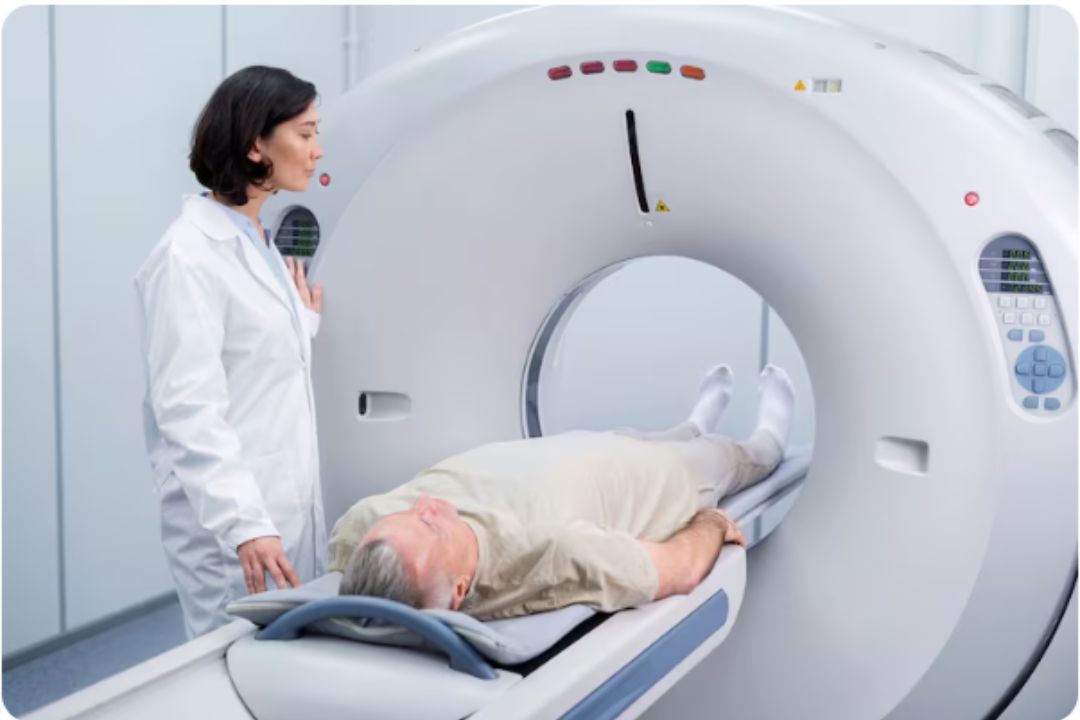
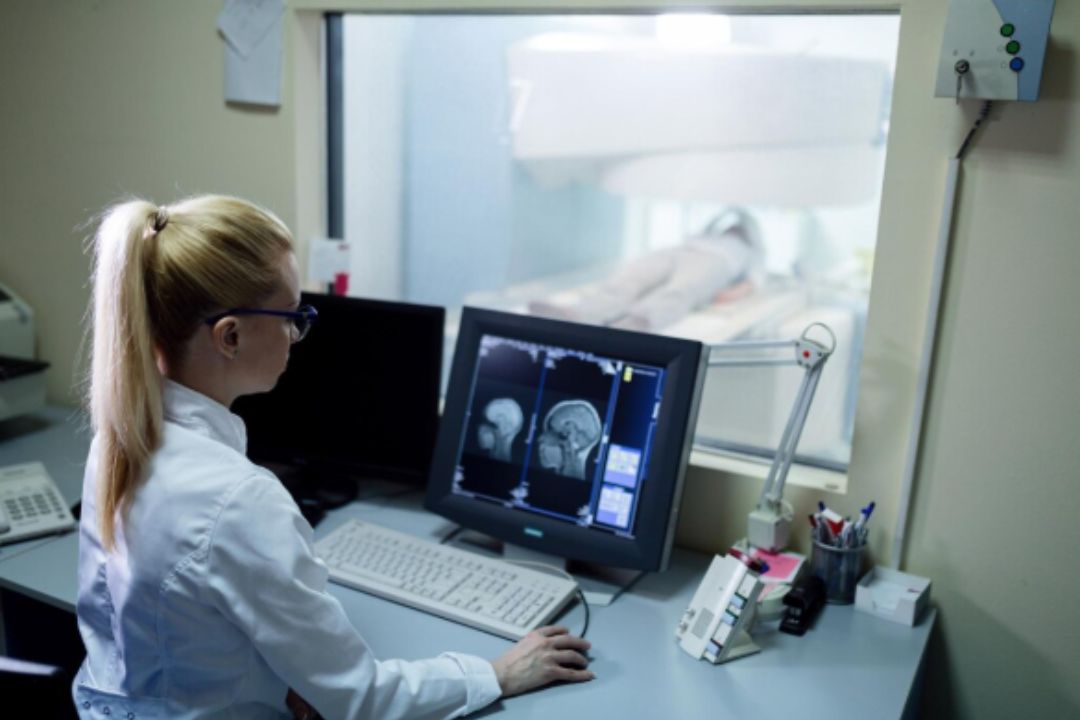
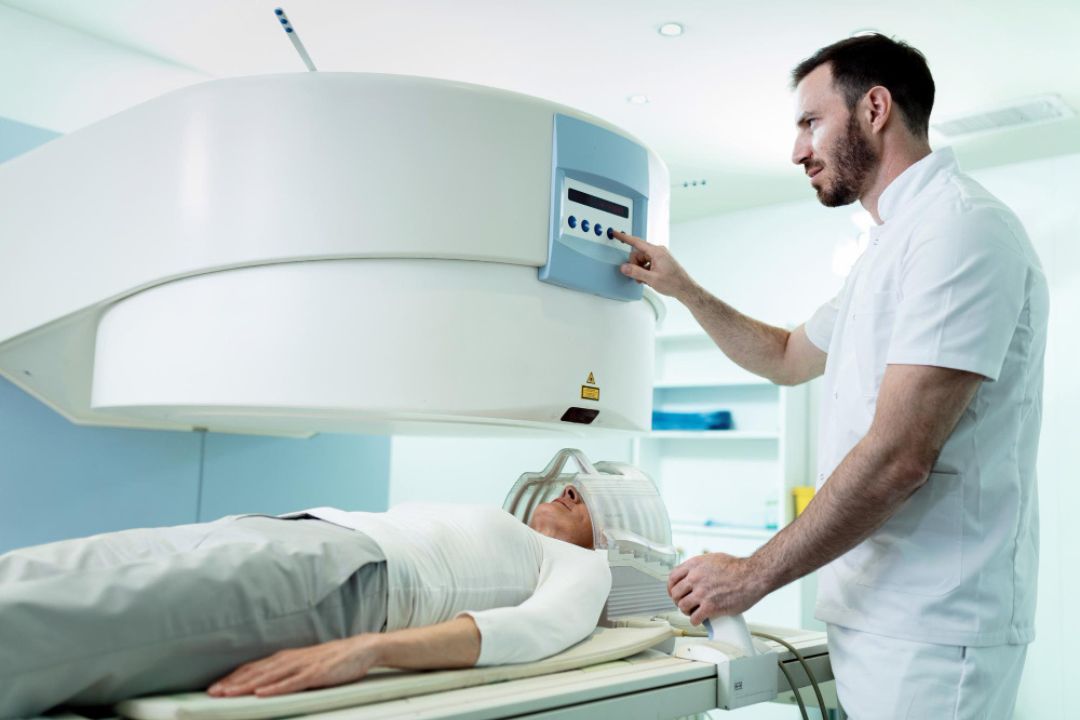
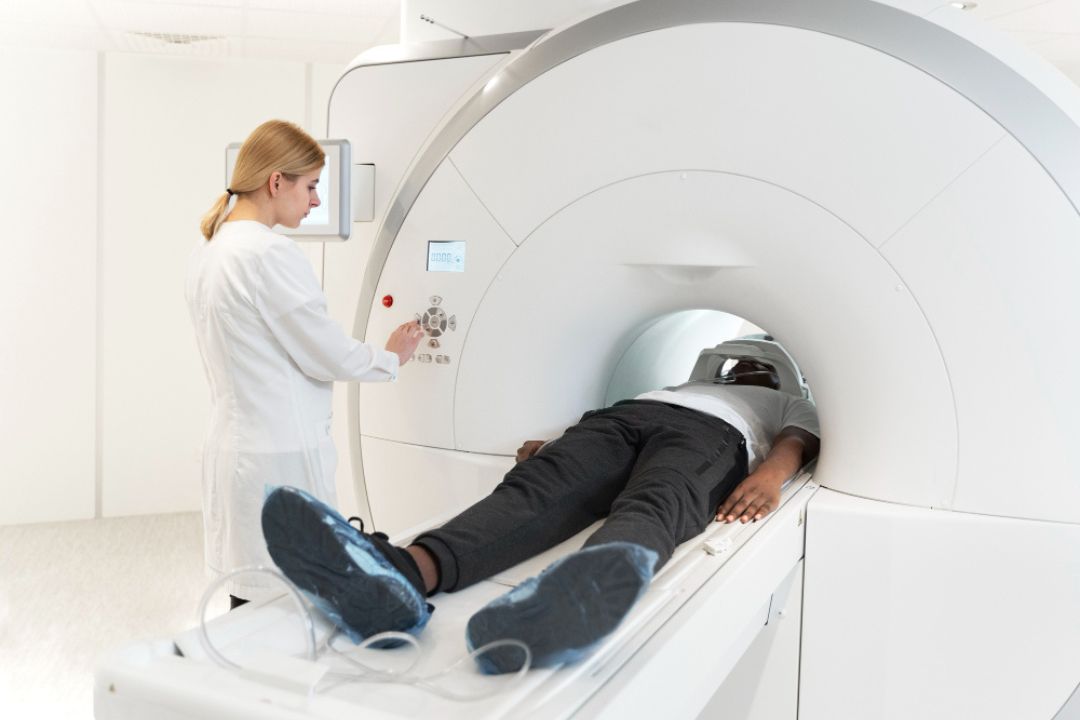
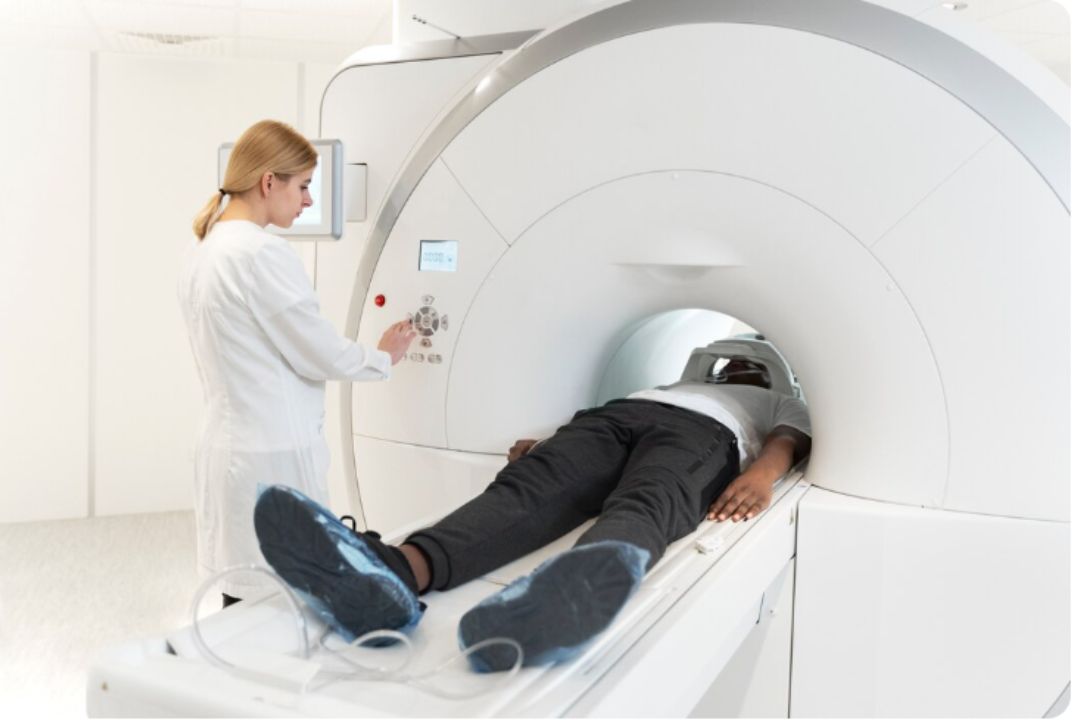
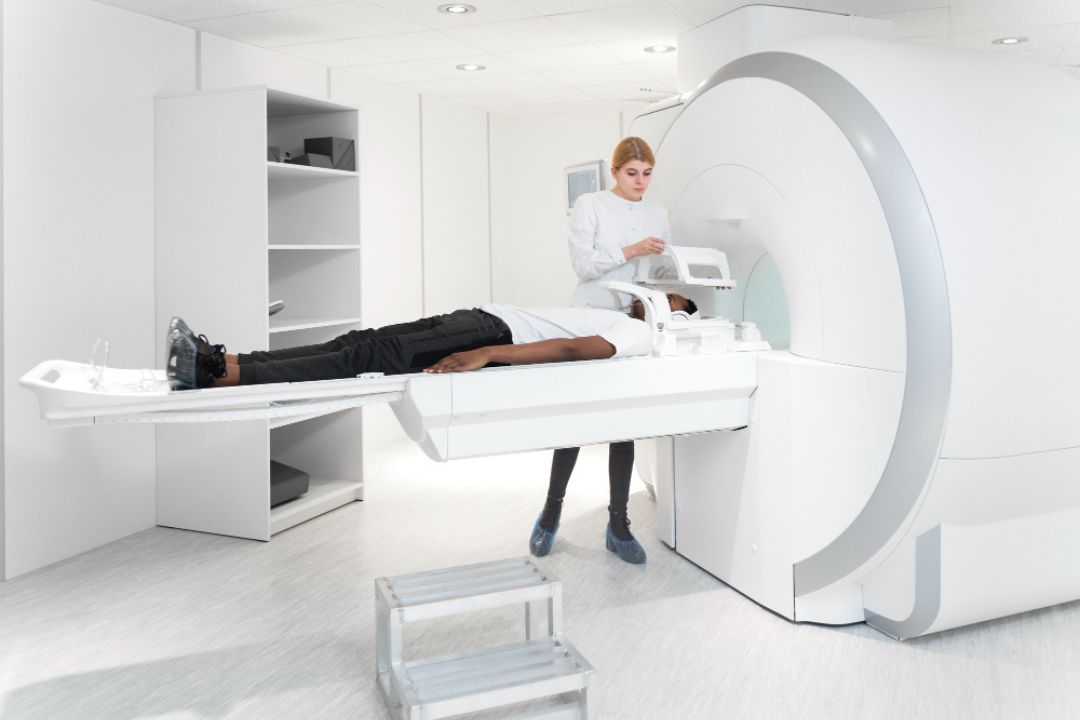
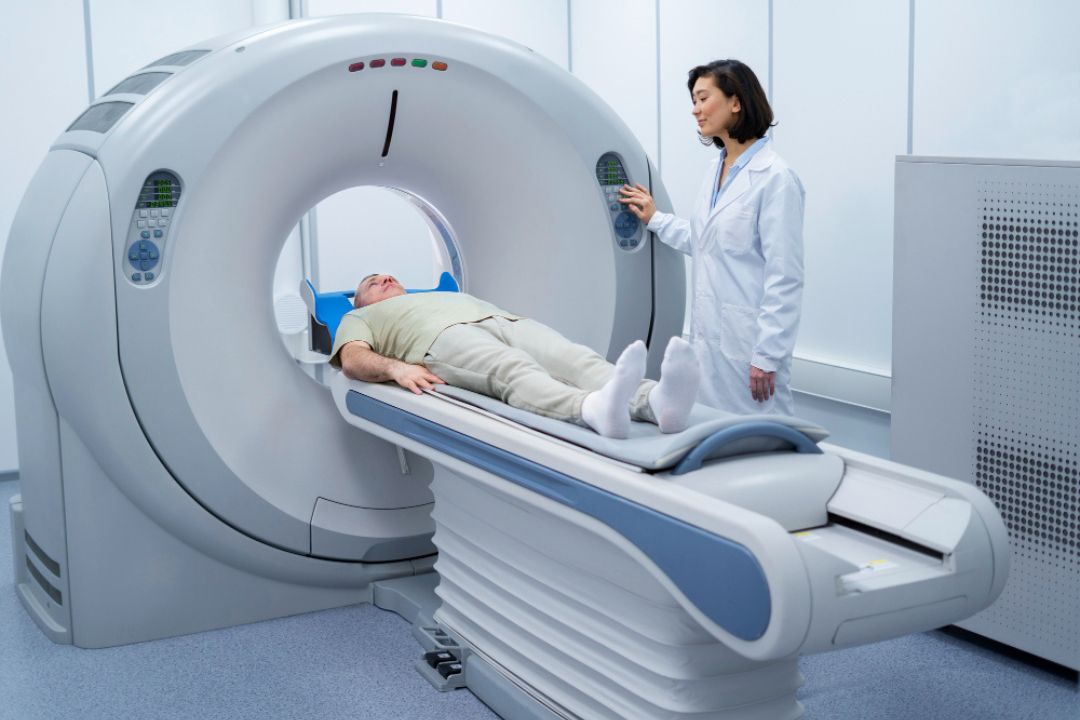
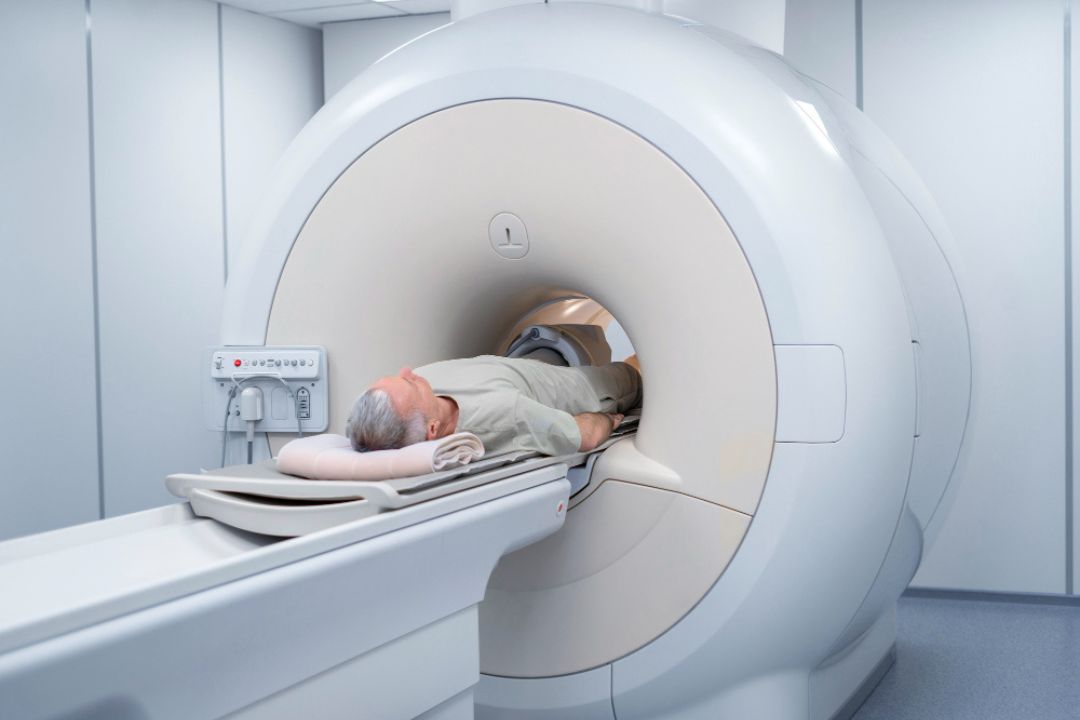
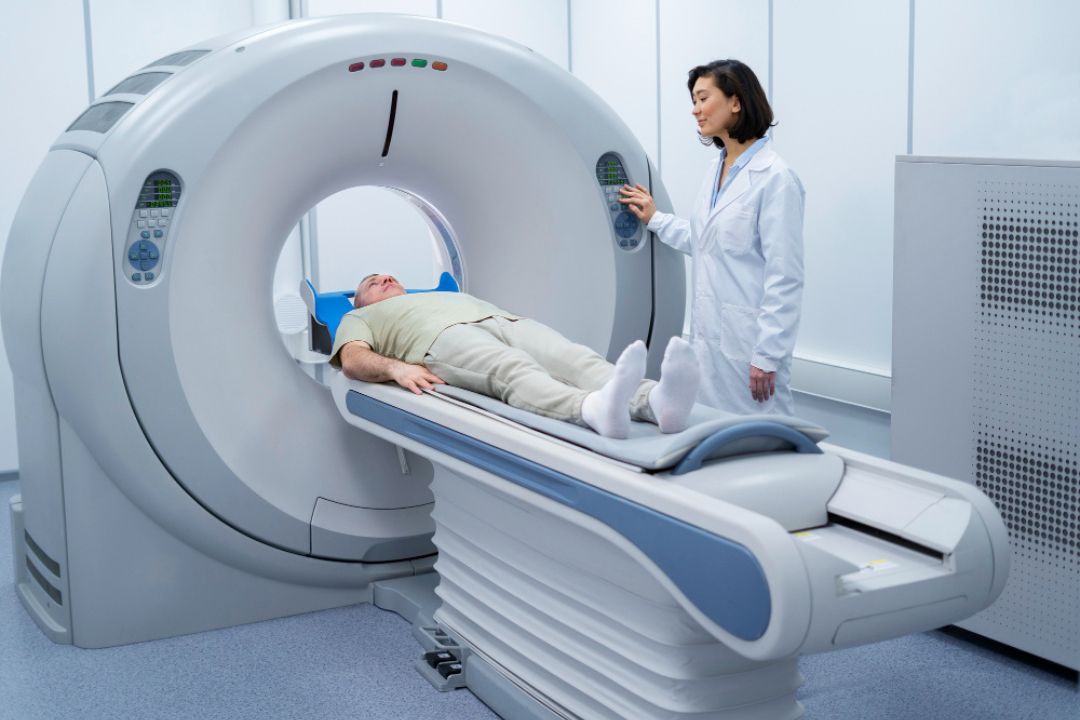
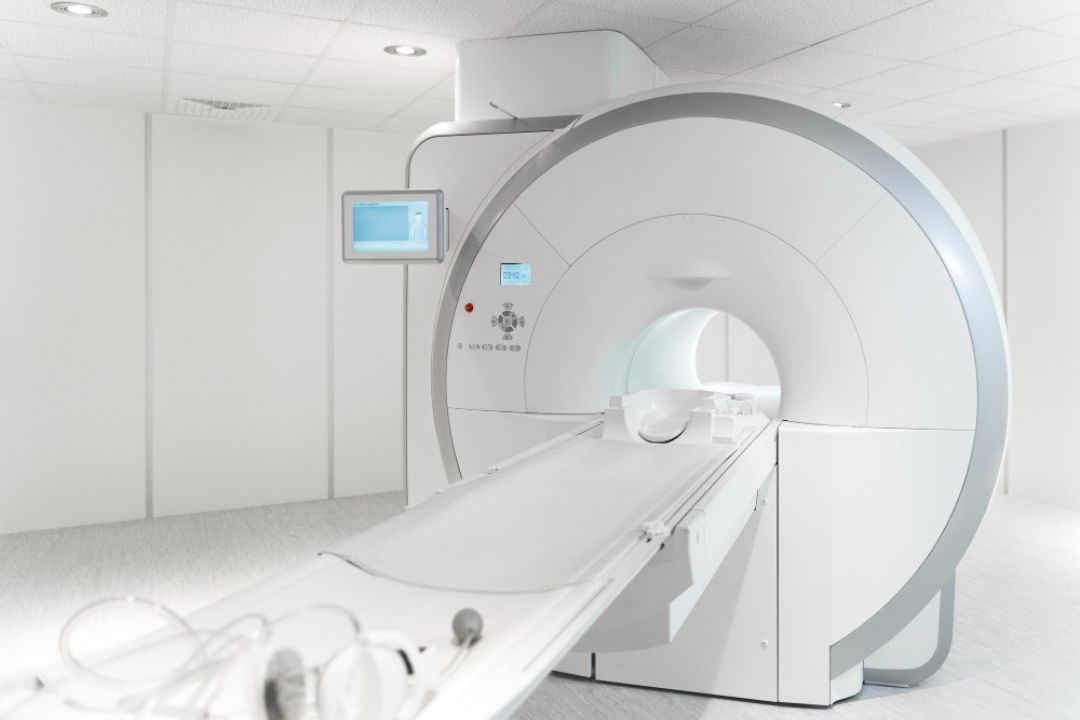
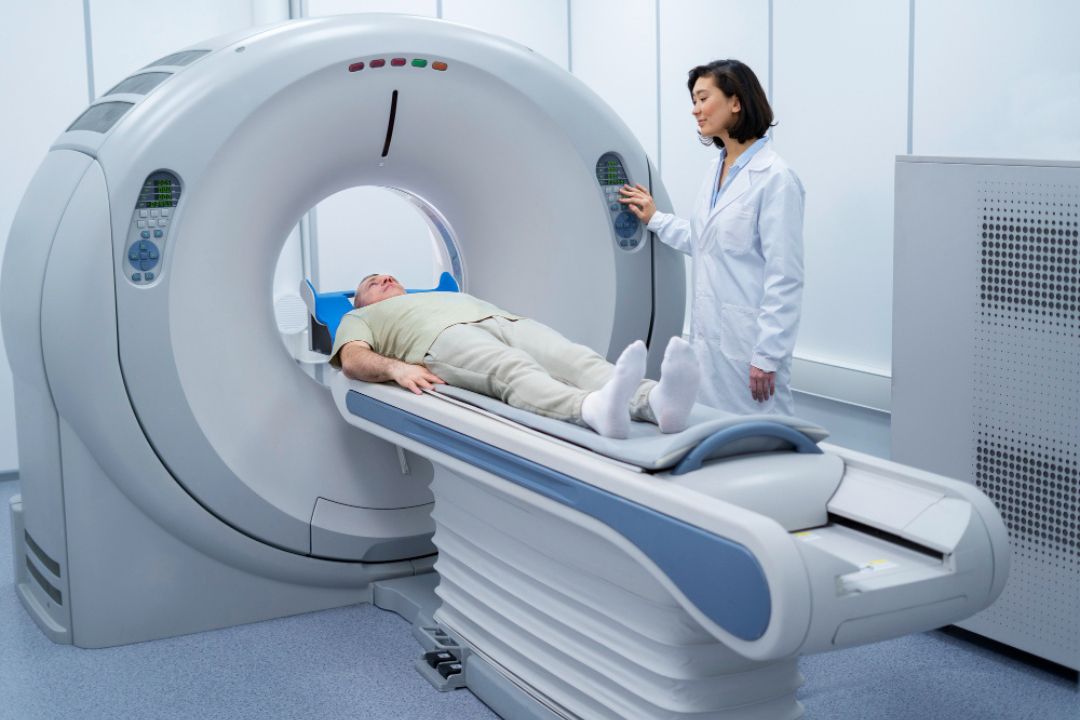
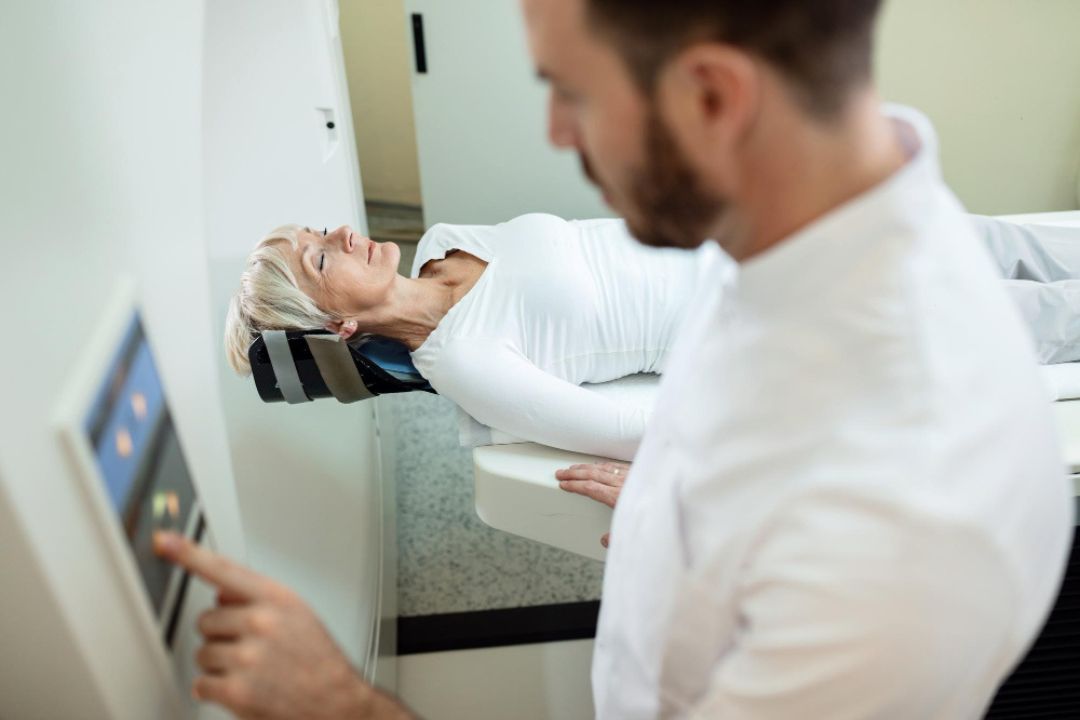
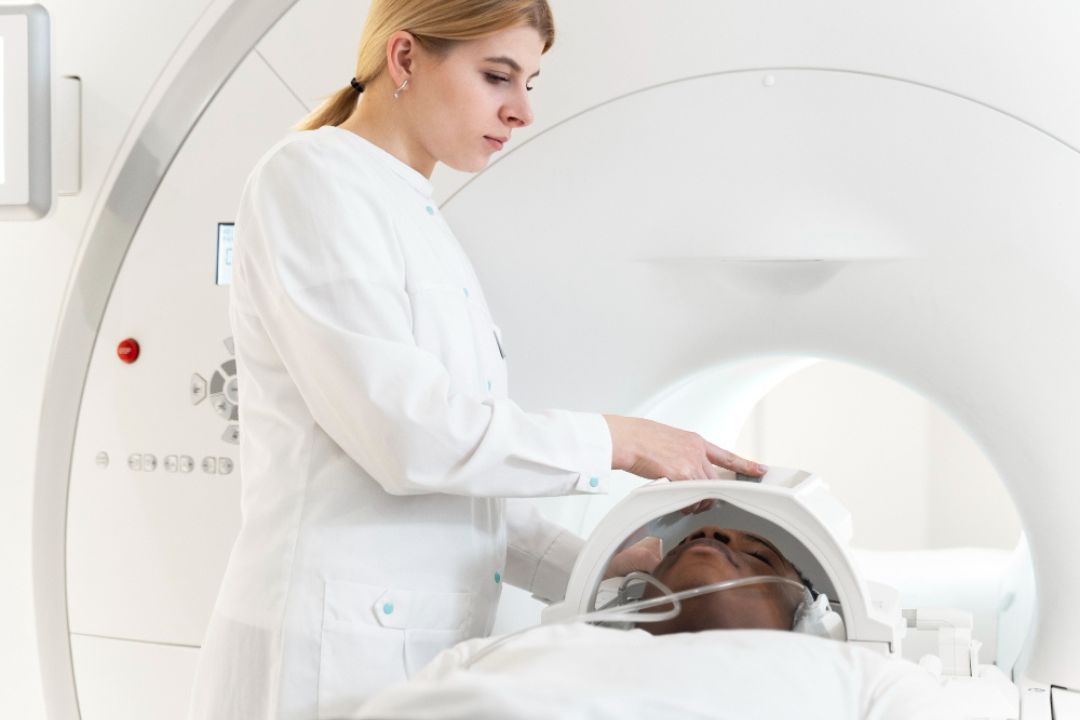
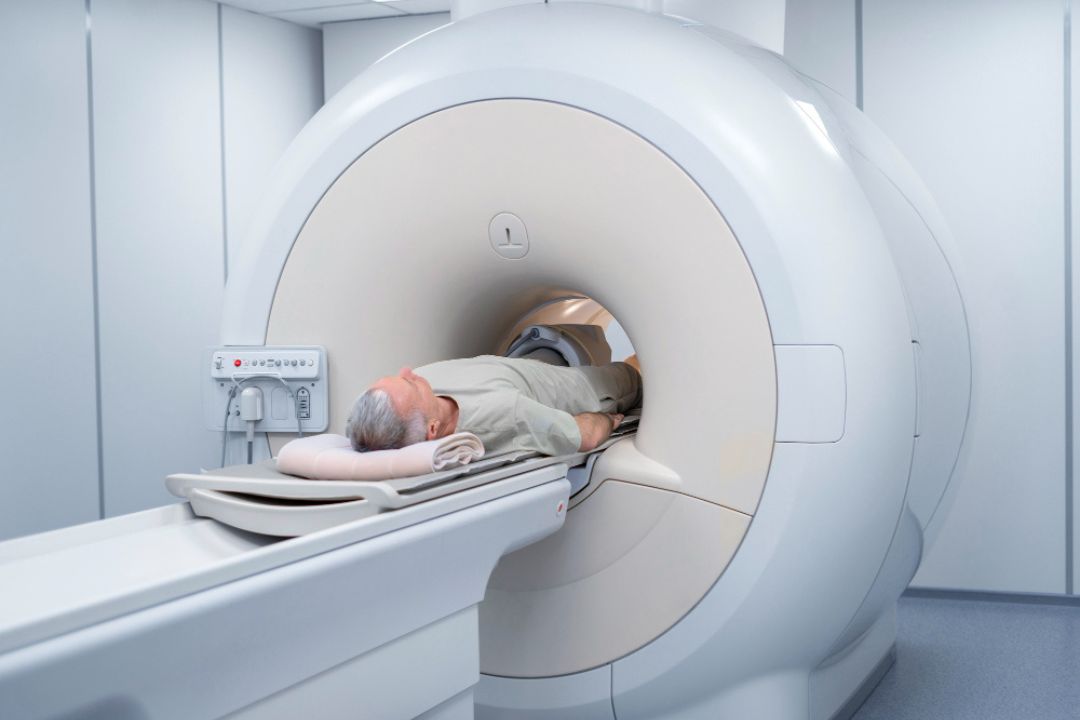
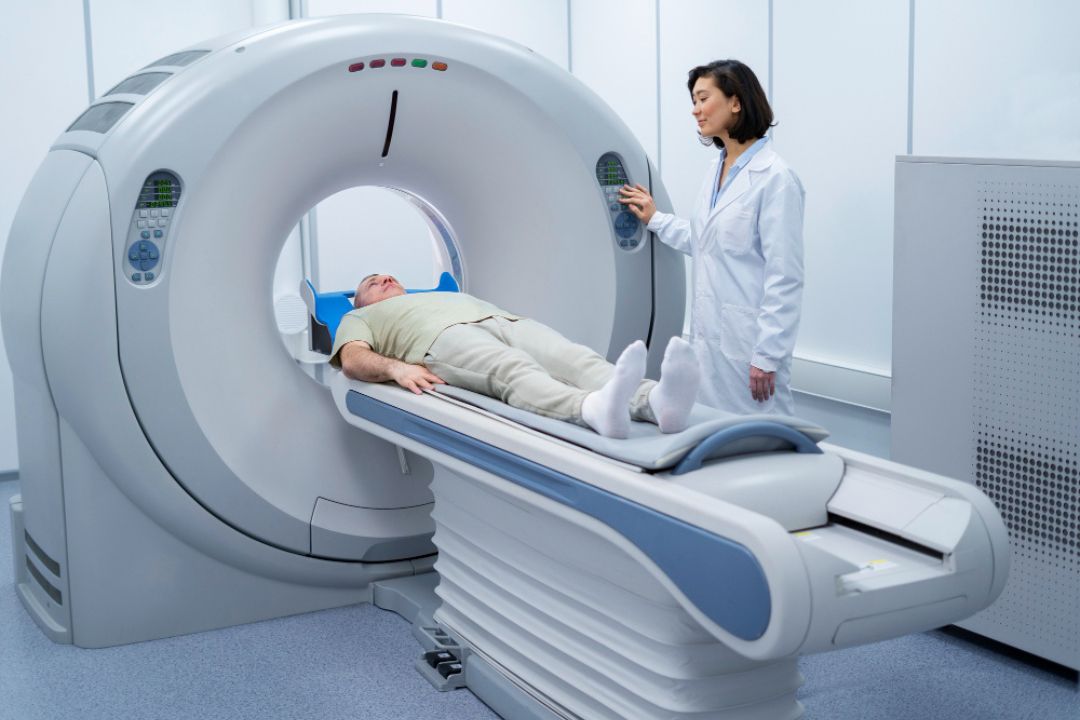
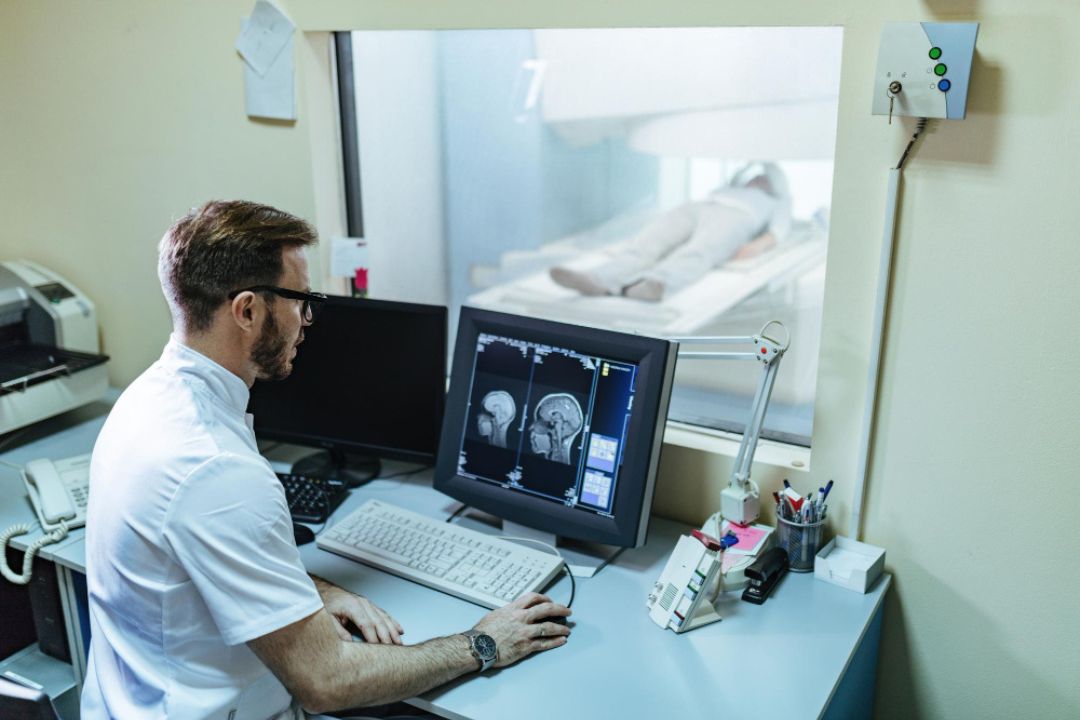
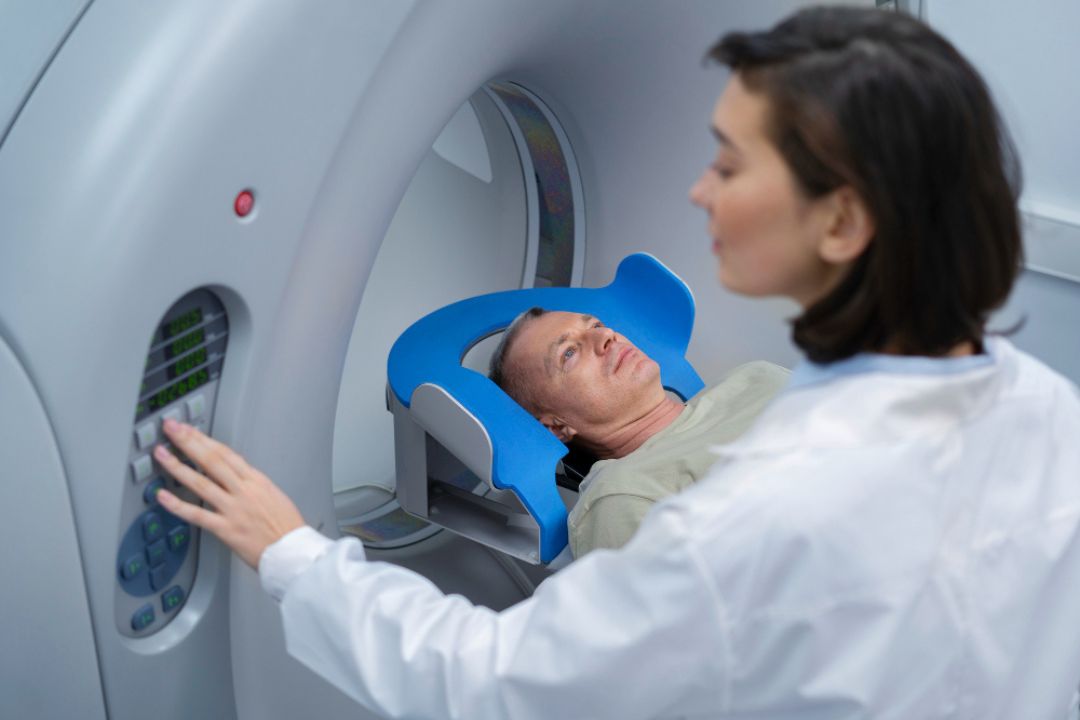
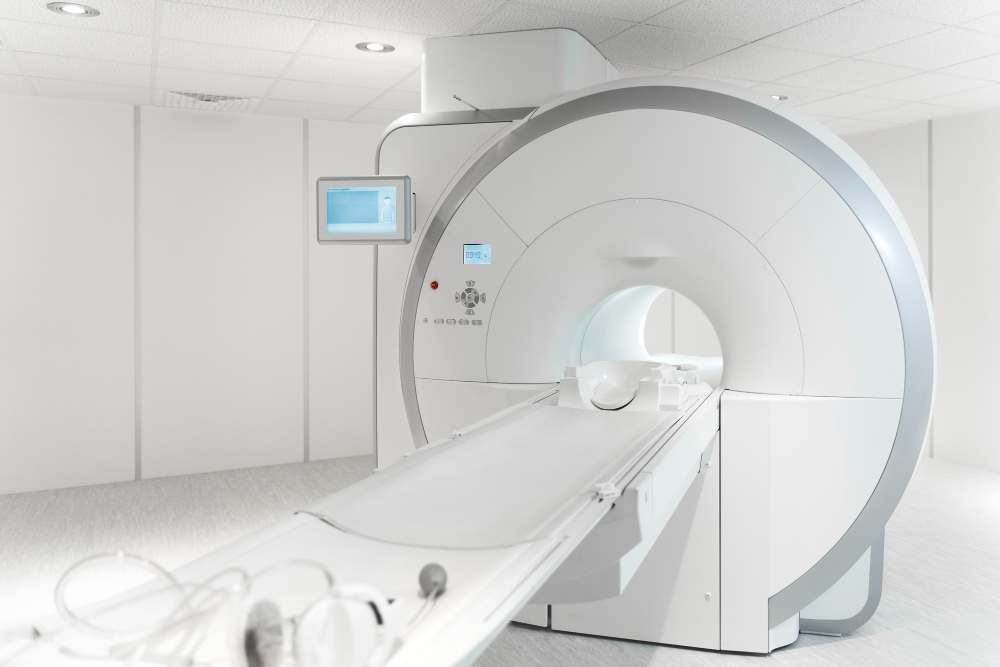
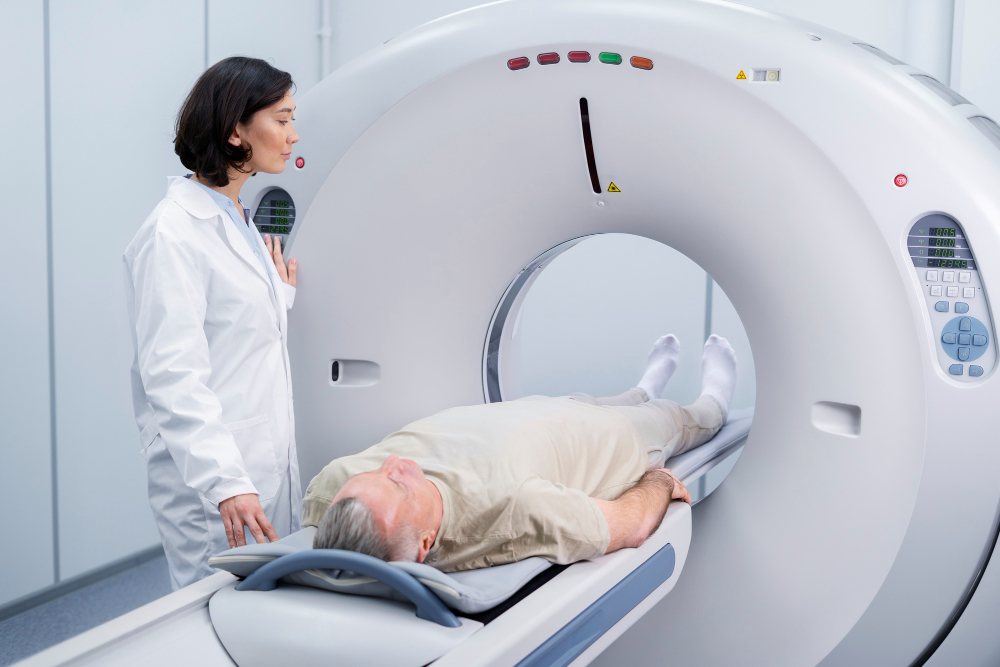
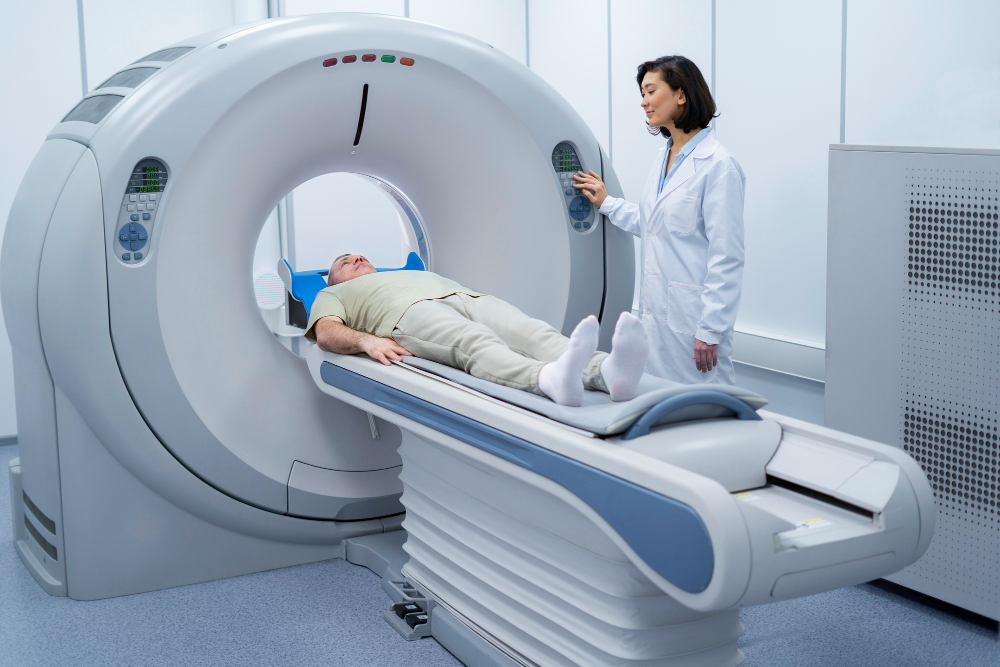
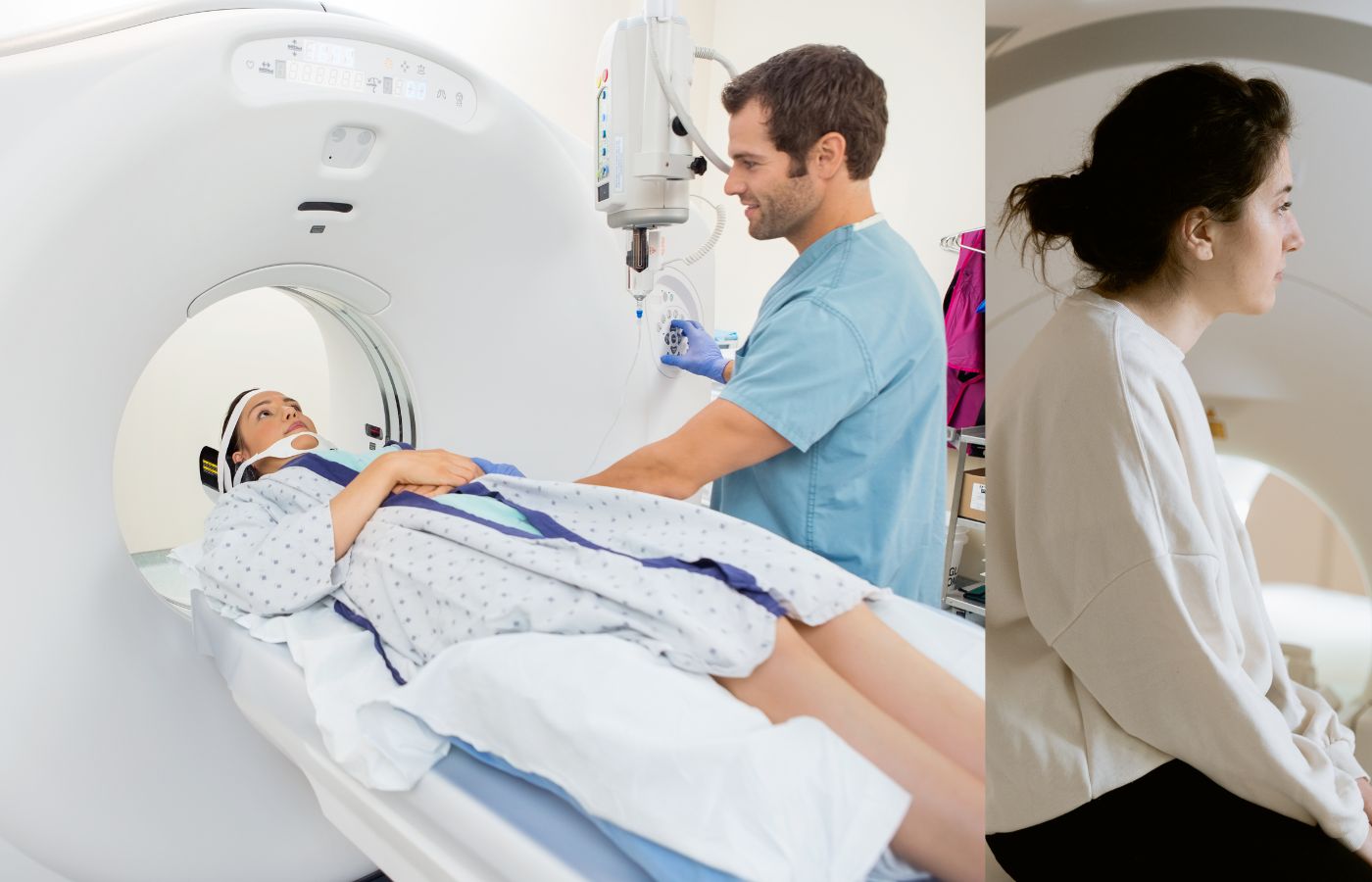
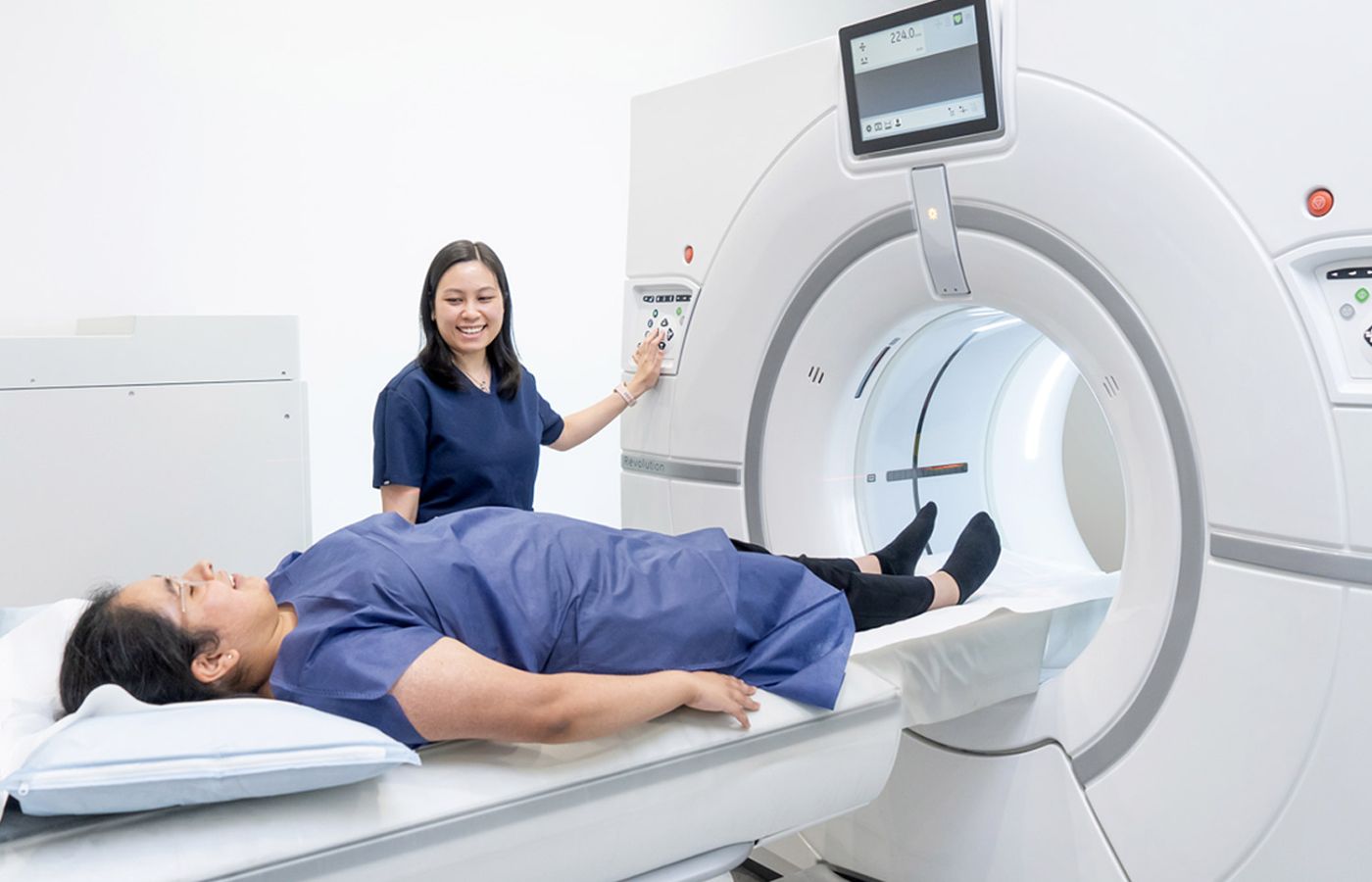
During the procedure, the patient lies on a motorized scanning table. The table slowly moves through the CT scanner while the machine captures detailed images of the body.
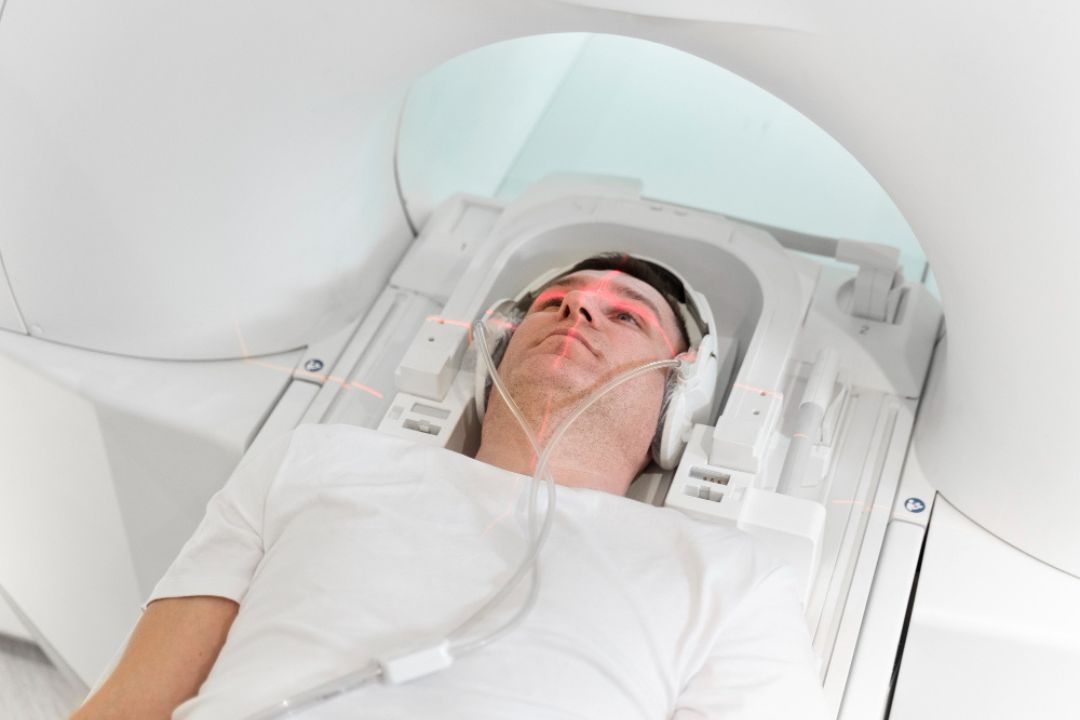
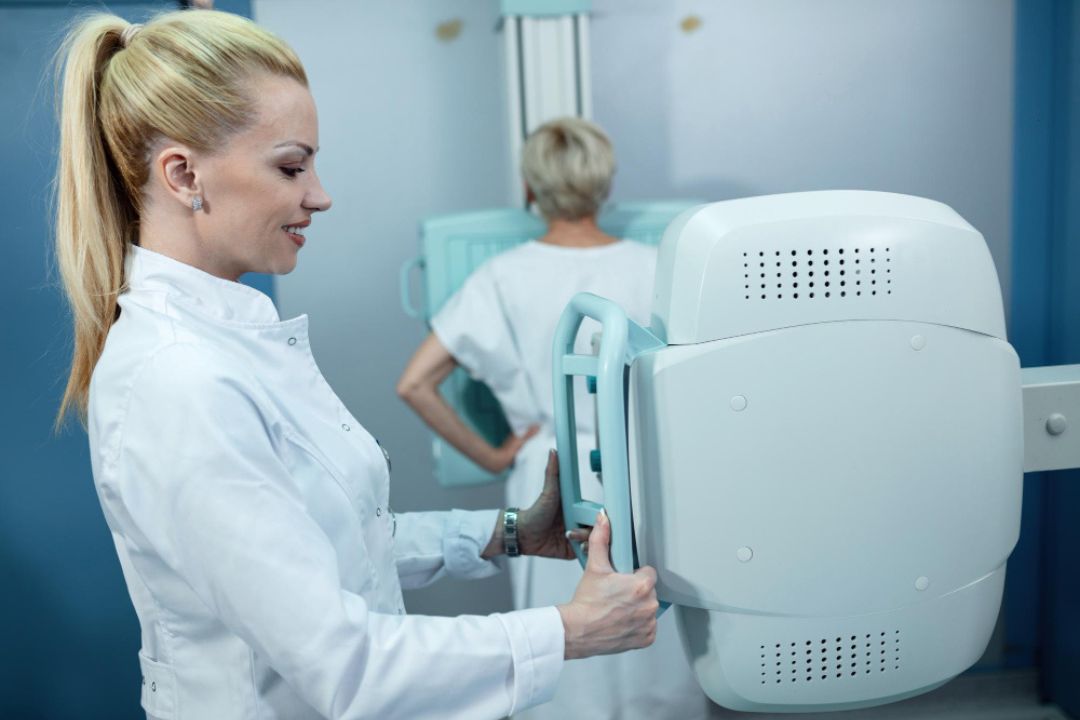
The scanner rotates around the patient, and the radiology technician may ask the patient to remain still or hold their breath for a few seconds during the imaging process.
The procedure usually takes between 10 and 30 minutes, depending on the type of scan being performed.
Most patients can return to their normal activities immediately after the scan. If contrast dye was used, drinking plenty of water is usually recommended to help flush the dye out of the body.
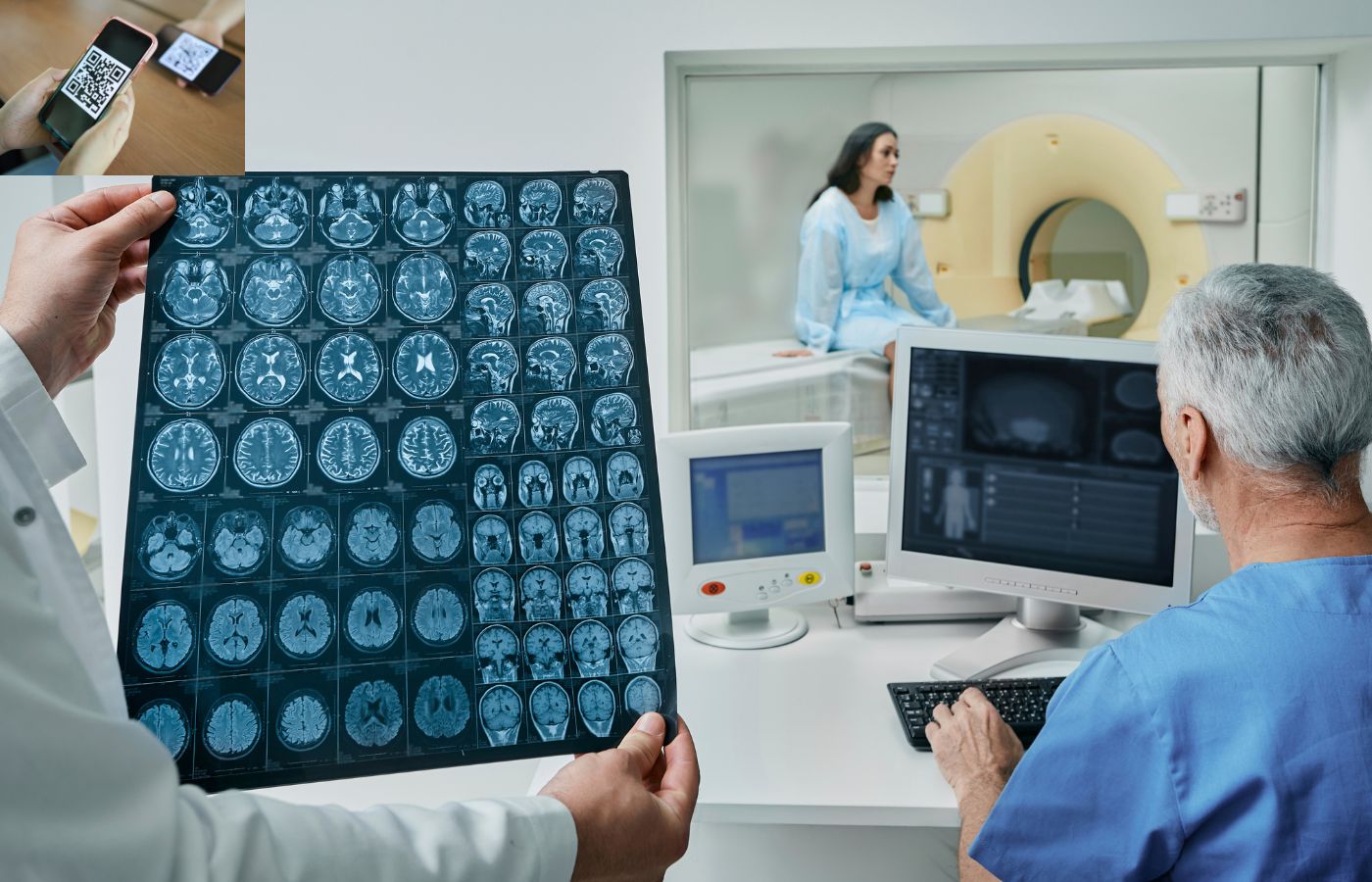
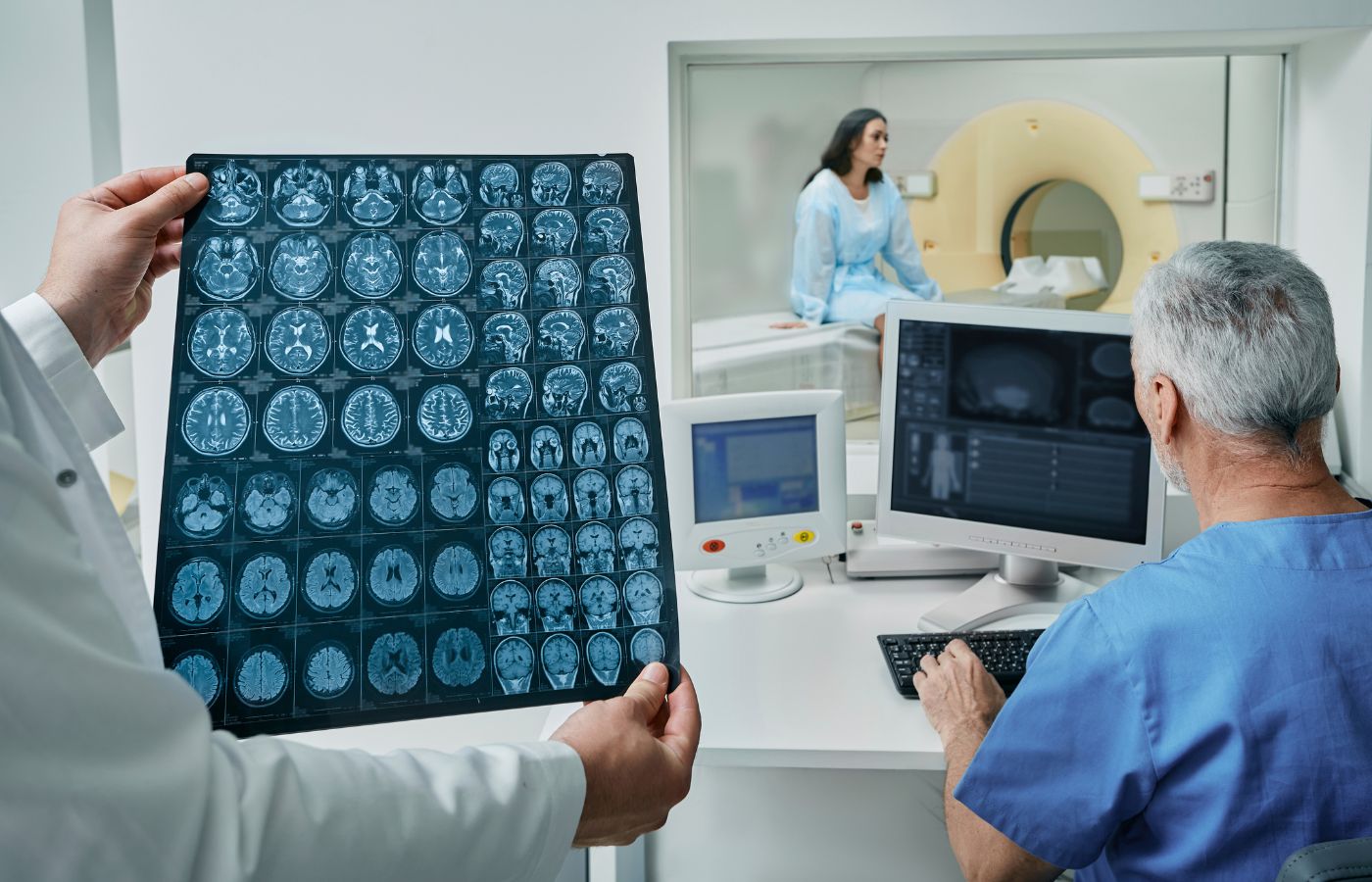
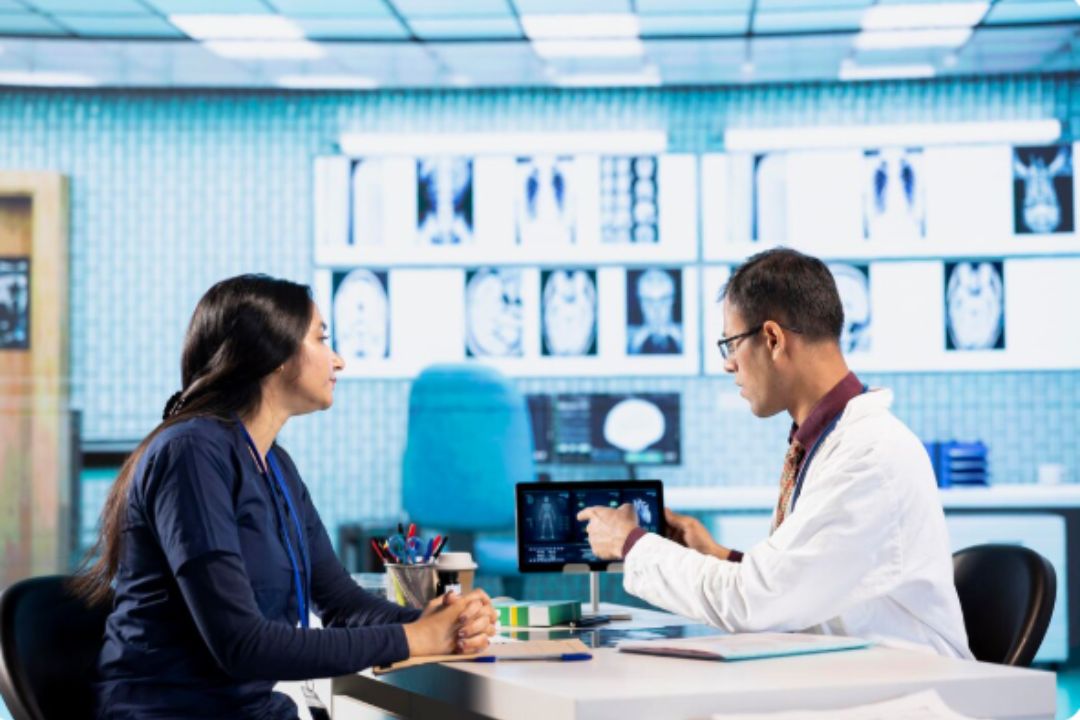
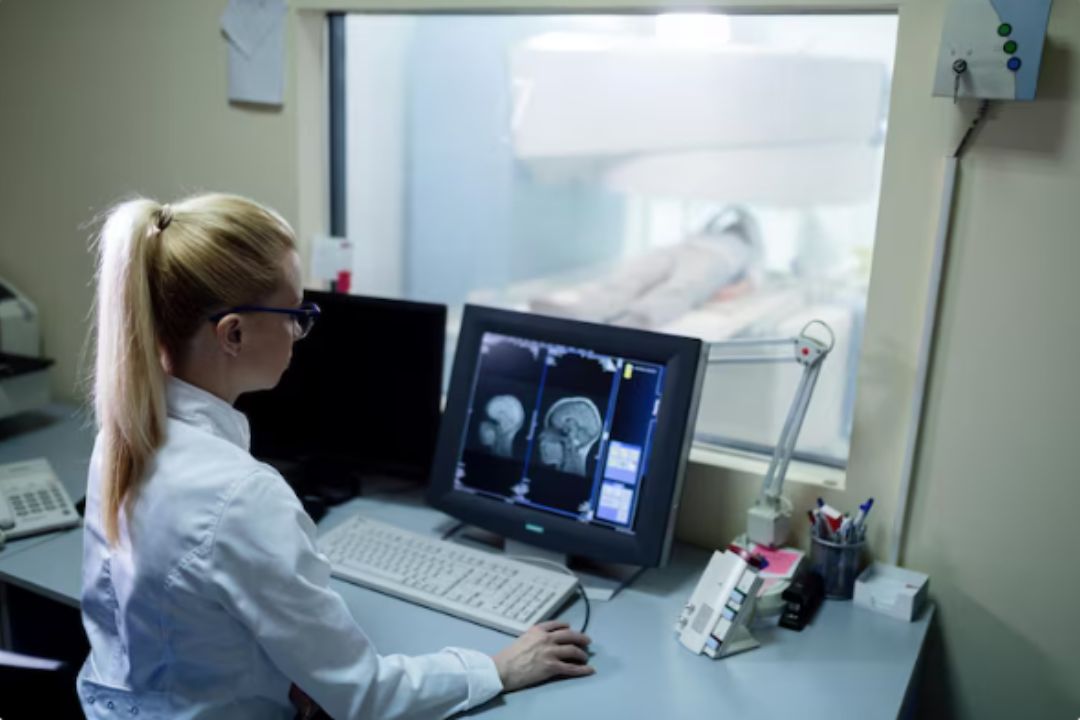
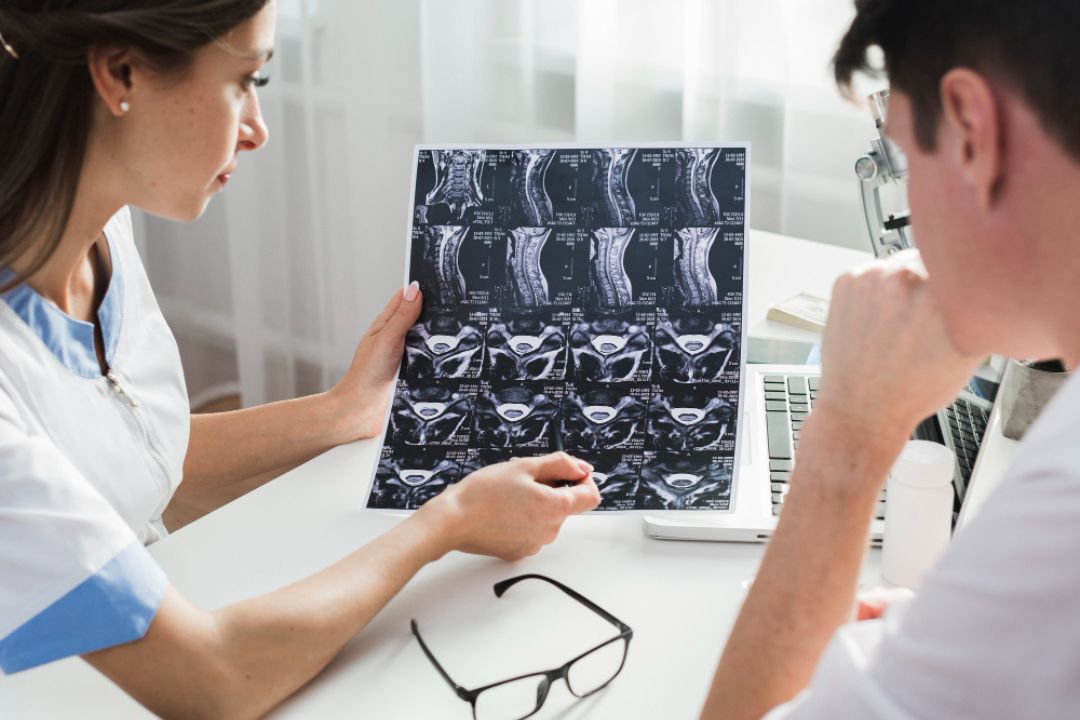
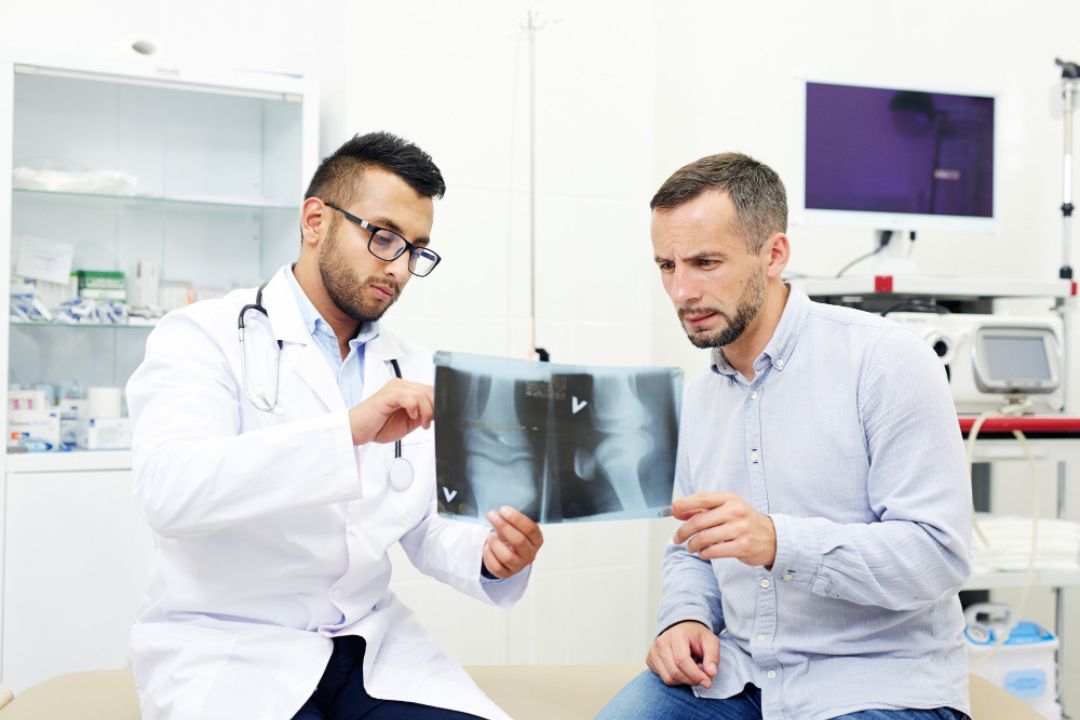
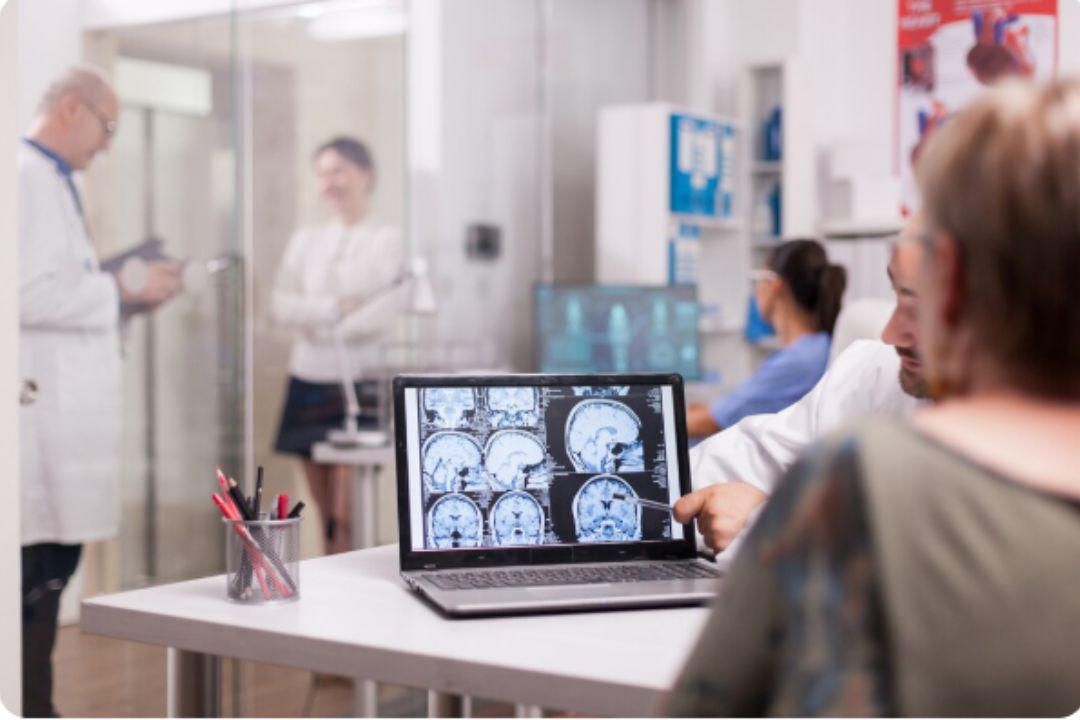
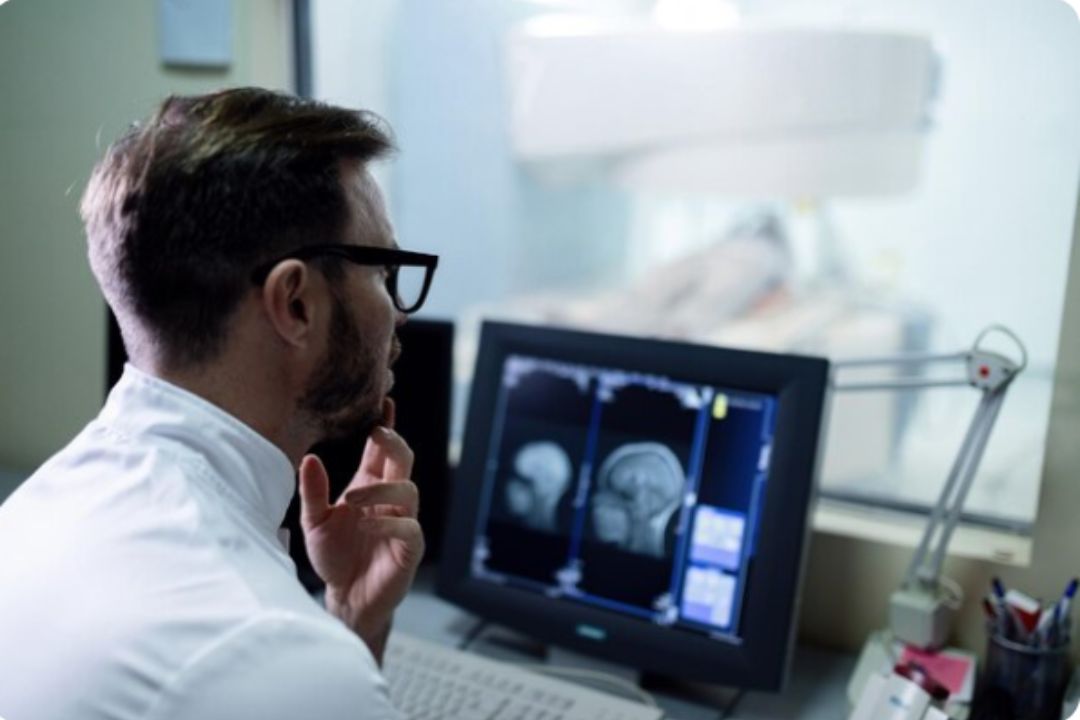
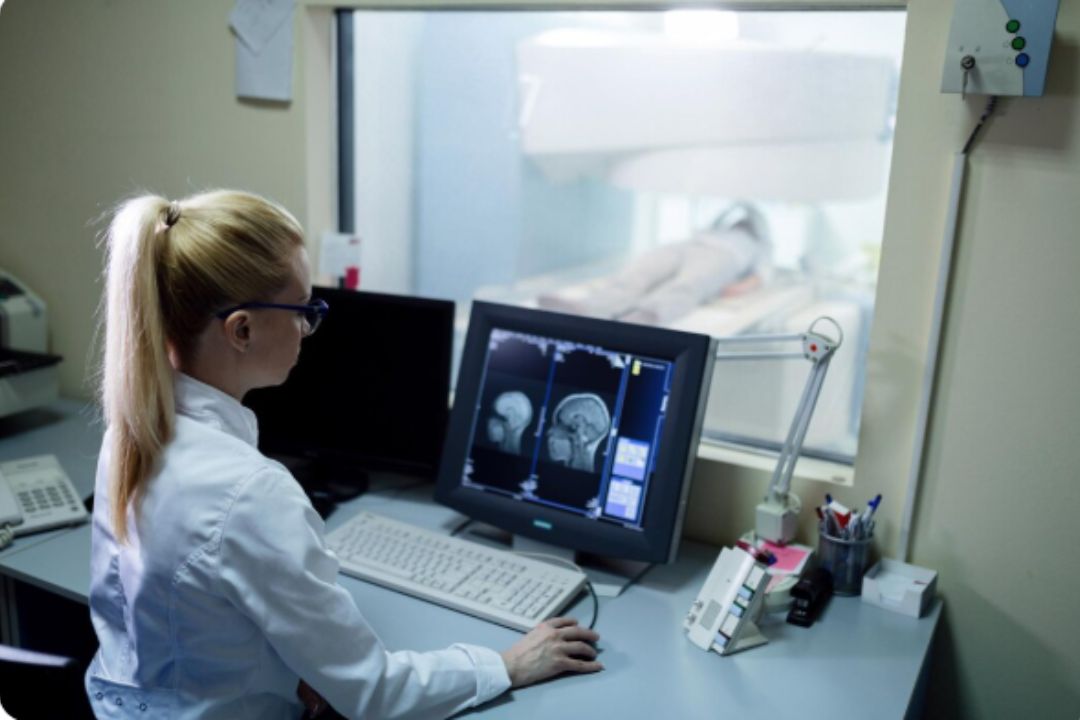
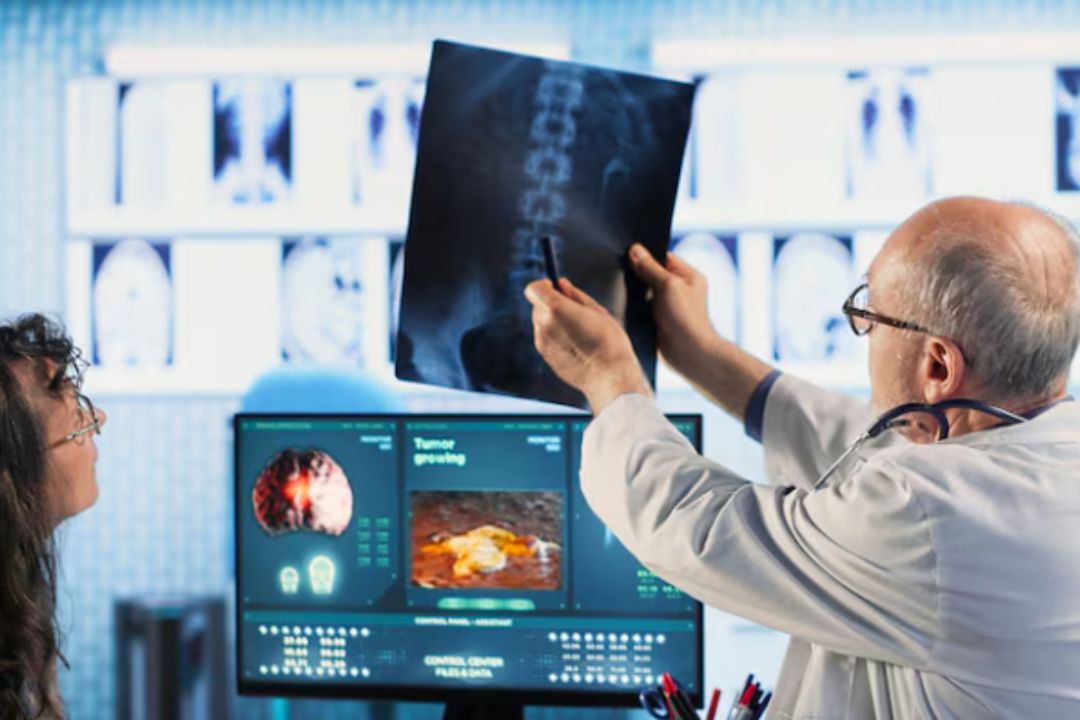
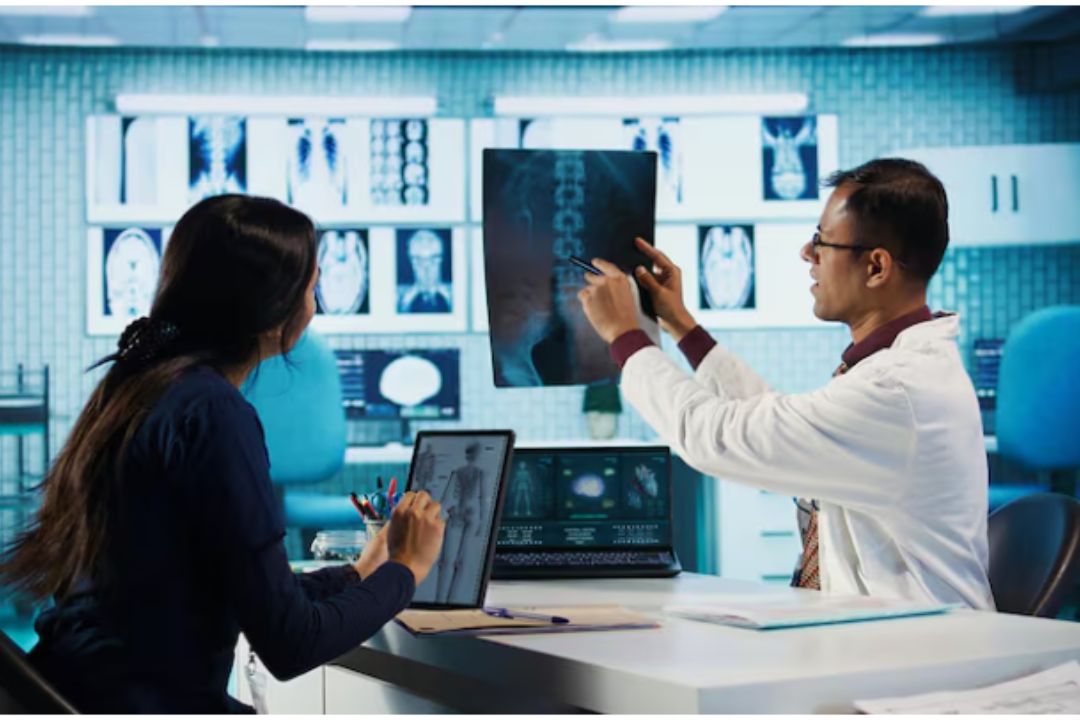
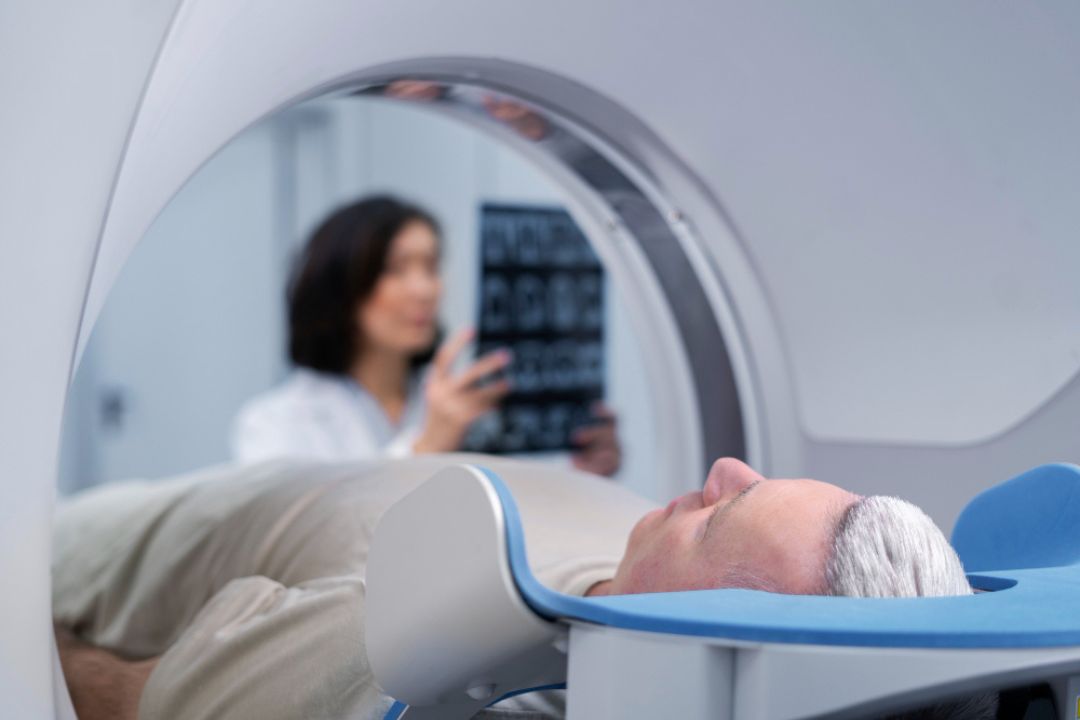
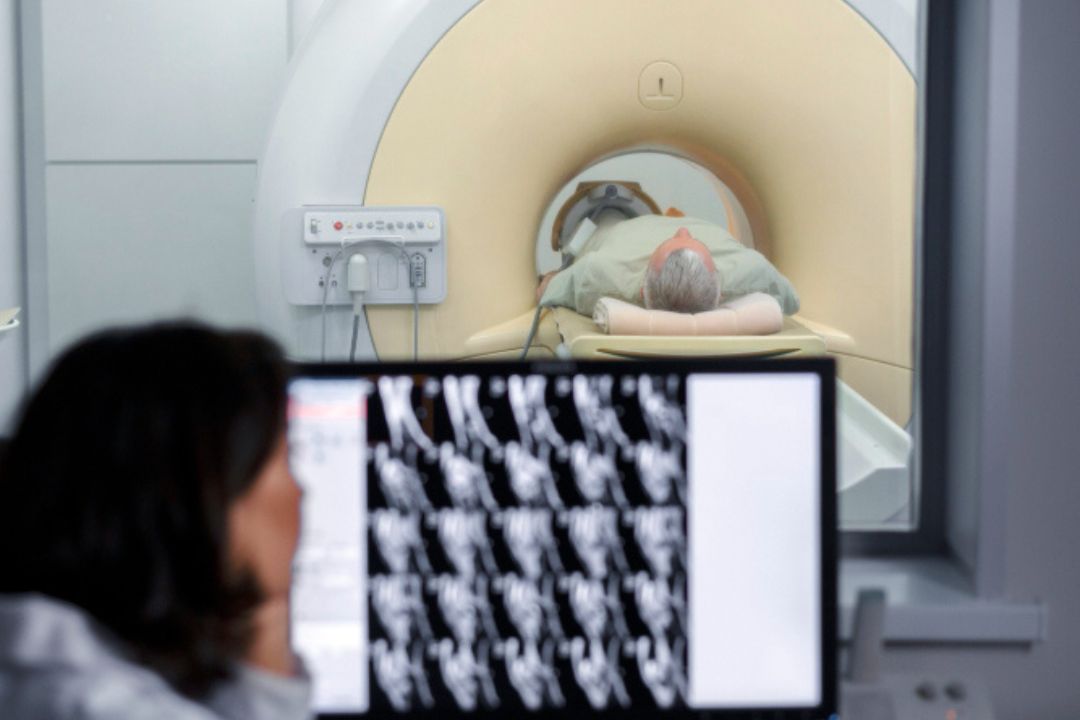
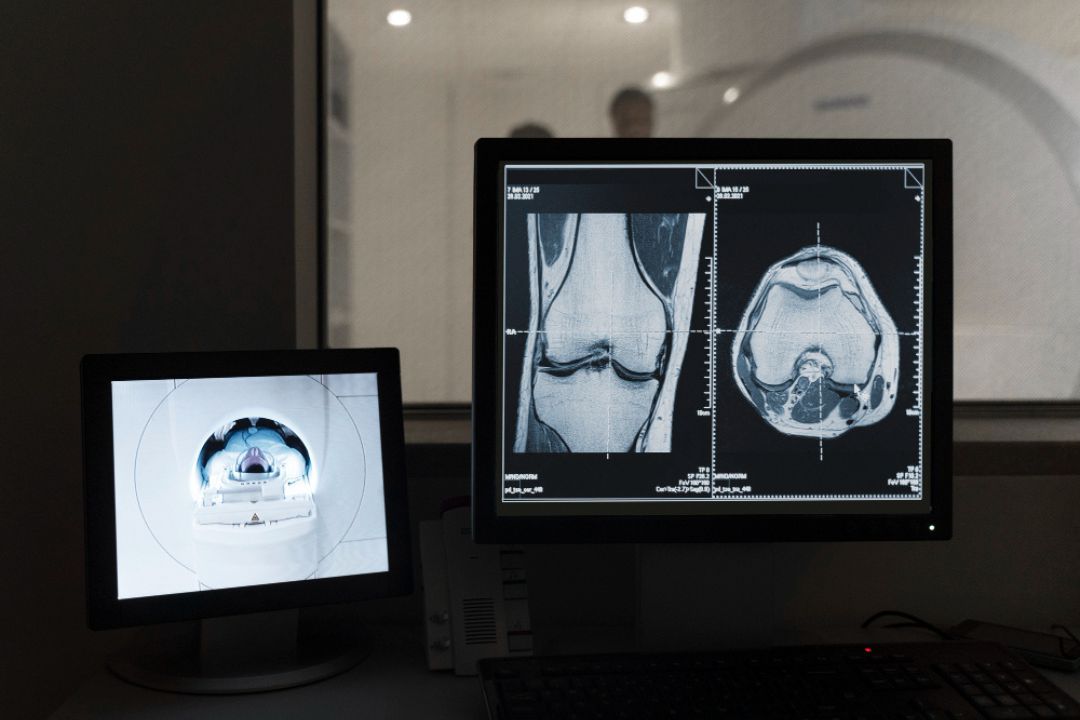
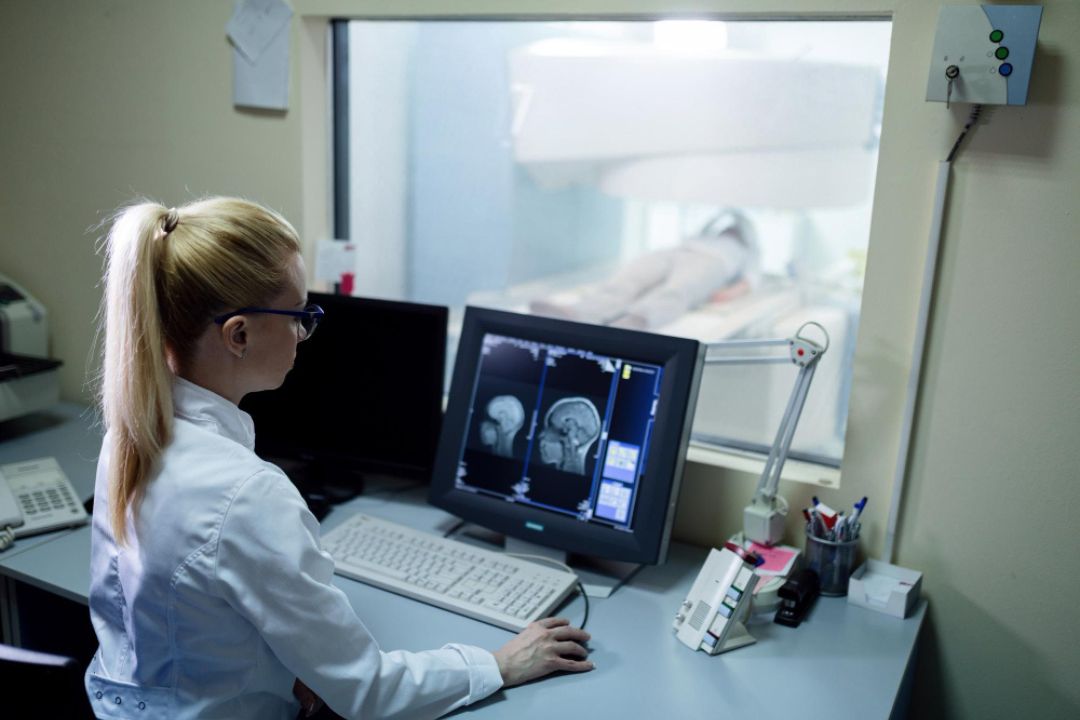
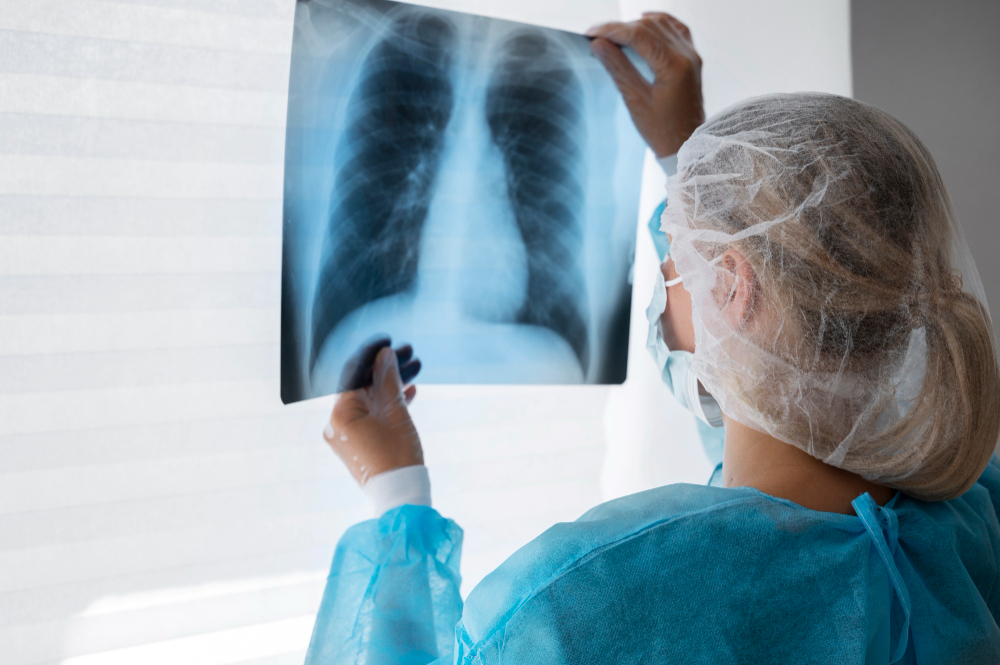
The radiologist will review the scan images and send a report to your doctor, who will discuss the results and next steps with you.
Following a few simple tips can make the procedure easier and more comfortable:
Arrive at the diagnostic center early
Follow fasting instructions carefully
Inform staff about allergies or medications
Stay relaxed and follow the technician's instructions
Drink water after the scan if contrast dye was used
These steps help ensure a smooth and successful imaging process.
A CT Scan is a valuable diagnostic tool that helps doctors detect a wide range of medical conditions. Proper preparation before the scan is essential to ensure accurate imaging results and avoid complications.
By following the preparation instructions provided by your healthcare provider, patients can make the CT scan process smooth, safe, and efficient. If you have any questions about the preparation steps, it is always best to consult your doctor or diagnostic center before the procedure.







.jpg "ct brain scan plain and contrast")















.jpg "ct scan")
.jpg "ct scan or mri for brain disorders")


.jpg "exploring the power of ct brain contrast in modern diagnostics")
.jpg "ct scan")
.jpg "ct scan")







.jpg "ct scan")

.jpg "CT Brain Scan for Headaches")
.jpg "The Future of 3D CT Imaging")