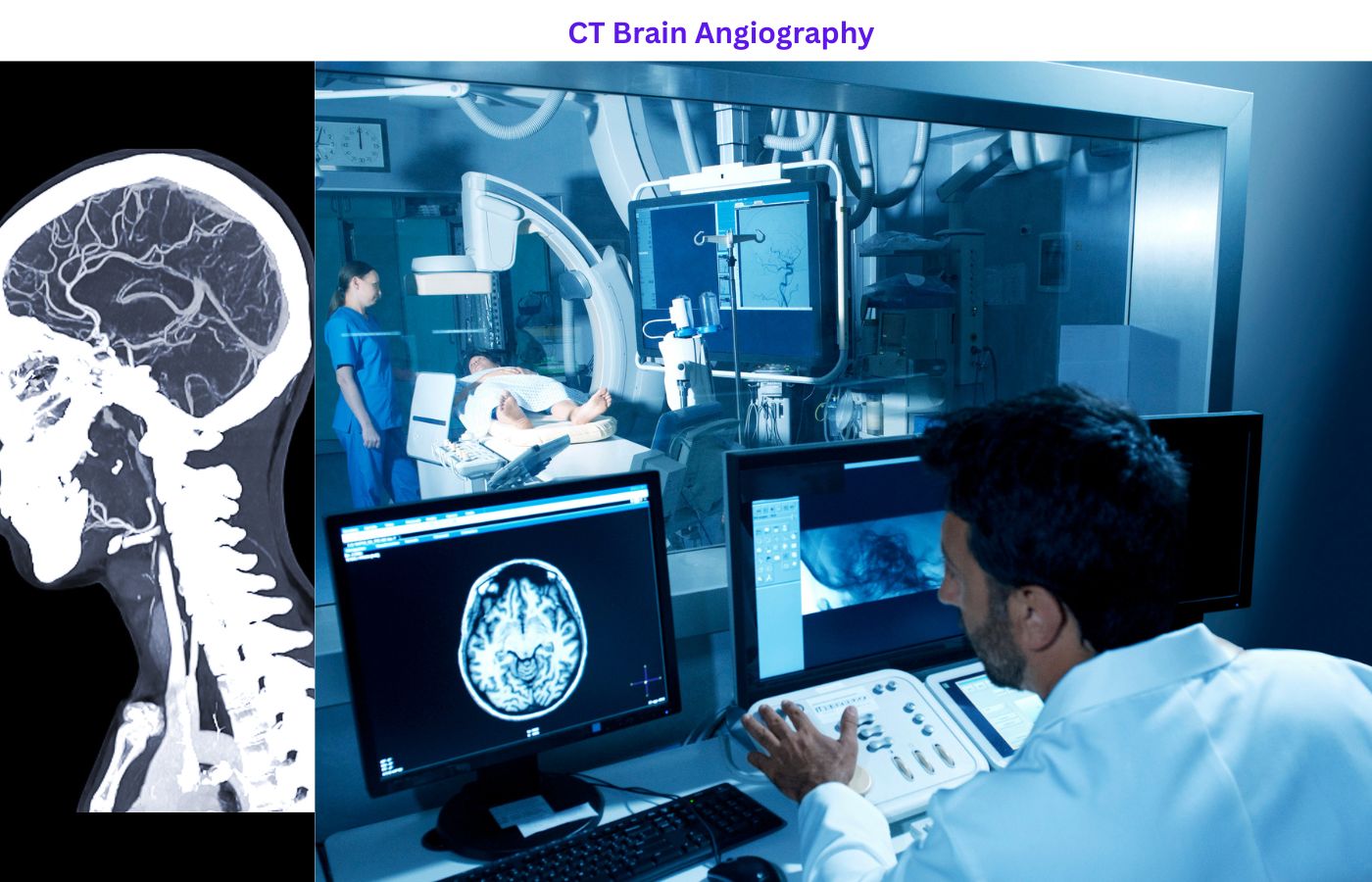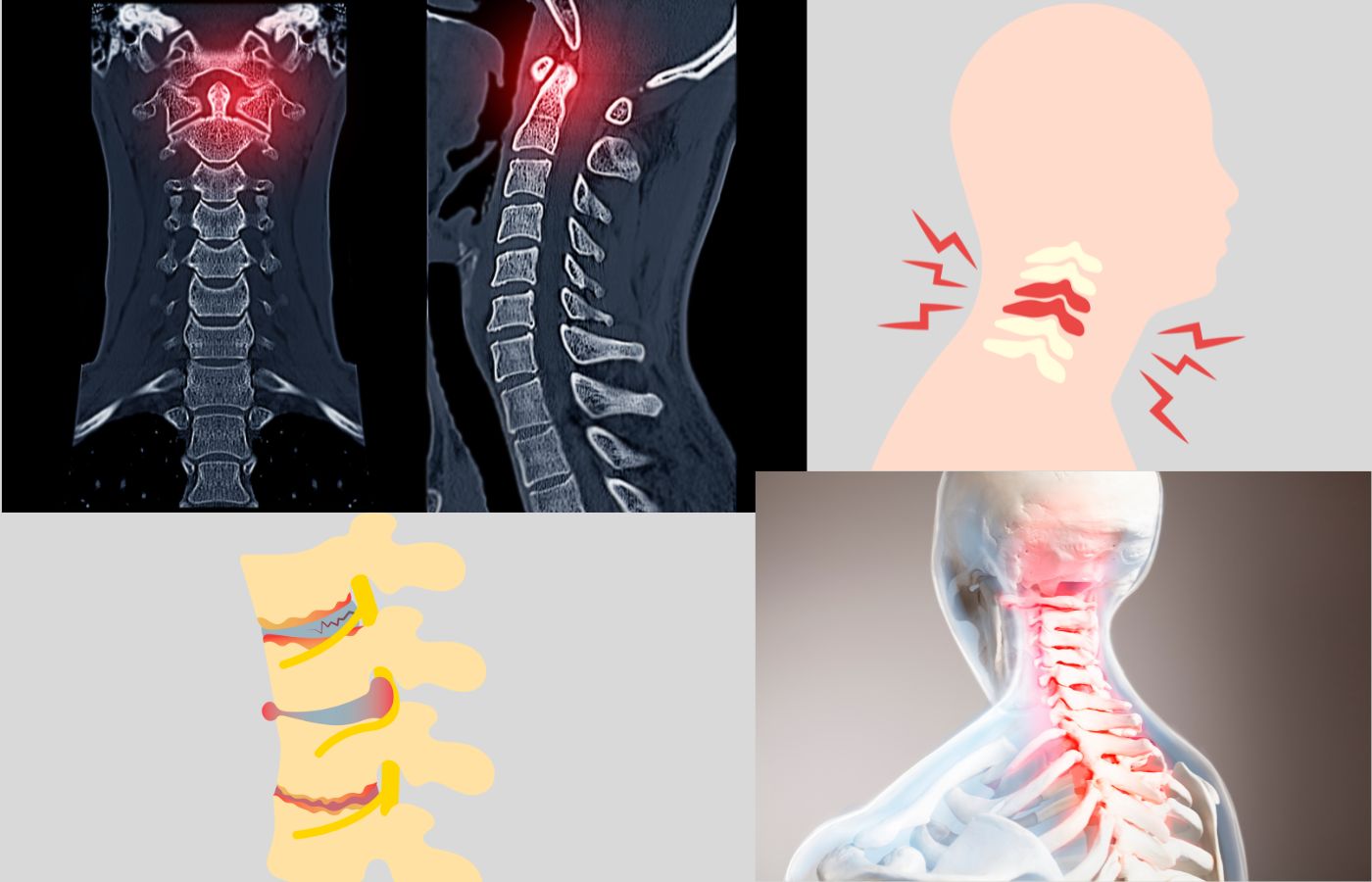
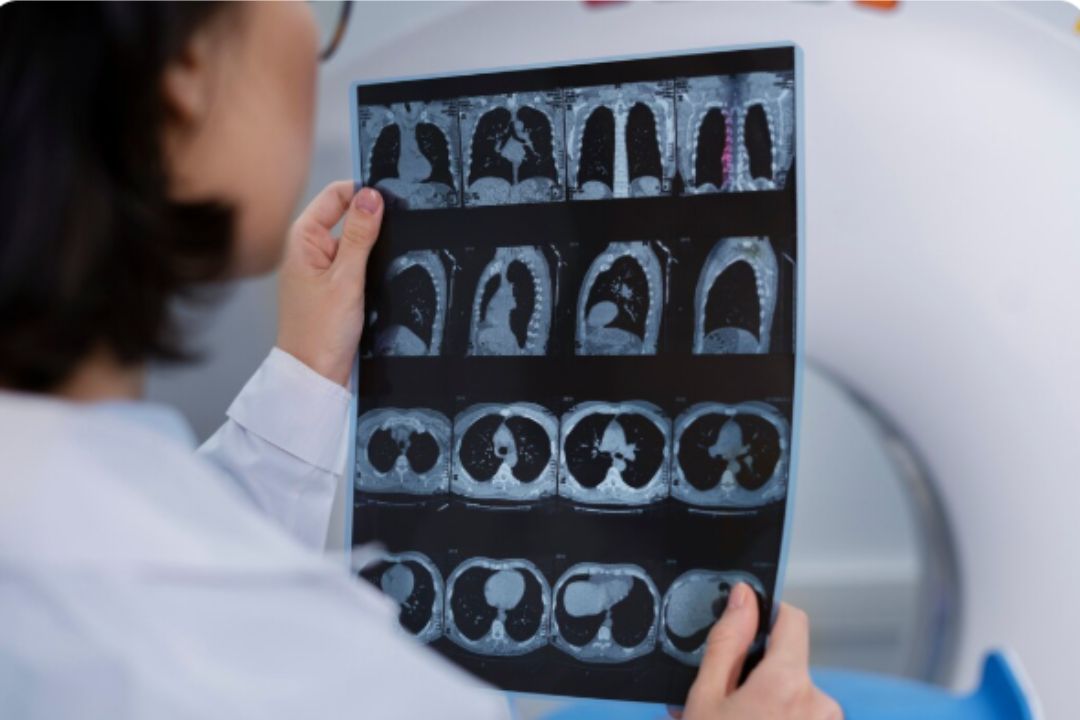
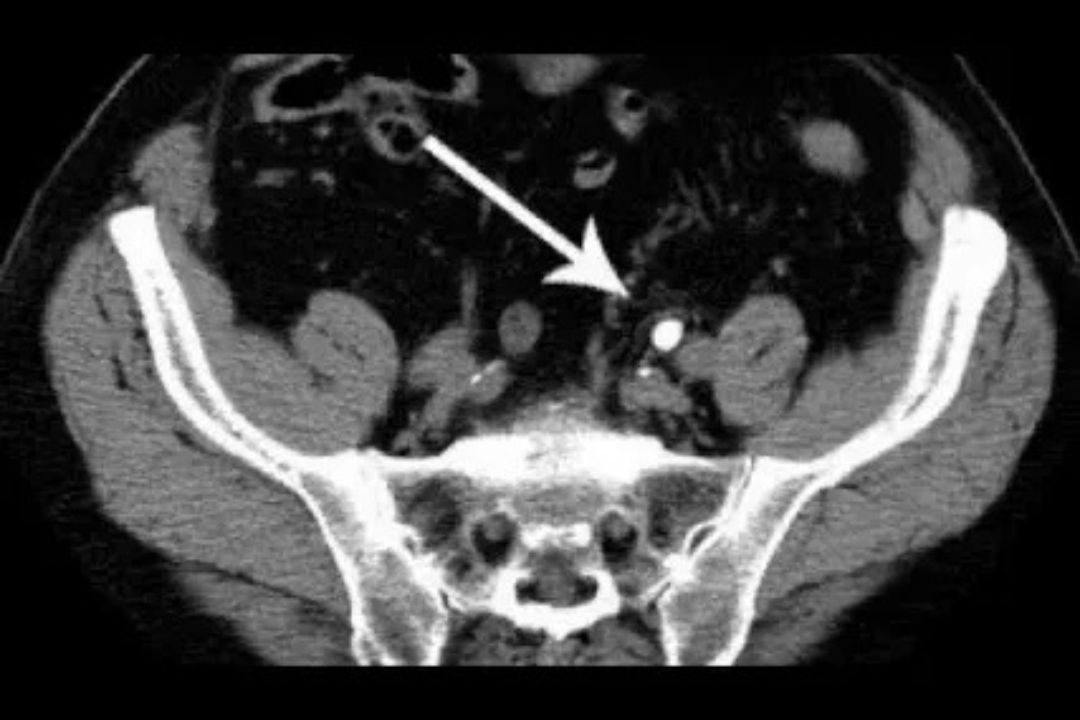
A CT scan, also known as a computed tomography scan, is a medical imaging test that uses X-rays and computer technology to create detailed images of the inside of the body. Doctors often recommend CT scans to diagnose injuries, infections, tumors, or internal bleeding.
Many patients feel anxious before their scan and often ask how long the procedure will take and what will happen during the test. Understanding the process can help you feel more comfortable and prepared.
A CT Scan is usually a quick and simple procedure. In most cases, the entire appointment takes around 15 to 30 minutes, although the actual scanning time is much shorter.
The scanning itself may take only a few minutes, while the rest of the time is used for preparation and positioning.
Registration and preparation: 5 to 15 minutes
Changing into a hospital gown and removing metal objects: 5 to 10 minutes
Actual scanning time: 5 to 10 minutes
Waiting briefly after the scan (if contrast dye is used): 5 to 15 minutes
In some cases, especially when contrast dye is required, the total visit may take 30 to 60 minutes.
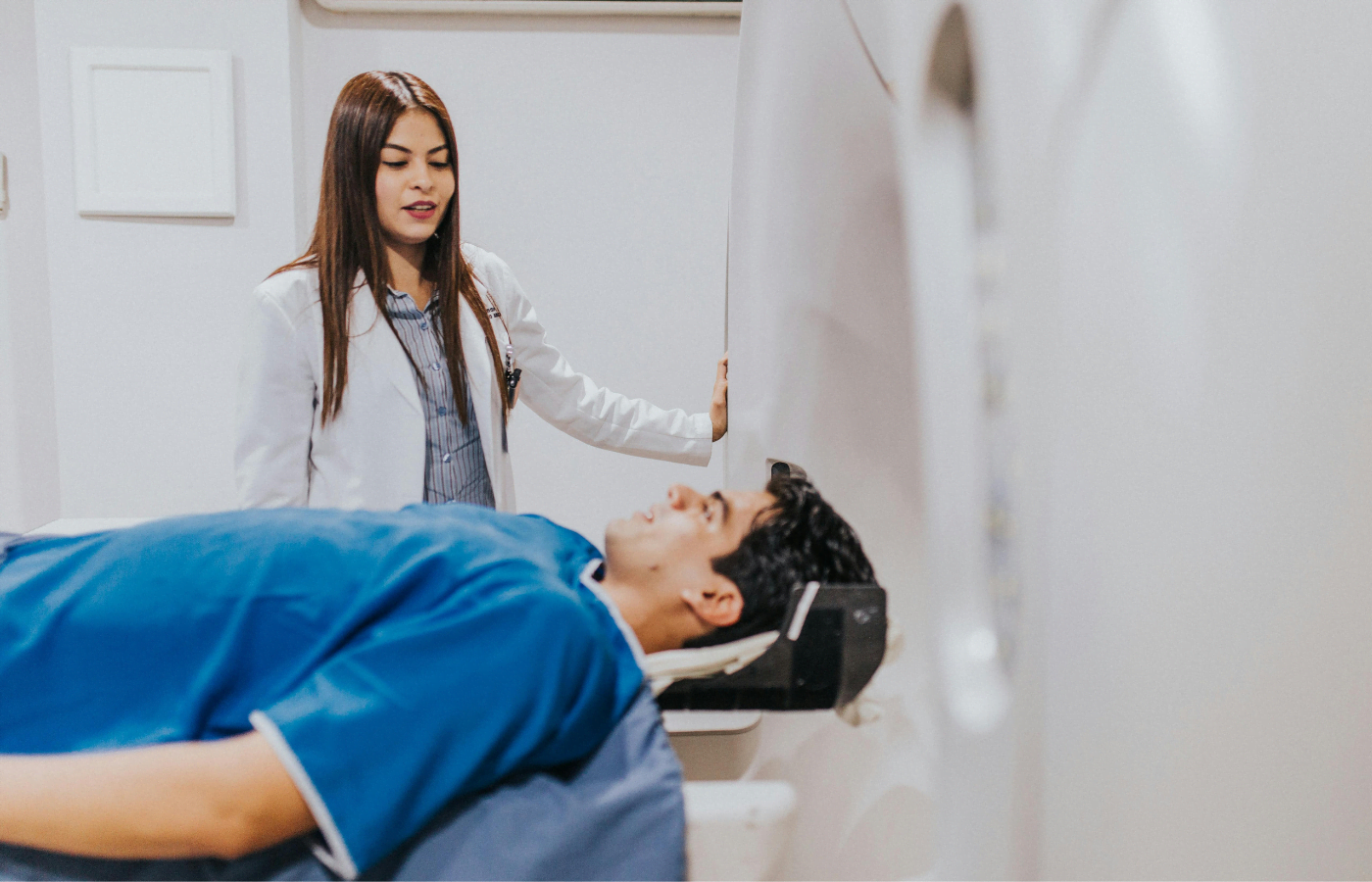
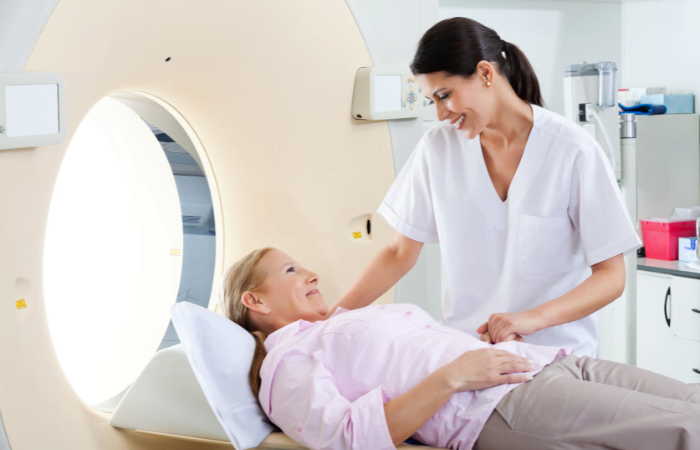
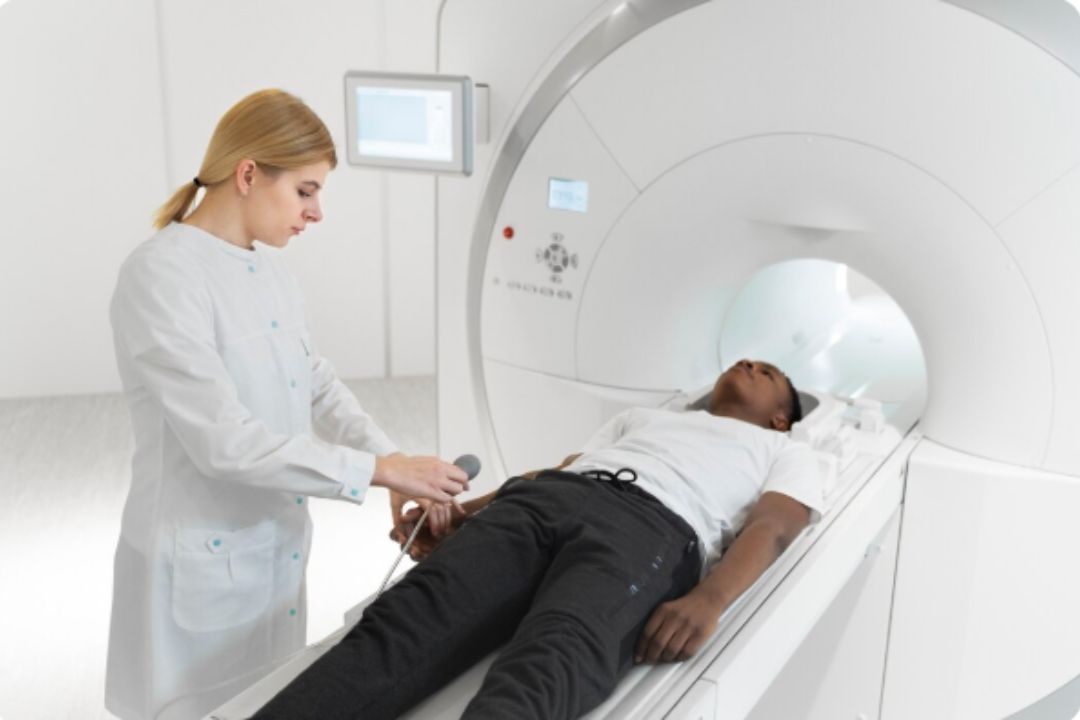
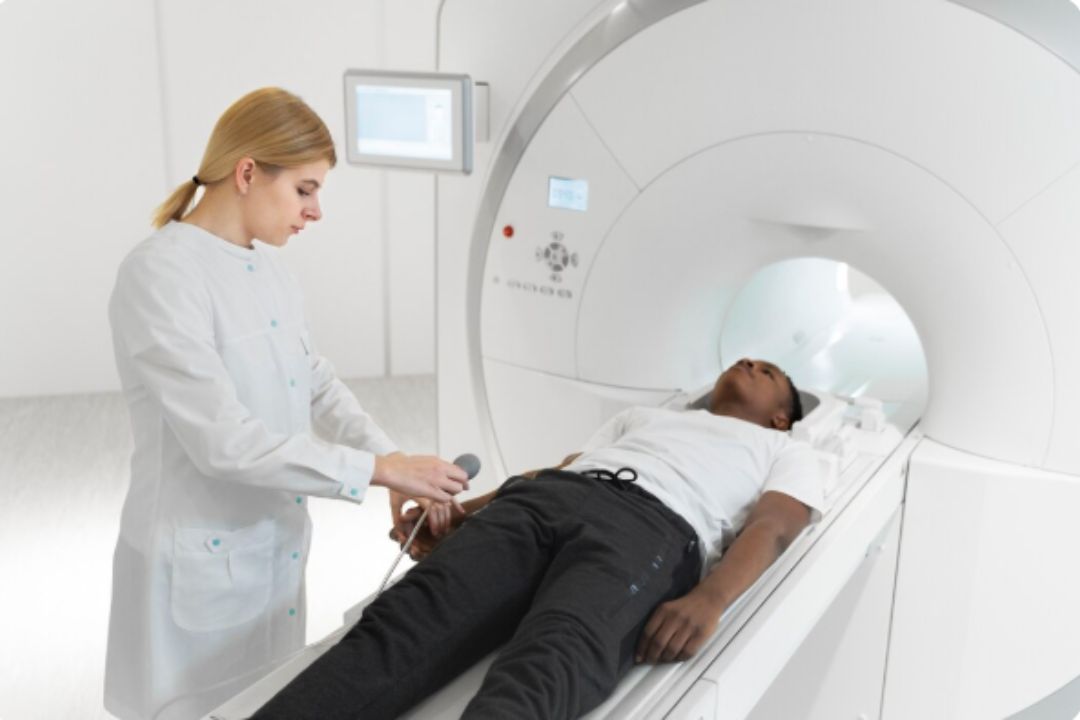
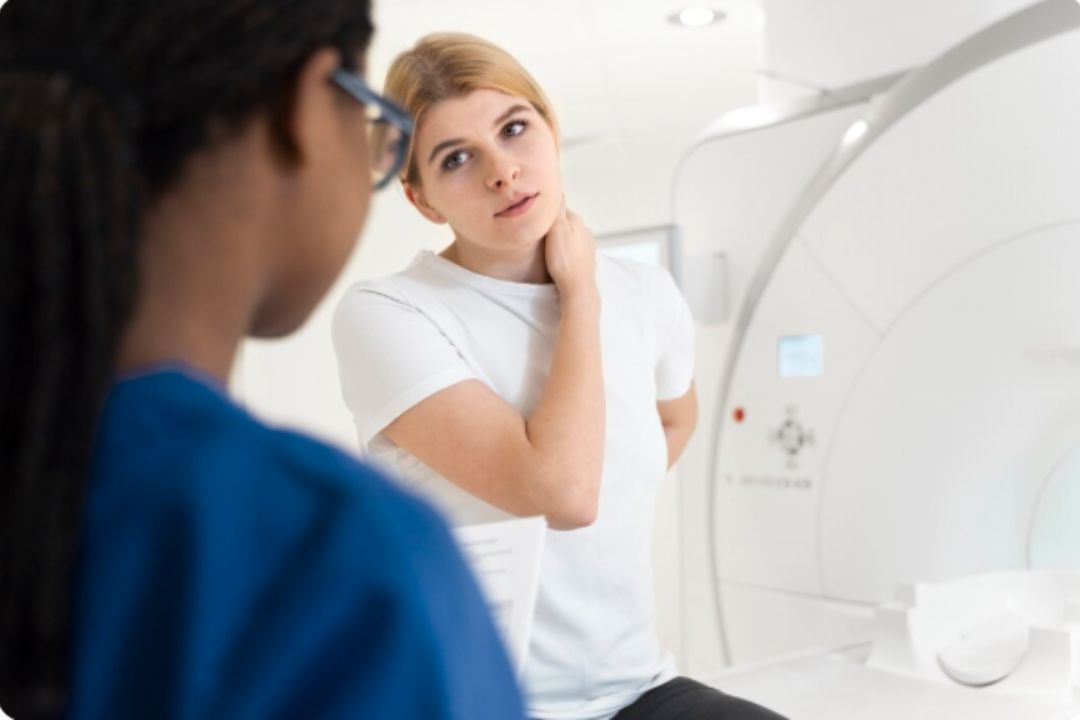
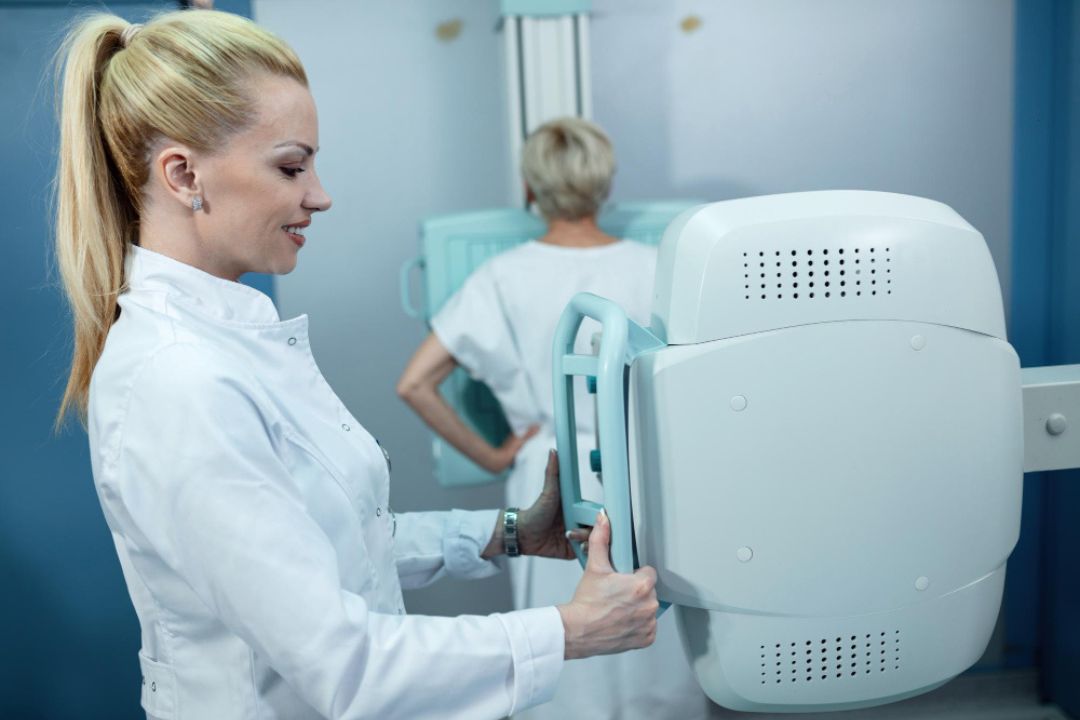
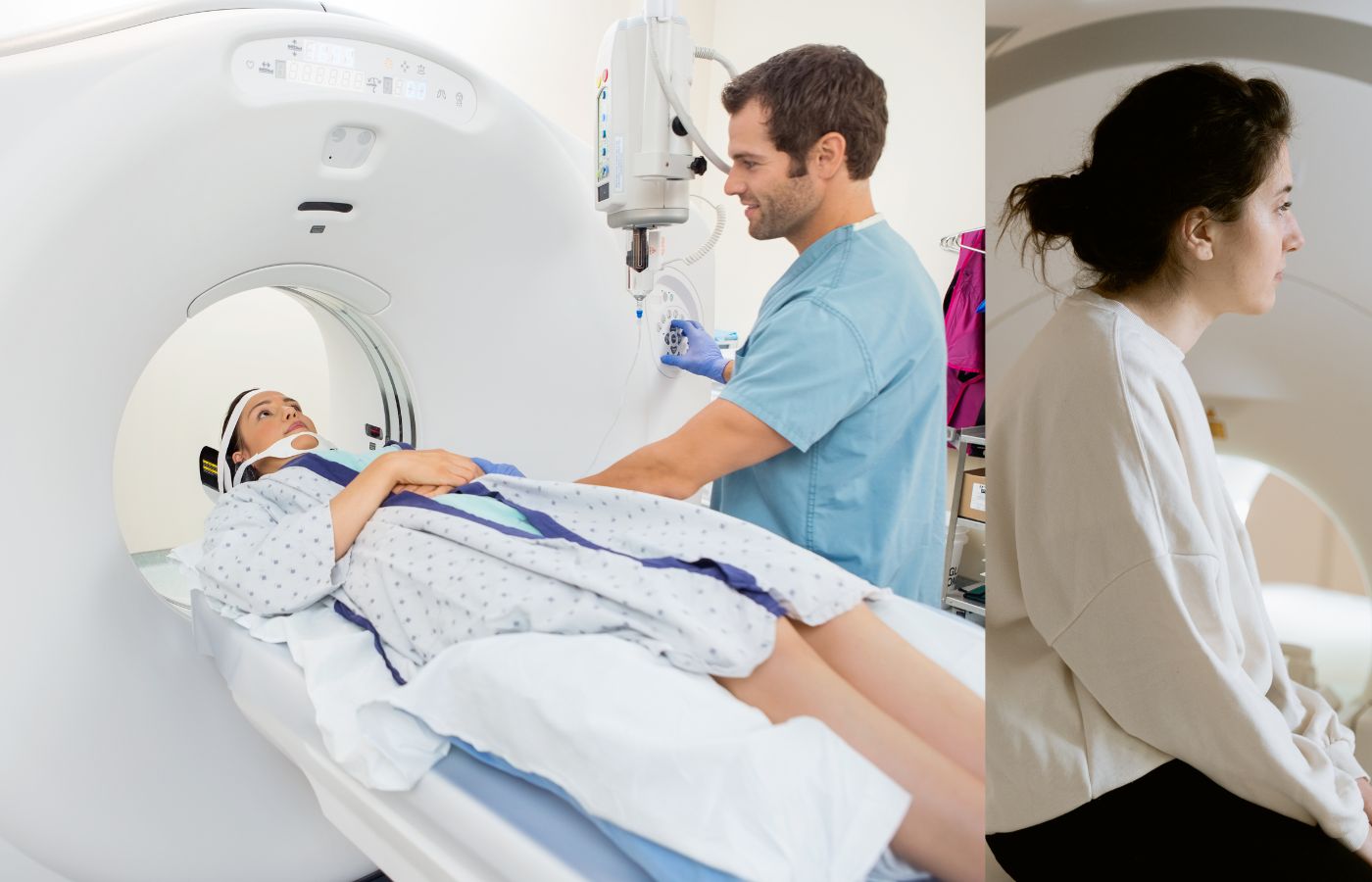
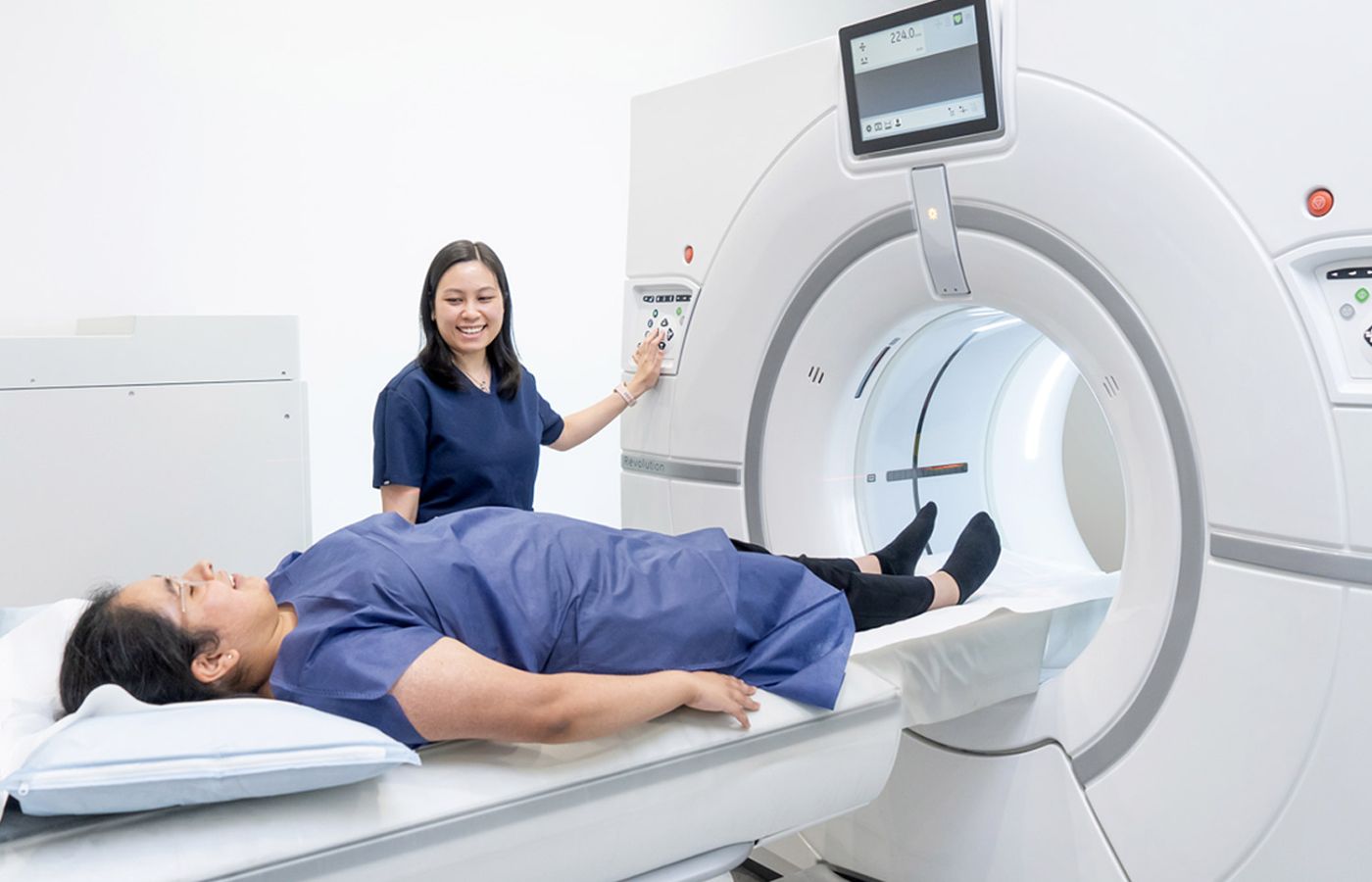
Before the scan begins, a technician or radiographer will explain the procedure and answer any questions you may have.
You may be asked to:
Change into a hospital gown
Remove jewelry, glasses, or metal objects
Avoid eating or drinking for a few hours before the scan
Inform the doctor about allergies or medications
In certain scans, a contrast dye may be given through an injection, drink, or enema to help highlight specific organs and tissues.
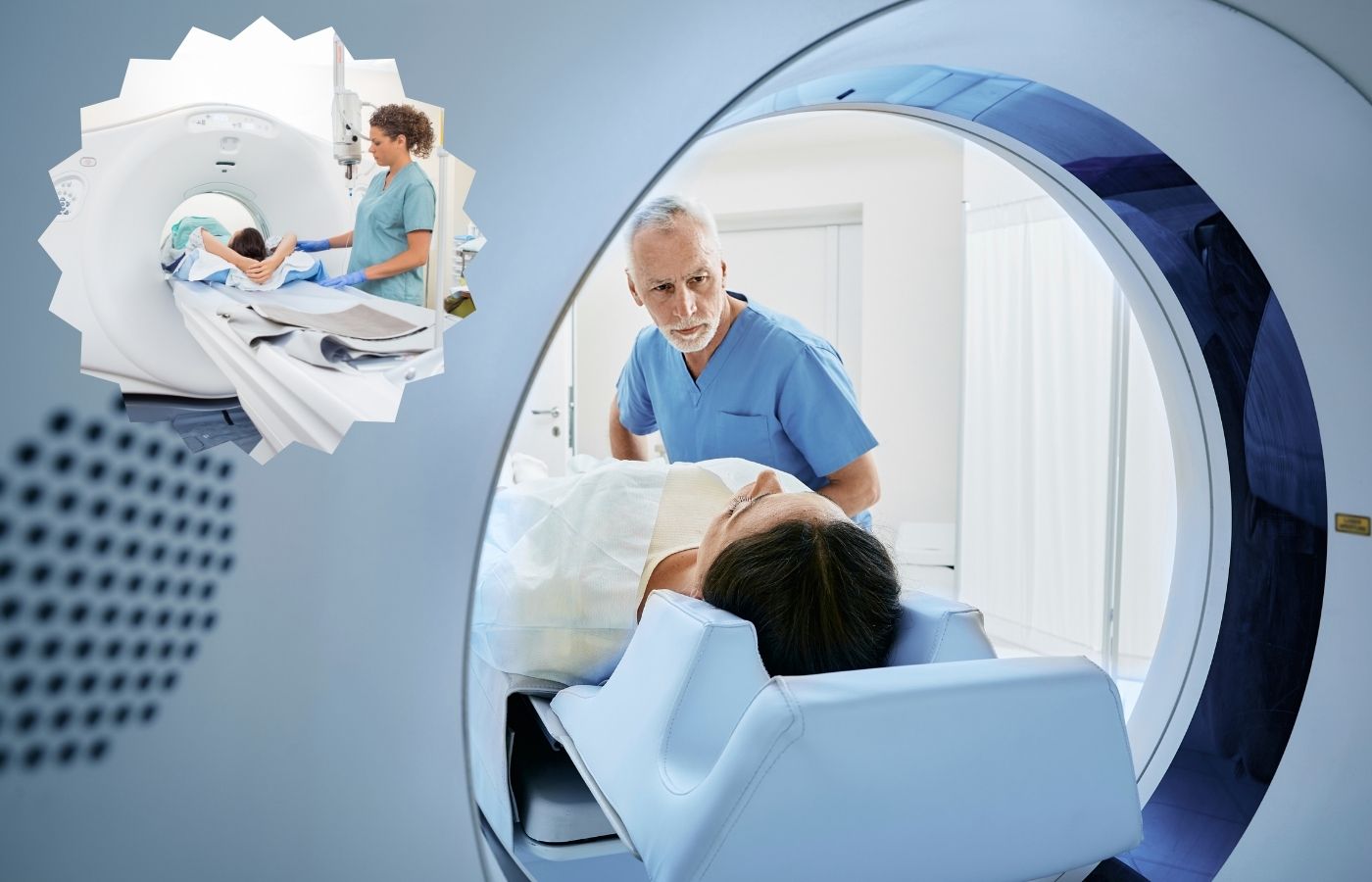
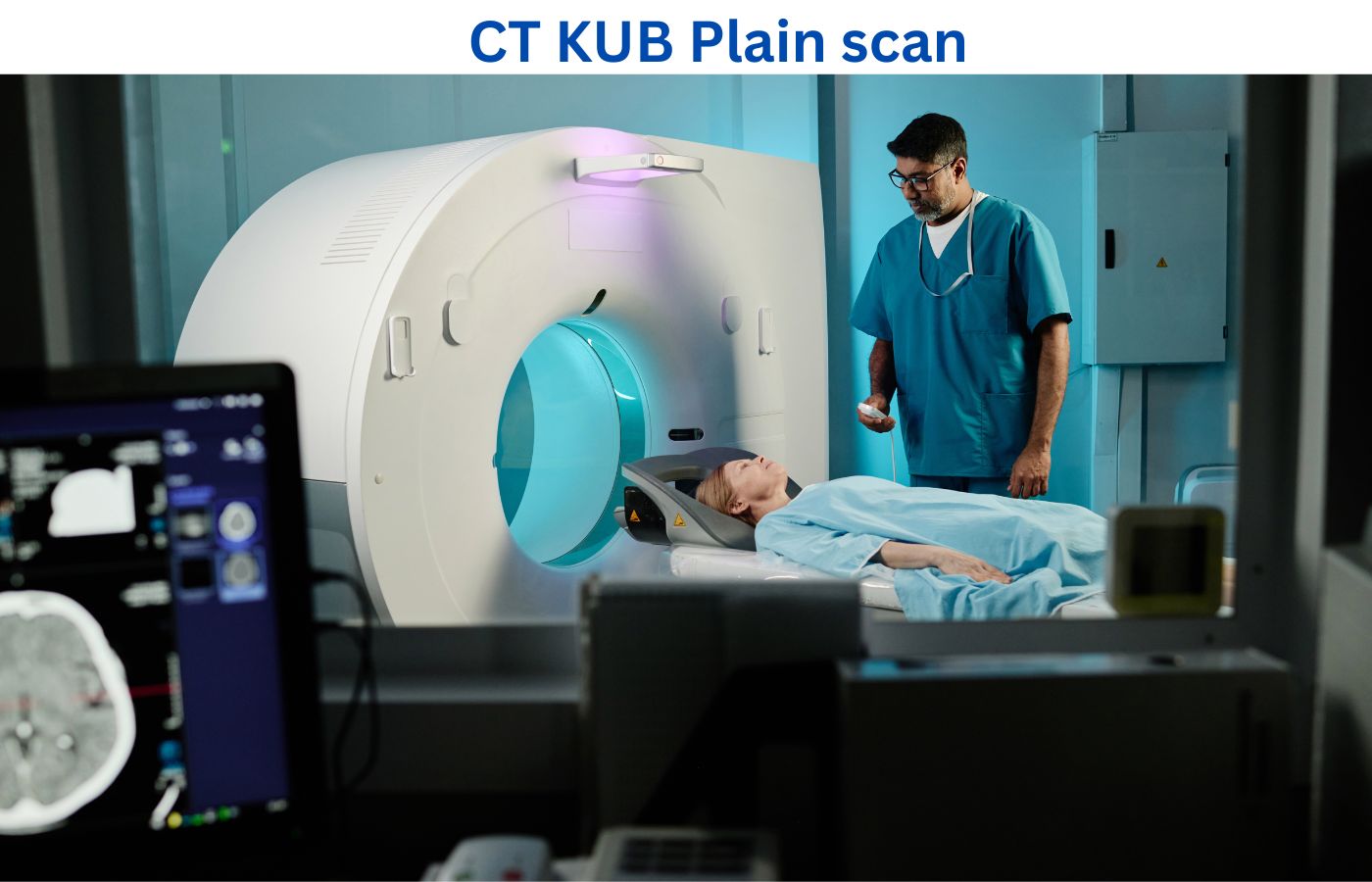
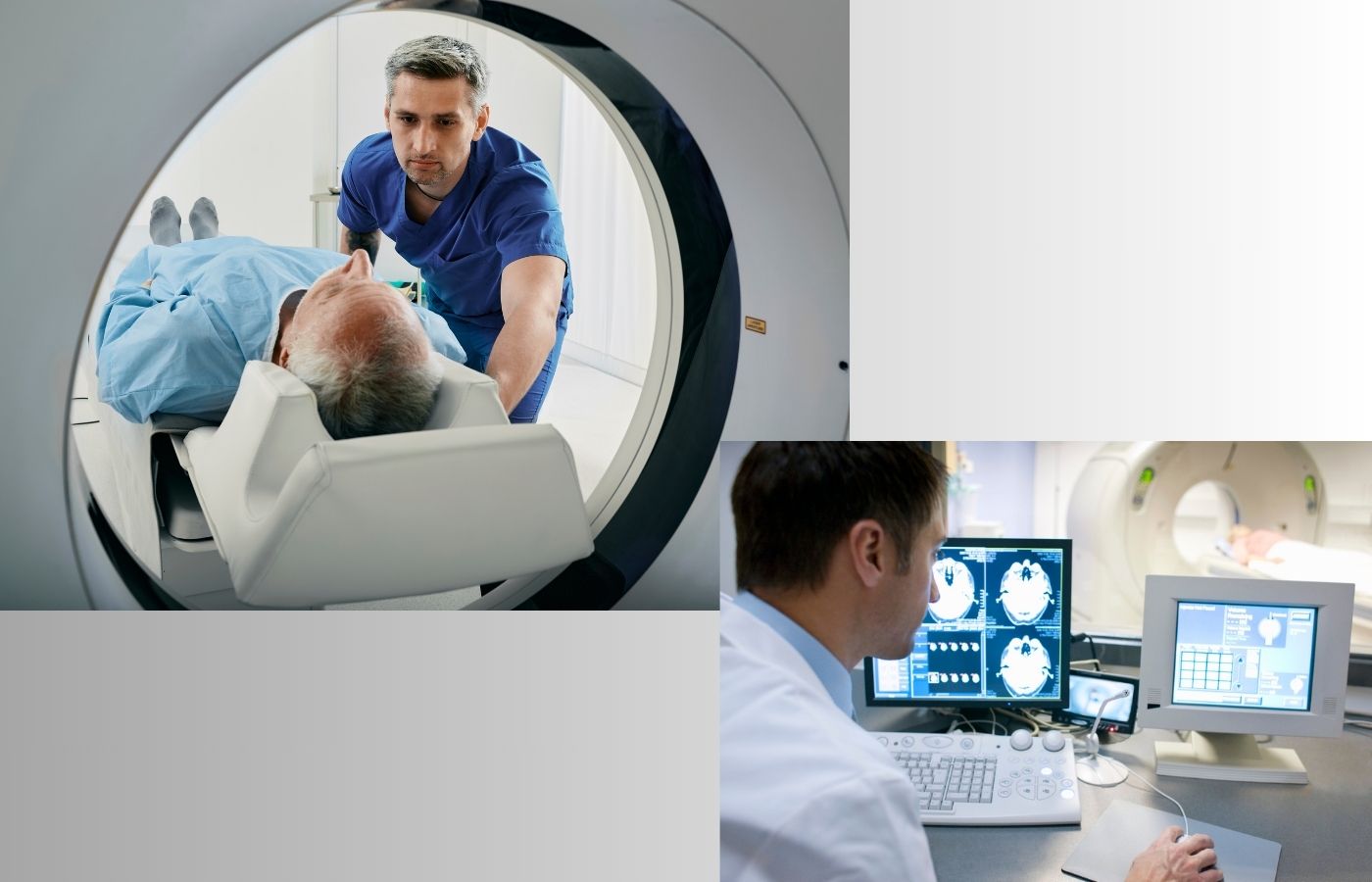
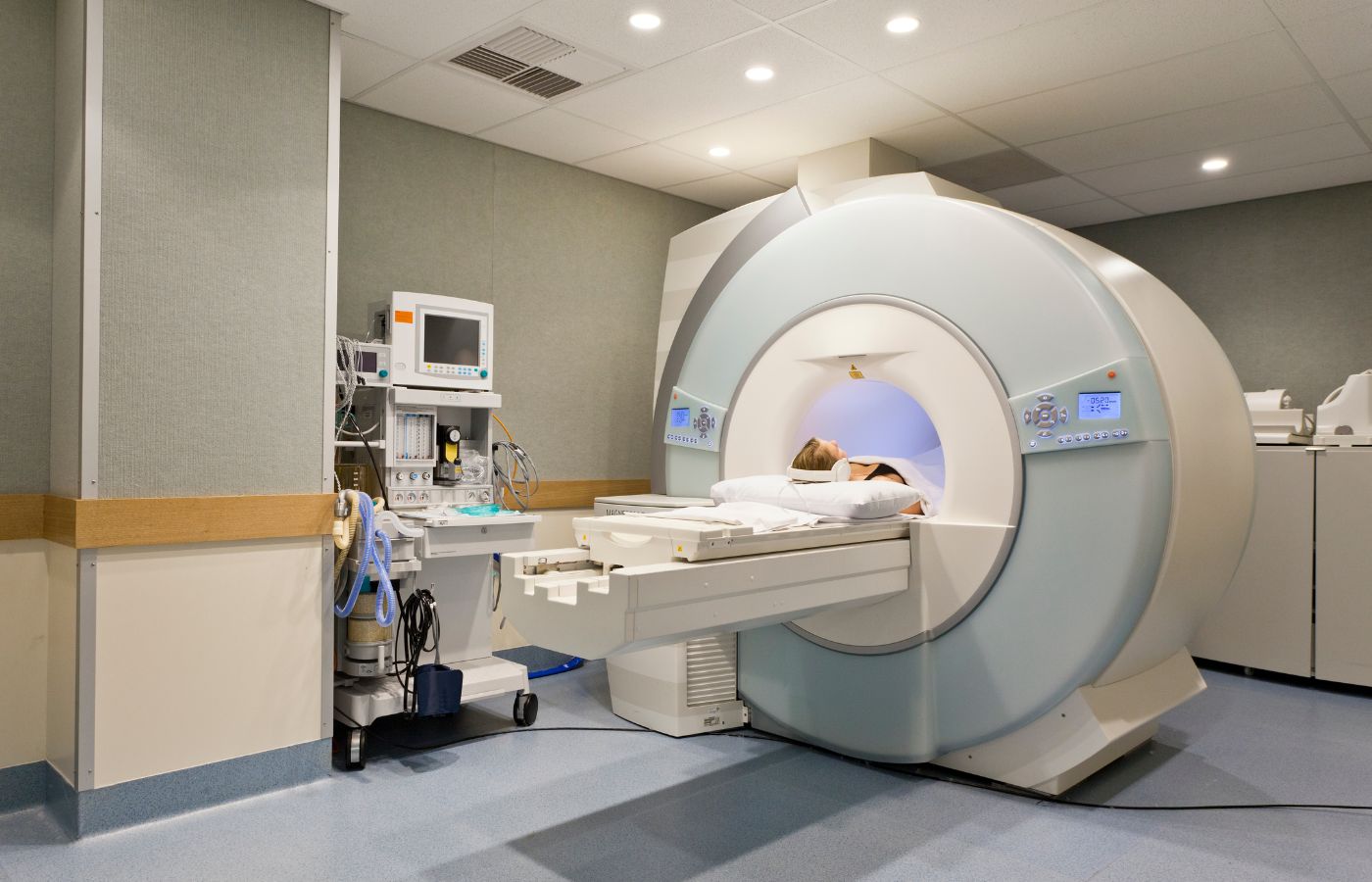
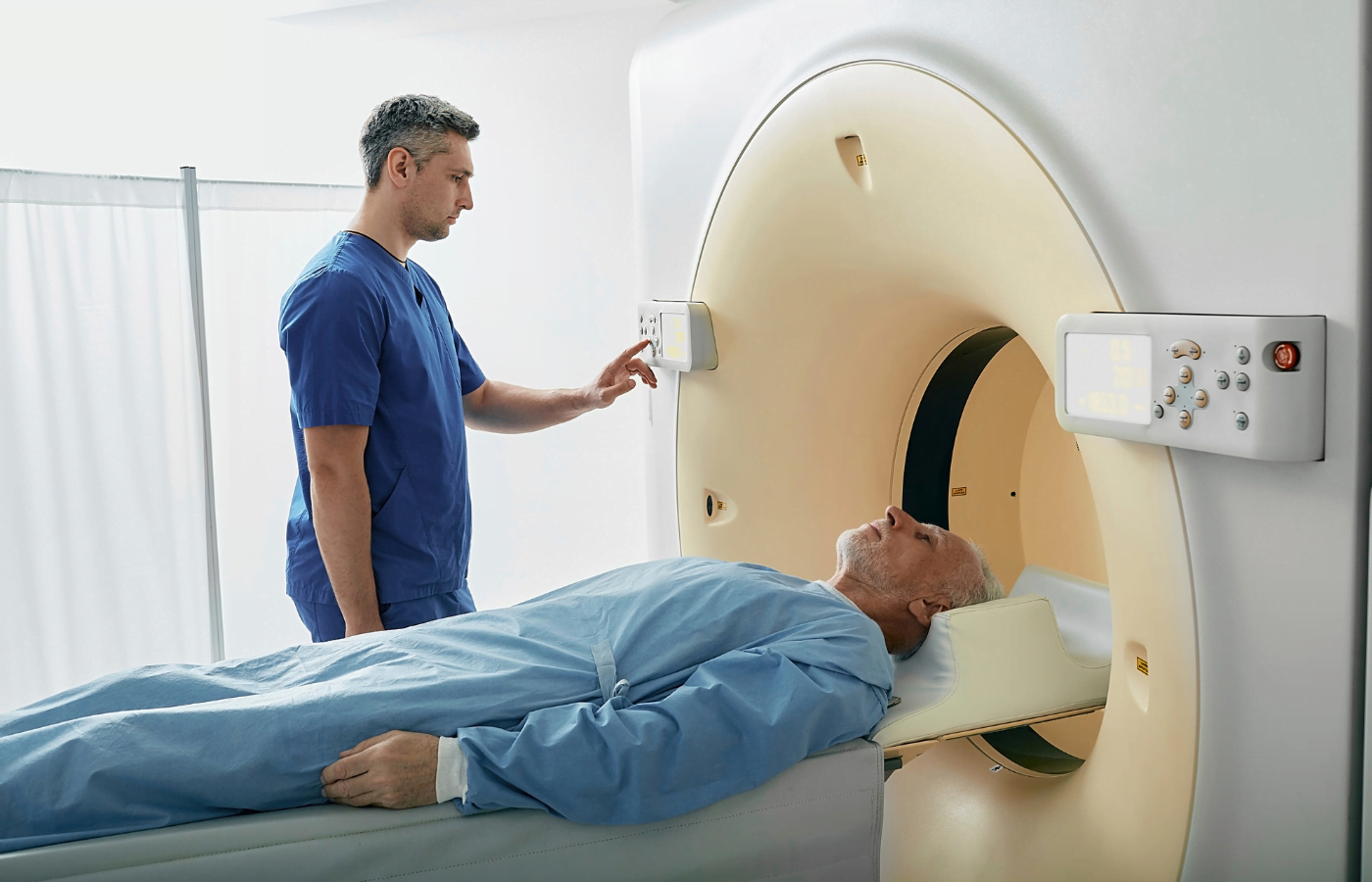
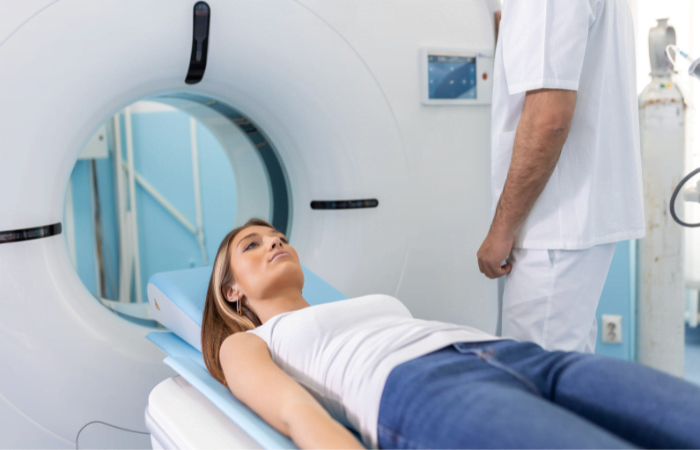
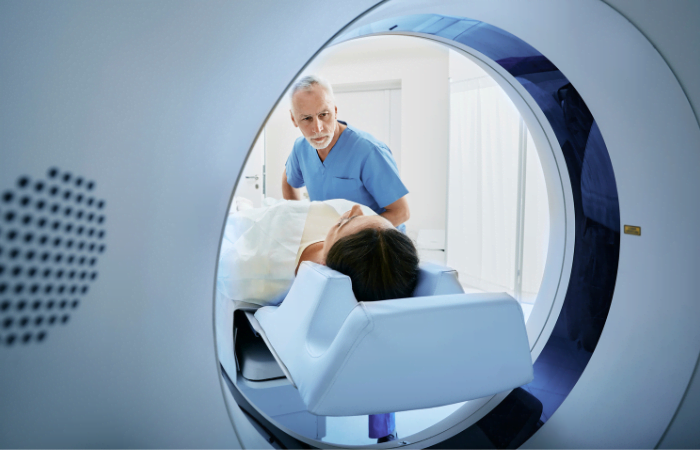
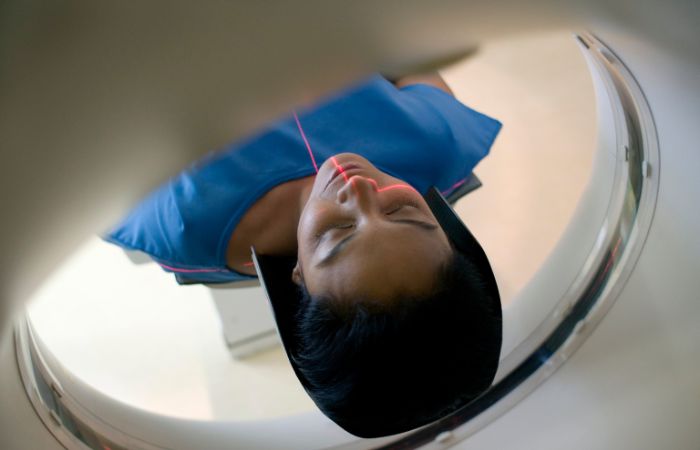
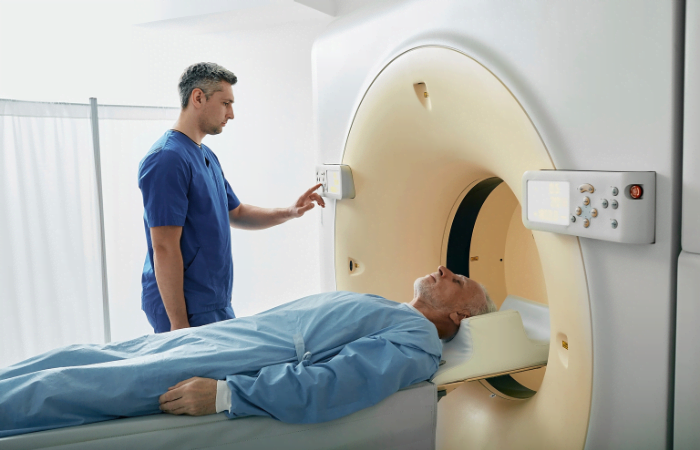
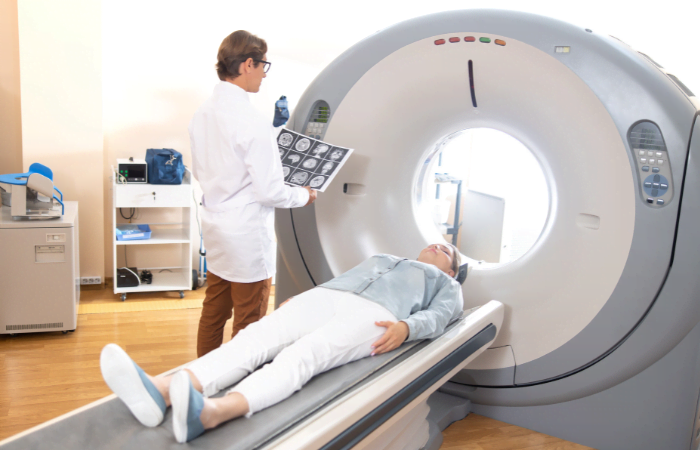
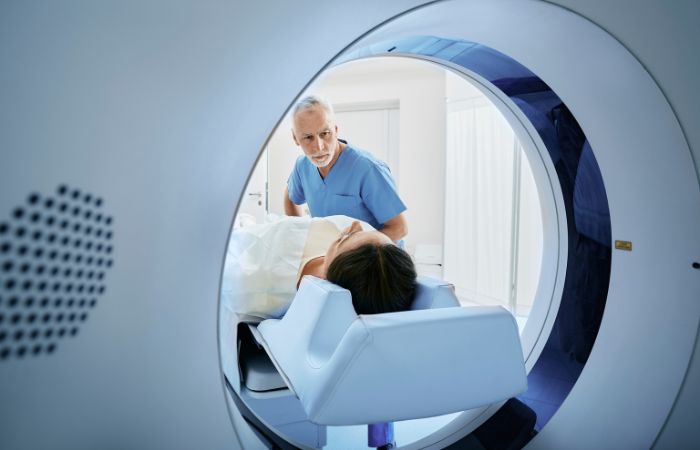
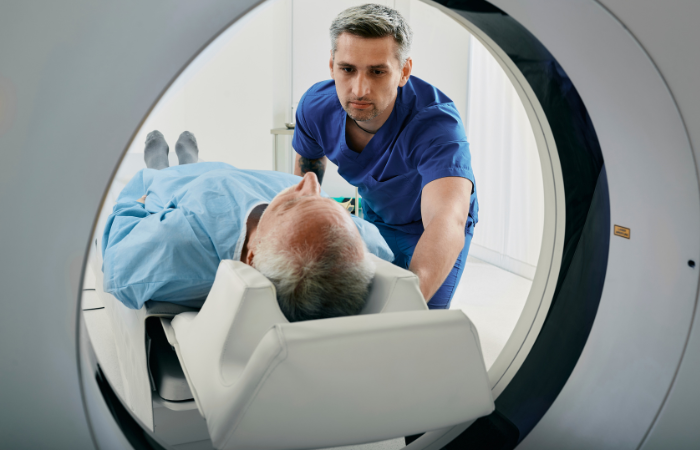
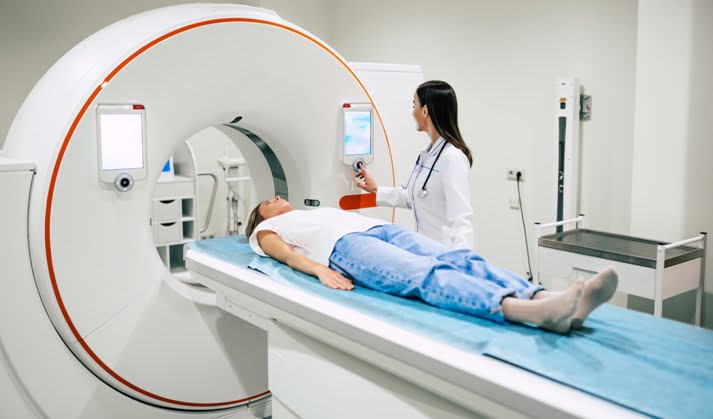
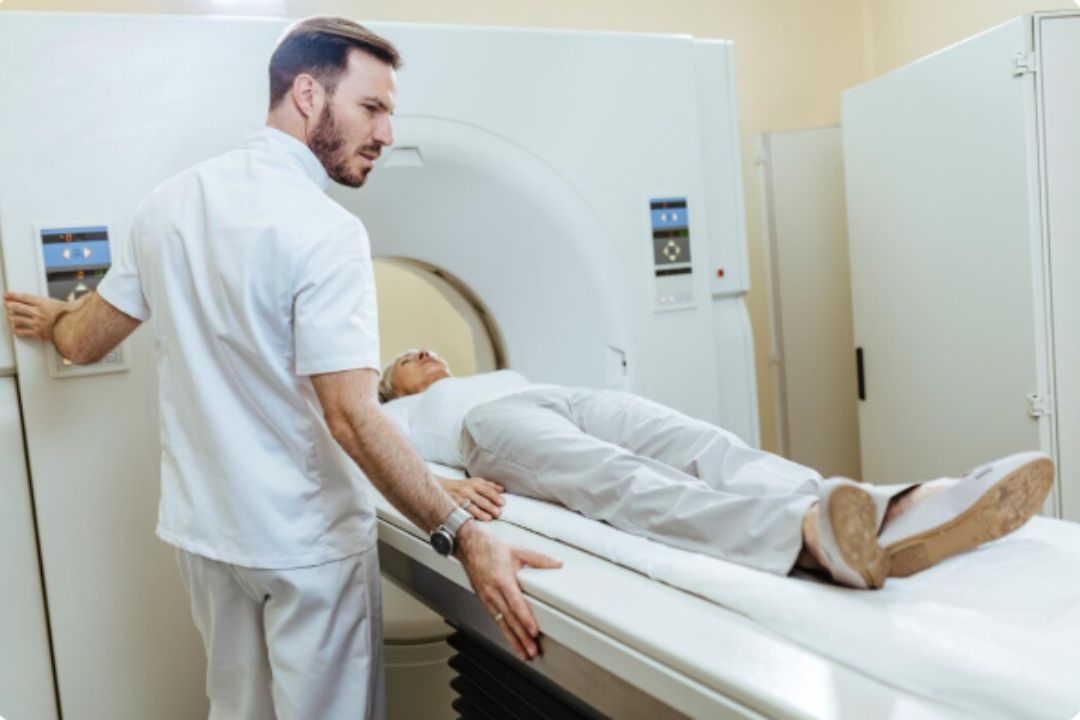
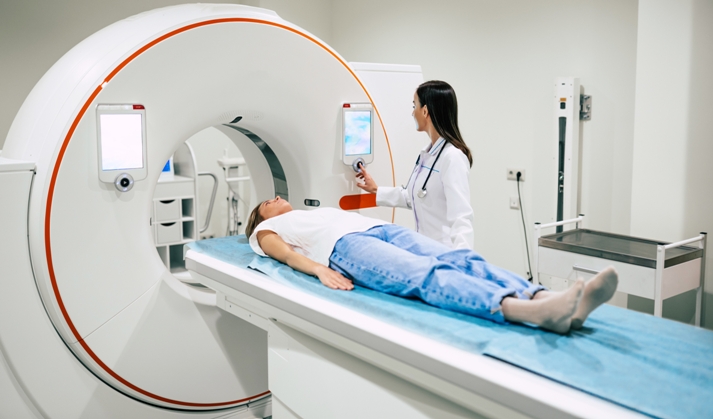
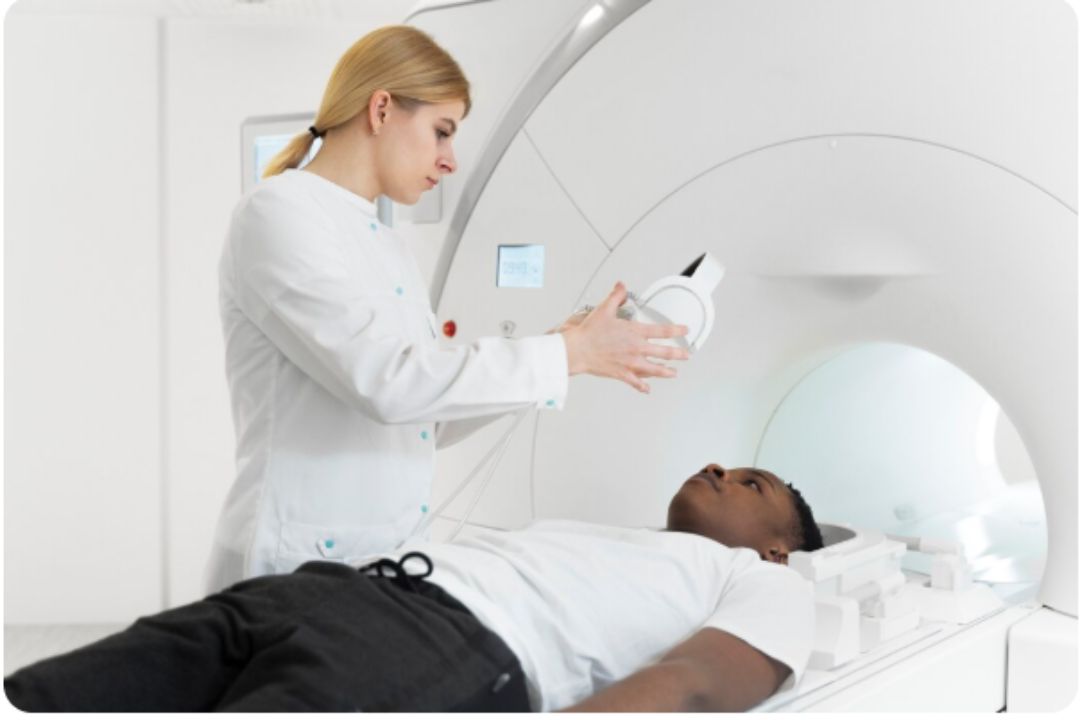
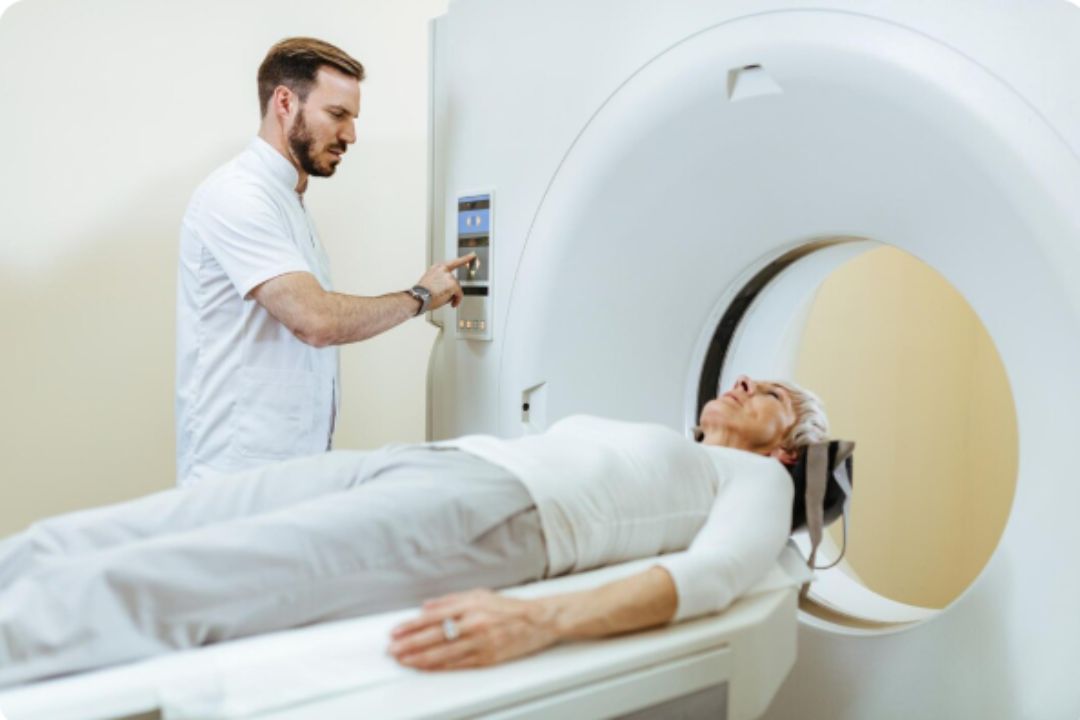
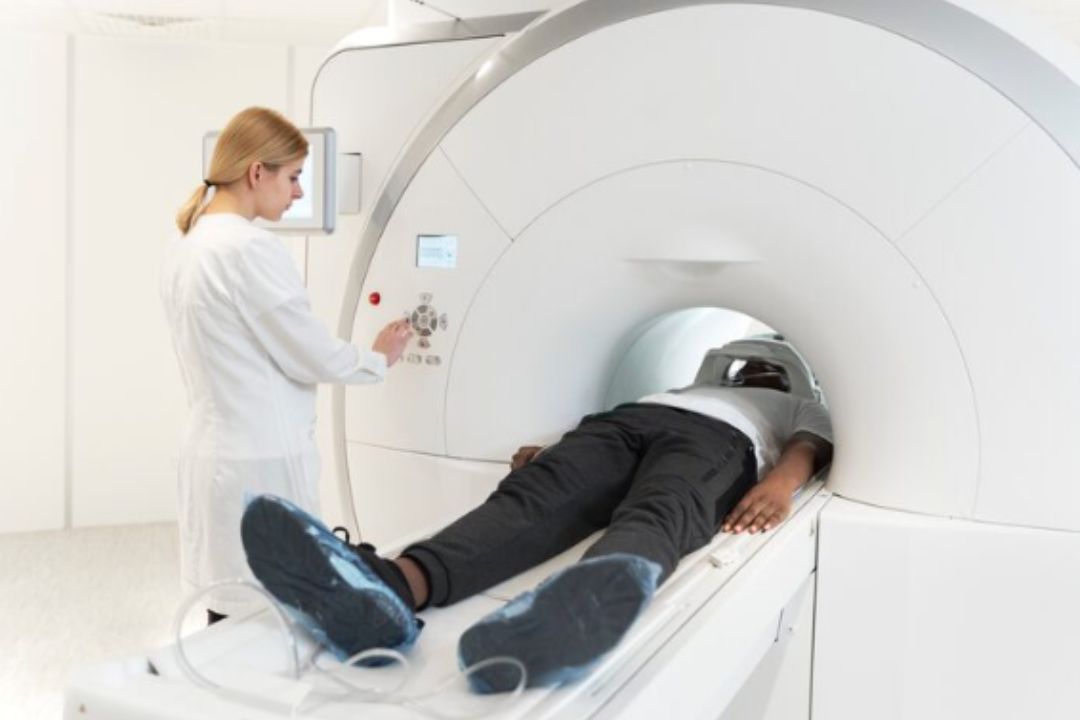
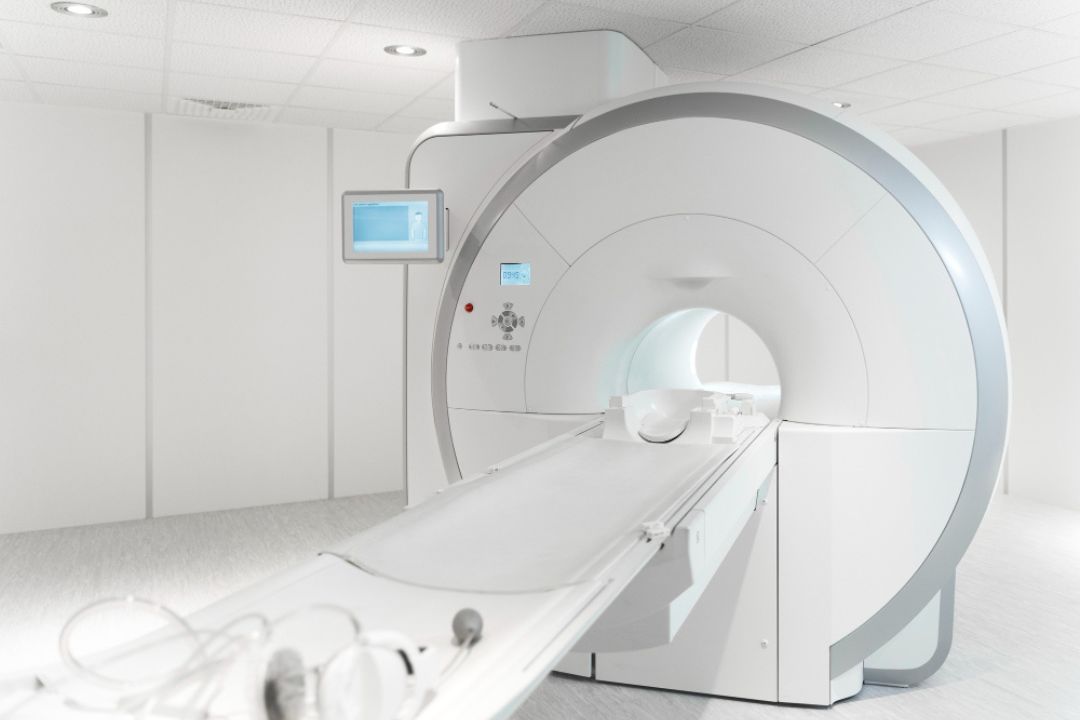
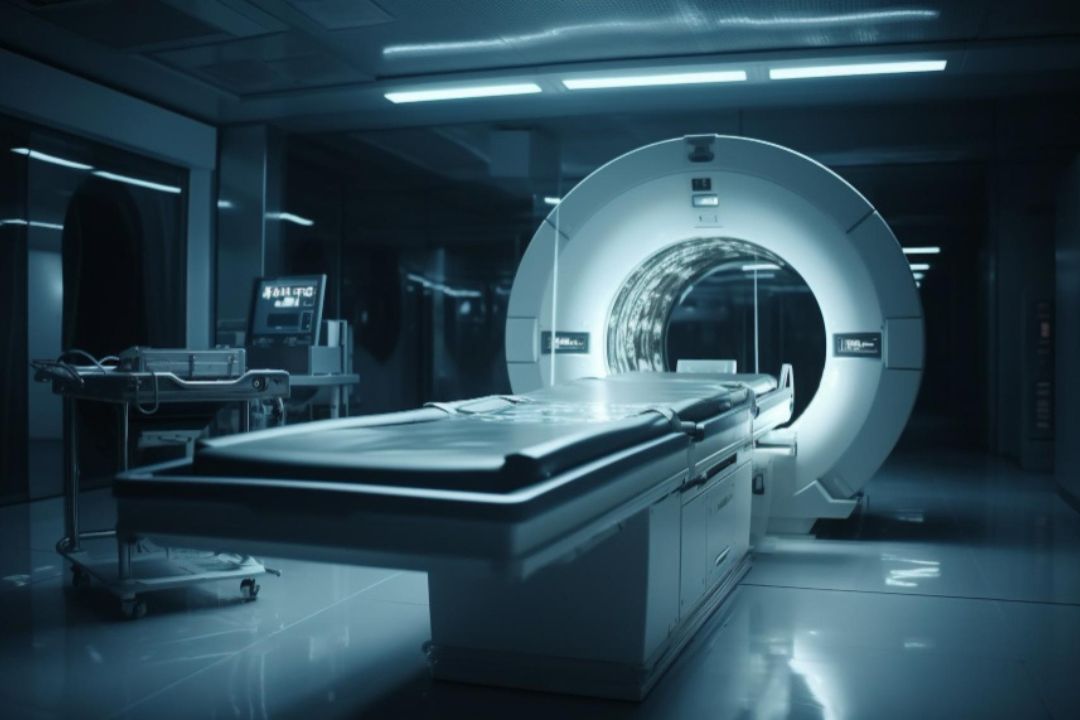
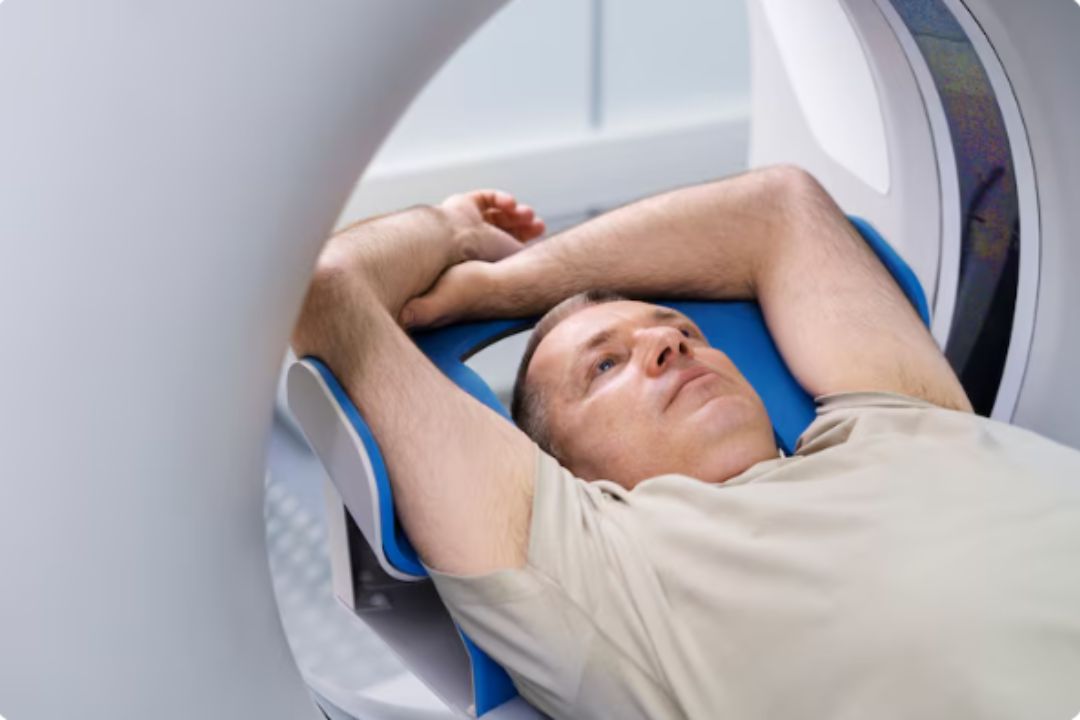
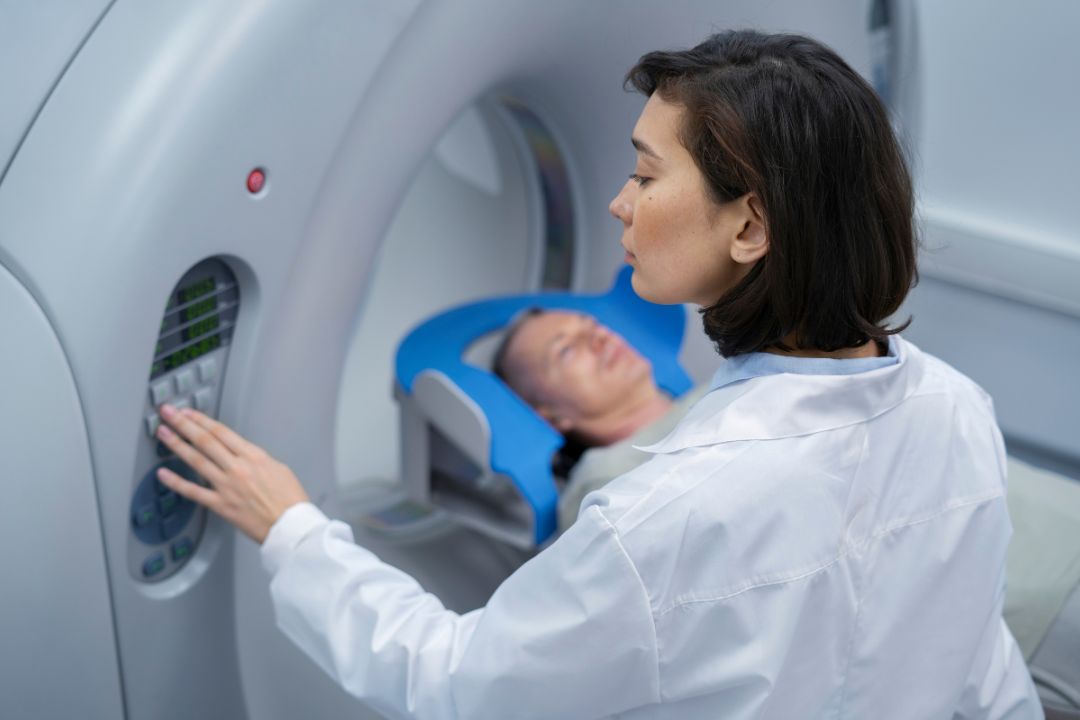
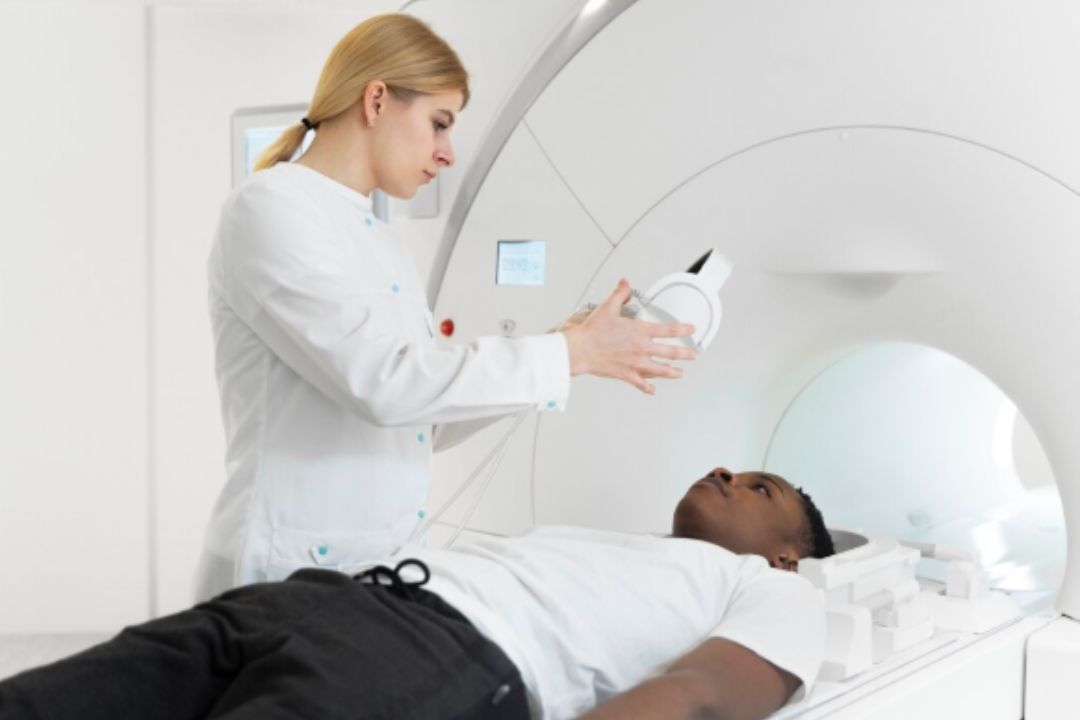
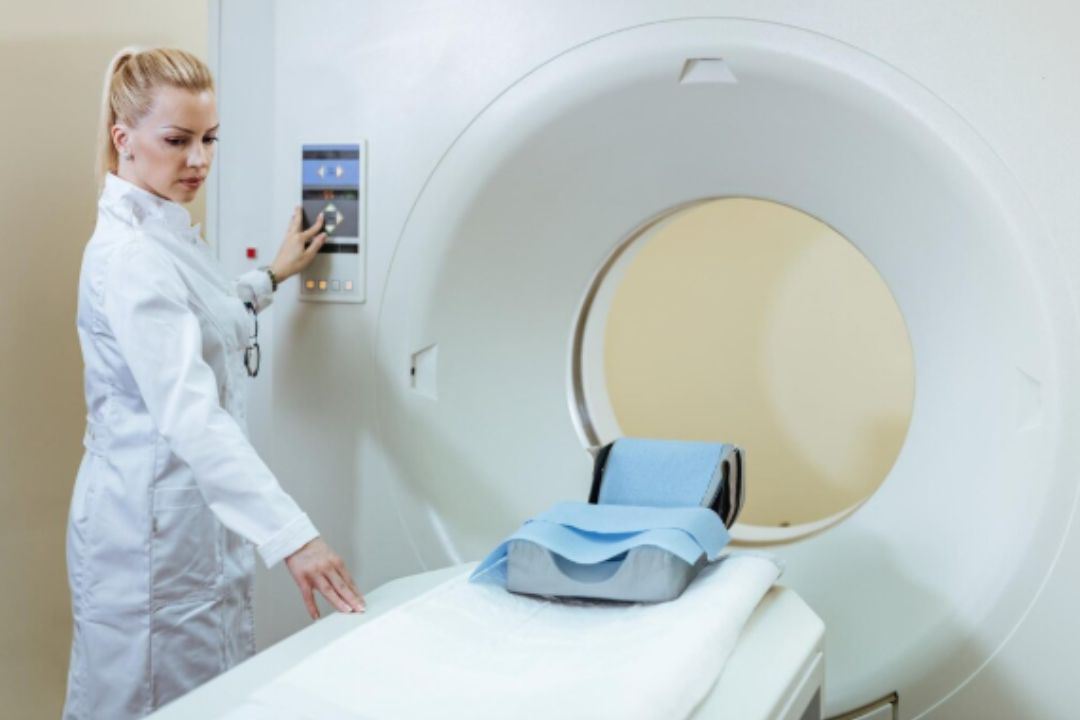
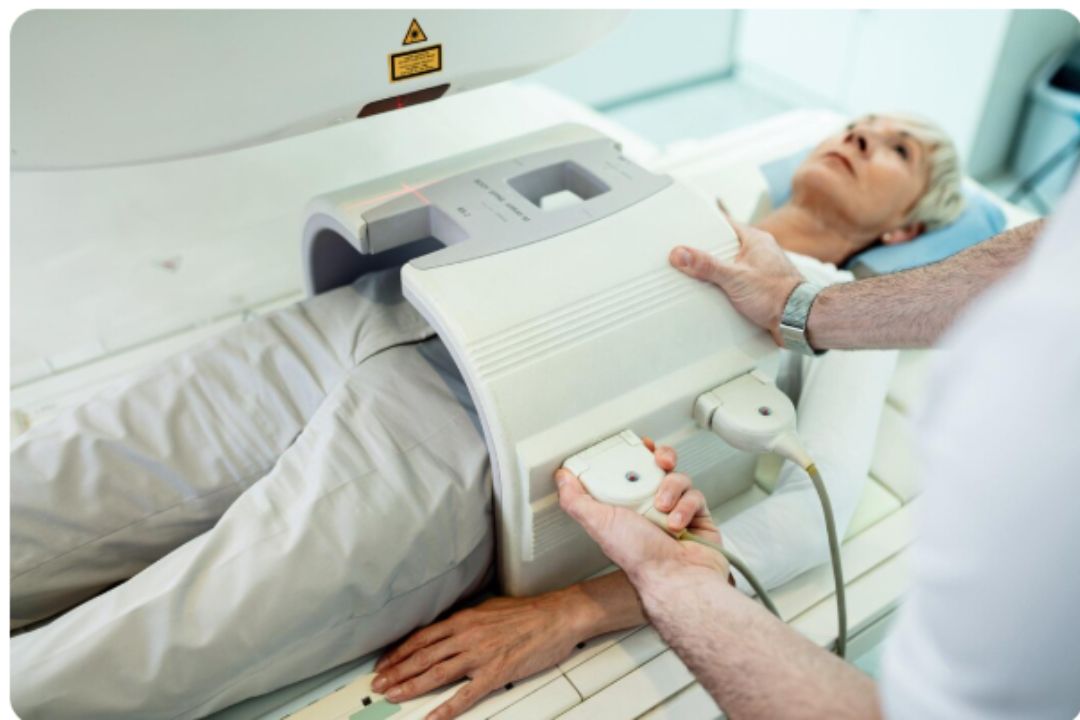
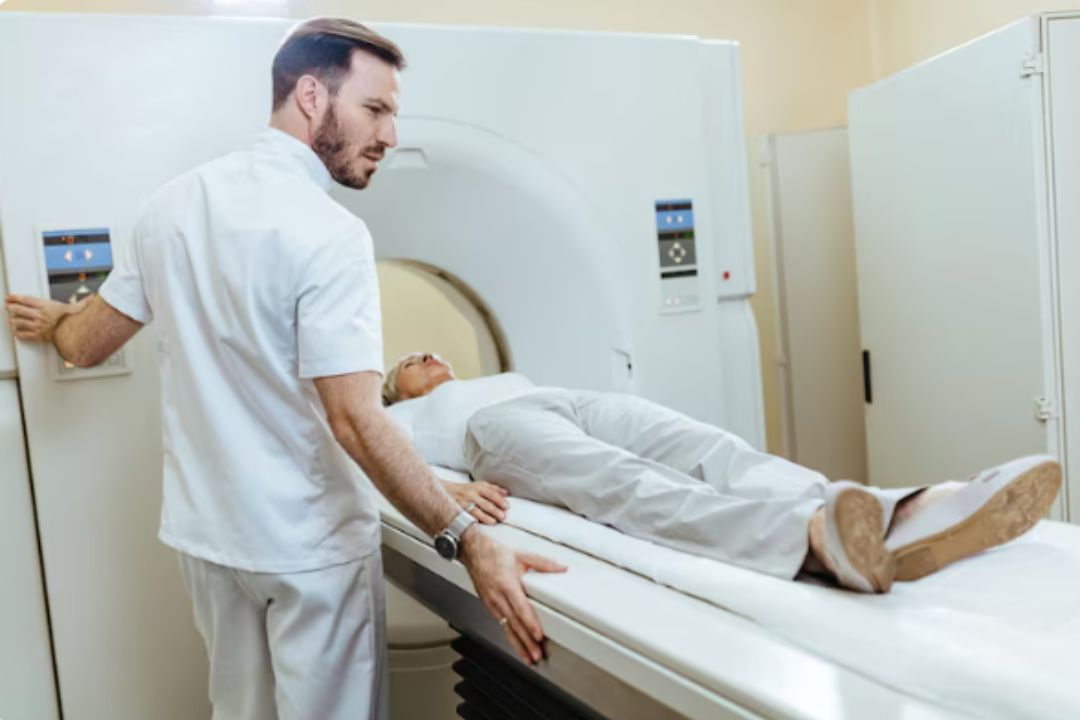
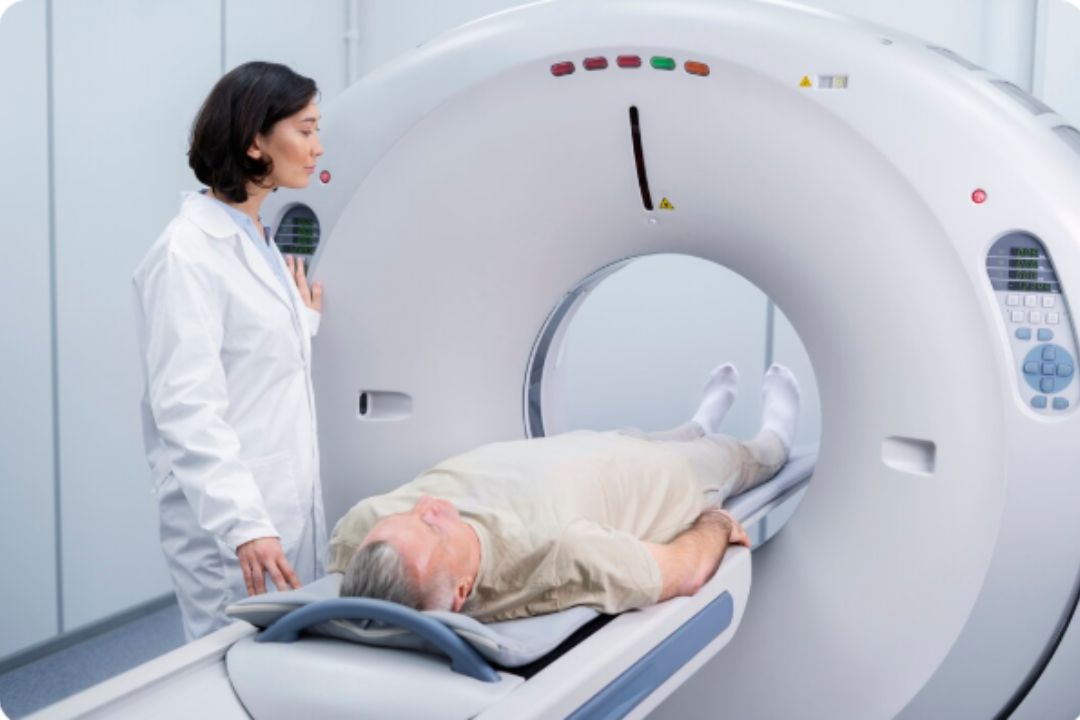
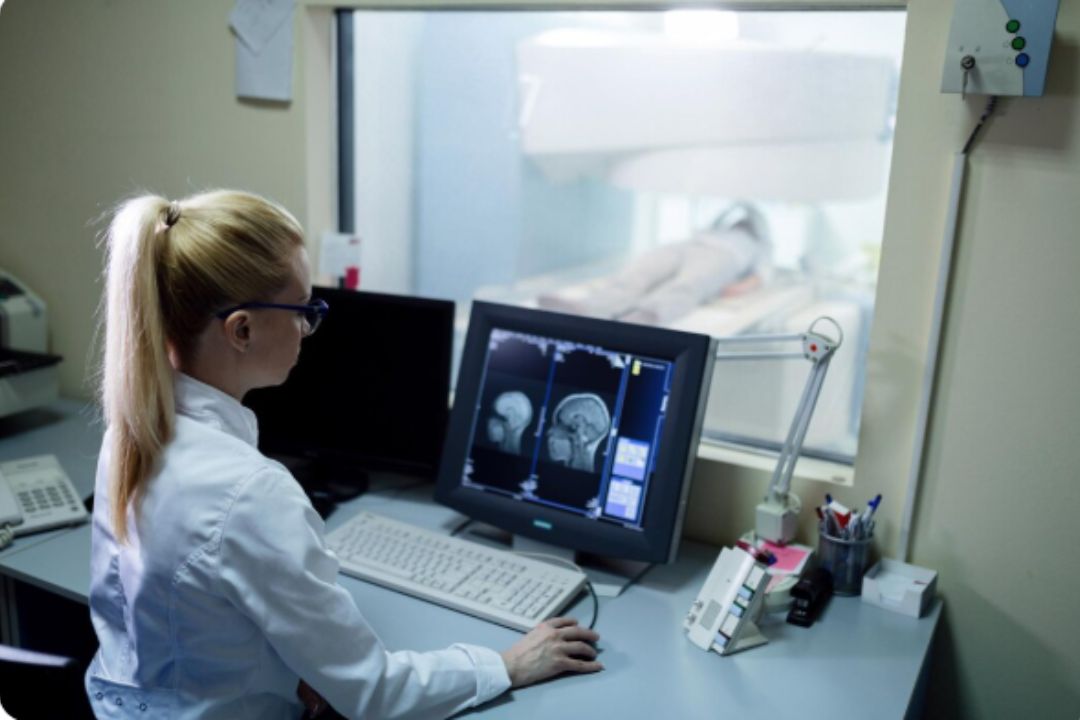
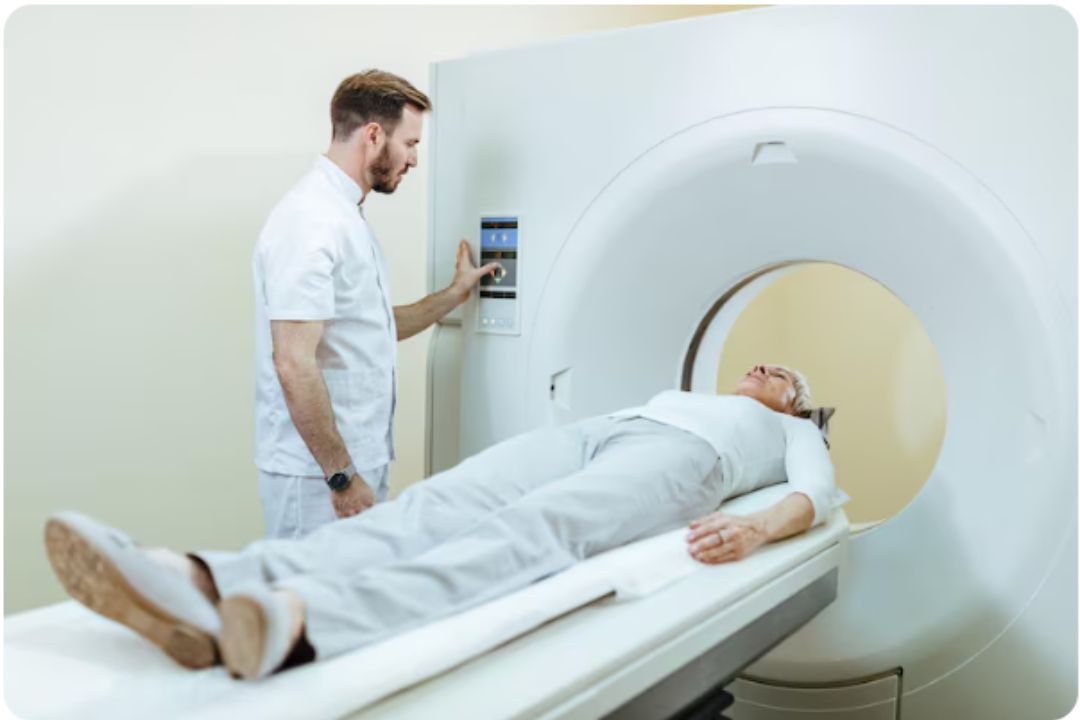
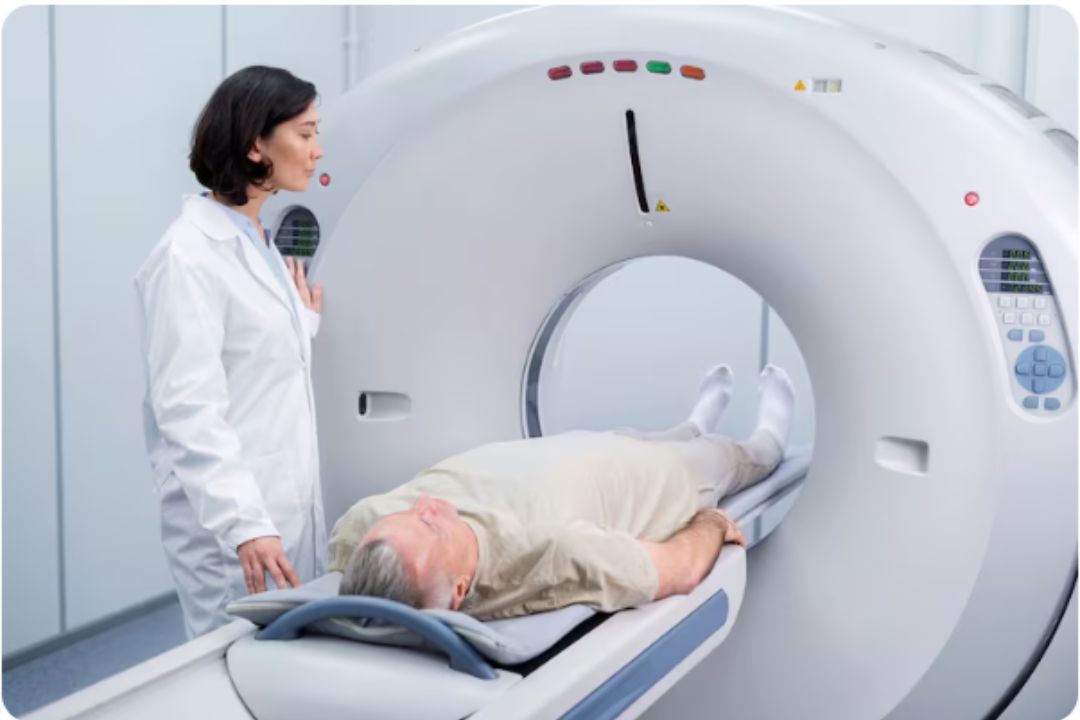
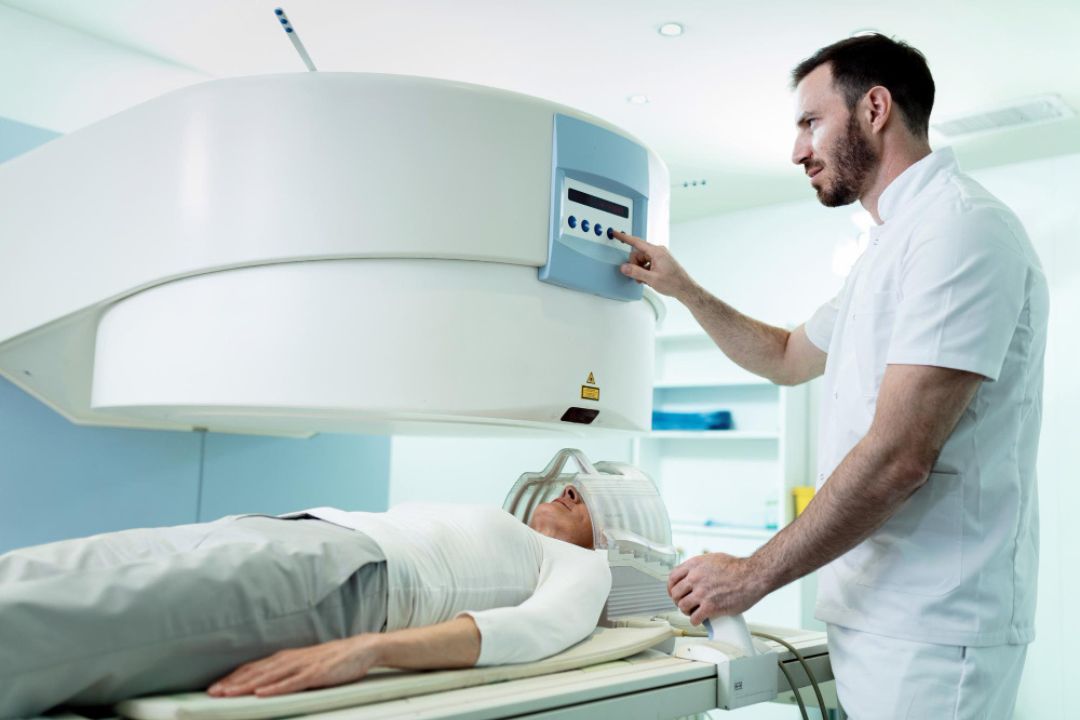
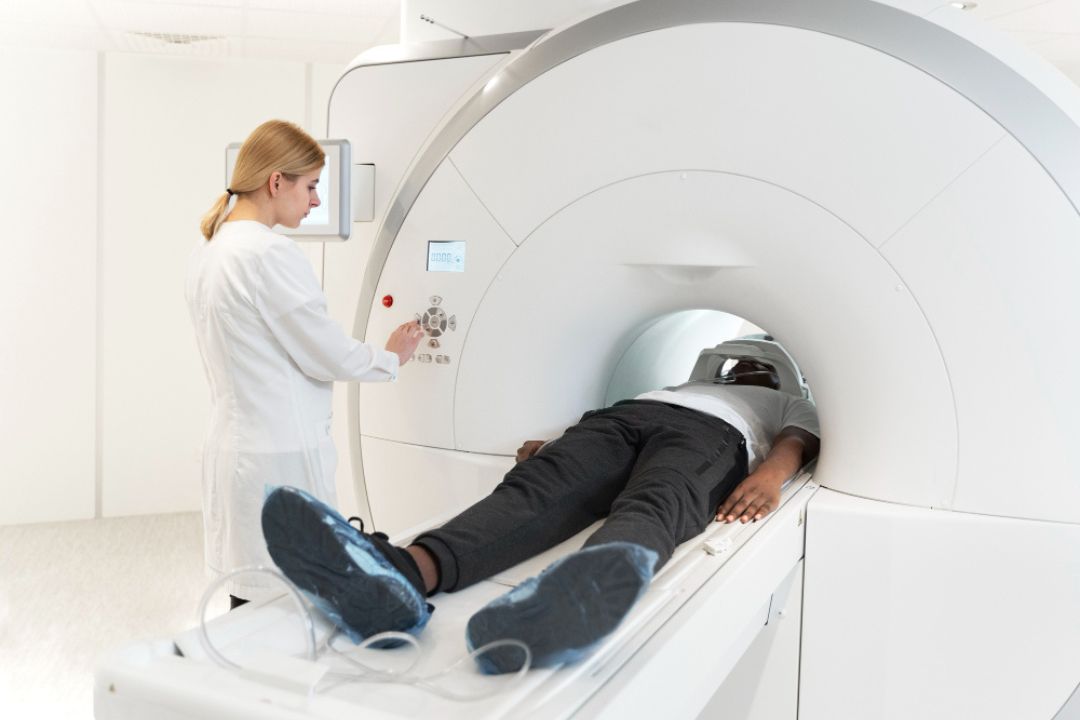
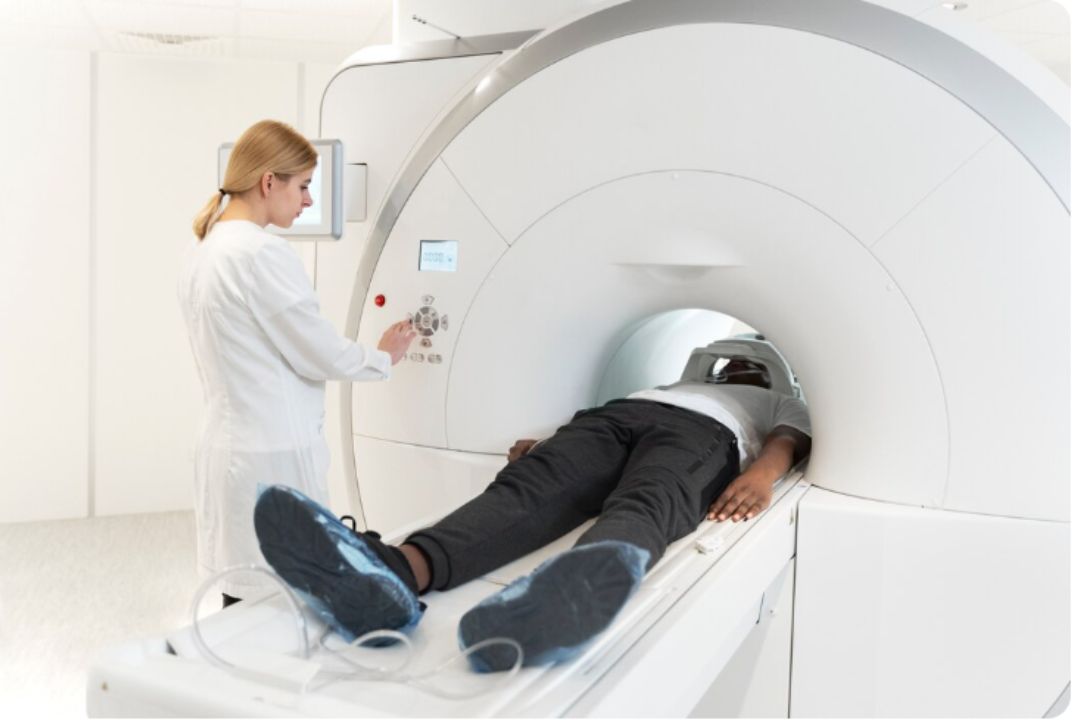
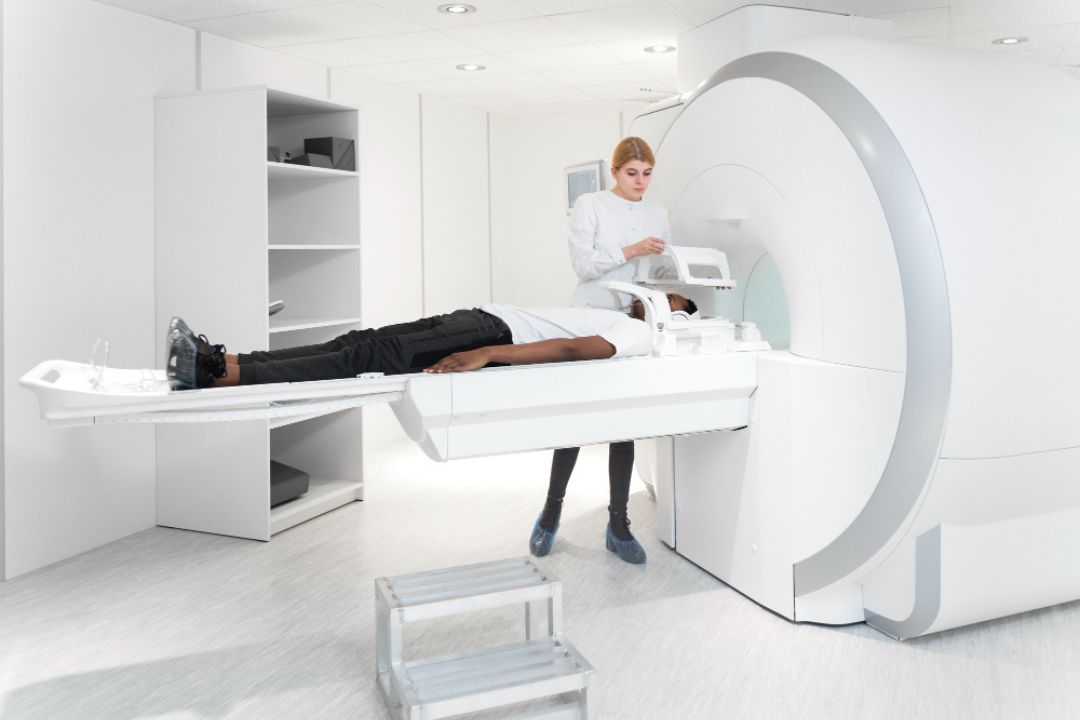
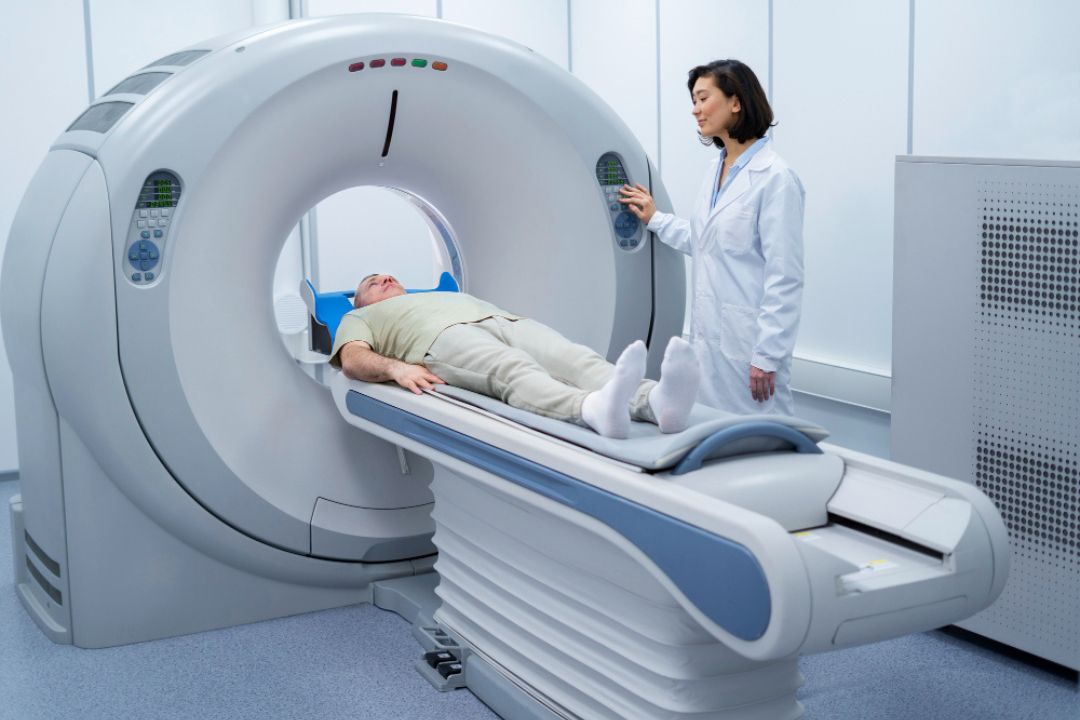
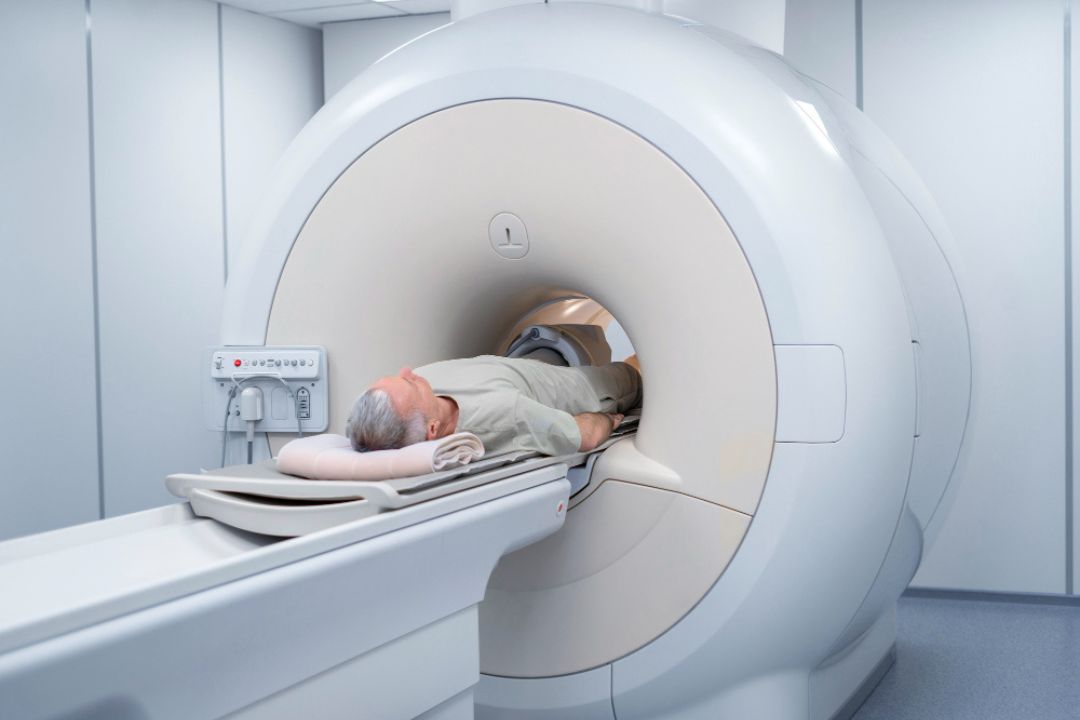
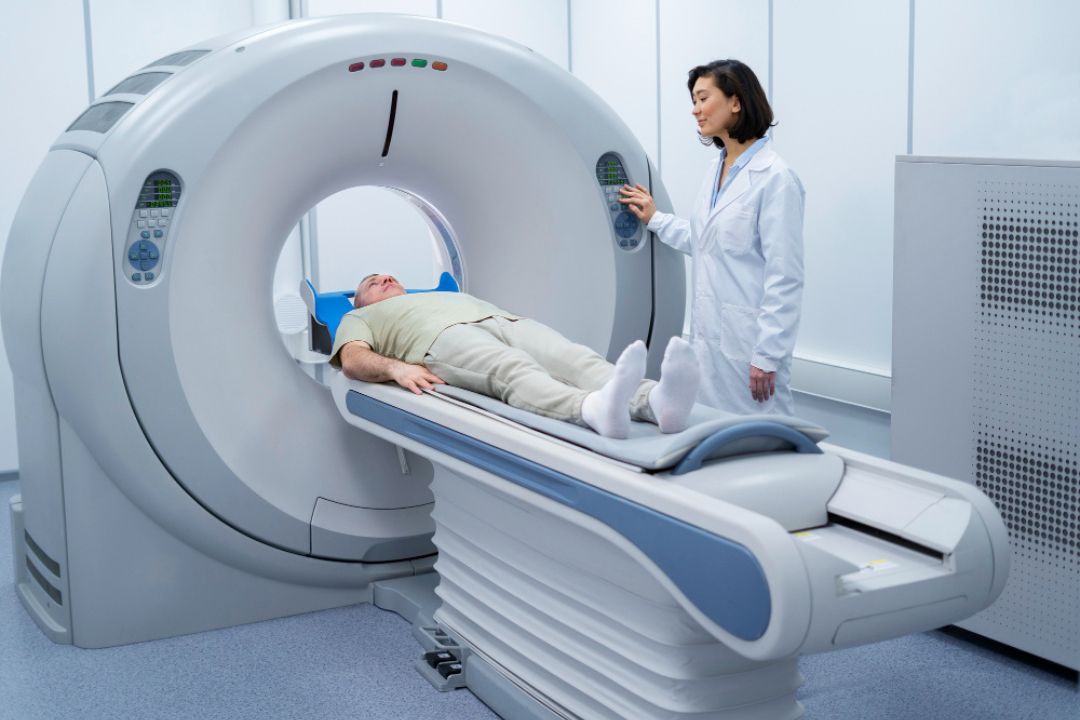
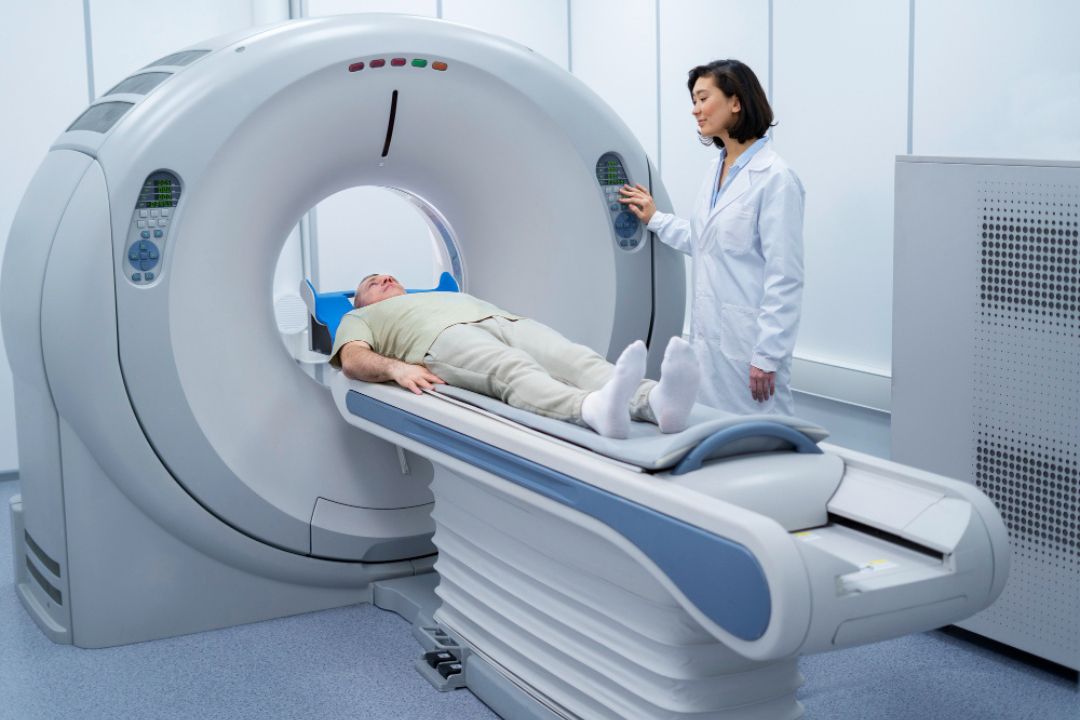
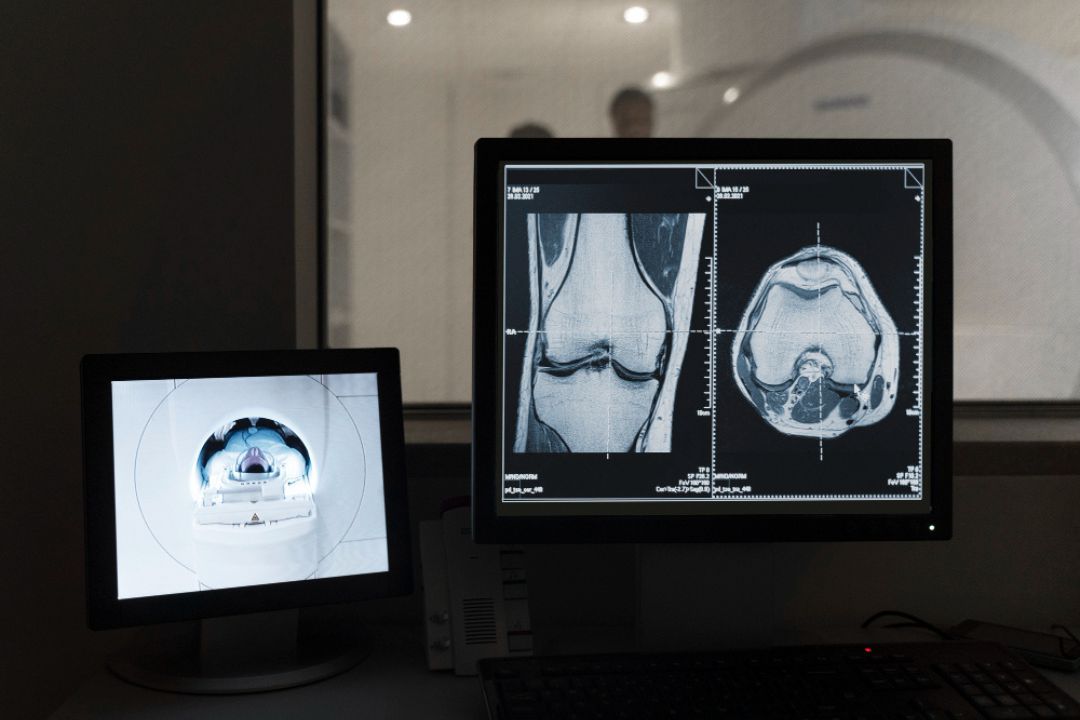
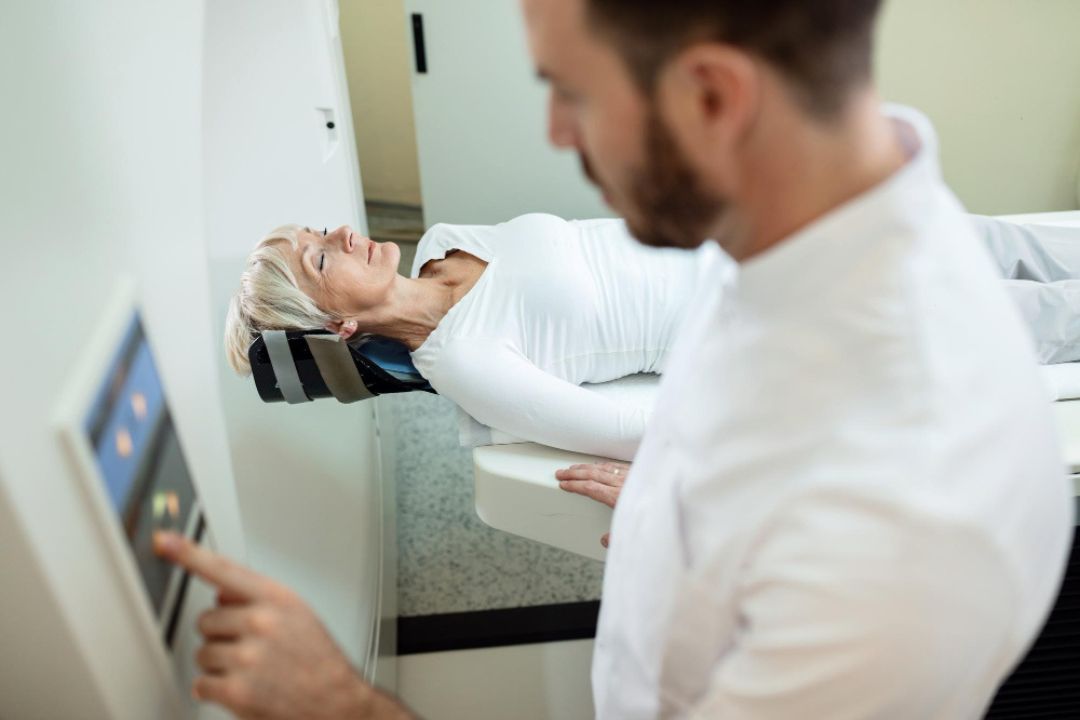
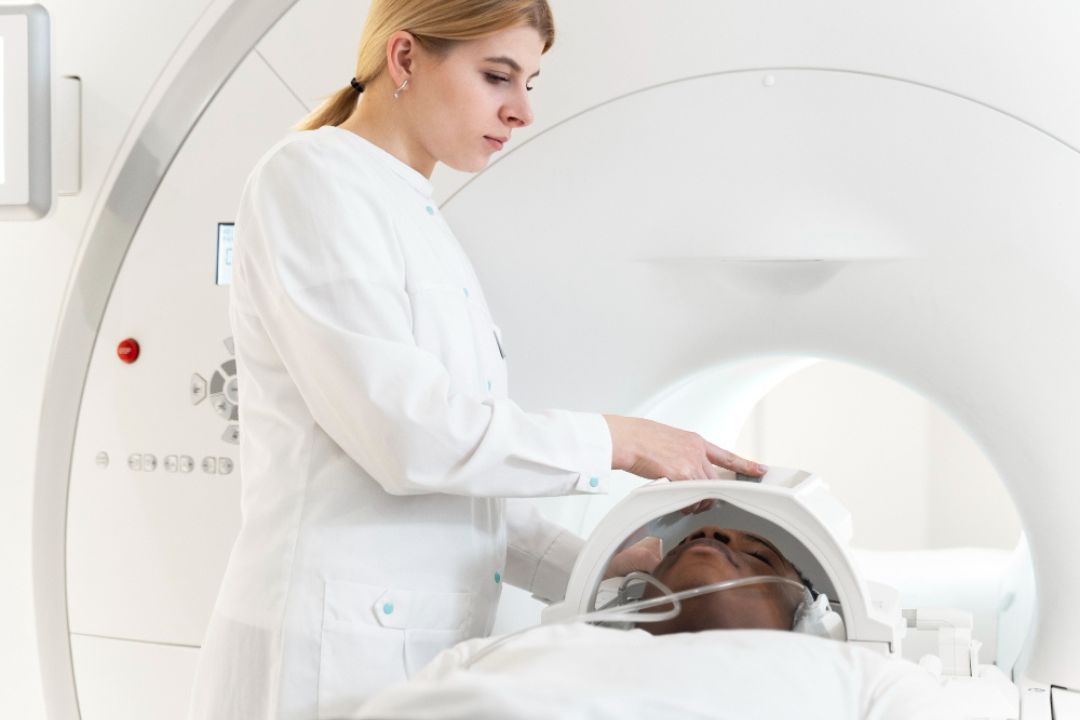
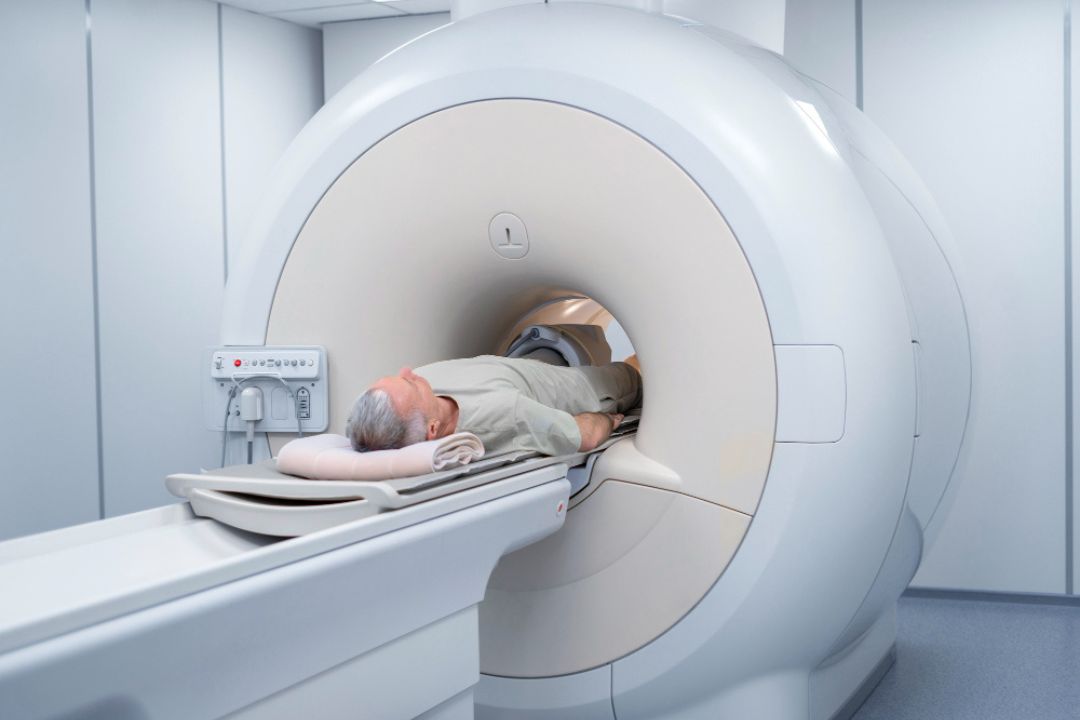
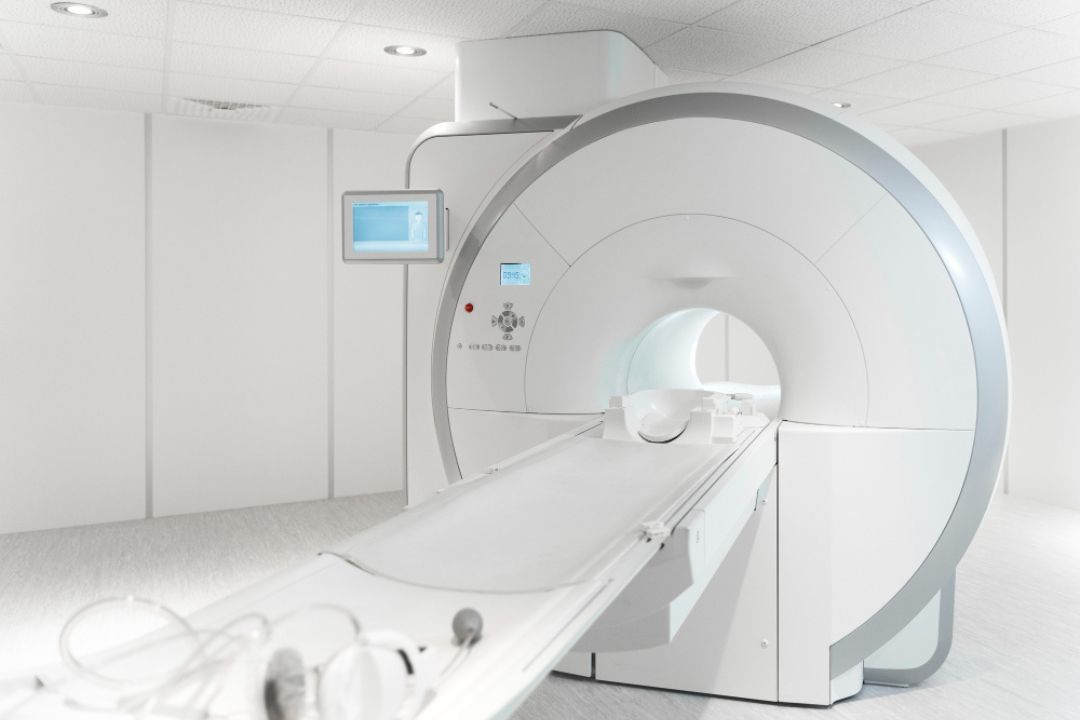
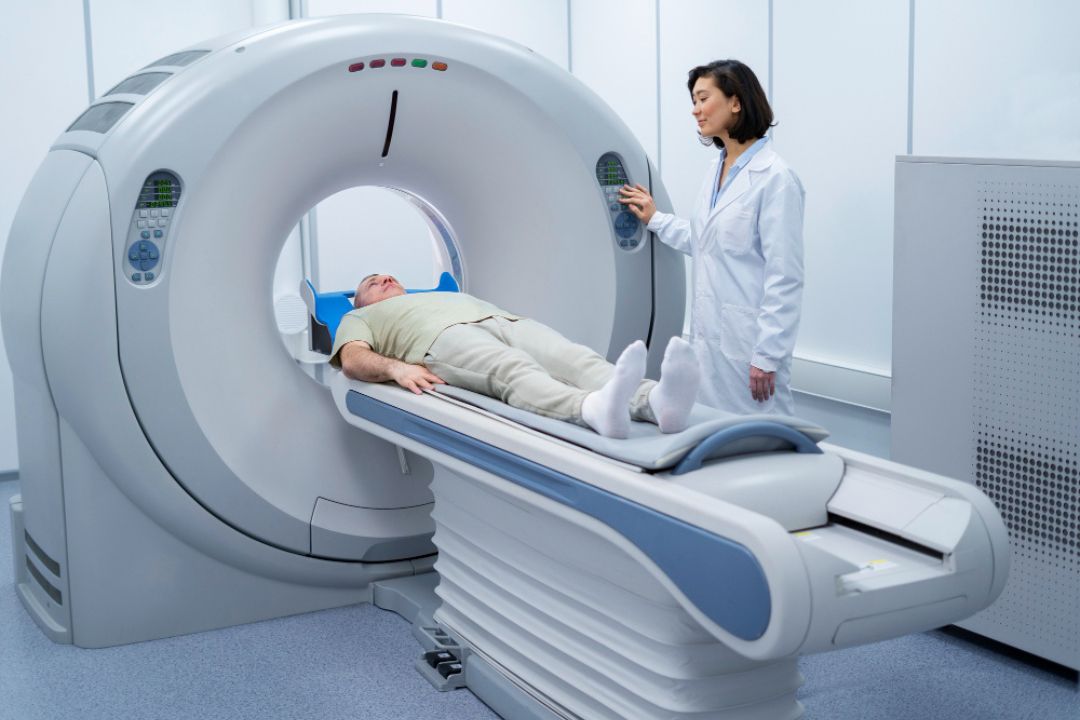
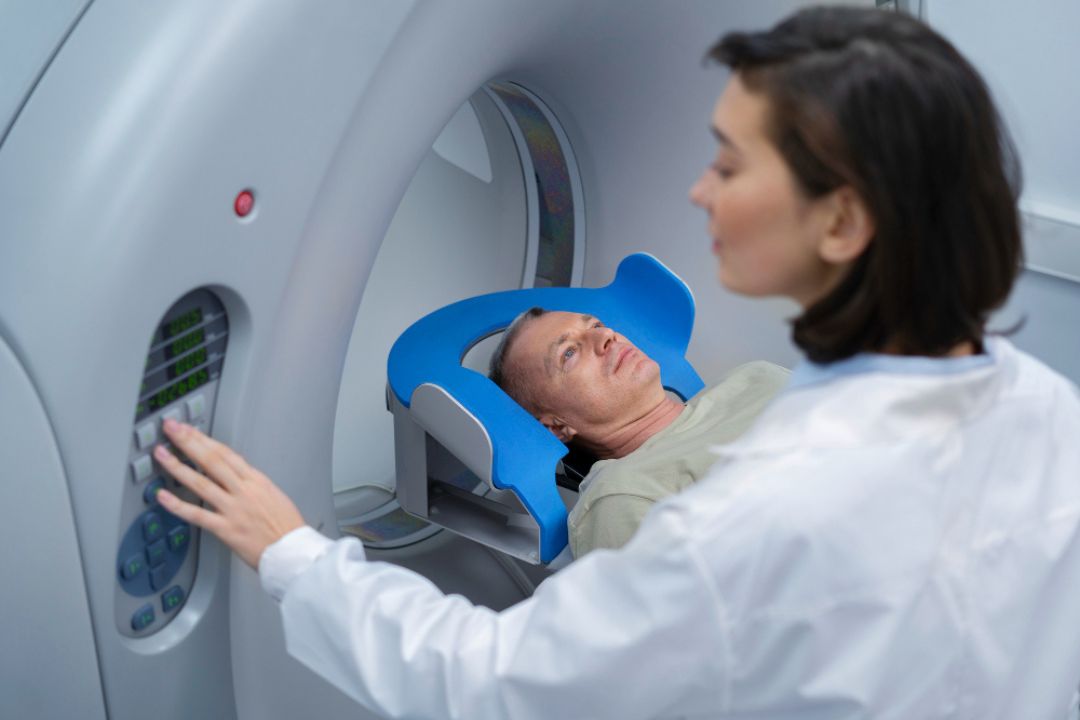
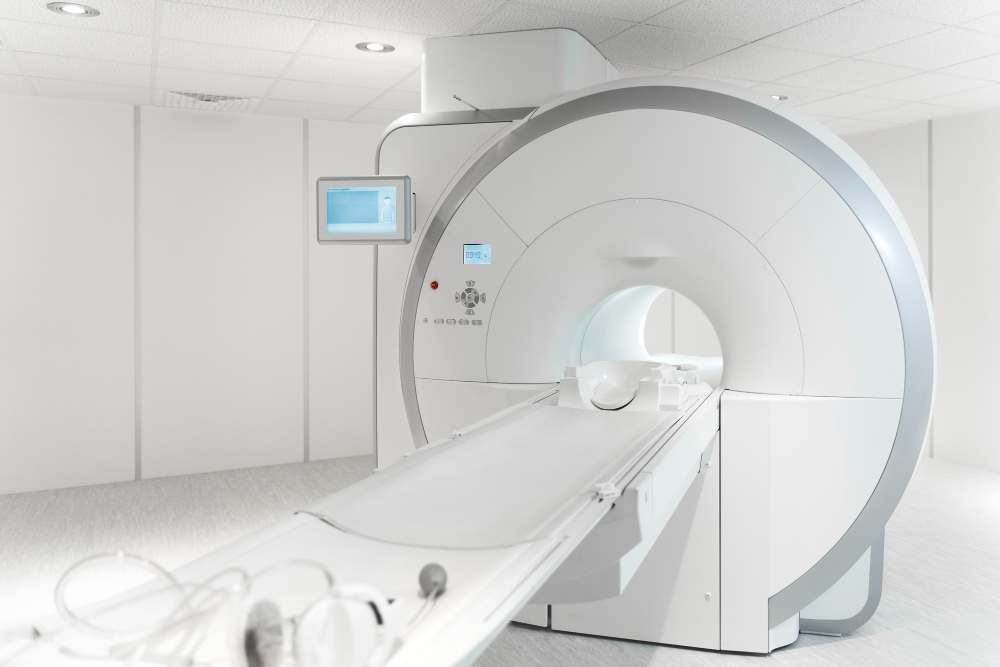
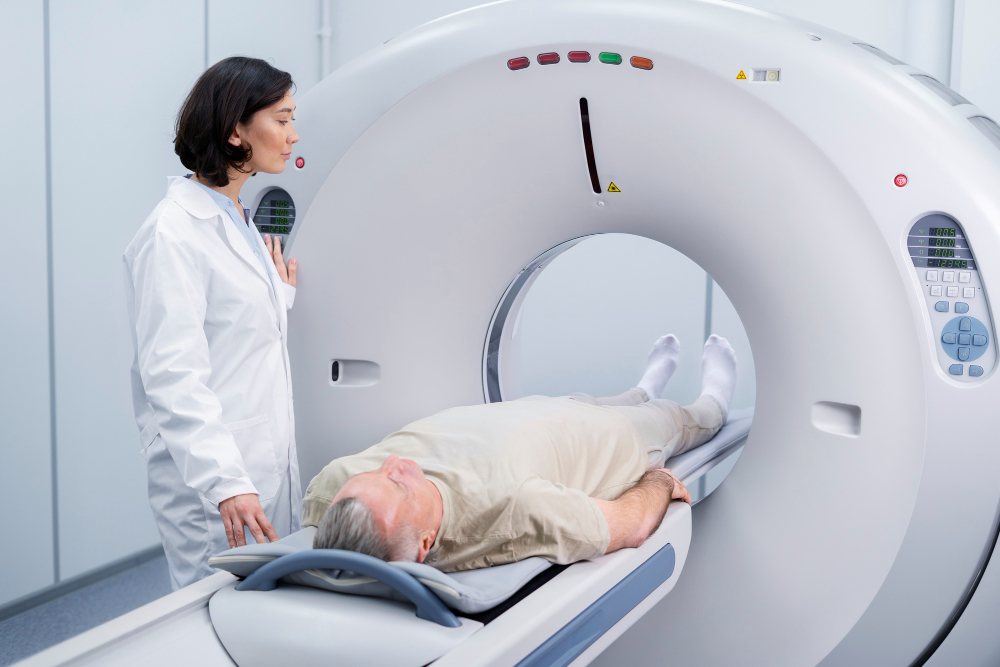
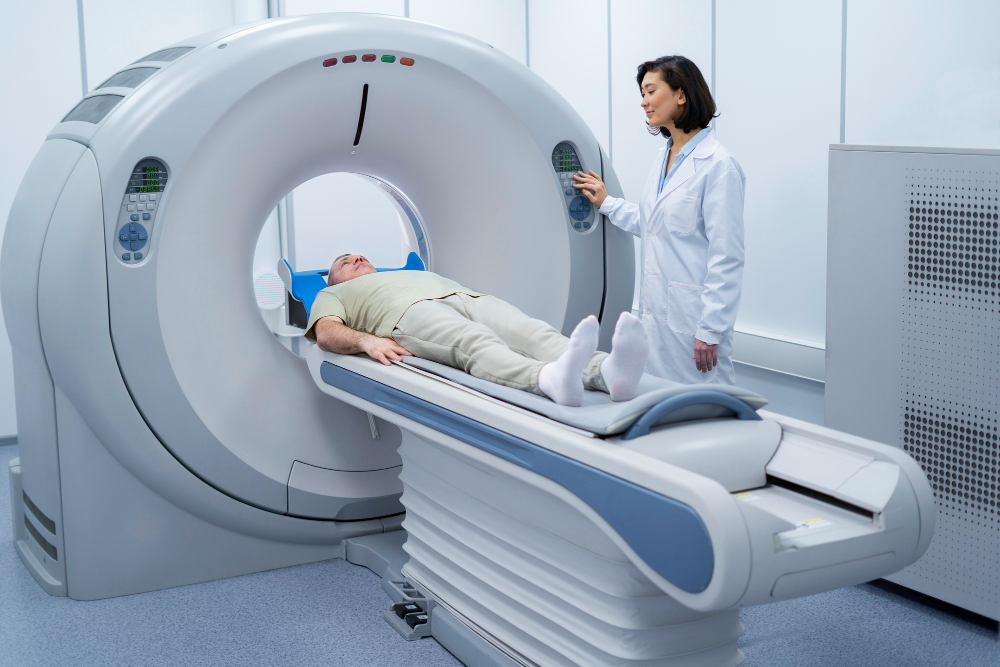
During the scan, you will lie on a narrow table that moves slowly through a large ring-shaped CT scanner. The scanner rotates around your body while capturing detailed images.
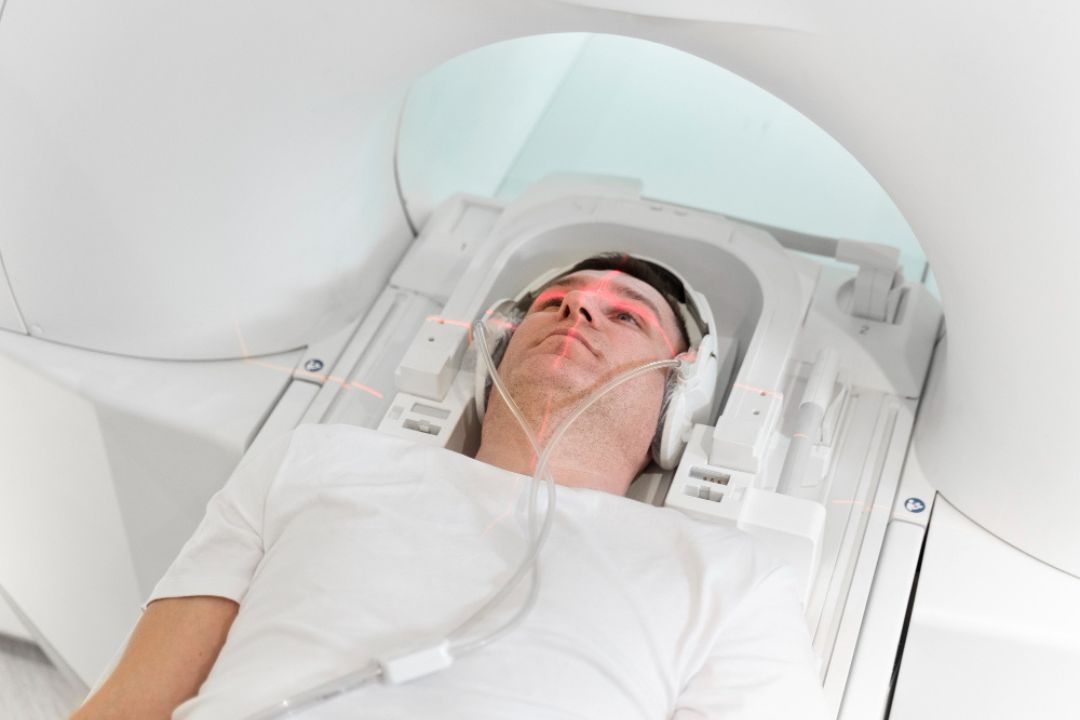
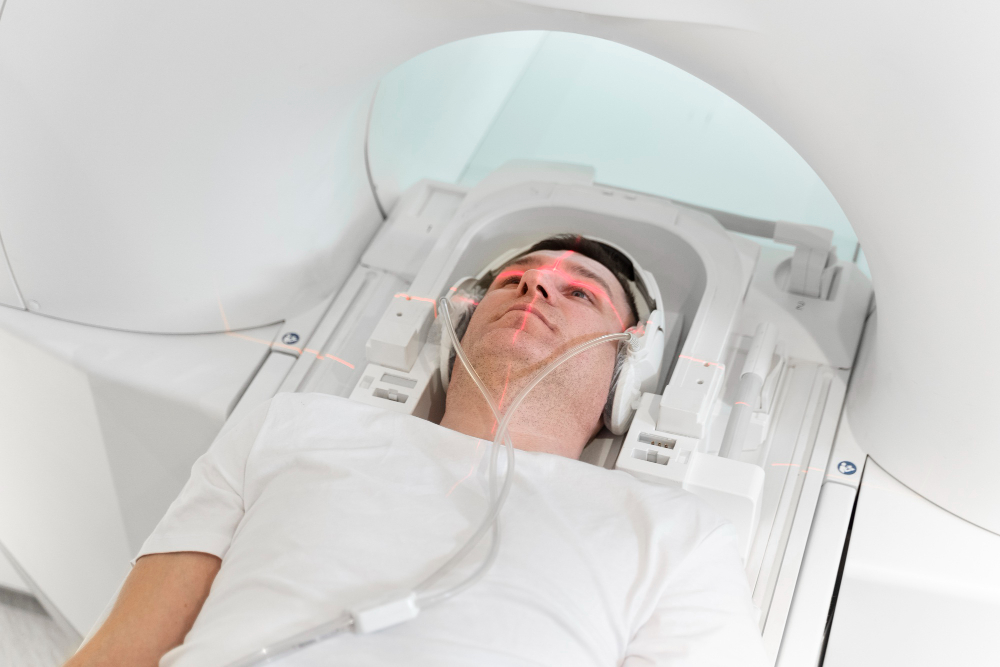
You will need to stay still while the images are taken. Sometimes the technician may ask you to hold your breath for a few seconds to prevent blurred images.
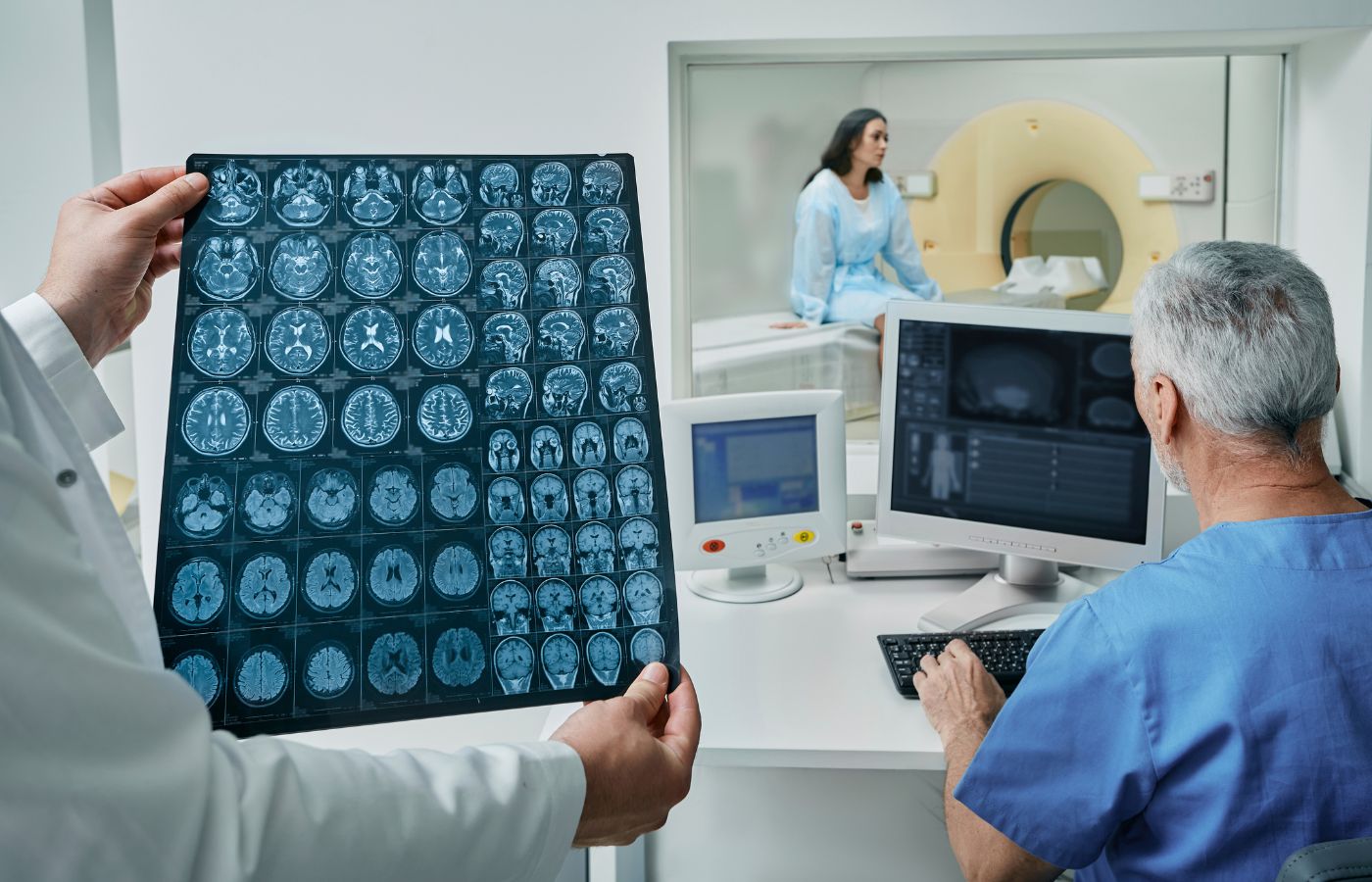
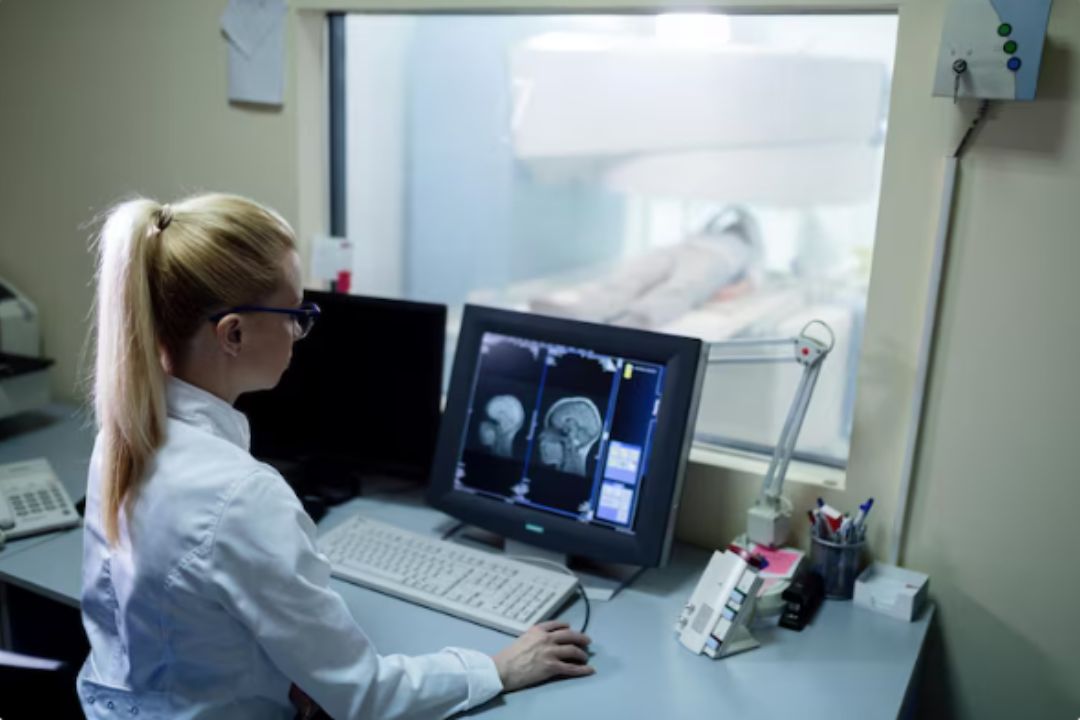
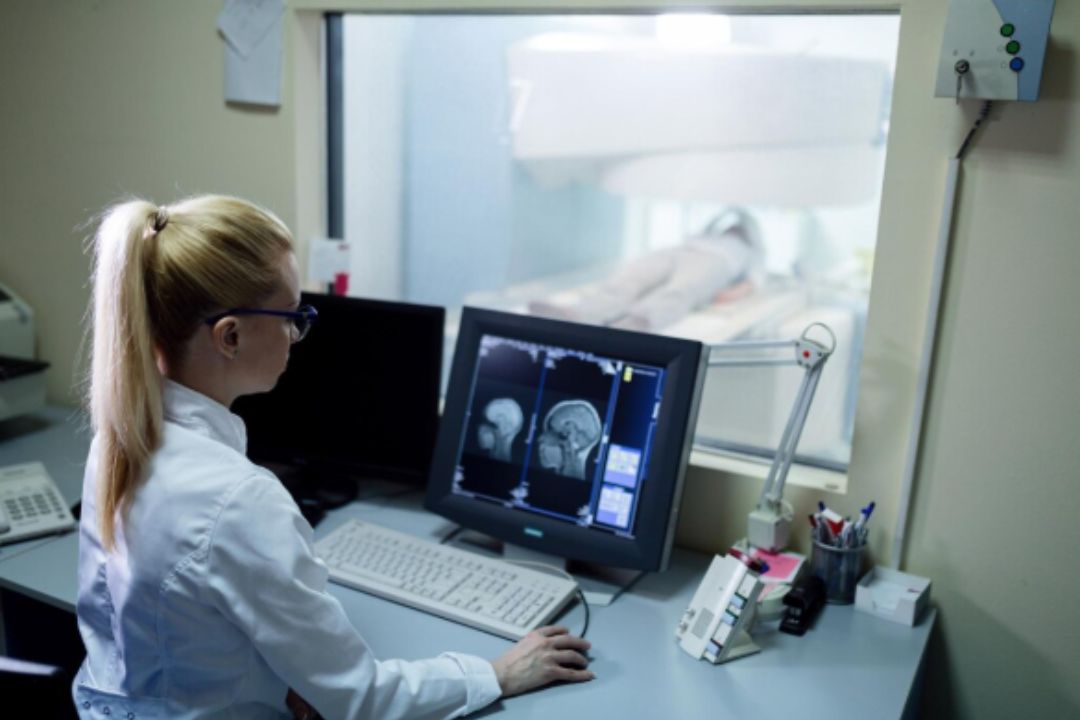
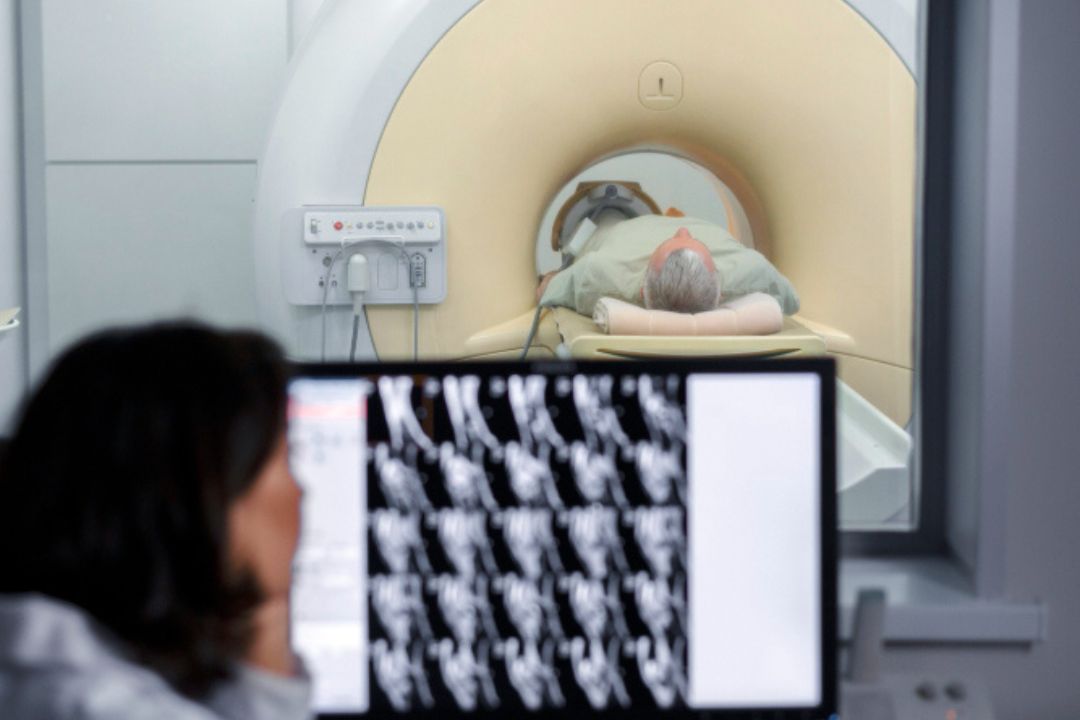
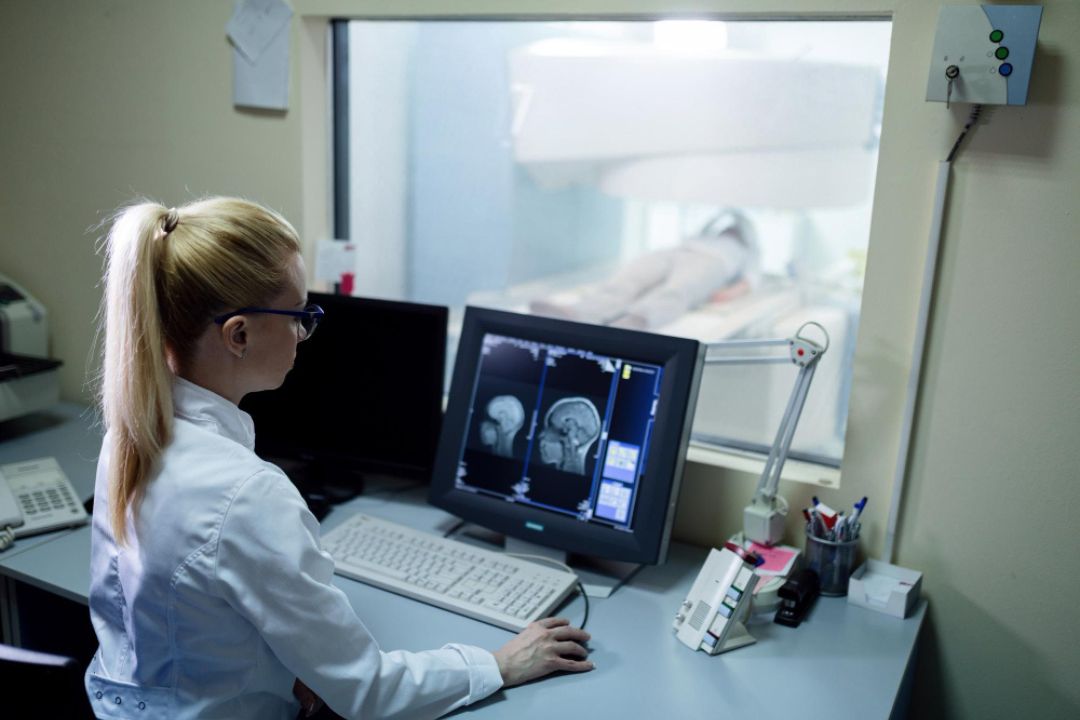
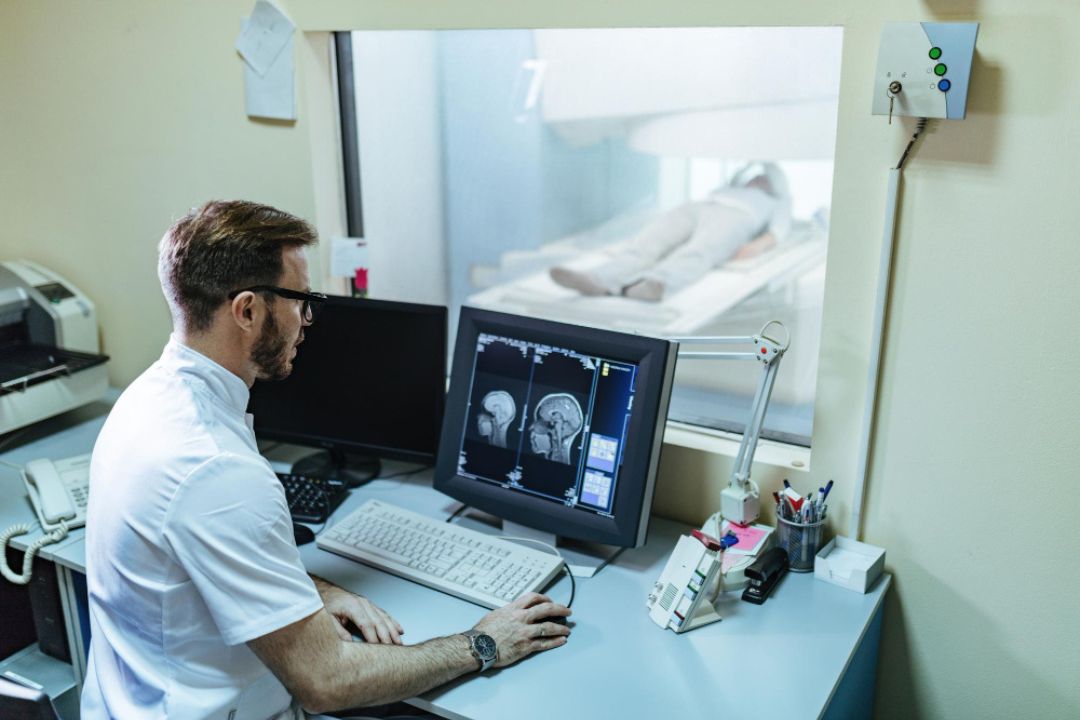
The machine may produce soft buzzing or whirring sounds while it operates. The technician will monitor you from another room and can communicate with you through an intercom if needed.
CT scans are painless and non-invasive.
Once the scan is complete, the table moves out of the scanner and you can usually return to your normal activities right away.
If contrast dye was used, the medical staff may ask you to wait for a short time to ensure there are no reactions. Drinking plenty of water afterward helps remove the dye from your body.
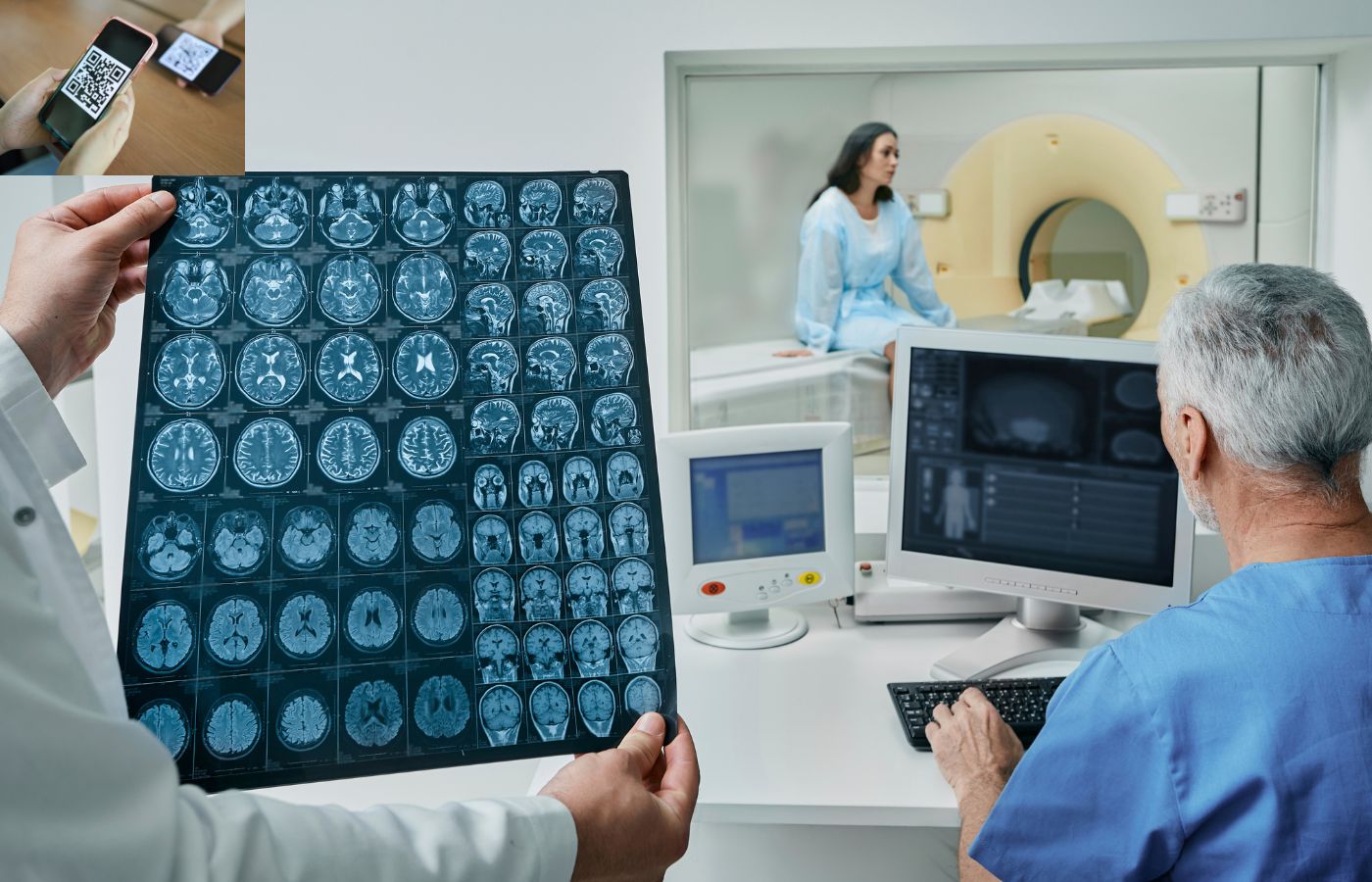
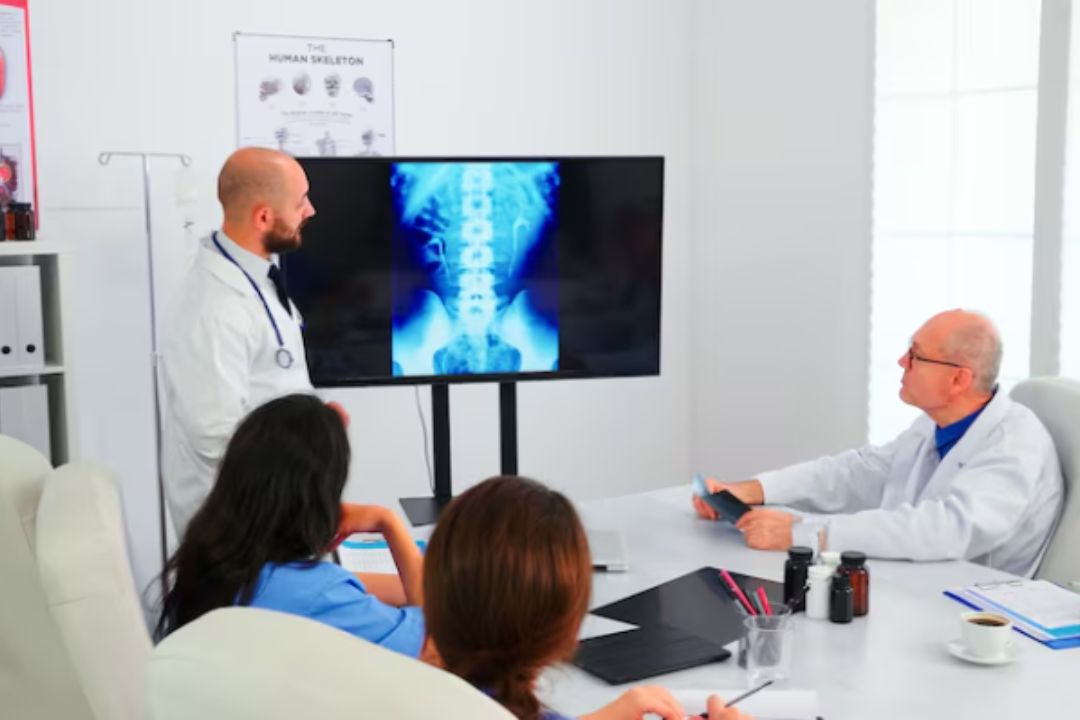
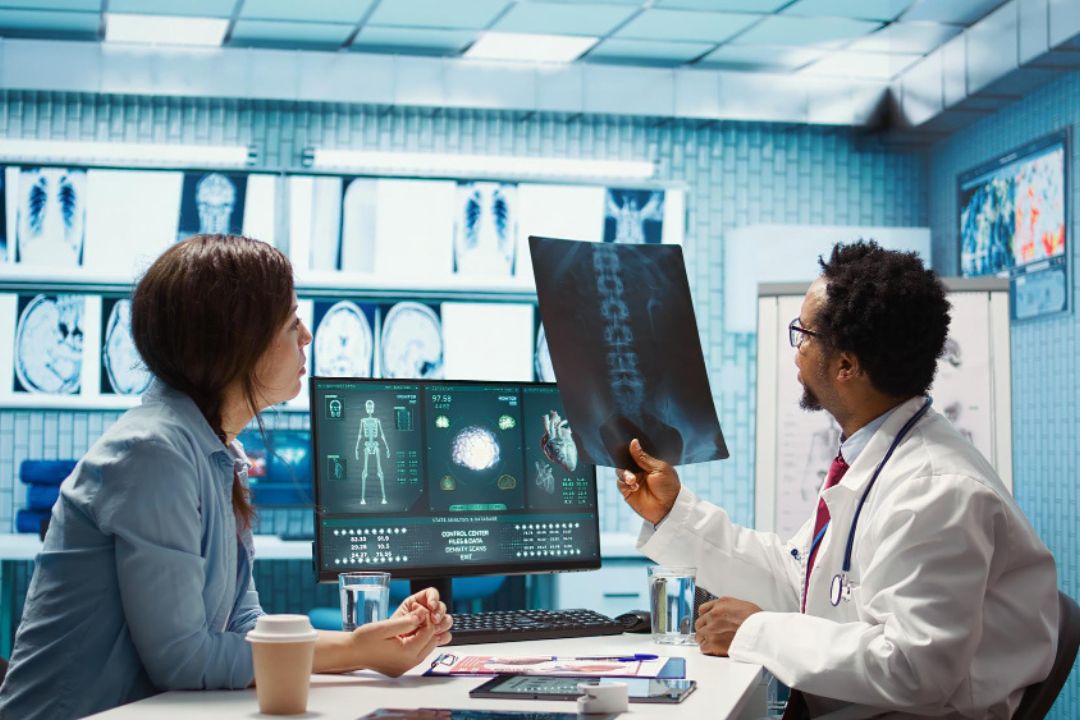
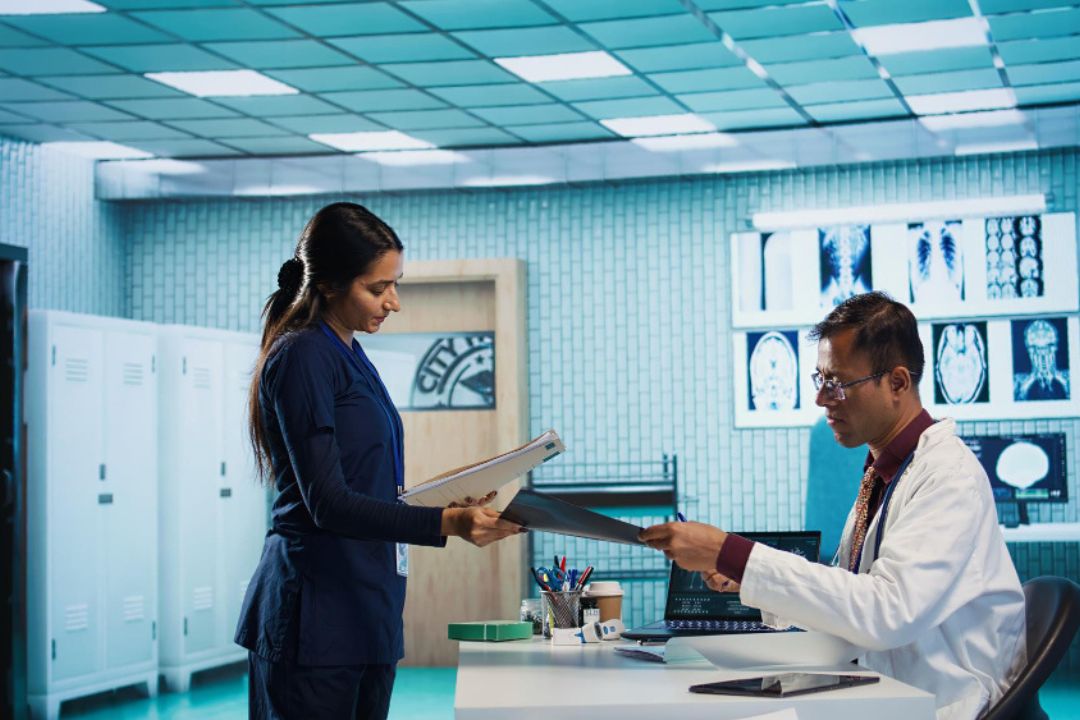
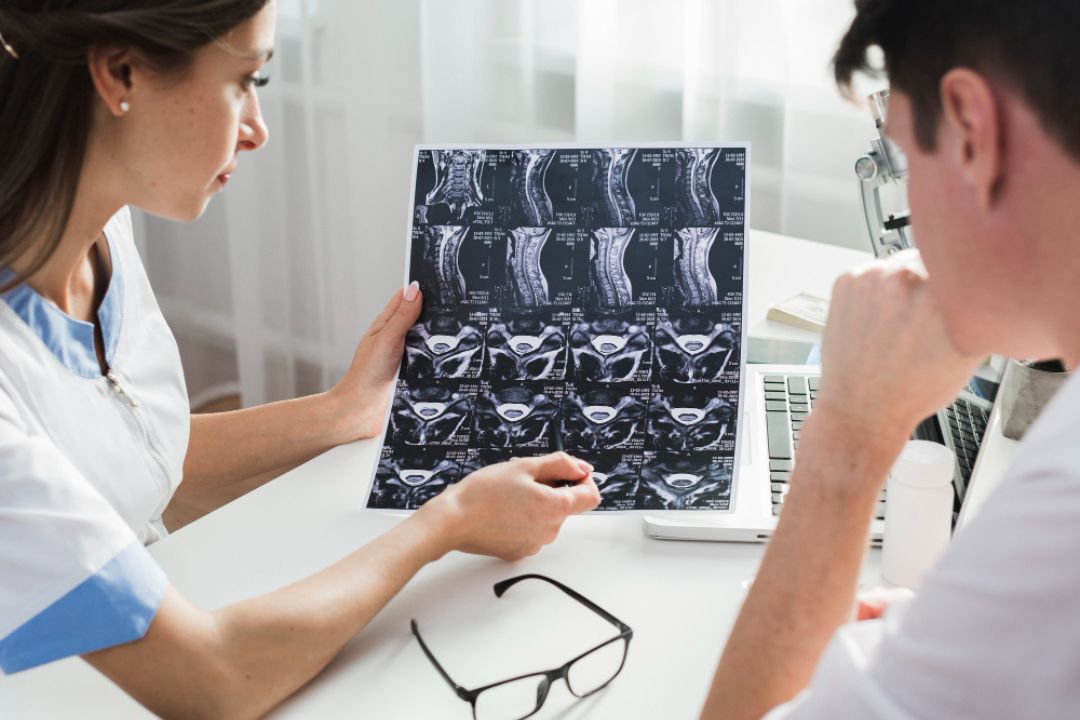
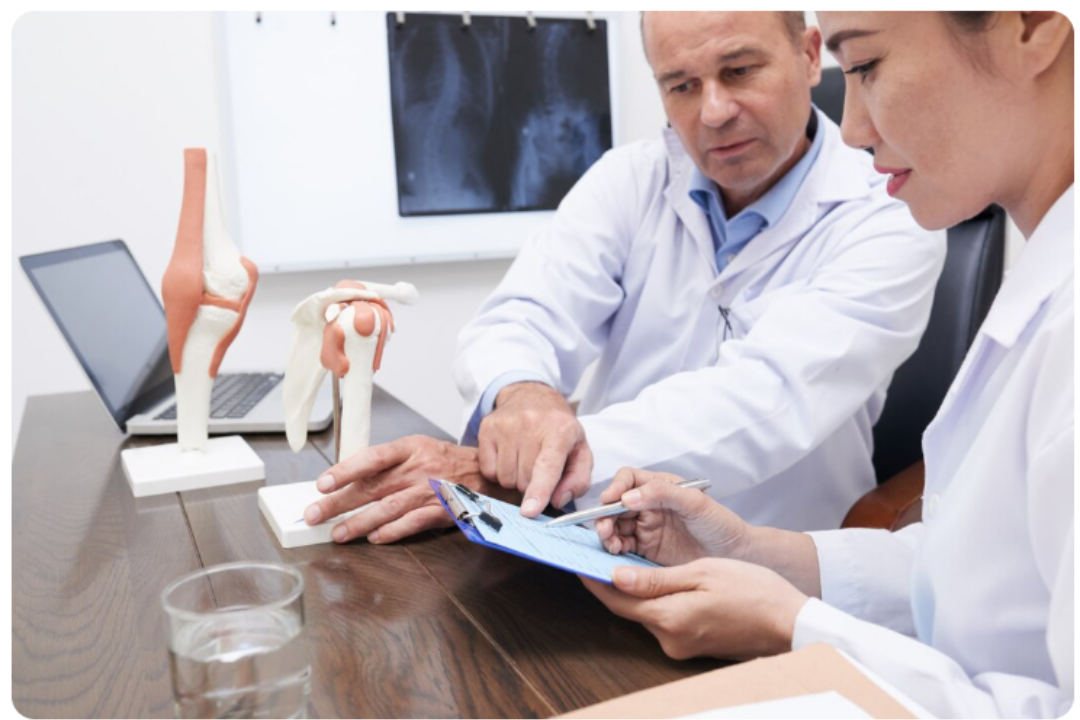
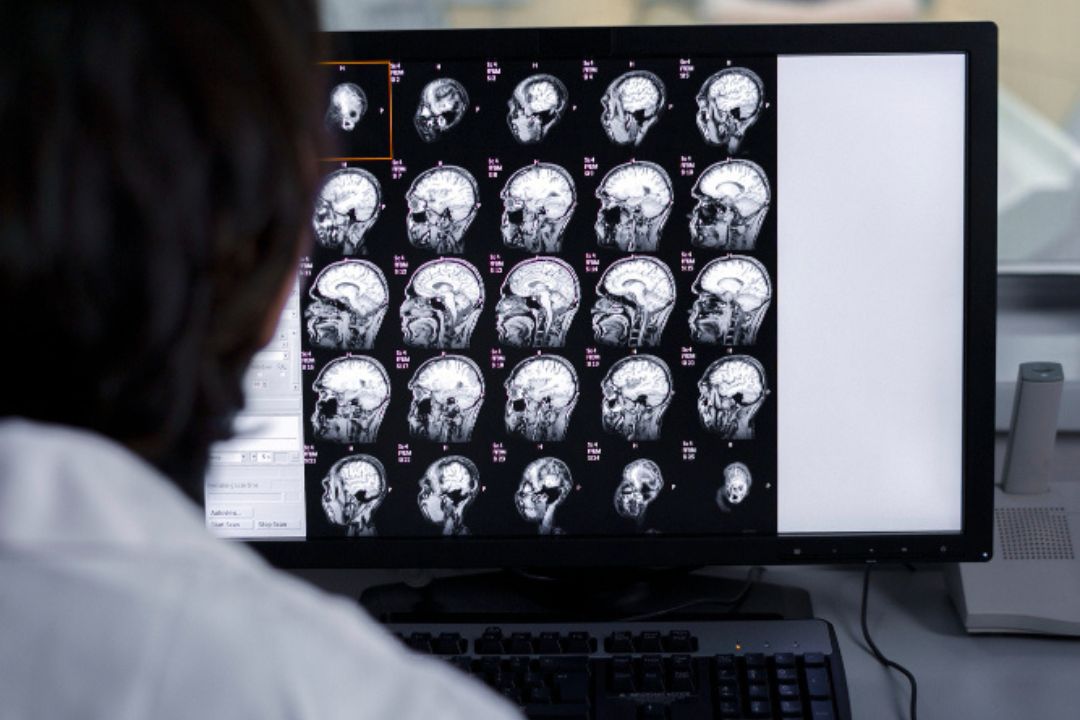
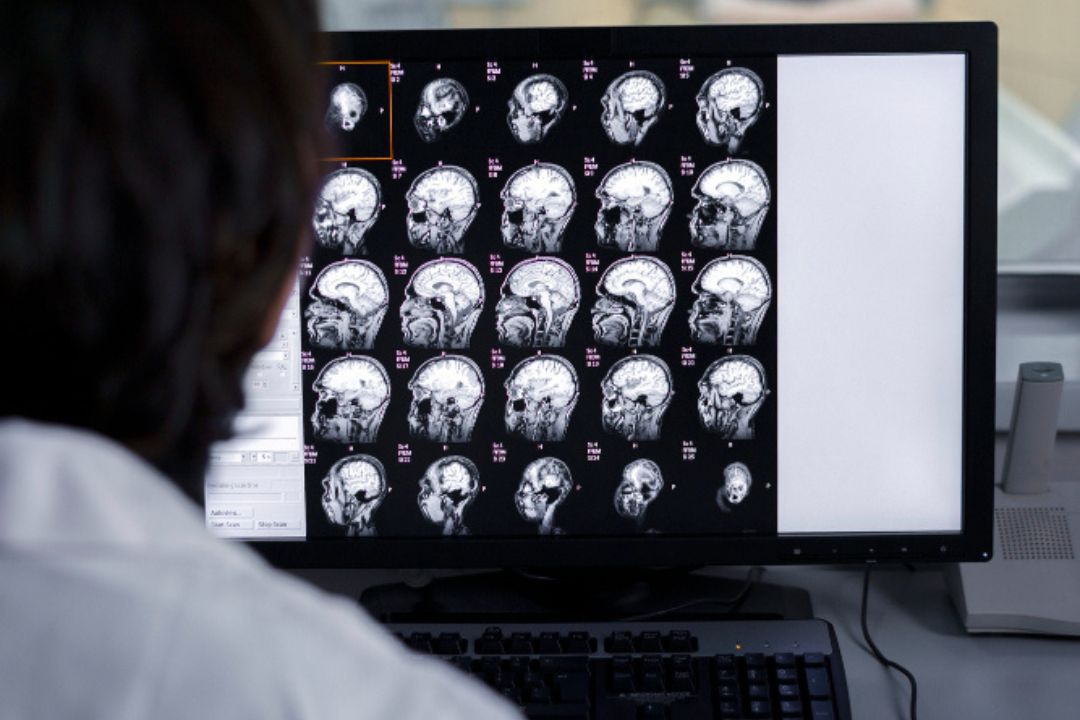
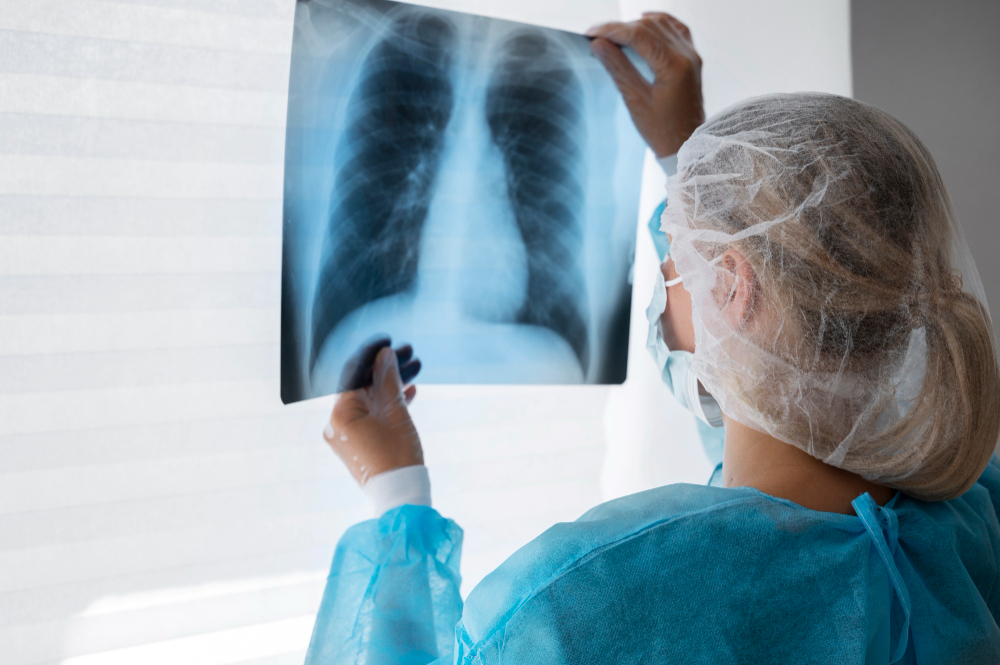
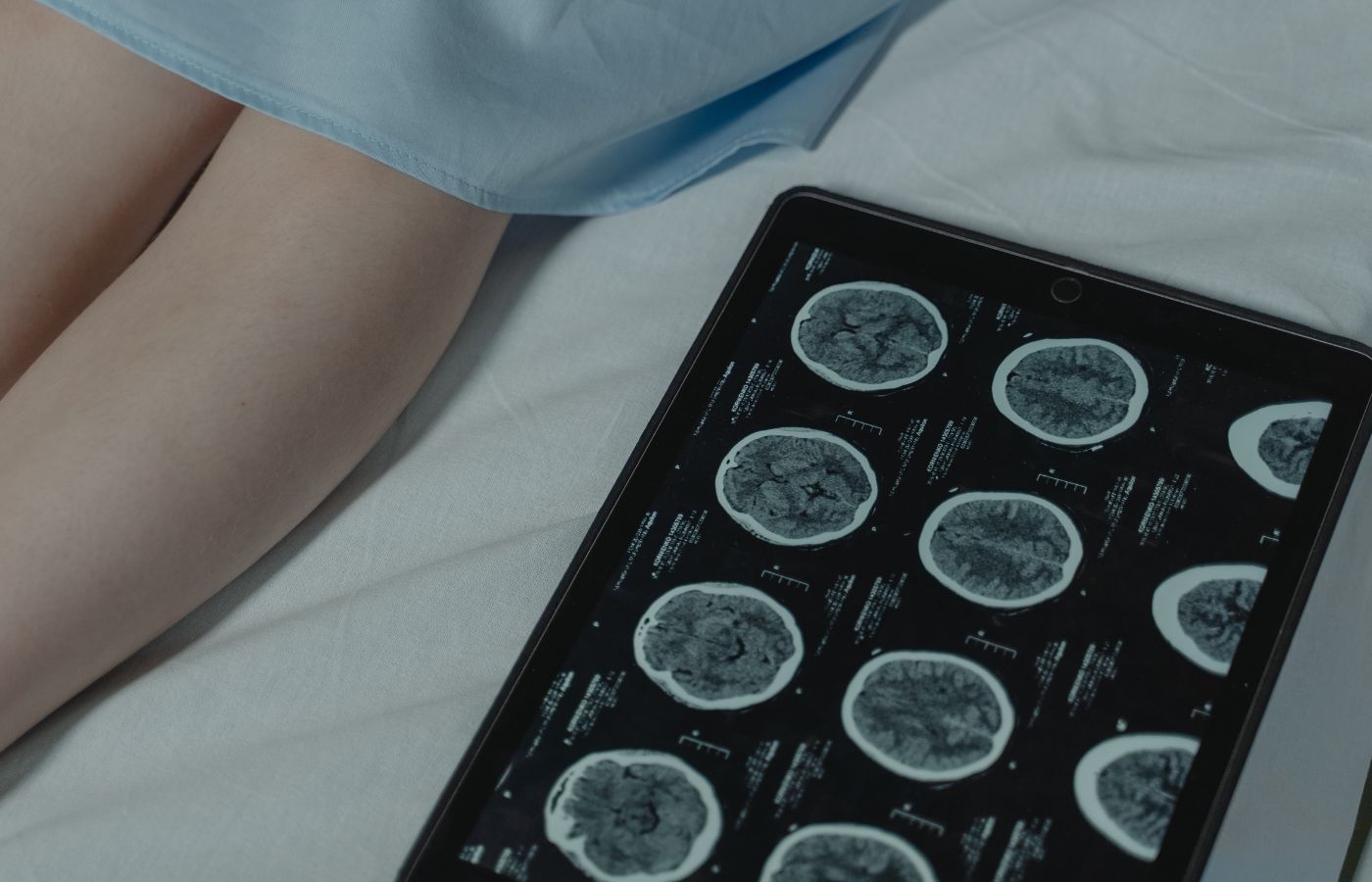
A radiologist will review the images and send the results to your doctor, typically within 24 to 48 hours.
The time required for a CT scan can vary depending on several factors, including:
The part of the body being scanned
Whether contrast dye is required
The type of CT scanner being used
The number of images needed
Patient movement during the scan
More complex scans or multiple imaging phases may increase the overall time.
CT scans are widely used because they provide detailed images quickly and accurately. They help doctors diagnose a variety of conditions, including:
Internal injuries and bleeding
Tumors and cancers
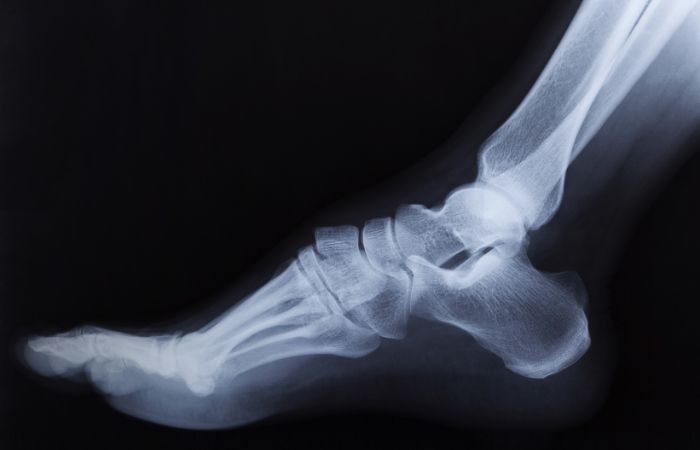
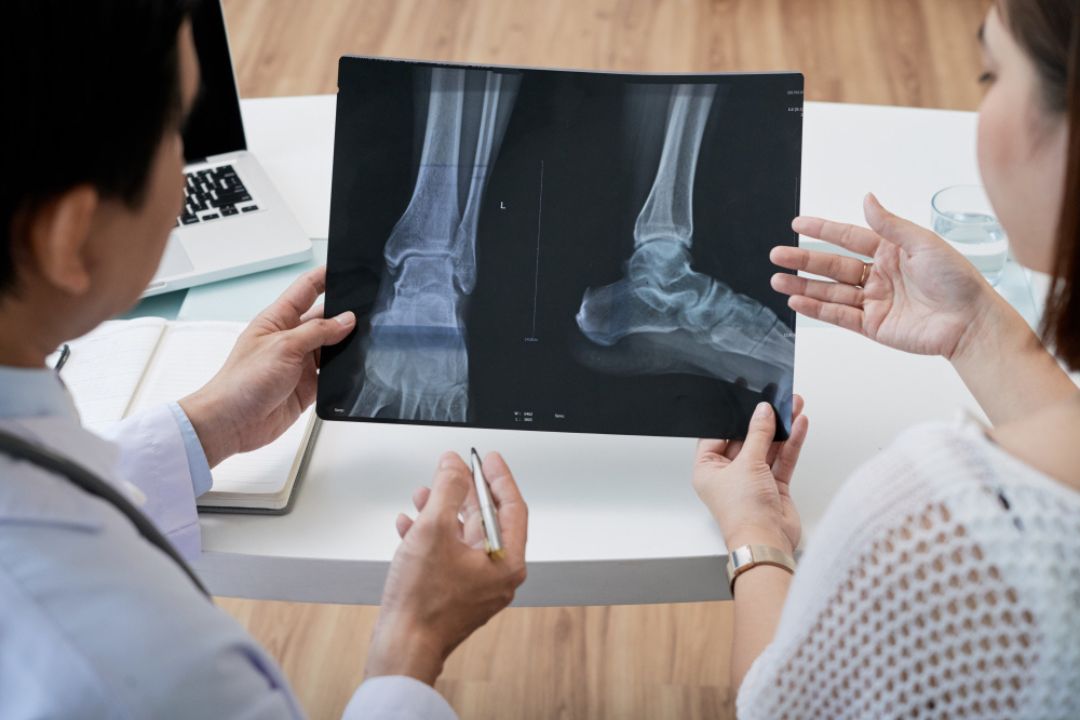
Bone fractures
Infections and inflammation
Blood clots and vascular problems
Because the procedure is fast and effective, CT scans are commonly used in emergency situations.
To ensure a smooth and comfortable scan, patients should:
Follow any fasting instructions provided by the doctor
Wear comfortable clothing without metal parts
Inform the technician about allergies or medical conditions
Stay still during the scan to ensure clear images
Following these simple steps can help the procedure go quickly and efficiently.
A CT scan is a fast and painless imaging test that provides detailed information about the body's internal structures. In most cases, the entire procedure takes 15 to 30 minutes, with the actual scanning lasting only a few minutes.
Understanding what to expect before, during, and after the scan can help reduce anxiety and ensure a smooth experience. If your doctor recommends a CT scan, it is usually because the test can provide valuable information for diagnosing and treating medical conditions.




.jpg "ct brain scan plain and contrast")



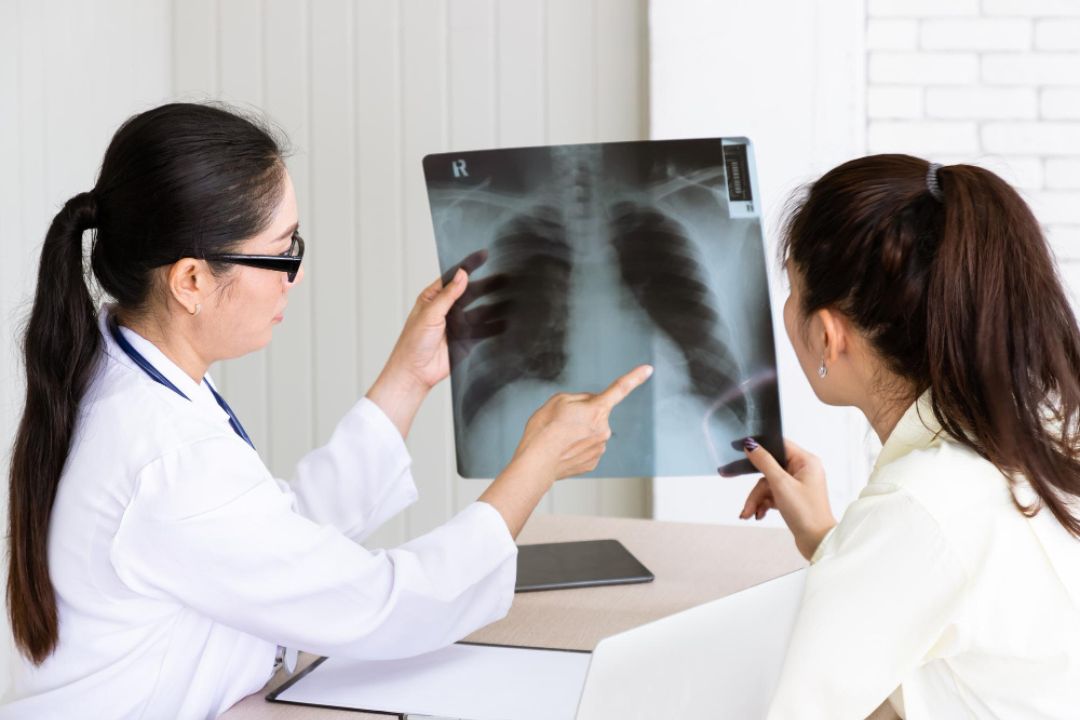

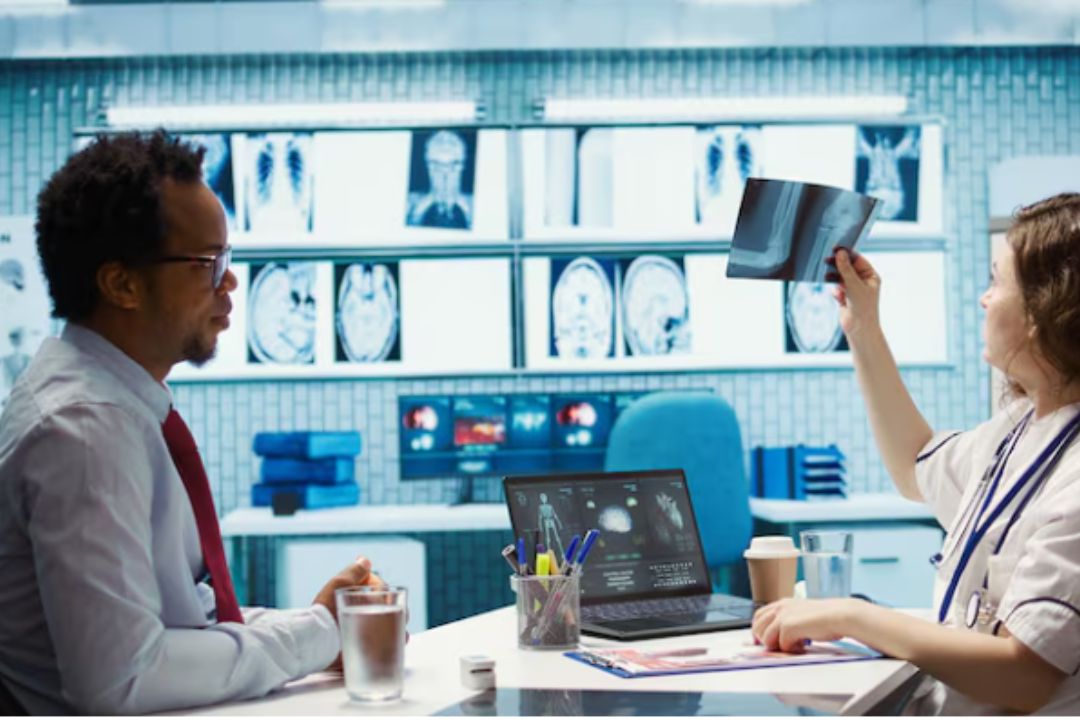
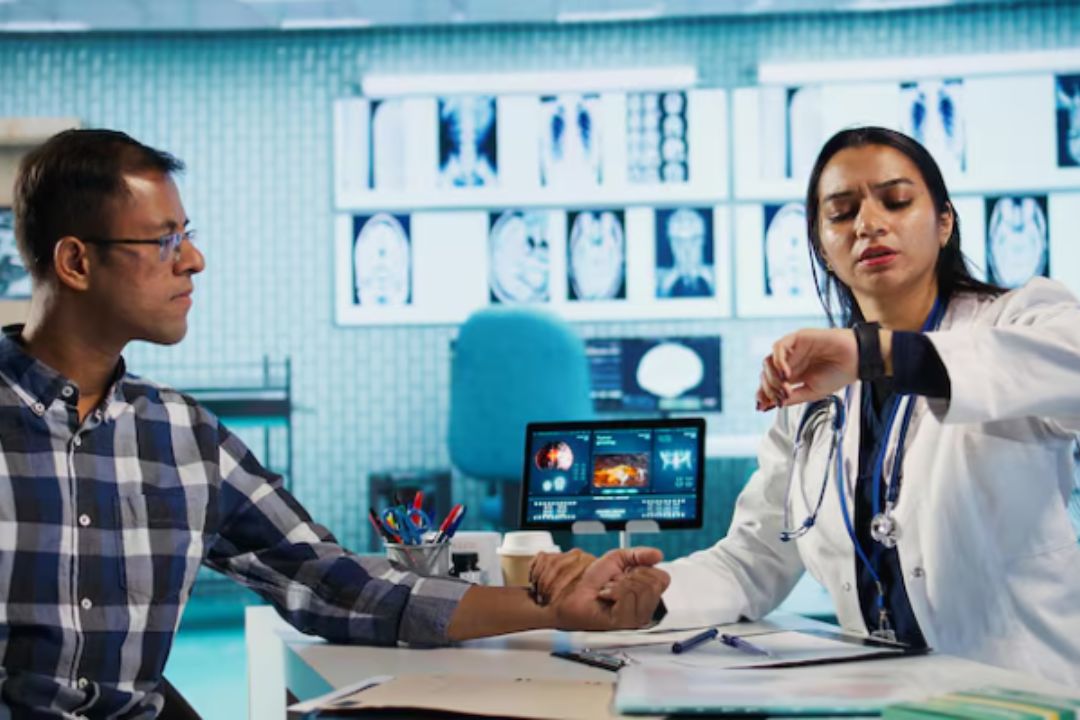

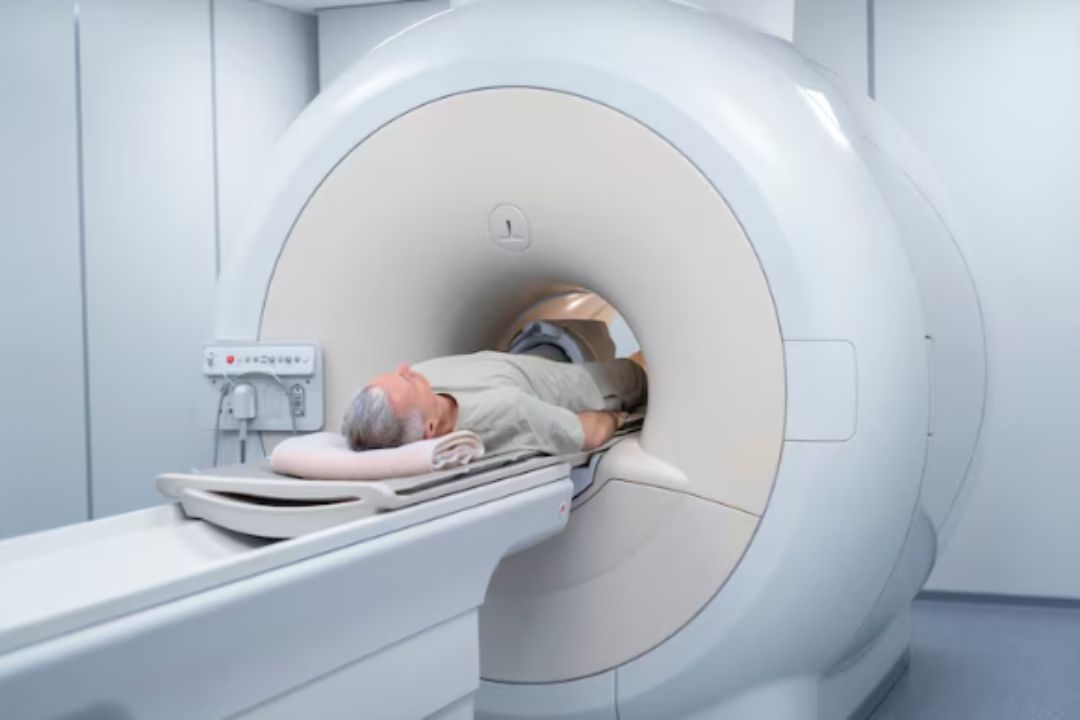
.jpg "ct scan")
.jpg "ct scan or mri for brain disorders")


.jpg "exploring the power of ct brain contrast in modern diagnostics")
.jpg "ct scan")
.jpg "ct scan")







.jpg "ct scan")

.jpg "CT Brain Scan for Headaches")
.jpg "The Future of 3D CT Imaging")