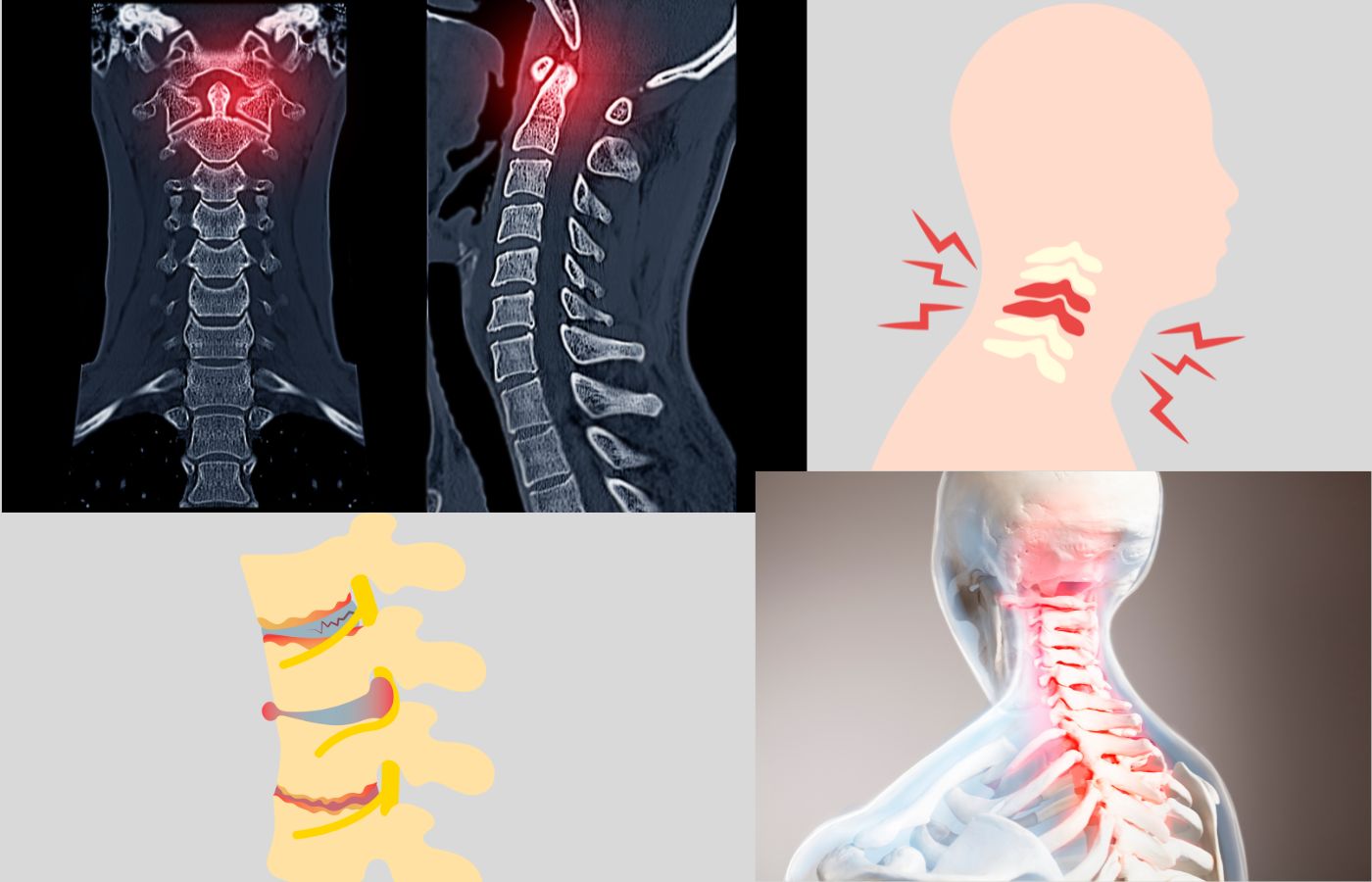
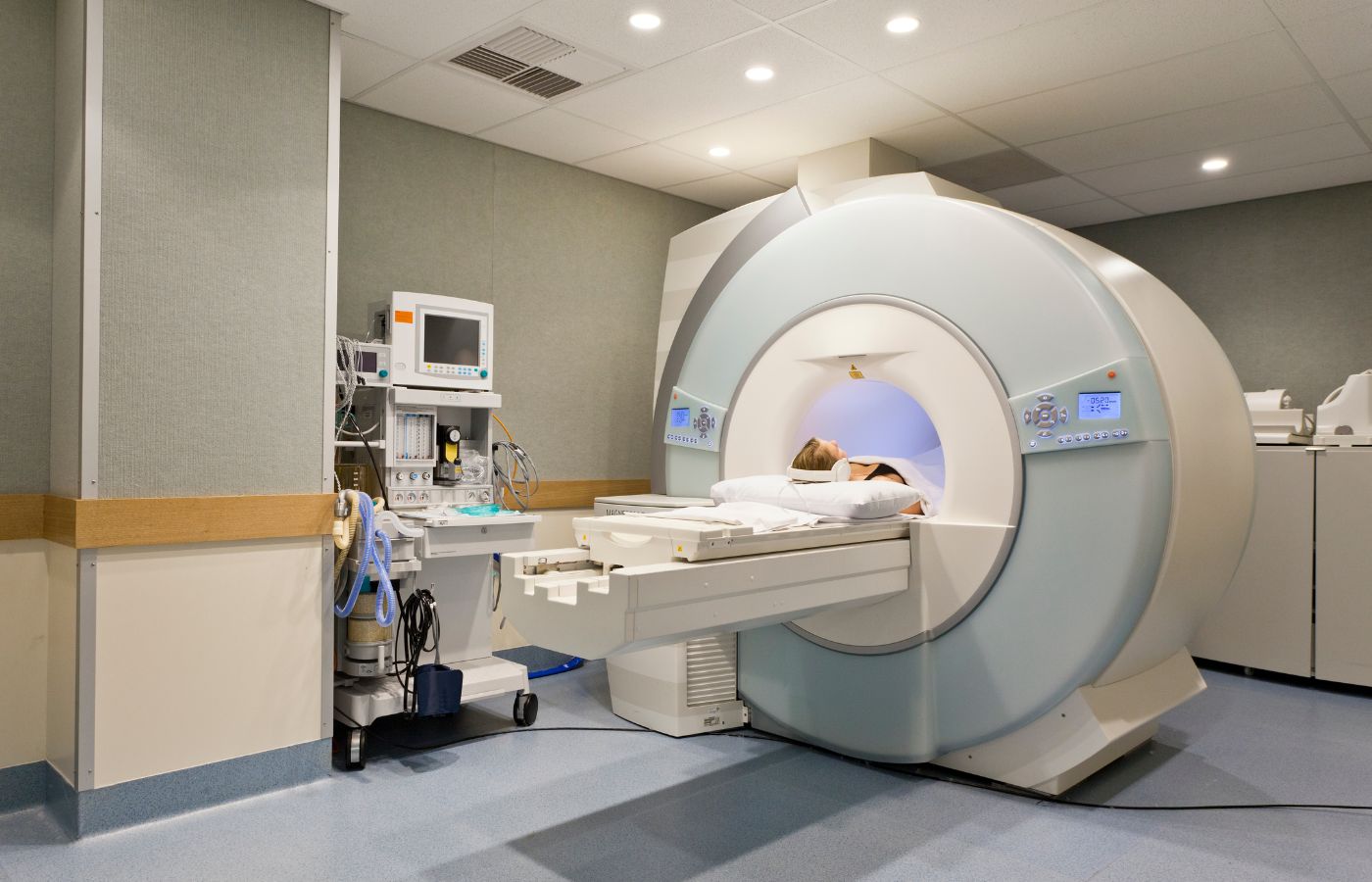
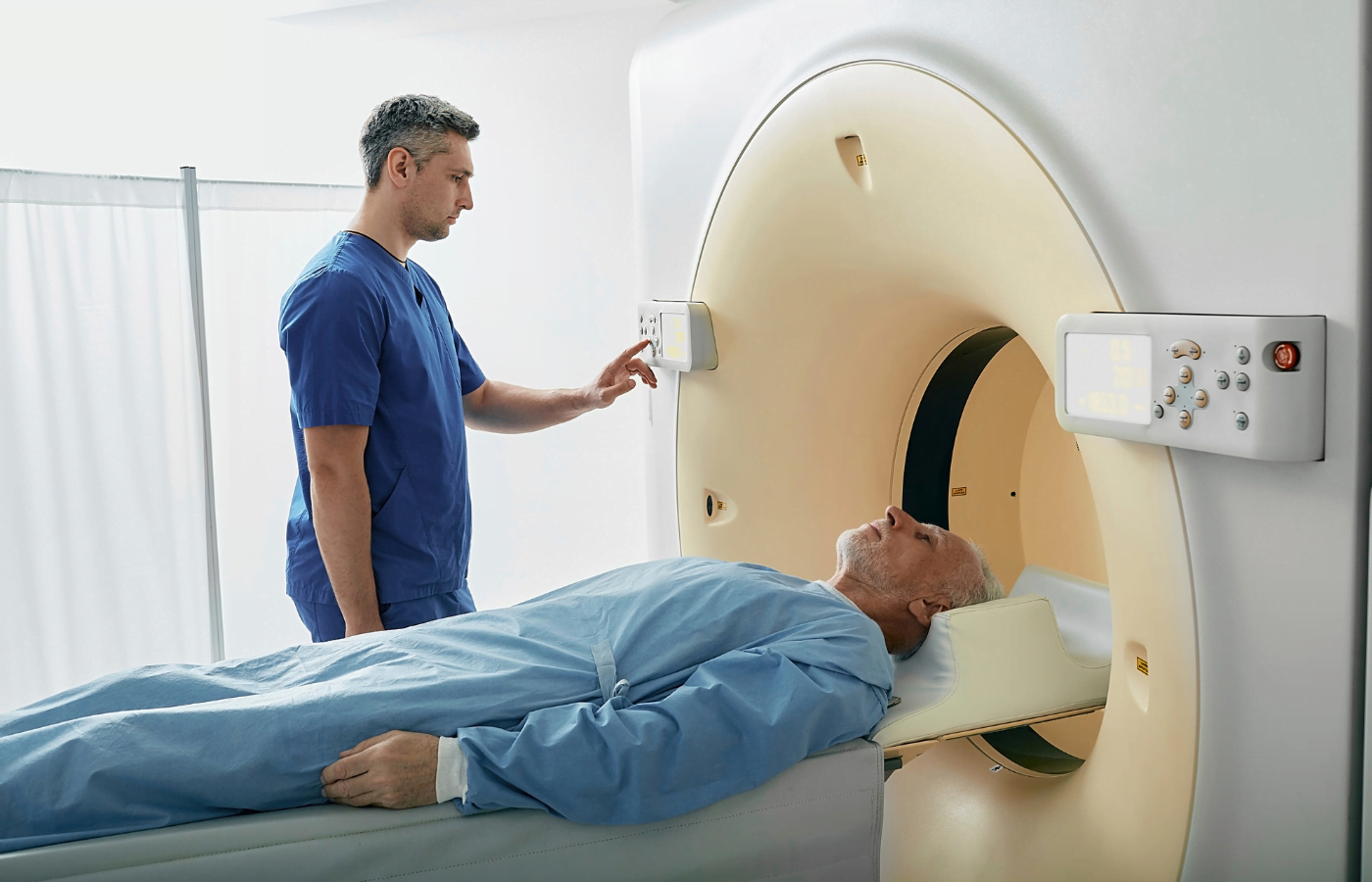
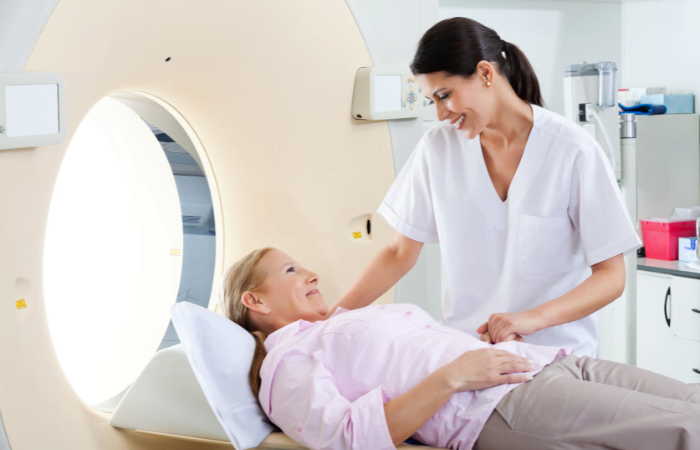
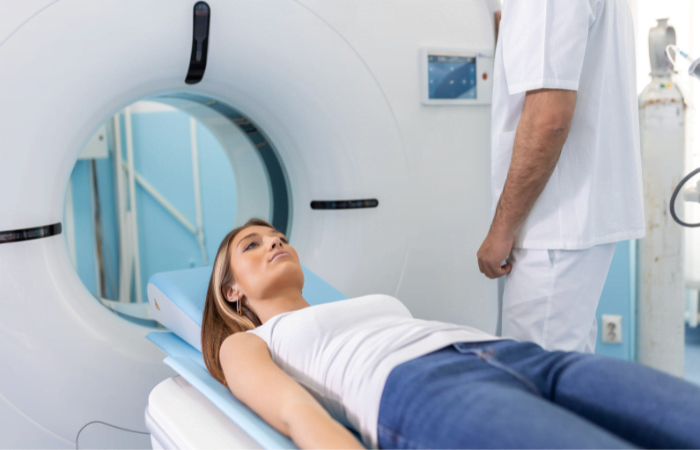
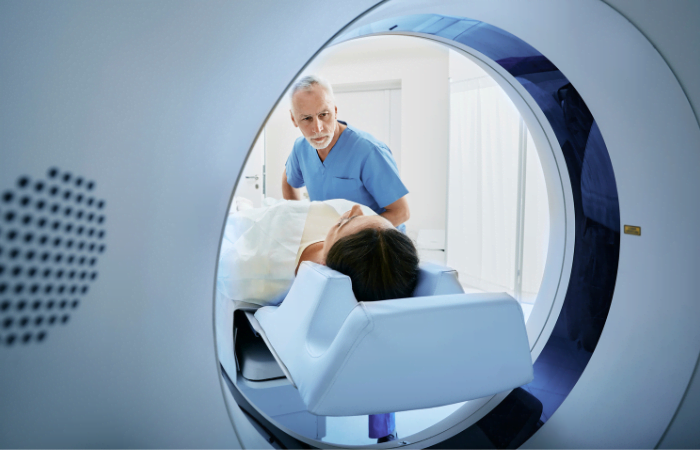
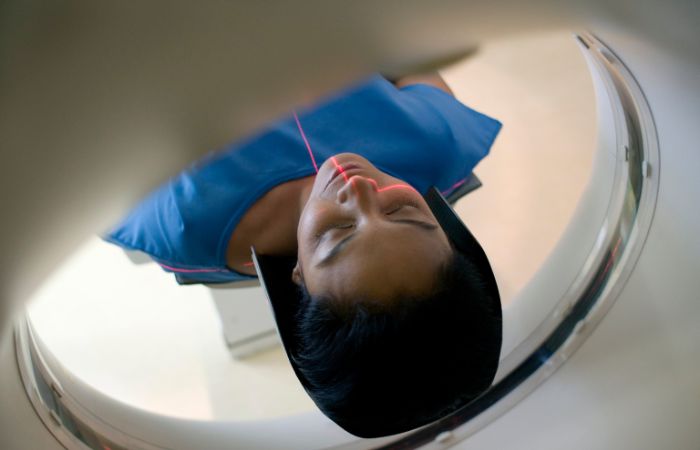
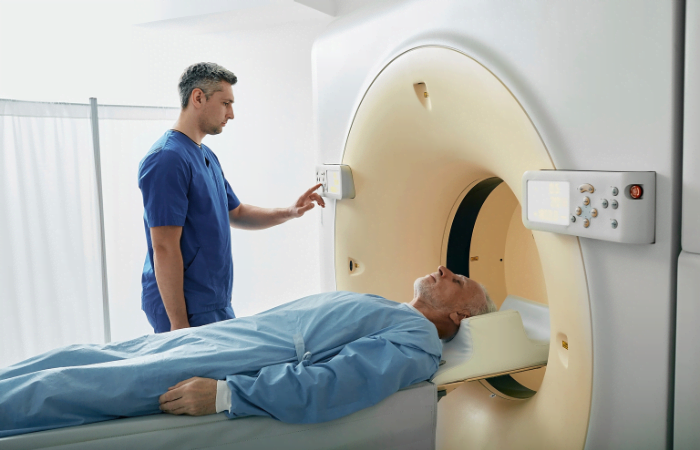
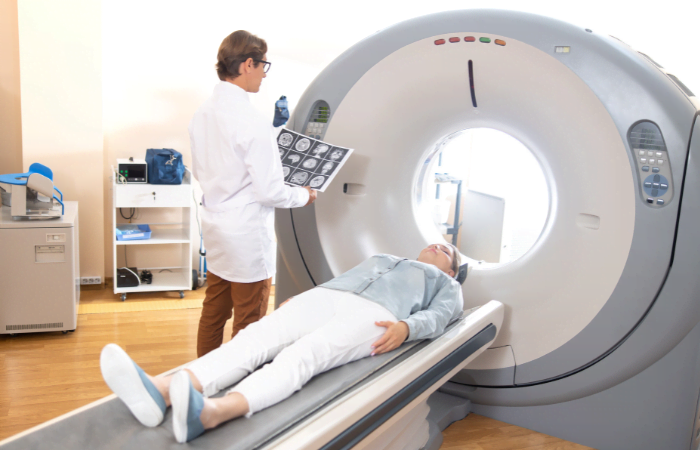
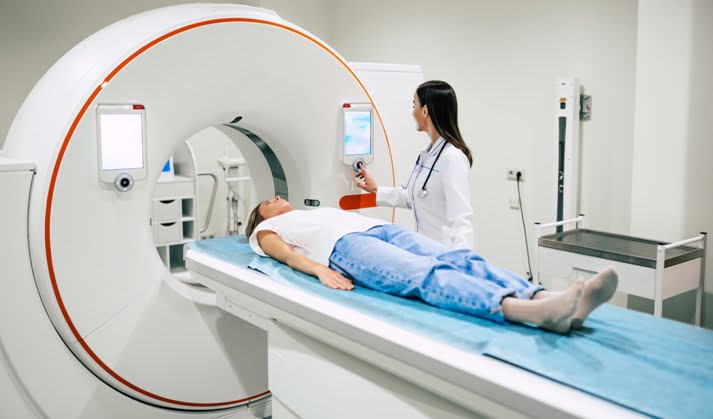
.jpg "exploring the power of ct brain contrast in modern diagnostics")
Modern medical imaging has transformed the way doctors diagnose and treat neurological conditions. One of the most powerful tools used today is the CT scan of the brain with contrast. This advanced imaging technique provides detailed pictures of the brain and helps doctors identify serious medical conditions quickly.
By using a special contrast dye, radiologists can clearly see blood vessels, brain tissues, and abnormalities that may not be visible on a standard scan. This makes CT brain contrast an essential diagnostic tool in emergency medicine and neurological care.
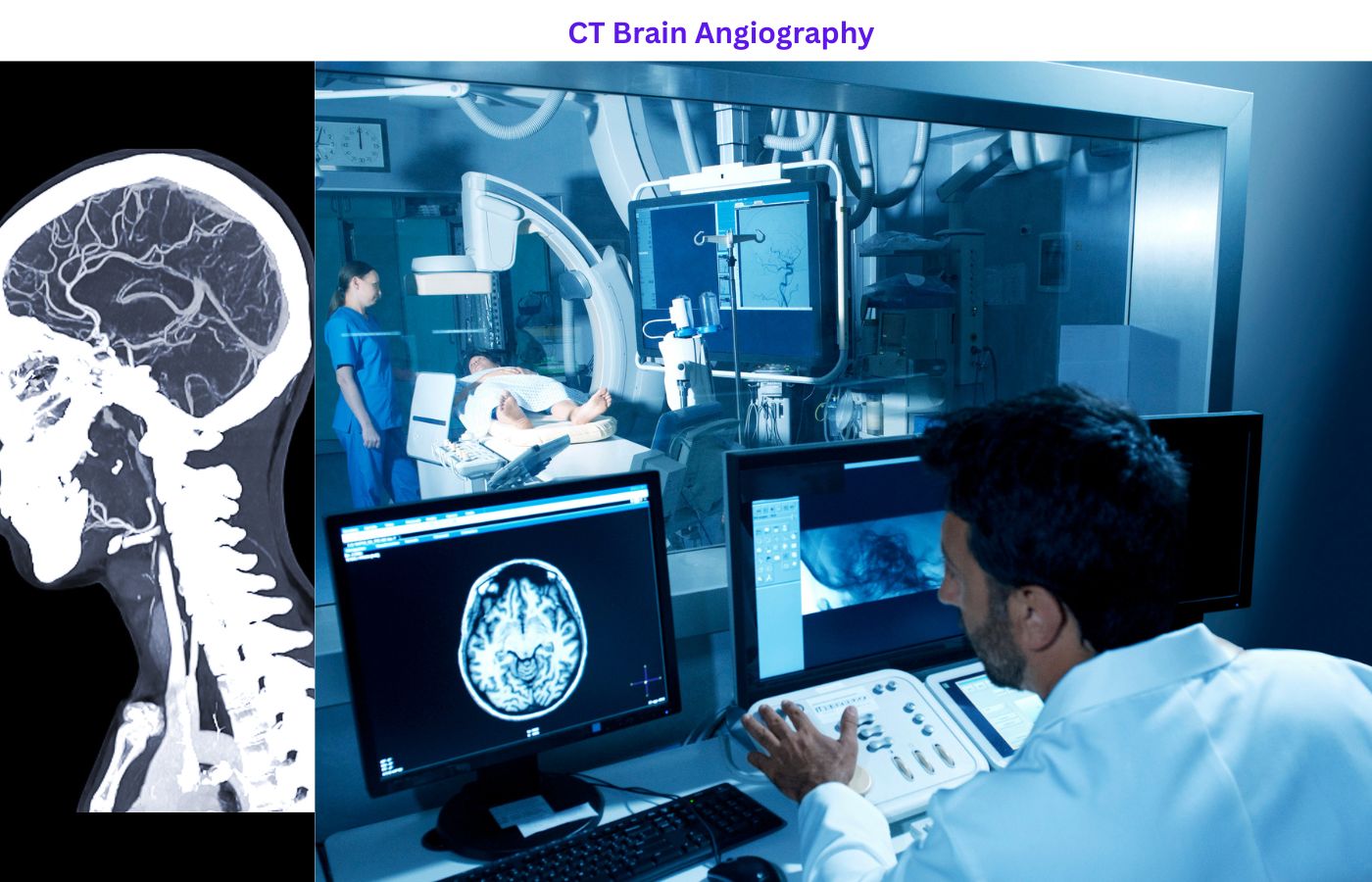
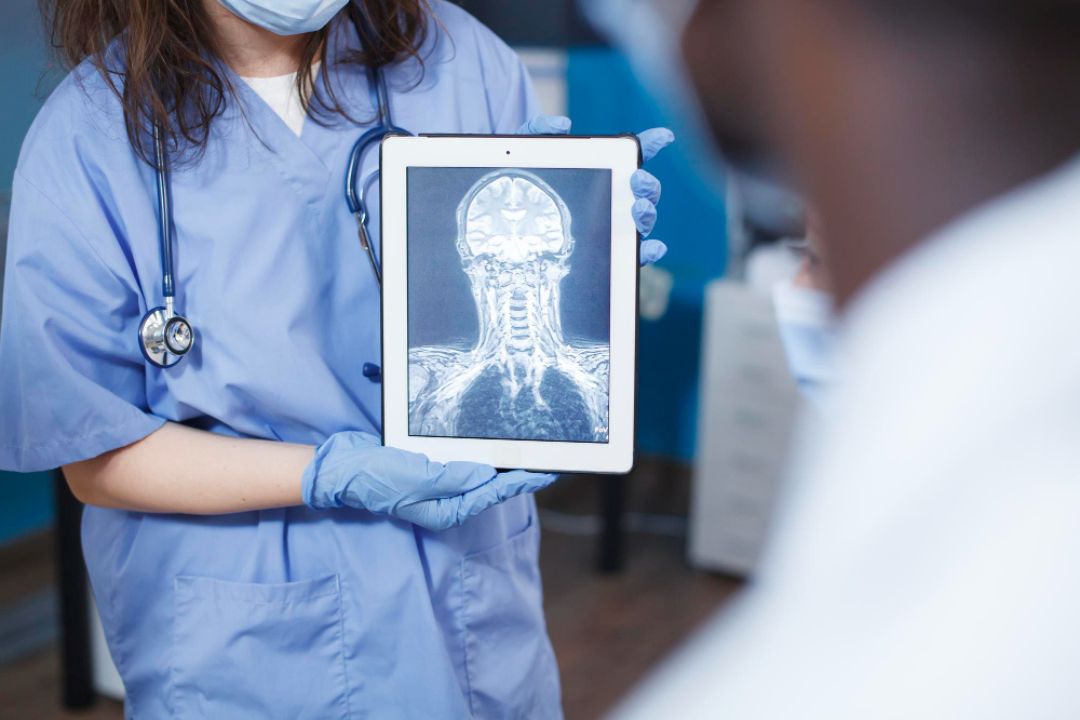
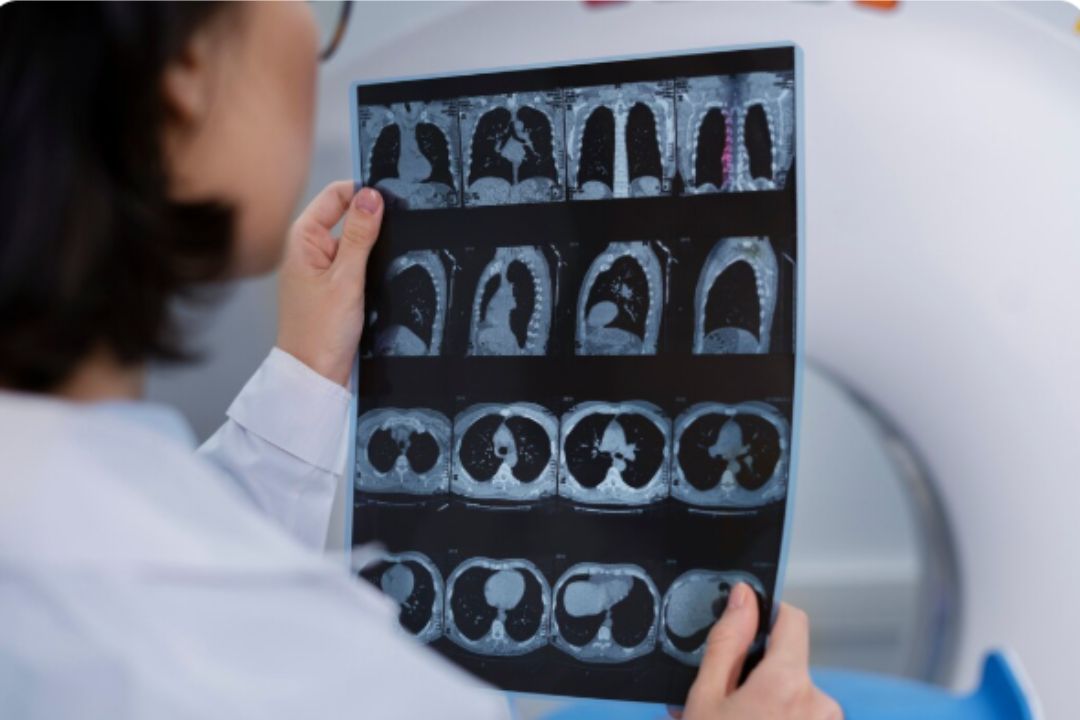
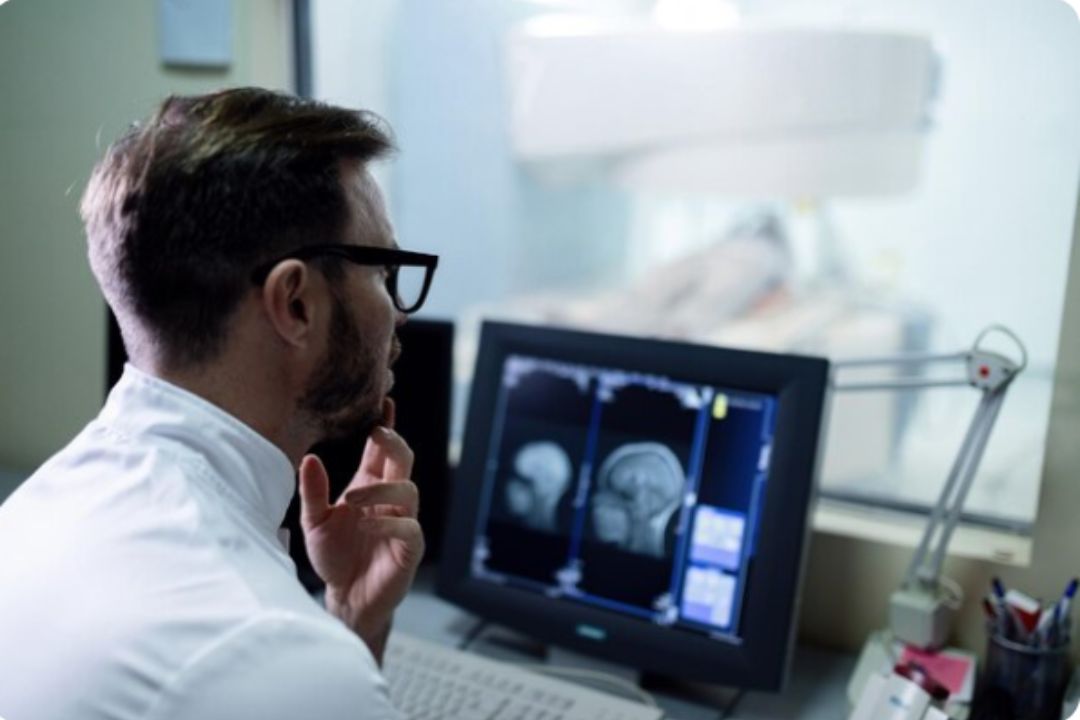
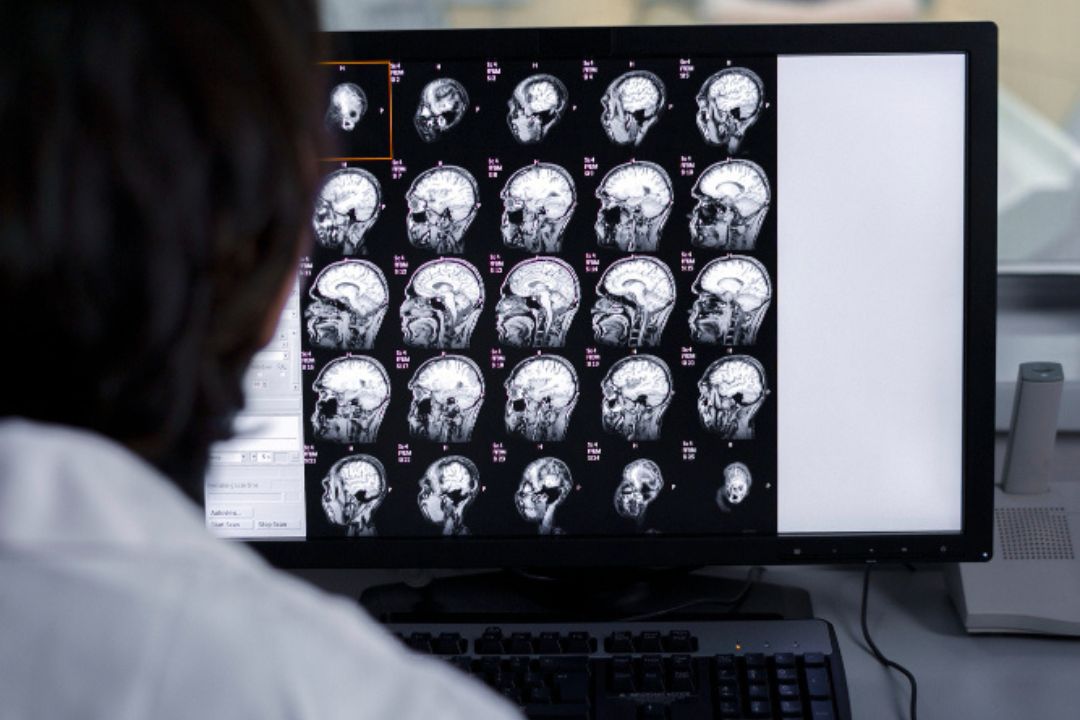
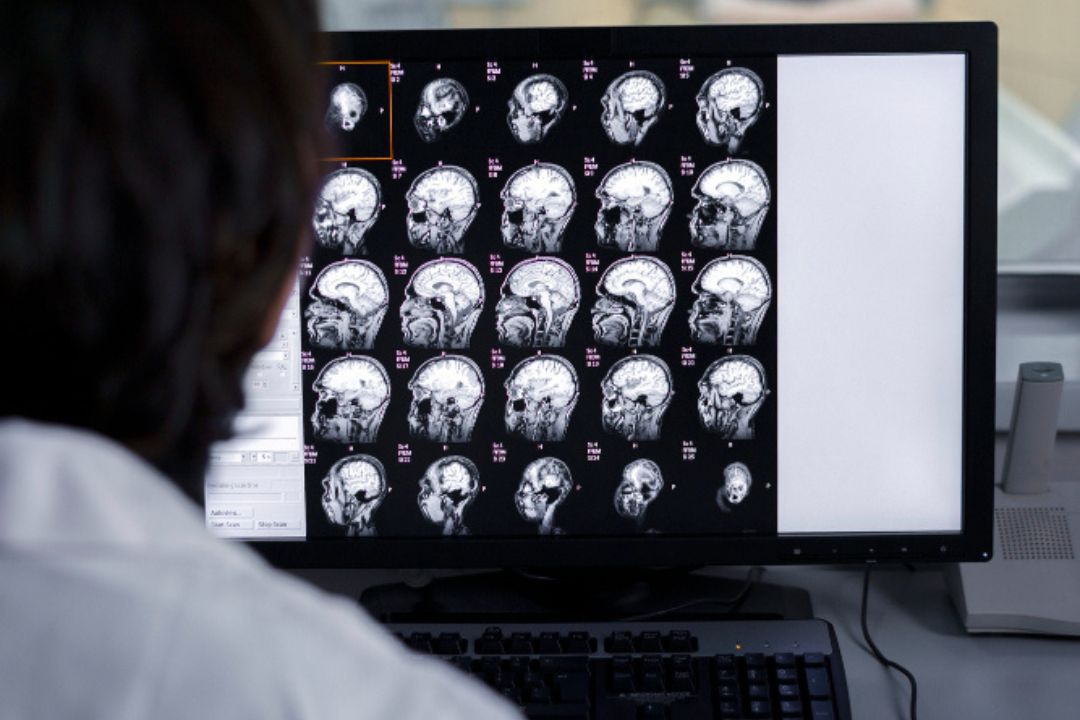
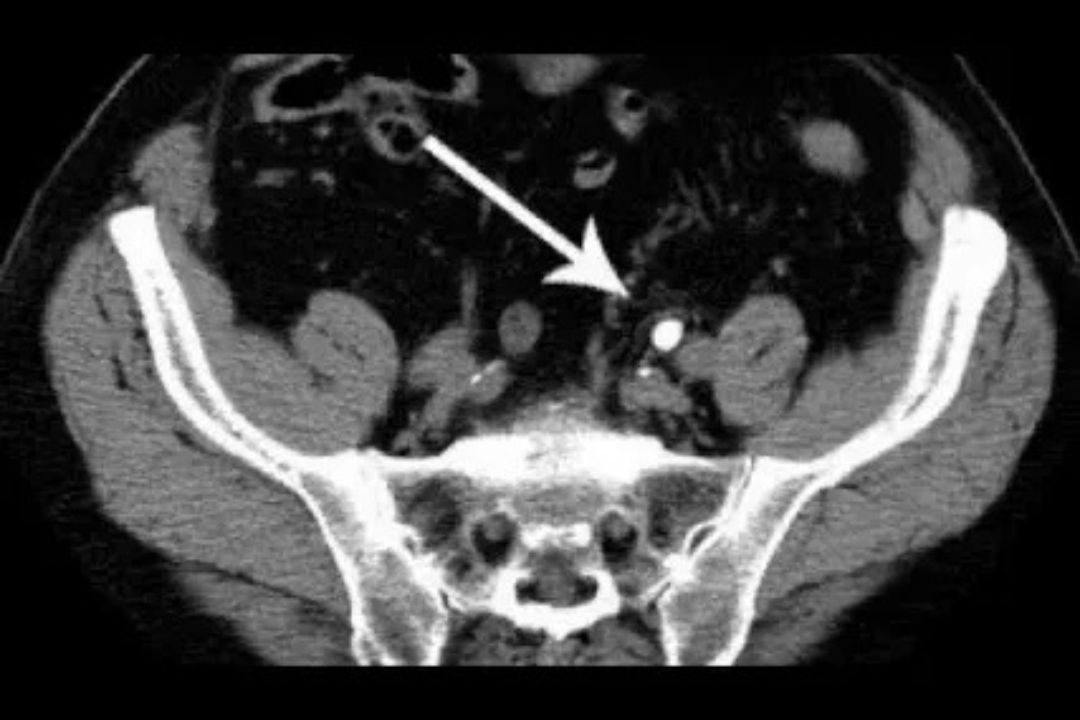
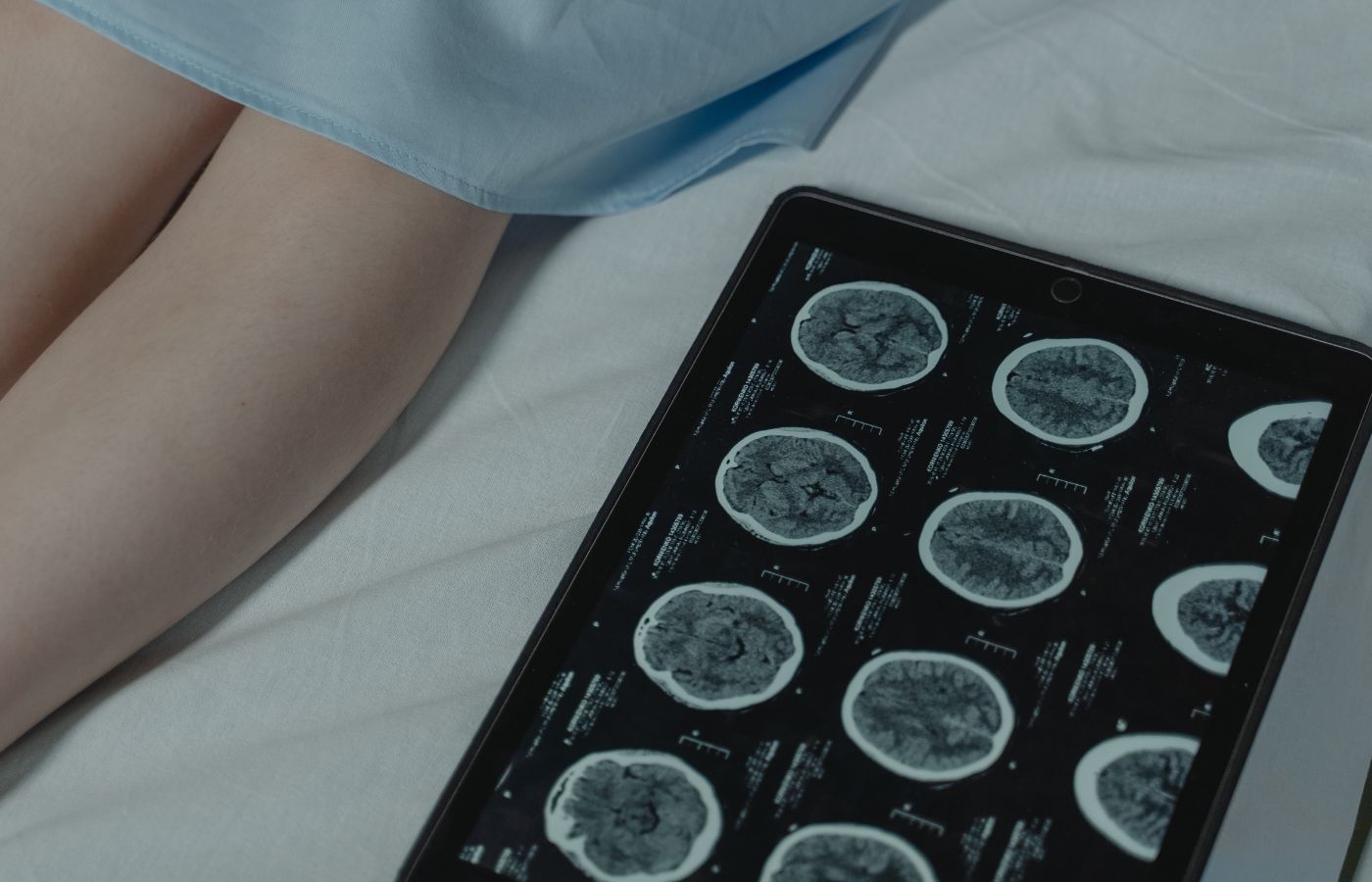
A CT brain scan is a diagnostic imaging test that uses X-rays and computer technology to create detailed cross-sectional images of the brain. When contrast dye is injected into the bloodstream, it highlights blood vessels and certain brain tissues, making abnormalities easier to detect.
The contrast dye travels through the bloodstream and enhances areas with increased blood flow or damaged tissue, allowing doctors to evaluate the brain more accurately.
CT brain contrast plays a critical role in diagnosing neurological conditions because it provides fast and highly detailed images.
Doctors commonly use this imaging method to identify:
Brain tumors
Brain infections or abscesses
Brain bleeding or hemorrhage
Blood clots that may cause stroke
Brain swelling or inflammation
Structural abnormalities in the brain
It is especially useful when rapid diagnosis is required, such as during stroke or head trauma emergencies.
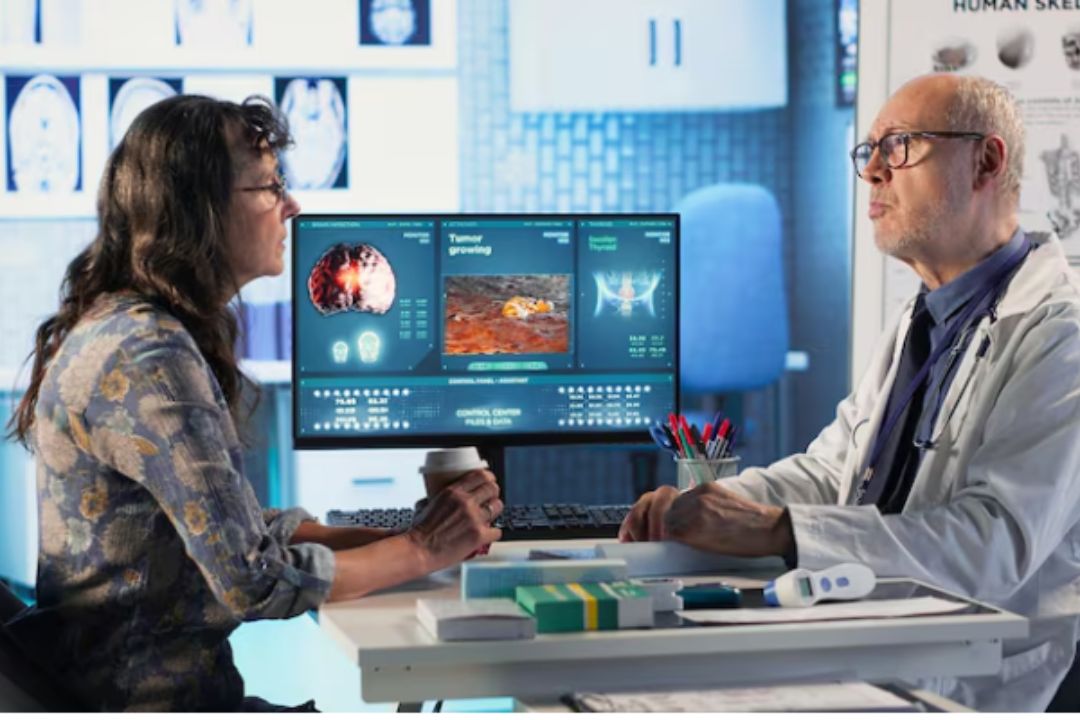
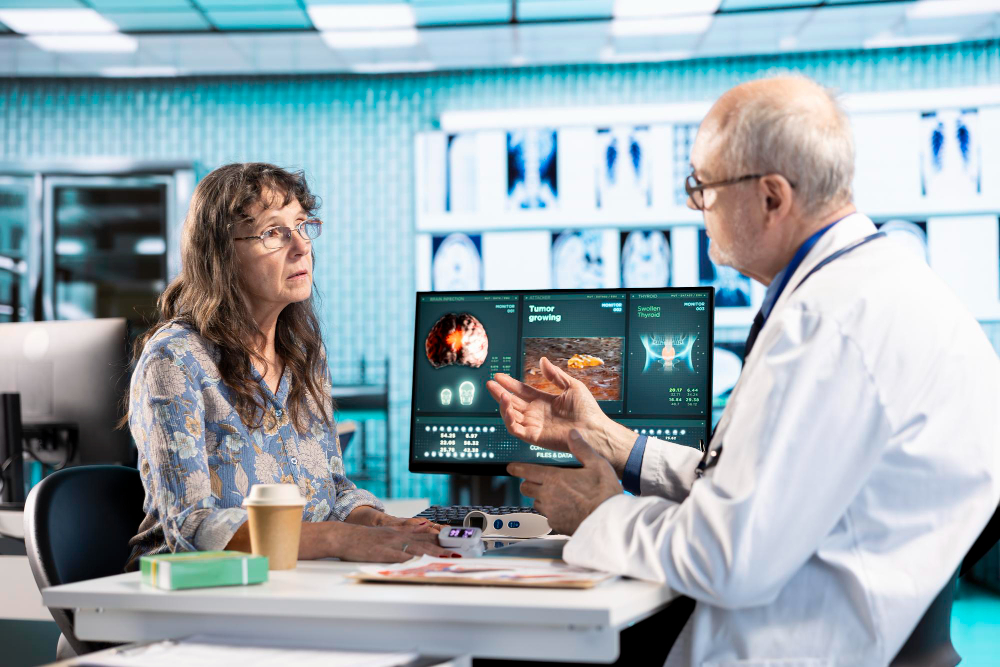
Contrast CT scans help doctors identify tumors and abnormal growths in the brain. The dye highlights areas where blood vessels feed a tumor, helping determine its size and location.
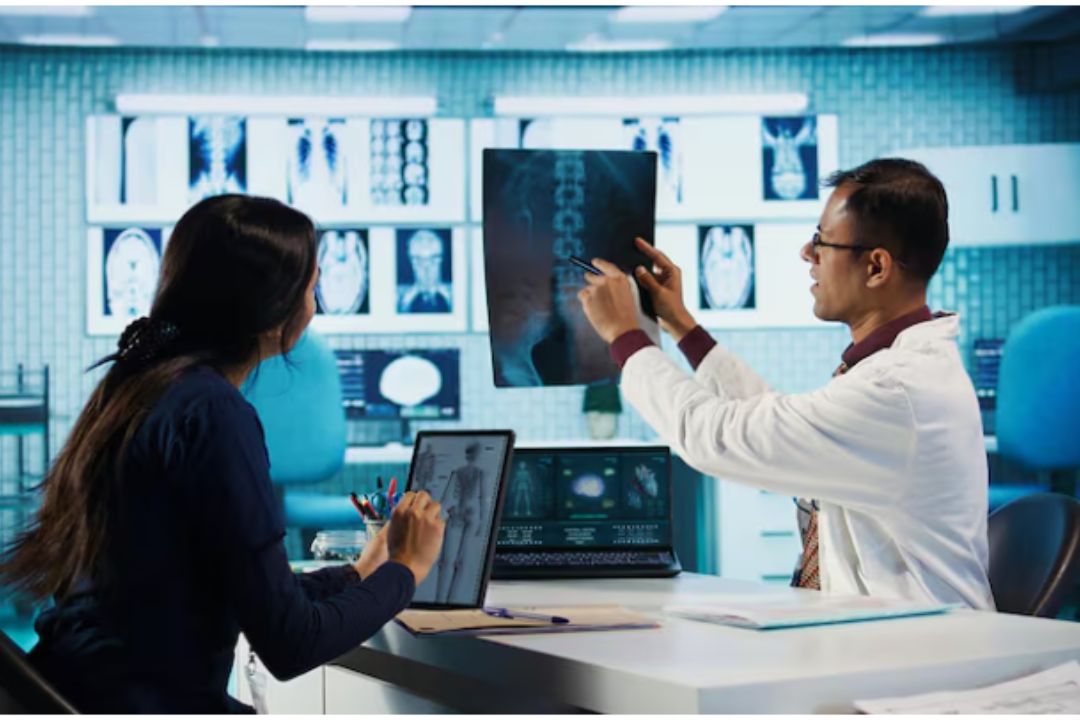
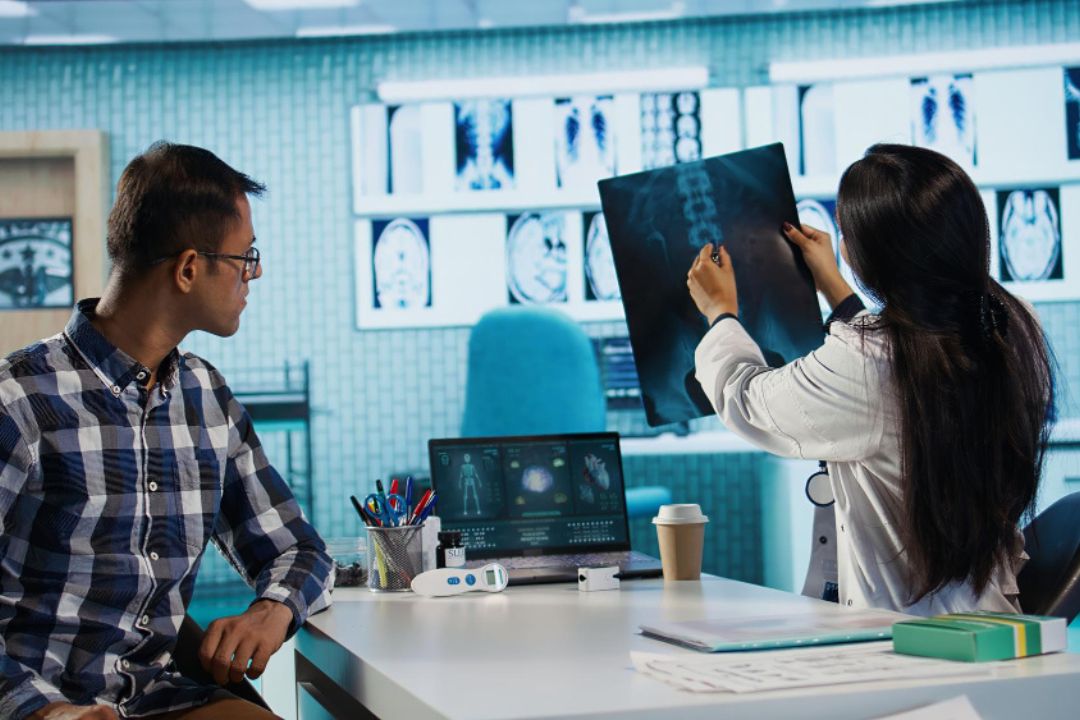
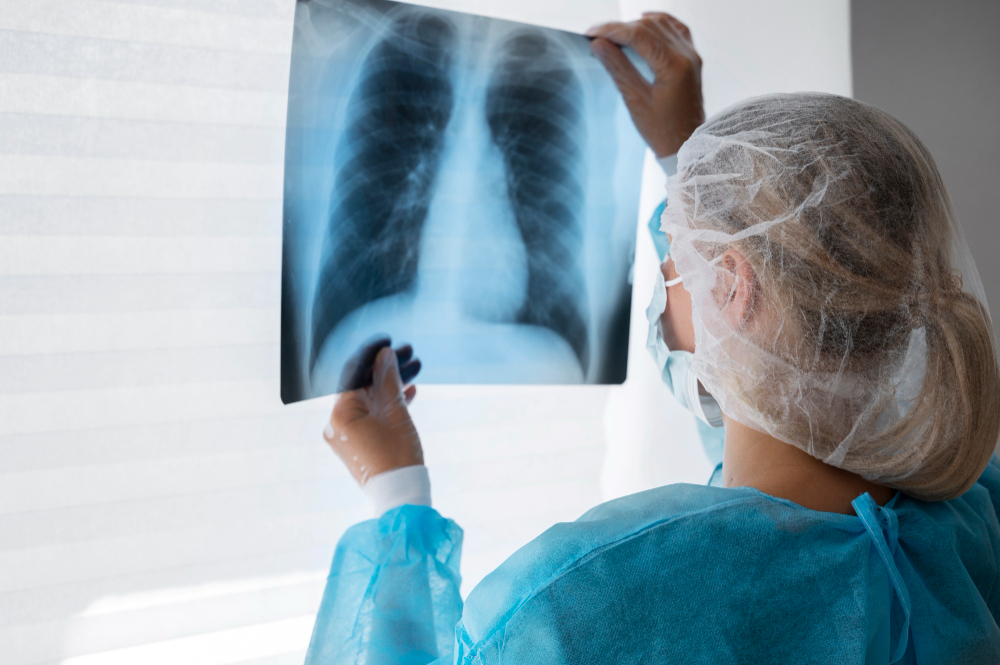
A CT scan can quickly identify bleeding or blocked blood vessels in the brain. This information is critical in determining the correct treatment for stroke patients.
Conditions such as brain abscesses or infections can be detected using contrast-enhanced imaging because inflamed tissues often appear brighter on scans.
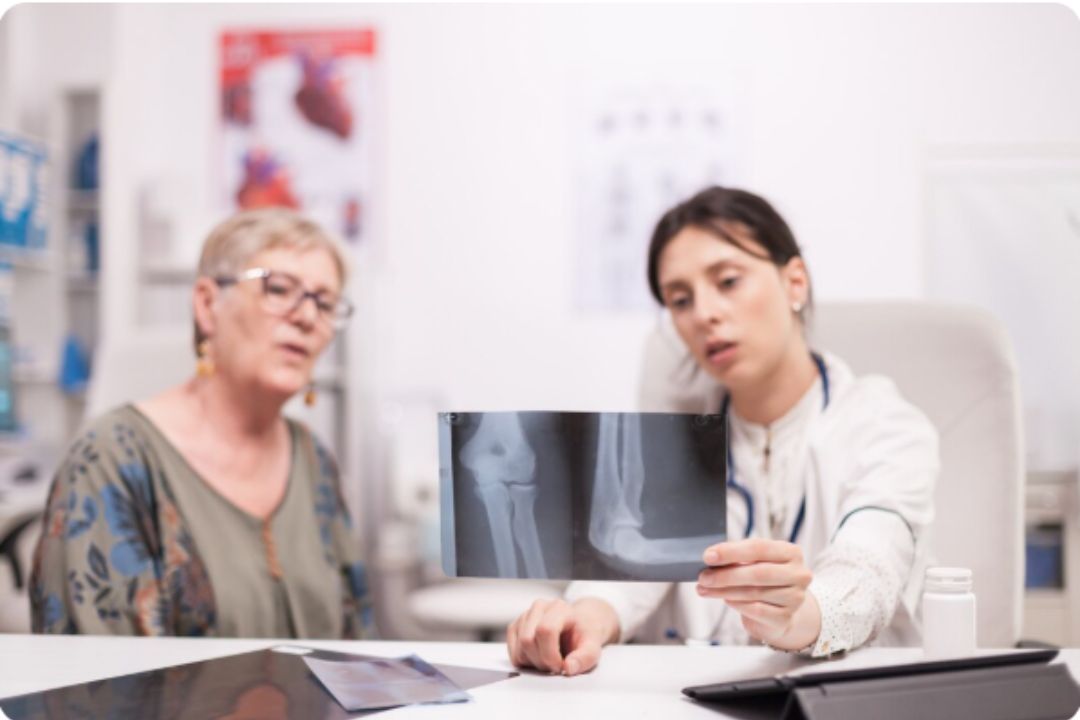
After accidents or trauma, CT scans help doctors detect skull fractures, brain bleeding, or swelling.
Contrast imaging helps visualize blood vessels in the brain, allowing doctors to detect aneurysms, blood clots, and other vascular abnormalities.
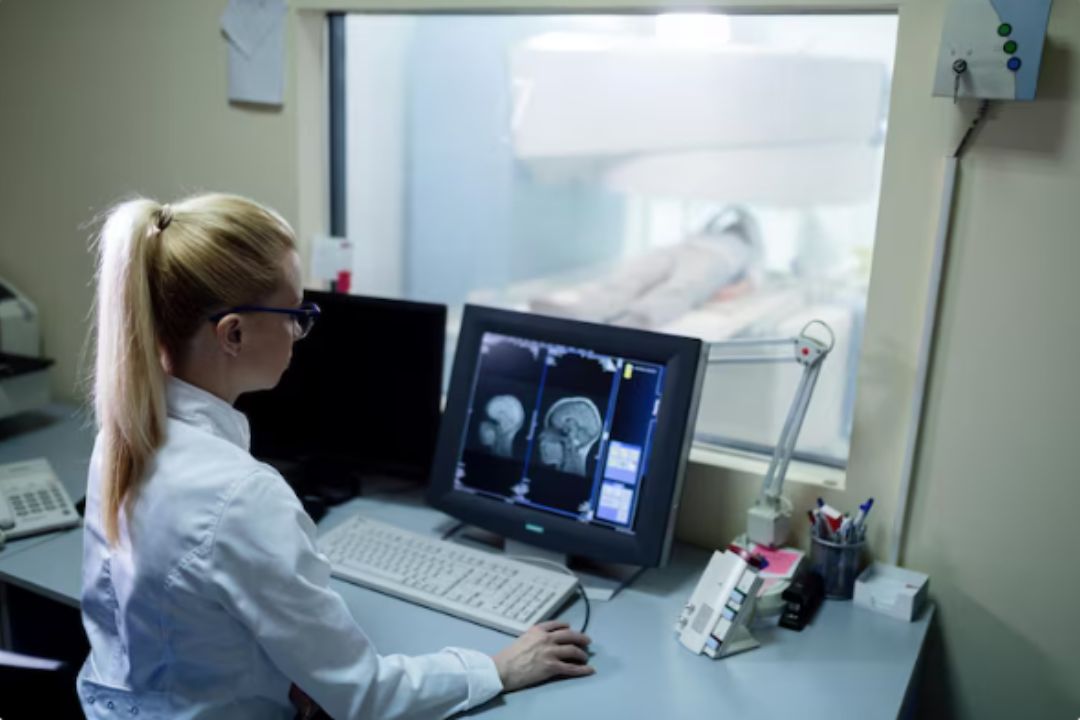
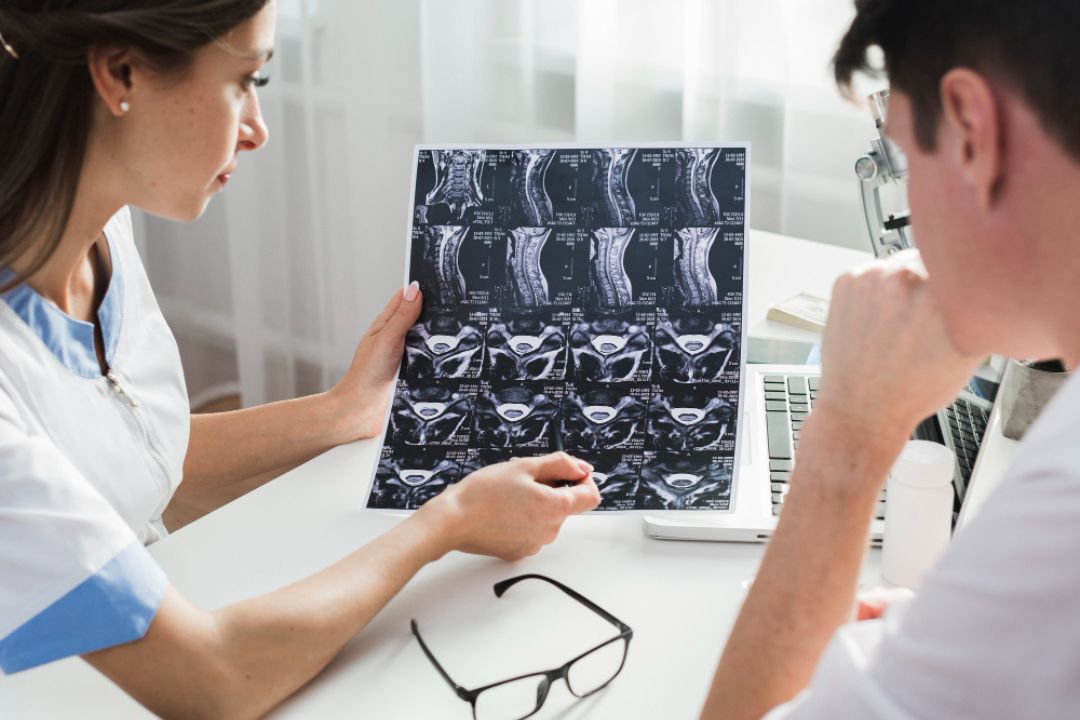
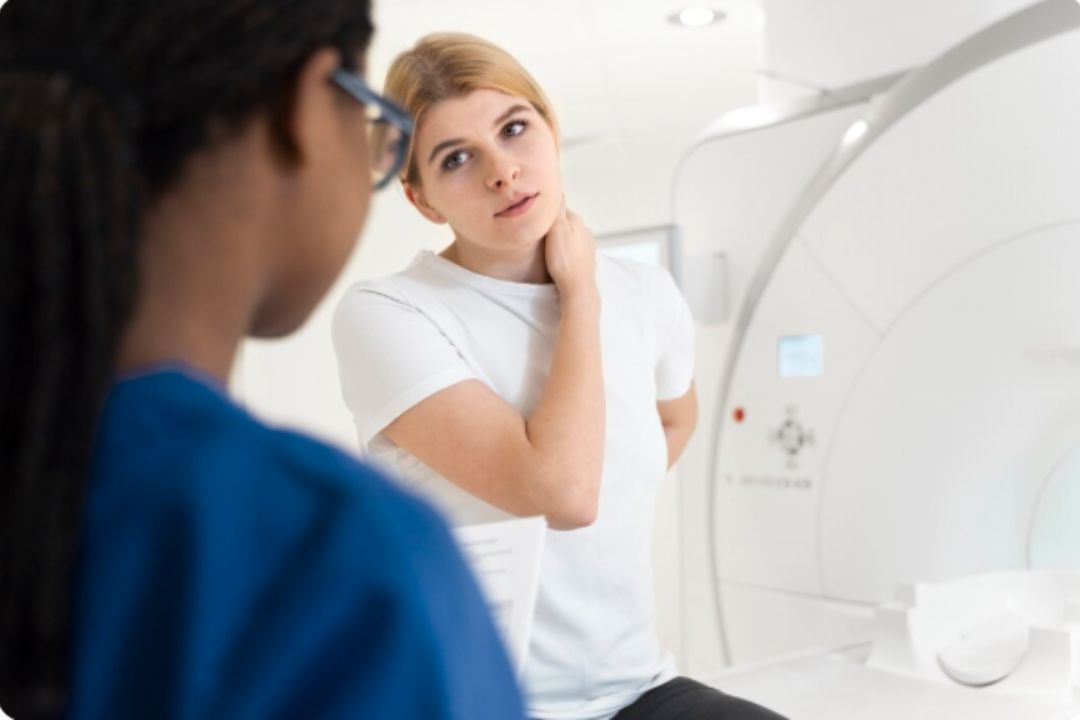
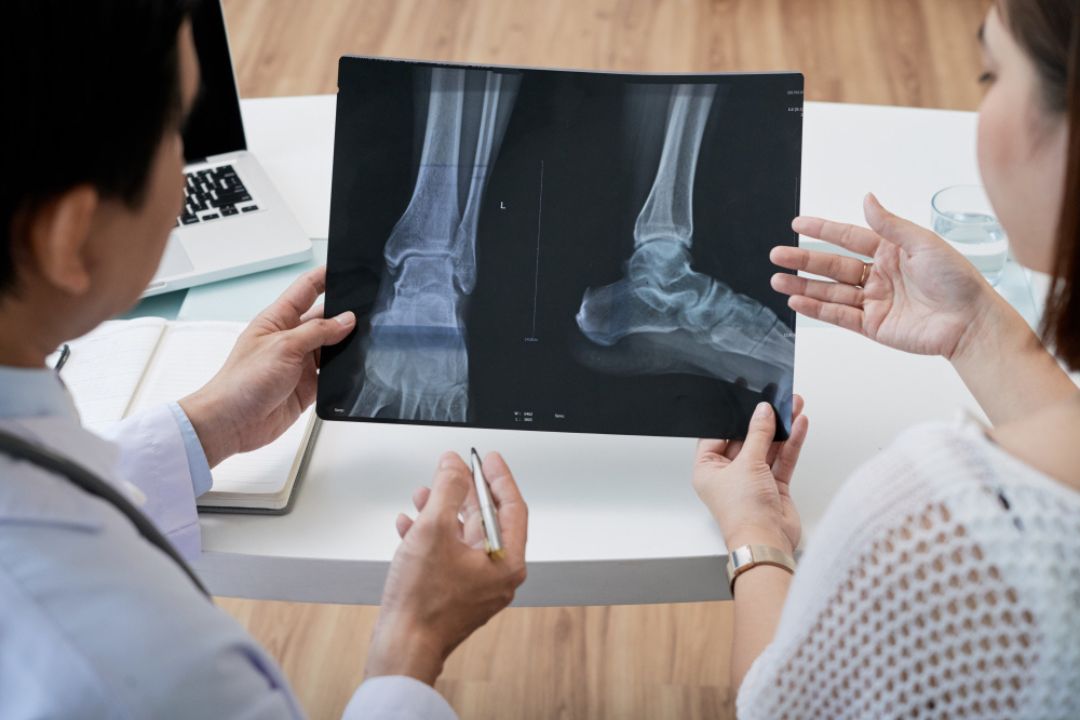
Many patients wonder whether CT scans or MRI scans are better for brain imaging.
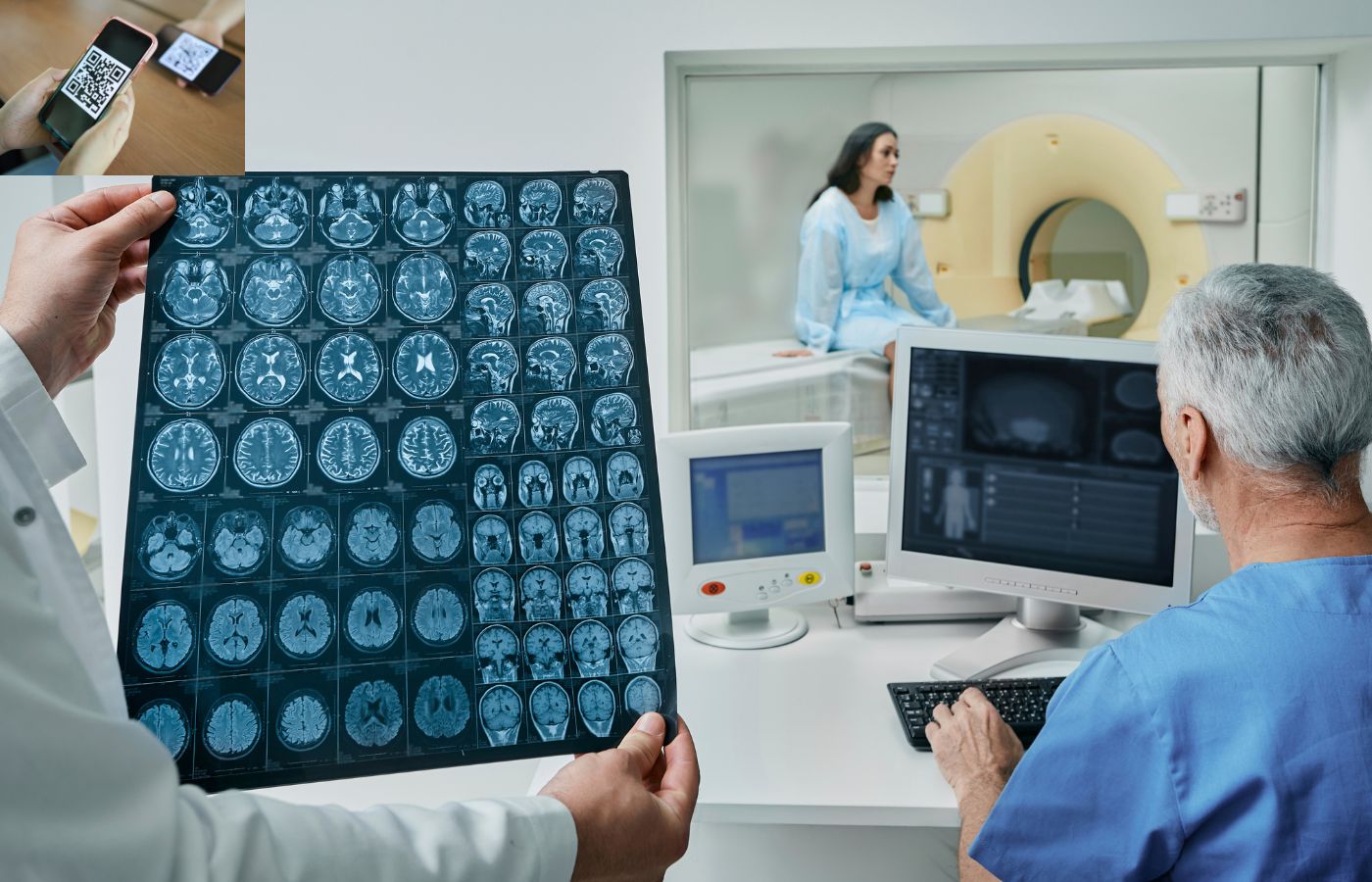
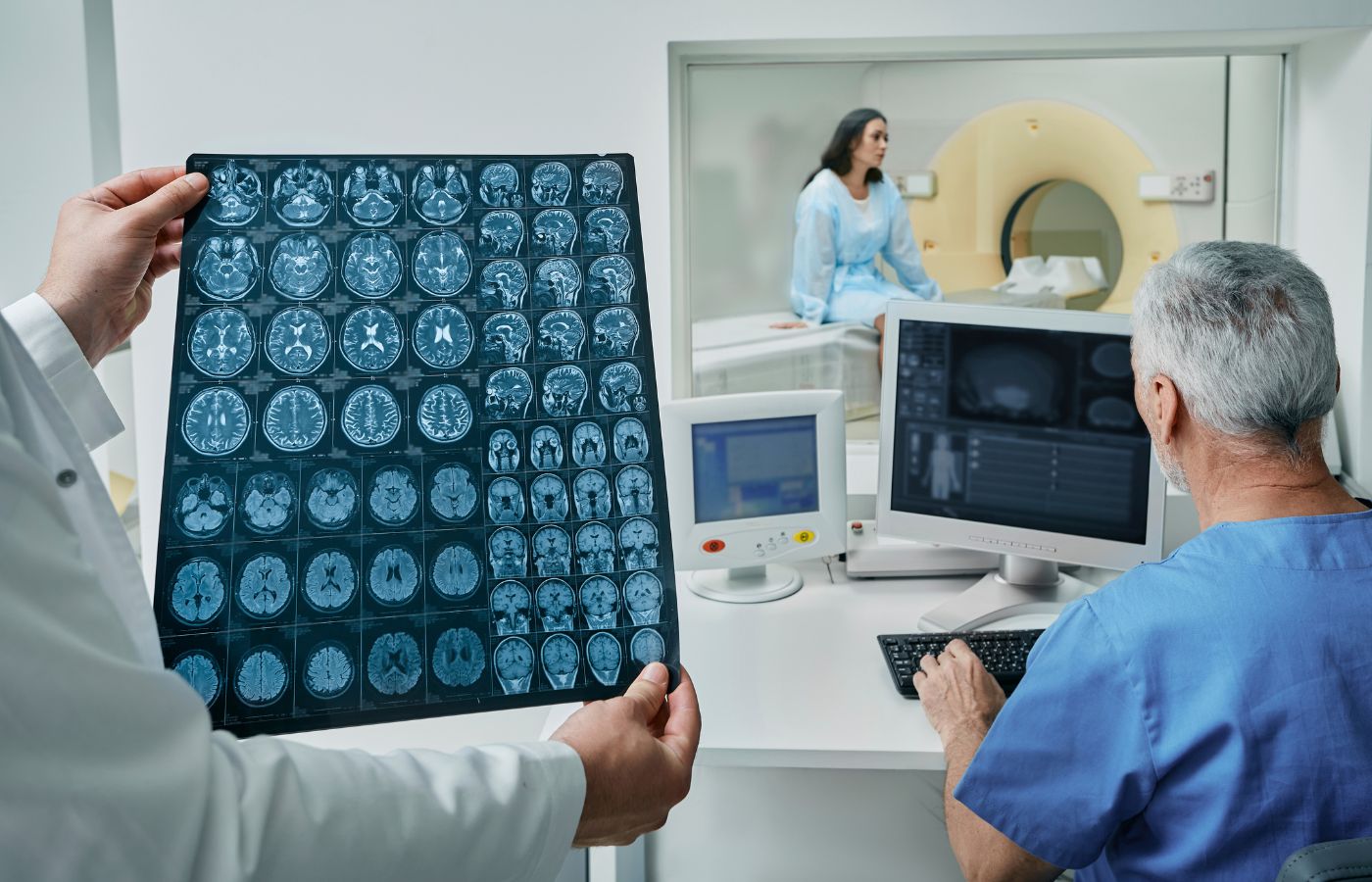
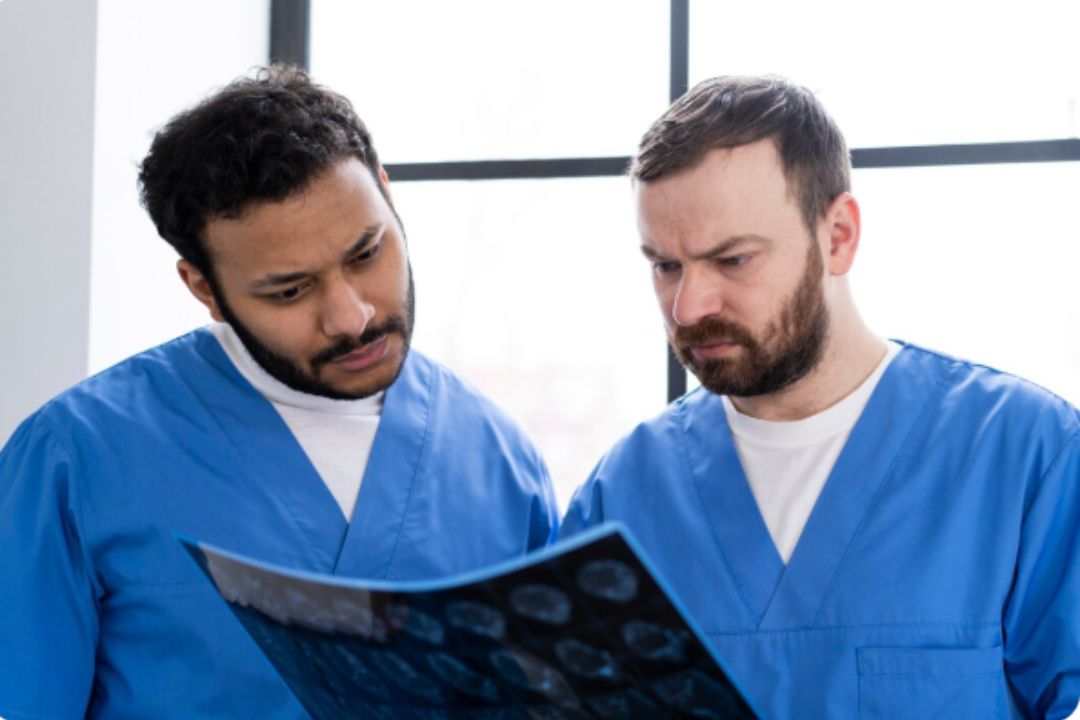
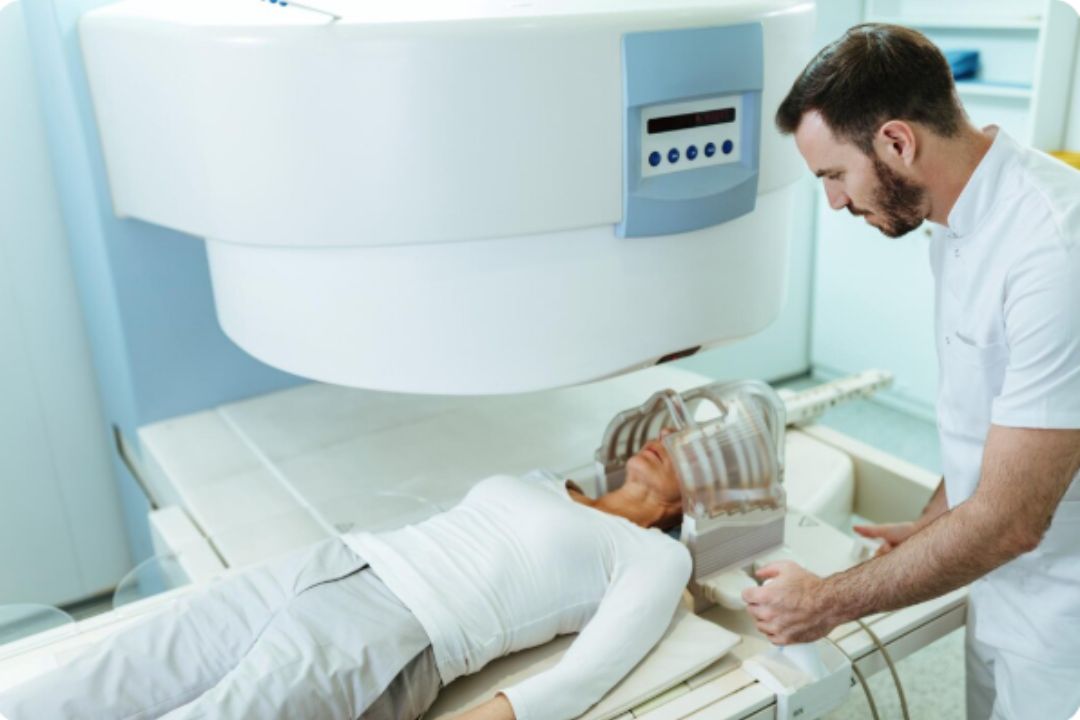
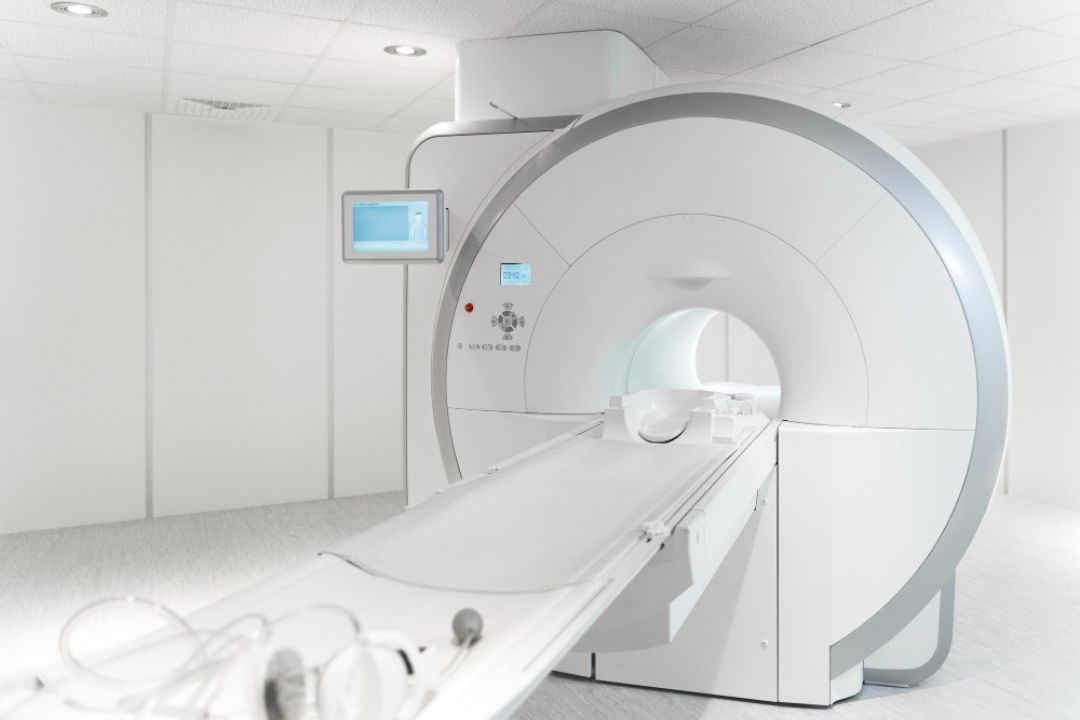
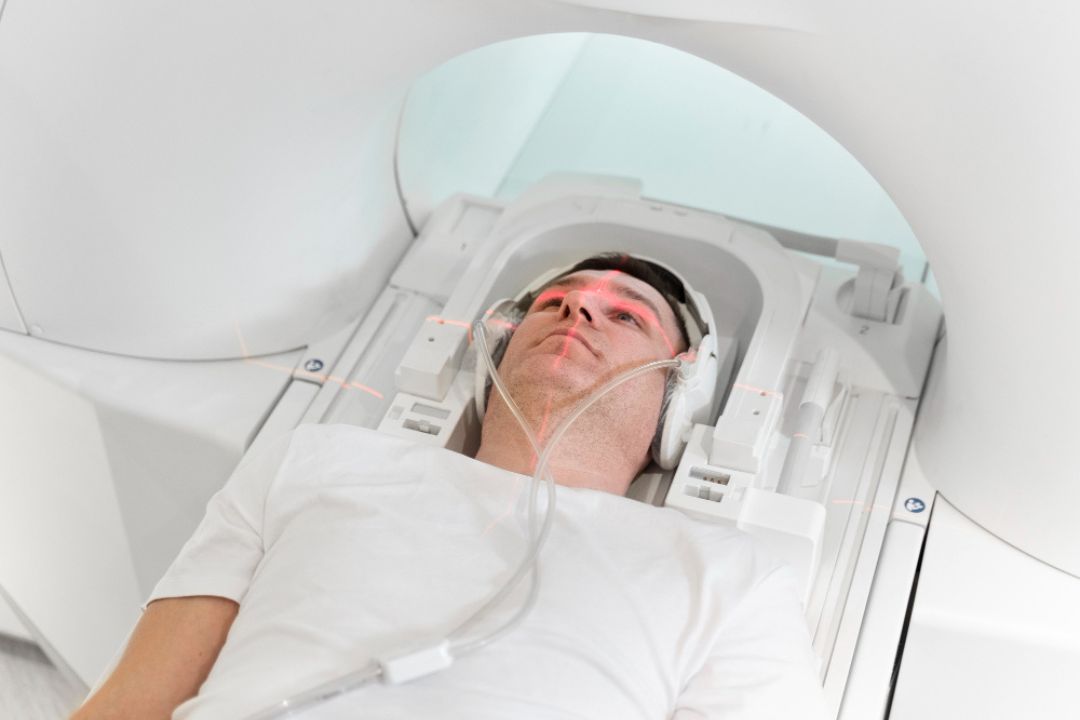
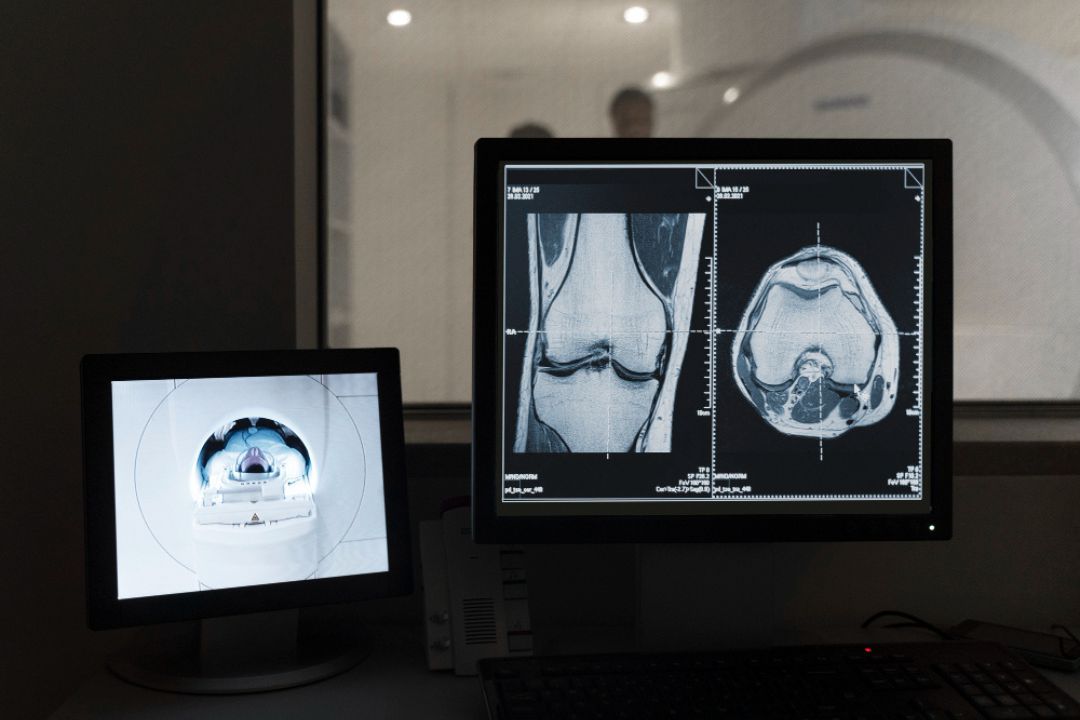
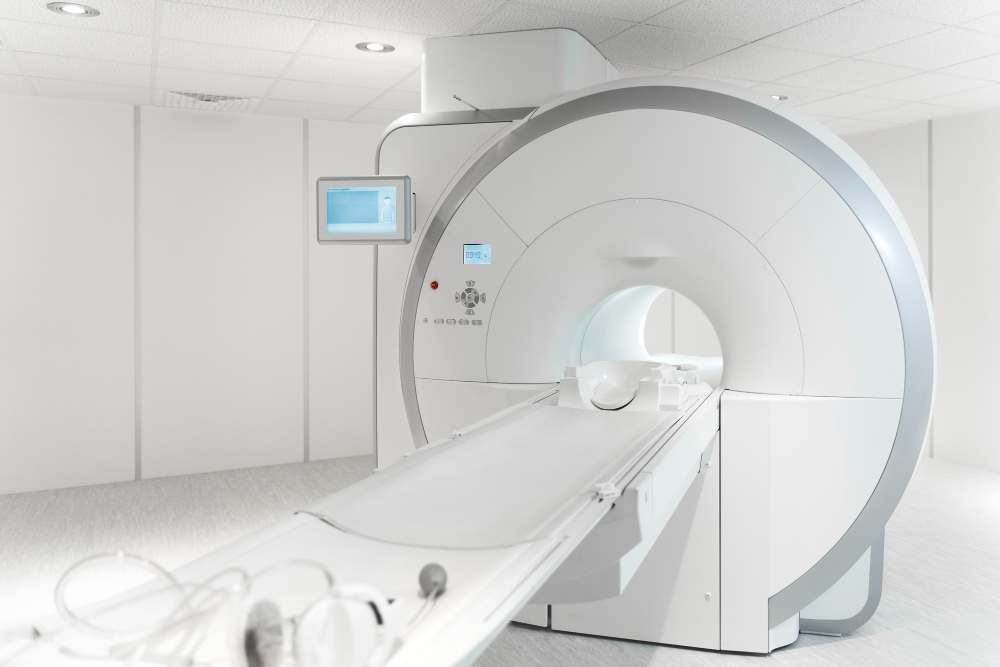
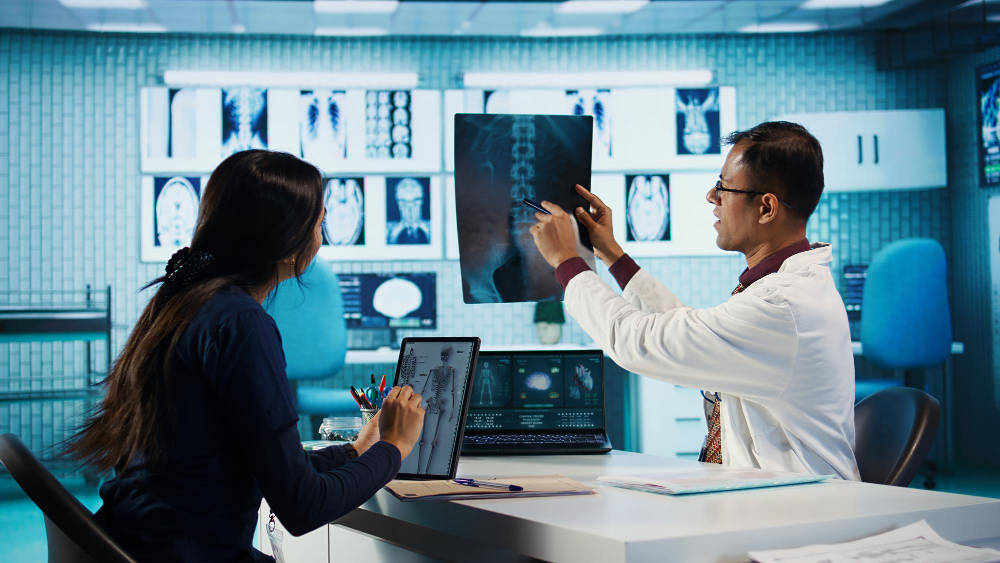
CT brain scans are generally preferred in emergency situations because they are fast and effective at detecting bleeding, fractures, and acute injuries. MRI scans, on the other hand, provide more detailed images of brain tissue and are often used for chronic neurological conditions.
Both imaging techniques are valuable, and doctors choose the most appropriate method depending on the medical situation.
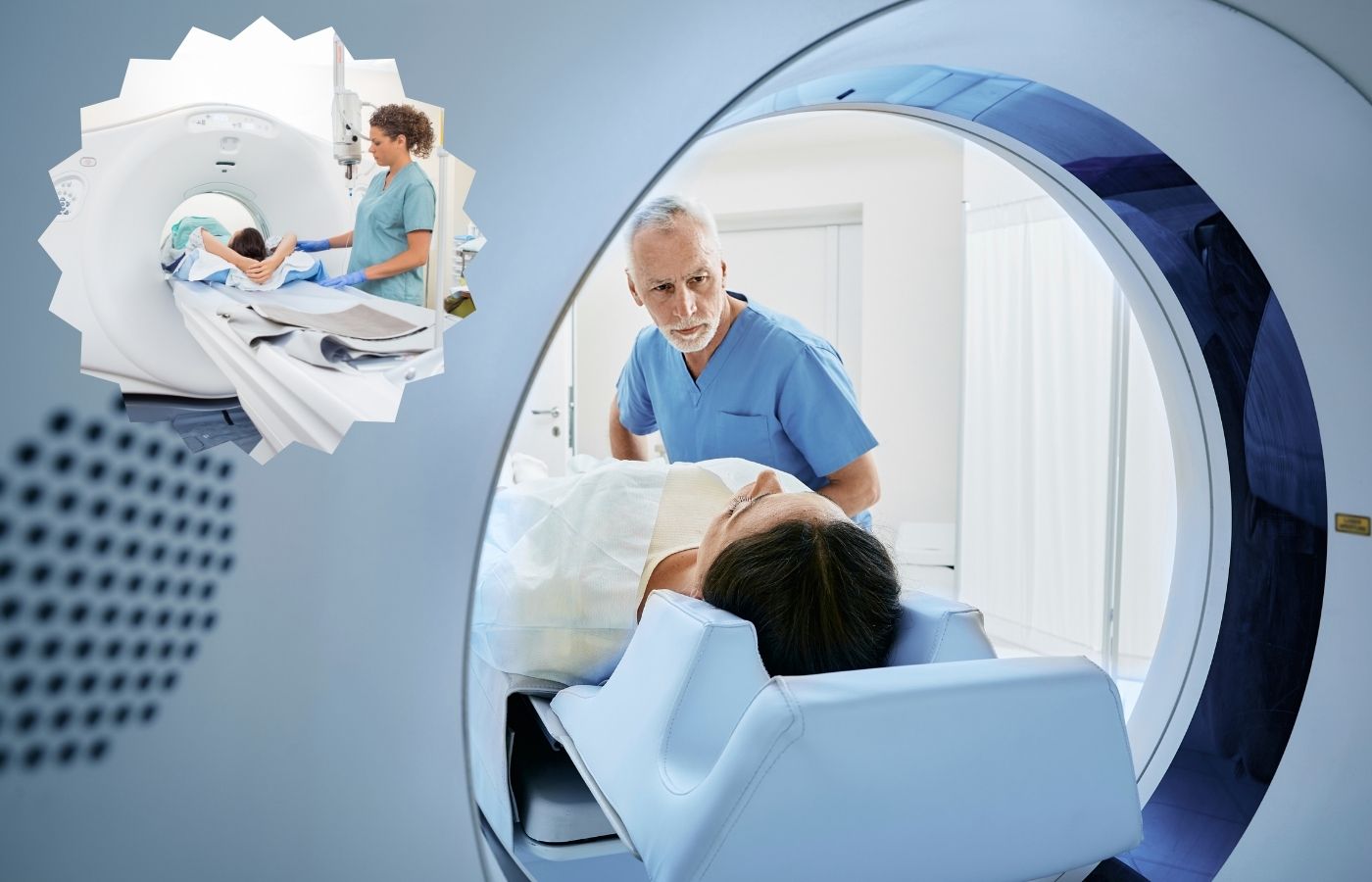
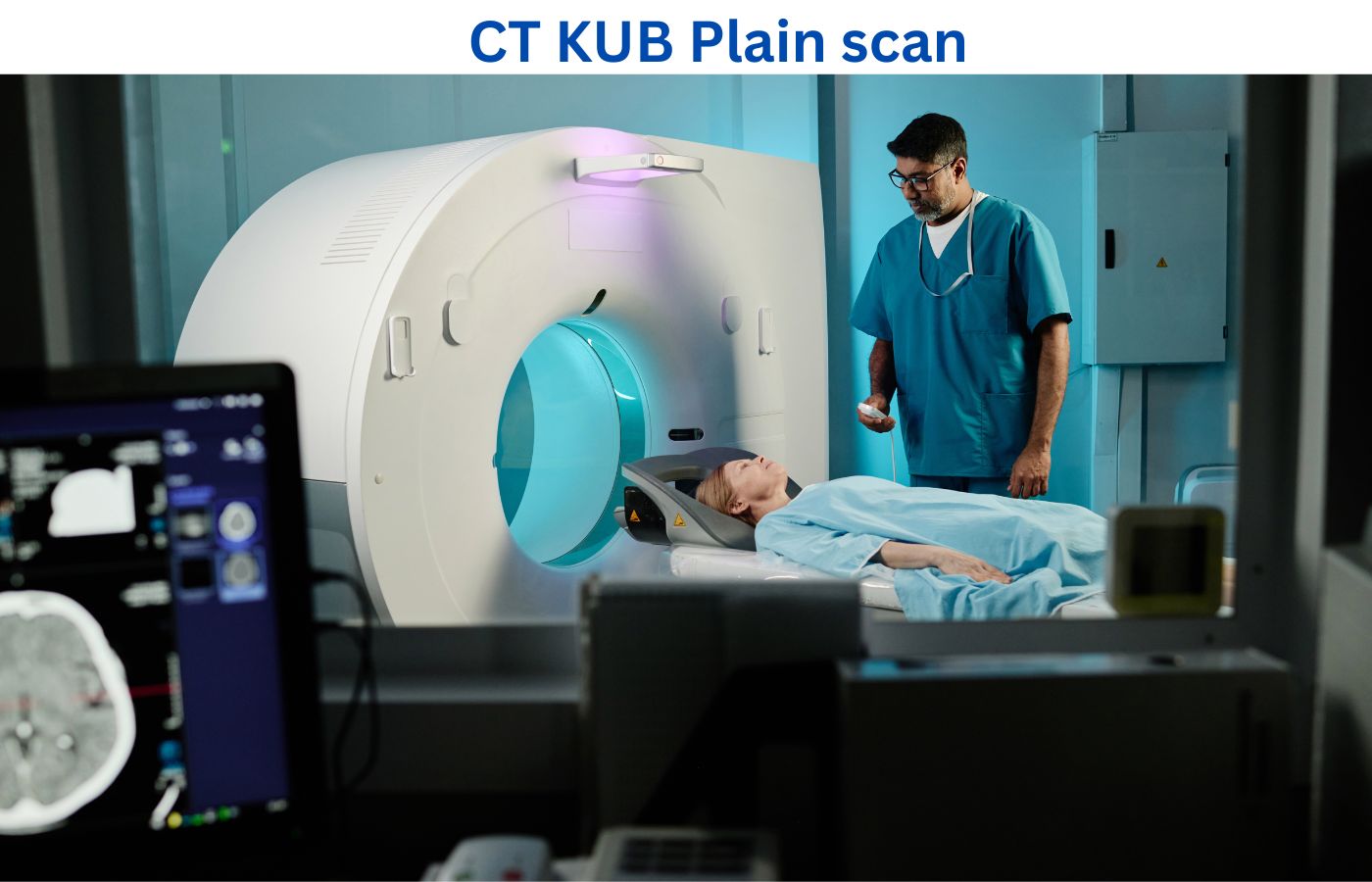
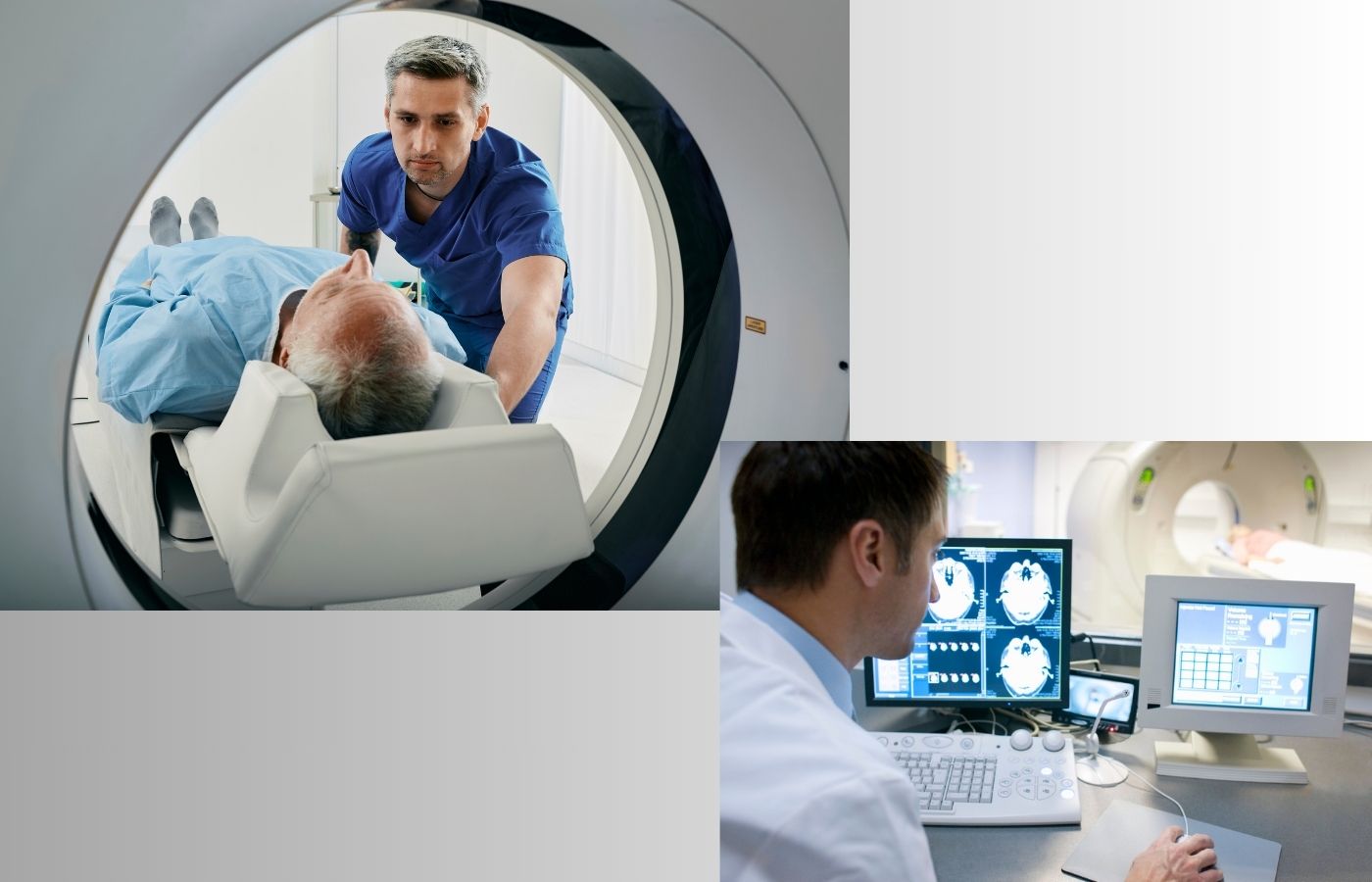
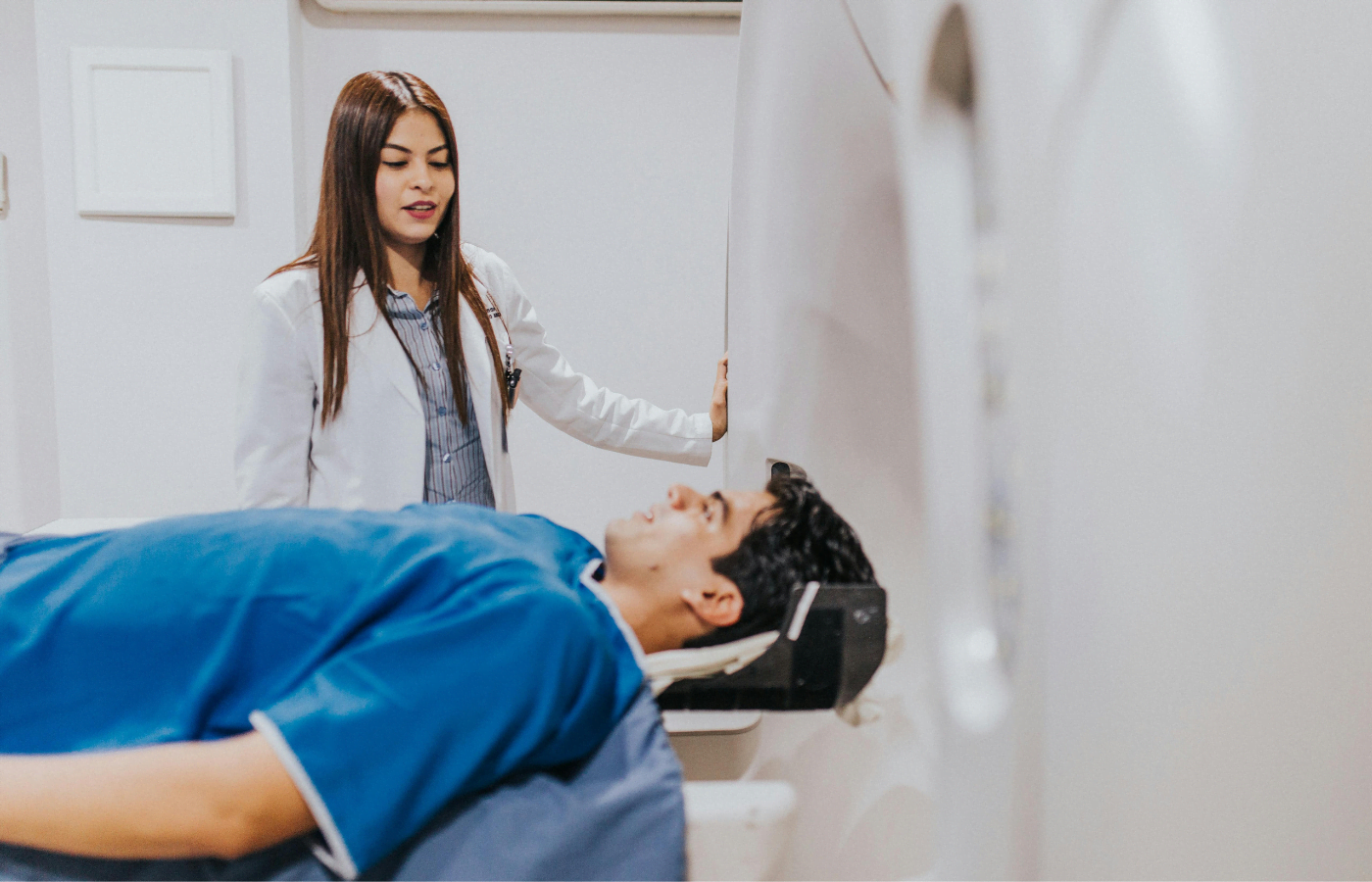
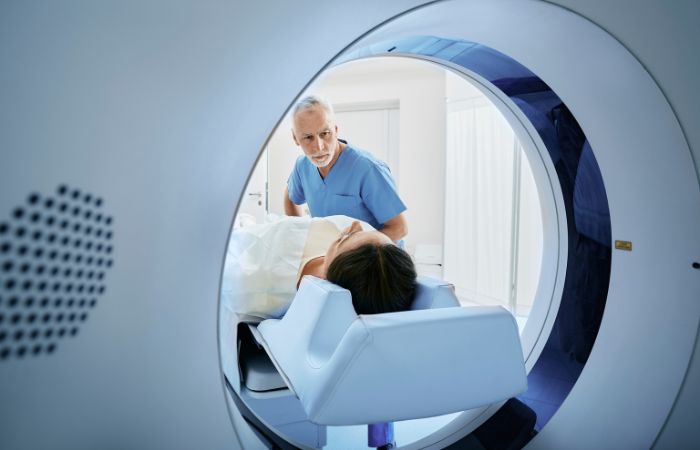
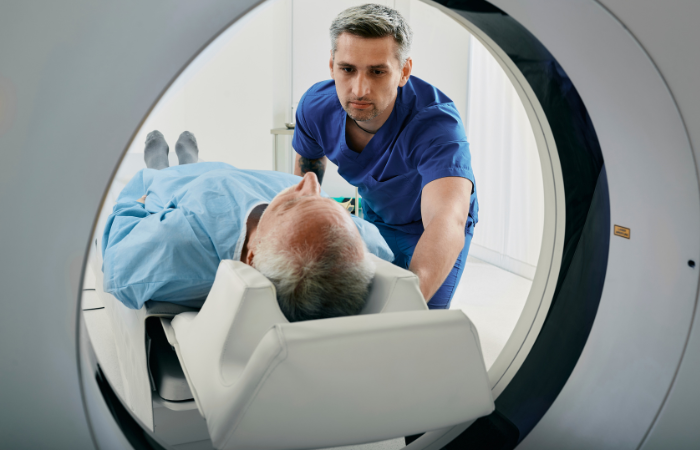
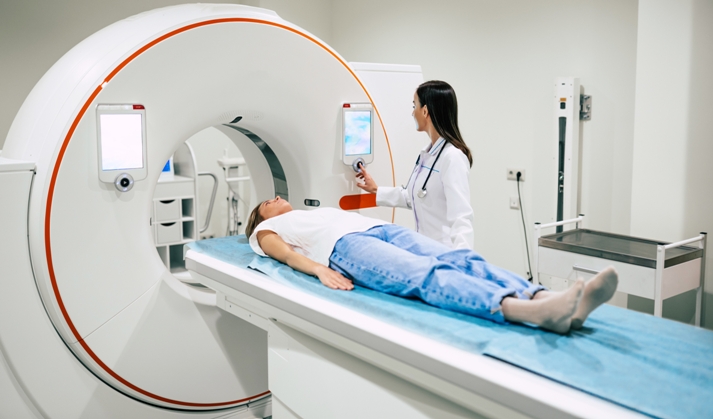
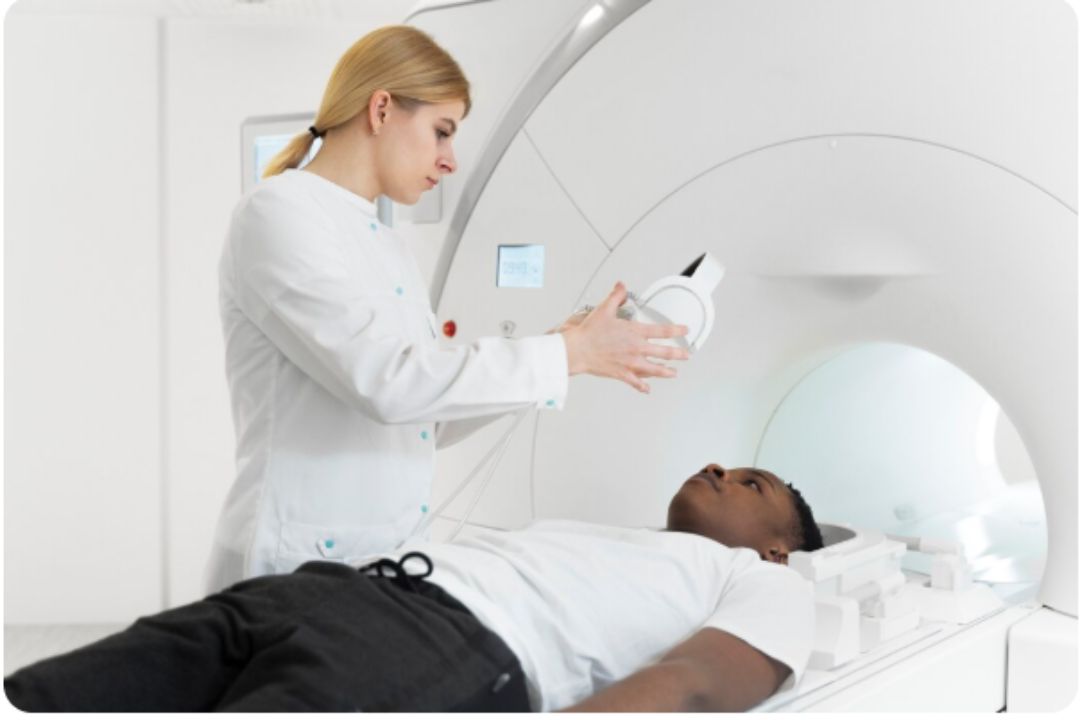
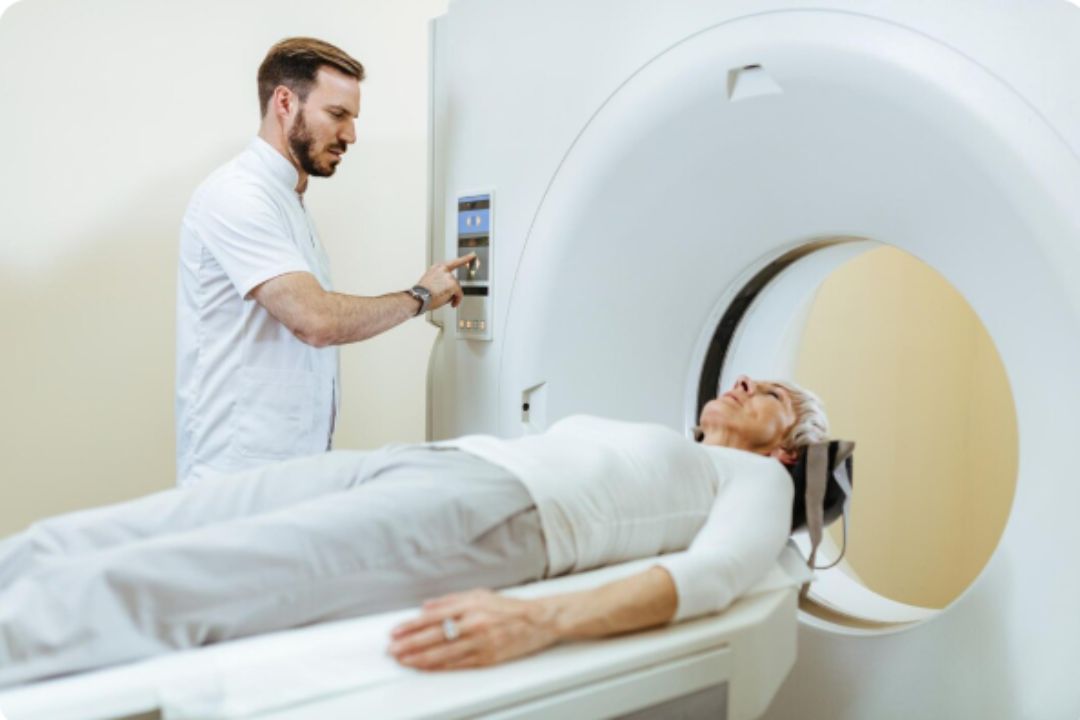
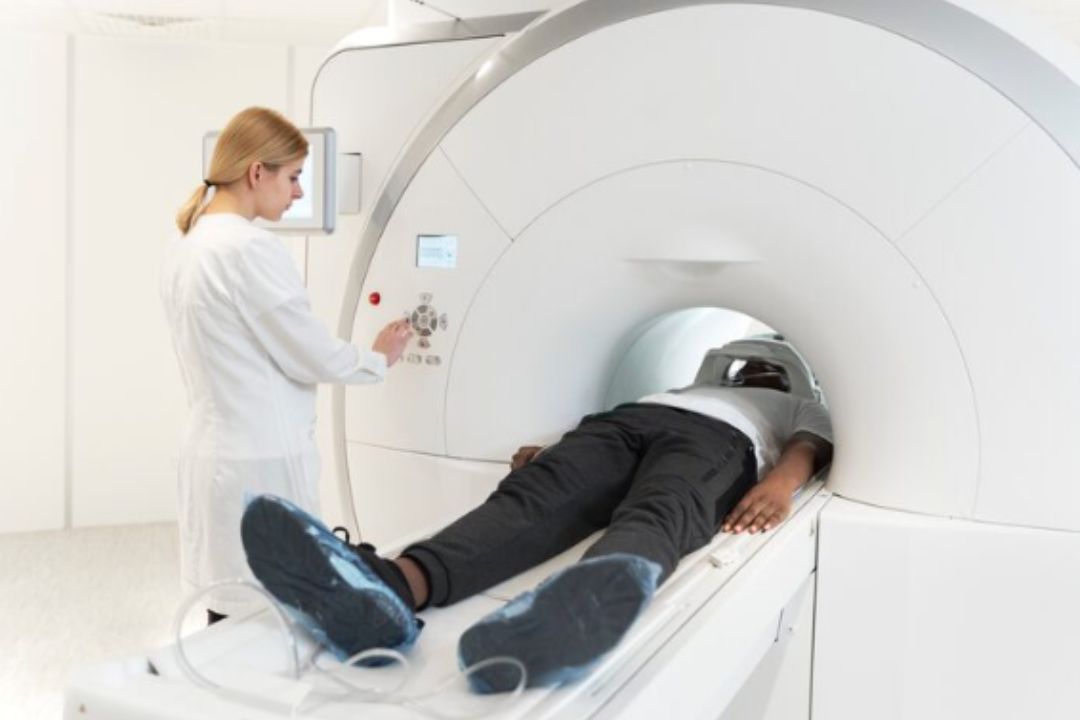
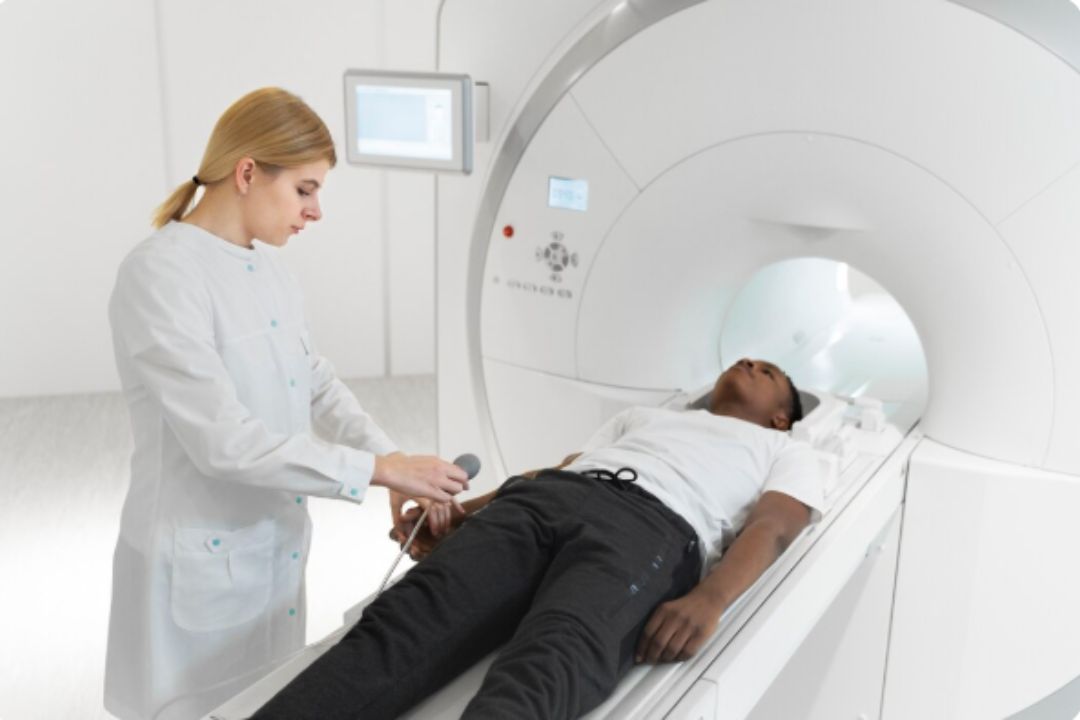
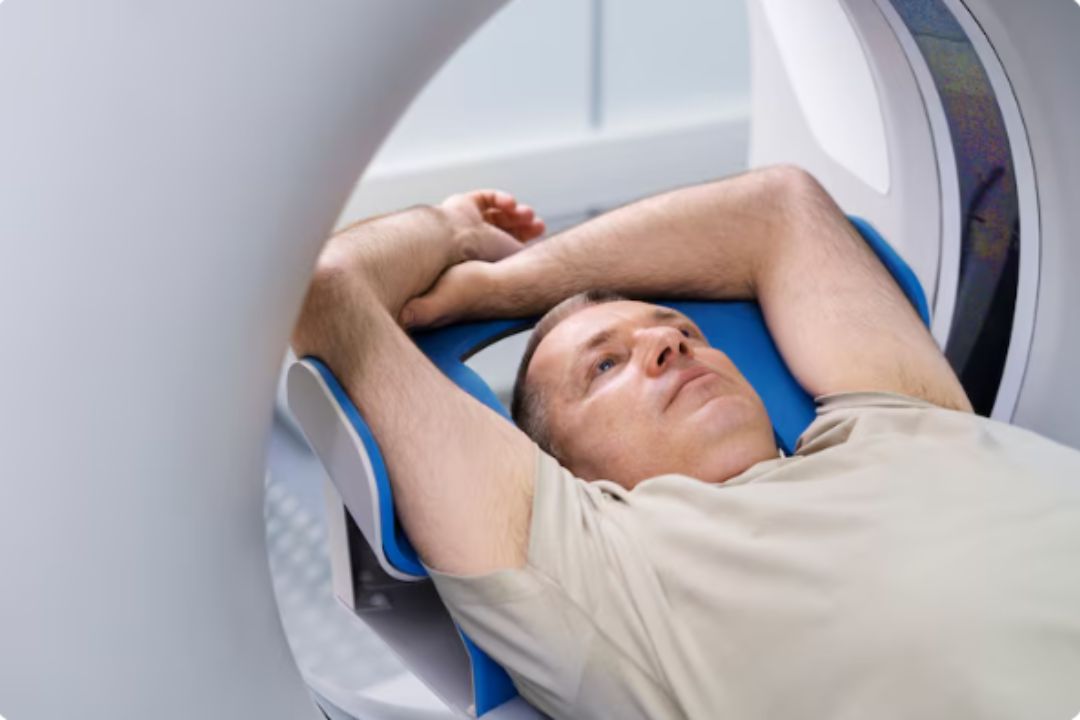
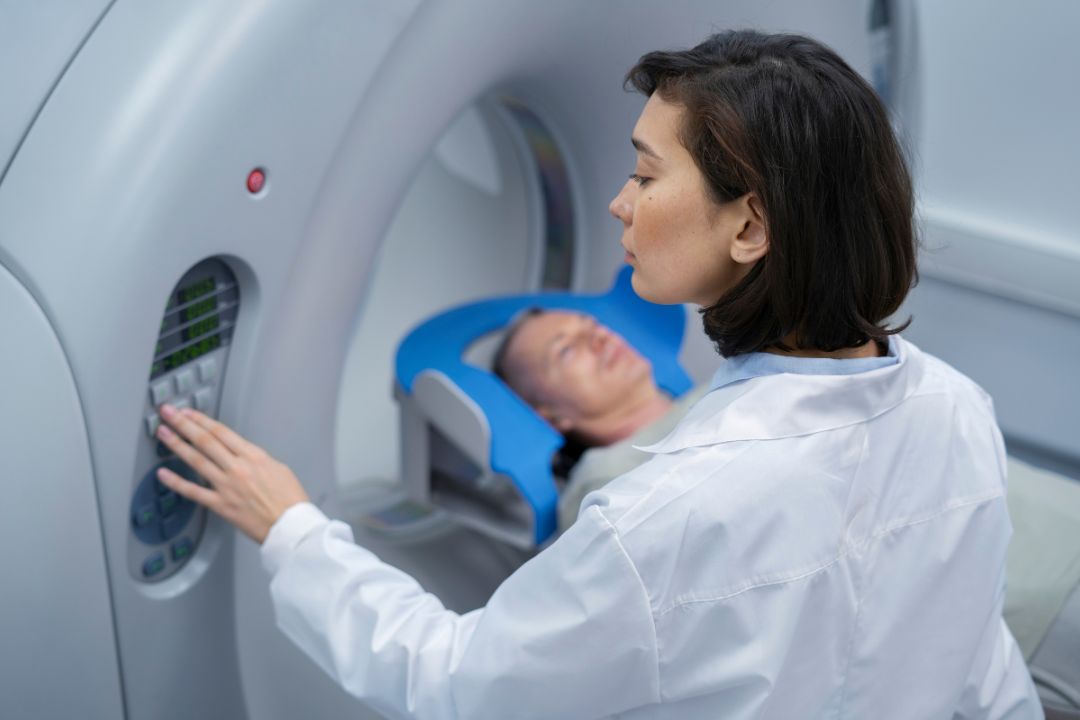
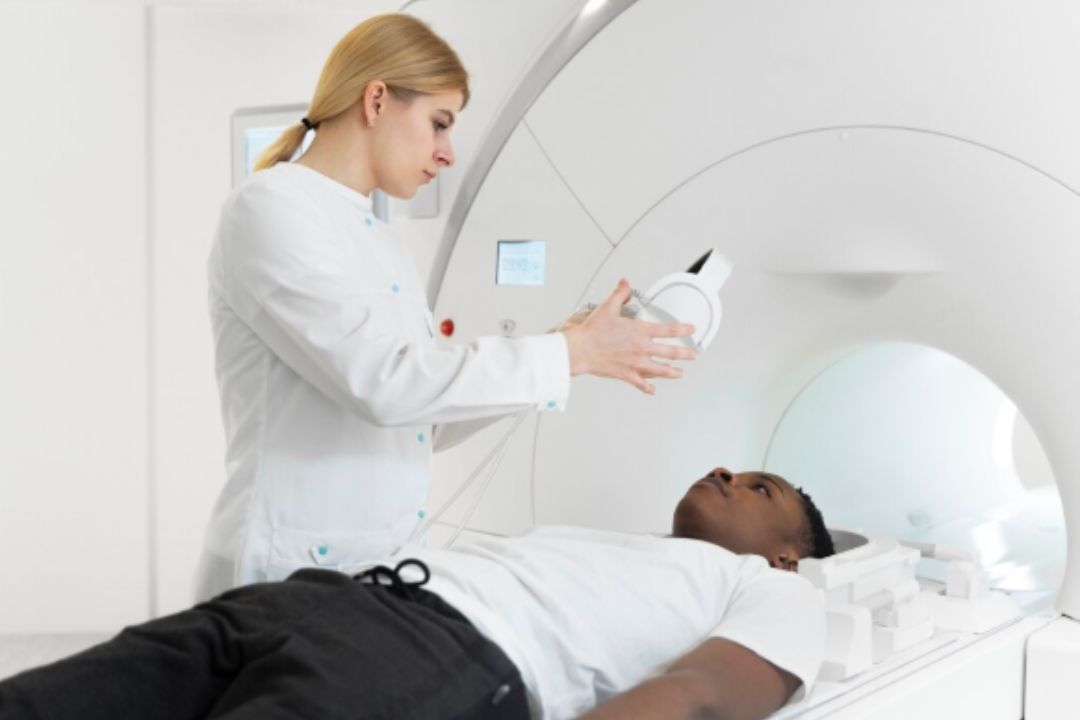
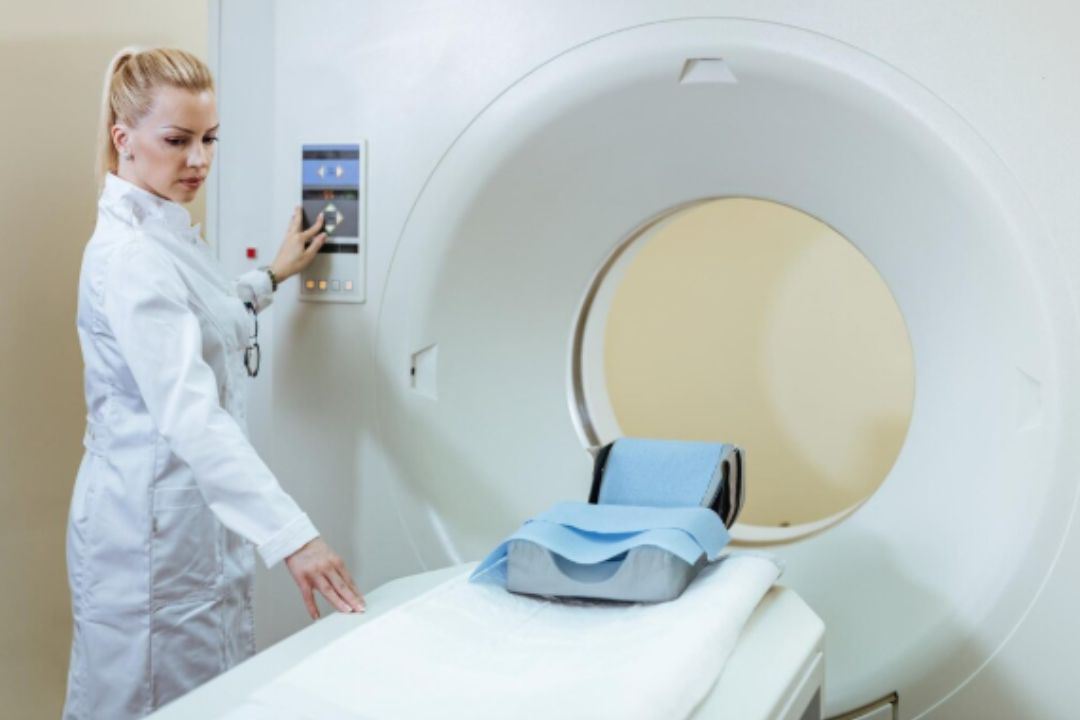
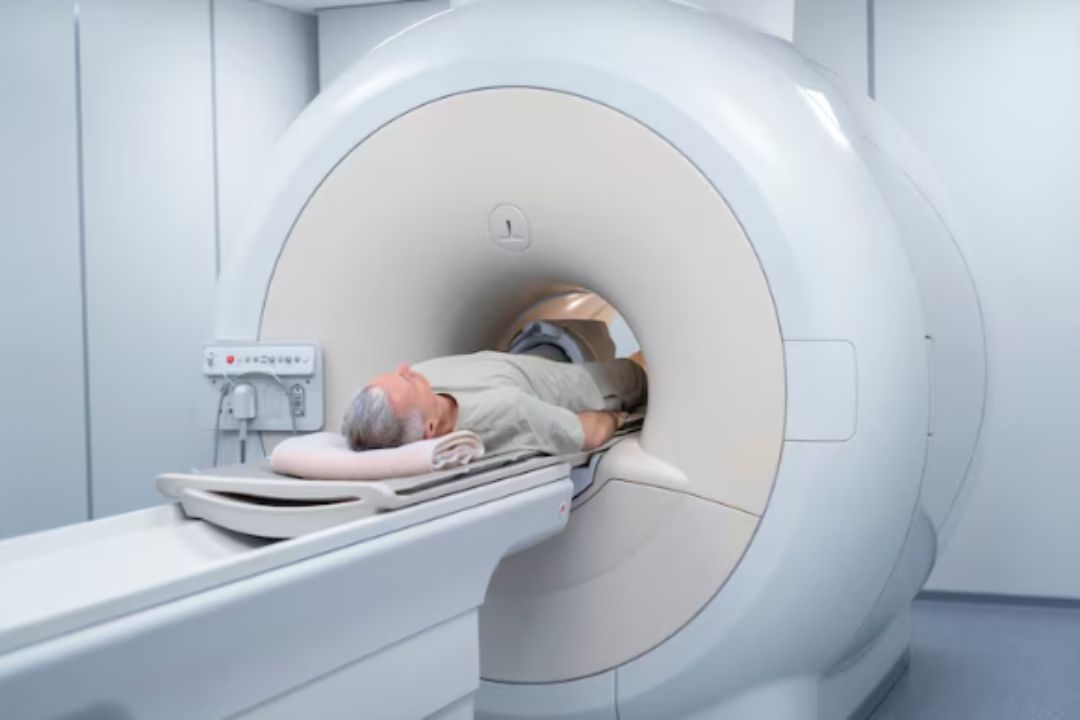
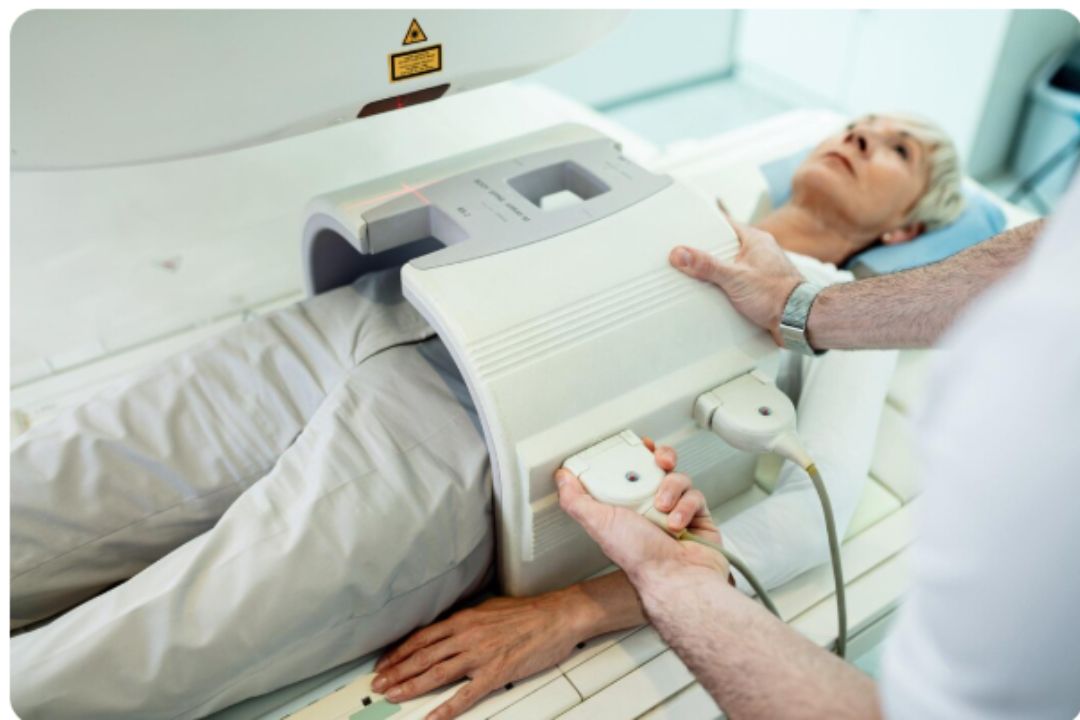
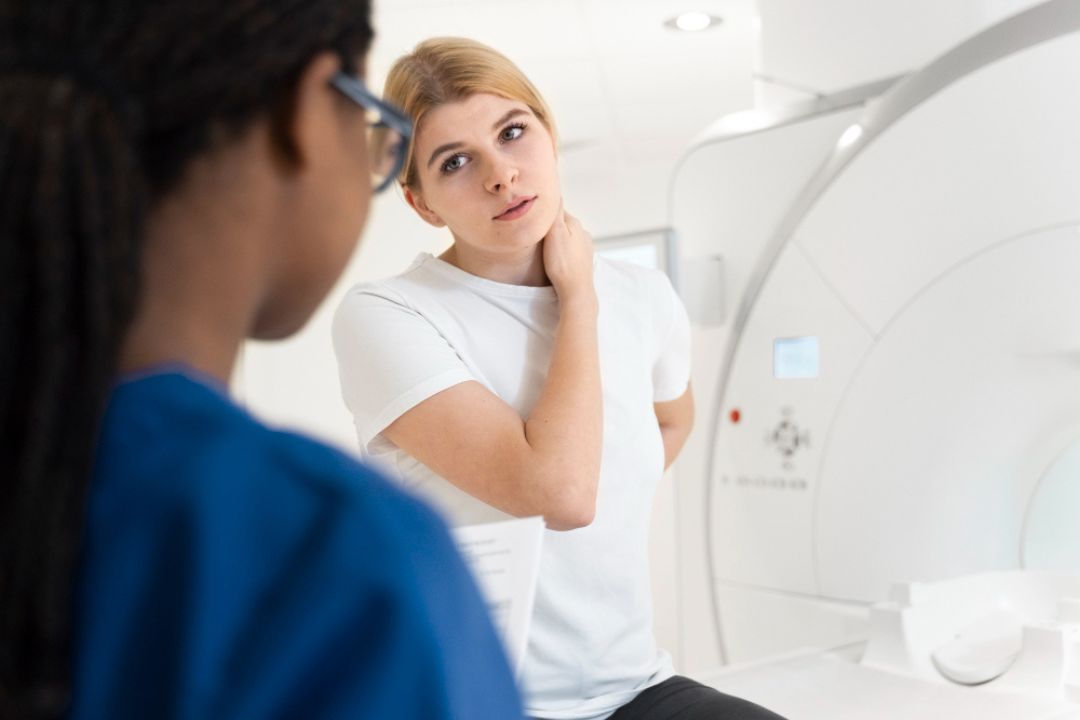
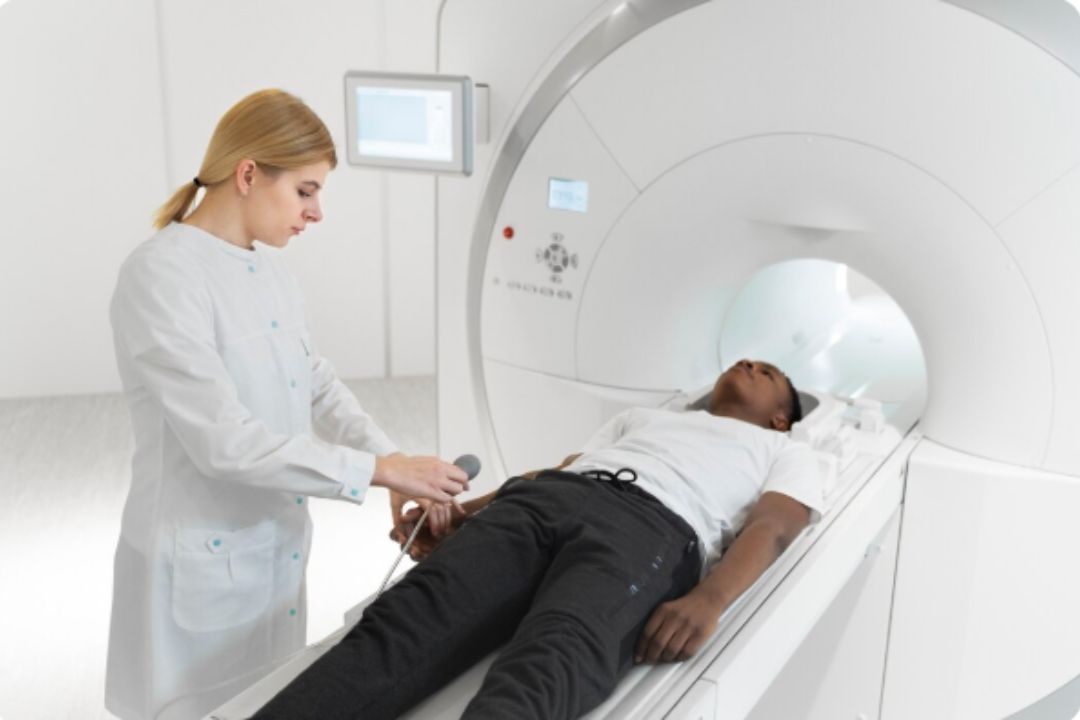
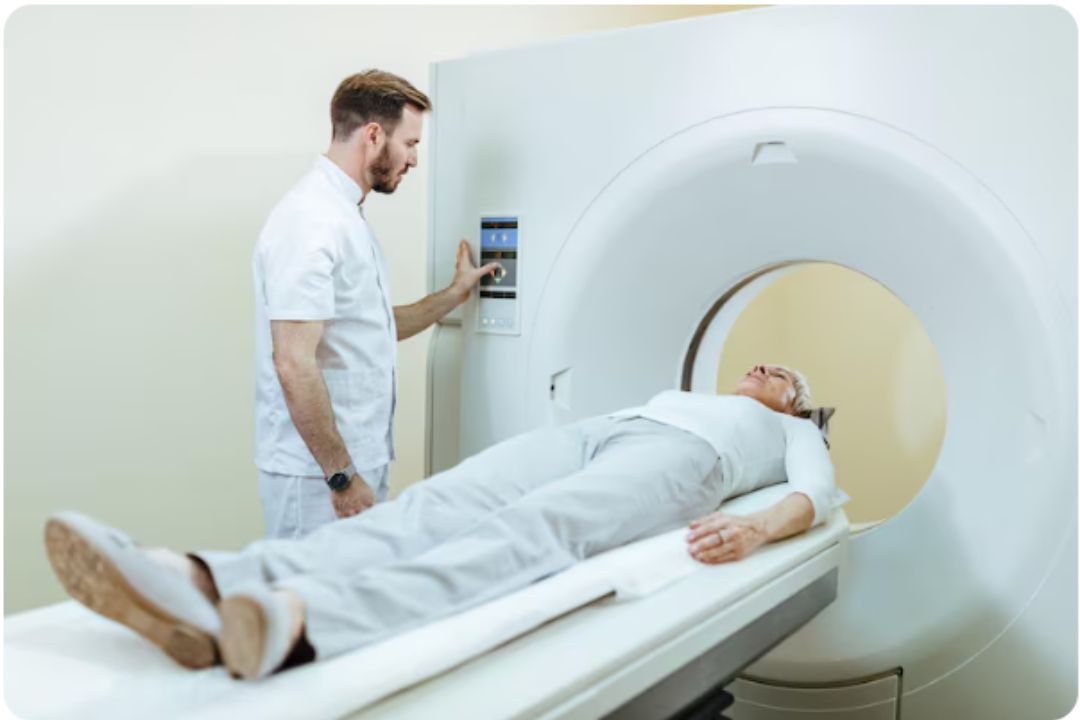
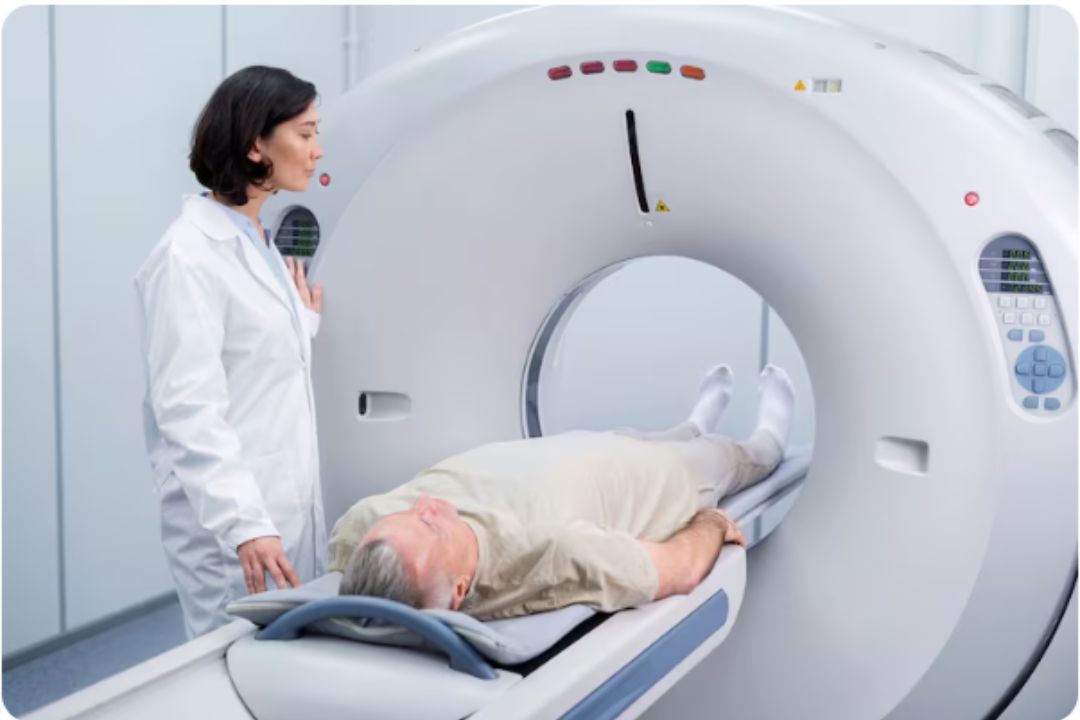
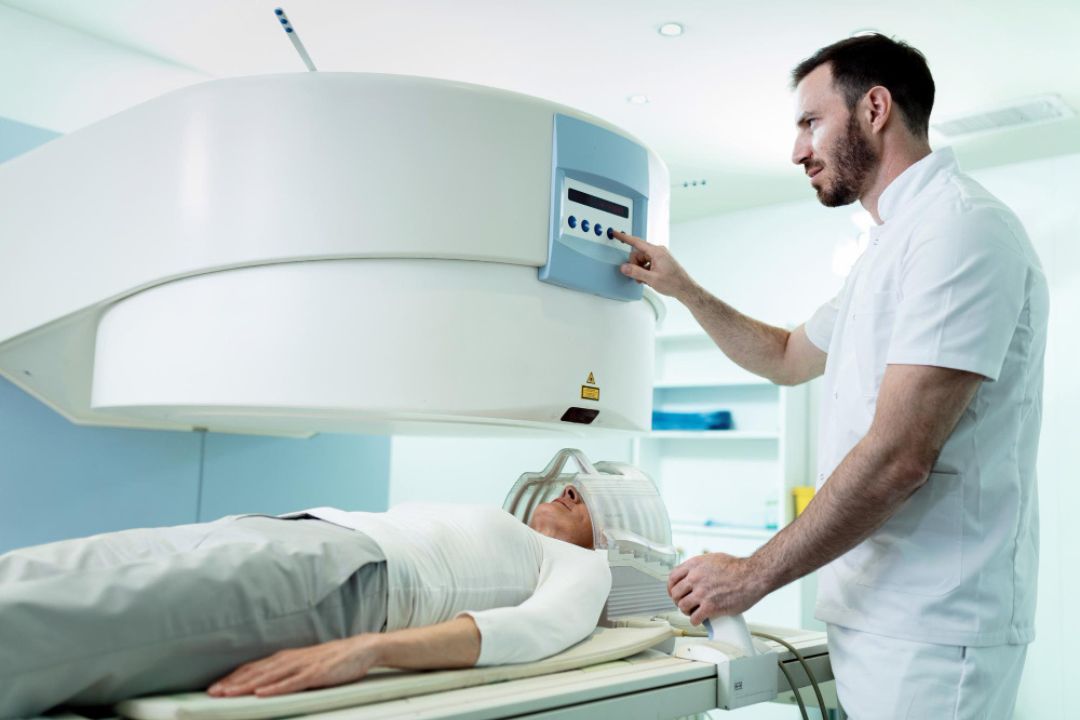
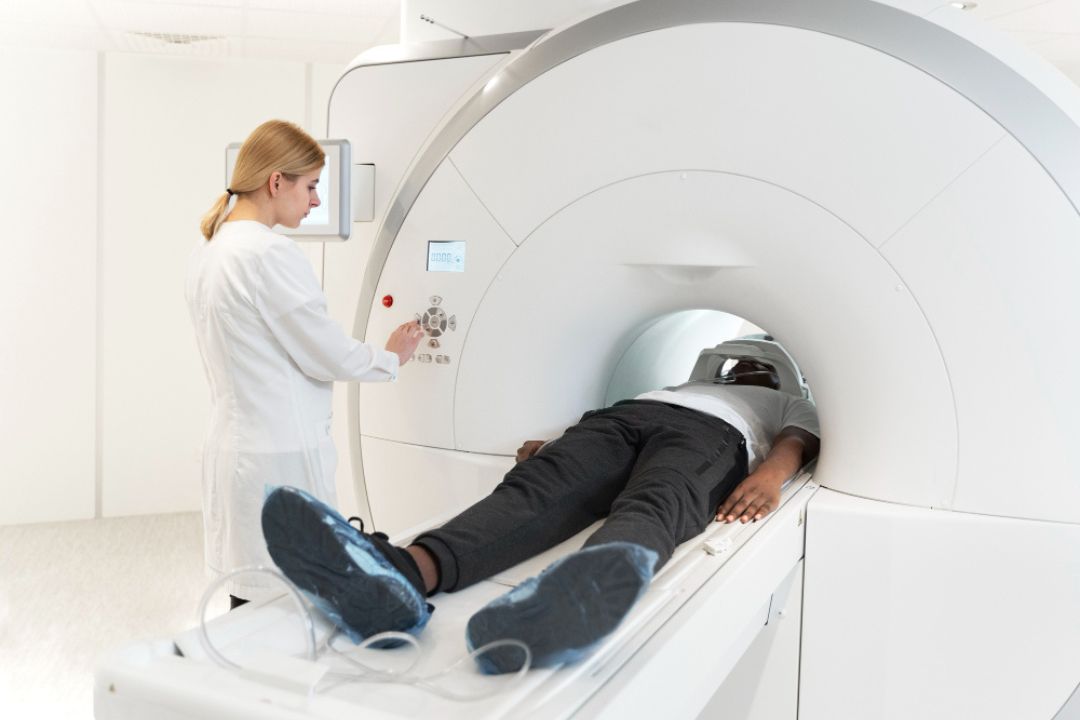
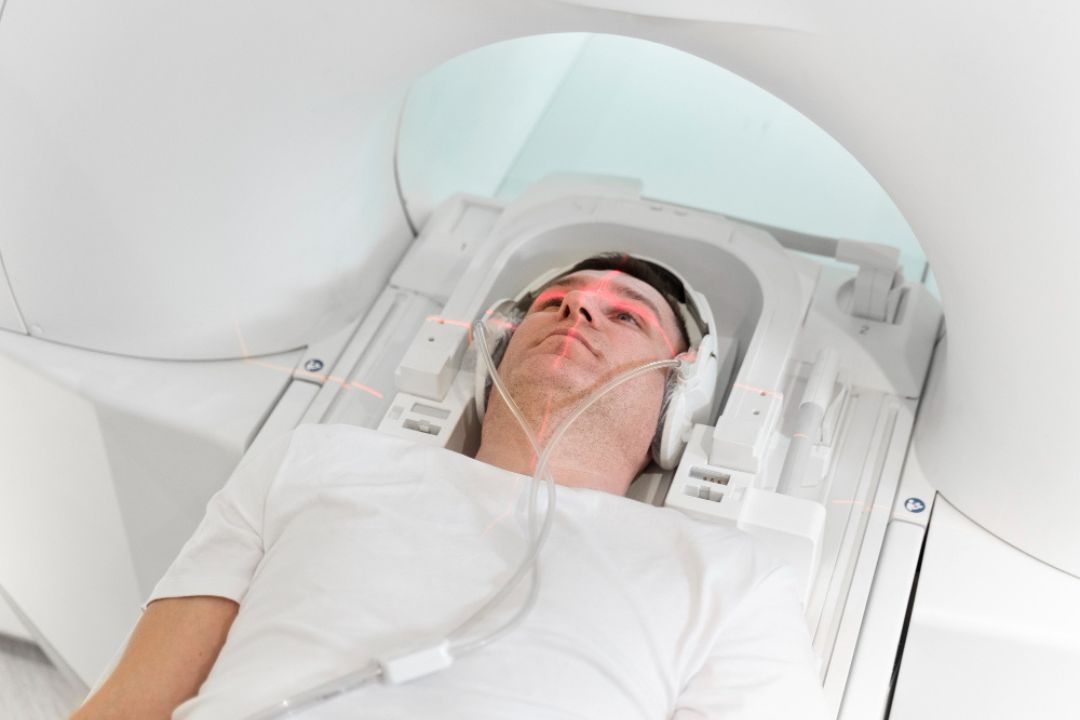
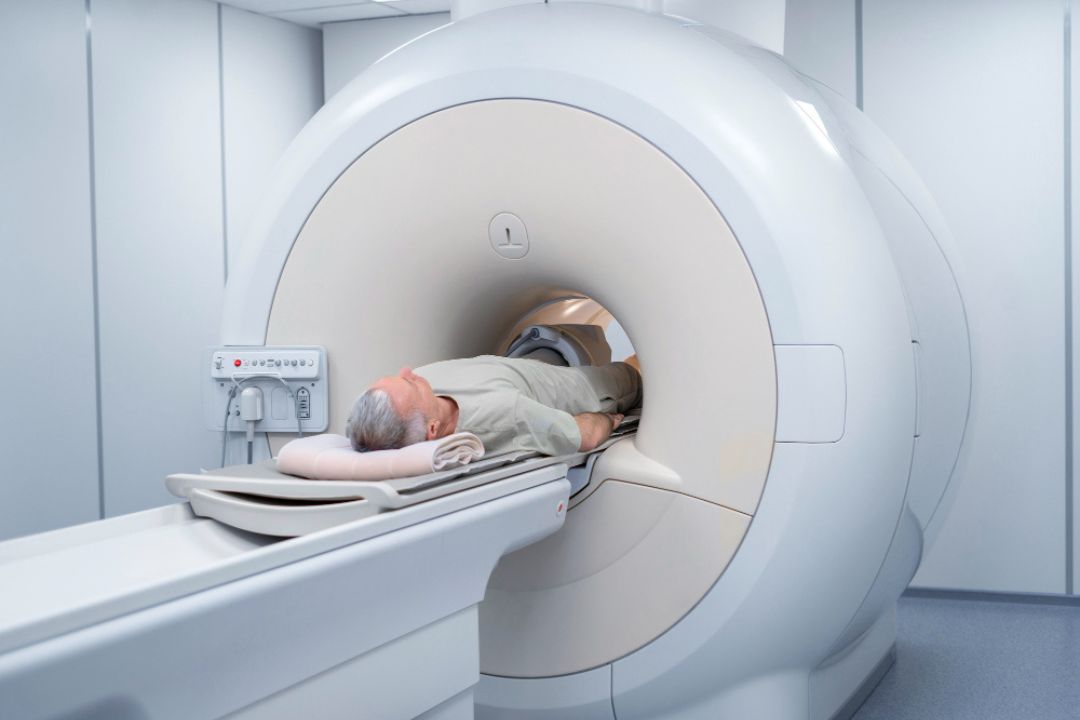
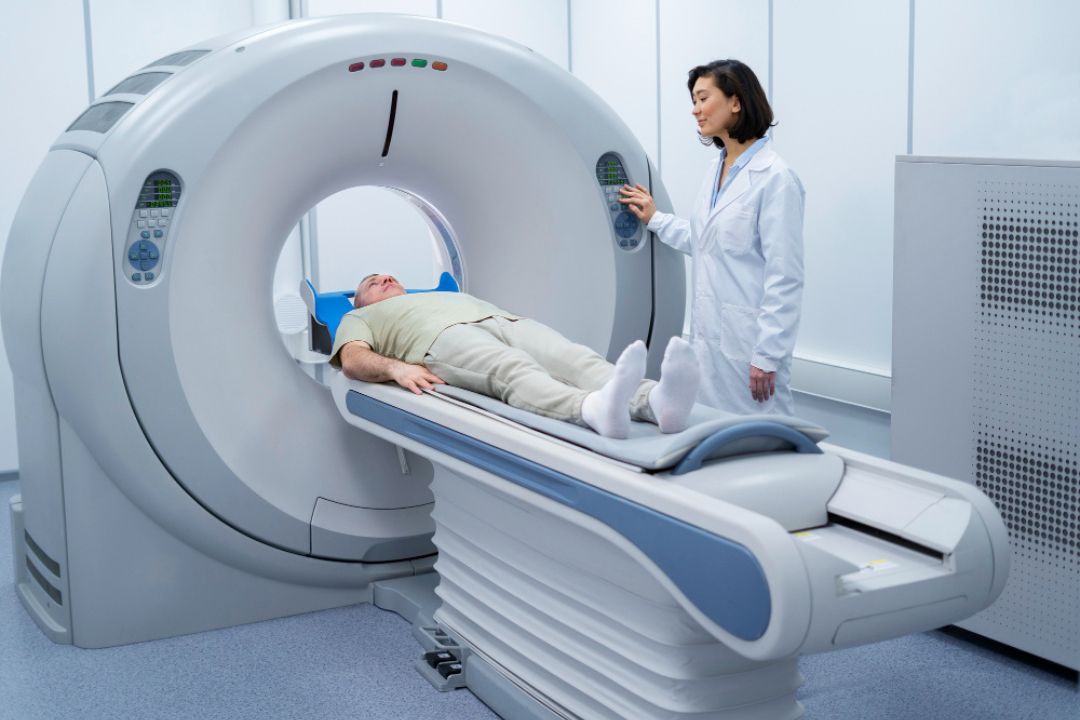
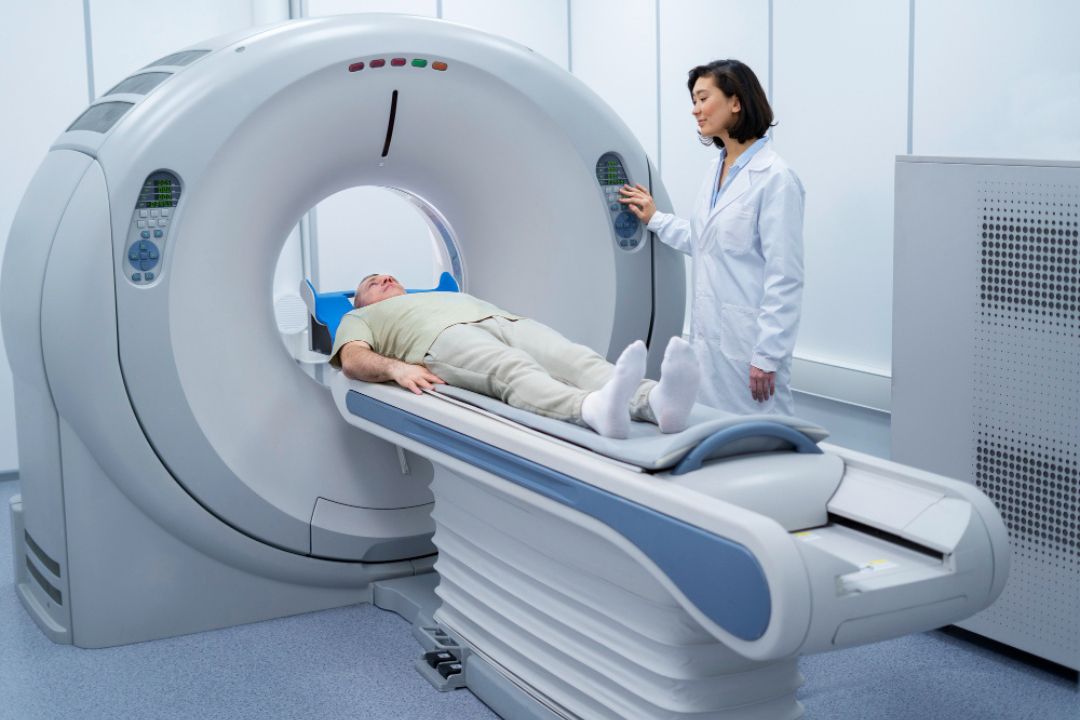
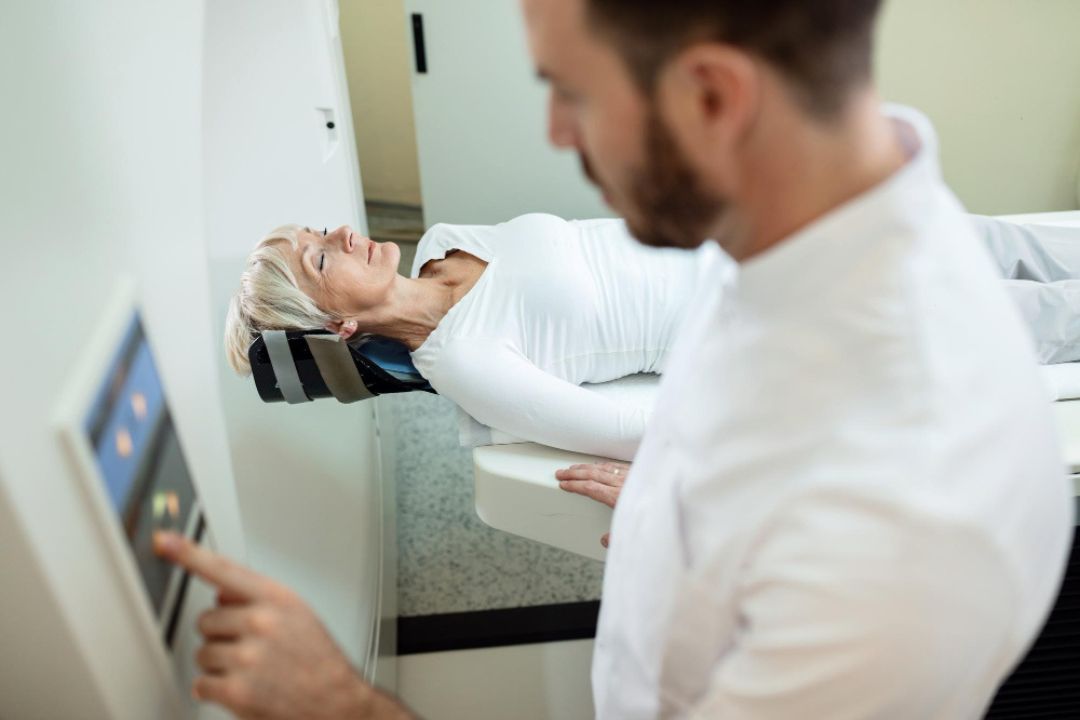
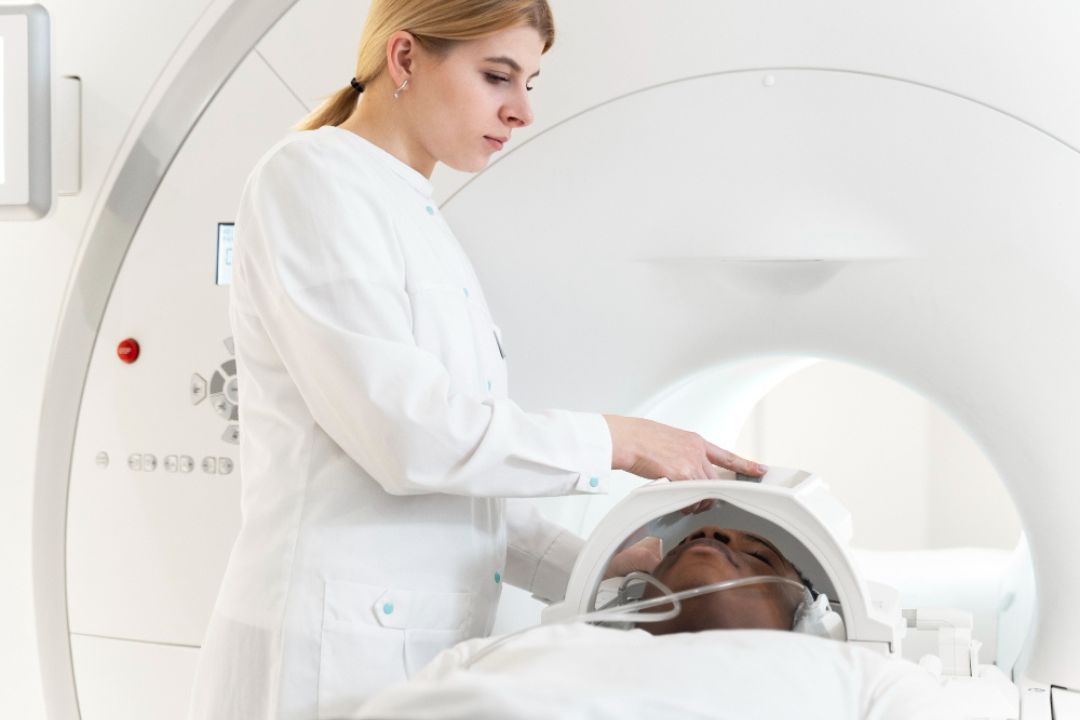
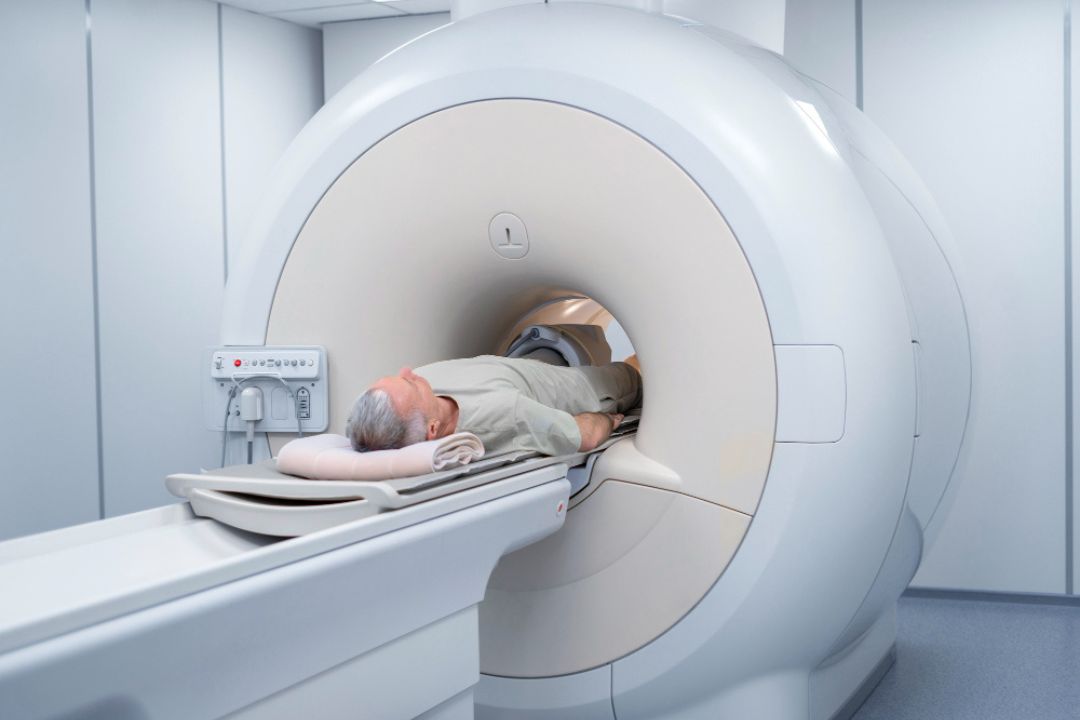
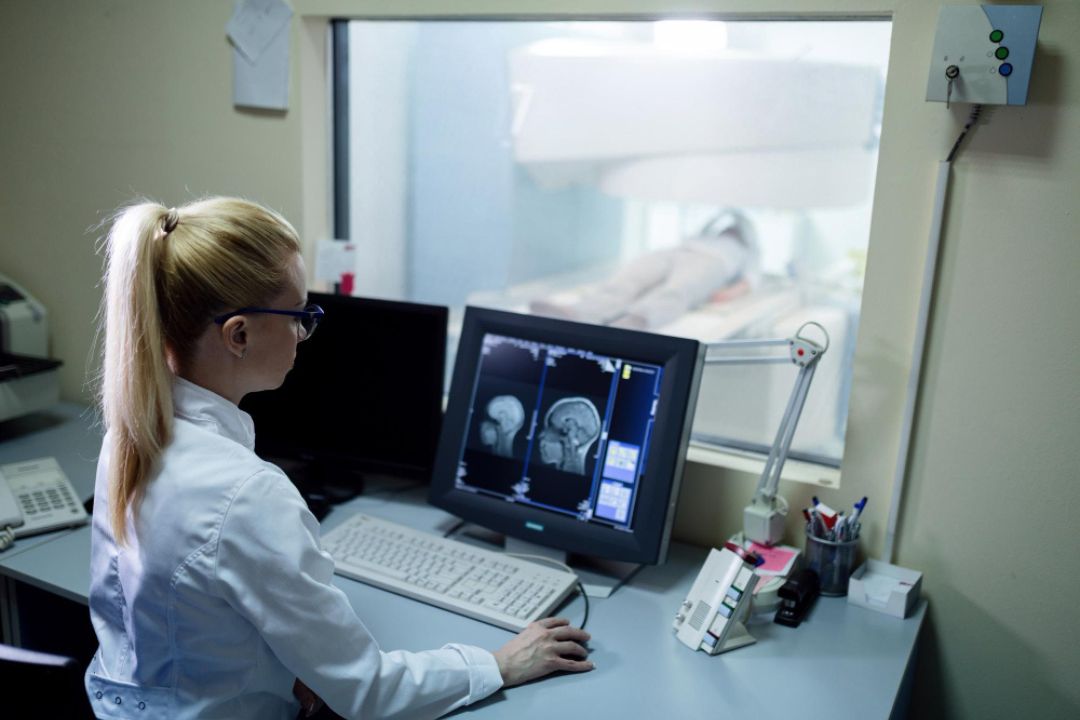
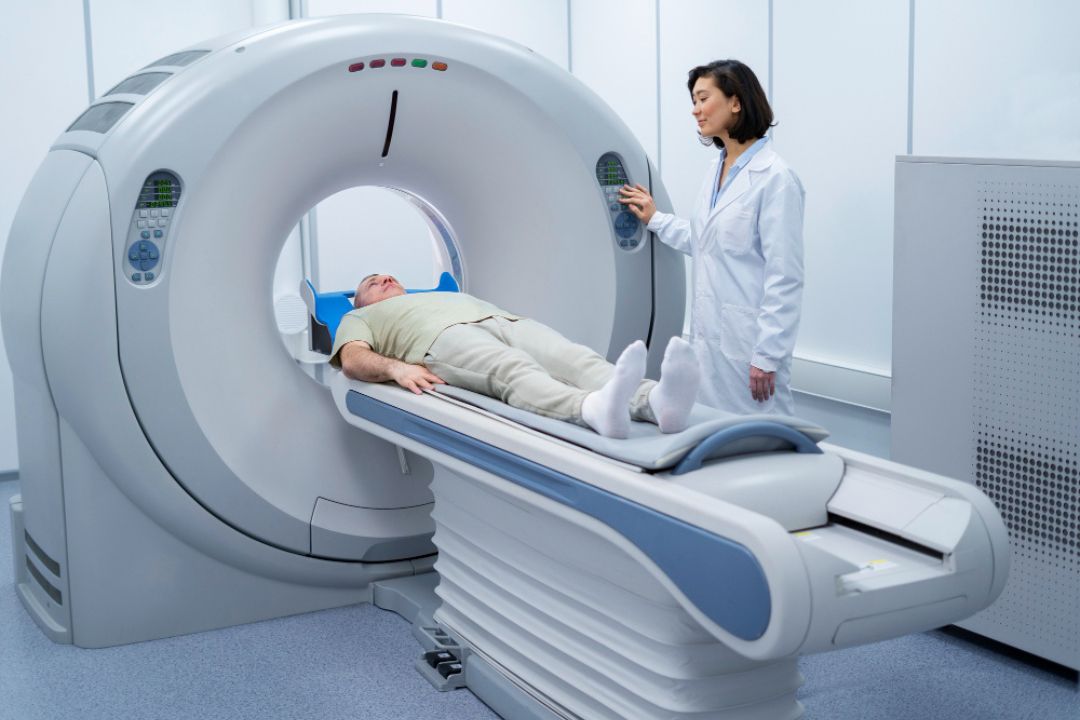
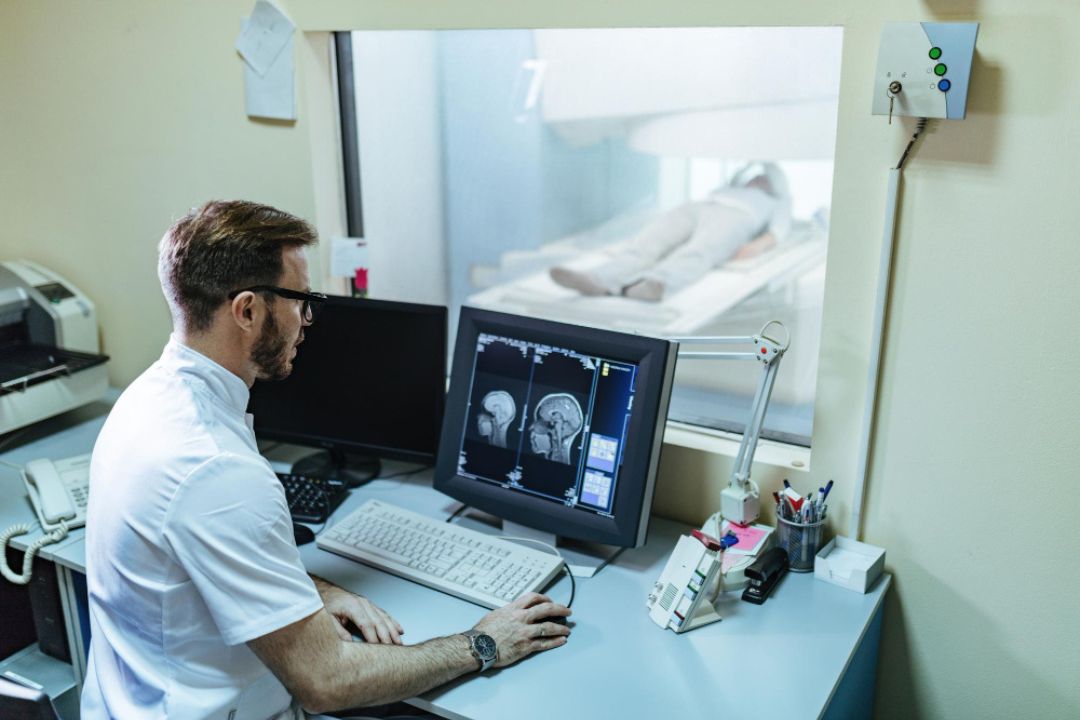
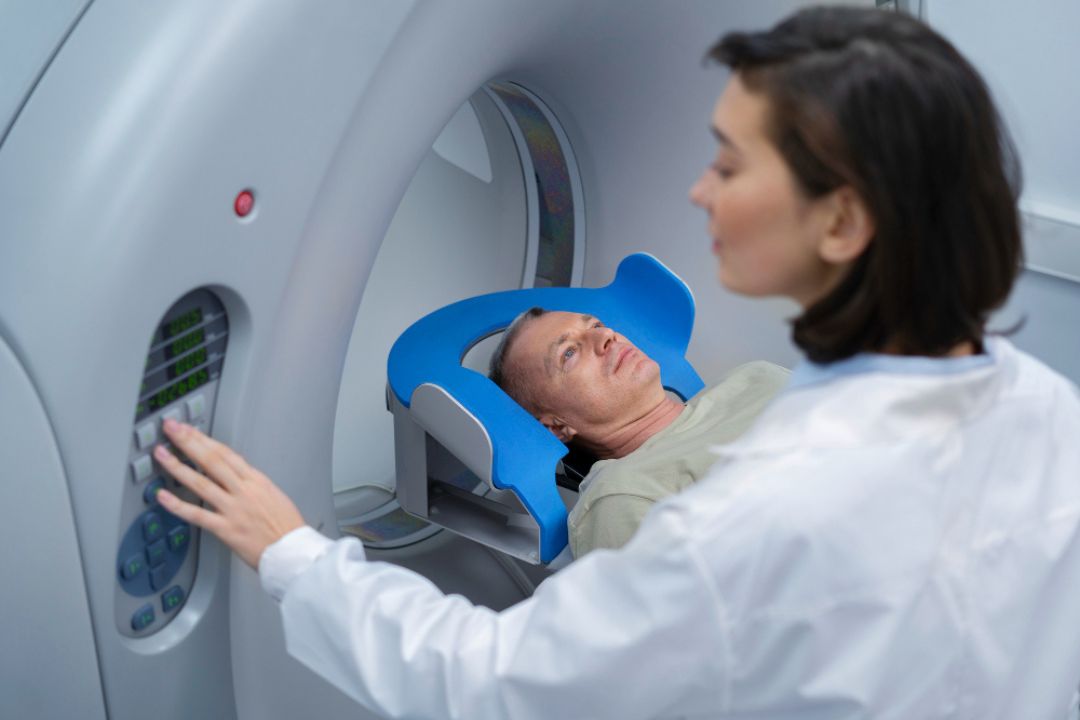
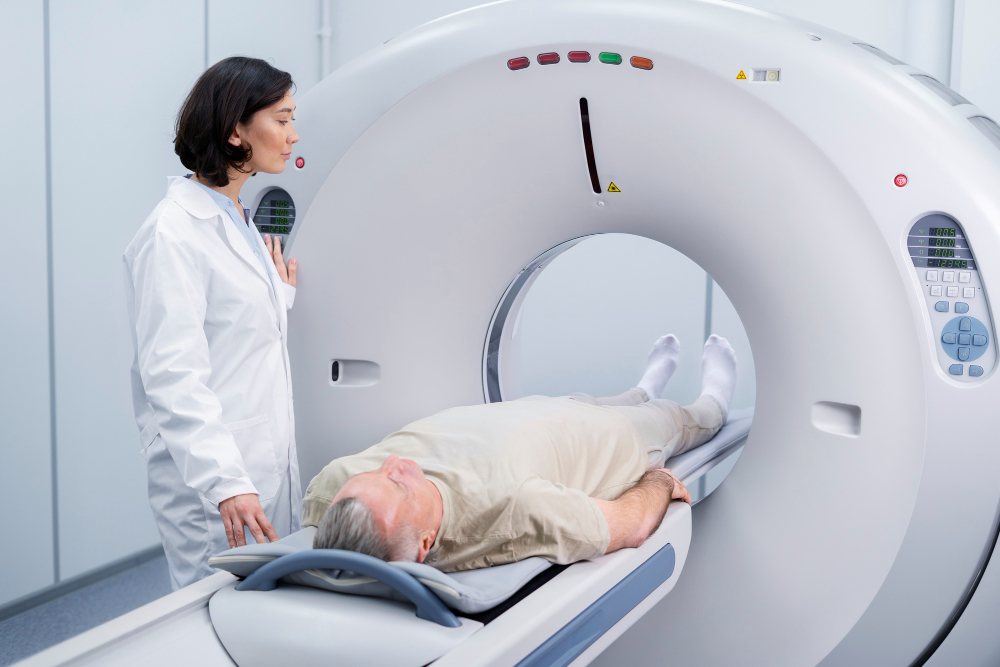
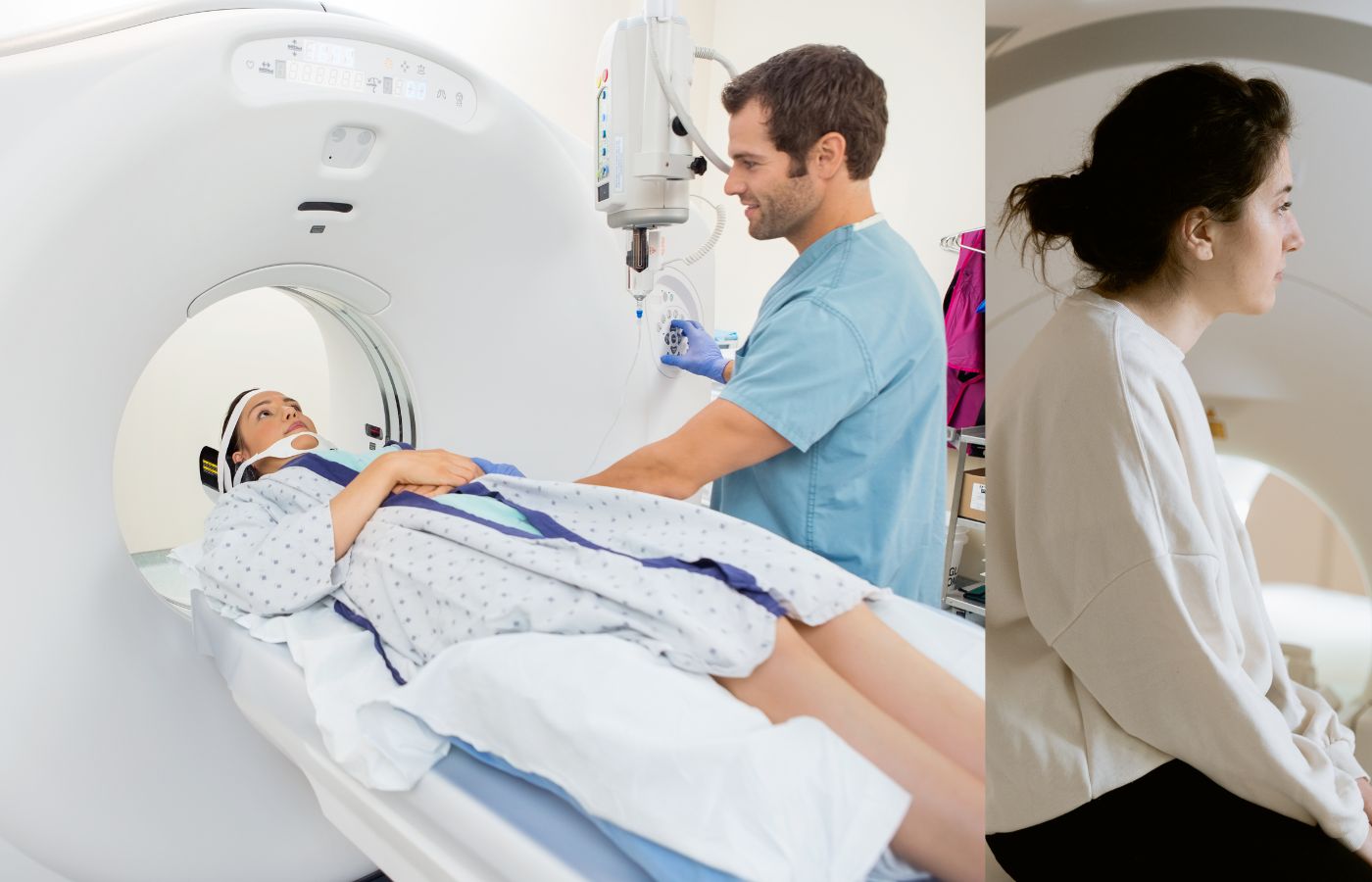
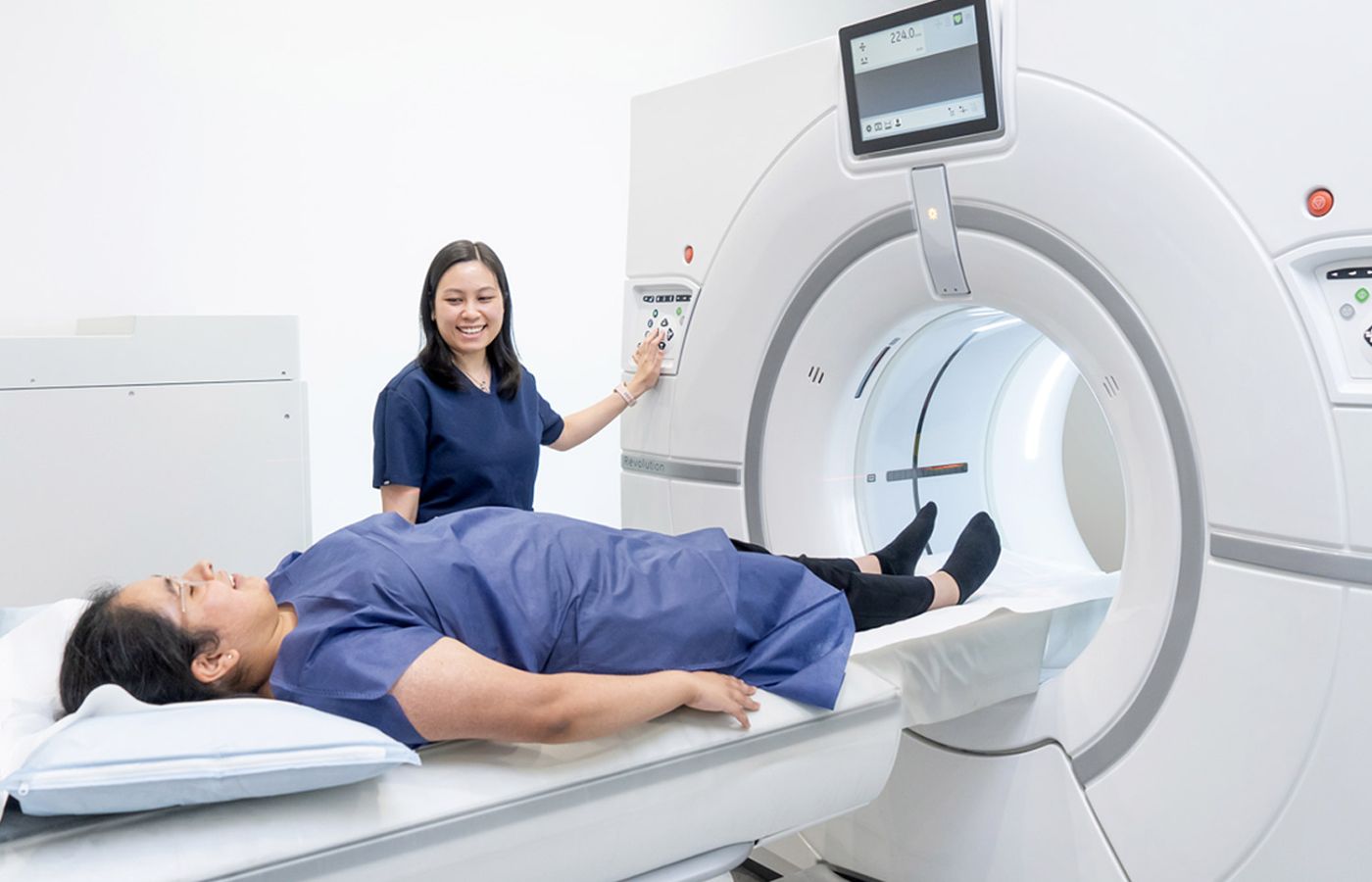
The CT brain scan procedure is quick and usually takes only a few minutes.
During the scan:
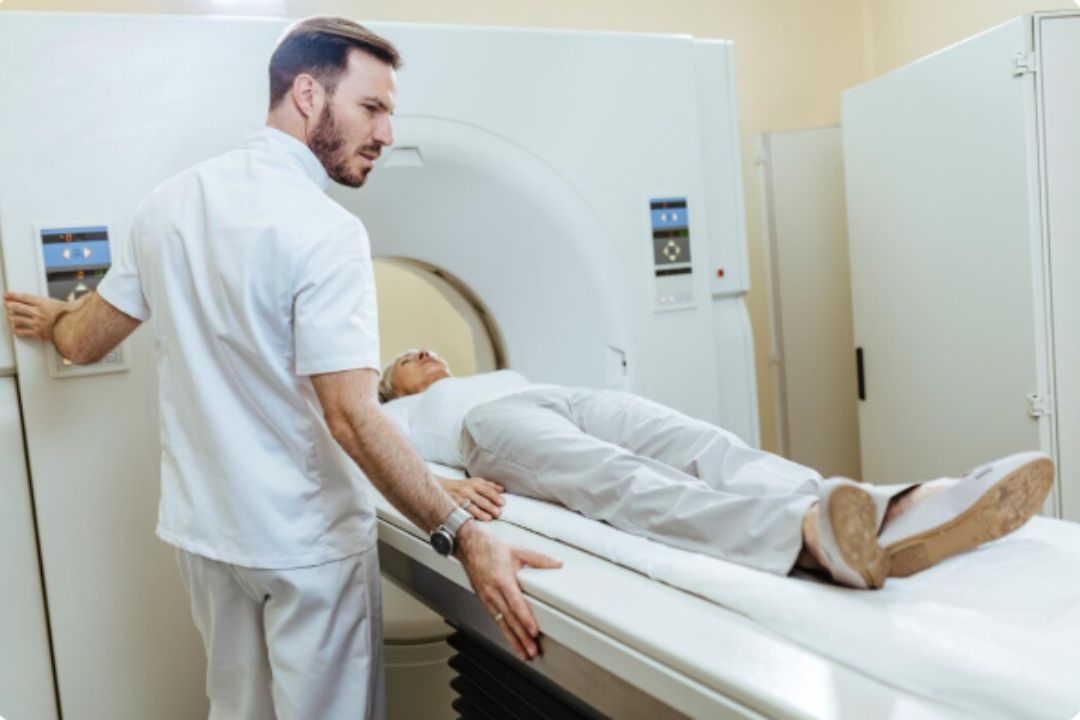
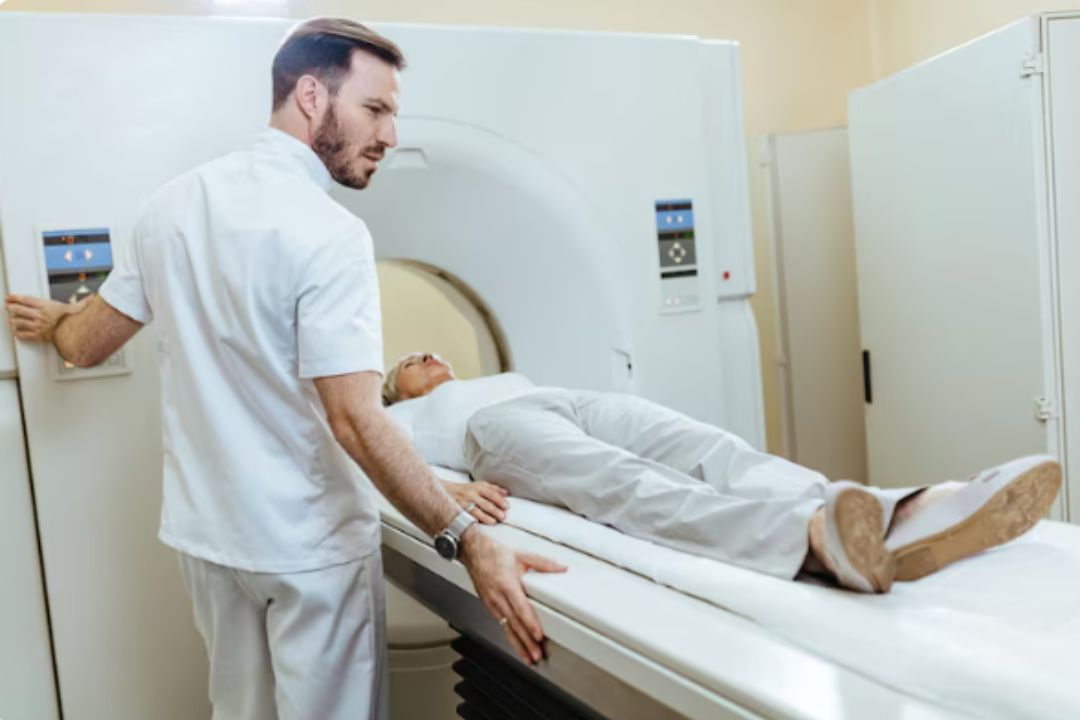
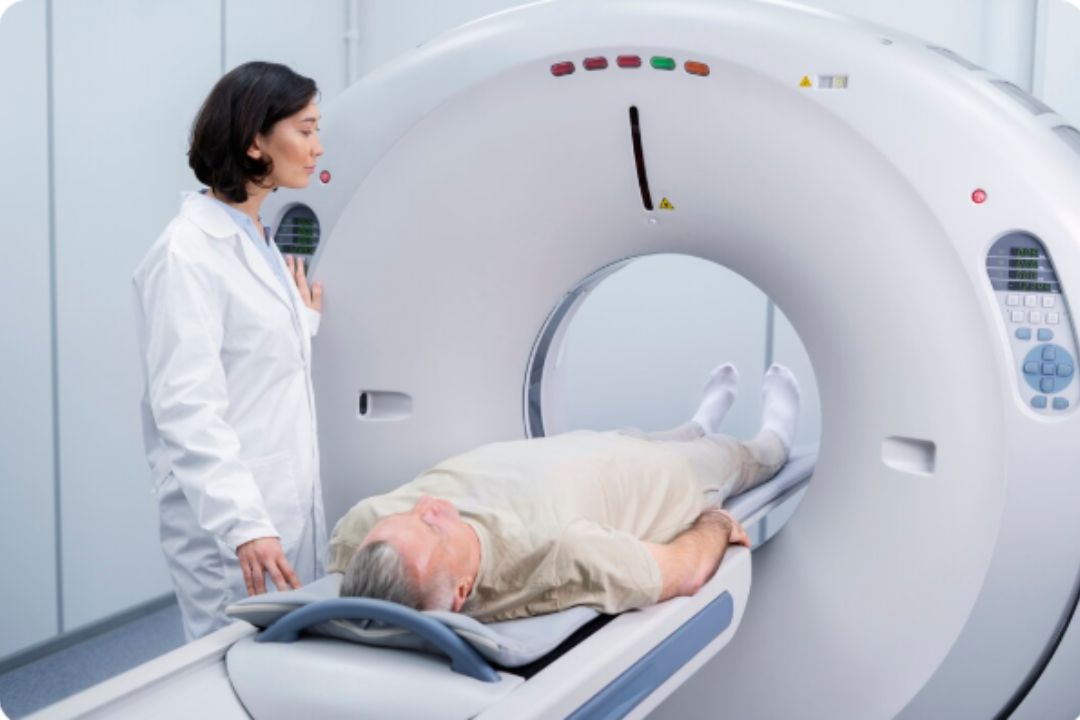
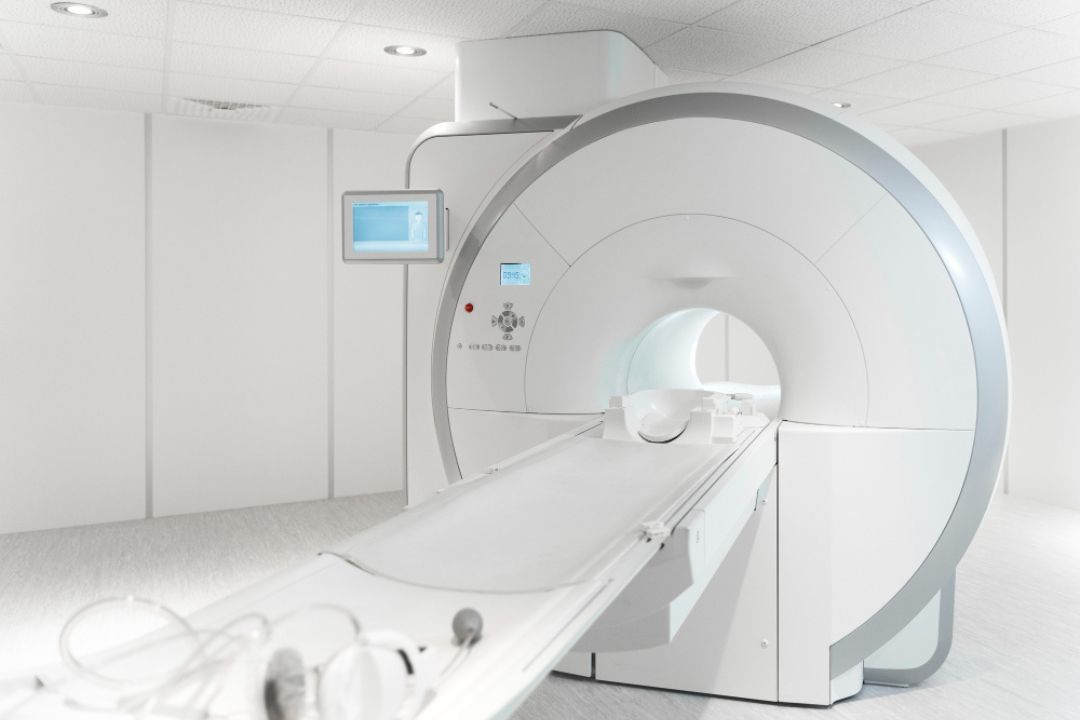
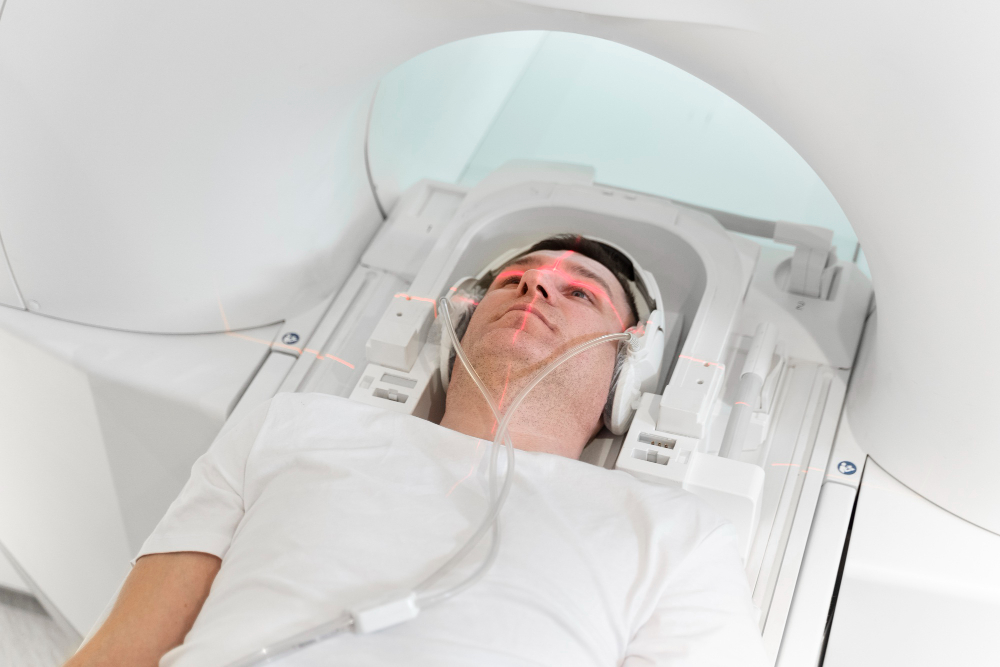
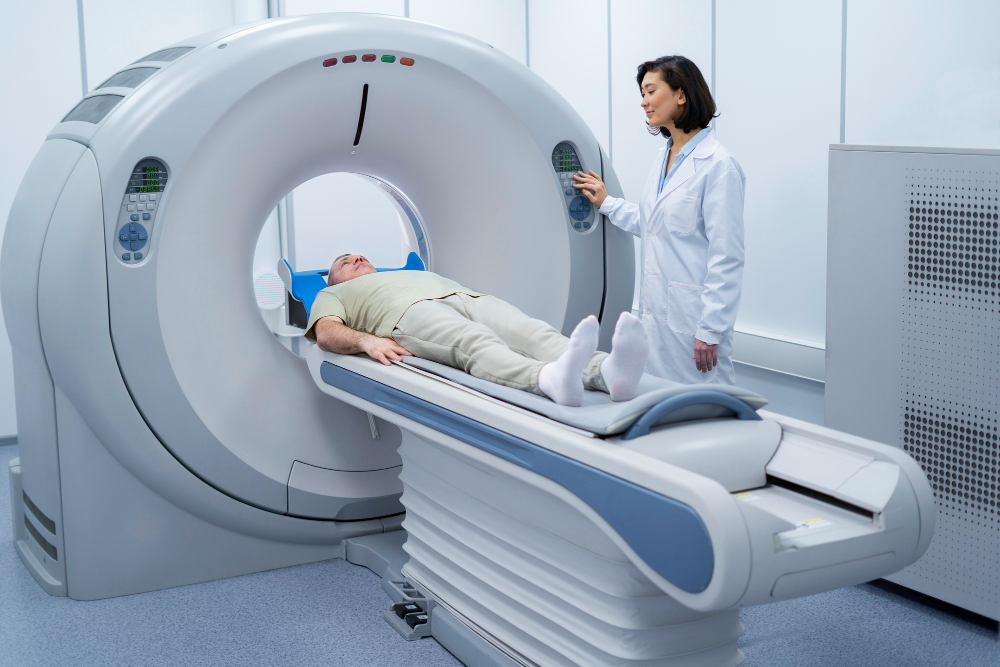
The patient lies on a motorized table.
A contrast dye is injected through a vein in the arm.
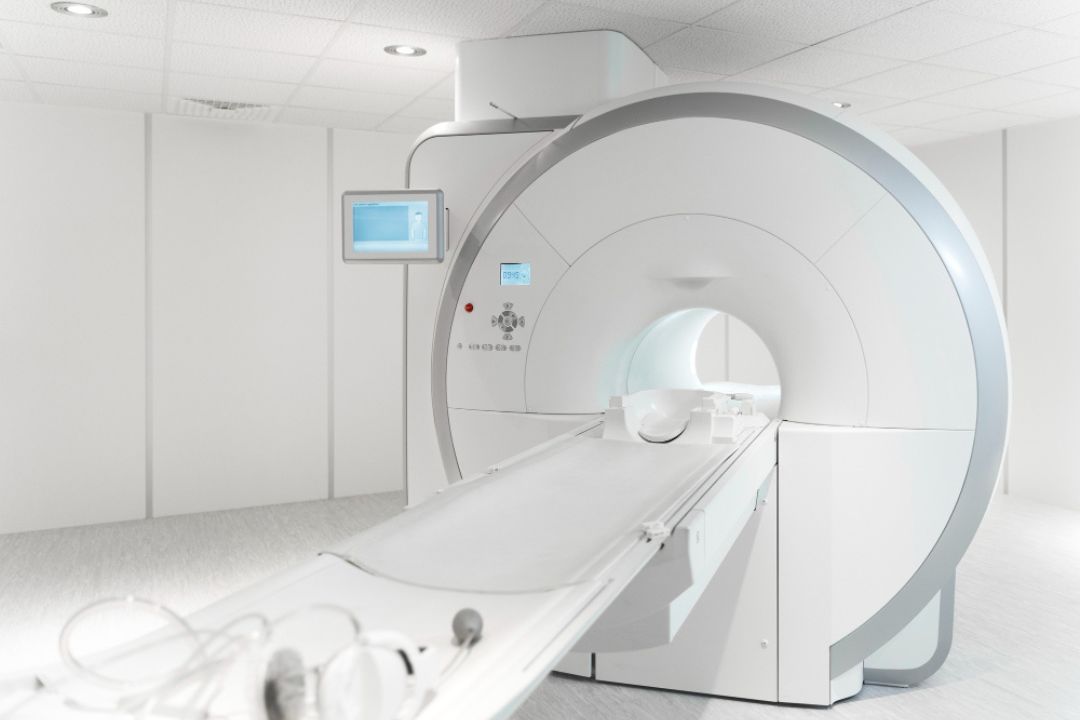
The table moves through the CT scanner.
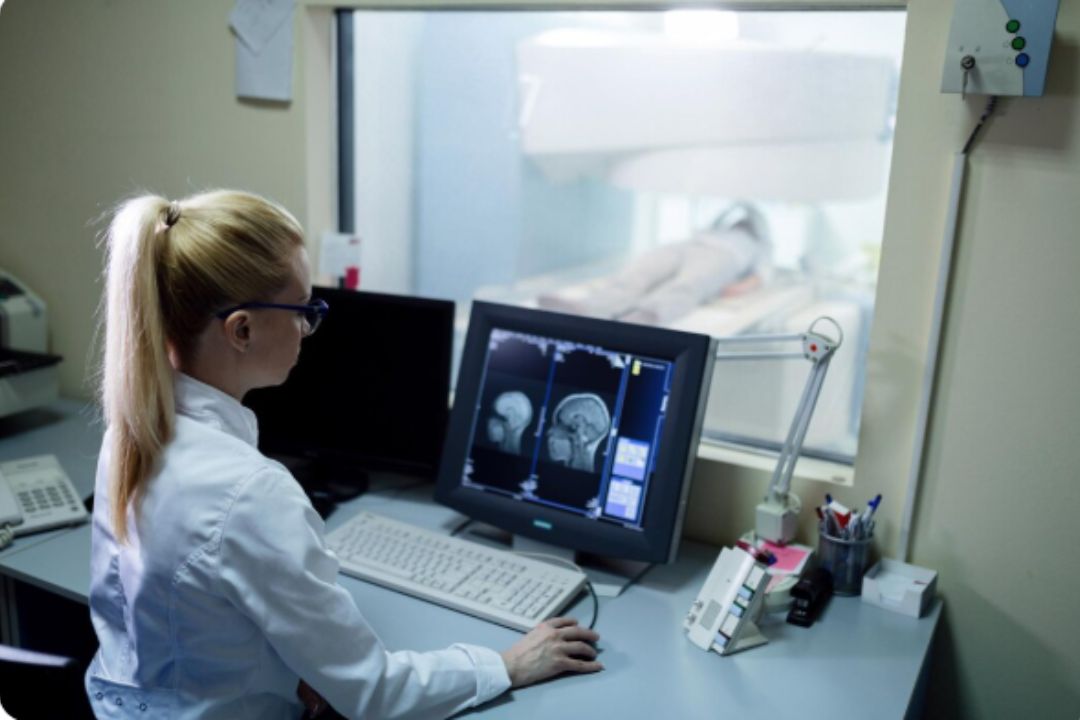
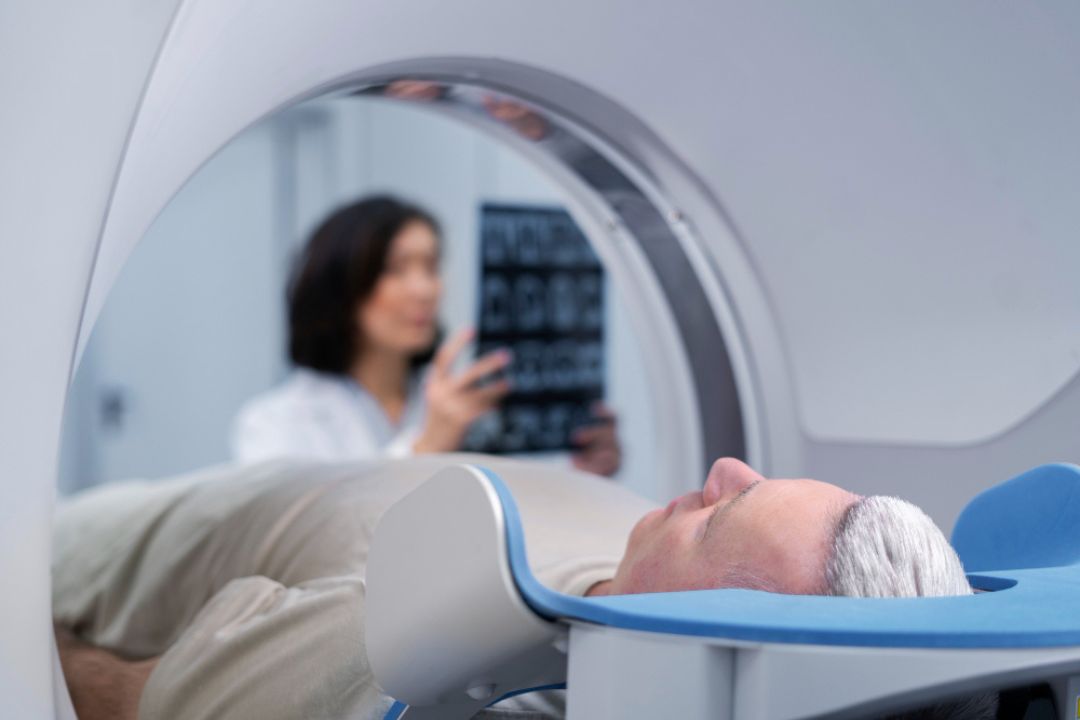
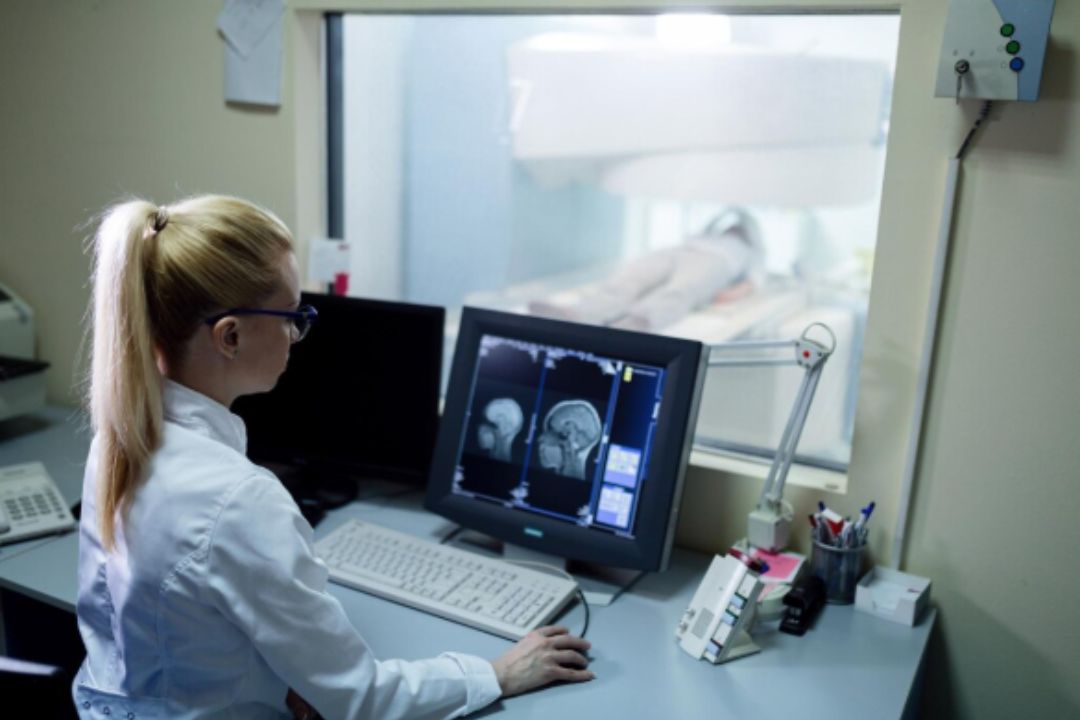
The scanner captures multiple images of the brain.
The entire process is painless and typically completed within 10 to 15 minutes.
CT brain contrast offers several advantages in medical diagnostics.
It provides rapid imaging results, which is crucial in emergency cases. The scan also helps doctors visualize blood vessels, tumors, and abnormal tissues with greater clarity.
Other benefits include:
Accurate detection of brain bleeding
Detailed visualization of blood vessels
Faster diagnosis in emergency conditions
Guidance for surgical planning
These advantages make CT brain contrast an essential tool in modern neurological diagnosis.
Although CT scans are generally safe, they do involve exposure to a small amount of radiation. Doctors carefully control radiation levels to minimize risk.
The contrast dye used during the scan may occasionally cause mild side effects such as a warm sensation, metallic taste, or mild allergic reactions. Serious reactions are rare, but patients should inform their doctor if they have allergies or kidney problems before the procedure.
Certain individuals may need special precautions before undergoing this scan.
These include:
Pregnant women
Patients with kidney disease
Individuals with previous allergic reactions to contrast dye
Doctors may recommend alternative imaging tests in these situations.
CT brain contrast is a powerful diagnostic tool that plays a crucial role in modern neurological medicine. By providing fast and detailed images of the brain, it helps doctors diagnose conditions such as tumors, strokes, infections, and injuries with greater accuracy.
This technology continues to improve patient care by enabling early detection and timely treatment of serious brain disorders.





.jpg "ct brain scan plain and contrast")



.jpg "ct scan")
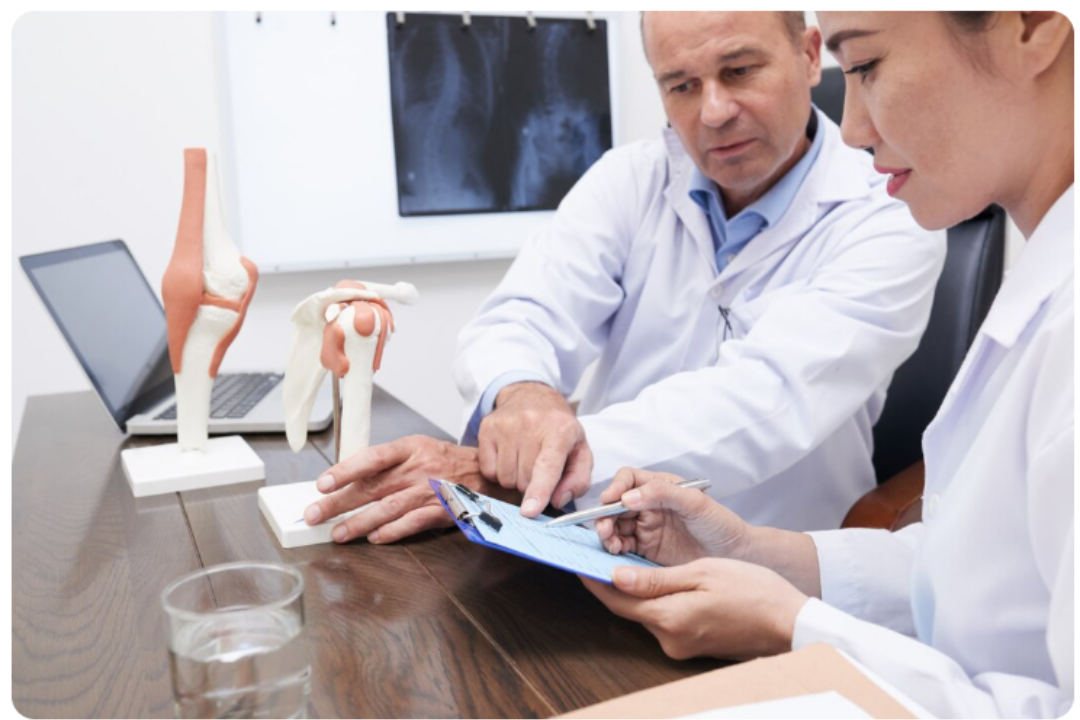
.jpg "ct scan or mri for brain disorders")


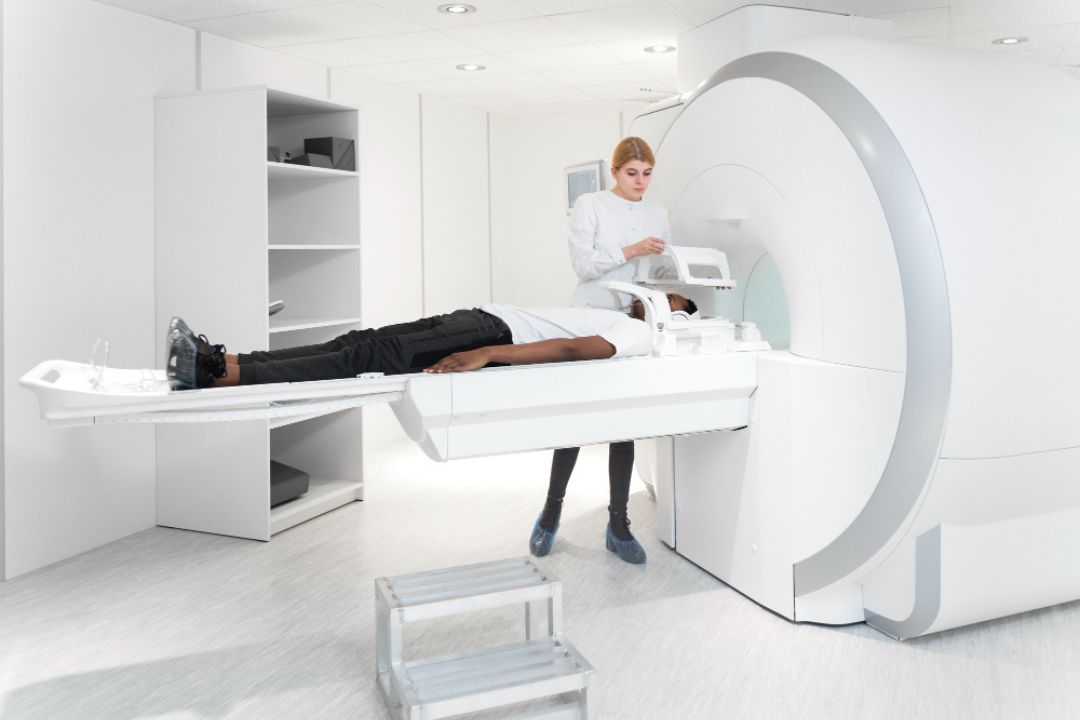
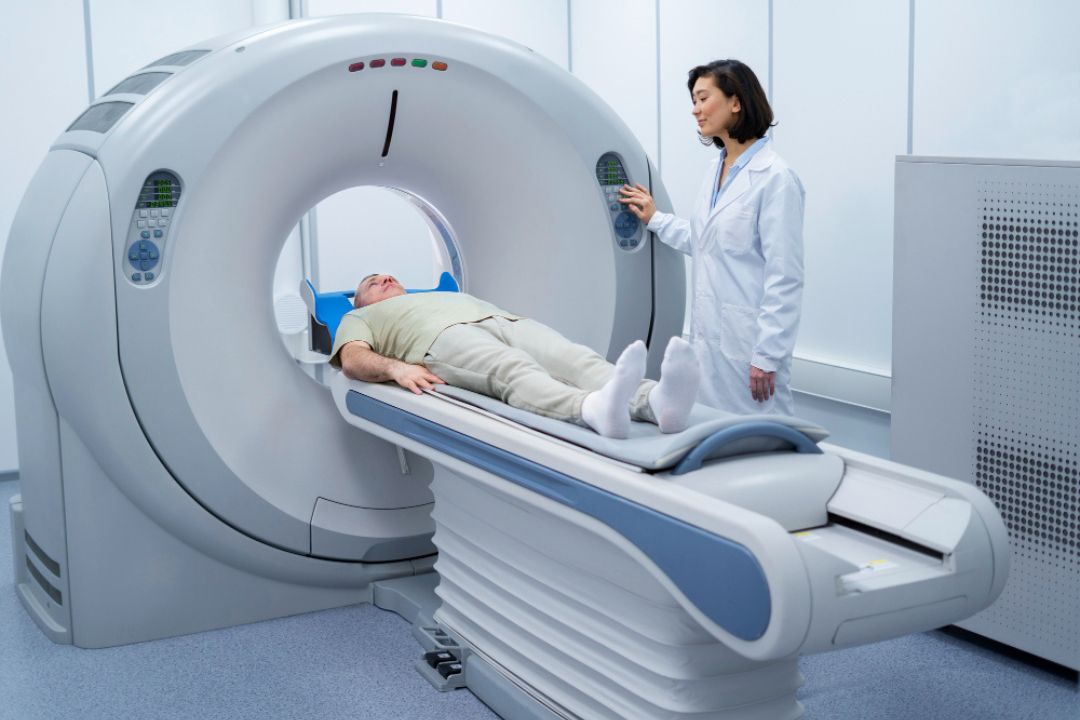
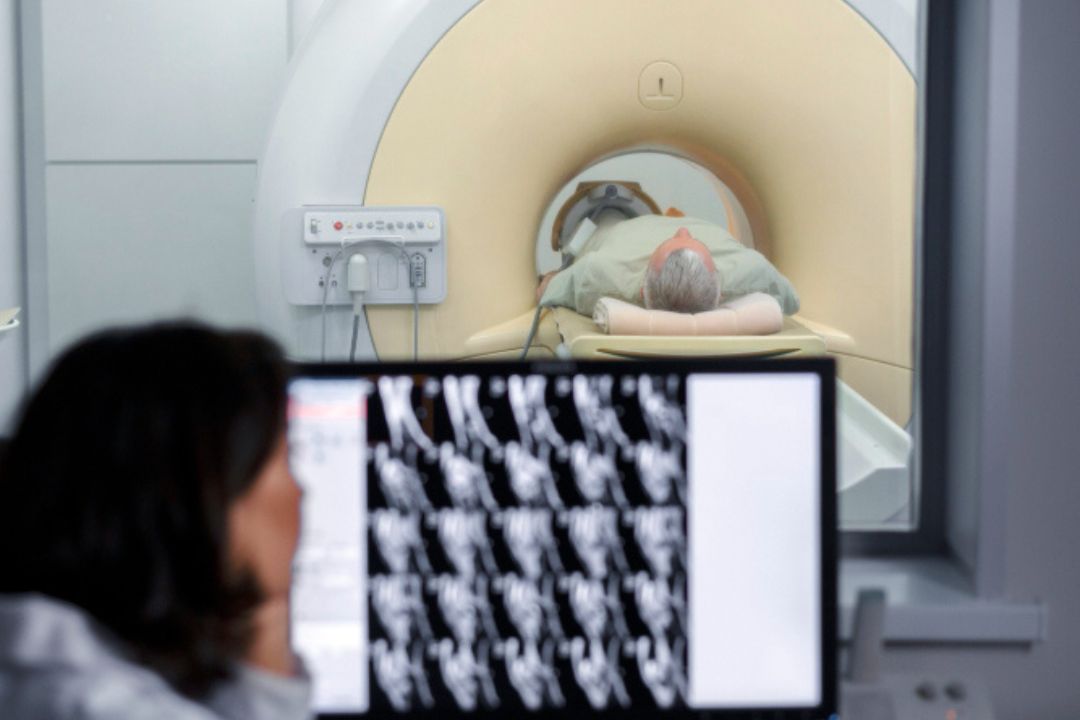
.jpg "ct scan")
.jpg "ct scan")






.jpg "ct scan")

.jpg "CT Brain Scan for Headaches")
.jpg "The Future of 3D CT Imaging")