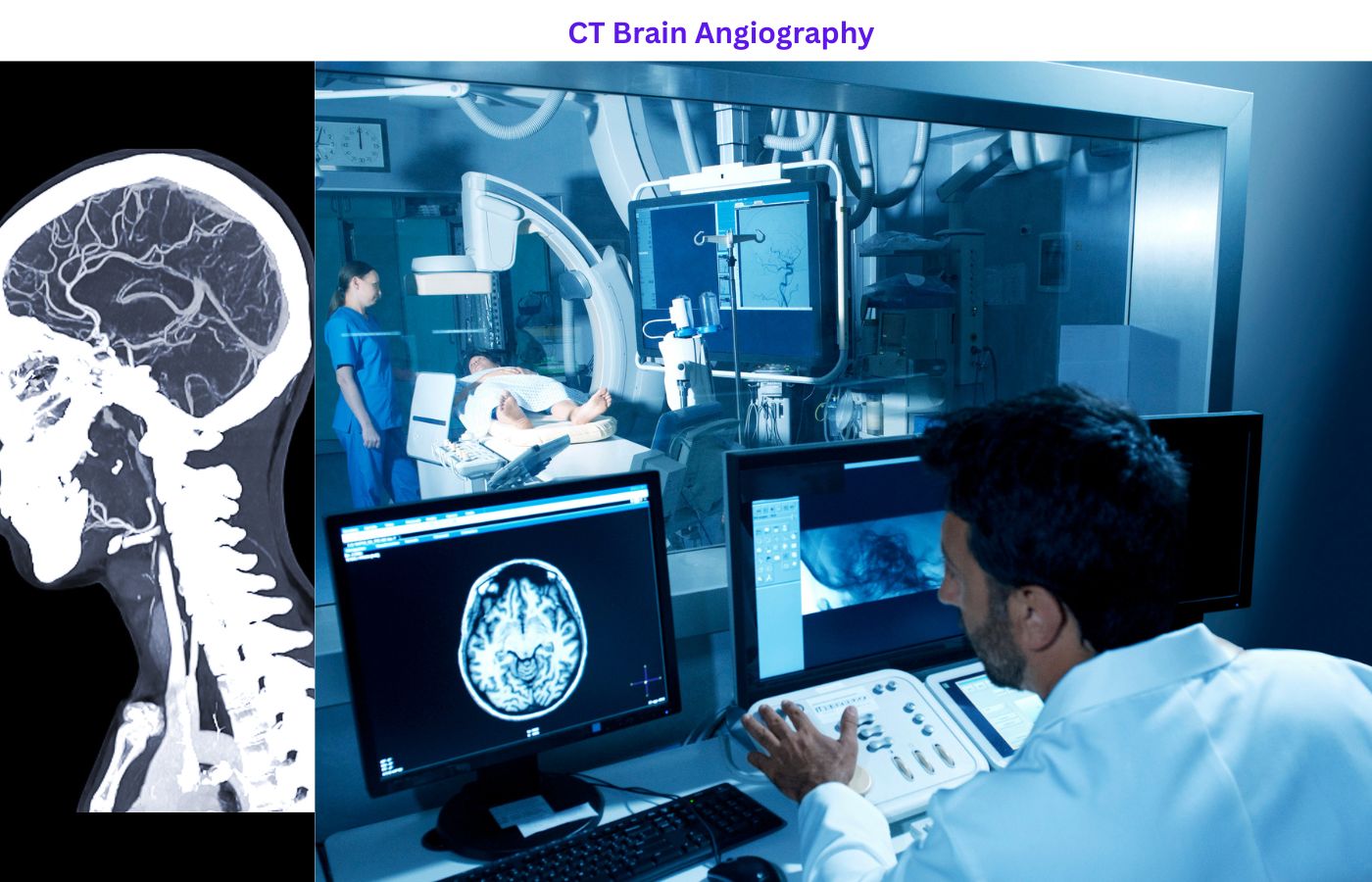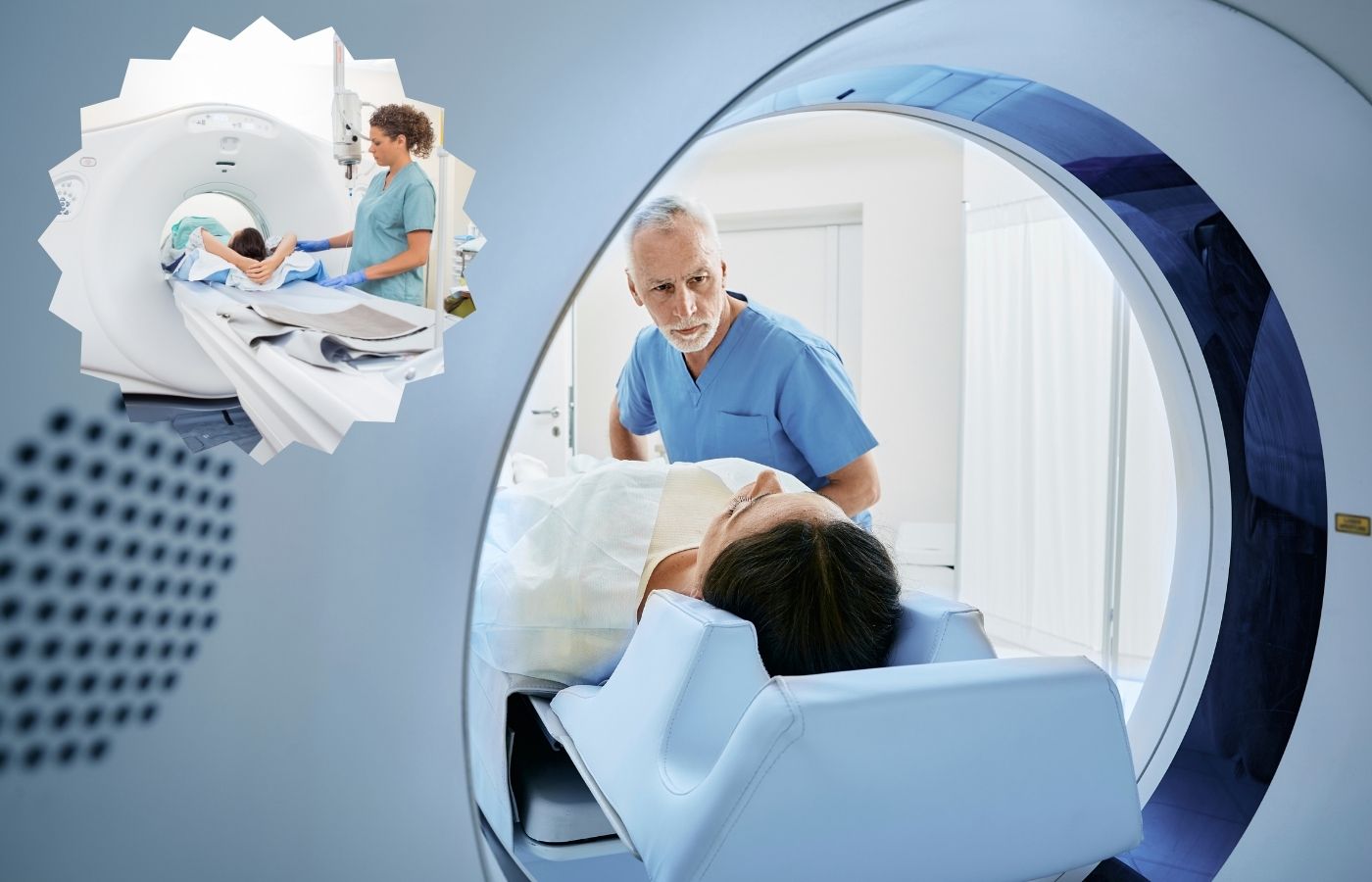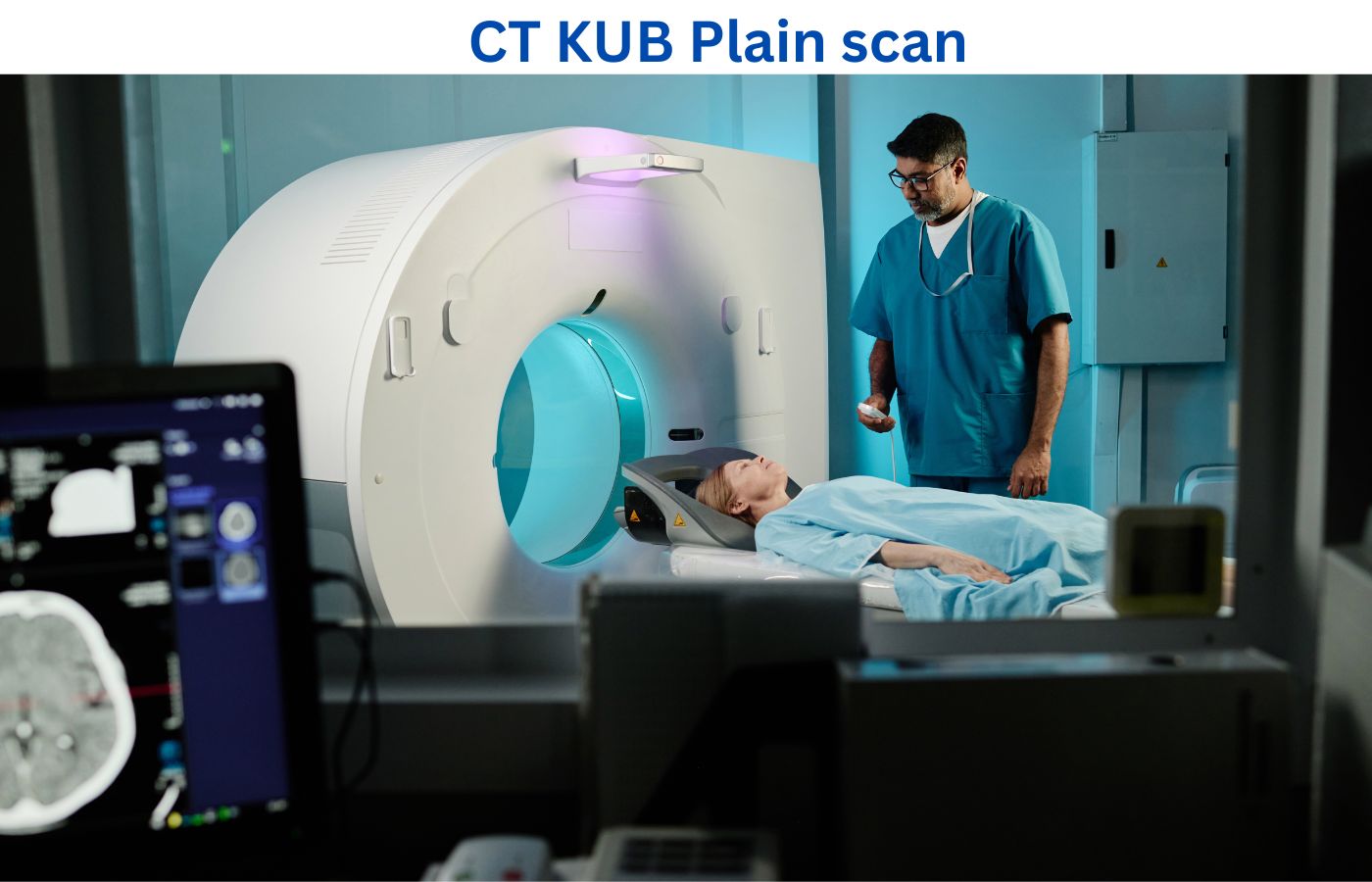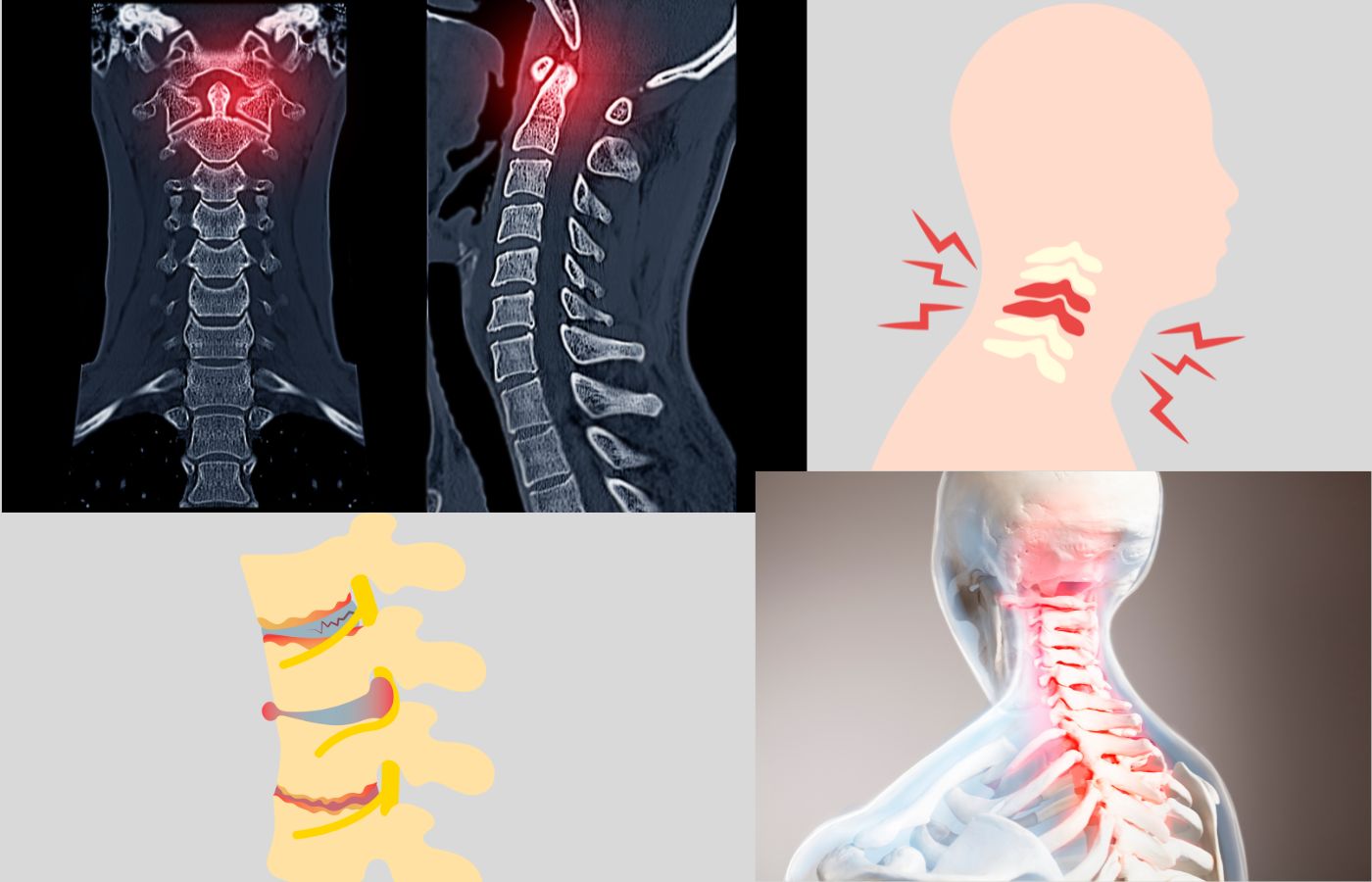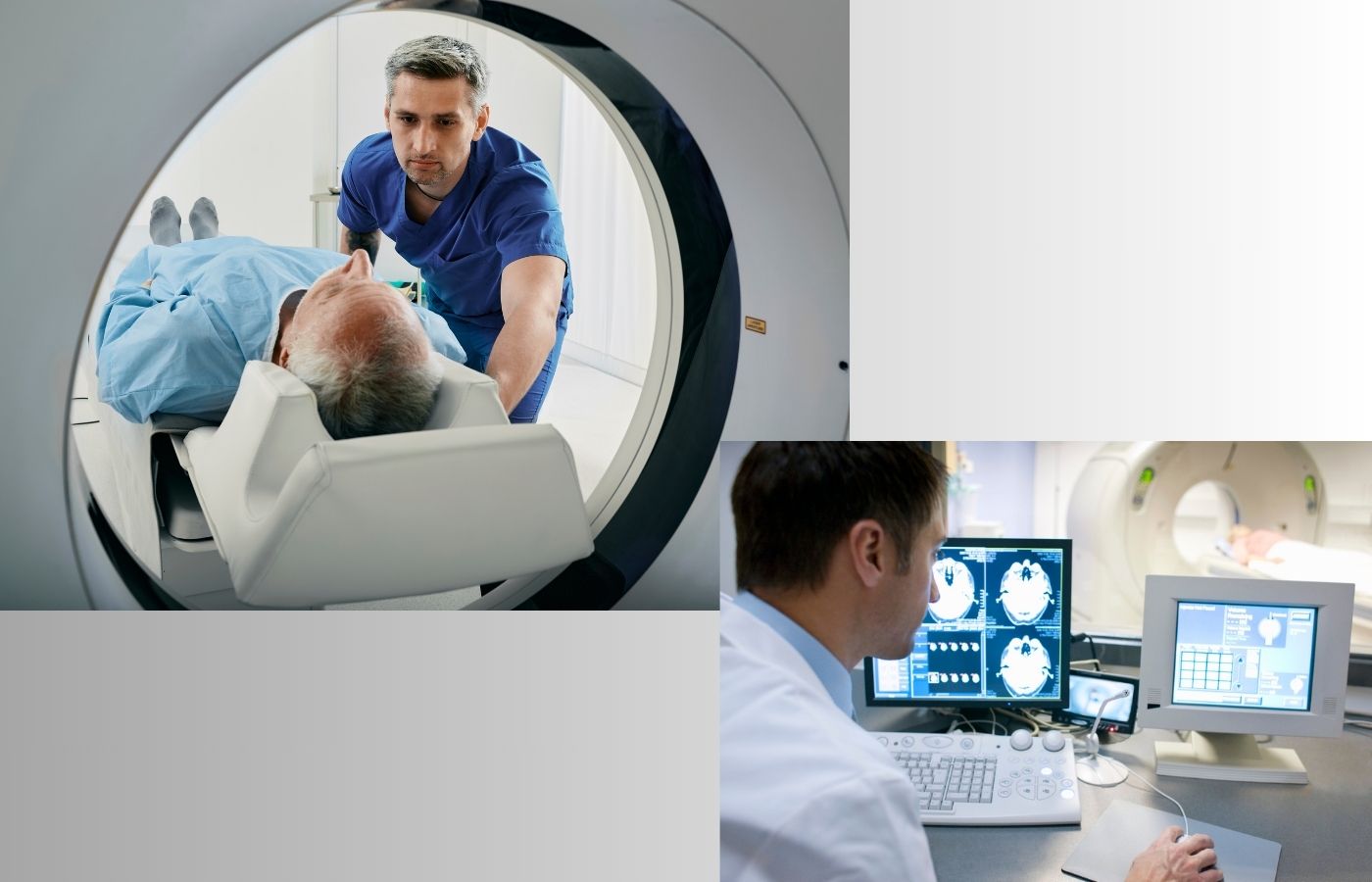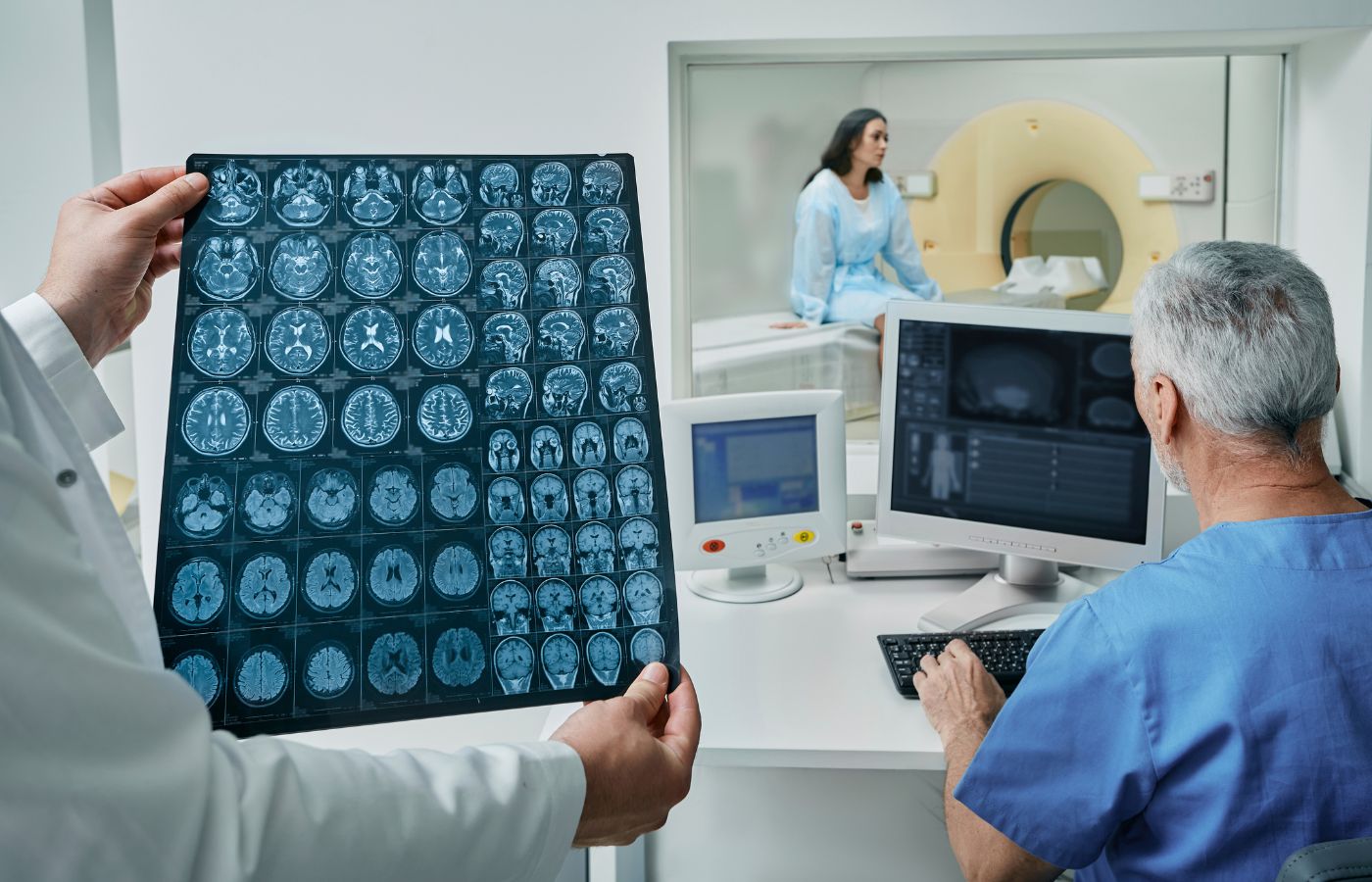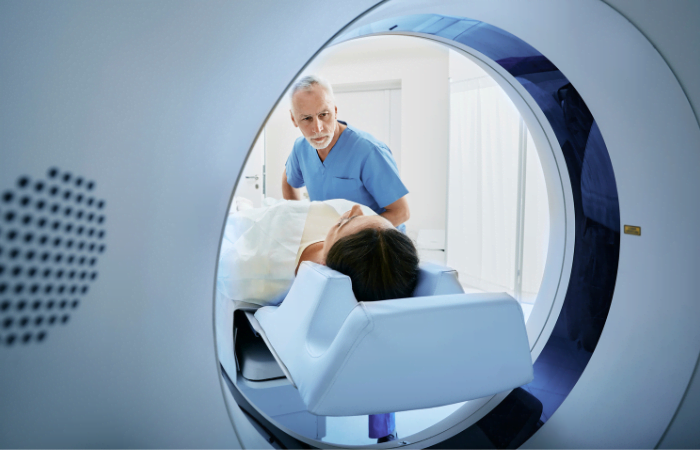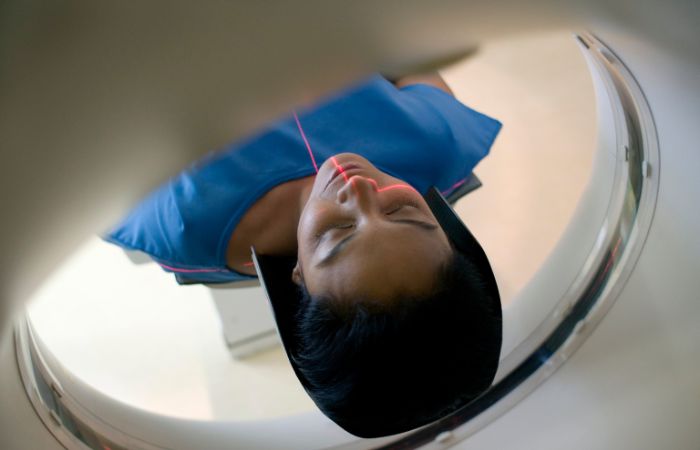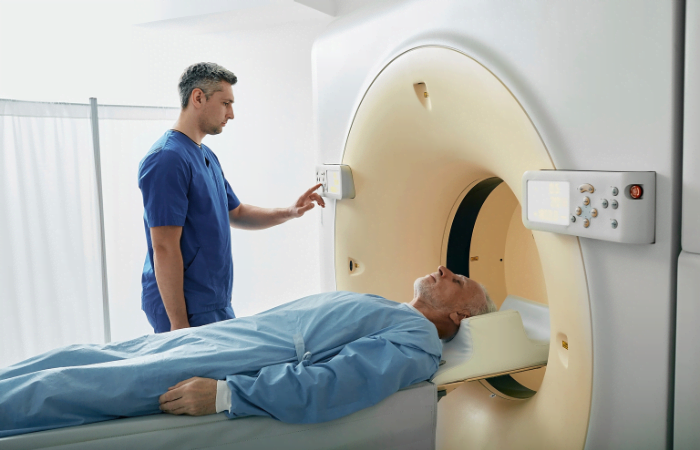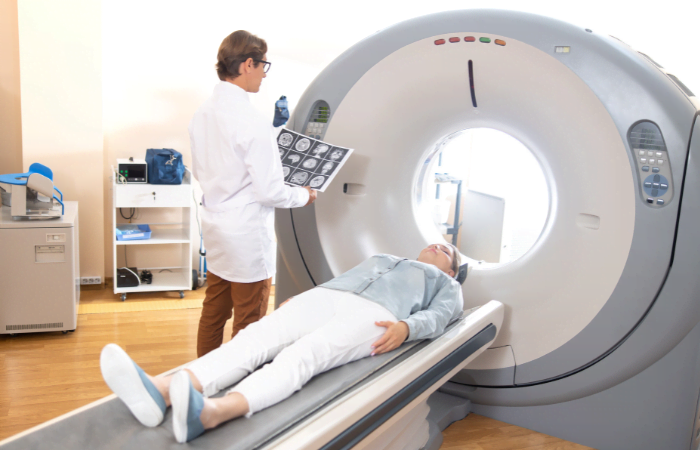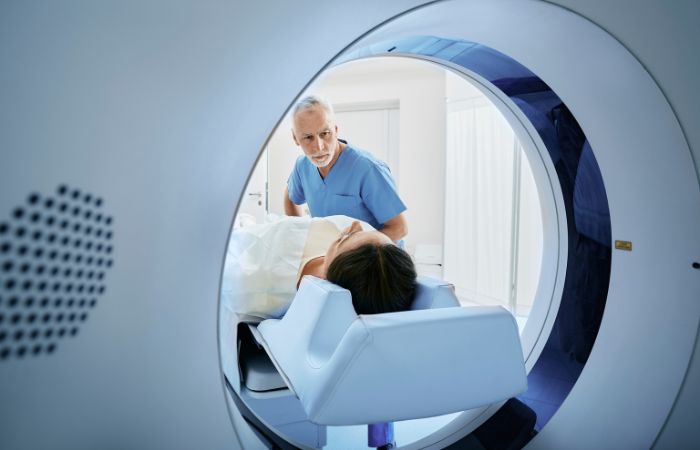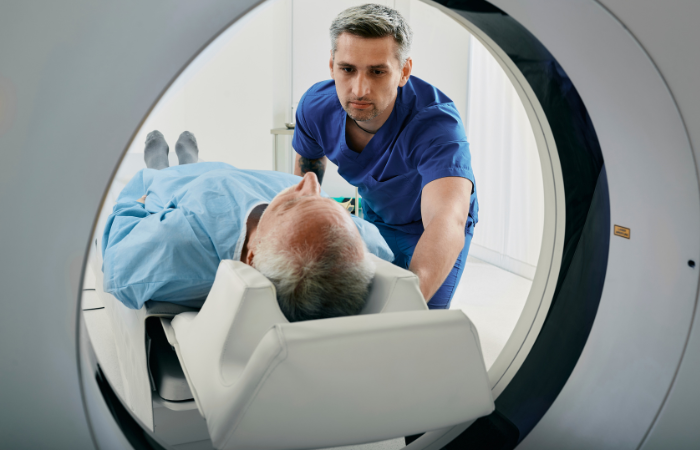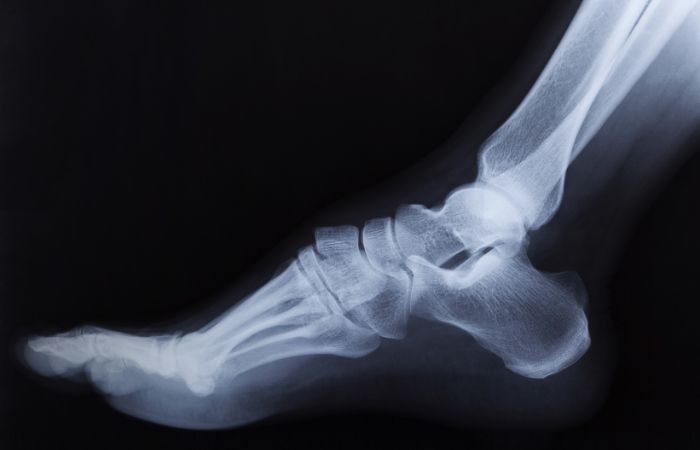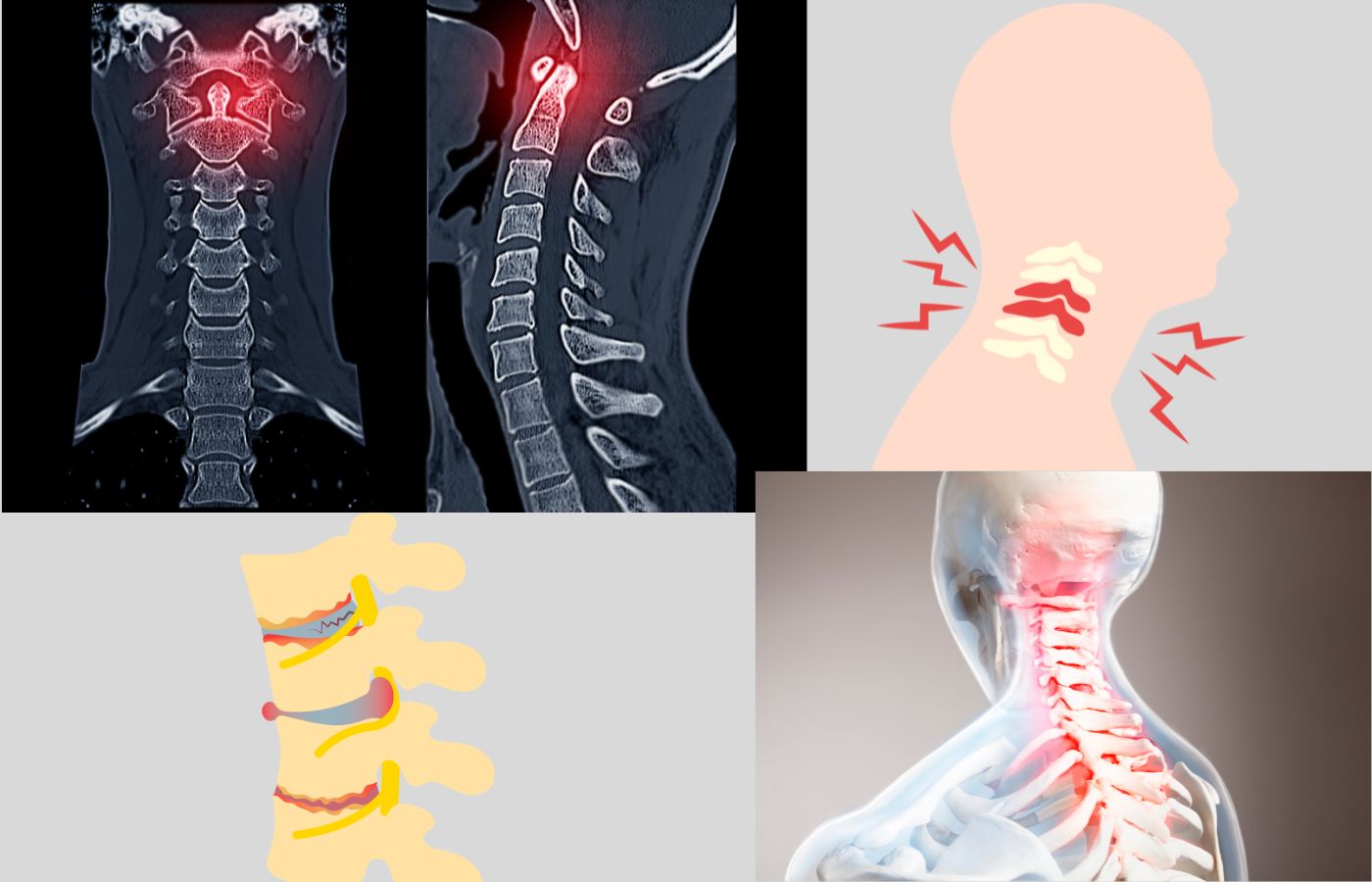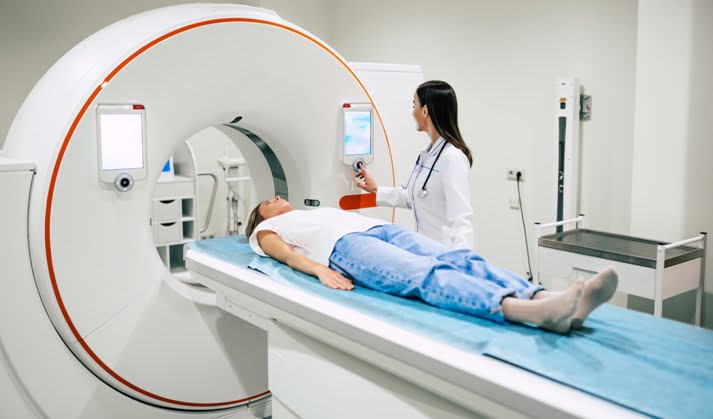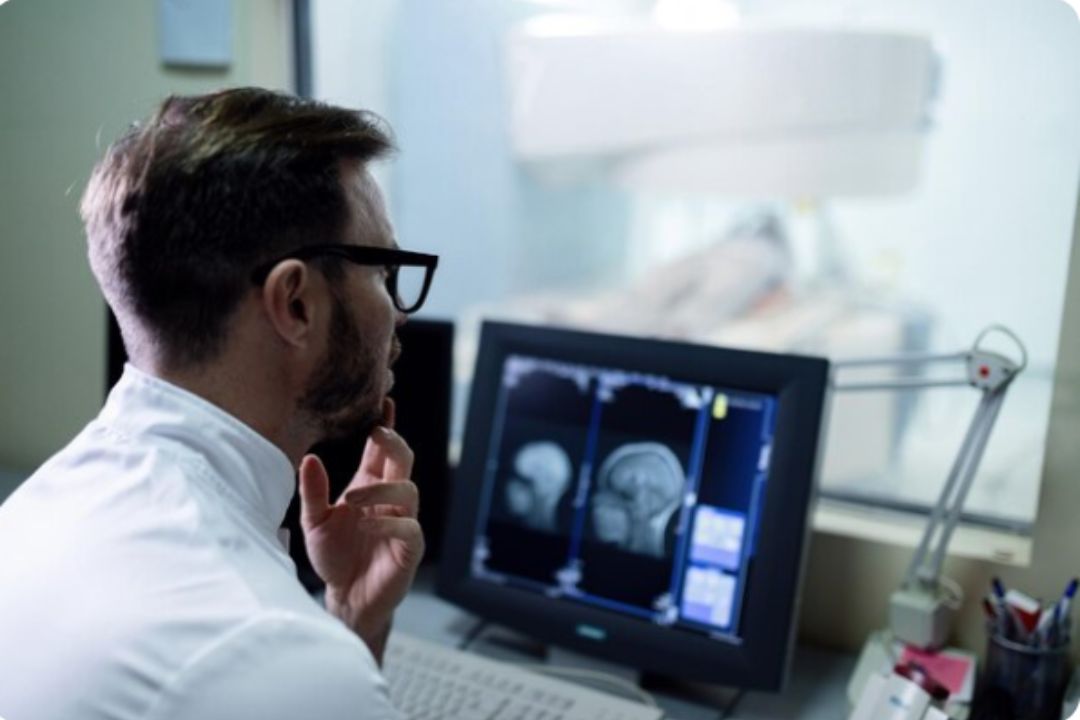
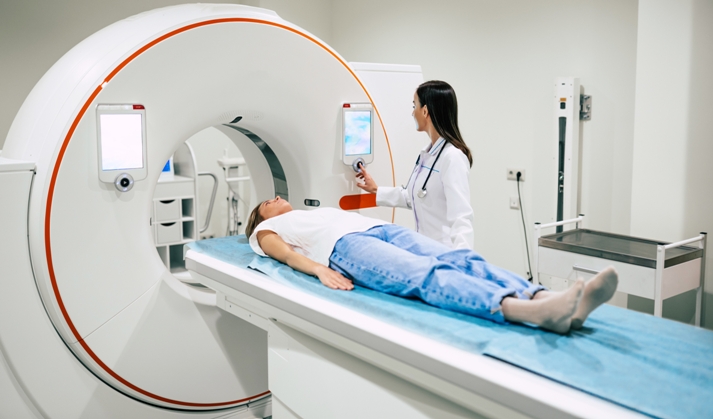
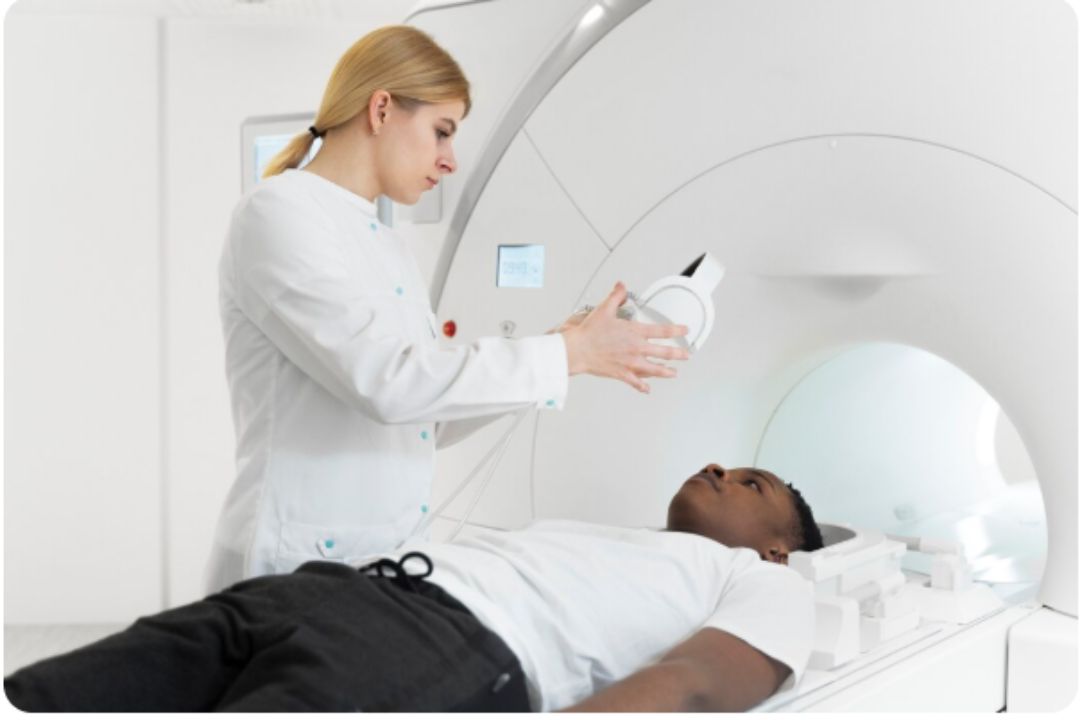
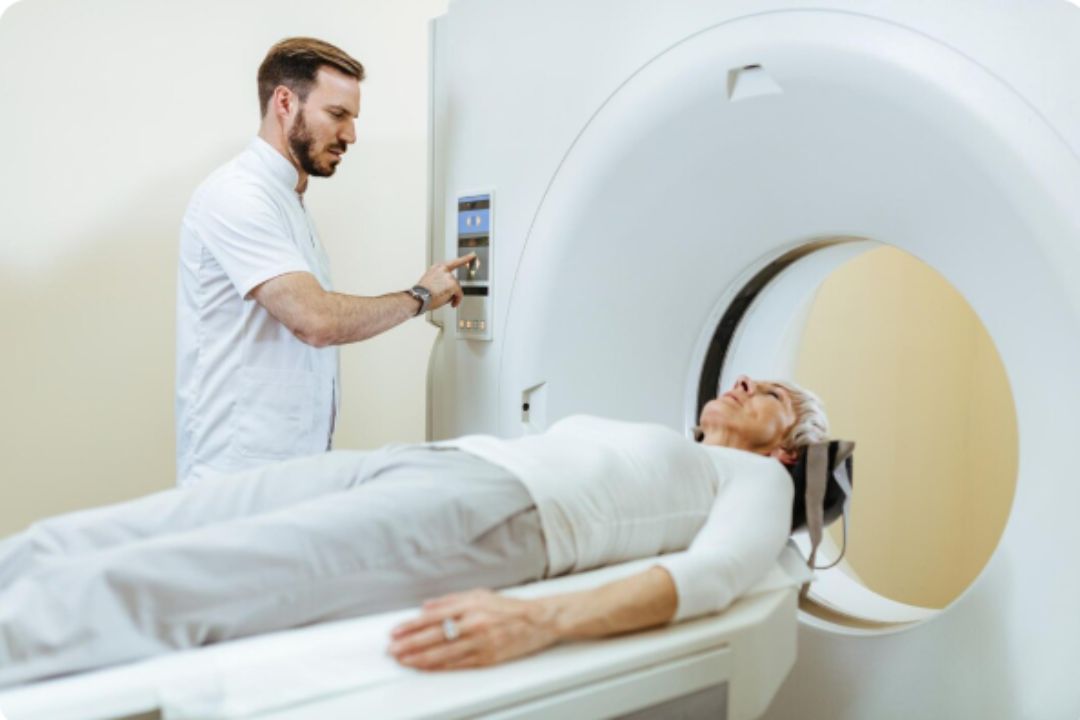
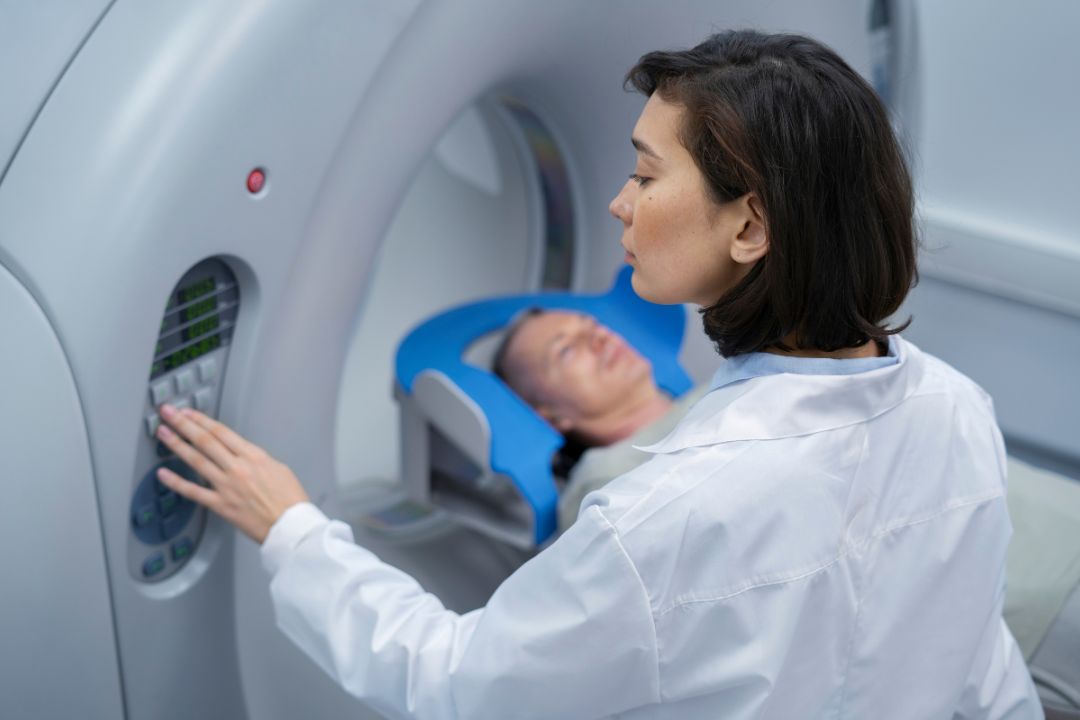
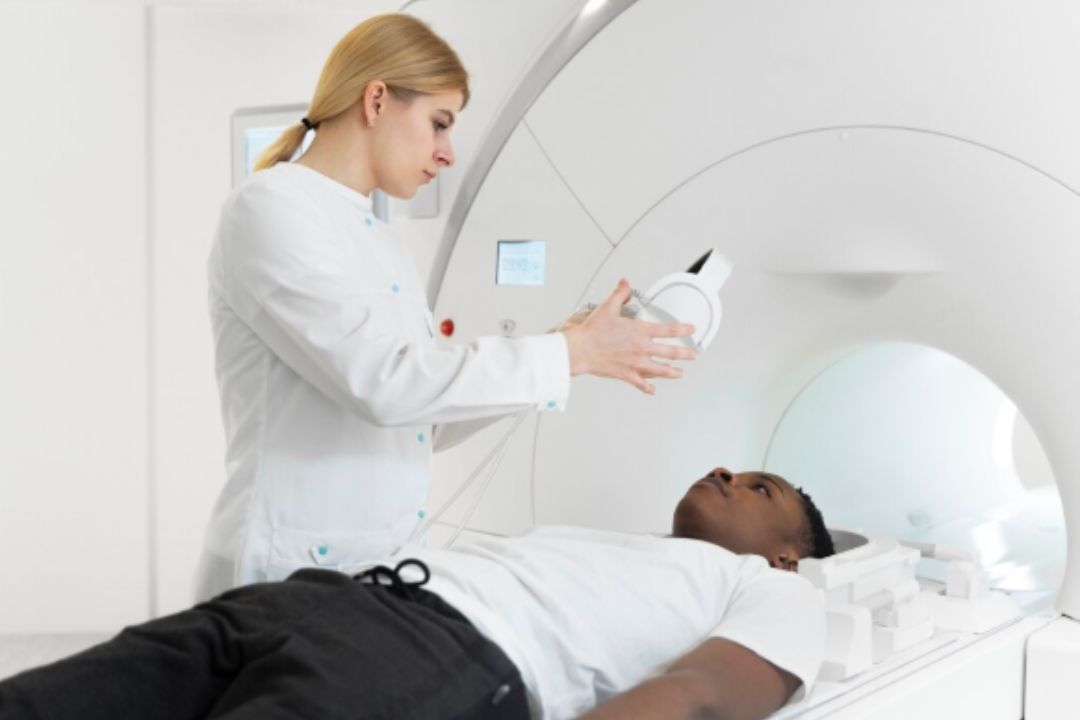
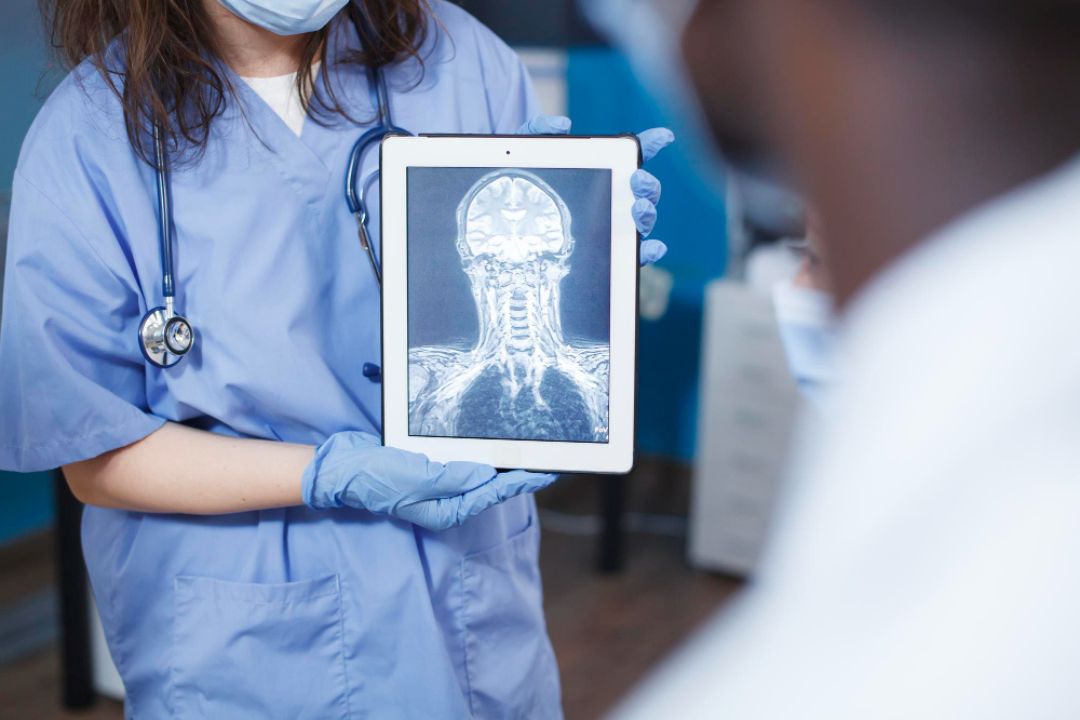
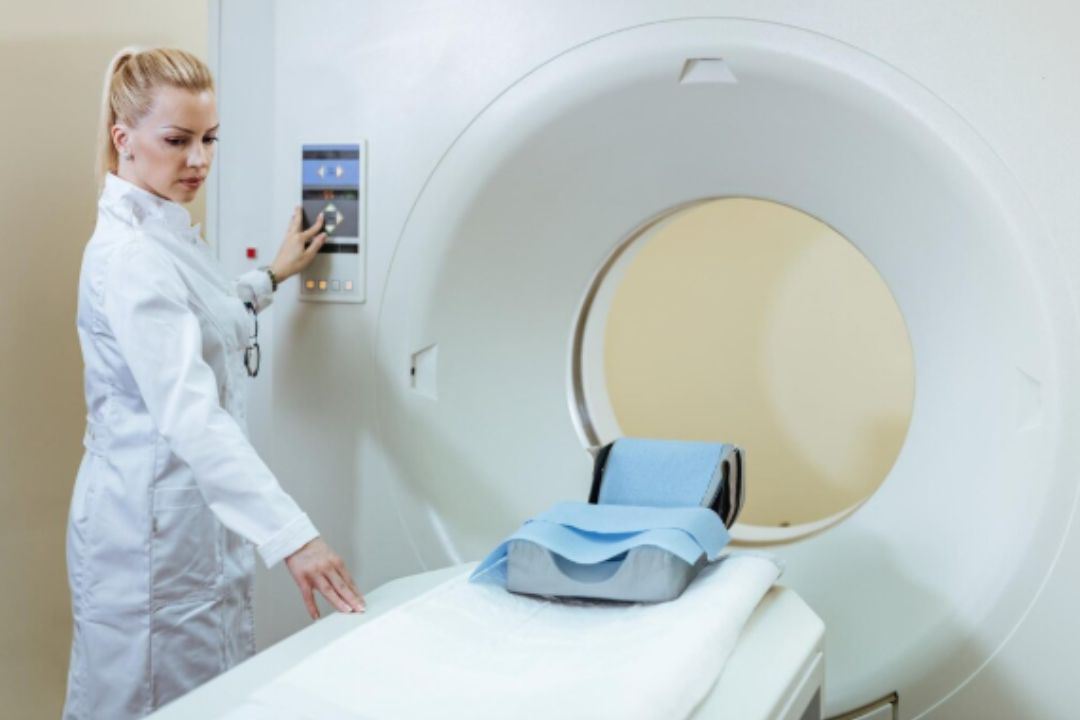
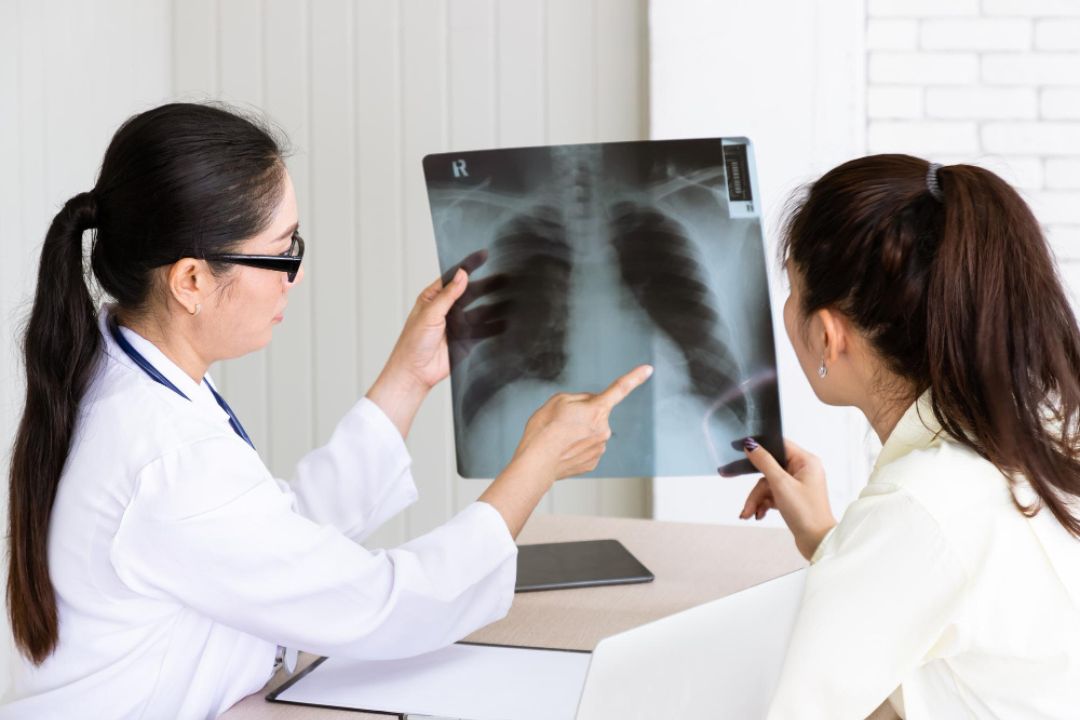
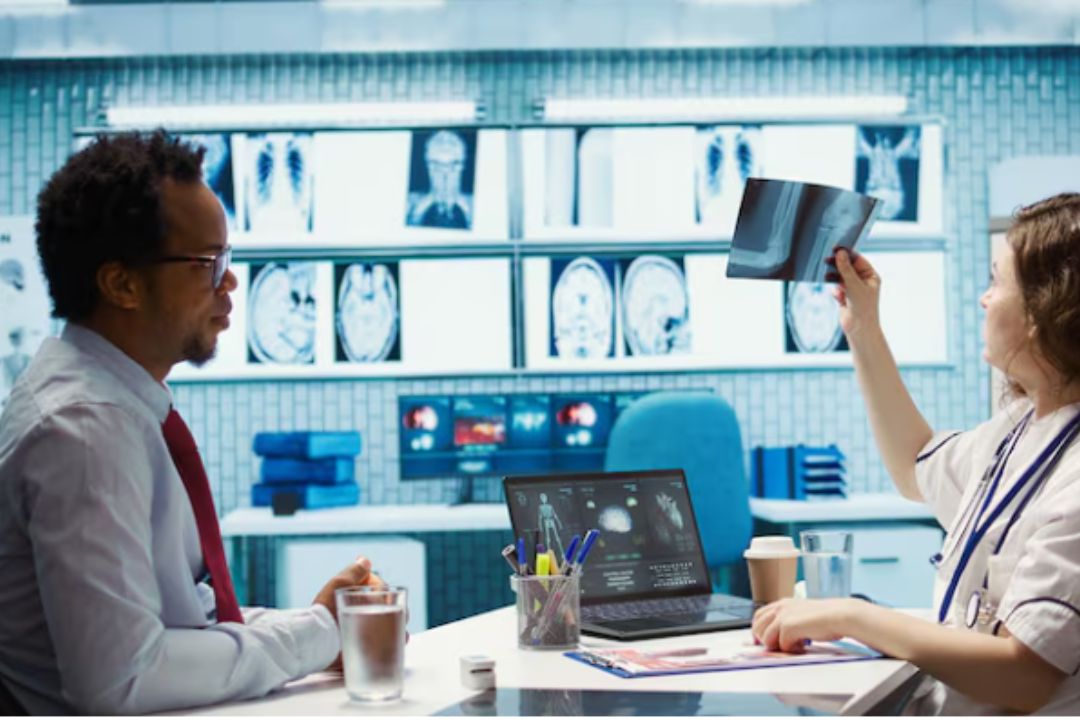
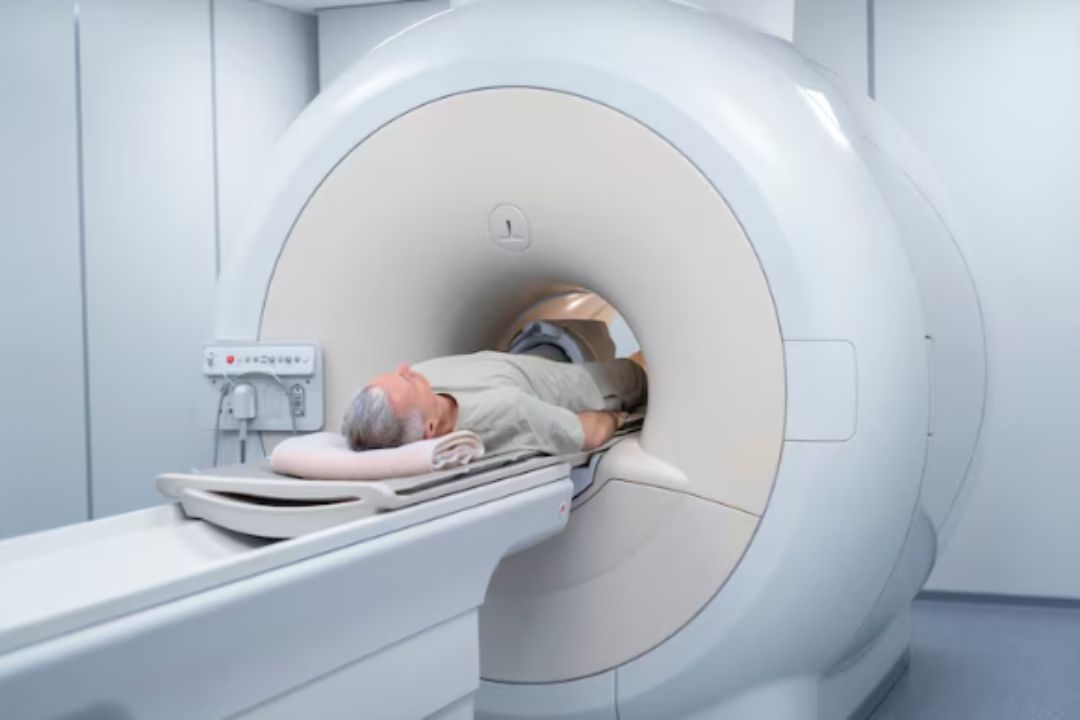
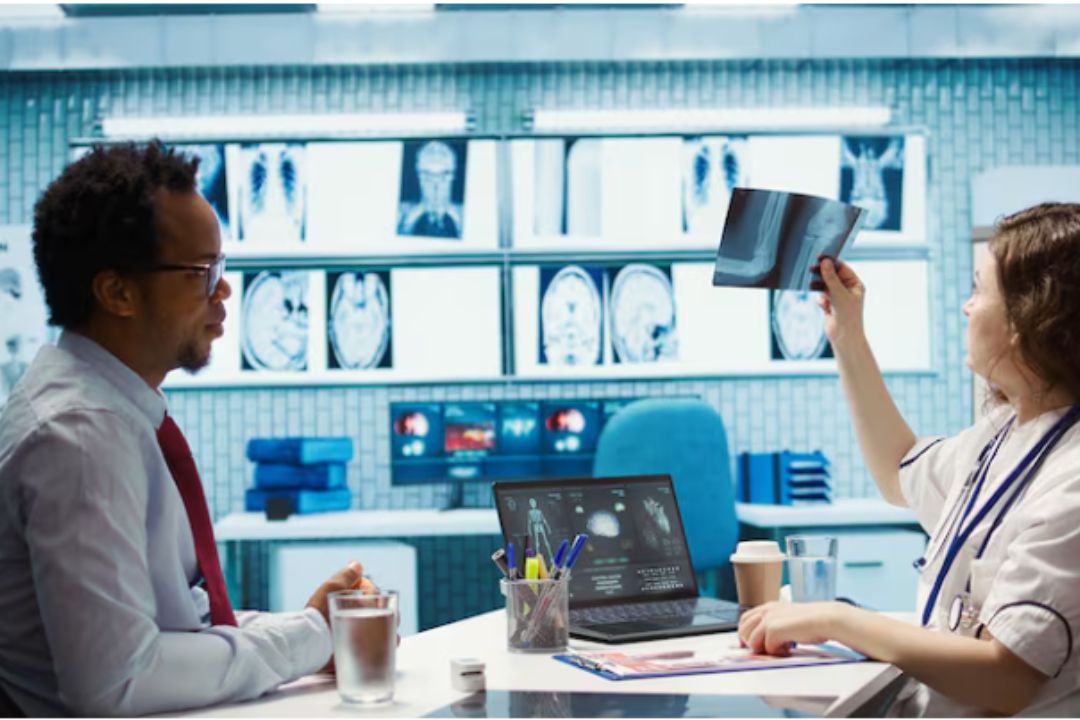
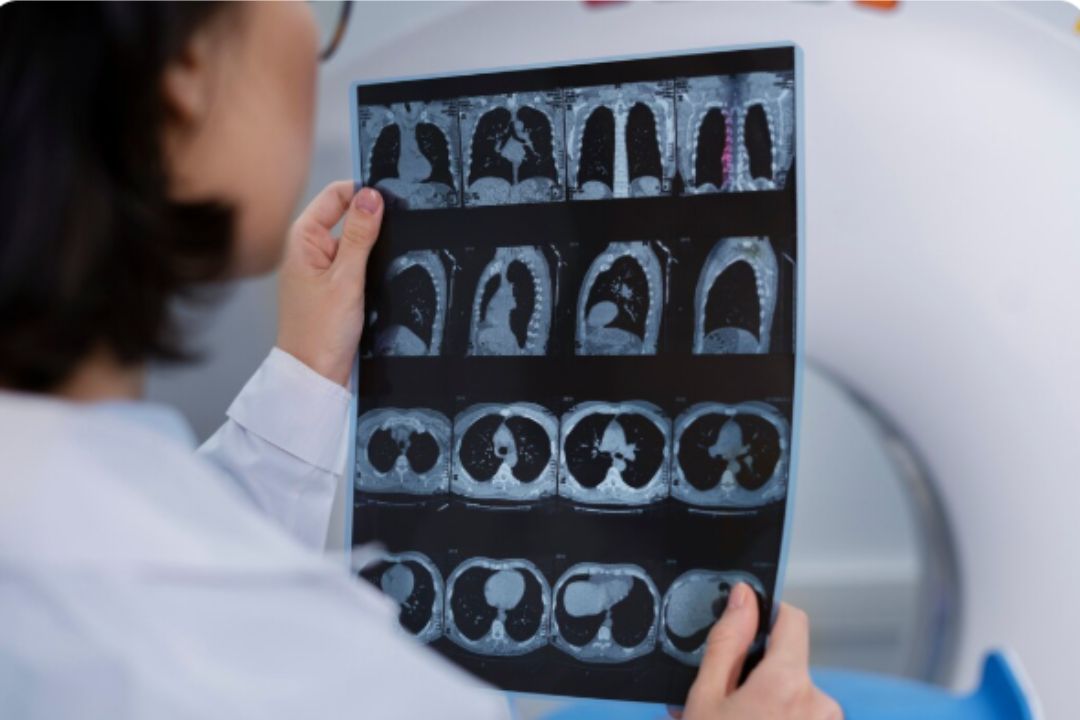
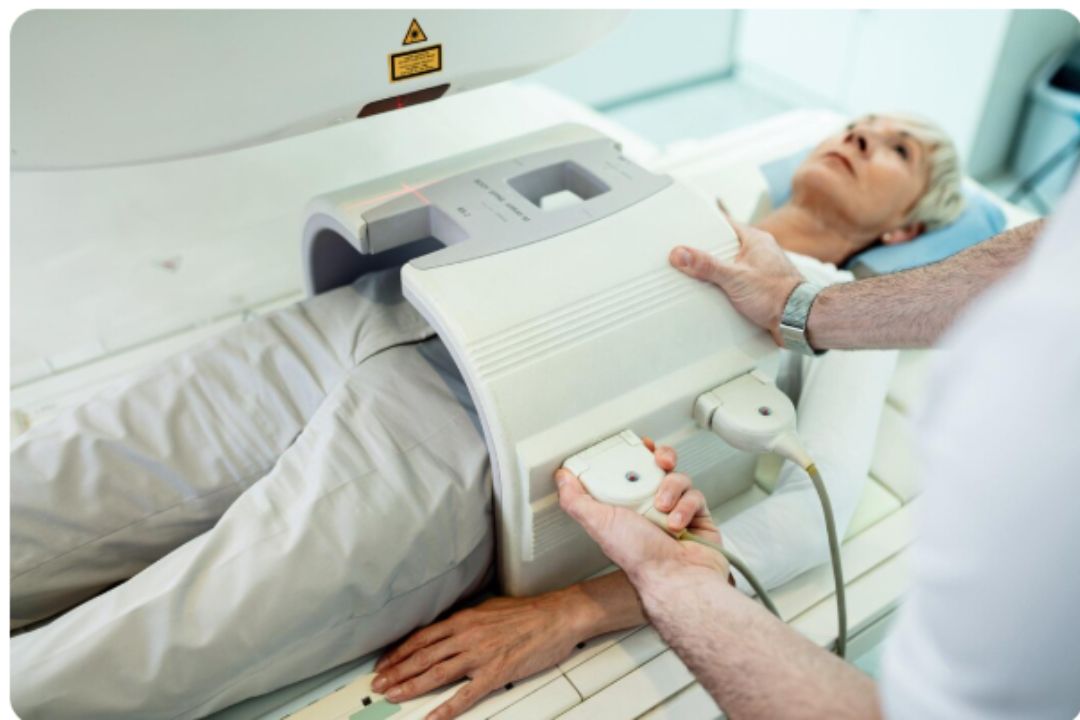
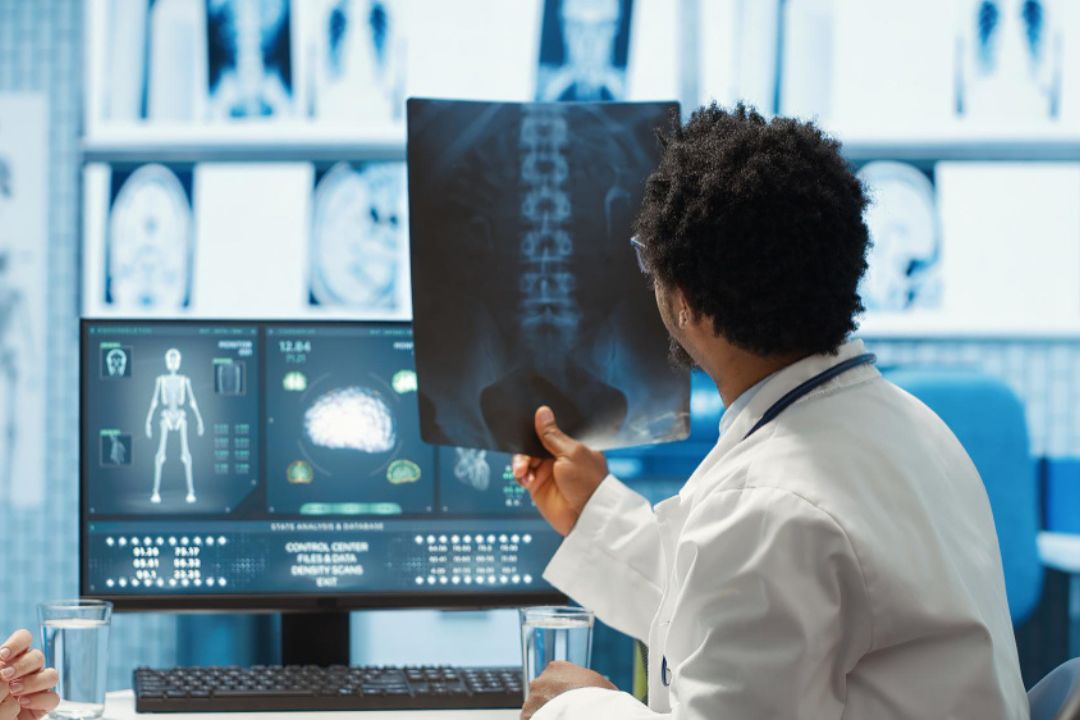
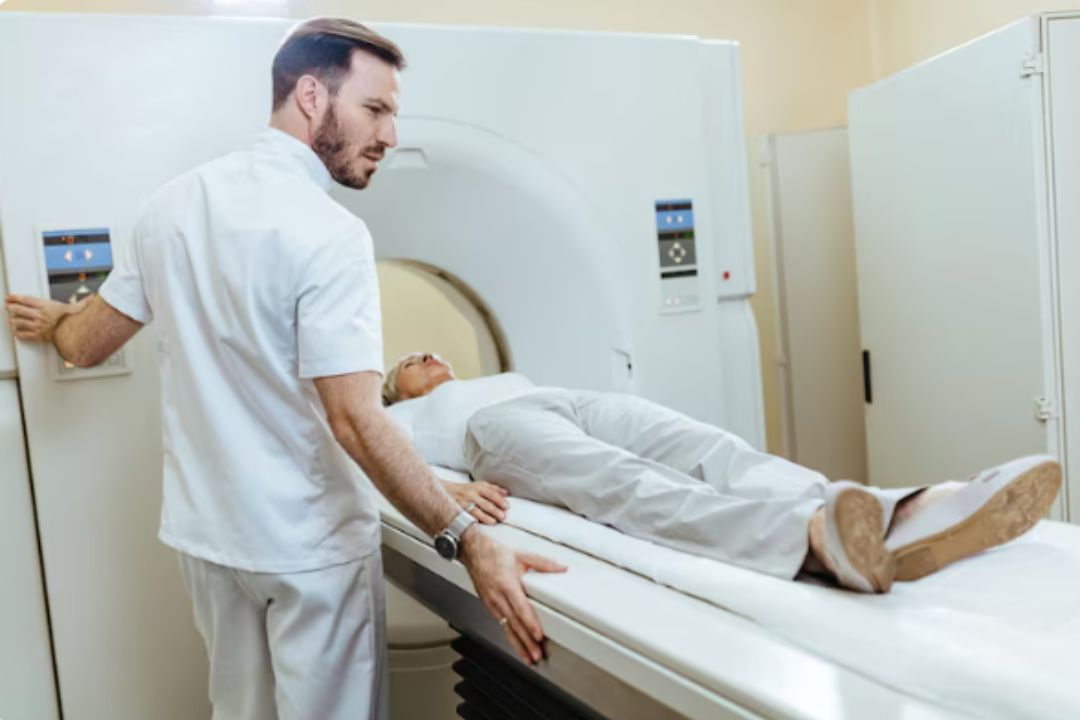
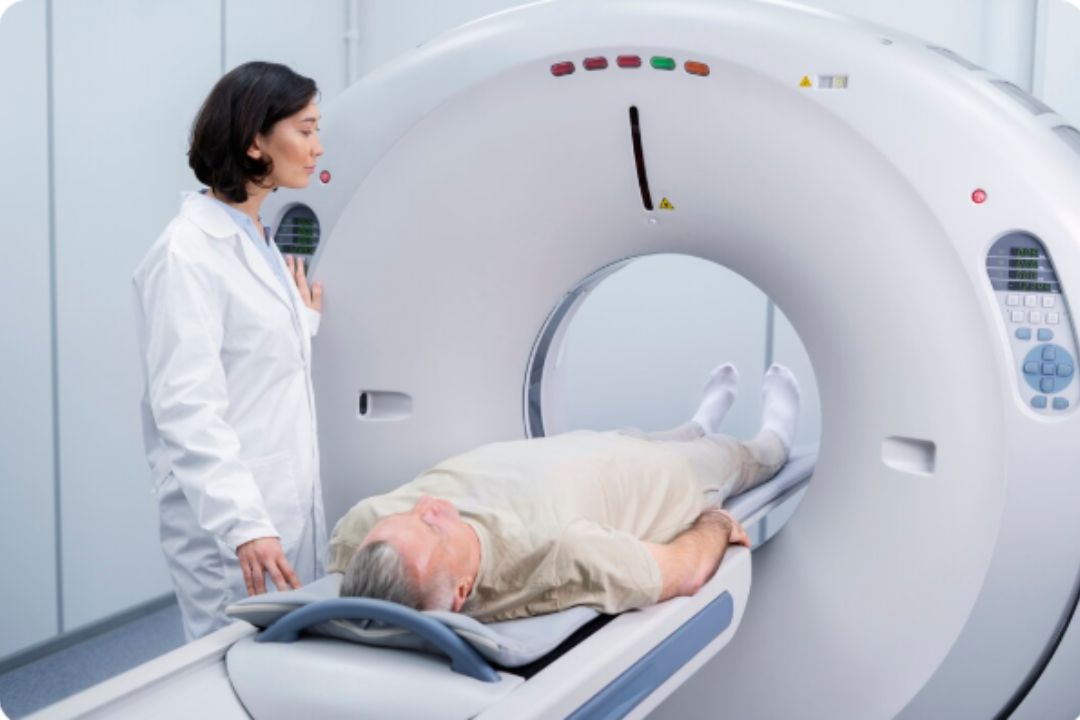
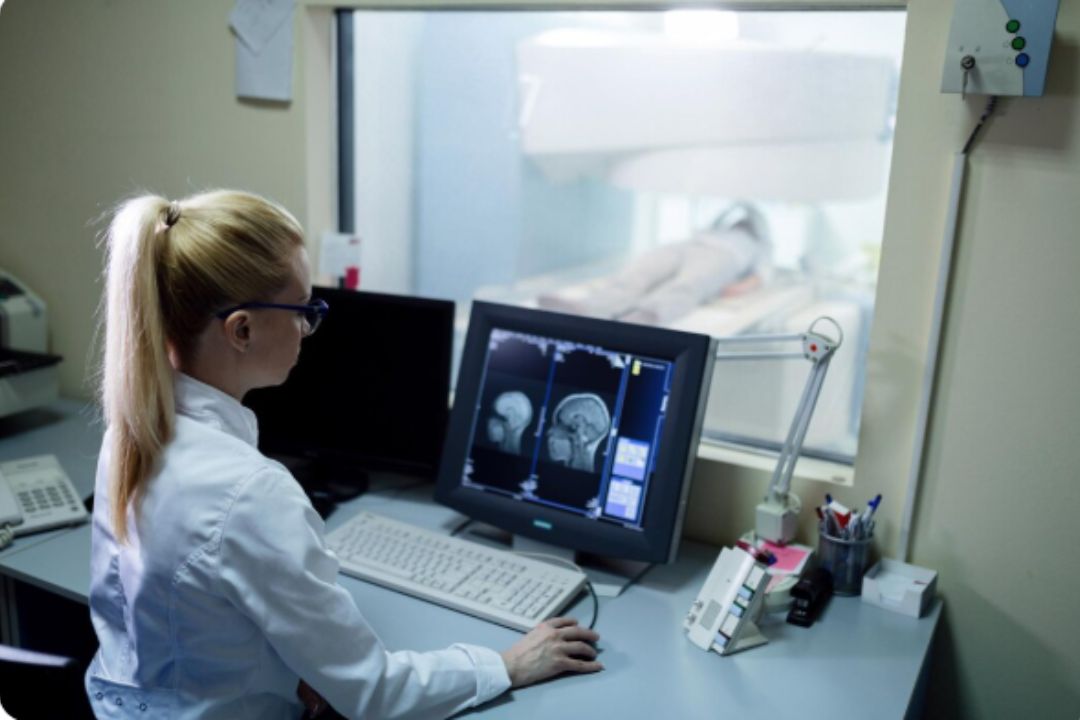
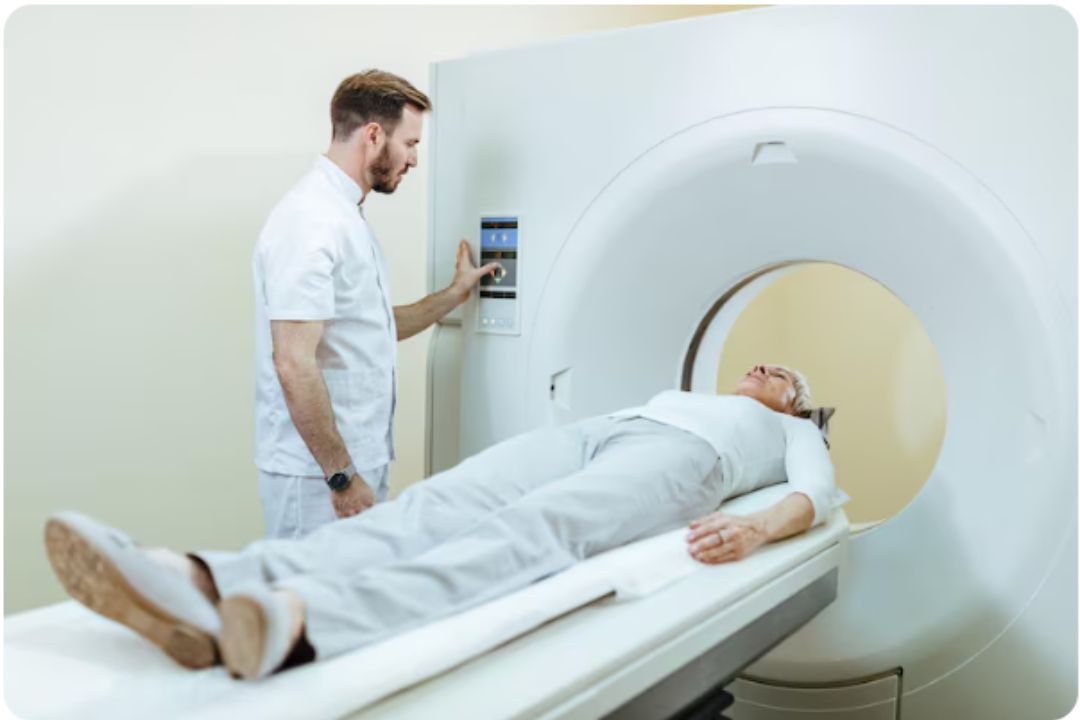
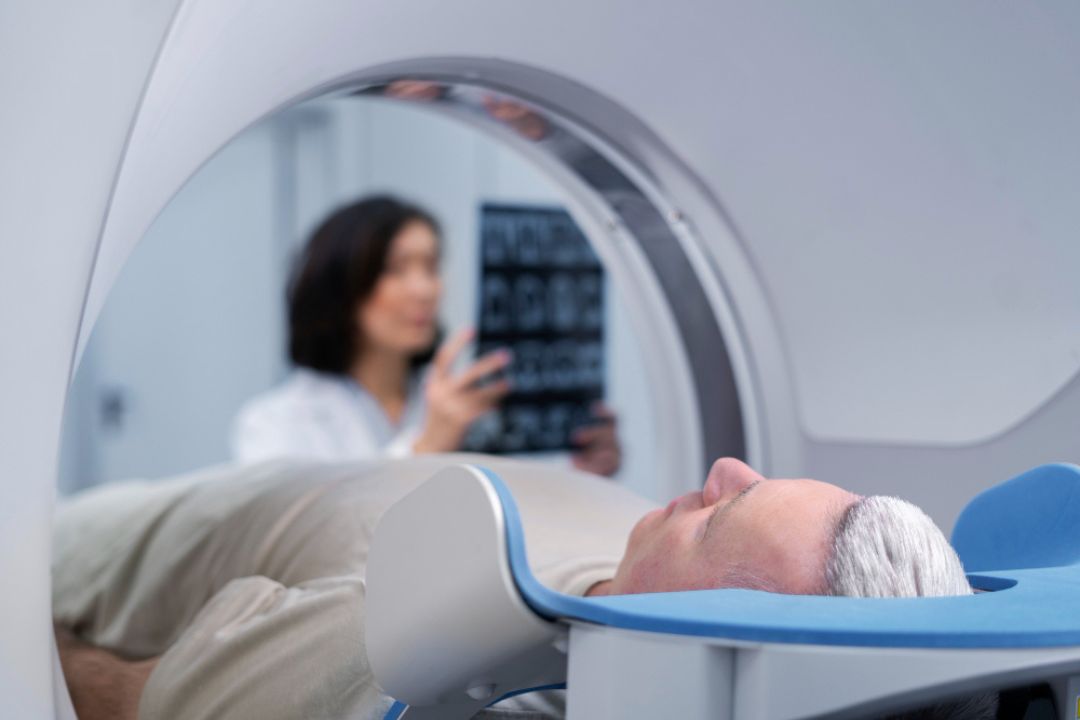
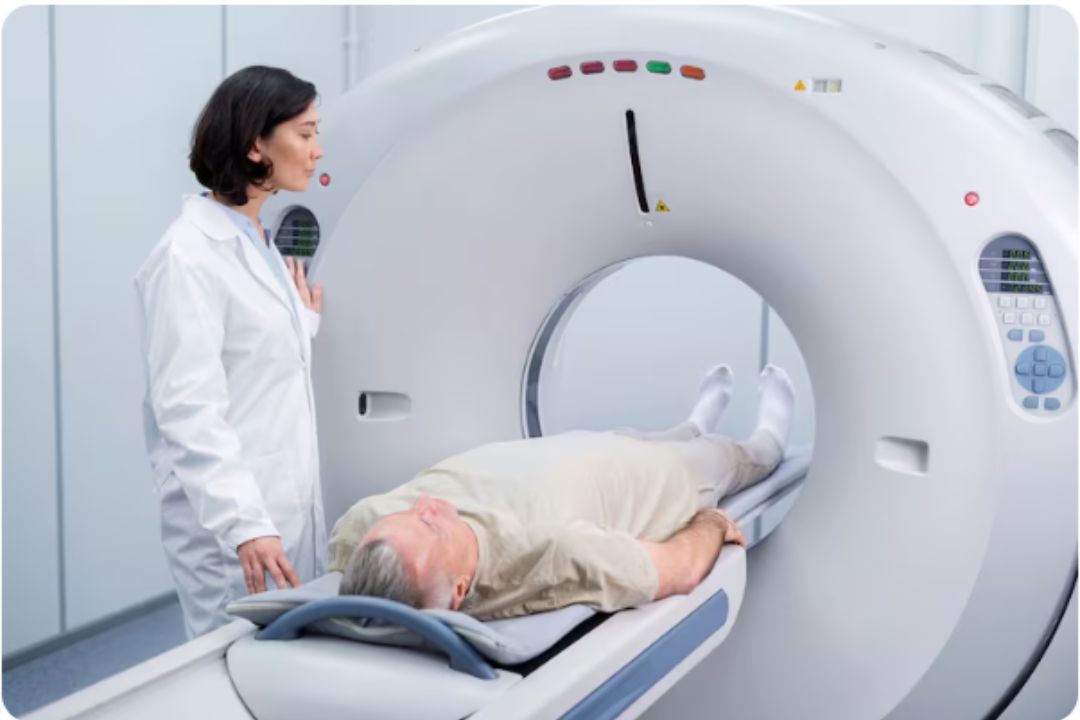
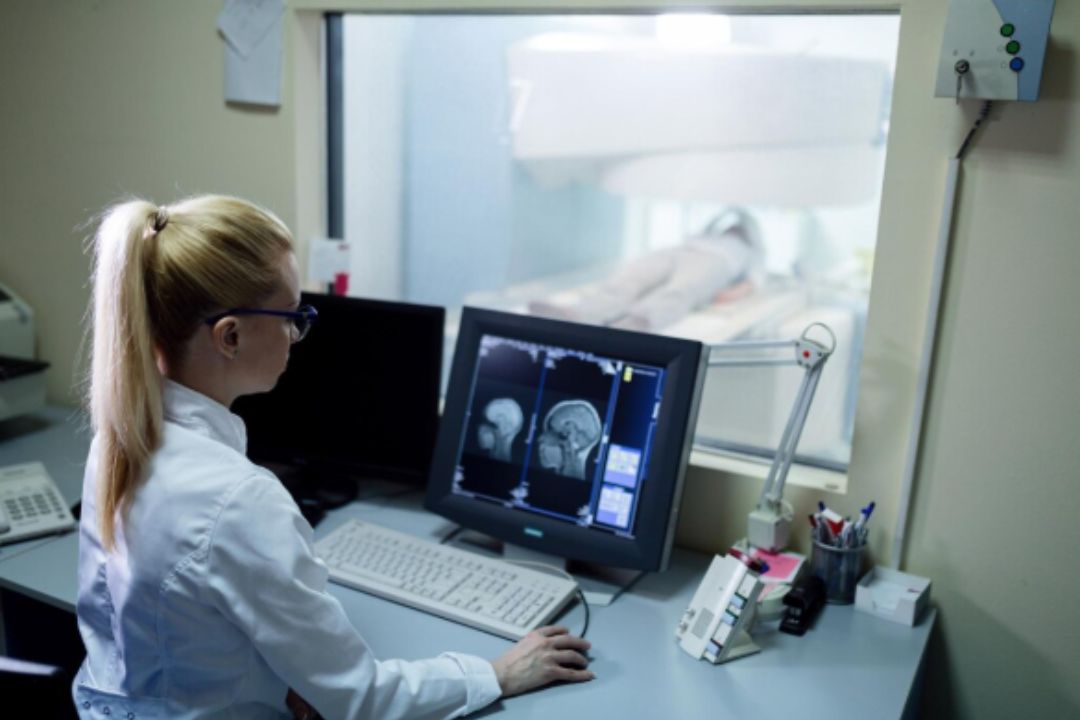
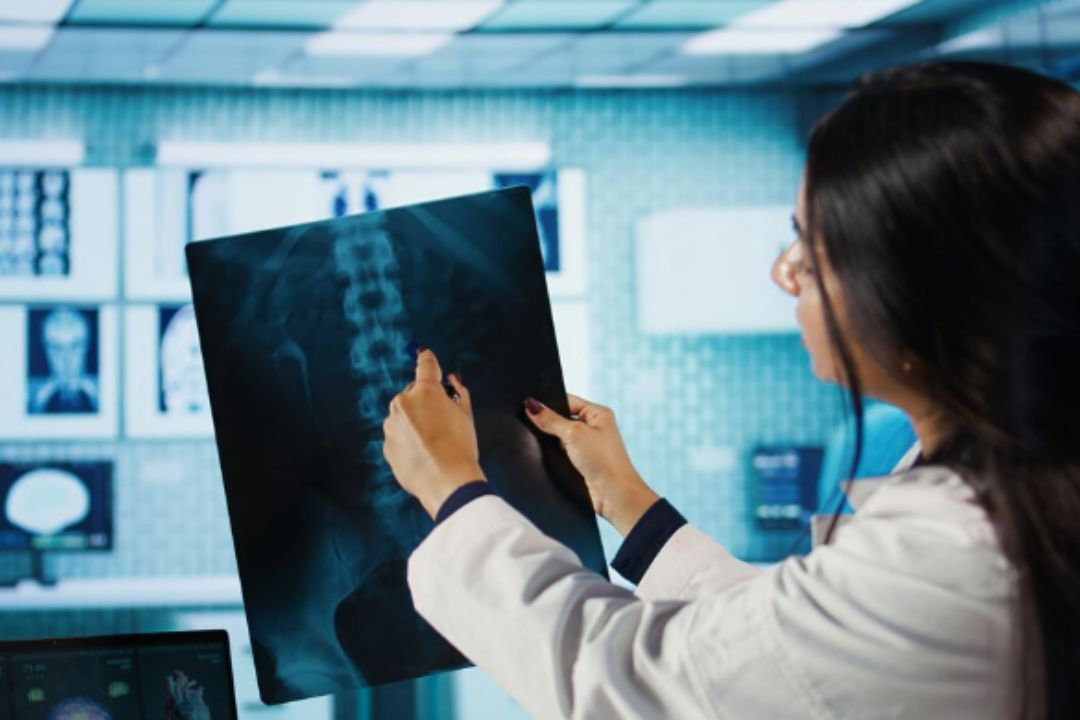
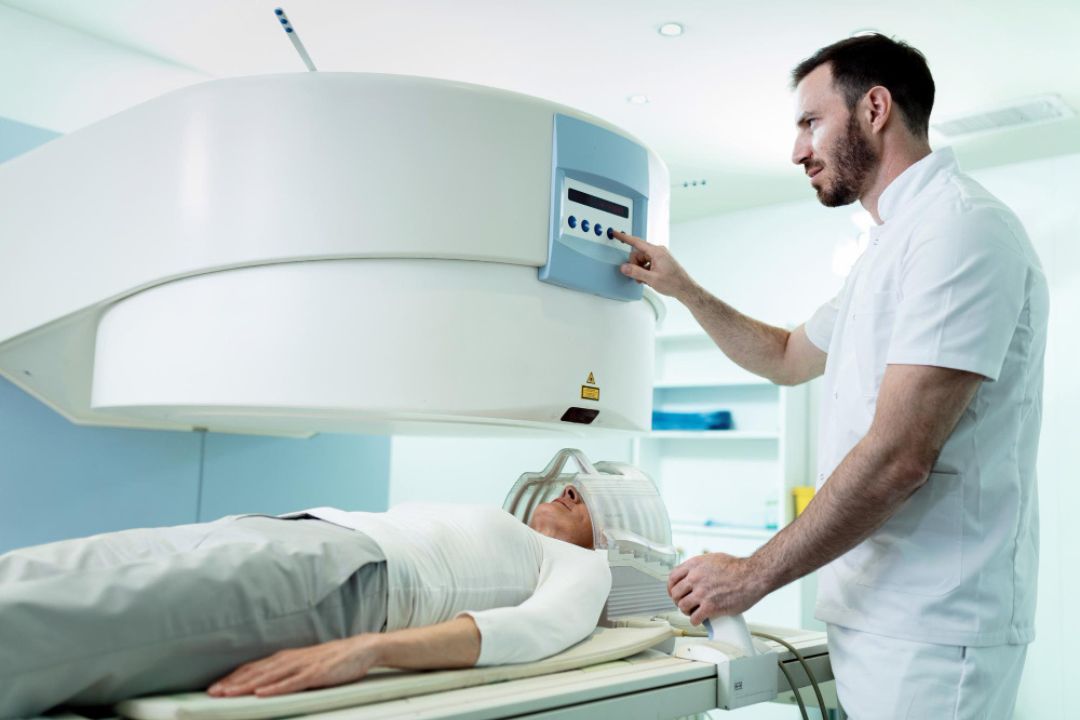
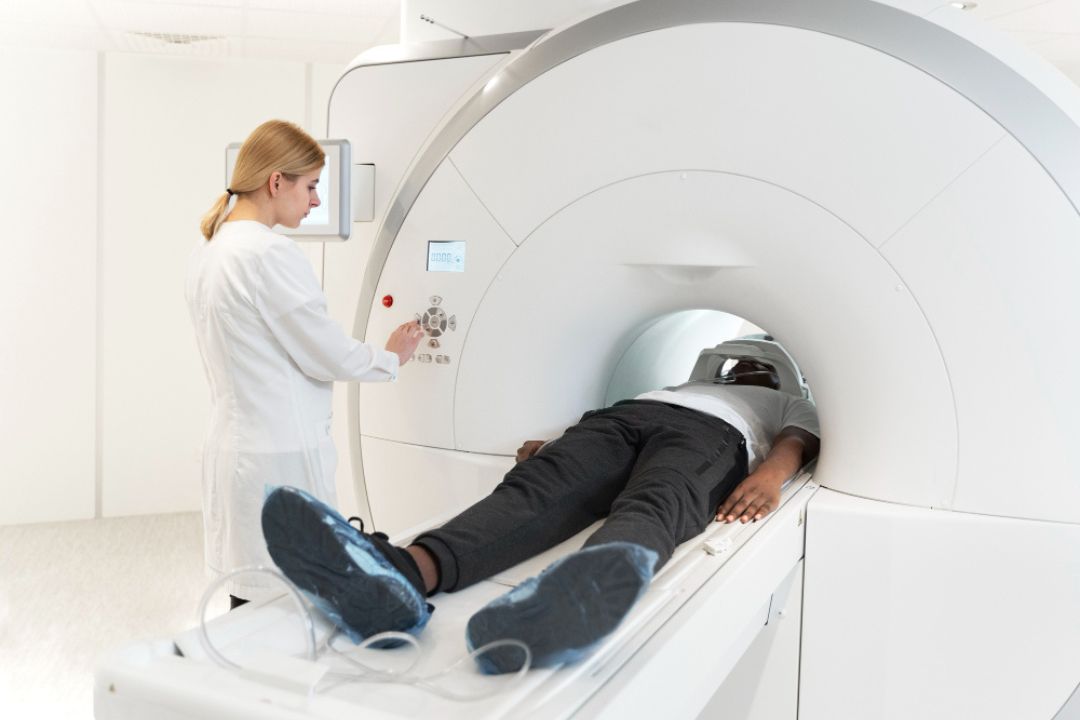
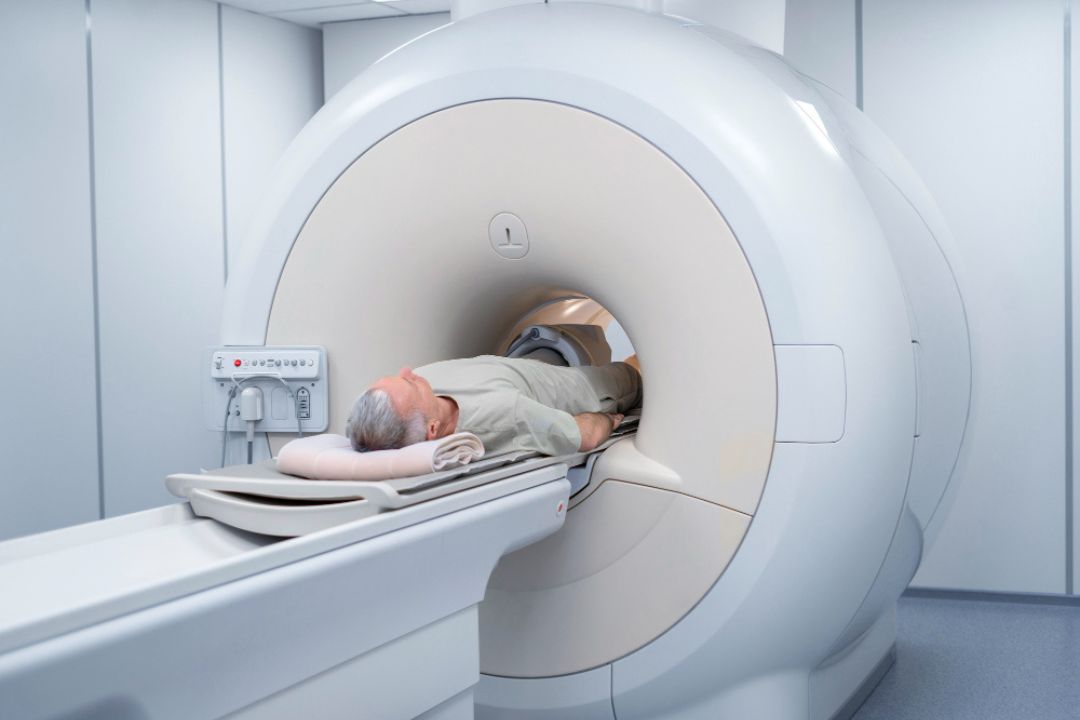
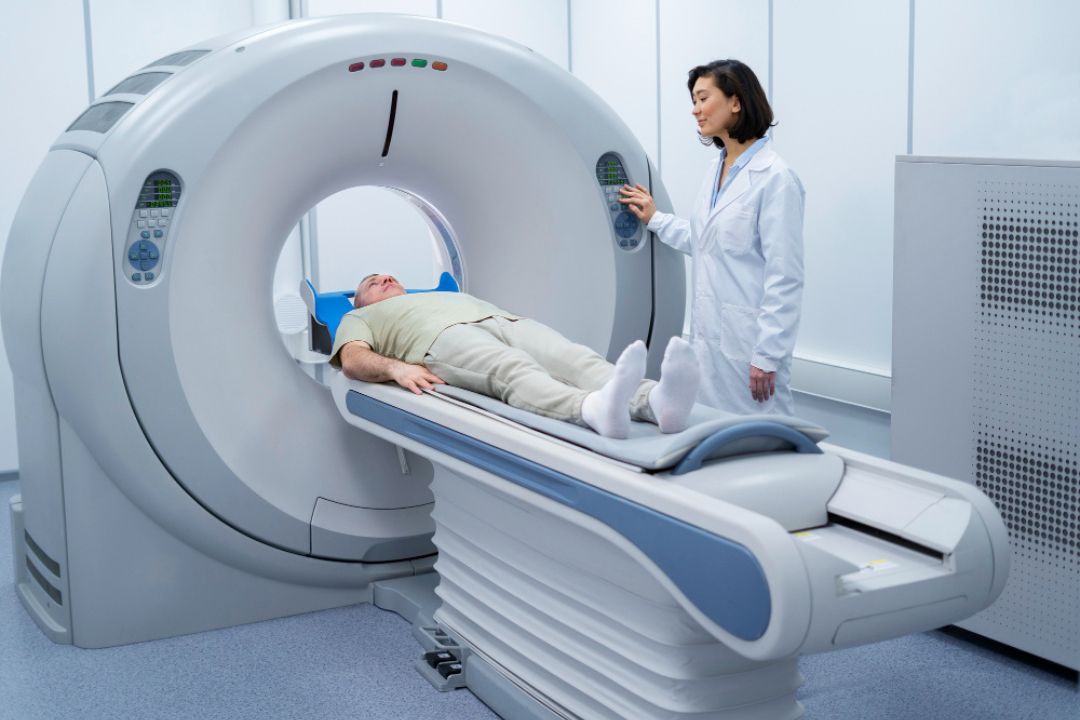
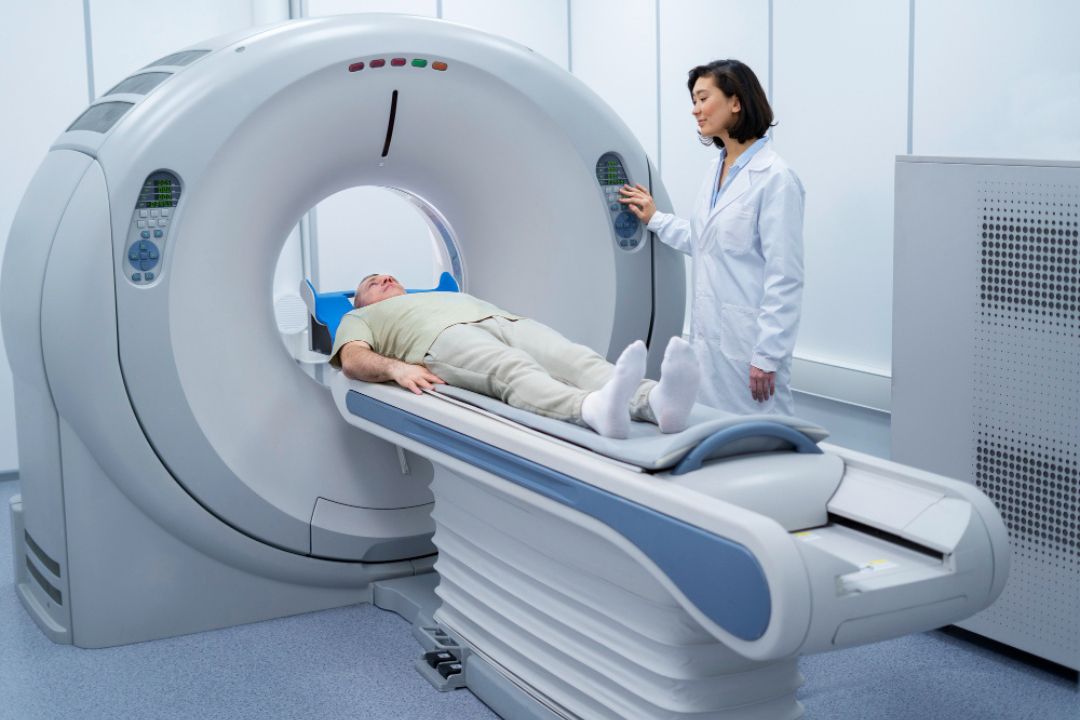
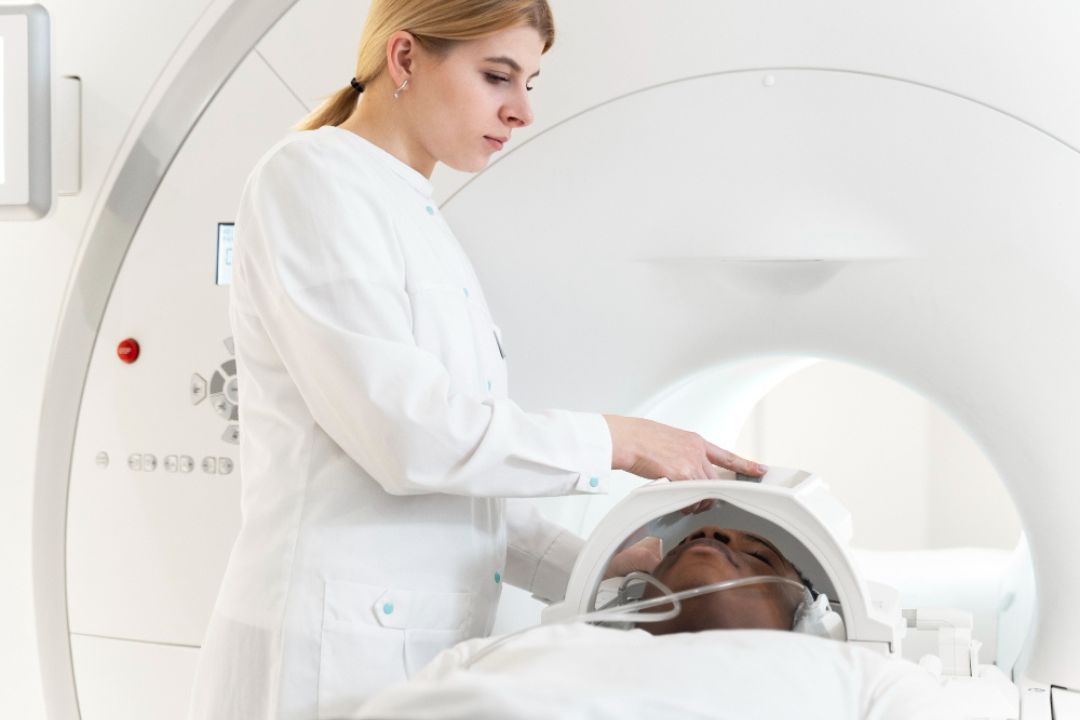
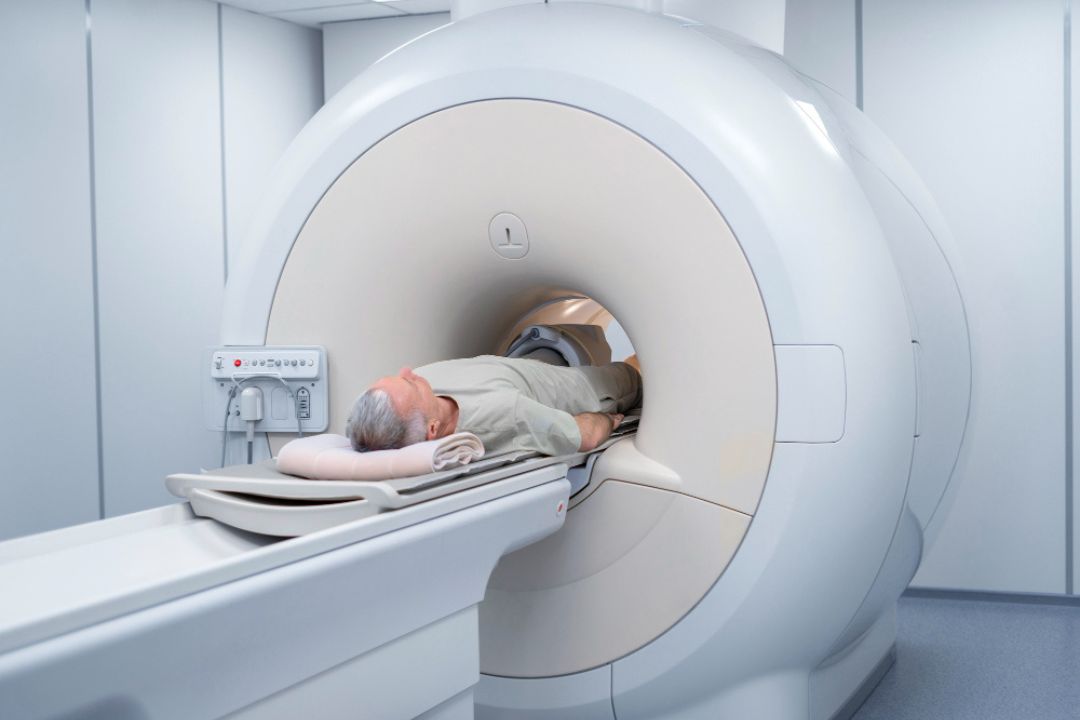
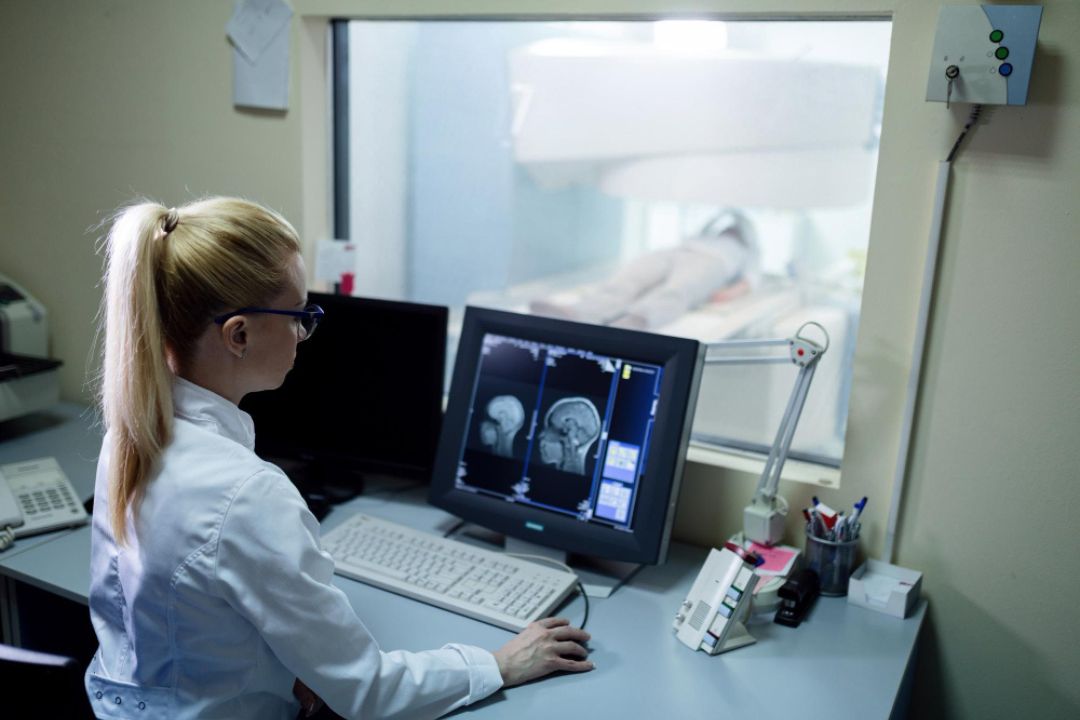
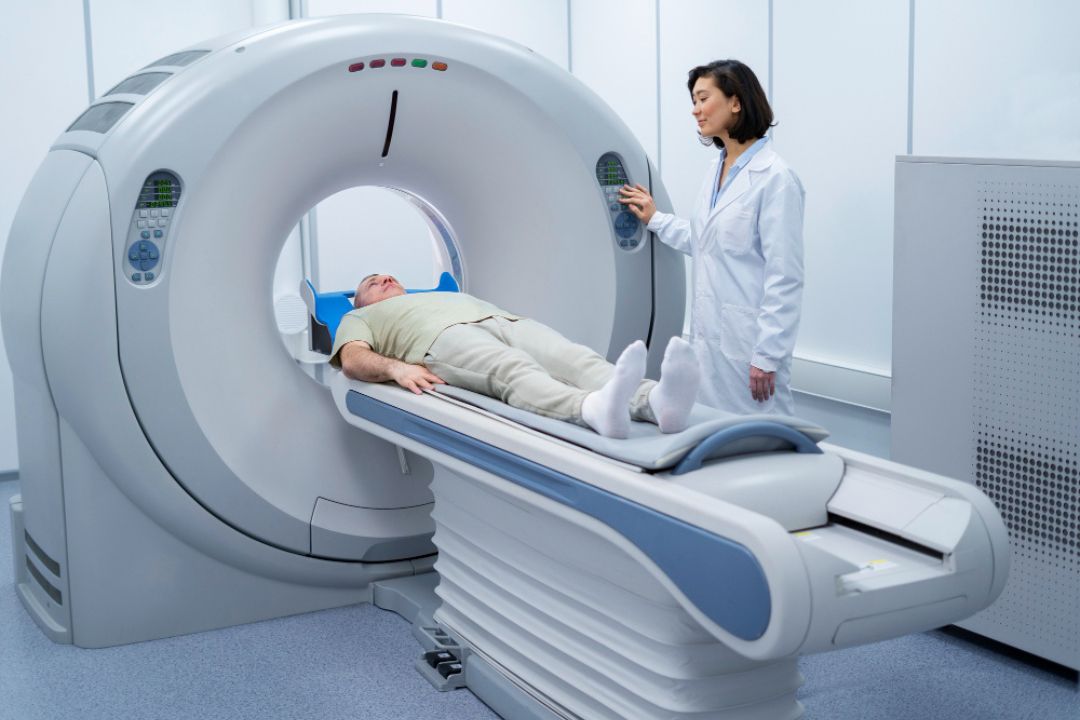
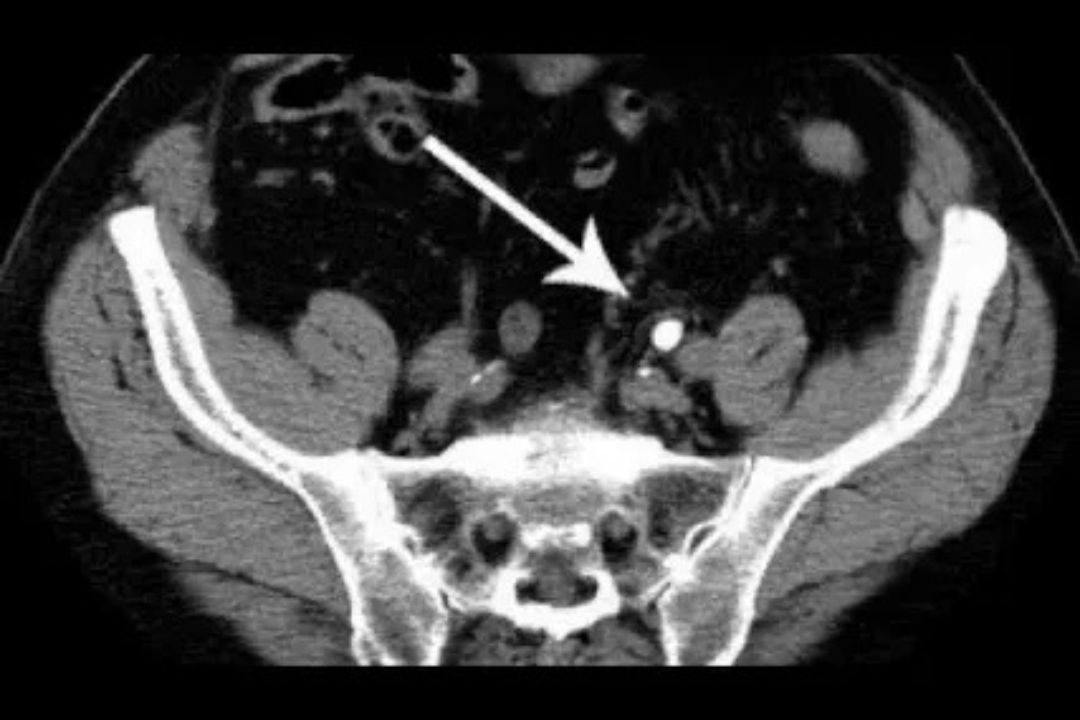
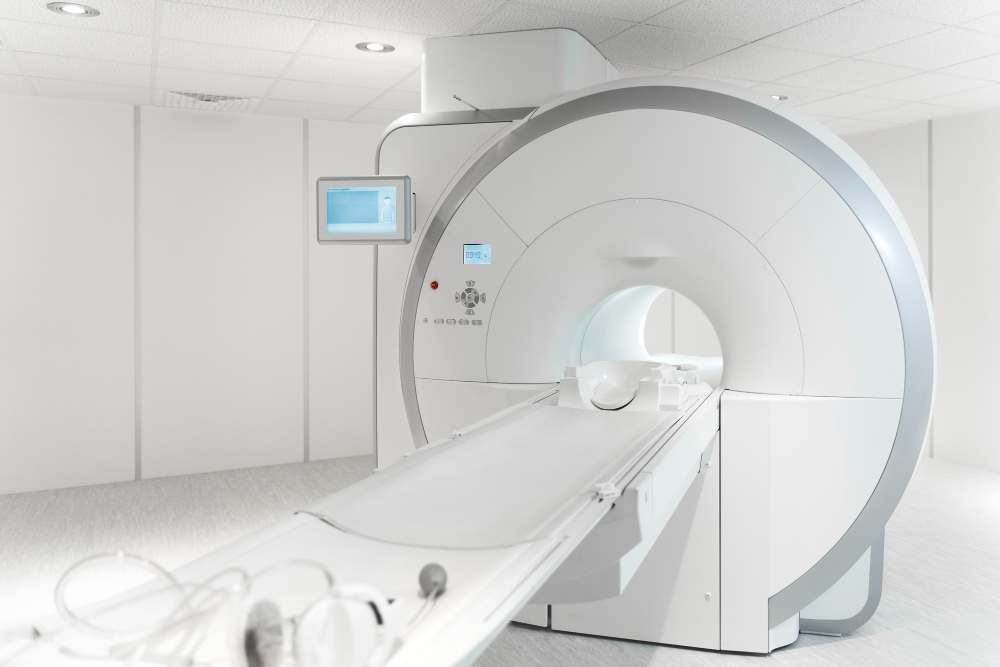
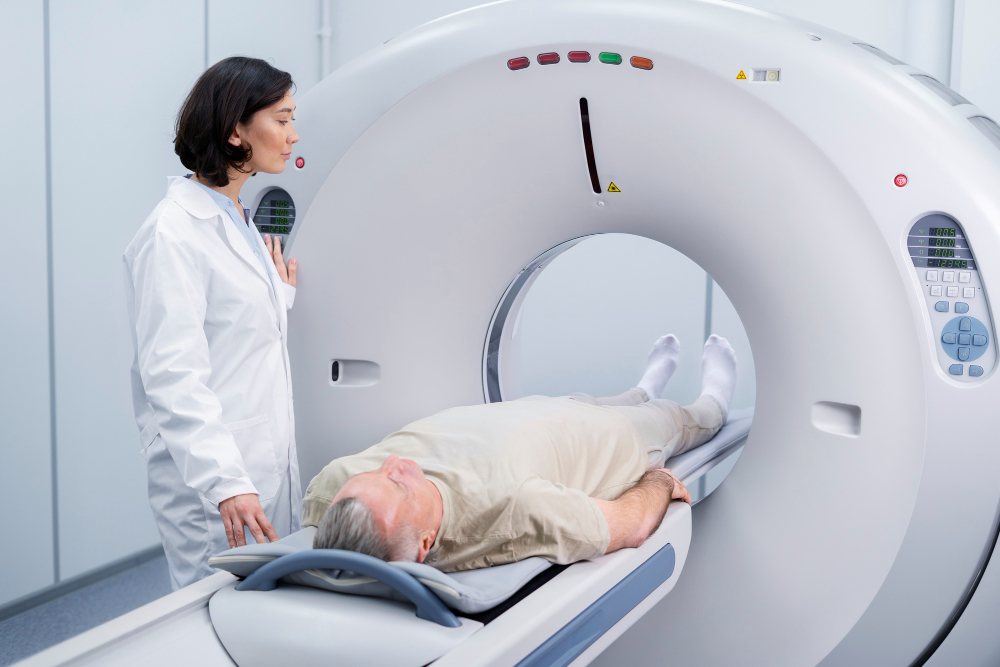
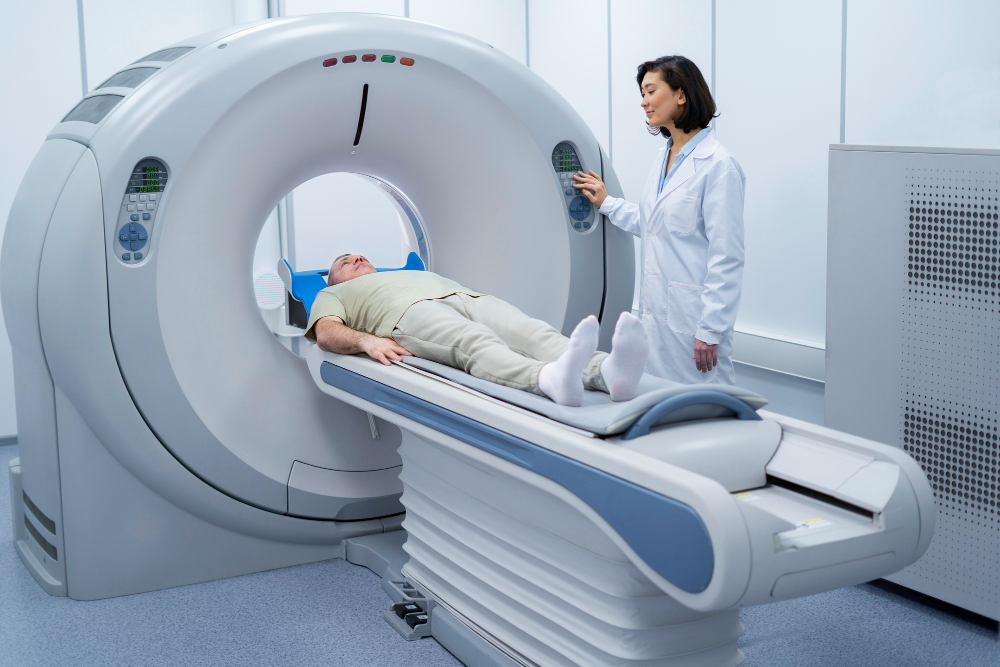
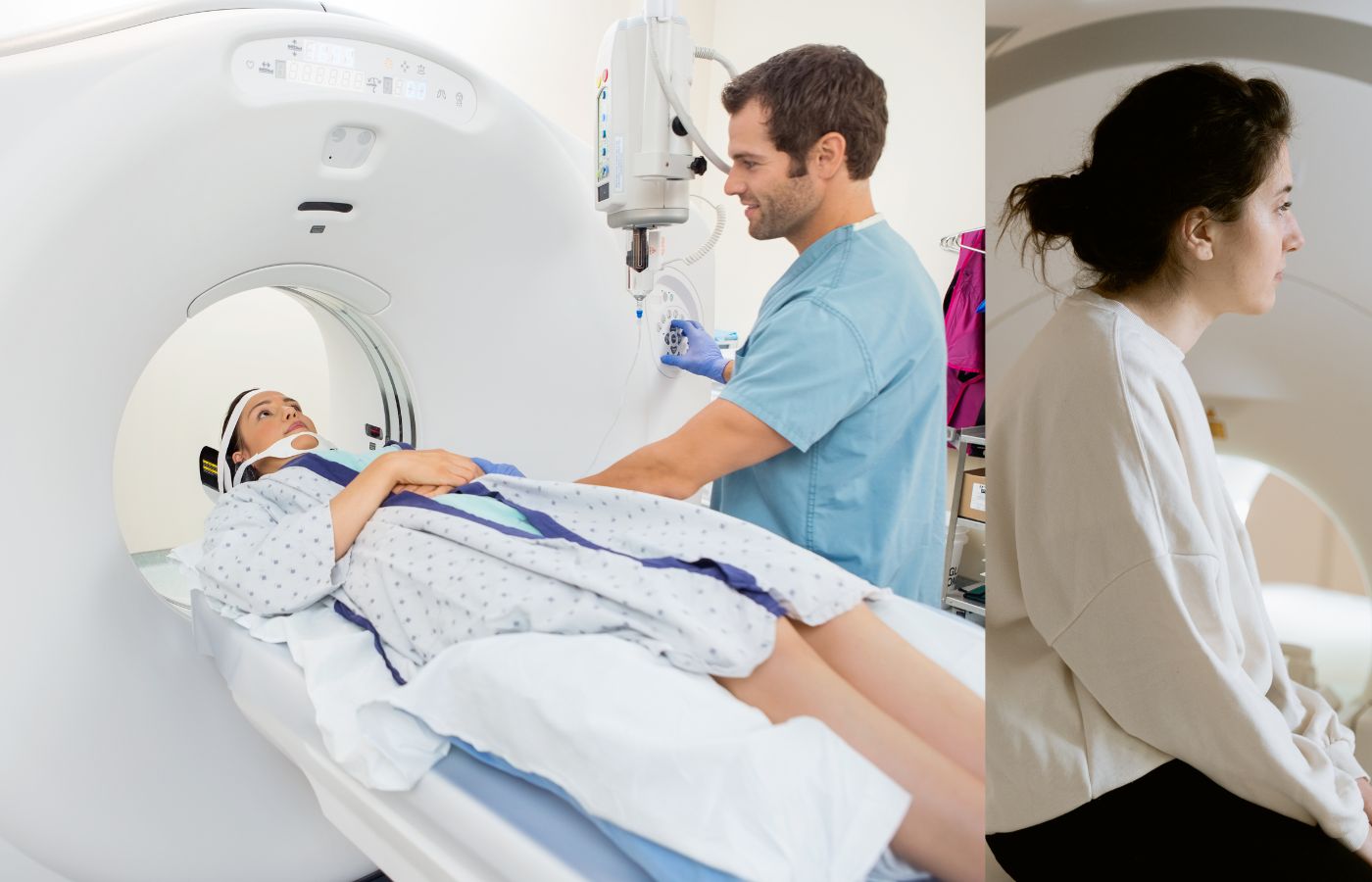
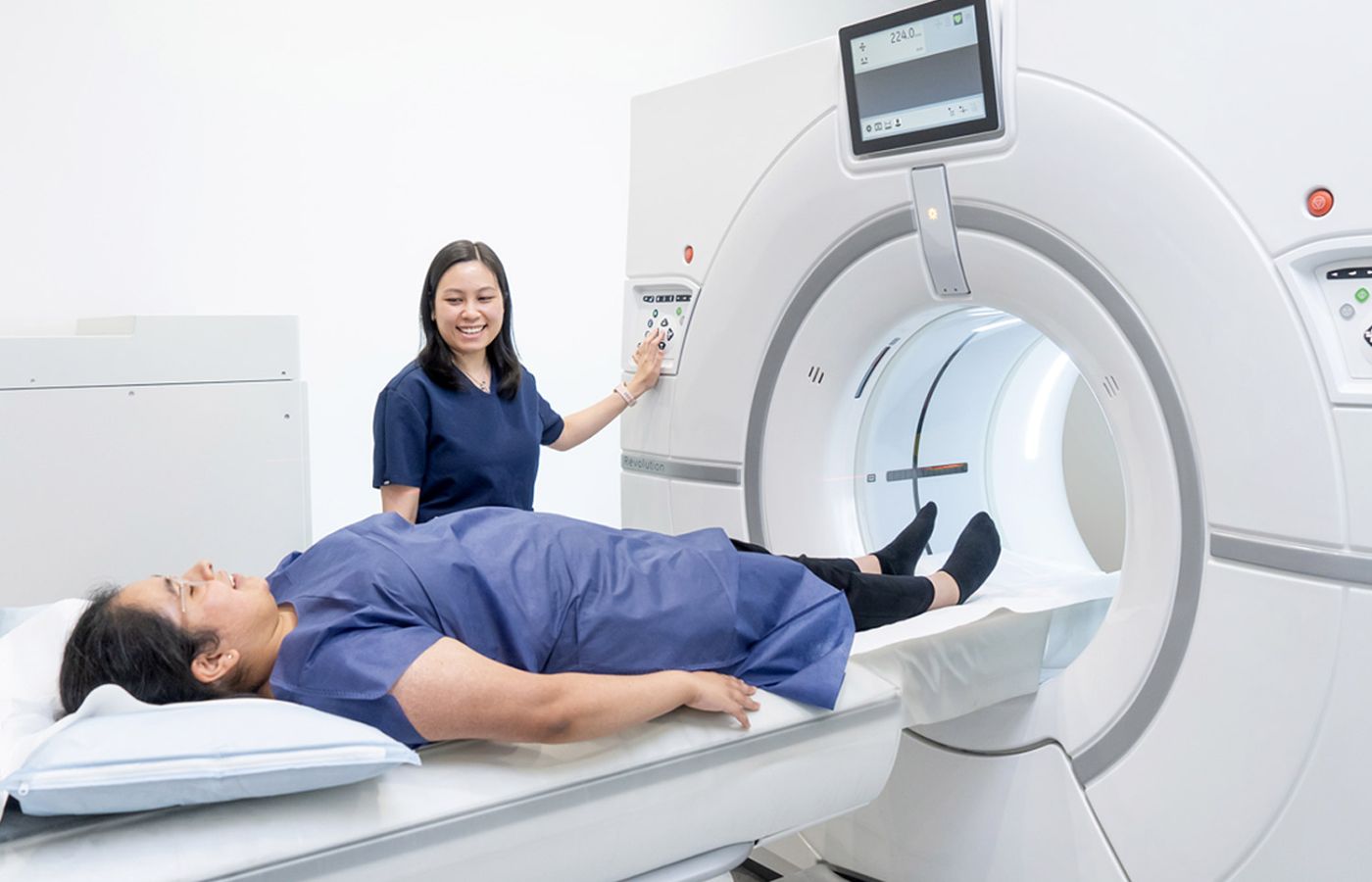
A CT Scan is a powerful medical imaging test that helps doctors diagnose a wide range of health conditions. It uses X-rays and computer technology to produce detailed images of the body's internal structures, including bones, organs, blood vessels, and tissues.
Many patients wonder how often it is safe to undergo a CT scan because the test involves exposure to radiation. While CT scans are extremely useful in diagnosing diseases, doctors carefully evaluate the need for each scan to minimize unnecessary radiation exposure.
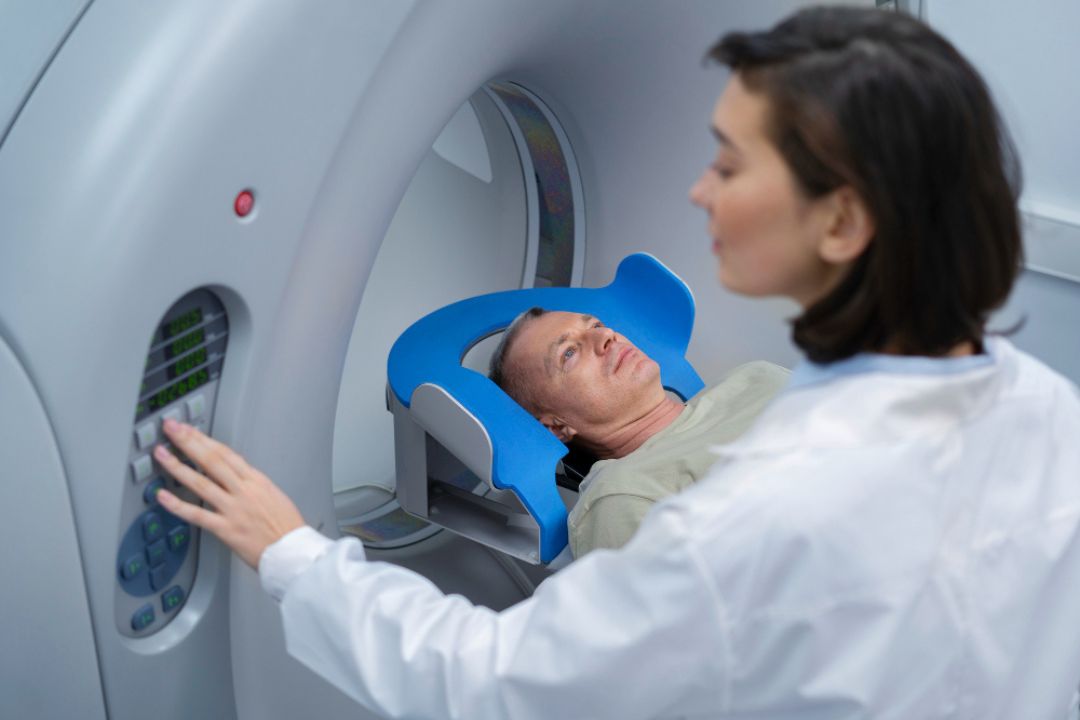
A CT Scan, also known as computed tomography, combines multiple X-ray images taken from different angles to create detailed cross-sectional images of the body.
Doctors use CT scans to diagnose many medical conditions, including:
Internal injuries after accidents
Tumors or cancer
Infections
Blood clots
Kidney stones
Lung disease
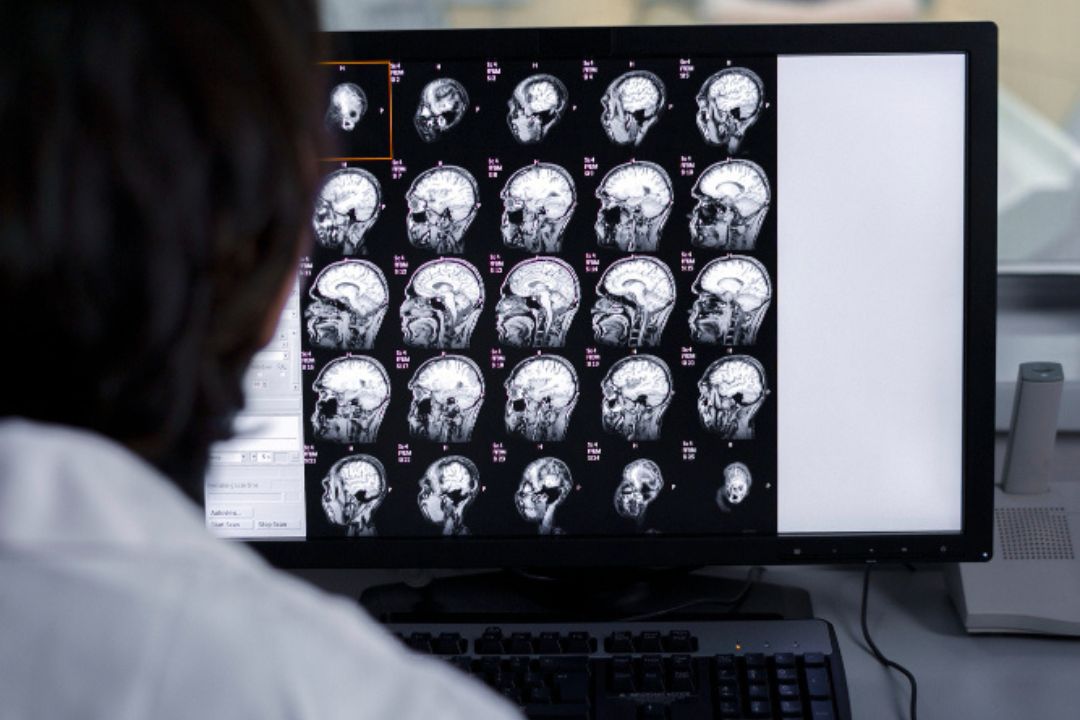
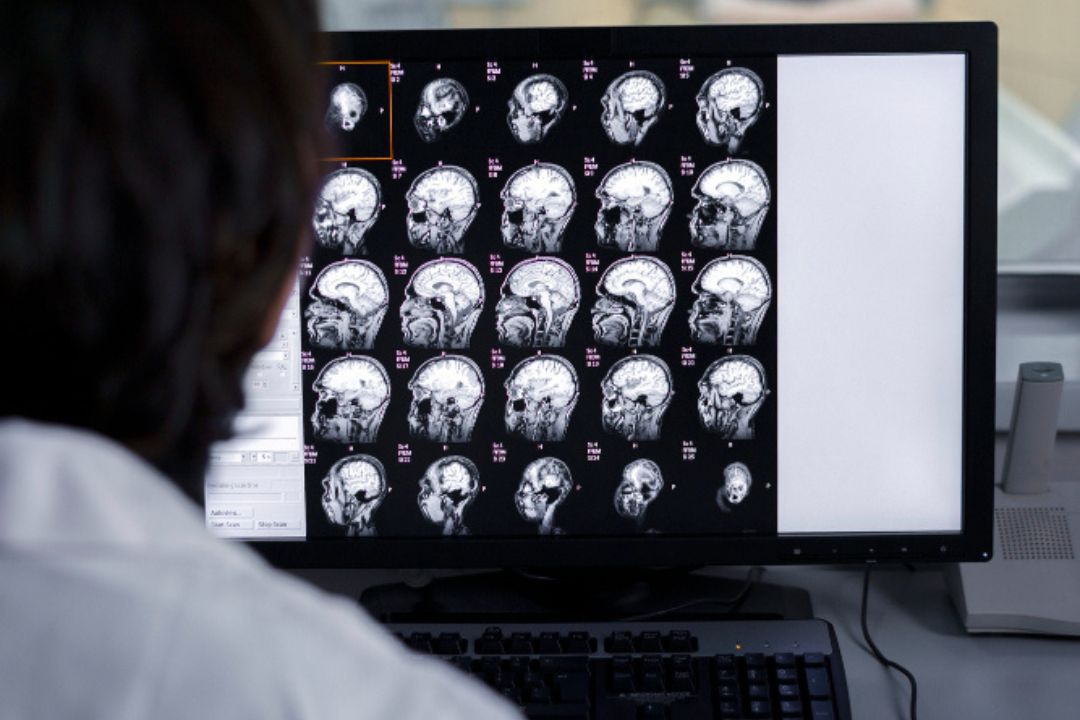
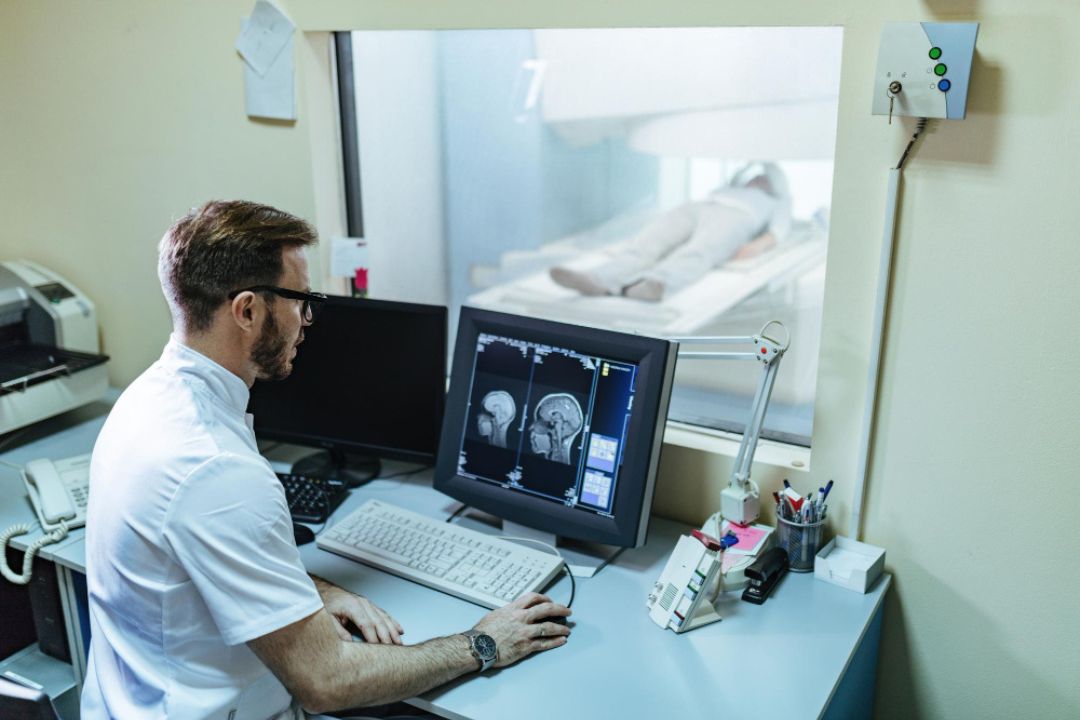
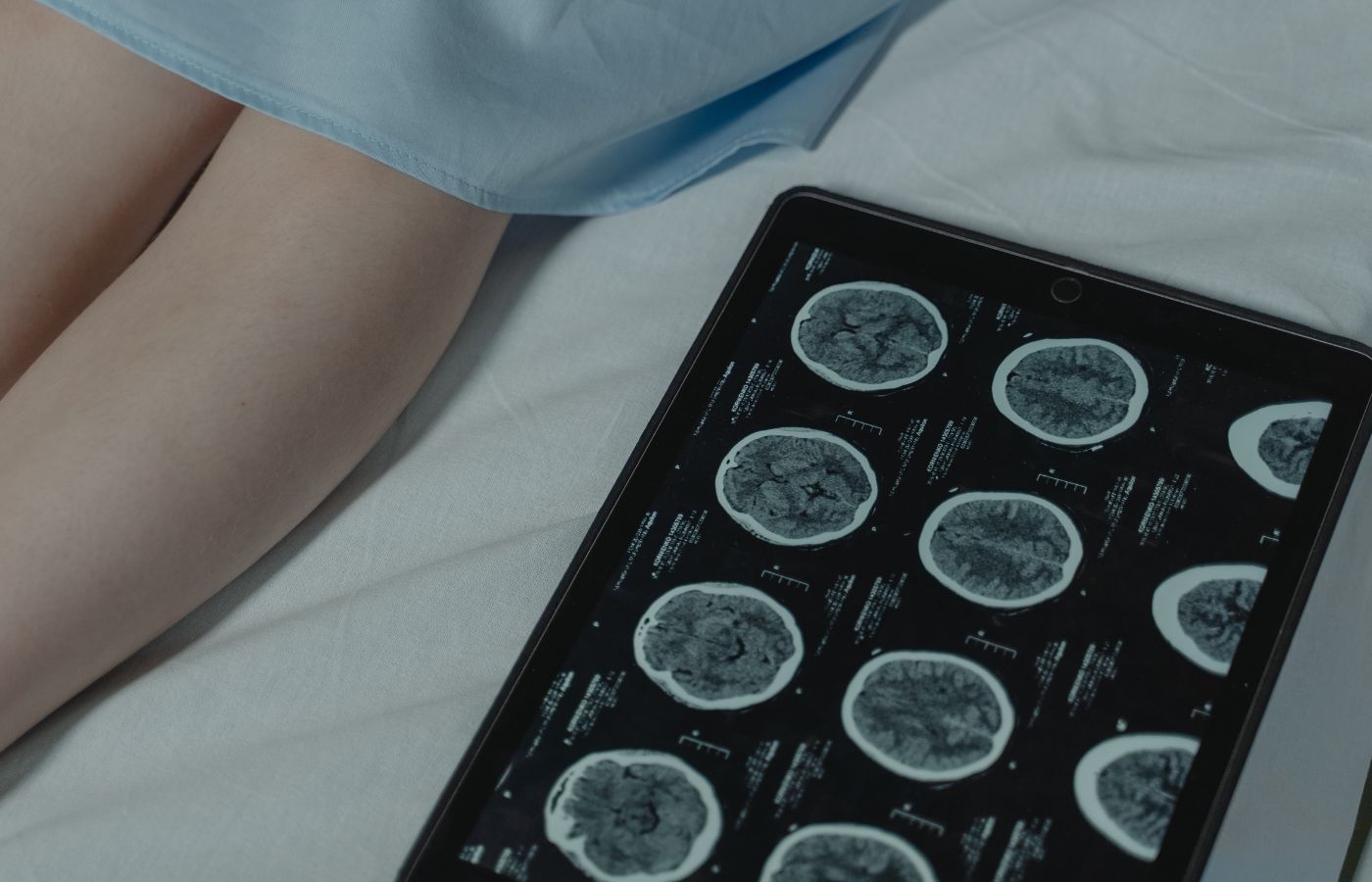
Brain disorders
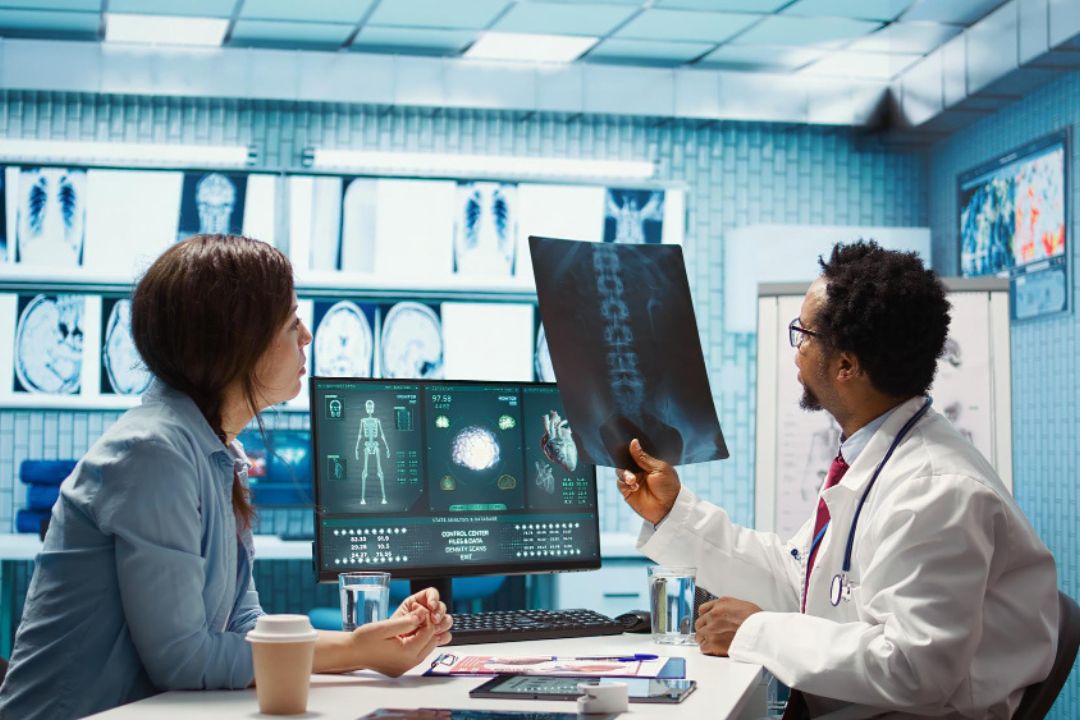
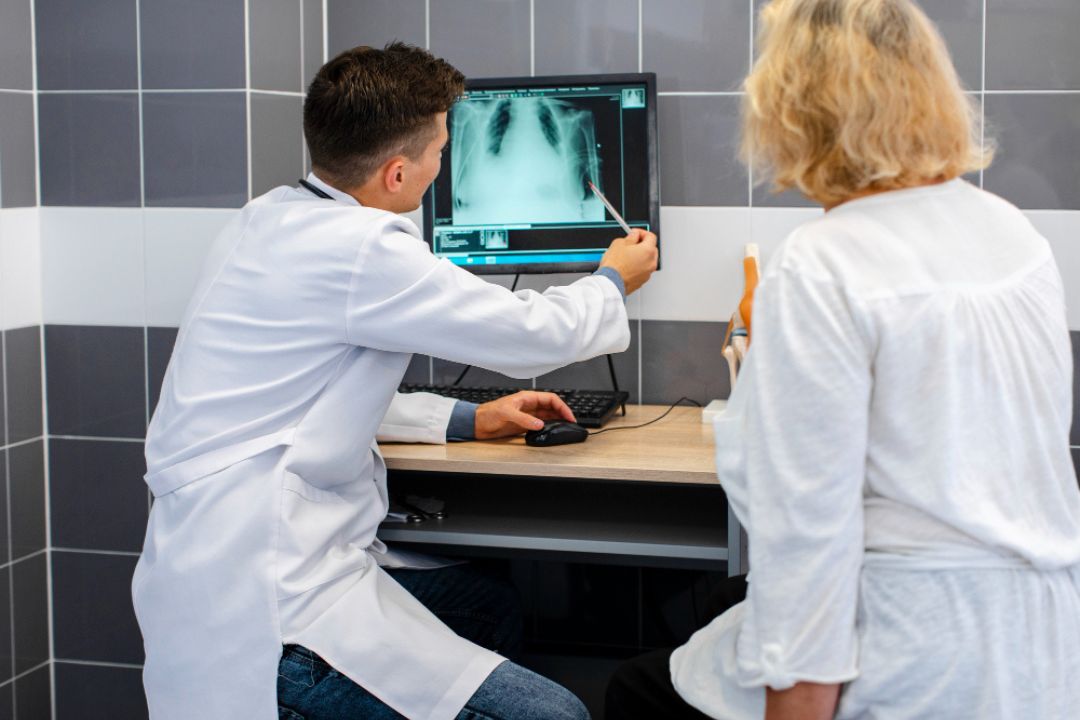
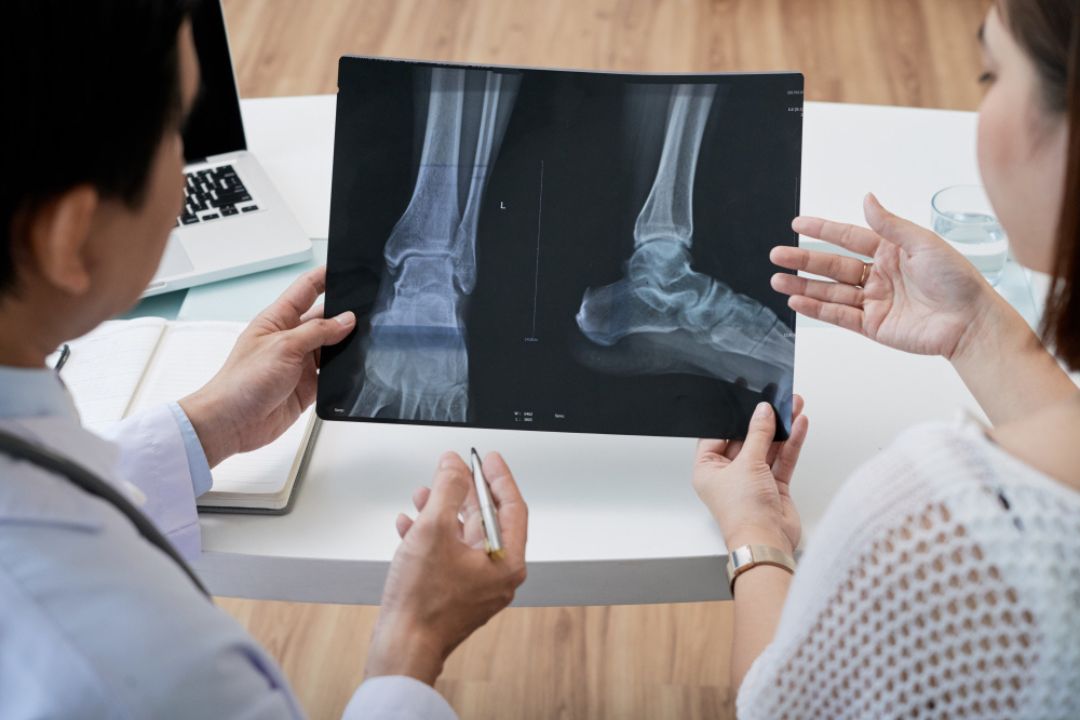
Because CT scans provide highly detailed images, they are often more effective than regular X-rays for detecting internal problems.
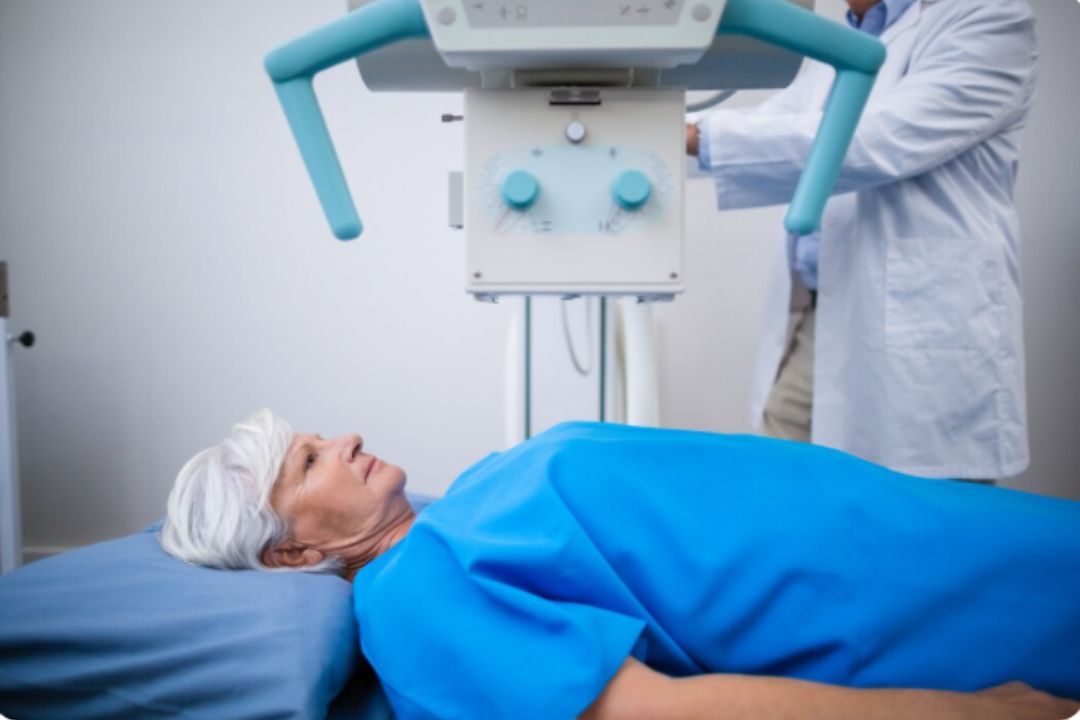
CT scans use more radiation than standard X-rays. The amount of radiation depends on the body part being scanned.
For example:
Head CT scans typically expose patients to about 2 millisieverts of radiation.
Chest CT scans may expose patients to around 7 millisieverts.
Abdominal CT scans can expose patients to approximately 8 to 10 millisieverts.
The radiation dose varies depending on the type of scan and the equipment used.
Although CT scans involve radiation exposure, the risk from a single scan is generally very small. In most cases, the benefits of accurate diagnosis outweigh the potential risks.
There is no fixed number of CT scans that a person can safely undergo in their lifetime. The frequency depends on several factors, including the medical condition being evaluated and the urgency of diagnosis.
Visit Now: https://www.diagnopein.com/ct-scan/Pune
Doctors follow the principle of using the lowest radiation dose necessary while still obtaining accurate images. This approach ensures that scans are performed only when medically necessary.
For some medical conditions, CT scans may be required frequently. For example, patients with certain cancers may need scans every few months to monitor treatment progress or detect recurrence. In other situations, a CT scan may only be needed once for diagnosis.
The key factor is medical necessity. If a CT scan is important for diagnosing or managing a disease, the benefits usually outweigh the potential radiation risks.
Several factors influence how often a CT scan may be recommended.
Serious conditions such as cancer, internal bleeding, or organ disease may require repeated imaging to monitor the patient's condition.
Younger patients are generally more sensitive to radiation exposure, so doctors may try to limit unnecessary CT scans in children and young adults.
Doctors often review previous imaging results to avoid repeating scans unnecessarily.
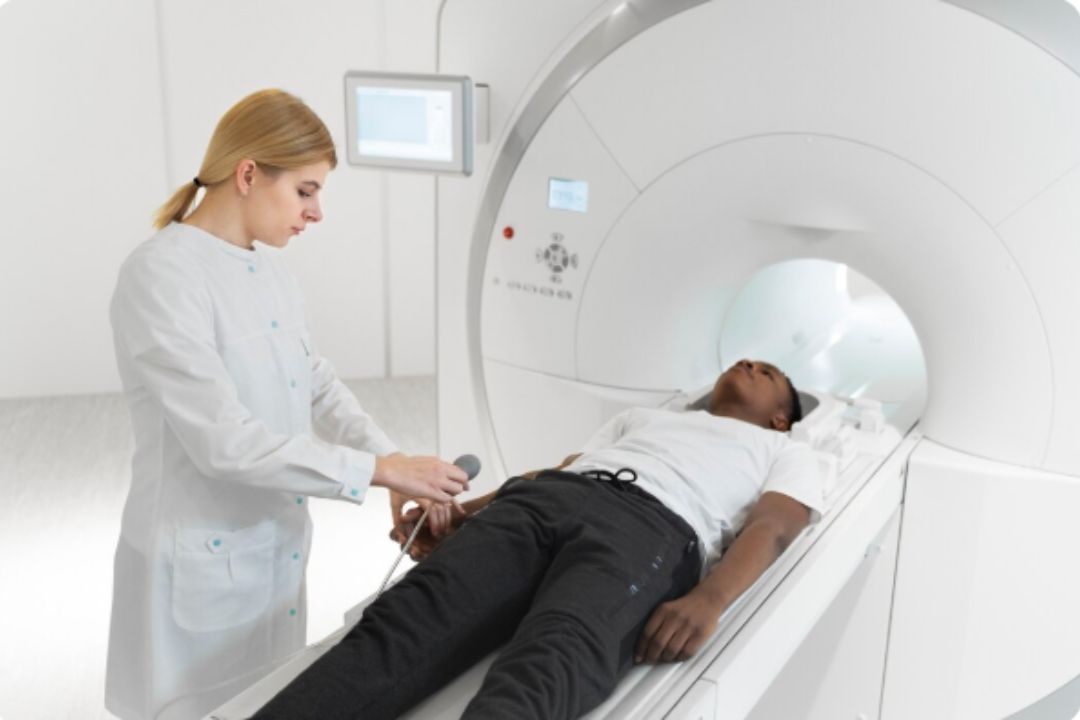
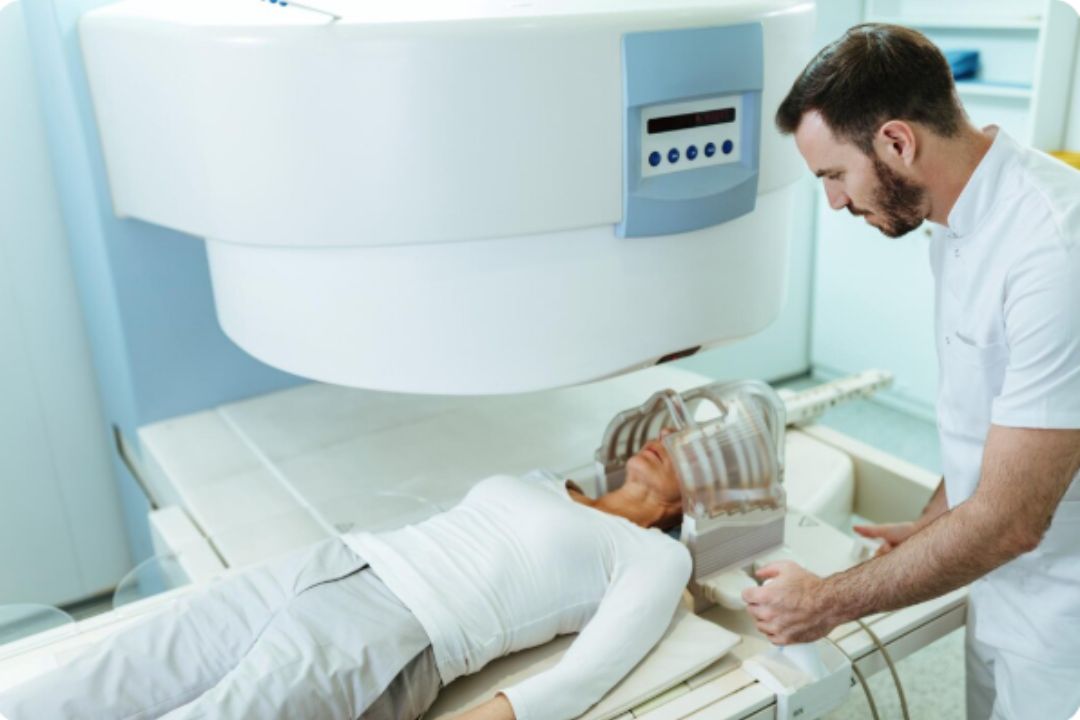
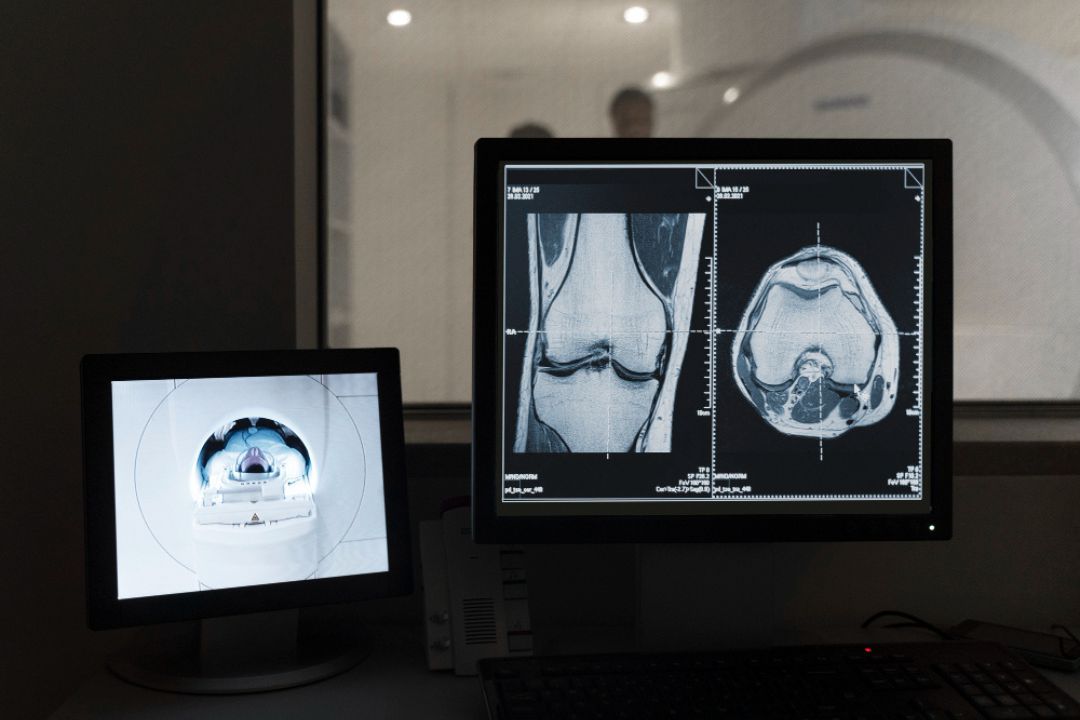
Sometimes other imaging tests such as ultrasound or MRI can provide similar information without radiation exposure.
Although CT scans are safe when used appropriately, repeated exposure to radiation over time may slightly increase the risk of developing cancer.
Radiation can damage cells and DNA in the body, which may lead to health problems many years later. However, the risk from occasional CT scans is considered very low.
Healthcare providers carefully evaluate the necessity of each scan to reduce unnecessary radiation exposure.
CT scans play an essential role in modern medicine and are often life-saving diagnostic tools. Doctors commonly recommend CT scans in situations such as:
Severe trauma or accidents
Suspected cancer or tumors
Internal bleeding
Stroke or brain injury
Kidney stones
Lung infections or blood clots
In these cases, the information obtained from the scan helps doctors provide accurate diagnosis and effective treatment.
Patients can take several steps to minimize unnecessary radiation exposure from medical imaging.
Always inform your doctor about previous CT scans you have had. This helps prevent duplicate tests.
Ask your doctor whether another imaging test, such as ultrasound or MRI, could provide the required information.
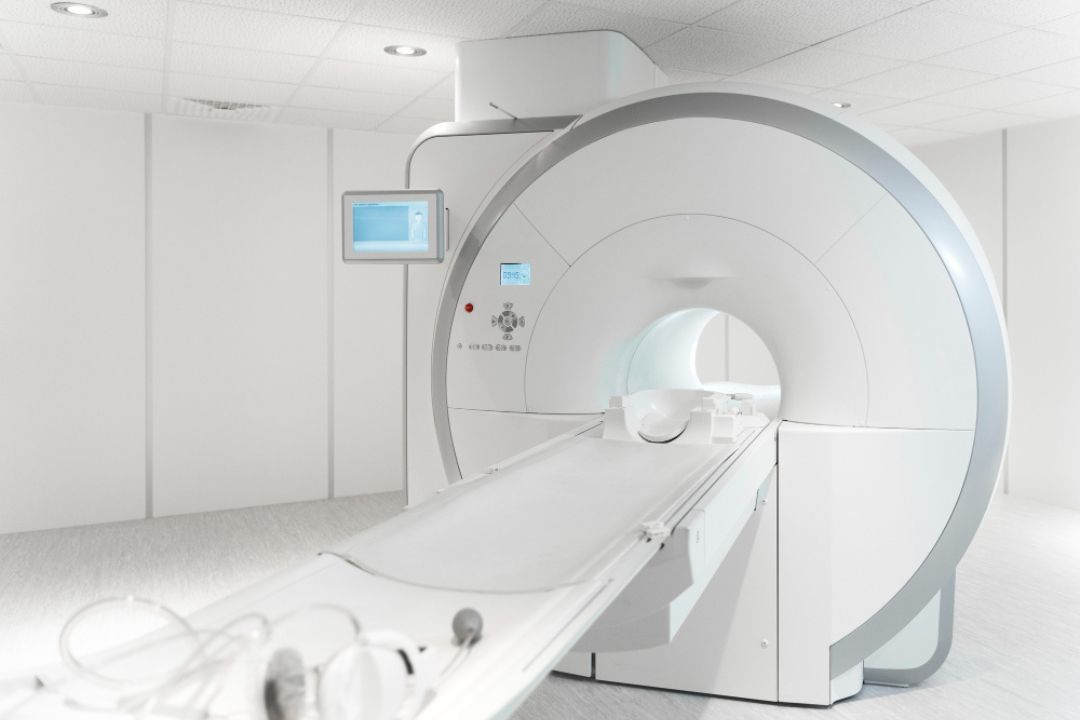
Choose accredited diagnostic centers that use modern CT scanners with optimized radiation doses.
These steps help ensure that CT scans are used safely and responsibly.
CT Scans are valuable diagnostic tools that allow doctors to examine the body in great detail. While they involve radiation exposure, the risk from a single CT scan is very small.
There is no specific limit on how many CT scans a person can have. The frequency depends on the patient's medical condition and the need for accurate diagnosis. Doctors carefully balance the benefits of the scan with the potential risks to ensure patient safety.
If you have concerns about CT scan frequency, discuss them with your doctor. Understanding when and why a CT scan is needed can help you make informed decisions about your healthcare.








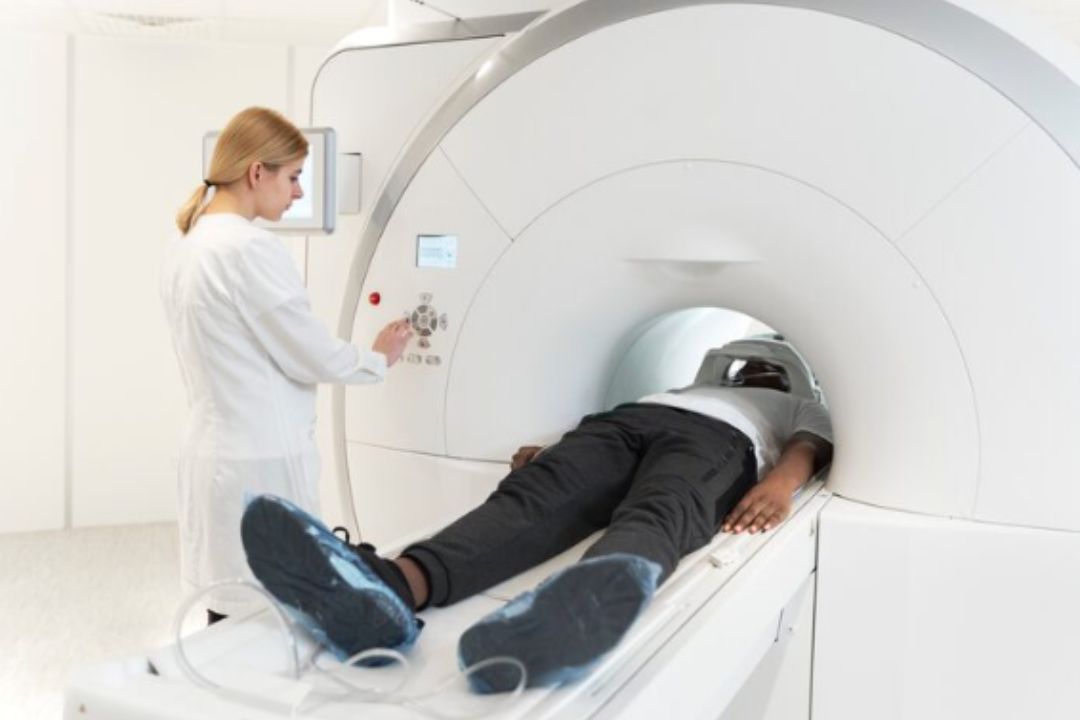
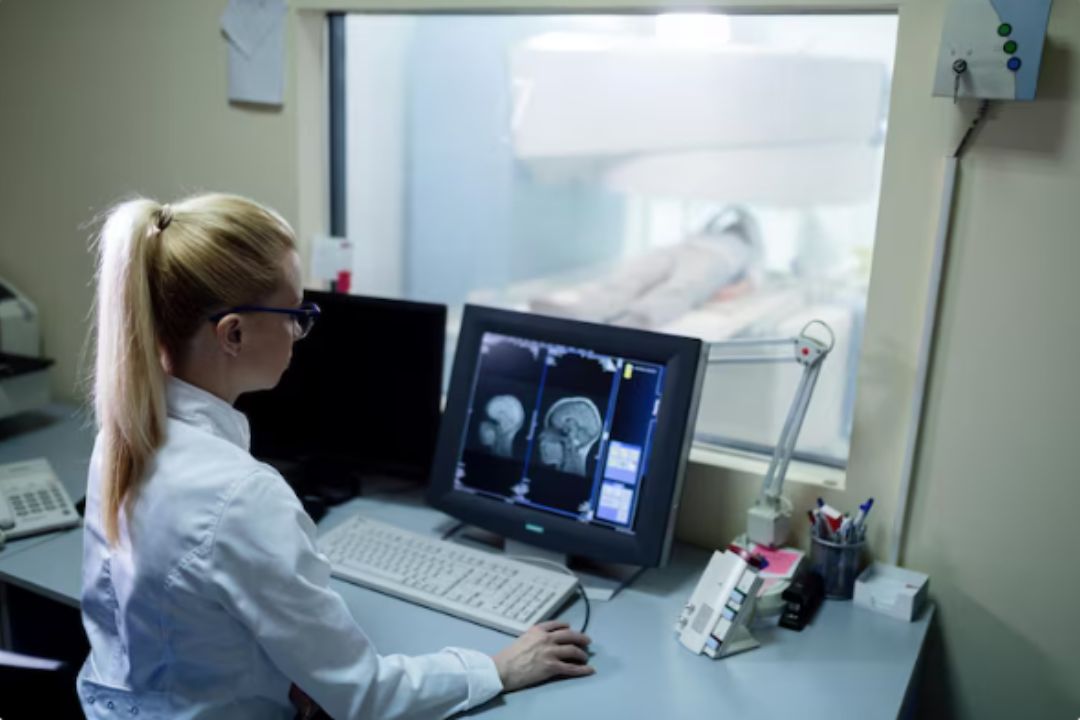
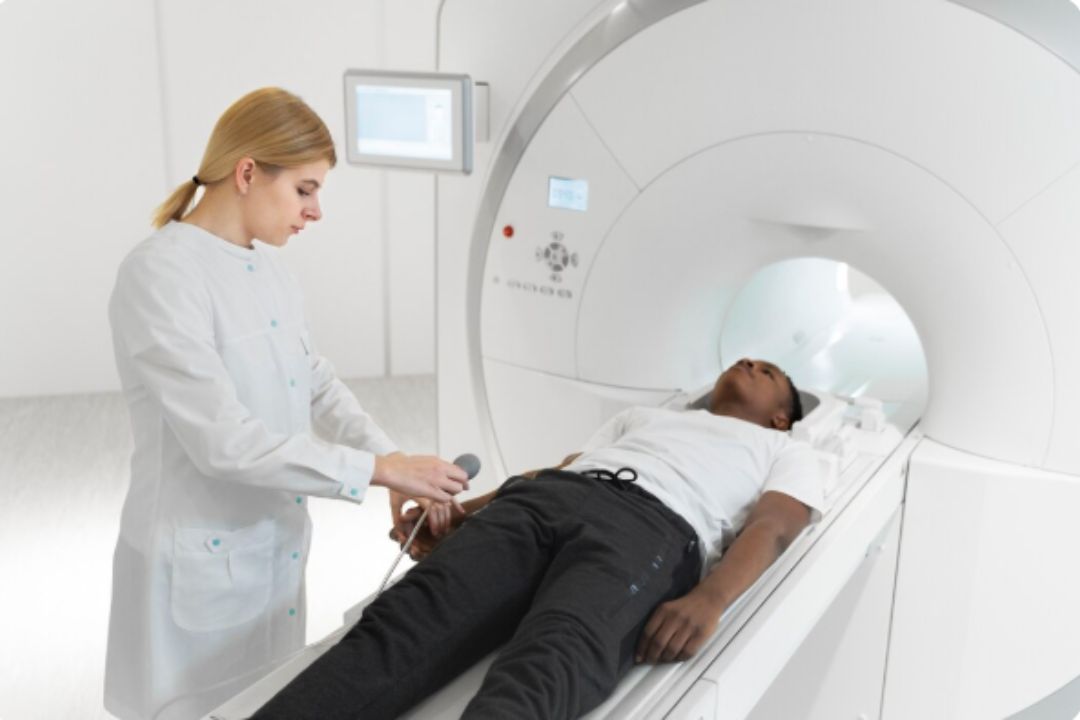
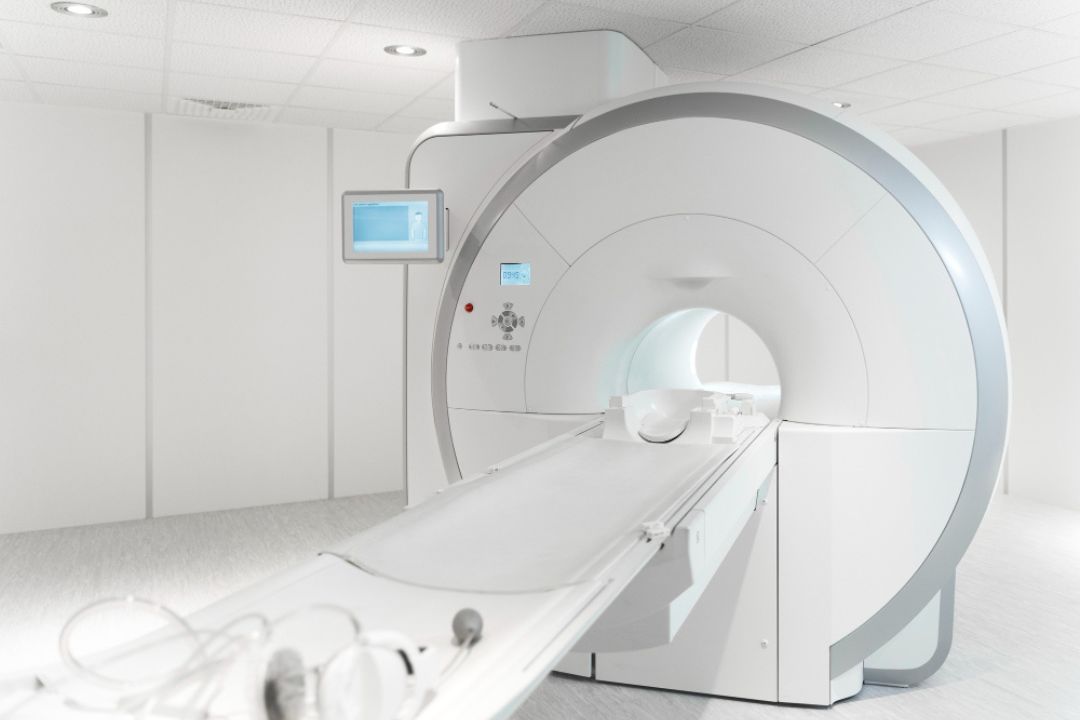
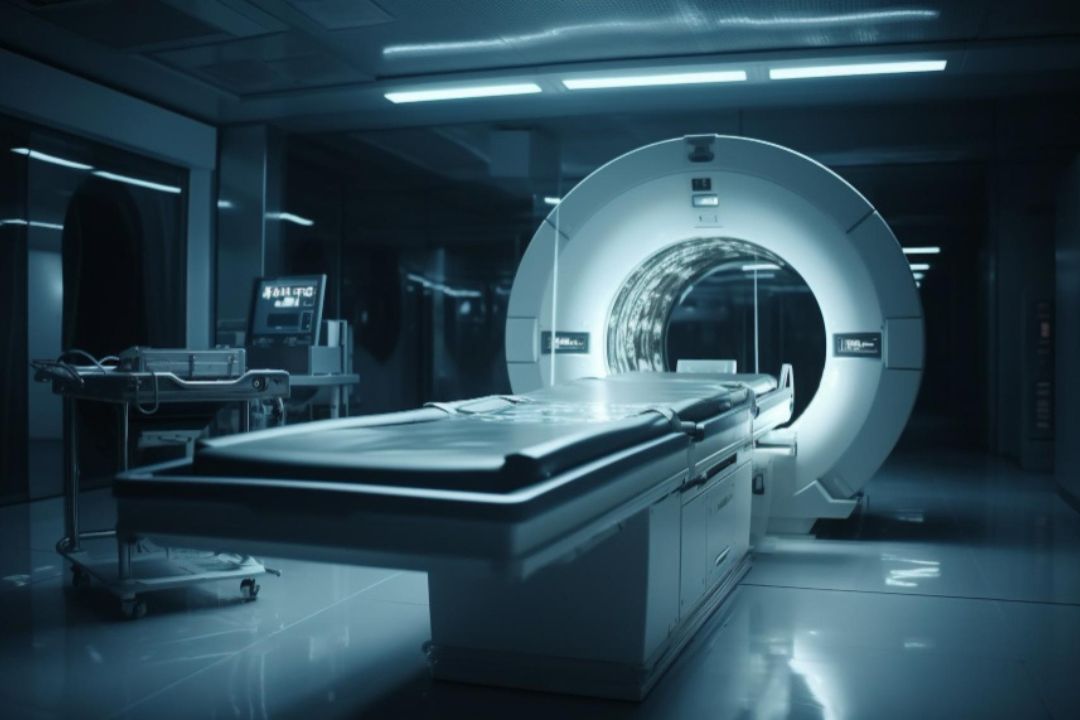
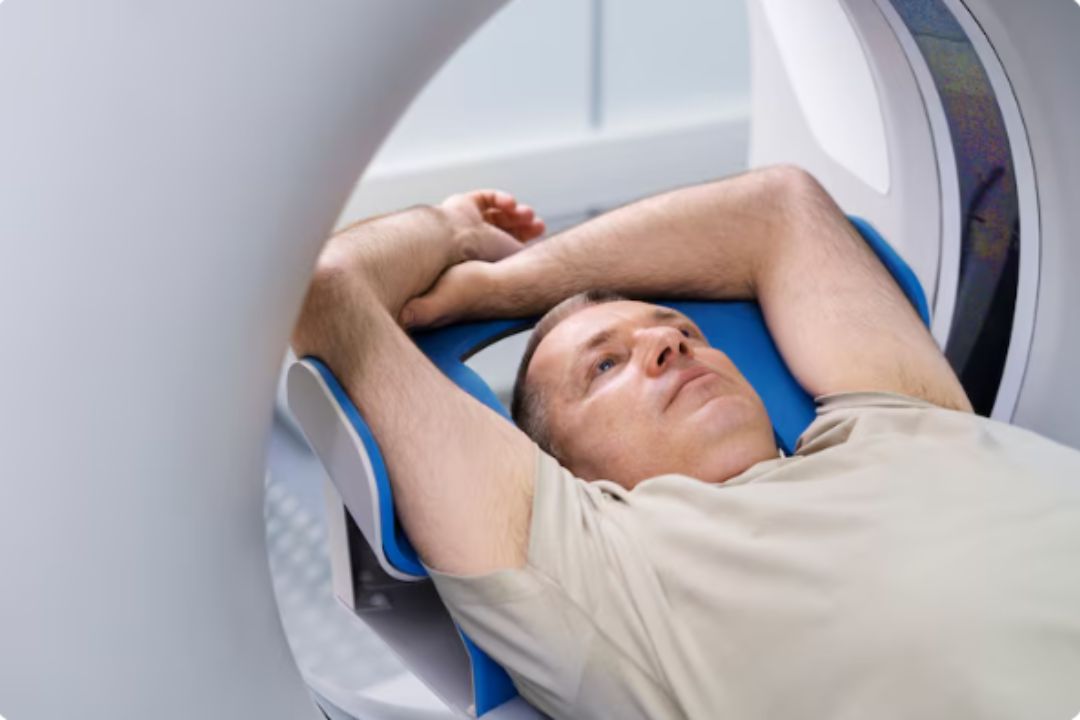

.jpg "ct brain scan plain and contrast")
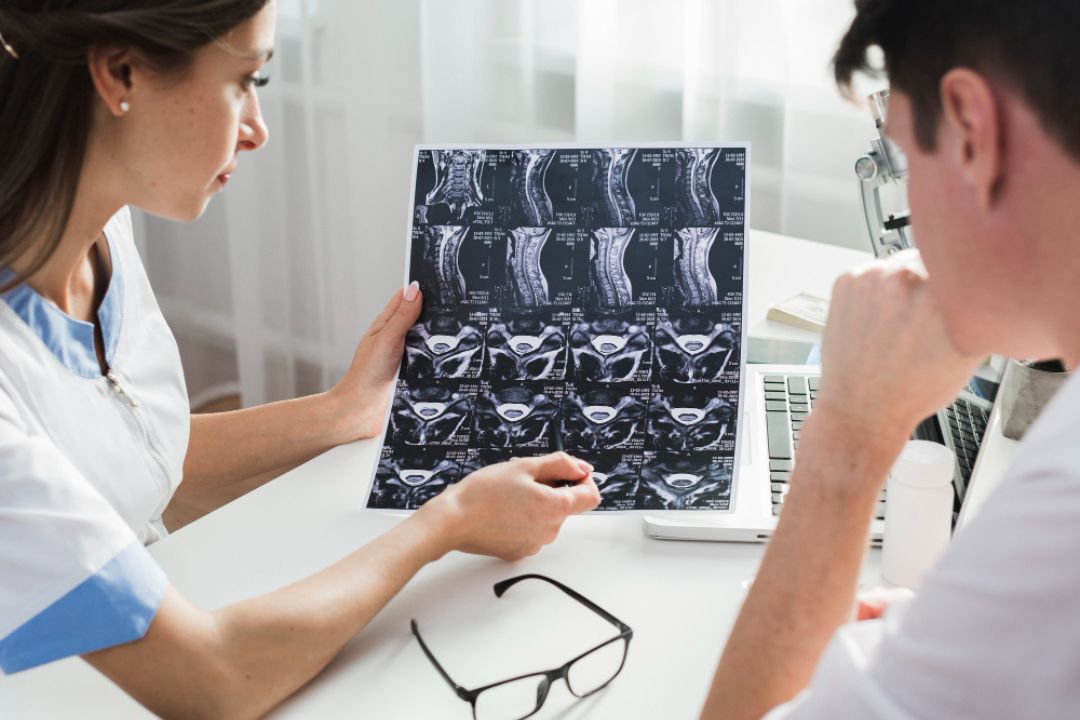
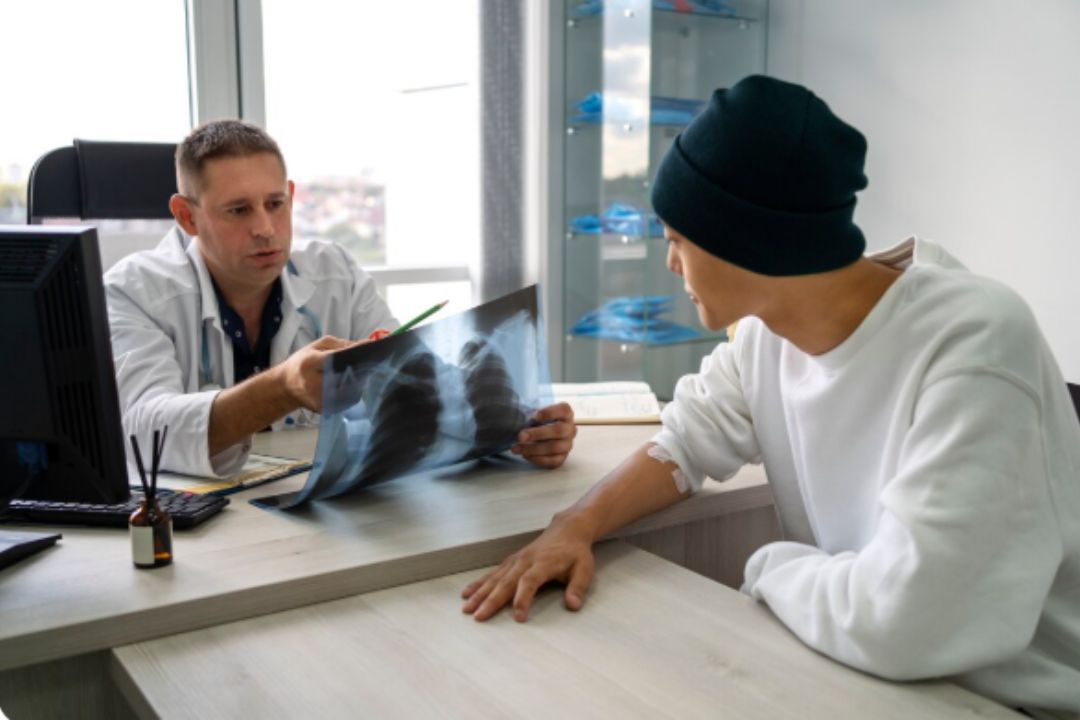















.jpg "ct scan")

.jpg "ct scan or mri for brain disorders")


.jpg "exploring the power of ct brain contrast in modern diagnostics")
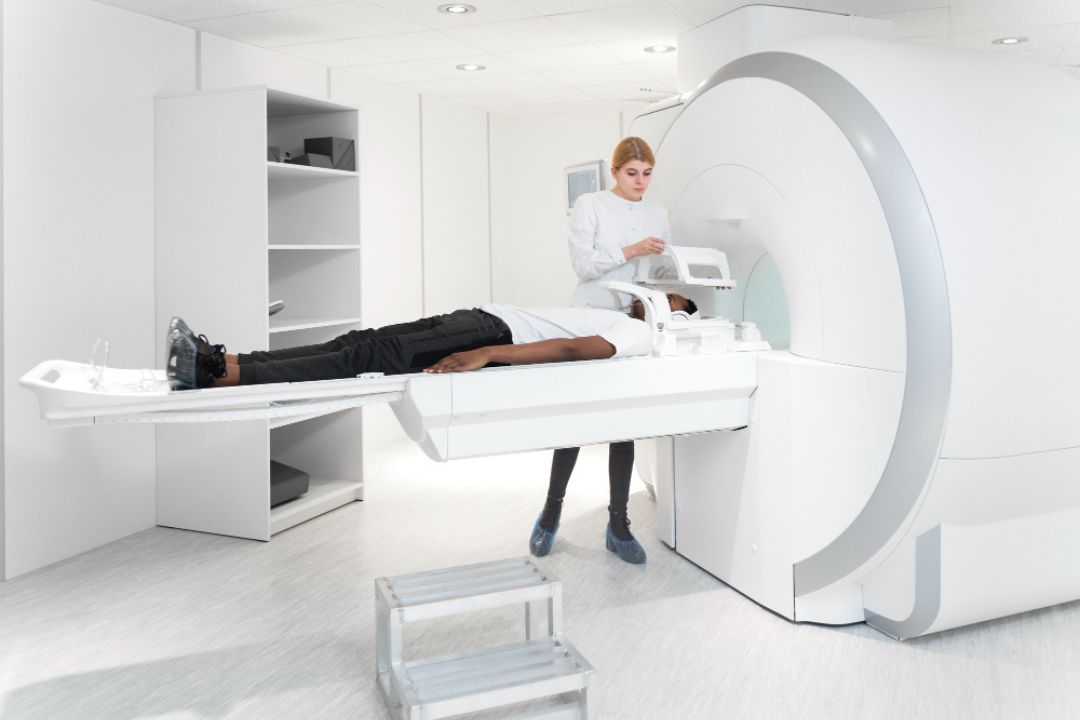
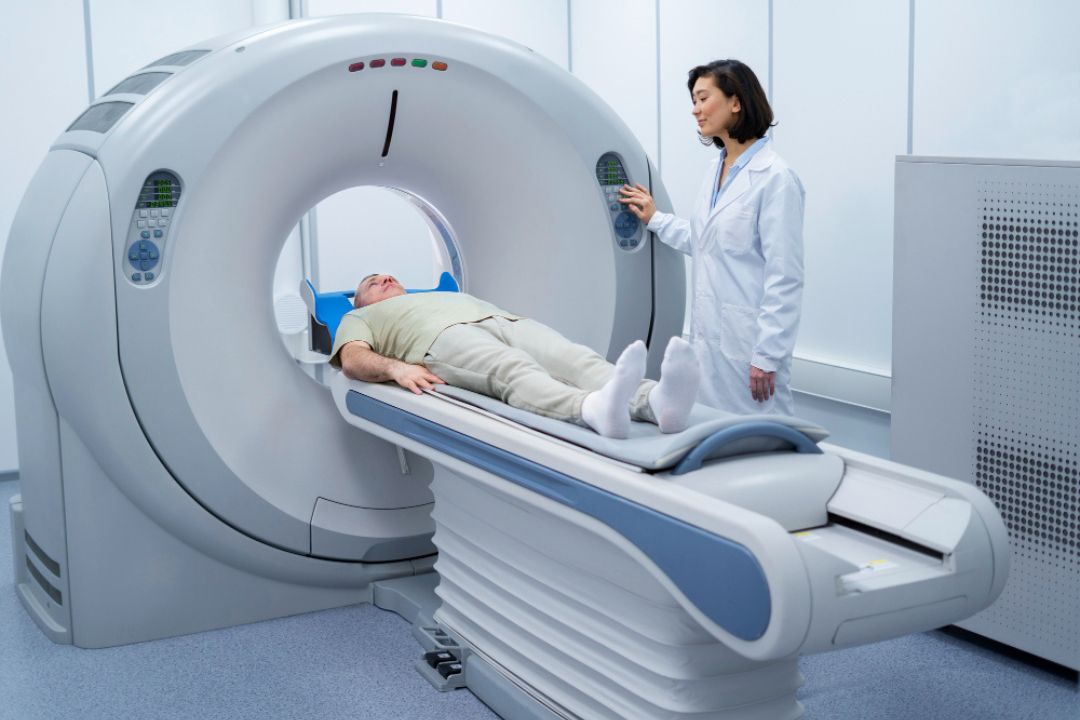
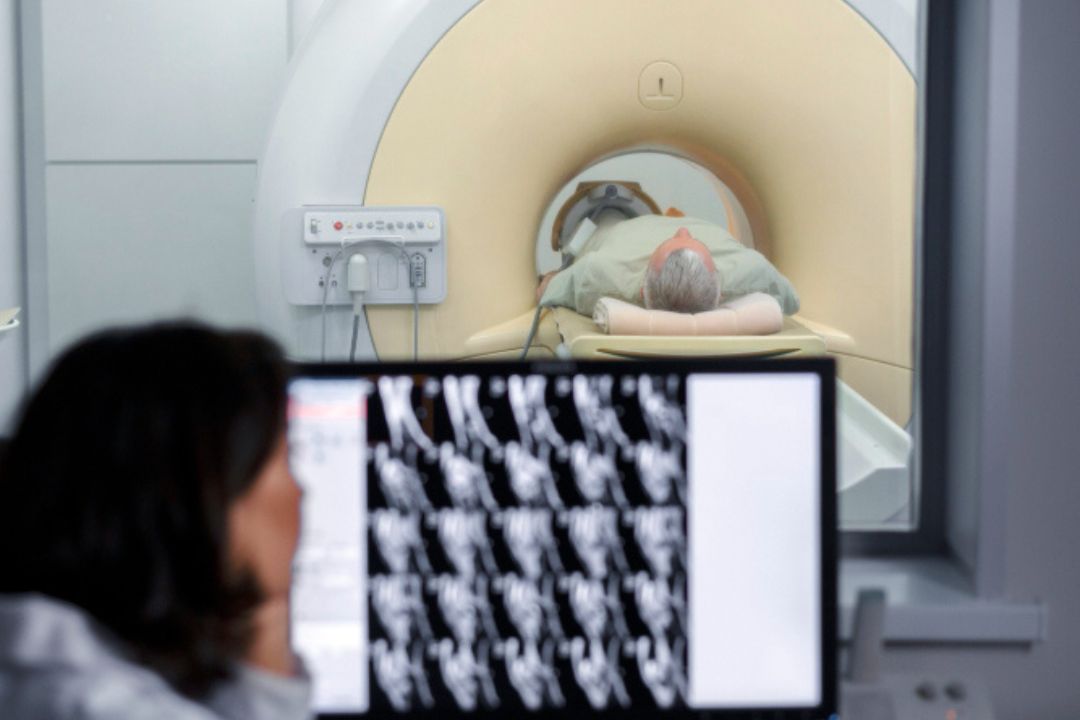
.jpg "ct scan")
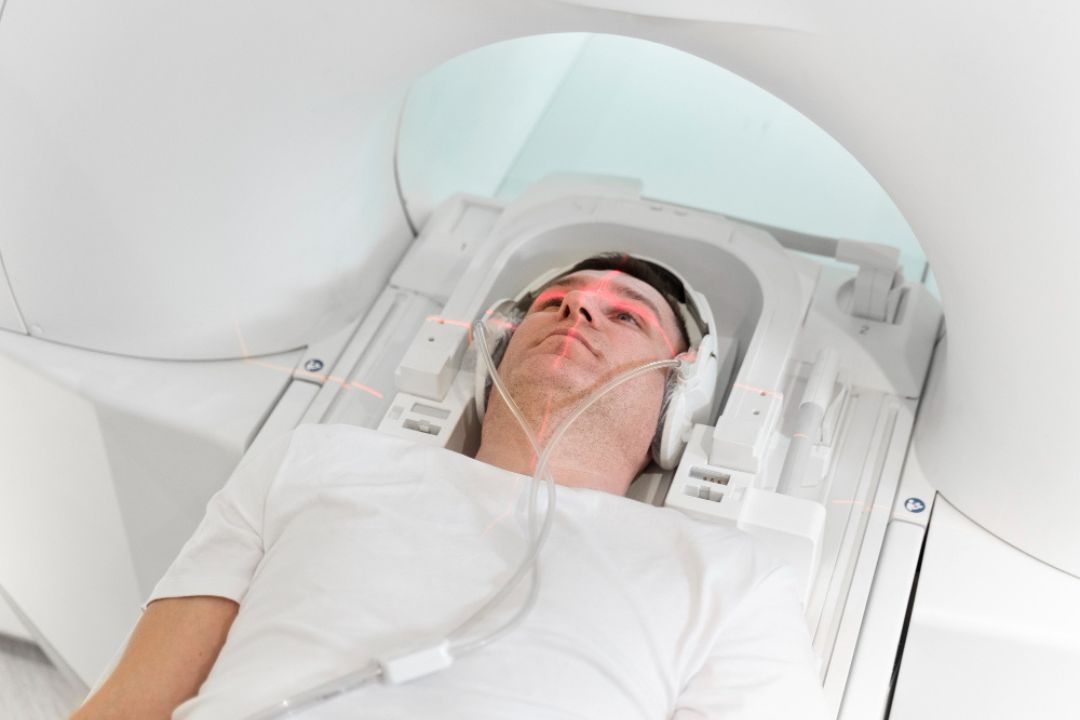
.jpg "ct scan")







.jpg "ct scan")

.jpg "CT Brain Scan for Headaches")
.jpg "The Future of 3D CT Imaging")