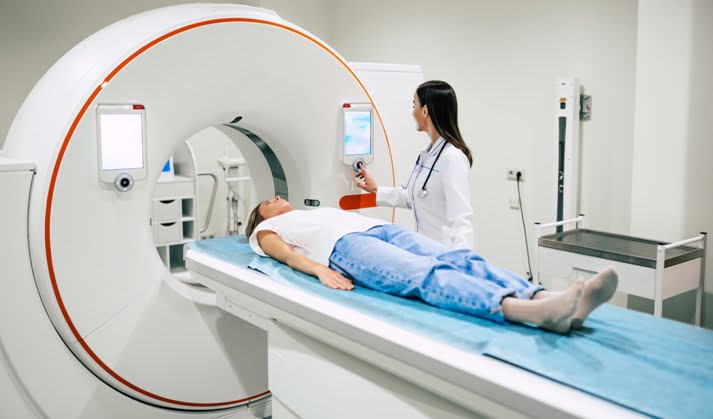
.jpg "ct scan")
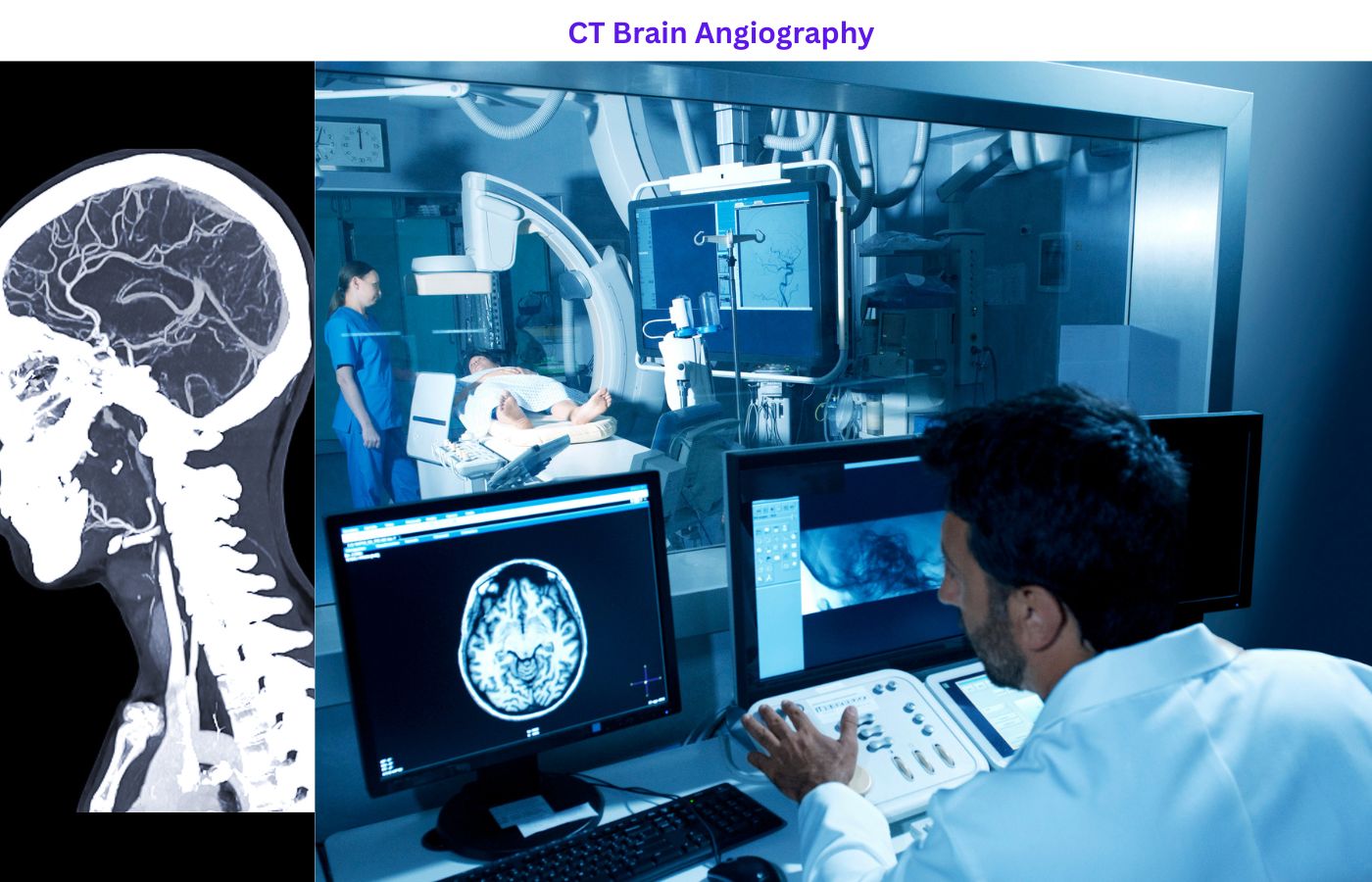
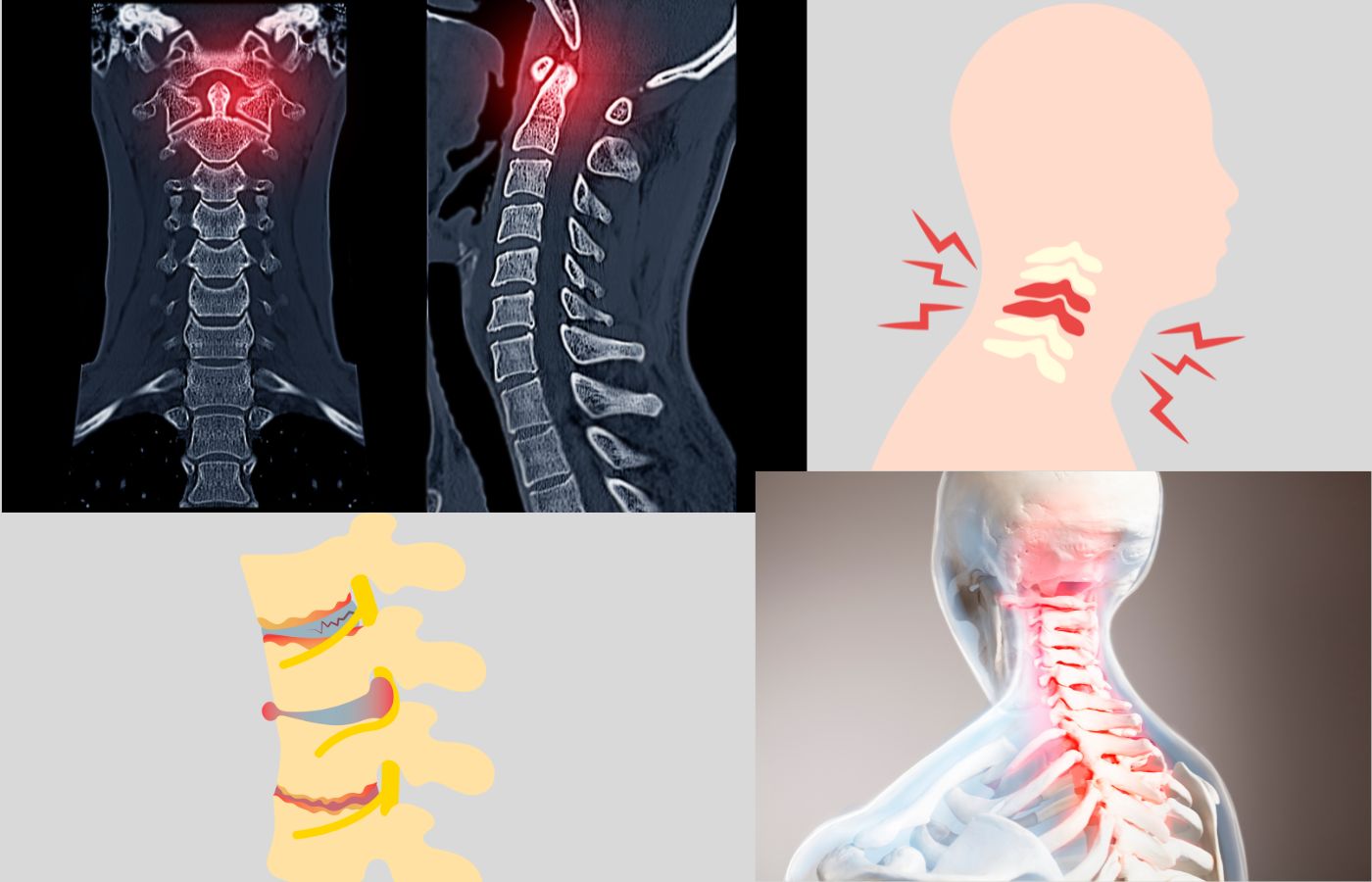
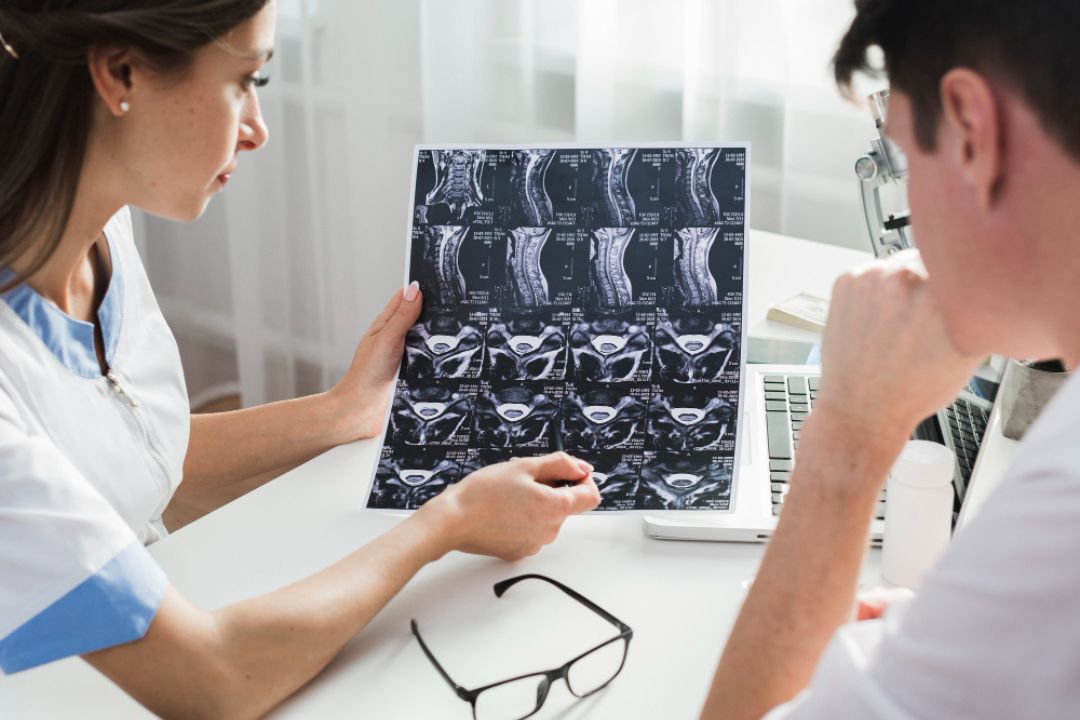
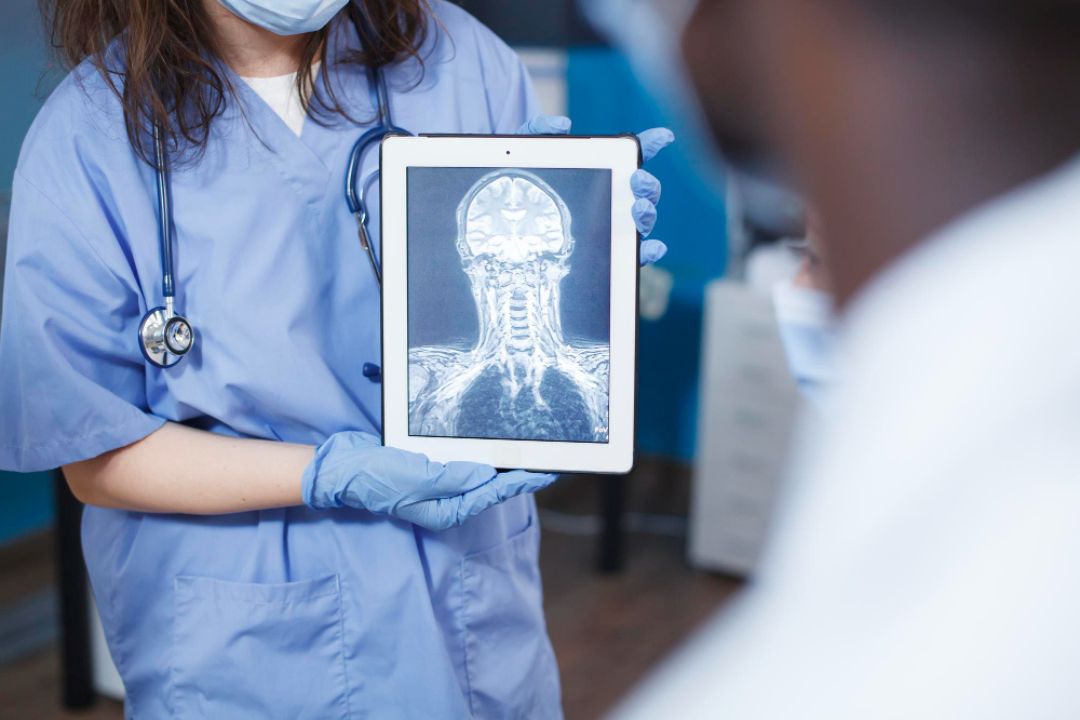
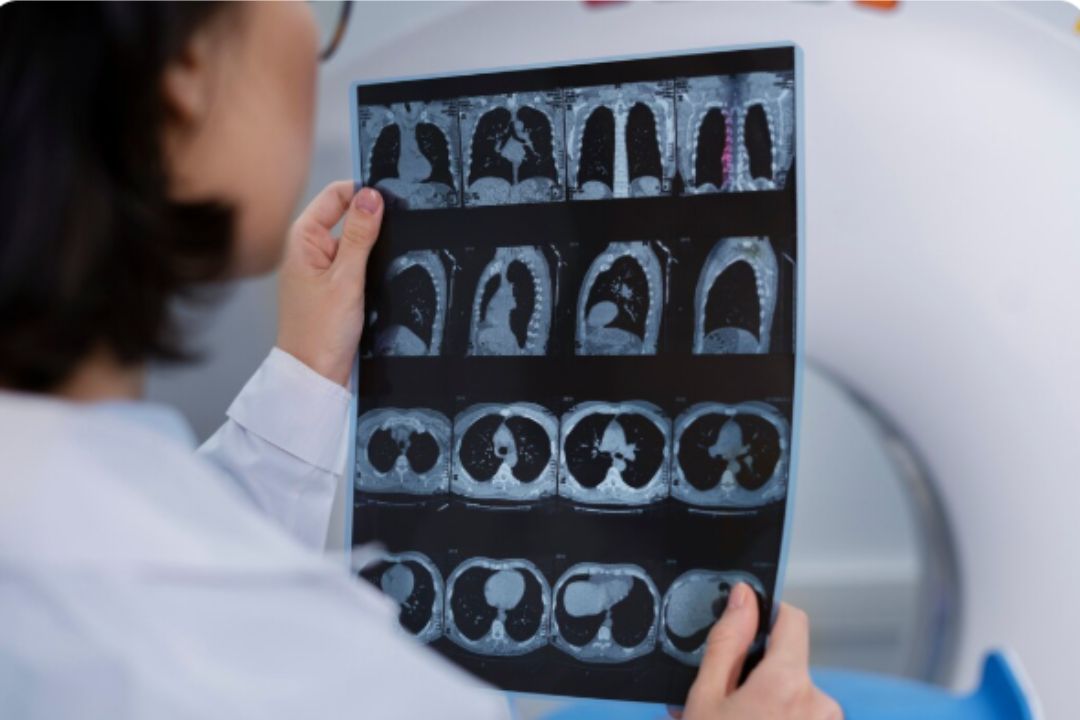
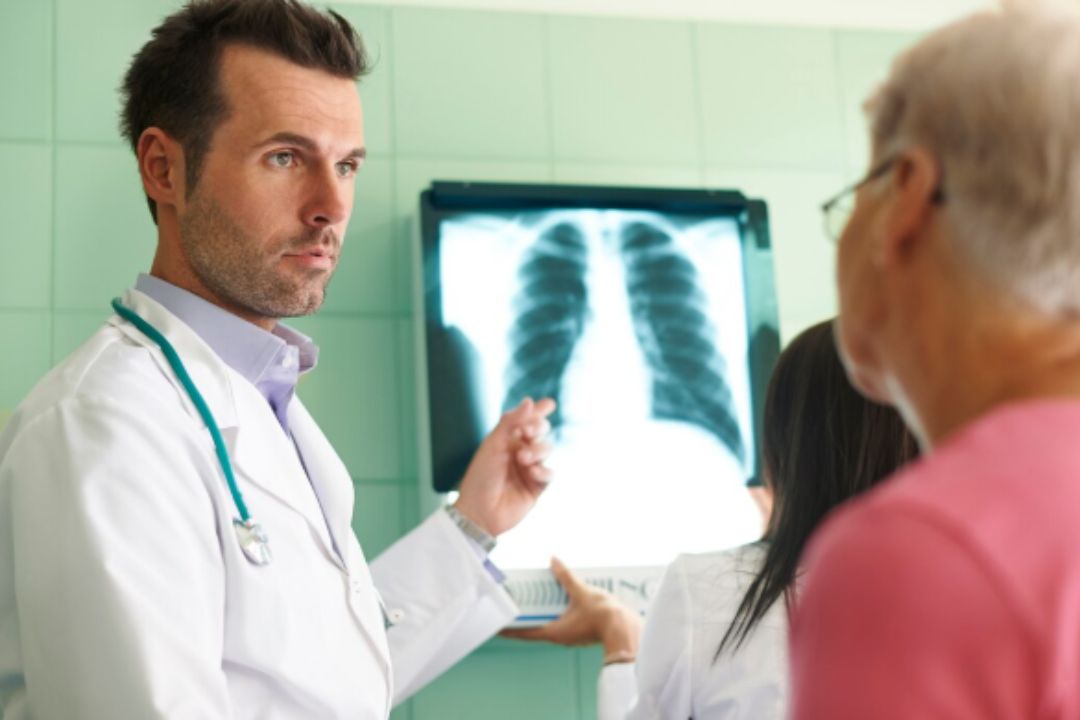
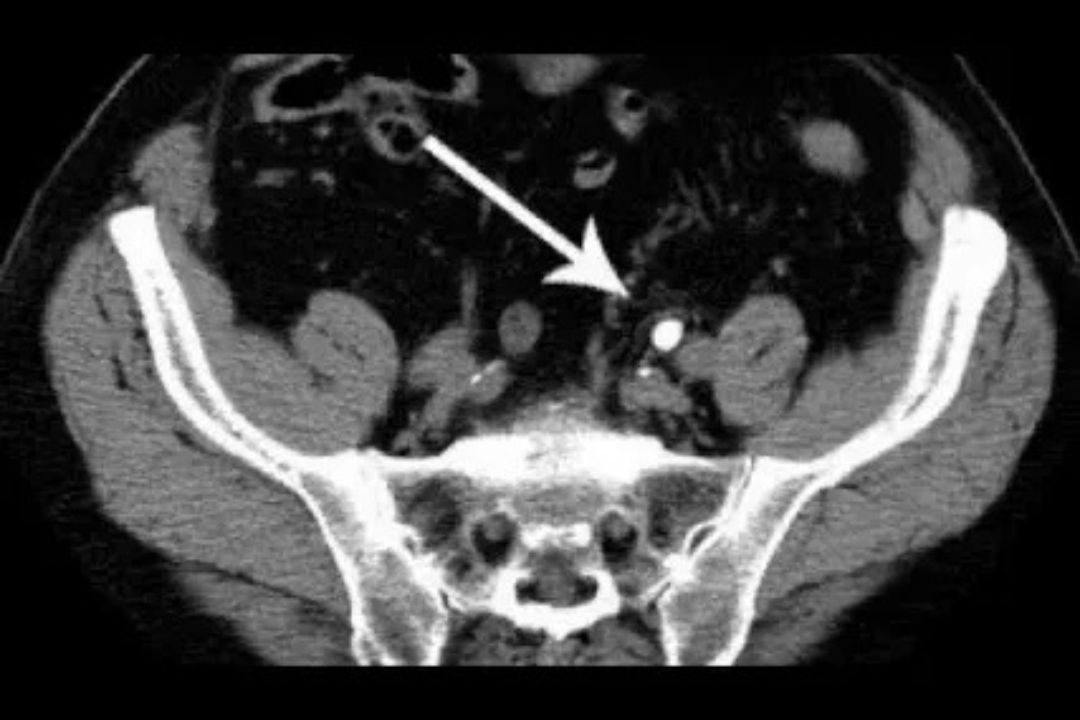
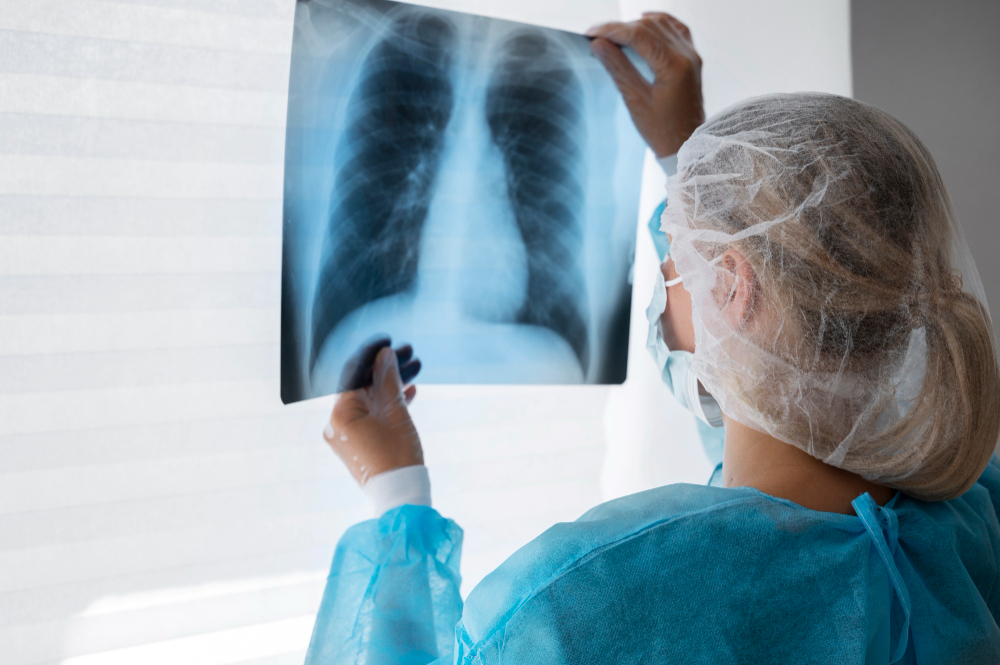
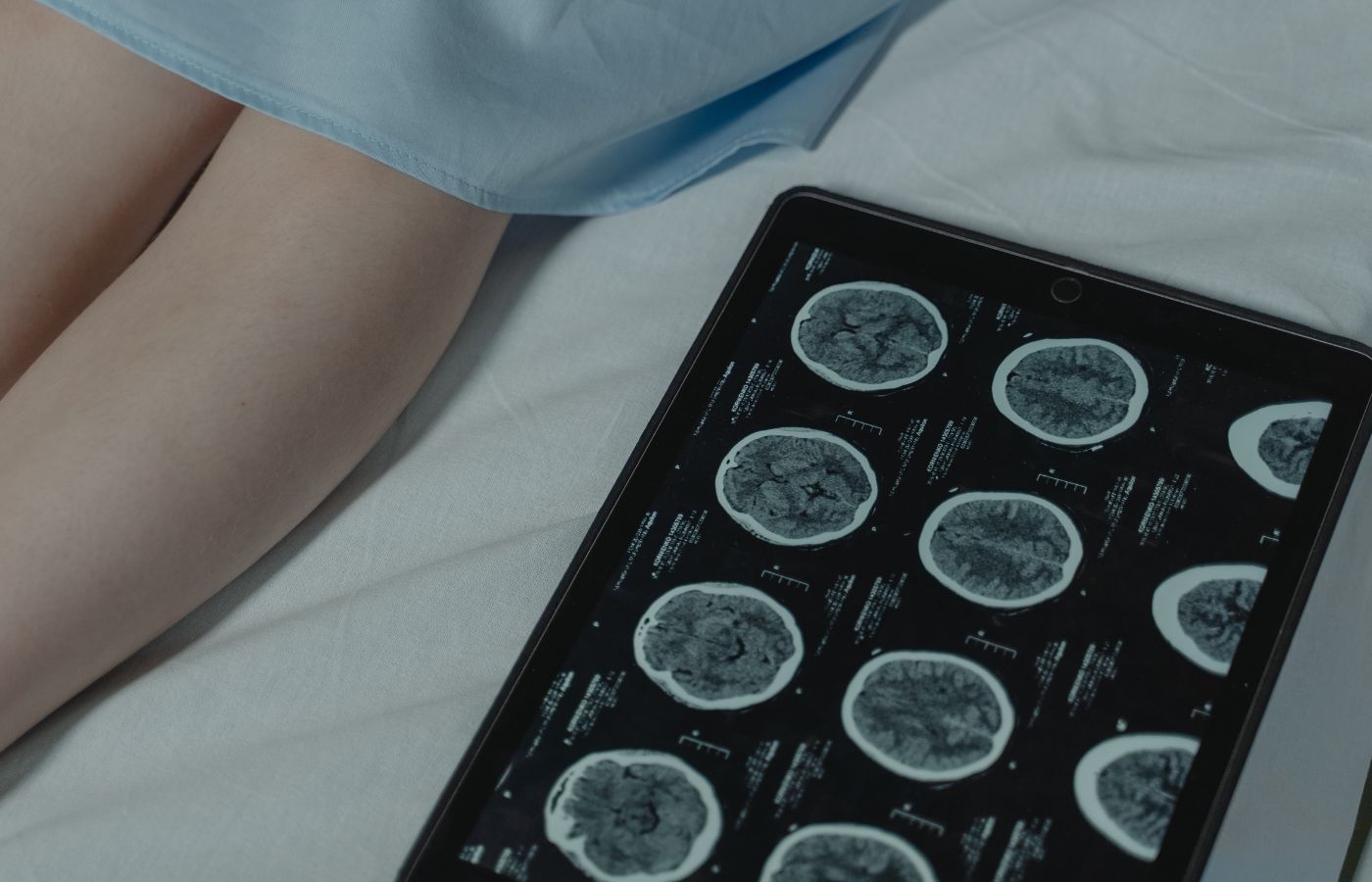
A CT scan, also known as a computed tomography scan, is an advanced imaging test that helps doctors see detailed images of the inside of the body. It combines X-ray technology with computer processing to produce clear cross-sectional images of organs, bones, blood vessels, and soft tissues.
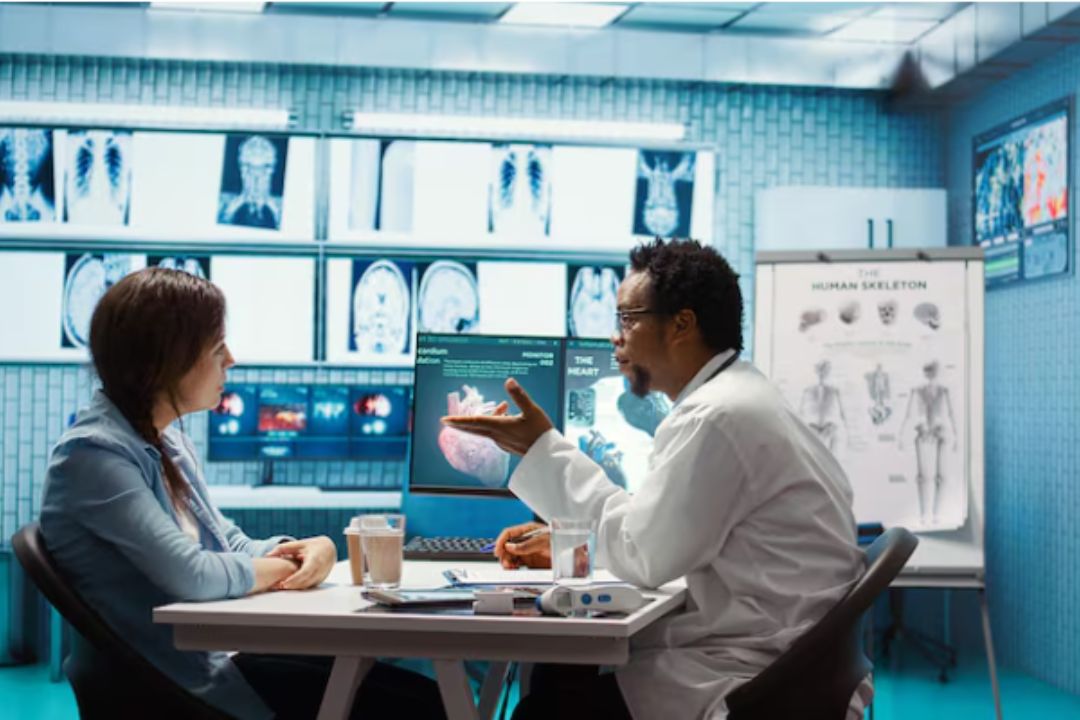
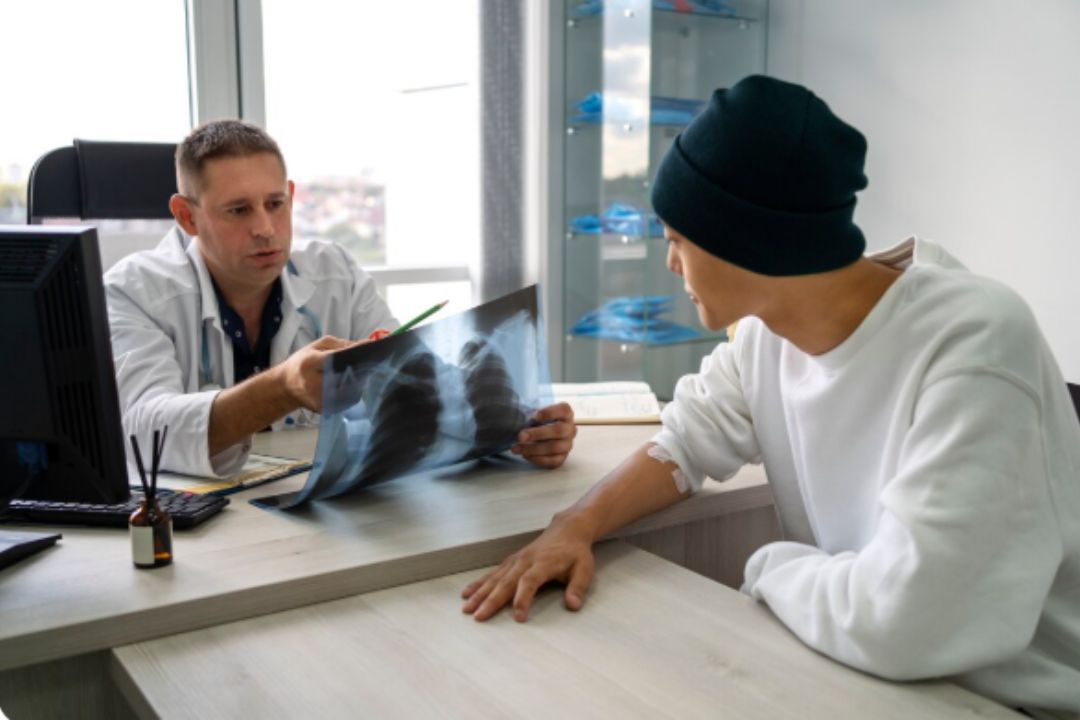
Doctors often recommend CT scans to diagnose injuries, detect diseases, and monitor treatment progress. The scan provides much more detailed information than a regular X-ray, making it an important tool in modern medical diagnosis.
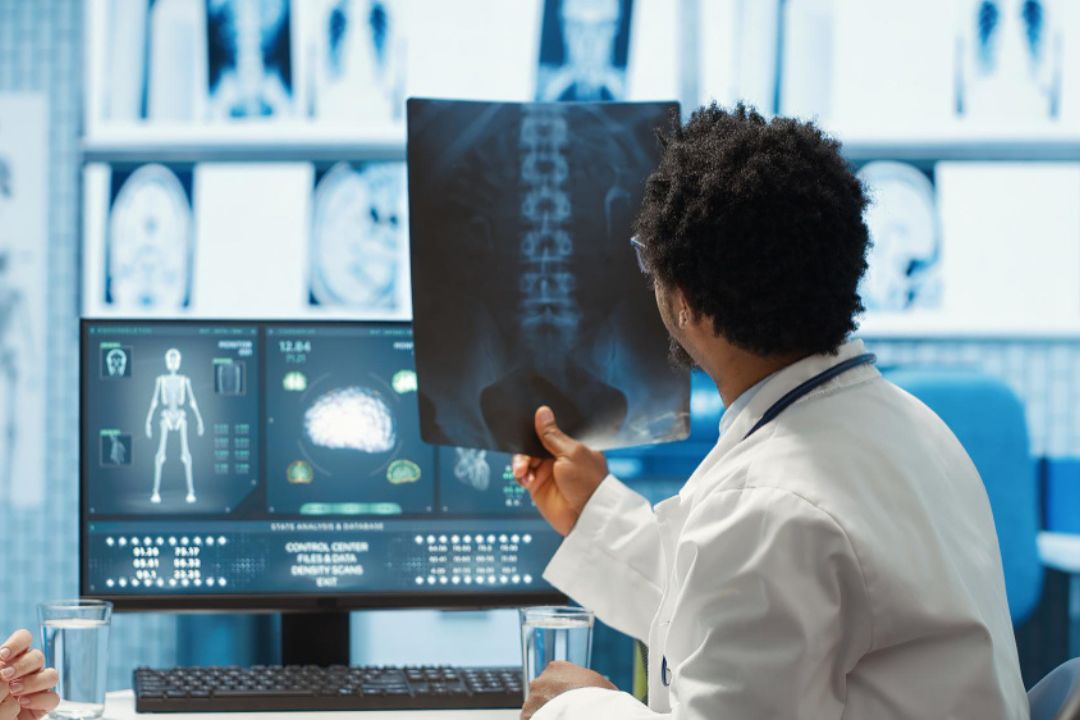
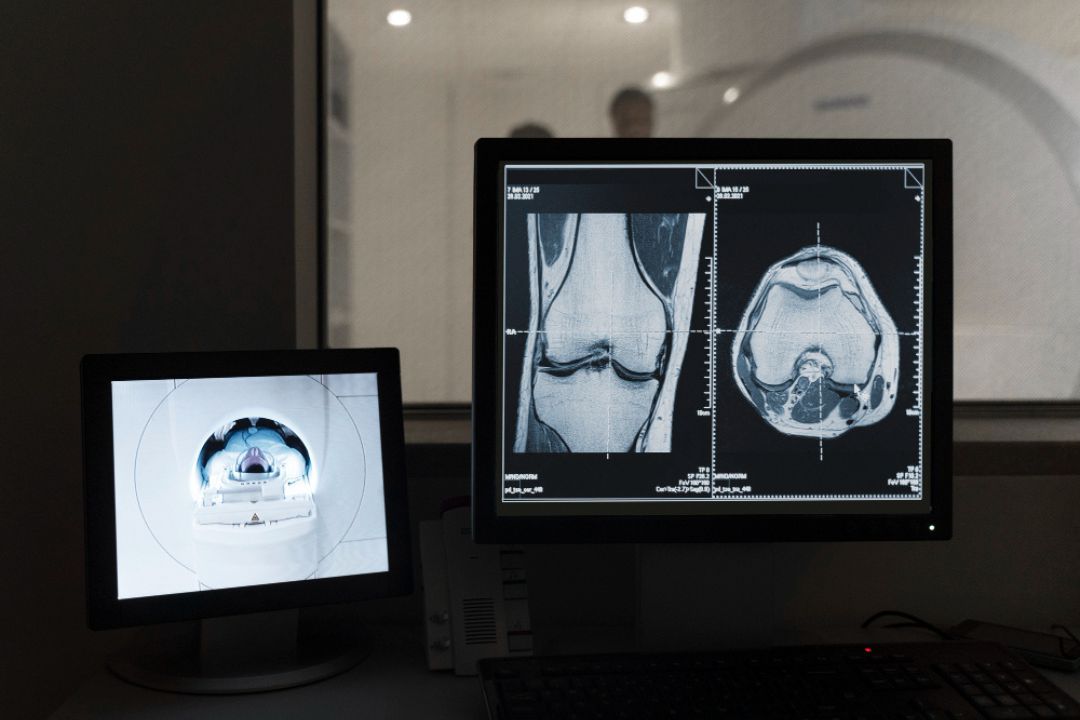
A CT scan is a diagnostic imaging test that uses multiple X-ray images taken from different angles to create detailed pictures of the body's internal structures.
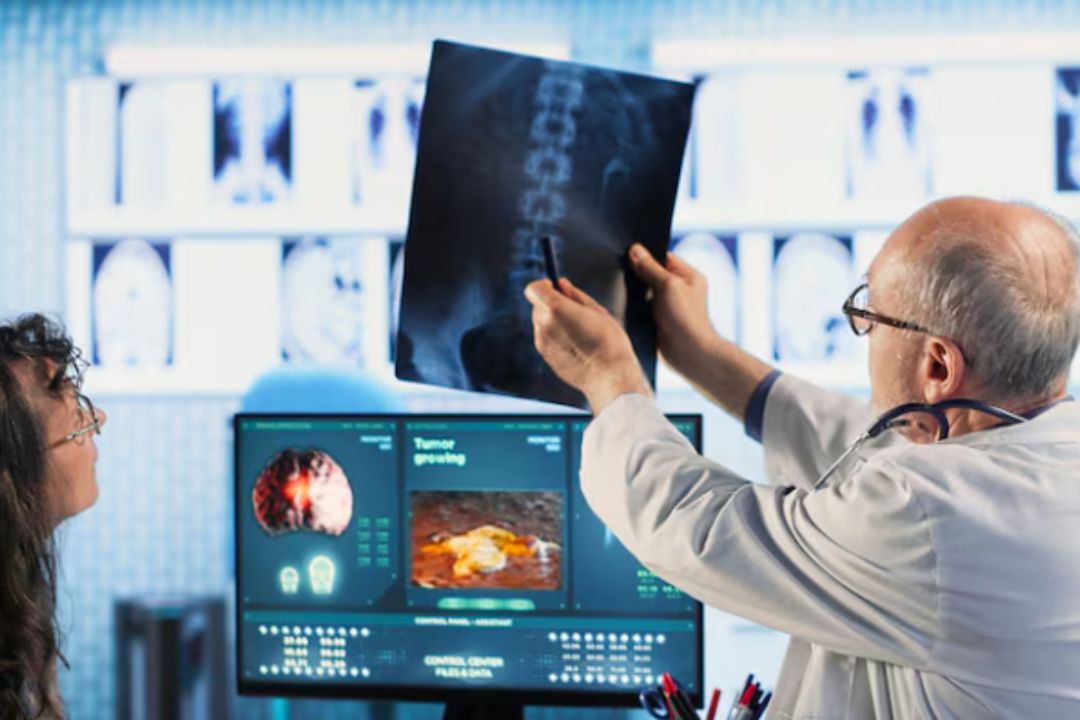
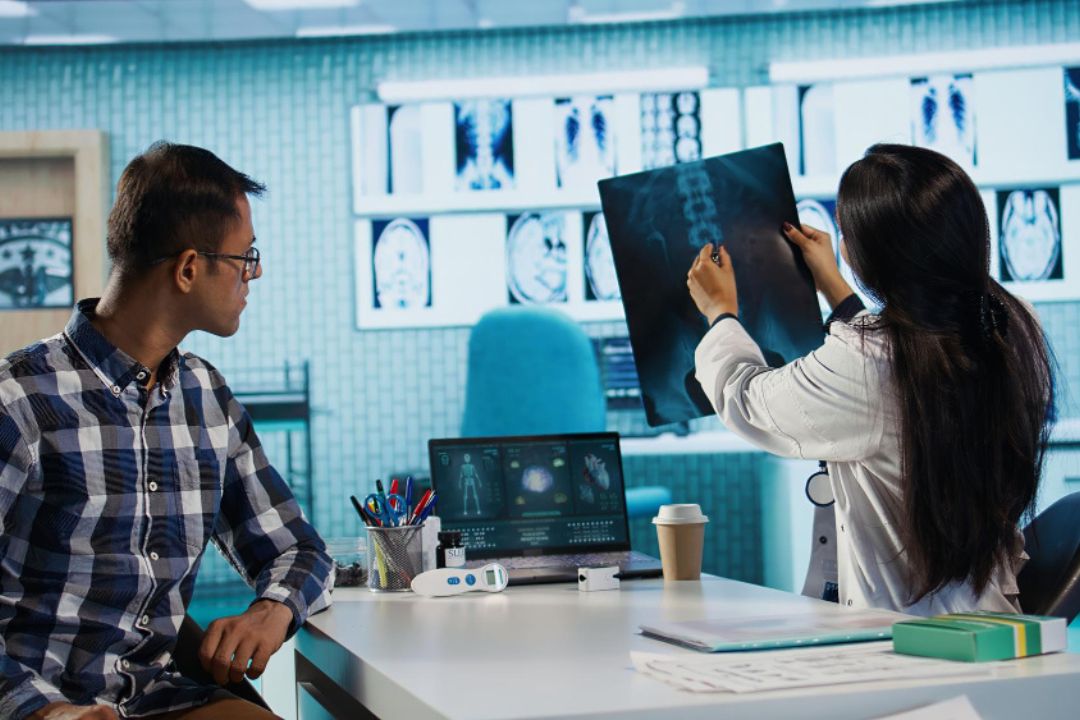
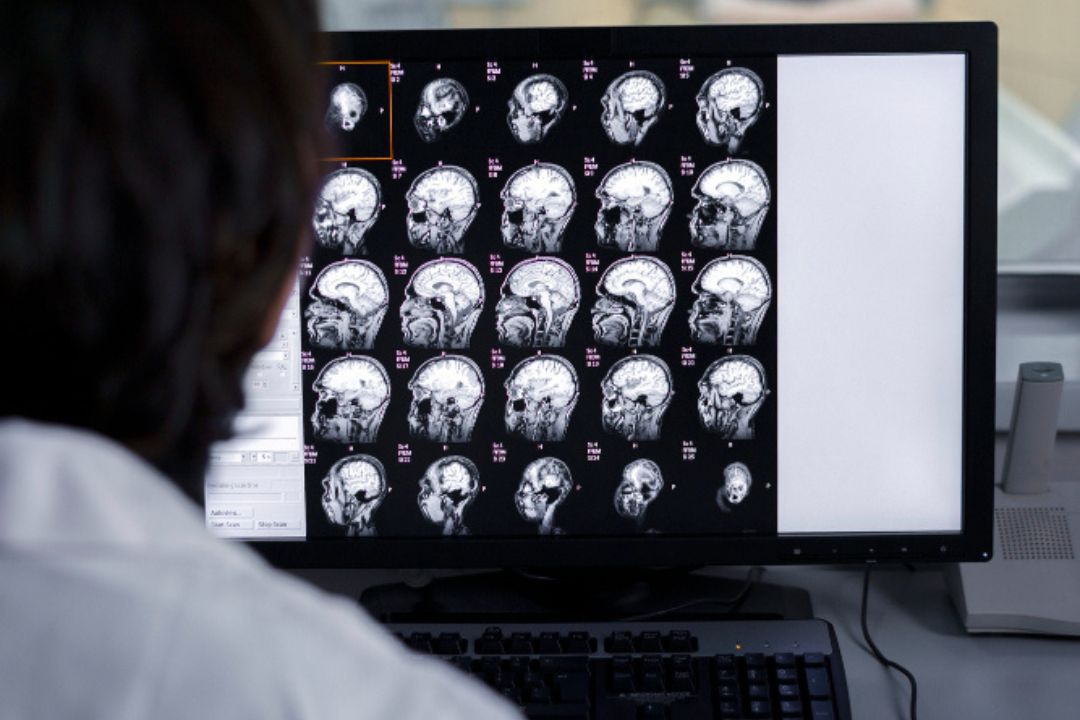
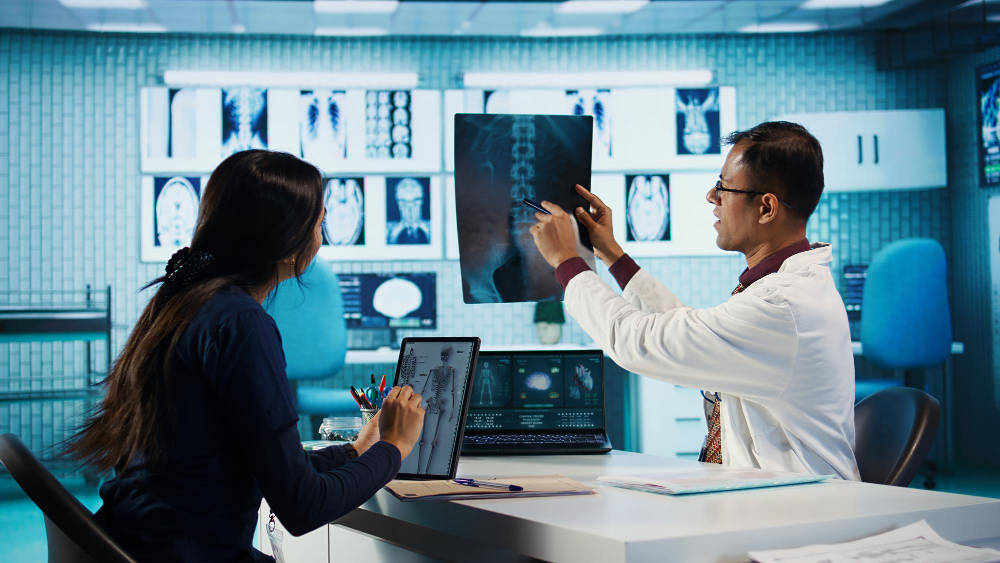
These images help doctors examine organs, bones, muscles, and blood vessels in great detail. The scan can identify abnormalities such as tumors, infections, internal injuries, and blood clots.
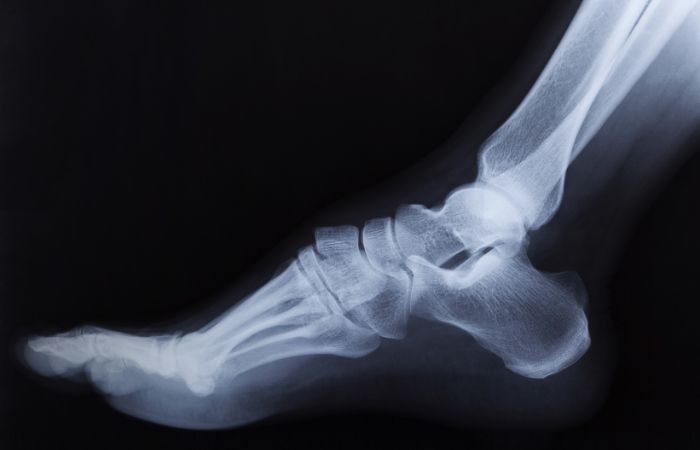
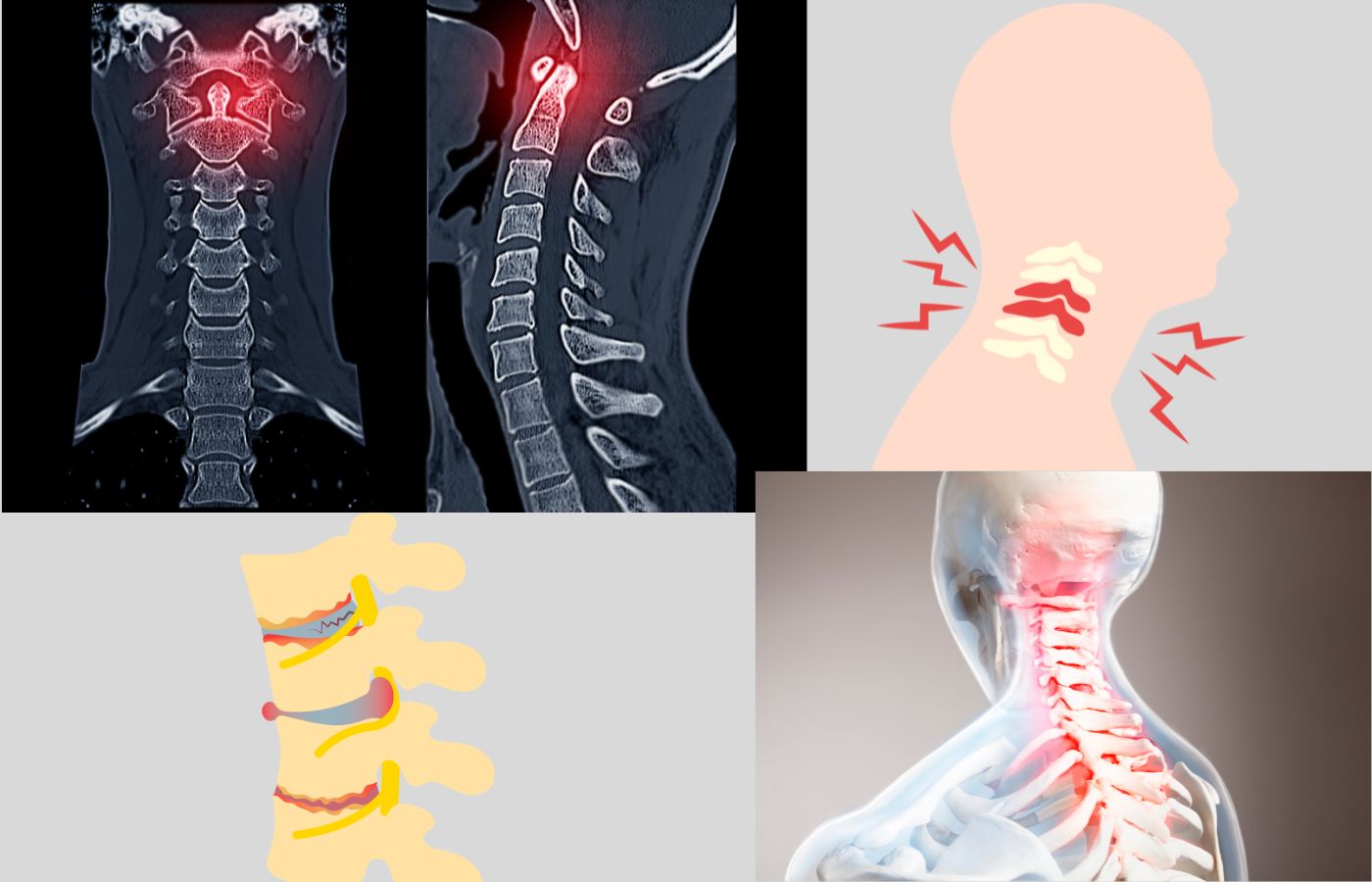
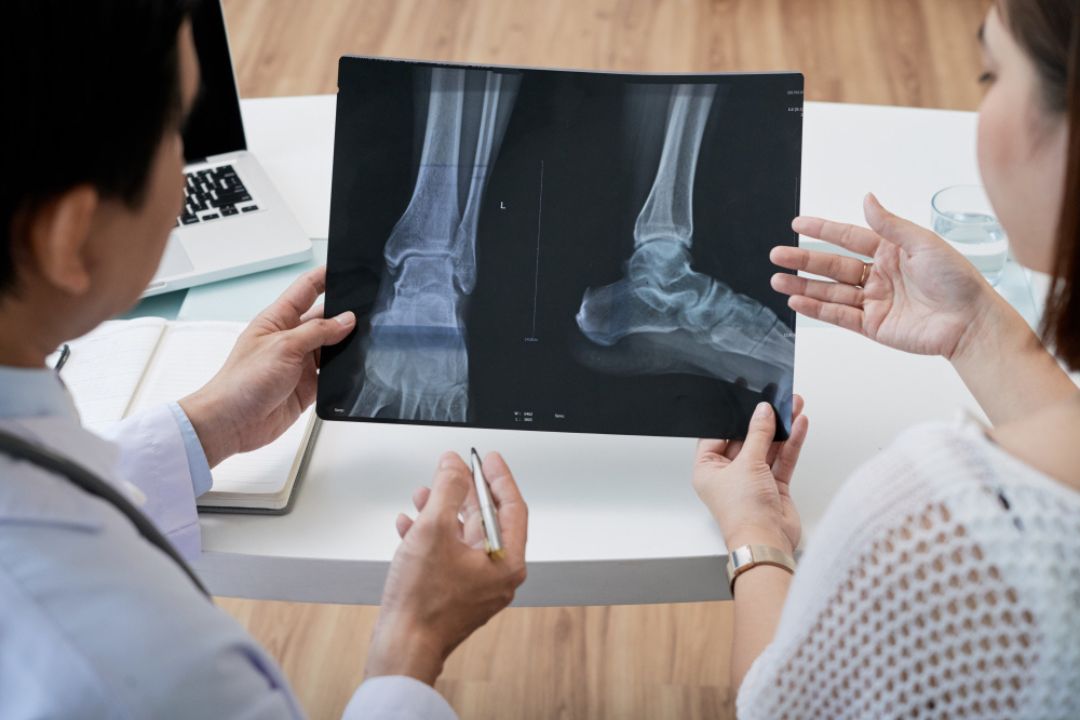
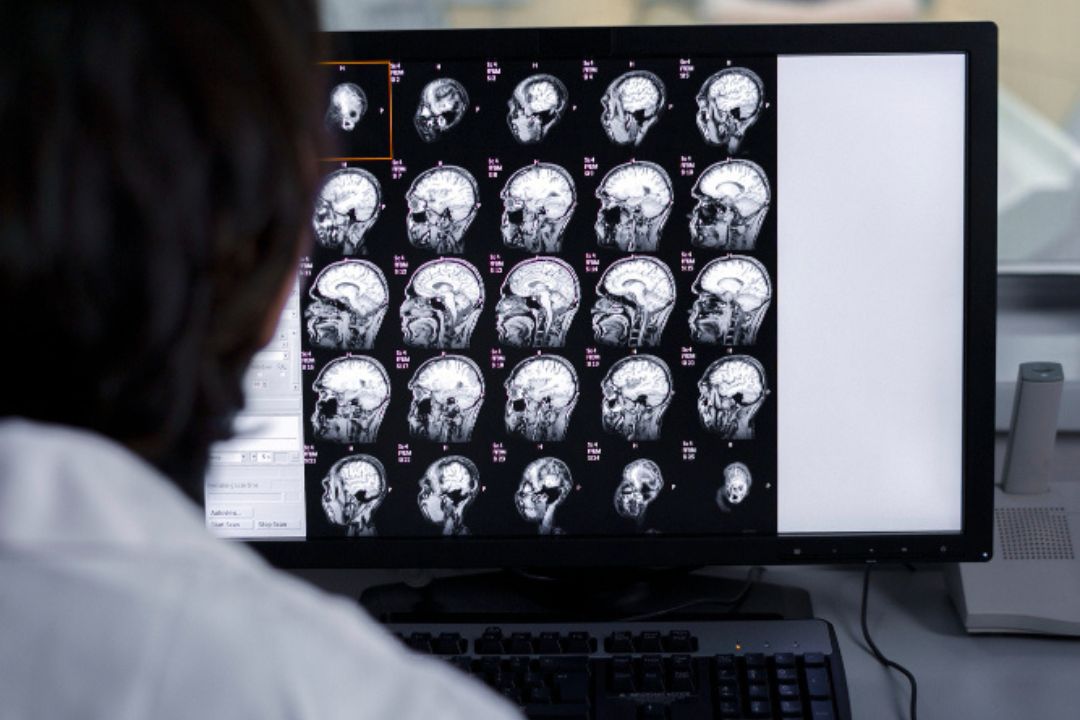
Unlike traditional X-rays, CT scans provide cross-sectional images that allow doctors to view the body layer by layer.
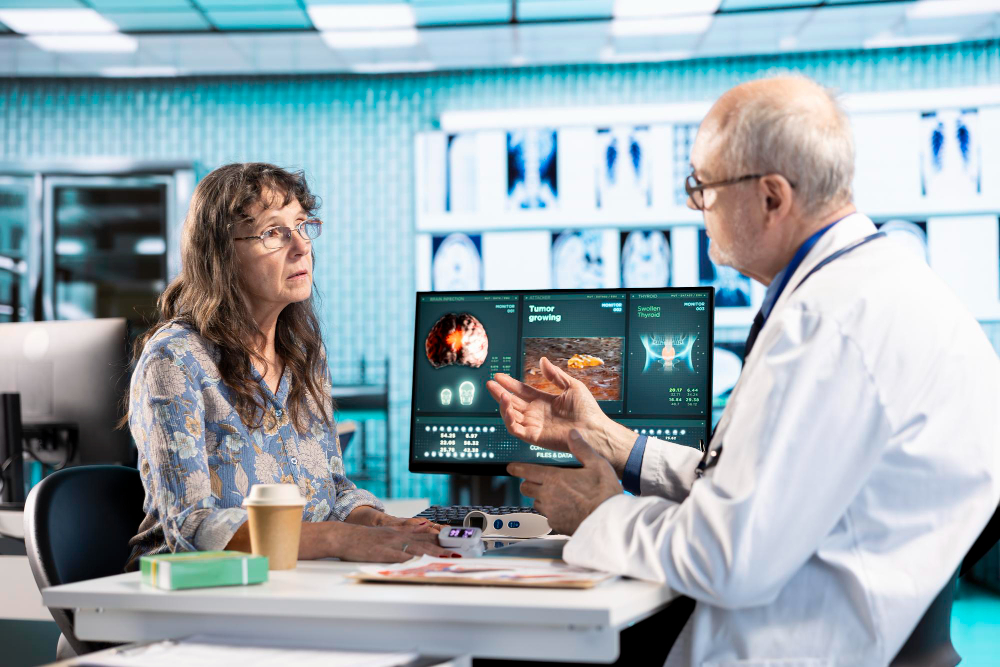
Doctors recommend CT scans for many diagnostic and medical purposes. This imaging test helps detect diseases, guide treatment decisions, and monitor medical conditions.
Common purposes include:
Diagnosing infections or inflammation
Detecting tumors or cancer
Identifying internal injuries after accidents
Examining blood vessels and detecting clots
Monitoring treatment effectiveness
Guiding procedures such as biopsies or surgeries
CT scans provide highly detailed images that help doctors diagnose medical conditions quickly and accurately.
A doctor may recommend a CT scan if a patient experiences symptoms such as:
Severe or persistent pain
Unexplained swelling
Head injuries
Suspected tumors
Internal bleeding
Chronic infections
This imaging test can help identify the underlying cause of these symptoms and assist doctors in planning the most appropriate treatment.
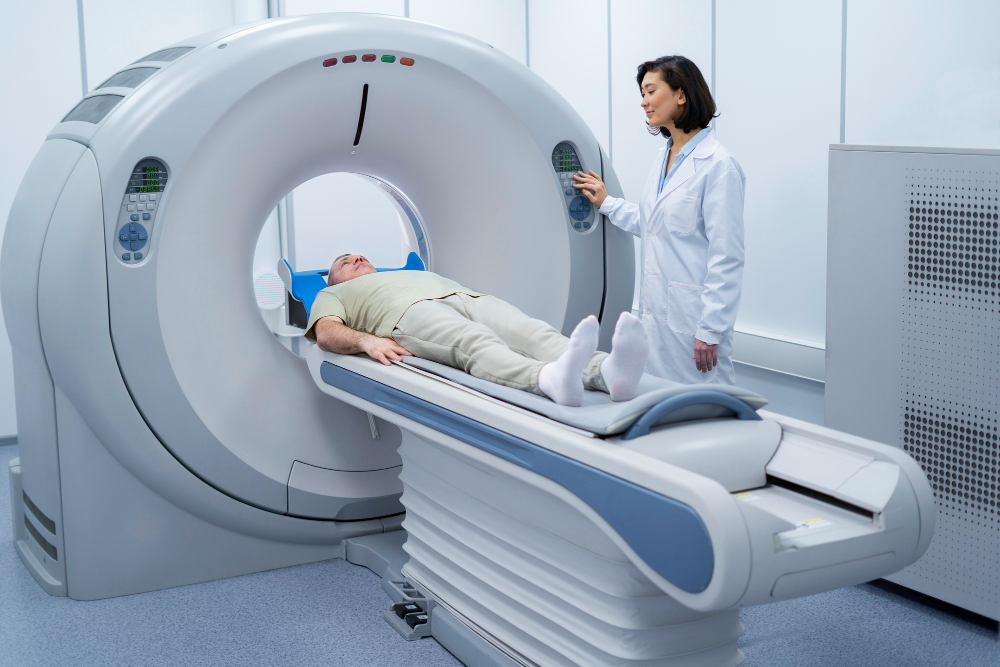
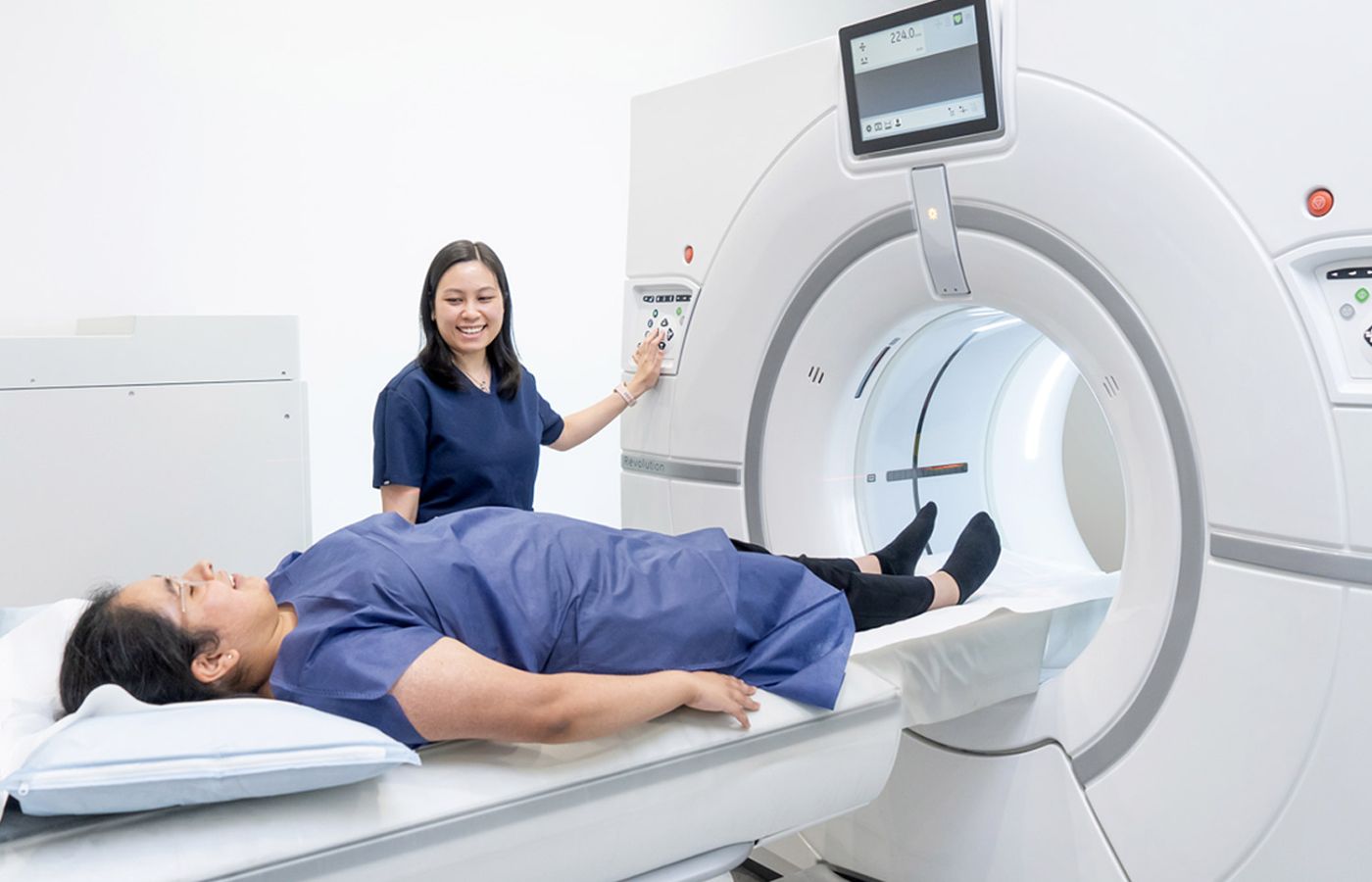
The CT scan procedure is simple and usually takes about 10 to 20 minutes.
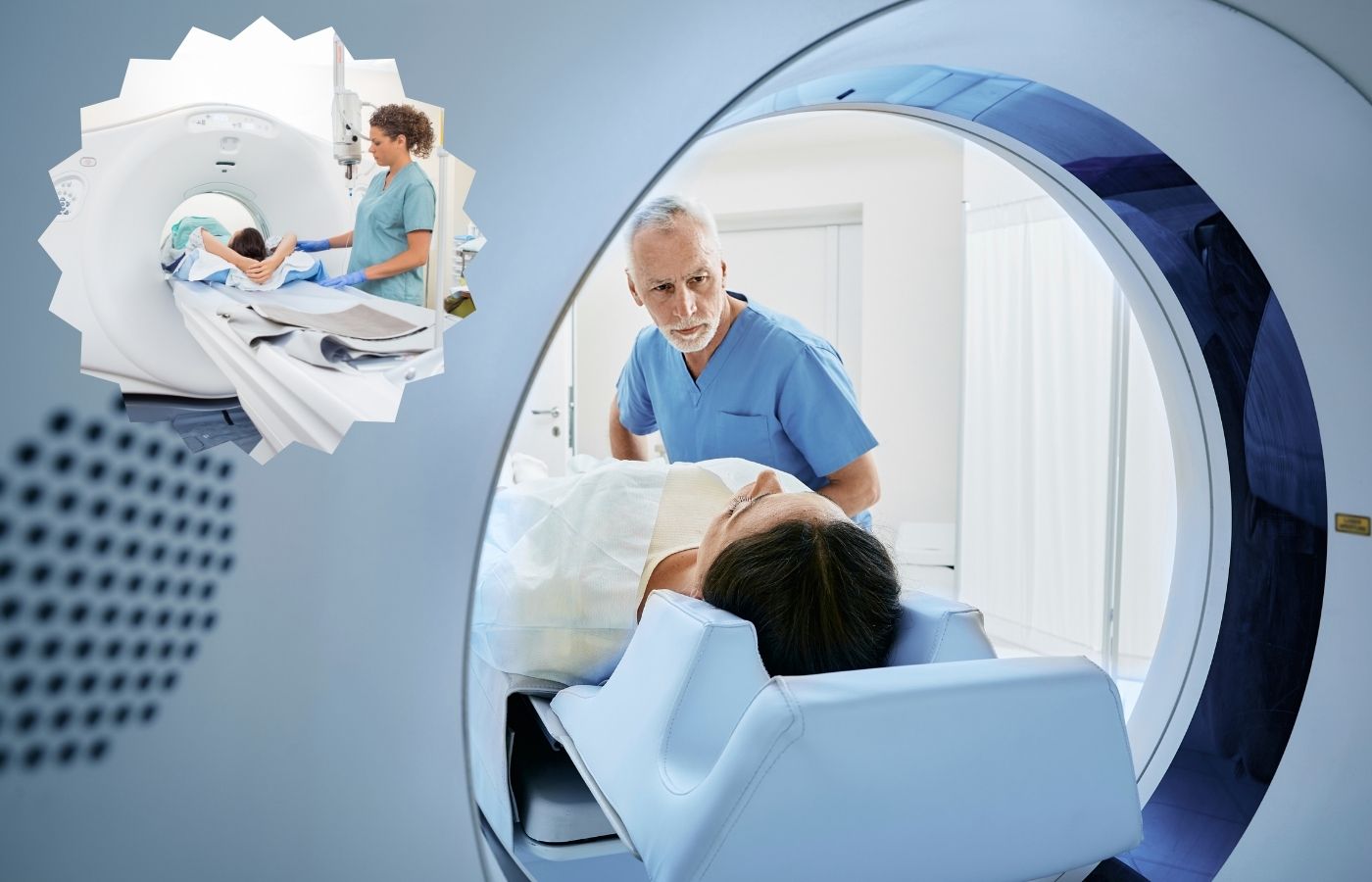
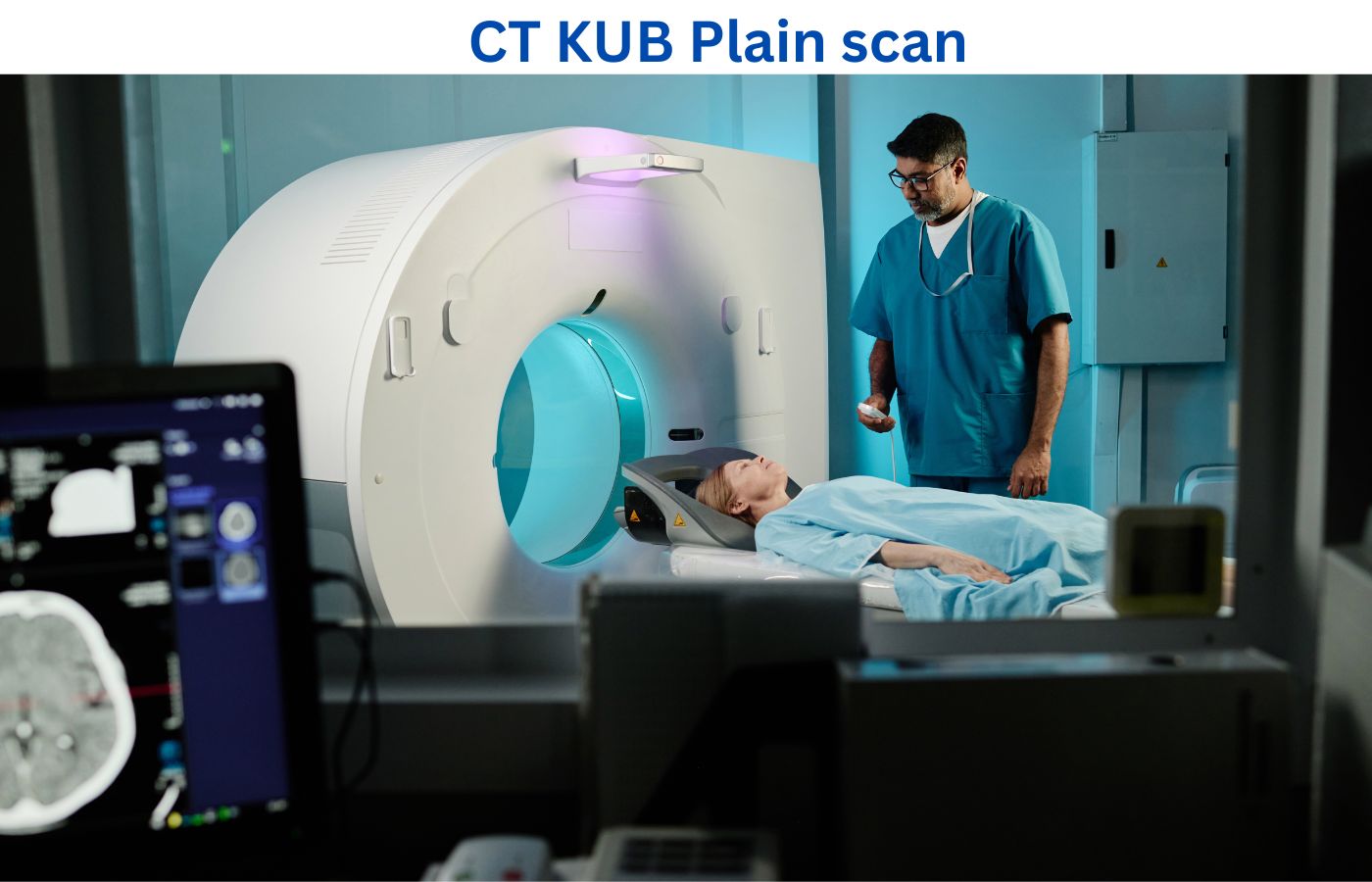
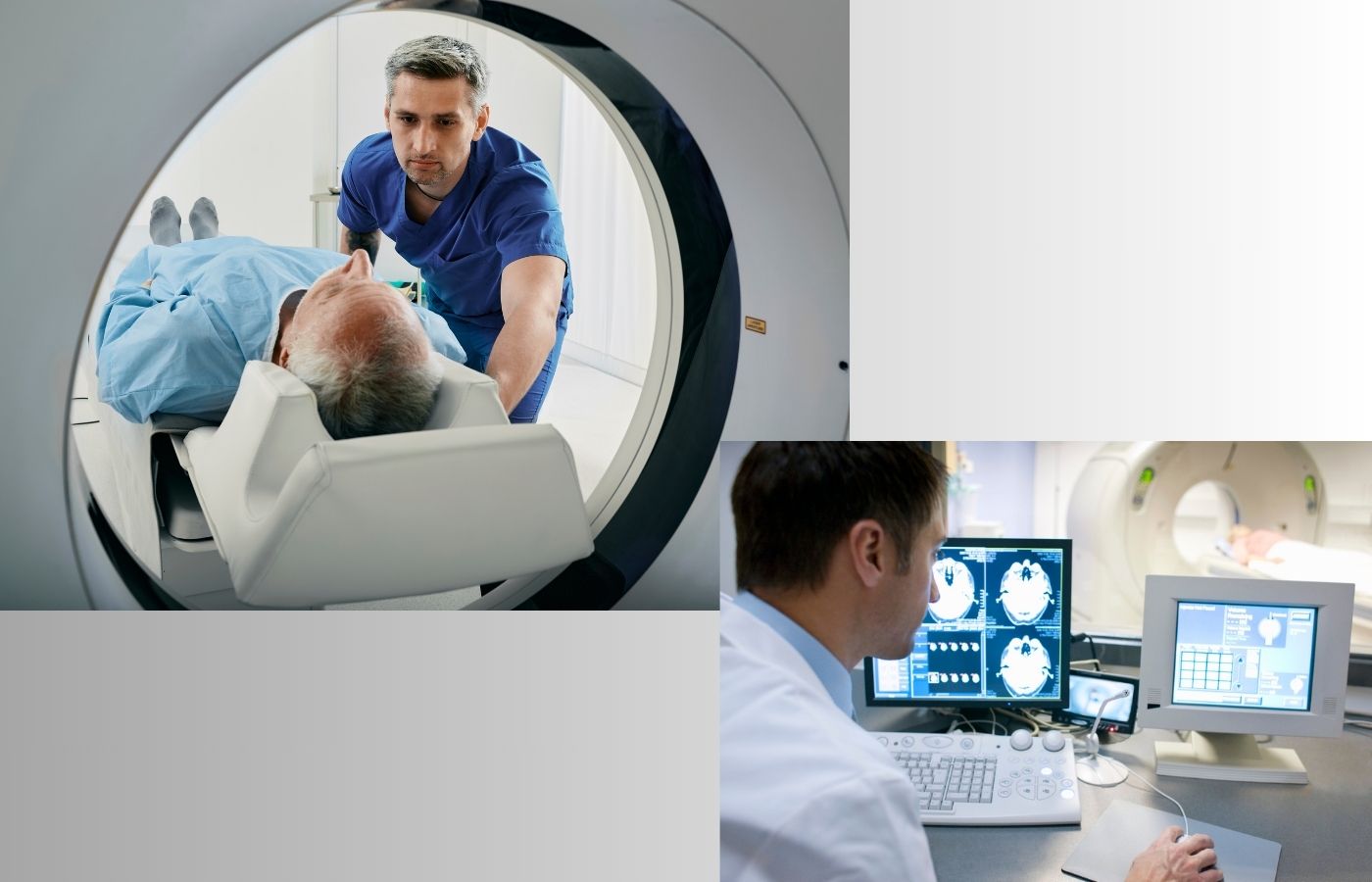
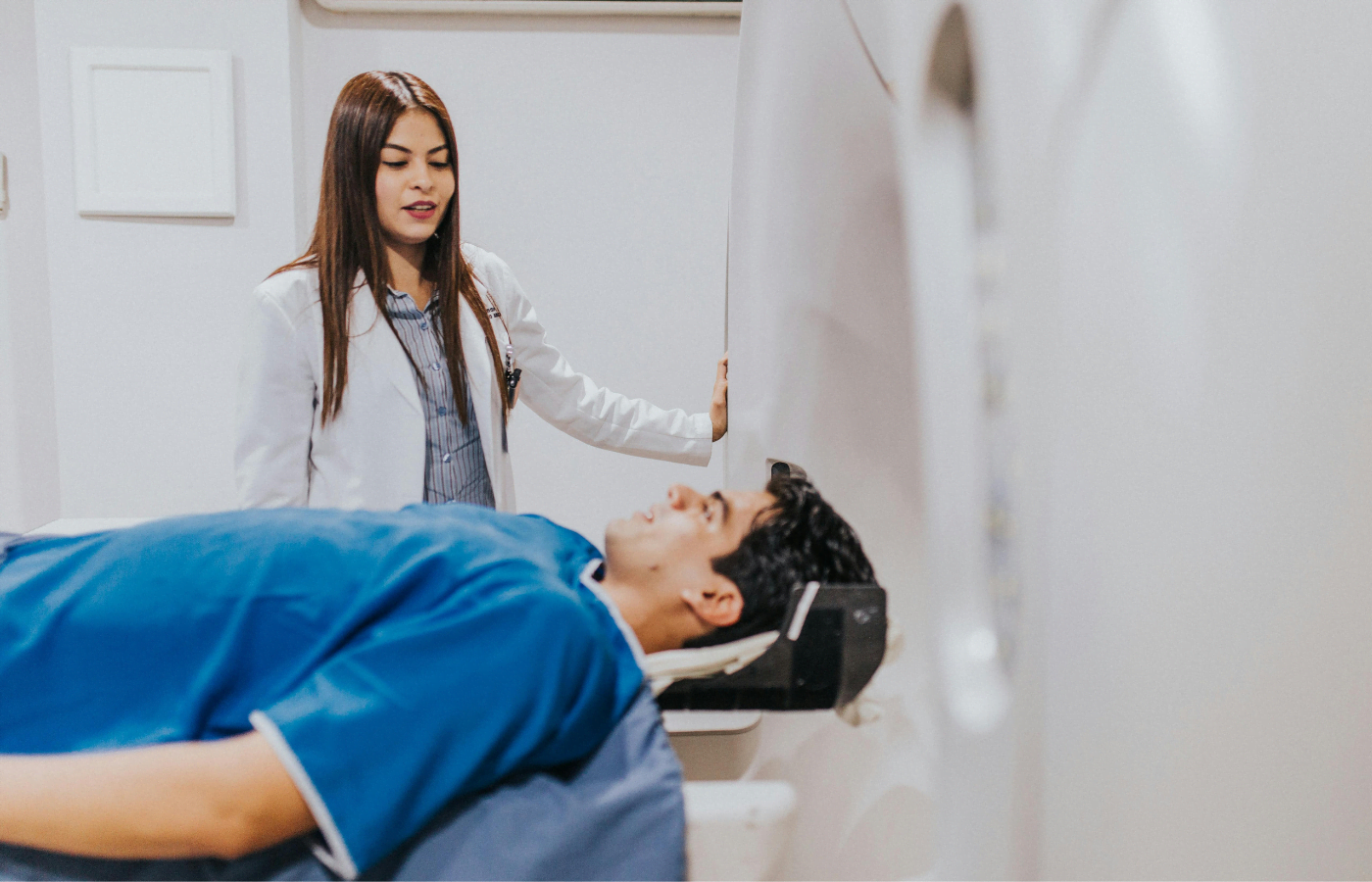
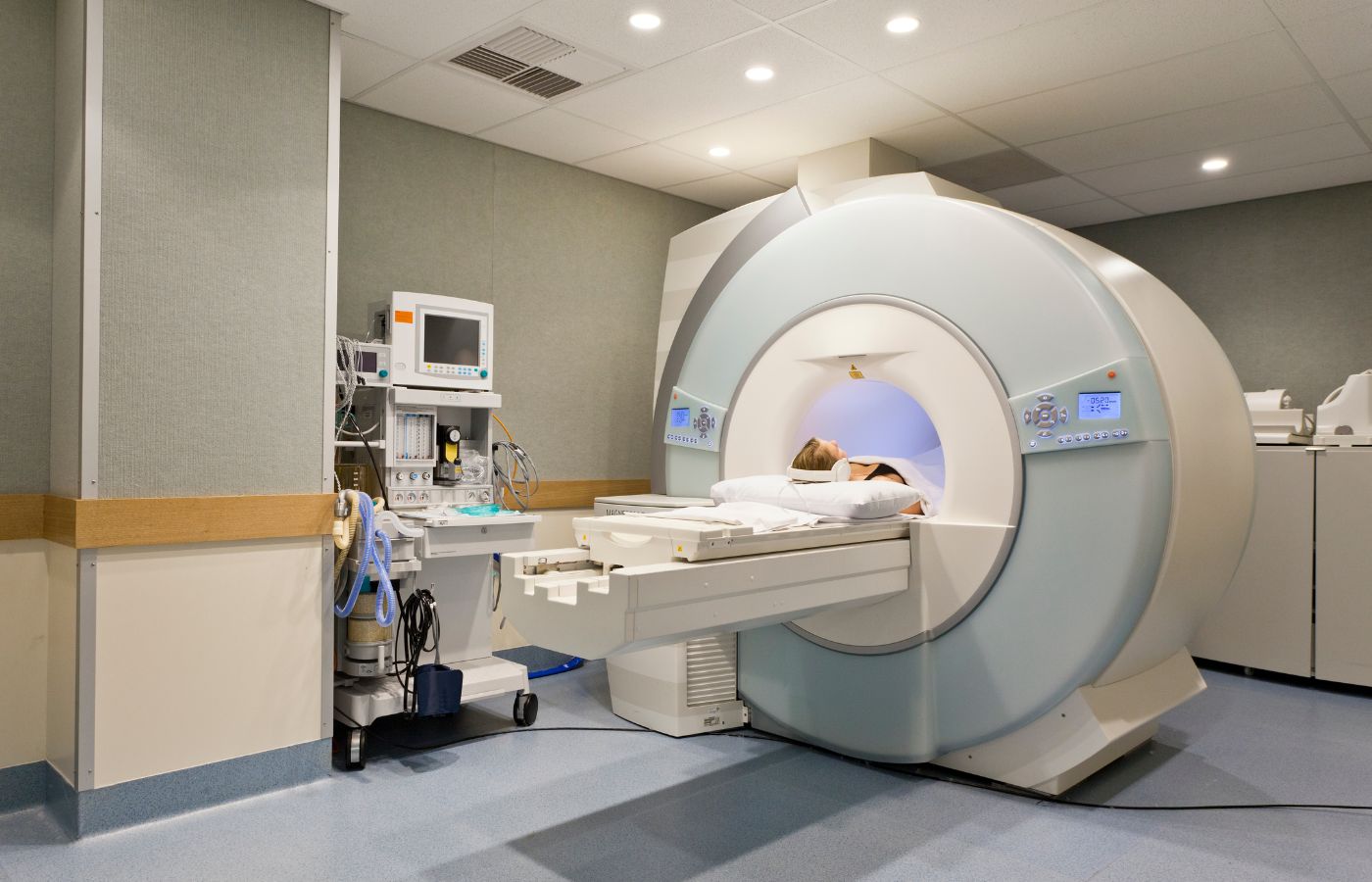
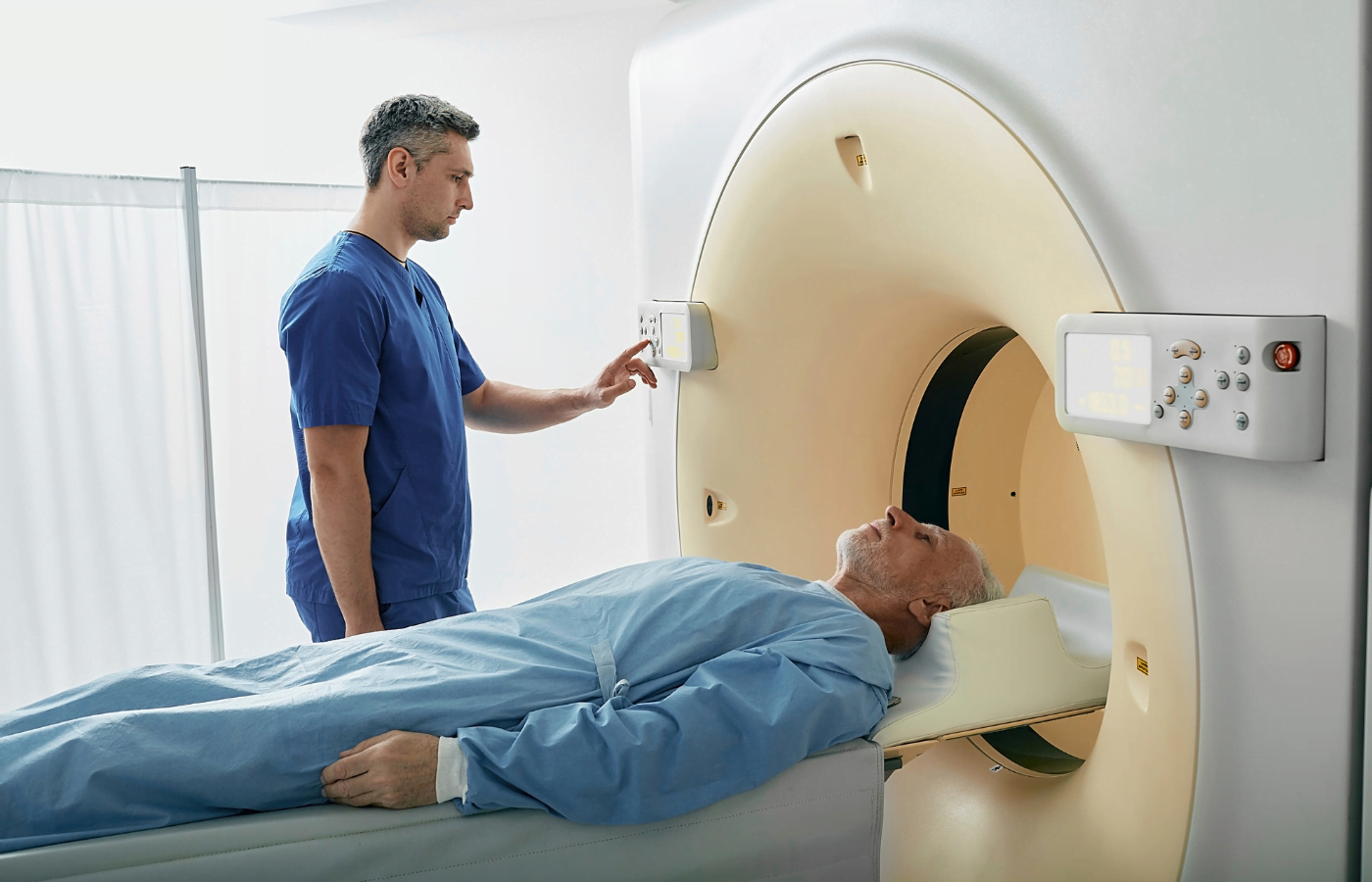
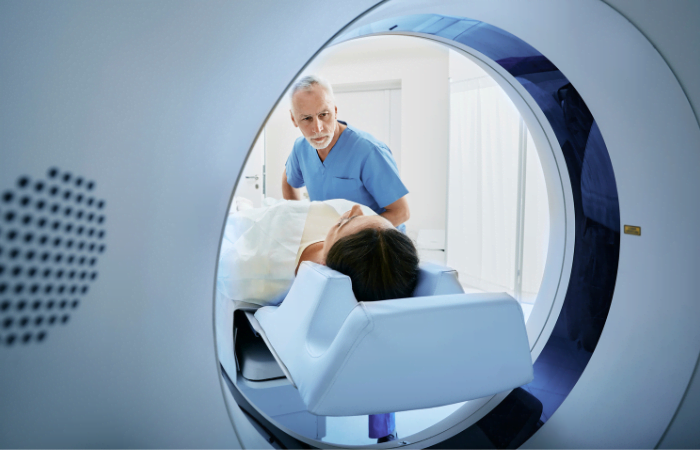
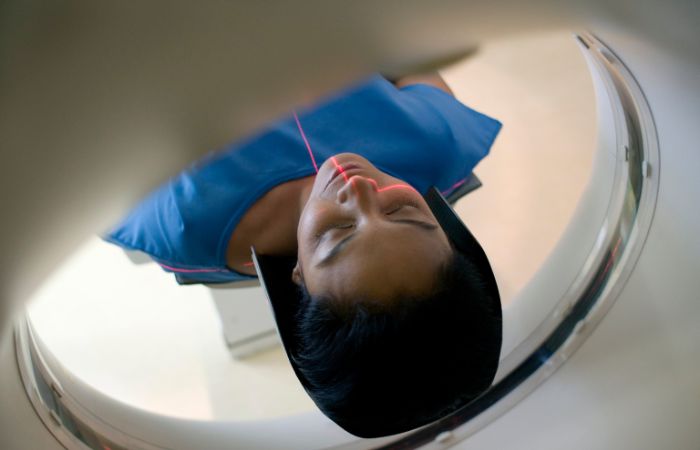
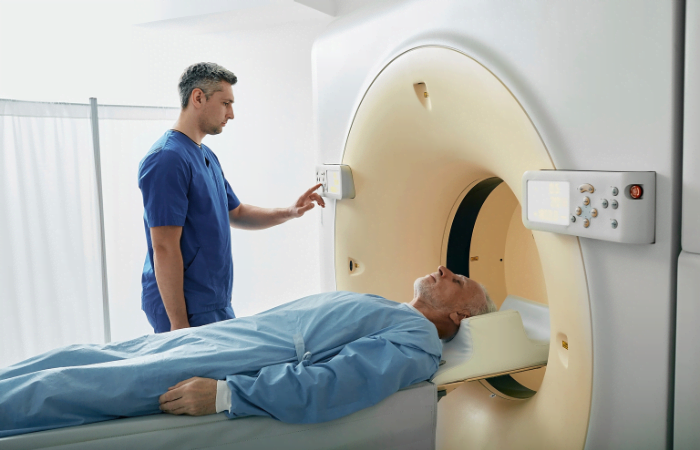
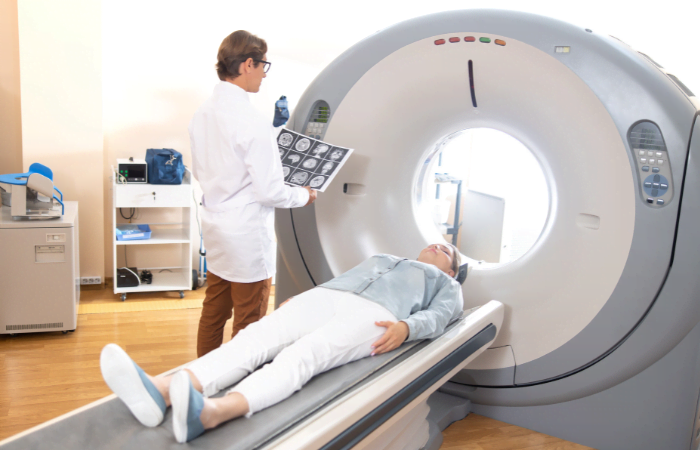
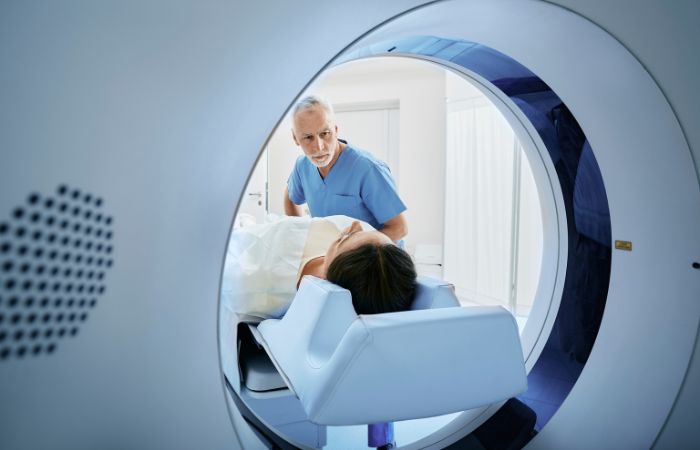
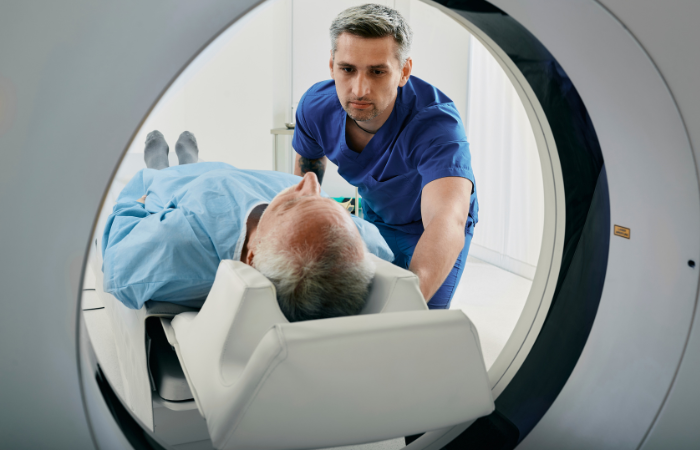
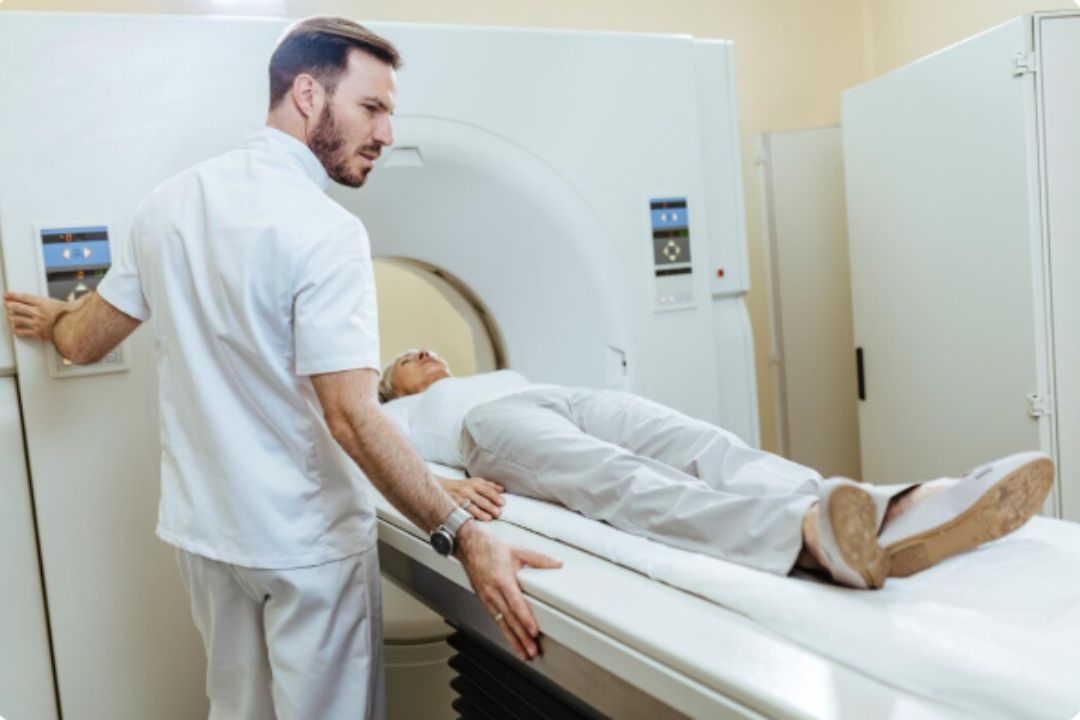
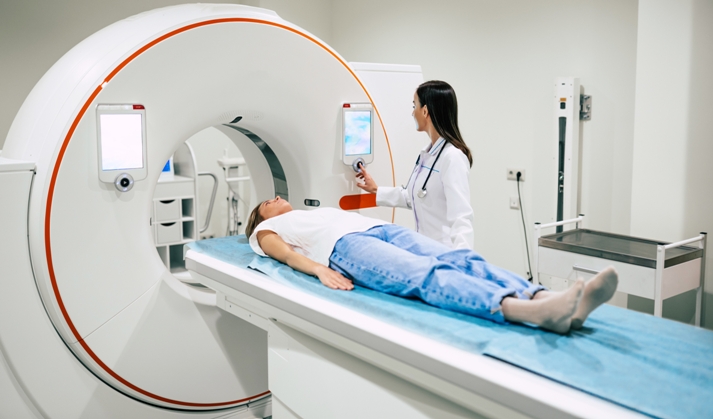
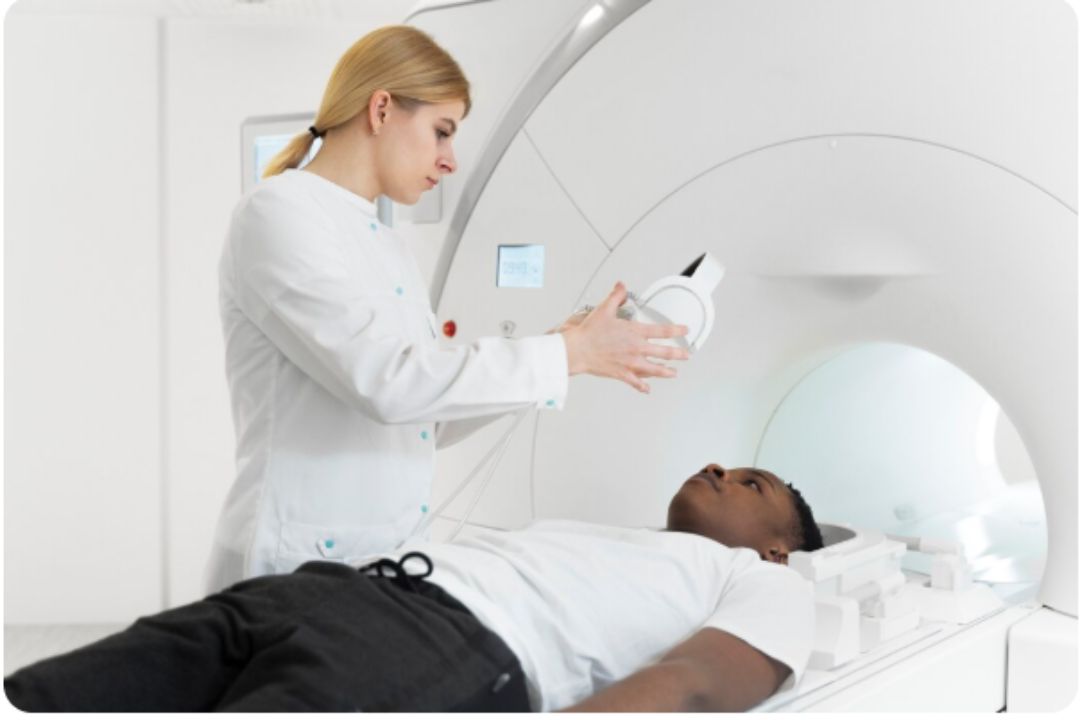
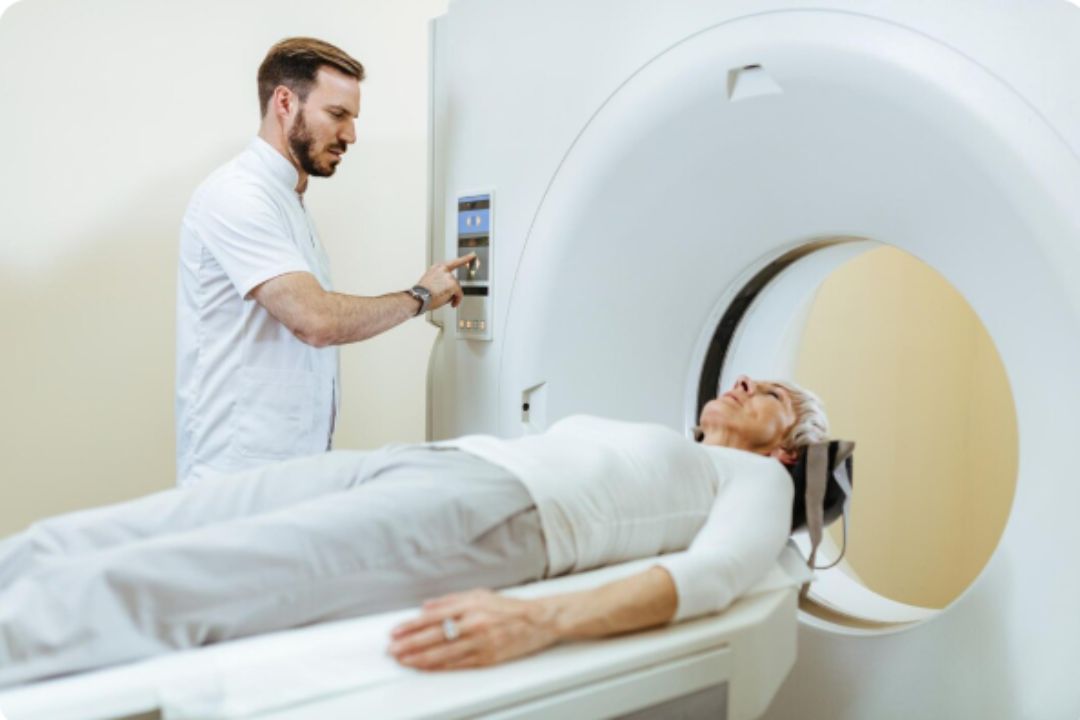
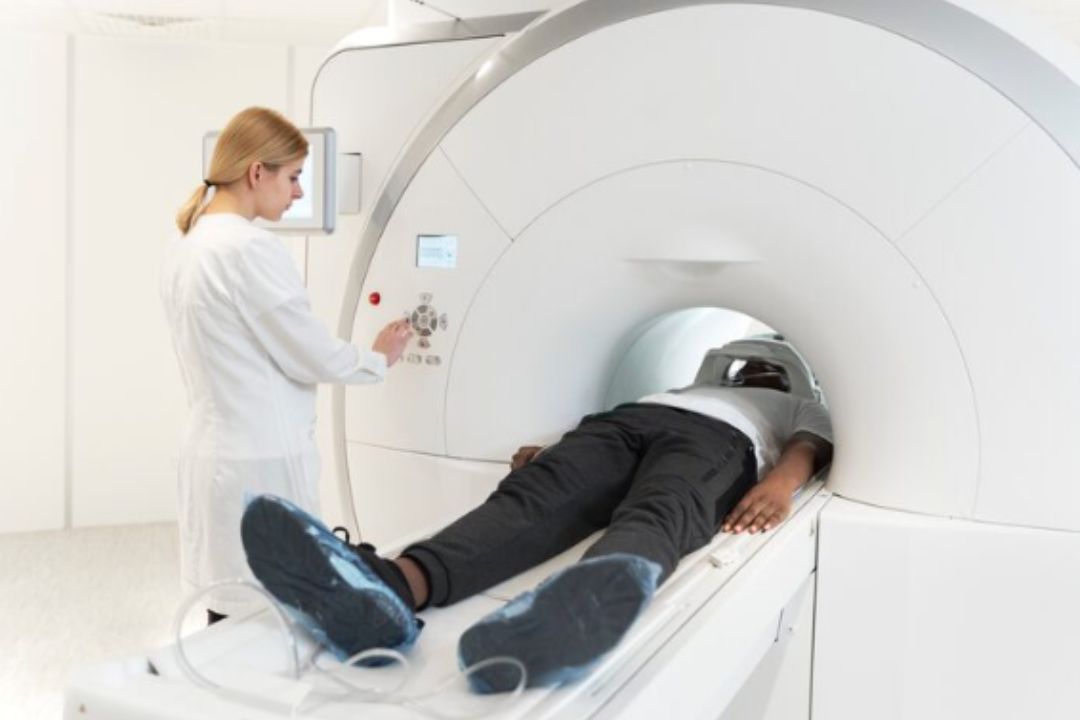
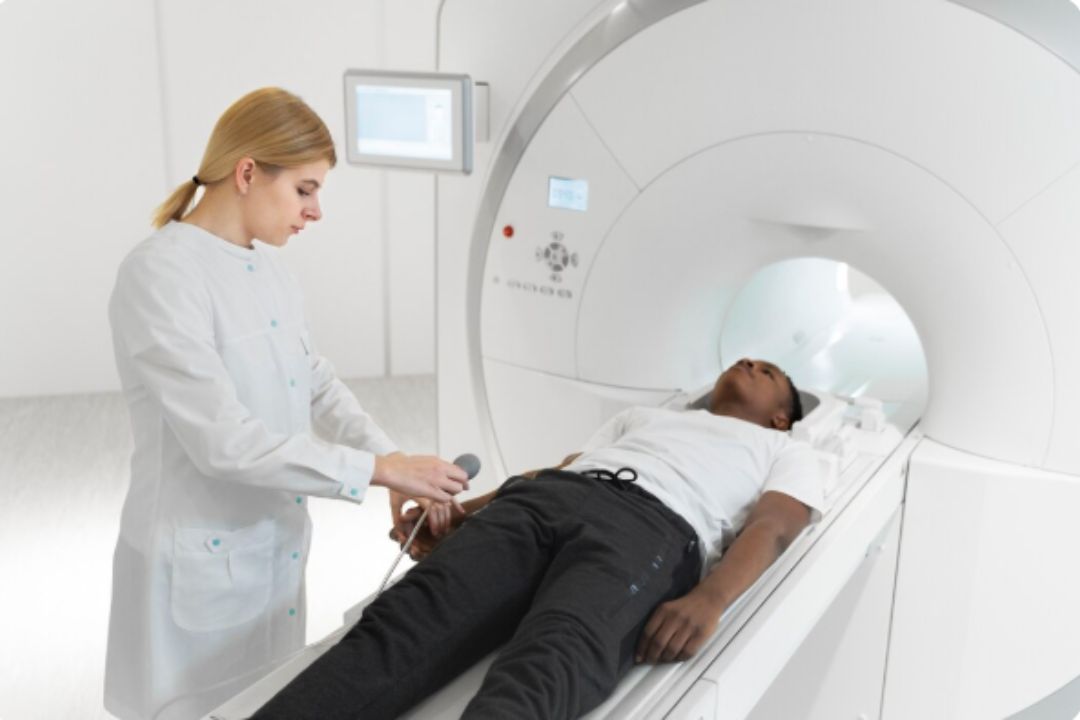
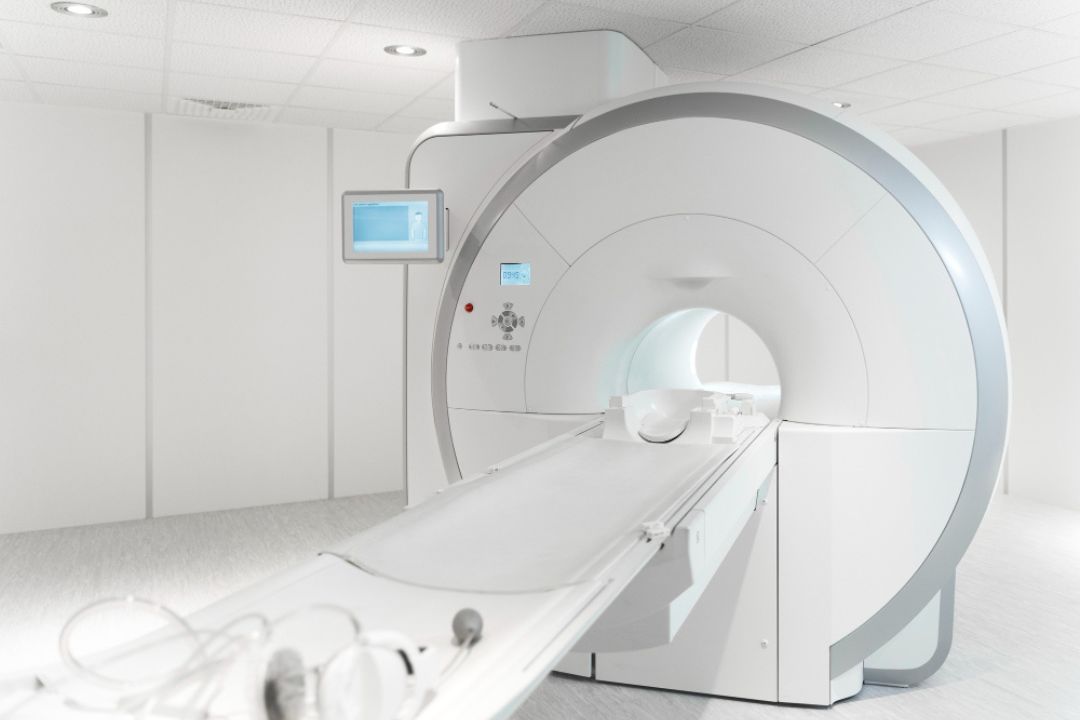
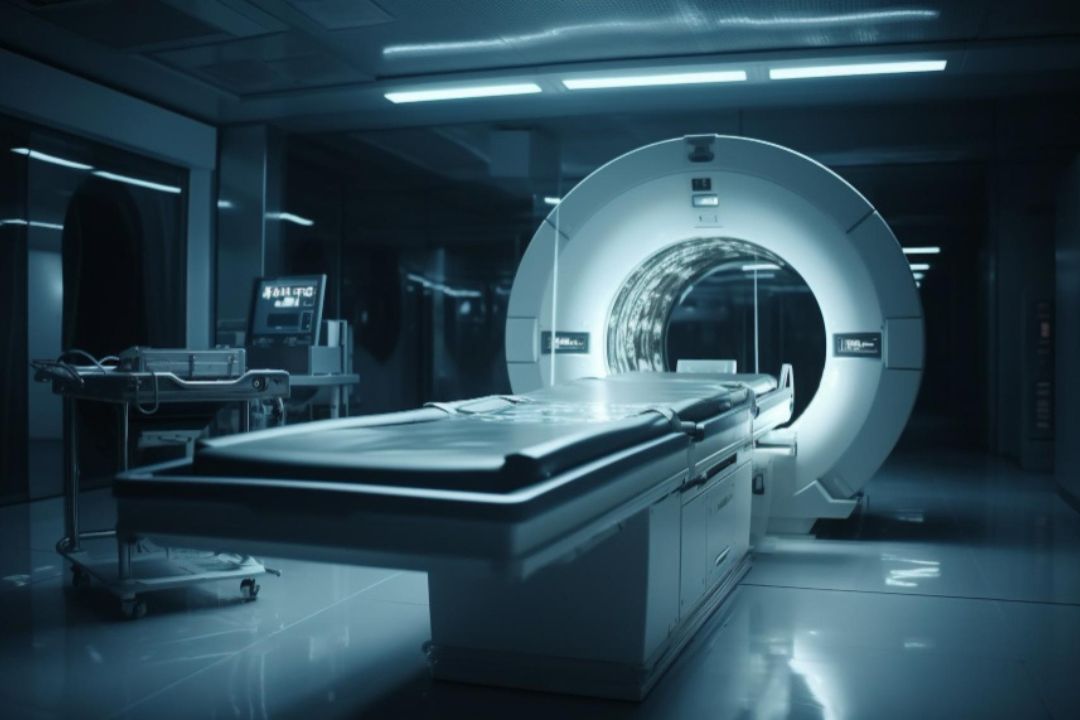
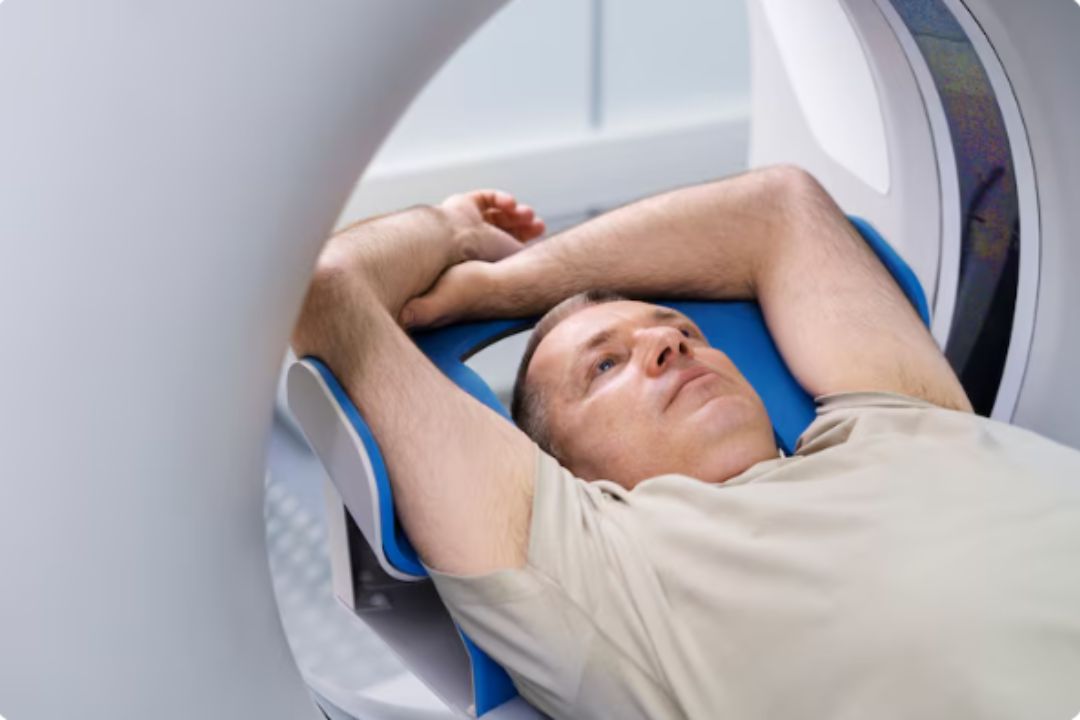
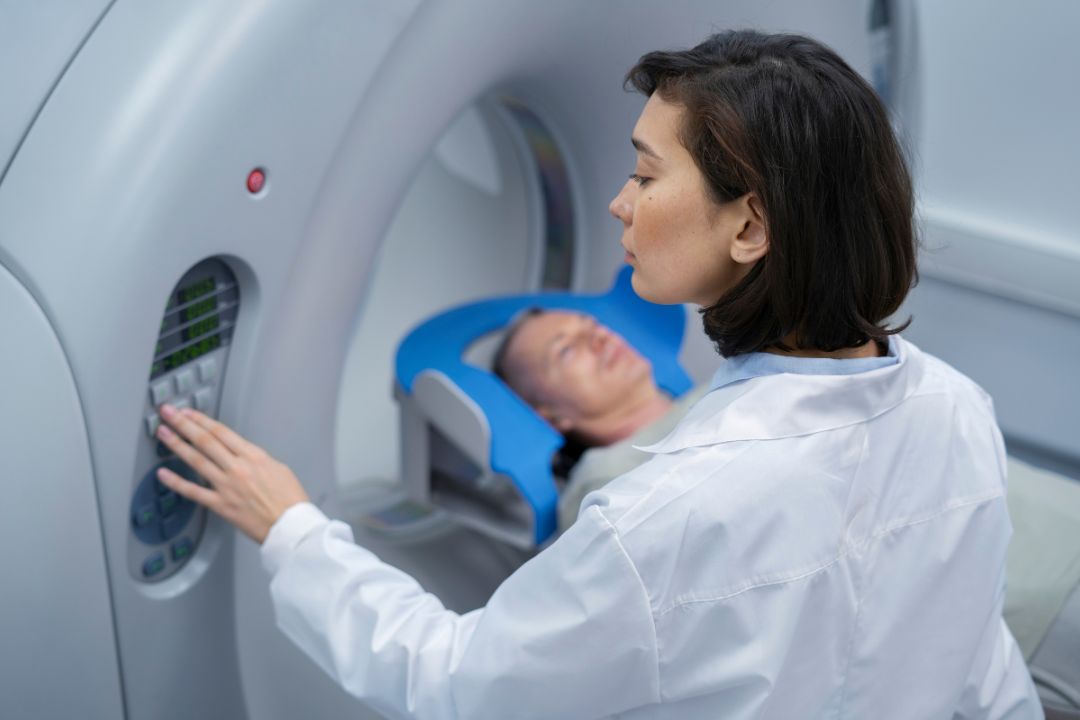
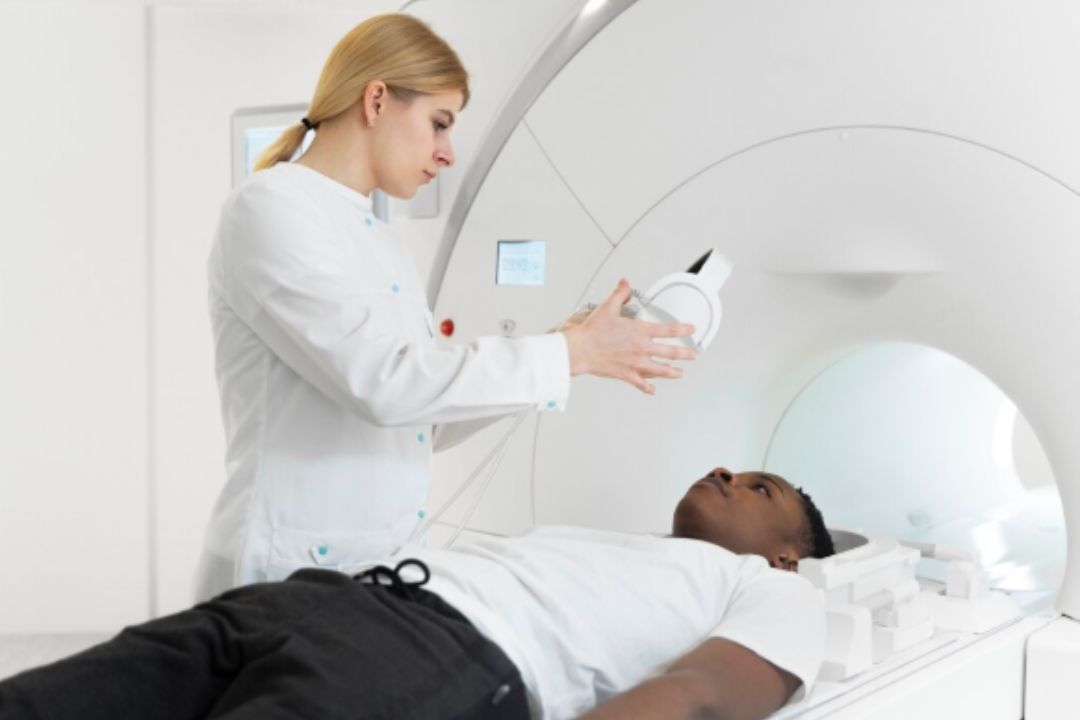
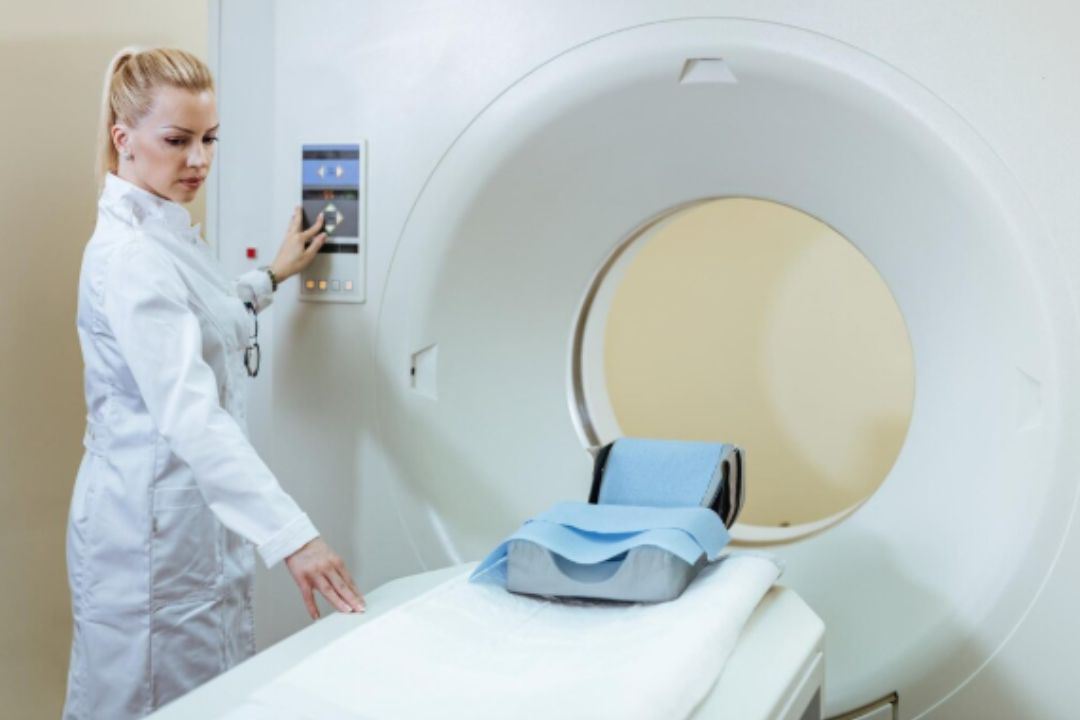
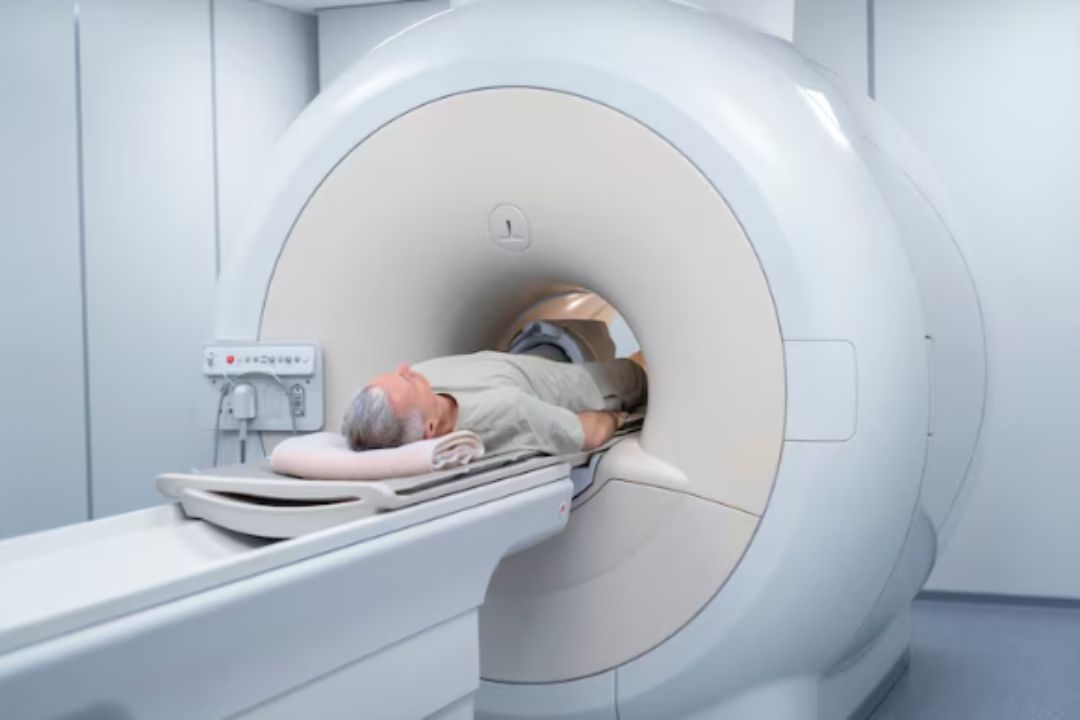
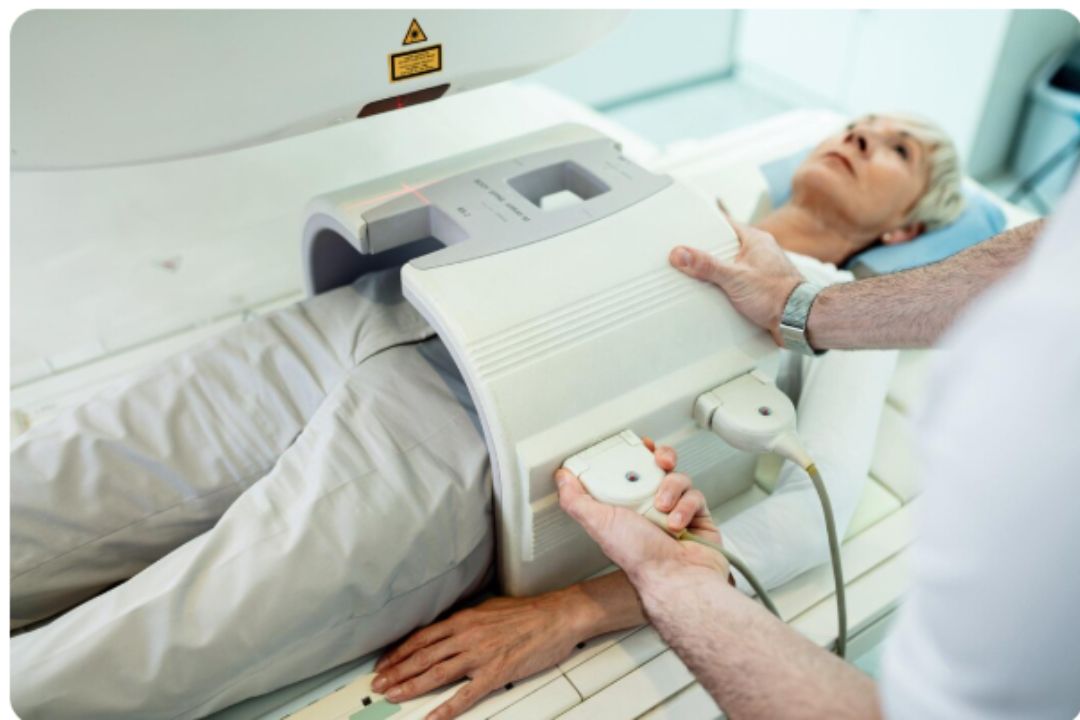
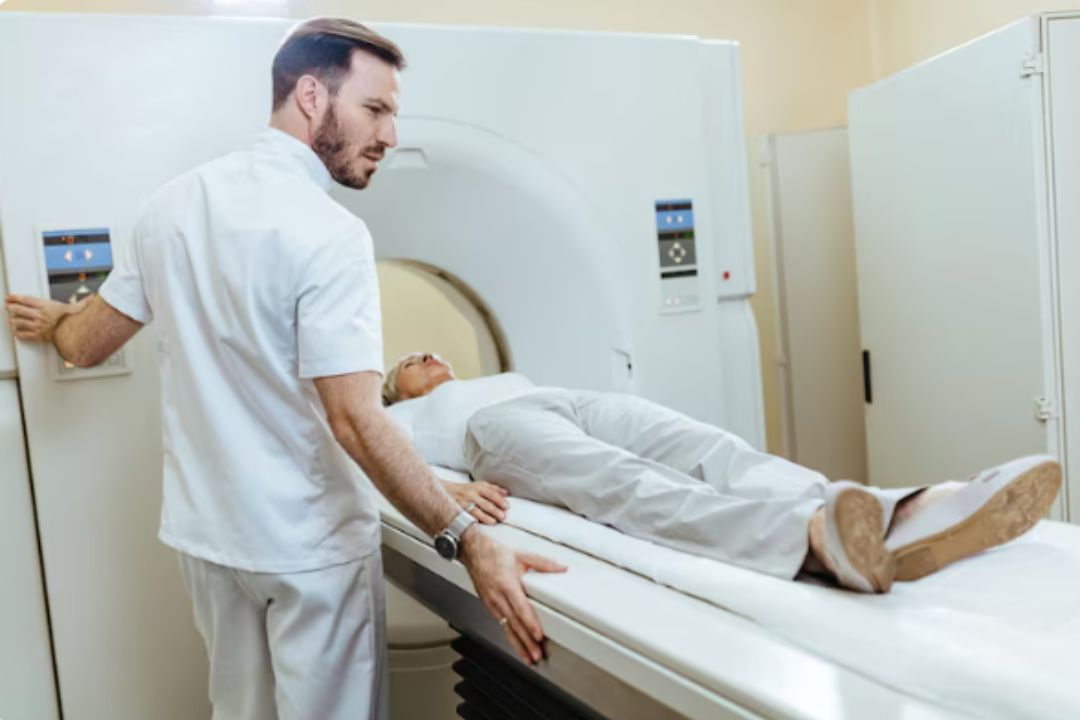
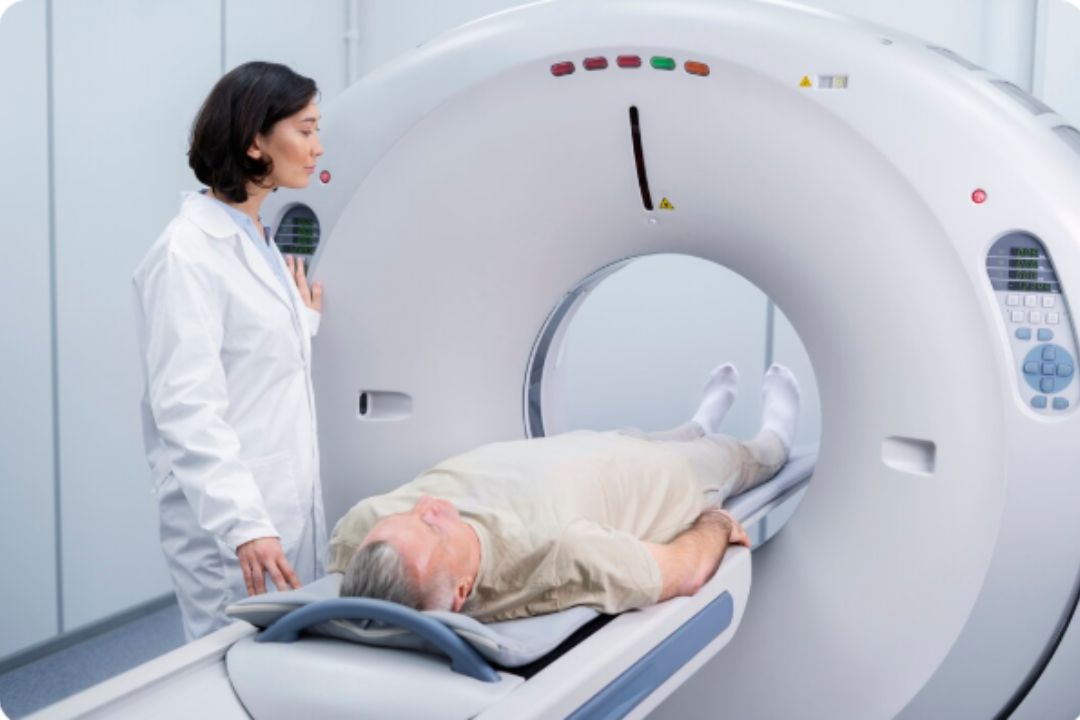
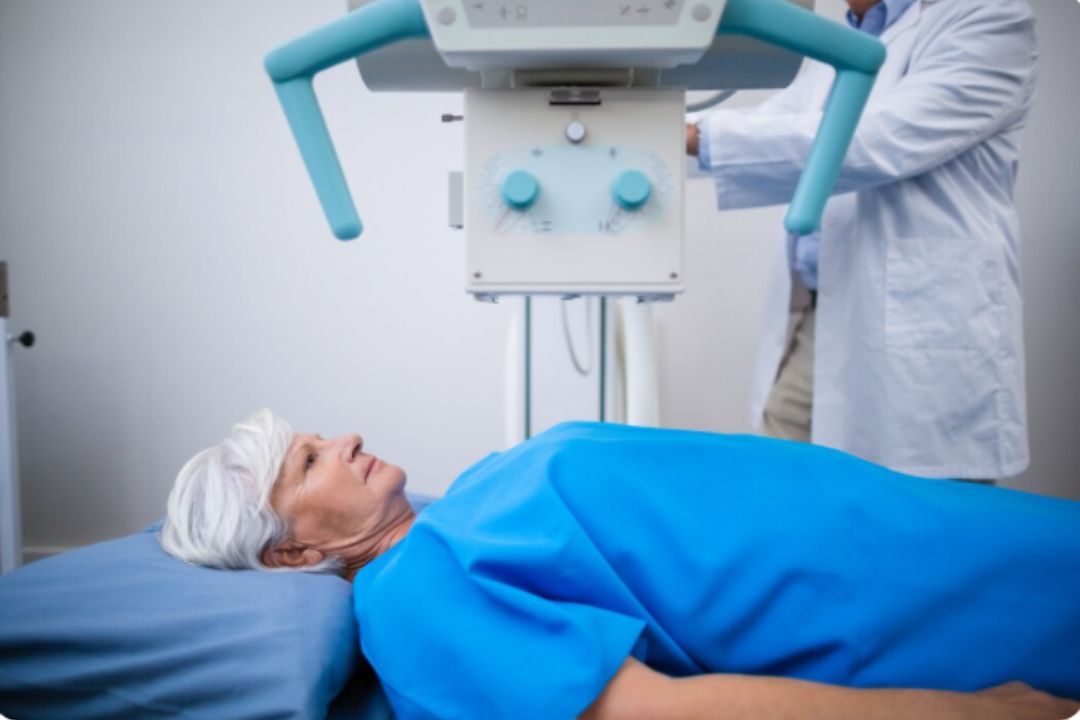
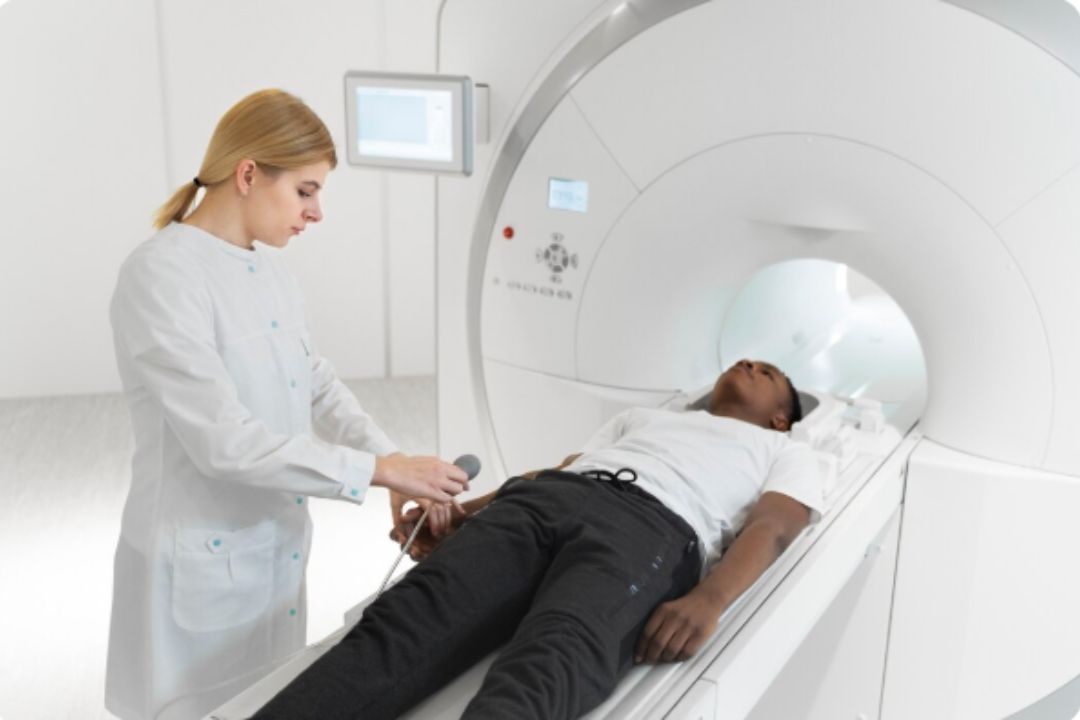
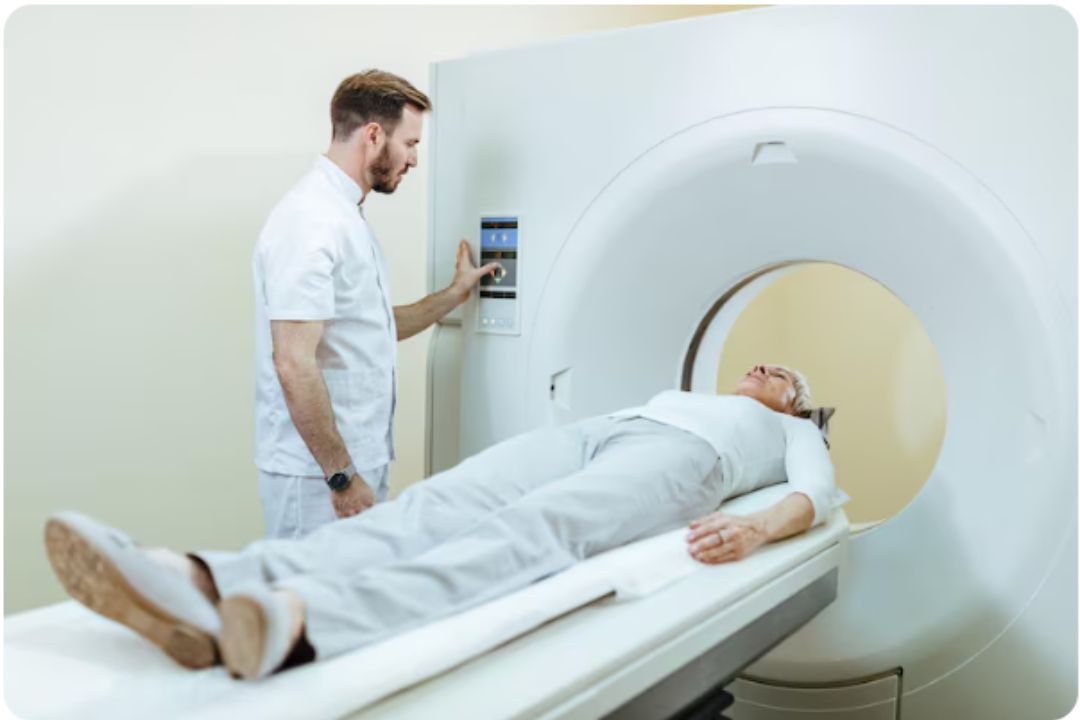
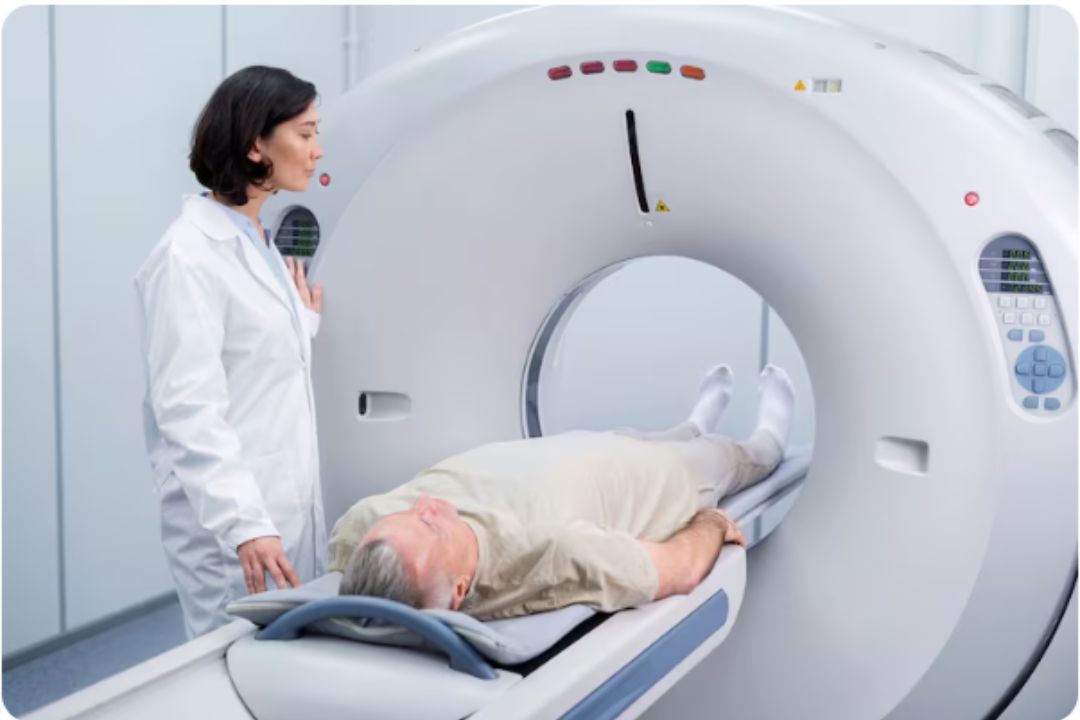
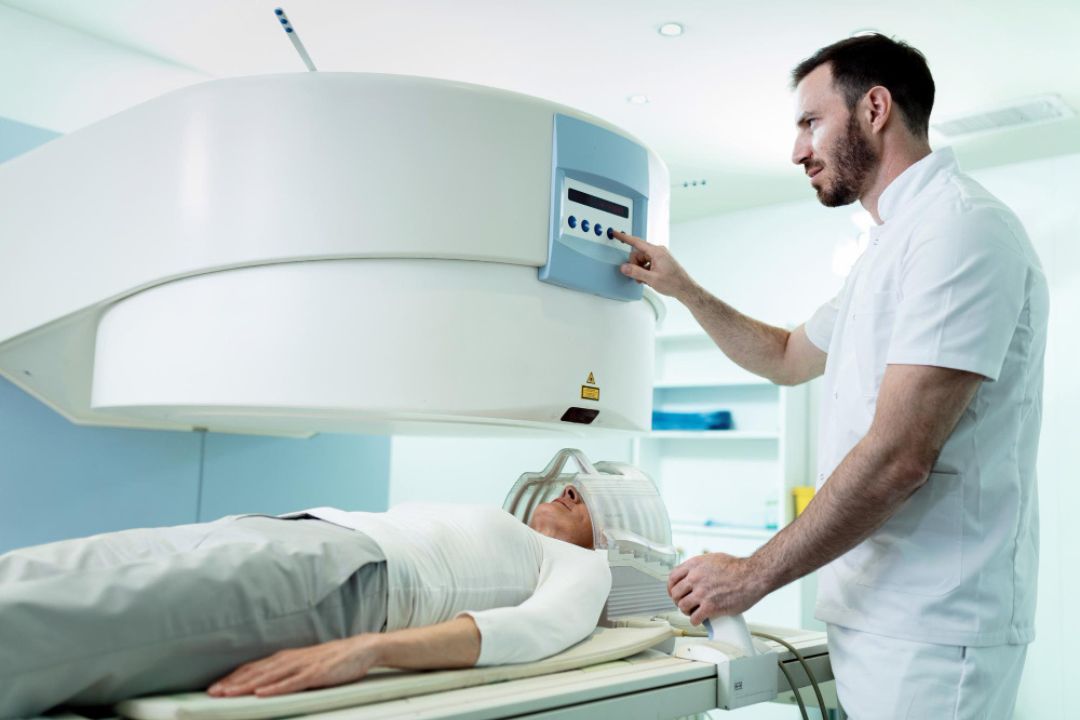
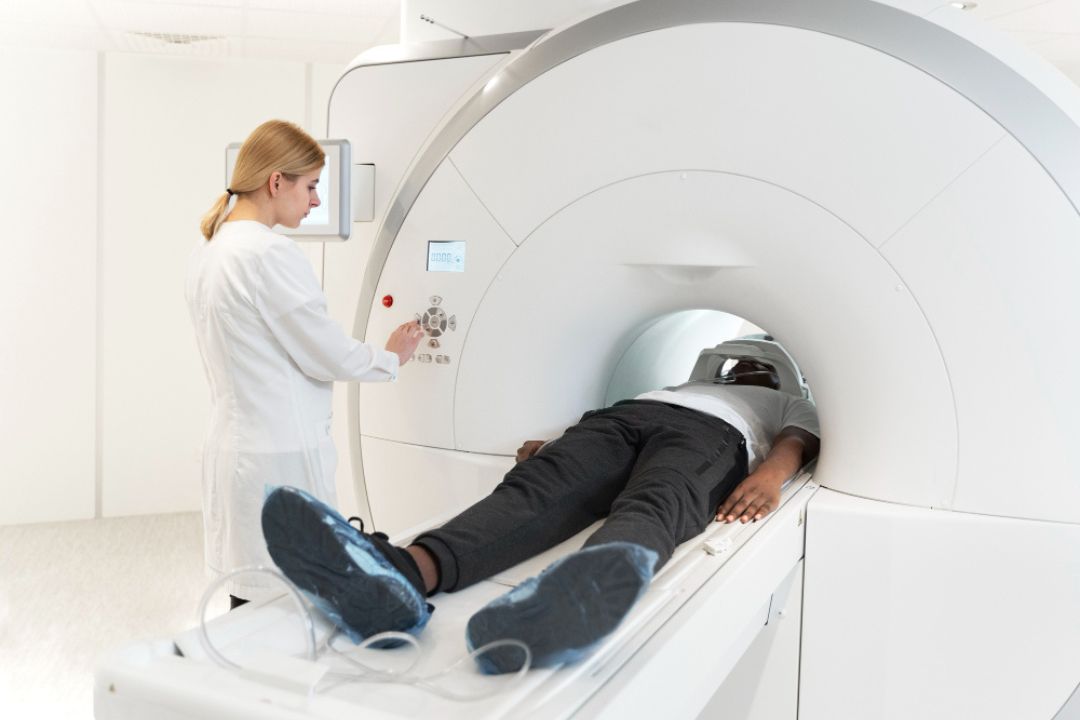
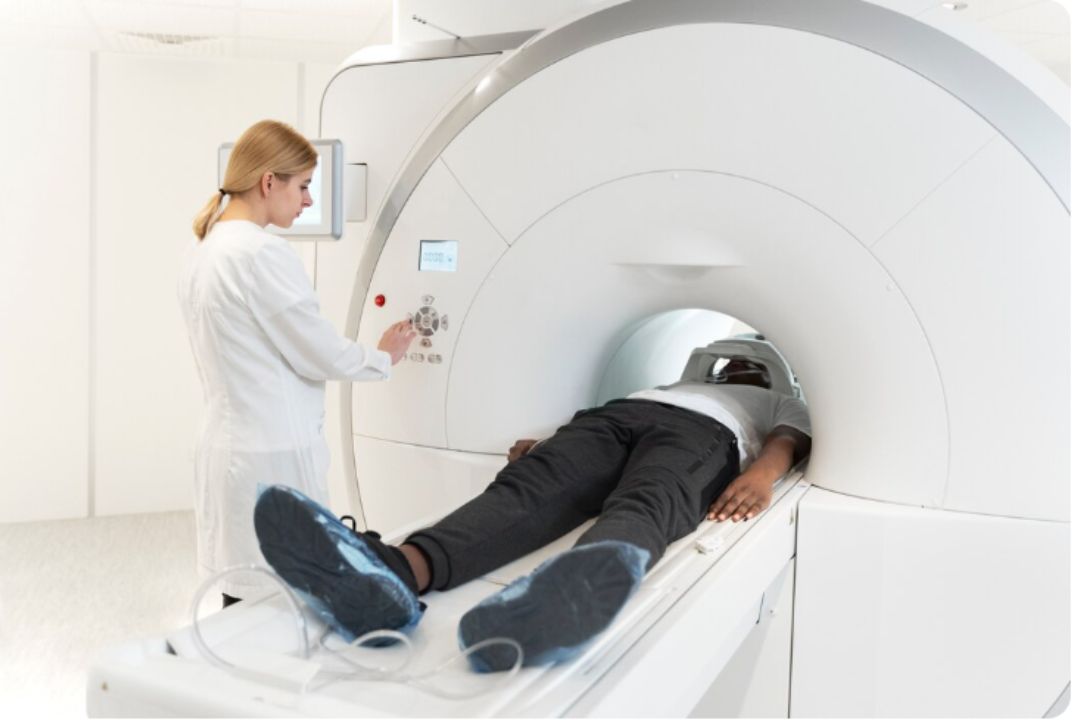
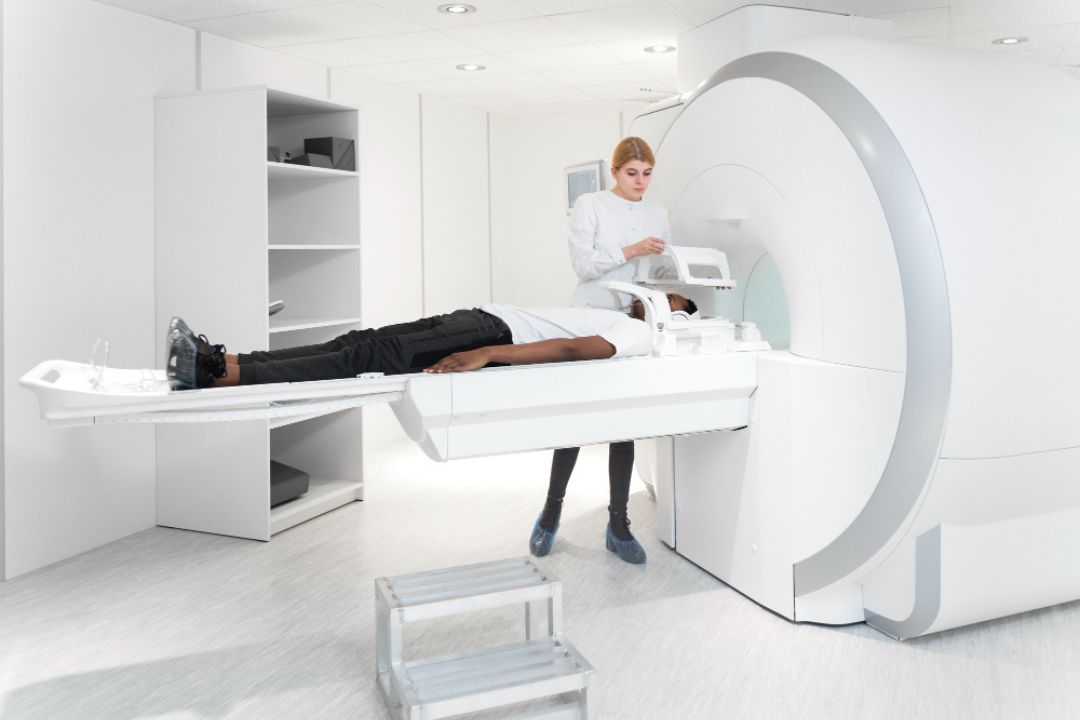
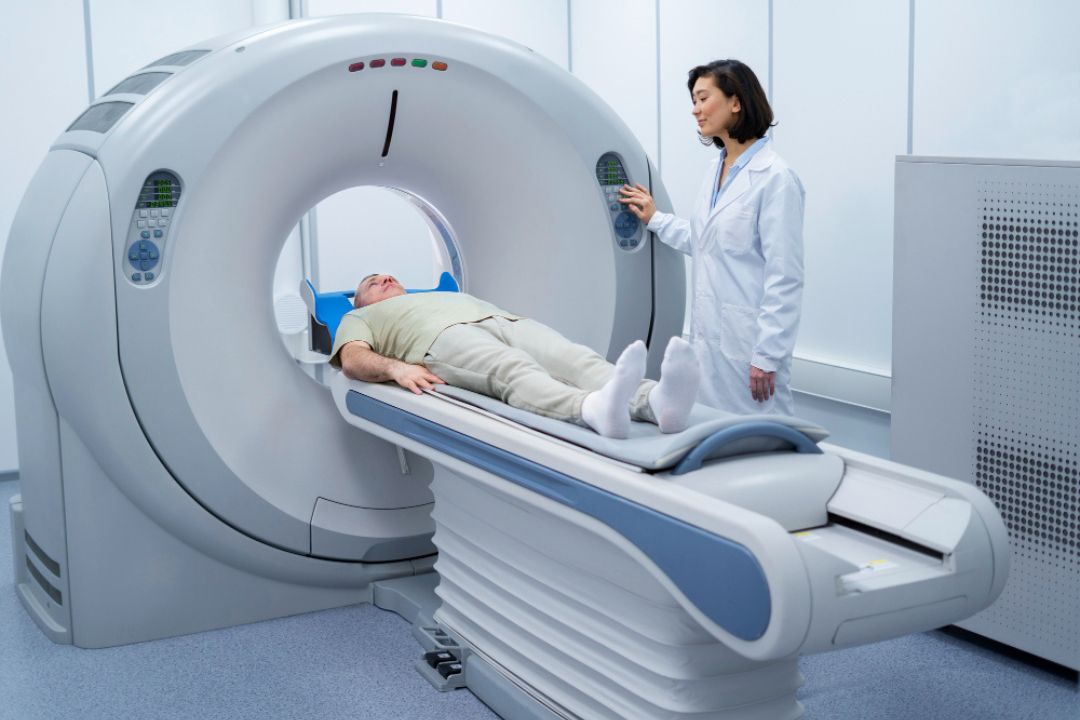
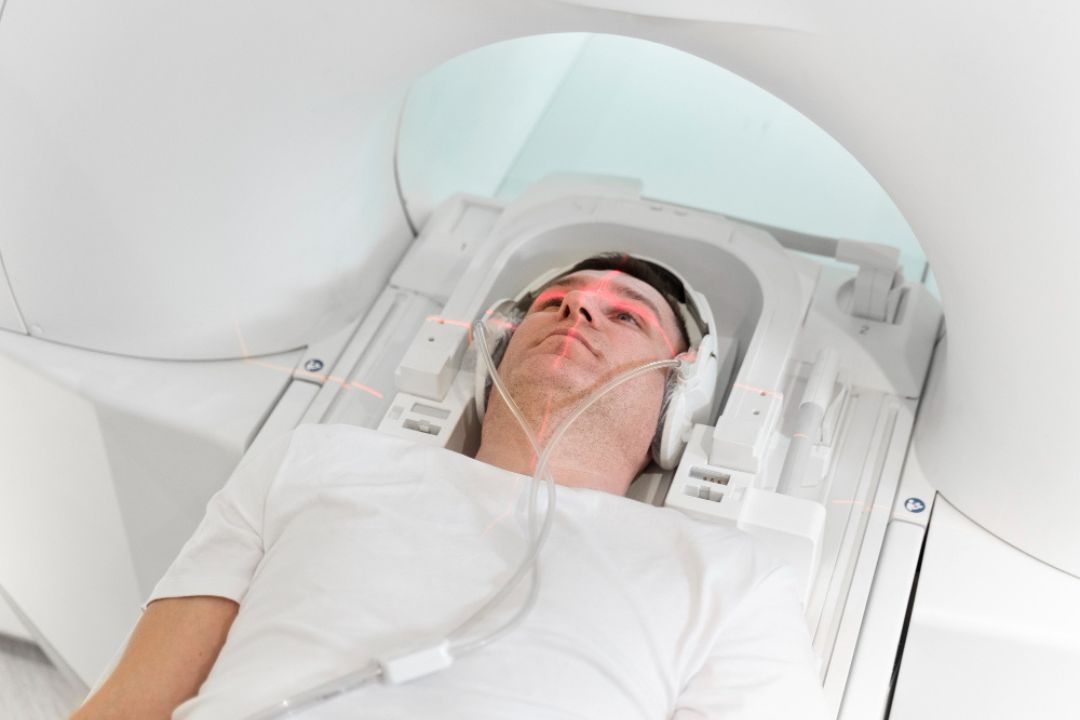
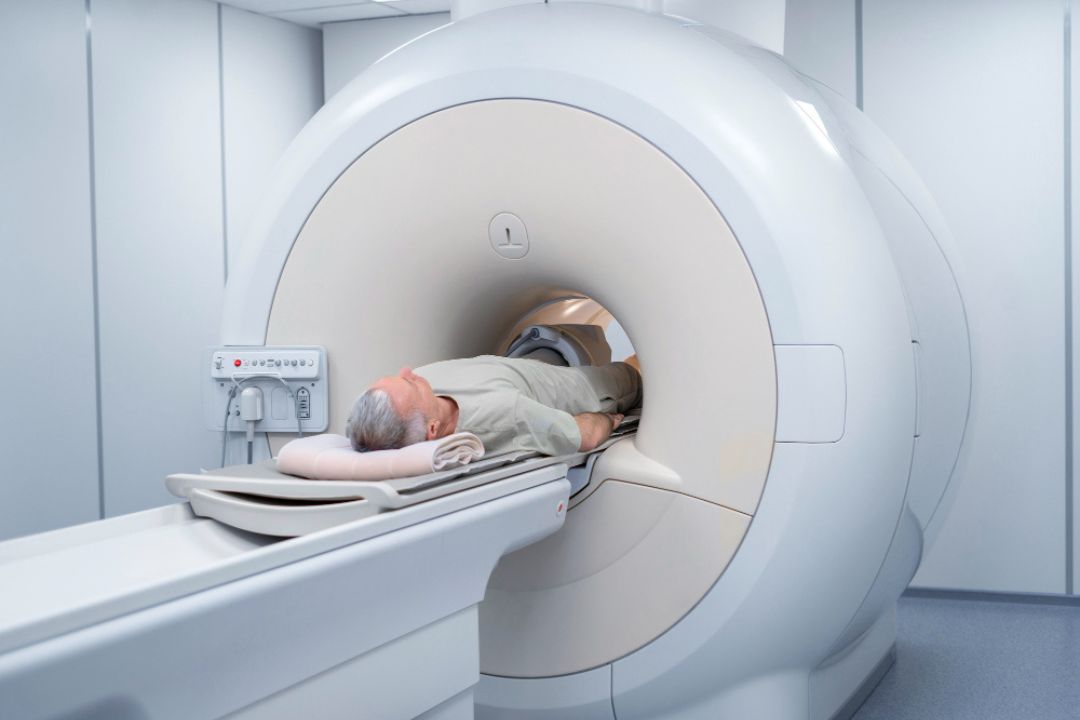
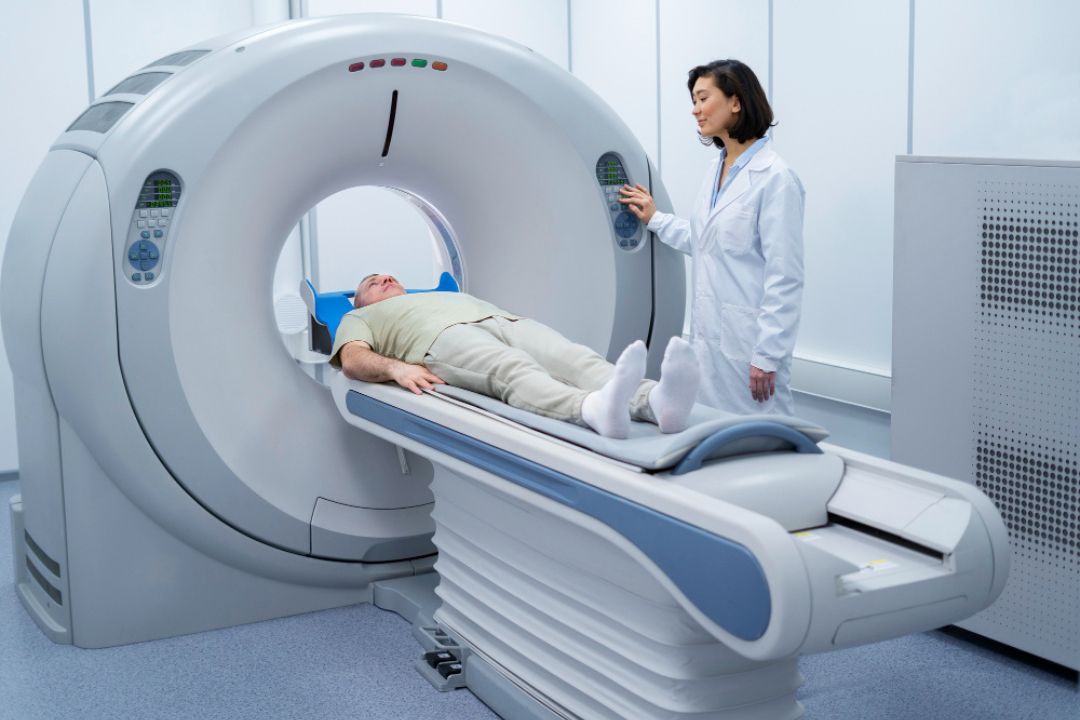
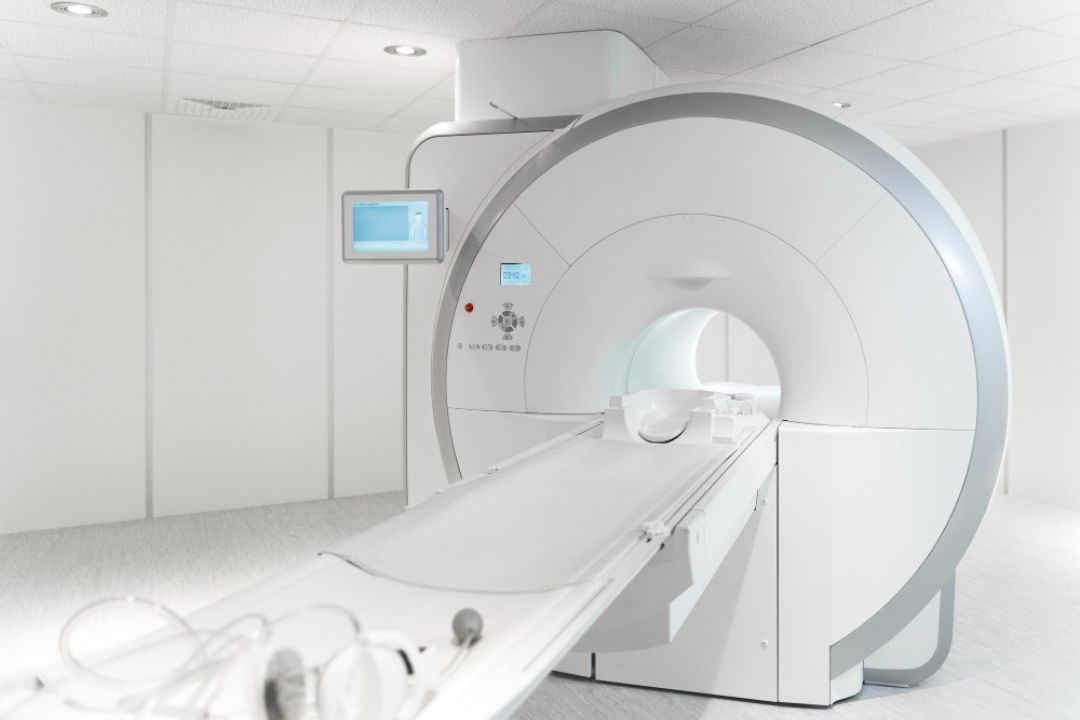
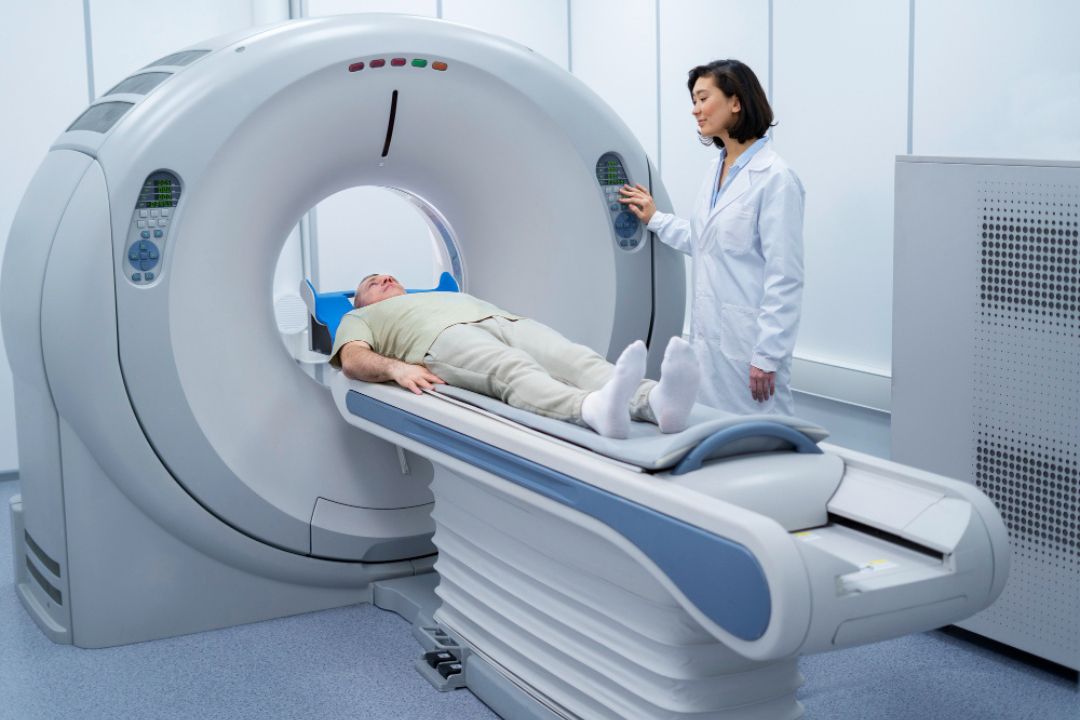
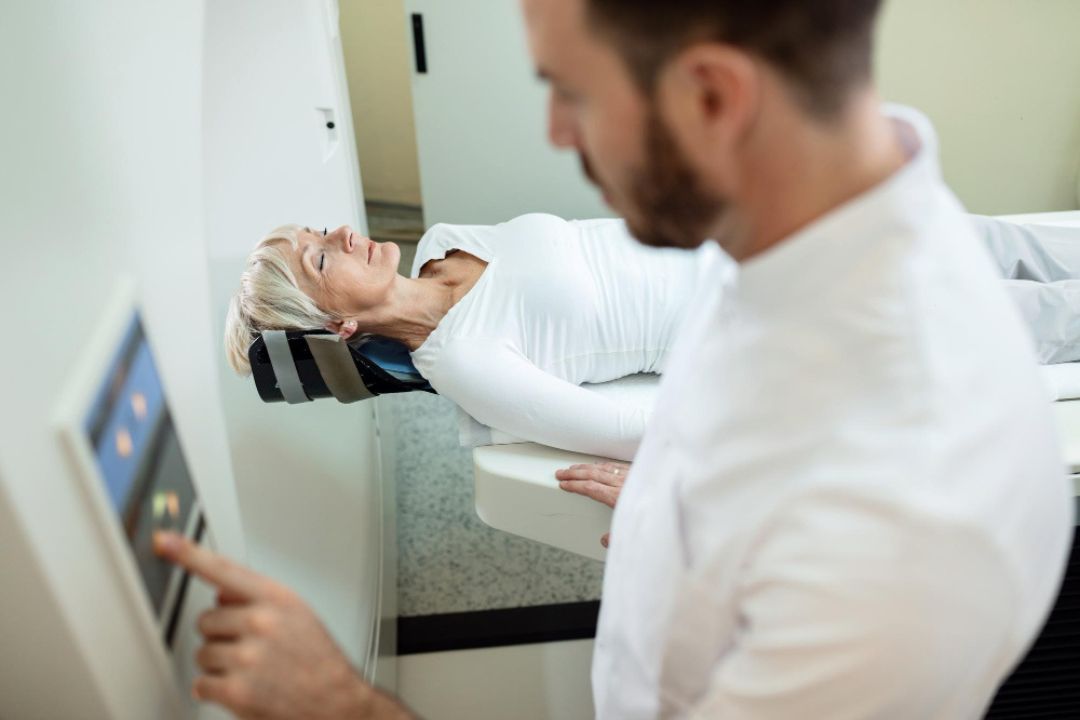
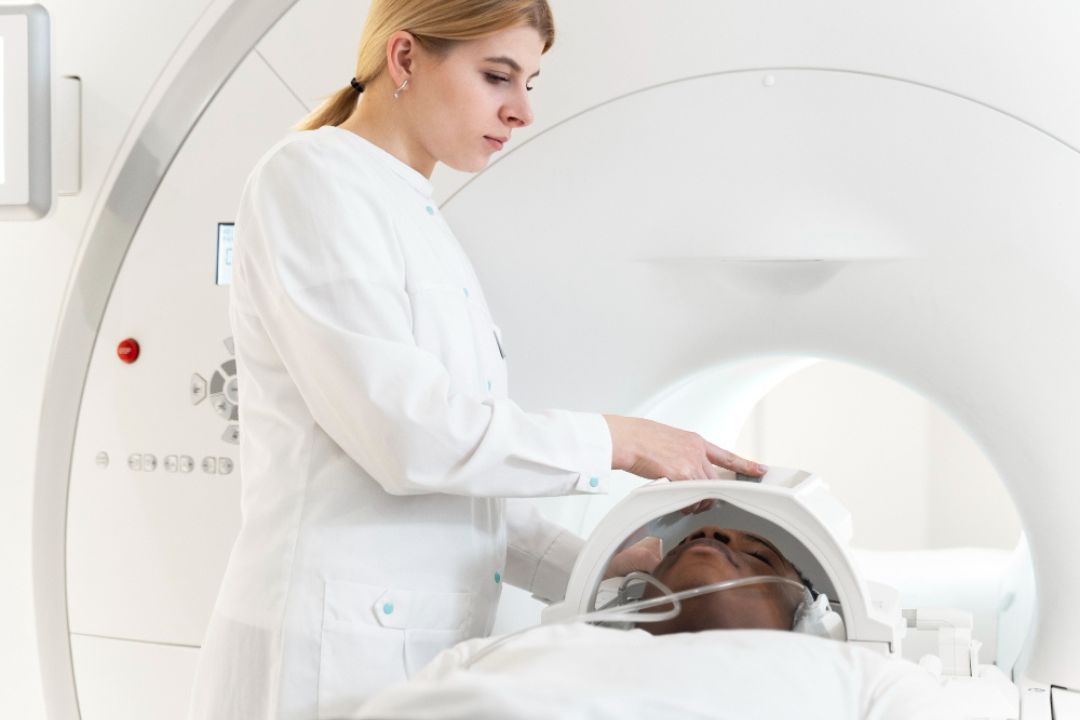
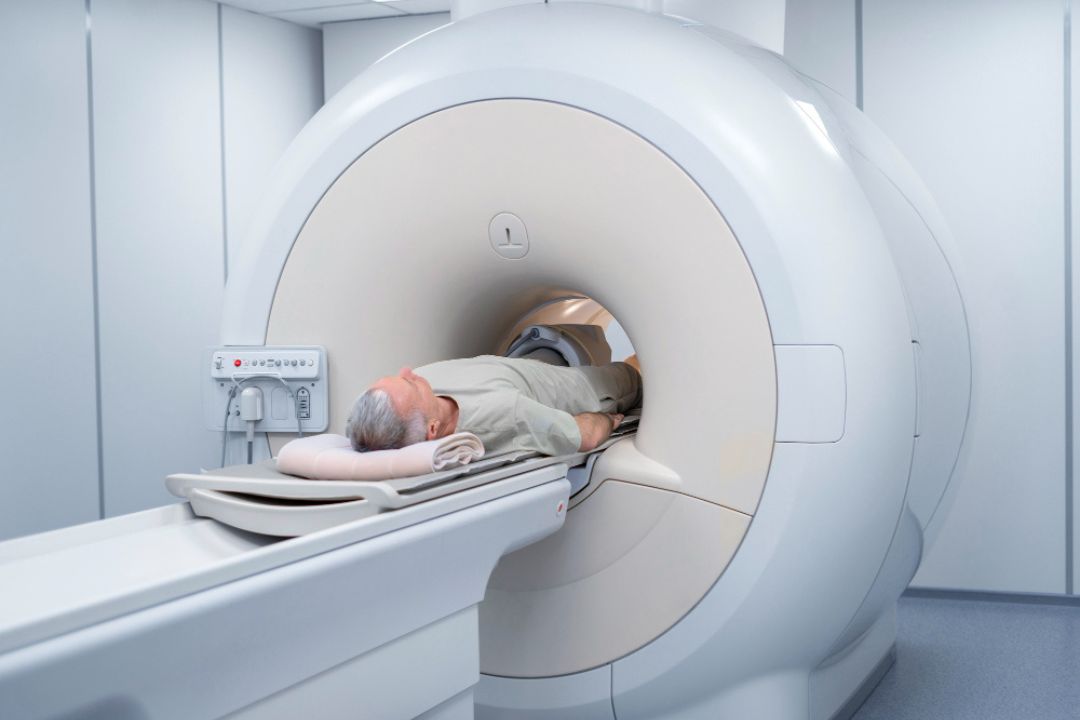
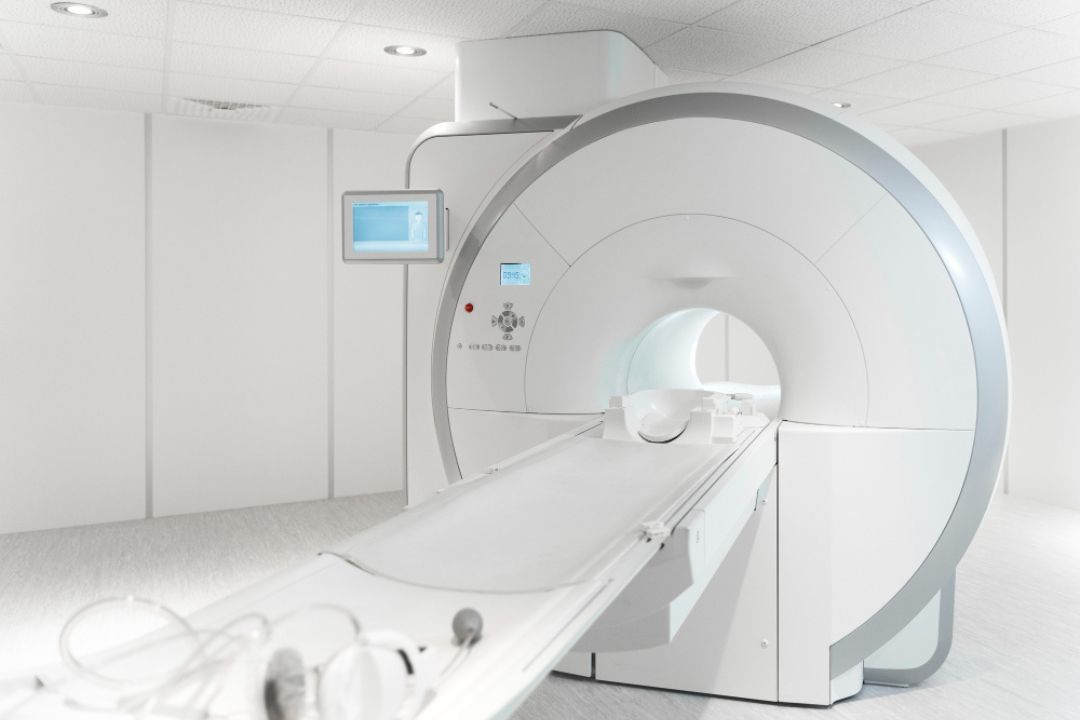
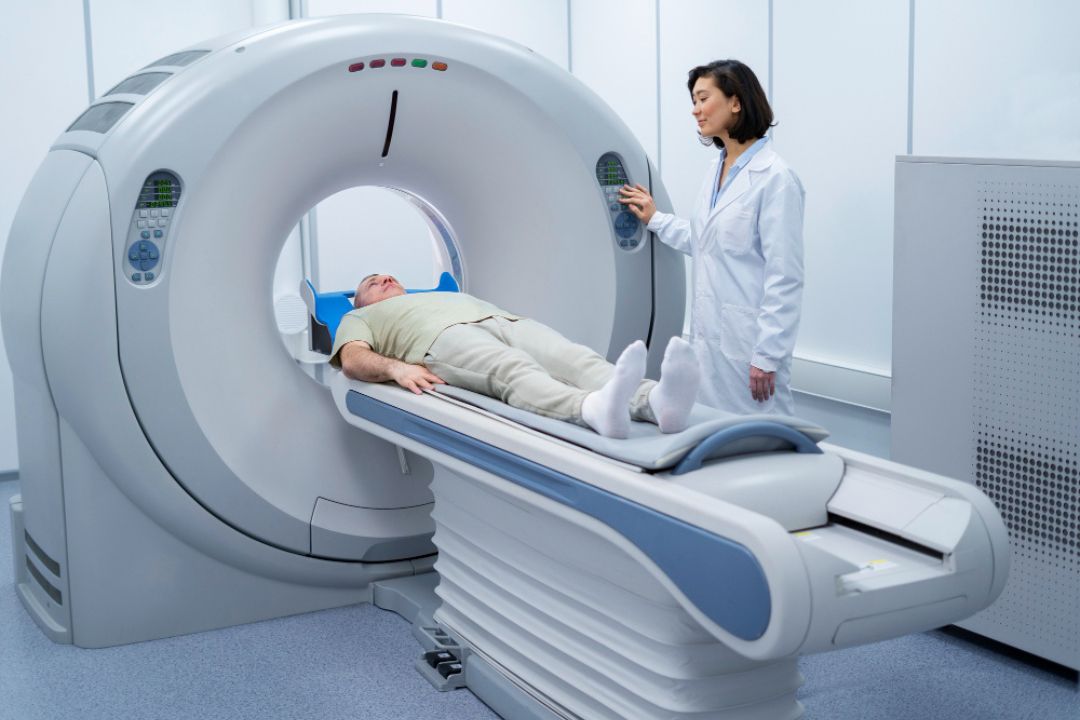
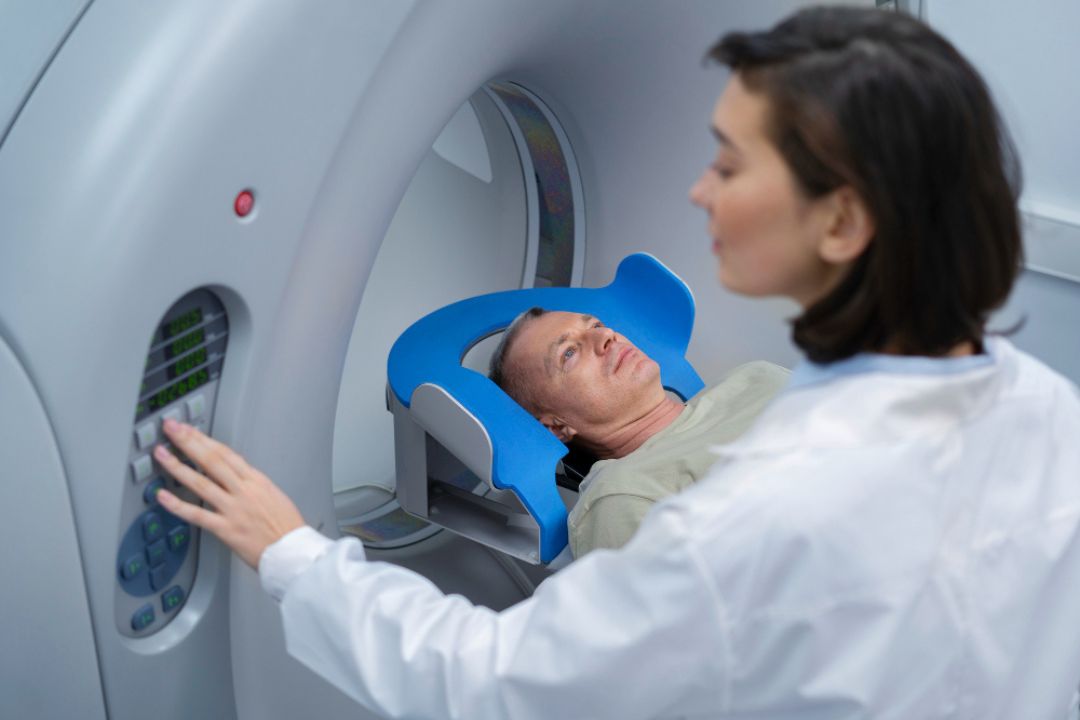
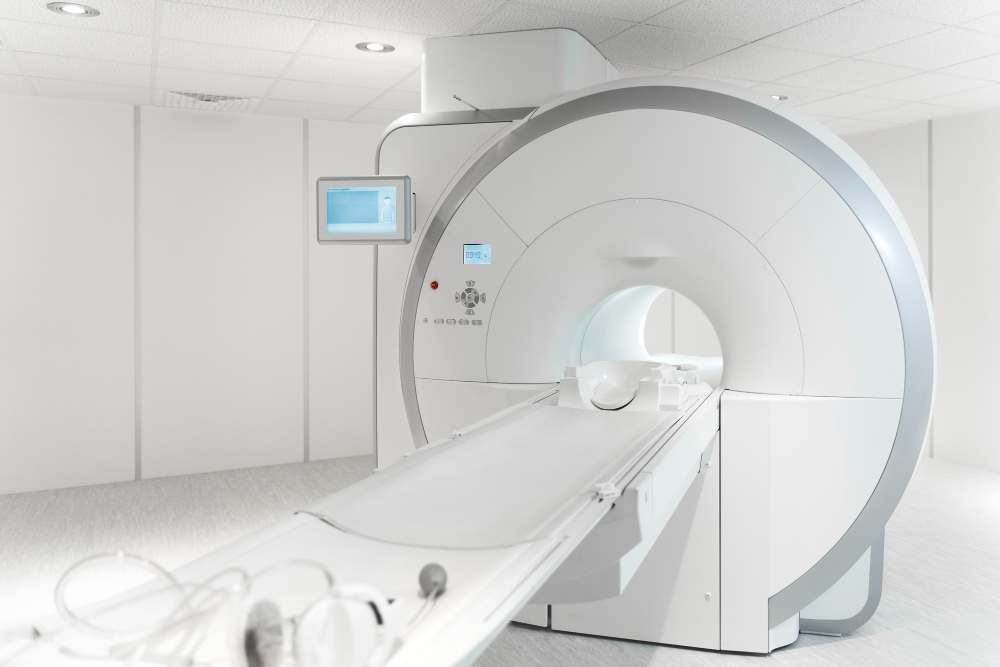
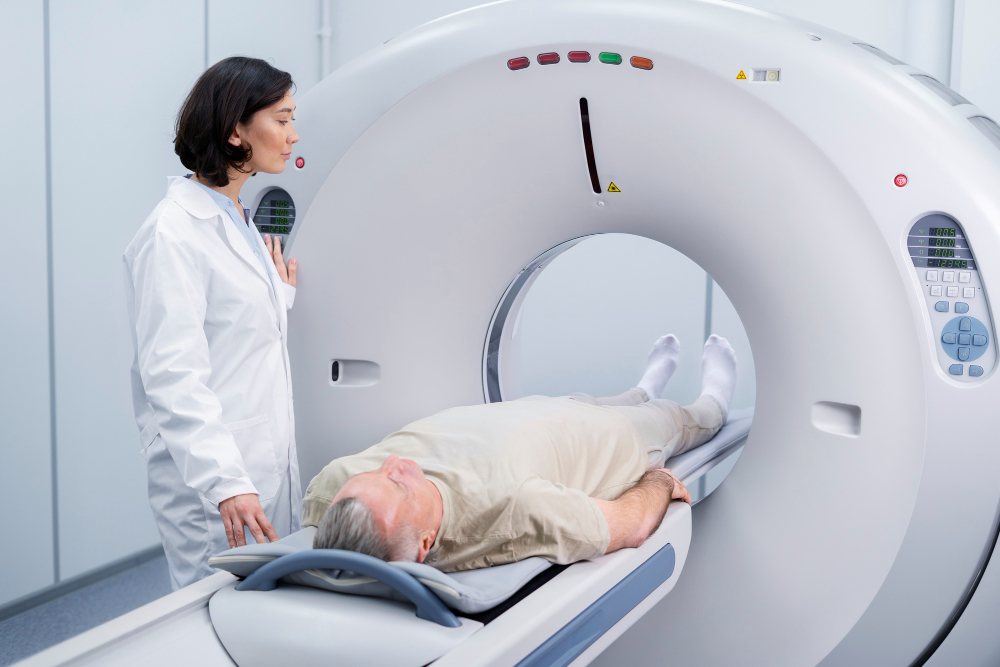
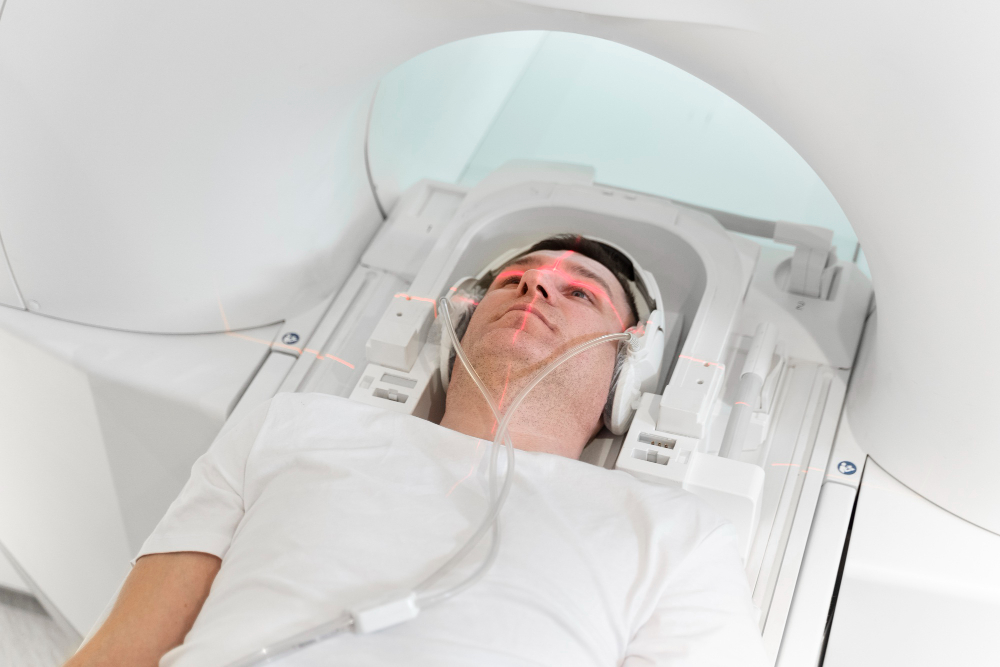
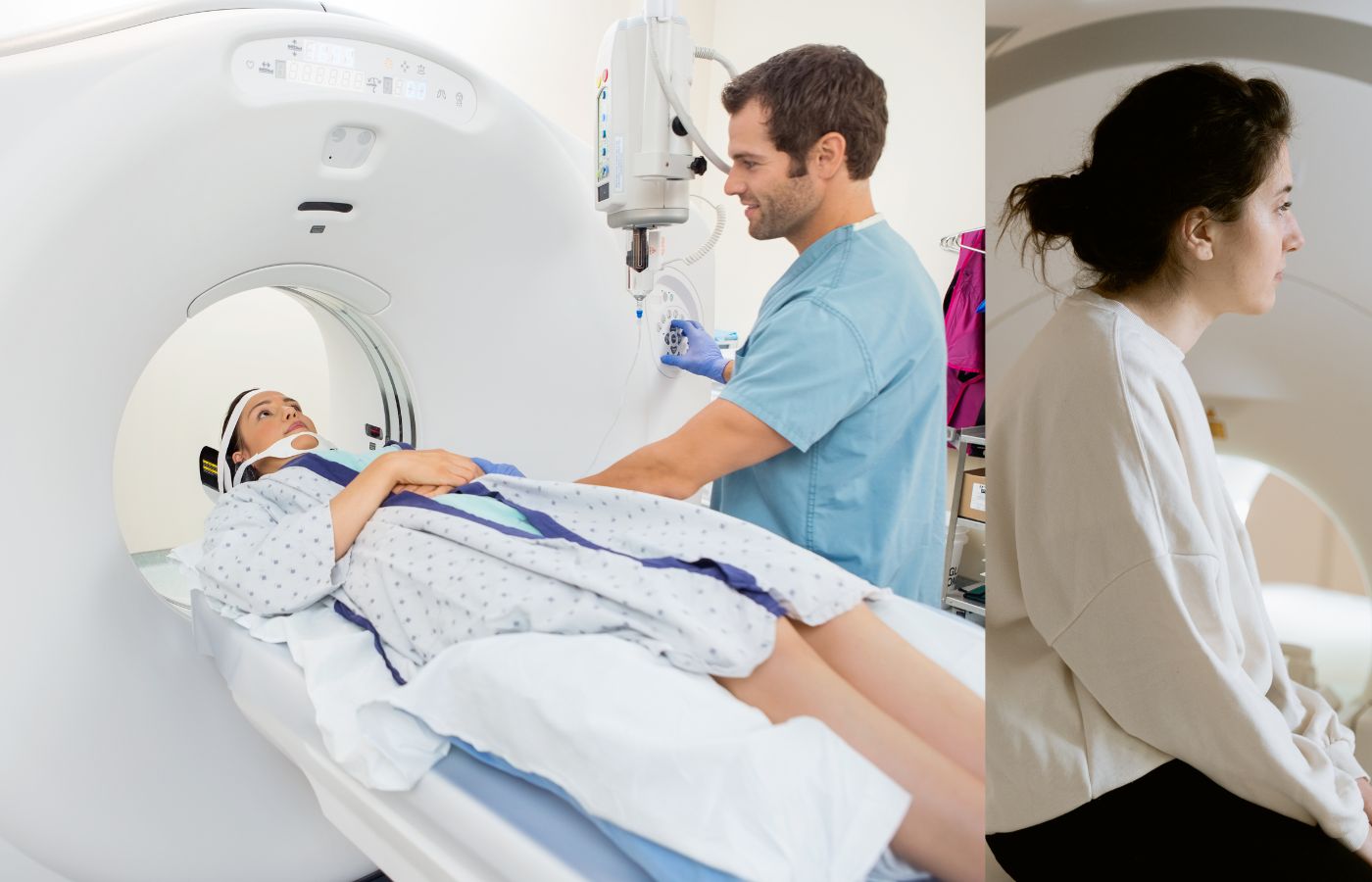
During the scan, the patient lies on a motorized table that slowly moves through a large circular scanner. The scanner rotates around the body and captures multiple images.
Sometimes a contrast dye is used to improve image clarity. The dye may be injected through a vein or given orally depending on the area being examined. Contrast helps highlight blood vessels and certain organs more clearly.
Patients may be asked to hold their breath briefly while images are taken to ensure accurate results.
The scanning process is painless and quick.
Patients usually experience the following steps:
Registration and preparation before the scan
Removal of metal objects such as jewelry
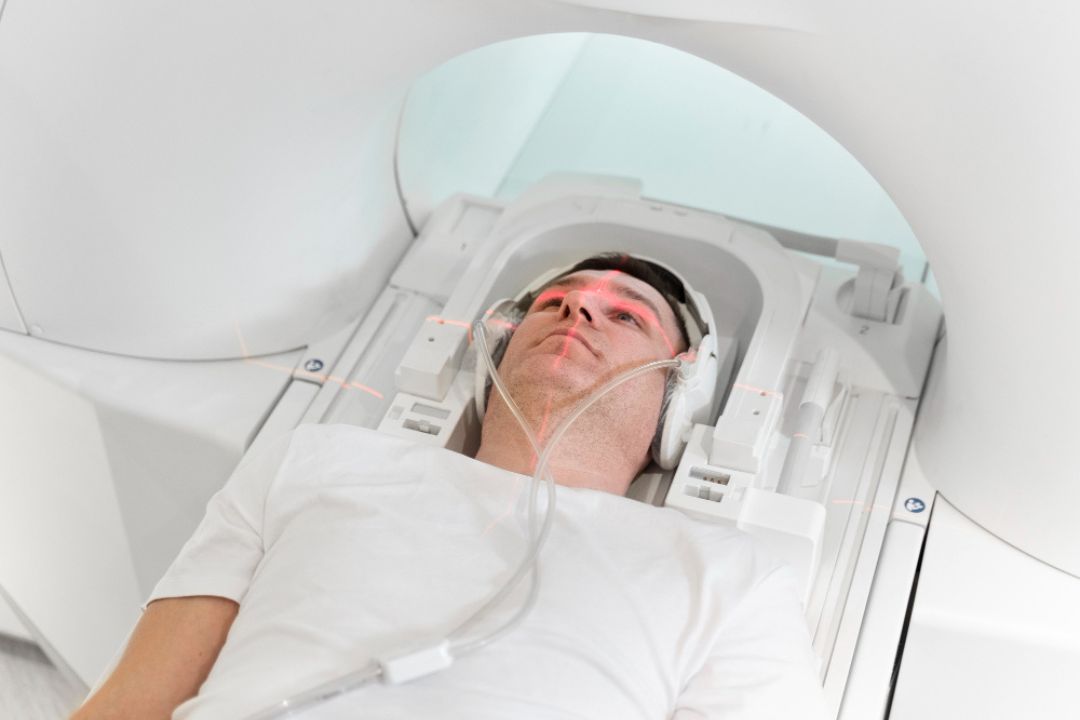
Positioning on the scanning table
Contrast dye injection if required
Image capture inside the scanner
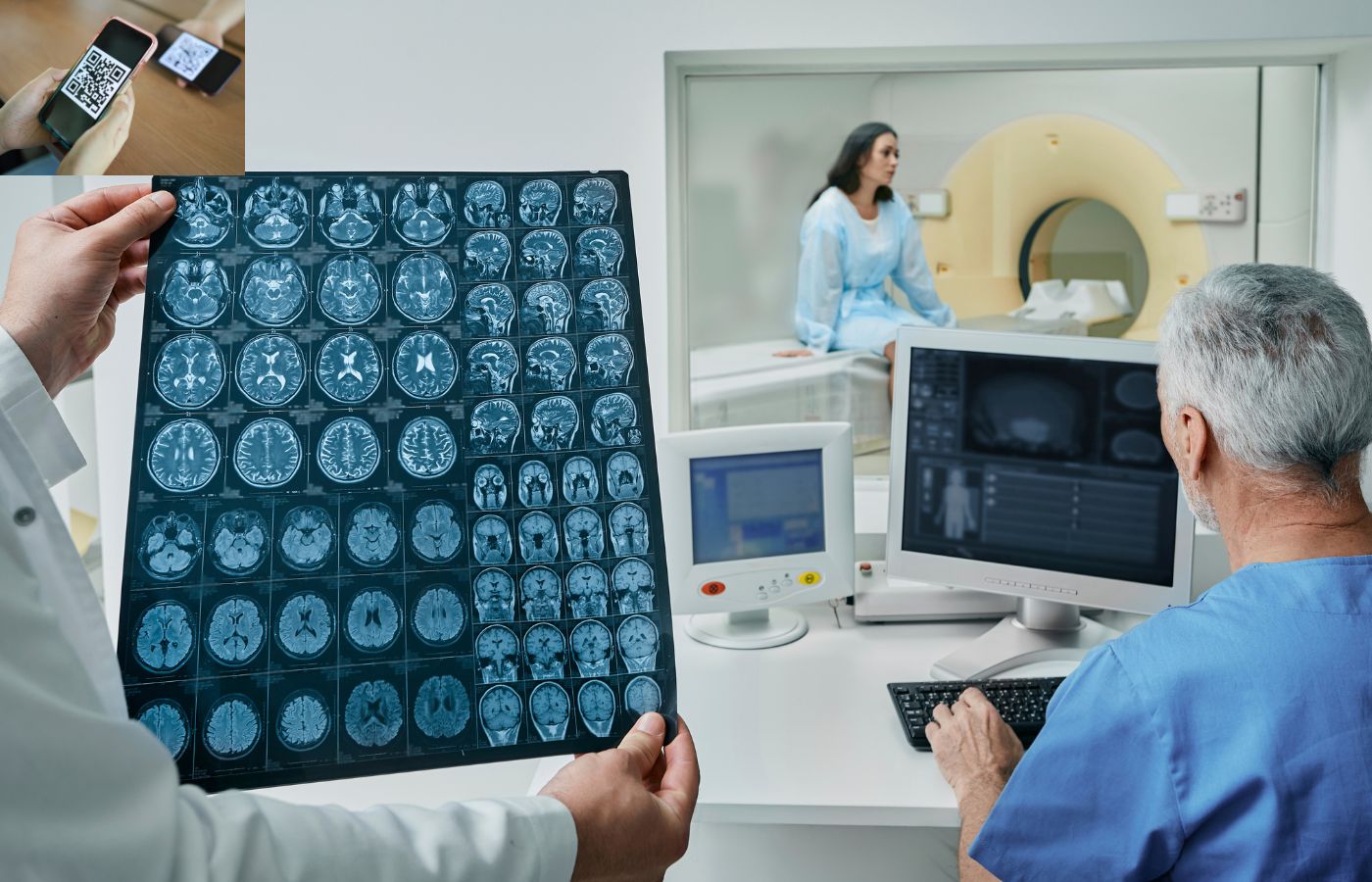
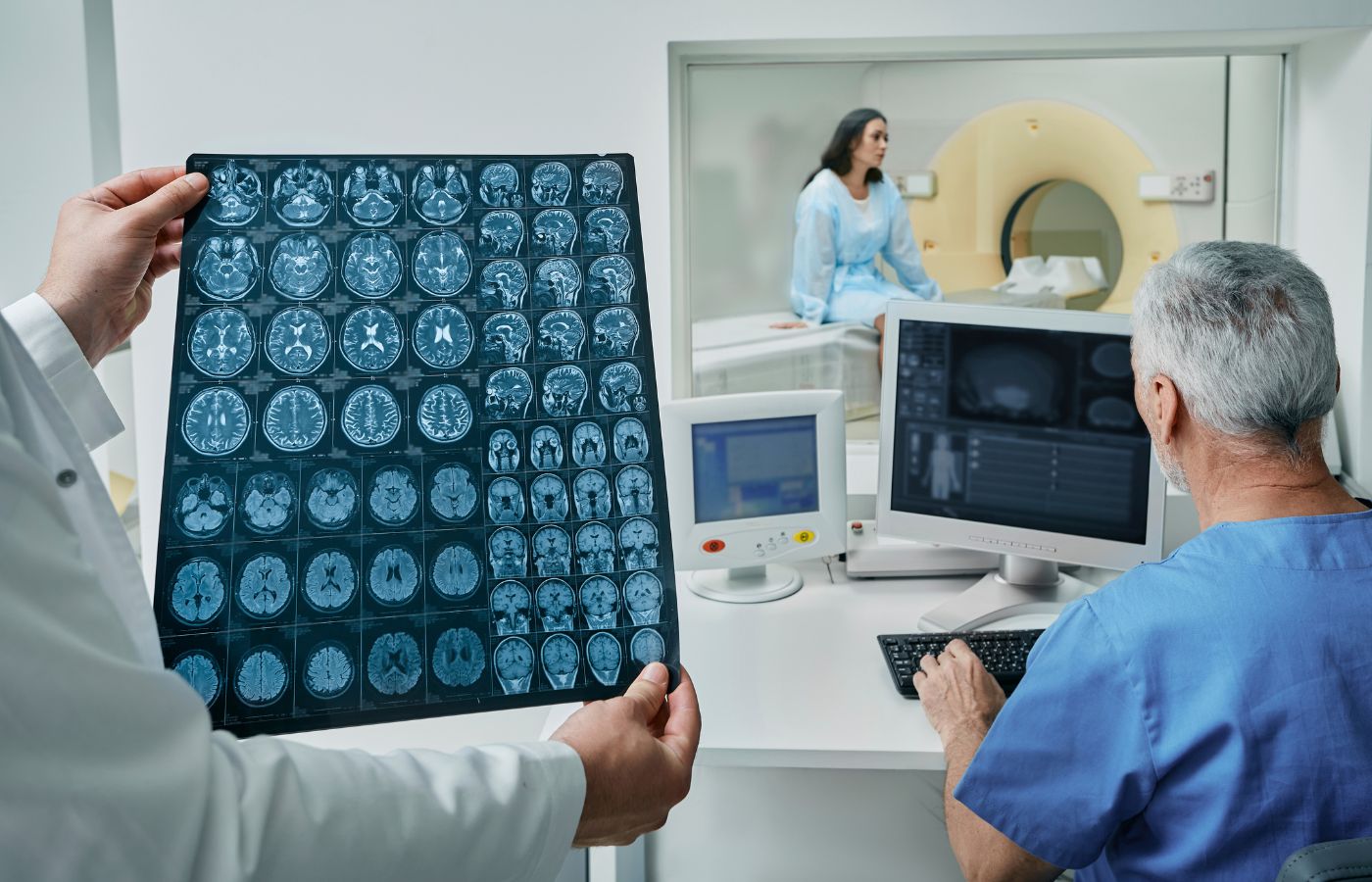
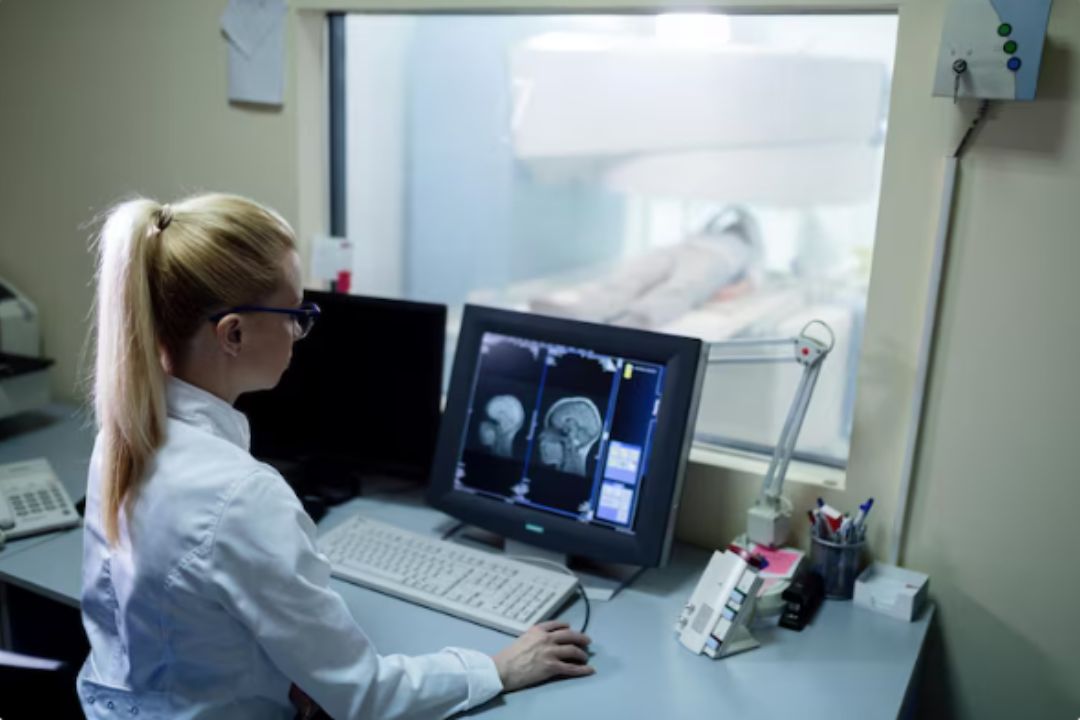
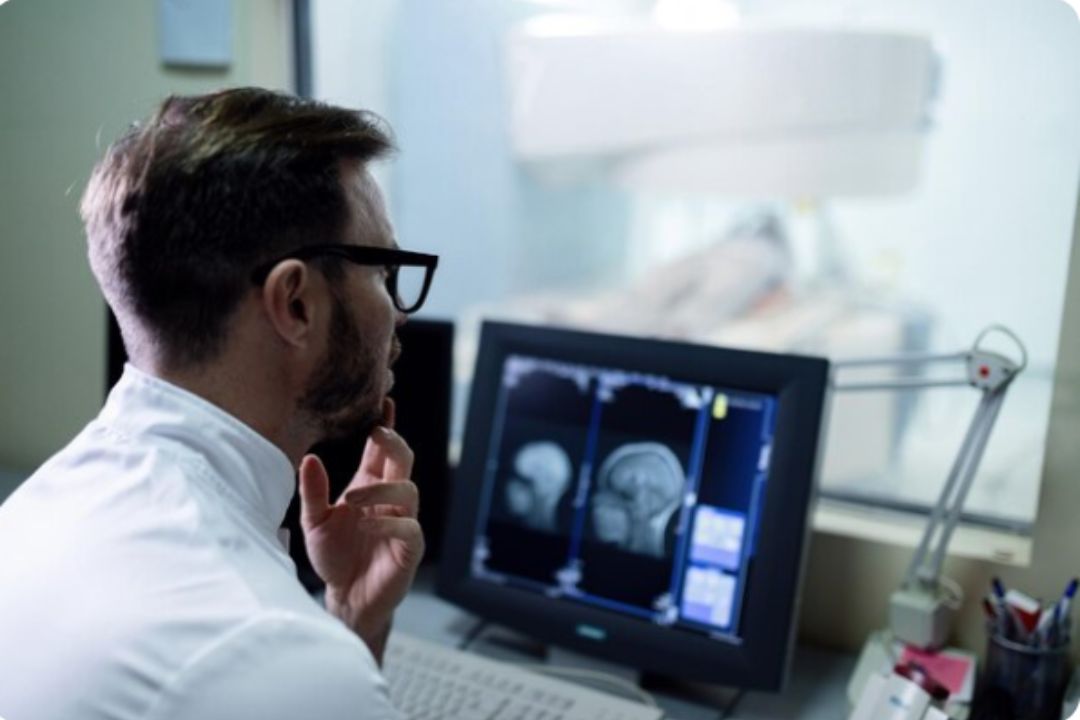
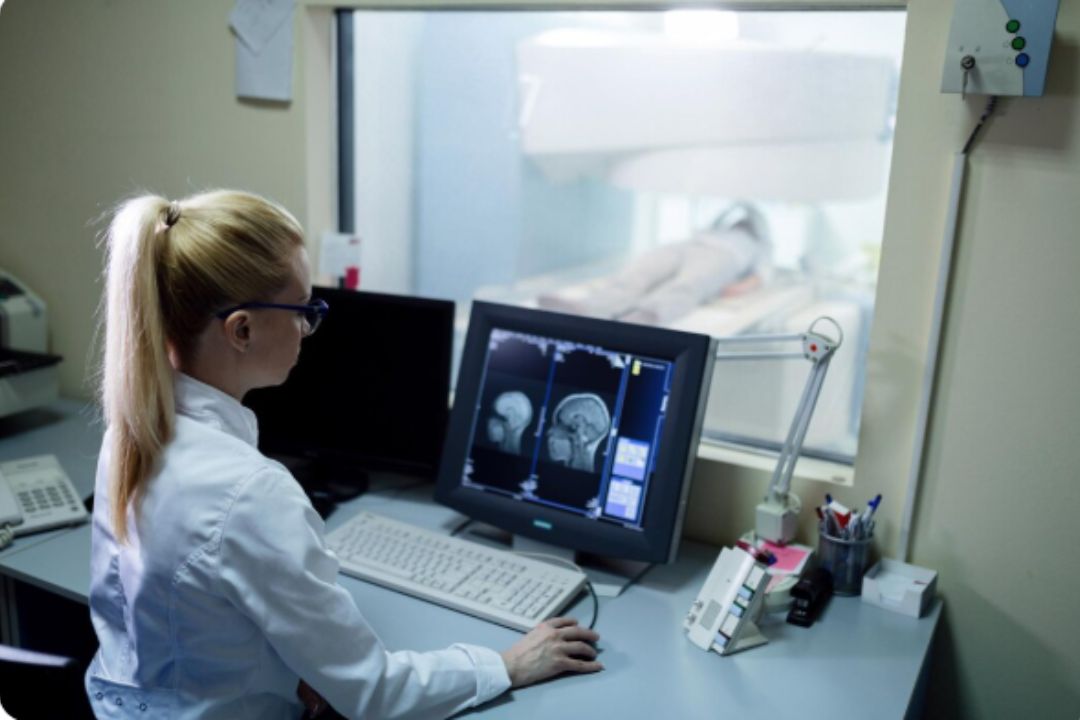
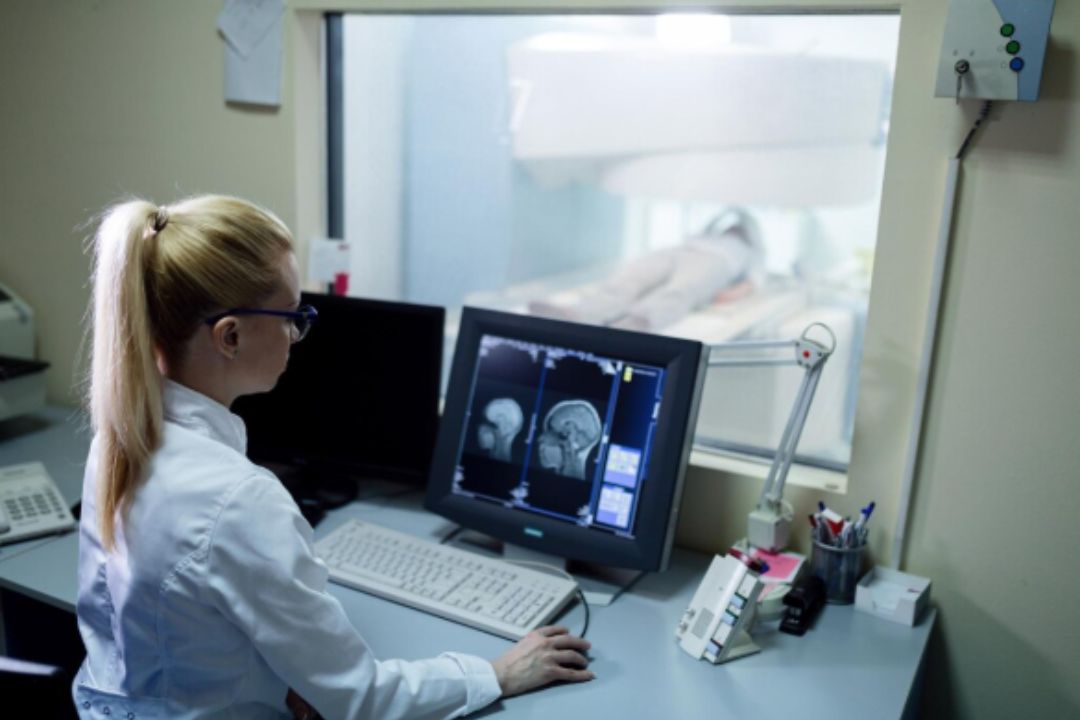
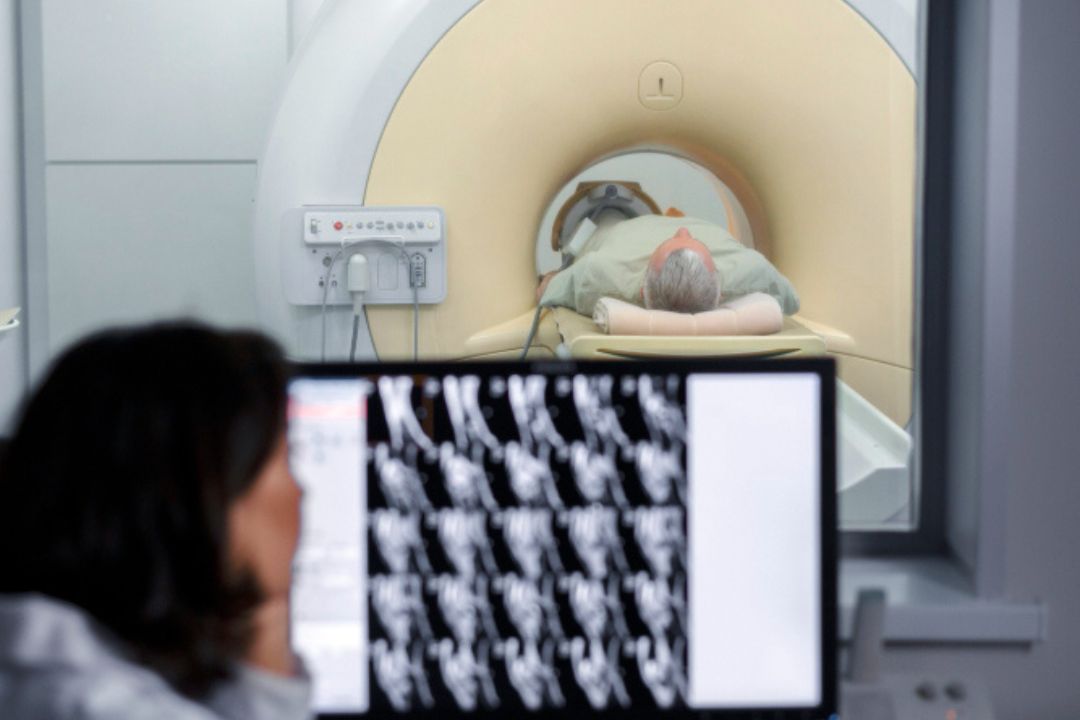
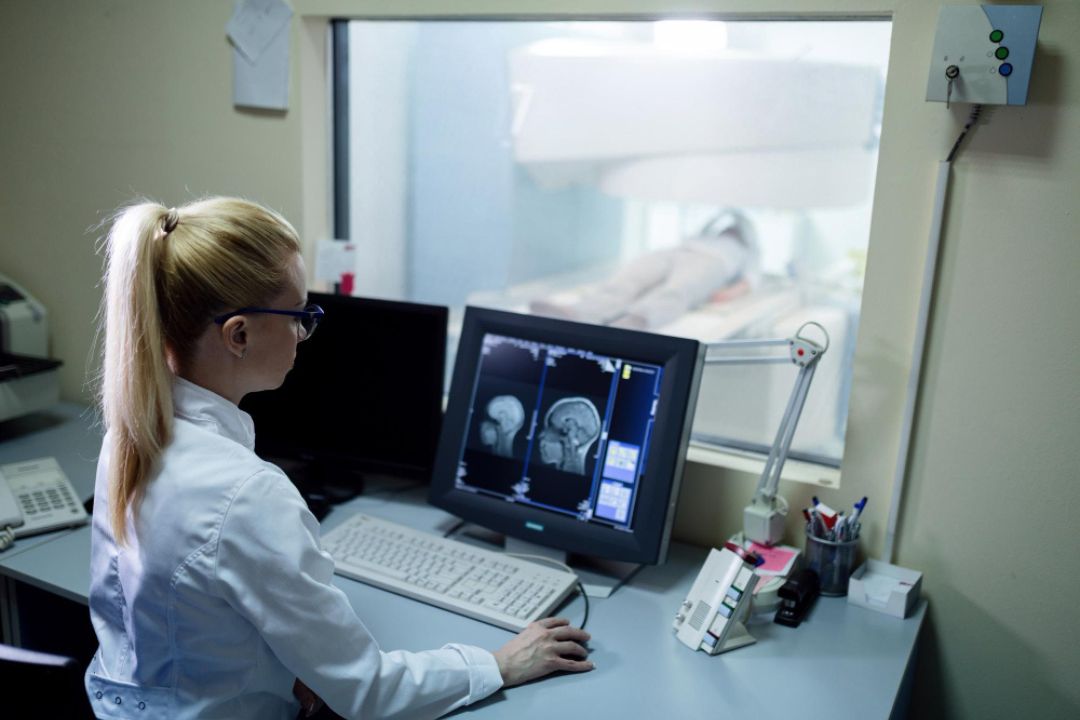
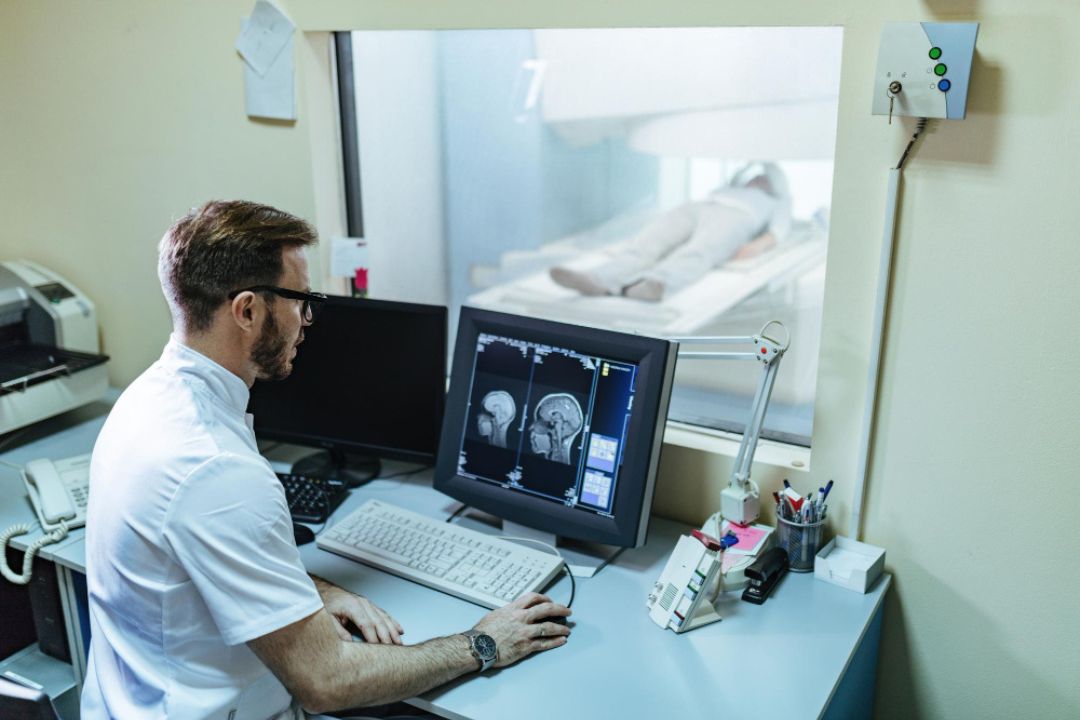
The radiology technician monitors the entire process from a nearby control room.
CT scans provide several advantages in medical diagnosis.
Key benefits include:
Detailed imaging of organs and tissues
Quick diagnosis of serious conditions
Detection of tumors and infections
Accurate evaluation of injuries
Guidance for medical procedures
These detailed images often help doctors diagnose diseases earlier and may even reduce the need for exploratory surgery.
CT scans are generally considered safe and are widely used in hospitals and diagnostic centers worldwide.
The scan involves exposure to a small amount of radiation because it uses X-rays. However, the risk from a single scan is very low and the benefits of accurate diagnosis usually outweigh the potential risks.
Some patients may experience mild reactions to contrast dye such as warmth, nausea, or itching, but serious reactions are rare.
Patients should inform their doctor if they are pregnant, allergic to contrast dye, or have kidney problems before the scan.
Preparation for a CT scan depends on the type of scan being performed.
Common preparation instructions include:
Avoid eating for a few hours before the scan if contrast dye is required
Wear comfortable clothing
Remove metal objects such as jewelry or glasses
Inform the doctor about allergies or medications
Following these instructions helps ensure accurate imaging results.
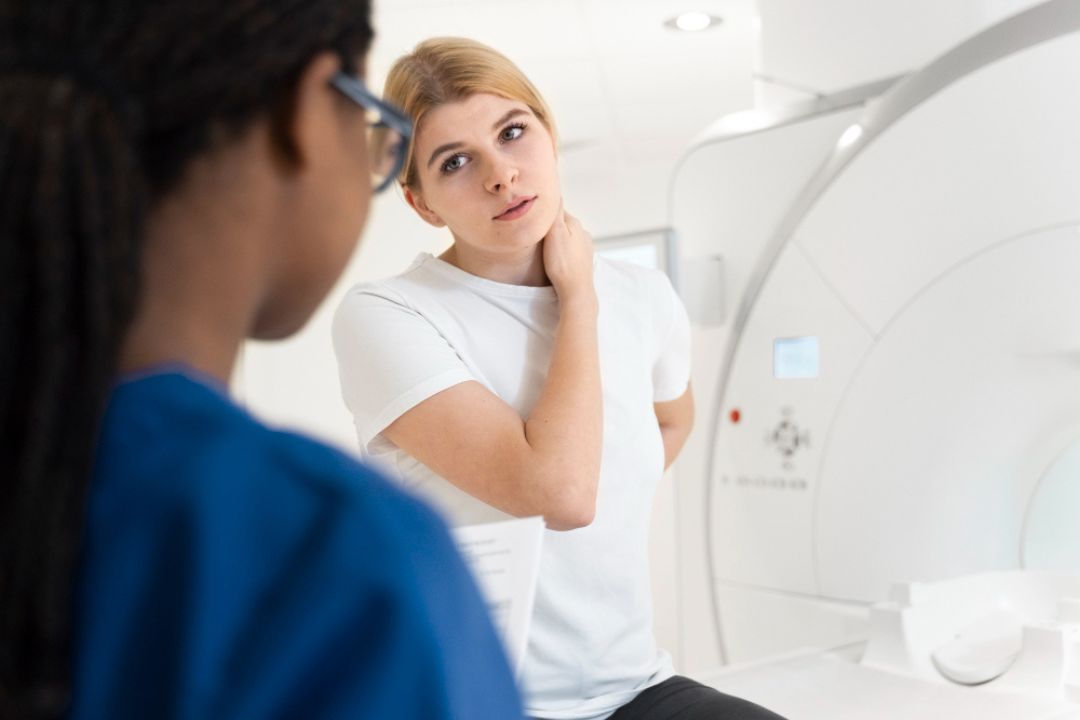
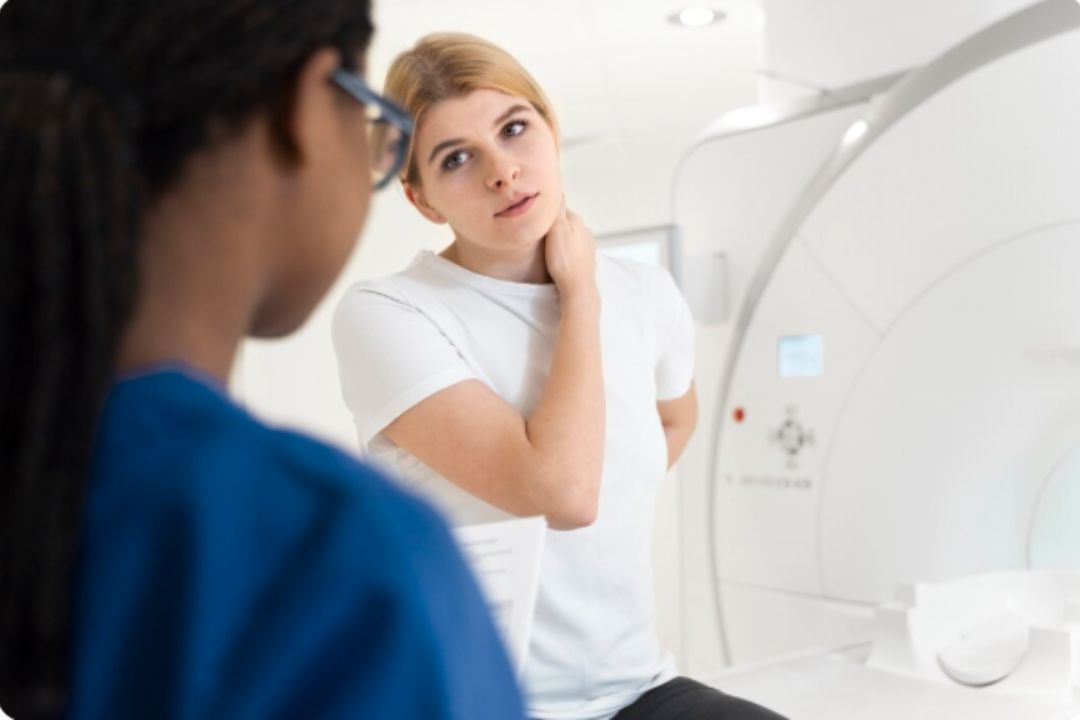
Many patients feel nervous before undergoing a CT scan. However, the procedure is quick and painless.
To stay relaxed:
Follow preparation instructions carefully
Arrive early for the appointment
Stay calm and breathe normally during the scan
Ask the technician questions if you feel uncertain
Modern CT scanners are designed to make the procedure comfortable and efficient.
Diagnopein focuses on providing reliable diagnostic services with patient comfort in mind.
Key advantages include:
Modern imaging technology
Experienced radiology professionals
Accurate and timely reports
Comfortable diagnostic environment
Easy appointment scheduling
These features help ensure patients receive high-quality diagnostic care and a smooth testing experience.
A CT scan is an essential diagnostic tool that helps doctors examine the internal structures of the body with high precision. It is widely used to detect diseases, evaluate injuries, and monitor treatment outcomes.
Understanding the purpose, procedure, and safety of CT scans can help patients feel more confident and prepared for the test. With advanced technology and professional care, Diagnopein aims to provide a reliable and stress-free diagnostic experience for every patient.






.jpg "ct brain scan plain and contrast")










.jpg "ct scan")
.jpg "ct scan or mri for brain disorders")


.jpg "exploring the power of ct brain contrast in modern diagnostics")
.jpg "ct scan")







.jpg "ct scan")

.jpg "CT Brain Scan for Headaches")
.jpg "The Future of 3D CT Imaging")