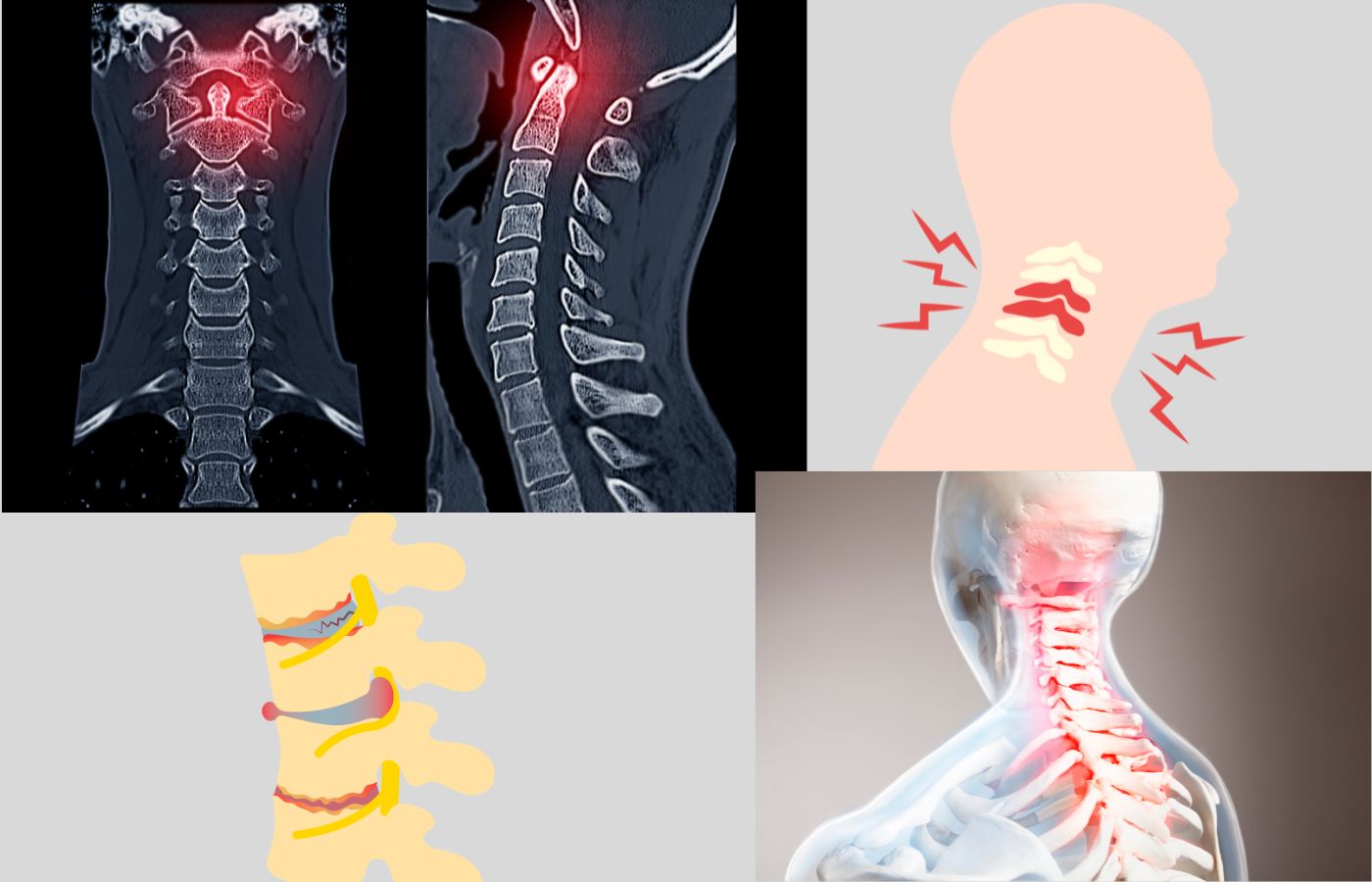
Muscle disorders are conditions that affect the normal function of muscles, leading to symptoms such as weakness, pain, cramps, stiffness, or loss of mobility. These disorders can affect people of all ages and may result from injuries, genetic conditions, infections, or autoimmune diseases. In some cases, muscle disorders develop slowly over time and gradually affect daily activities and physical movement.
Visit Now: https://www.diagnopein.com/ct-scan/Pune
Muscle disorders are conditions that damage muscle tissues or interfere with how muscles work. These conditions can affect voluntary muscles that control body movement as well as muscles involved in important functions like breathing and digestion.
Book Now: https://www.diagnopein.com
Some muscle disorders are inherited, while others develop due to lifestyle factors, injuries, or underlying medical conditions.
Muscle strains occur when muscle fibers are stretched or torn due to overuse, sudden movement, or injury. These injuries often cause pain, swelling, and limited movement.
Muscular dystrophy is a group of genetic diseases that gradually weaken muscles and reduce muscle mass over time. The condition occurs because of gene mutations that affect proteins needed for healthy muscle development.
Myopathy refers to diseases that affect muscle fibers and cause weakness, especially in the shoulders, upper arms, hips, and thighs.
Fibromyalgia is a chronic condition that causes widespread muscle pain, fatigue, and tenderness in various parts of the body.
This is a serious condition in which muscle tissue breaks down rapidly, releasing substances into the bloodstream that can damage organs such as the kidneys.
ALS is a progressive neurological disease that affects nerve cells controlling voluntary muscles, leading to muscle weakness and loss of movement.
Muscle disorders can develop due to many different factors. Some of the most common causes include:
Genetic mutations and inherited conditions
Injuries or trauma to muscles
Autoimmune diseases
Viral or bacterial infections
Nutritional deficiencies such as low vitamin D or calcium
Overuse of muscles from repetitive physical activity
Certain medications or toxins
In some cases, the exact cause of a muscle disorder may not be known.
The symptoms of muscle disorders vary depending on the type and severity of the condition. However, some common symptoms include:
Muscle weakness
Muscle pain or tenderness
Cramps or spasms
Stiffness in muscles
Fatigue and lack of energy
Reduced mobility
Difficulty performing daily activities
Many muscle diseases also cause progressive muscle weakness that gradually worsens over time.
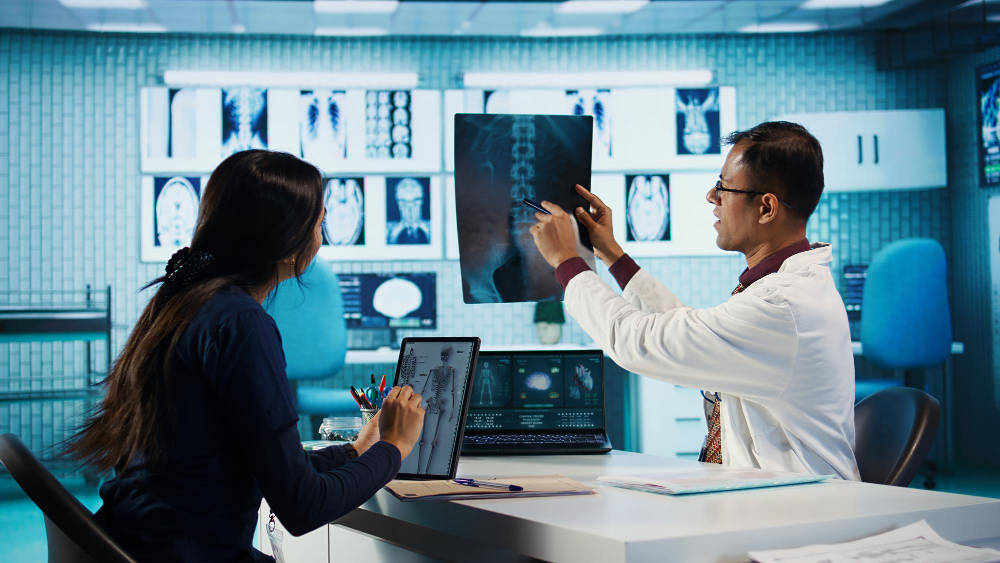
Doctors use several methods to diagnose muscle disorders. A proper diagnosis usually includes a physical examination and a review of the patient’s medical history.
Some common diagnostic tests include:
Blood tests to detect muscle damage
Electromyography (EMG) to measure electrical activity in muscles
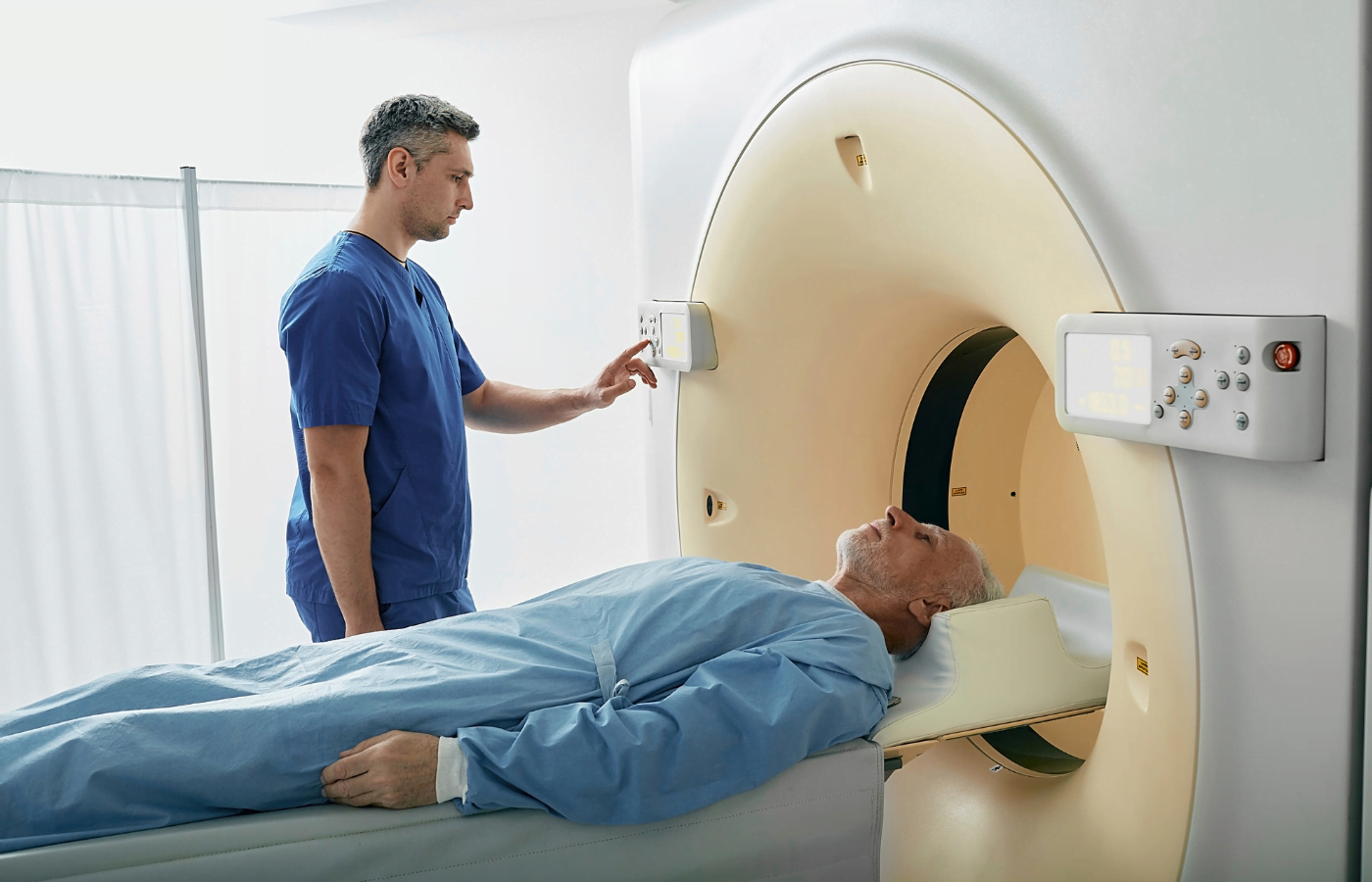
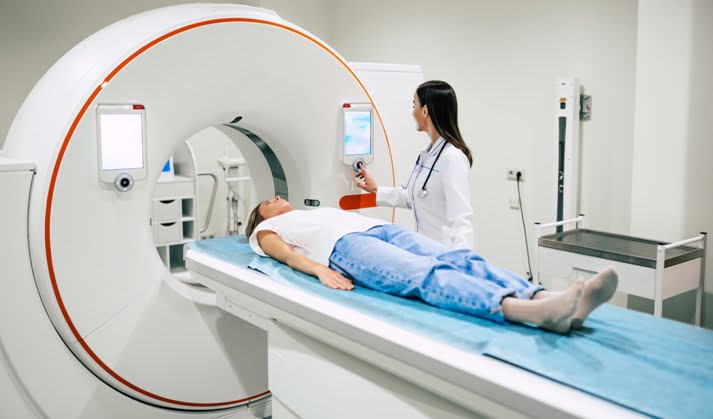
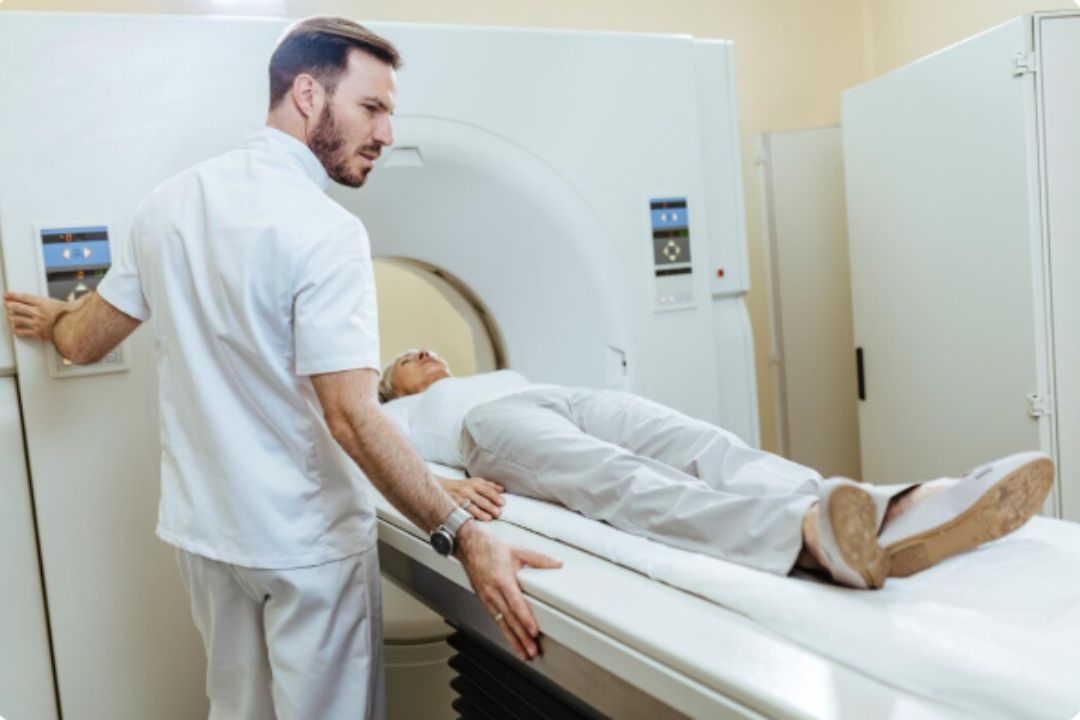
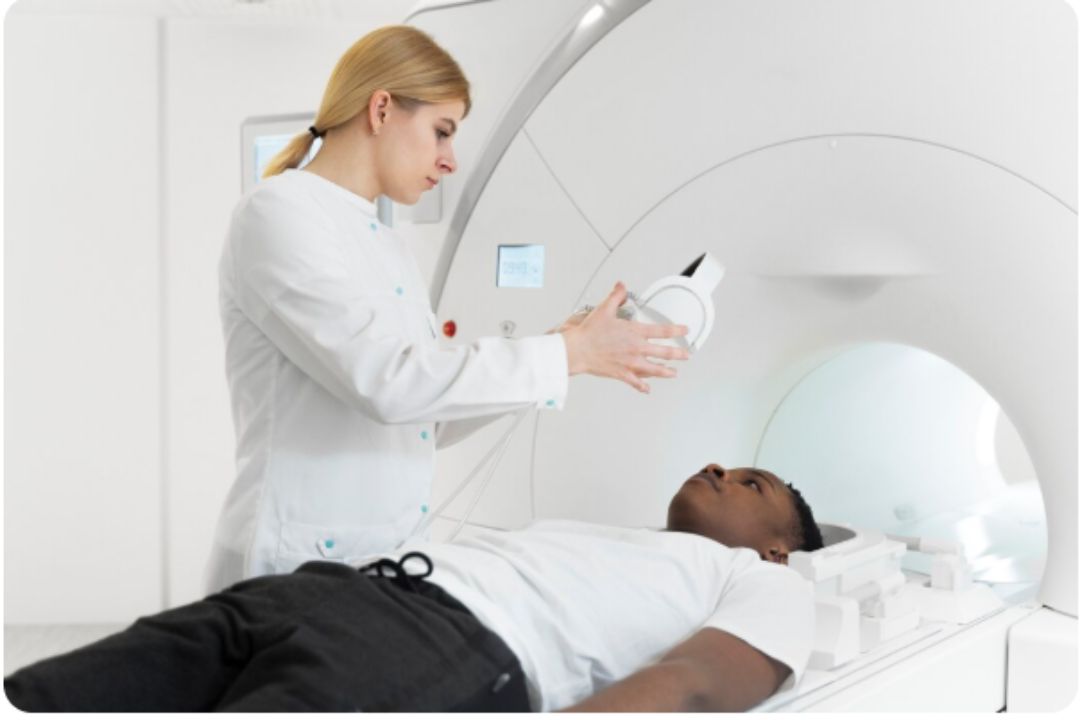
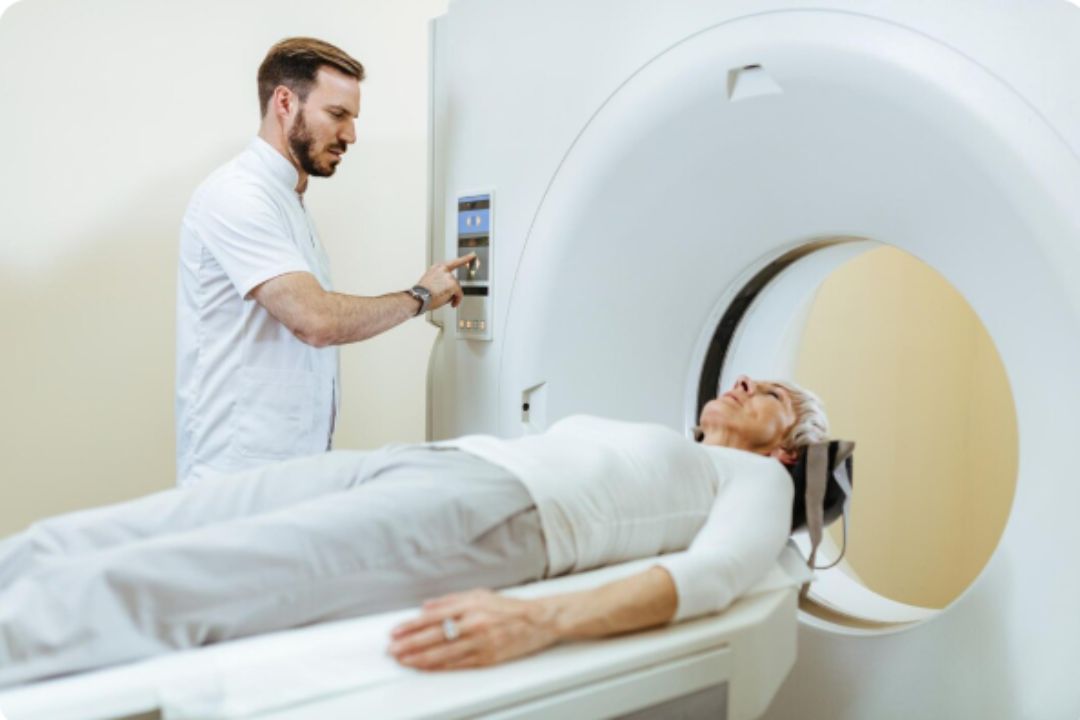
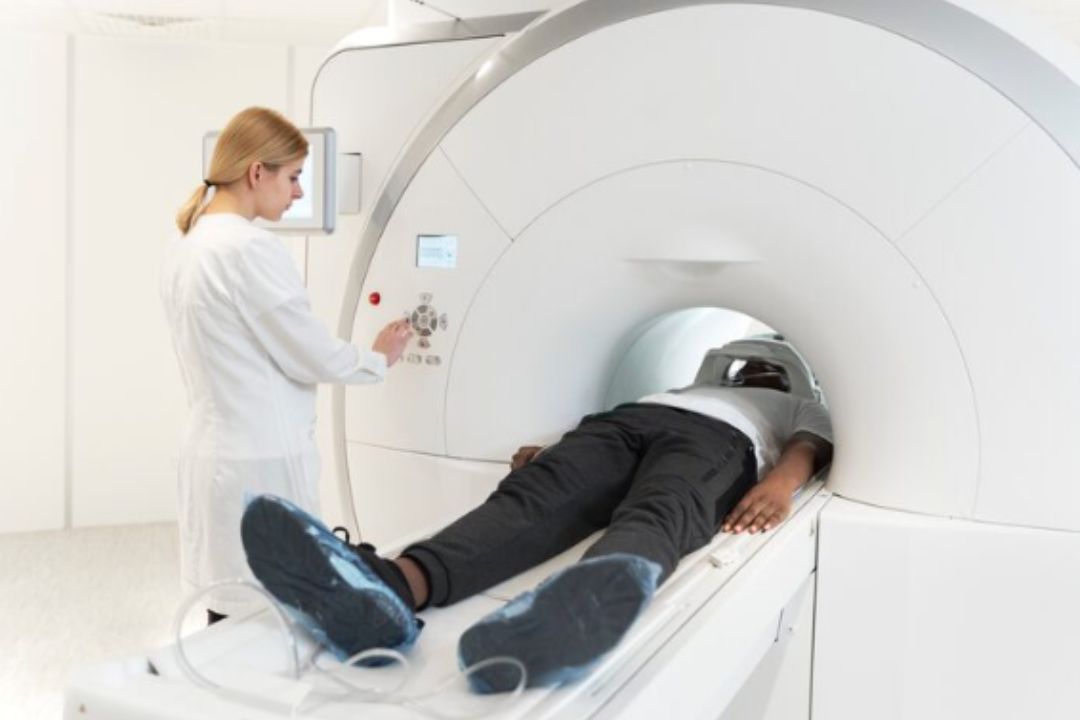
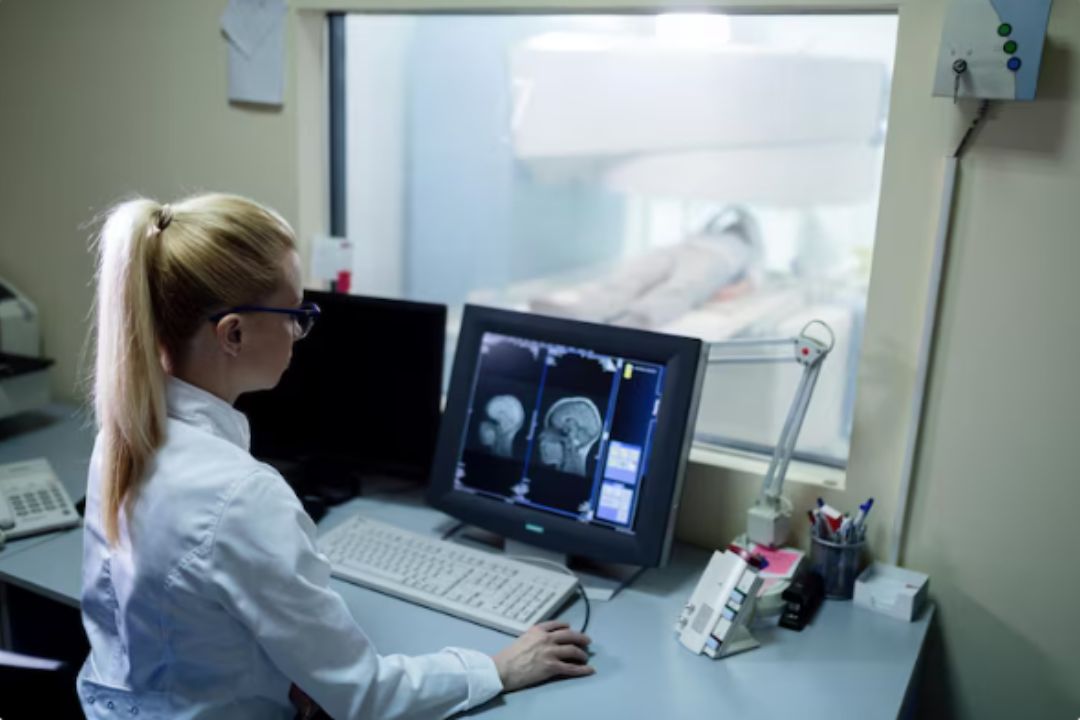
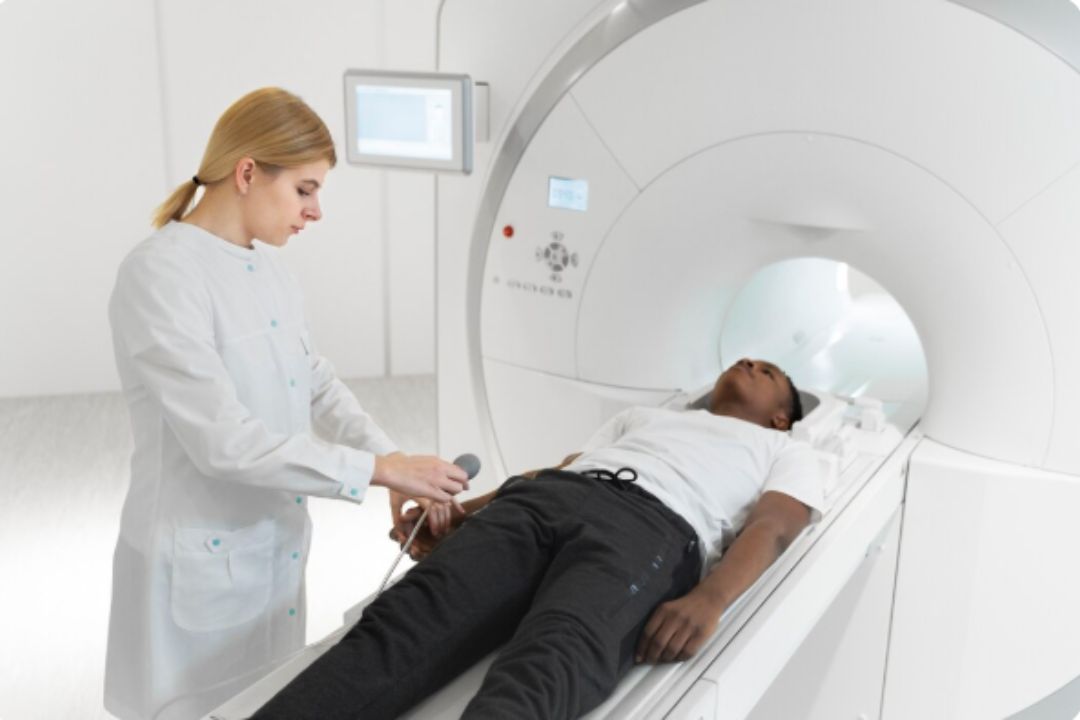
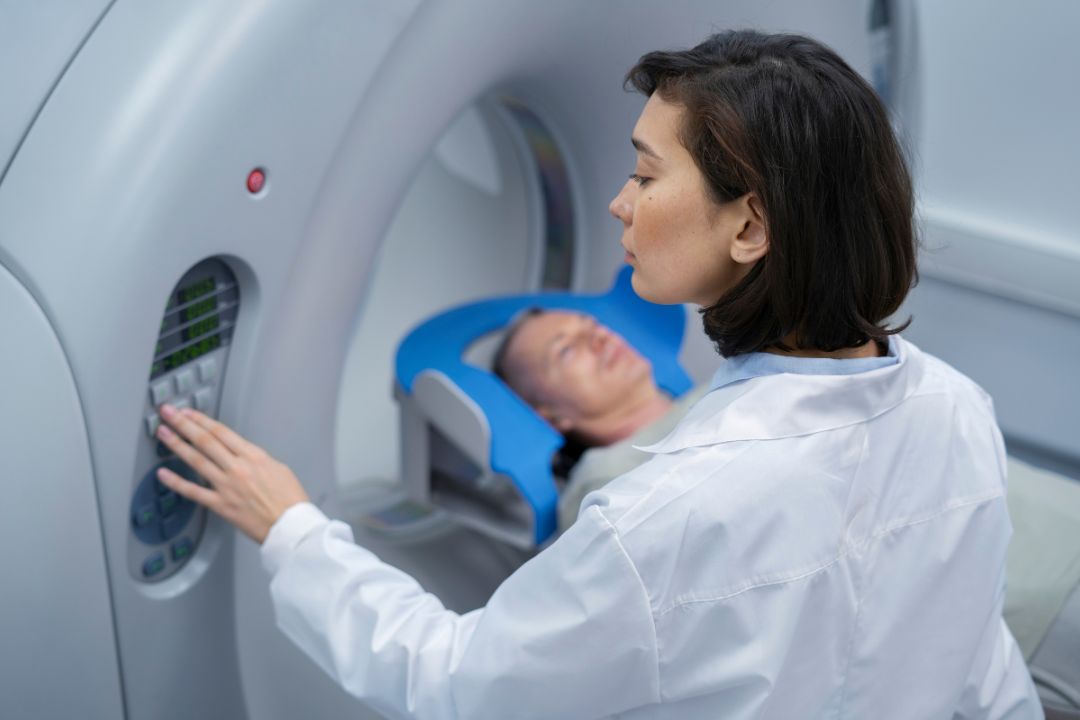
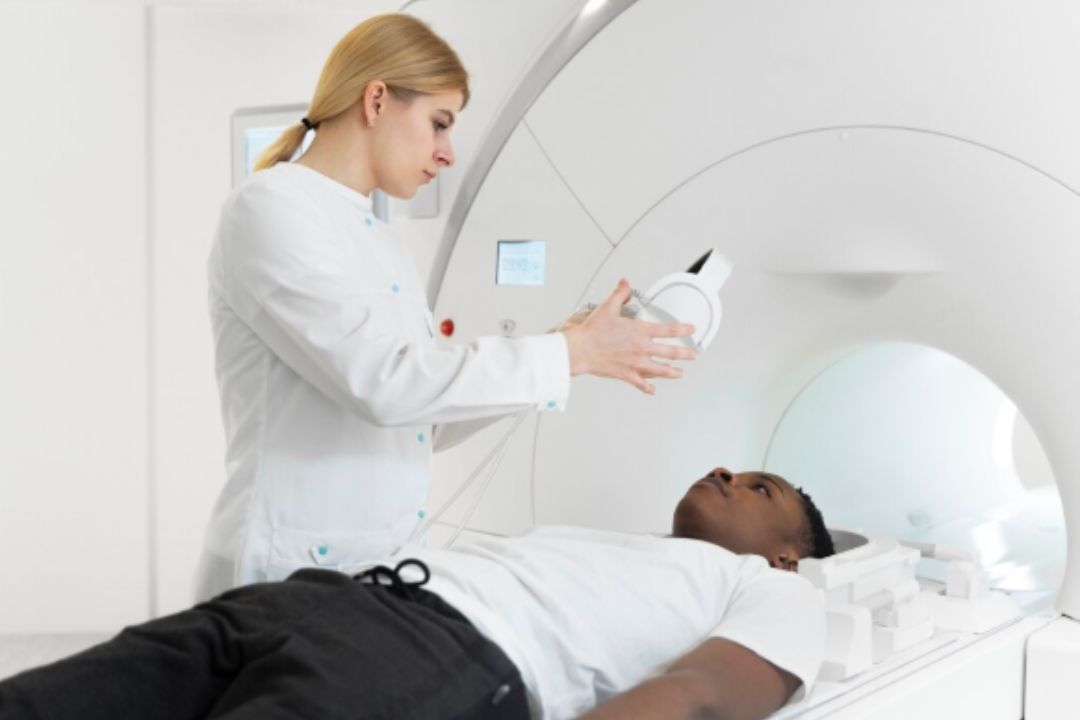
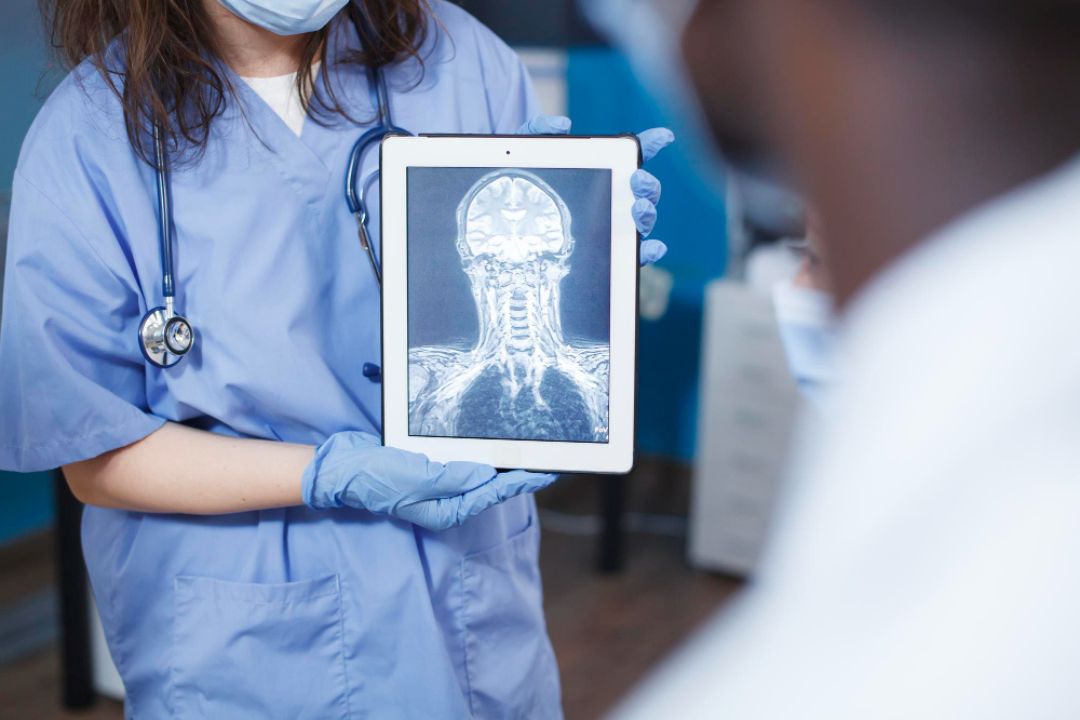
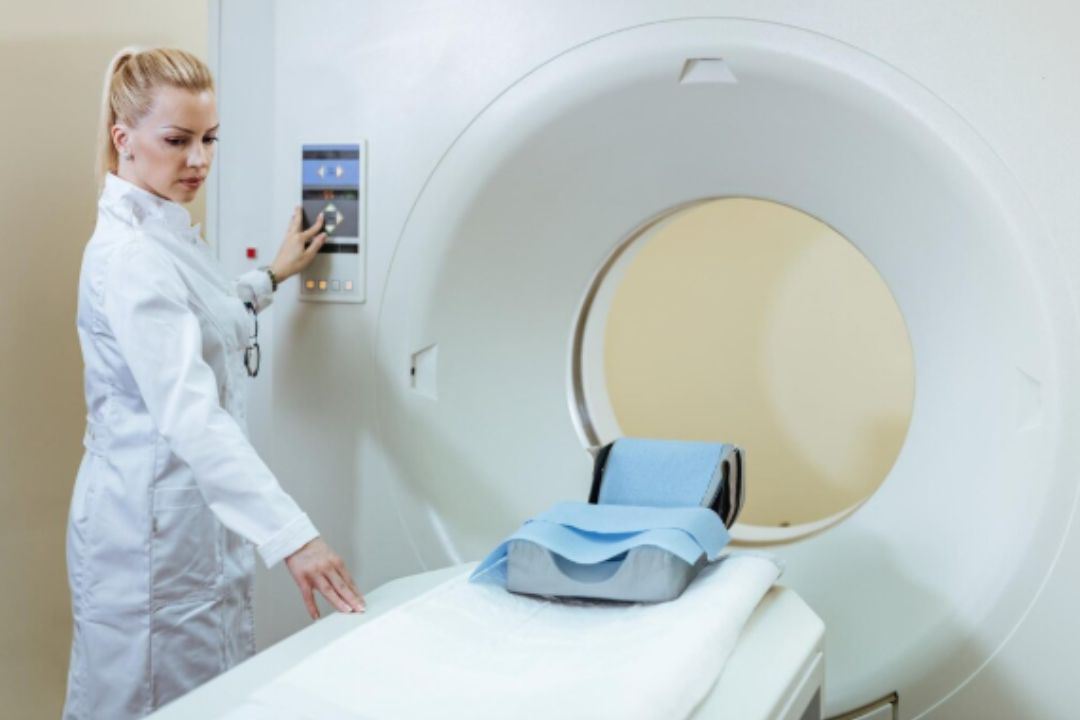
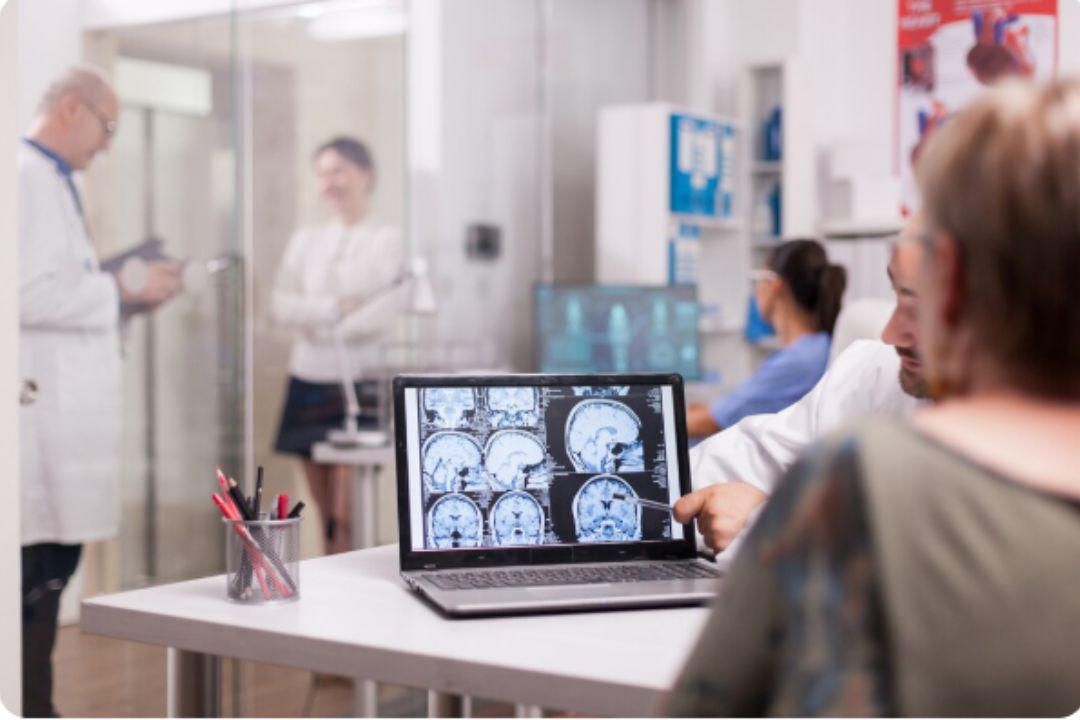
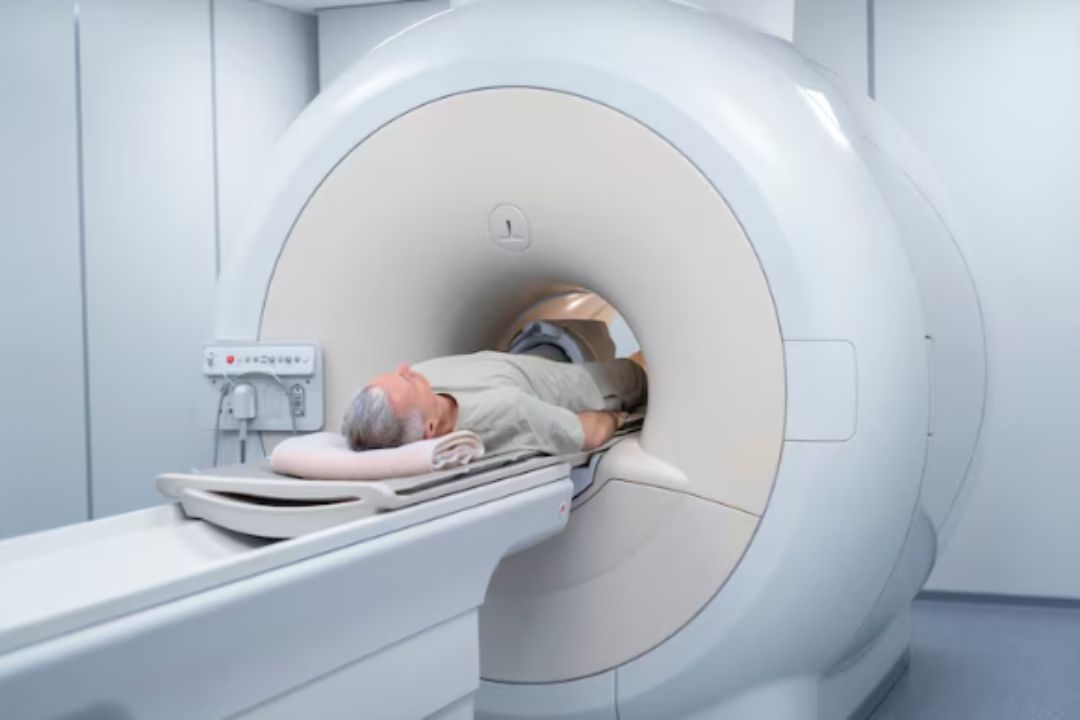
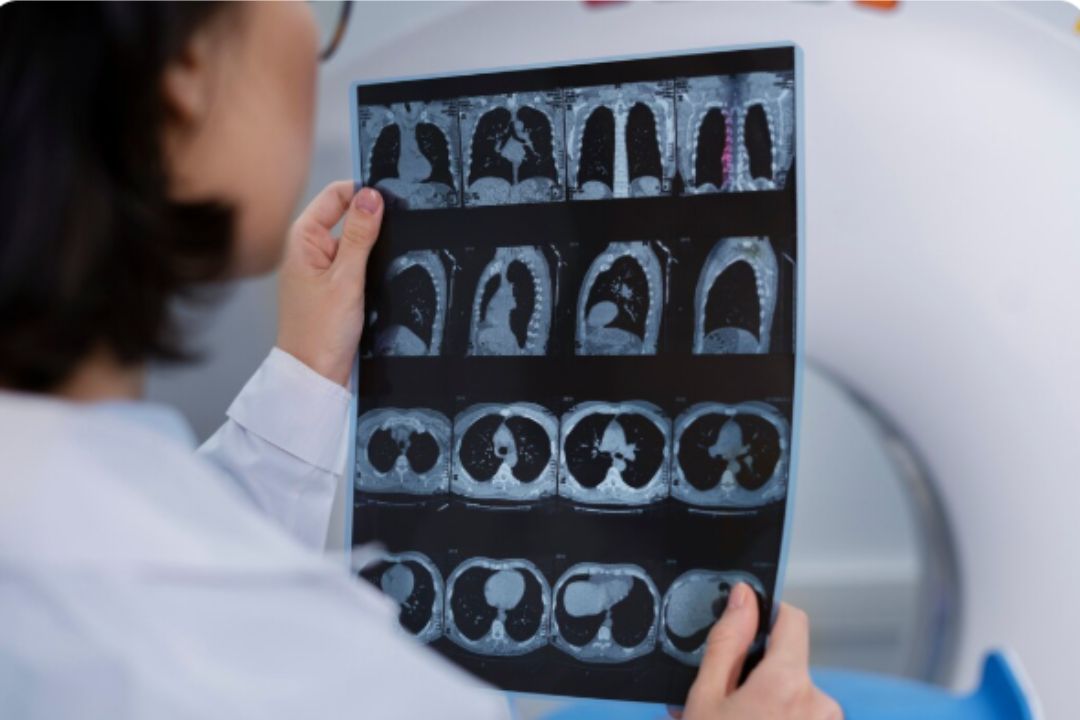
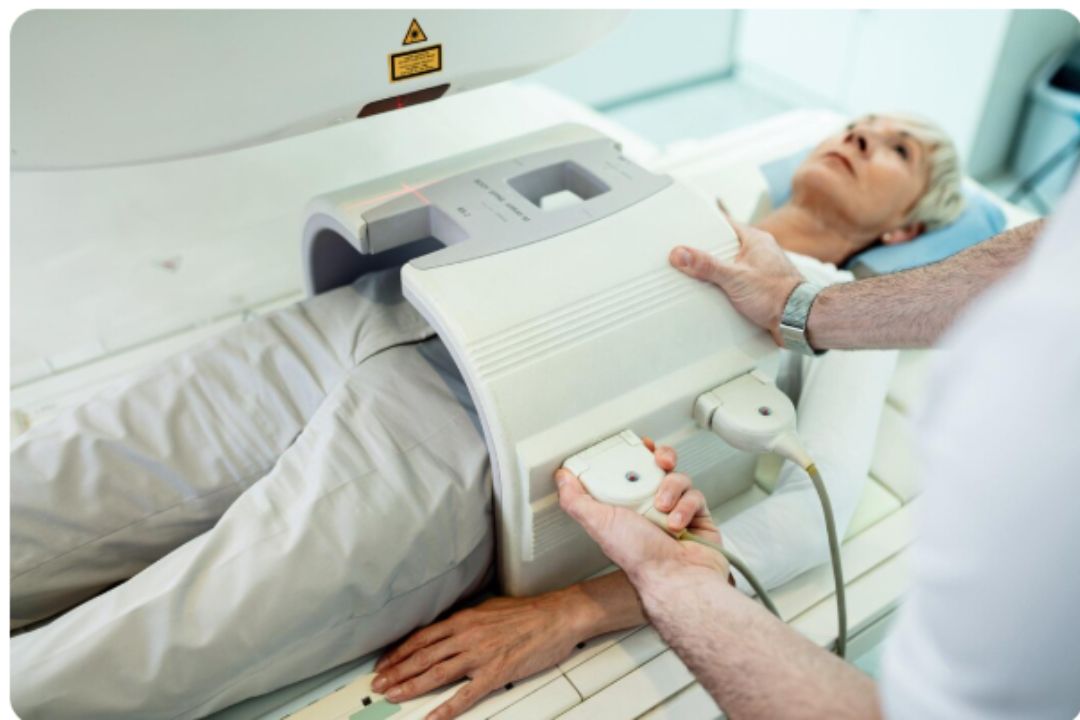
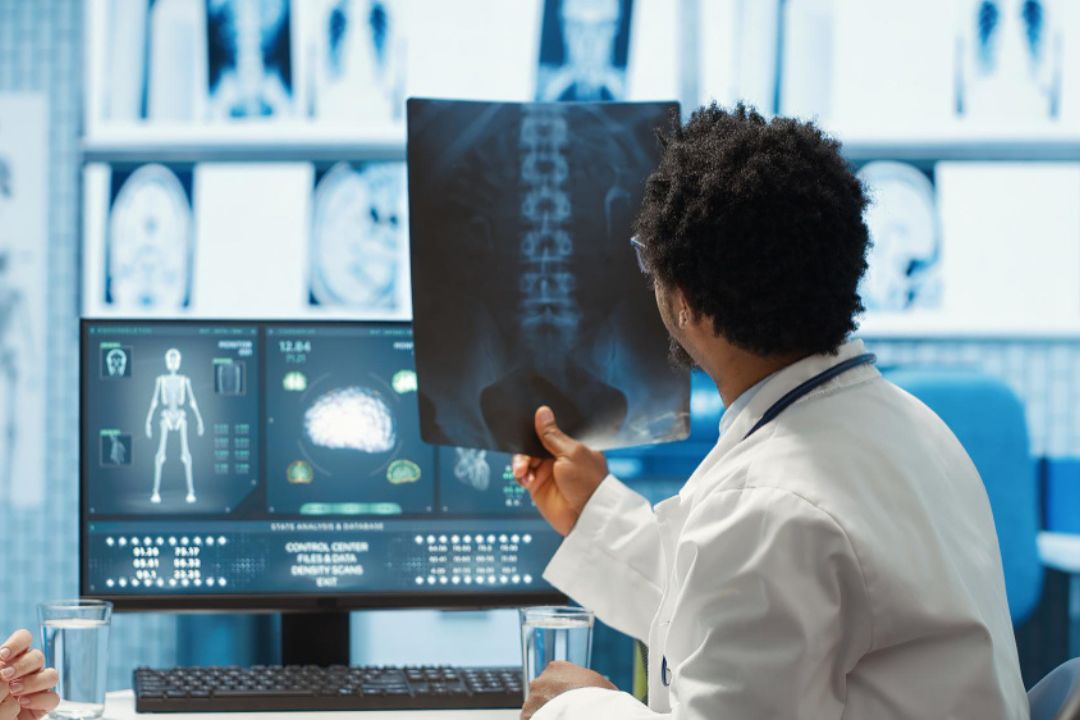
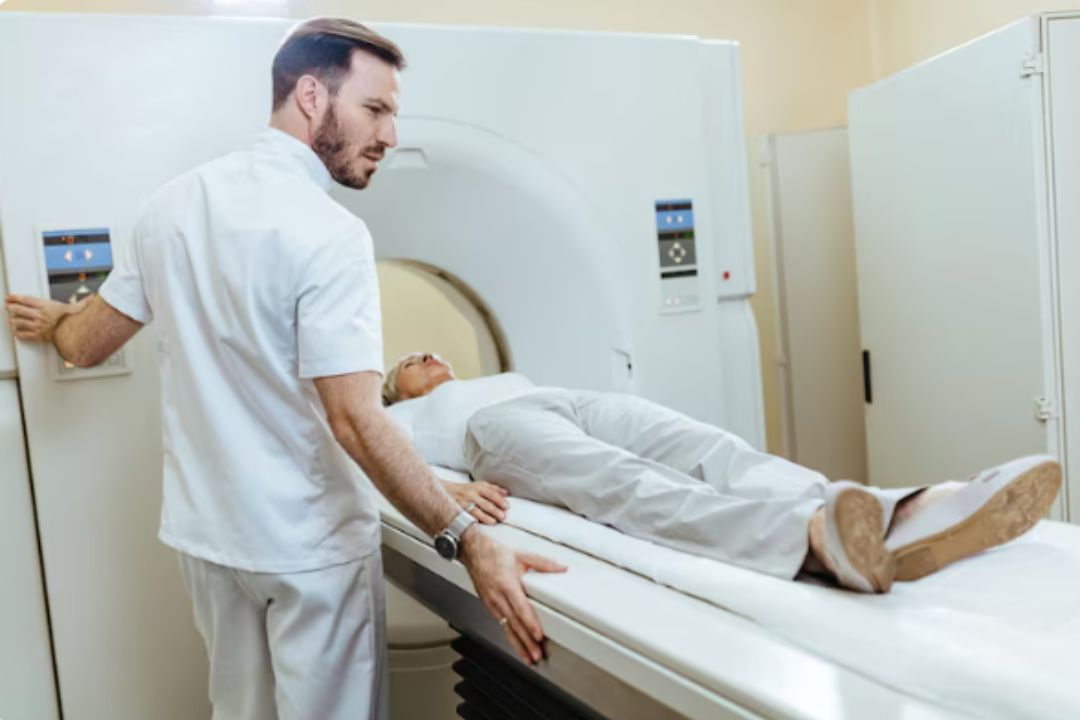
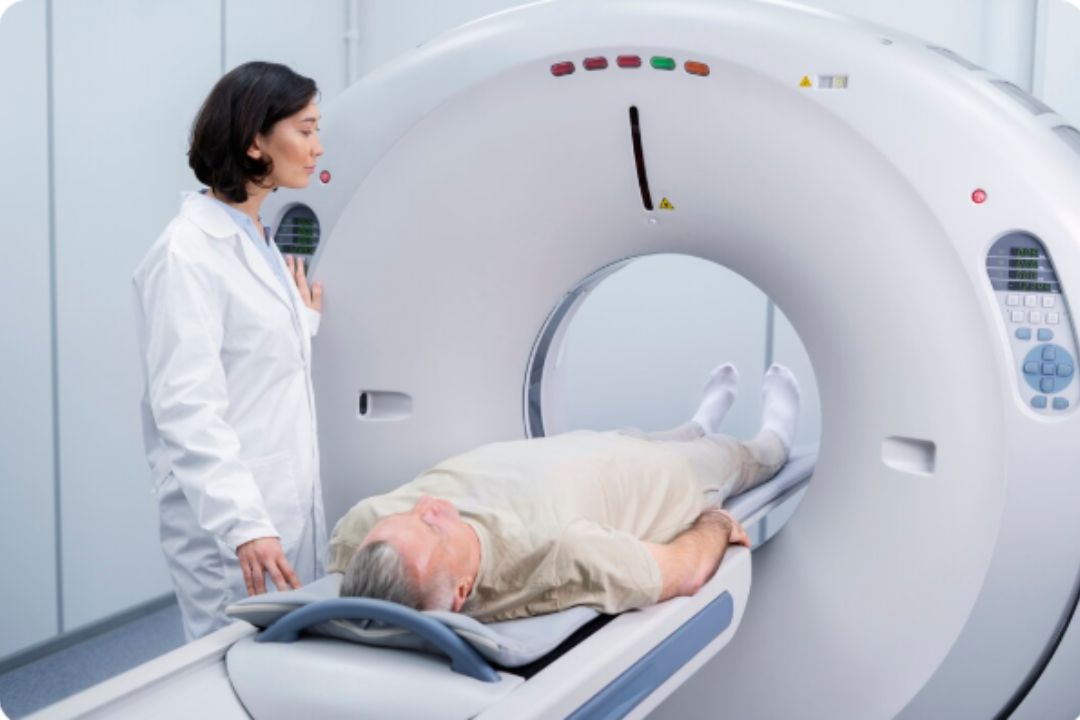
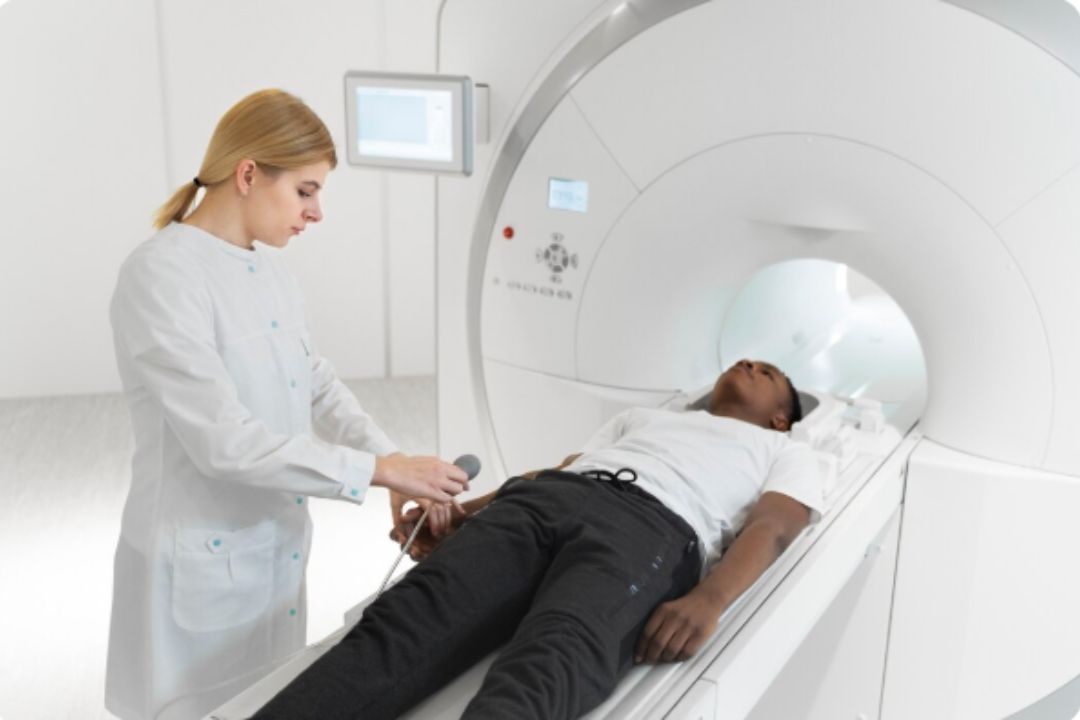
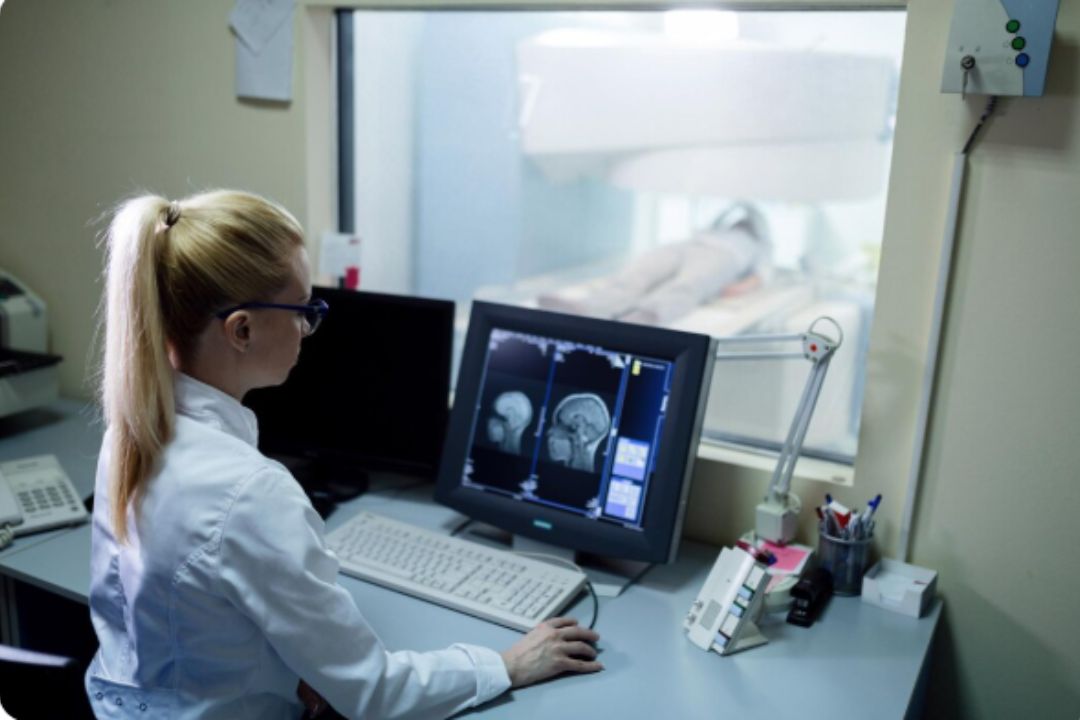
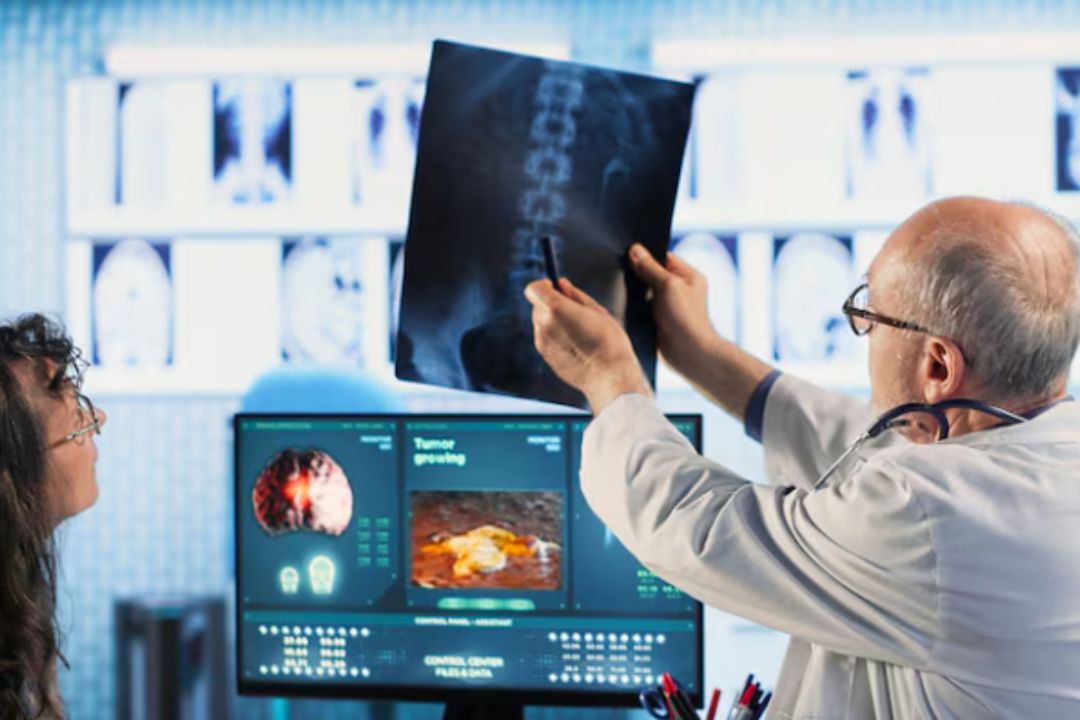
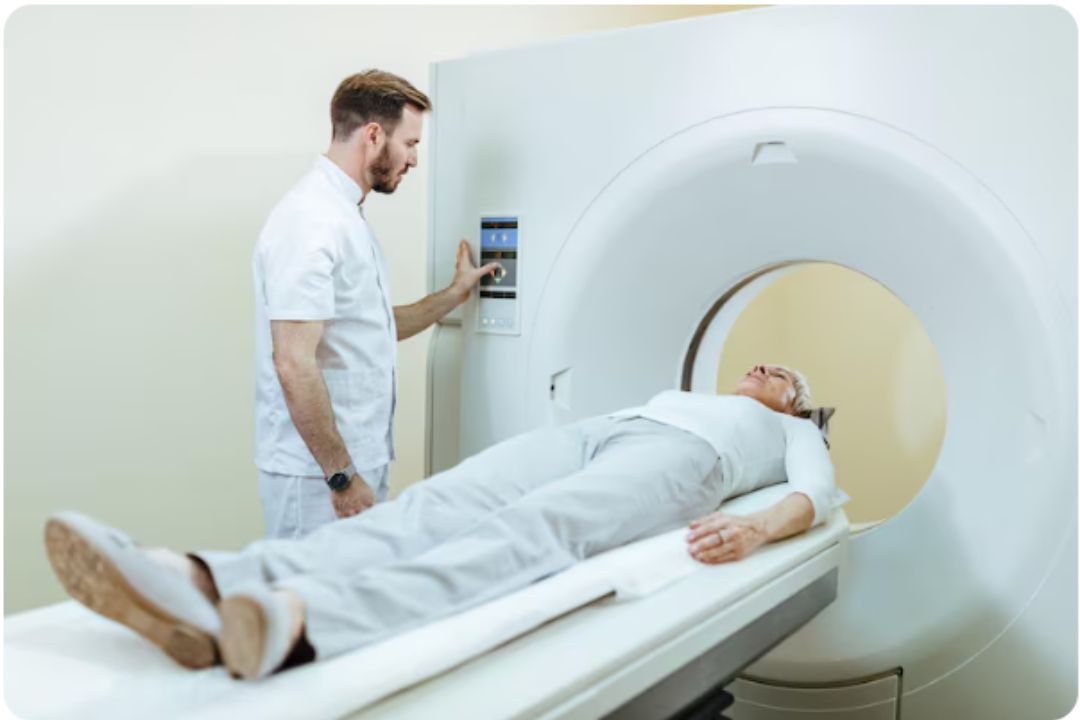
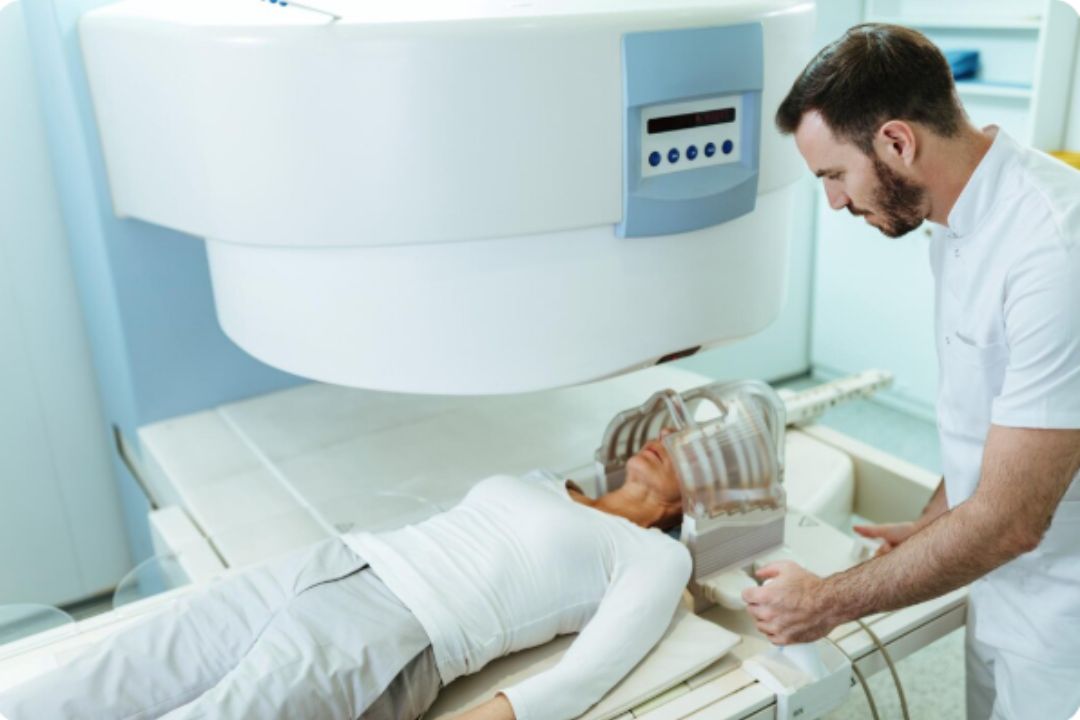
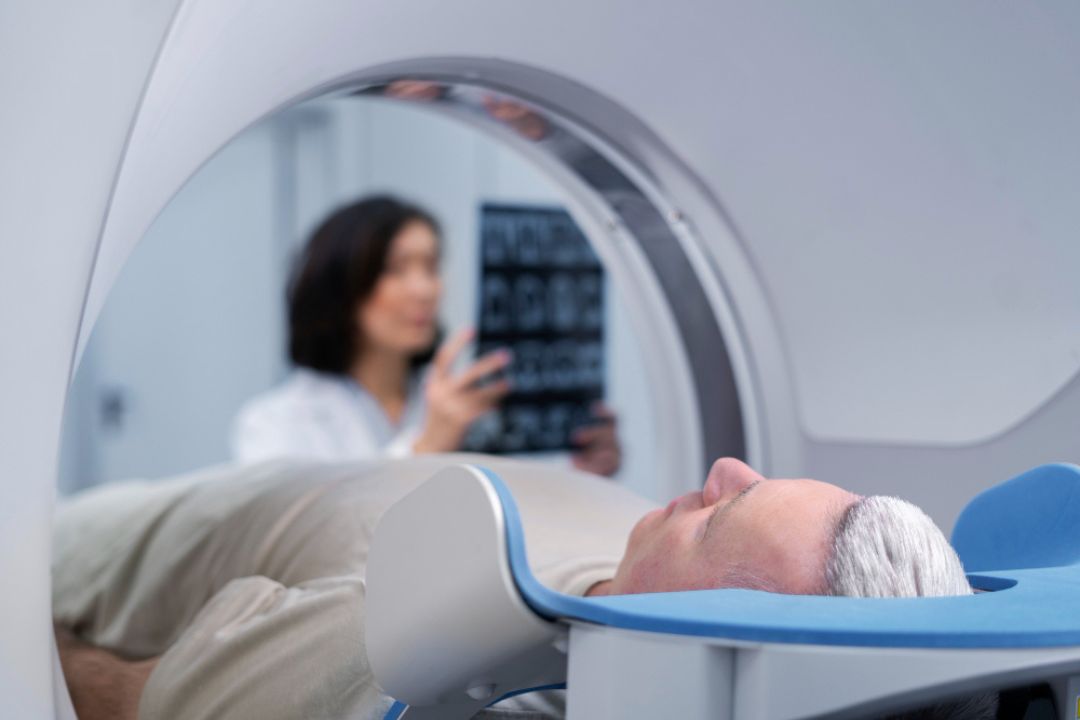
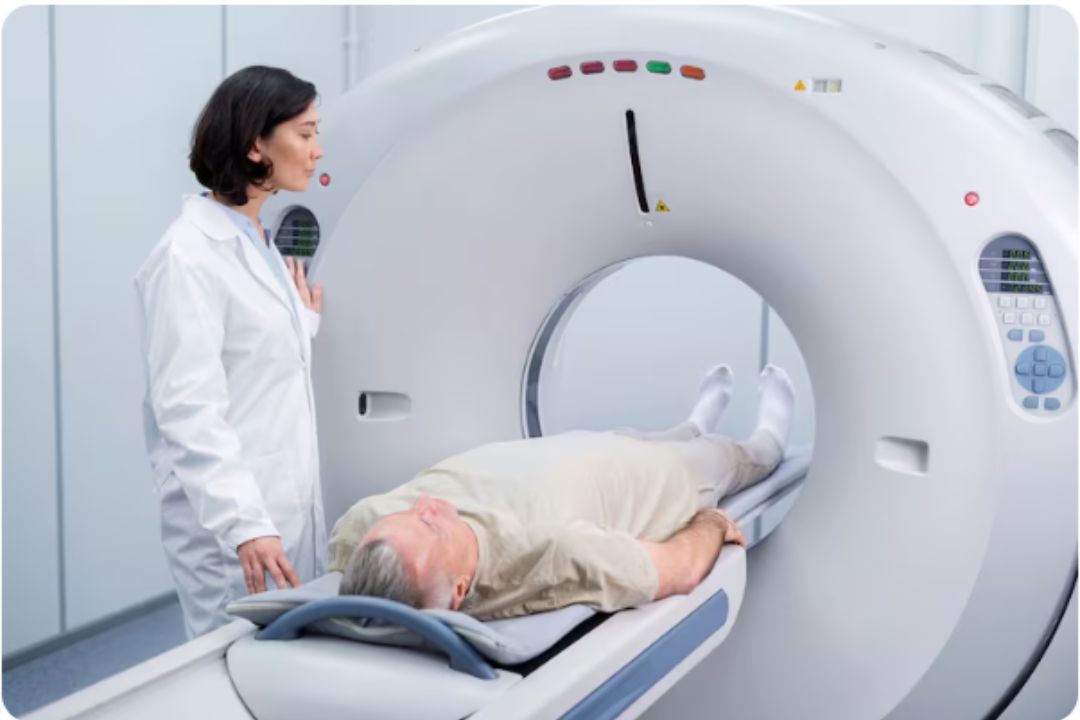
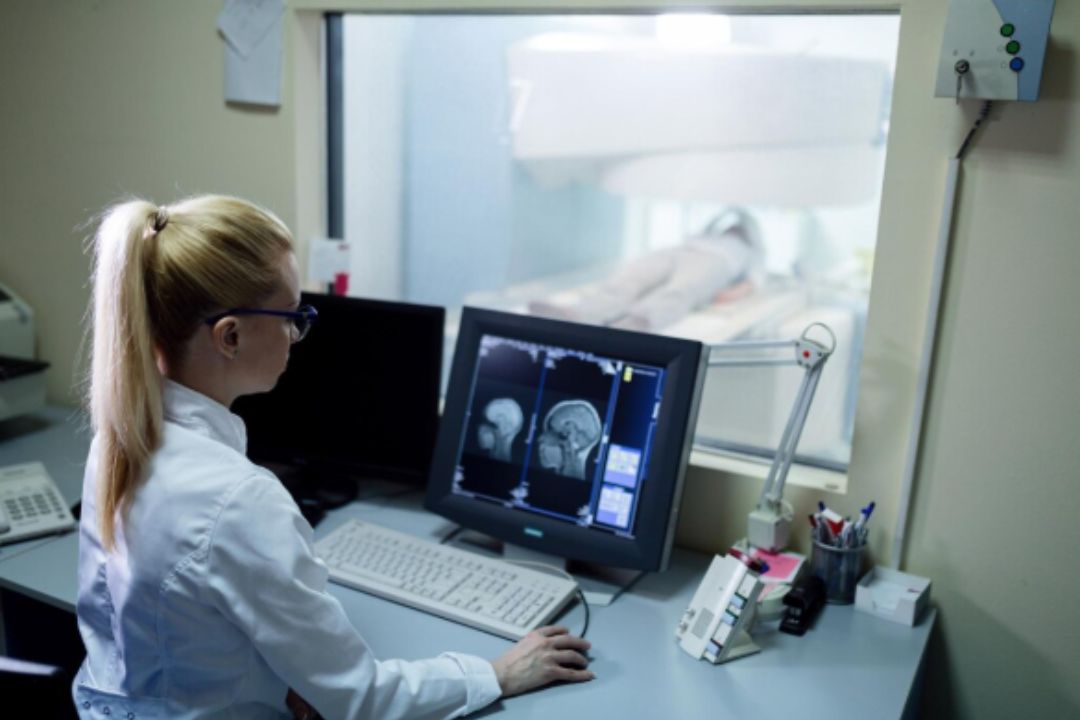
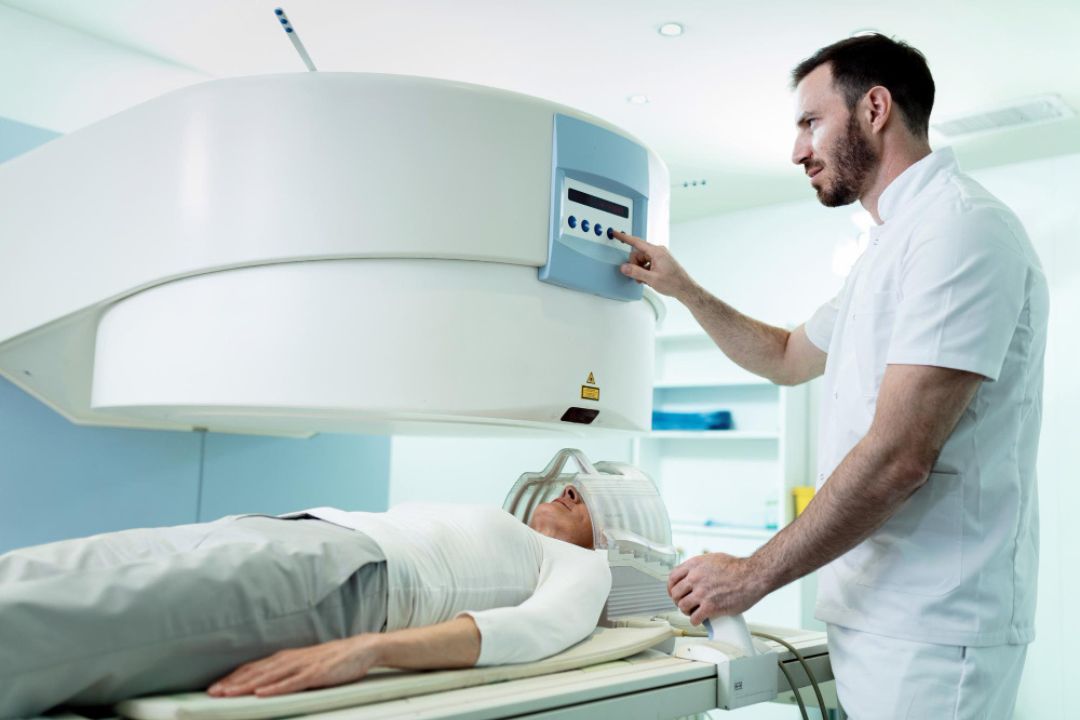
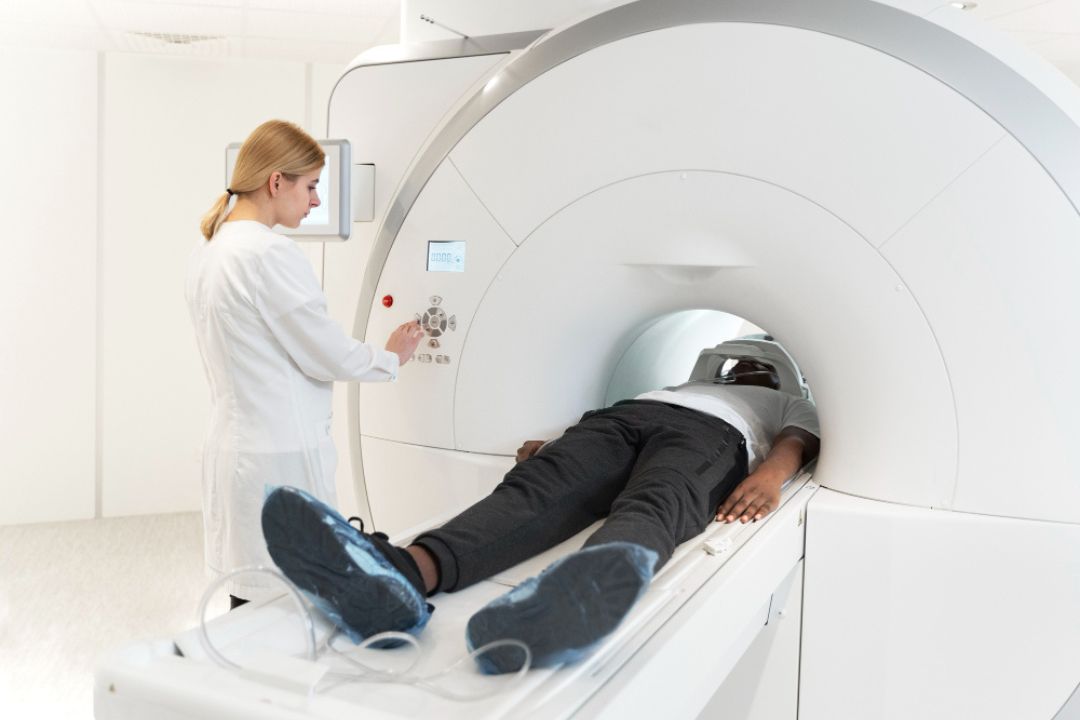
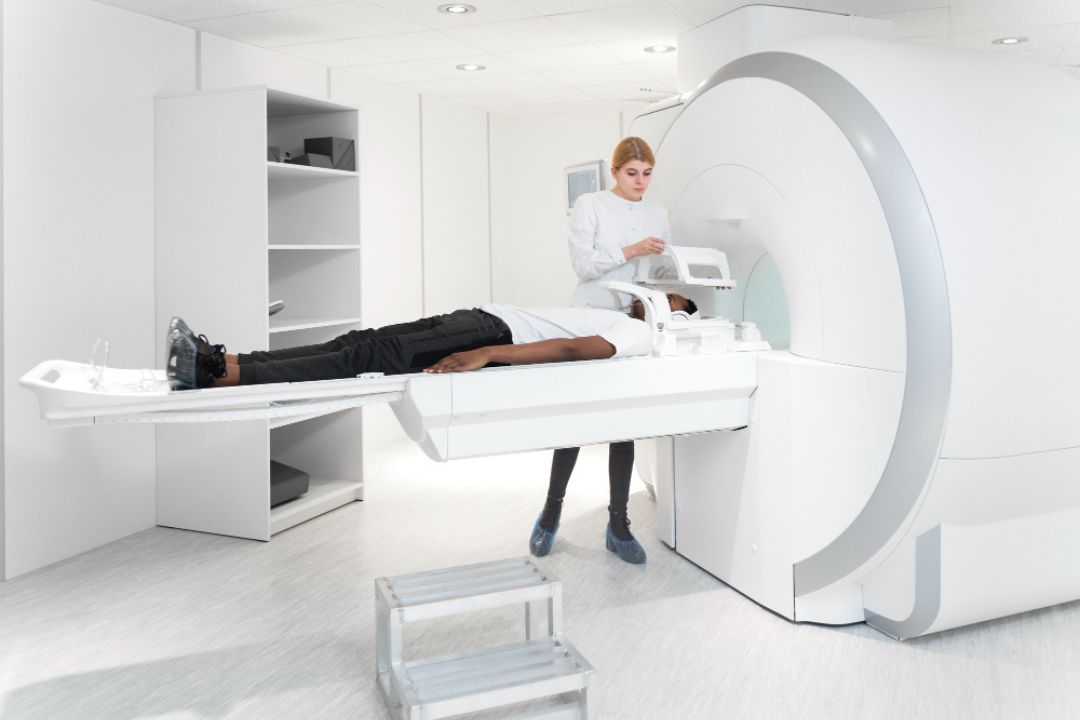
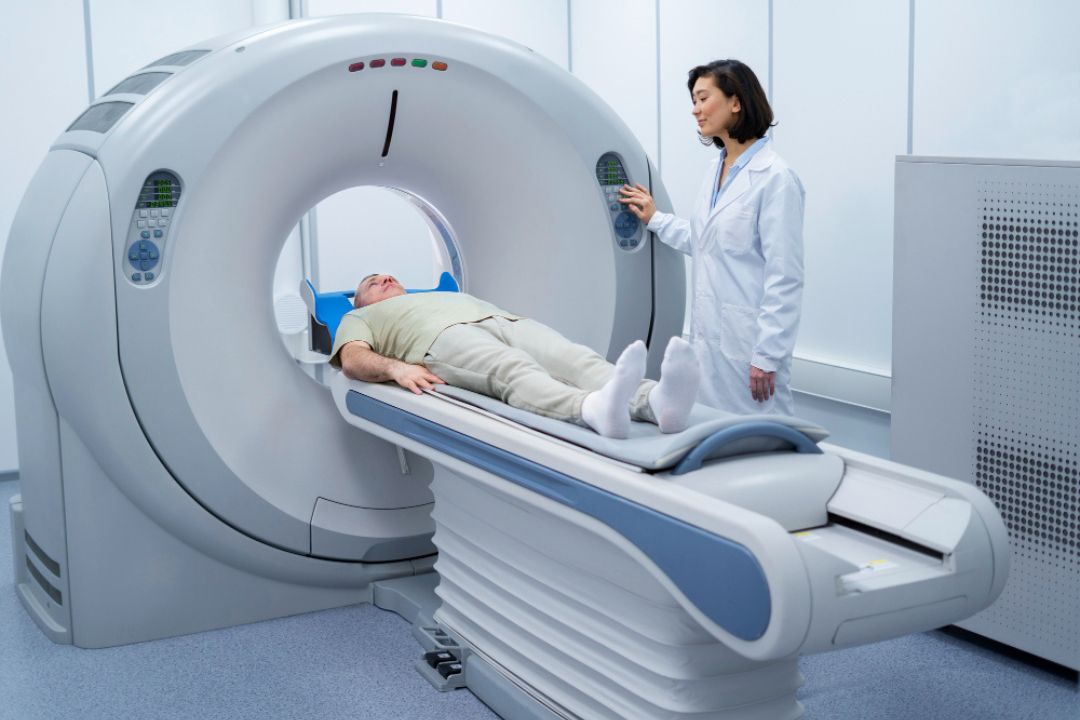
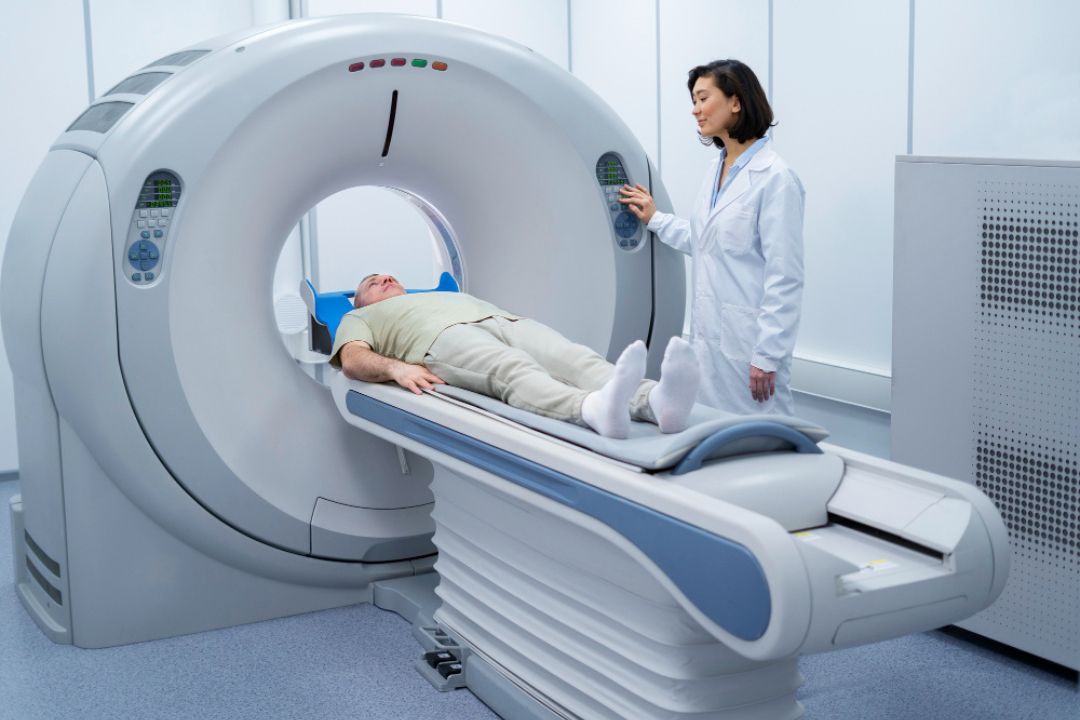
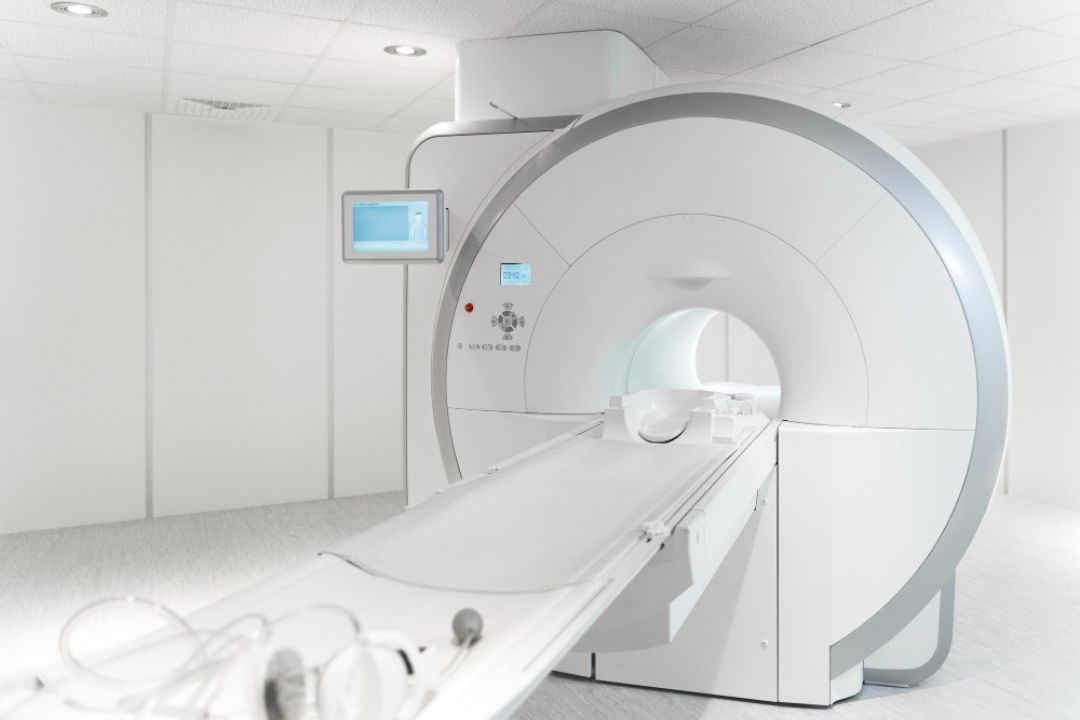
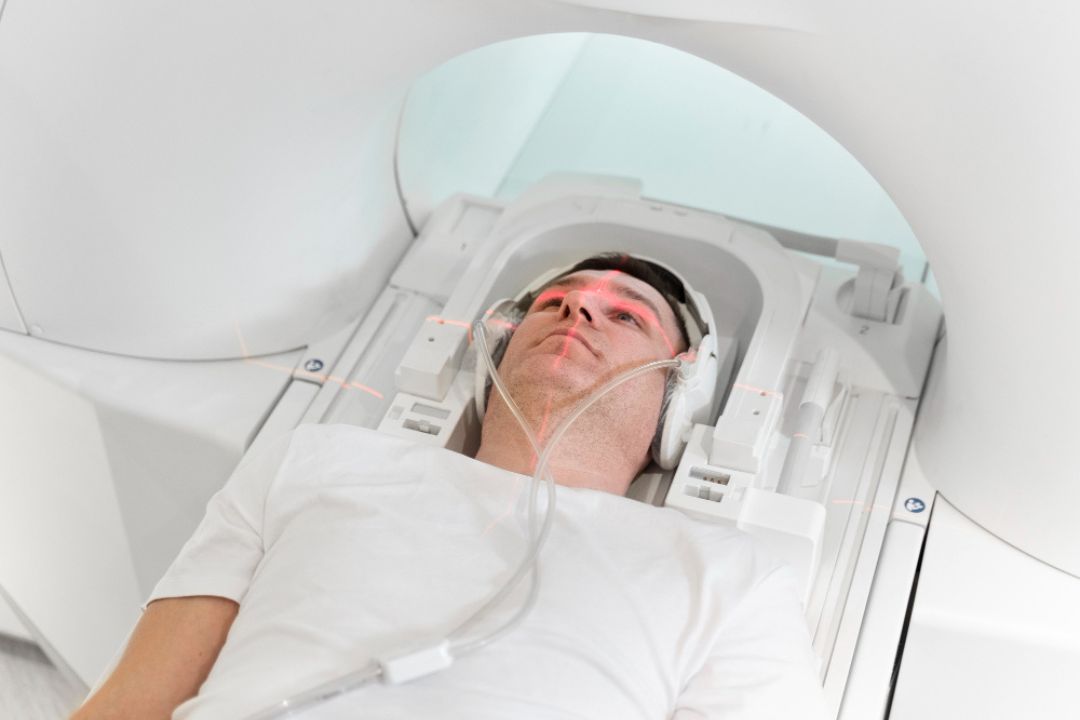
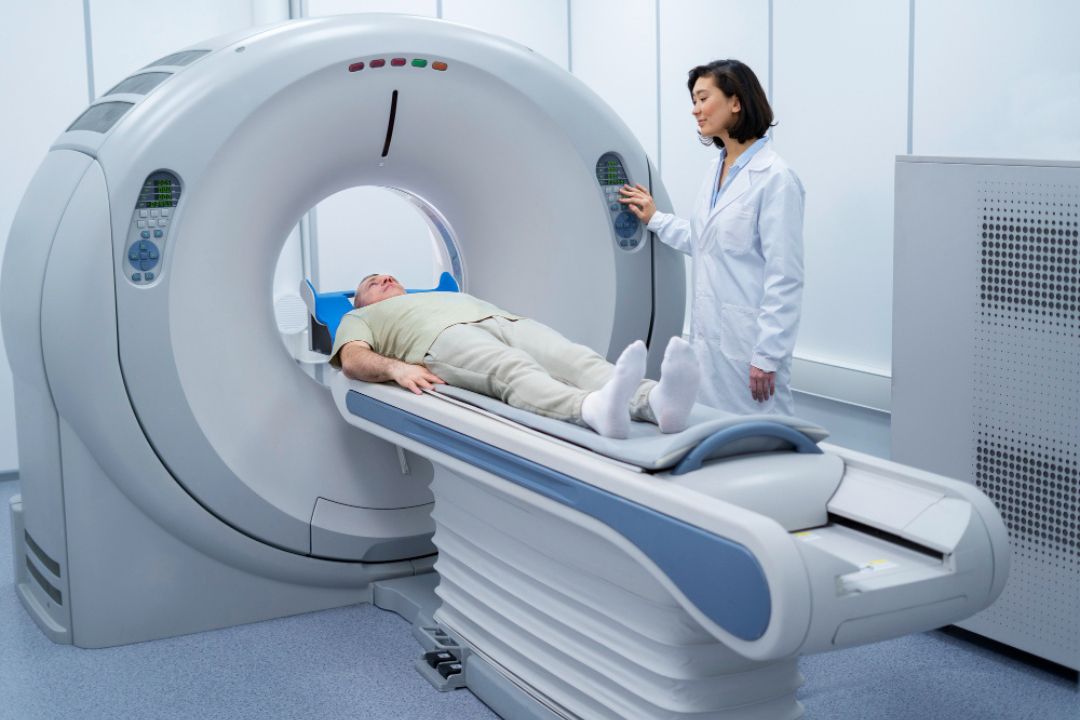
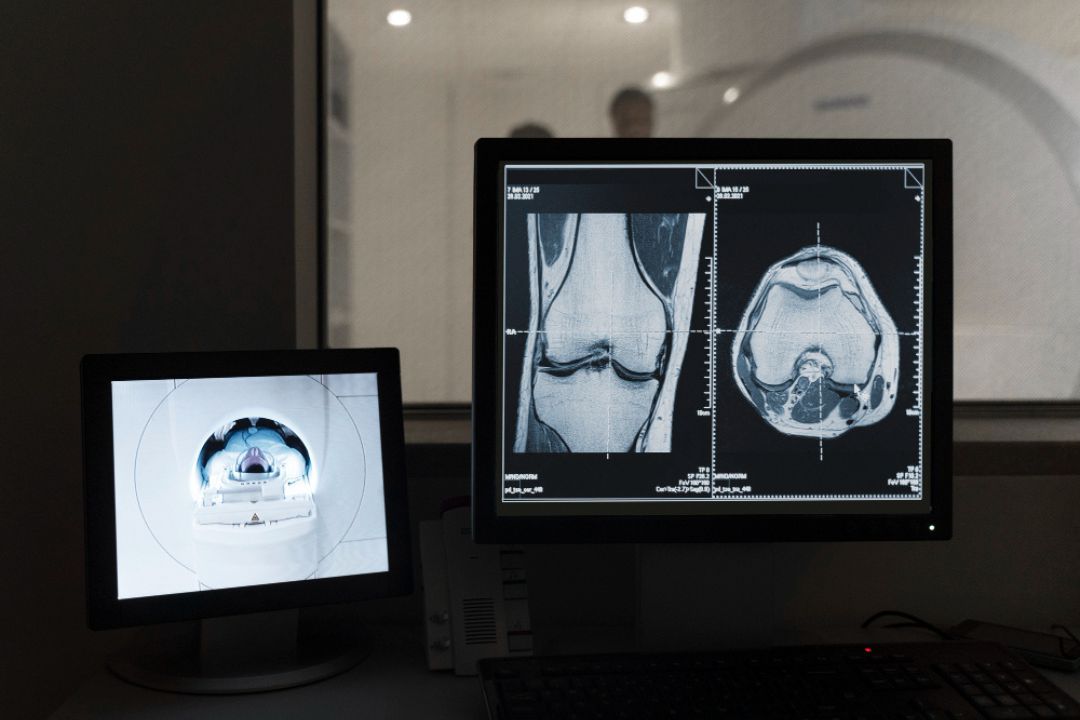
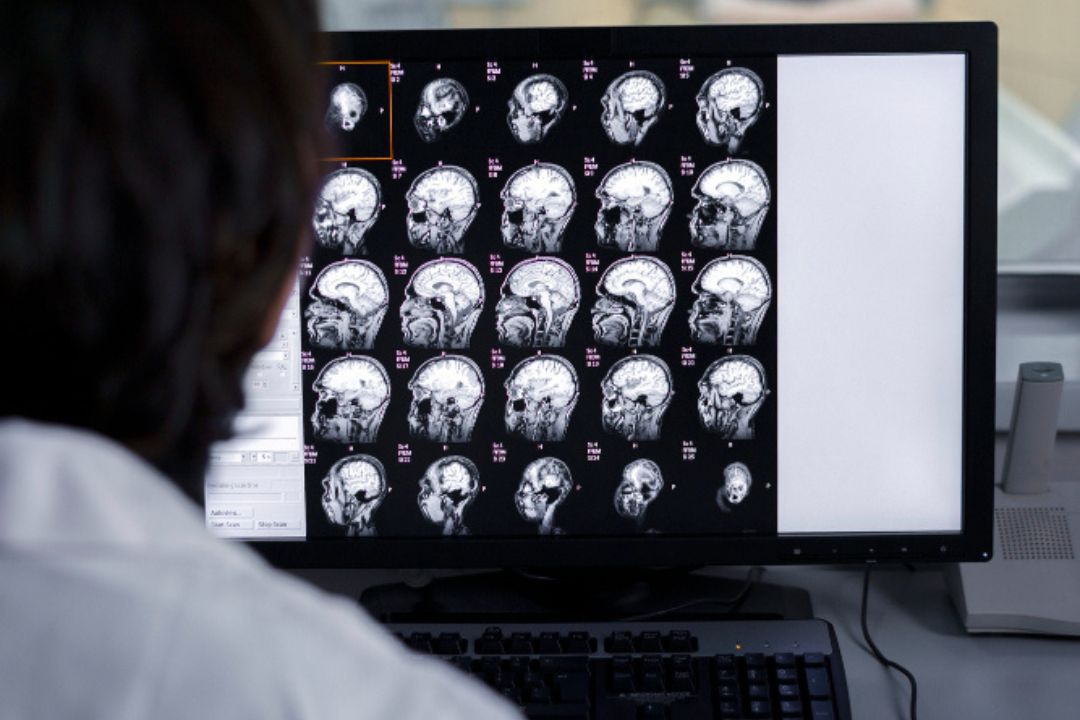
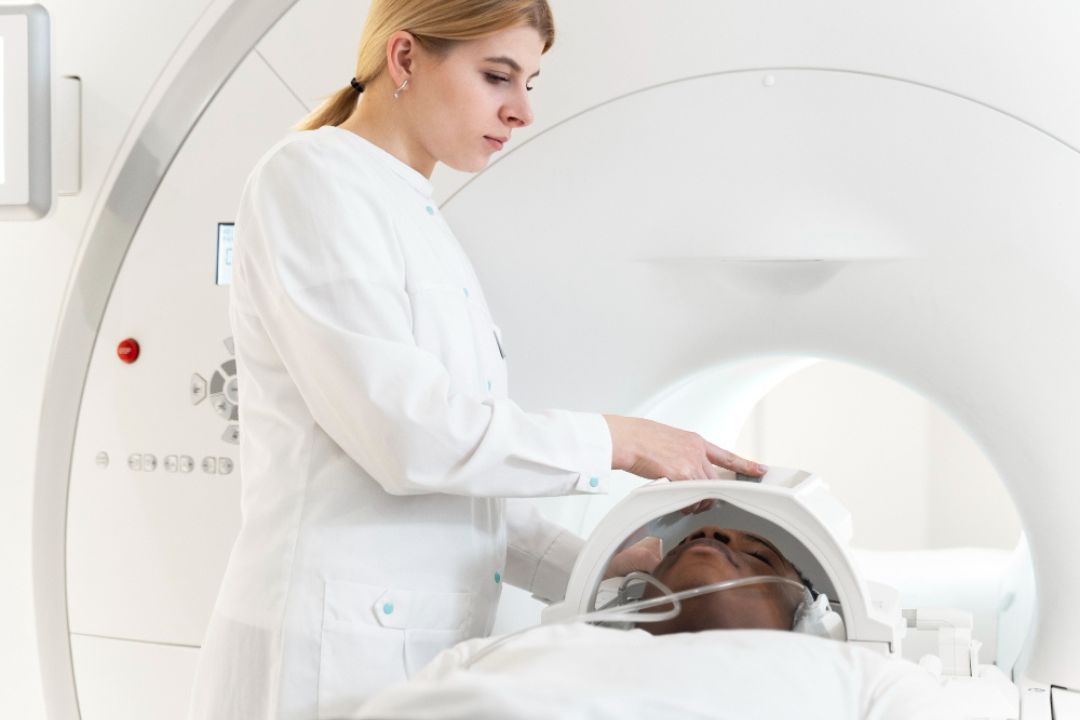
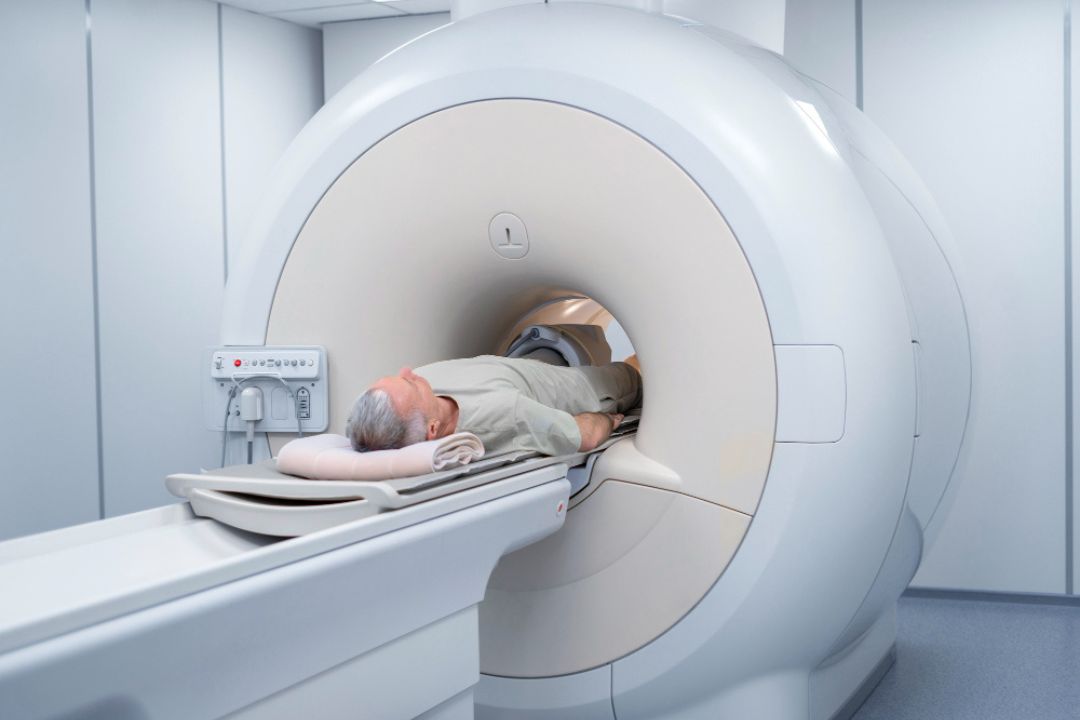
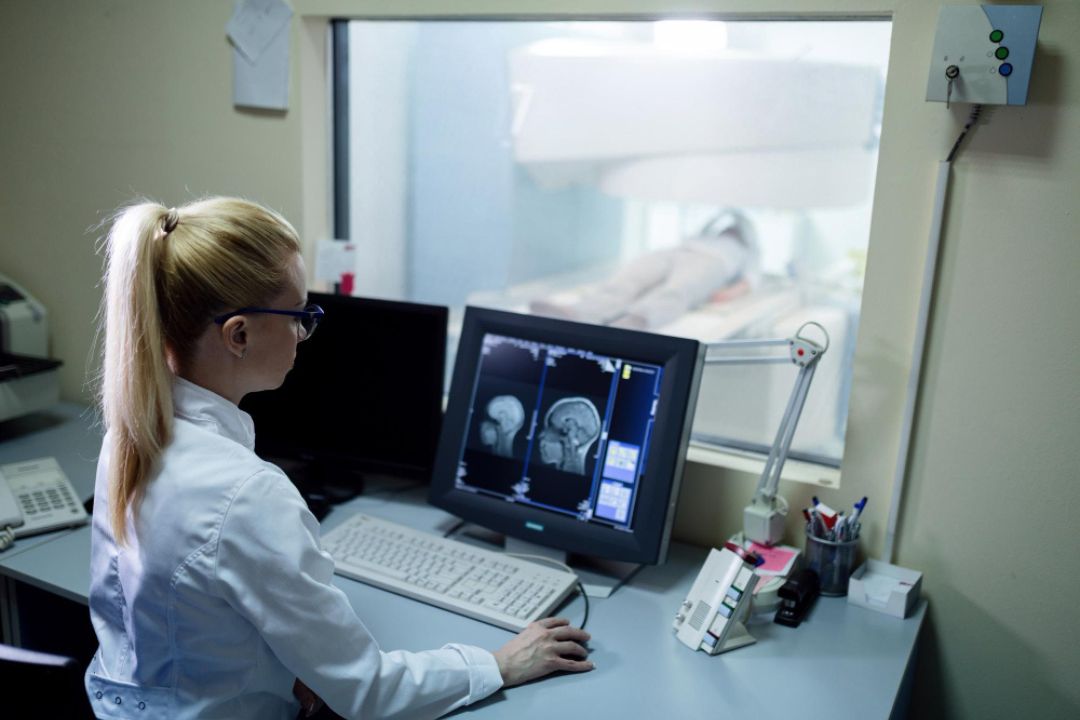
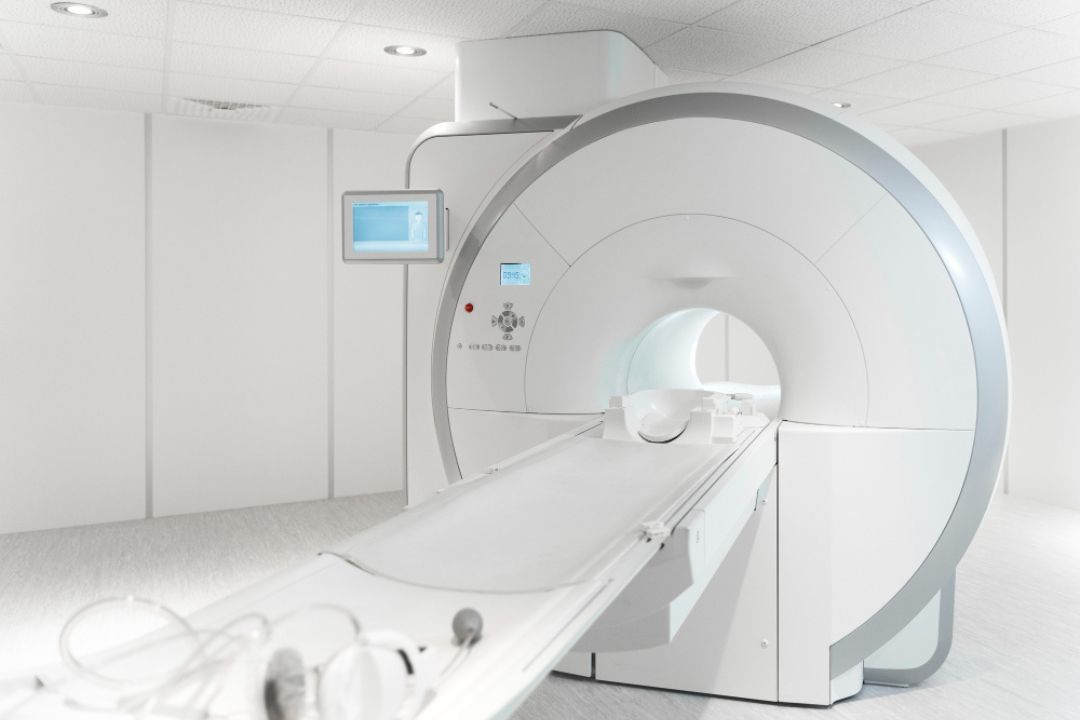
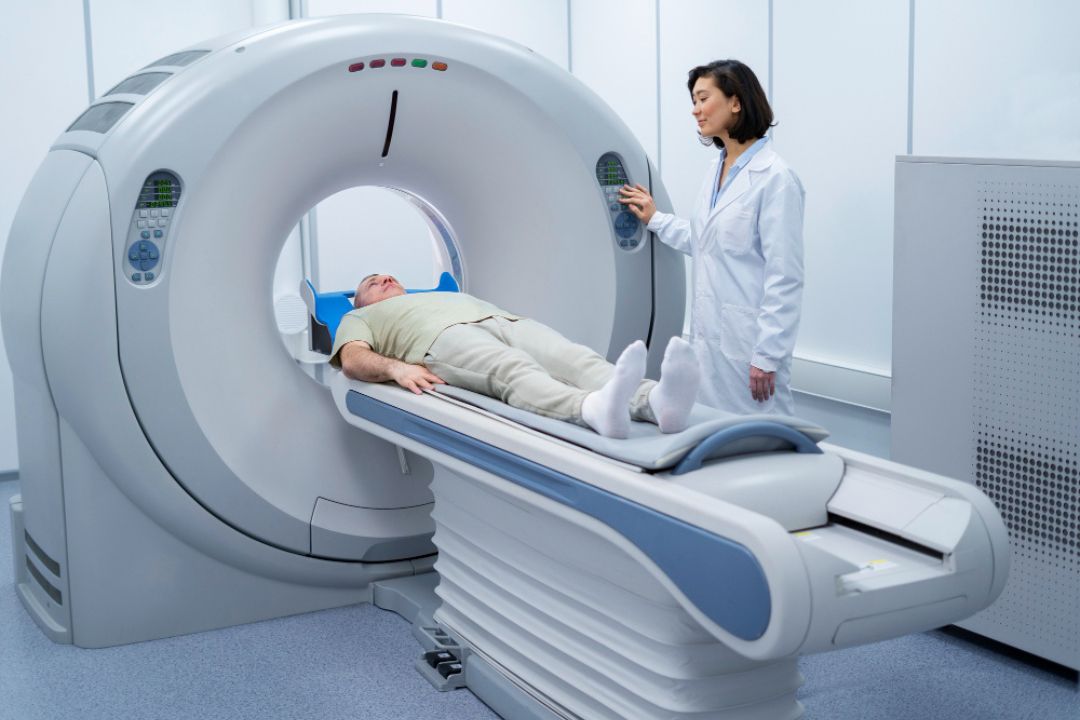
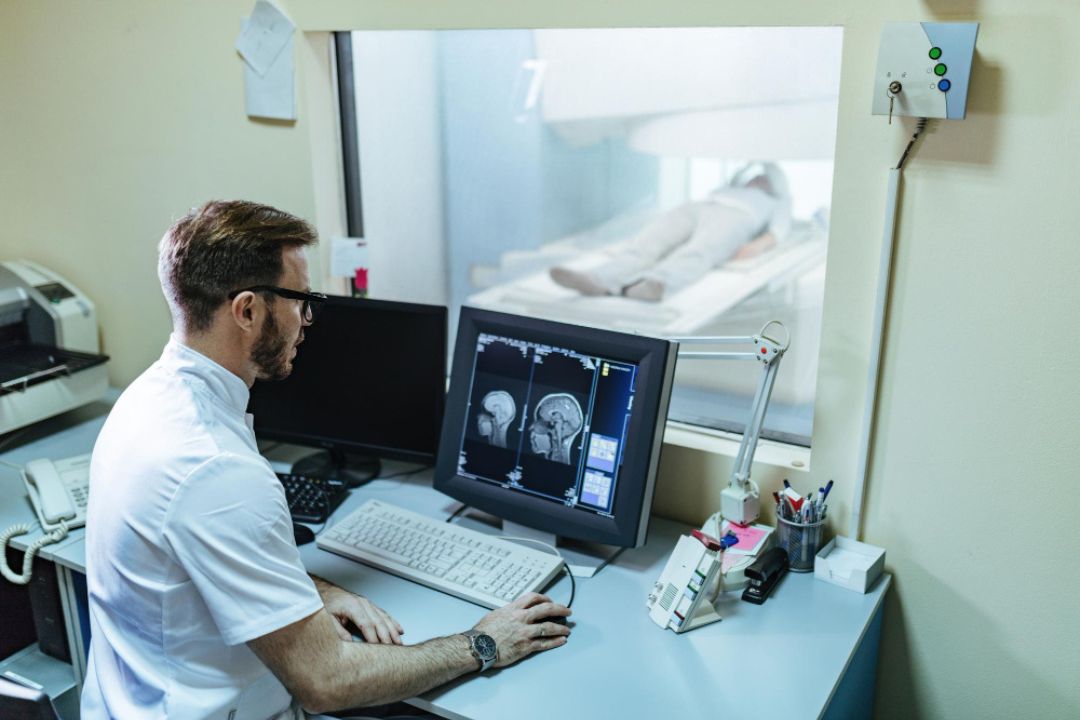
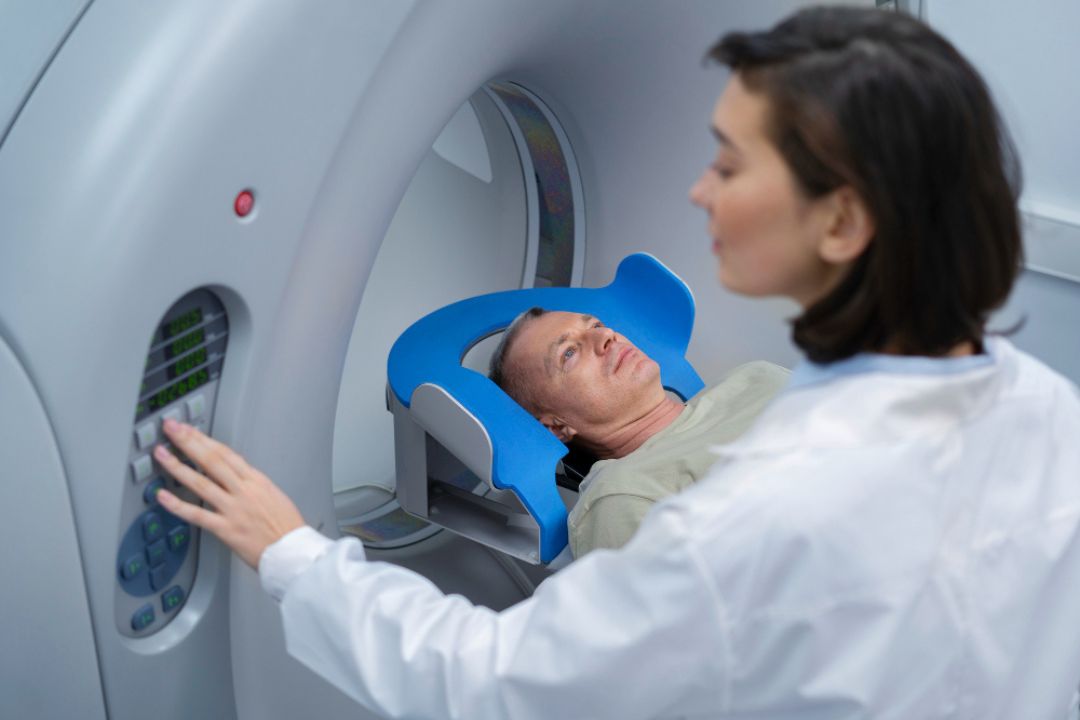
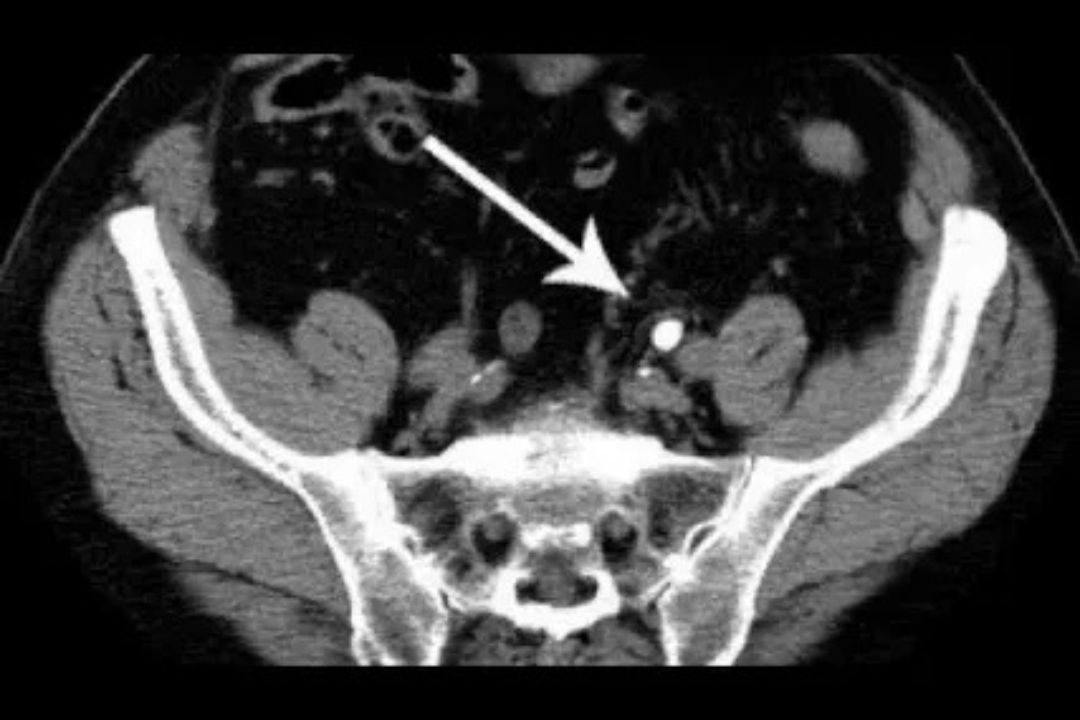
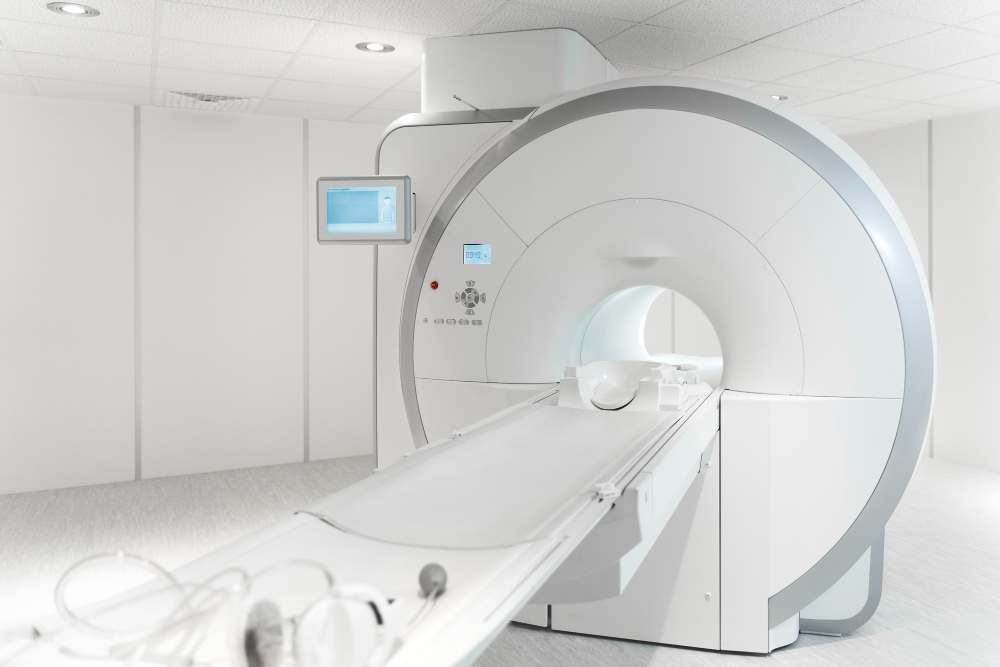
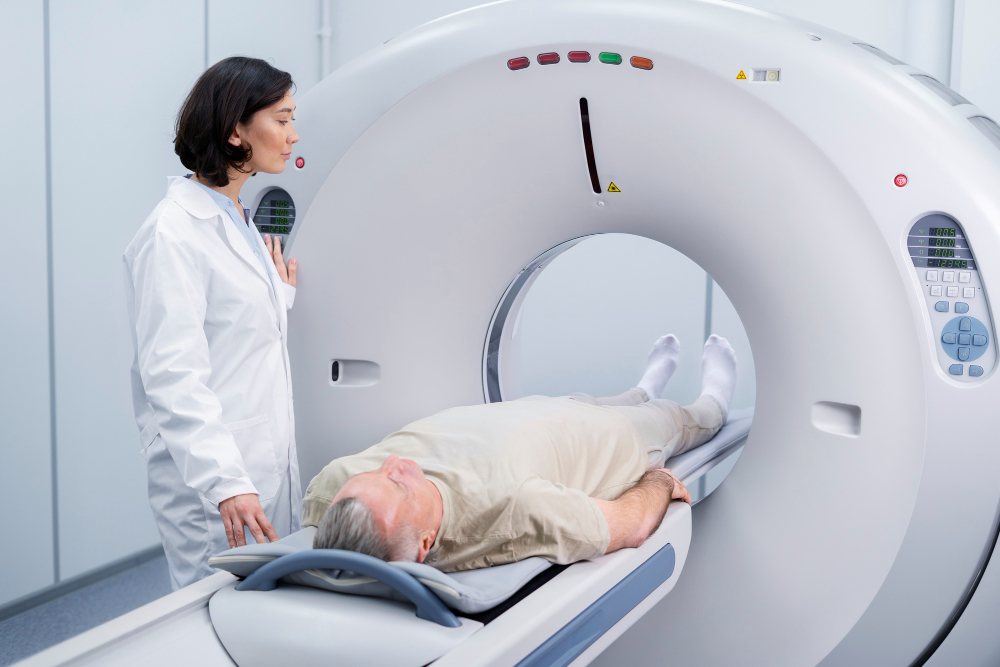
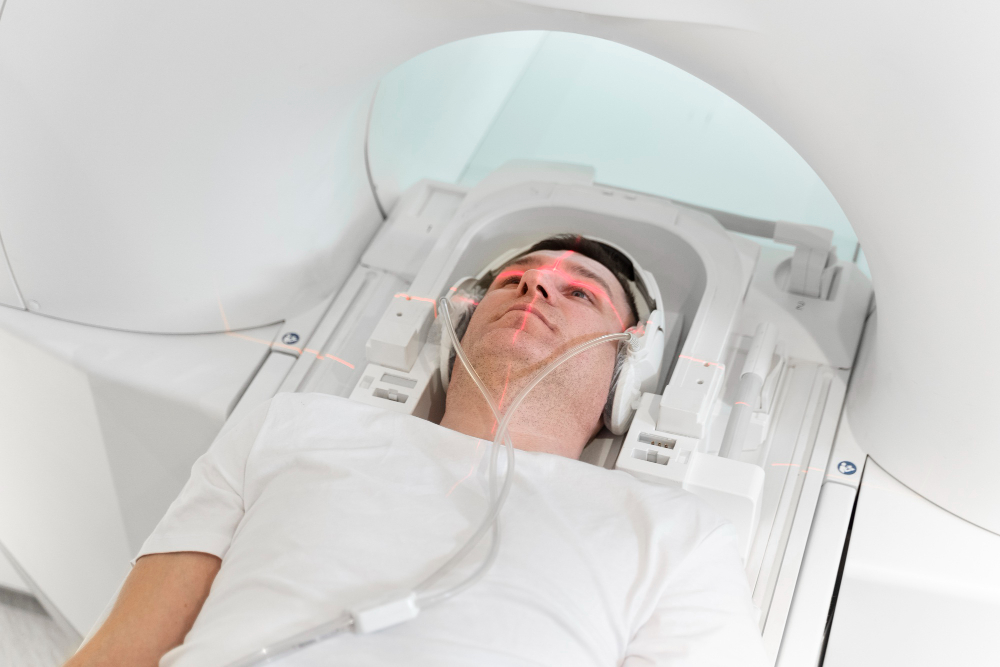
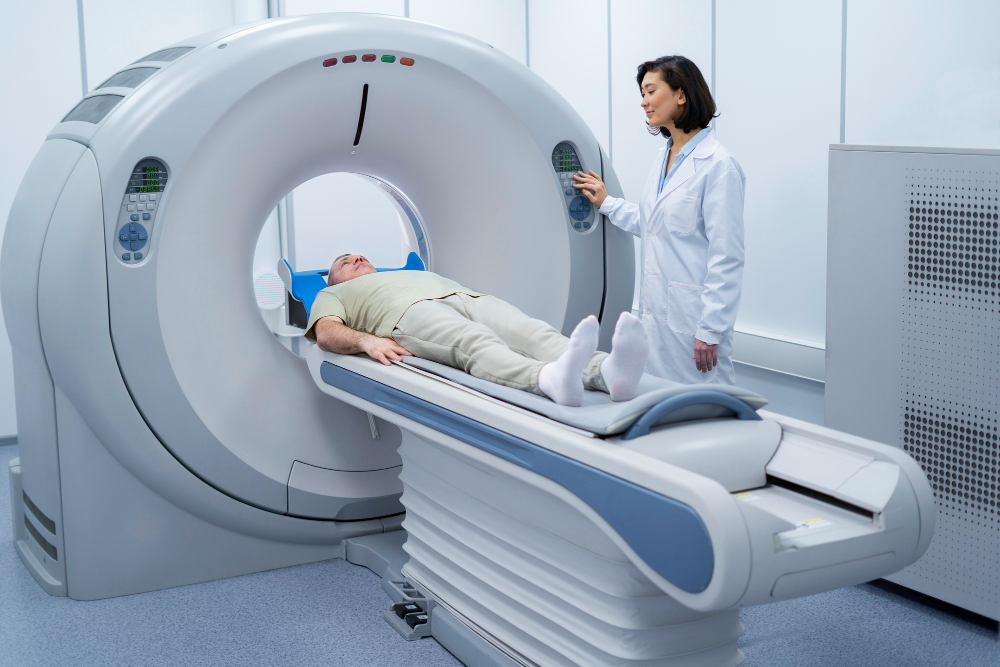
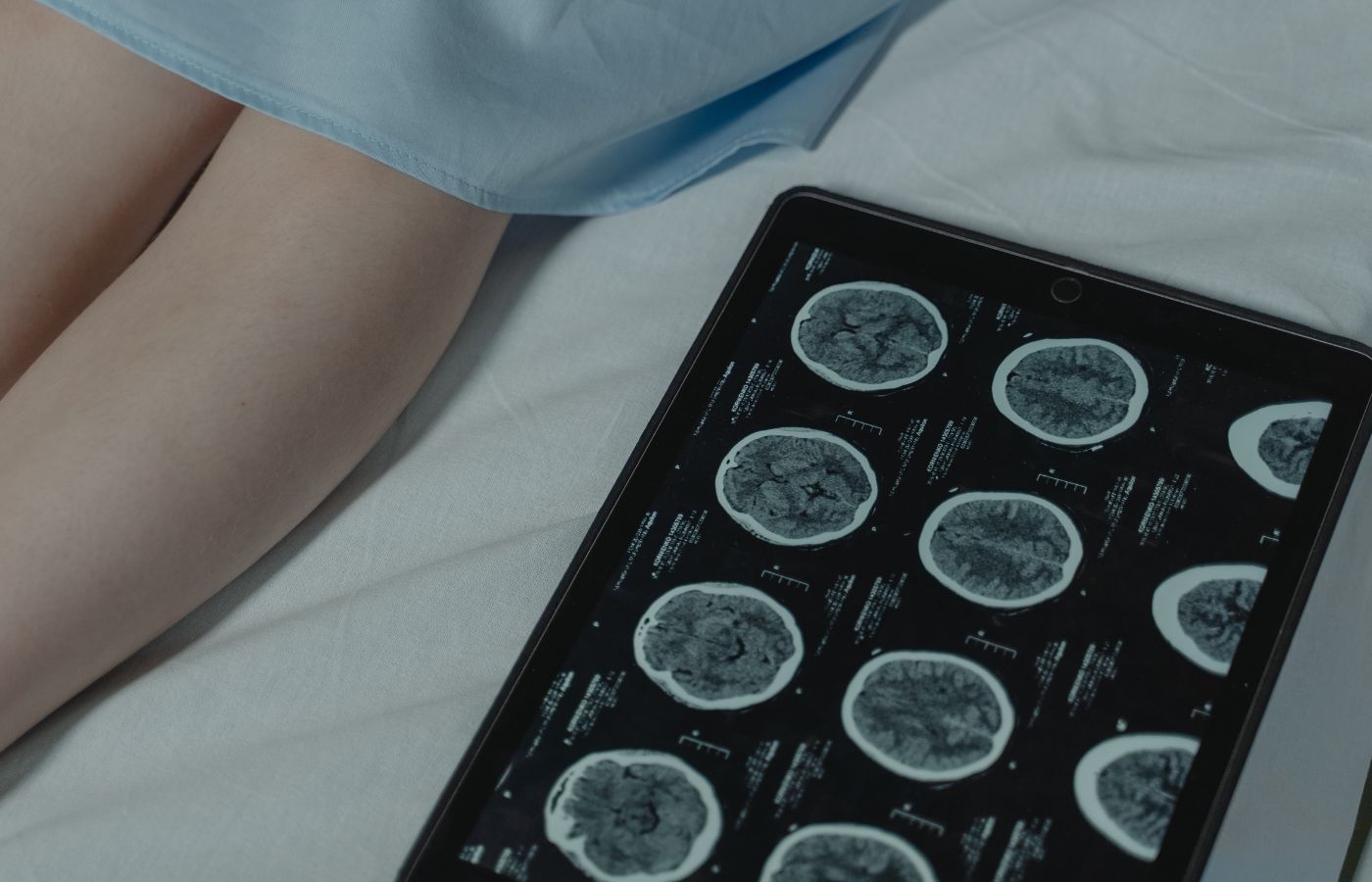
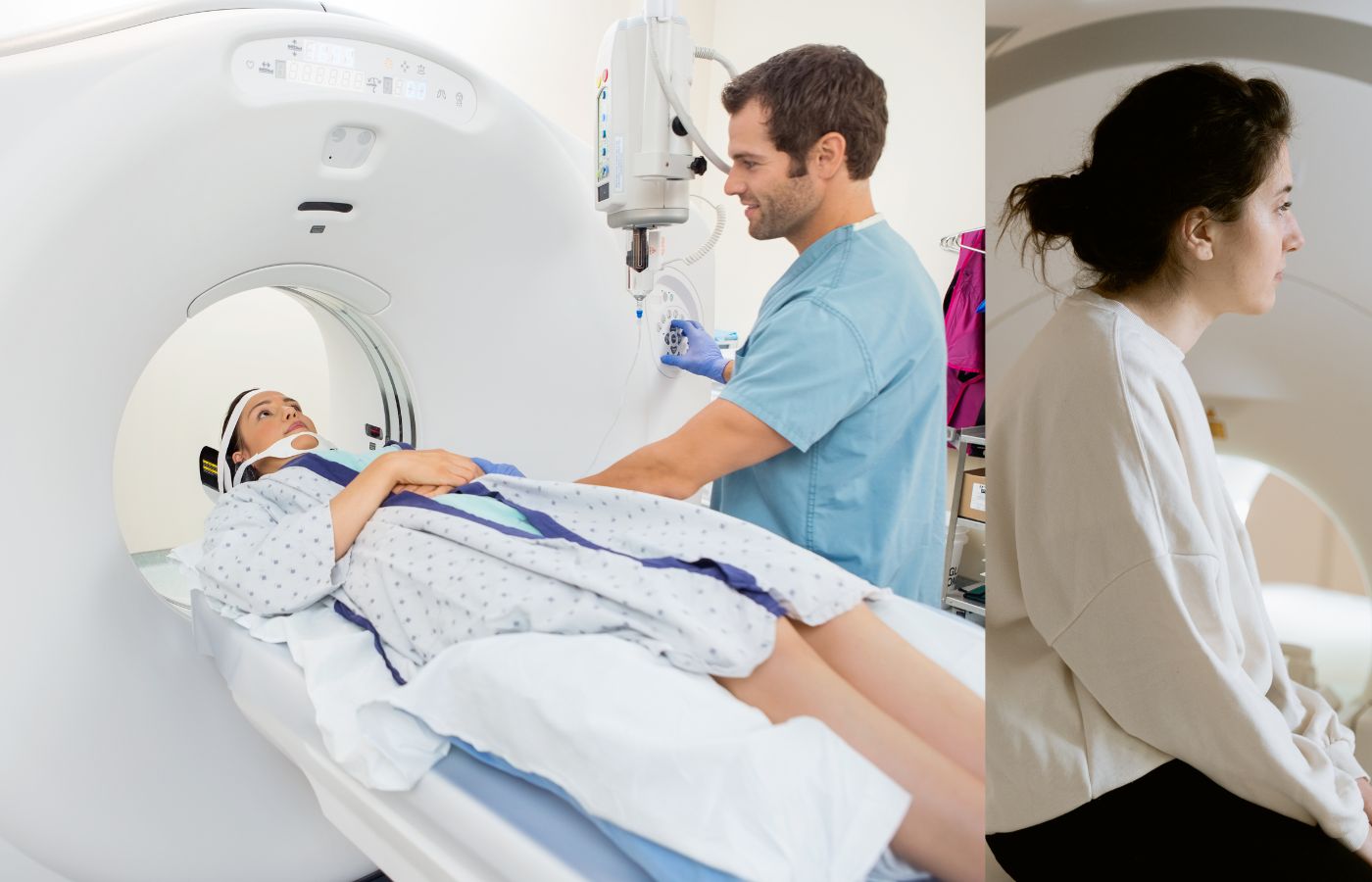
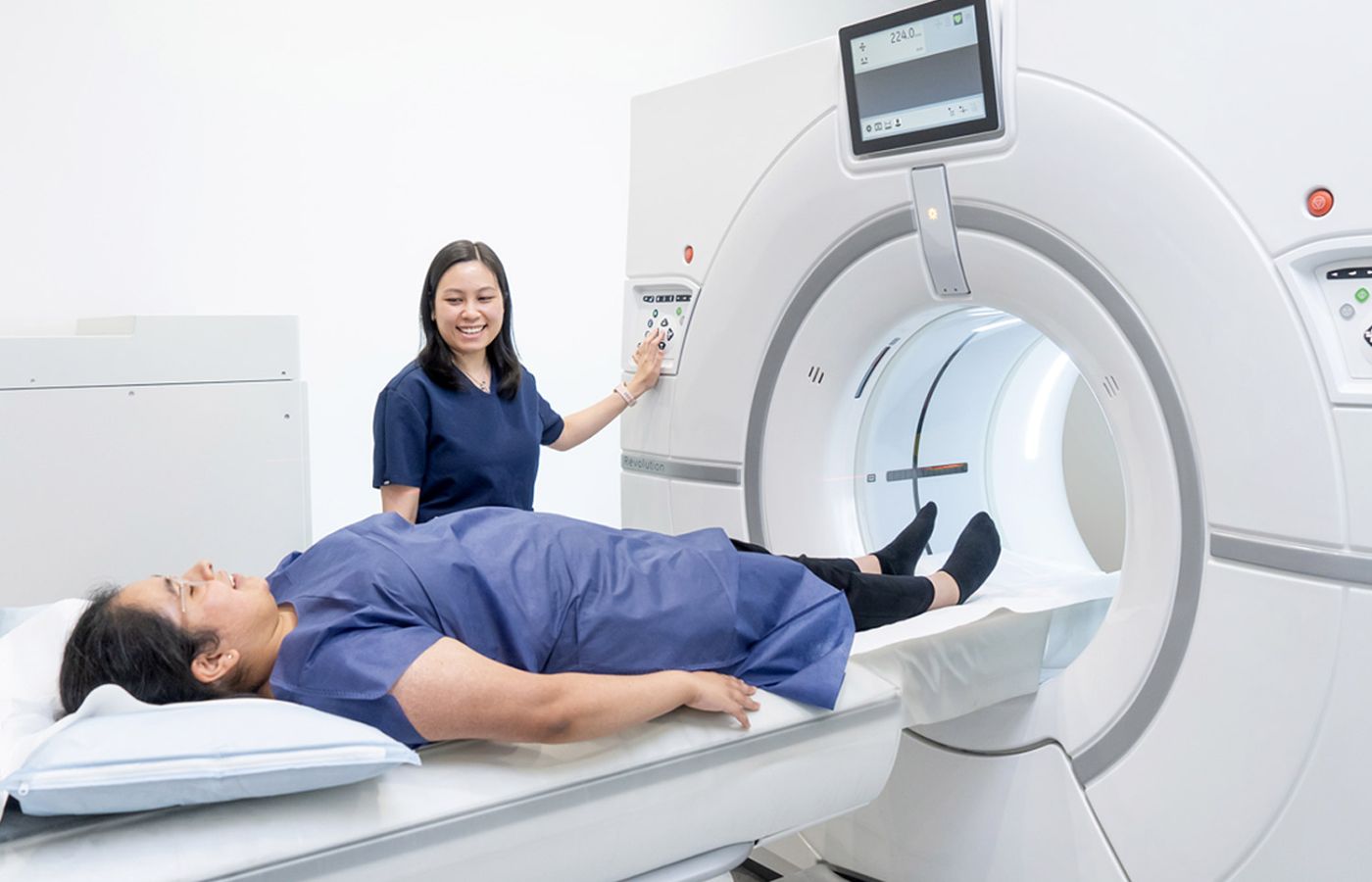
Imaging tests such as MRI or CT scans
Muscle biopsy to examine muscle tissue
Genetic testing to identify inherited muscle conditions
These tests help doctors determine the type and severity of the disorder.
The treatment for muscle disorders depends on the specific condition and its cause. While some disorders cannot be completely cured, many treatments help manage symptoms and improve quality of life.
Doctors may prescribe pain relievers, anti-inflammatory drugs, or medications that reduce immune system activity.
Physical therapy helps strengthen muscles, improve flexibility, and restore mobility. Regular exercise programs can also help slow muscle degeneration.
Maintaining a healthy diet, staying physically active, and managing stress can help support muscle health.
Devices such as braces, walkers, or wheelchairs can help people with severe muscle weakness maintain independence.
In some cases, surgery may be required to repair damaged muscles or correct structural problems affecting movement.
Although not all muscle disorders can be prevented, certain habits can help maintain healthy muscles:
Regular physical exercise
Balanced nutrition rich in vitamins and minerals
Staying hydrated
Avoiding excessive strain on muscles
Getting enough rest and recovery after intense activity
Healthy lifestyle habits can help reduce the risk of muscle injuries and improve overall muscle strength.
Muscle disorders include a wide range of conditions that affect muscle strength, mobility, and overall physical function. These disorders can develop due to genetic factors, injuries, infections, or other medical conditions.
Early diagnosis and appropriate treatment are essential for managing symptoms and preventing complications. With proper medical care, physical therapy, and lifestyle changes, many people with muscle disorders can improve their quality of life and maintain independence.















.jpg "ct brain scan plain and contrast")




























.jpg "ct scan")

.jpg "ct scan or mri for brain disorders")


.jpg "exploring the power of ct brain contrast in modern diagnostics")
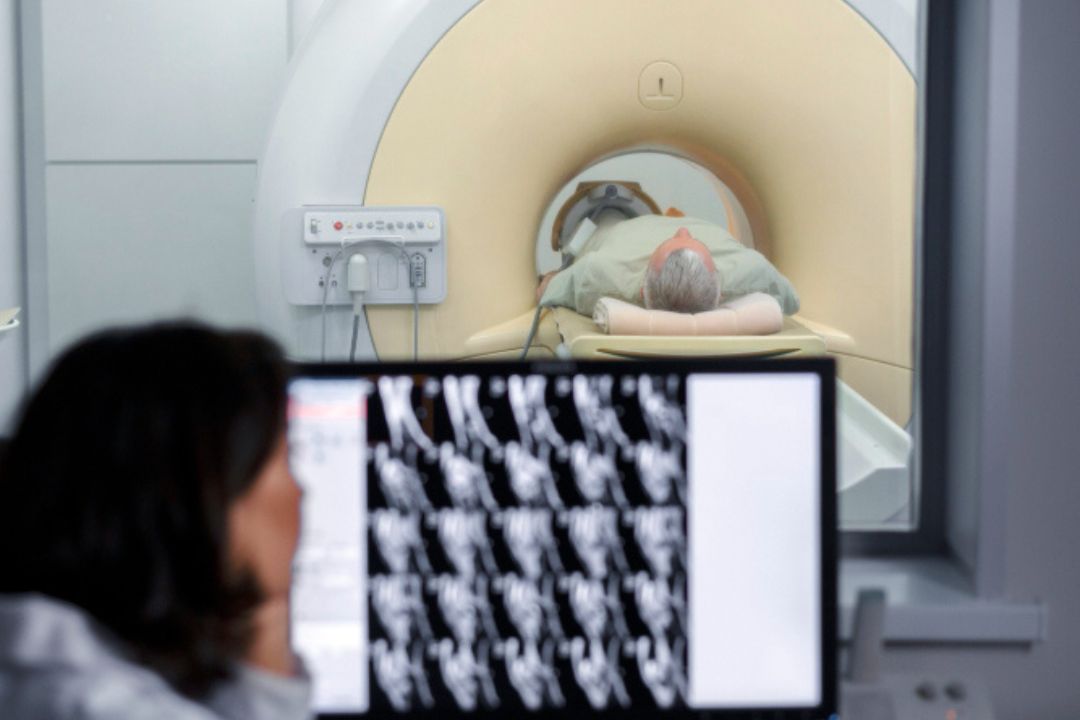
.jpg "ct scan")
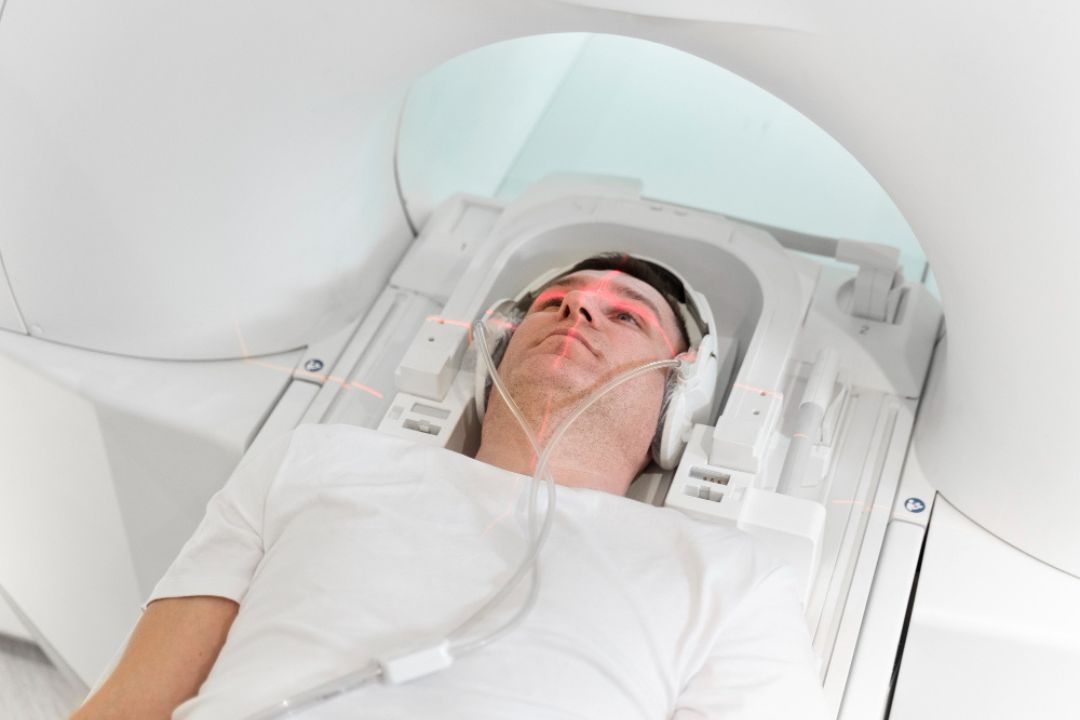
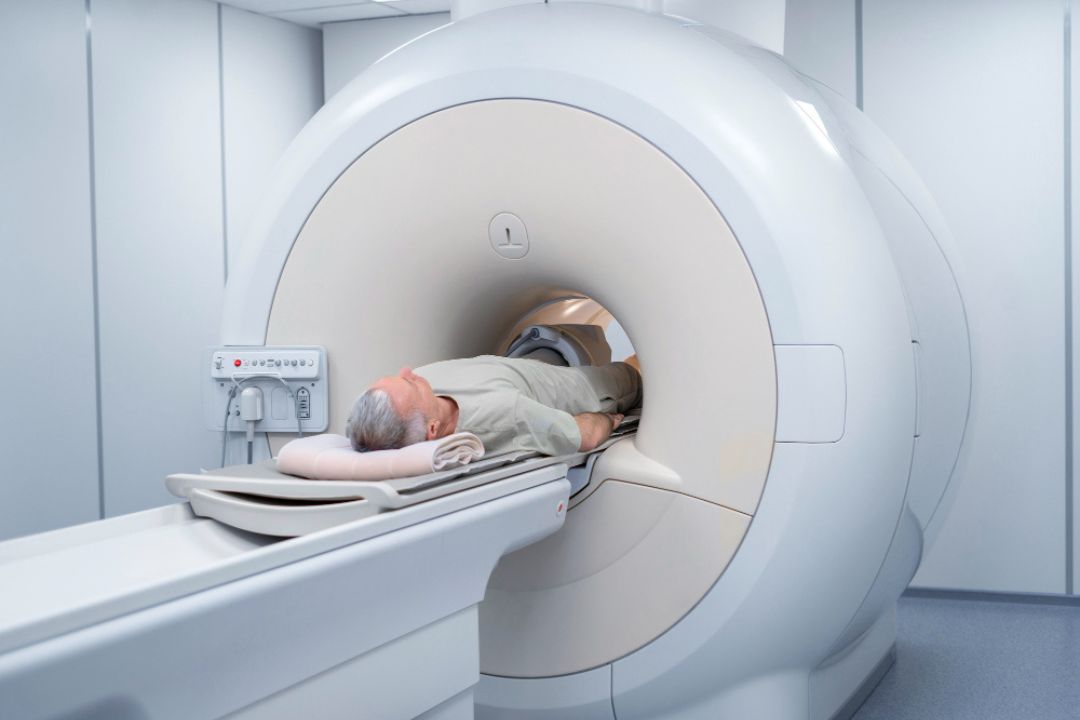

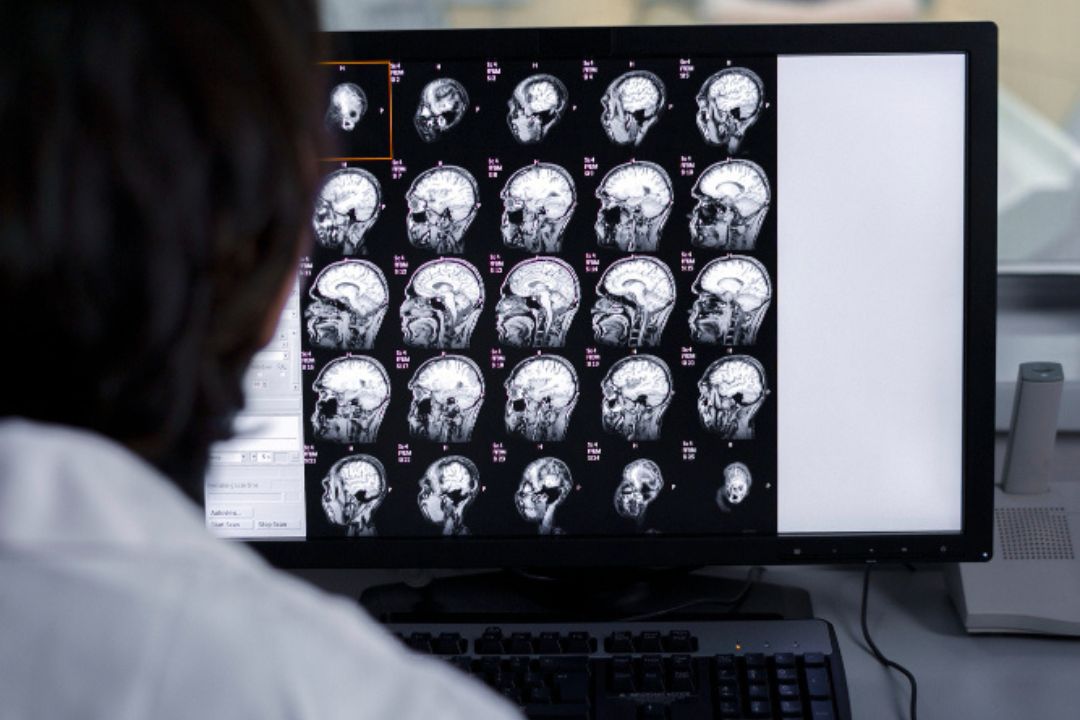
.jpg "ct scan")












.jpg "ct scan")

.jpg "CT Brain Scan for Headaches")
.jpg "The Future of 3D CT Imaging")