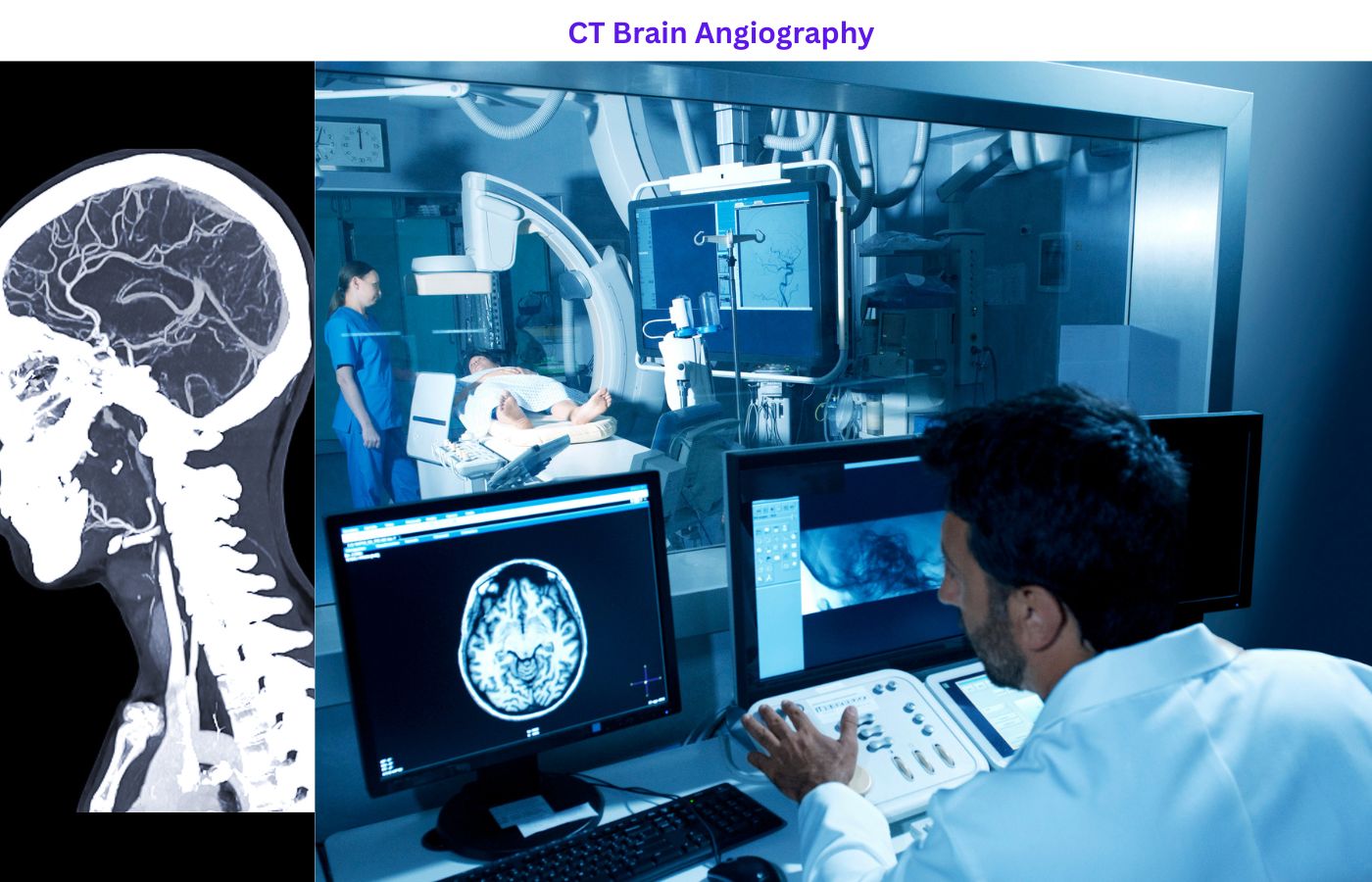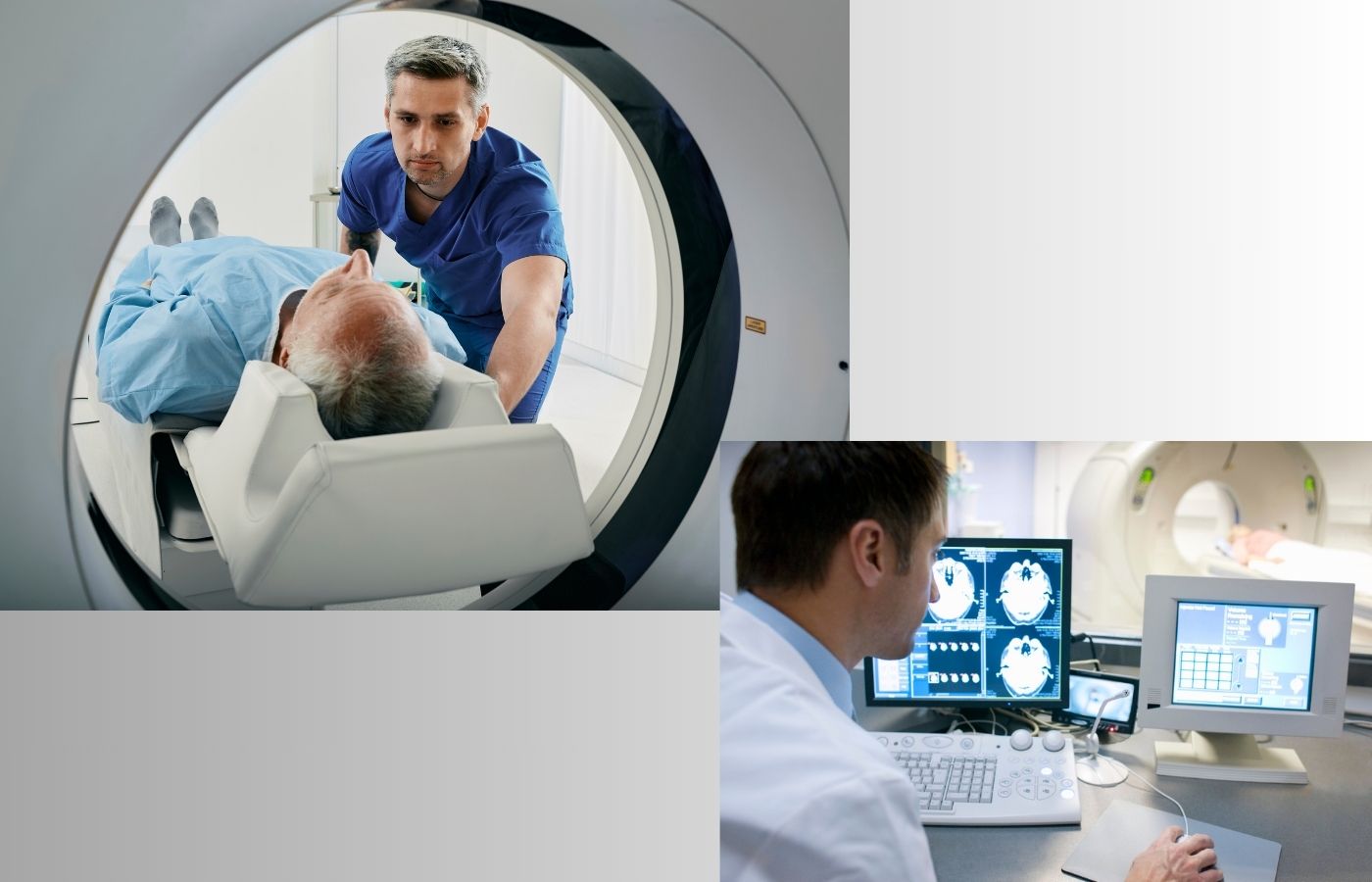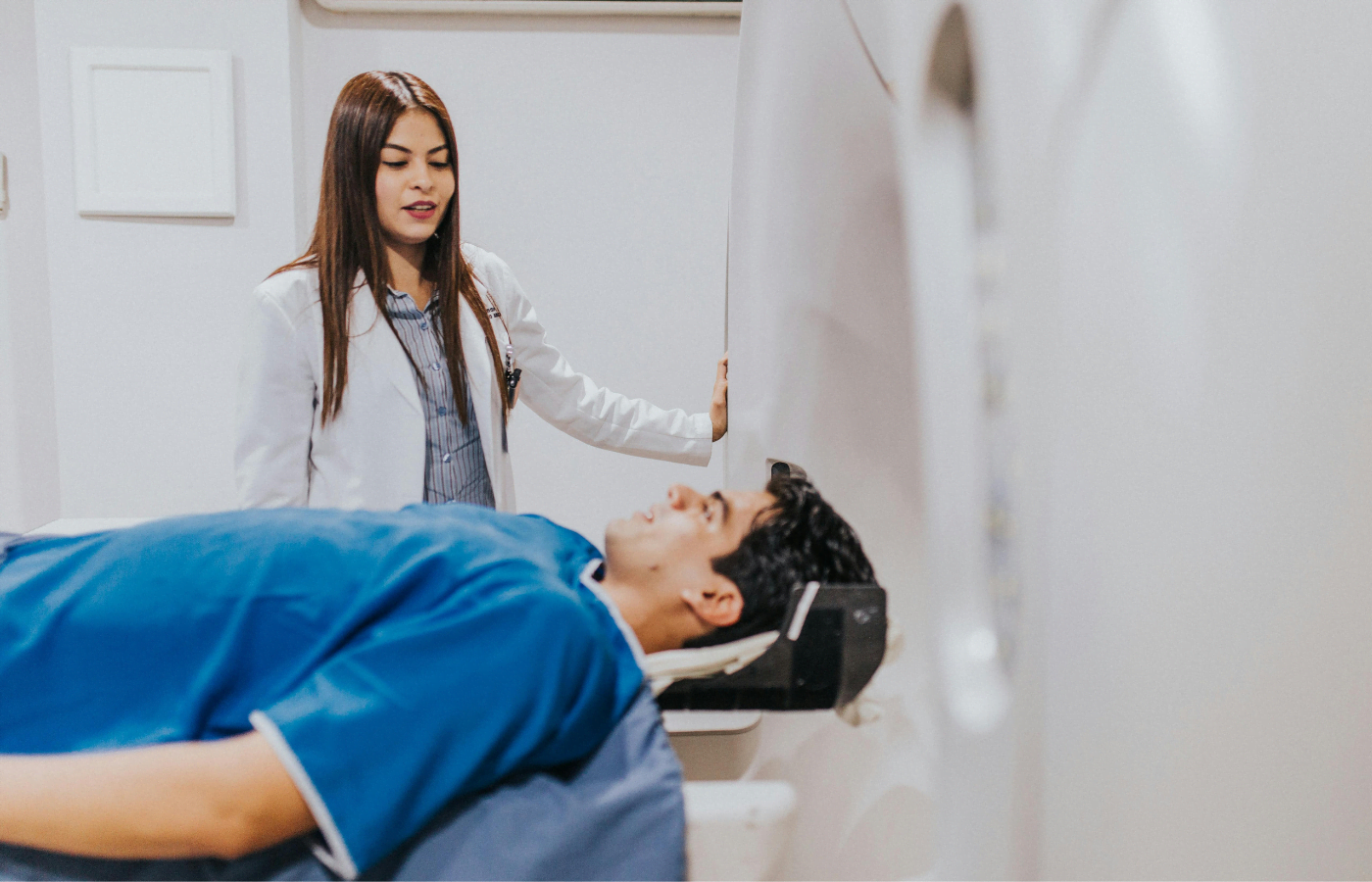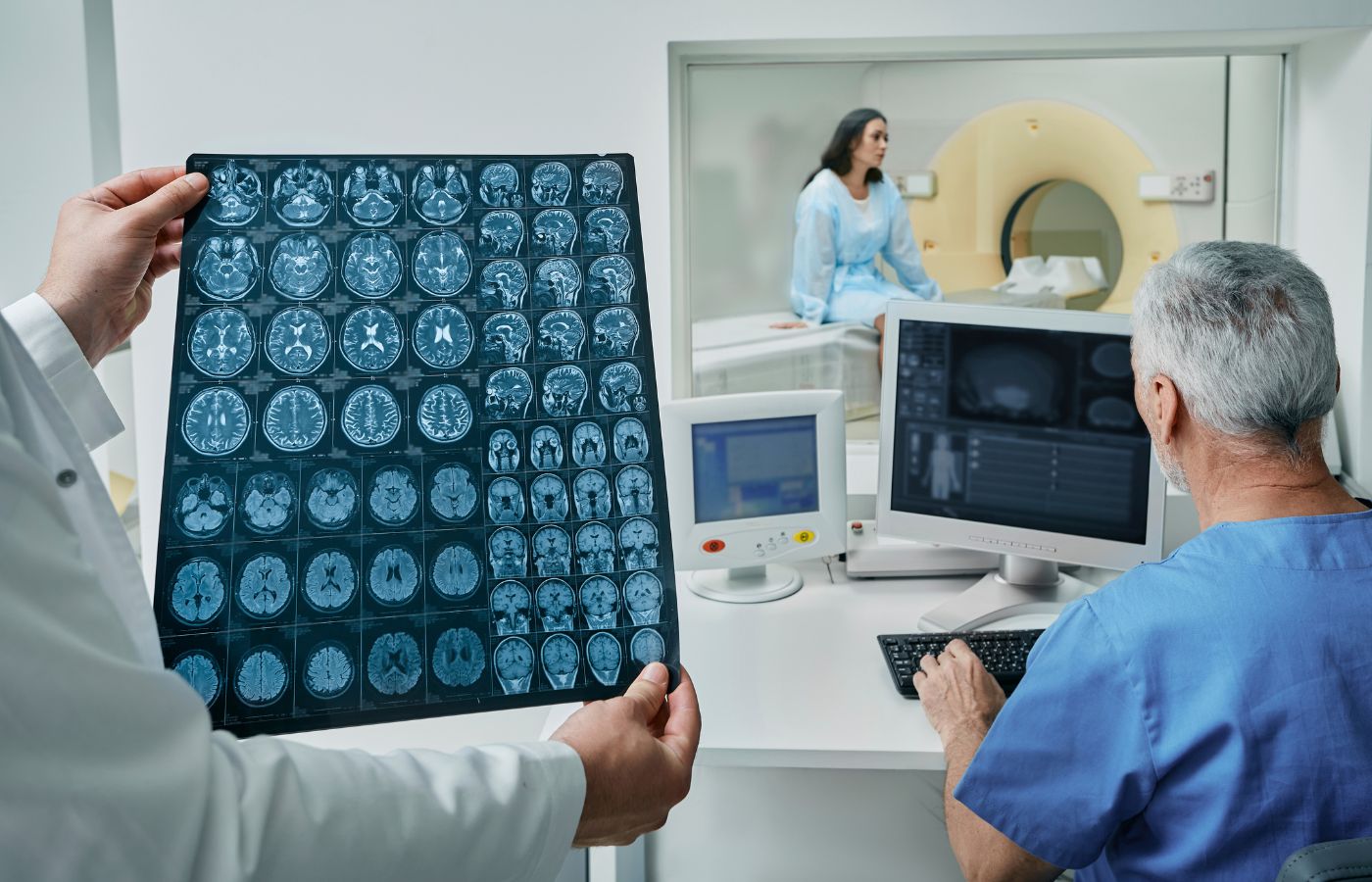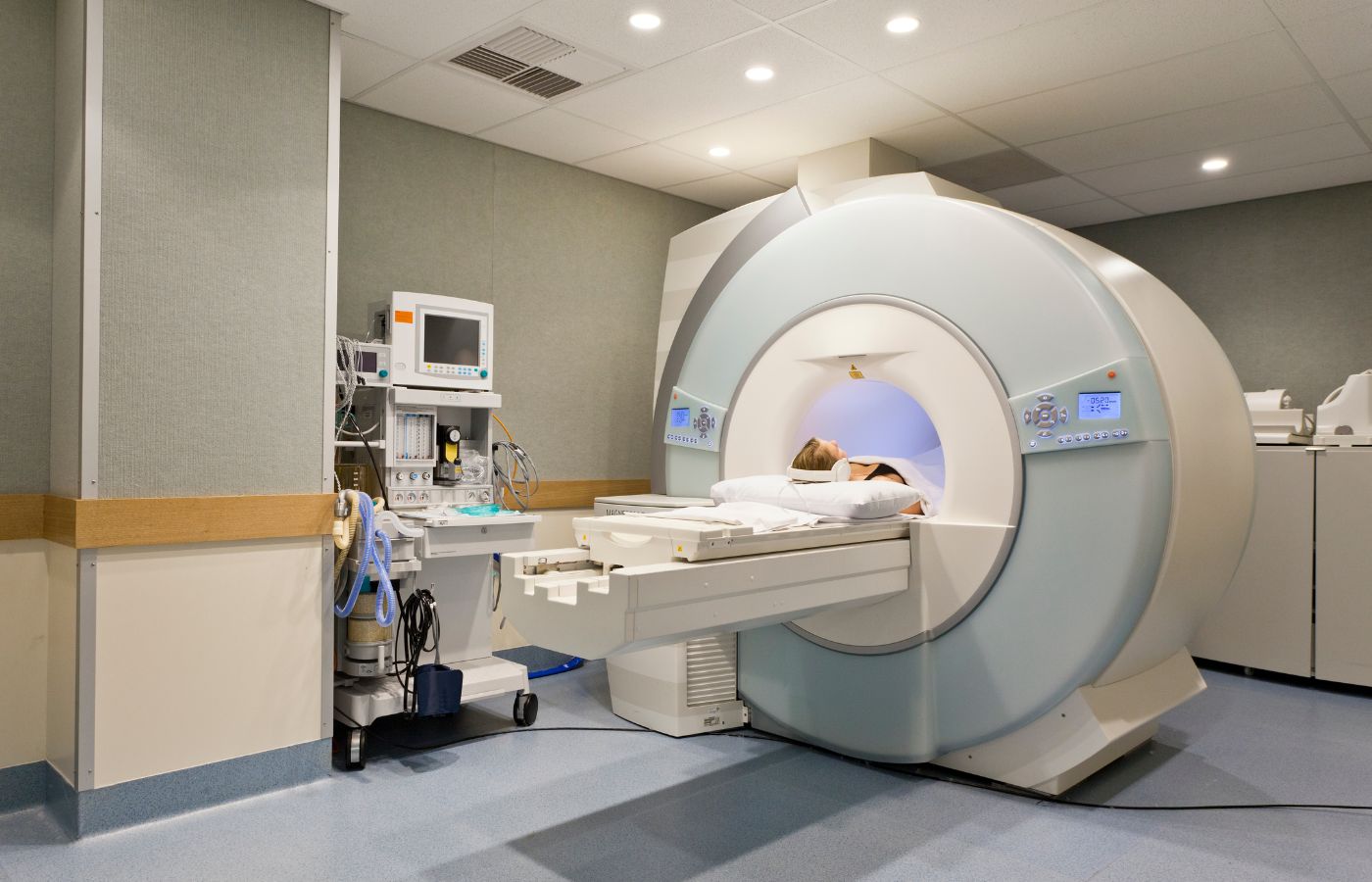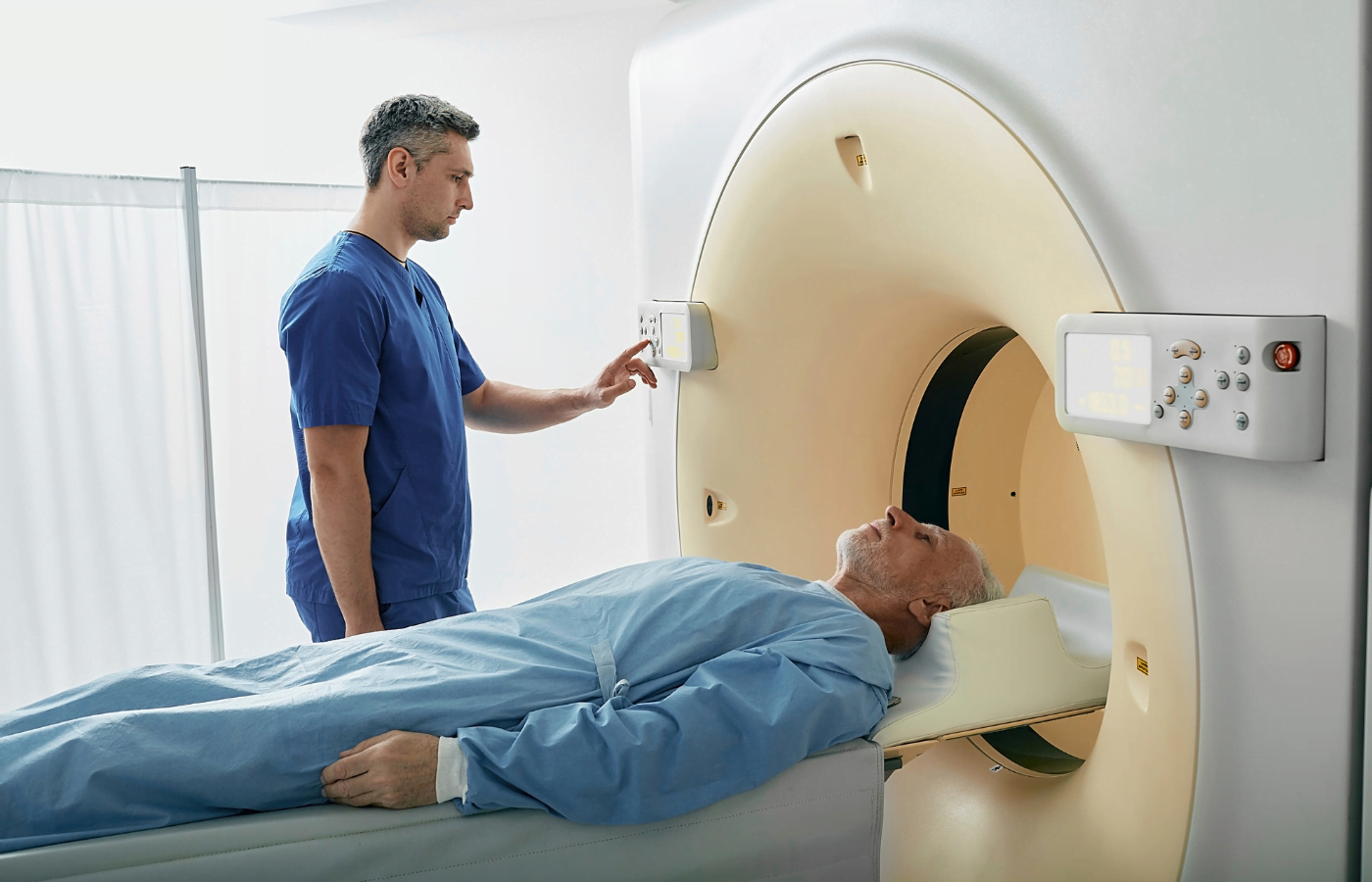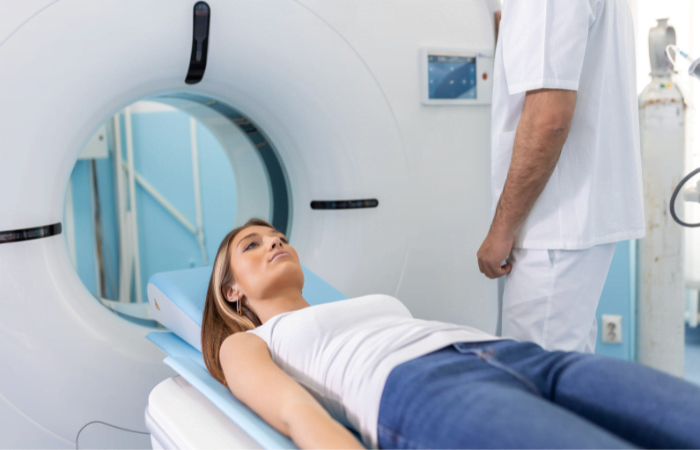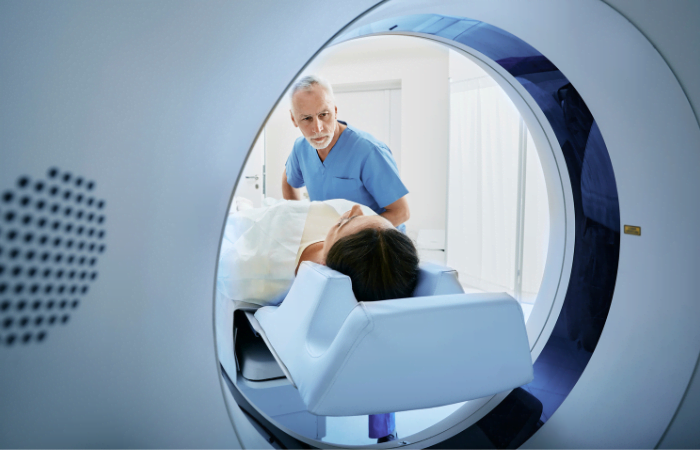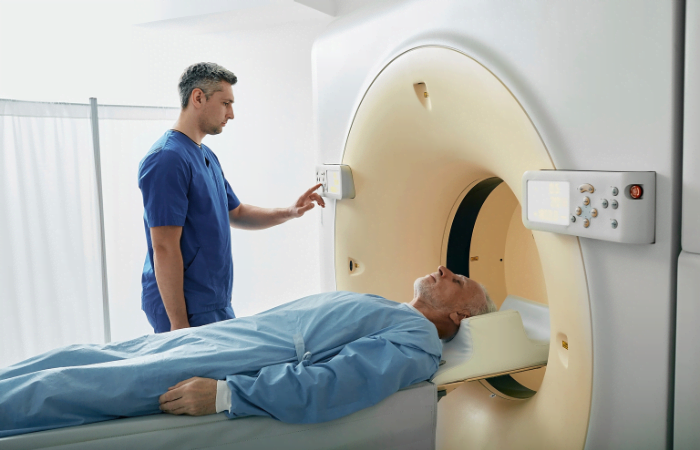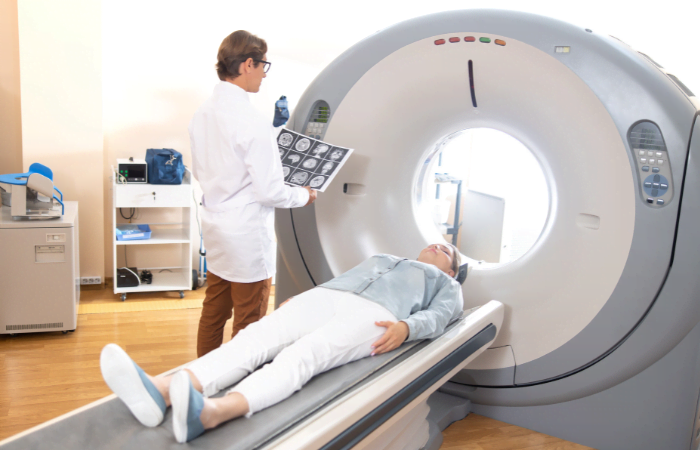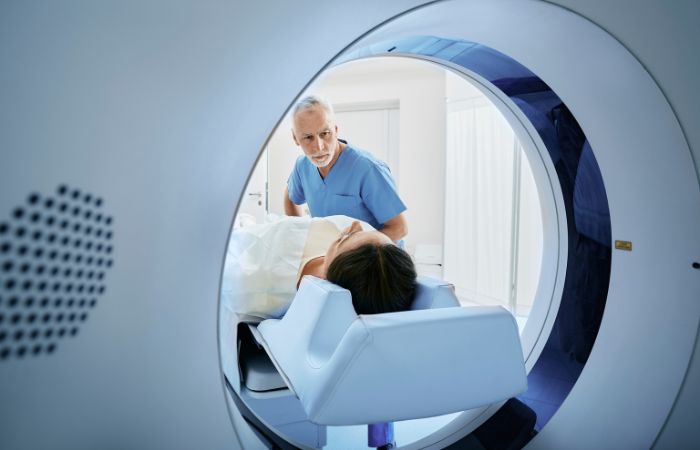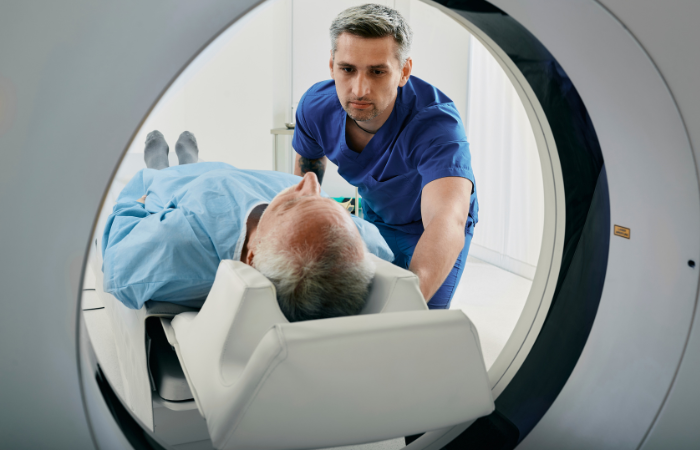
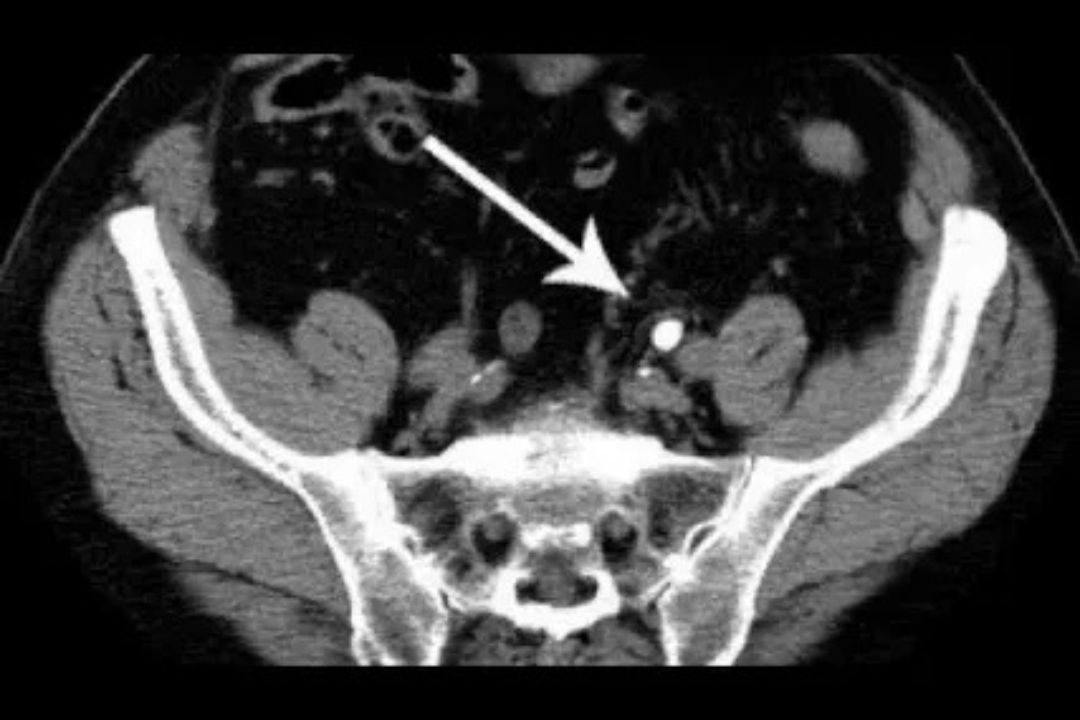
A CT scan plays an important role in planning abdominal surgery. It provides detailed images of internal organs, blood vessels, tissues, and bones inside the abdomen. These images help surgeons understand the exact location of a disease or injury before performing an operation.
Because CT imaging produces highly detailed cross-sectional views of the body, doctors can evaluate organs such as the liver, pancreas, kidneys, stomach, and intestines with greater accuracy than standard X-rays.
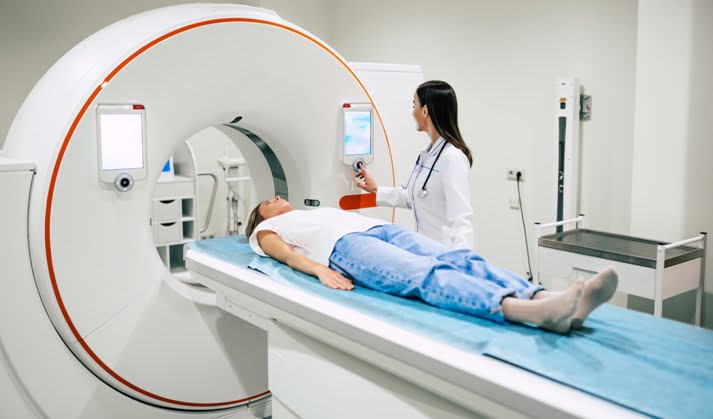
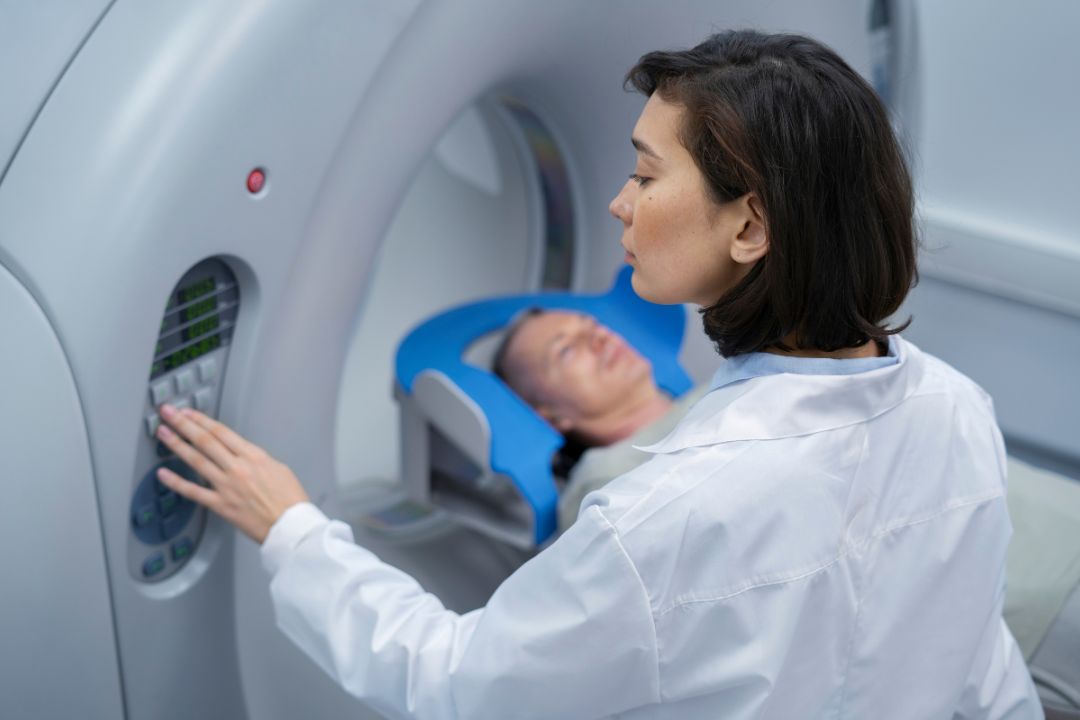
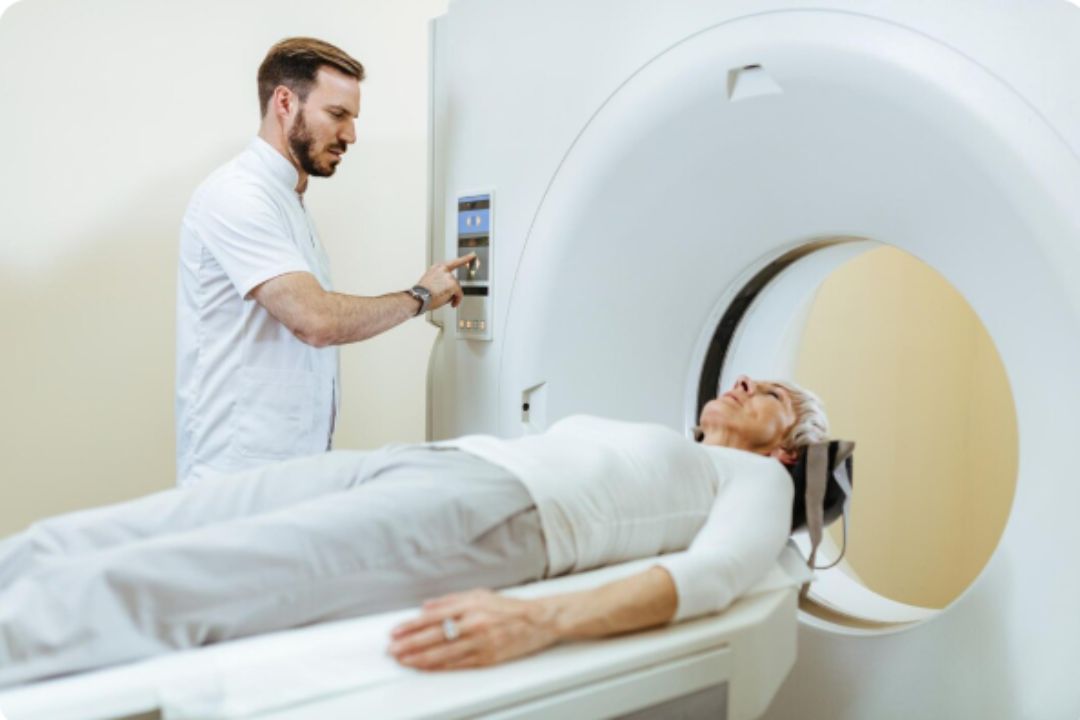
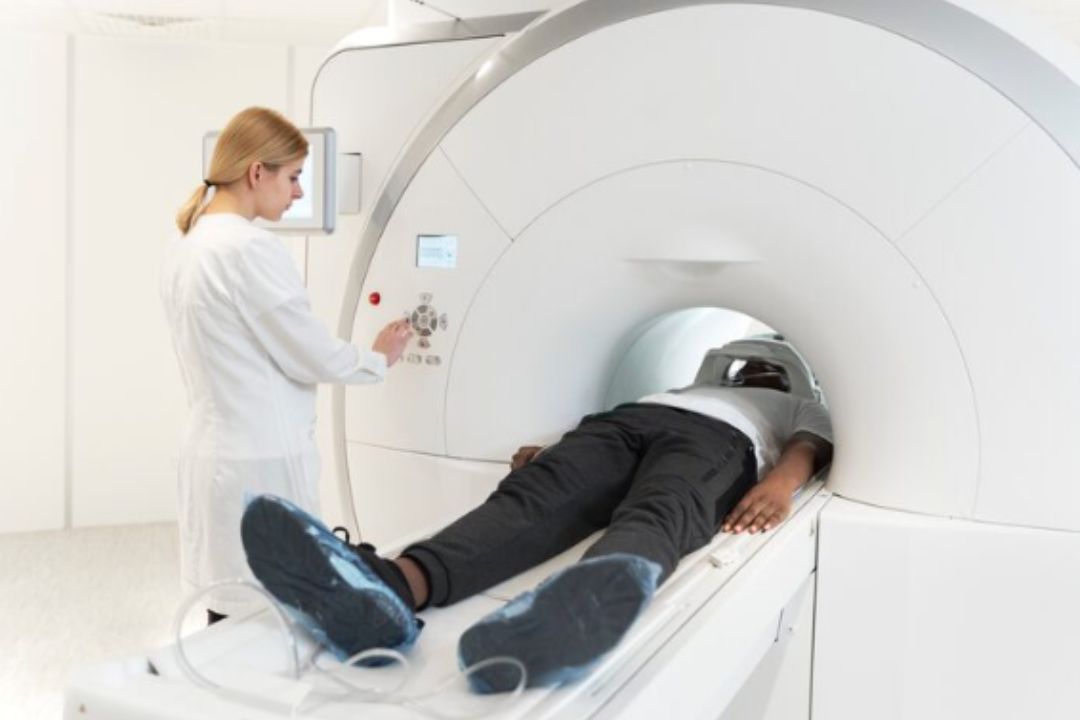
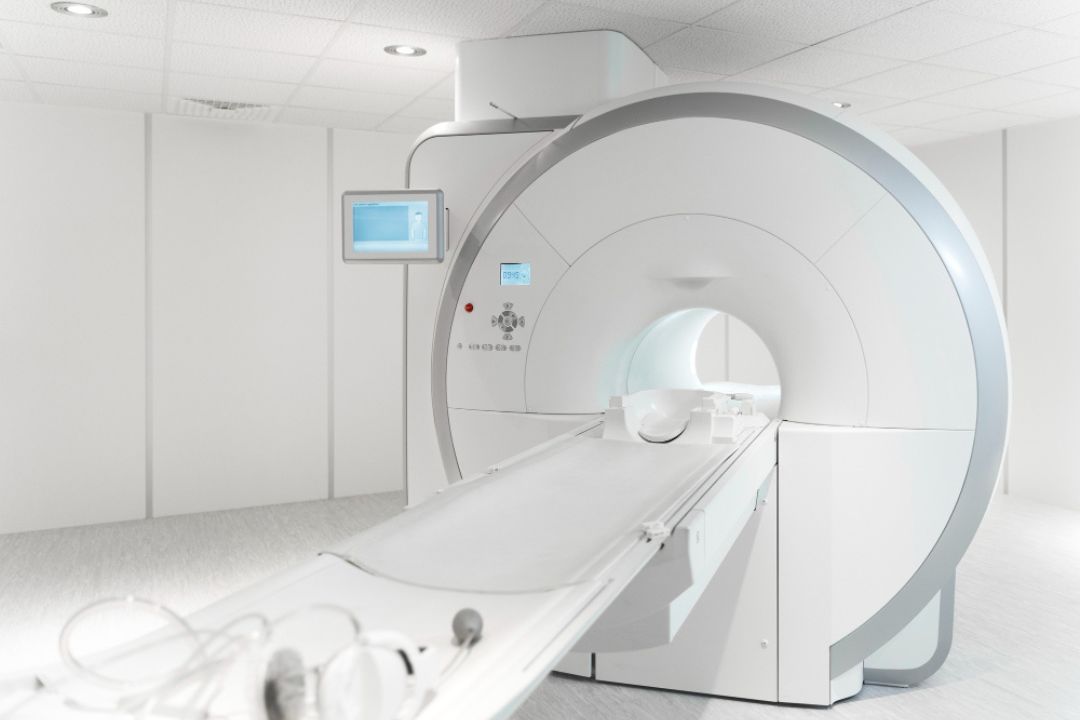
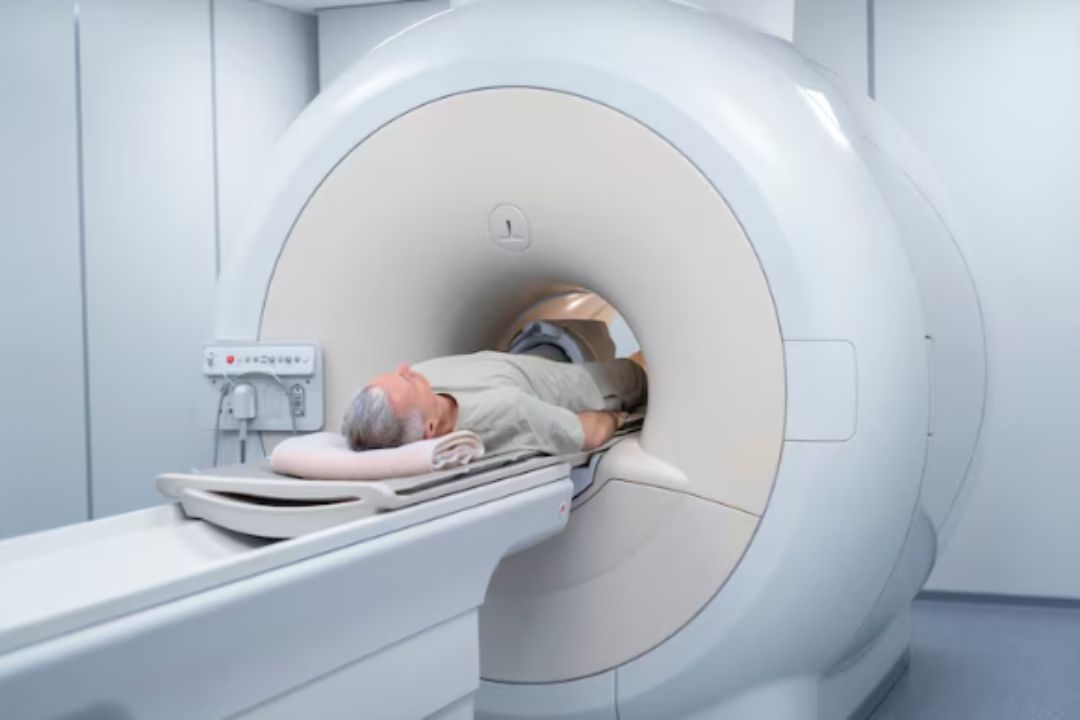
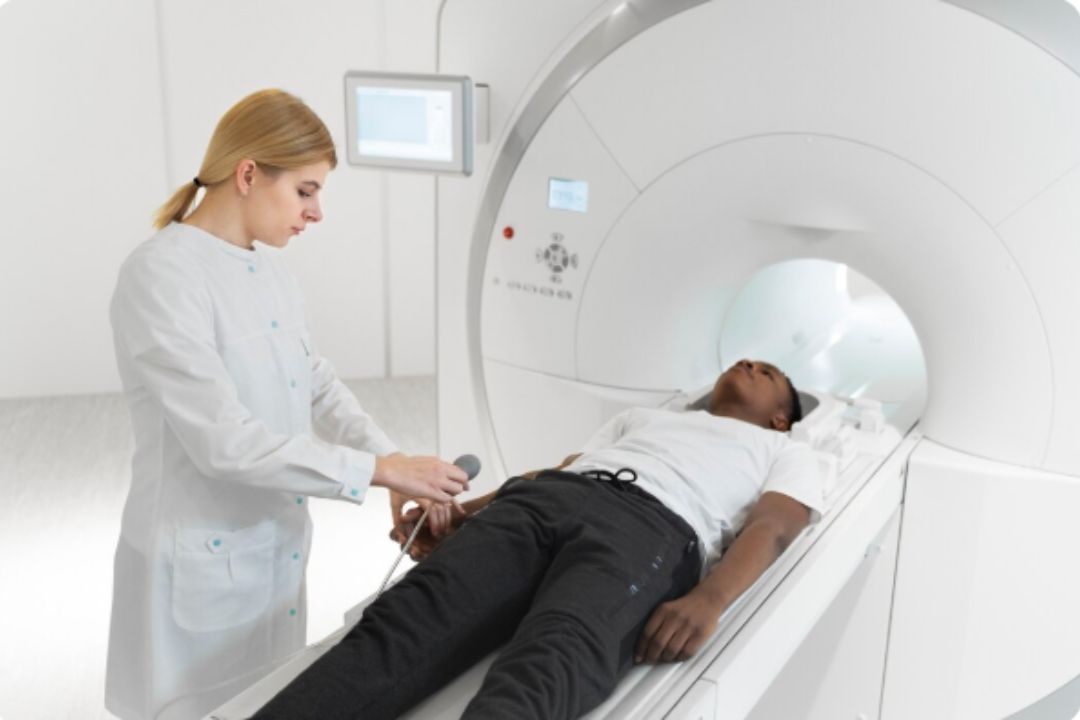
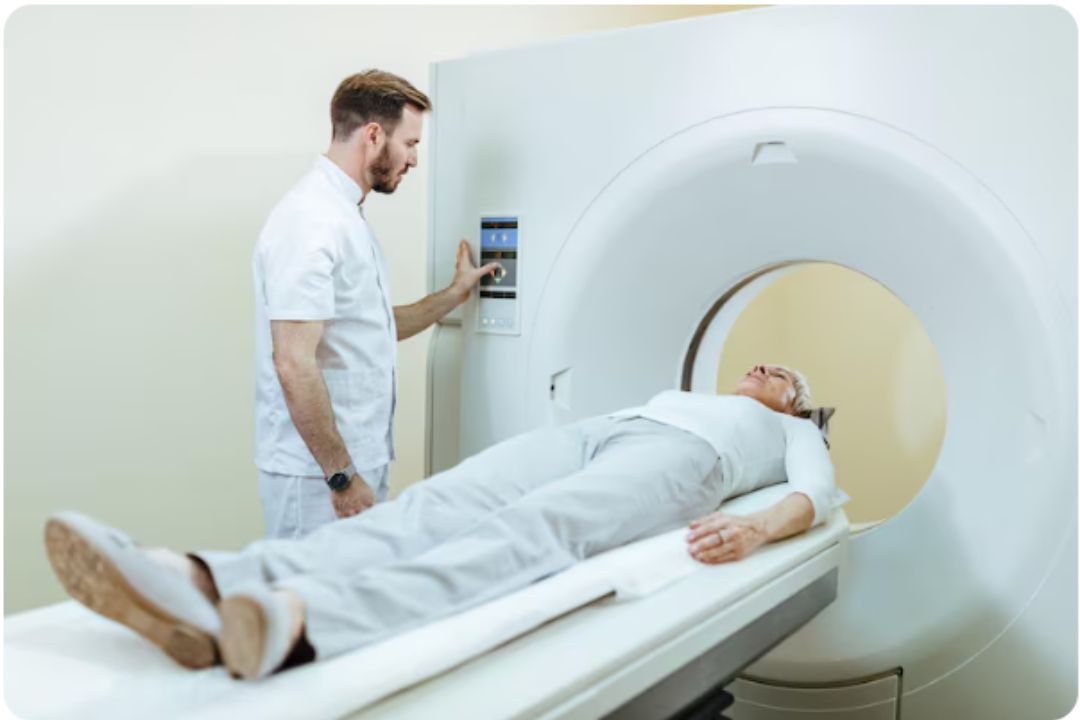
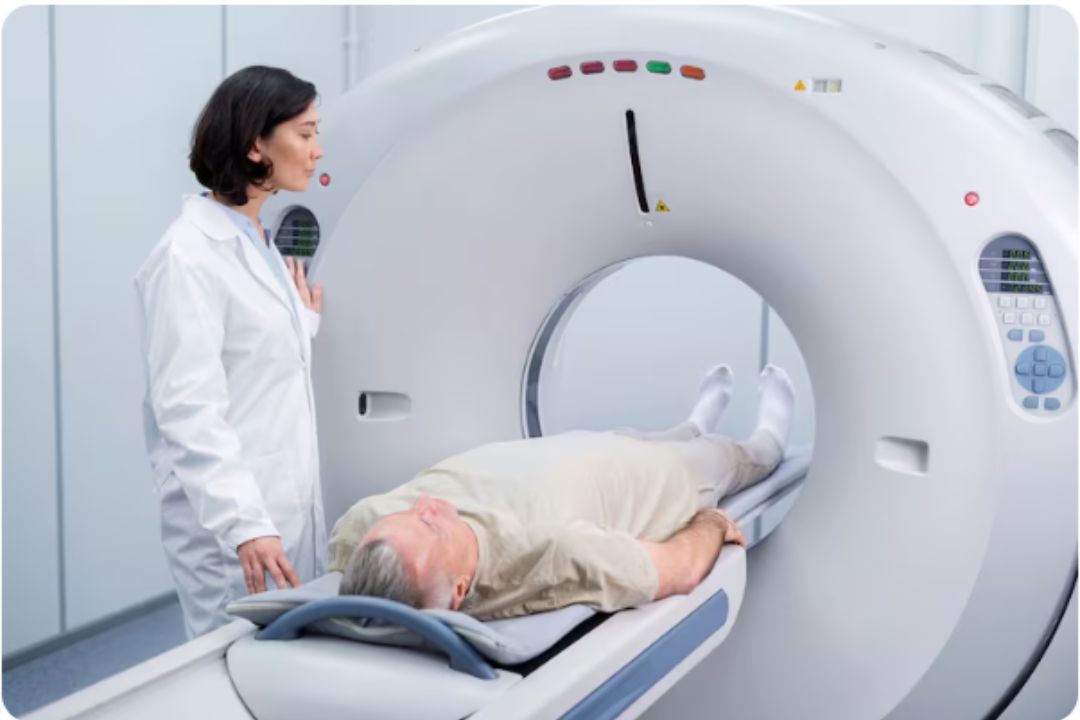
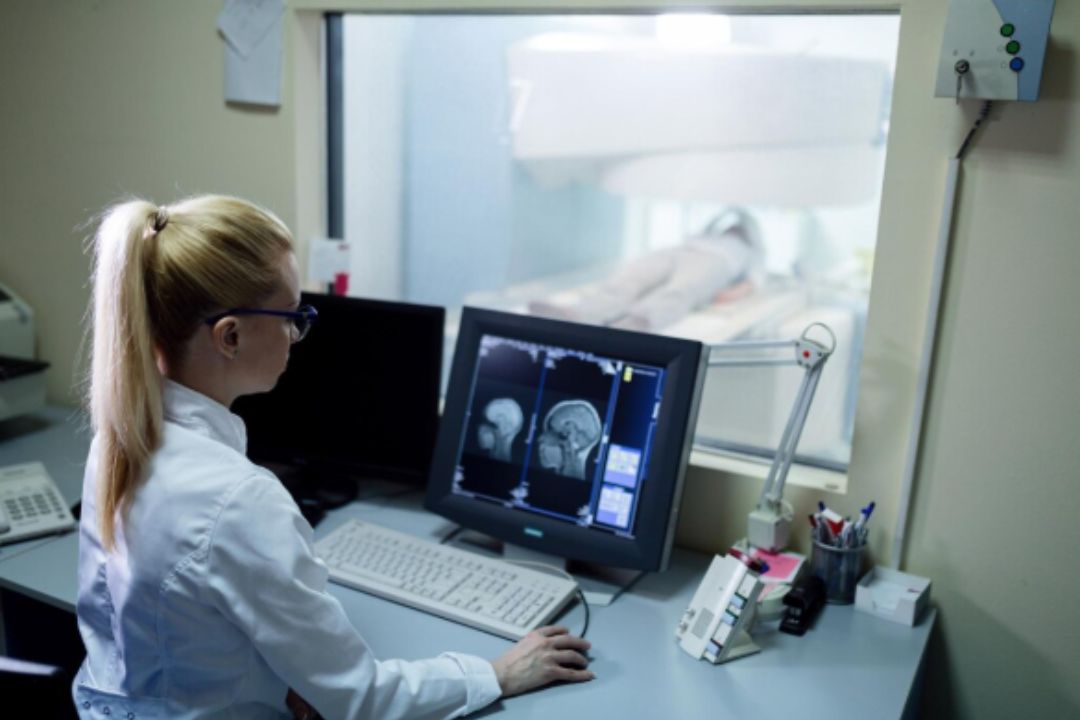
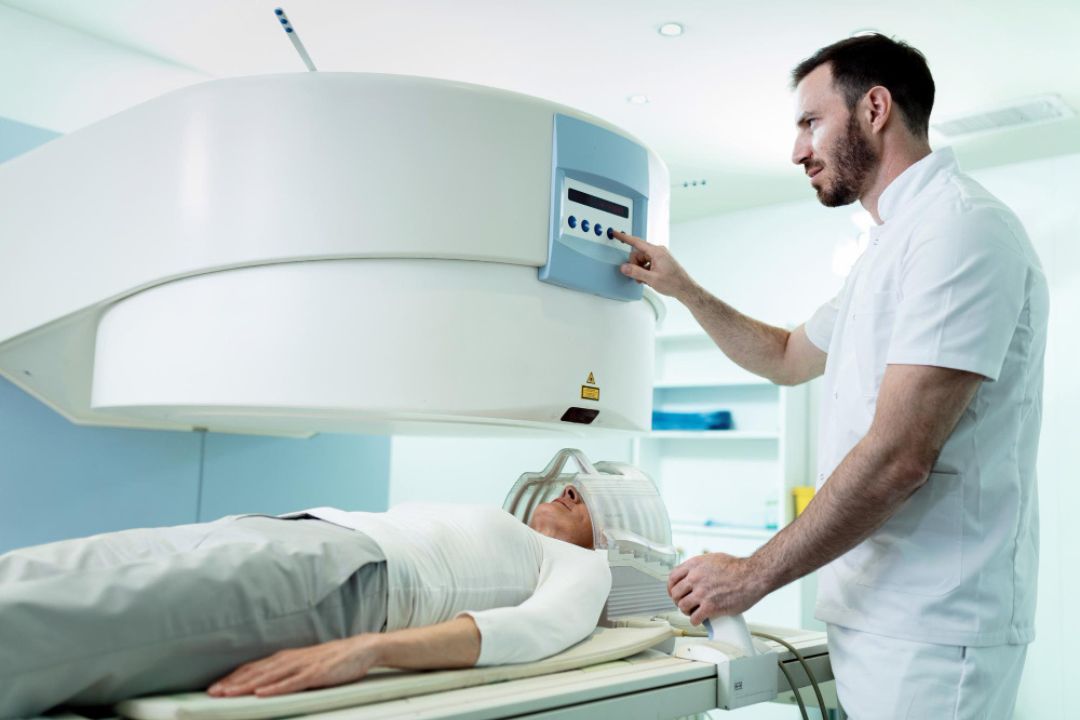
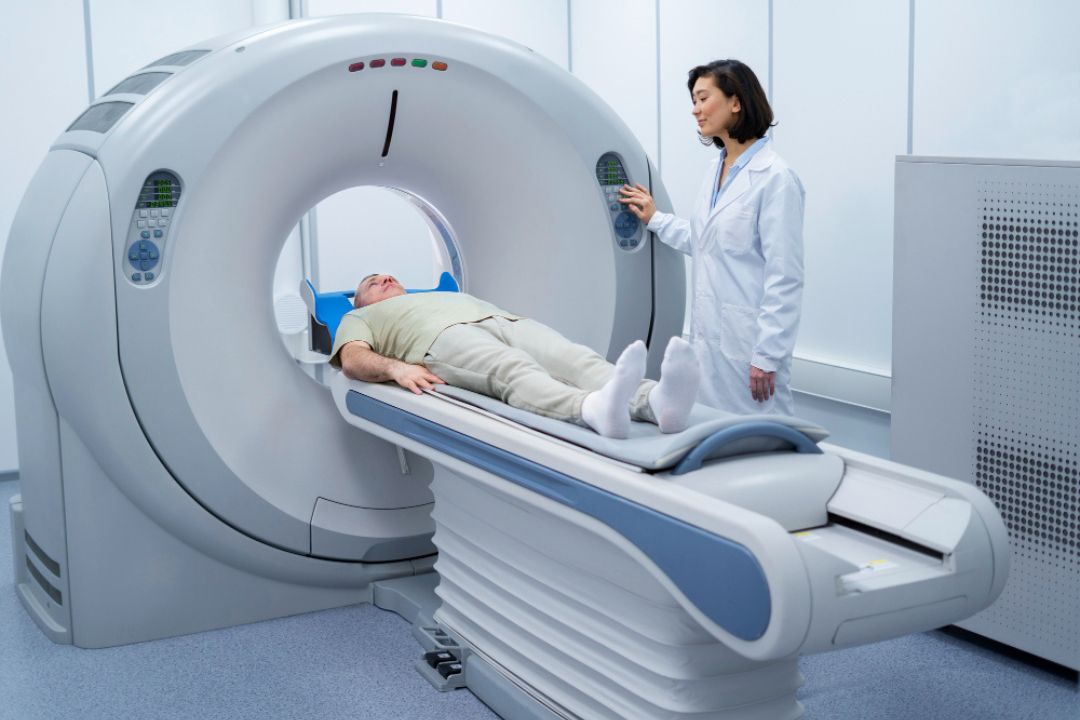
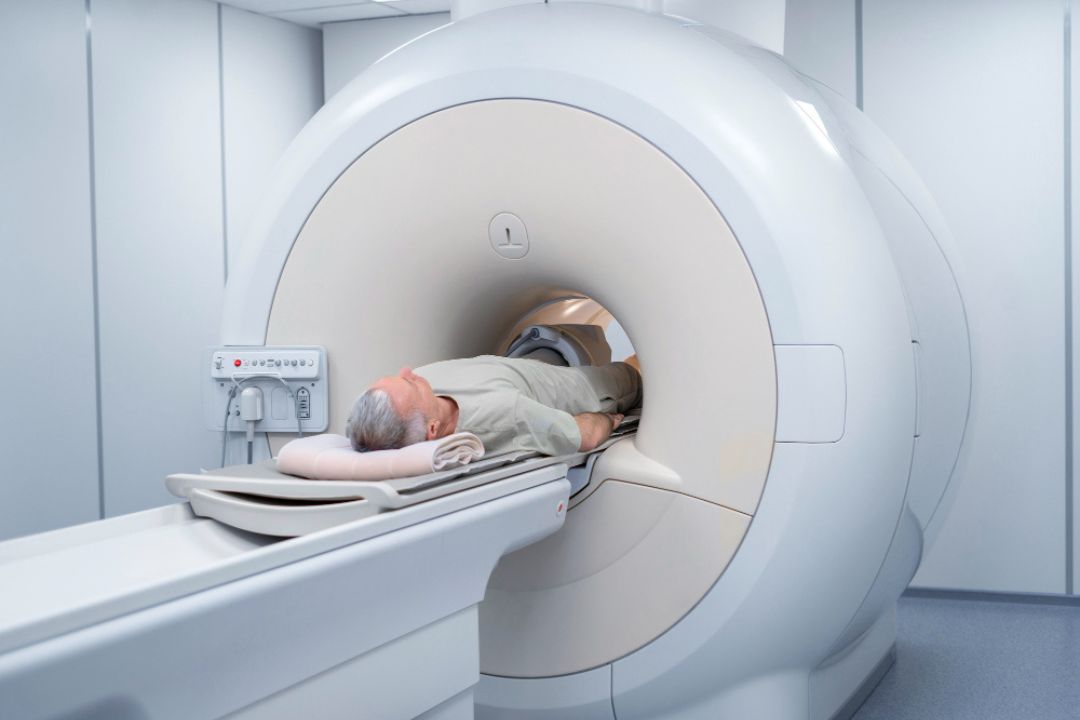
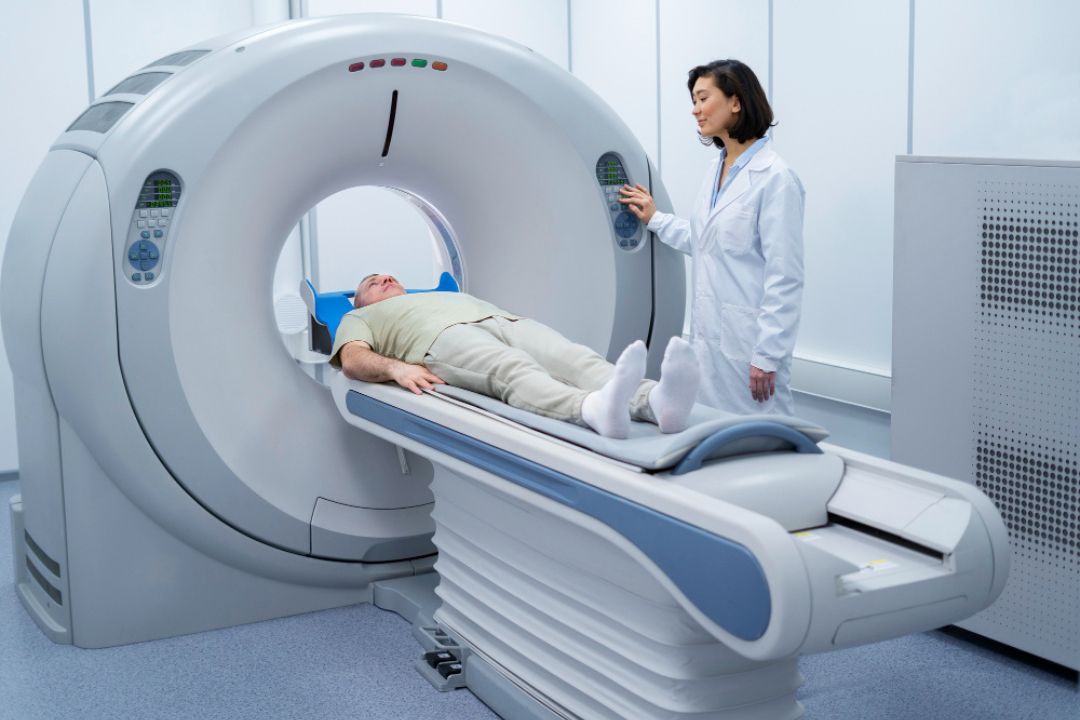
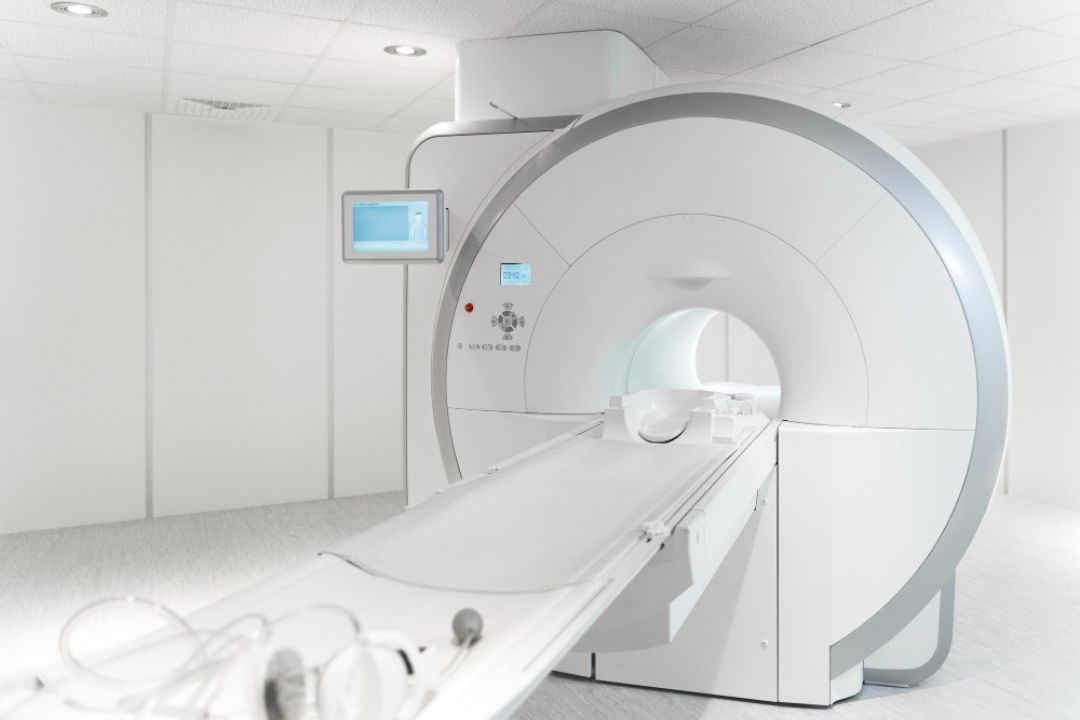
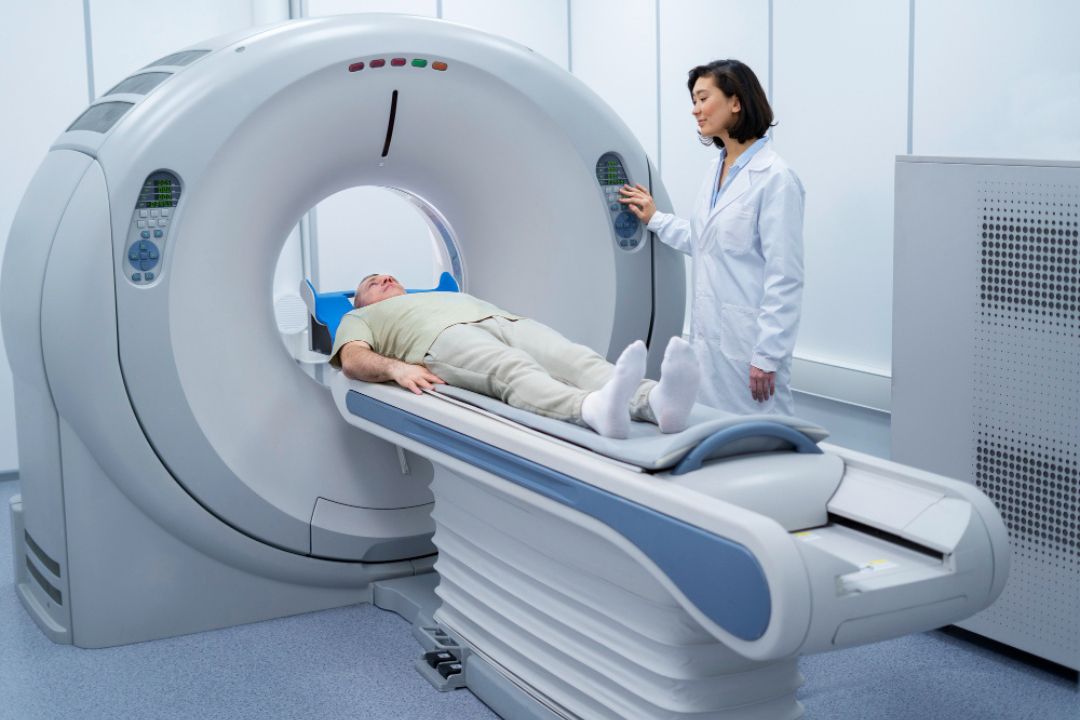
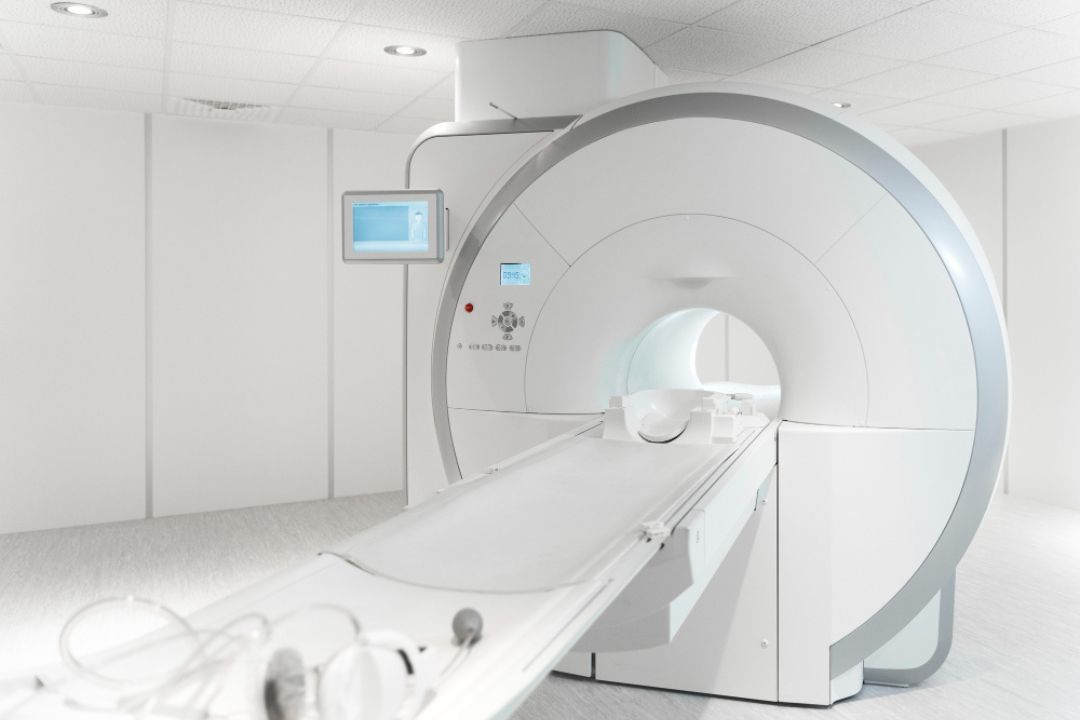
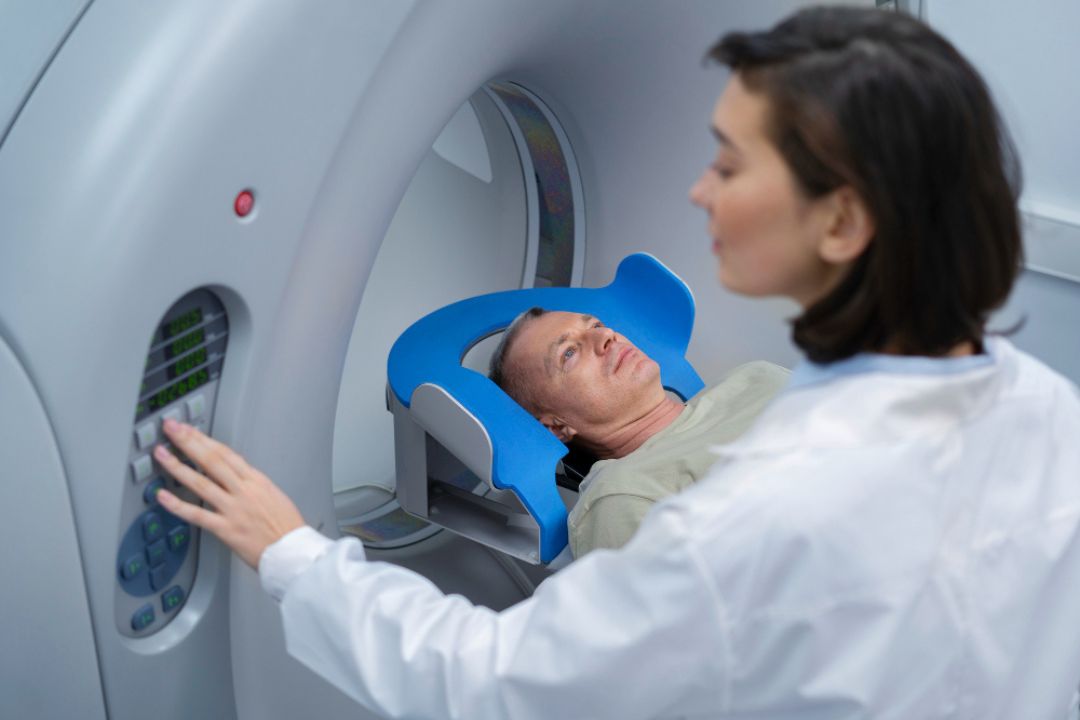
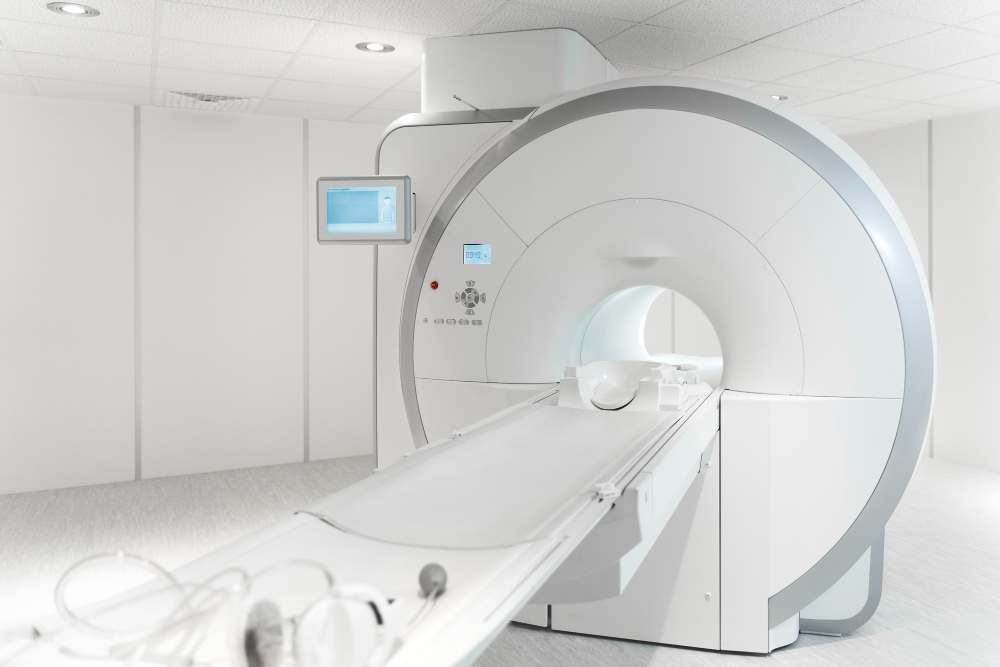
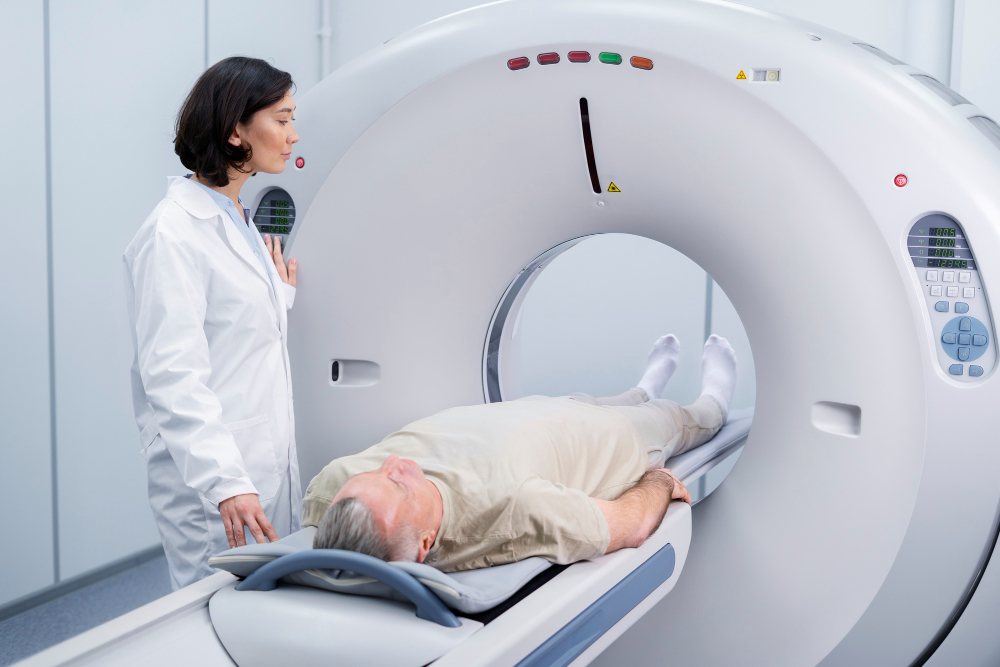
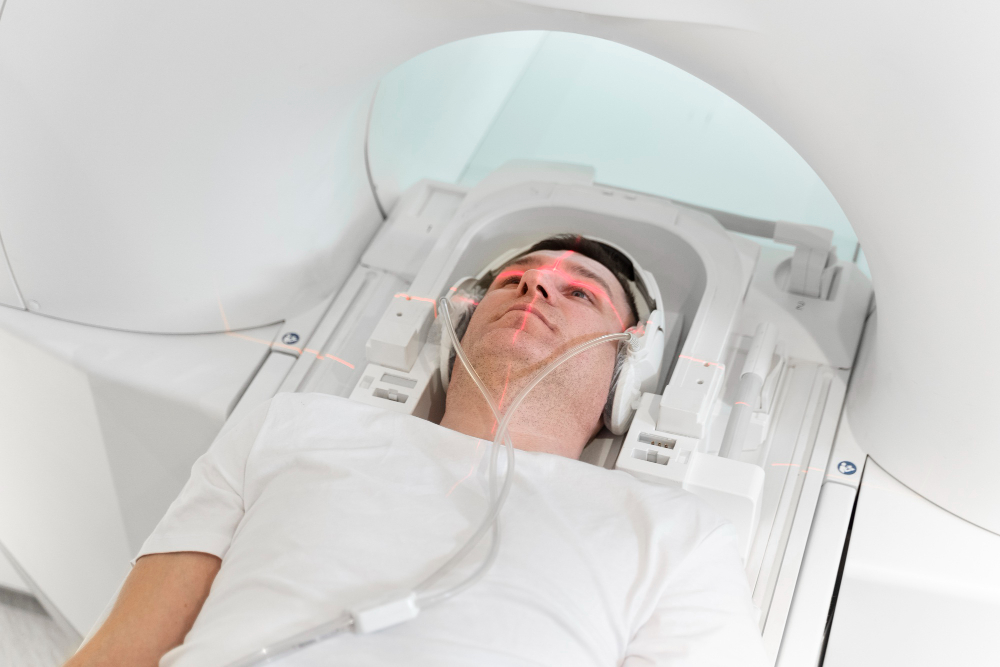
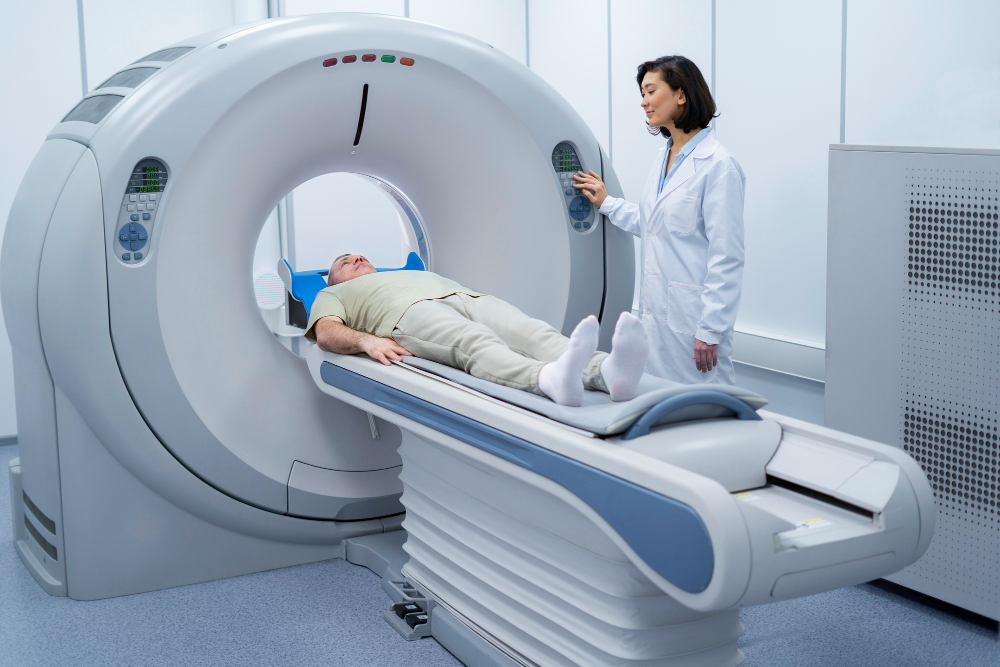
A CT Scan, also known as computed tomography, is a diagnostic imaging test that uses X-rays and computer technology to create detailed images of internal body structures.
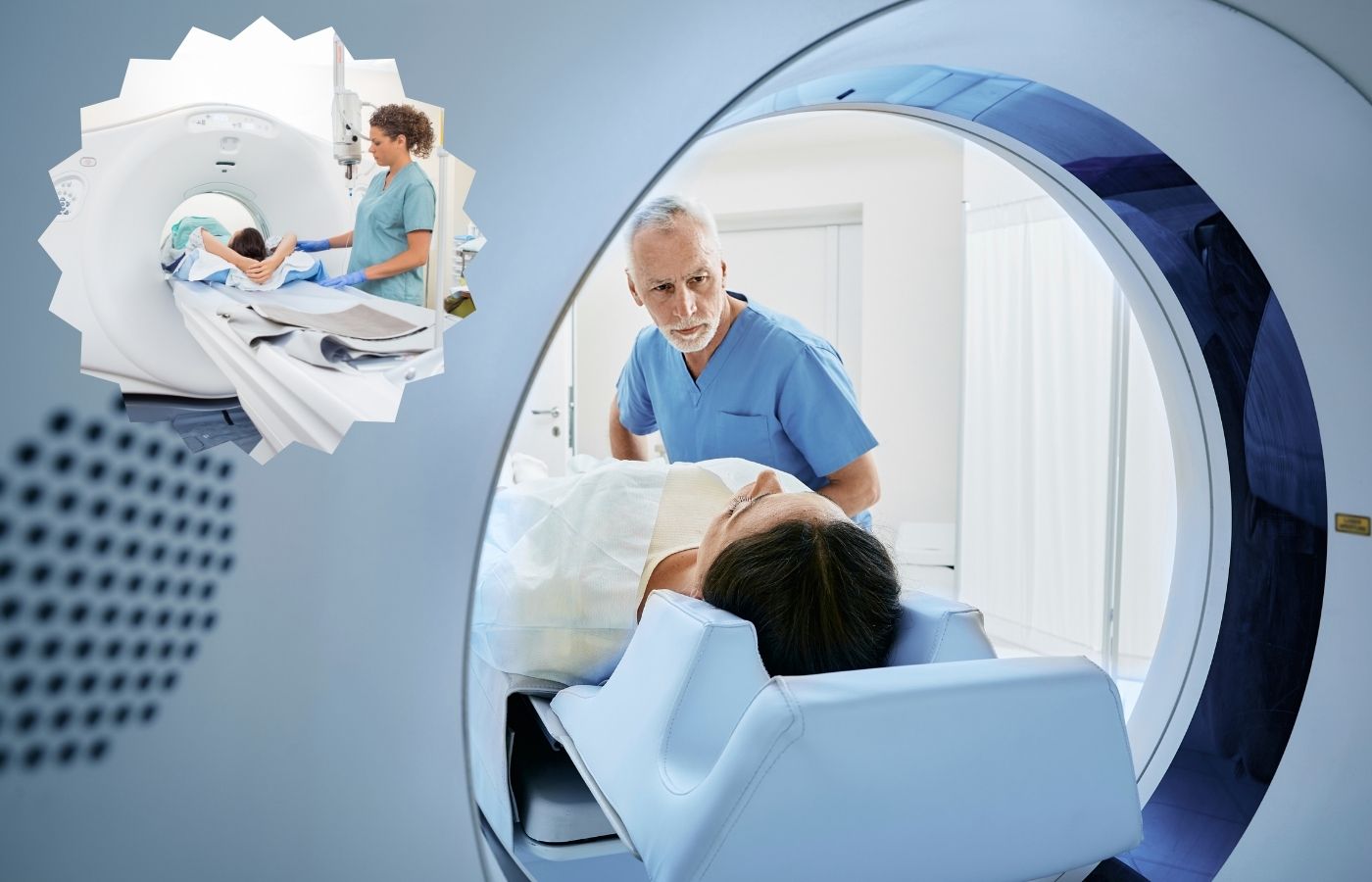
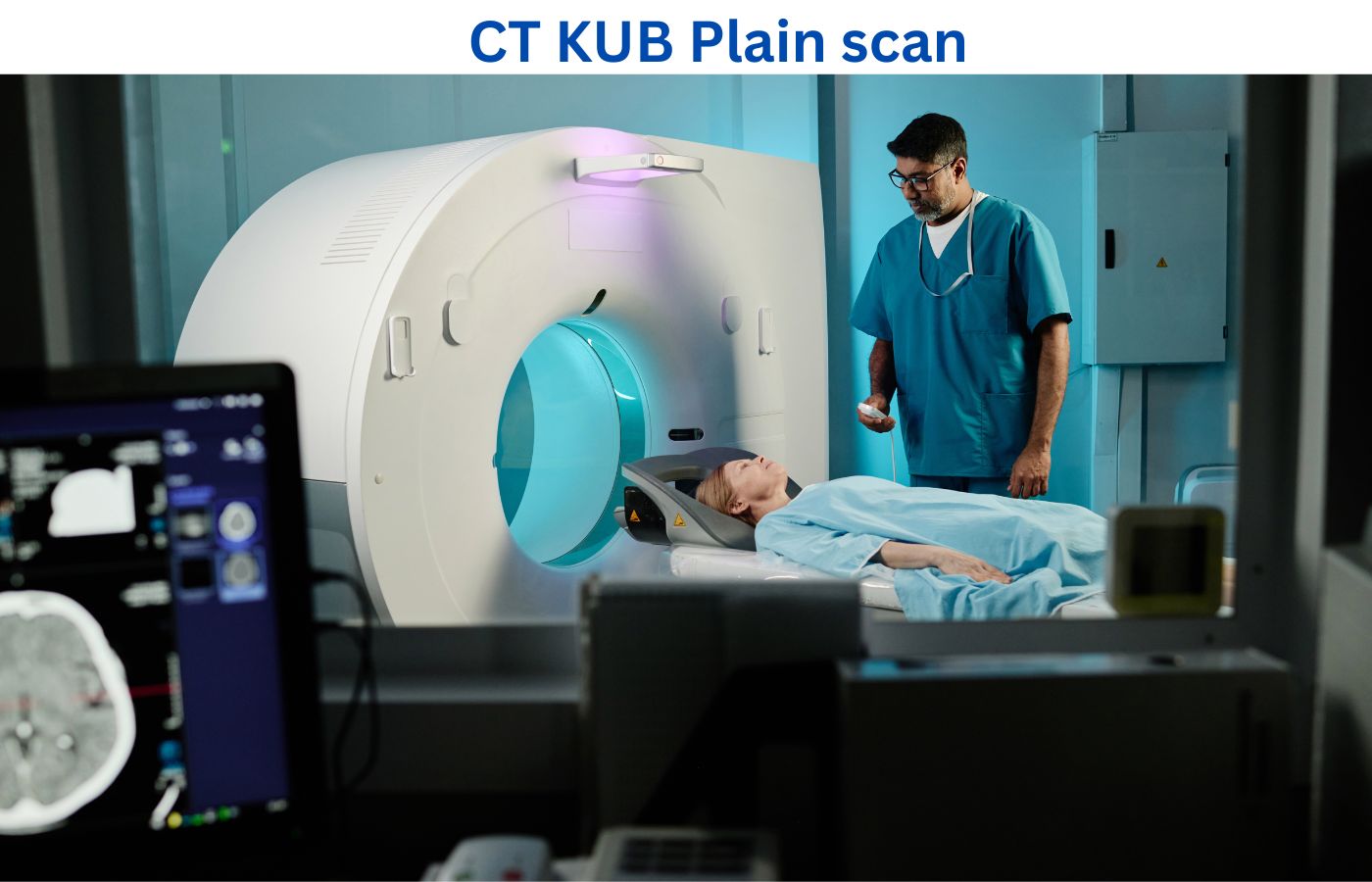
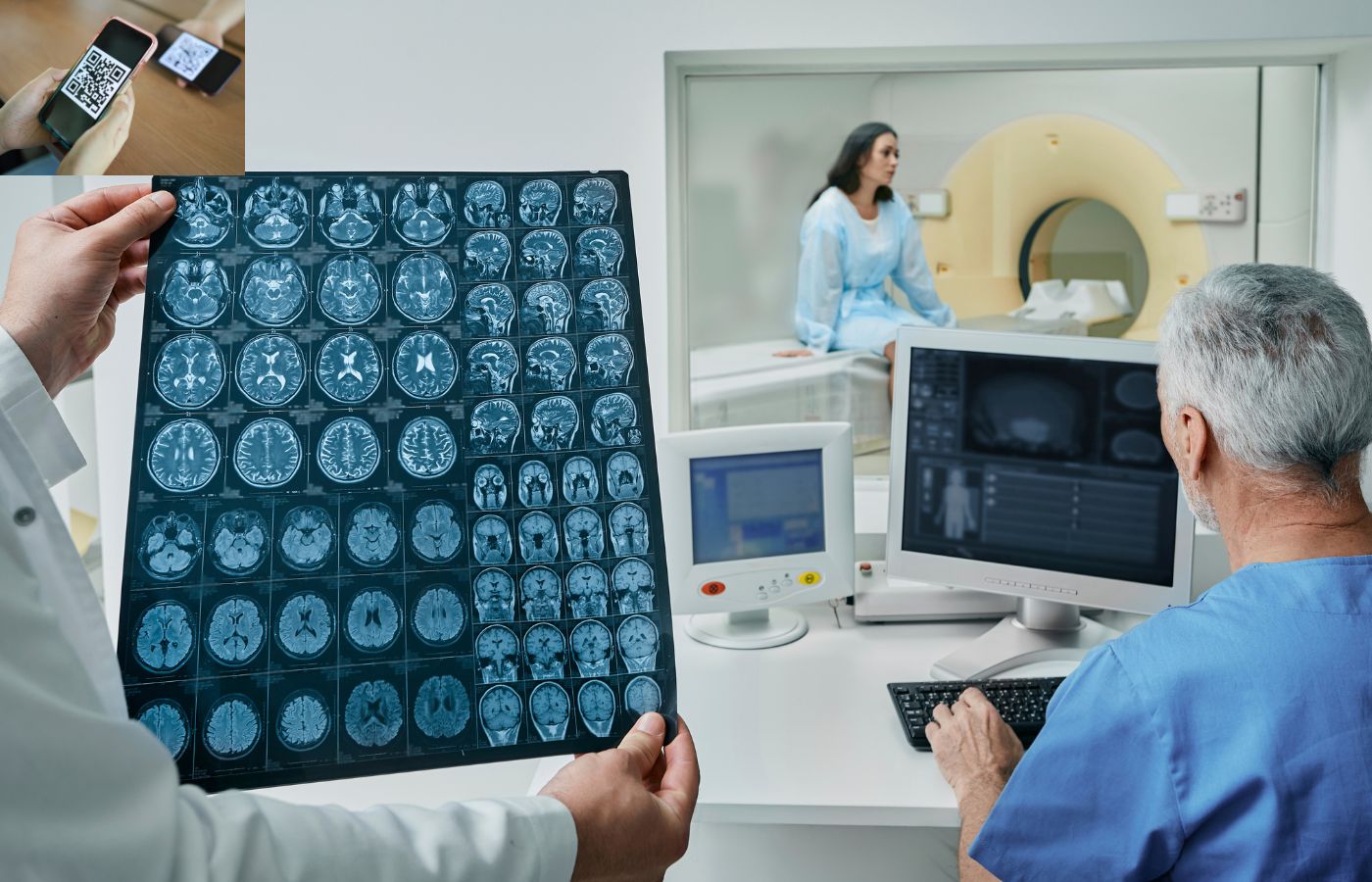
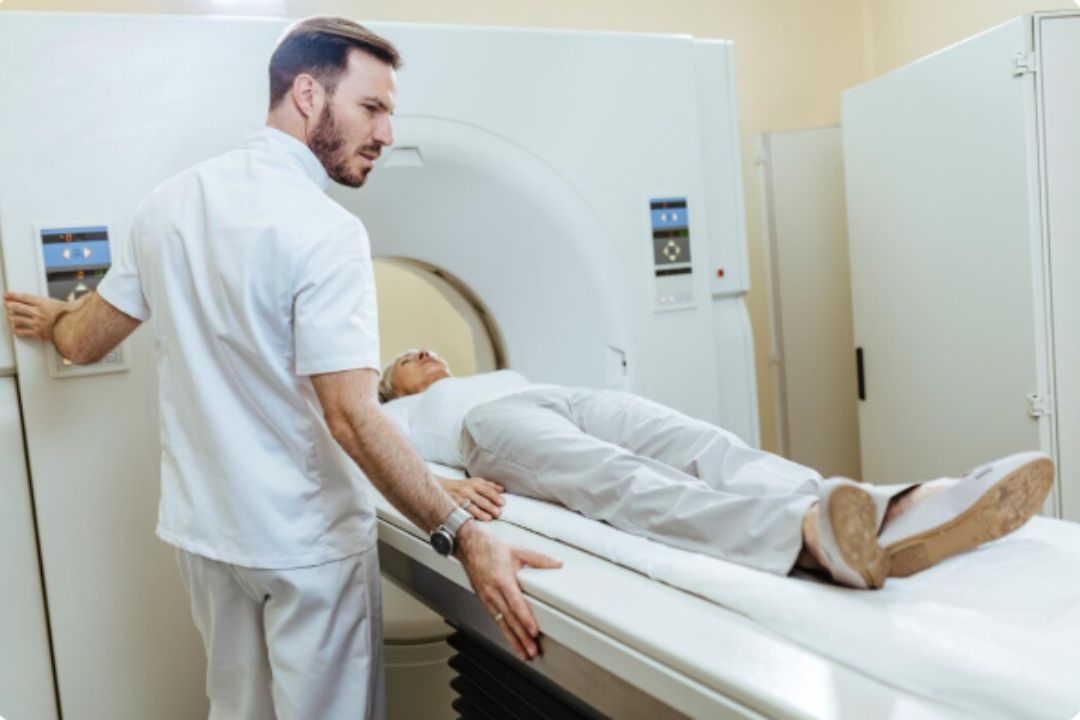
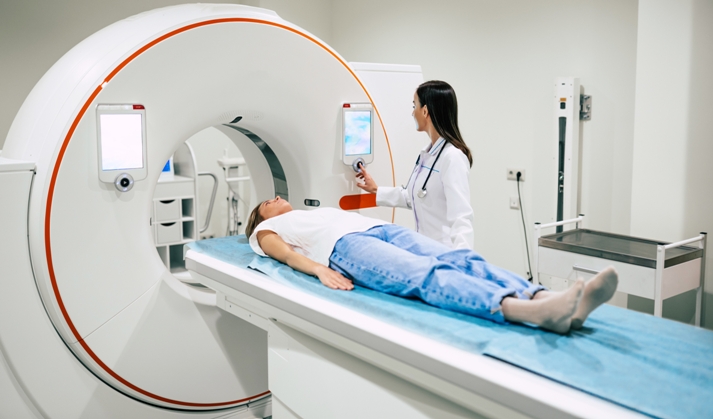
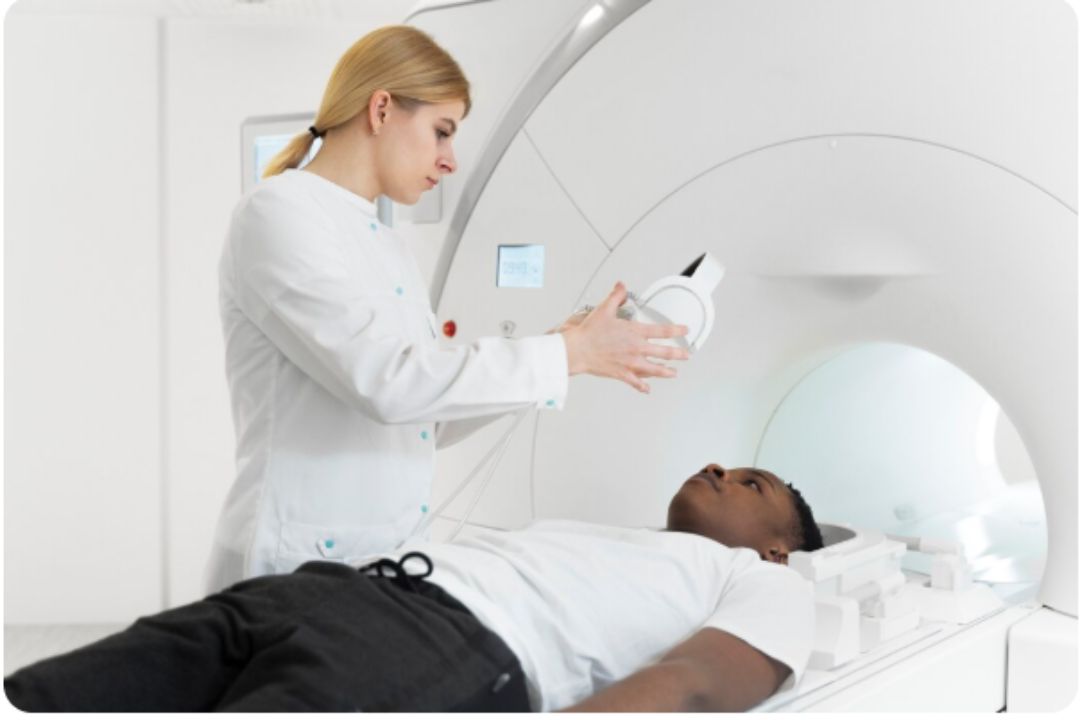
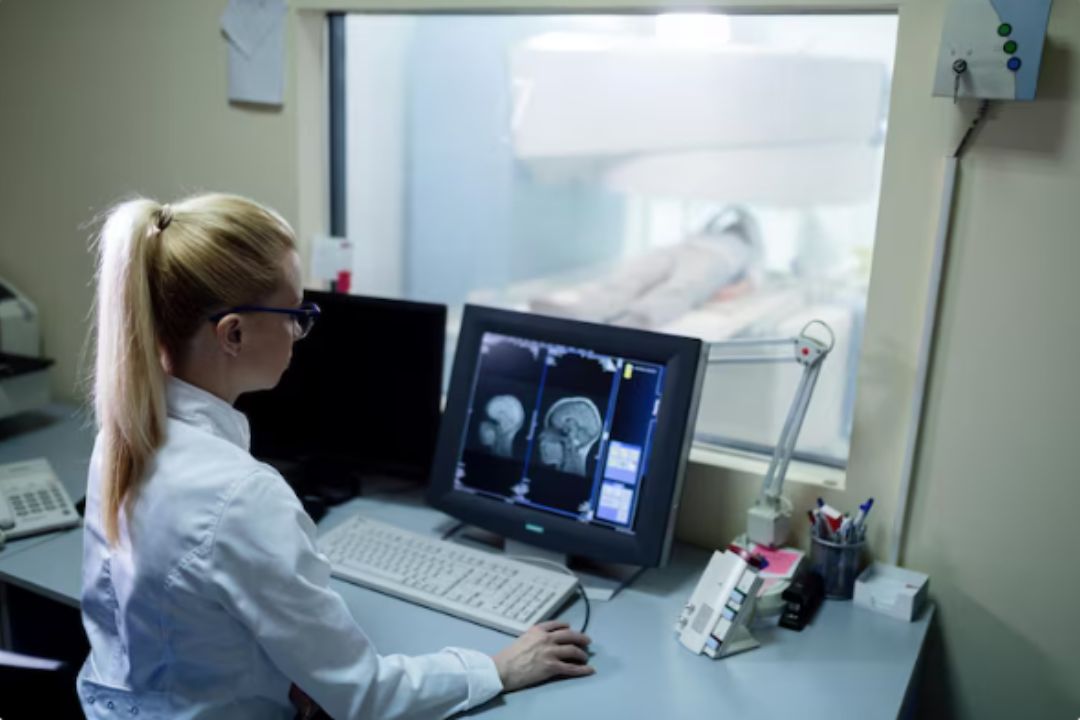
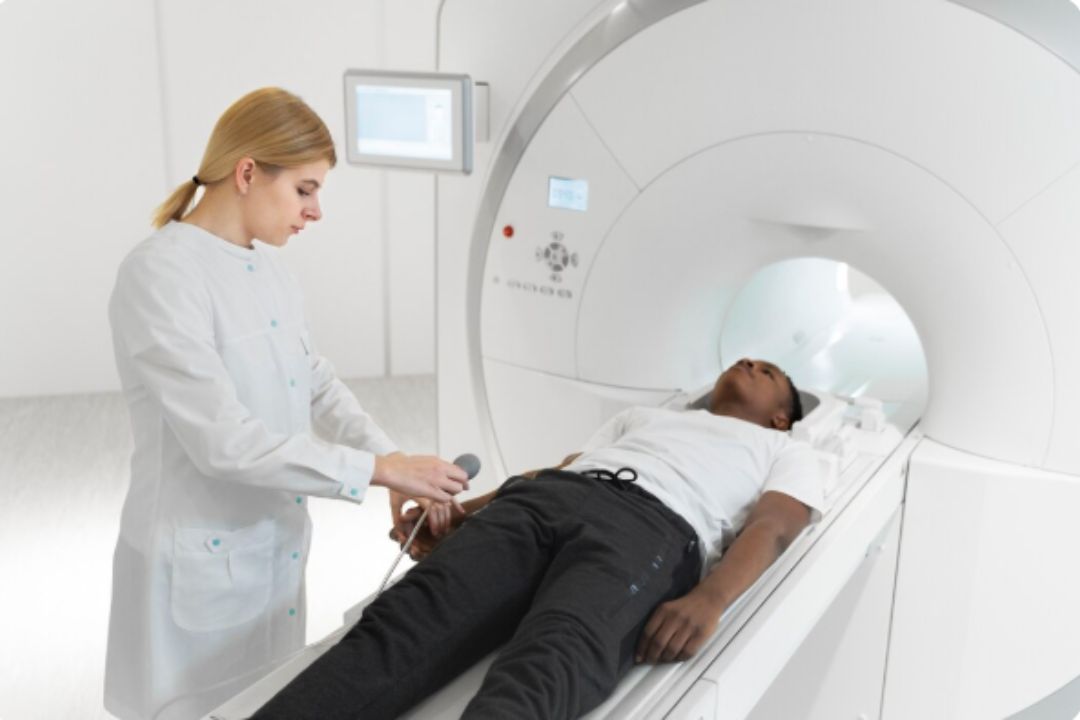
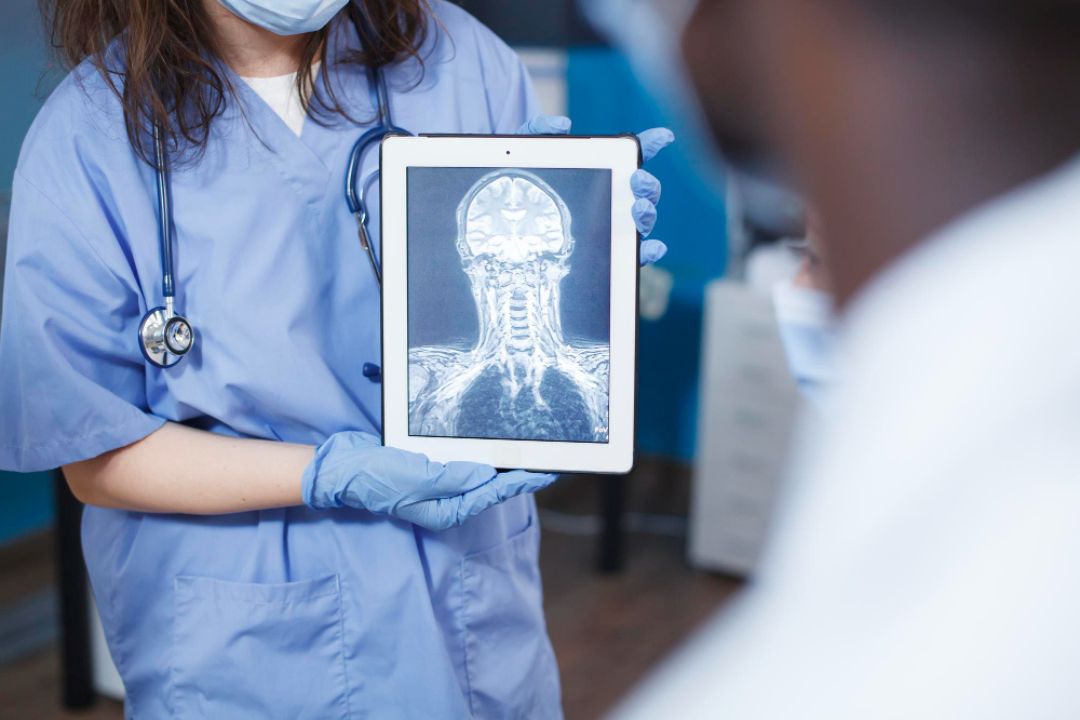
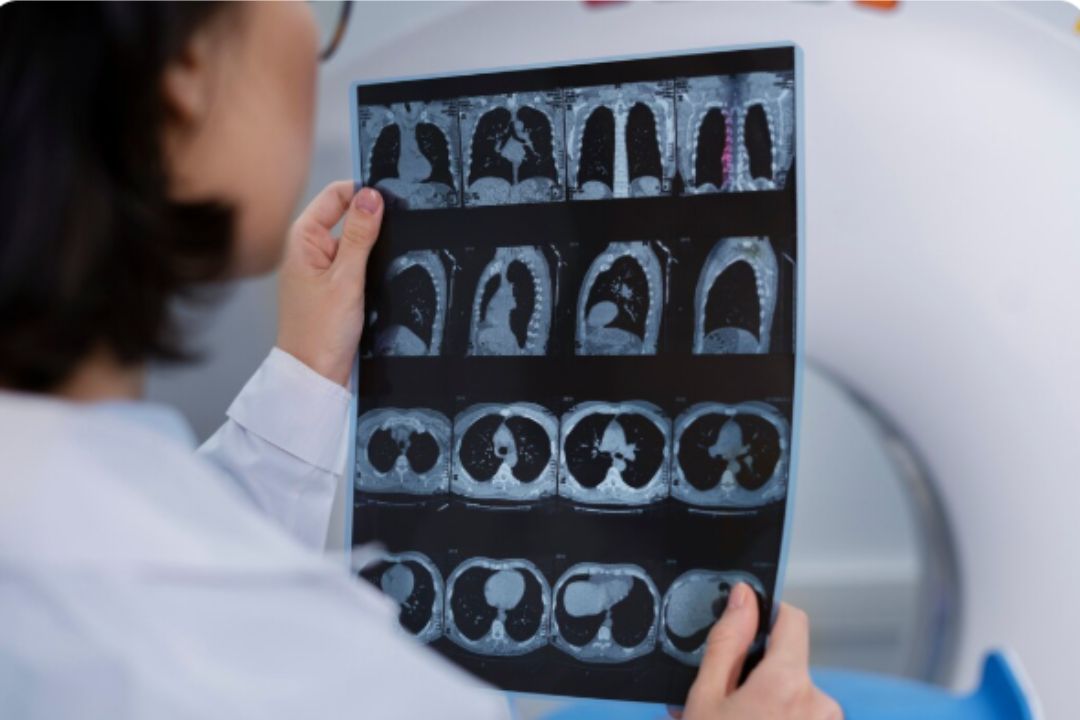
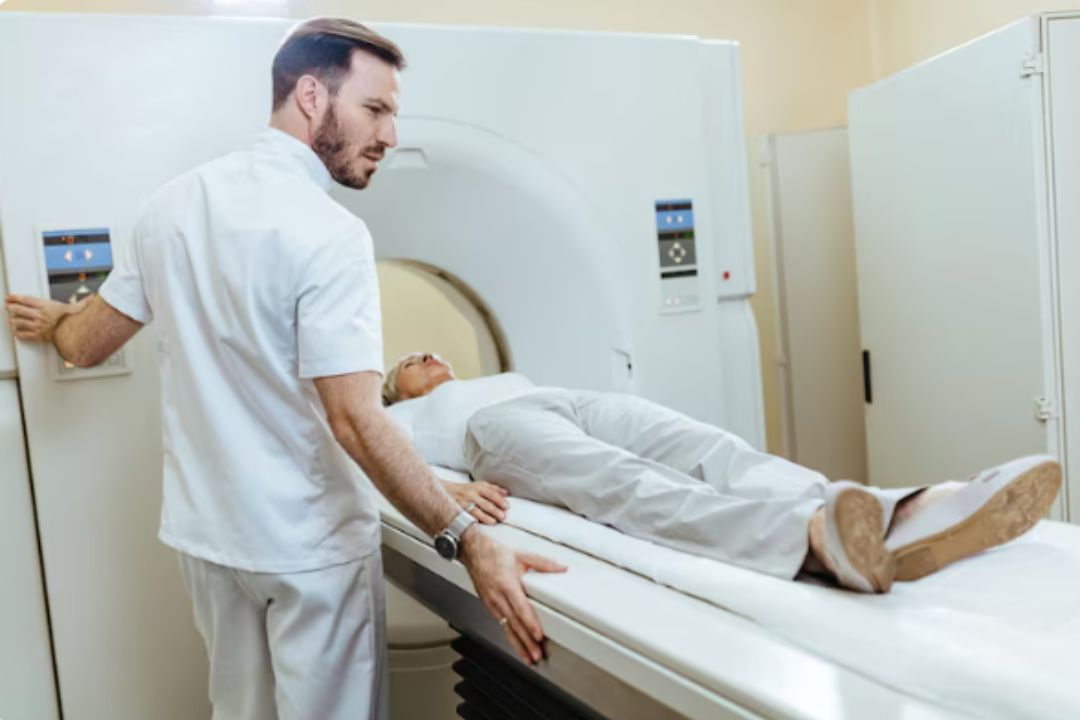
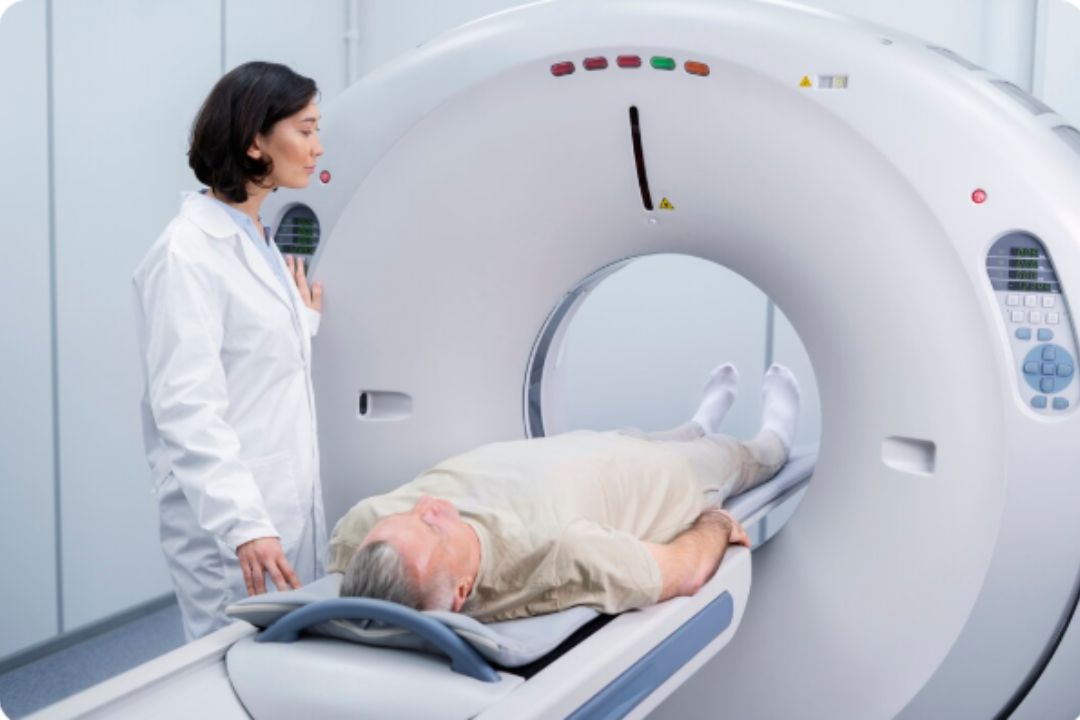
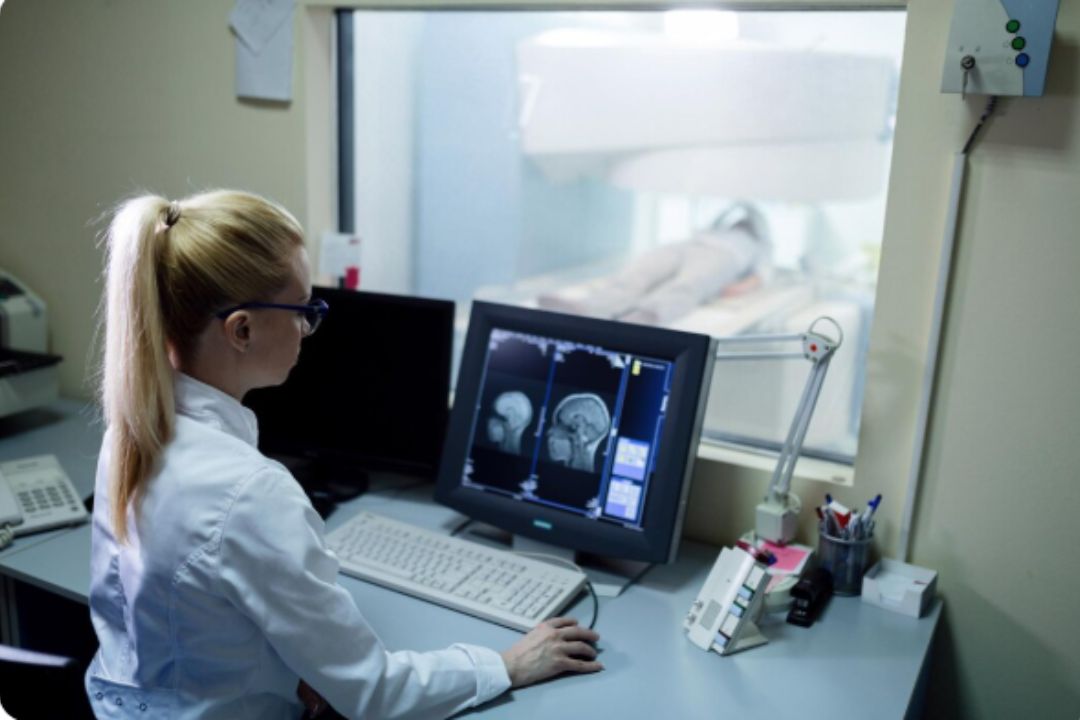
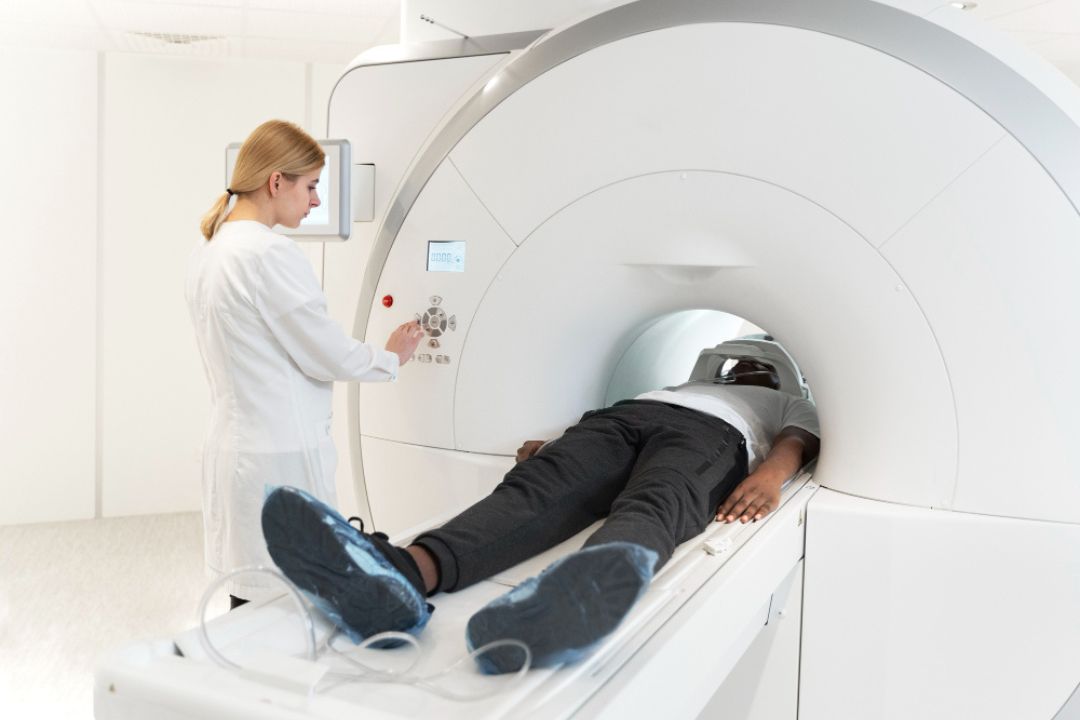
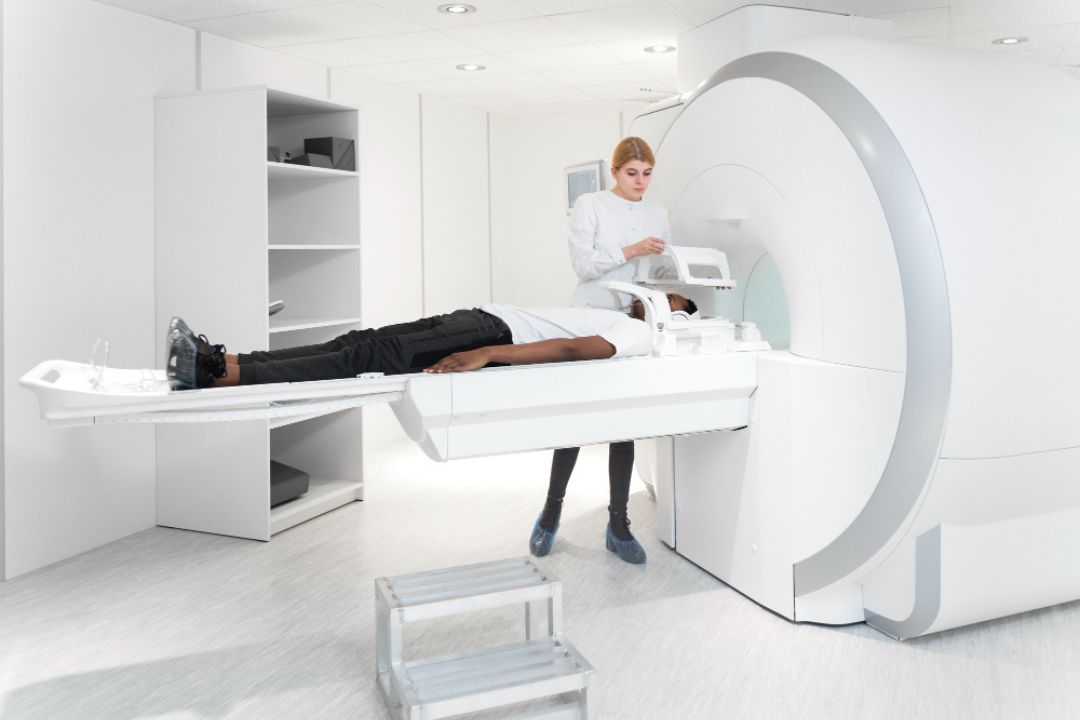
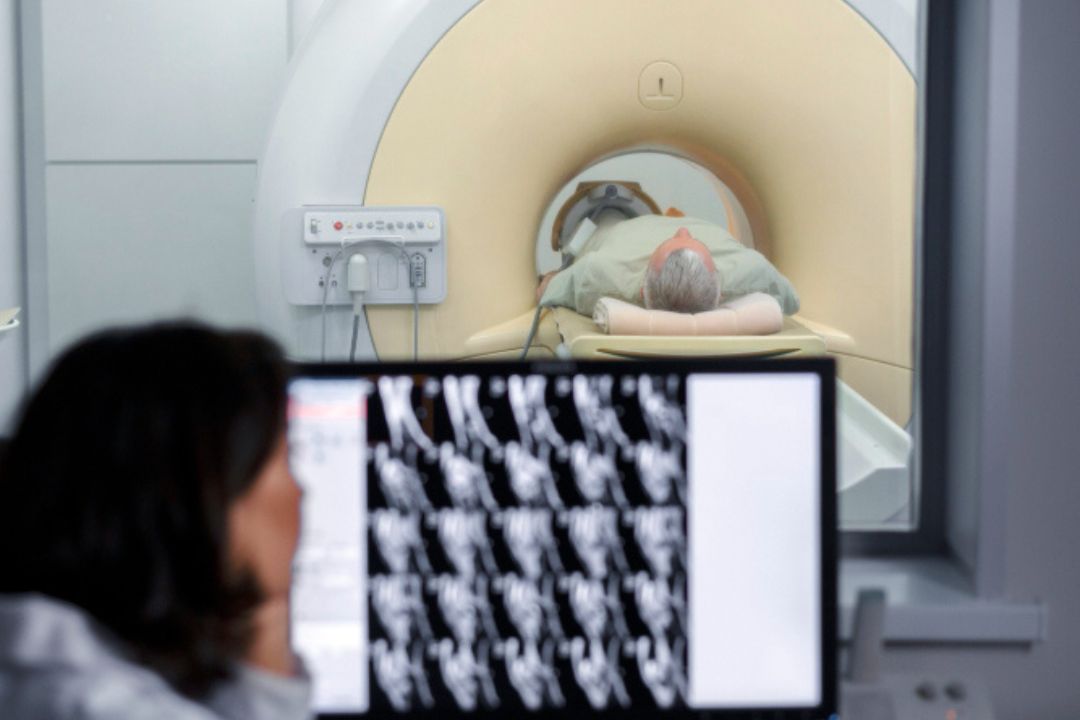
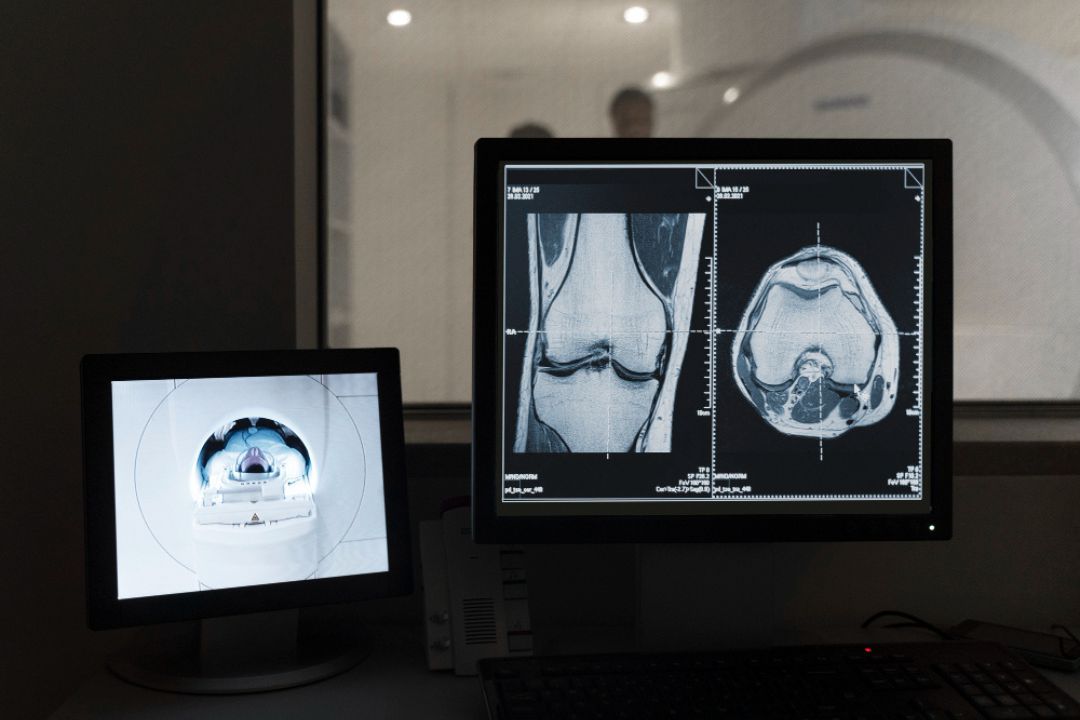
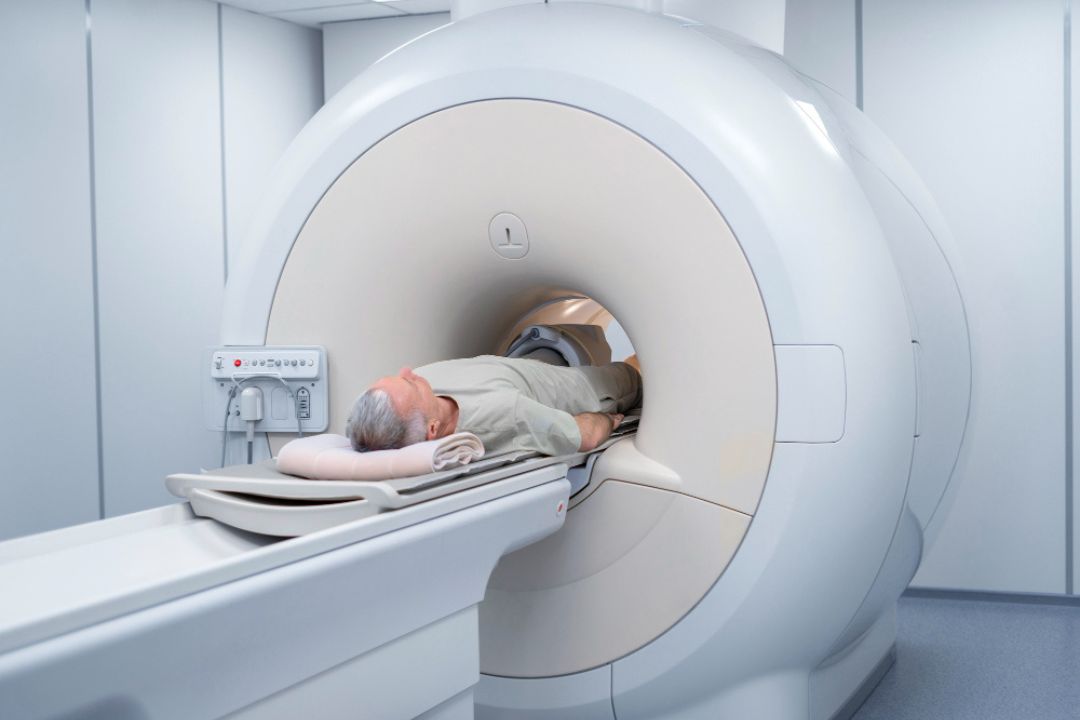
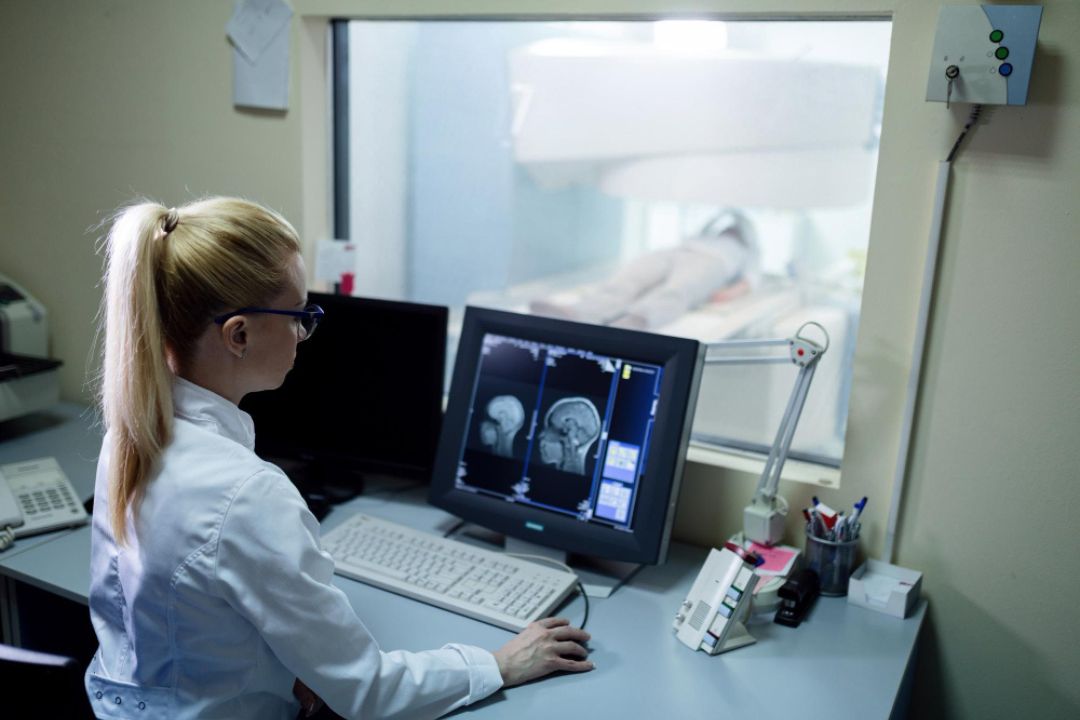
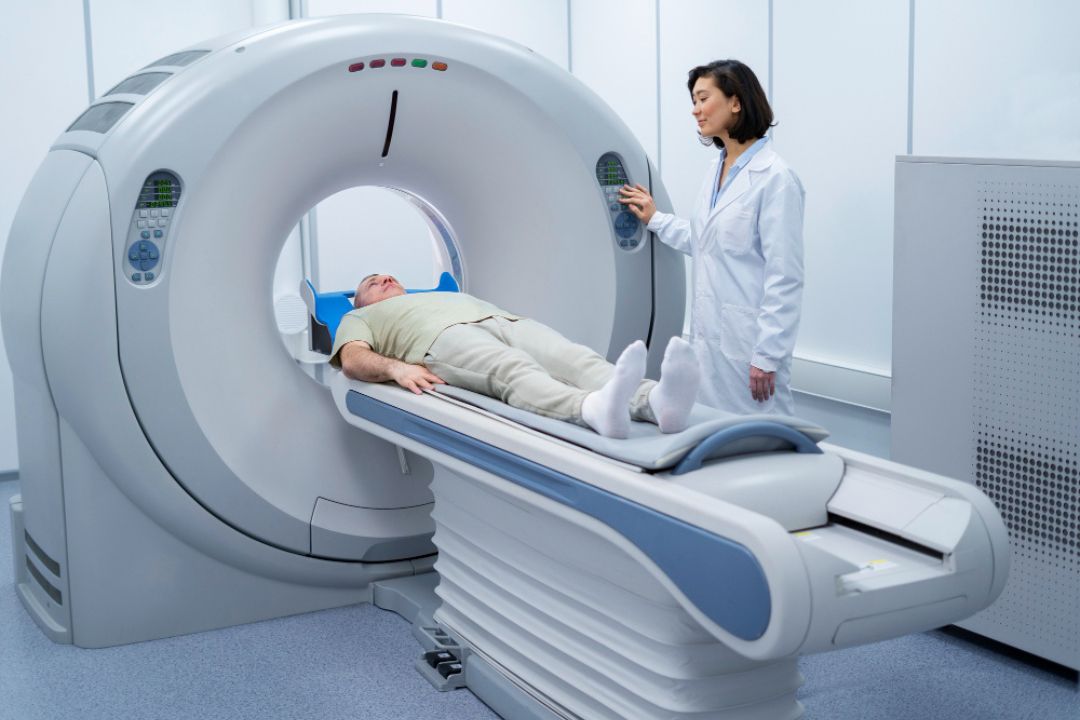
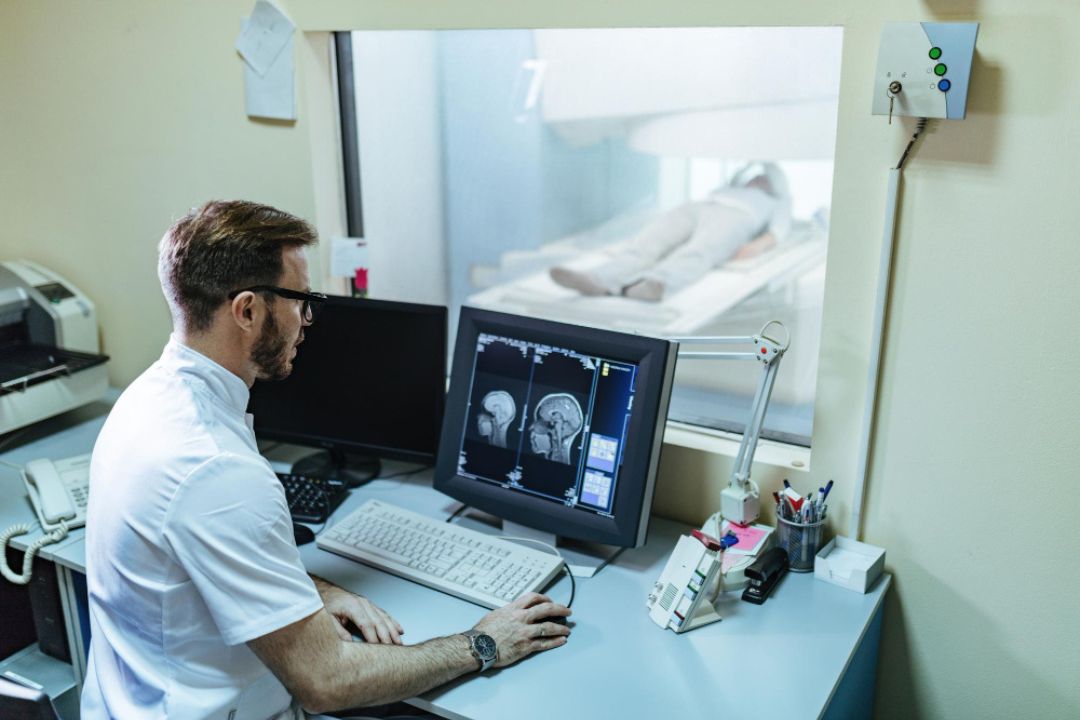
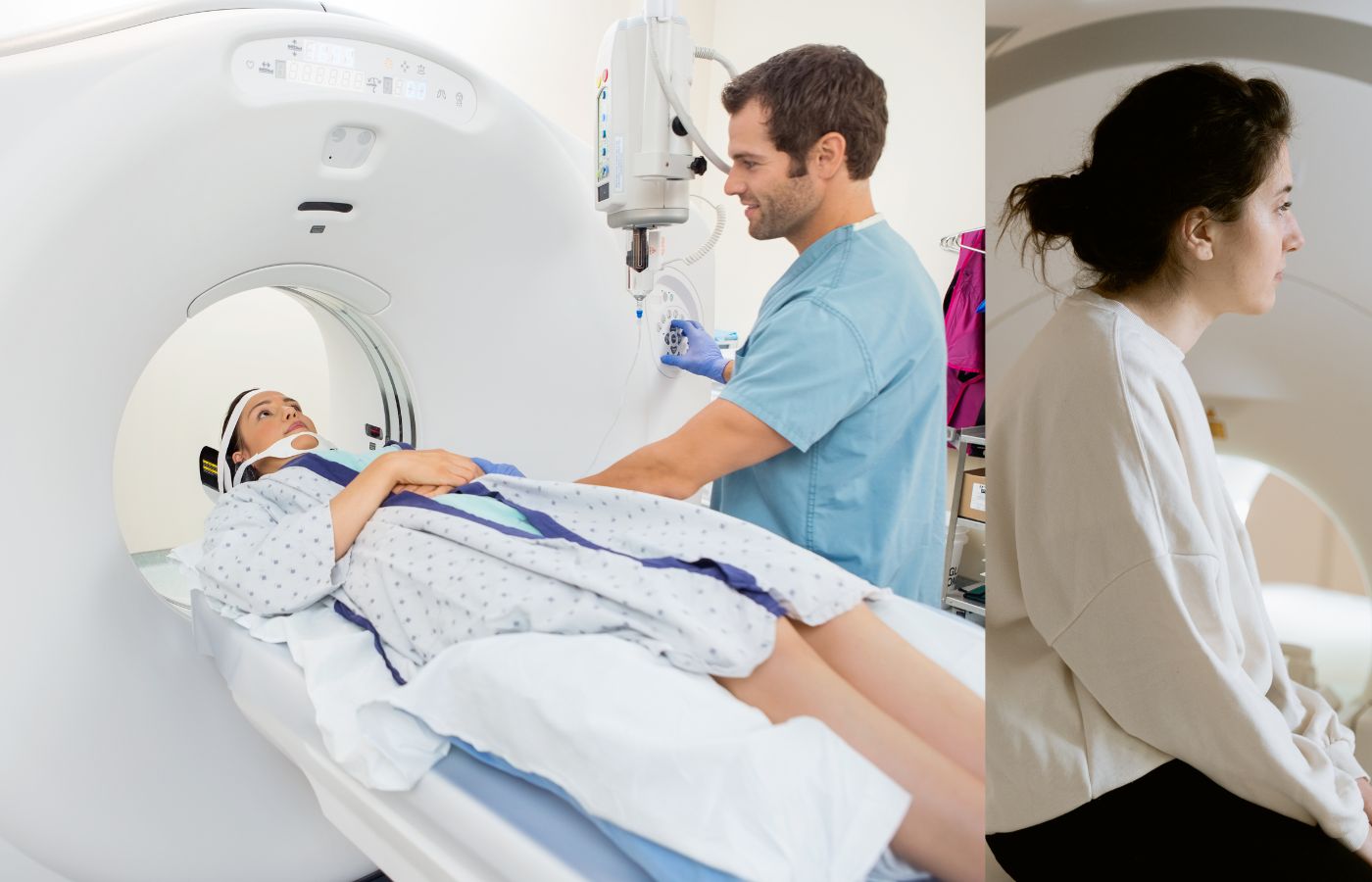
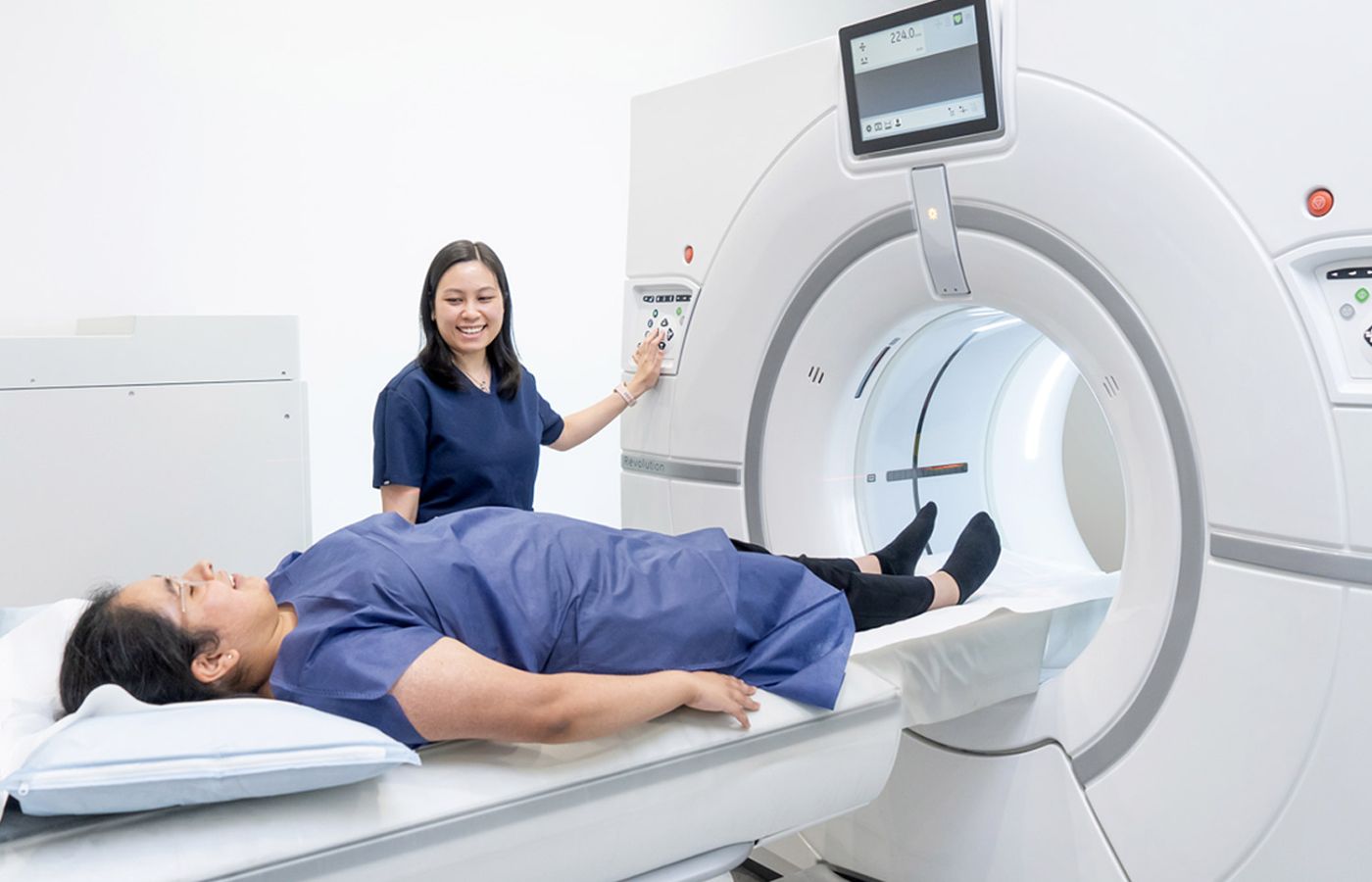
During the scan, multiple images are taken from different angles and combined by a computer to form cross-sectional pictures of the abdomen. These images allow doctors to examine organs, blood vessels, and tissues in great detail.
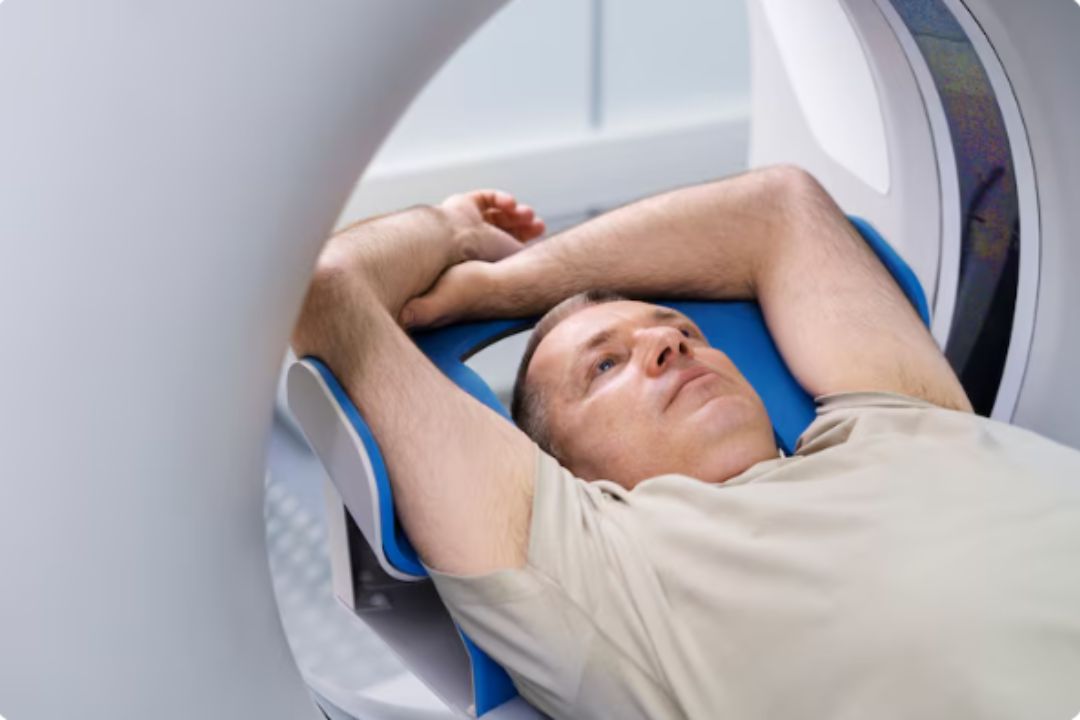
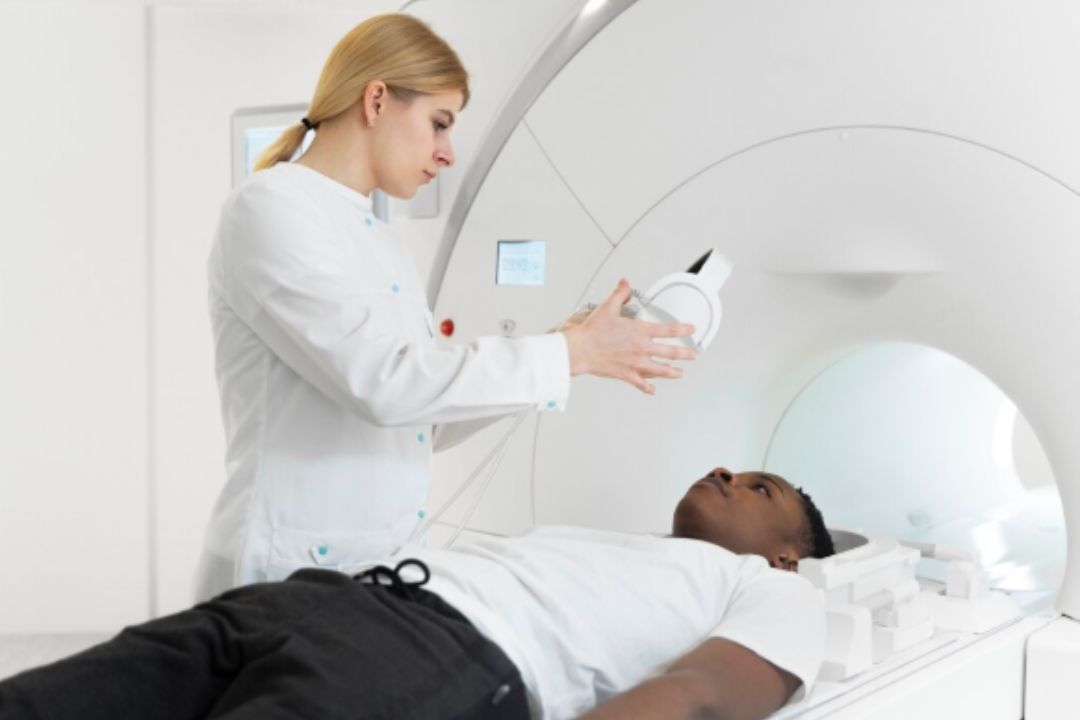
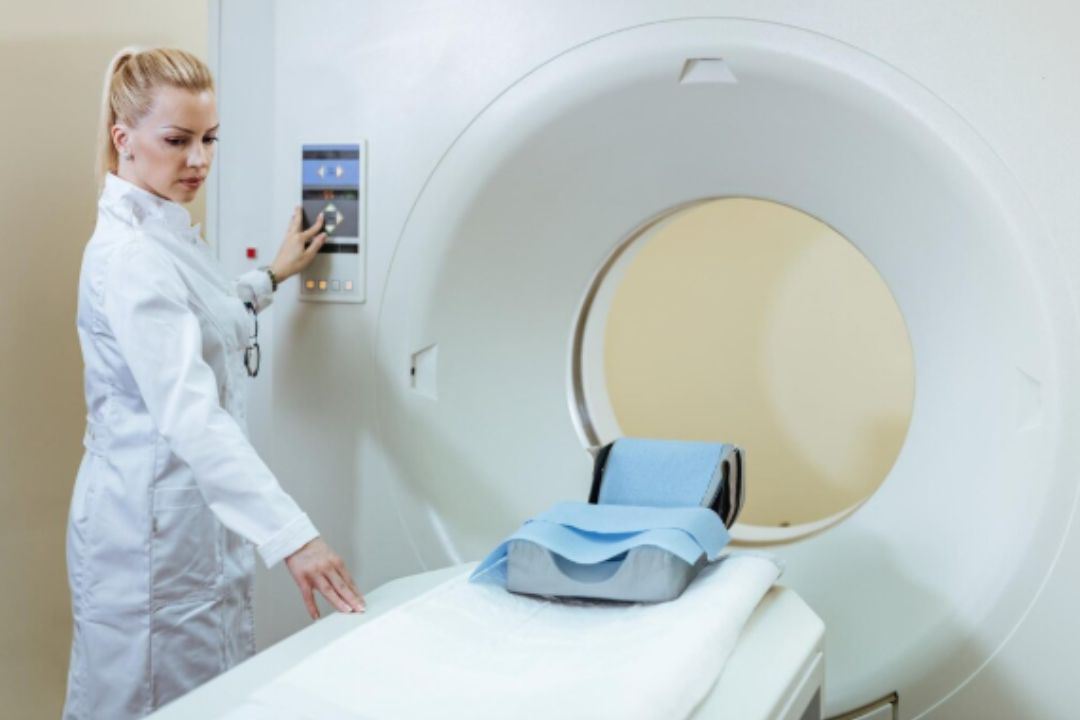
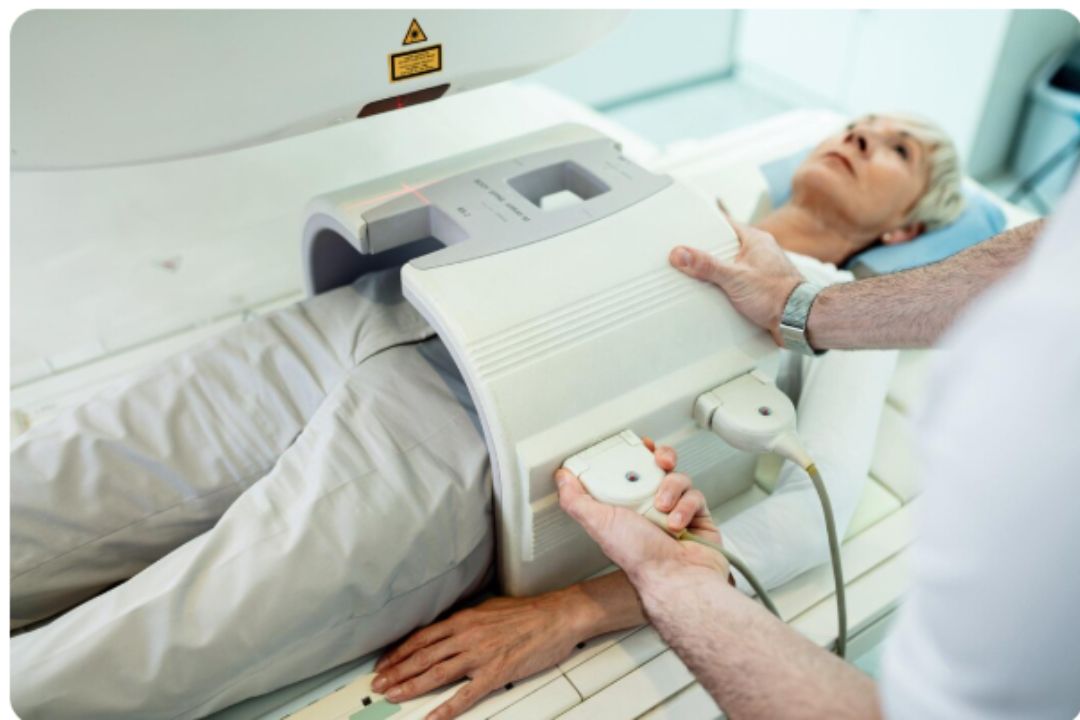
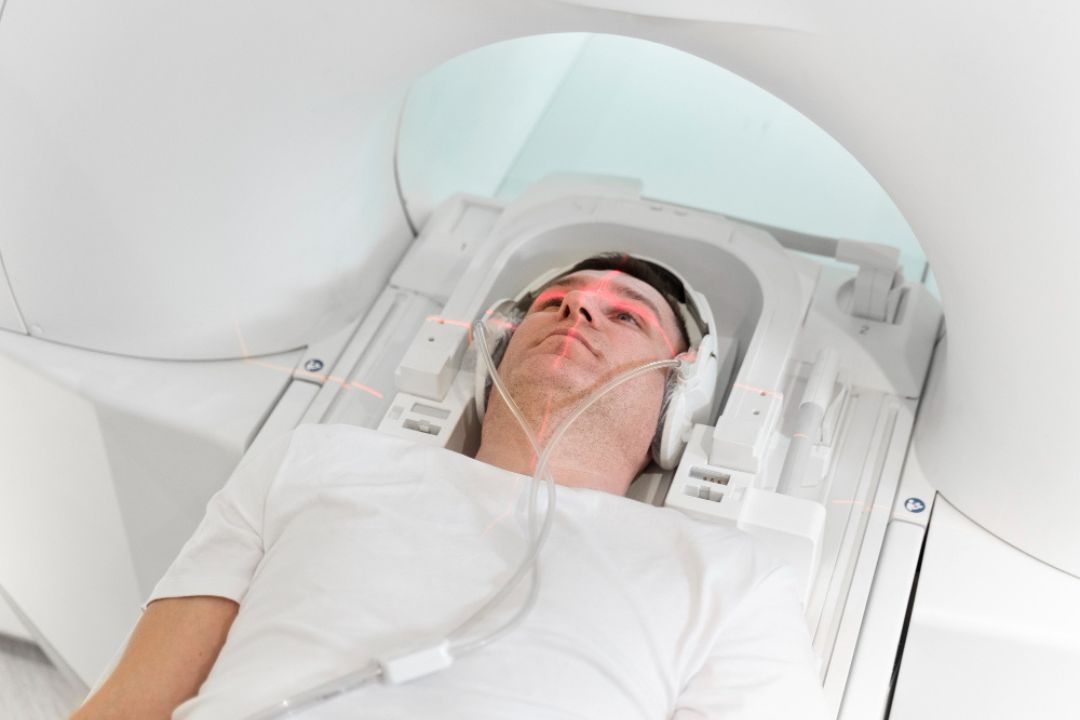
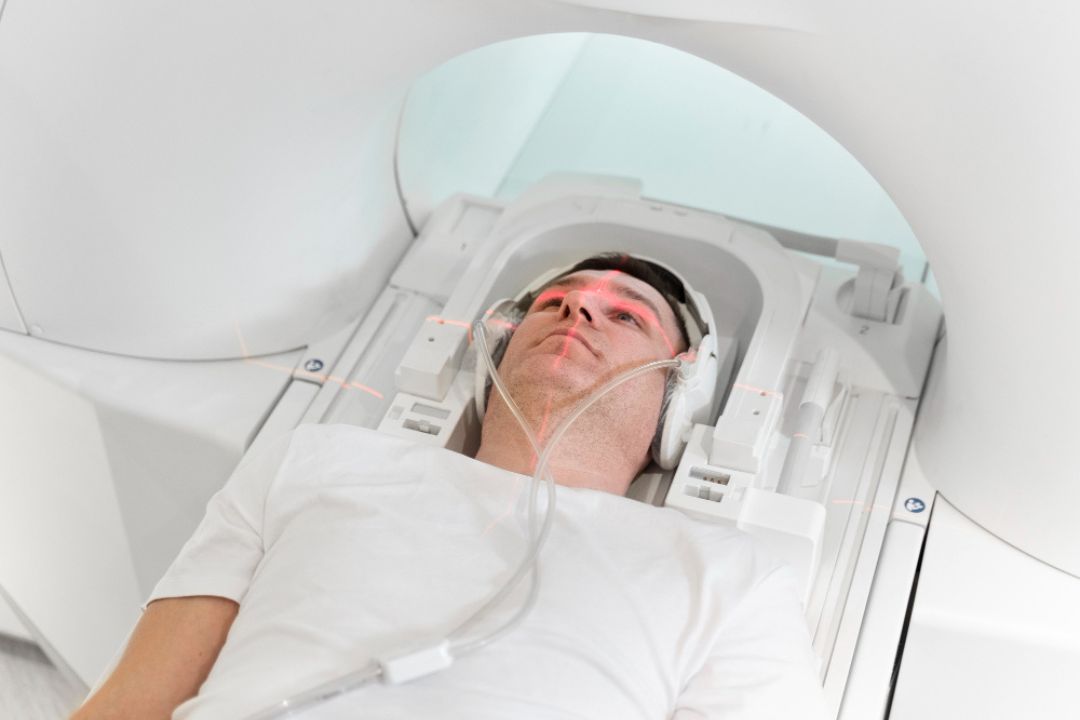
The scan is painless and usually takes around 10 to 30 minutes.
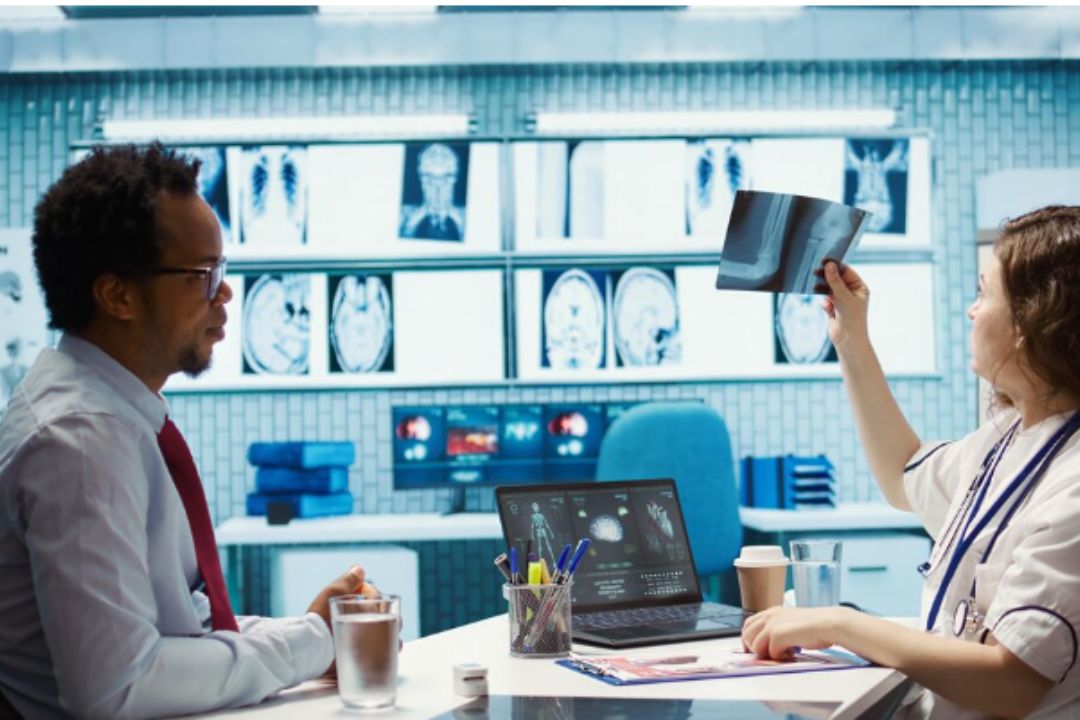
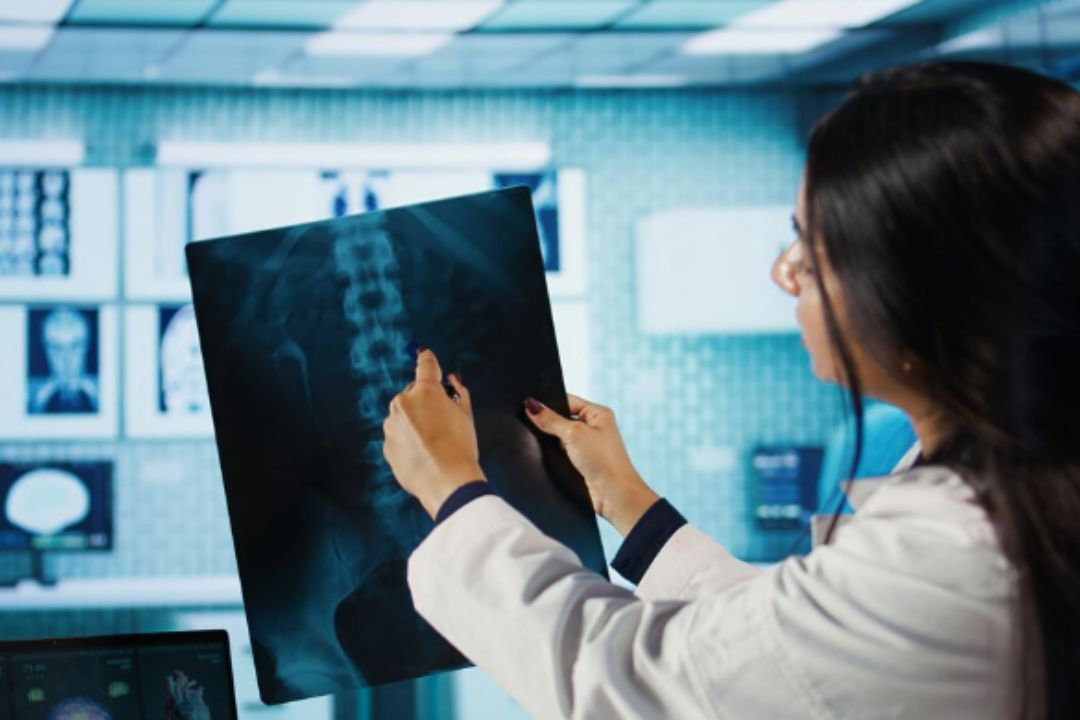
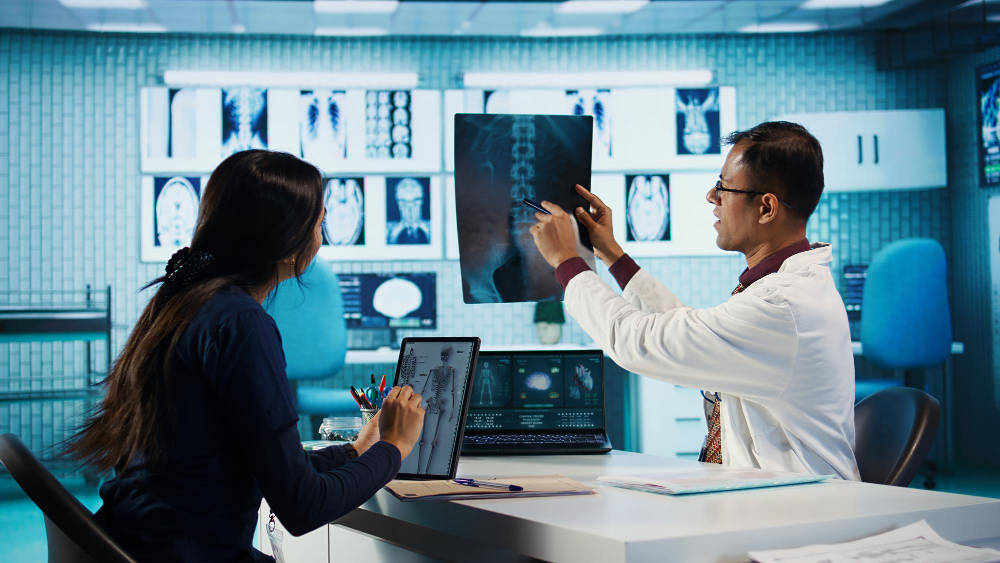
Before performing surgery, doctors must clearly understand the condition affecting the abdomen. A CT scan provides essential information that helps surgeons plan the procedure safely.
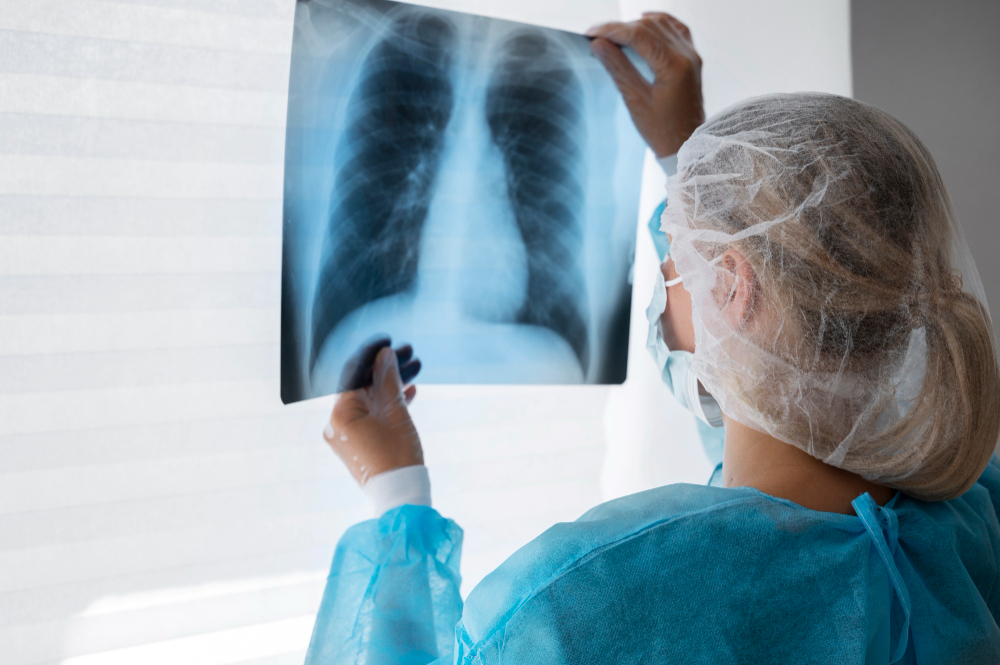
It can identify tumors, infections, internal bleeding, injuries, and other abnormalities affecting abdominal organs.
By studying these images, surgeons can determine the exact location of the problem and choose the best surgical technique.
One of the biggest advantages of CT imaging is its ability to show the precise location of abnormalities inside the abdomen.
The scan can reveal:
Tumors or abnormal growths
Infections or abscesses
Blockages in the intestines
Organ injuries
Kidney stones
This precise visualization helps surgeons plan where to operate and avoid unnecessary damage to surrounding tissues.
A CT Scan provides a clear view of important abdominal organs, including:
Liver
Pancreas
Kidneys
Spleen
Gallbladder
Stomach
Small and large intestines
The scan also shows lymph nodes and blood vessels, allowing doctors to evaluate the overall condition of the abdomen.
This detailed information is essential for planning complex abdominal procedures.
CT scans are commonly used to detect tumors in abdominal organs such as the liver, pancreas, kidneys, and colon.
If cancer is present, the scan can show:
The size of the tumor
Its exact location
Whether it has spread to nearby organs or lymph nodes
This information helps doctors determine whether surgery is possible and how extensive the operation should be.
During abdominal surgery, it is extremely important to avoid damaging major blood vessels.
CT scans can clearly show blood vessels and blood flow patterns, helping surgeons identify conditions such as:
Aneurysms
Blocked arteries
Abnormal blood vessel connections
By understanding the vascular structure beforehand, surgeons can reduce the risk of bleeding and complications during surgery.
Modern surgeries often use minimally invasive techniques such as laparoscopic surgery.
CT scans help surgeons determine whether these techniques are suitable for a patient. They provide a clear map of the abdomen, allowing surgeons to choose the safest entry points for surgical instruments.
This can lead to:
Smaller incisions
Less pain after surgery
Faster recovery time
CT scans are also useful for monitoring medical conditions both before and after surgery.
Doctors may use CT imaging to:
Track tumor growth
evaluate infection or inflammation
check the results of surgery
detect complications such as internal bleeding or fluid buildup
This allows doctors to adjust treatment plans and ensure successful recovery.
Using CT imaging before abdominal surgery provides several important advantages:
Accurate diagnosis of abdominal conditions
Detailed visualization of organs and tissues
Identification of tumors and abnormalities
Better surgical planning
Reduced risk of complications
Because of these benefits, CT scans are widely used in modern surgical practice.
A CT scan is an essential tool for planning abdominal surgery. By providing detailed images of organs, tissues, and blood vessels, it helps doctors diagnose conditions accurately and choose the best surgical approach.
With the help of CT imaging, surgeons can perform procedures more safely, reduce complications, and improve patient outcomes. For patients with abdominal diseases, injuries, or tumors, CT Scans play a vital role in ensuring successful treatment.








.jpg "ct brain scan plain and contrast")




















.jpg "ct scan")
.jpg "ct scan or mri for brain disorders")


.jpg "exploring the power of ct brain contrast in modern diagnostics")
.jpg "ct scan")
.jpg "ct scan")








.jpg "ct scan")


.jpg "CT Brain Scan for Headaches")
.jpg "The Future of 3D CT Imaging")