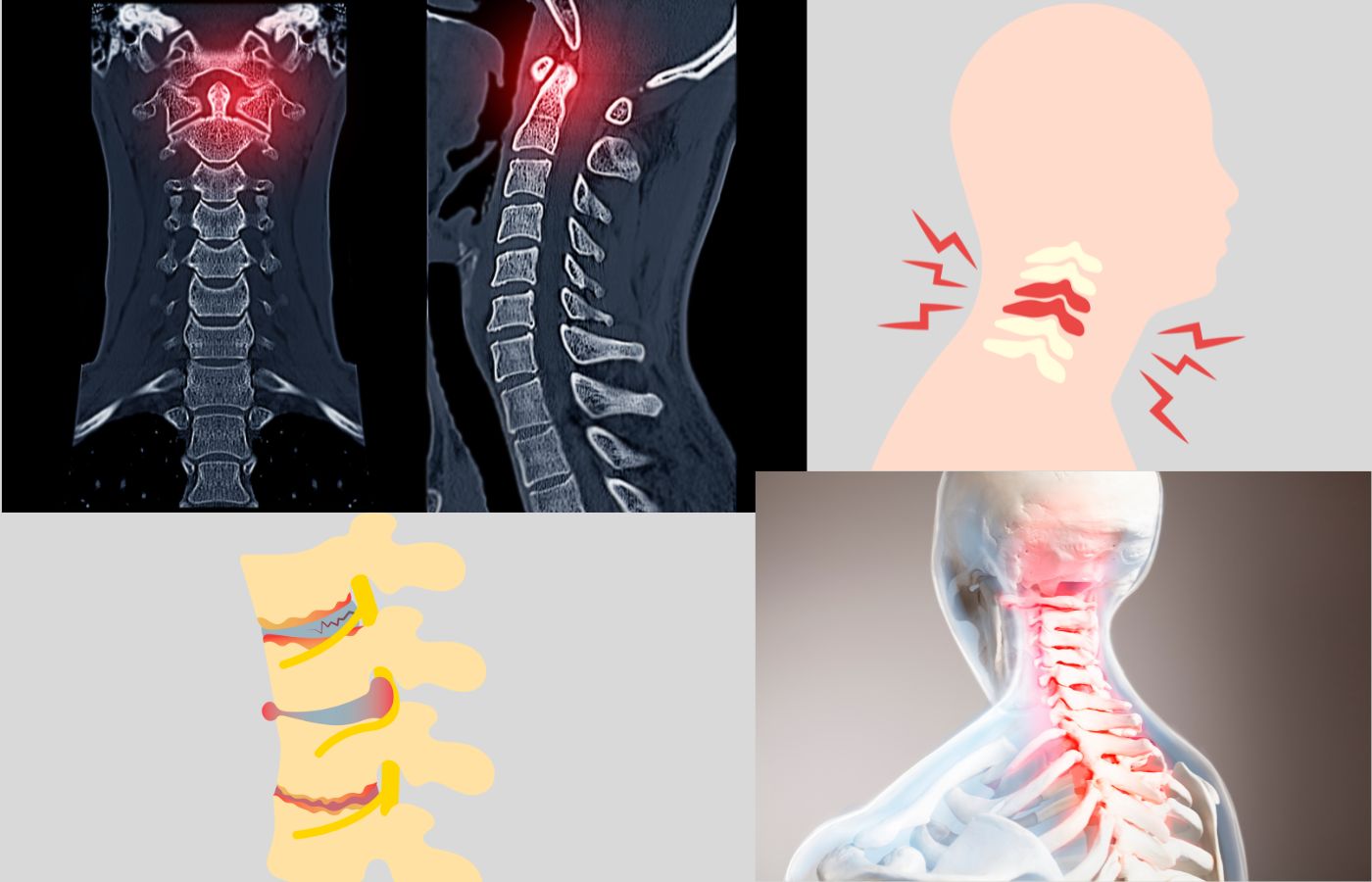
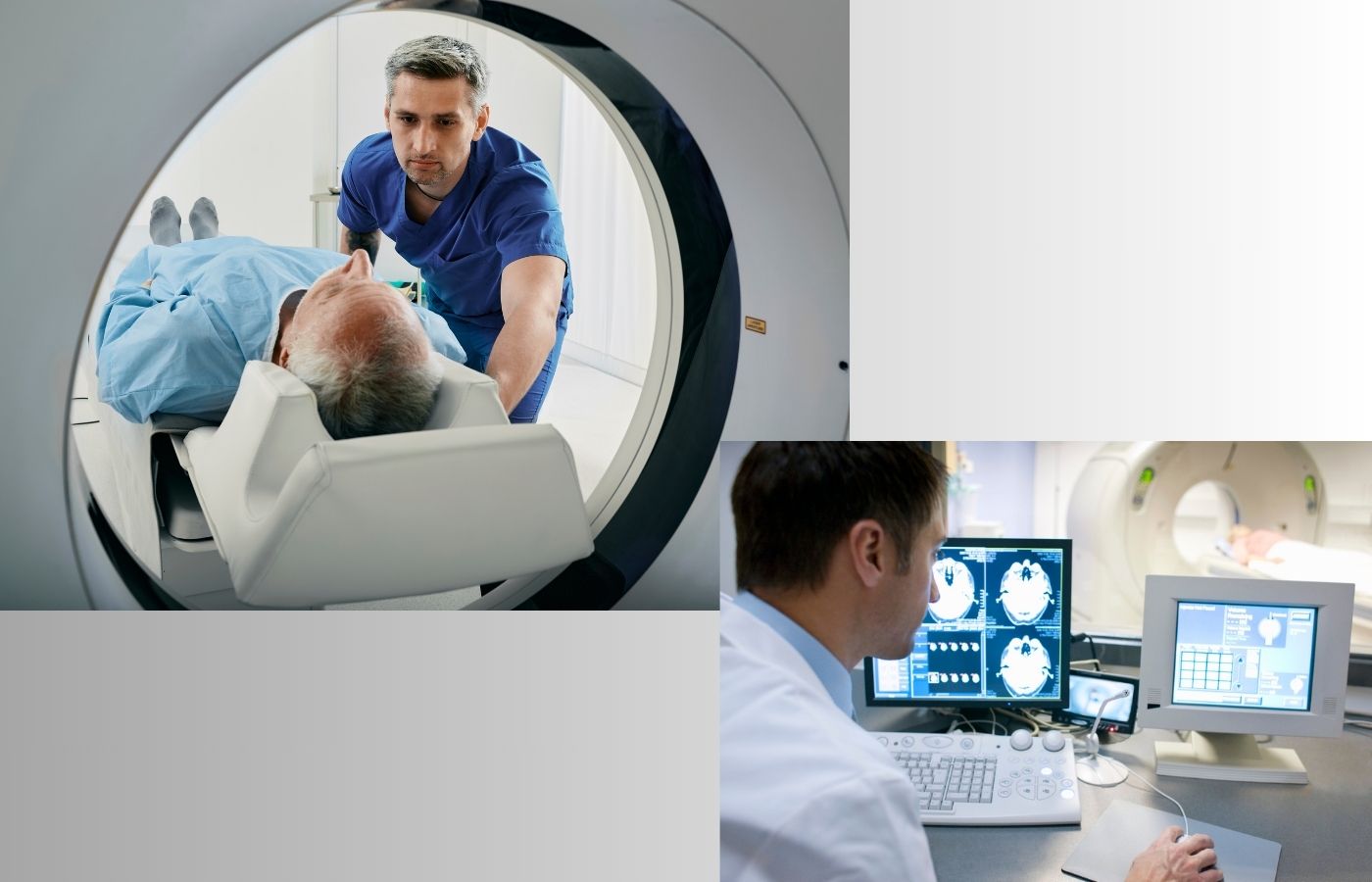
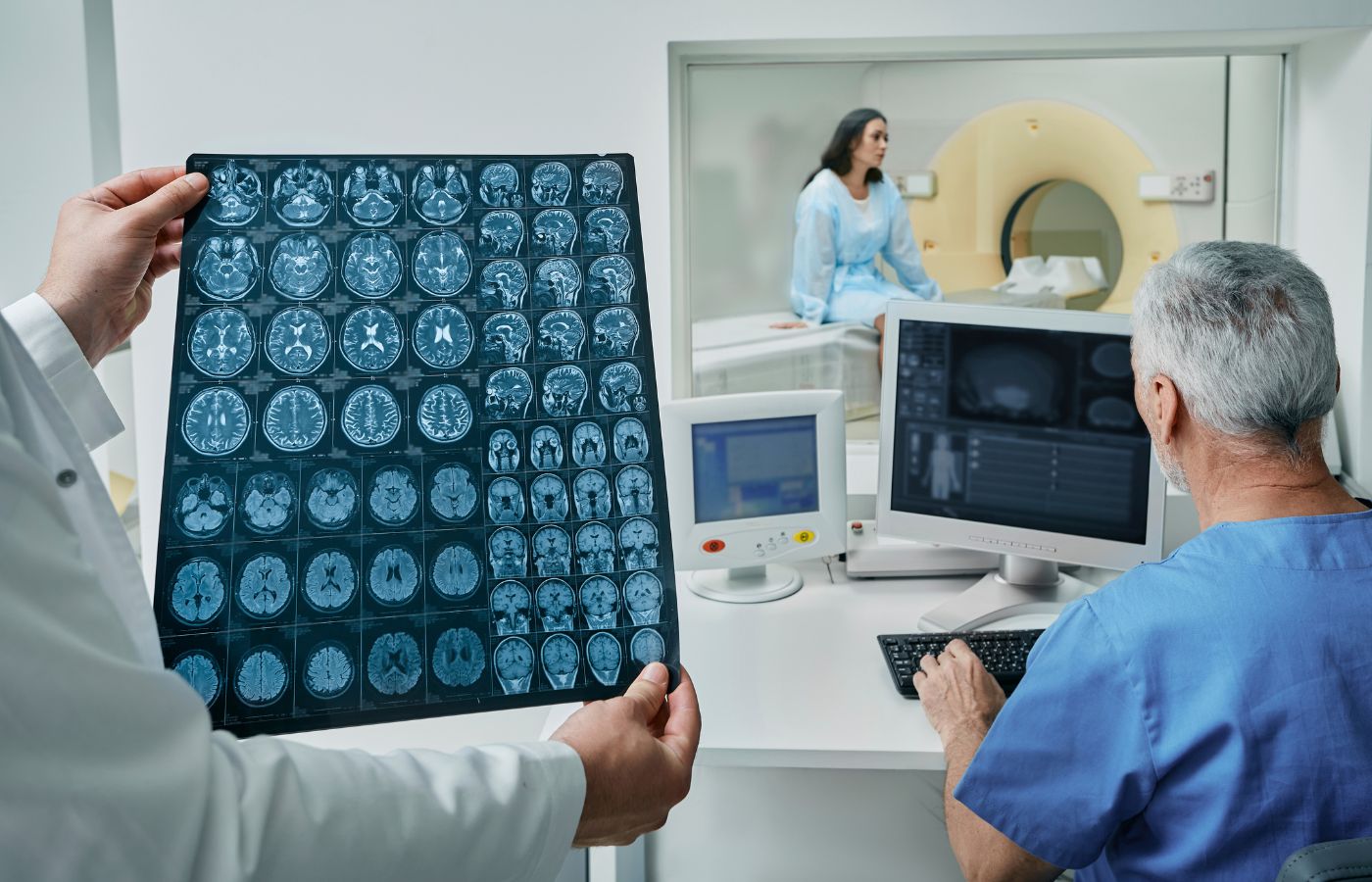
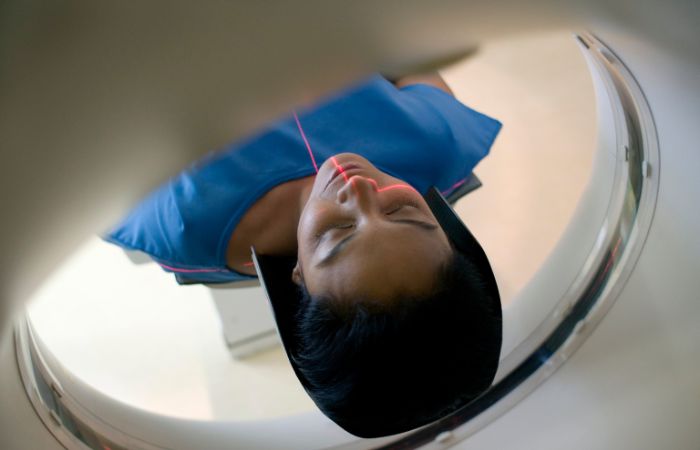
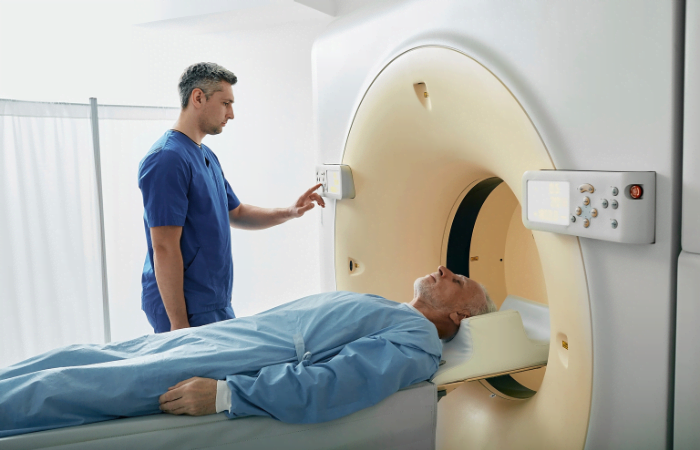
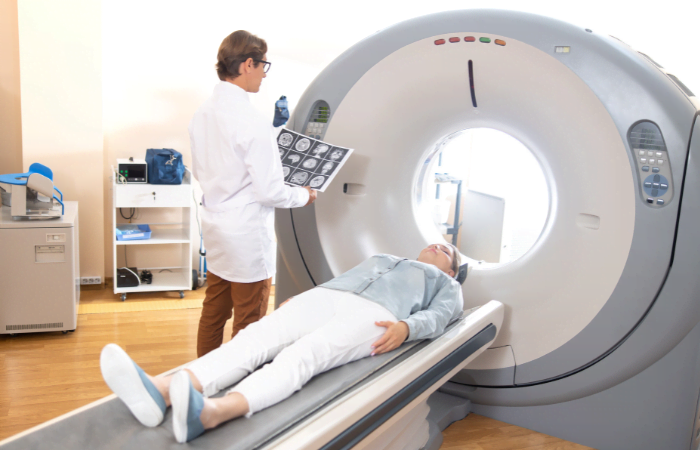
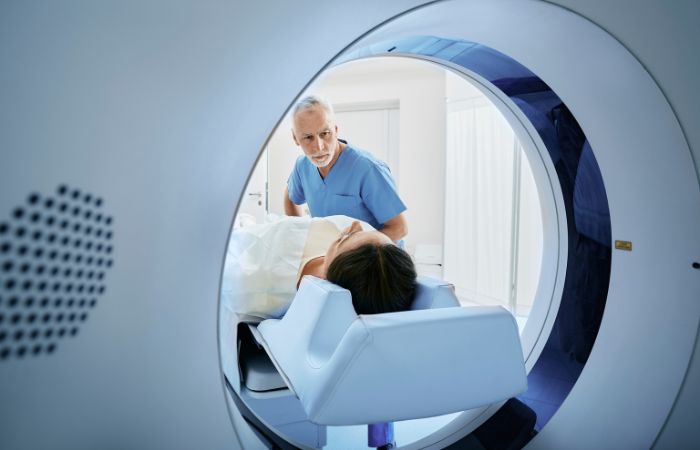
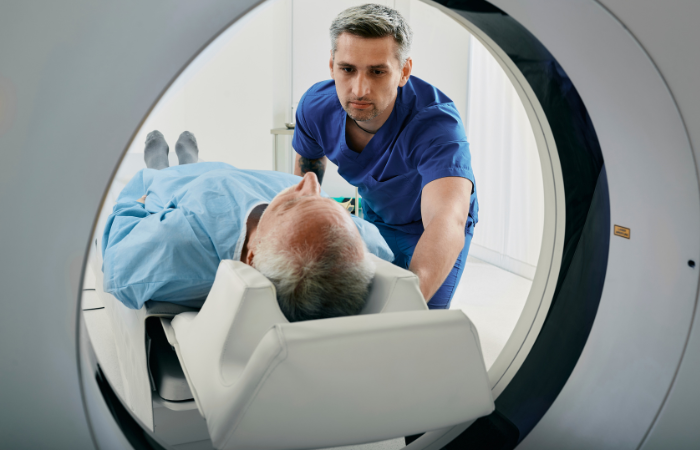
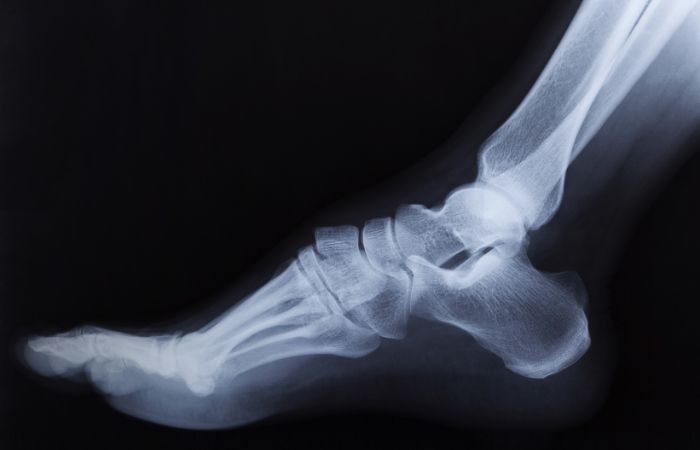
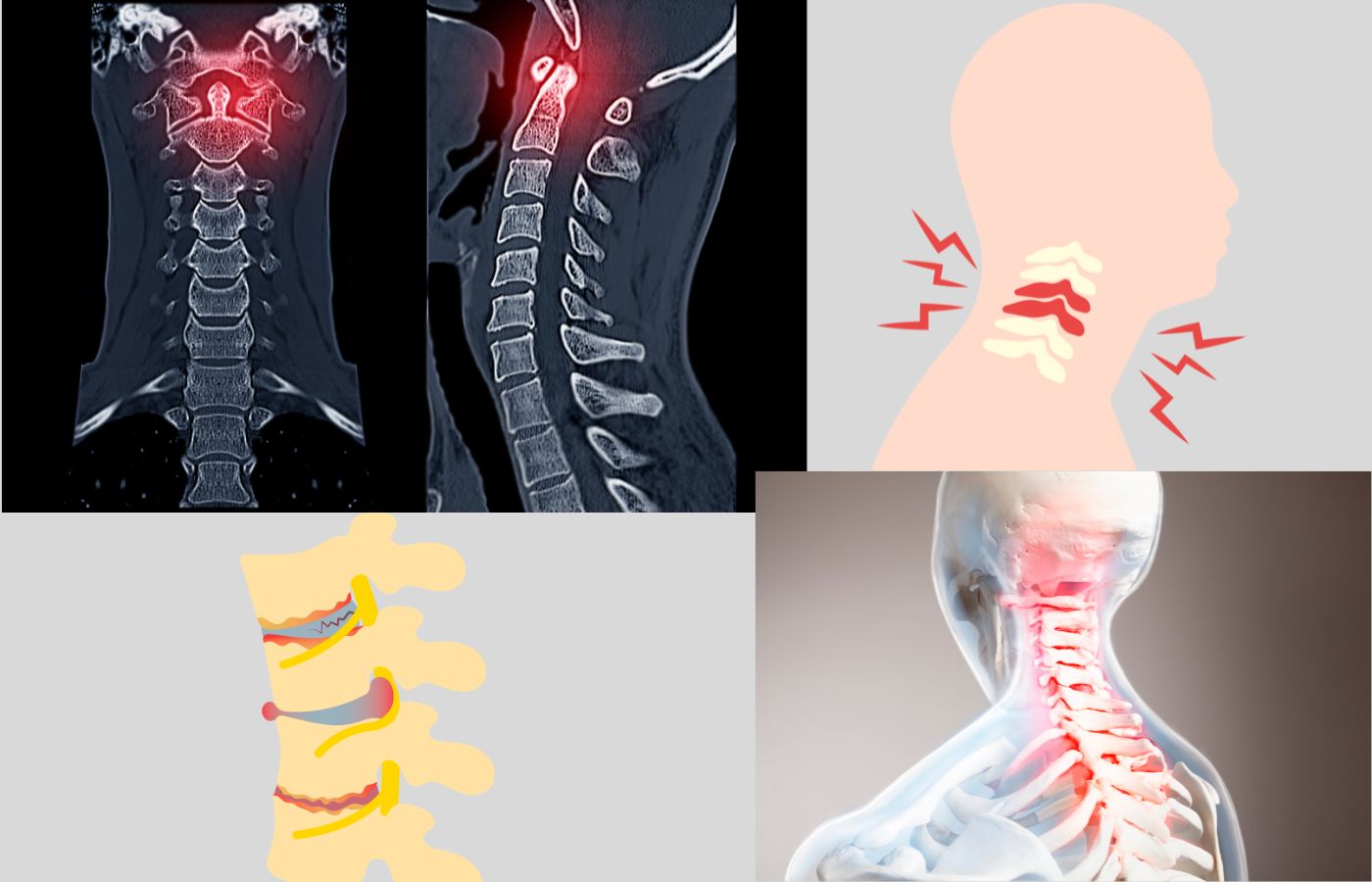
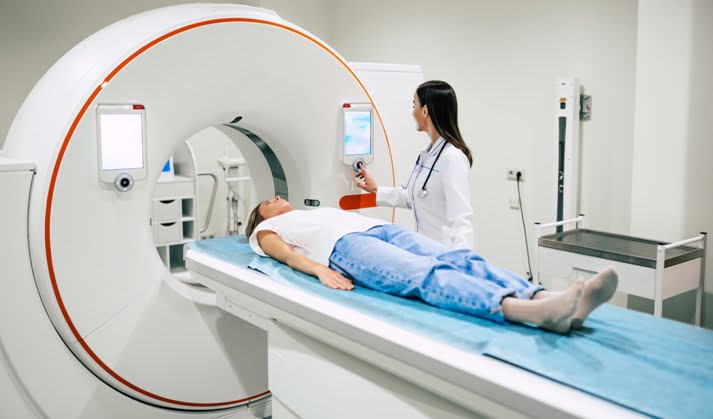
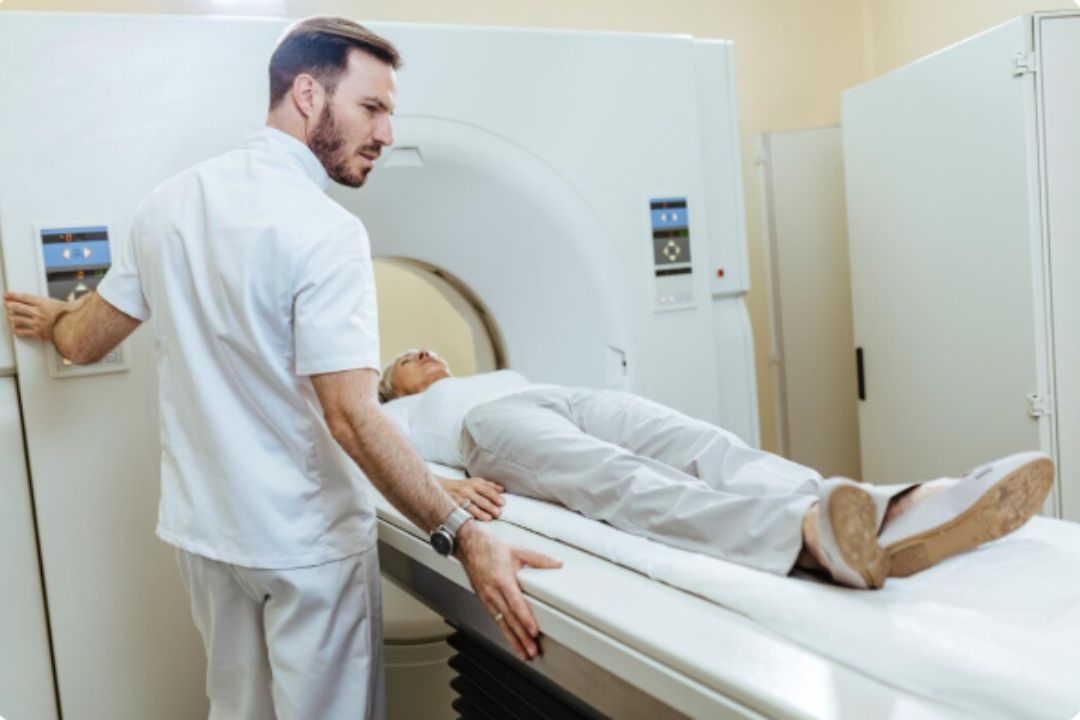
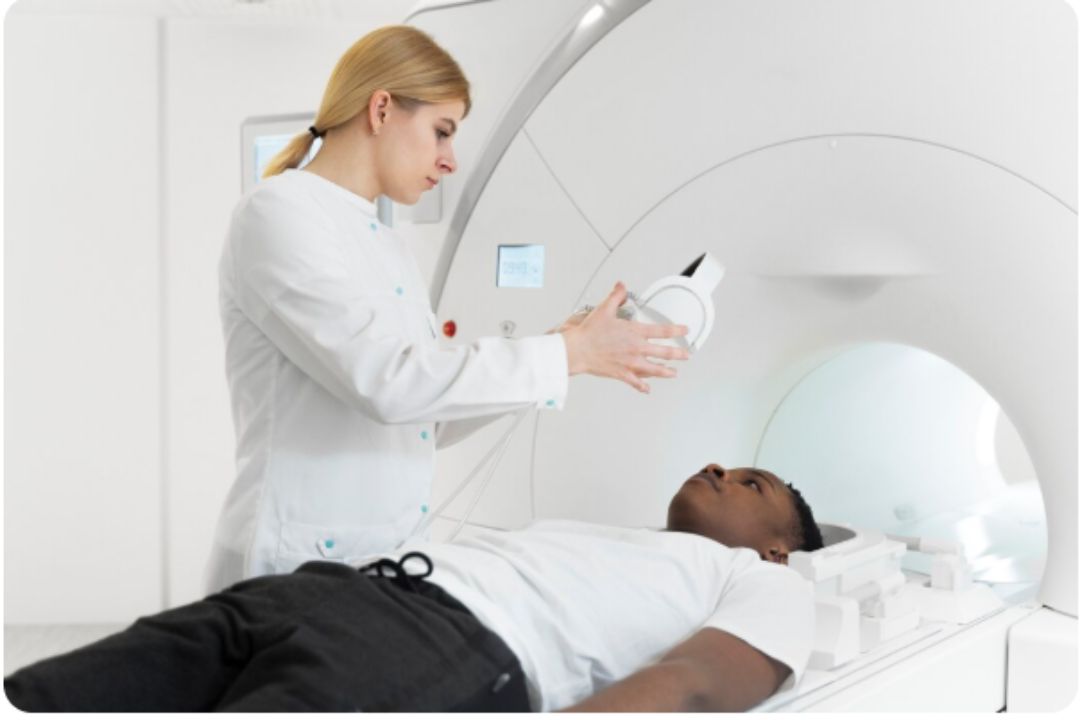
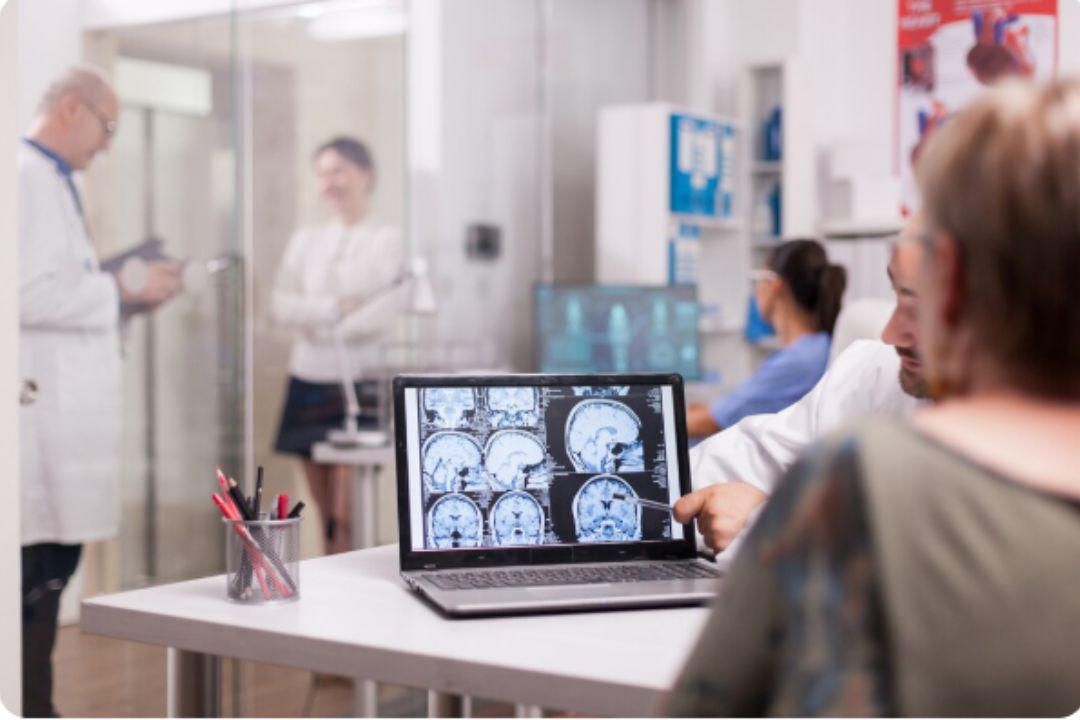
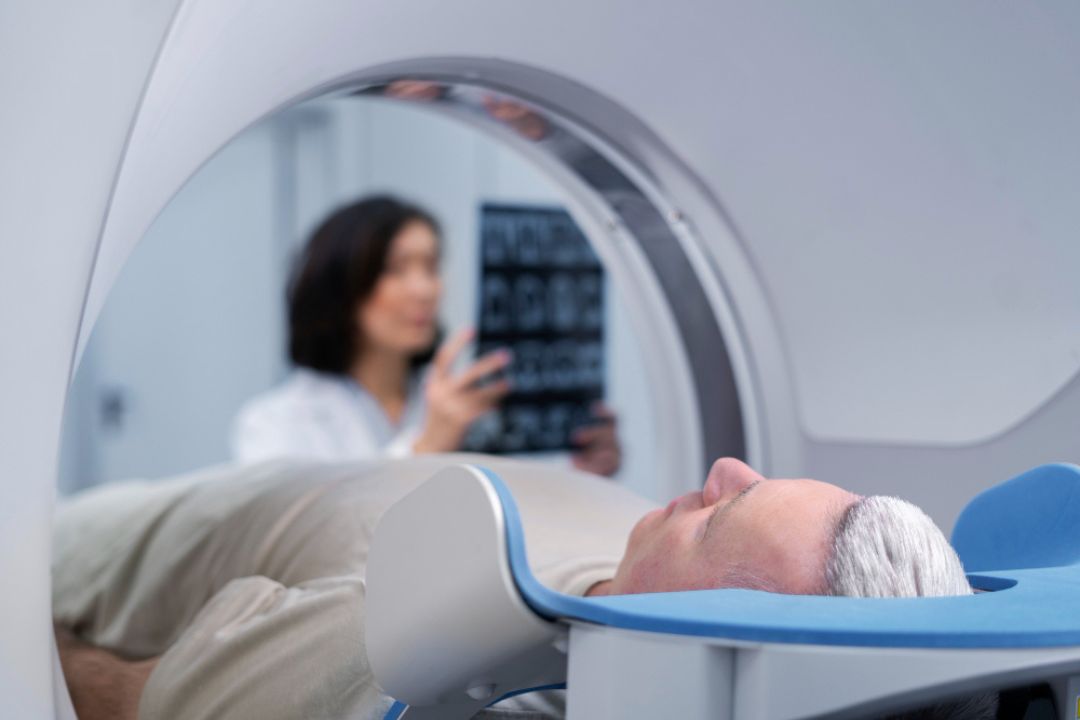
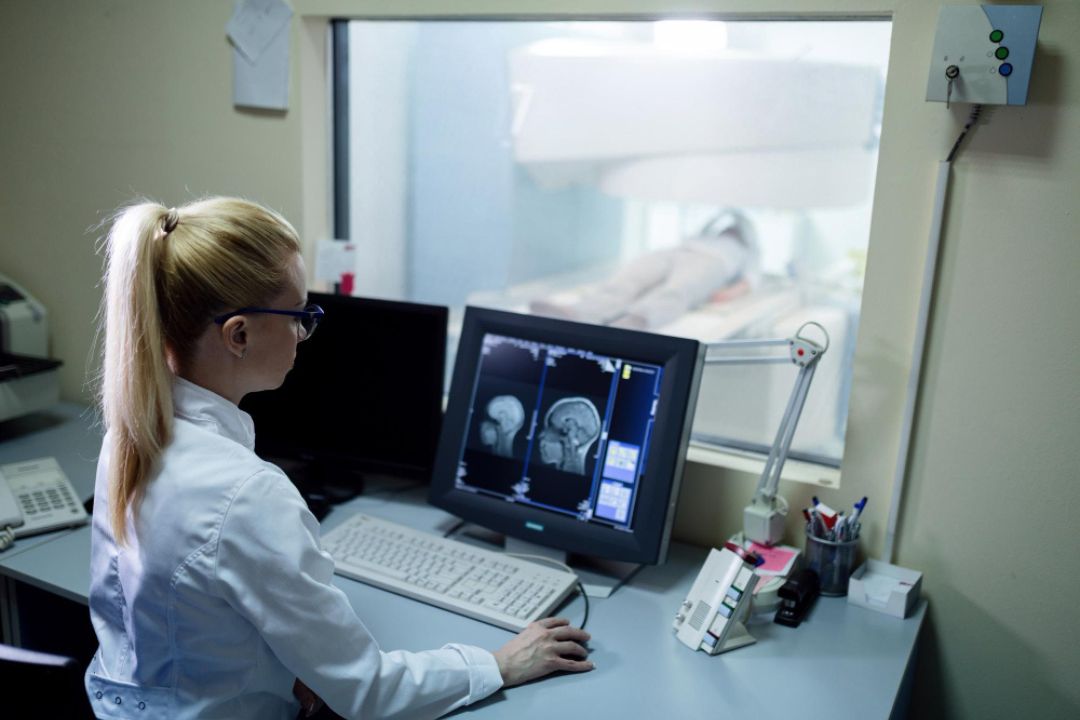
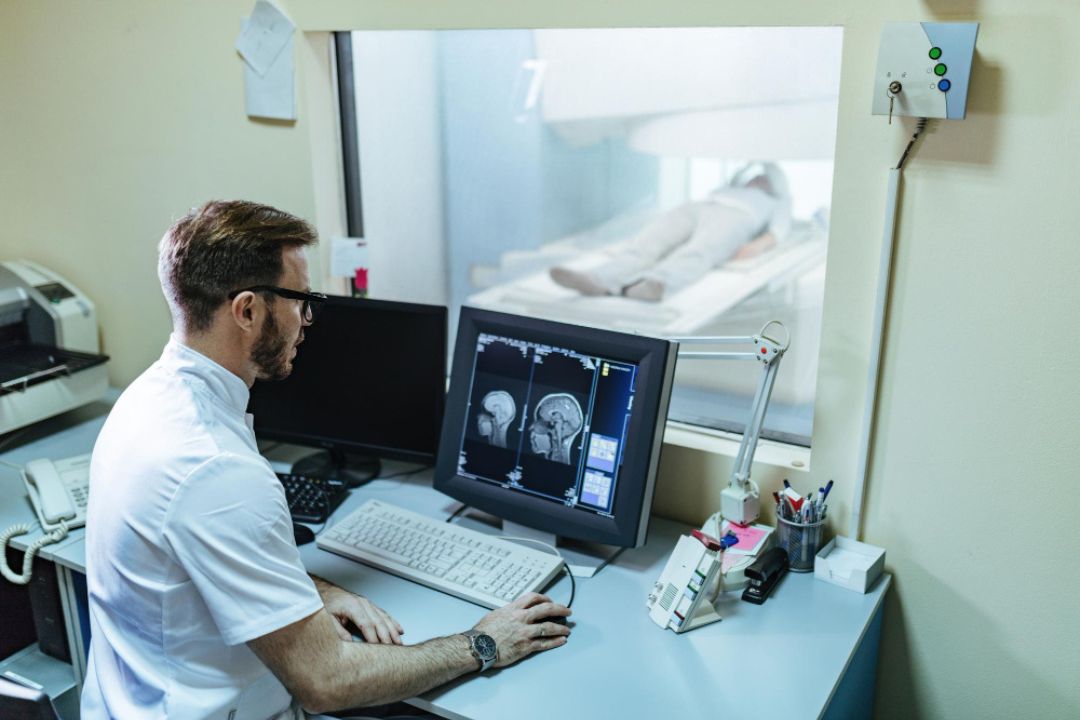
.jpg "ct scan or mri for brain disorders")
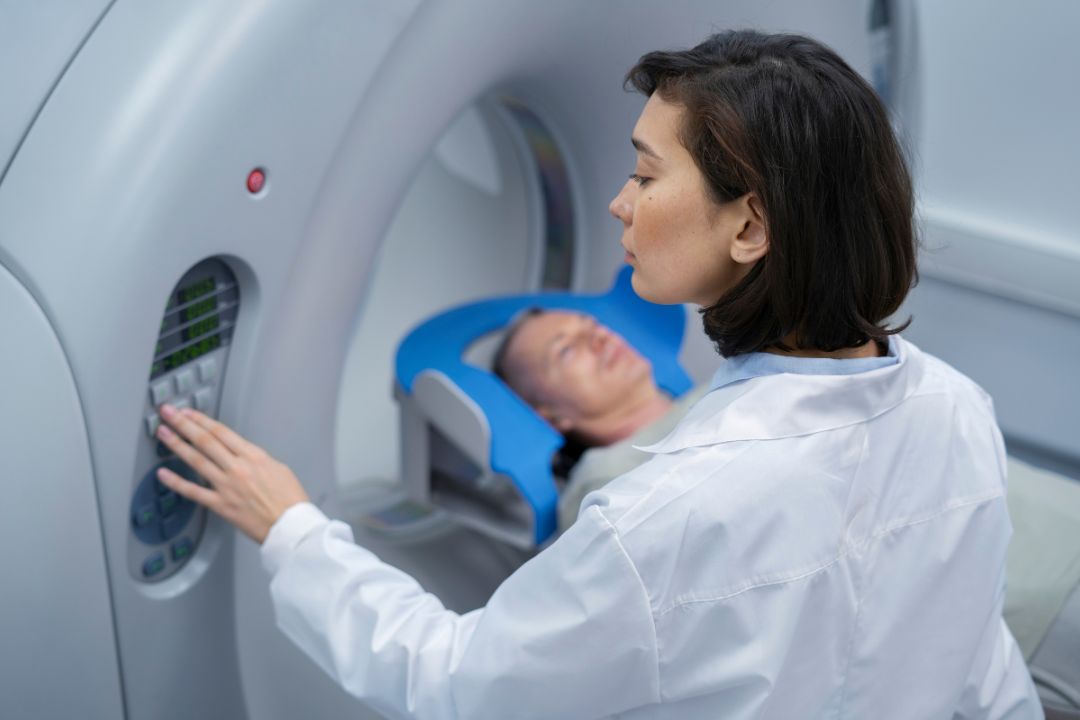
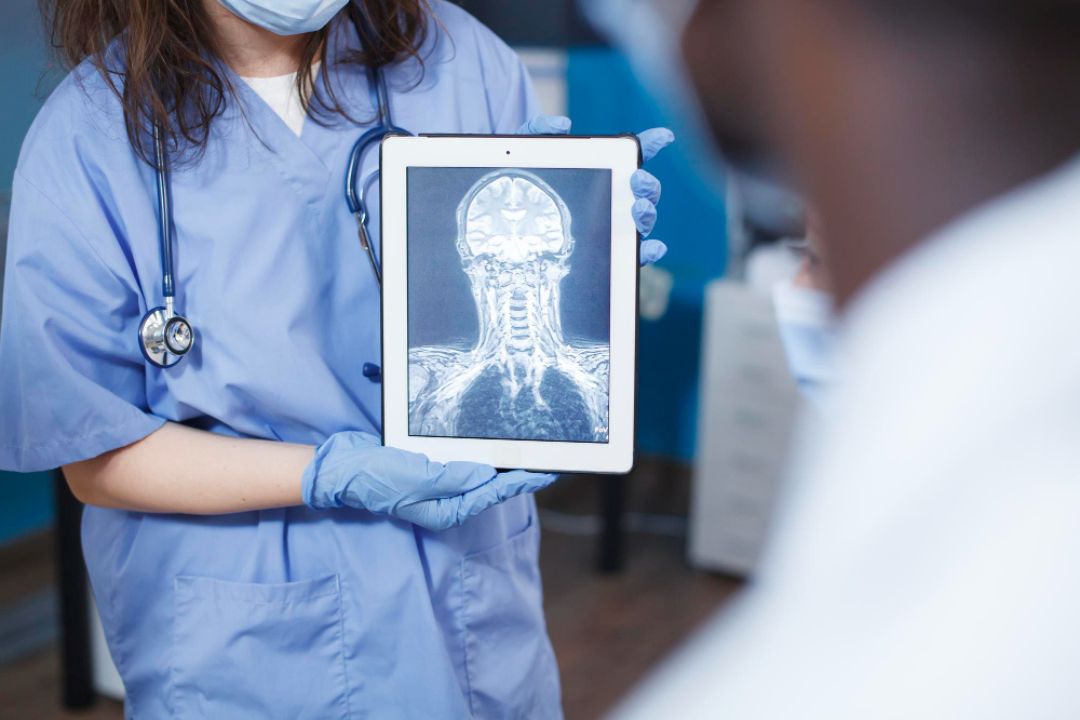
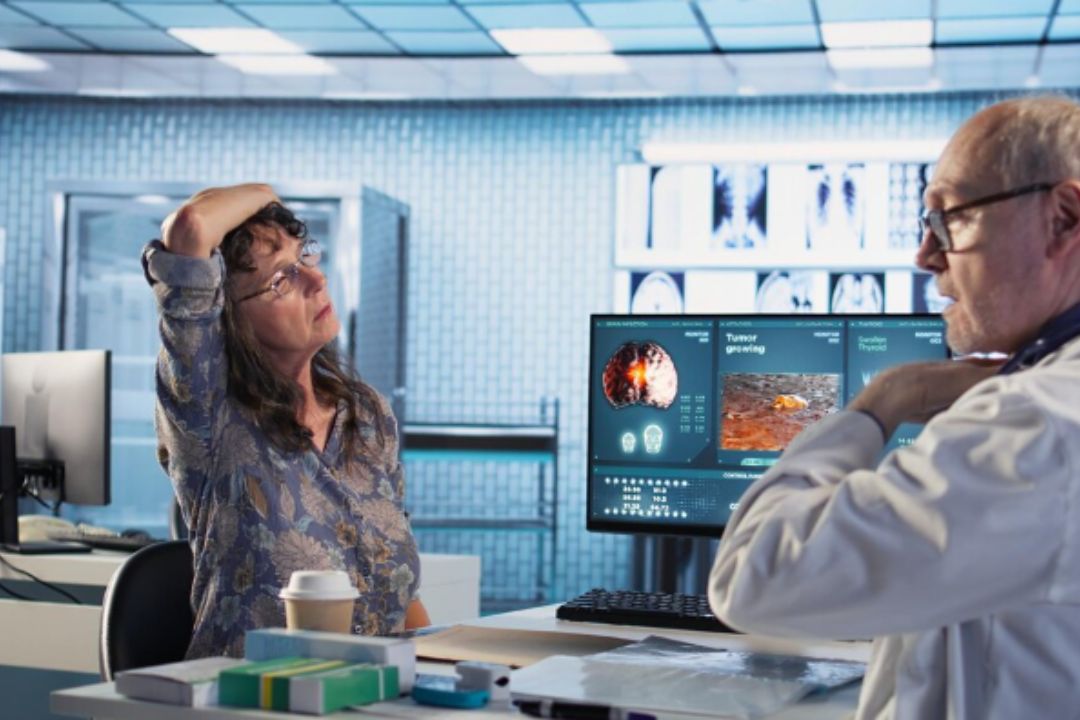
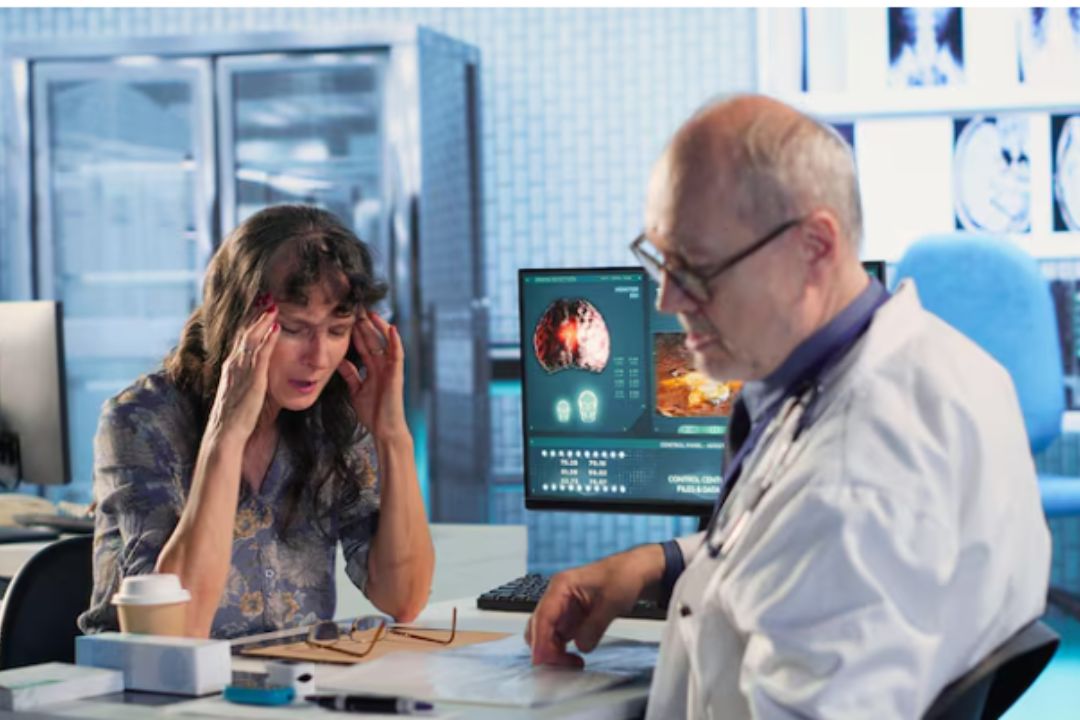
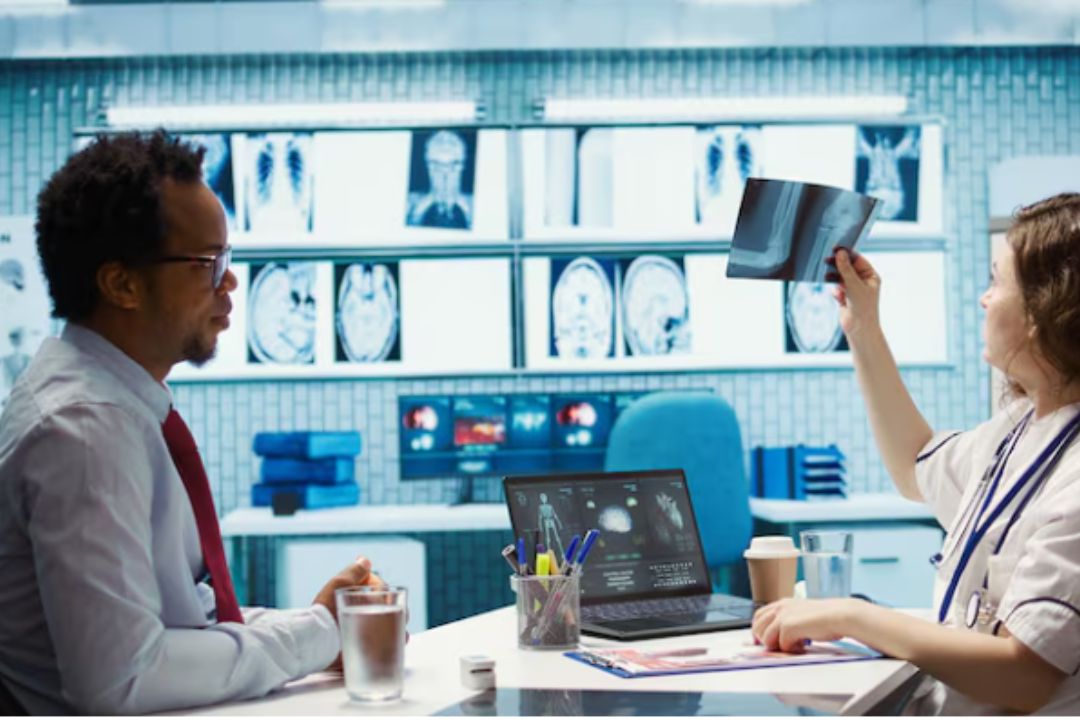
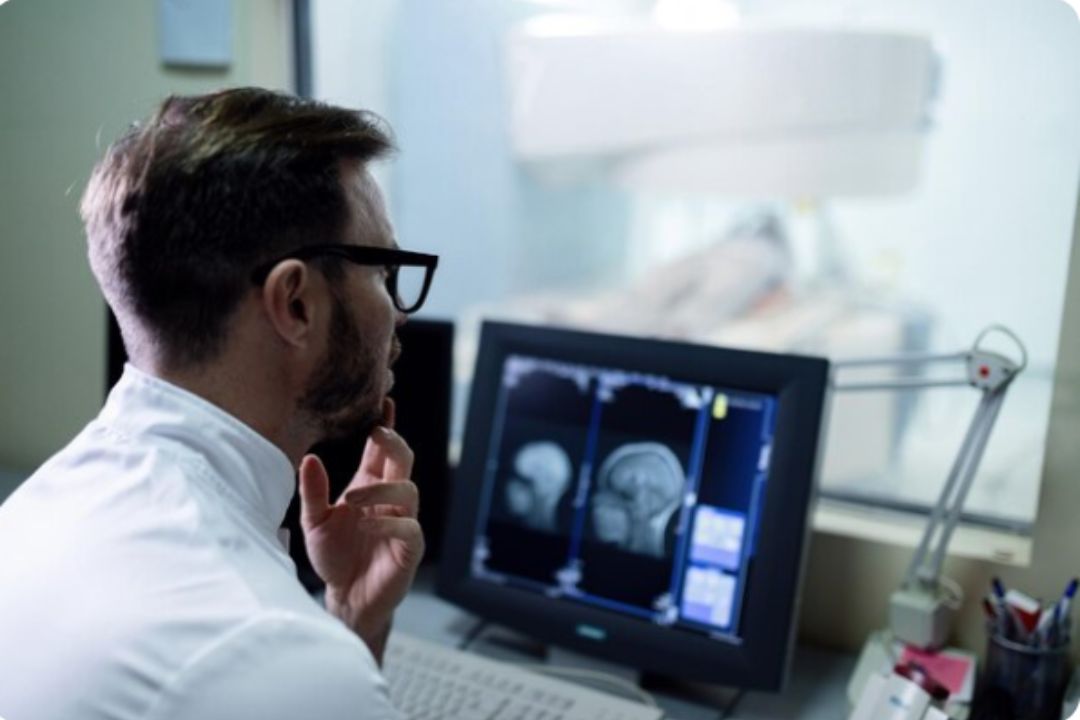
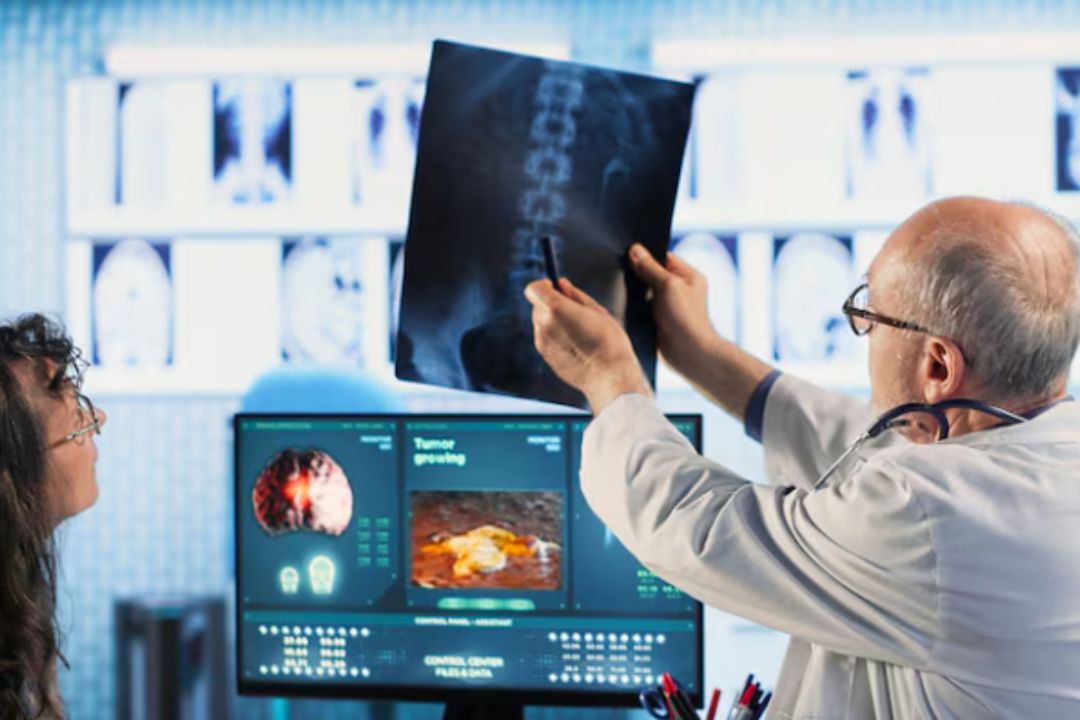
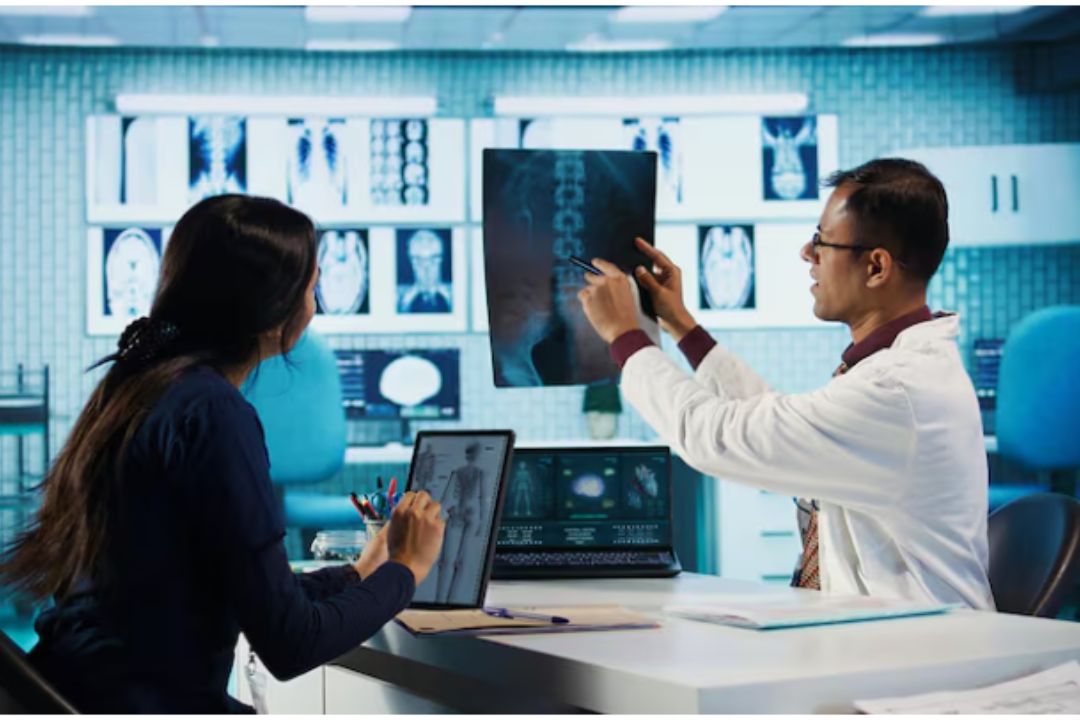
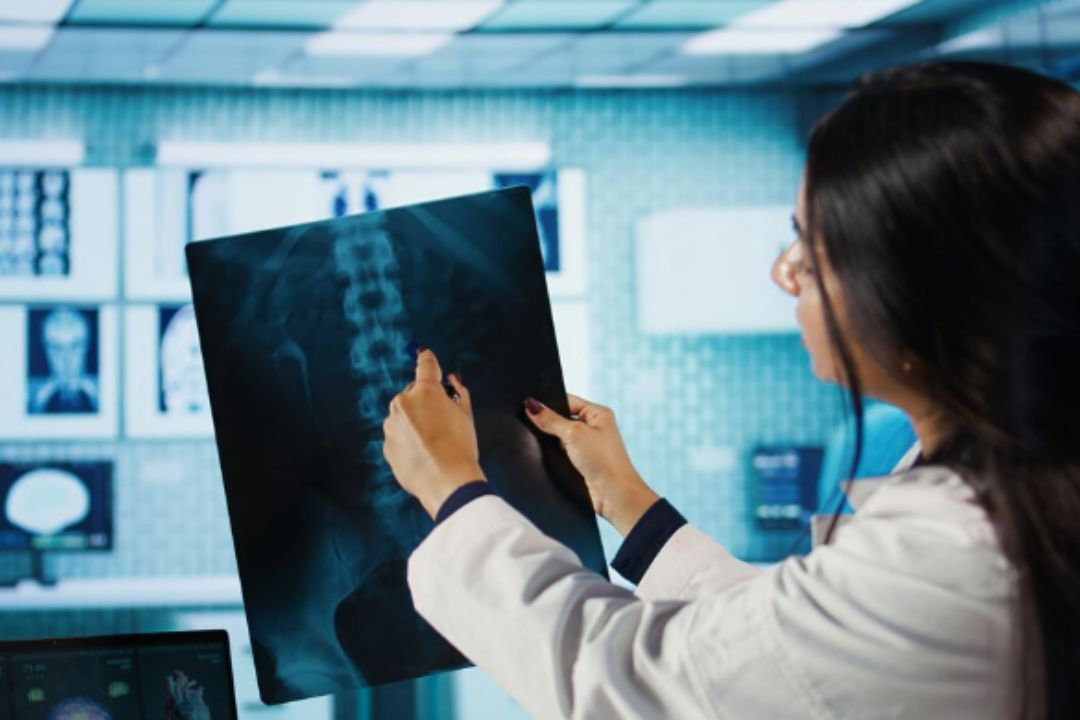
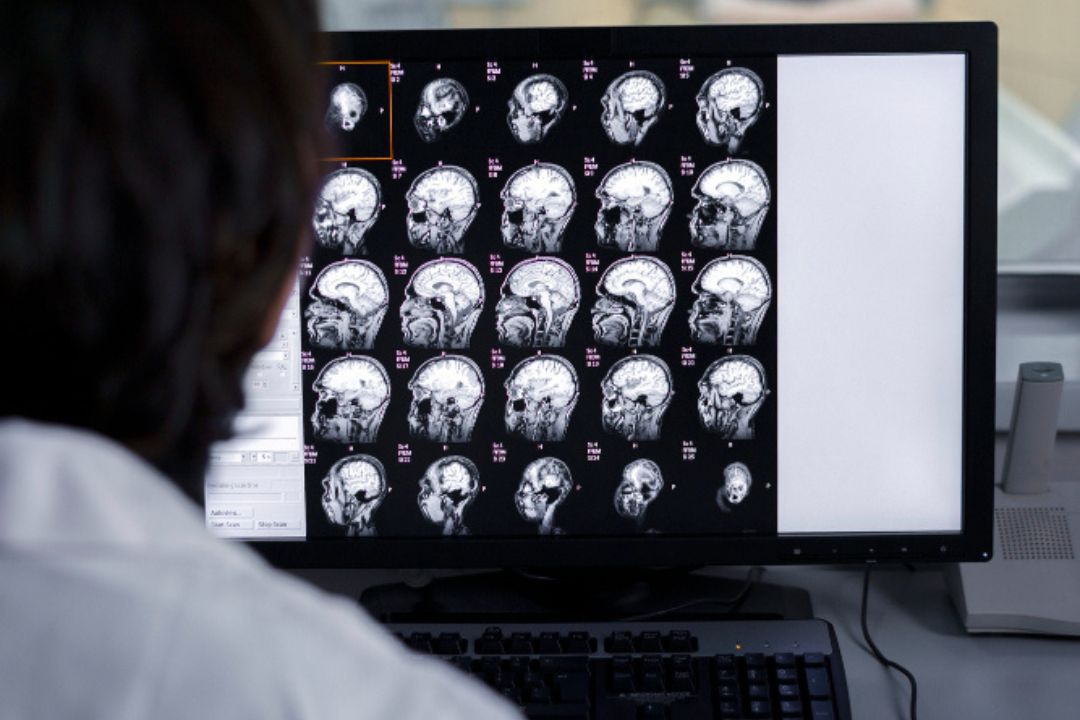
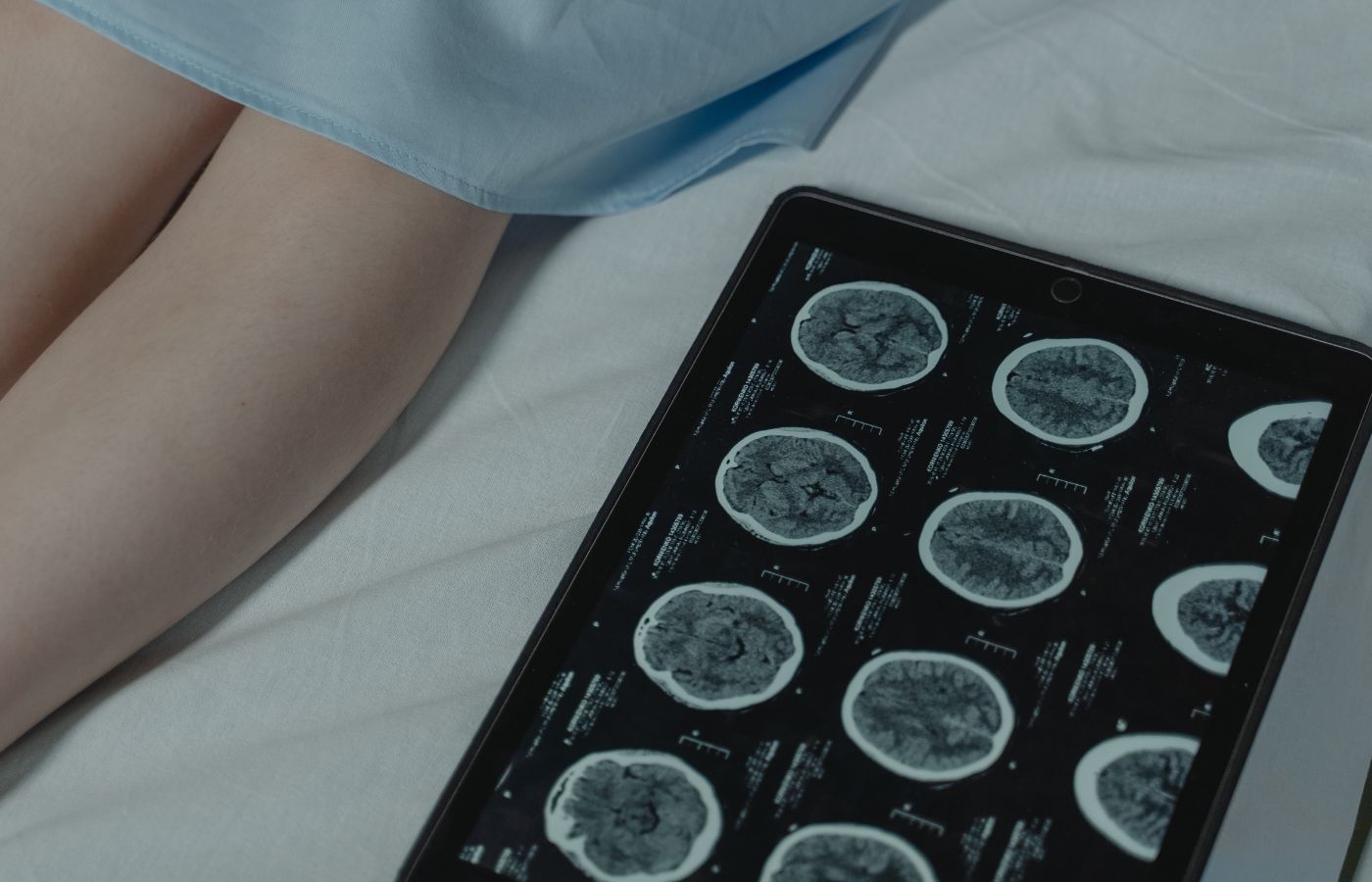
Brain imaging plays an important role in diagnosing neurological conditions such as tumors, stroke, infections, and head injuries. Two of the most commonly used imaging tests are CT scans and MRI scans. Both technologies help doctors examine the brain, but they work in different ways and are used for different medical situations.
Understanding the differences between CT Scans And MRI Scans can help patients know why a doctor may recommend one test instead of the other.
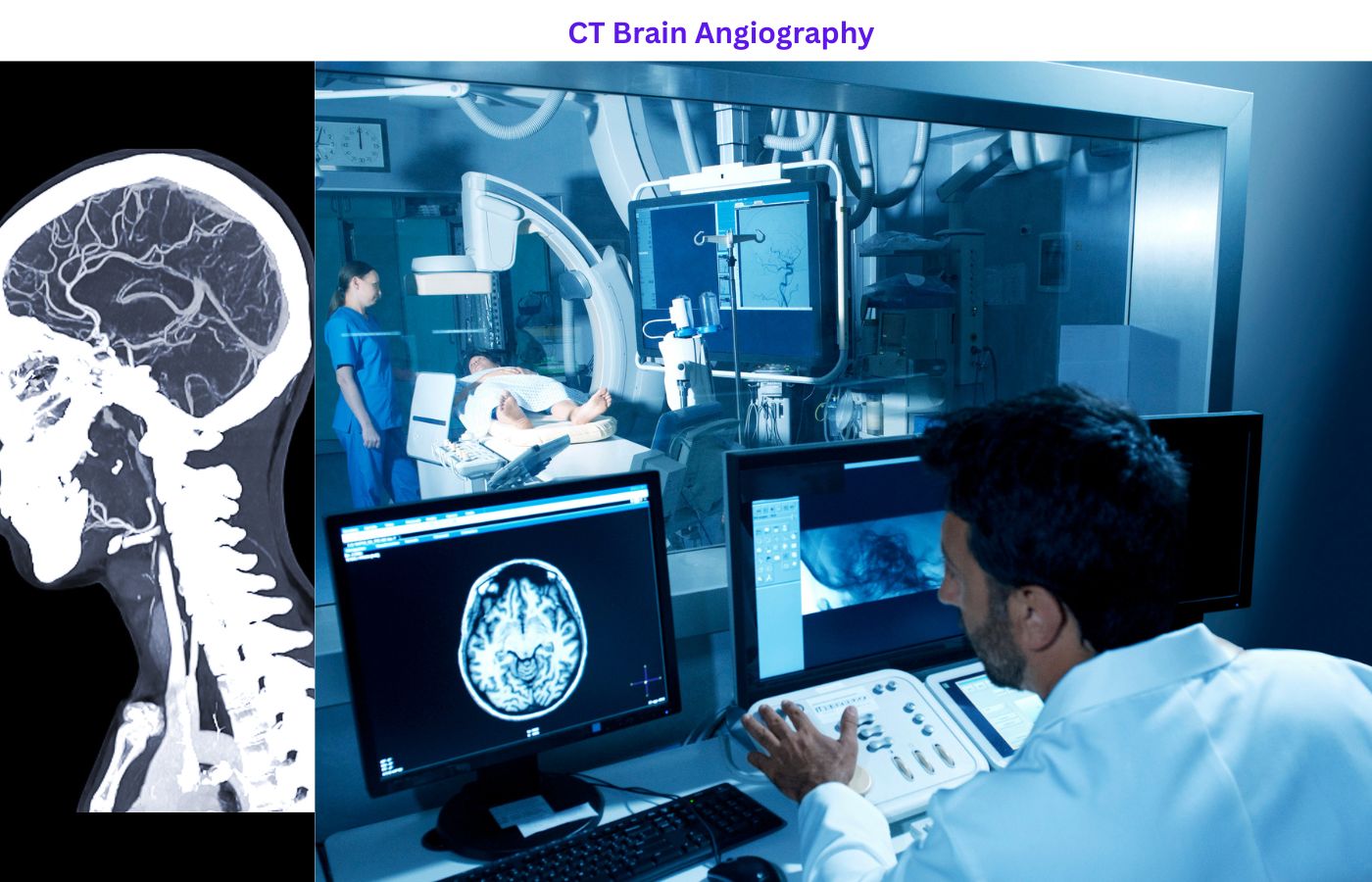
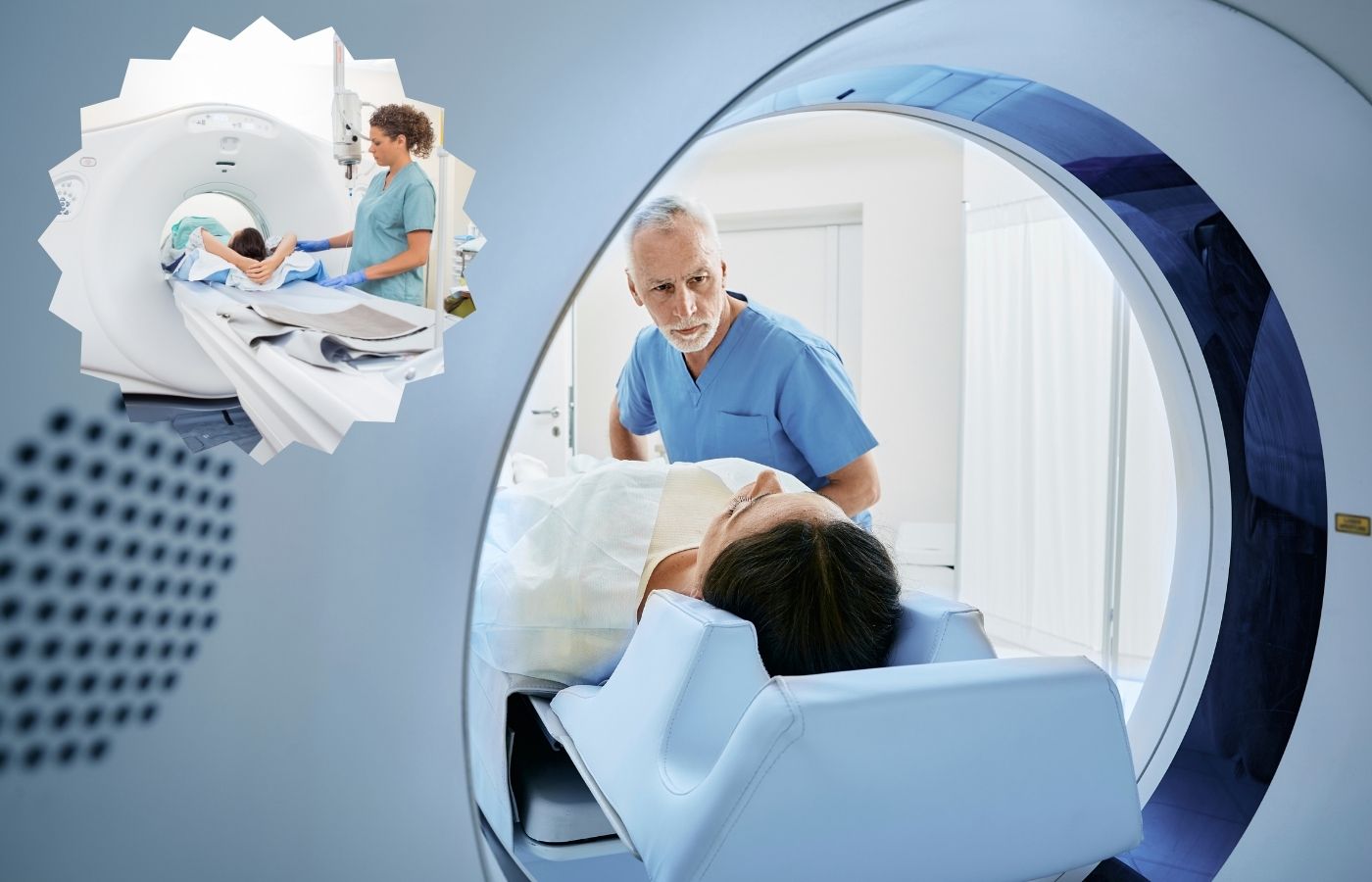
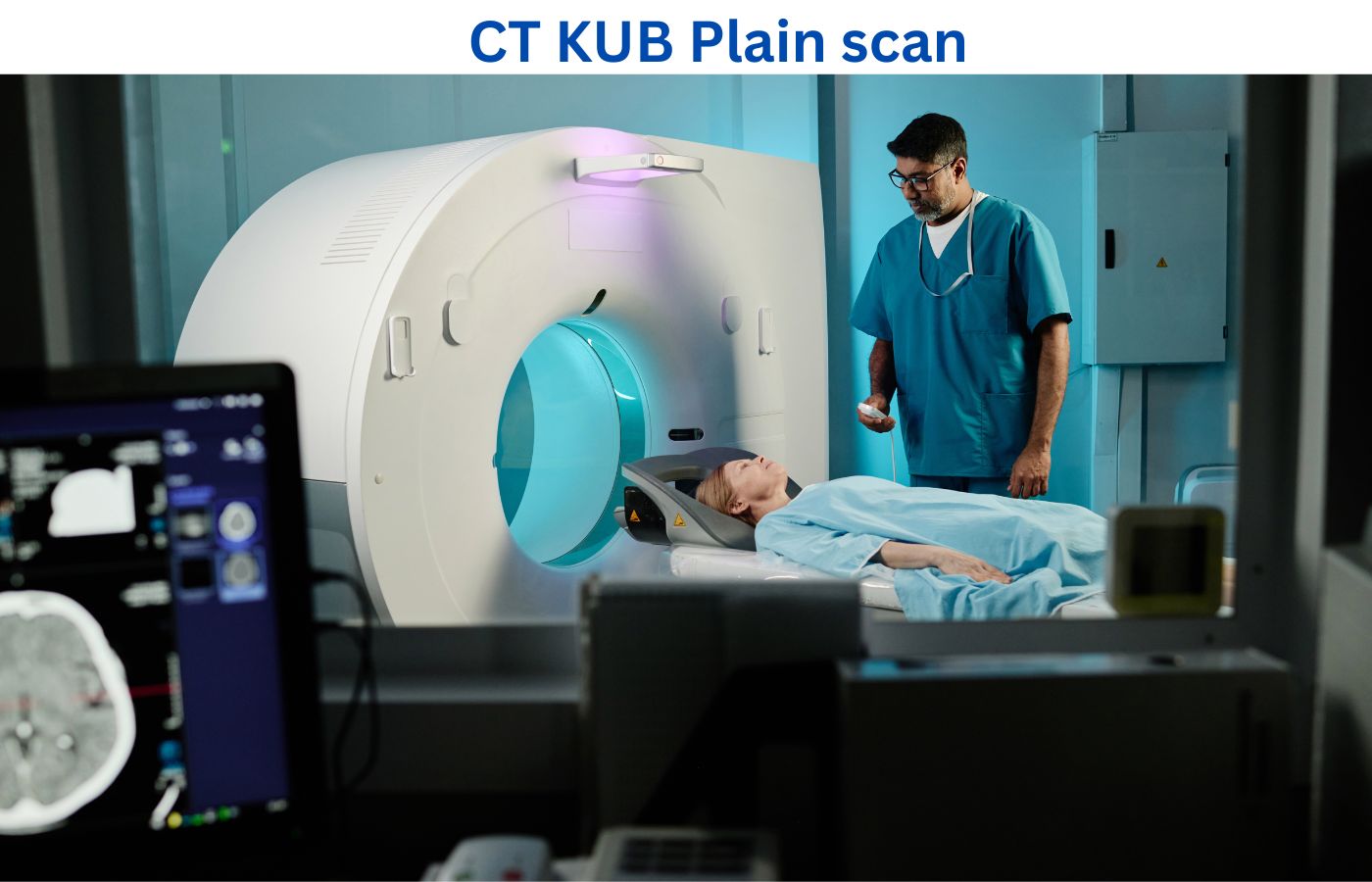
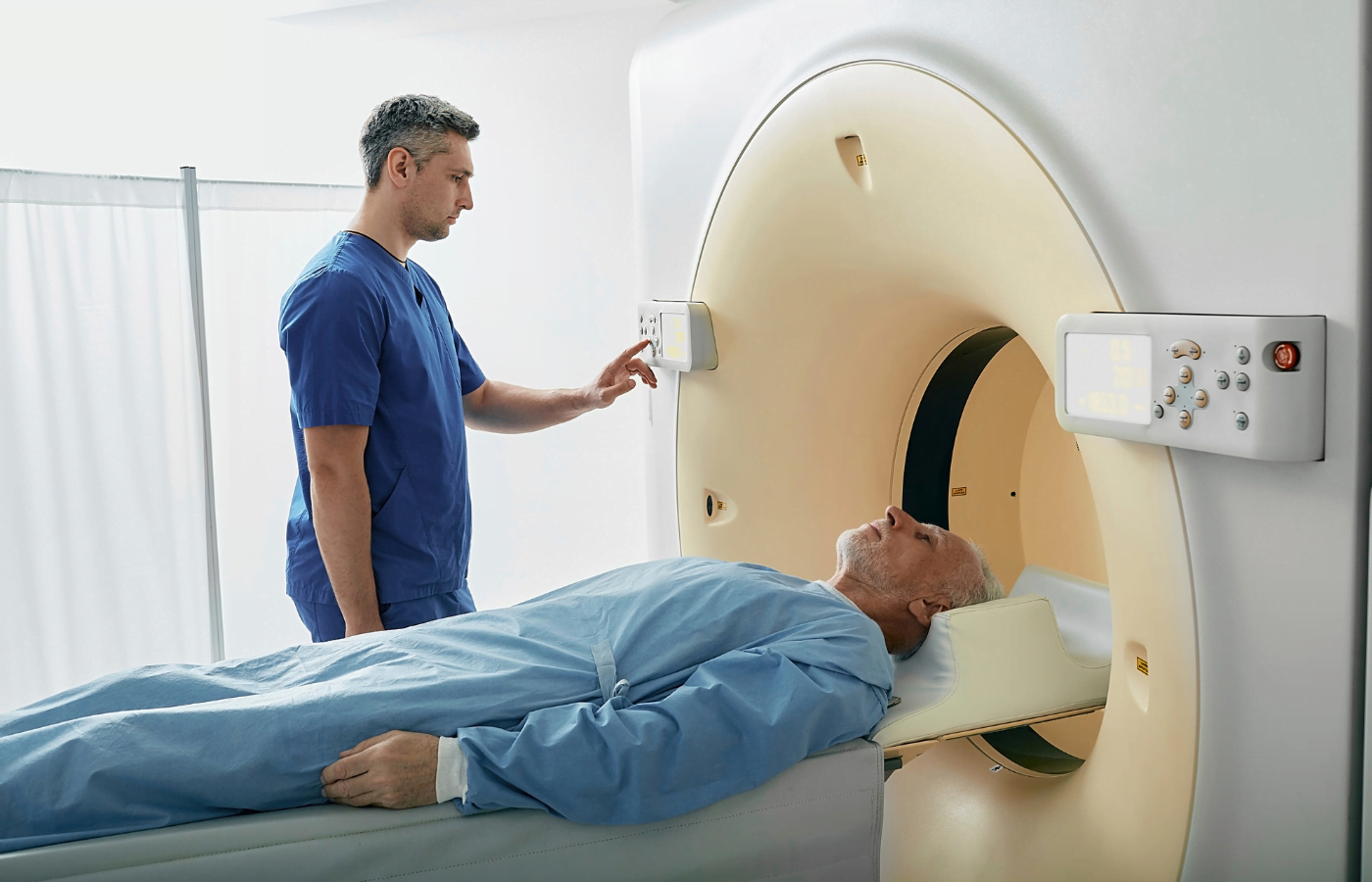
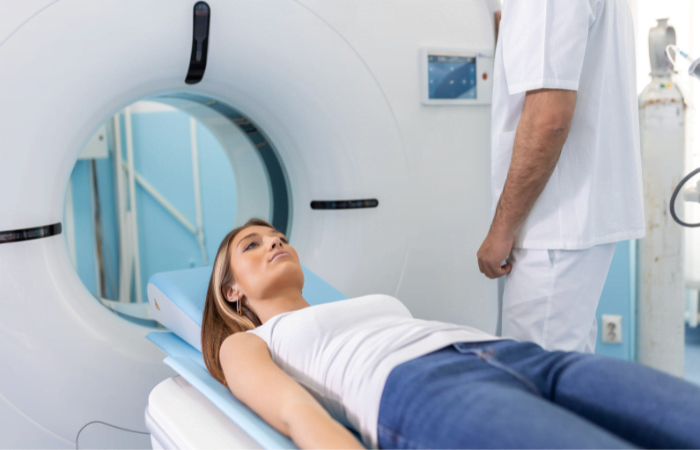
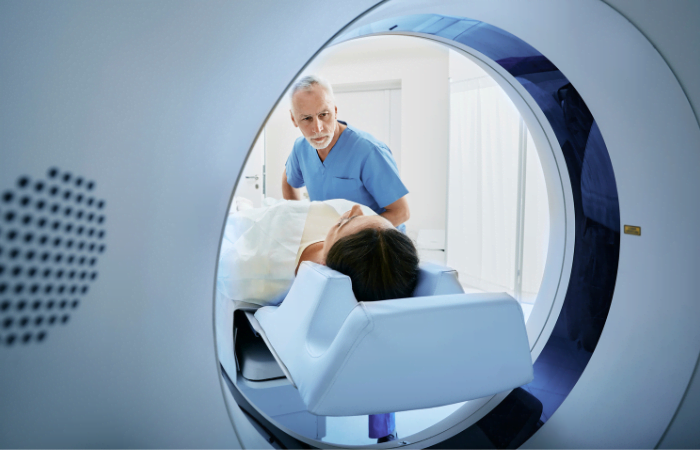
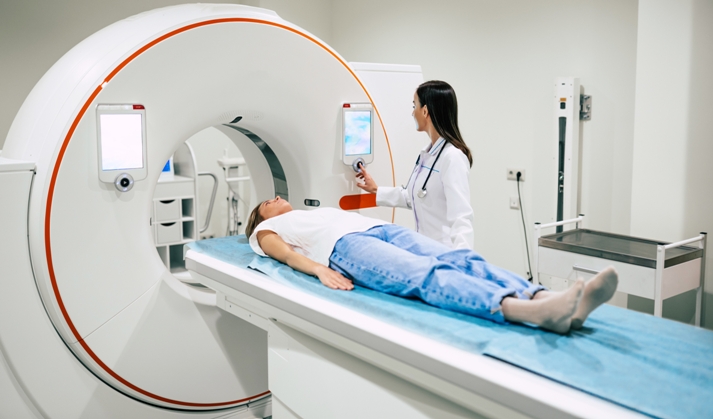
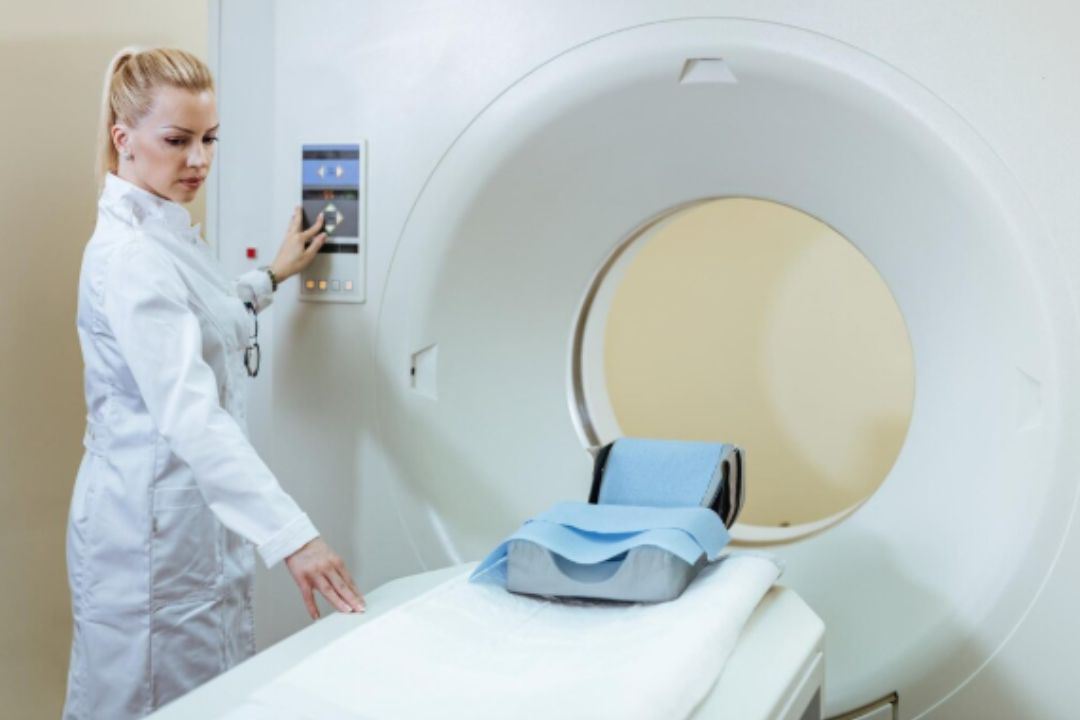
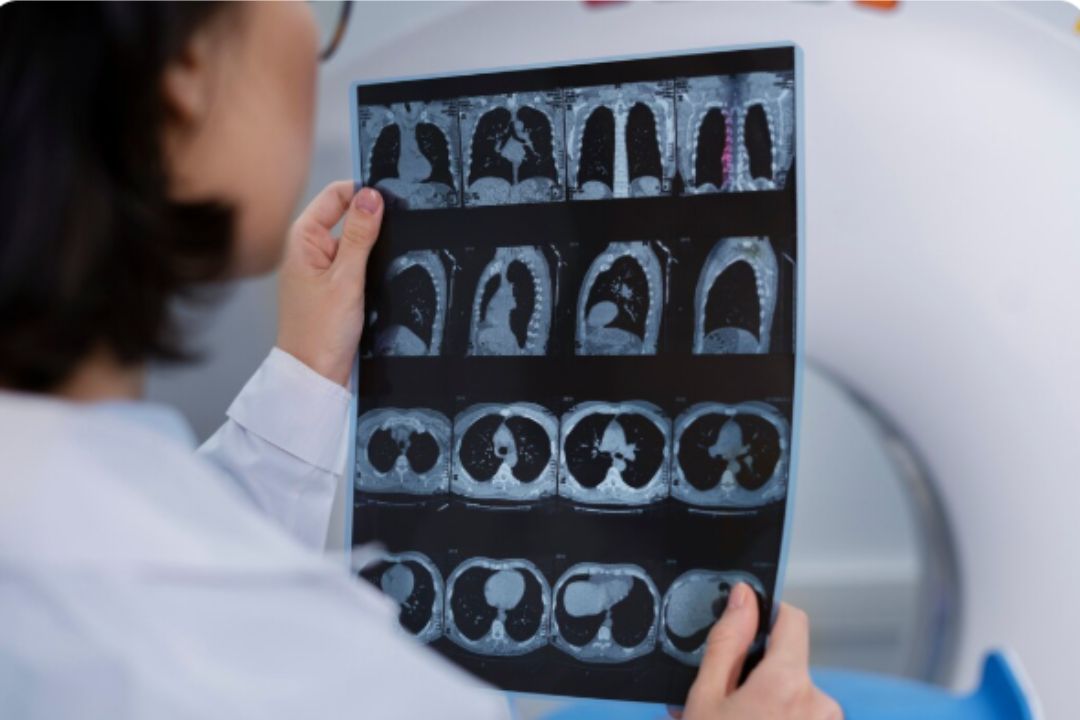
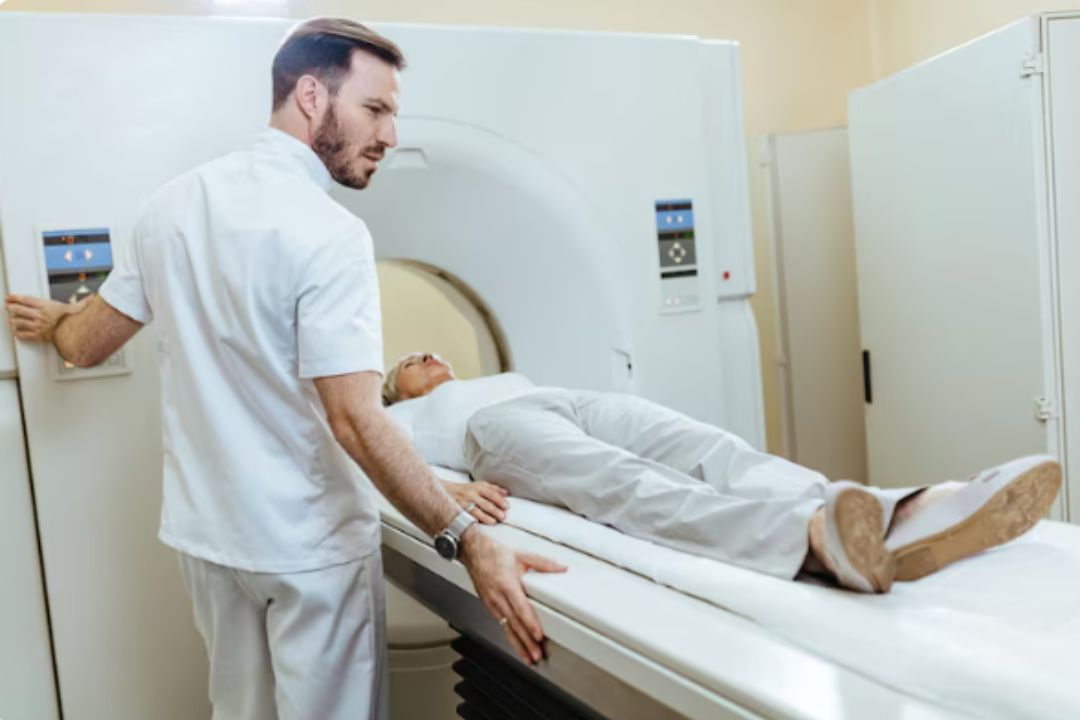
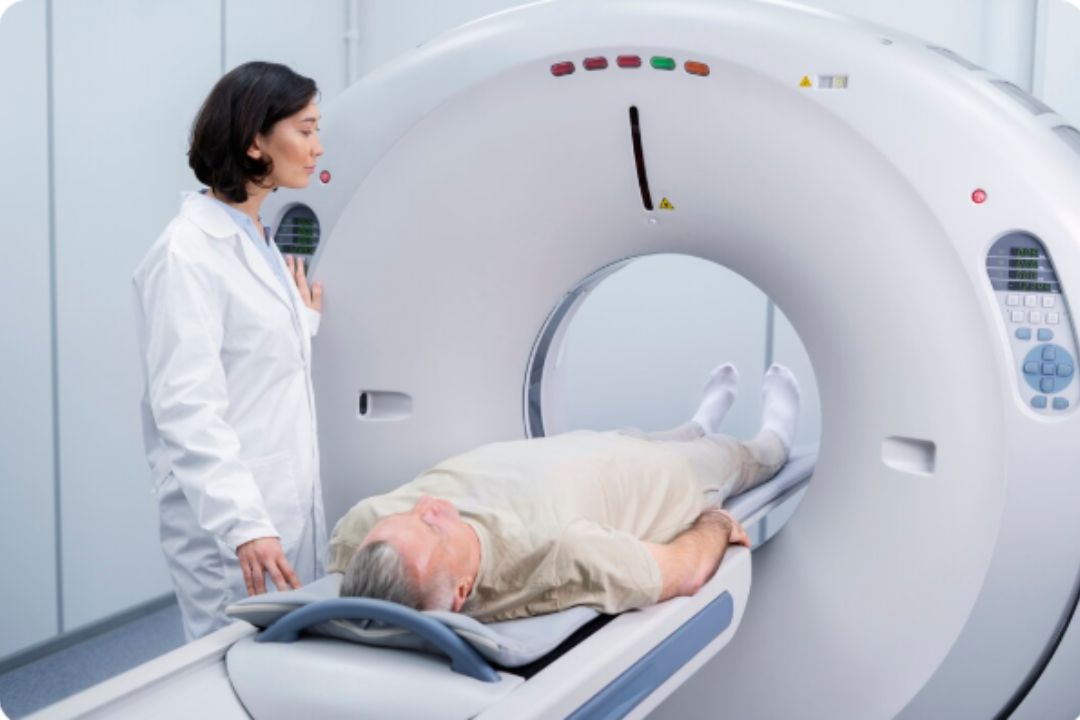
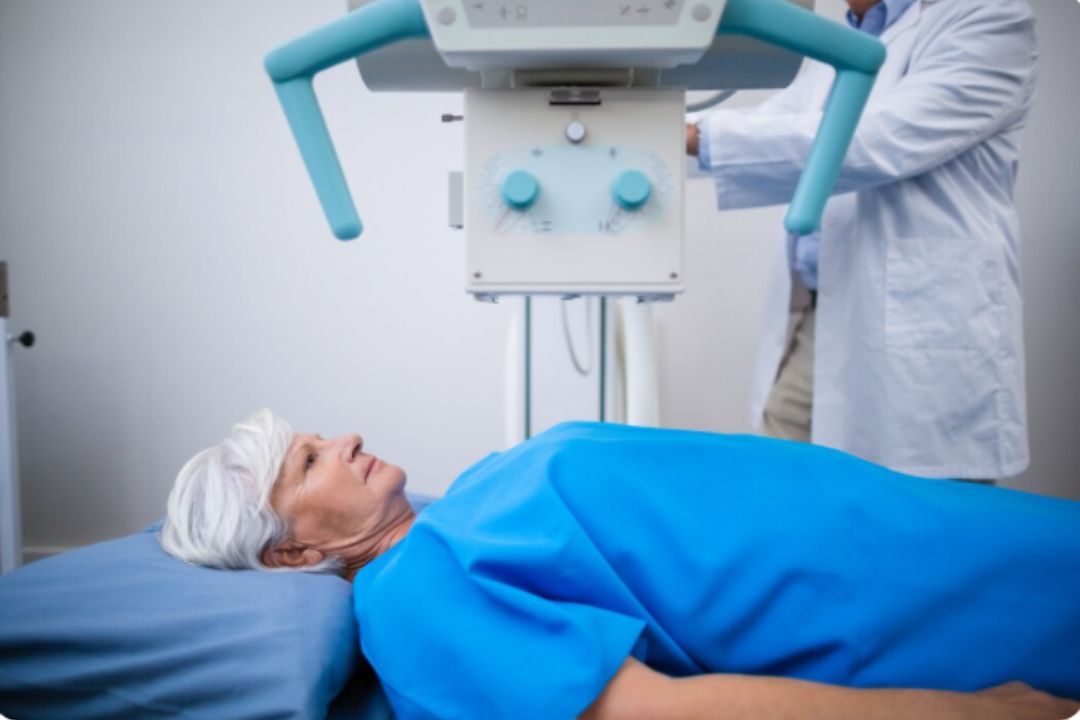
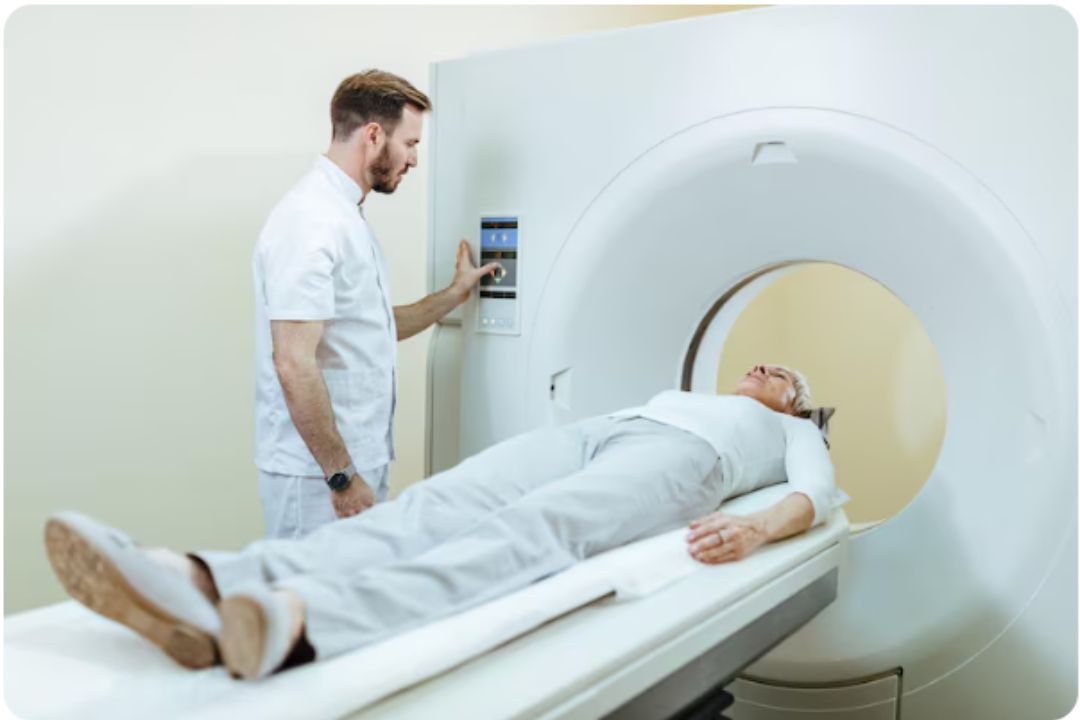
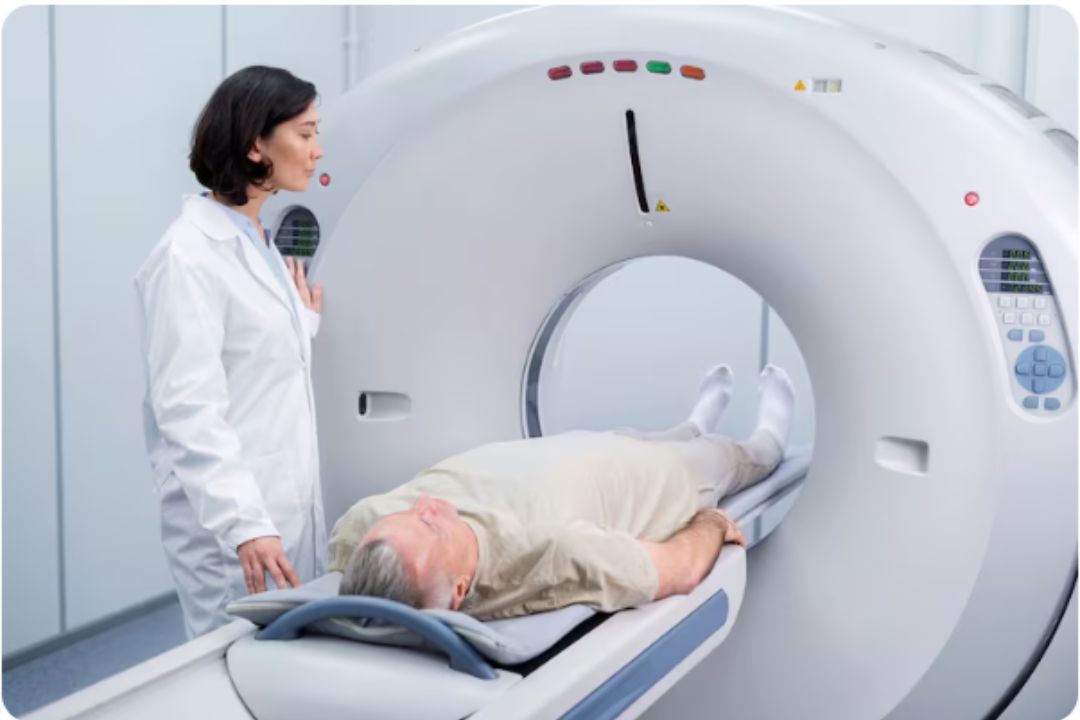
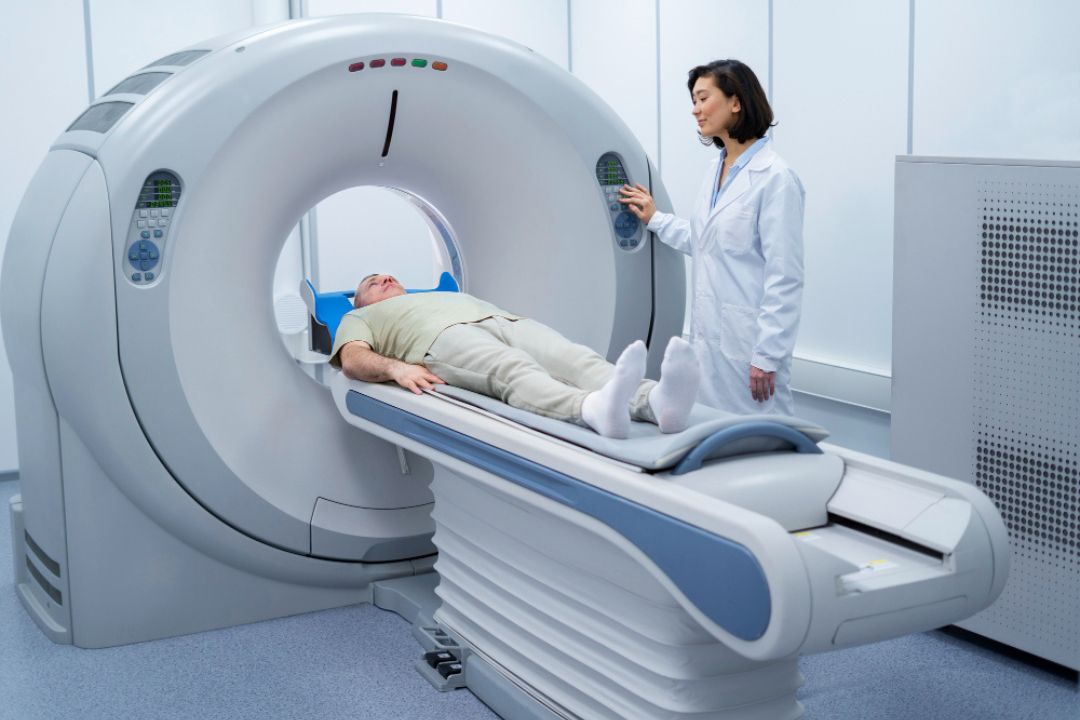
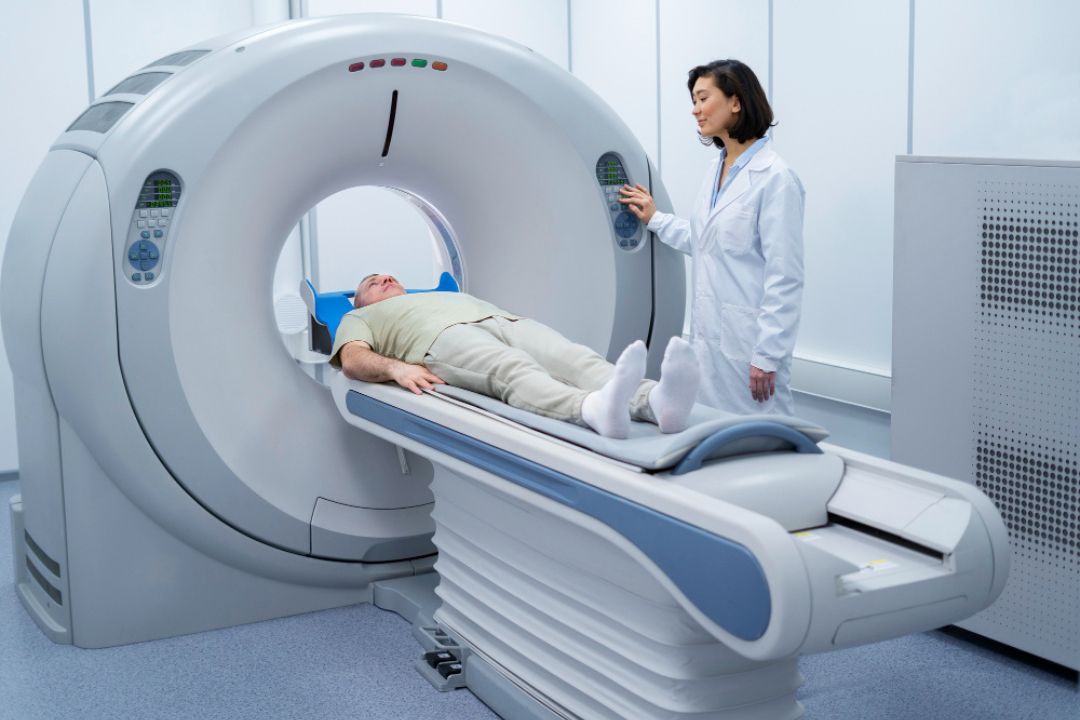
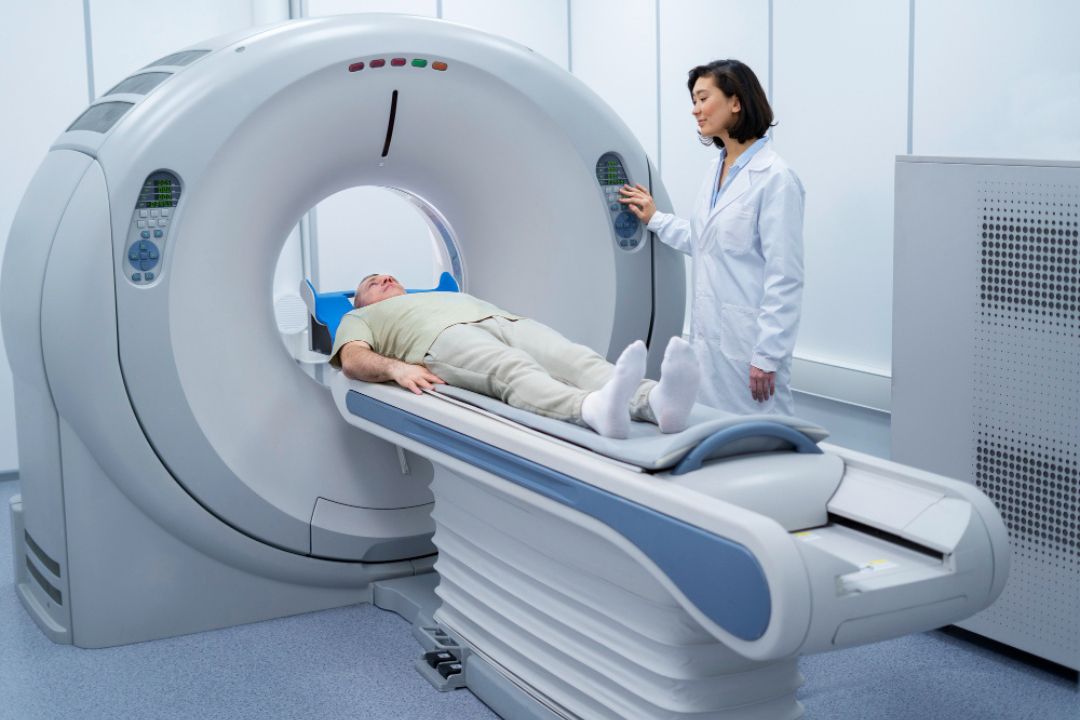
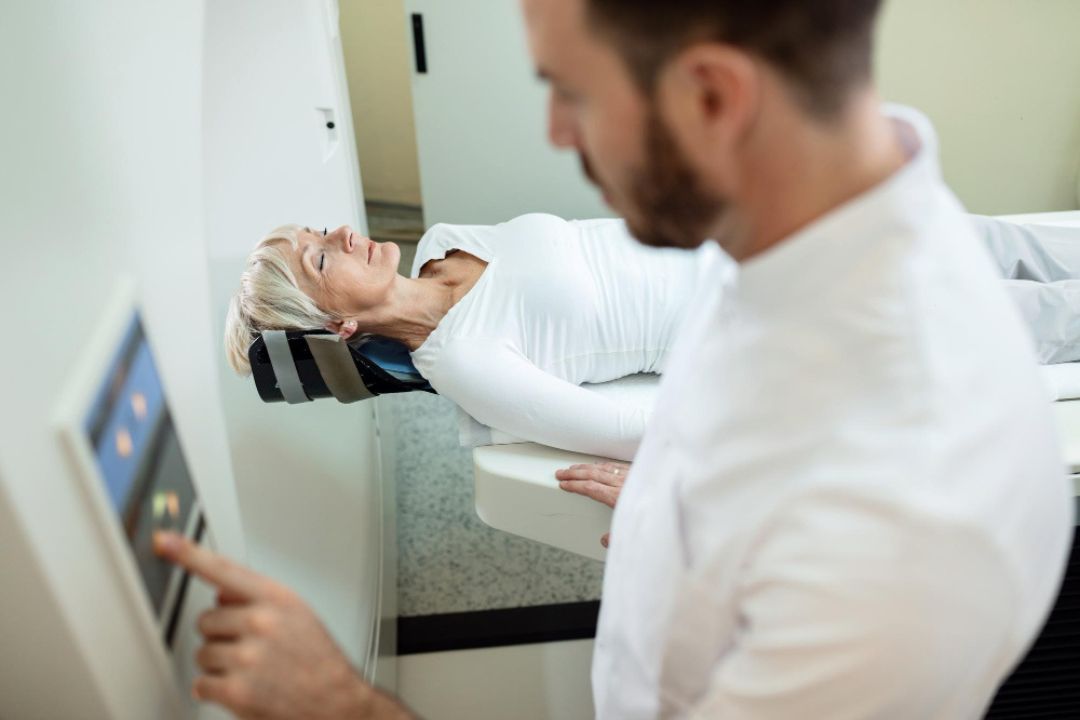
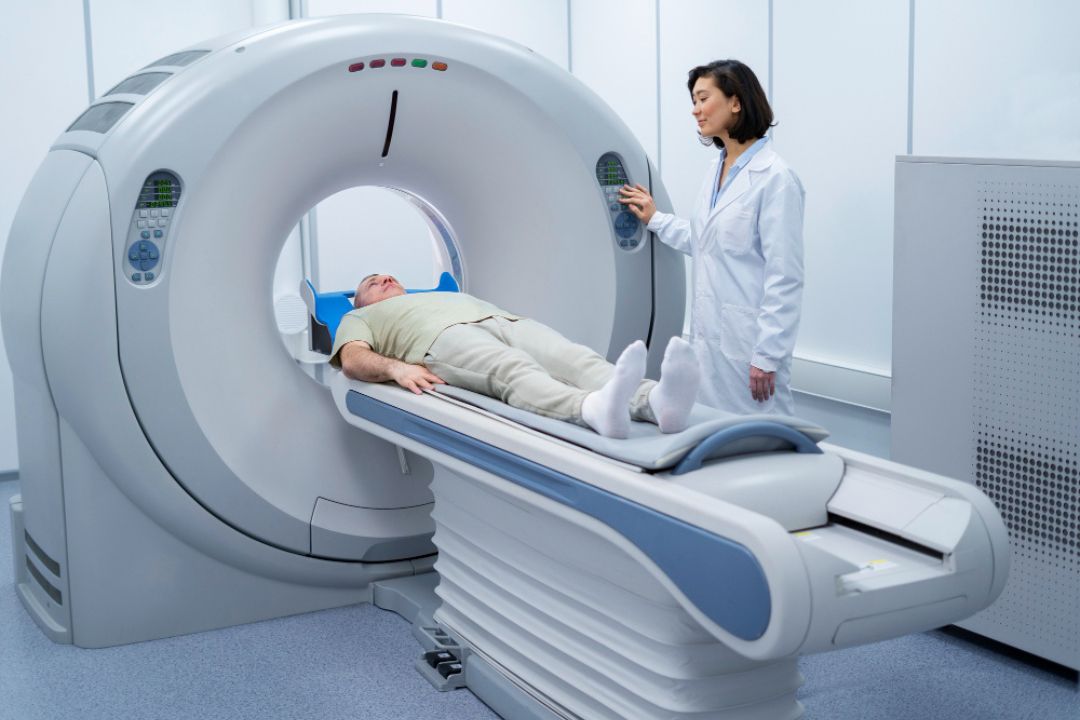
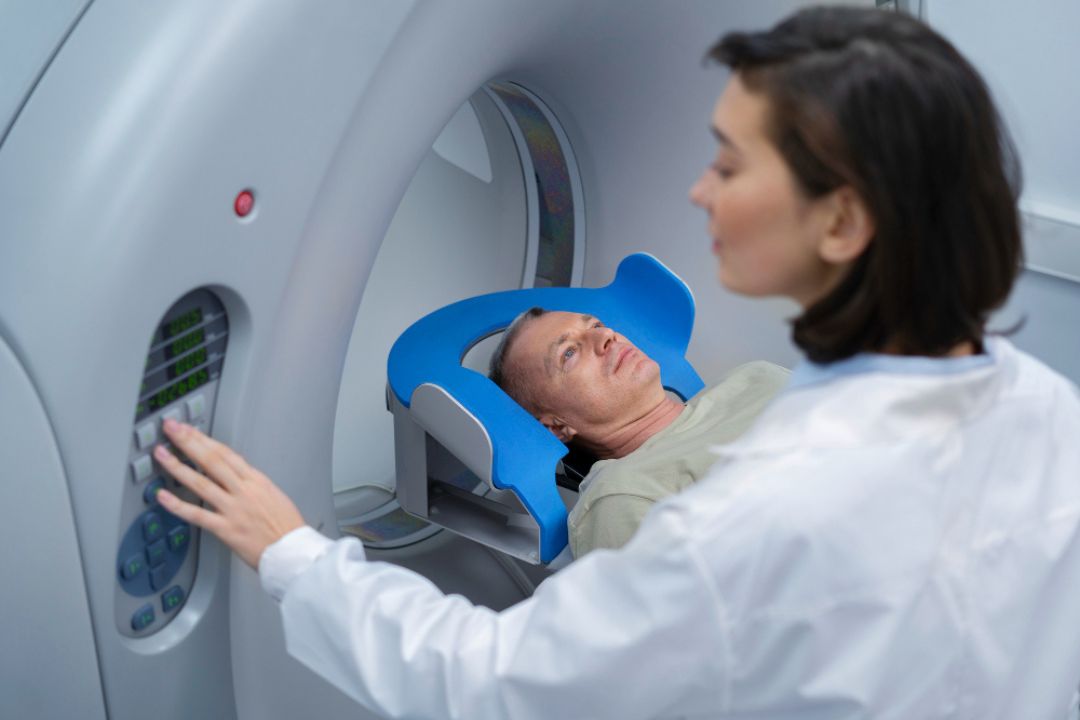
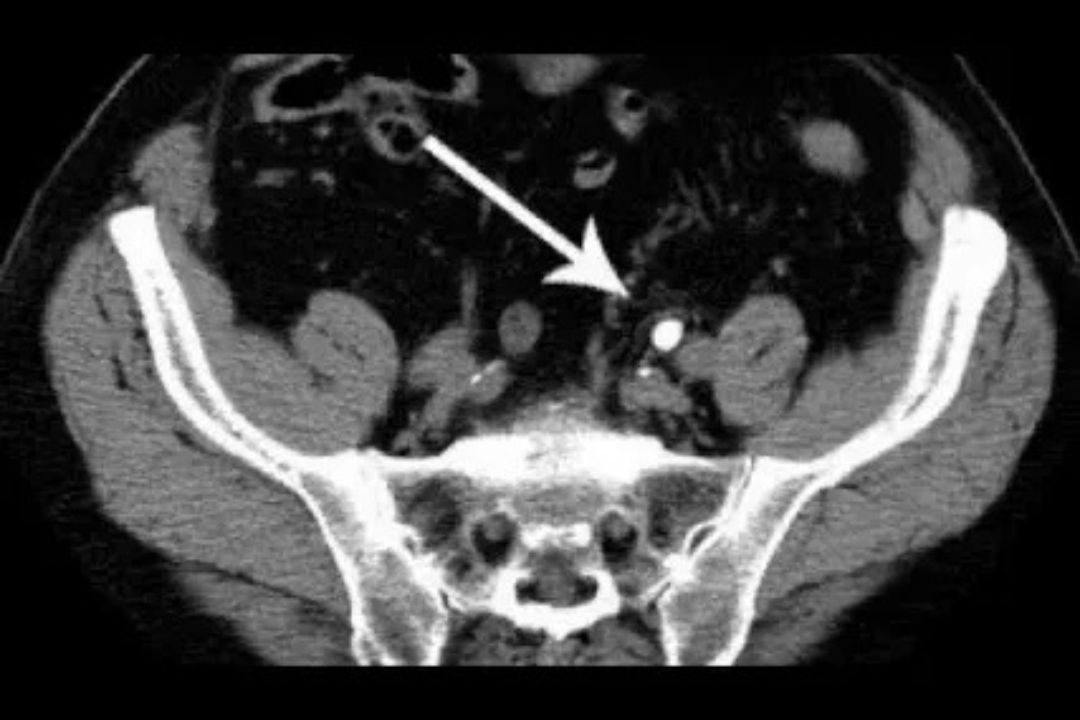
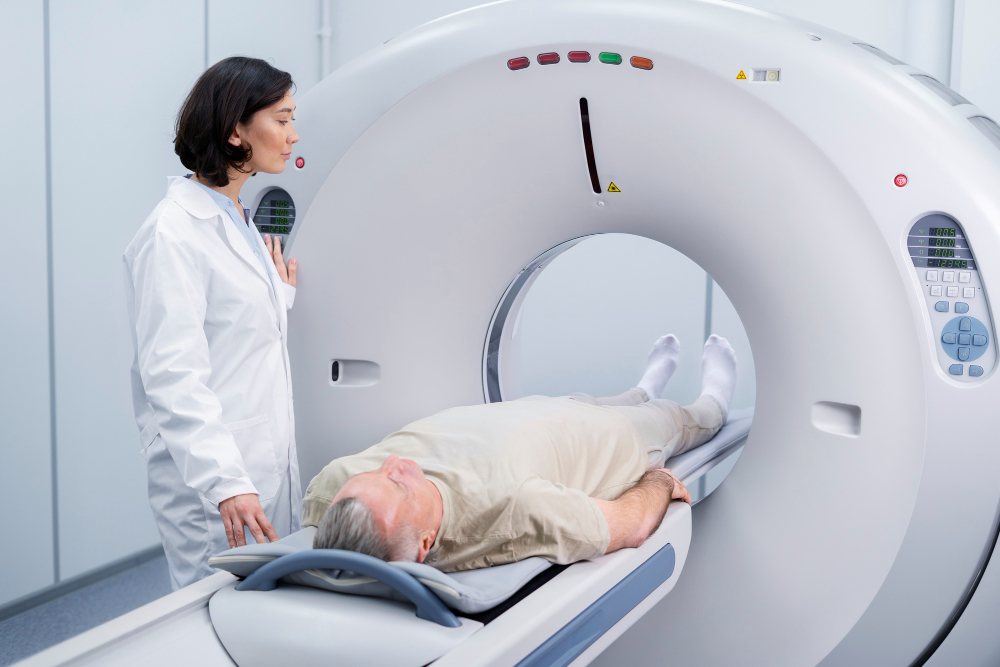
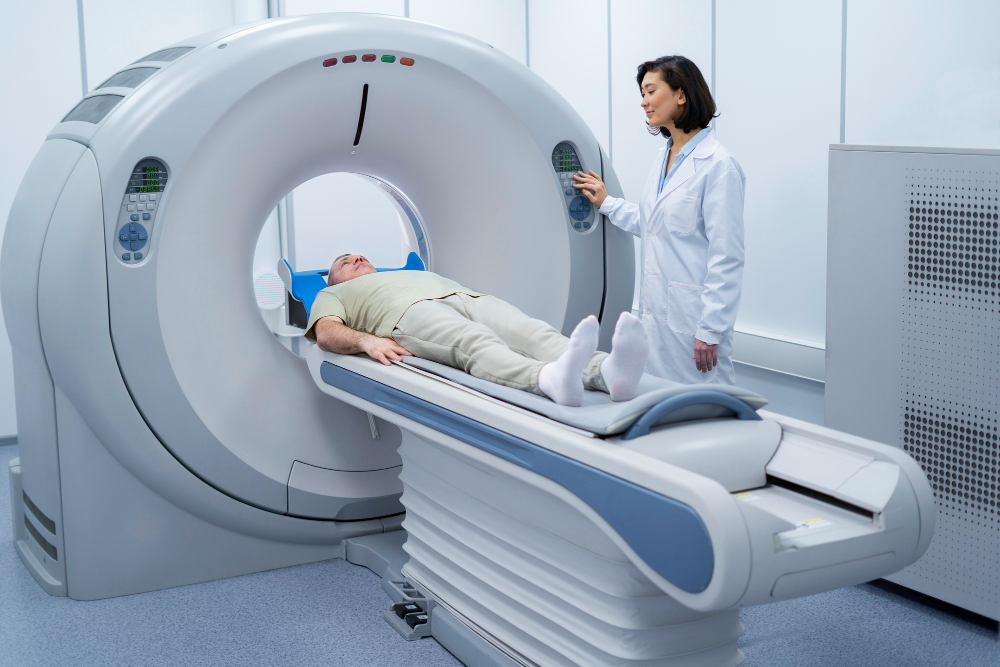
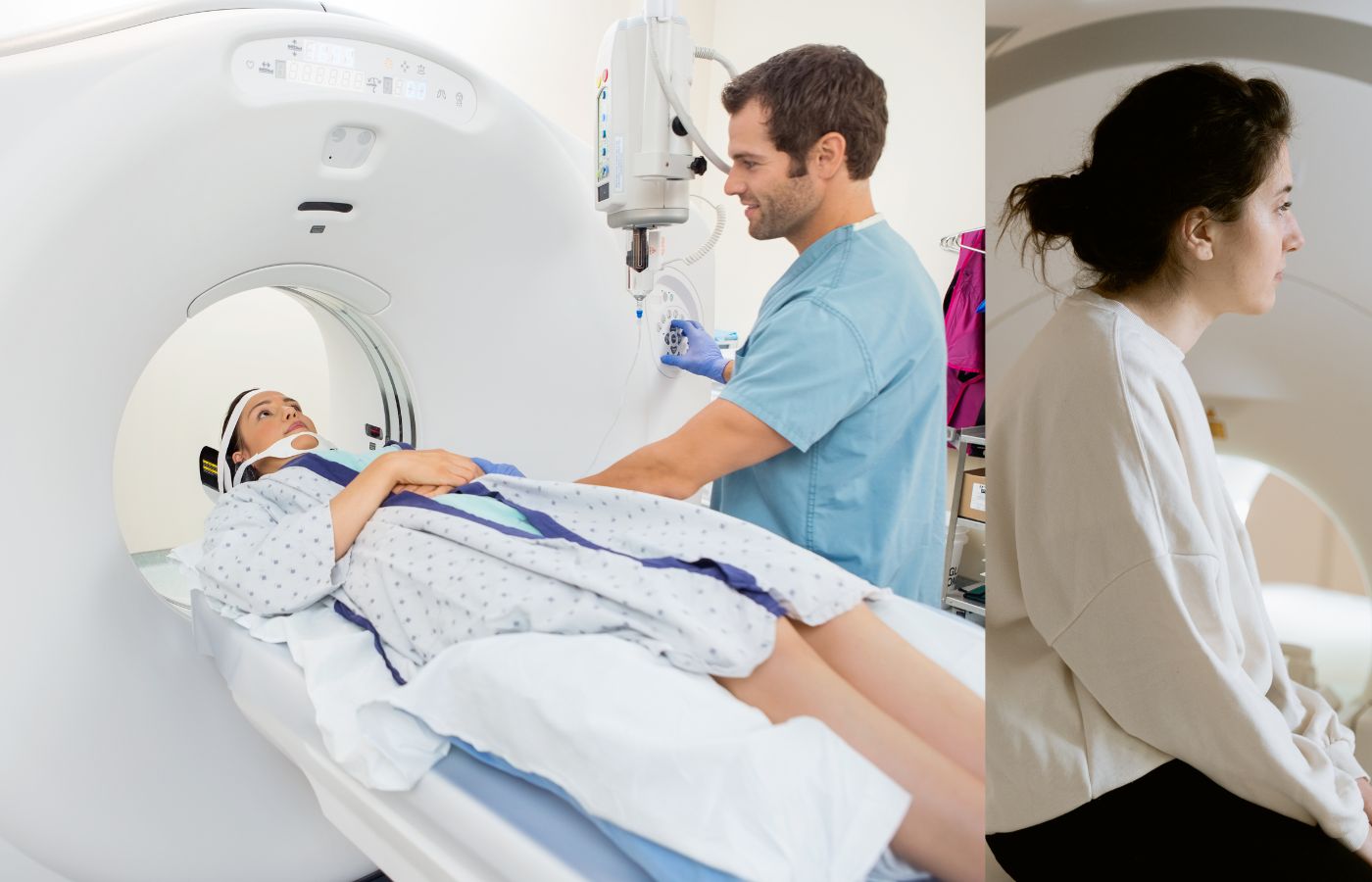
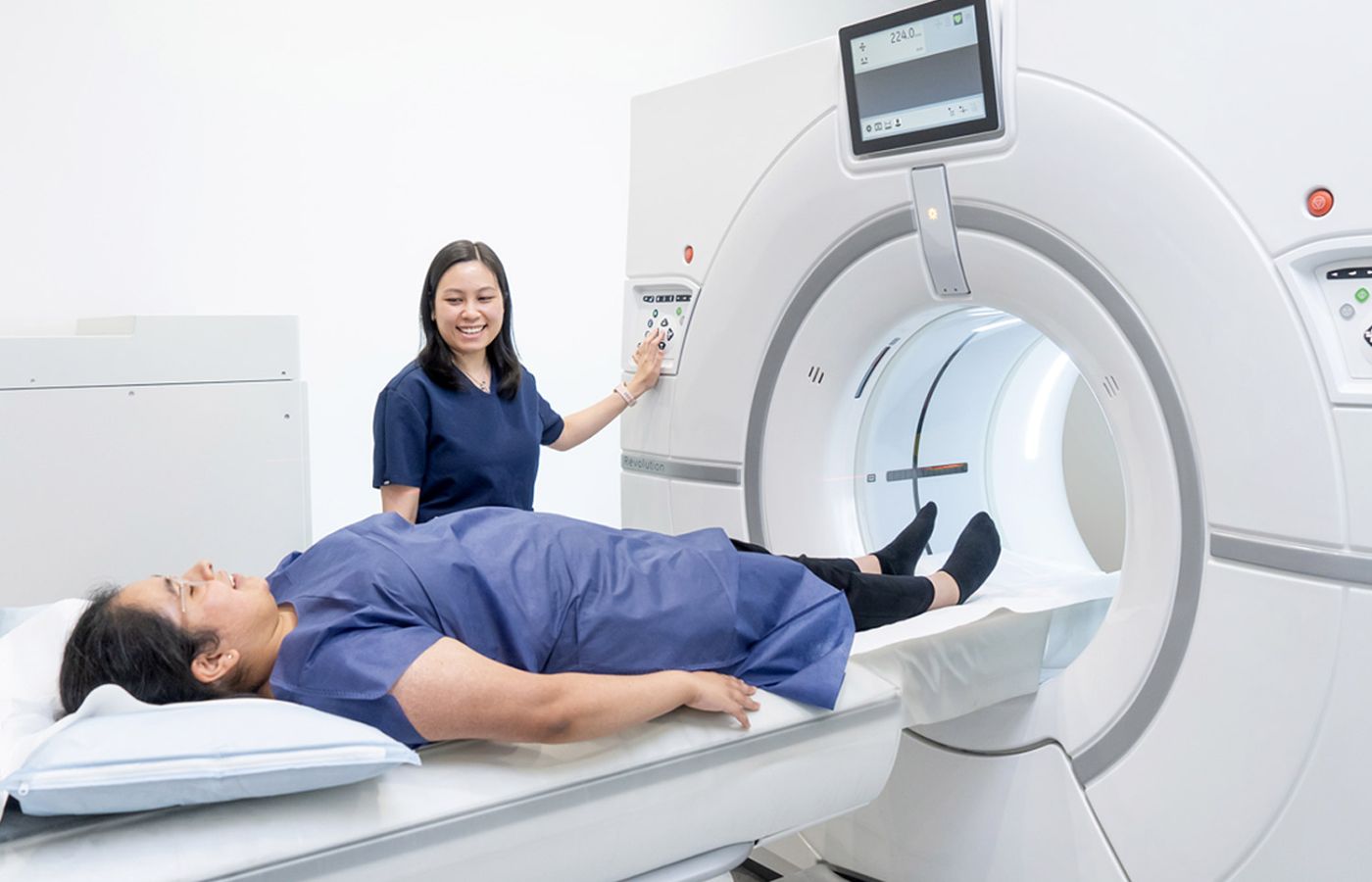
A CT Scan, also known as Computed Tomography, uses X-rays and computer processing to create detailed cross-sectional images of the brain. The scanner rotates around the head and captures images from multiple angles, which are then combined to form a detailed view of the brain and skull.
CT scans are widely used because they are fast and effective in detecting conditions such as bleeding in the brain, skull fractures, and severe head injuries. In many emergency situations, doctors rely on CT scans to quickly evaluate brain damage.
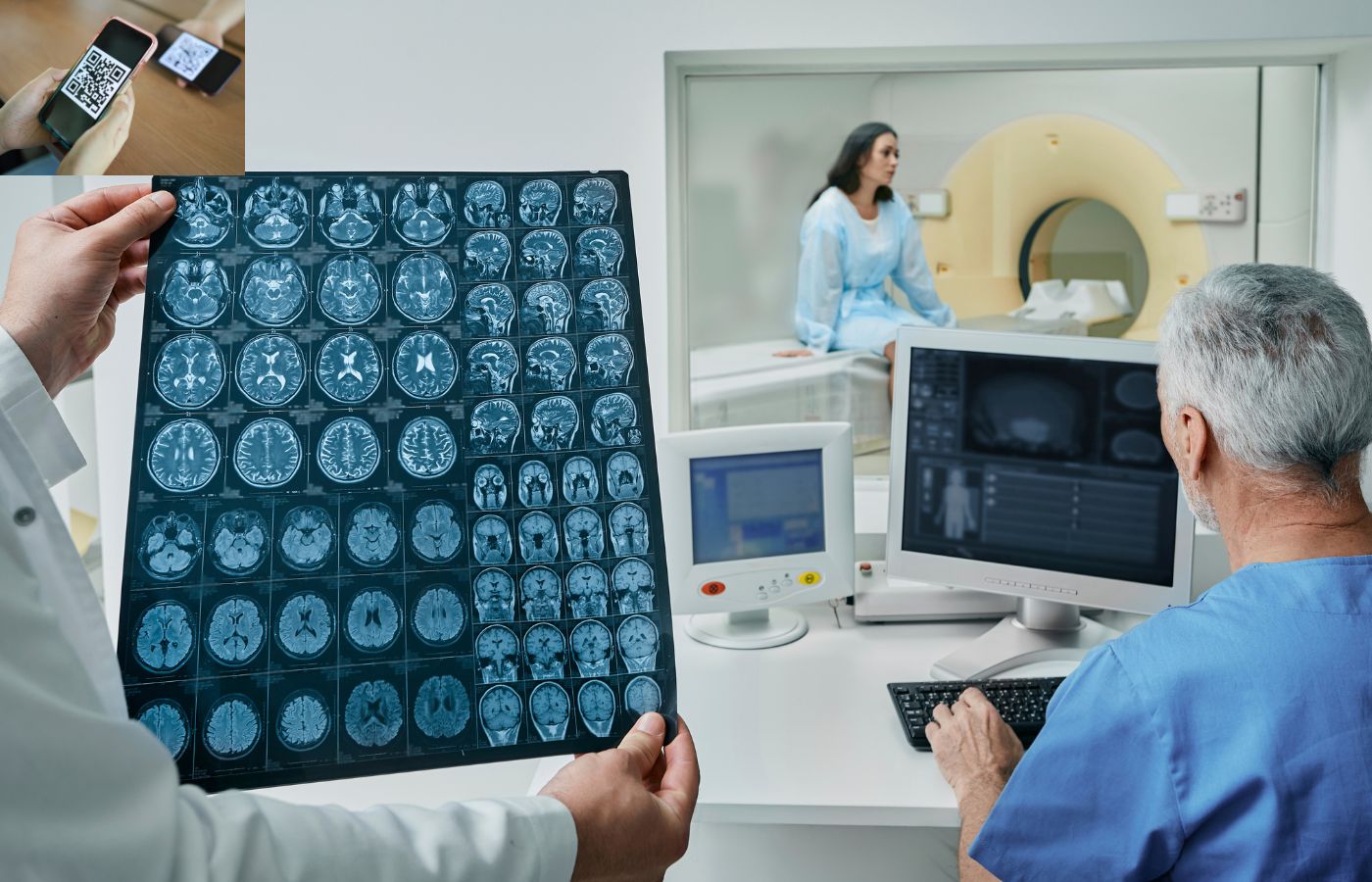
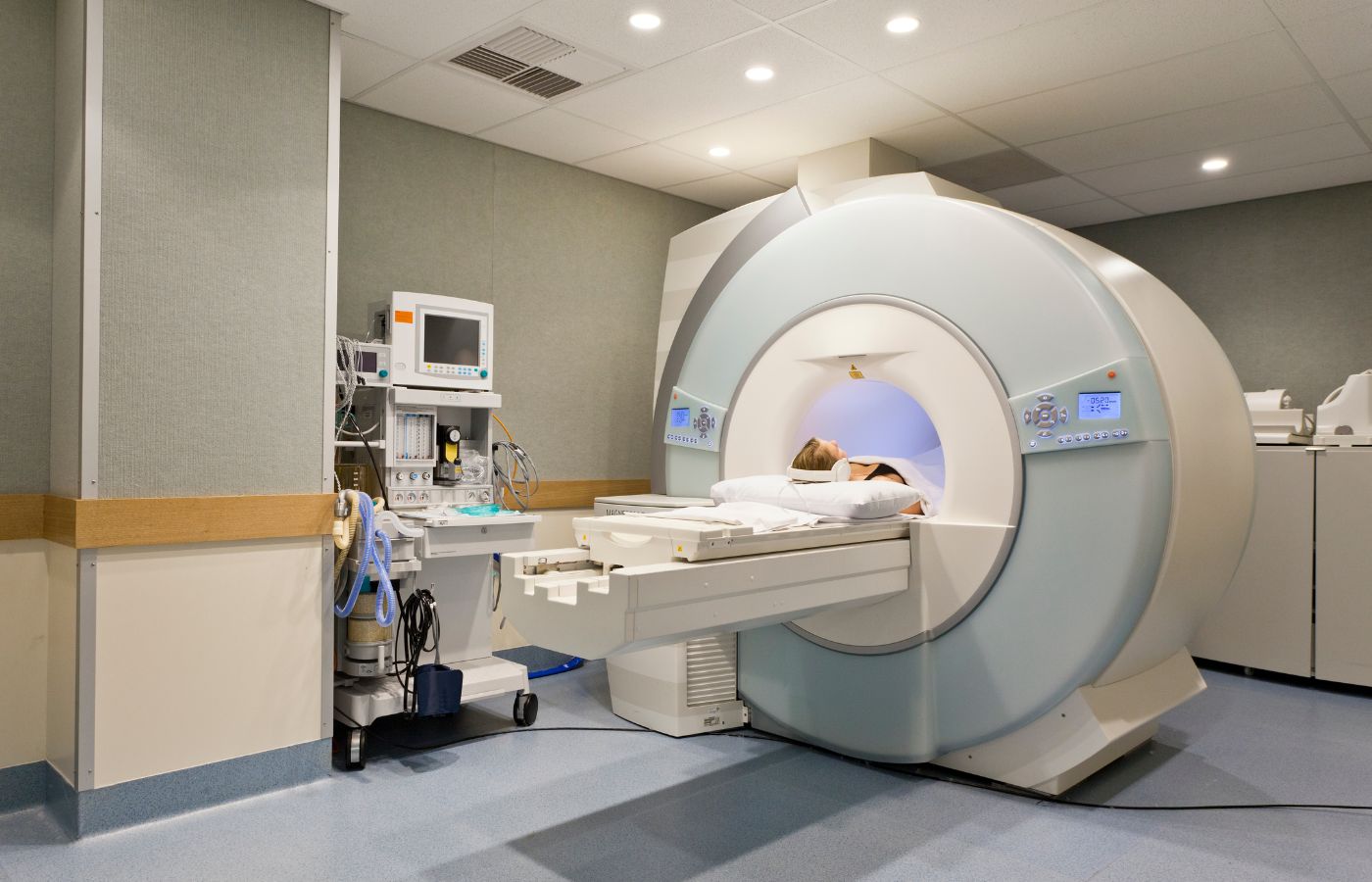
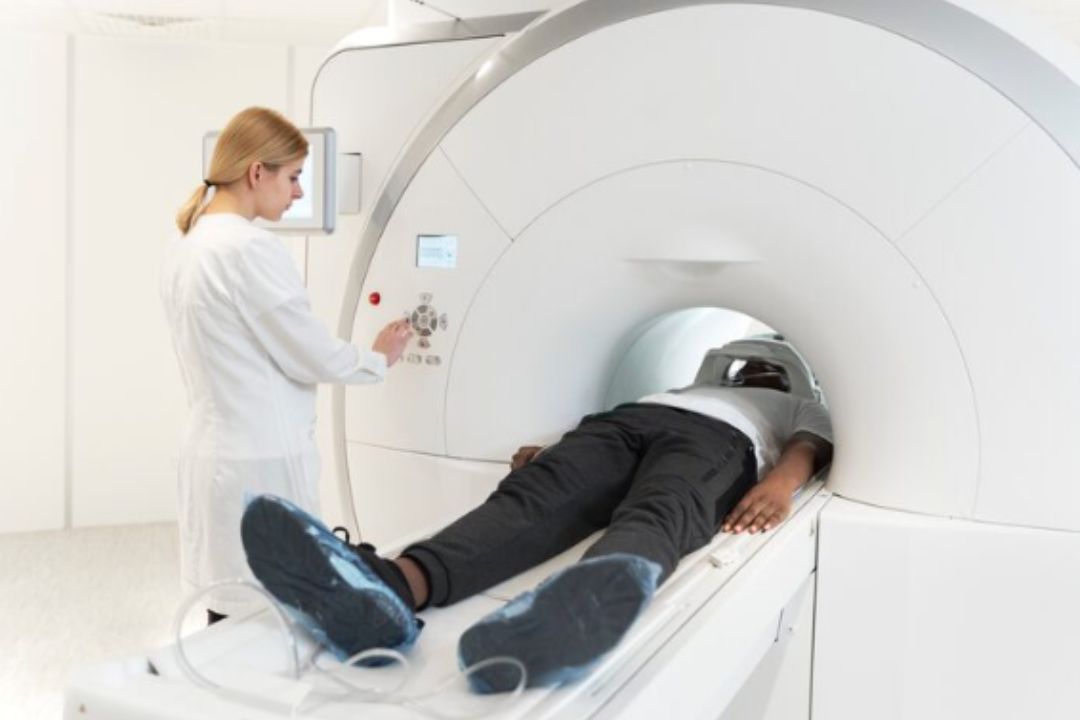
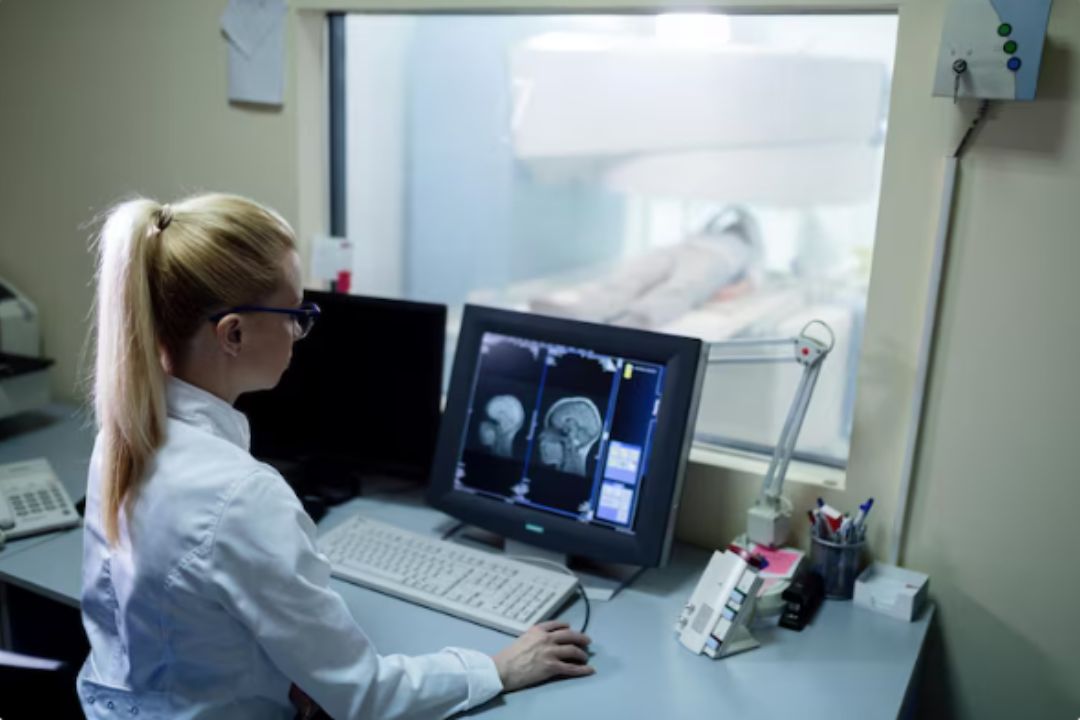
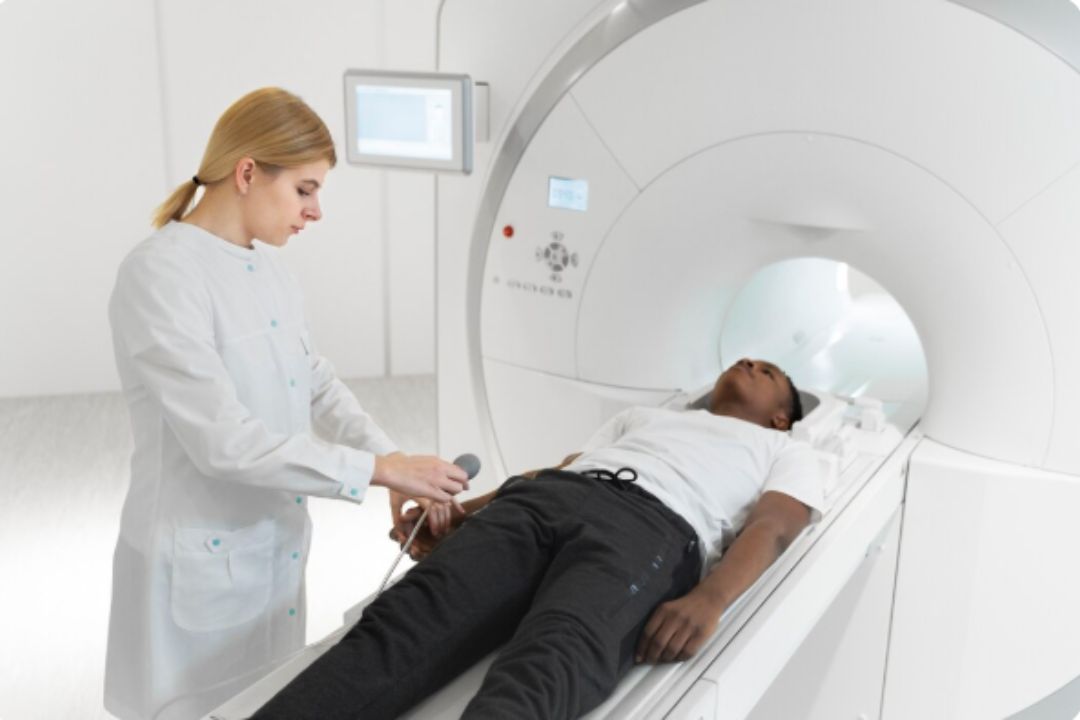
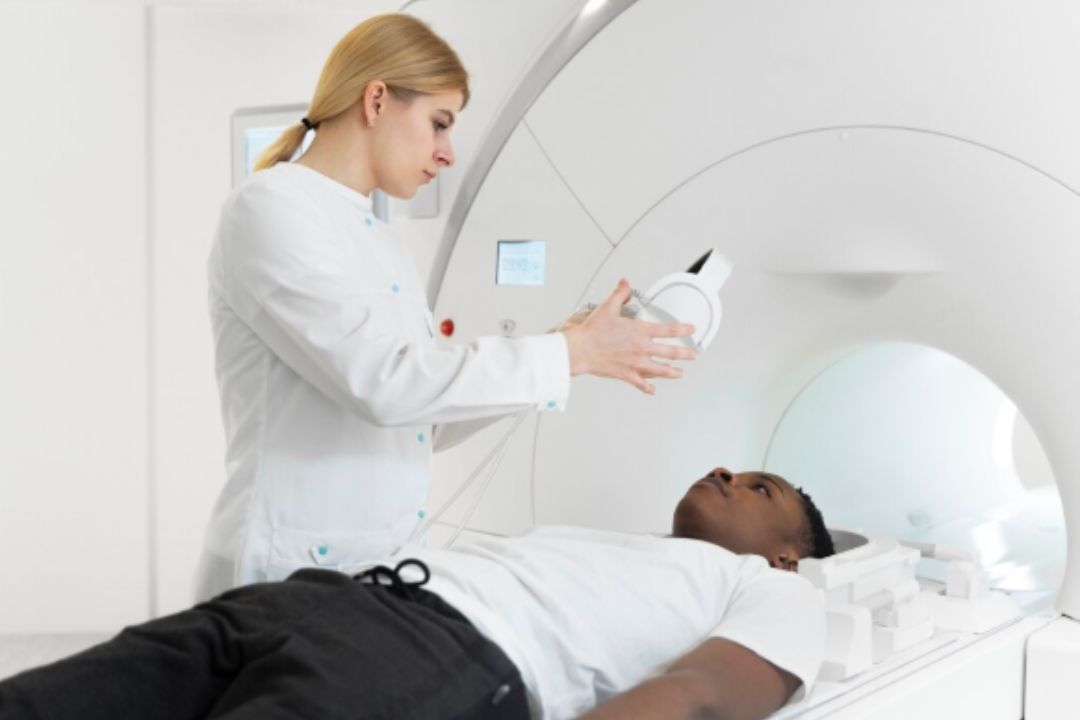
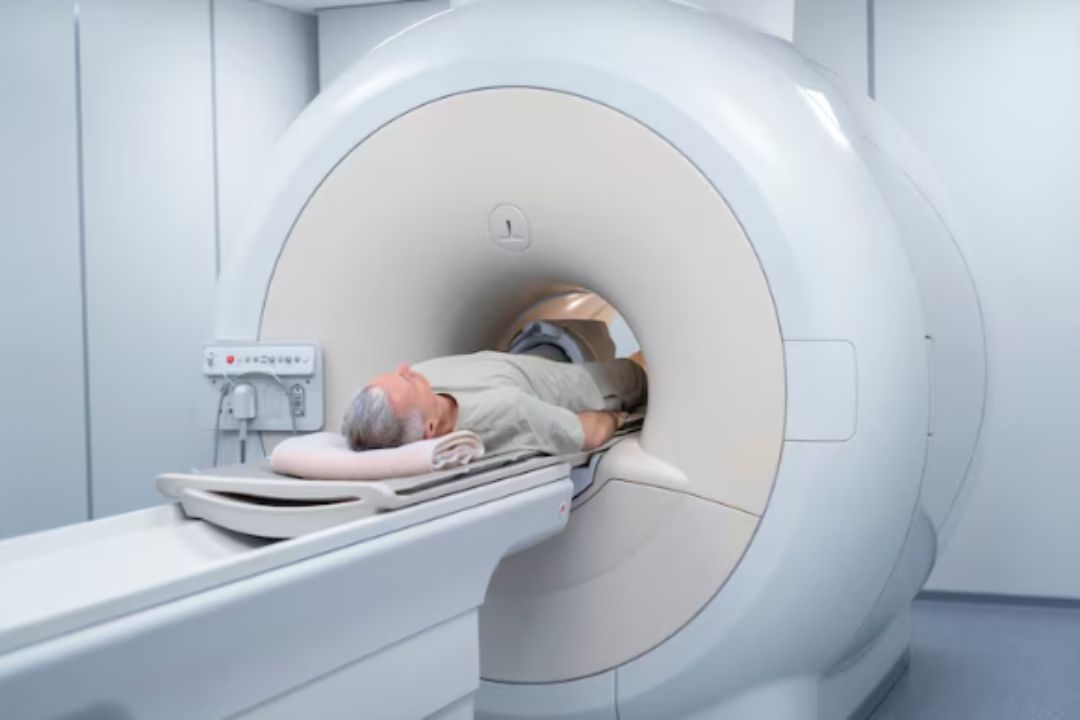
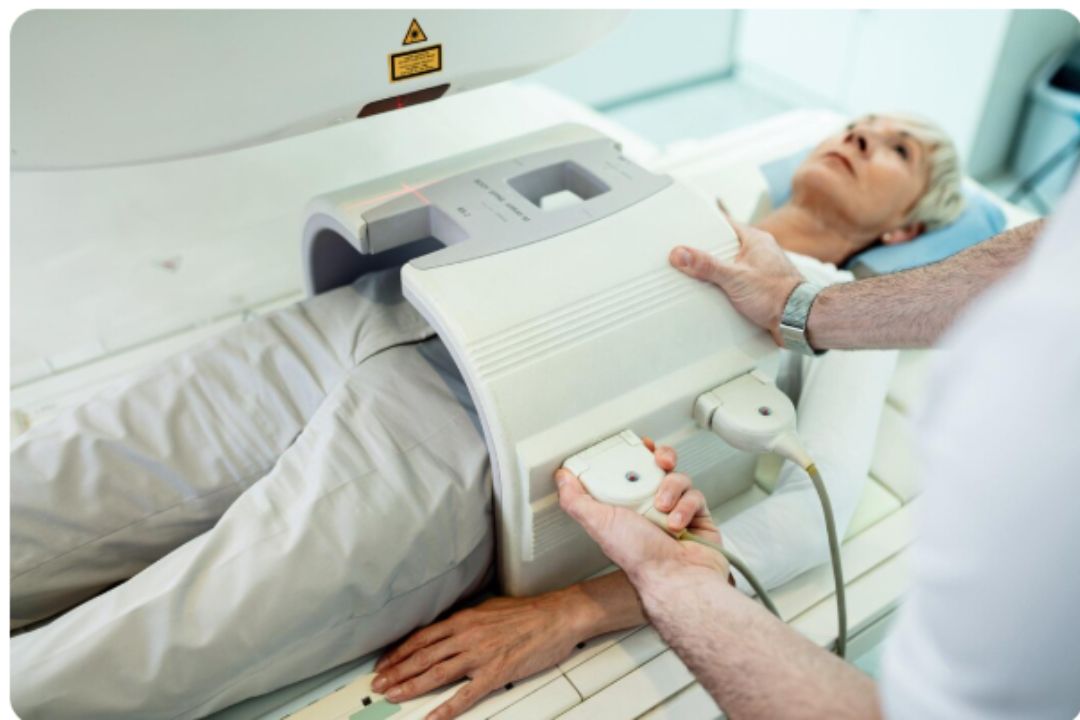
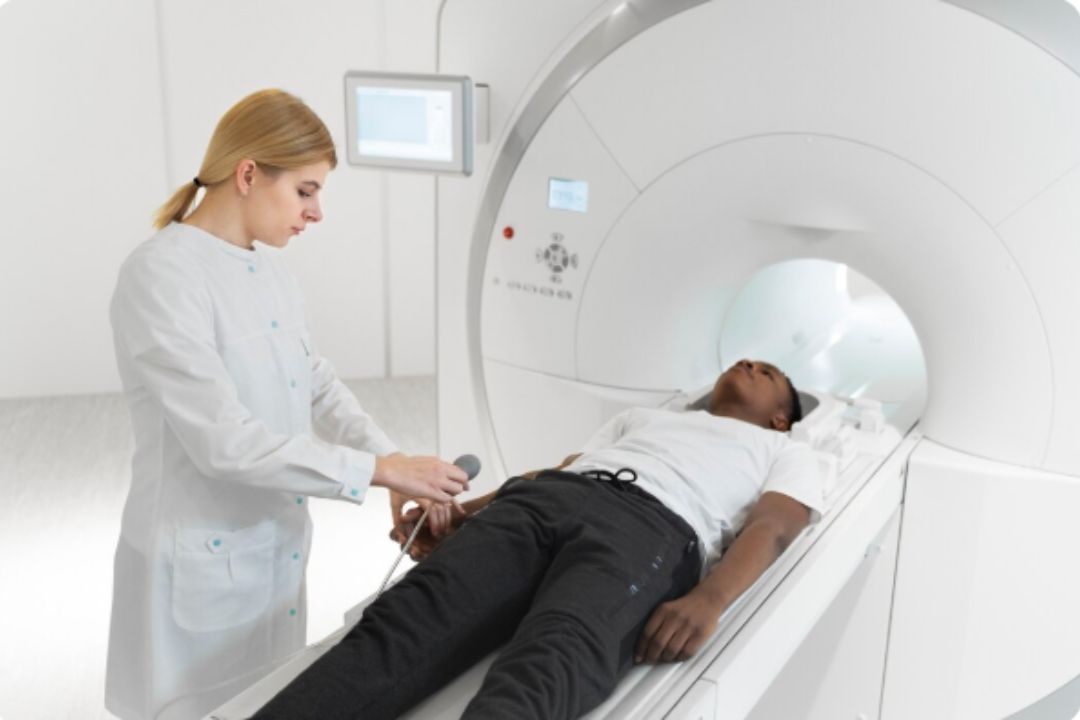
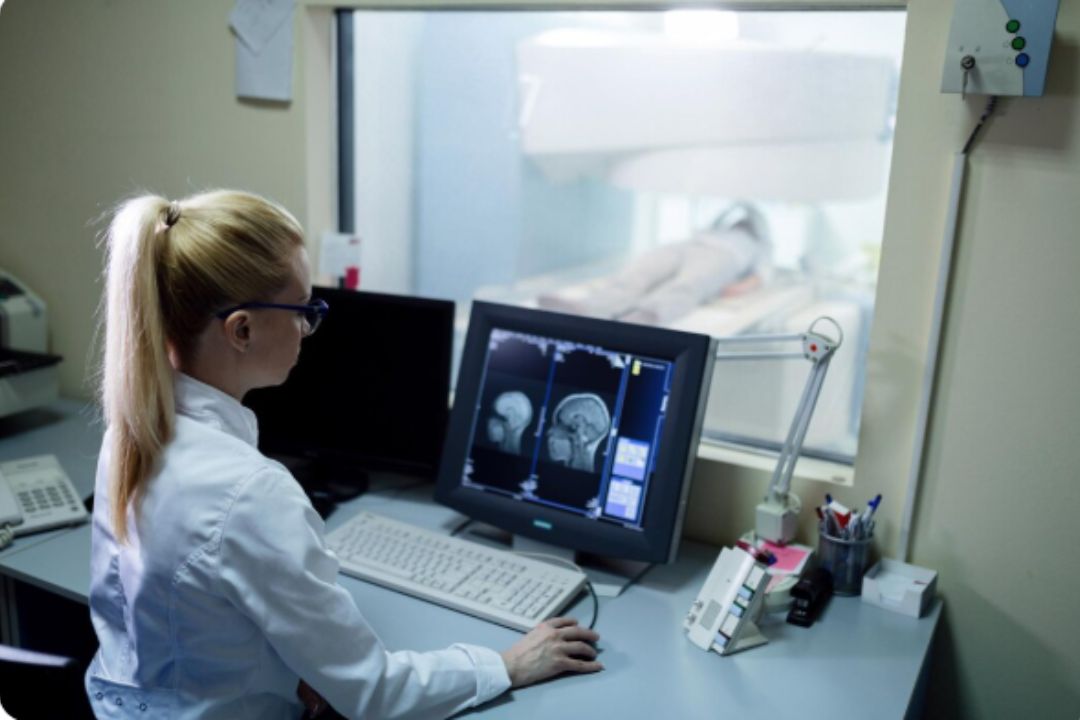
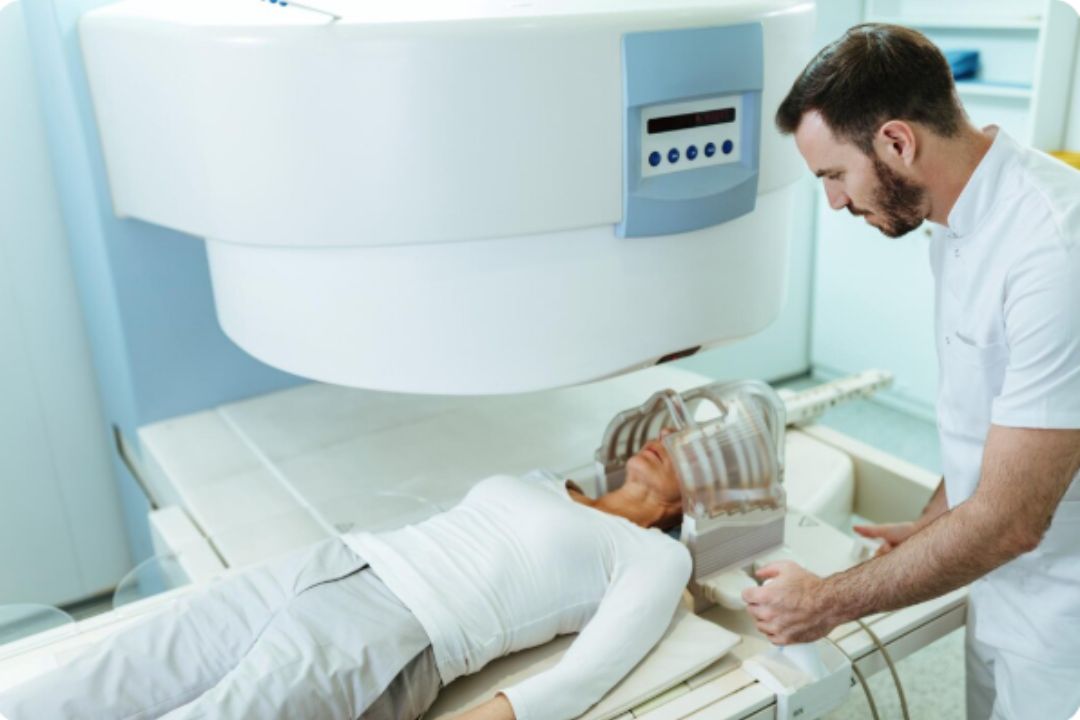
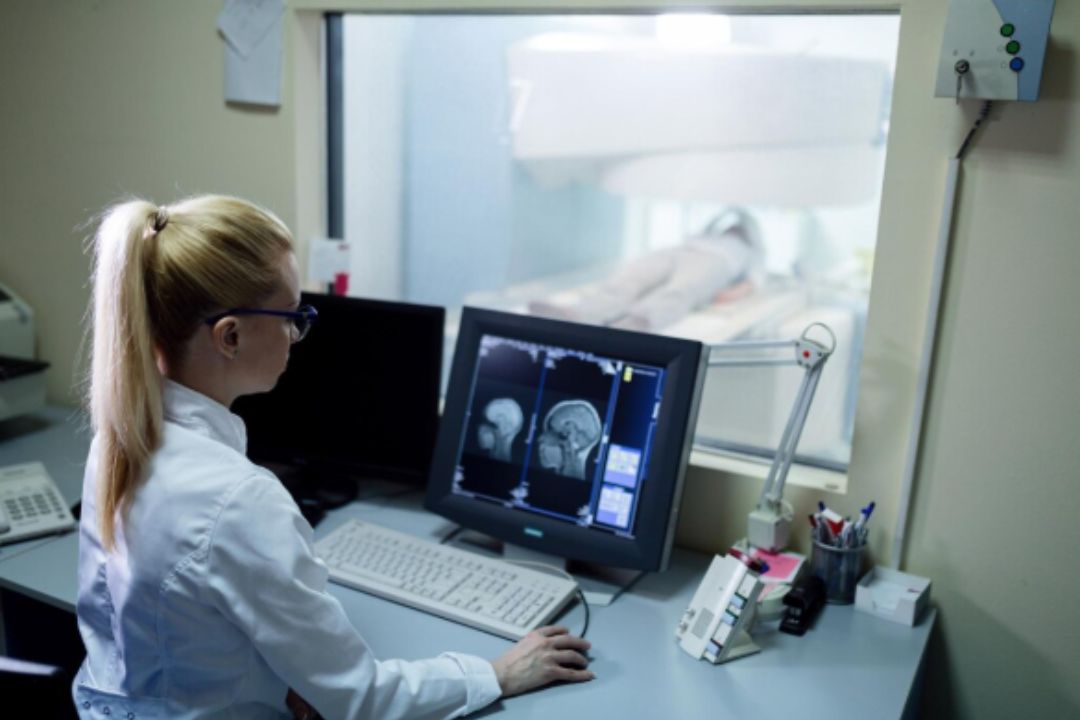
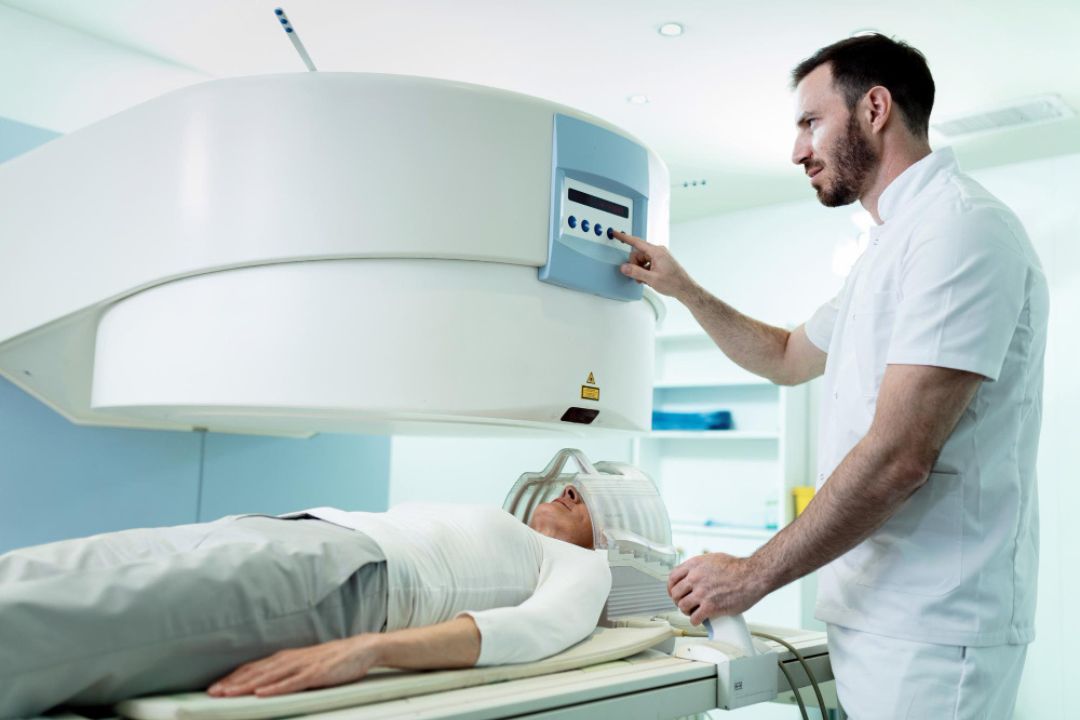
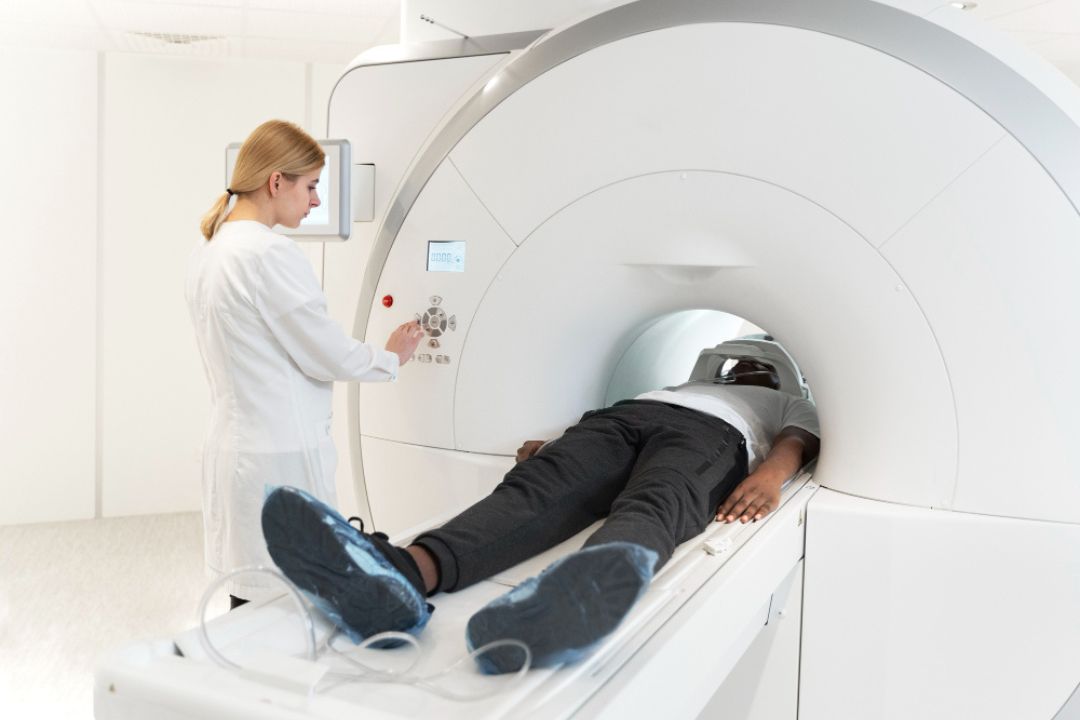
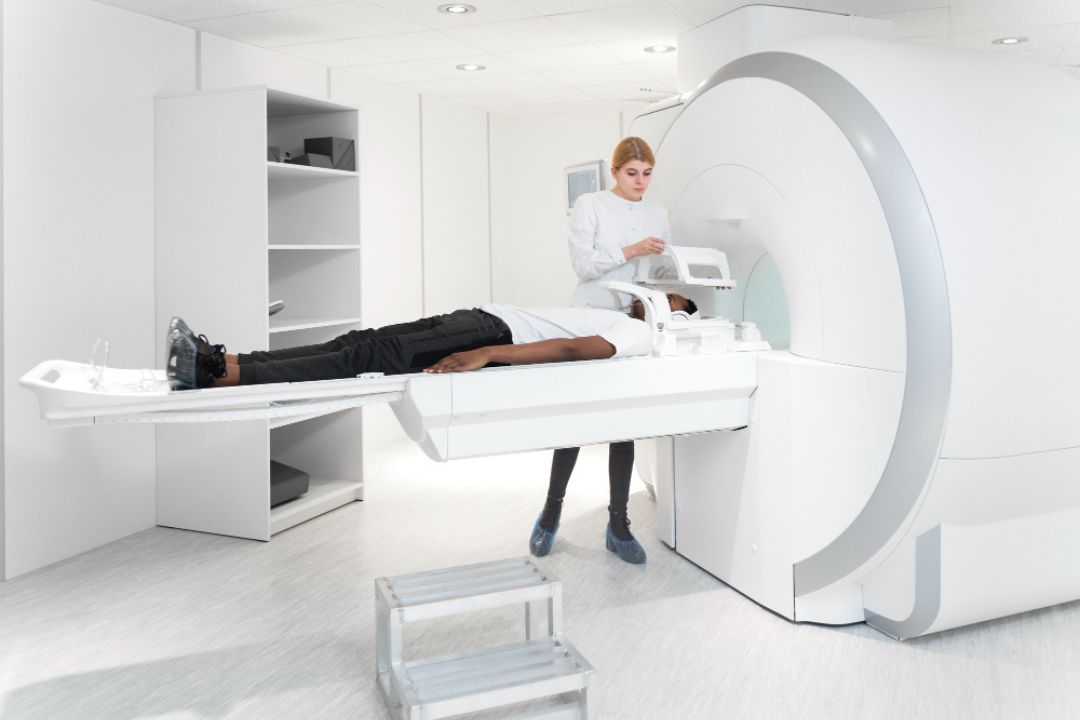
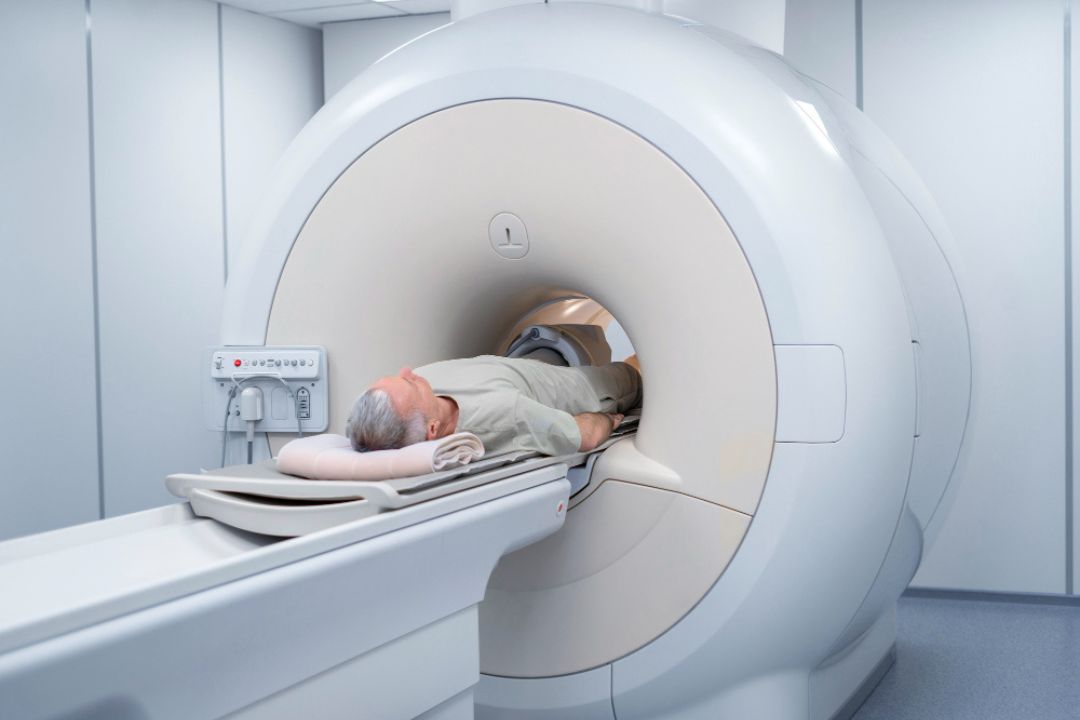
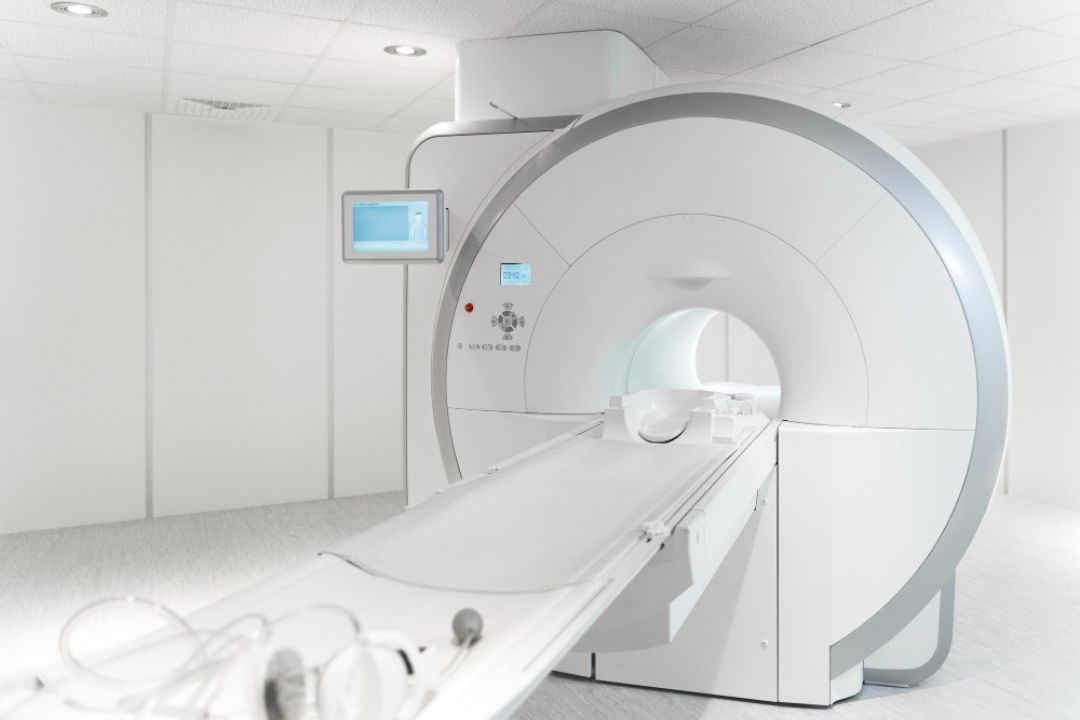
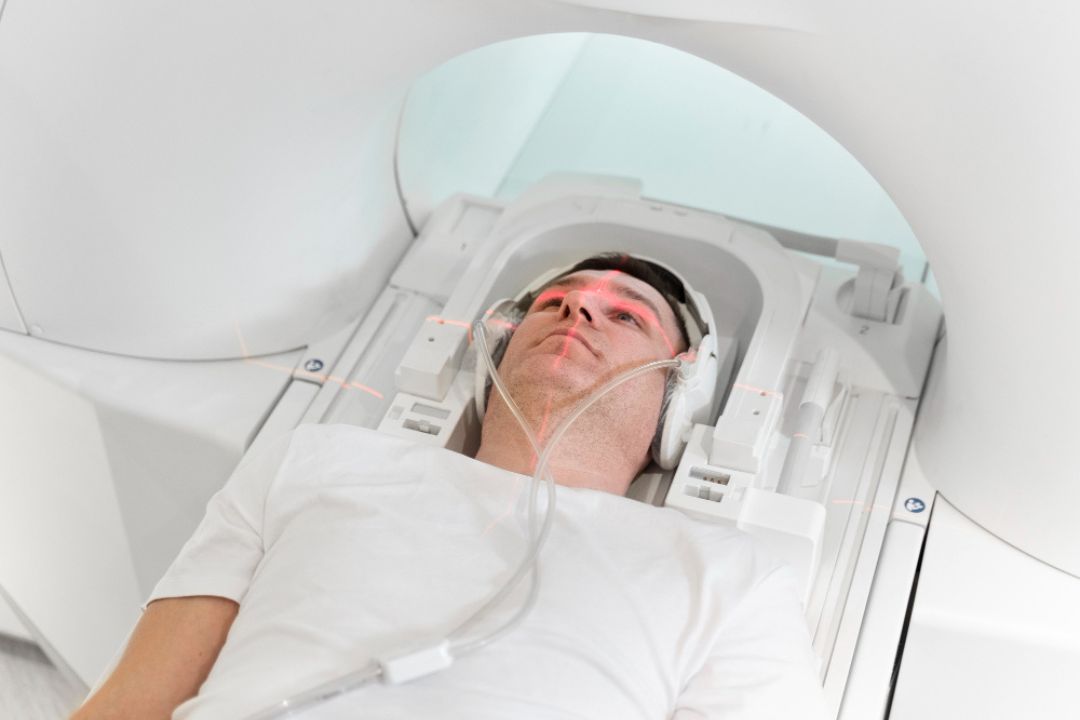
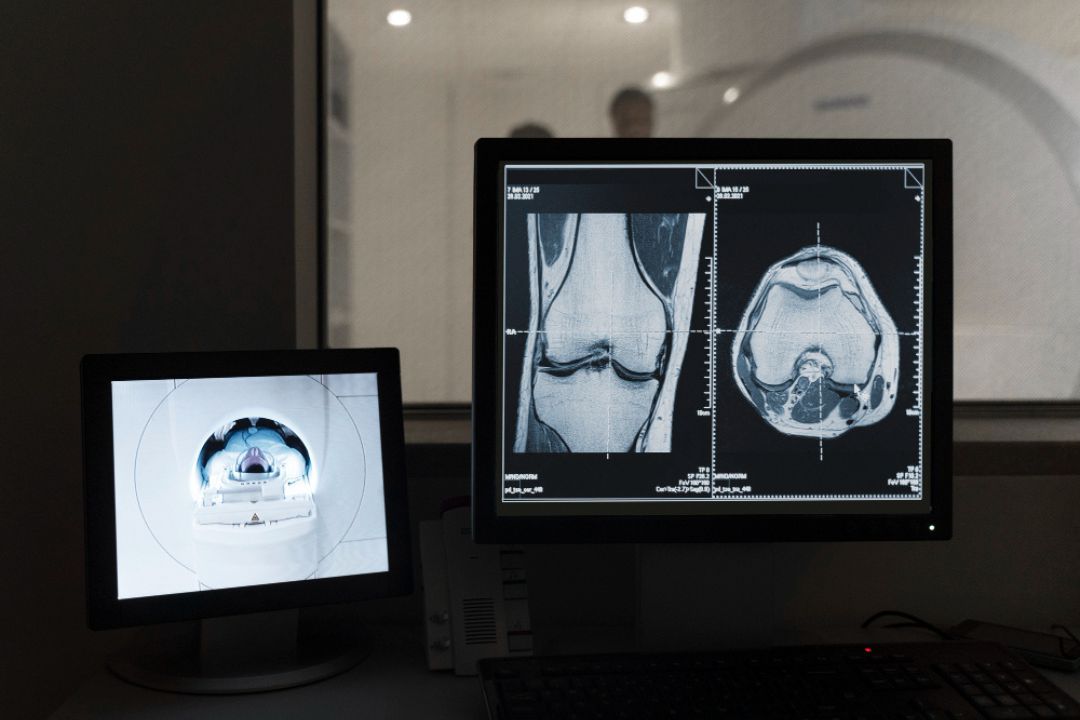
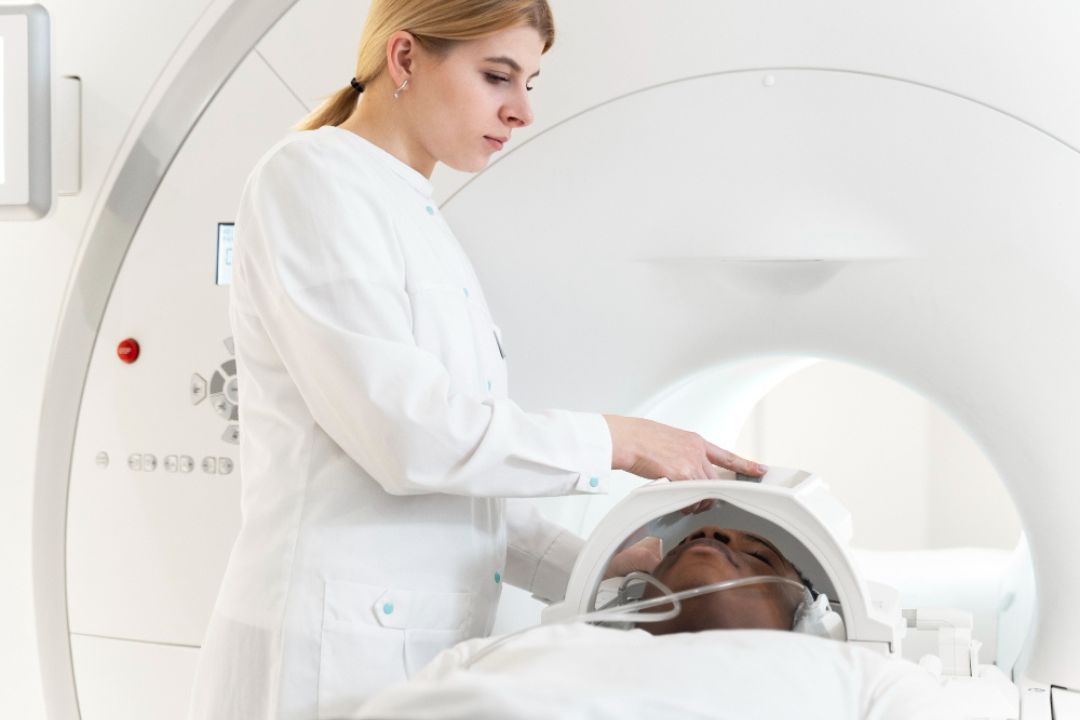
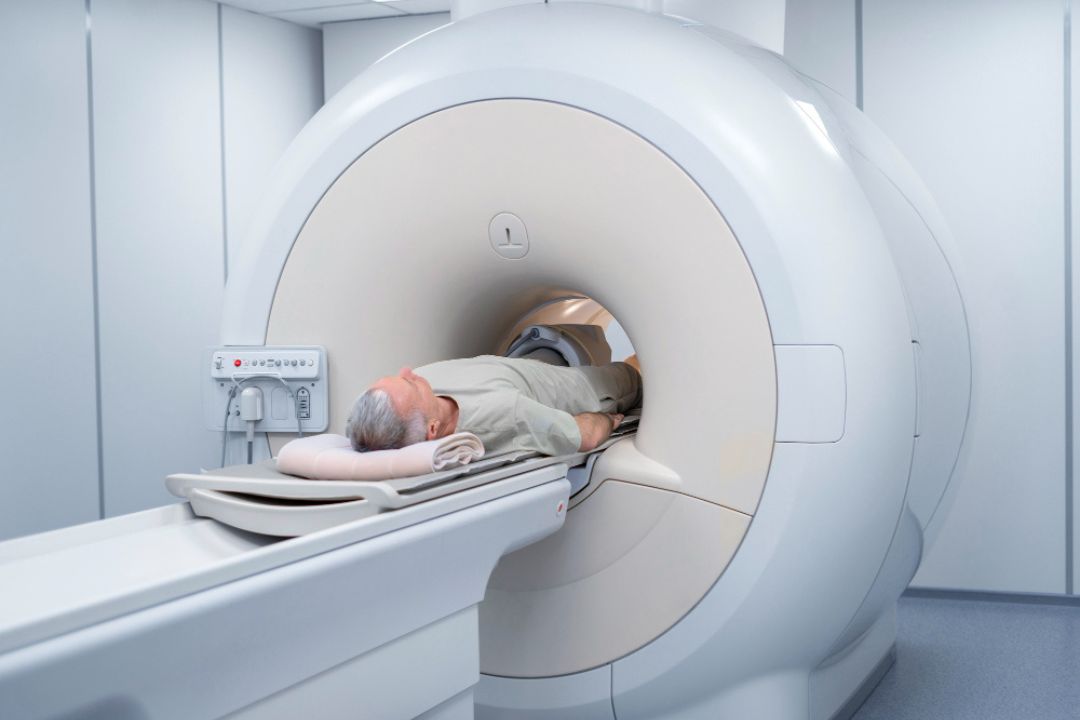
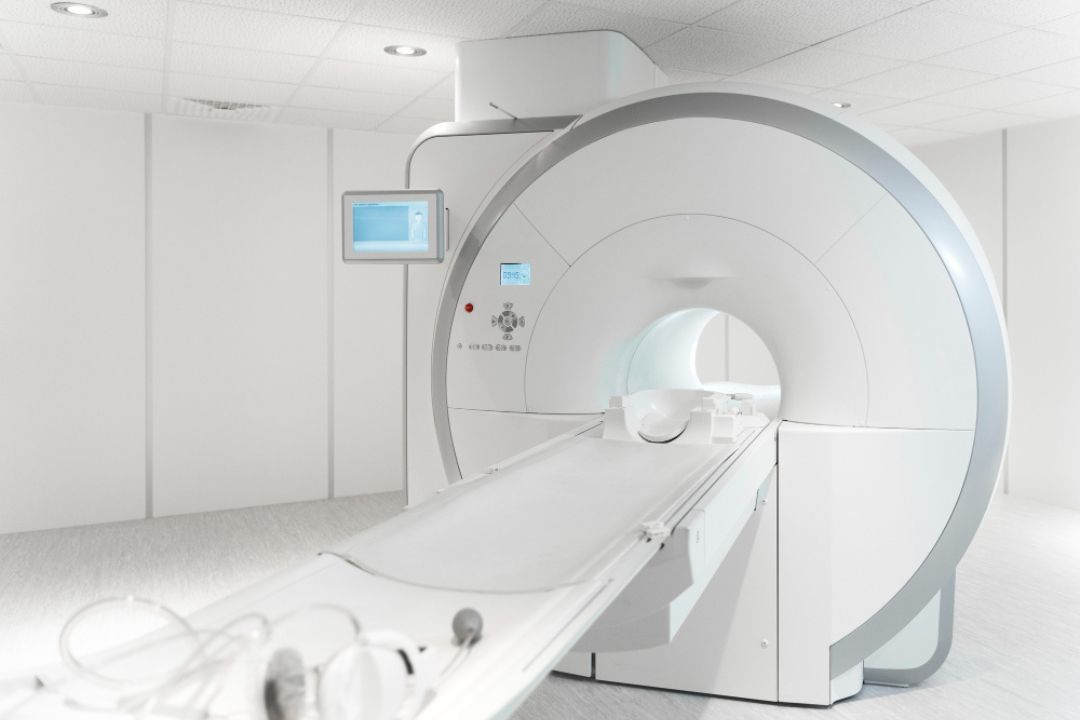
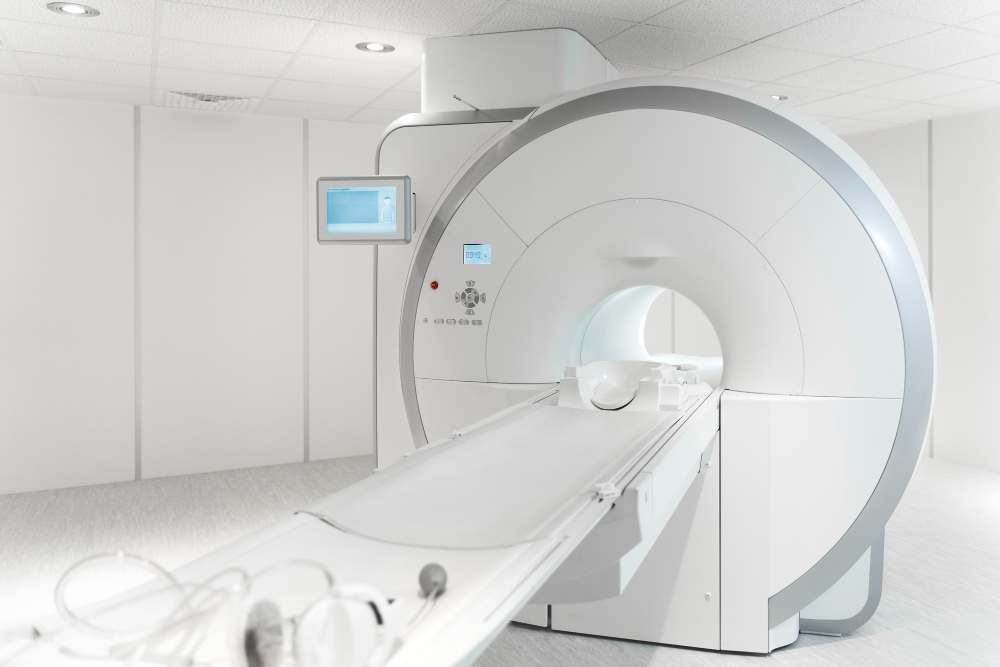
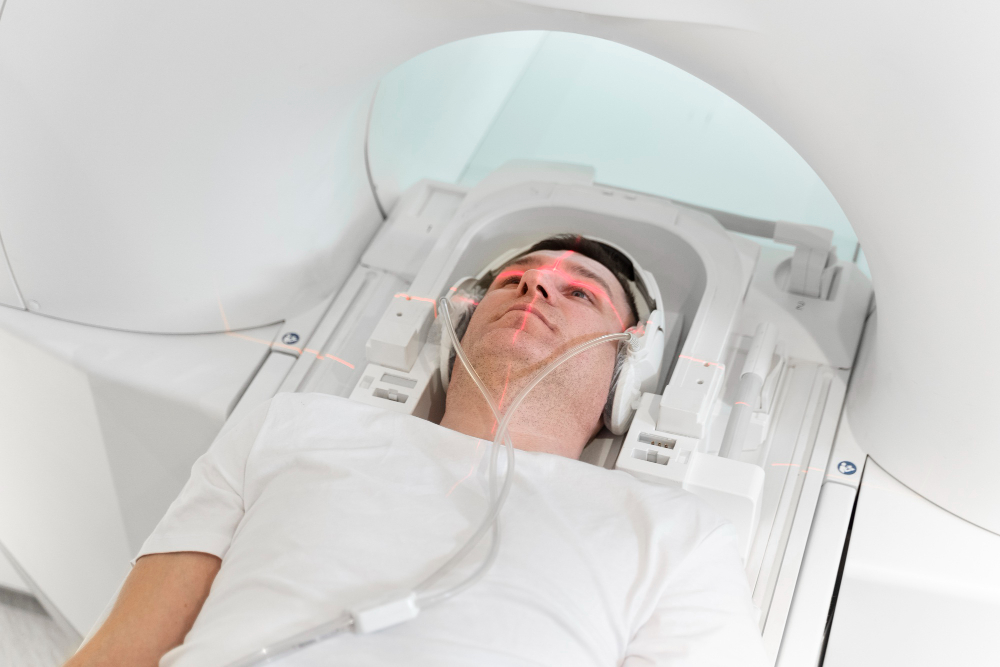
MRI stands for Magnetic Resonance Imaging. This imaging technique uses powerful magnetic fields and radio waves to produce highly detailed images of brain tissues. Unlike CT scans, MRI does not use radiation and is especially useful for examining soft tissues inside the brain.
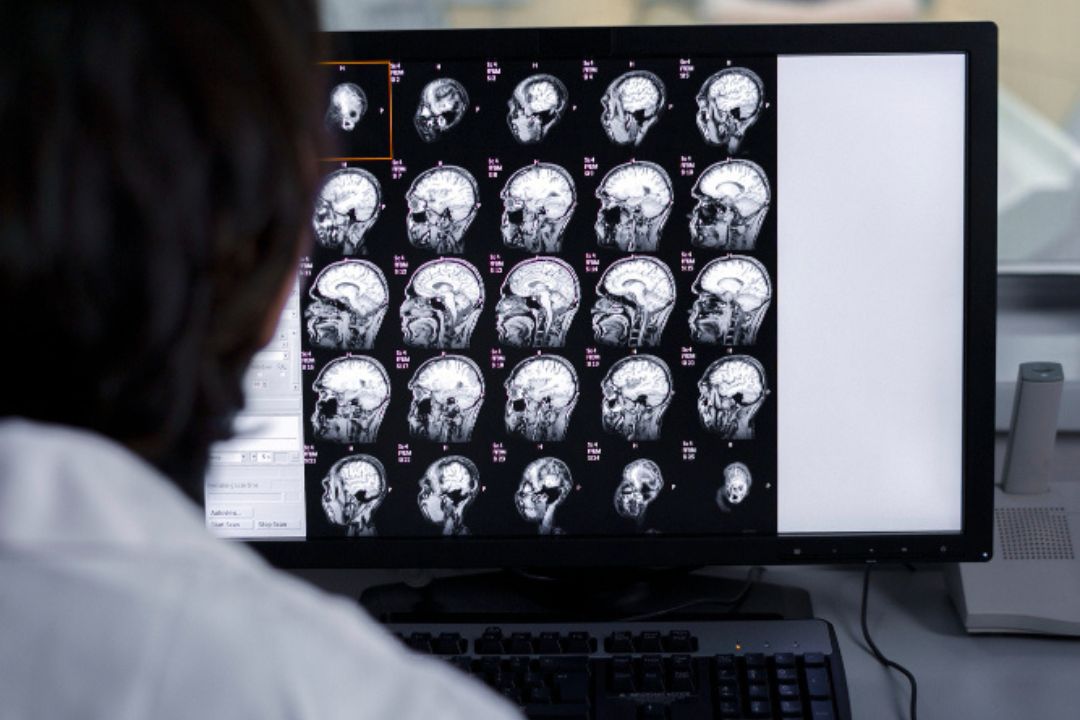
MRI scans allow doctors to view structures such as gray matter, white matter, nerves, and blood vessels in much greater detail. Because of this, MRI is often preferred when doctors suspect complex neurological disorders.
A CT scan is usually the first imaging test performed when doctors need quick results. It is particularly helpful in emergency situations.
Doctors commonly recommend a CT scan for:
Head injuries or trauma
Suspected brain bleeding
Skull fractures
Sudden stroke symptoms
Severe headaches with possible bleeding
Because CT scans can be completed in just a few minutes, they are often used in emergency rooms to diagnose life-threatening brain conditions quickly.
MRI Scans are typically used when doctors need more detailed images of brain tissues and structures.
MRI is commonly used to diagnose:
Brain tumors
Multiple sclerosis
Chronic headaches
Brain infections
Epilepsy
Neurodegenerative diseases such as Alzheimer’s
MRI provides better soft-tissue detail, making it easier to detect small abnormalities that may not appear clearly on a CT scan.
CT scans use X-rays to produce images, while MRI uses magnetic fields and radio waves to generate detailed images of body tissues.
CT scans are very fast and usually take only a few minutes. MRI scans take longer and may require 30 to 60 minutes to complete.
MRI provides more detailed images of soft tissues, while CT scans are better for detecting bone injuries and bleeding.
CT scans involve a small amount of radiation, while MRI scans do not use ionizing radiation.
CT Scans are generally more affordable and widely available, whereas MRI scans are usually more expensive and may take longer to schedule.
CT scans provide several important benefits in medical diagnosis. They are fast, widely available, and highly effective at detecting acute conditions such as brain bleeding and skull fractures. CT imaging is also useful for patients who cannot undergo MRI due to medical implants or other conditions.
MRI scans provide extremely detailed images of brain structures and soft tissues. They are especially helpful for identifying tumors, inflammation, nerve damage, and subtle brain abnormalities. Because MRI does not use radiation, it may also be preferred for patients who require repeated imaging.
Both CT scans and MRI scans are generally safe diagnostic procedures. However, CT scans involve exposure to ionizing radiation, while MRI scans may not be suitable for patients with certain metal implants or medical devices. Some scans may require contrast dye, which can occasionally cause mild reactions in sensitive patients.
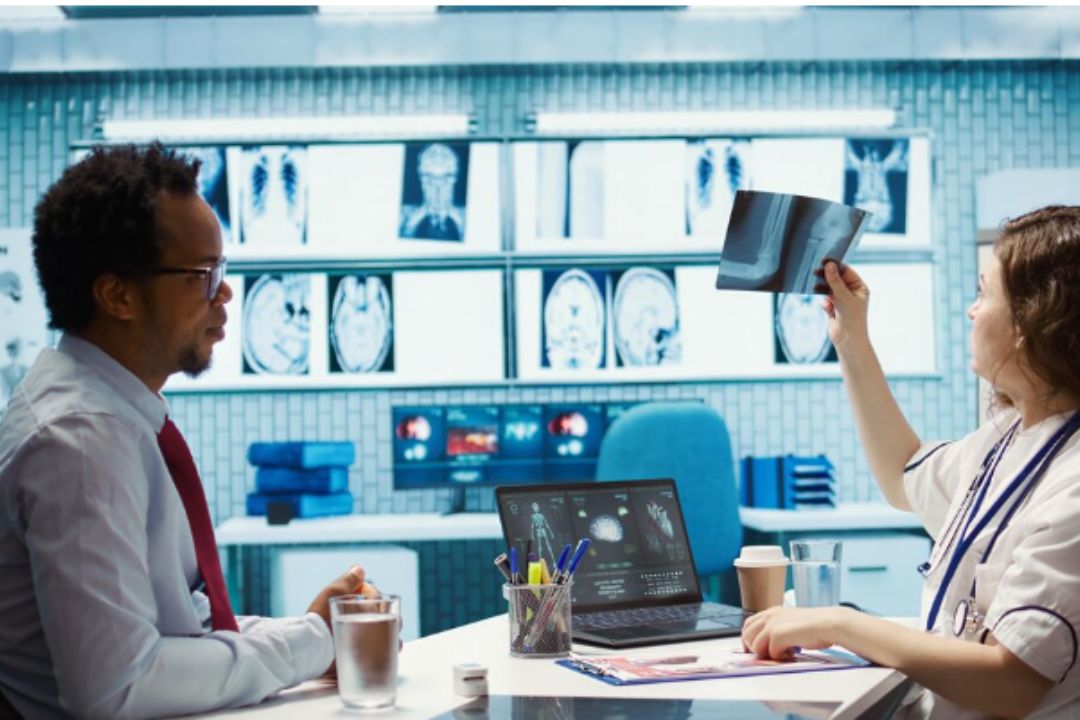
Doctors carefully evaluate each patient's medical condition before recommending the most appropriate imaging test.
There is no single test that is always better. The choice between CT and MRI depends on the medical situation.
CT scans are typically used when rapid diagnosis is required, such as in cases of trauma, stroke, or brain bleeding. MRI scans are preferred when doctors need highly detailed images to evaluate tumors, neurological diseases, or chronic brain disorders.
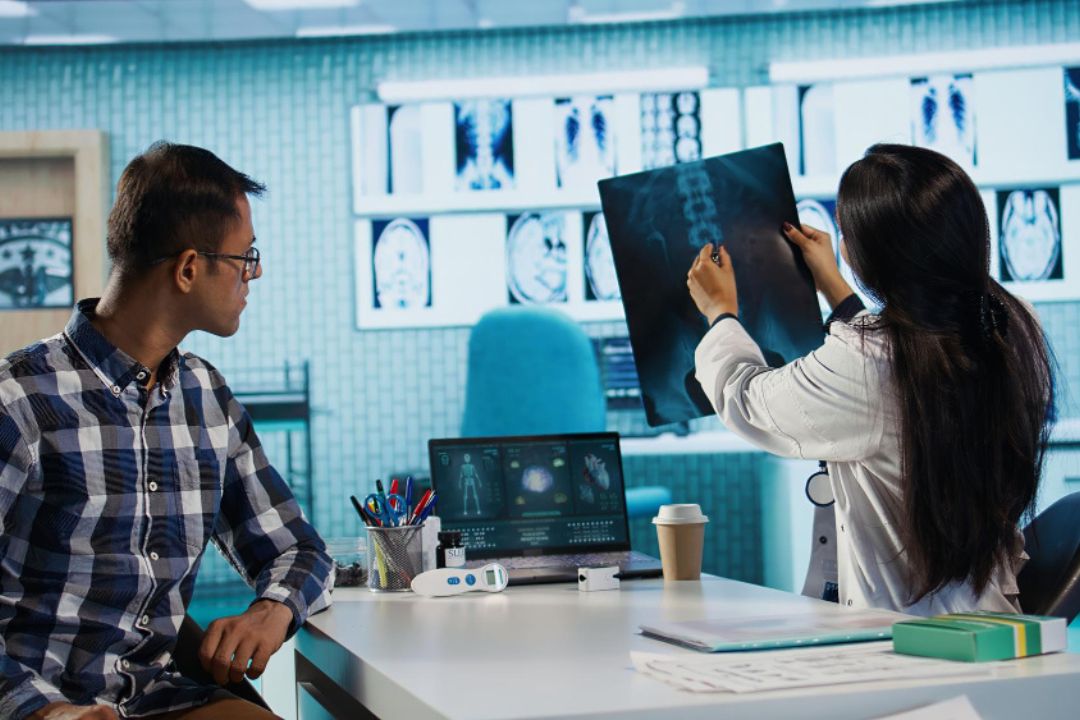
A doctor will decide which scan is best based on the patient’s symptoms, medical history, and diagnostic needs.
CT Scans And MRI Scans are both essential tools in diagnosing brain disorders. CT scans provide quick results and are ideal for emergencies, while MRI scans offer detailed images that help detect complex neurological conditions.
If you experience symptoms such as persistent headaches, seizures, dizziness, or memory problems, your doctor may recommend a brain scan to identify the cause and guide the appropriate treatment.







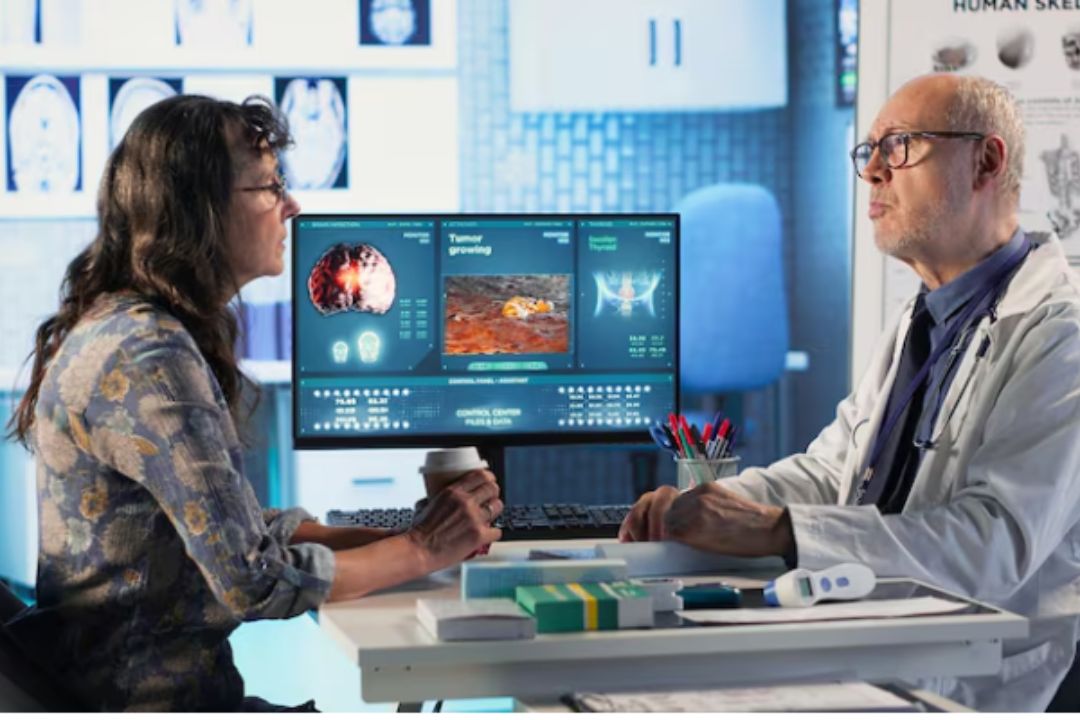


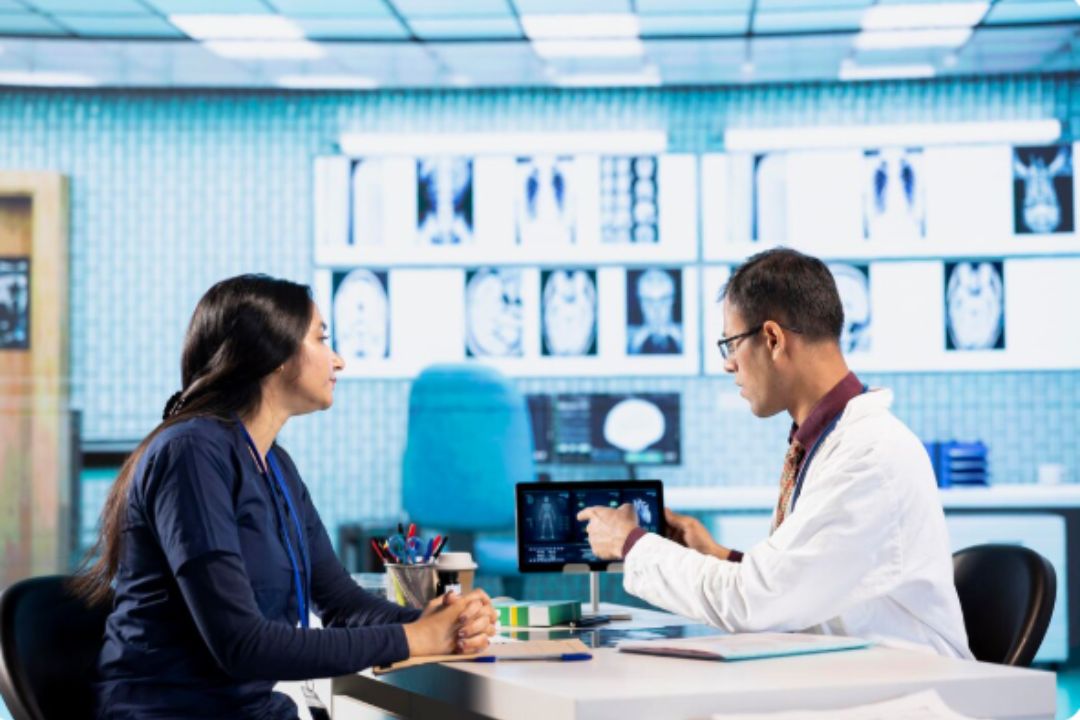
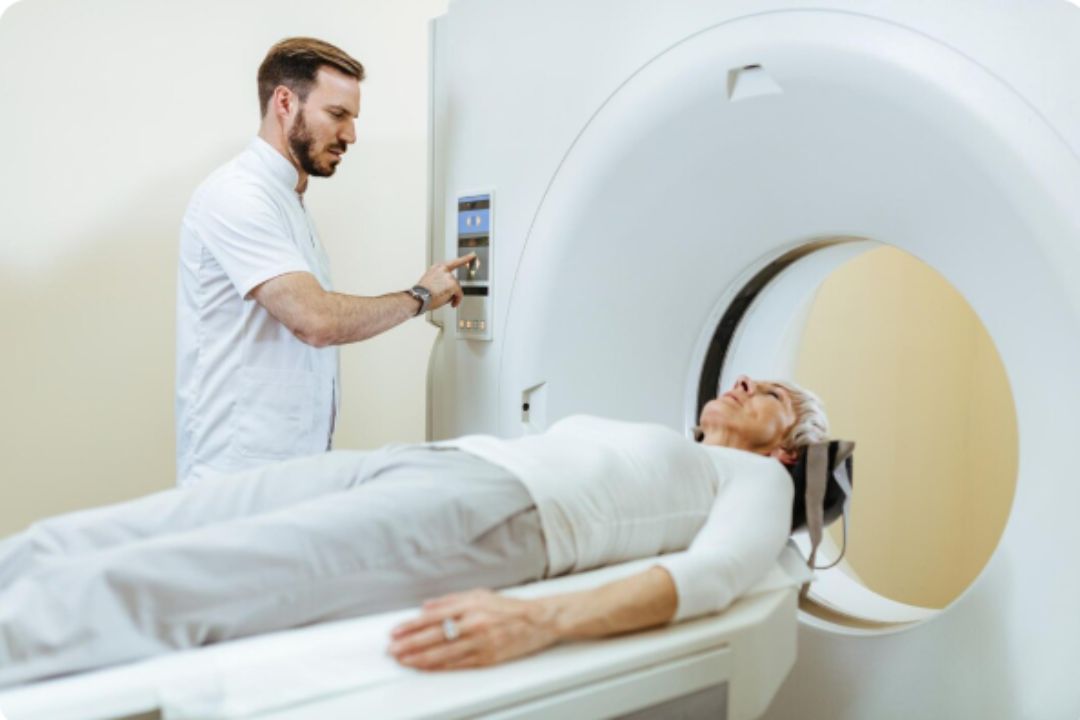
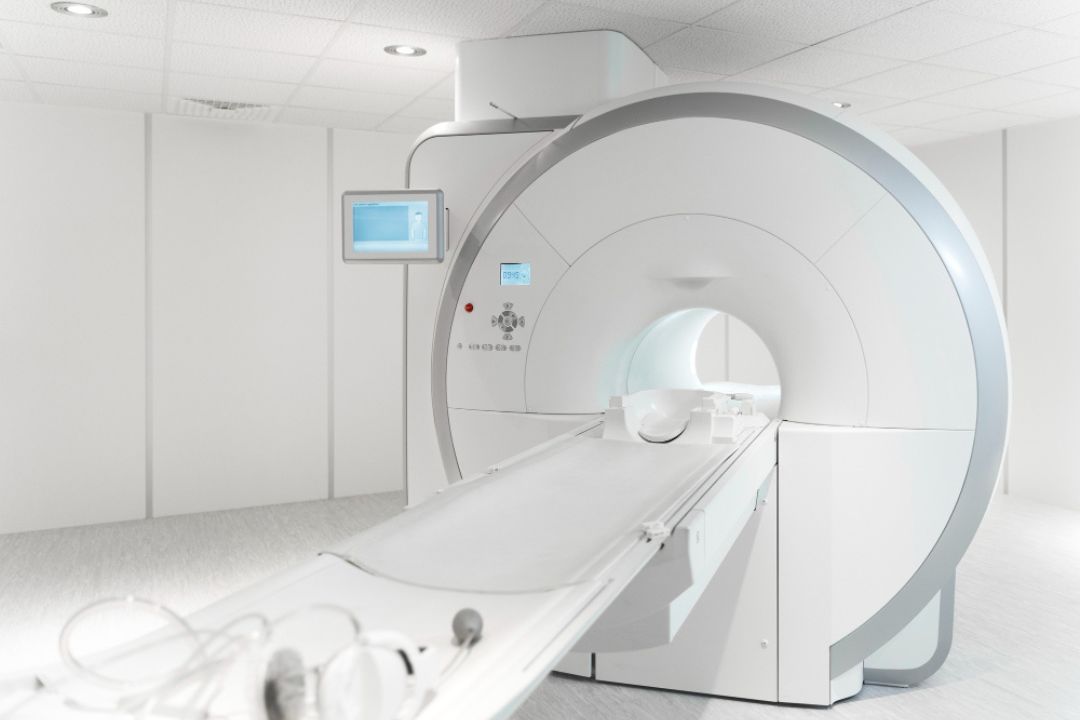
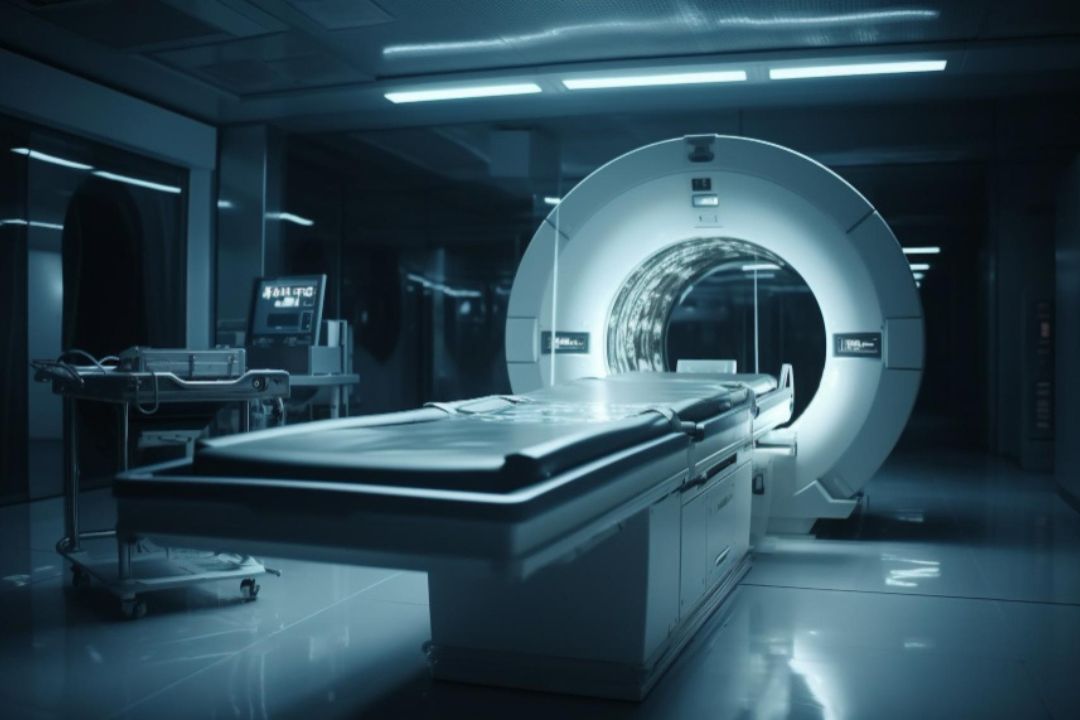
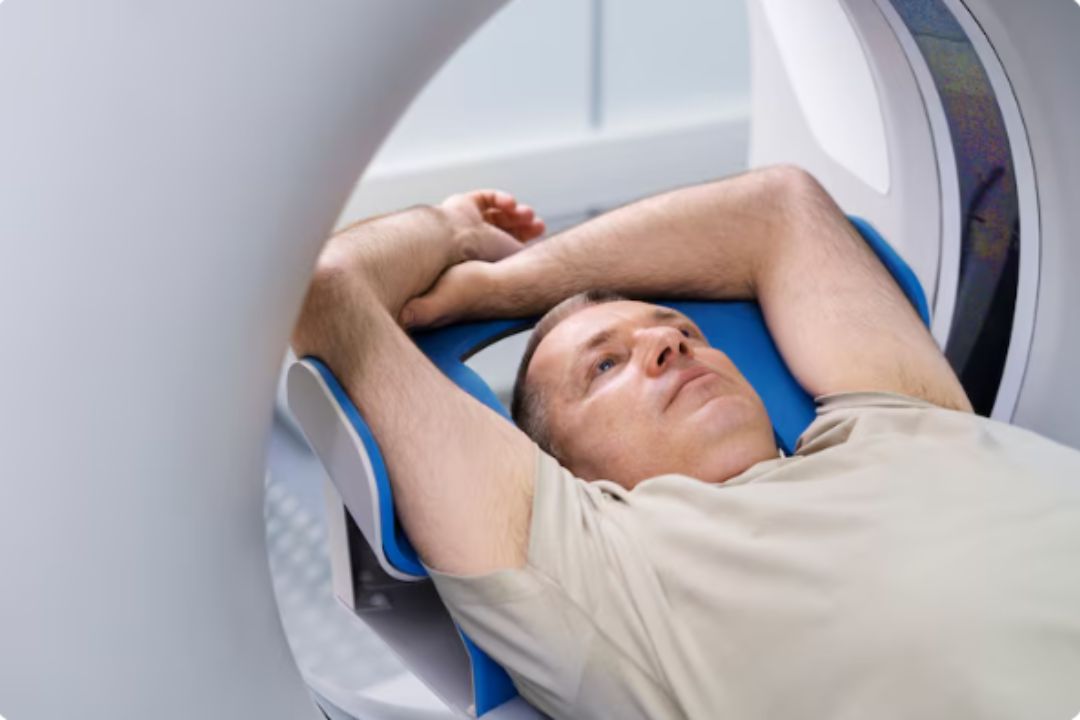

.jpg "ct brain scan plain and contrast")
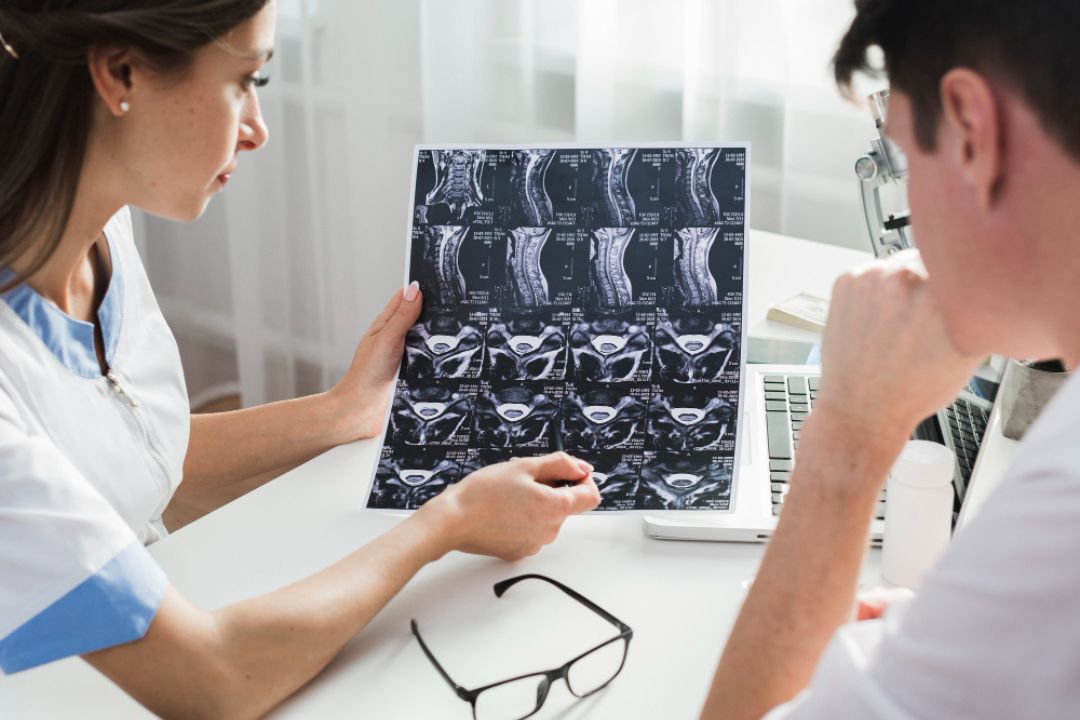

















.jpg "ct scan")



.jpg "exploring the power of ct brain contrast in modern diagnostics")
.jpg "ct scan")

.jpg "ct scan")









.jpg "ct scan")

.jpg "CT Brain Scan for Headaches")
.jpg "The Future of 3D CT Imaging")