A CT scan is one of the most commonly used medical imaging tests for diagnosing many health conditions. It provides detailed images of organs, bones, blood vessels, and tissues inside the body. Many patients worry about radiation exposure during a CT scan and often ask whether the procedure is safe.
Understanding how CT Scan Radiation works and how medical professionals control exposure can help patients feel more confident about the test. In most cases, the benefits of accurate diagnosis outweigh the small risks associated with radiation exposure.
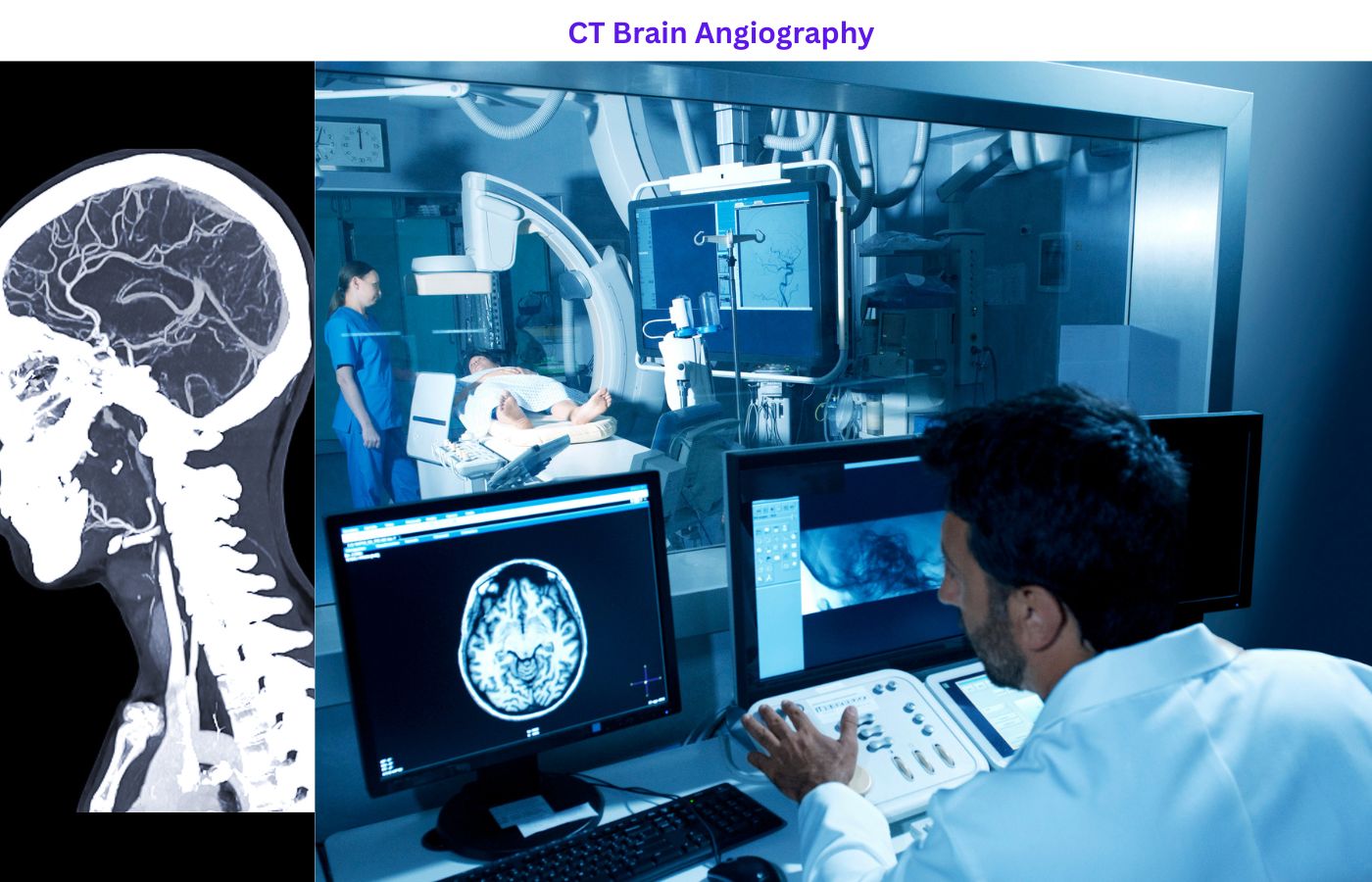
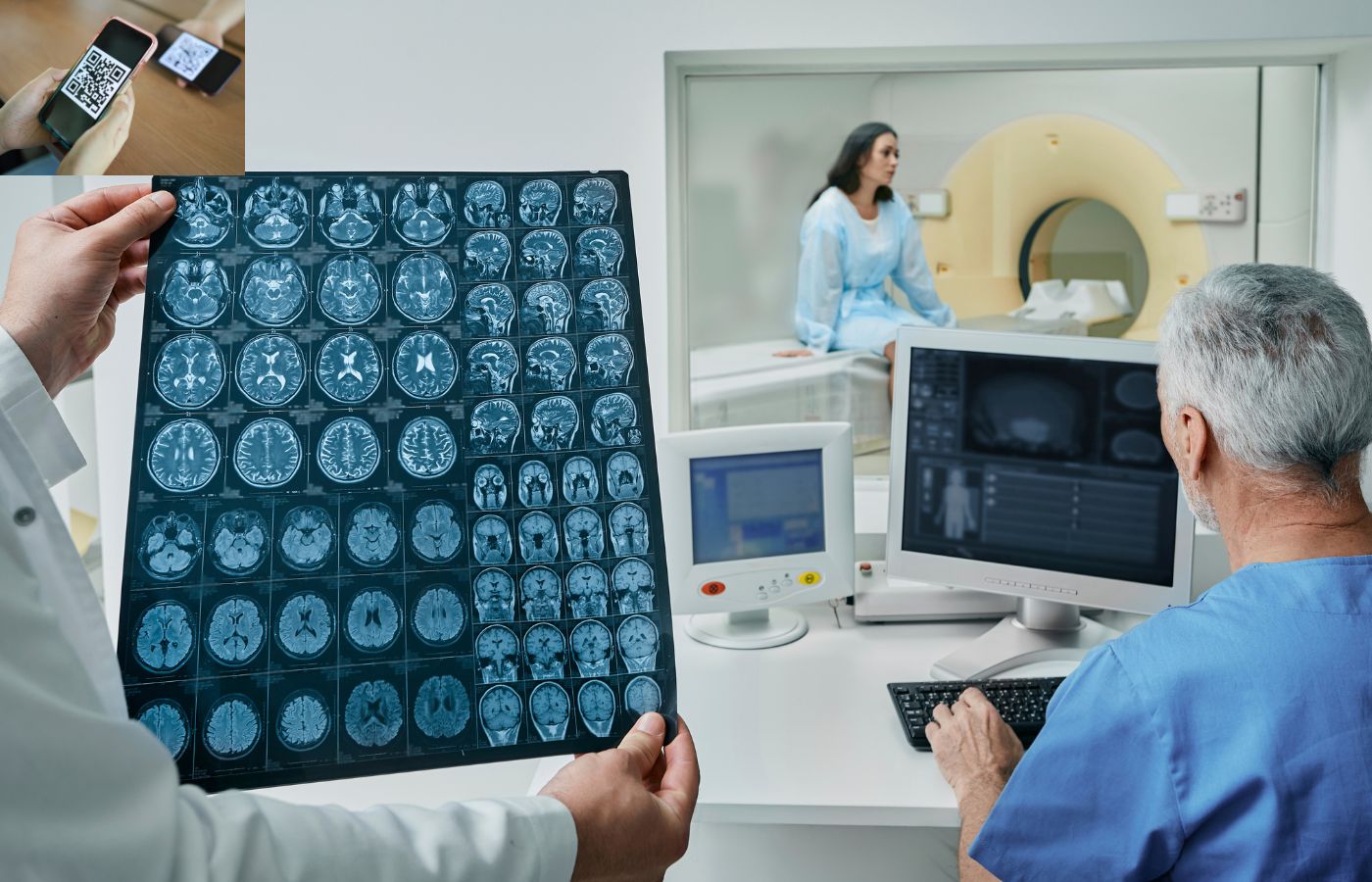
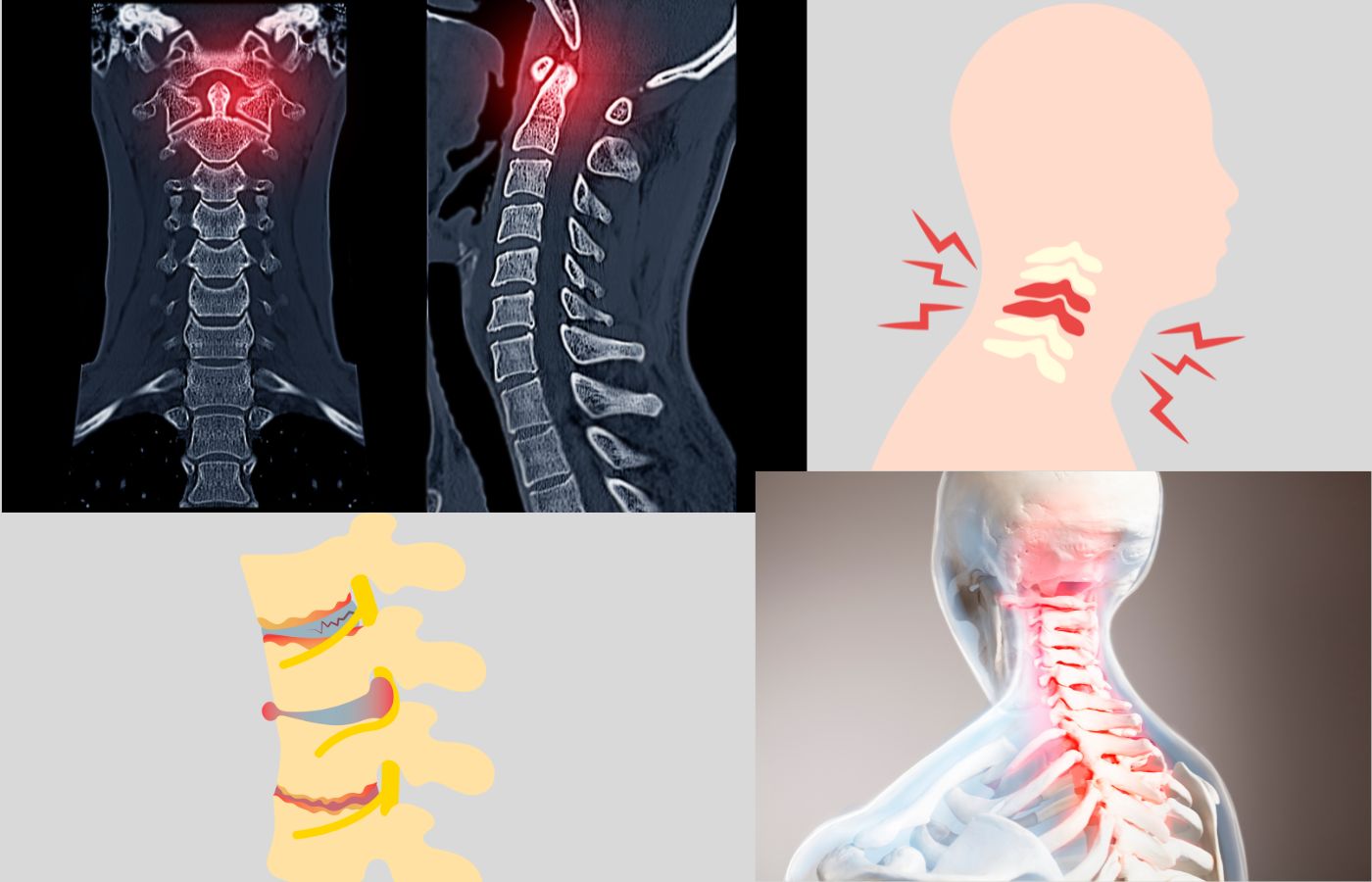
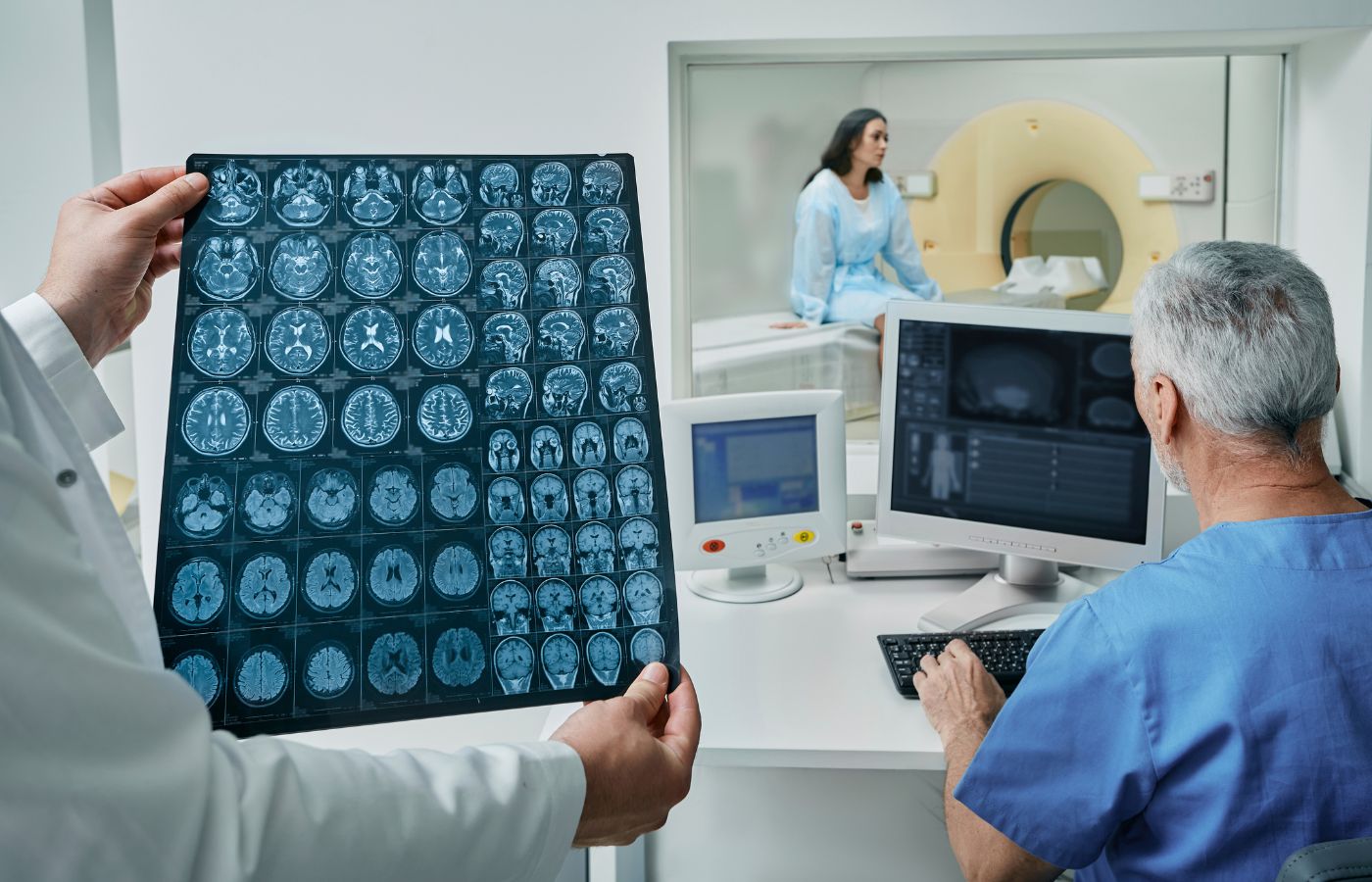
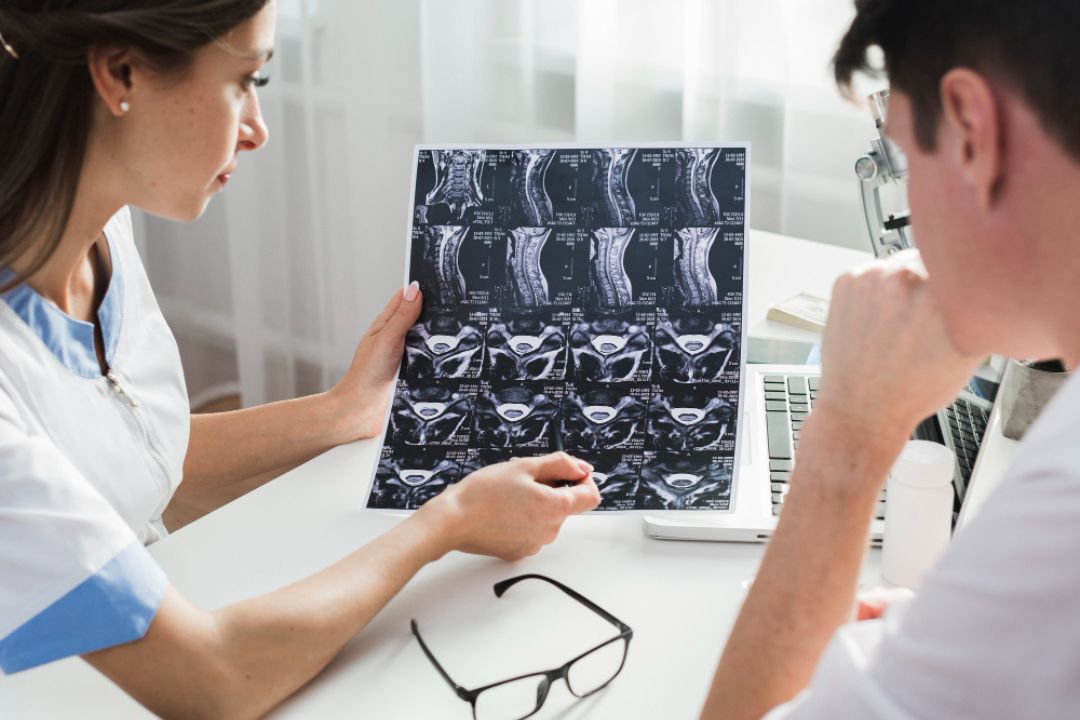
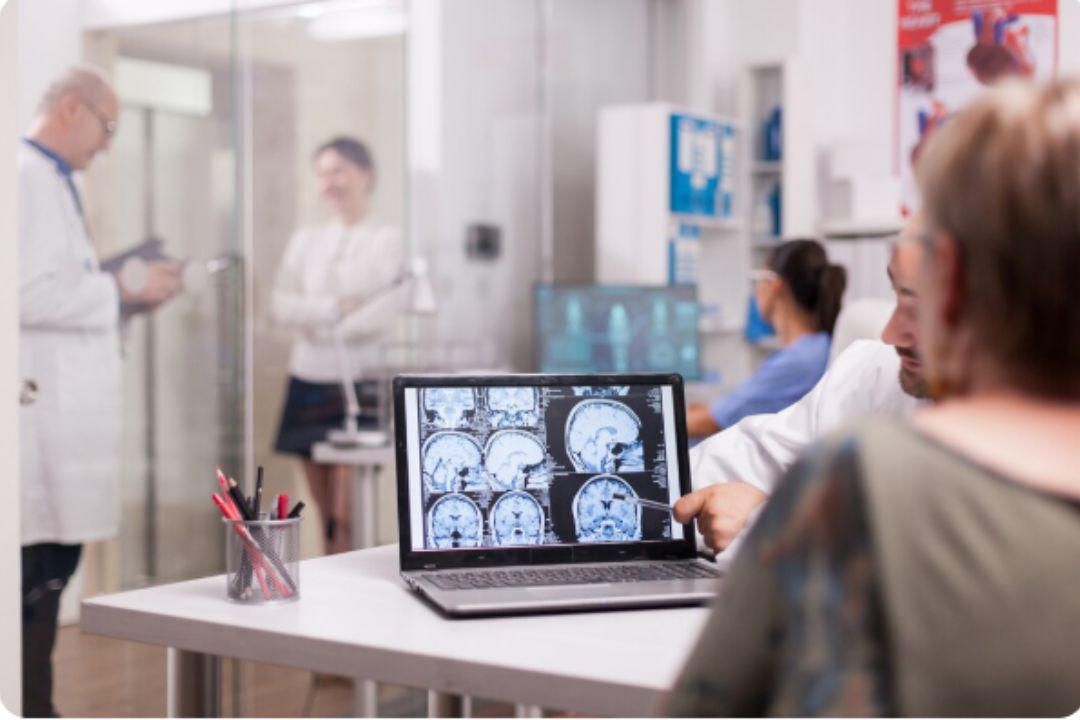
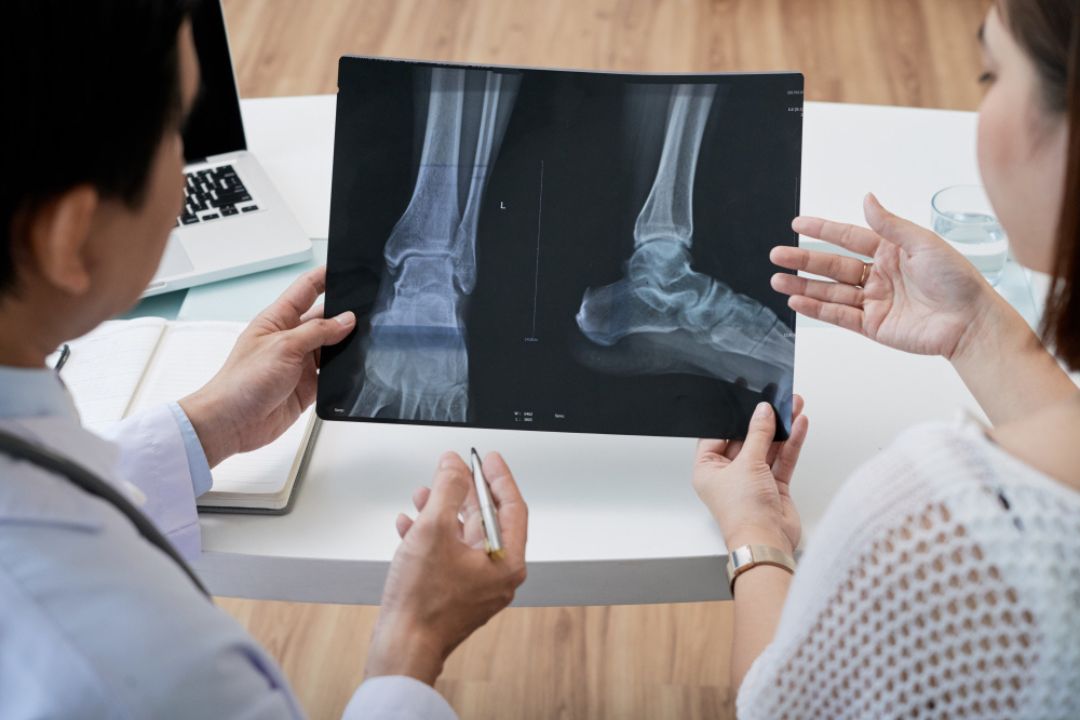
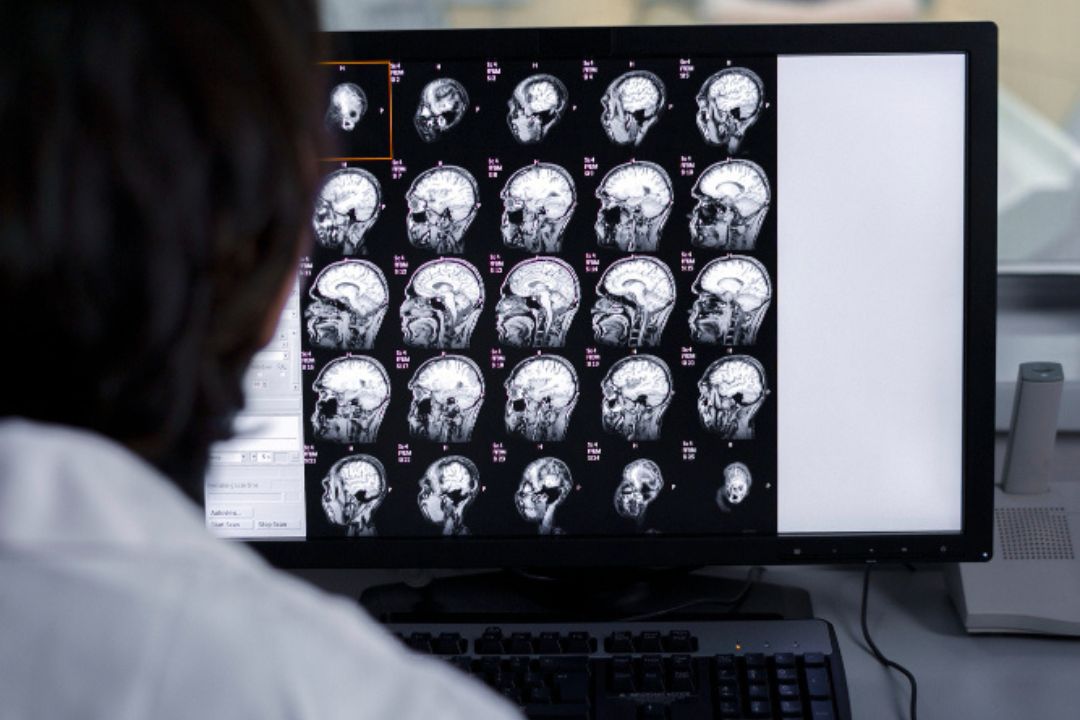
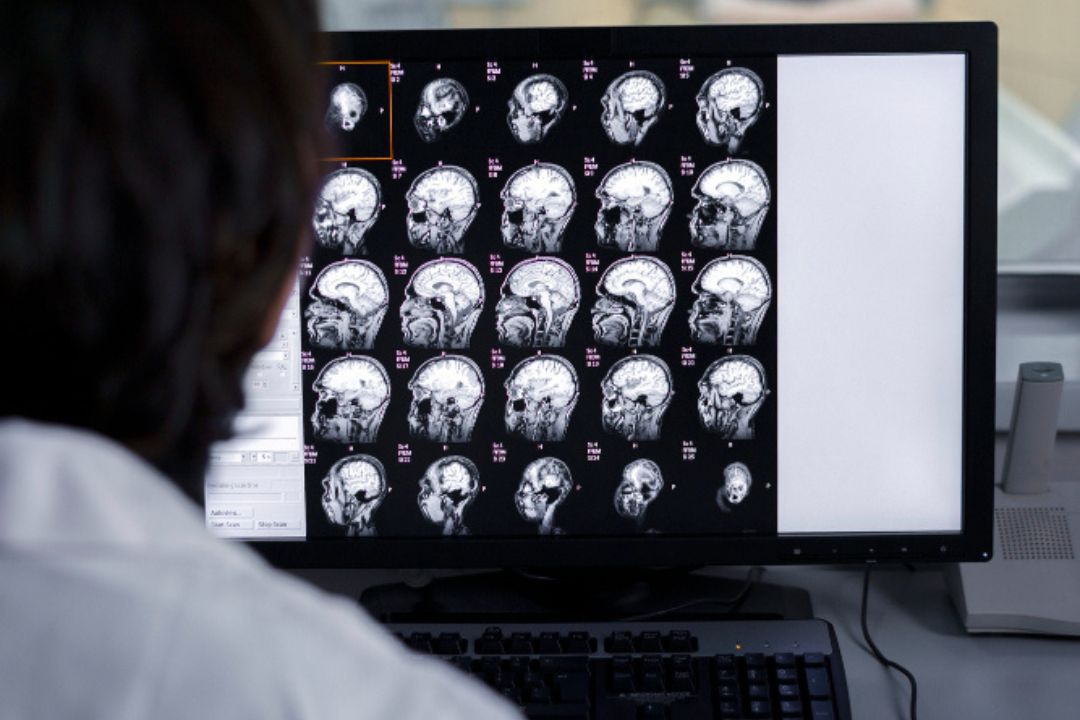
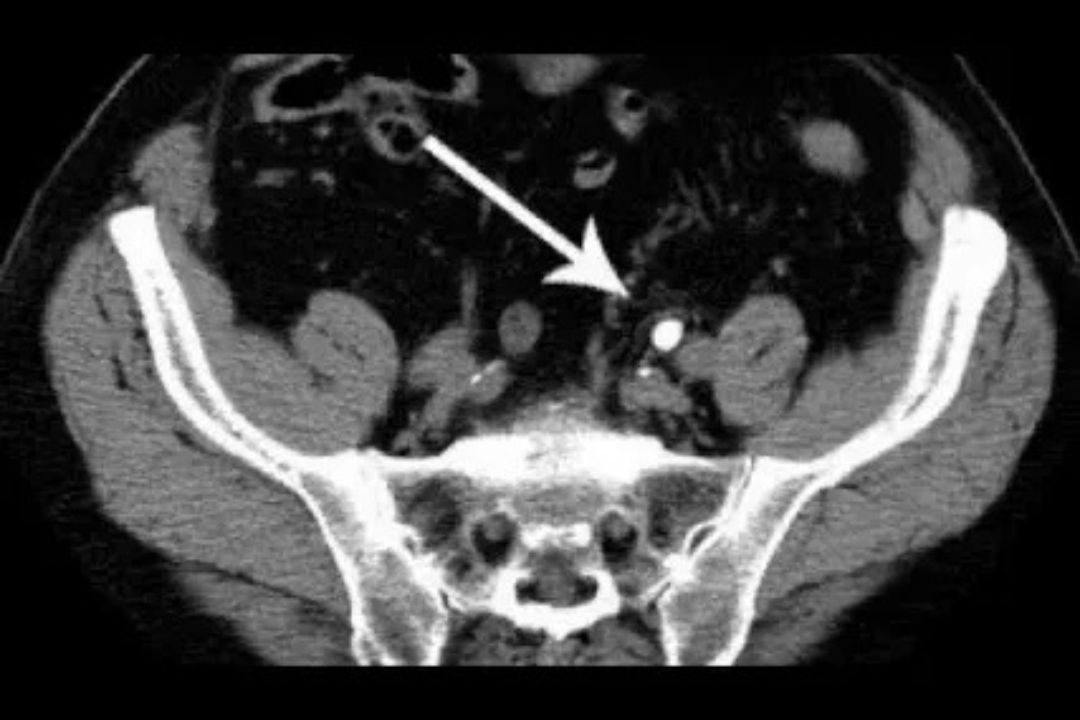
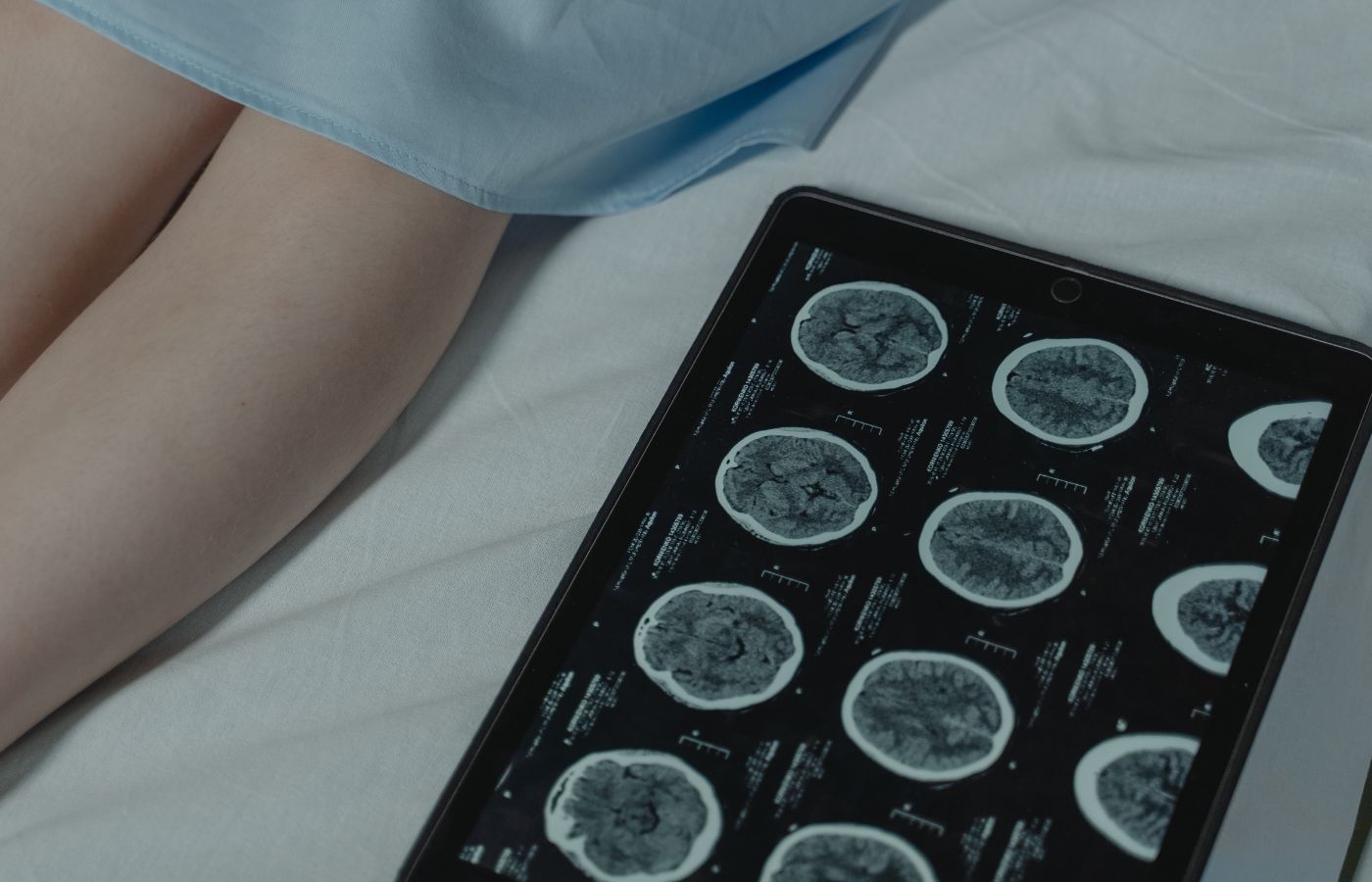
A CT Scan (Computed Tomography scan) is an imaging technique that combines multiple X-ray images to create detailed cross-sectional pictures of the body. These images help doctors detect diseases, injuries, tumors, infections, and internal bleeding.
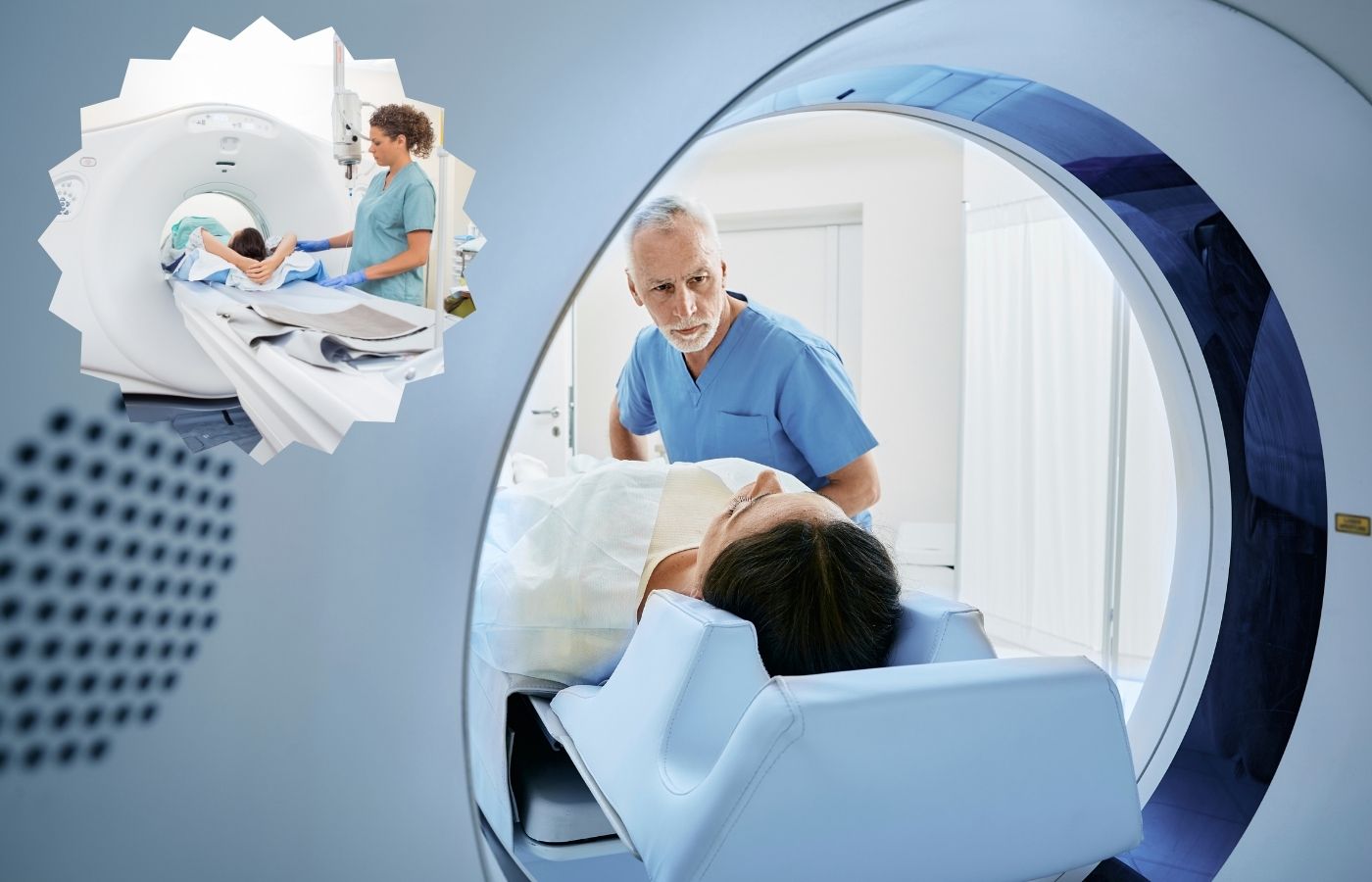
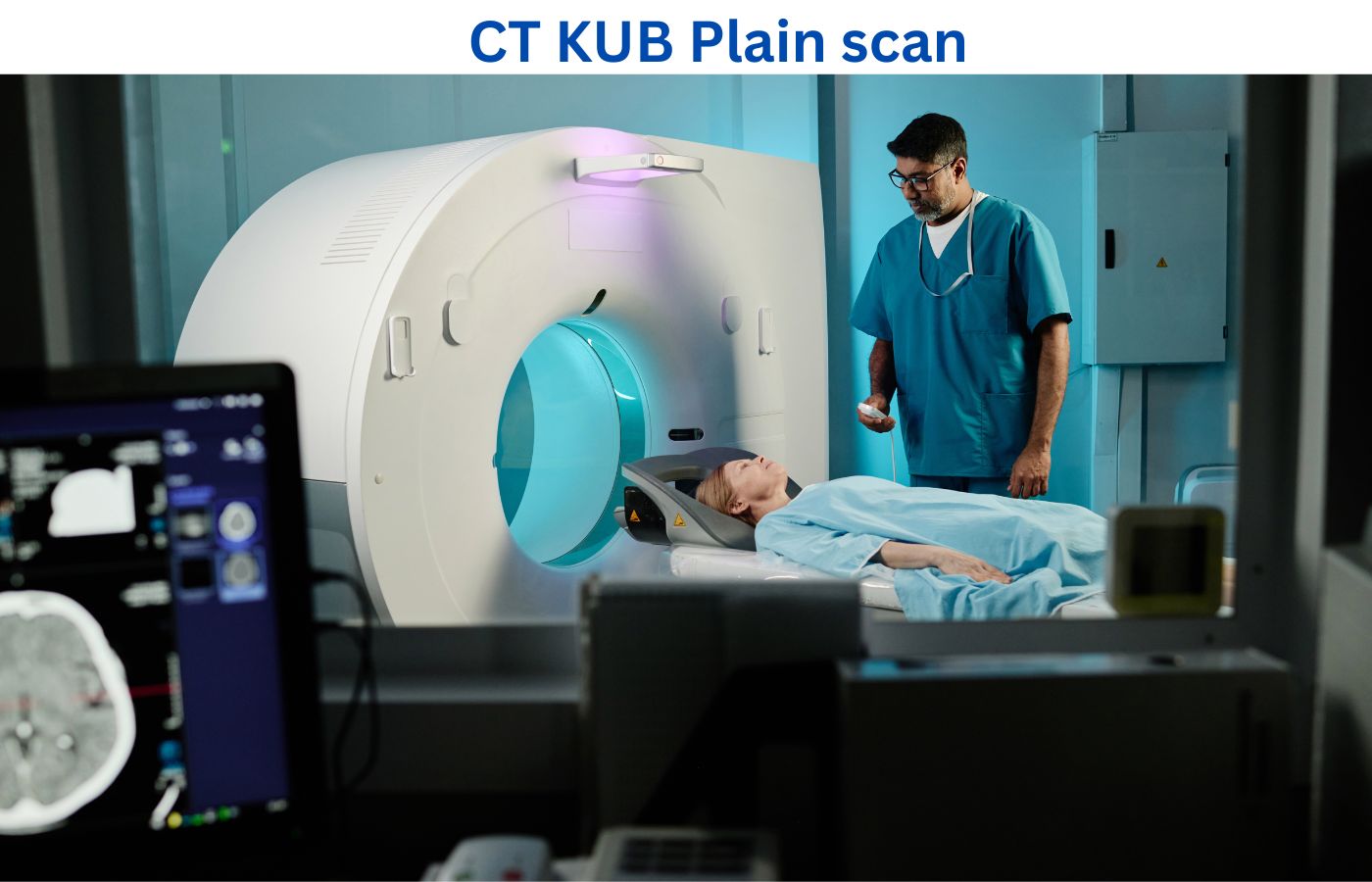
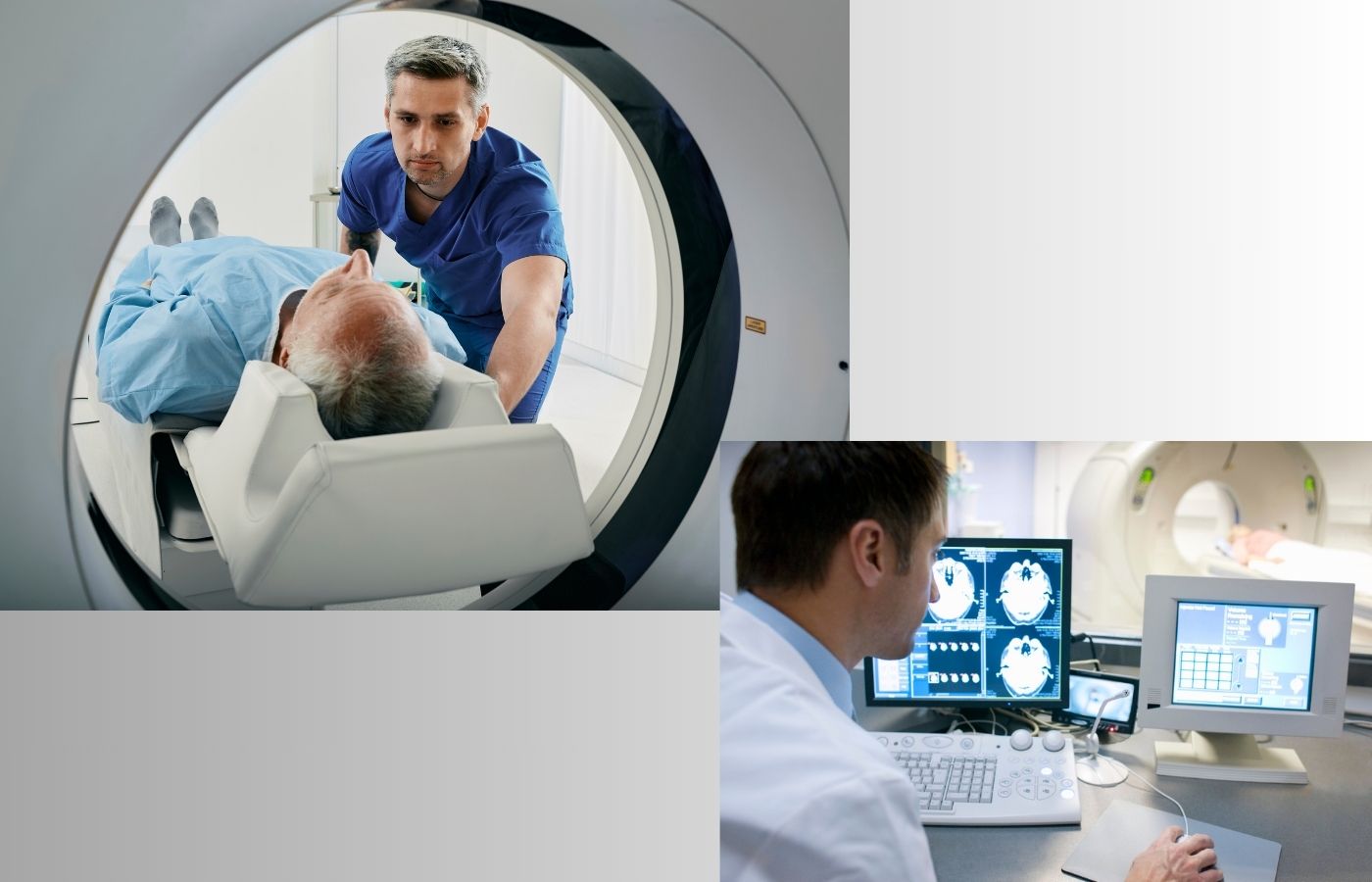
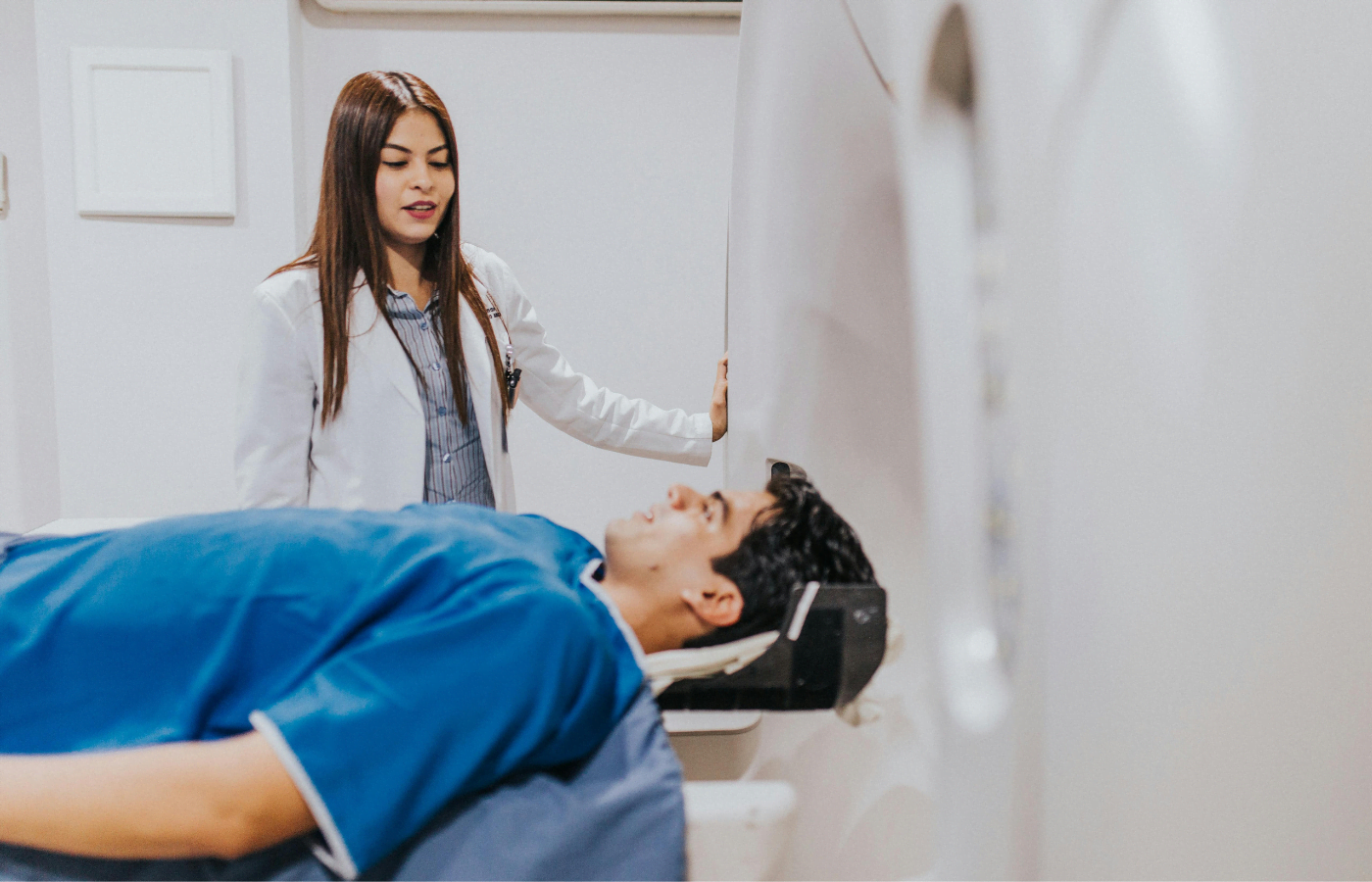
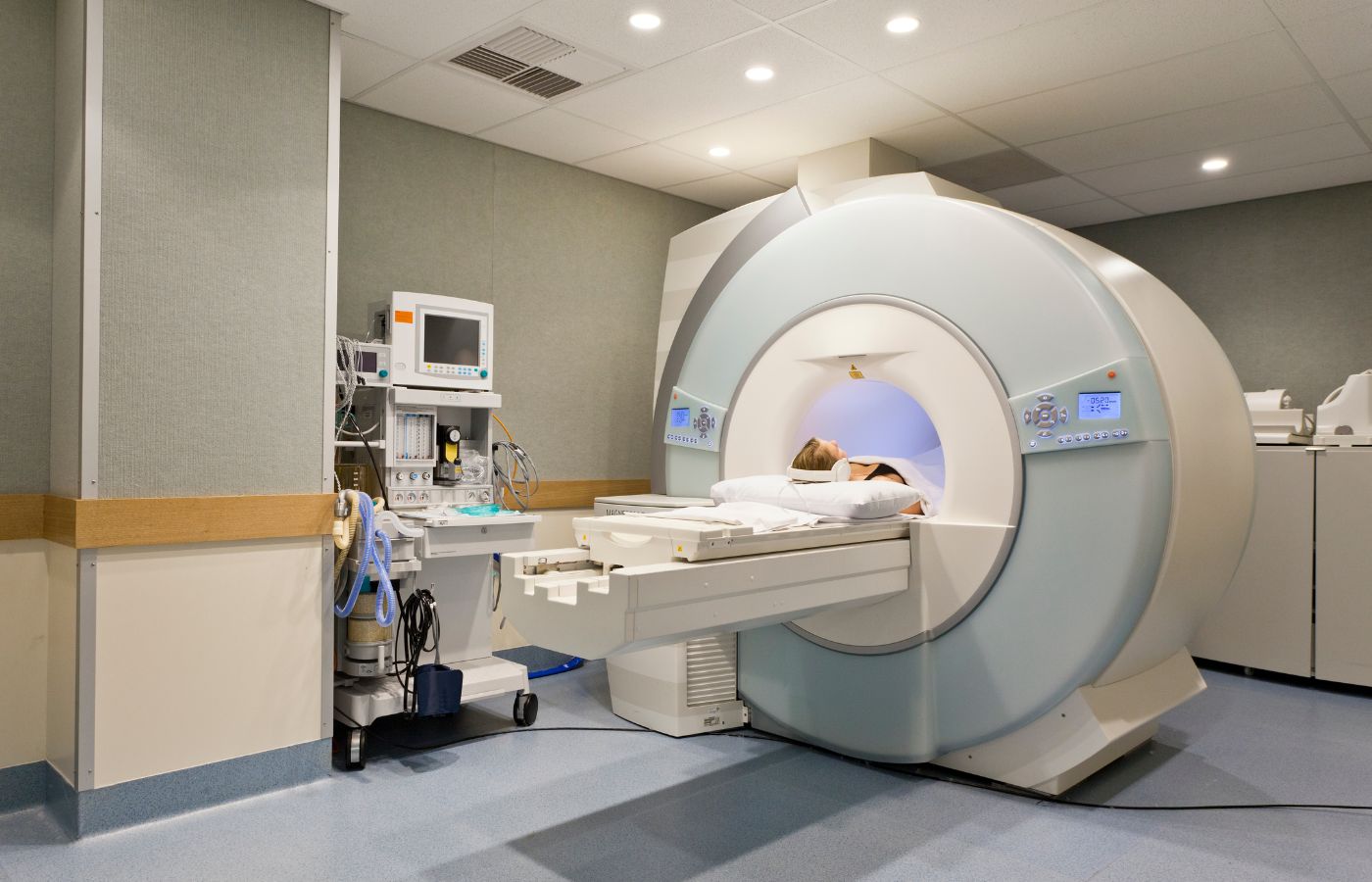
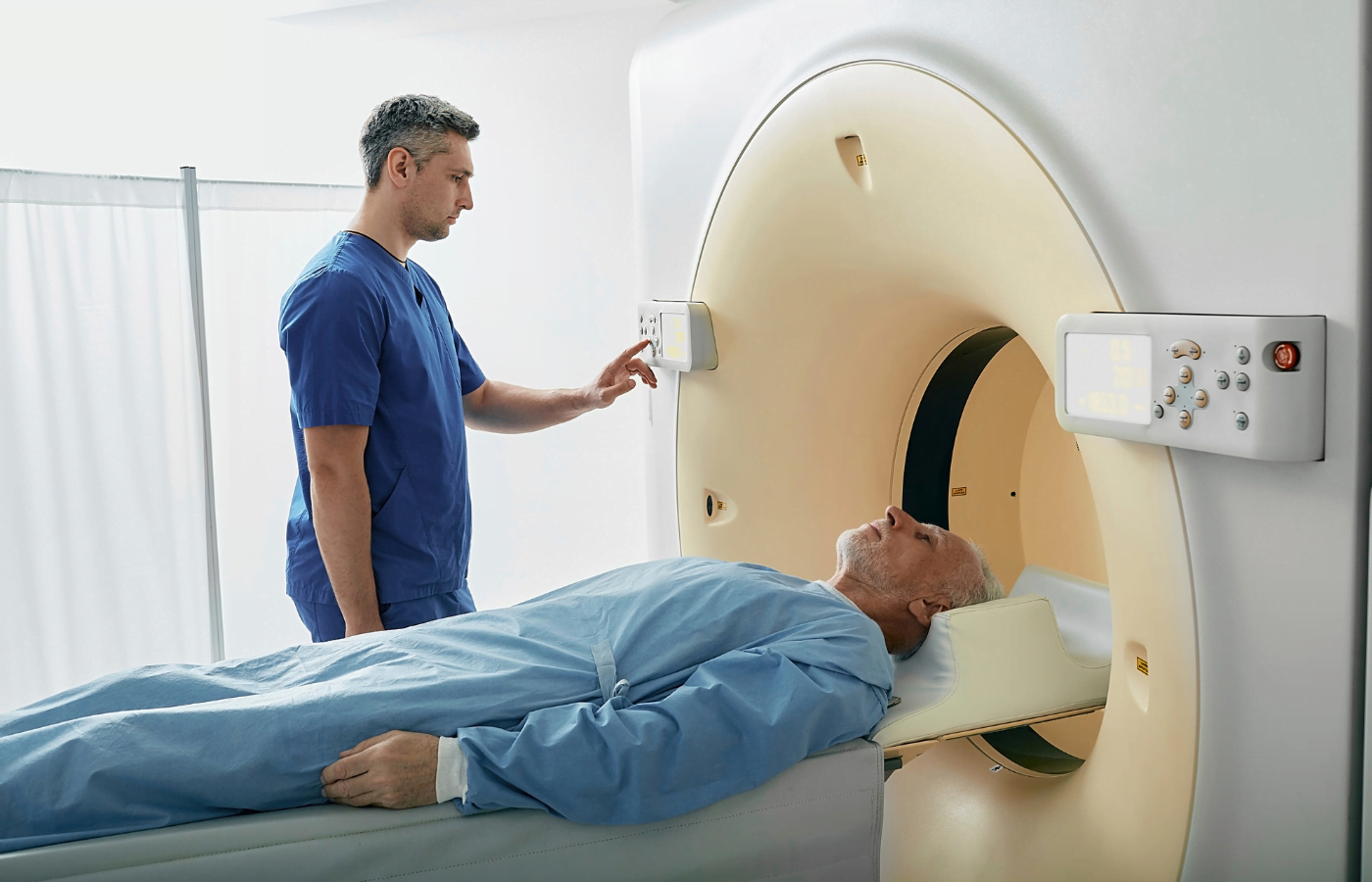
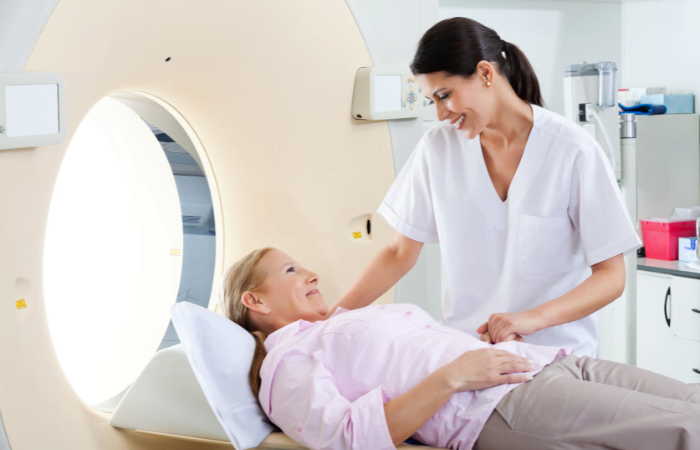
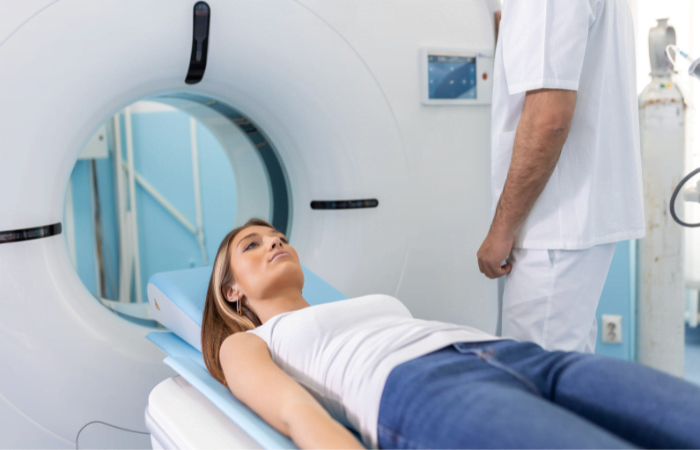
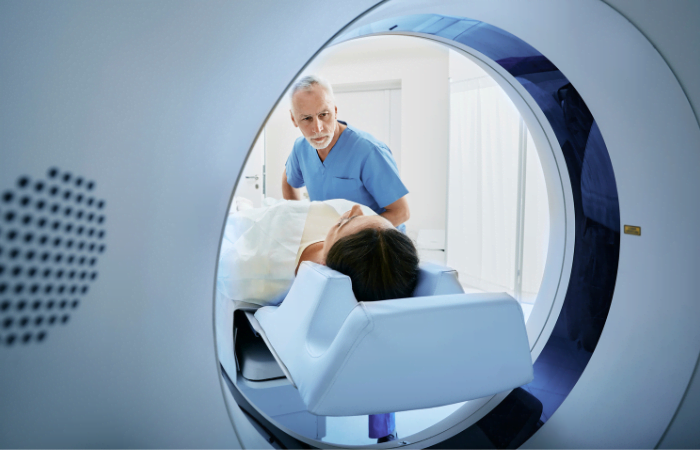
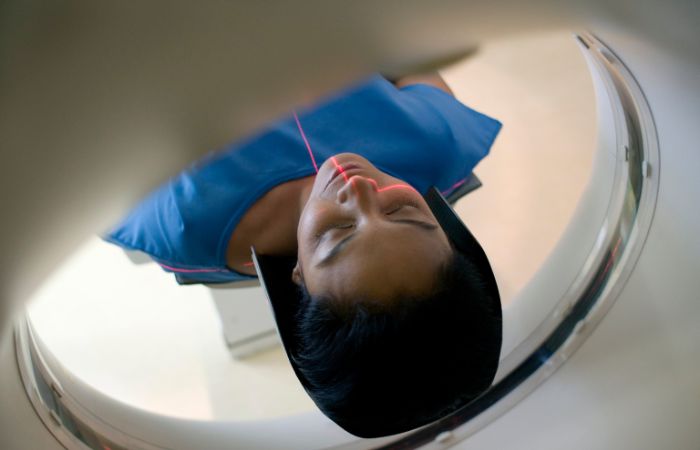
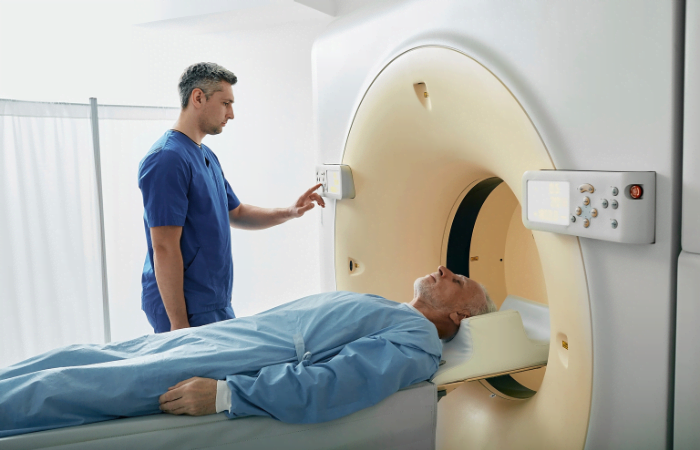
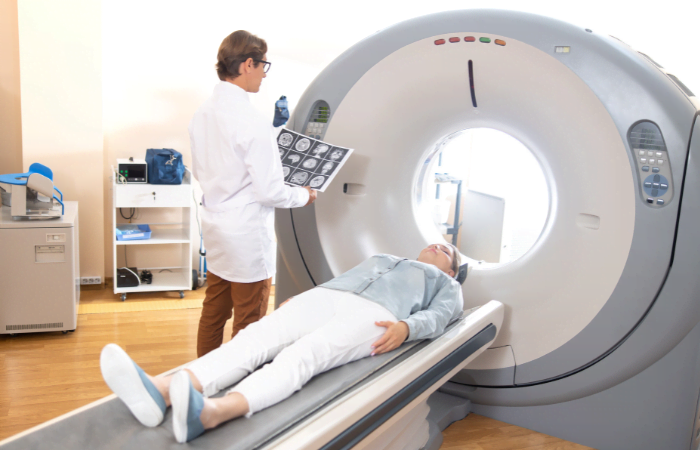
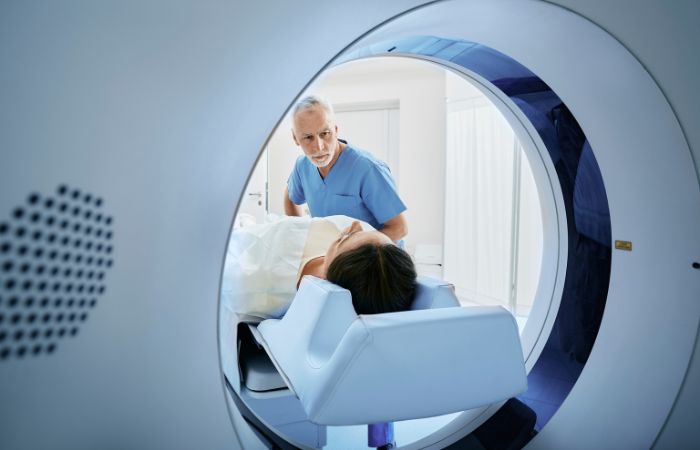
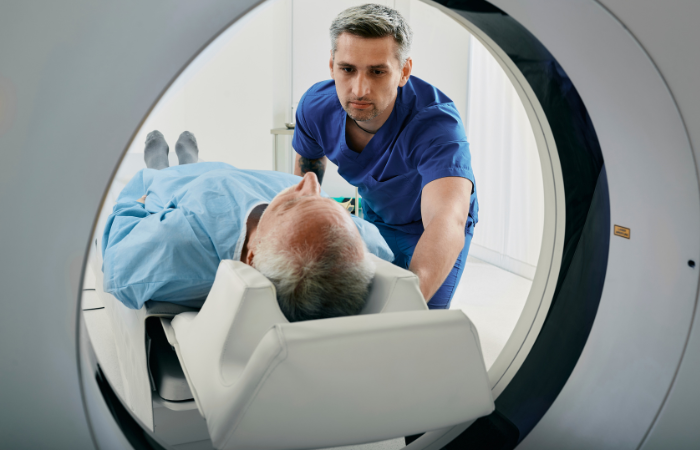
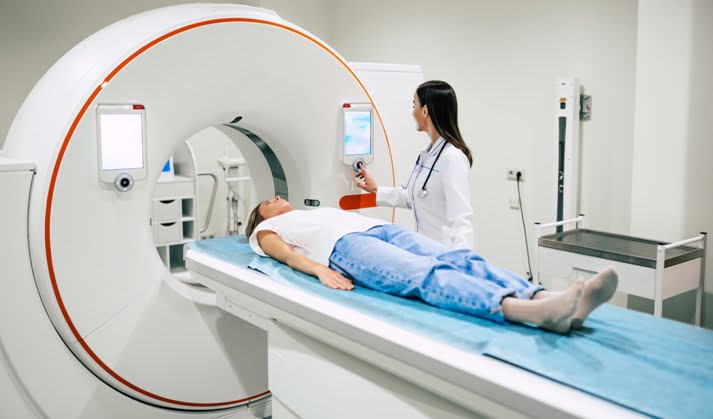
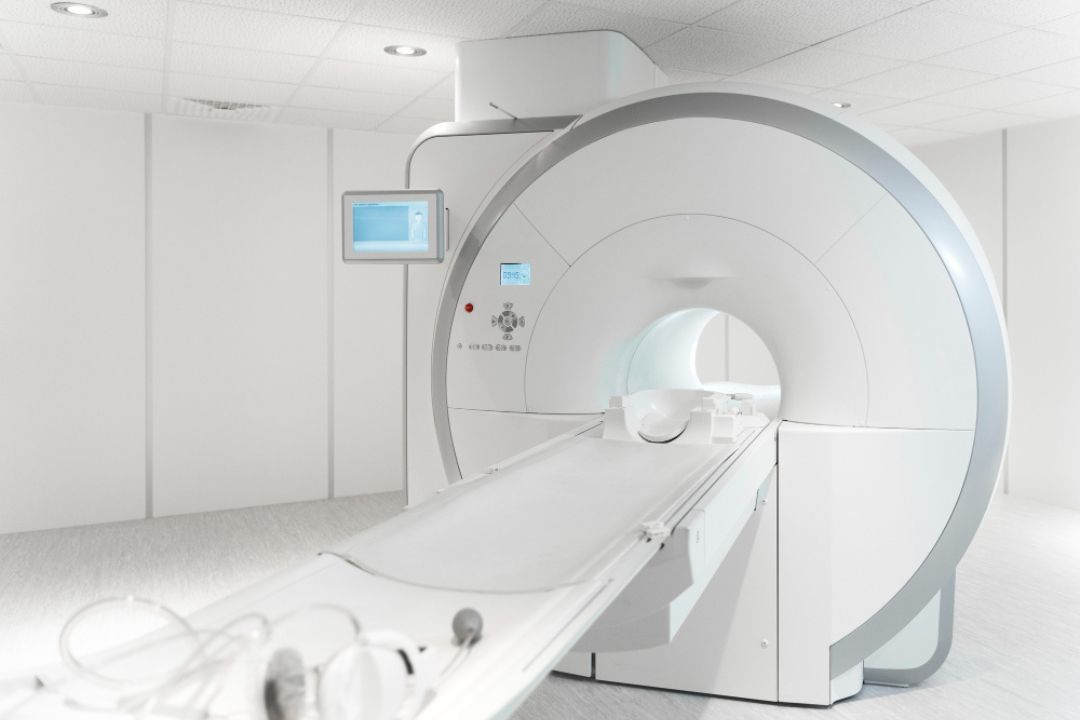
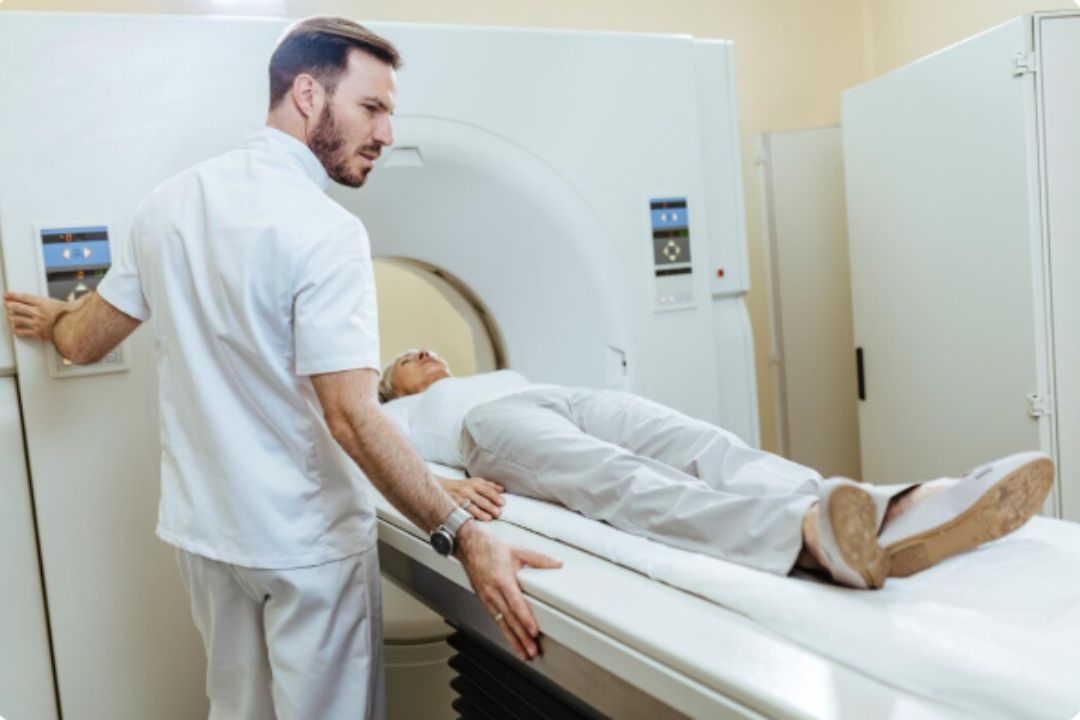
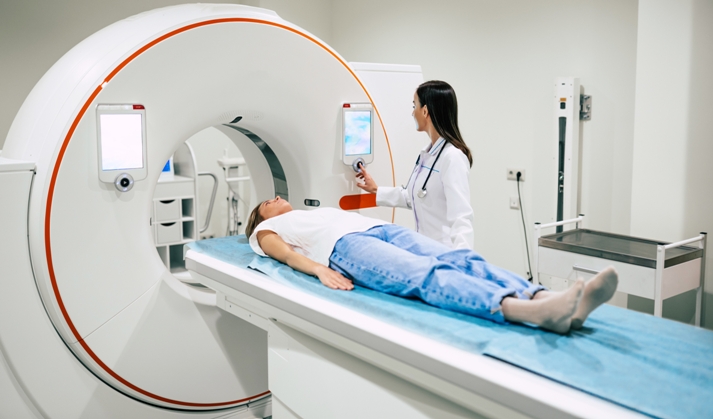
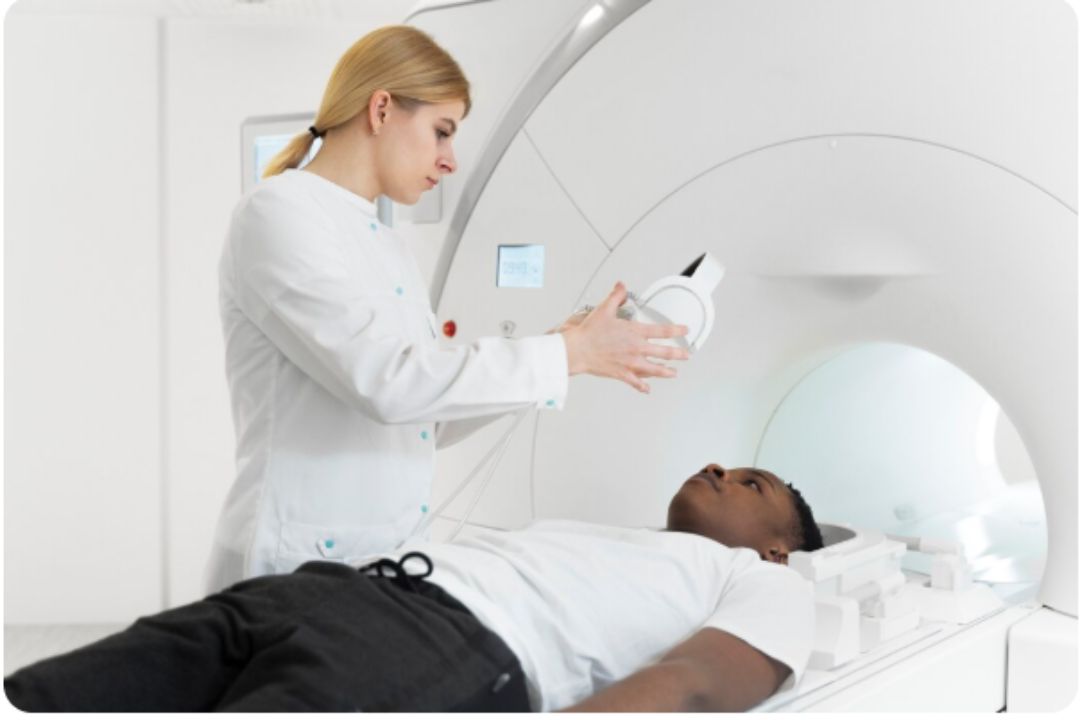
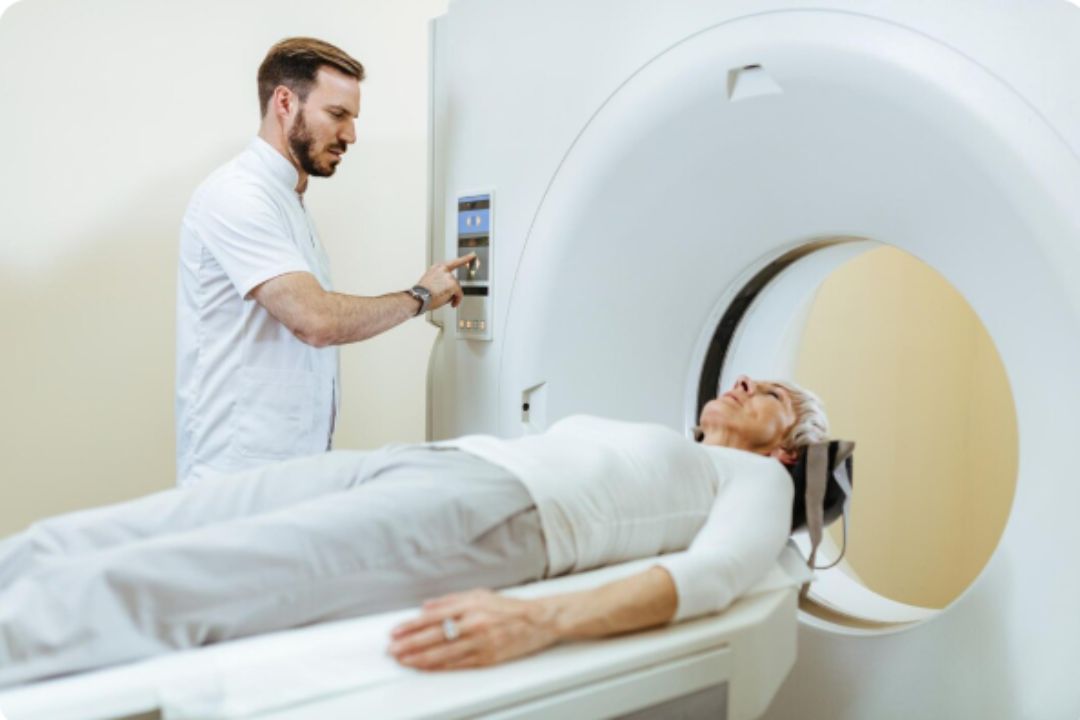
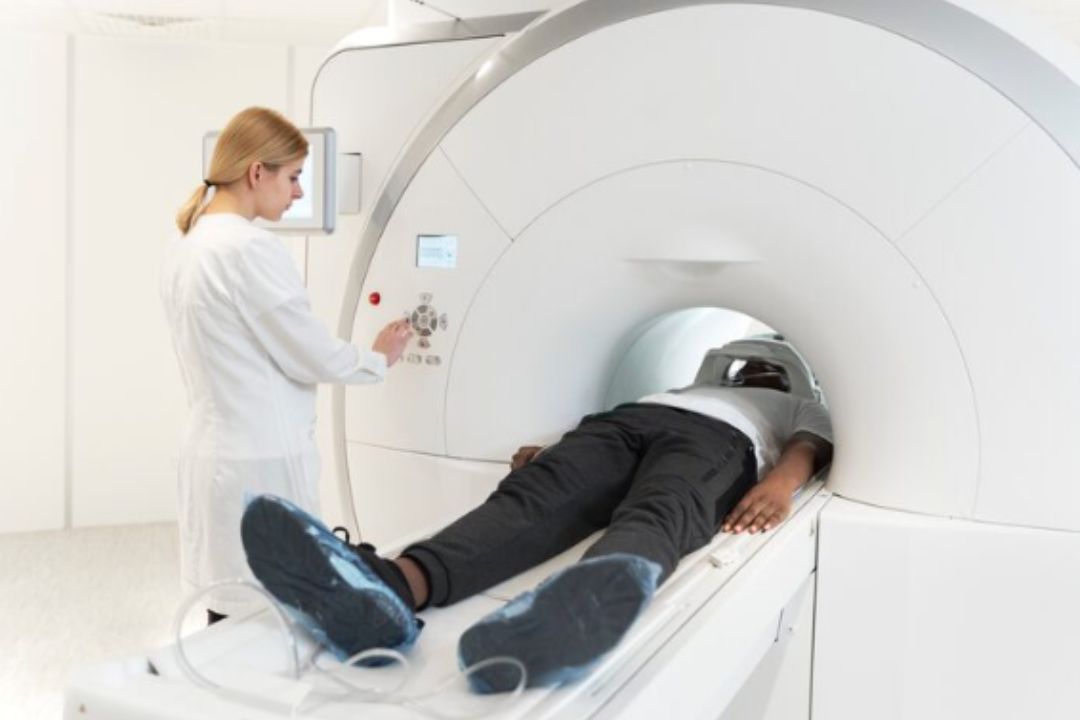
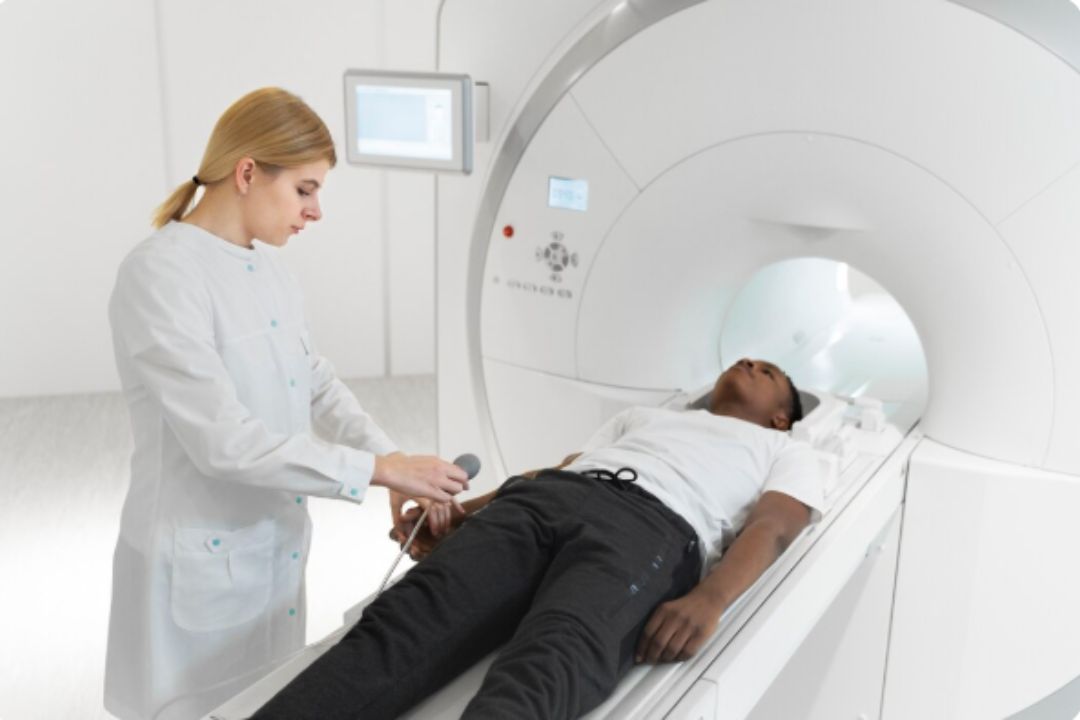
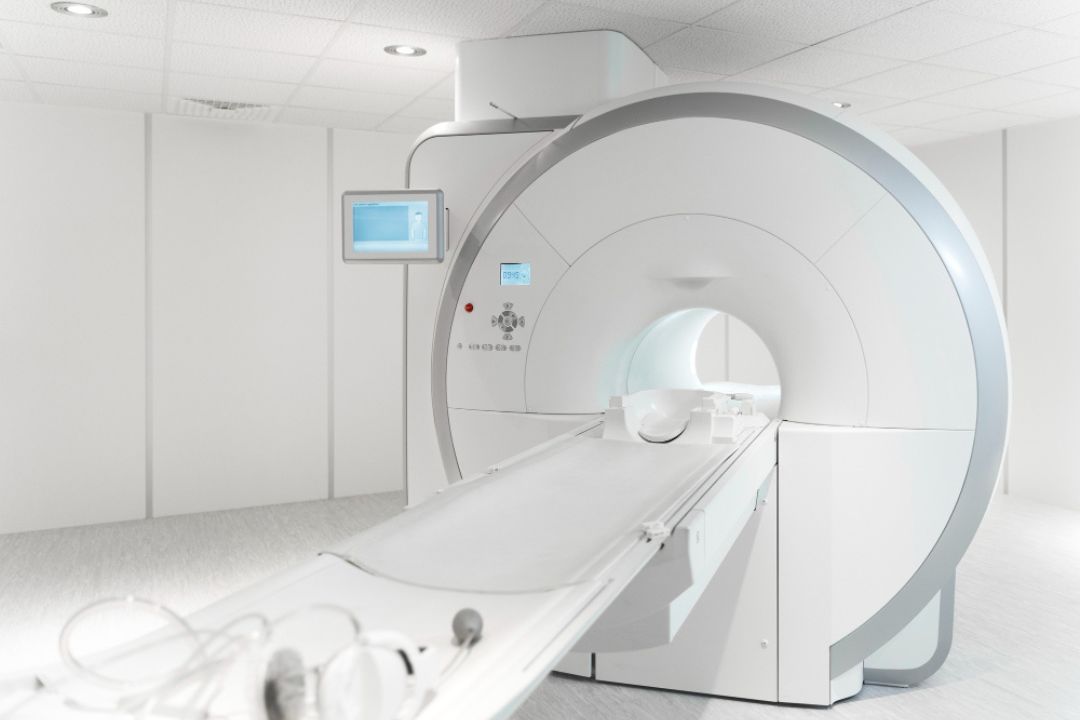
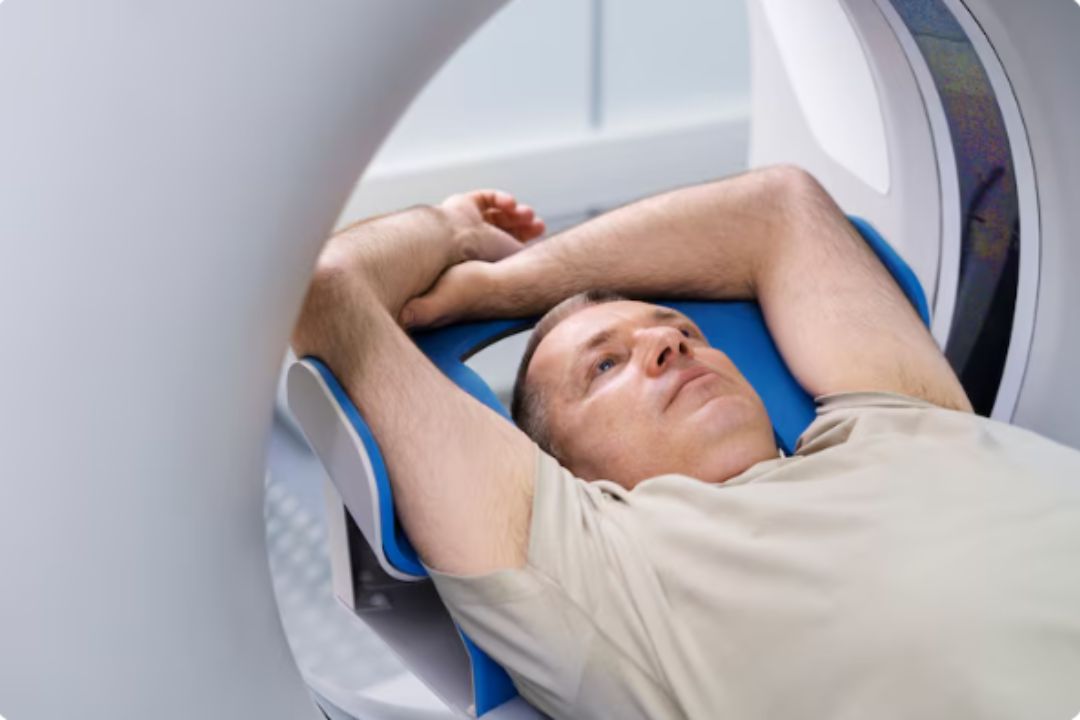
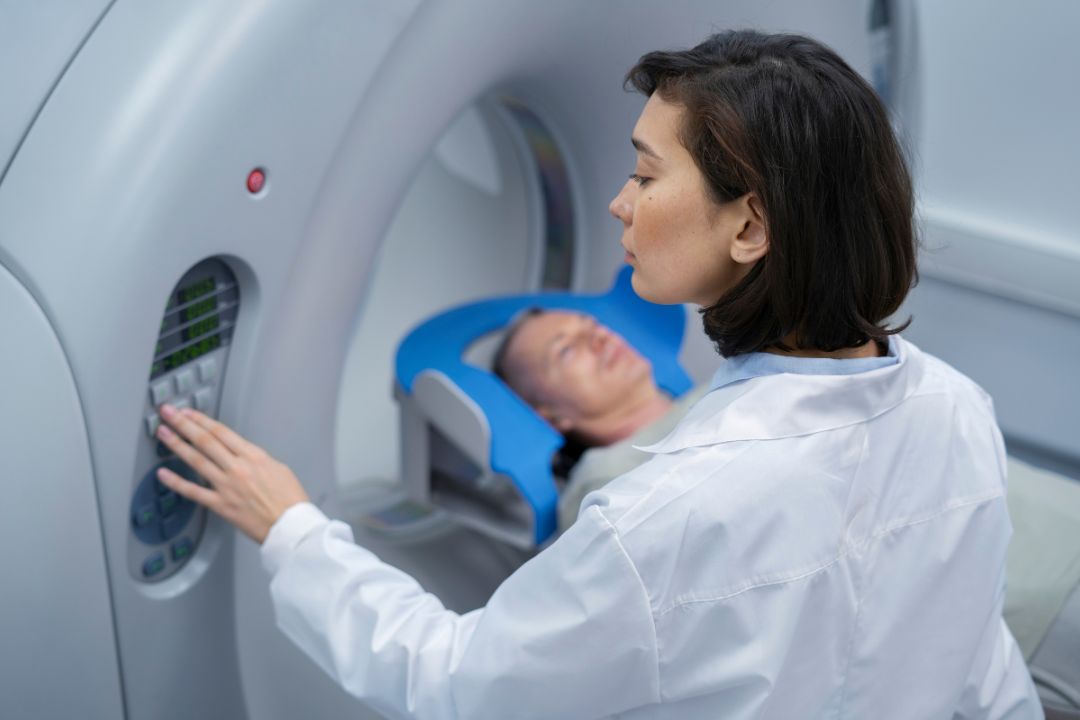
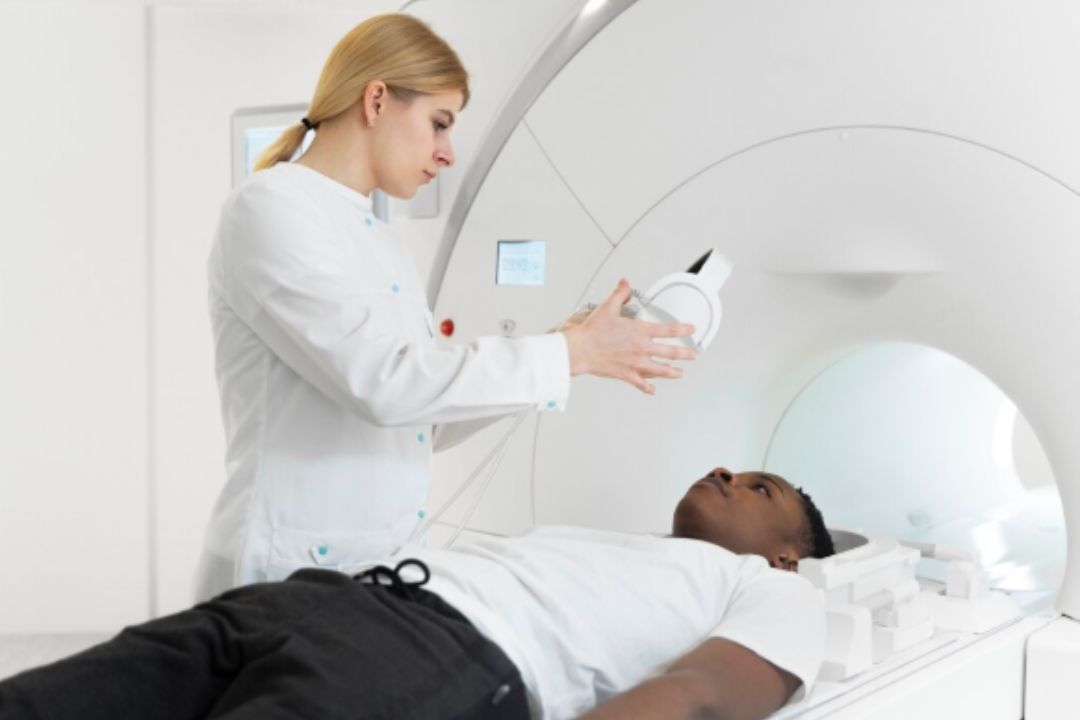
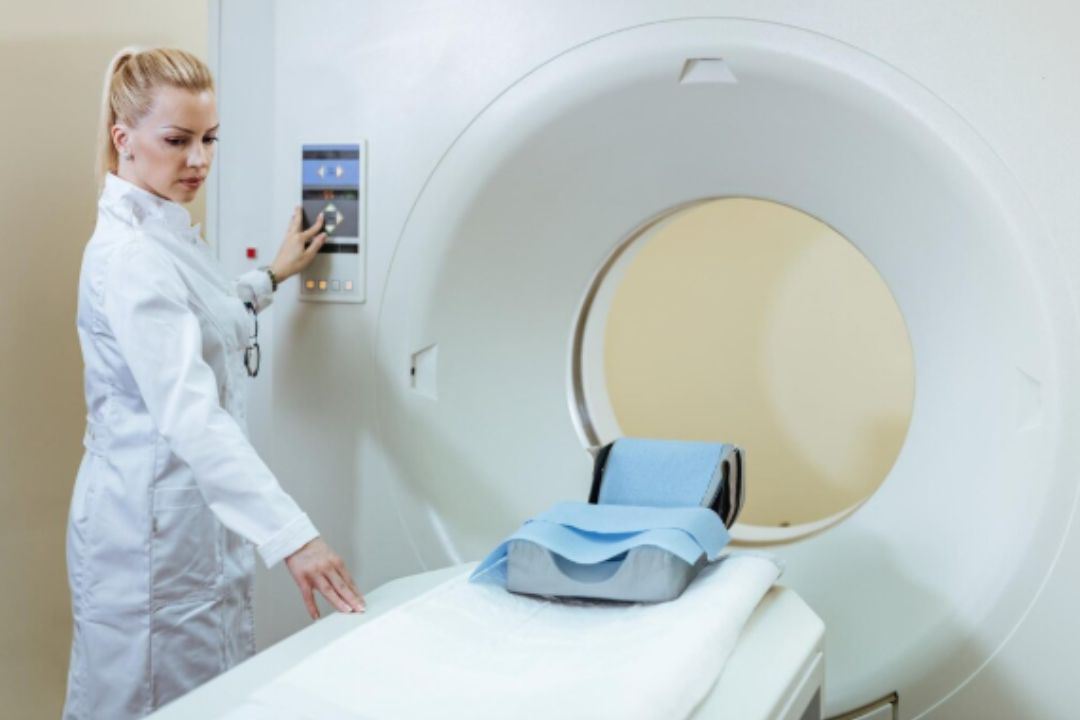
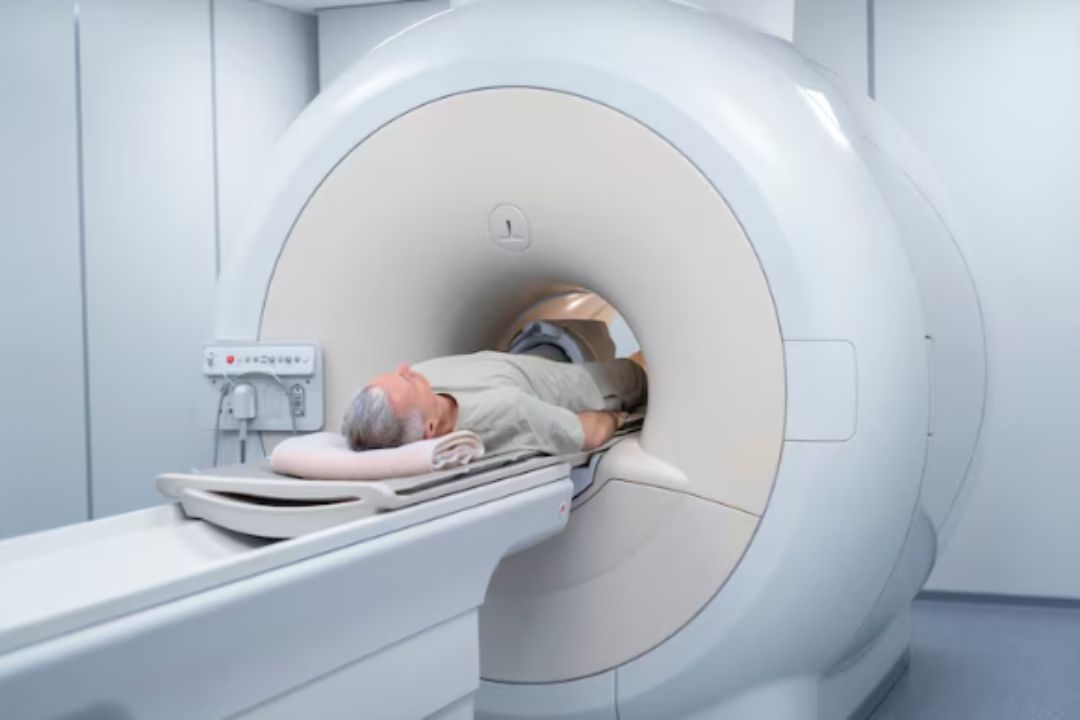
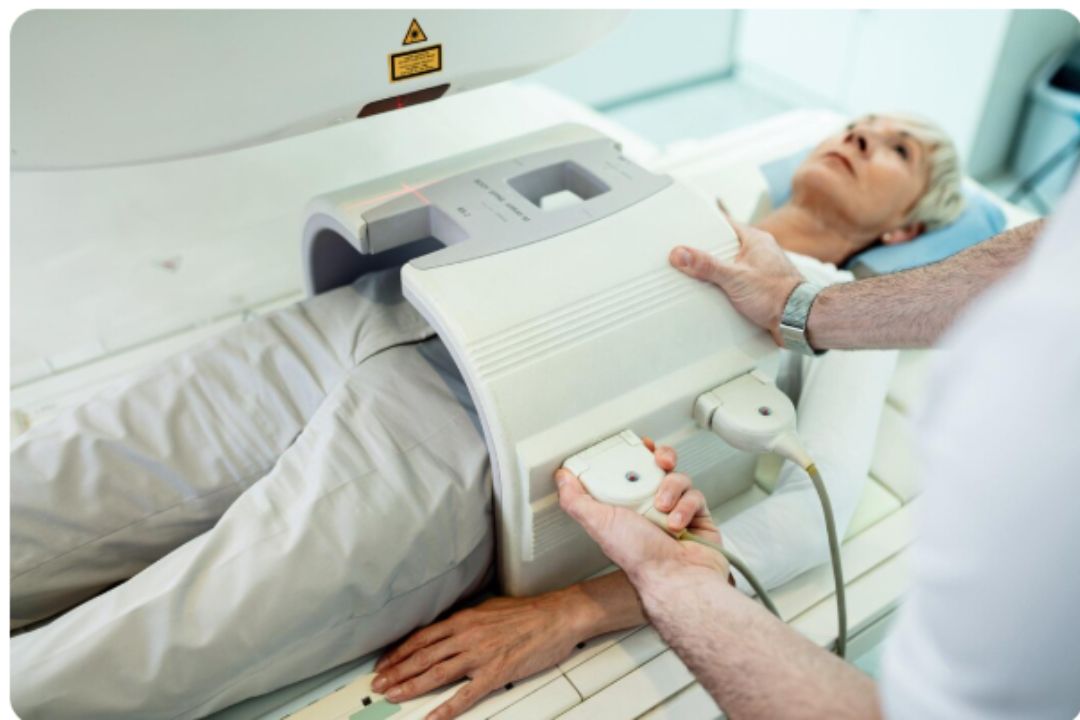
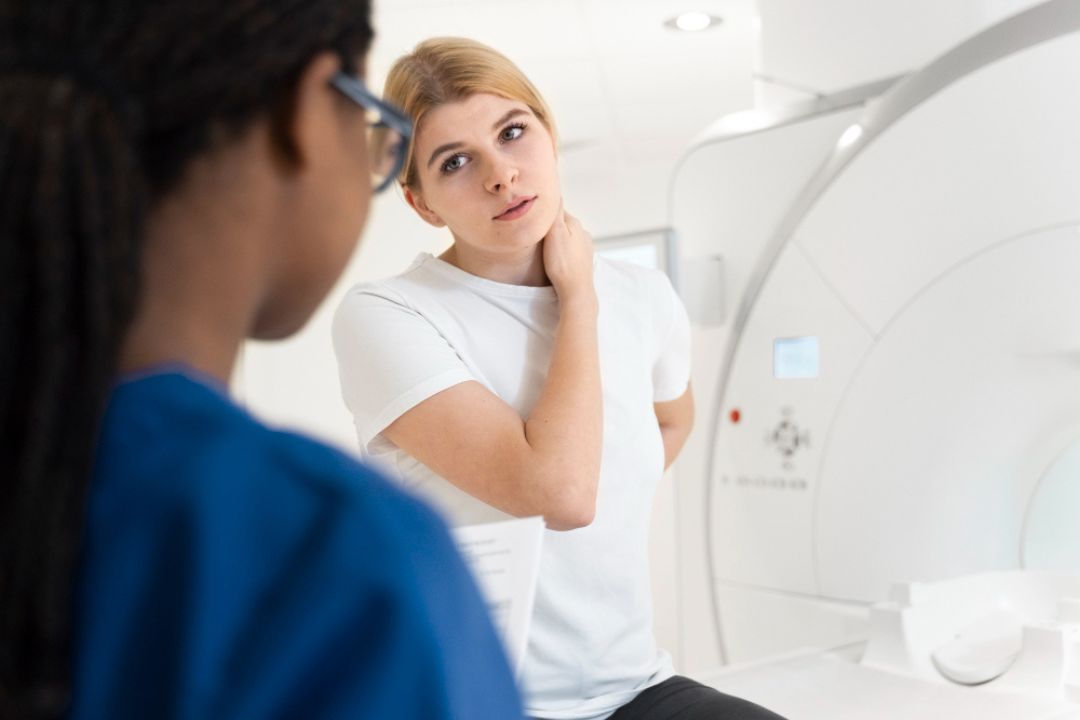
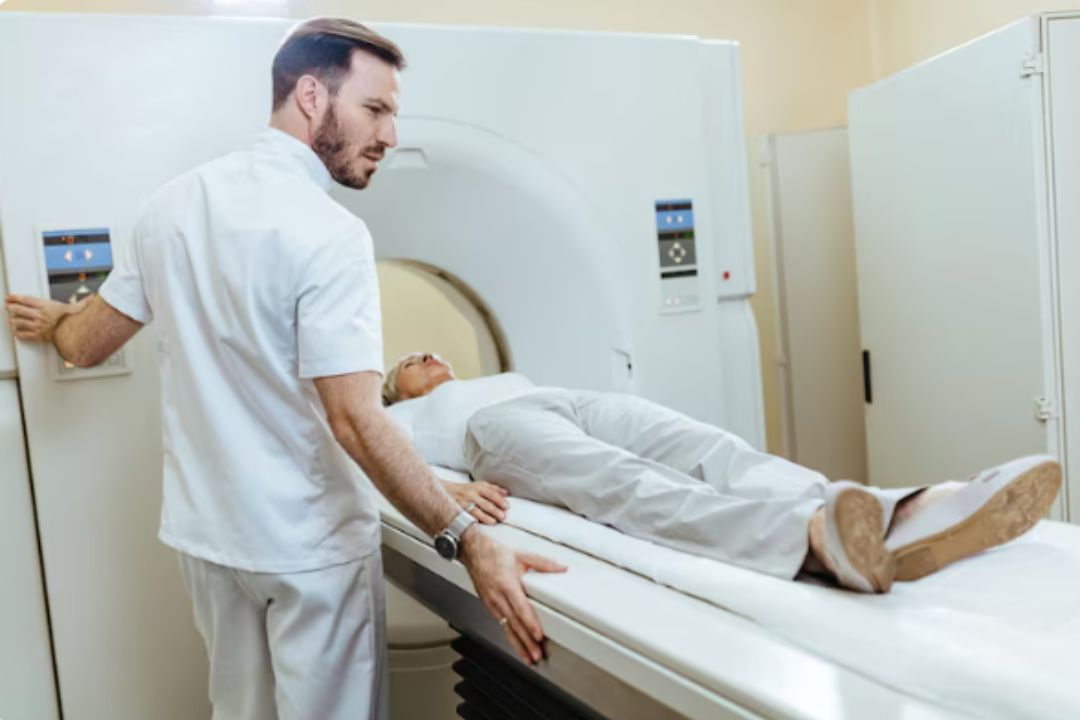
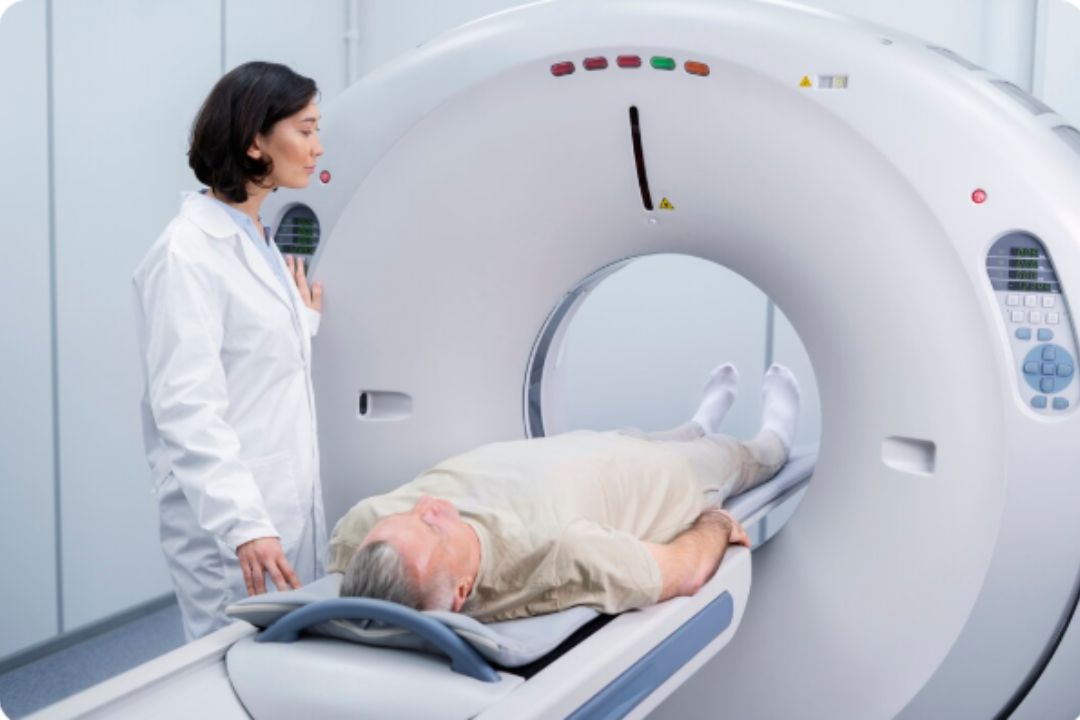
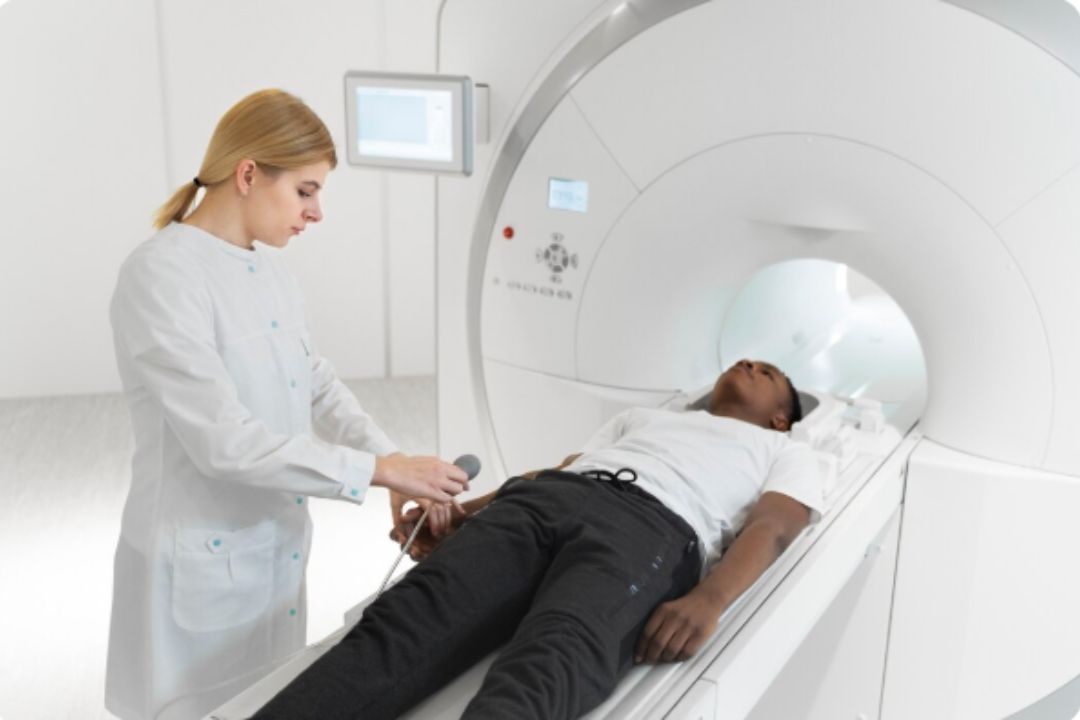
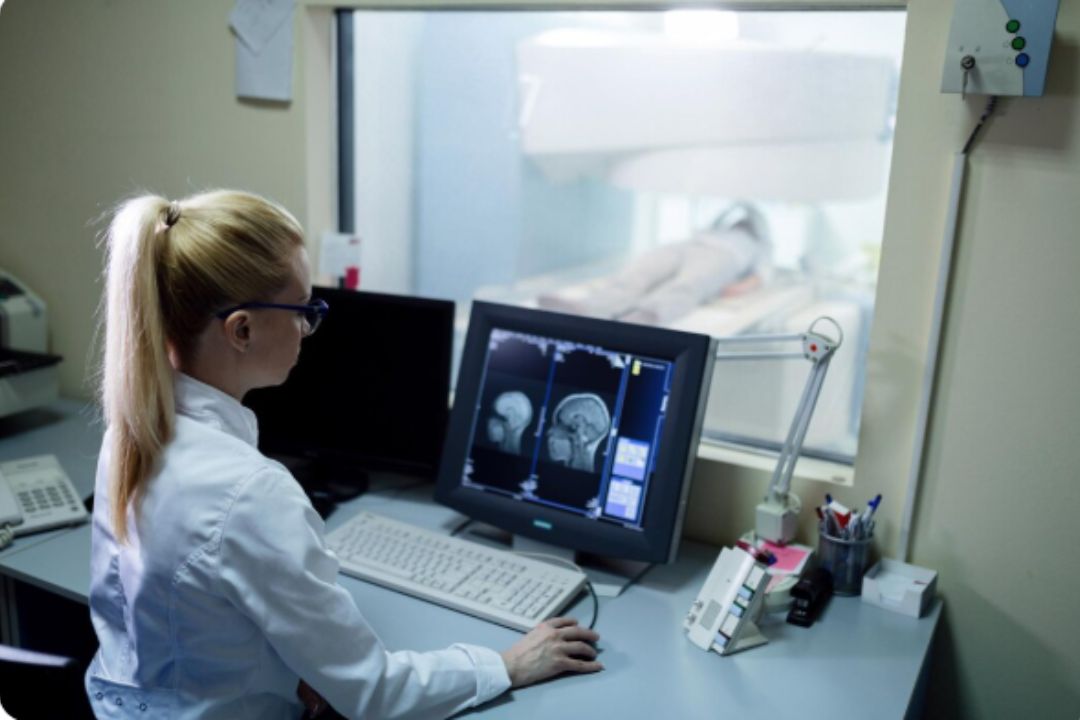
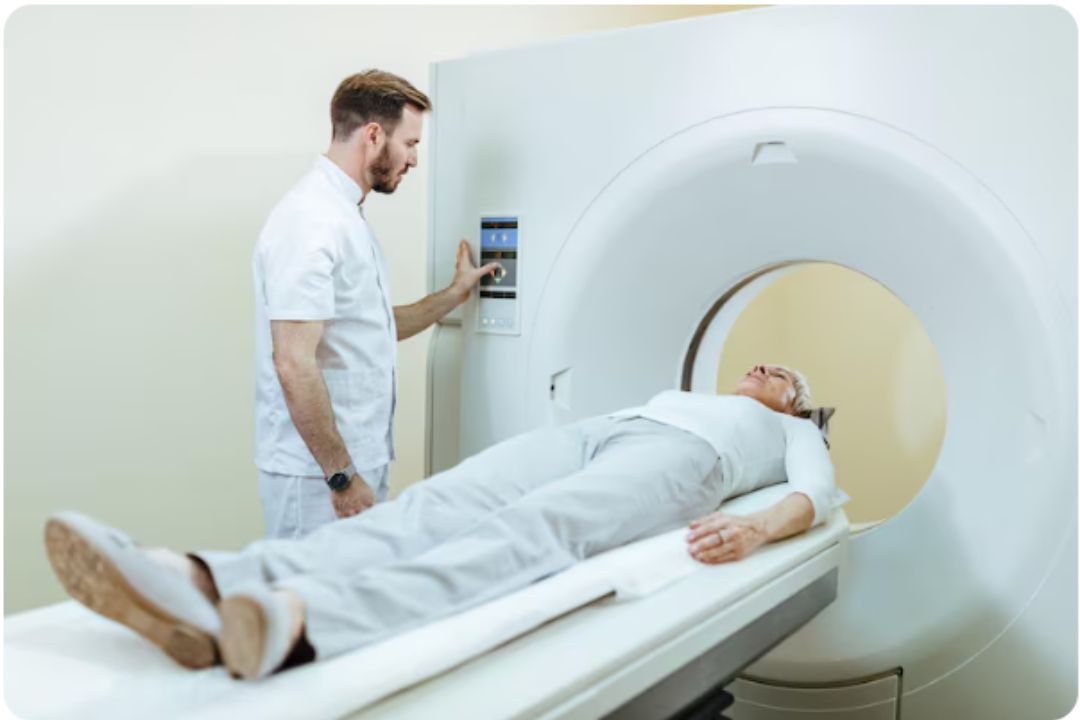
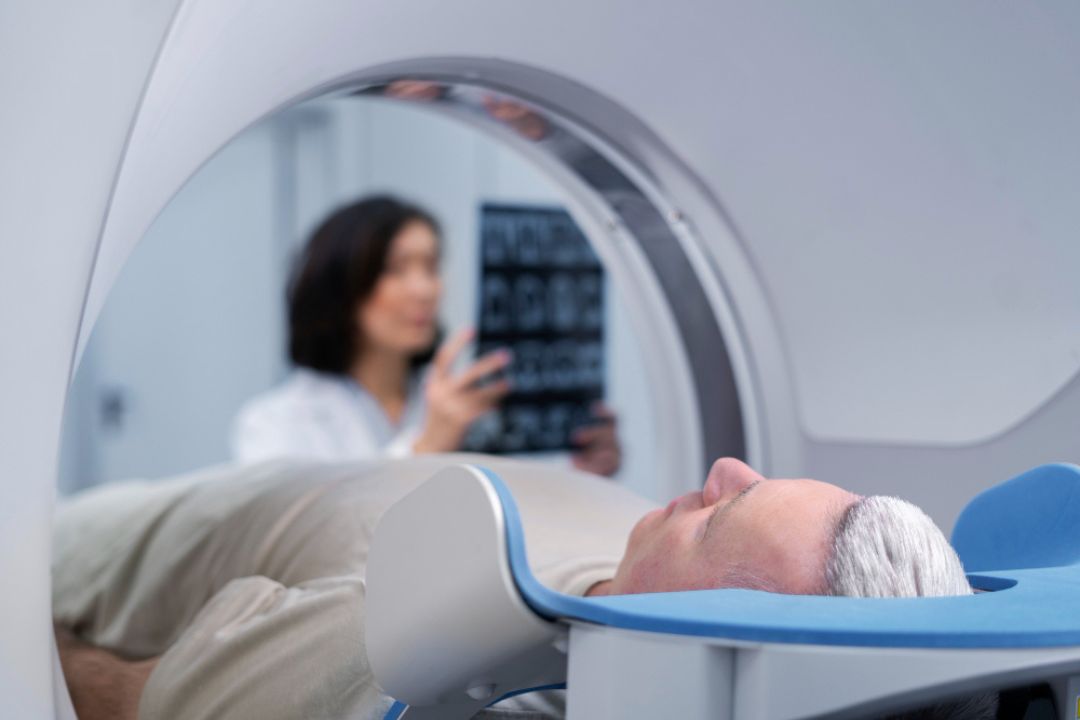
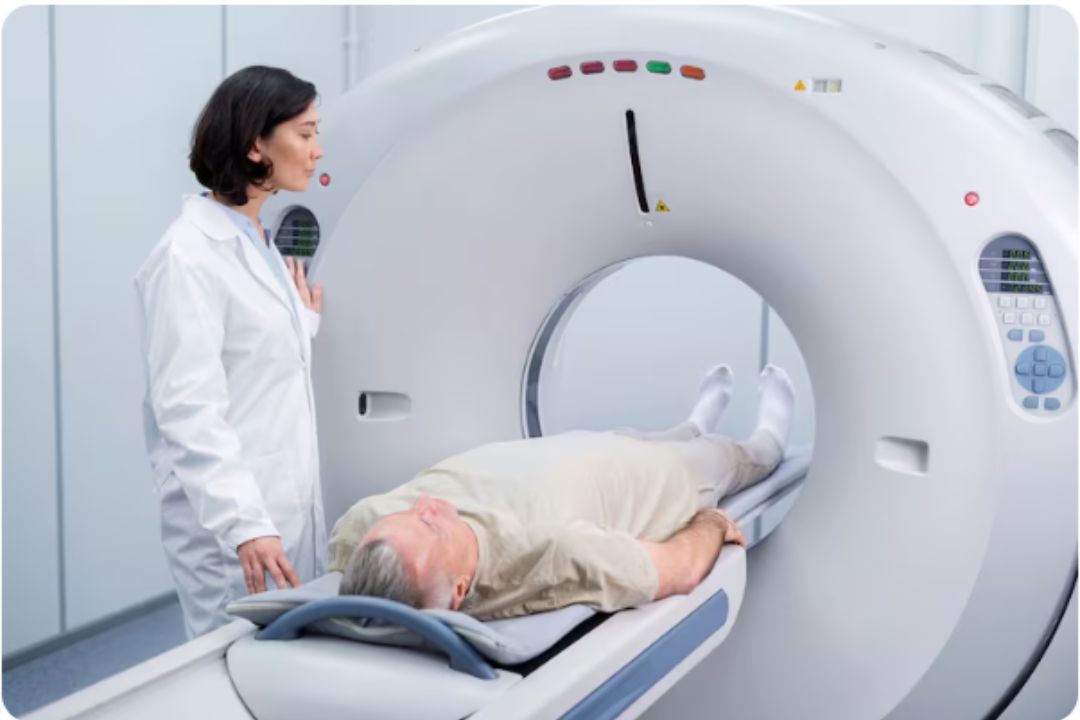
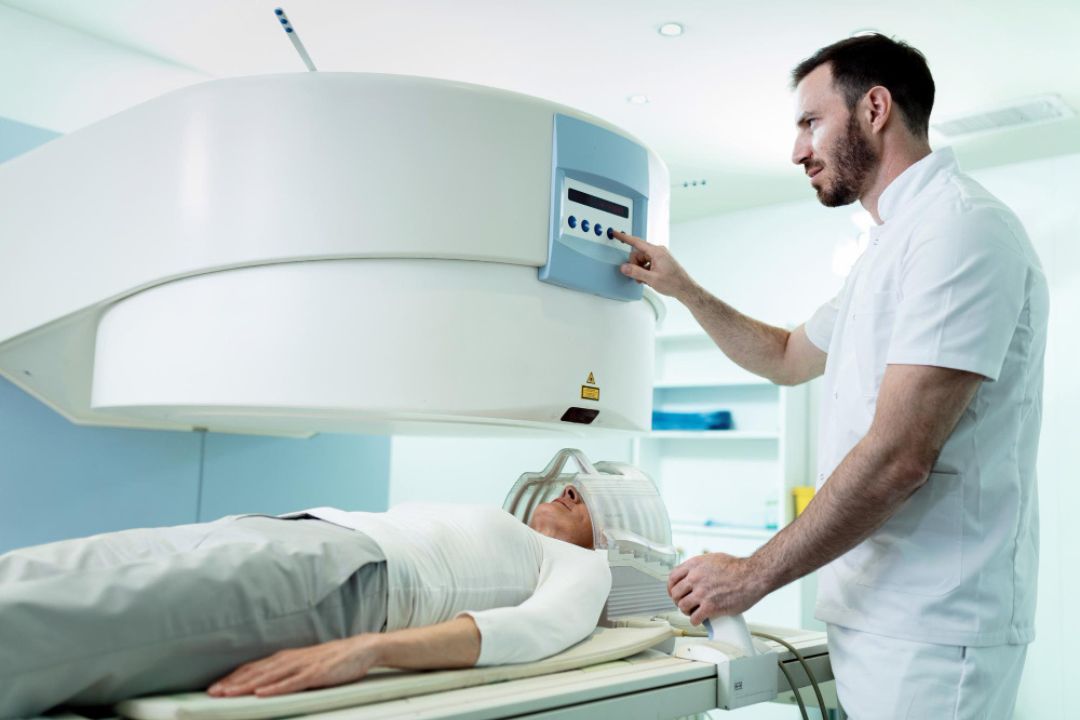
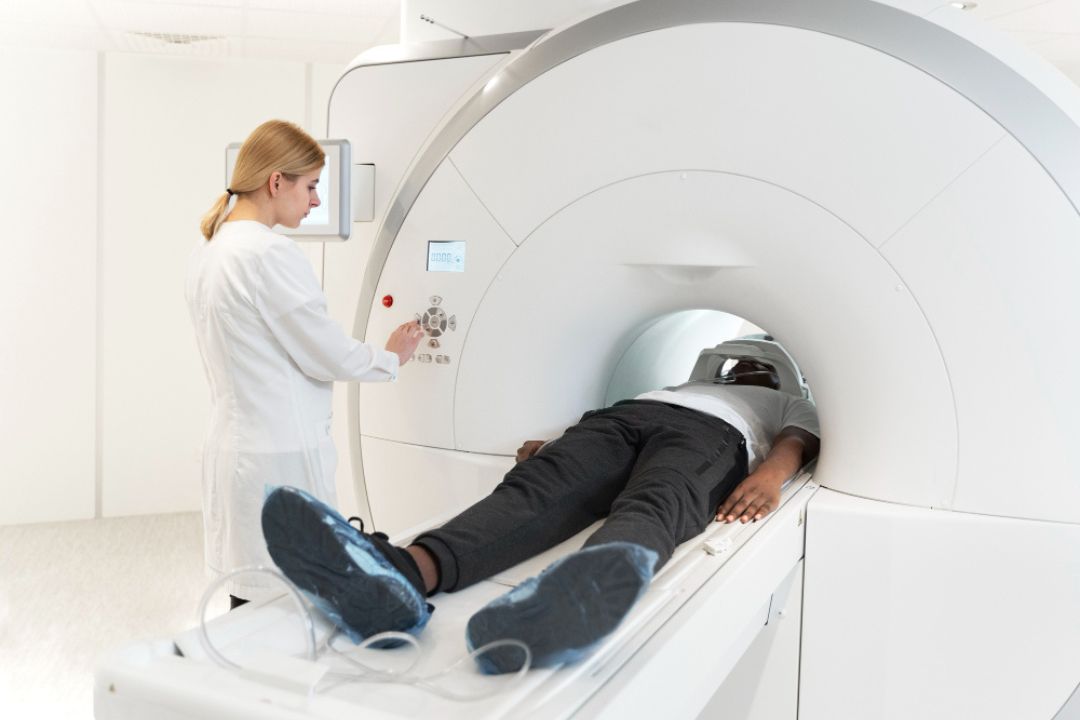
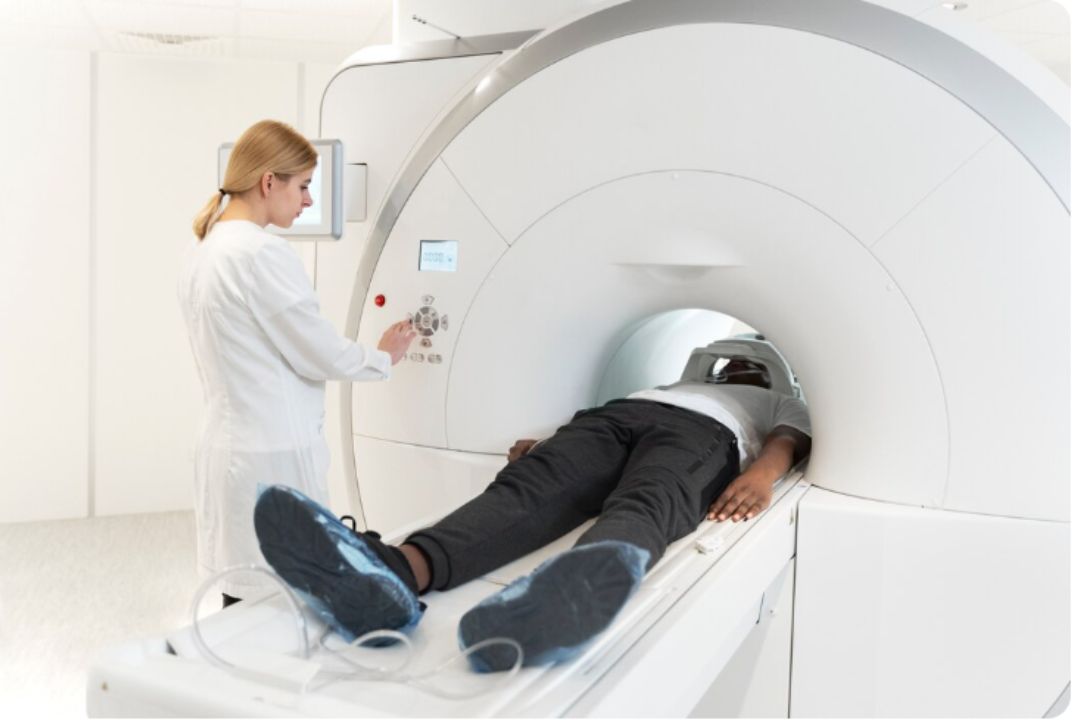
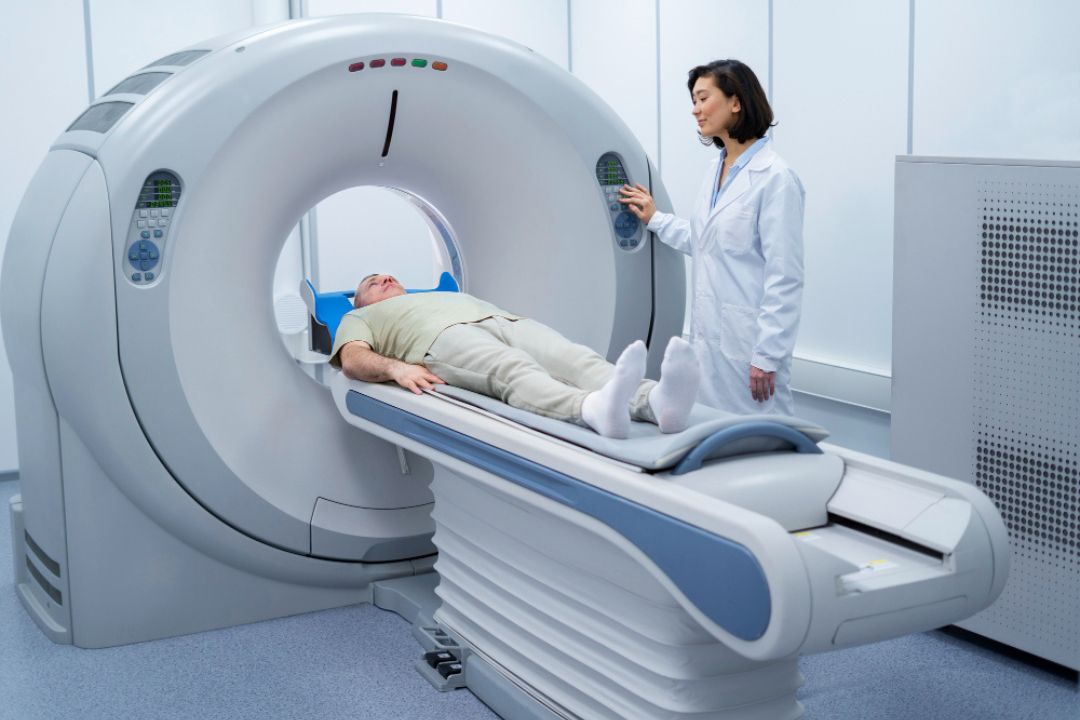
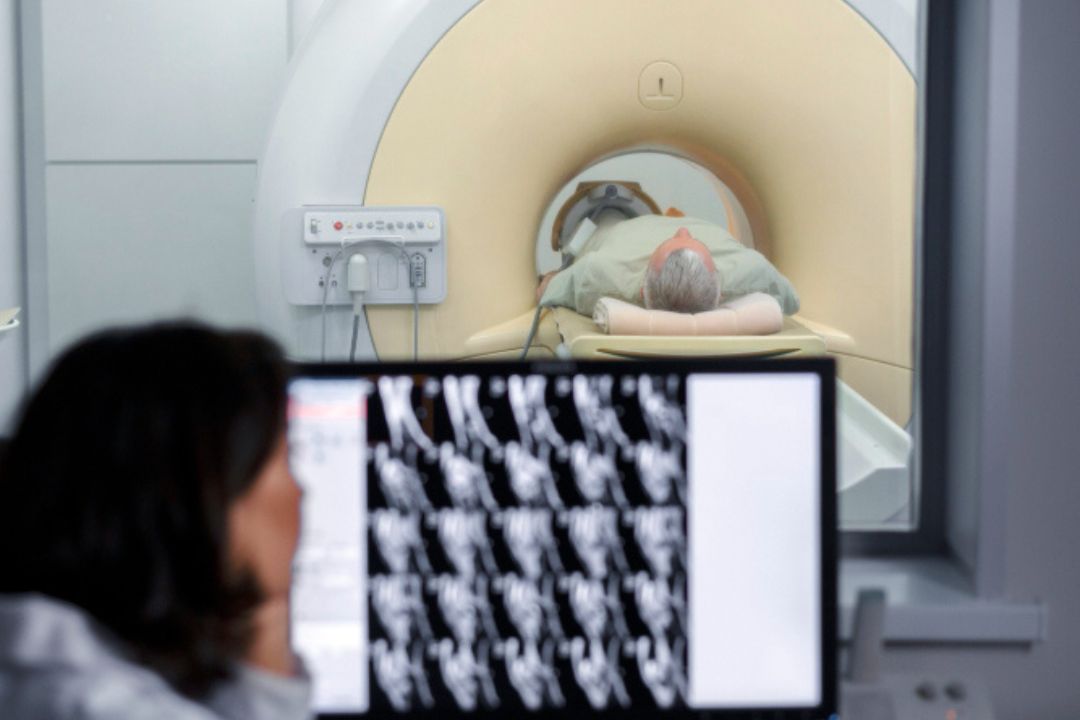
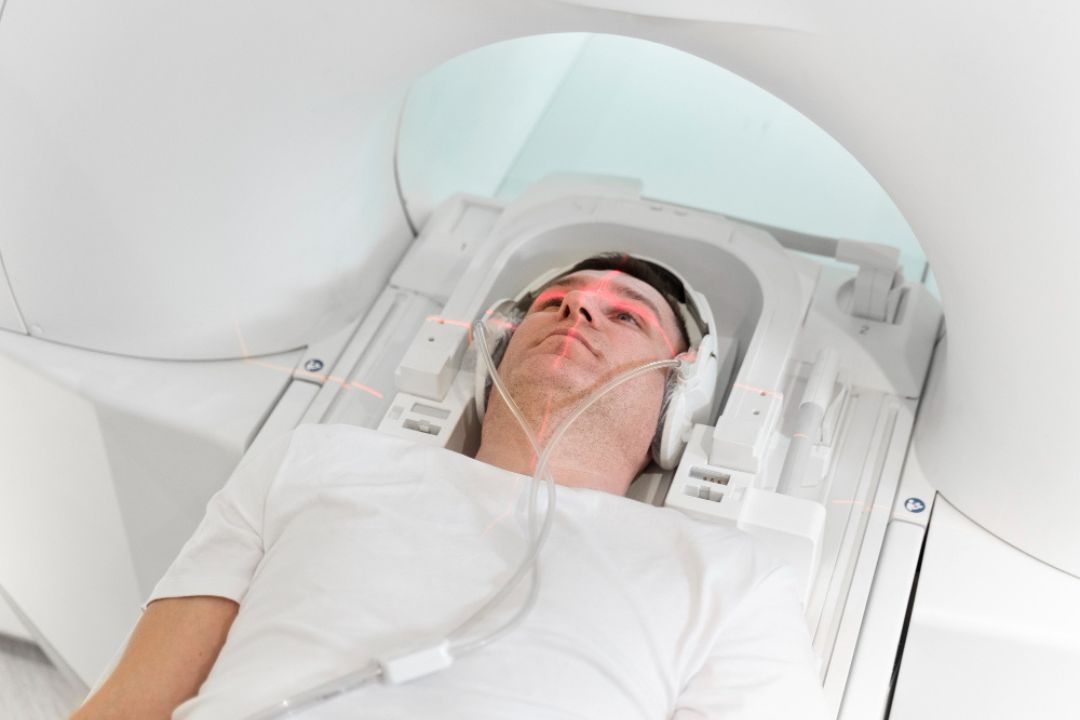
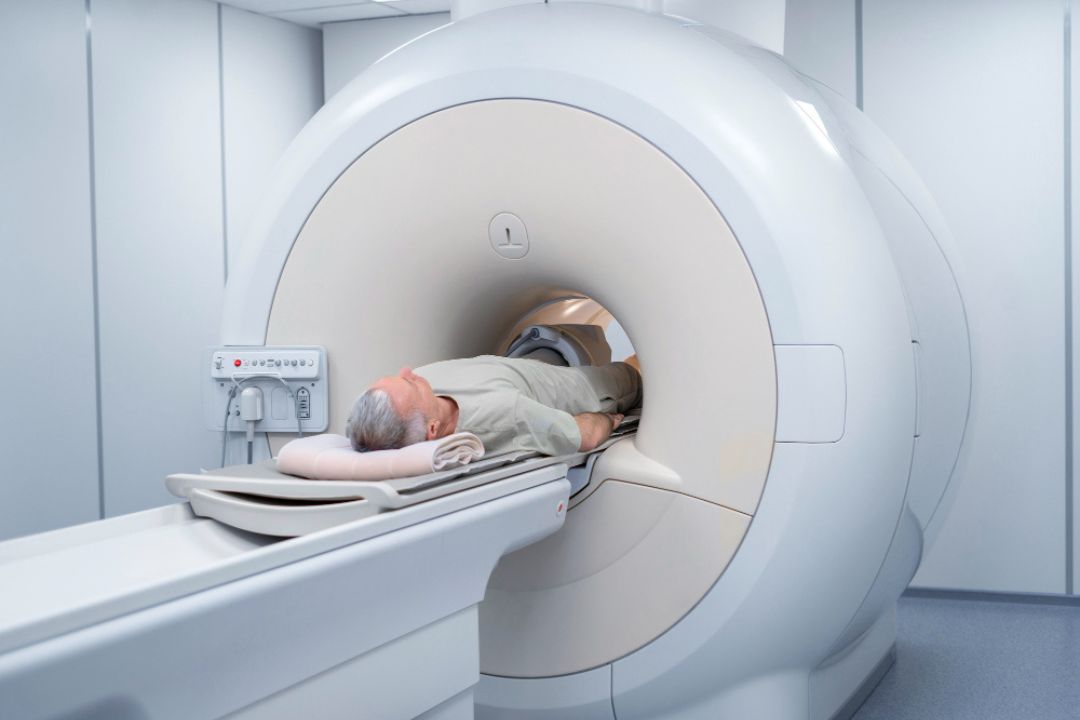
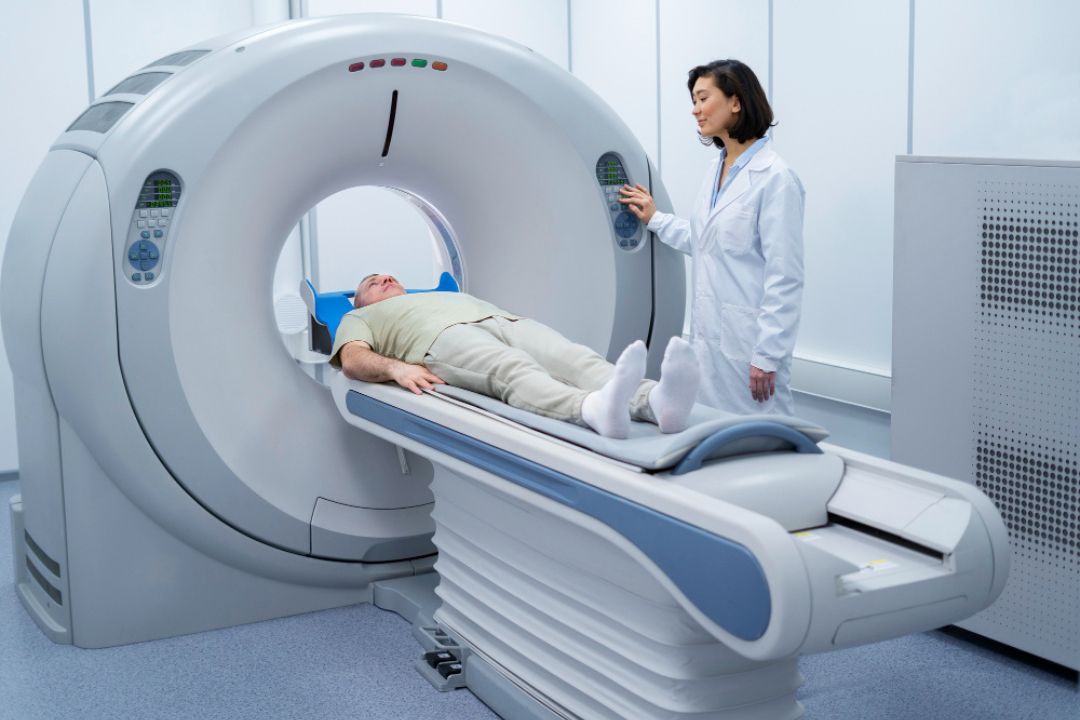
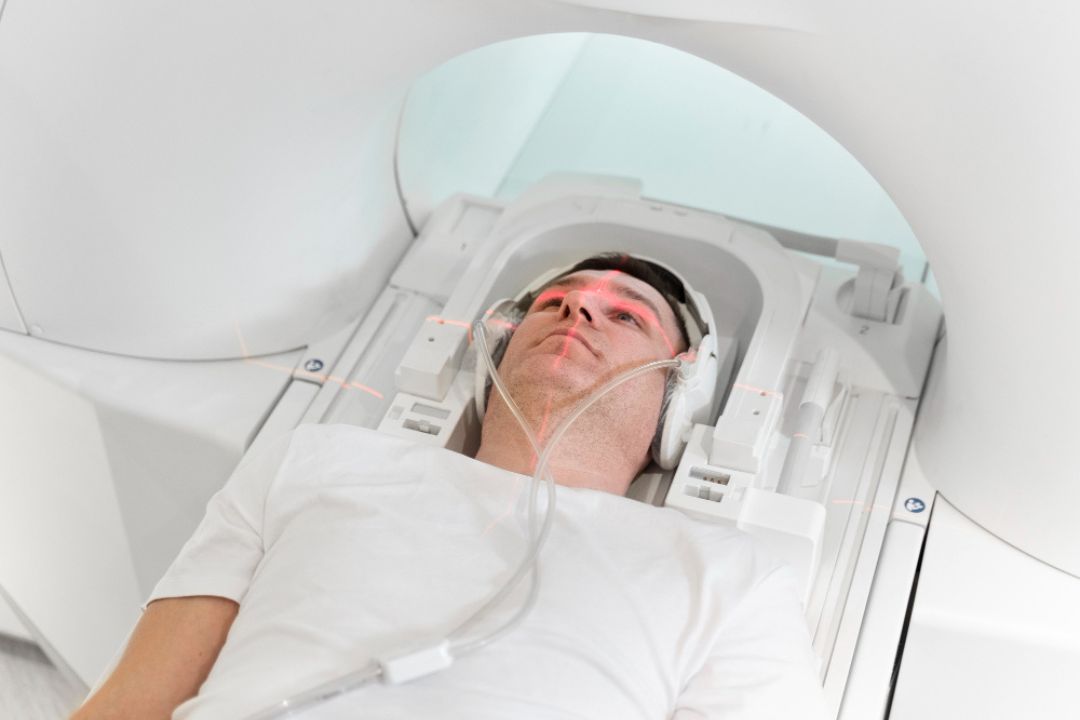
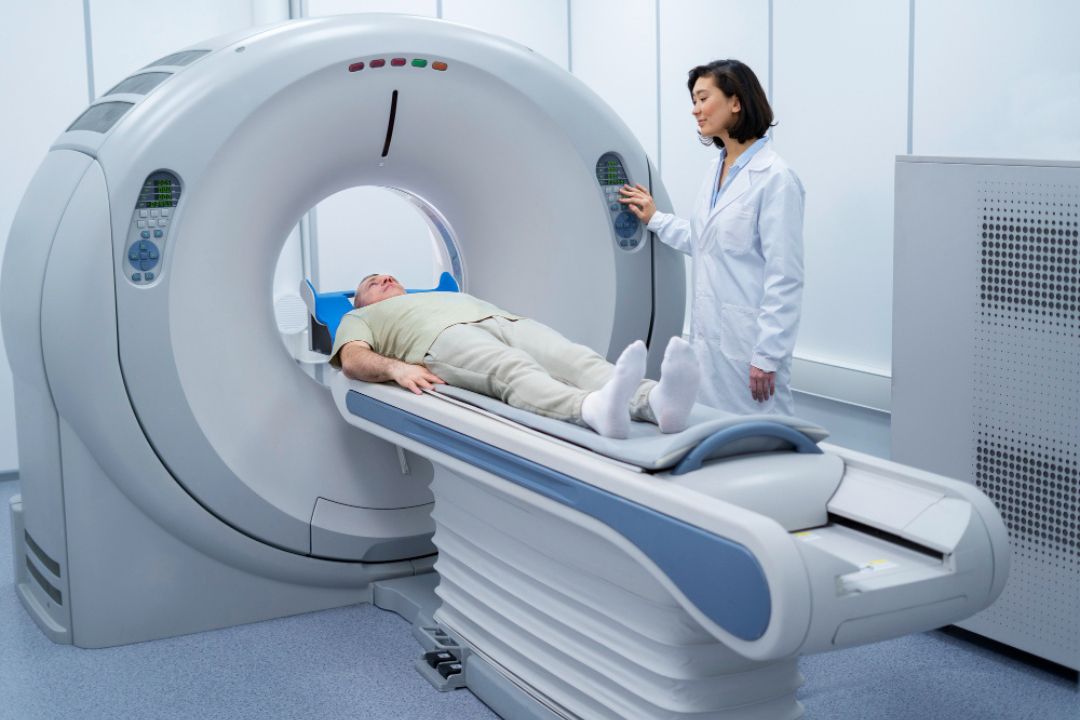
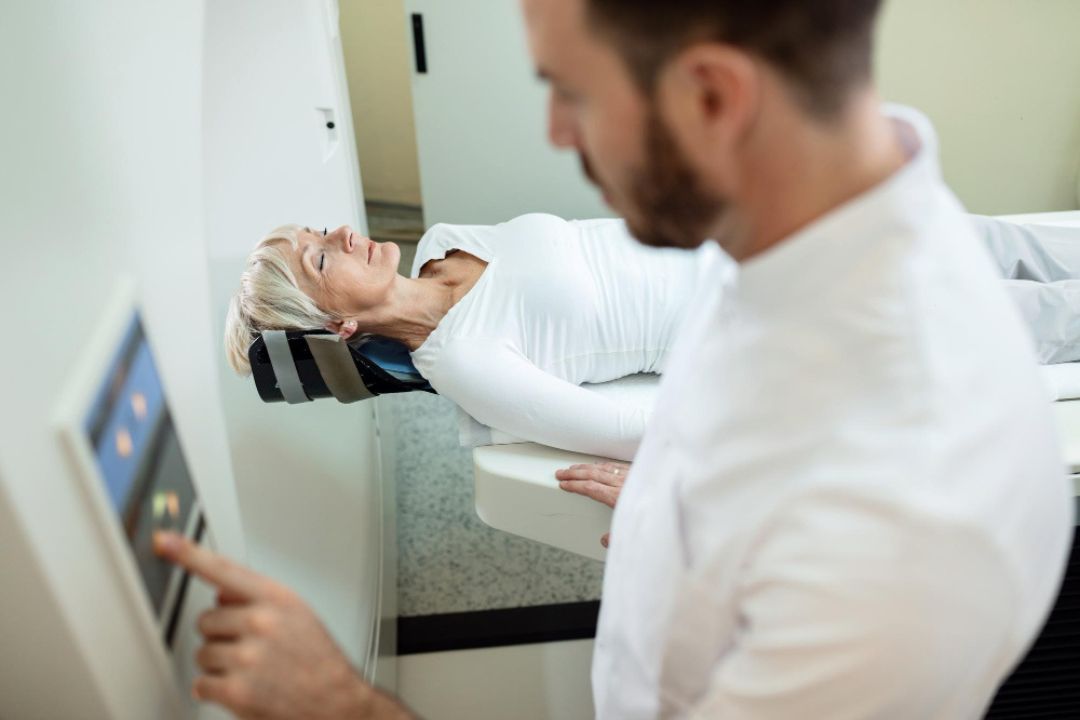
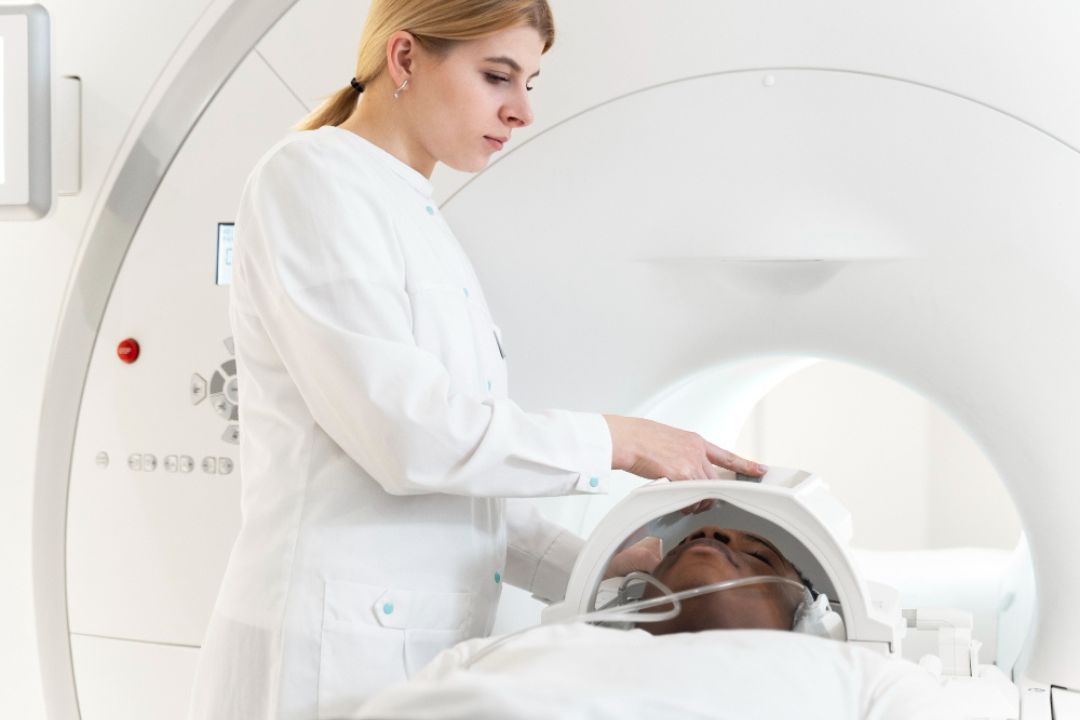
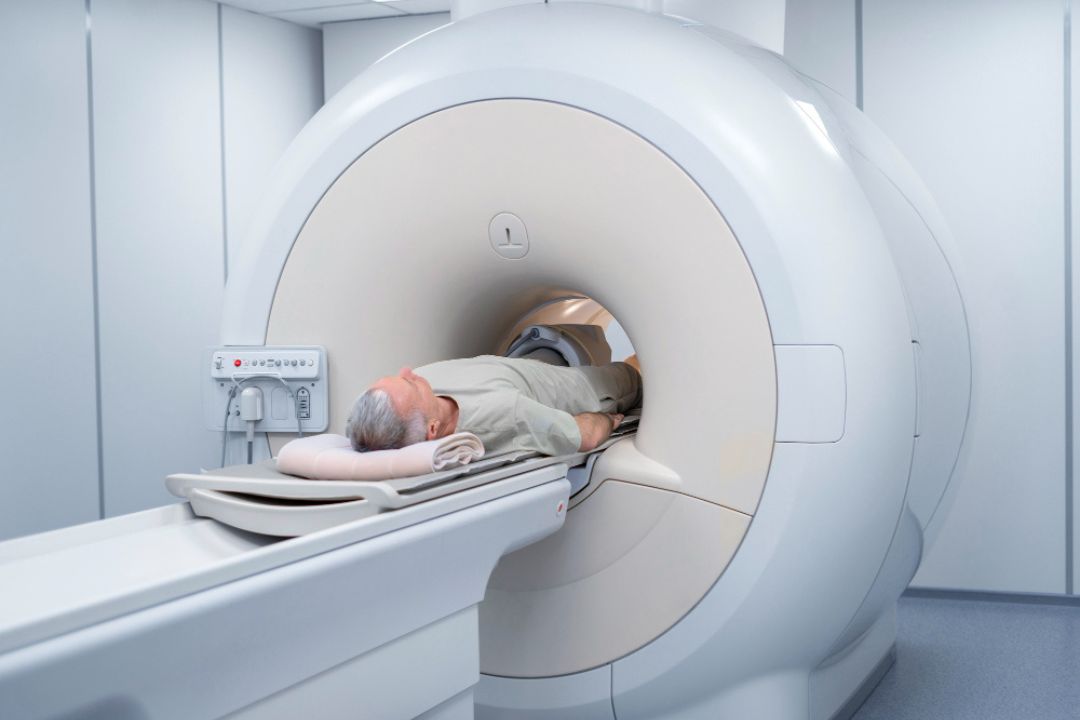
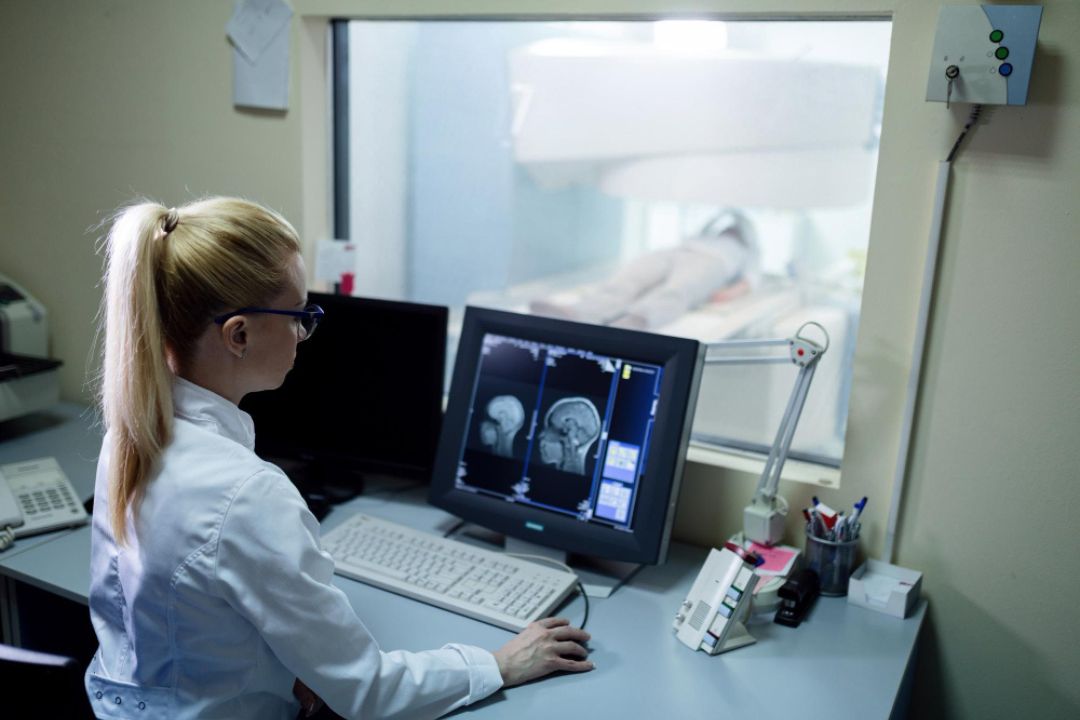
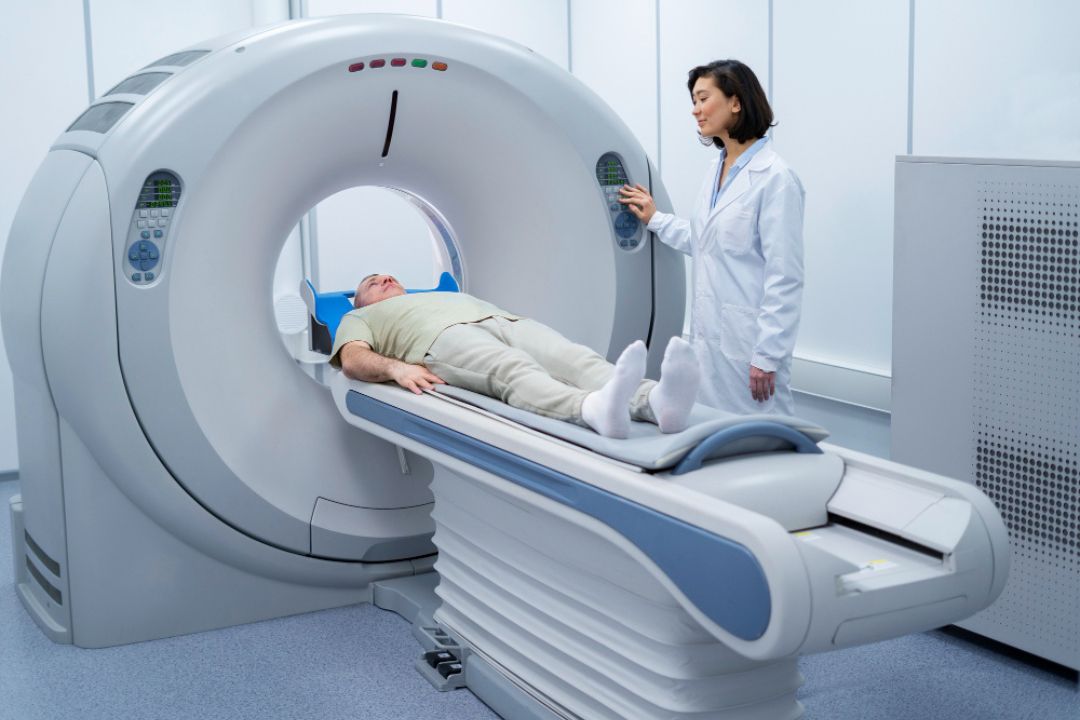
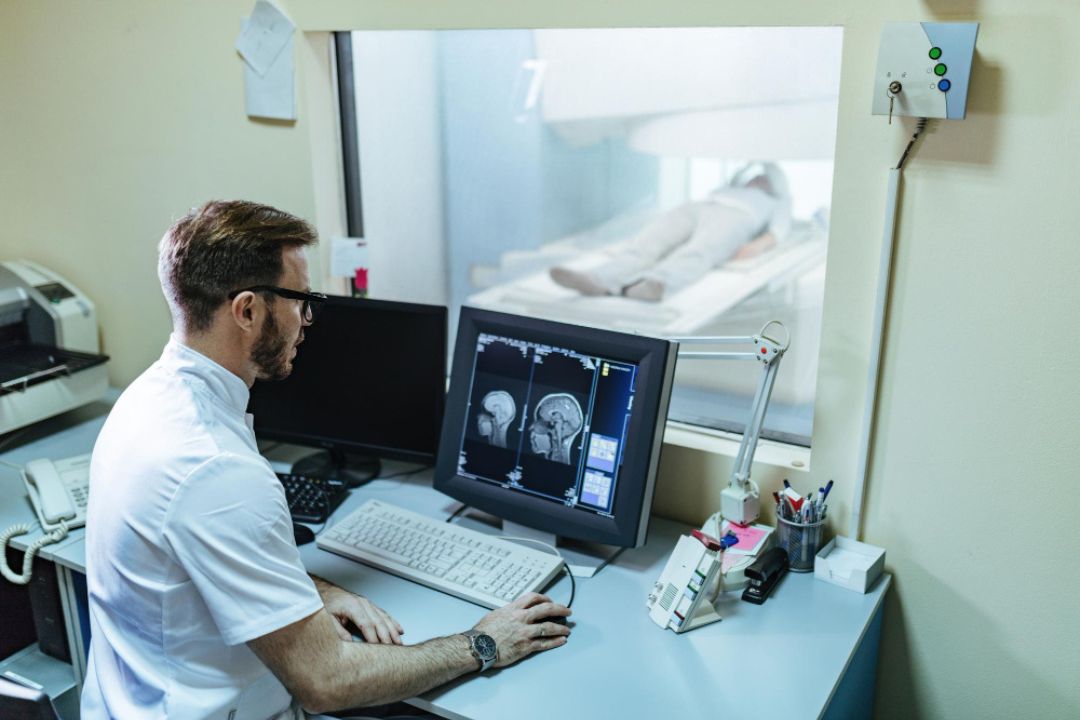
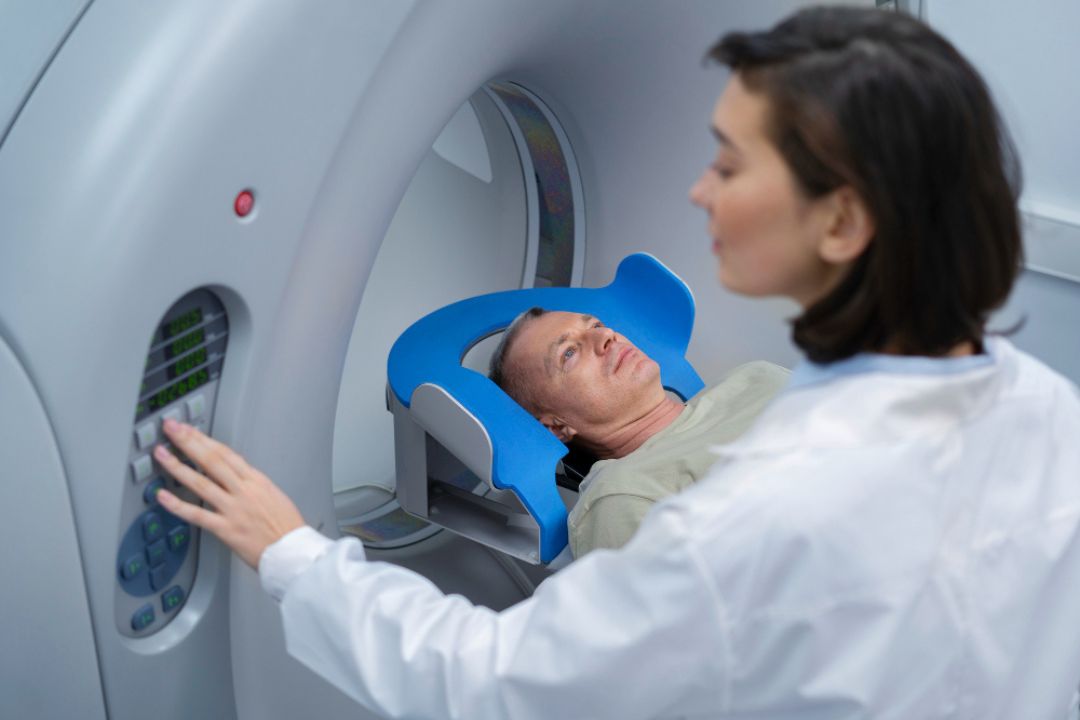
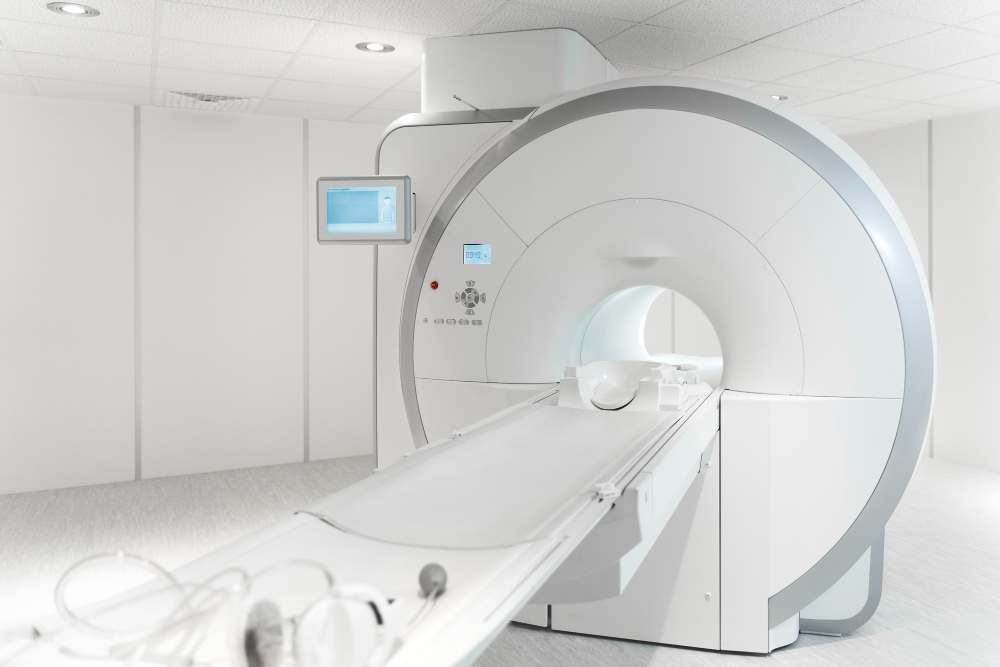
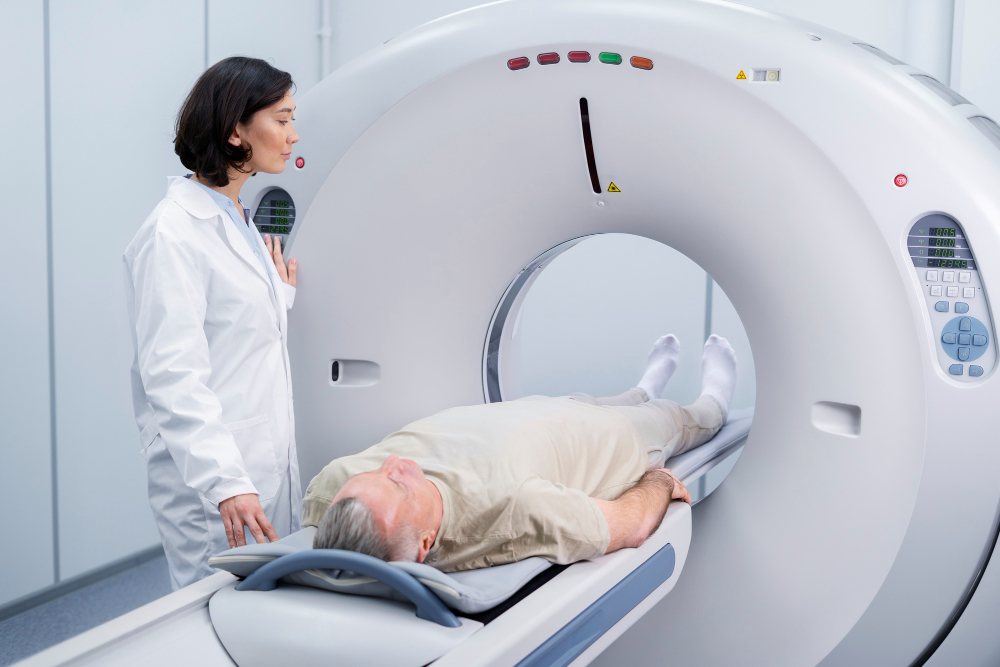
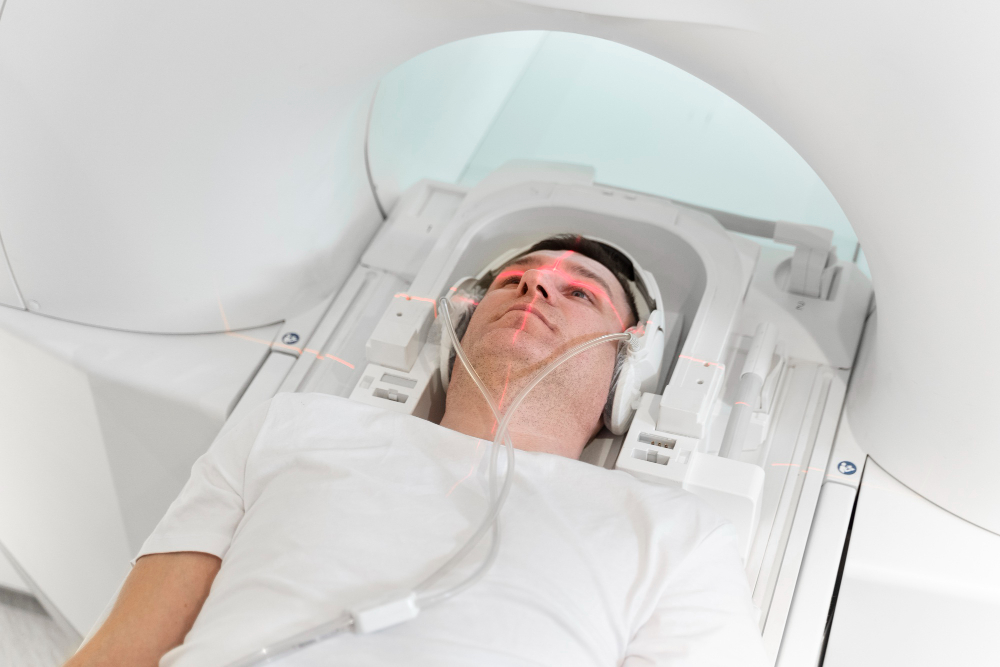
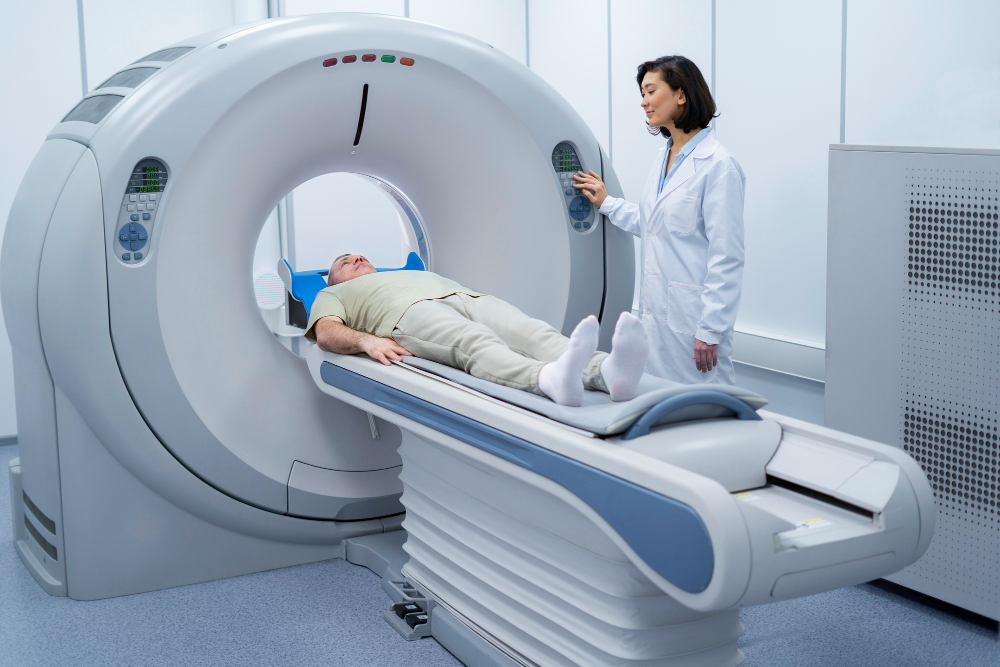
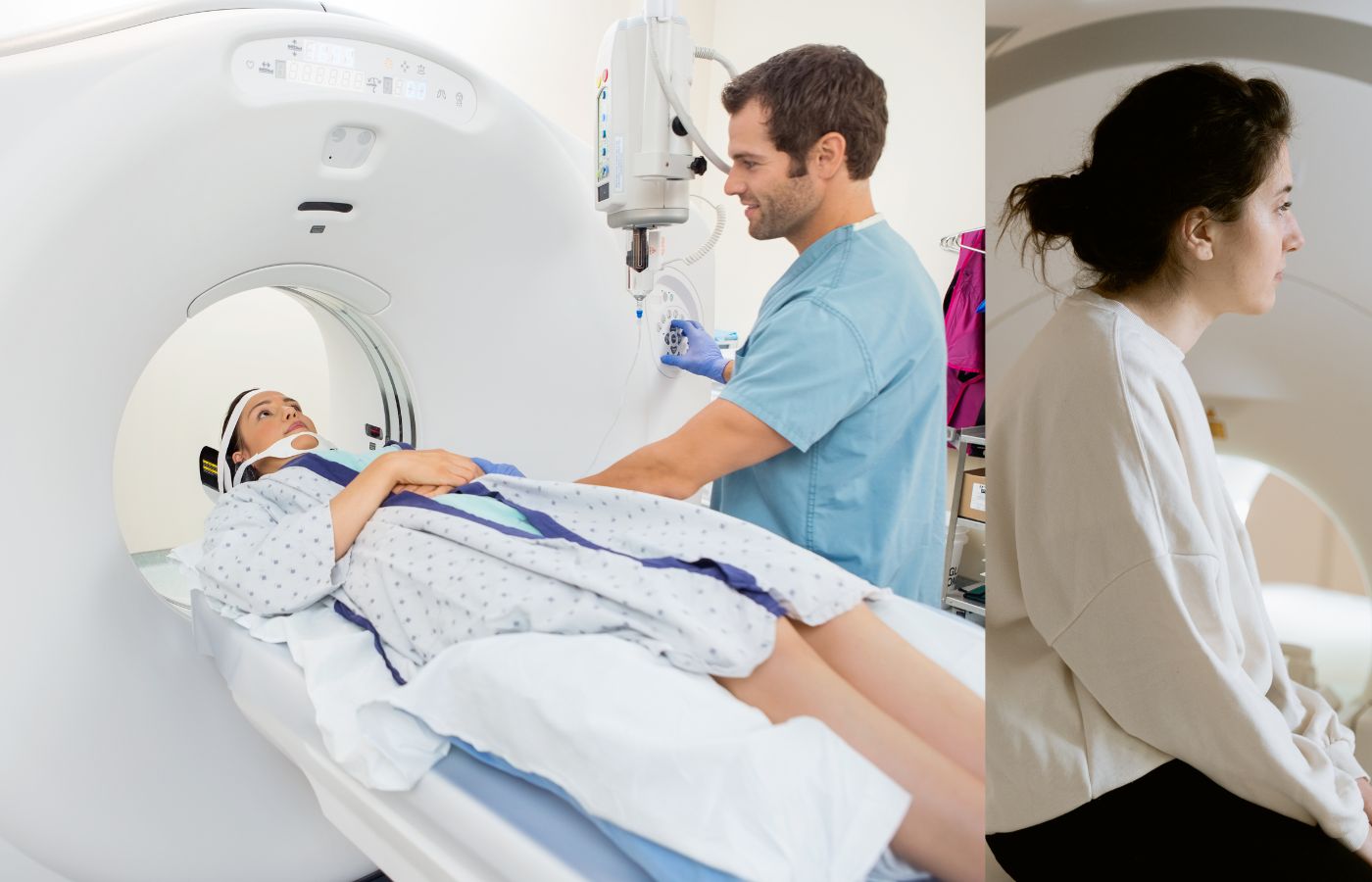
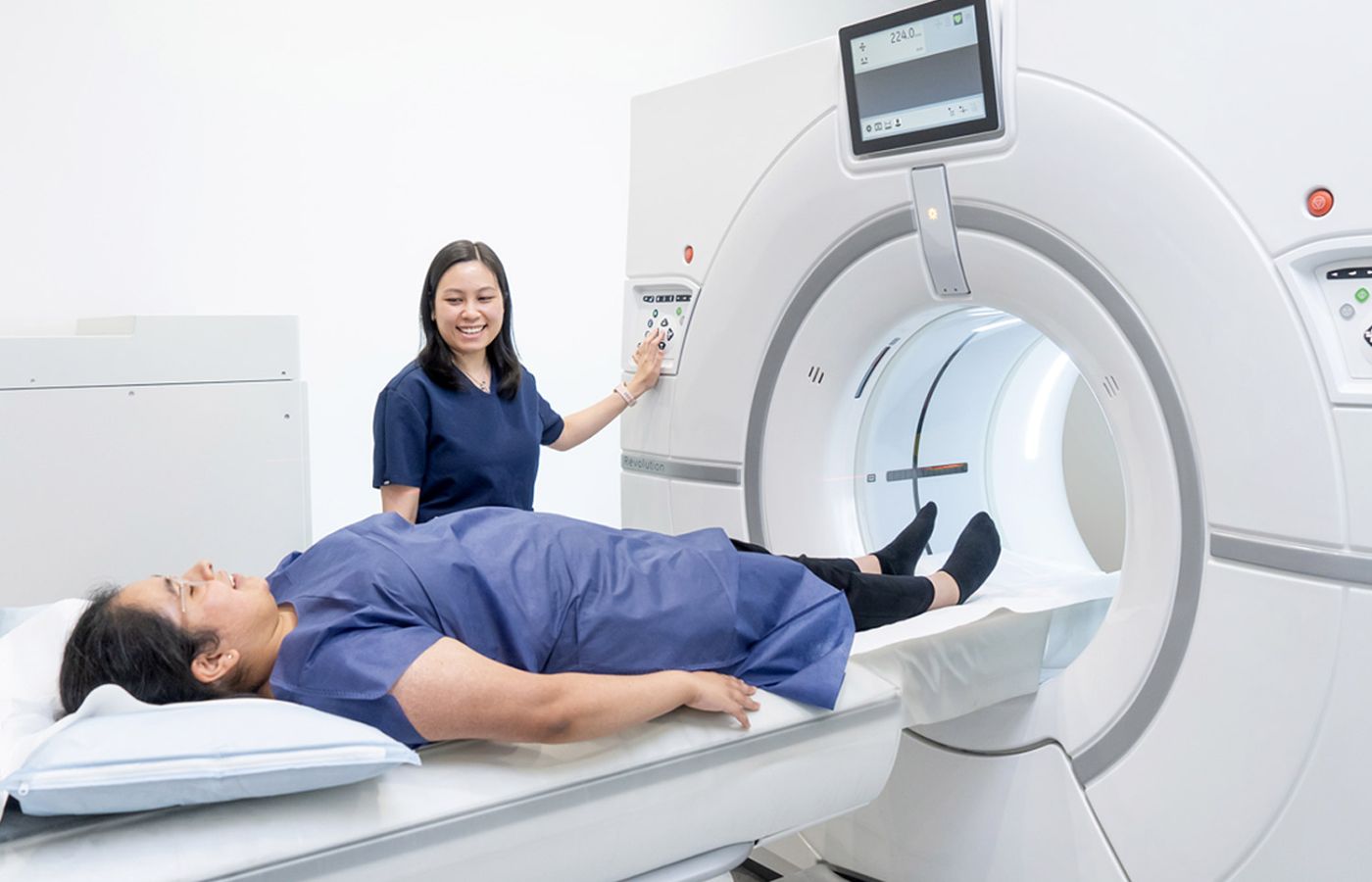
During the scan, the patient lies on a table that moves through a circular scanner. The machine rotates around the body and captures images from different angles, which are then combined by a computer to create detailed images of internal organs.
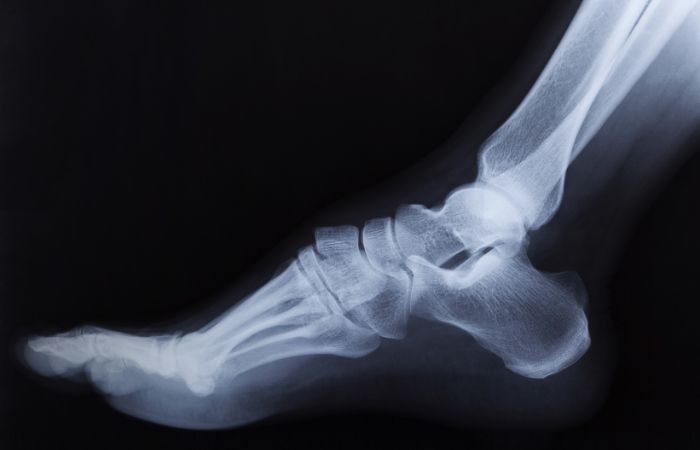
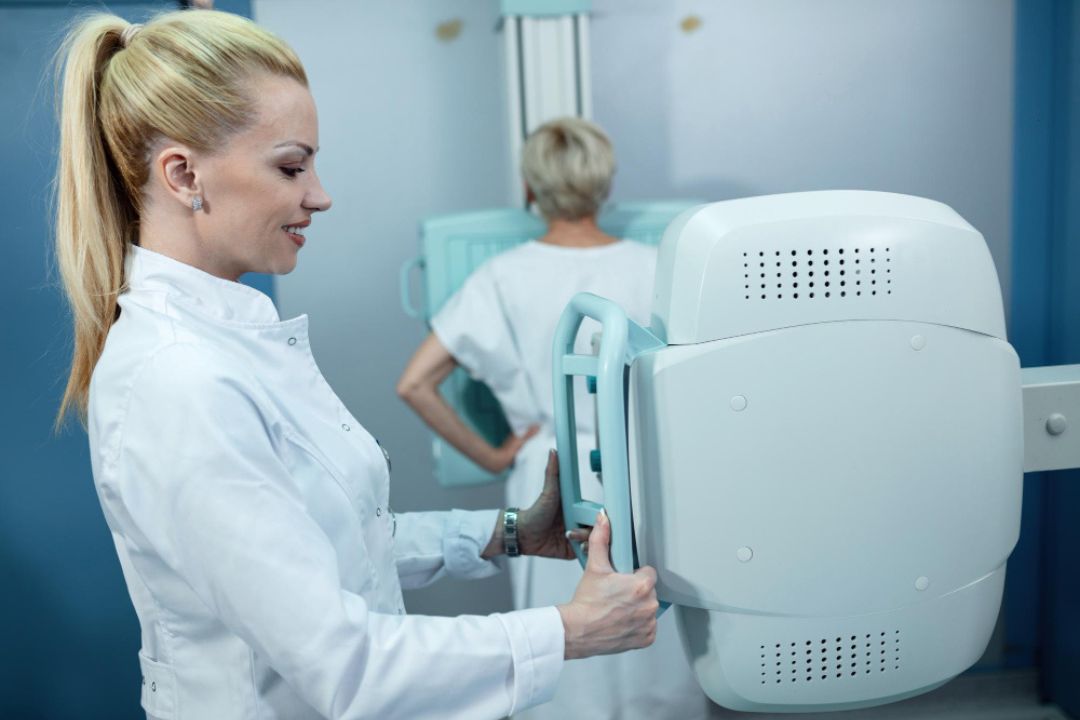
Yes, CT scans use a small amount of ionizing radiation to create images of the body. The radiation used in CT imaging is higher than a regular X-ray because the machine takes multiple images to produce detailed 3-dimensional views.
The amount of radiation exposure depends on the type of scan and the area being examined.
Typical radiation doses include:
Head CT scan: about 2 millisieverts (mSv)
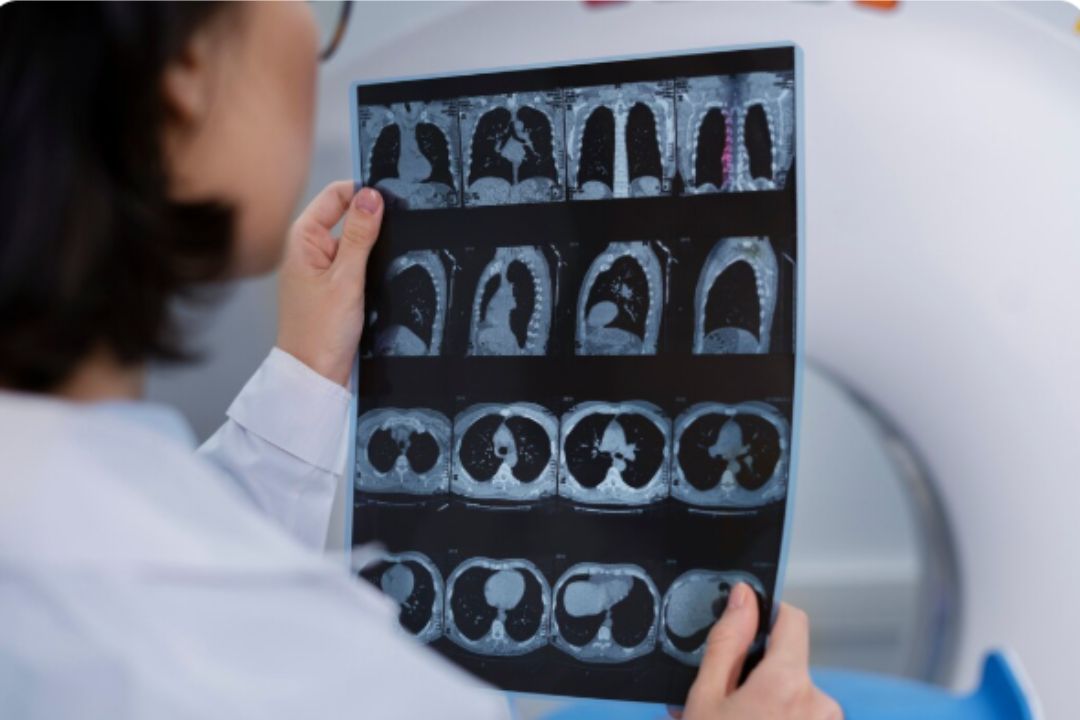
Chest CT scan: about 7–8 mSv
Abdominal CT scan: about 8–10 mSv
These values may vary depending on the patient’s body size and the technology used during the scan.
For most patients, CT scans are considered safe when performed for medical reasons. The radiation levels used in medical imaging are carefully controlled to minimize risk while still producing clear images.
The estimated radiation dose from most CT scans falls between 1 and 10 millisieverts, which is considered a relatively low exposure in medical imaging.
Doctors recommend CT scans only when they are necessary to diagnose or monitor a medical condition. The information obtained from the scan often helps doctors make accurate diagnoses and start appropriate treatment quickly.
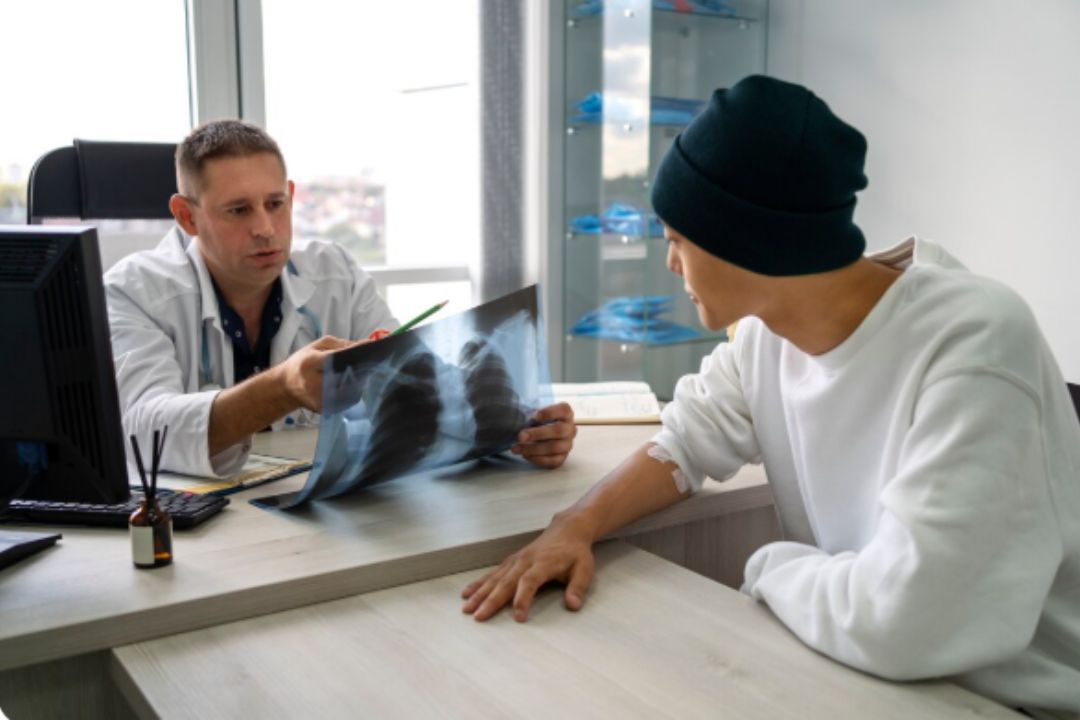
Even though CT scans involve radiation exposure, they remain one of the most valuable diagnostic tools in modern medicine. Doctors use CT scans to diagnose many conditions, including:
Internal injuries after accidents
Tumors or cancers
Kidney stones
Infections or abscesses
Blood clots
Organ abnormalities
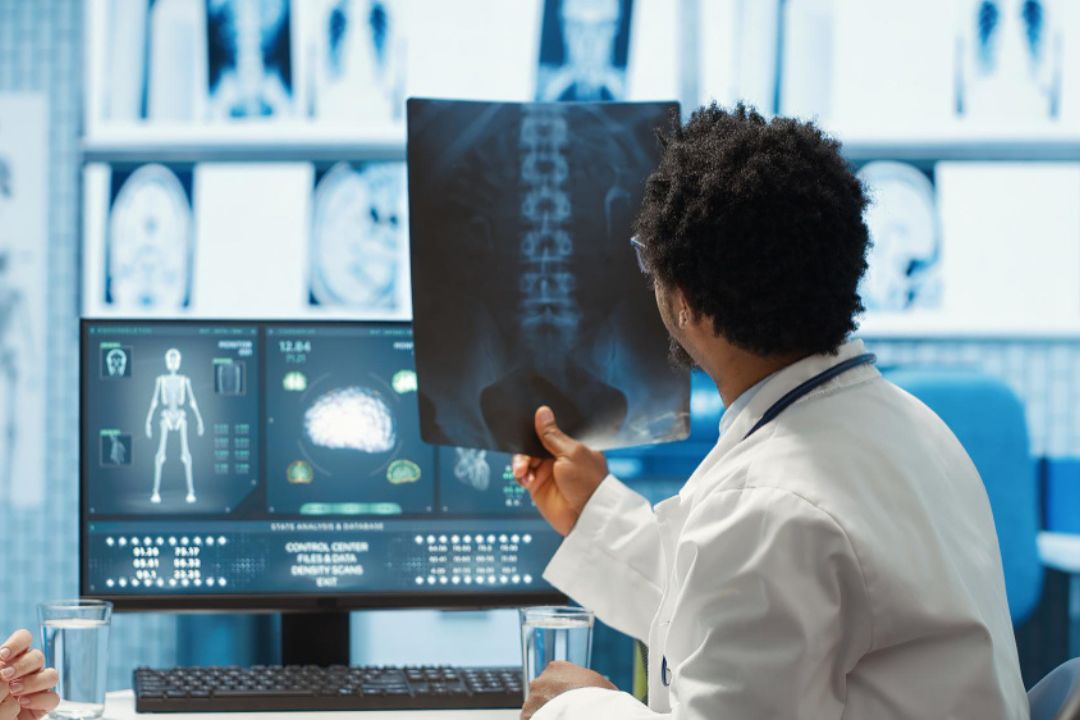
The detailed images provided by CT scans allow doctors to detect diseases early and plan effective treatments.
Modern CT technology is designed to reduce radiation exposure while maintaining high image quality. Medical centers follow strict safety guidelines to protect patients.
Common safety practices include:
Using the lowest radiation dose necessary for accurate imaging
Adjusting scan settings based on the patient’s body size
Limiting the scanned area to only the required region
Using advanced scanners with dose-reduction technology
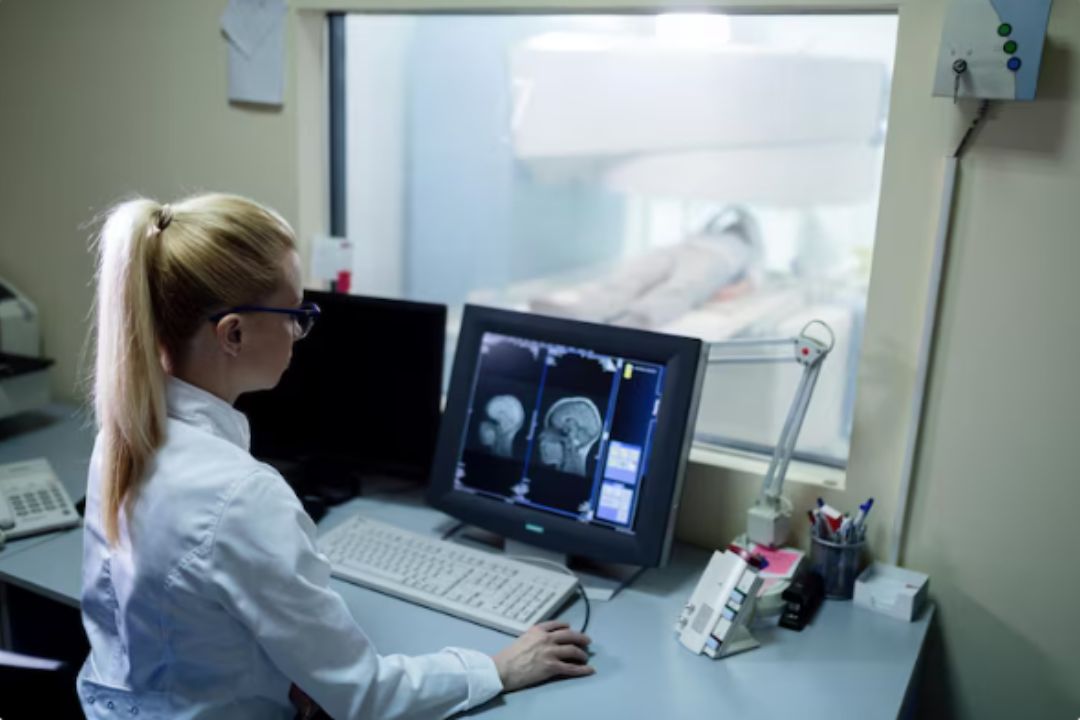
Radiologists and technicians are trained to ensure that patients receive safe and appropriate imaging.
Although CT scans are generally safe, some individuals may require special precautions.
These include:
Pregnant women
Children and young patients
People who need frequent imaging tests
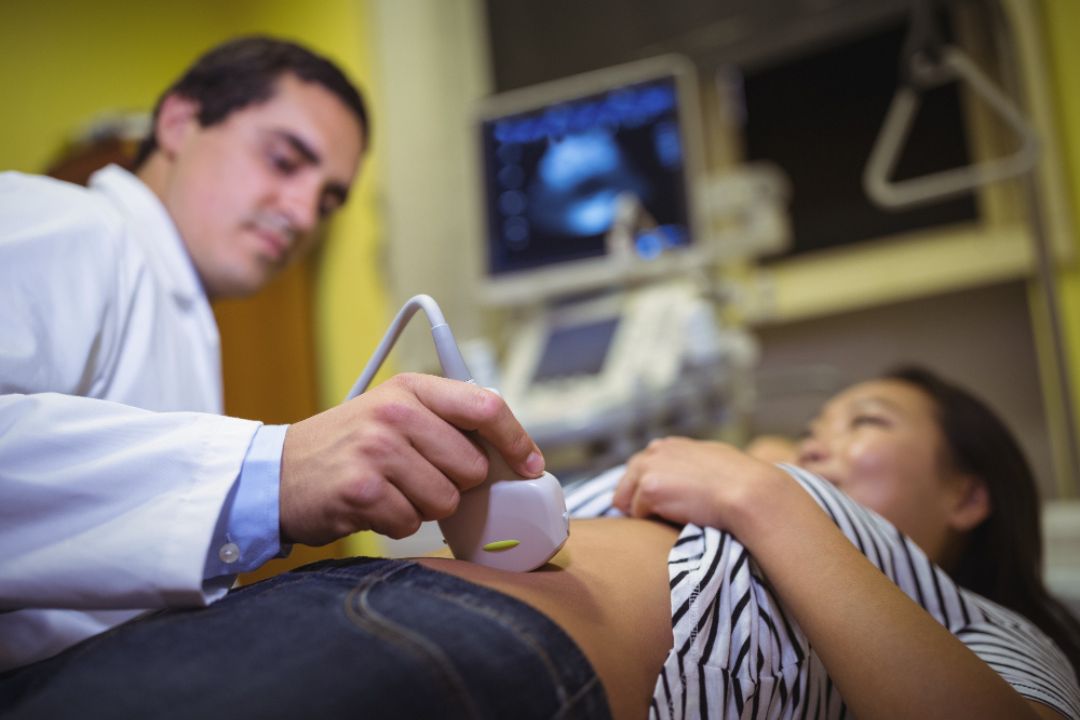
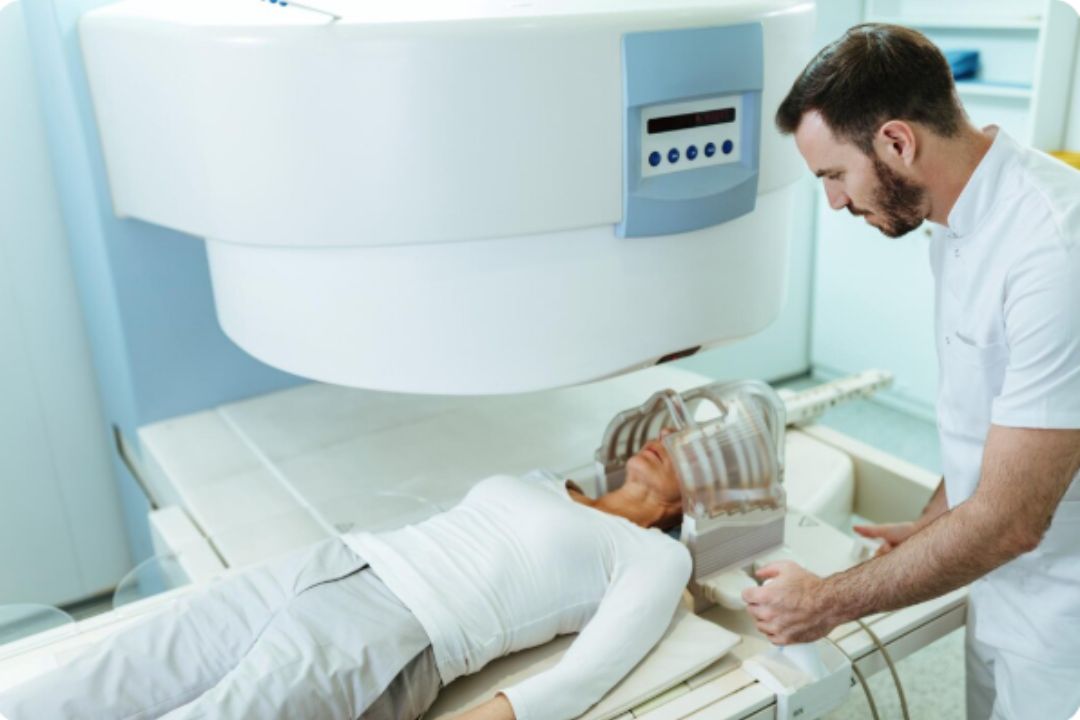
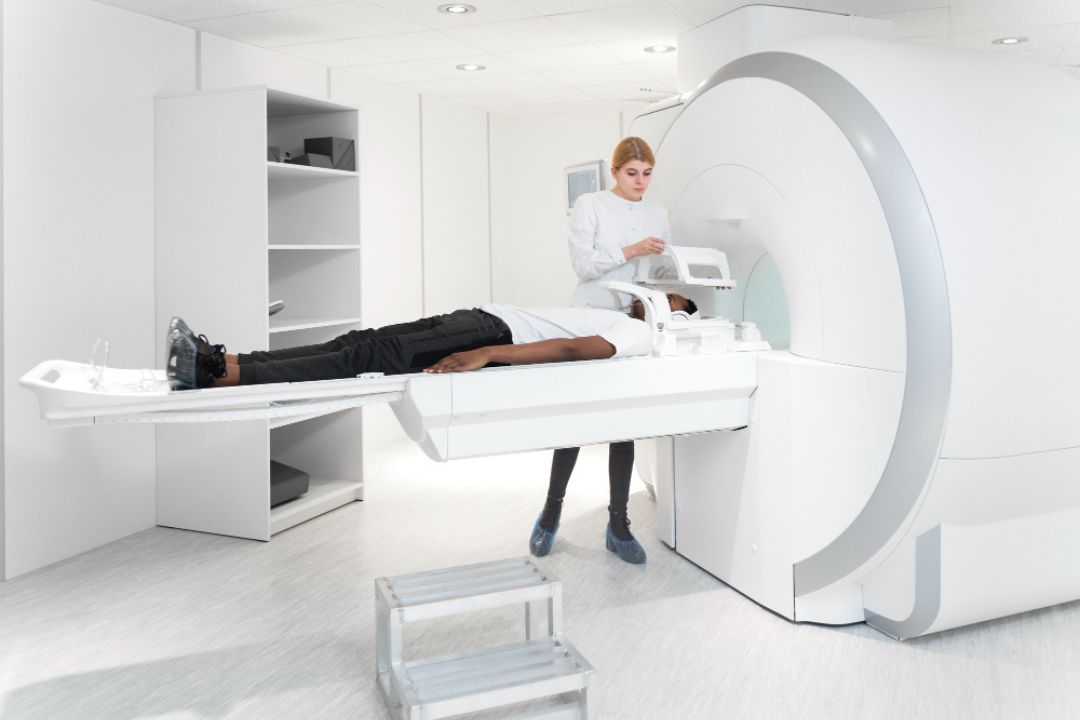
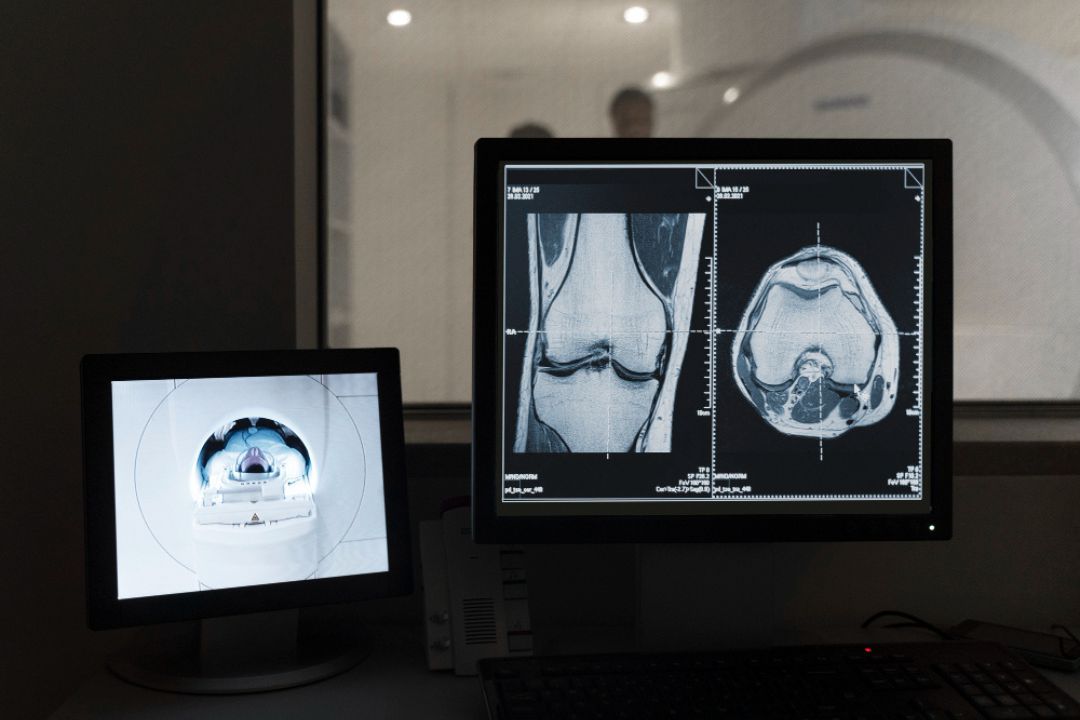
In such cases, doctors may recommend alternative imaging tests such as ultrasound or MRI when possible.
Despite the small radiation exposure, CT Scans offer many advantages in medical diagnosis.
Key benefits include:
Highly detailed images of internal organs
Fast and painless procedure
Early detection of diseases
Accurate diagnosis of injuries and infections
Guidance for surgical or treatment planning
Because of these advantages, CT scans play an important role in modern healthcare.
CT scan radiation exposure is carefully controlled and considered safe for most patients when the test is medically necessary. While CT scans do use more radiation than standard X-rays, the risk from a single scan is generally very small.
The detailed information provided by CT imaging helps doctors diagnose serious conditions quickly and accurately. When recommended by a doctor, the benefits of a CT scan usually outweigh the minimal risks associated with radiation exposure.
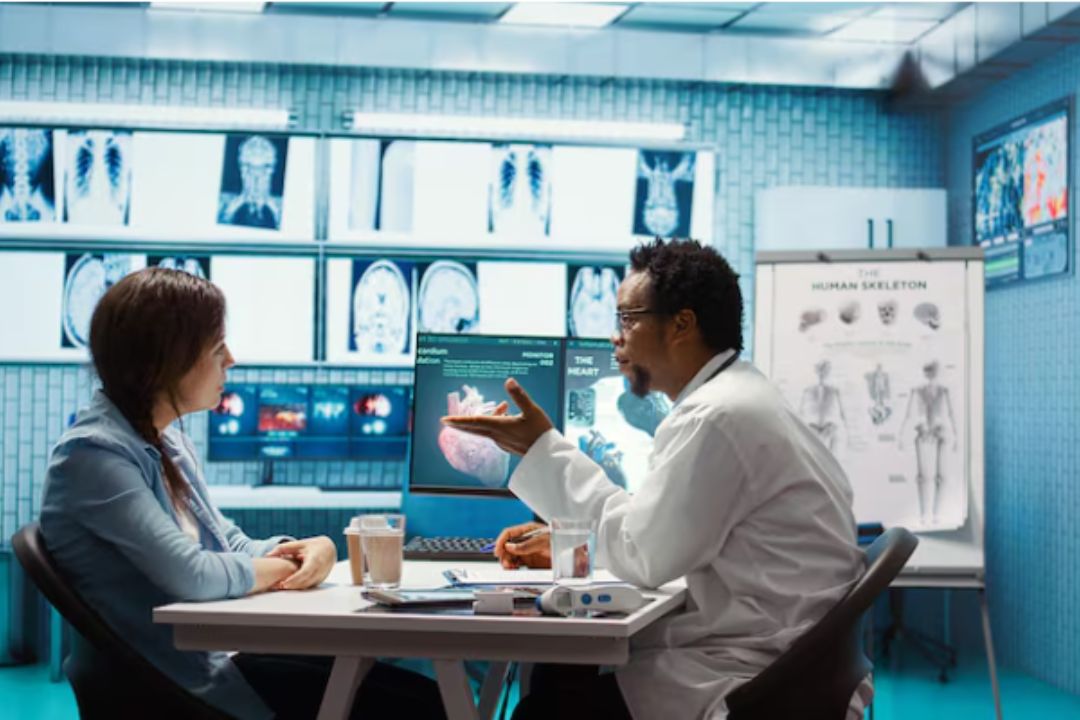
If you have concerns about CT Scan Radiation, discuss them with your doctor or radiologist so they can explain the safety measures used during the procedure.







.jpg "ct brain scan plain and contrast")









.jpg "ct scan")
.jpg "ct scan or mri for brain disorders")


.jpg "exploring the power of ct brain contrast in modern diagnostics")
.jpg "ct scan")
.jpg "ct scan")







.jpg "ct scan")

.jpg "CT Brain Scan for Headaches")
.jpg "The Future of 3D CT Imaging")