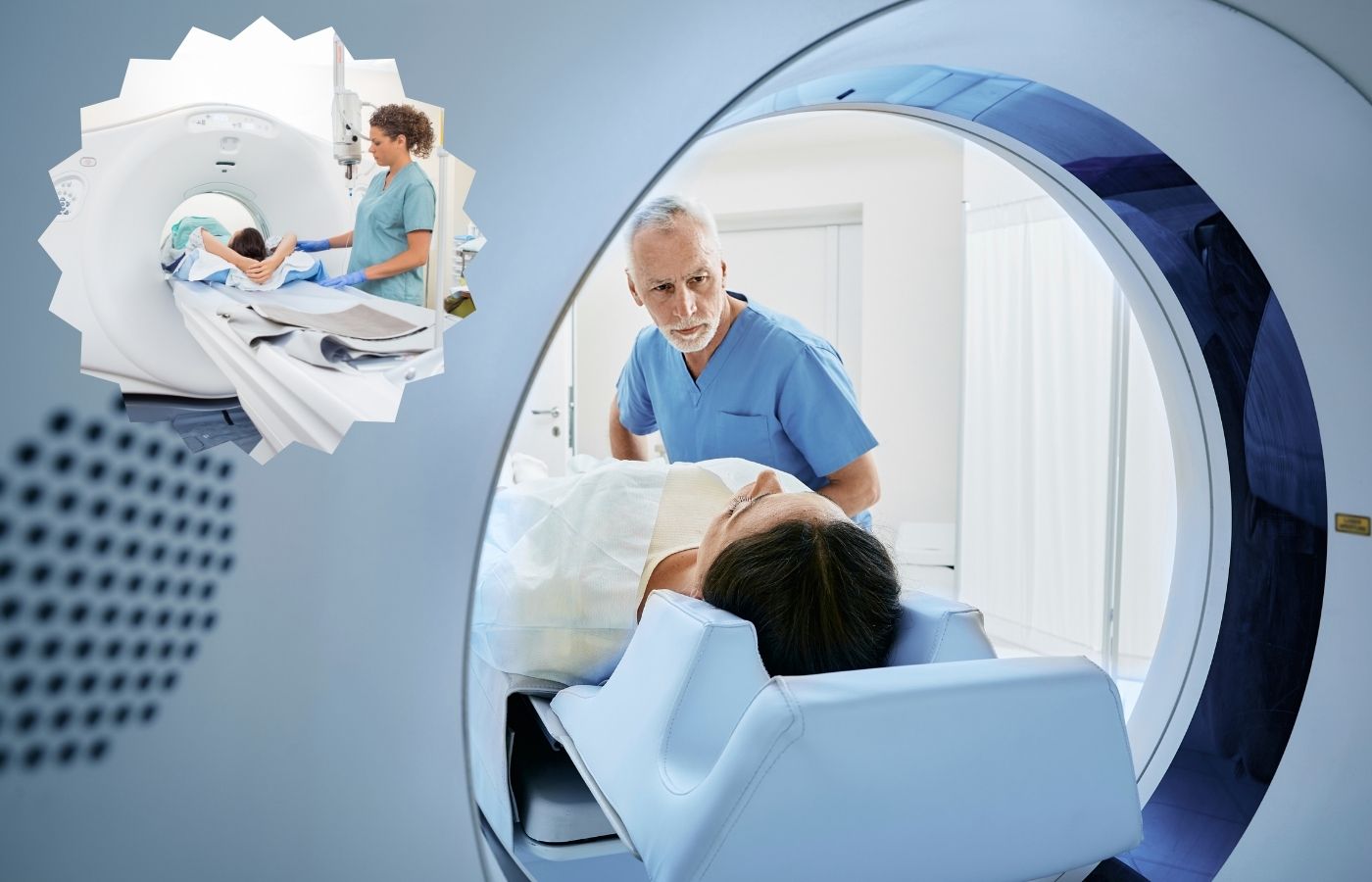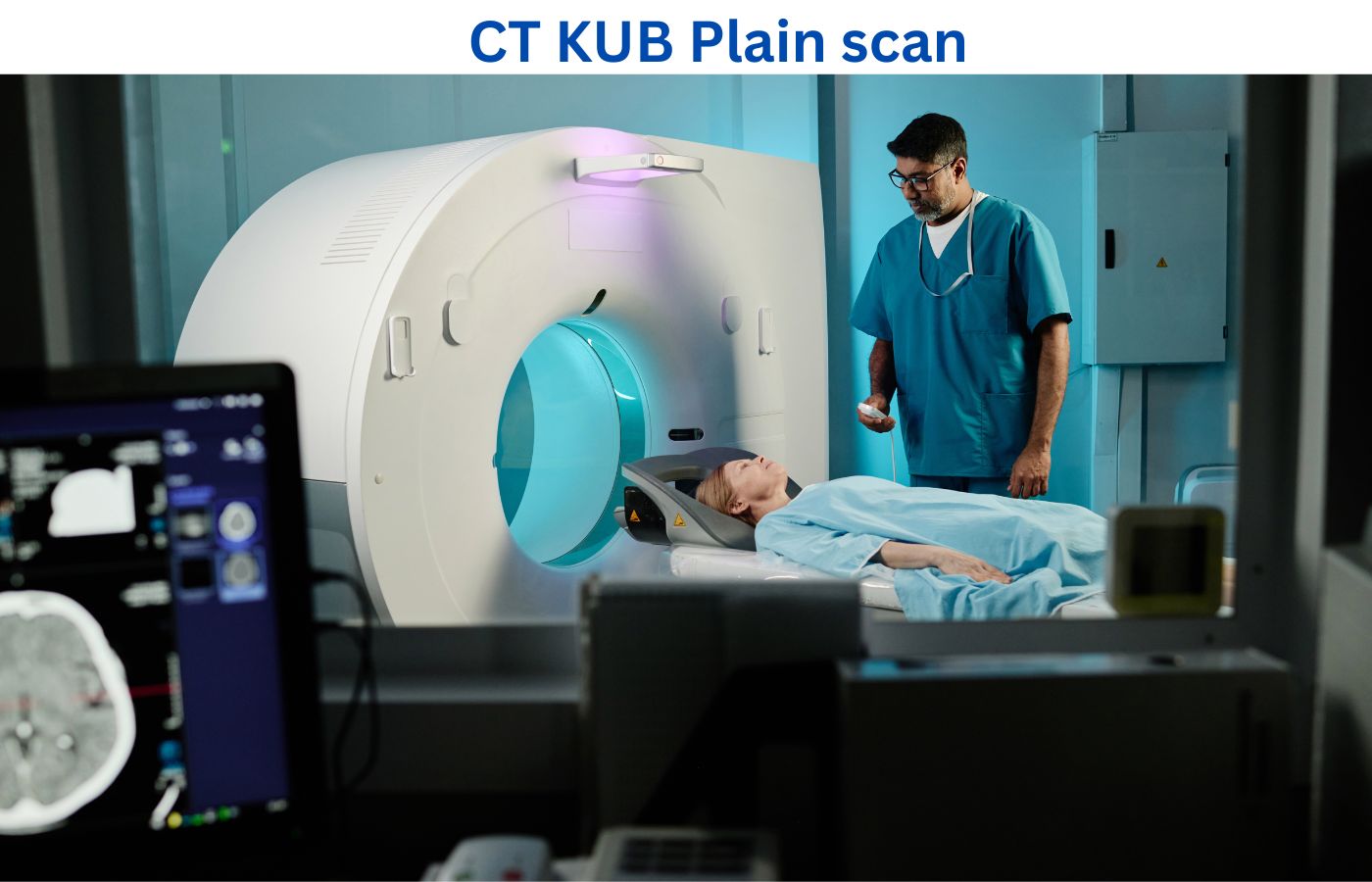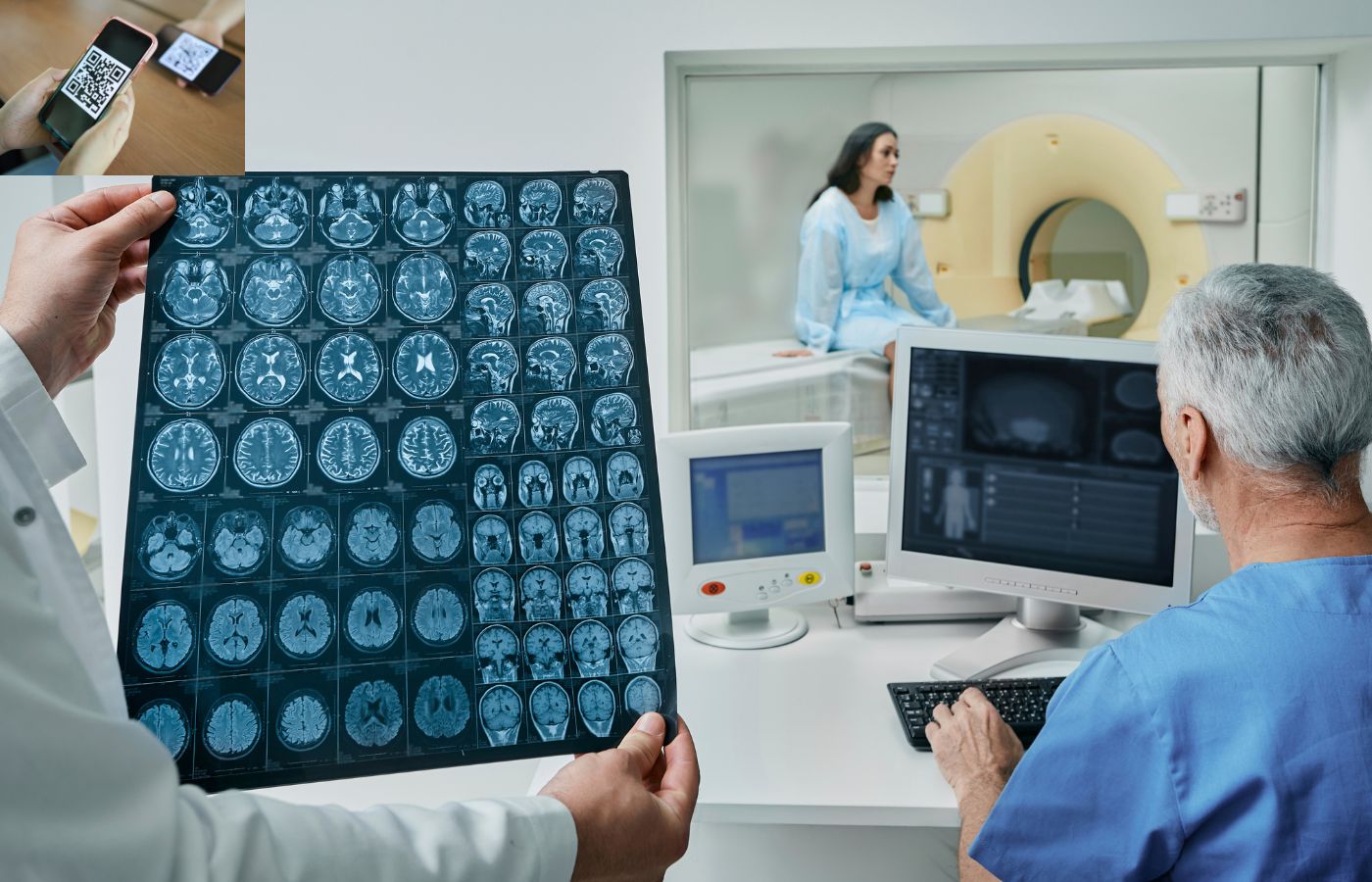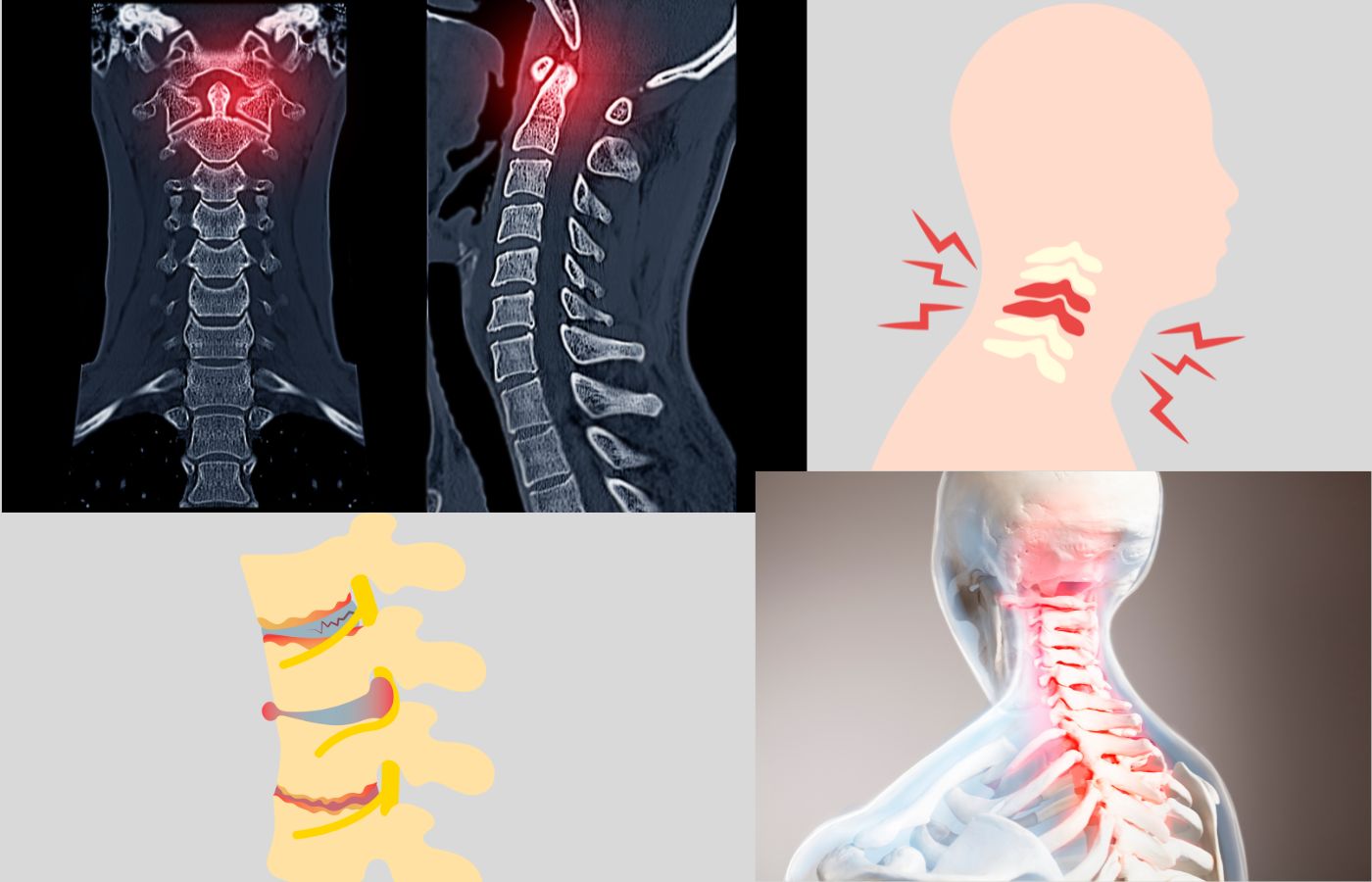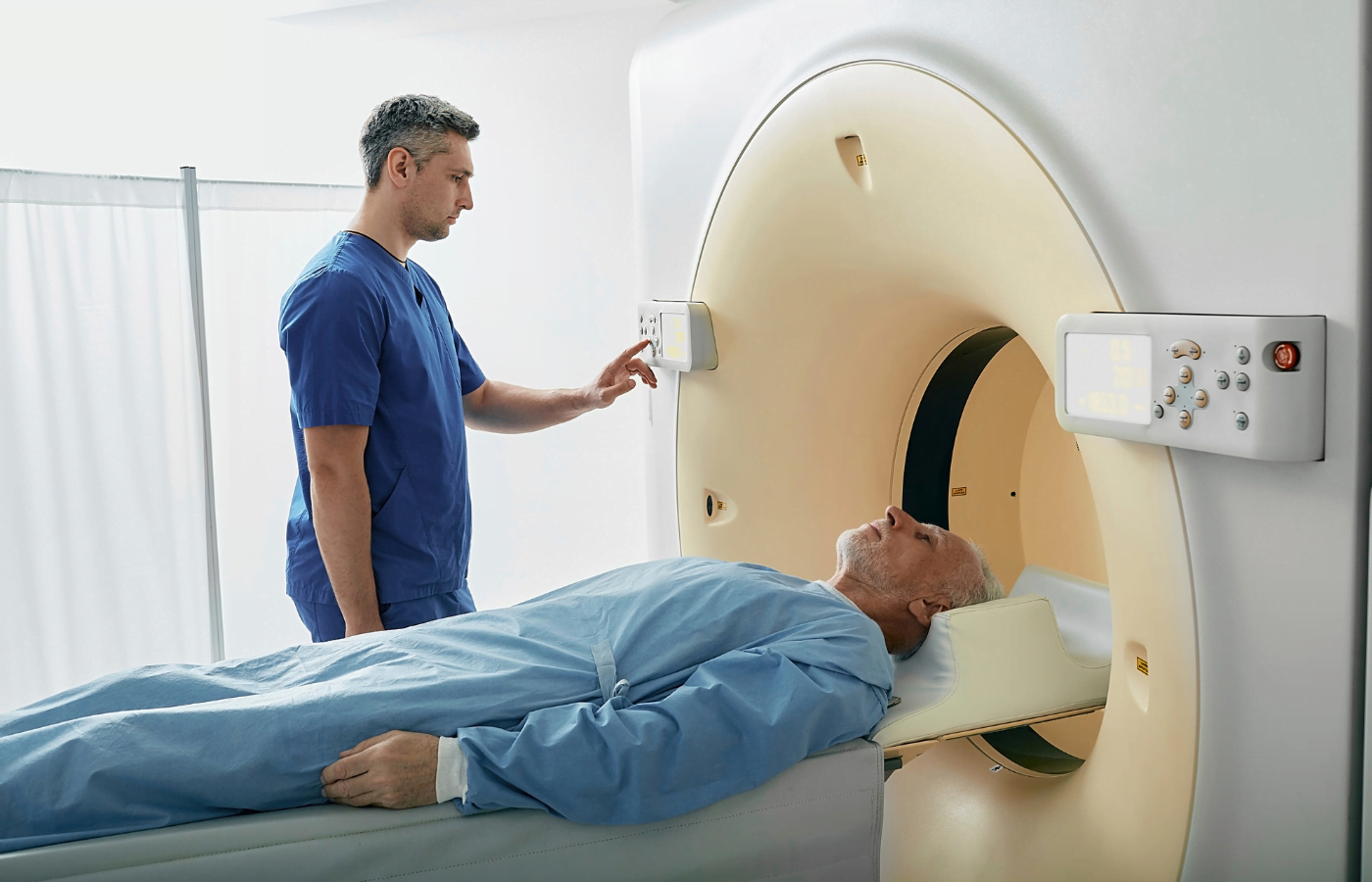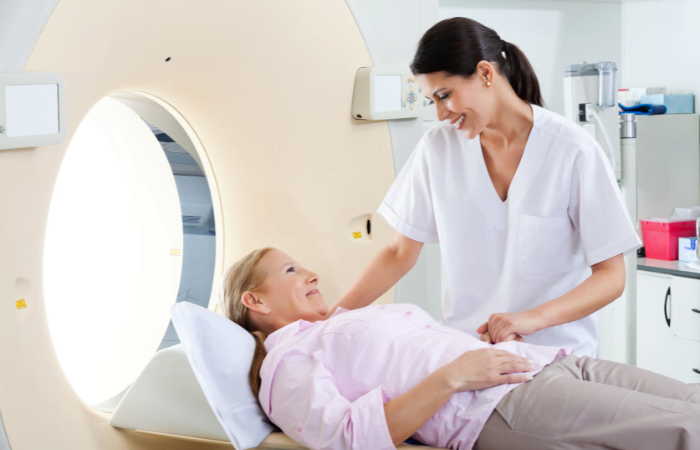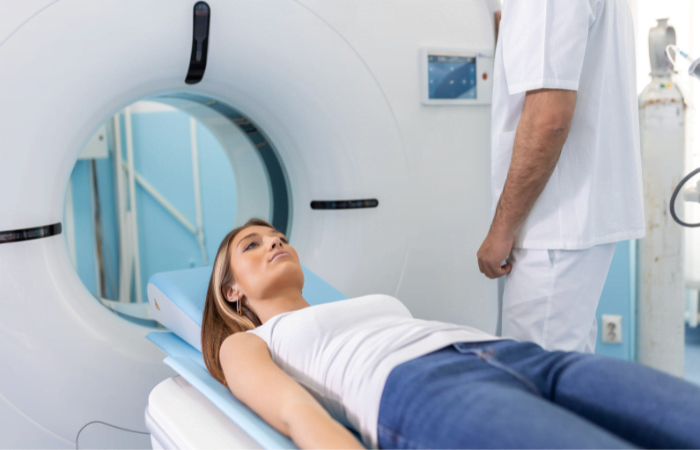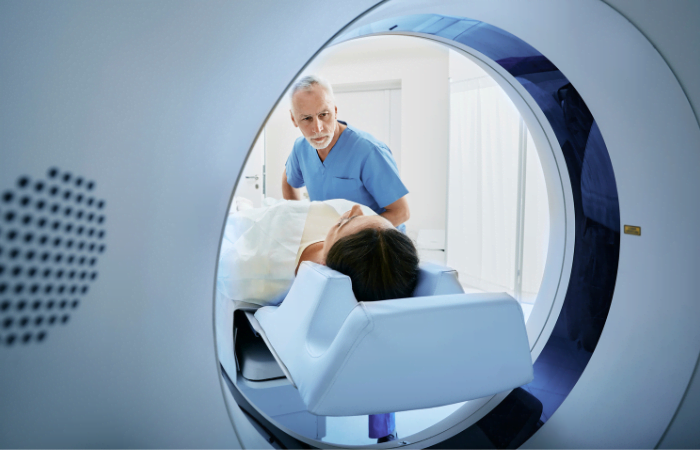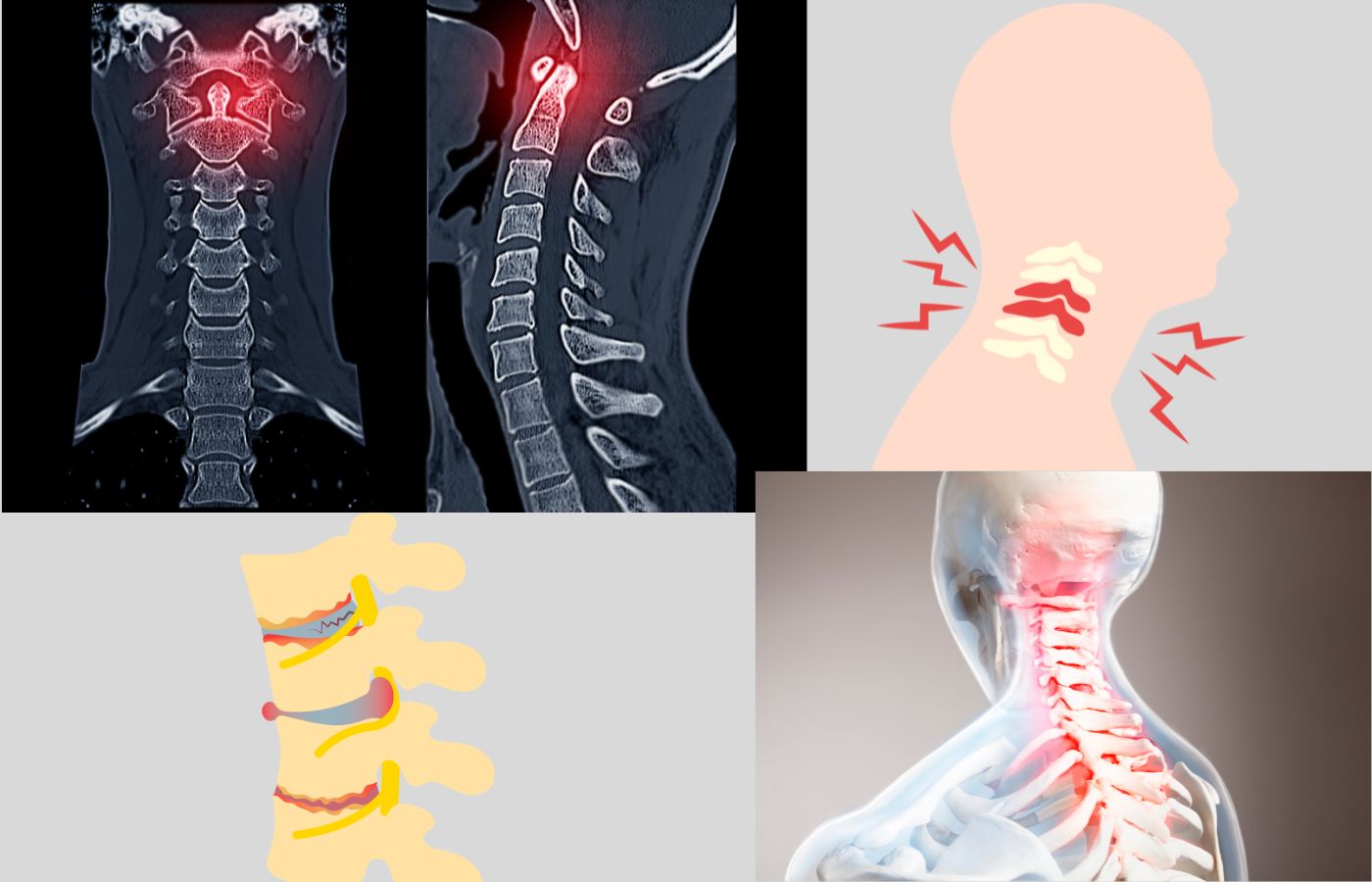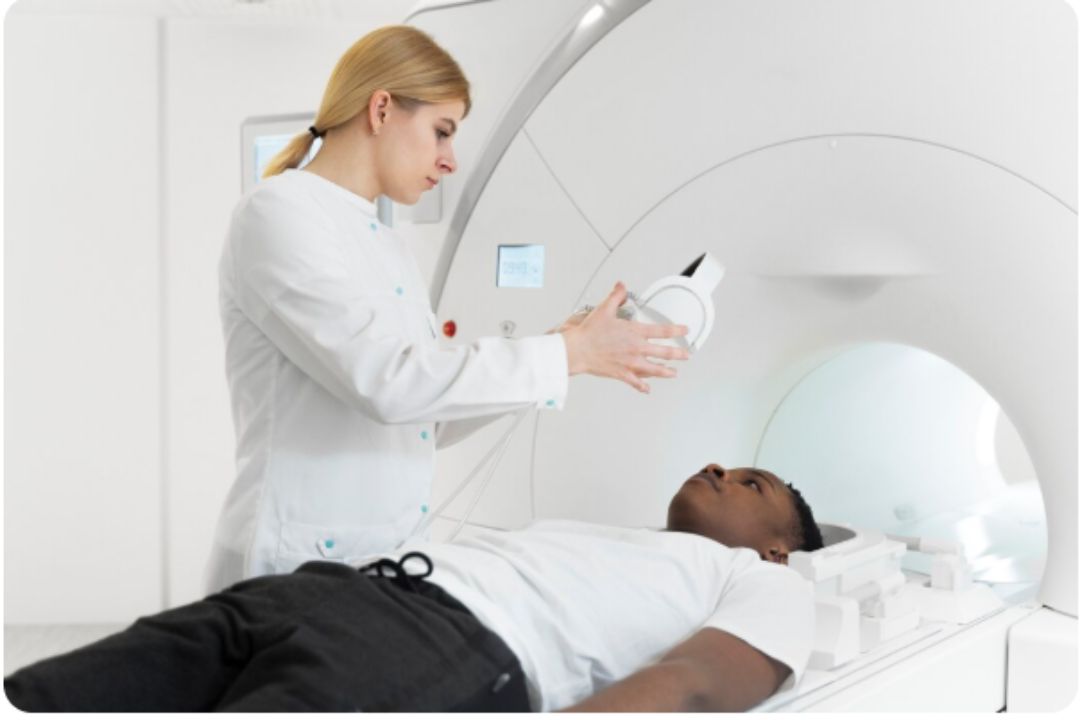
A CT scan of the neck with contrast is an advanced imaging test used to examine structures in the neck, including the thyroid gland, parathyroid glands, lymph nodes, blood vessels, and surrounding tissues. Doctors often recommend this scan when patients have symptoms such as neck swelling, thyroid nodules, persistent pain, or suspected tumors.
Contrast dye is injected into a vein during the scan to highlight blood vessels and soft tissues, allowing radiologists to detect abnormalities that may not be visible in a regular CT scan.
This imaging test plays an important role in diagnosing thyroid disorders, parathyroid diseases, infections, tumors, and vascular conditions of the neck.
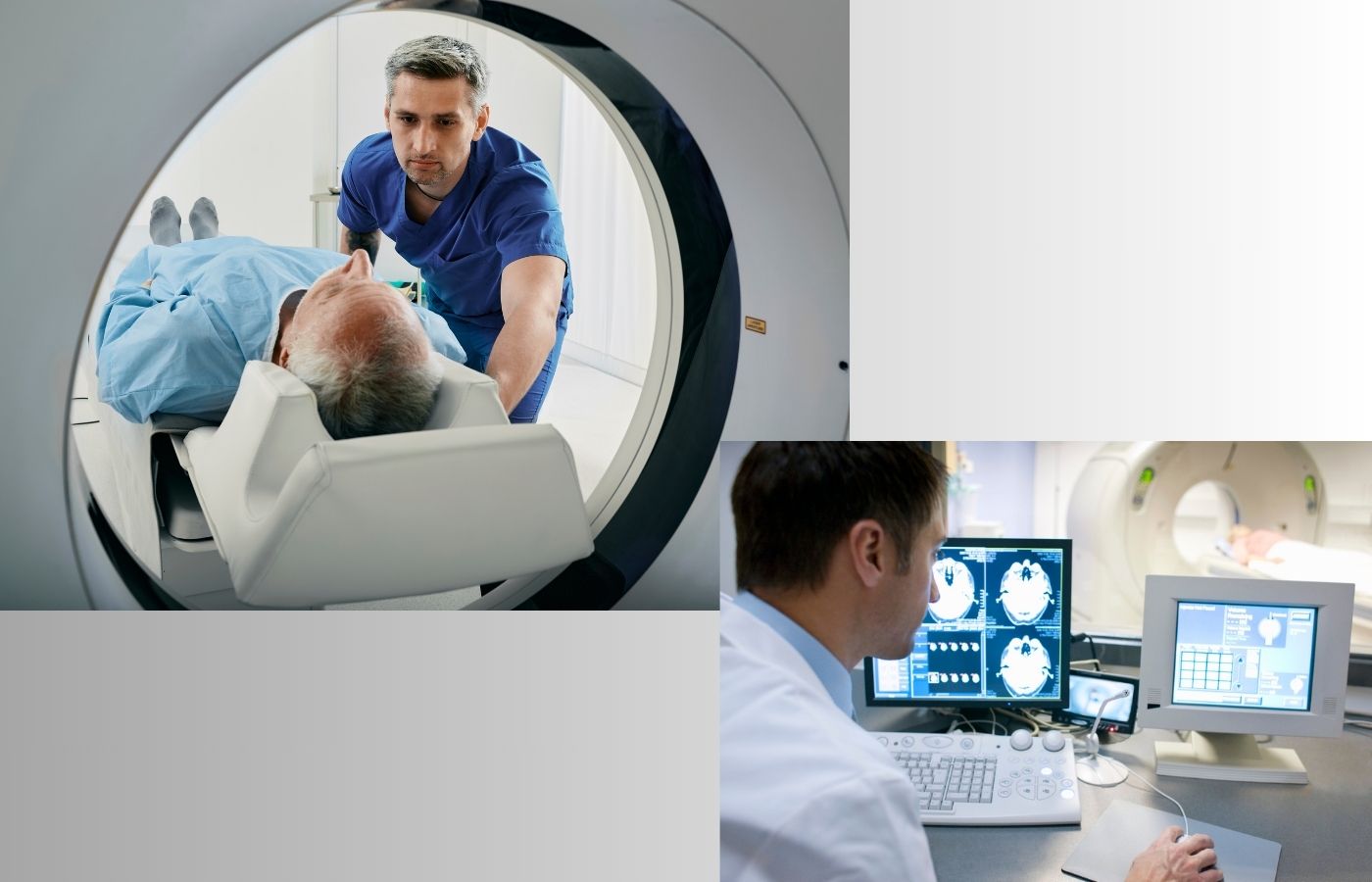
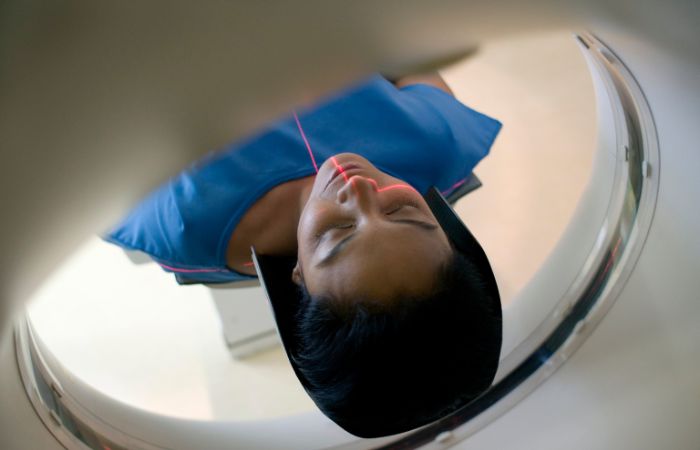
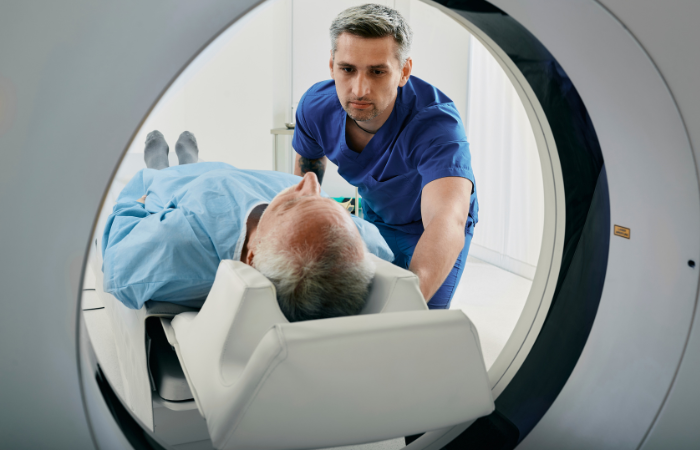
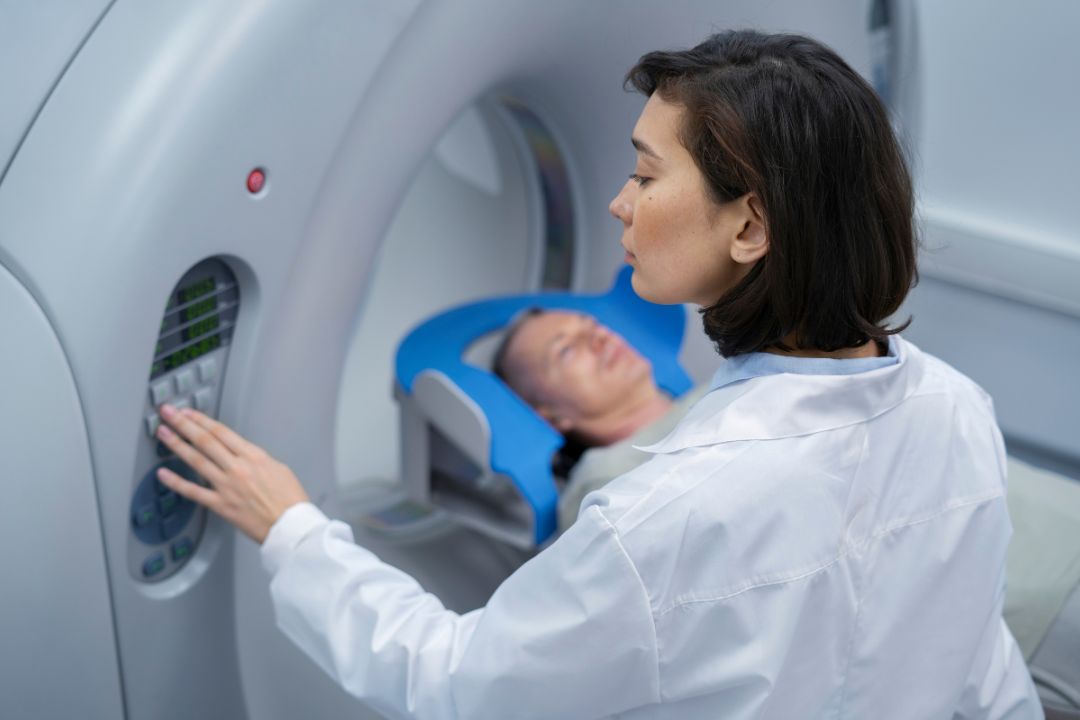
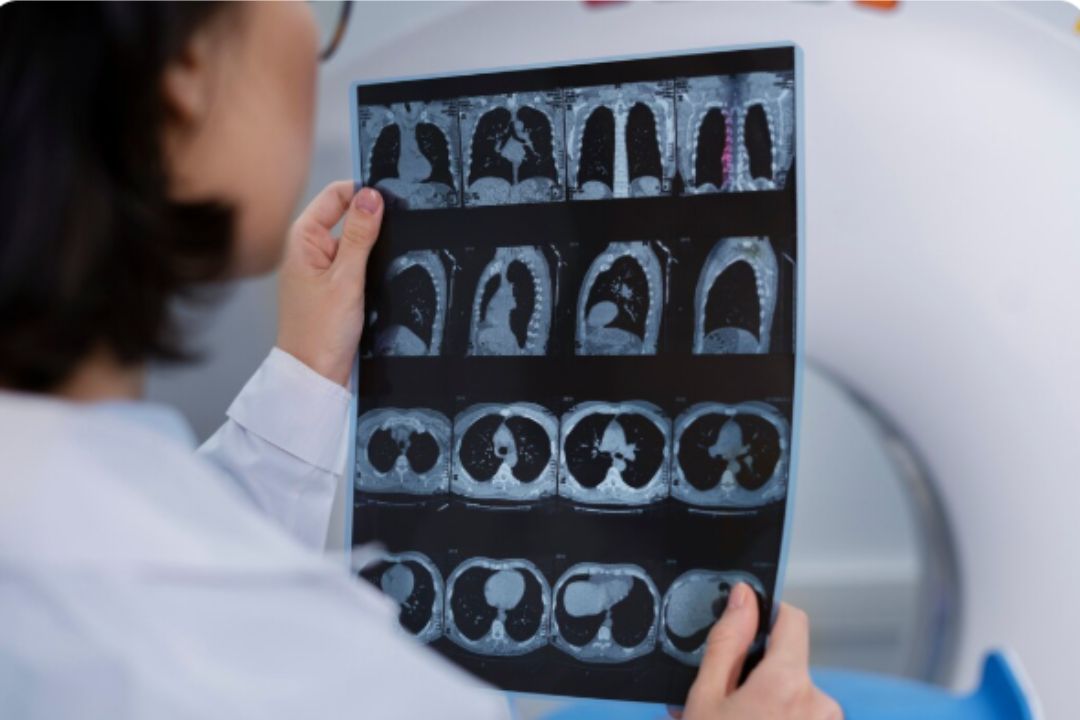
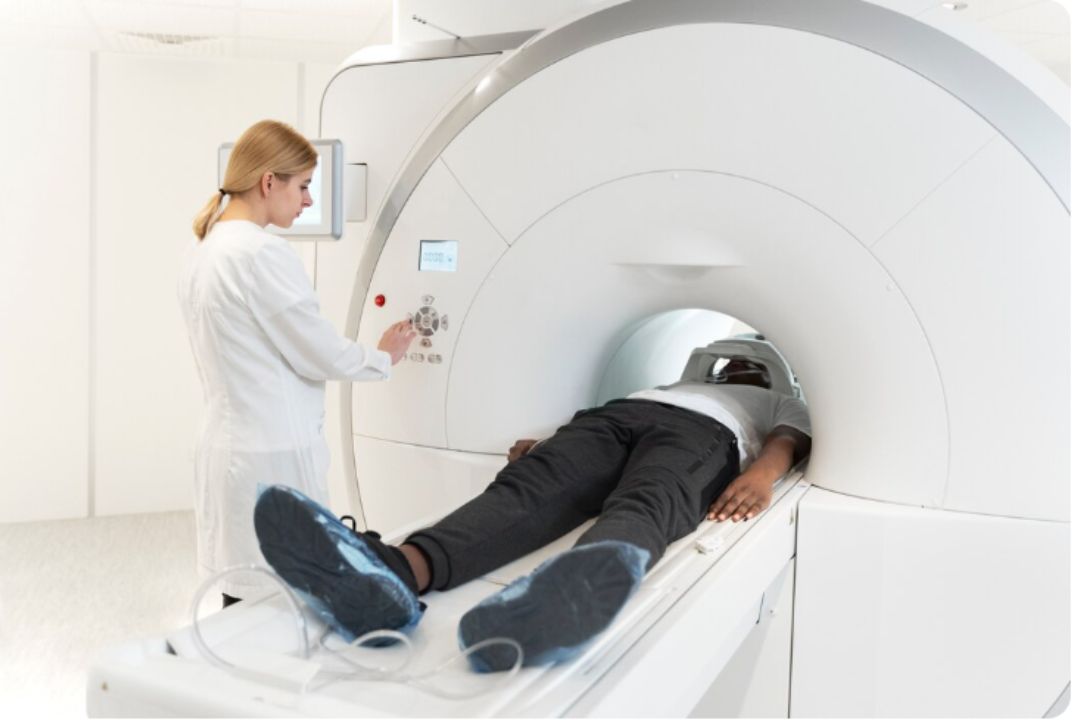
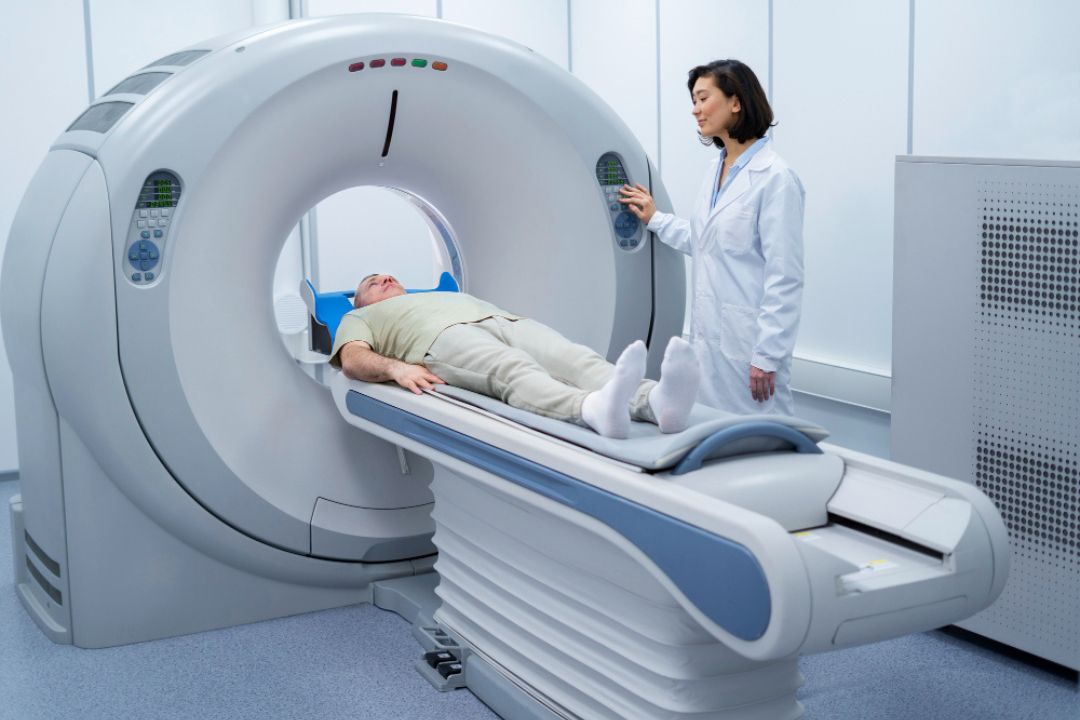
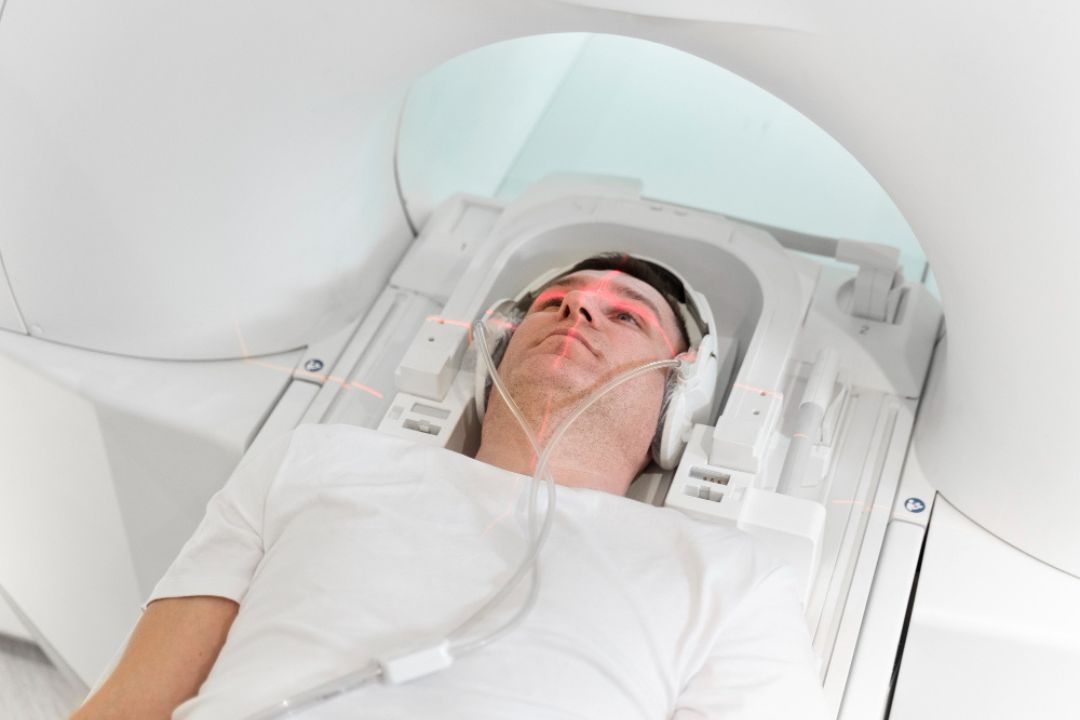
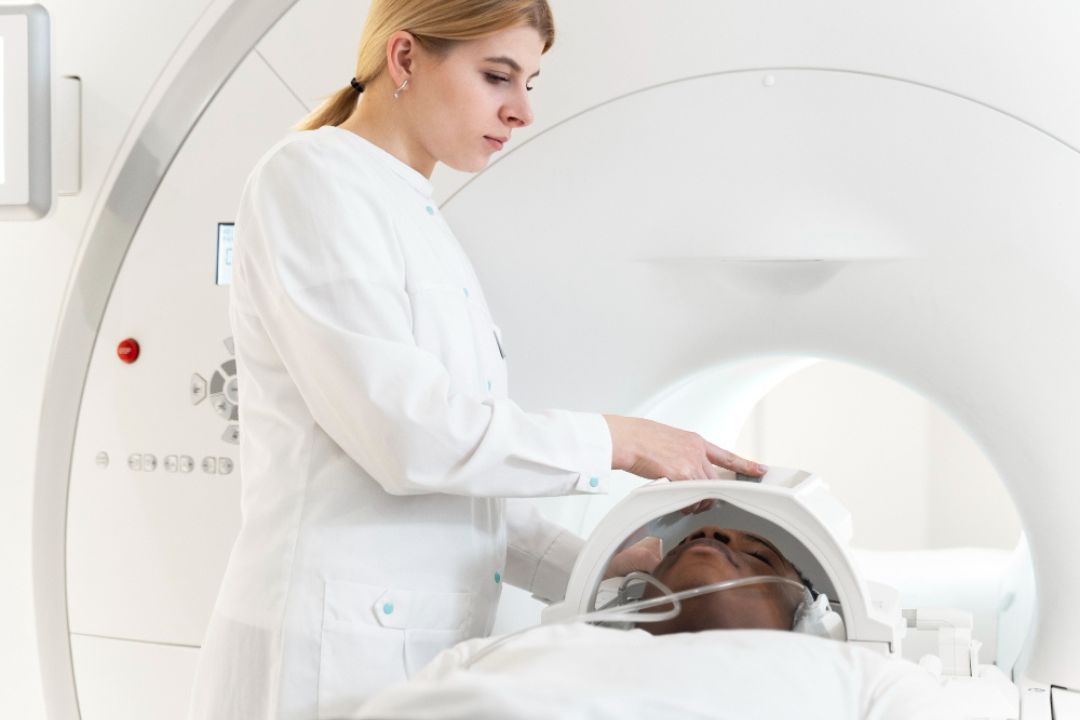
A CT Scan uses X-rays and computer technology to produce detailed cross-sectional images of the neck.
During a contrast CT scan:
A contrast dye containing iodine is injected into the bloodstream.
The dye enhances blood vessels and soft tissues.
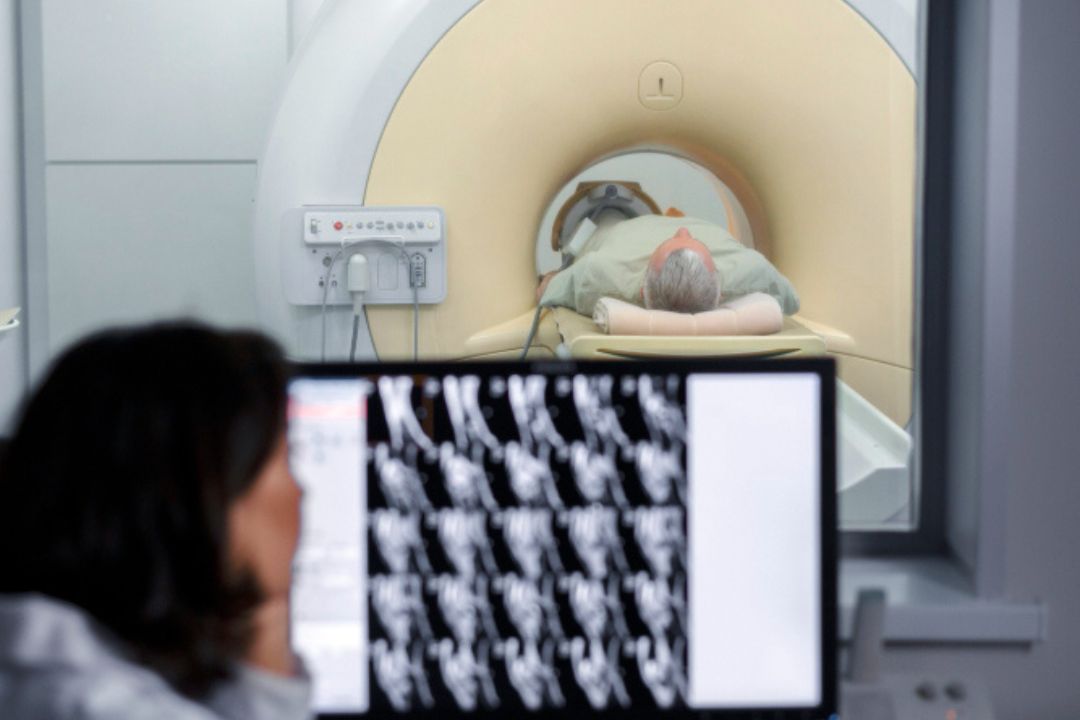
The CT scanner captures multiple images of the neck.
A computer creates detailed 3-dimensional images for analysis.
This test usually takes 10–15 minutes and is painless.
Doctors recommend this scan to evaluate many conditions affecting the neck.
Common reasons include:
Thyroid nodules or thyroid enlargement (goiter)
Parathyroid gland abnormalities
Enlarged lymph nodes
Neck infections or abscess
Tumors of the neck or throat
Evaluation of blood vessels
Persistent neck pain or swelling
The scan can detect both benign and malignant thyroid nodules, vascular problems, infections, and structural abnormalities.
The thyroid gland is located in the front of the neck and produces hormones that regulate metabolism.
A CT scan helps doctors evaluate:
Thyroid nodules
Thyroid cancer
Multinodular goiter
Thyroid enlargement
Spread of cancer to lymph nodes
CT imaging is especially helpful when ultrasound findings are unclear or when doctors need a detailed view of surrounding structures.
The parathyroid glands are small glands located behind the thyroid. They regulate calcium levels in the body.
A CT Scan can help identify:
Parathyroid adenoma
Parathyroid hyperplasia
Abnormal gland location
Tumors affecting calcium regulation
These scans help surgeons locate abnormal glands before surgery.
Doctors may suggest this test if you experience:
Persistent neck swelling
Difficulty swallowing
Lump in the neck
Chronic throat pain
Enlarged lymph nodes
Voice changes
Unexplained weight loss
These symptoms may indicate infections, thyroid disorders, or tumors.
Preparation is usually simple but may include:
Patients may be asked to avoid eating for 2–4 hours before the scan.
Jewelry, glasses, and metal accessories must be removed because they can interfere with imaging.
Allergies
Kidney disease
Thyroid disorders
Pregnancy
Current medications
Kidney function tests may be required before contrast injection.
The procedure typically follows these steps:
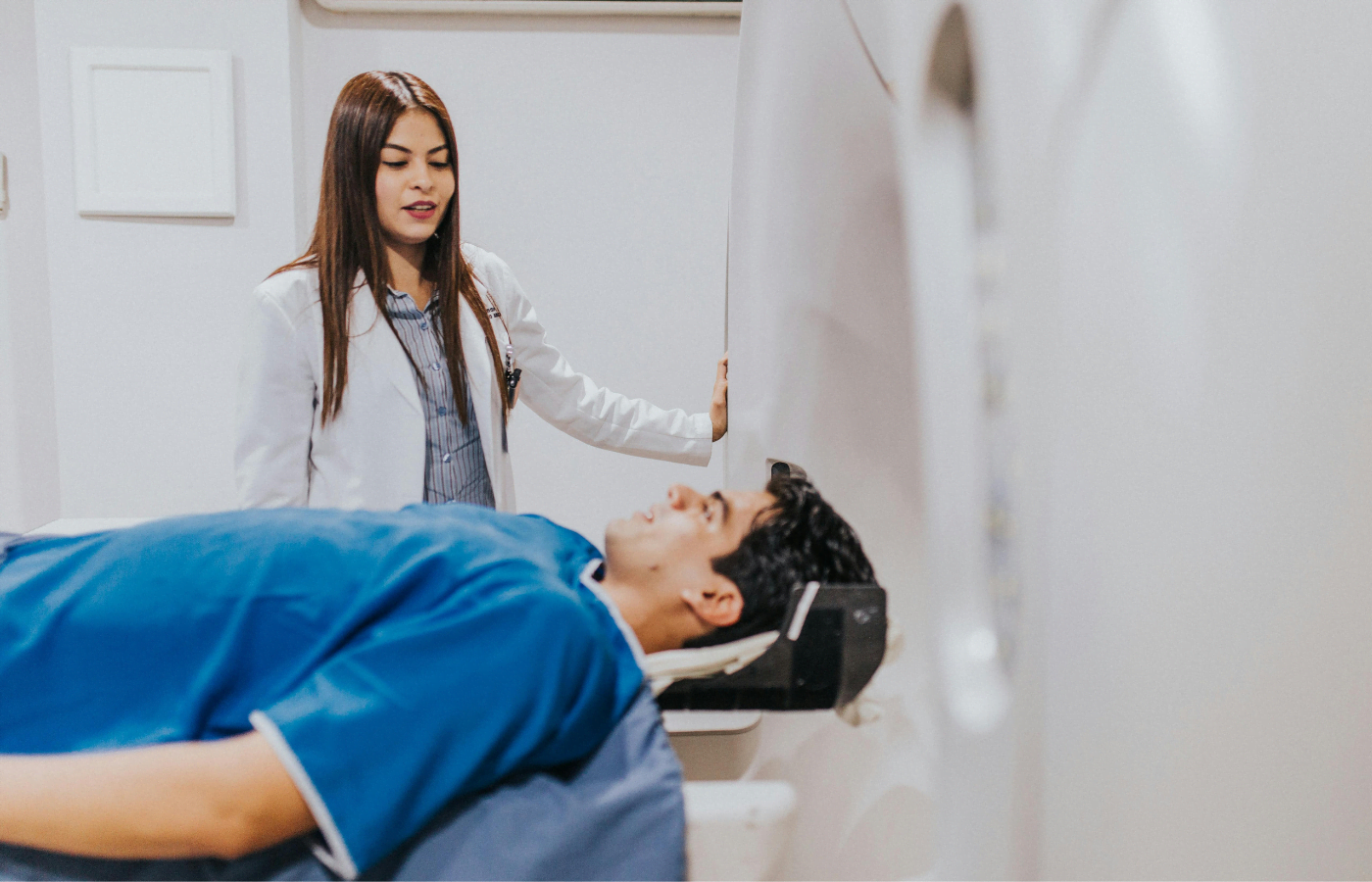
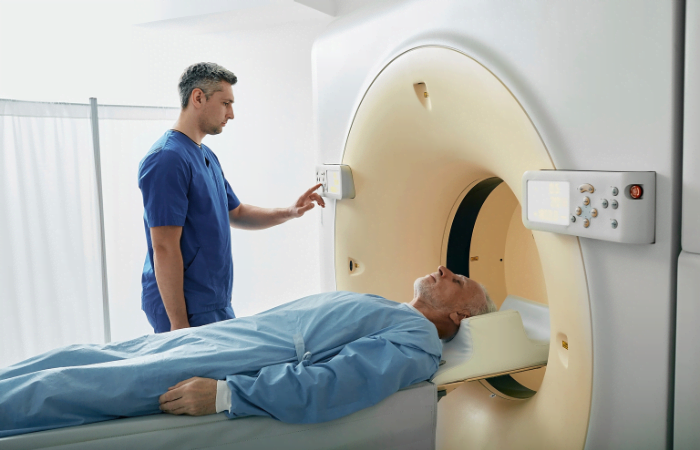
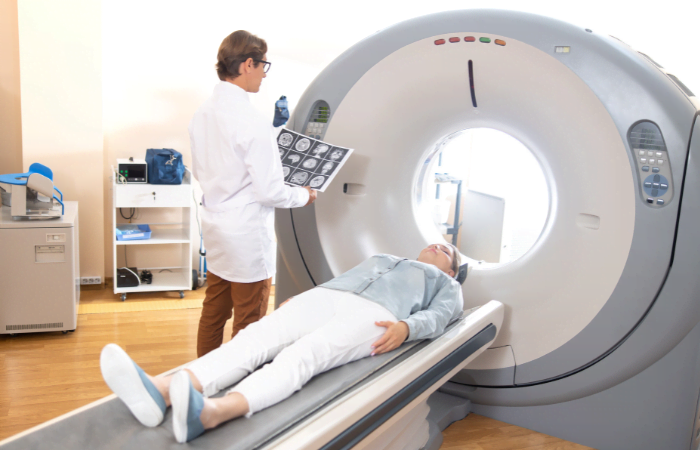
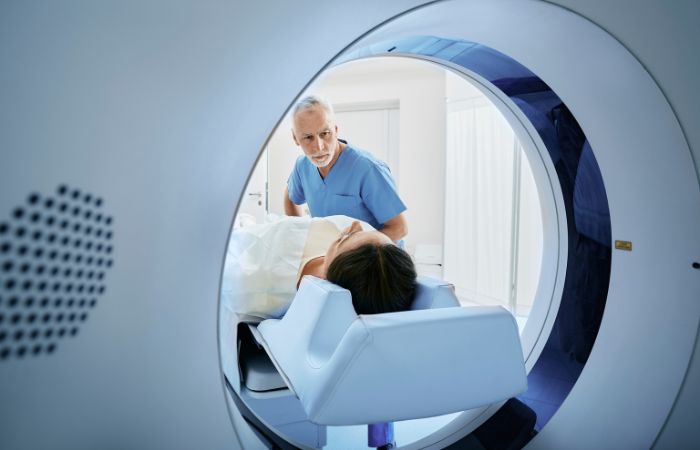
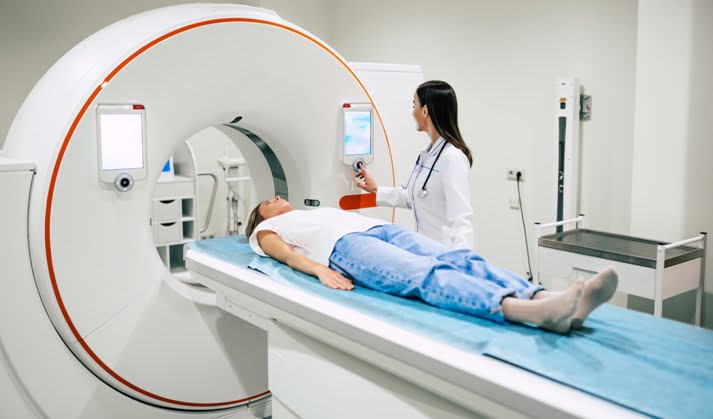
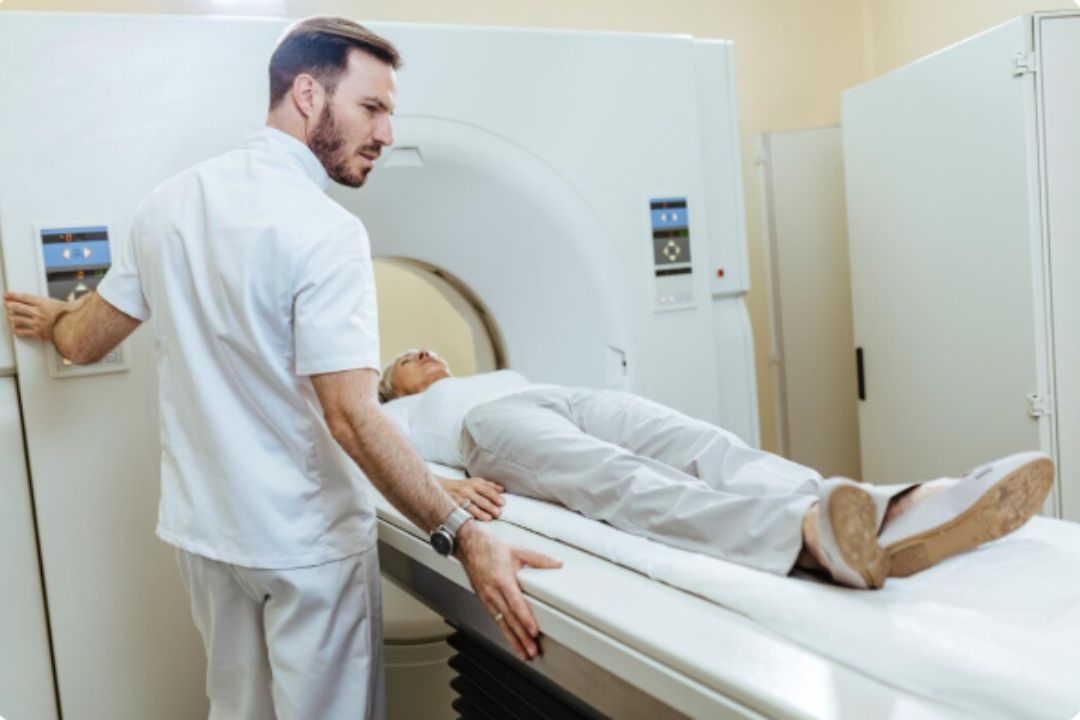
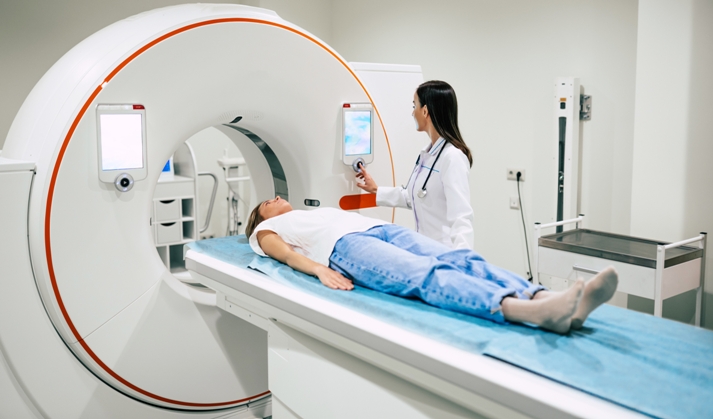
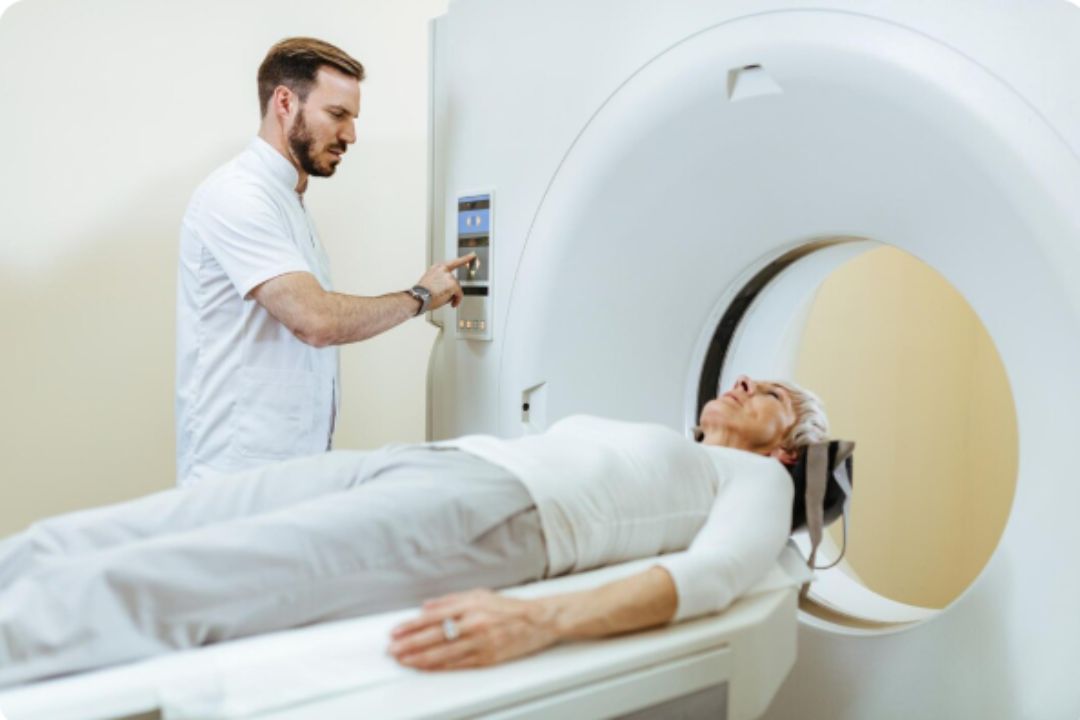
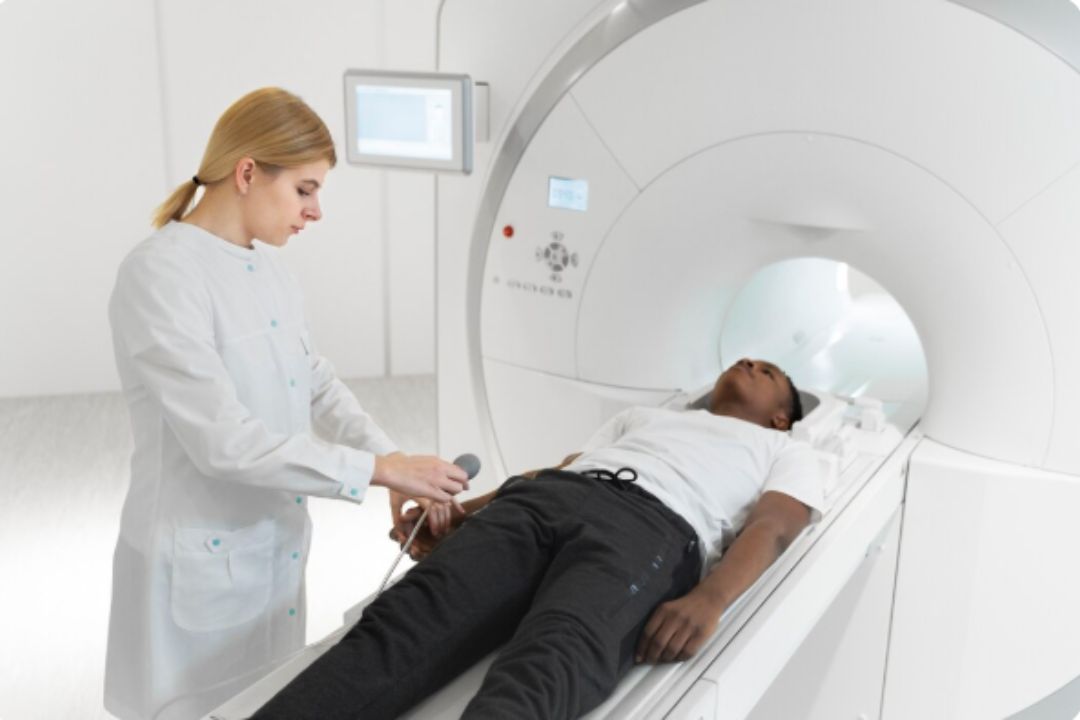
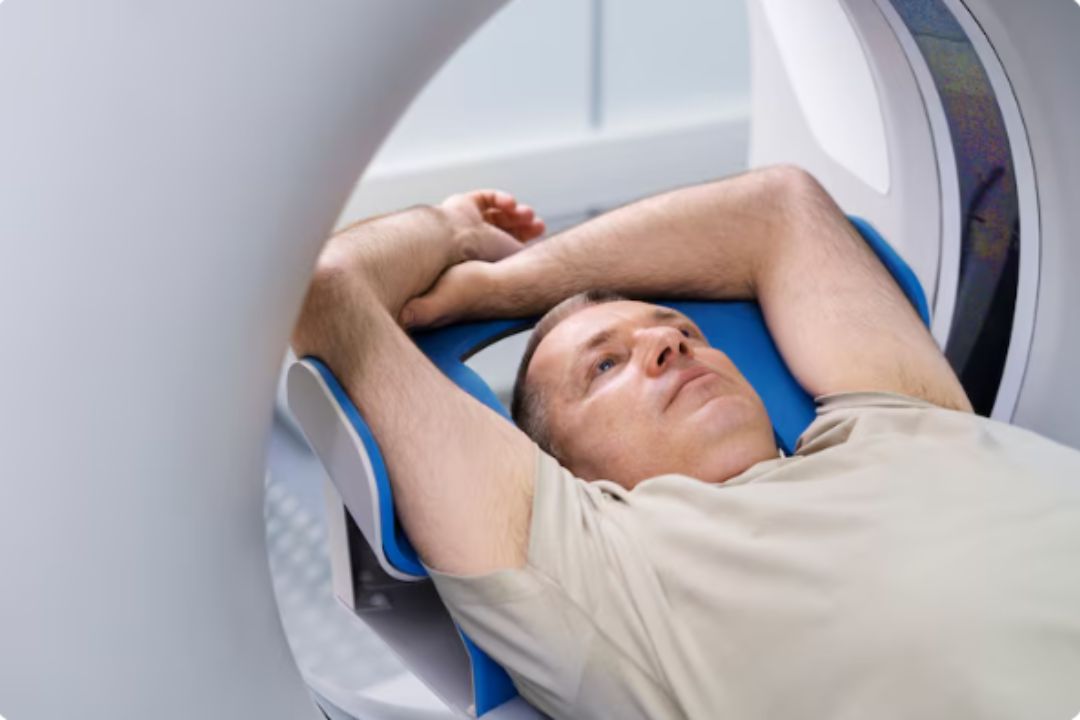
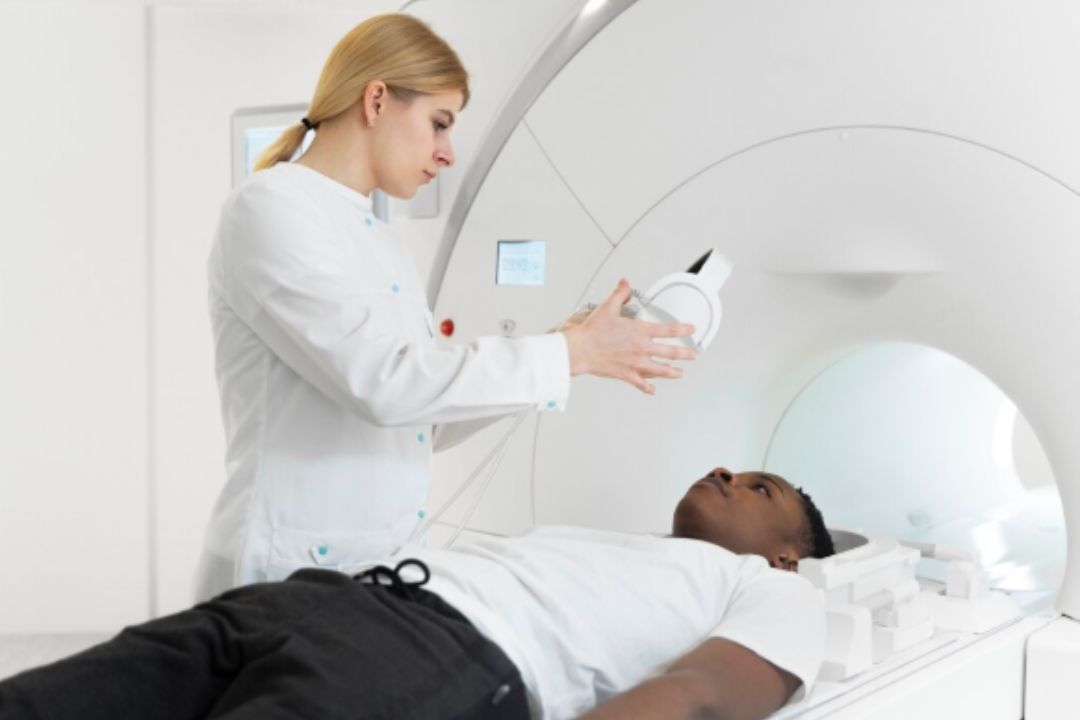
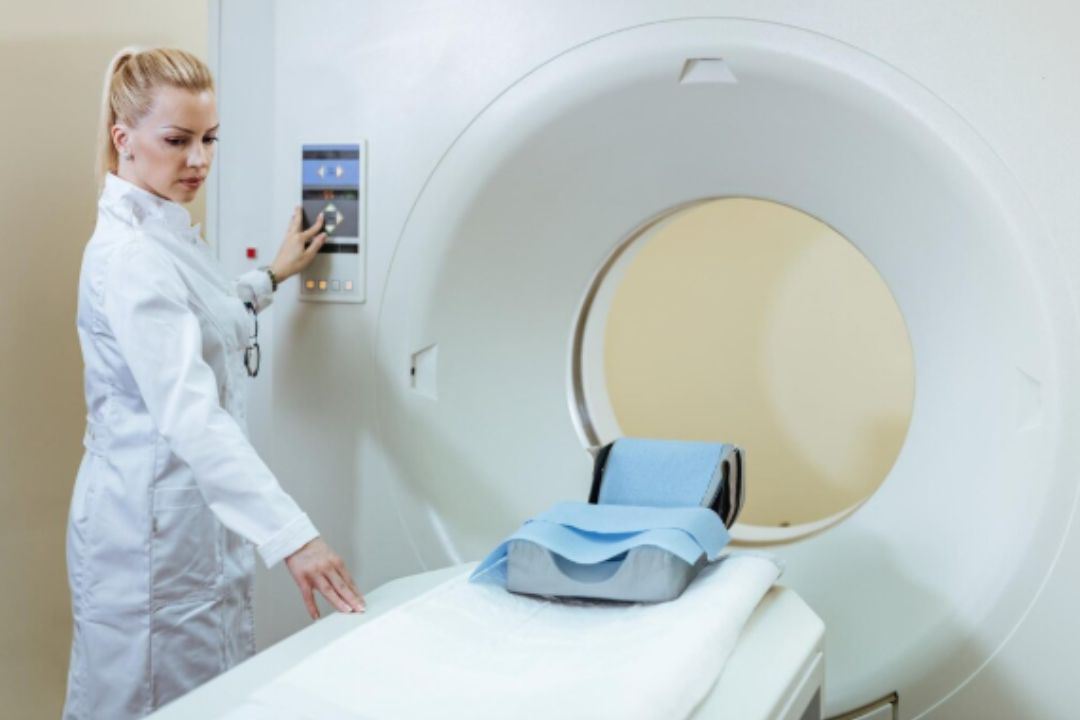
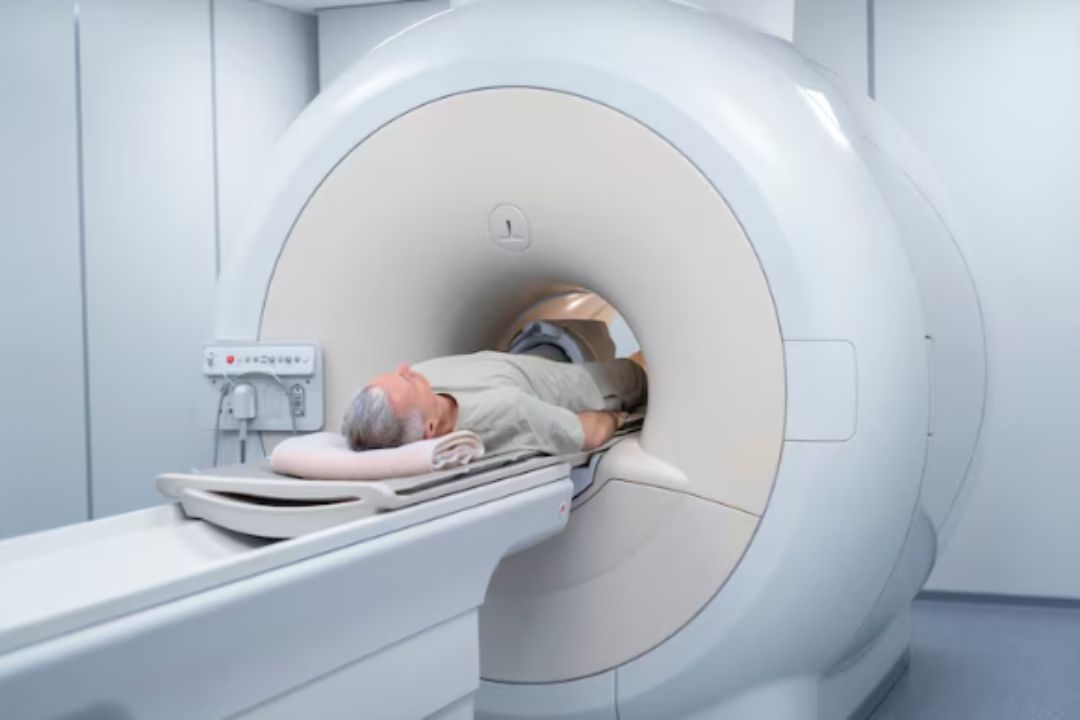
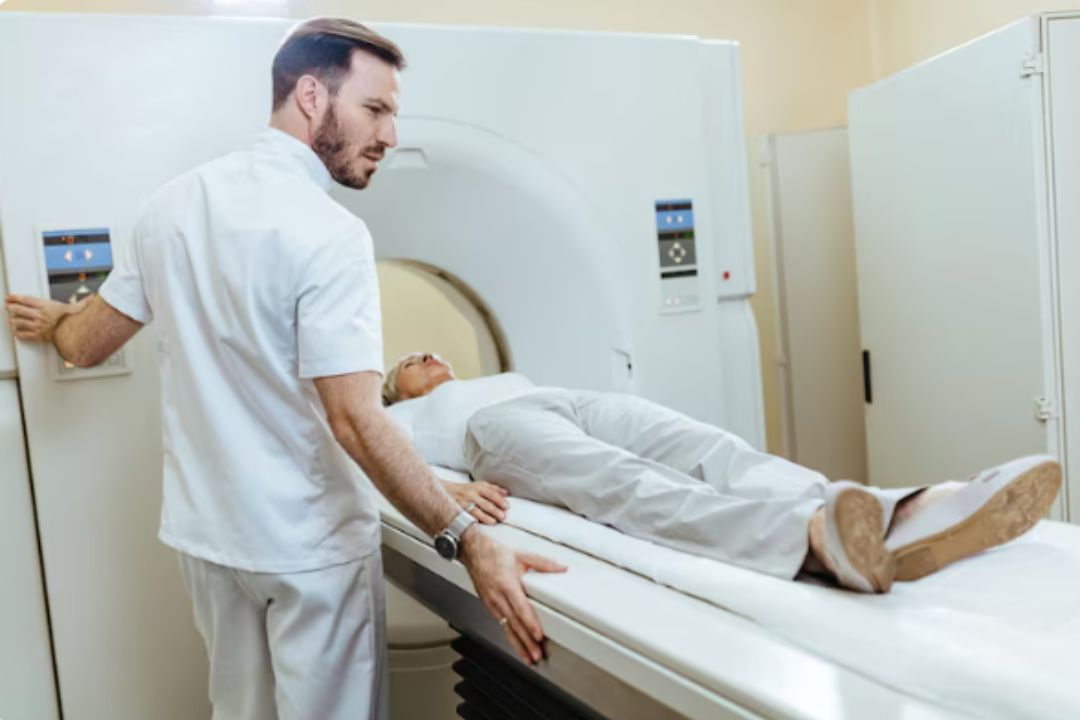
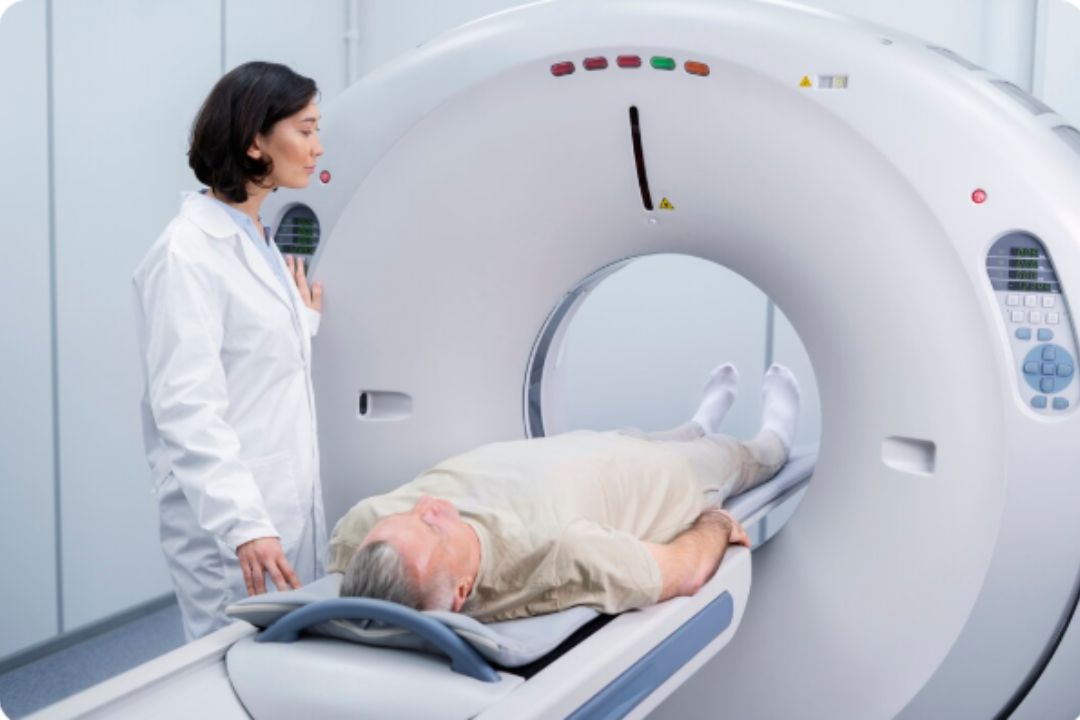
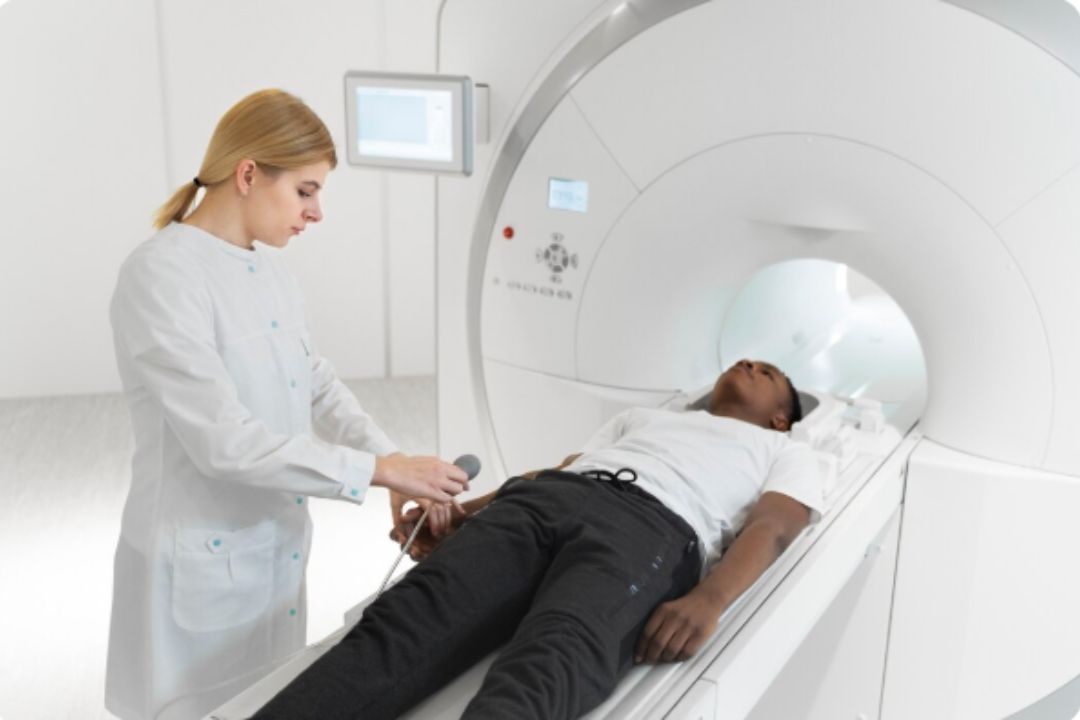
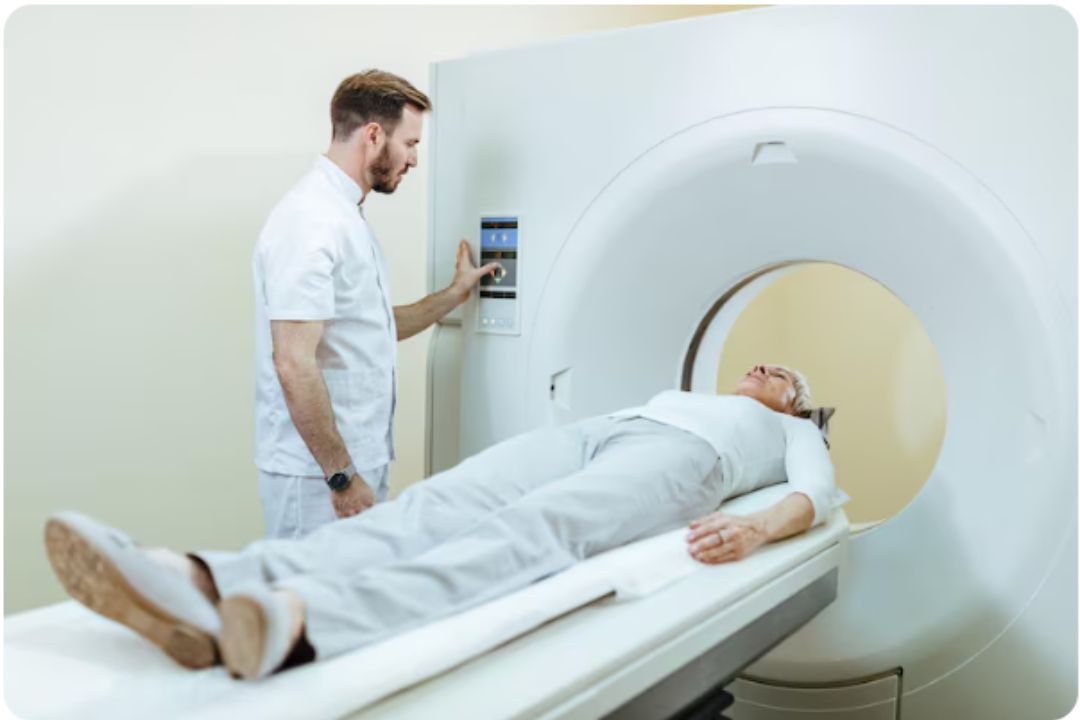
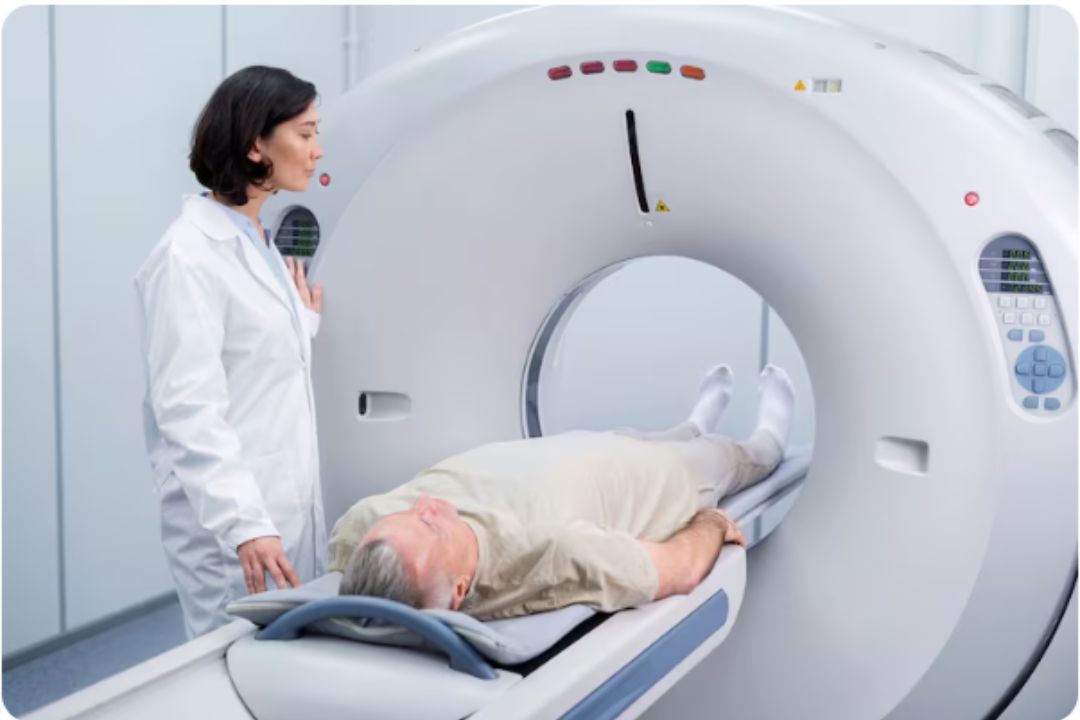
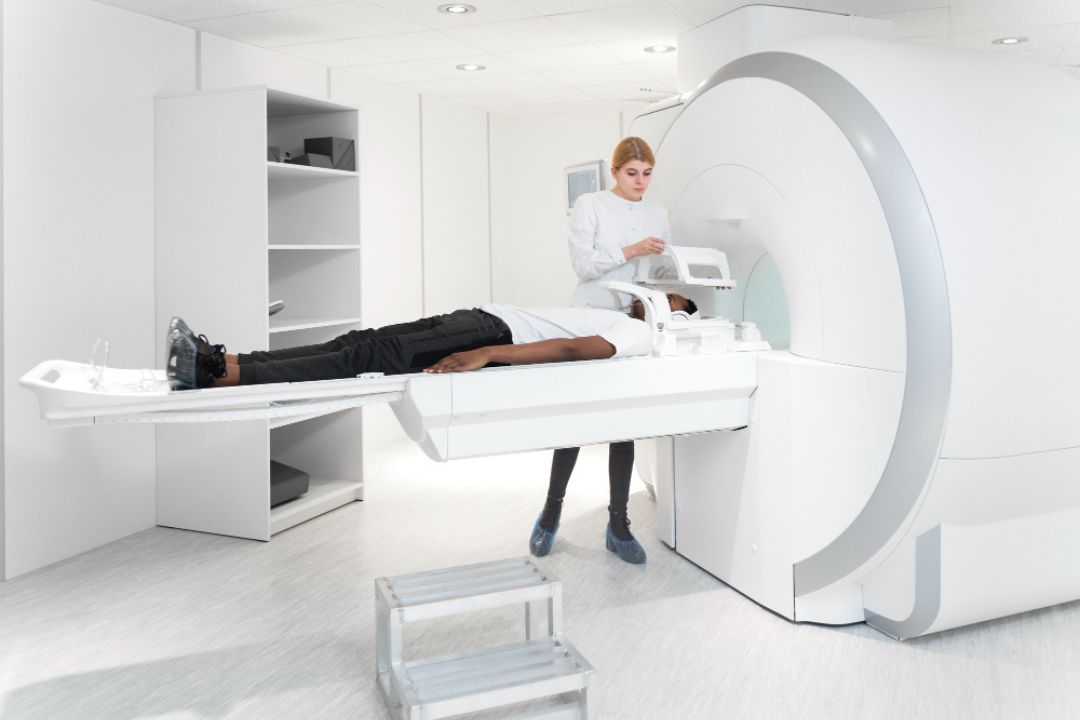
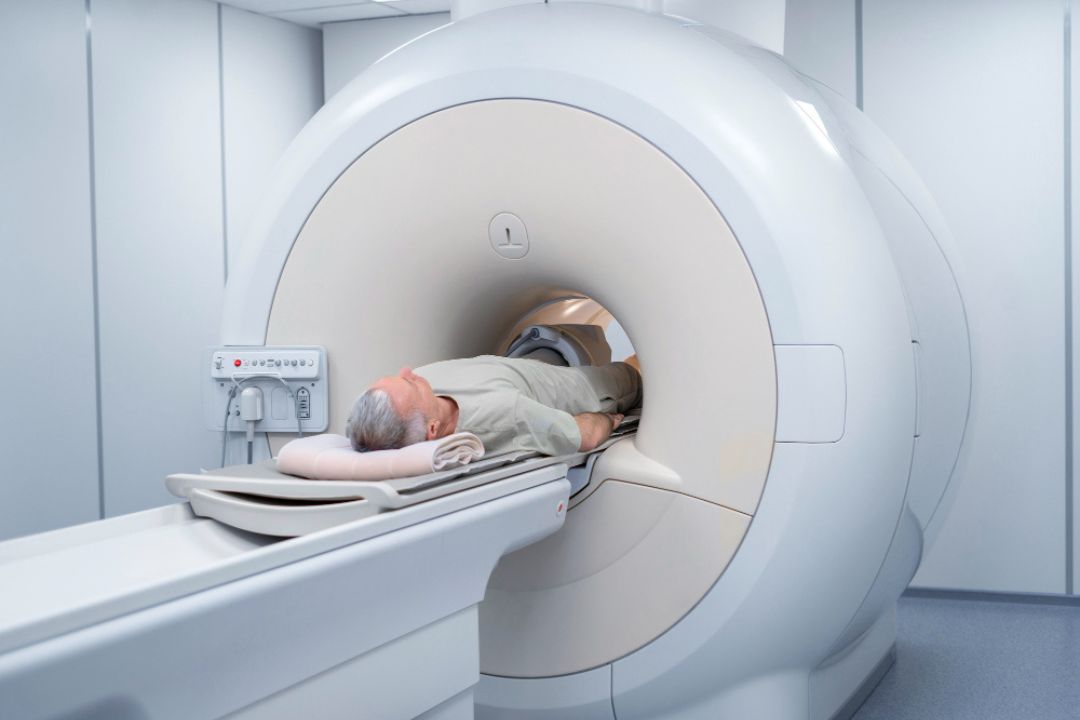
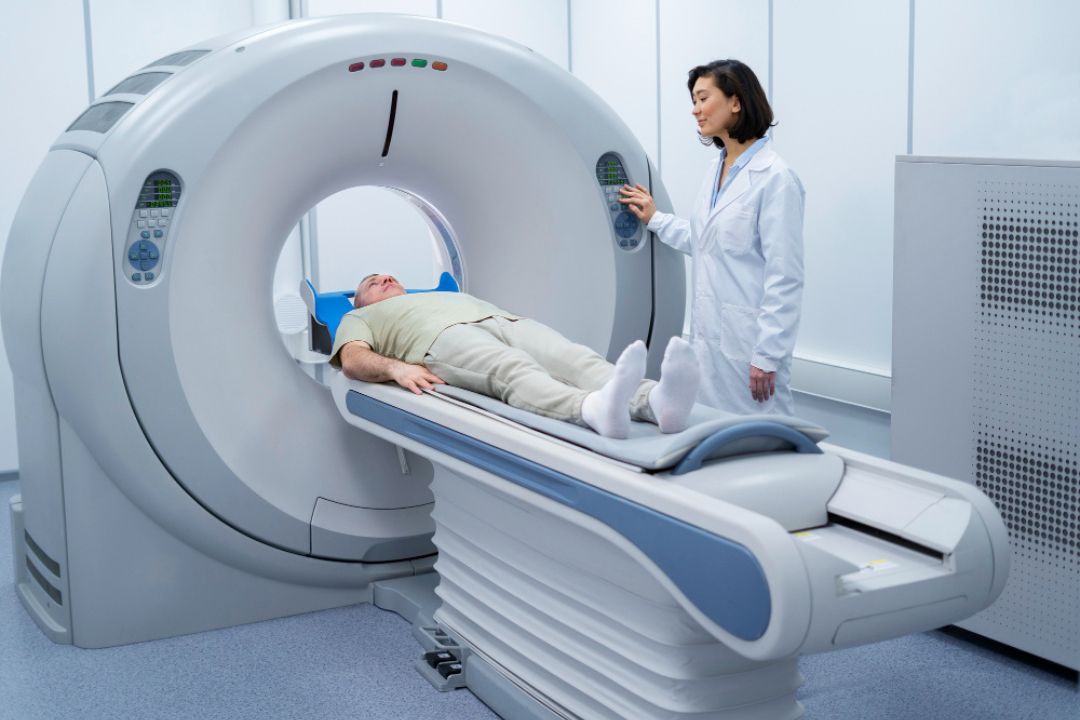
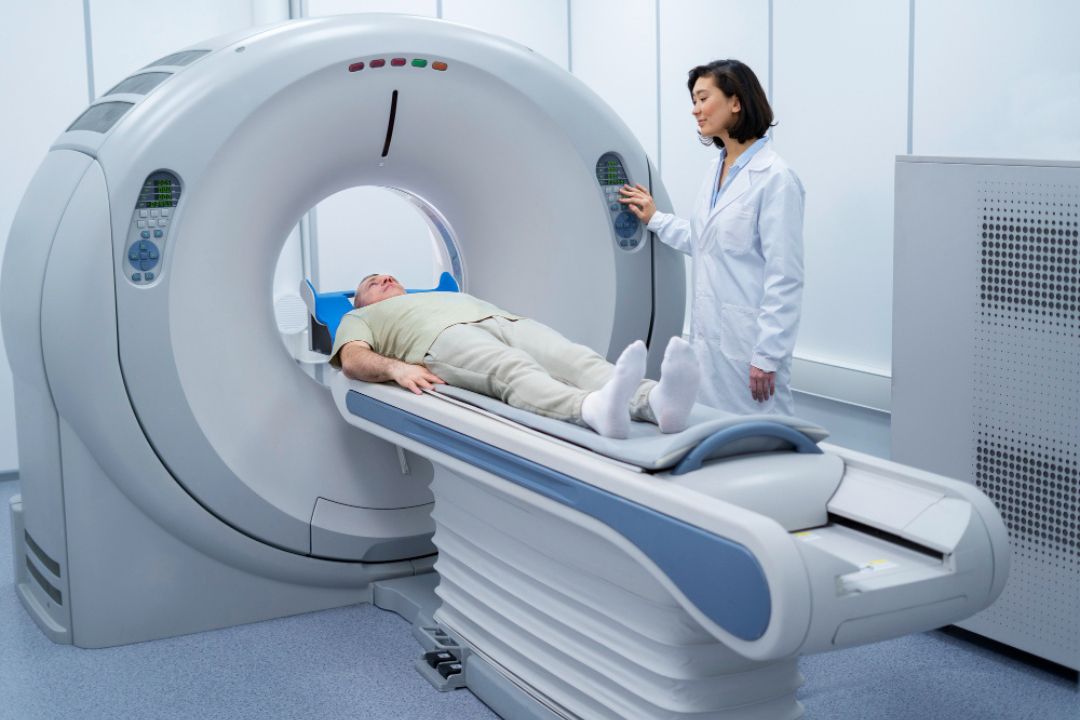
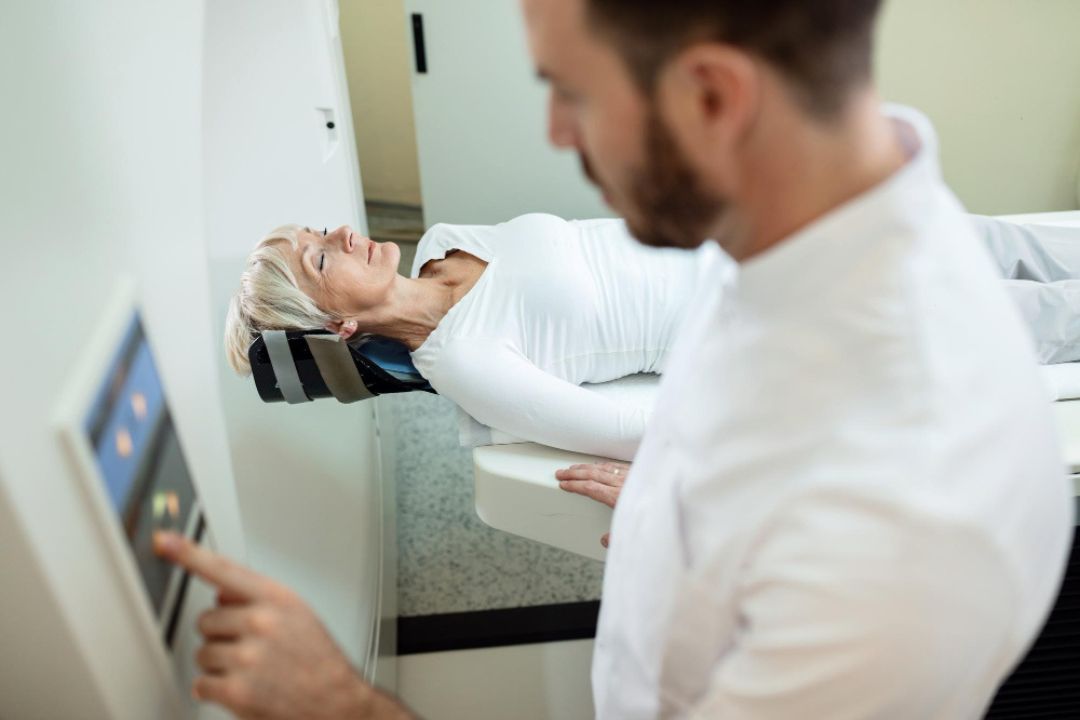
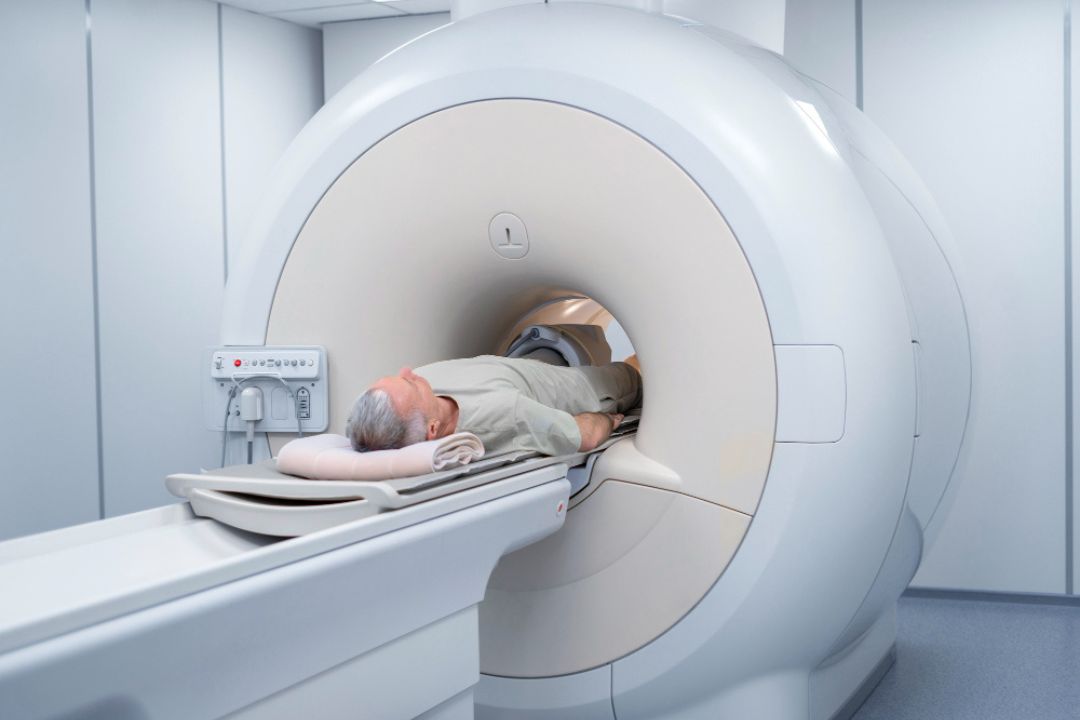
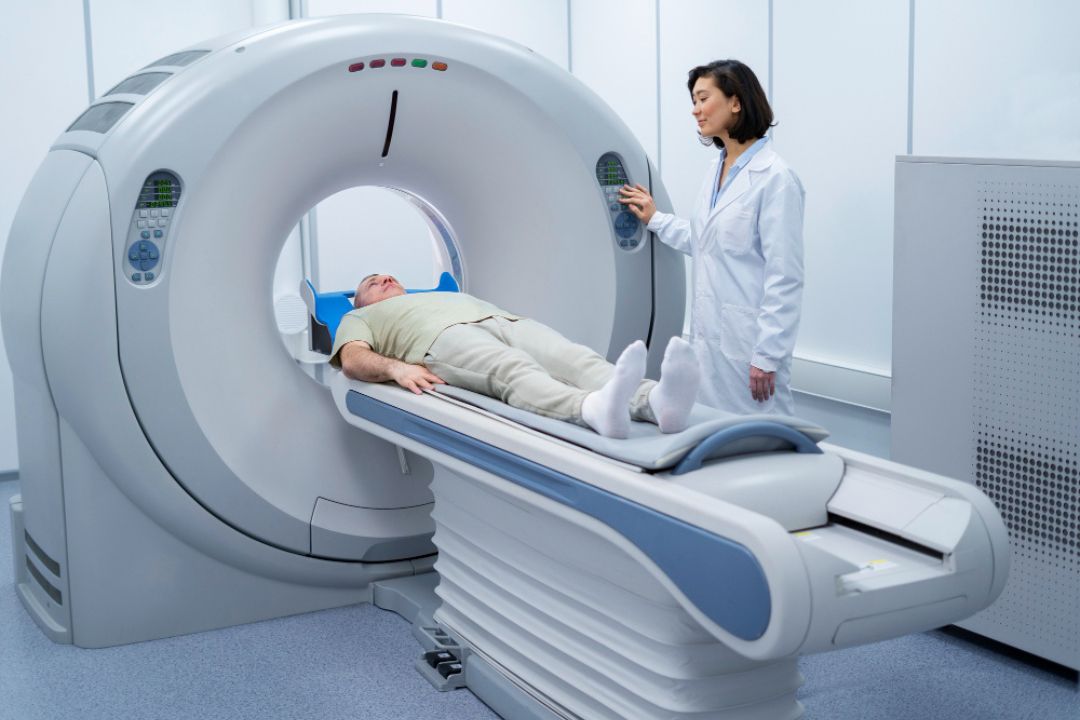
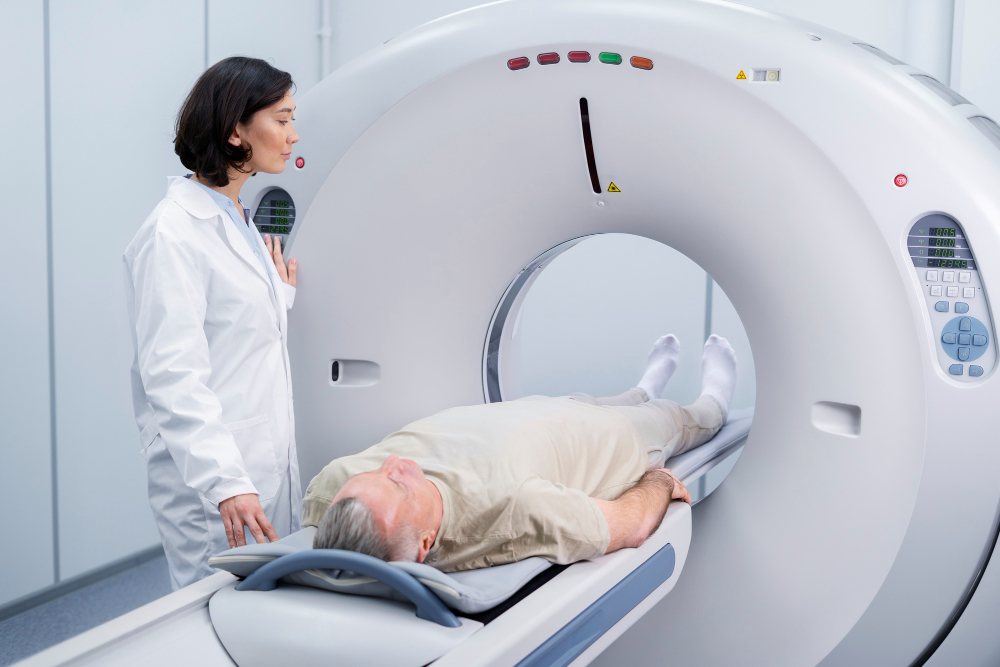
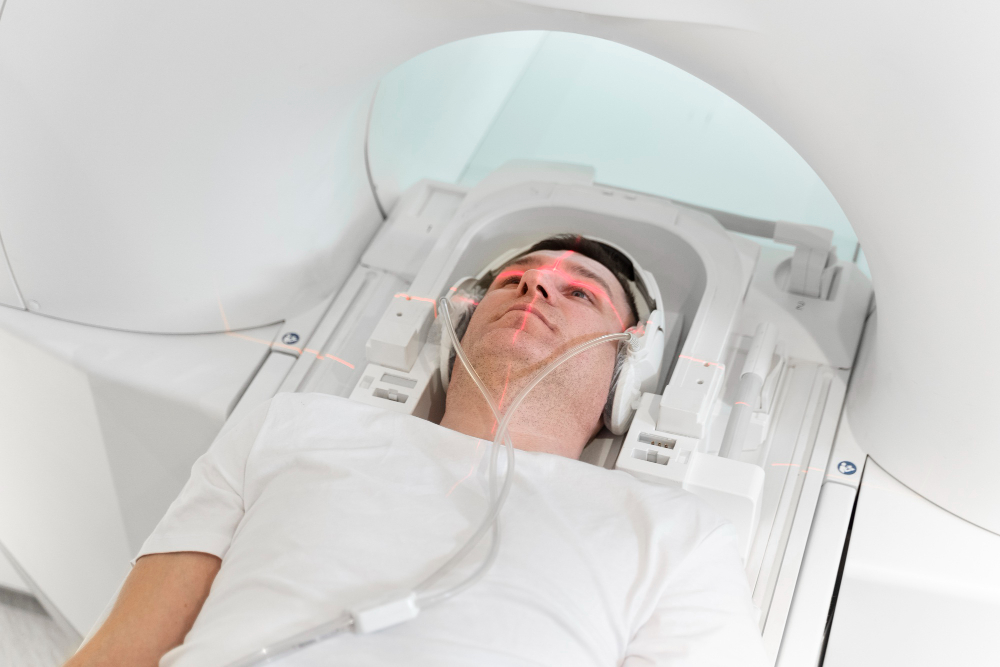
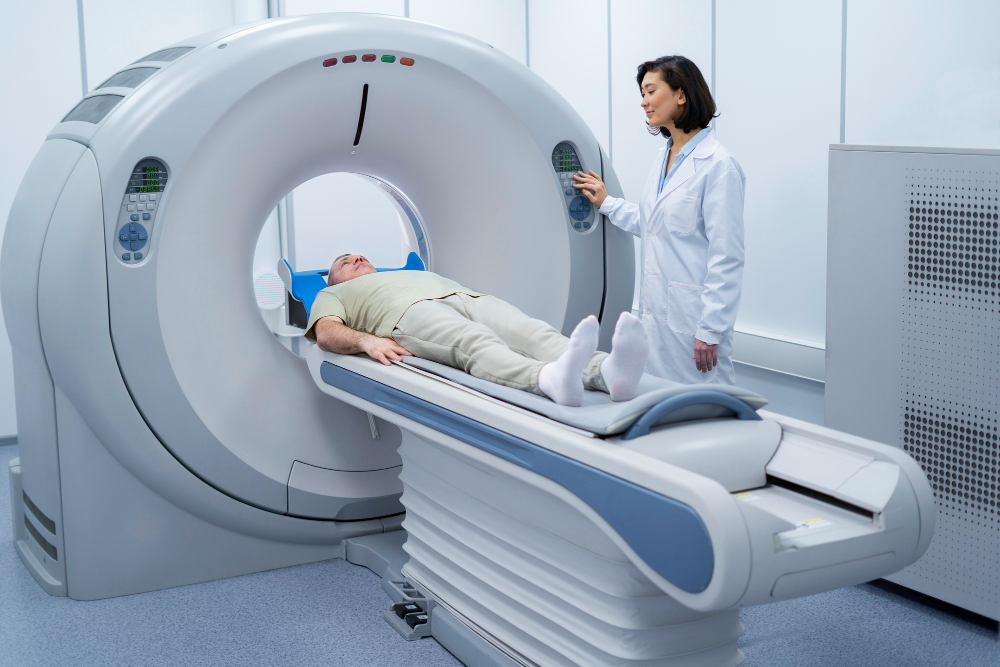
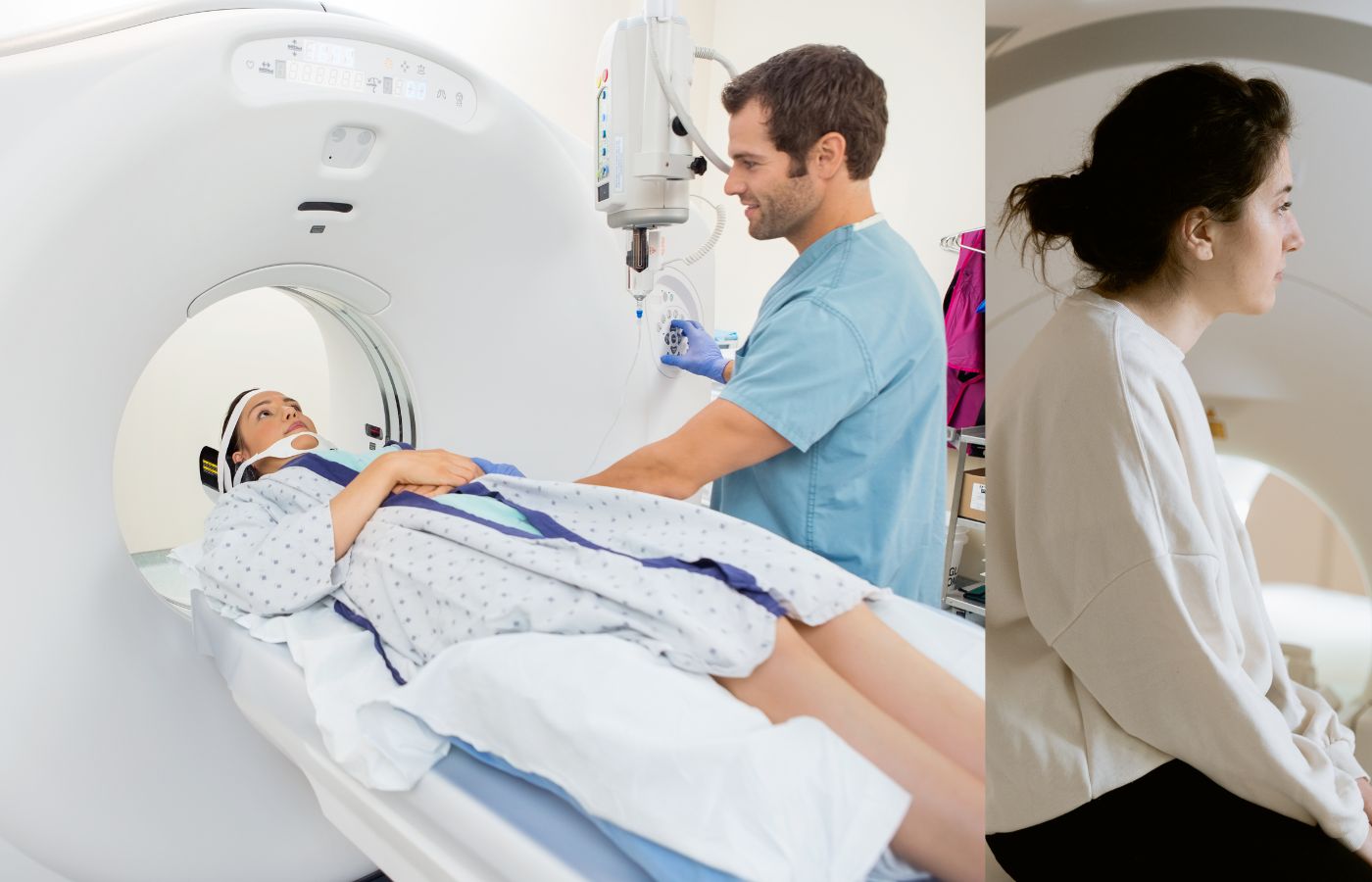
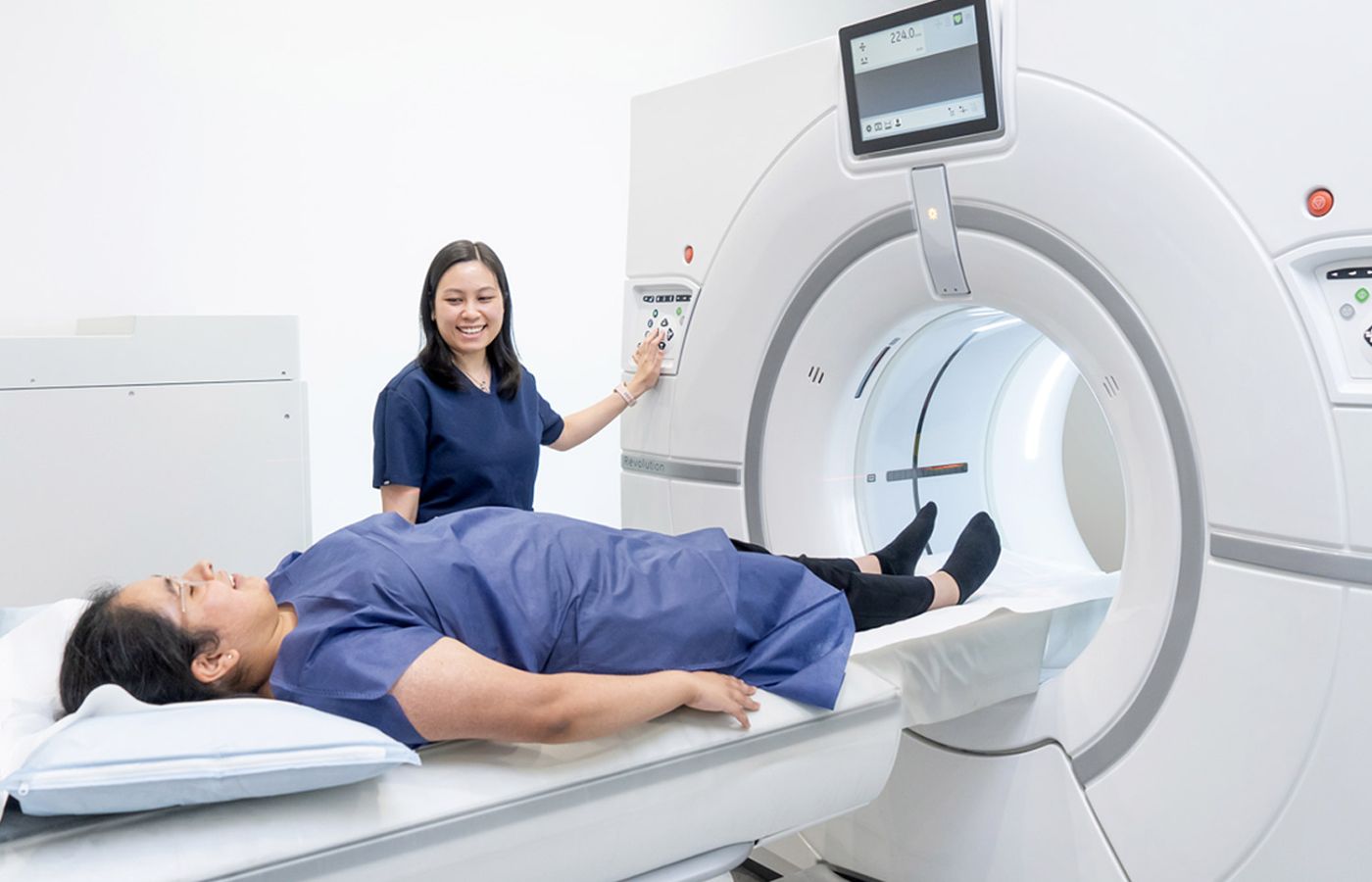
The patient lies on the CT scanning table.
An IV line is inserted to inject contrast dye.
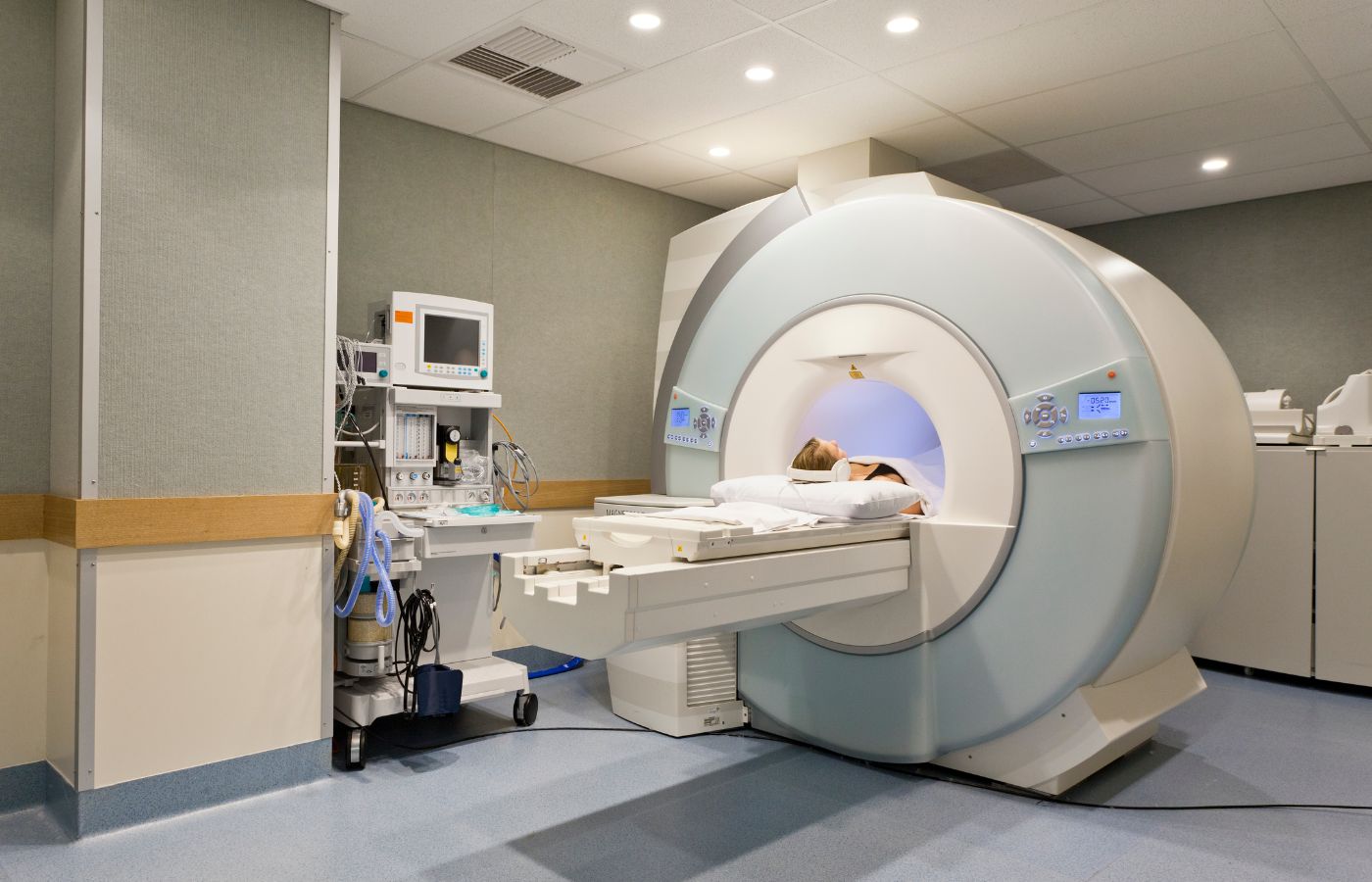
The table slowly moves through the CT scanner.
Images of the neck are captured in seconds.
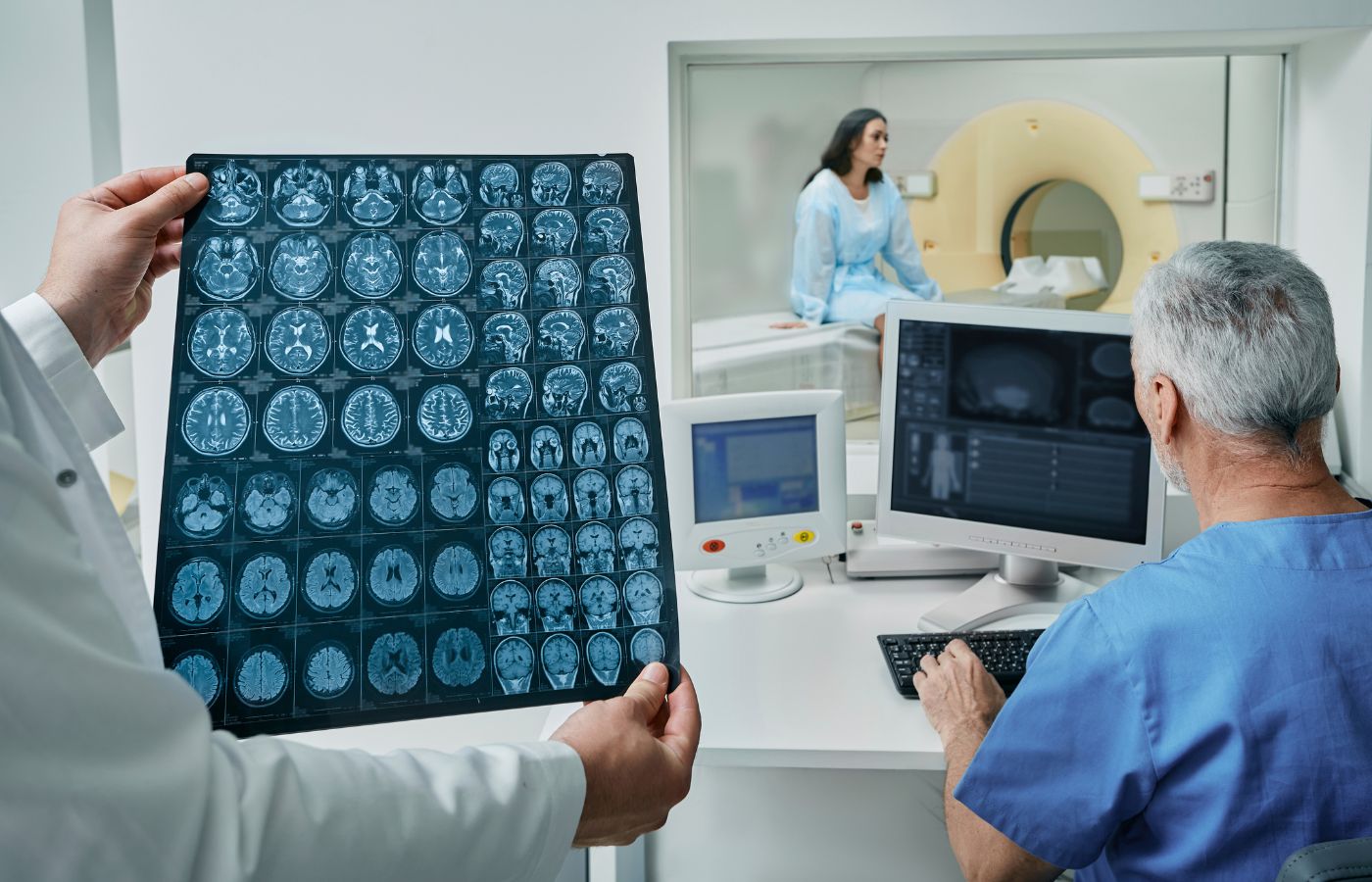
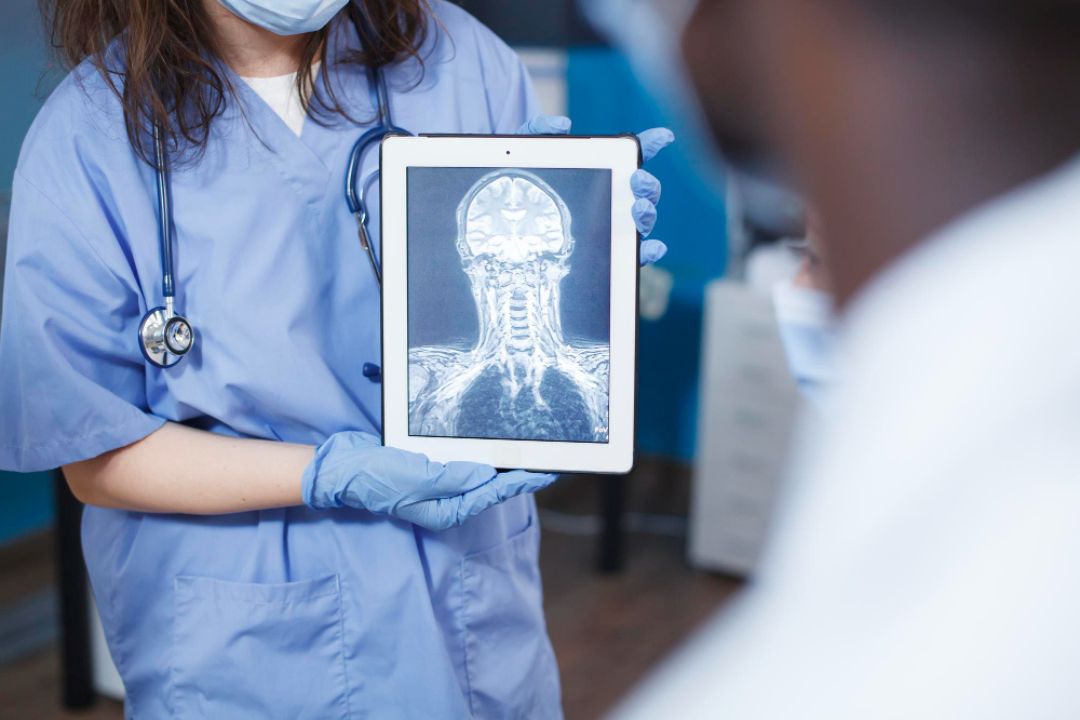
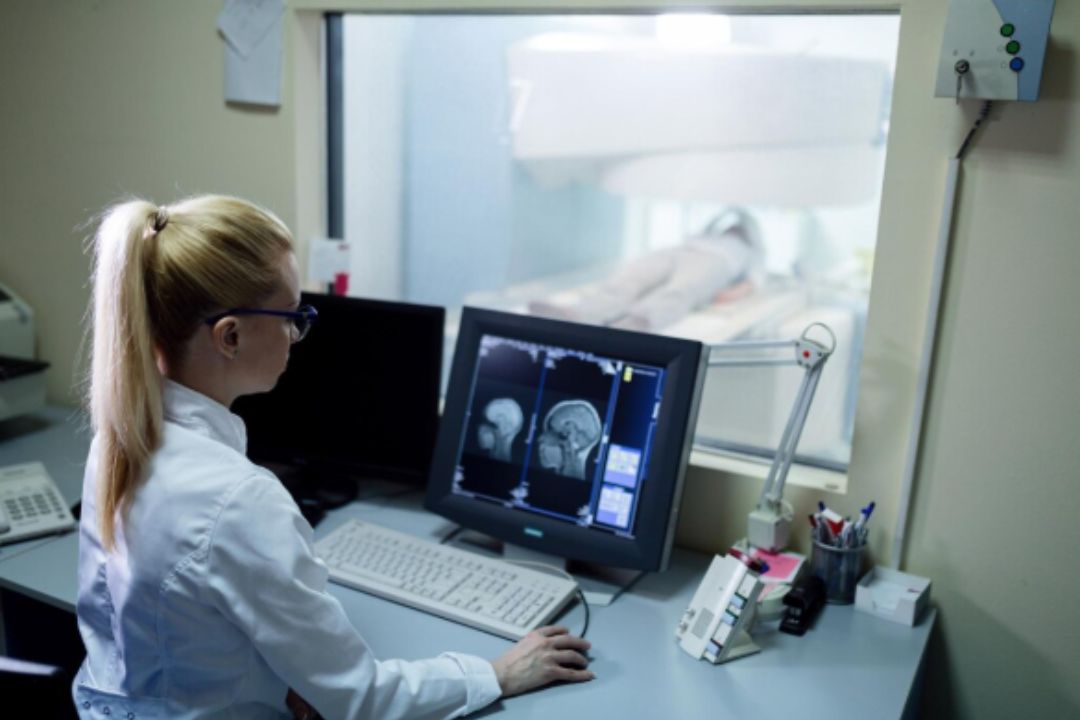
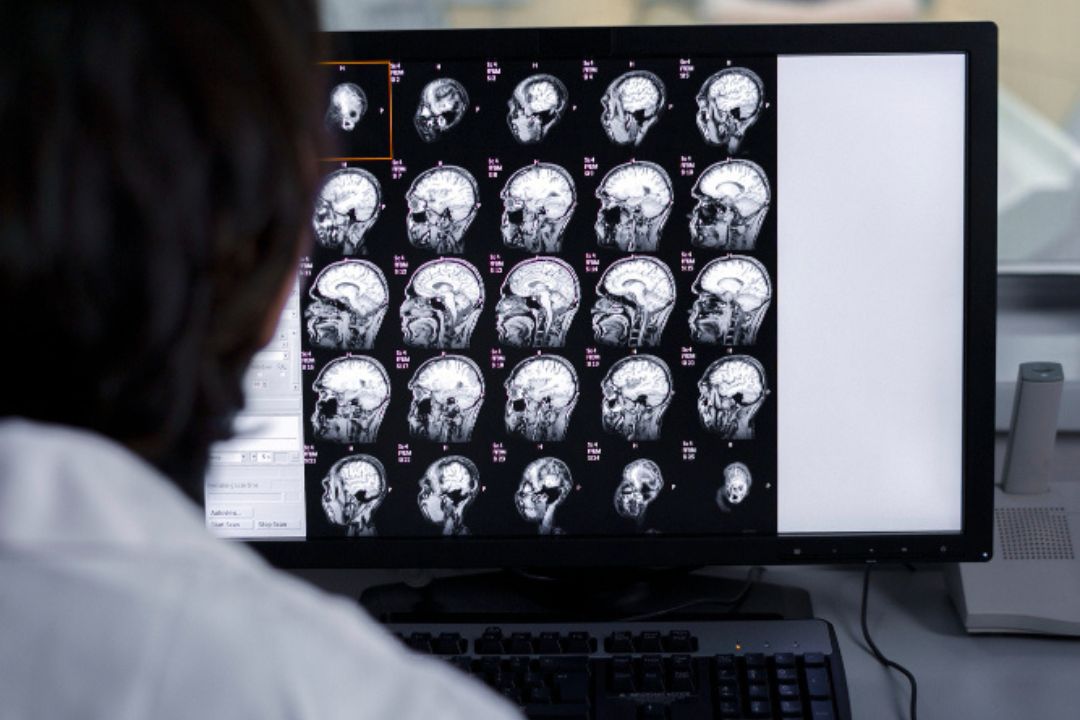
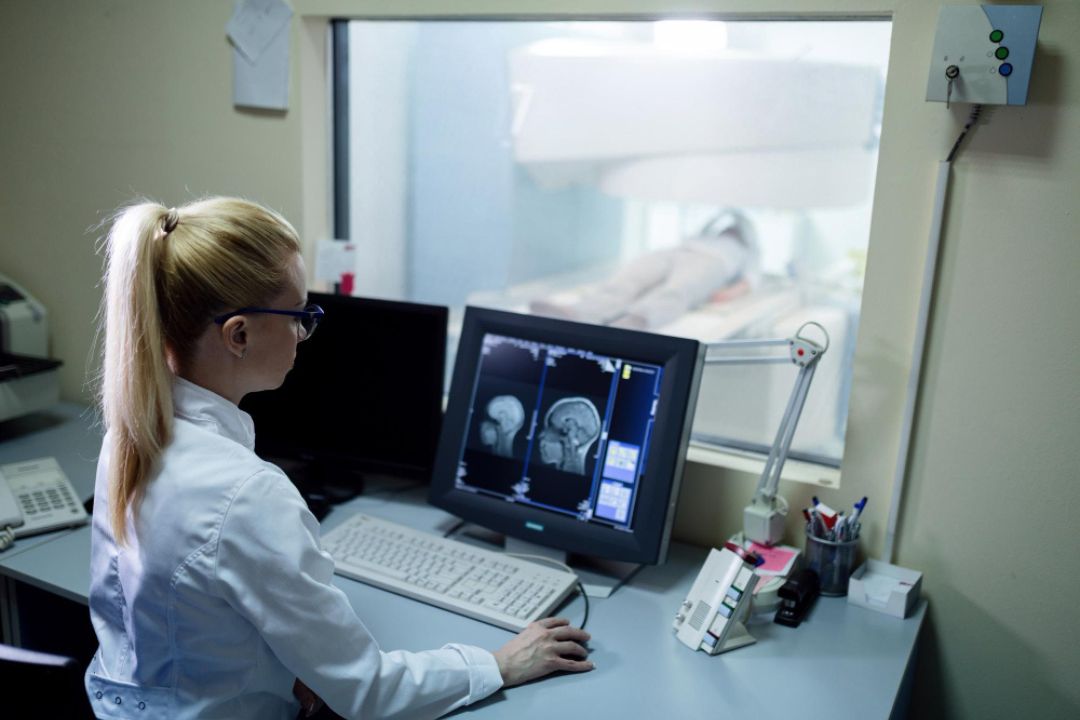
The radiologist analyzes the images.
The entire test usually takes 10–15 minutes.
This scan provides several diagnostic advantages:
Detailed imaging of soft tissues
Detection of tumors and infections
Identification of enlarged lymph nodes
Evaluation of blood vessels
Accurate diagnosis of thyroid and parathyroid disorders
Contrast helps radiologists detect small lesions and abnormal growths more easily.
CT scans are generally safe, but some risks may include:
CT scans use ionizing radiation, though the amount is carefully controlled.
Some people may experience:
Mild nausea
Warm sensation
Metallic taste
Allergic reaction (rare)
Severe allergic reactions are extremely uncommon.
Patients with kidney disease should inform their doctor before the scan.
Doctors may avoid or delay this scan in:
Pregnant women
Patients with severe kidney disease
People with previous contrast allergies
Alternative imaging tests such as ultrasound or MRI may be recommended in these cases.
A CT scan neck with contrast is an effective imaging test for diagnosing thyroid and parathyroid disorders, infections, tumors, and vascular conditions of the neck. By providing detailed images of soft tissues and blood vessels, it helps doctors detect diseases early and plan appropriate treatment.
If you experience symptoms such as neck swelling, thyroid nodules, or persistent throat pain, consult your doctor to determine whether this scan is necessary.













.jpg "ct brain scan plain and contrast")





























.jpg "ct scan")

.jpg "ct scan or mri for brain disorders")


.jpg "exploring the power of ct brain contrast in modern diagnostics")
.jpg "ct scan")

.jpg "ct scan")











.jpg "ct scan")


.jpg "CT Brain Scan for Headaches")
.jpg "The Future of 3D CT Imaging")