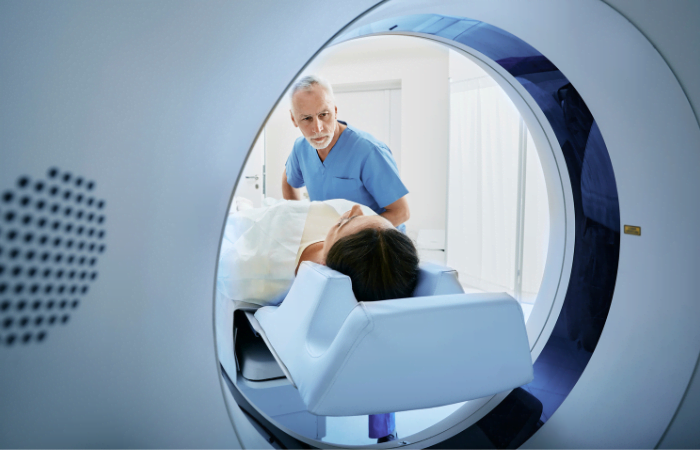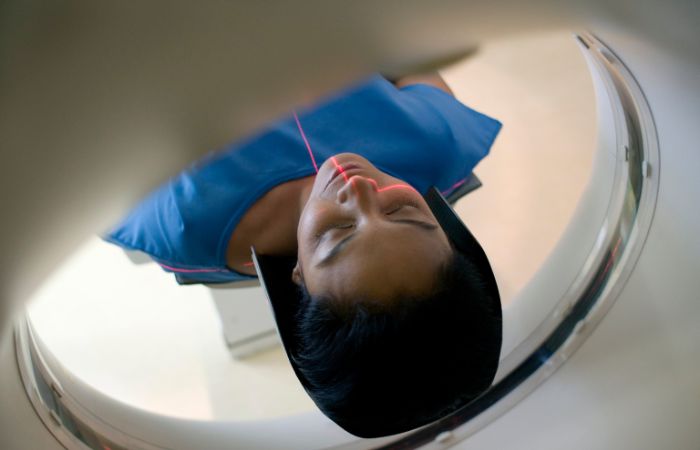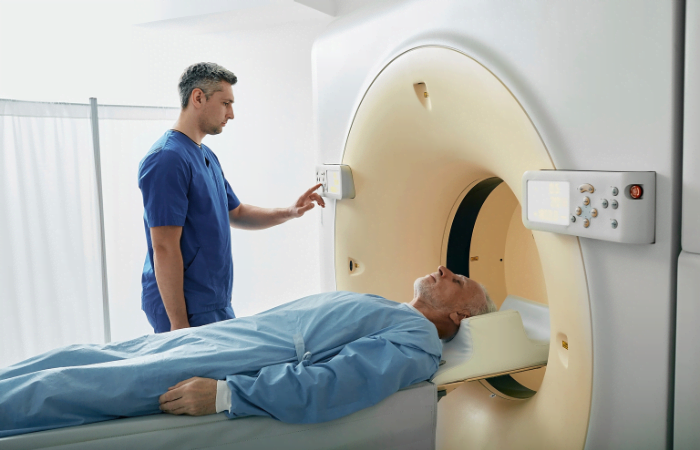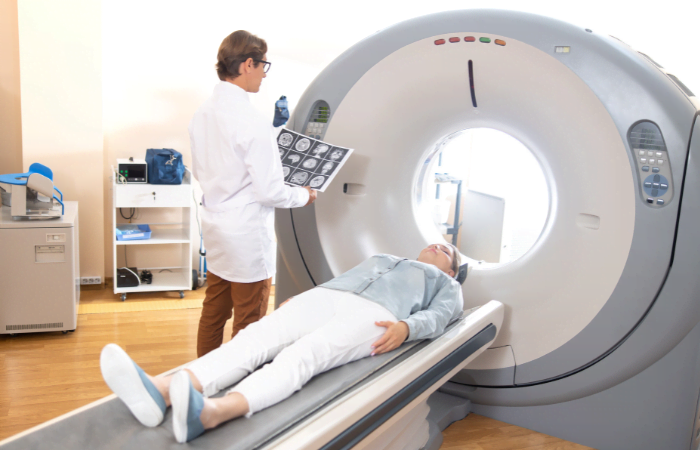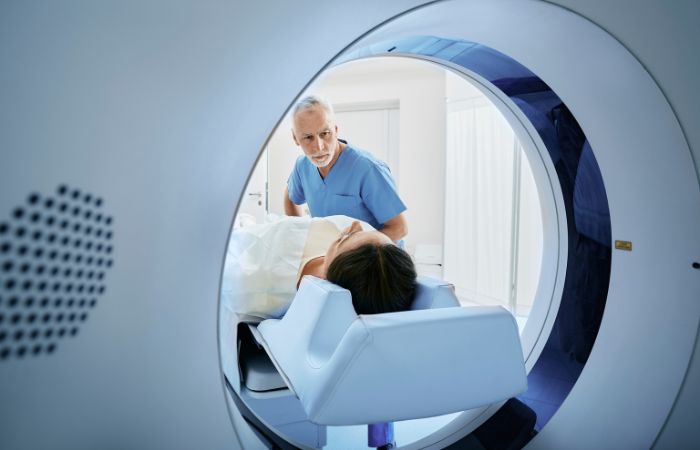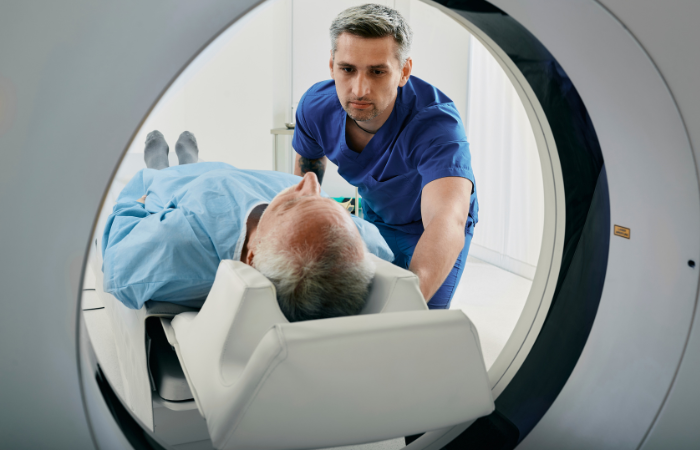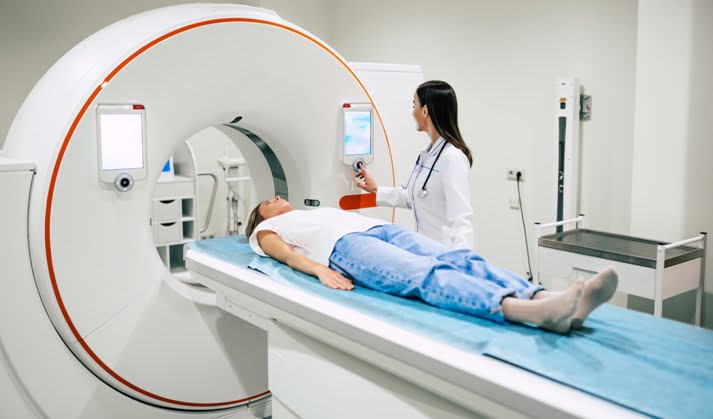
Medical imaging has advanced rapidly in recent years, and CT angiography (CTA) is one of the most important technologies used to diagnose vascular diseases. CT angiography allows doctors to visualize blood vessels, arteries, and veins in great detail using computed tomography and contrast dye.
With the latest innovations in CT technology, CT angiography has become faster, more accurate, and safer for patients. These improvements help doctors detect conditions such as blocked arteries, aneurysms, and blood clots earlier than ever before.
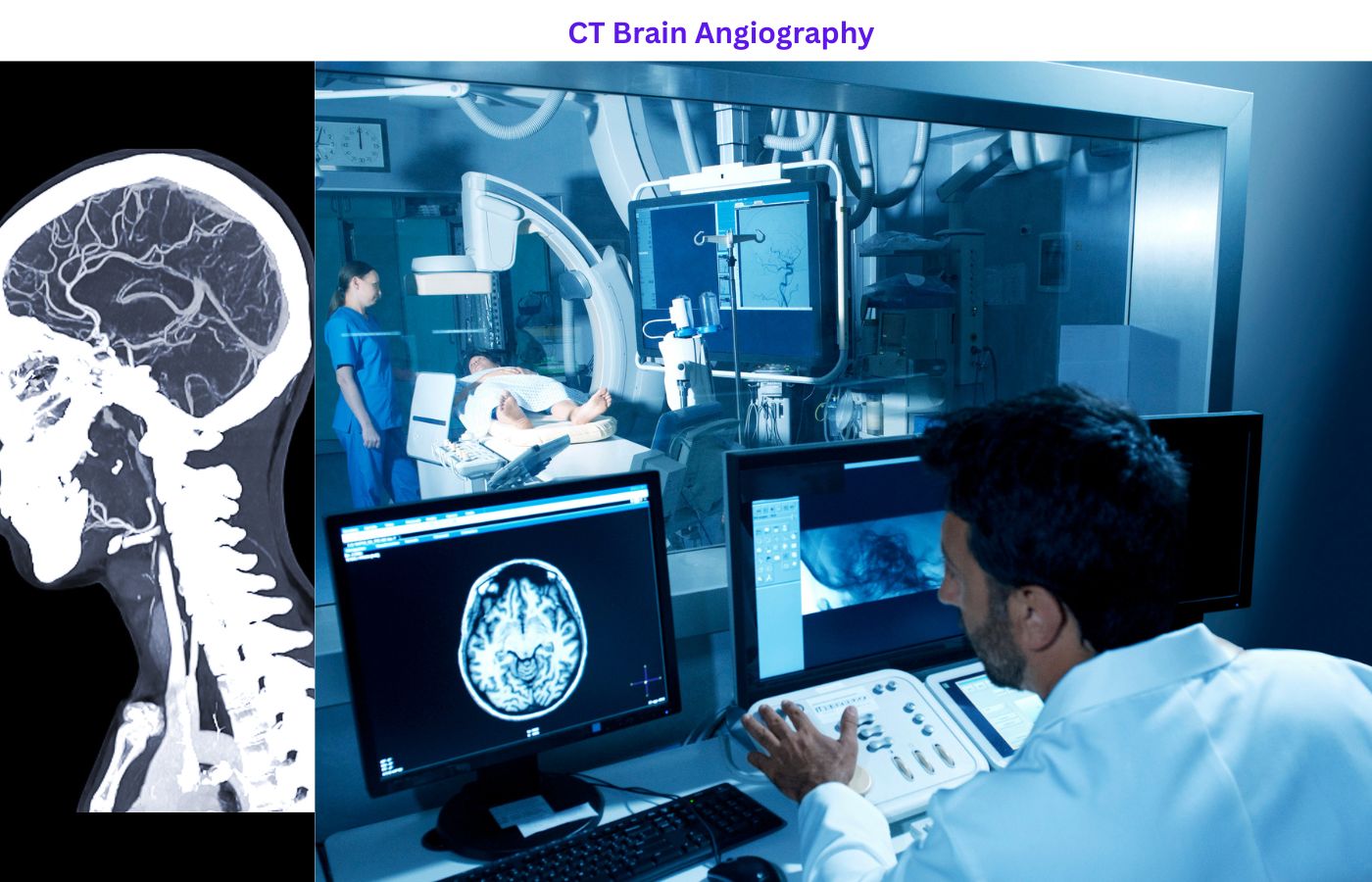
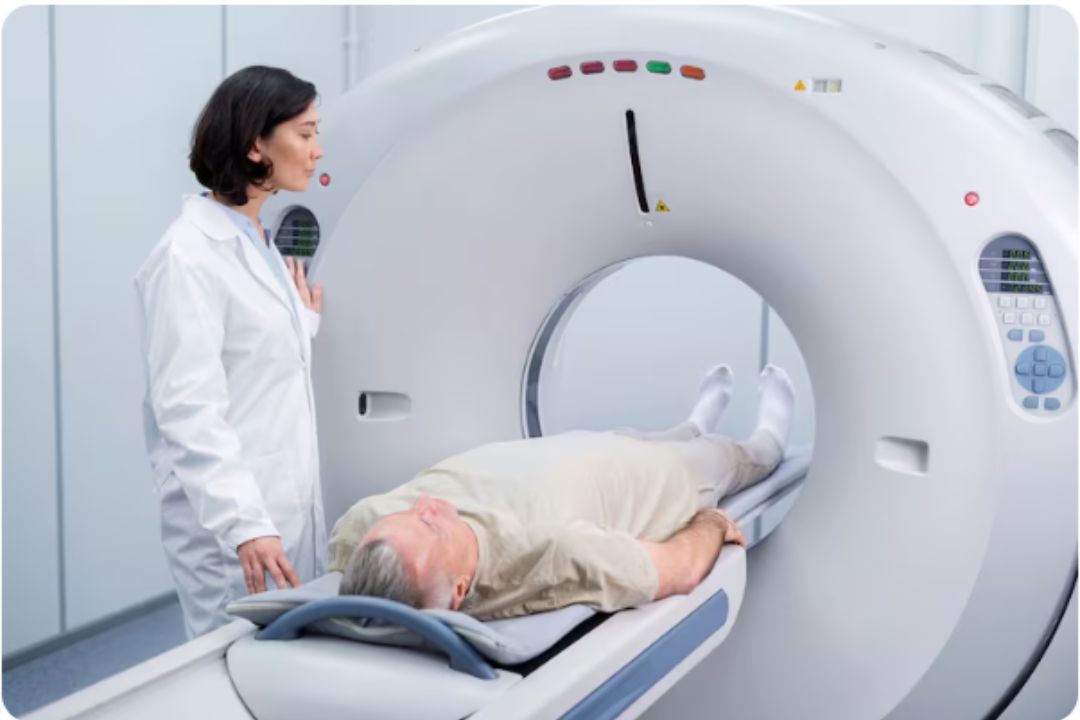
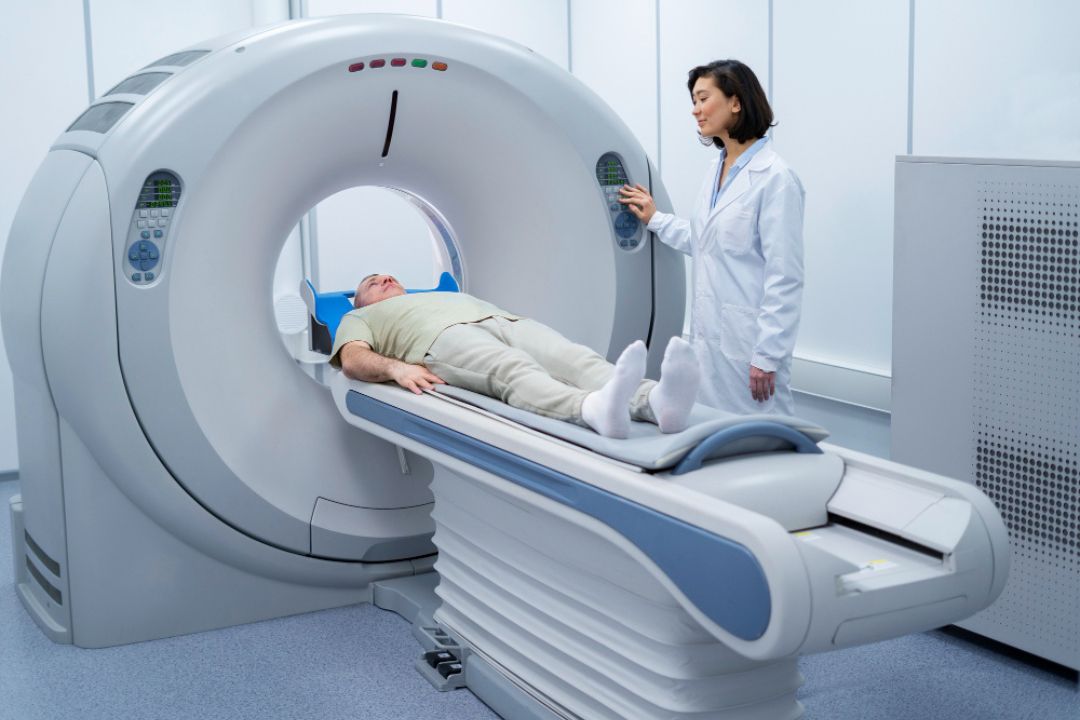
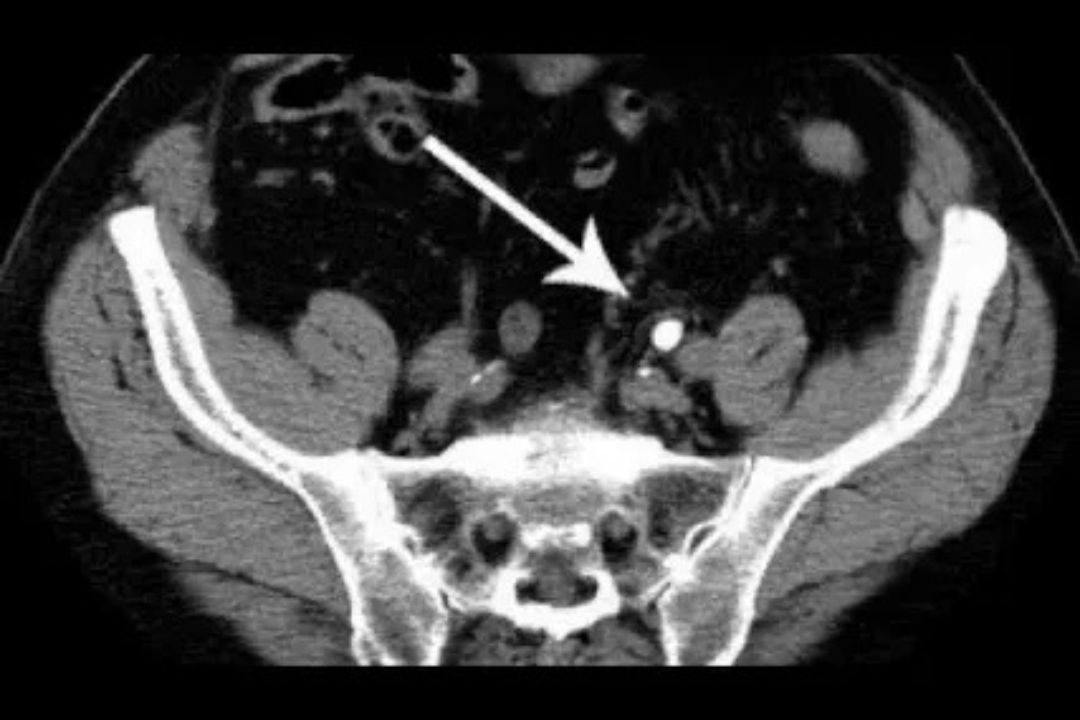
CT angiography is a diagnostic imaging technique that combines CT scanning with contrast dye to create detailed images of blood vessels.
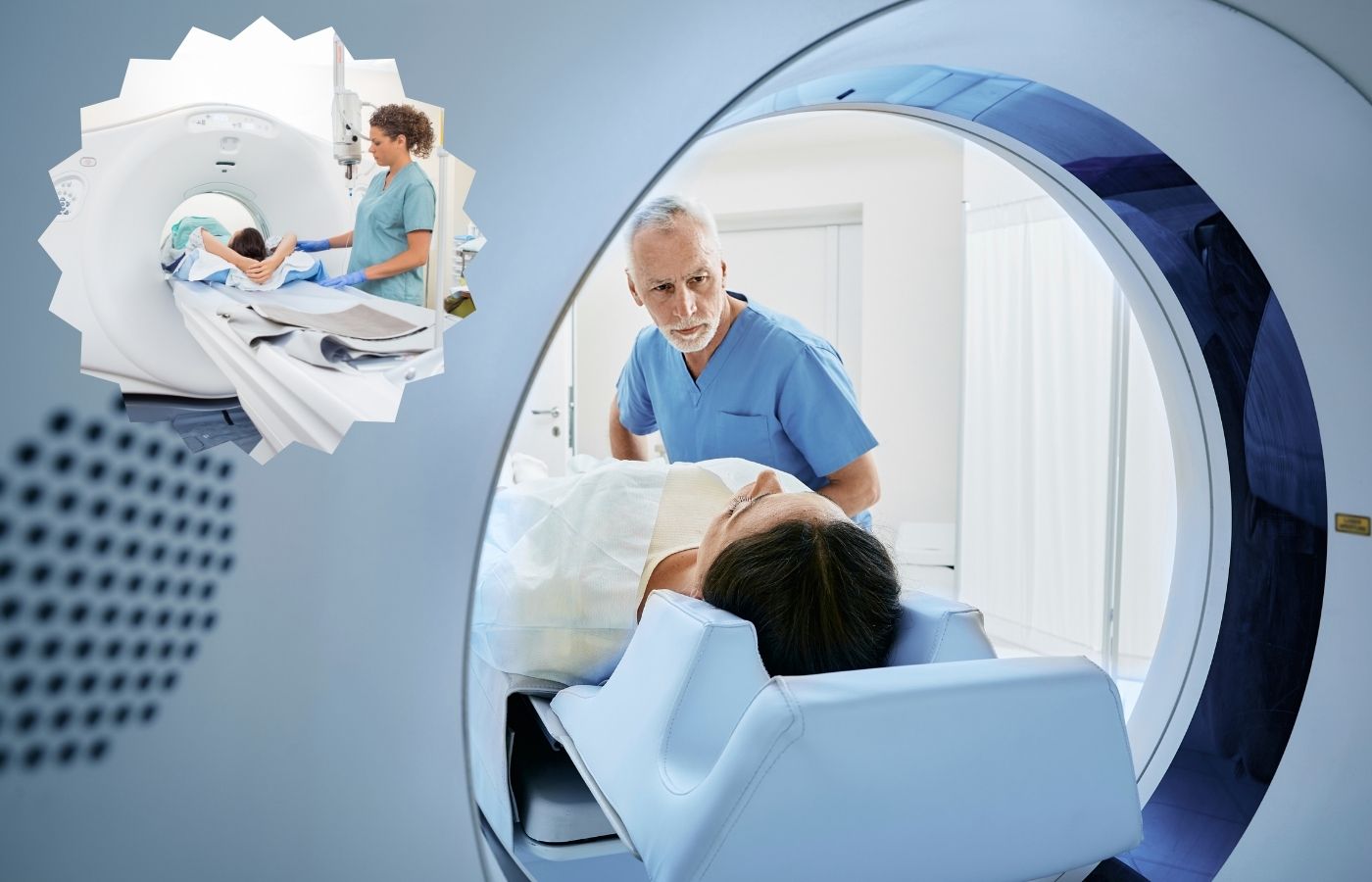
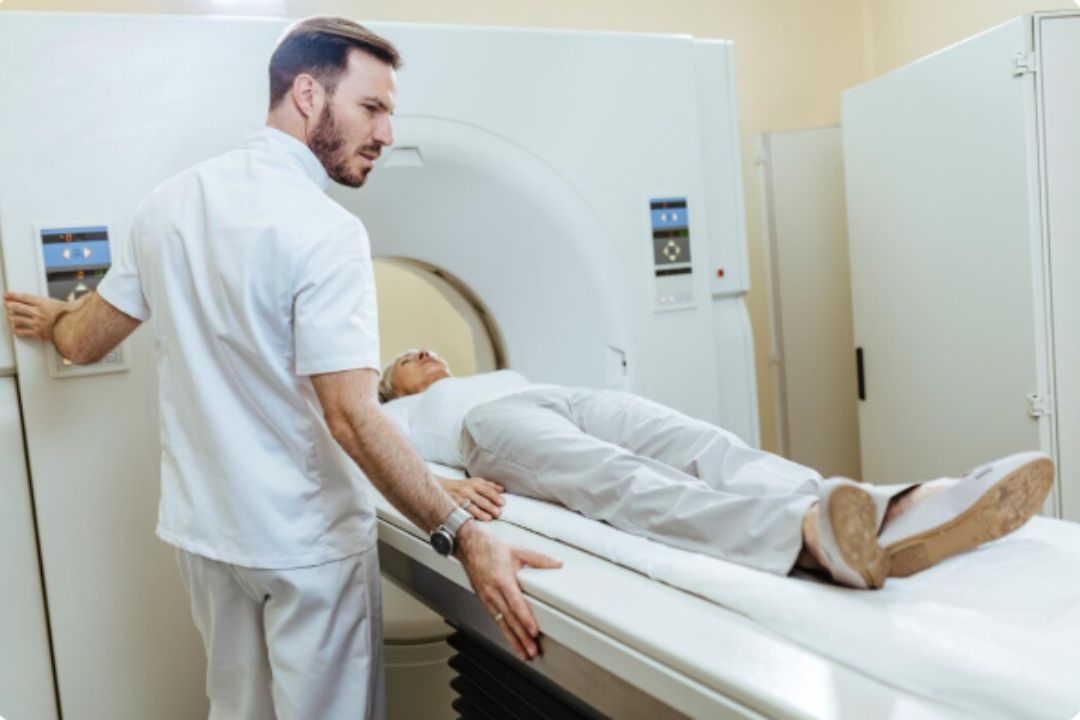
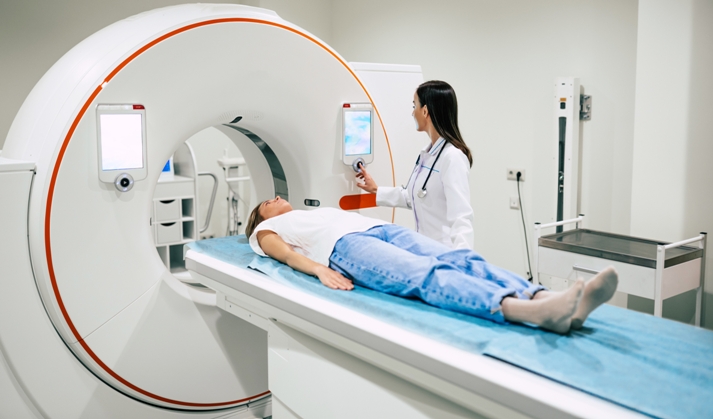
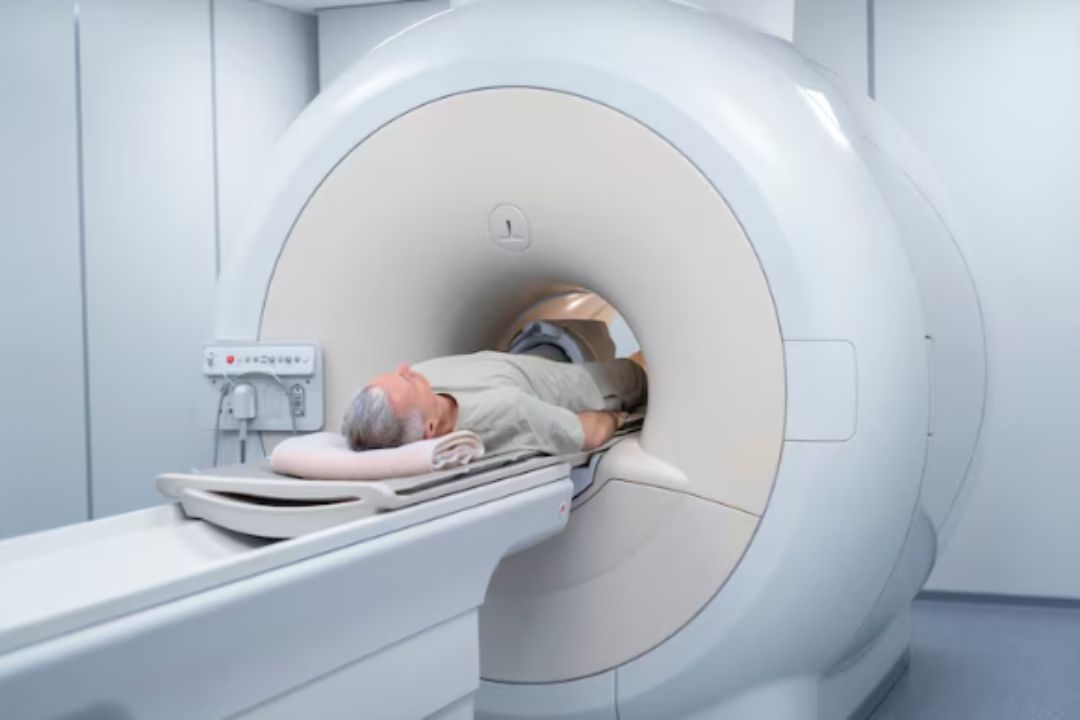
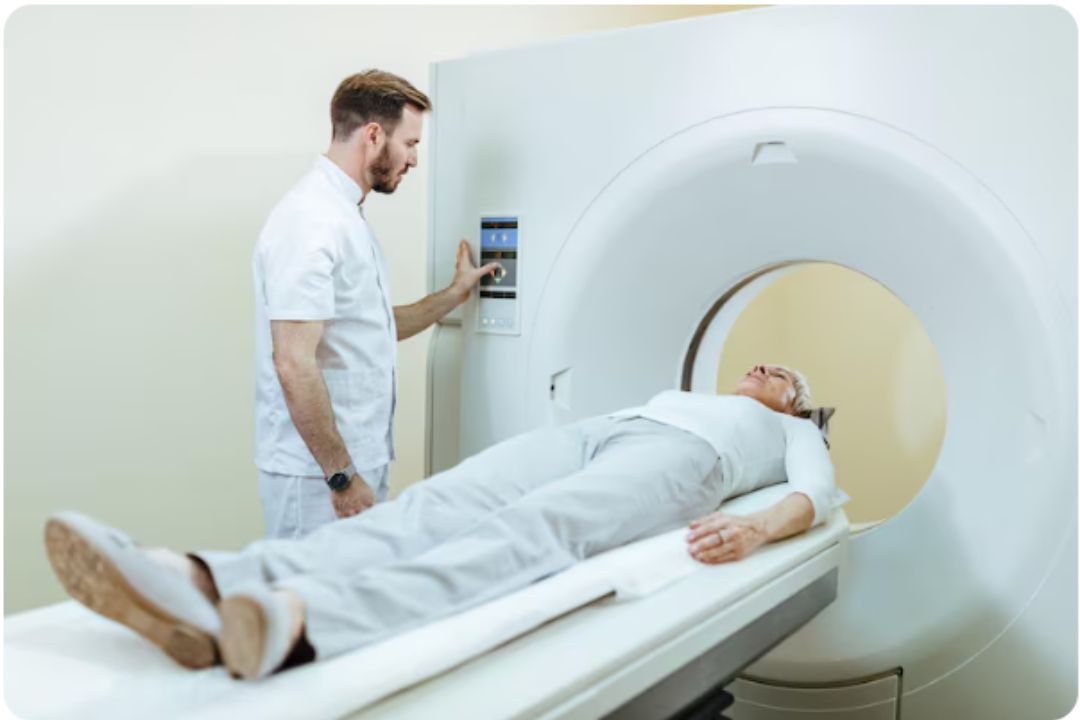
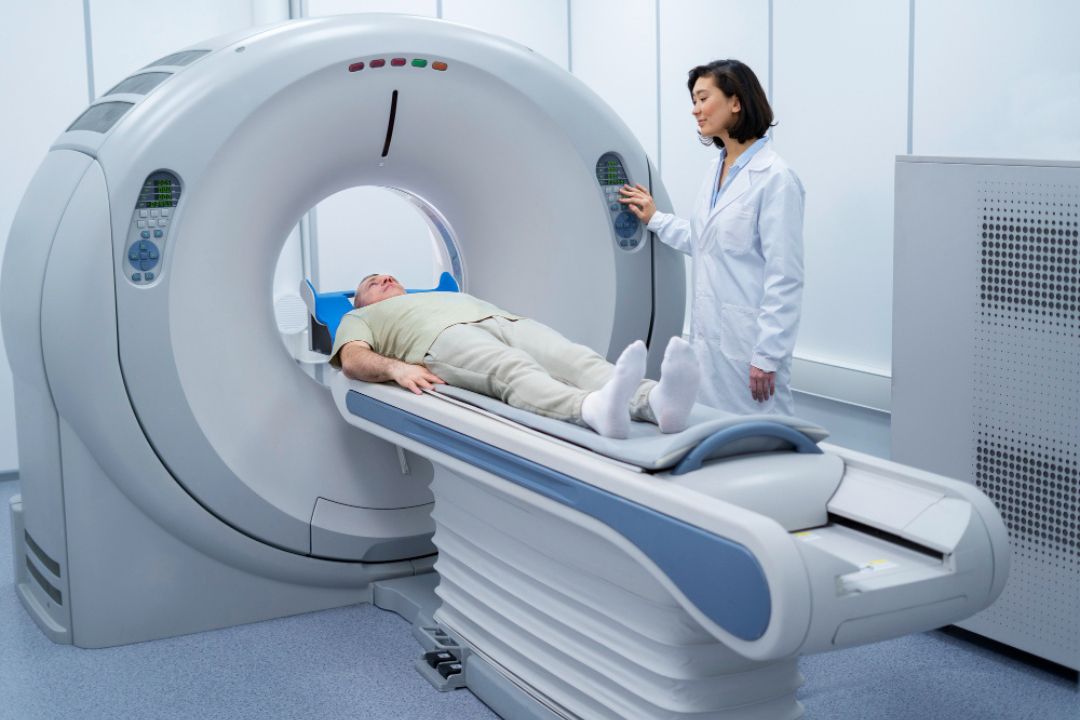
During the scan, a contrast agent is injected into a vein. The CT scanner then captures high-resolution images of the blood vessels as the contrast travels through them.
Doctors commonly use CT angiography to evaluate:
Coronary artery disease
Blocked or narrowed arteries
Aneurysms
Blood clots
Peripheral artery disease
Stroke risk
CTA is widely used because it provides clear and detailed images without the need for invasive catheter procedures.
Blood vessel diseases can be life-threatening if not detected early. CT angiography allows doctors to identify vascular problems quickly and accurately.
Benefits include:
Non-invasive diagnostic method
Highly detailed vascular images
Quick scanning process
Early detection of cardiovascular conditions
Because of these advantages, CTA has become an essential tool in modern cardiovascular diagnosis.
Recent technological developments have significantly improved CT angiography.
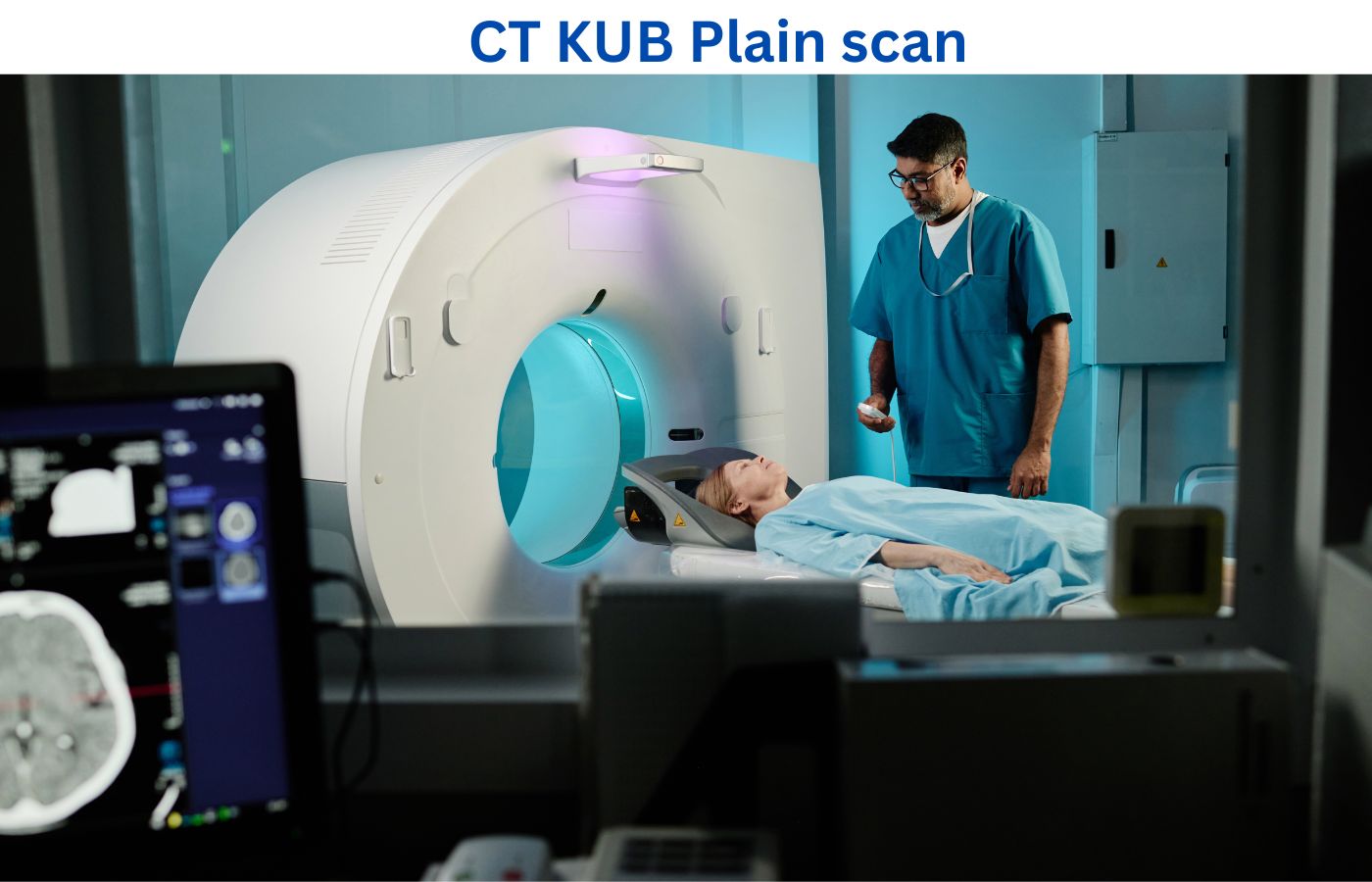
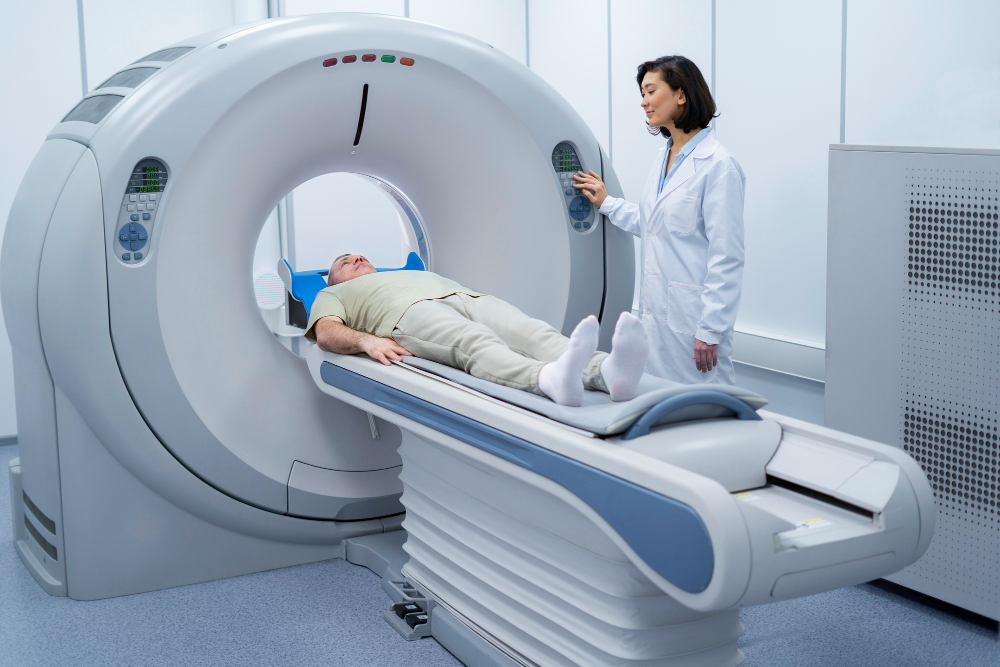
Modern CT systems use multi-detector technology, which captures multiple slices of the body simultaneously.
This advancement allows:
Faster image acquisition
Improved image clarity
Better visualization of small blood vessels
These scanners provide extremely detailed images that help doctors detect even minor vascular abnormalities.
Radiation exposure has always been a concern in CT imaging. New CT angiography systems use advanced dose-reduction technologies to minimize radiation while maintaining image quality.
These techniques include:
Automated exposure control
Iterative reconstruction algorithms
Advanced detector sensitivity
As a result, patients receive significantly lower radiation doses compared to older CT systems.
Modern CT angiography scanners can complete scans in just a few seconds. Faster scanning reduces motion artifacts and improves image accuracy.
This is especially helpful for imaging moving organs such as the heart and blood vessels.
Faster scans also make the procedure more comfortable for patients who may have difficulty holding their breath during imaging.
Artificial intelligence (AI) is becoming an important part of modern CT technology.
AI-powered software can assist radiologists by:
Automatically detecting vascular abnormalities
Enhancing image clarity
Reducing noise in images
Improving diagnostic accuracy
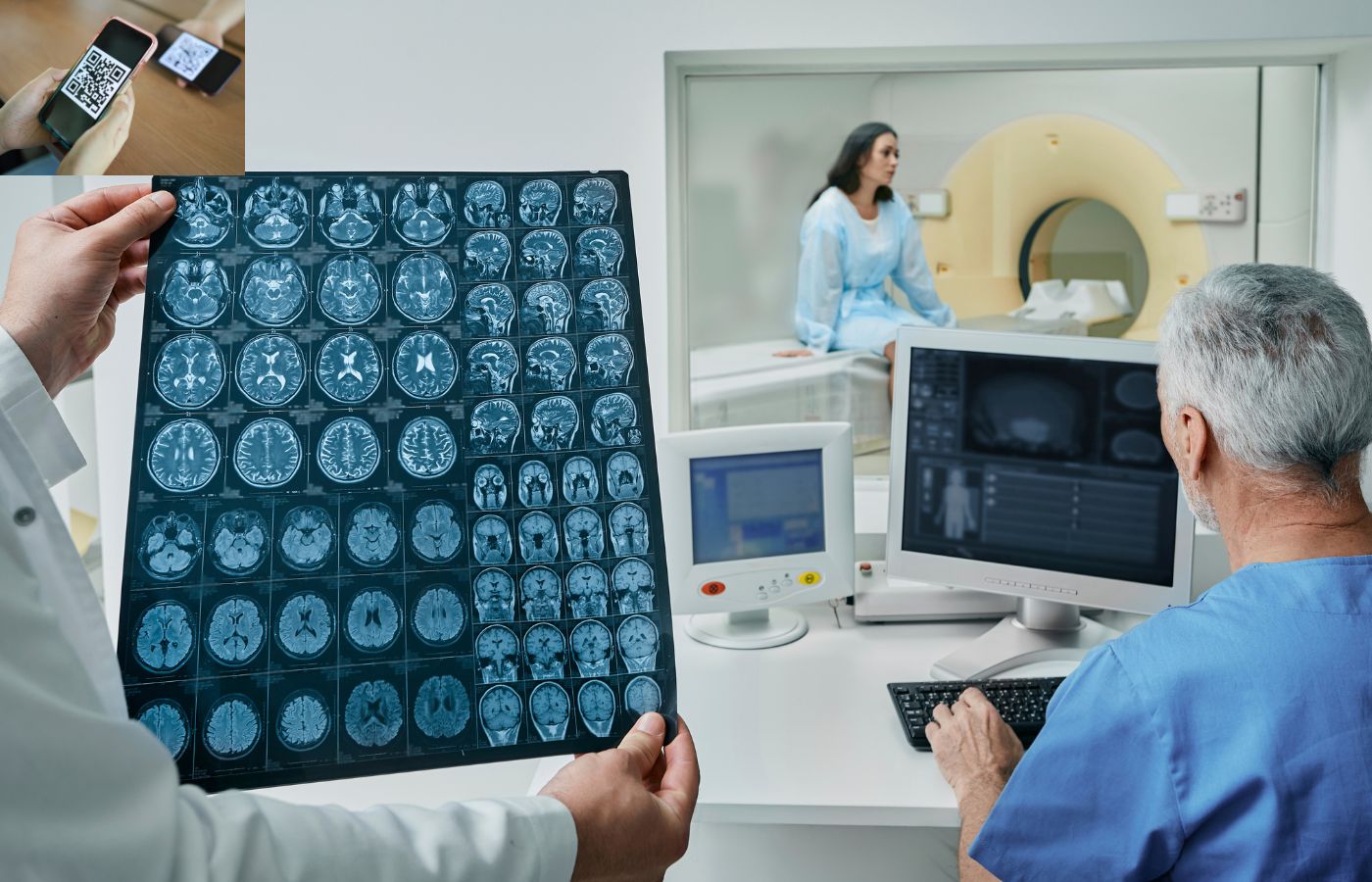
AI tools help radiologists analyze complex imaging data more efficiently.
Another major advancement in CT angiography is 3D reconstruction technology.
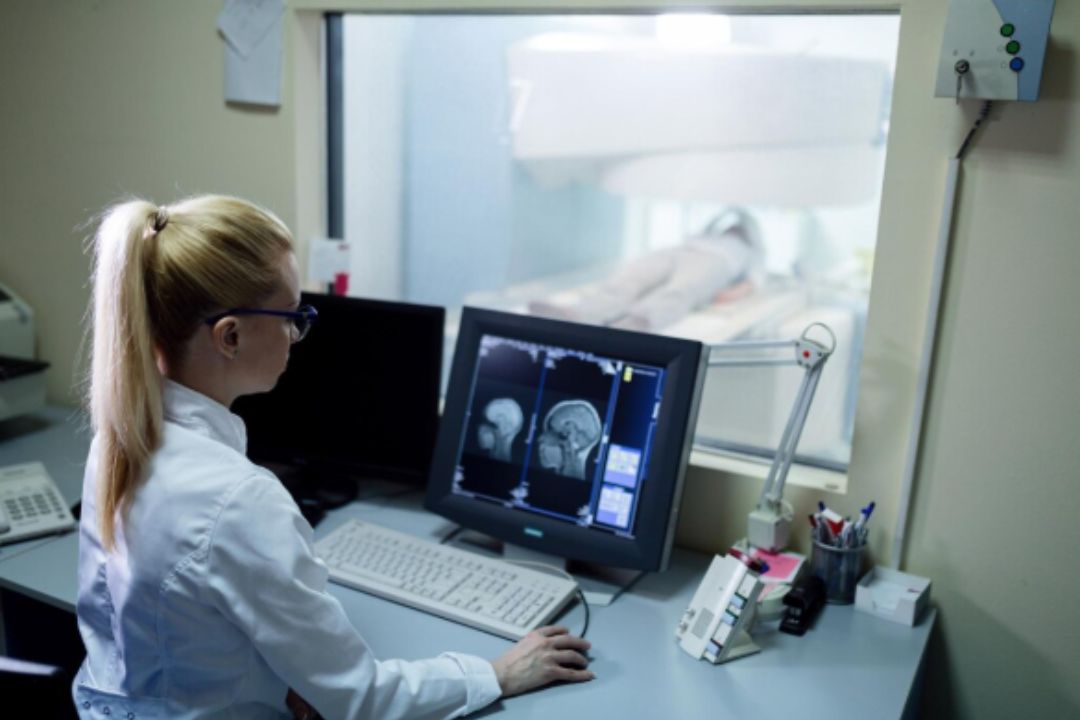
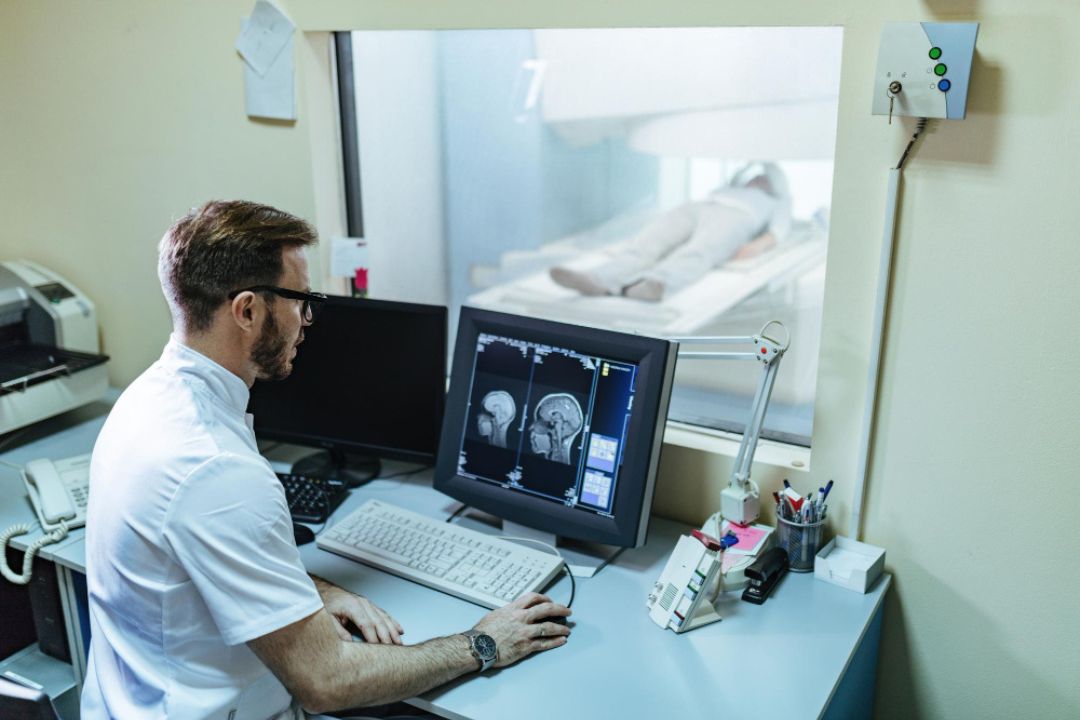
Using specialized software, CT data can be converted into three-dimensional images of blood vessels. These 3D models allow doctors to examine vascular structures from different angles.
This technology helps in:
Surgical planning
Evaluating aneurysms
Identifying arterial blockages
Planning interventional procedures
Dual-energy CT scanners use two different X-ray energy levels to capture images.
This technique provides additional information about tissue composition and blood flow.
Advantages include:
Improved contrast visualization
Better differentiation between tissues
More accurate detection of vascular diseases
Dual-energy CT is becoming increasingly valuable in advanced vascular imaging.
CT angiography is used to diagnose a wide range of vascular conditions.
Common applications include:
CTA can detect narrowing or blockages in the arteries supplying blood to the heart.
The scan helps identify blood clots in the lungs.
CT angiography can detect abnormal enlargement of the aorta.
It helps evaluate reduced blood flow to the legs and arms.
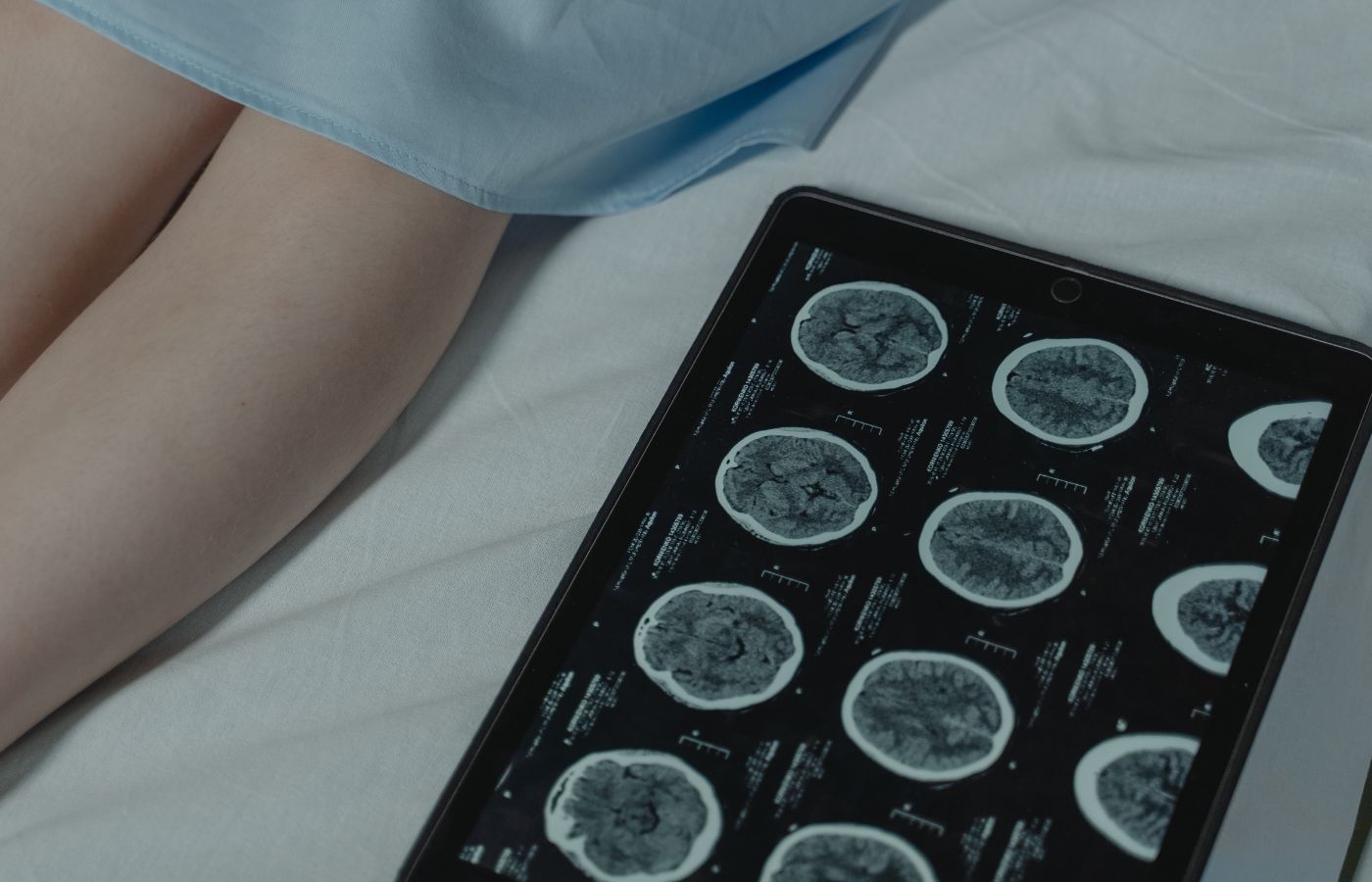
CTA can identify blocked arteries in the brain.
Early detection of these conditions helps doctors initiate timely treatment and prevent complications.
Recent technological improvements have made CT angiography safer and more effective.
Key benefits include:
Highly detailed vascular imaging
Non-invasive procedure
Faster scanning times
Reduced radiation exposure
Improved diagnostic accuracy
These advantages make CT angiography a preferred imaging technique for many vascular conditions.
CT imaging technology continues to evolve, and future developments are expected to further improve vascular diagnostics.
Potential advancements include:
More advanced AI-assisted diagnostics
Ultra-low radiation CT scanners
Faster imaging systems
Improved contrast agents
These innovations will continue to enhance the ability of doctors to diagnose and treat vascular diseases earlier and more effectively.
The latest advances in CT angiography technology have significantly improved the way doctors diagnose vascular diseases. Innovations such as multi-detector CT scanners, artificial intelligence, dual-energy imaging, and advanced 3D visualization have made CT angiography more precise and safer for patients.
With faster scans, lower radiation exposure, and improved diagnostic accuracy, CT angiography continues to play a crucial role in modern medical imaging and cardiovascular care.
Early detection through advanced imaging technology can help patients receive timely treatment and better health outcomes.






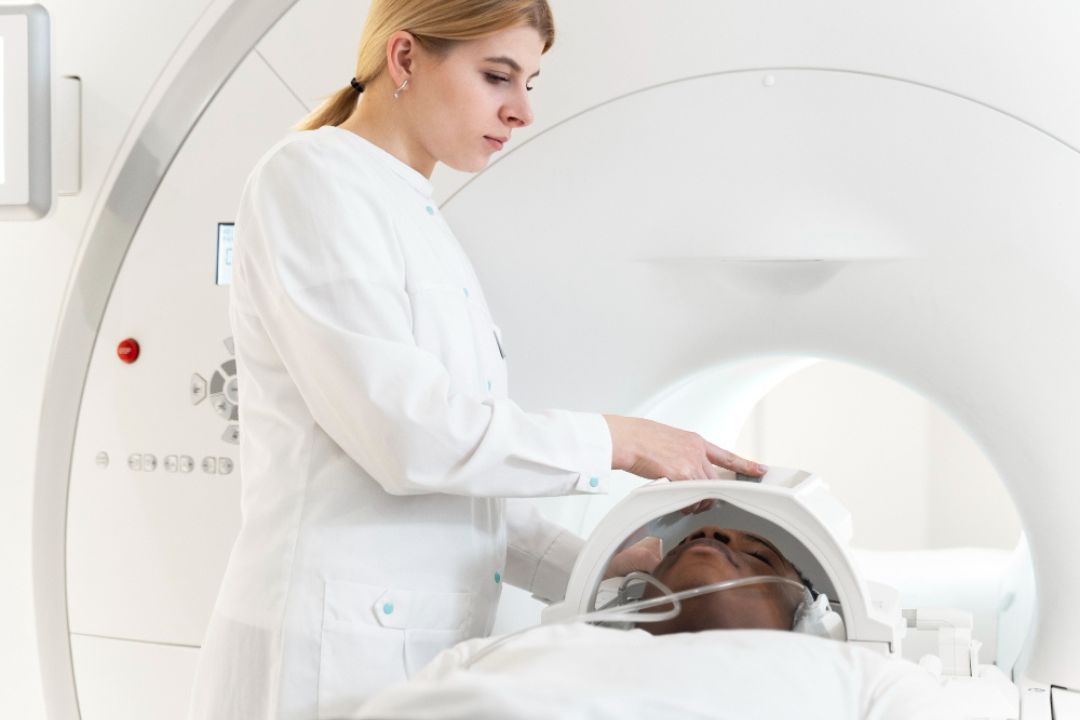
.jpg "ct brain scan plain and contrast")








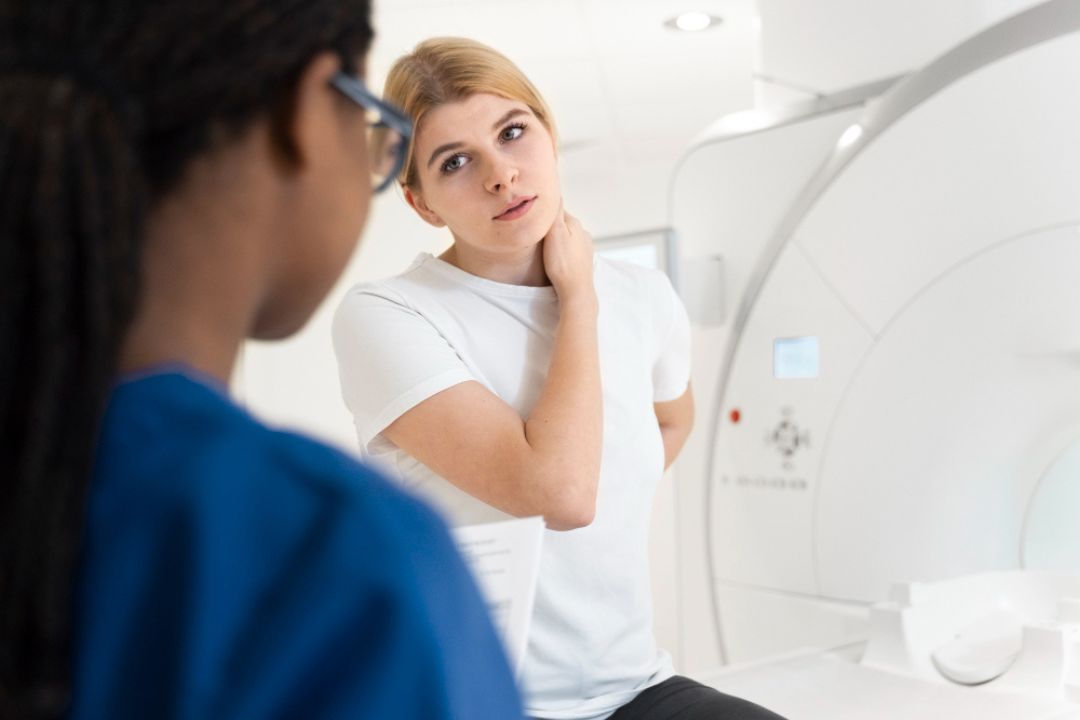
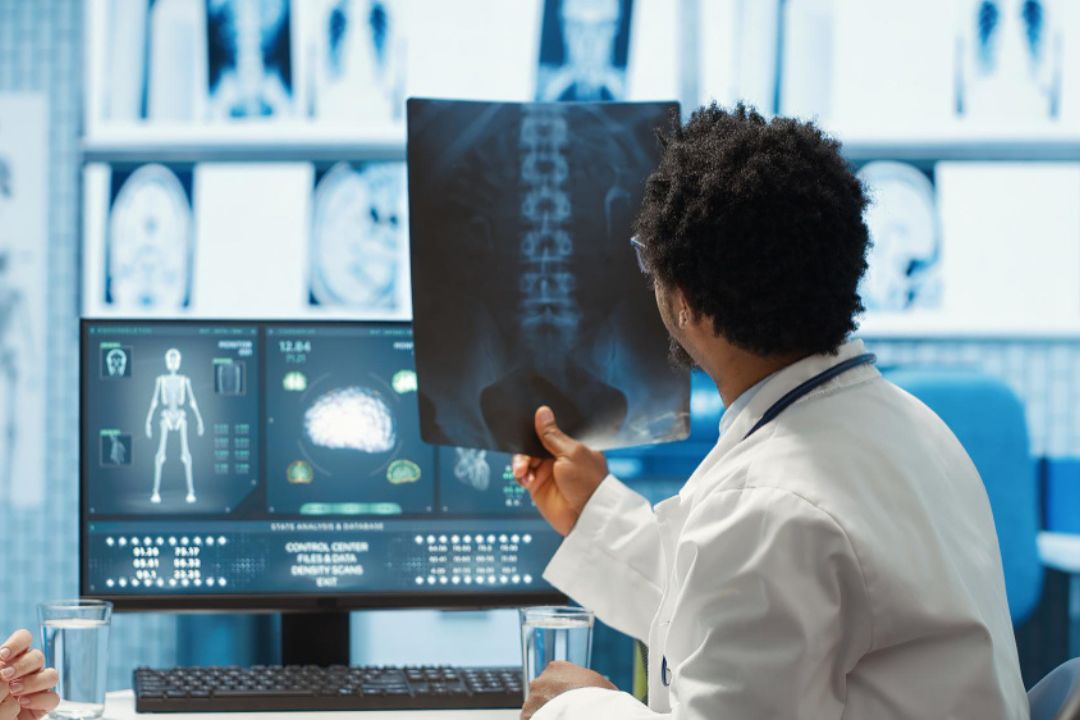
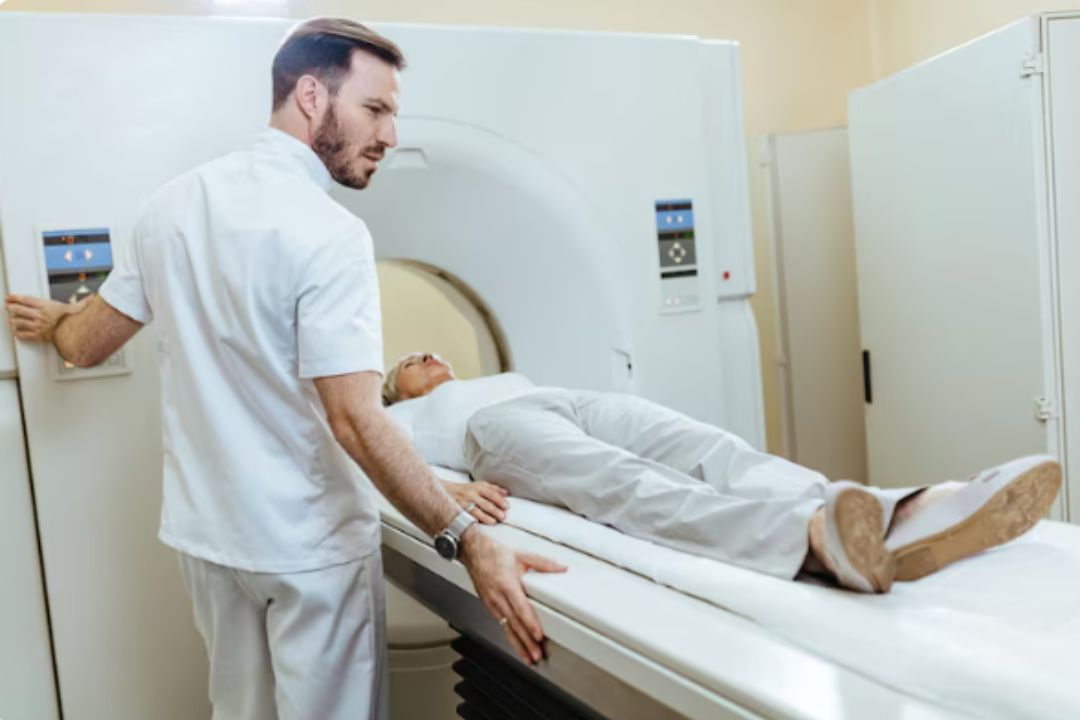
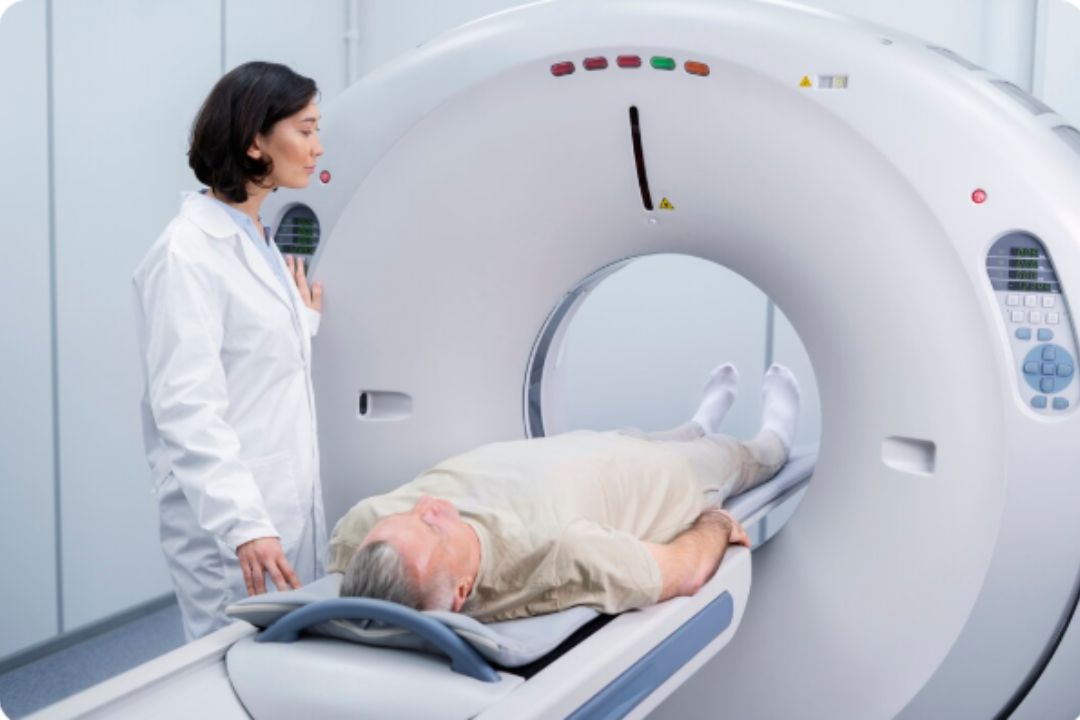


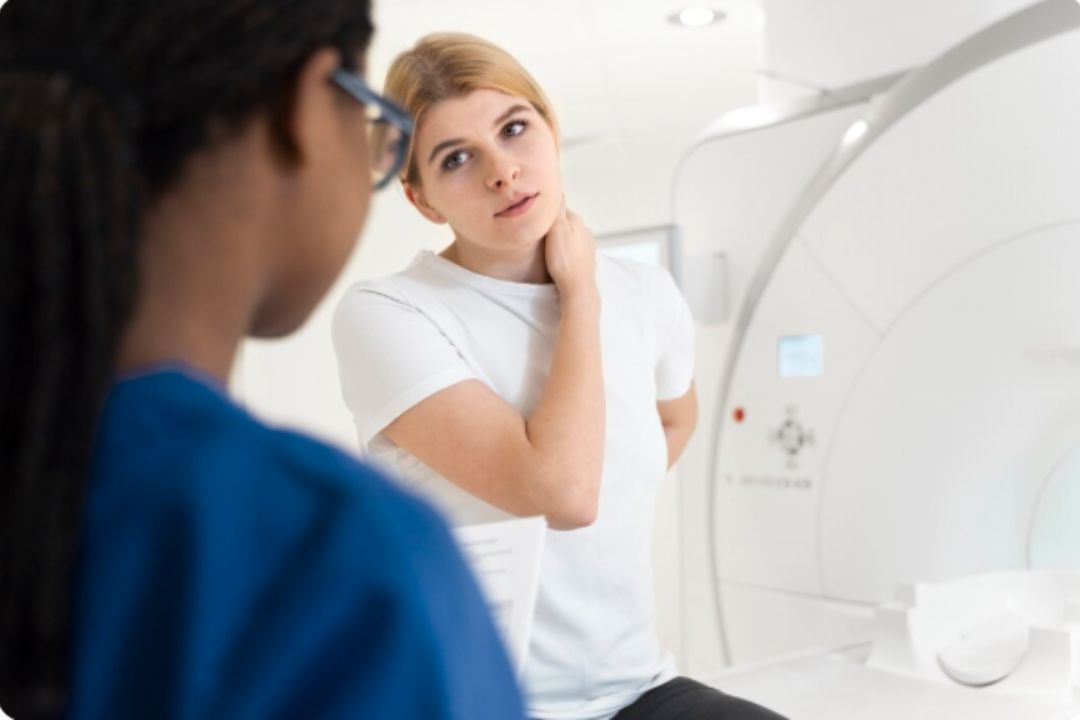
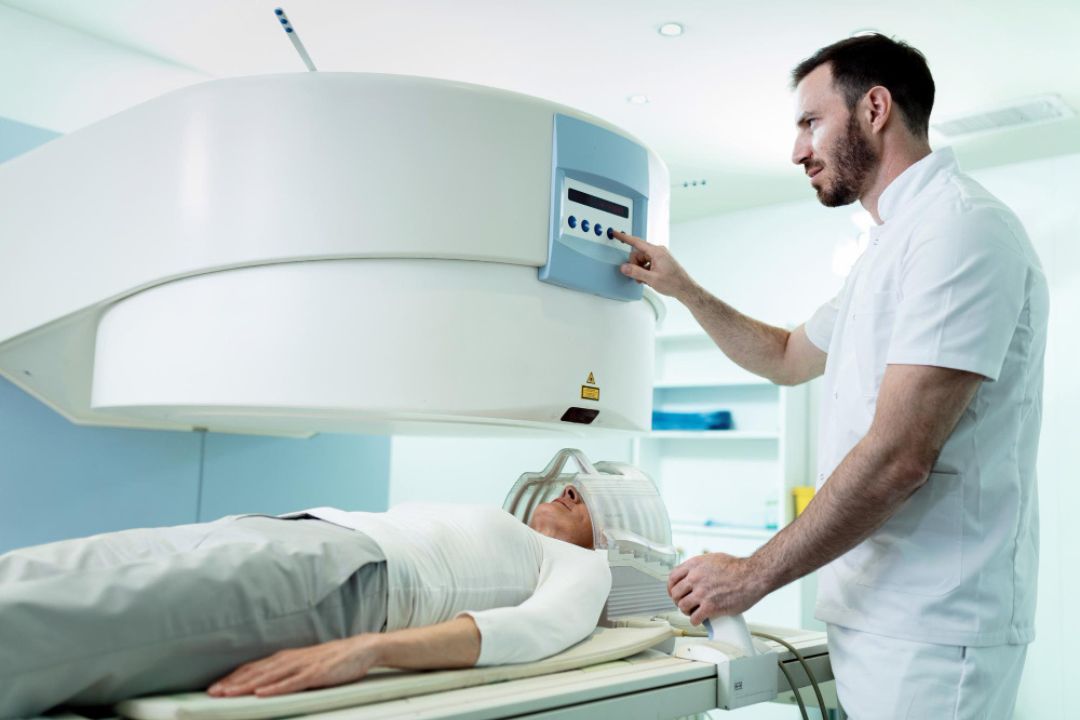
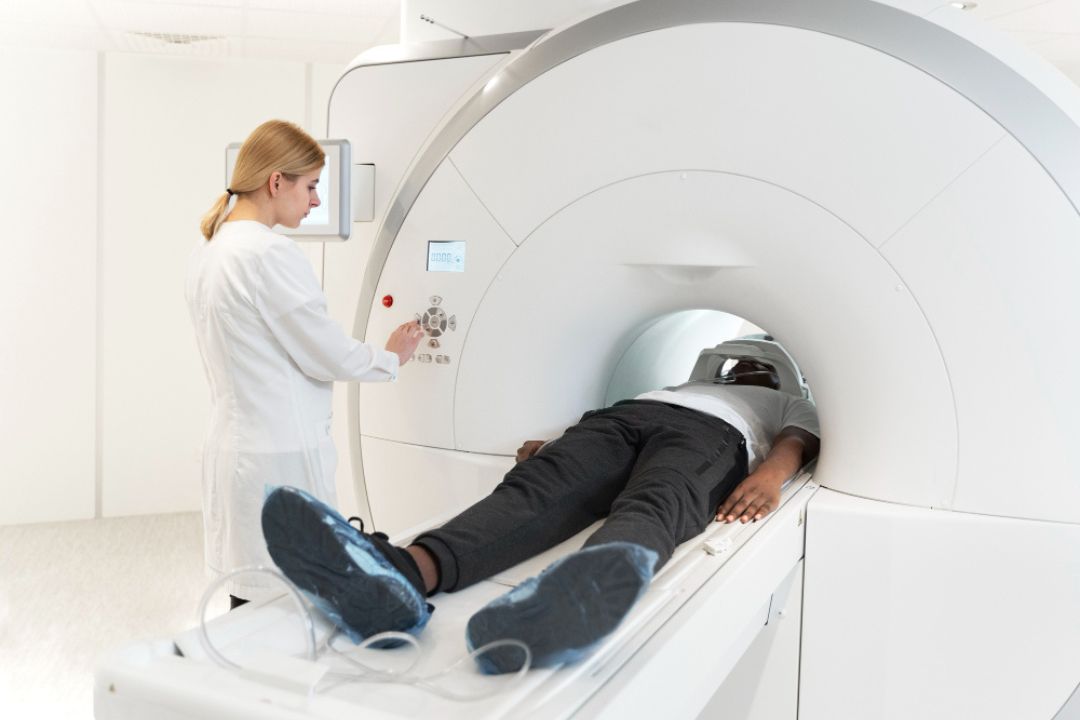
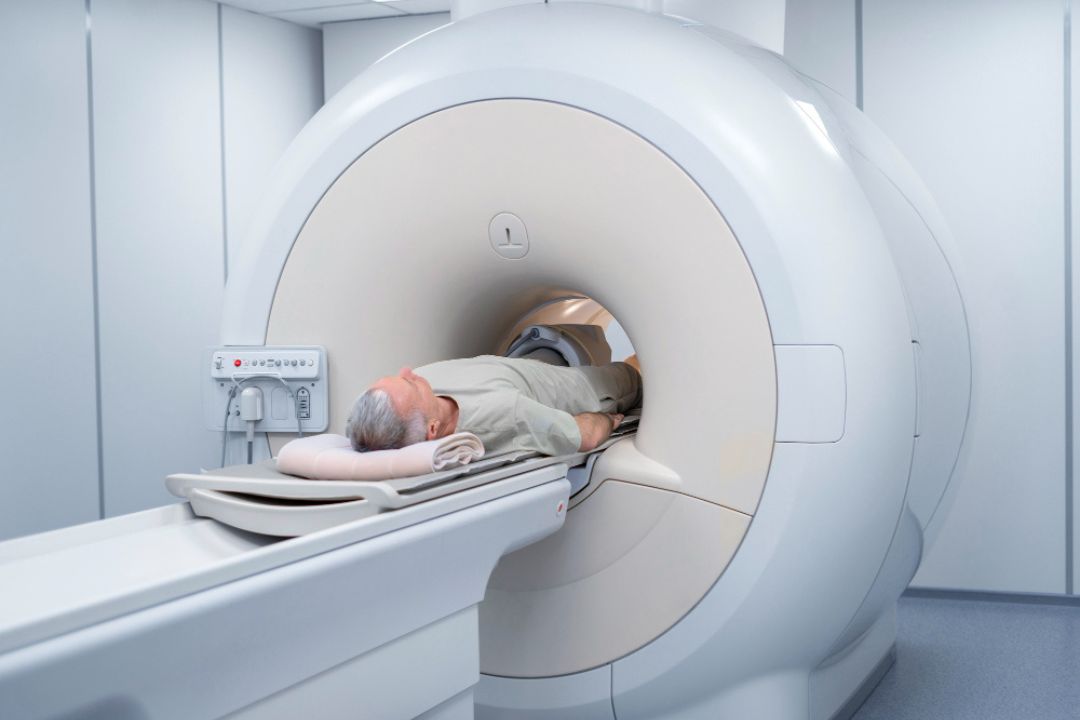
.jpg "ct scan")

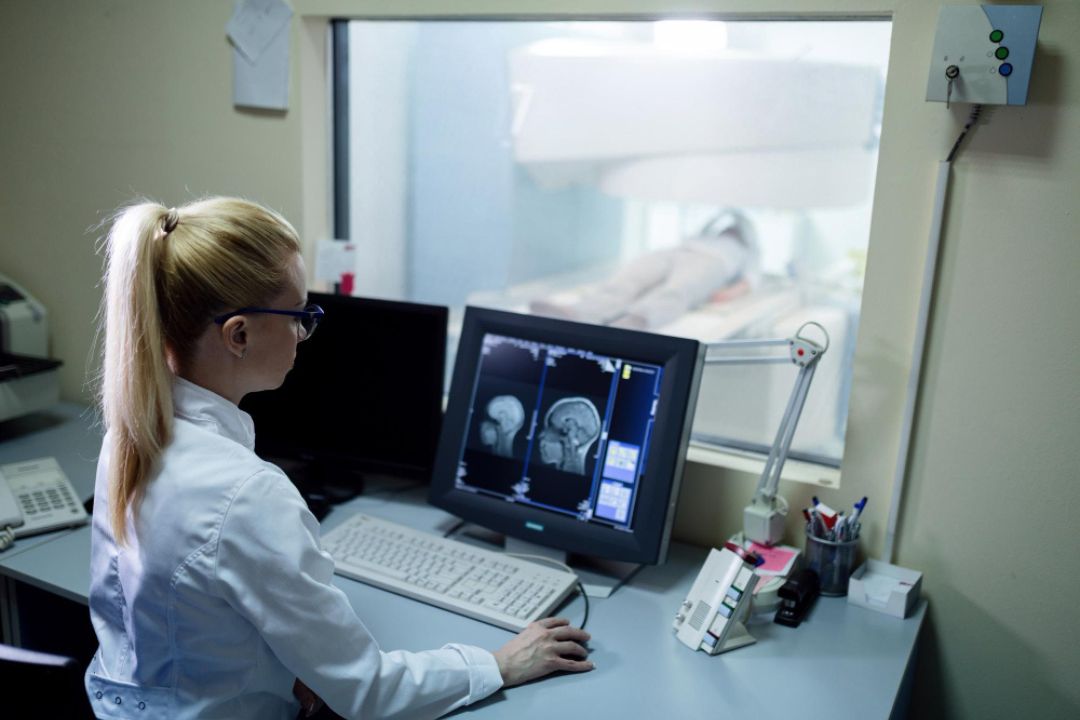
.jpg "ct scan or mri for brain disorders")


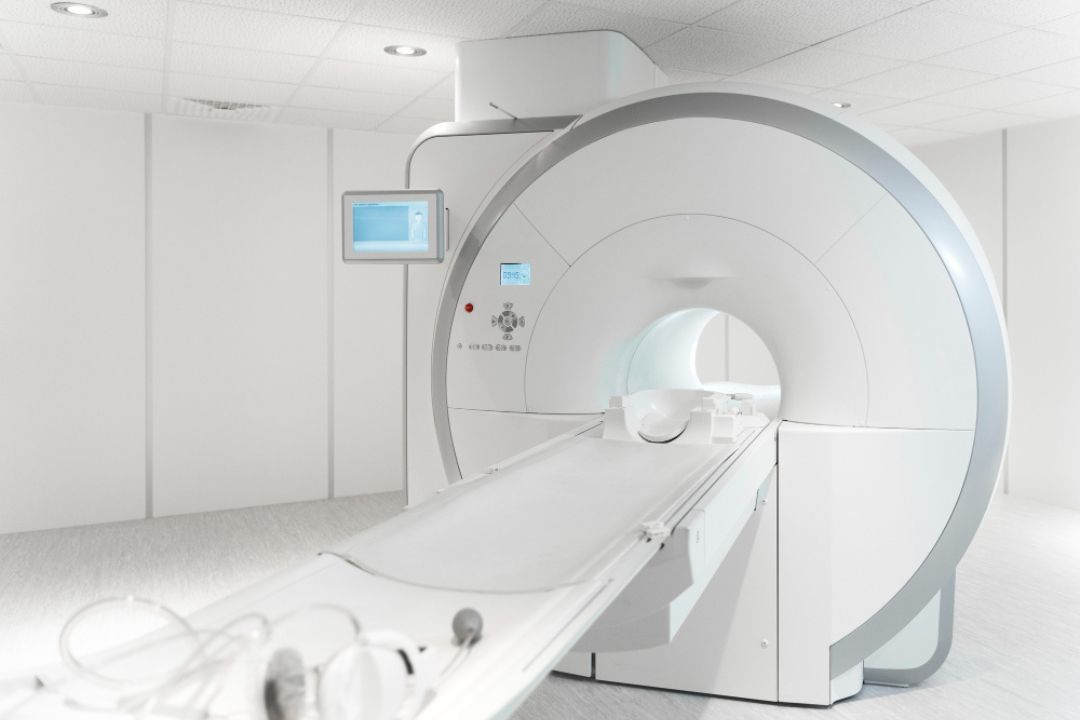
.jpg "exploring the power of ct brain contrast in modern diagnostics")
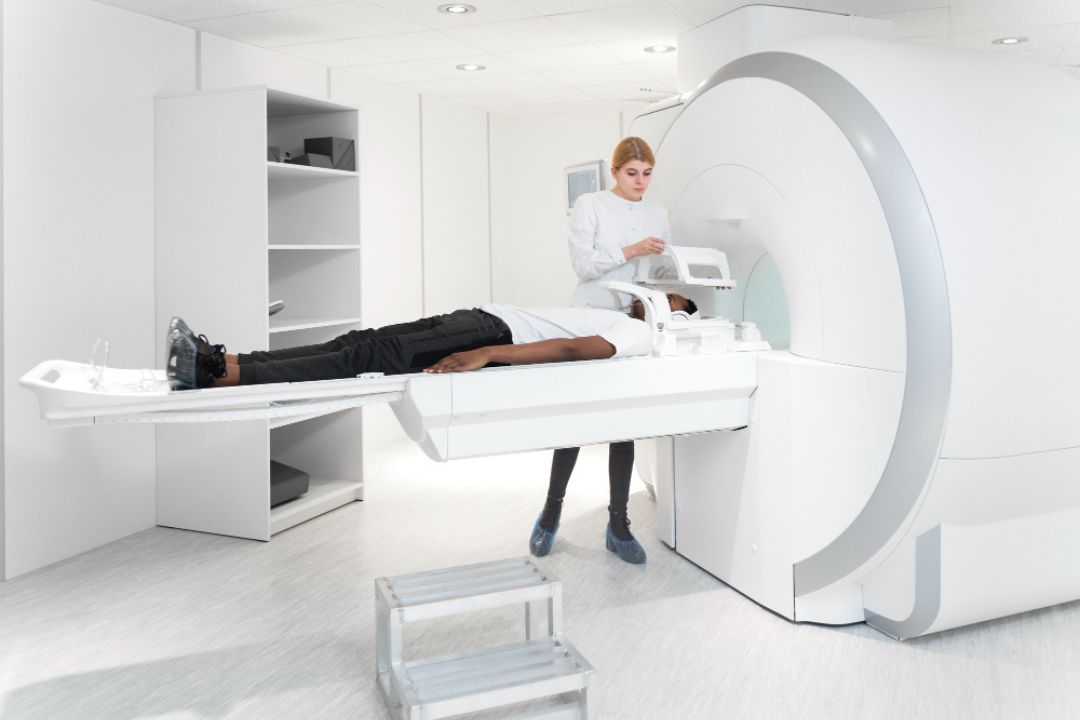
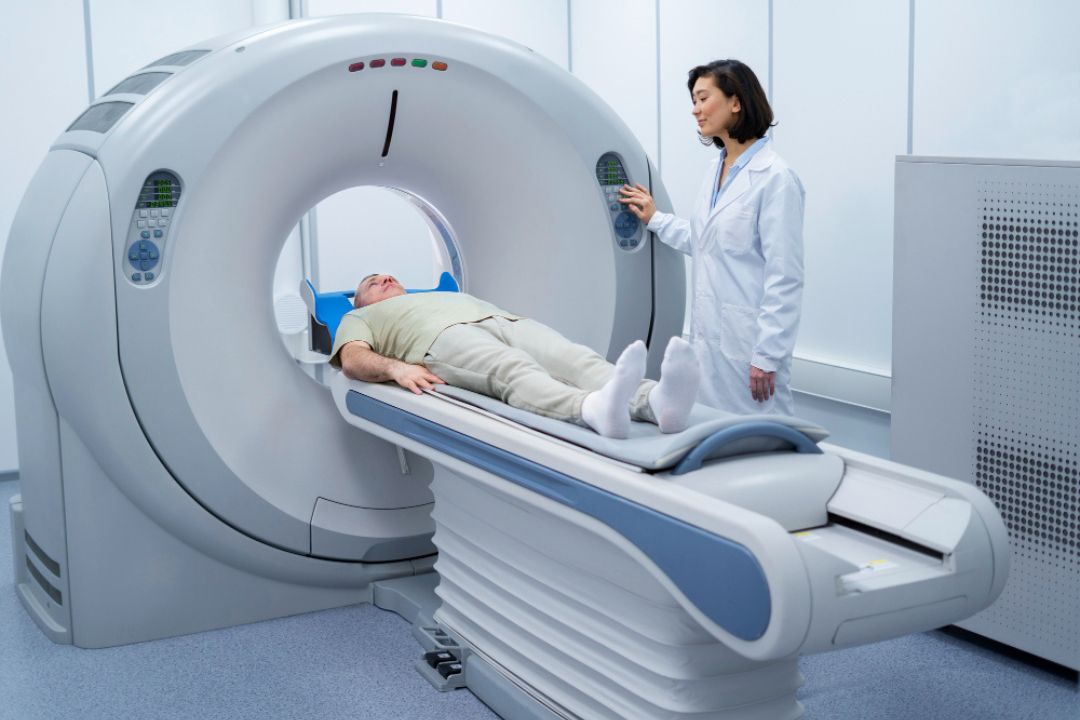
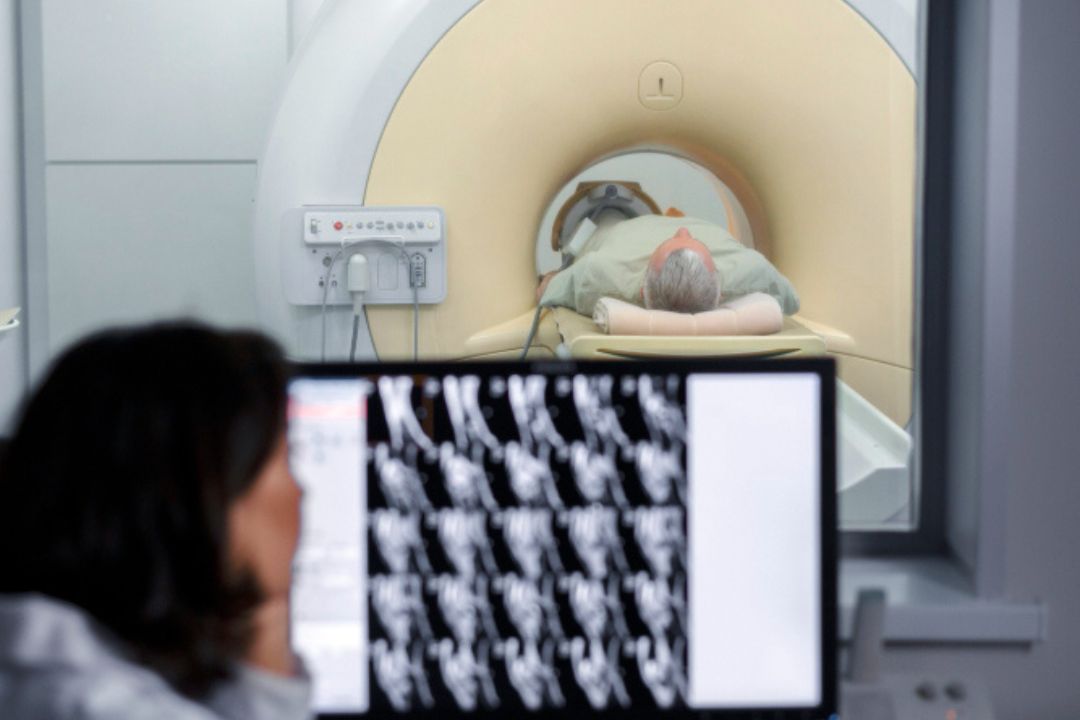
.jpg "ct scan")
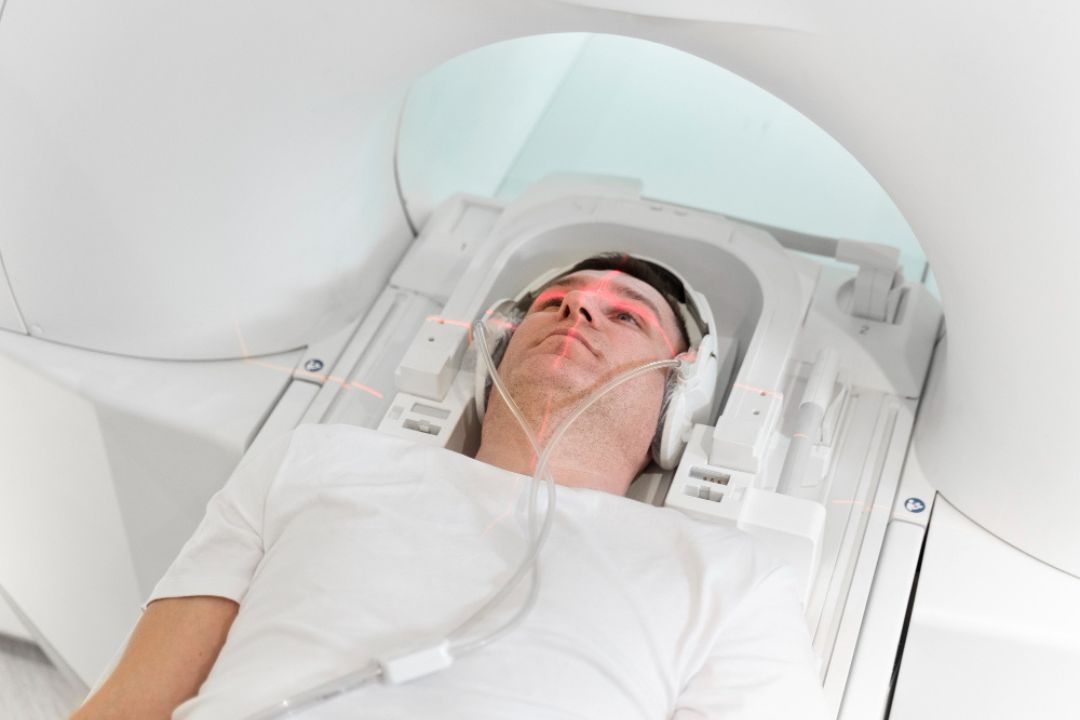
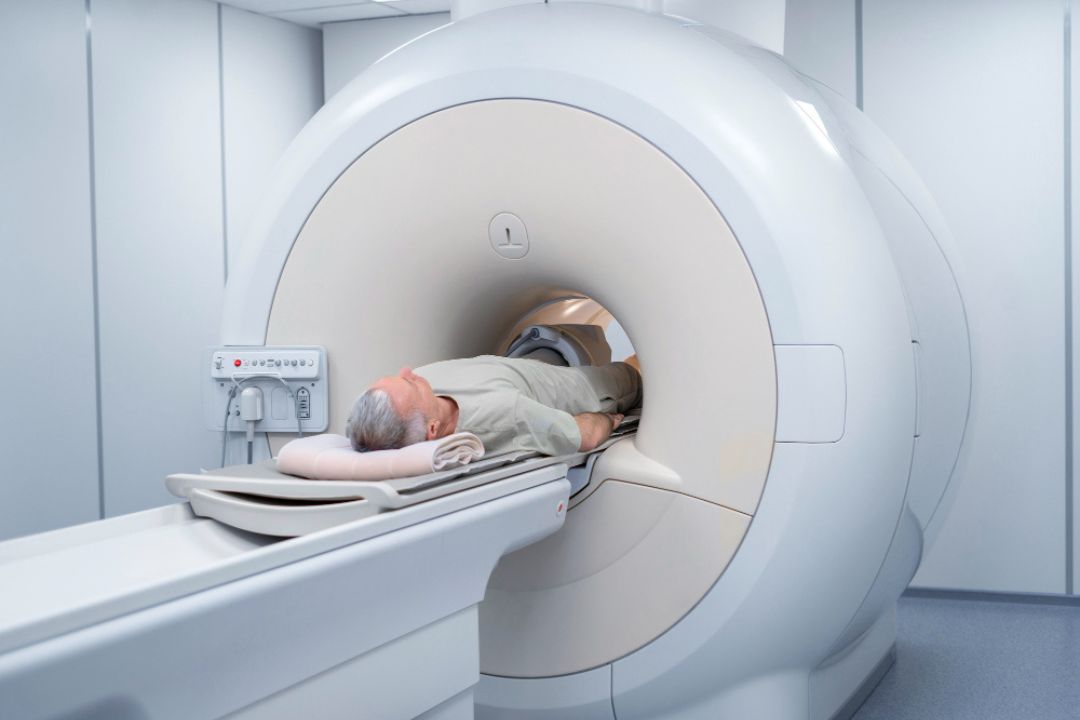
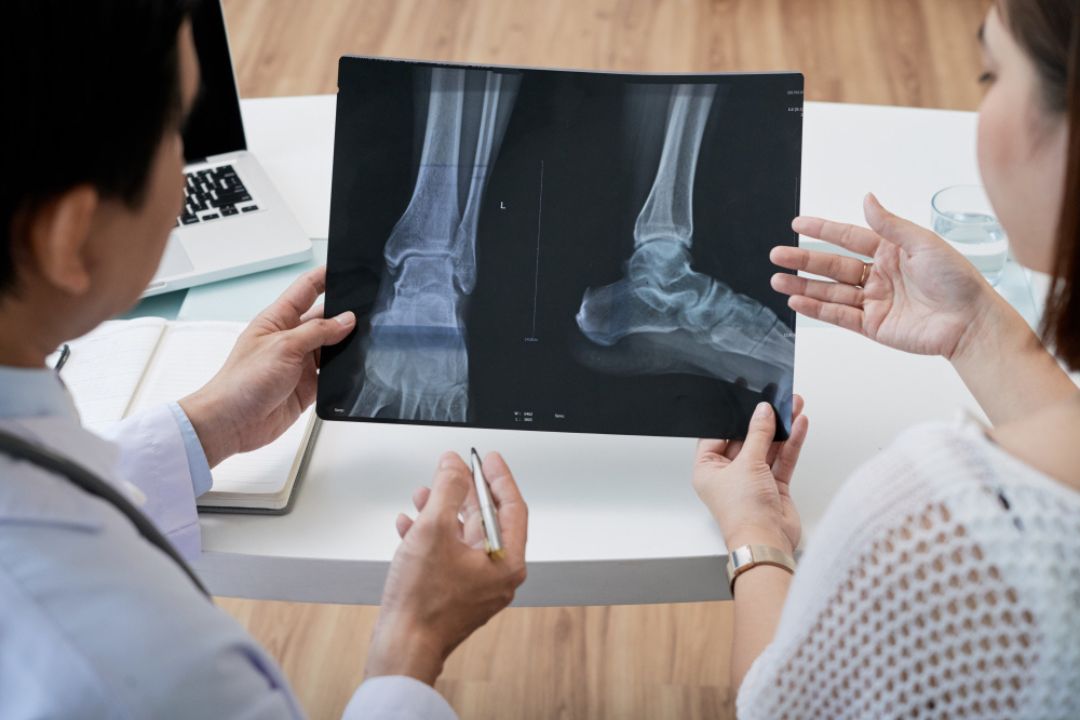
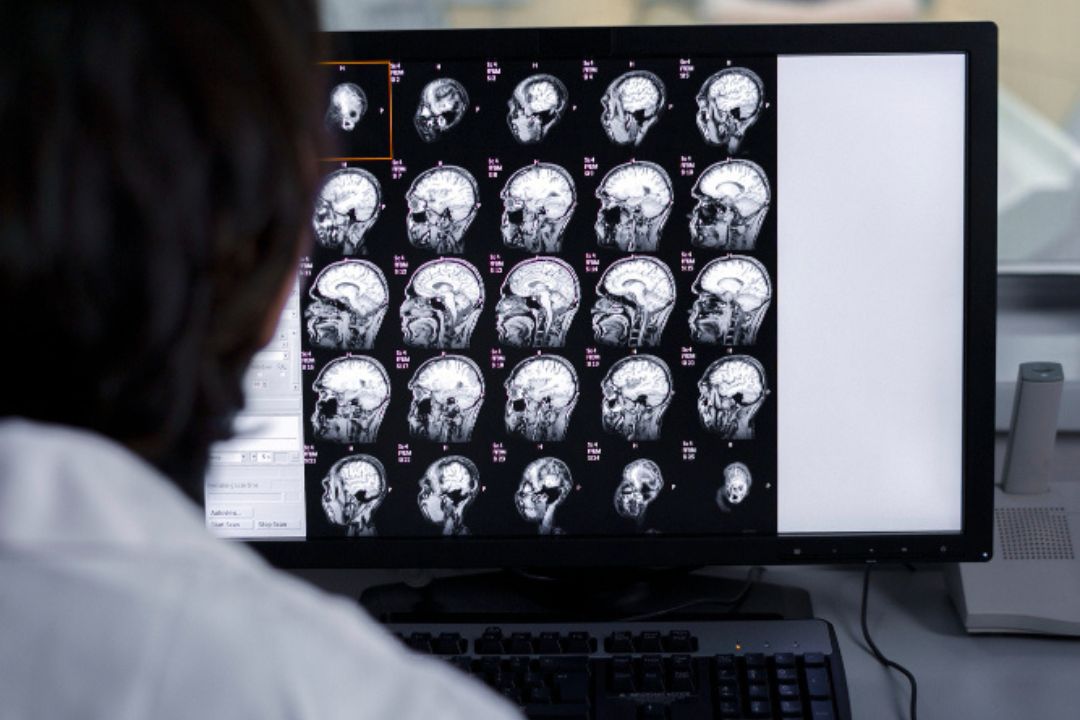
.jpg "ct scan")

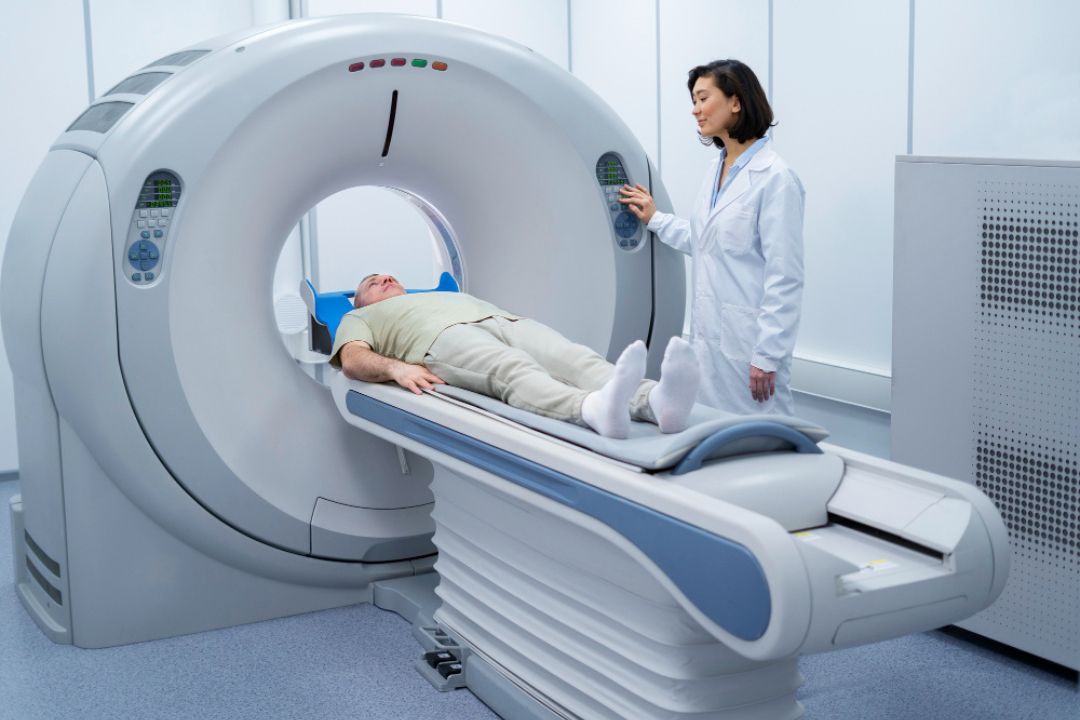






.jpg "ct scan")

.jpg "CT Brain Scan for Headaches")
.jpg "The Future of 3D CT Imaging")