Abdominal pain and digestive problems are common reasons for medical imaging tests. Two of the most frequently used diagnostic tests are CT scans and ultrasound scans. Both methods help doctors examine internal organs and detect diseases affecting the abdomen.
However, these imaging techniques work differently and are used for different medical situations. Understanding the difference between CT scans and ultrasound can help patients know which test may be recommended for their condition.
An Abdominal Ultrasound uses high-frequency sound waves to create images of organs inside the abdomen. The test is safe, painless, and does not use radiation.
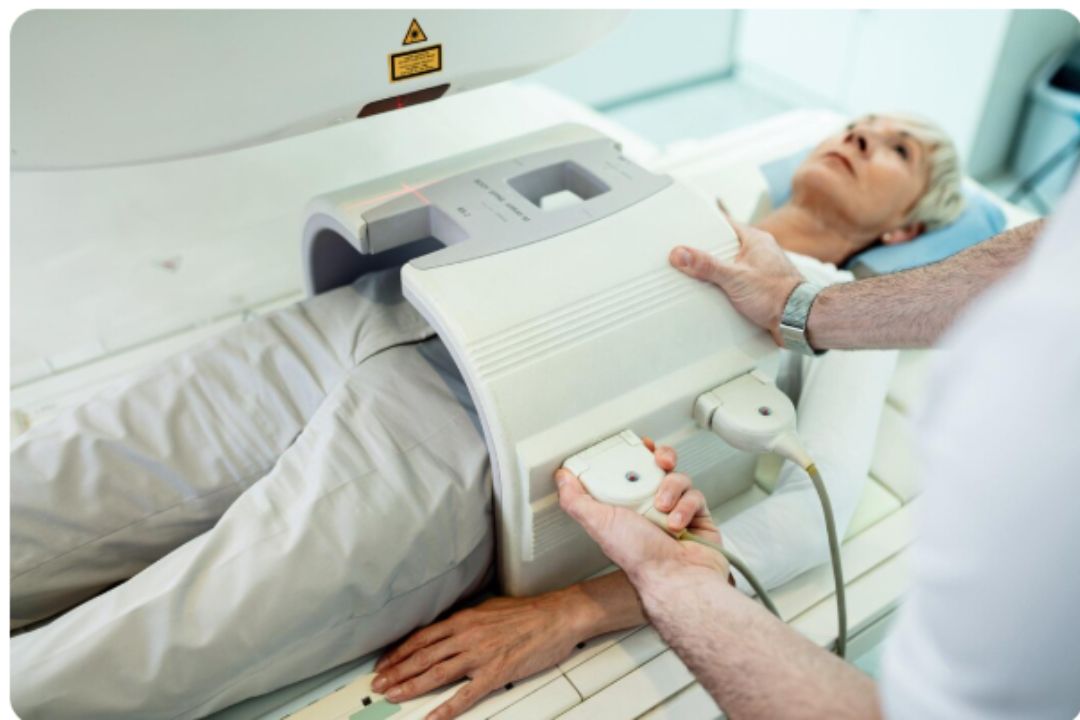
During the procedure, a technician places a small device called a transducer on the abdomen. This device sends sound waves into the body and receives echoes that are converted into images.
Ultrasound is commonly used to examine organs such as:
Liver
Gallbladder
Kidneys
Pancreas
Spleen
Blood vessels in the abdomen
Ultrasound is often the first test recommended for many abdominal symptoms because it is quick, affordable, and safe.
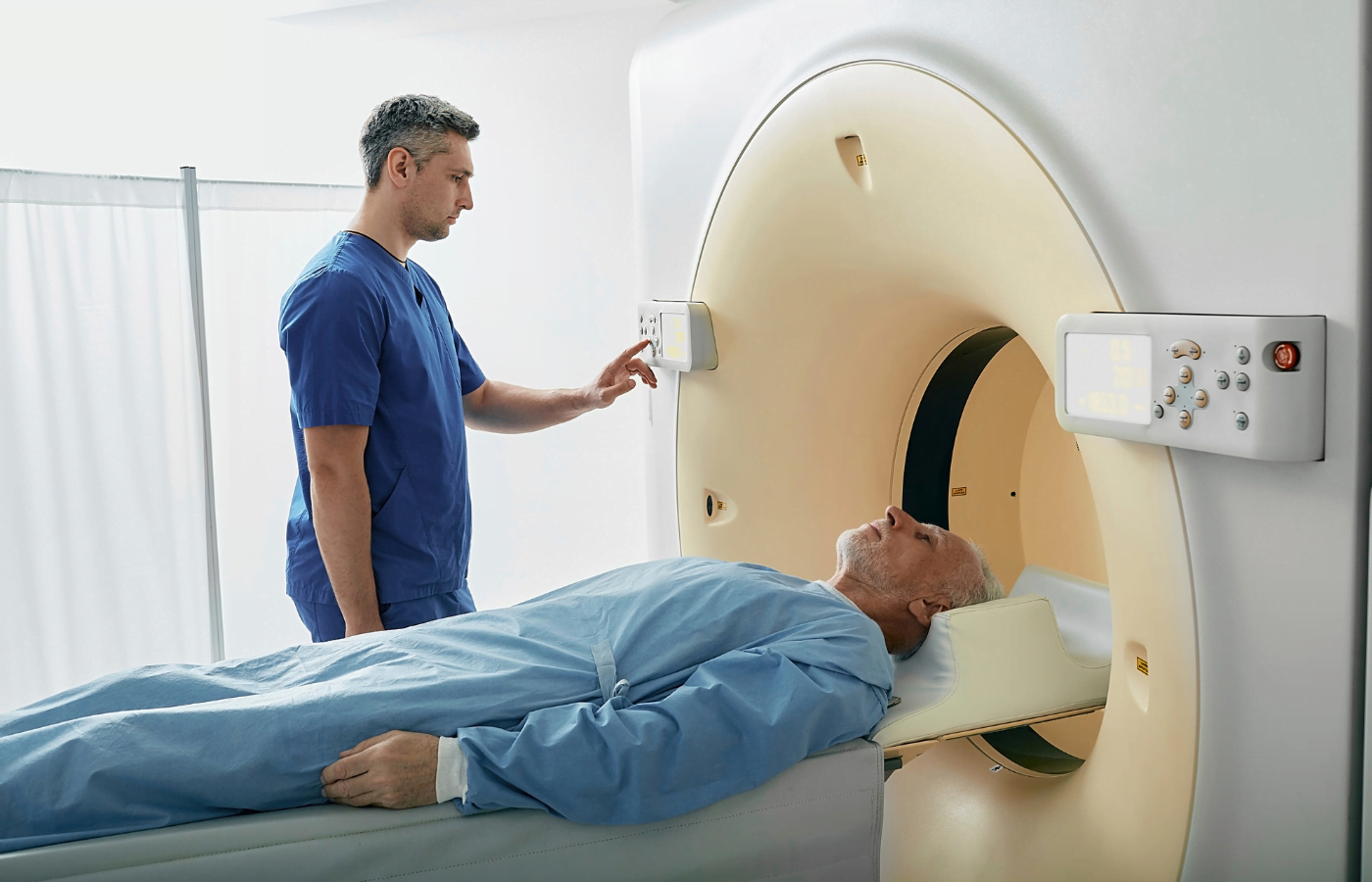
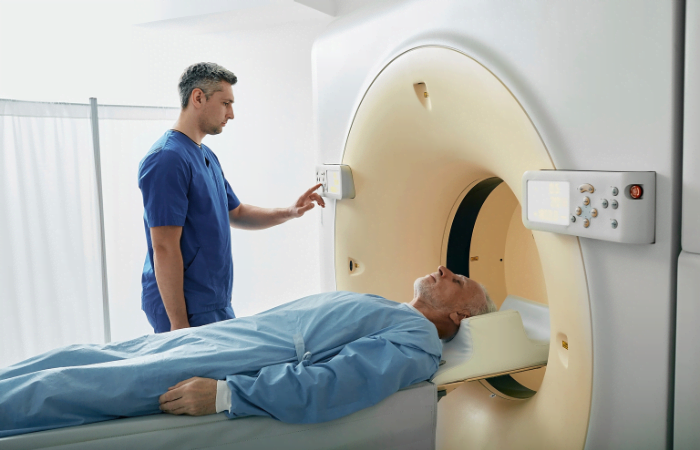
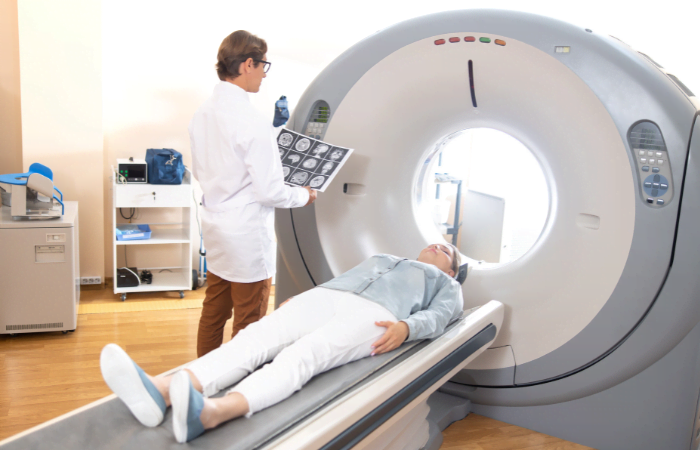
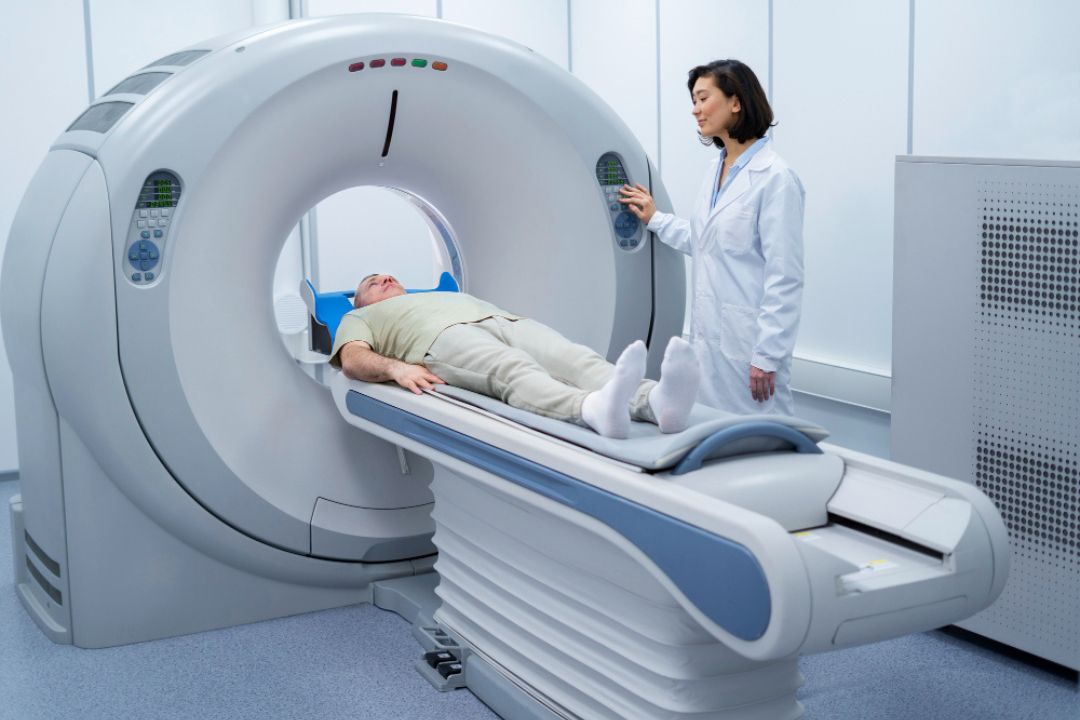
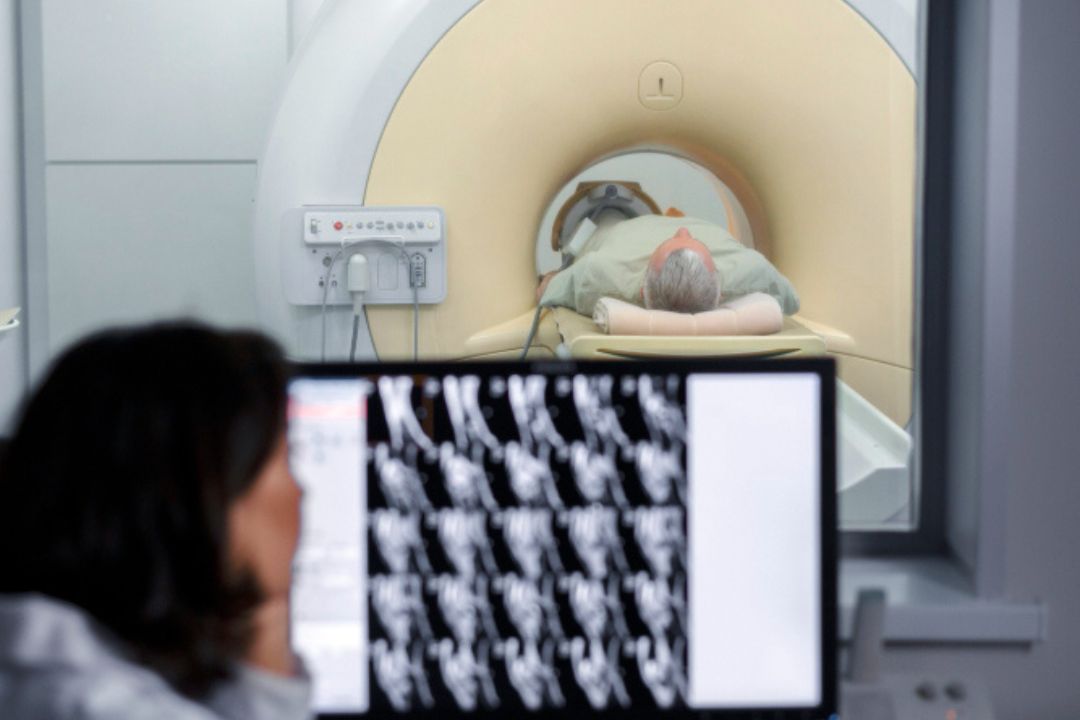
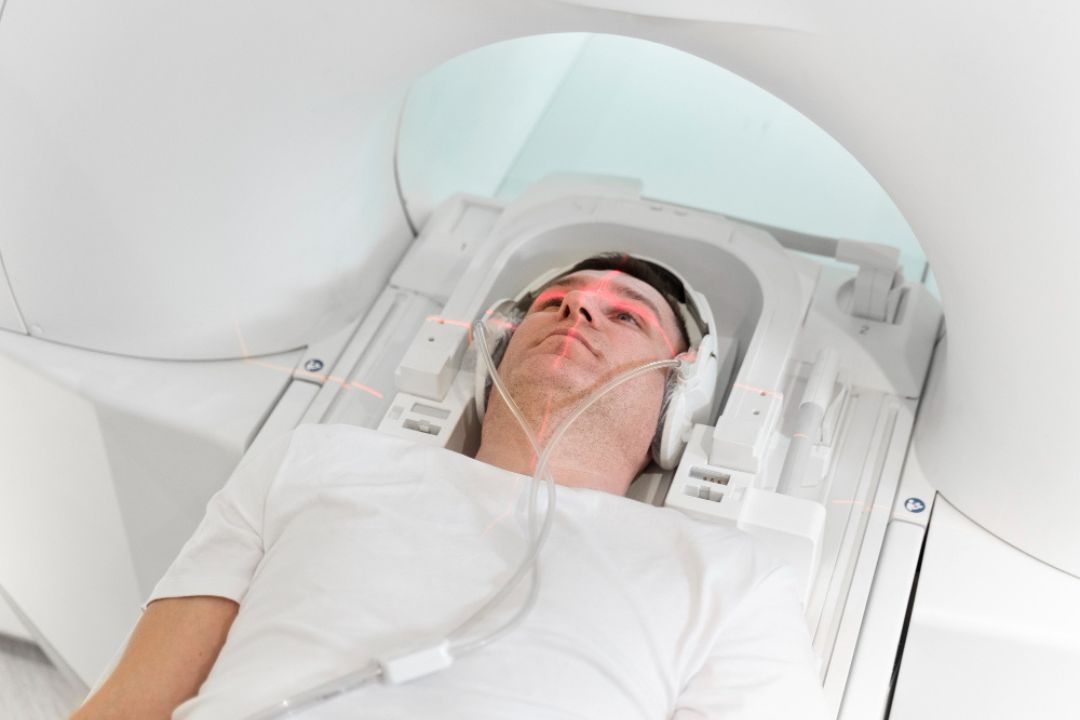
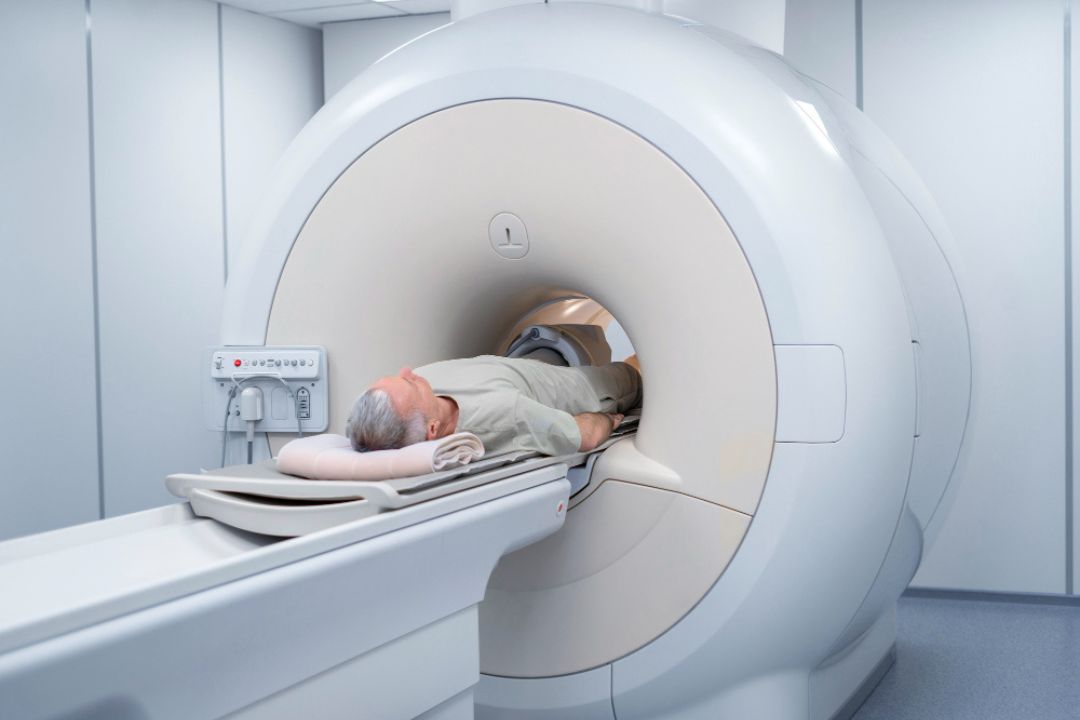
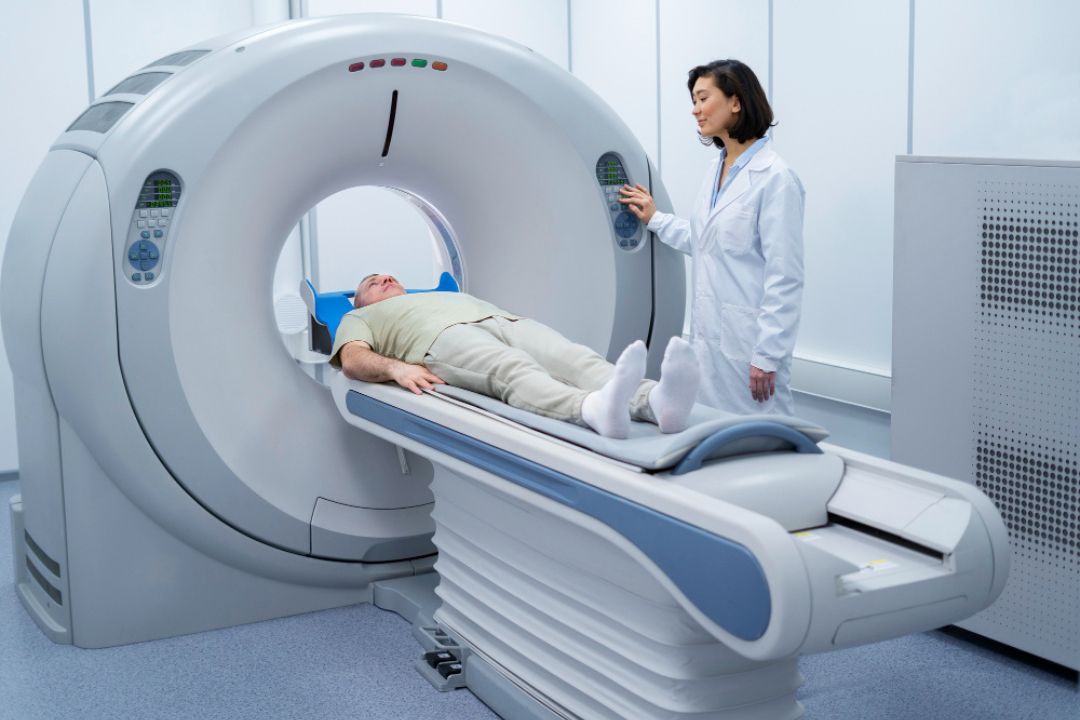
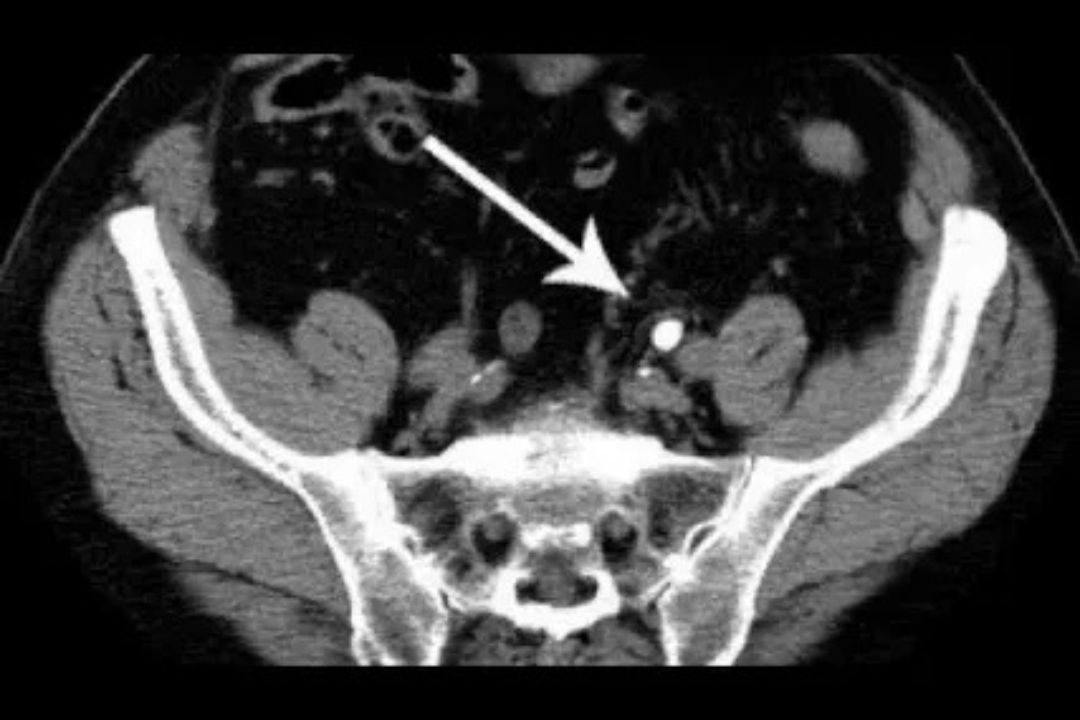
A CT (Computed Tomography) scan uses X-rays and computer technology to create detailed cross-sectional images of the body.
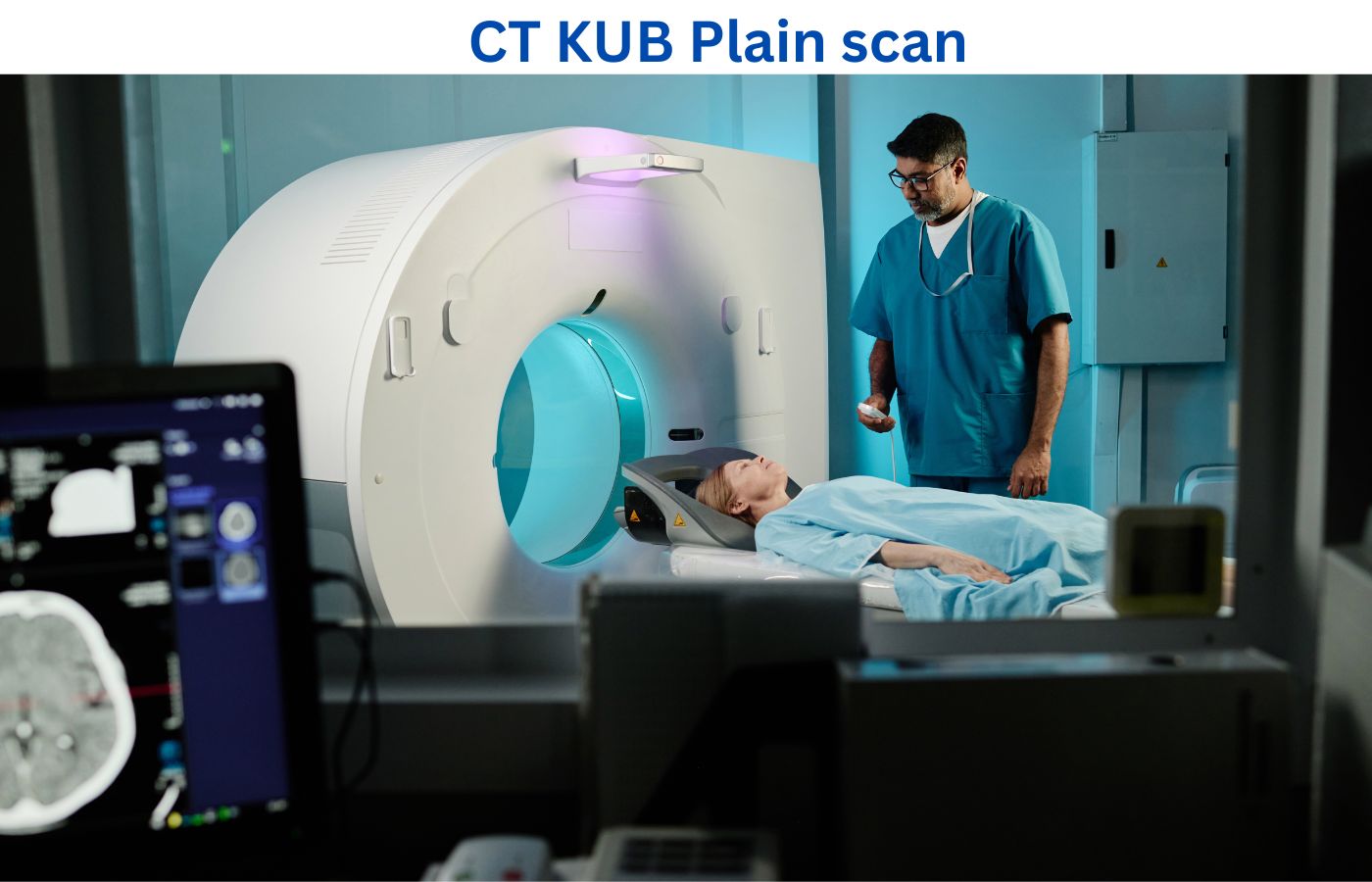
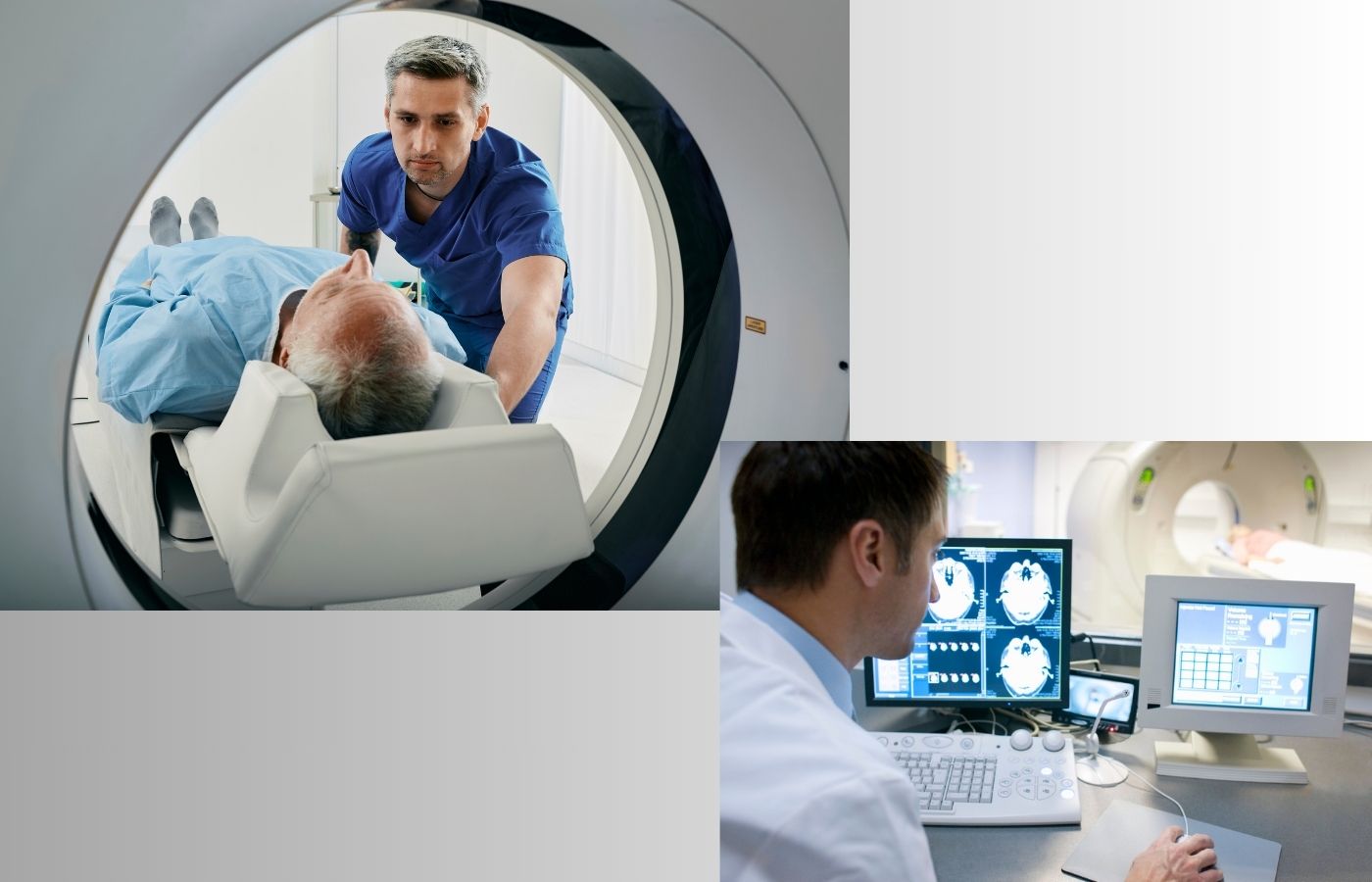
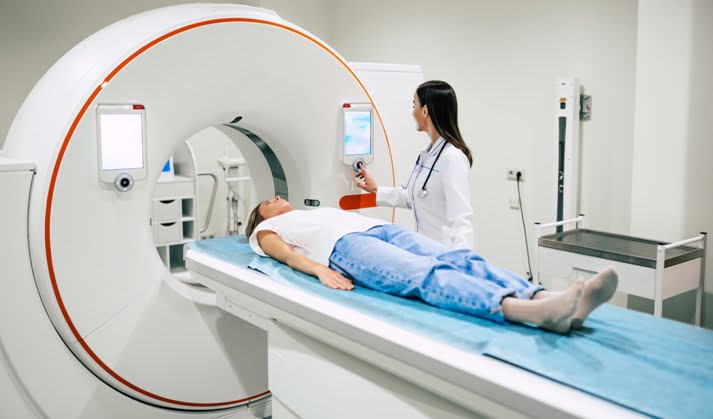
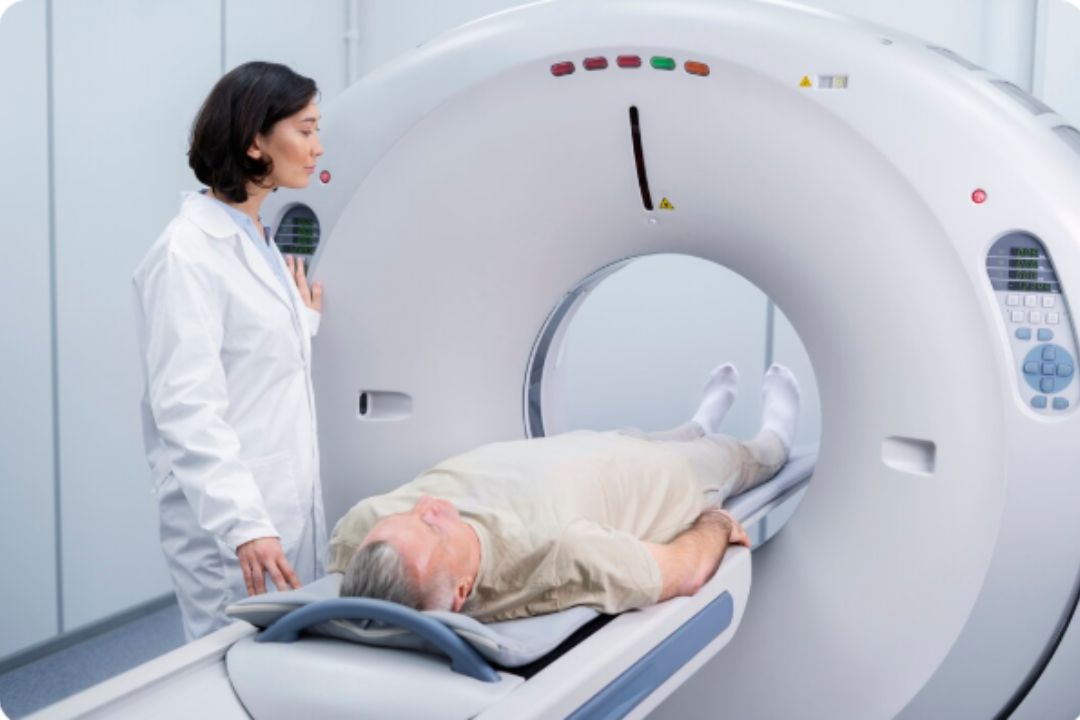
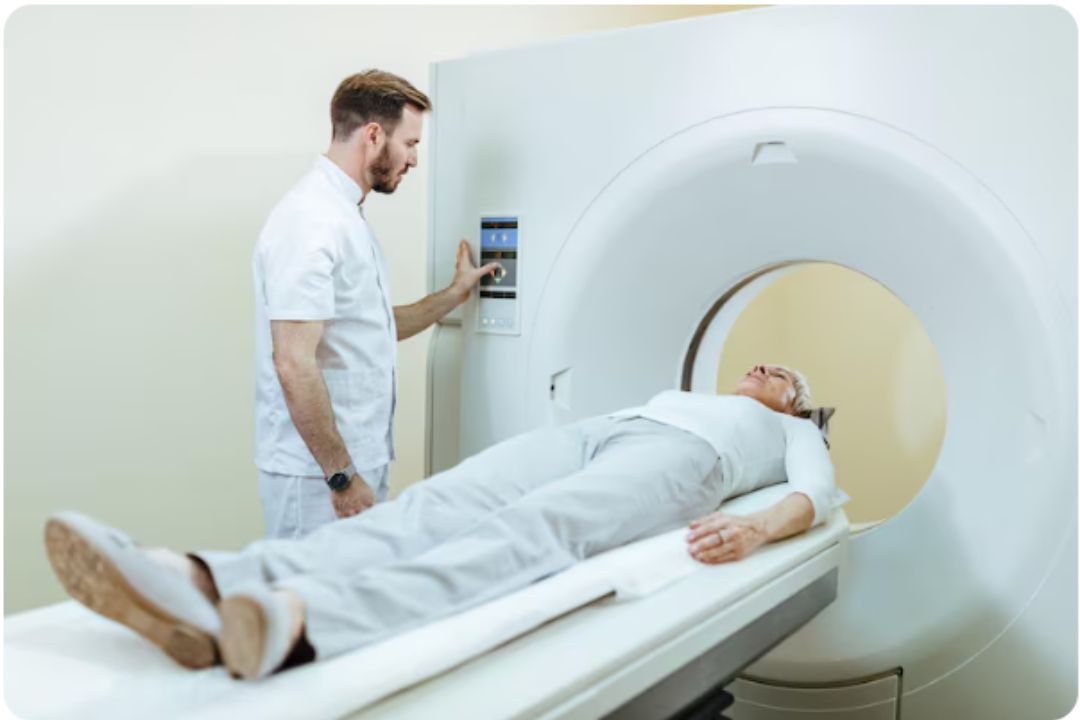
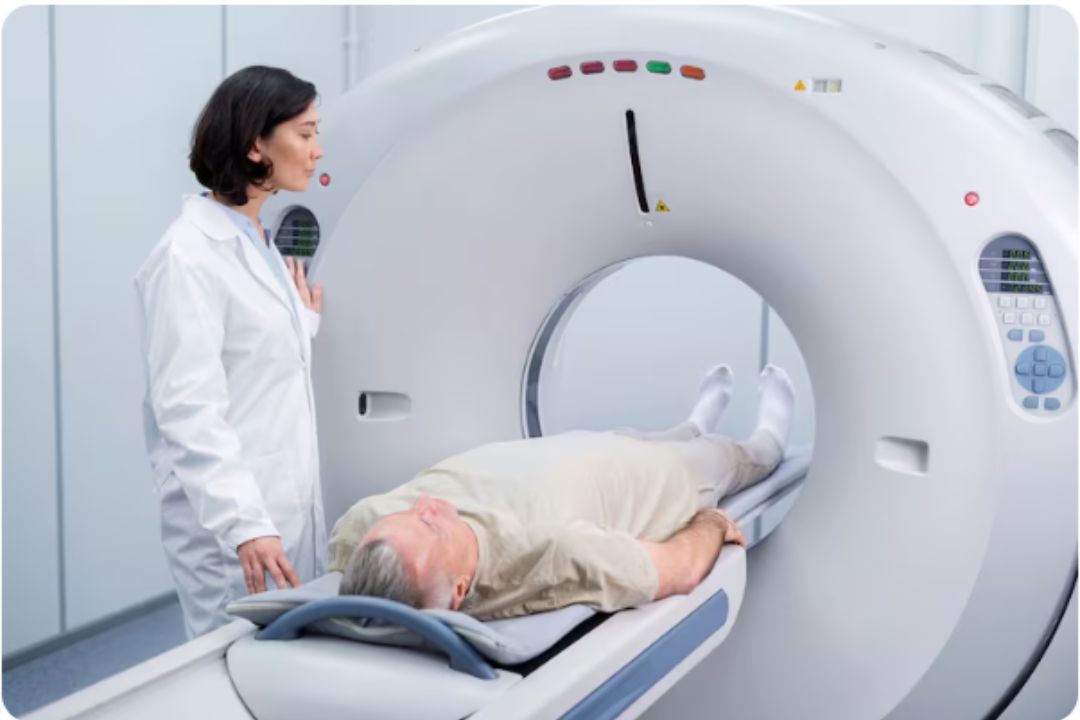
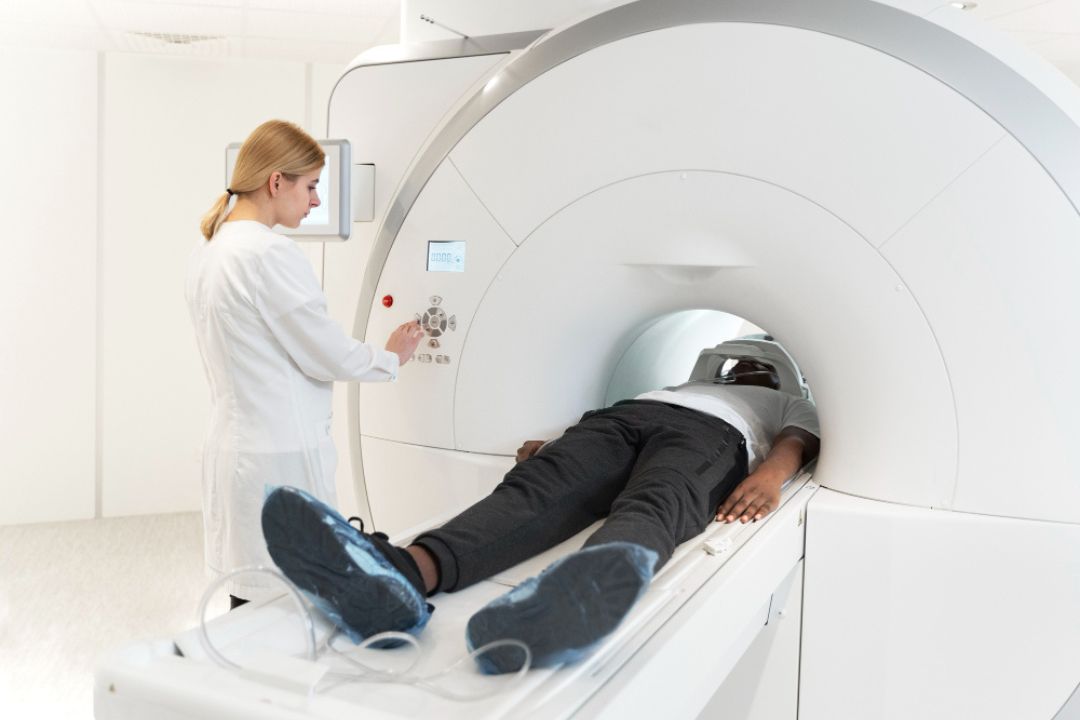
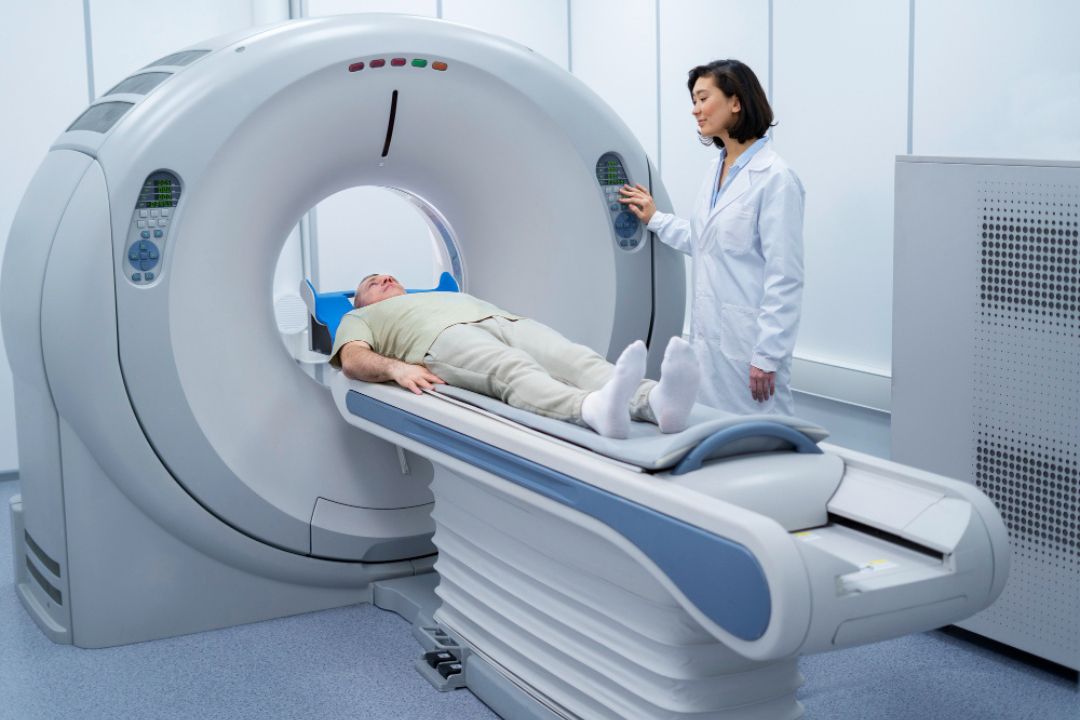
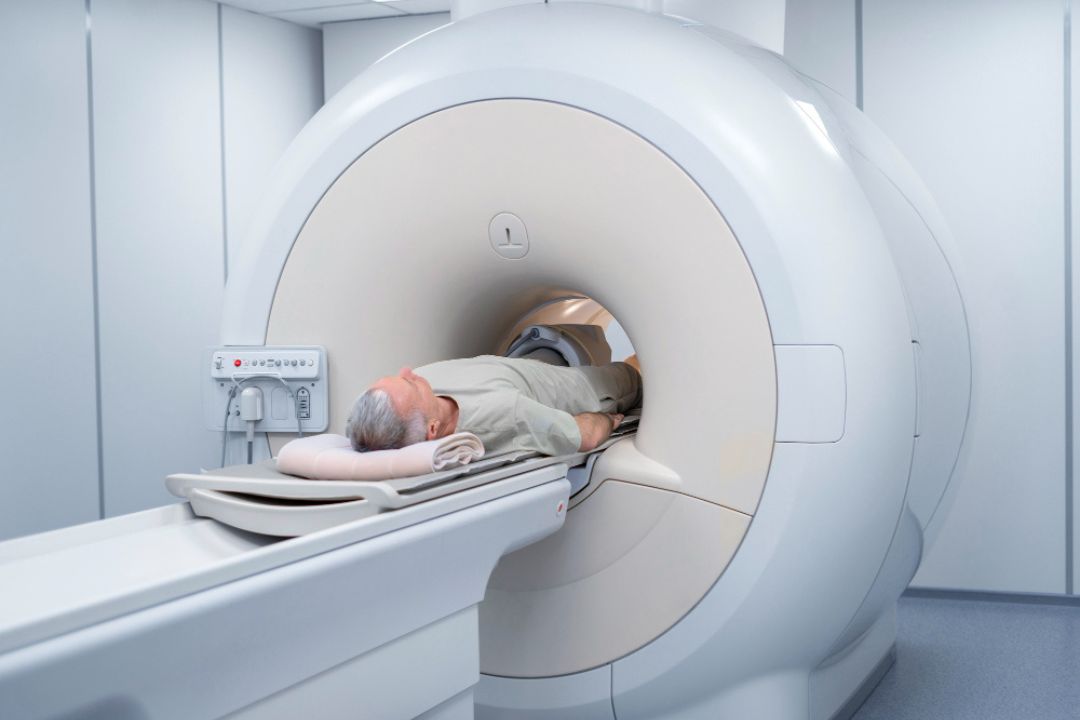
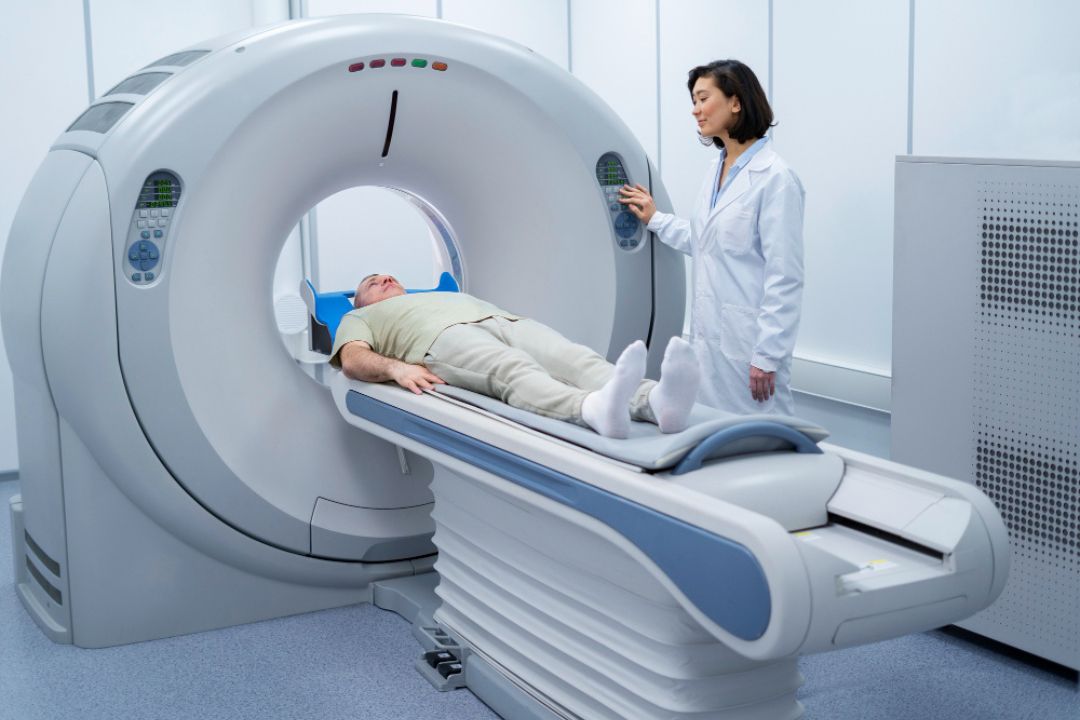
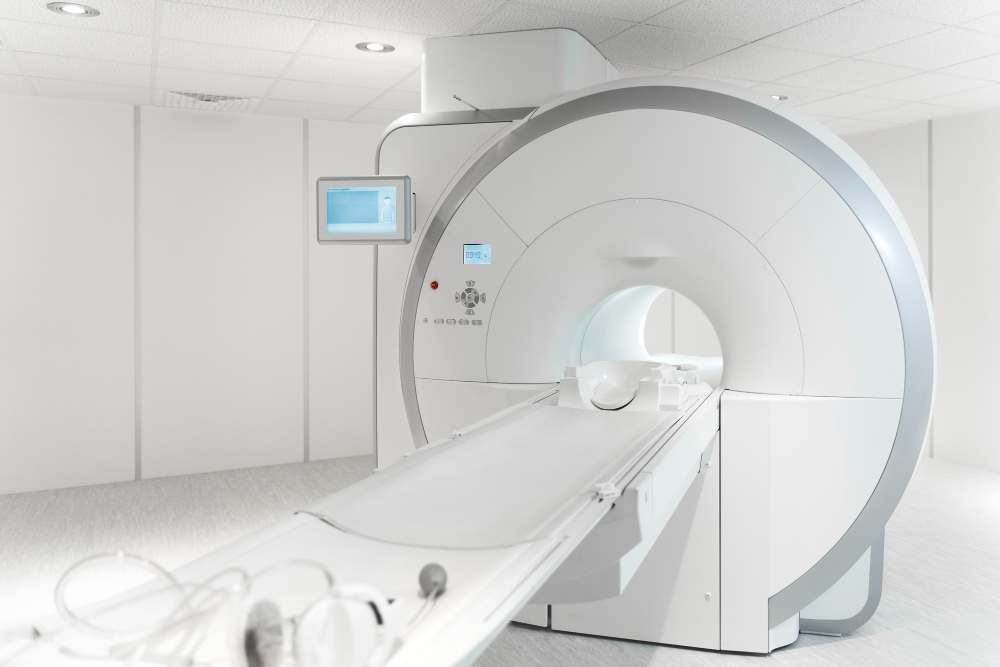
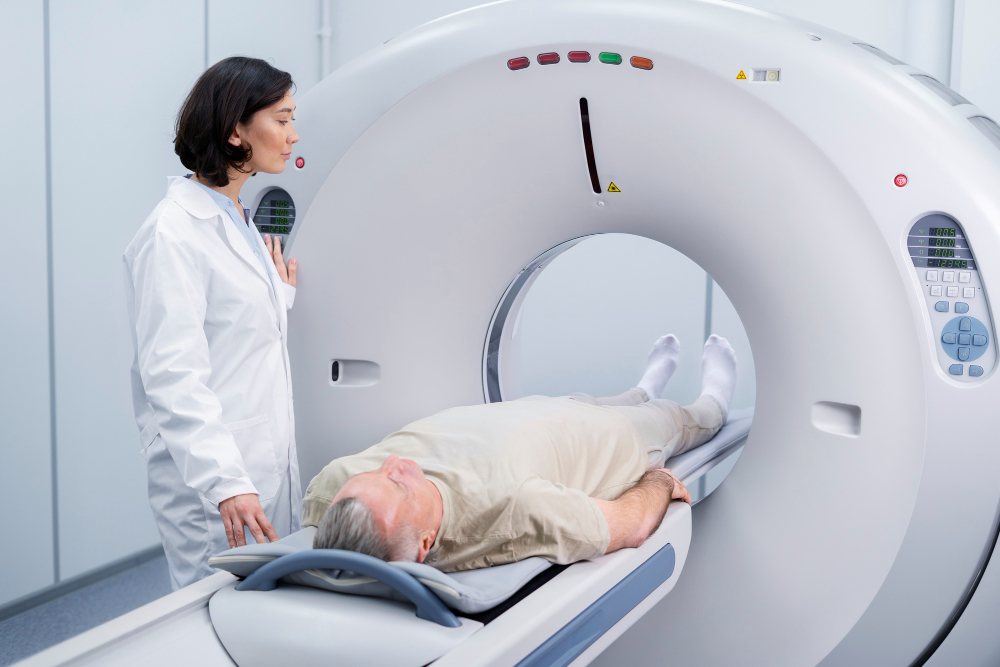
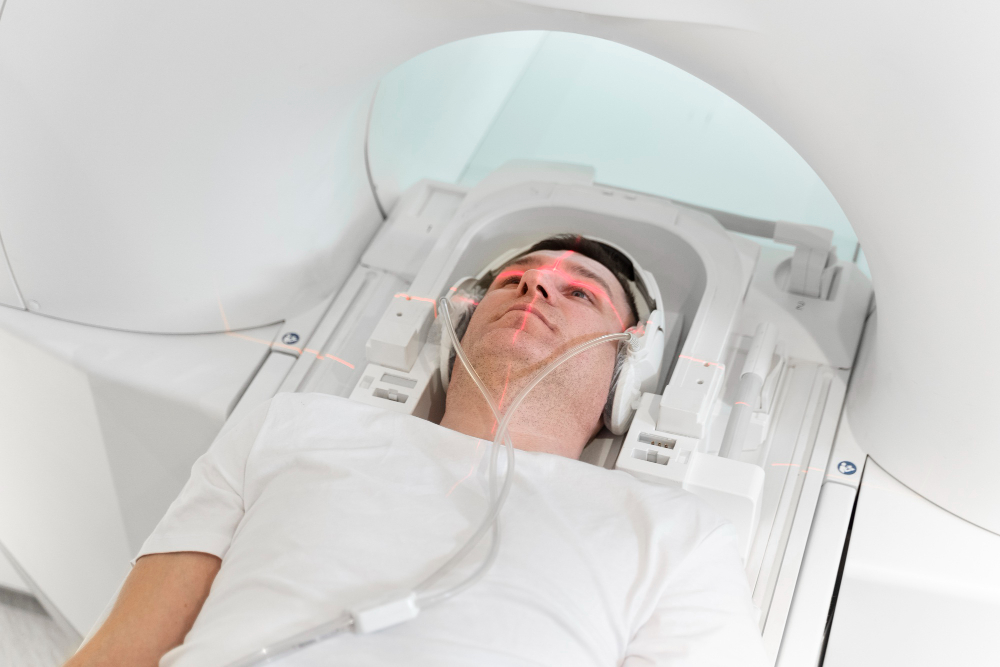
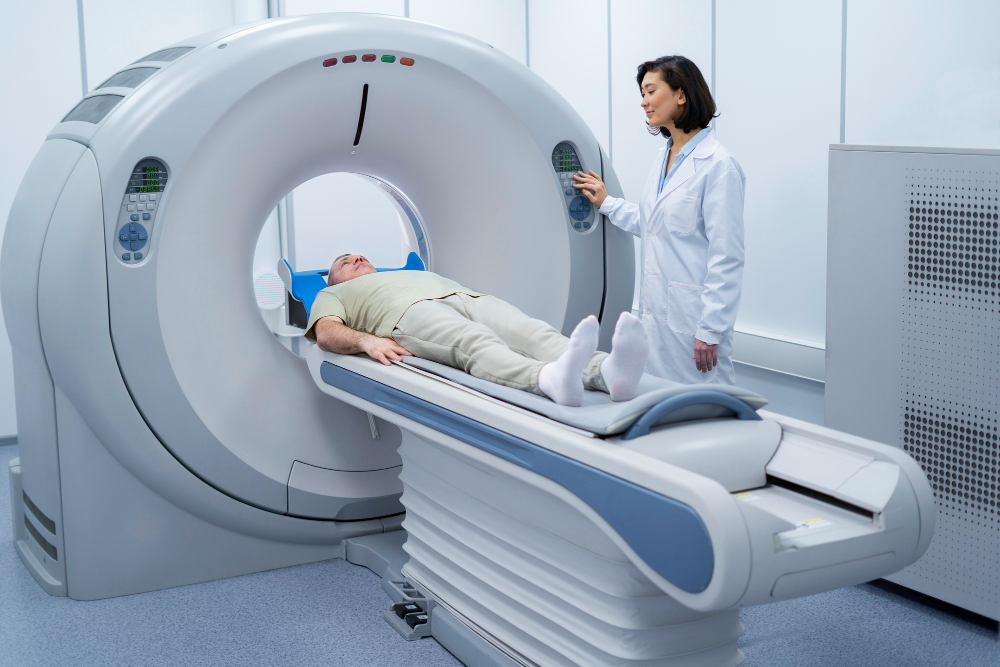
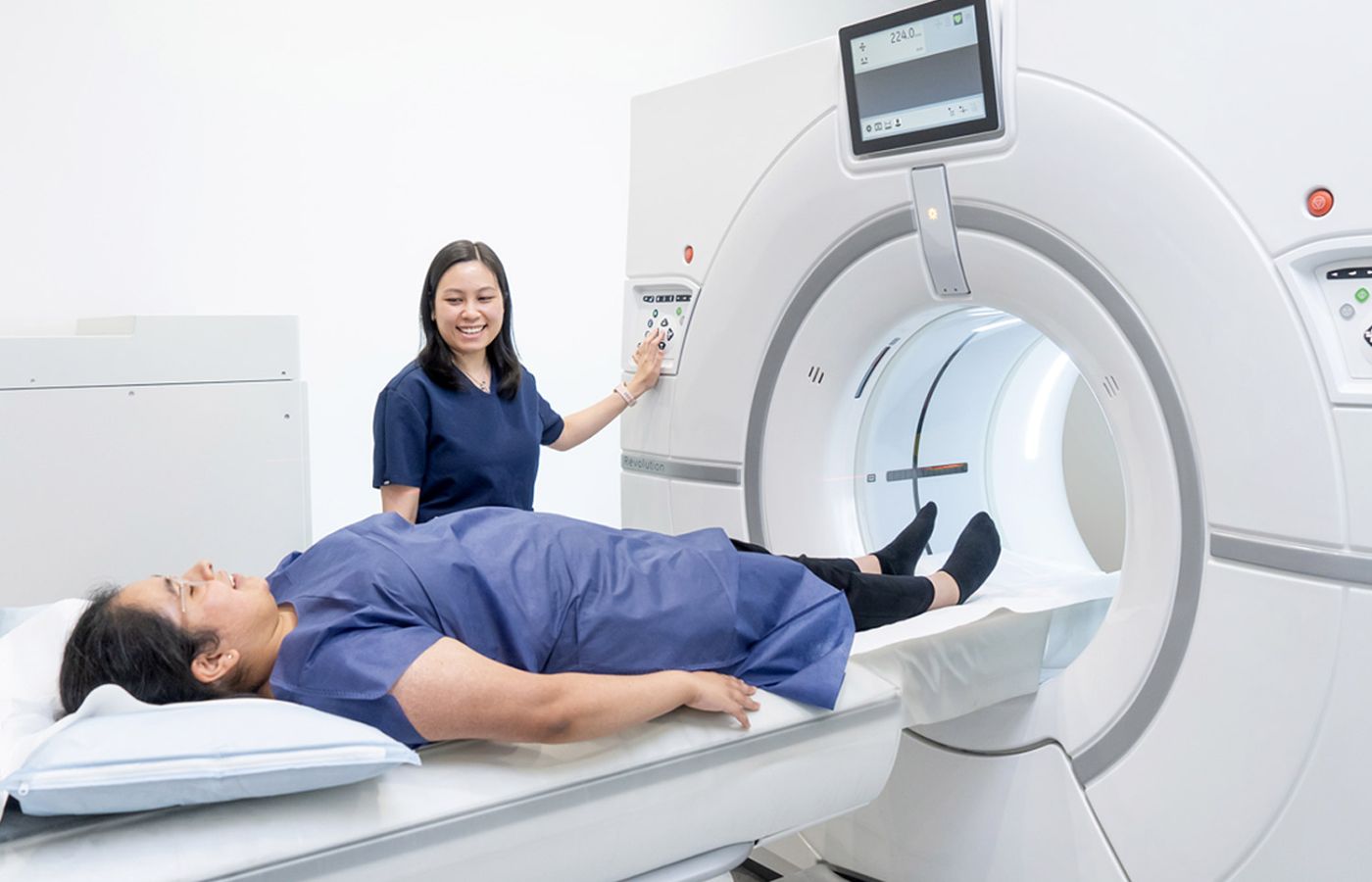
During the scan, the patient lies on a table that moves through a circular scanner. The machine captures multiple images from different angles to produce highly detailed views of abdominal organs.
CT scans can examine:
Liver and pancreas diseases
Tumors or cancers
Internal bleeding
Intestinal problems
Kidney stones
Infections or abscesses
Because of its high imaging detail, CT scanning is often used when doctors need a more comprehensive evaluation of abdominal structures.
Ultrasound uses sound waves, while CT scans use X-rays to produce images of internal organs.
Ultrasound does not involve radiation, making it safe for children and pregnant women. CT scans use ionizing radiation, although the risk from a single scan is generally low.
CT scans provide more detailed images of internal organs, tissues, and blood vessels. This allows doctors to detect complex conditions such as tumors, infections, and internal injuries more accurately.
Ultrasound tests are usually less expensive and widely available. CT scans are more expensive but provide more detailed diagnostic information.
Ultrasound is often the first imaging test used to evaluate abdominal symptoms.
Doctors may recommend ultrasound for:
Gallstones or gallbladder problems
Liver disease
Kidney problems
Fluid accumulation in the abdomen
Pelvic or reproductive organ conditions
Ultrasound is particularly effective for detecting gallstones and examining the biliary system.
CT scans are typically recommended when more detailed imaging is required.
Doctors may suggest CT scans for:
Severe or unexplained abdominal pain
Suspected tumors or cancers
Appendicitis
Internal injuries after accidents
Complicated infections or abscesses
Evaluation of abdominal organs when ultrasound results are unclear
CT scans have higher sensitivity for detecting many abdominal diseases and complications.
Ultrasound offers several benefits:
No radiation exposure
Safe for children and pregnant women
Lower cost compared to CT scans
Real-time imaging of organs and blood flow
Because of these advantages, ultrasound is often used as an initial diagnostic test.
CT Scans provide several diagnostic advantages:
Highly detailed images of internal organs
Better detection of tumors and internal injuries
Accurate diagnosis of complex abdominal diseases
Ability to examine multiple organs at the same time
This makes CT scanning a powerful tool for diagnosing serious abdominal conditions.
There is no single test that is best for every situation. The choice between CT scan and ultrasound depends on several factors, including symptoms, medical history, and the condition being evaluated.
Ultrasound is often used as the first imaging test, while CT scans are recommended when more detailed information is required or when ultrasound results are inconclusive.
Doctors select the most appropriate imaging method to ensure an accurate diagnosis and effective treatment plan.
Both CT Scans And Ultrasound play important roles in diagnosing abdominal problems. Ultrasound is a safe and widely used initial test, while CT scans provide more detailed images that help detect complex diseases and internal abnormalities.
If you experience persistent abdominal pain or digestive symptoms, your doctor may recommend one of these imaging tests to identify the cause and guide the appropriate treatment.


















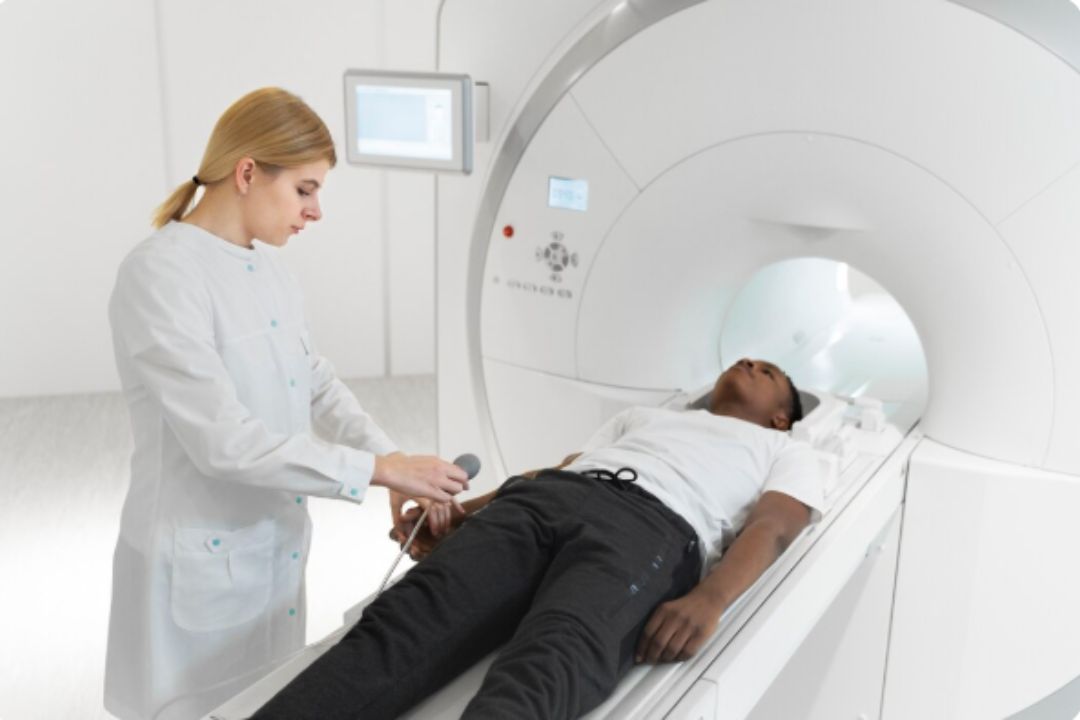
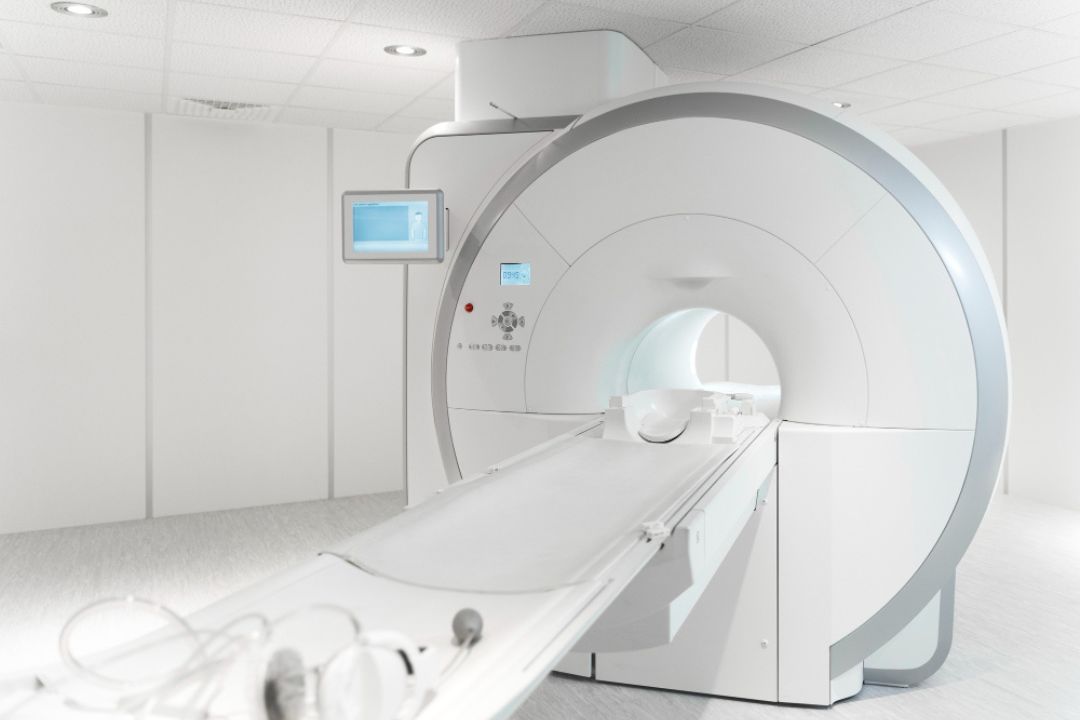



.jpg "ct brain scan plain and contrast")







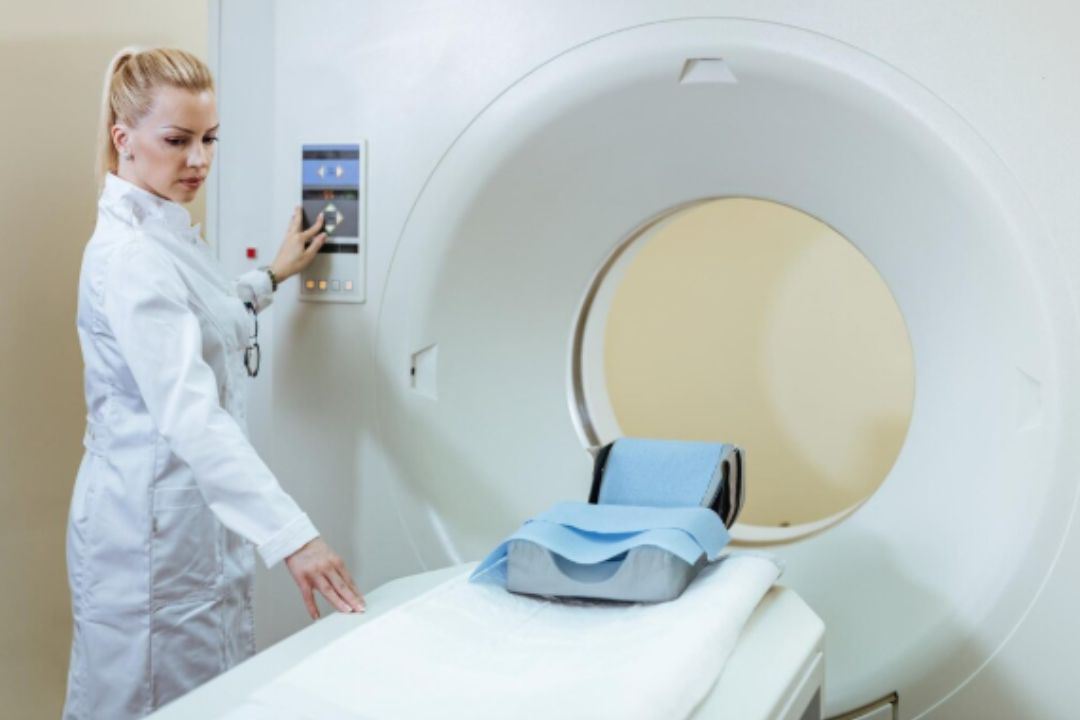













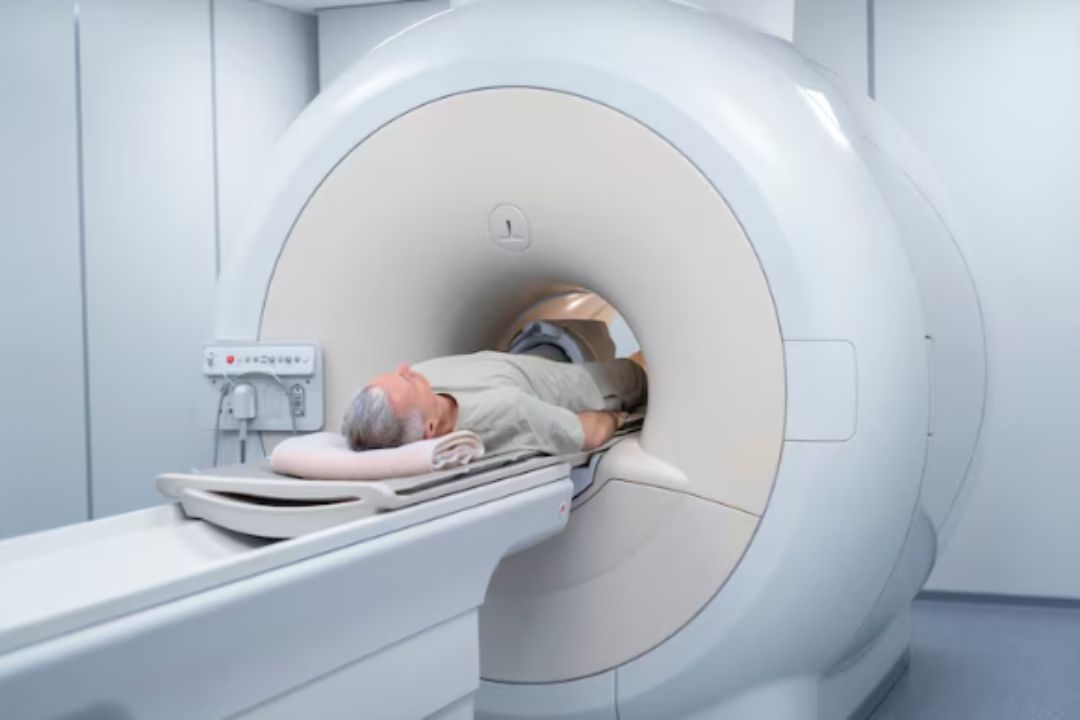





















.jpg "ct scan")

.jpg "ct scan or mri for brain disorders")


.jpg "exploring the power of ct brain contrast in modern diagnostics")
.jpg "ct scan")


.jpg "ct scan")

















.jpg "ct scan")


.jpg "CT Brain Scan for Headaches")

.jpg "The Future of 3D CT Imaging")