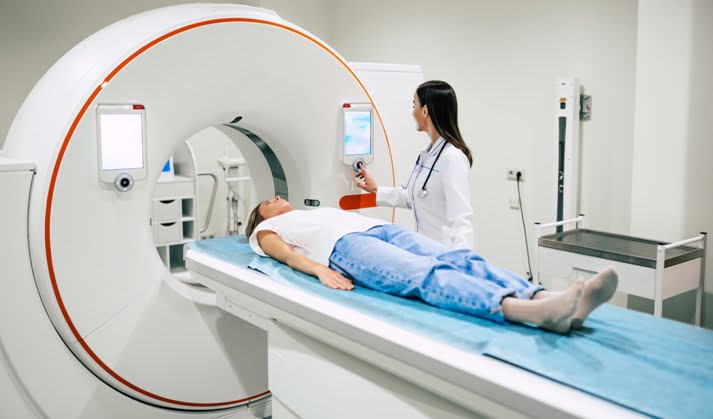
A CT scan (Computed Tomography scan) is a widely used imaging test that helps doctors examine the structures inside the body in great detail. When it comes to ear-related issues, many patients wonder whether a CT scan can detect inner ear problems without using contrast dye.
The answer is yes, in many cases a CT scan without contrast can help identify certain inner ear problems, especially those related to the bones and structural abnormalities of the ear.
When someone experiences symptoms like dizziness, vertigo, ringing in the ears (tinnitus), ear fullness, or hearing loss, doctors often recommend imaging tests to understand what’s happening inside the ear. One of the most commonly suggested tests is a CT scan of the temporal bone.
A frequent concern patients have is:
The answer is yes — in many cases it can, especially when the issue involves bone structures. However, it also has certain limitations. In this comprehensive guide, we’ll explore what a non-contrast CT scan can detect, when contrast may be needed, and when MRI might be a better option.
Visit Now:-https://www.diagnopein.com/ct-scan/Mumbai
The inner ear is a complex and delicate structure responsible for both hearing and balance. It includes:
The cochlea (hearing organ)
The semicircular canals (balance organs)
The vestibule
The auditory nerve
The surrounding bony labyrinth
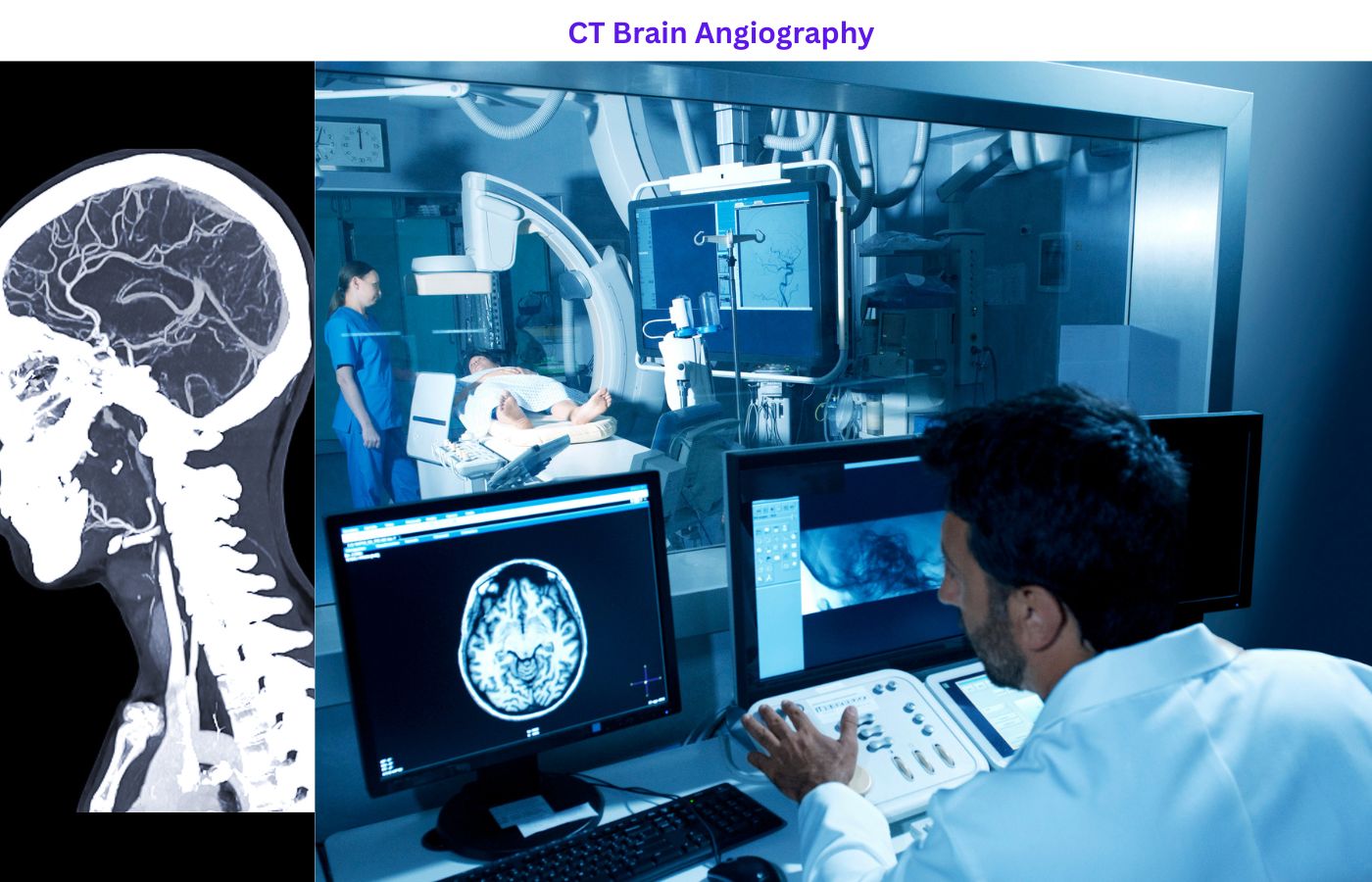
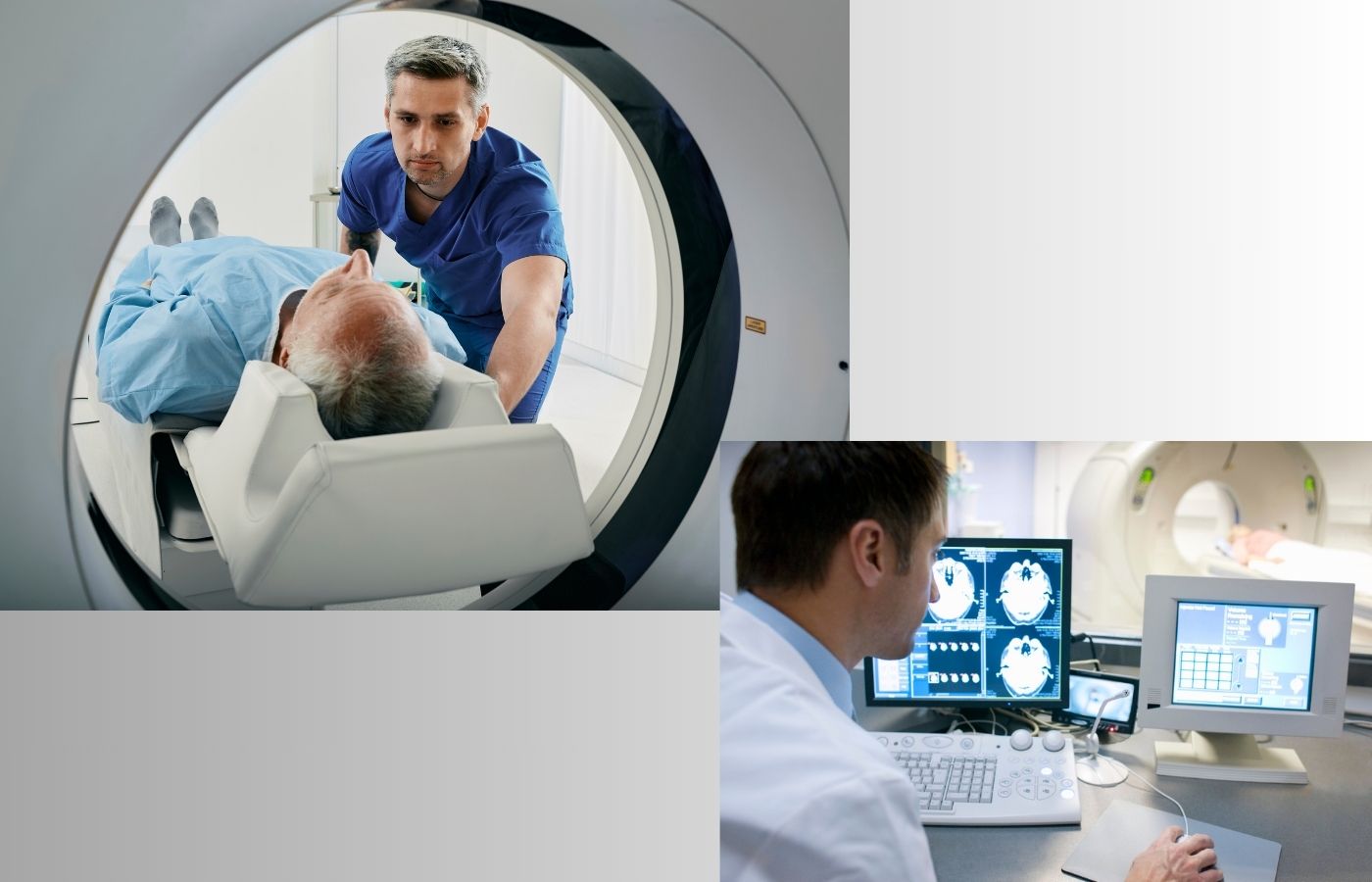
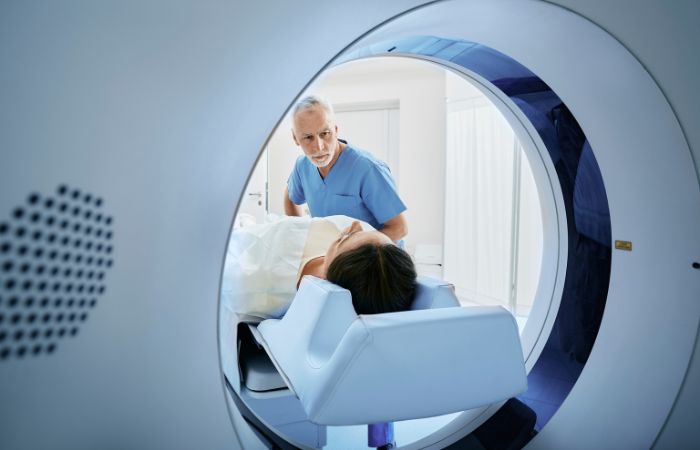
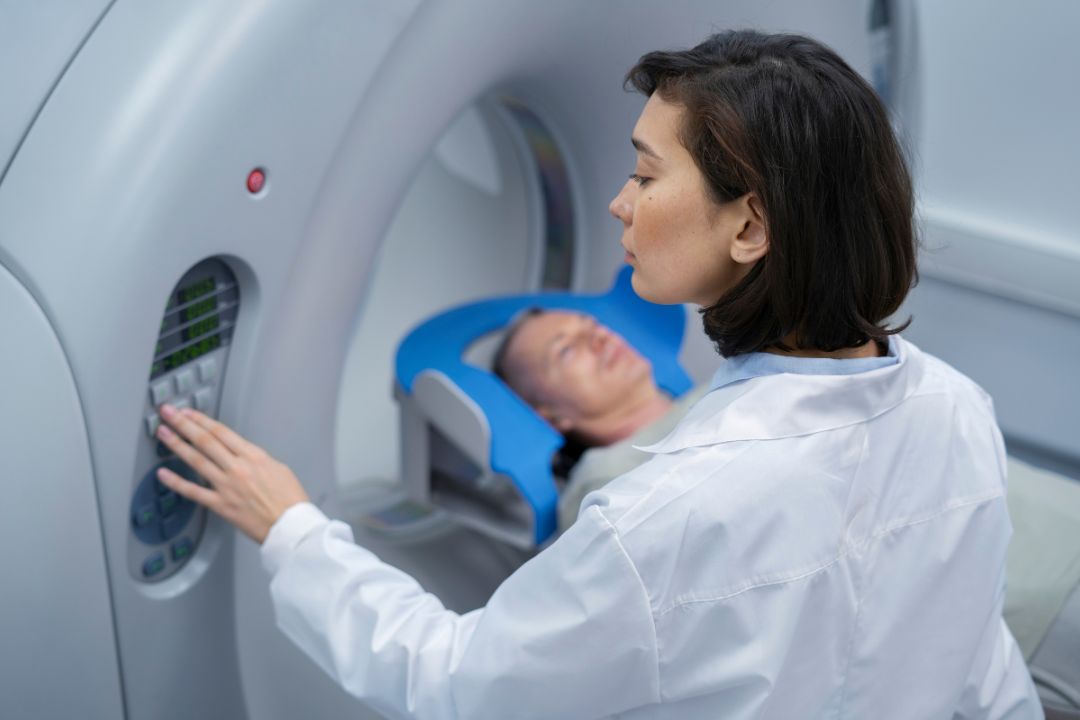
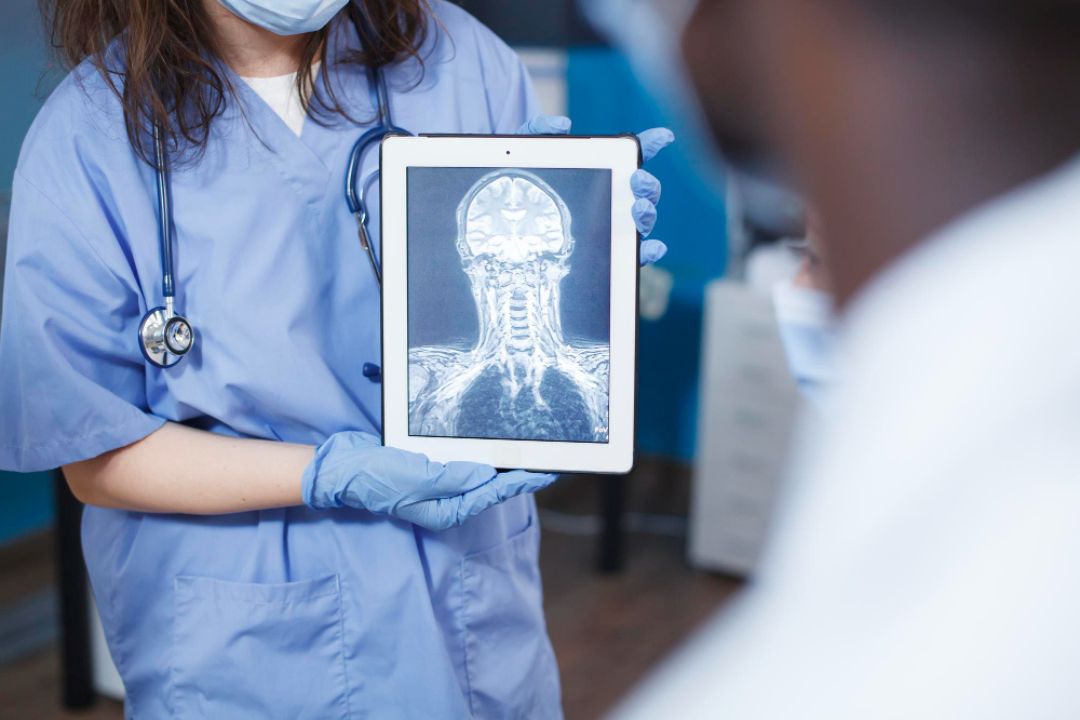
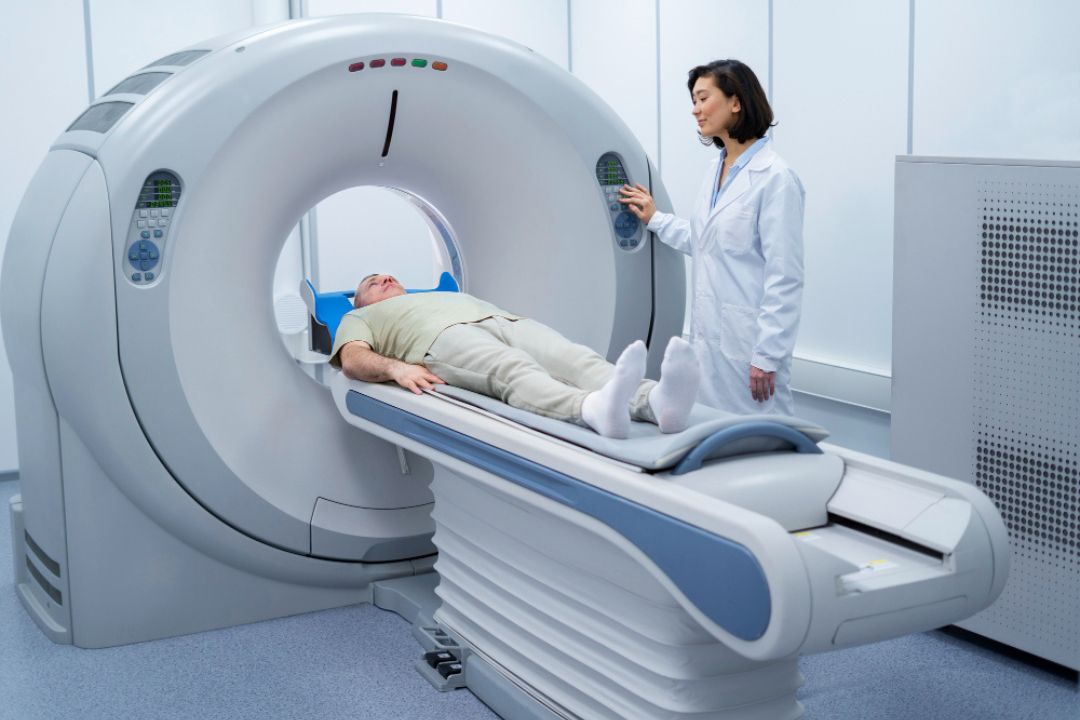
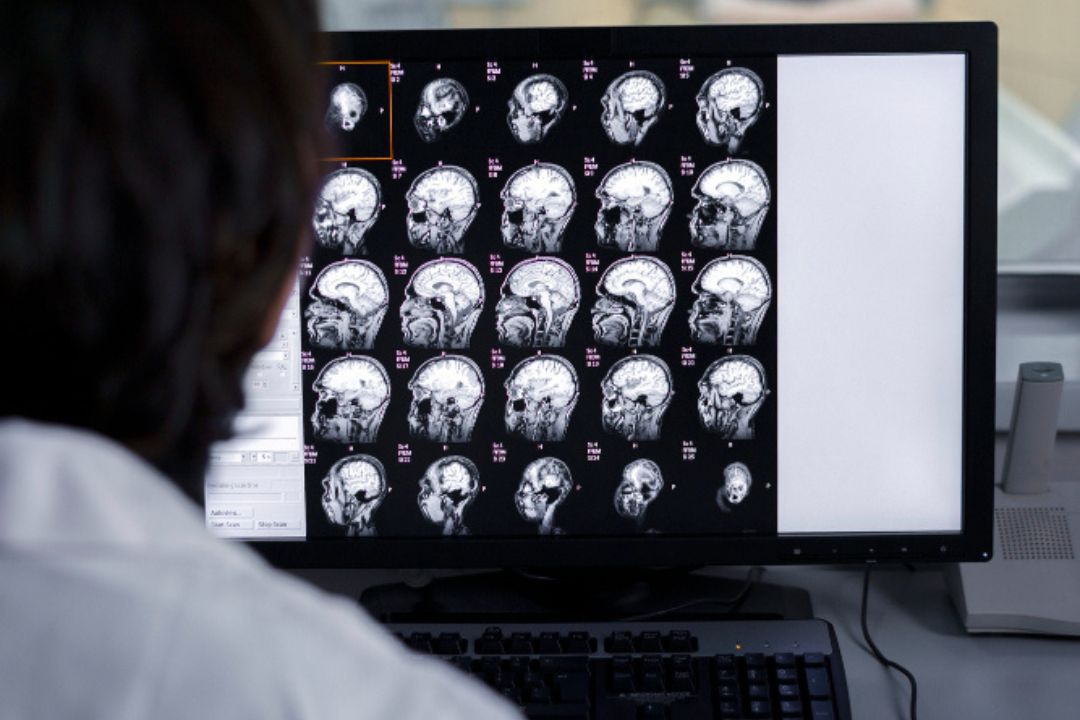
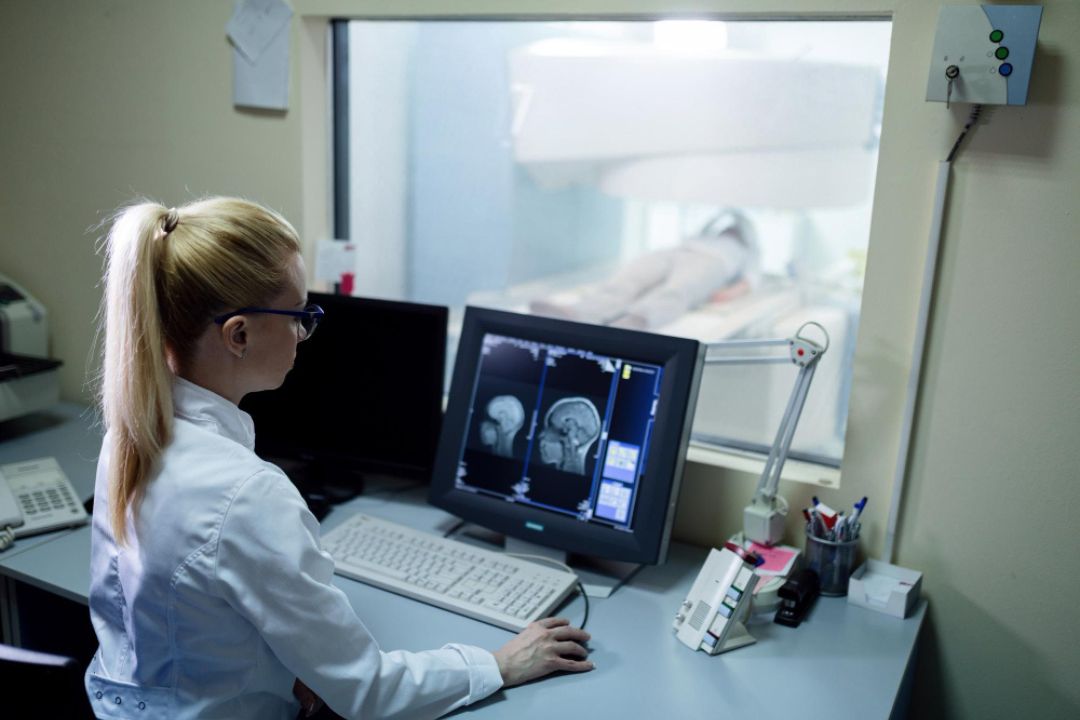
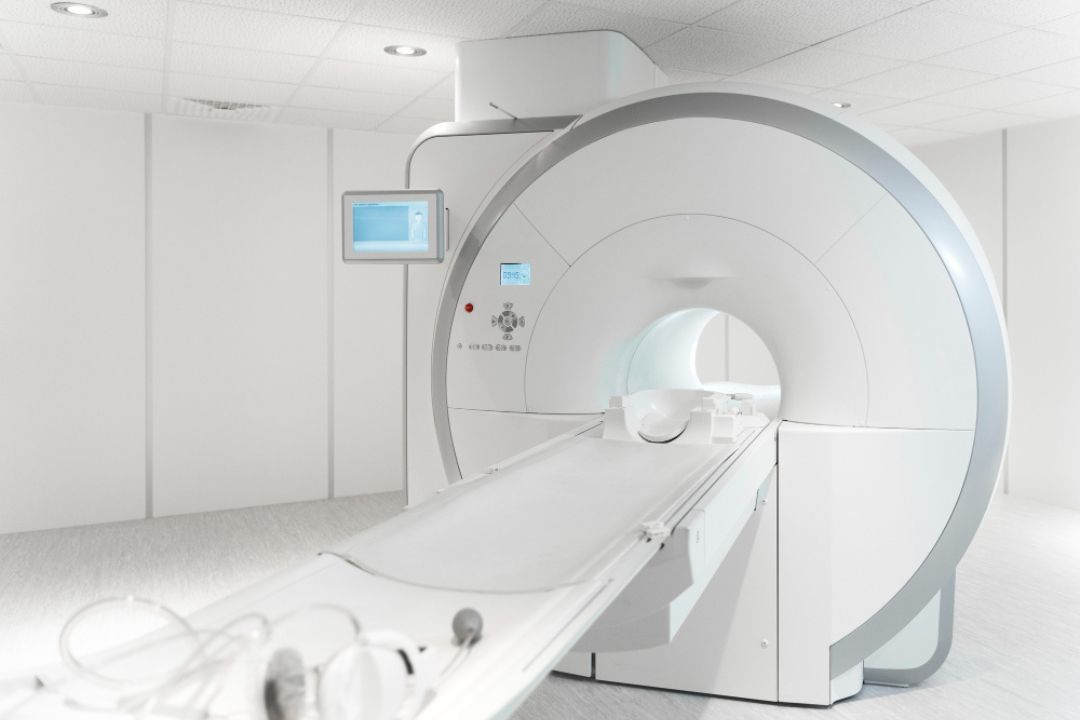
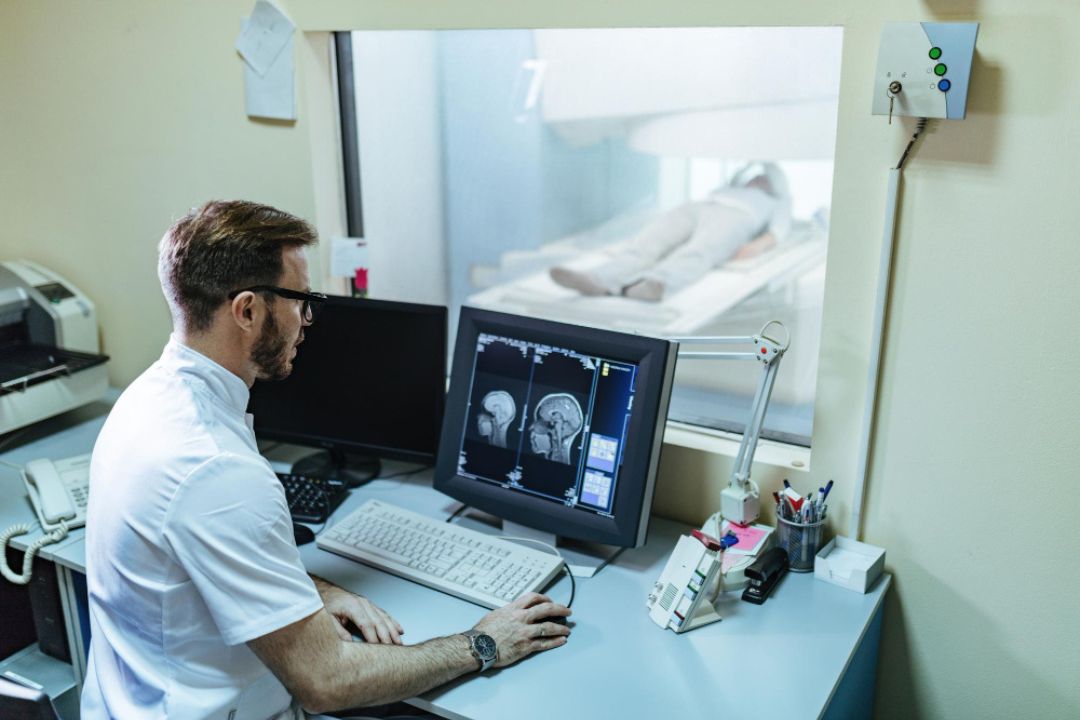
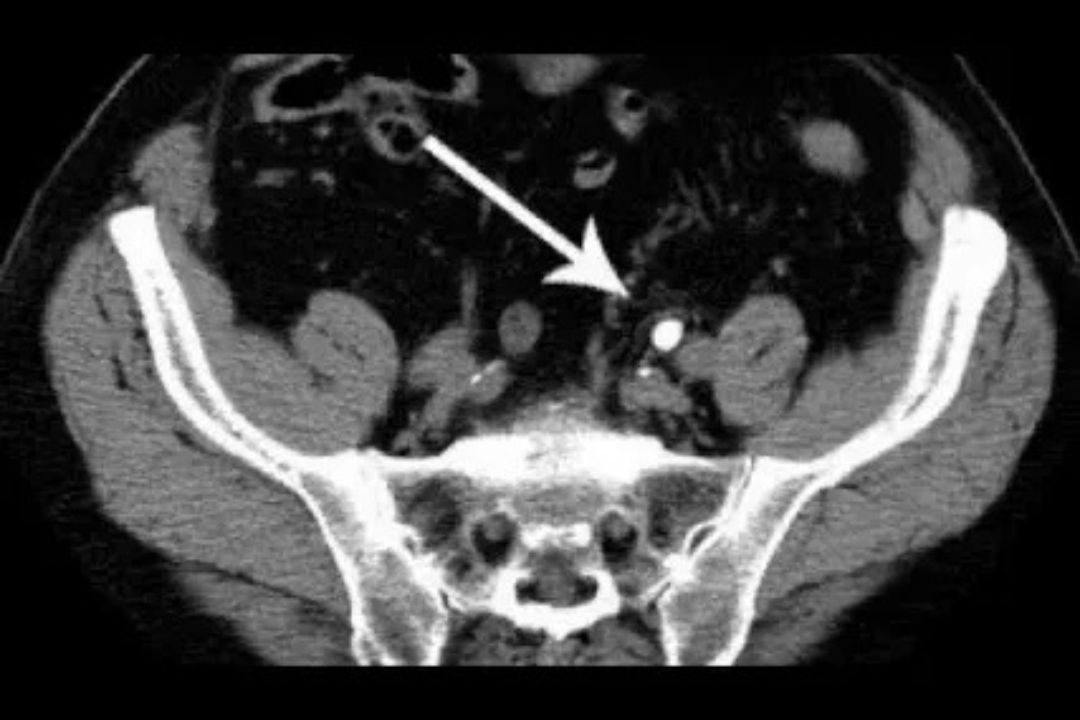
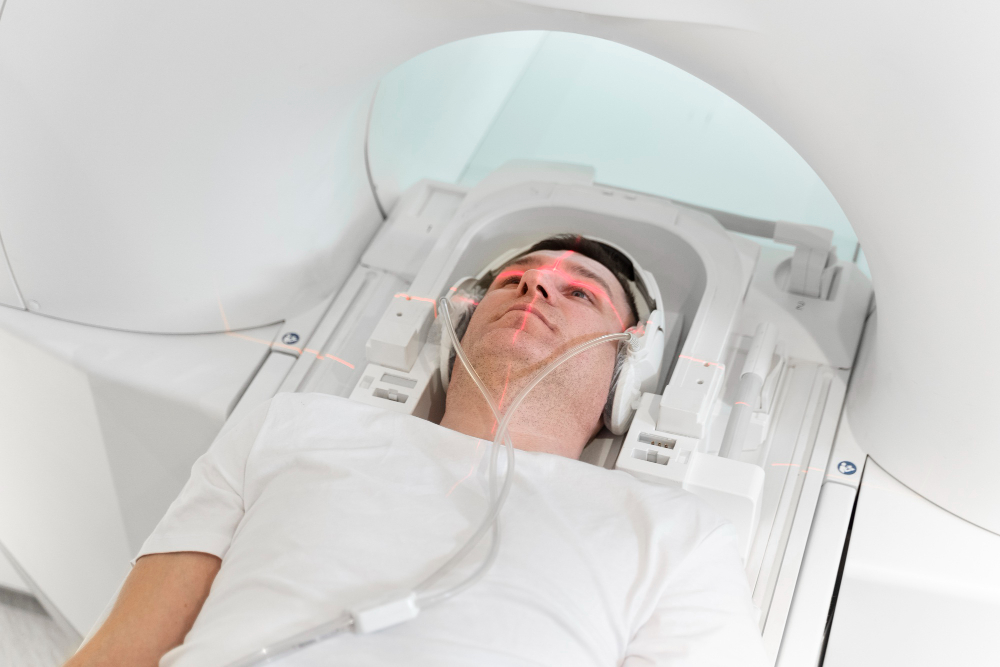
A CT (Computed Tomography) scan uses X-rays to create detailed cross-sectional images of the body. When focused on the ear, it is called a temporal bone CT scan.
This scan provides:
High-resolution images of bone
Clear visualization of structural abnormalities
Quick and non-invasive assessment
Fast scanning time compared to MRI
Book Now :-https://www.diagnopein.com/ct-scan/Mumbai
A CT scan without contrast is particularly effective for identifying conditions that involve structural or bony changes. Below are the major inner ear problems it can detect:
If someone has suffered head trauma, a CT scan is the best way to detect fractures affecting the inner ear. It can clearly show cracks or displacement in the temporal bone.
Some people are born with structural abnormalities in the cochlea or semicircular canals. CT scans can reveal incomplete development or unusual formations of these structures.
Otosclerosis is a condition where abnormal bone growth affects the stapes bone, leading to conductive hearing loss. A high-resolution CT scan can detect these changes.
This condition occurs when there is thinning or absence of bone over one of the semicircular canals. CT is considered the best imaging method to diagnose this defect.
Long-standing infections can cause erosion of nearby bone structures. CT can show these changes clearly.
While CT cannot always fully visualize soft tissue masses, it can detect bone destruction caused by a cholesteatoma, helping guide diagnosis and surgery planning.
Contrast dye is typically used to enhance soft tissues, blood vessels, or tumors. However, in temporal bone imaging:
The primary focus is on bone detail
Bone already appears very clearly on CT scans
Adding contrast does not significantly improve visualization of bone
Avoiding contrast eliminates risks of allergic reactions
It reduces cost and preparation time
Book Now :-https://www.diagnopein.com/ct-scan/Mumbai
Although CT is excellent for bone, it has limitations when it comes to soft tissue structures.
A non-contrast CT scan may not clearly detect:
Small tumors of the auditory nerve
Early inflammation inside the inner ear
Nerve disorders
Fluid imbalances (such as in Ménière’s disease)
Subtle soft tissue infections
Vestibular neuritis
Understanding the difference between CT and MRI helps clarify why doctors choose one over the other.
Excellent for bone detail
Fast procedure
Widely available
Ideal for trauma cases
Detects structural abnormalities
Excellent for soft tissue and nerves
Better for tumors
No radiation exposure
Detects inflammation and fluid abnormalities
Doctors commonly recommend a CT scan without contrast if the patient has:
Head trauma affecting the ear
Conductive hearing loss
Suspected otosclerosis
Structural ear deformities
Chronic ear infections
Pre-operative evaluation for ear surgery
Suspicion of semicircular canal dehiscence
Visit Now:-https://www.diagnopein.com/ct-scan/Mumbai
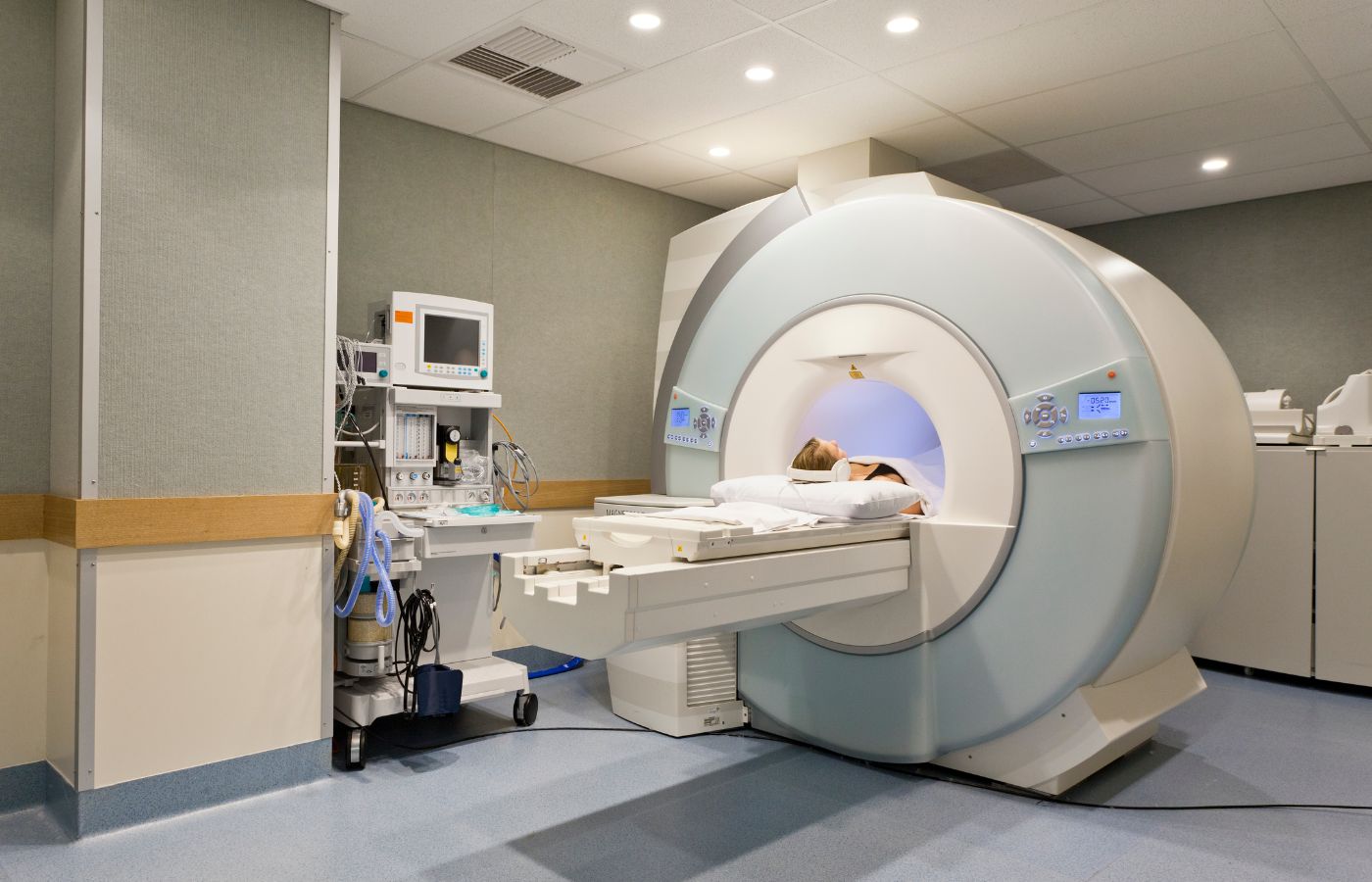
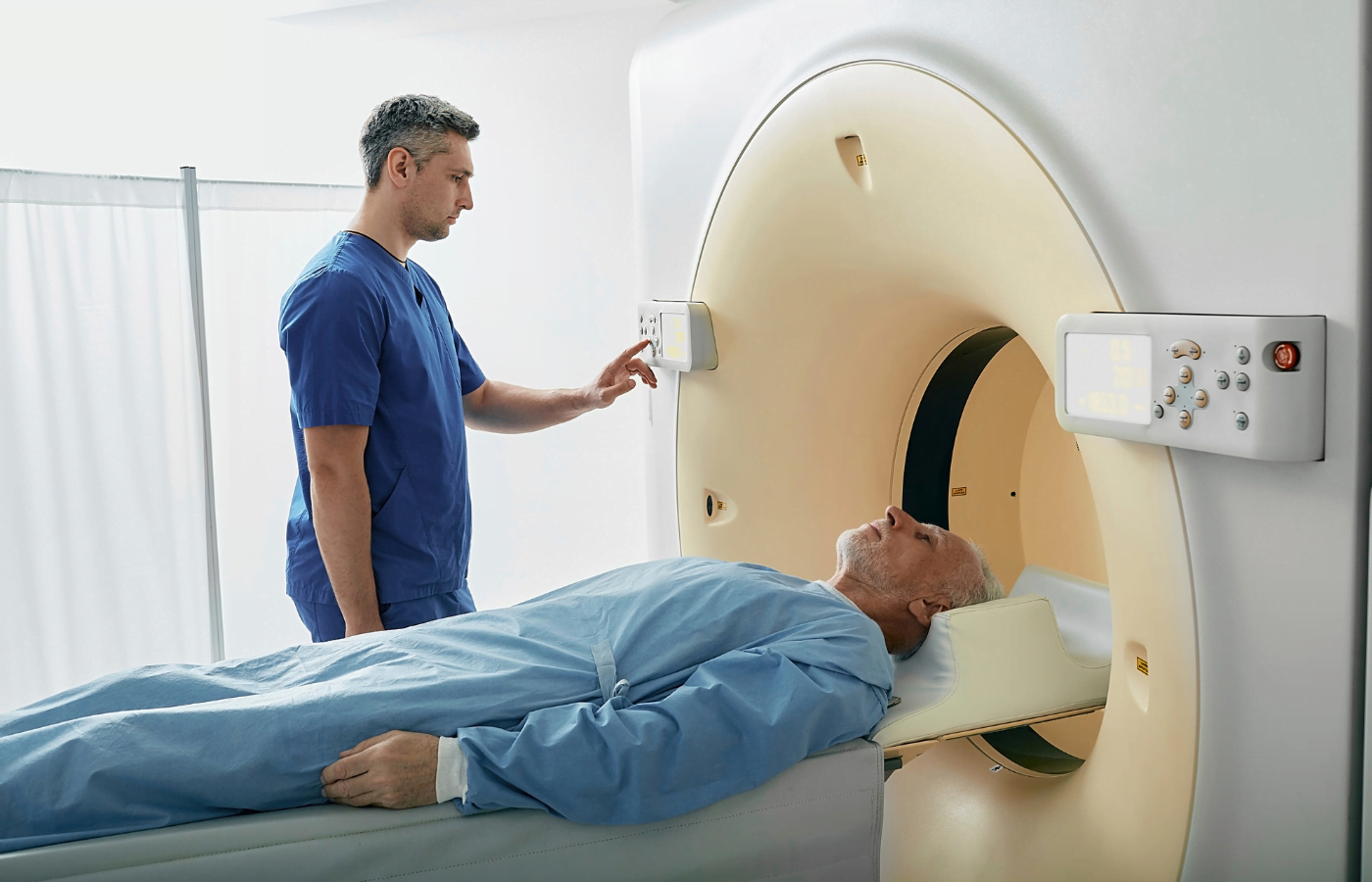
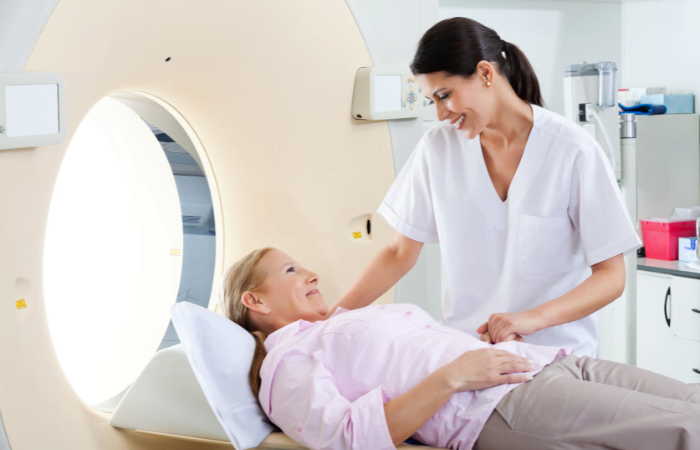
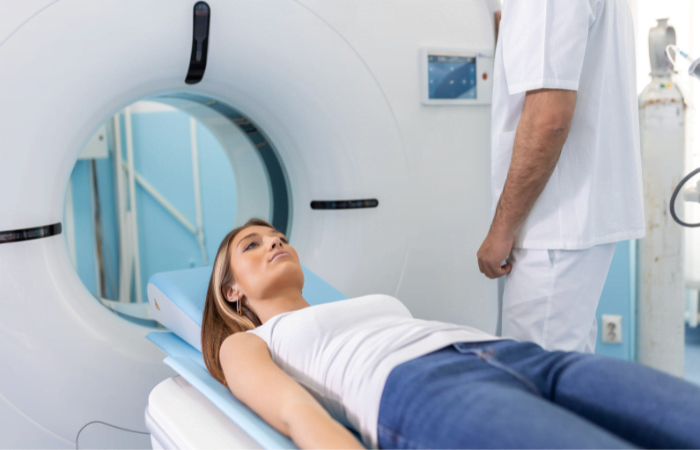
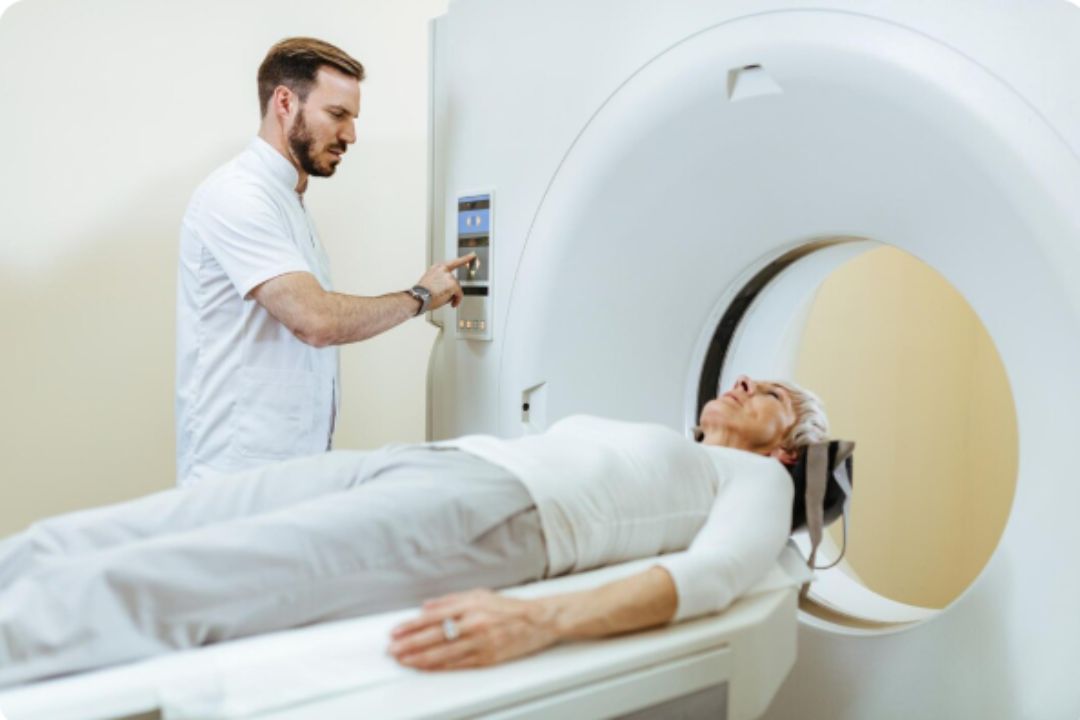
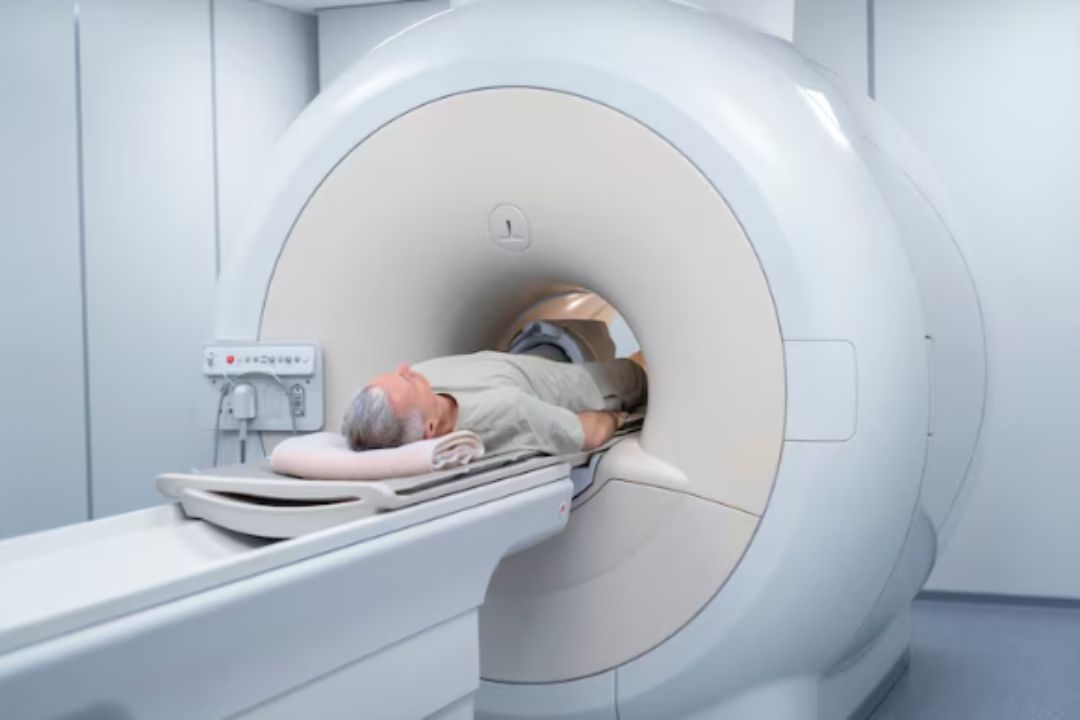
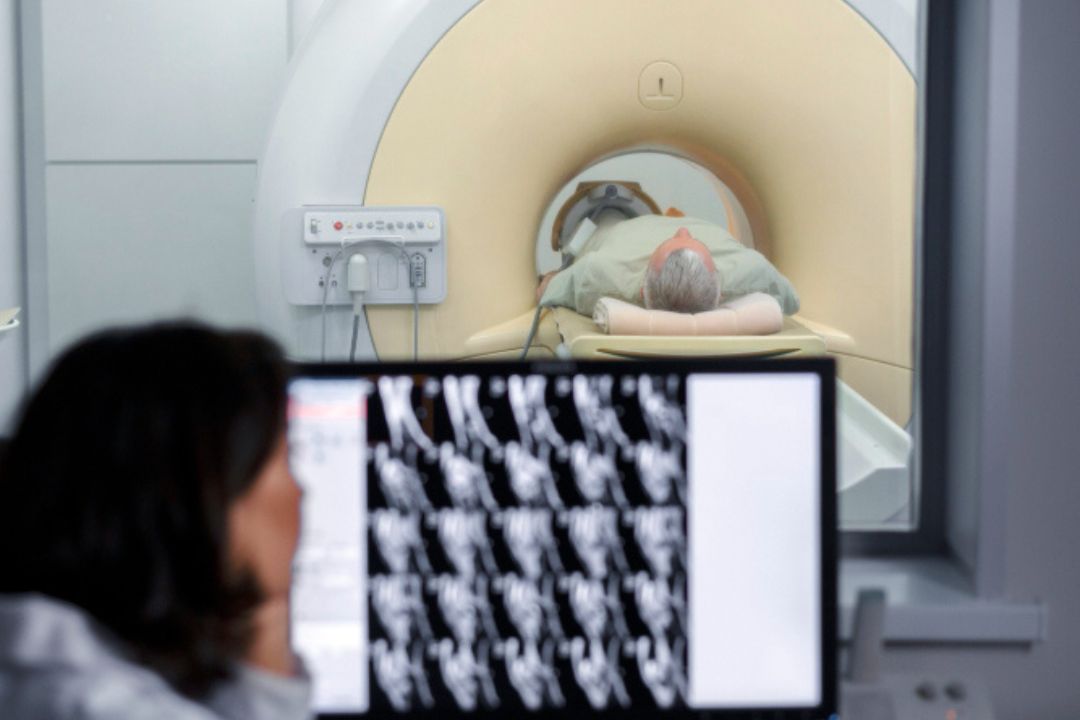
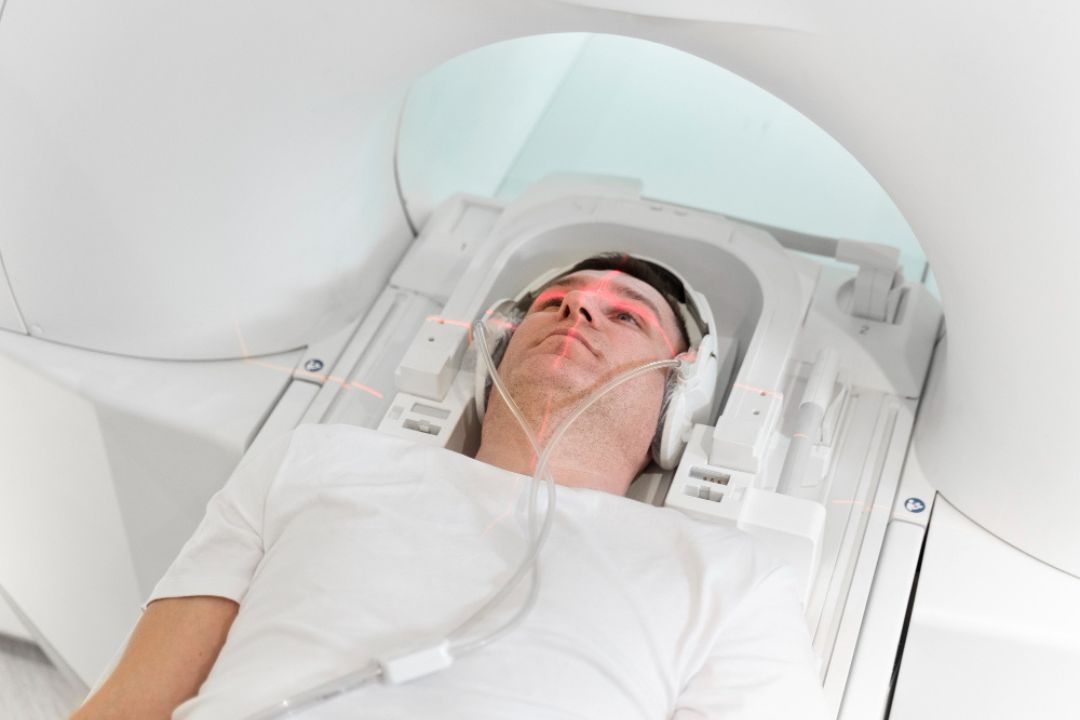
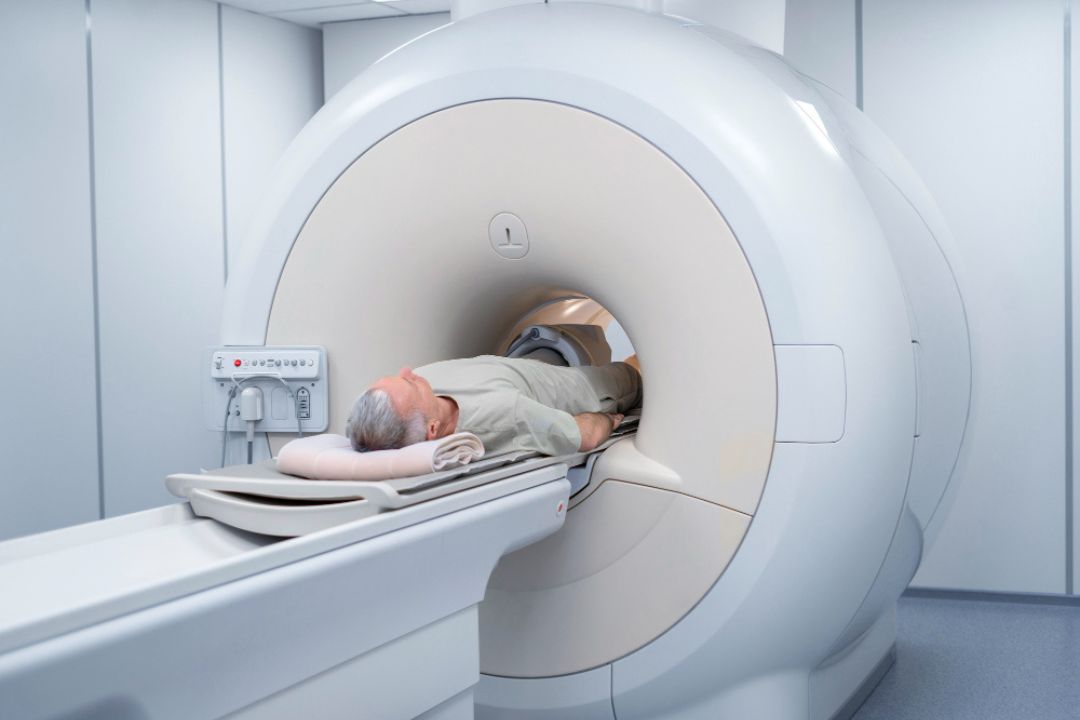
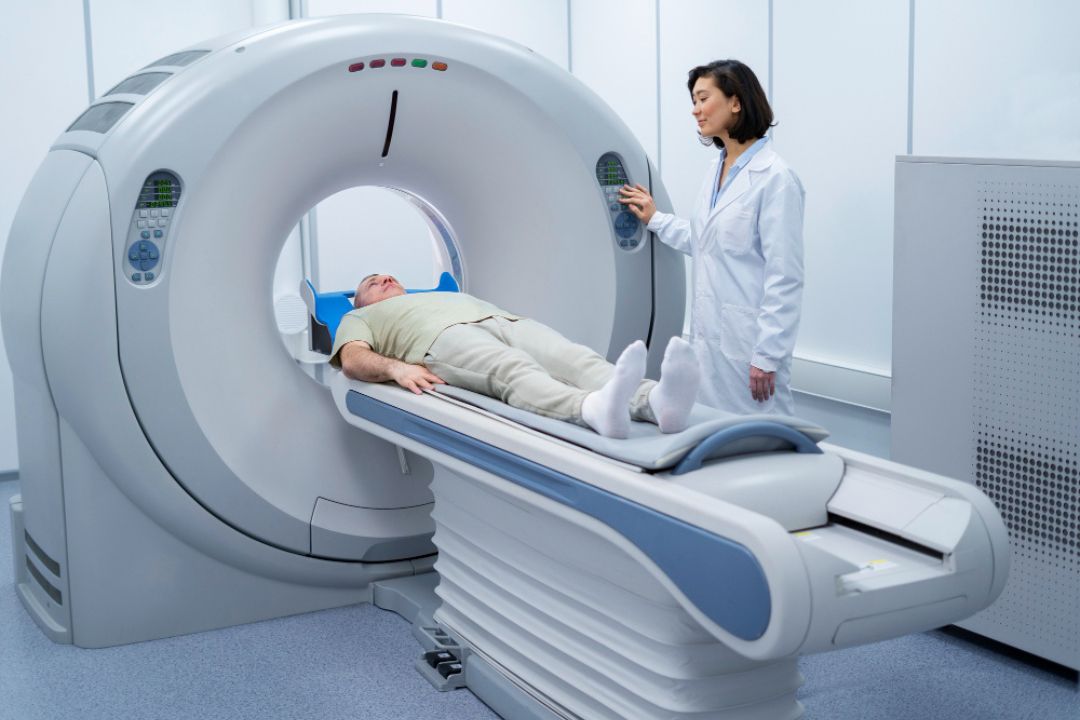
A non-contrast CT scan of the temporal bone is simple and quick.
Here’s what to expect:
No special preparation is usually required.
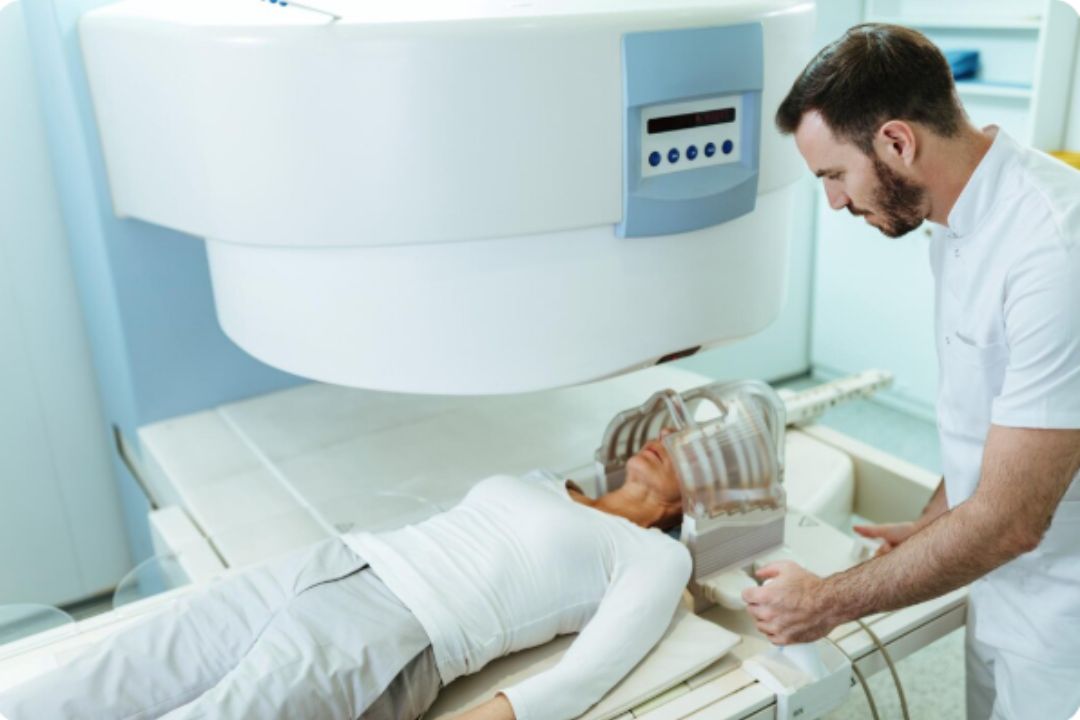
Remove metal objects, hearing aids, or jewelry.
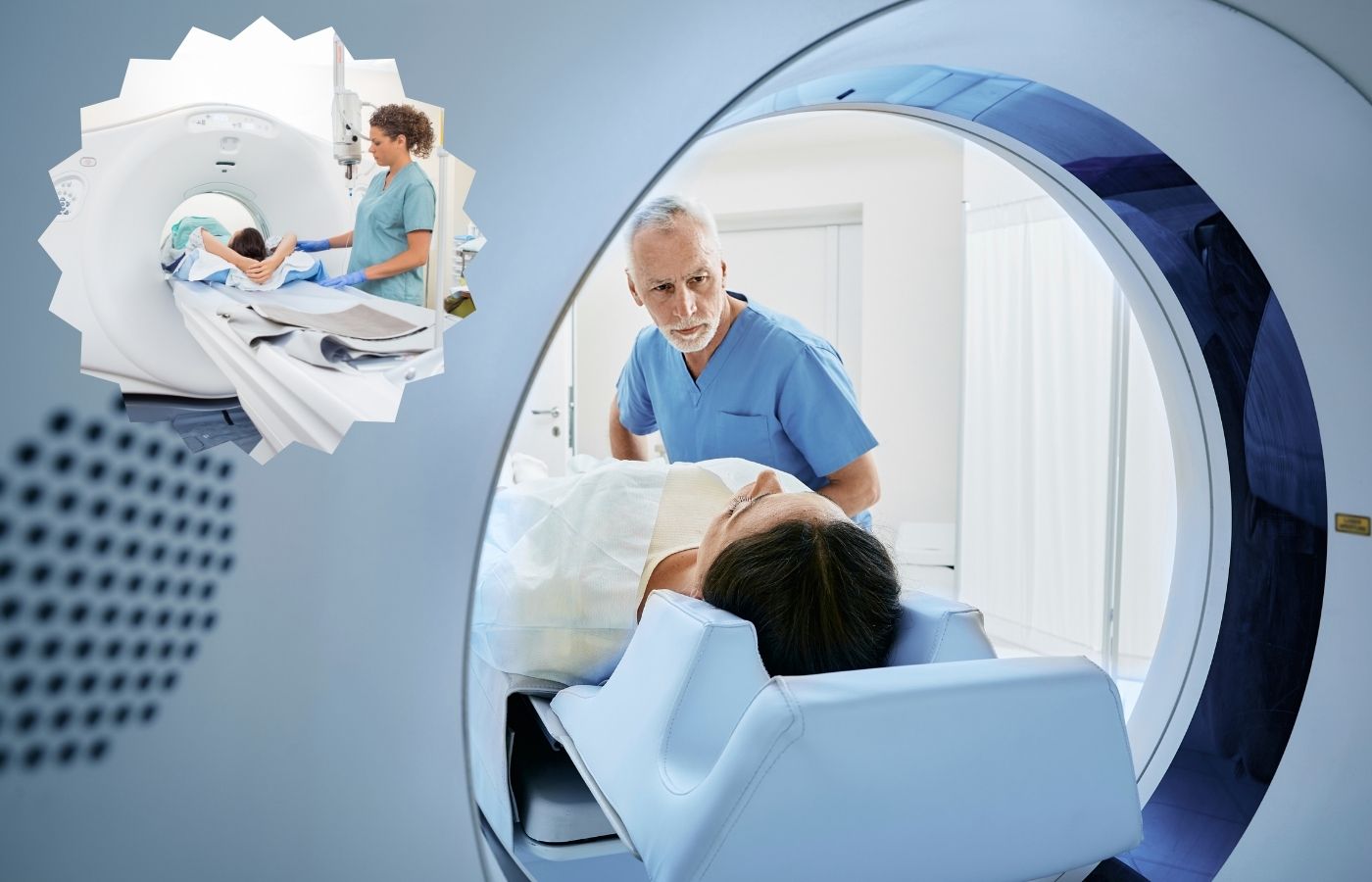
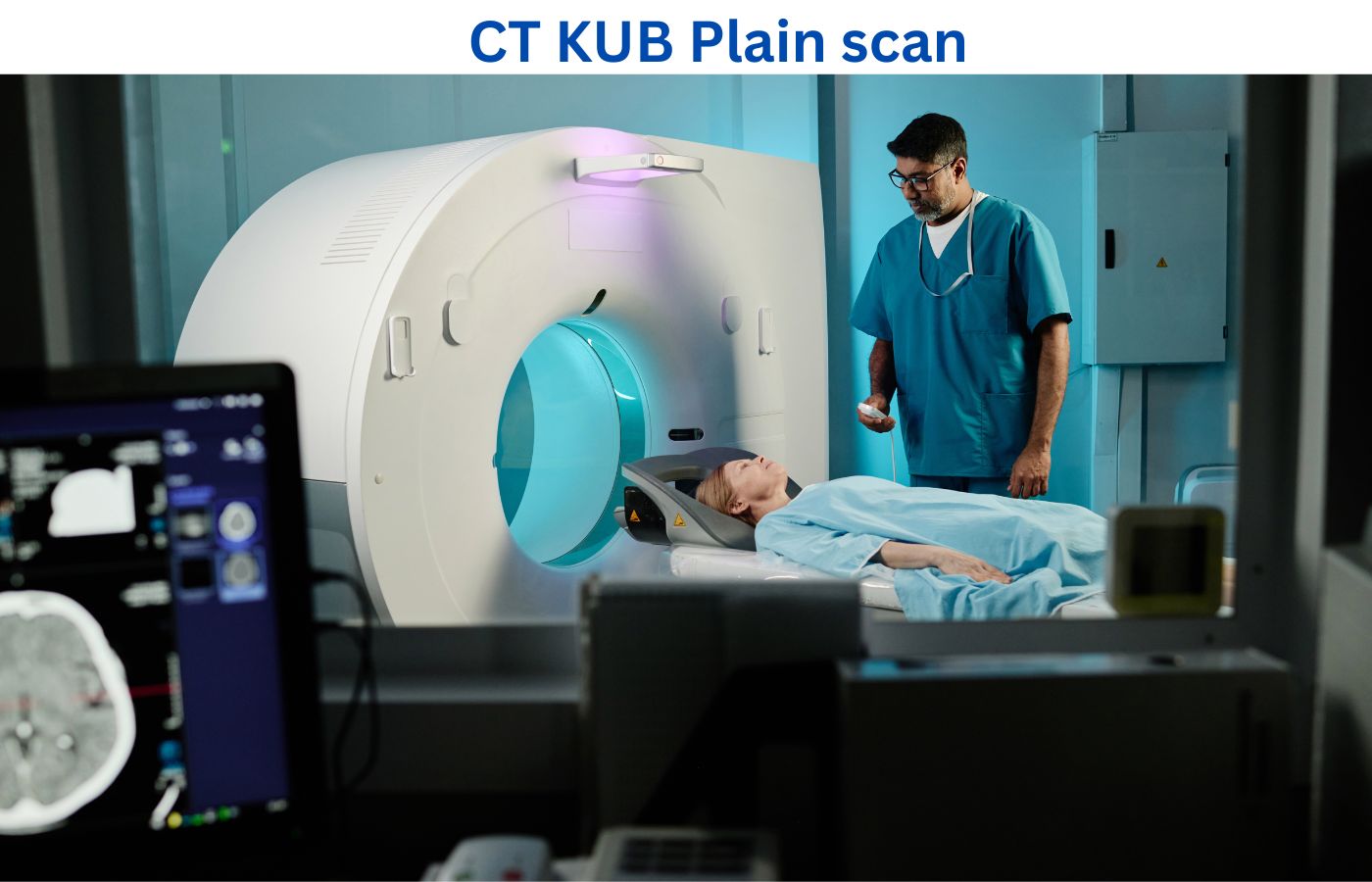
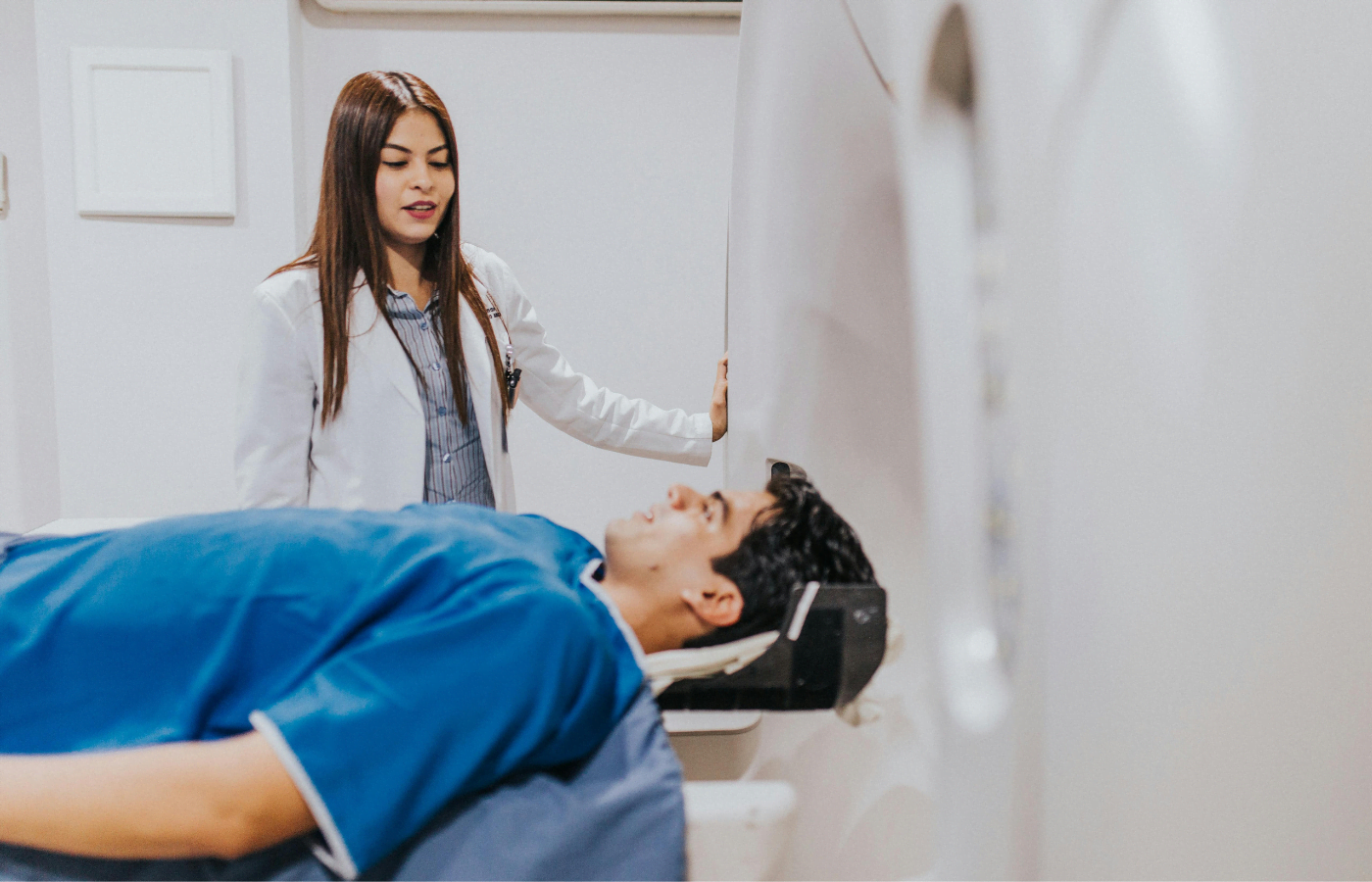
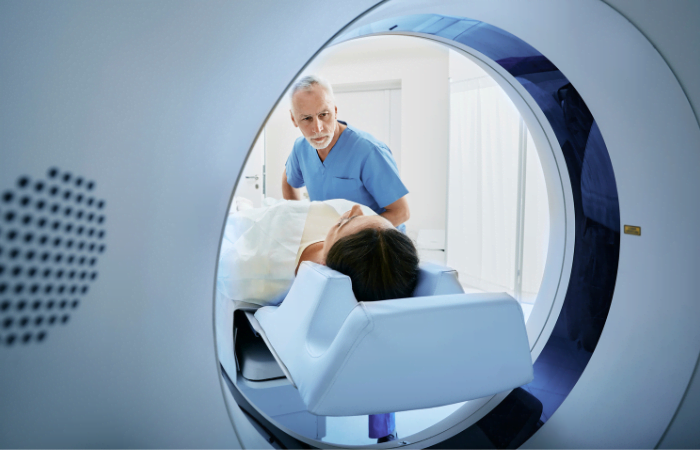
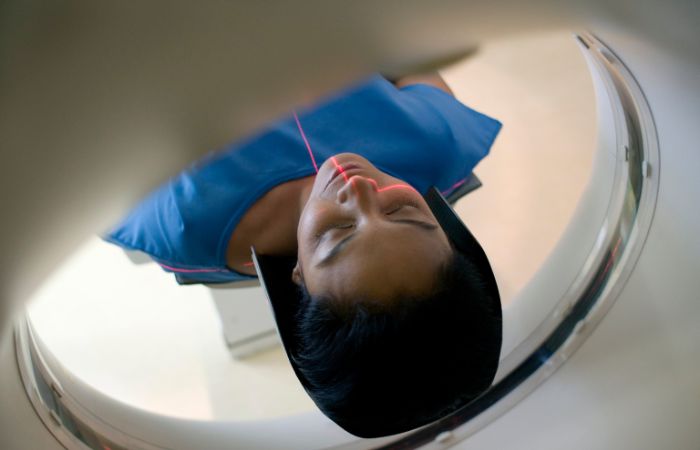
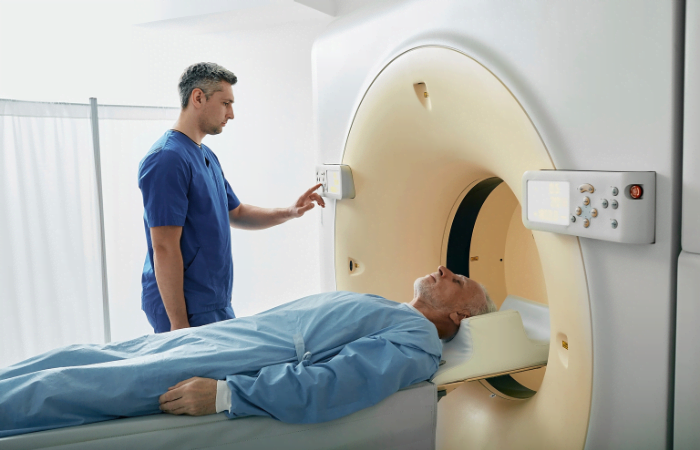
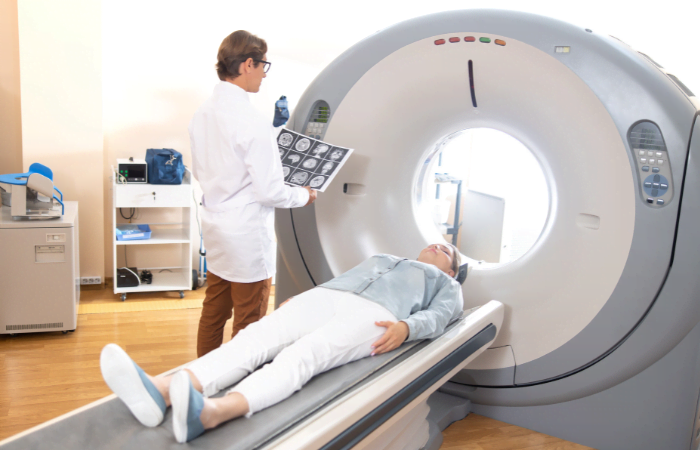
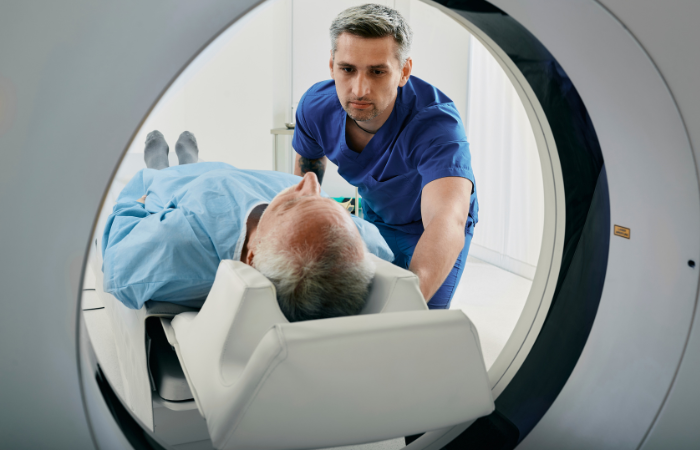
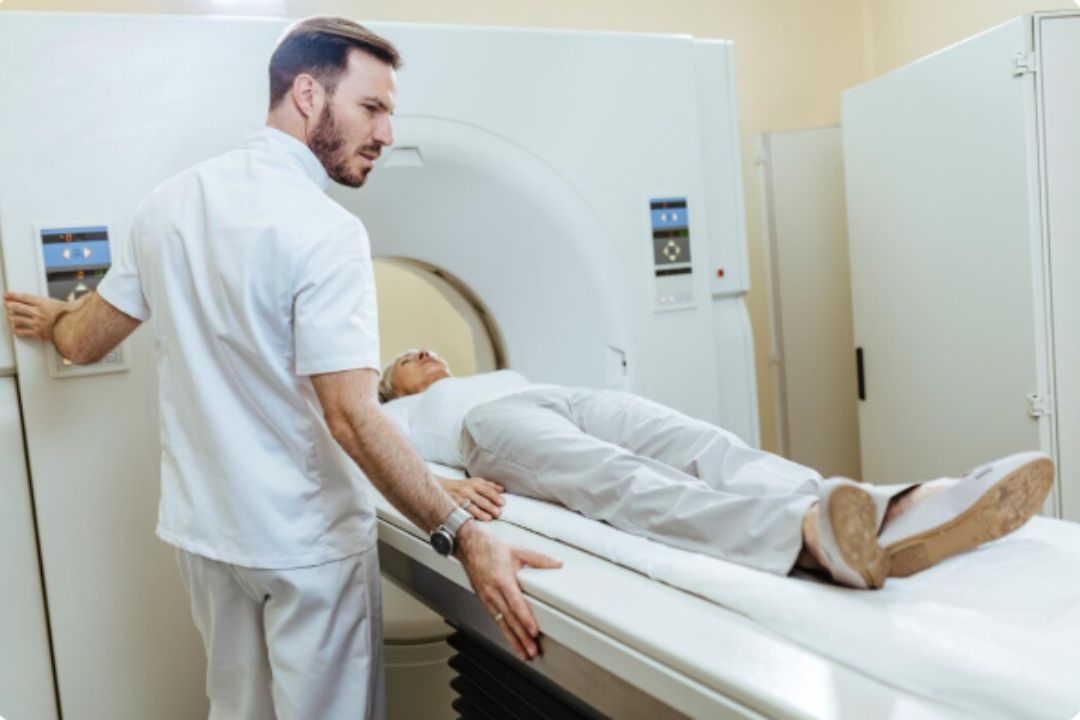
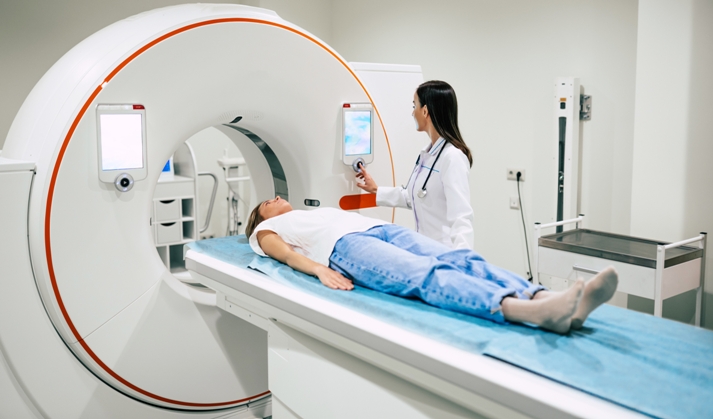
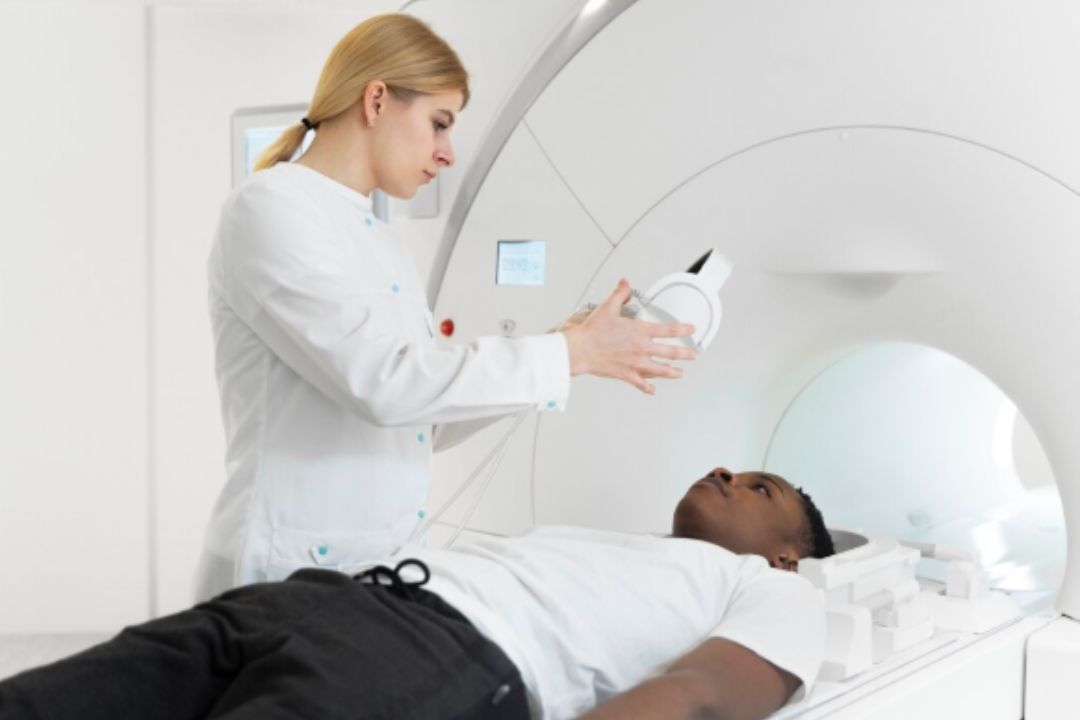
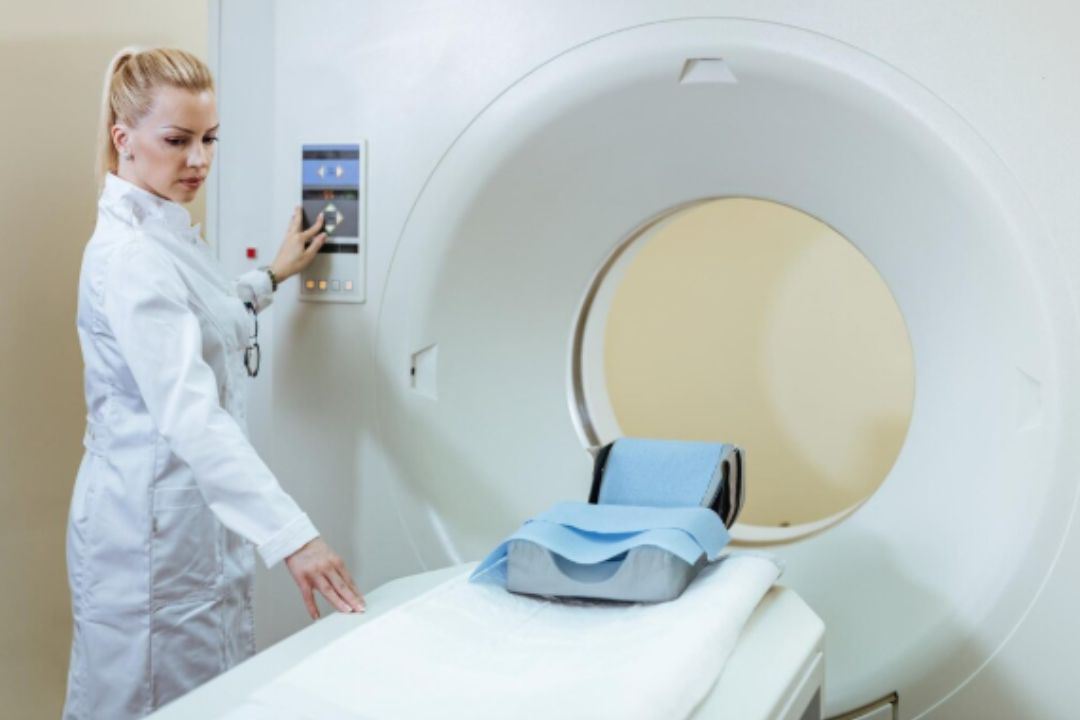
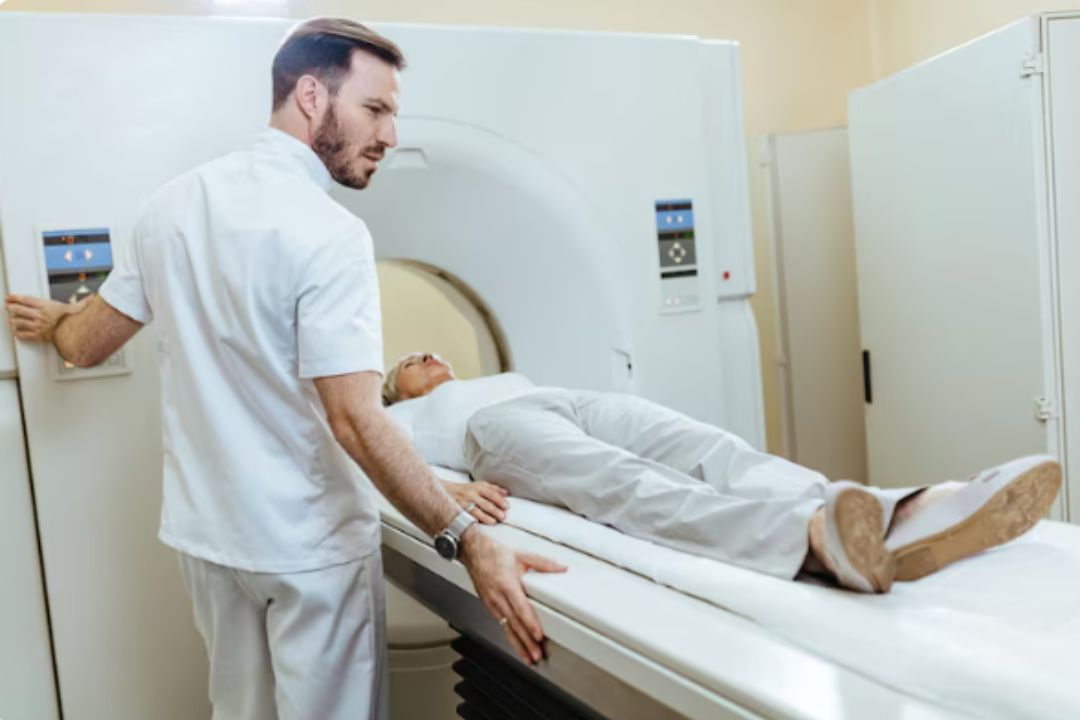
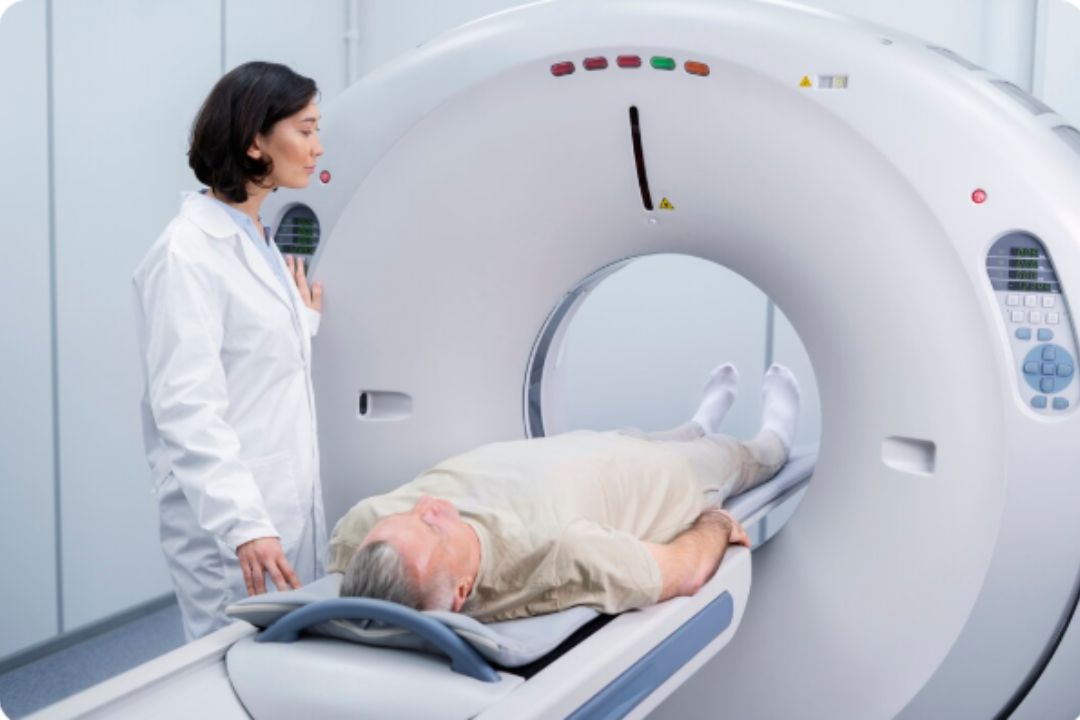
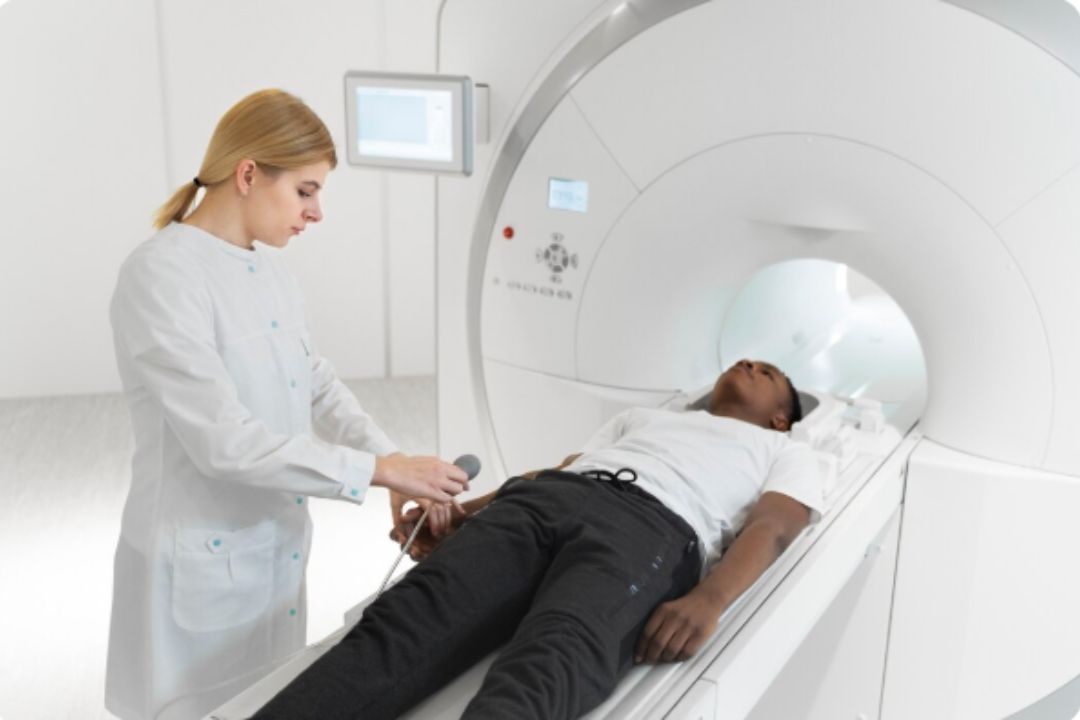
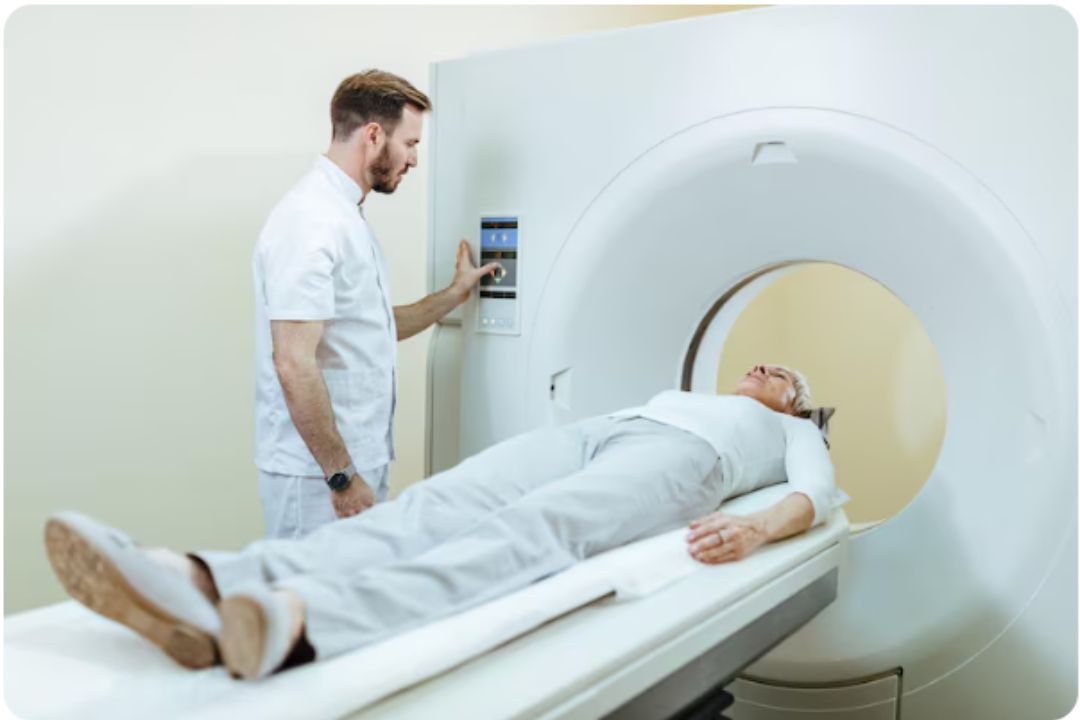
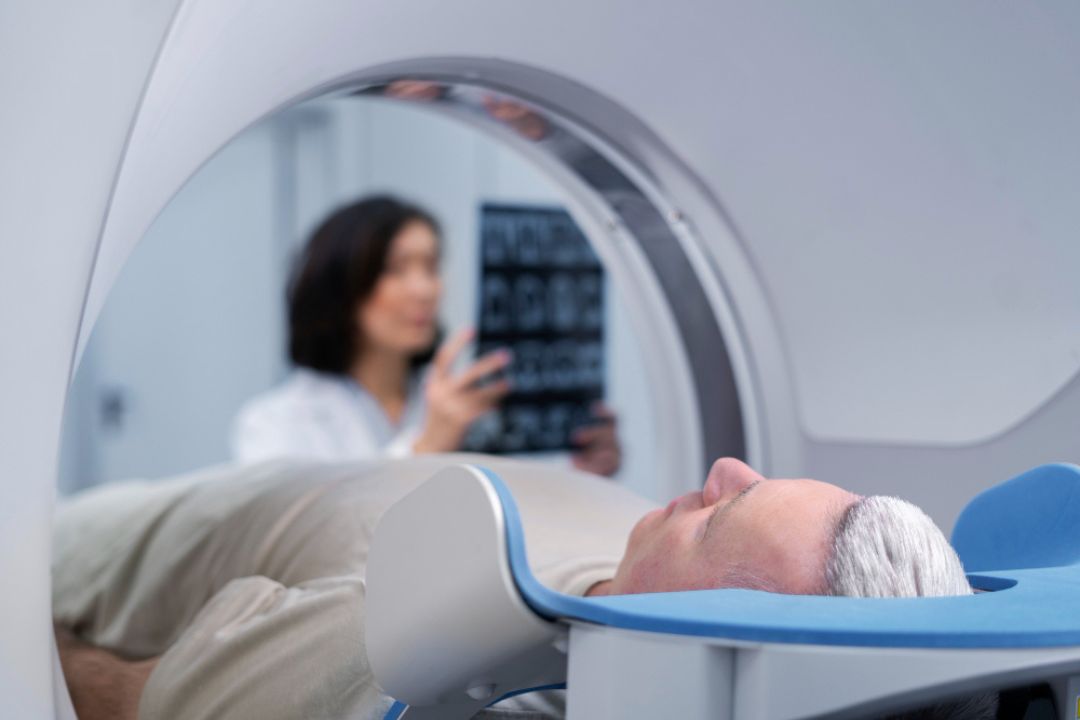
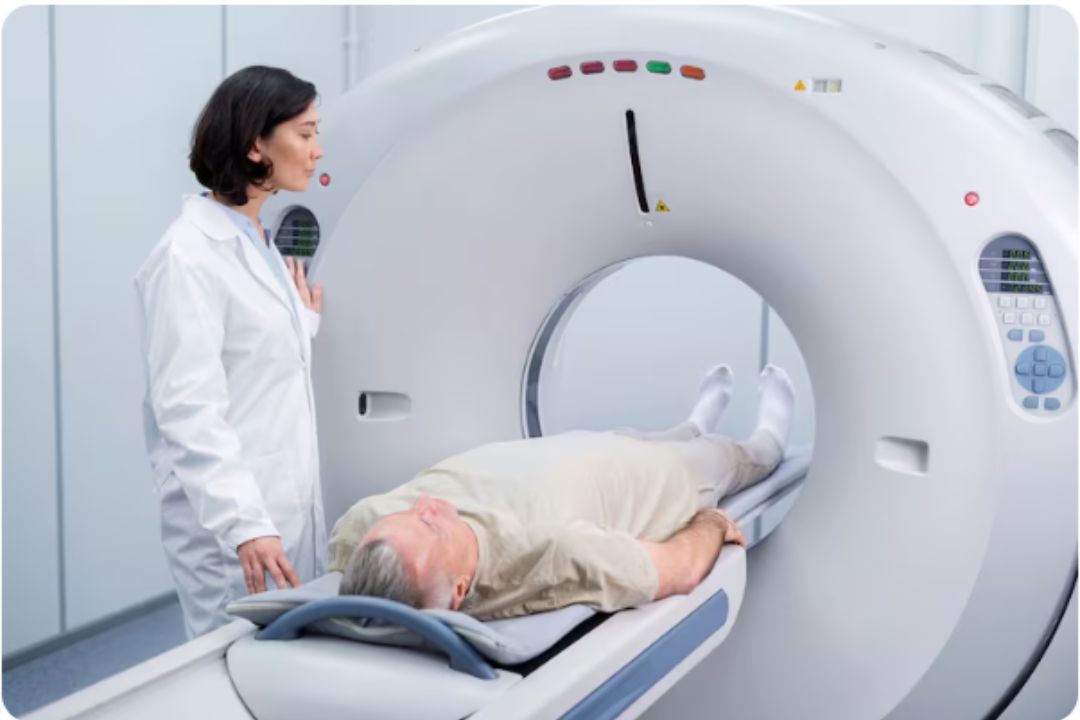
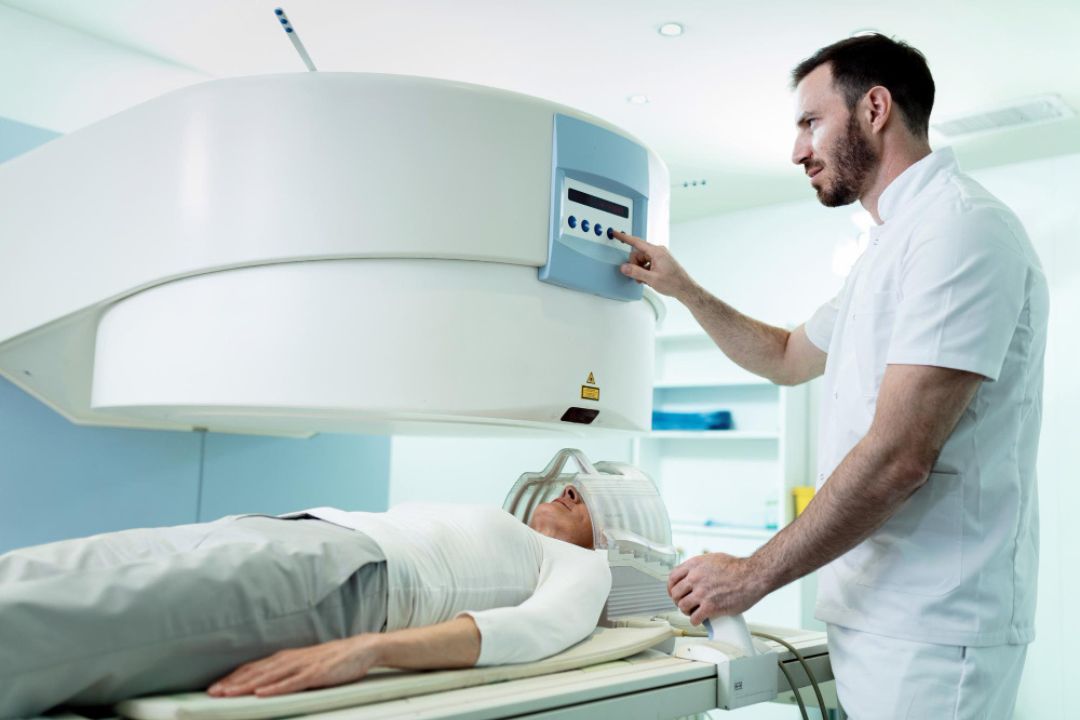
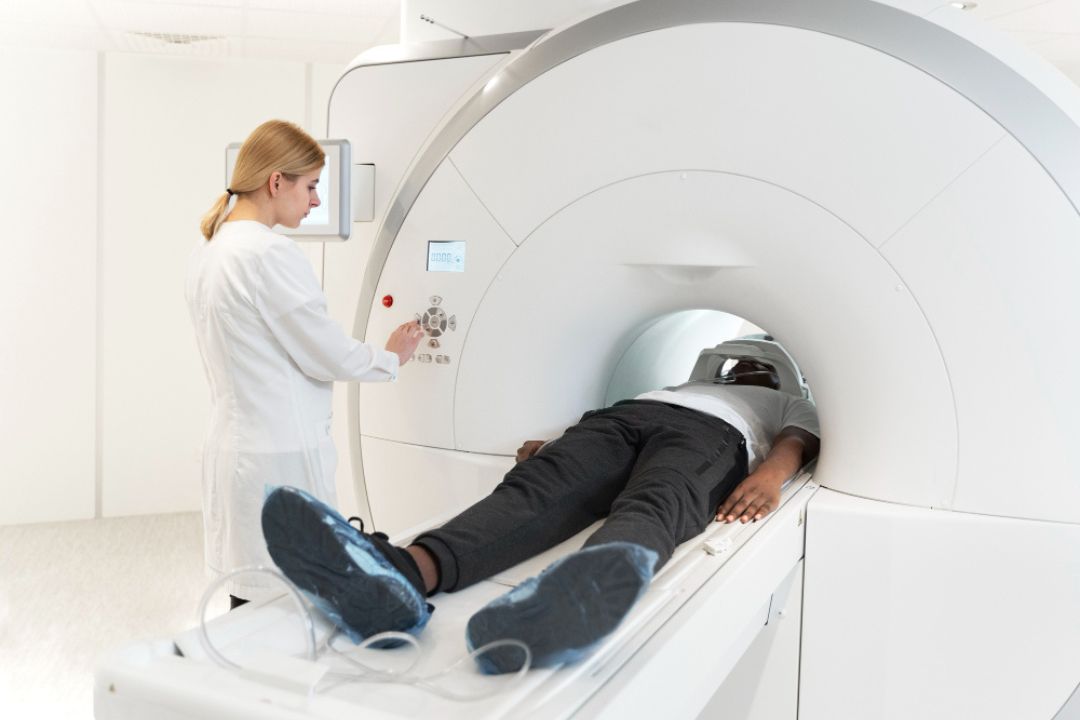
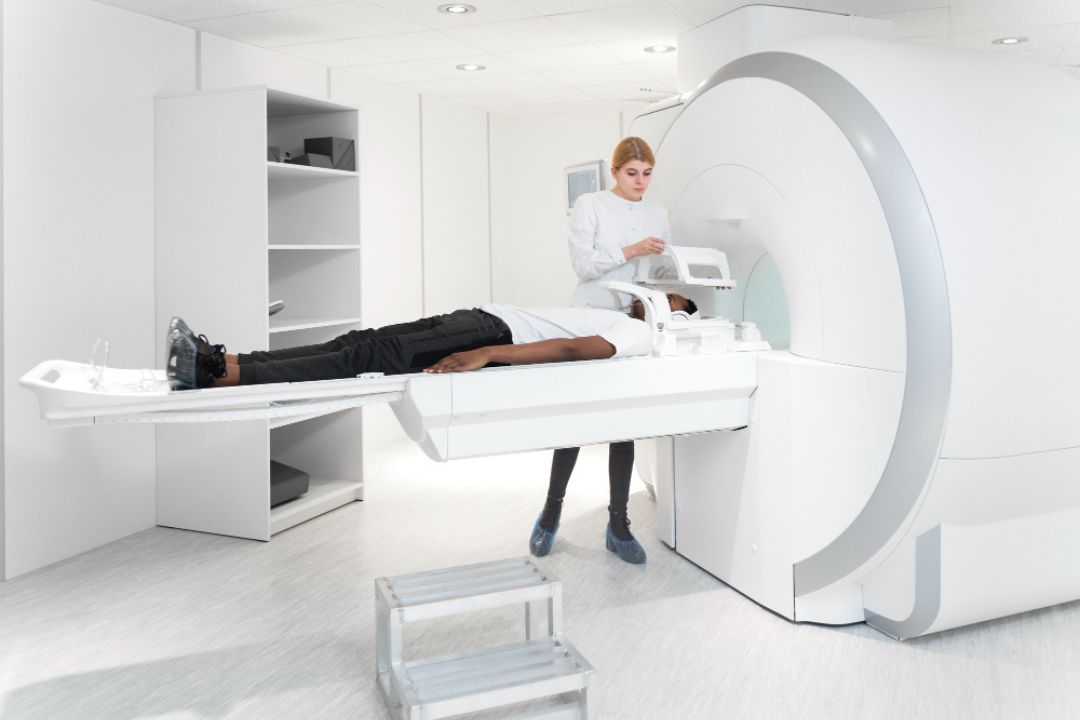
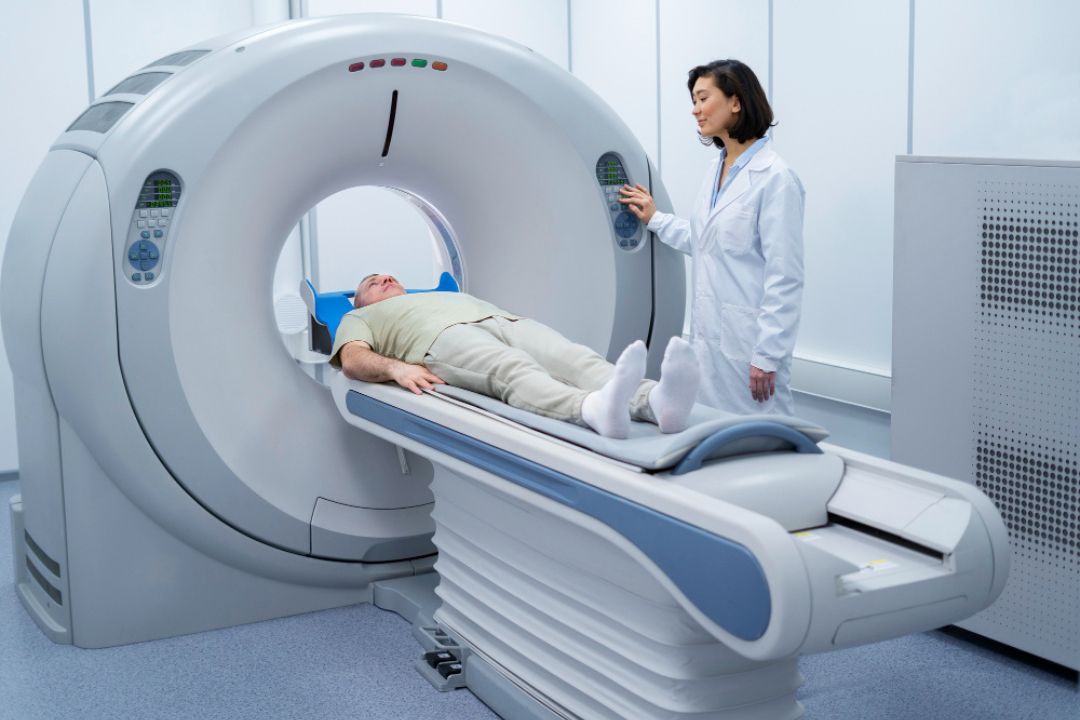
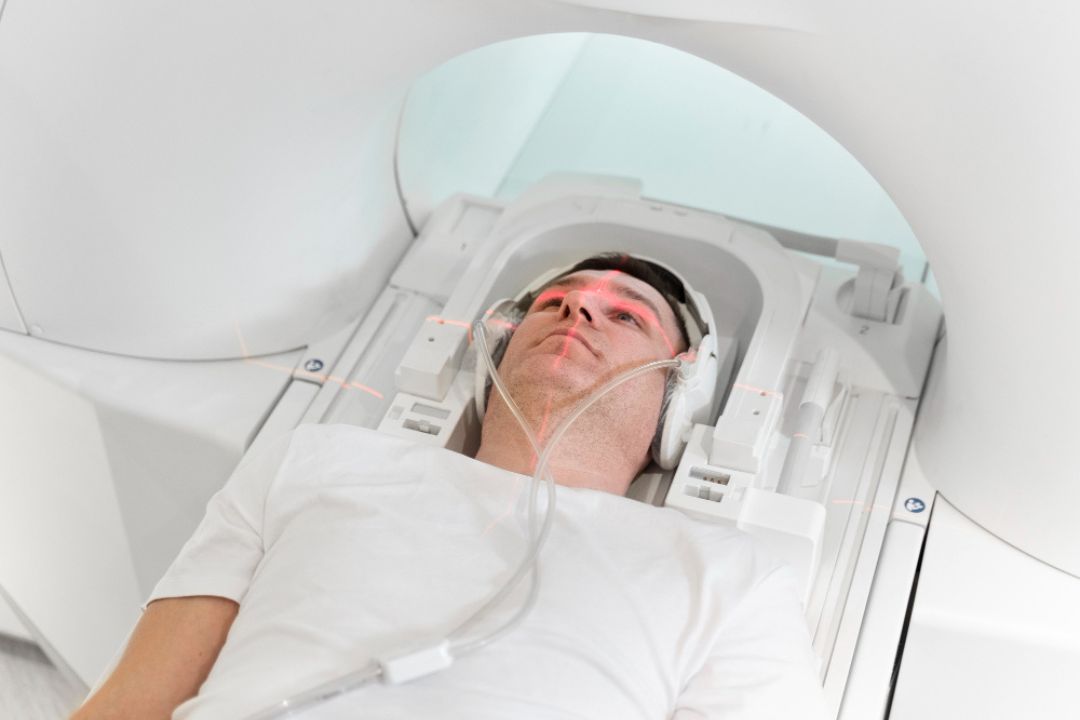
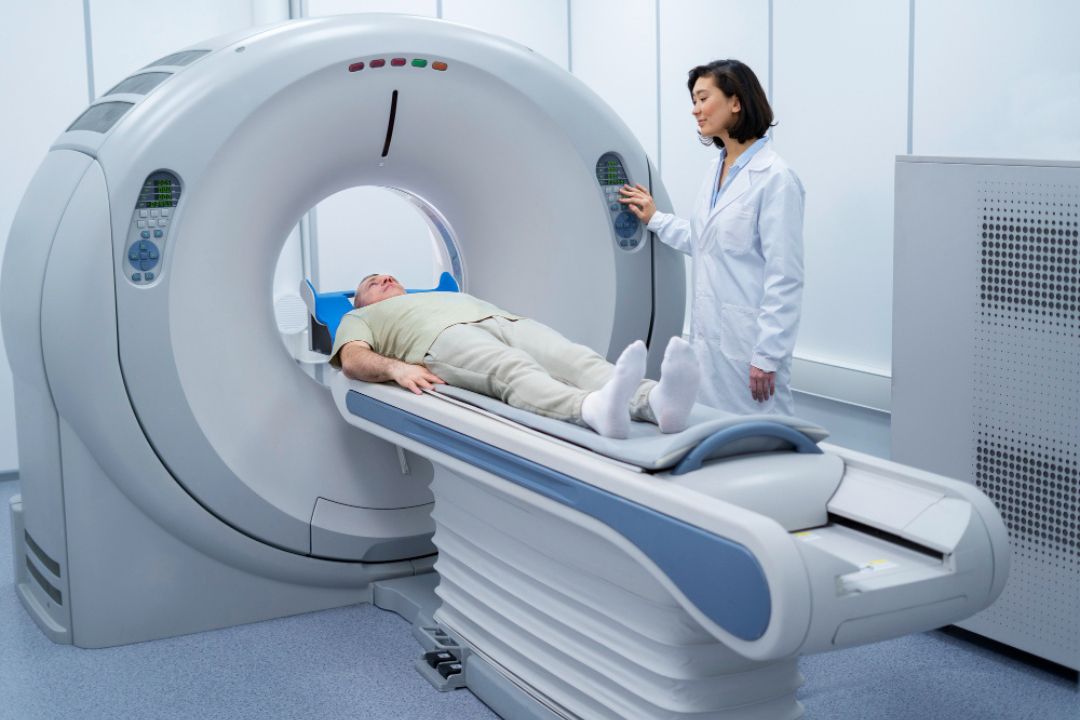
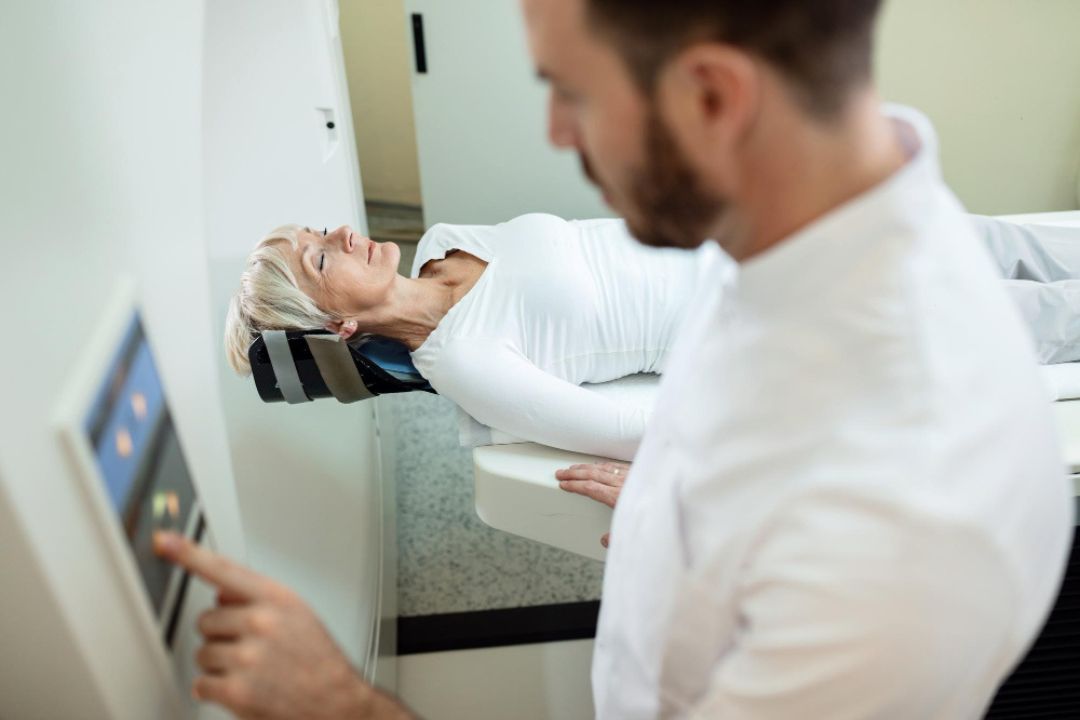
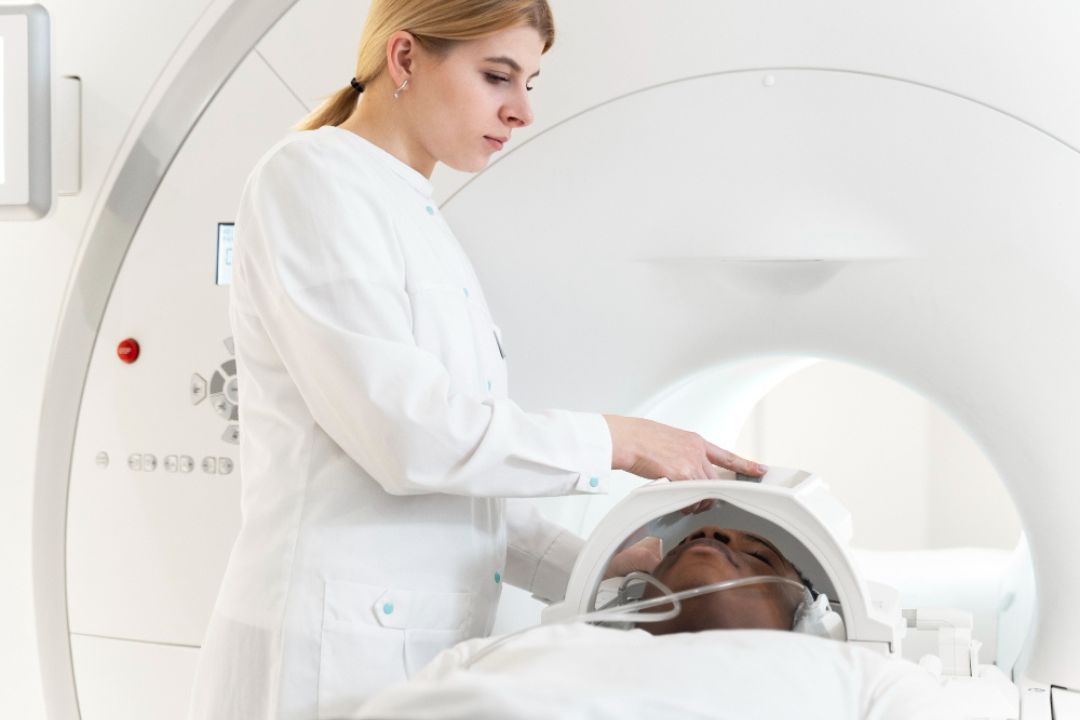
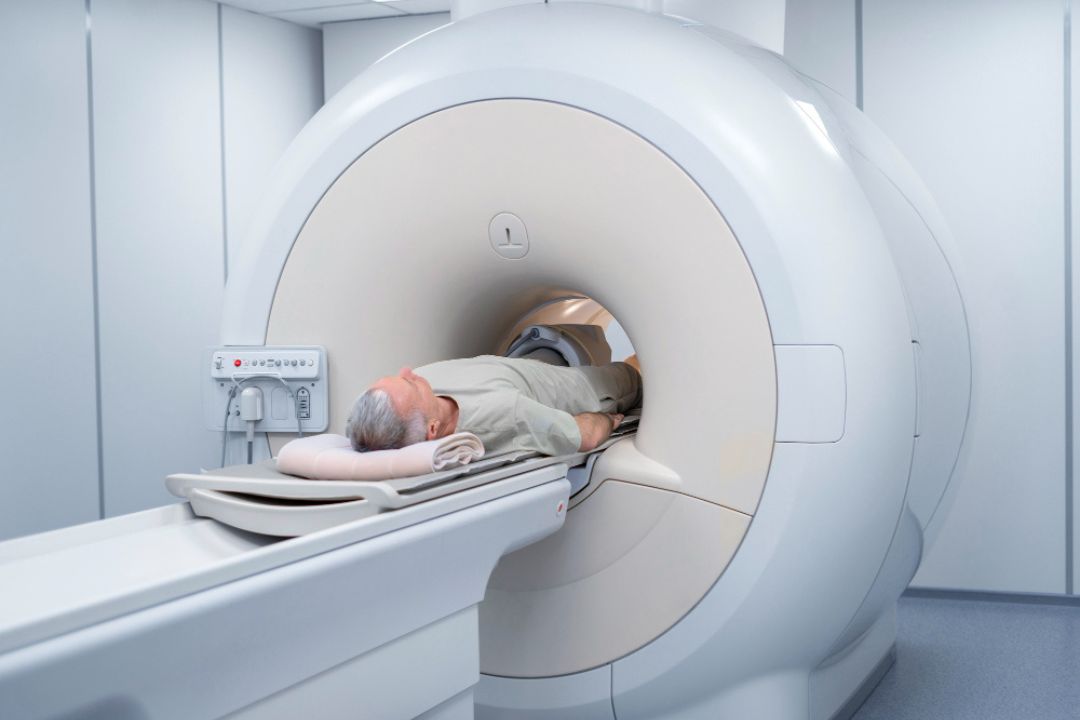
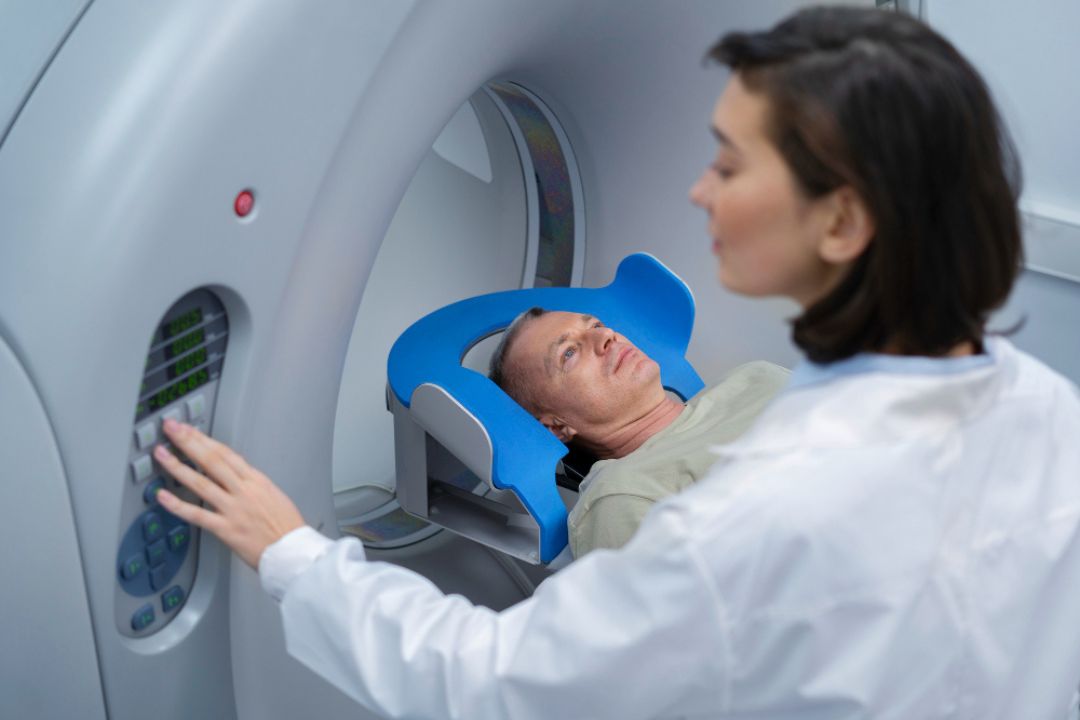
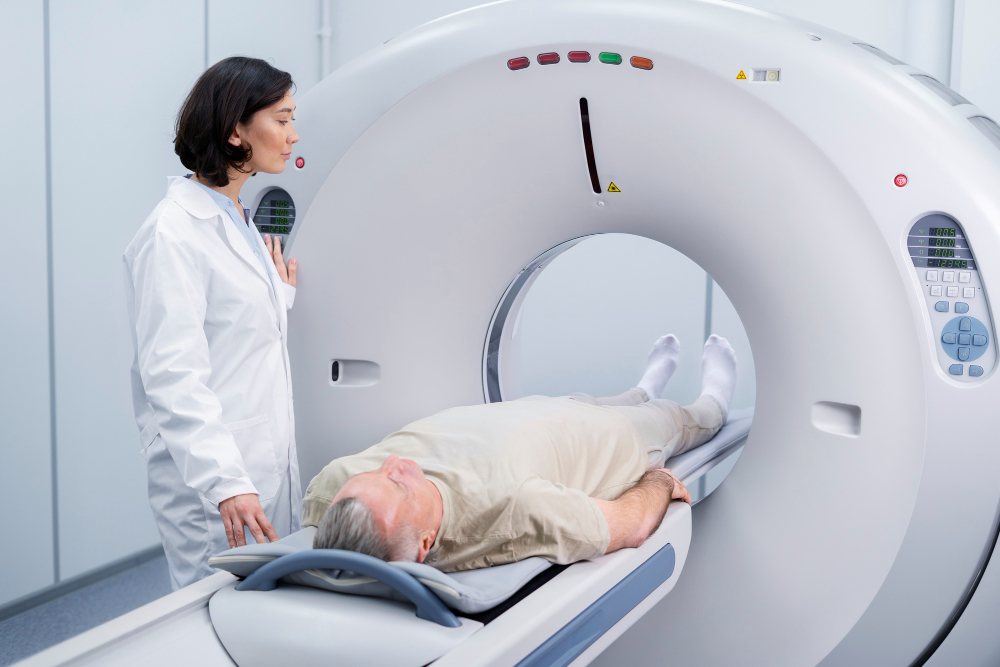
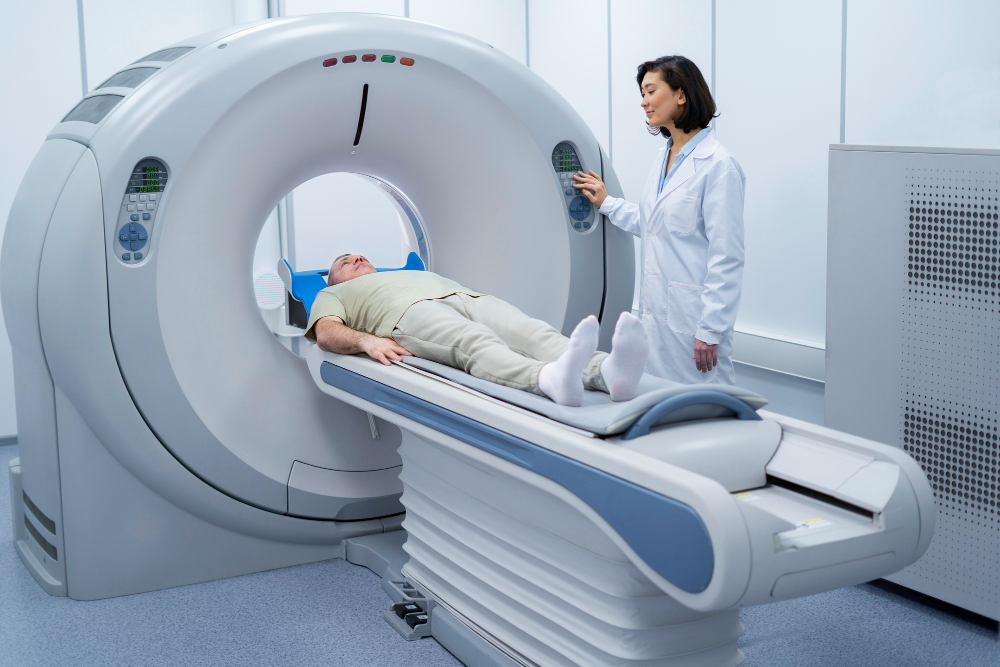
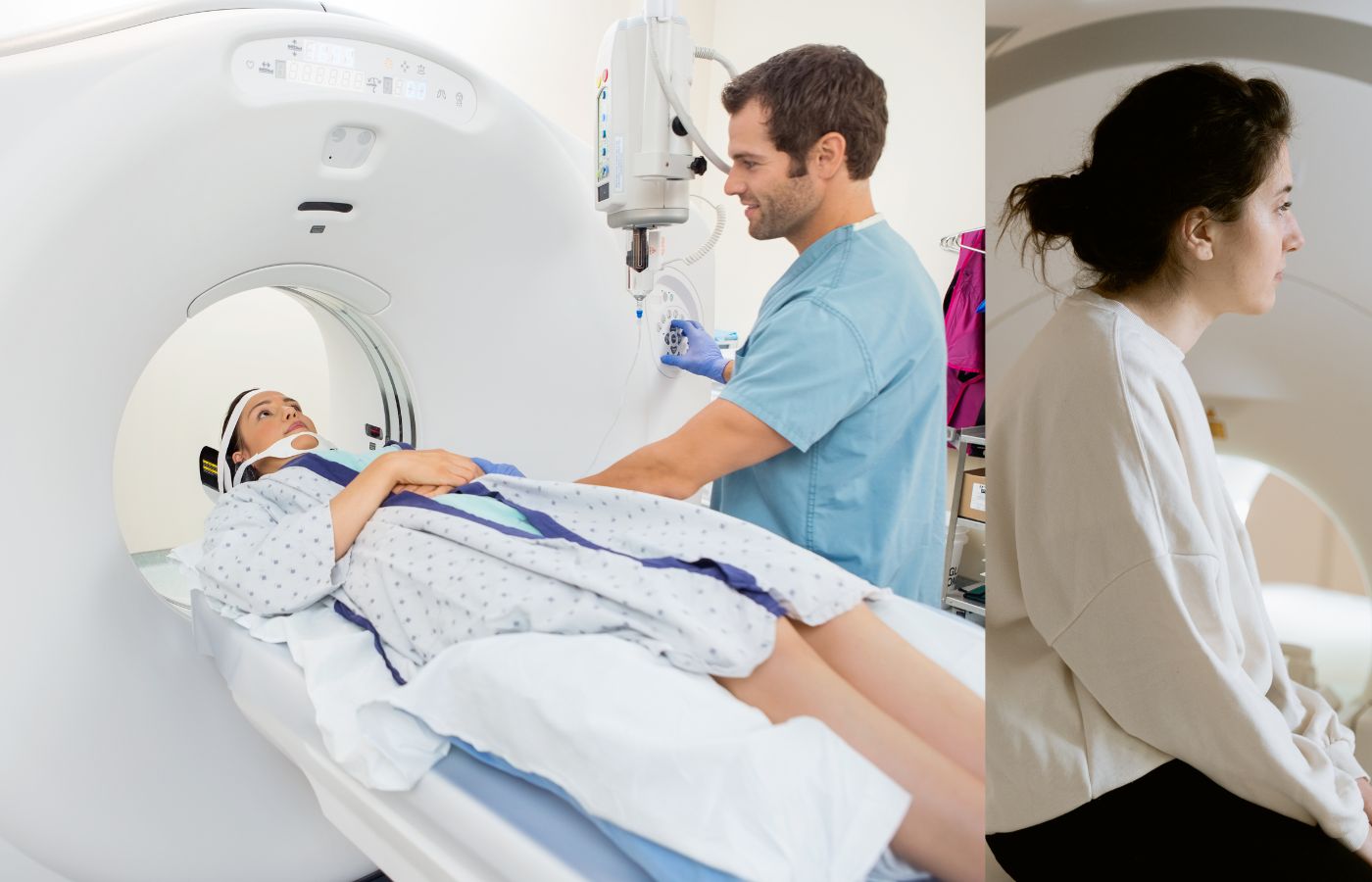
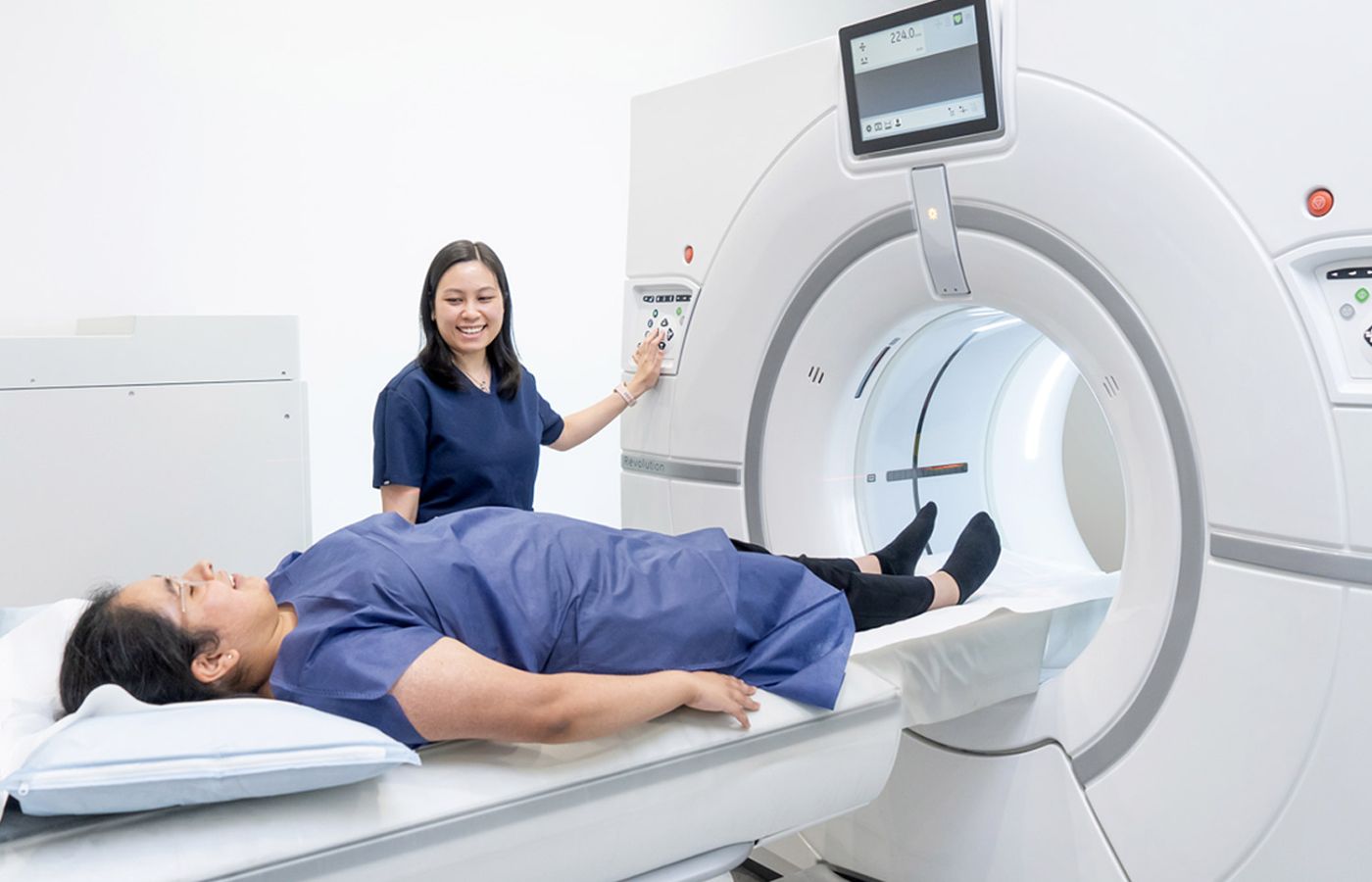
You lie on a motorized table.
The scanner rotates around your head.
The scan typically takes only a few minutes.
The procedure is painless.
CT scans use radiation, but the amount used in temporal bone imaging is generally low and considered safe when medically necessary. Doctors always weigh the benefits against the minimal risks before recommending the scan.
Patients experiencing the following symptoms may be advised to undergo a CT scan:
Persistent dizziness
Chronic ear pain
Hearing loss
Ringing in the ears
Ear discharge
Pressure sensation in the ear
Imbalance
History of head injury
While a non-contrast CT scan is very useful, it cannot evaluate:
Brain involvement
Small nerve tumors
Detailed soft tissue inflammation
Early inner ear infections without bone damage
If CT results are normal but symptoms persist, your doctor may recommend additional tests such as:
MRI
Audiometry (hearing tests)
Balance function tests
Vestibular studies






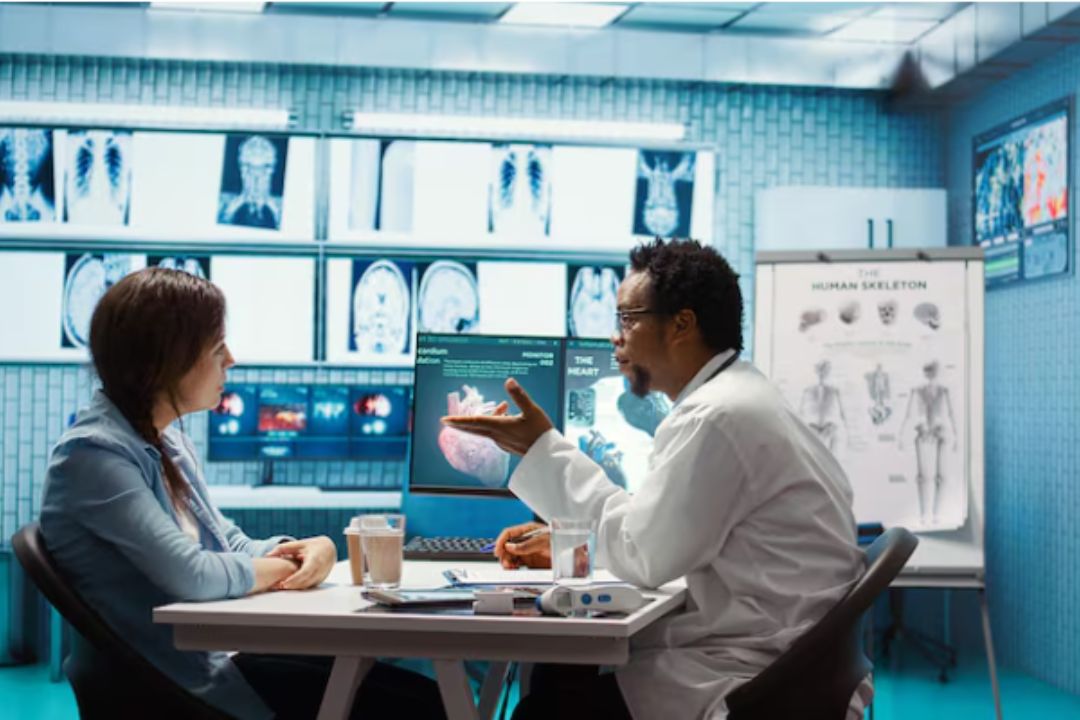
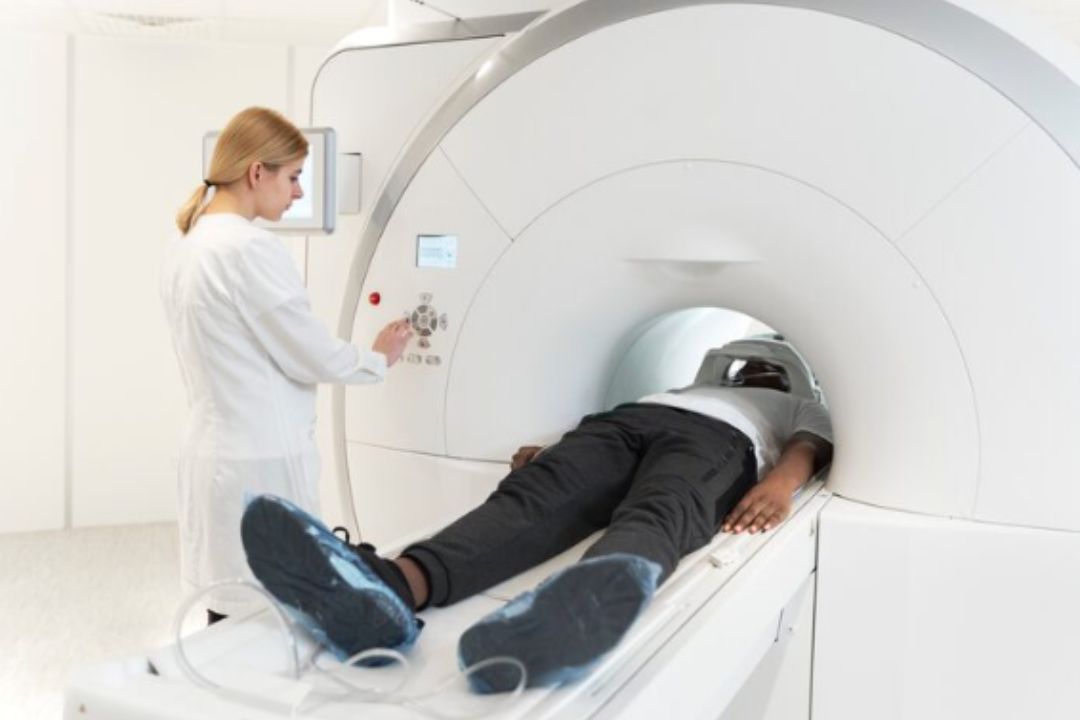
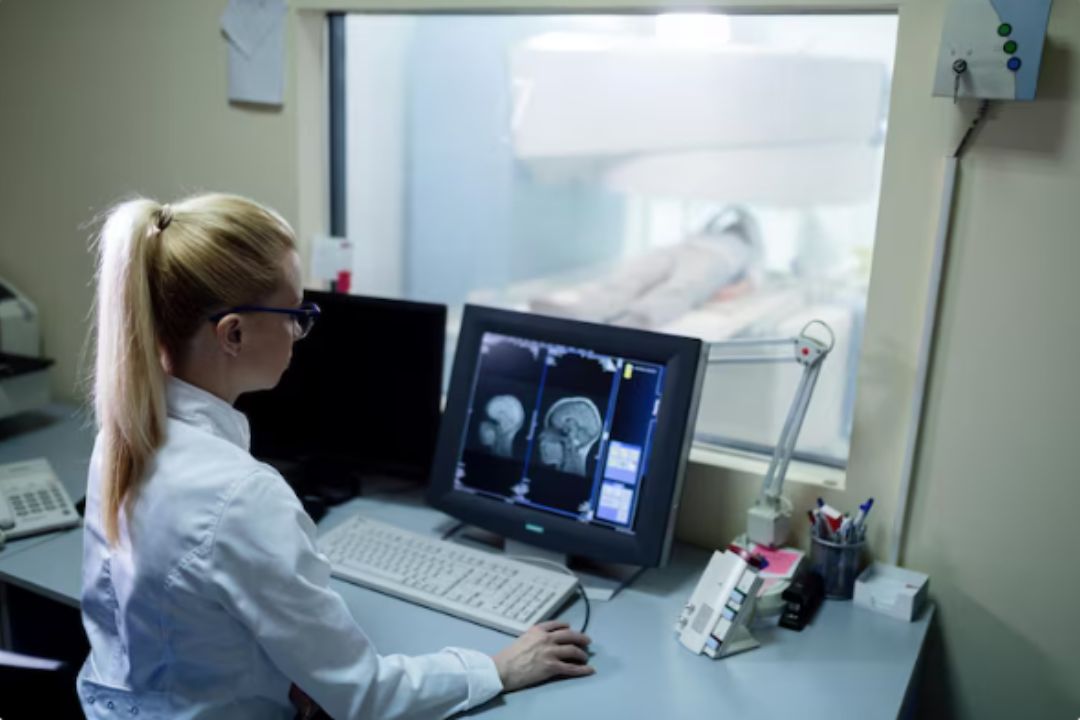
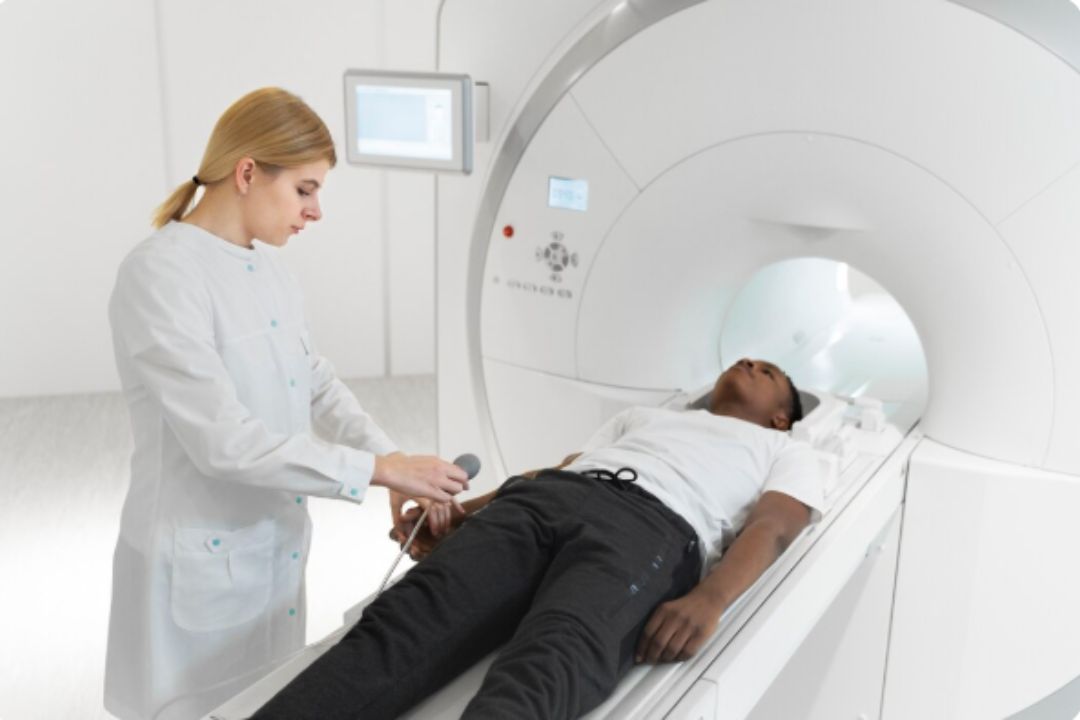
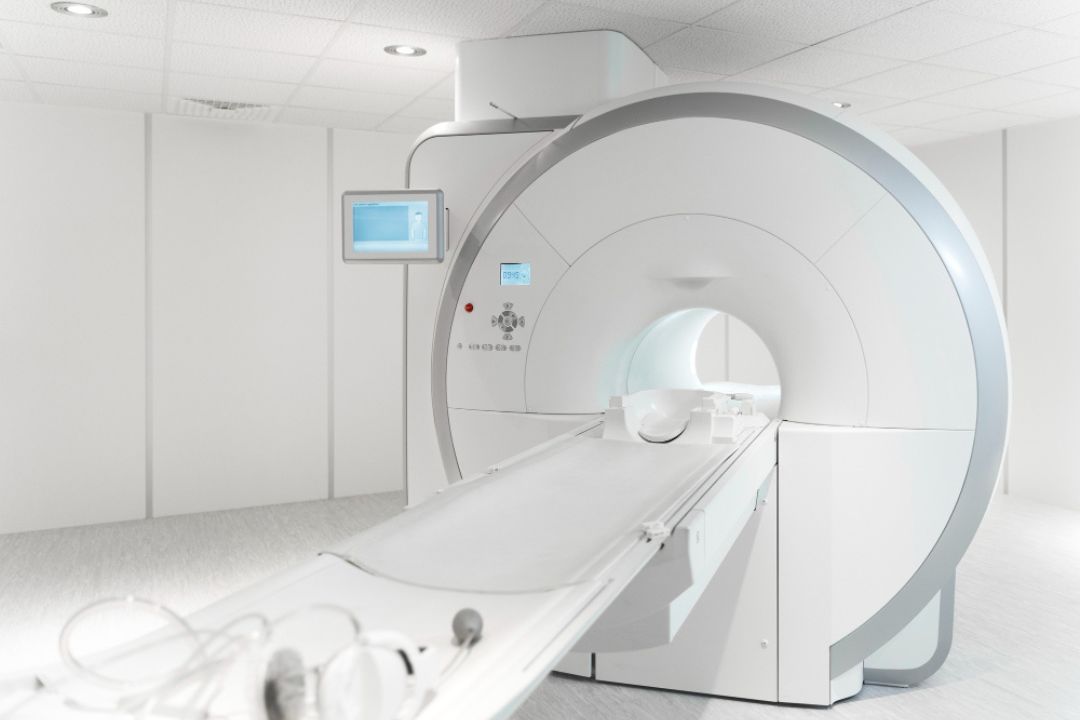
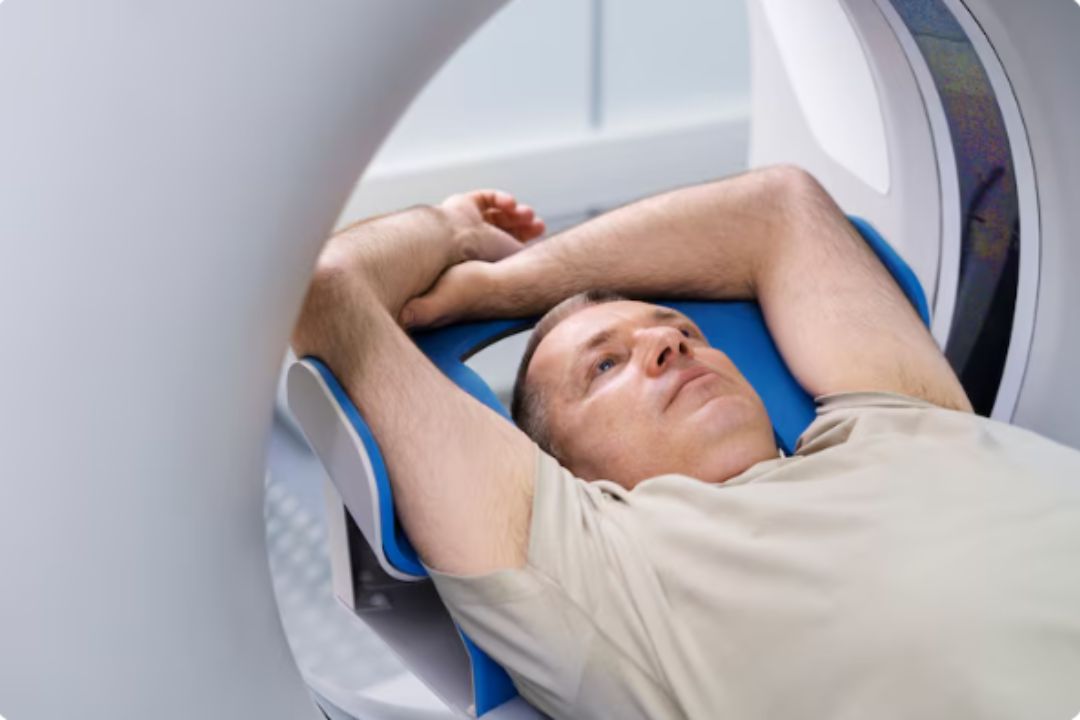

.jpg "ct brain scan plain and contrast")
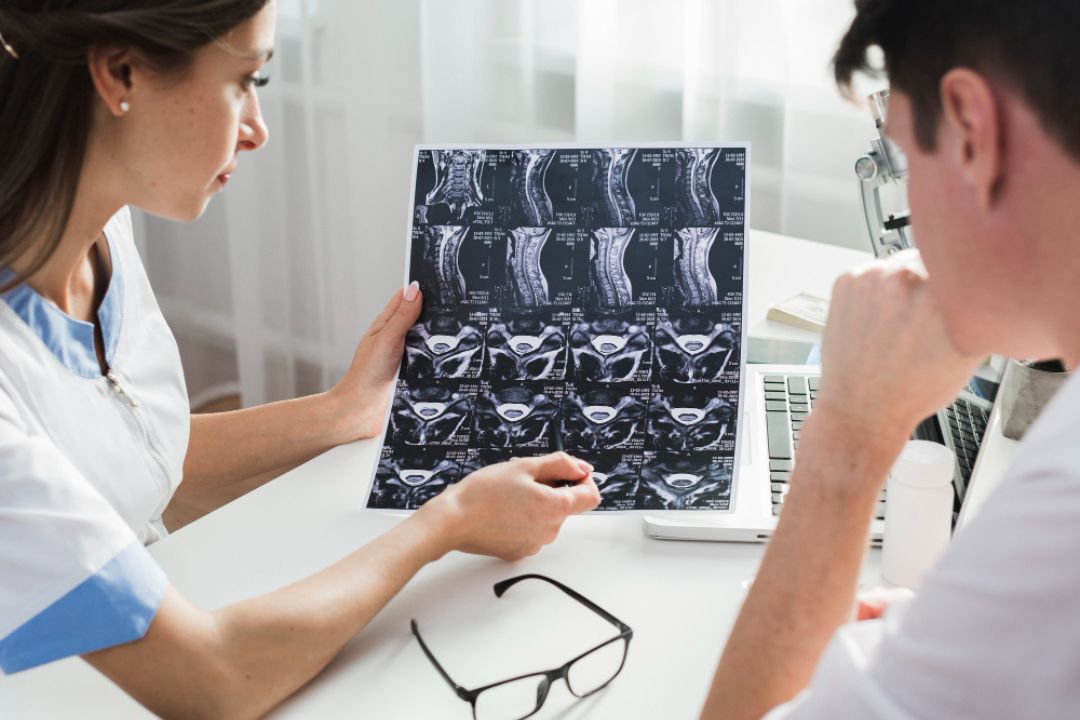






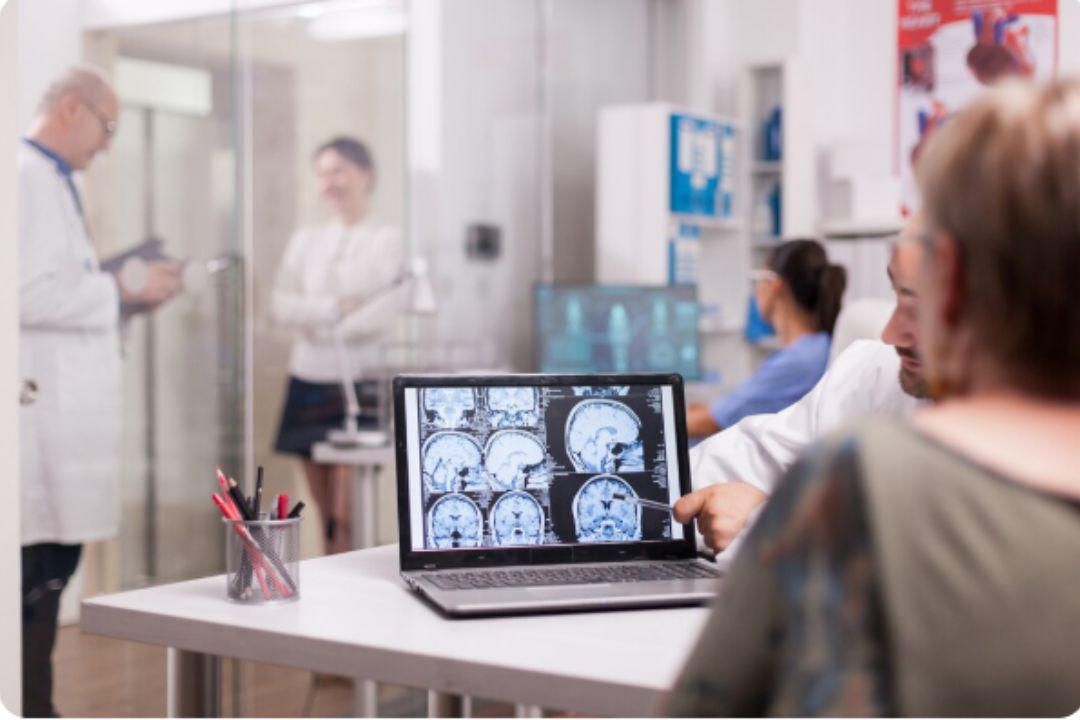



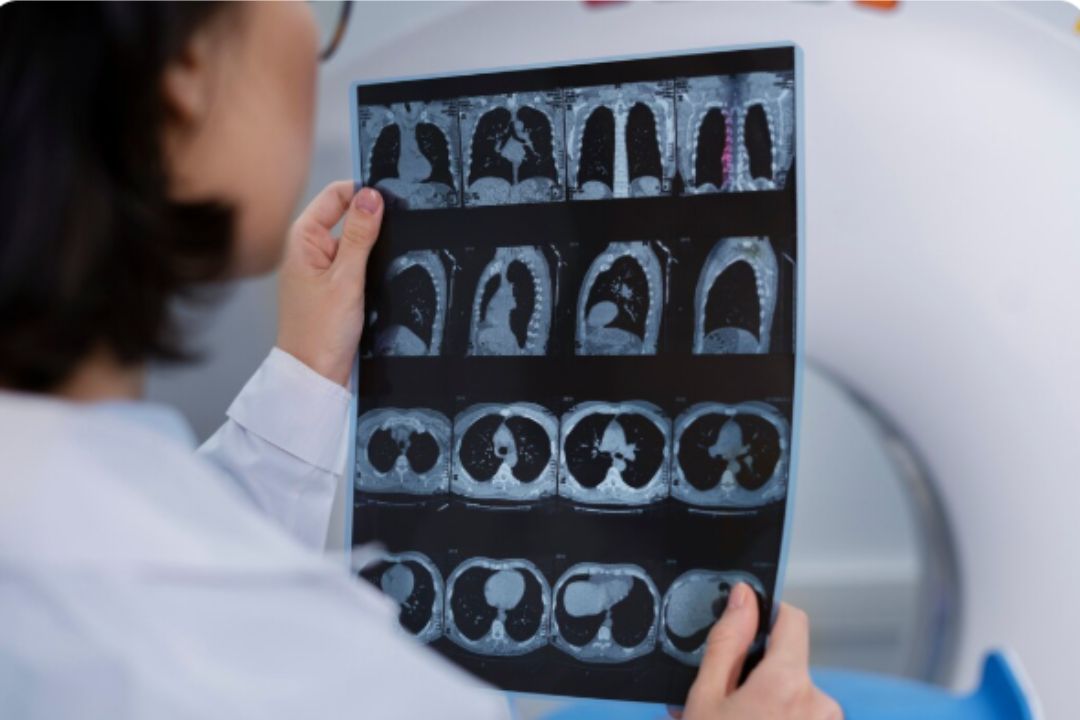

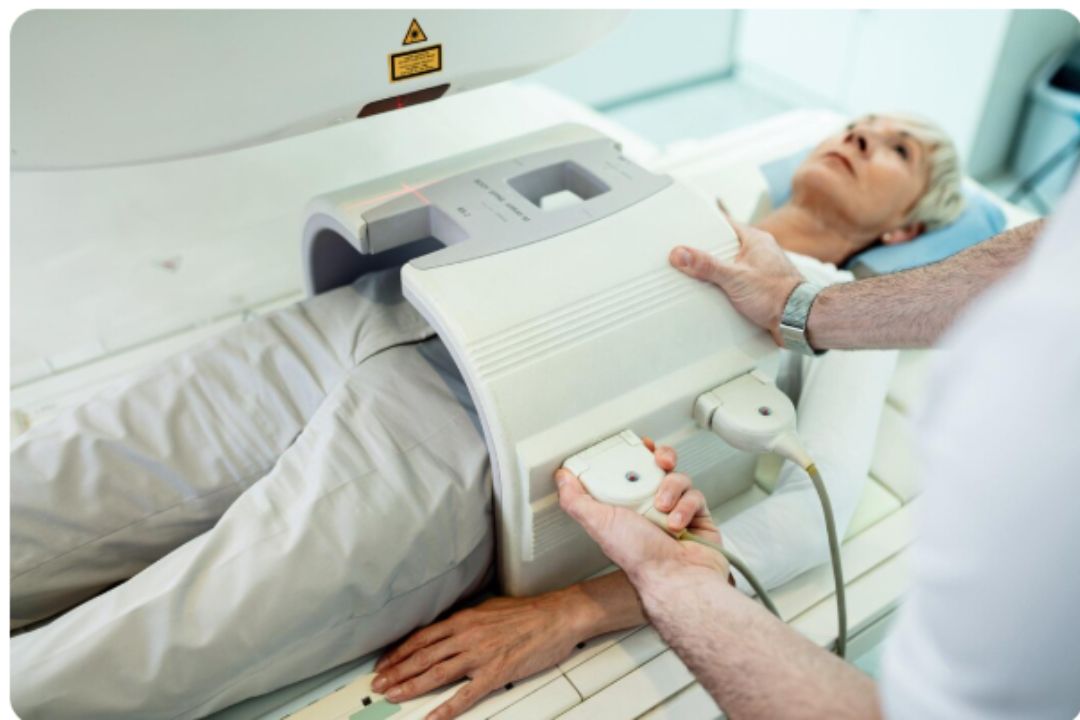

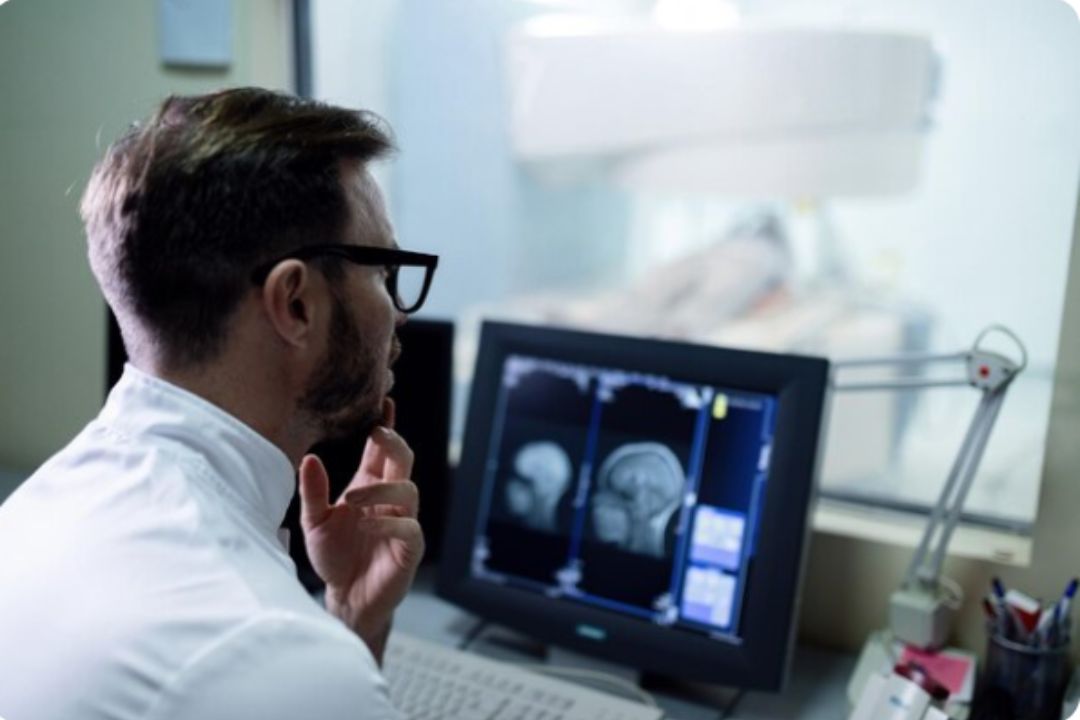

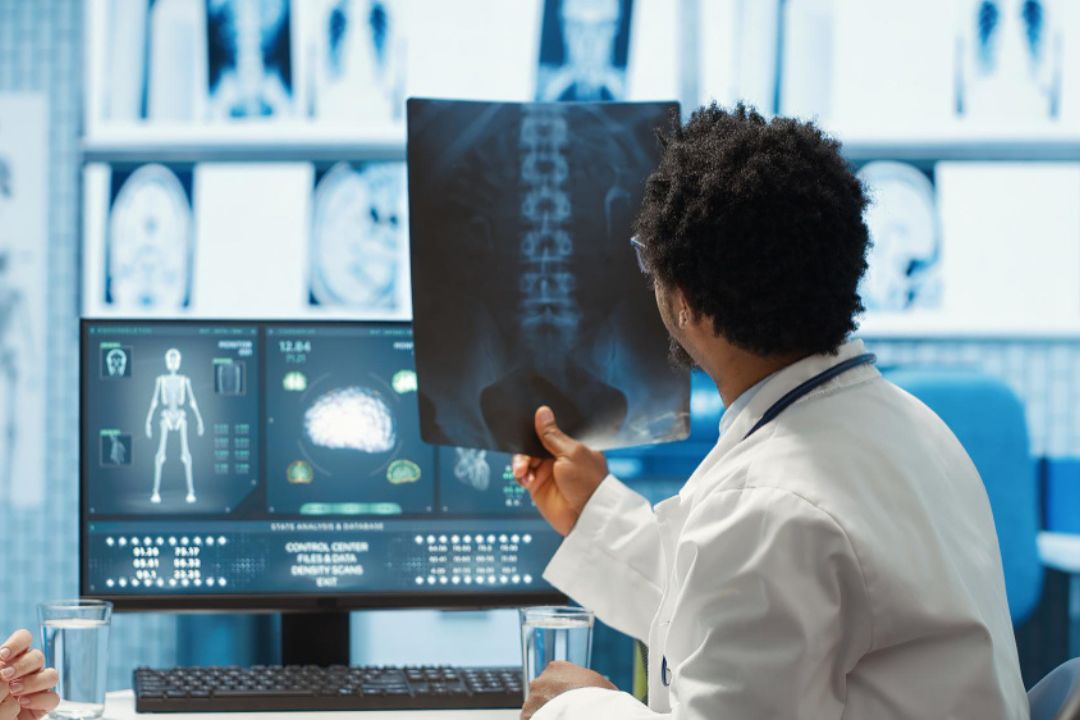


.jpg "ct scan")

.jpg "ct scan or mri for brain disorders")


.jpg "exploring the power of ct brain contrast in modern diagnostics")
.jpg "ct scan")
.jpg "ct scan")








.jpg "ct scan")

.jpg "CT Brain Scan for Headaches")
.jpg "The Future of 3D CT Imaging")