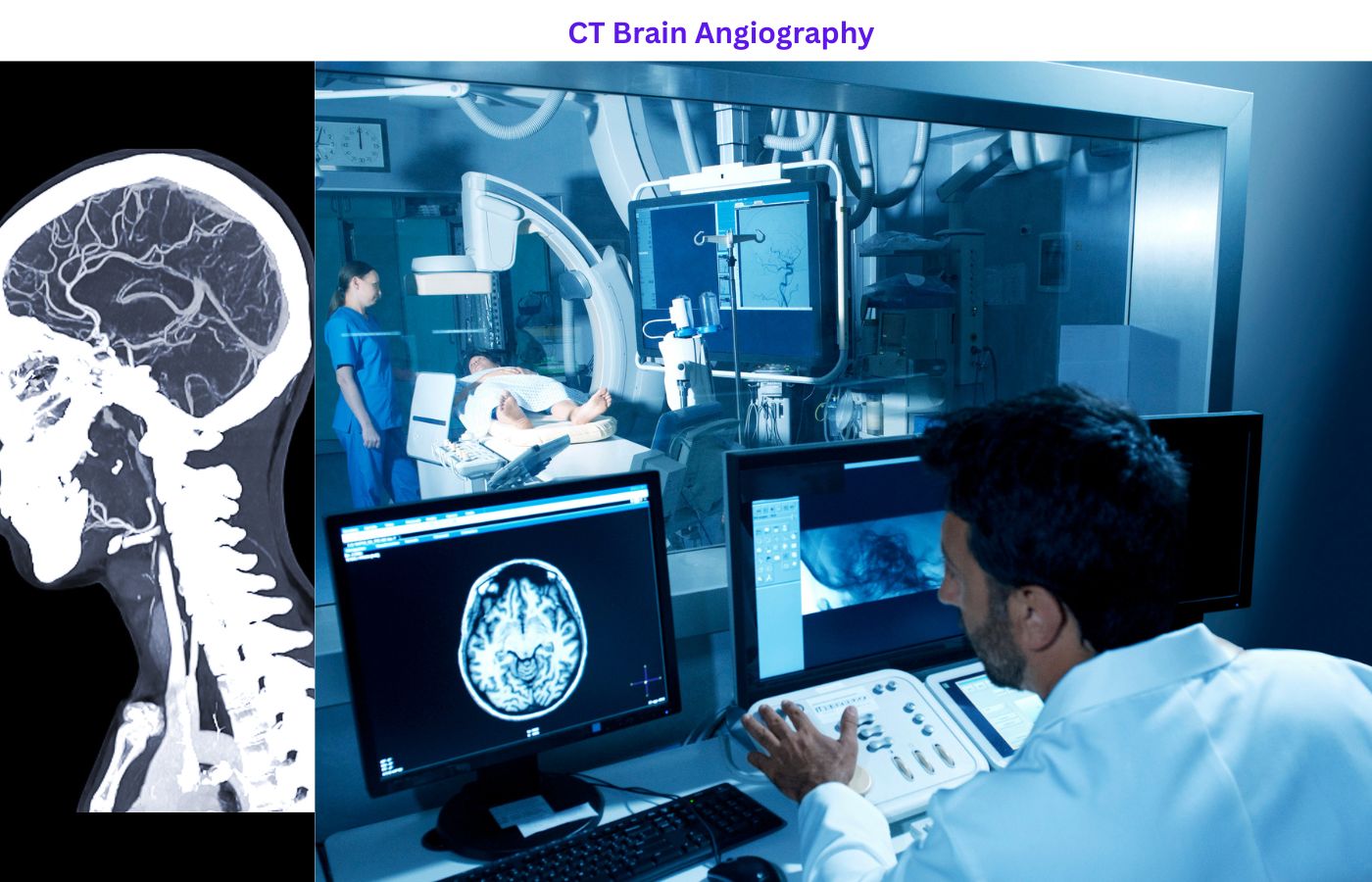
A CT Orbit Scan With Contrast is a diagnostic imaging test used to examine the eye sockets (orbits), optic nerves, surrounding bones, muscles, and blood vessels. Doctors recommend this scan to detect infections, tumors, injuries, or other abnormalities around the eyes.
Many patients feel anxious before the procedure and want to understand how the test is performed. Knowing the step-by-step process of a CT orbit with contrast can help you feel more prepared and comfortable before the scan.
A CT Orbit Scan With Contrast is a specialized CT scan that uses contrast dye to enhance the visibility of structures around the eyes. The contrast material helps radiologists clearly detect problems in soft tissues, blood vessels, and nerves.
This scan provides detailed images of:
Eye sockets (orbits)
Optic nerves
Eye muscles
Tear glands
Surrounding bones and tissues
Doctors may suggest this scan for several medical conditions affecting the eye area.
Common reasons include:
Eye injuries or trauma
Tumors or growths in the orbit
Infections around the eyes
Inflammation of eye tissues
Vision problems caused by nerve damage
Detection of fractures in the orbital bones
The contrast dye improves the accuracy of the scan by highlighting blood vessels and soft tissues.
Knowing the procedure in advance can make the experience easier for patients. Here is how the scan is usually performed.
Visit Now: https://www.diagnopein.com
Before the scan begins, the patient may be asked to:
Remove glasses, jewelry, or metal objects
Wear a hospital gown if necessary
Inform the technician about allergies or medical conditions
In some cases, patients may be asked to avoid eating for a few hours before the scan if contrast dye will be used.
A healthcare professional will place a small intravenous (IV) line in the arm to inject the contrast dye.
Patients may feel:
A warm sensation in the body
A metallic taste in the mouth
These sensations are normal and usually disappear within a few minutes.
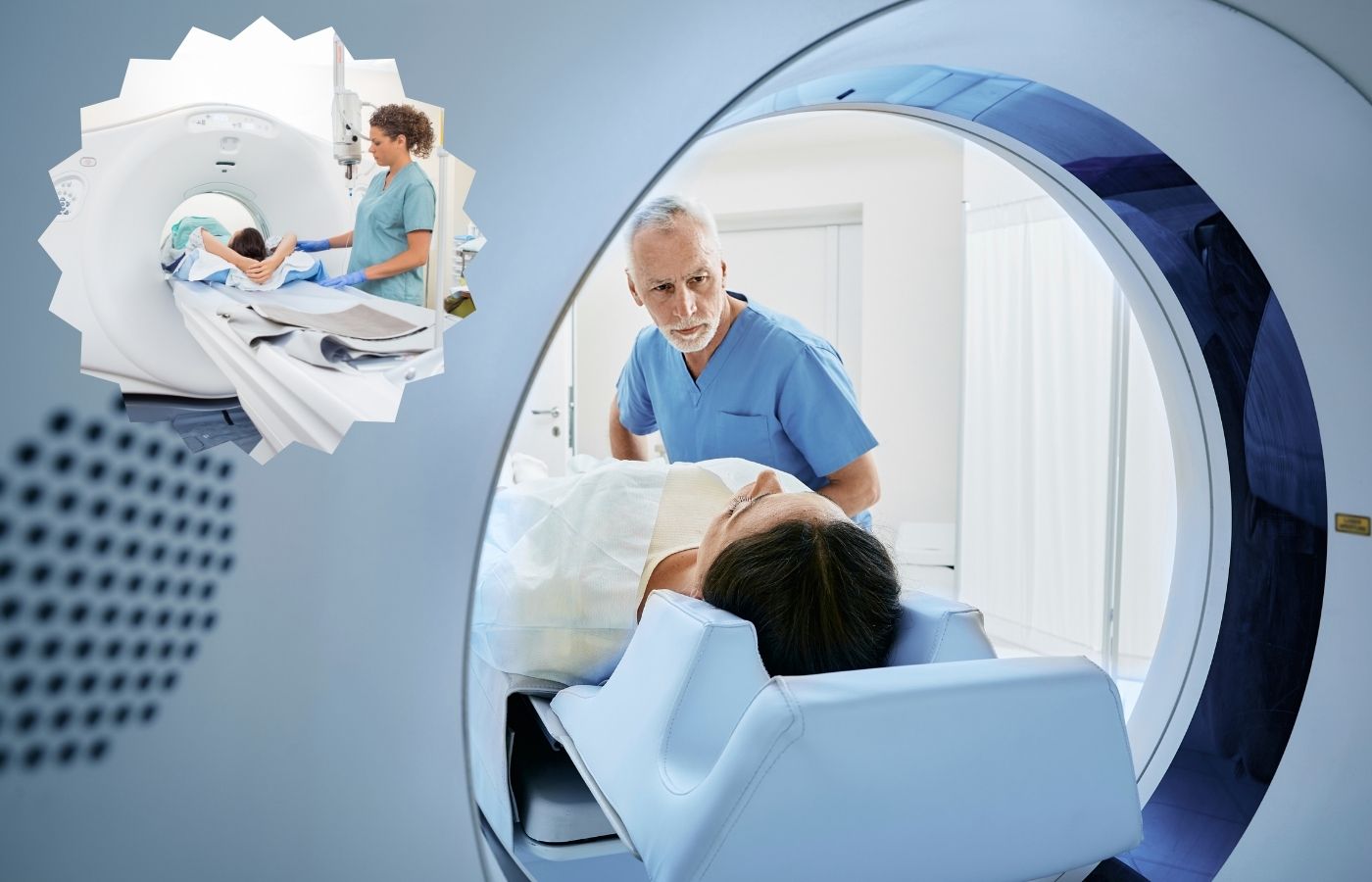
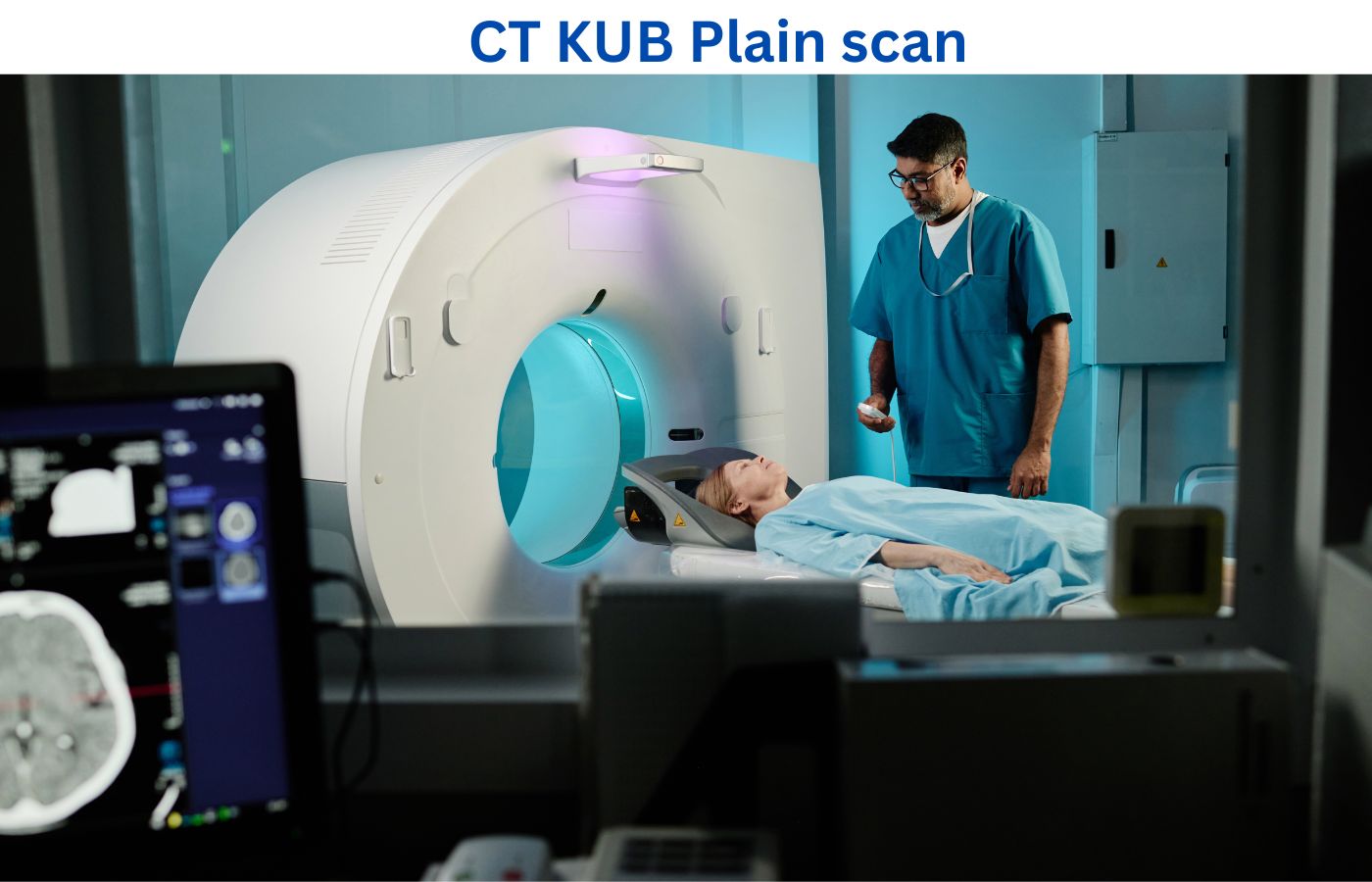
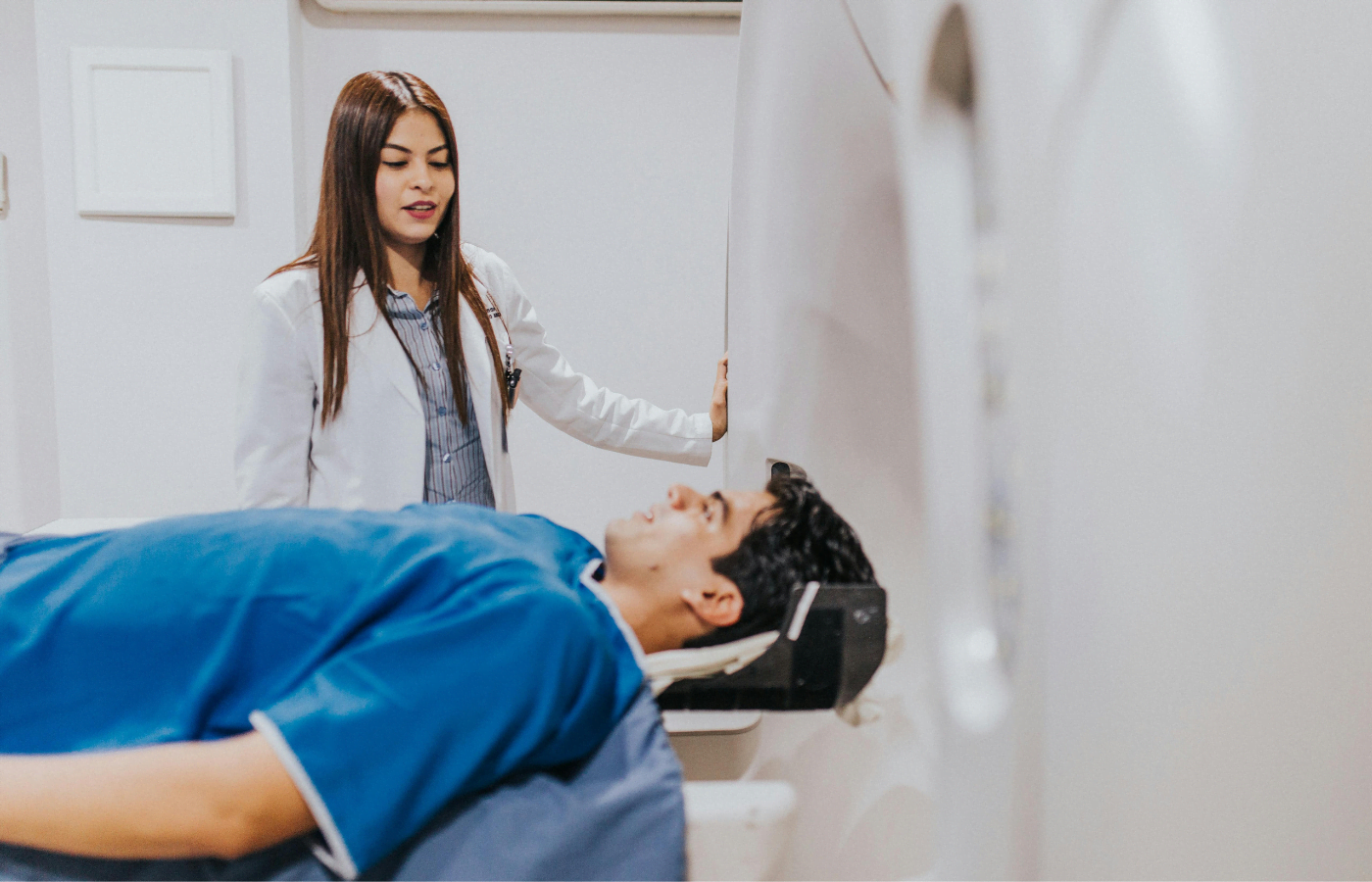
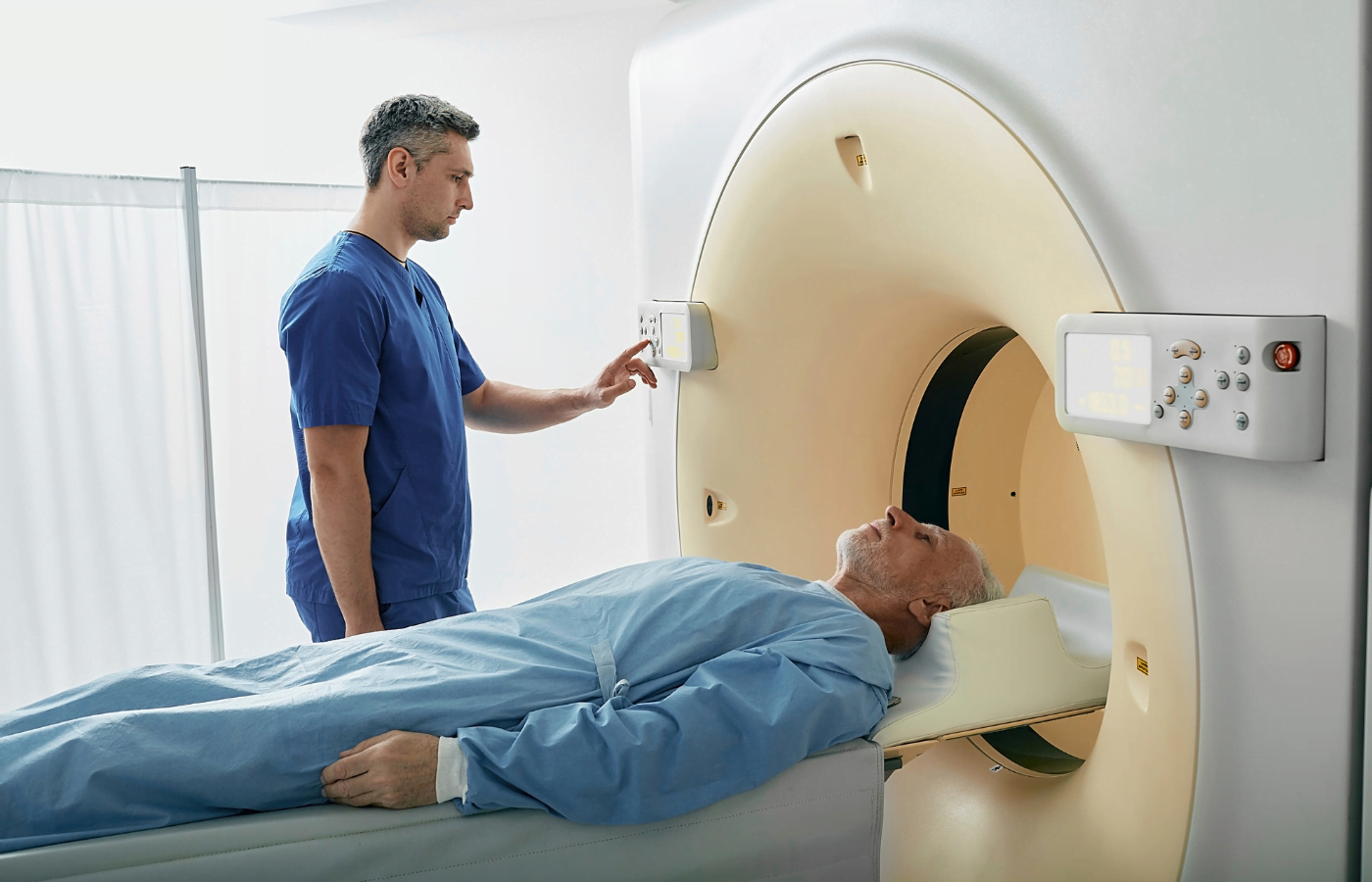
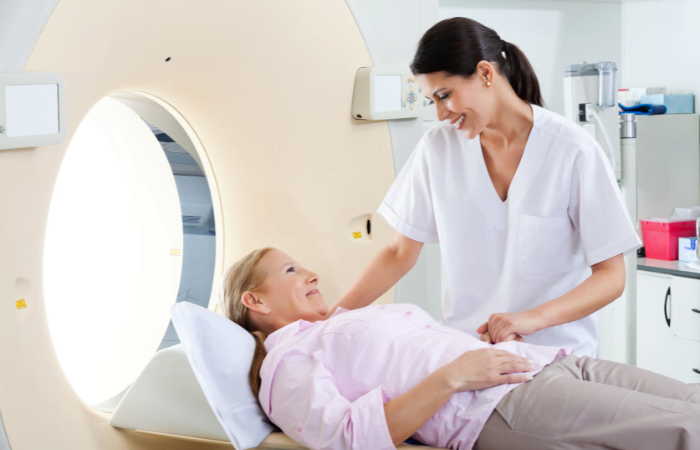
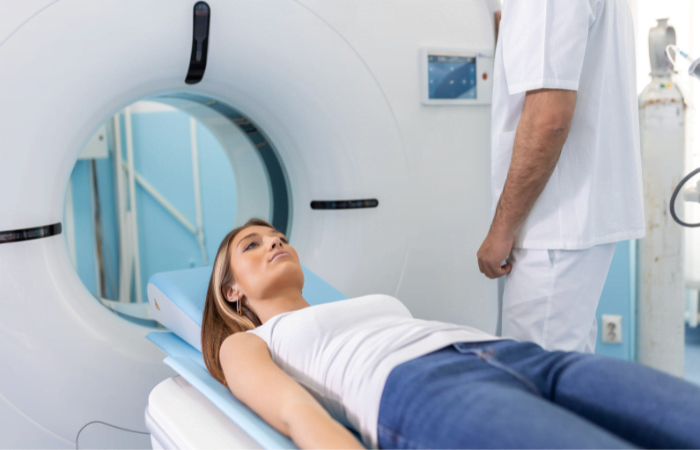
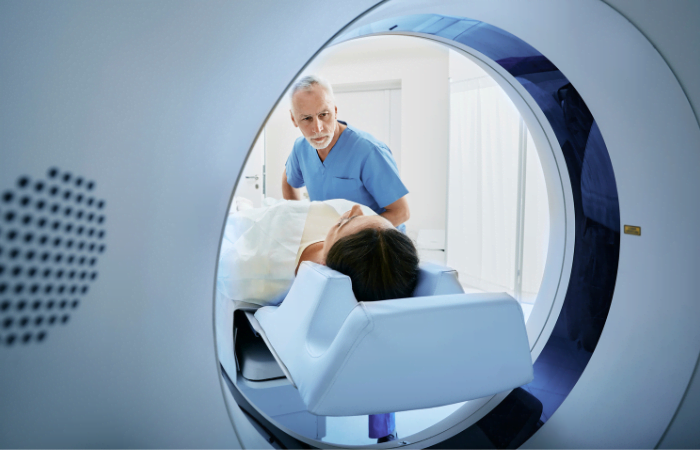
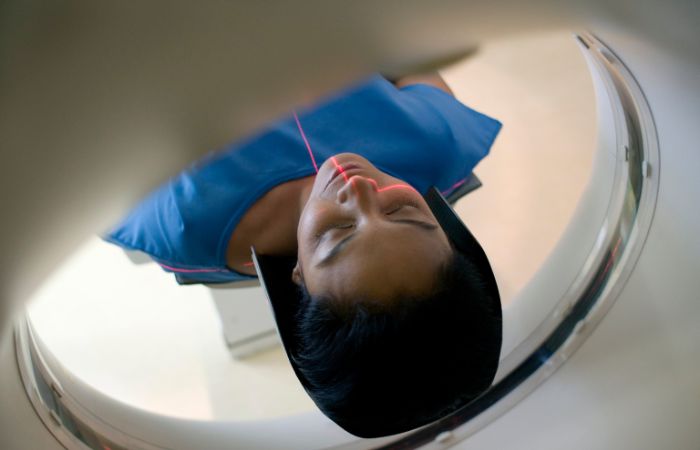
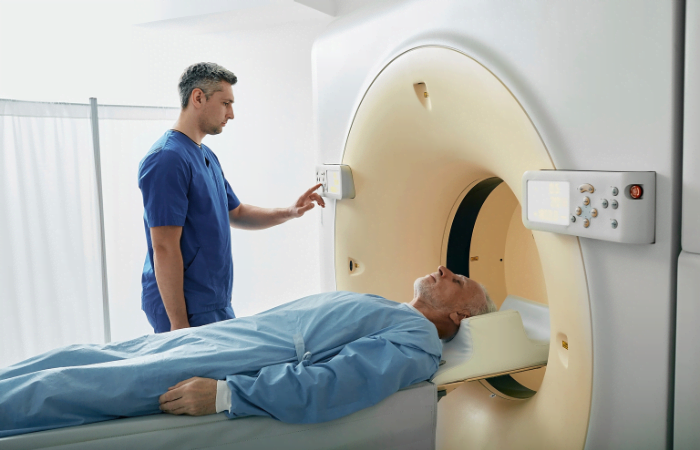
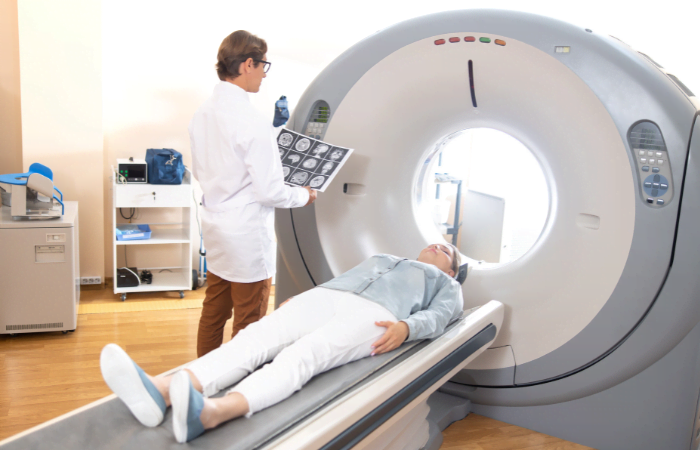
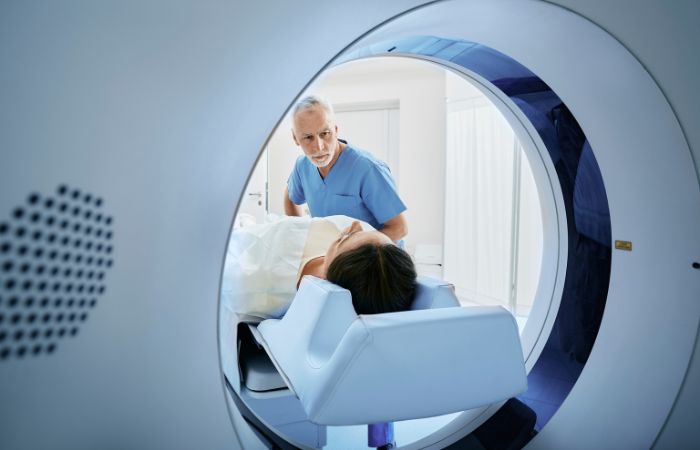
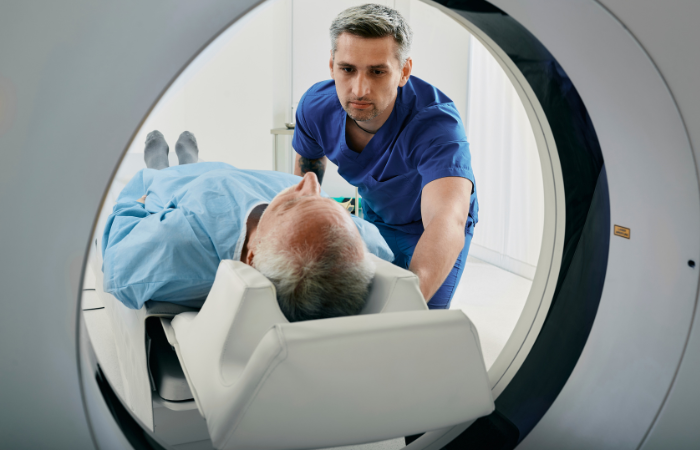
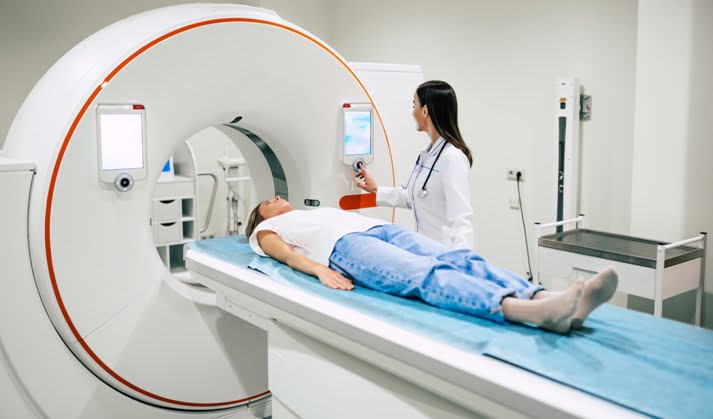
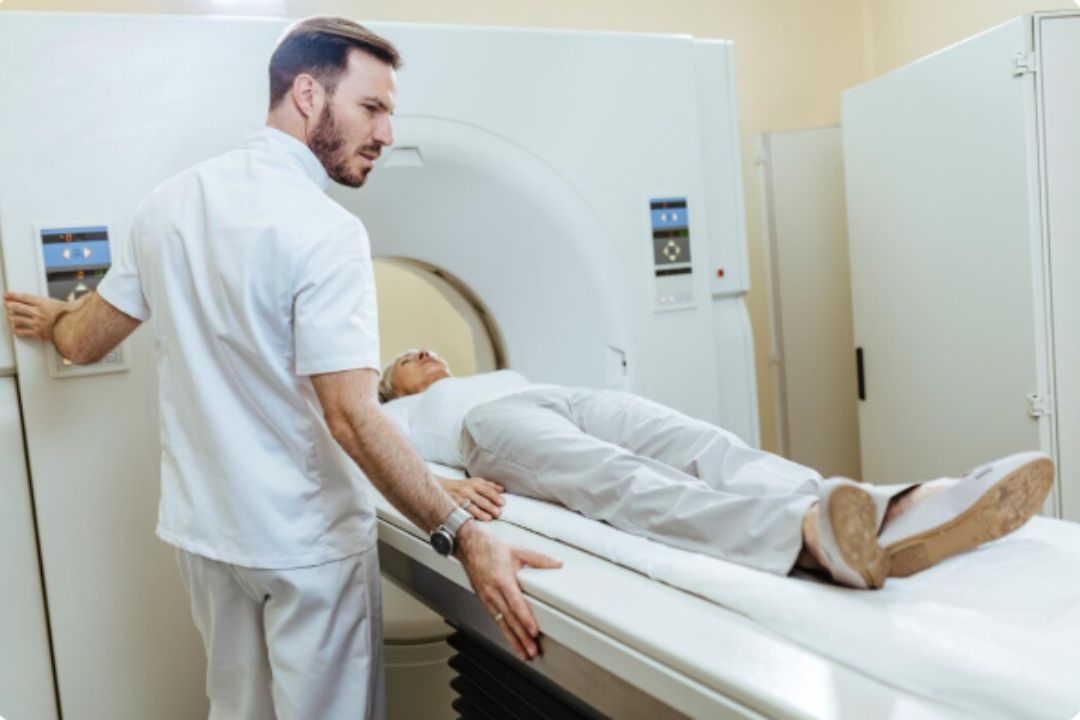
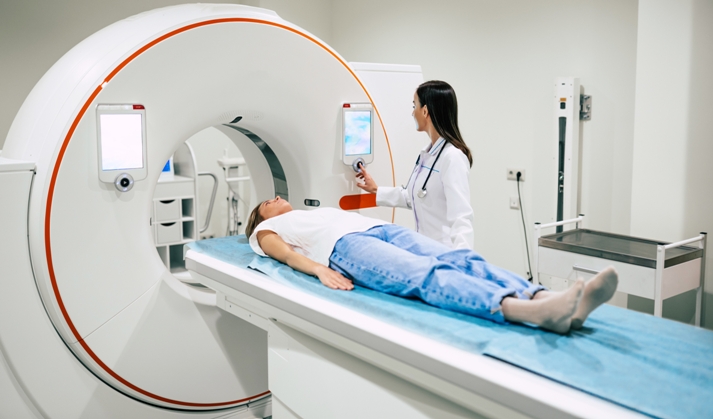
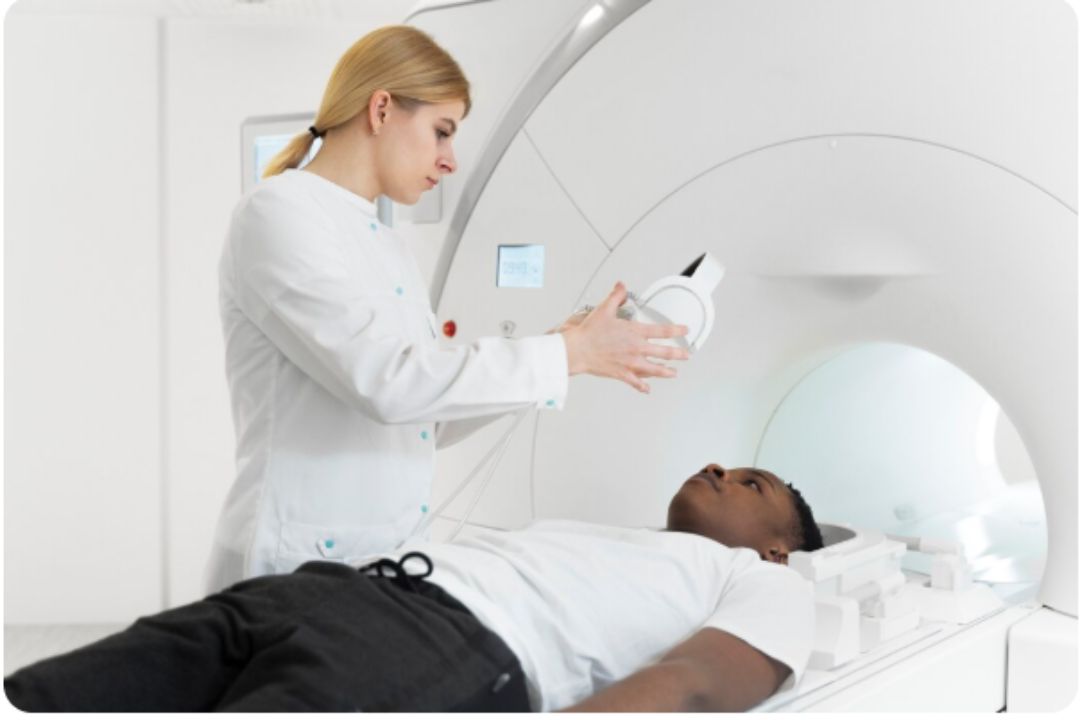
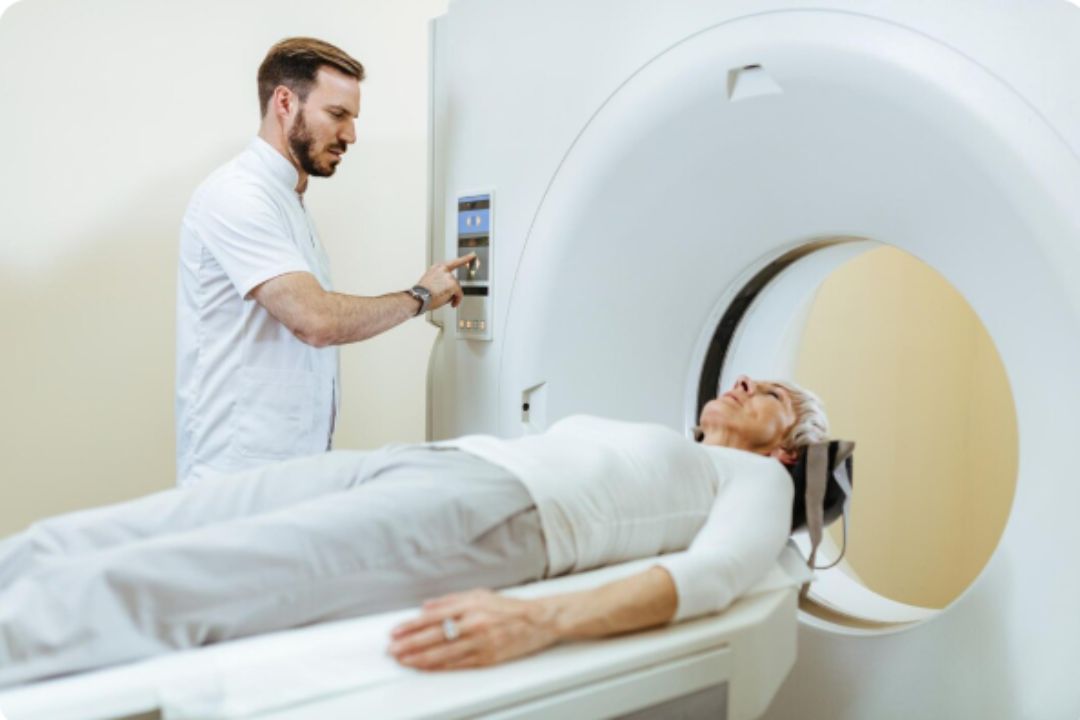
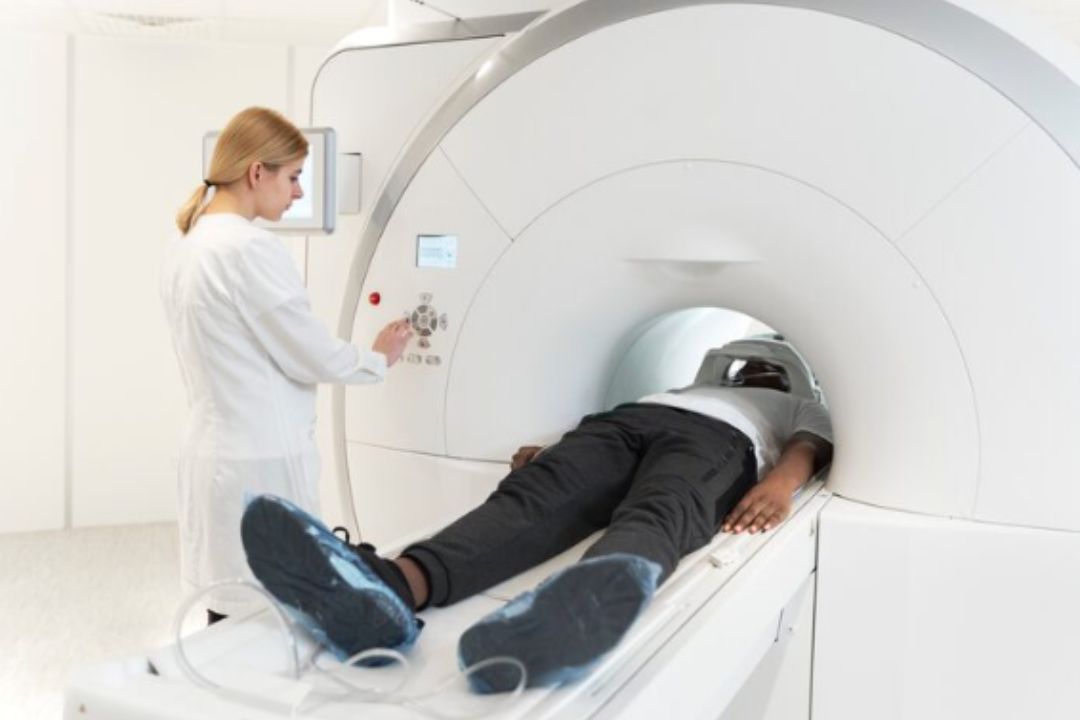
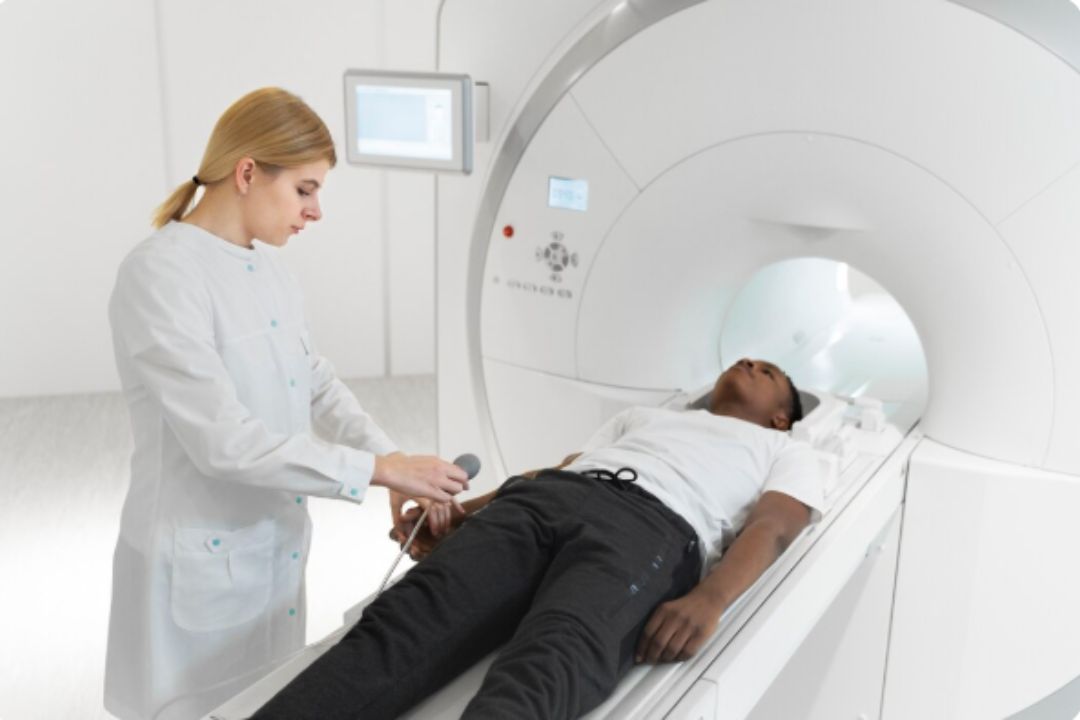
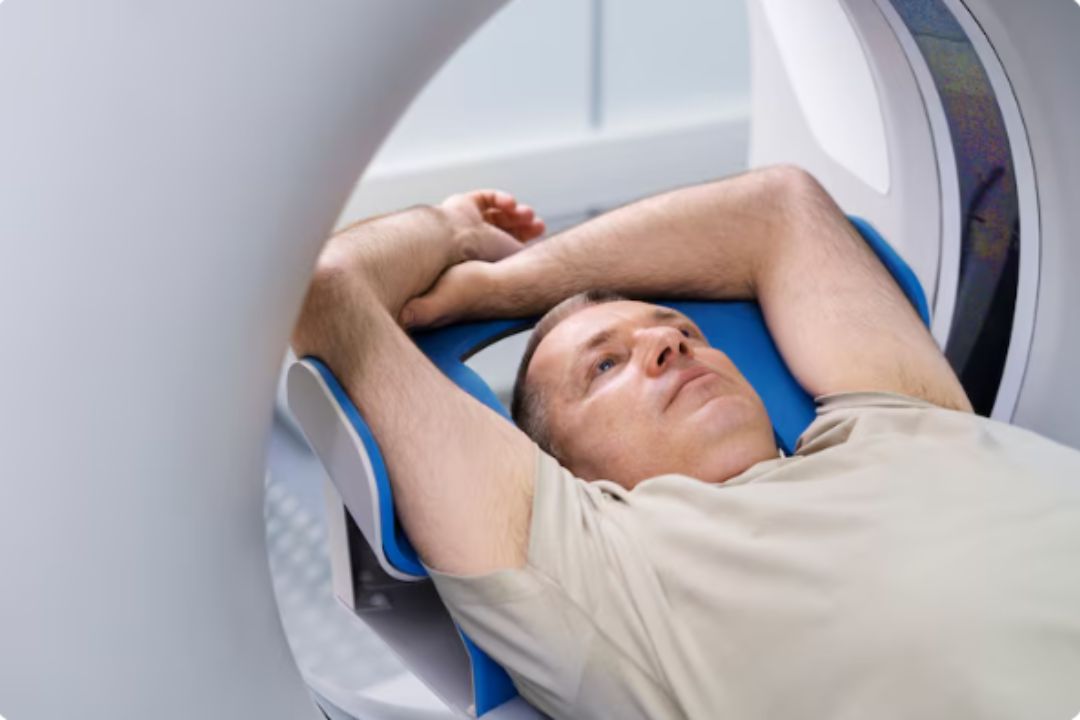
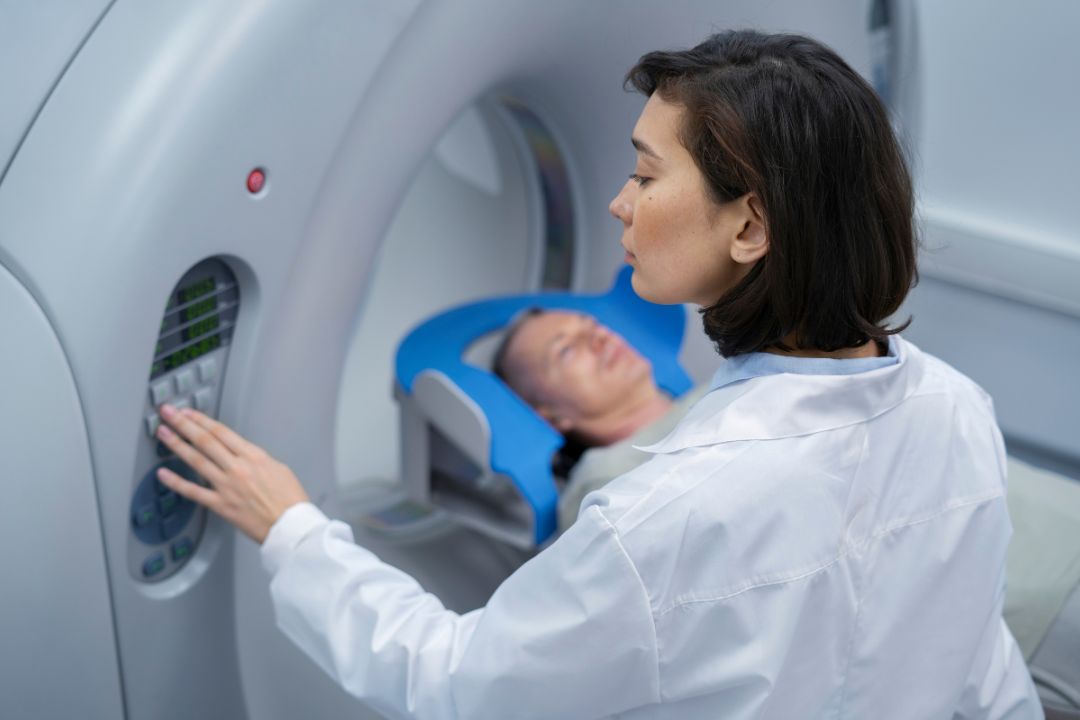
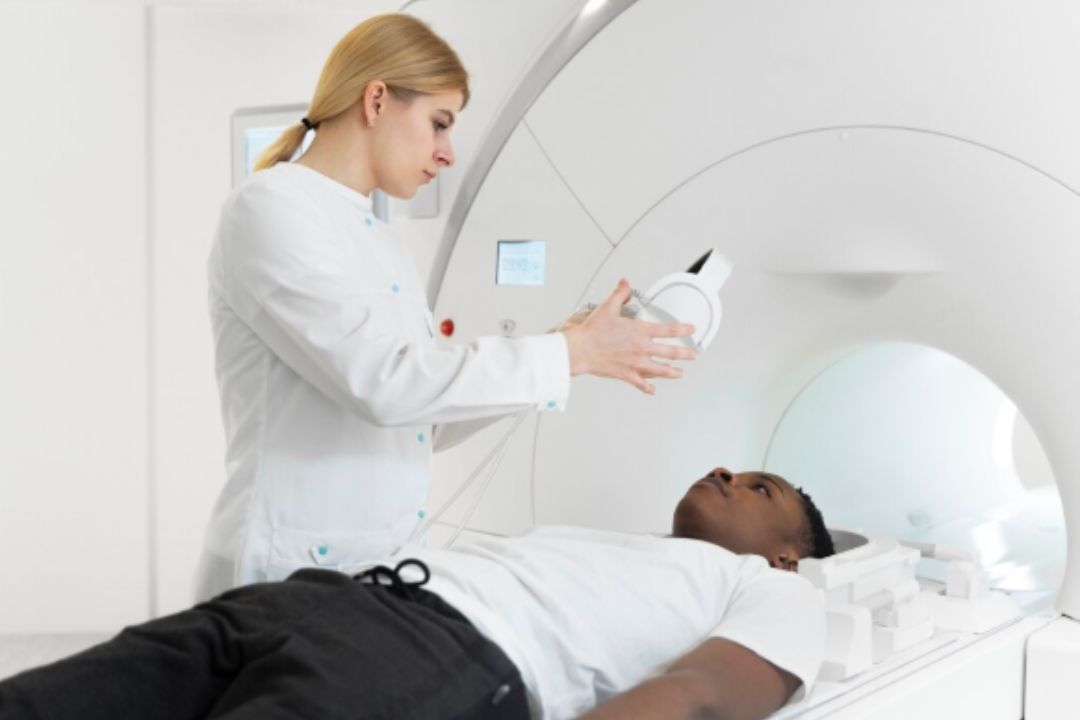
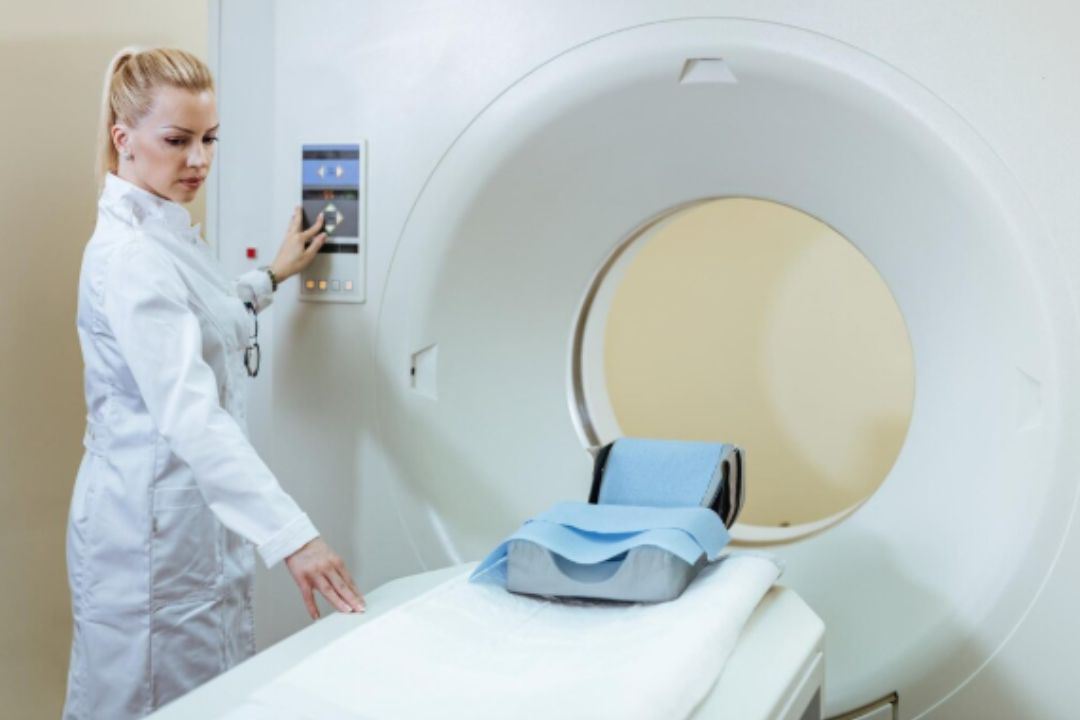
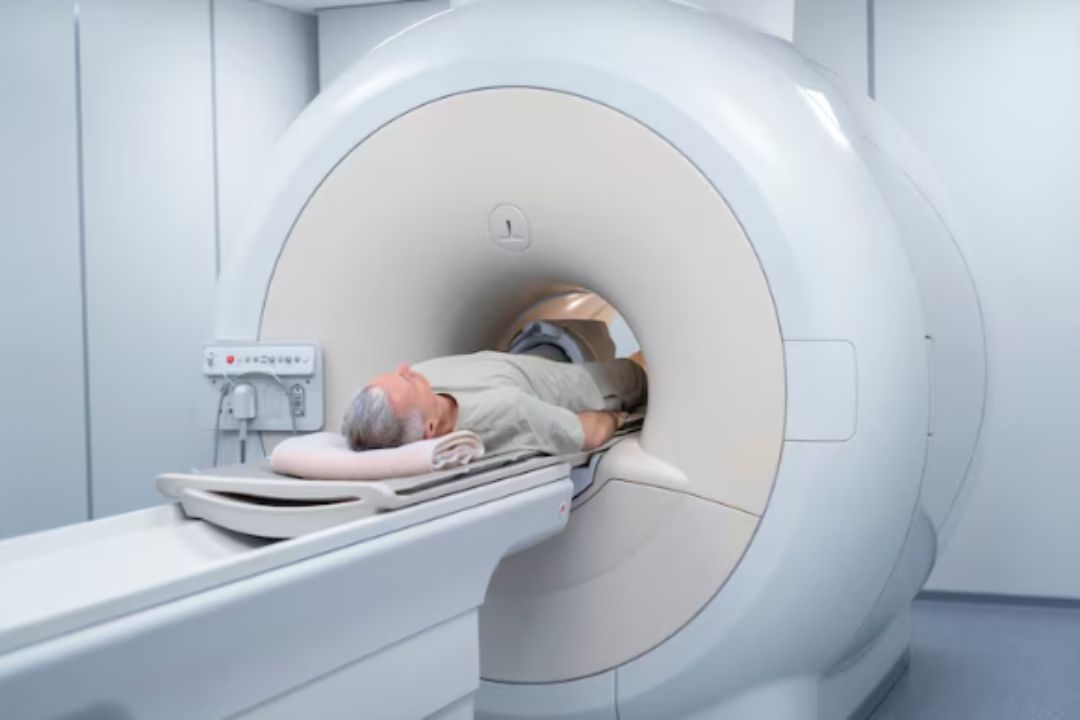
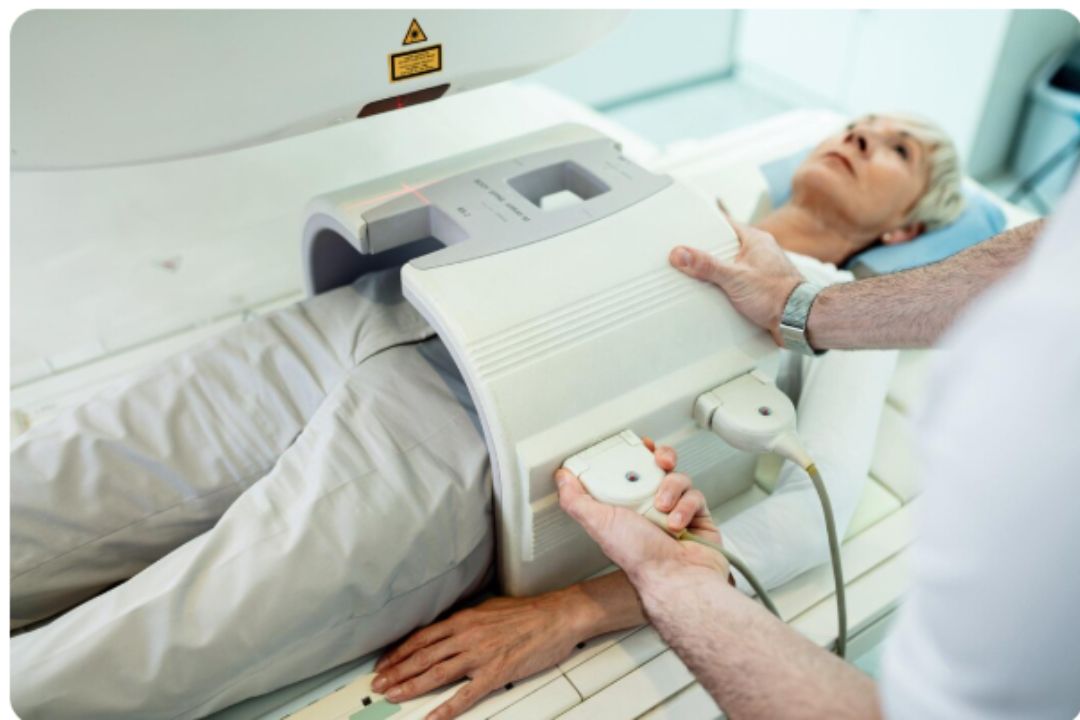
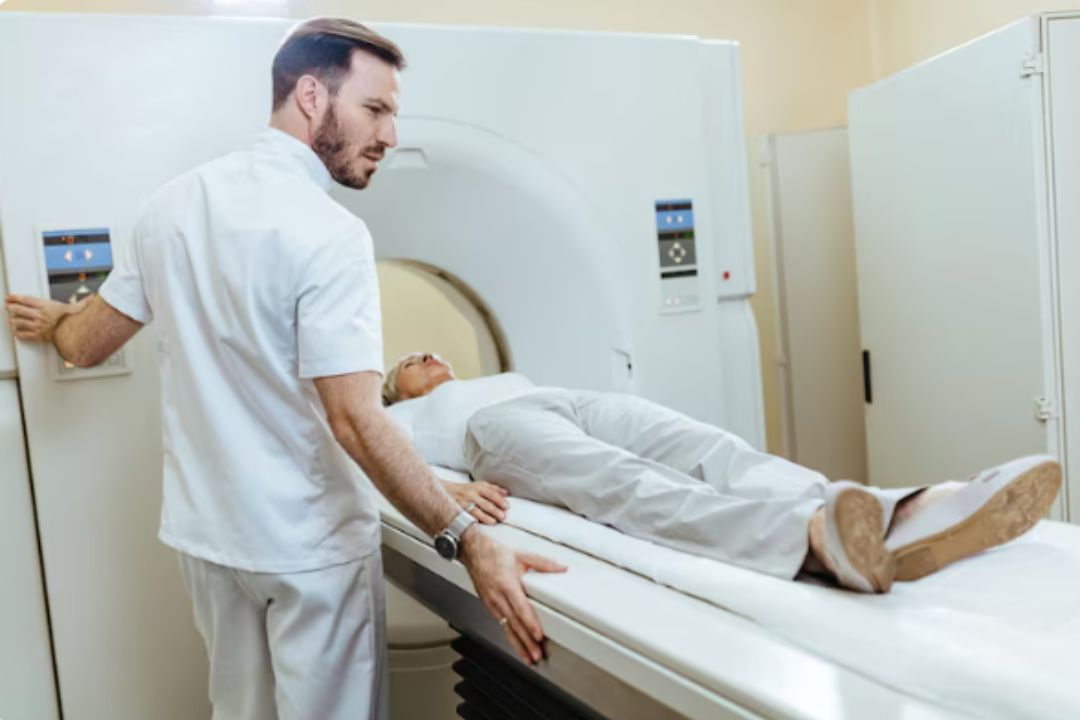
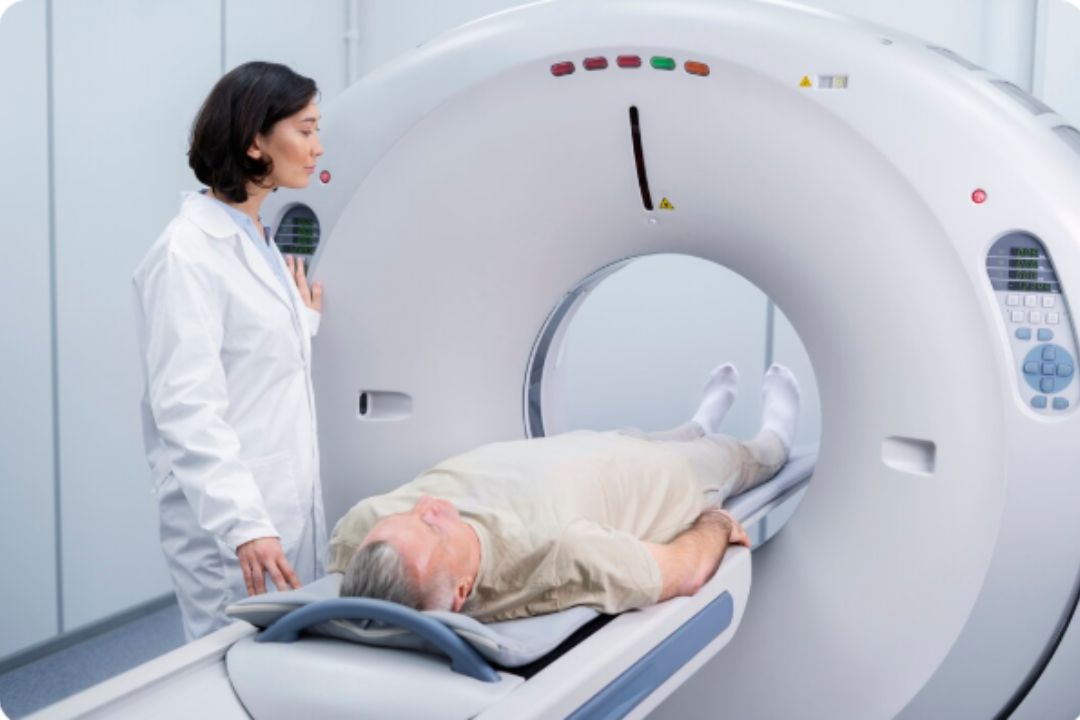
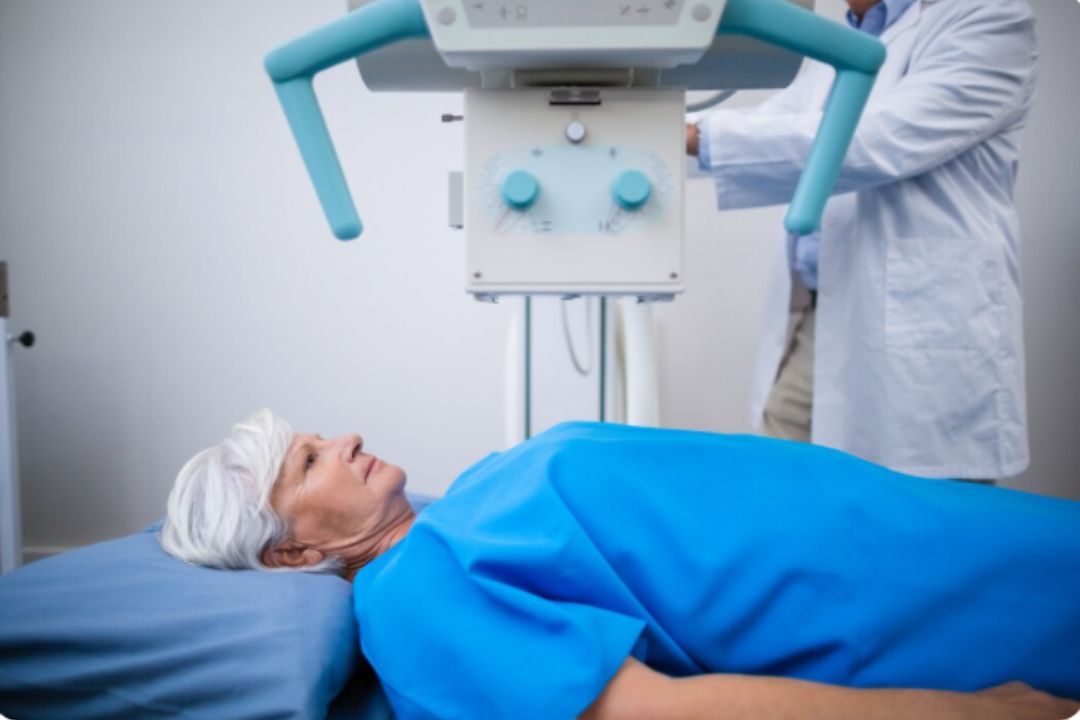
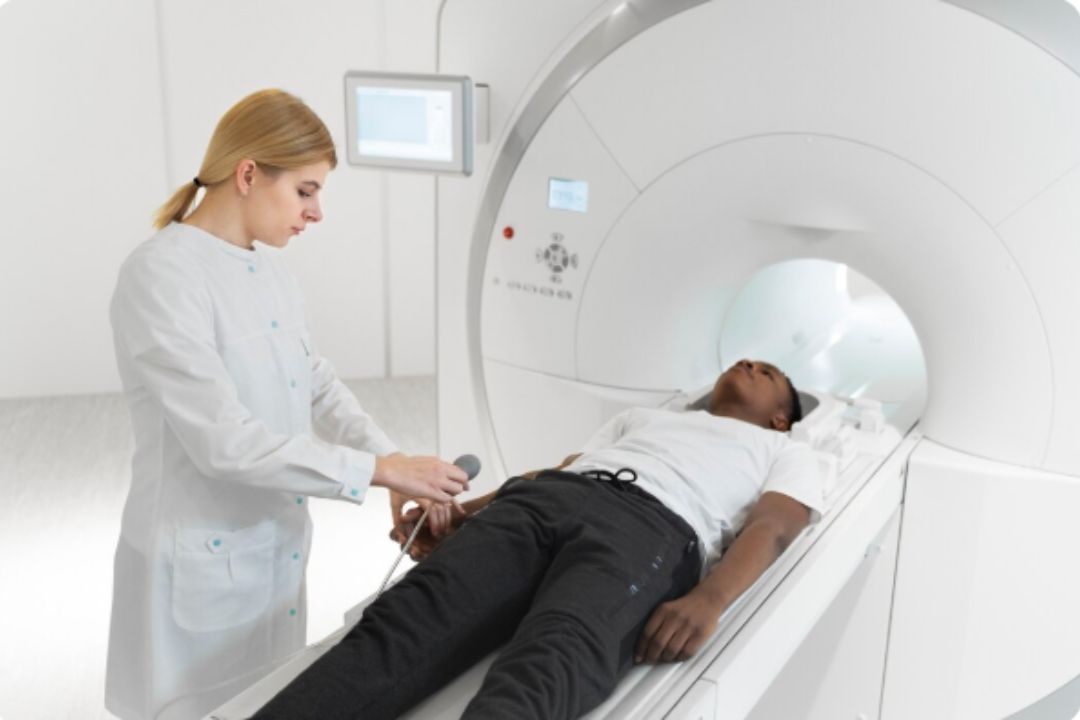
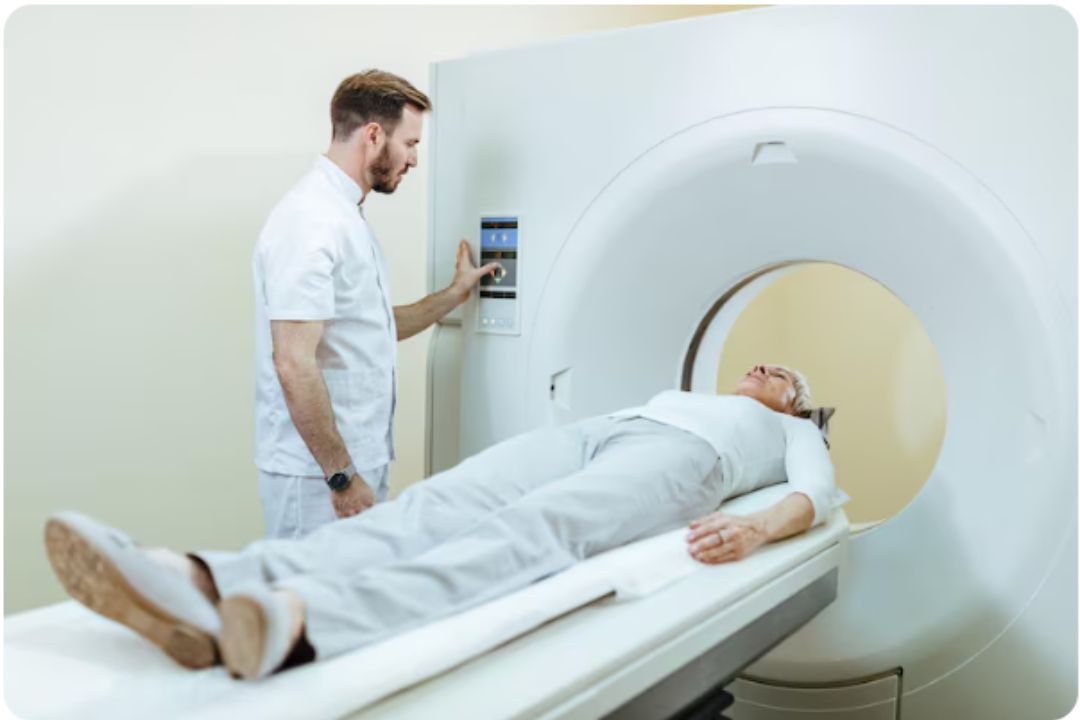
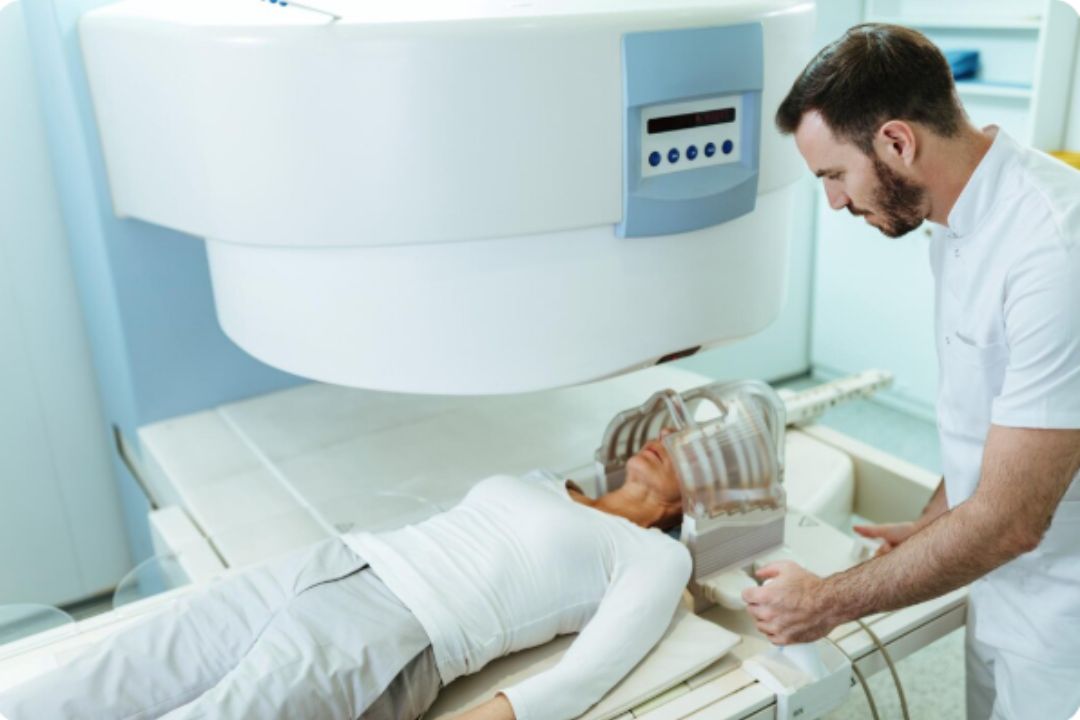
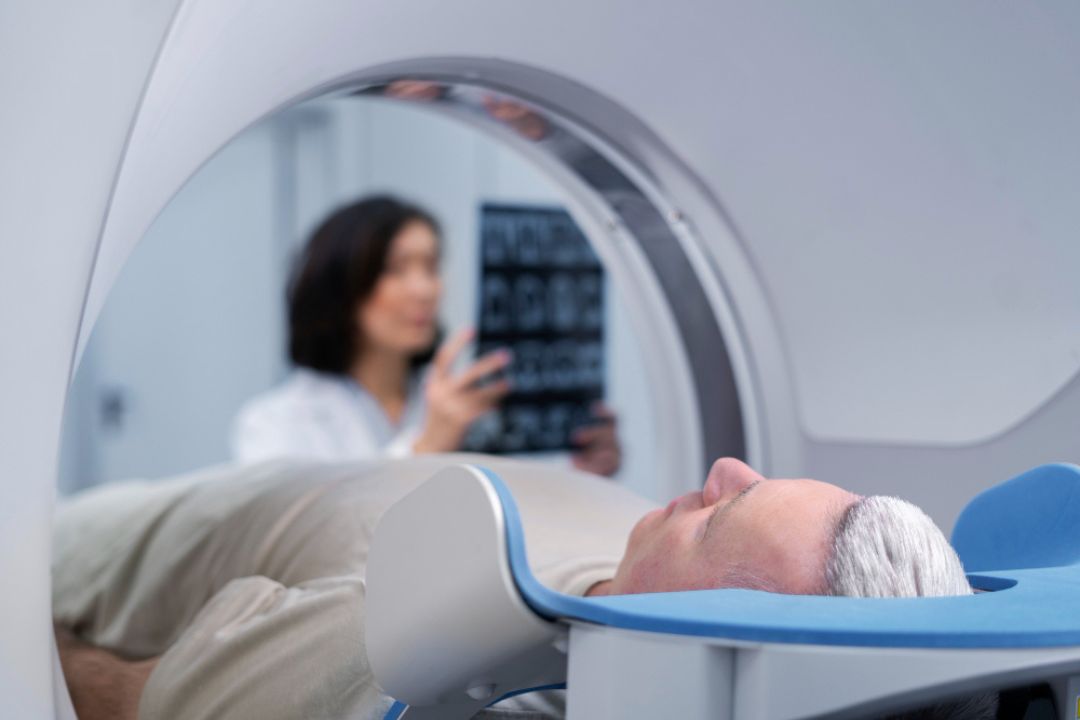
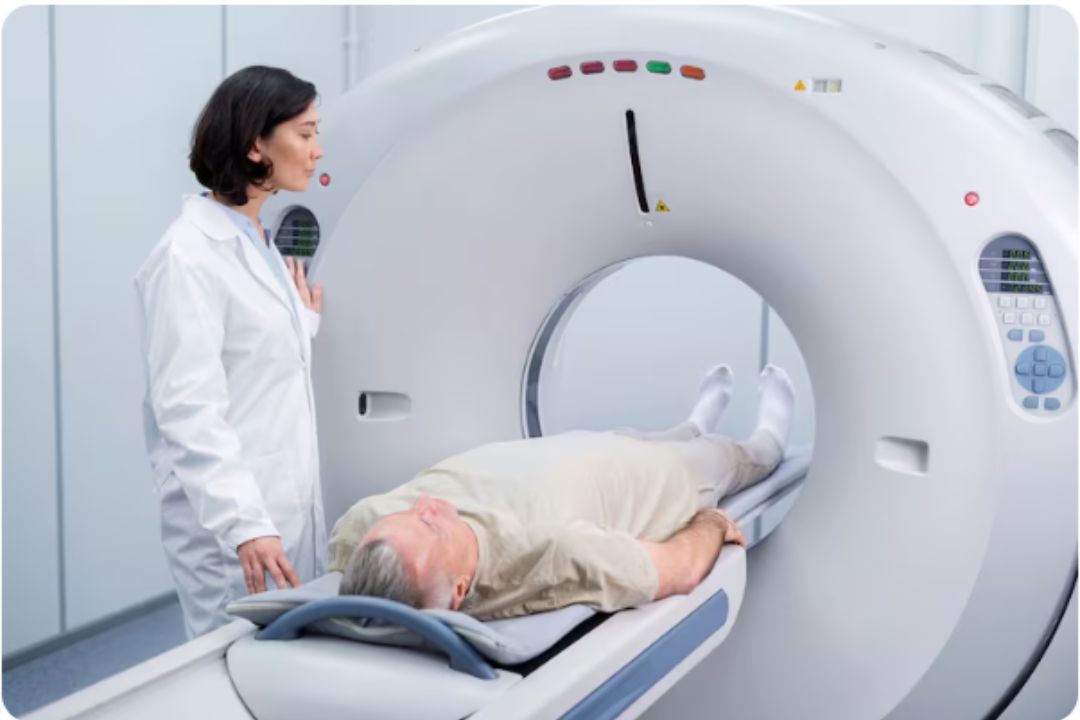
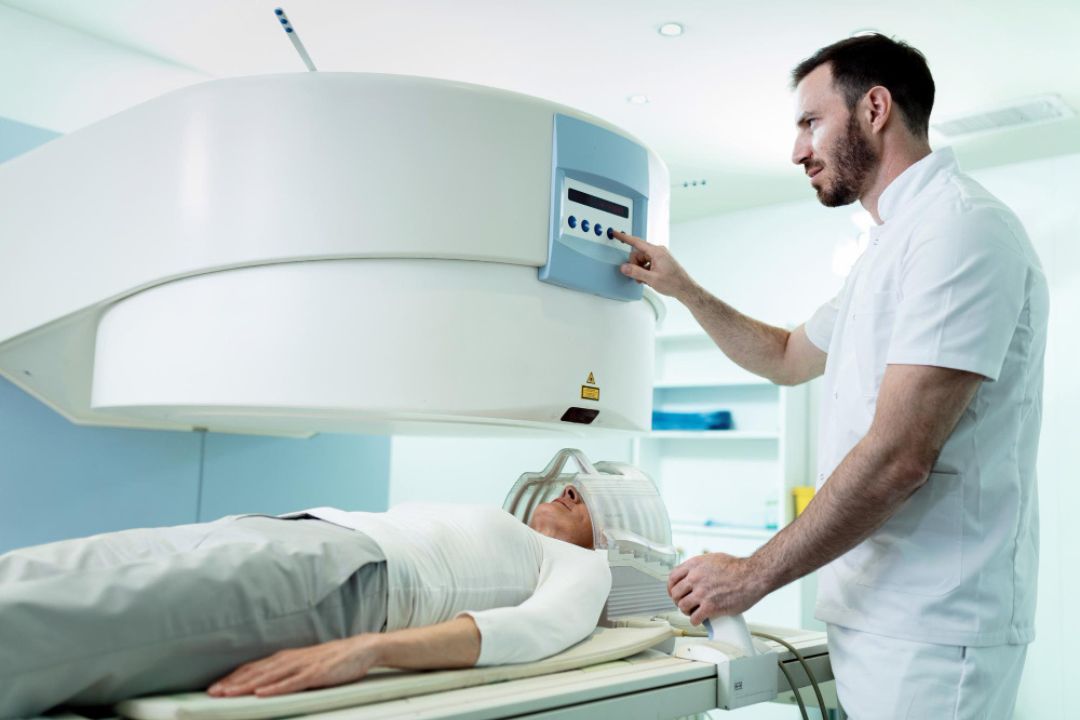
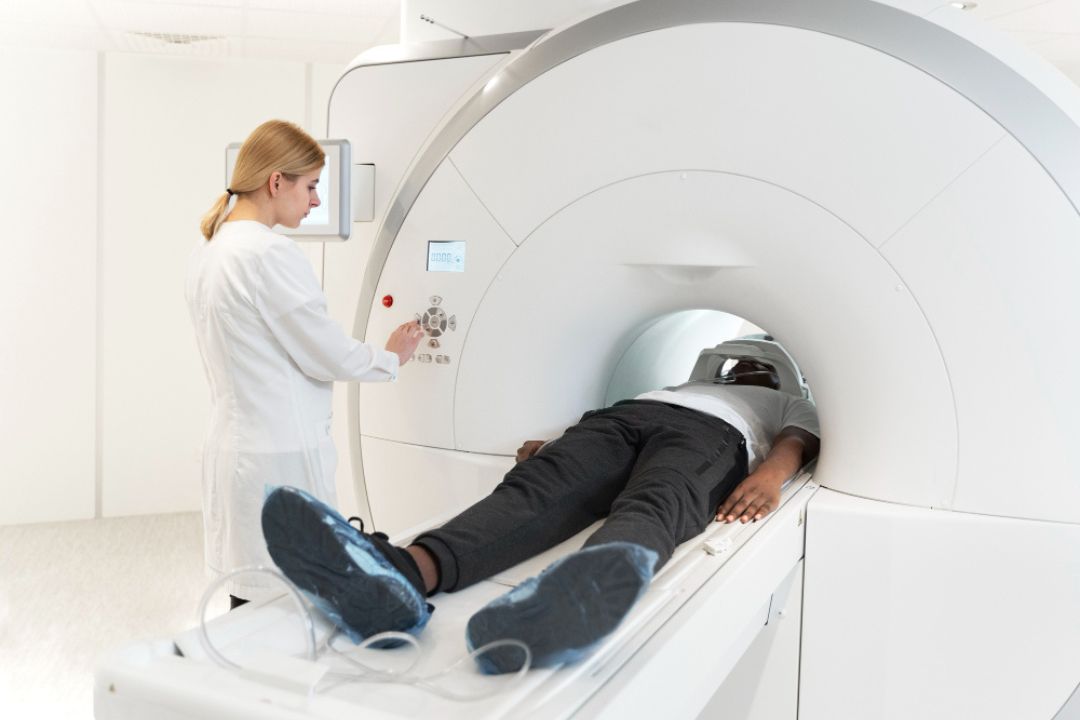
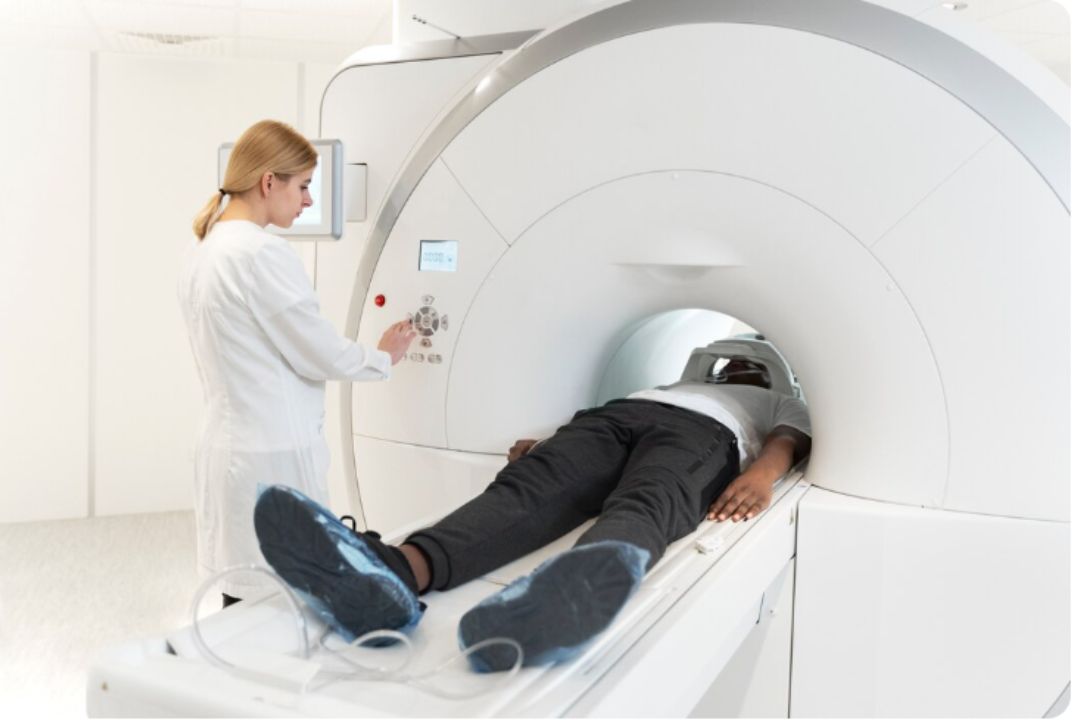
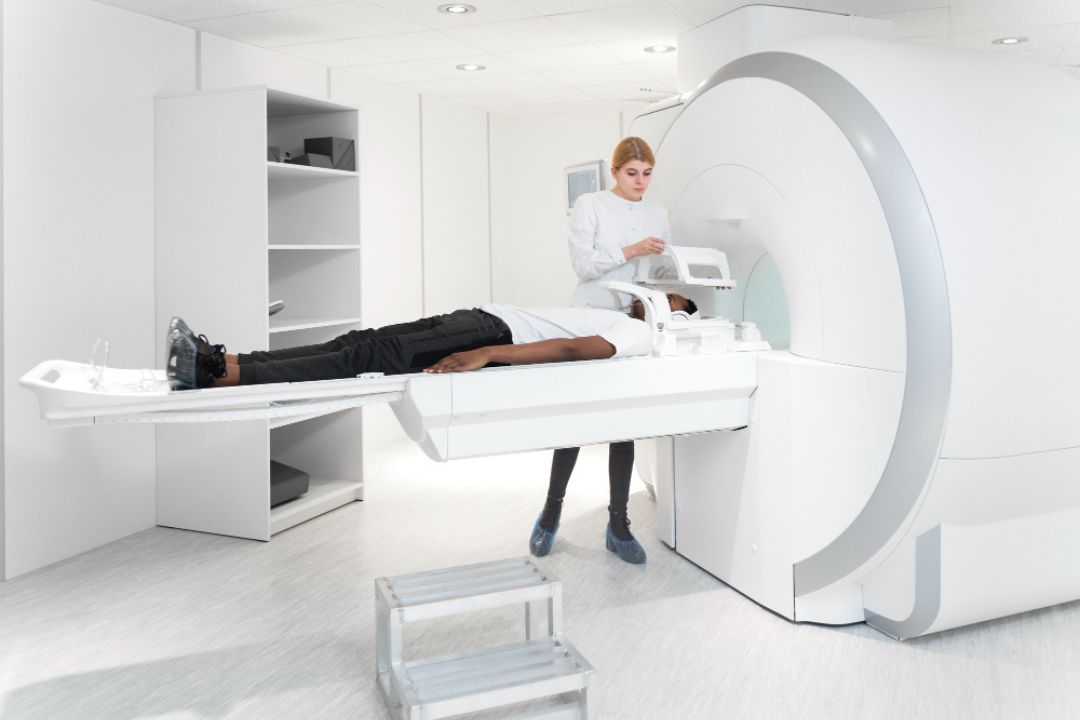
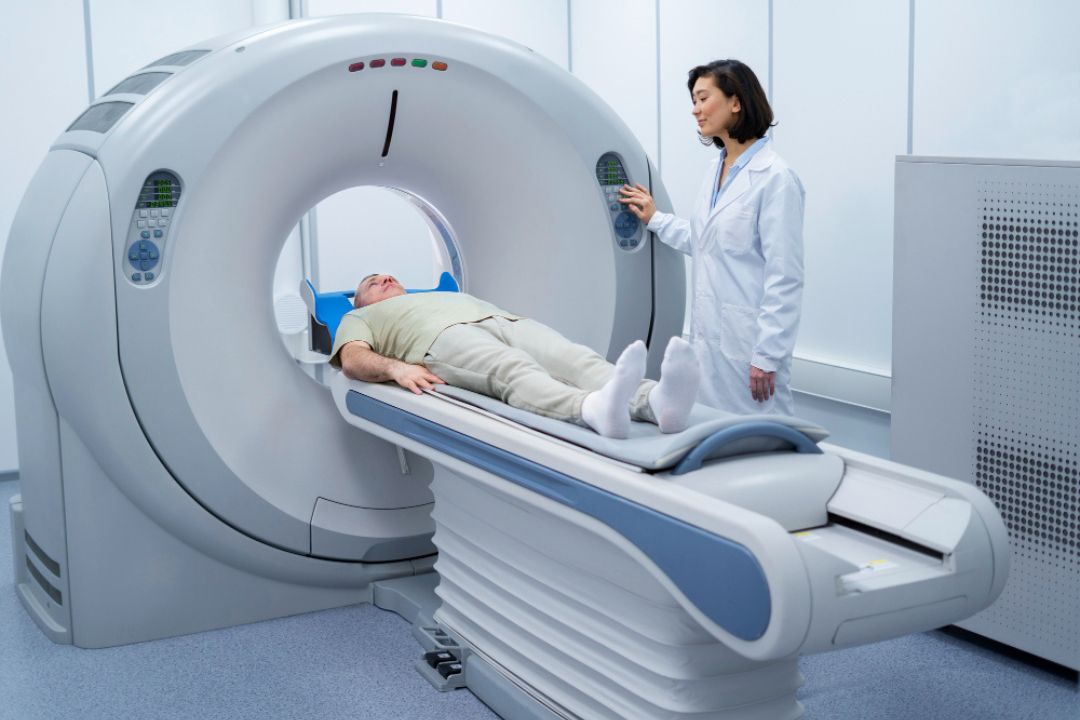
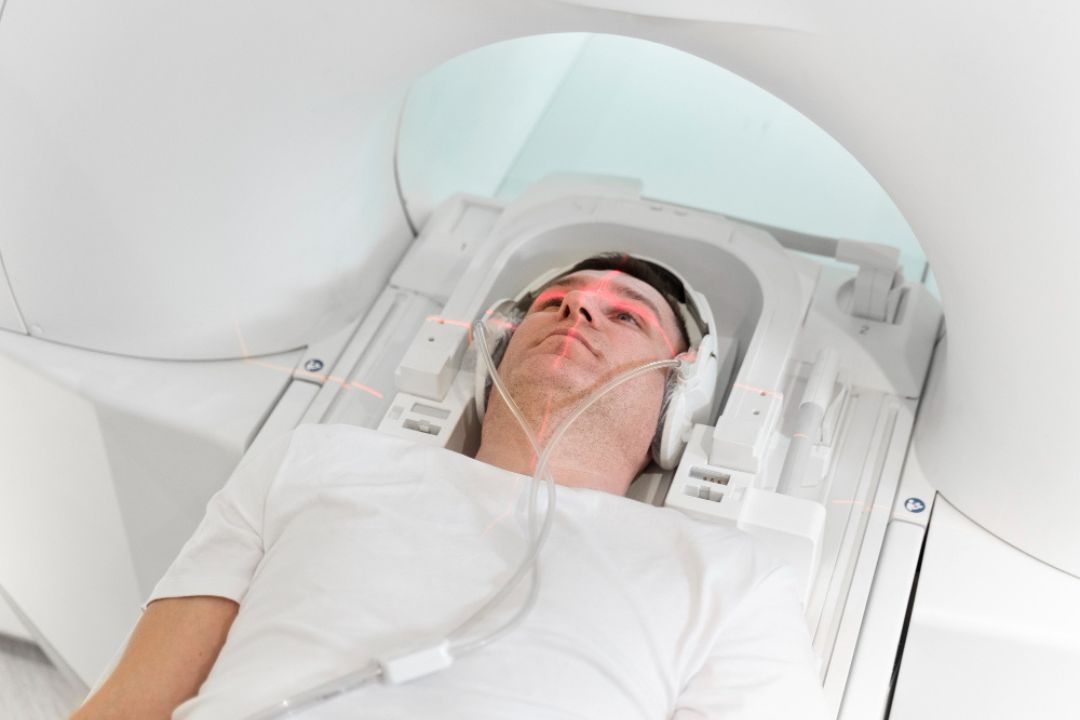
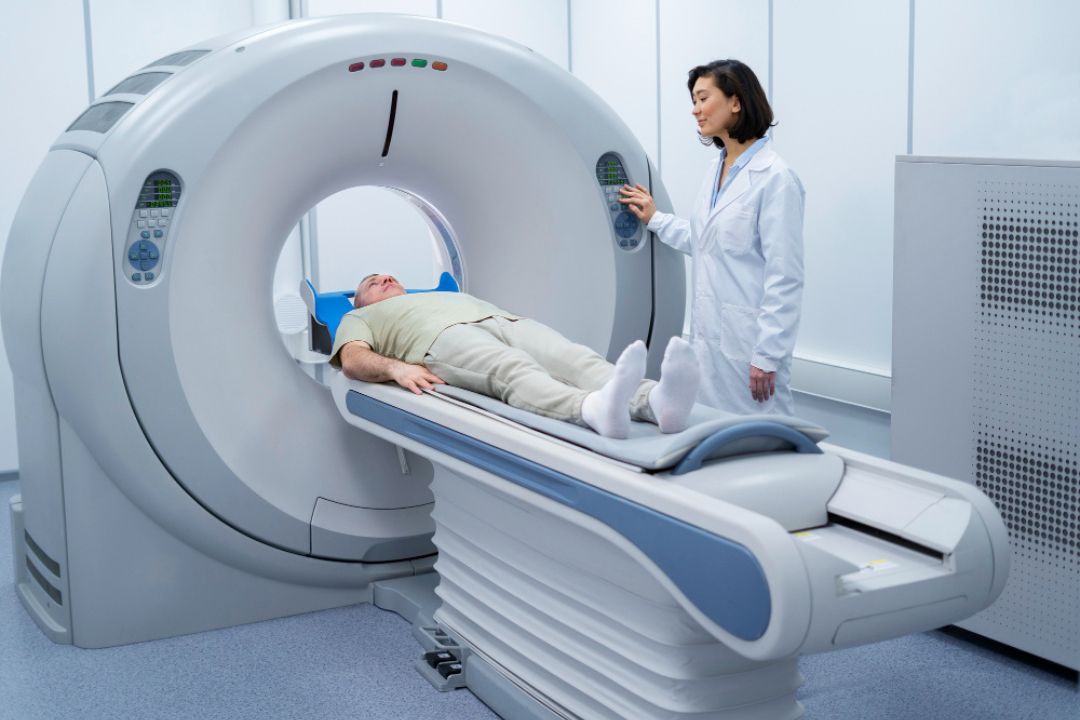
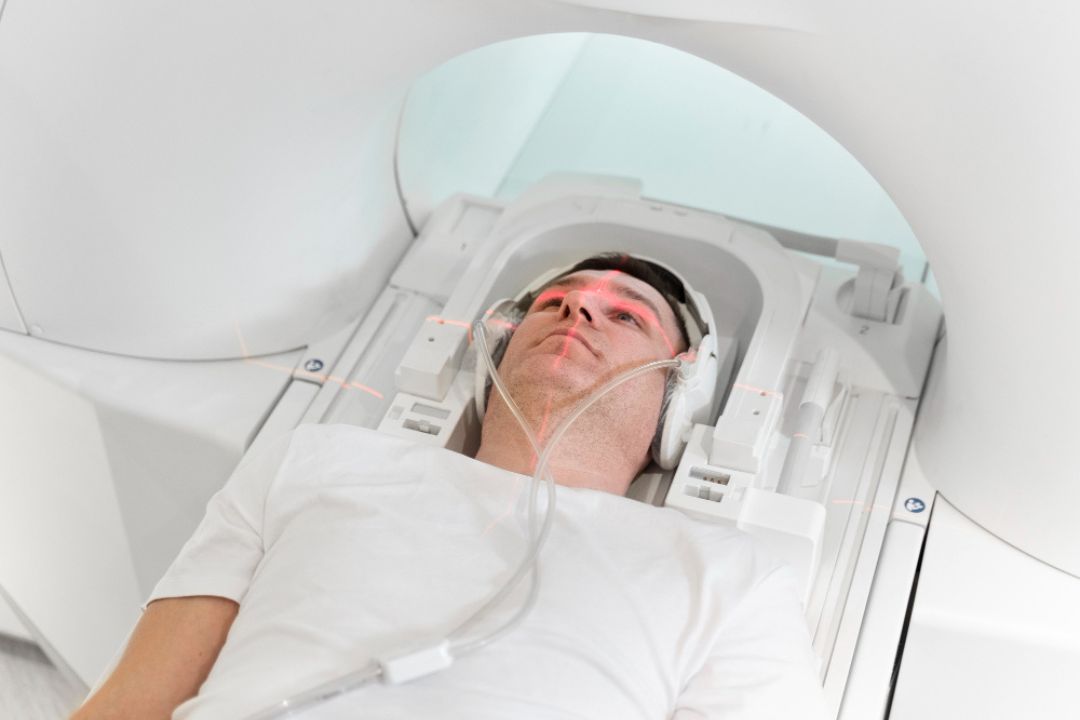
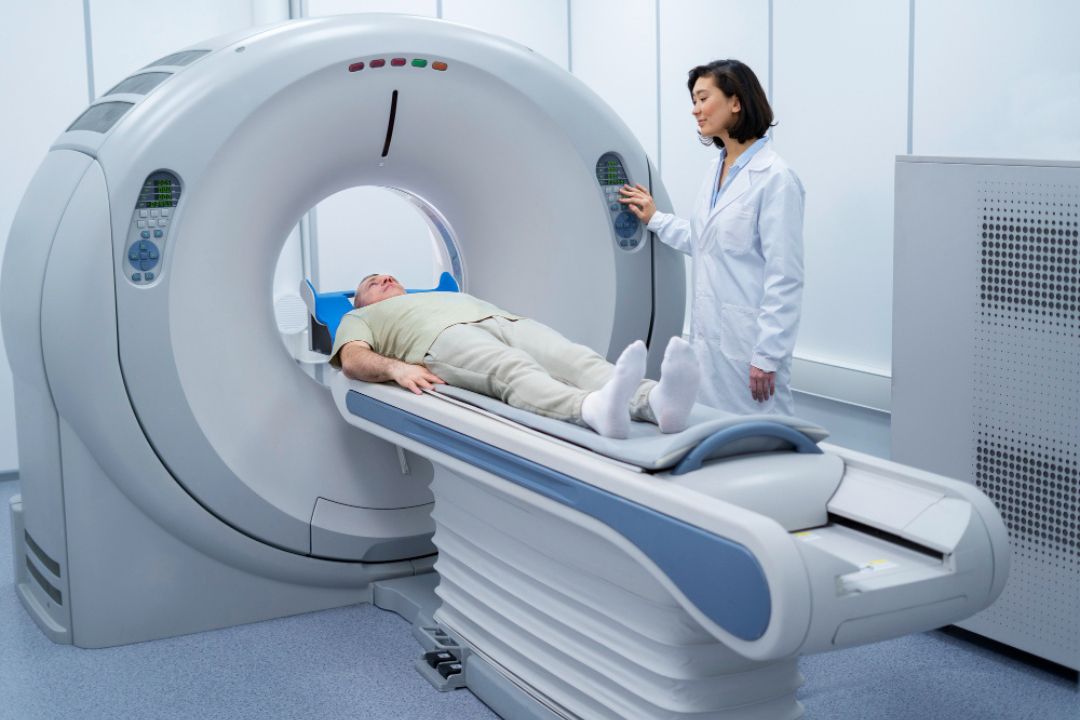
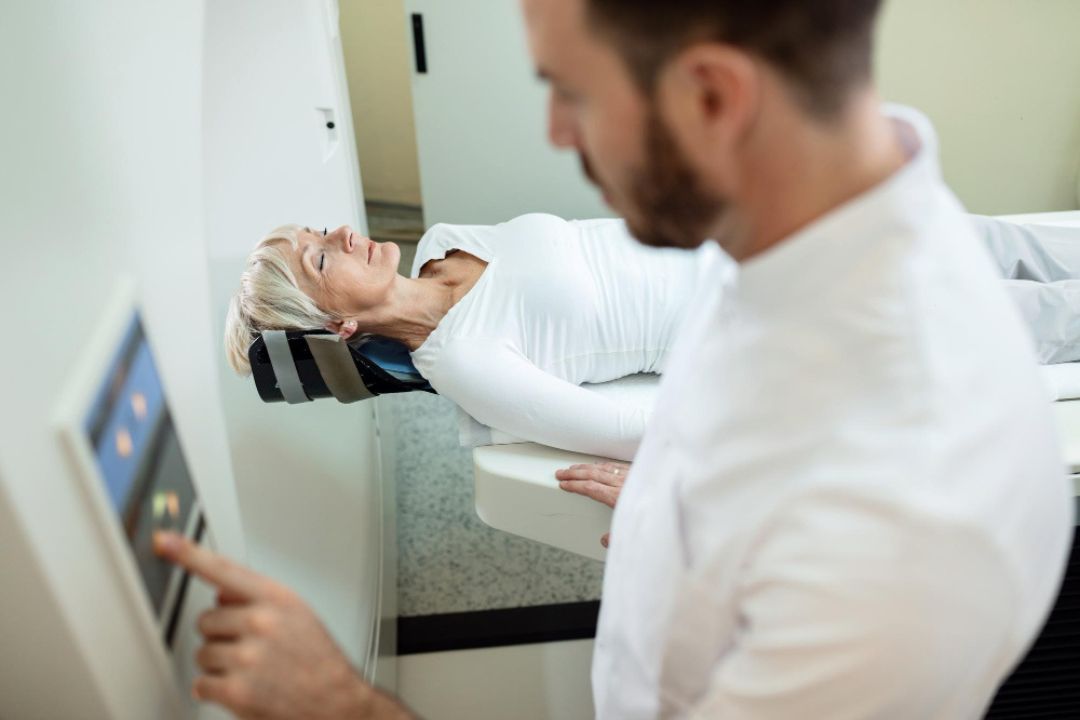
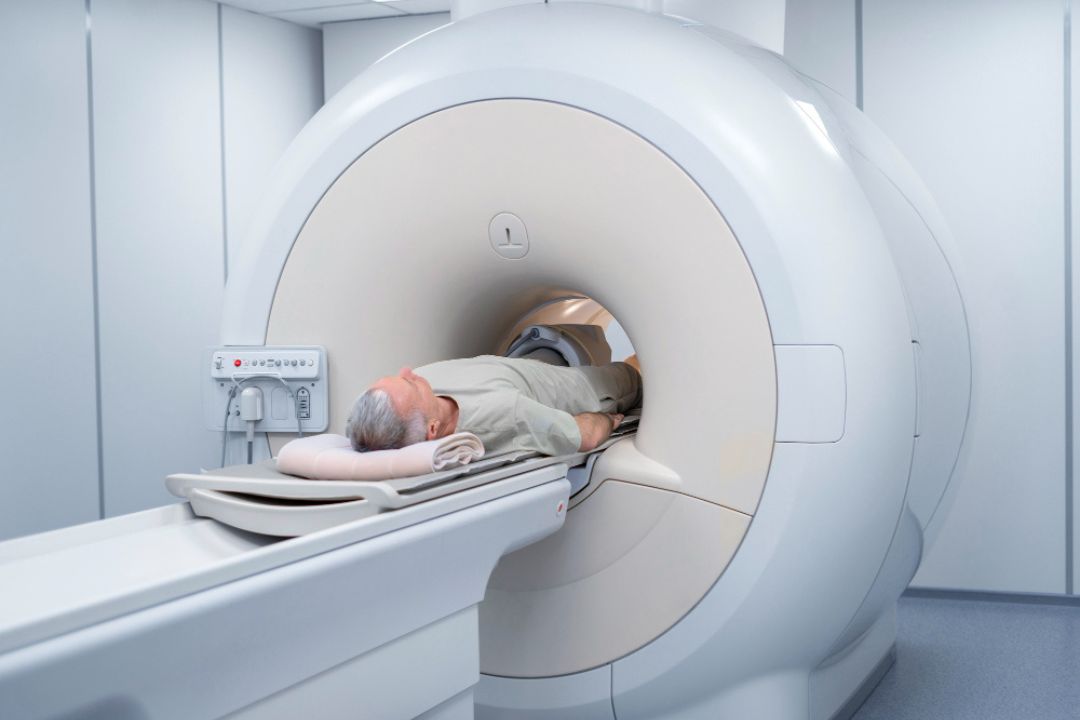
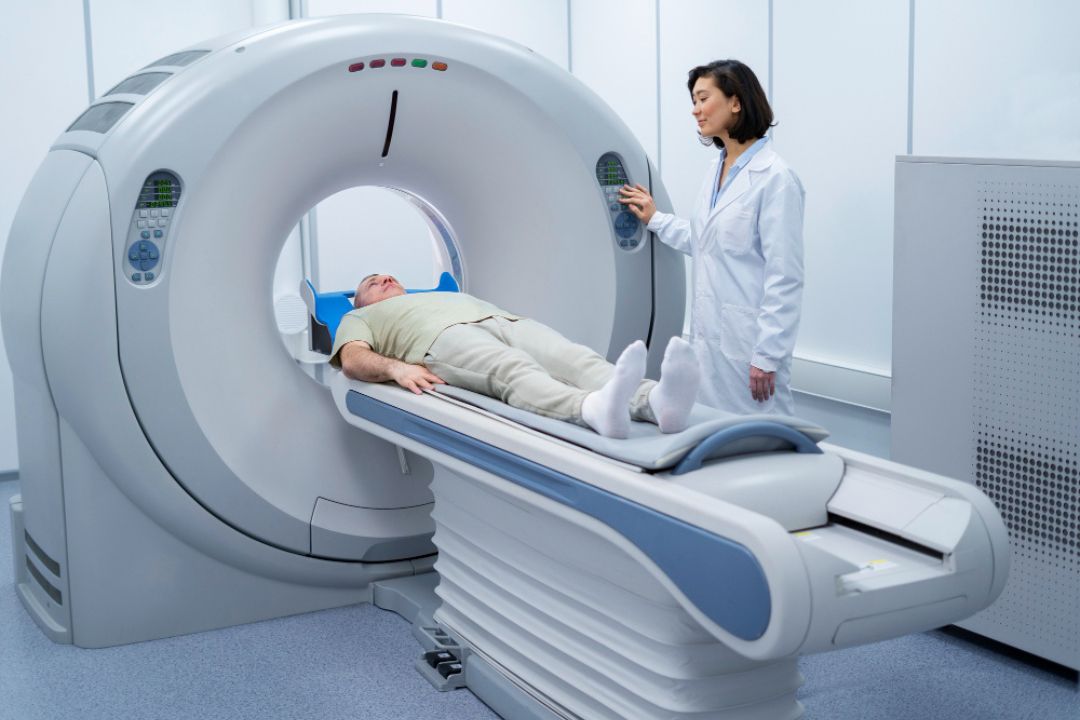
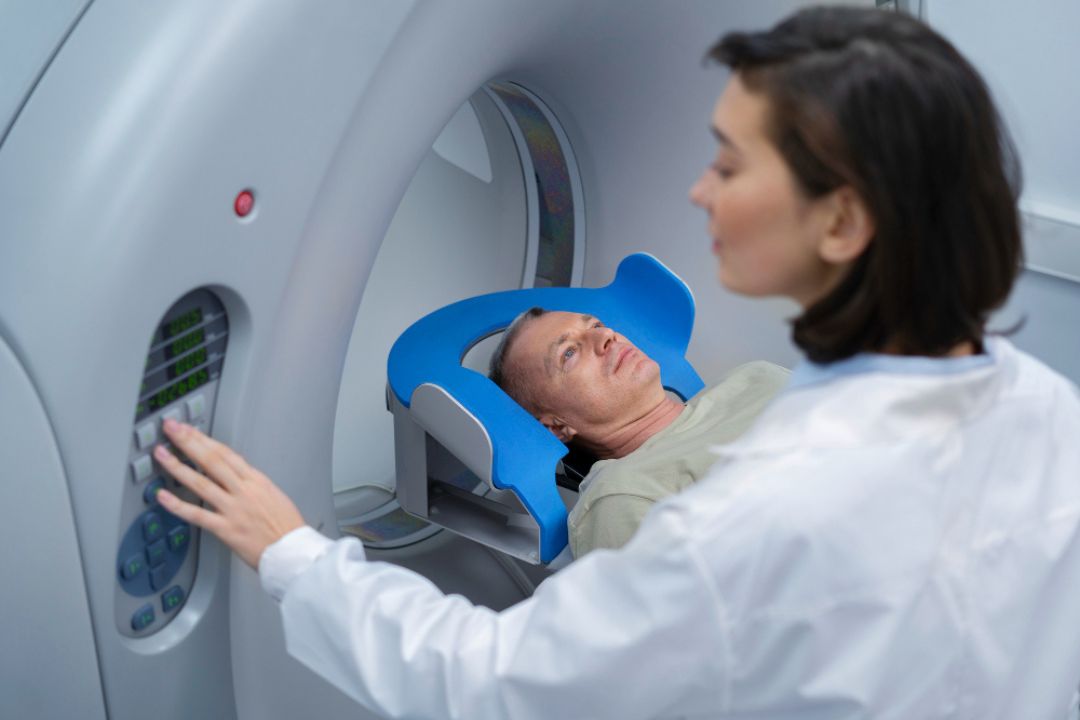
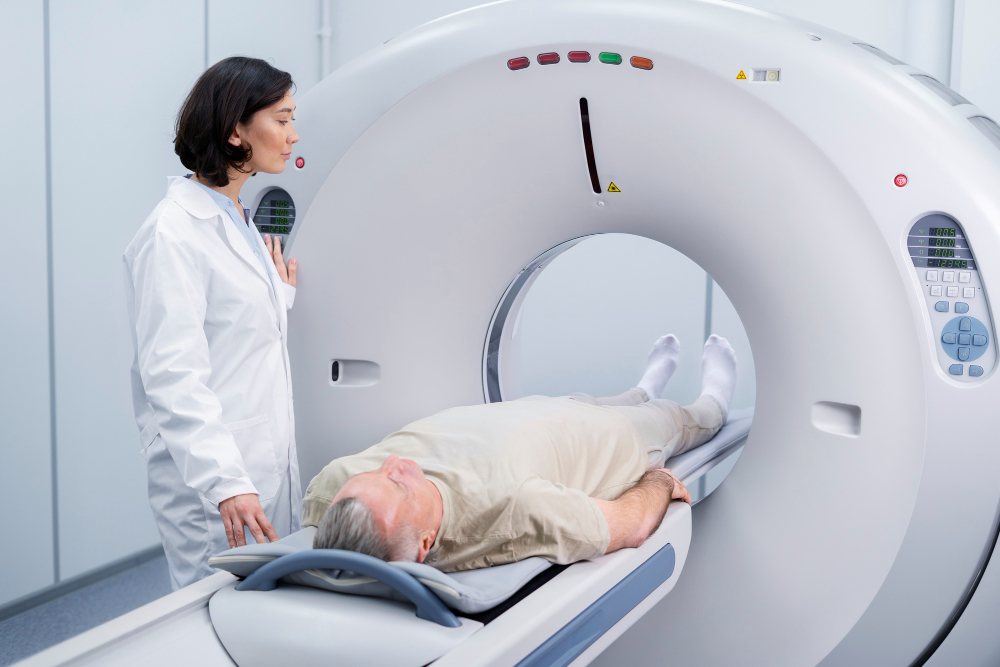
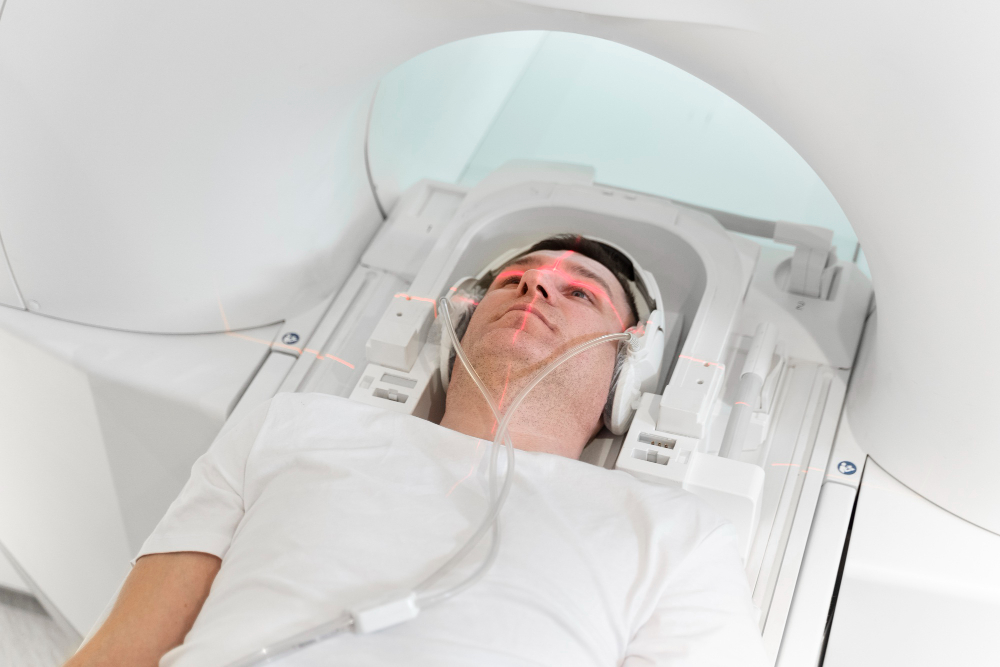
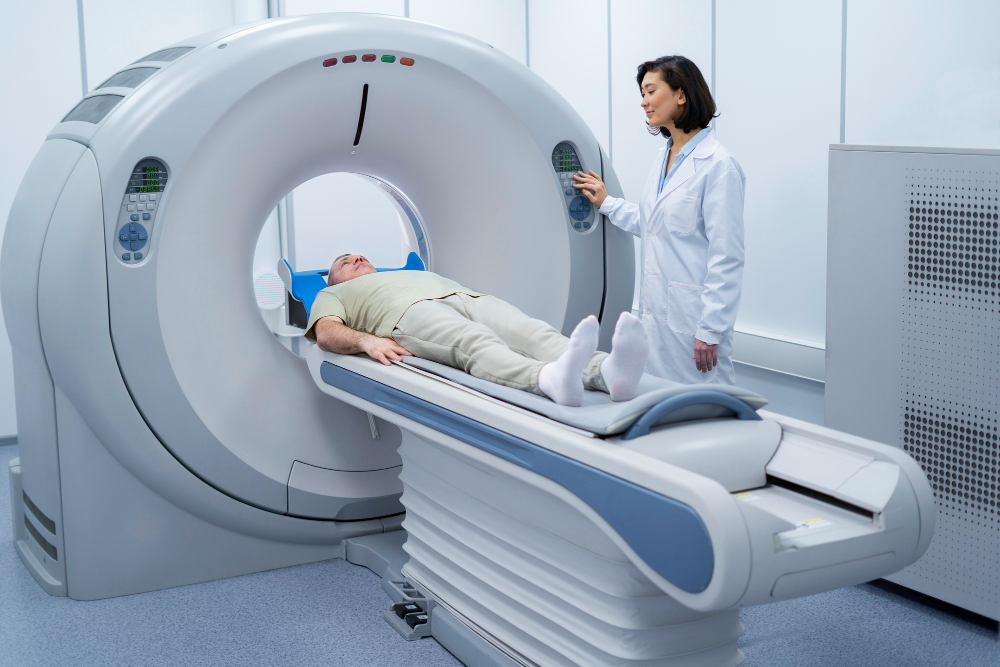
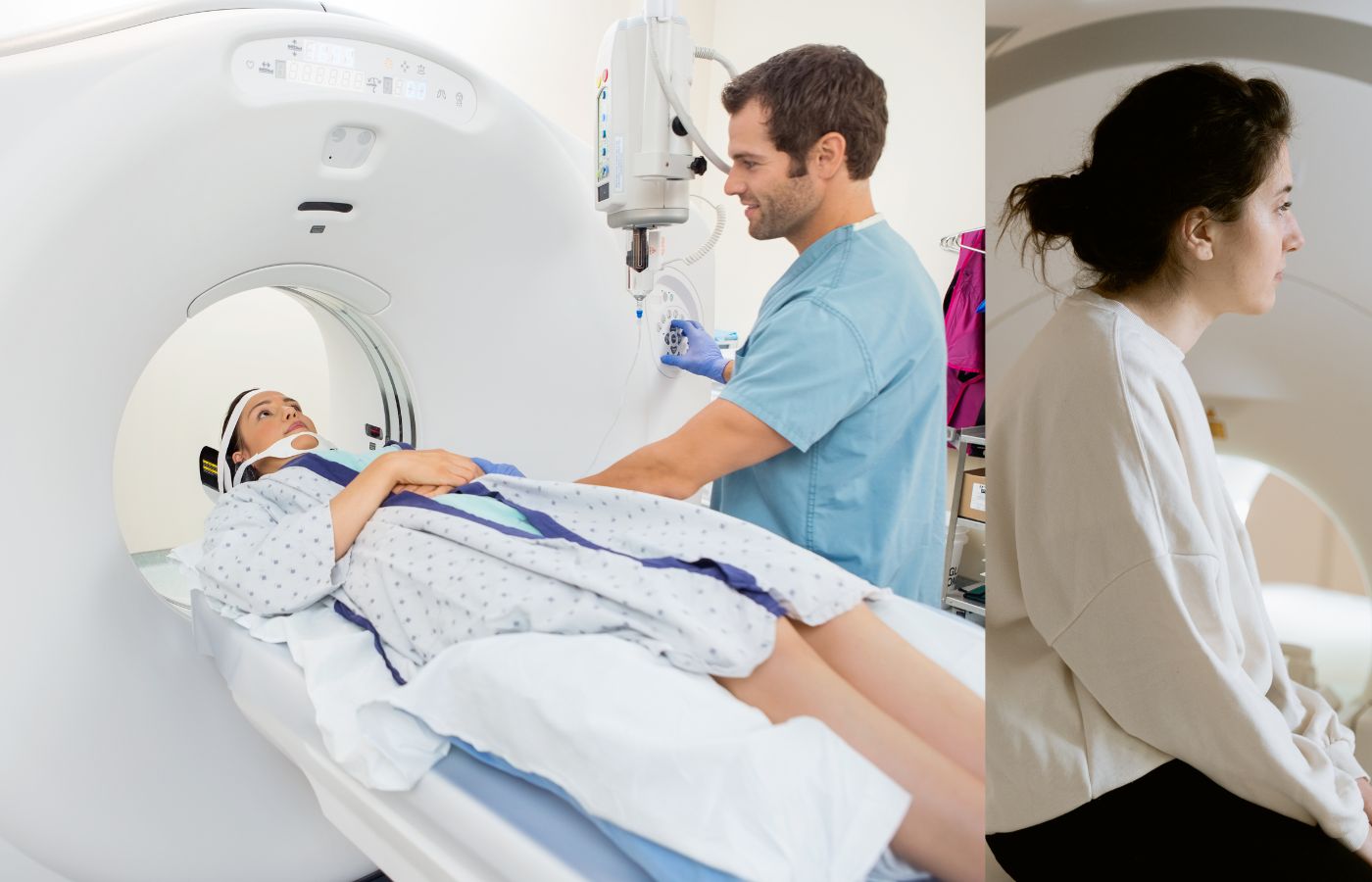
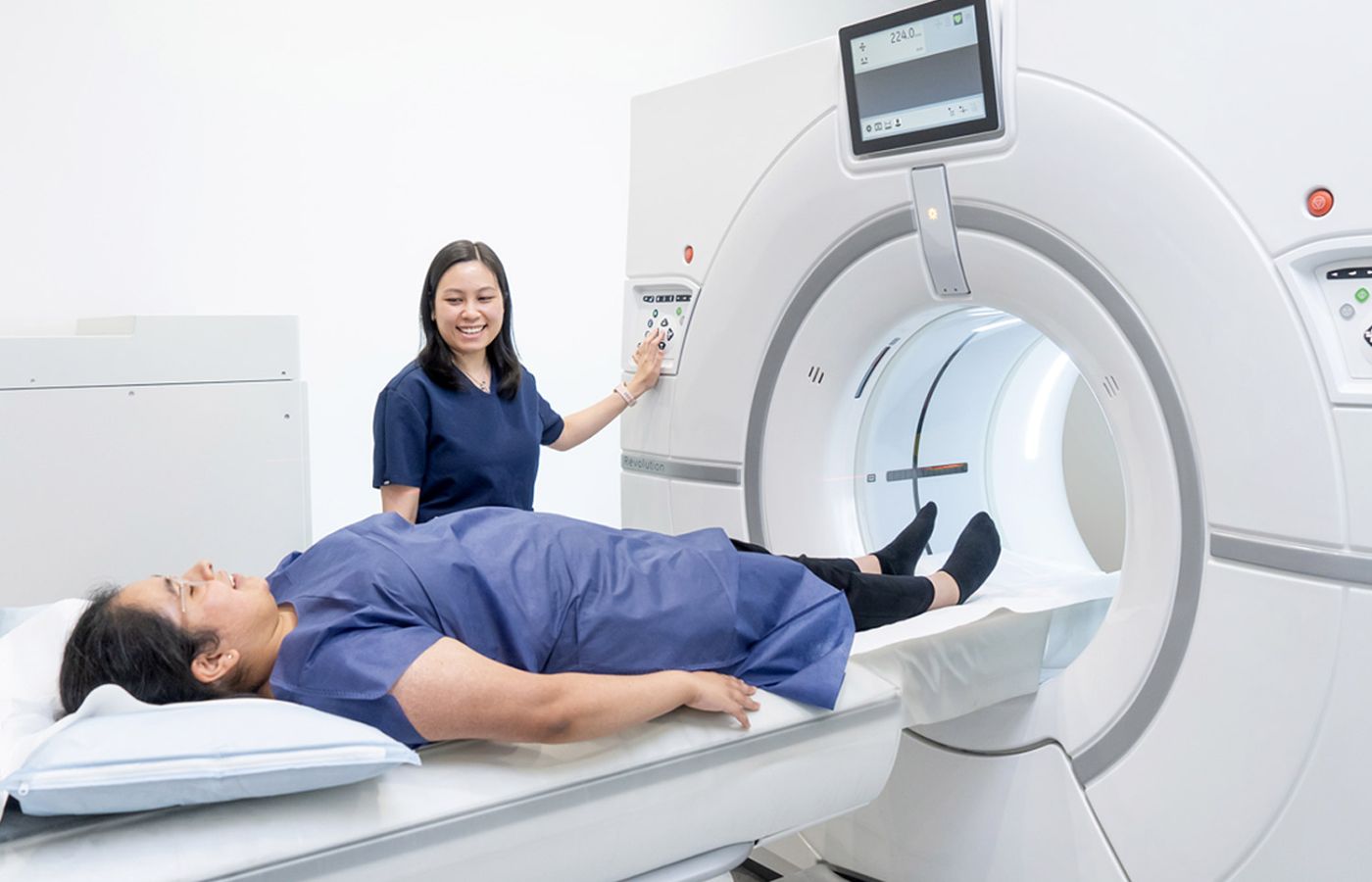
The patient lies on a motorized CT scan table, usually on their back. The head is positioned carefully to ensure accurate imaging of the eye sockets.
Patients are asked to:
Remain still
Follow breathing instructions if needed
Movement during the scan can affect image clarity.
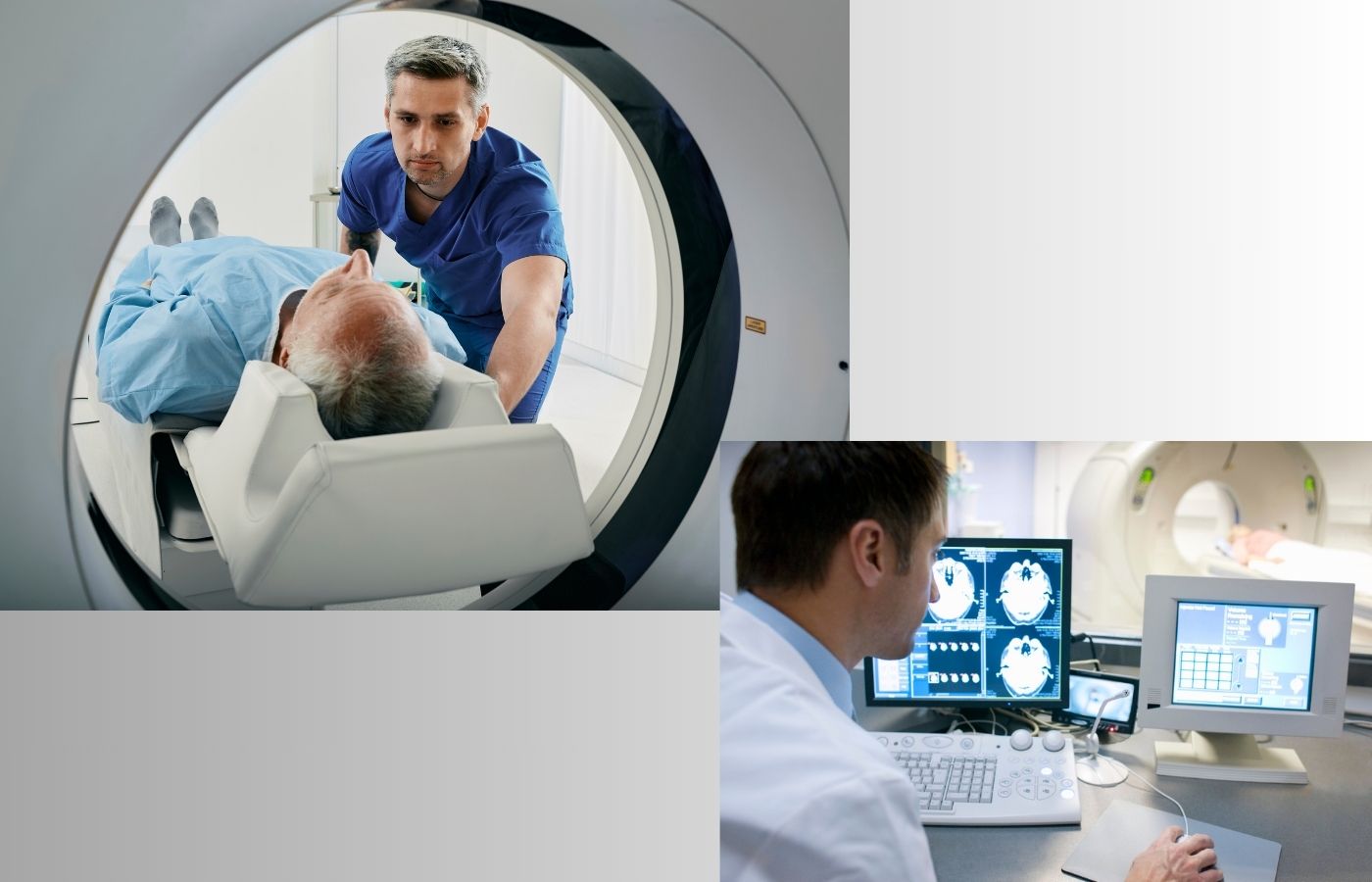
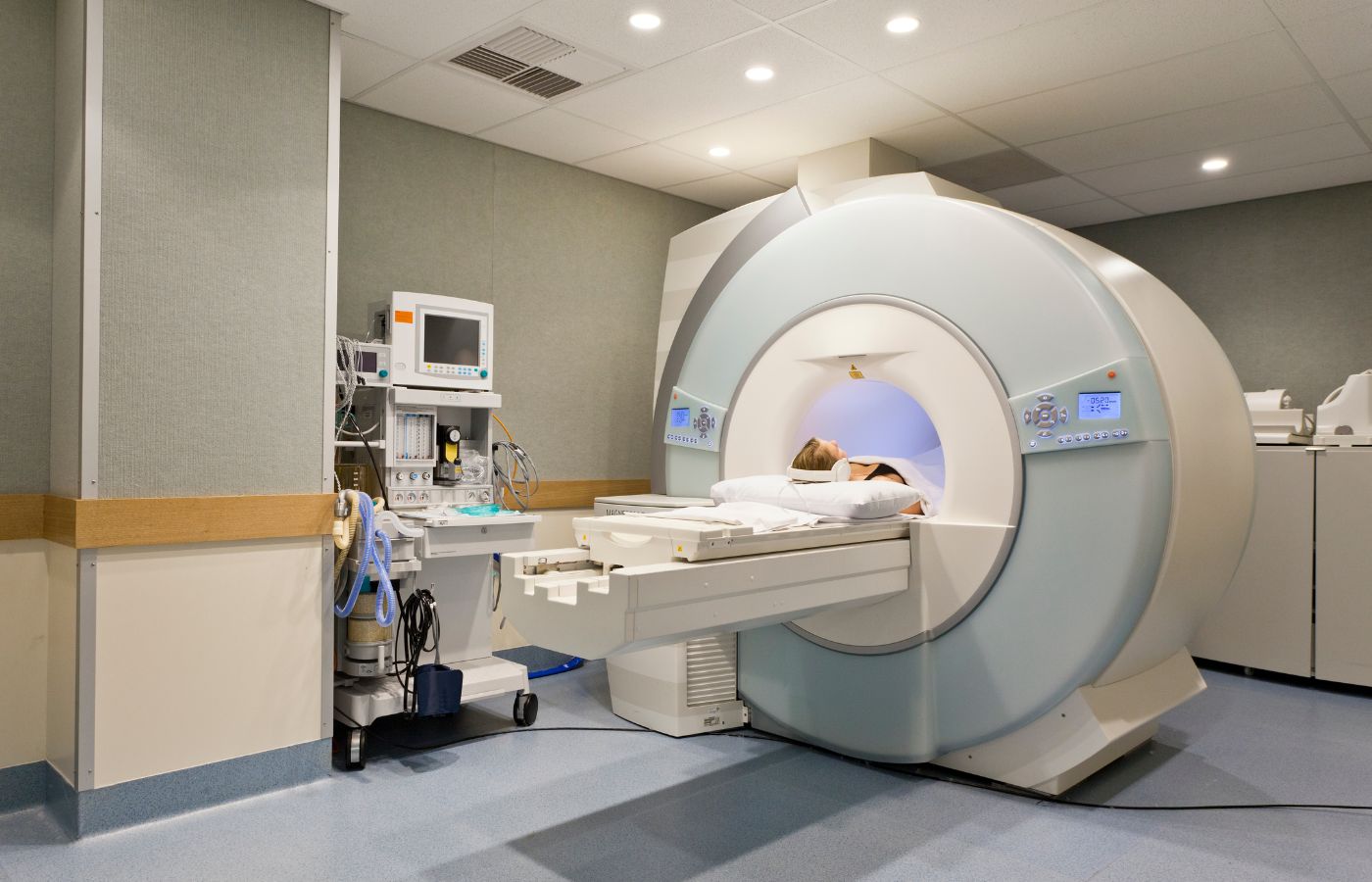
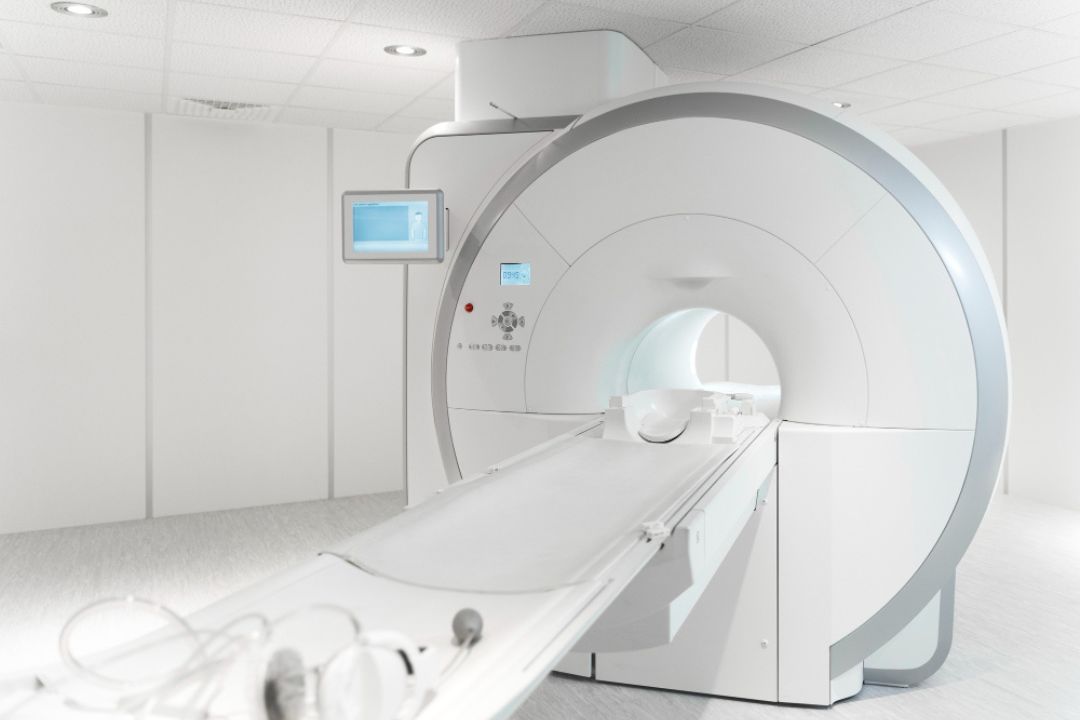
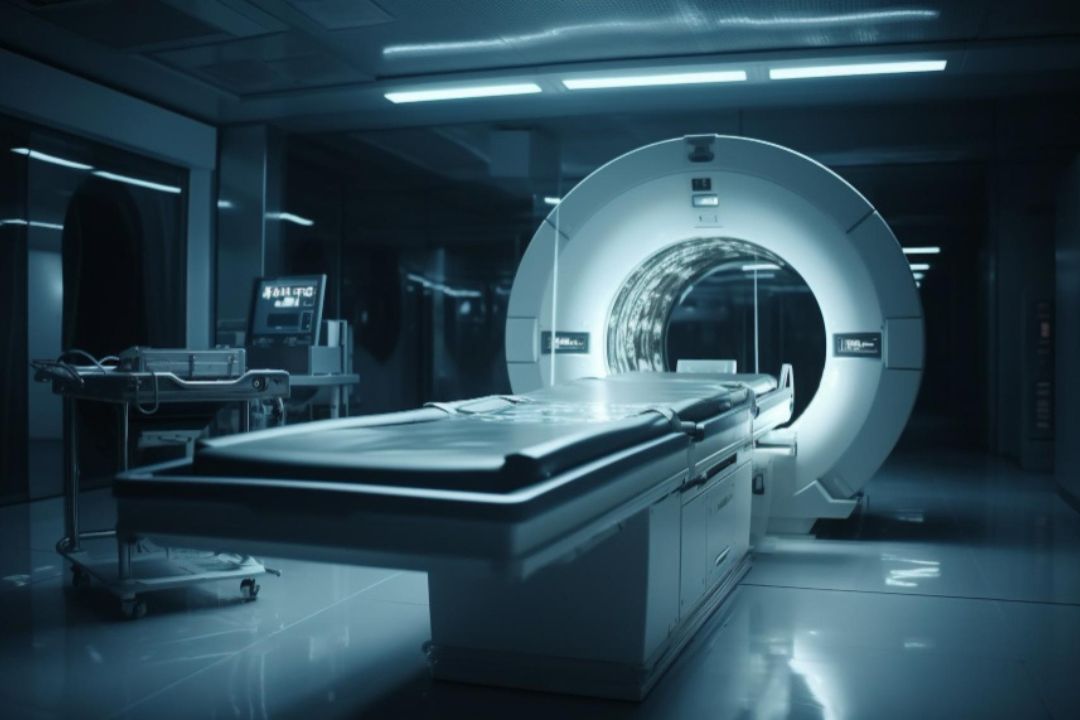
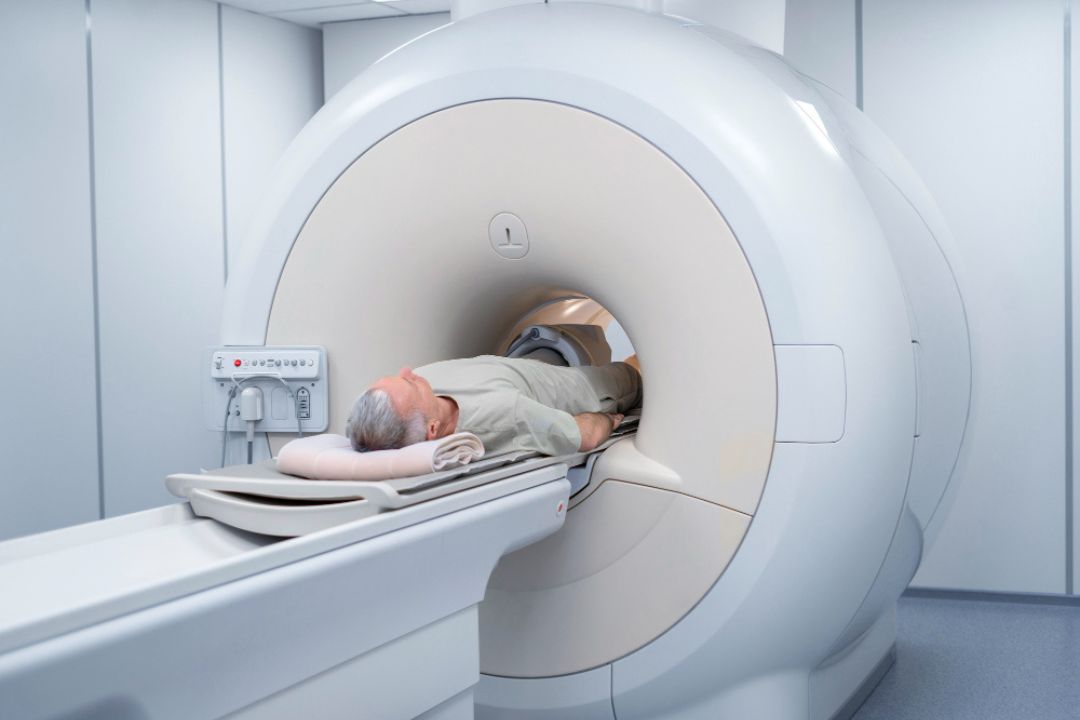
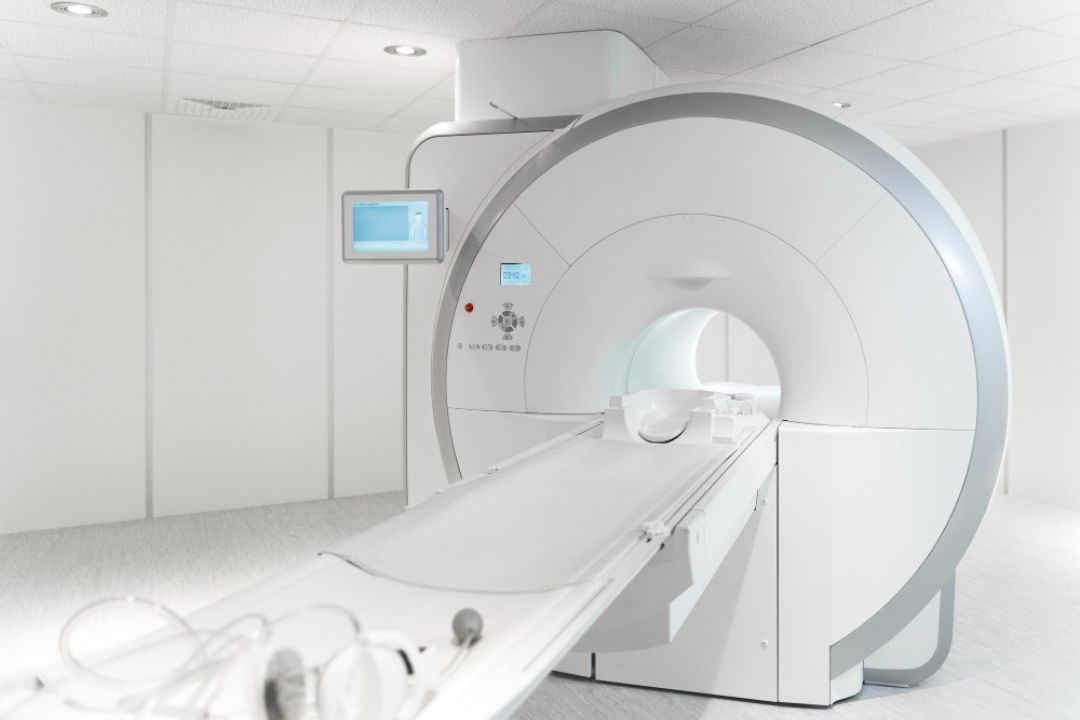
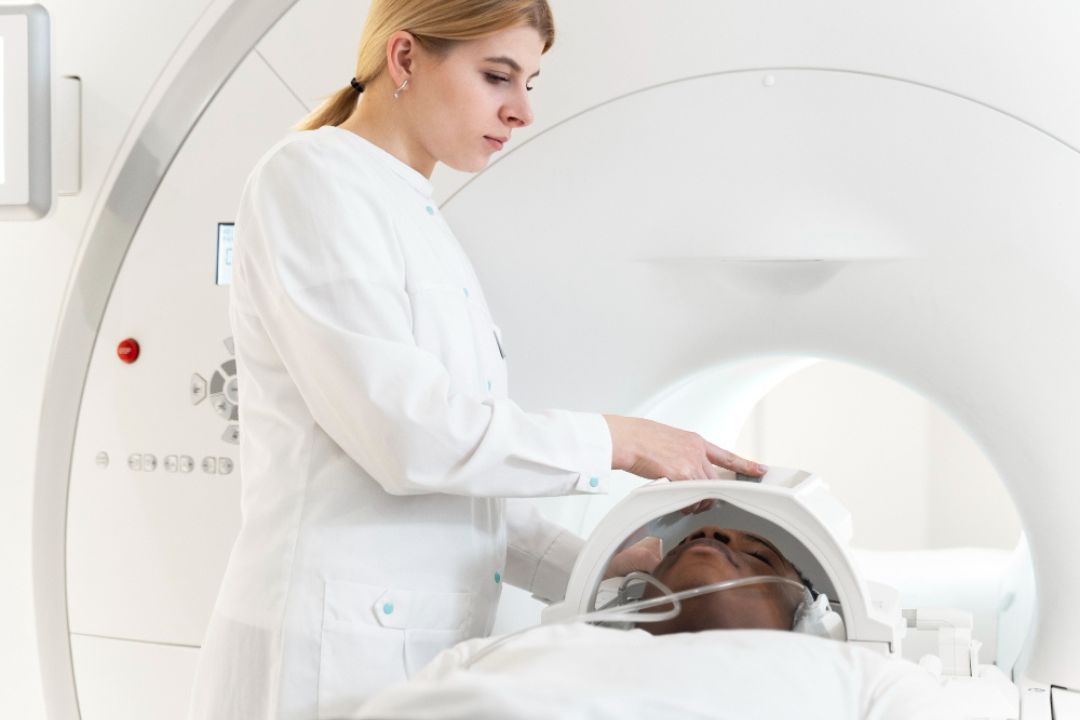
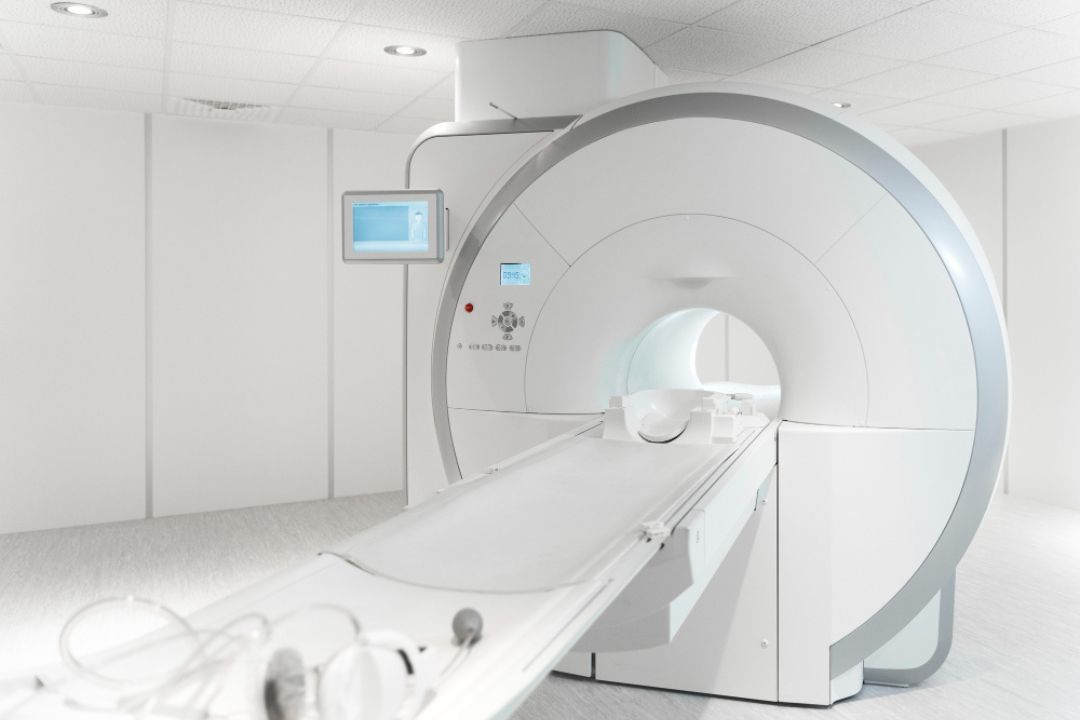
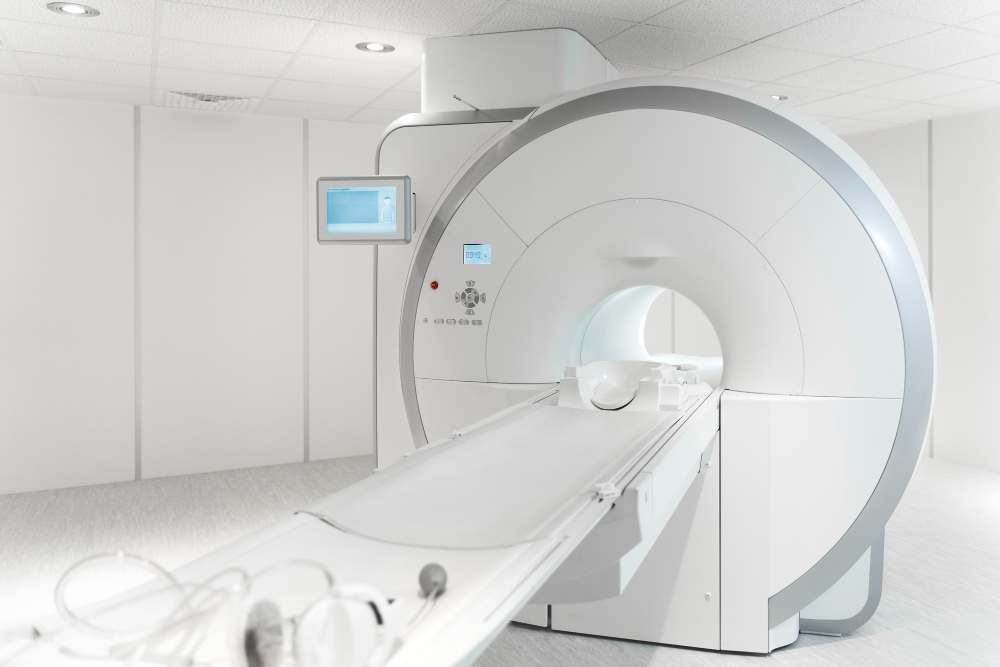
The table slowly moves into the CT scanner, which is a large circular machine.
During the scan:
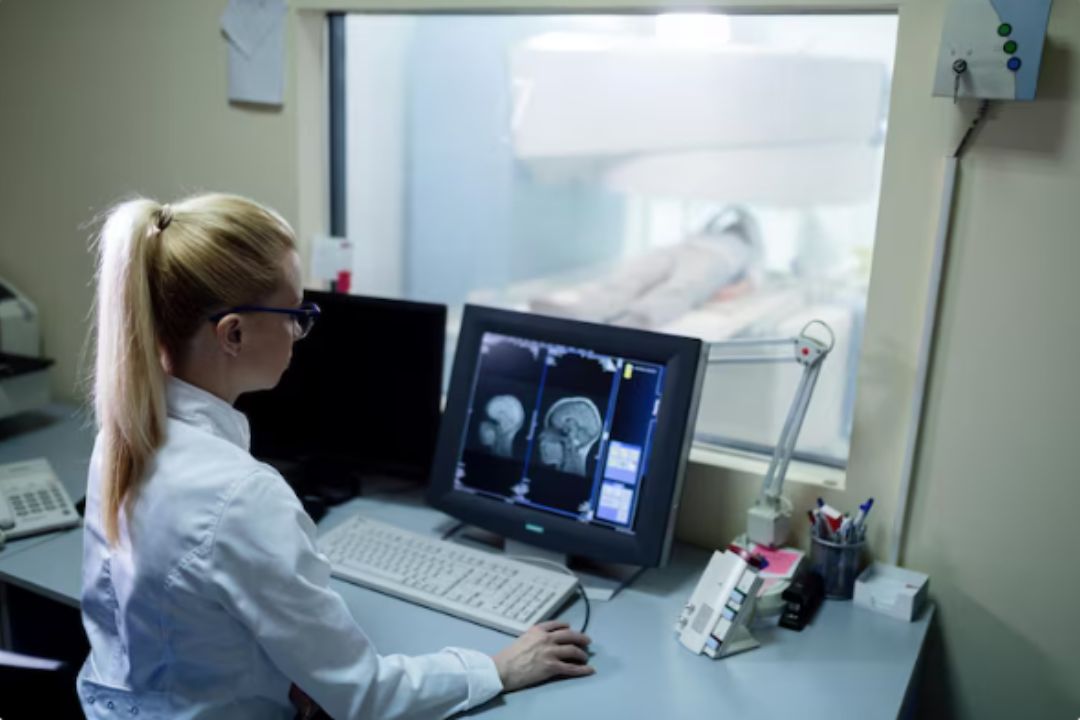
The machine rotates around the head
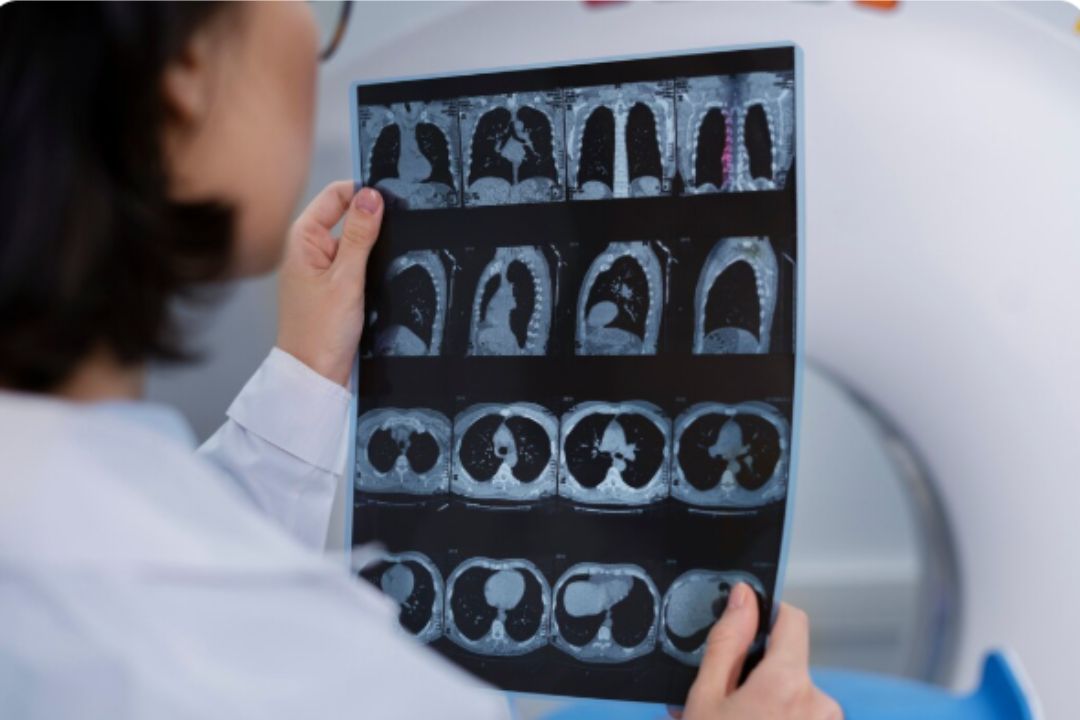
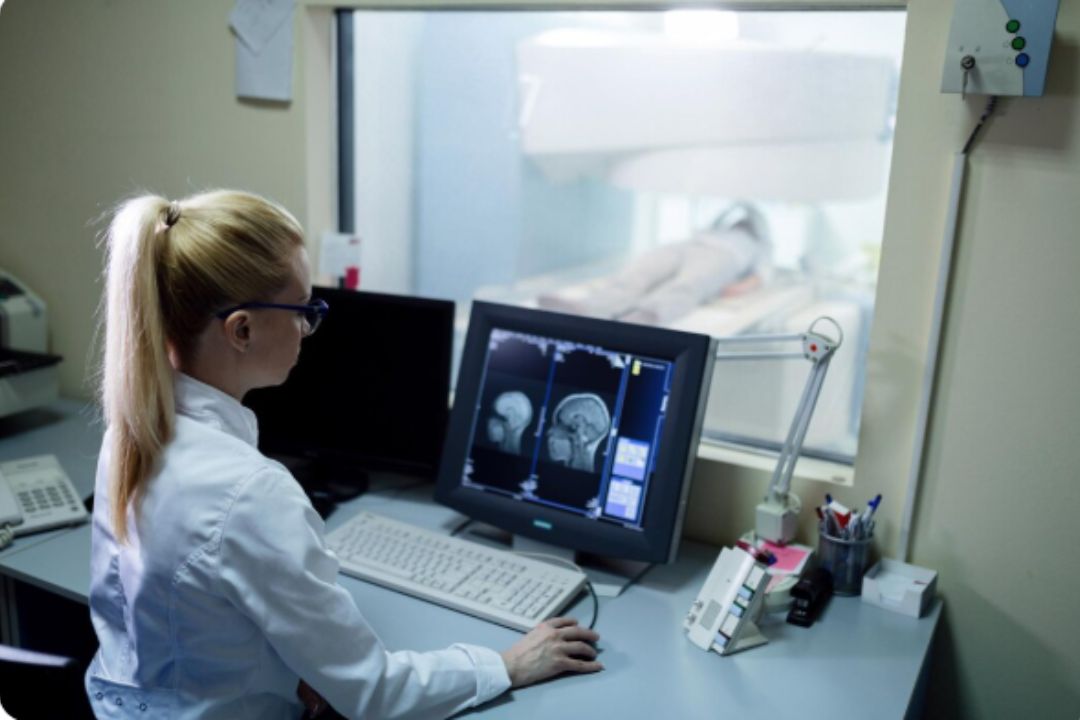
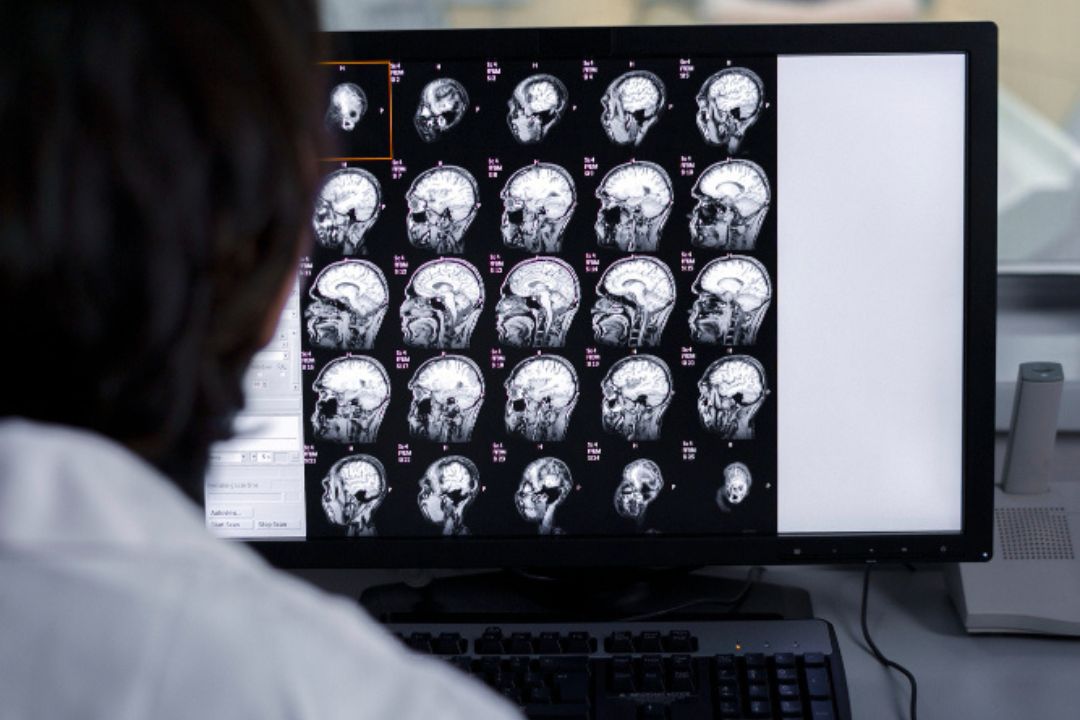
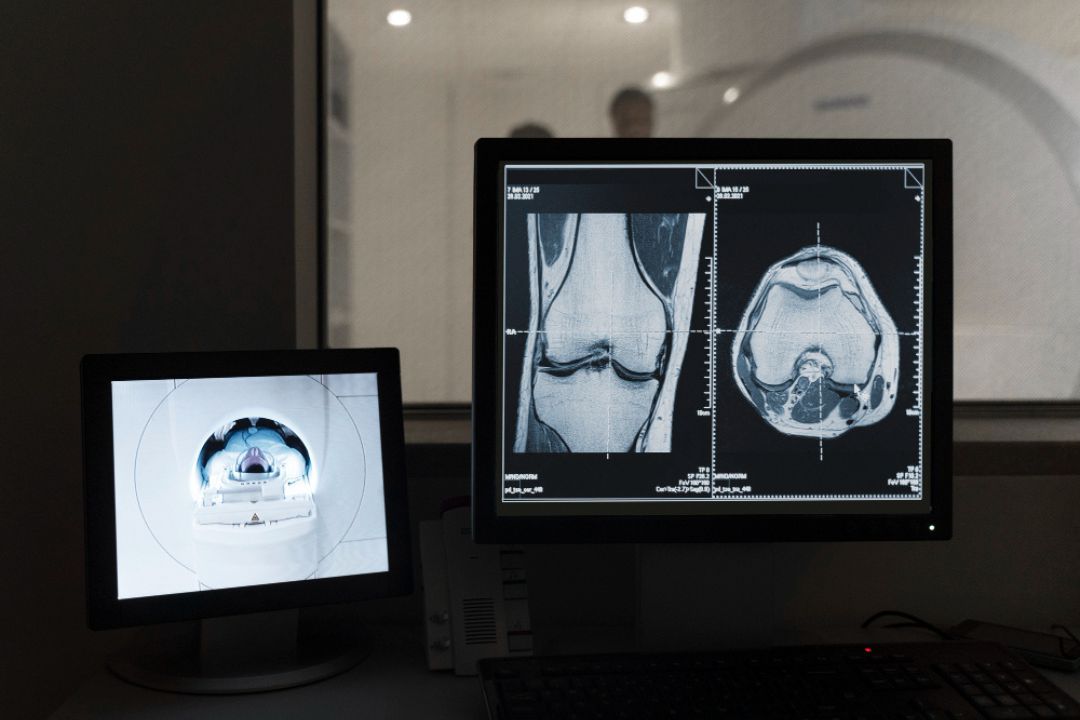
Multiple cross-sectional images of the orbit are taken
The scanner captures detailed images in seconds
The scan itself usually takes 5 to 10 minutes.
Once the images are captured:
The table moves out of the scanner
The IV line is removed
Patients can usually return to normal activities immediately
Doctors may advise drinking water to help flush the contrast dye from the body.
CT orbit scans with contrast are generally considered safe when performed by trained professionals.
However, patients should inform their doctor if they:
Have kidney disease
Are pregnant
Have allergies to contrast dye
Have diabetes or other chronic conditions
Proper screening ensures the procedure is conducted safely.
The complete appointment usually takes 15 to 30 minutes, including preparation and the scanning process. The actual scan is quick and painless.
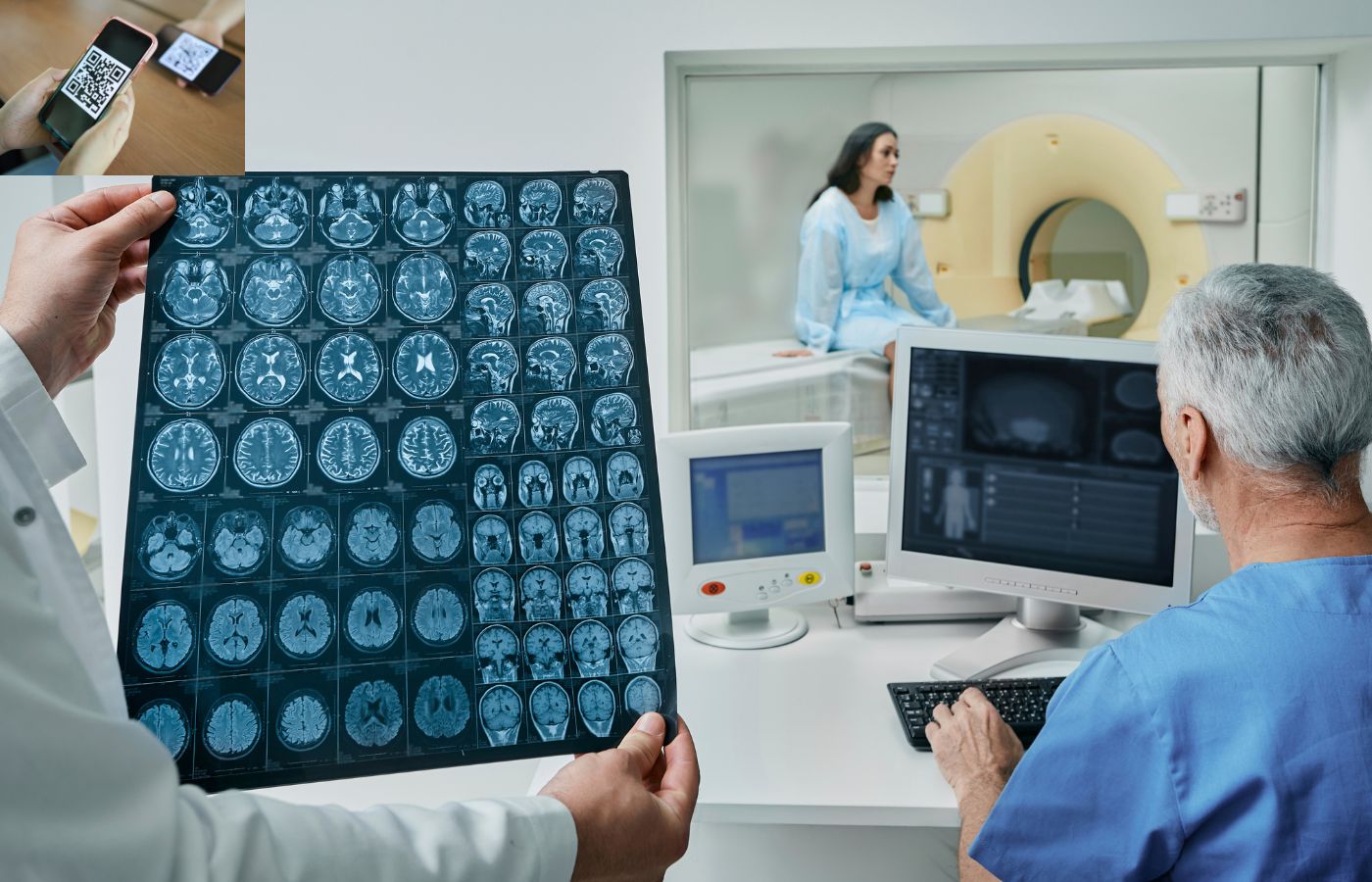
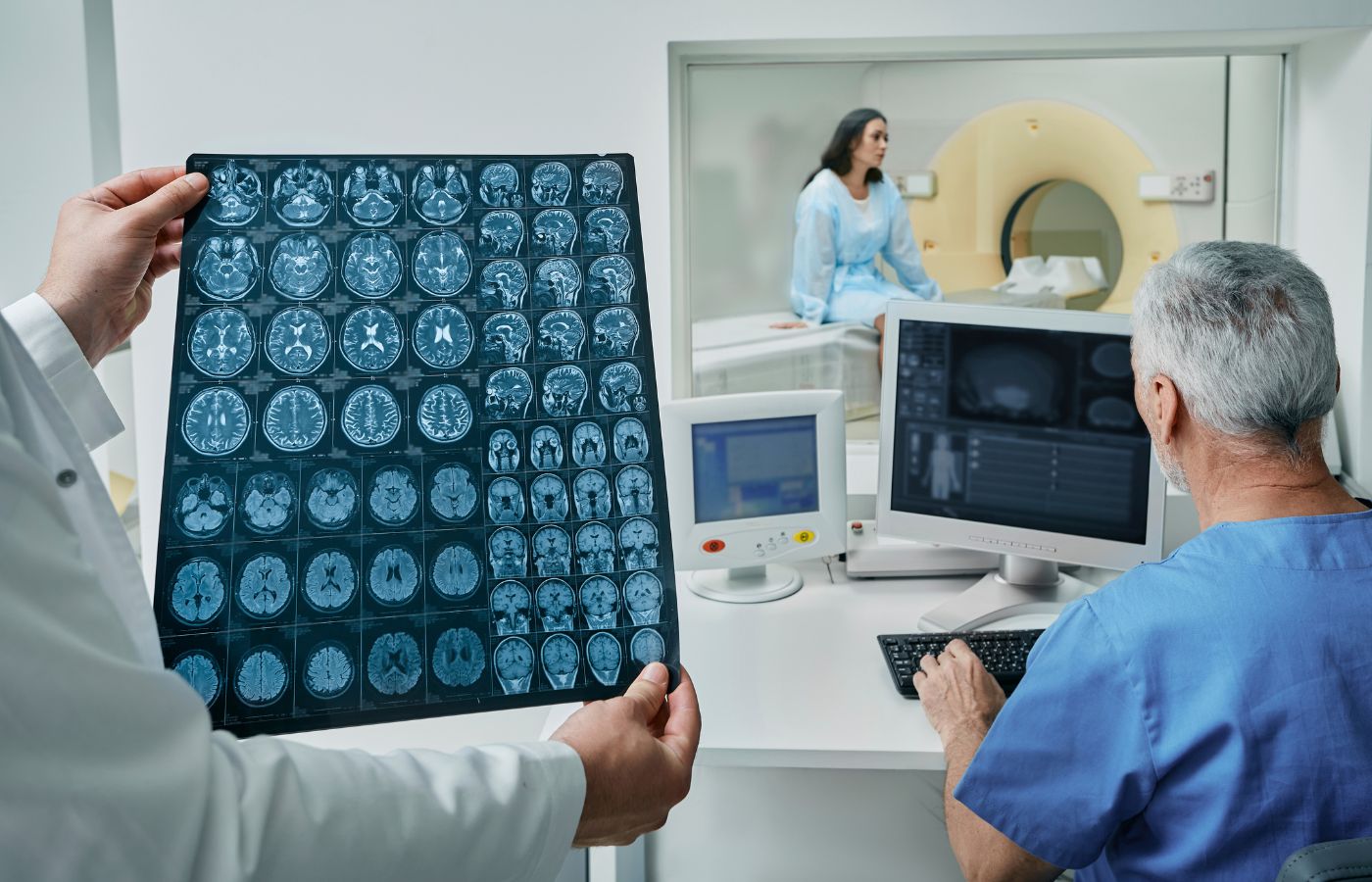
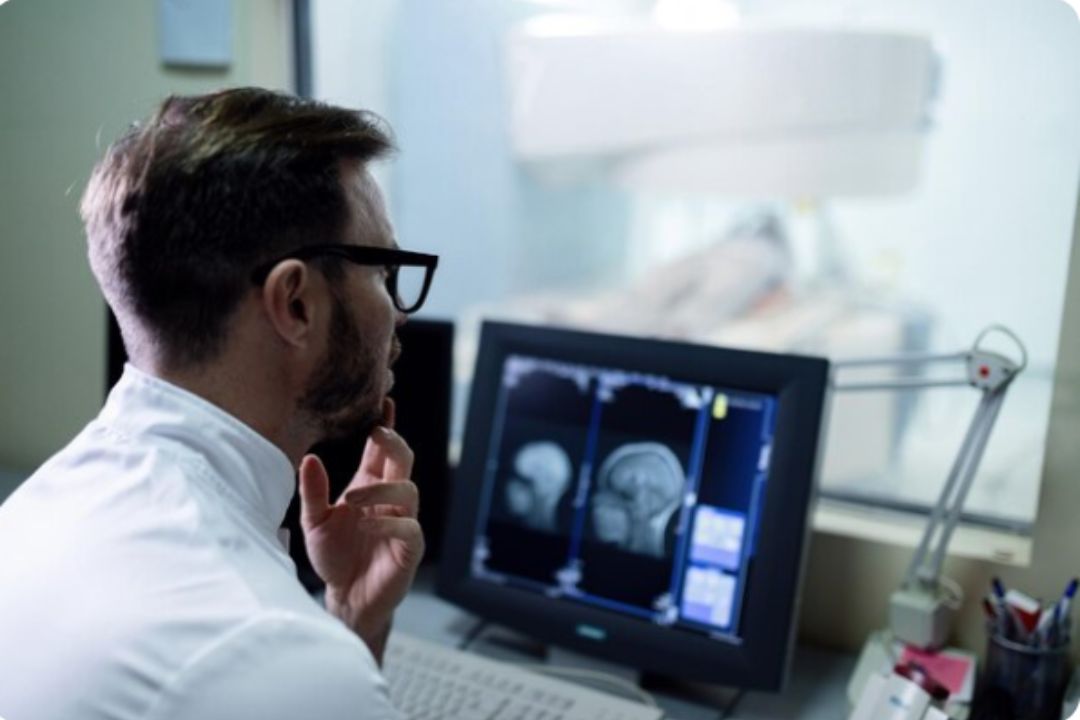
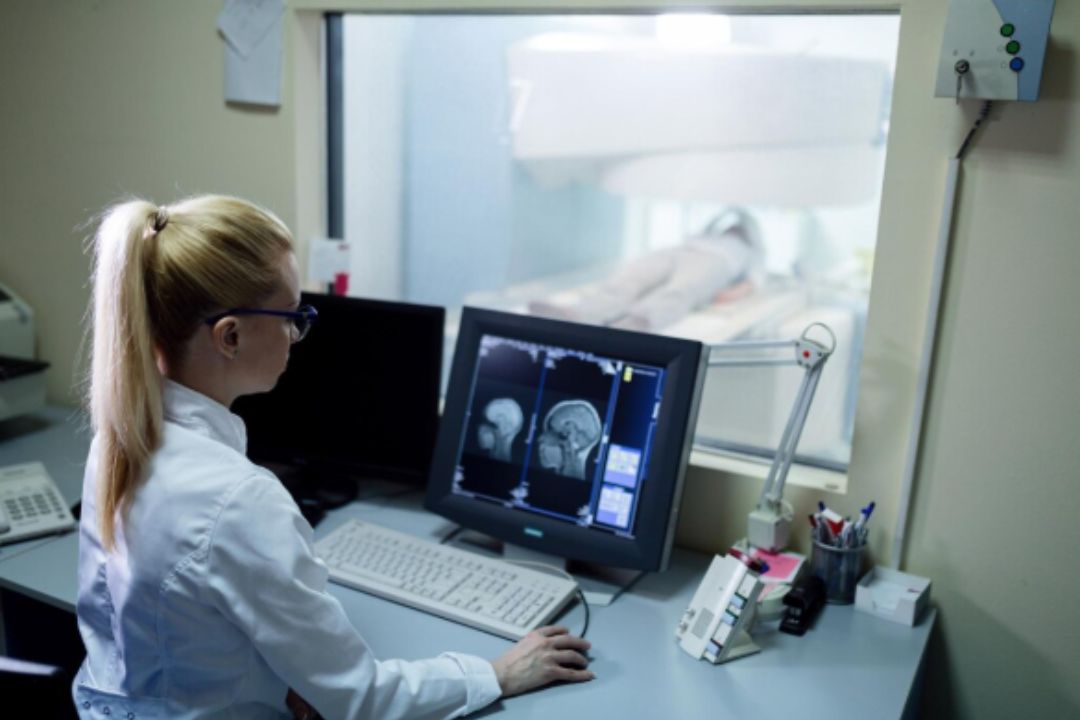
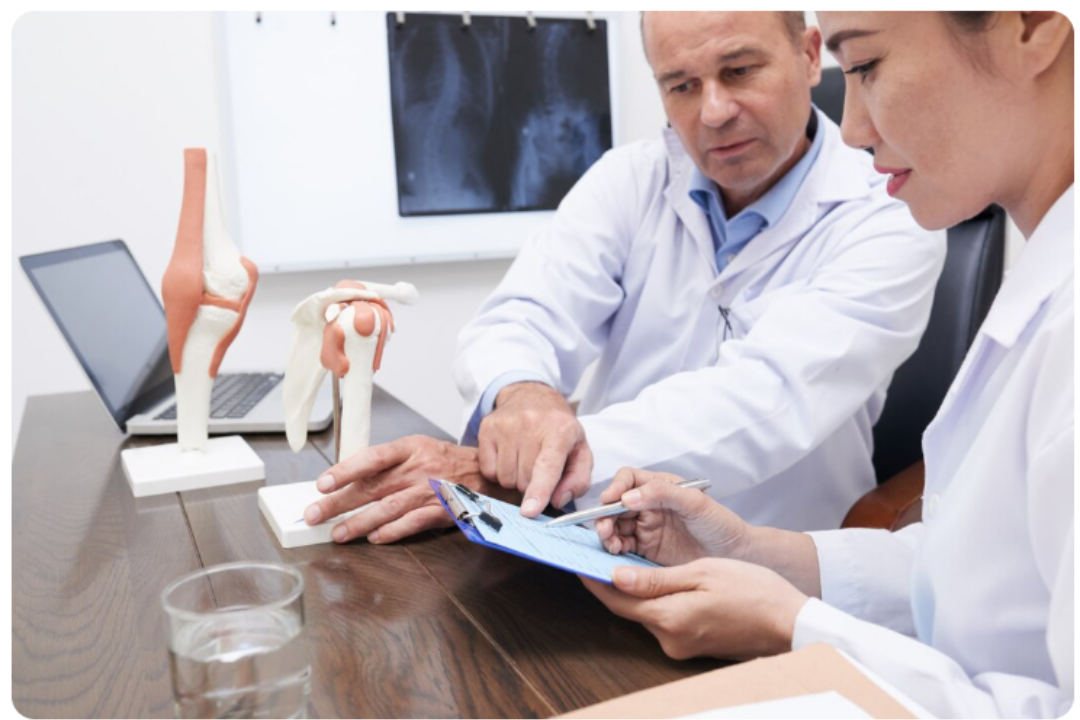
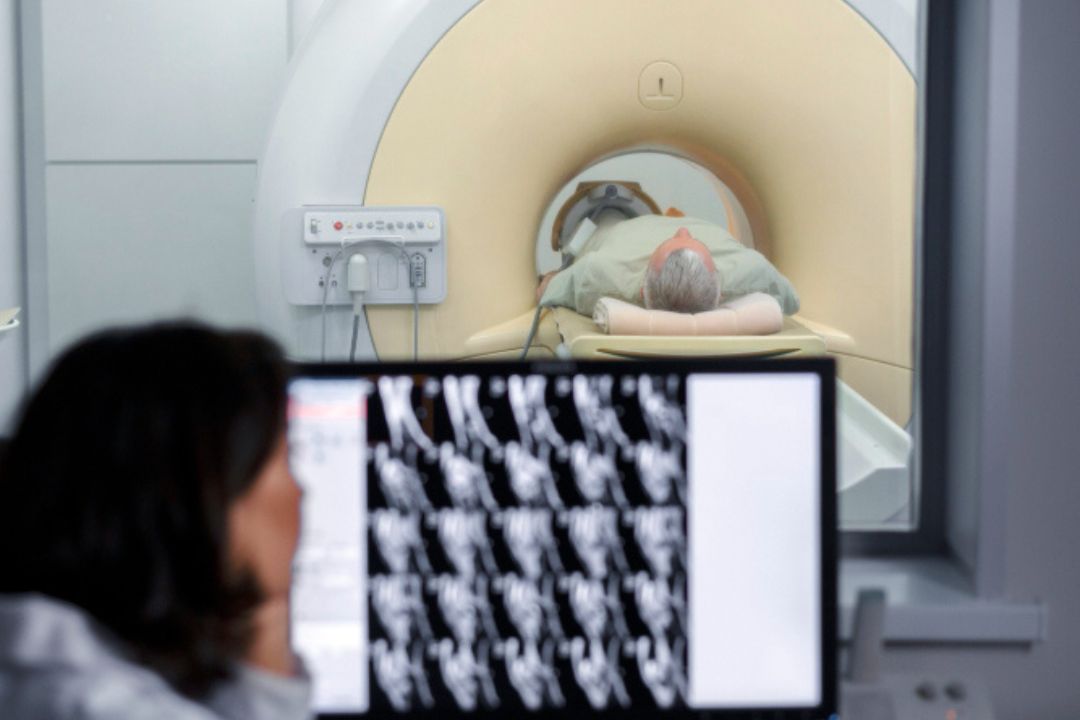
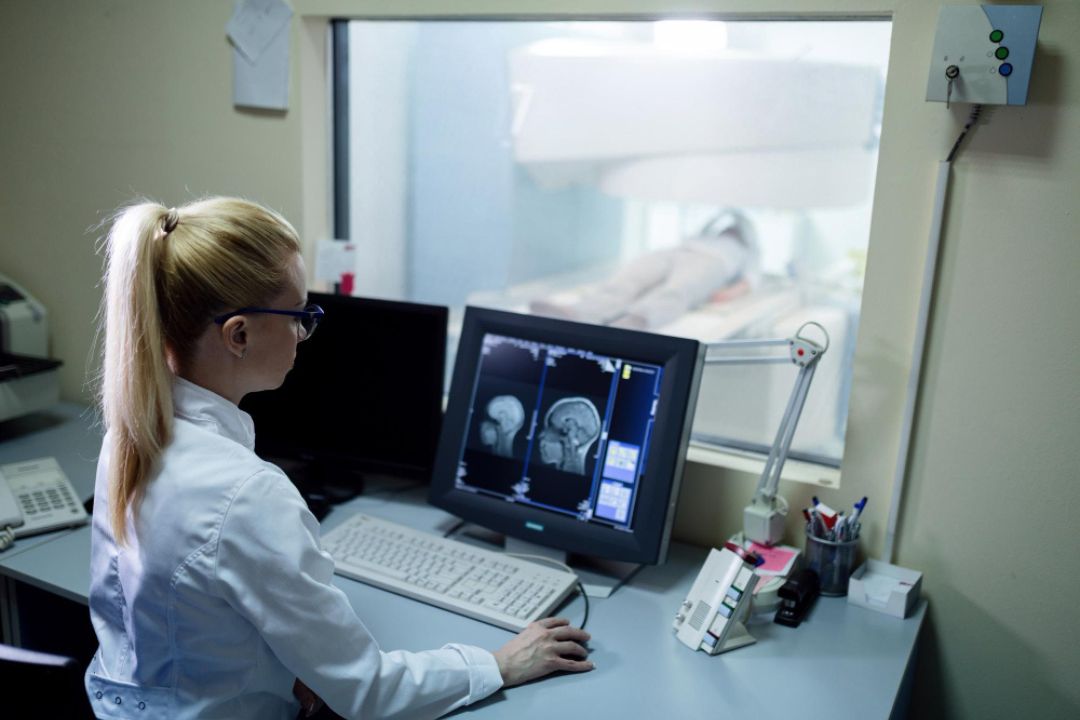
After the scan, a radiologist analyzes the images and prepares a detailed report. Results are typically shared with the referring doctor within 24 to 48 hours, depending on the facility.
A CT Orbit With Contrast is a highly effective diagnostic imaging test used to evaluate eye structures, nerves, and surrounding tissues. The procedure is quick, painless, and provides detailed images that help doctors diagnose eye-related conditions accurately.
Understanding the step-by-step process of CT orbit with contrast can help patients feel more confident and prepared before undergoing the scan.






.jpg "ct brain scan plain and contrast")








.jpg "ct scan")
.jpg "ct scan or mri for brain disorders")


.jpg "exploring the power of ct brain contrast in modern diagnostics")
.jpg "ct scan")
.jpg "ct scan")







.jpg "ct scan")

.jpg "CT Brain Scan for Headaches")
.jpg "The Future of 3D CT Imaging")