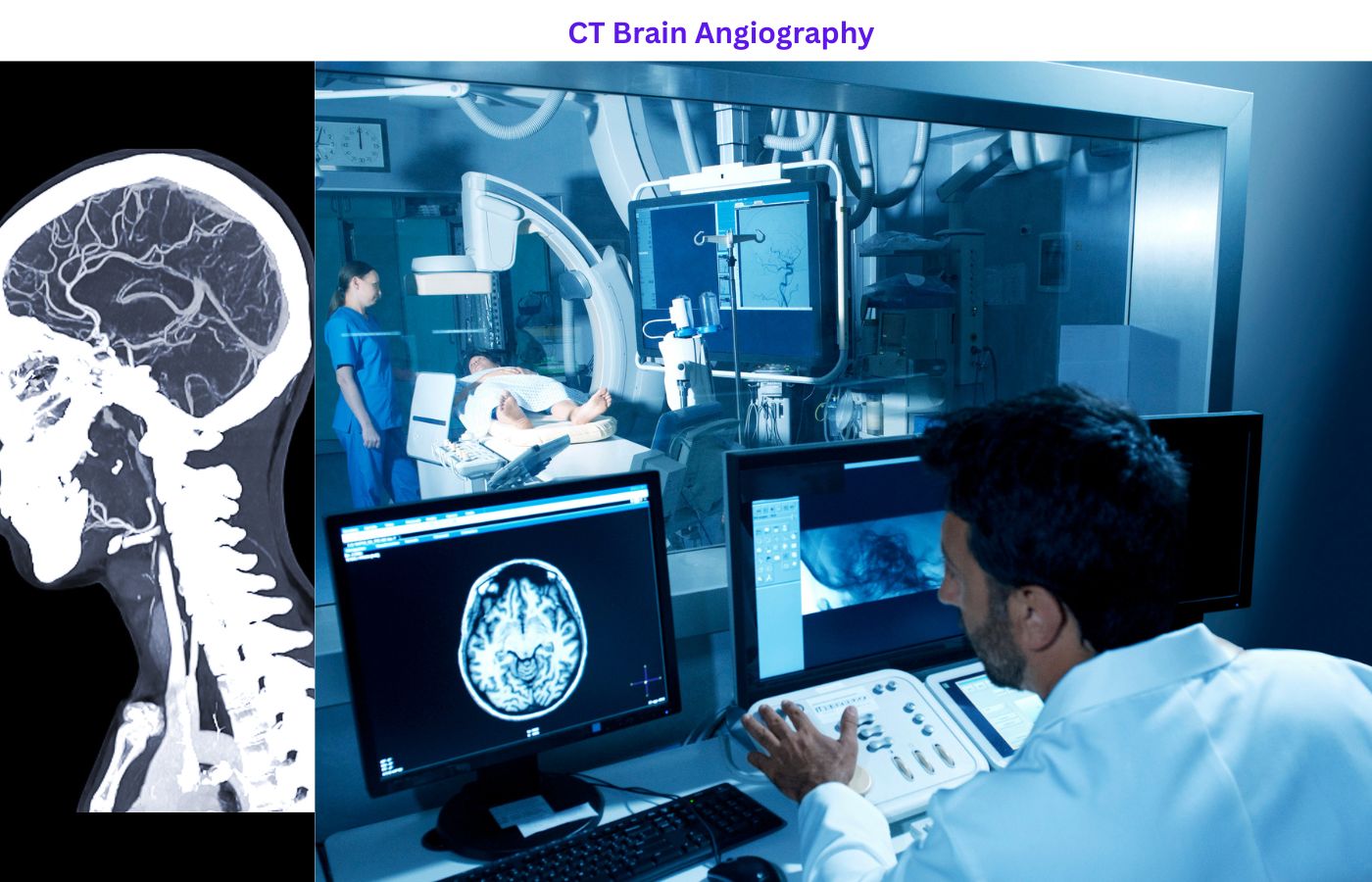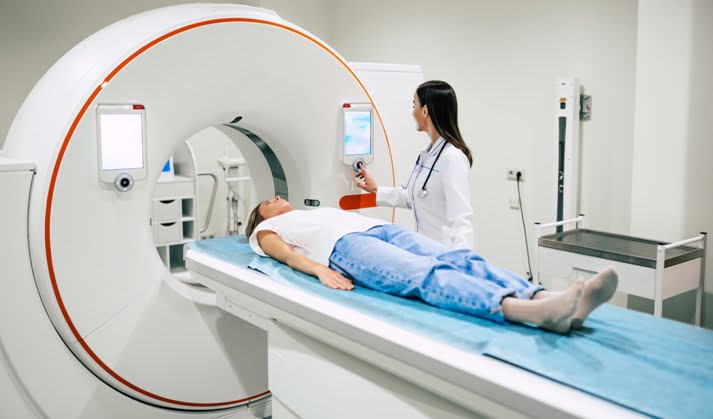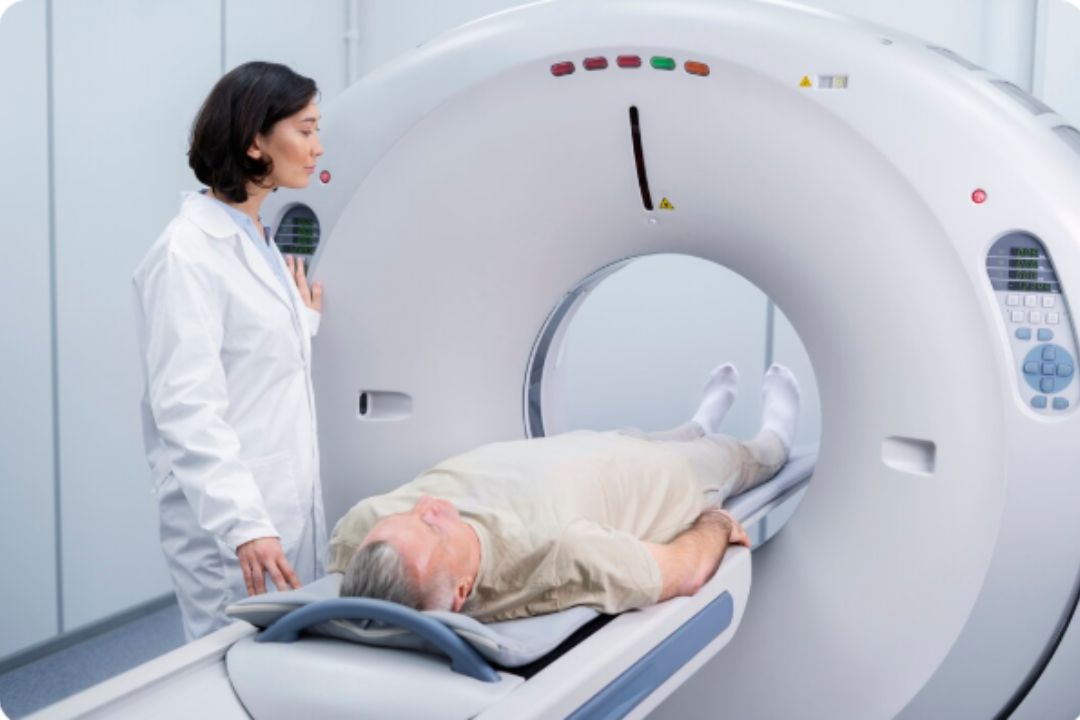
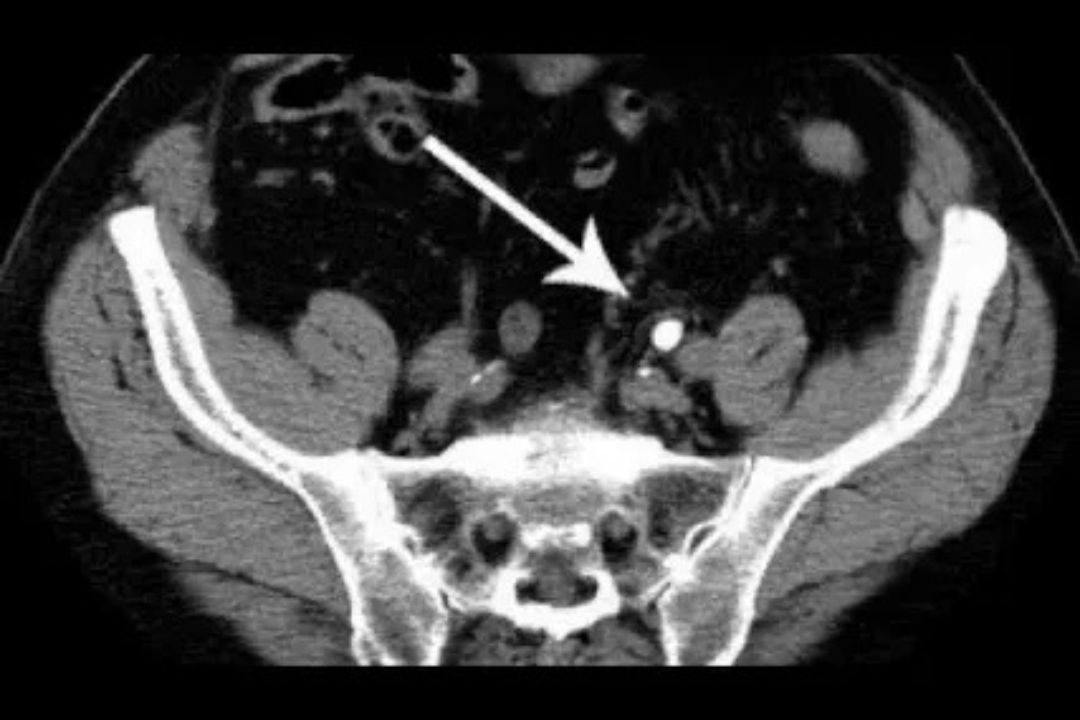
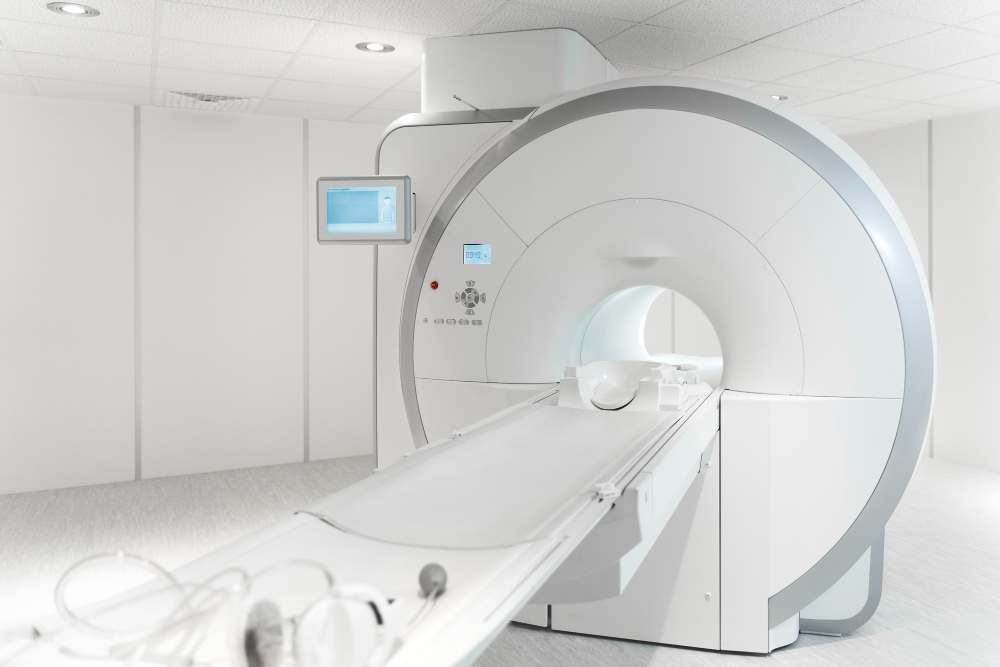
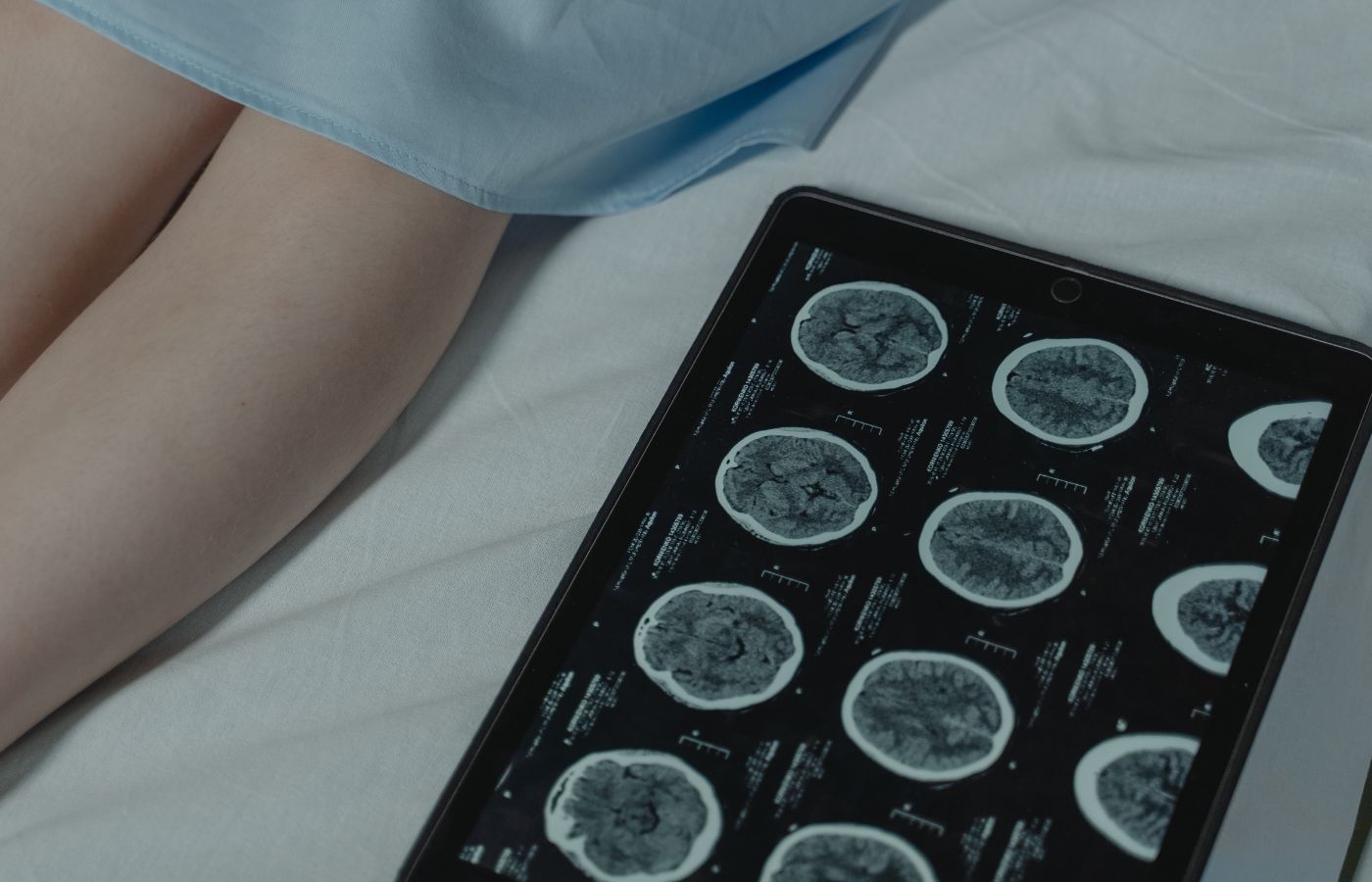
A CT abdomen scan is a commonly used imaging test that helps doctors examine organs inside the abdominal region. It provides detailed cross-sectional images of structures such as the liver, stomach, pancreas, kidneys, intestines, and blood vessels.
Many patients scheduled for this scan often ask whether fasting is necessary before the procedure. The answer depends on the type of CT scan being performed and whether contrast dye is used.
A CT abdomen scan is an advanced diagnostic imaging test that uses X-rays and computer technology to produce detailed images of the abdominal organs.
Doctors commonly recommend this scan to diagnose conditions affecting the digestive system, internal organs, and abdominal blood vessels. It can help detect infections, inflammation, tumors, kidney stones, and other abnormalities.
The scan may be performed either with contrast dye or without contrast, depending on the condition being evaluated.
In many cases, patients are asked to fast before a CT abdomen scan, especially when contrast dye is used.
Fasting usually means avoiding food for a certain number of hours before the scan. This helps improve image quality and reduces the chance of nausea when contrast material is administered.
However, fasting requirements may vary depending on the type of scan and the instructions provided by the healthcare provider.
There are several reasons why doctors may ask patients to fast before a CT abdomen scan.
Food in the stomach or intestines can sometimes interfere with imaging results. Fasting helps produce clearer images of abdominal organs.
Contrast dye can occasionally cause mild nausea. An empty stomach reduces the likelihood of discomfort during the scan.
Fasting allows radiologists to examine structures such as the stomach and intestines more clearly.
In most cases, patients may be asked to avoid eating for 4 to 6 hours before the CT scan.
However, drinking small amounts of water is usually allowed unless the doctor gives specific instructions not to drink anything.
Preparation guidelines may differ depending on the medical center and the specific imaging test.
Fasting is not always necessary for every CT scan.
For example, a CT abdomen scan performed without contrast dye may not require strict fasting. In some situations, patients may be allowed to eat light food before the test.
Your doctor or radiology department will provide the correct preparation instructions based on your scan type.
The procedure itself is simple and usually takes only a short time.
During the scan:
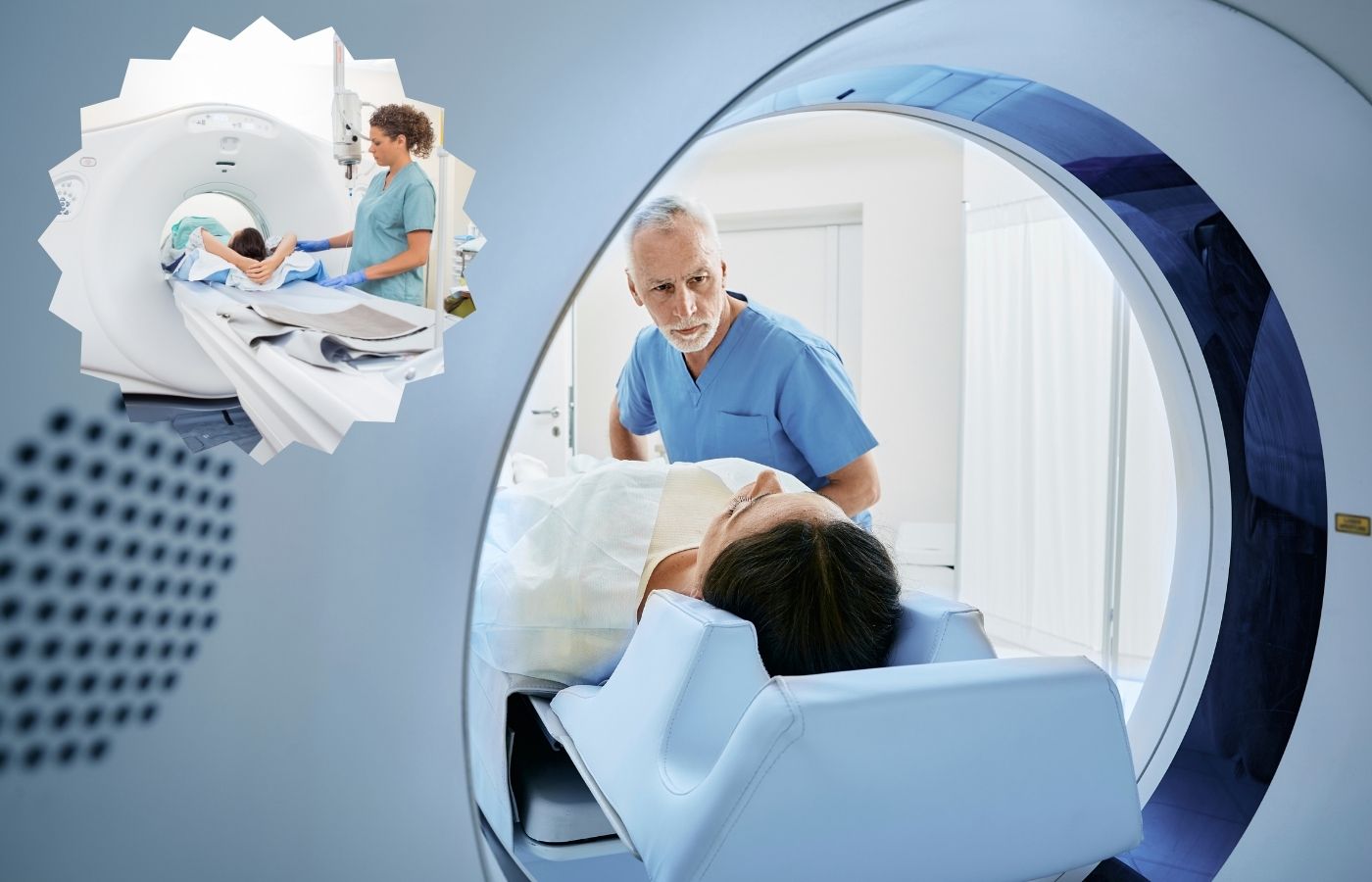
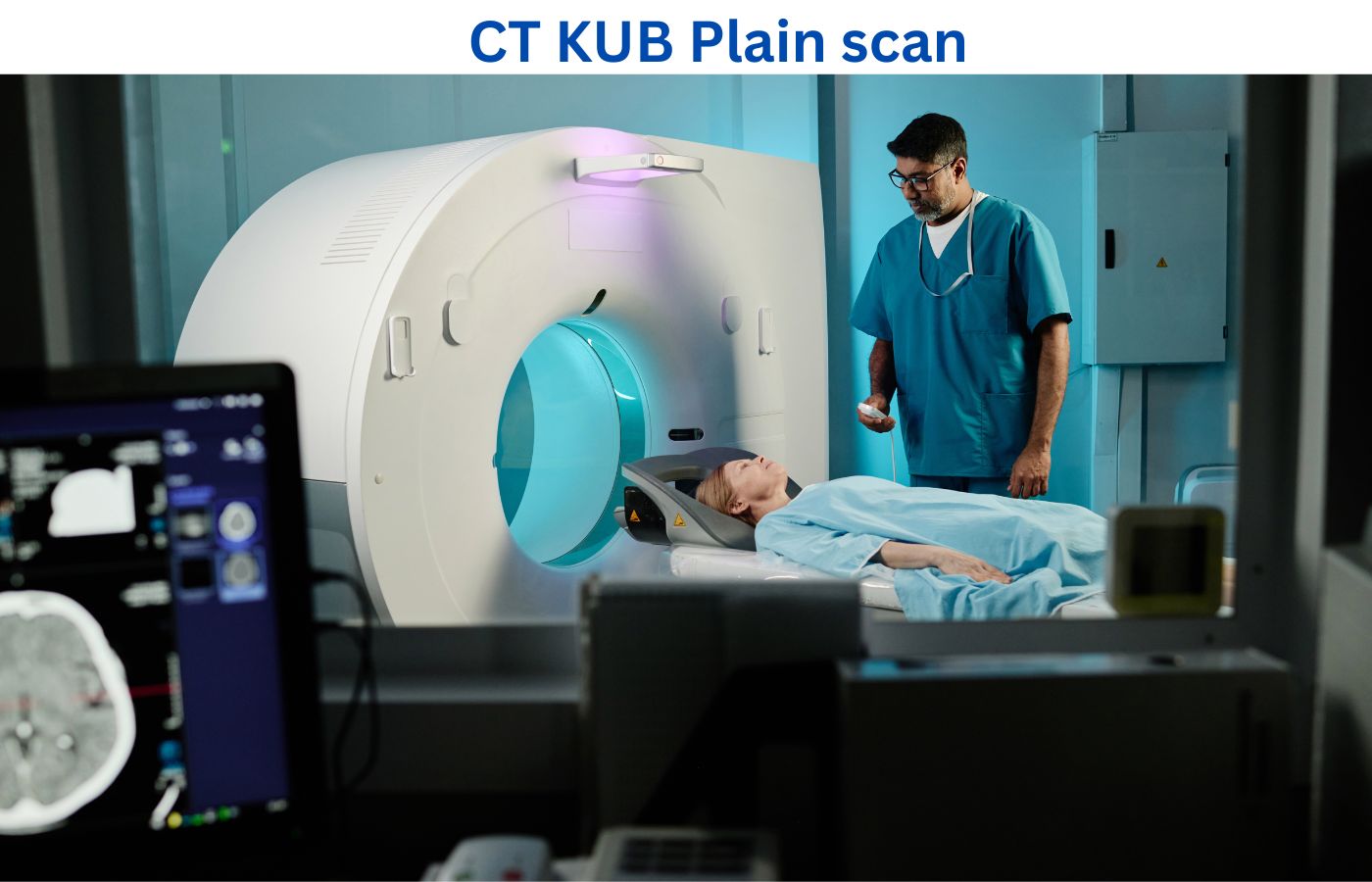
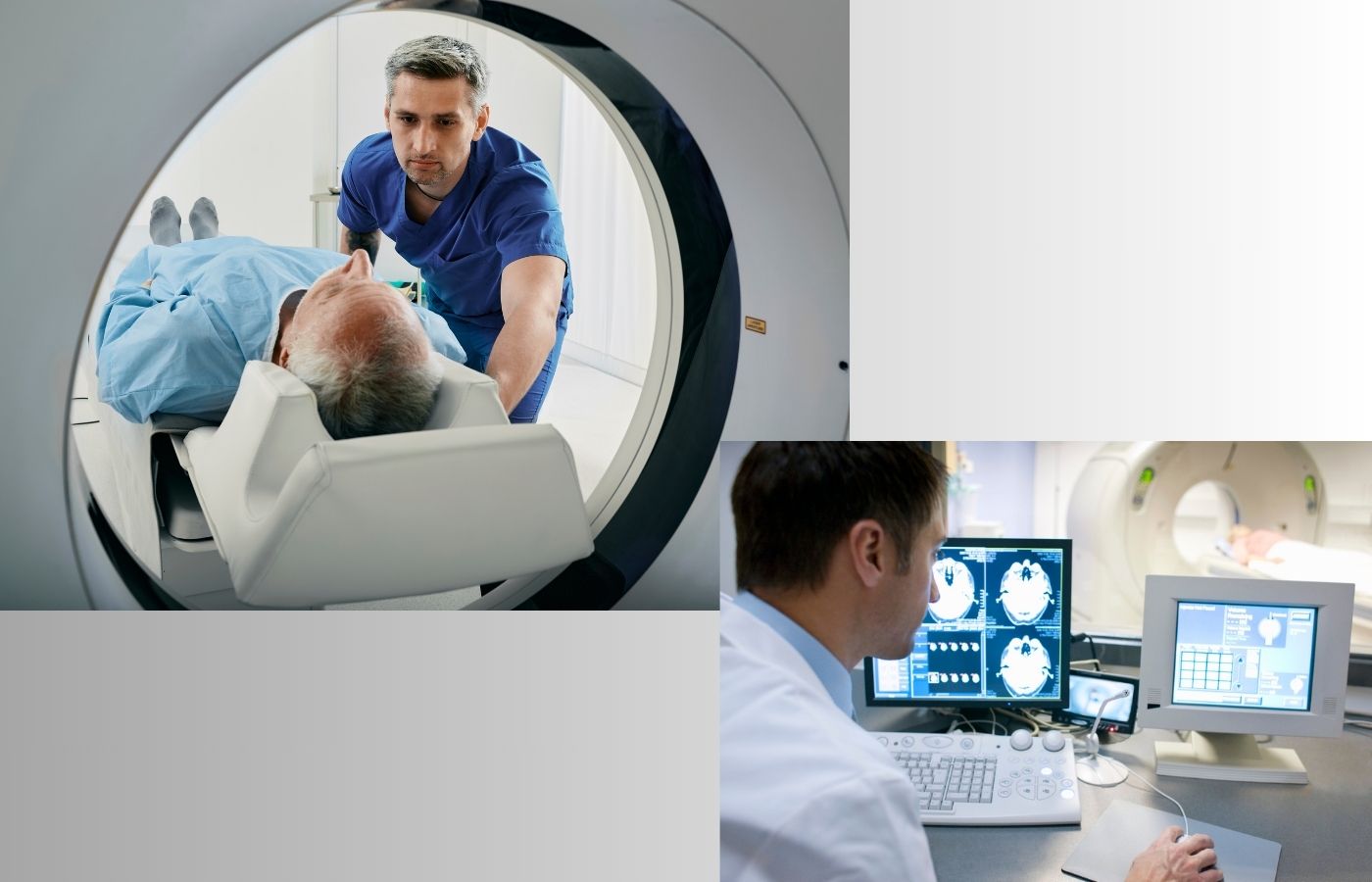
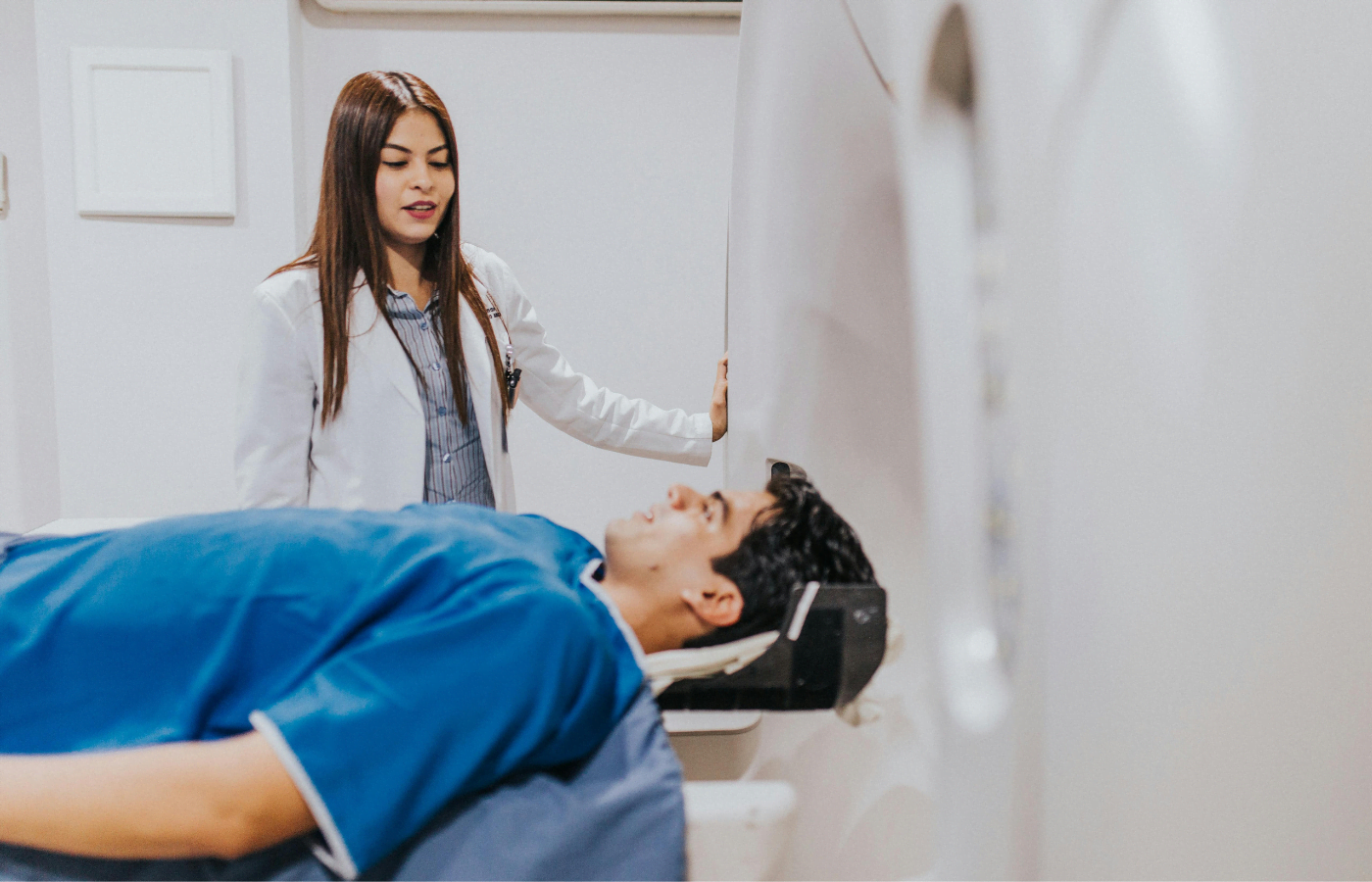
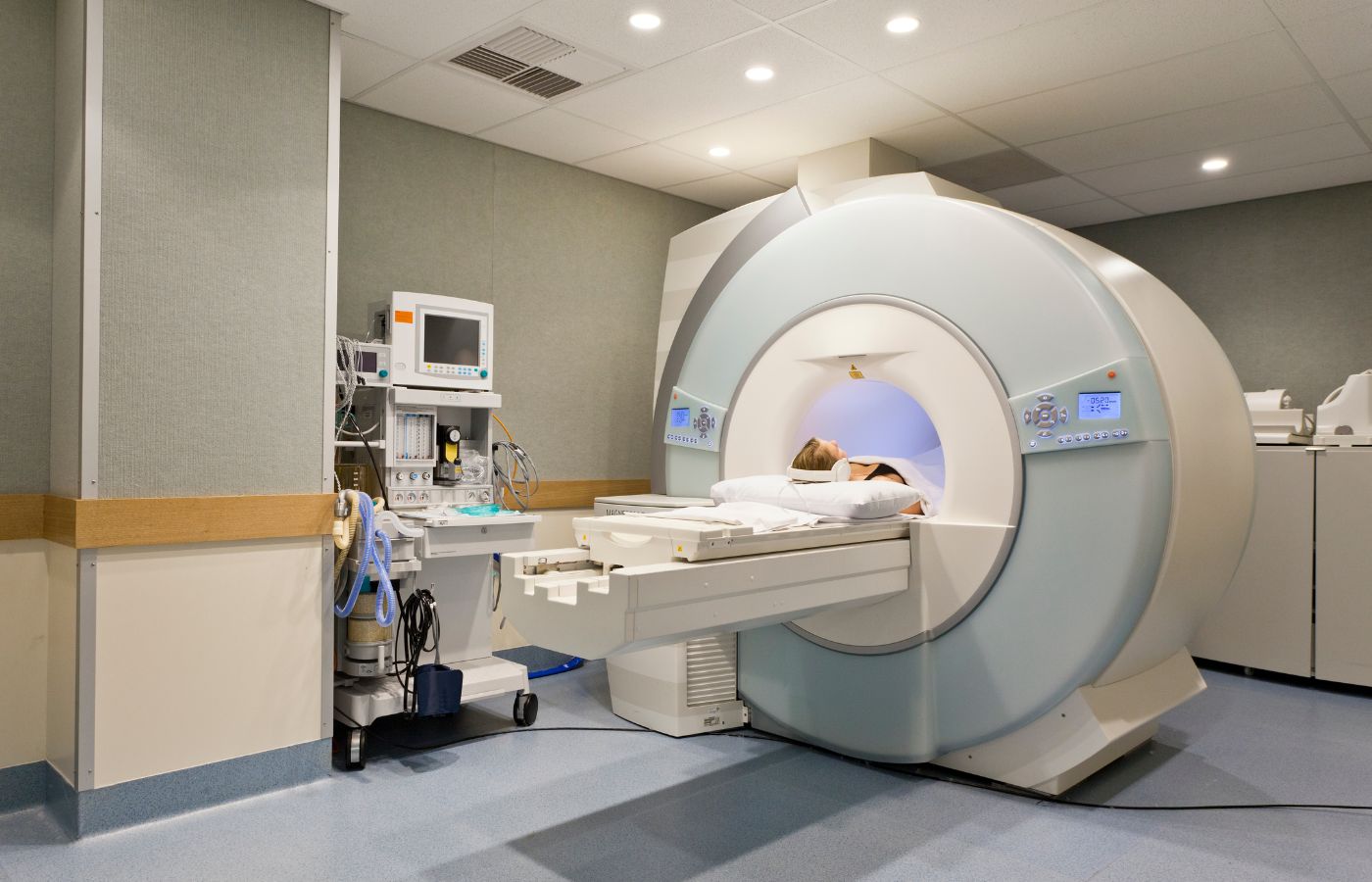
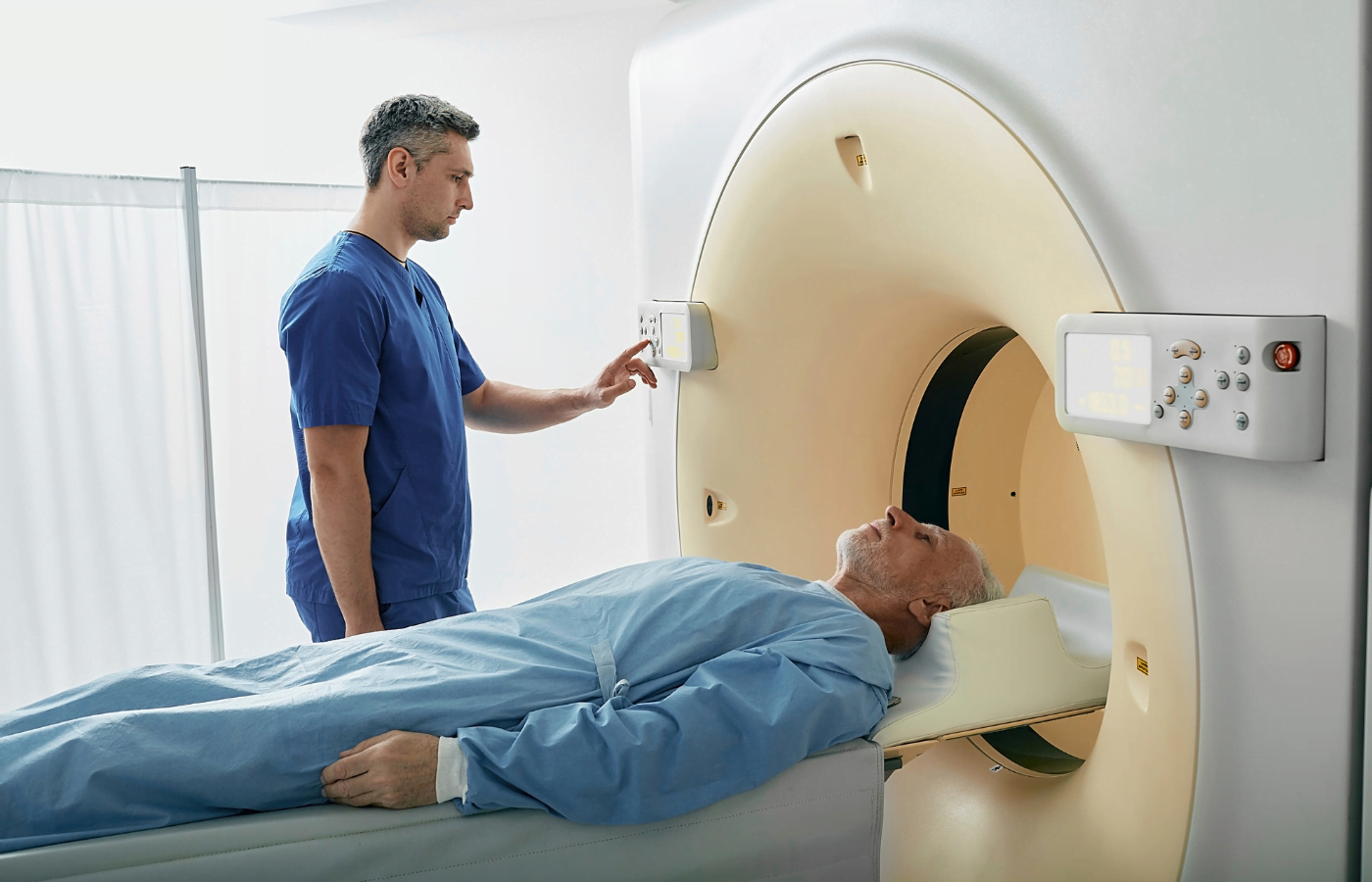
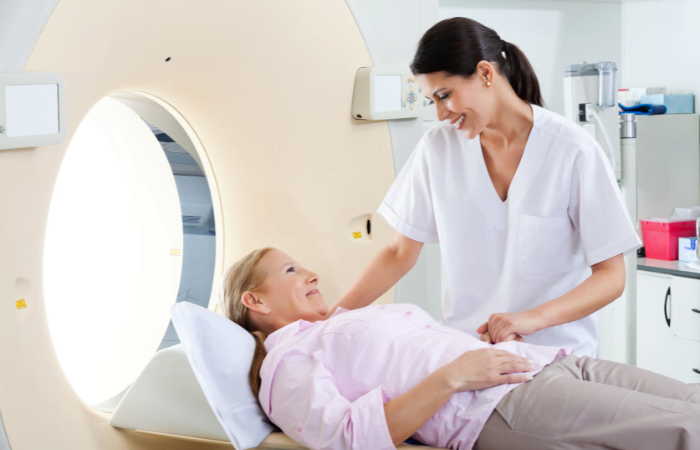
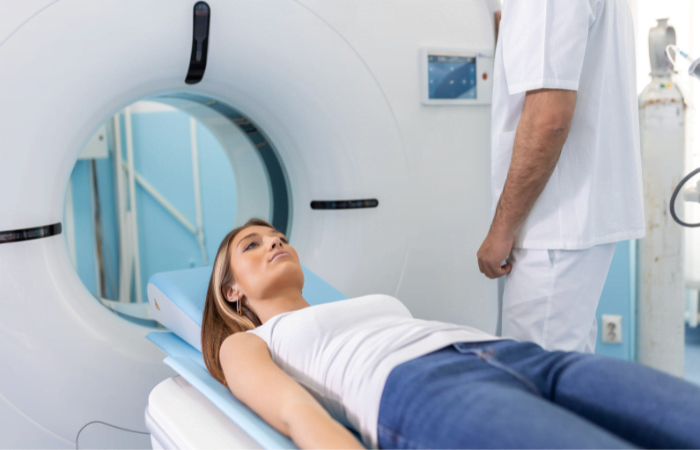
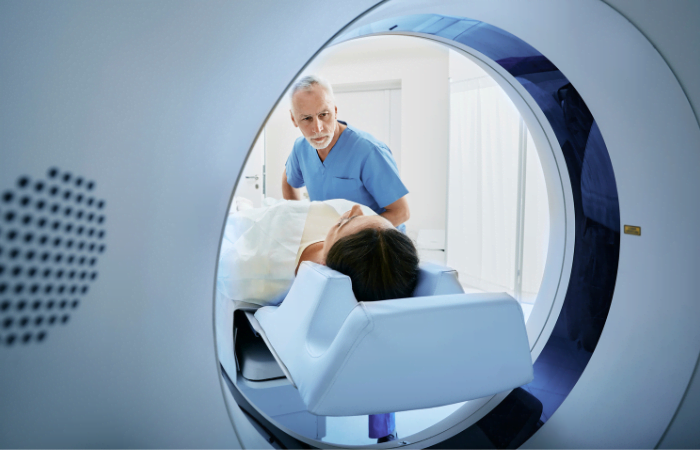
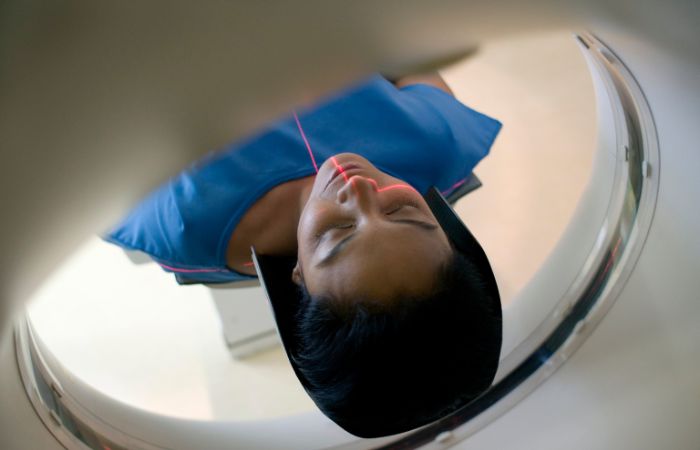
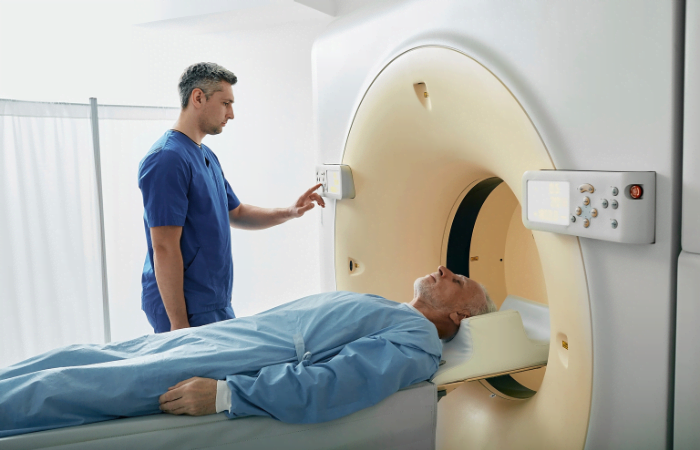
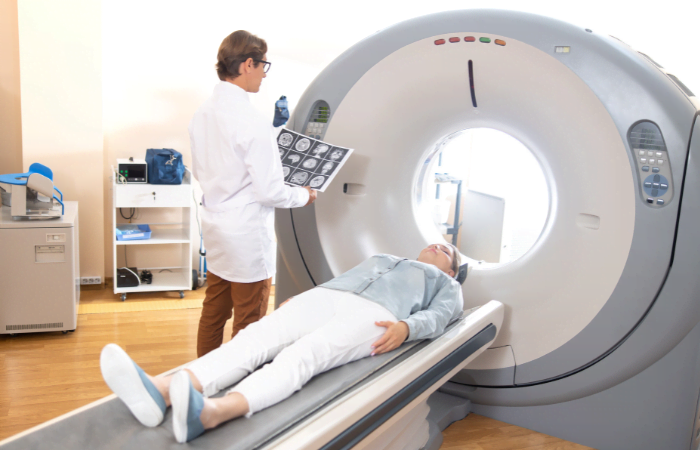
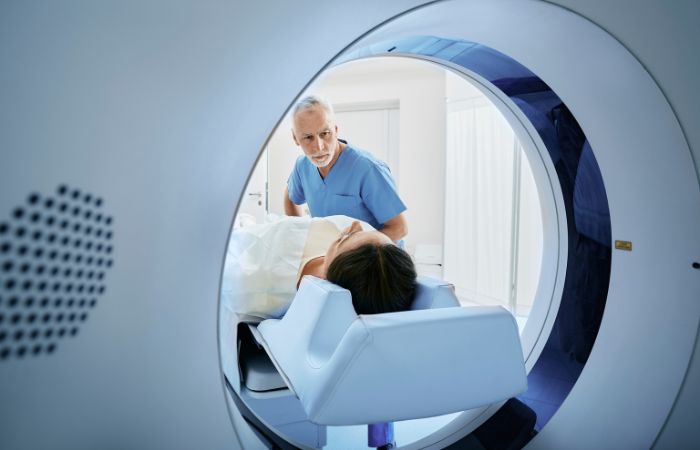
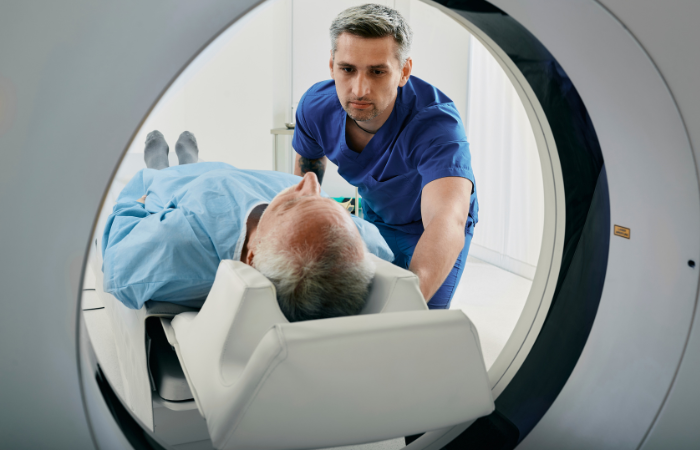
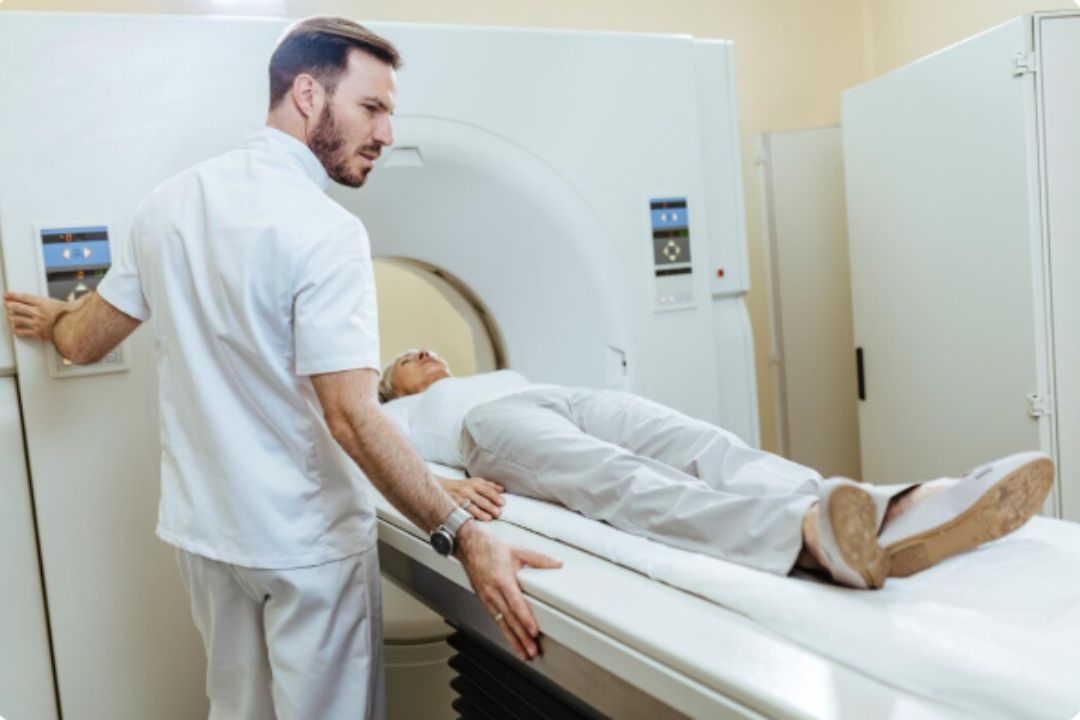
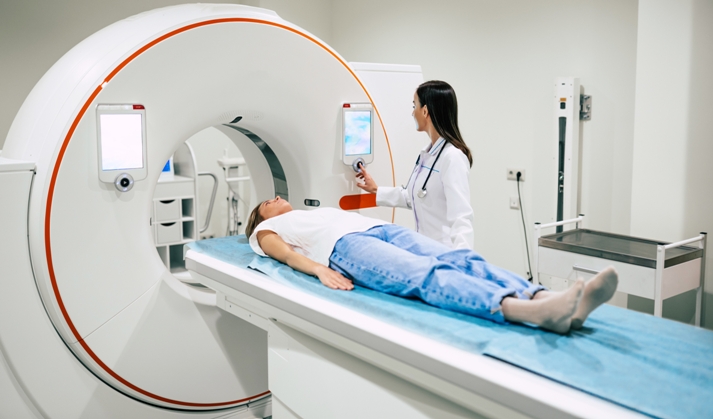
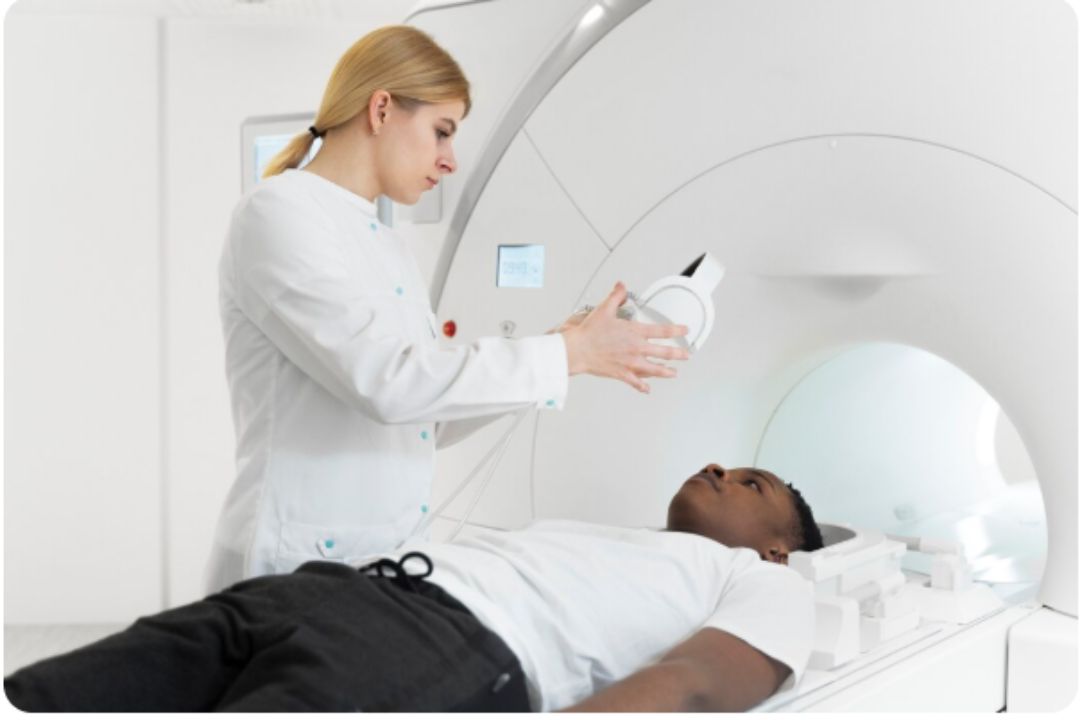
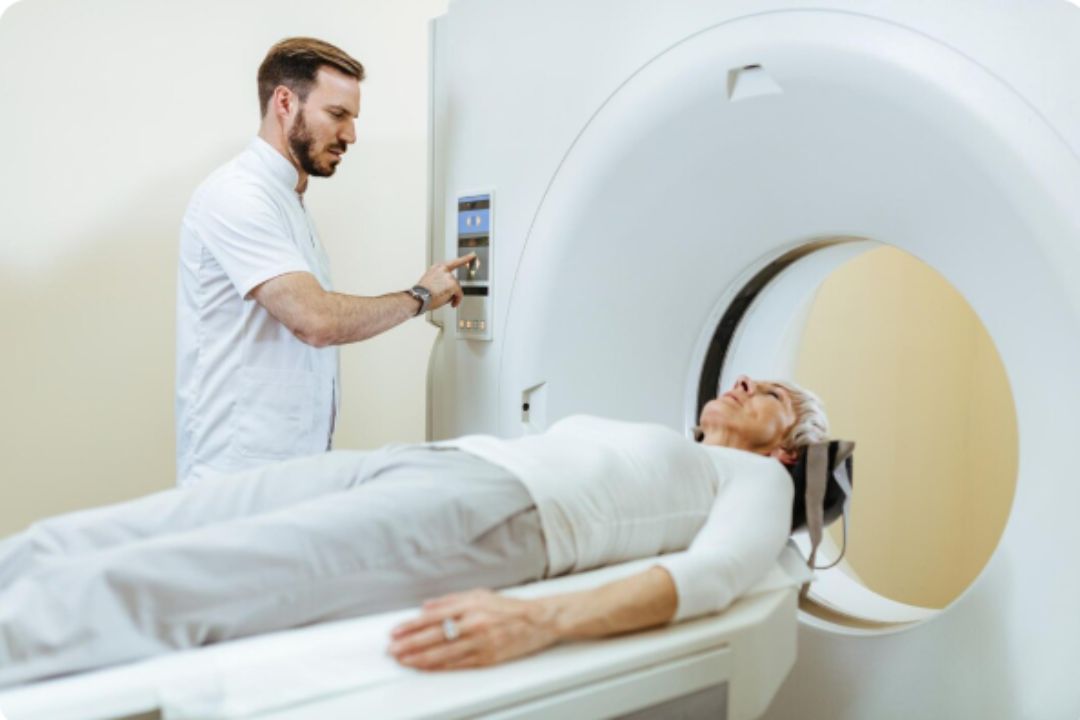
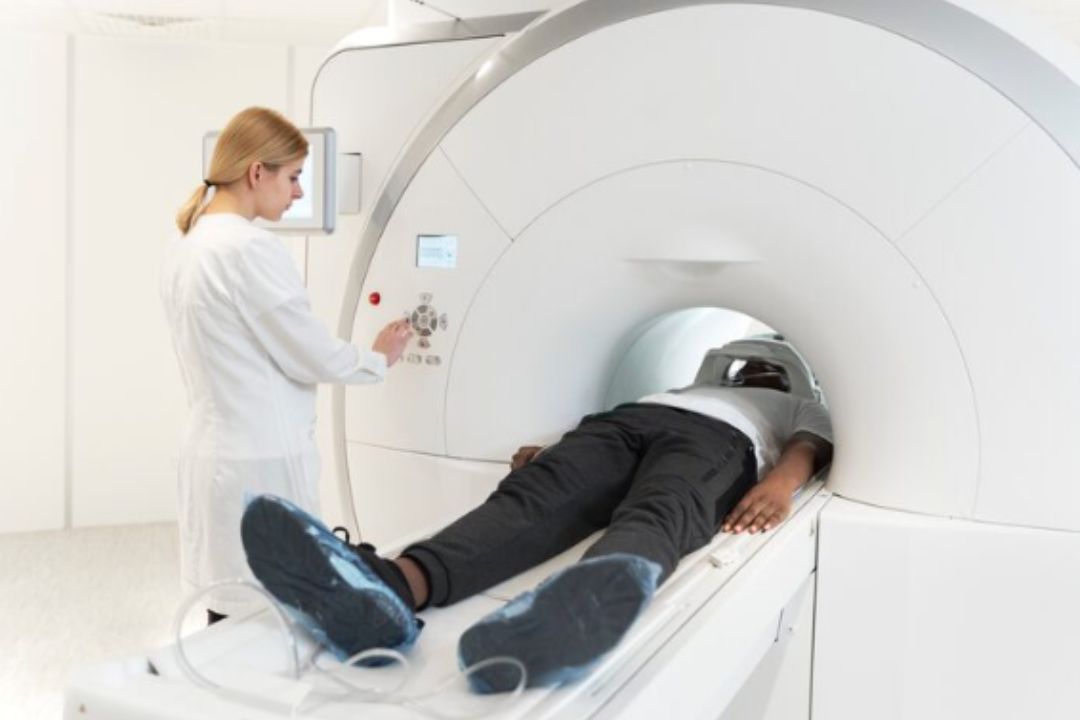
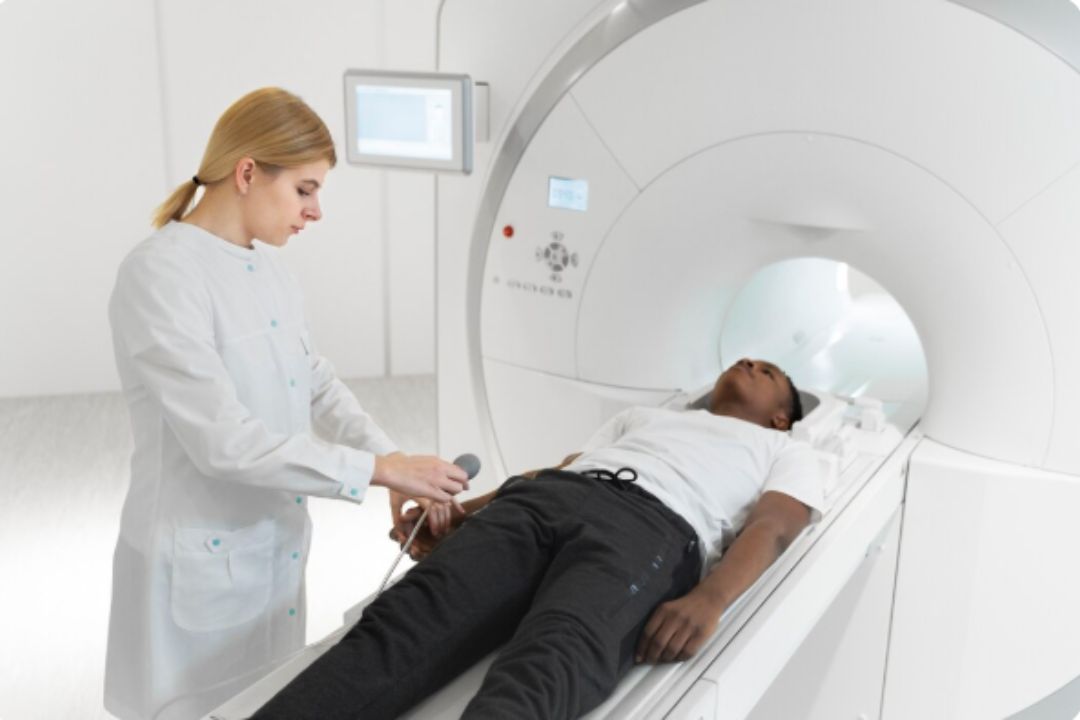
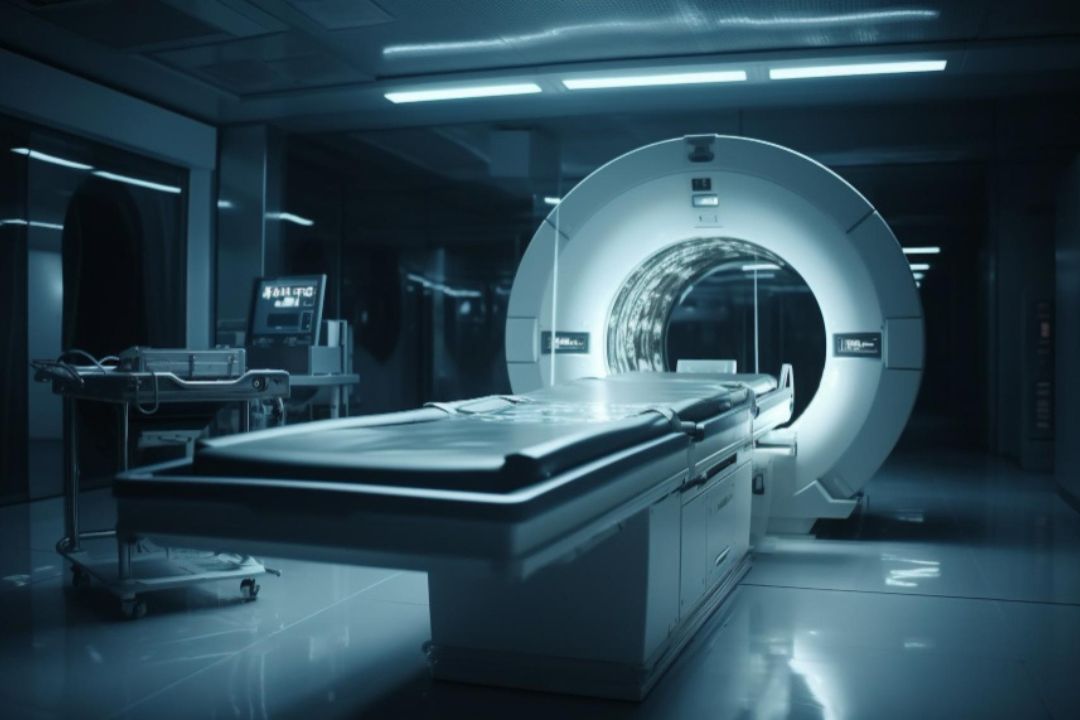
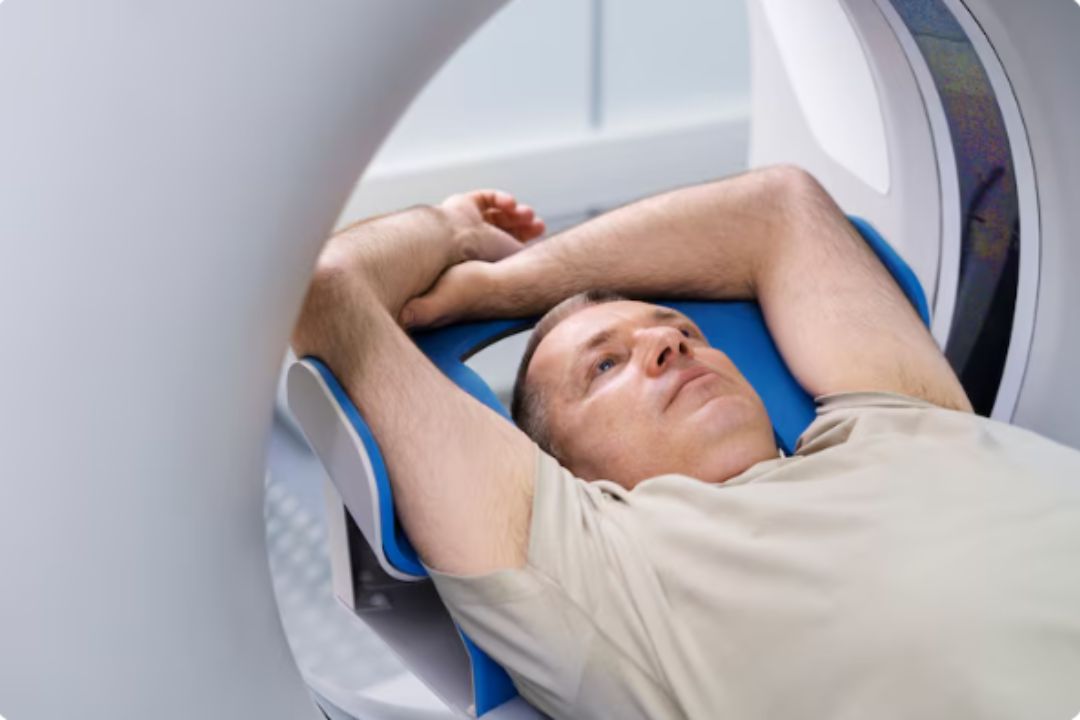
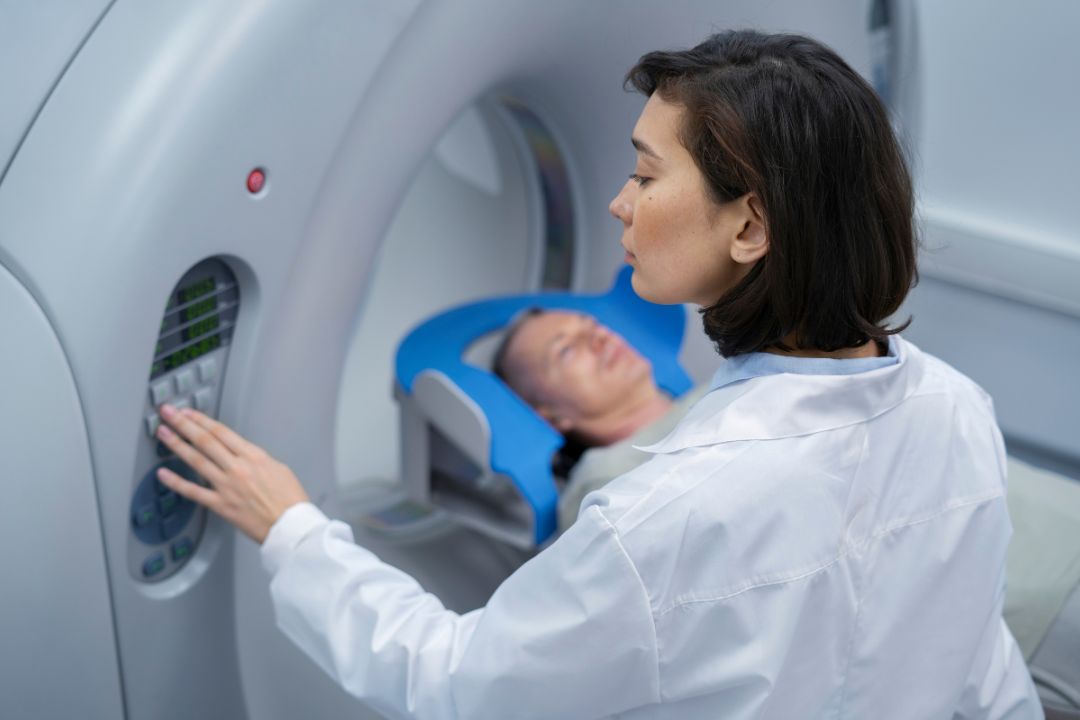
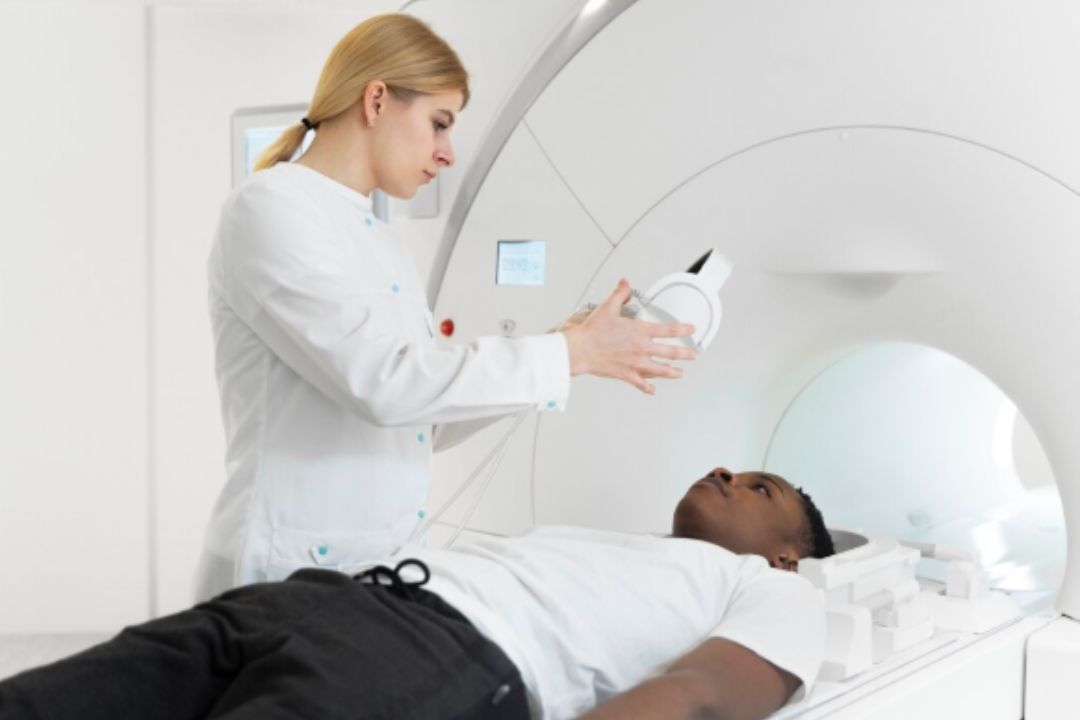
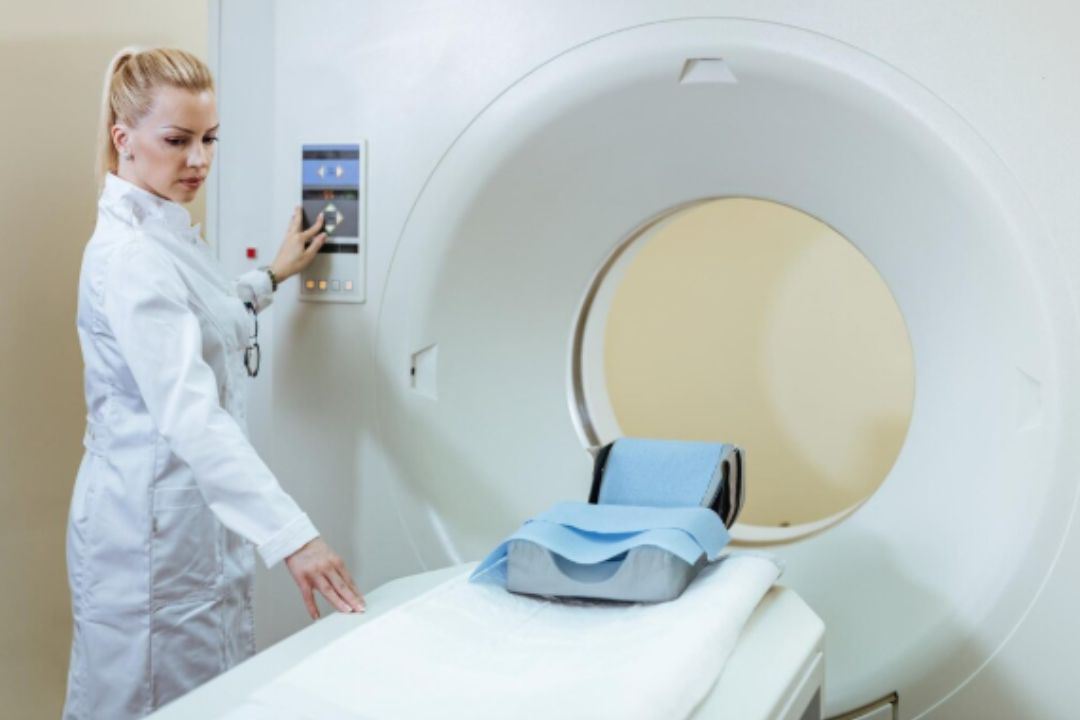
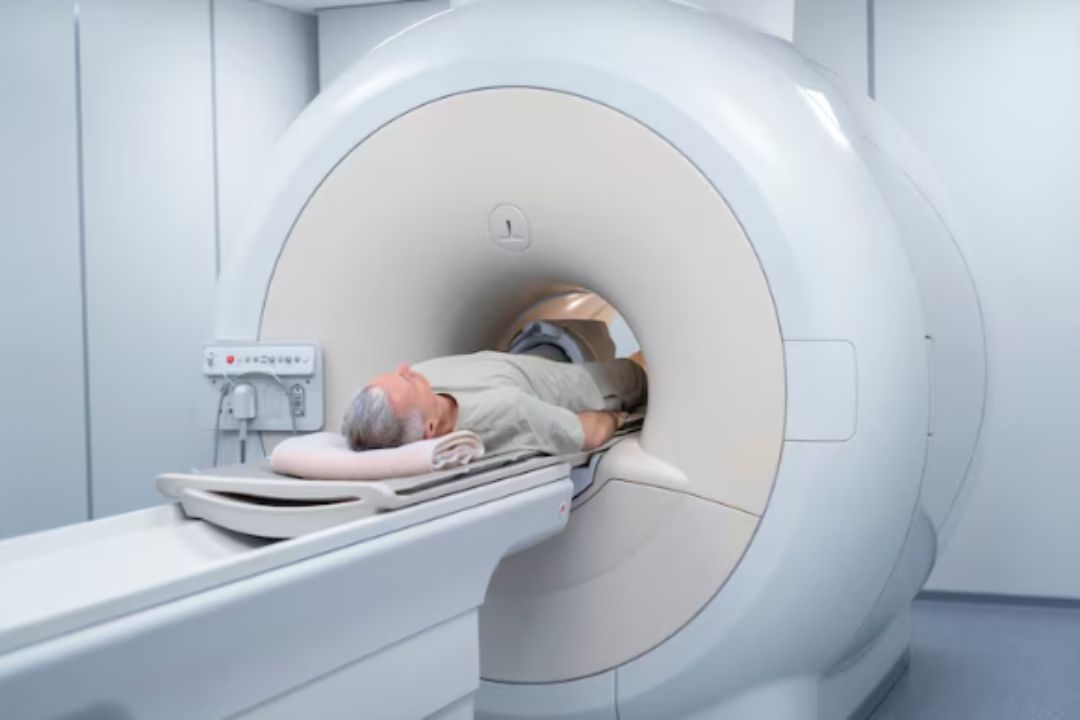
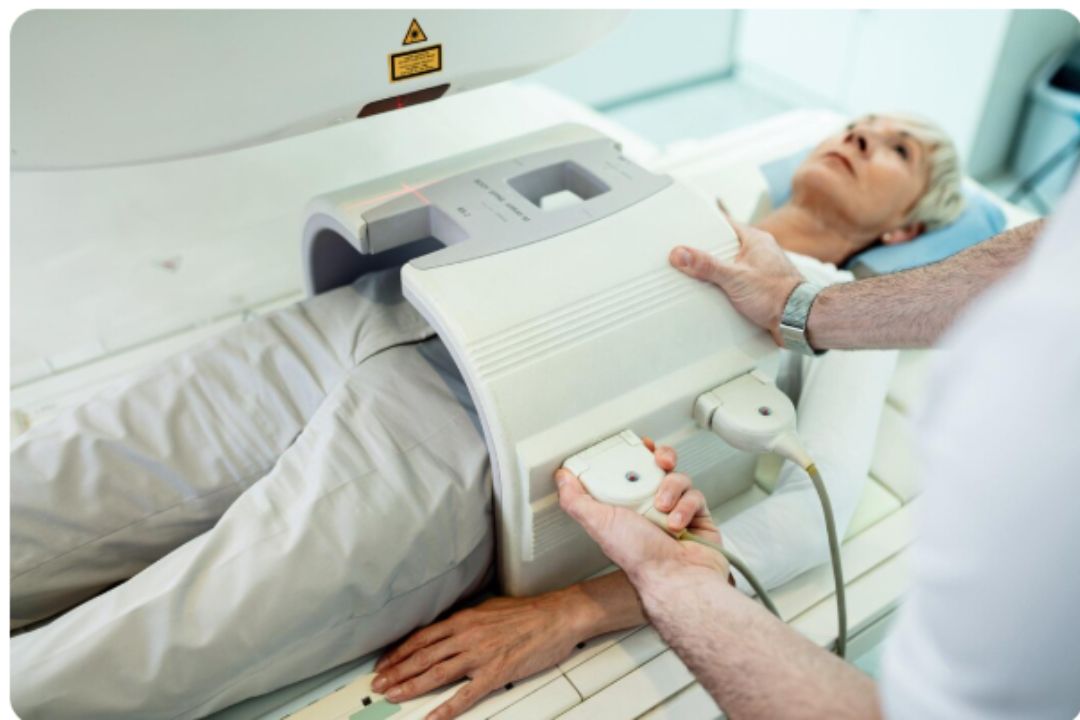
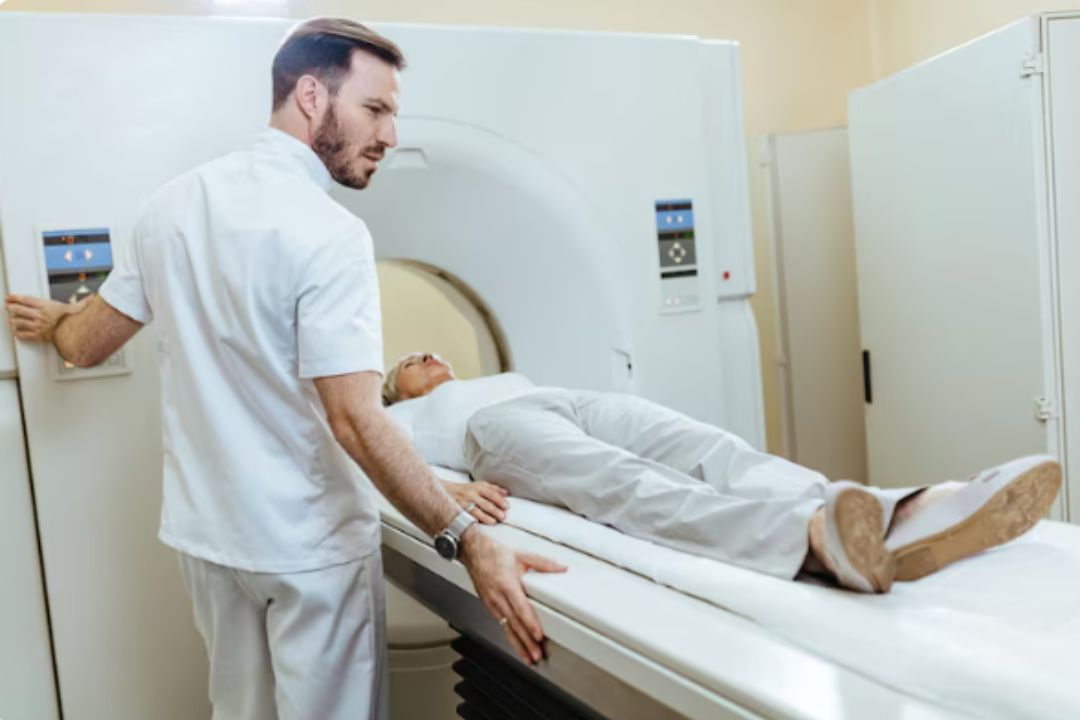
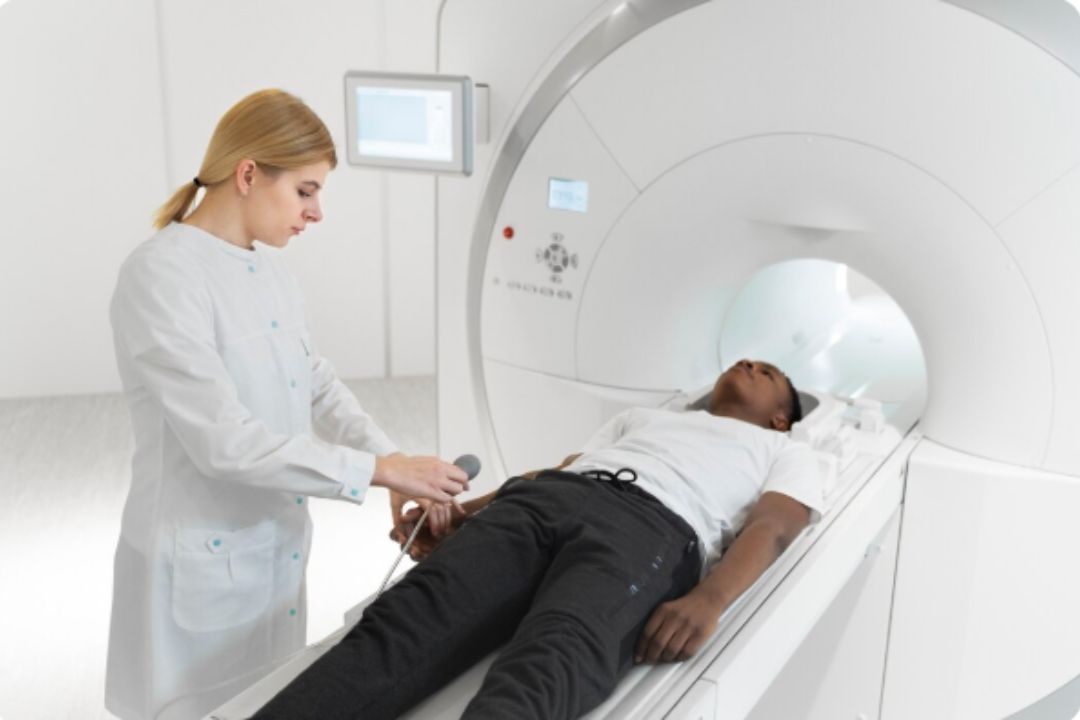
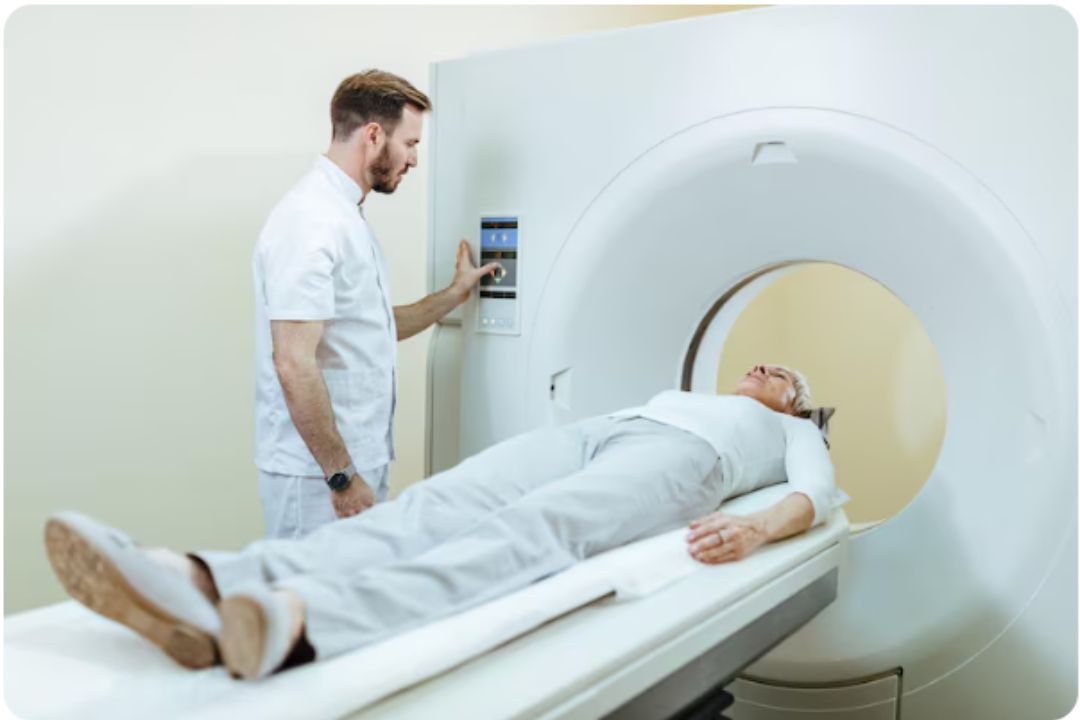
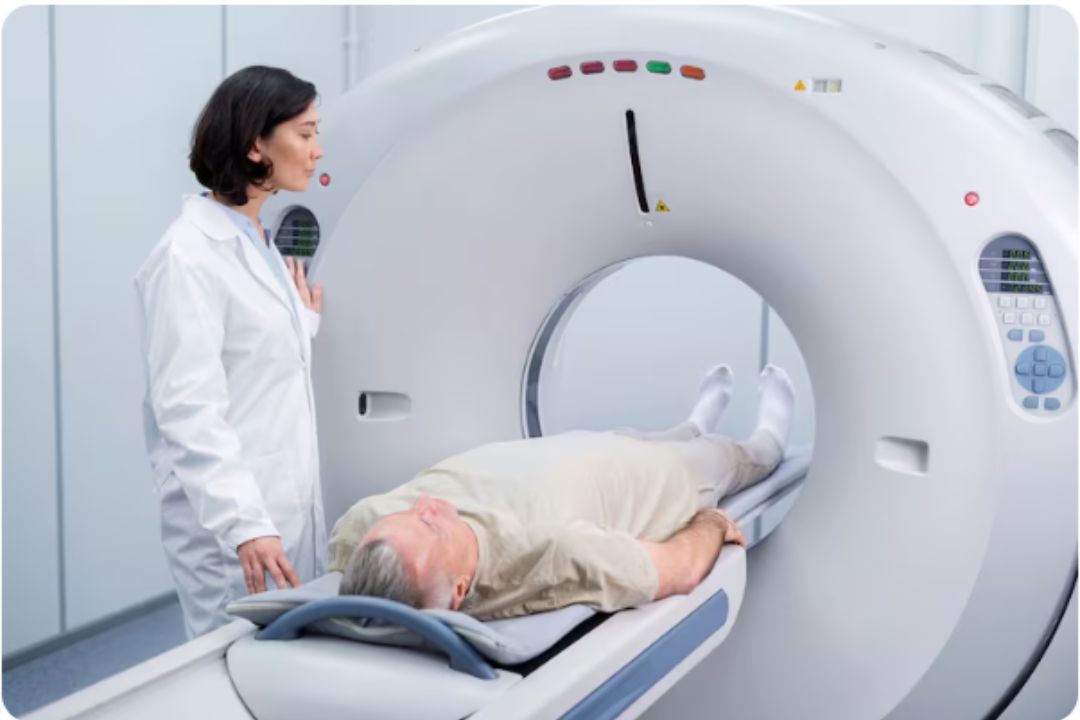
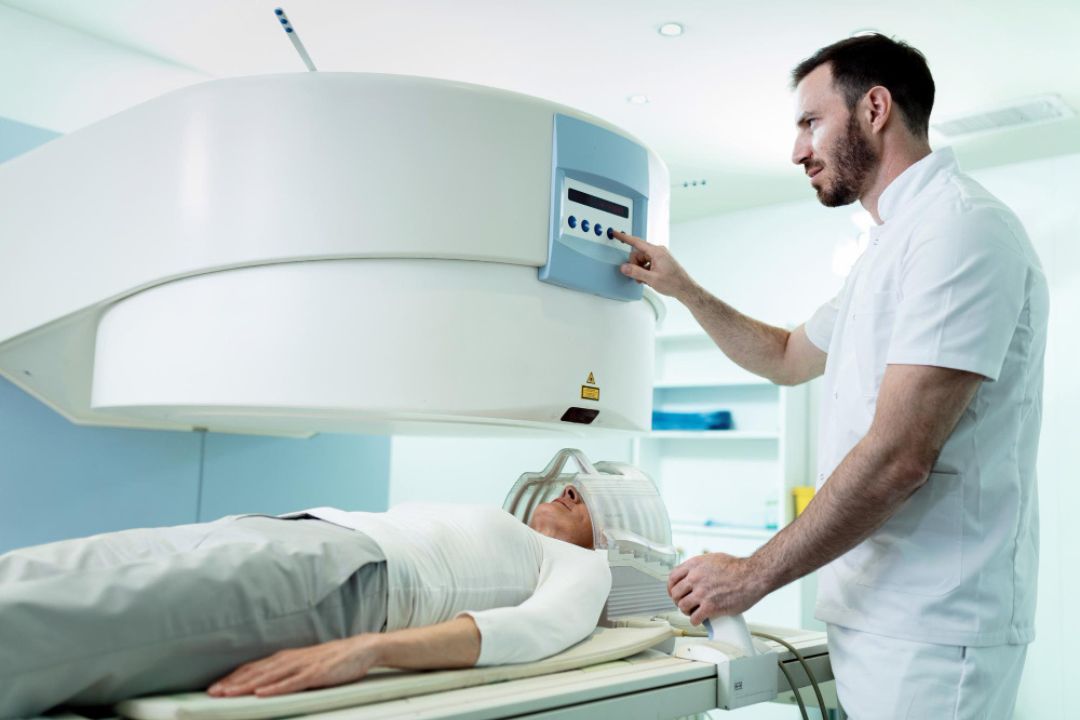
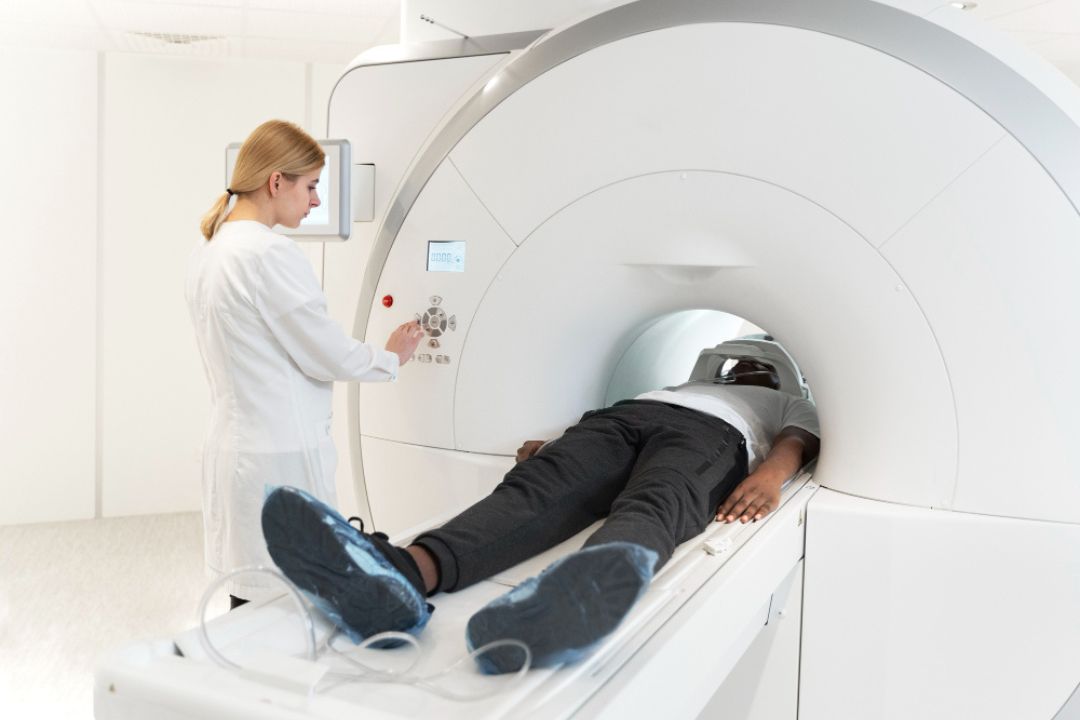
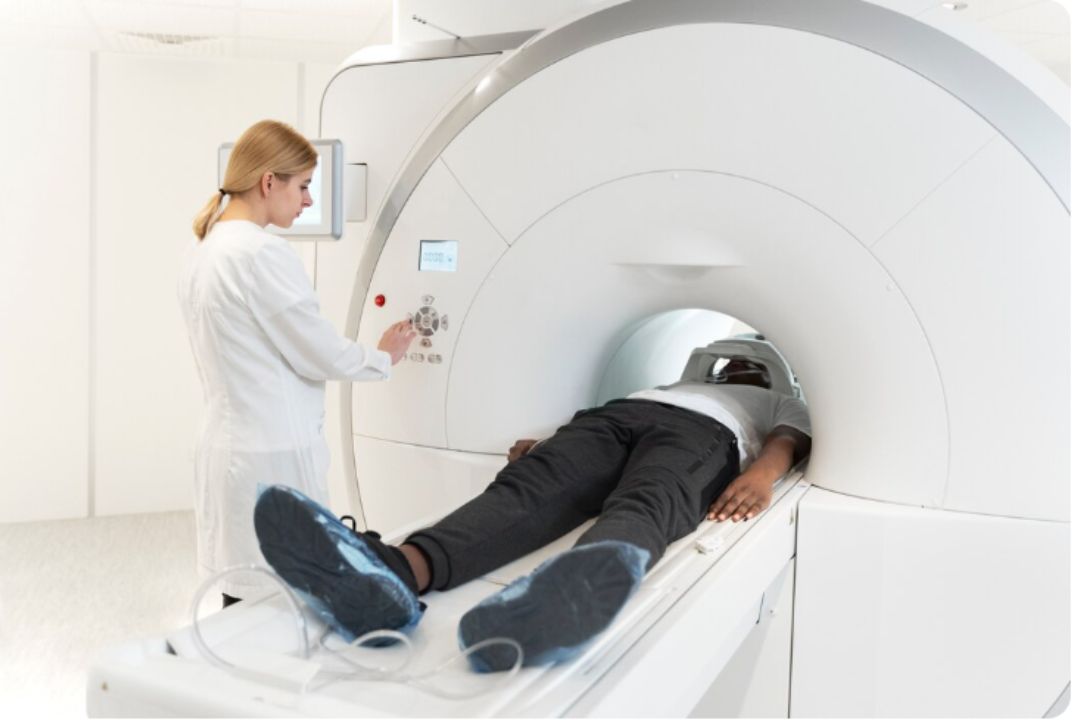
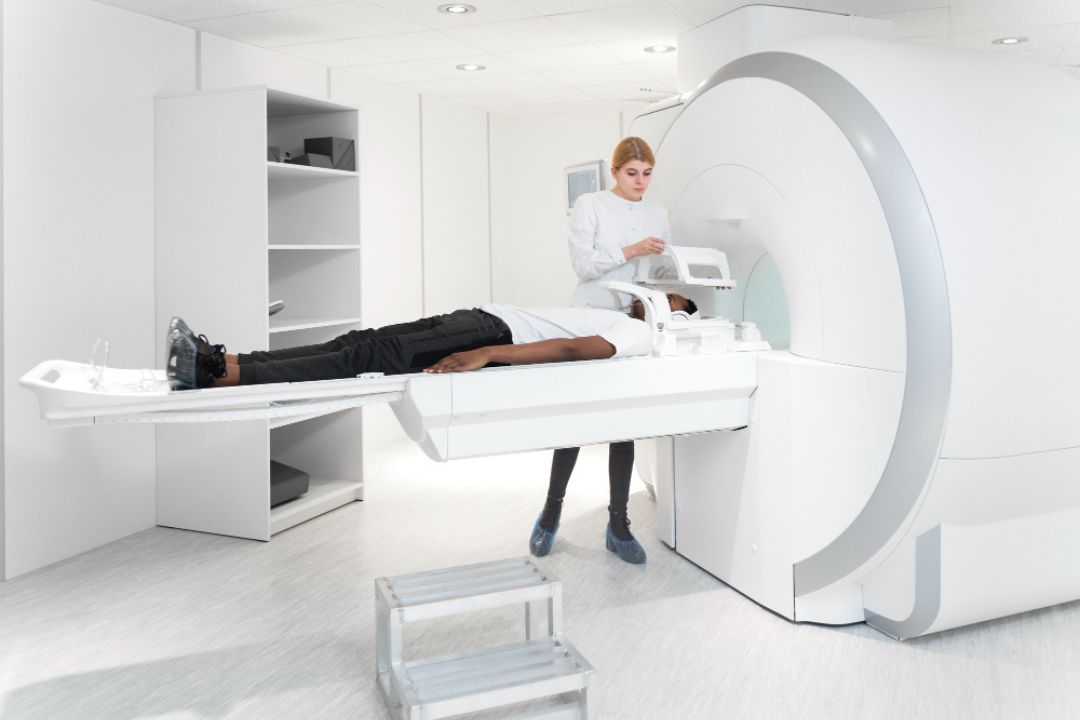
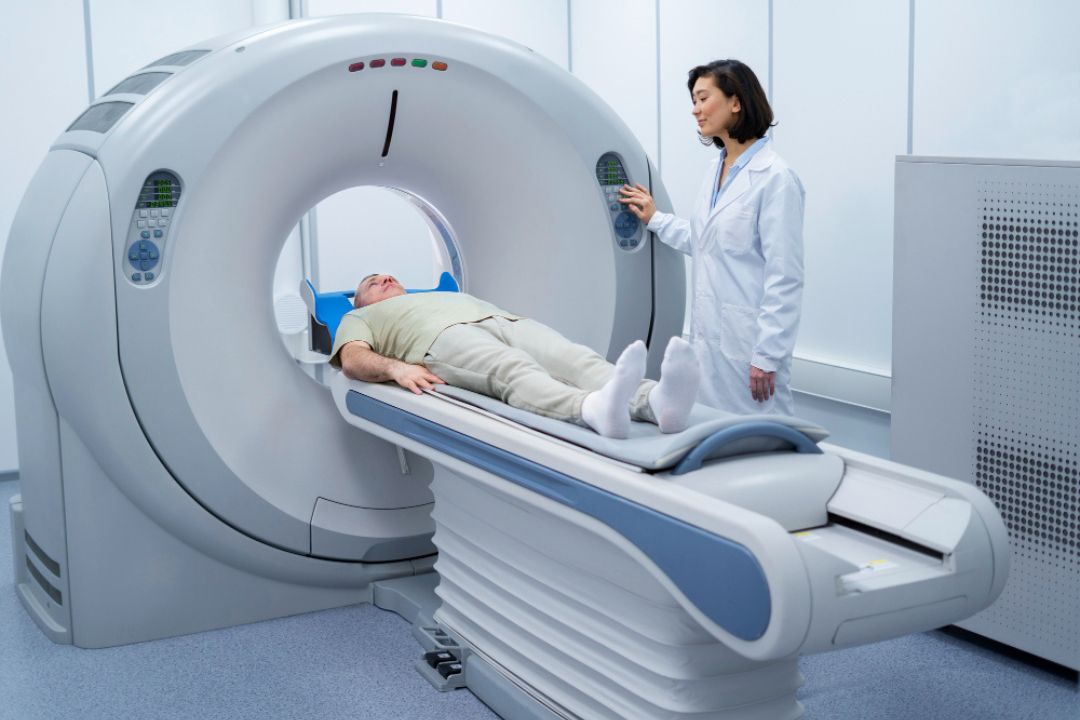
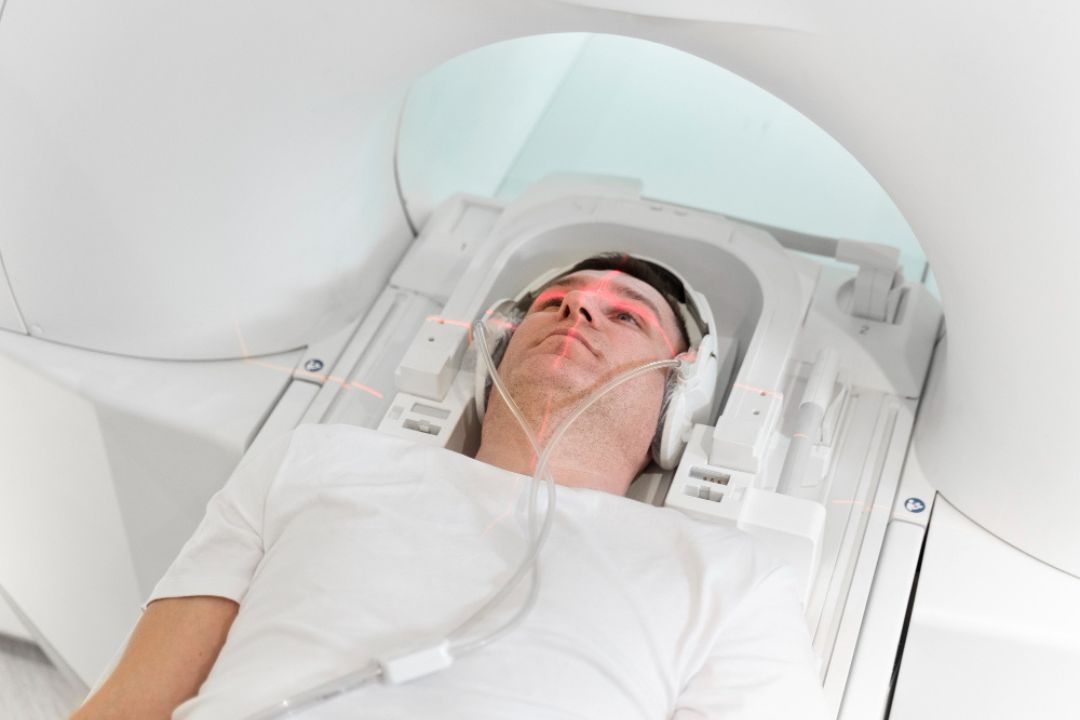
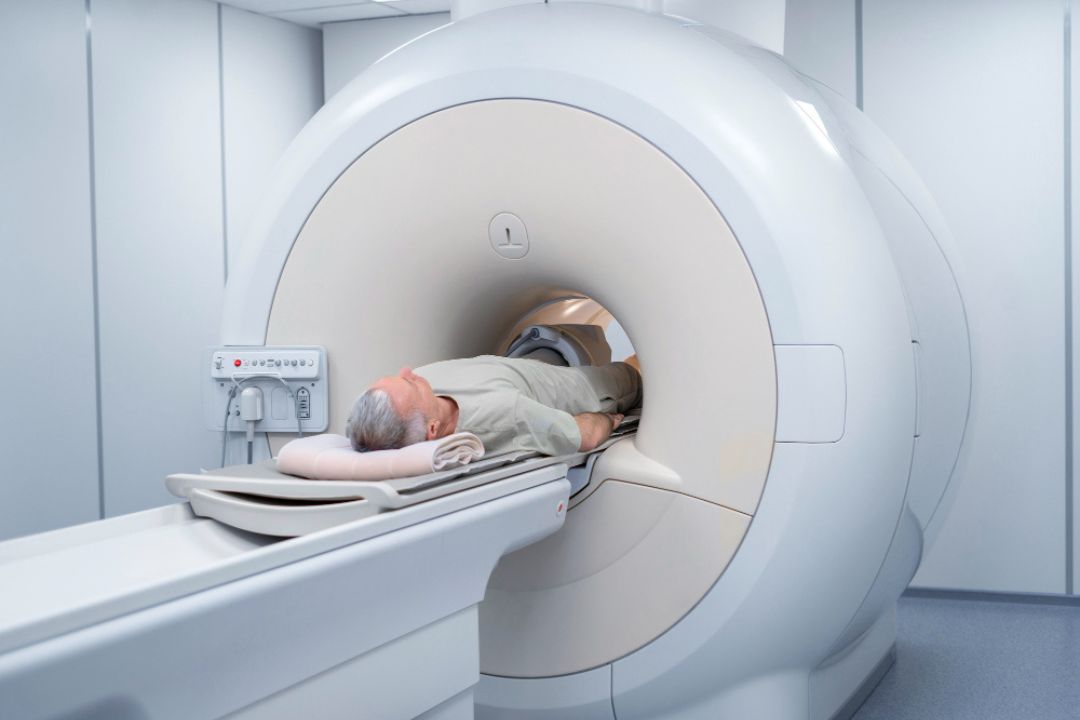
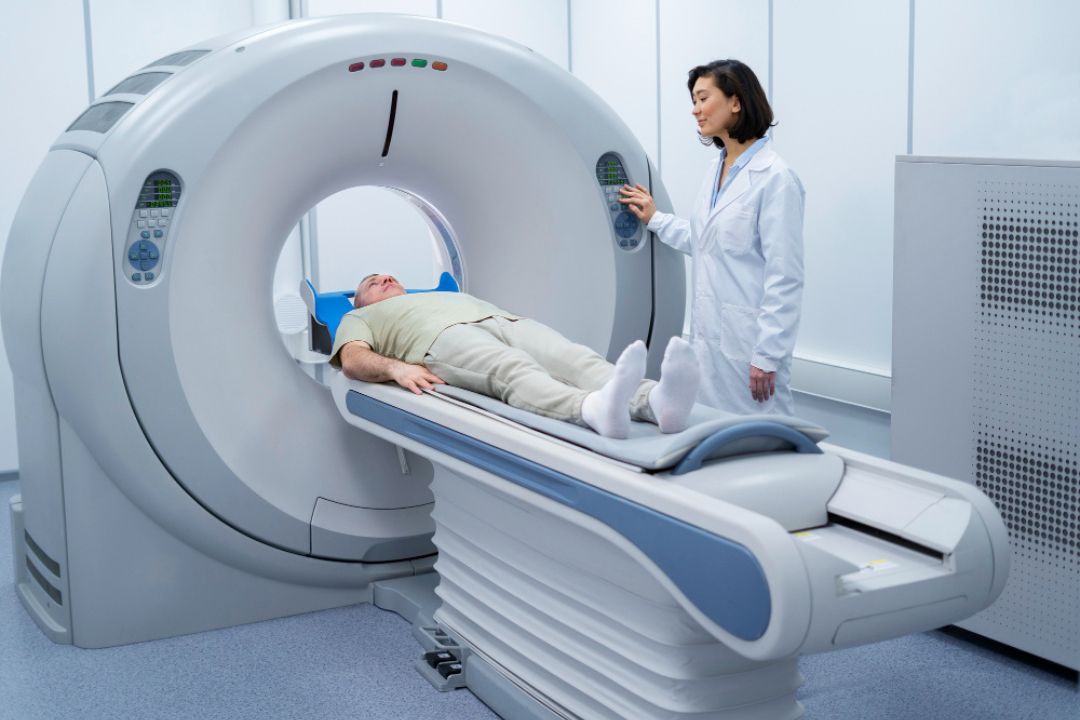
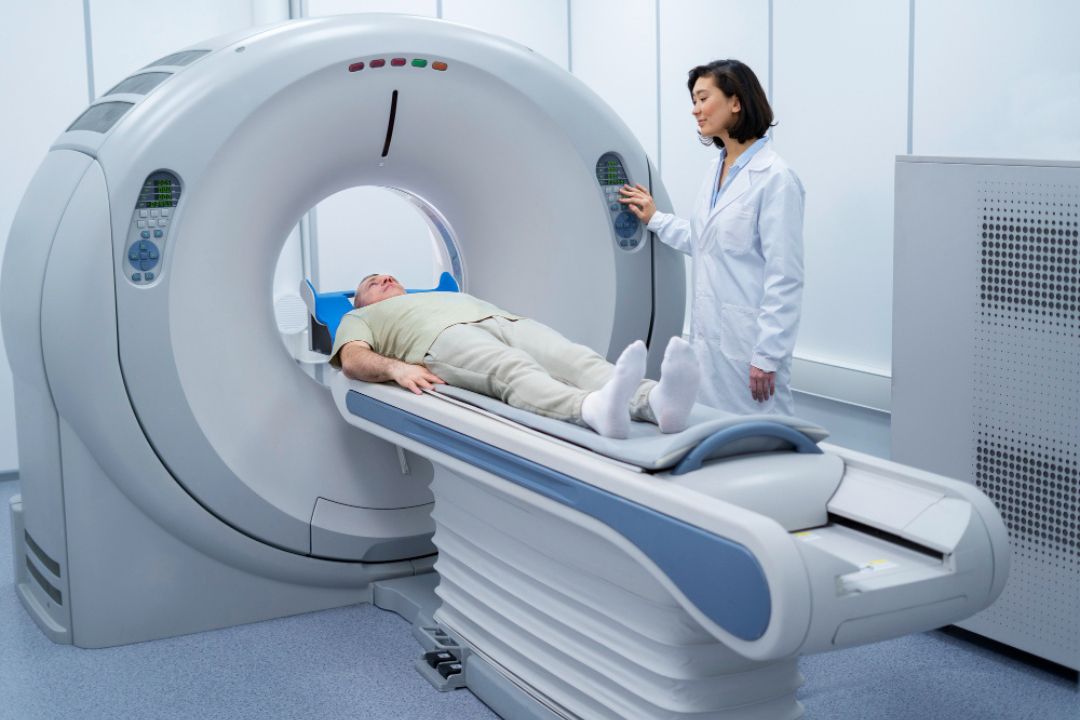
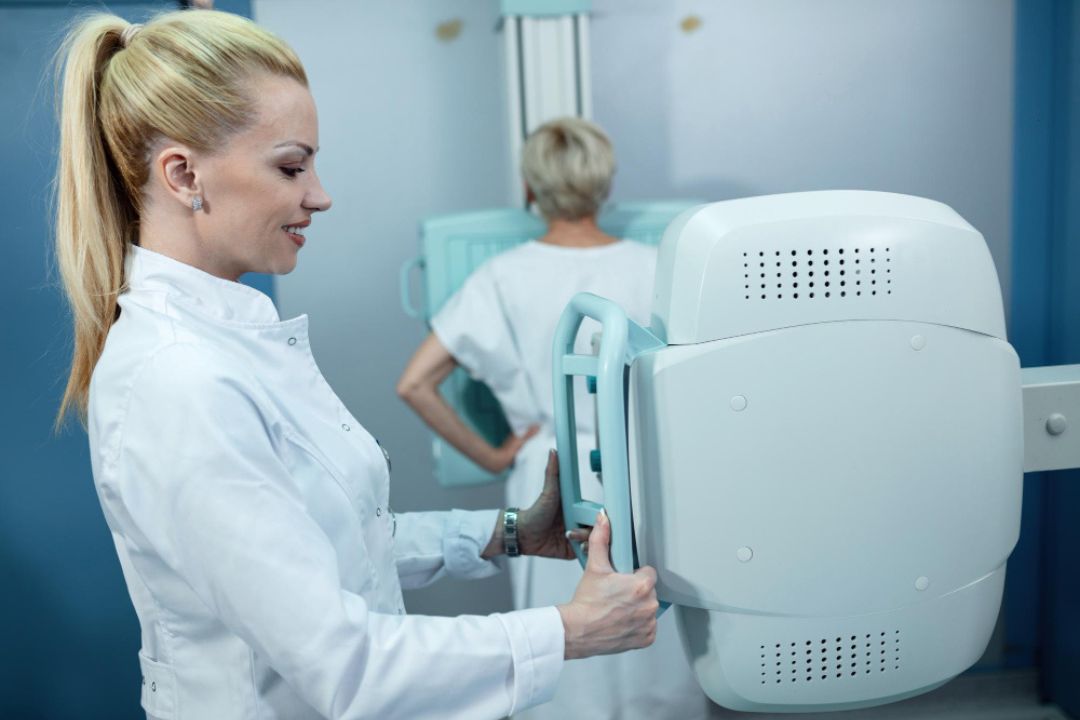
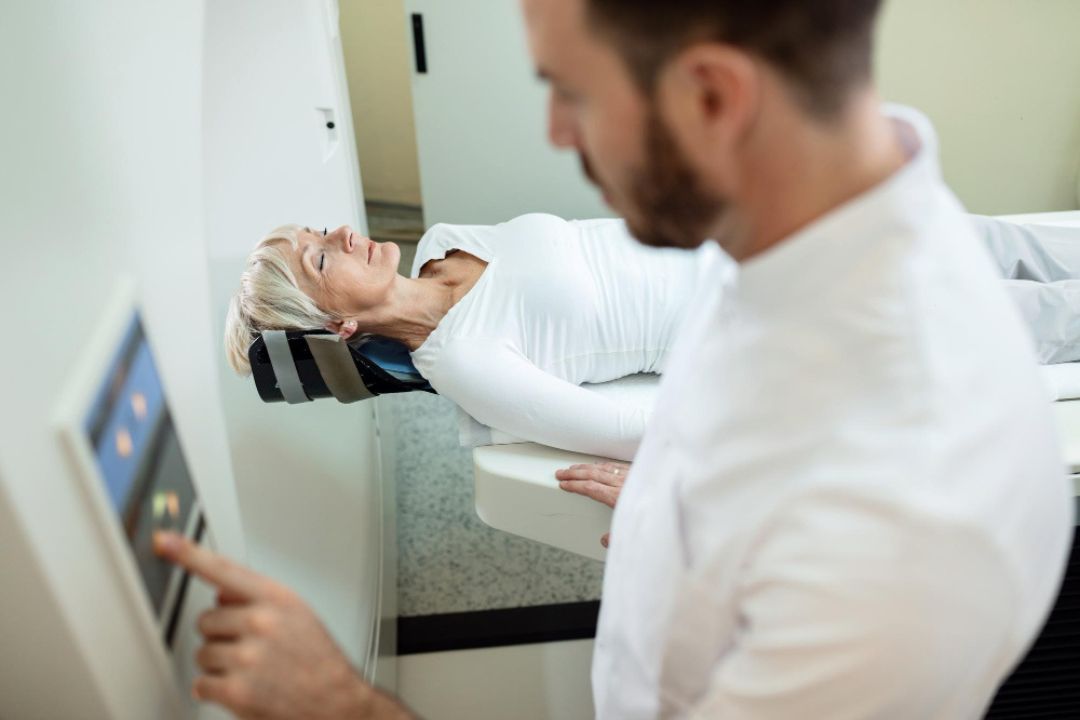
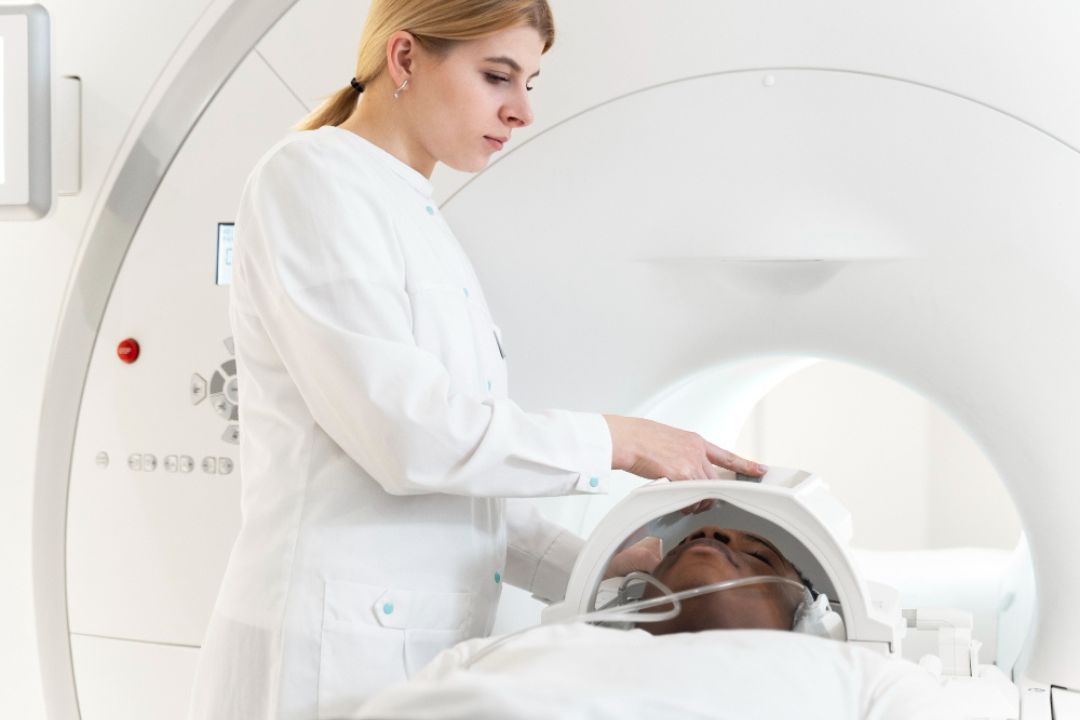
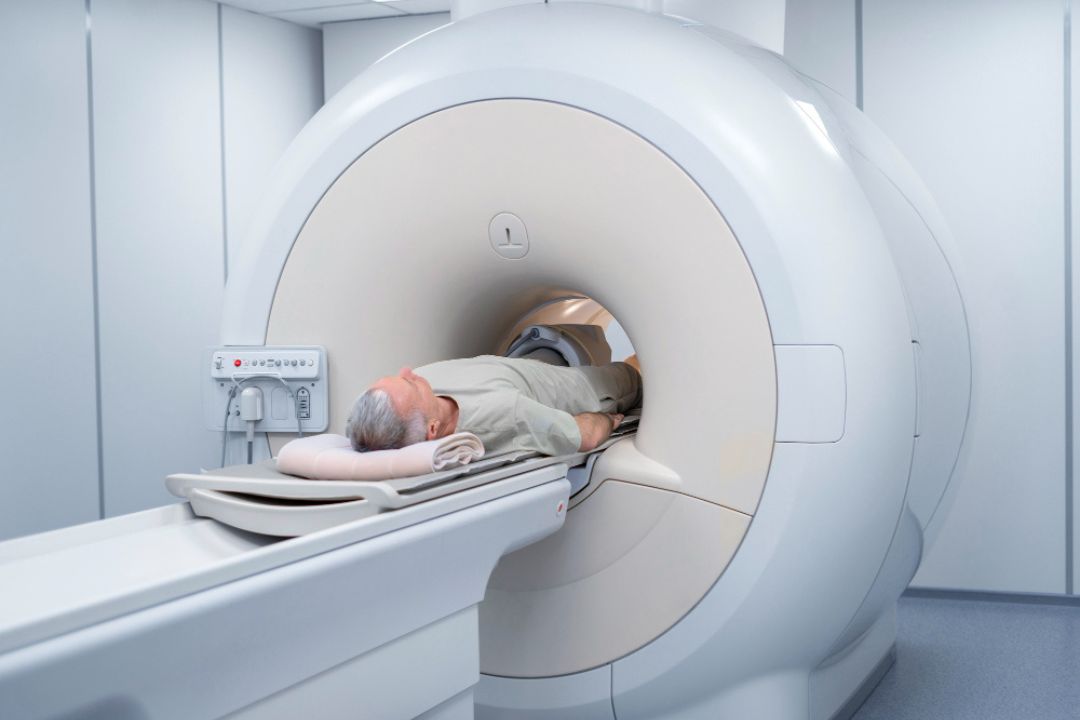
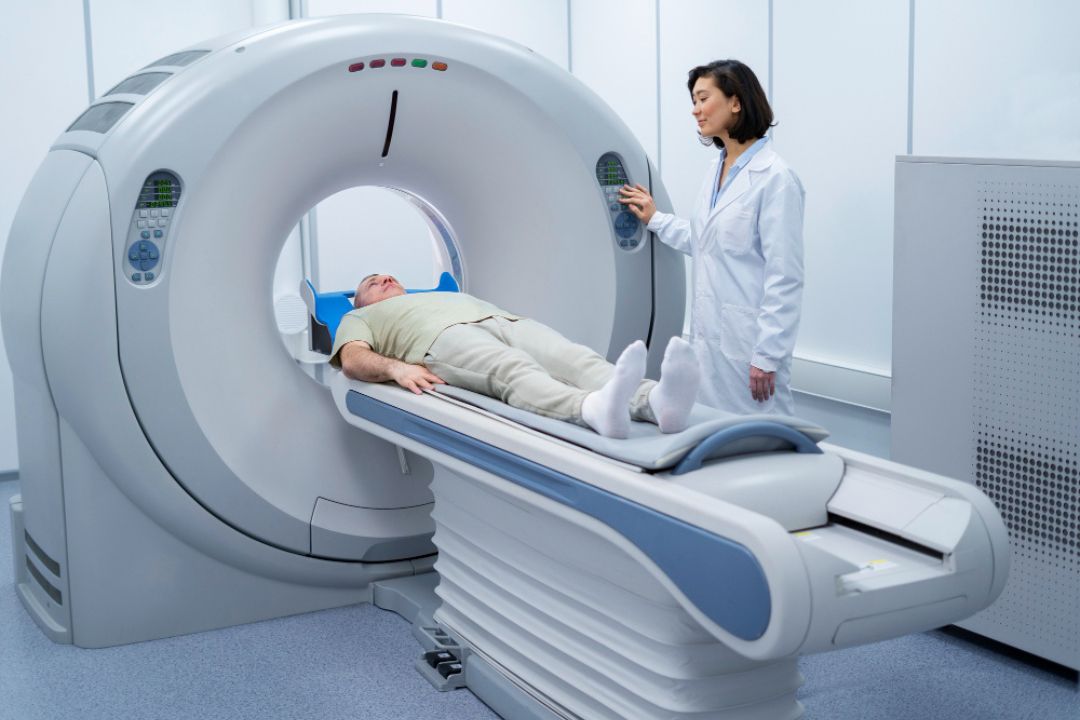
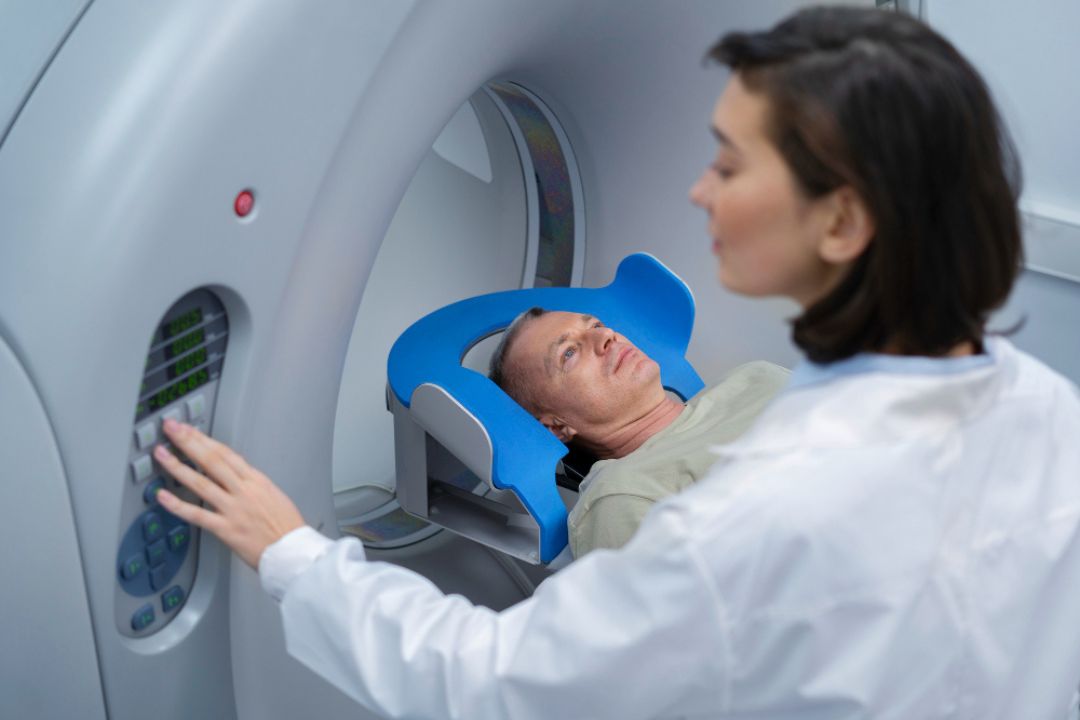
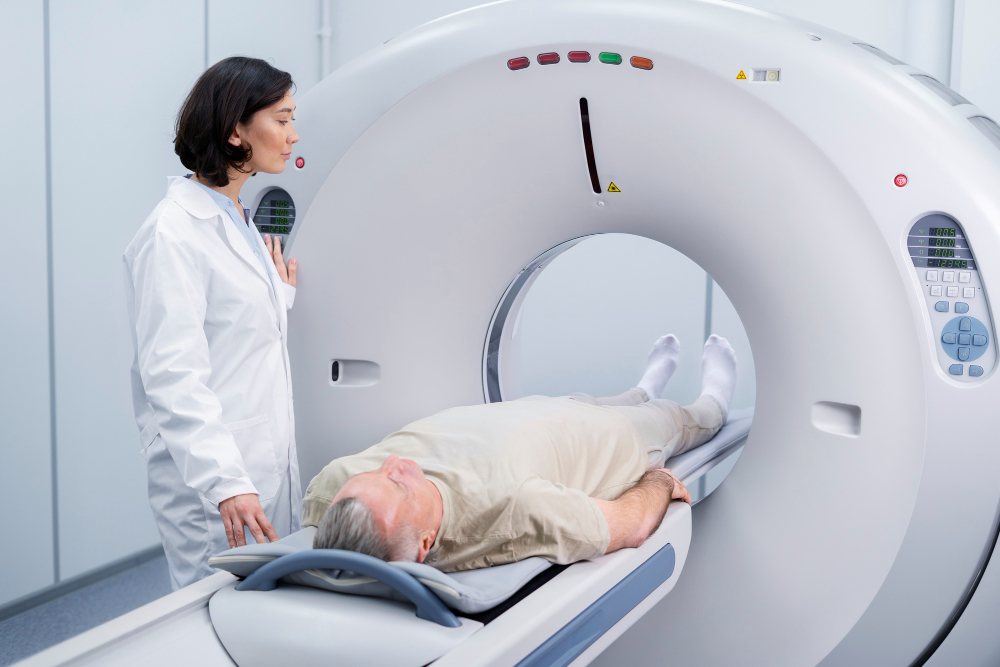
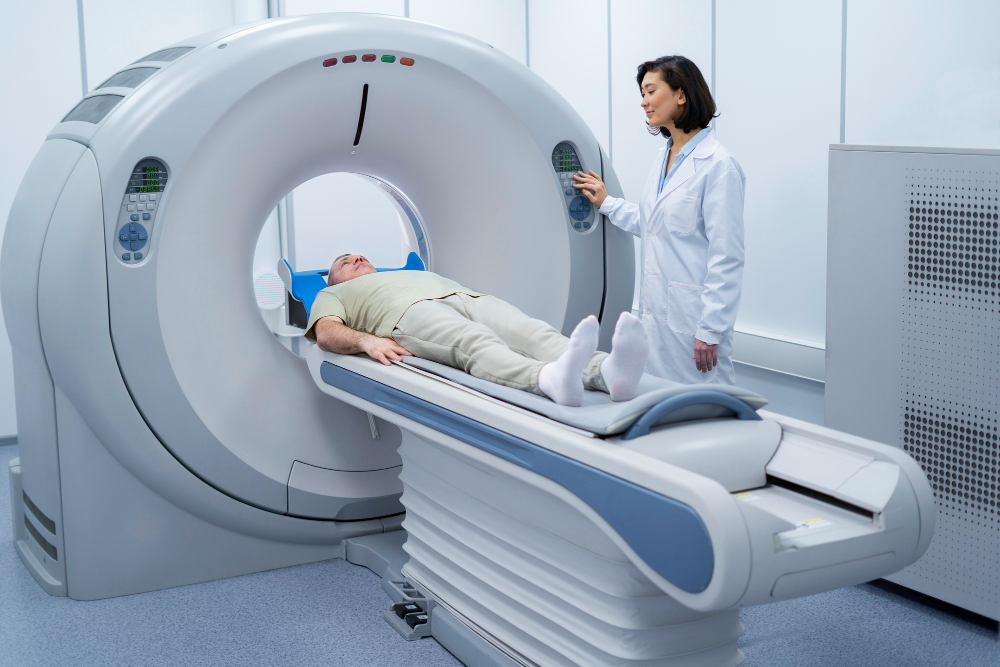
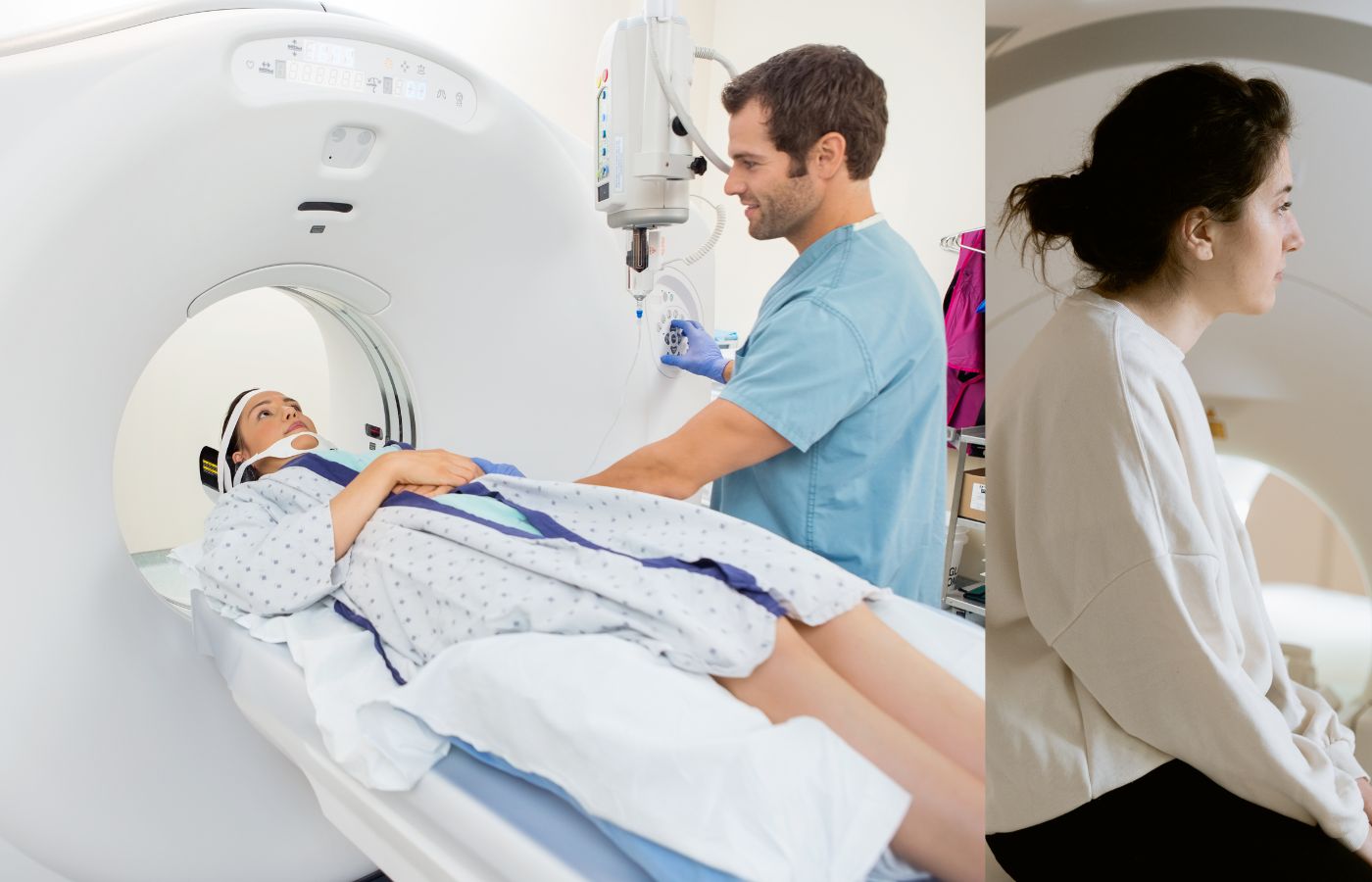
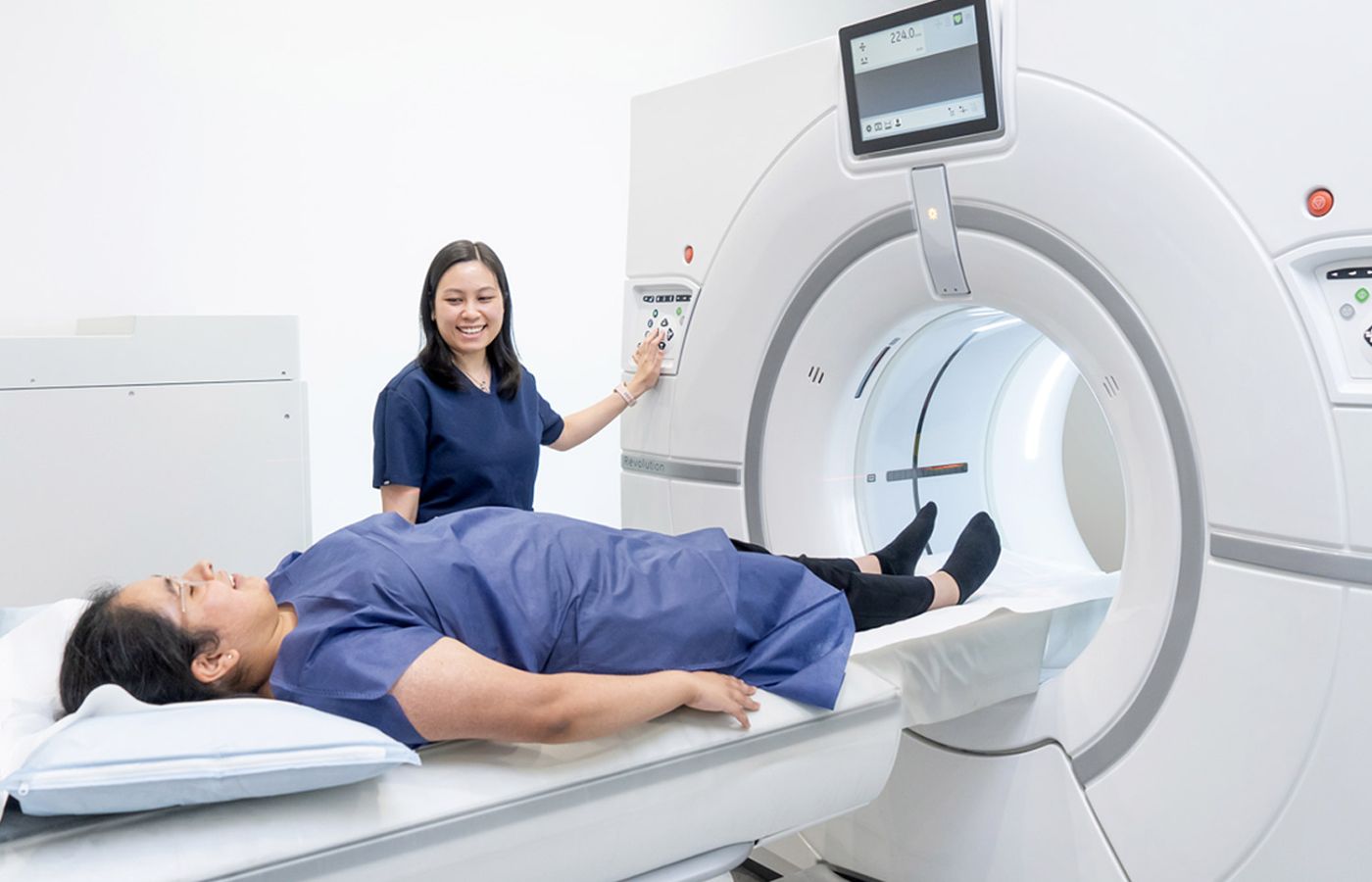
The patient lies on a CT scanning table.
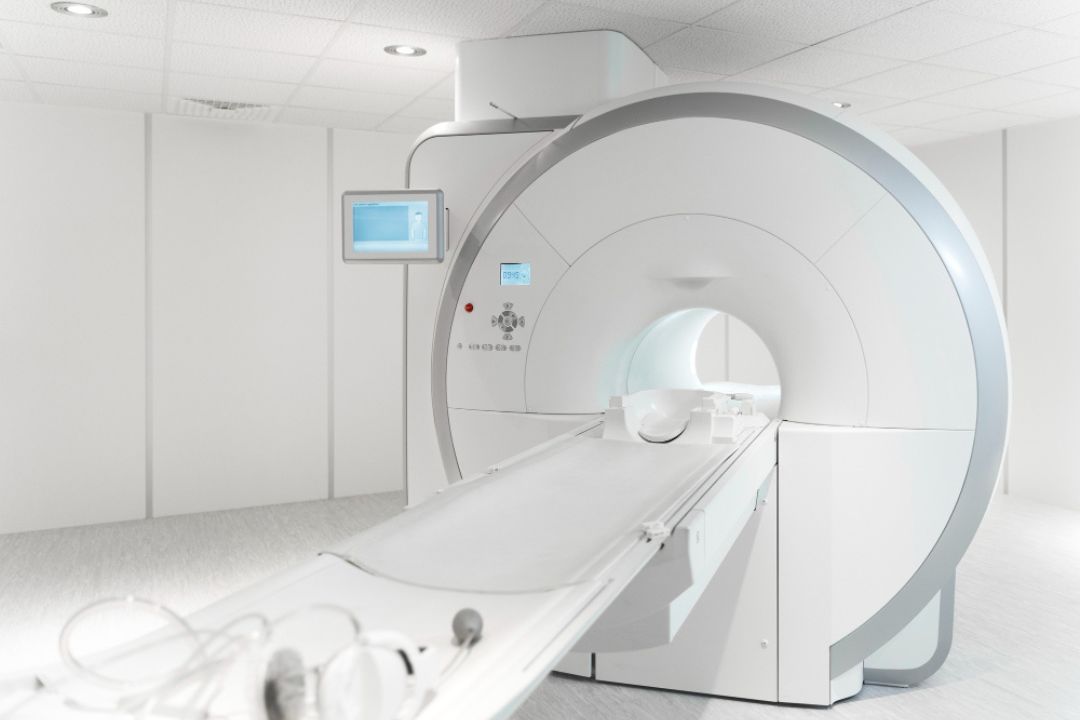
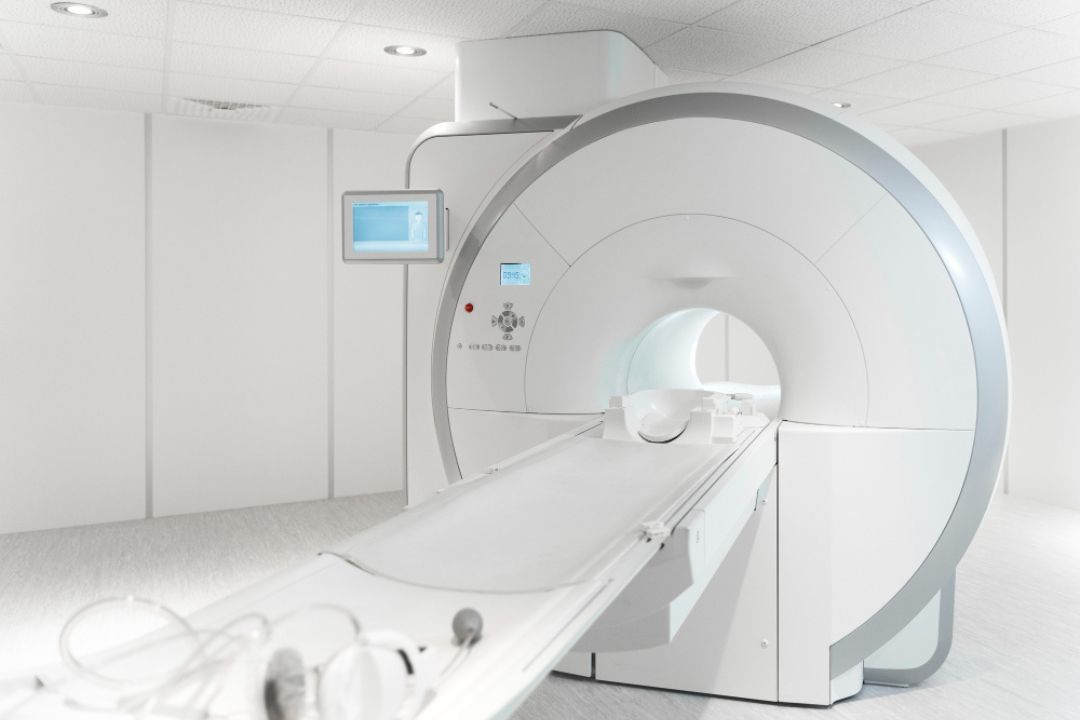
The table slowly moves through the CT scanner.
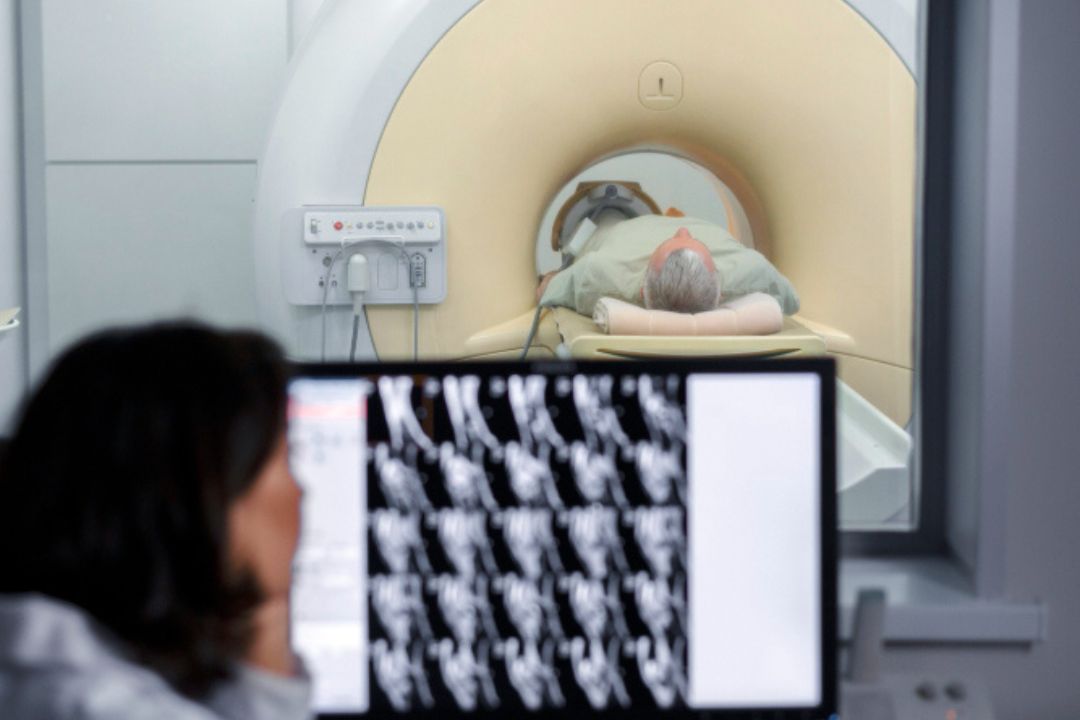
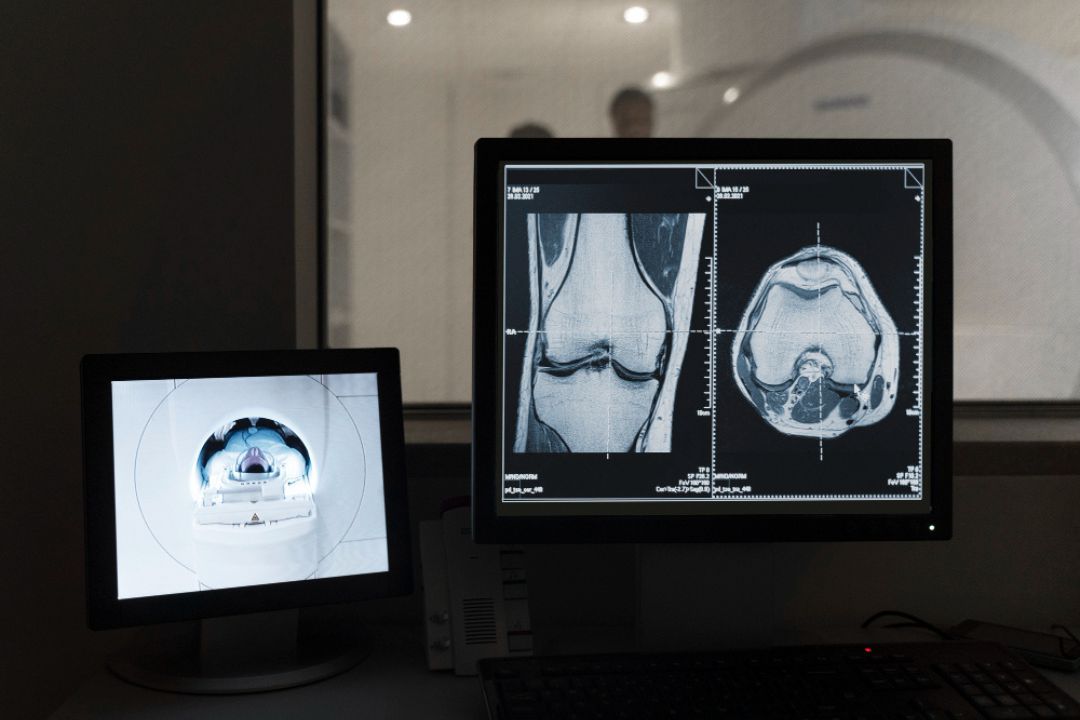
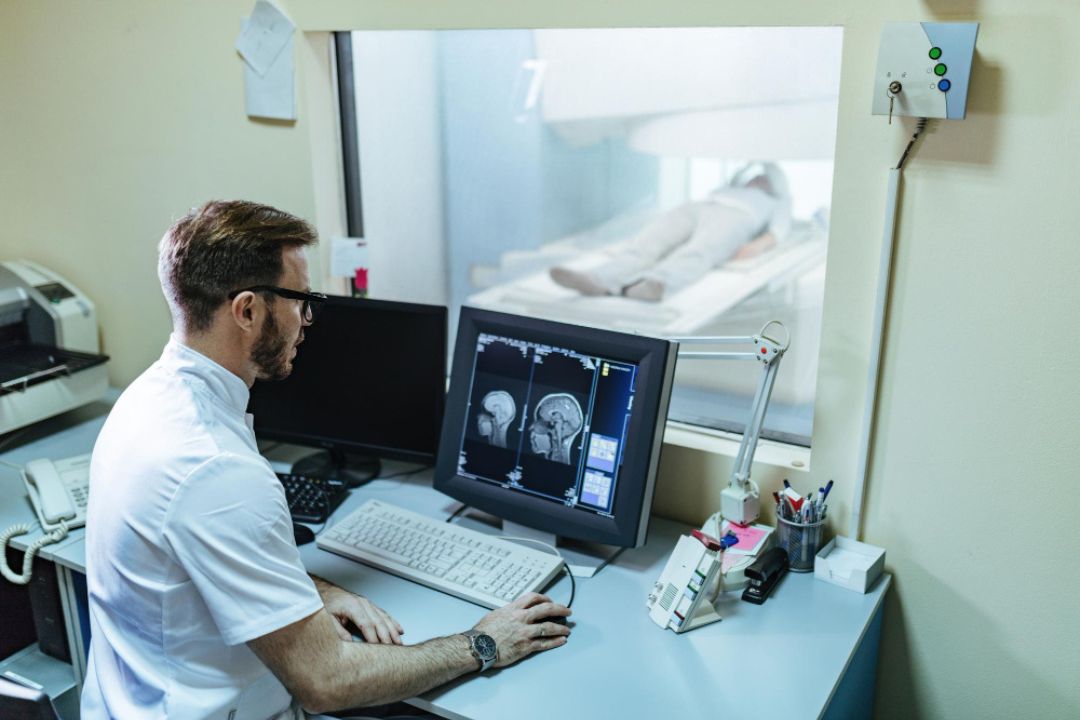
The scanner captures detailed images of the abdominal organs.
The patient may be asked to hold their breath briefly.
The scanning process usually takes 10 to 20 minutes.
To ensure a smooth experience, patients should follow preparation instructions carefully.
Helpful tips include:
Follow the fasting instructions provided by your doctor.
Drink water unless told otherwise.
Wear comfortable clothing without metal objects.
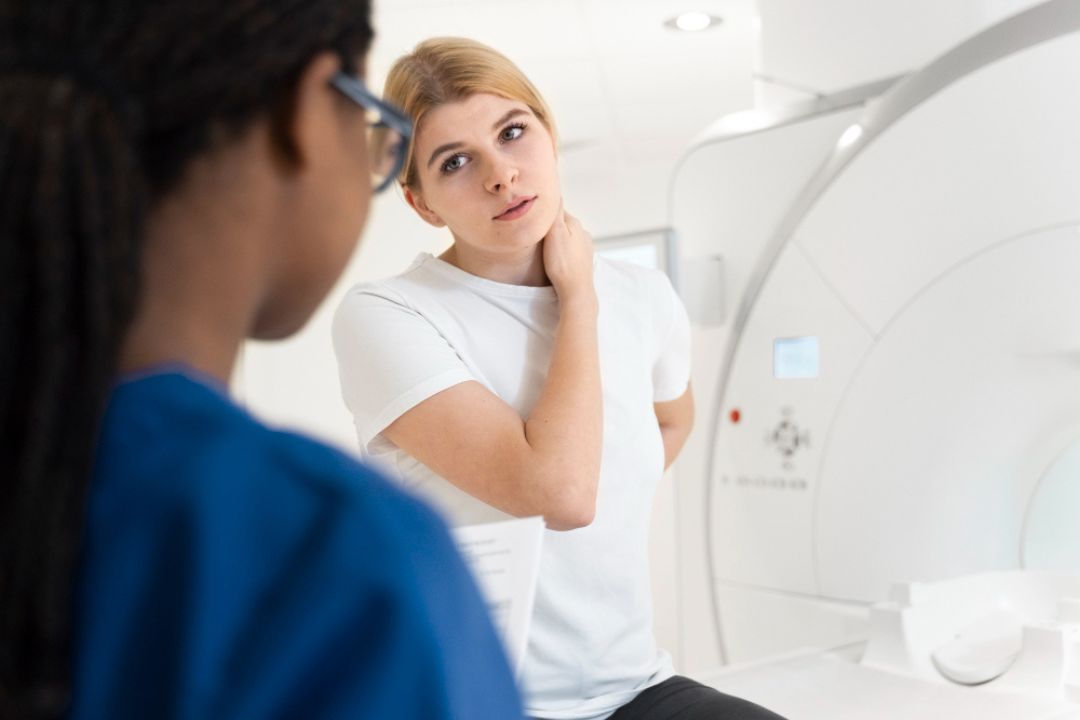
Inform the technician about allergies or medical conditions.
Bring previous medical reports if available.
Proper preparation helps ensure accurate imaging results.
Most patients can return to their normal routine immediately after the CT scan.
If contrast dye was used, doctors may recommend drinking plenty of water to help flush the dye out of the body.
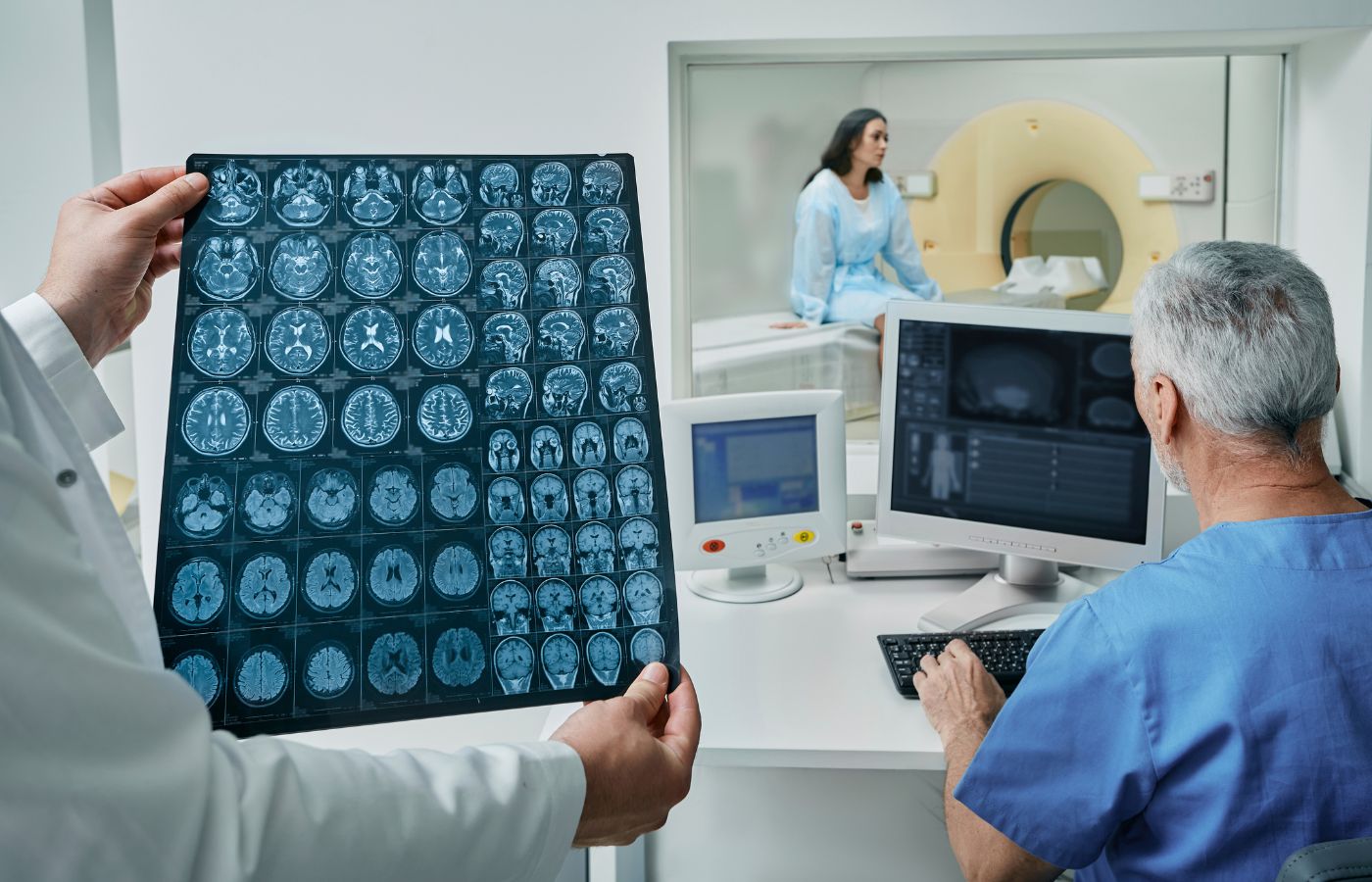
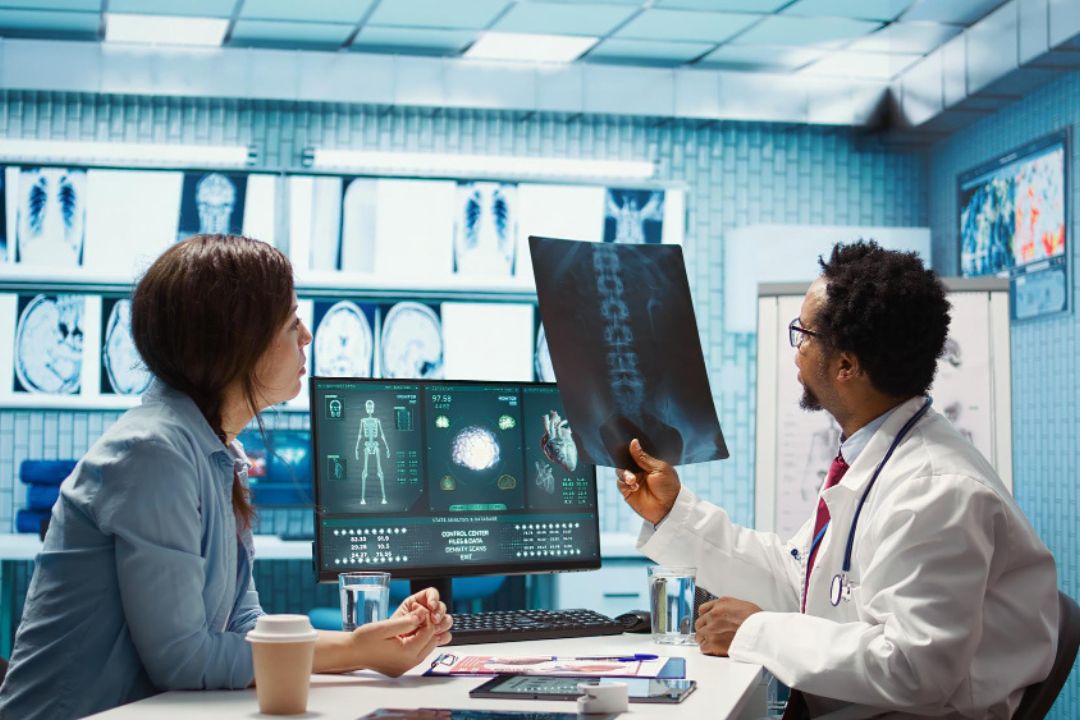
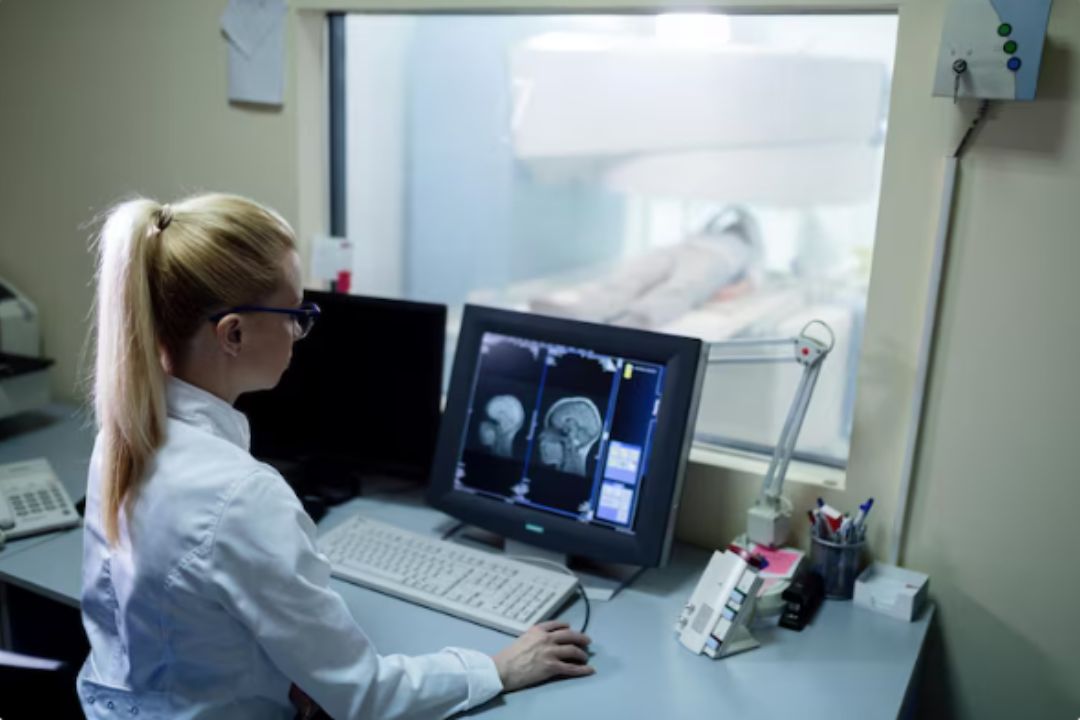
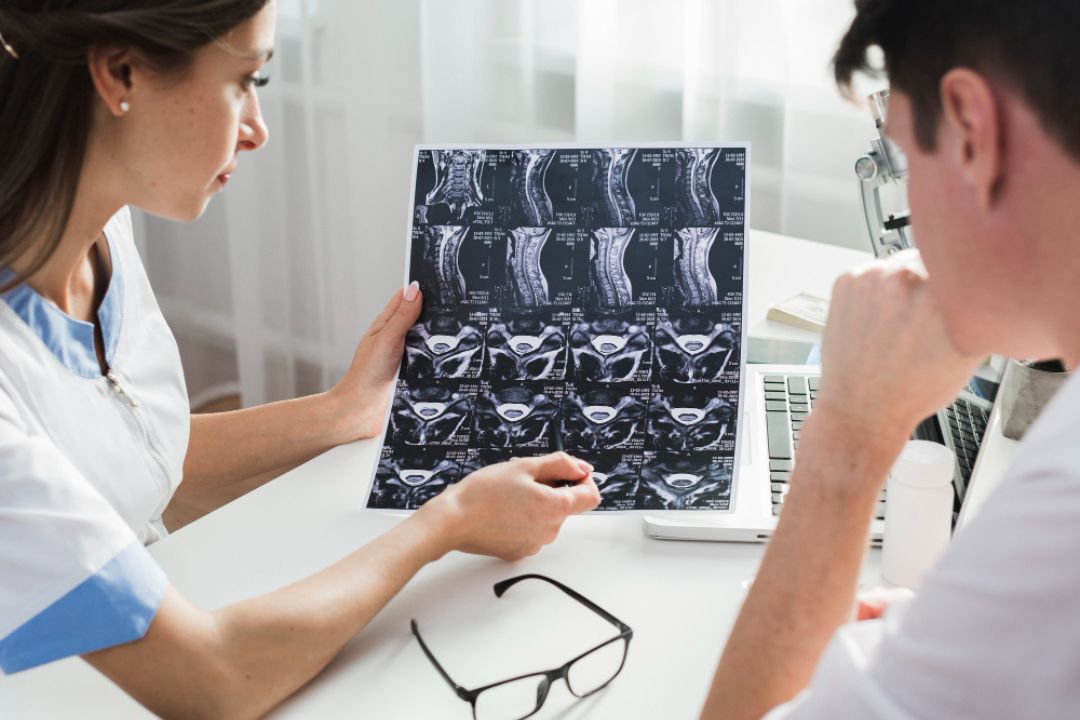
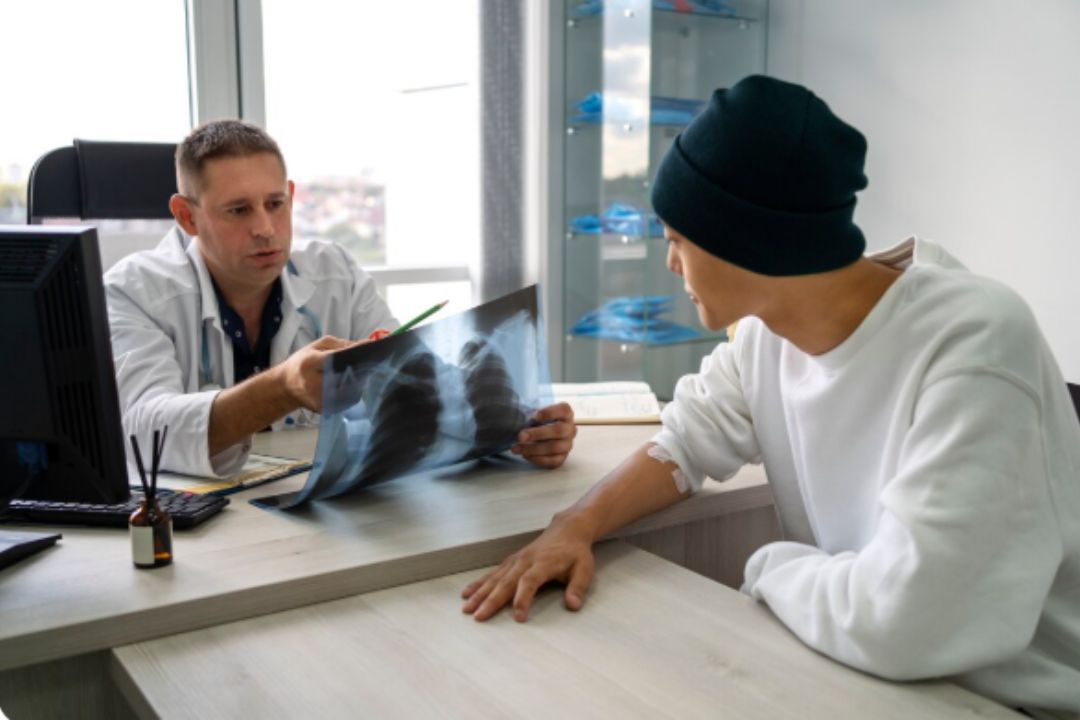
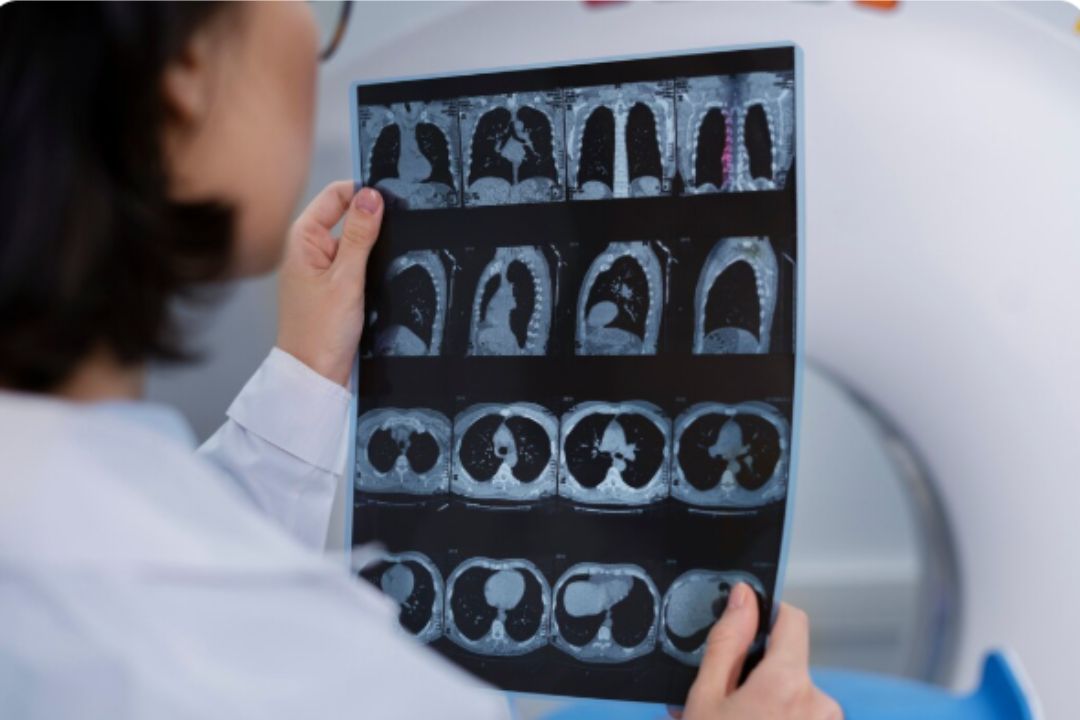
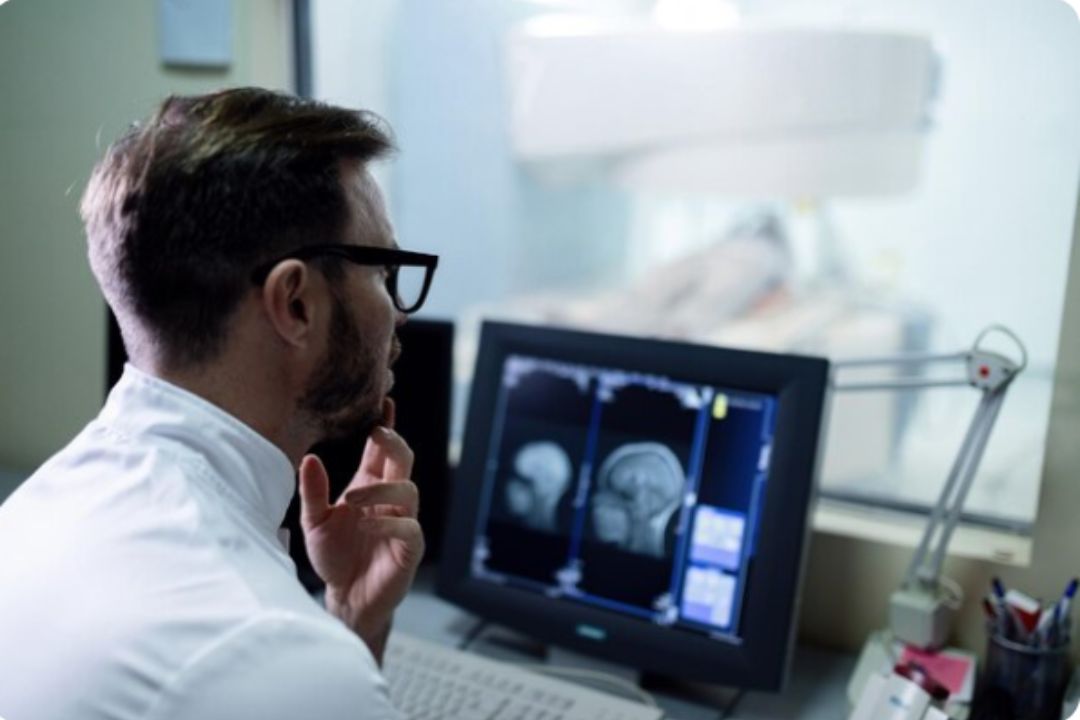
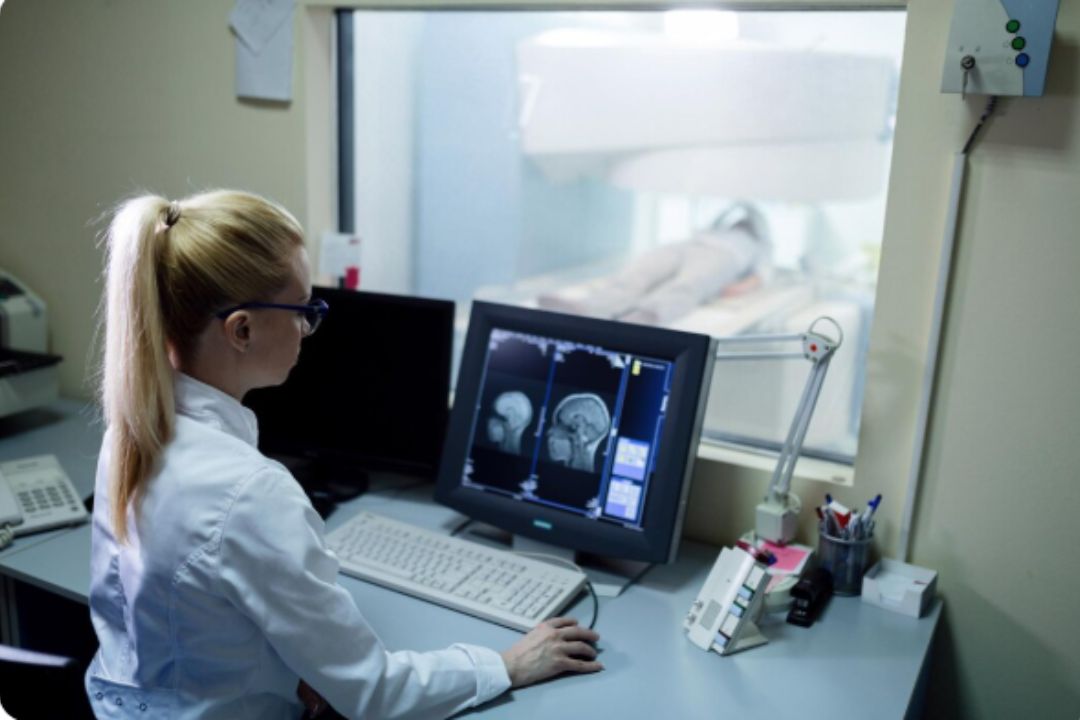
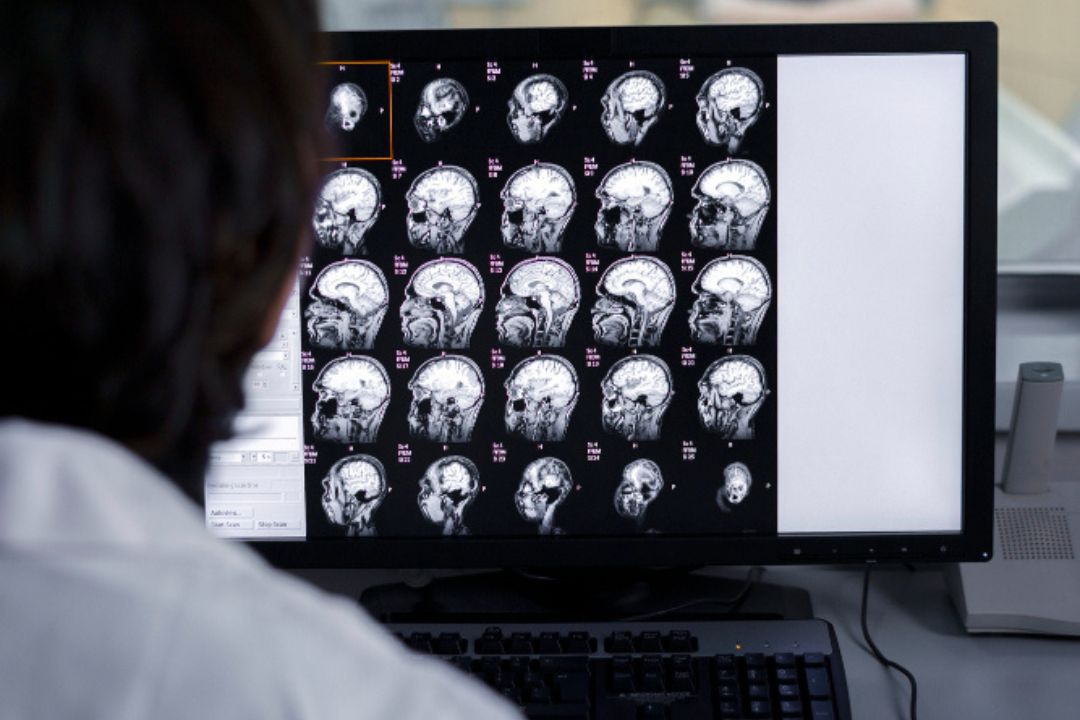
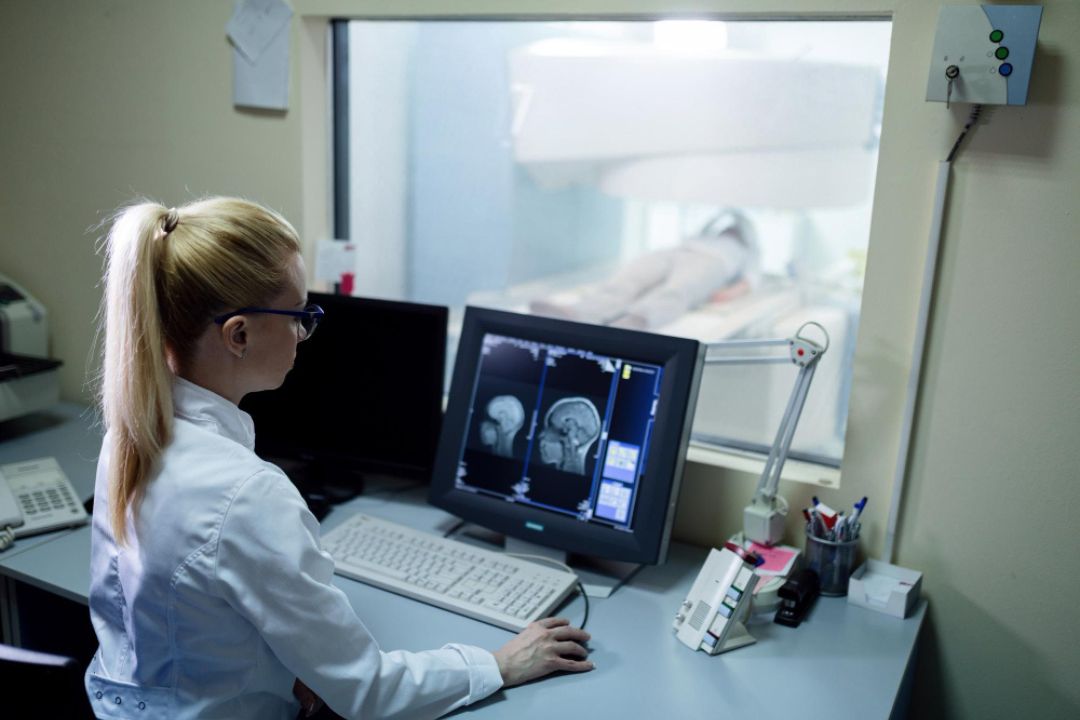
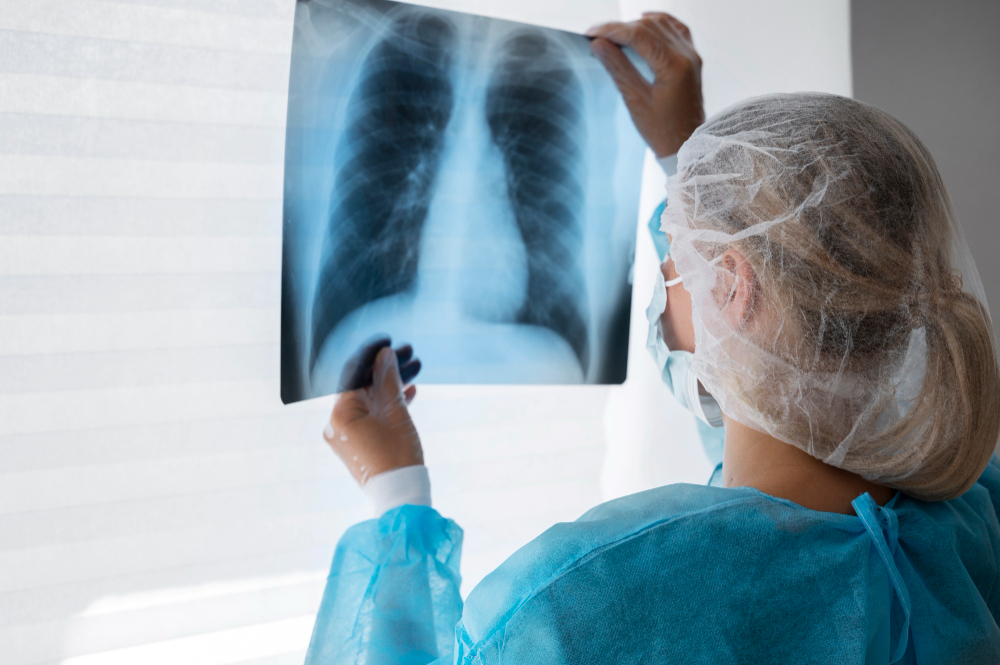
Results are typically reviewed by a radiologist who prepares a detailed report for the referring doctor.
Fasting before a CT abdomen scan may be required in certain situations, especially when contrast dye is used. Following the preparation instructions provided by your healthcare provider helps ensure clear imaging results and a smooth diagnostic process.
If you are unsure about fasting requirements, it is always best to check with your doctor or the diagnostic center before your appointment.





.jpg "ct brain scan plain and contrast")








.jpg "ct scan")
.jpg "ct scan or mri for brain disorders")


.jpg "exploring the power of ct brain contrast in modern diagnostics")
.jpg "ct scan")
.jpg "ct scan")







.jpg "ct scan")
.jpg "CT Brain Scan for Headaches")
.jpg "The Future of 3D CT Imaging")