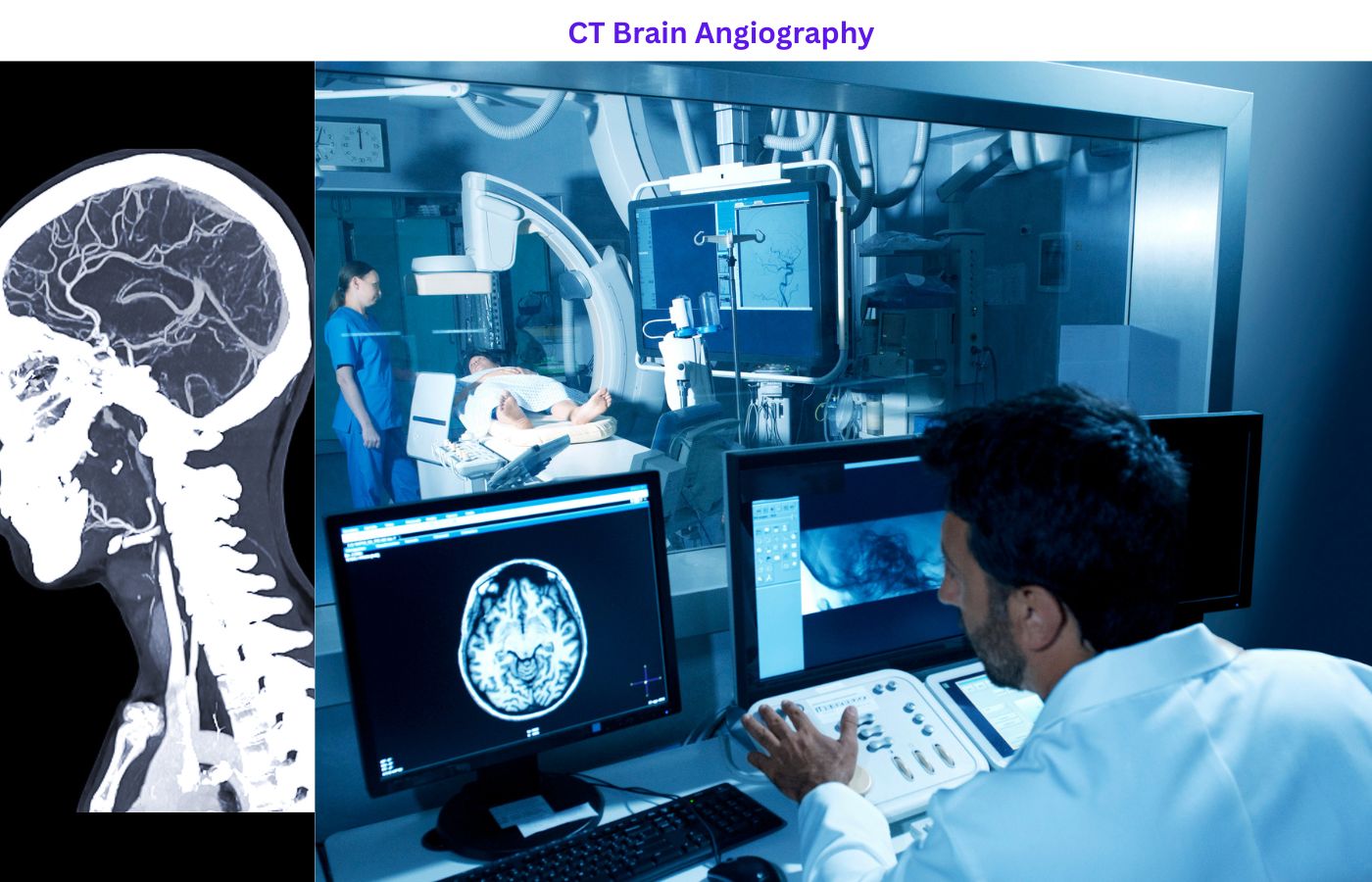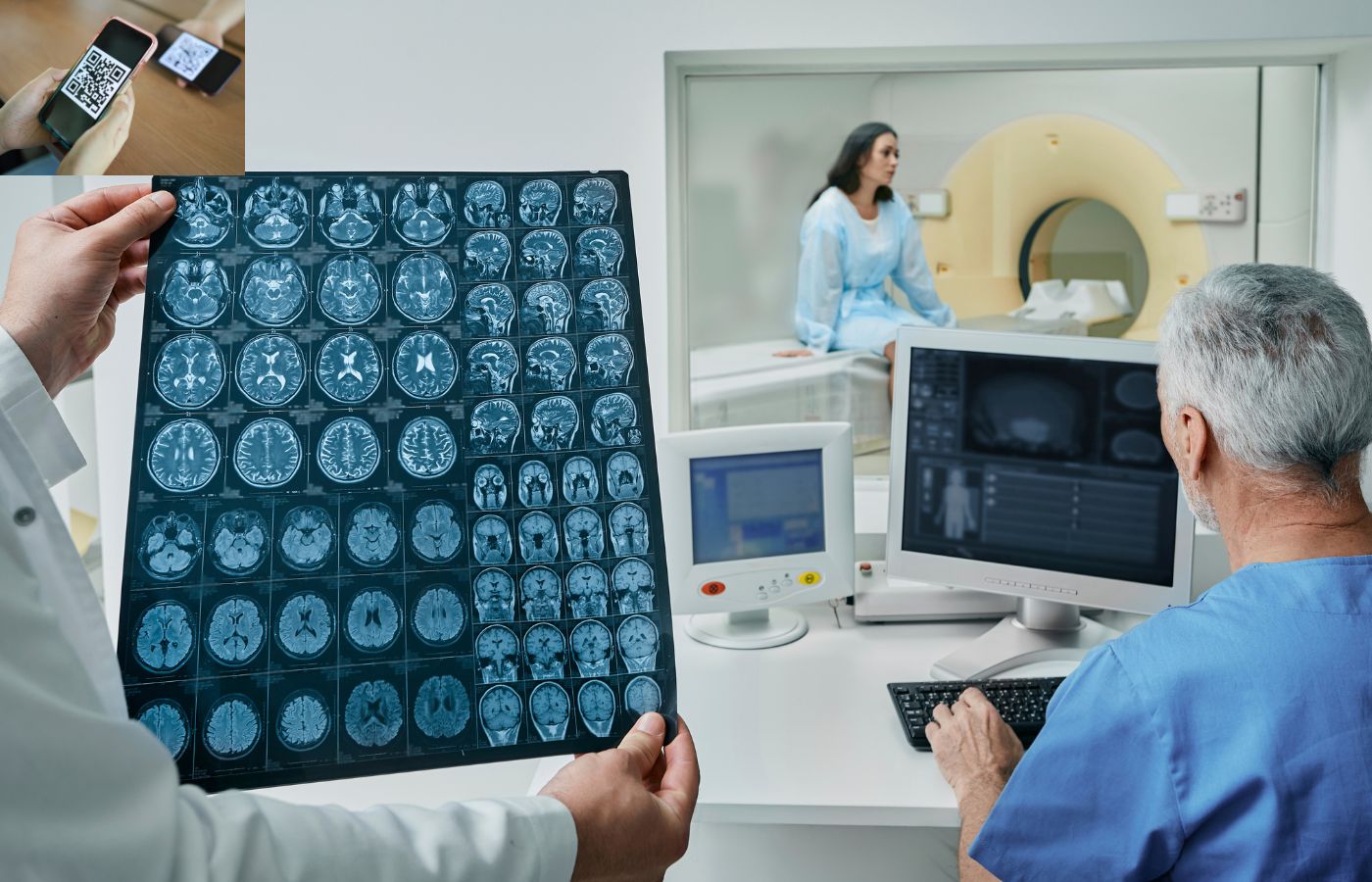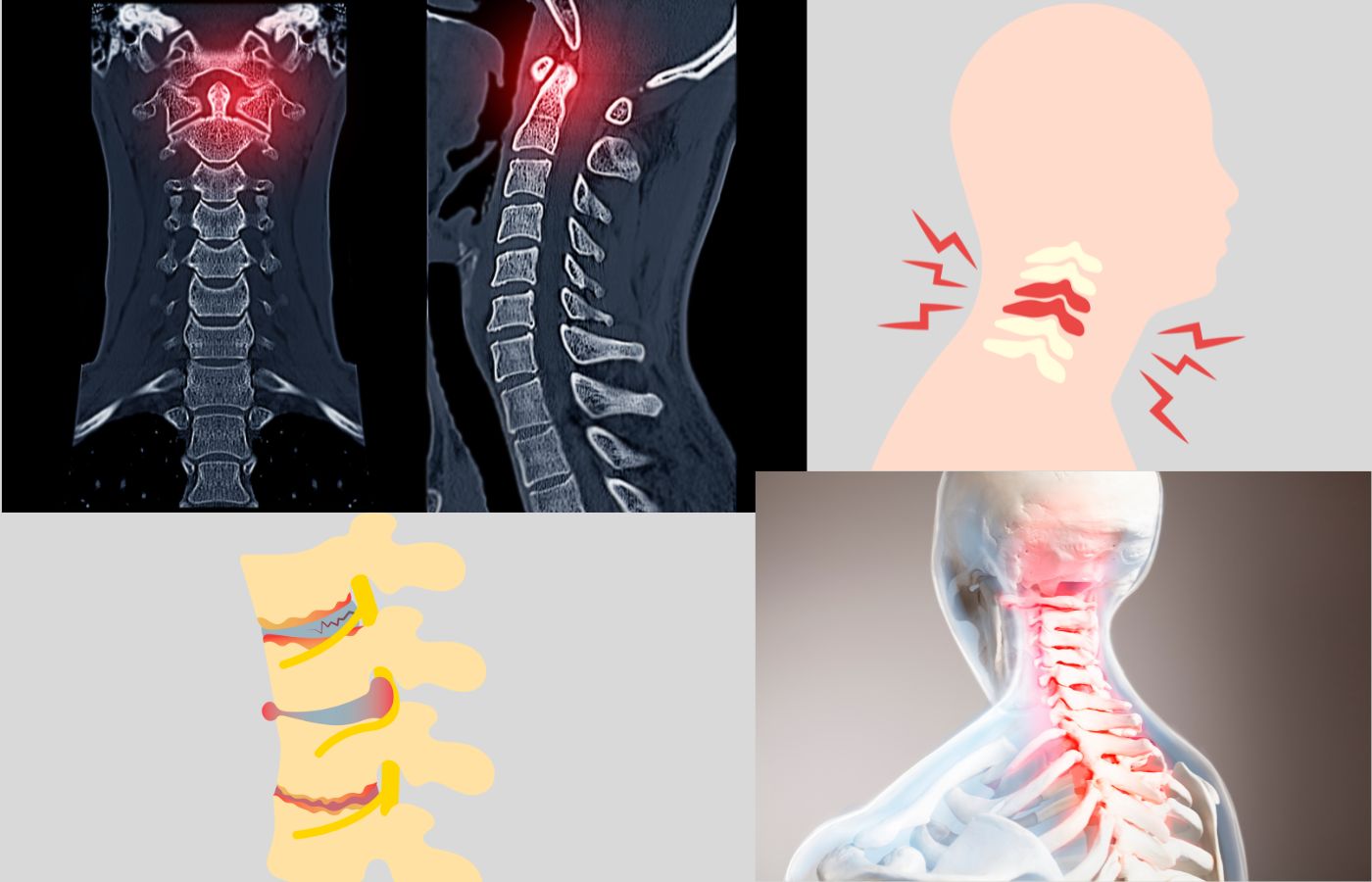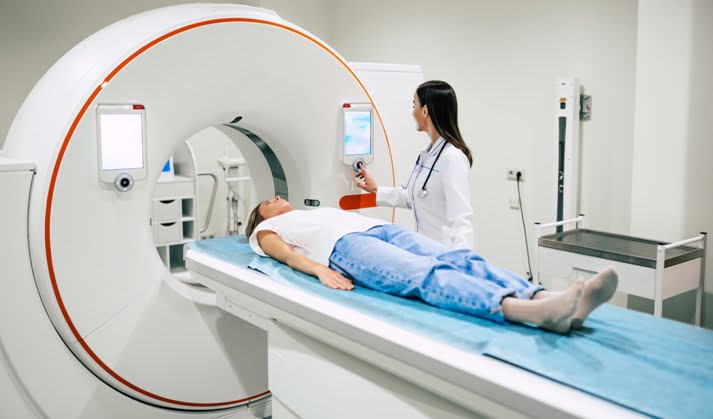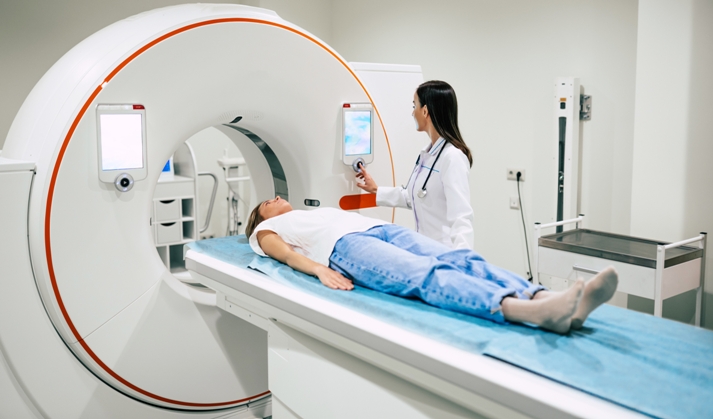
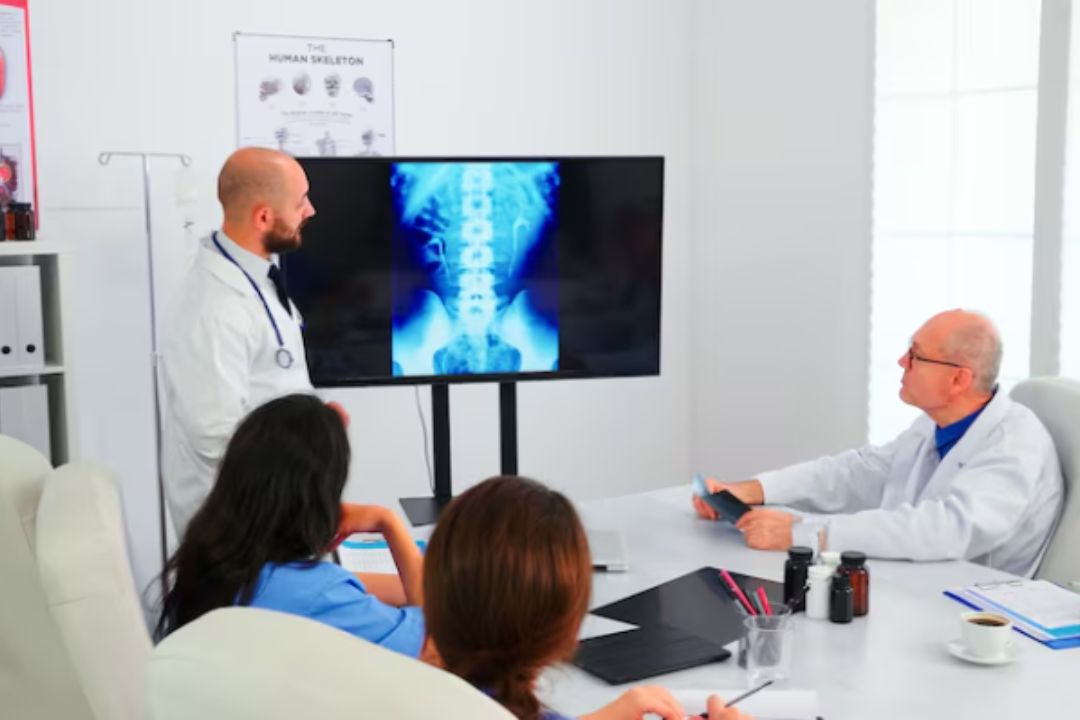
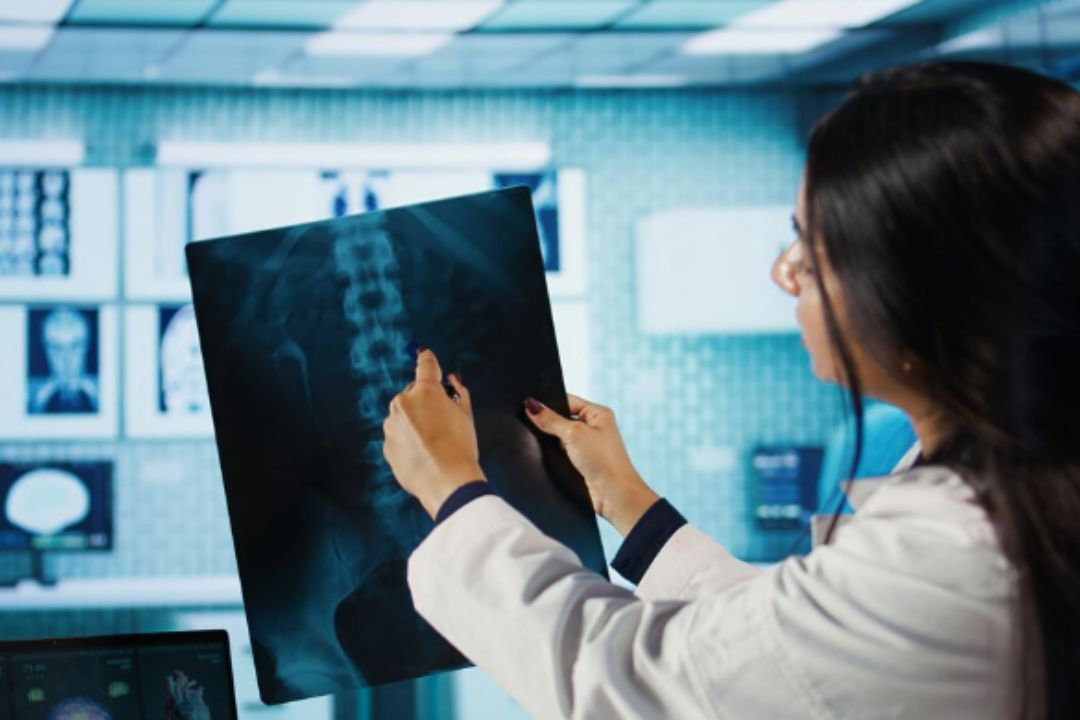
A CT Scan Of The Dorsal Spine Without Contrast is a diagnostic imaging test used to examine the middle part of the spine, also known as the thoracic or dorsal spine. This region of the spine lies in the upper and mid-back area and supports the rib cage.
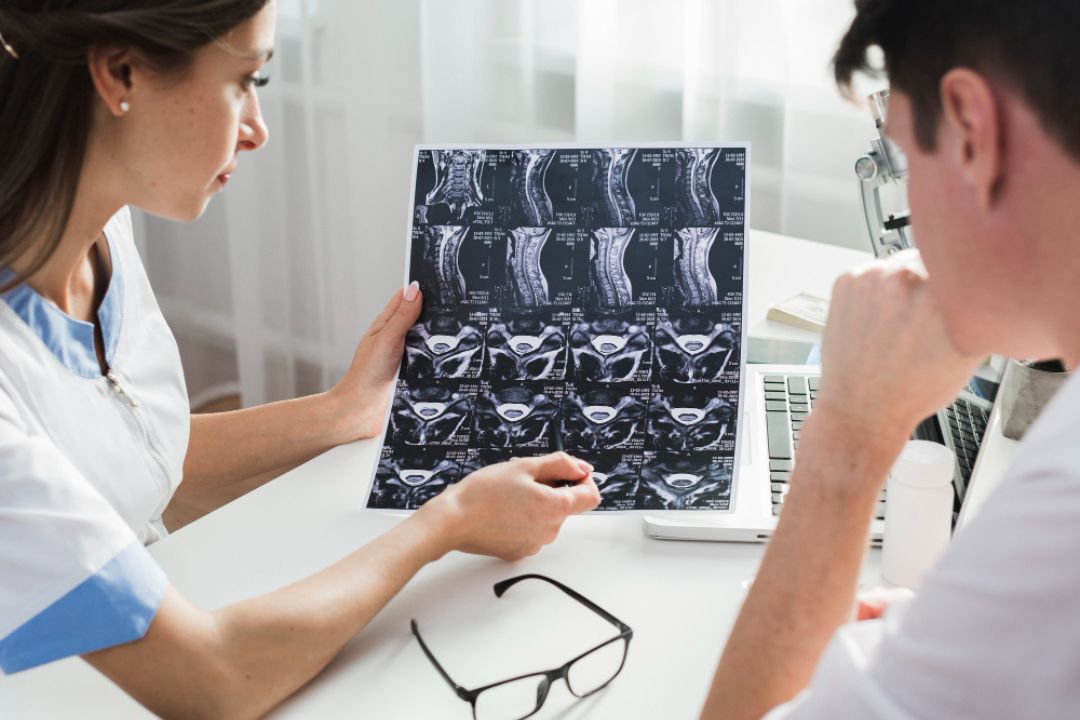
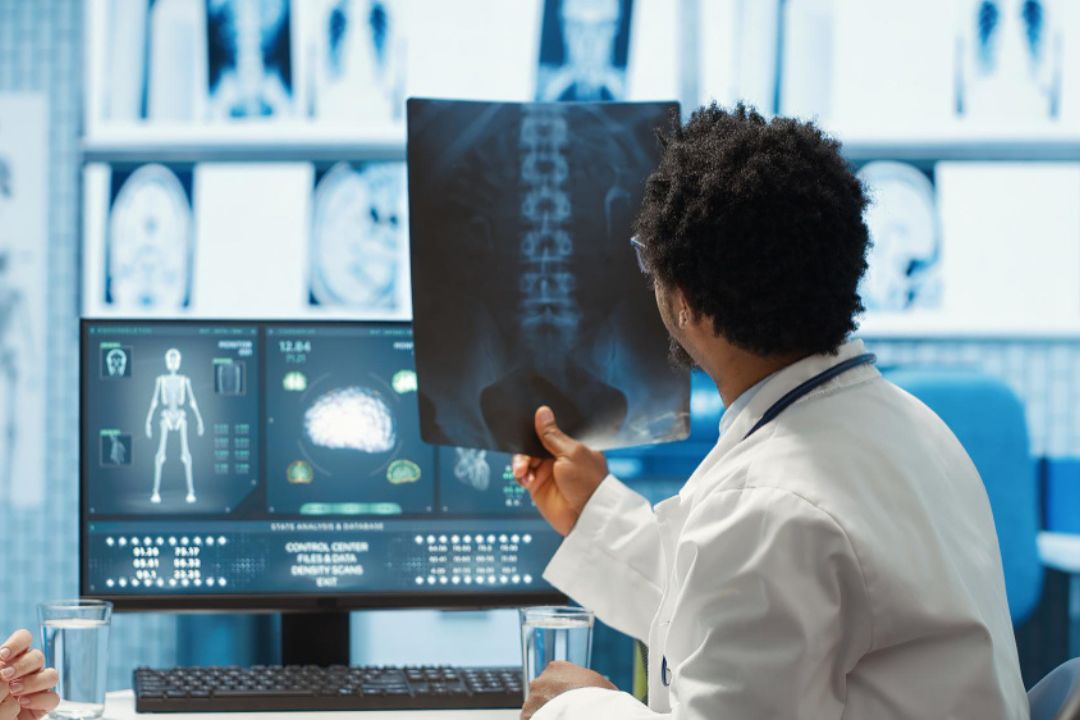
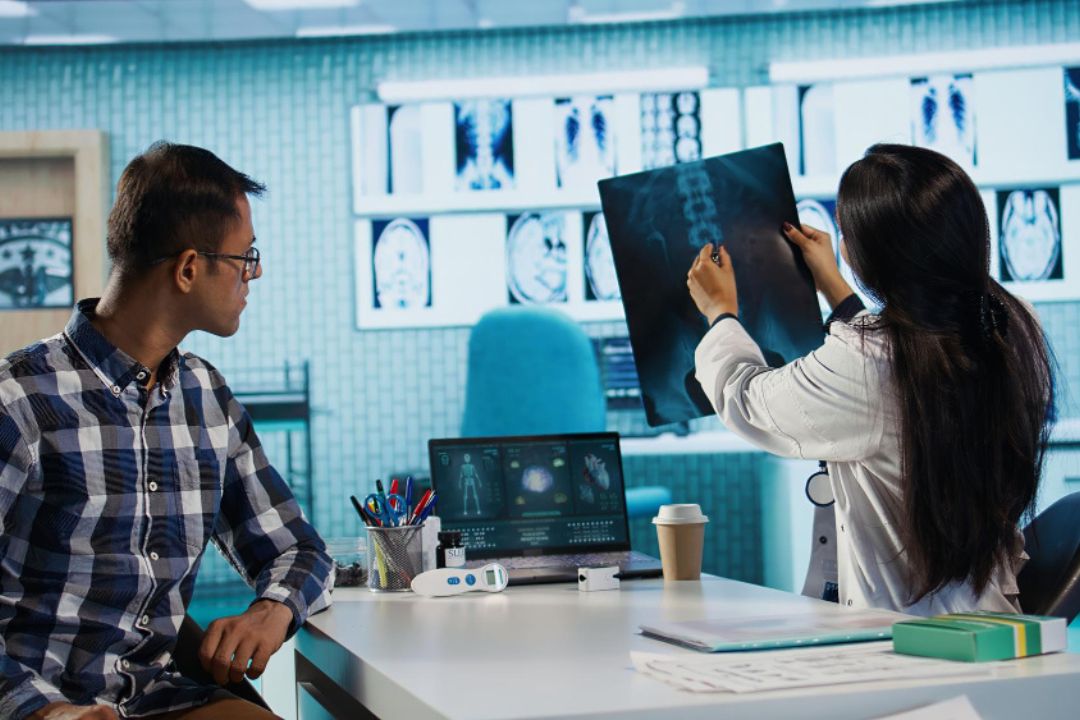
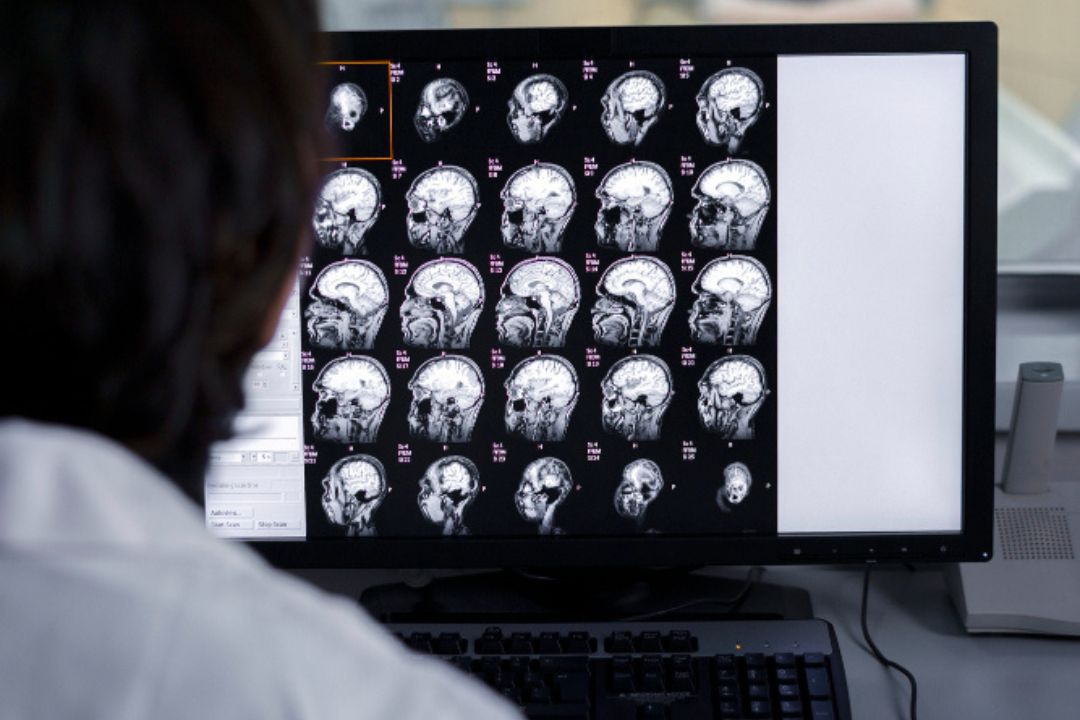
Doctors often recommend this scan for patients who experience persistent back pain, injuries, or suspected spinal abnormalities. The scan produces detailed cross-sectional images of the vertebrae, discs, and surrounding tissues, helping doctors identify the cause of pain or discomfort.
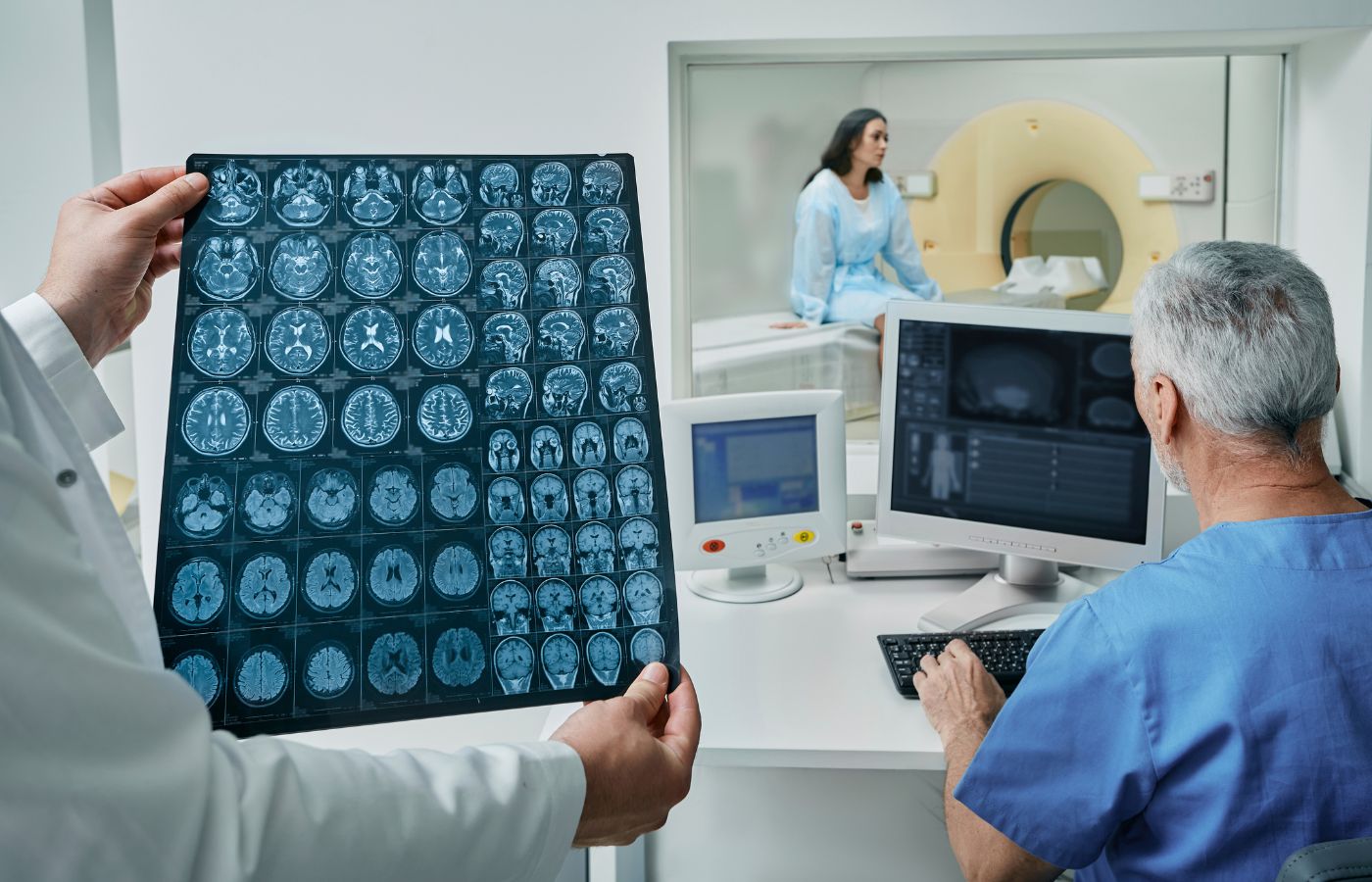
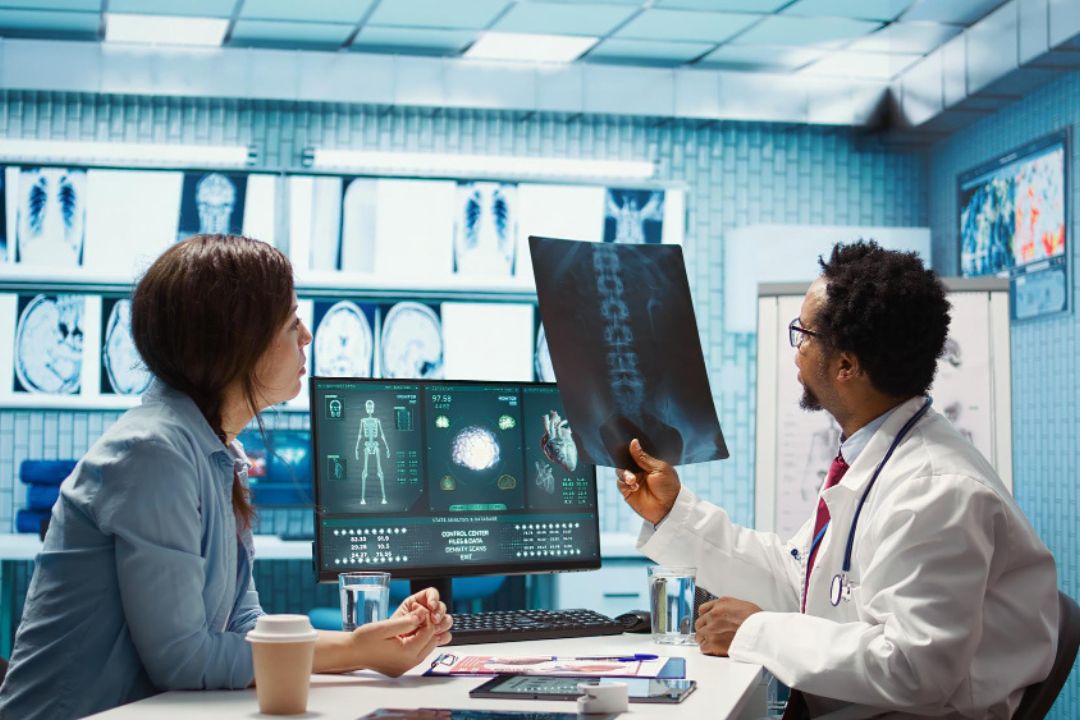
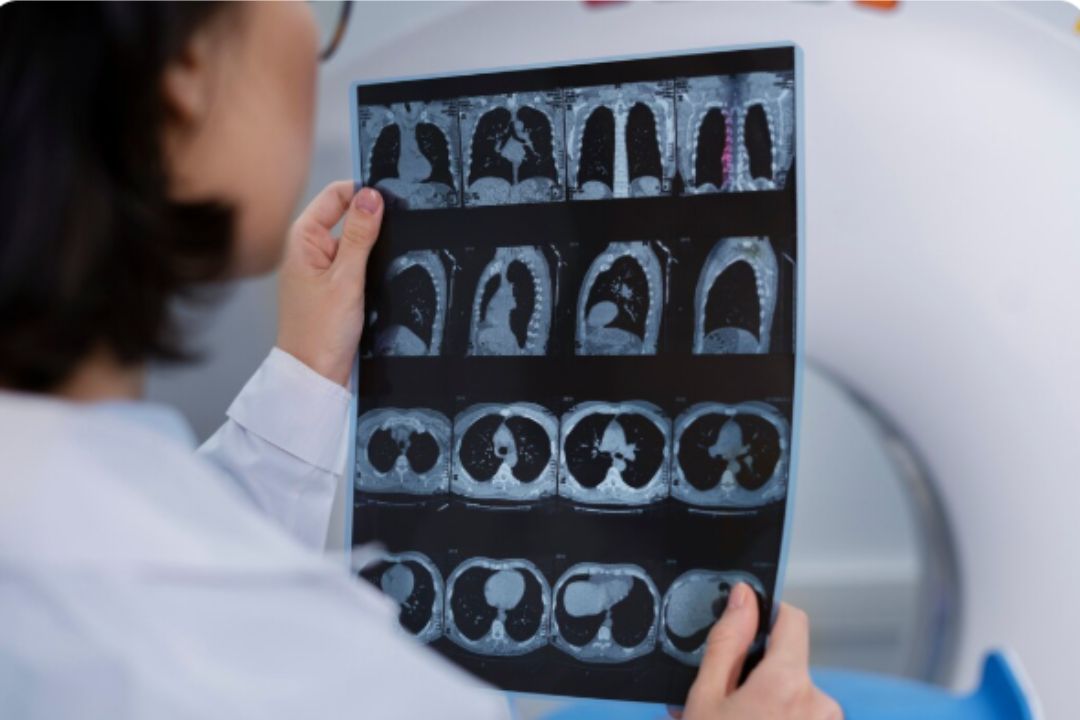
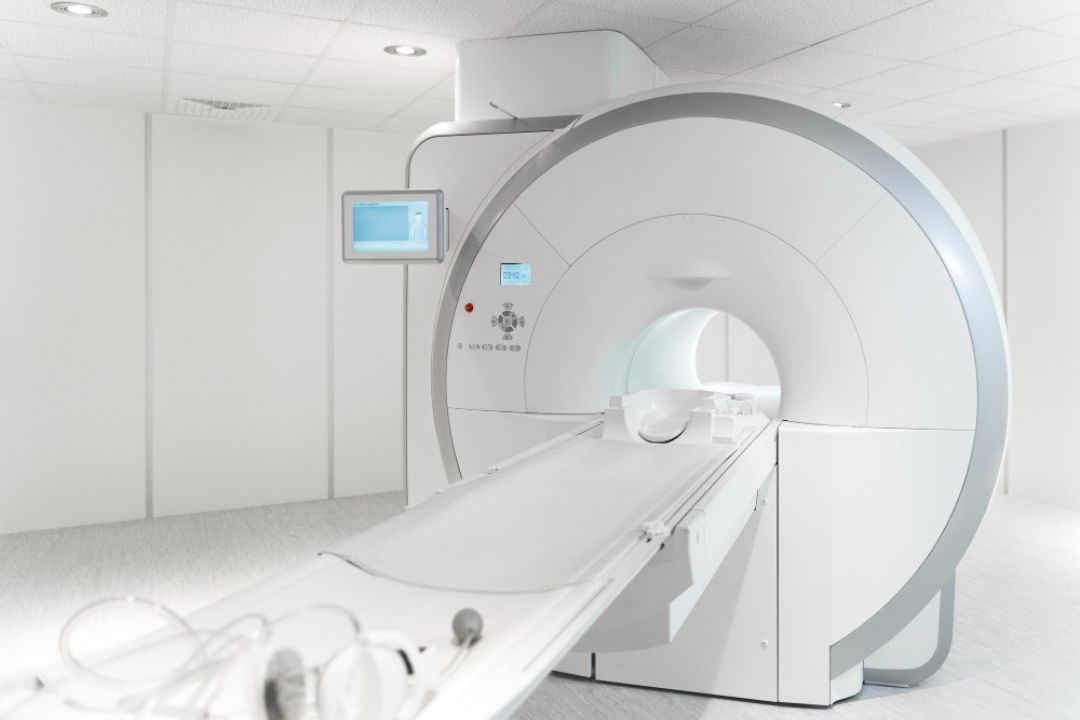
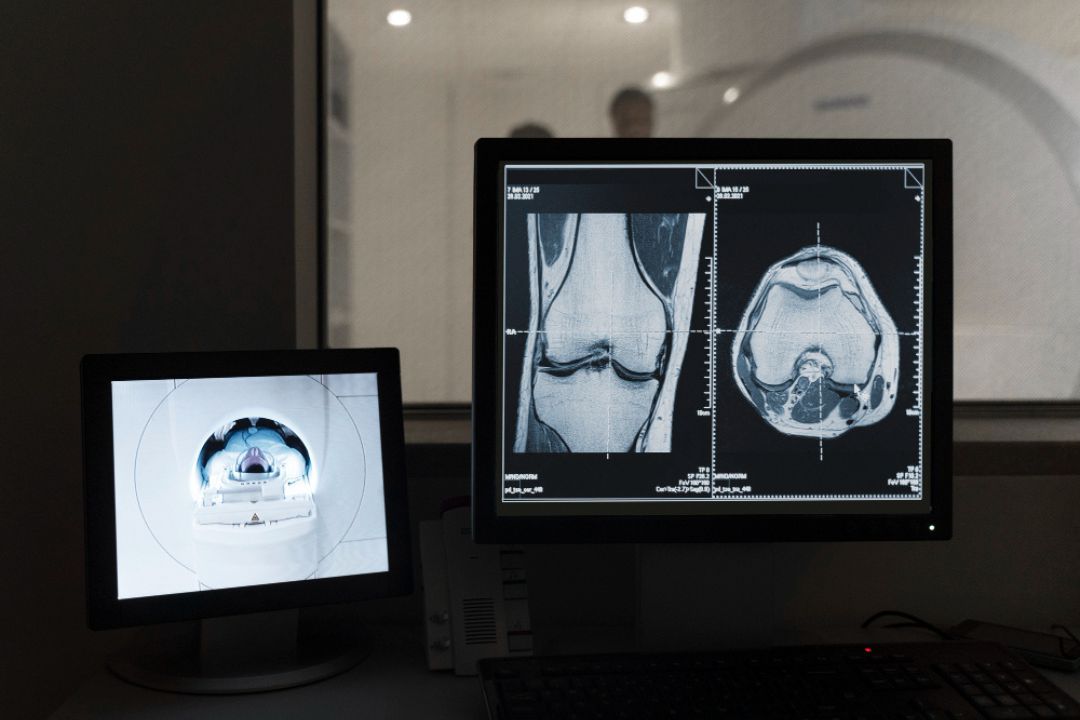
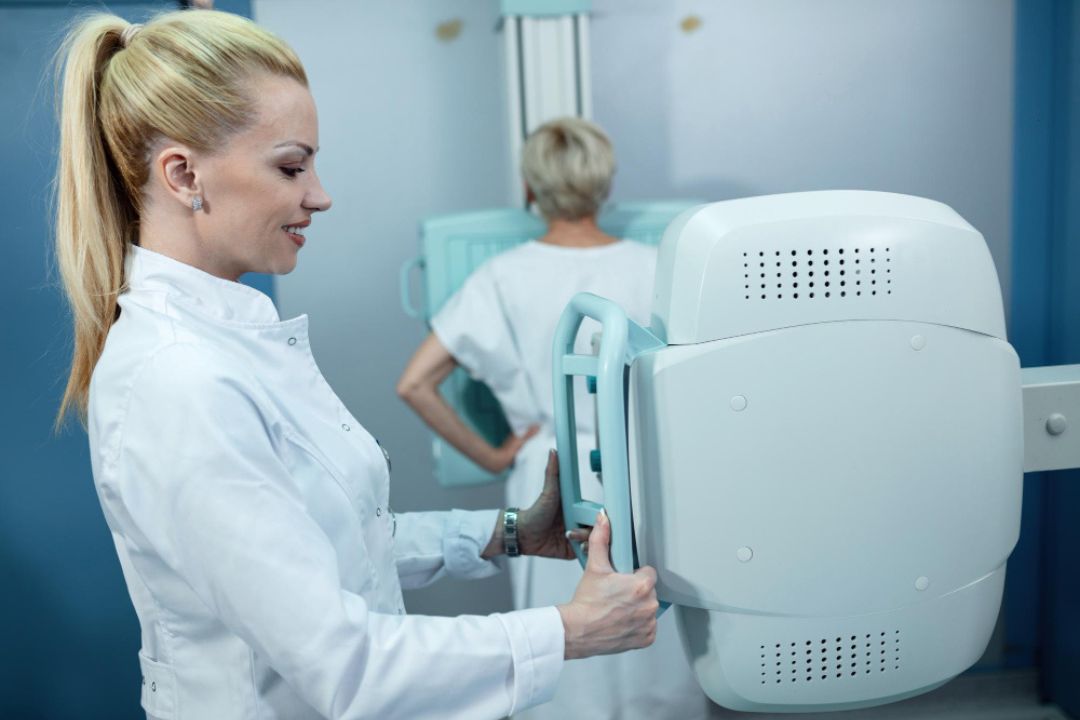
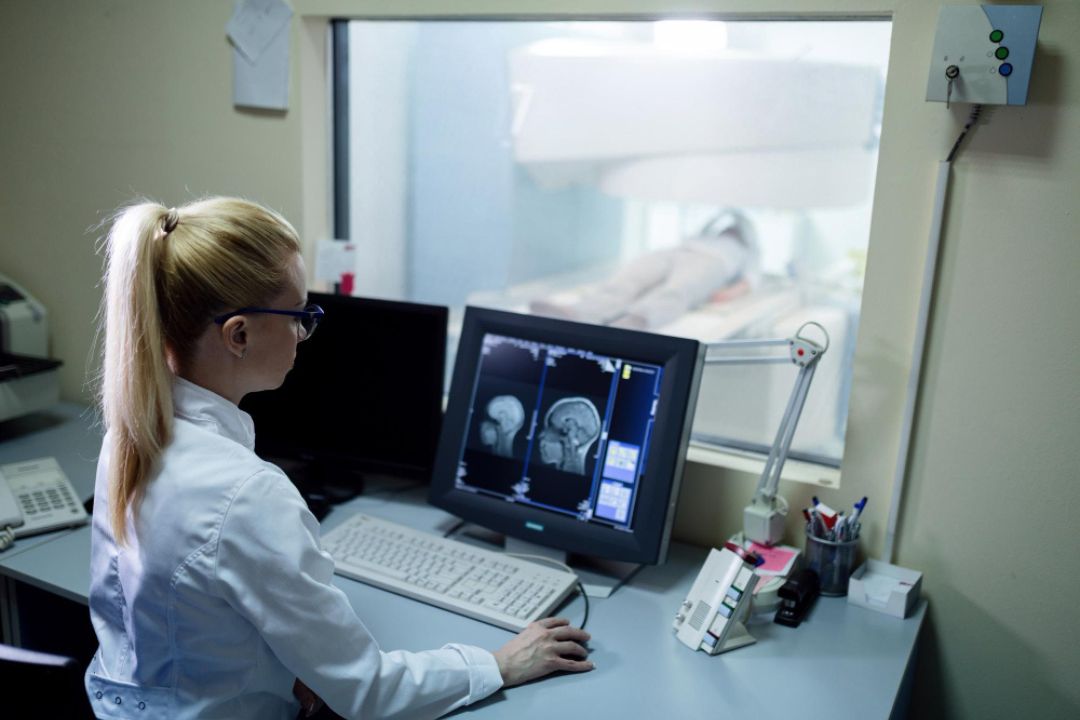
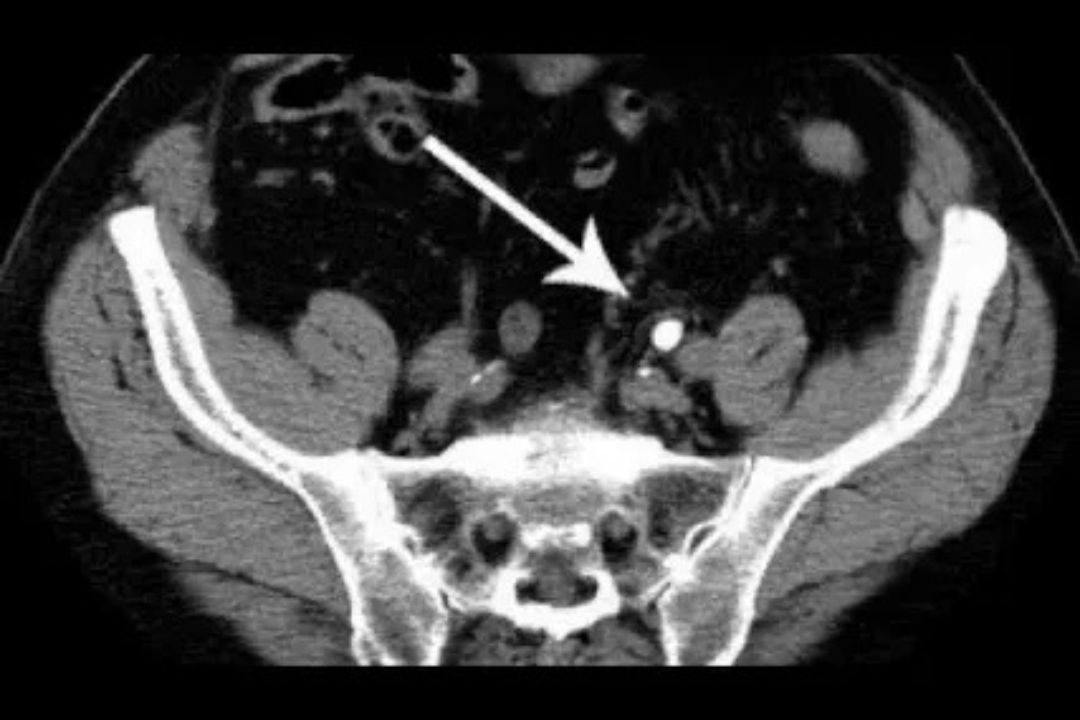
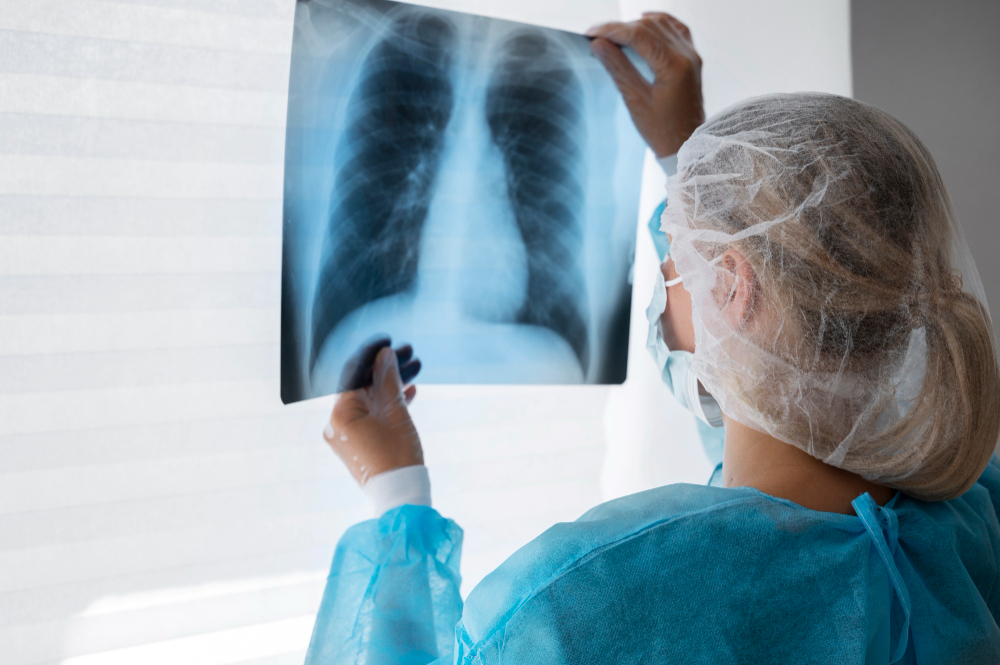
A CT Scan (Computed Tomography scan) uses X-rays combined with computer technology to create detailed images of the body. It allows doctors to see bones, muscles, discs, and other structures of the spine more clearly than a standard X-ray.
When the scan is performed without contrast, no dye injection is required. This type of scan focuses mainly on examining the bones and structure of the spine.
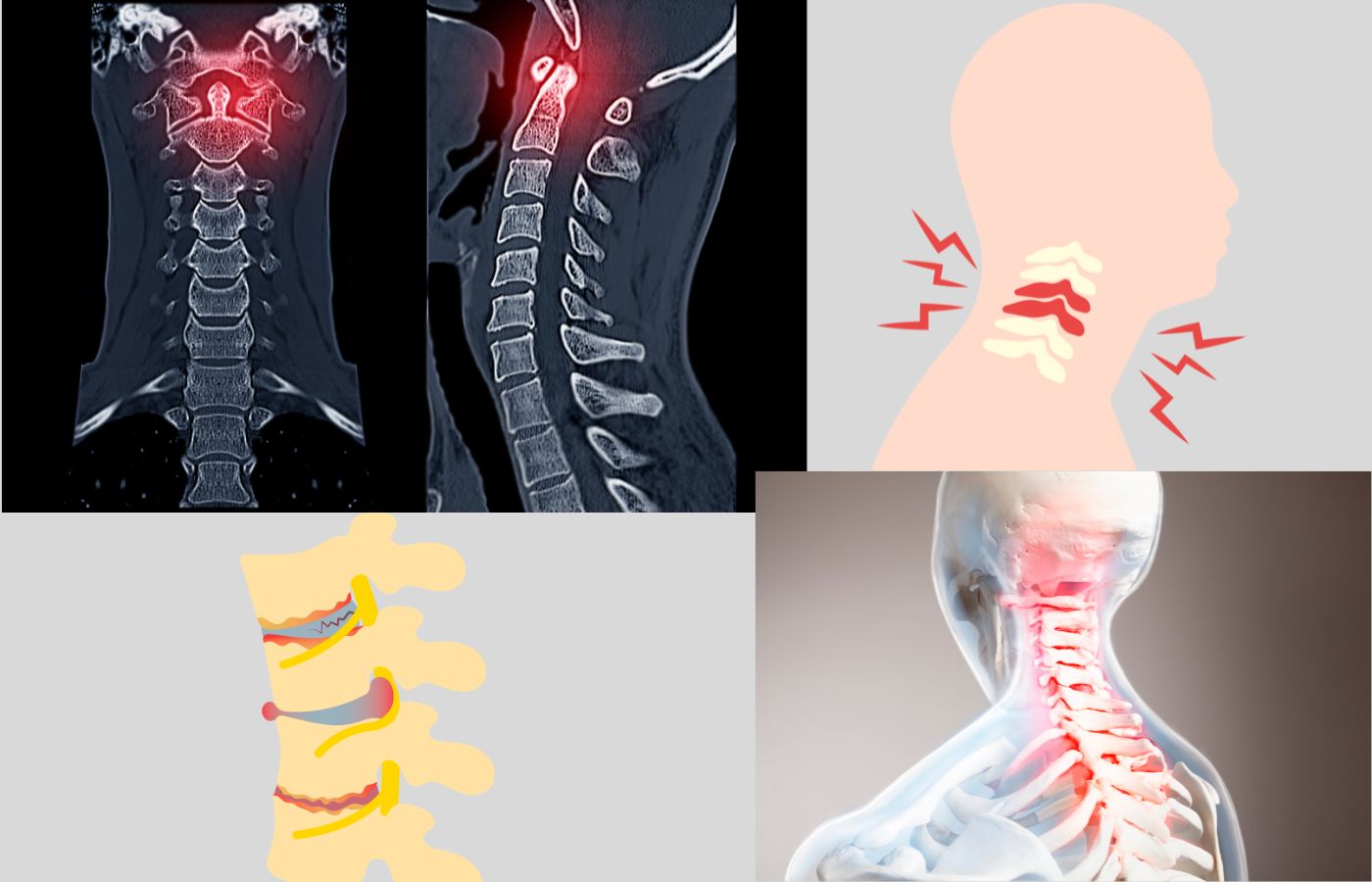
The dorsal spine, also called the thoracic spine, is the middle section of the spinal column. It consists of 12 vertebrae labeled T1 to T12 and connects the neck region to the lower back.
This part of the spine plays an important role in supporting the upper body and protecting the spinal cord.
A CT scan of the dorsal spine can reveal many conditions affecting the mid-back. Doctors use this scan to examine several structures and detect abnormalities.
The scan provides clear images of the vertebrae. It helps detect fractures, bone damage, or structural problems in the spinal column.
The discs act as cushions between the vertebrae. CT imaging can help identify disc bulges, degeneration, or herniated discs that may cause back pain.
The spinal canal contains the spinal cord. A CT scan can detect narrowing of the canal, which may compress nerves and cause pain or weakness.
Doctors can evaluate the alignment and curvature of the spine. Abnormal curvature such as scoliosis or kyphosis may also be detected.
CT imaging helps identify tumors, lesions, or abnormal masses affecting the bones or tissues of the spine.
The scan may detect infections affecting the vertebrae or surrounding tissues.
These detailed images help doctors diagnose injuries, degenerative diseases, and other spinal conditions more accurately.
Doctors may suggest this scan when patients experience symptoms such as:
Persistent mid-back pain
Pain after an accident or injury
Numbness or tingling in the back
Difficulty moving or bending the spine
Suspected spinal fracture
Possible spinal infection or tumor
This scan is especially useful when other imaging tests like X-rays do not provide enough information.
A CT scan of the dorsal spine can help diagnose several medical conditions, including:
Spinal fractures
Herniated or slipped discs
Degenerative spine disease
Spinal arthritis
Spinal tumors
Bone infections
Congenital spine abnormalities
Early detection of these conditions helps doctors plan the appropriate treatment.
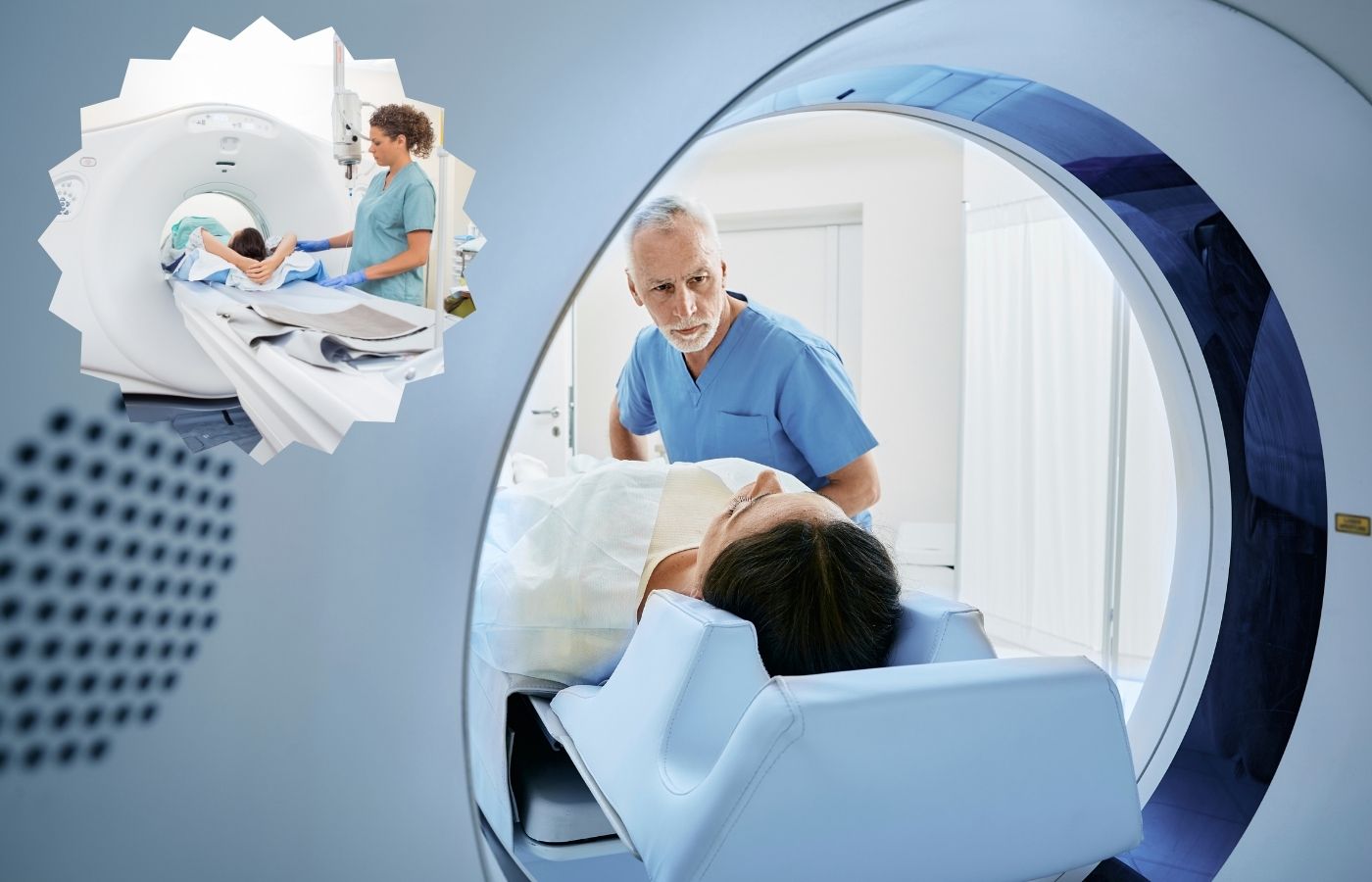
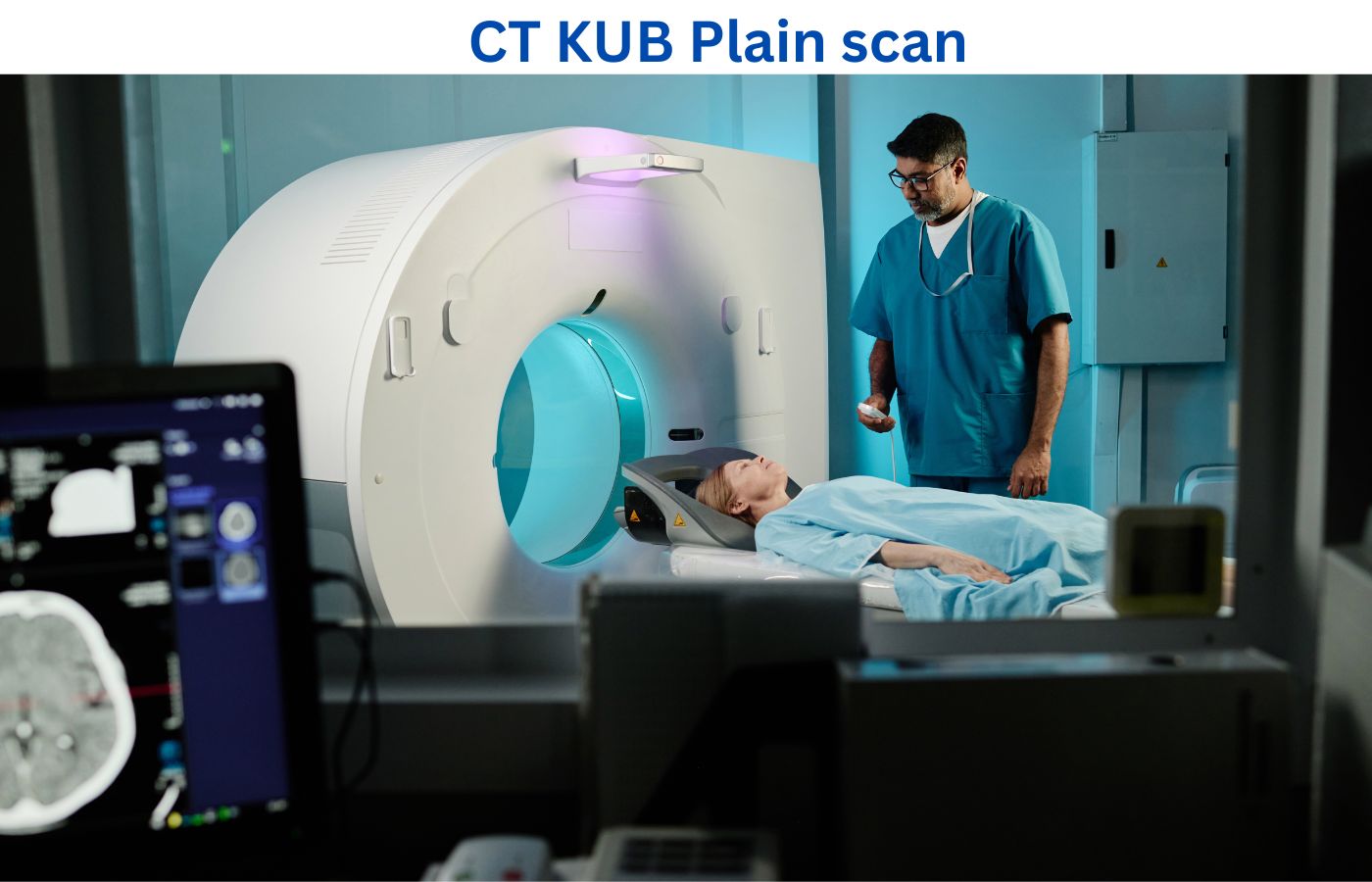
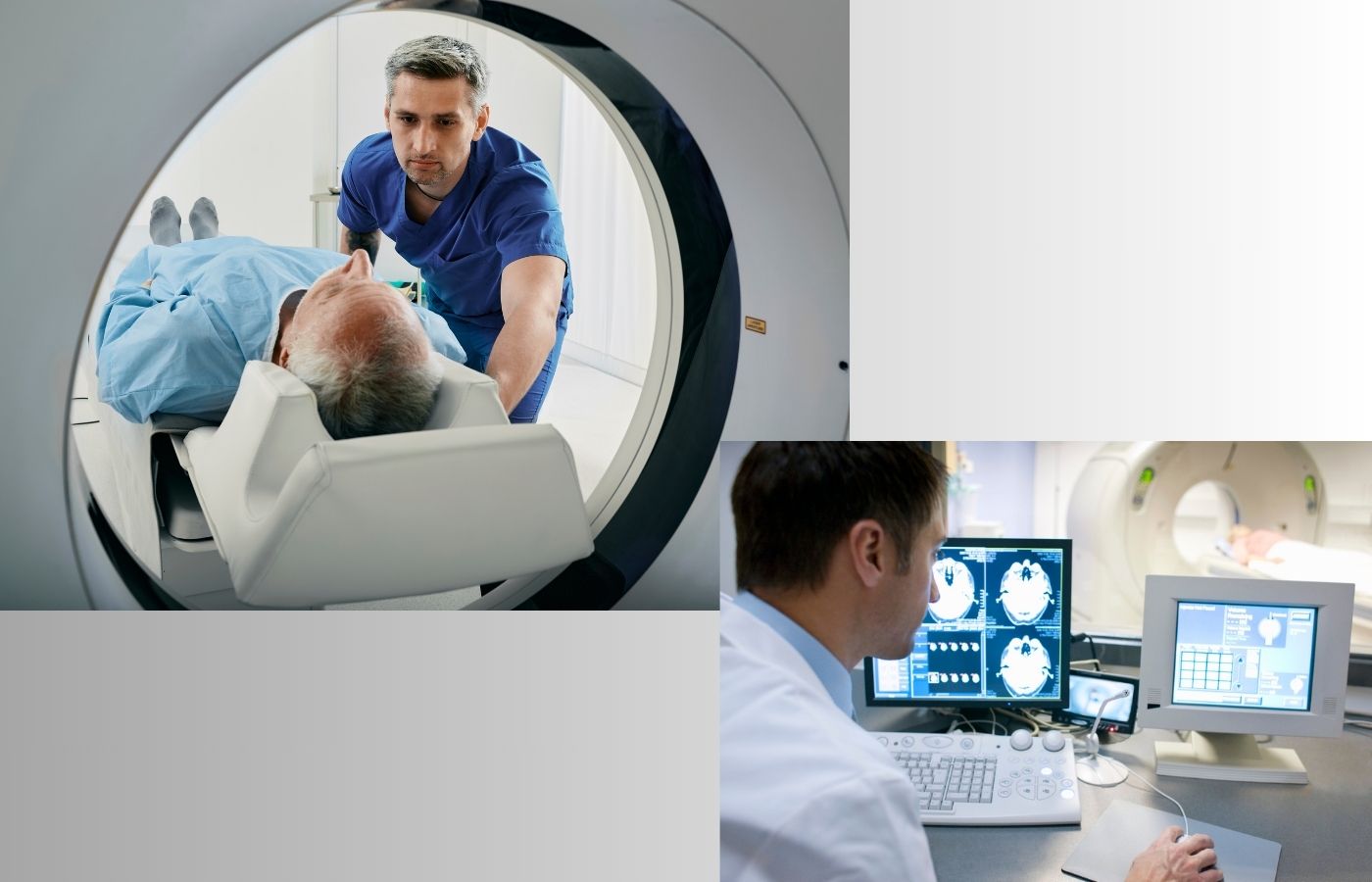
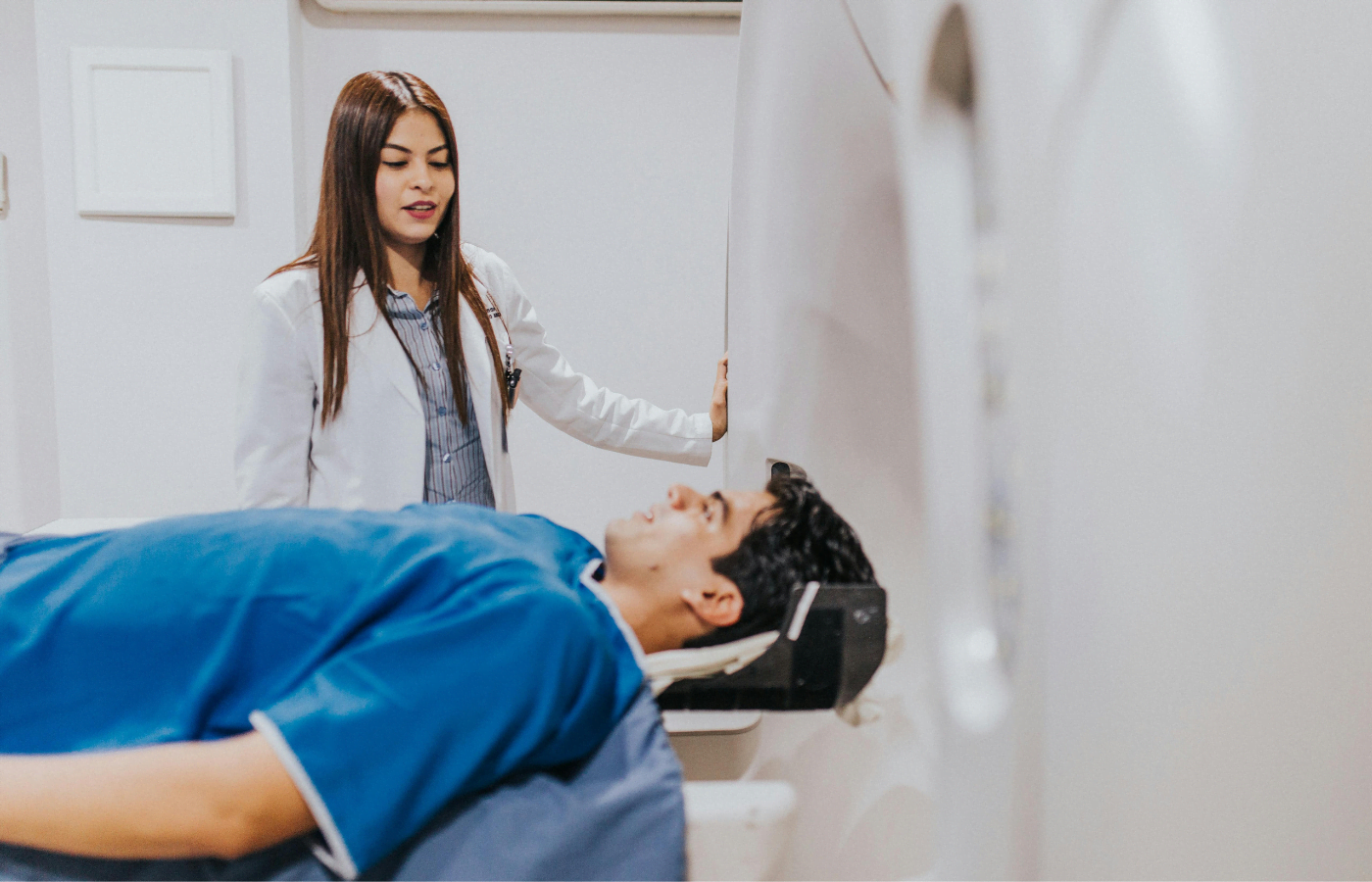
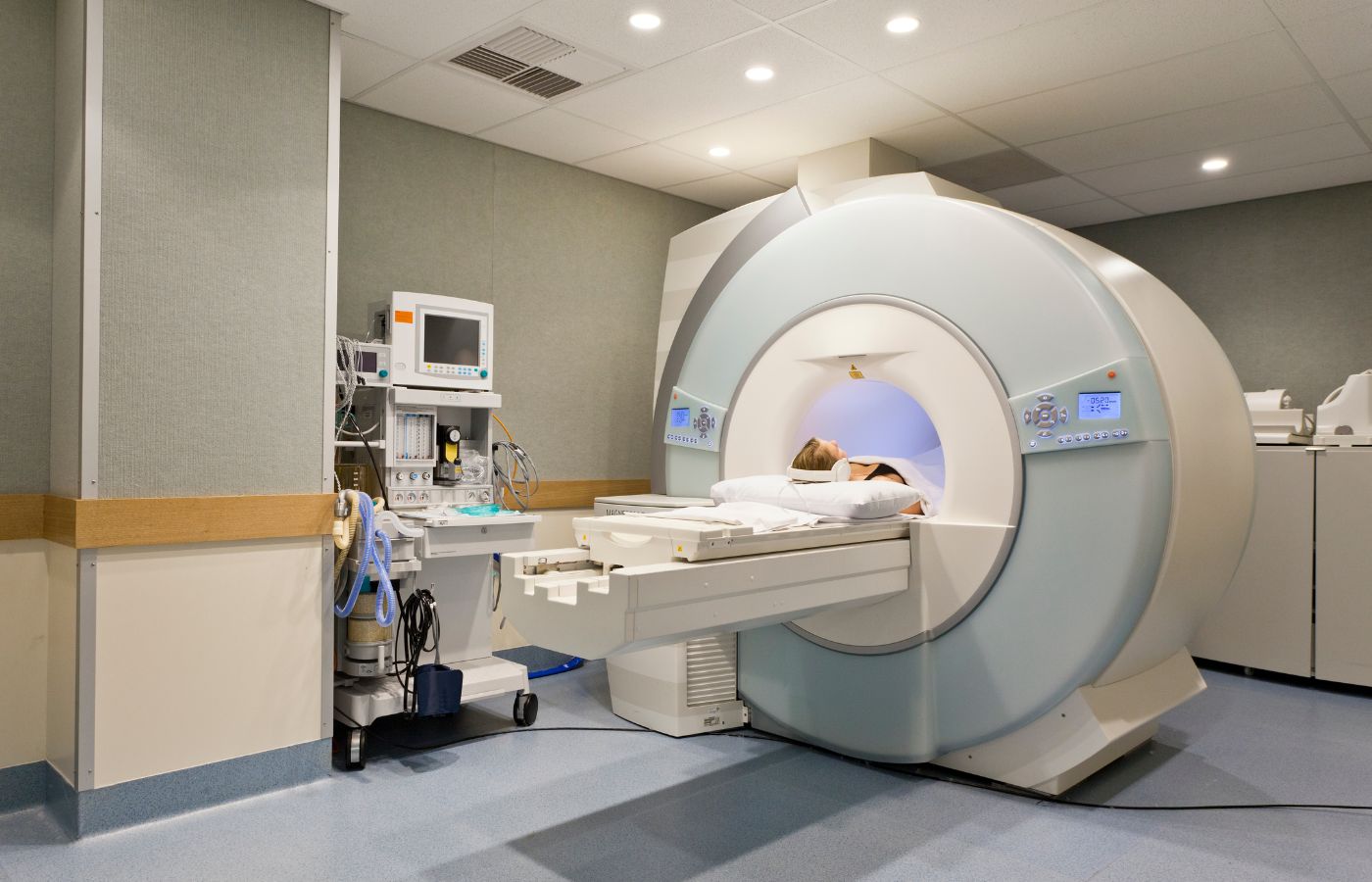
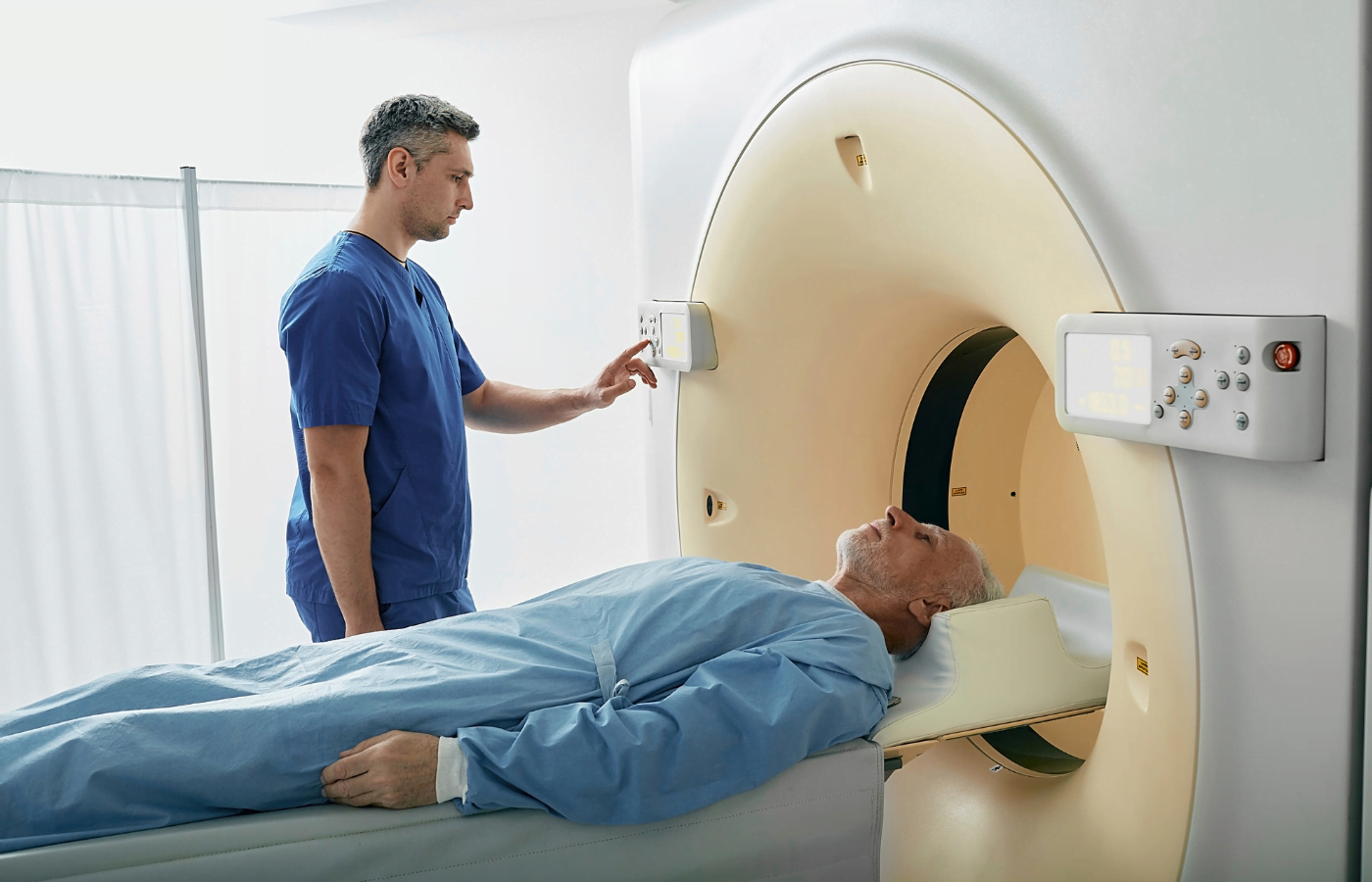
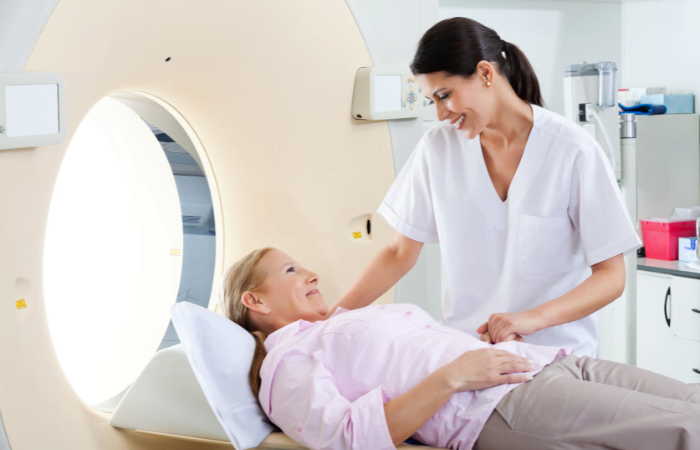
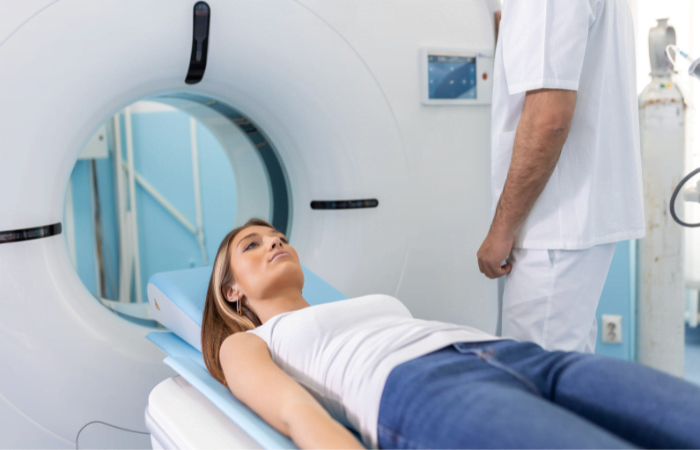
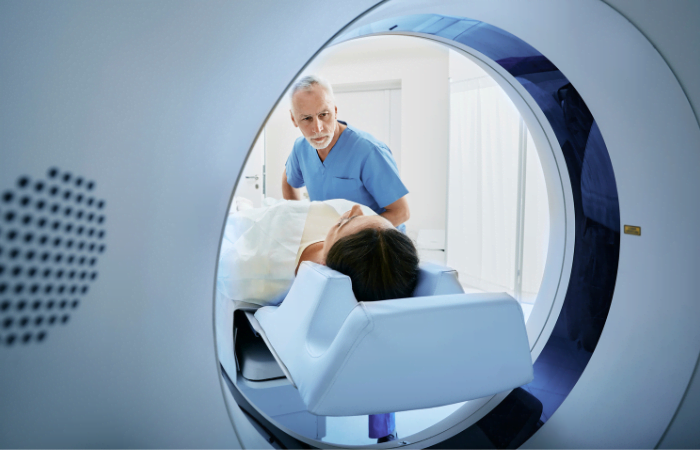
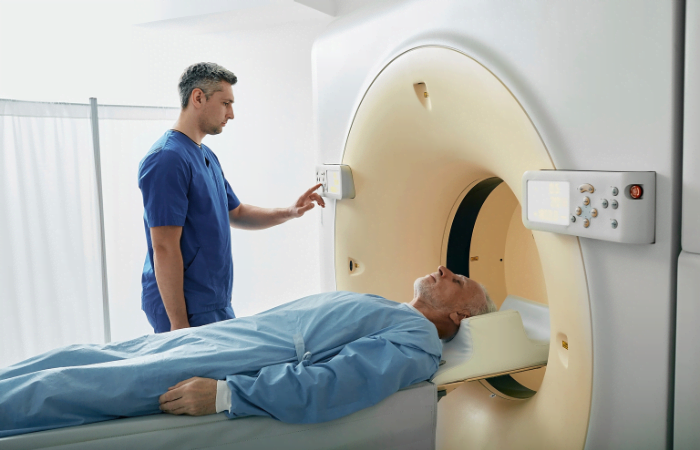
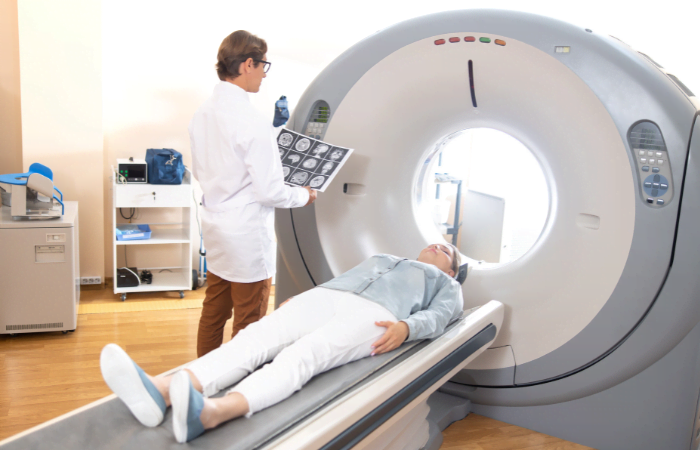
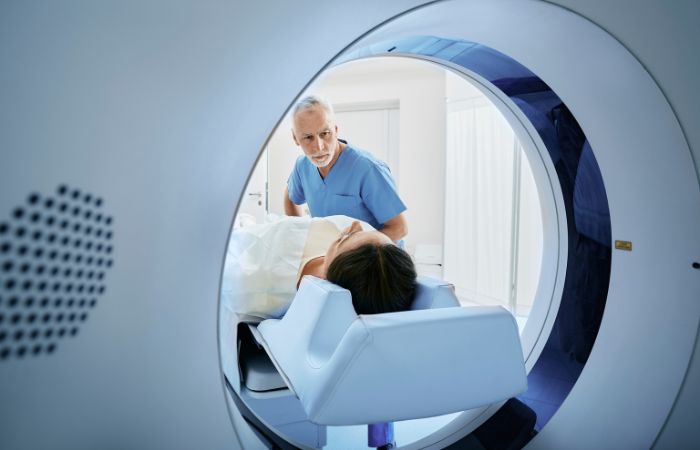
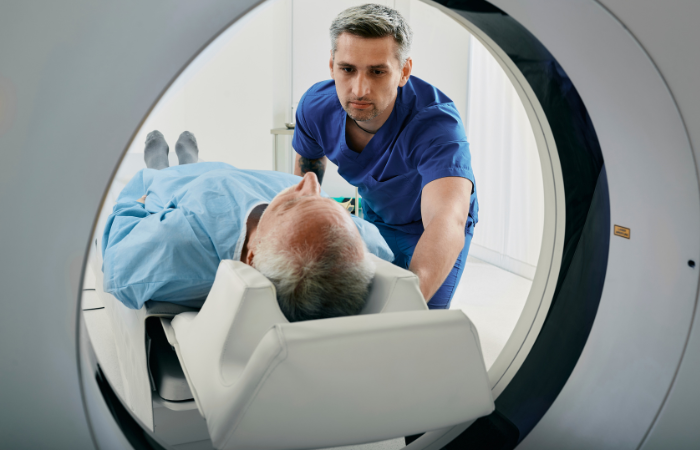
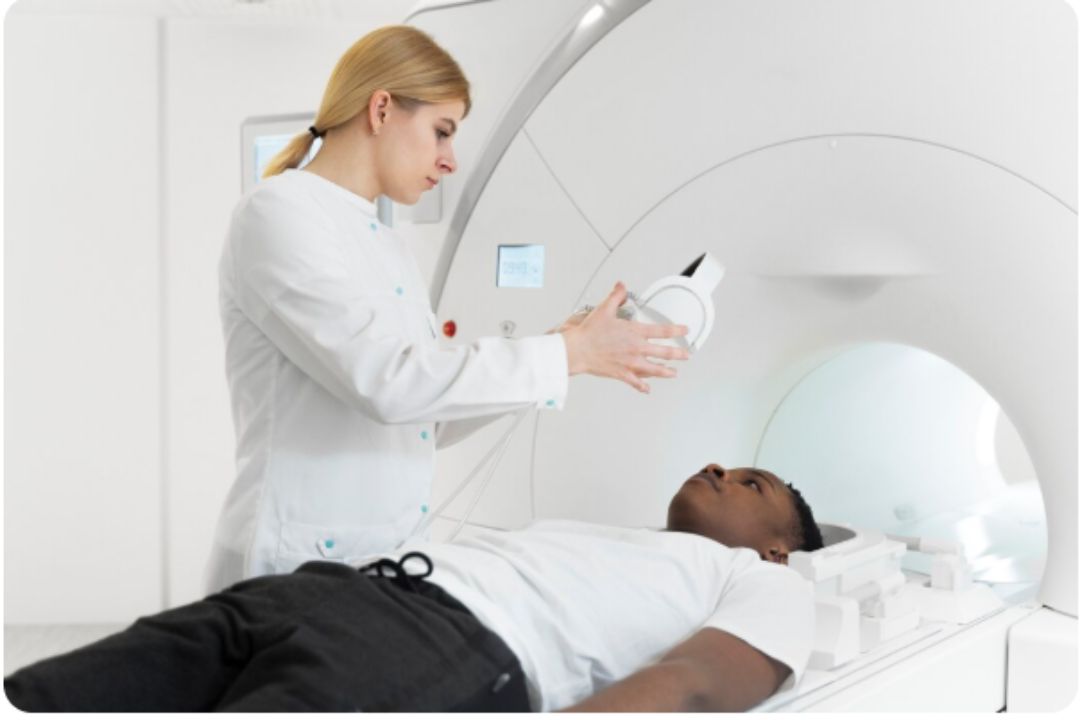
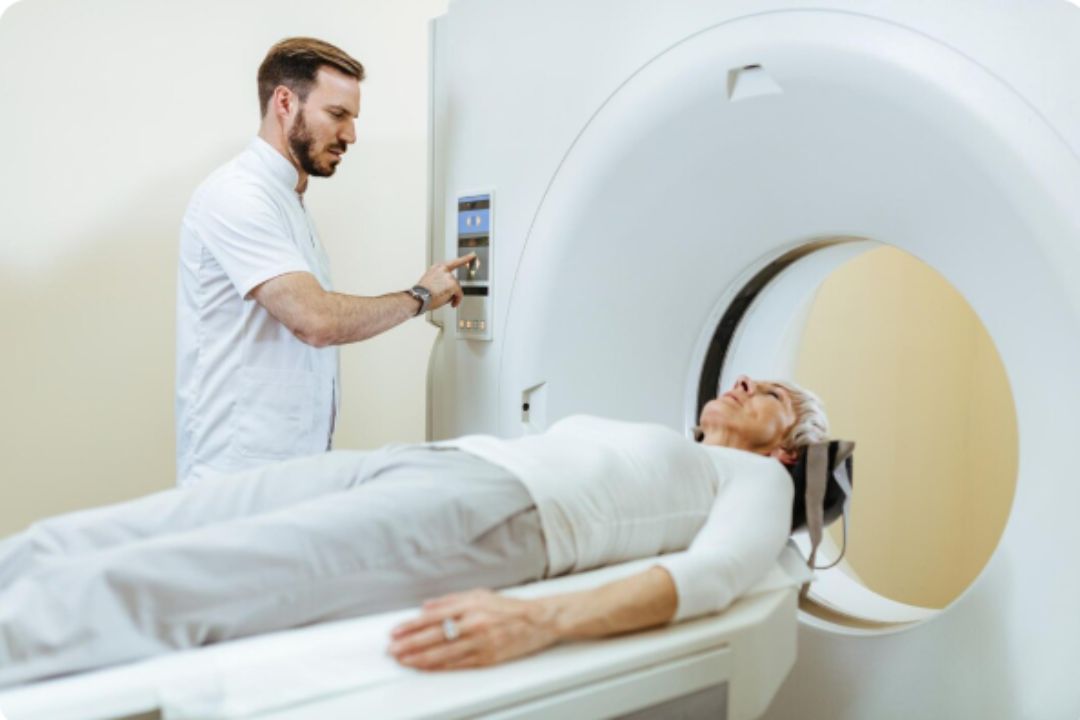
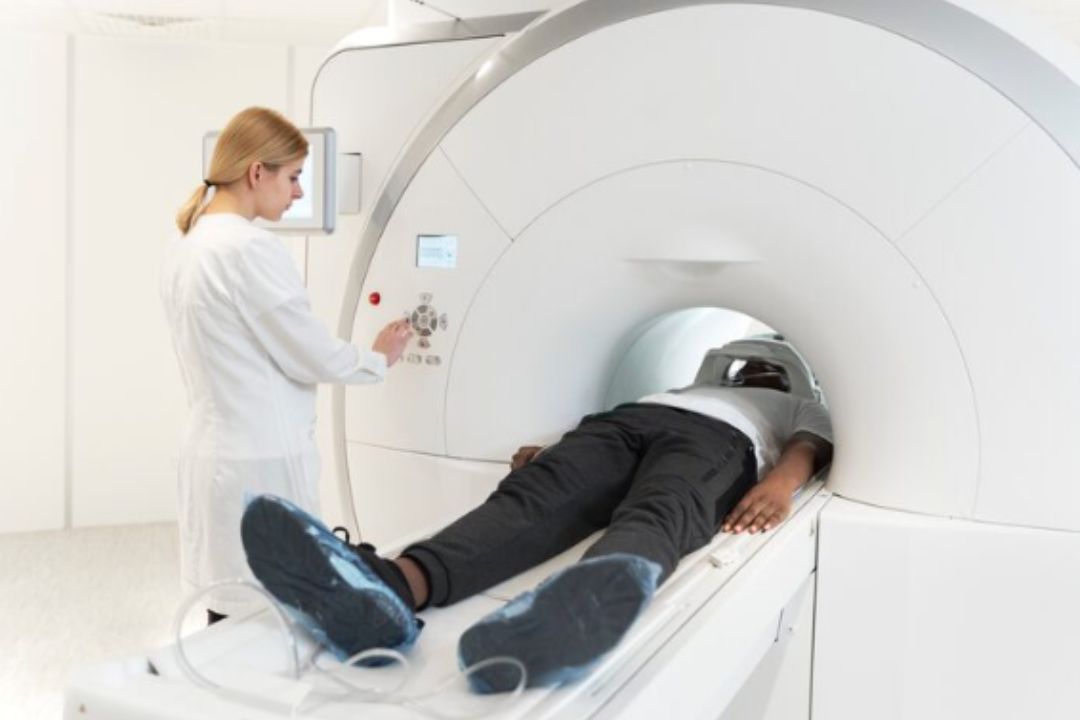
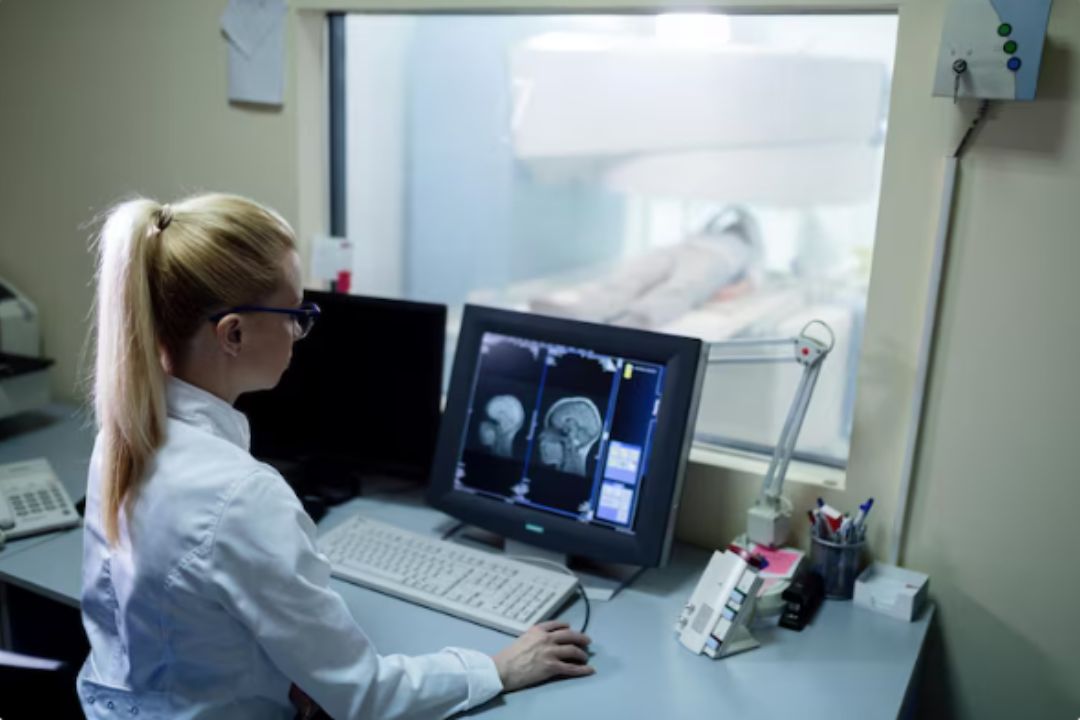
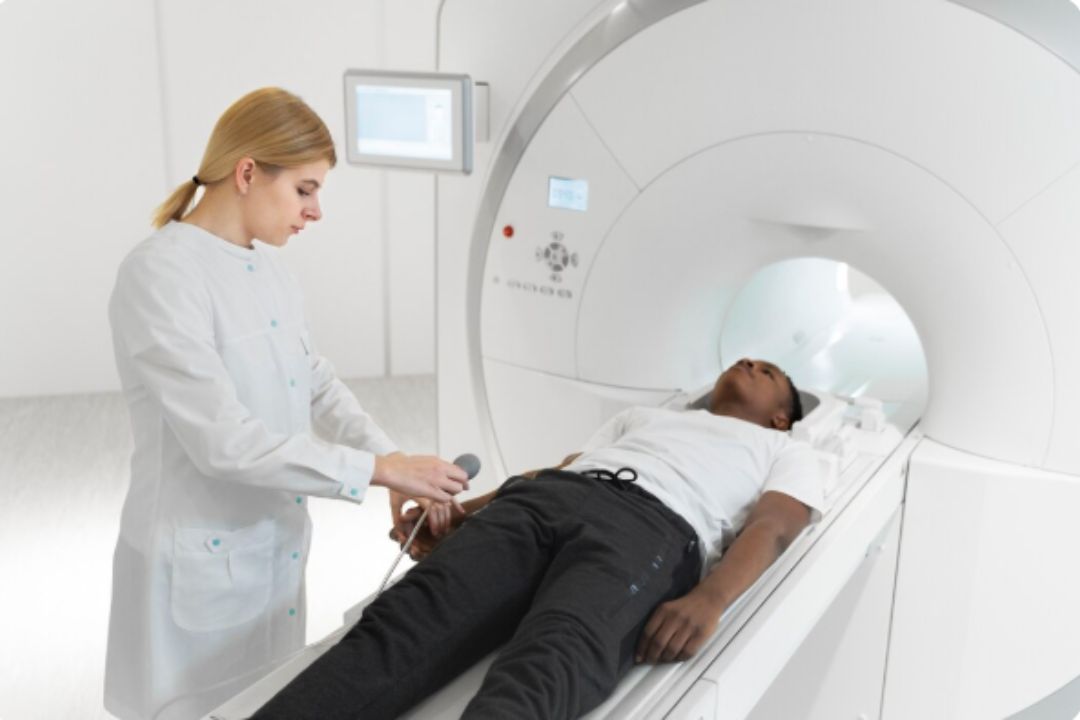
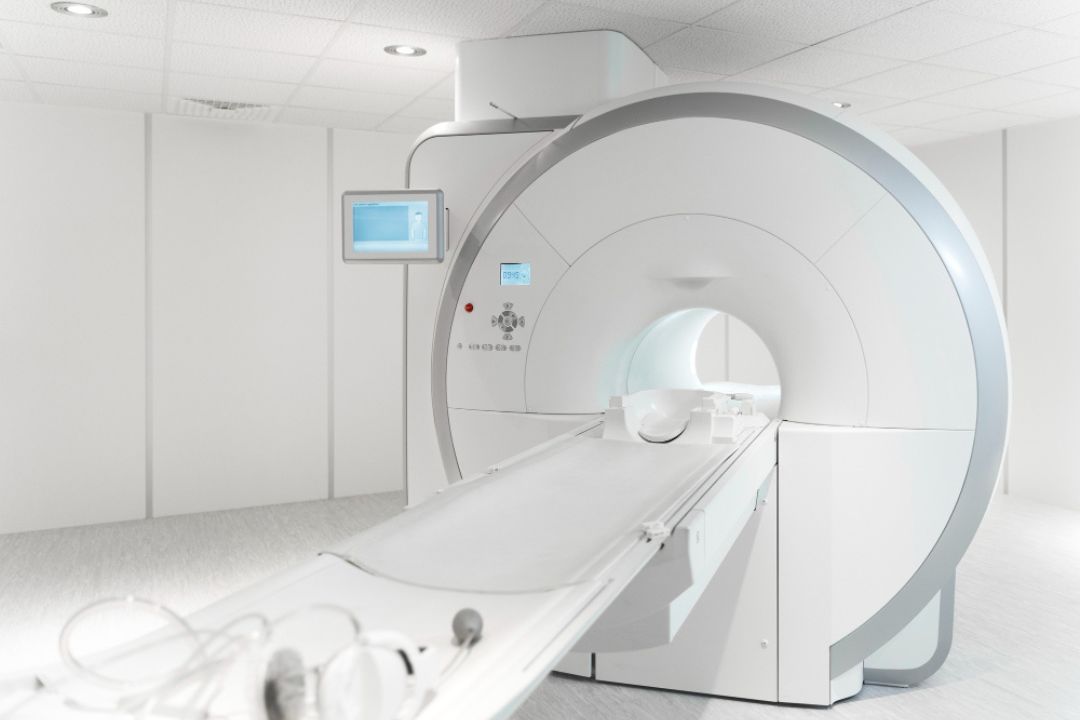
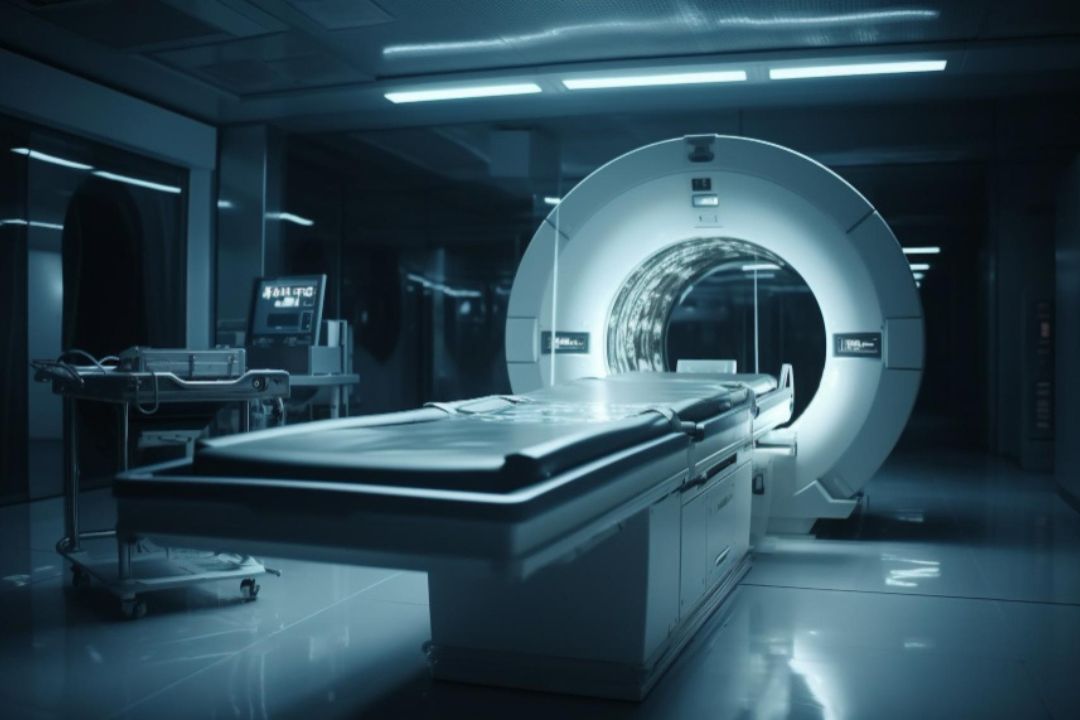
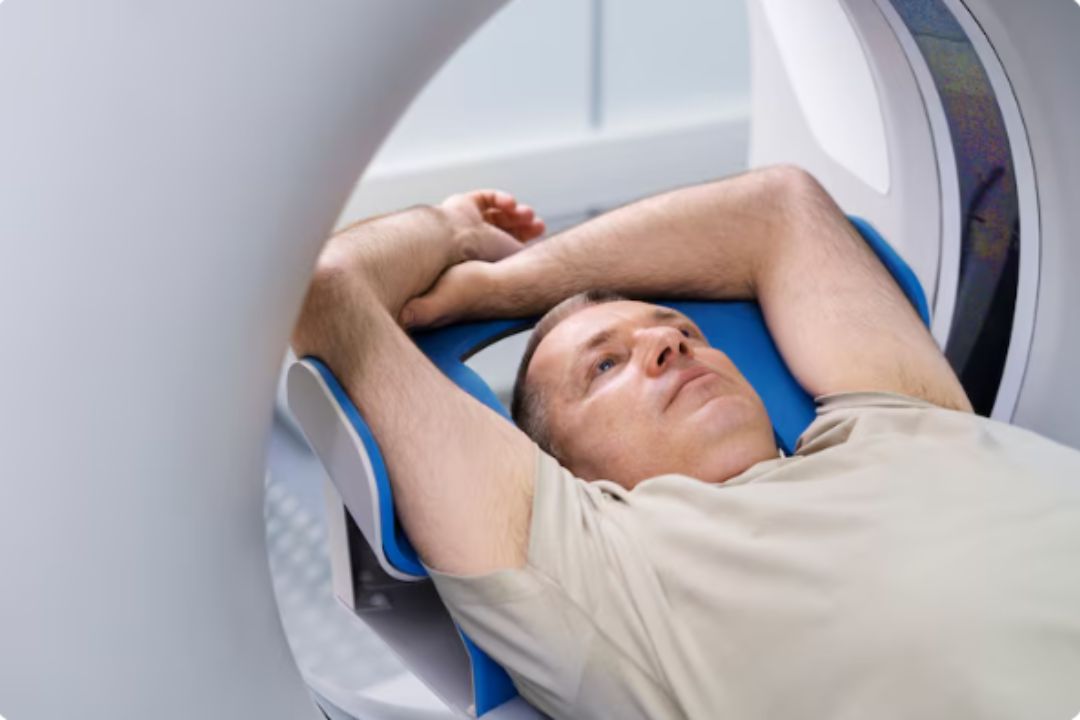
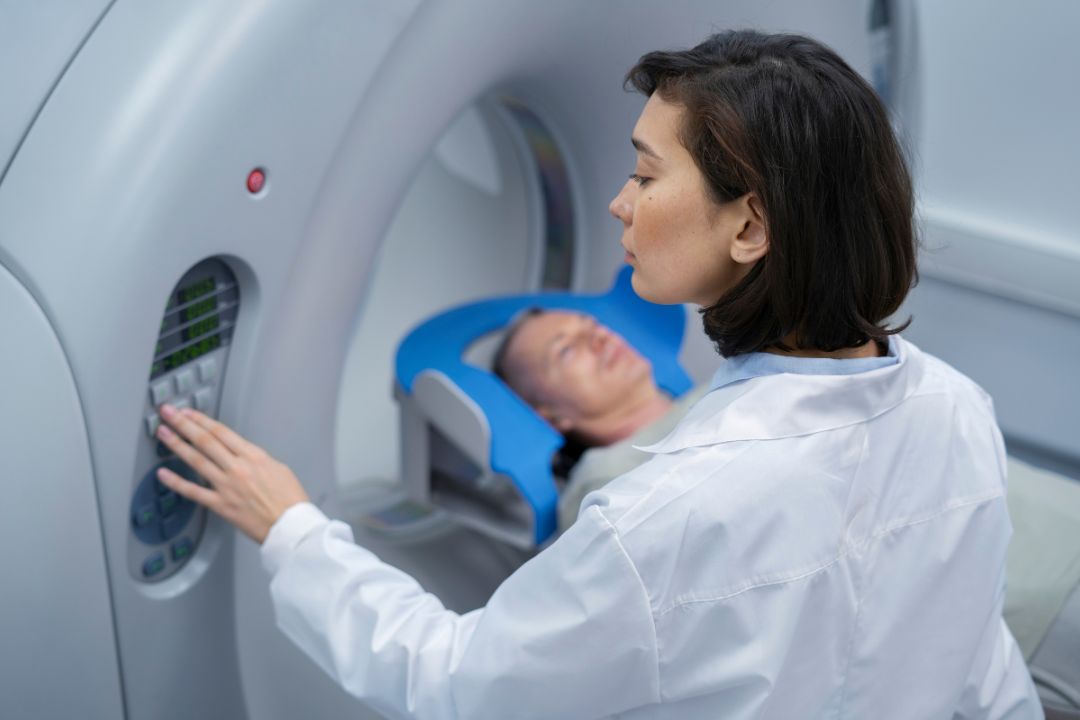
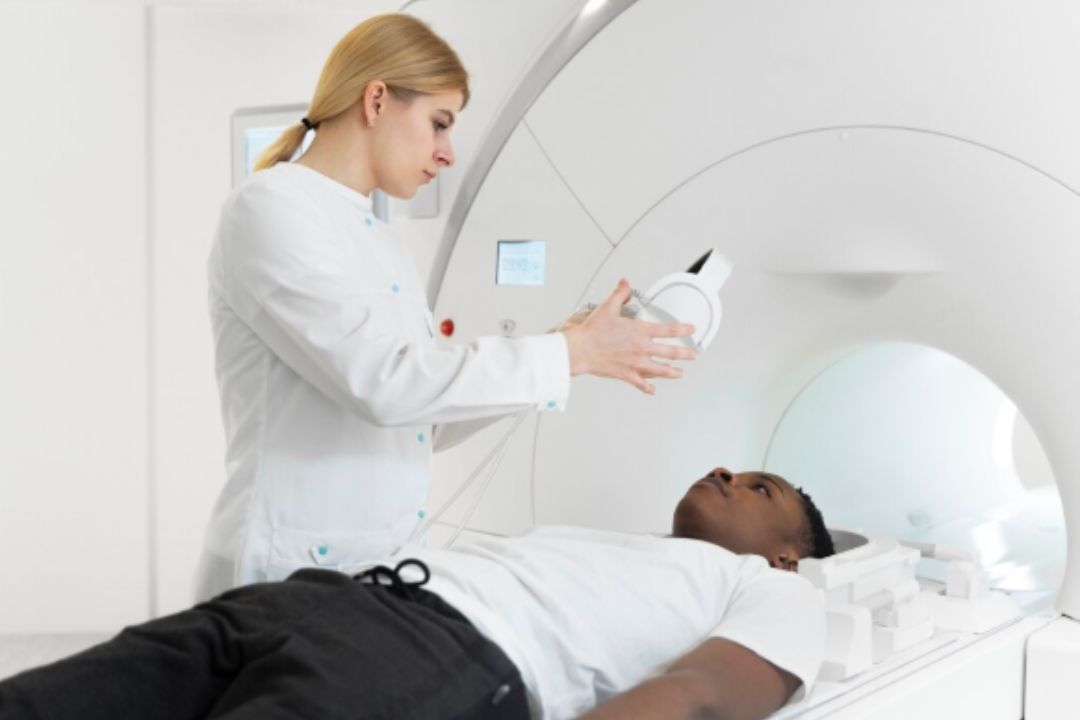
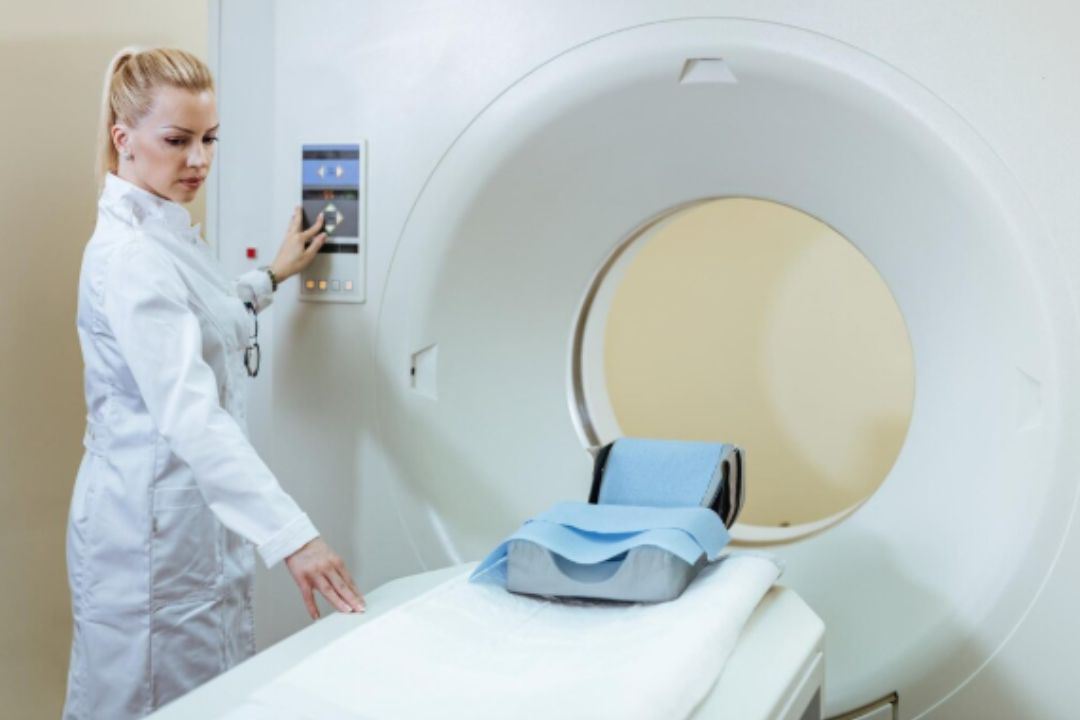
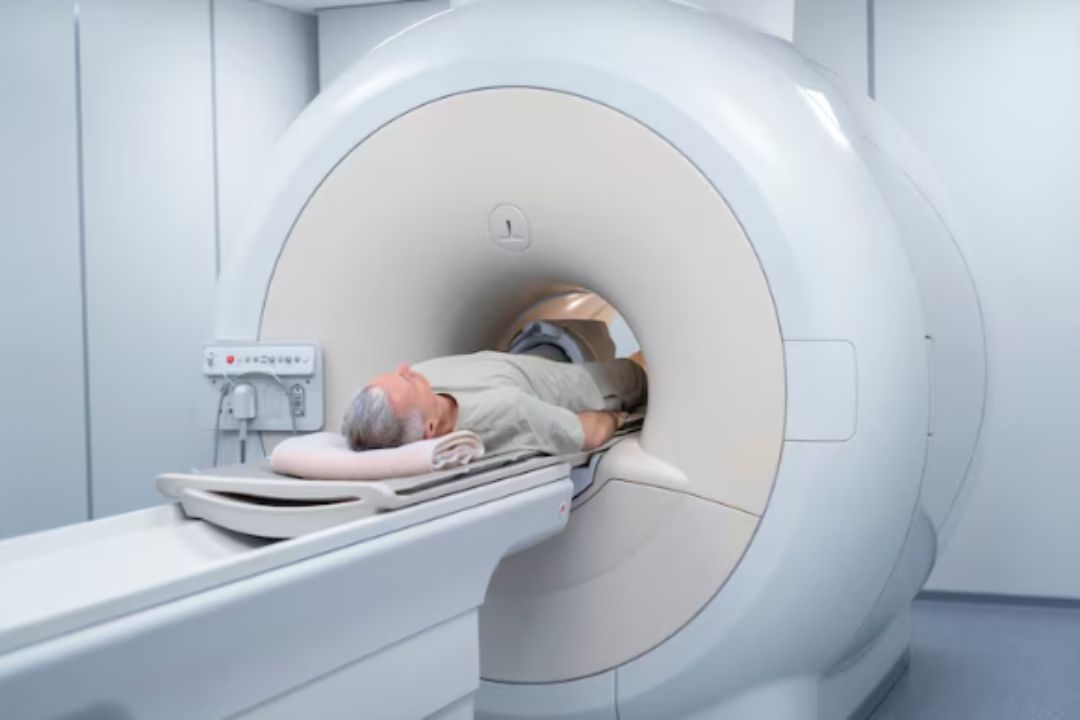
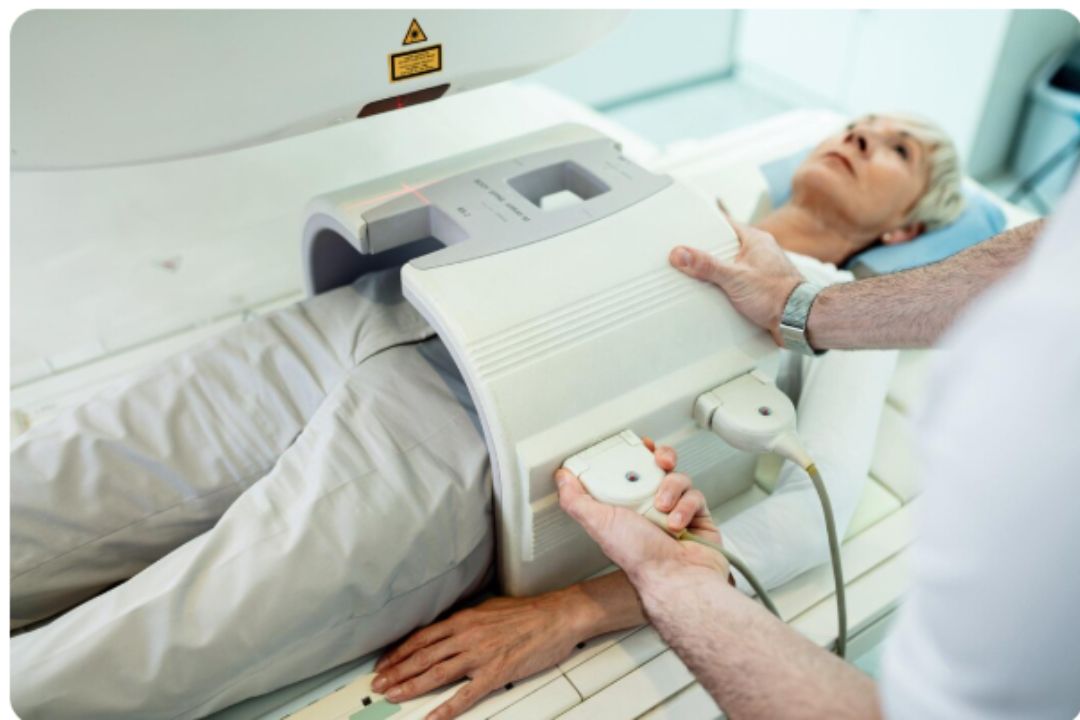
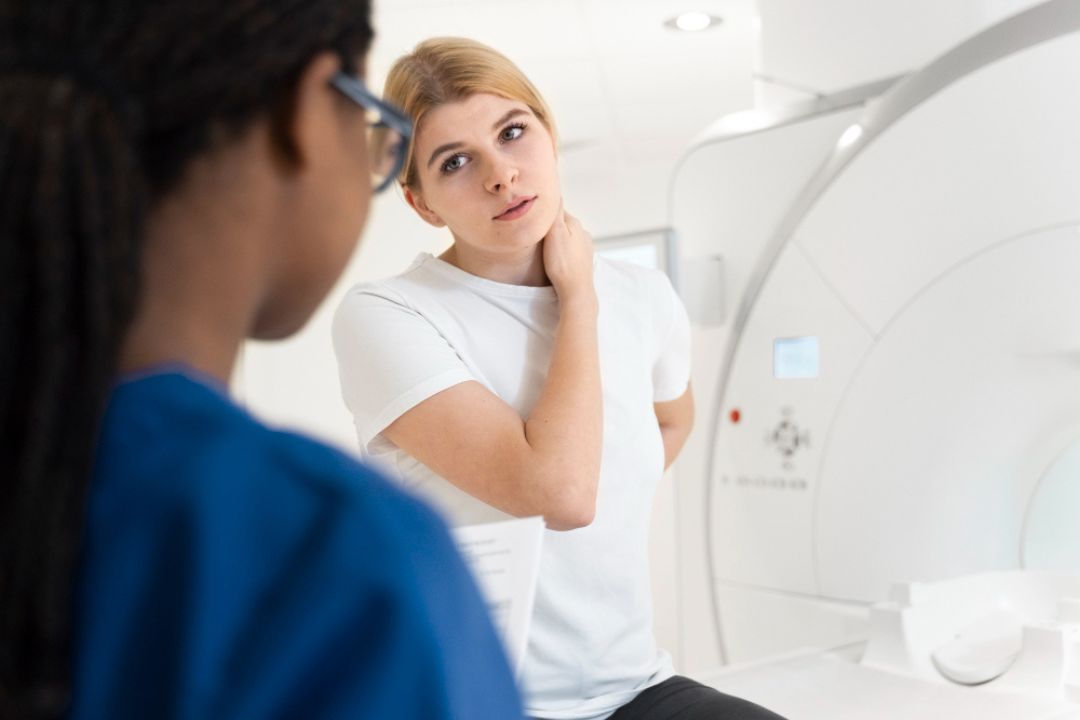
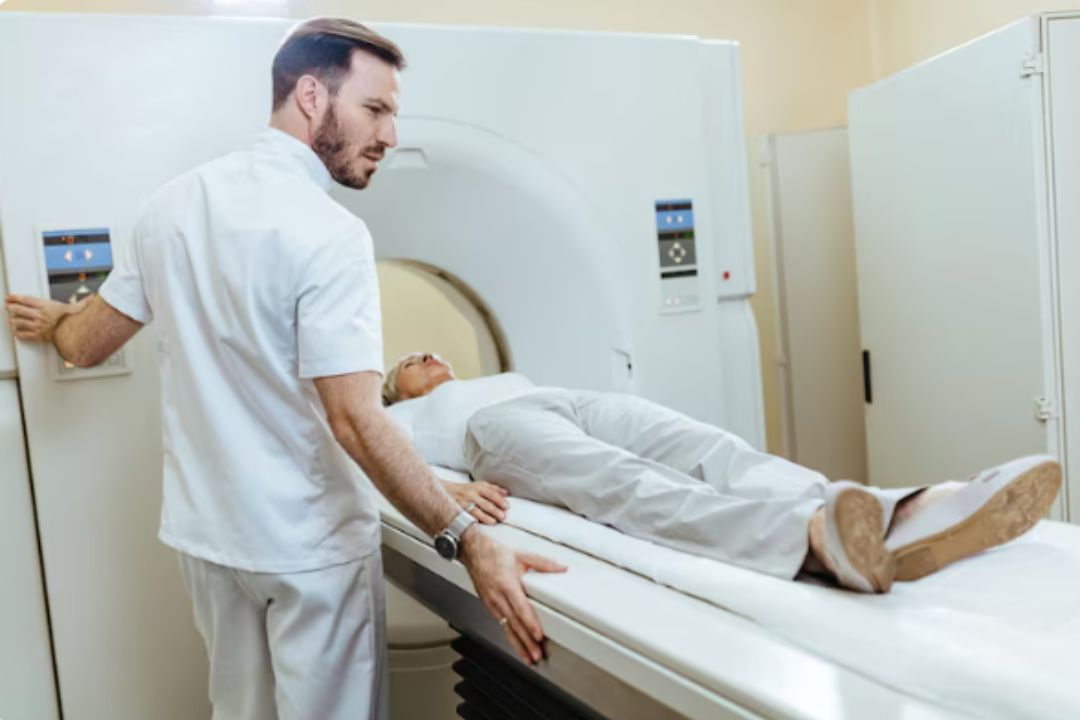
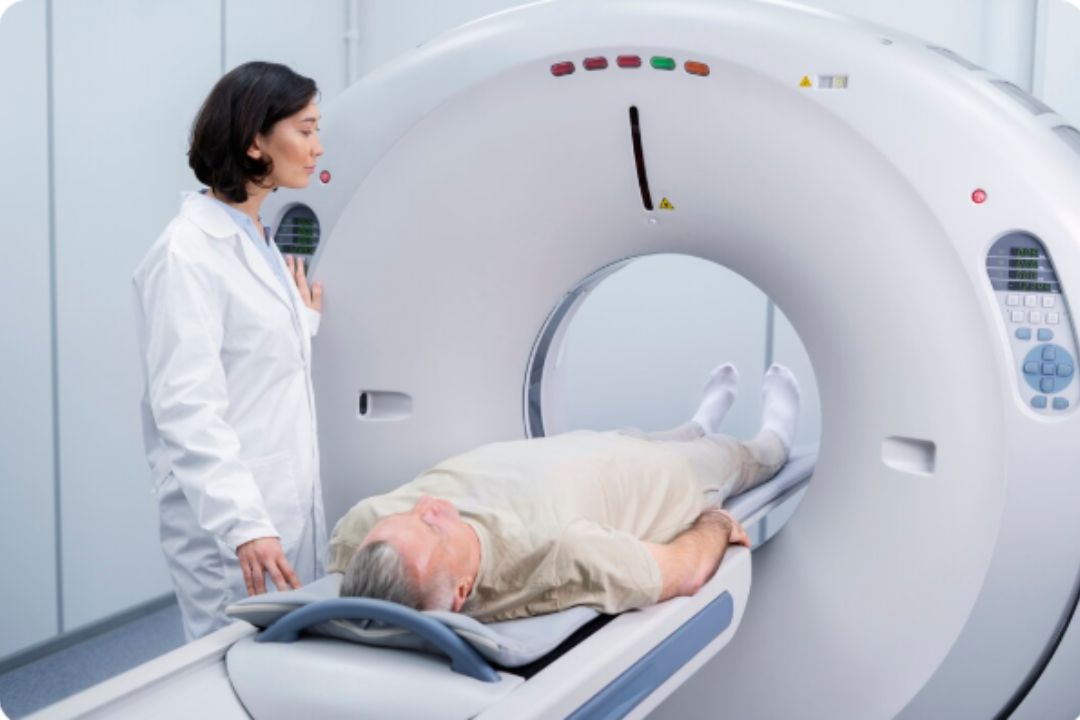
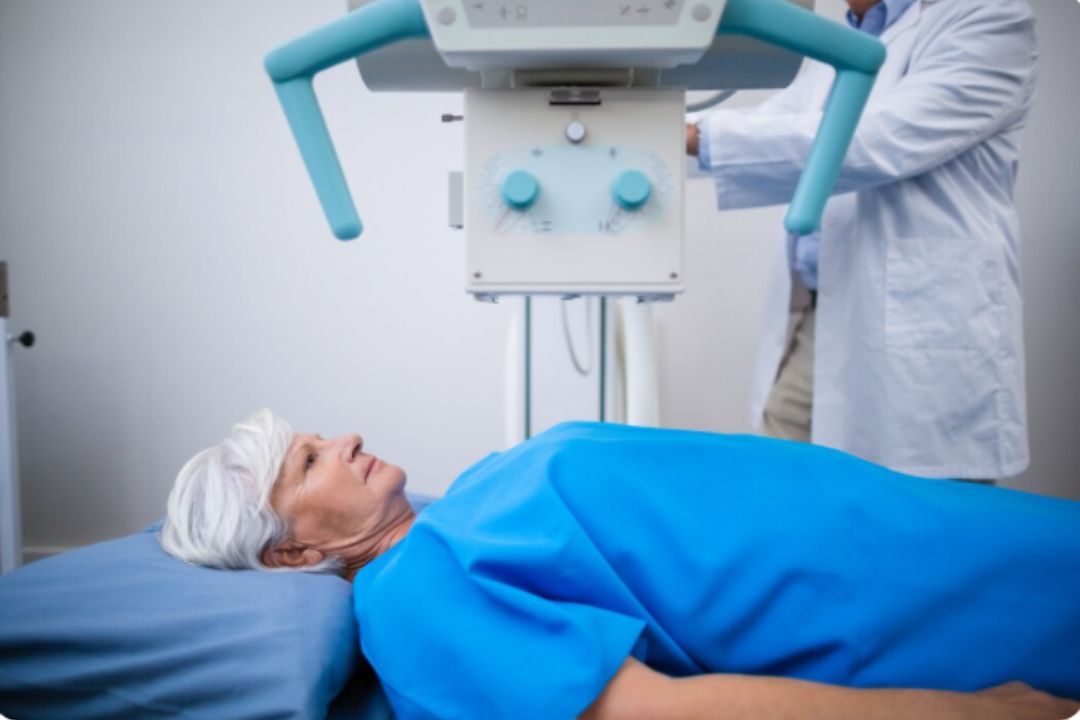
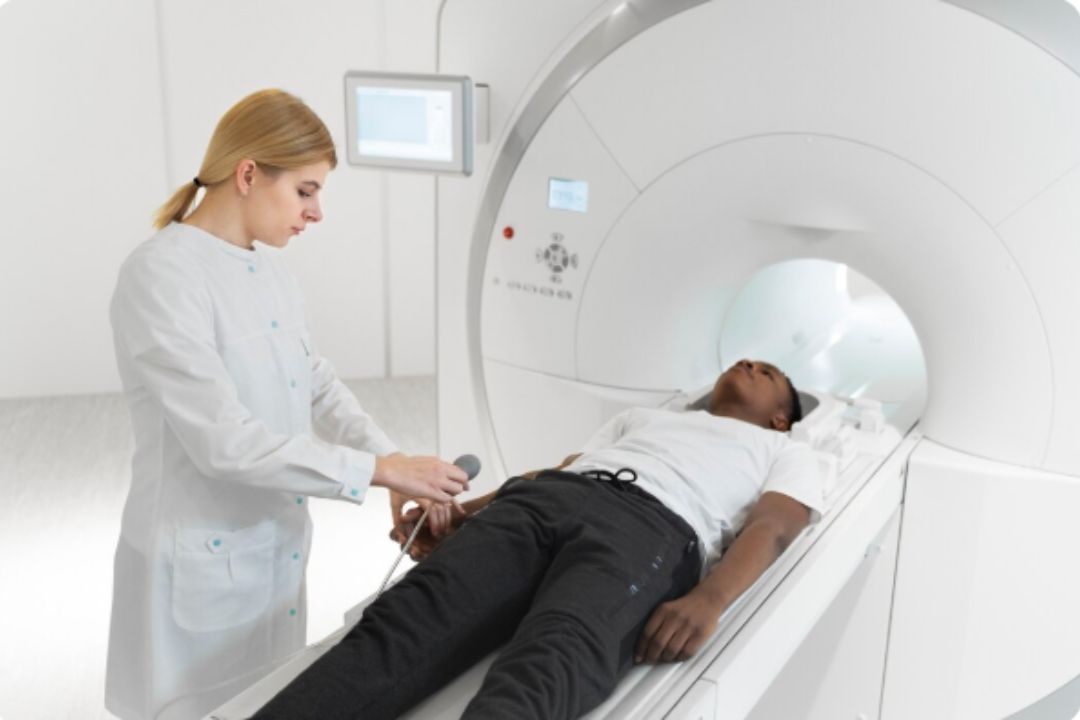
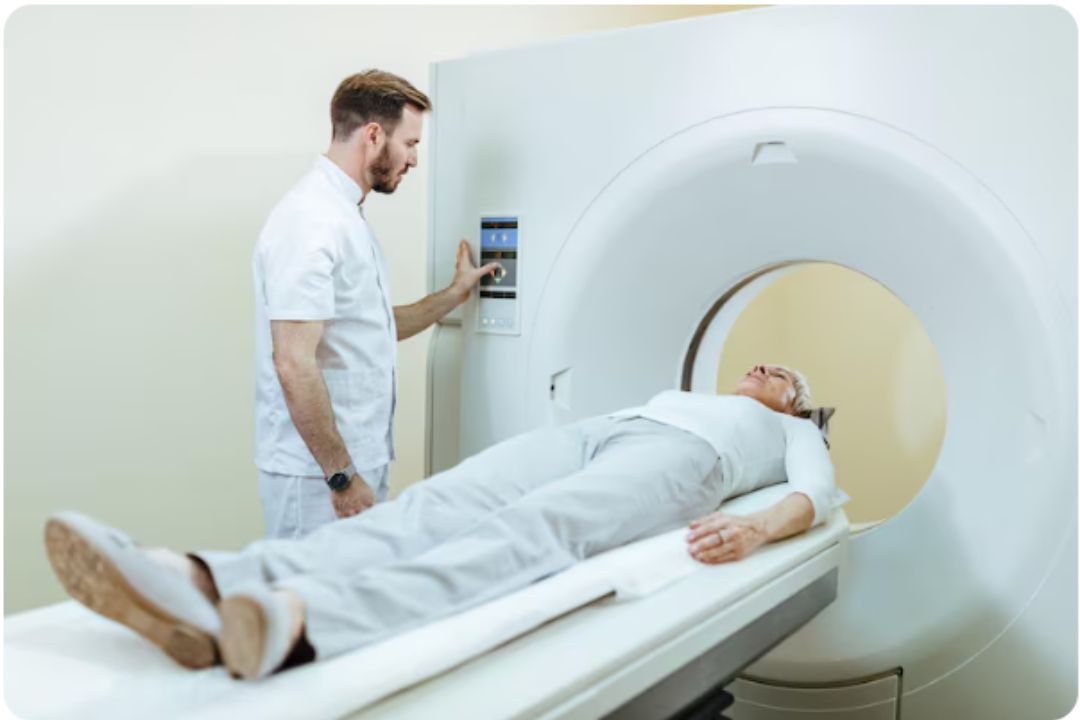
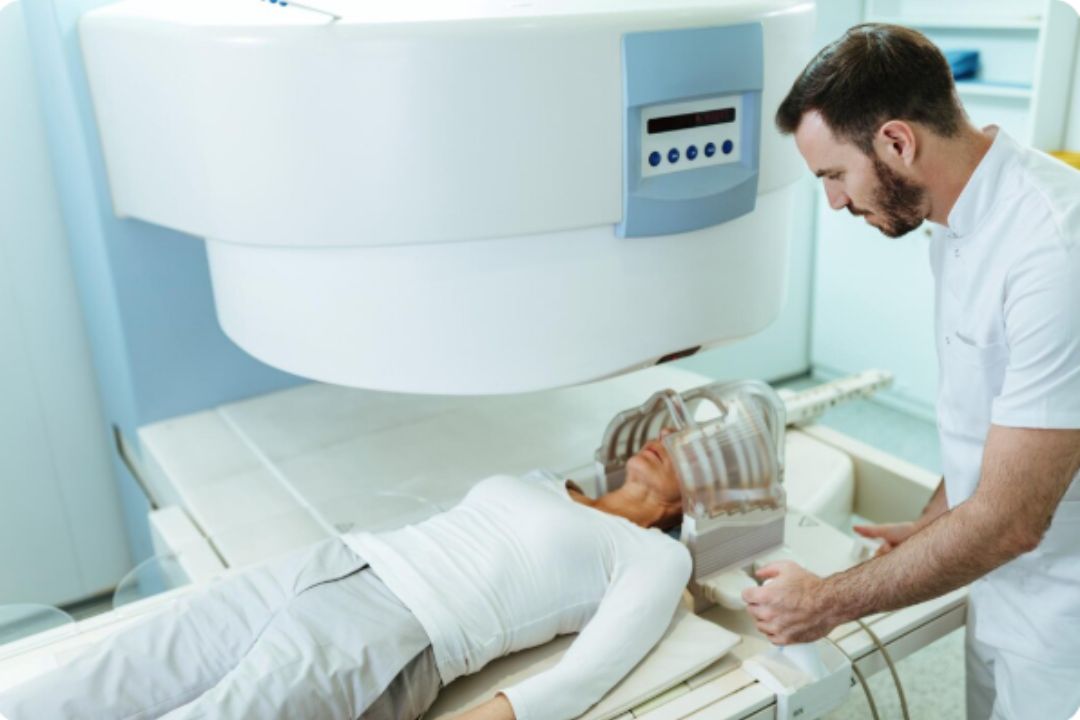
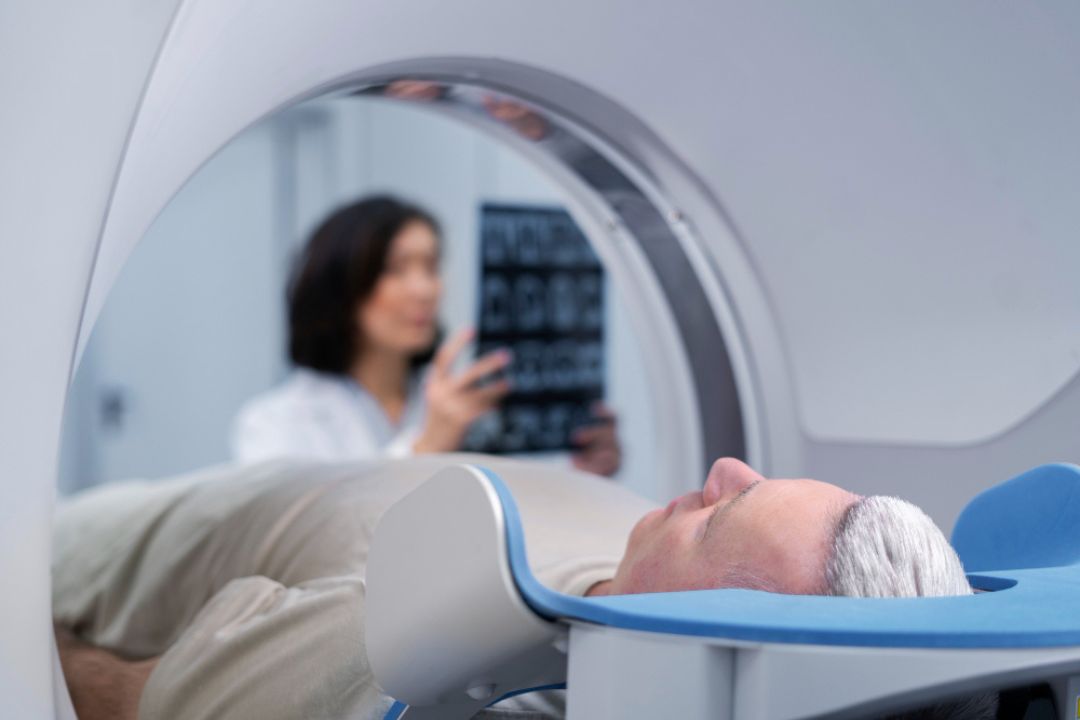
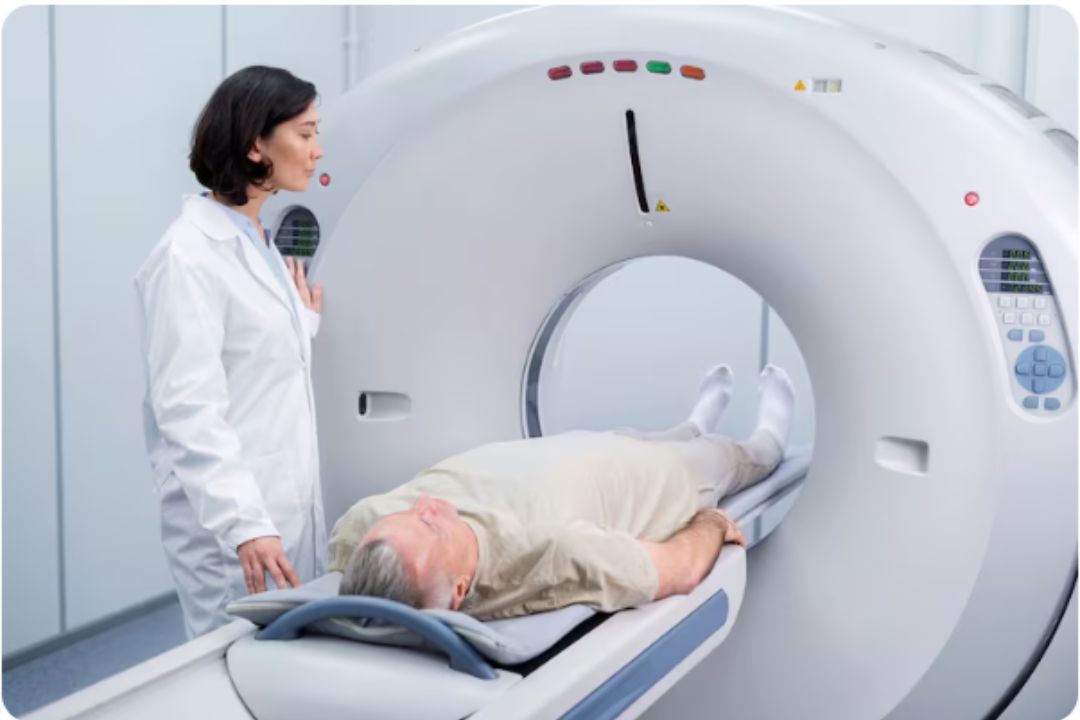
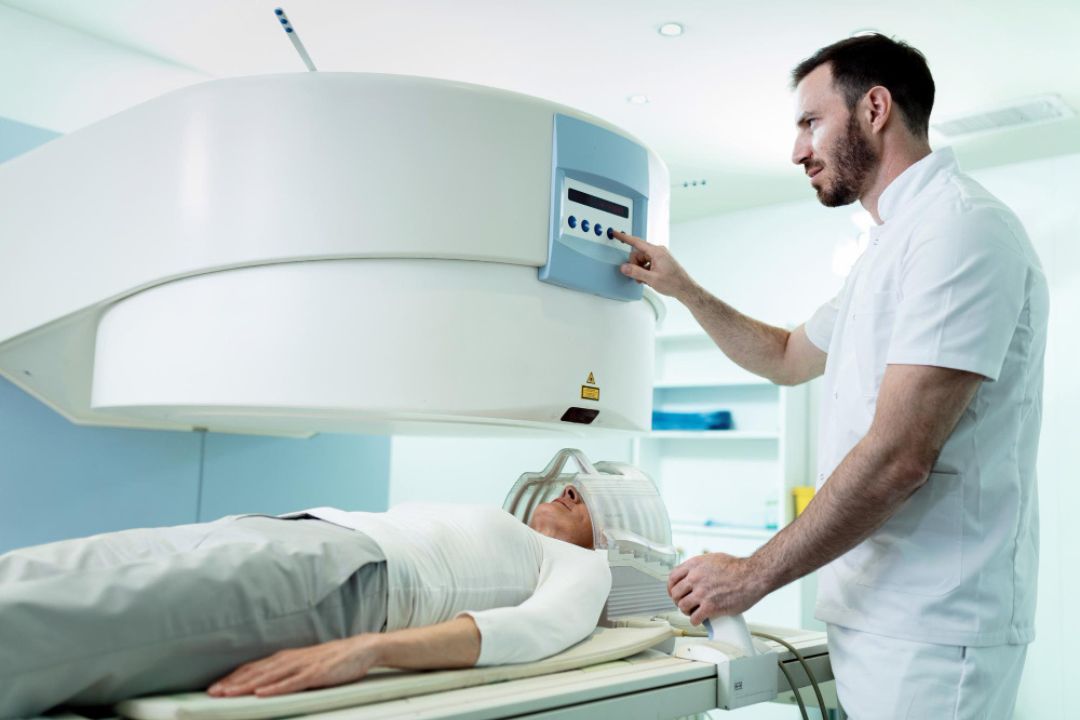
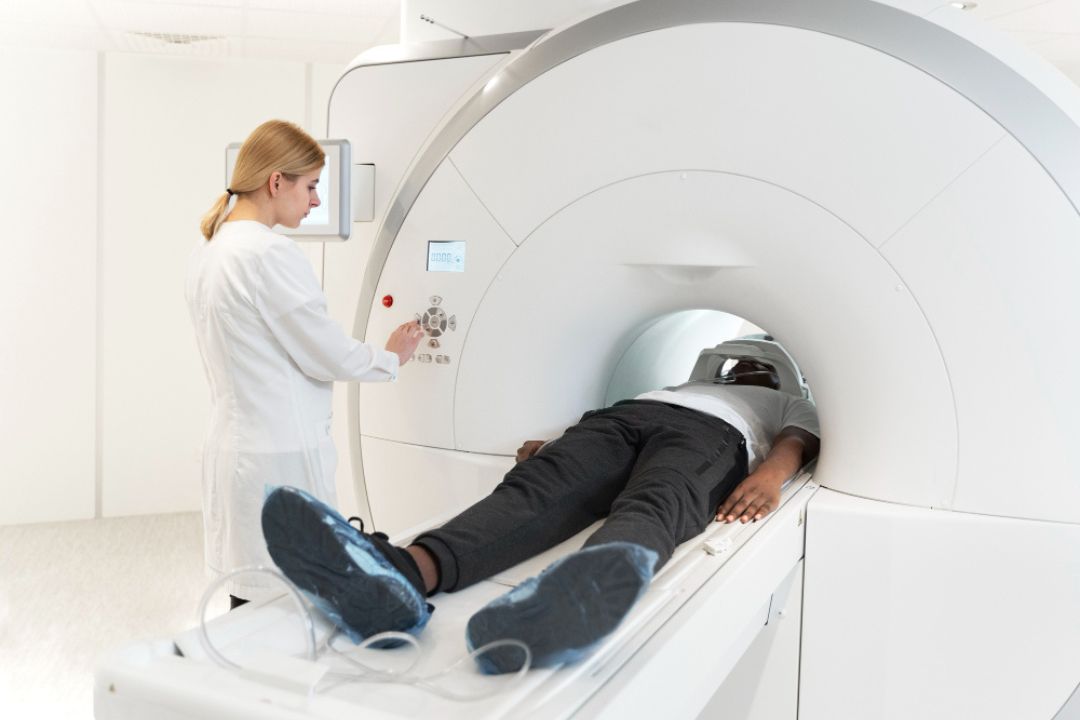
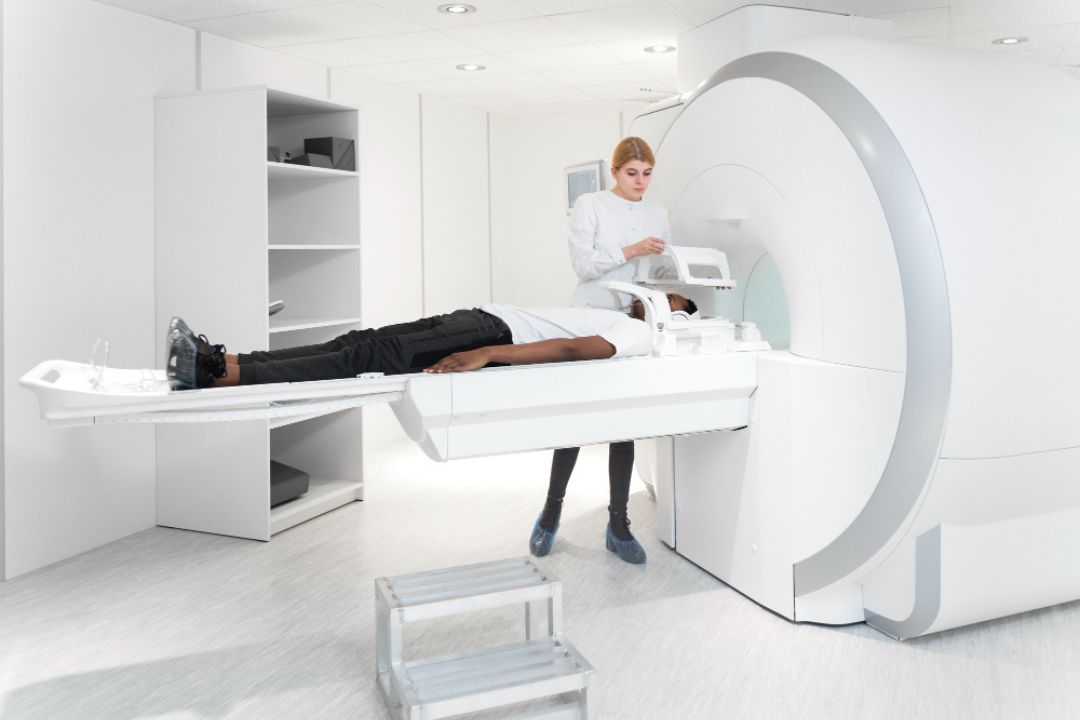
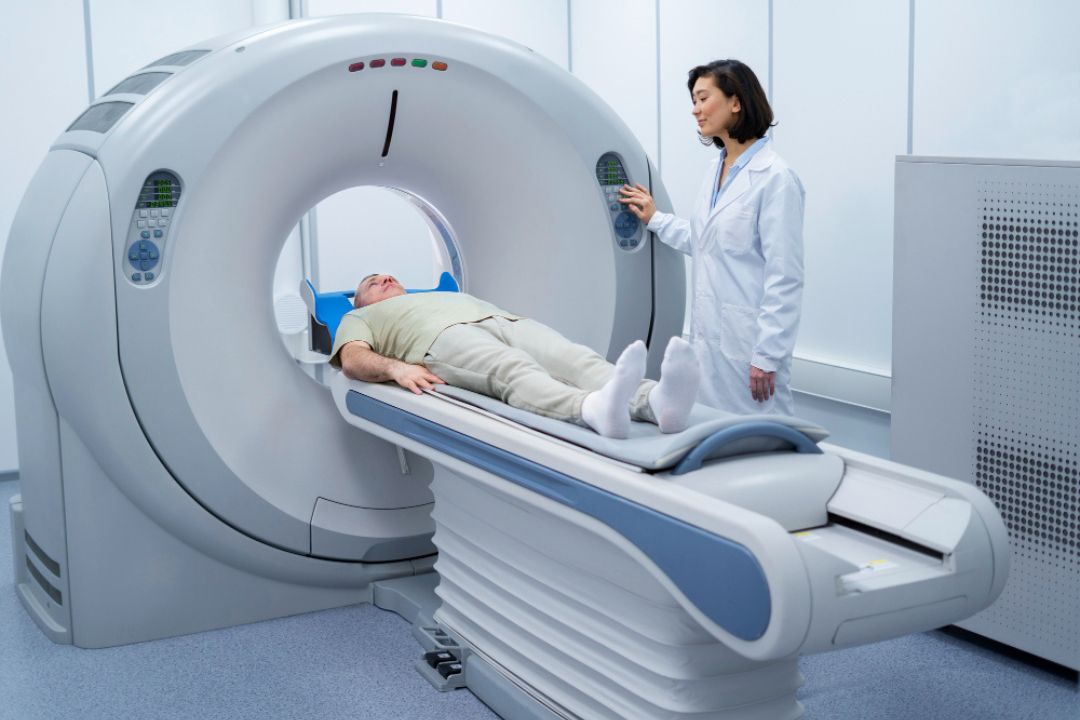
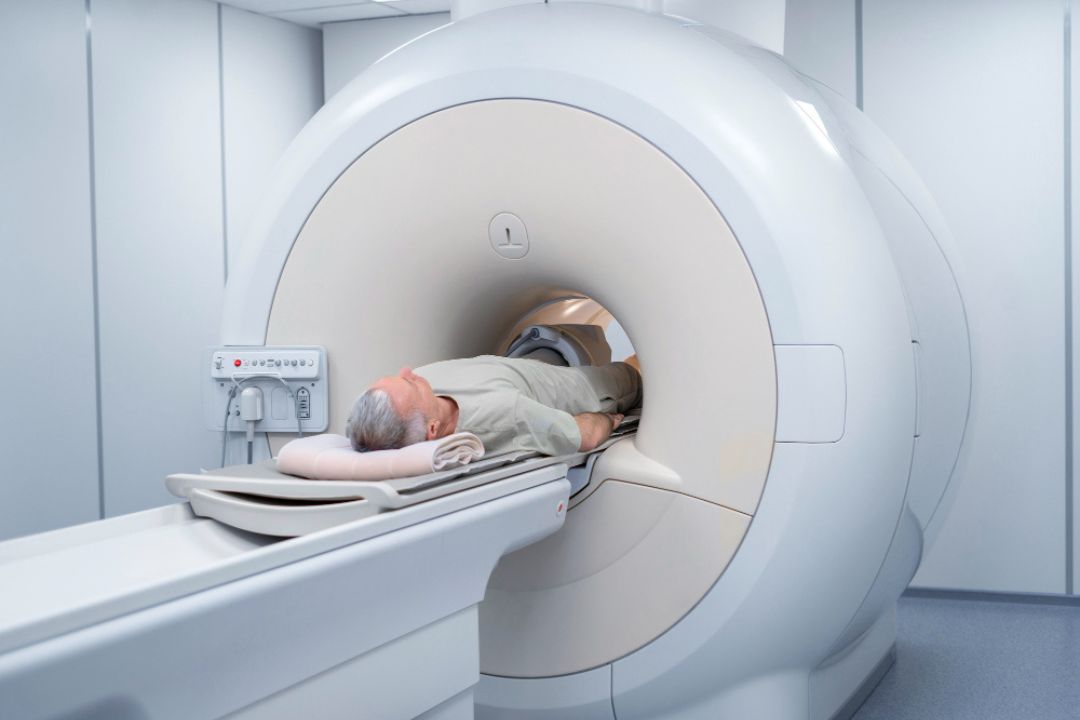
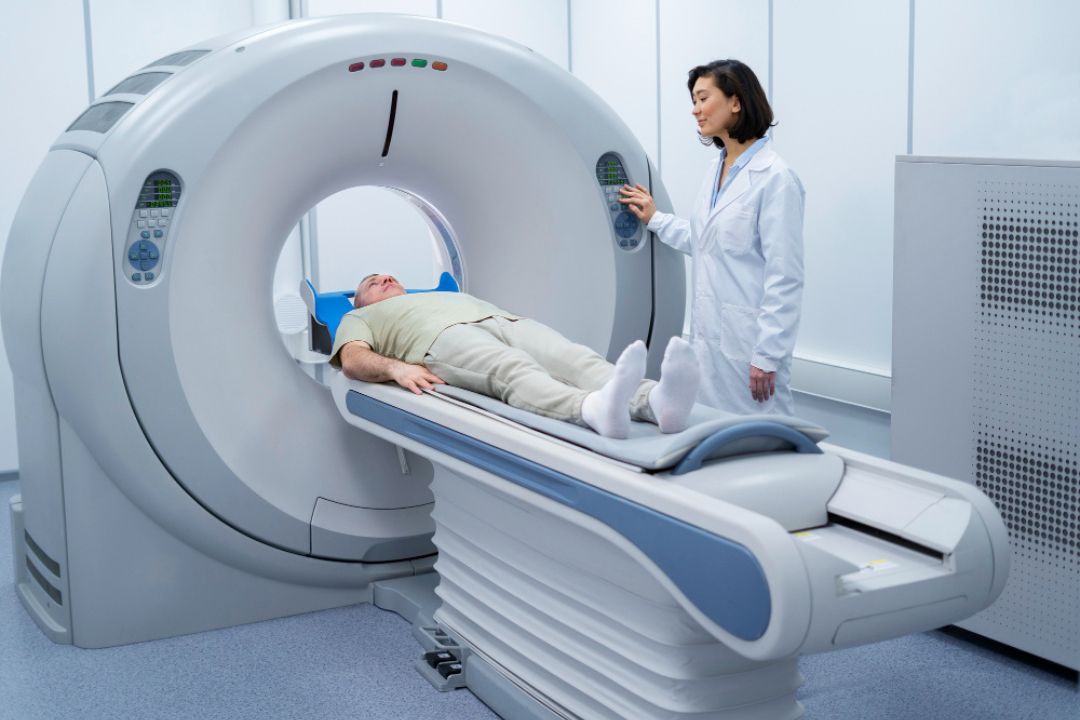
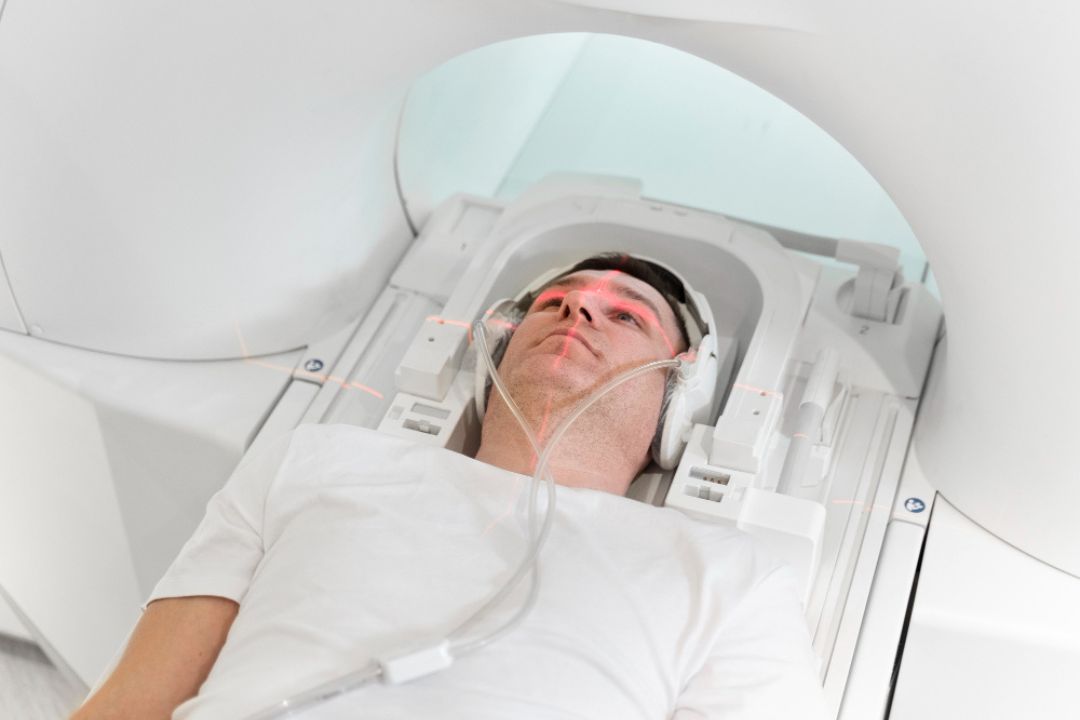
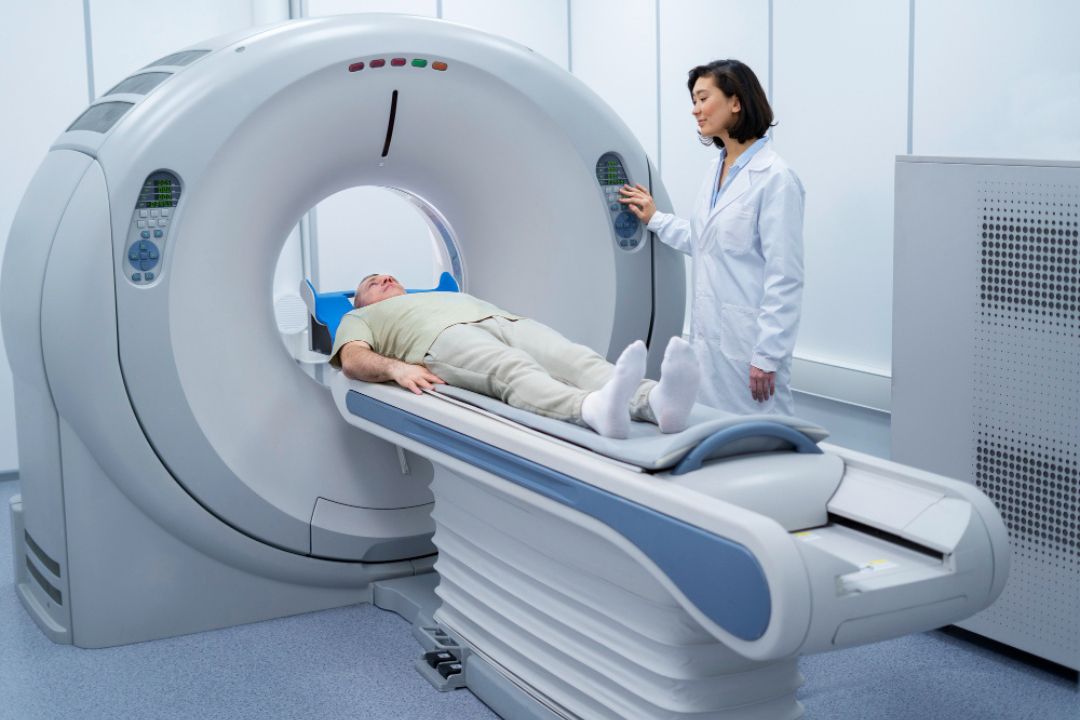
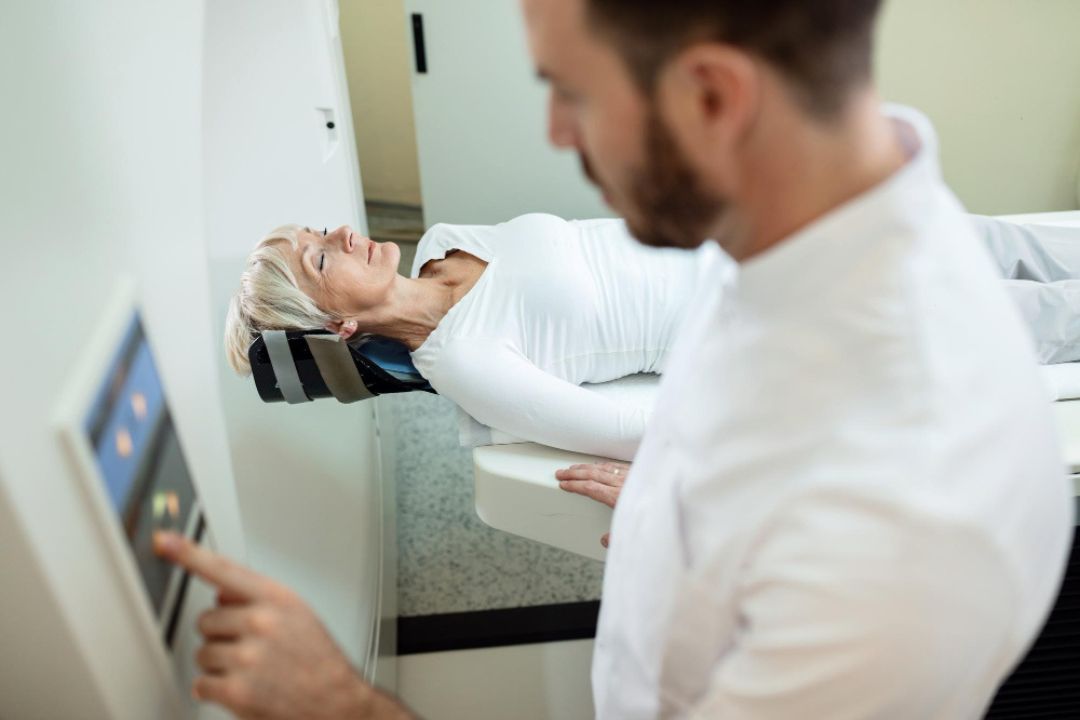
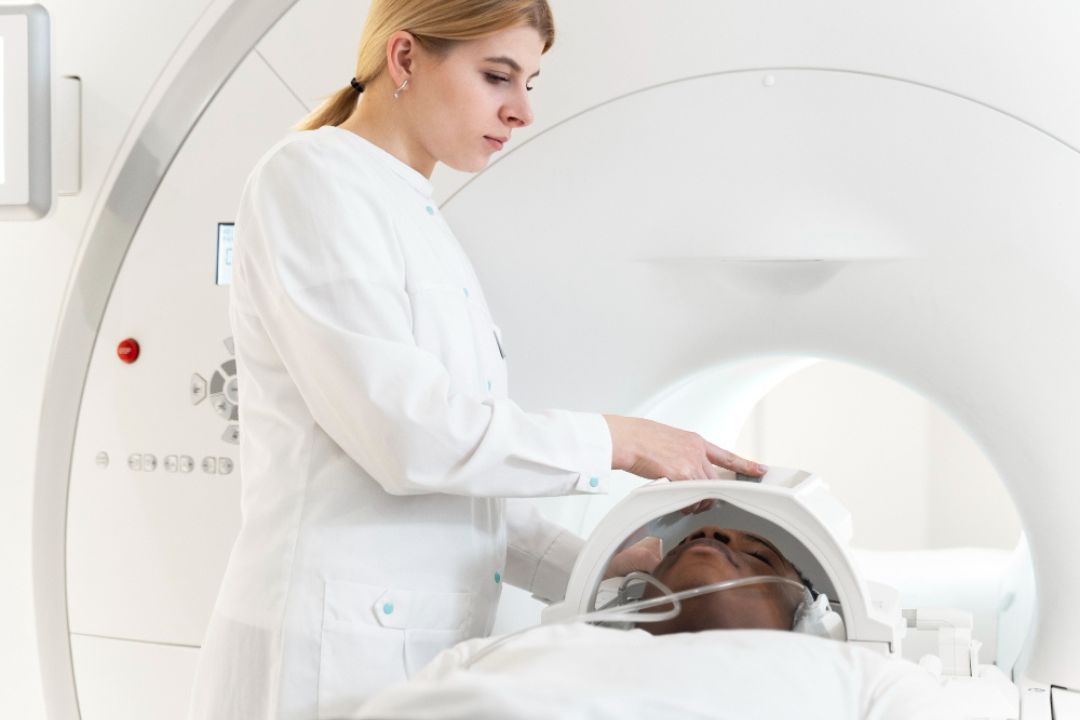
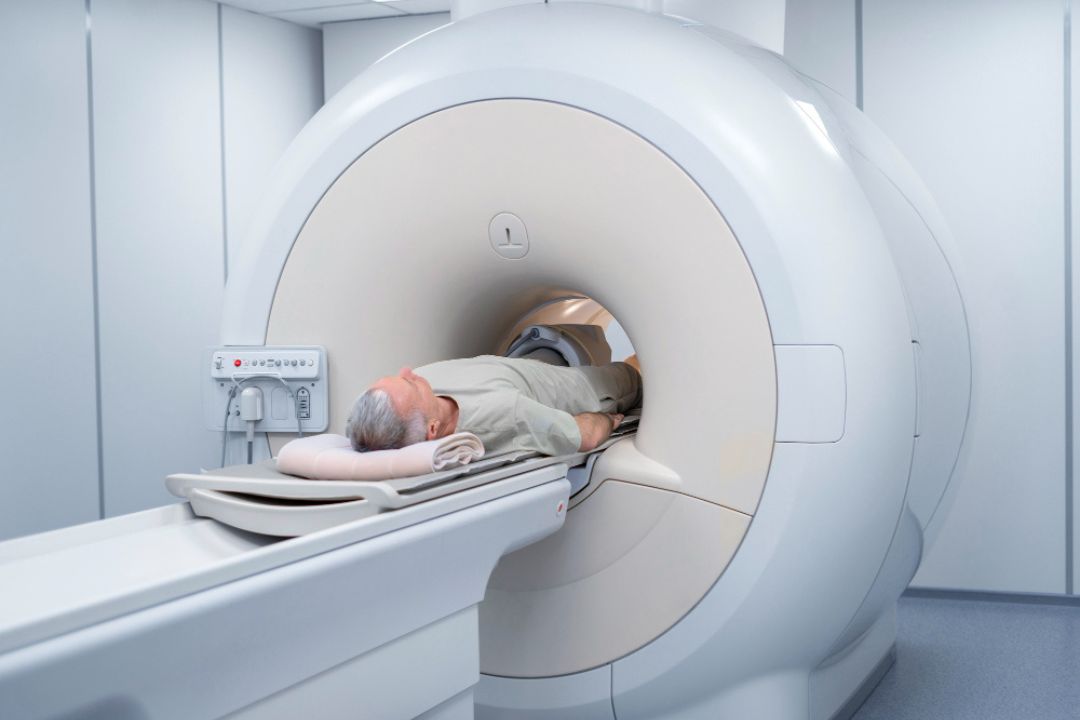
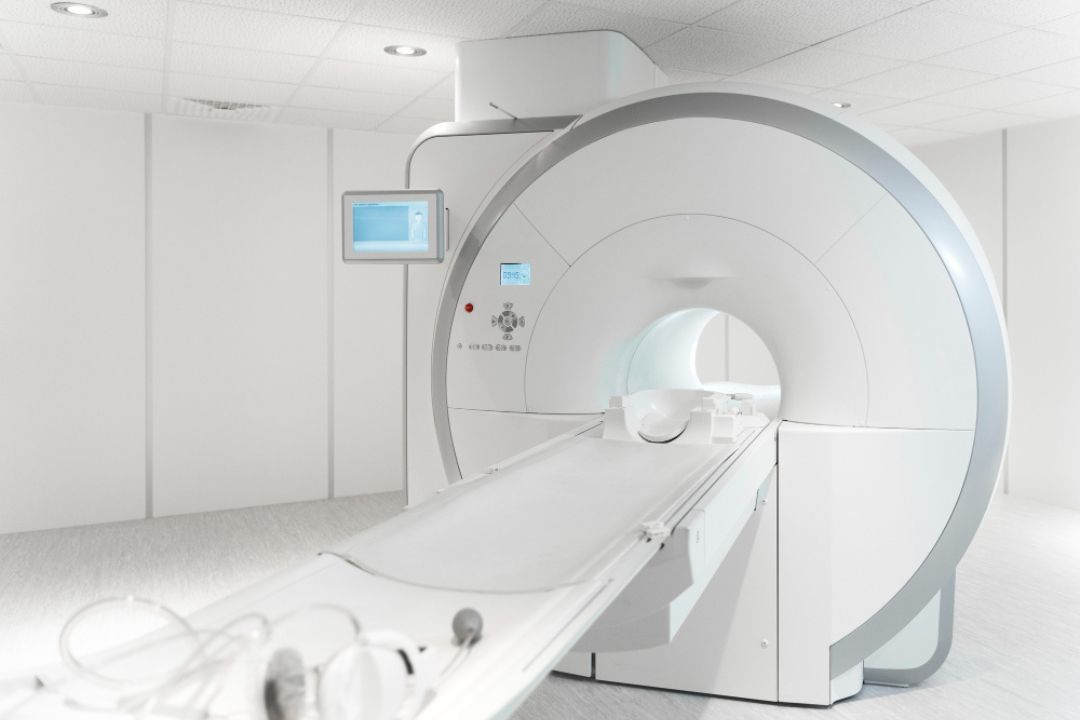
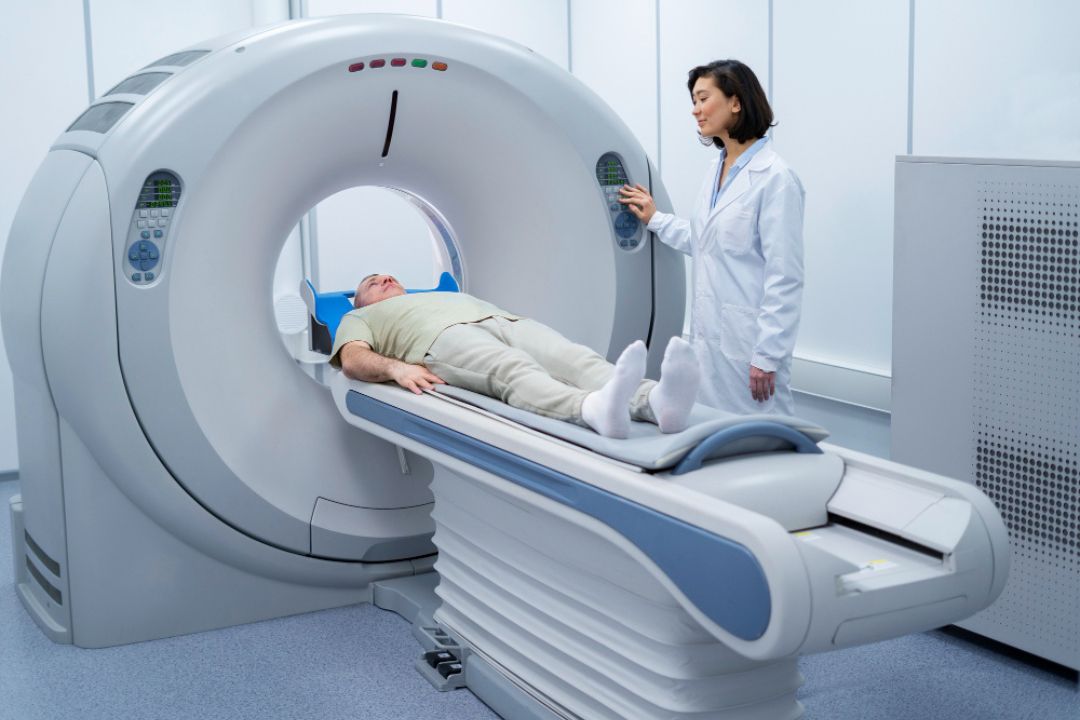
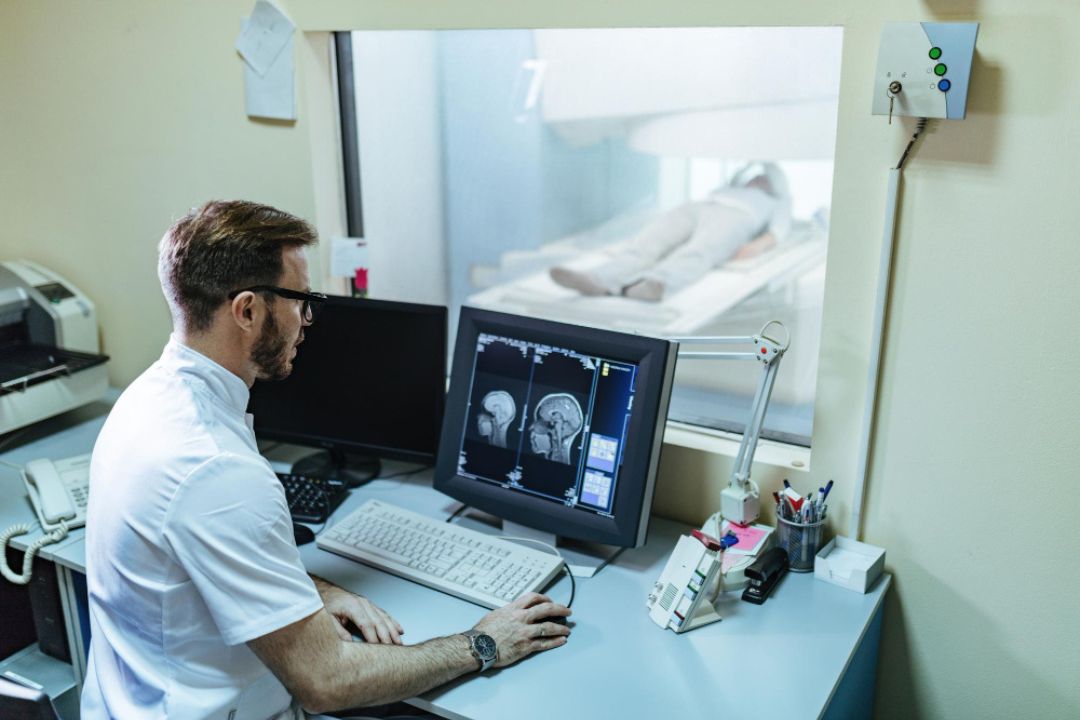
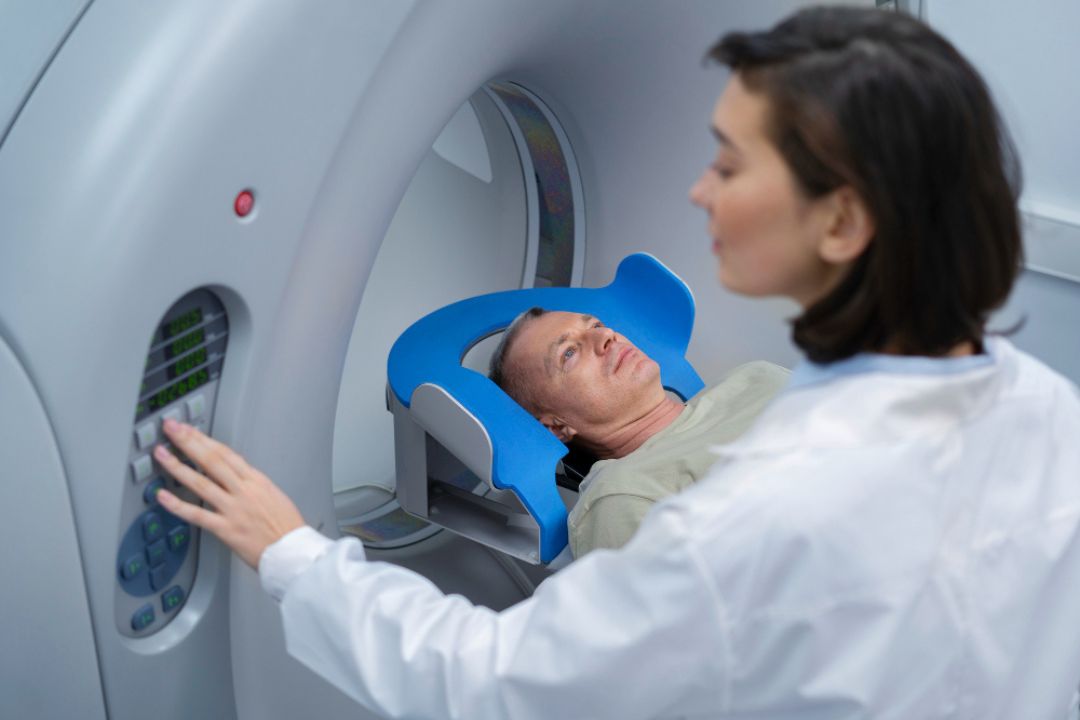
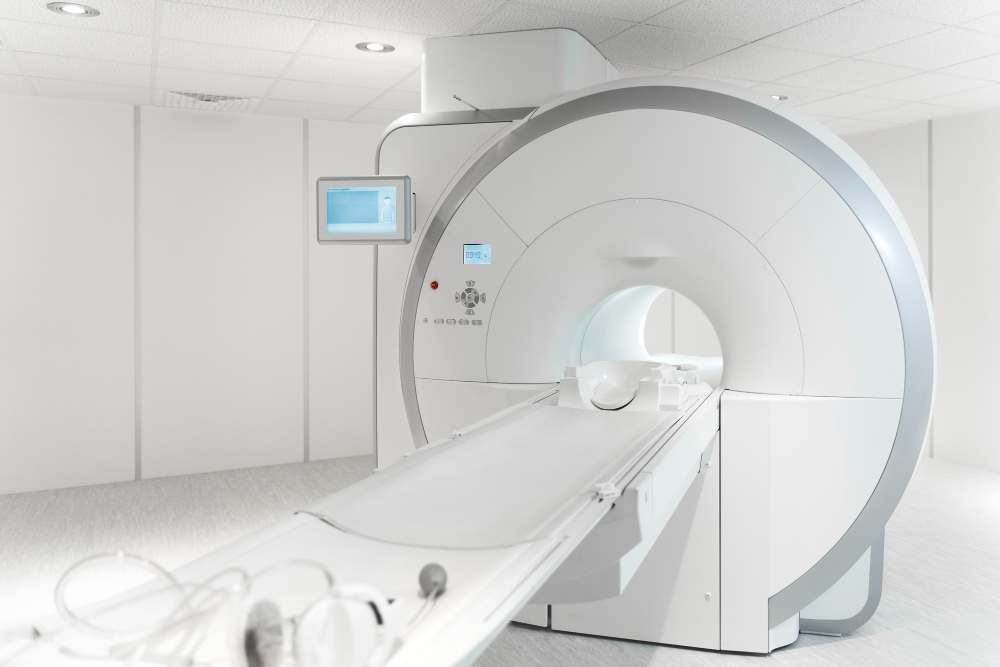
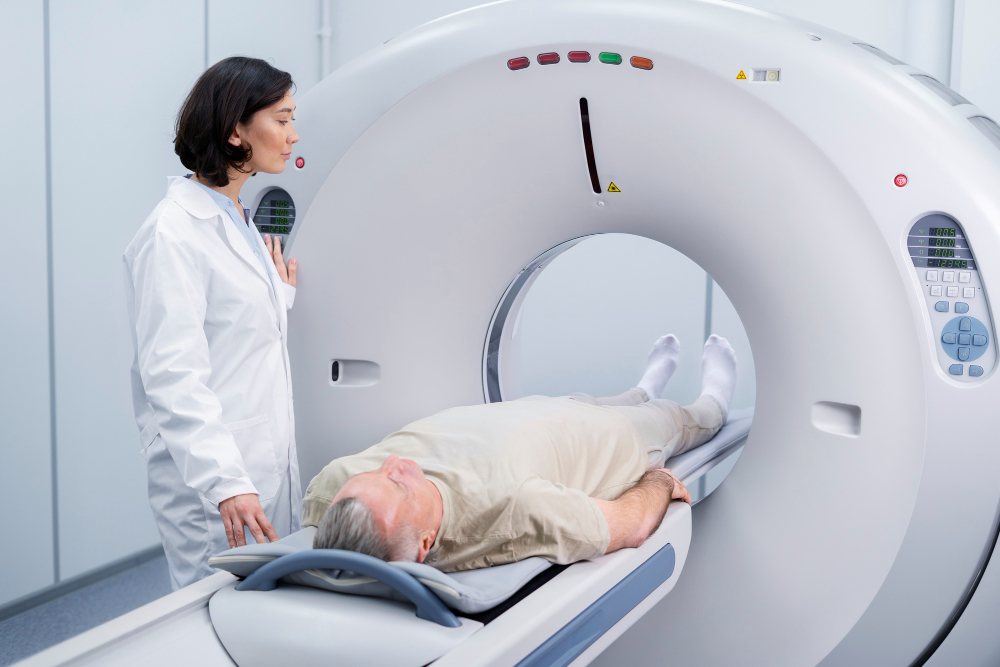
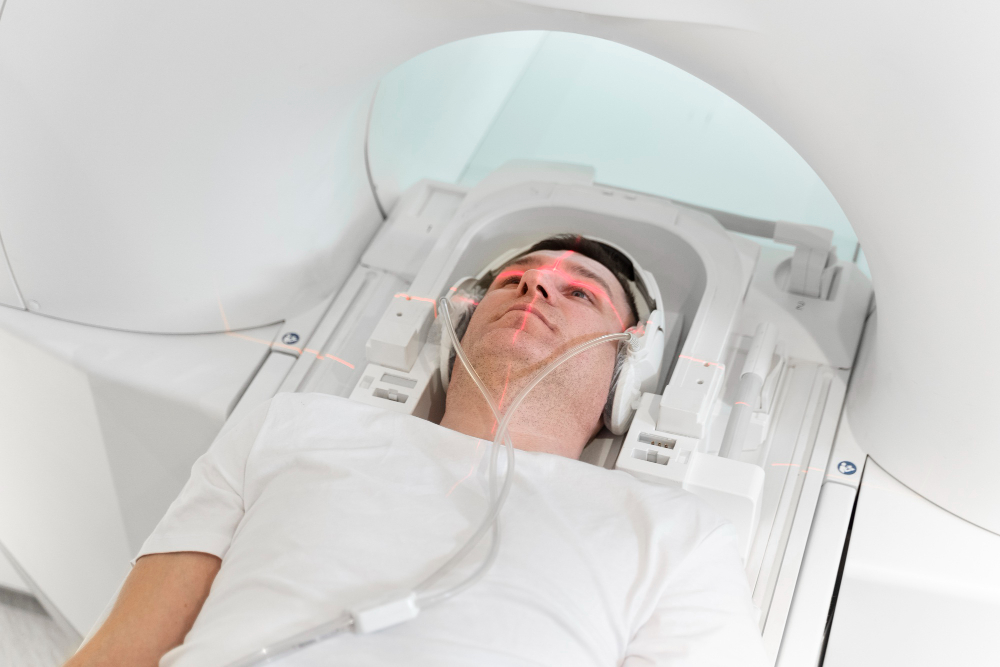
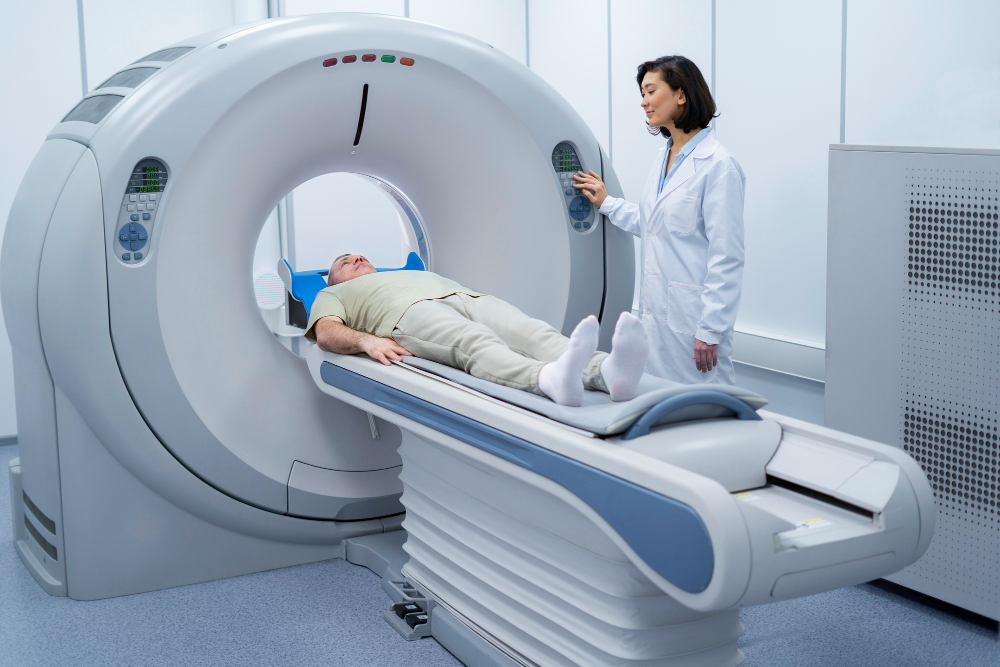
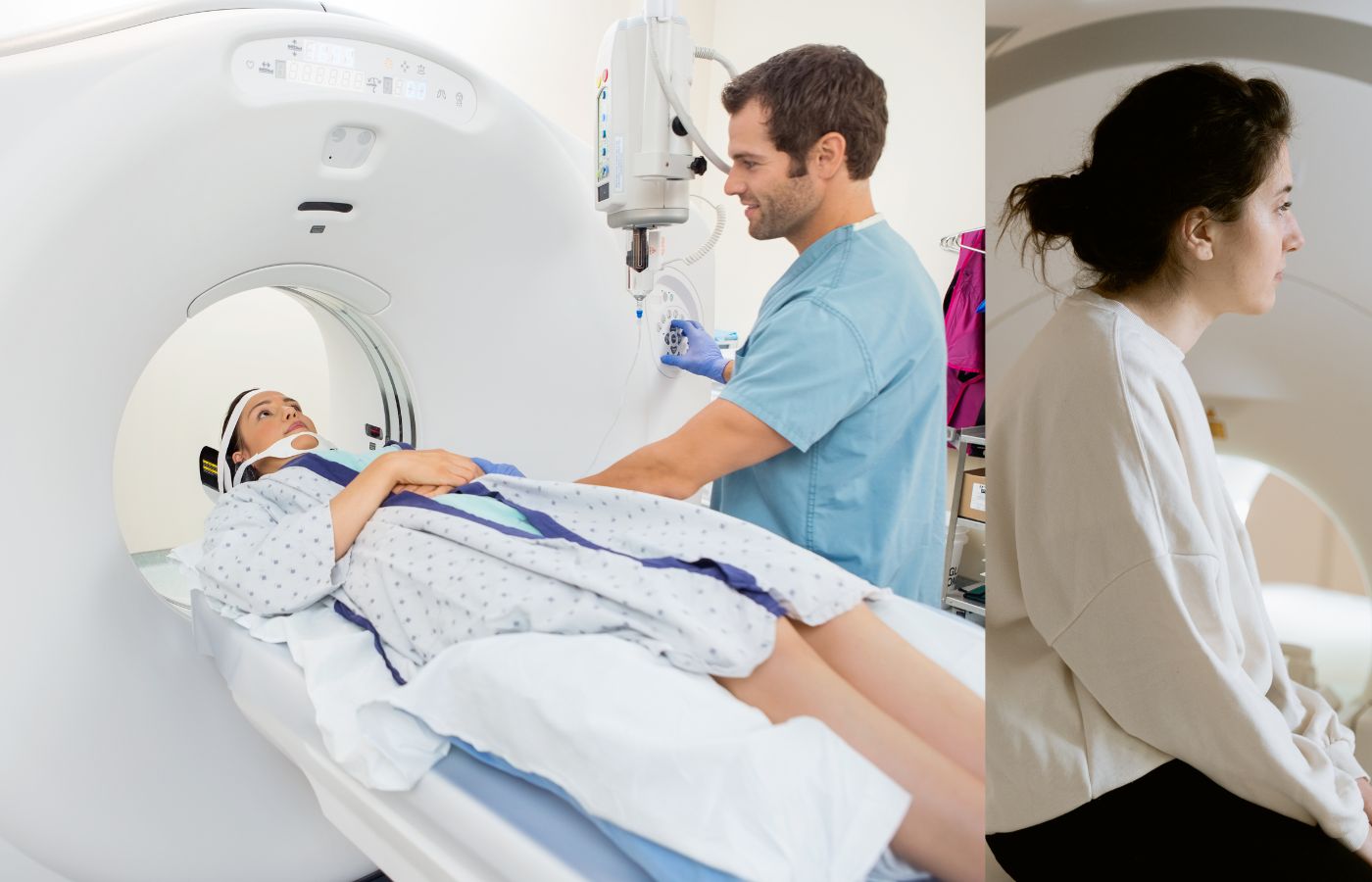
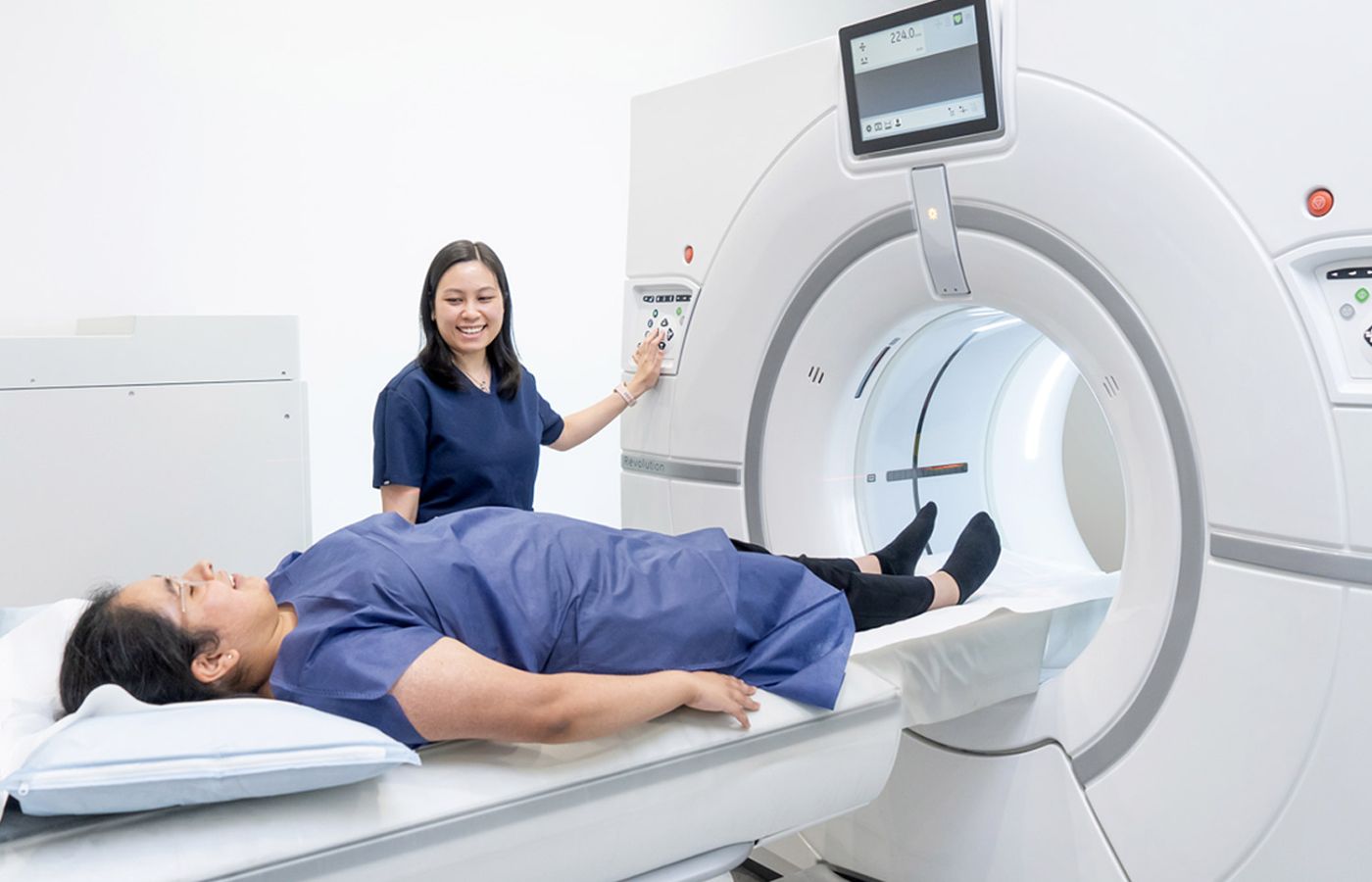
During the scan, the patient lies on a motorized table that moves slowly into the CT scanner. The scanner rotates around the body and captures multiple images of the dorsal spine.
Patients may be asked to remain still for a few minutes to ensure clear images. The entire scan usually takes about 10 to 15 minutes.
This imaging test offers several advantages:
Provides highly detailed images of spinal bones
Helps diagnose the cause of back pain
Quick and painless procedure
No contrast dye required
Helps doctors plan surgery or treatment
Because of its accuracy, CT imaging is widely used to evaluate spinal injuries and diseases.
A CT scan of the dorsal spine without contrast is an important diagnostic tool used to evaluate the middle part of the spine. It helps doctors examine the vertebrae, discs, spinal canal, and surrounding structures to identify problems that may be causing back pain.
If you experience persistent or severe mid-back pain, your doctor may recommend this scan to diagnose the condition and determine the most effective treatment.








.jpg "ct brain scan plain and contrast")












.jpg "ct scan")

.jpg "ct scan or mri for brain disorders")


.jpg "exploring the power of ct brain contrast in modern diagnostics")
.jpg "ct scan")
.jpg "ct scan")







.jpg "ct scan")

.jpg "CT Brain Scan for Headaches")
.jpg "The Future of 3D CT Imaging")