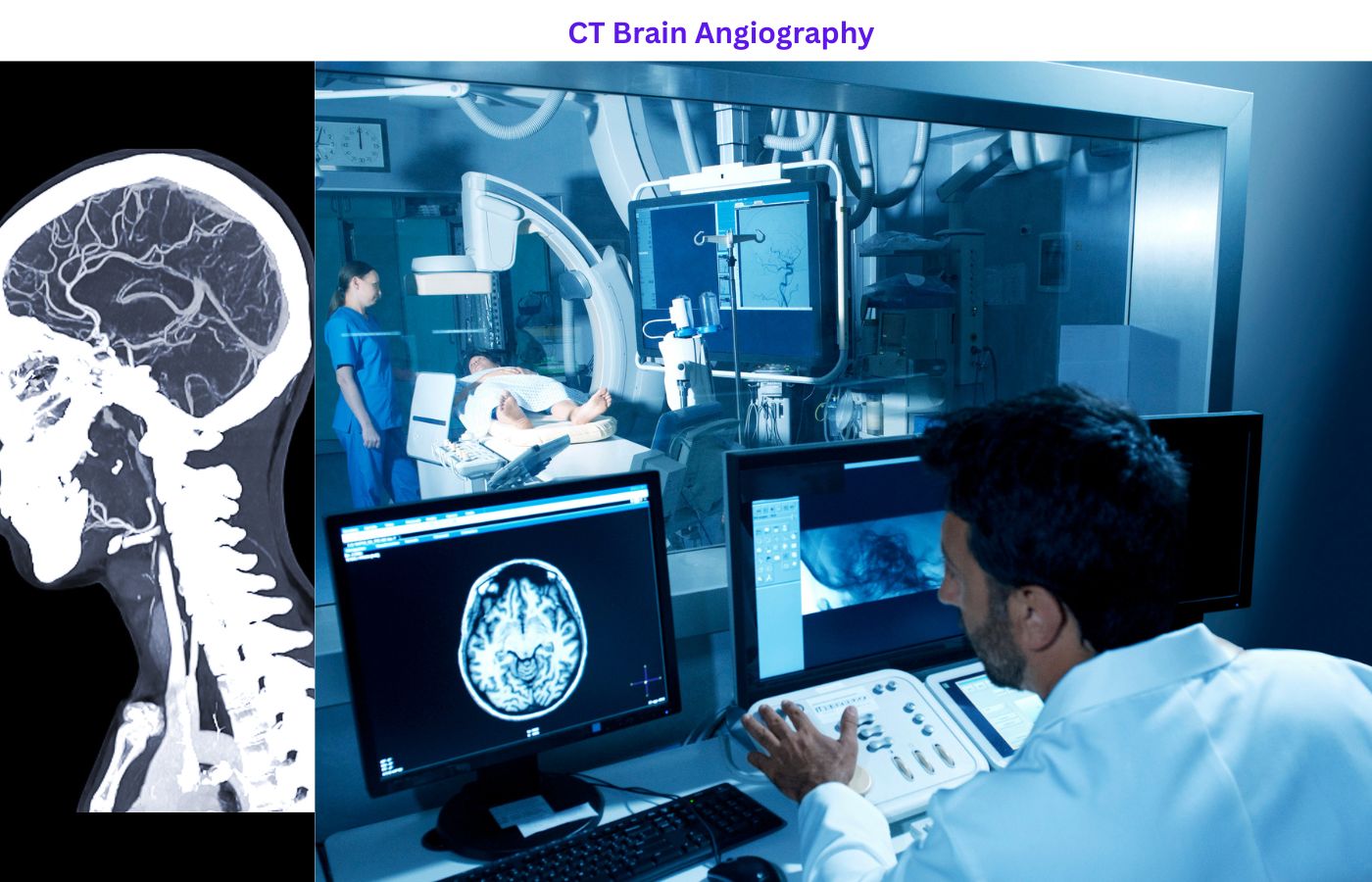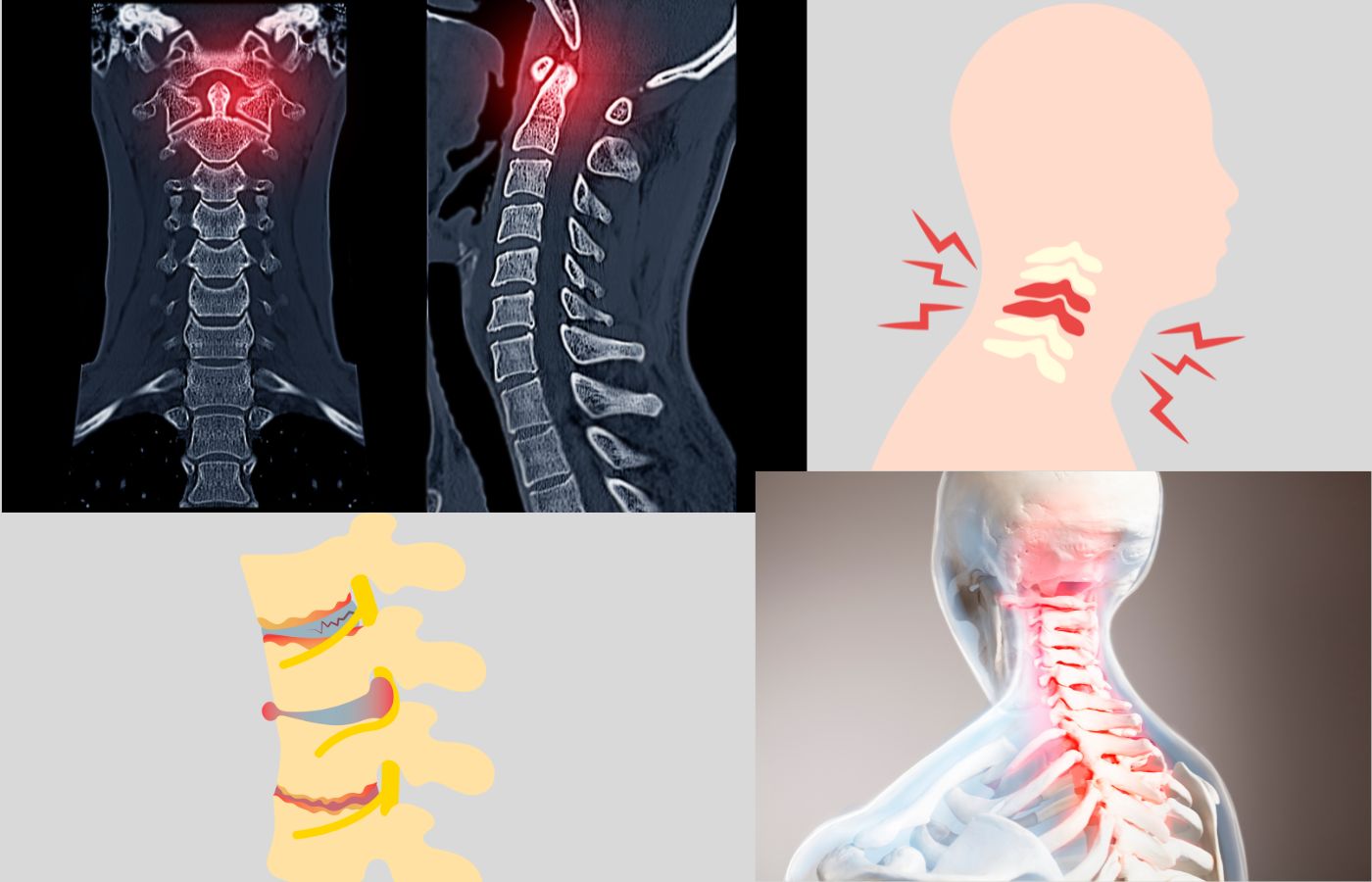
A Contrast CT Scan is a medical imaging test that uses special dye (contrast material) to improve the visibility of organs, blood vessels, and tissues inside the body. This dye helps doctors obtain clearer and more detailed images, making it easier to diagnose many medical conditions.
Proper preparation before a contrast CT scan is important to ensure patient safety and accurate results. Following the correct instructions can reduce the risk of side effects and help the scan produce high-quality images.
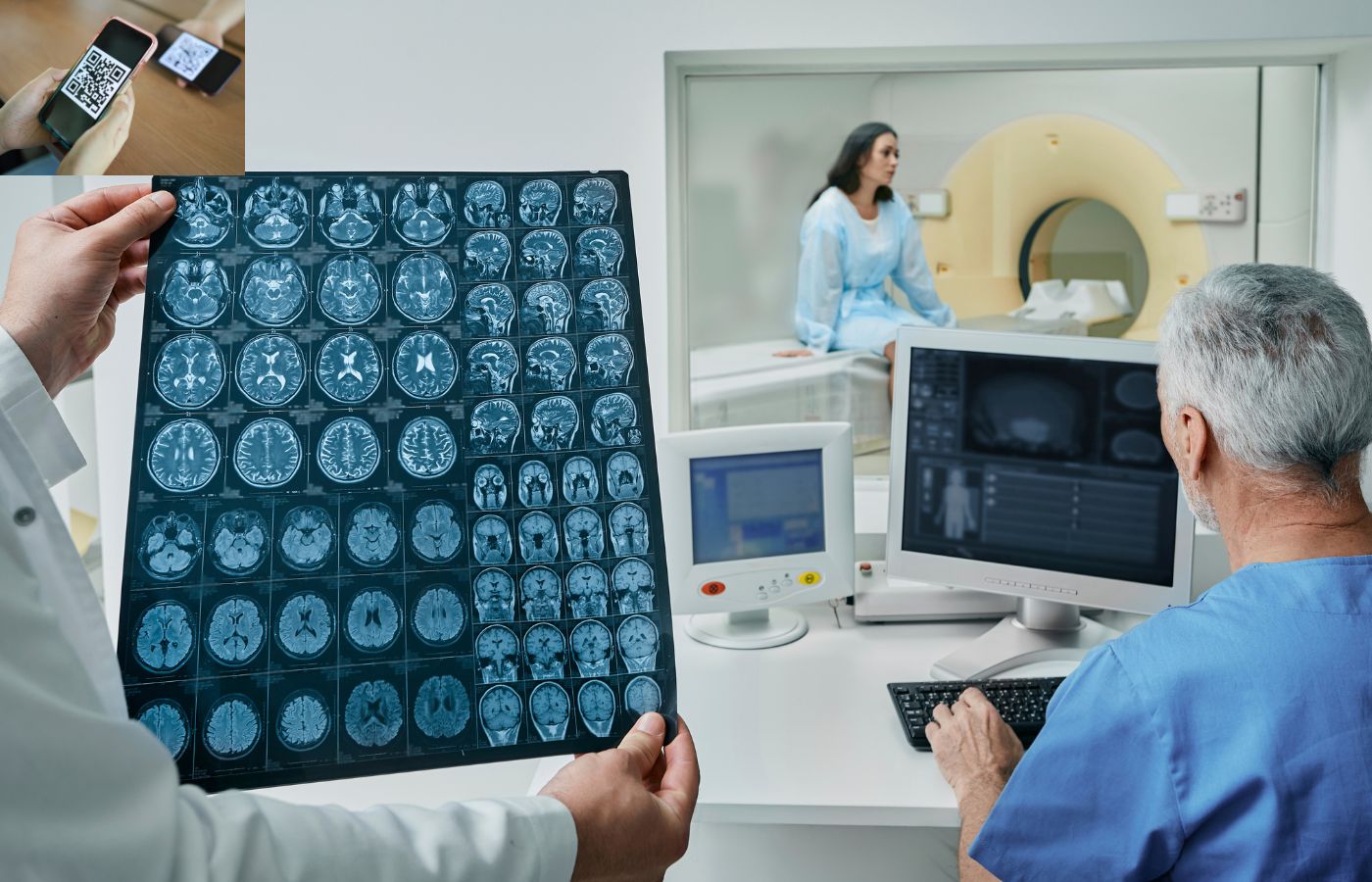
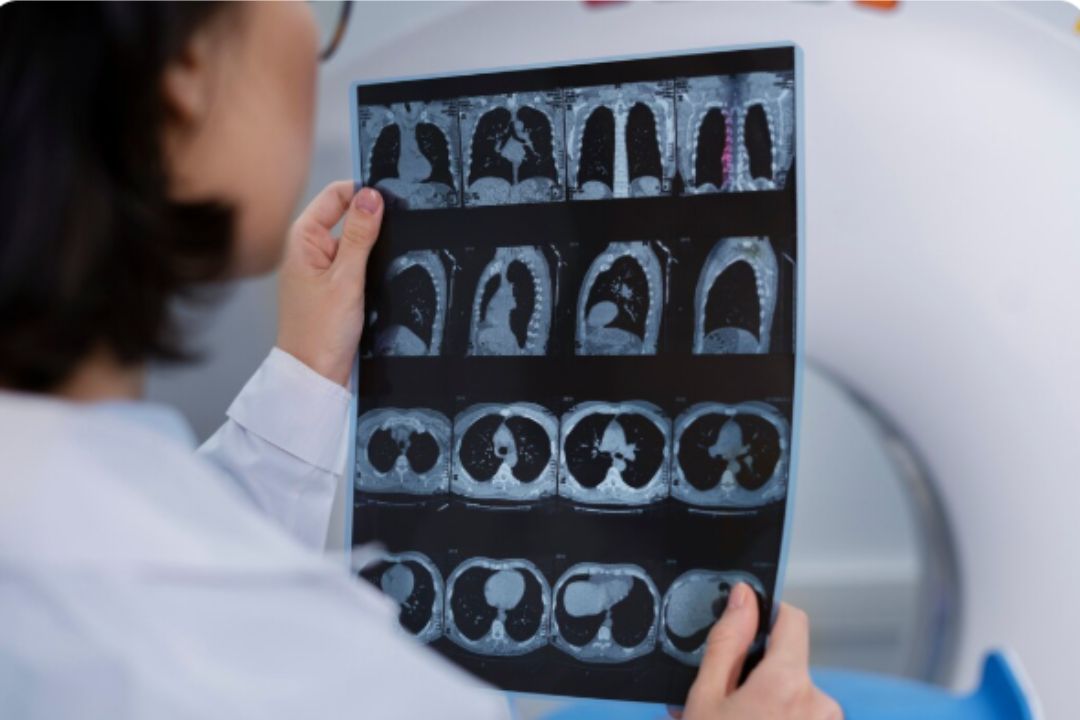
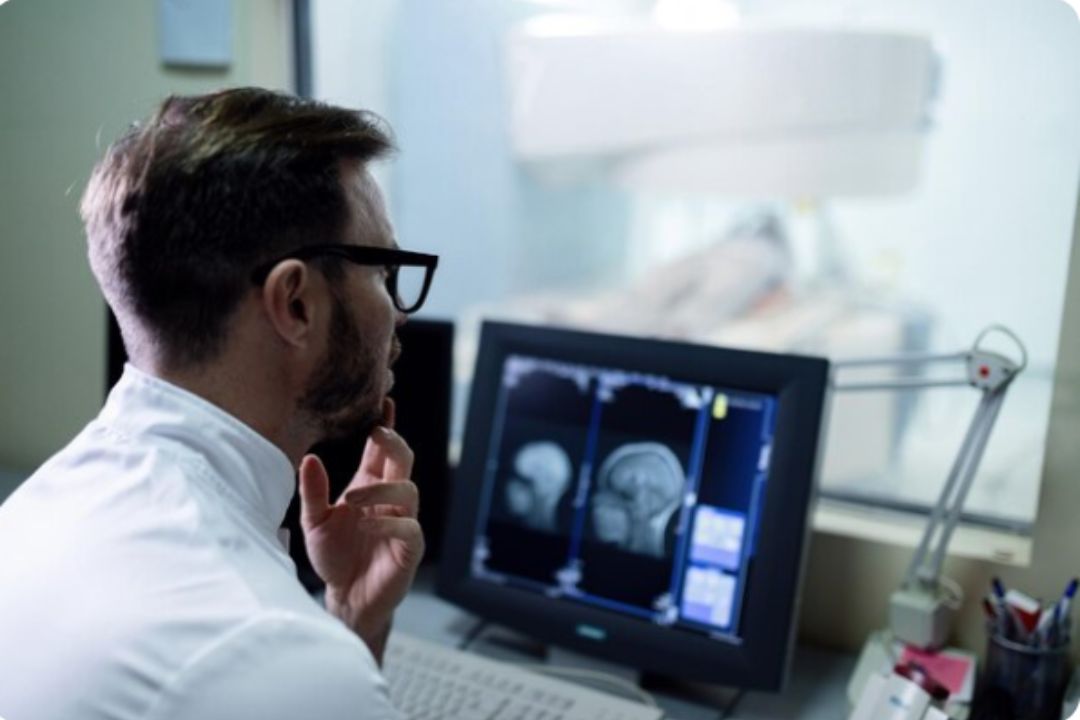
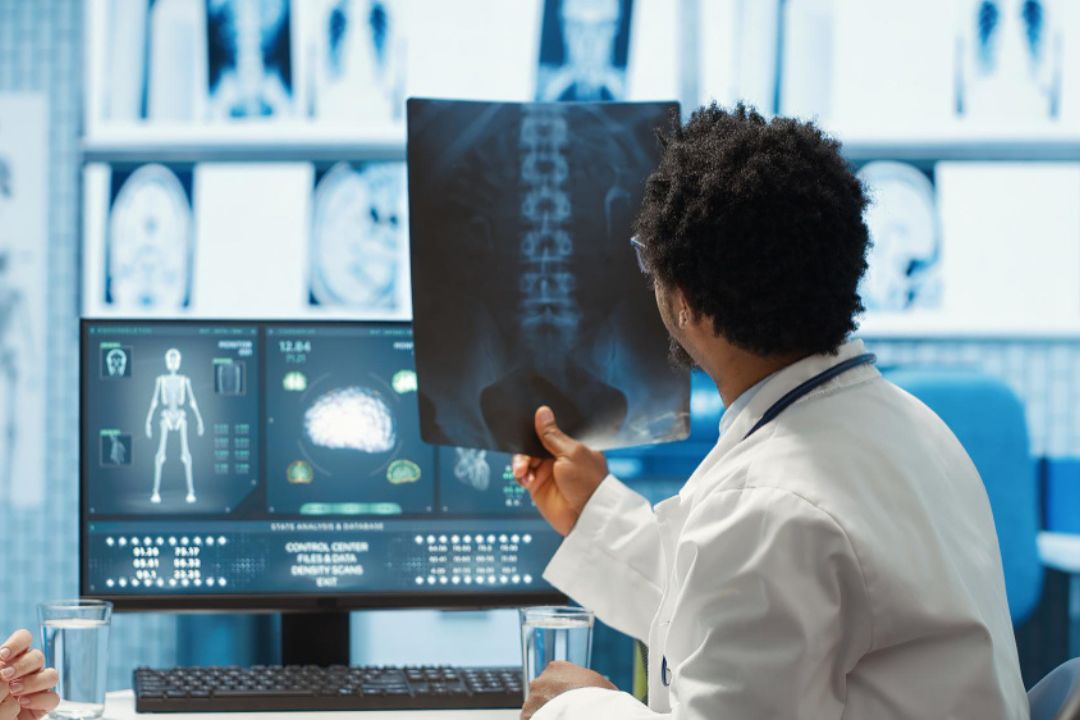
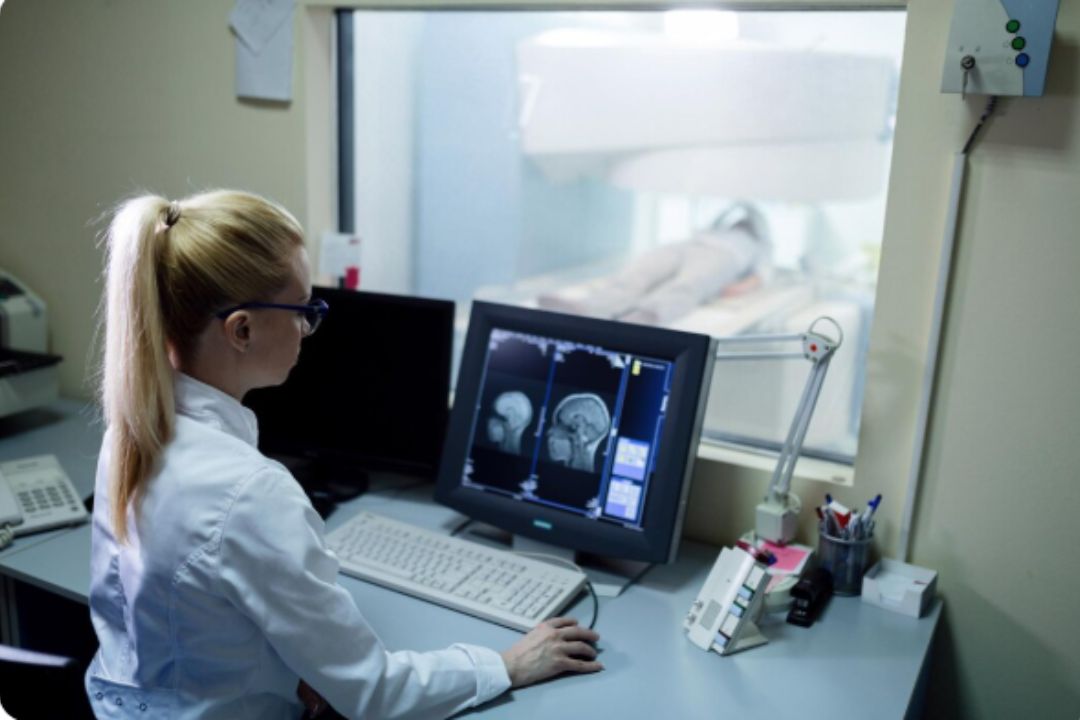
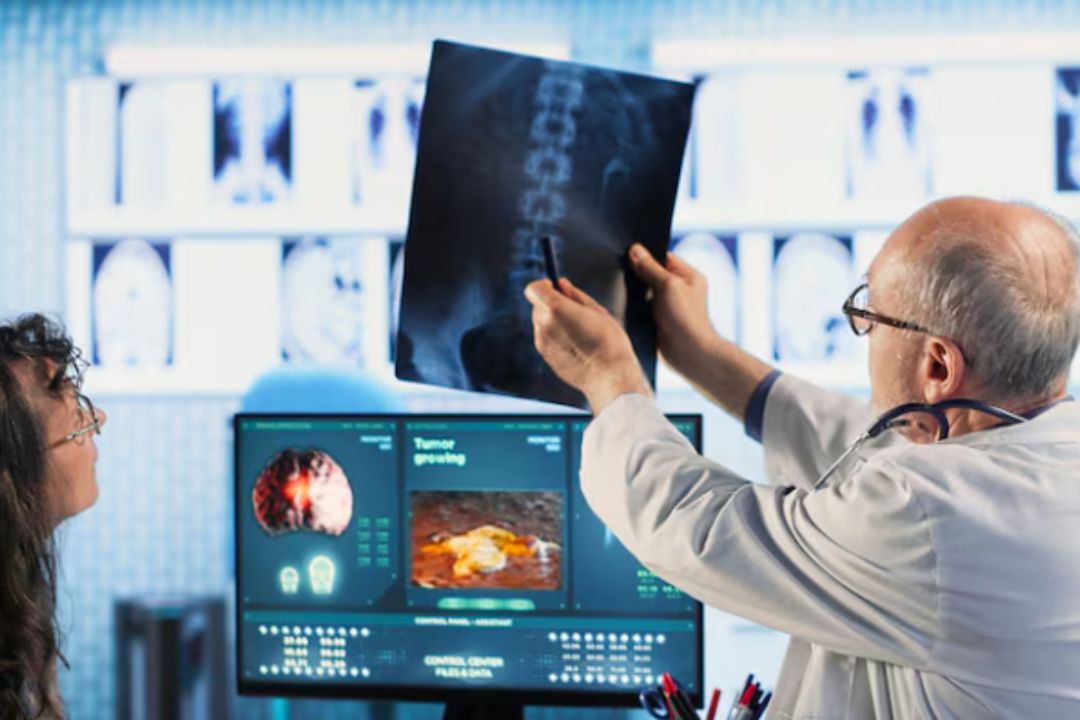
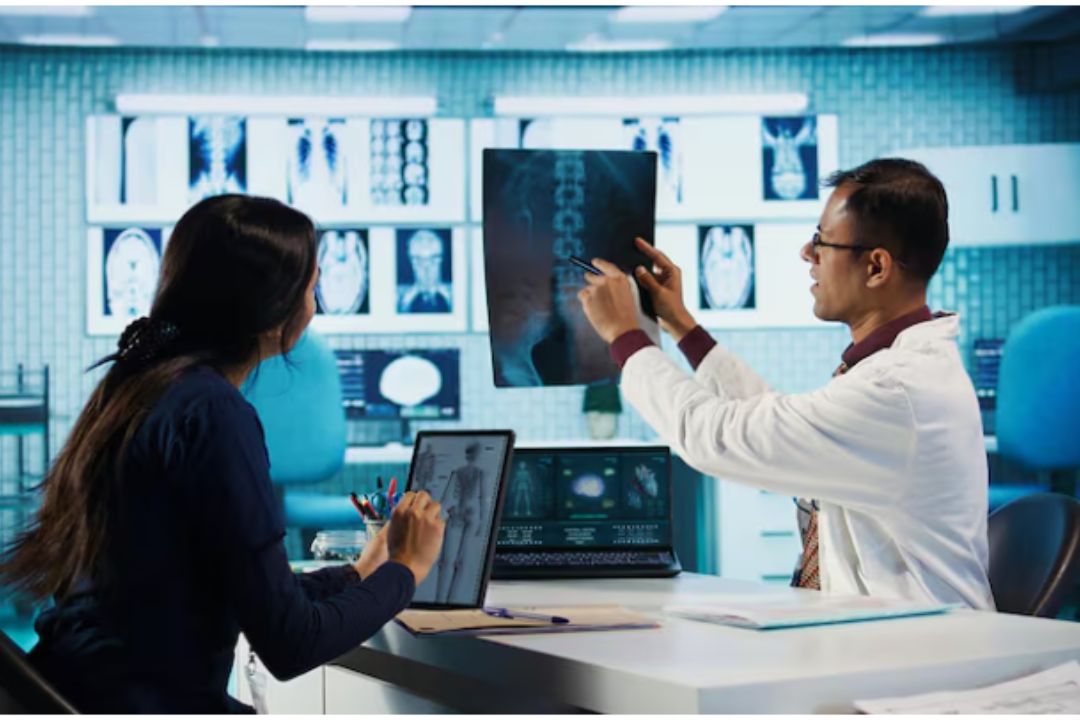
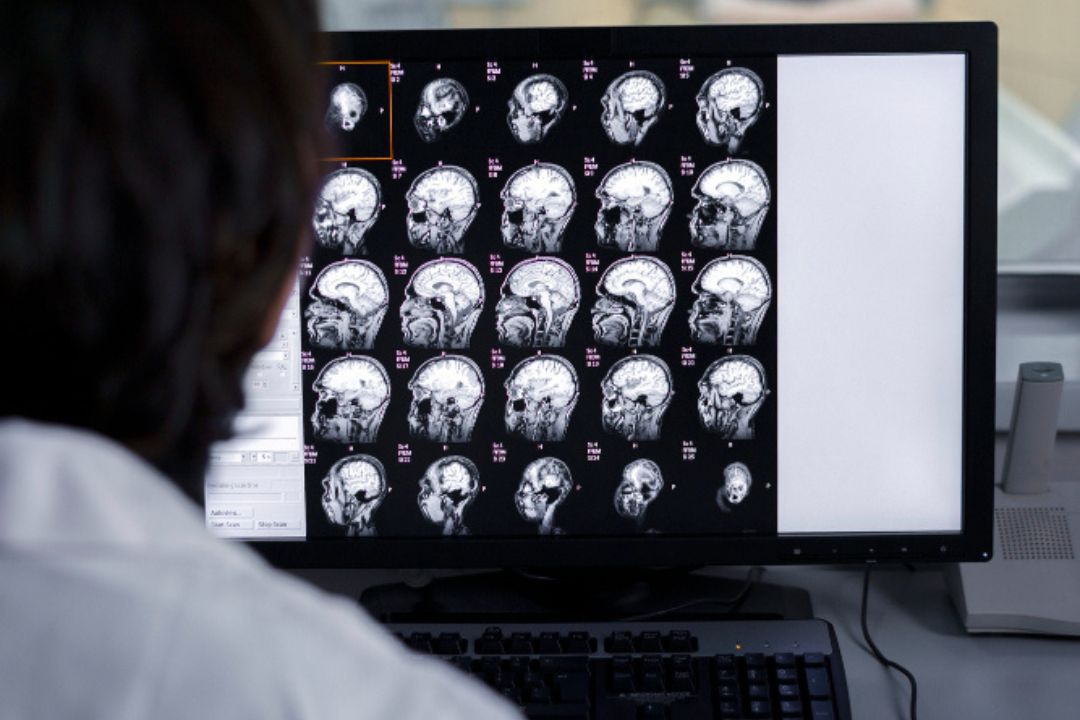
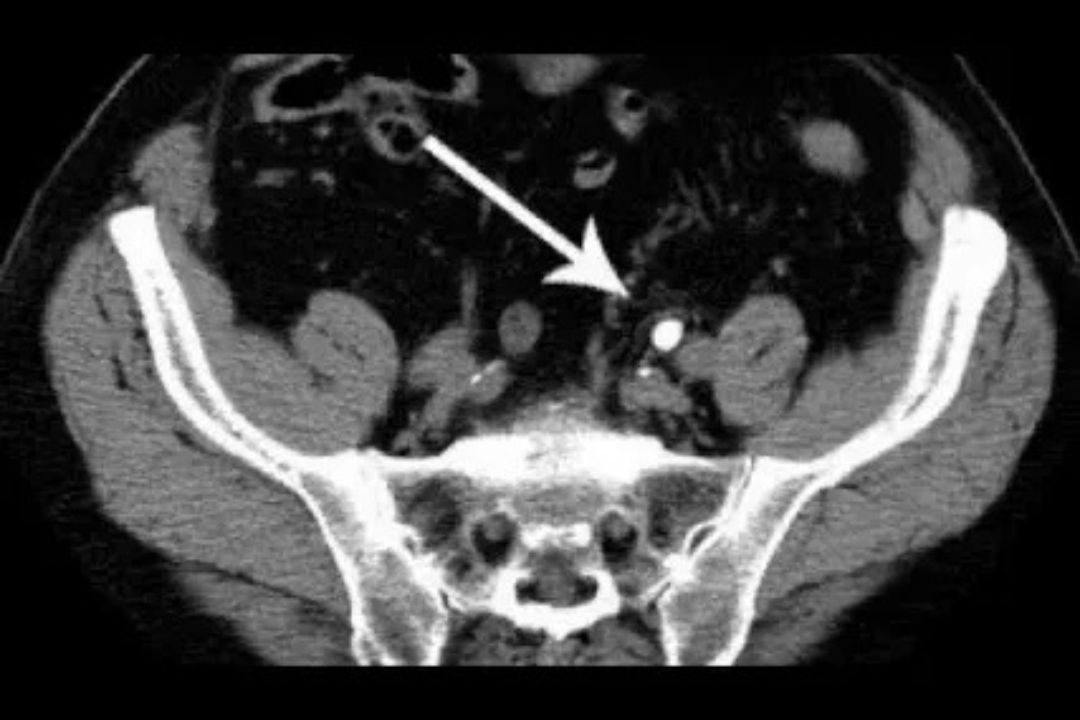
A CT Scan (Computed Tomography scan) uses X-rays and computer technology to create detailed cross-sectional images of the body. In some cases, doctors use contrast dye to highlight specific areas such as blood vessels, organs, tumors, or infections.
The contrast dye is usually iodine-based and may be given in three ways:
Through an injection into a vein
As a liquid that you drink
Rarely through a rectal solution
This dye improves image clarity and helps doctors detect diseases more accurately.
Preparing properly for a Contrast CT Scan helps ensure a safe and smooth procedure. Correct preparation can:
Improve the quality of scan images
Reduce the risk of nausea or allergic reactions
Protect kidney function during contrast injection
Prevent delays or repeat scans
Proper preparation also helps the radiology team perform the scan efficiently.
In many cases, patients are asked to avoid eating for several hours before the scan. Fasting helps reduce the chances of nausea and vomiting that may occur after contrast injection.
Doctors typically recommend fasting for about four to six hours before the scan, although drinking plain water may still be allowed.
Avoid foods and drinks such as:
Heavy meals
Milk
Tea or coffee
Juice or soft drinks
Always follow the instructions given by your doctor or diagnostic center.
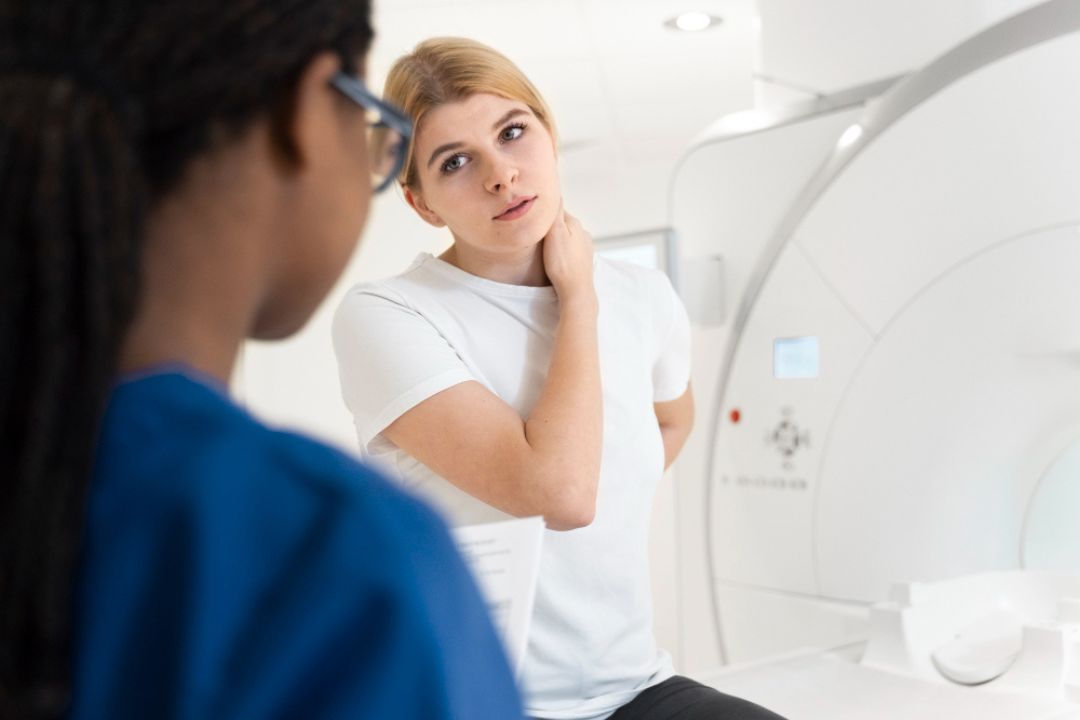
Before the scan, it is important to inform your healthcare provider about any medical conditions you have. This helps ensure that the contrast dye can be used safely.
Tell your doctor if you have:
Allergies to iodine or contrast dye
Kidney disease
Diabetes
Thyroid disorders
Asthma
Previous reactions to contrast dye
Pregnancy or suspected pregnancy
Sharing this information helps doctors decide whether the scan is safe or if special precautions are needed.
Because contrast dye is removed from the body through the kidneys, doctors may recommend a blood test before the procedure to check kidney function.
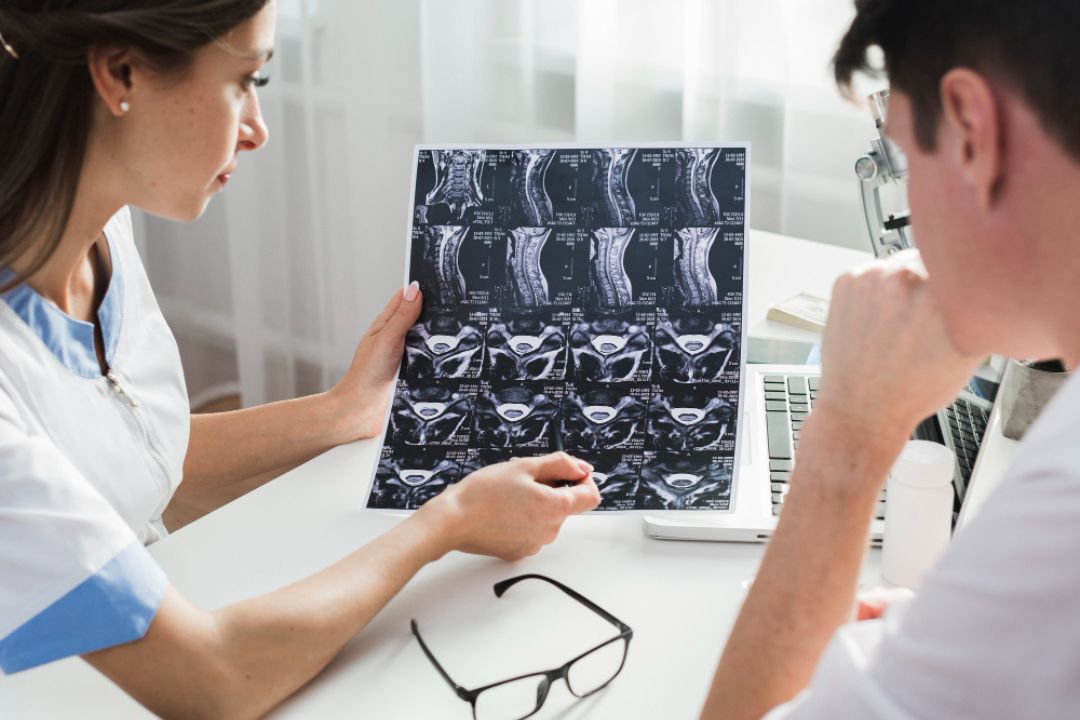
Tests such as serum creatinine or eGFR help determine whether the kidneys can safely process the contrast material. Patients with kidney problems may need additional precautions or a different imaging test.
Most patients can continue taking their regular medications before the scan. However, certain medicines may need special instructions.
For example, people with diabetes who take medications like metformin may be asked to temporarily stop the medicine before and after the scan. This precaution helps protect kidney function.
Always inform your doctor about all medications and supplements you are currently taking.
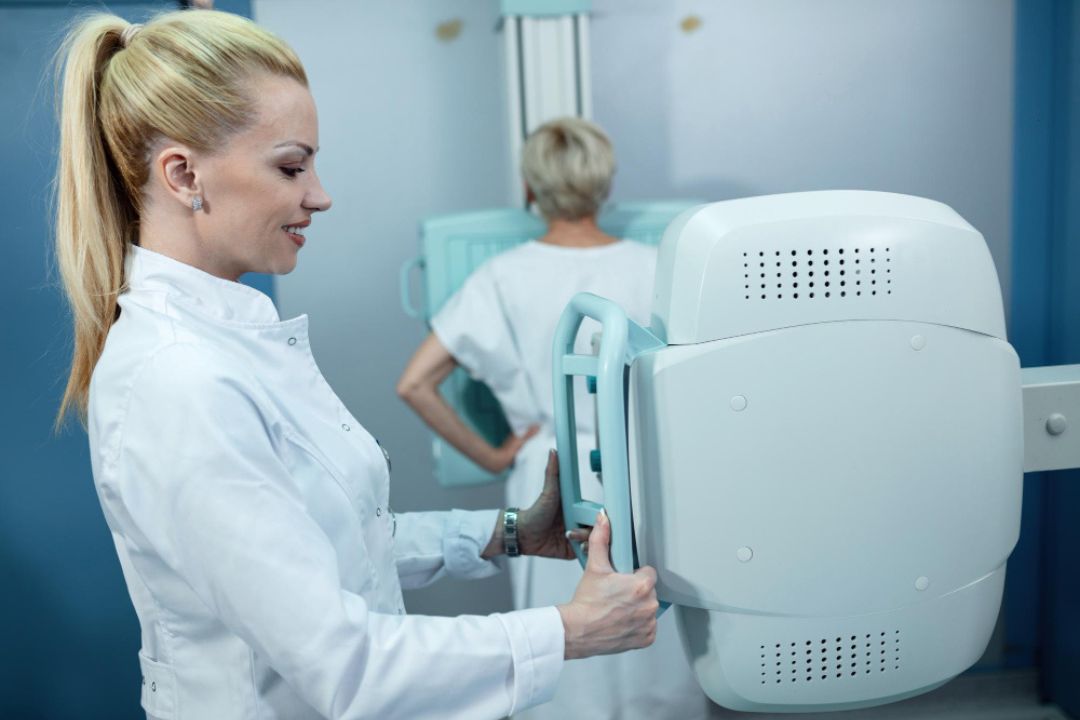
Wear comfortable clothing when coming for the CT scan. You may be asked to change into a hospital gown.
Avoid wearing metal objects such as:
Jewelry
Belts
Hairpins
Watches
Glasses
Metal objects can interfere with the scan images and may need to be removed before the procedure.
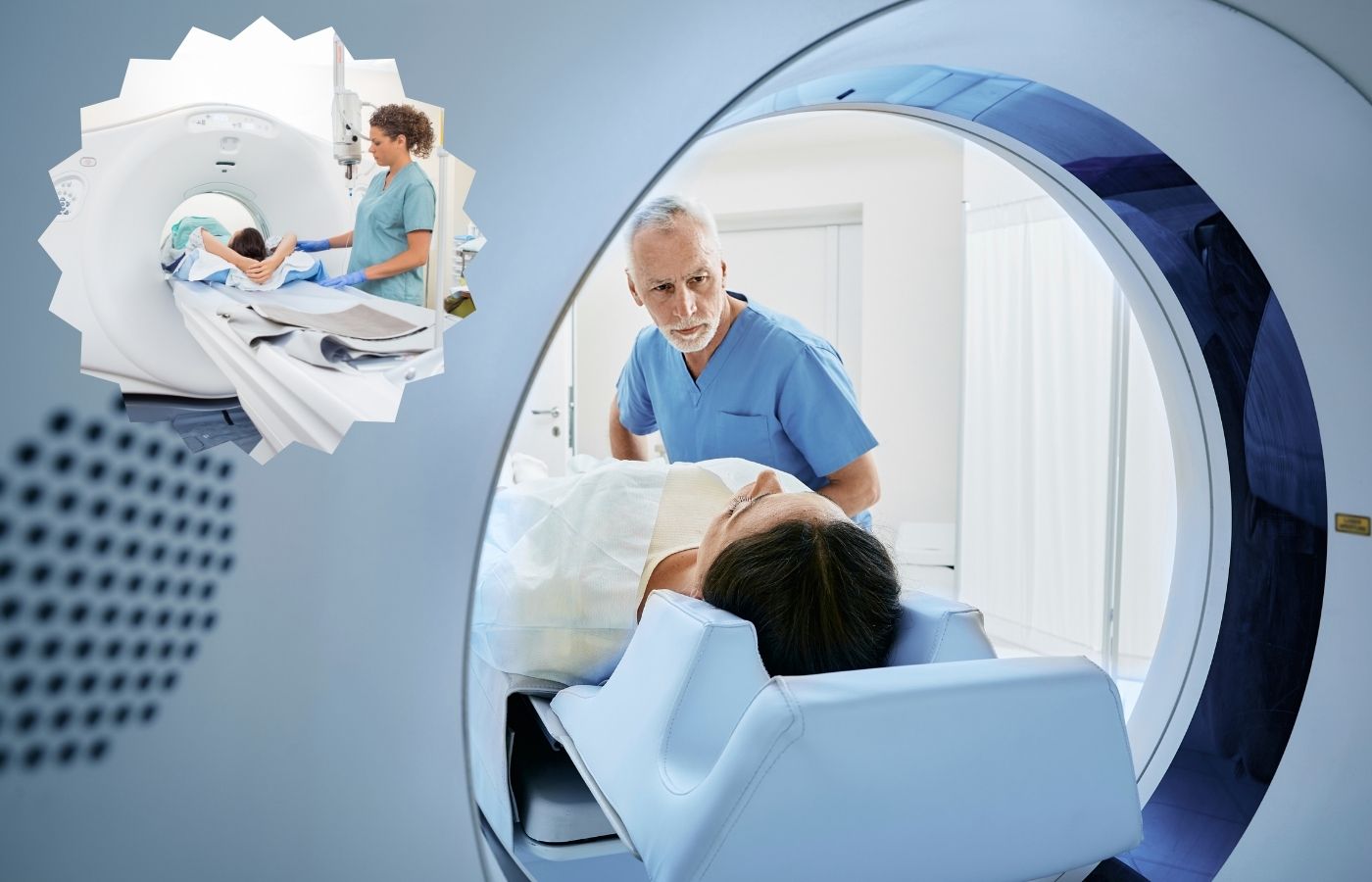
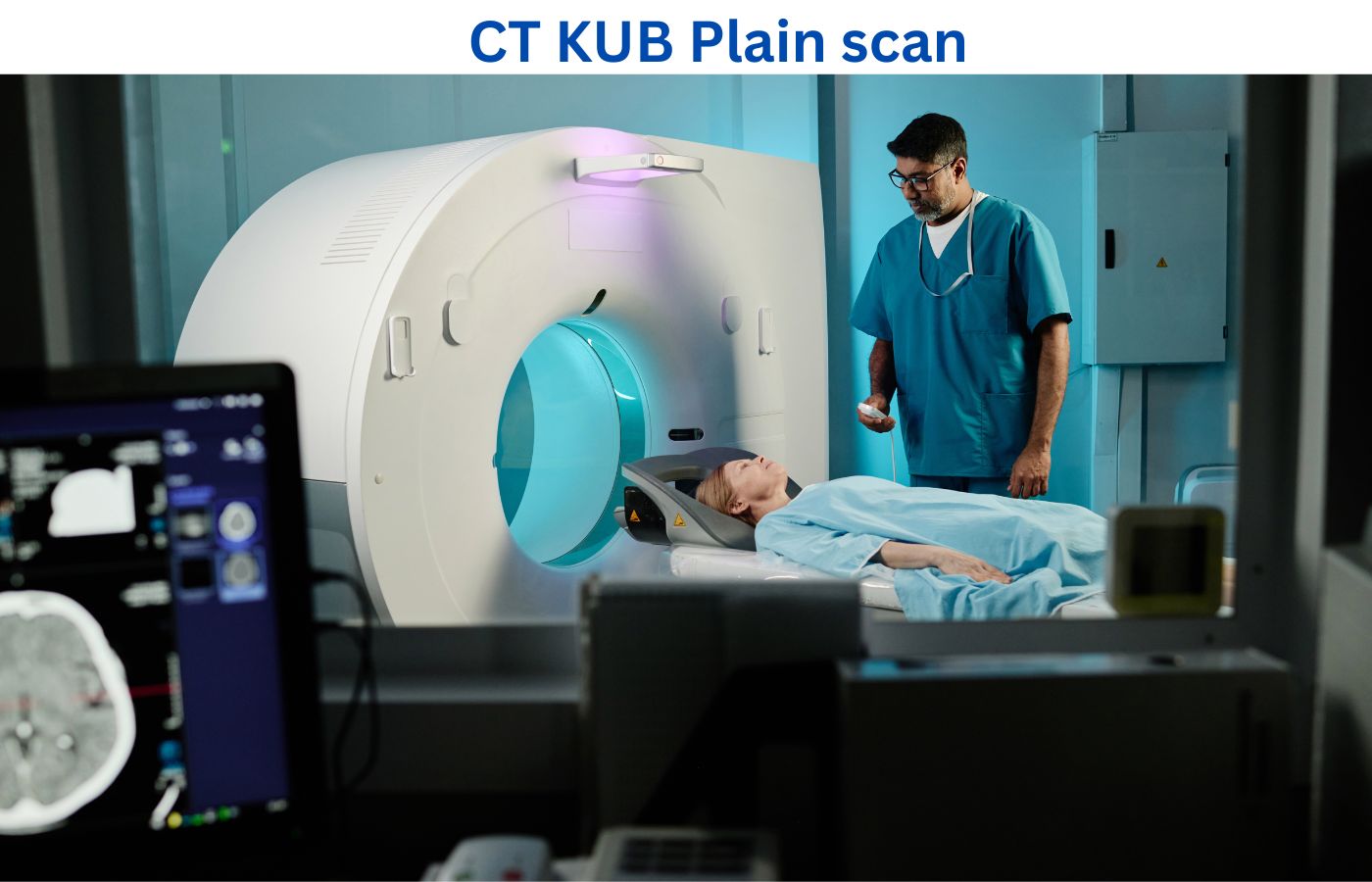
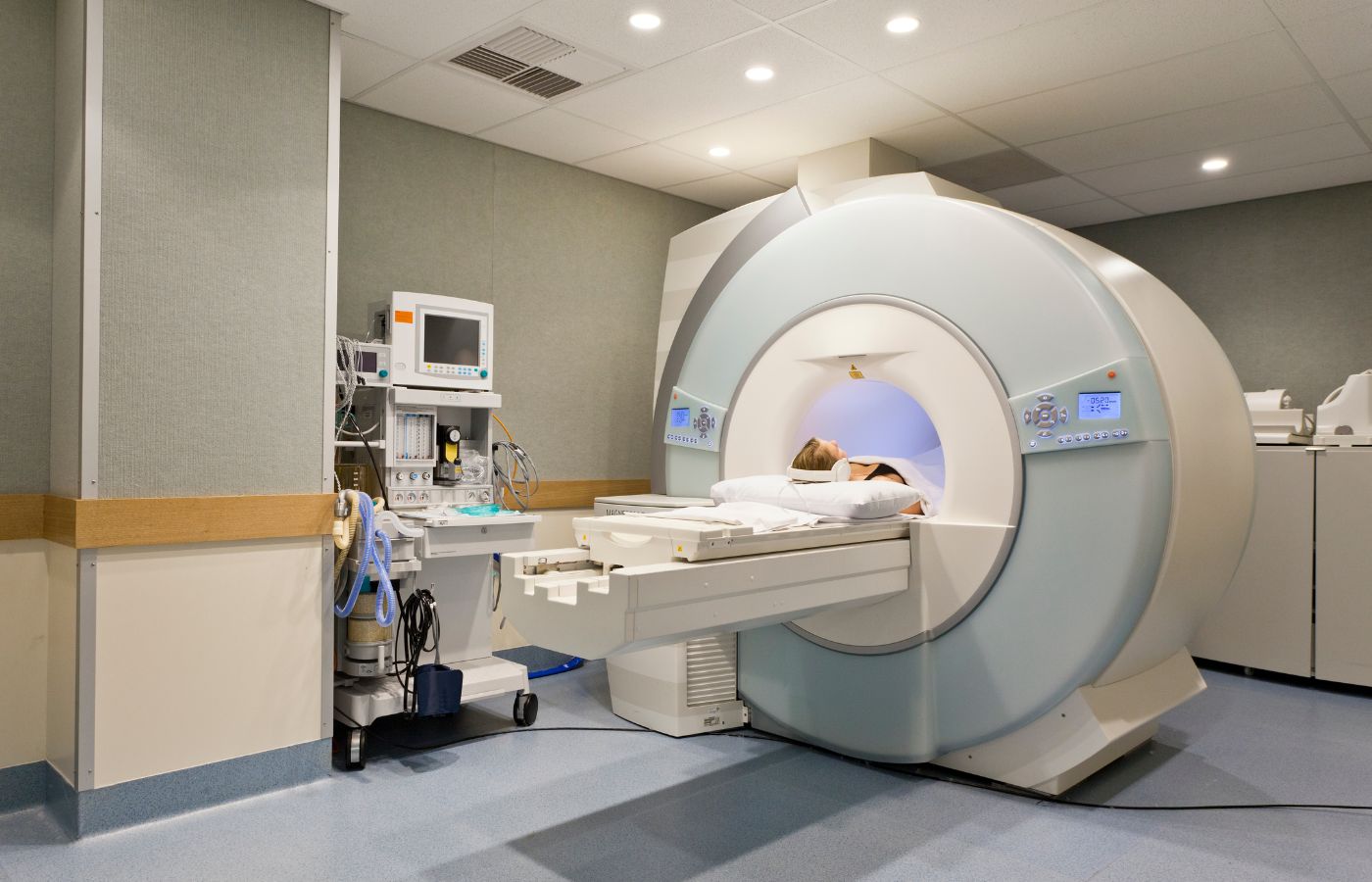
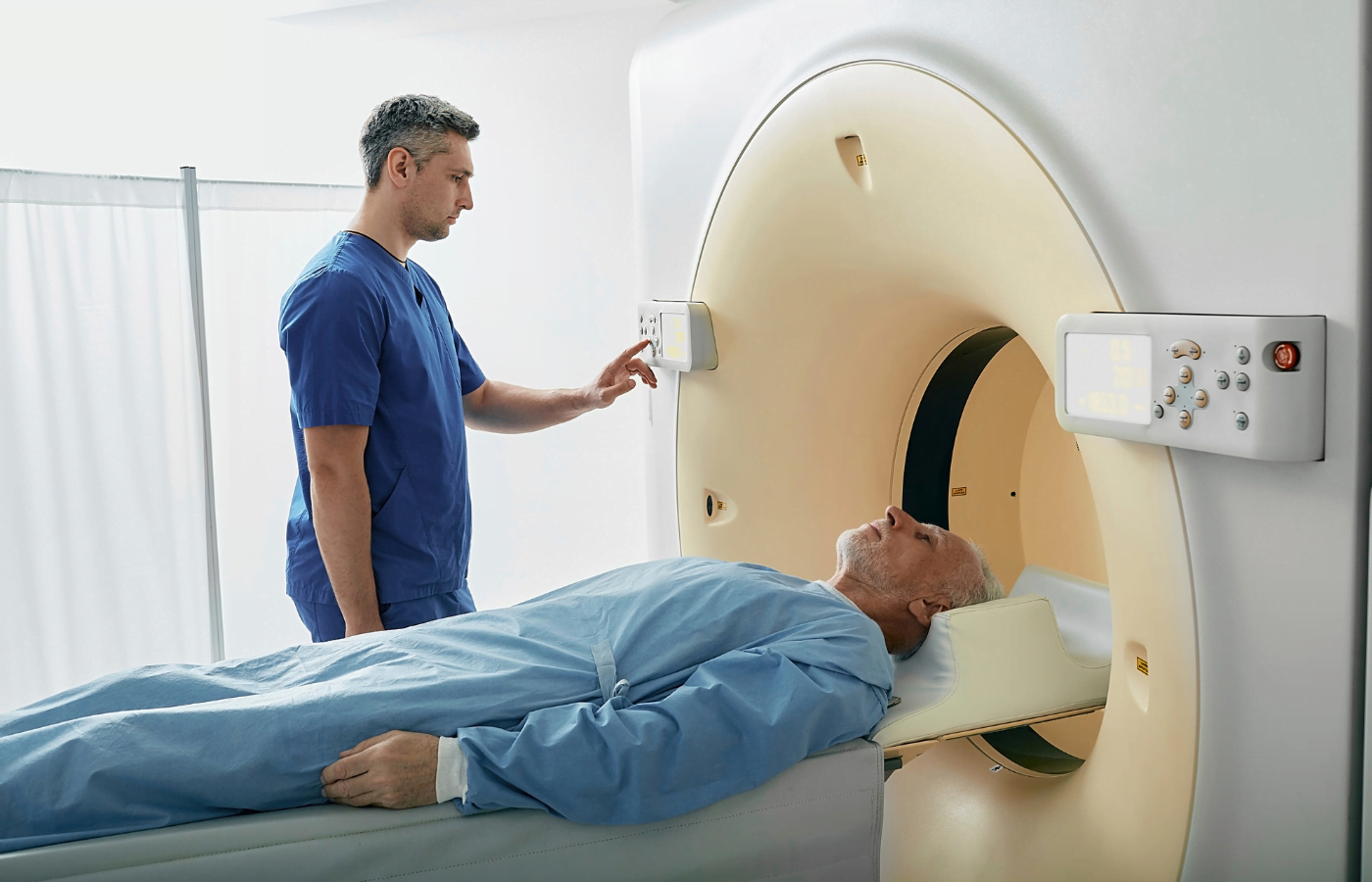
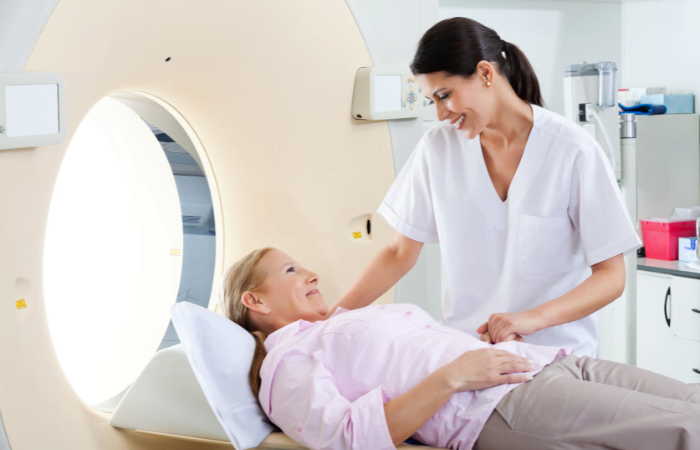
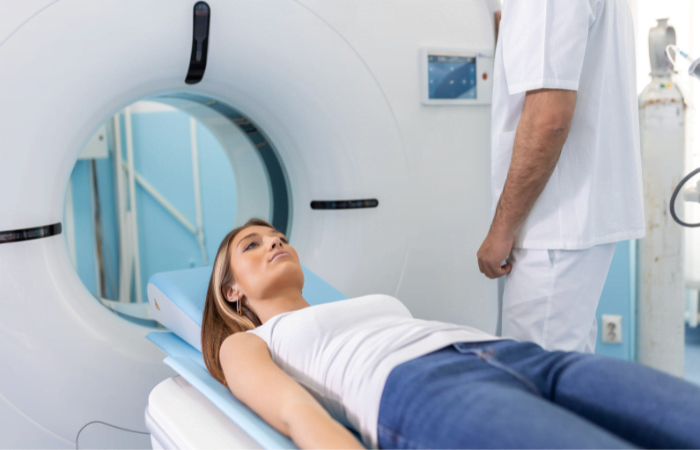
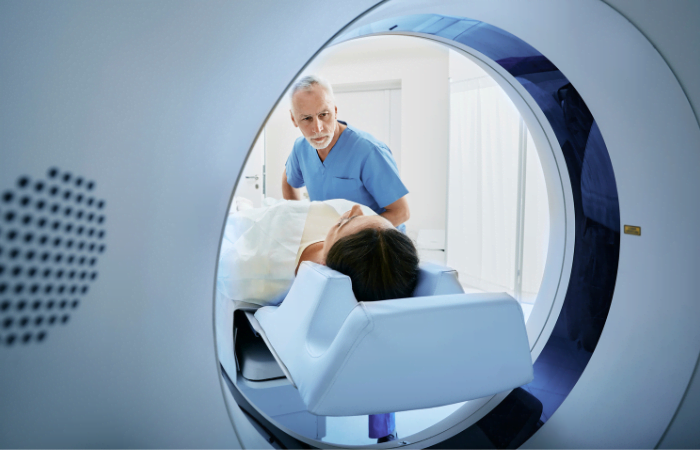
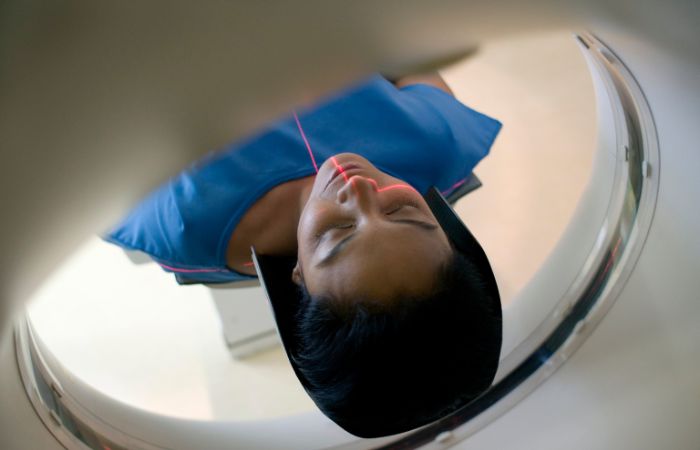
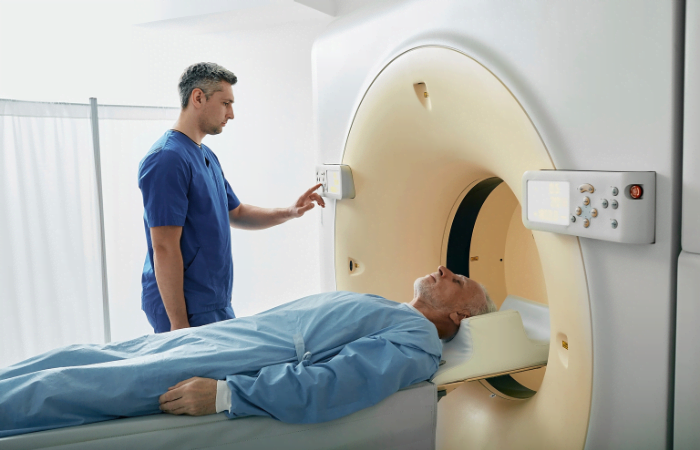
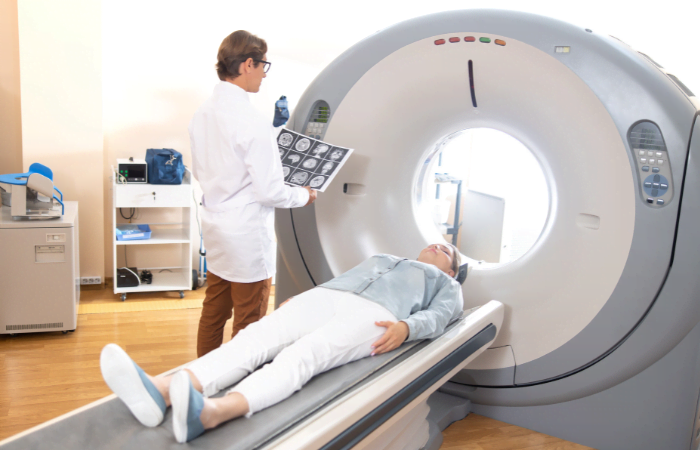
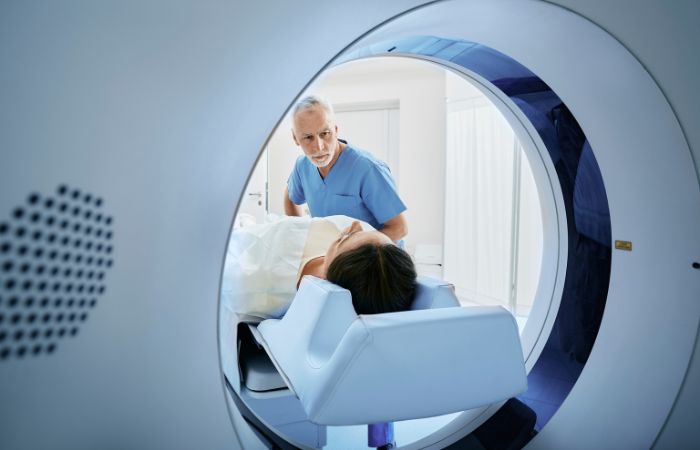
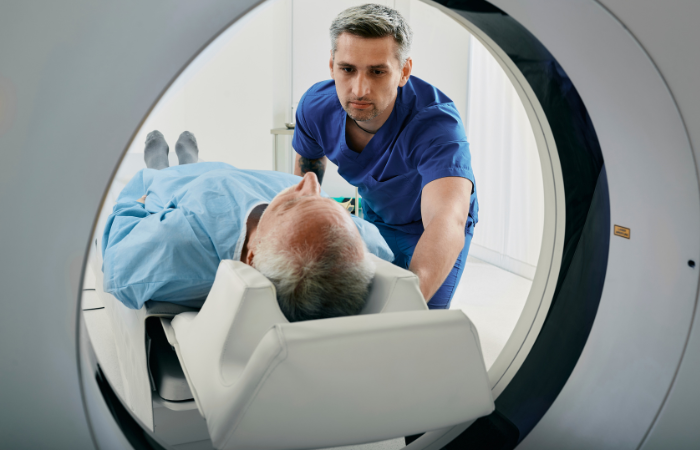
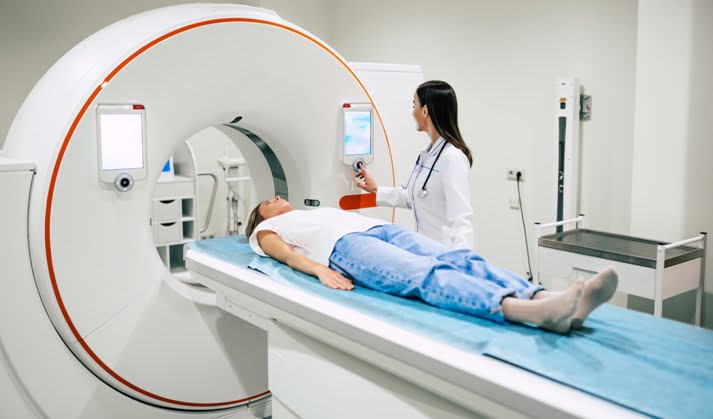
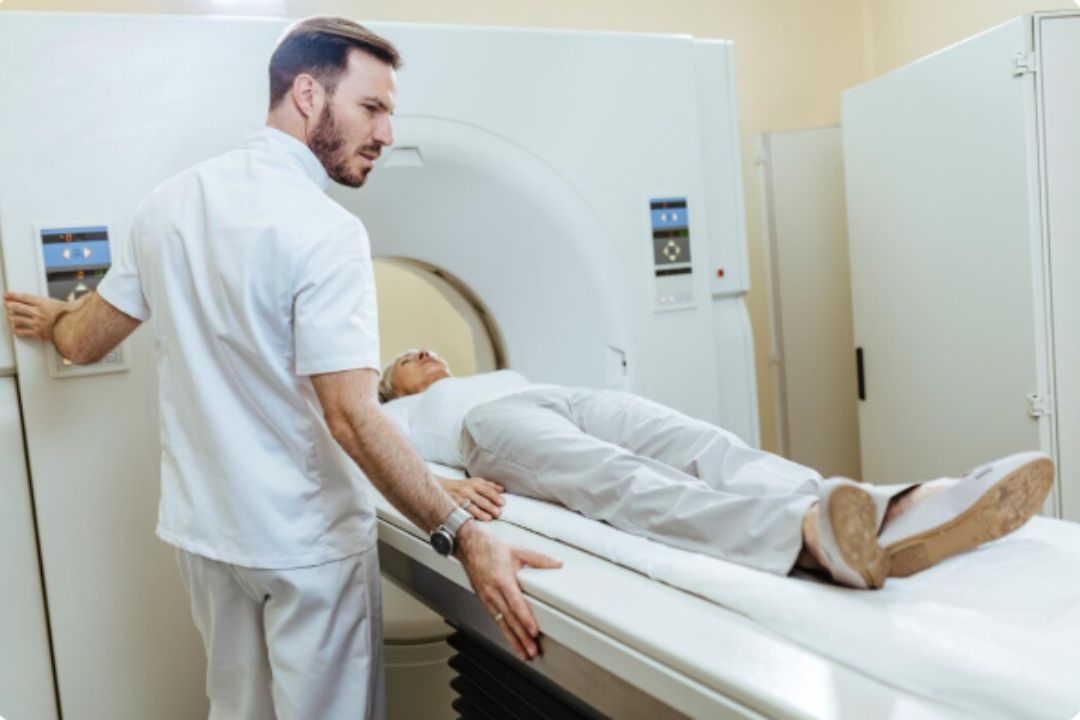
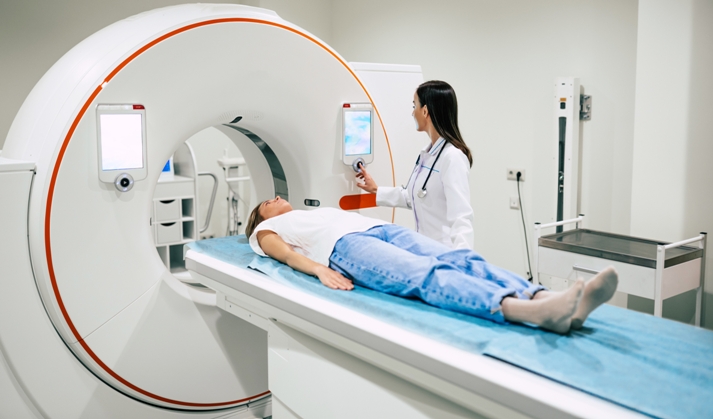
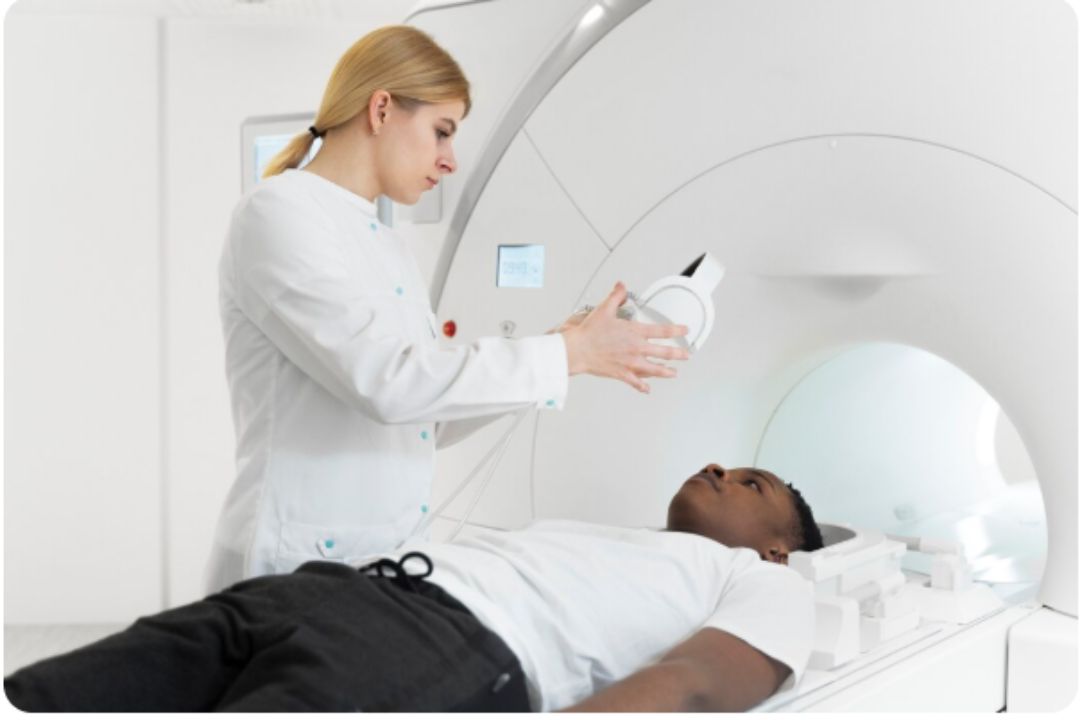
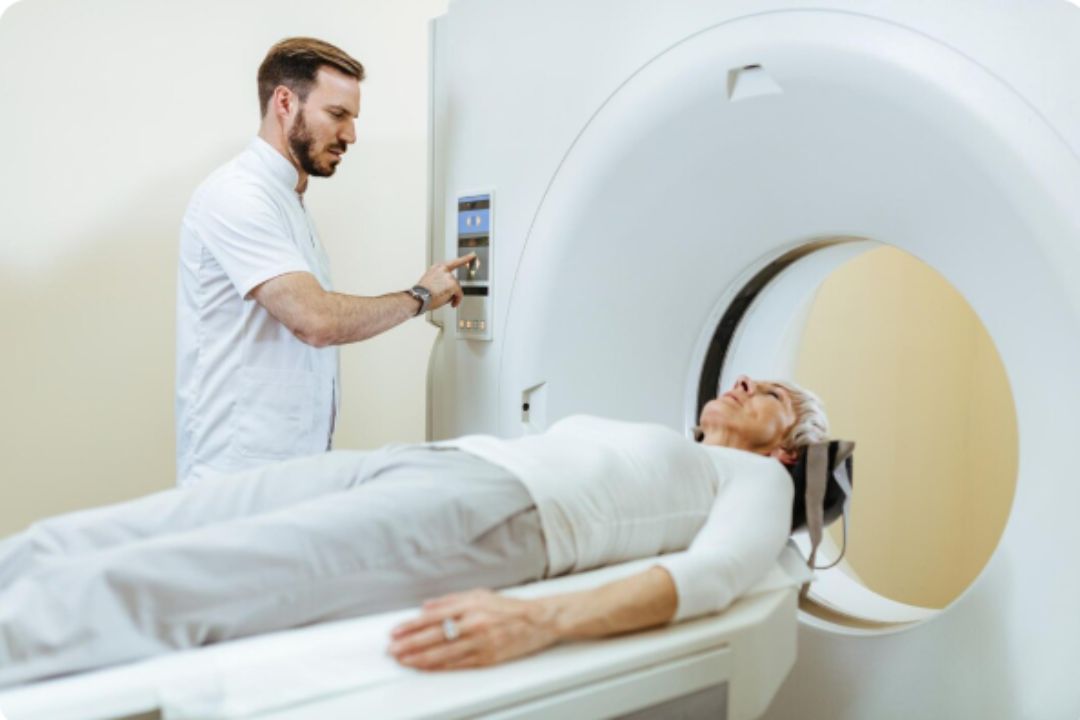
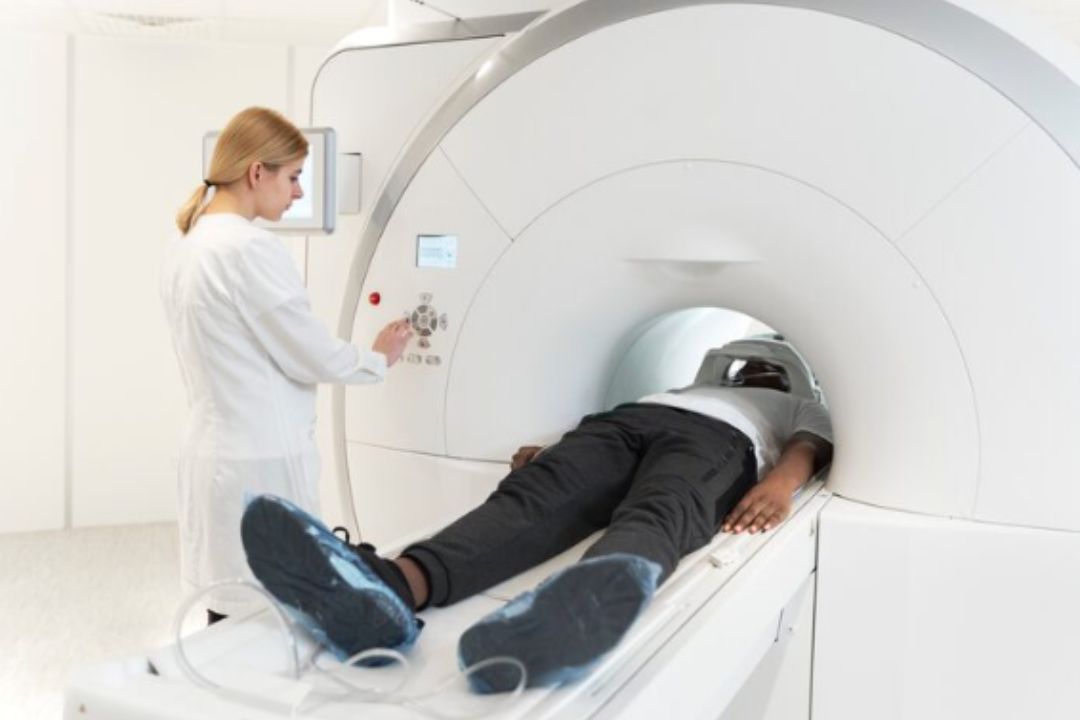
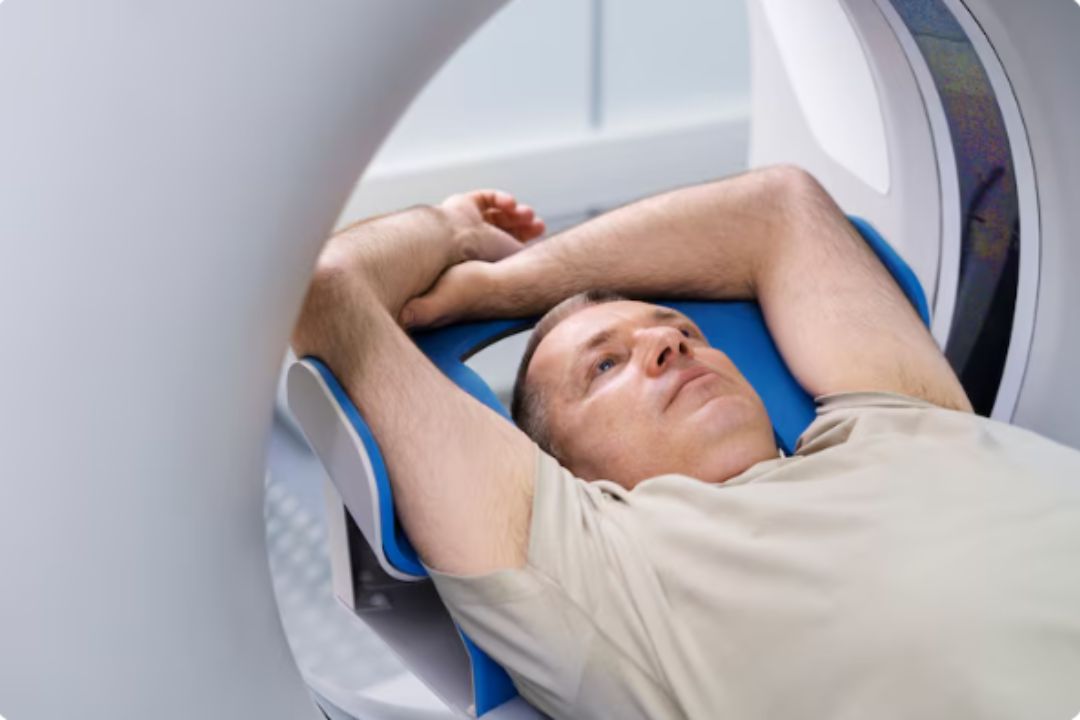
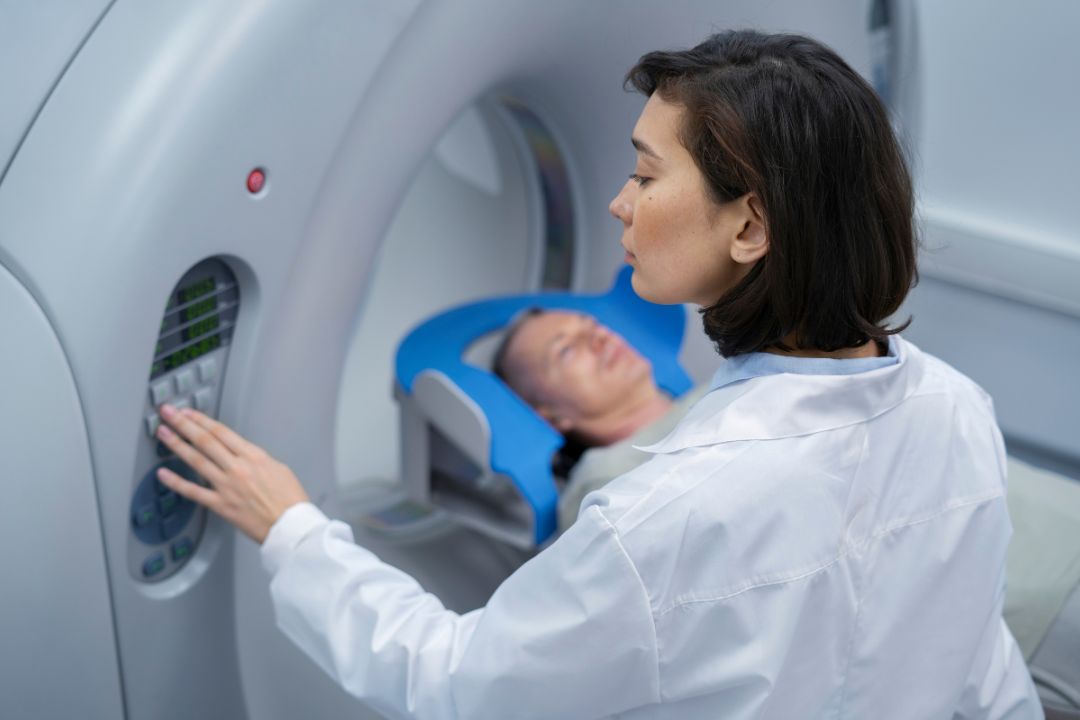
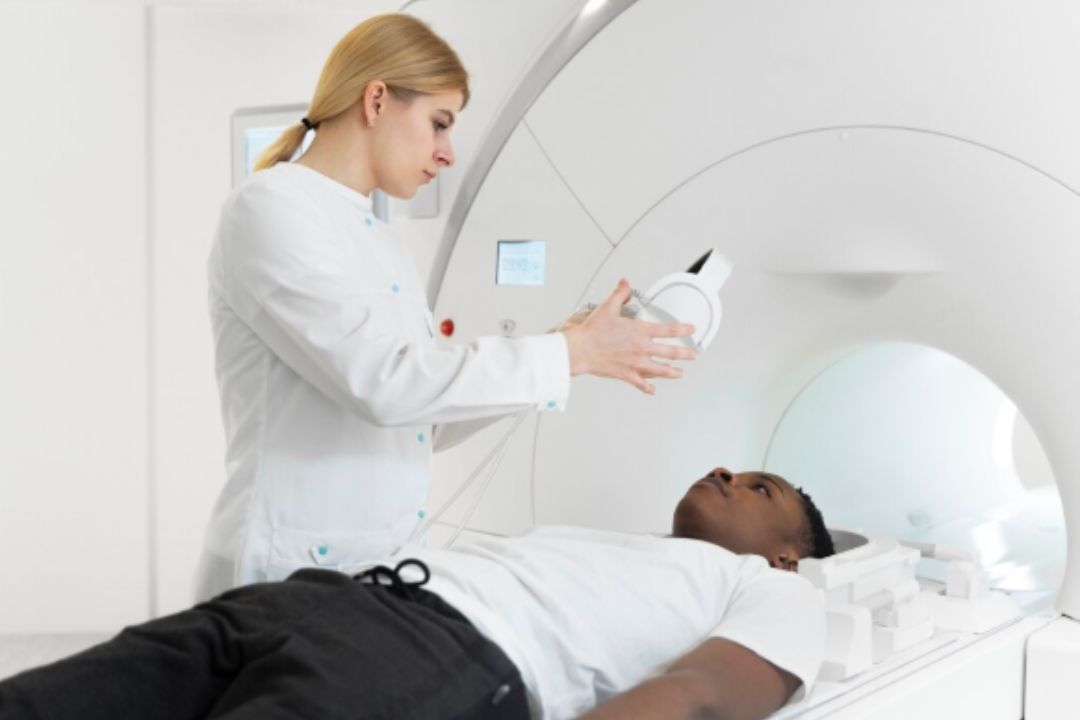
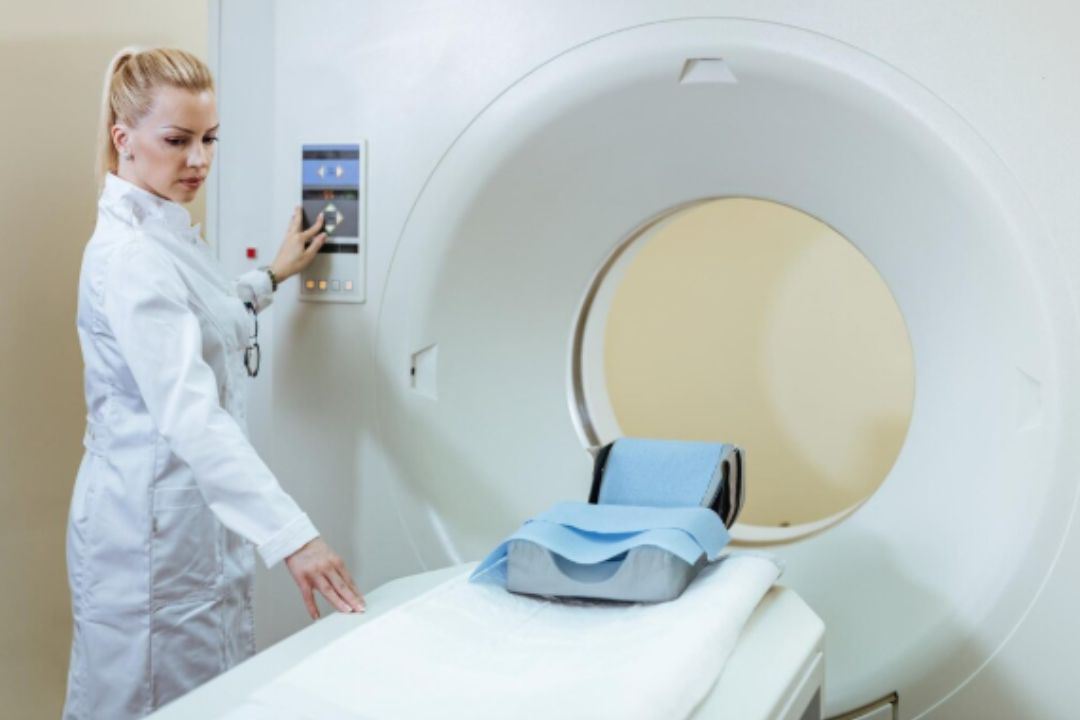
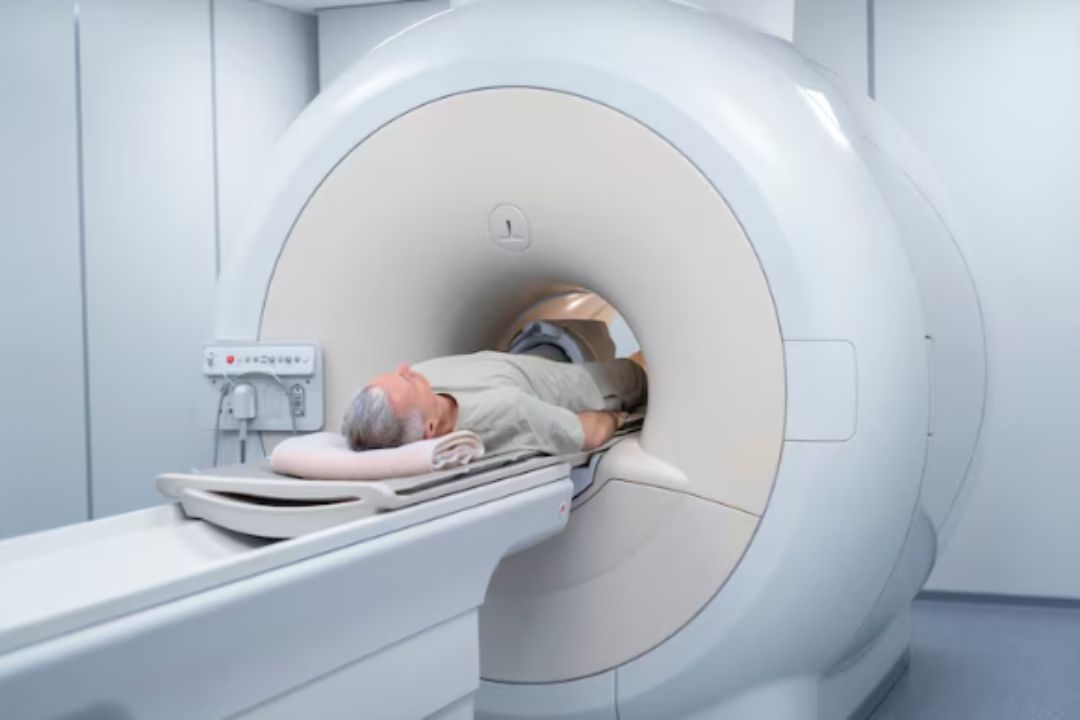
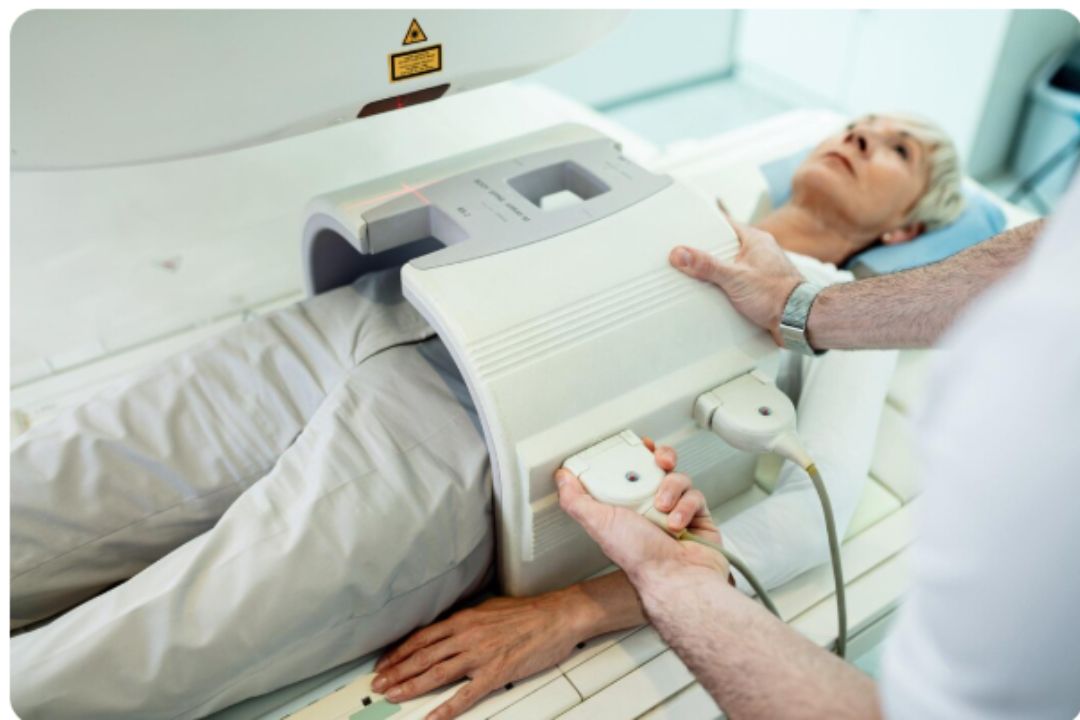
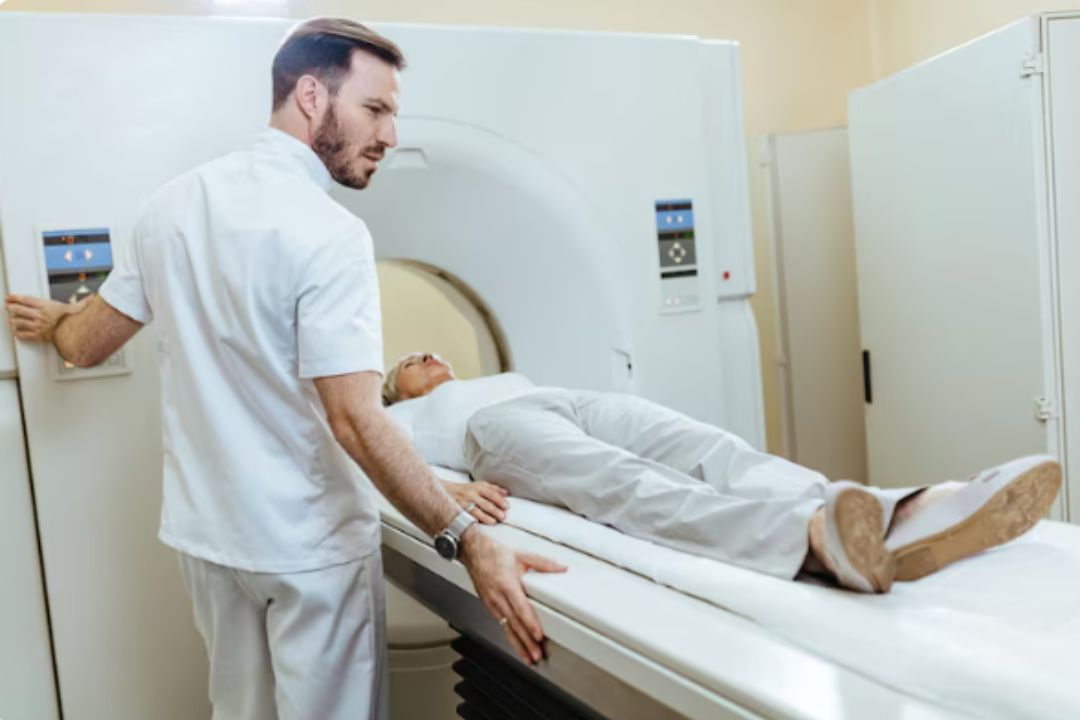
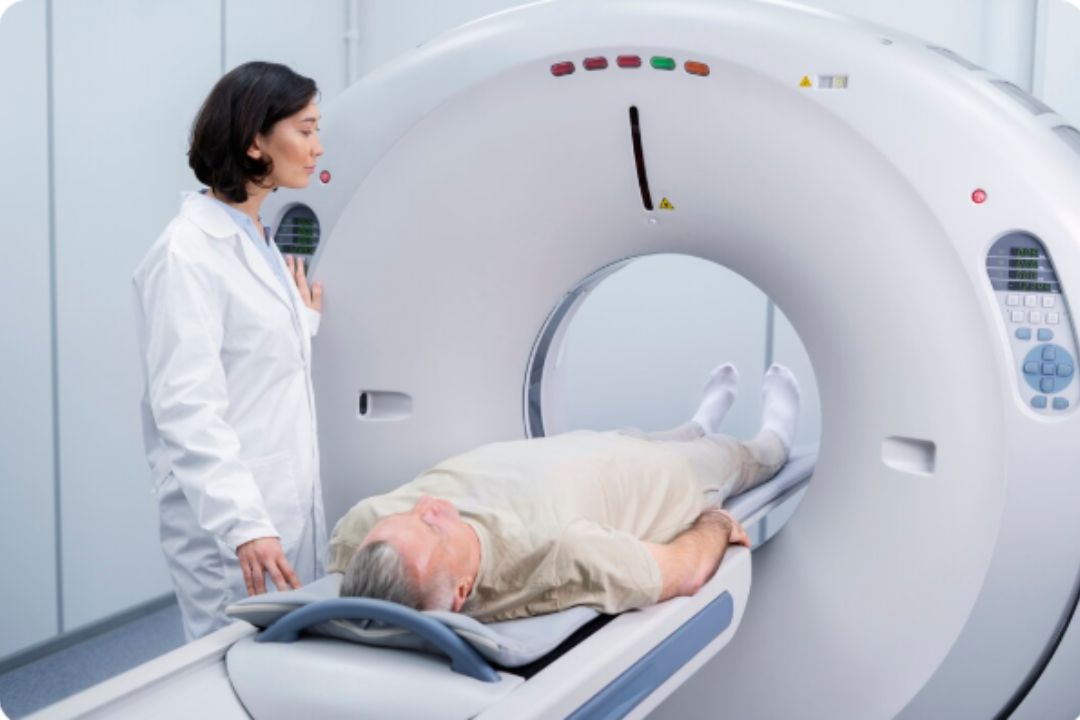
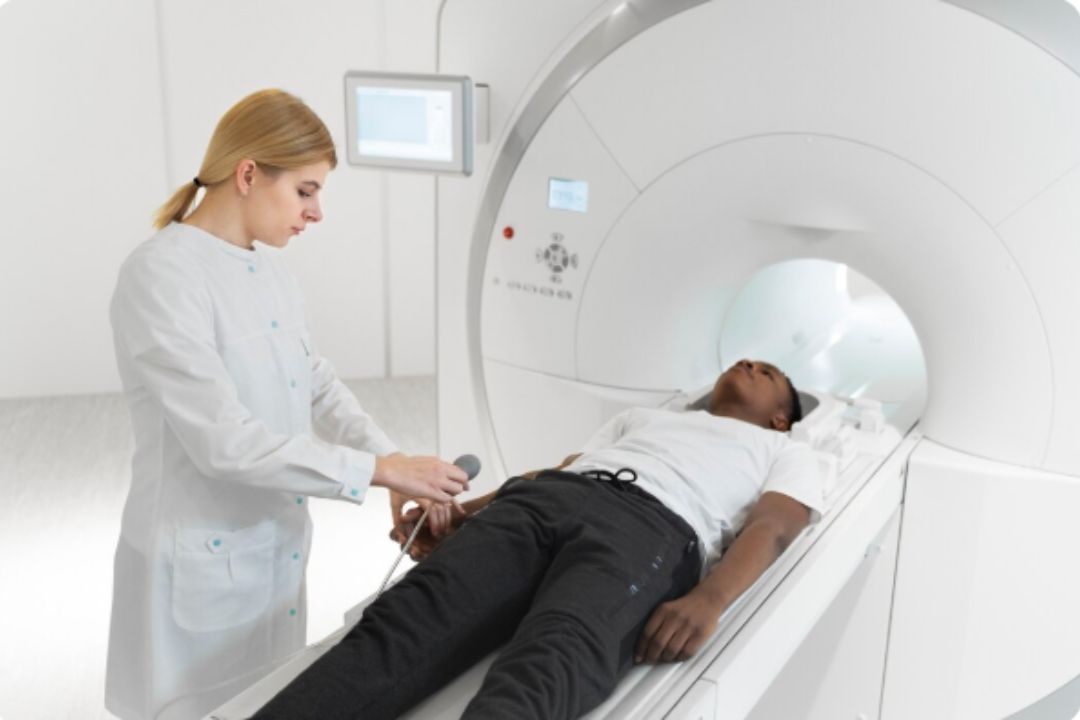
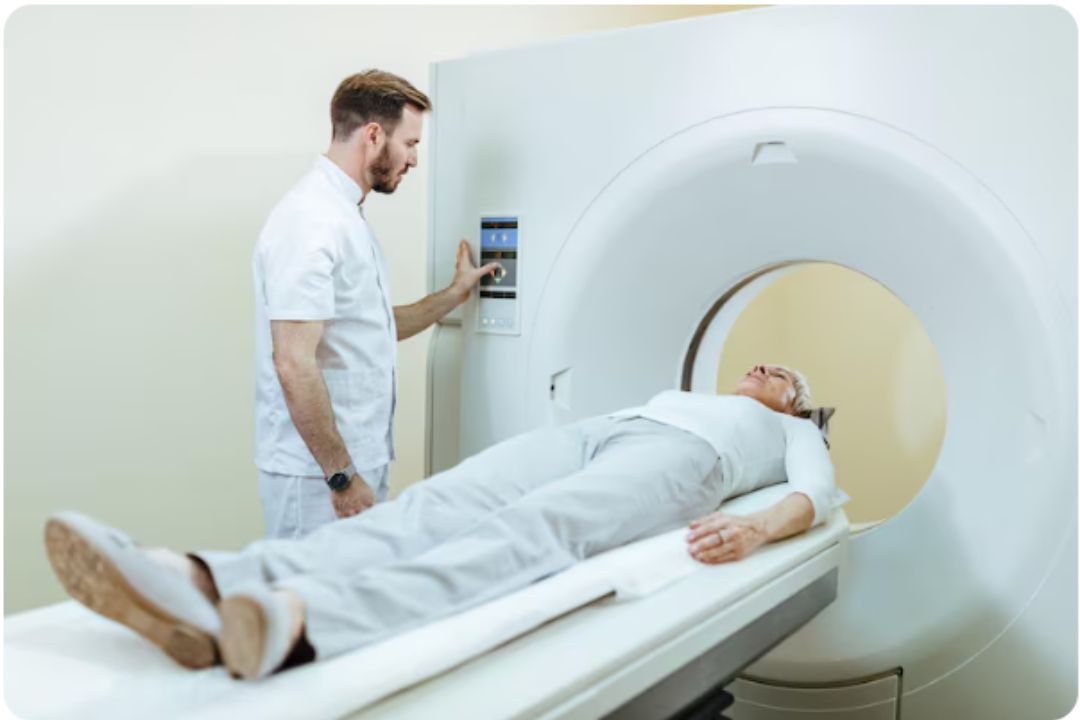
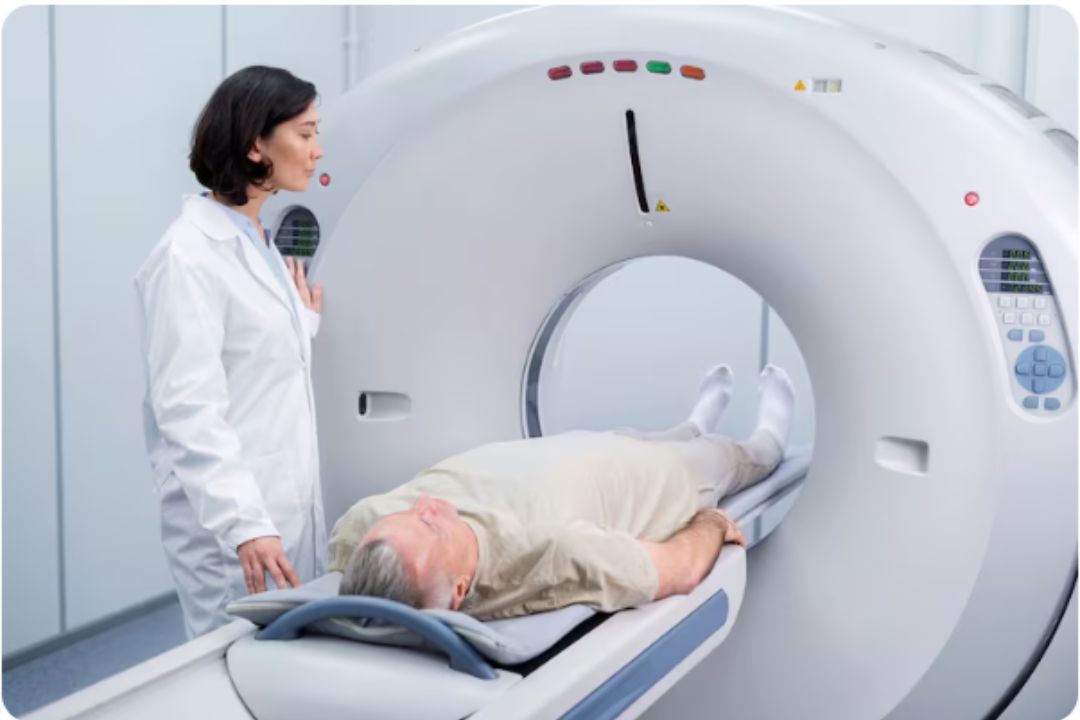
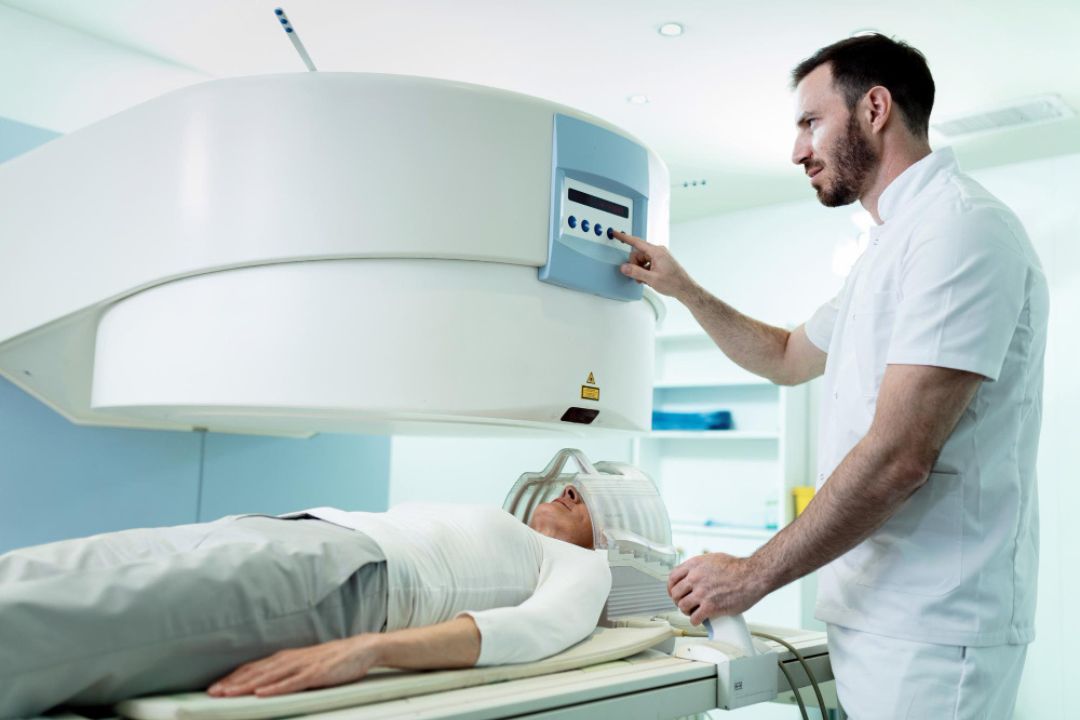
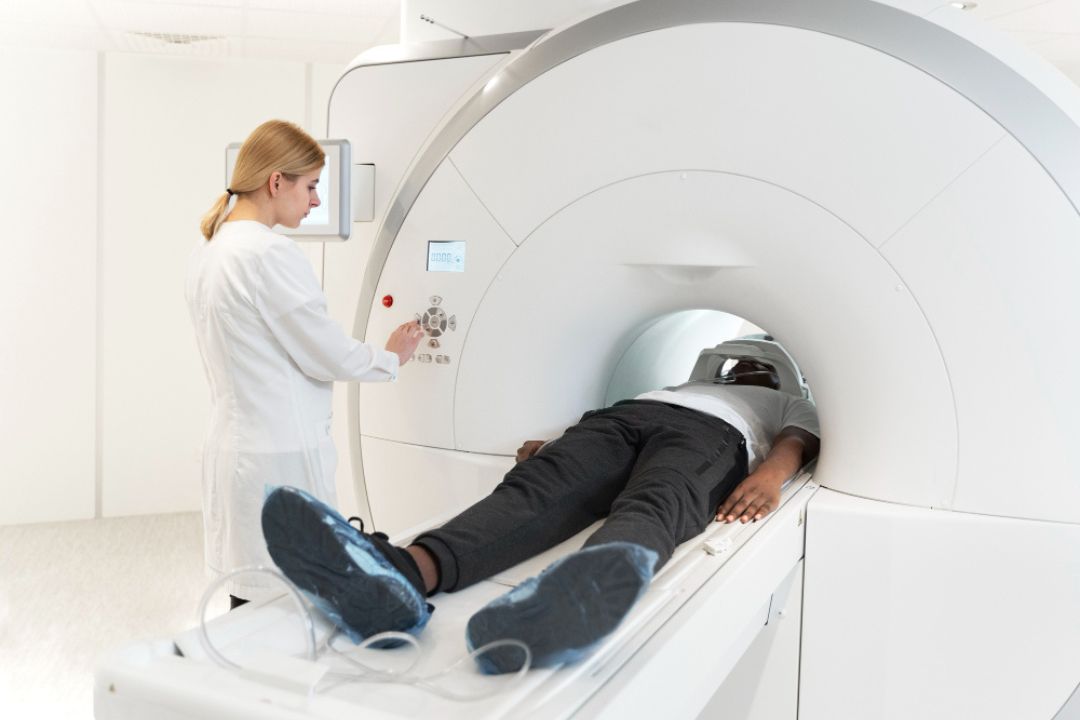
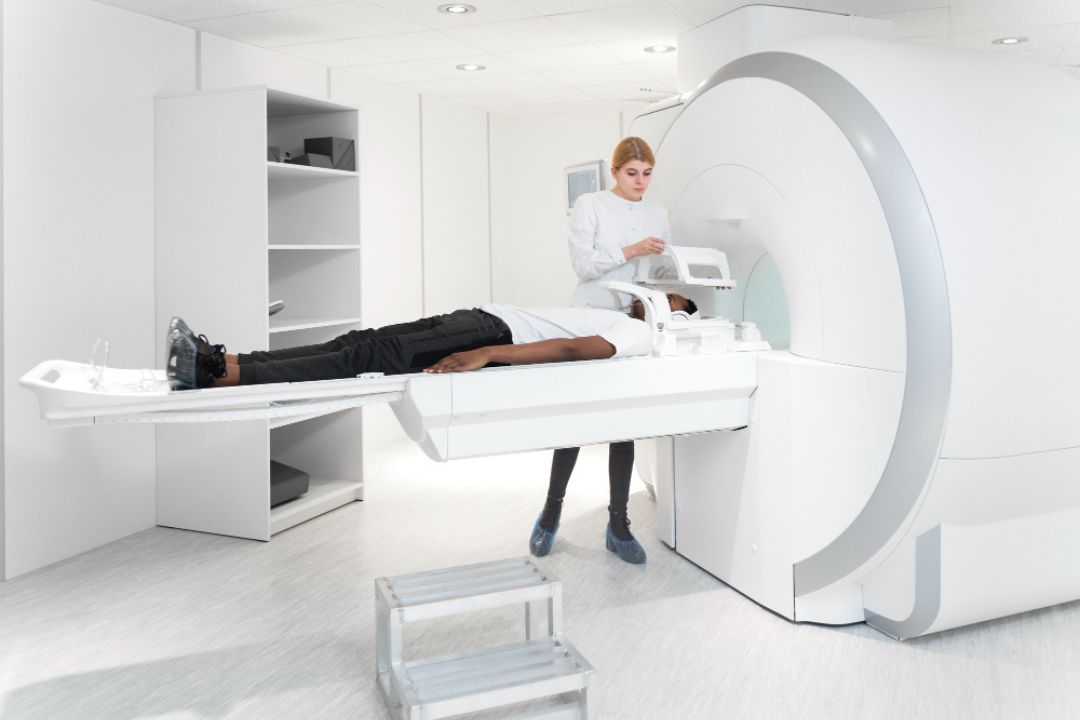
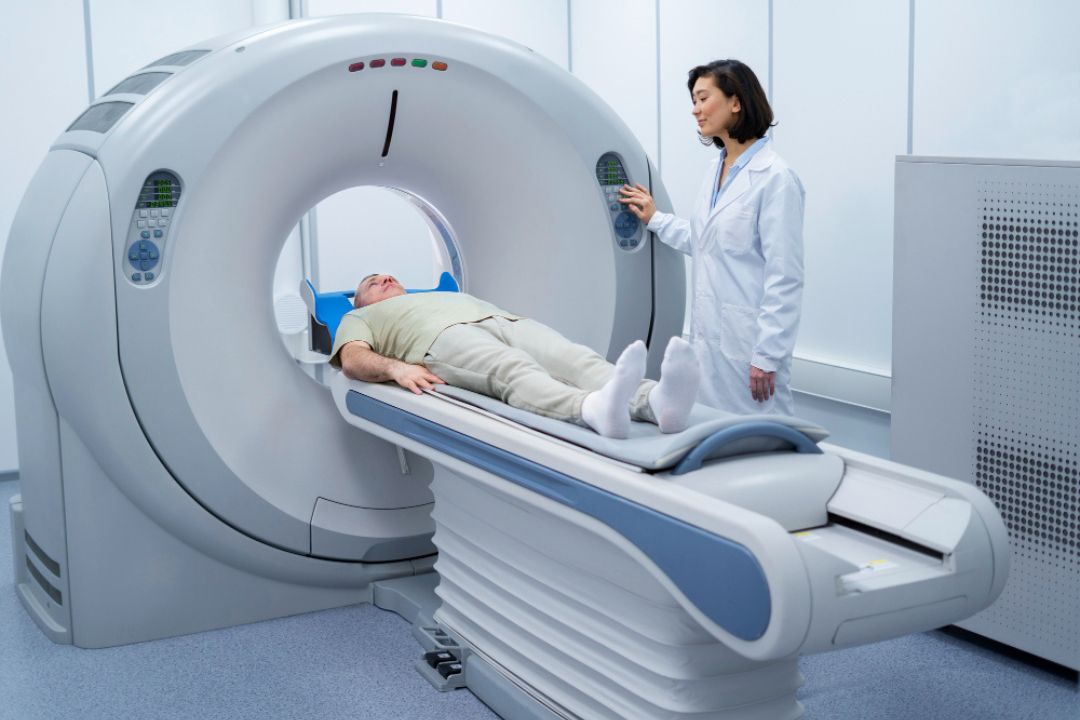
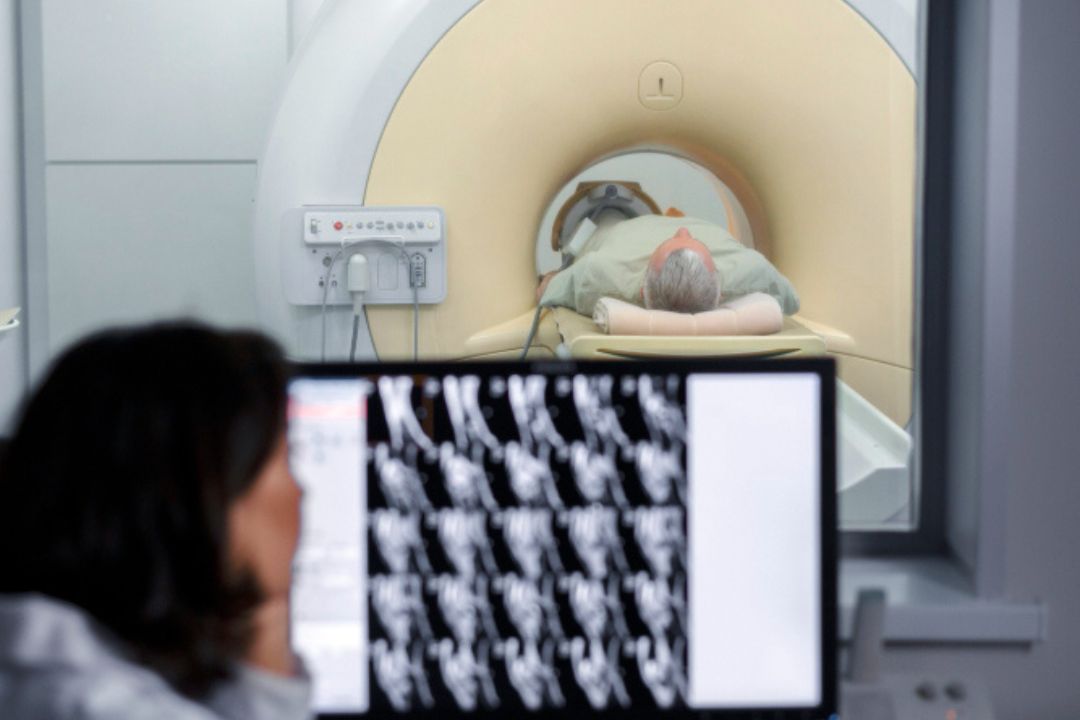
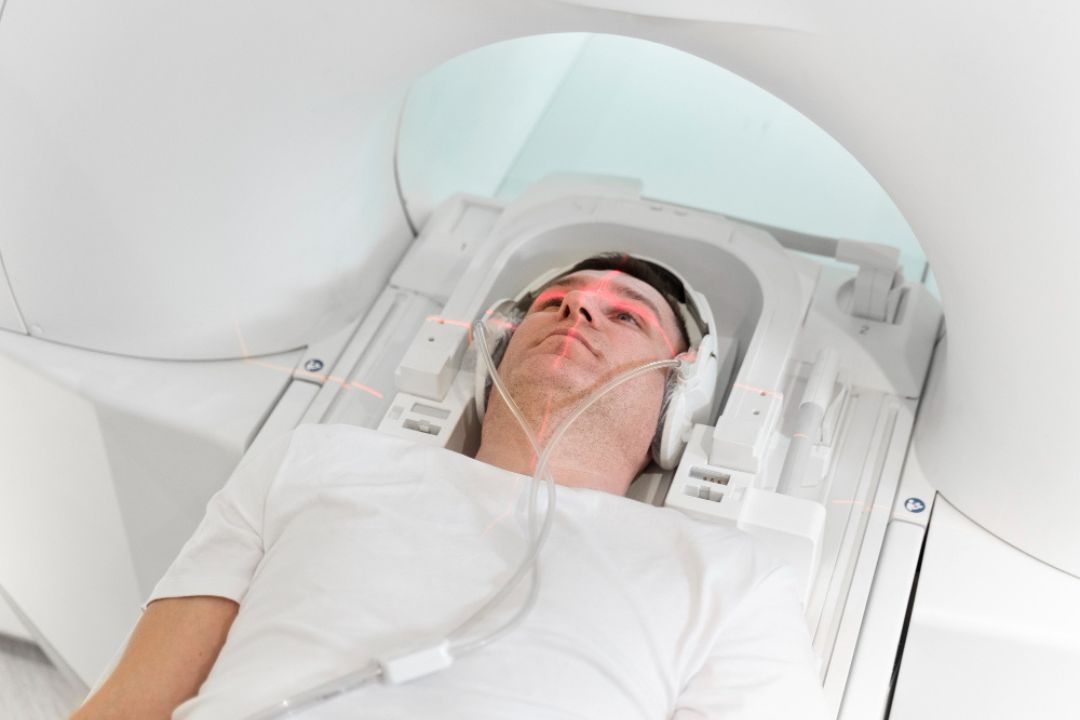
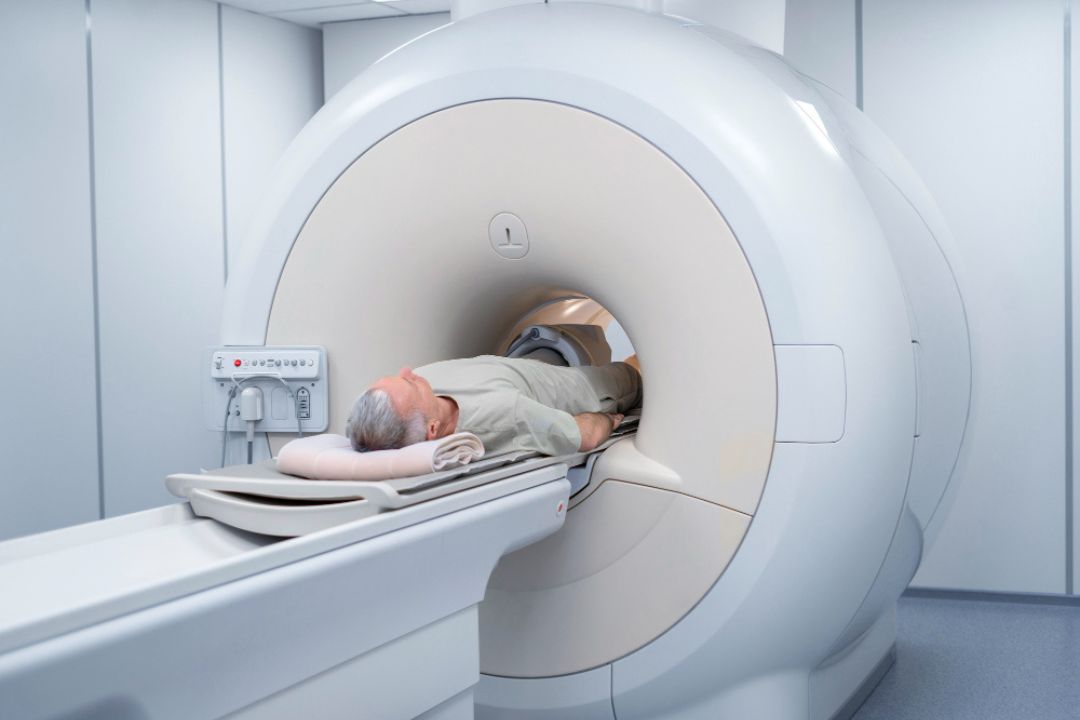
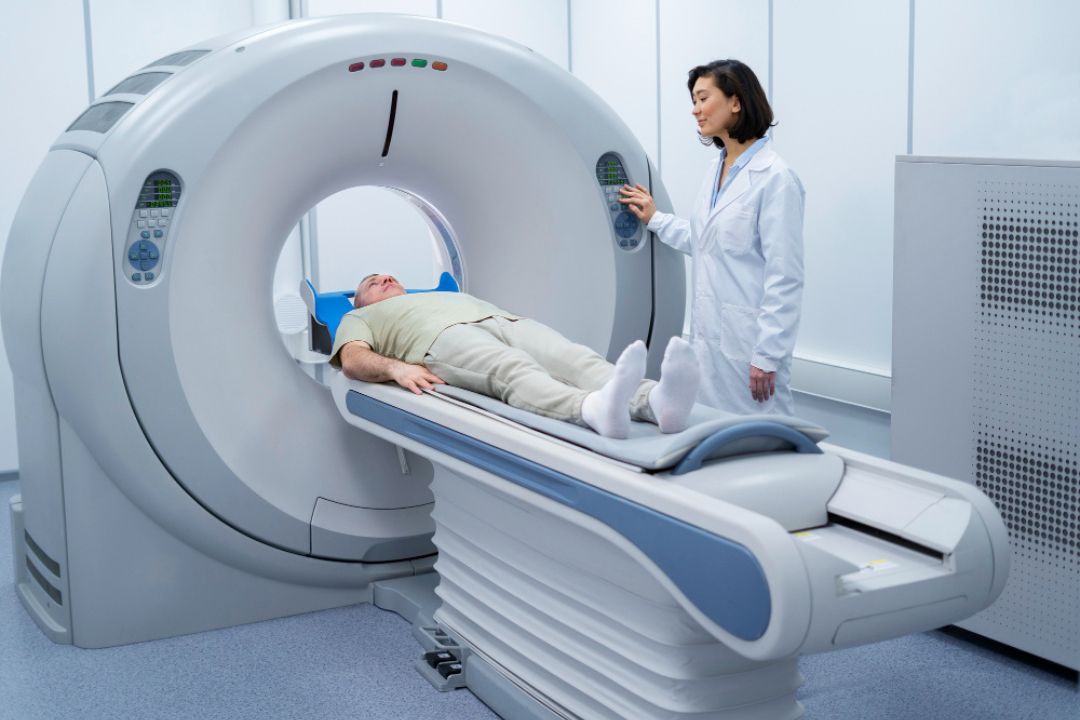
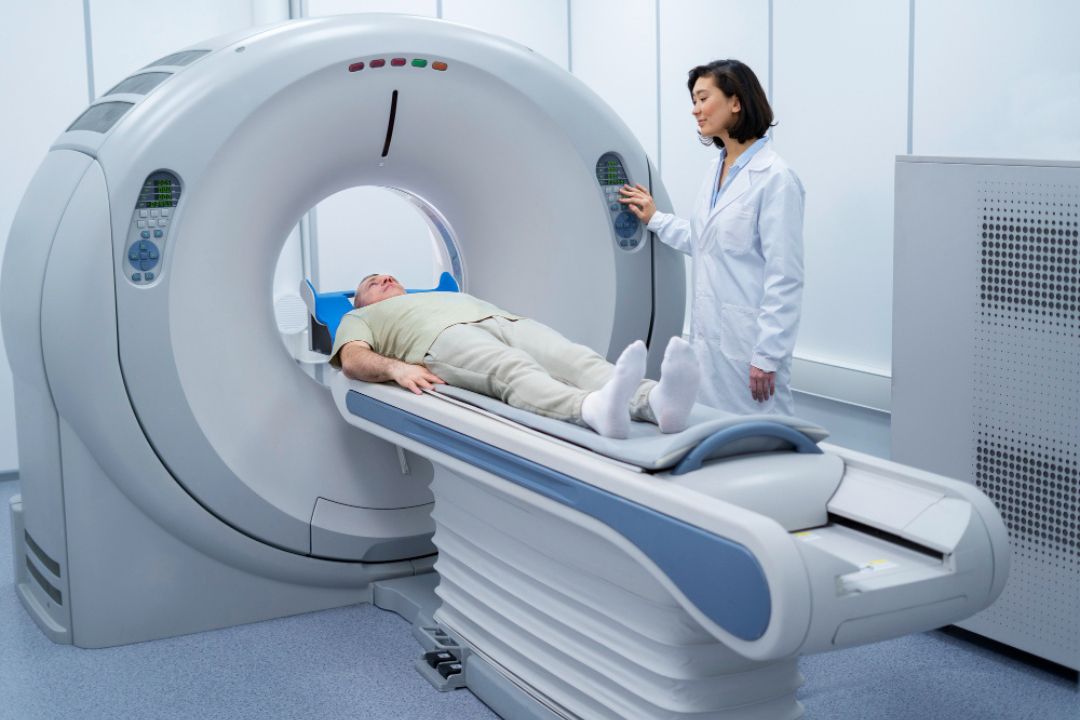
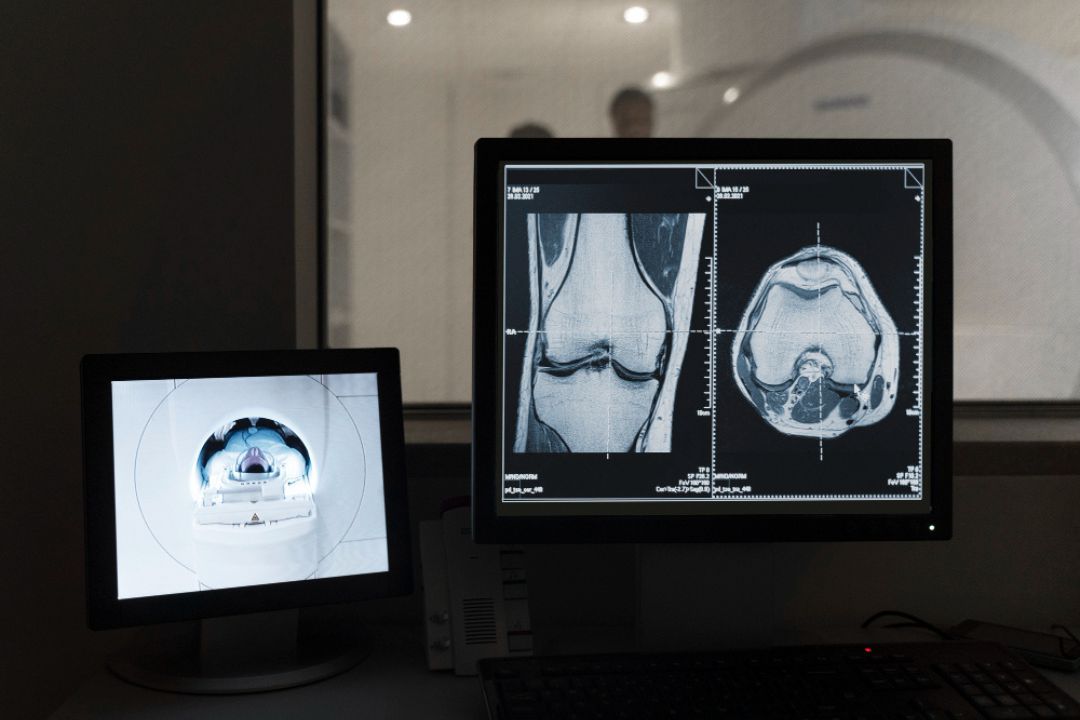
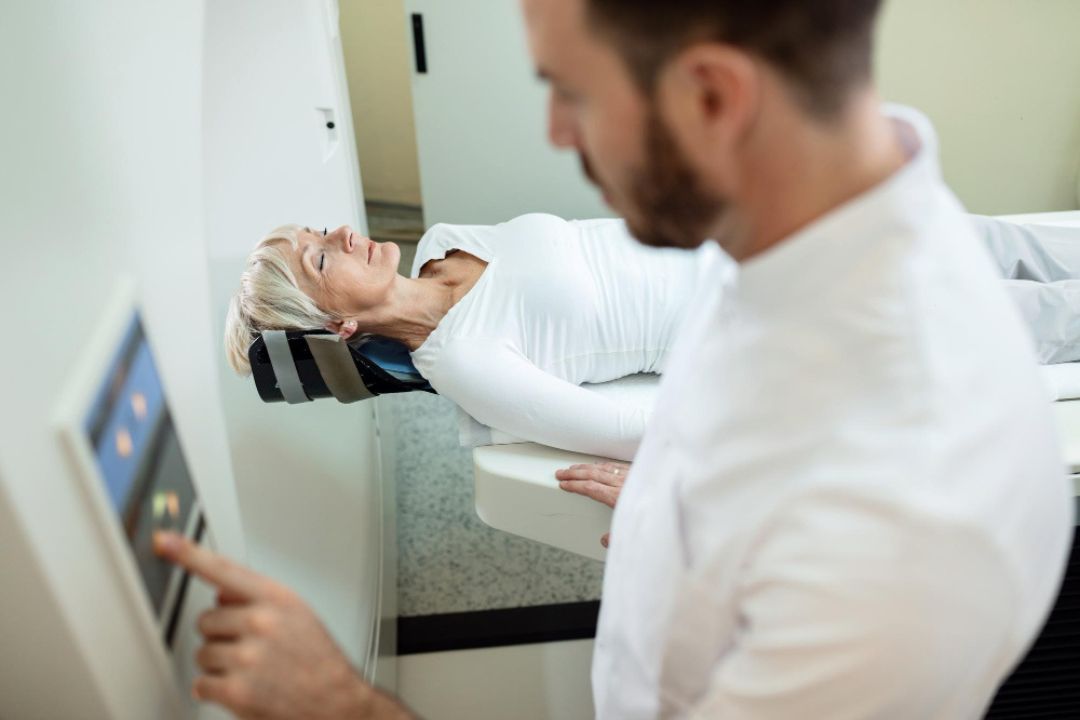
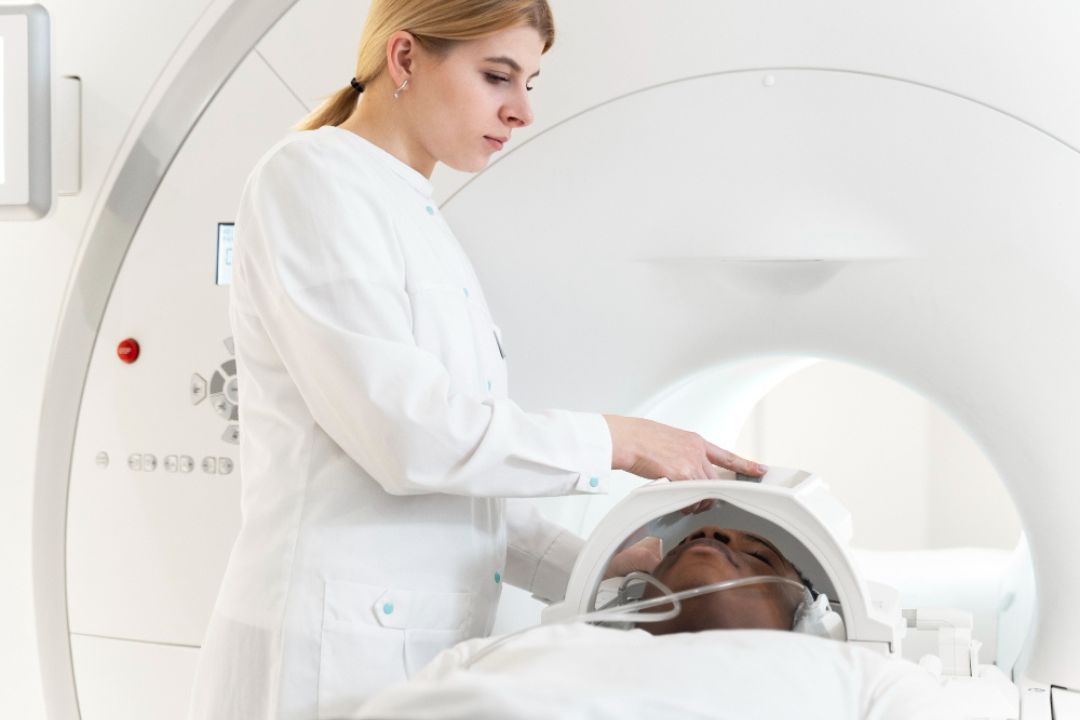
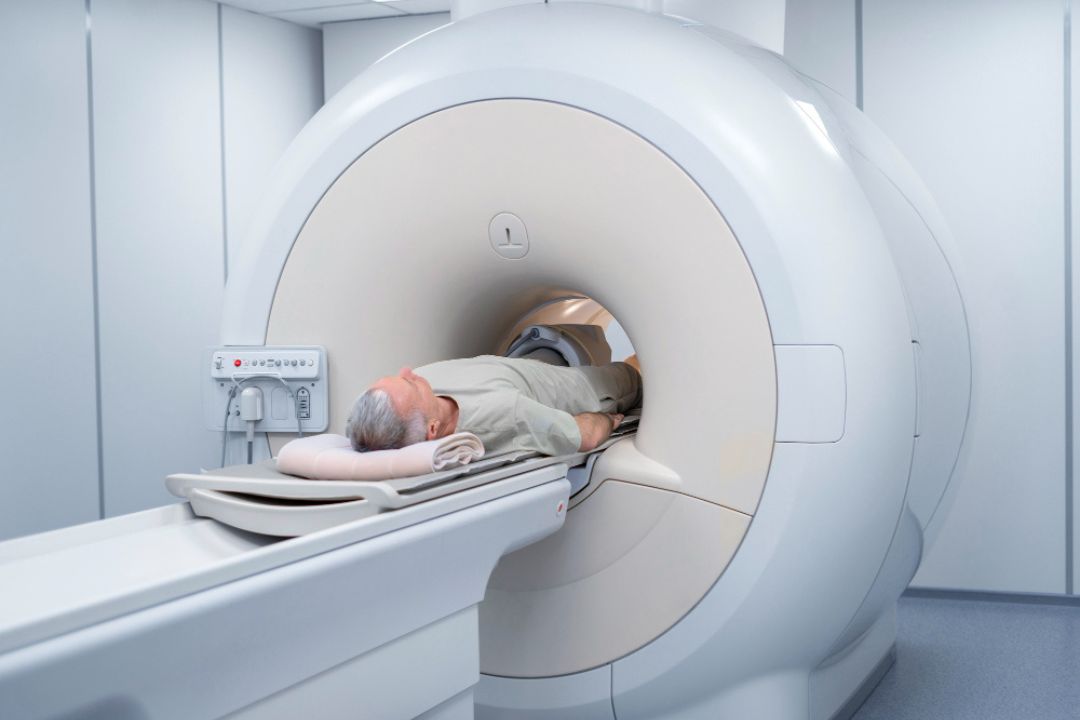
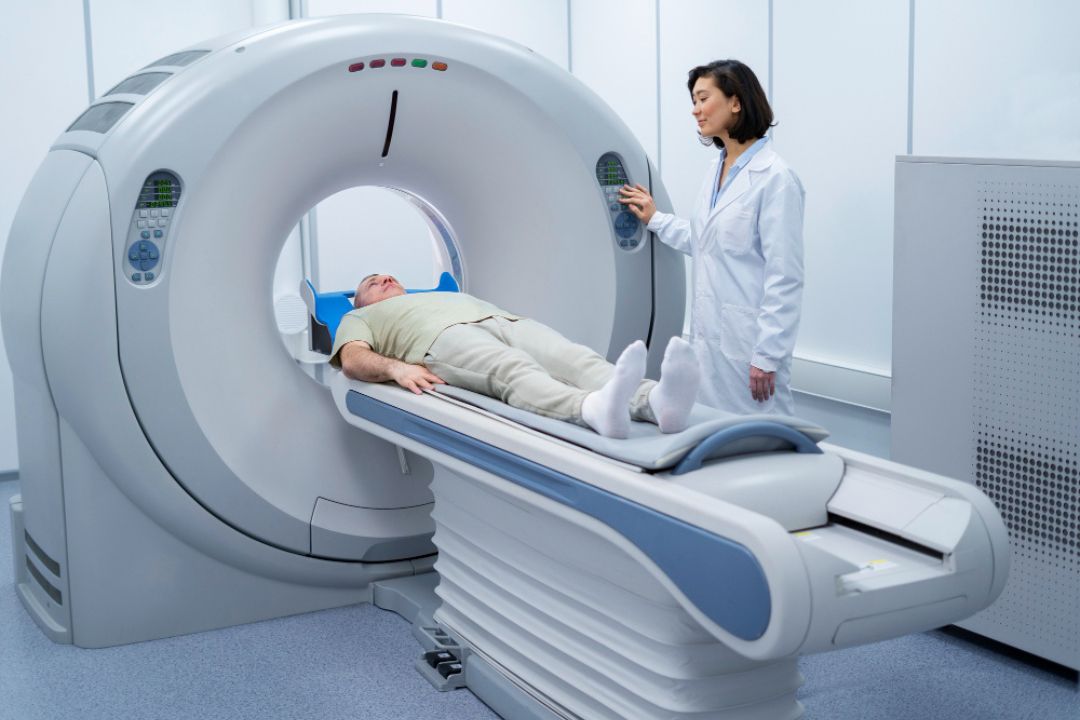
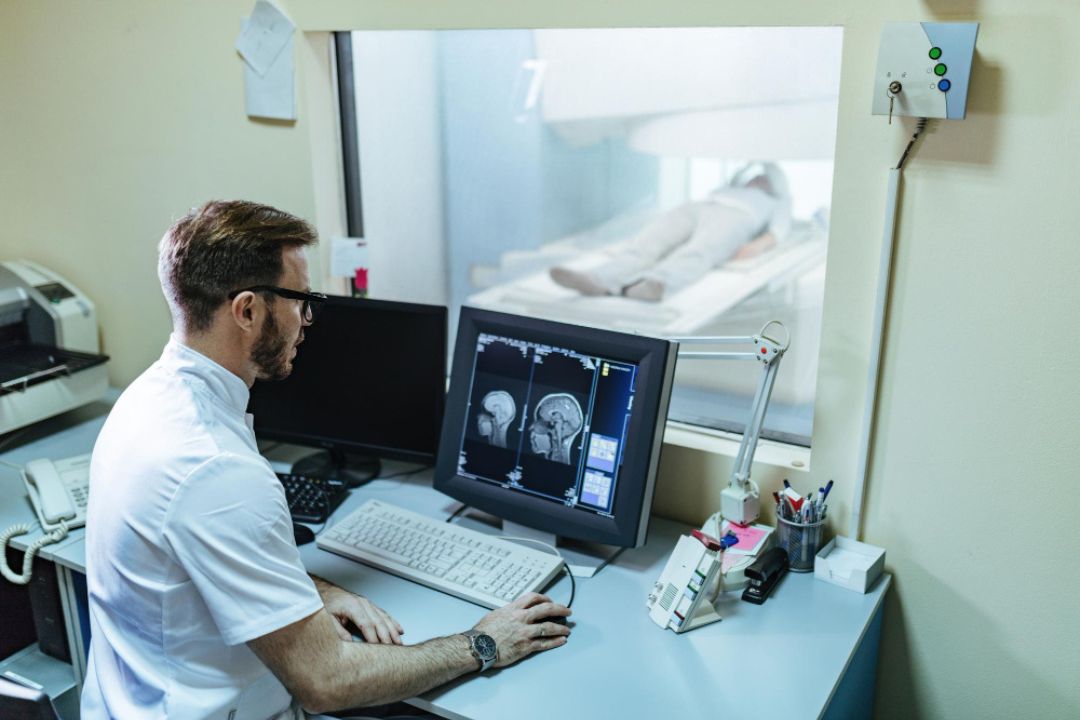
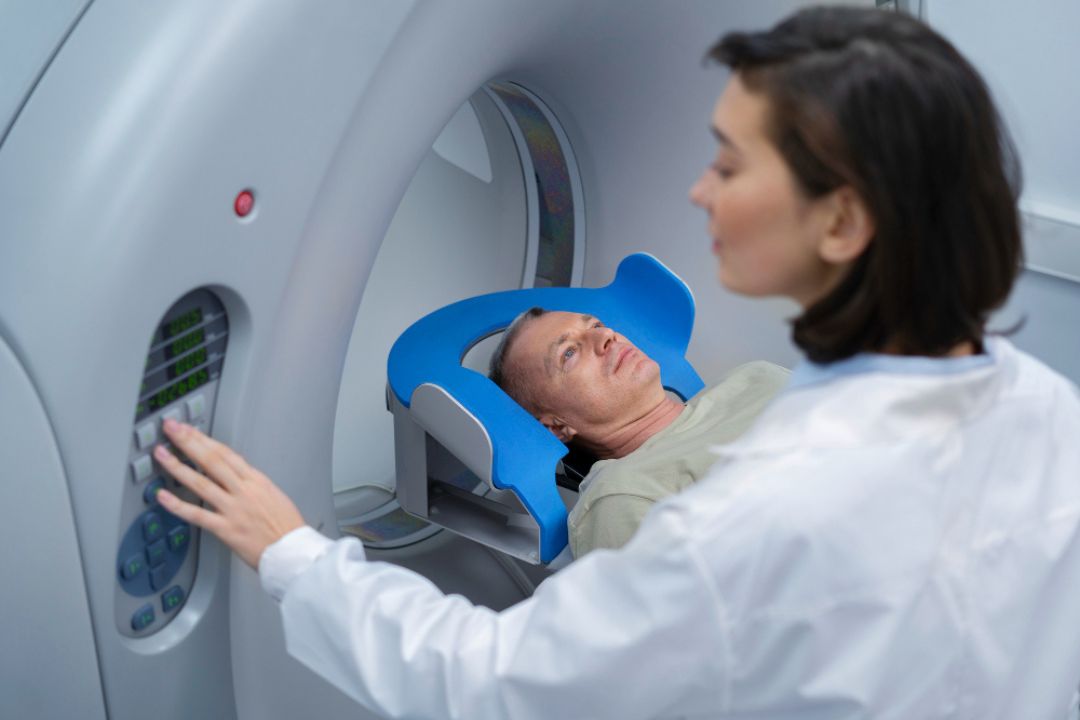
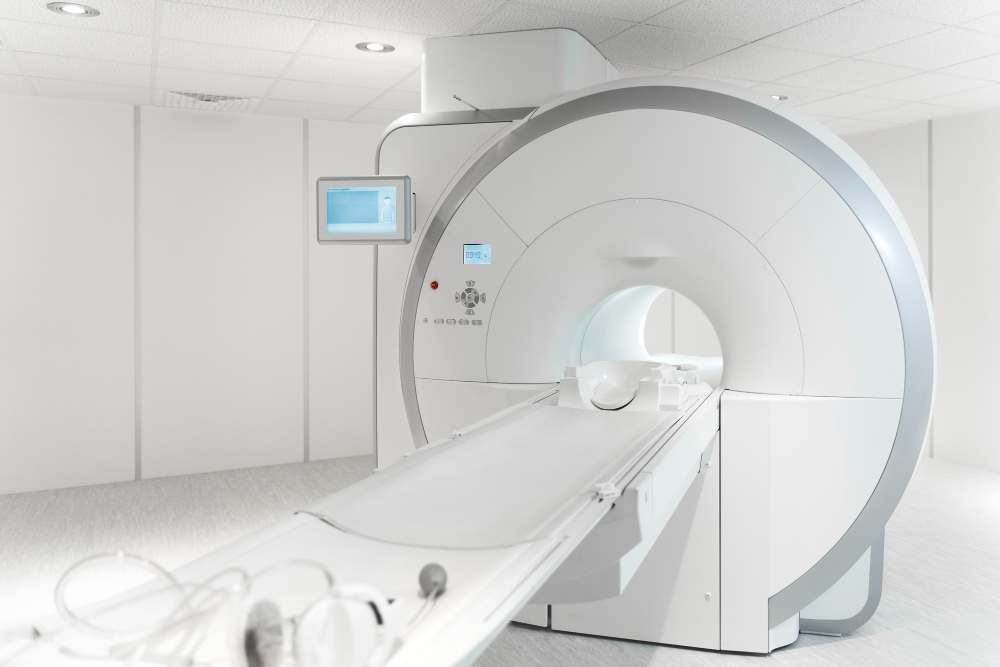
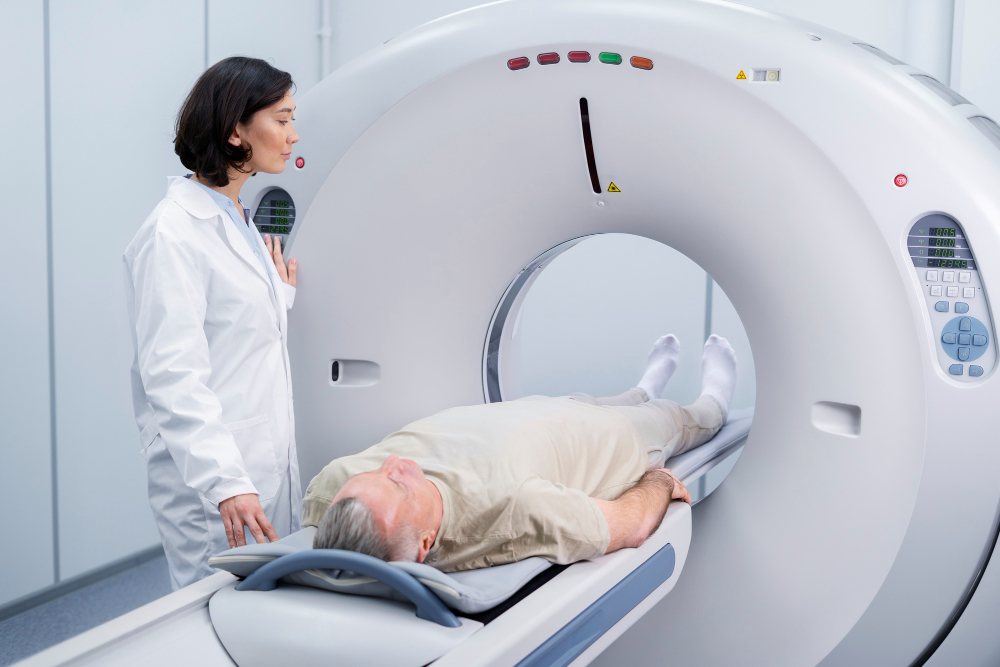
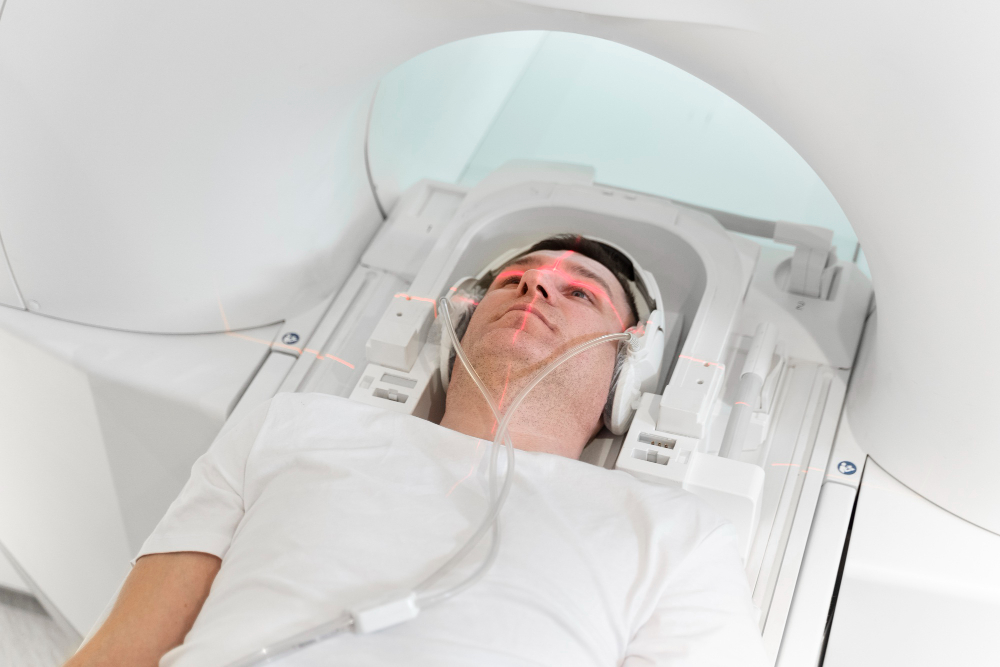
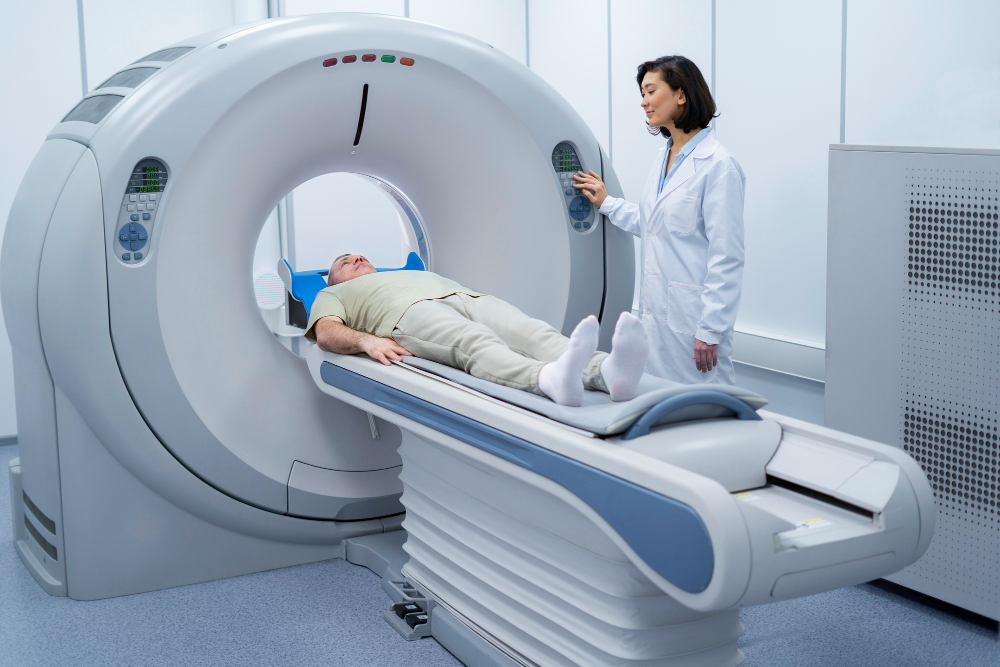
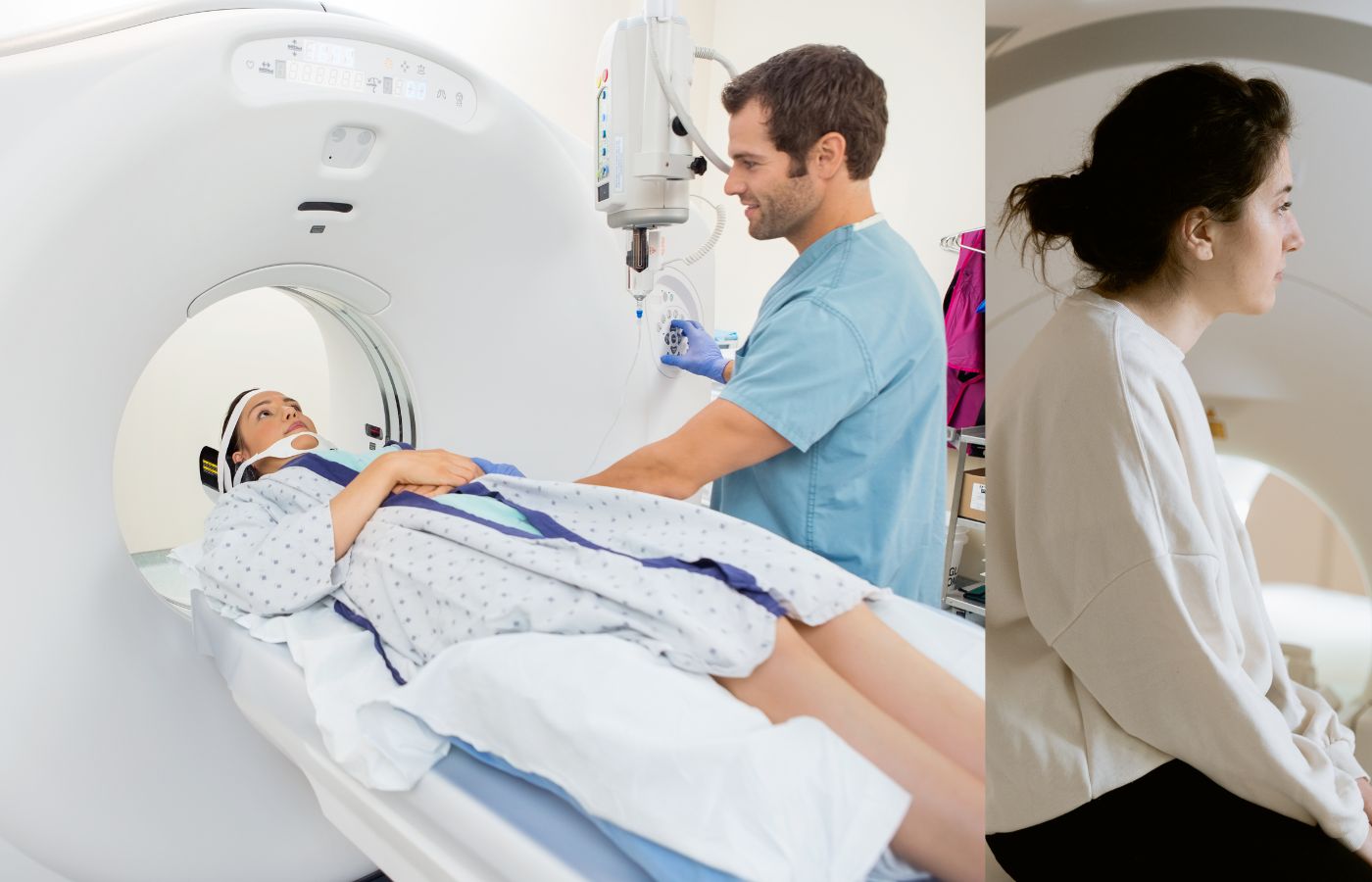
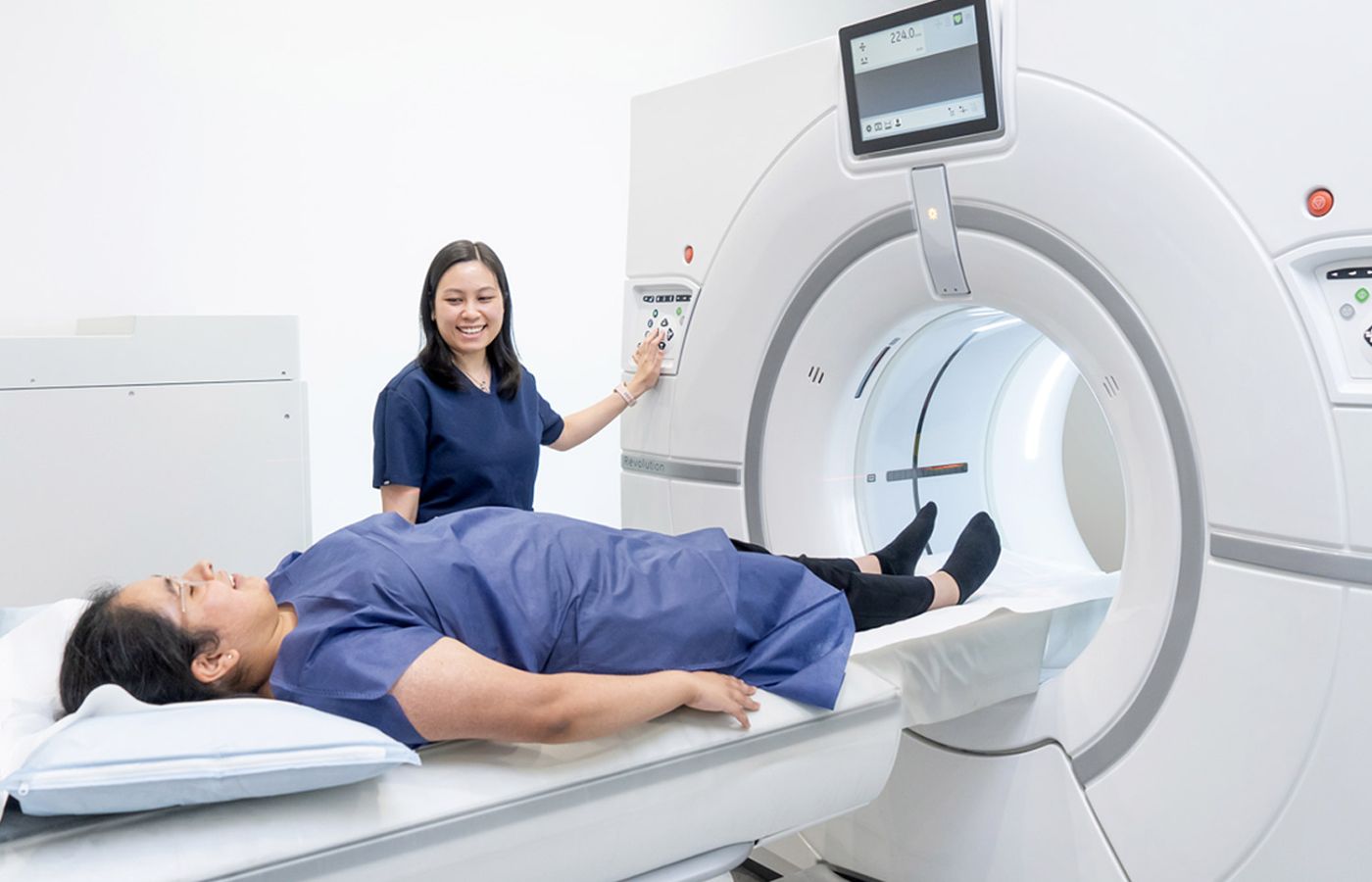
During the scan, you will lie on a motorized table that slides into the CT scanner. If contrast dye is used, it will usually be injected into a vein in your arm.
Some patients may feel a warm sensation or a metallic taste when the contrast is injected. This is normal and usually lasts only a few seconds.
The scan itself usually takes between 5 and 15 minutes, and you will need to remain still while images are captured.
Once the scan is complete, most patients can return to normal activities immediately.
Doctors often recommend drinking plenty of water after the scan to help flush the contrast dye from the body. Hydration helps the kidneys remove the dye more quickly and safely.
If you experience symptoms such as rash, itching, or difficulty breathing after the scan, contact your doctor immediately.
Although Contrast CT Scans are generally safe, they may not be suitable for certain individuals.
Doctors may avoid or delay the scan in patients who:
Are pregnant
Have severe kidney disease
Have a history of serious contrast allergy
In such cases, alternative imaging tests may be recommended.
Preparing properly for a Contrast CT Scan is essential for both safety and accurate diagnosis. Following instructions such as fasting, informing your doctor about medical history, checking kidney function, and avoiding certain medications can help ensure a smooth and safe procedure.
By understanding the preparation steps and working closely with your healthcare provider, you can reduce risks and ensure the scan provides the best possible diagnostic information.





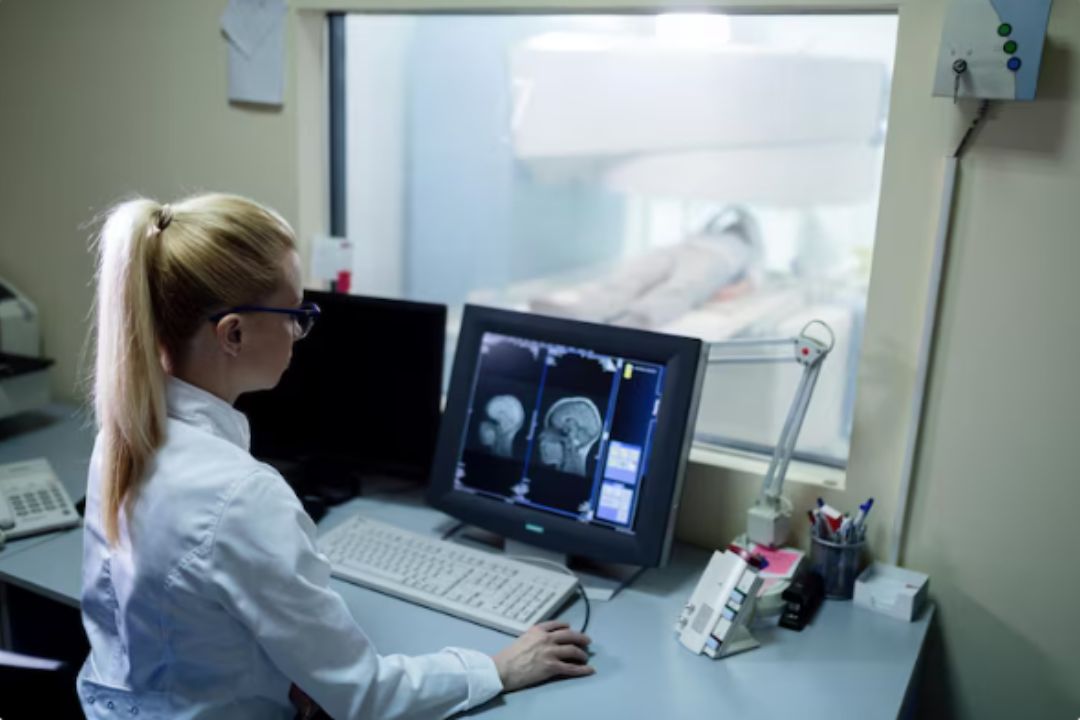
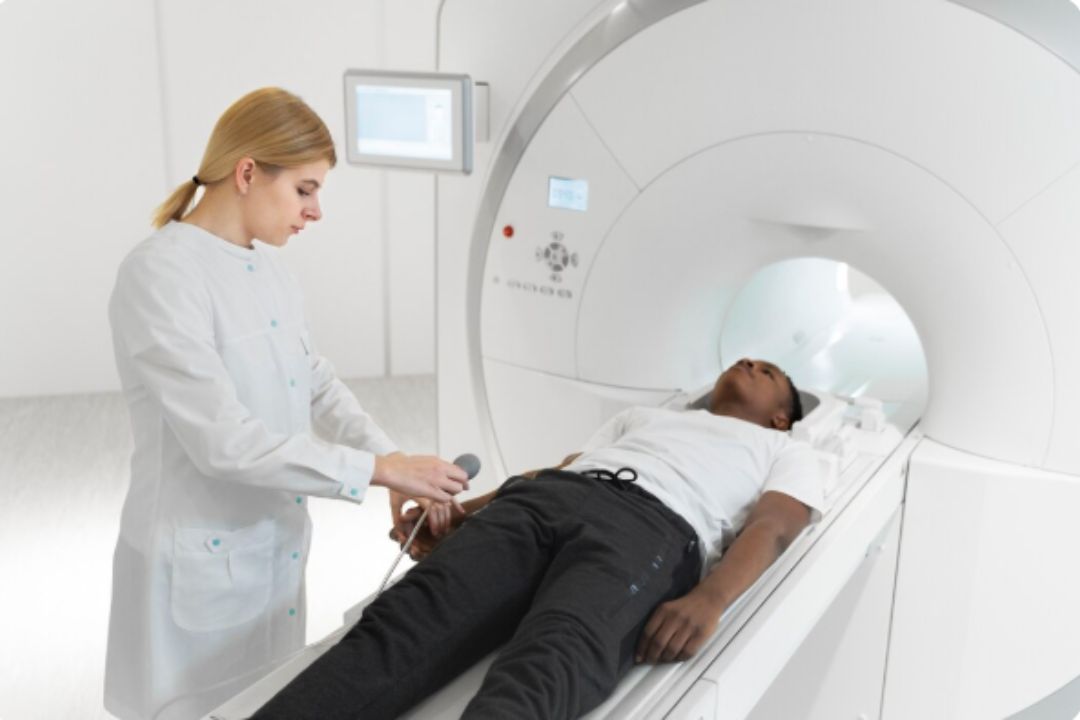
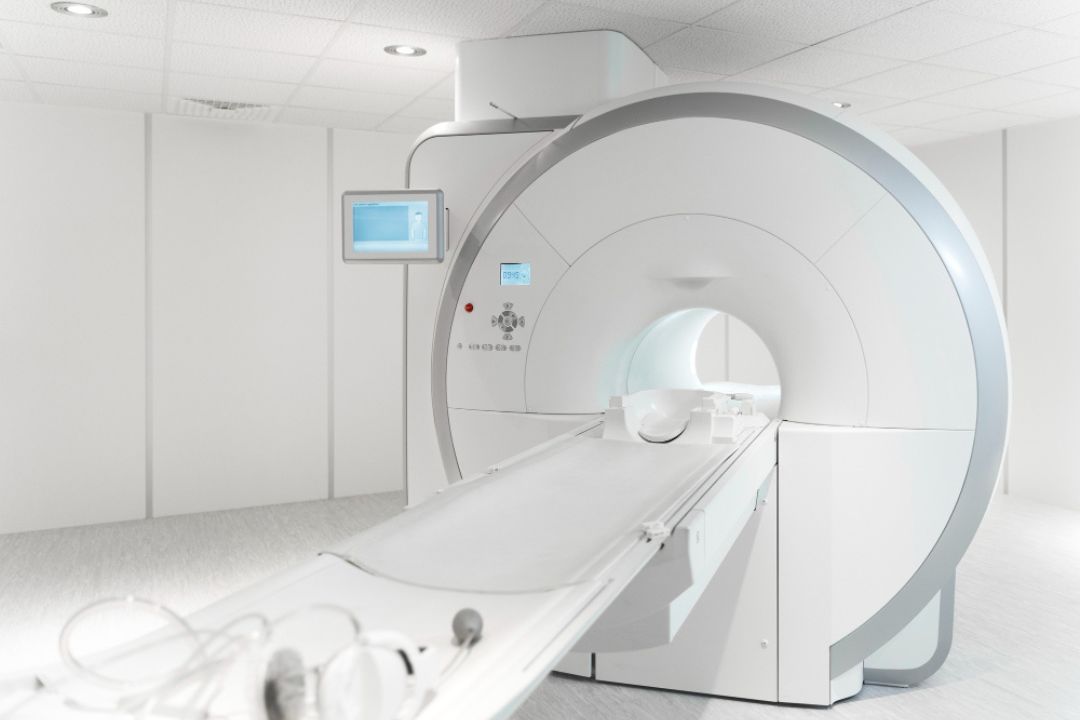

.jpg "ct brain scan plain and contrast")


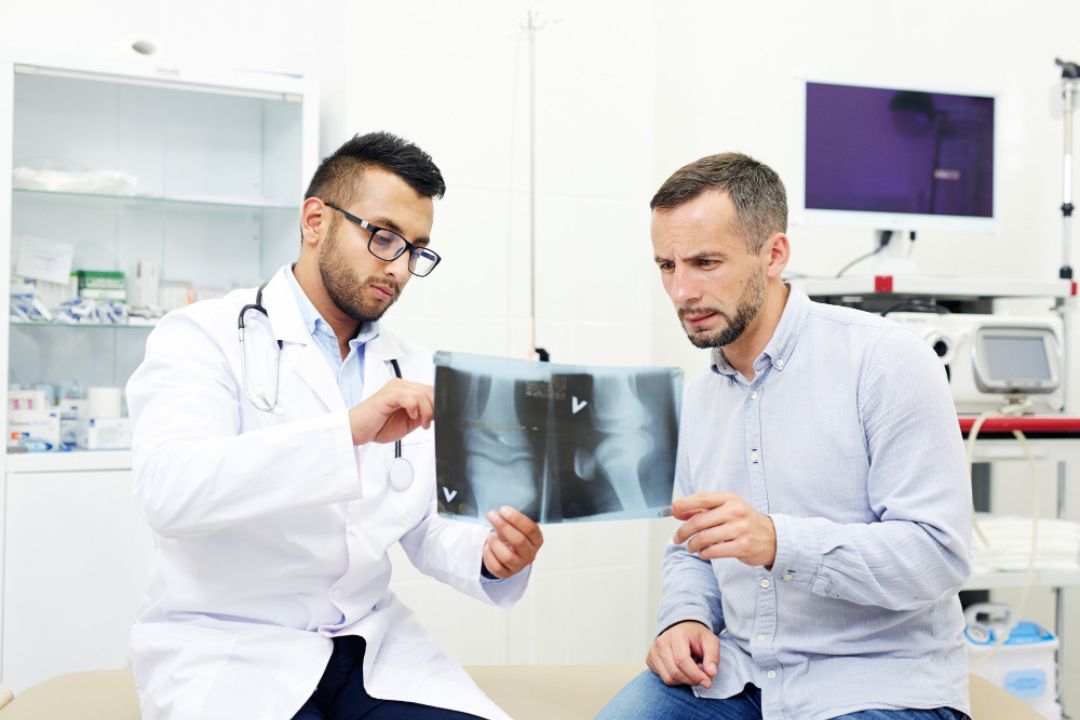

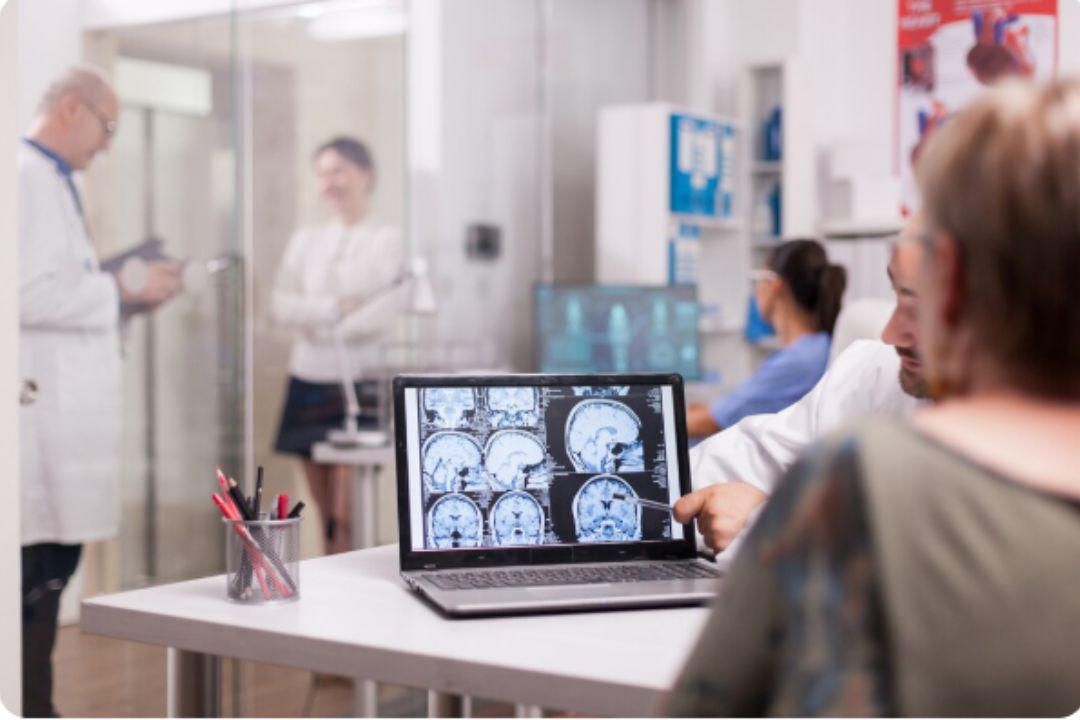
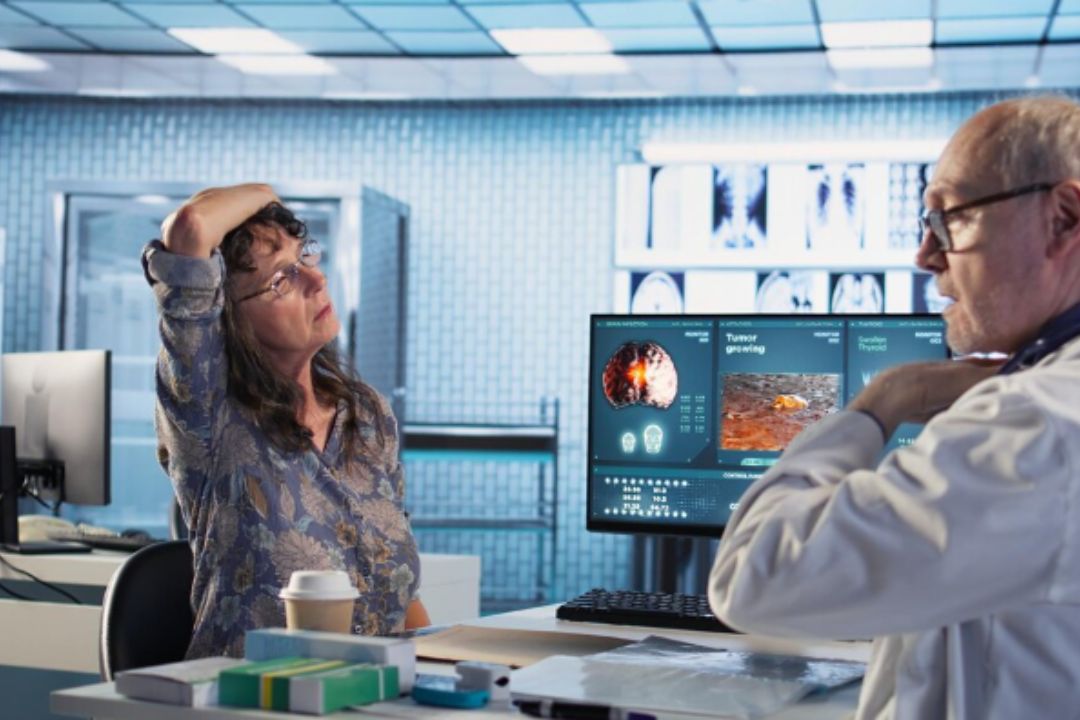



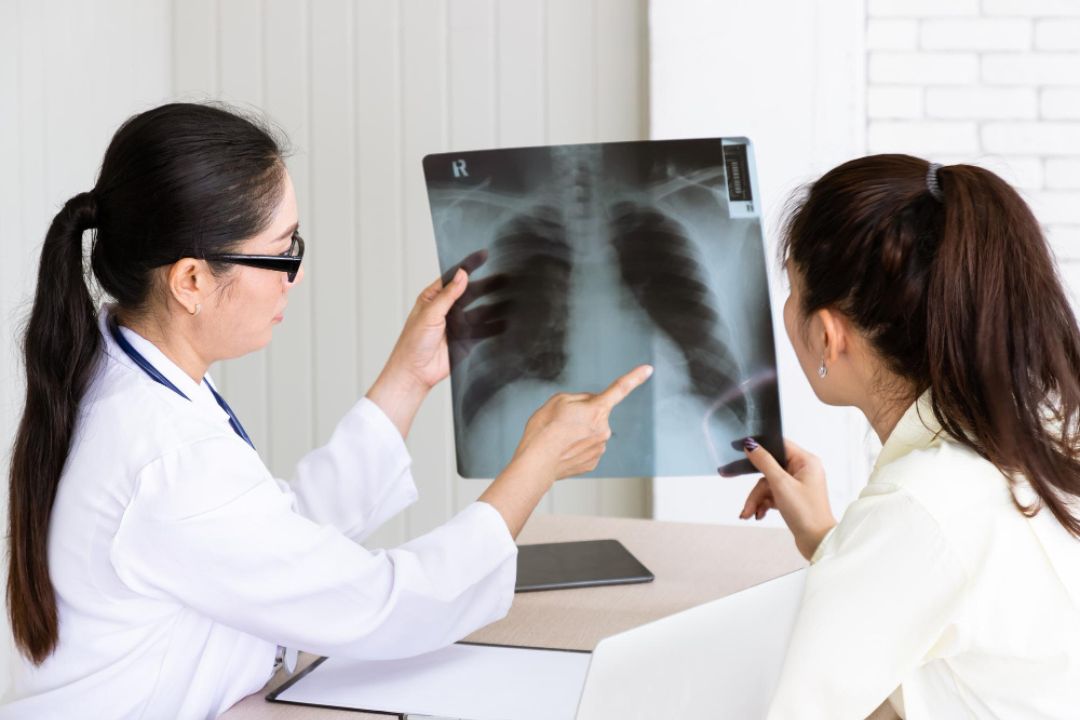





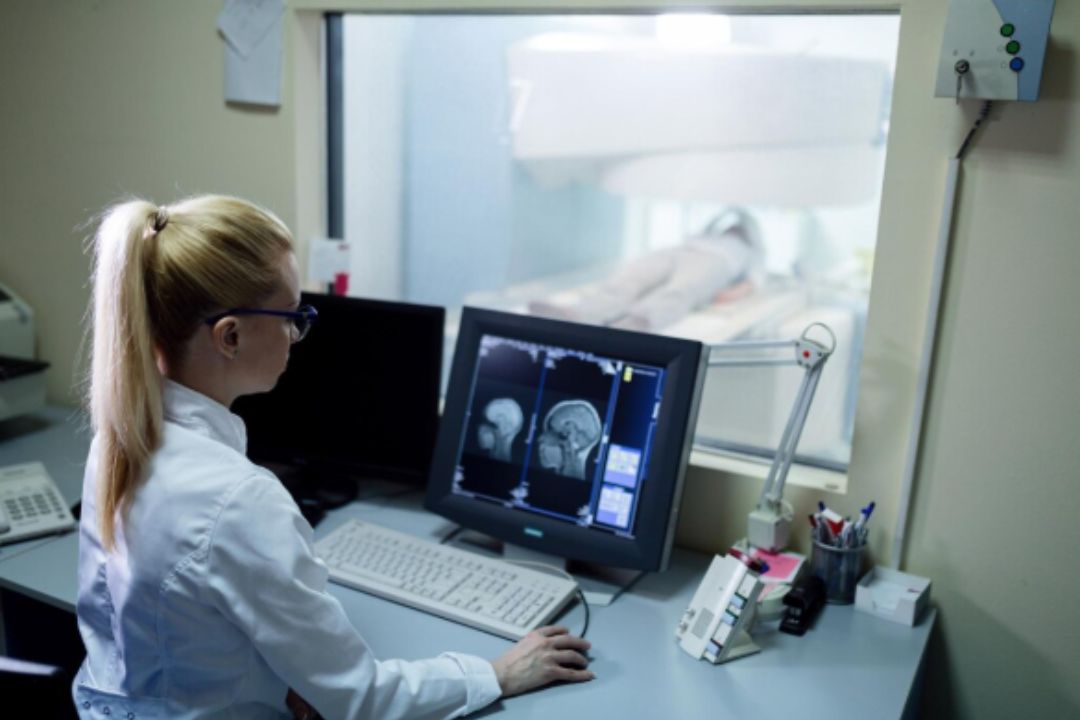
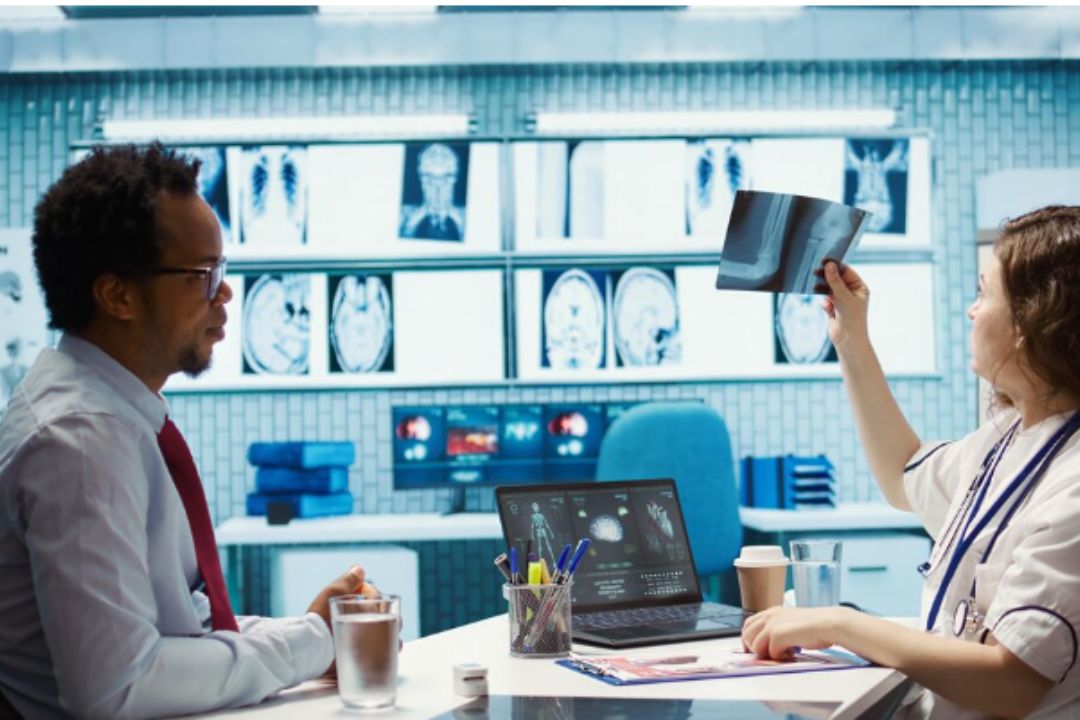
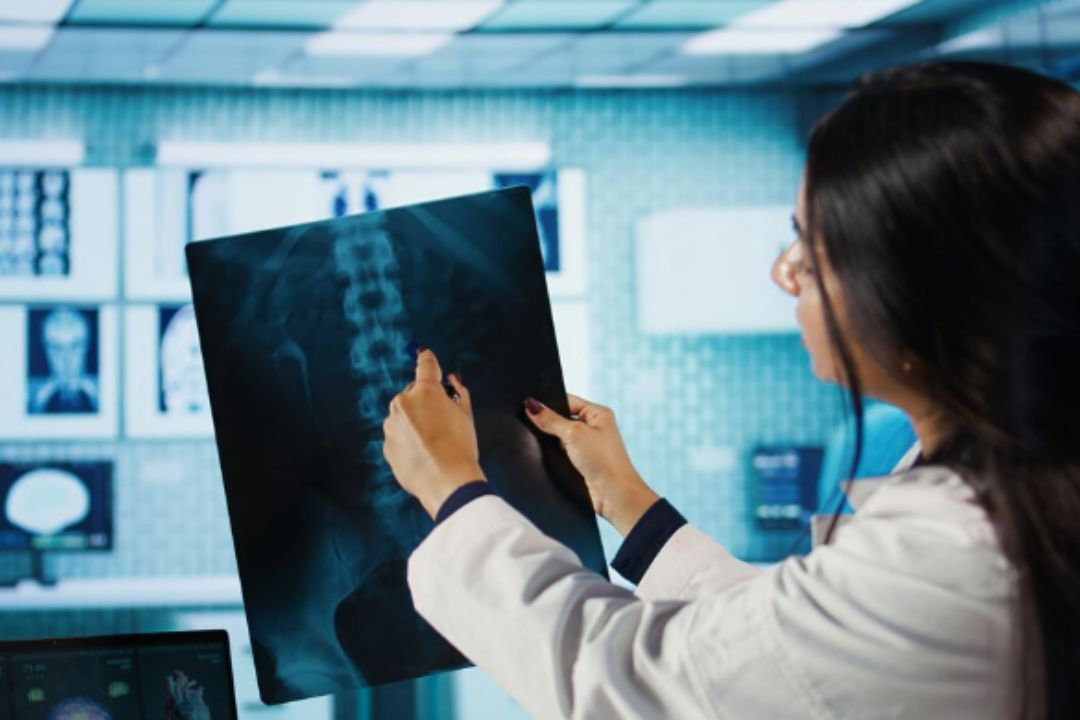
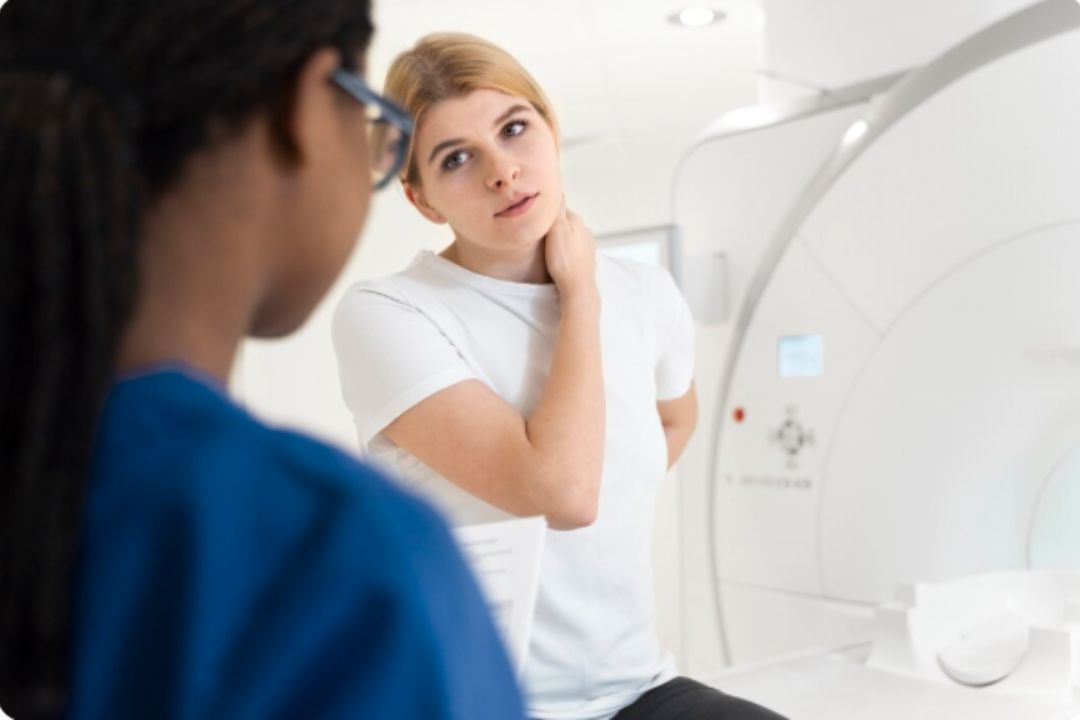
.jpg "ct scan")
.jpg "ct scan or mri for brain disorders")


.jpg "exploring the power of ct brain contrast in modern diagnostics")
.jpg "ct scan")
.jpg "ct scan")








.jpg "ct scan")

.jpg "CT Brain Scan for Headaches")
.jpg "The Future of 3D CT Imaging")