Abdominal pain is one of the most common health complaints and can be caused by many digestive disorders. The pain may range from mild discomfort to severe symptoms that require immediate medical attention. When the cause of abdominal pain is unclear, doctors often recommend a CT scan to examine the internal organs and detect possible problems.
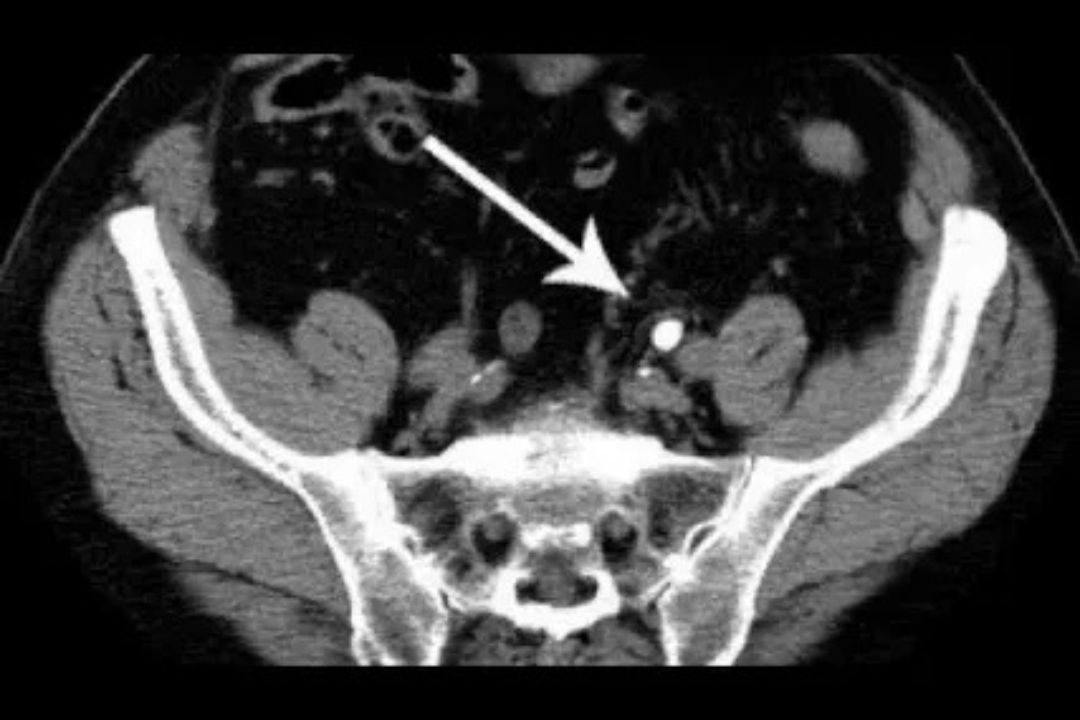
A CT scan of the abdomen provides detailed images of the digestive organs and surrounding structures, allowing doctors to diagnose many conditions quickly and accurately. It helps identify infections, inflammation, tumors, and other abnormalities that may be responsible for persistent abdominal pain.
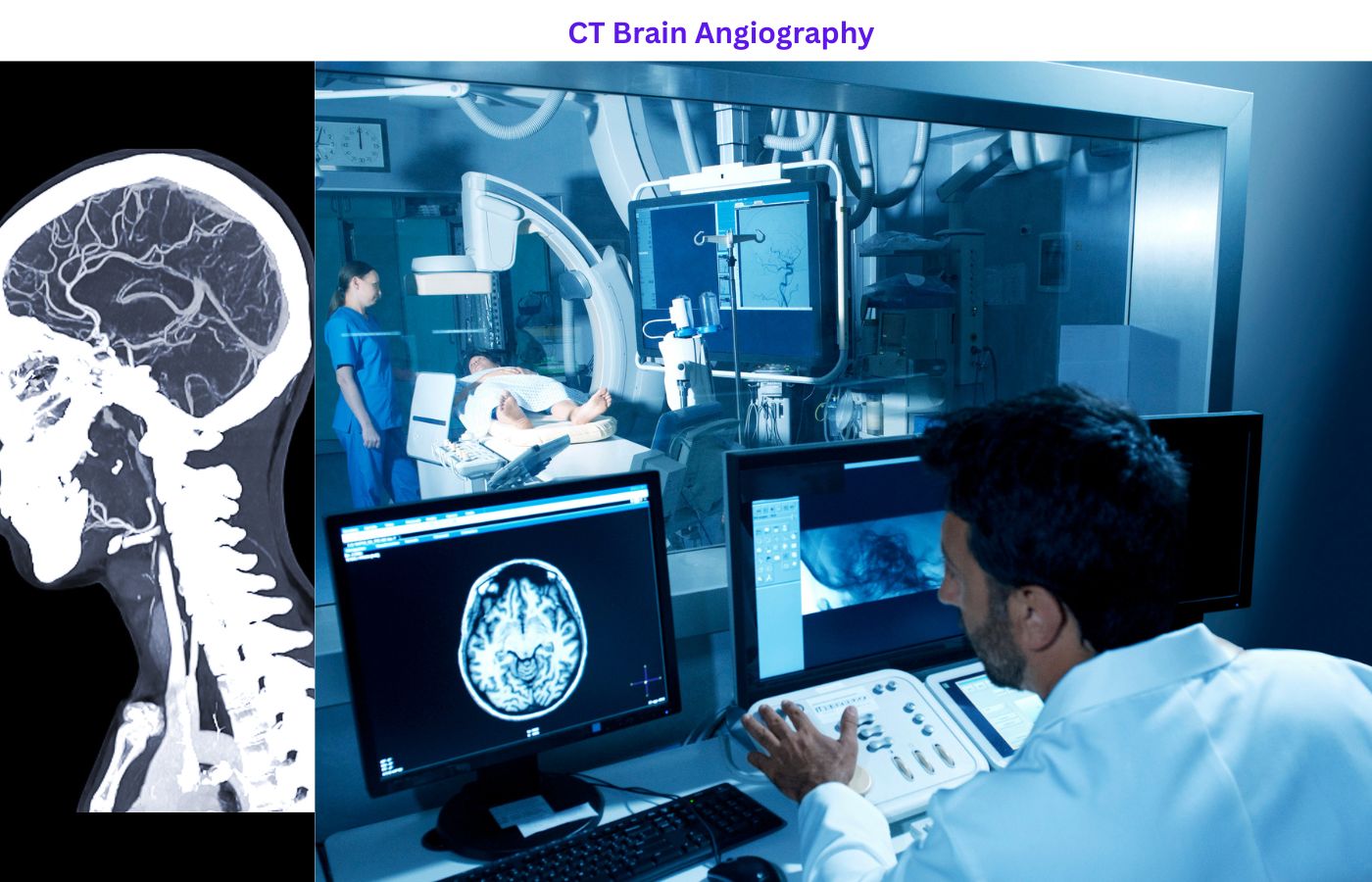
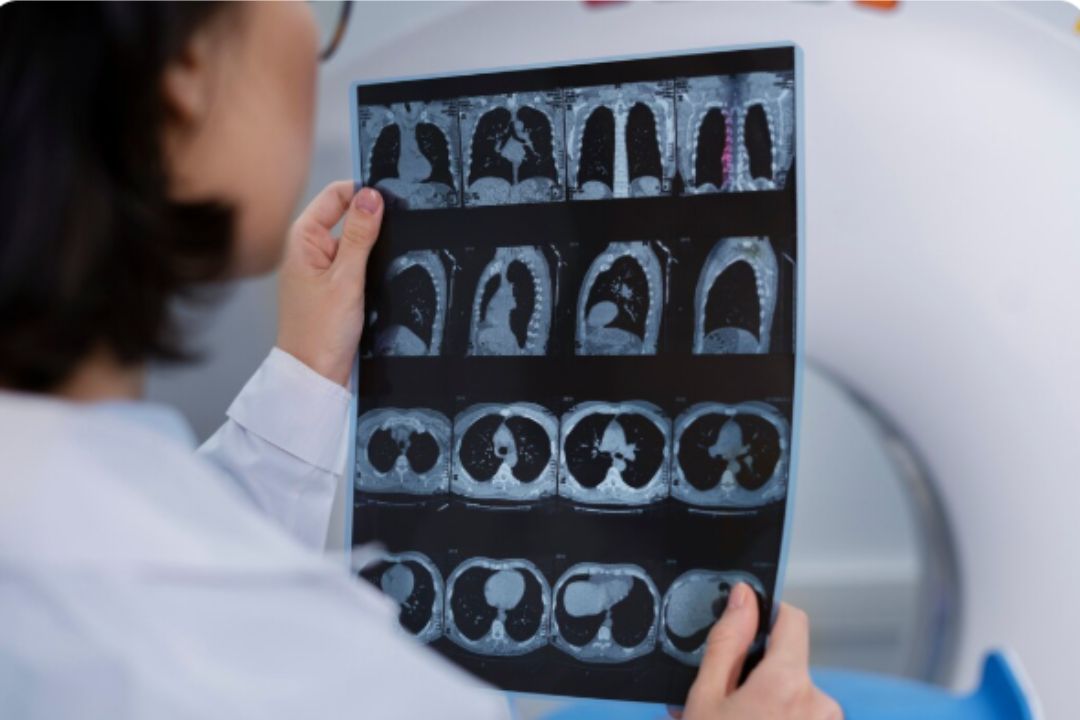
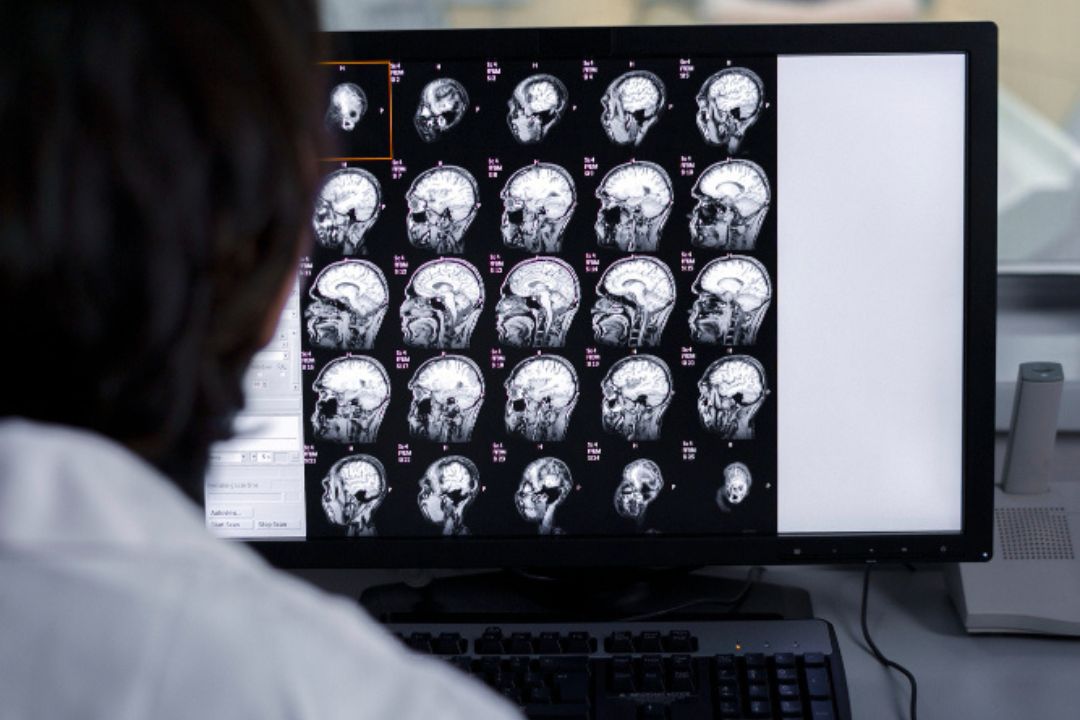
A CT Scan, also known as computed tomography, is an imaging test that uses X-rays and computer technology to create detailed cross-sectional images of the body. These images allow doctors to examine internal organs such as the stomach, liver, pancreas, intestines, kidneys, and blood vessels.
Unlike standard X-rays, CT scans provide much more detailed information about internal tissues, helping doctors diagnose diseases, injuries, or infections affecting the abdominal region.
Abdominal pain can have many causes, and identifying the exact problem can sometimes be difficult with physical examination alone. A CT scan helps doctors see the internal structures of the abdomen clearly and detect abnormalities that might not be visible through other tests.
CT imaging is particularly useful because it can quickly identify serious conditions such as infections, internal bleeding, tumors, or intestinal blockages. This allows doctors to begin treatment sooner and prevent complications.
Appendicitis occurs when the appendix becomes inflamed and infected. It usually causes severe pain in the lower right side of the abdomen. CT scans are highly effective in detecting inflammation of the appendix and confirming the diagnosis.
A blockage in the small or large intestine can prevent food and fluids from passing through the digestive system. CT imaging can clearly show where the blockage occurs and help doctors determine the appropriate treatment.
Gallstones are hardened deposits that form in the gallbladder. They can cause sudden abdominal pain, nausea, and digestive problems. A CT scan helps identify gallstones and inflammation of the gallbladder.
Pancreatitis is inflammation of the pancreas that may cause severe upper abdominal pain. CT scans can detect swelling, fluid buildup, or other complications related to pancreatic inflammation.
CT scans help detect conditions such as liver tumors, fatty liver disease, and infections affecting the liver. These images allow doctors to evaluate the size, shape, and structure of the liver.
Diverticulitis occurs when small pouches in the colon become inflamed or infected. CT imaging is commonly used to confirm this condition and determine its severity.
CT scans can detect abnormal growths or tumors in organs such as the stomach, liver, pancreas, and colon. Early detection is important for planning effective treatment.
Doctors may recommend a CT scan if a patient experiences symptoms such as:
Persistent or severe abdominal pain
Nausea and vomiting that does not improve
Unexplained weight loss
Blood in the stool
Abdominal swelling or tenderness
Fever with abdominal discomfort
These symptoms may indicate digestive disorders that require medical evaluation.
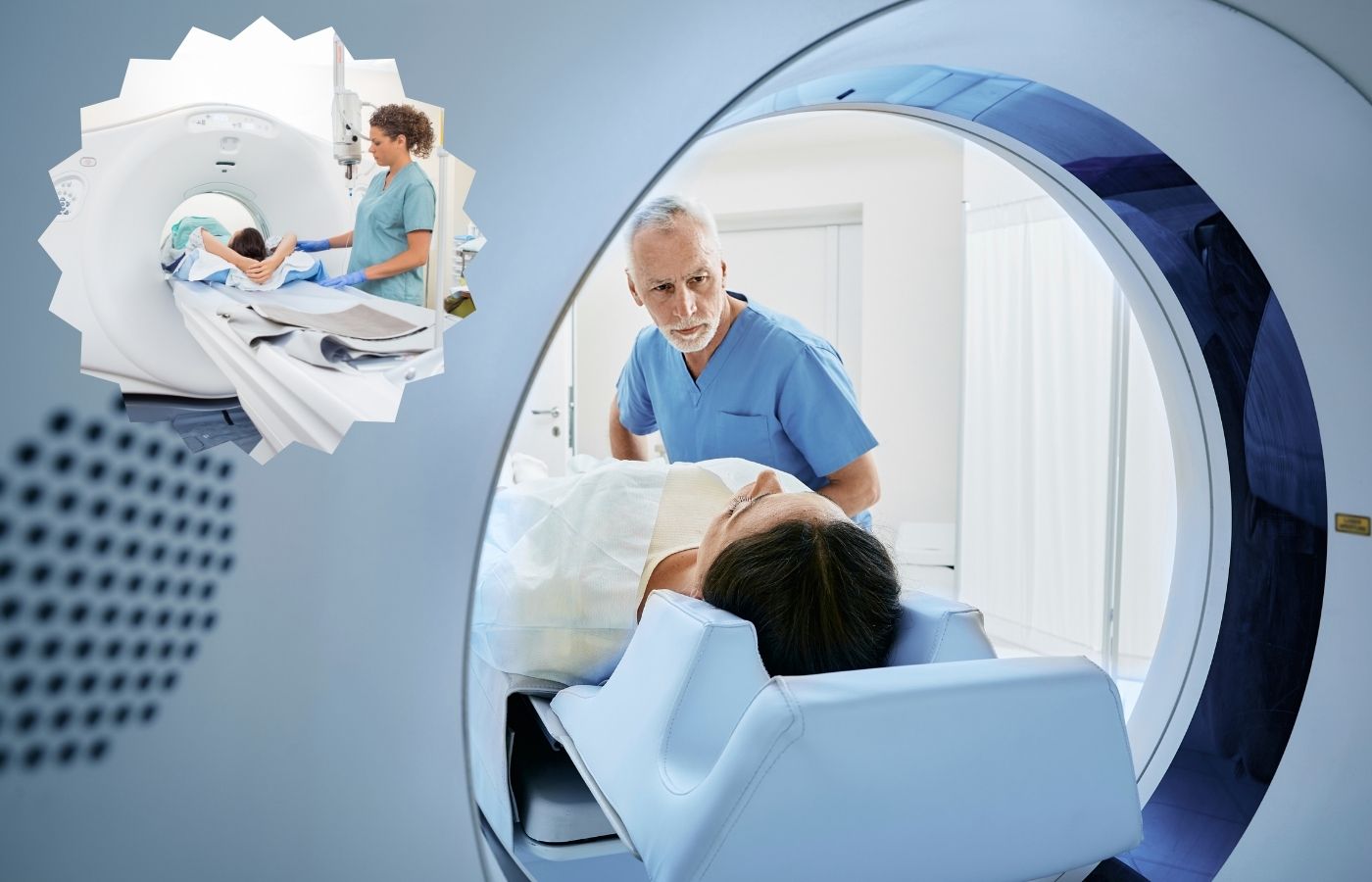
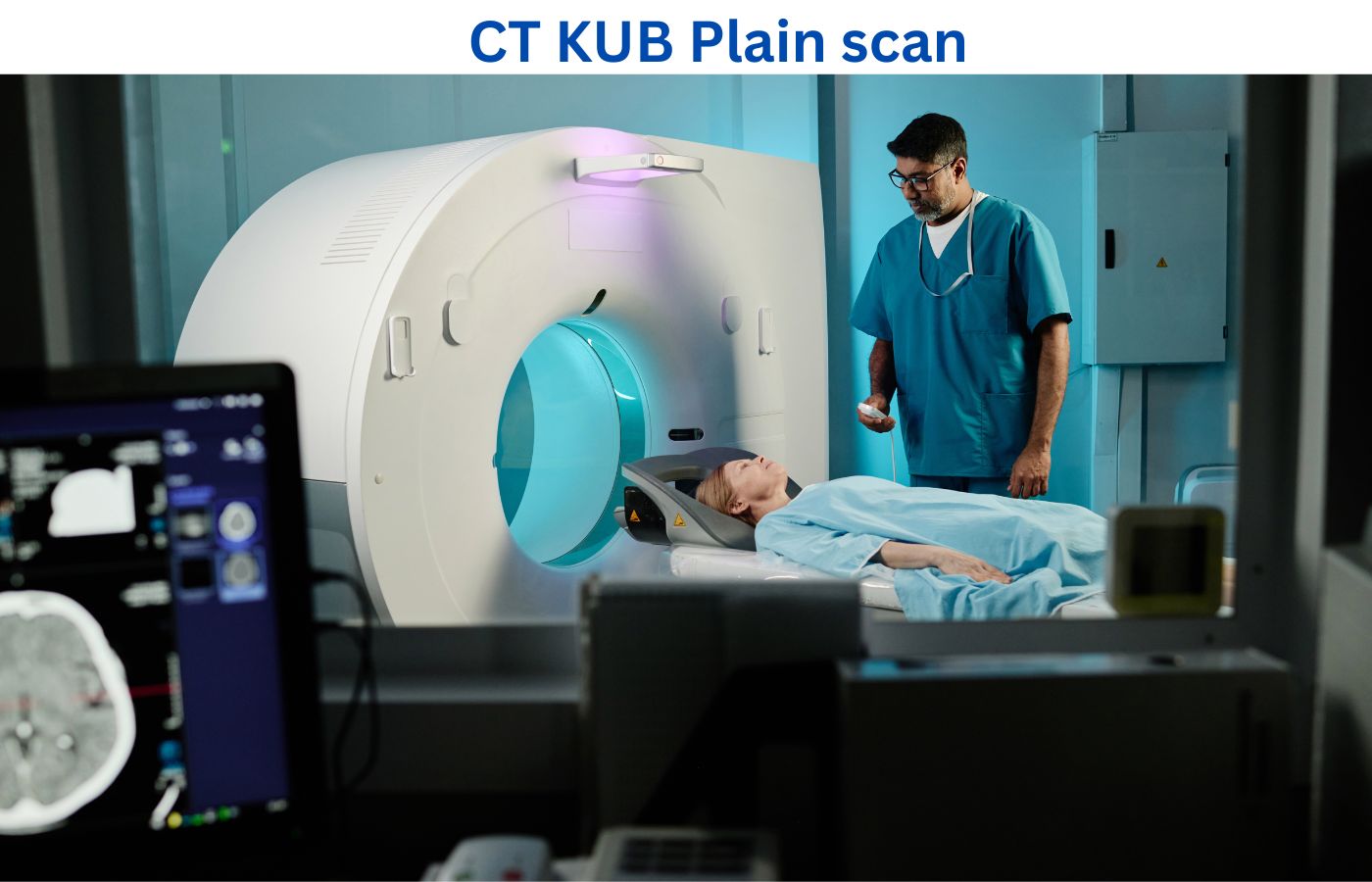
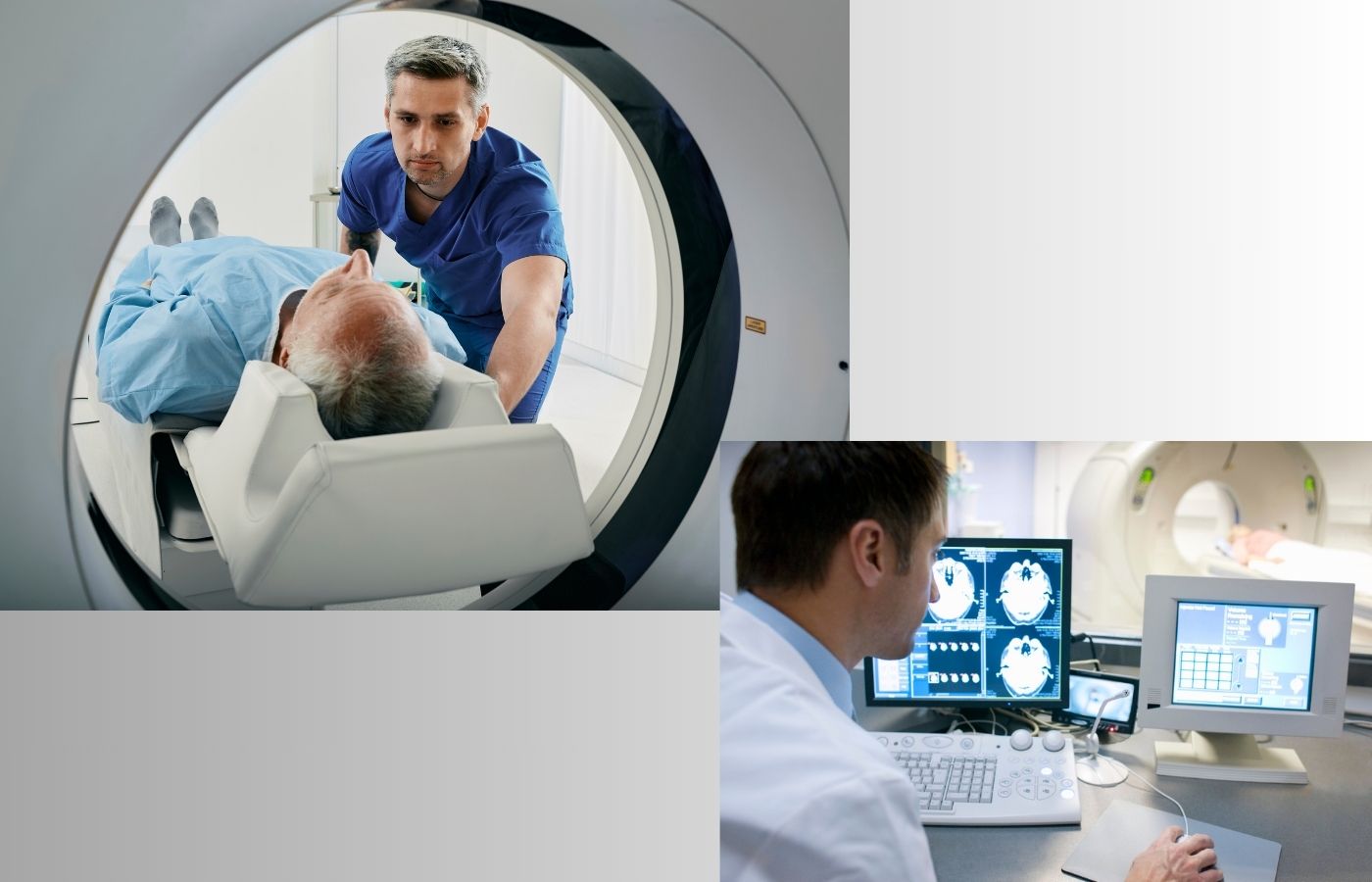
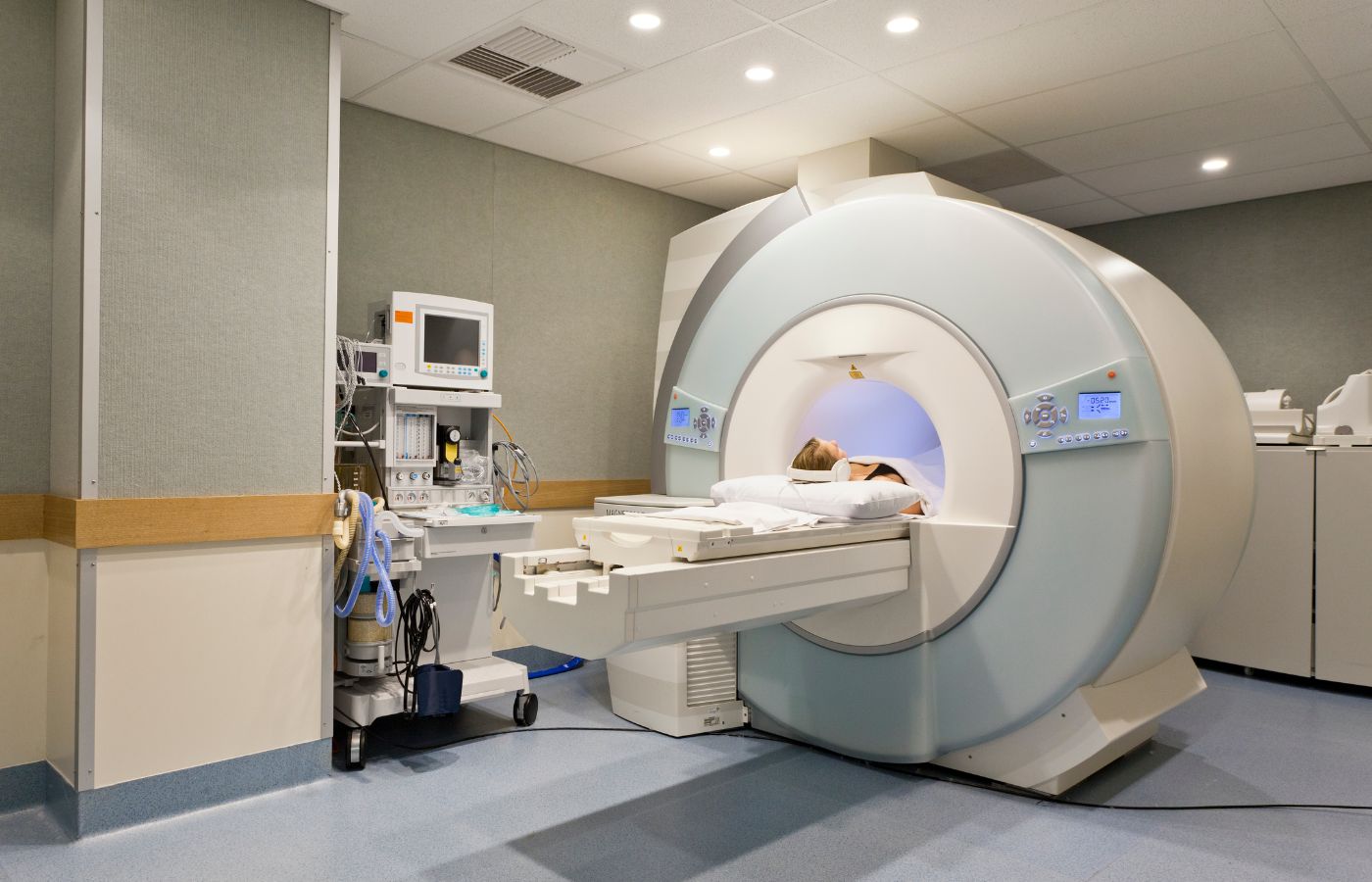
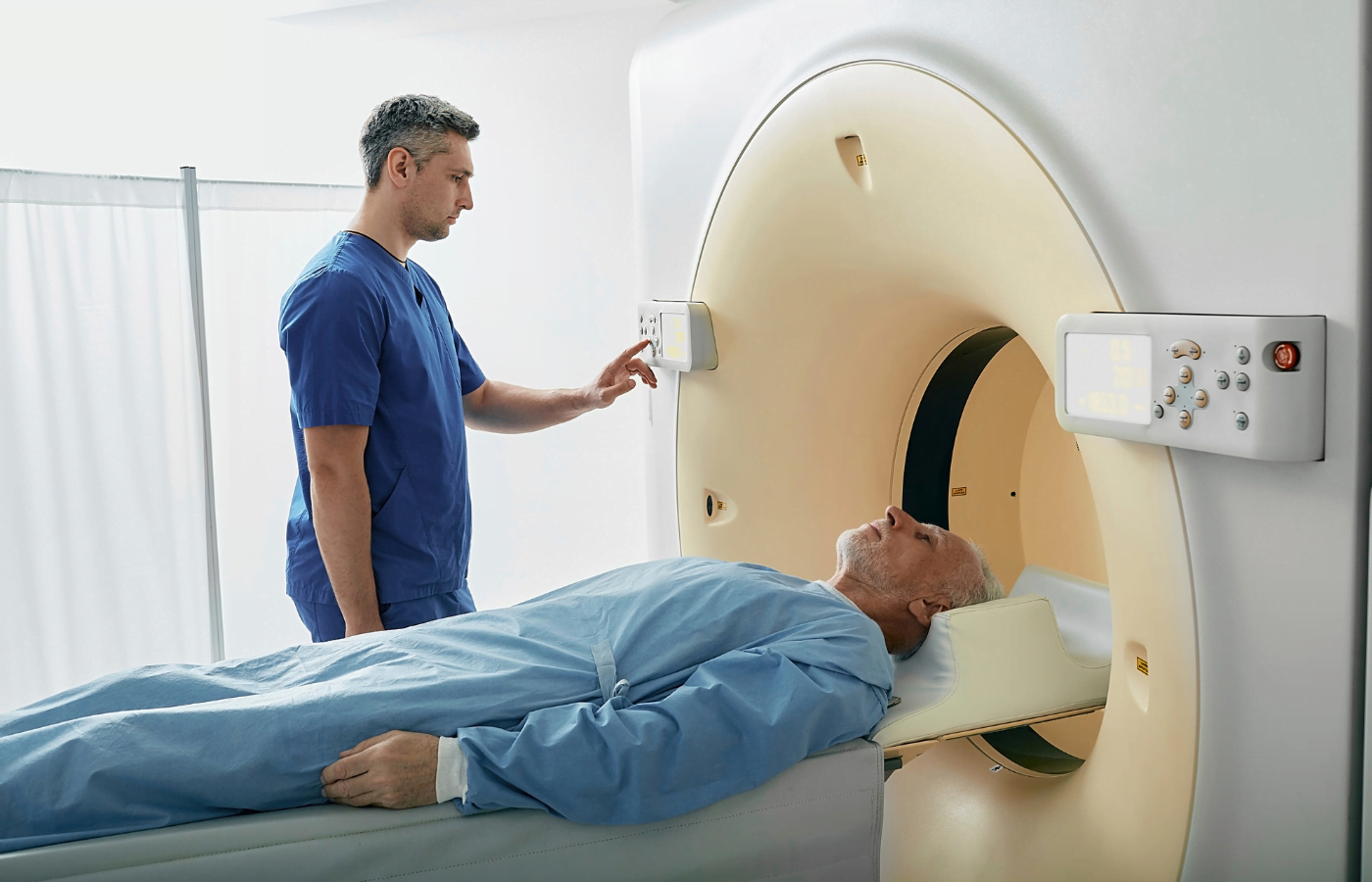
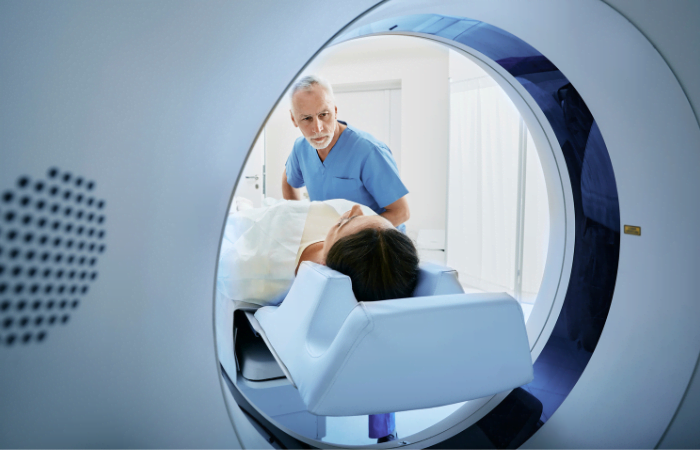
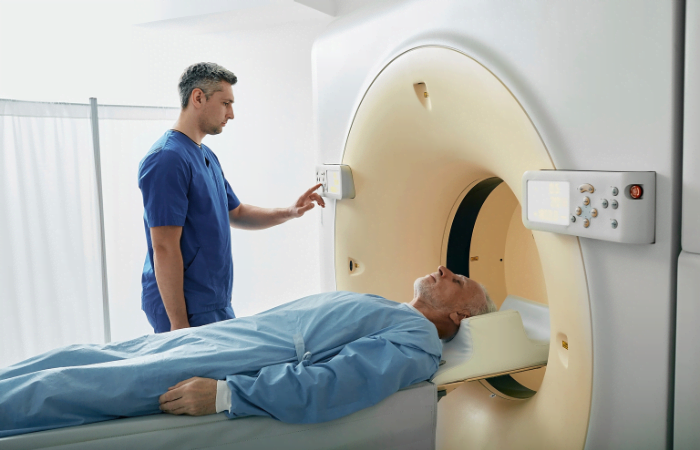
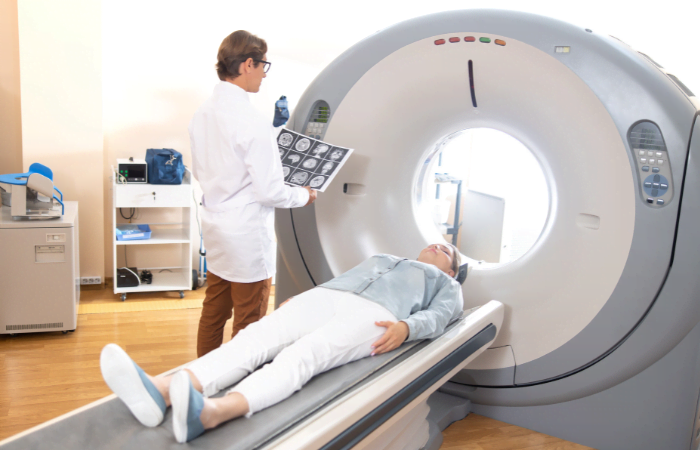
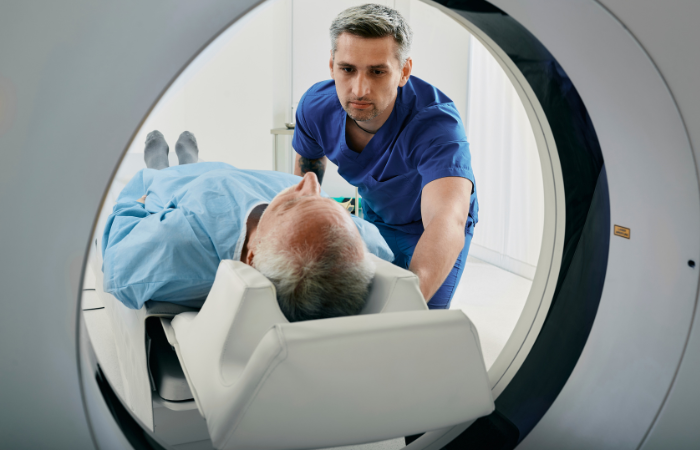
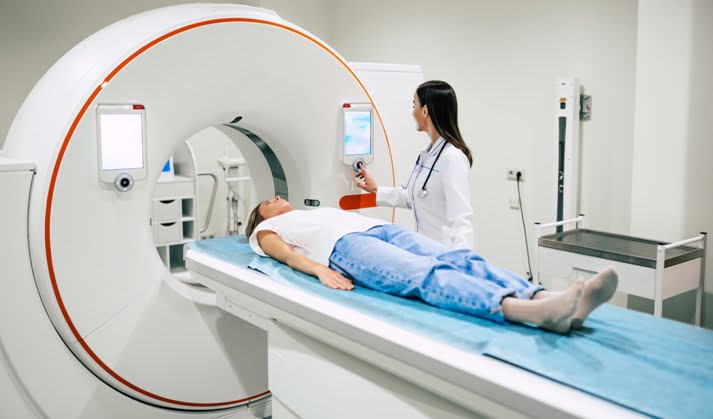
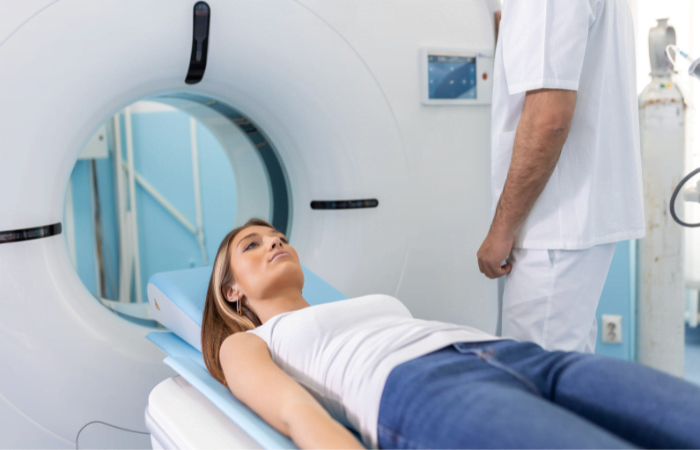
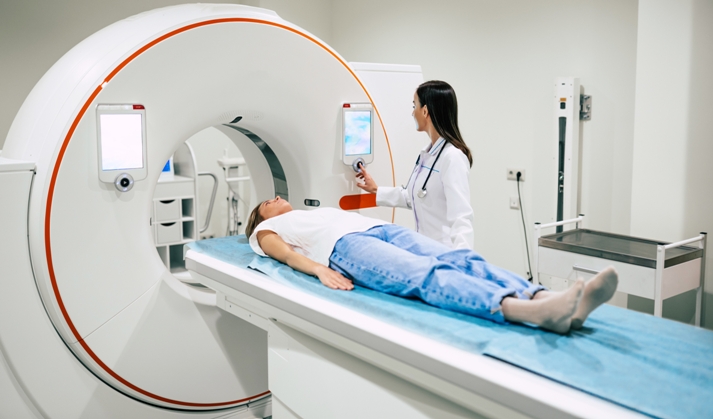
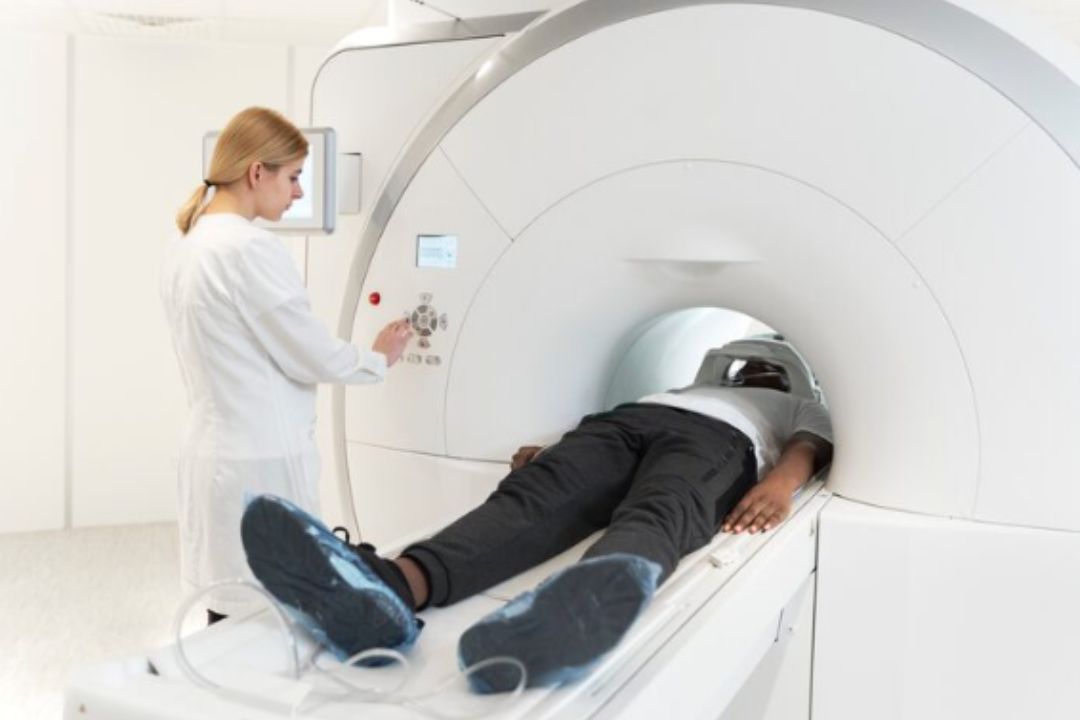
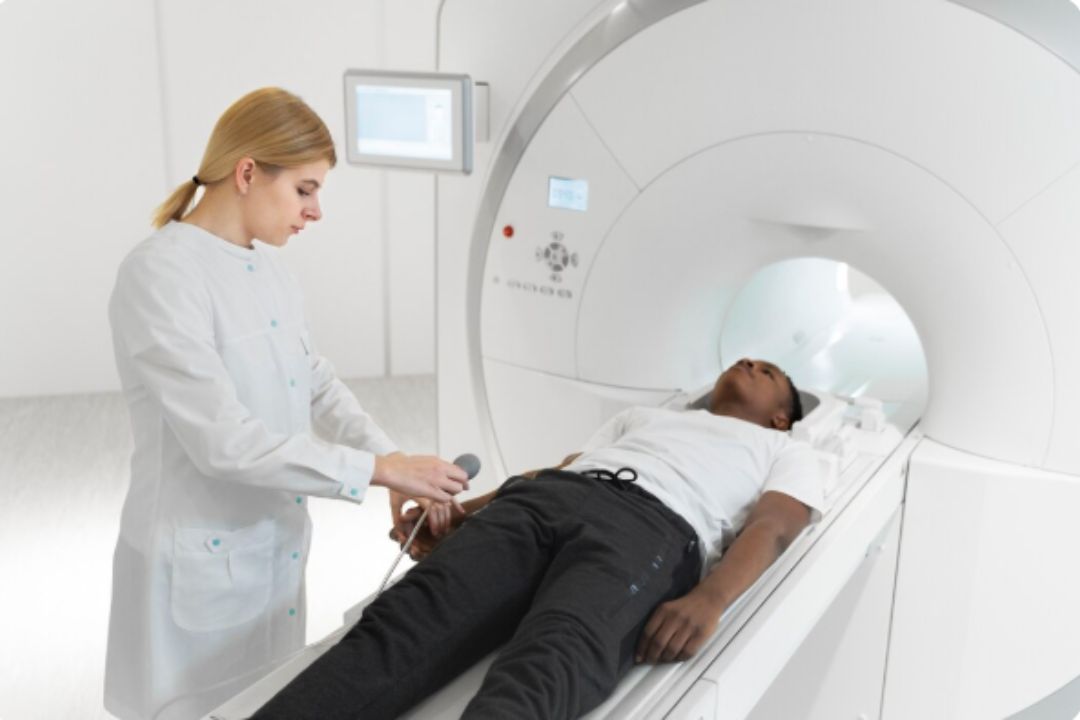
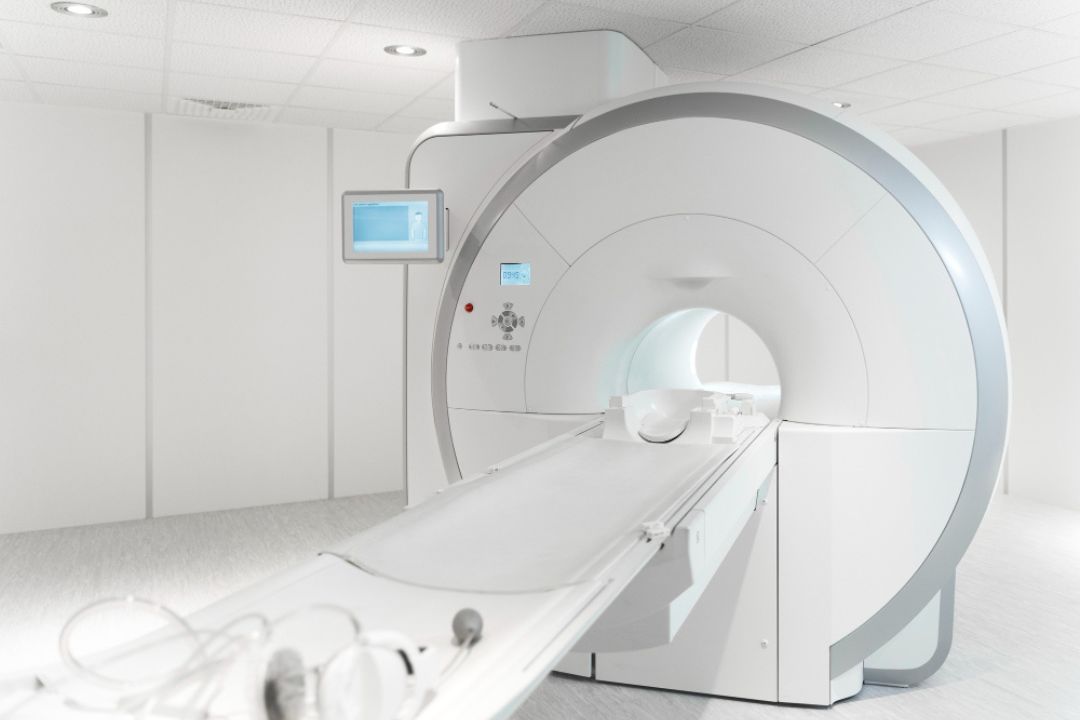
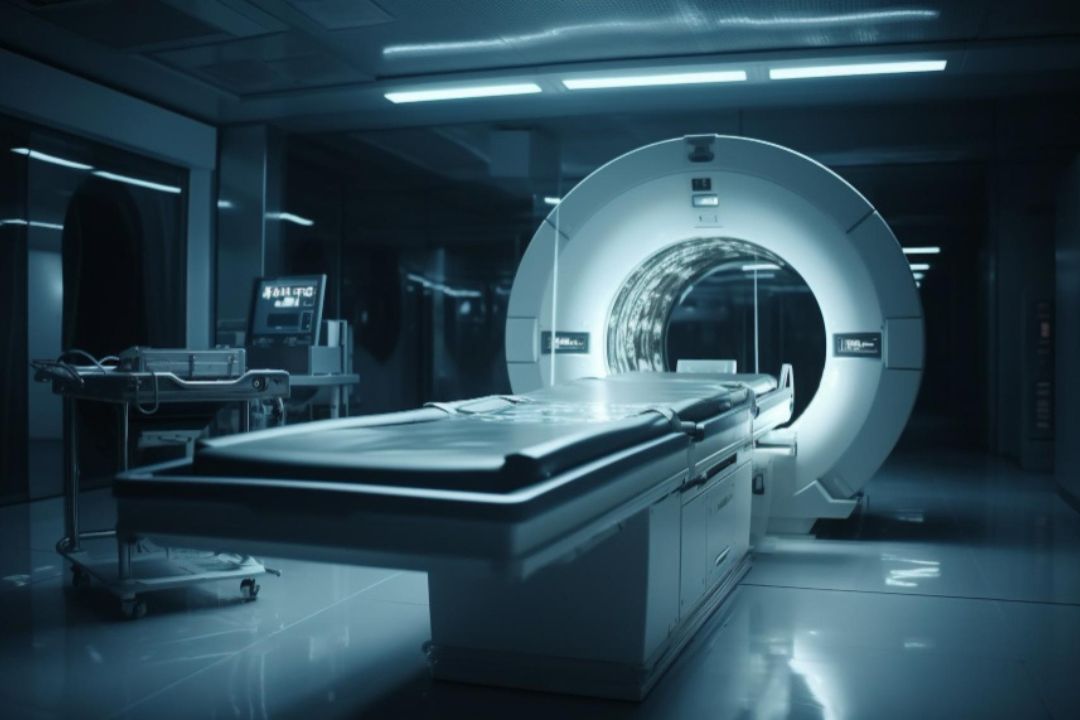
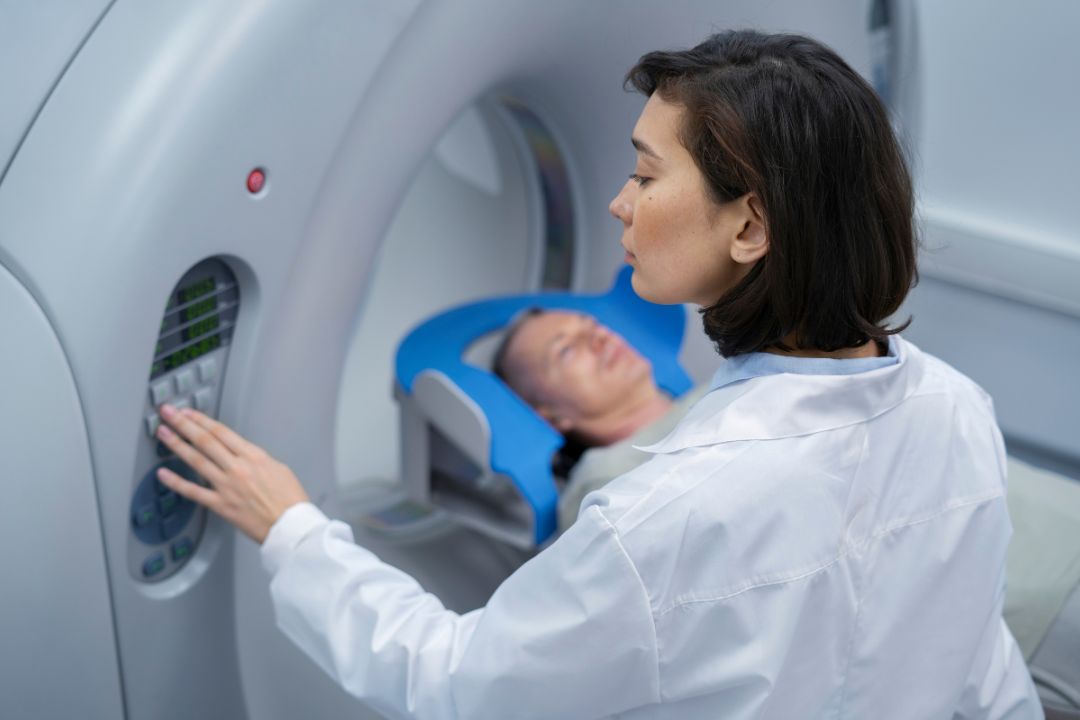
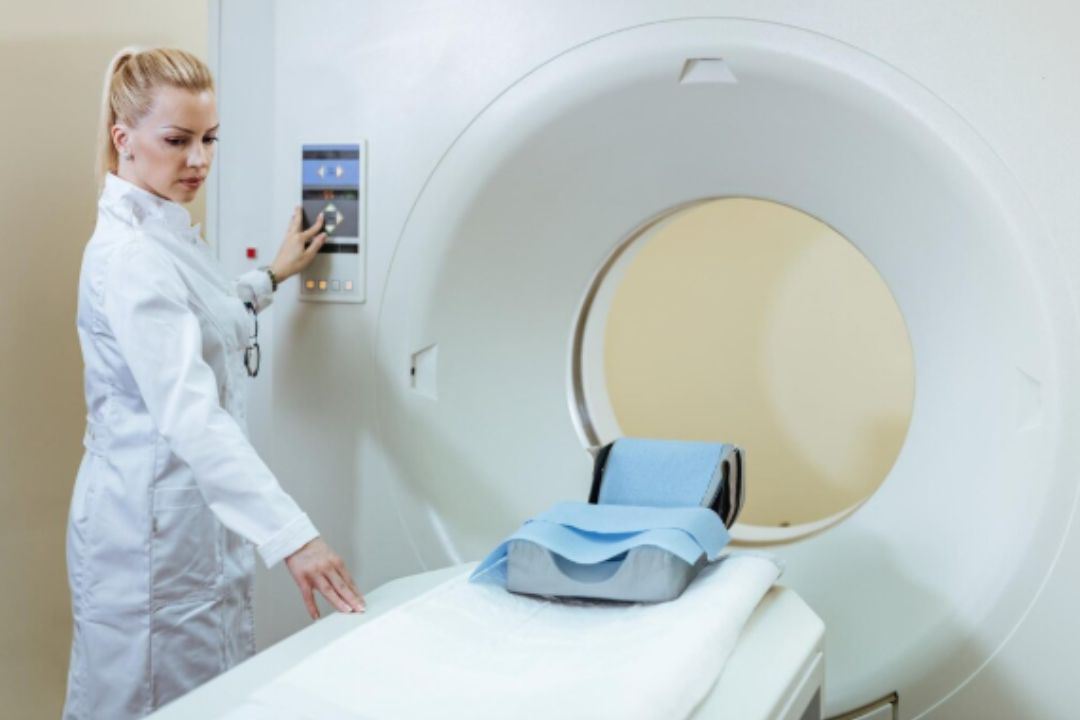
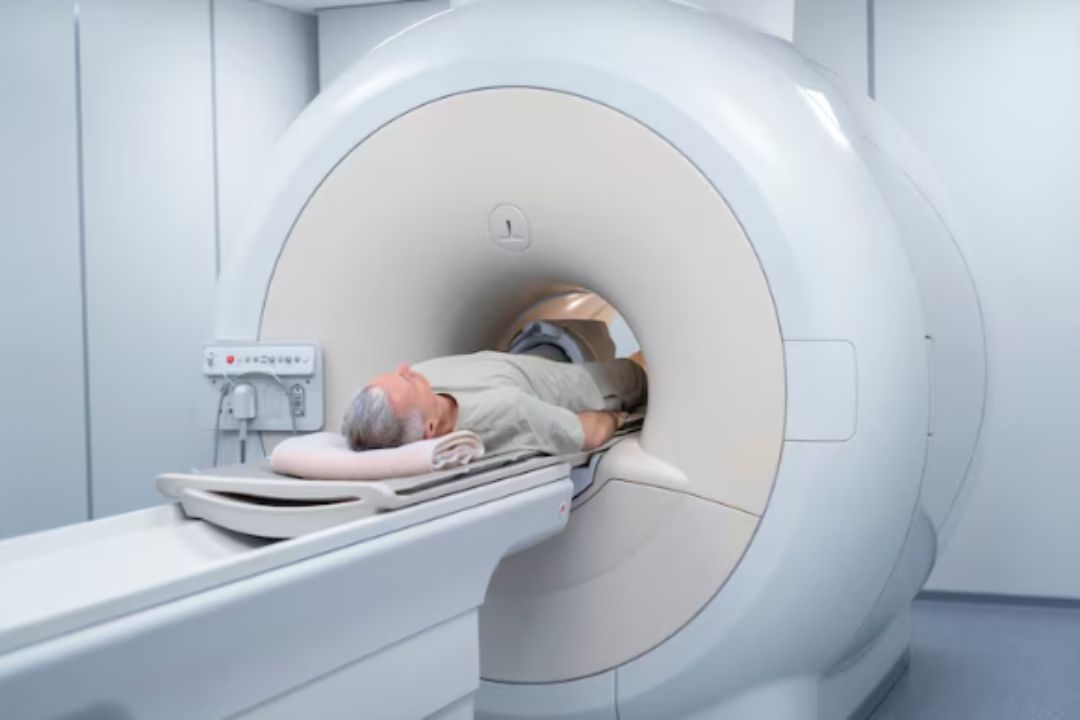
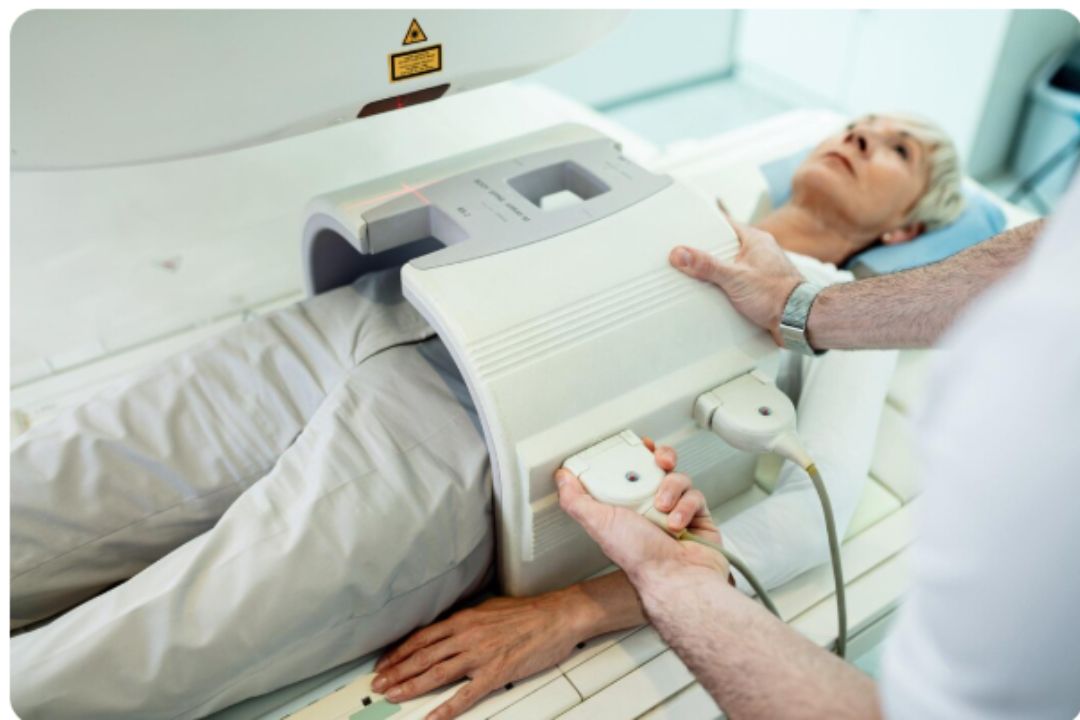
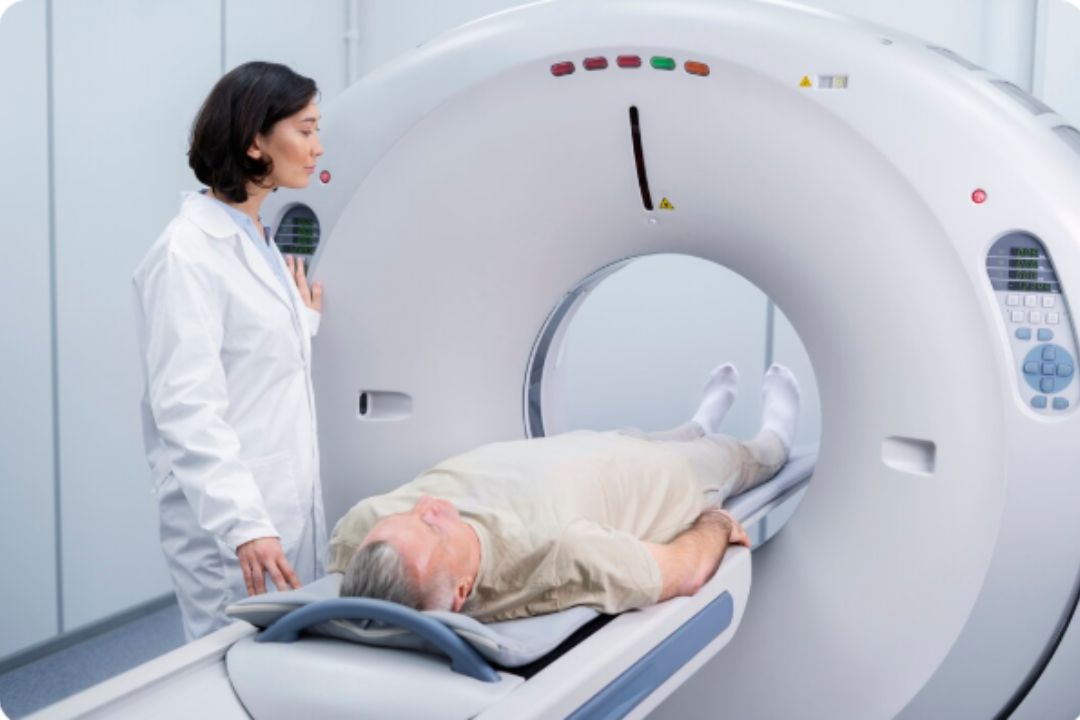
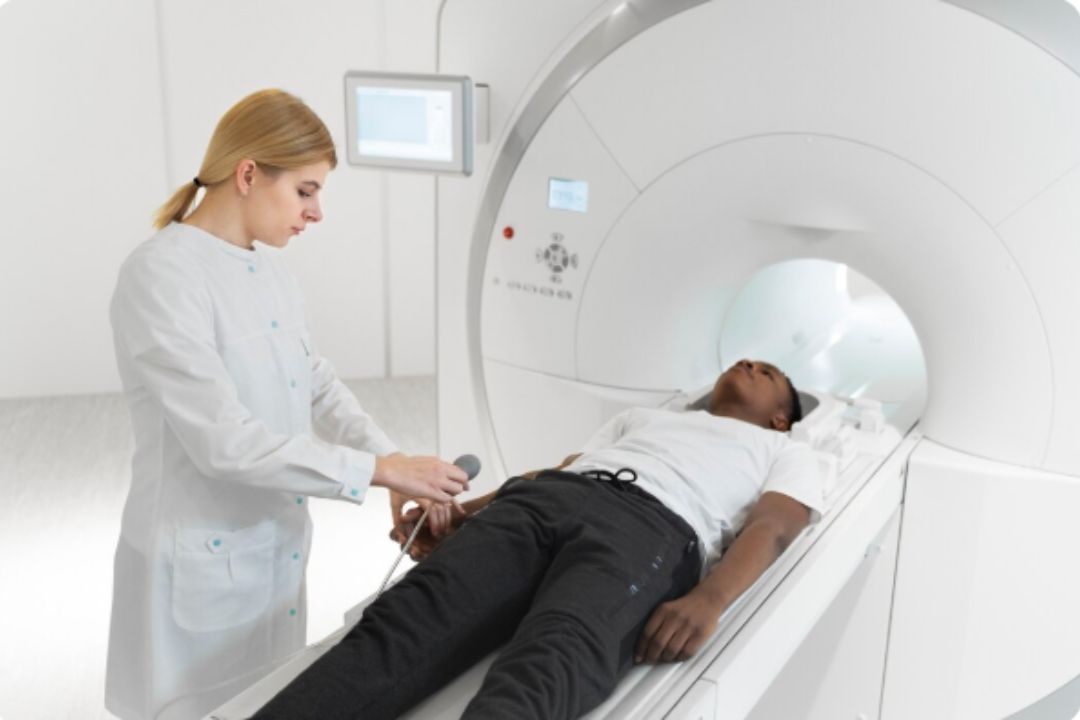
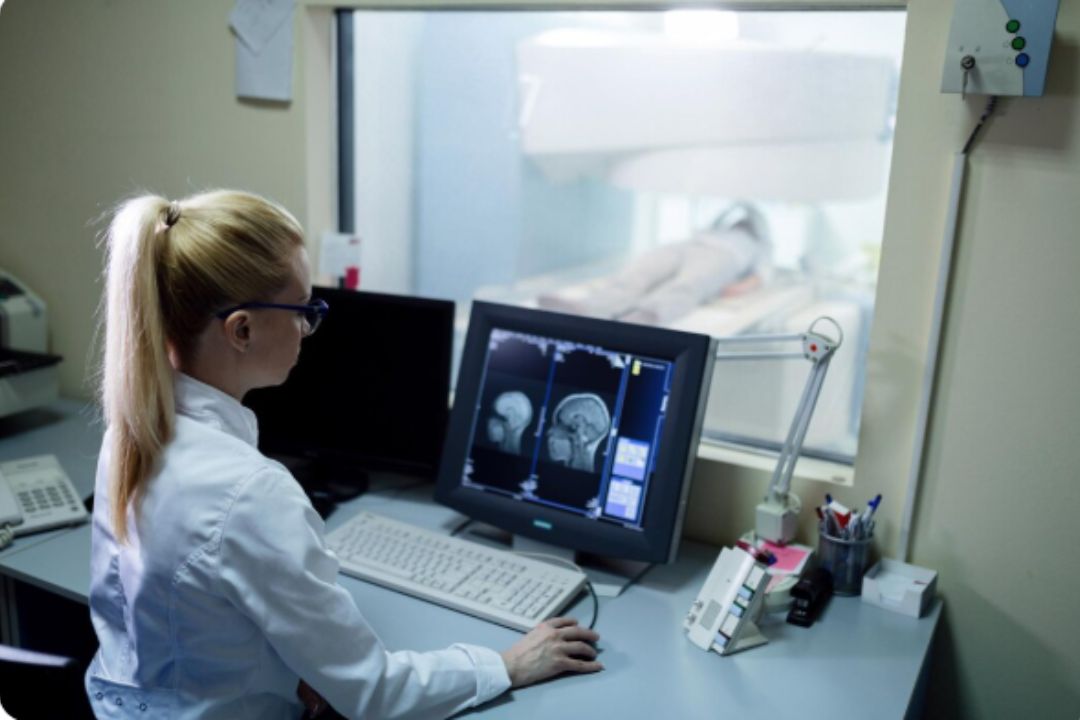
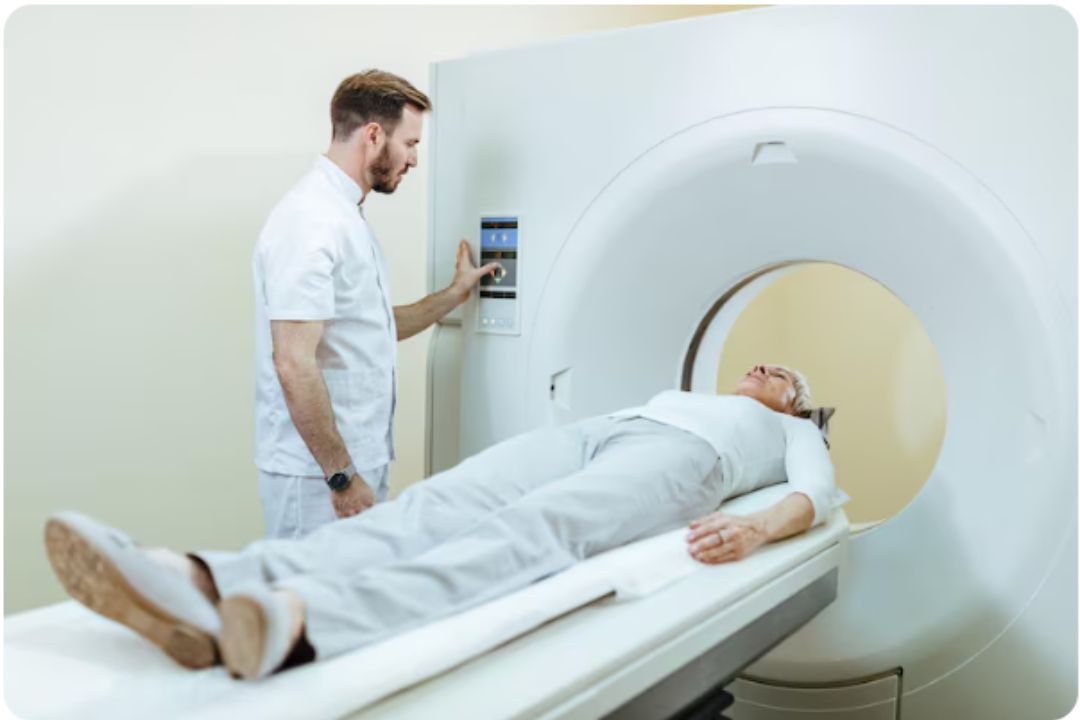
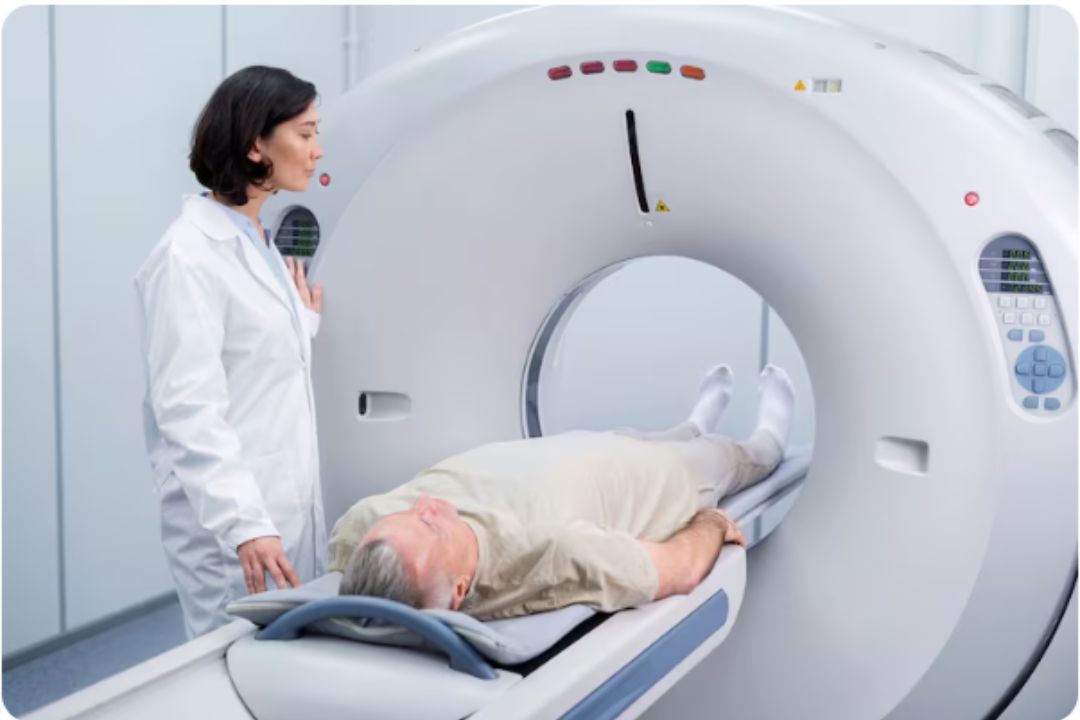
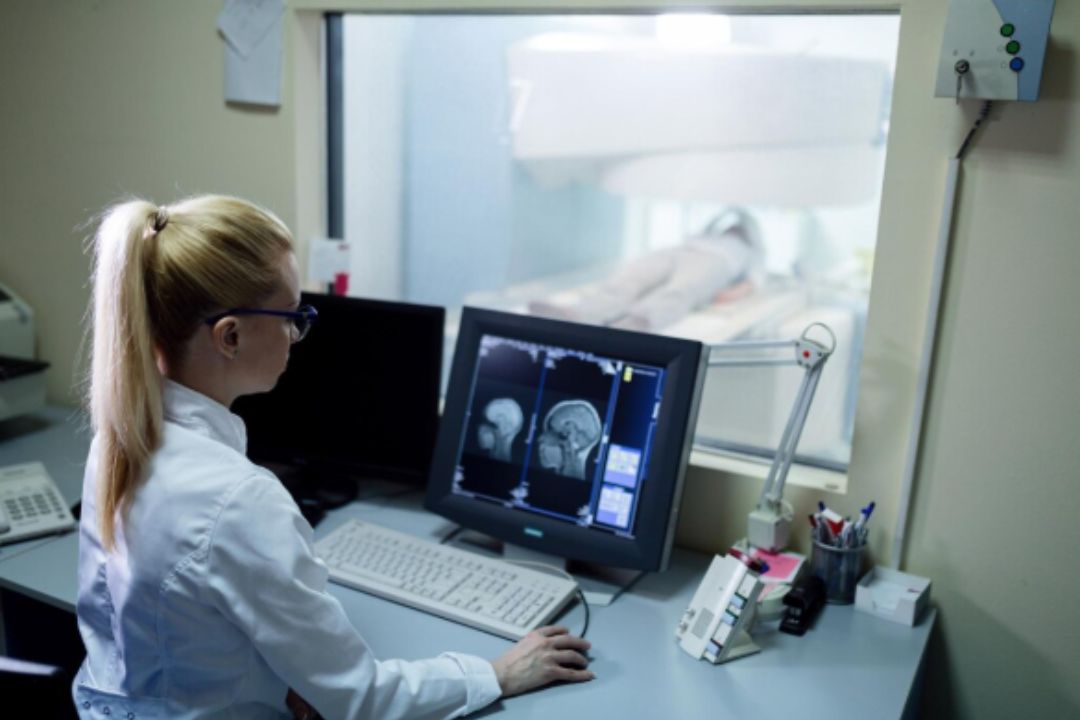
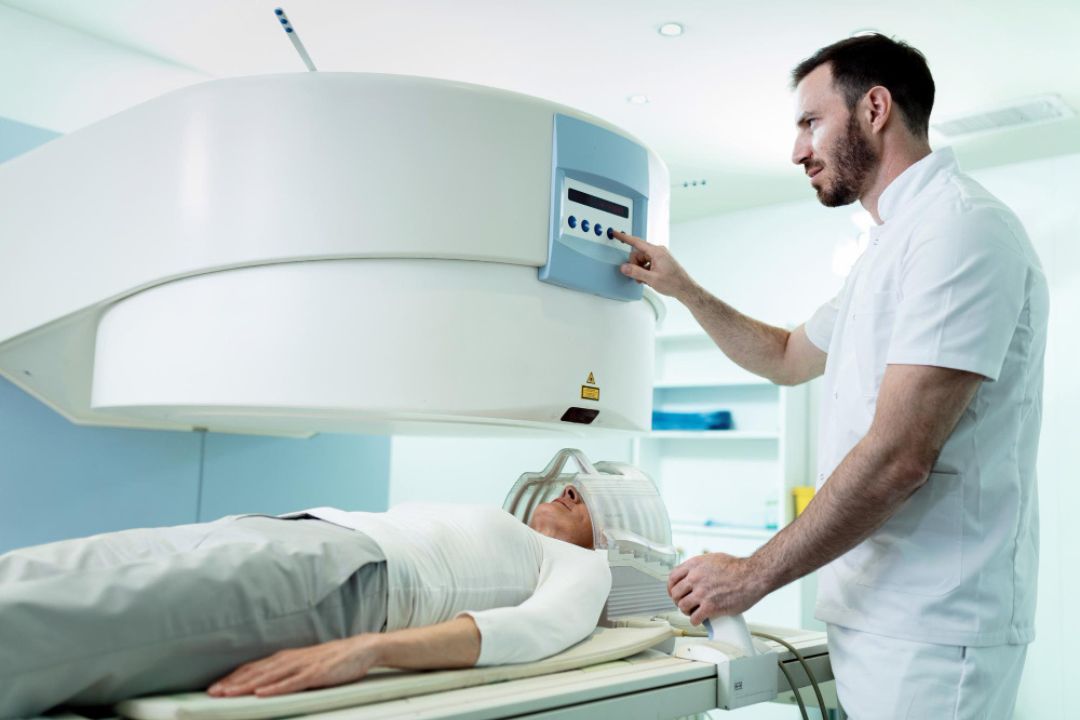
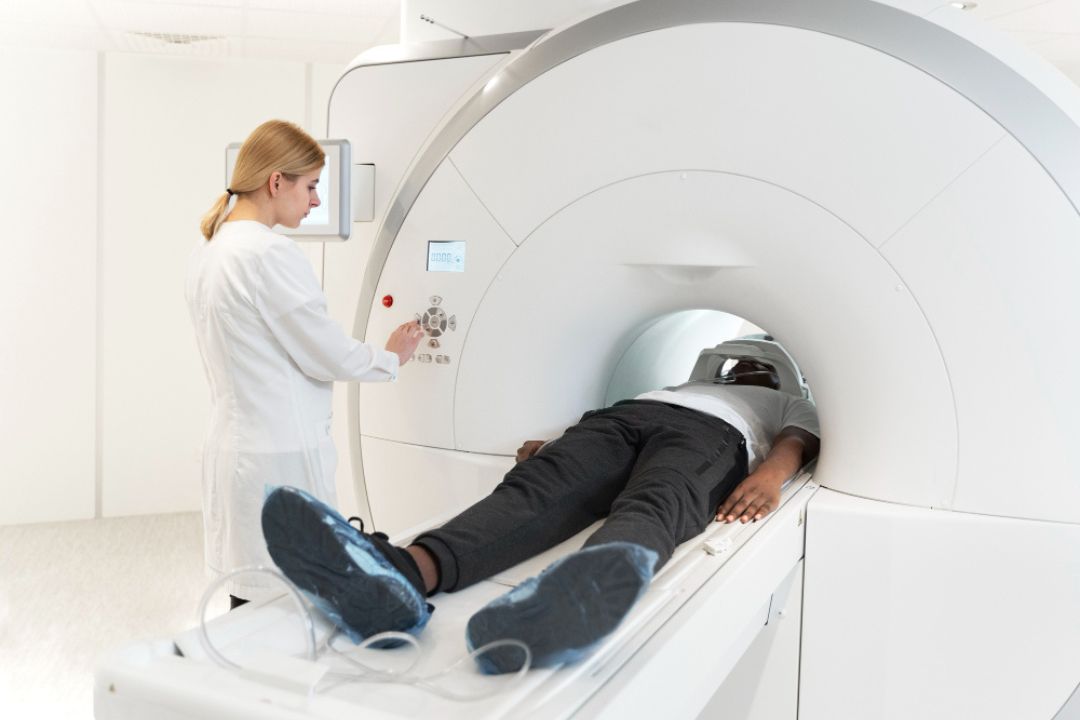
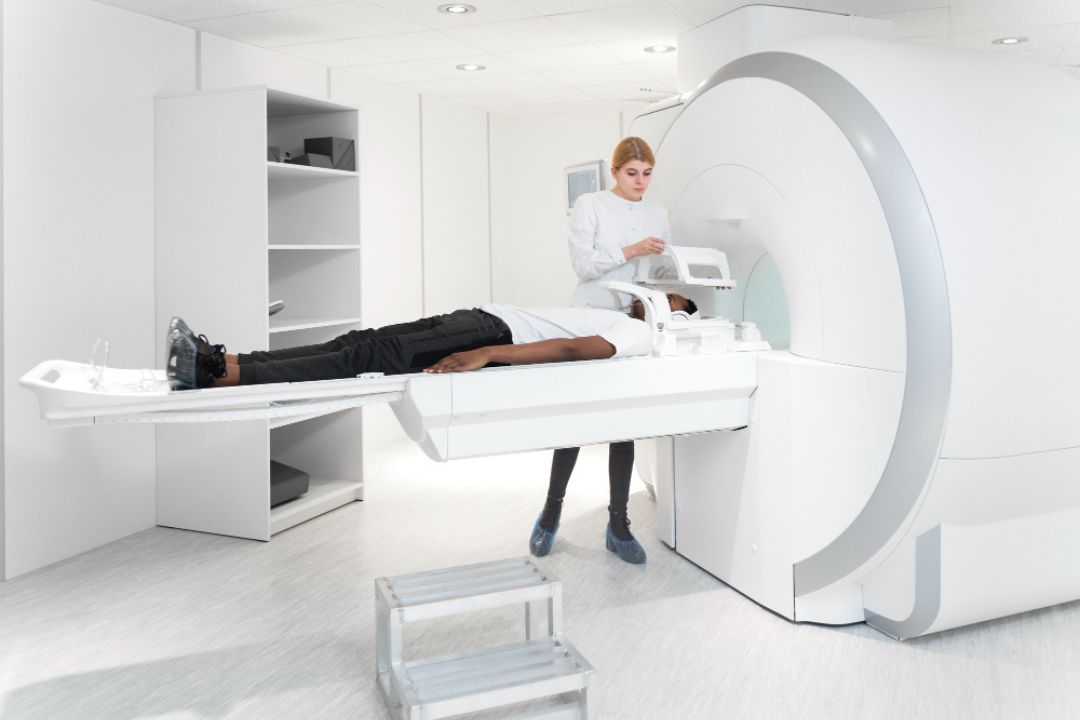
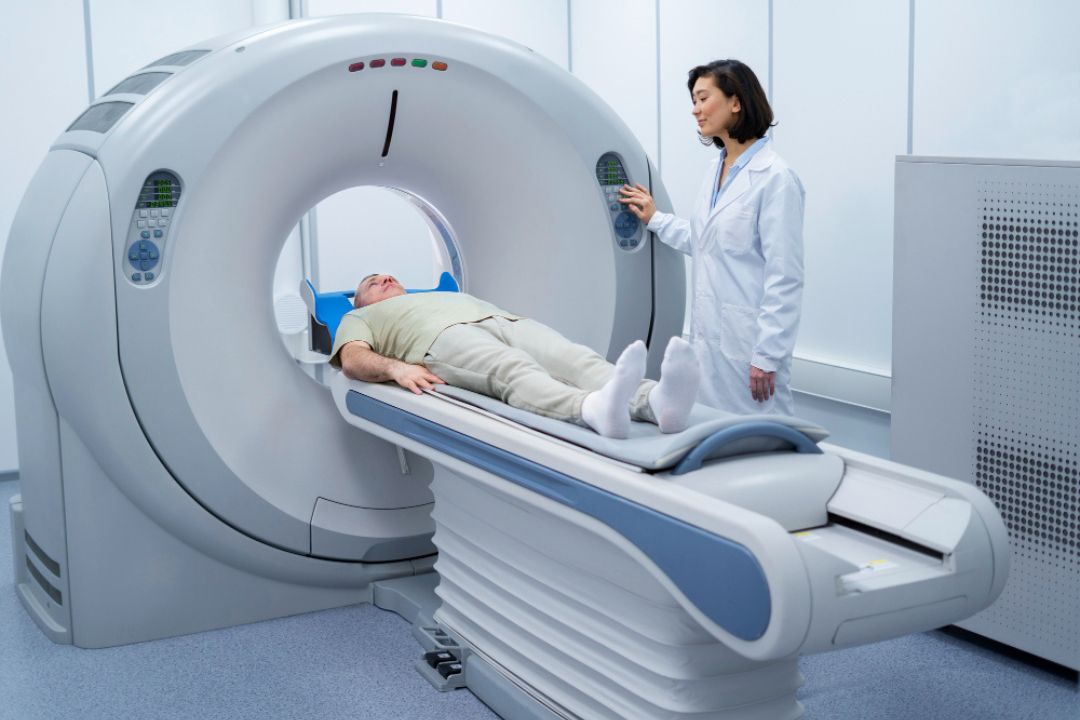
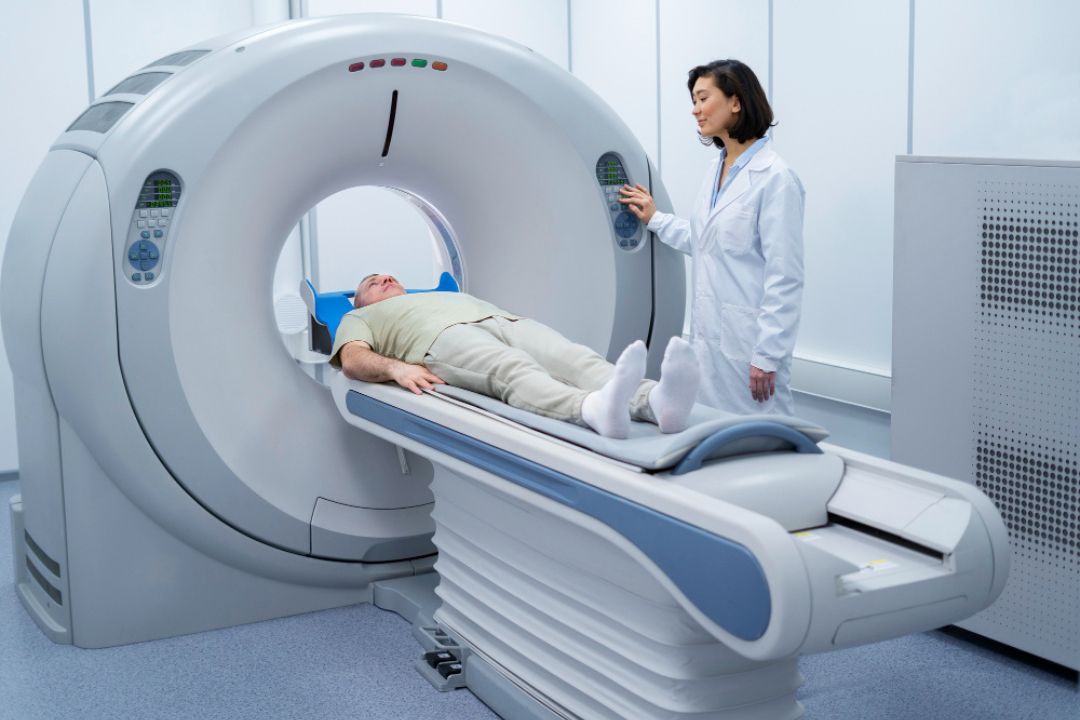
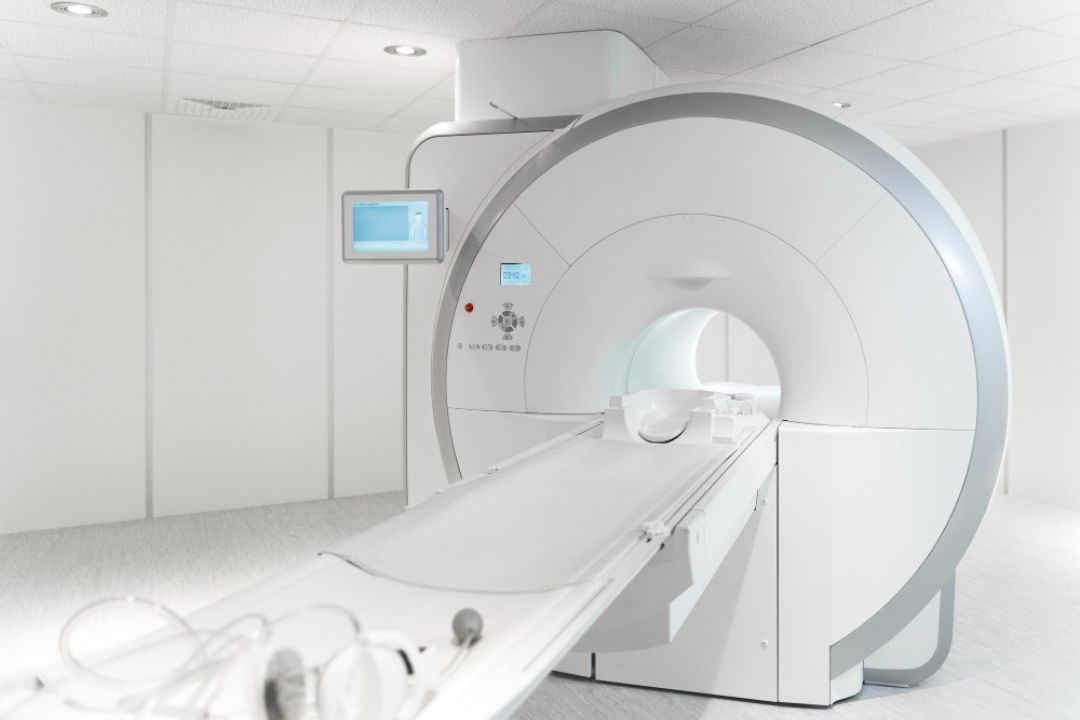
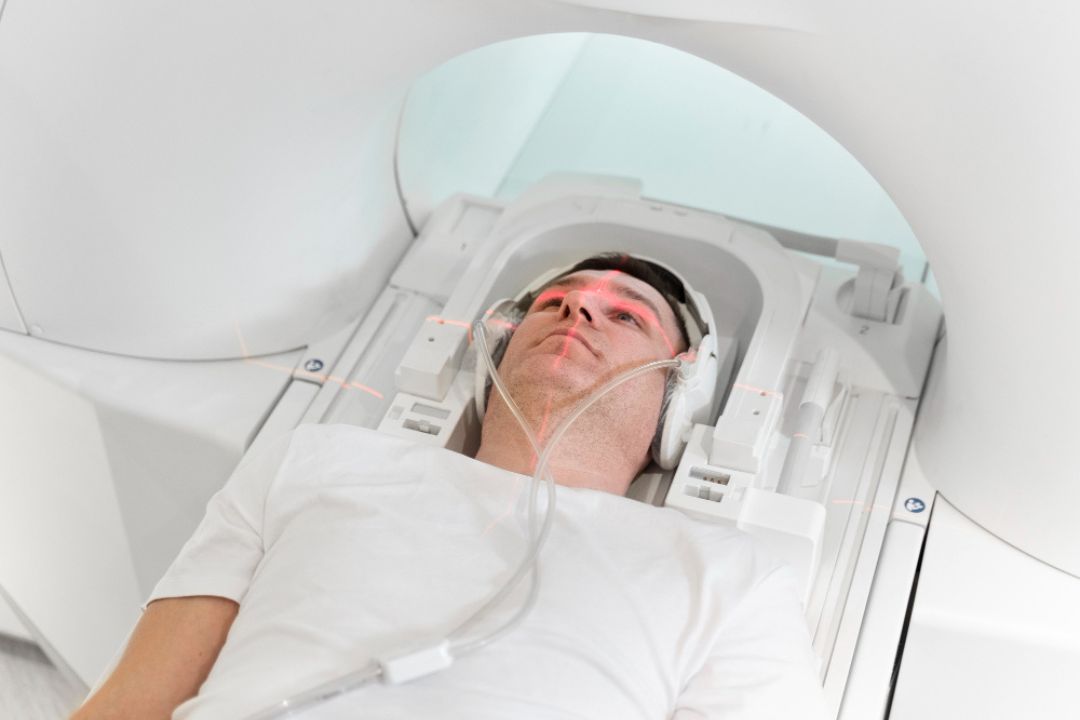
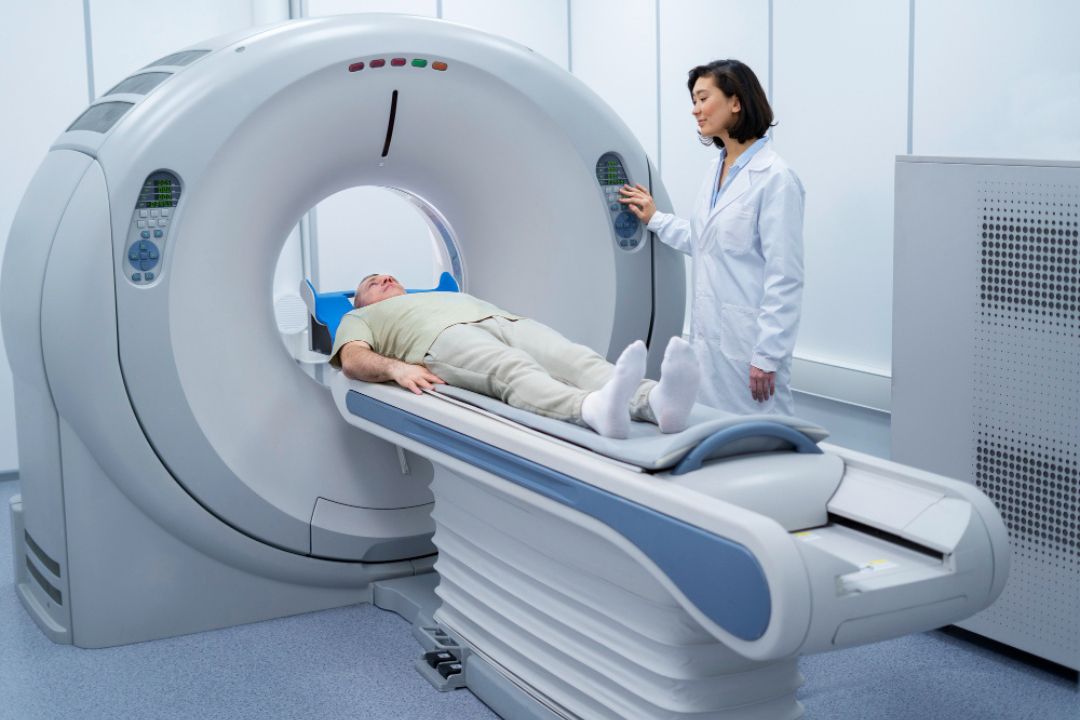
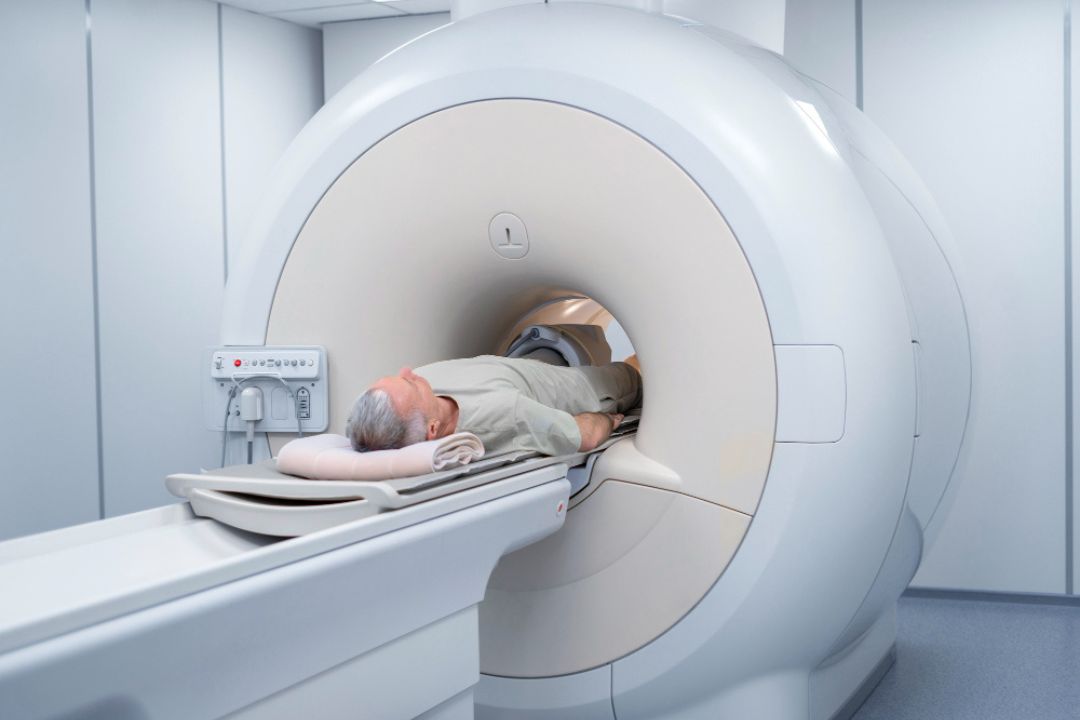
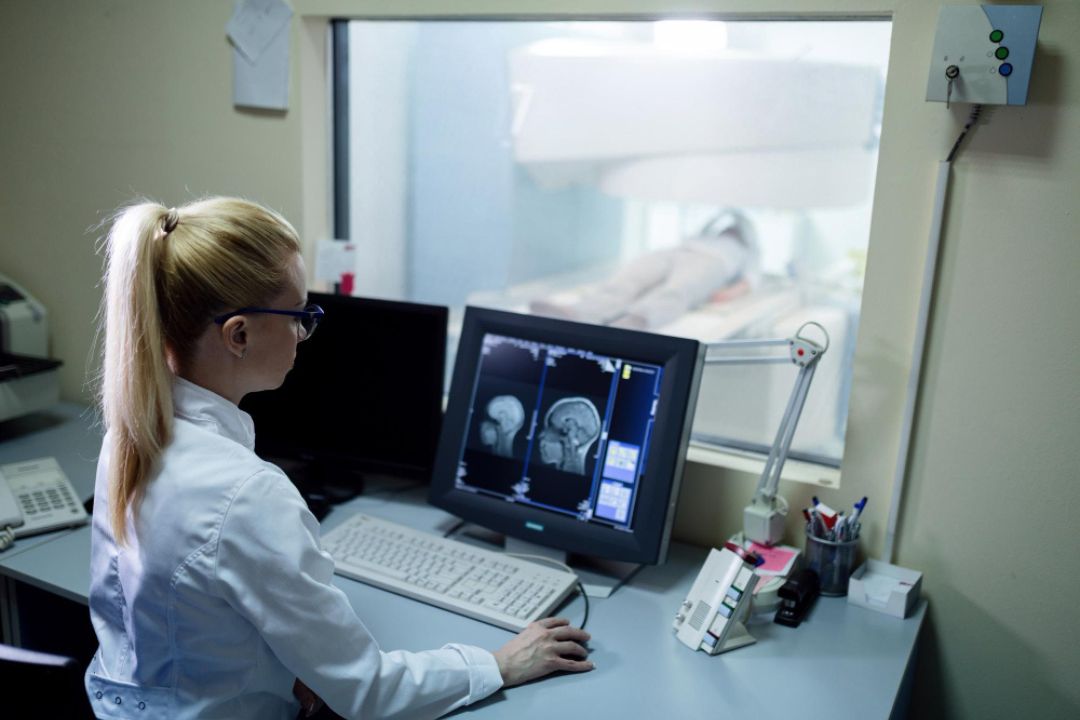
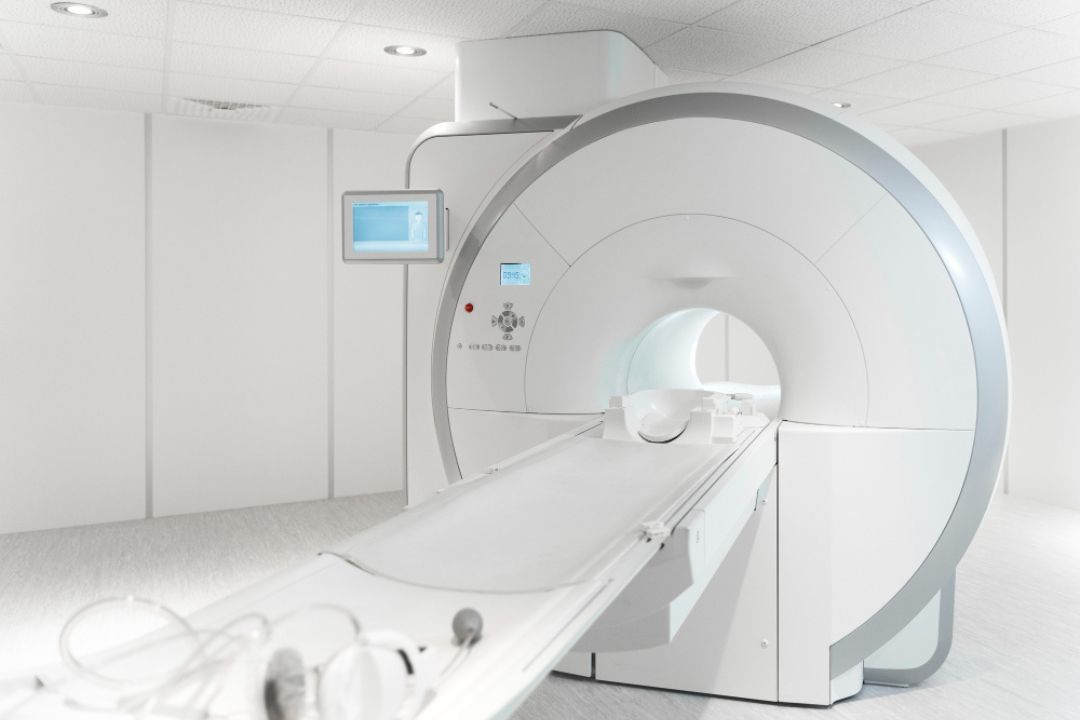
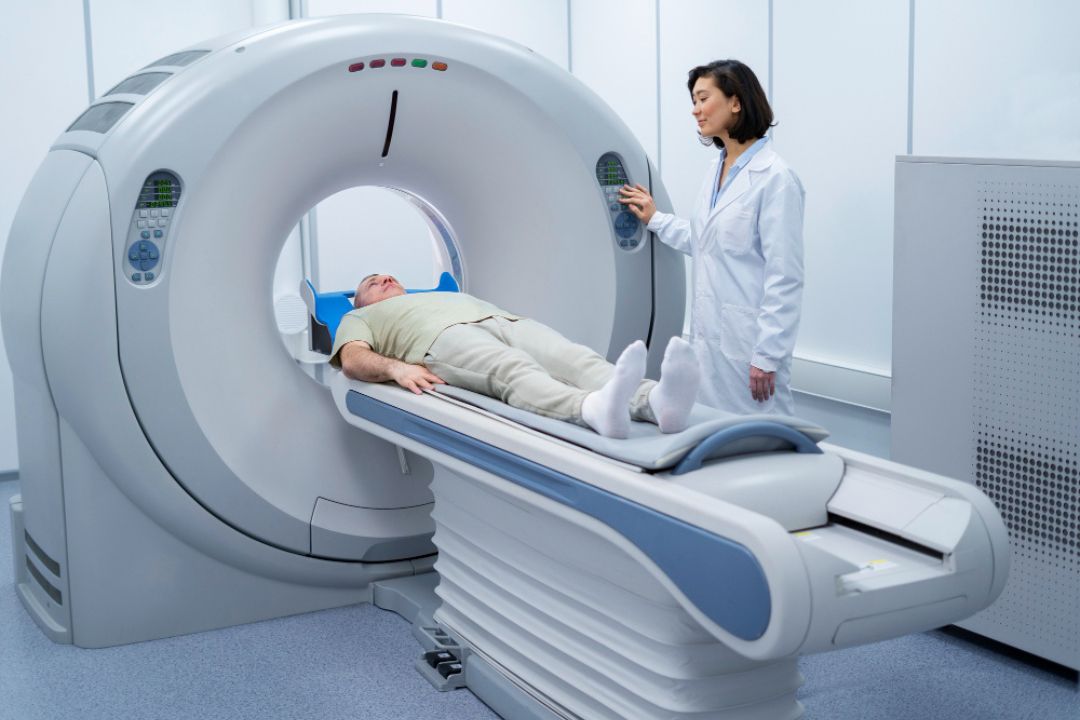
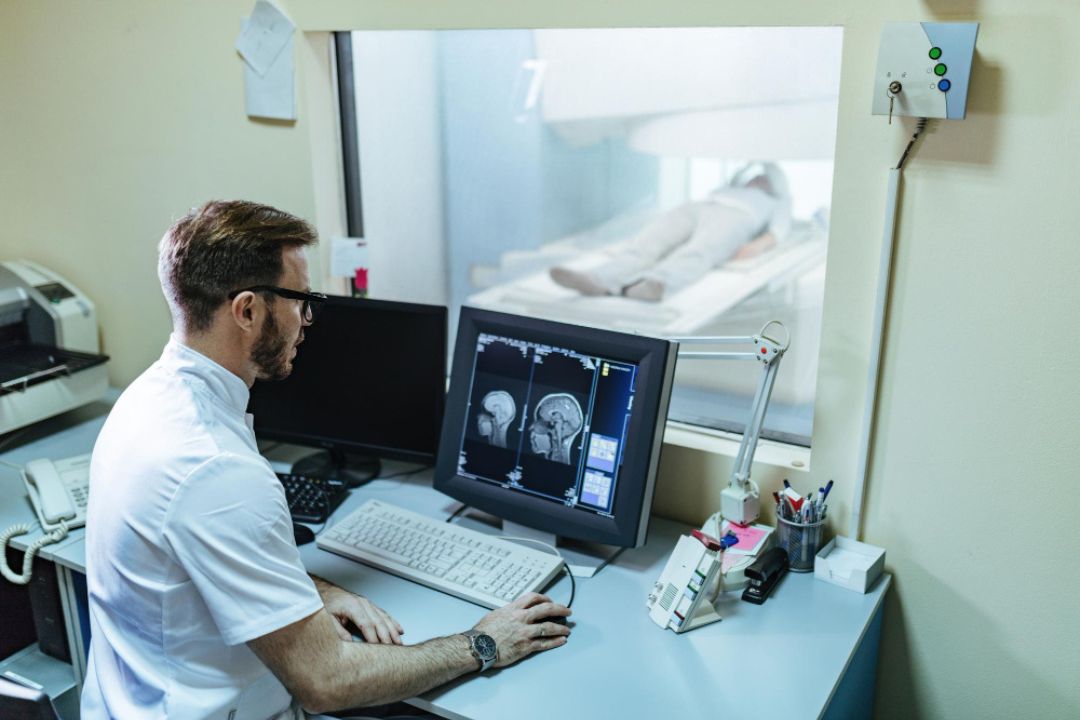
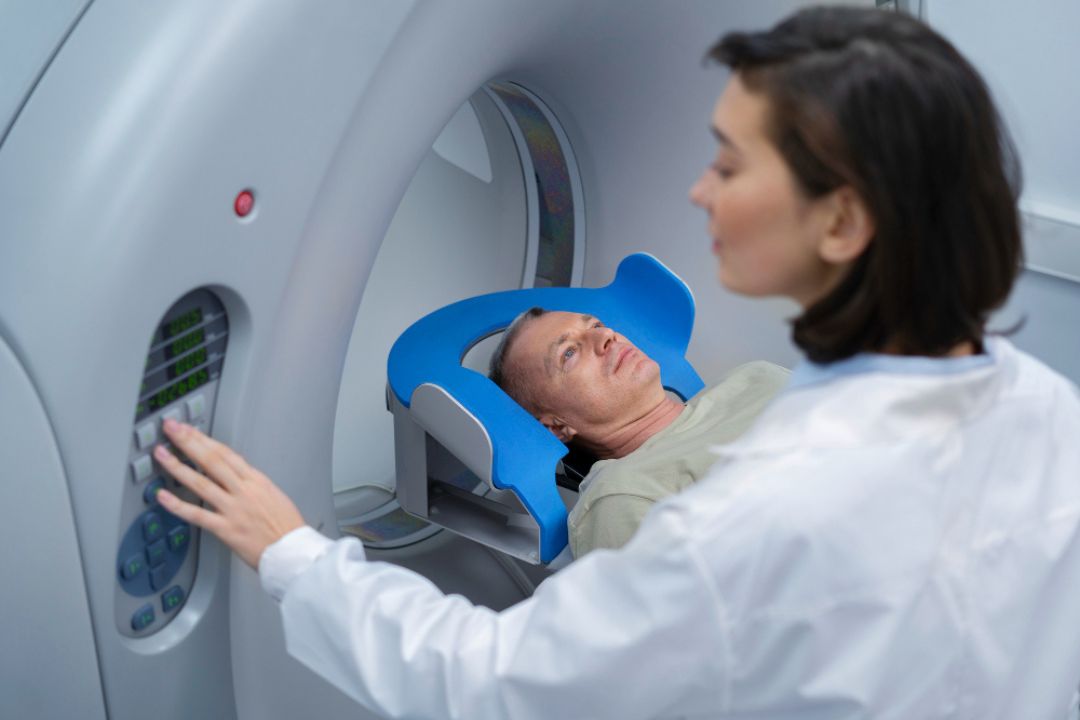
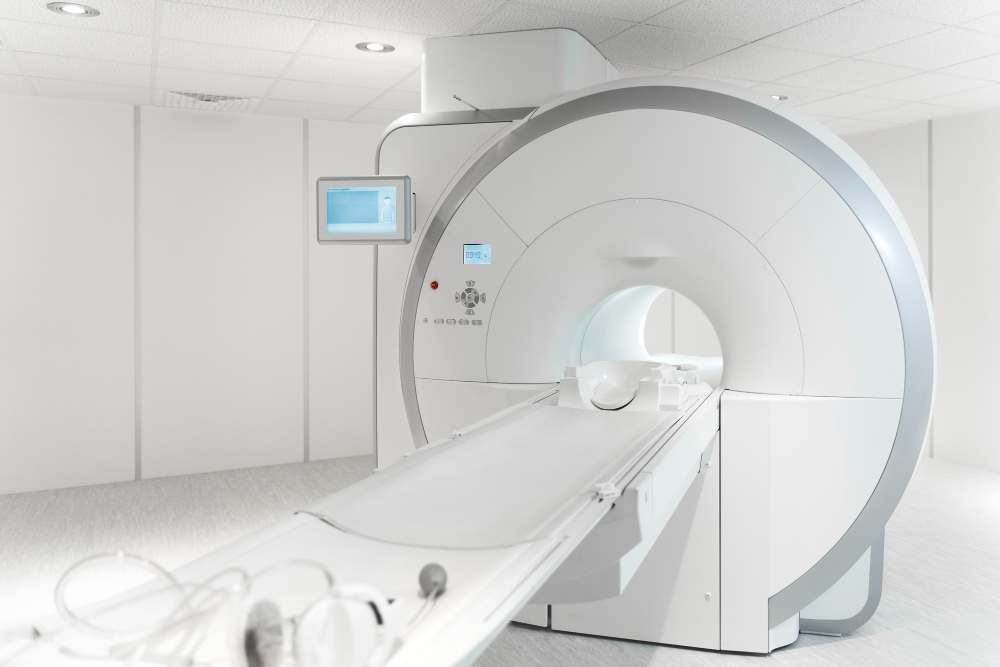
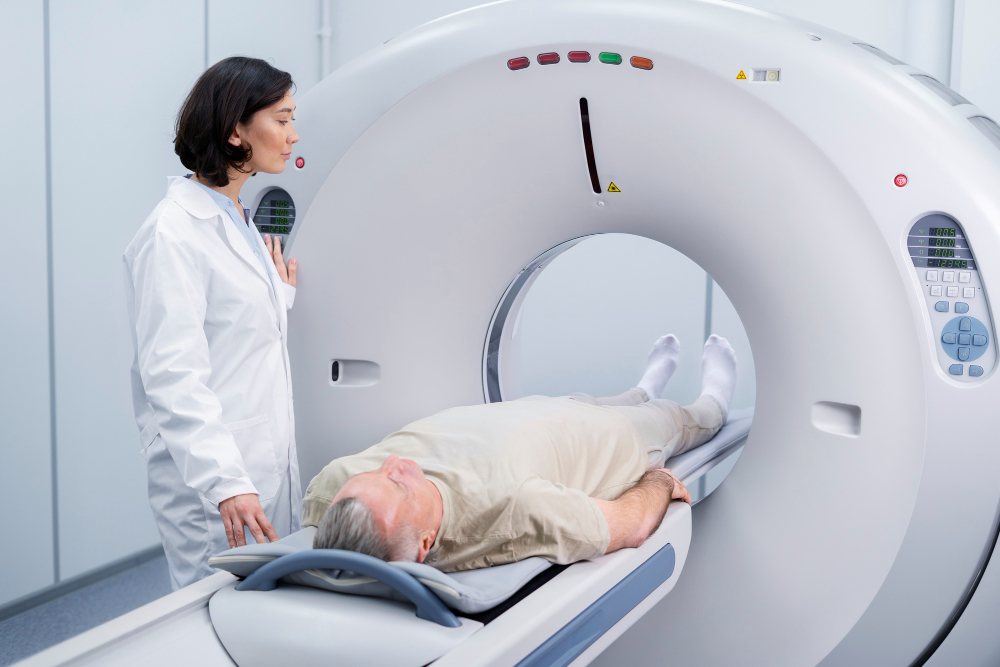
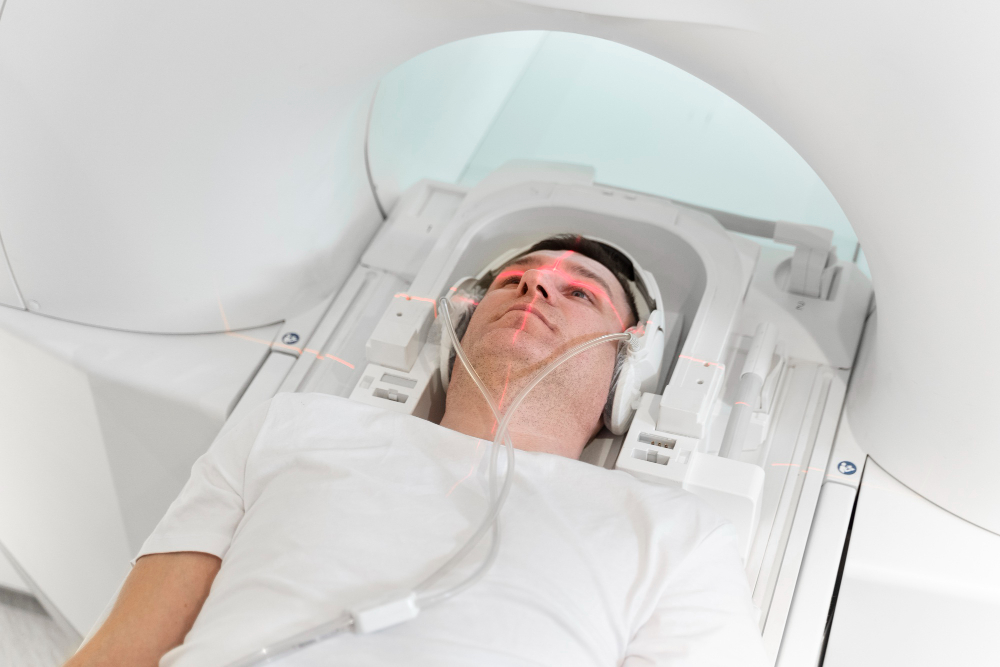
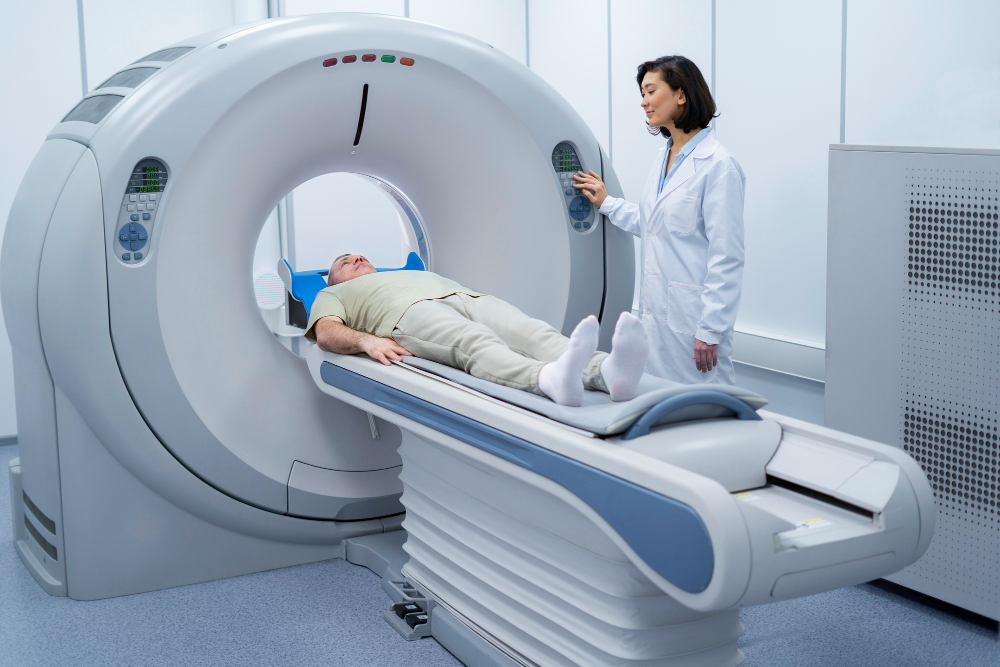
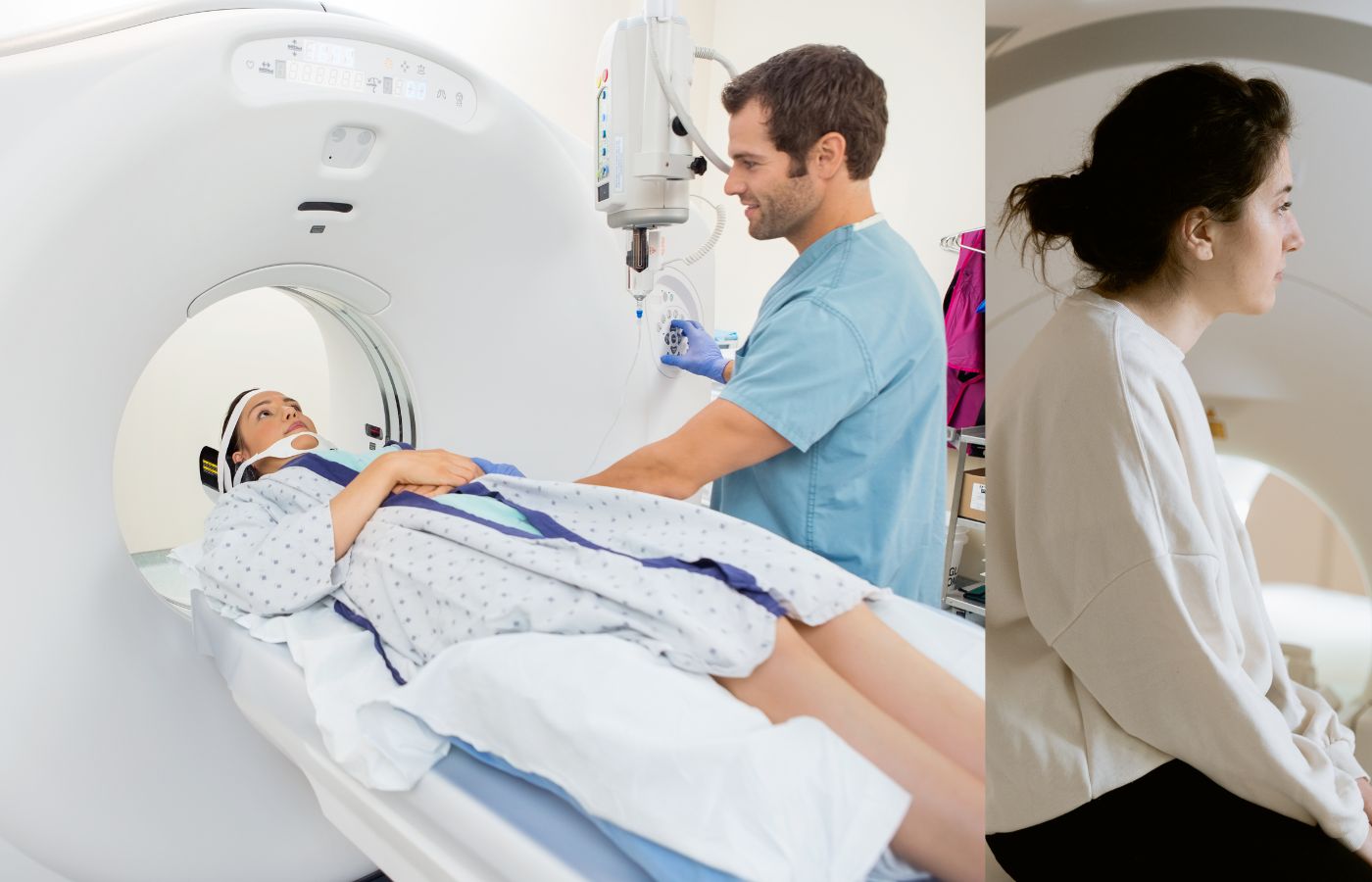
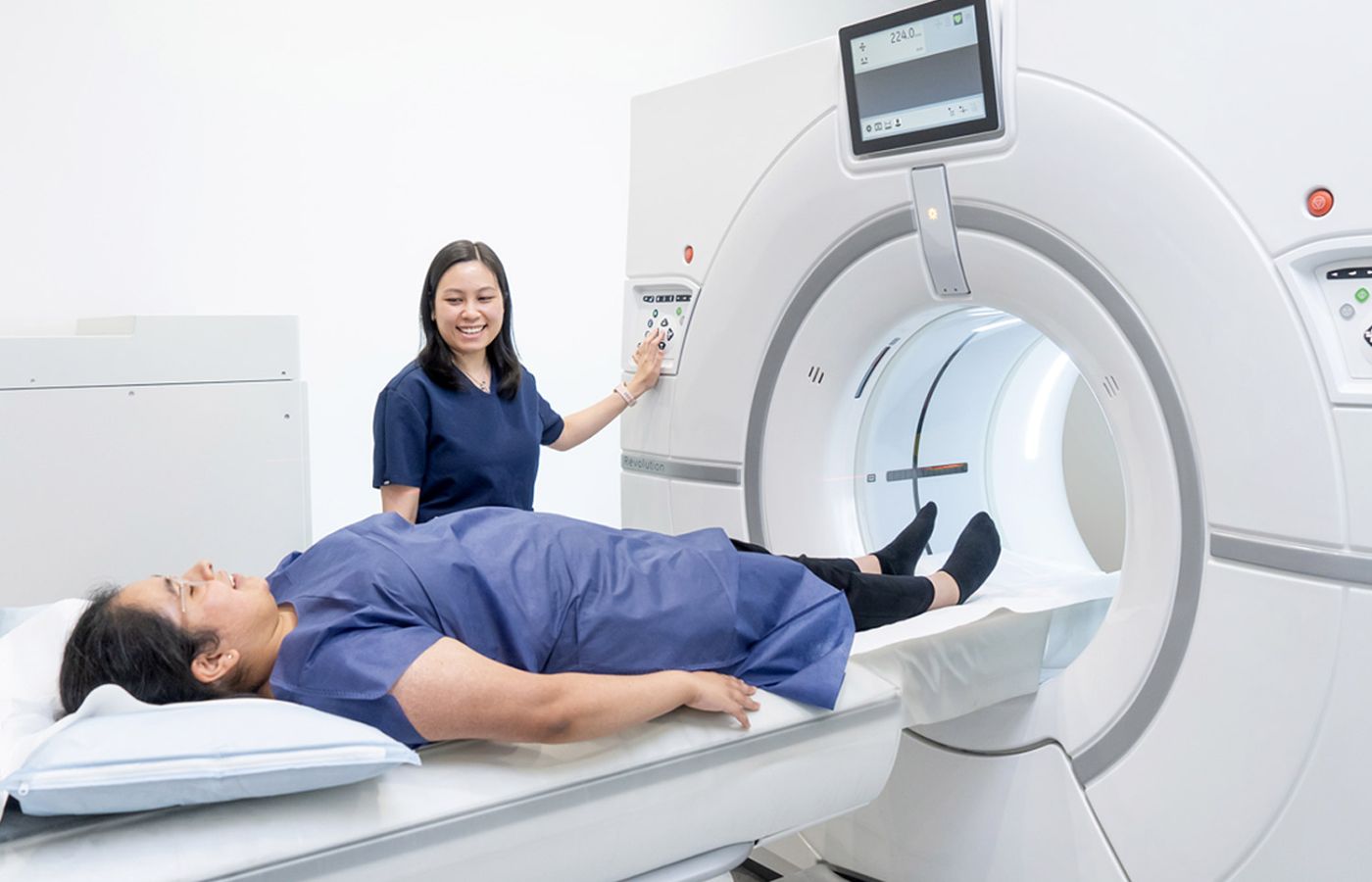
During a CT scan, the patient lies on a scanning table that moves through a circular CT machine. The scanner rotates around the body and captures multiple images of the abdomen from different angles.
In some cases, a contrast dye may be used to make certain organs and blood vessels more visible in the images. The entire procedure usually takes between 10 and 20 minutes and is generally painless.
CT scans offer several advantages when diagnosing abdominal problems:
Provides detailed images of internal organs
Helps identify infections, tumors, and inflammation
Detects internal injuries or bleeding
Assists doctors in planning treatment or surgery
Allows quick diagnosis in emergency situations
Because of these benefits, CT scans are widely used for evaluating unexplained abdominal pain.
Although CT scans are highly effective, they may not detect certain functional digestive disorders that do not cause structural changes in the organs. Additional tests such as endoscopy, blood tests, or ultrasound may sometimes be required for a complete diagnosis.
CT scans play an important role in diagnosing the causes of abdominal pain. By providing detailed images of the digestive organs, this imaging test helps doctors quickly identify conditions such as appendicitis, intestinal blockages, gallstones, pancreatitis, and tumors.
If abdominal pain is severe or persistent, a CT scan can help determine the underlying cause and guide appropriate medical treatment. Early diagnosis through imaging allows patients to receive timely care and prevent serious complications.




















.jpg "ct brain scan plain and contrast")




































.jpg "ct scan")

.jpg "ct scan or mri for brain disorders")


.jpg "exploring the power of ct brain contrast in modern diagnostics")
.jpg "ct scan")

.jpg "ct scan")














.jpg "ct scan")


.jpg "CT Brain Scan for Headaches")
.jpg "The Future of 3D CT Imaging")