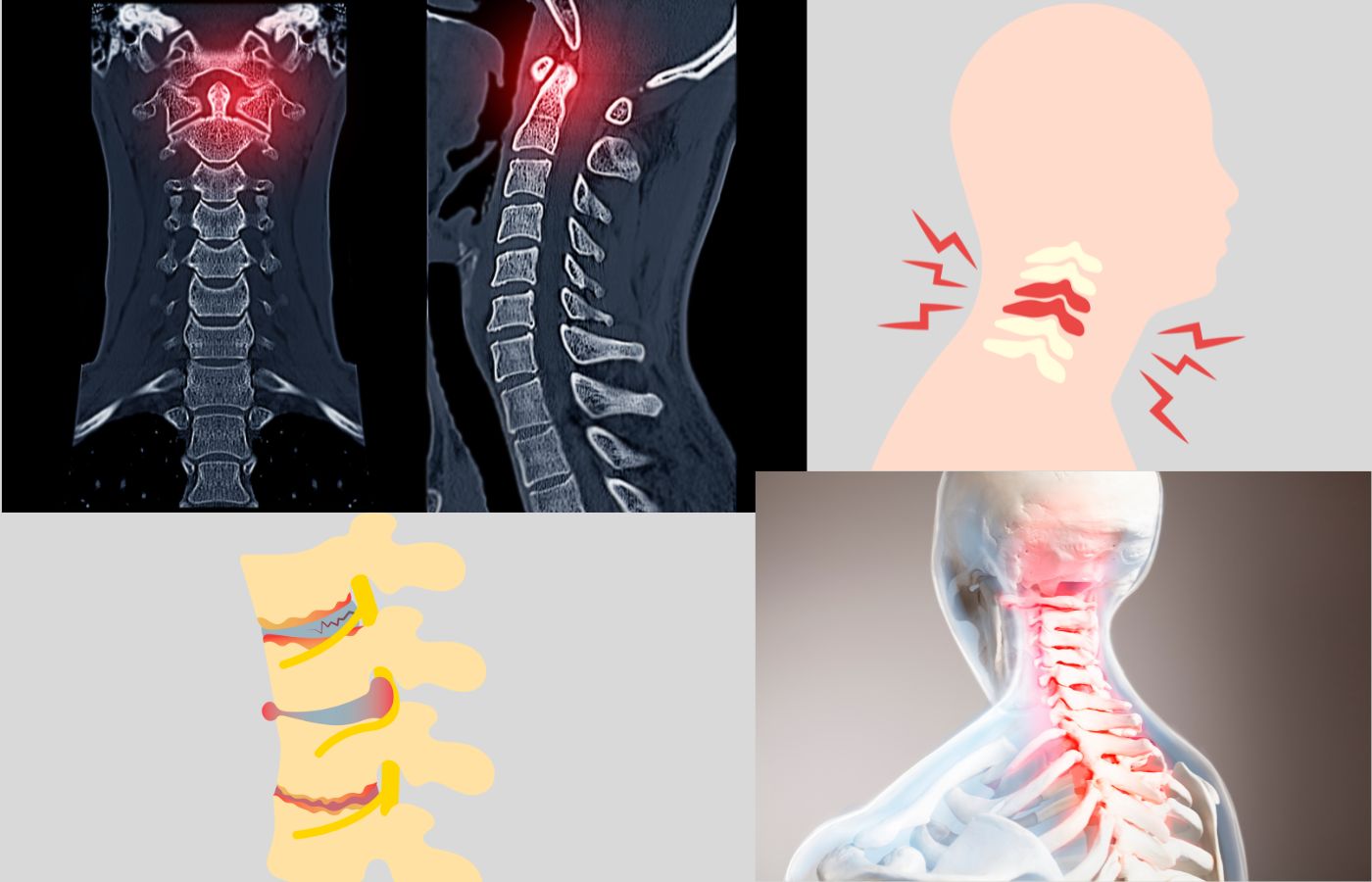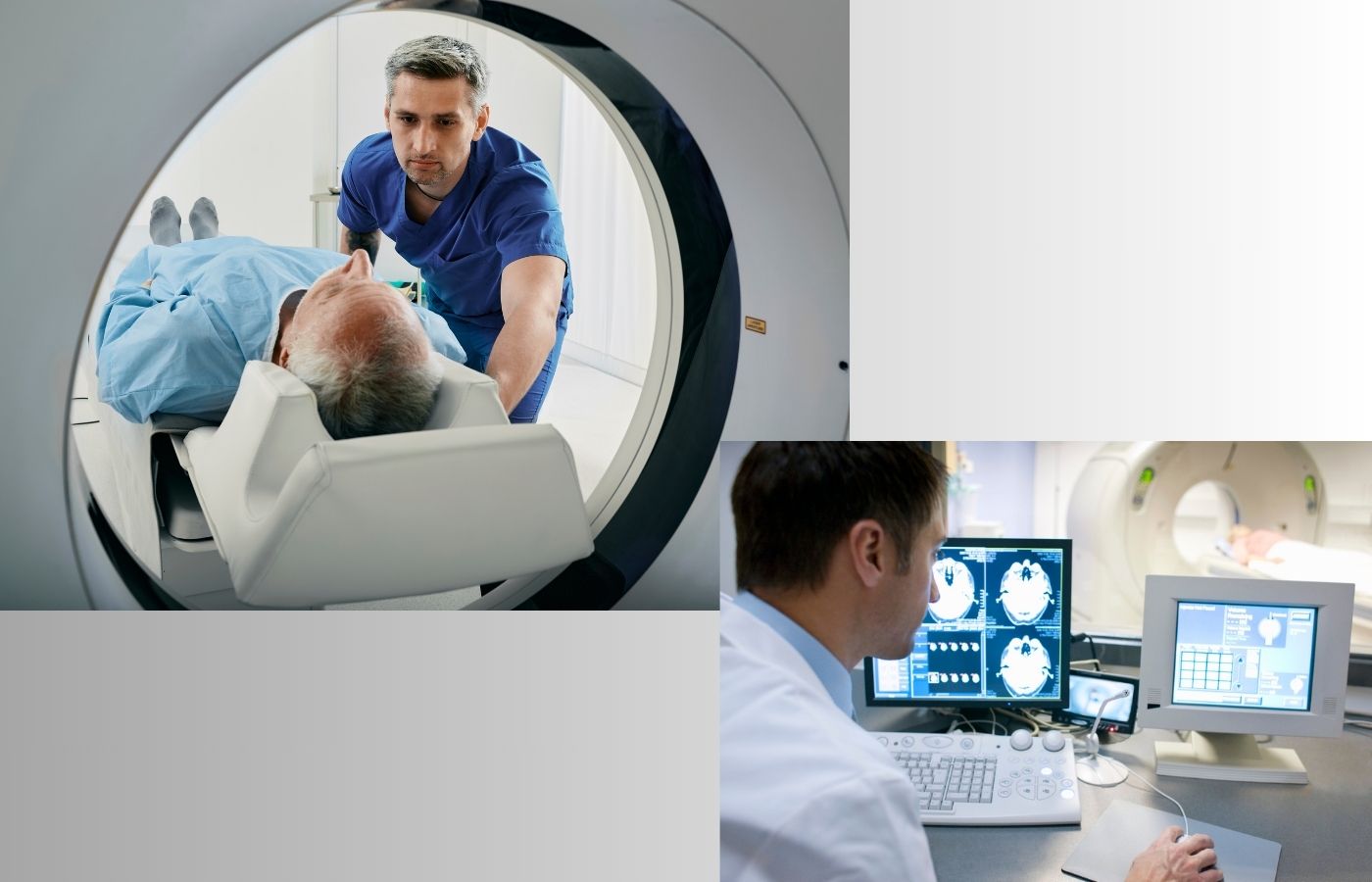
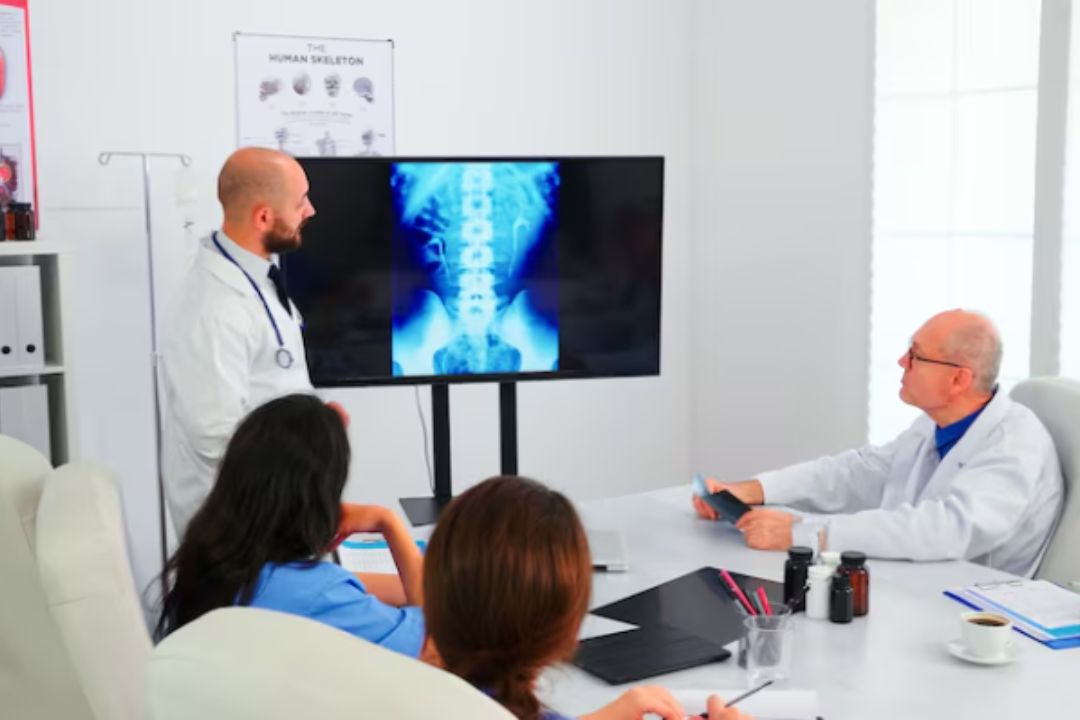
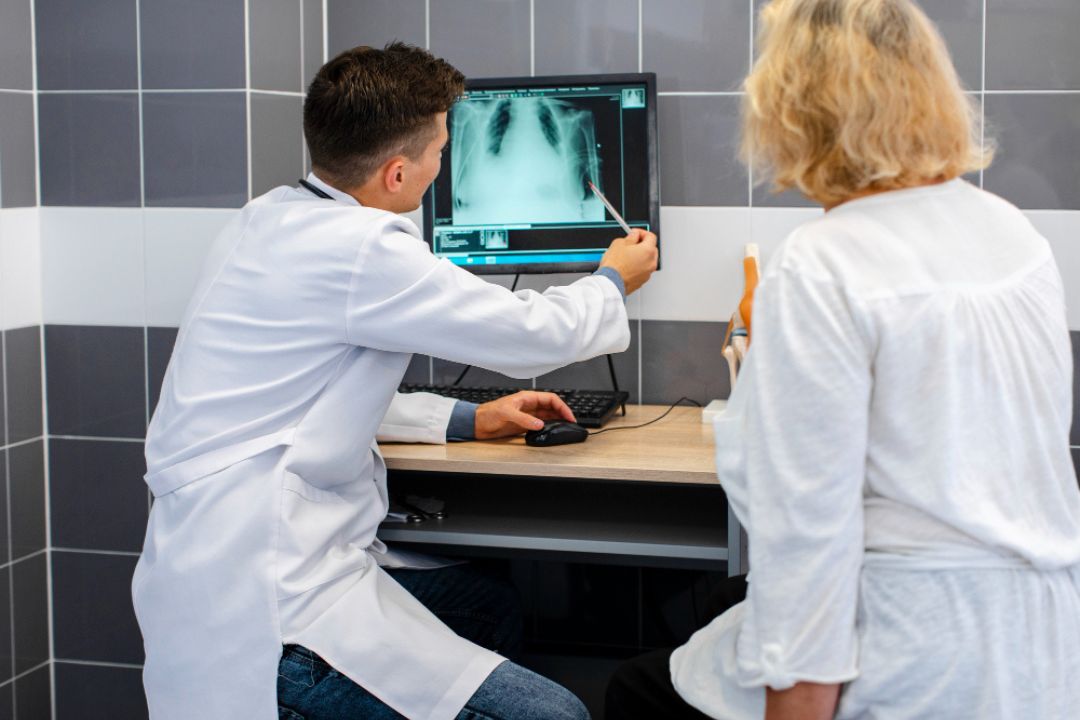
Bone injuries can occur due to accidents, sports activities, falls, or sudden trauma. Accurate diagnosis is essential to determine the severity of the injury and choose the right treatment plan. While traditional X-rays are often the first step, doctors may recommend a CT scan for limbs when more detailed imaging is required.
A CT scan provides highly detailed images of bones and joints, making it one of the most reliable imaging tests for detecting complex fractures and bone injuries.
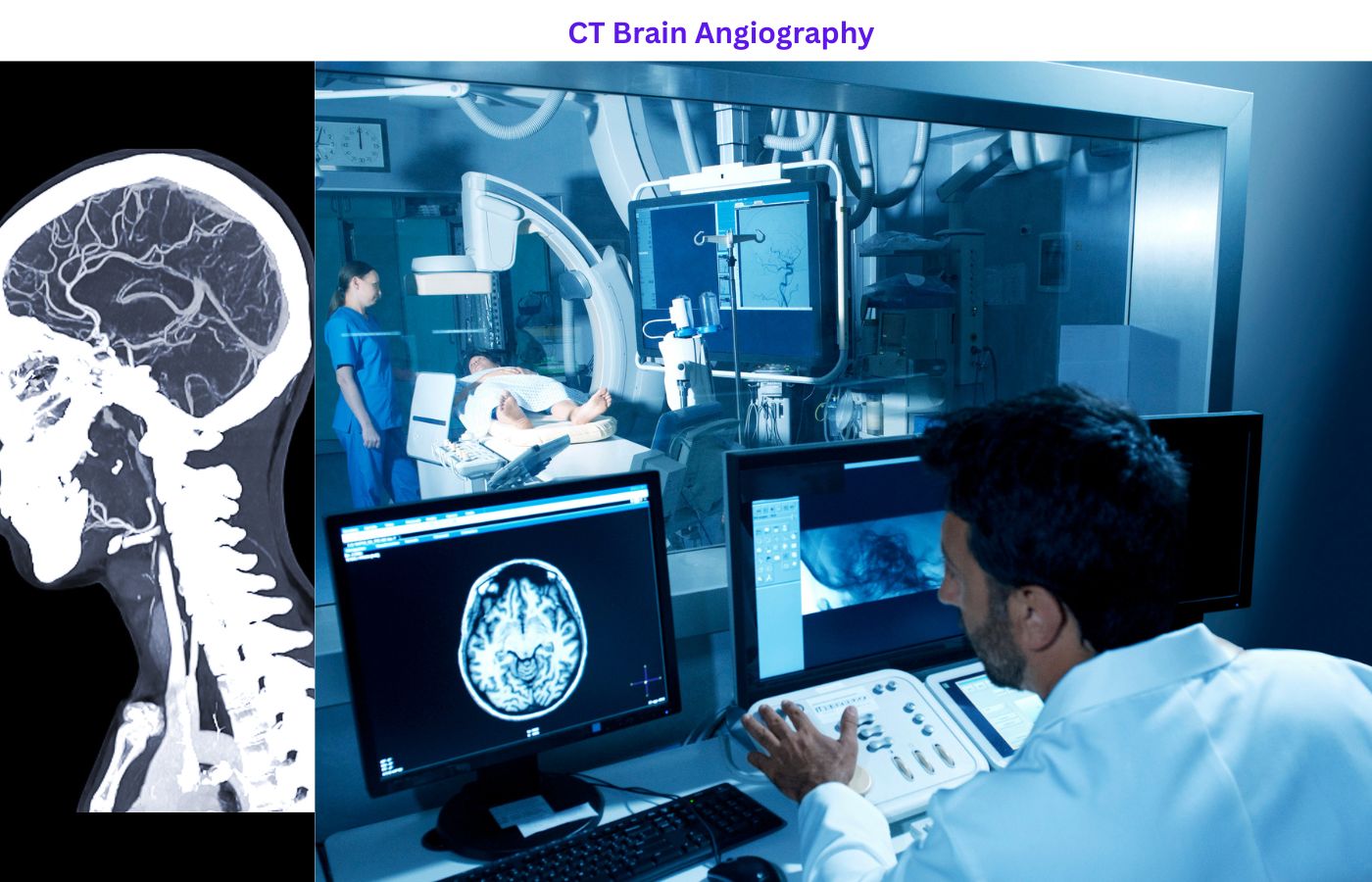
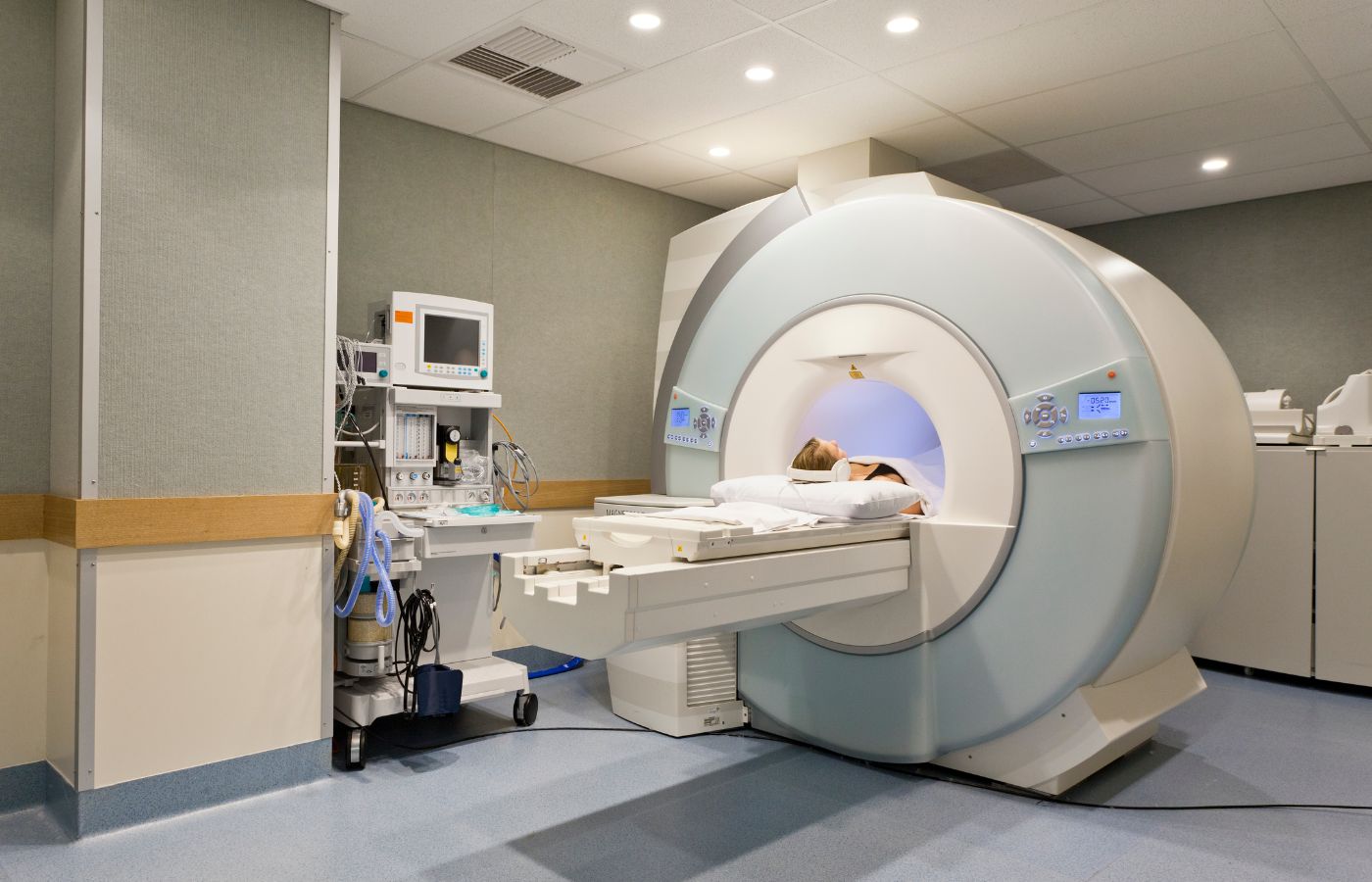
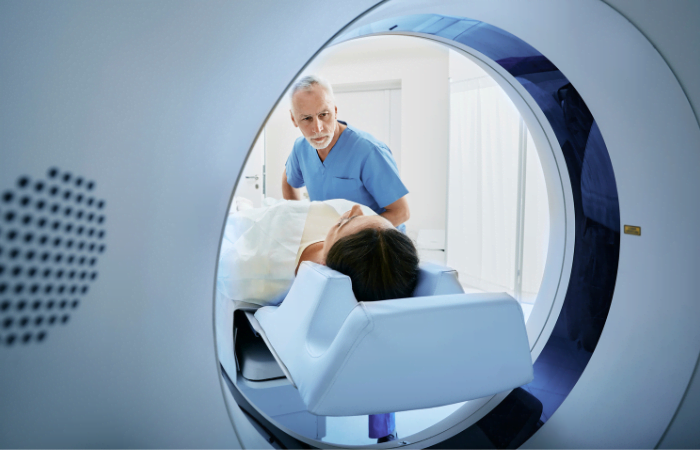
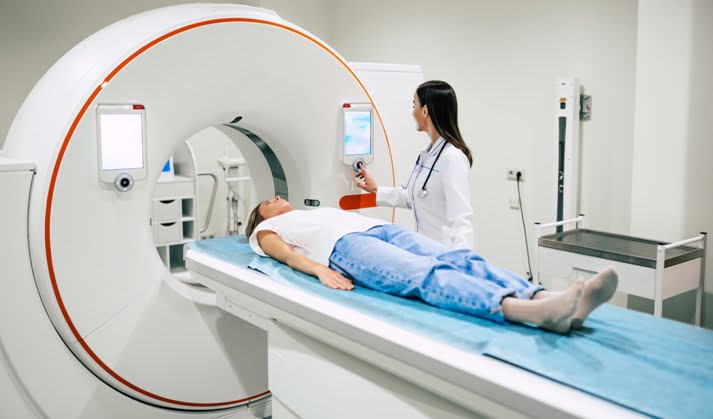
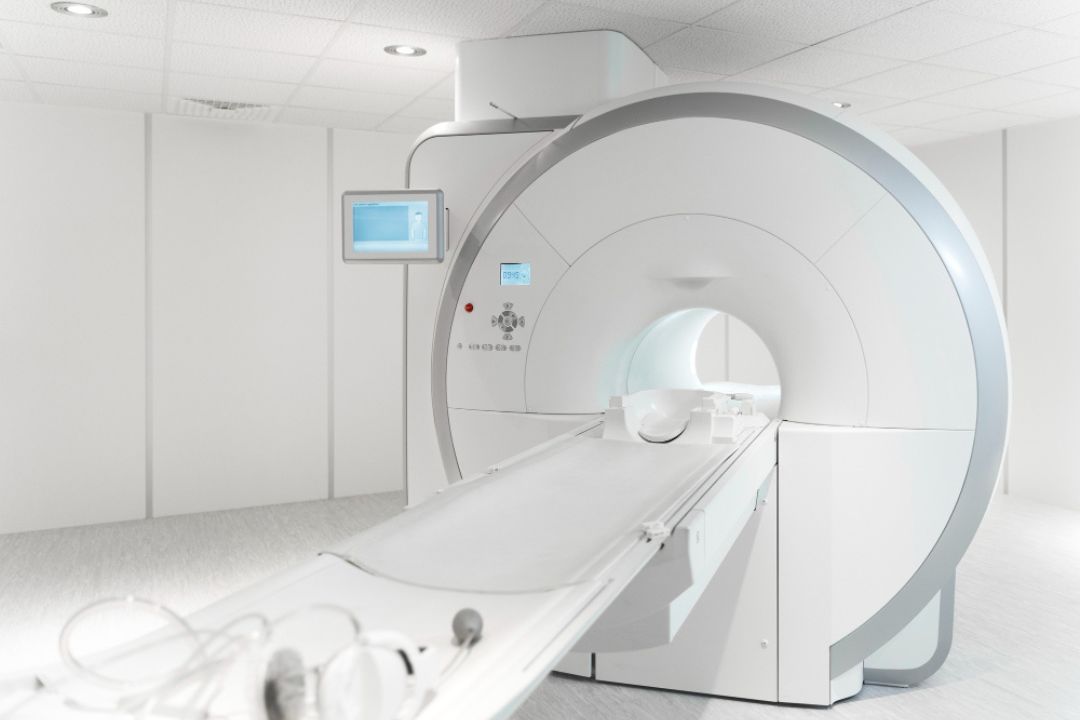
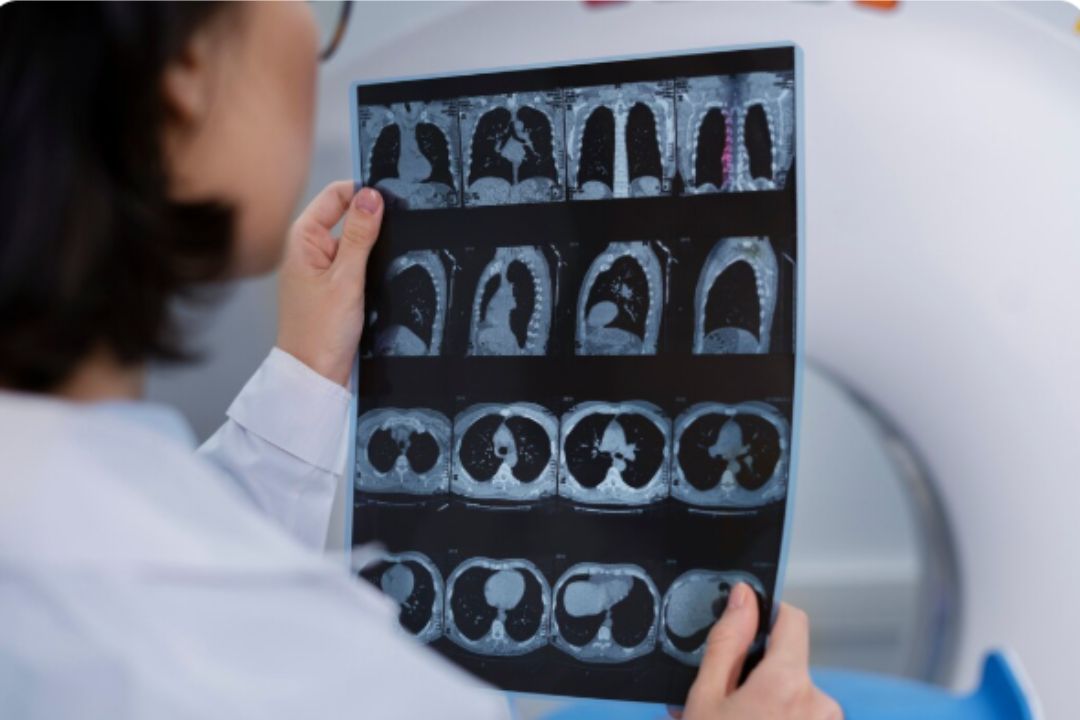
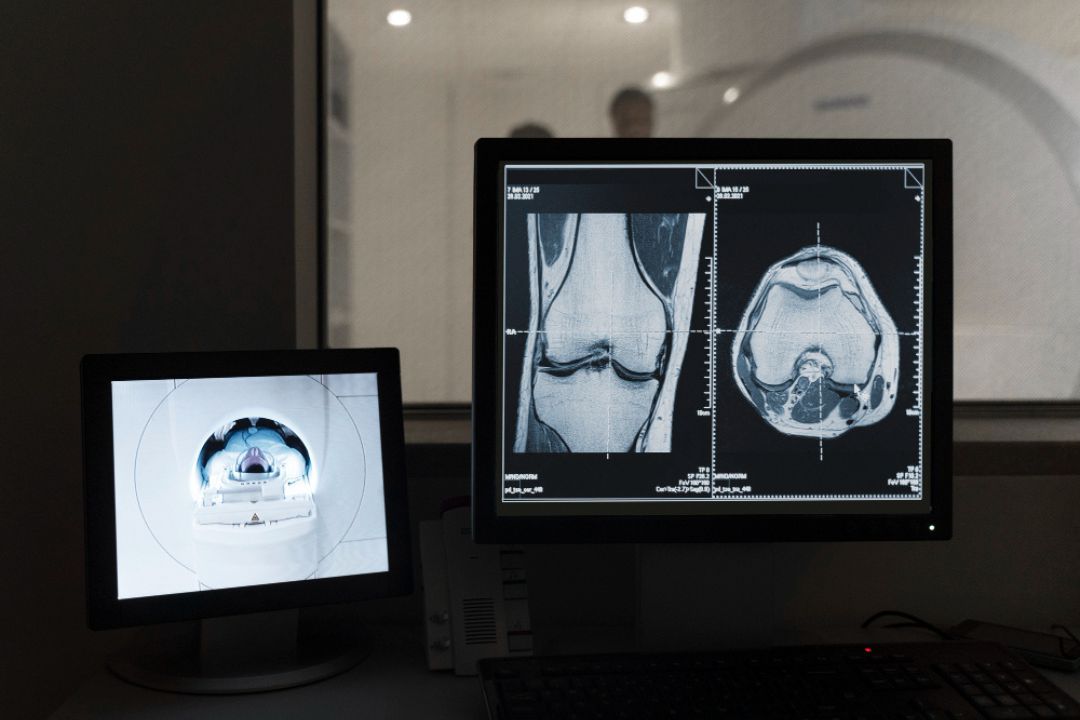
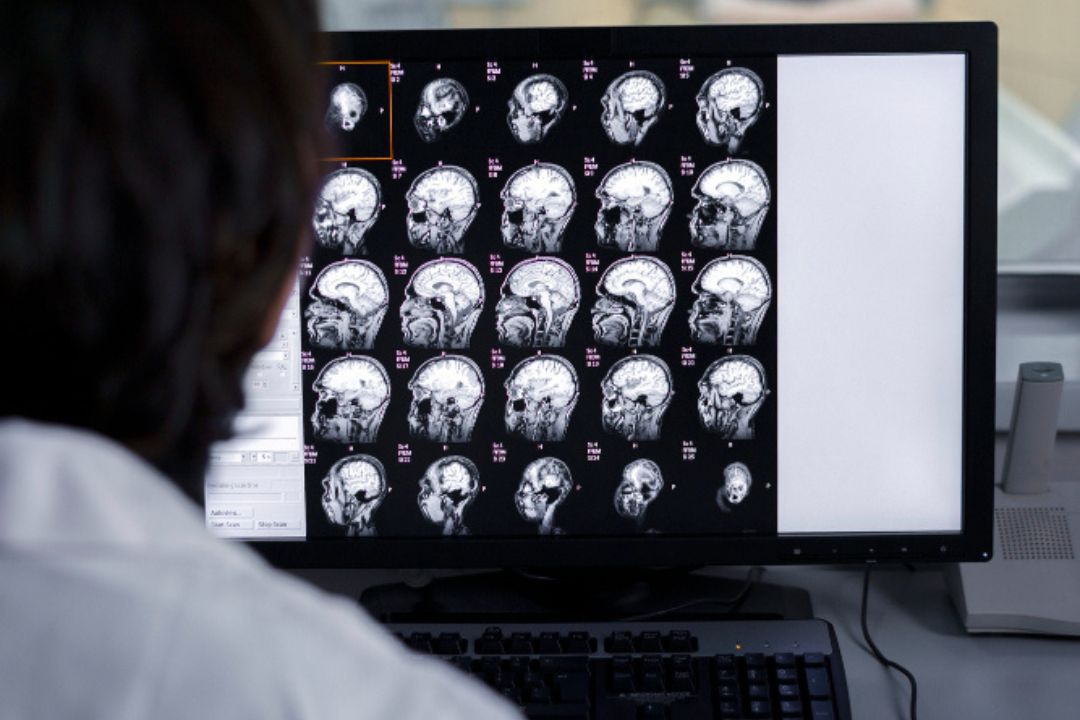
A CT Scan (Computed Tomography scan) uses advanced X-ray technology combined with computer processing to create detailed cross-sectional images of the body. When performed on limbs such as the arms or legs, the scan provides a clear view of bones, joints, and surrounding tissues.
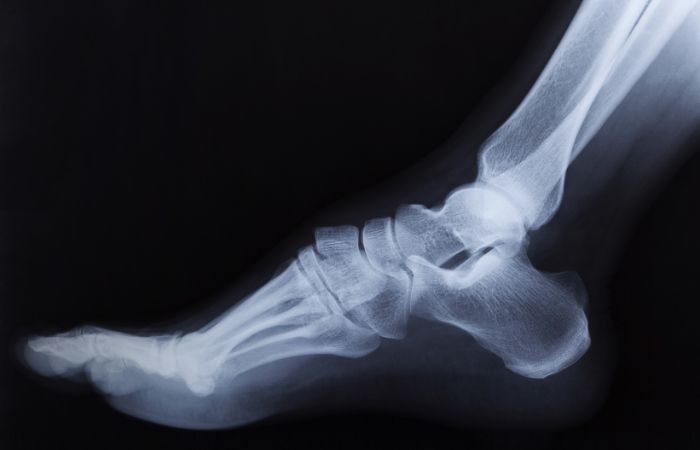
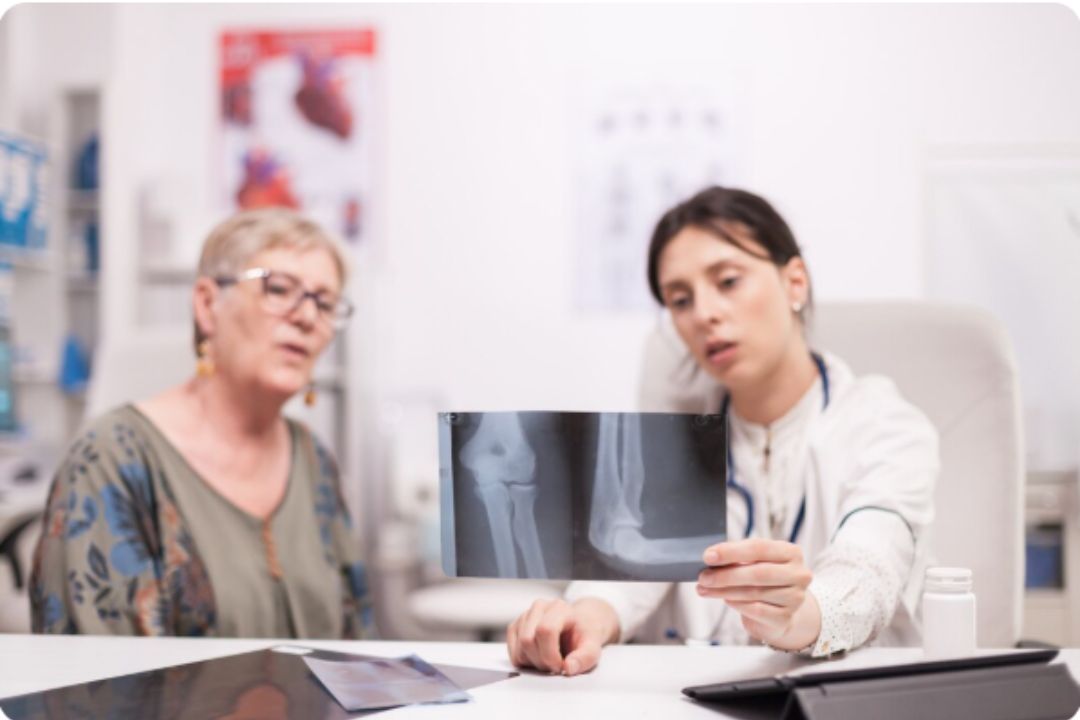
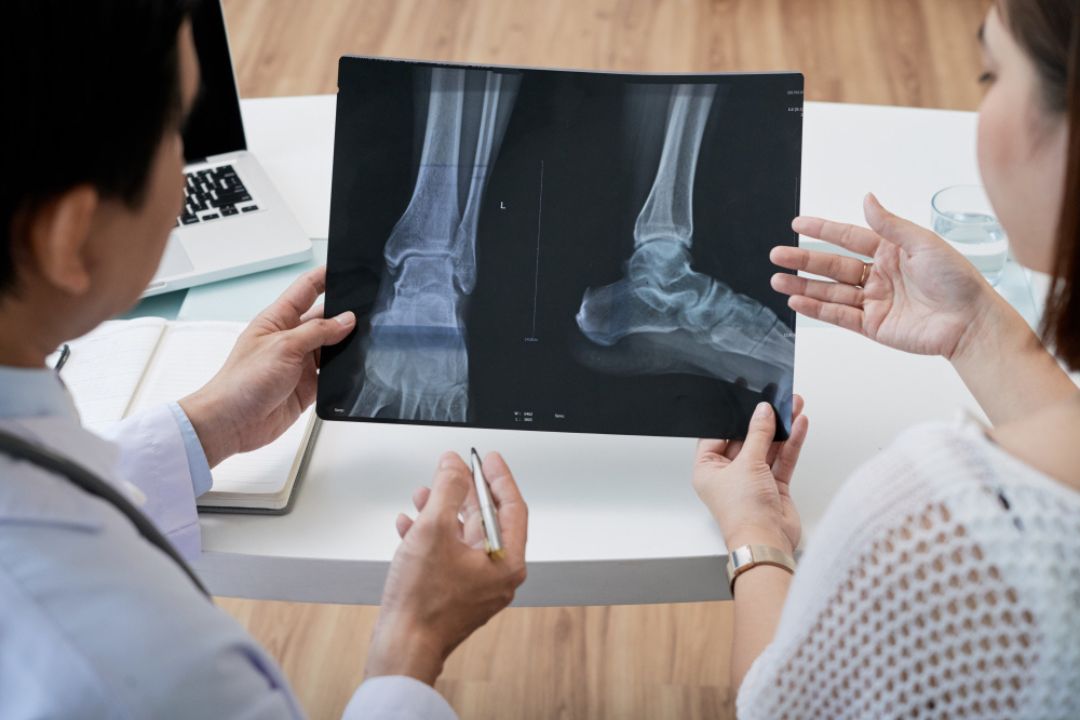
This imaging method allows doctors to examine the injury from multiple angles, helping them identify even small fractures that may not be visible on standard X-rays.
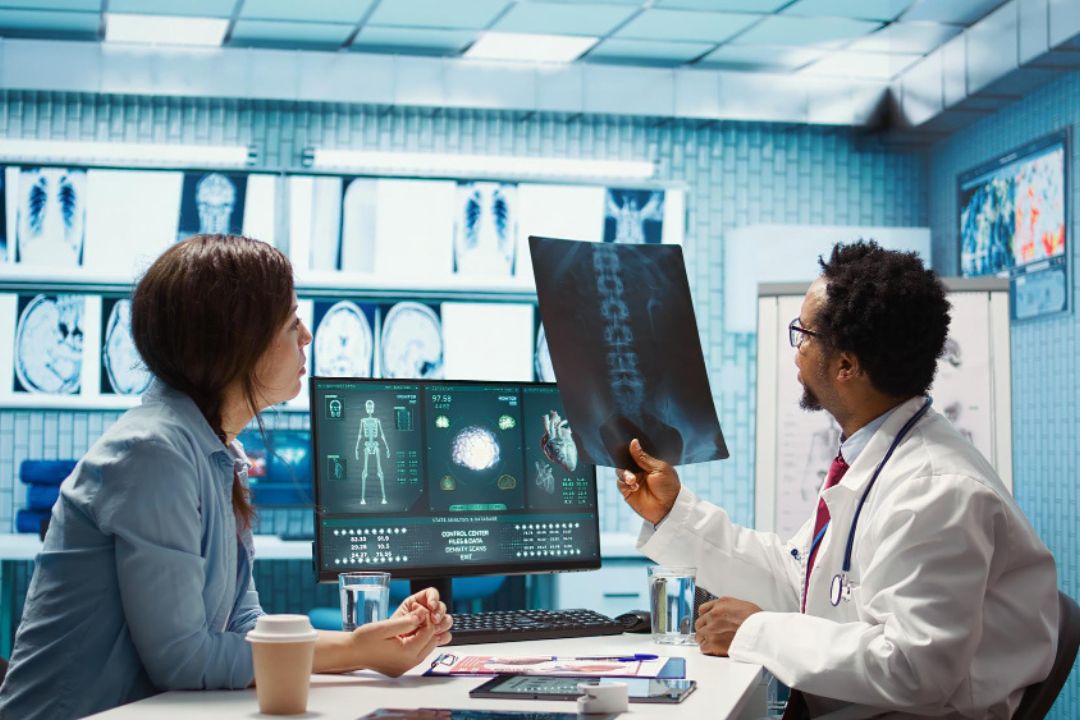
CT scans are widely used to diagnose bone injuries because they provide more detailed information compared to traditional imaging methods.
Doctors may recommend a CT scan for limbs to:
Detect complex or hidden fractures
Evaluate joint injuries
Examine bone displacement
Assess damage after severe trauma
Plan orthopedic surgery
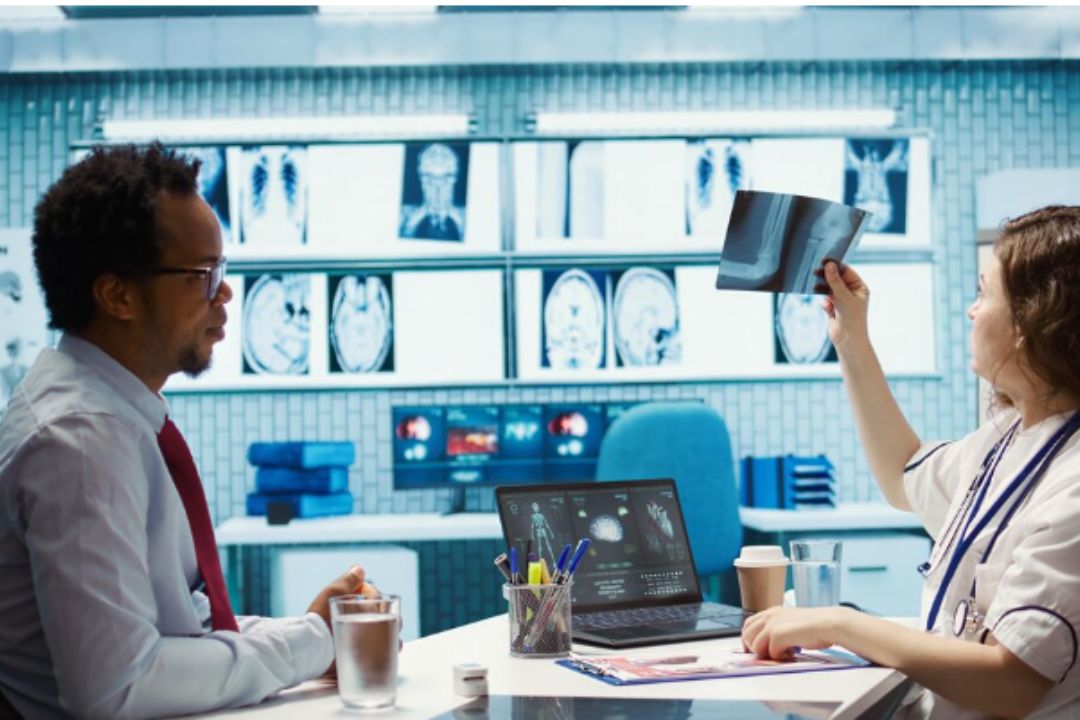
This level of detail helps doctors make accurate diagnoses and develop effective treatment strategies.
CT scans can identify a wide range of bone-related problems affecting the limbs.
CT scans are particularly helpful for identifying fractures that involve multiple bone fragments or complicated joint injuries.
Small cracks in the bone may not always appear clearly on X-rays, but CT imaging can detect these subtle fractures.
CT scans provide detailed images of joints, allowing doctors to evaluate damage in areas such as the knee, elbow, ankle, or wrist.
In some cases, CT scans may also help identify abnormal bone growths or infections affecting the limbs.
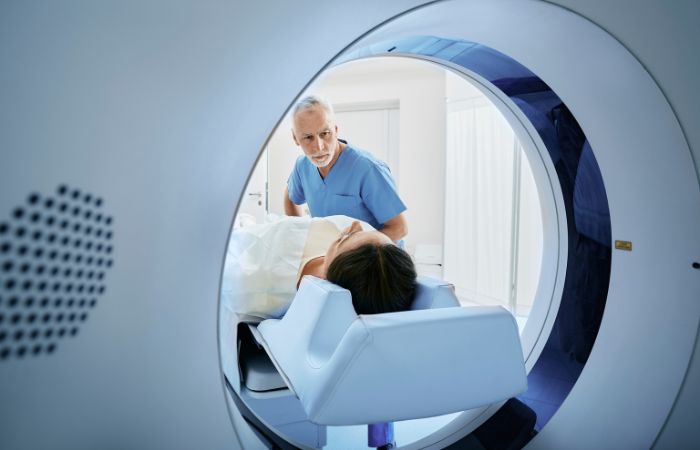
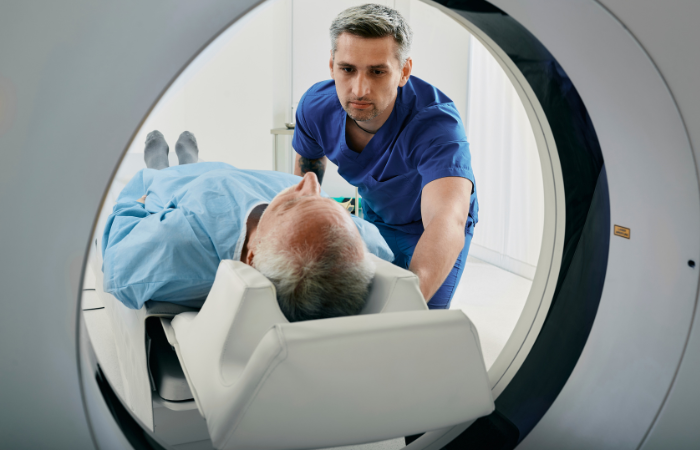
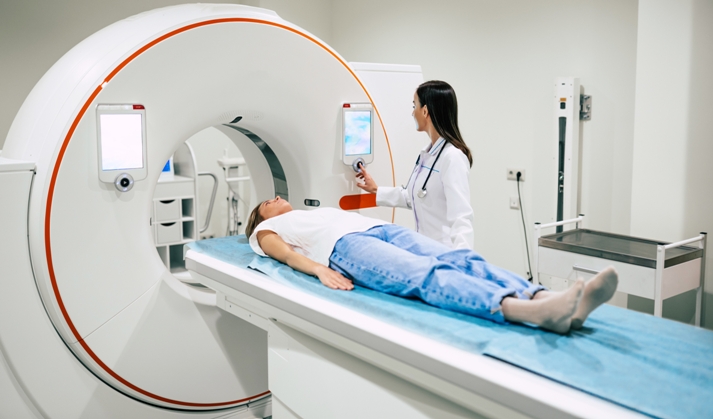
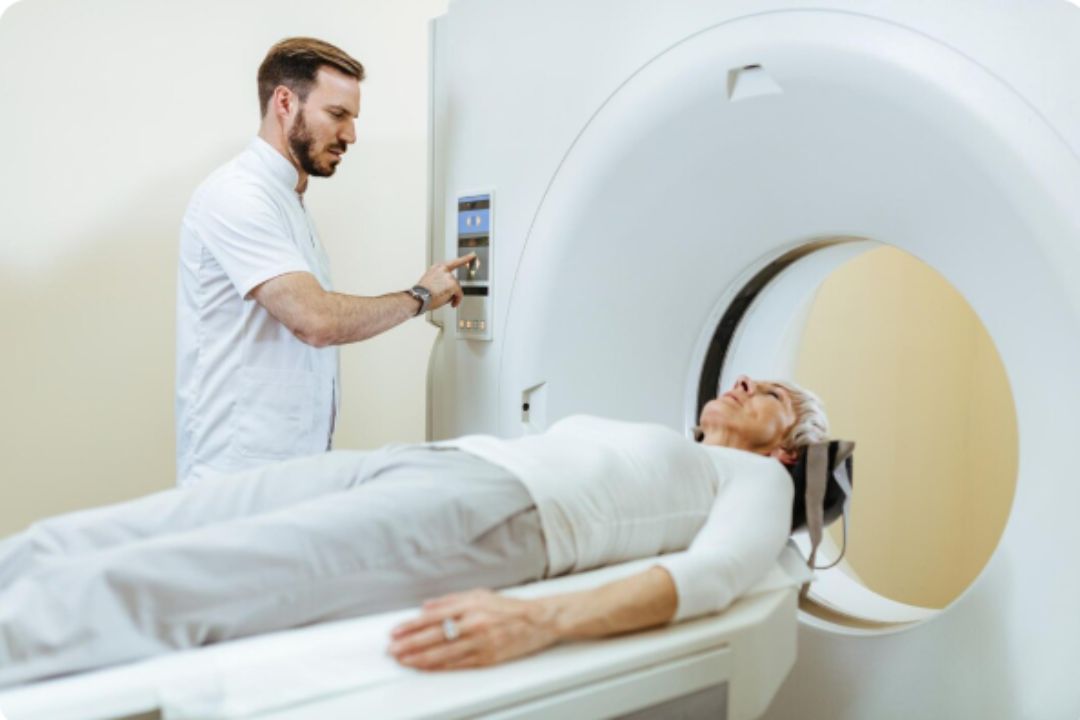
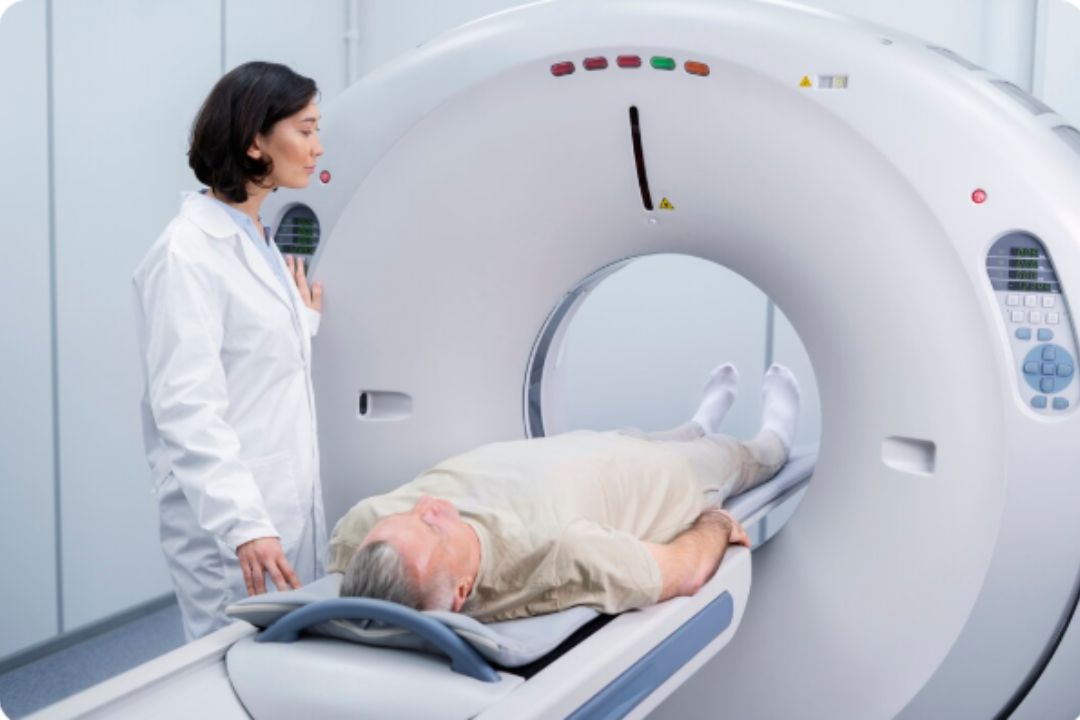
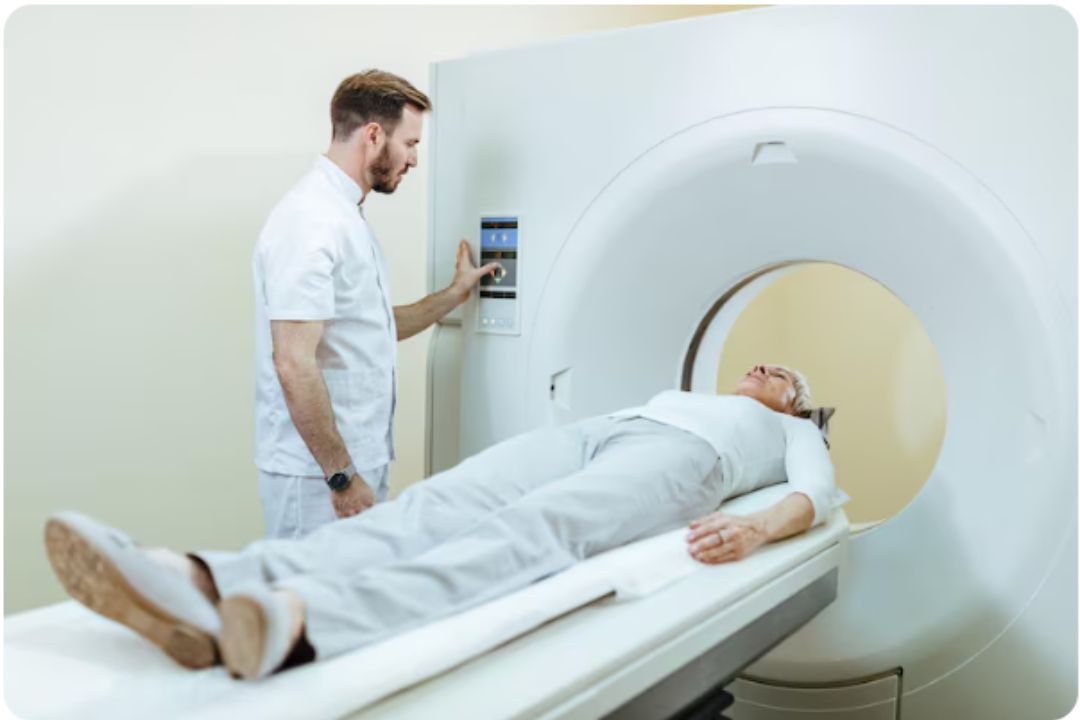
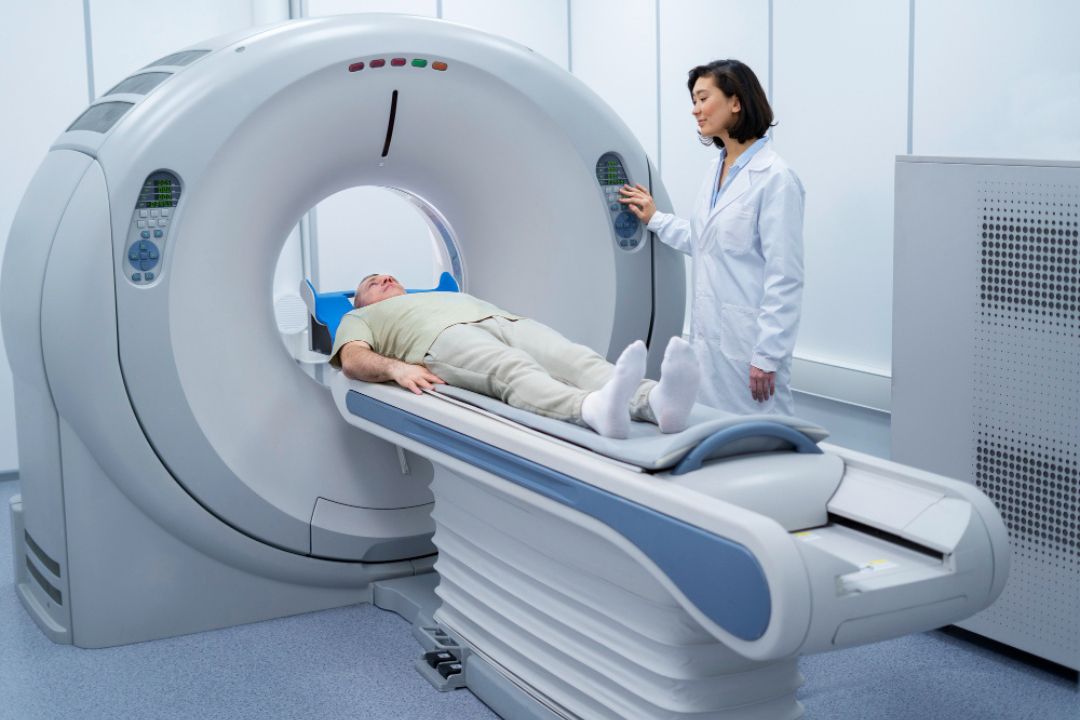
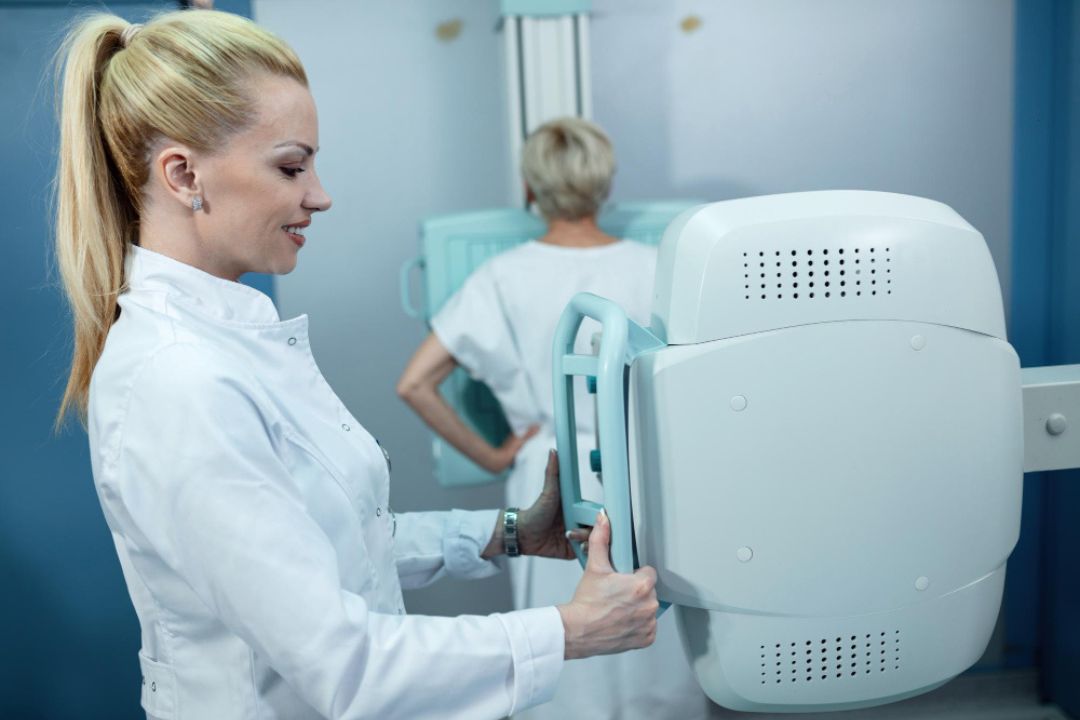
A CT scan for limbs is a quick and painless procedure.
The process typically includes:
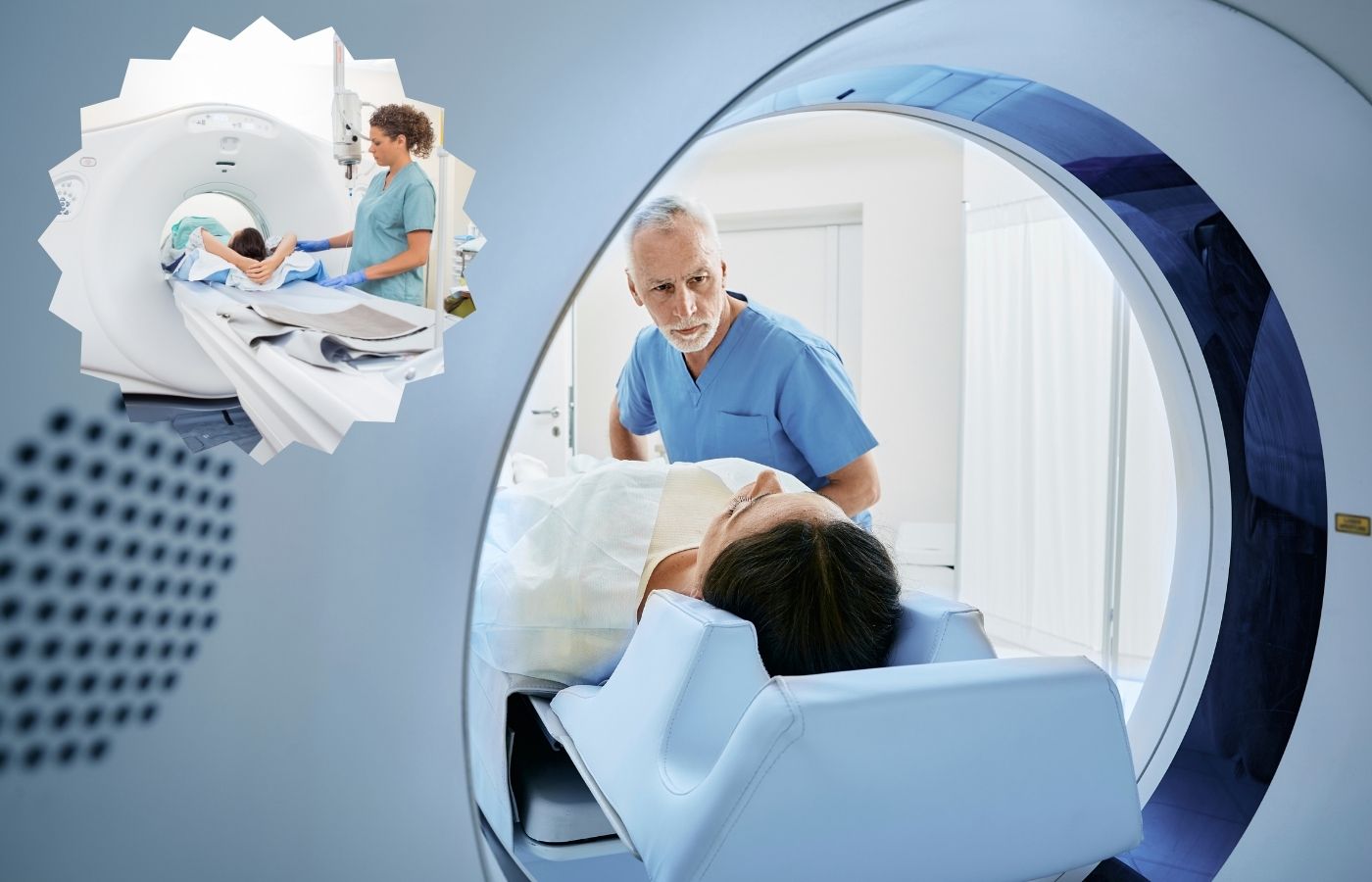
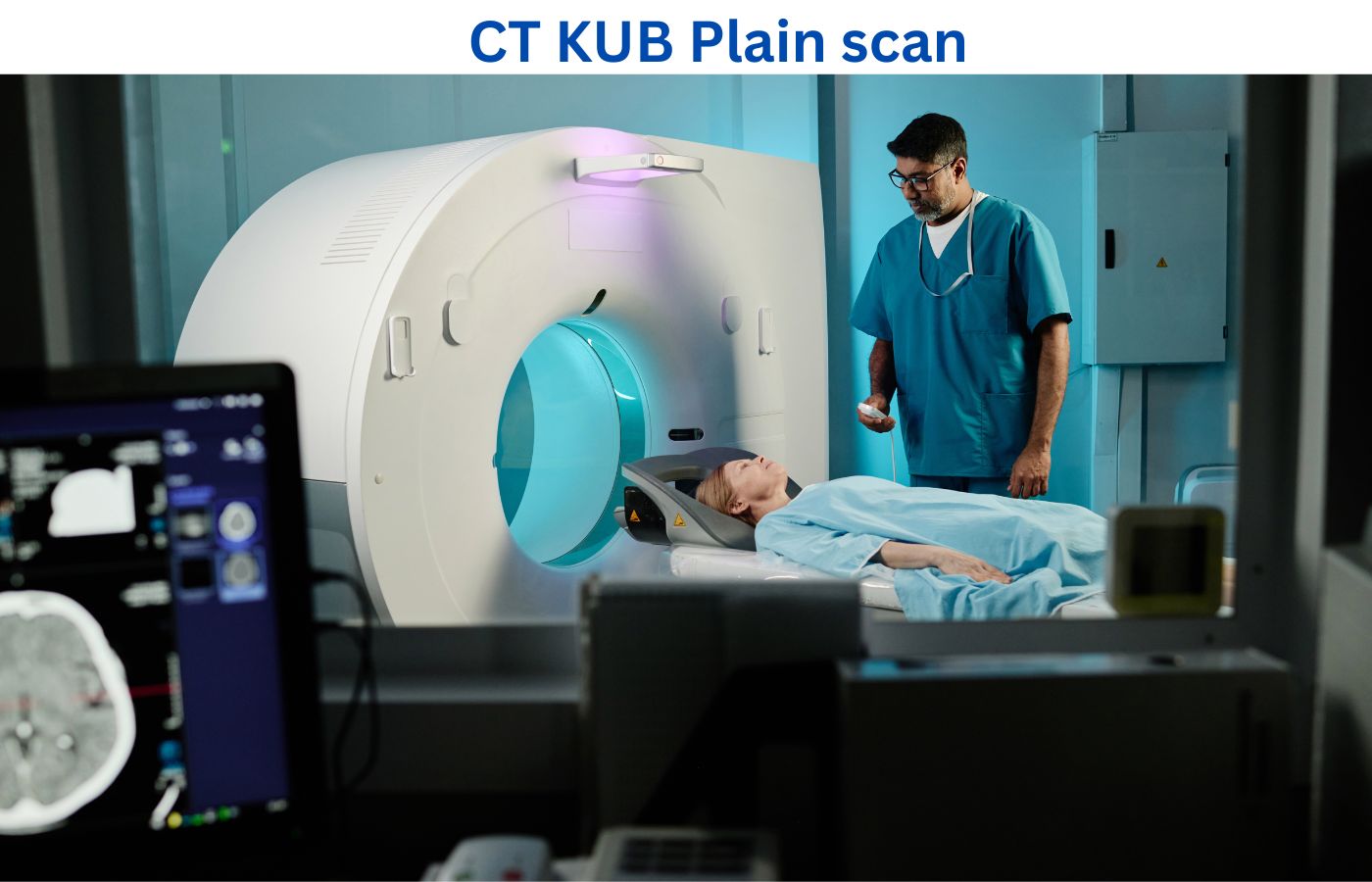
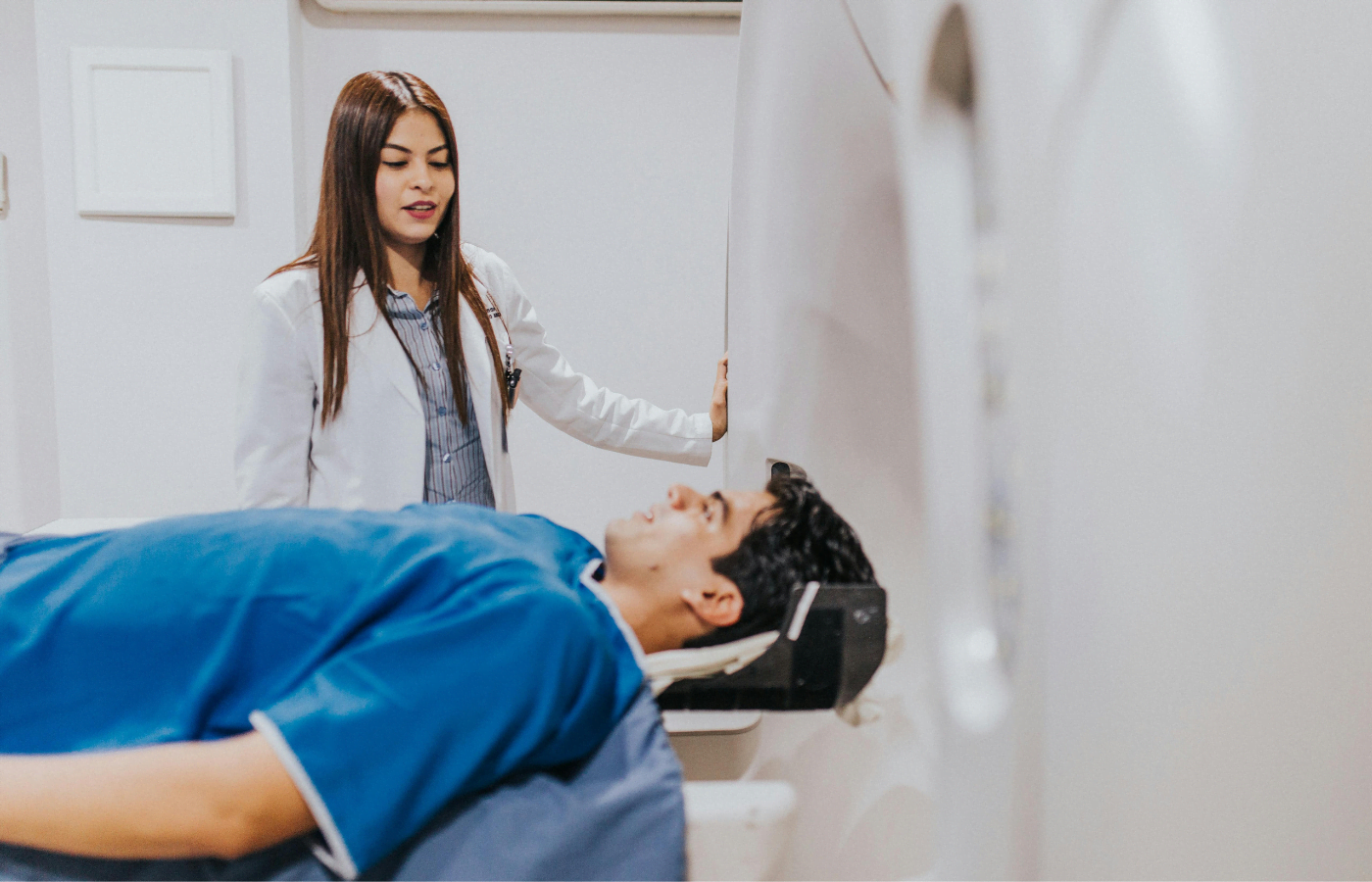
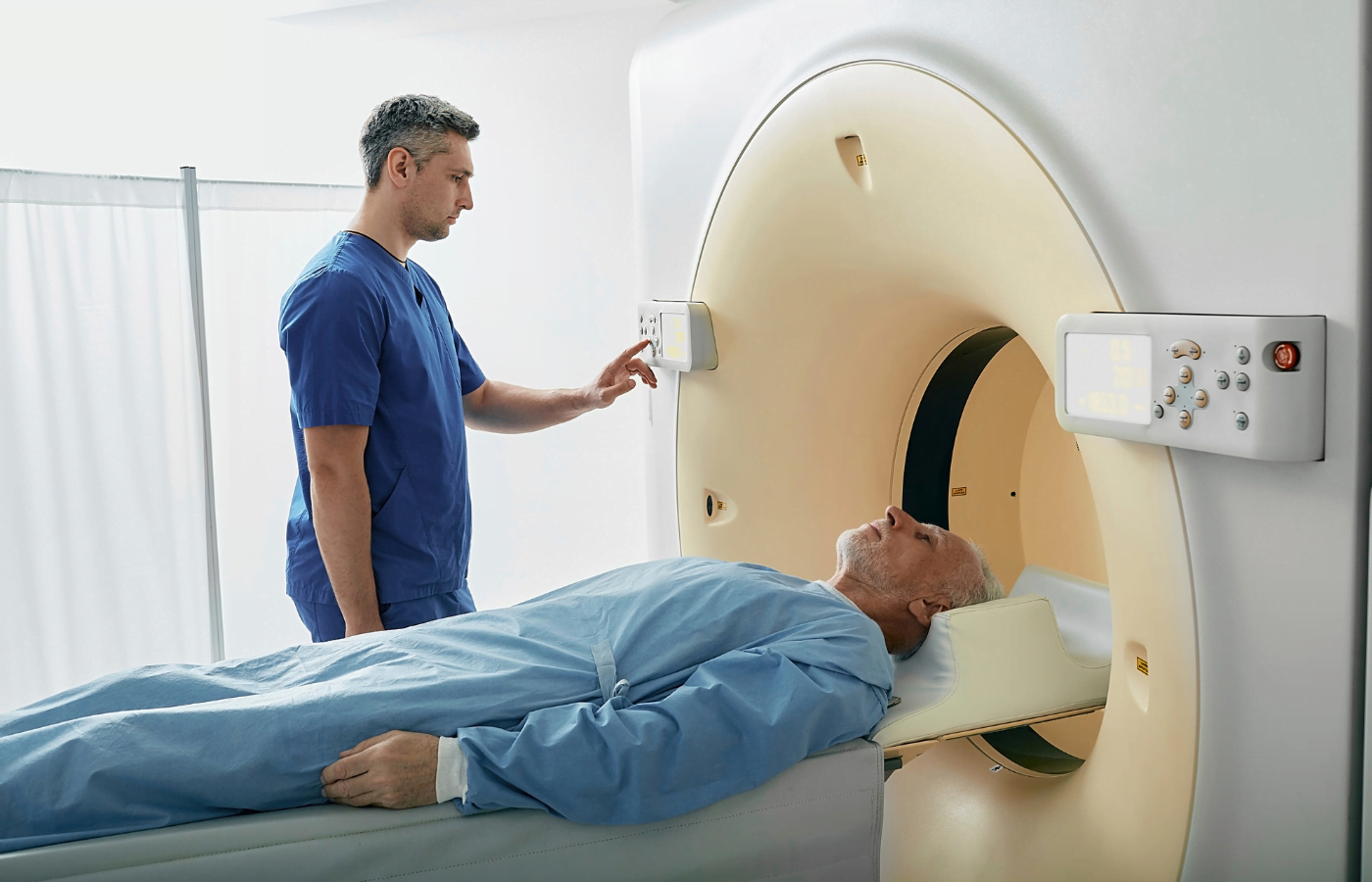
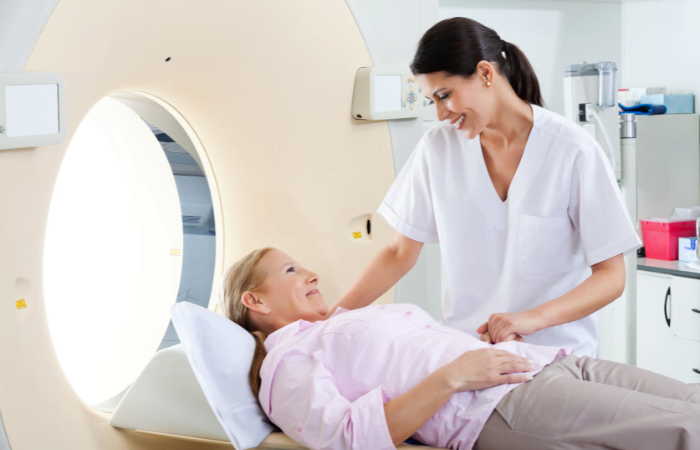
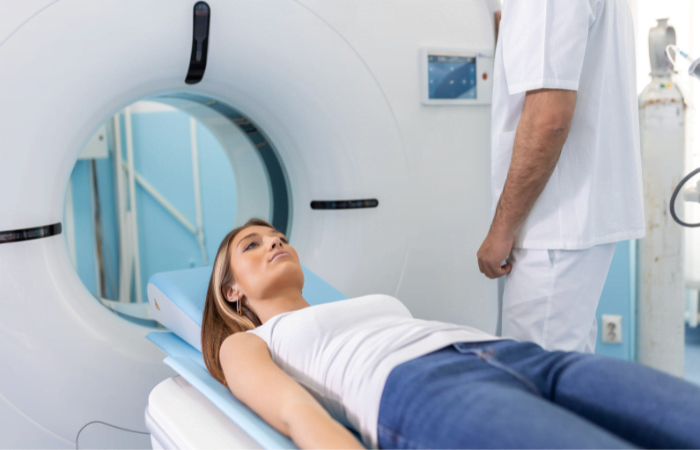
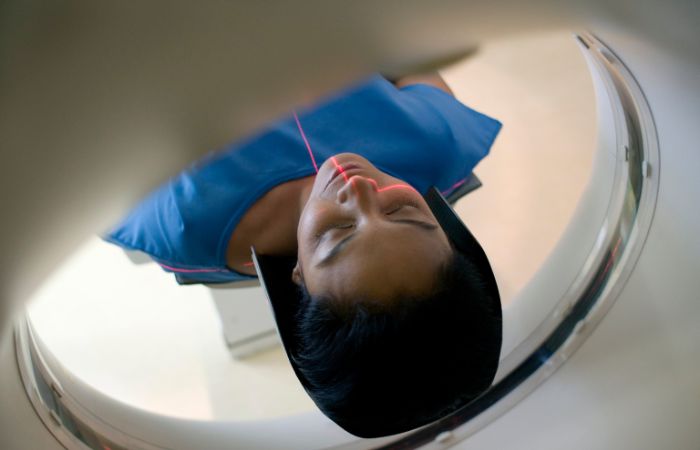
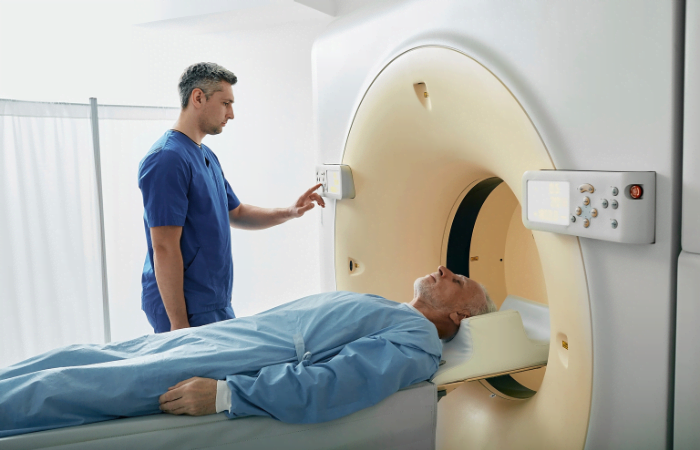
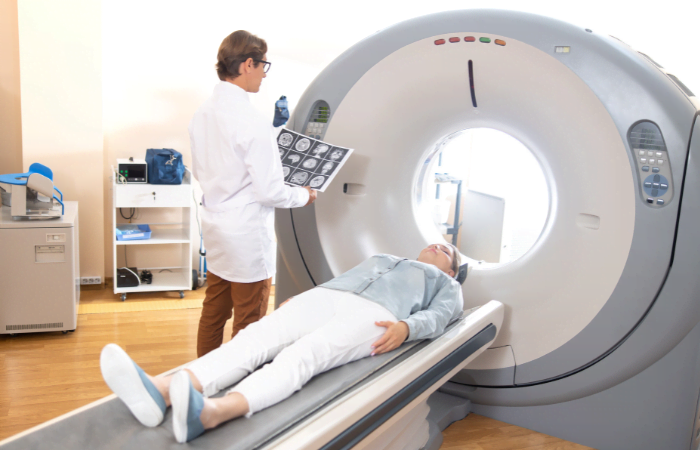
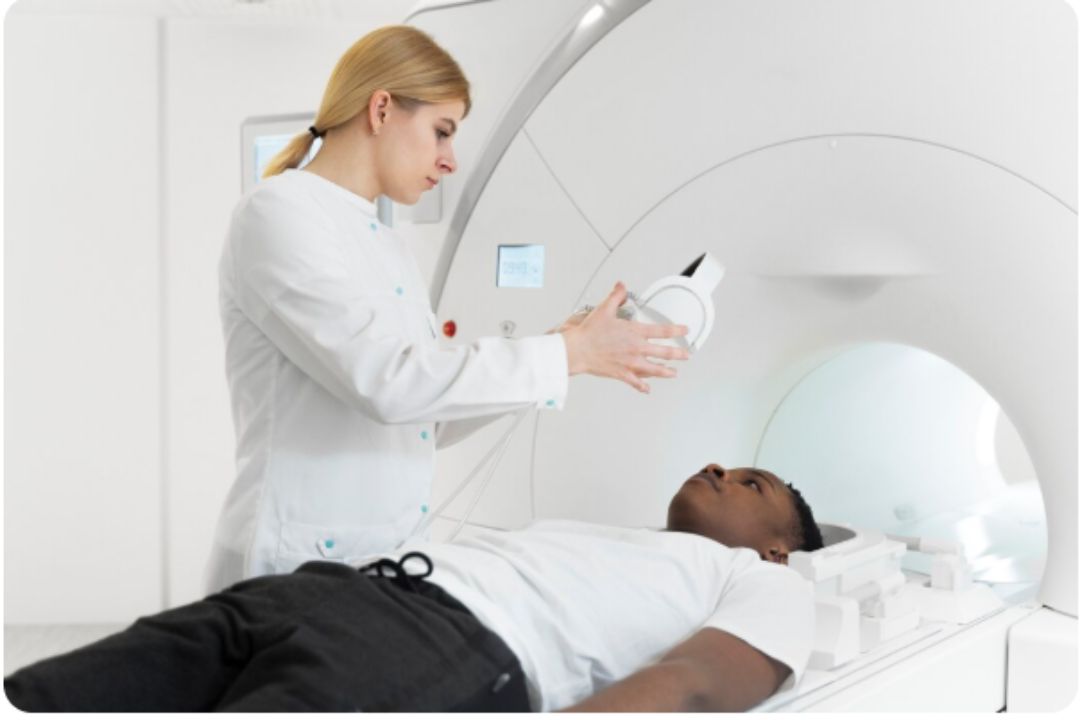
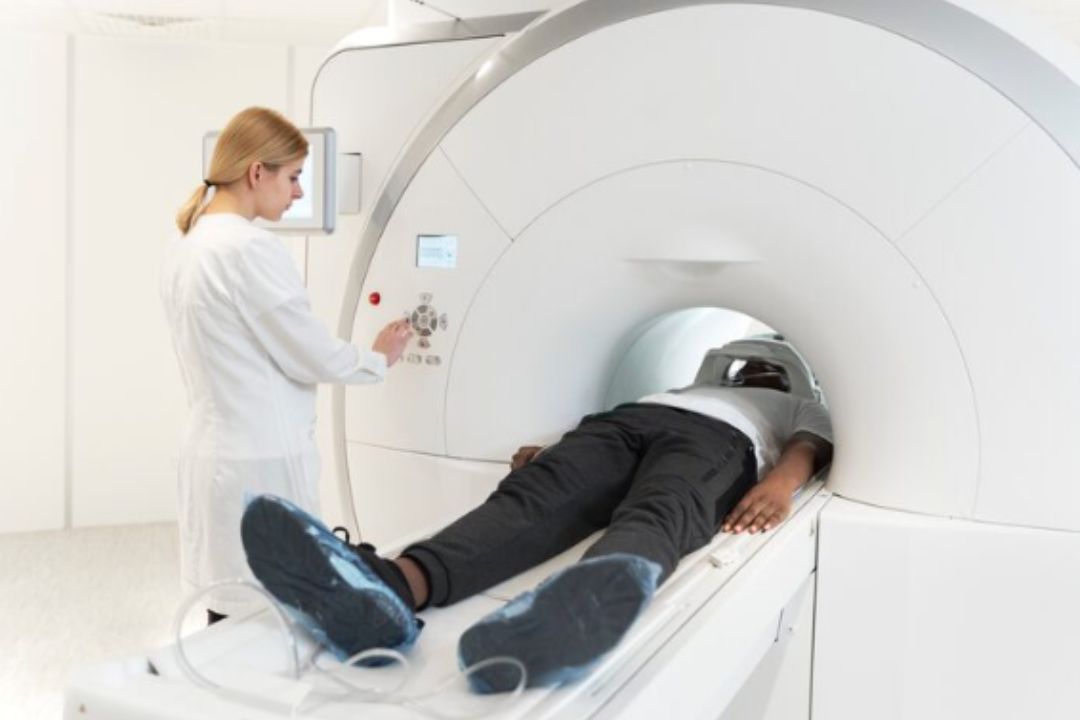
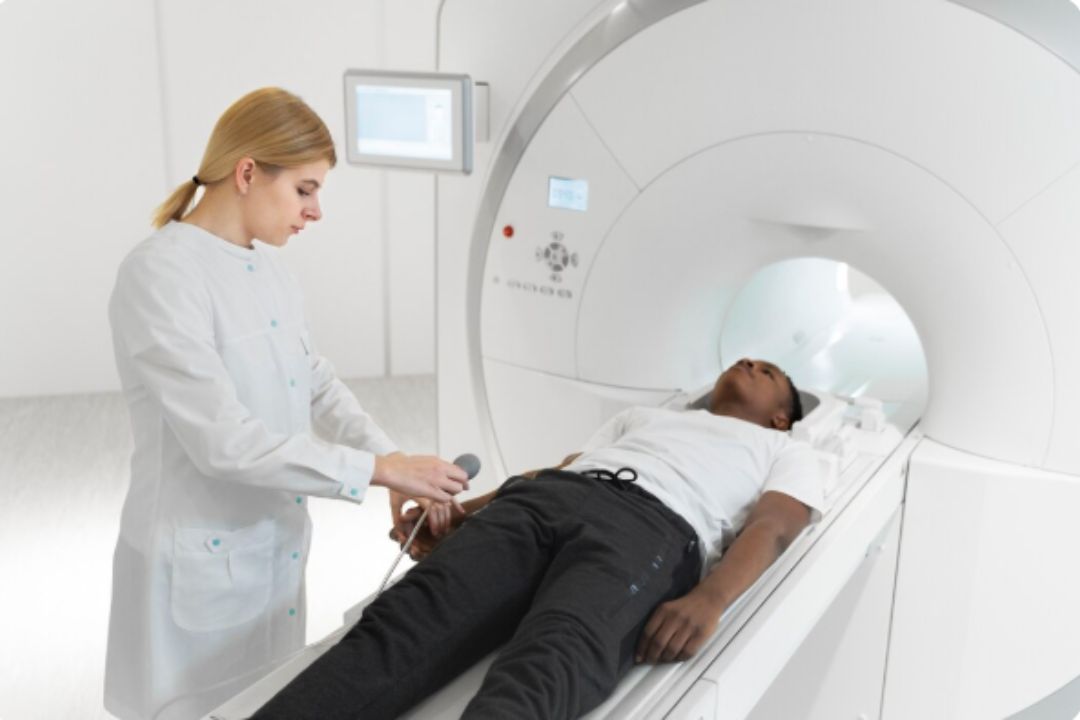
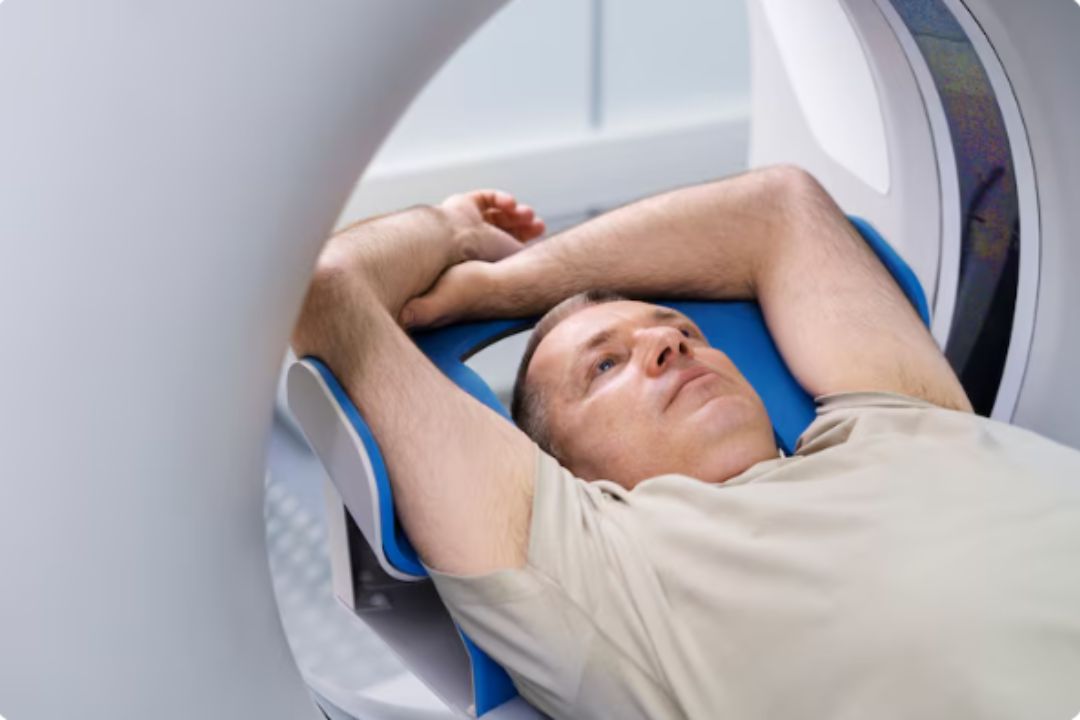
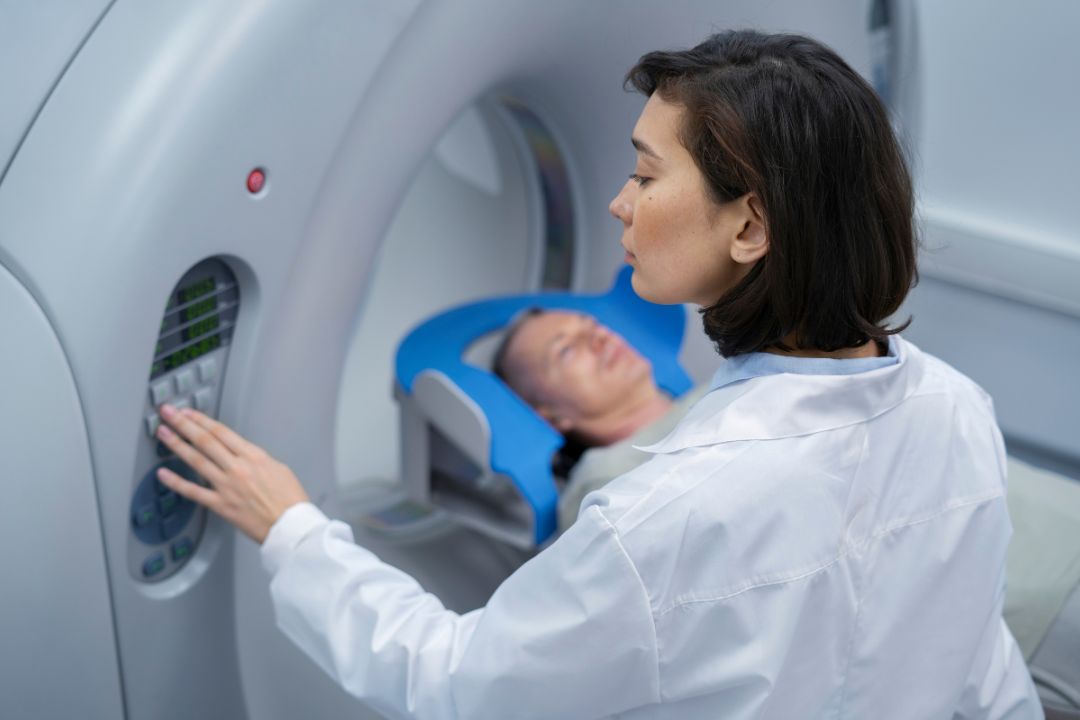
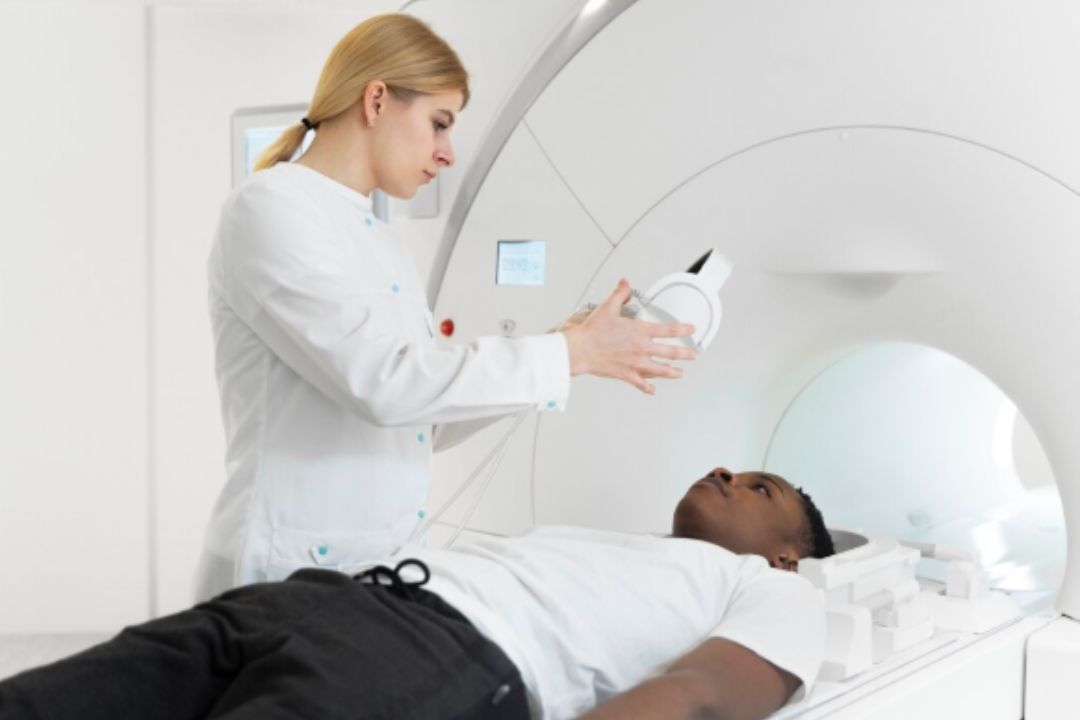
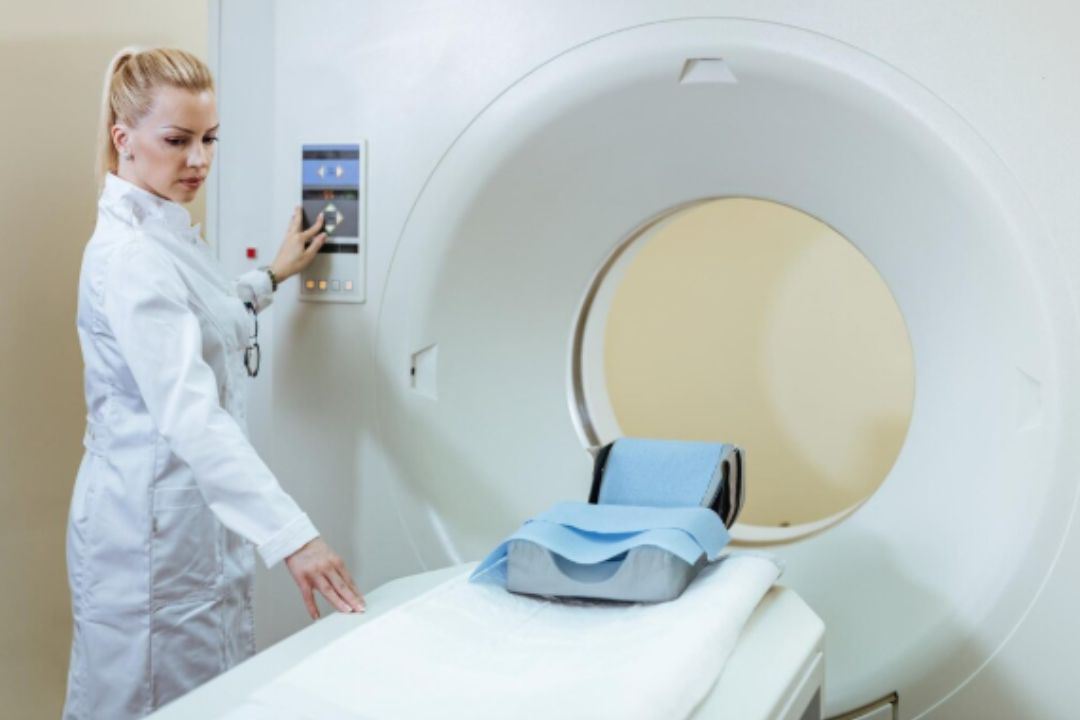
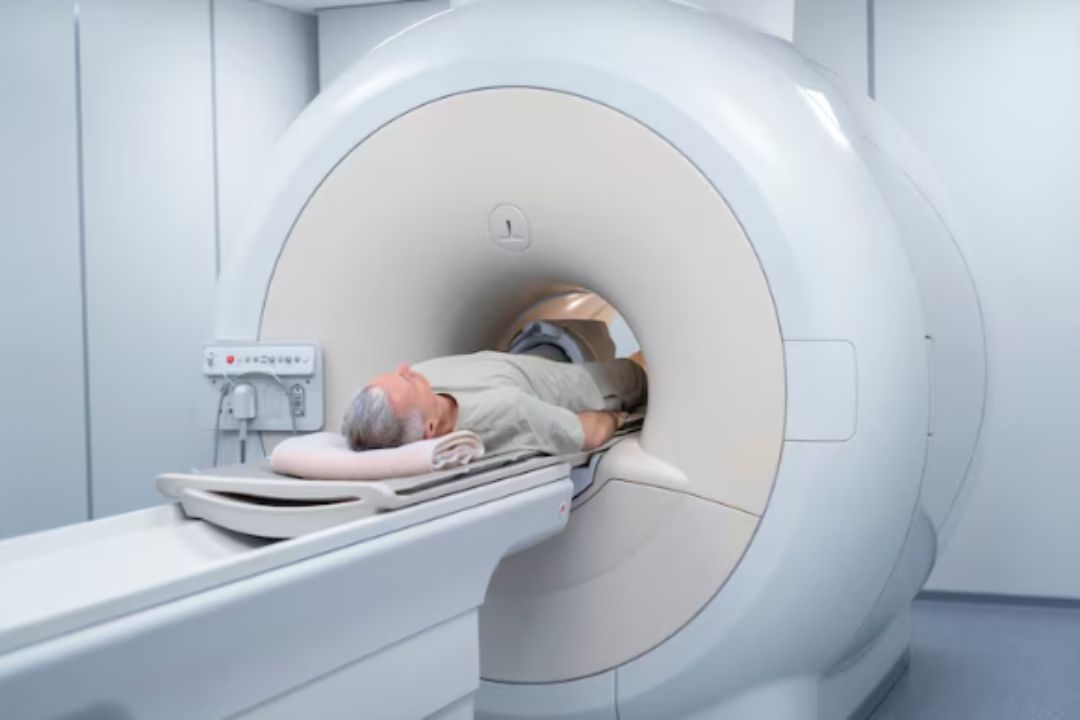
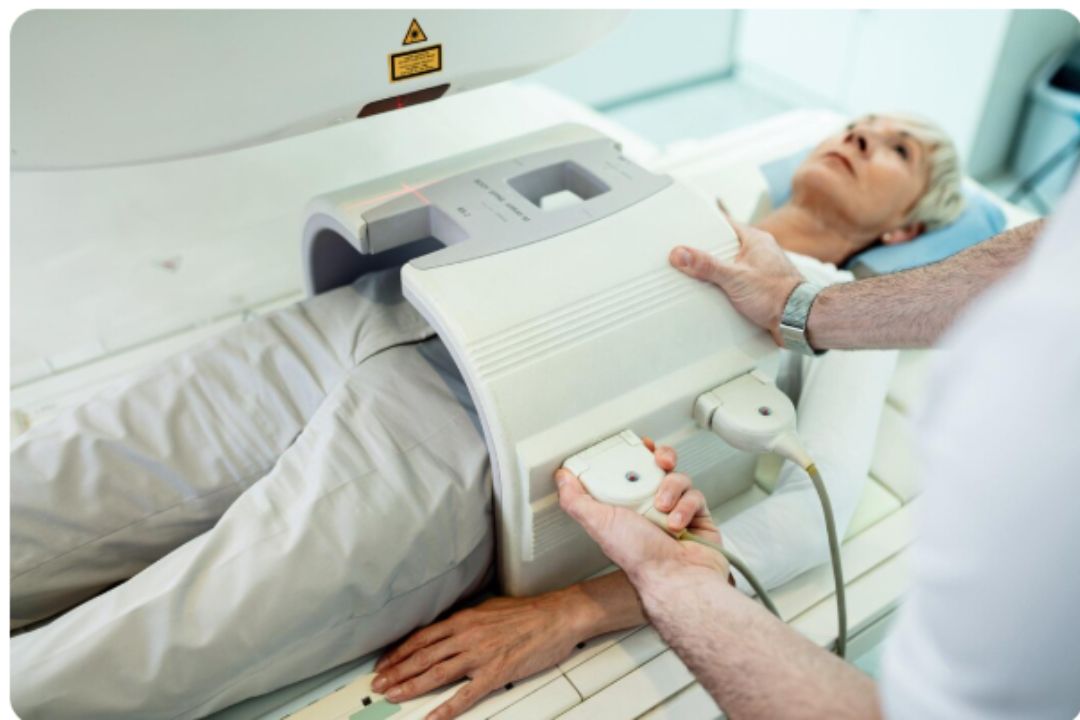
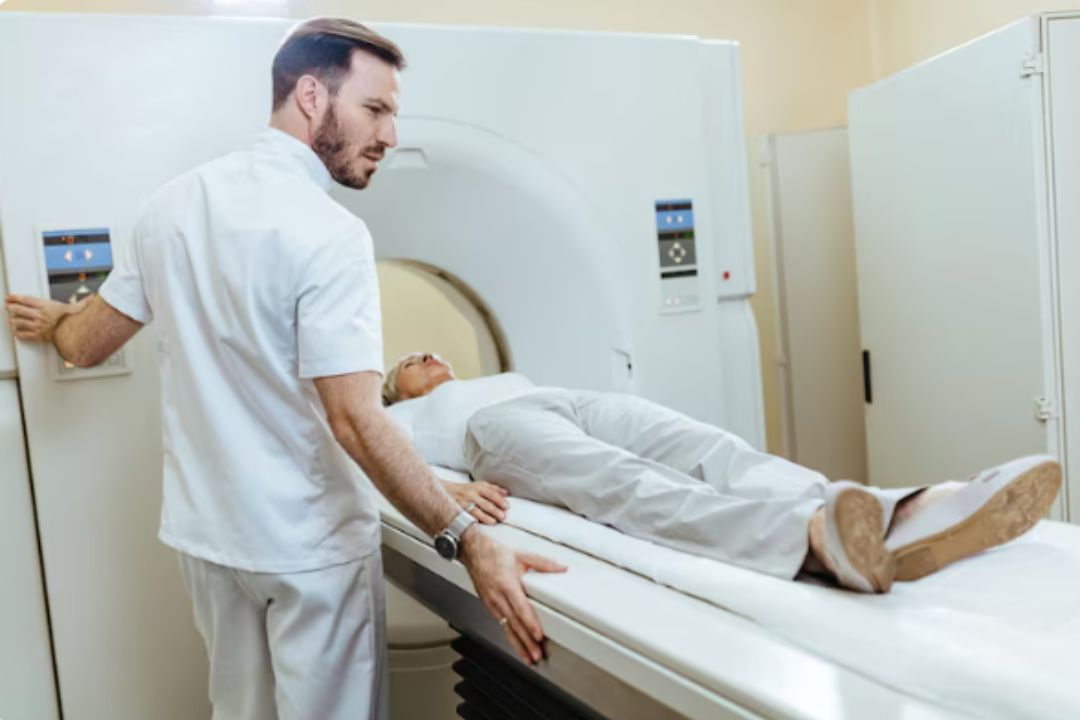
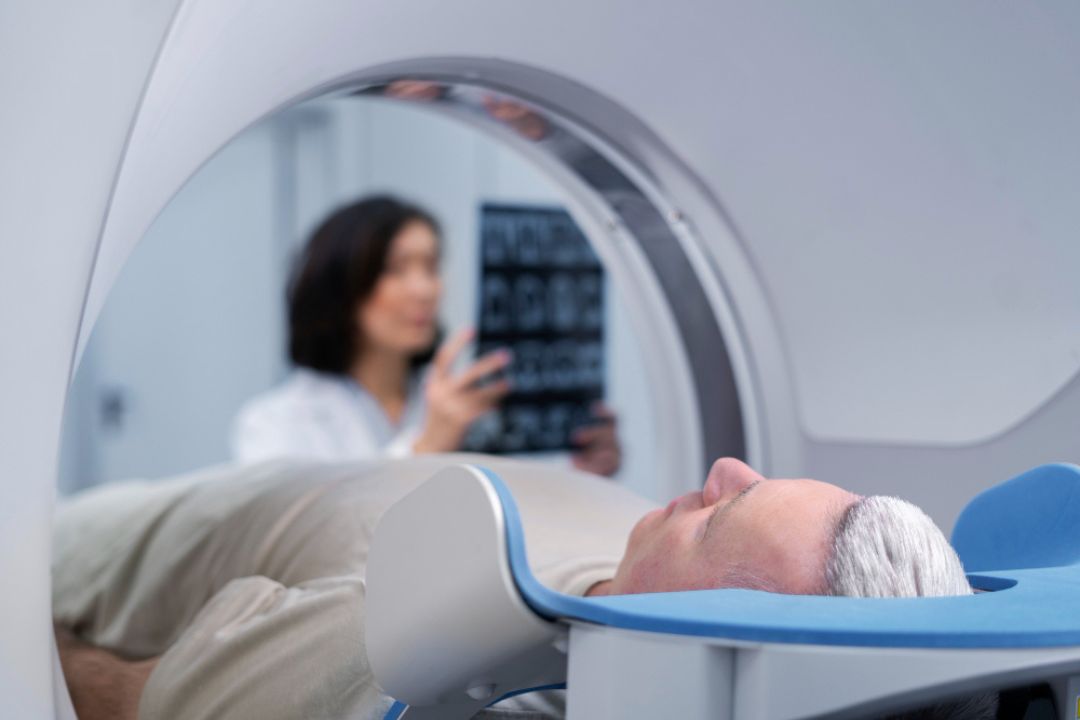
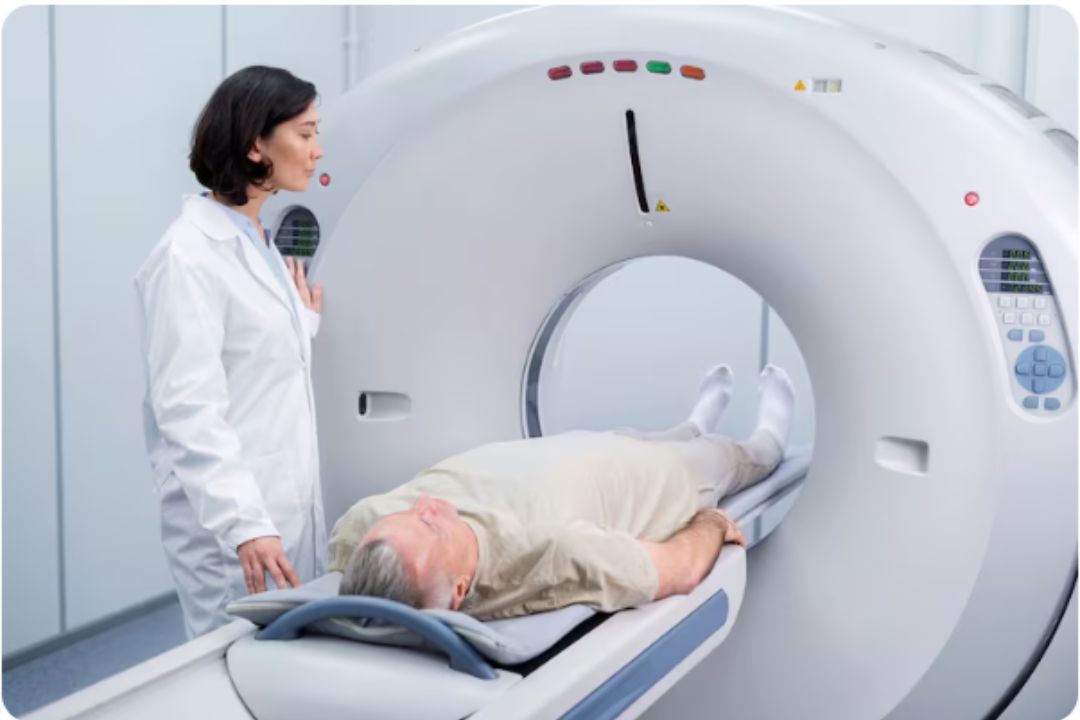
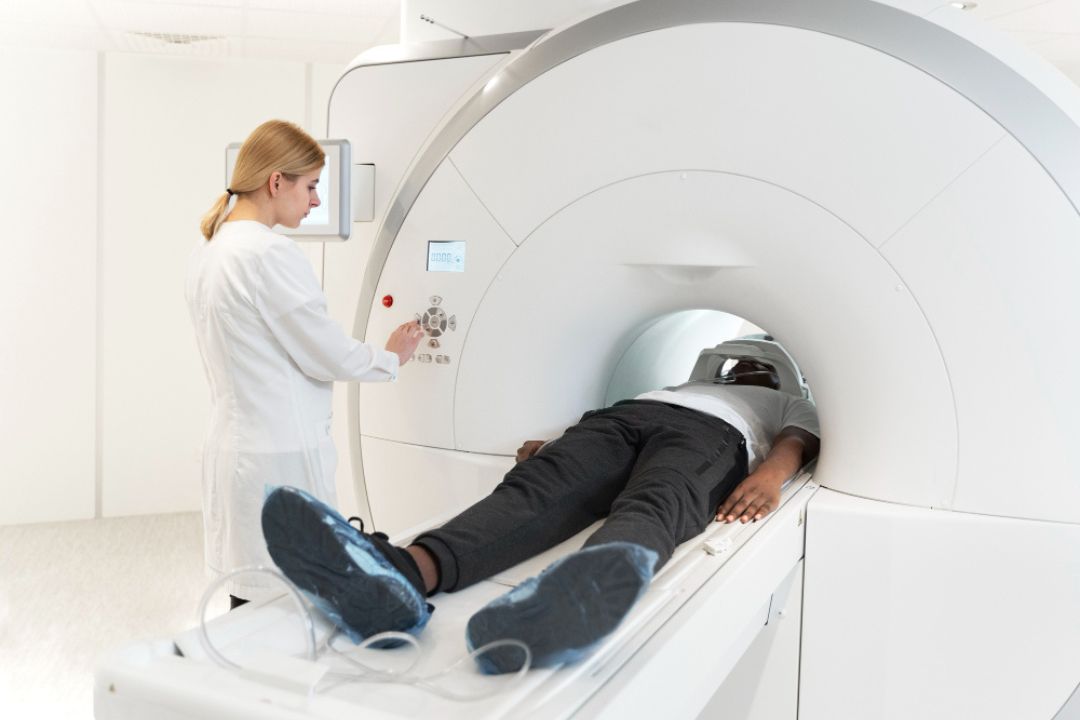
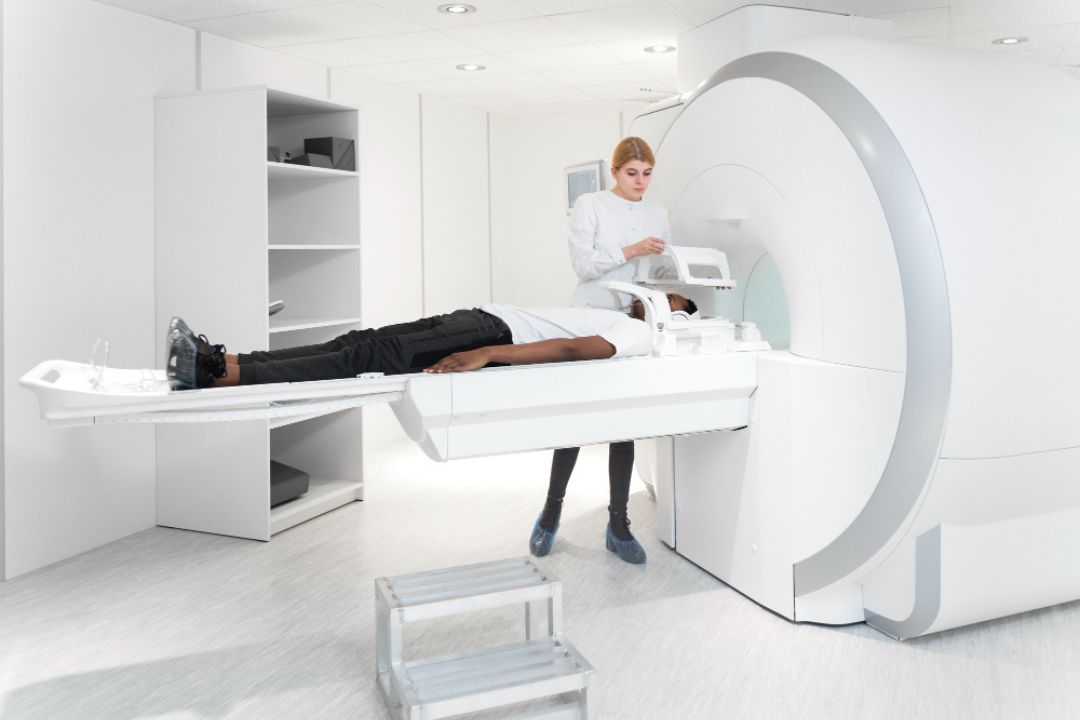
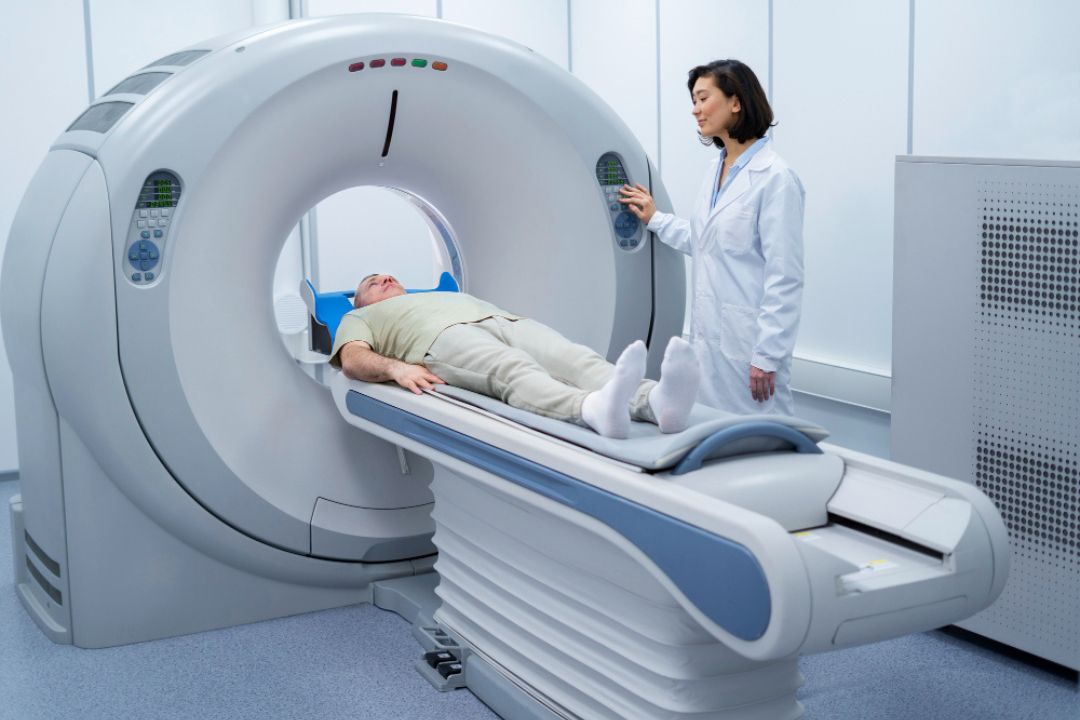
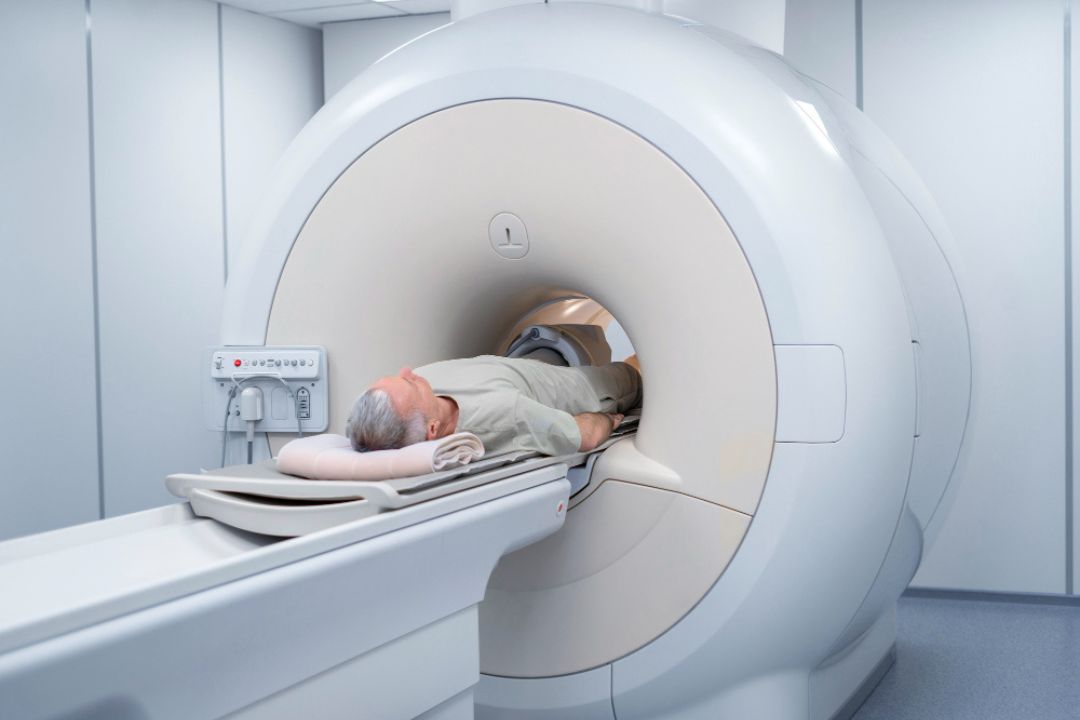
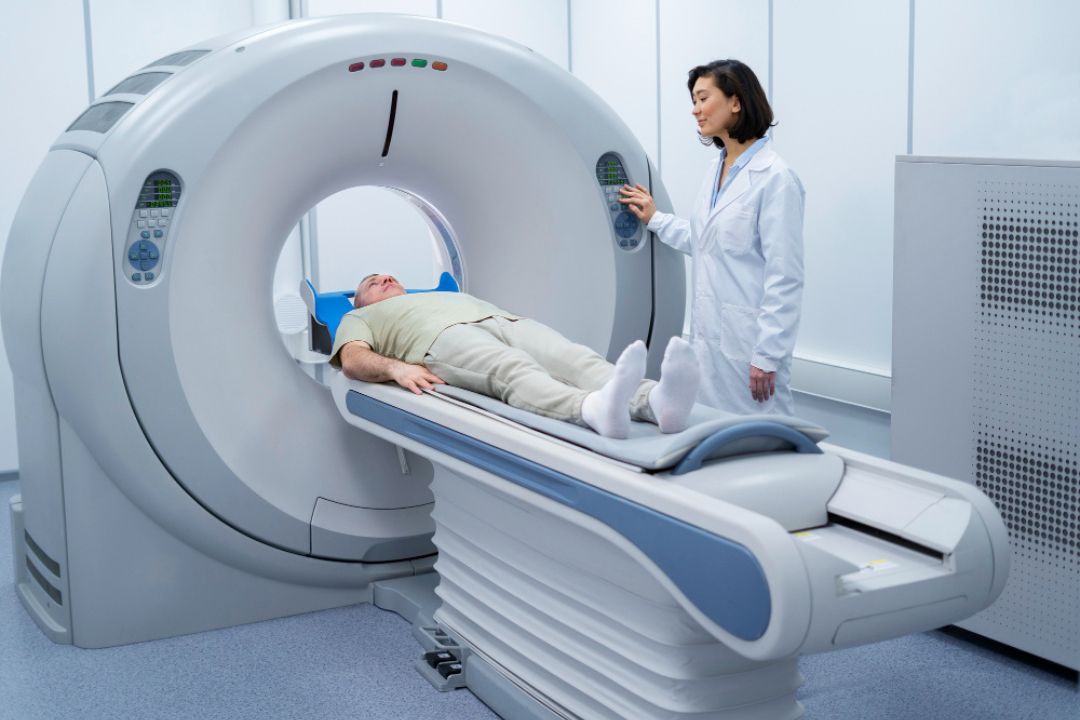
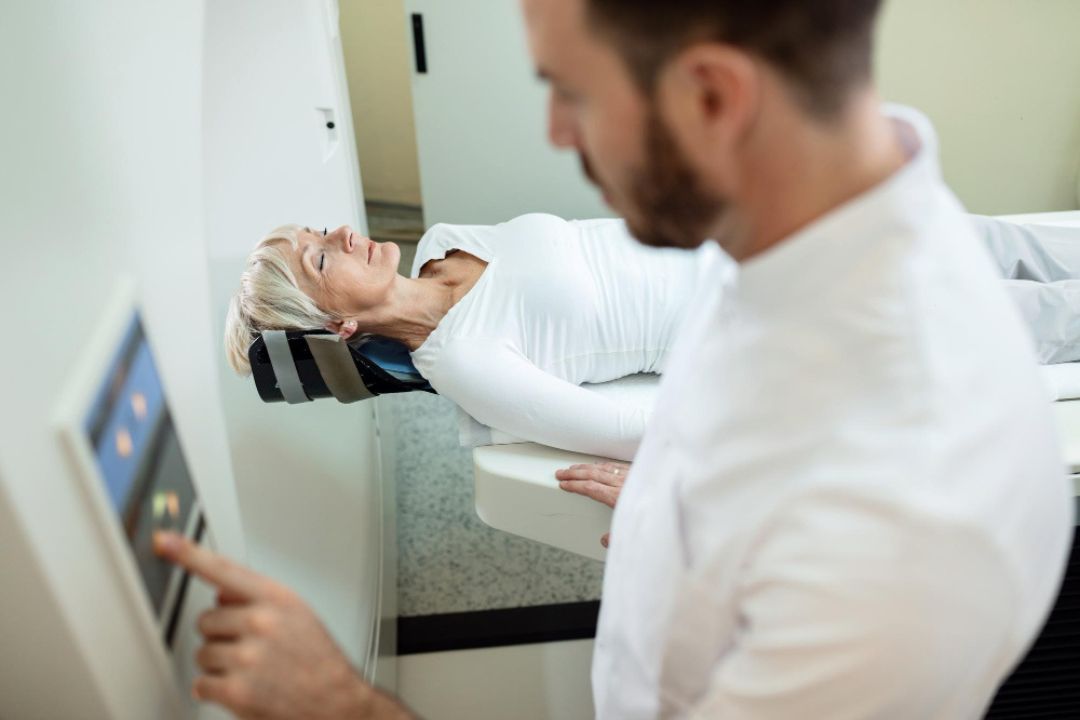
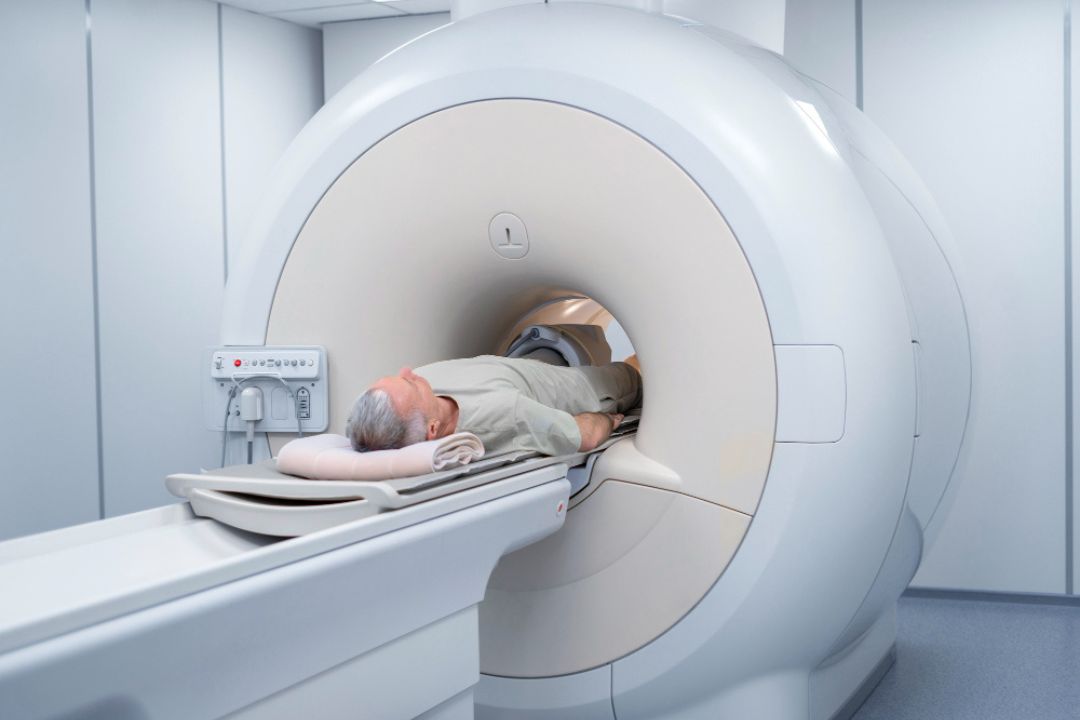
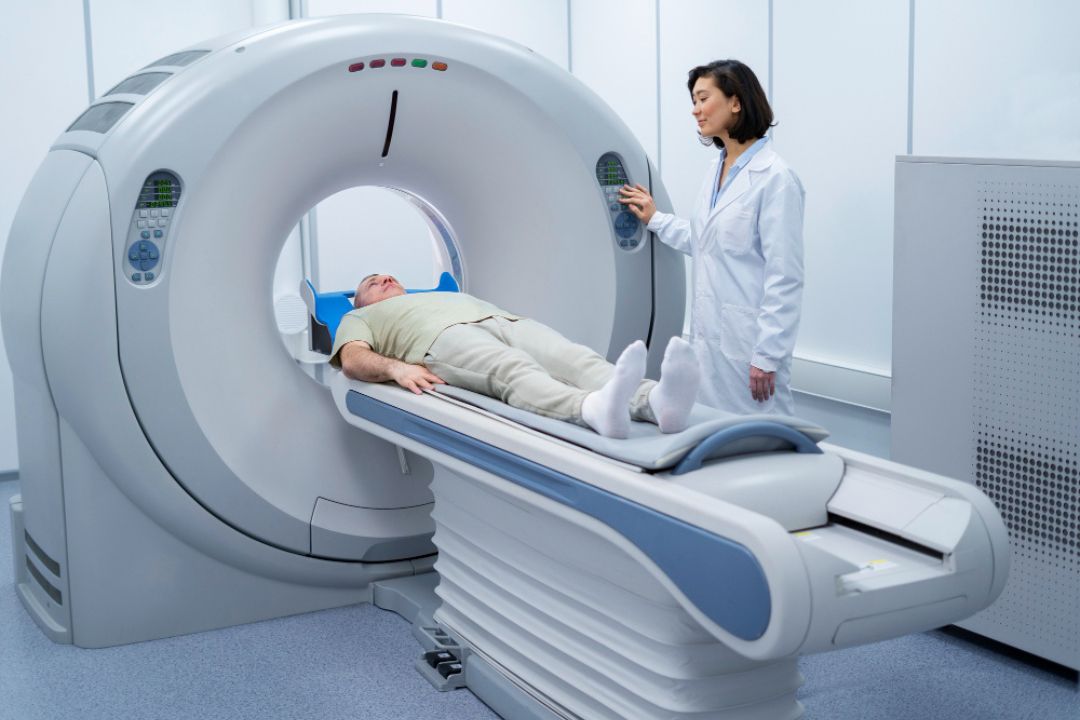
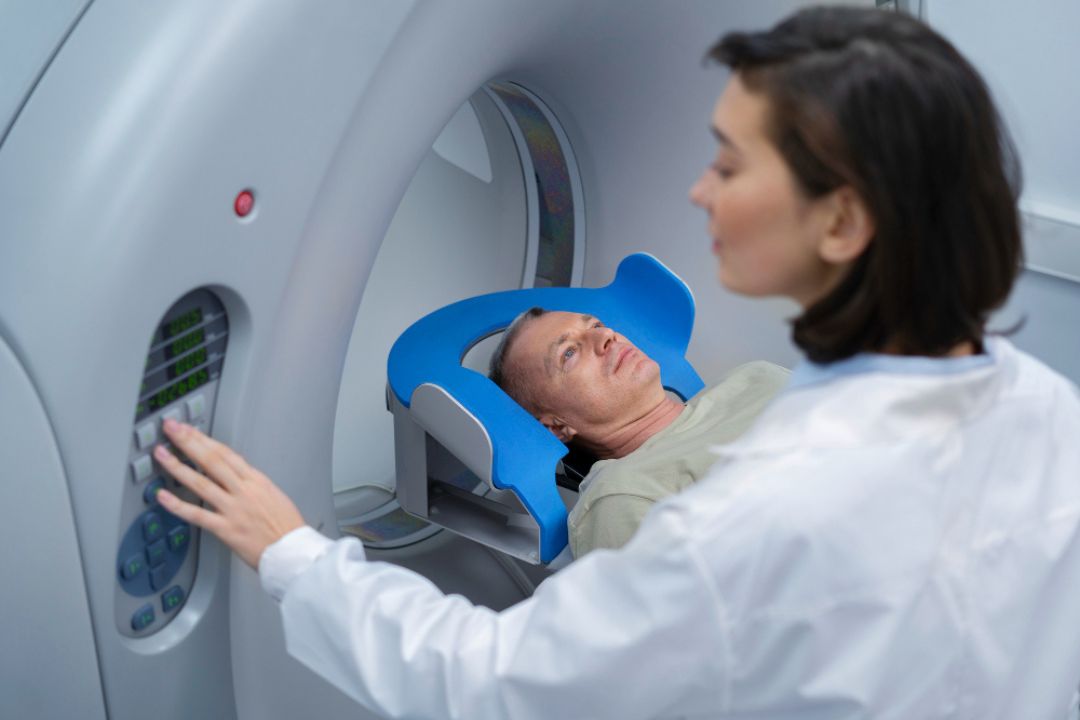
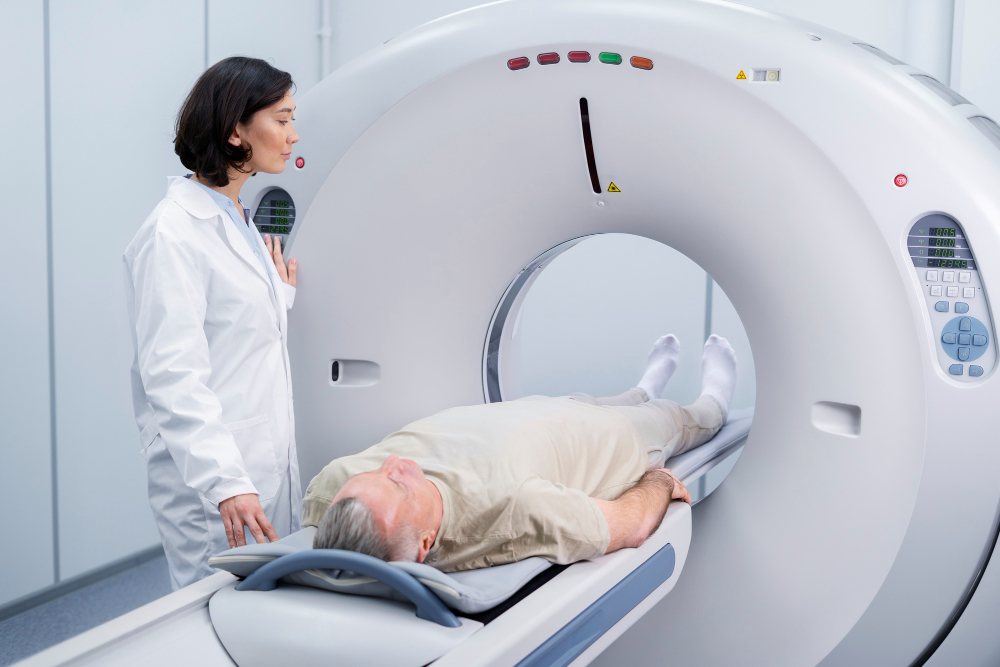
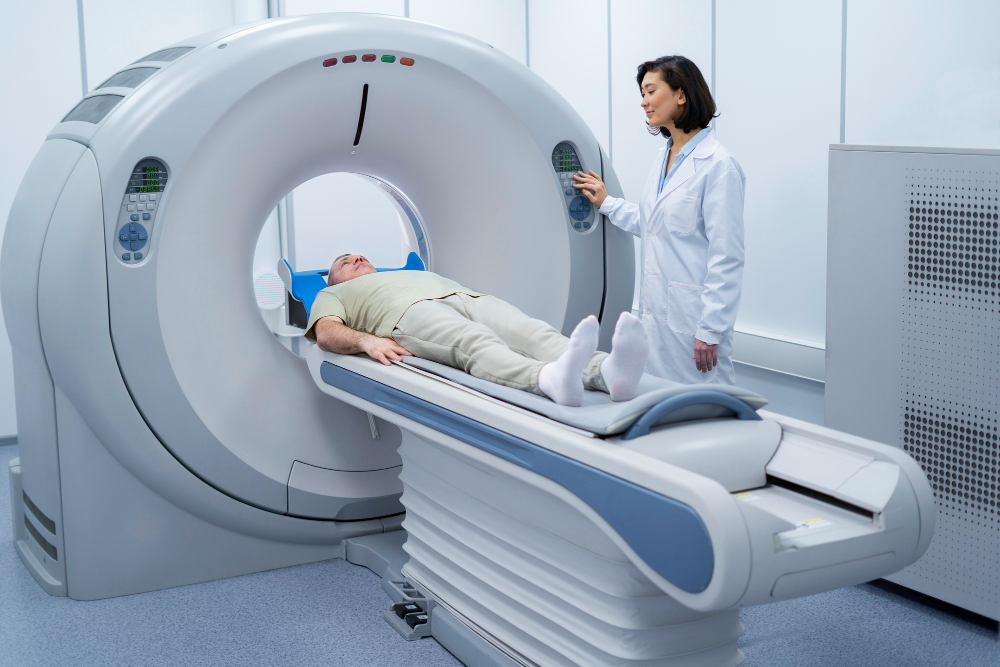
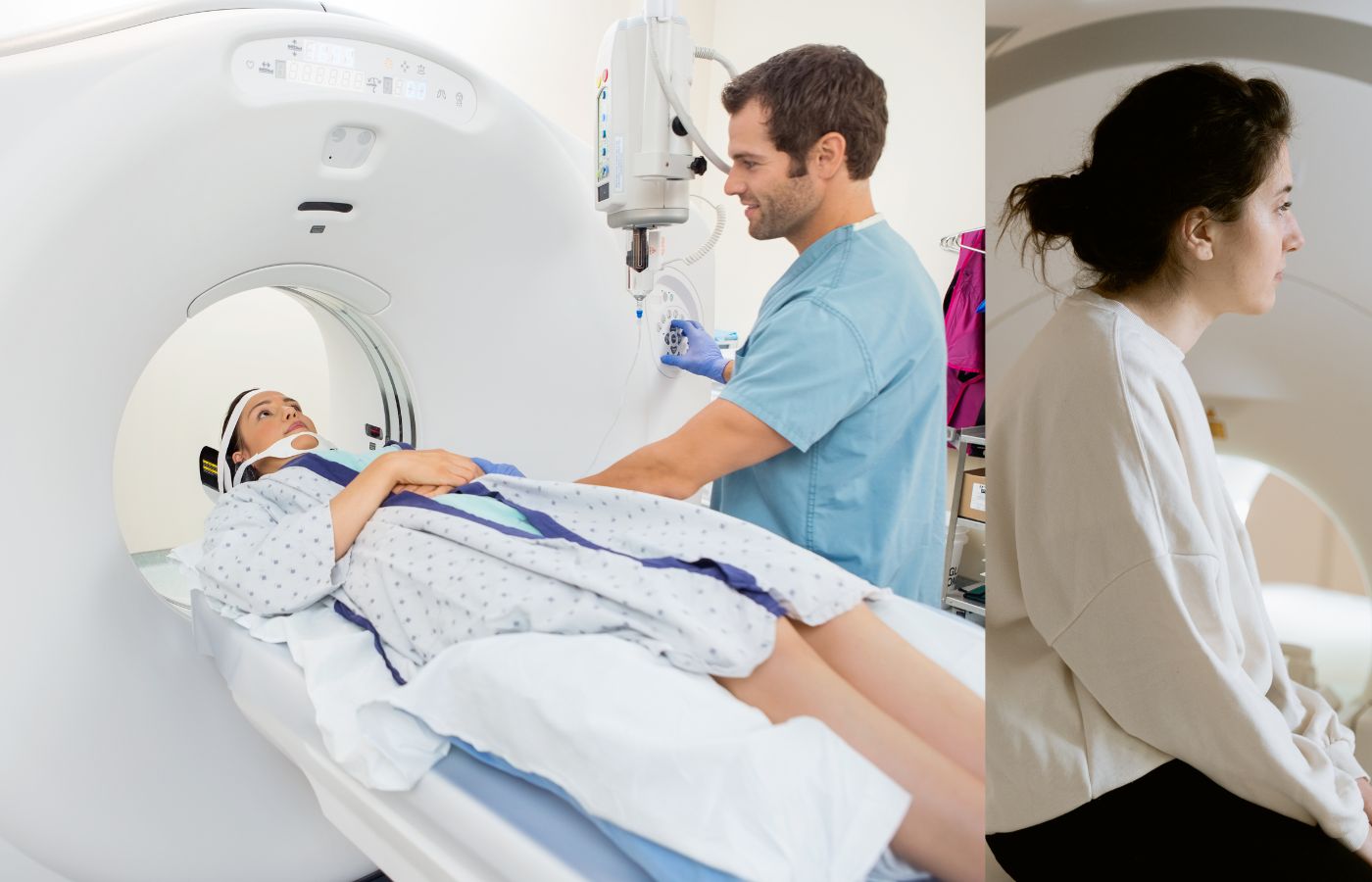
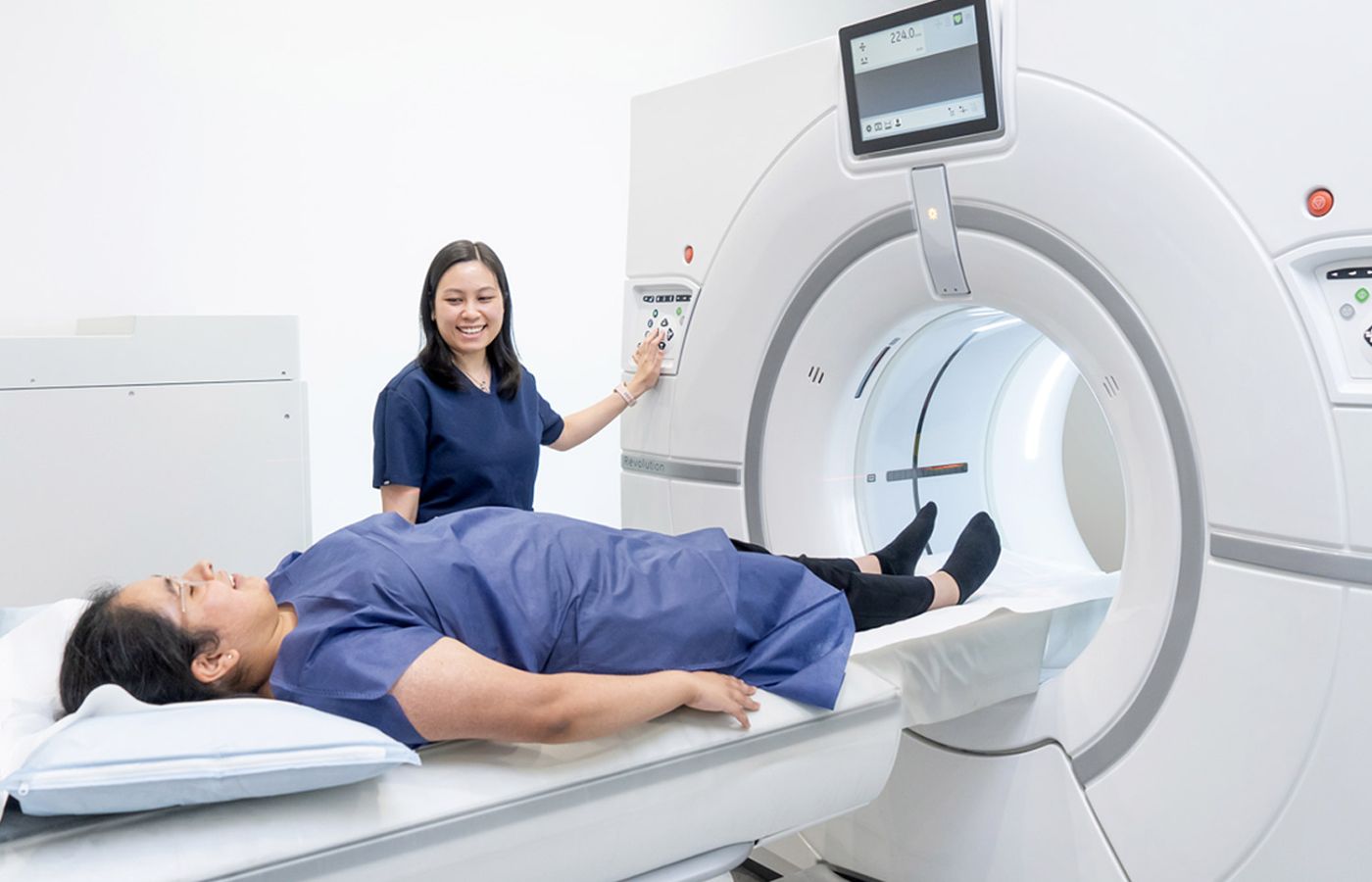
The patient lies on a scanning table.
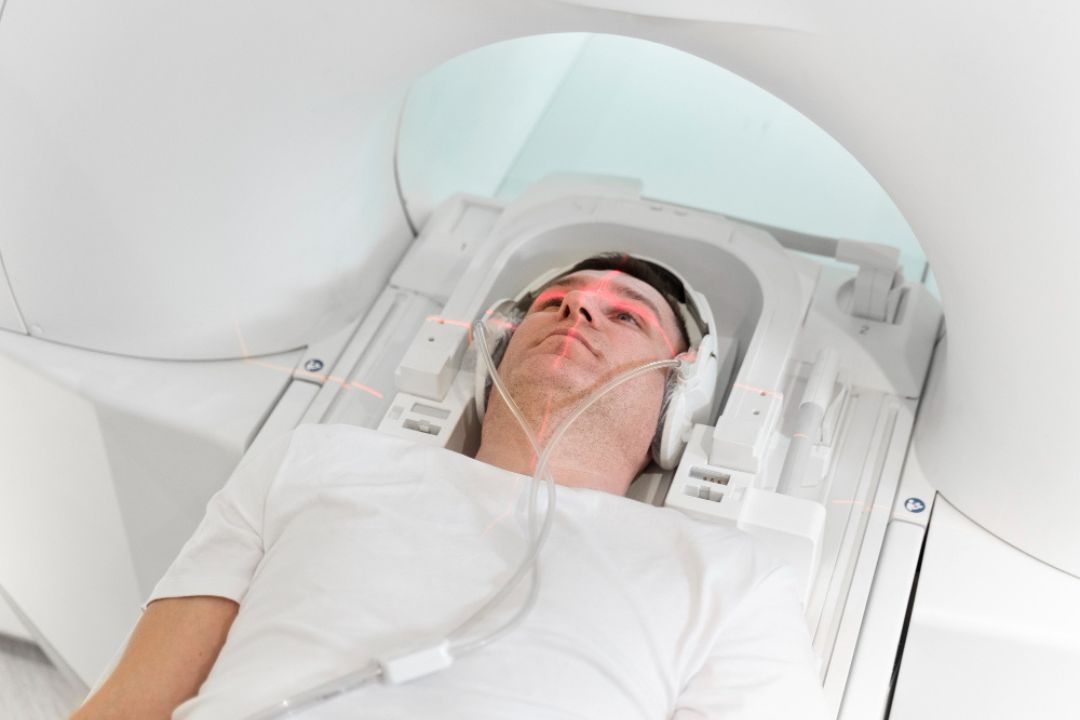
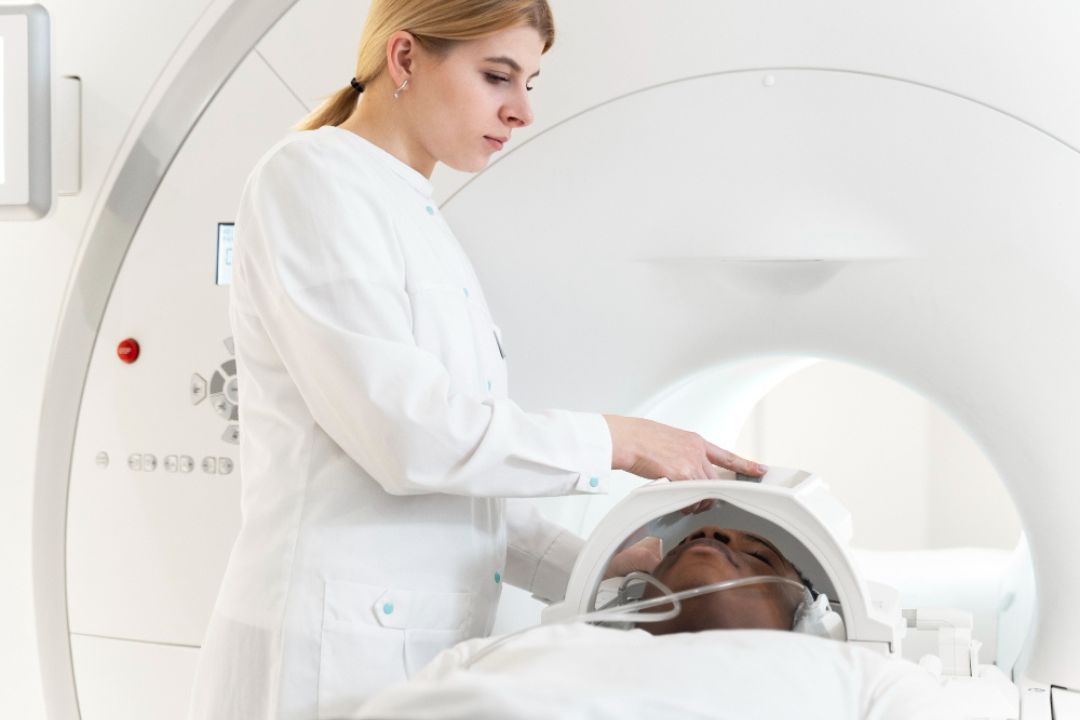
The limb being examined is positioned inside the CT scanner.
The scanner rotates around the area to capture multiple images.
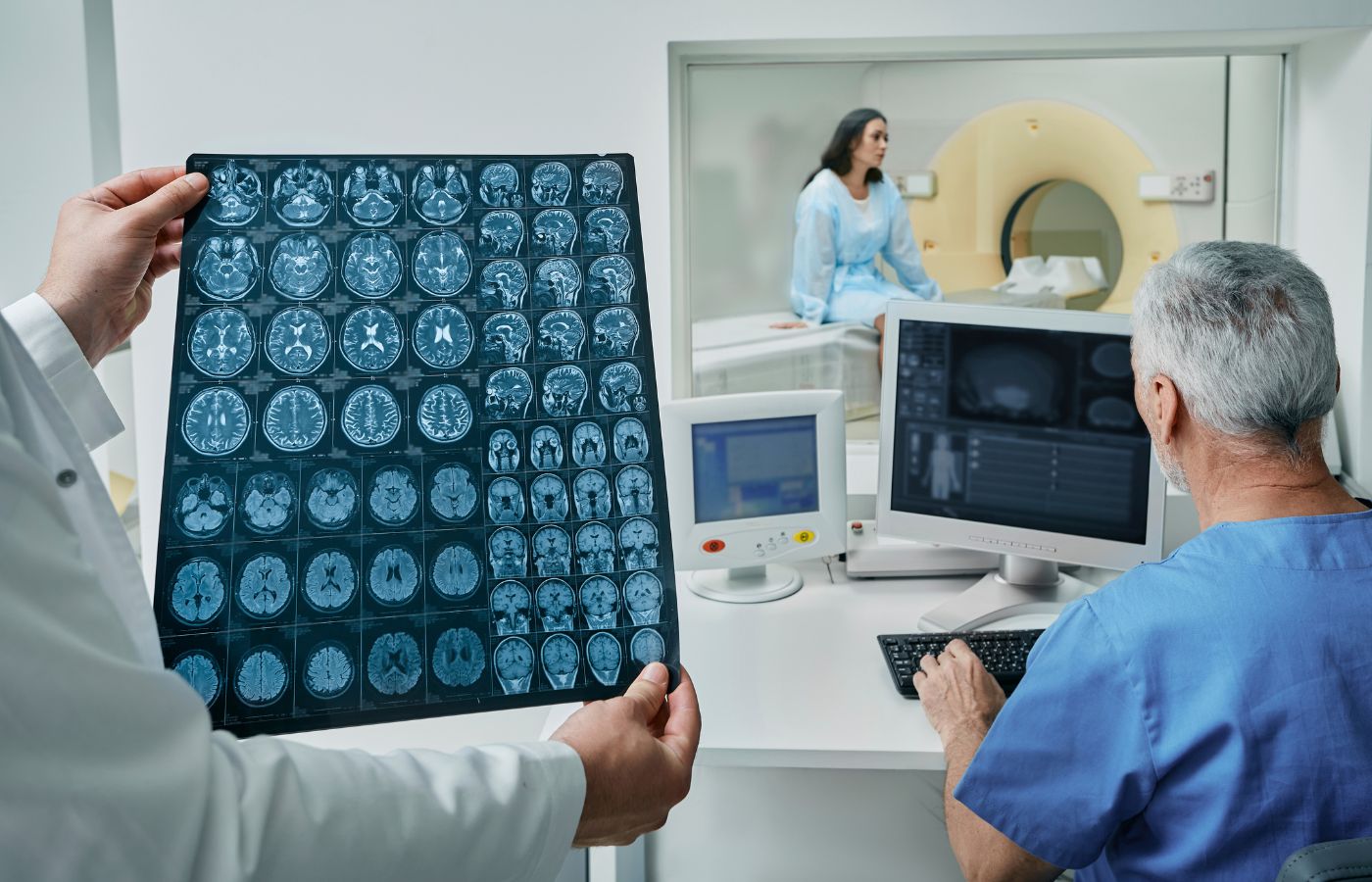
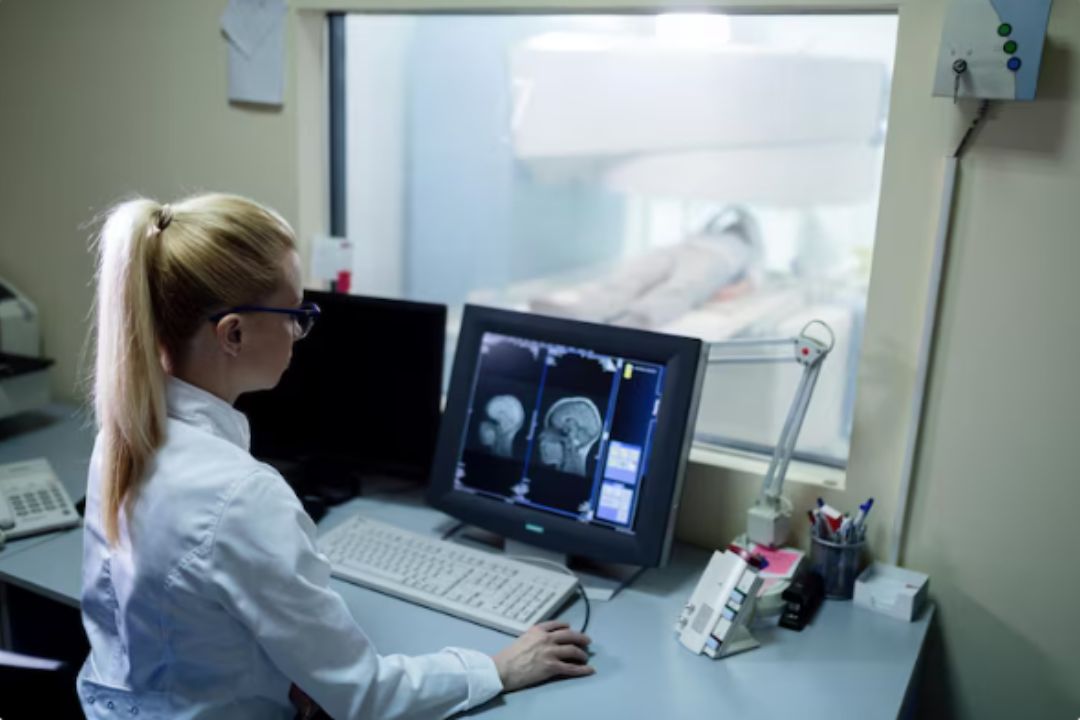
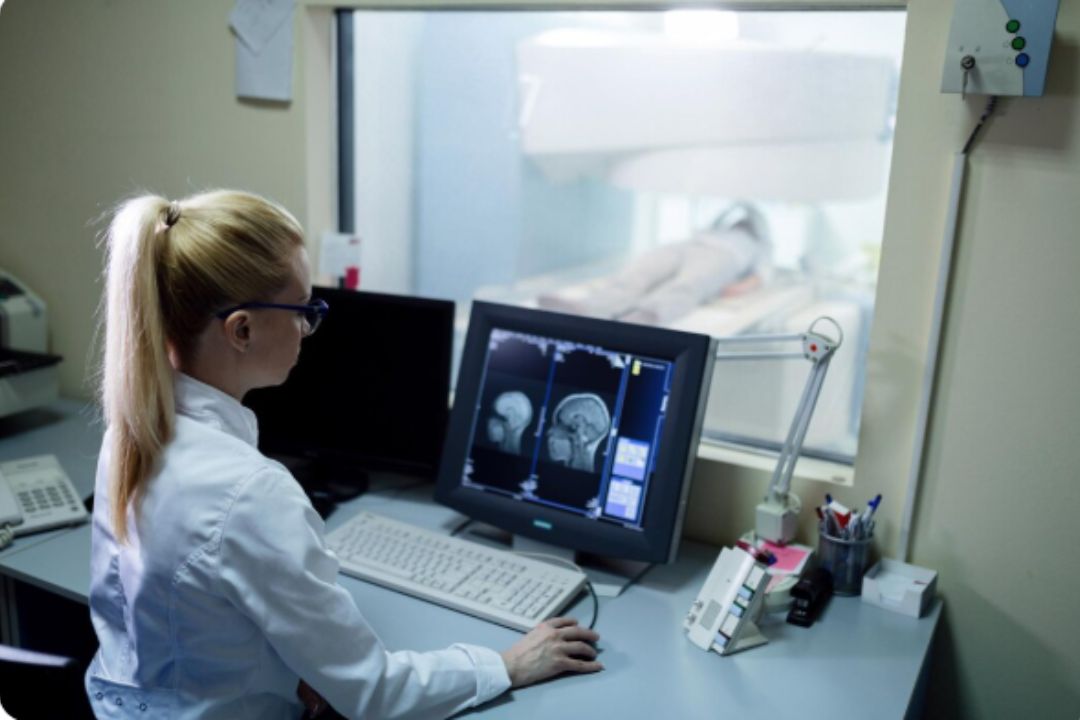
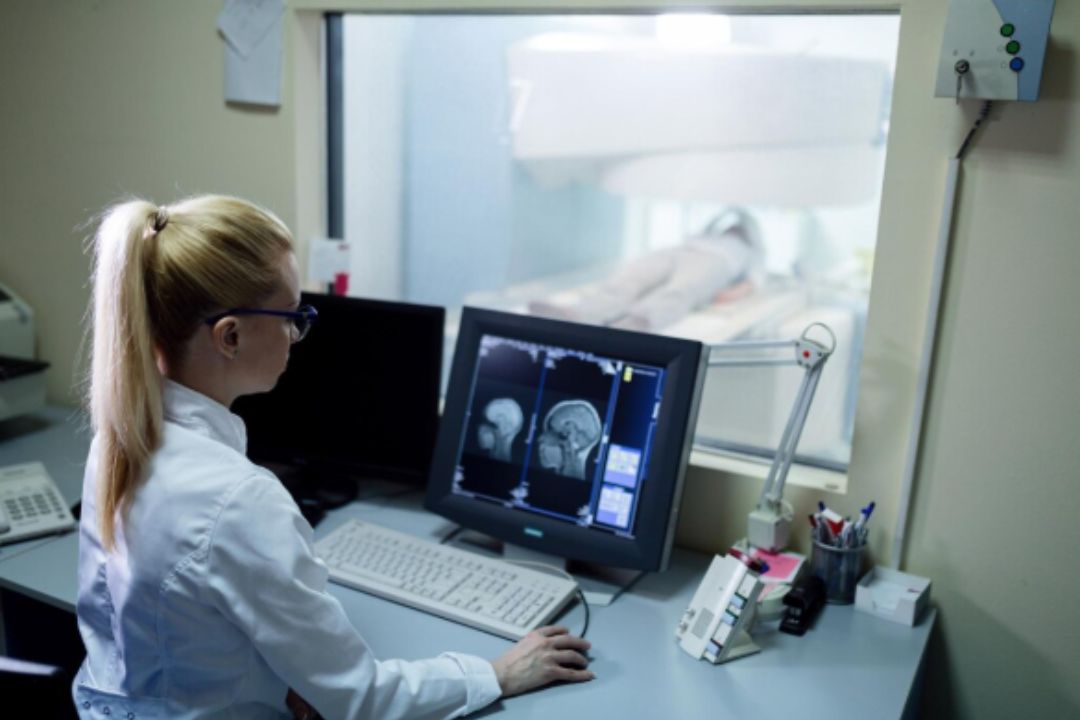
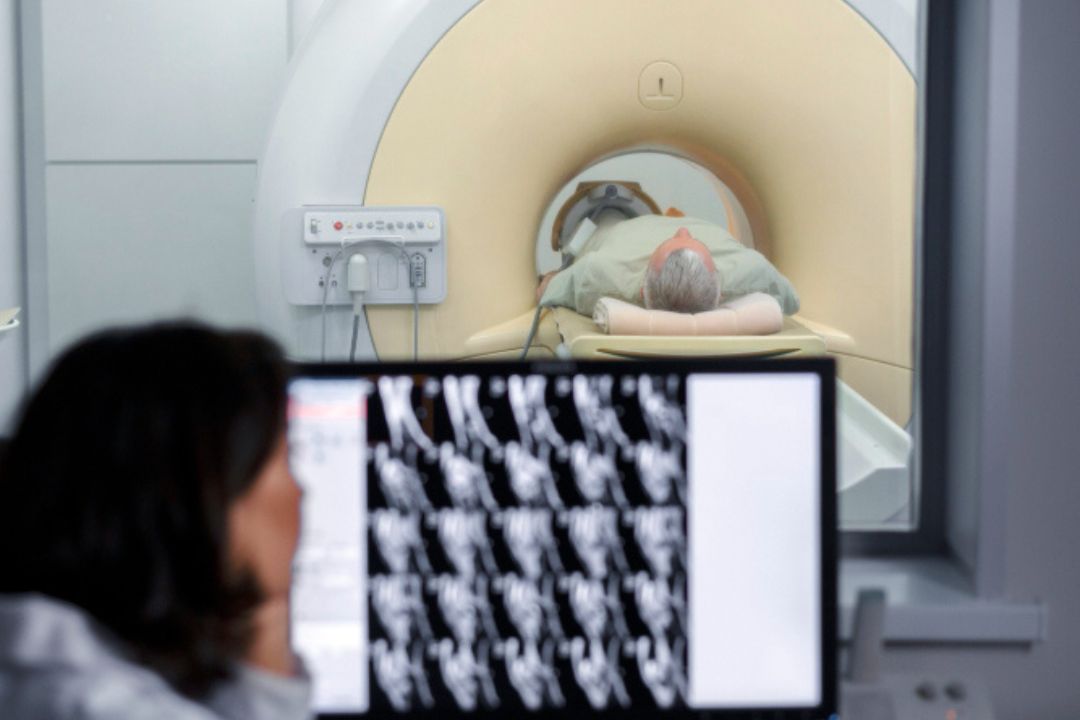
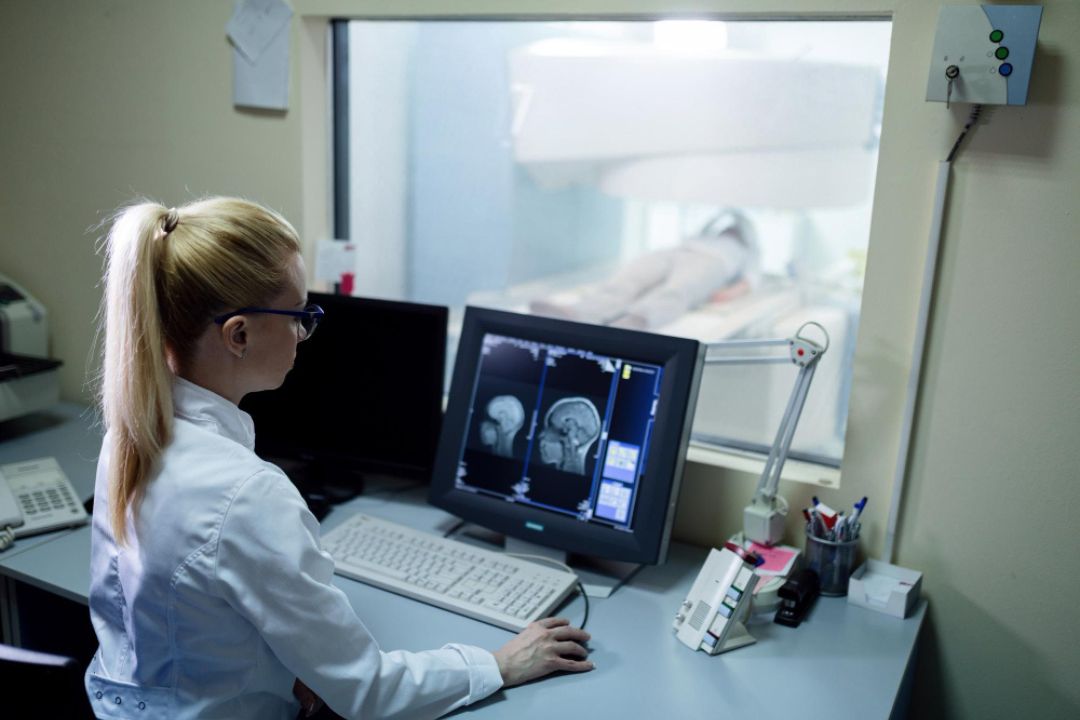
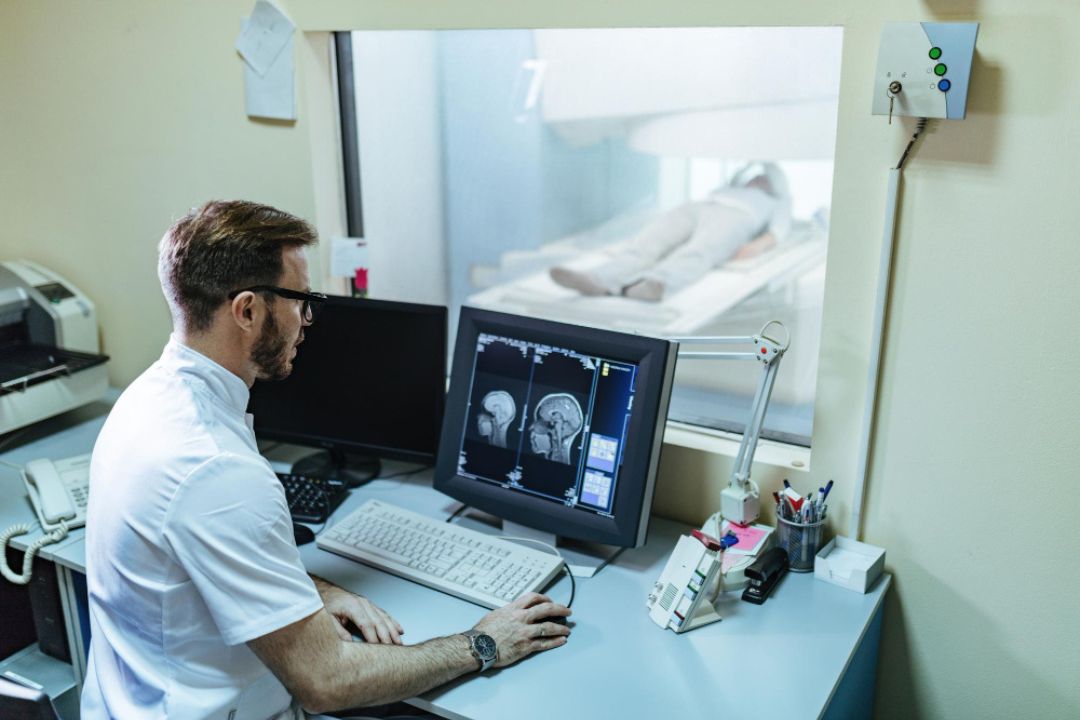
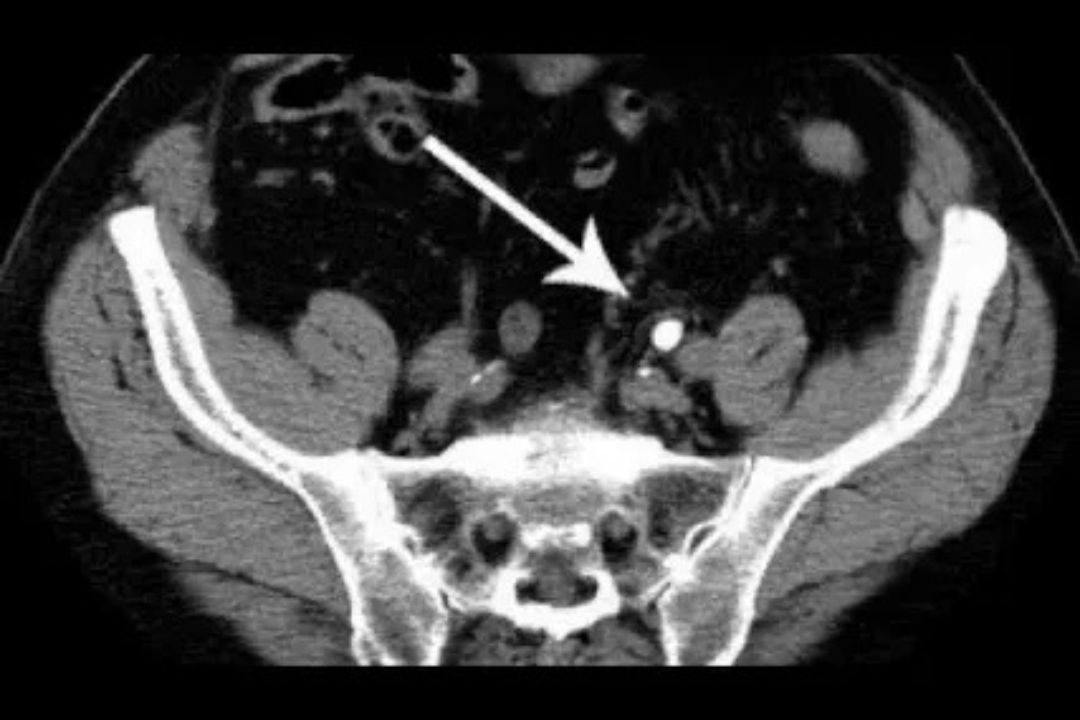
A computer processes the images to create detailed cross-sectional views.
The procedure usually takes 10 to 20 minutes, depending on the complexity of the scan.
CT scans offer several benefits when diagnosing bone injuries:
Provides high-resolution images of bones
Detects small or complex fractures
Helps doctors plan surgeries or treatments
Offers fast and accurate diagnosis
Helps evaluate joint and bone alignment
Because of these advantages, CT scans are often considered one of the most effective imaging tools for bone injuries.
When diagnosing bone injuries in the arms or legs, a CT Scan For Limbs can provide highly detailed images that help doctors detect fractures, joint damage, and other abnormalities. This advanced imaging technique allows for accurate diagnosis and better treatment planning.
If you have experienced a fall, sports injury, or severe limb pain, your doctor may recommend a CT scan to determine the exact cause of the problem and ensure proper care.







.jpg "ct brain scan plain and contrast")













.jpg "ct scan")

.jpg "ct scan or mri for brain disorders")


.jpg "exploring the power of ct brain contrast in modern diagnostics")
.jpg "ct scan")
.jpg "ct scan")








.jpg "ct scan")

.jpg "CT Brain Scan for Headaches")
.jpg "The Future of 3D CT Imaging")