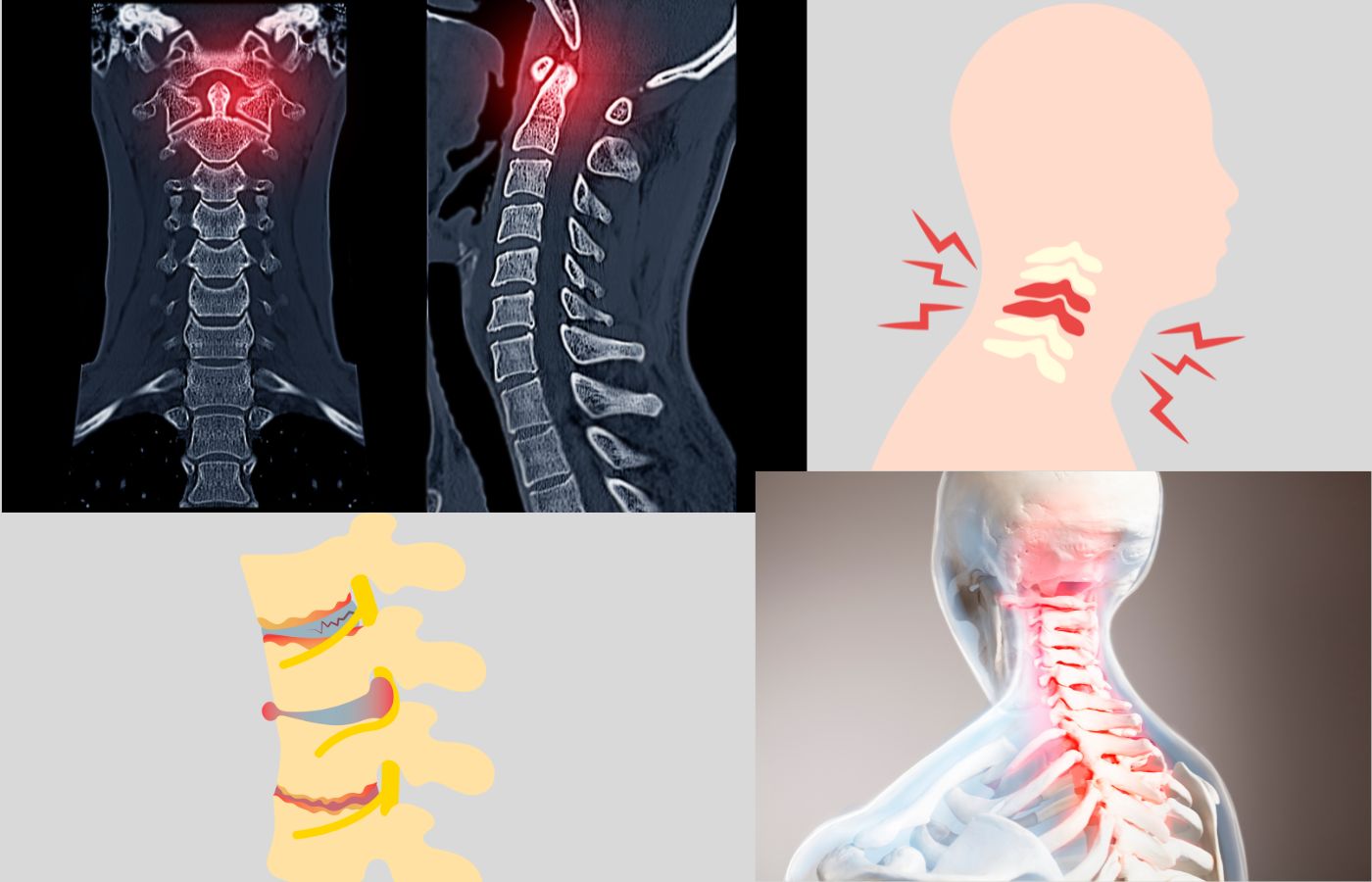
If your doctor has recommended an NCCT scan, you might be wondering what it means and why it is needed. NCCT stands for Non-Contrast Computed Tomography. It is a specialized imaging test that produces detailed cross-sectional images of the body without using contrast dye.
An NCCT CT scan is widely used in emergency and routine diagnostic situations because it is fast, safe, and highly accurate. Whether you’re searching for a CT scan near me or comparing CT scan price, this guide will help you understand everything about NCCT scans.
Medical imaging plays a vital role in diagnosing health conditions and helping doctors make timely decisions. Among the many imaging options available today, a Non-Contrast Computed Tomography (NCCT) scan has become one of the most frequently used methods because it is fast, effective, and safe for many patients.
In this guide, we will explore what an NCCT scan is, how it works, its common uses, benefits, accuracy, and how it compares to contrast CT scans. This information is useful whether you are preparing for your first scan or simply want to understand more about this imaging technique.
Visit Now:-https://www.diagnopein.com/
NCCT stands for Non-Contrast Computed Tomography. In a CT scan, X-rays are used to create detailed cross-sectional images of the inside of the body. The term “non-contrast” means that no special dye or contrast agent is injected into the body before the scan. Instead, the machine uses only X-rays and computer processing to generate the images.
Traditional CT scans can be done with or without contrast. Contrast agents, usually iodine-based dyes, are used to highlight specific structures such as blood vessels, organs, or areas of inflammation. However, NCCT scans skip this dye and rely solely on the natural contrast between different tissues in the body.
Because no dye is used, NCCT scans are simpler and quicker, making them ideal for emergency and routine diagnostic use. They provide excellent images of bones, organs, and certain soft tissues, and are often the first step in medical imaging when a rapid evaluation is needed.
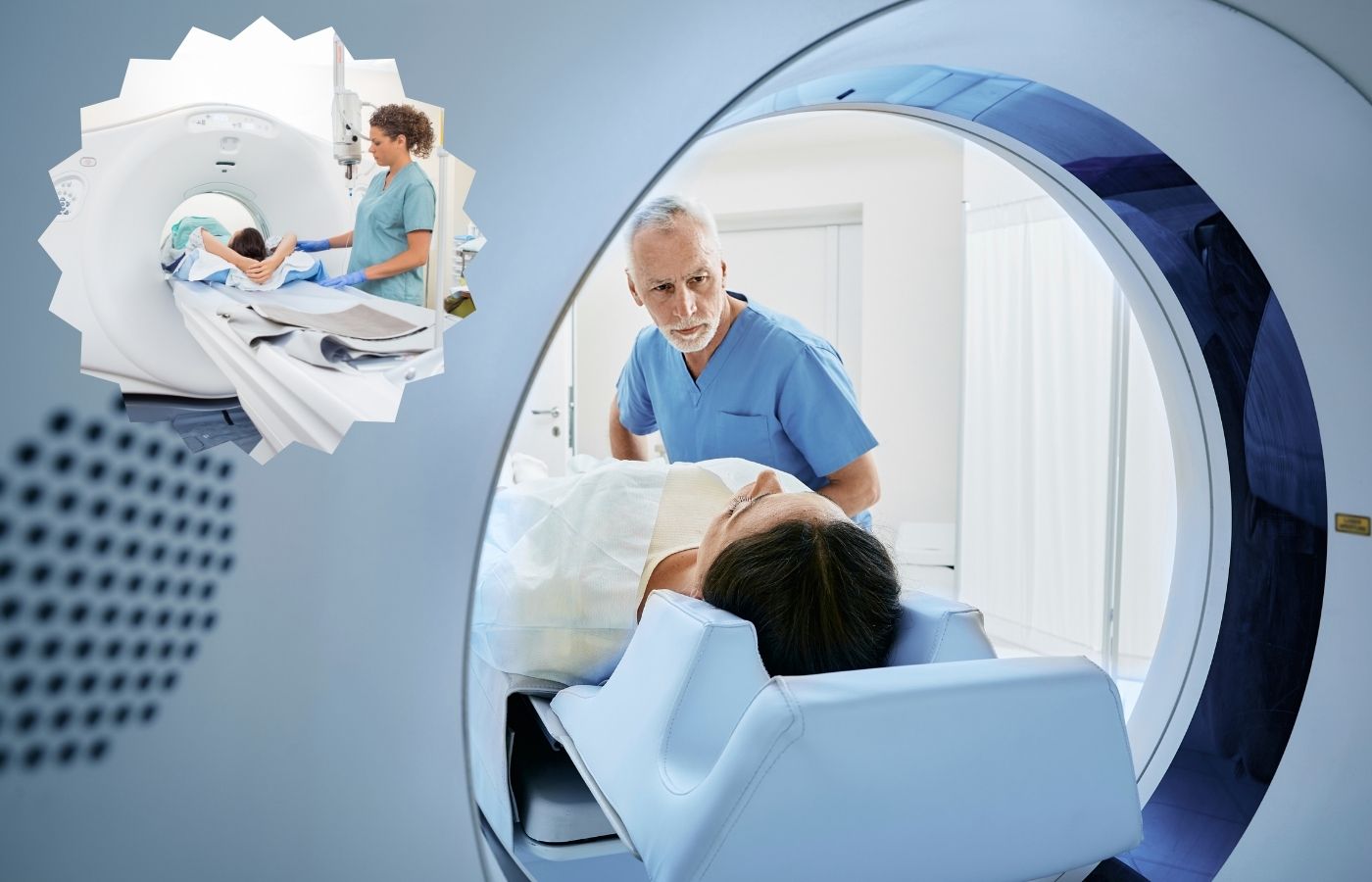
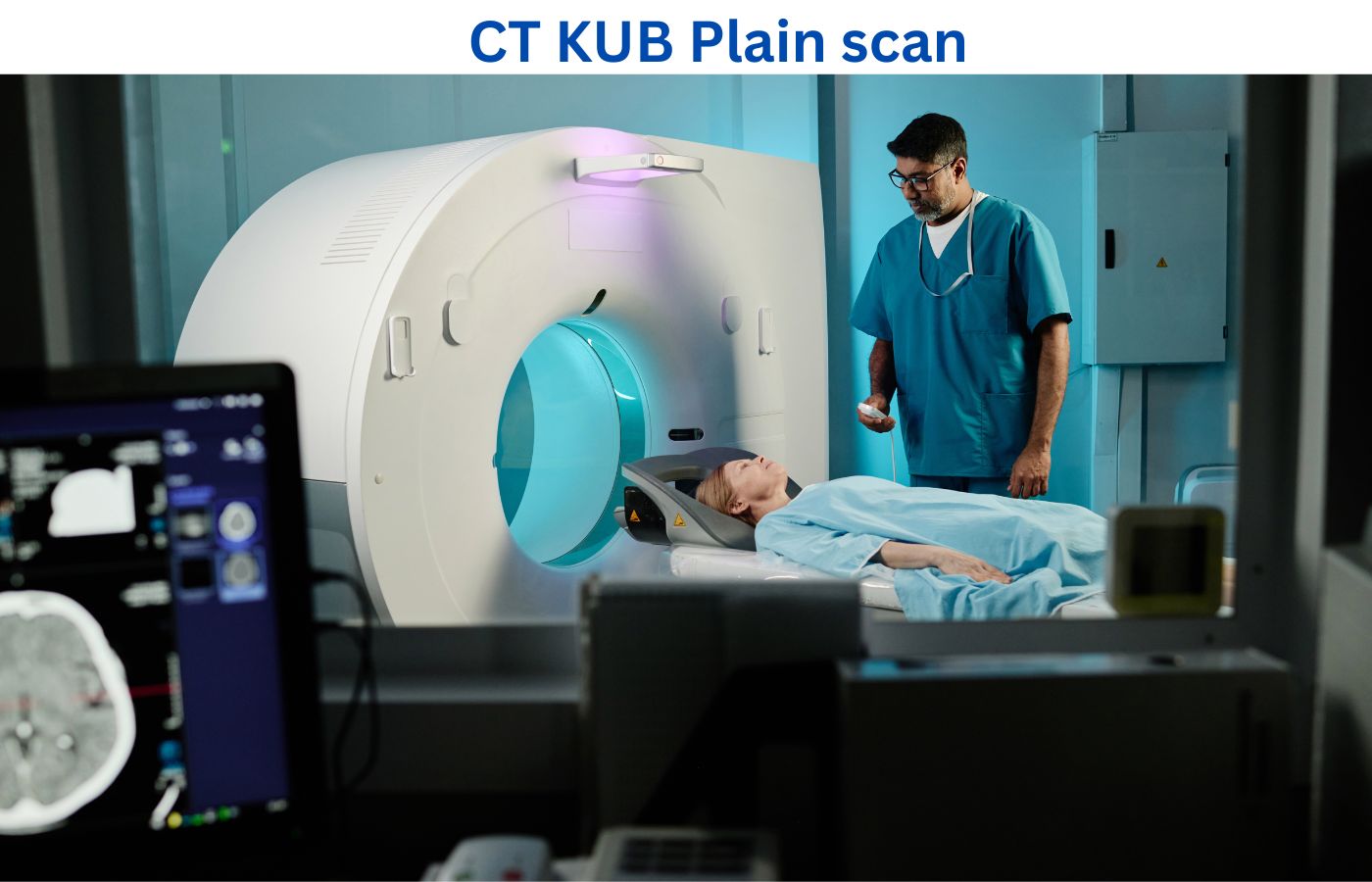
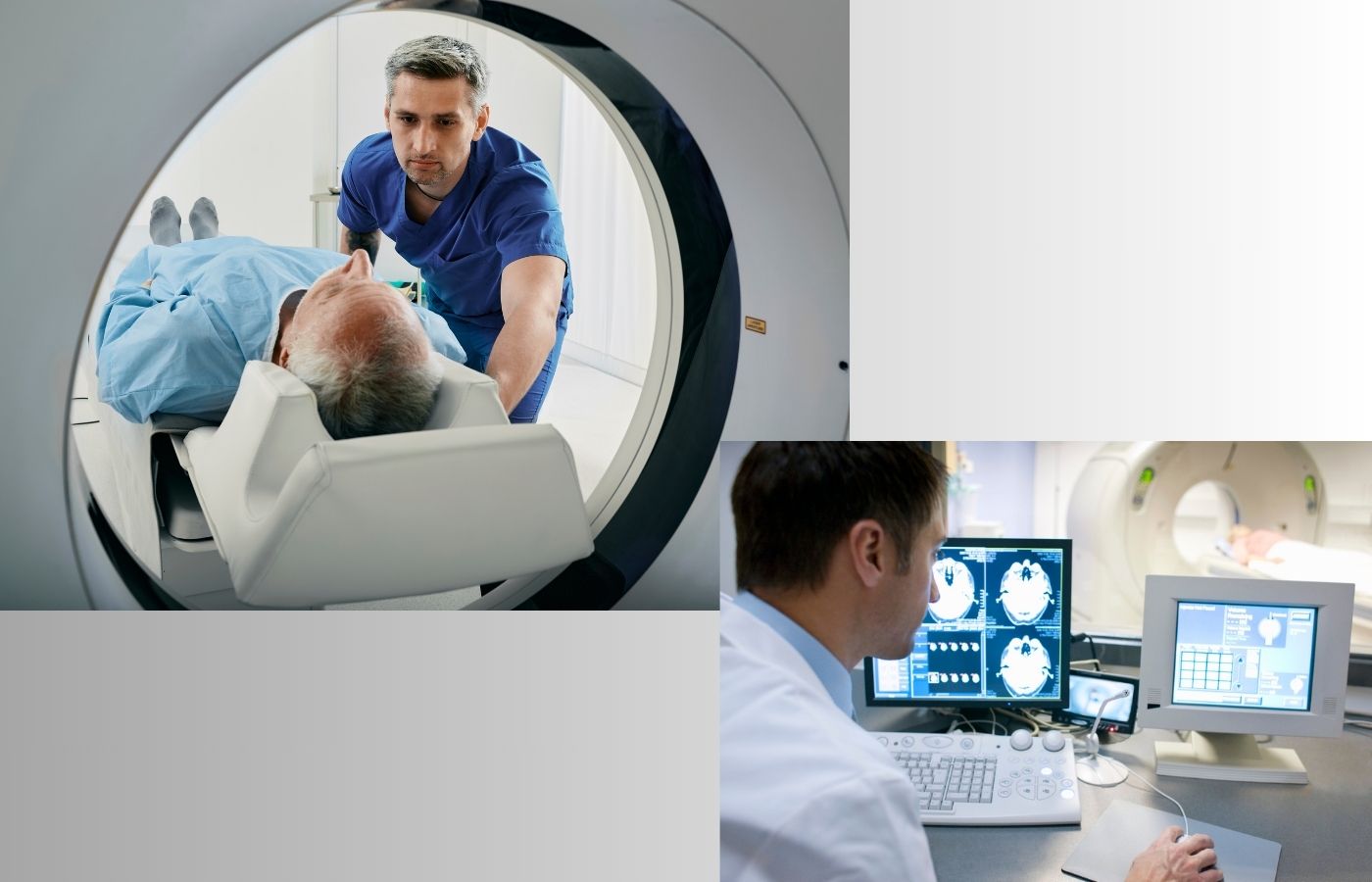
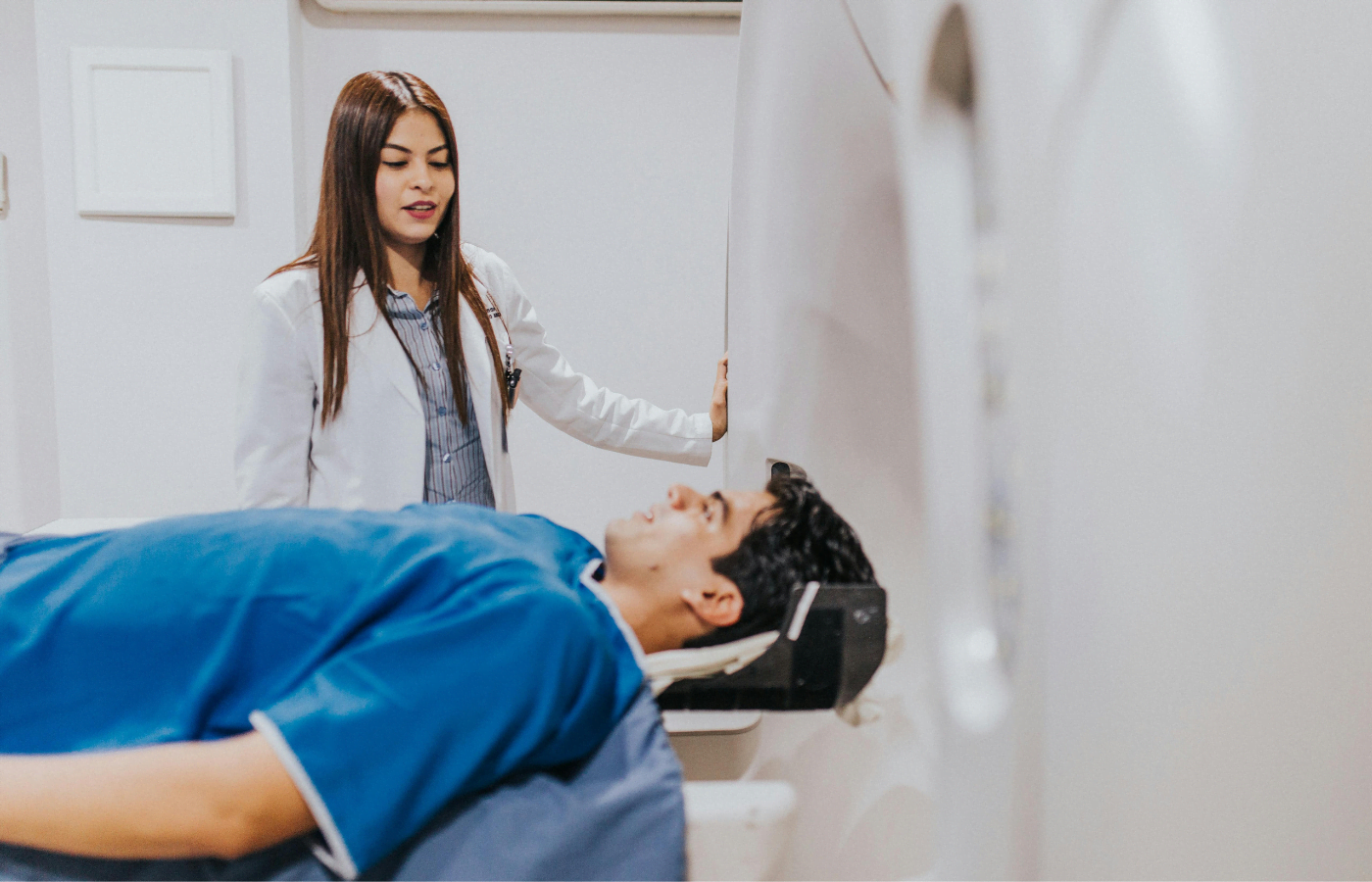
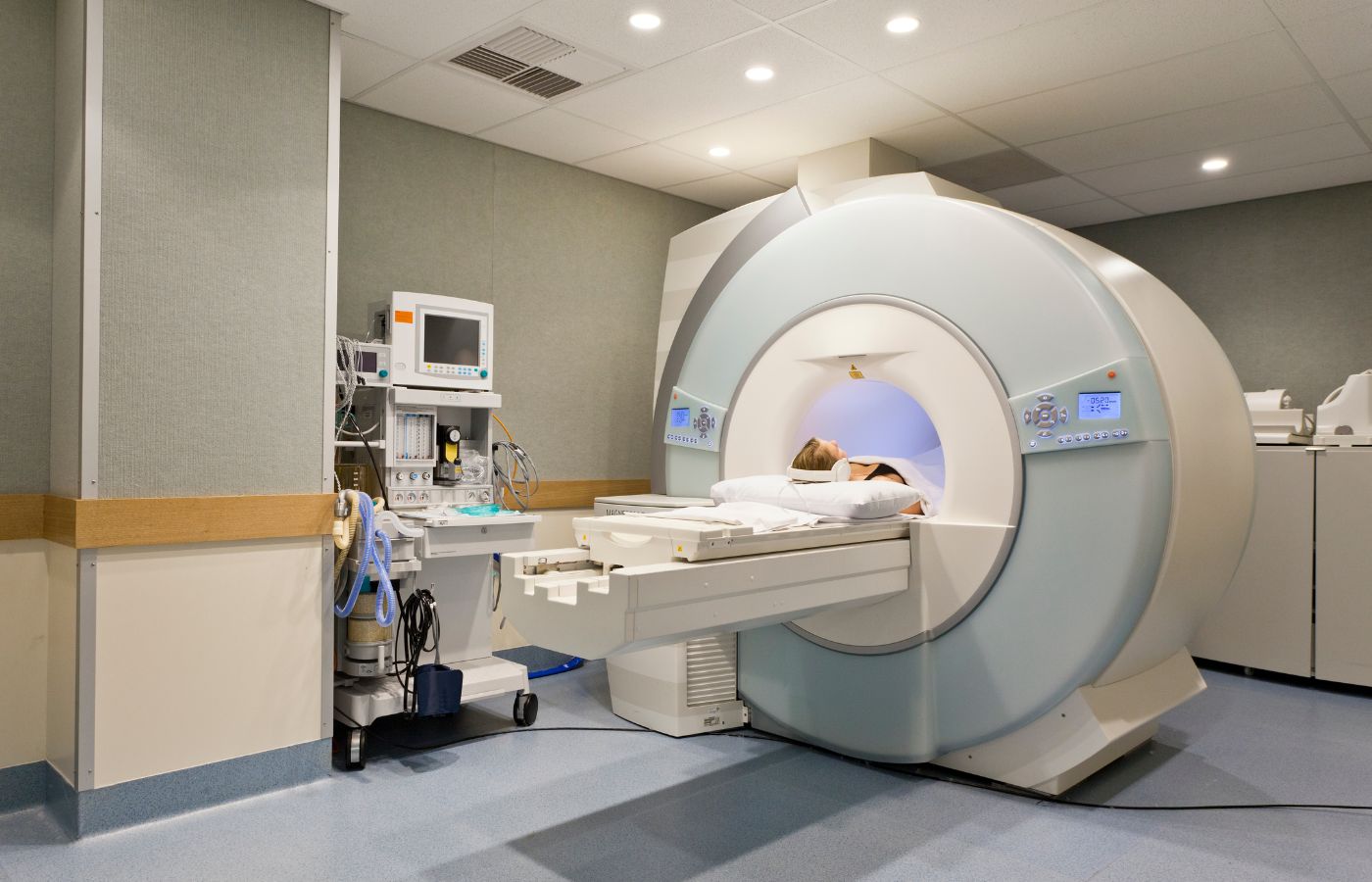
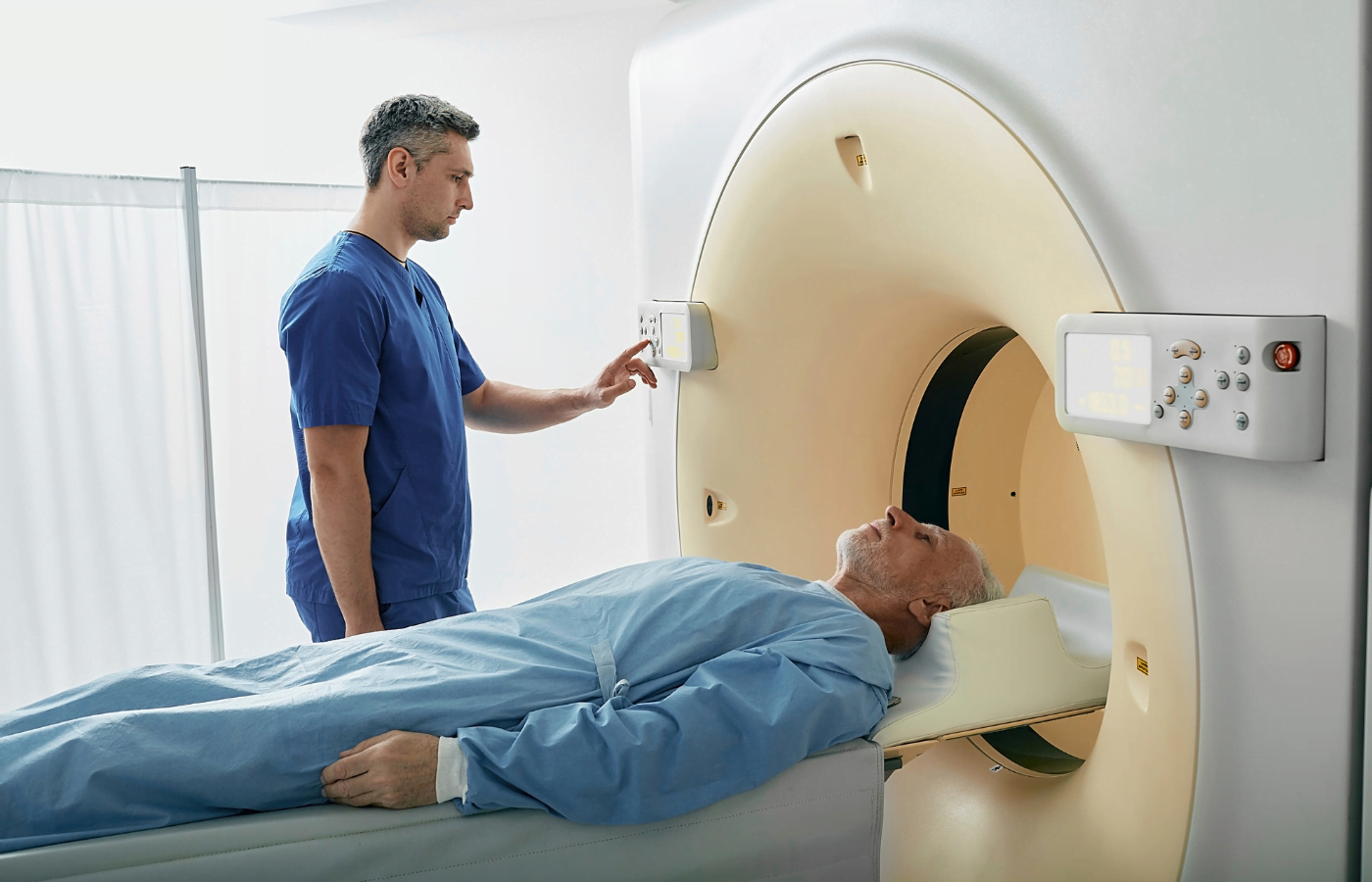
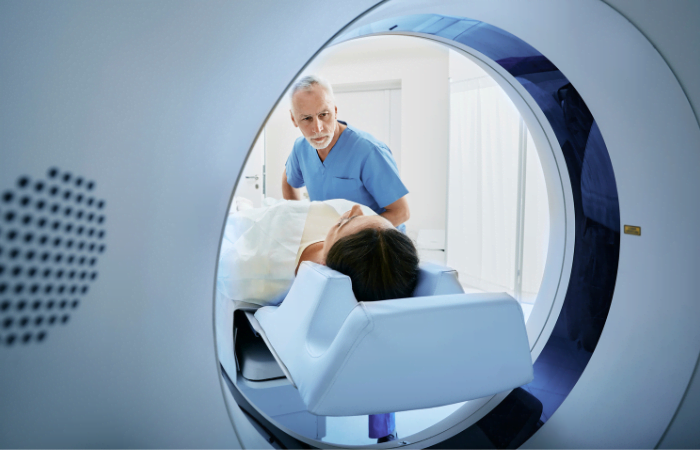
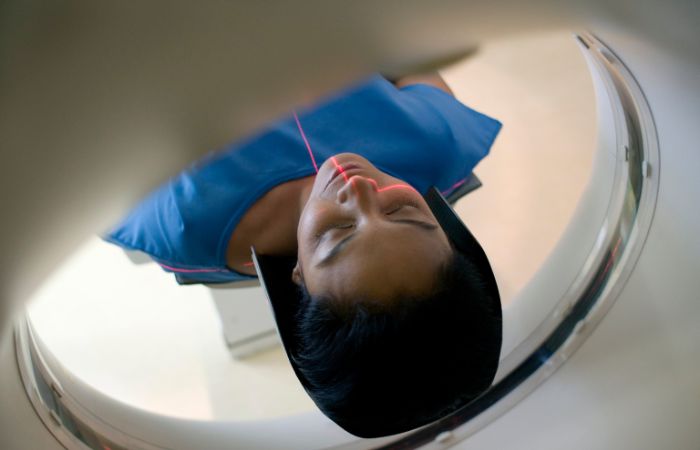
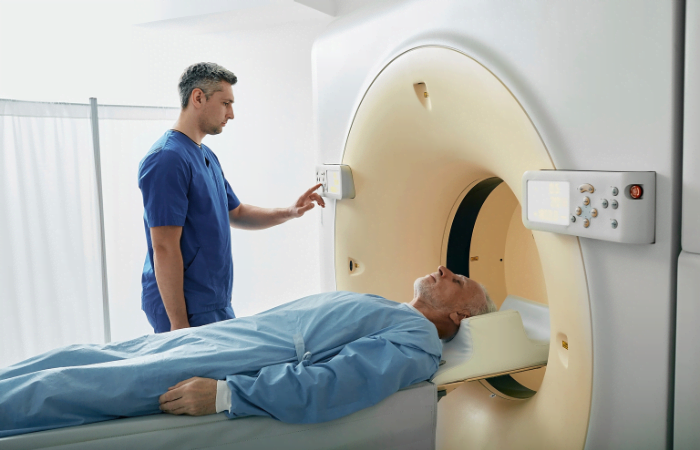
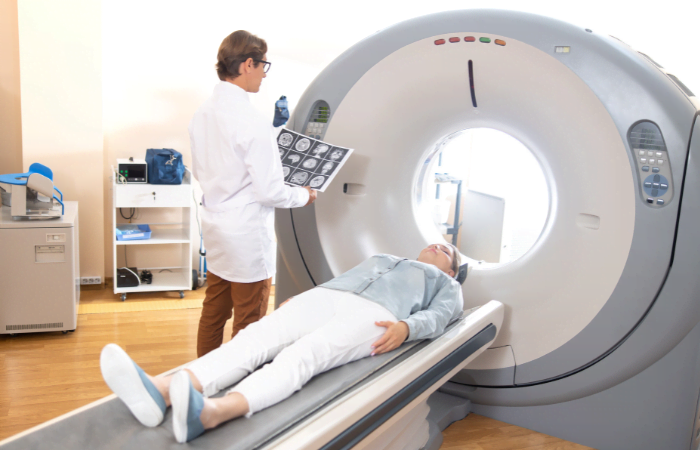
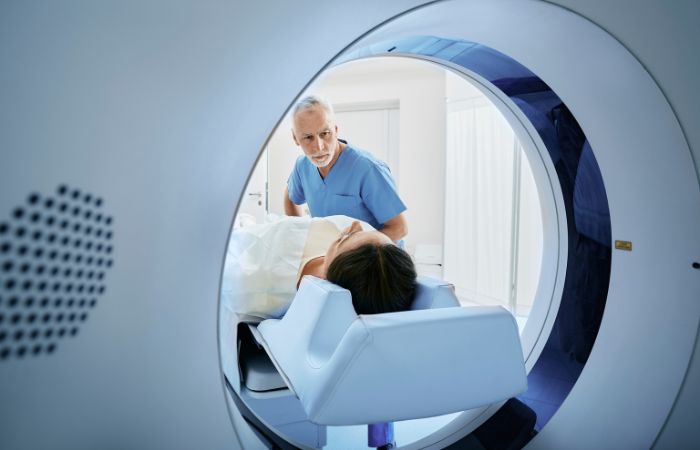
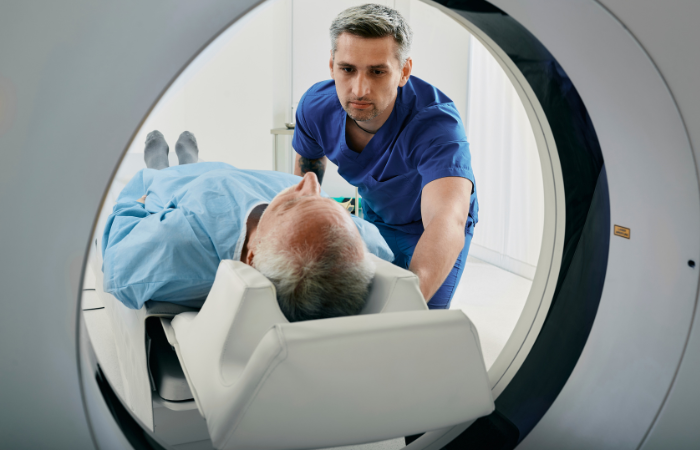
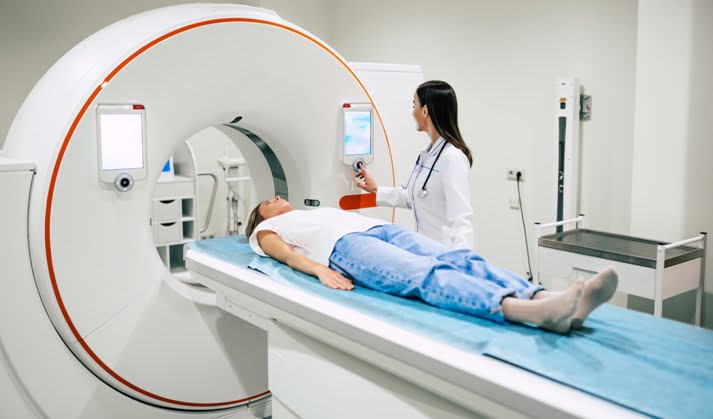
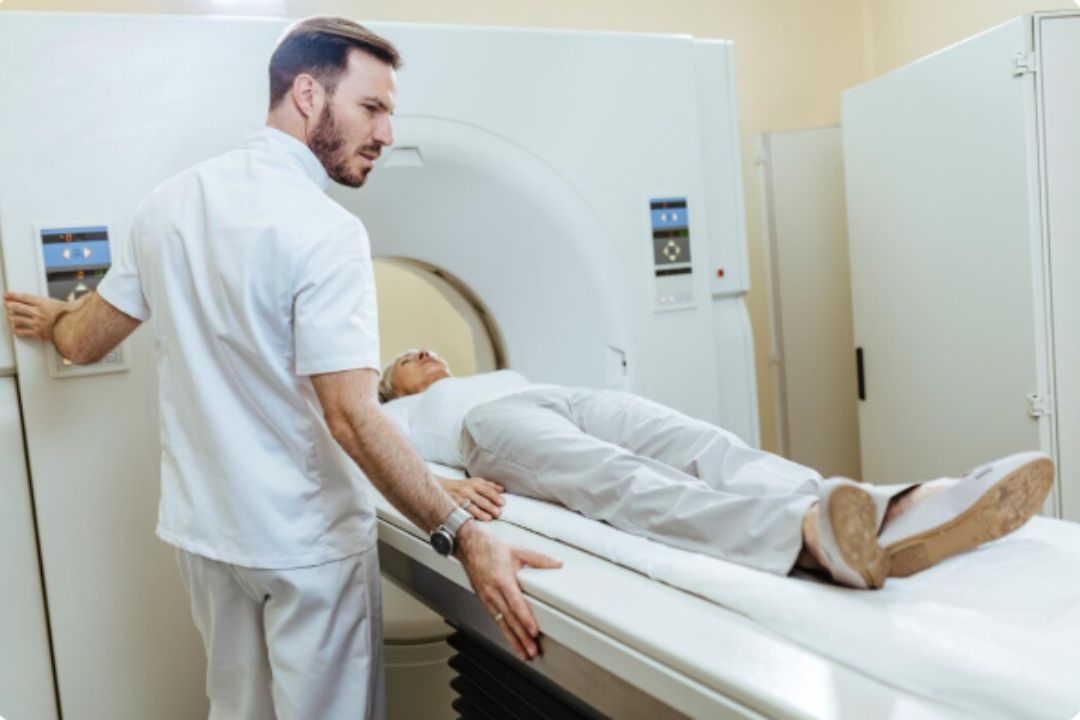
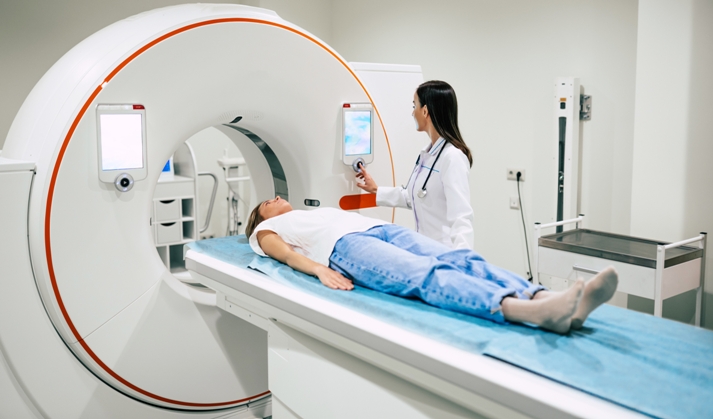
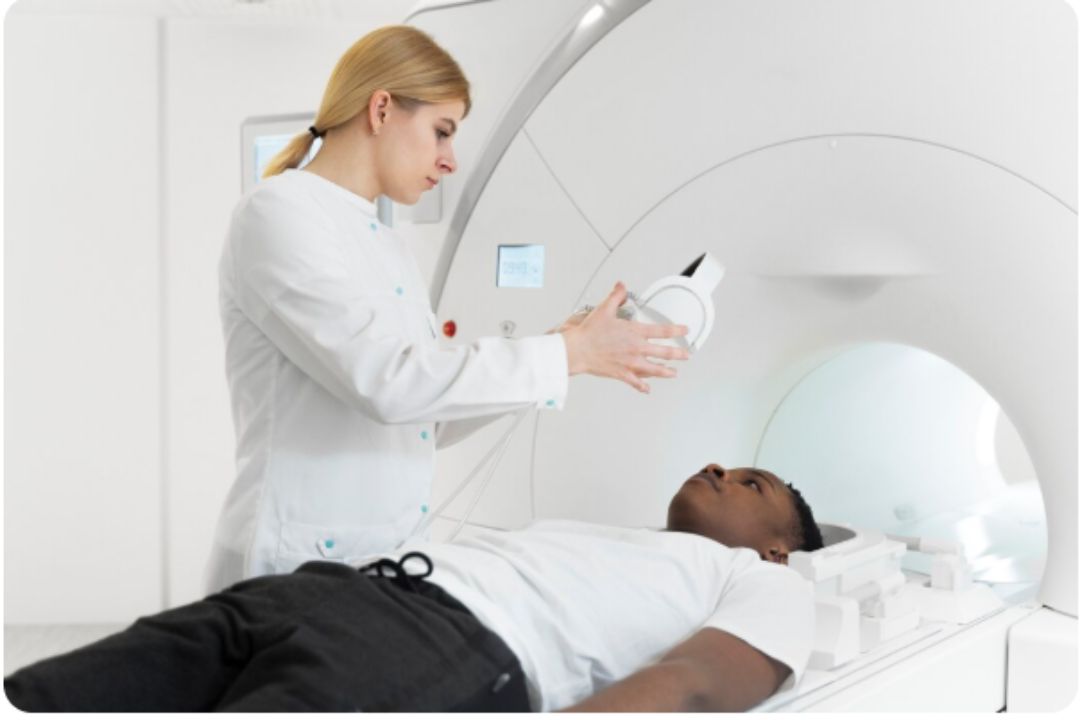
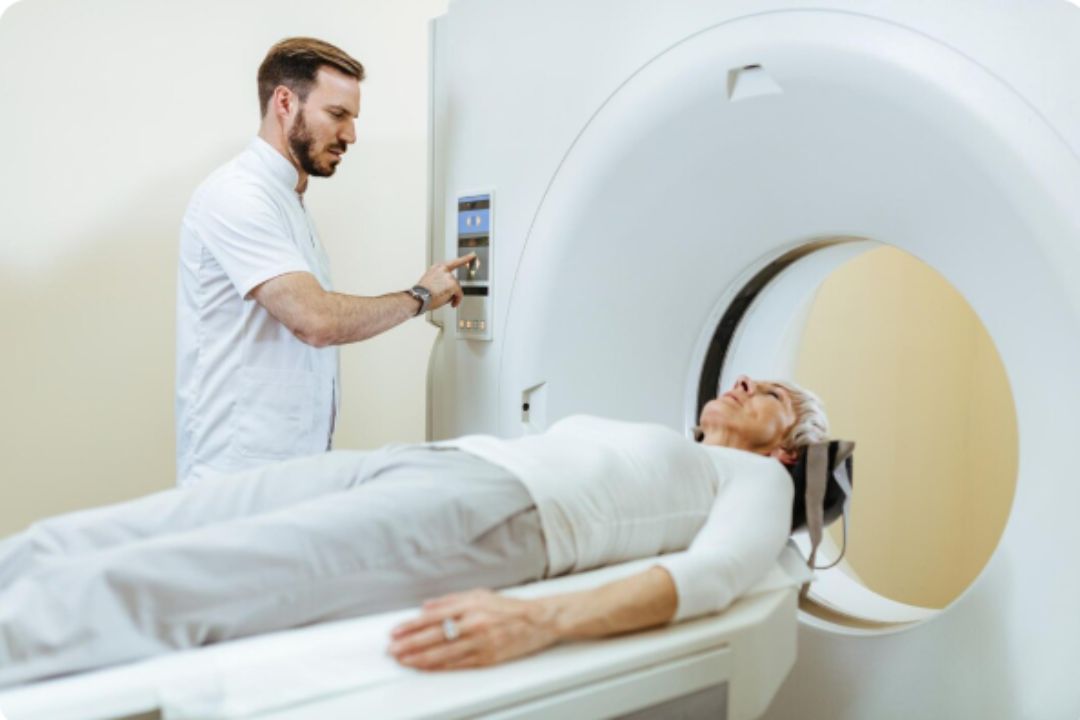
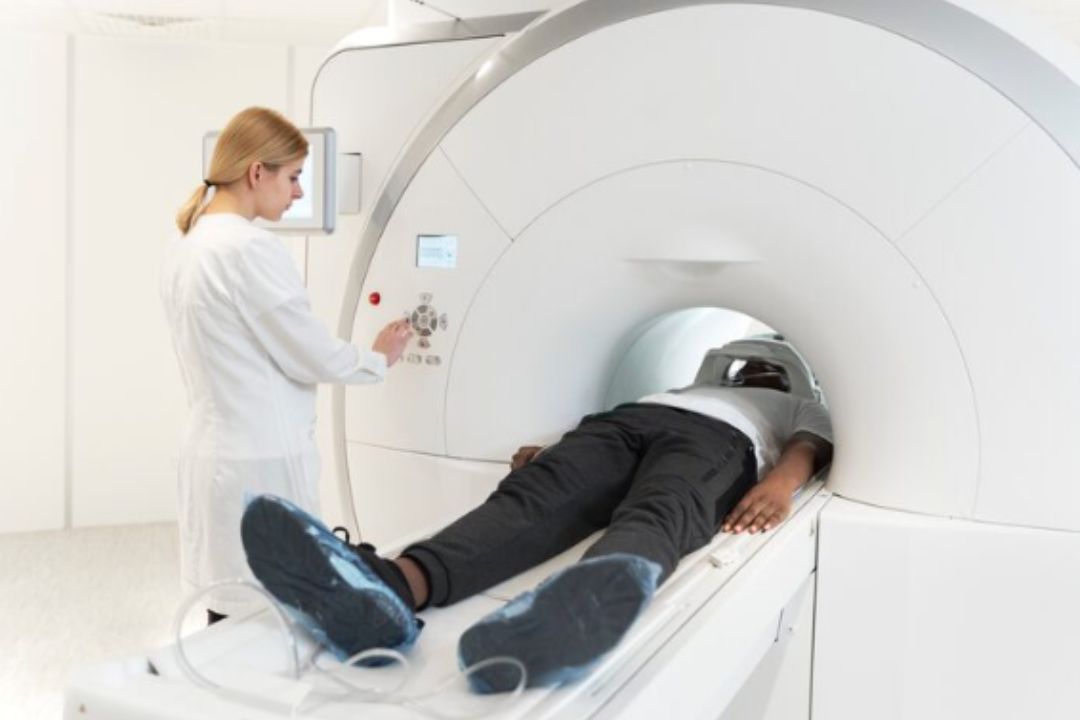
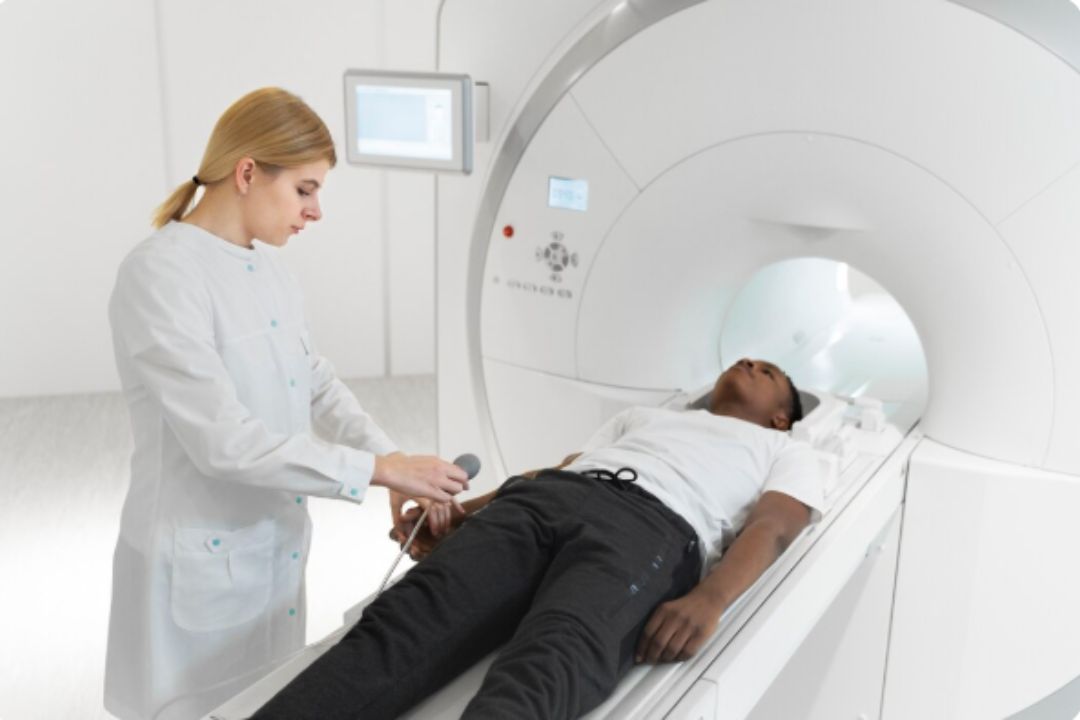
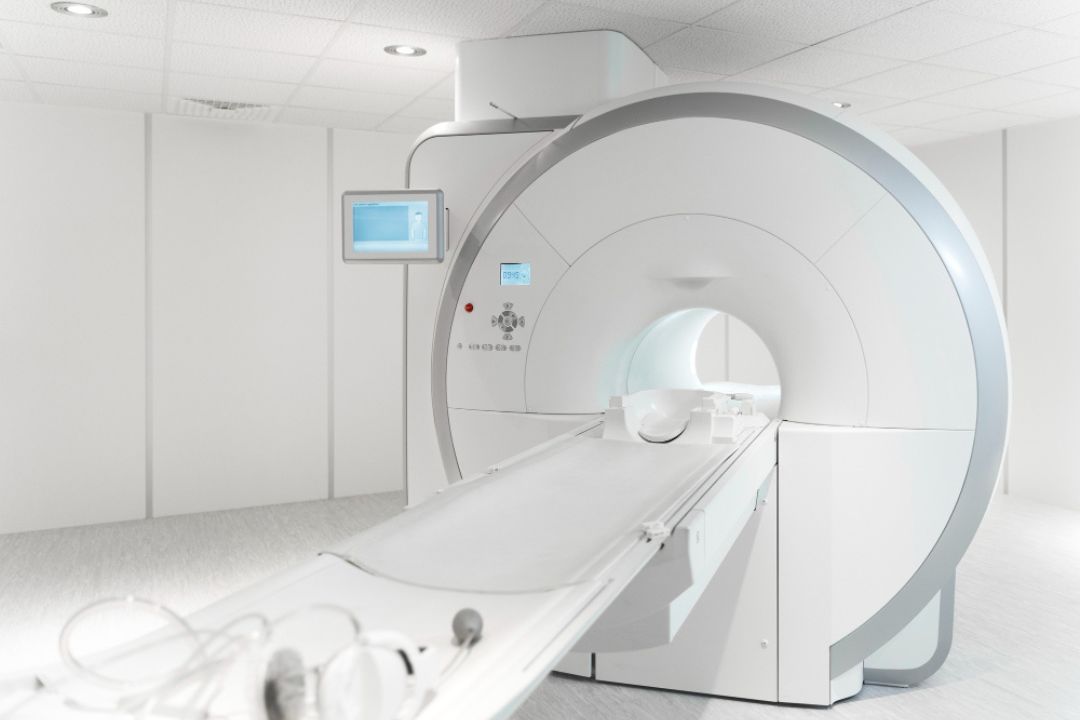
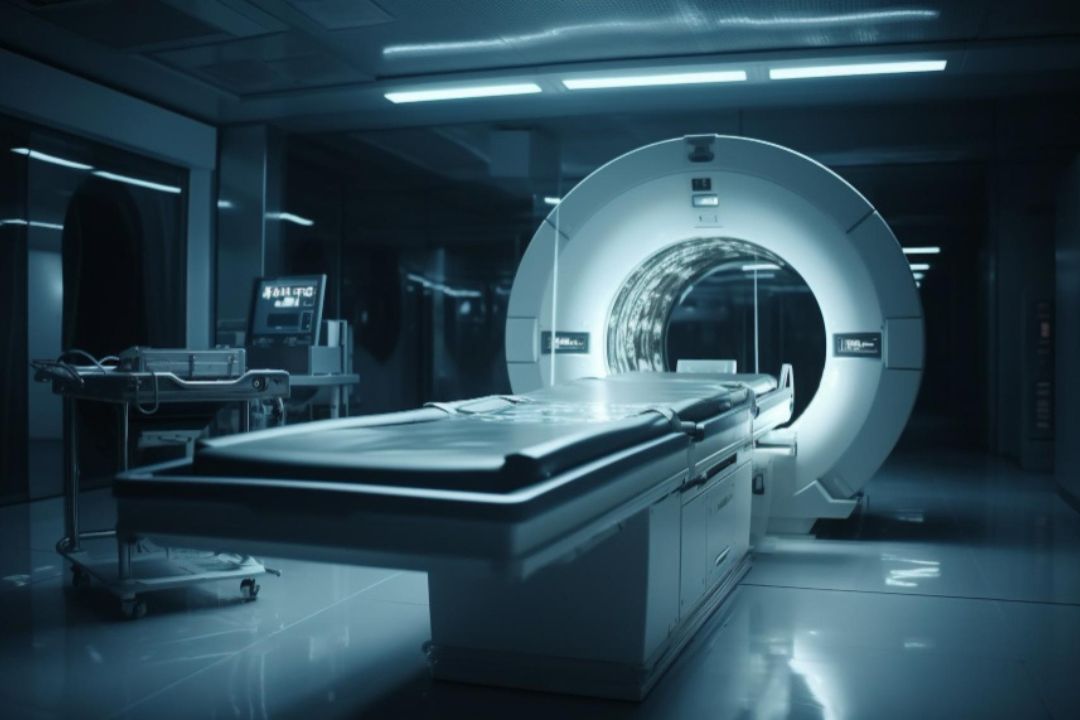
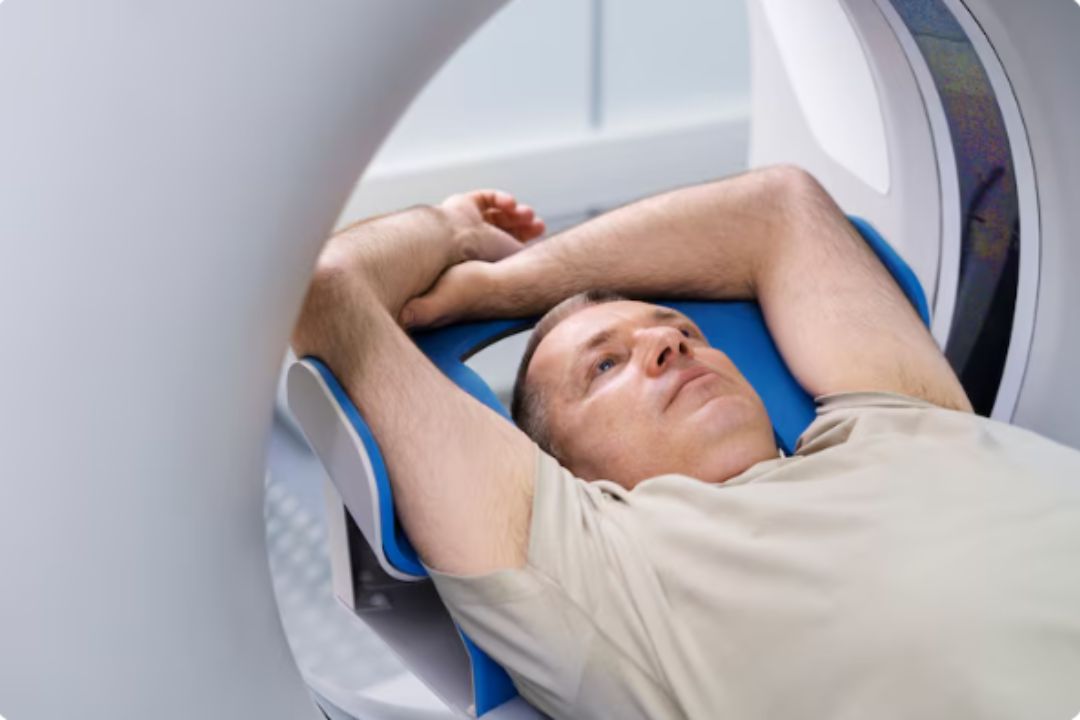
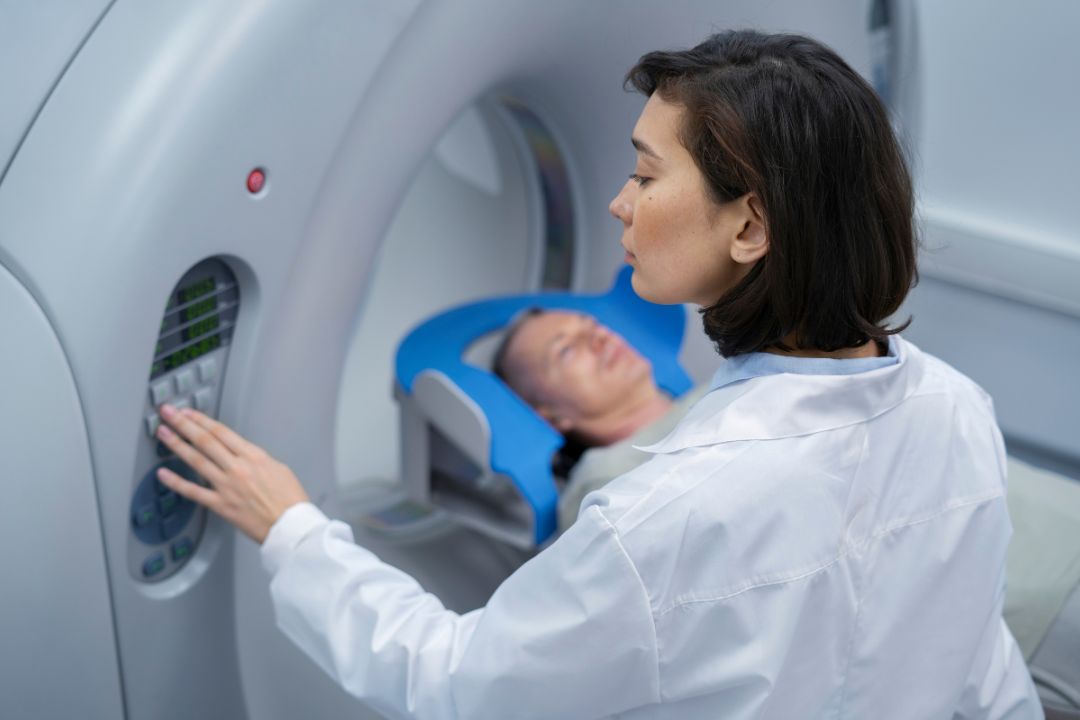
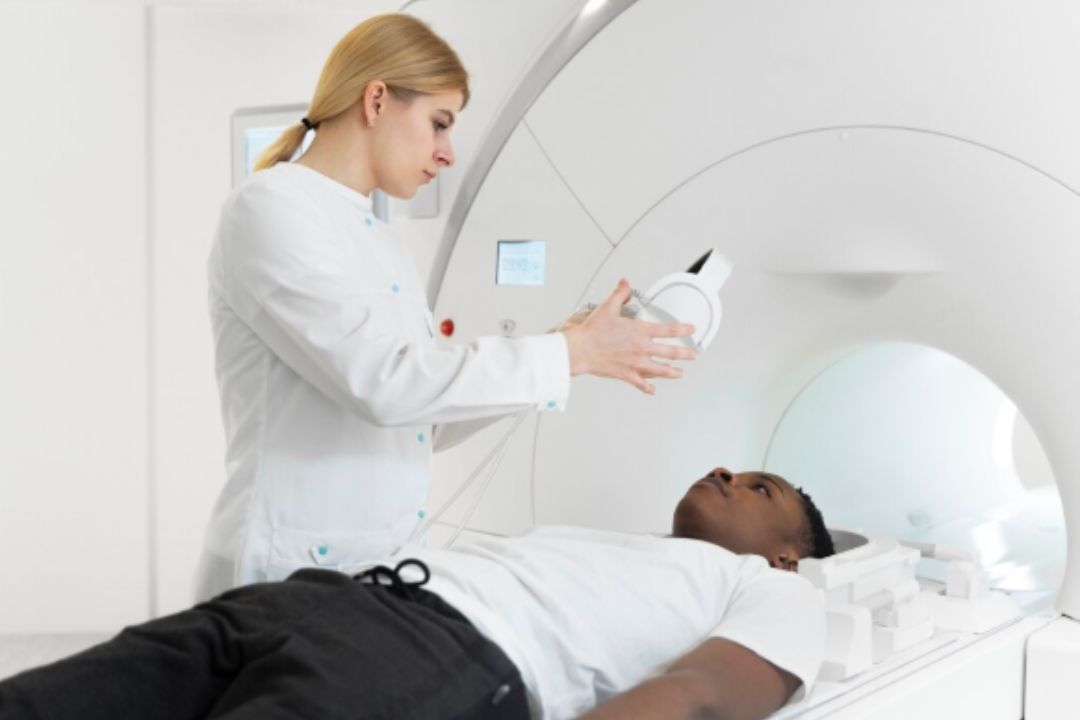
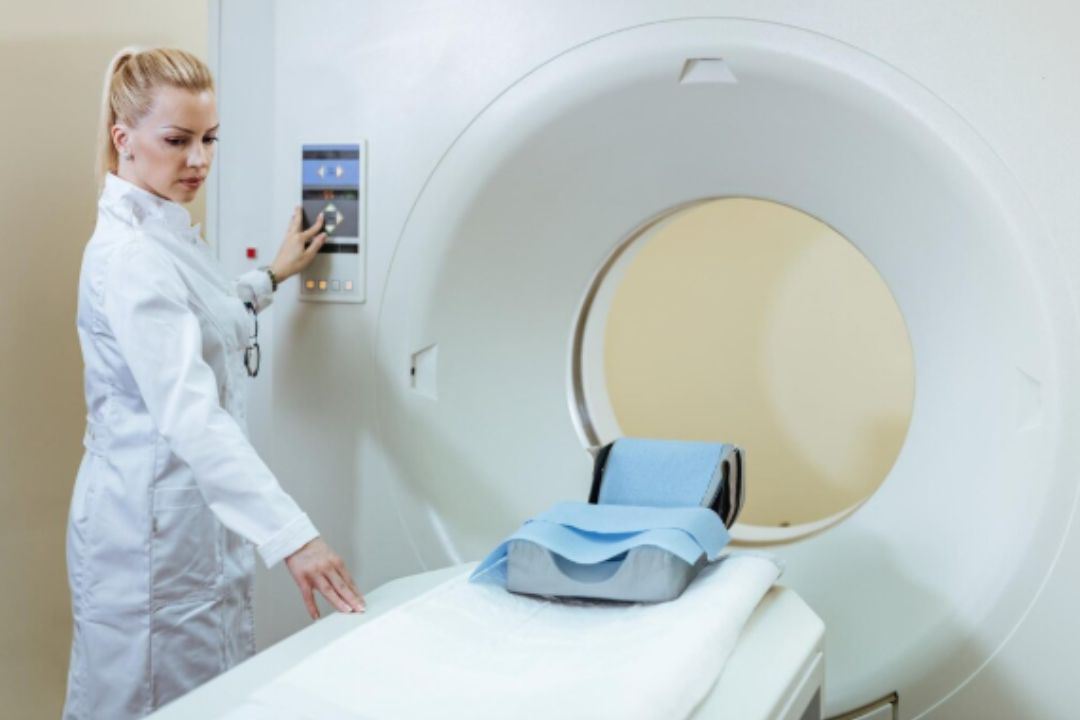
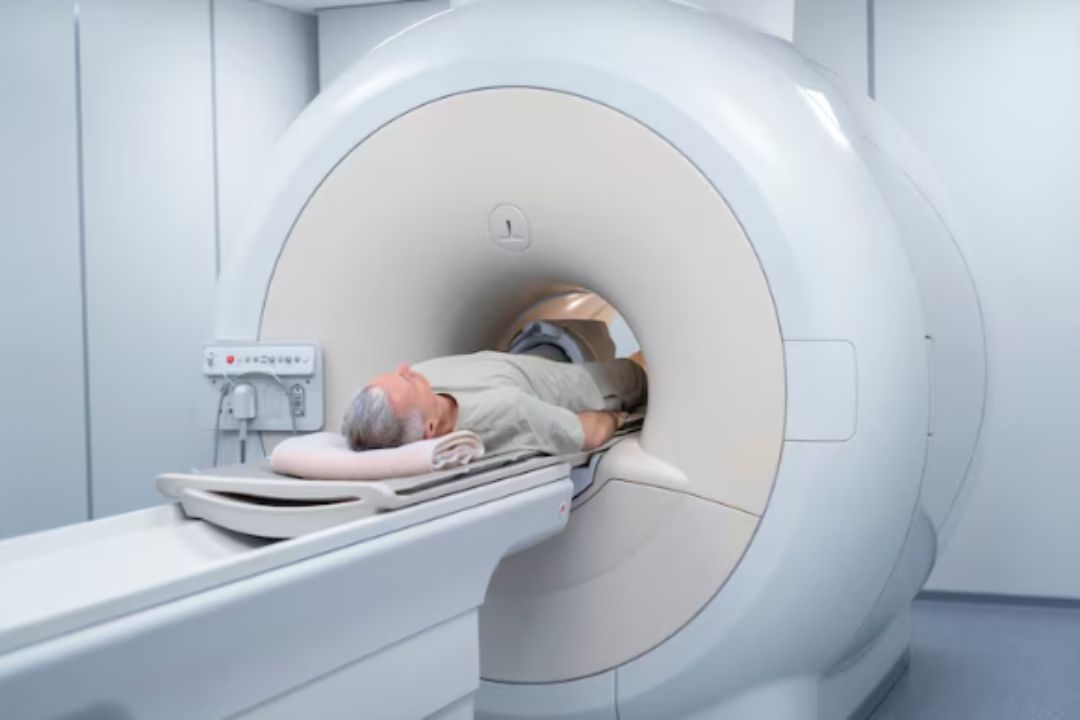
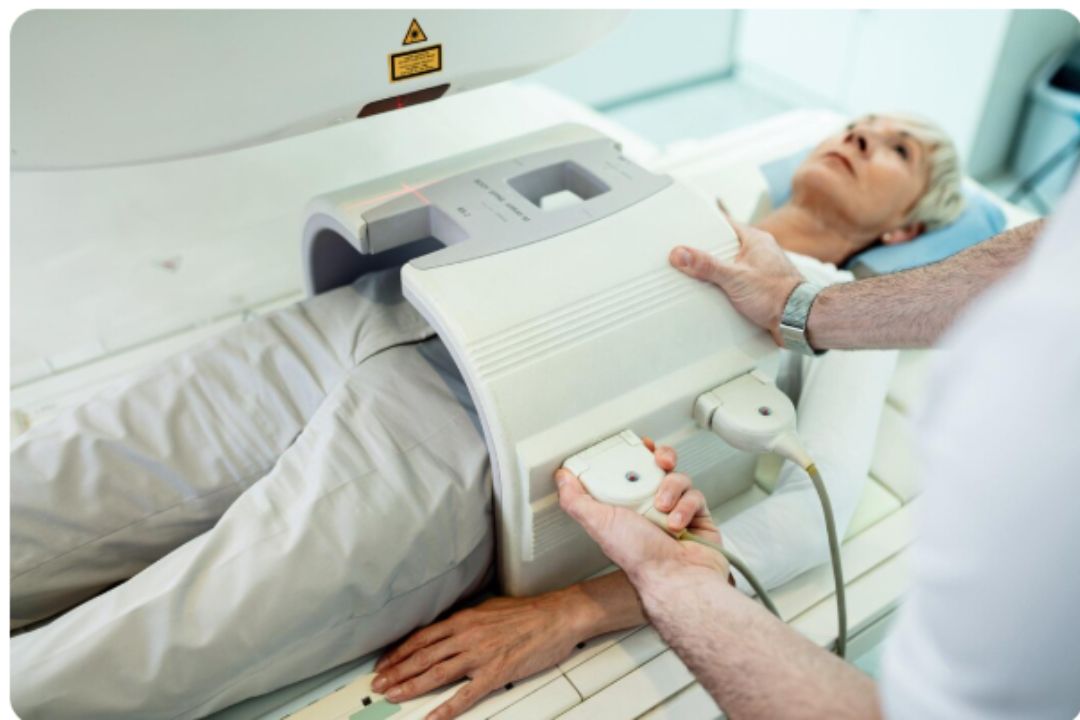
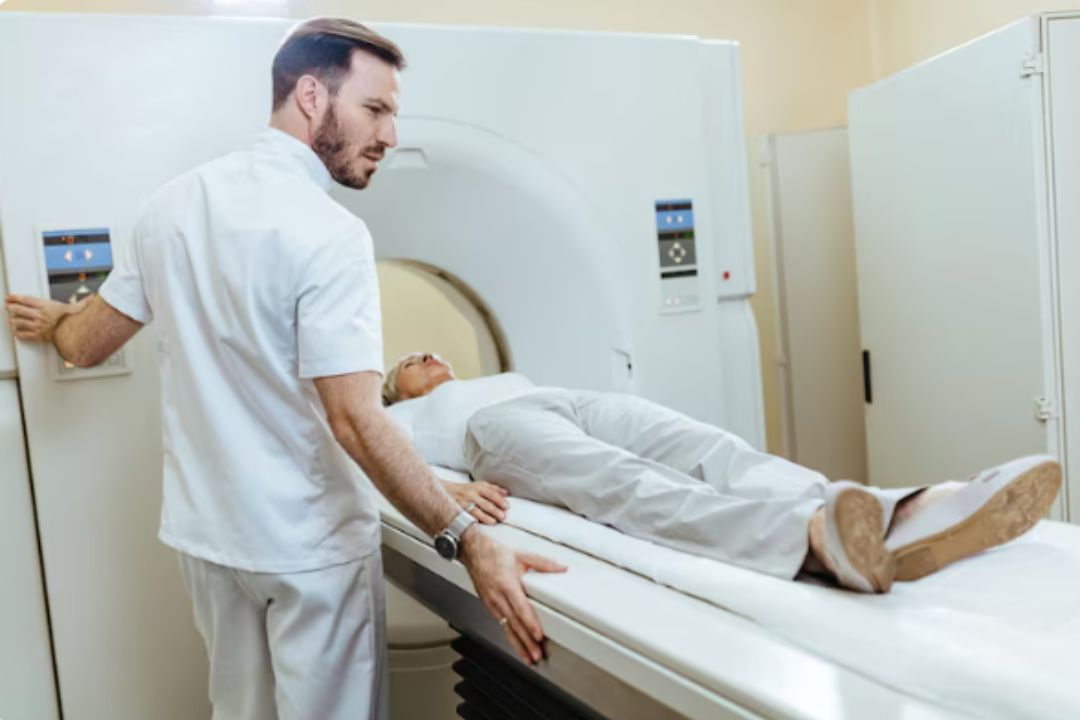
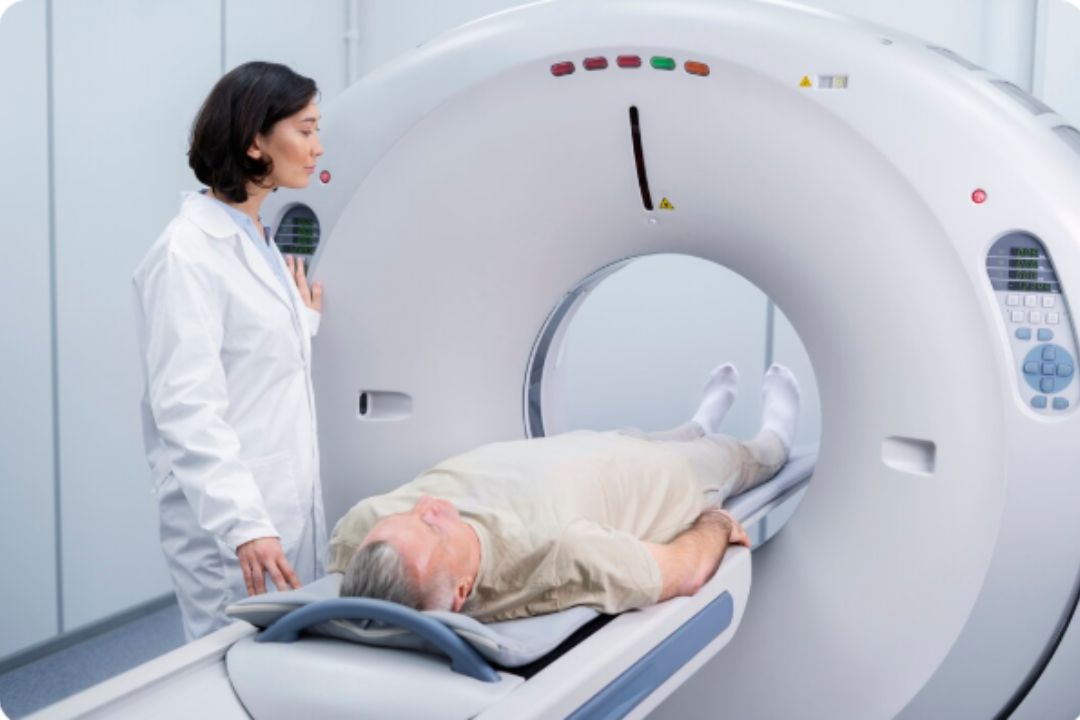
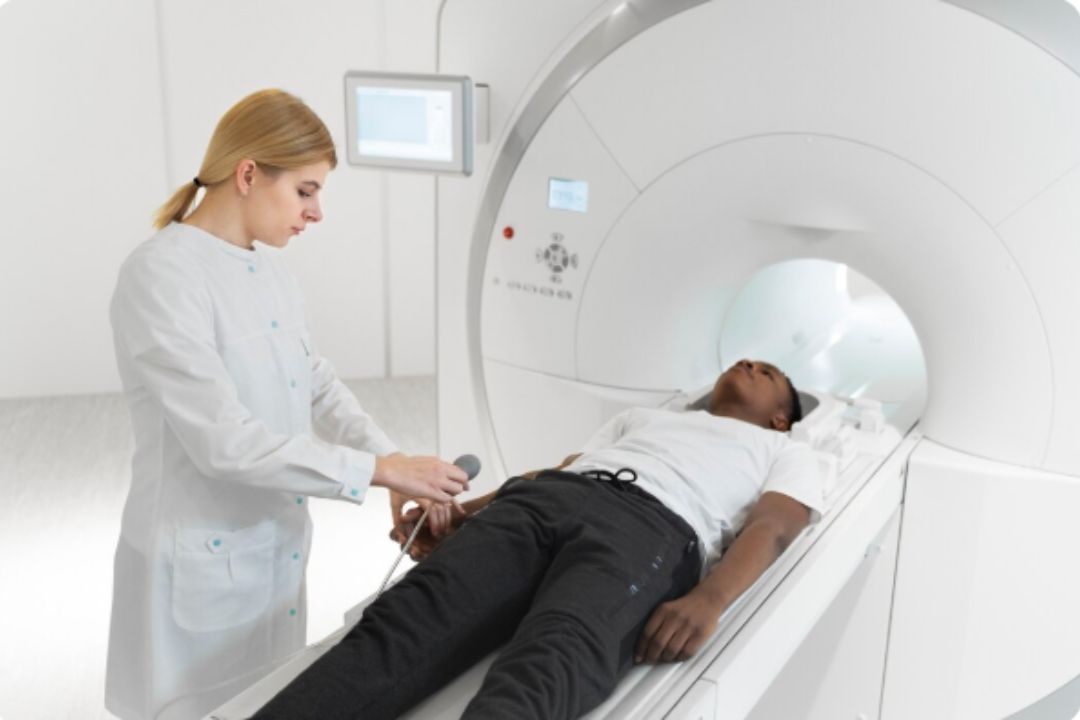
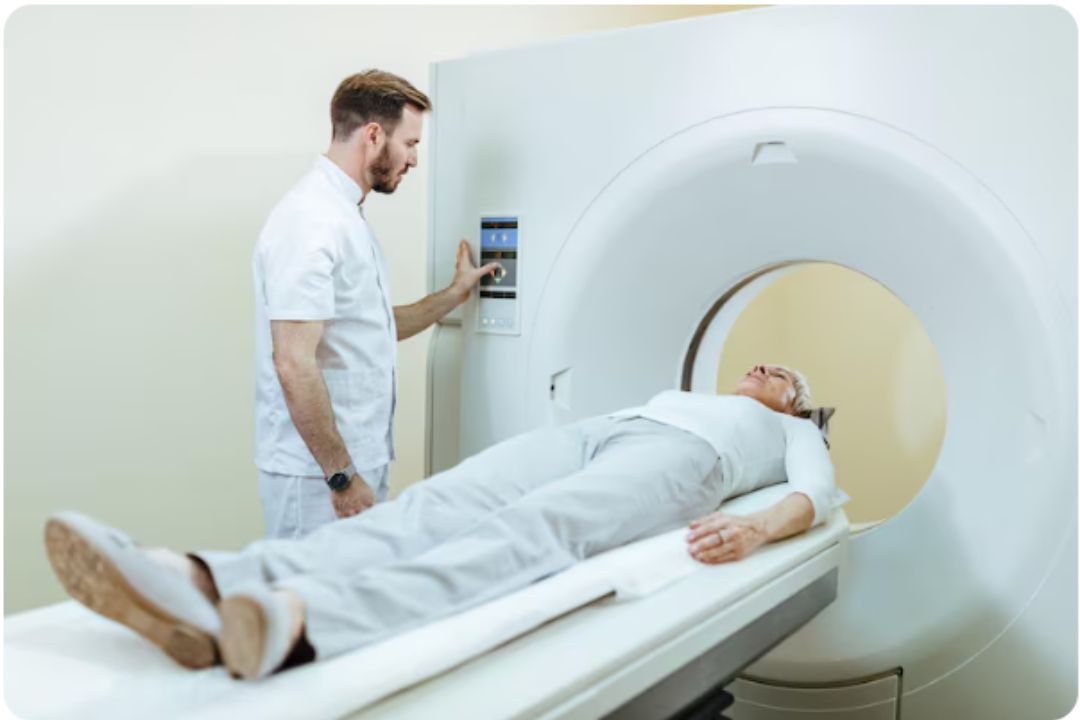
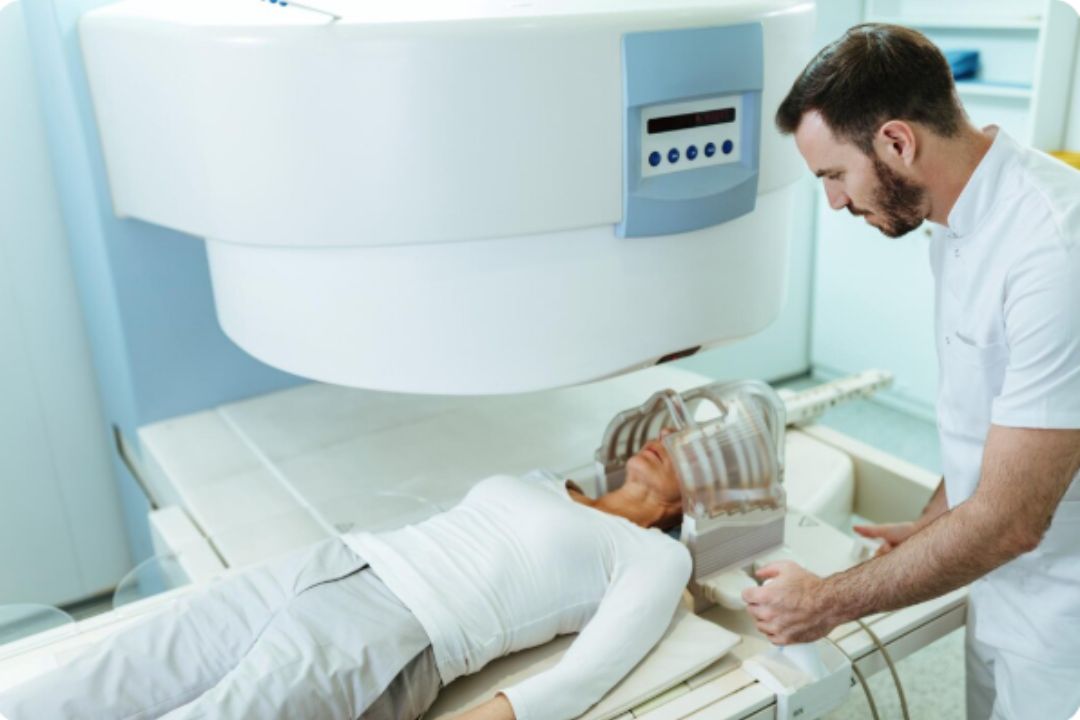
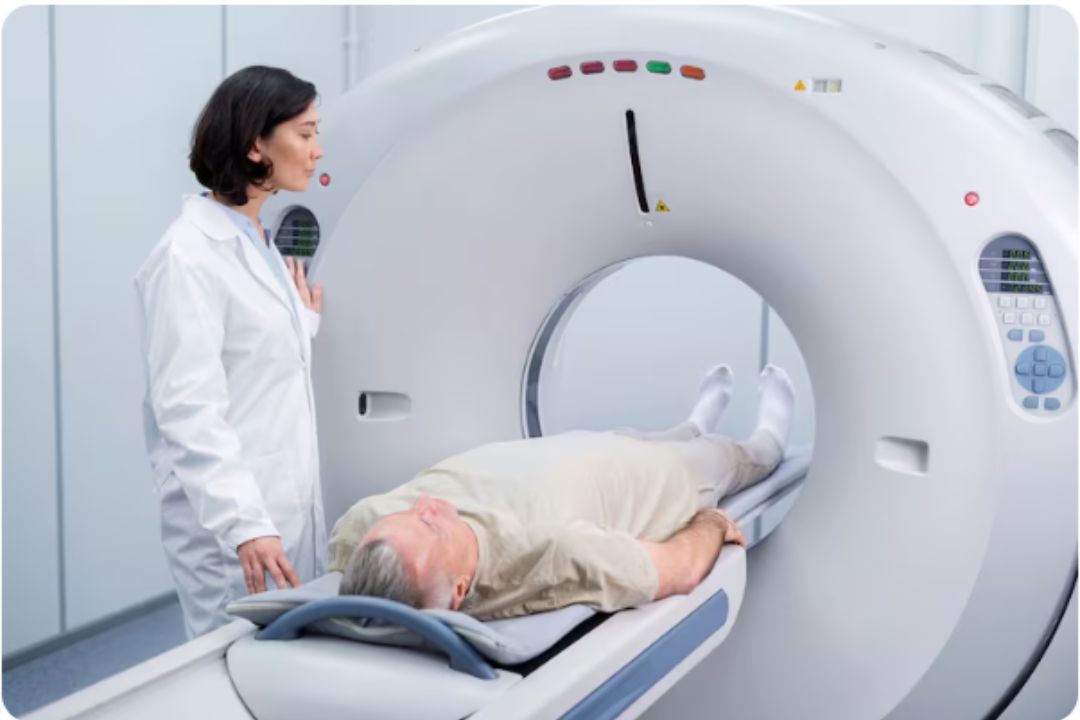
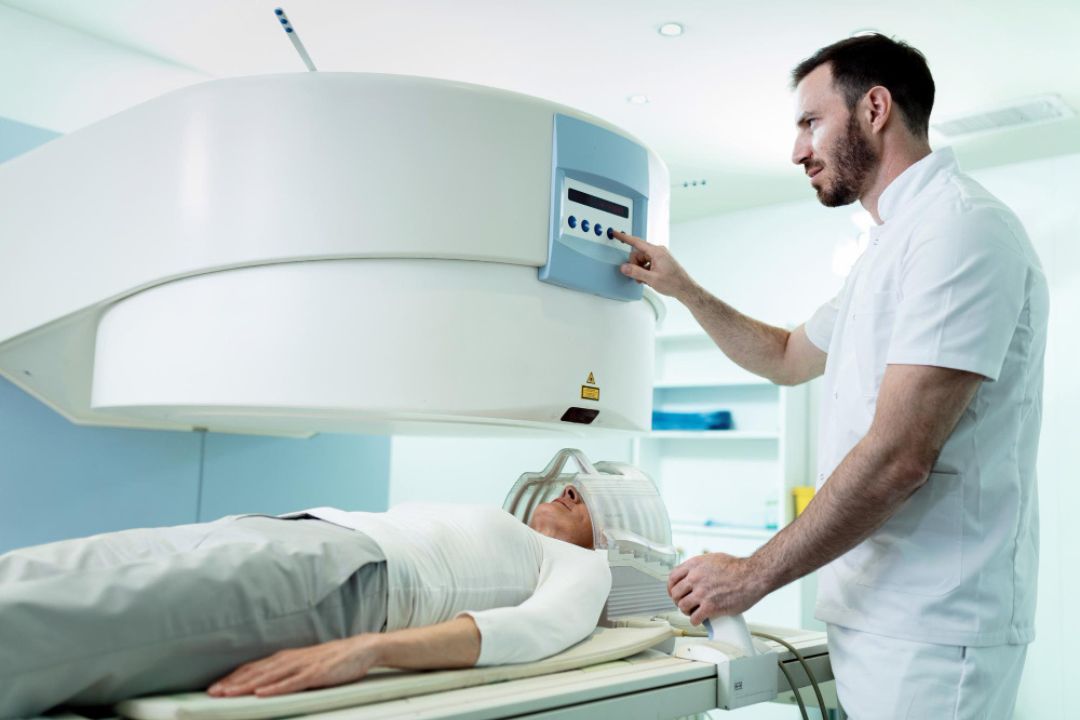
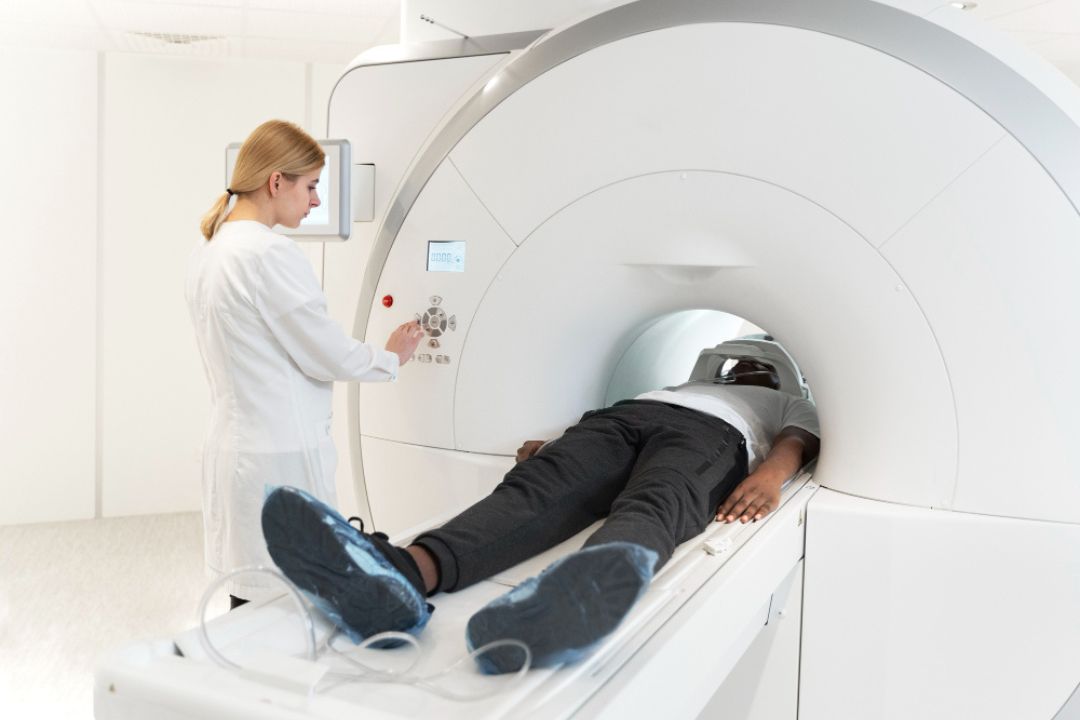
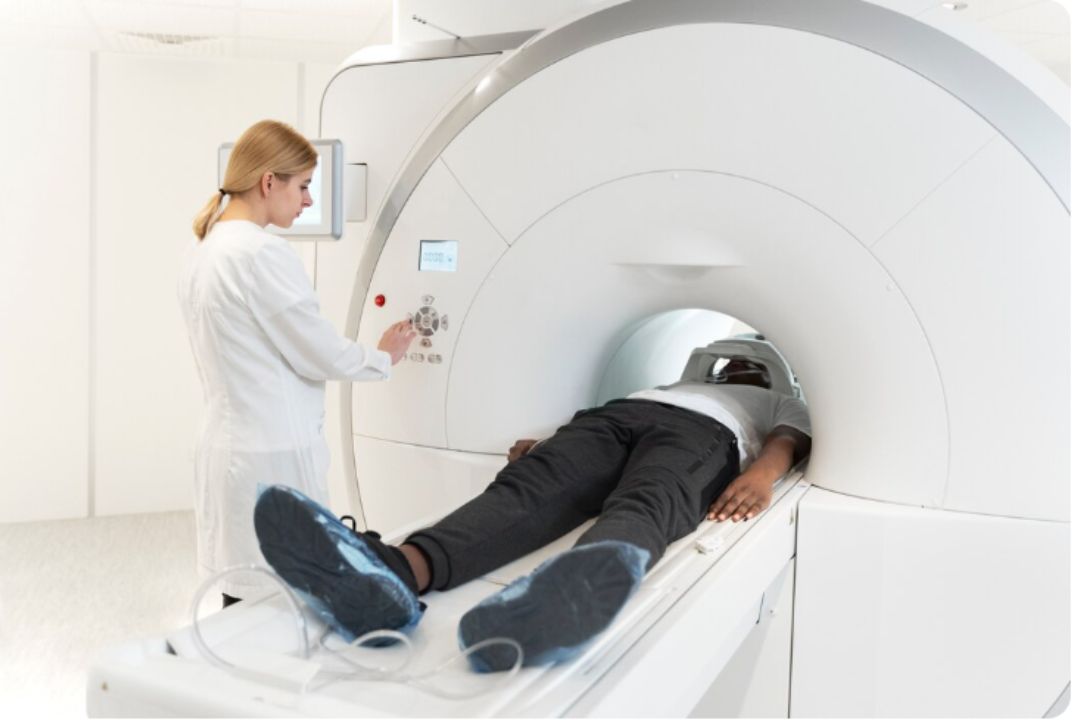
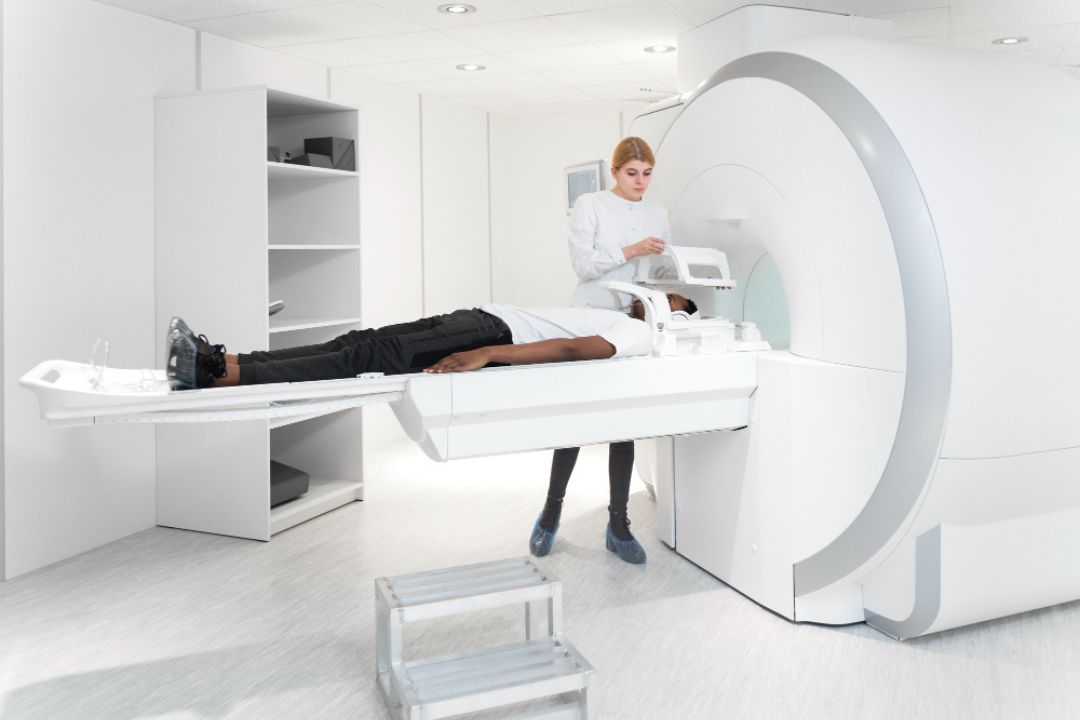
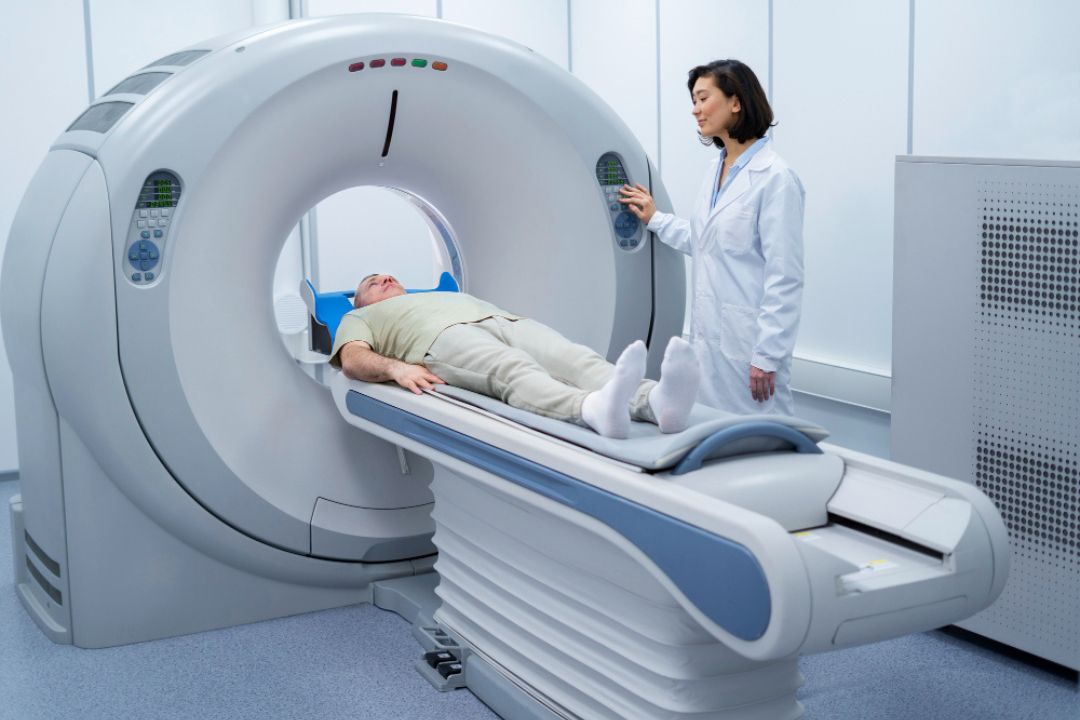
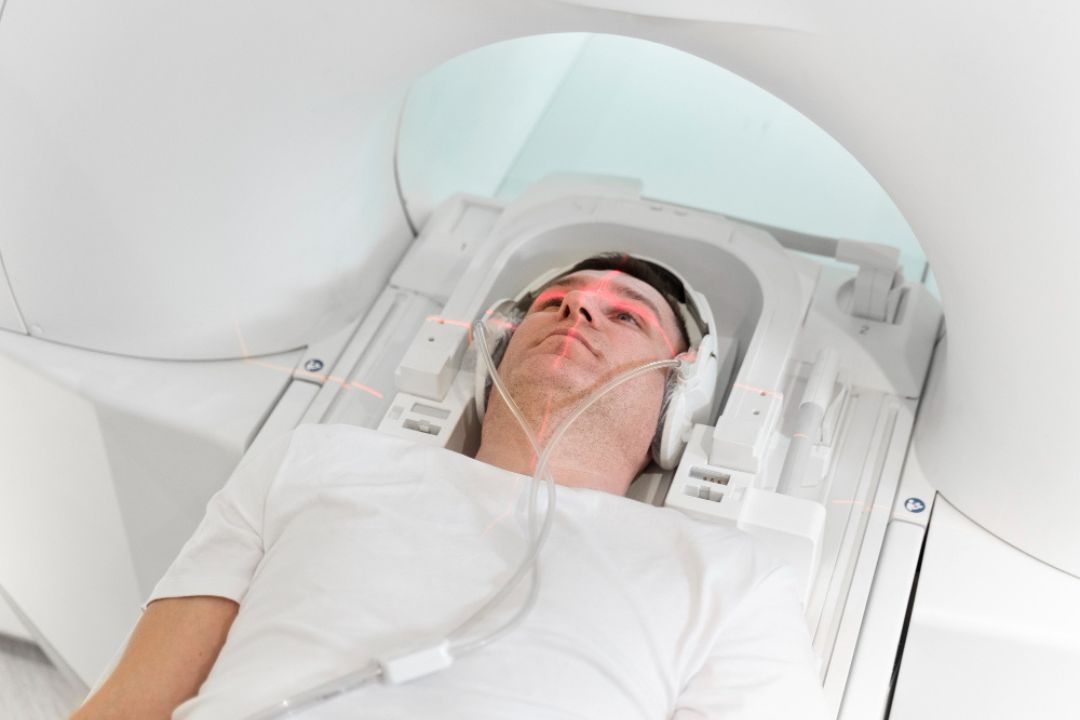
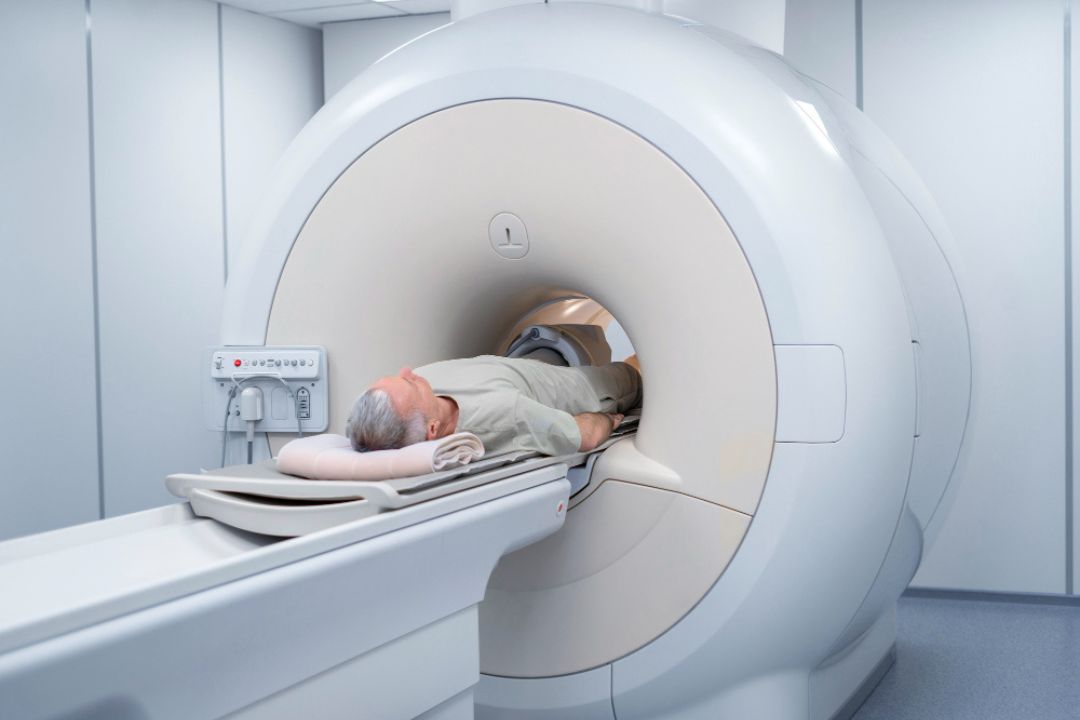
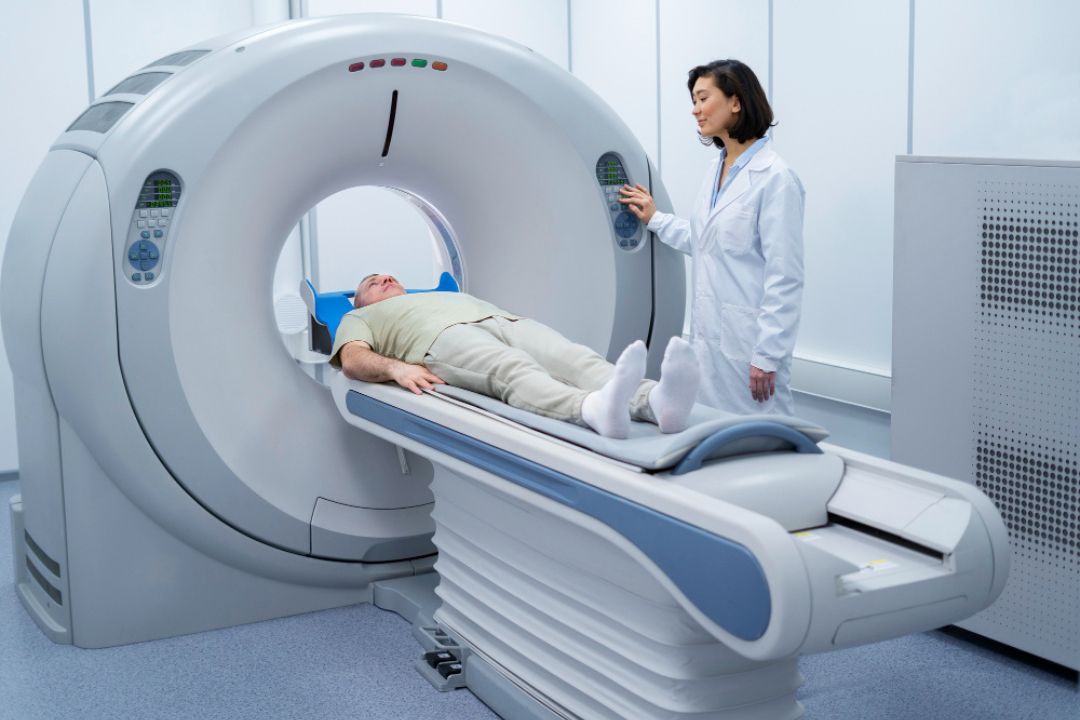
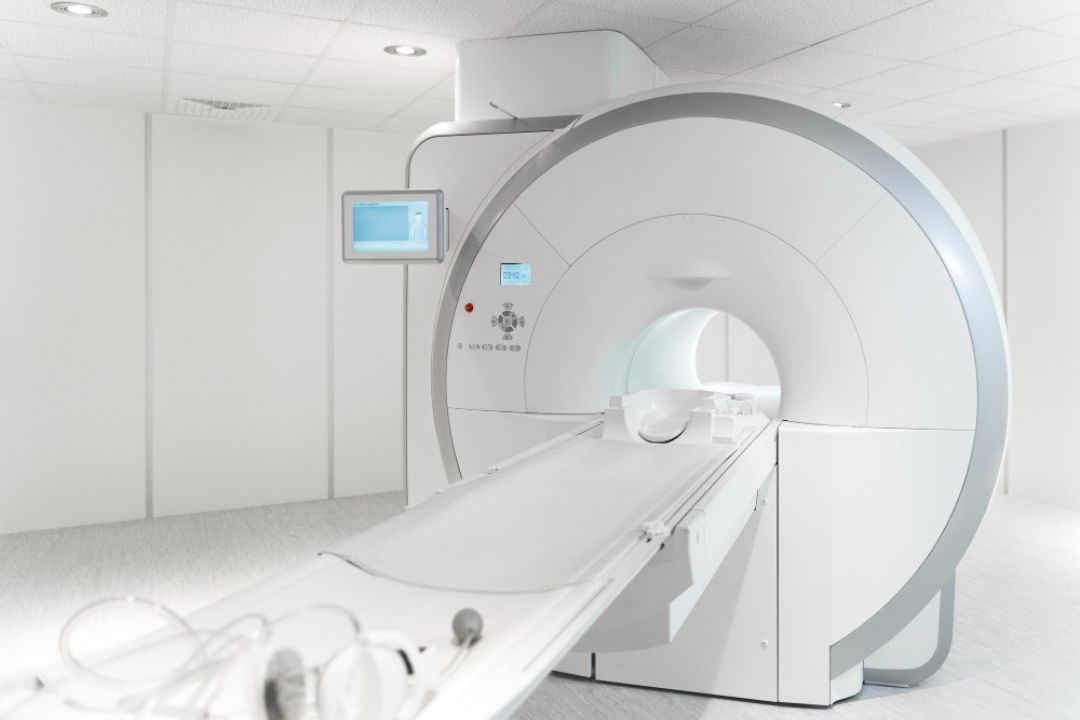
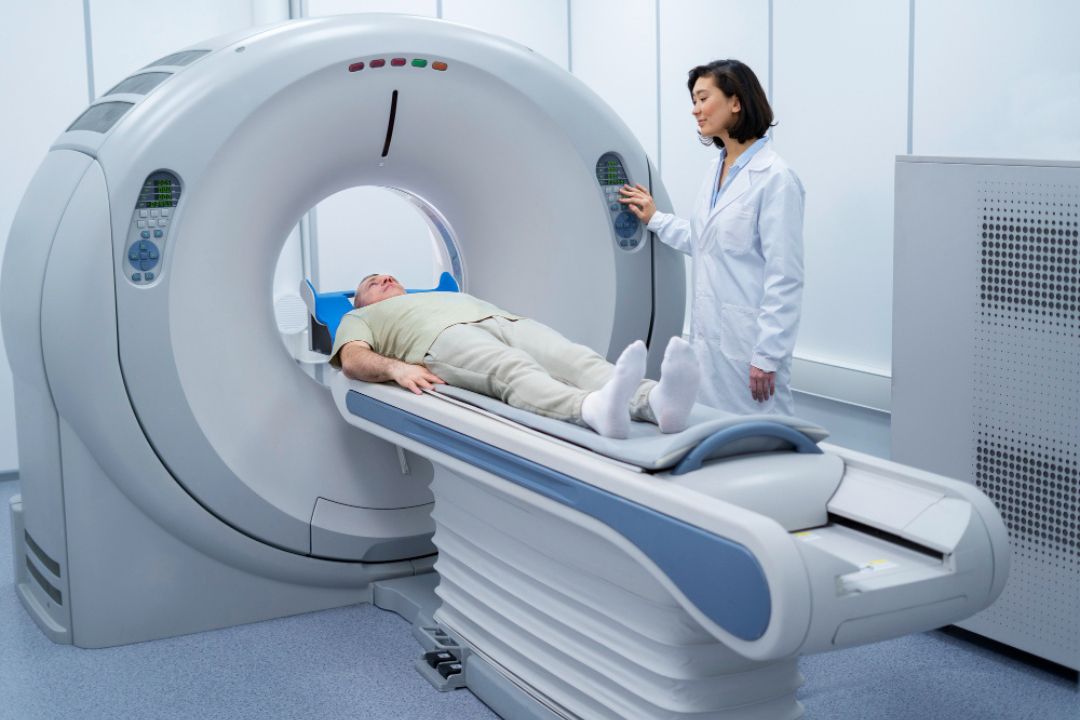
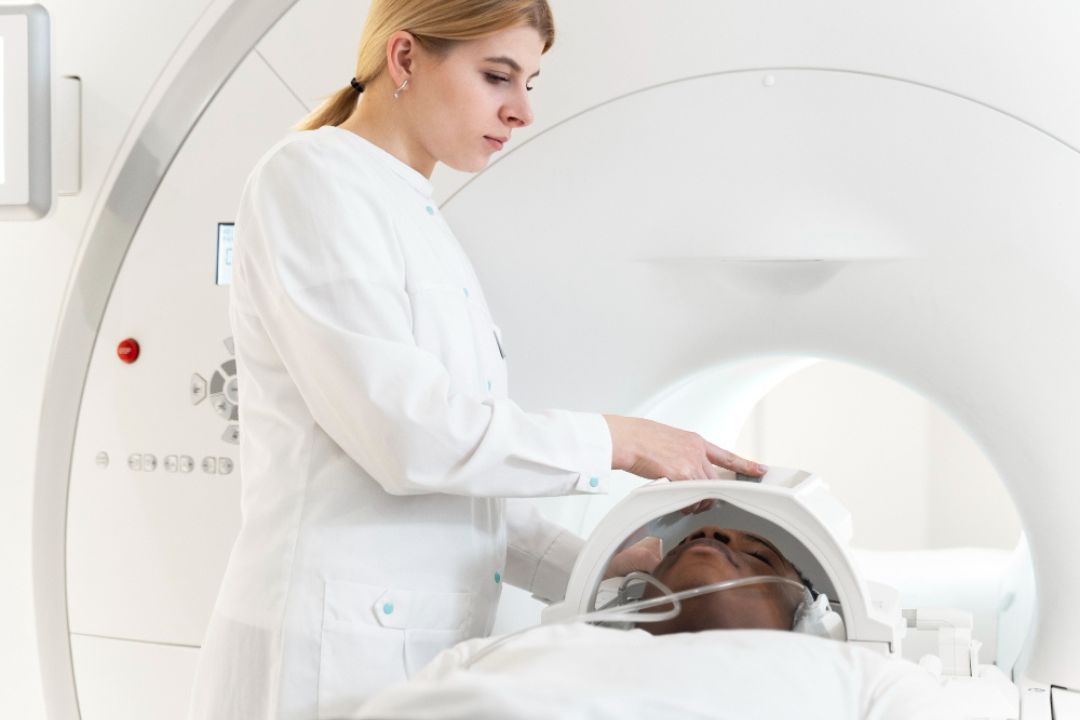
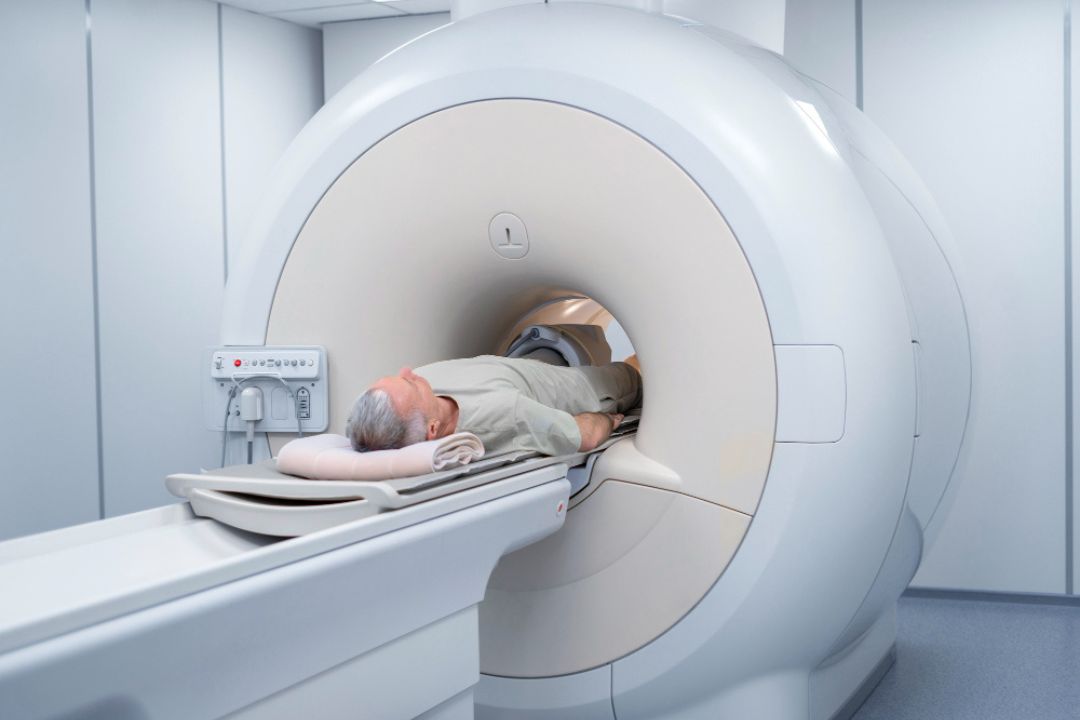
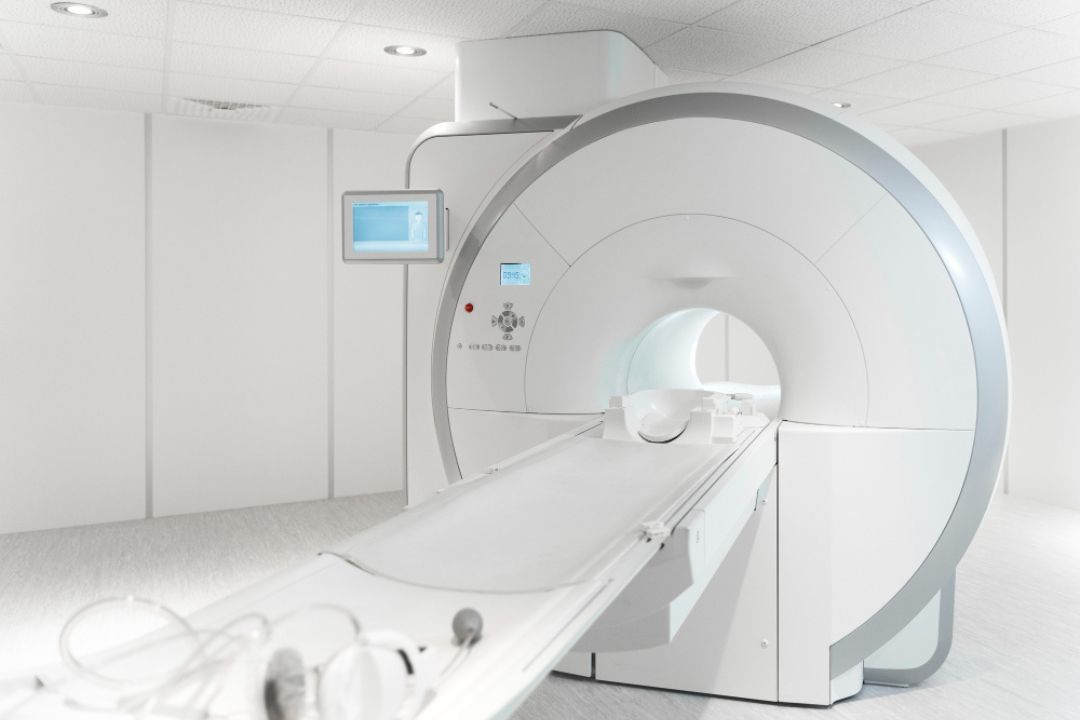
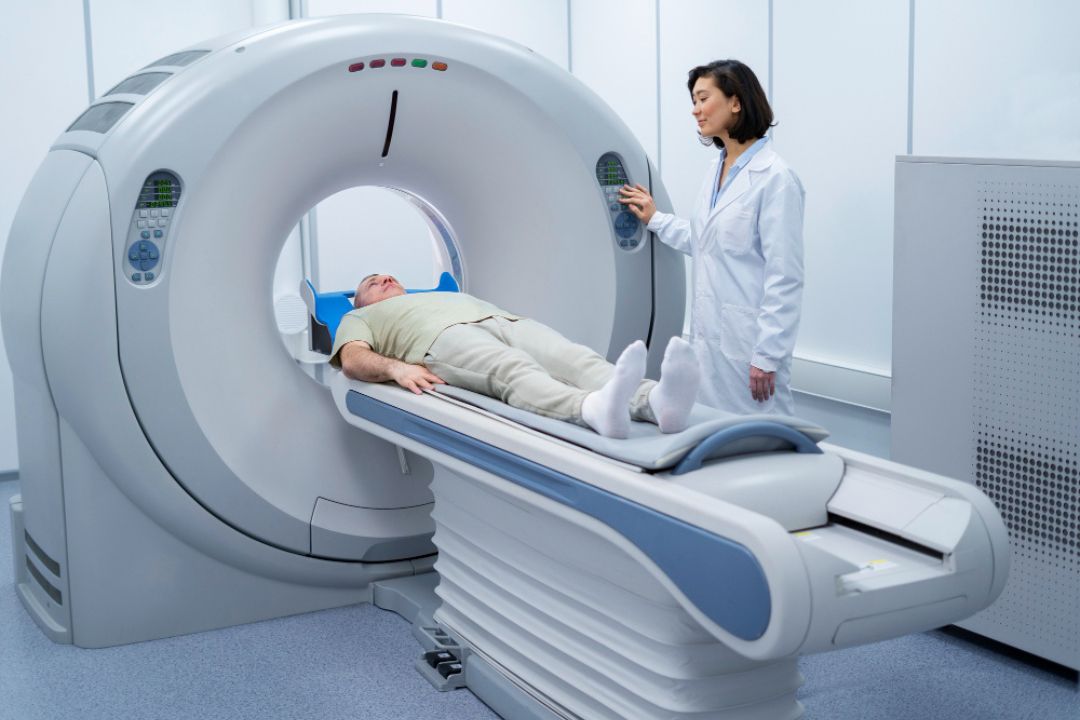
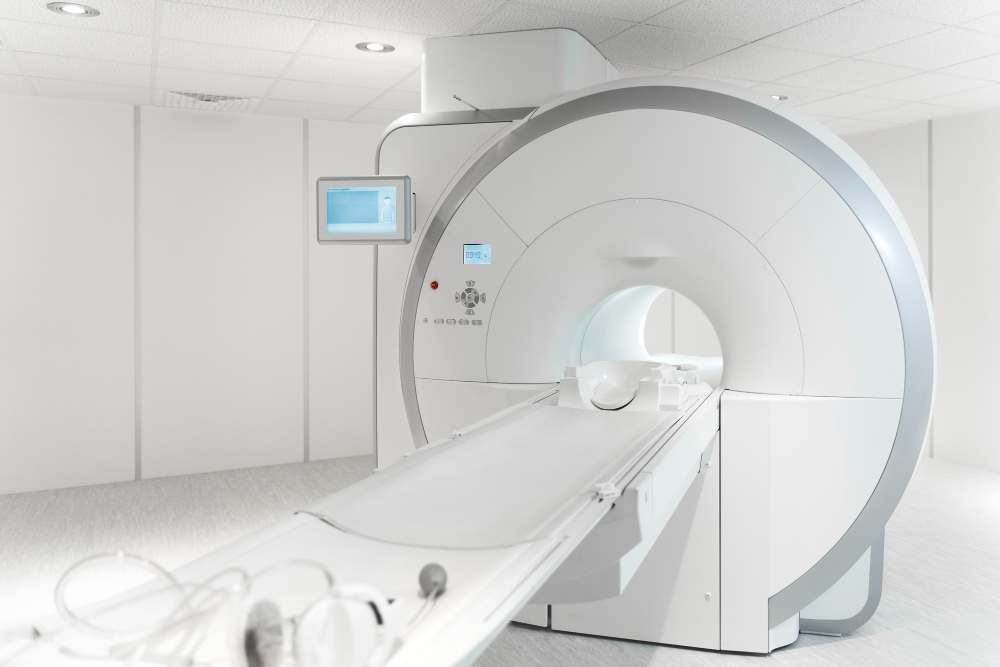
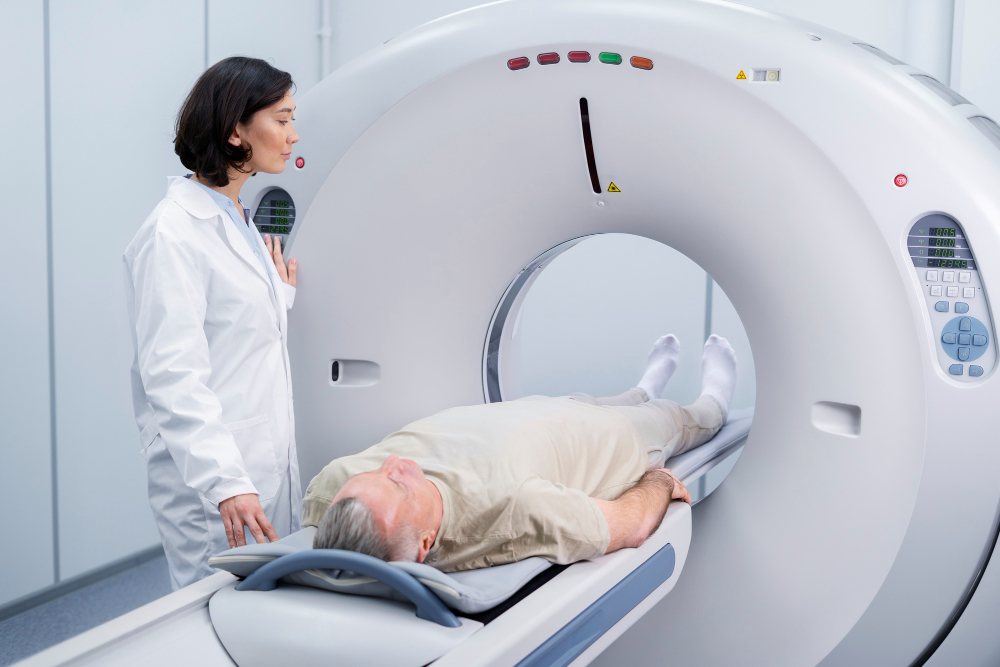
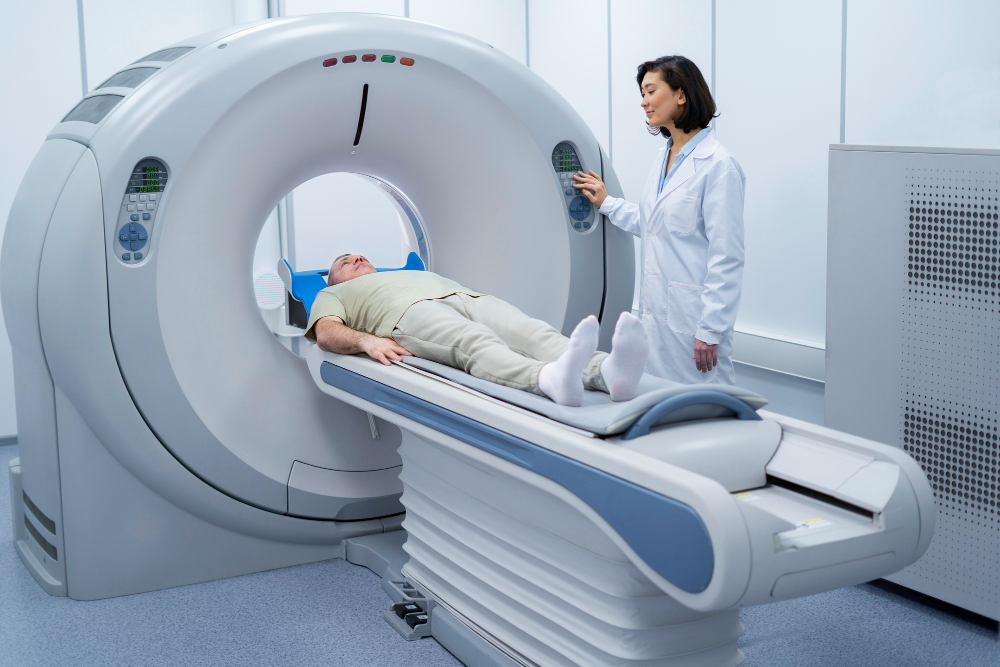
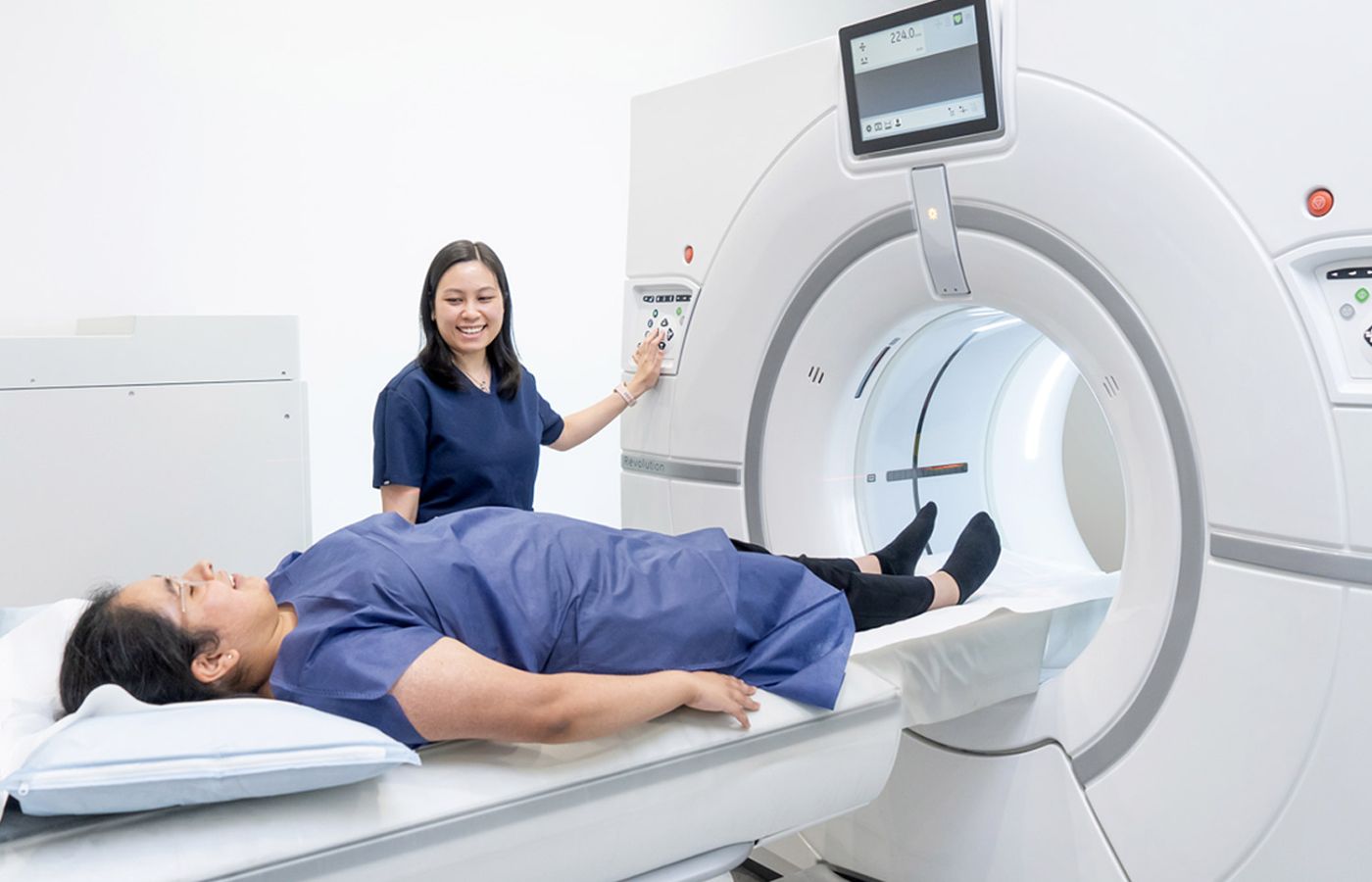
An NCCT scan is performed in a specialized room using a large machine shaped like a doughnut. Here’s what typically happens:
Preparation – No special prep such as fasting or dye injection is needed. You may be asked to remove metal objects like jewelry.
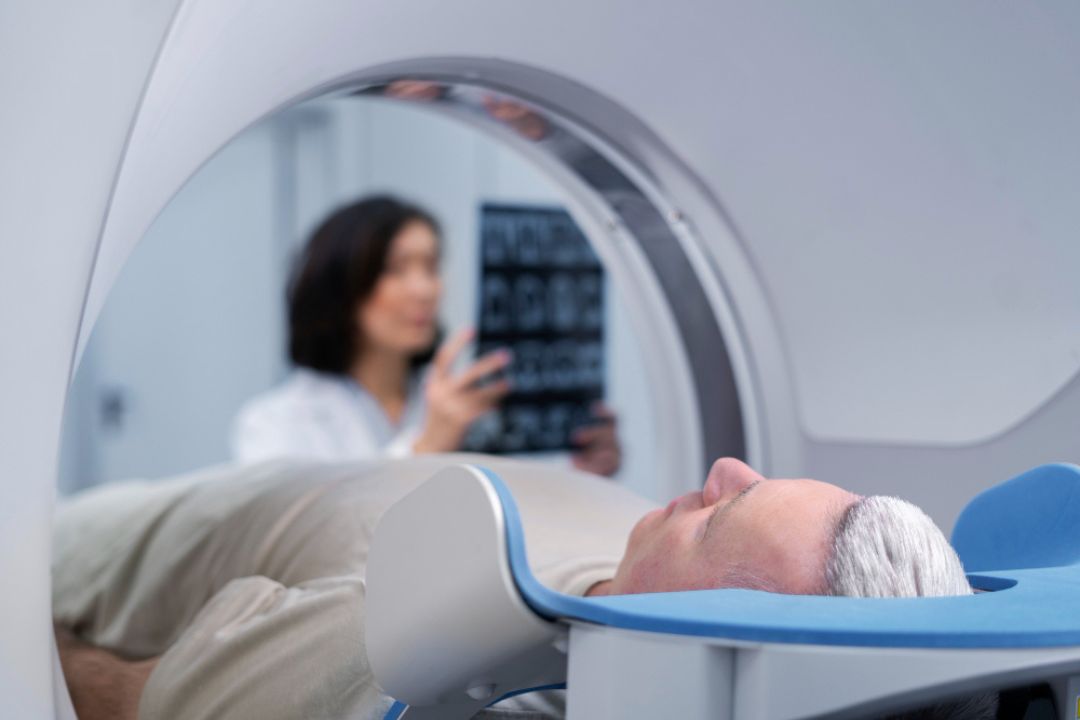
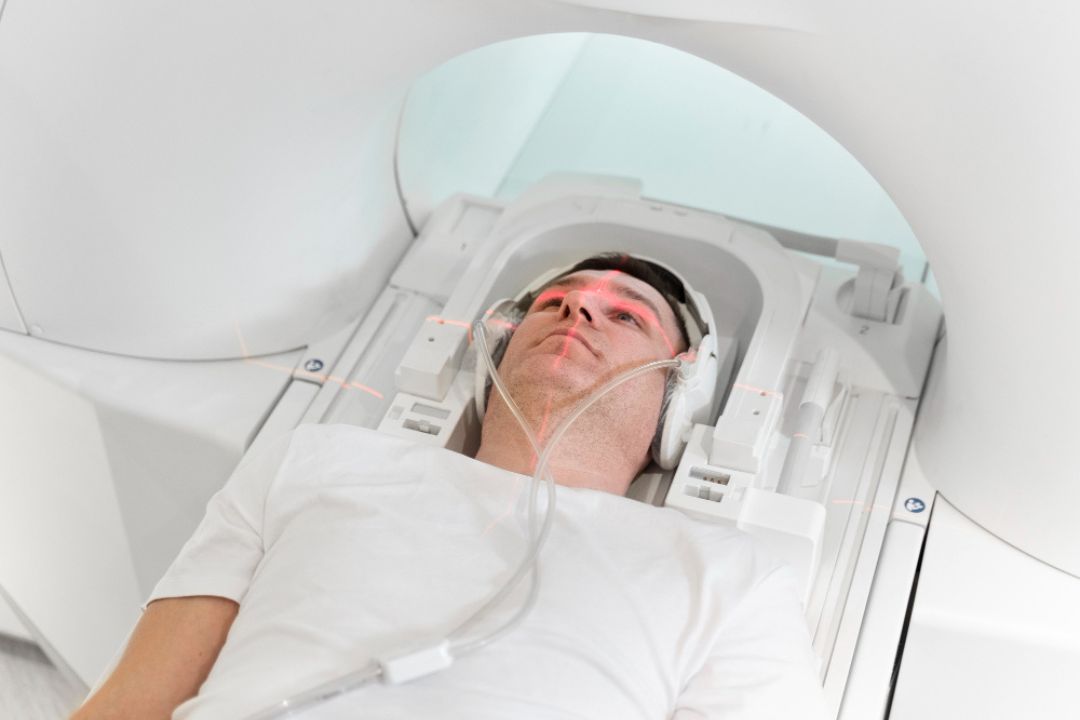
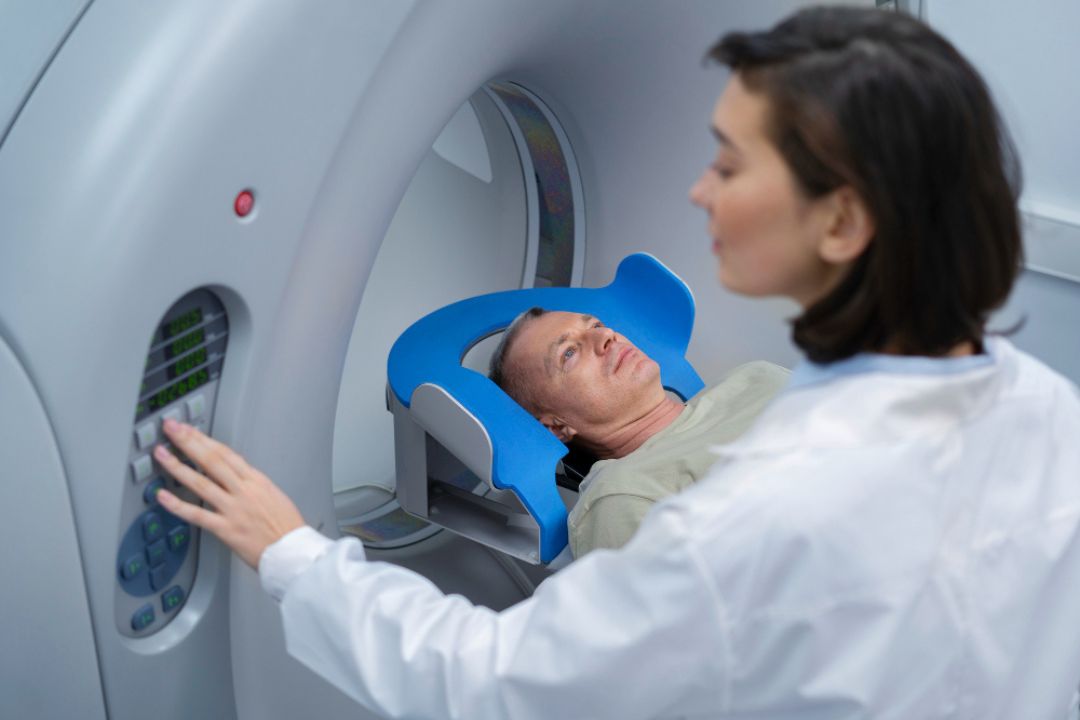
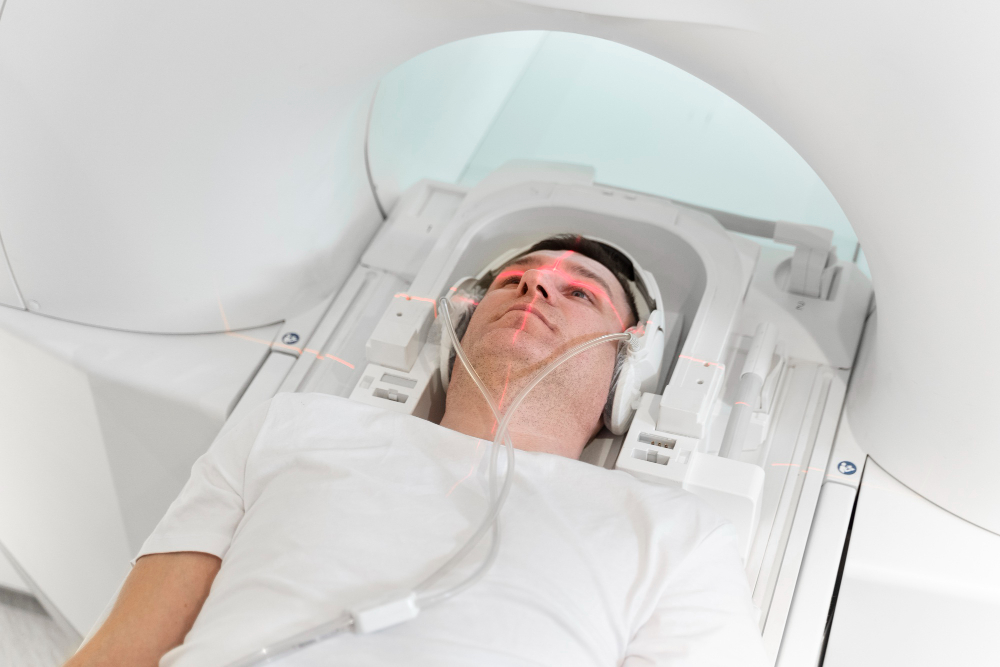
Positioning – You lie on a table that slowly moves through the scanner’s circular opening.
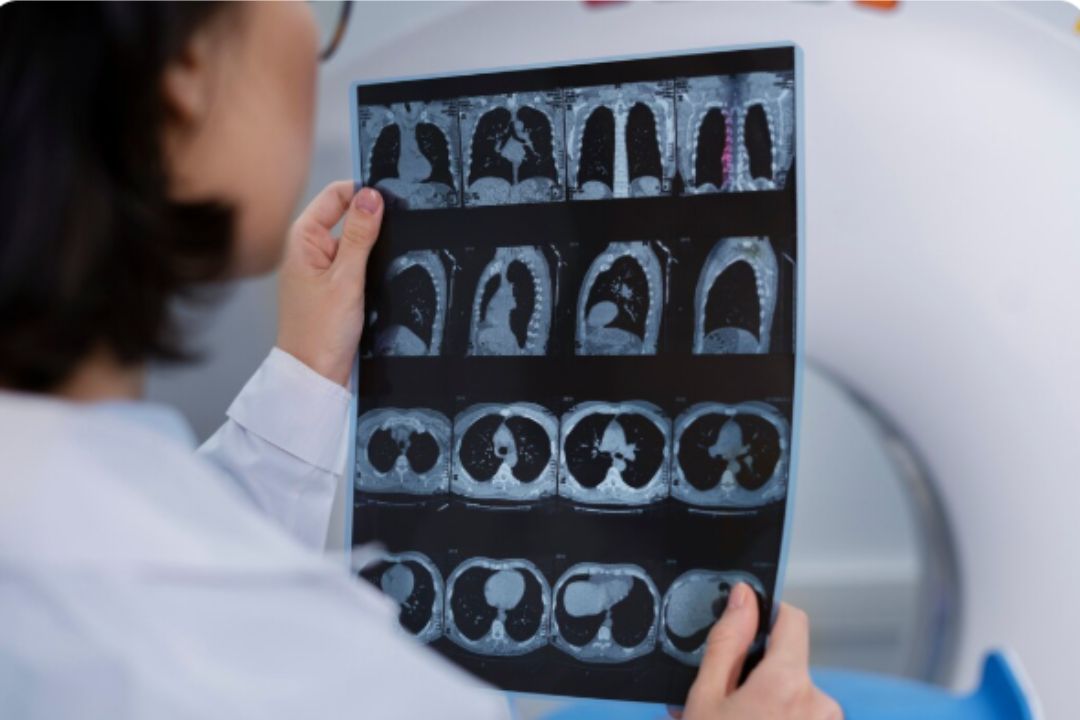
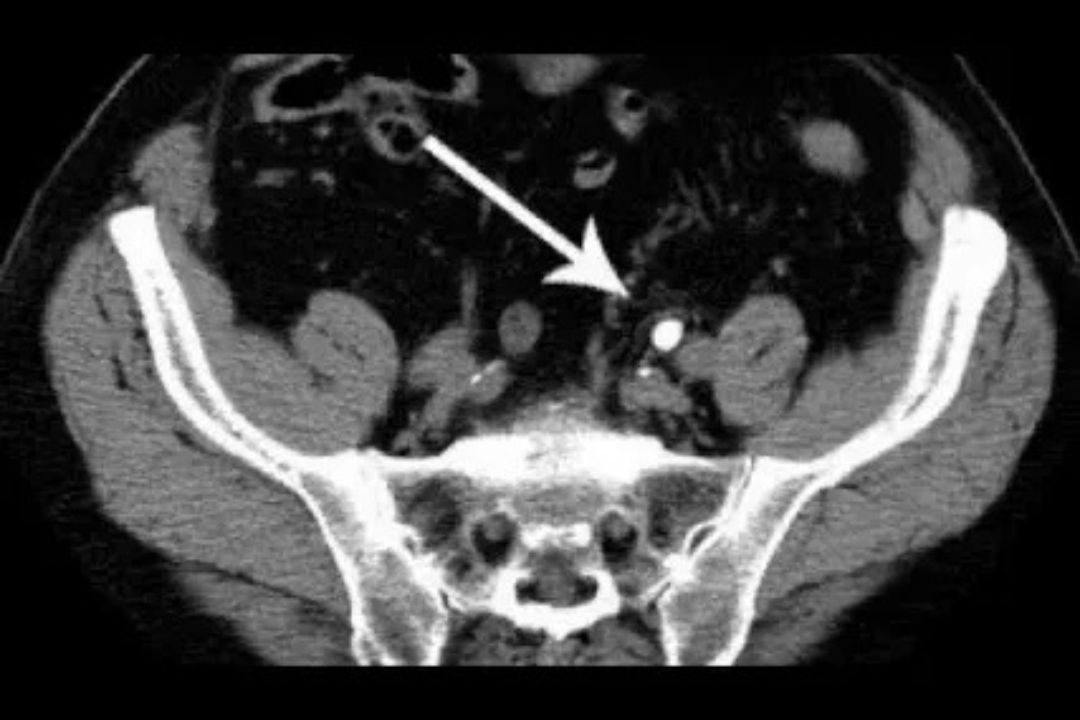
Scan Process – The machine rotates around you while directing X-rays through your body. These rays are captured by detectors and then processed by a computer to create cross-sectional images or “slices.”
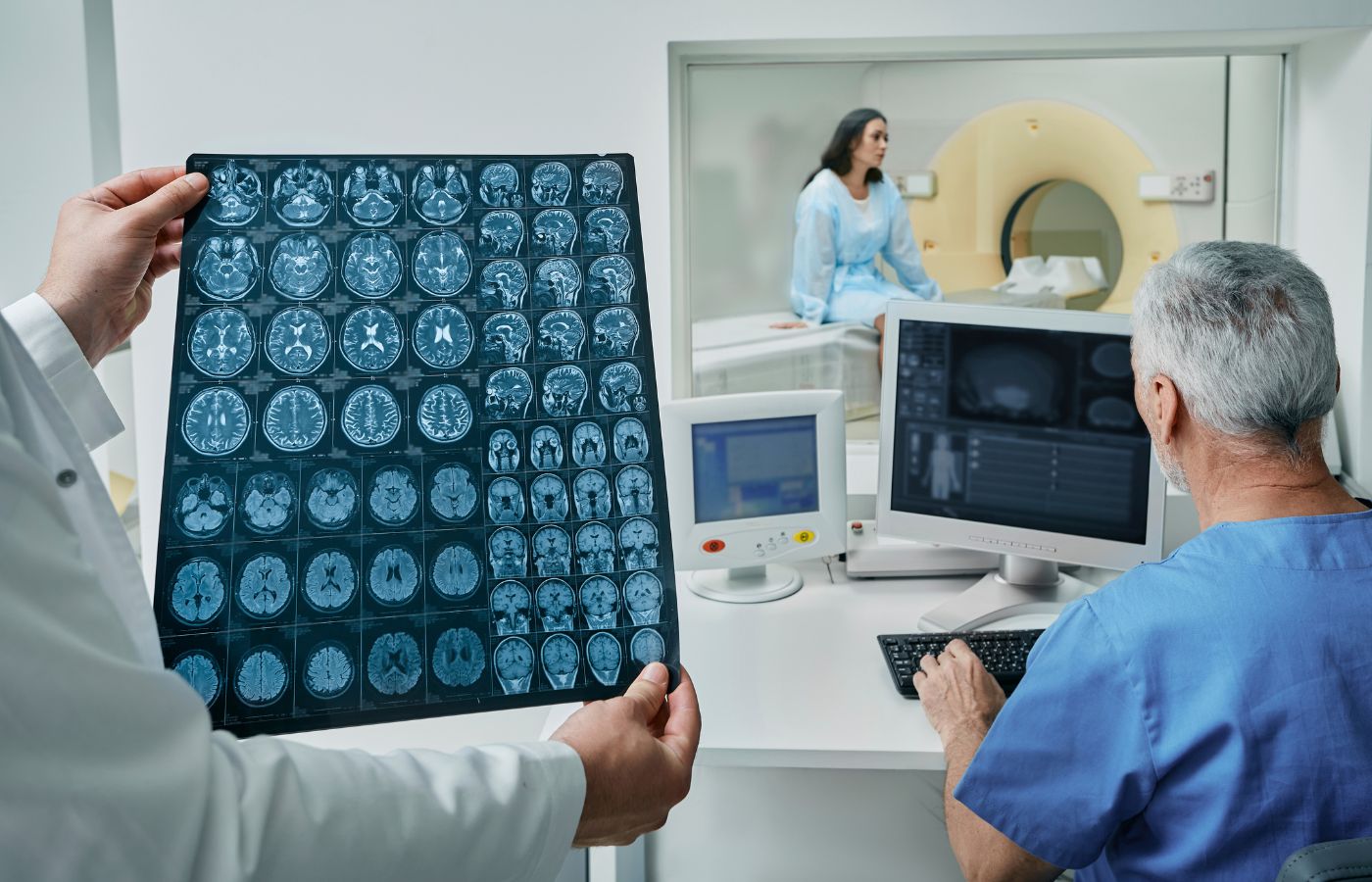
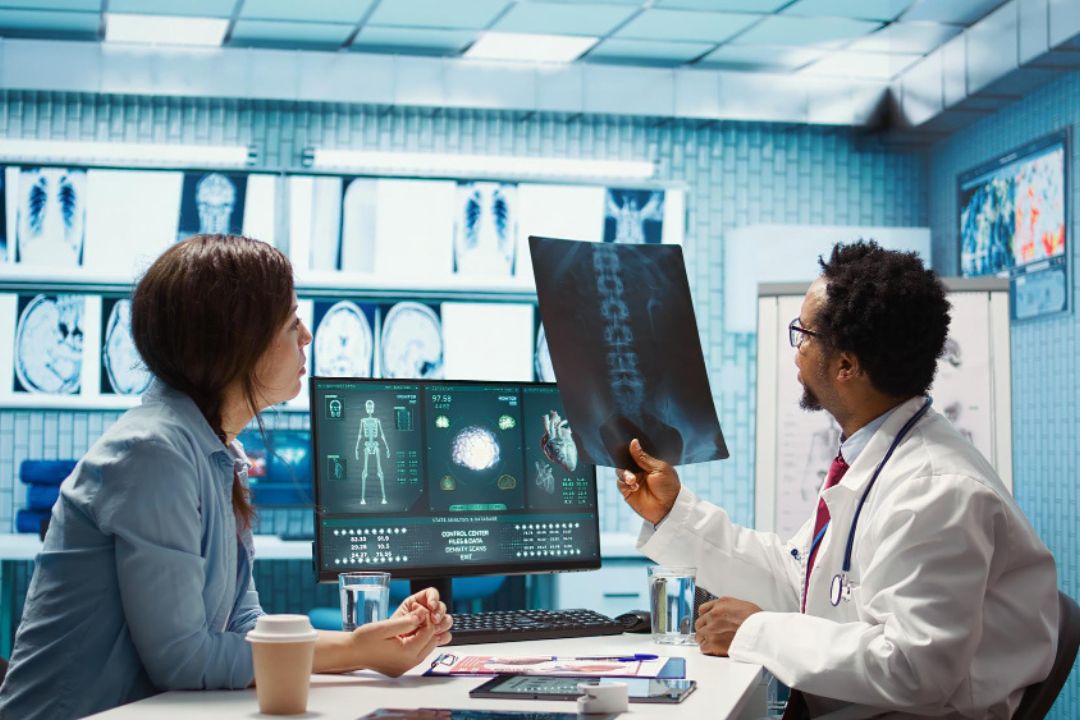
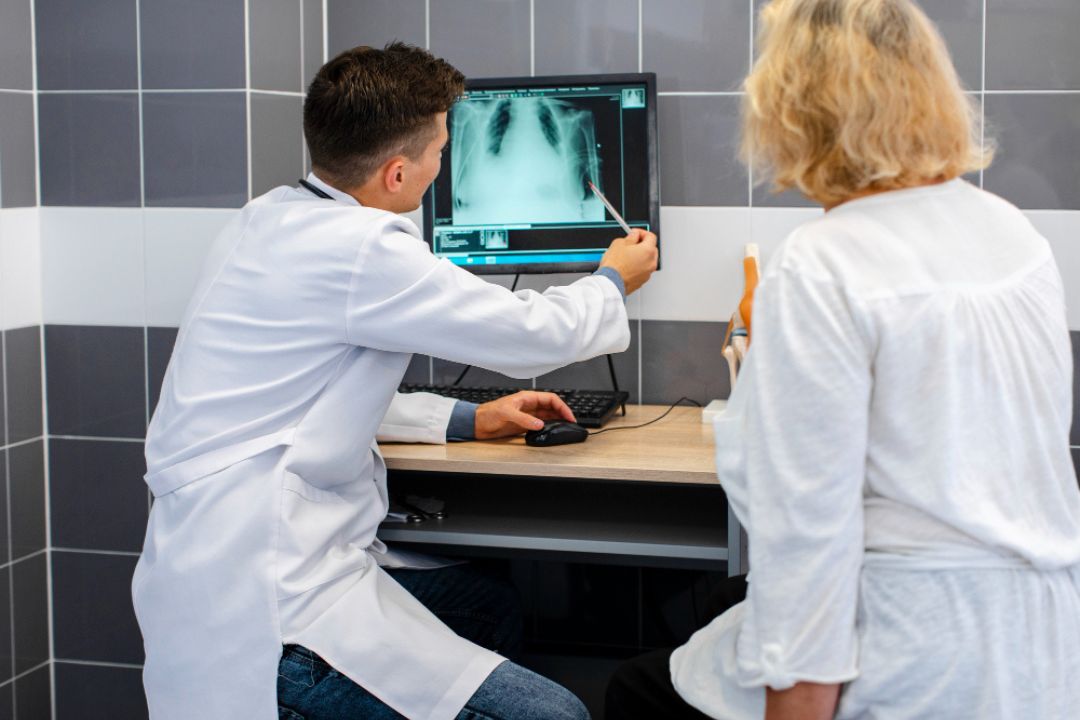
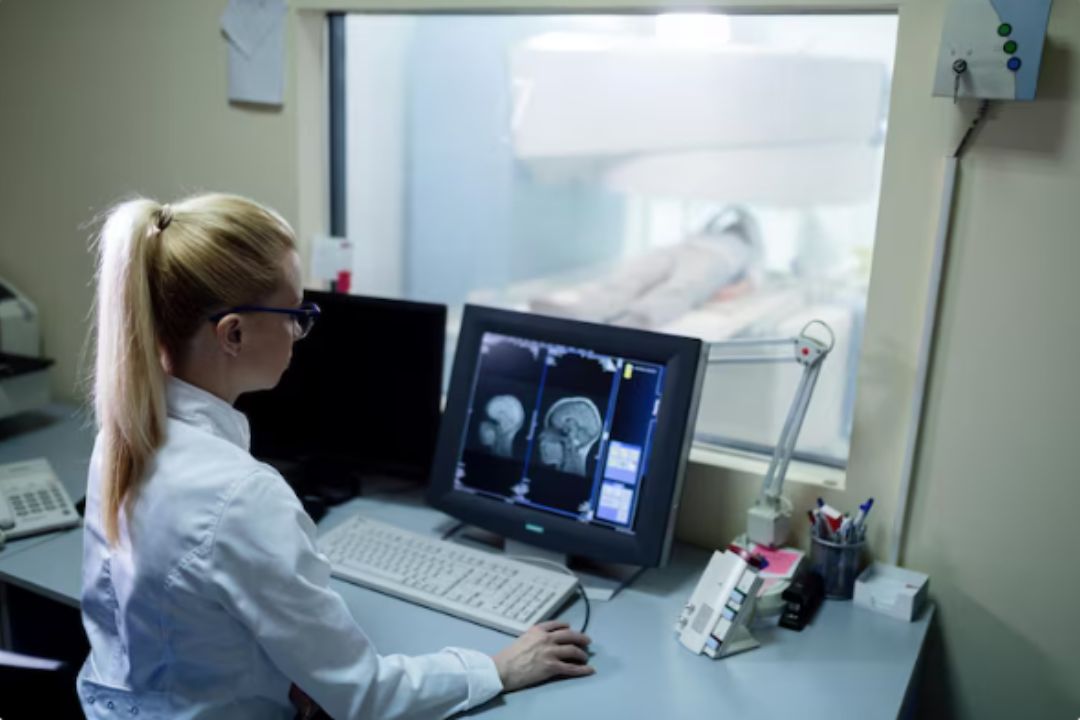
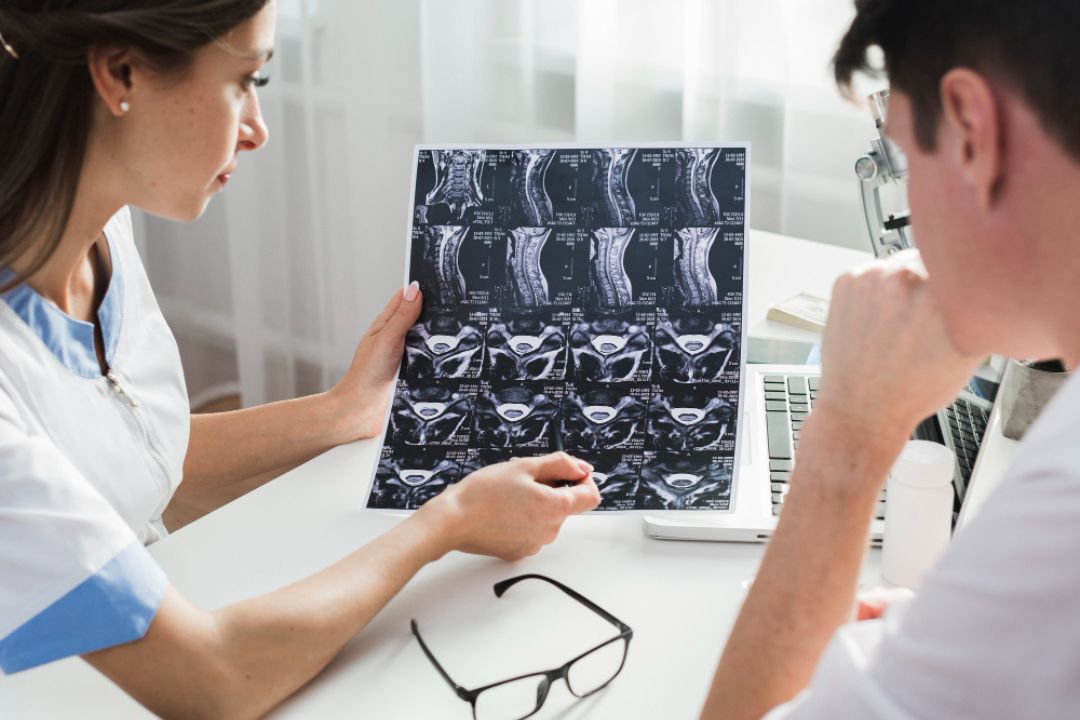
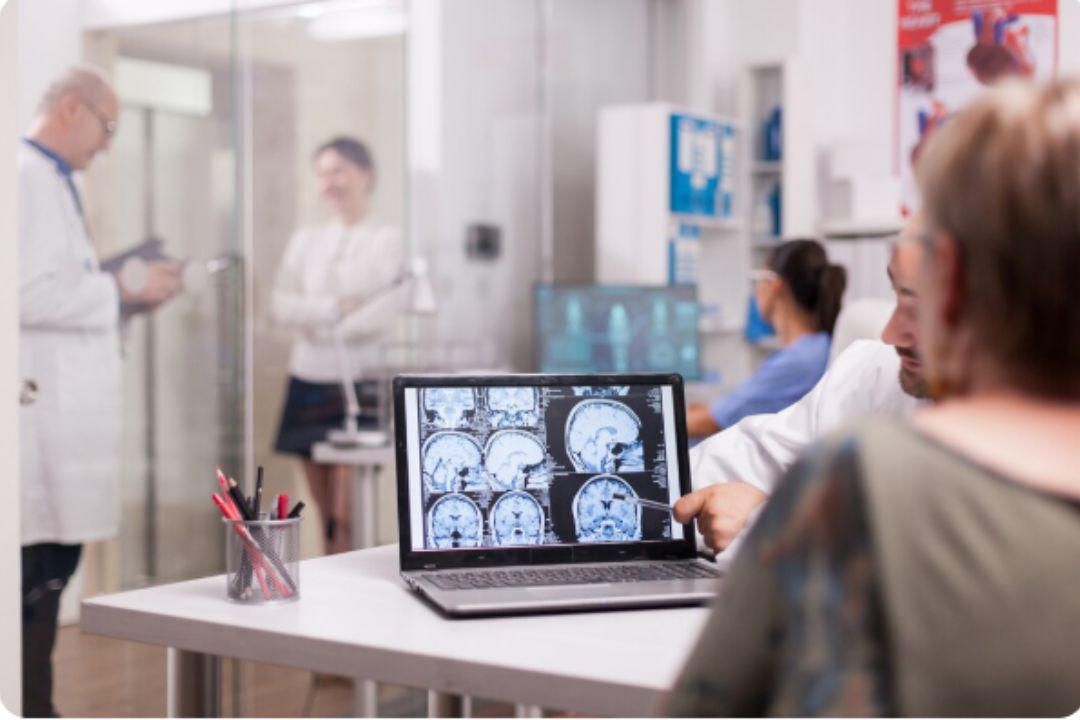
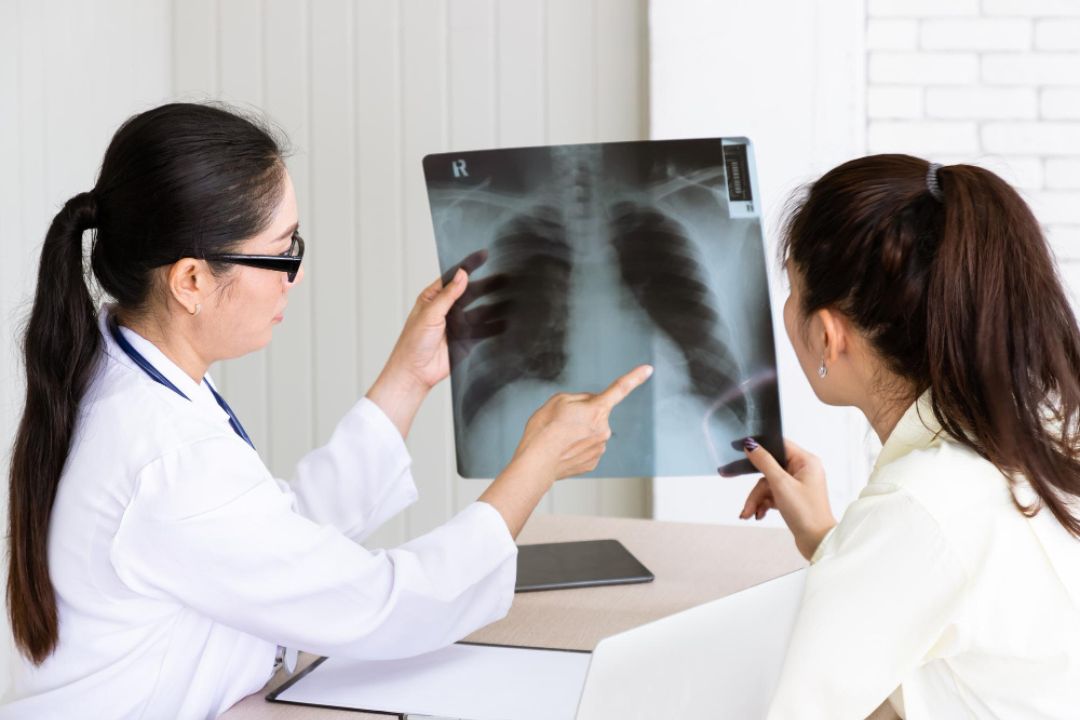
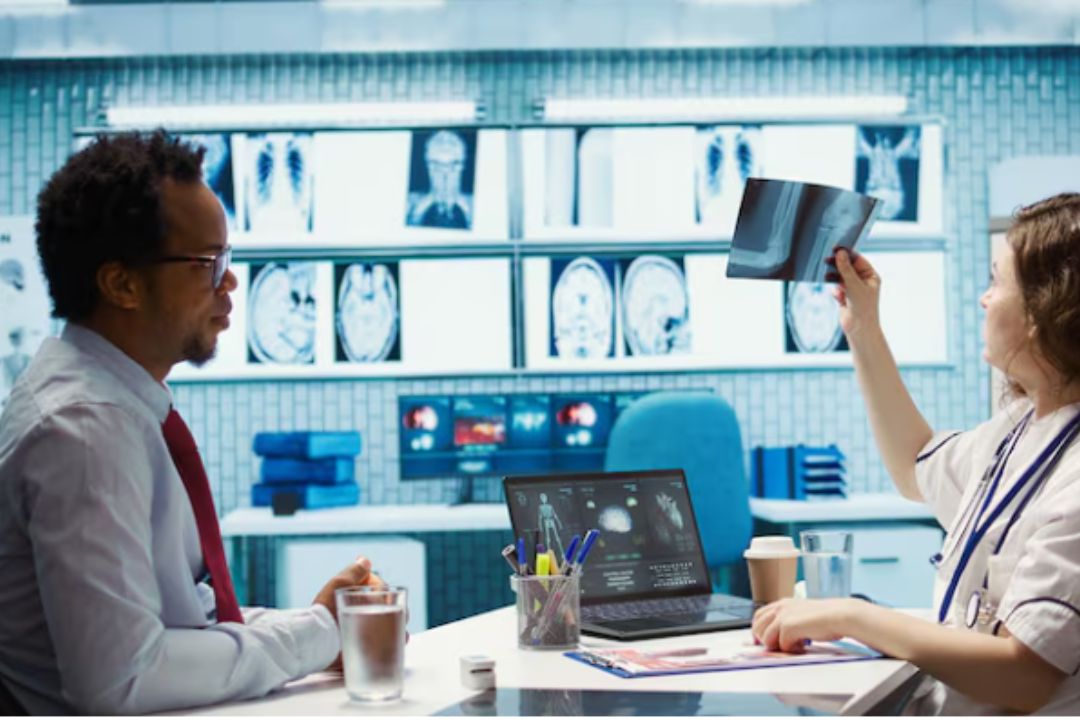
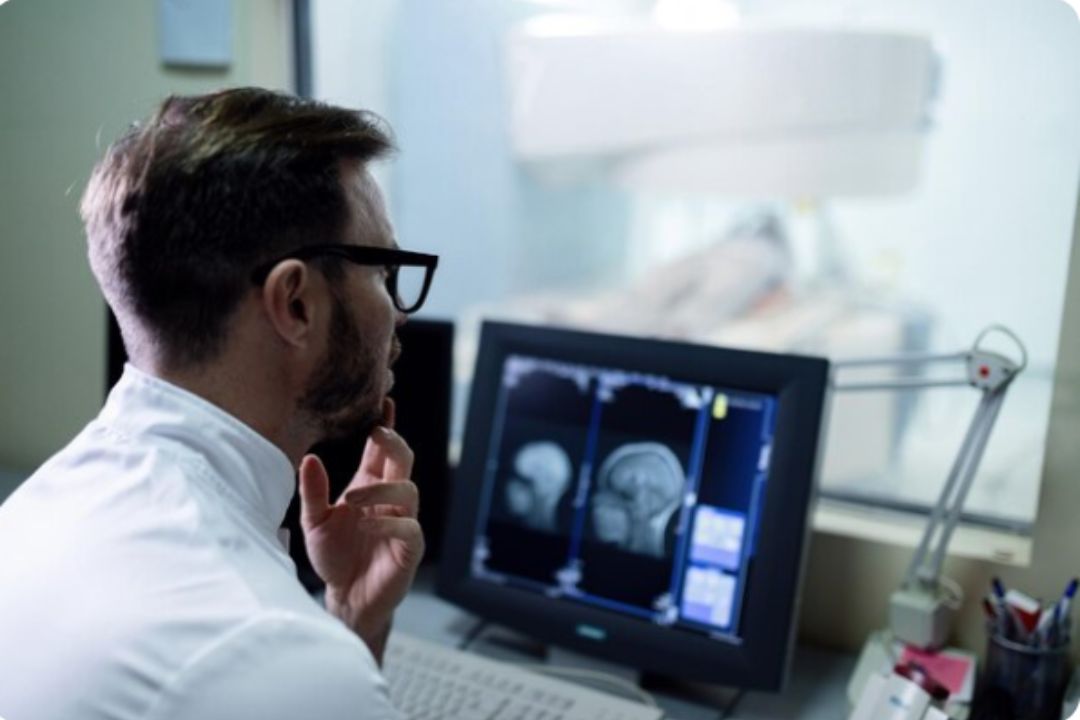
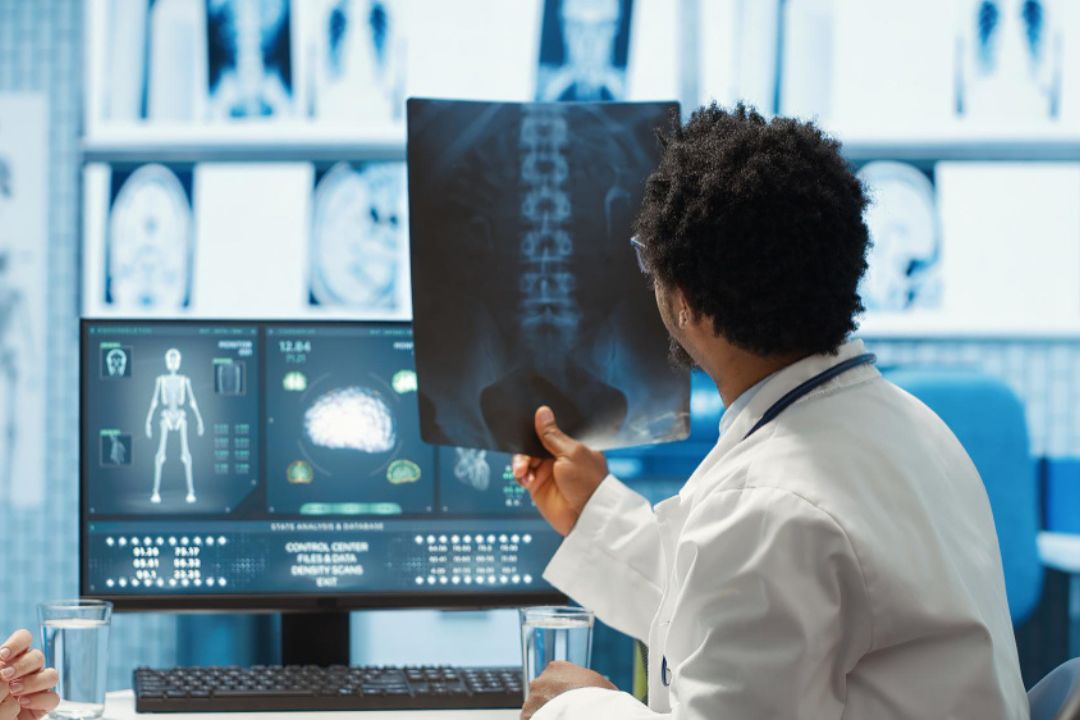
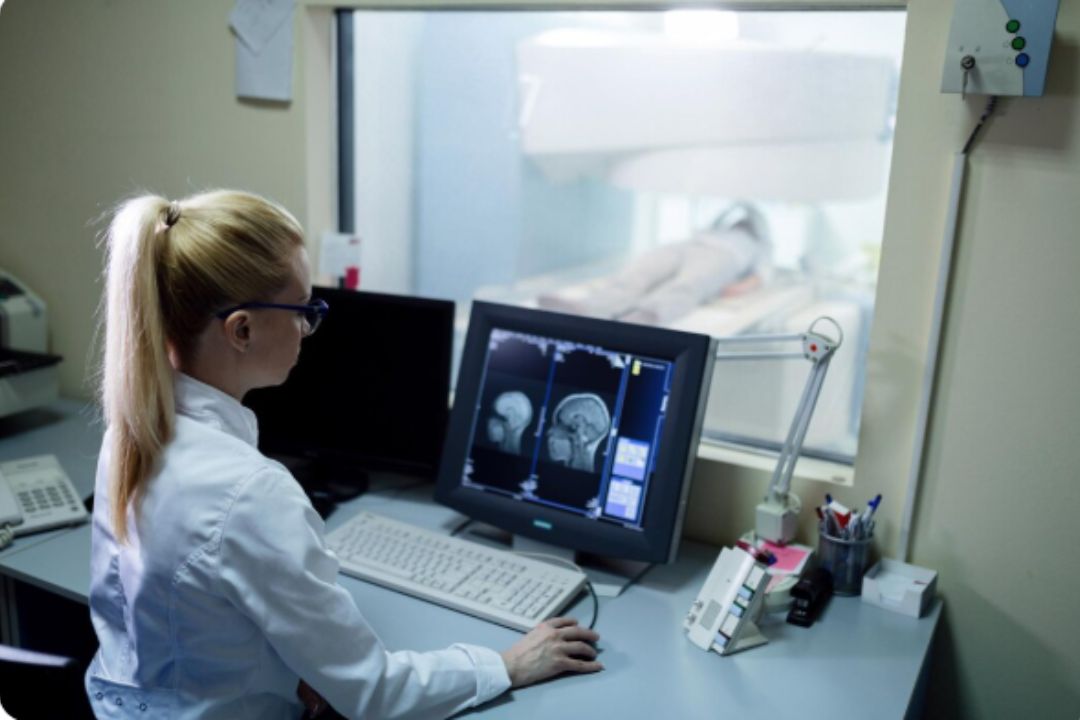
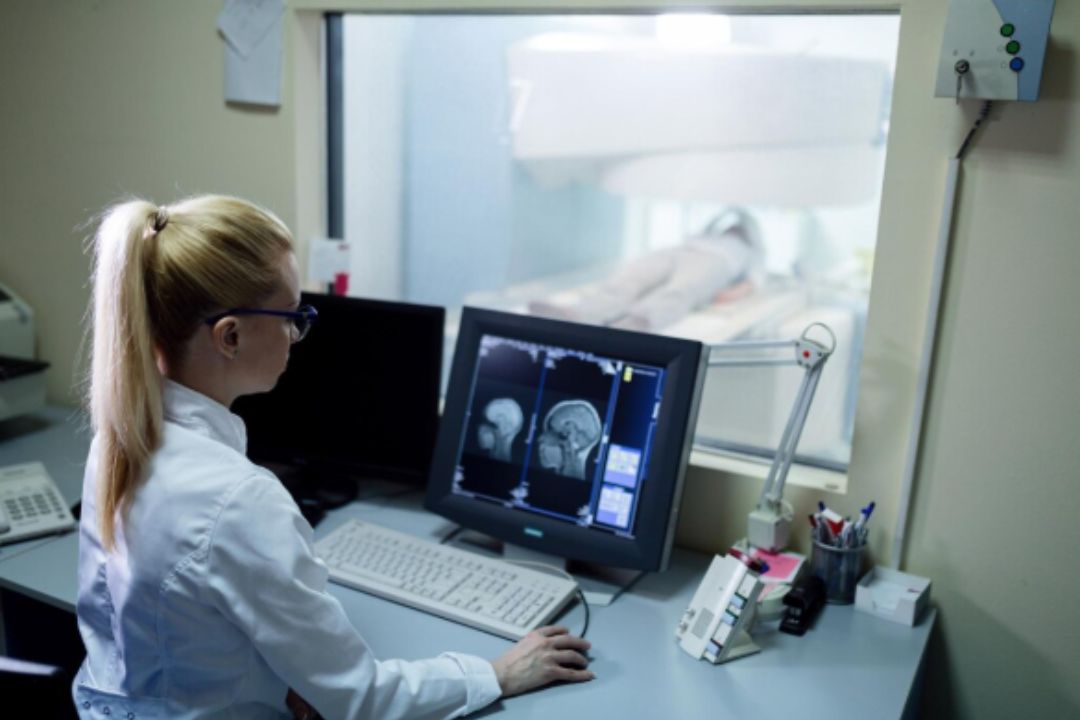
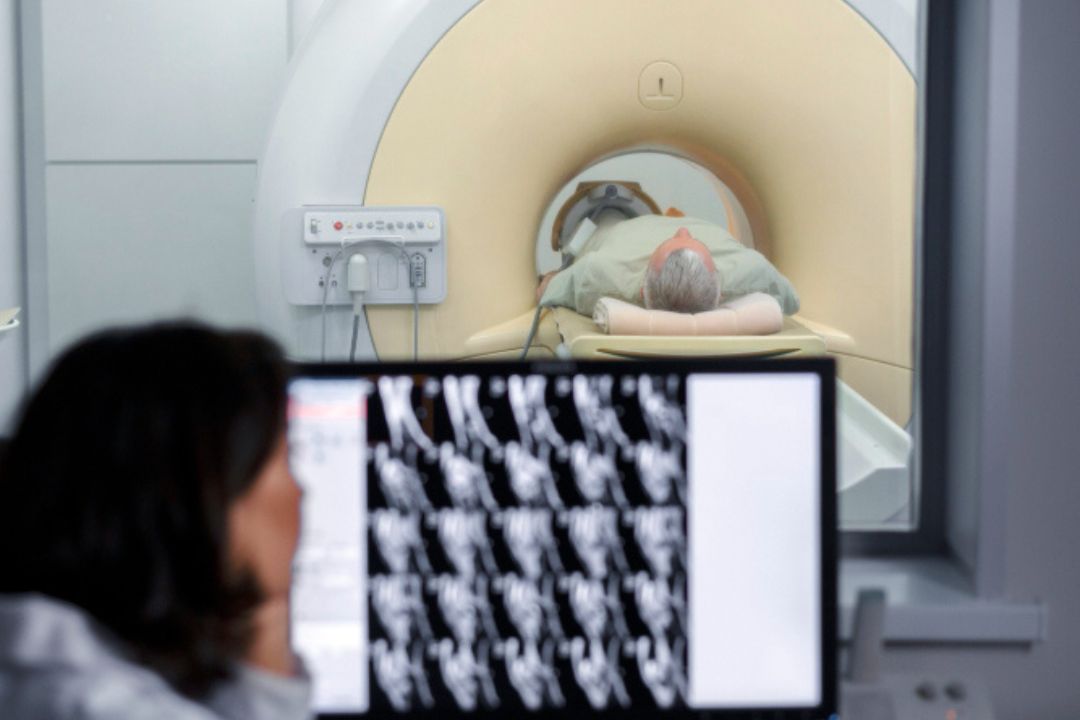
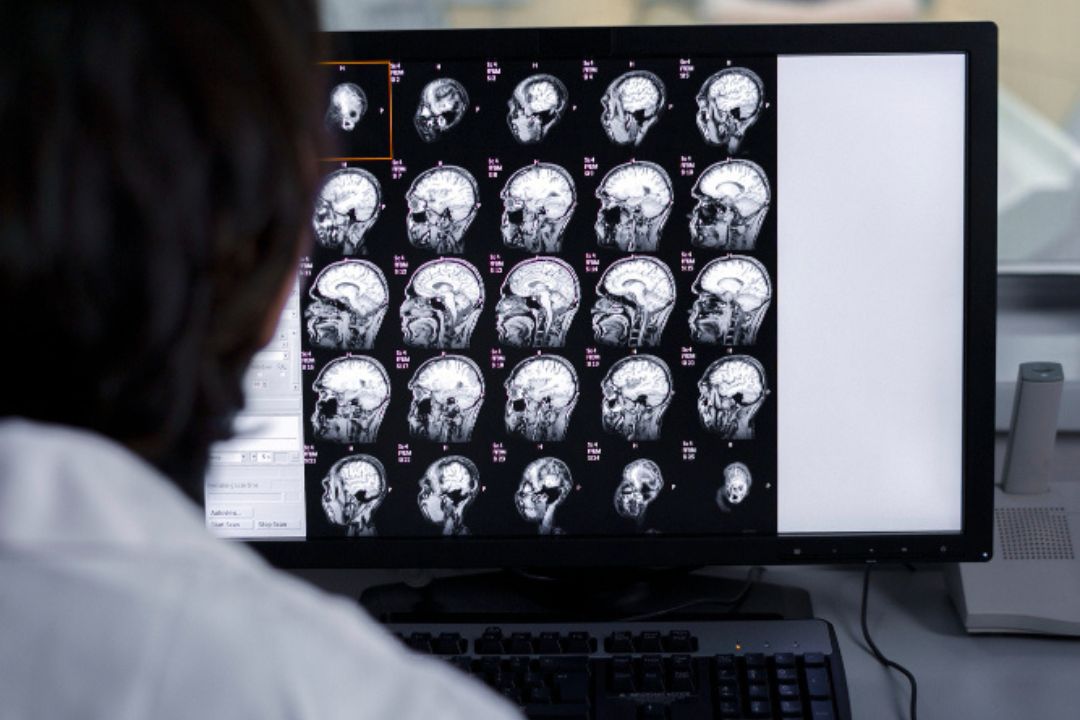
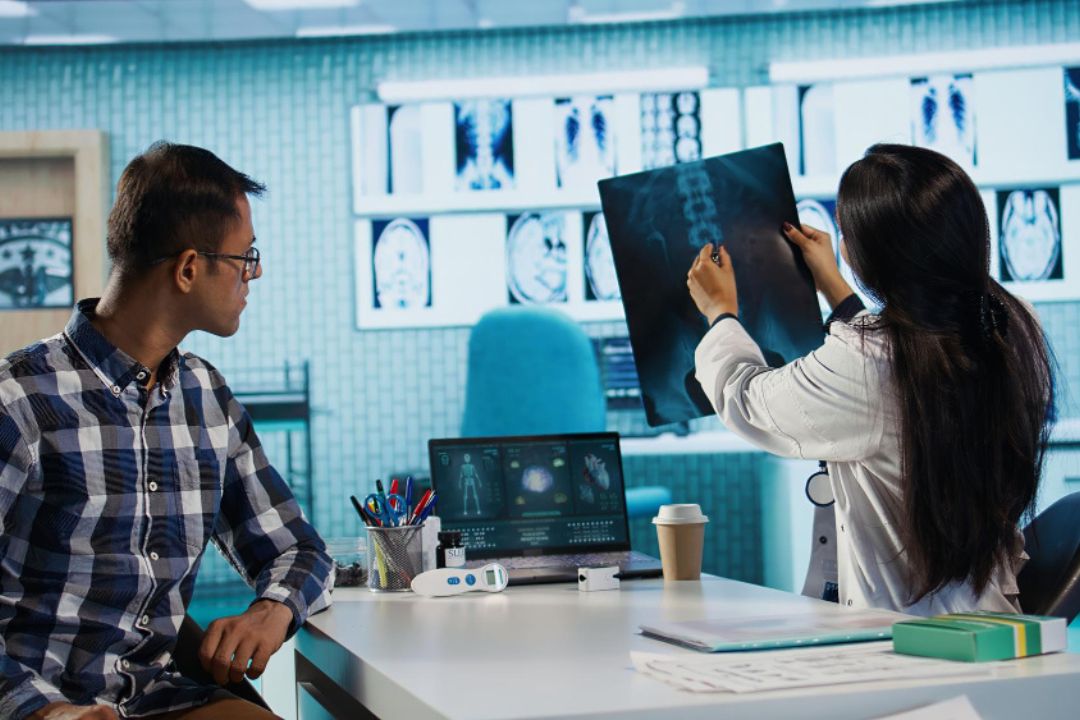
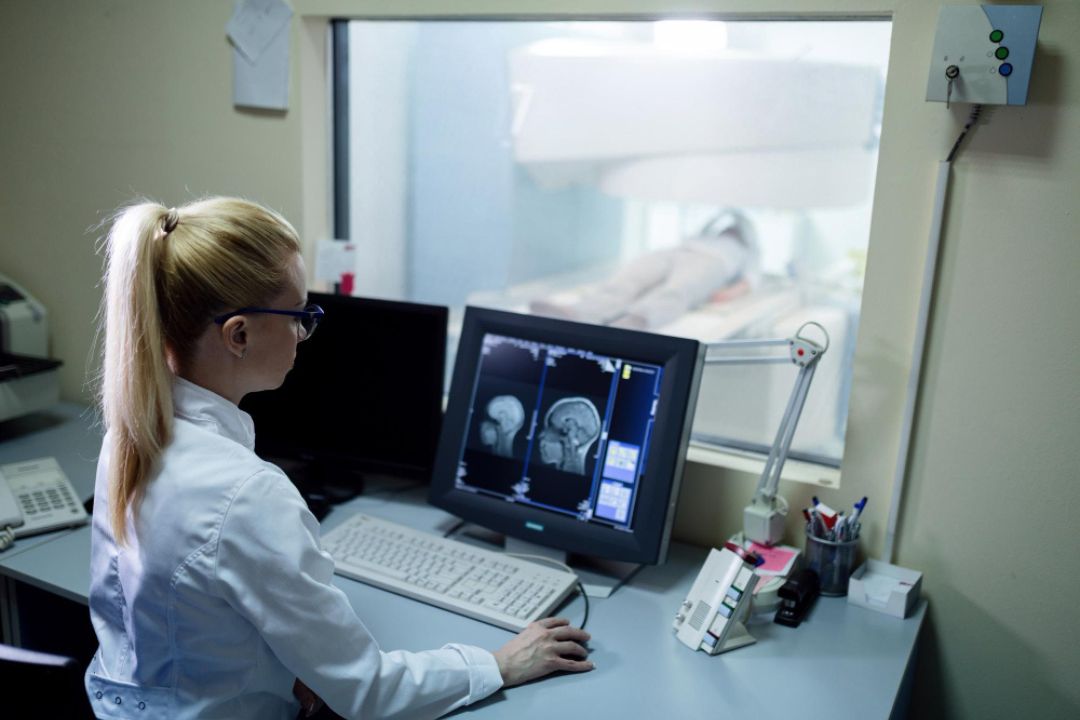
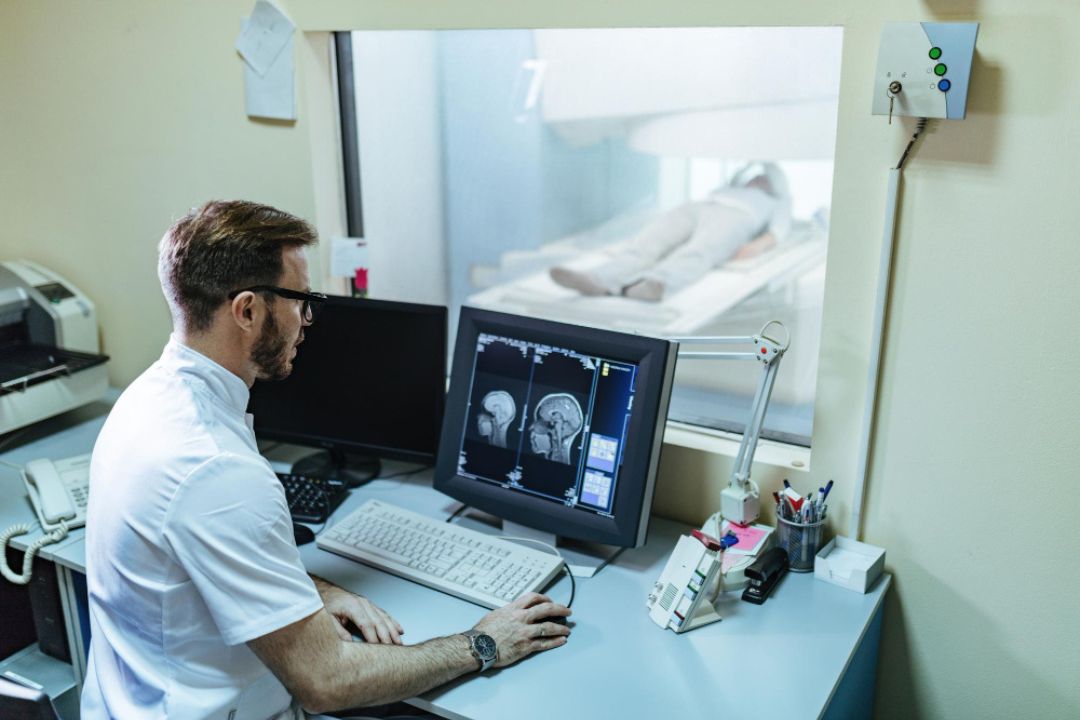
Image Analysis – Radiologists review the images on a computer screen, looking for abnormalities or issues in the area of concern.
NCCT scans are versatile and are used in many areas of medicine. Some of the most common uses include:
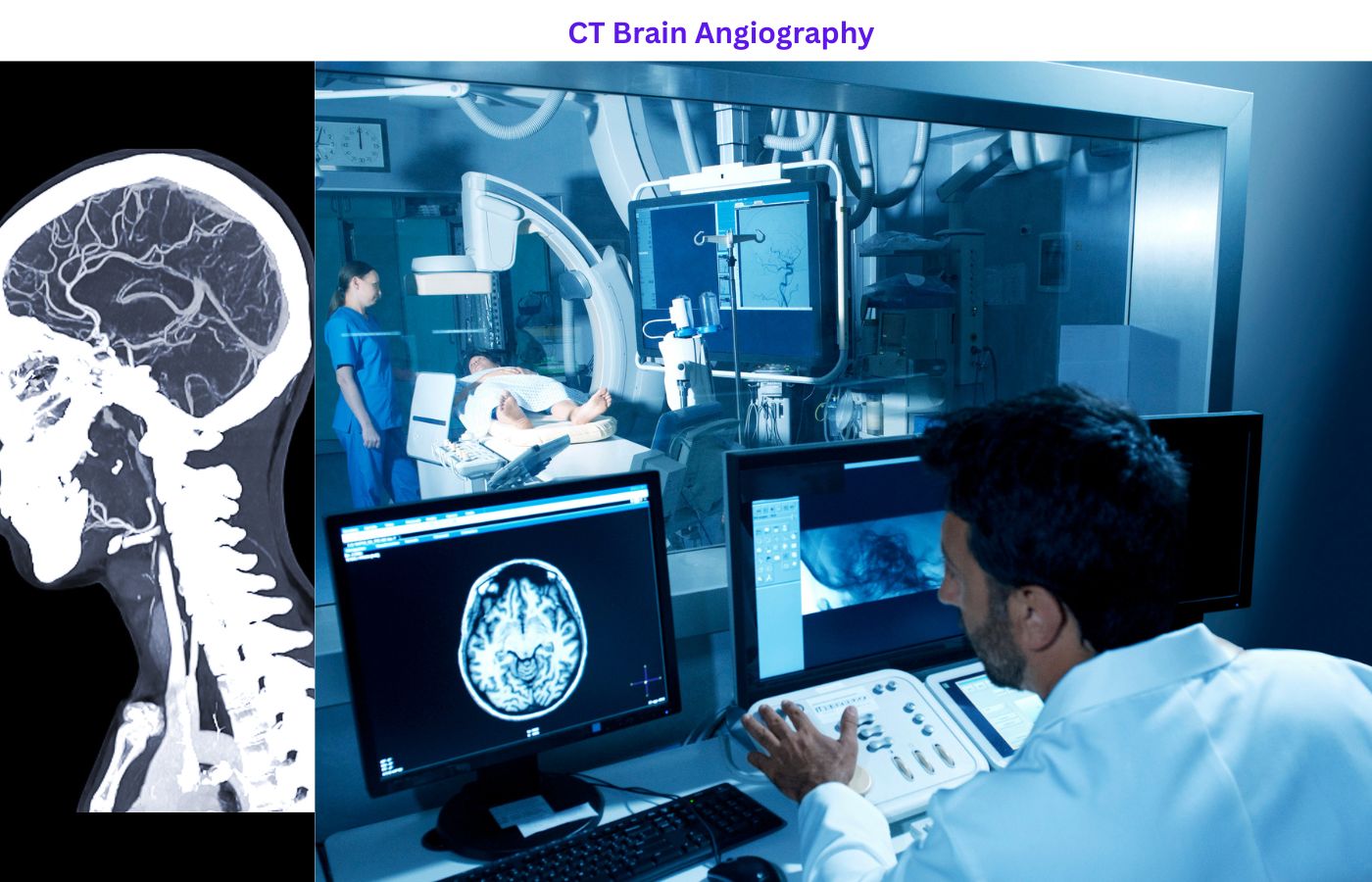
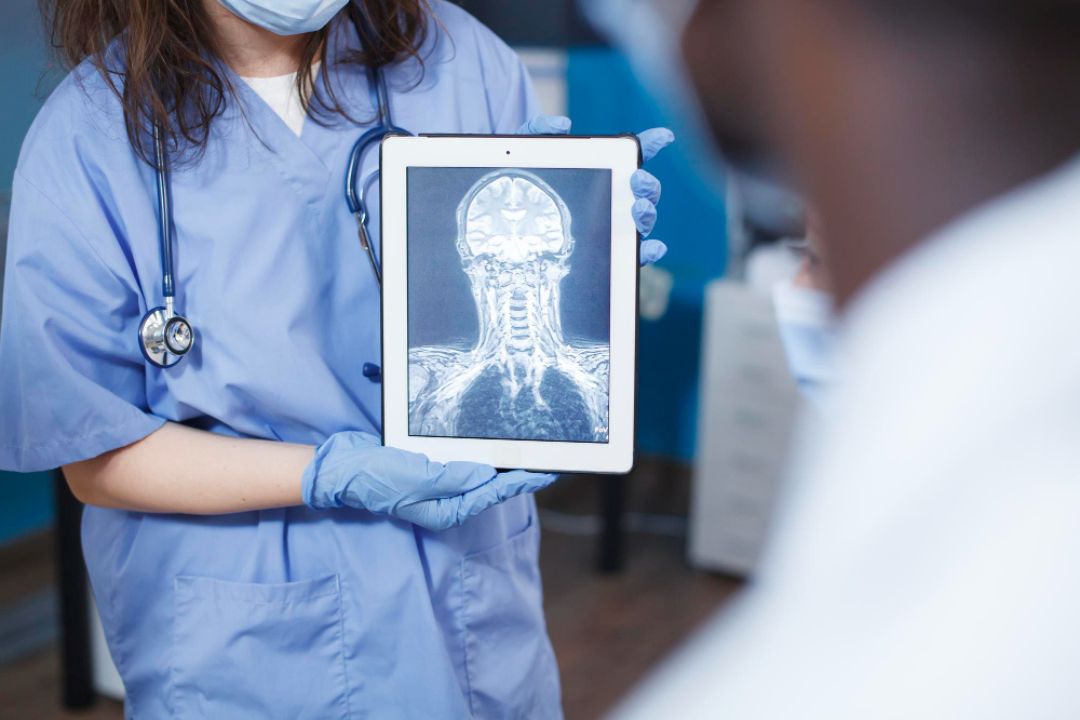
One of the most important applications of NCCT is in diagnosing sudden neurological problems such as stroke or head injury. When someone arrives at an emergency department with symptoms like sudden severe headache, loss of consciousness, or weakness on one side of the body, doctors use an NCCT scan to quickly check for bleeding, swelling, or fractures in the skull and brain.
NCCT is also essential in identifying brain haemorrhage (bleeding inside the skull) and conditions like acute stroke where fast decisions are critical. This scan can show areas of bleeding clearly because blood has a different density than normal brain tissue.
NCCT is widely considered the gold standard for detecting kidney stones. It accurately reveals the size, location, and obstruction caused by stones in the urinary tract. Because contrast dye is not needed, this scan is ideal for patients who may have kidney problems or allergies to contrast agents.
In emergency settings such as car accidents or falls, NCCT scans are used to assess internal injuries. They help doctors detect internal bleeding, fractures in bones, and damage to organs like the lungs, liver, or spleen. Because the procedure is fast and safe, it allows rapid evaluation of trauma patients.
NCCT scans are also useful for sinus imaging and lung evaluation. They help diagnose sinusitis, lung infections, certain chest injuries, and other issues affecting the respiratory system. The scan provides a detailed view of the air spaces and tissue structures in these areas.
Aside from emergencies, NCCT is used in routine medical practices such as checking bone conditions, shoulder or abdominal complaints, and even planning for certain surgeries. Because it gives a clear view of internal anatomy, NCCT helps doctors make accurate diagnoses and treatment plans.
Book Now:-https://www.diagnopein.com/ct-scan/Nagpur
There are several major advantages to using a non-contrast CT scan:
One of the biggest benefits of NCCT scans is that they can be completed quickly. There is no need for contrast injections or waiting for dye to circulate, making these scans ideal for emergency care when time is crucial.
Since NCCT scans do not use contrast agents, there is no risk of allergic reactions or complications like contrast-induced kidney problems. This makes NCCT safer for patients with kidney impairment or known allergies to contrast.
Because contrast materials and associated procedures can be expensive, NCCT scans are generally more cost-effective. This benefit is important for patients with limited resources or those who need multiple scans over time.
NCCT scans are non-invasive and do not require any injections or surgical procedures. Patients simply lie down during the scan, which many find comfortable and stress-free.
NCCT scans are useful across multiple medical specialties. They help in neurological, abdominal, musculoskeletal, and chest conditions, among others, making them a widely applicable diagnostic tool.
Accuracy is very important in medical imaging, especially when doctors rely on images to make critical decisions. NCCT scans are highly accurate for several conditions:
NCCT has very high accuracy for identifying acute bleeding in the brain. Studies show excellent sensitivity in detecting intracranial haemorrhage, making NCCT the preferred first-line tool in emergency neurology.
NCCT scans have high sensitivity for kidney stones and can detect even small stones with great precision. This is why they are considered the best initial test for suspected kidney stones.
In trauma patients, NCCT reliably detects fractures, internal bleeding, and organ damage. Research confirms that NCCT has strong diagnostic accuracy in identifying critical traumatic injuries early.
However, NCCT may not be as accurate as contrast-enhanced scans for identifying tumors, infections, and some vascular problems. These conditions often require contrast to highlight blood vessels, inflamed areas, or changes in tissue structure that may not appear clearly without dye.
Although both NCCT and contrast CT use the same basic CT technology, the presence or absence of contrast dye changes how the image looks and what doctors can diagnose.
Does not use contrast agents.
Faster and safer for certain patients.
Ideal for detecting bleeding, fractures, and stones.
Good for emergency situations and initial evaluations.
Uses contrast dye to improve image detail.
Better for viewing blood vessels, tumors, and specific organ structures.
Useful when detailed tissue differentiation is needed.
Slightly longer and may involve risks for some patients.
Book Your Appointment:-https://www.diagnopein.com/ct-scan/Nagpur
Your doctor may recommend an NCCT scan if you experience:
Sudden severe headache or neurological symptoms.
Head injury or trauma.
Suspected stroke.
Severe abdominal or flank pain.
Symptoms suggesting kidney stones.
Signs of internal bleeding.
Chest or respiratory complaints needing rapid assessment.
CT scans involve exposure to ionizing radiation. However, modern CT machines use the lowest dose necessary to obtain clear images. While this low level of radiation has not been shown to cause long-term harm for most people, doctors always weigh the benefits and risks before recommending imaging.
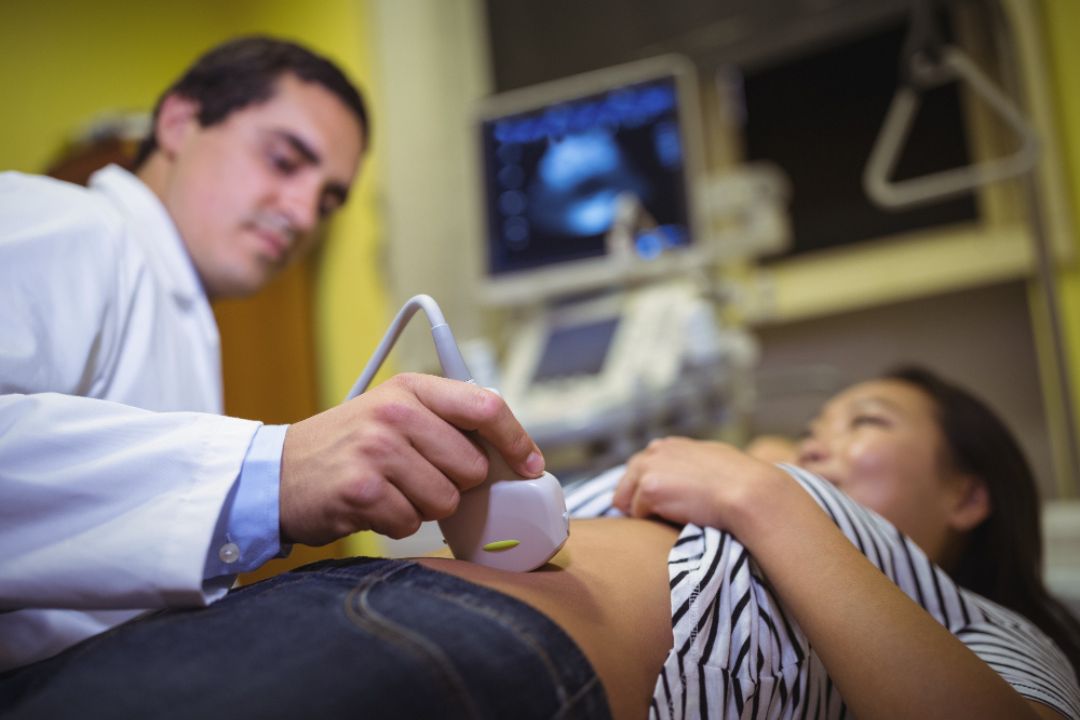
Always inform your doctor if you are pregnant or suspect pregnancy, as radiation exposure may be a concern in those cases. In some situations, alternative imaging such as ultrasound or MRI may be considered.
In summary, NCCT scans are a valuable diagnostic tool in modern medicine. They are fast, safe, non-invasive, and highly effective for many common conditions such as brain haemorrhage, head injury, kidney stones, and trauma evaluation. Their convenience and safety profile make them especially important in emergency care and for patients who cannot receive contrast agents.
Understanding how NCCT works, its uses, benefits, and limitations can help you make informed decisions about your healthcare. If your doctor recommends an NCCT scan, you are likely being guided toward a quick and reliable way to discover what may be causing your symptoms.









.jpg "ct brain scan plain and contrast")


















.jpg "ct scan")

.jpg "ct scan or mri for brain disorders")


.jpg "exploring the power of ct brain contrast in modern diagnostics")
.jpg "ct scan")

.jpg "ct scan")


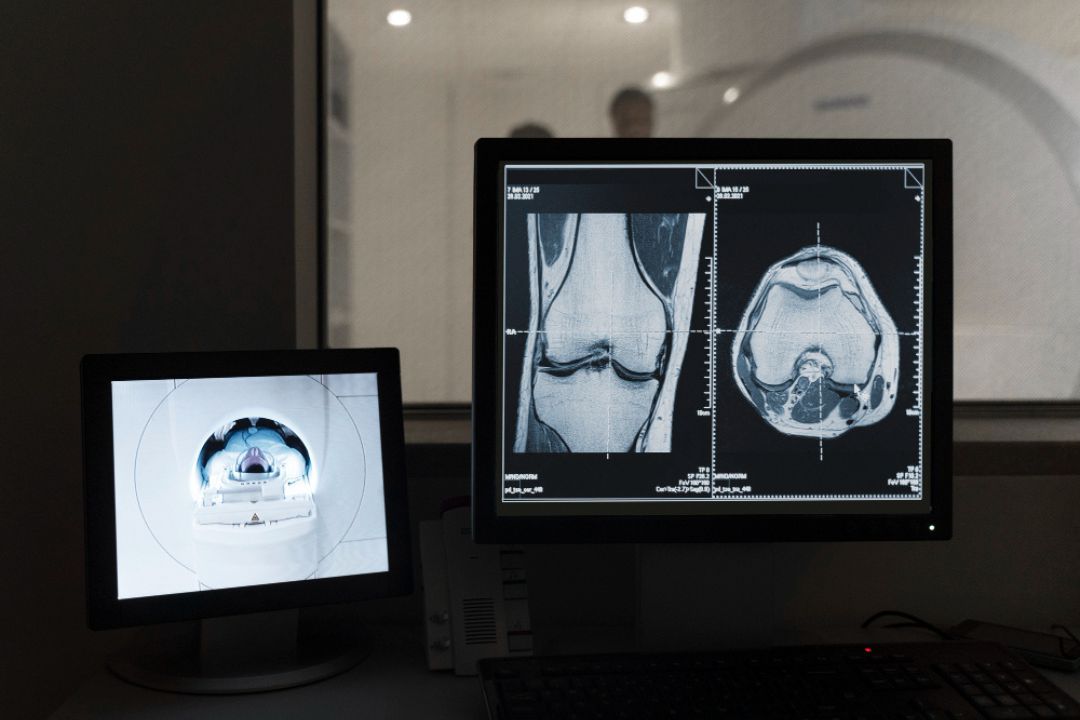
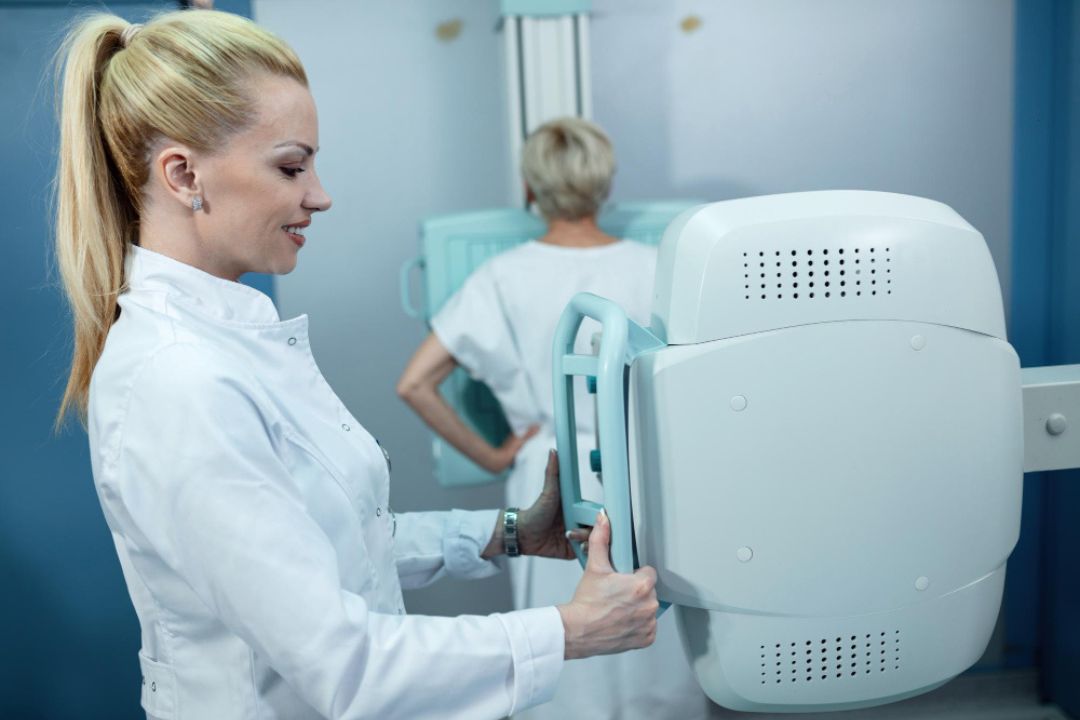

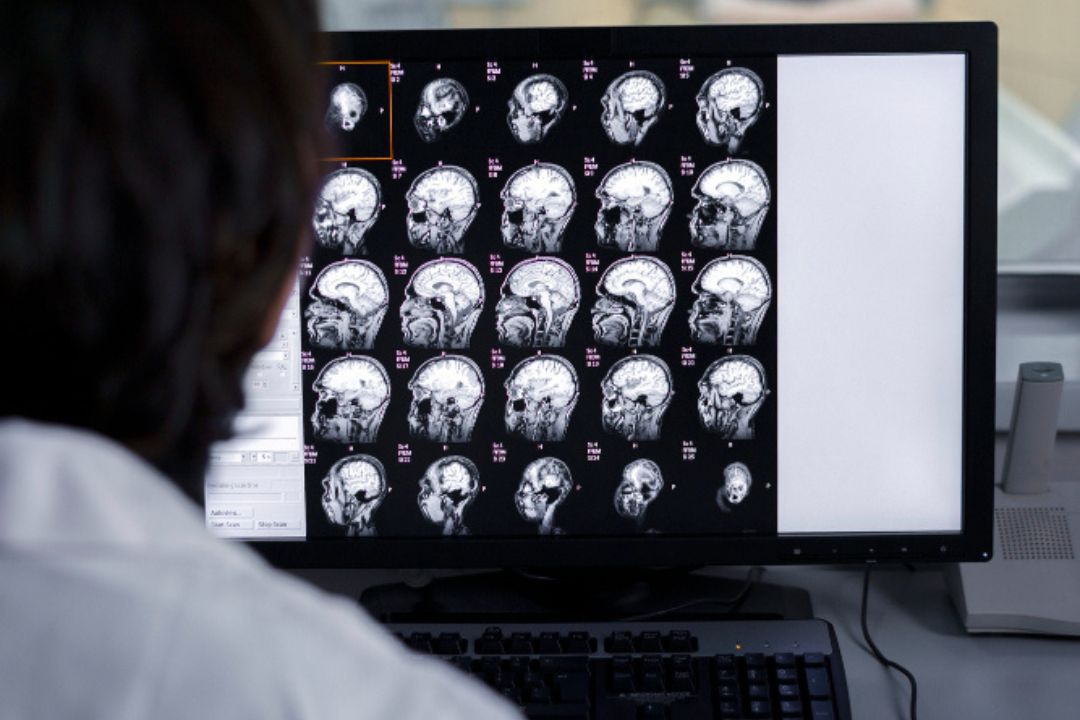


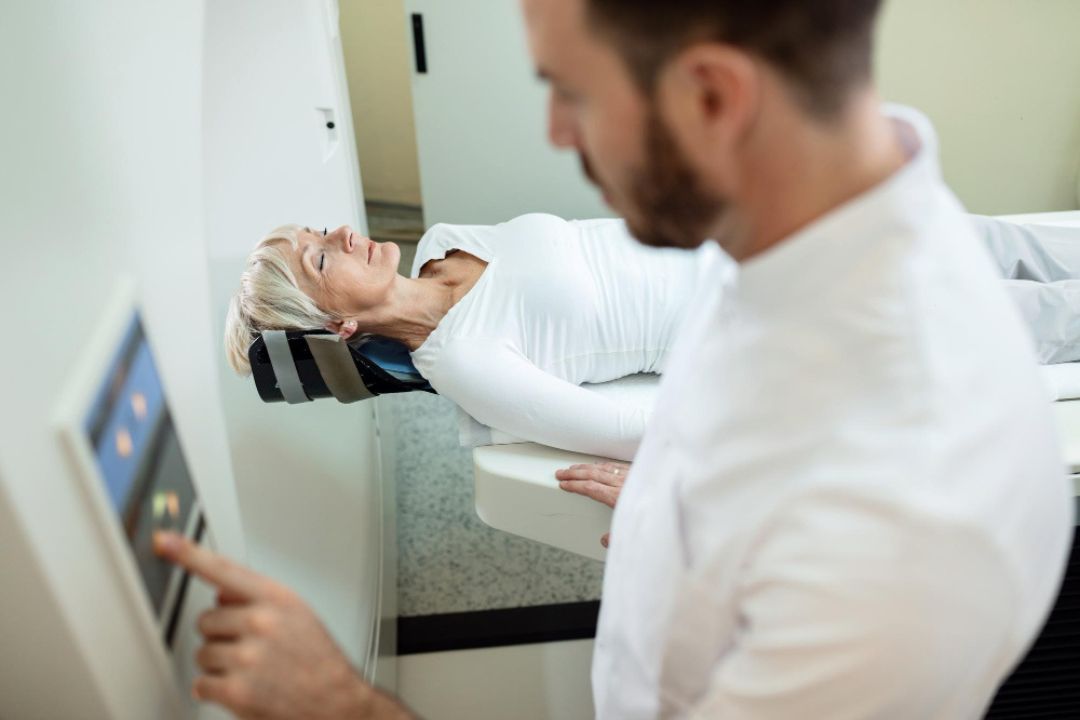



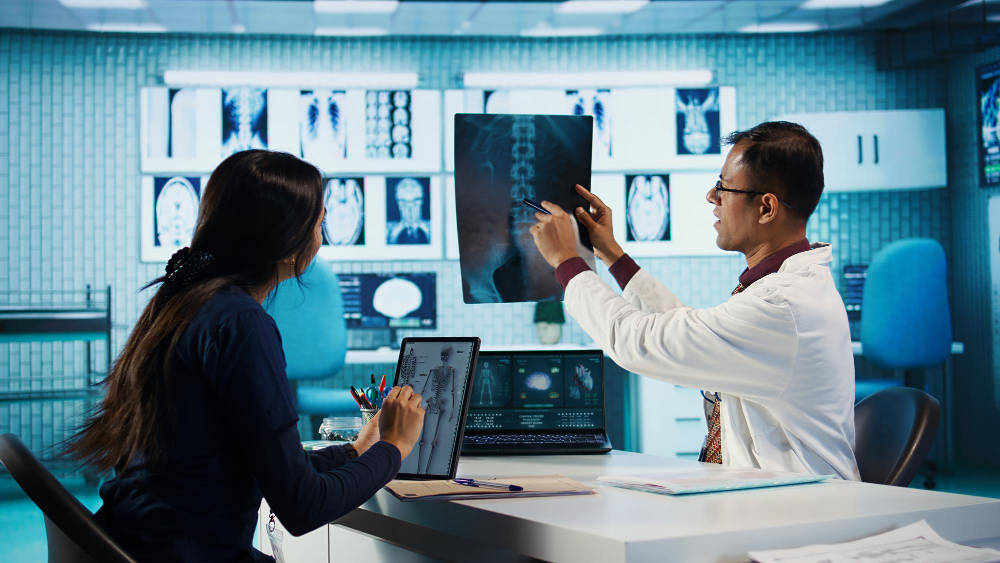
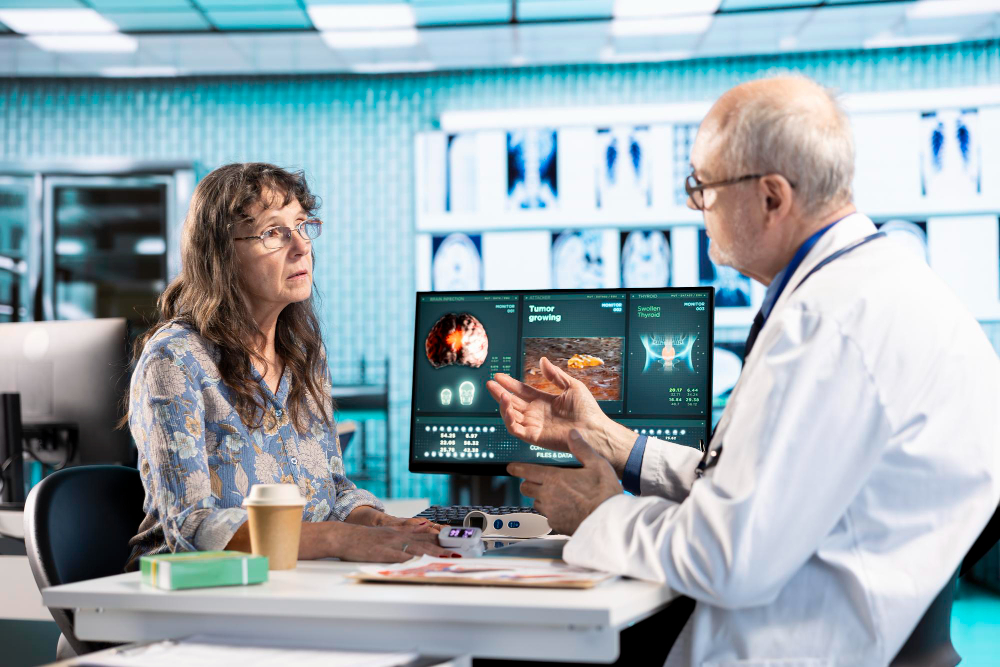
.jpg "ct scan")

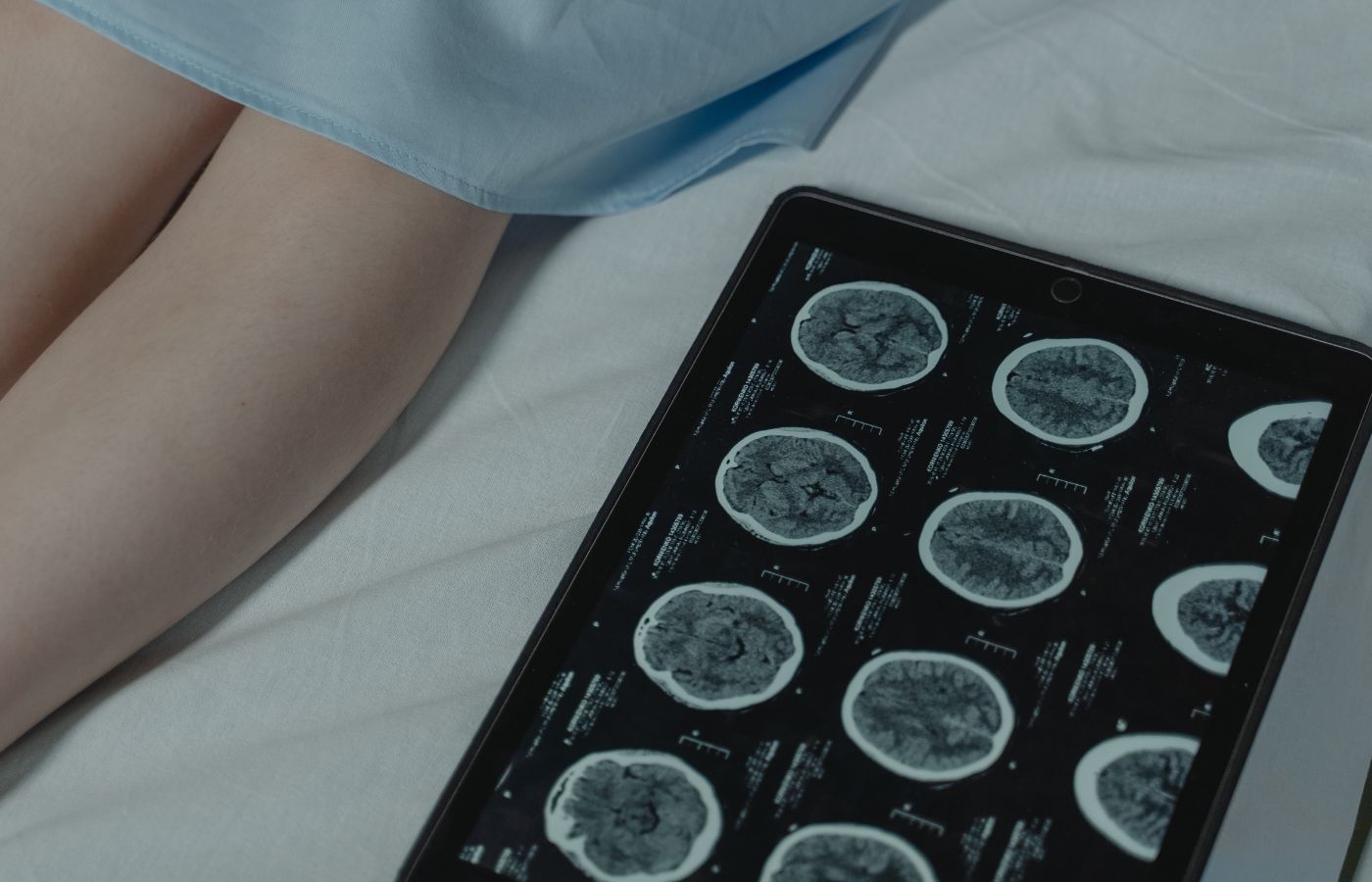
.jpg "CT Brain Scan for Headaches")
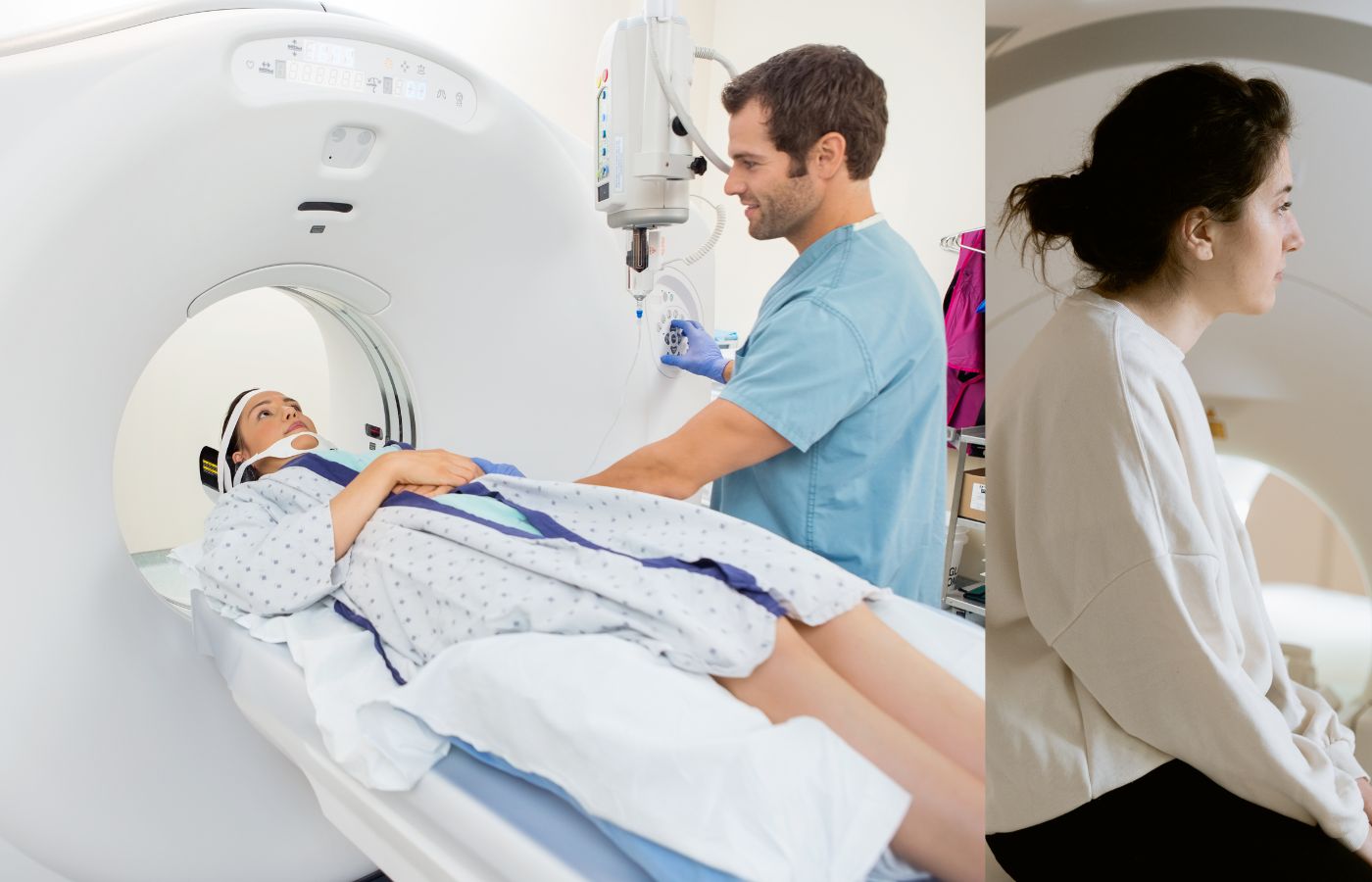
.jpg "The Future of 3D CT Imaging")