When it comes to diagnosing paranasal sinus (PNS) conditions—especially early-stage cancers—precision is everything. A CT PNS with contrast is currently the gold standard for visualizing the intricate anatomy of the nose, sinuses, and surrounding skull base. If you are searching for CT scans near me in Pune, Diagnopein offers unparalleled accuracy, patient comfort, and affordability.
In this guide, we will break down the benefits, cost comparisons, and comfort levels of a contrast-enhanced CT scan, and explain why choosing Diagnopein Pune could be a life-saving decision.
Advances in medical imaging have significantly improved the early detection of complex conditions, including cancers of the nasal cavity and paranasal sinuses. One of the most valuable imaging tools in this area is CT PNS with contrast. This specialized scan provides detailed images of the sinus cavities and surrounding structures, helping doctors identify abnormalities at an early stage.
In this comprehensive guide, we will explore what CT PNS with contrast is, how it works, why it is important for early cancer detection, who should consider it, and what to expect before, during, and after the procedure.
Book Now:-https://www.diagnopein.com/ct-scan/Mumbai
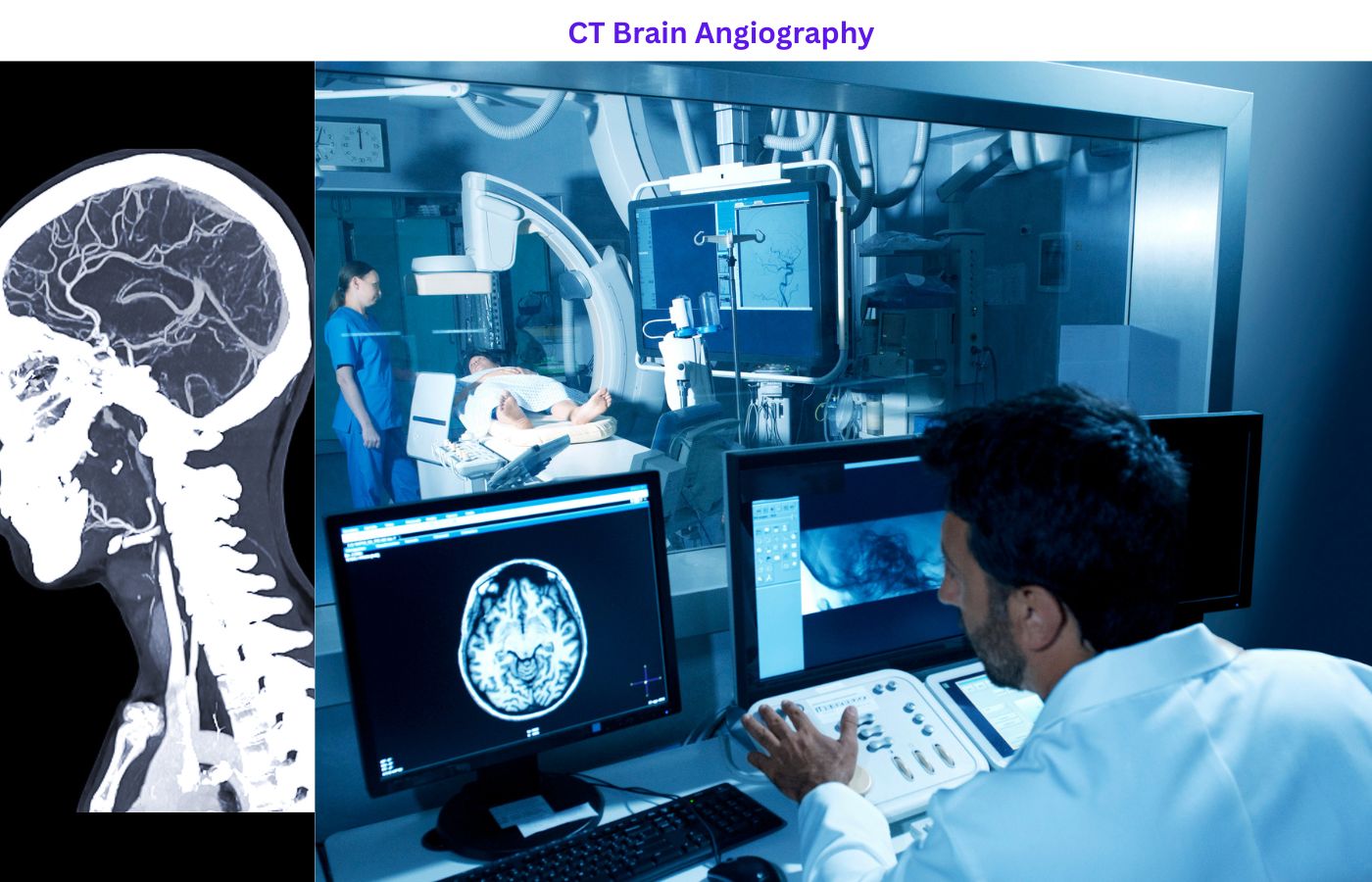
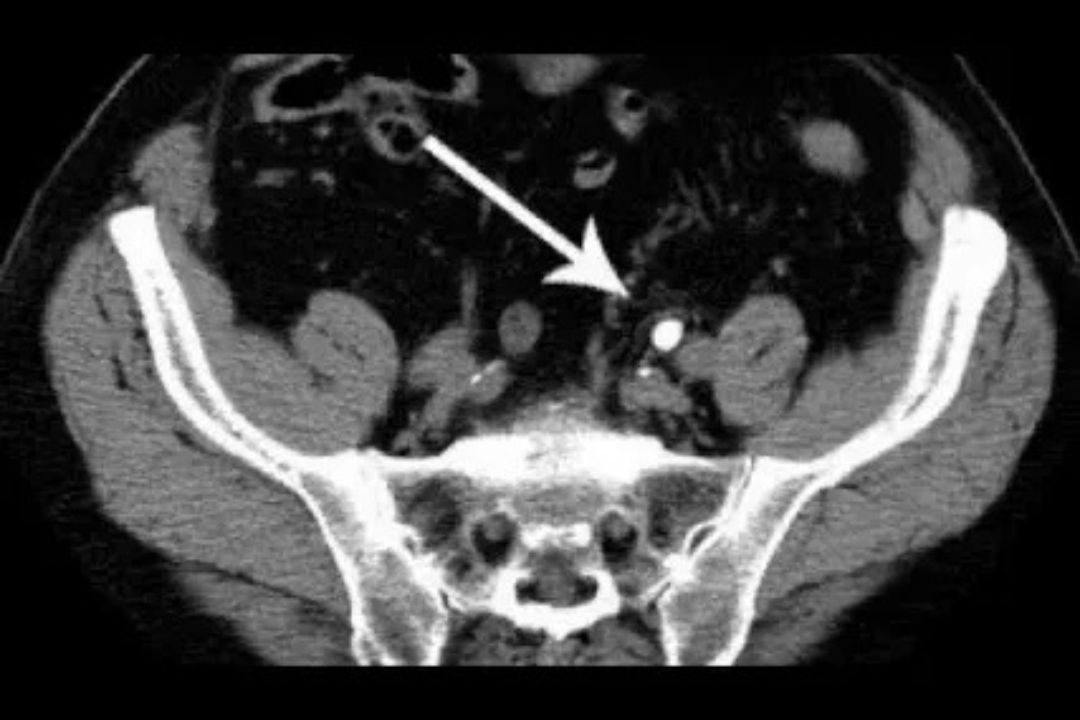
CT stands for Computed Tomography, an imaging technique that uses X-rays and computer processing to create detailed cross-sectional images of the body. PNS refers to the paranasal sinuses, which are air-filled spaces located around the nose and within the bones of the face and skull.
A CT PNS scan focuses specifically on these sinus cavities. When performed with contrast, a special iodine-based dye is injected into the bloodstream before or during the scan. This contrast material enhances the visibility of blood vessels, soft tissues, and abnormal growths, making it easier to distinguish between normal and diseased areas.
The addition of contrast significantly improves the clarity of images, especially when doctors are looking for tumors, infections, or inflammatory conditions.
Cancers of the nasal cavity and paranasal sinuses are relatively rare but can be aggressive. One of the biggest challenges is that early symptoms often resemble common sinus problems such as sinusitis or allergies. Because of this, diagnosis is sometimes delayed.
Early detection is crucial because:
Treatment is more effective in early stages
Tumors are easier to remove surgically
The risk of spread to nearby structures (such as the eyes or brain) is reduced
Overall survival rates improve
Visit Now:-https://www.diagnopein.com/ct-scan/Mumbai
Contrast dye enhances areas with increased blood supply, which is common in tumors. This makes suspicious growths more visible compared to surrounding normal tissue.
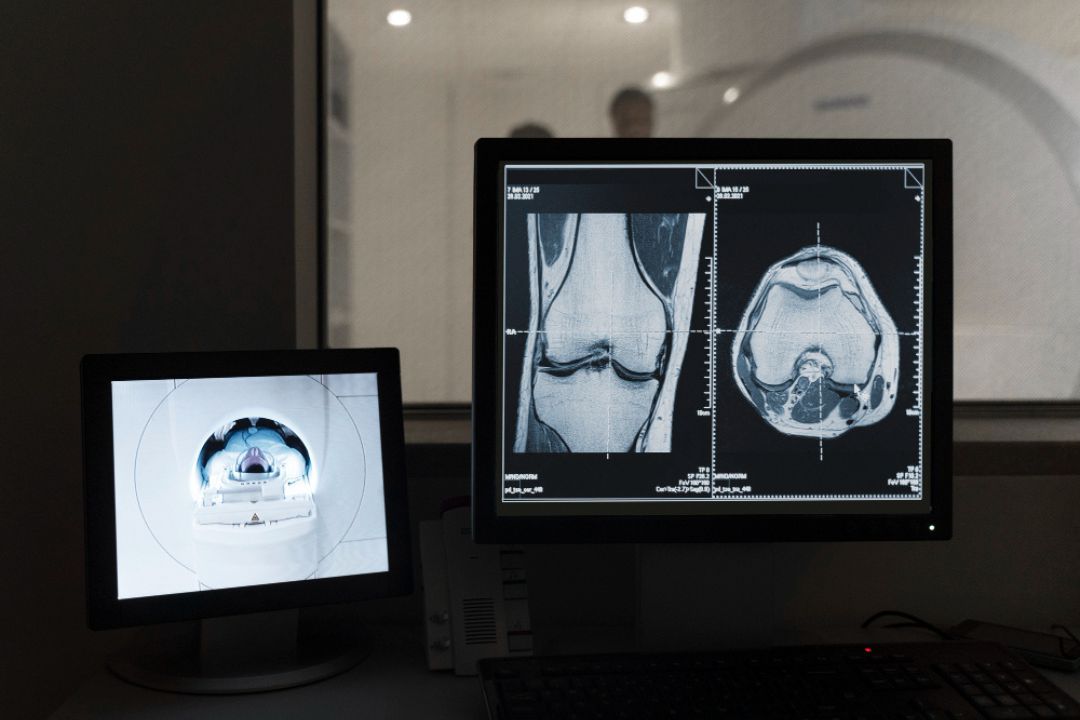
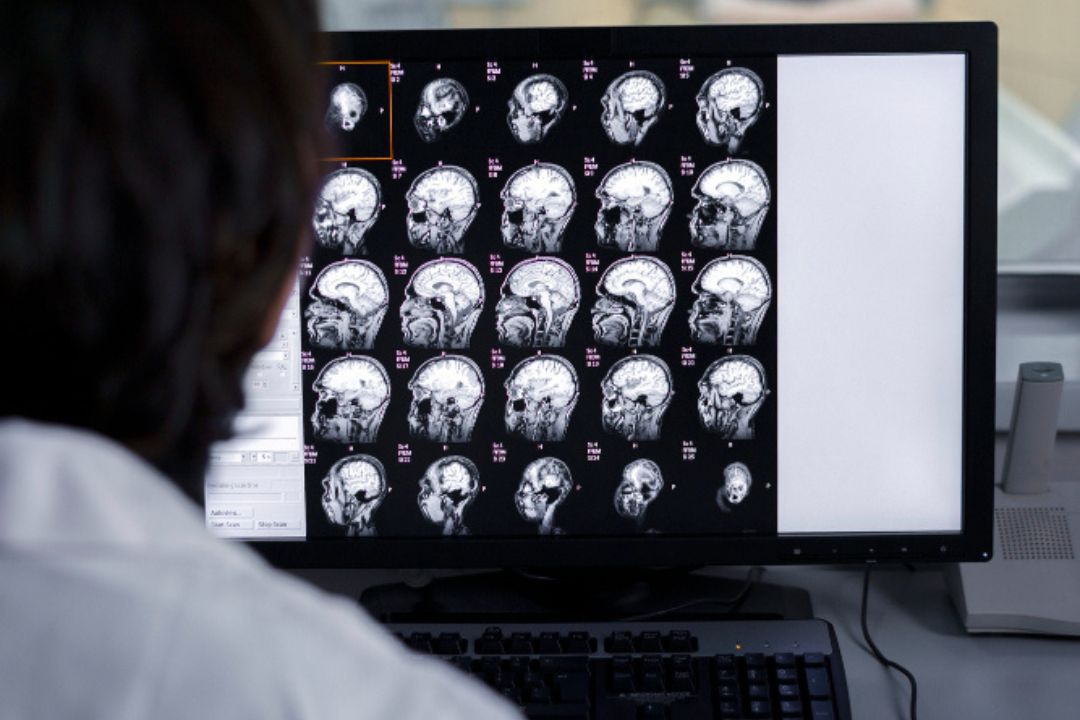
Modern CT scanners produce high-resolution images. When combined with contrast, even small abnormalities can be detected at an early stage.
If a tumor is present, the scan helps determine whether it has spread to nearby areas such as:
The orbit (eye socket)
Skull base
Nasal cavity
Adjacent sinus chambers
Understanding the extent of disease is essential for planning treatment.
Not every sinus mass is cancer. Polyps, cysts, fungal infections, and chronic inflammation can also appear as abnormal growths. Contrast-enhanced imaging helps doctors analyze tissue patterns and make more accurate distinctions.
For patients diagnosed with sinus tumors, CT PNS with contrast provides detailed anatomical information that helps surgeons plan precise and safe procedures.
Doctors may recommend this scan if a patient experiences persistent or unusual symptoms such as:
Long-term nasal blockage, especially on one side
Recurrent sinus infections that do not improve with treatment
Frequent or unexplained nosebleeds
Facial pain or swelling
Reduced sense of smell
Persistent sinus headaches
Blood-tinged nasal discharge
This scan may be advised in the following situations:
Chronic sinusitis that does not respond to medication
Suspicion of a sinus or nasal tumor
Evaluation before sinus surgery
Facial trauma affecting sinus structures
Complicated fungal infections
Monitoring after cancer treatment
Preparation is usually simple but important for safety and accuracy.
You may be asked to avoid food or drinks for a few hours.
Inform your doctor about allergies, especially to iodine or contrast dye.
Share details about kidney problems, diabetes, or thyroid conditions.
Remove metallic objects such as jewelry or hairpins.
Inform your doctor if you are pregnant or suspect pregnancy.
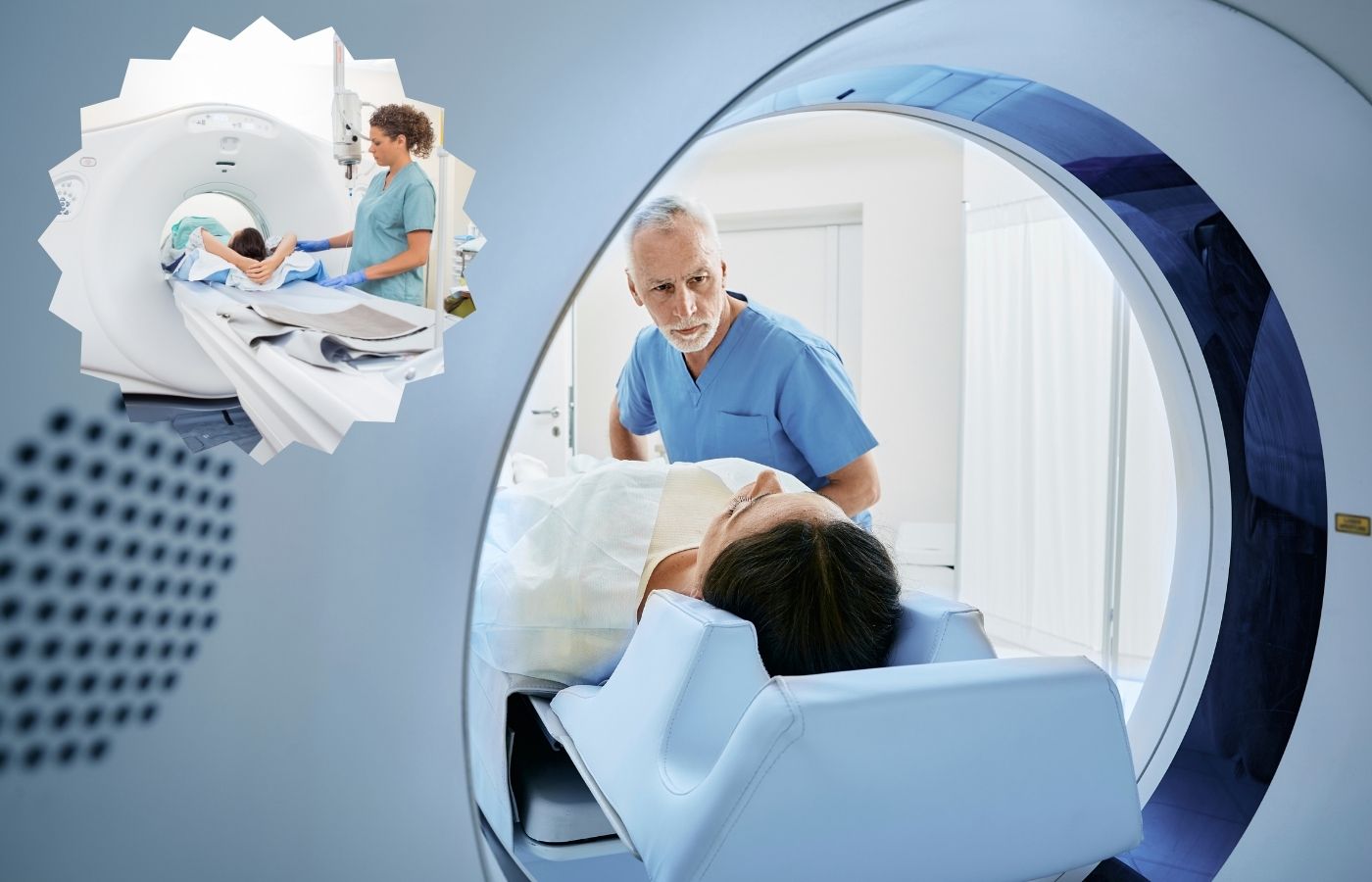
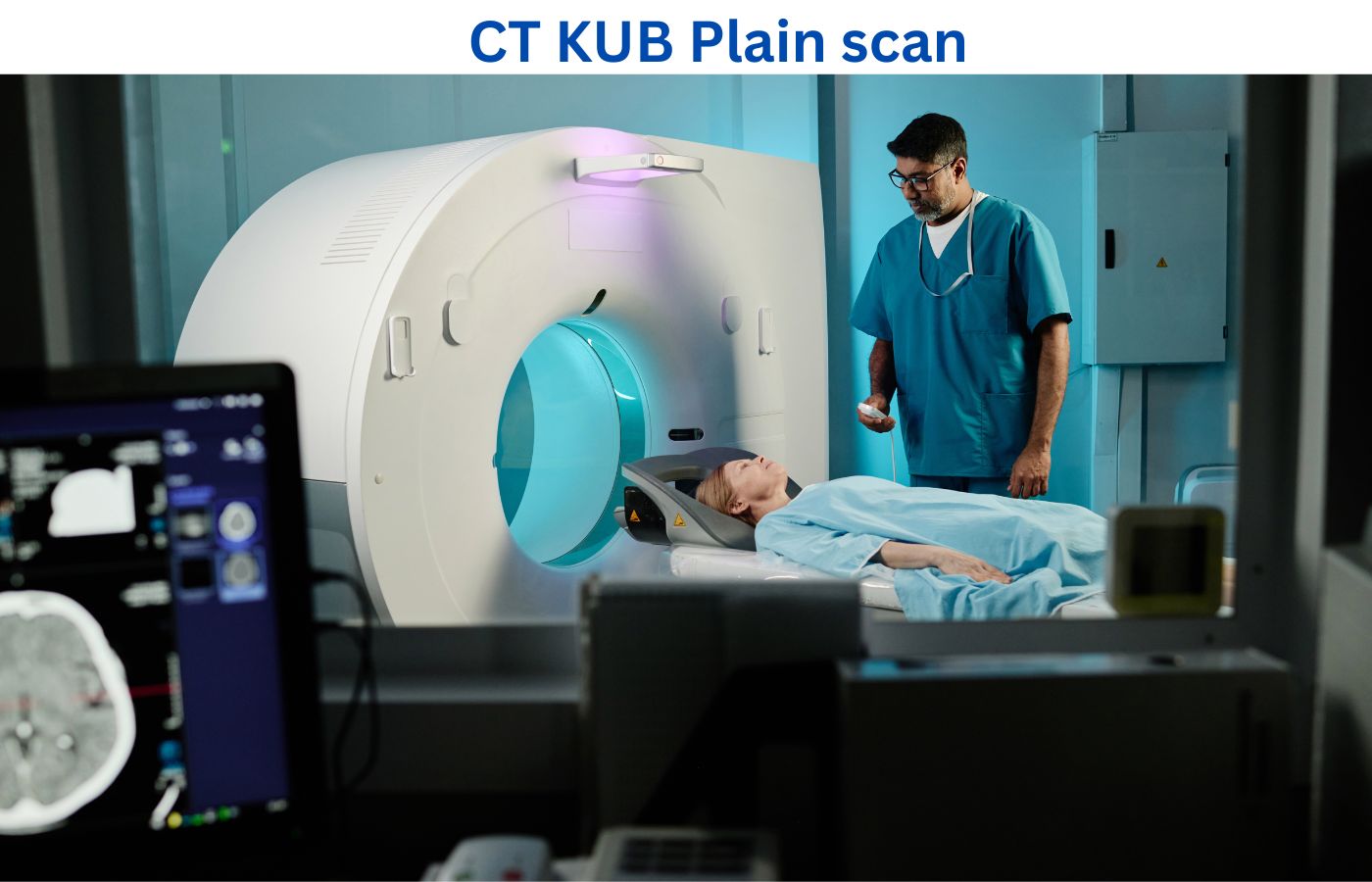
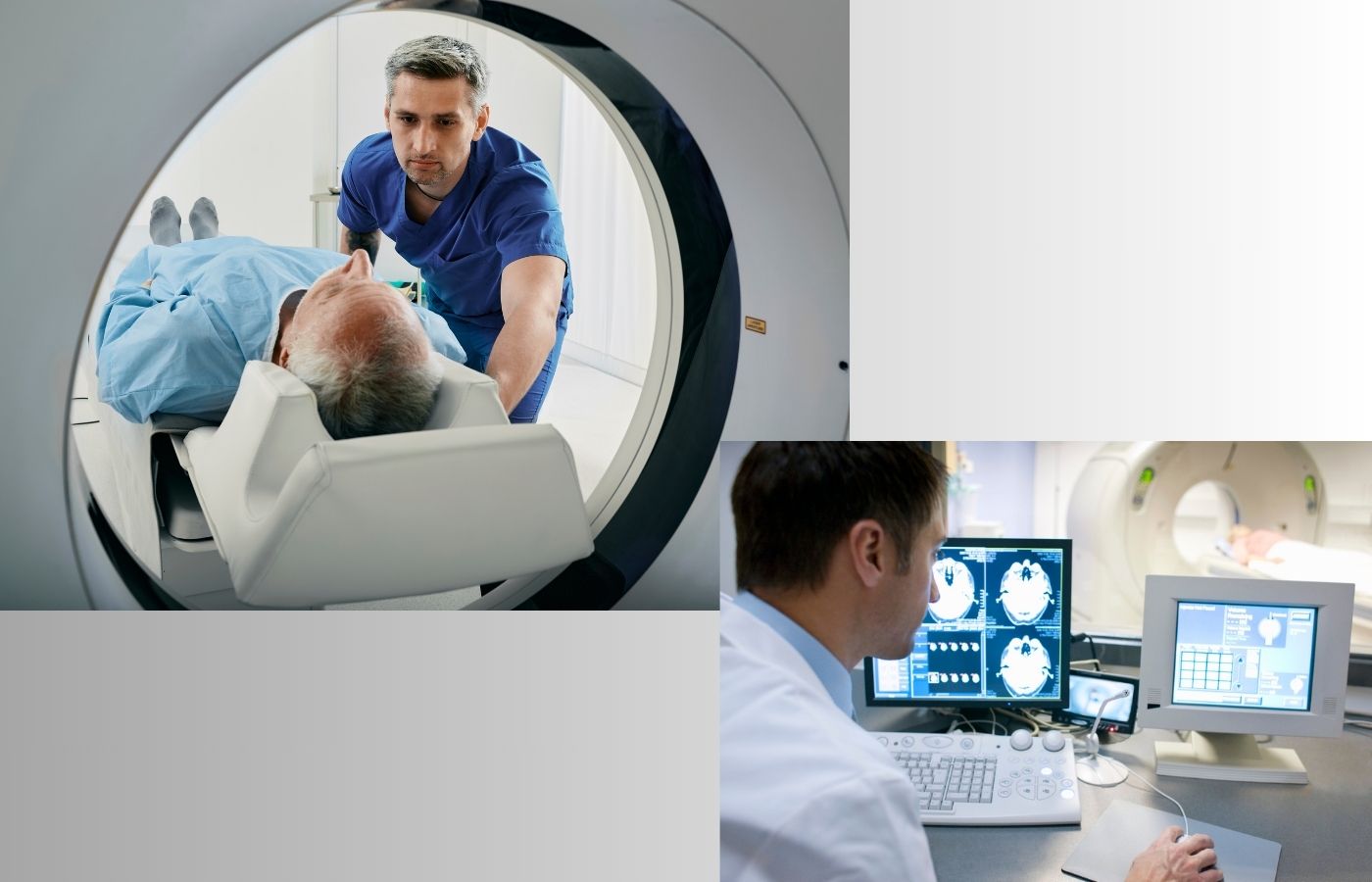
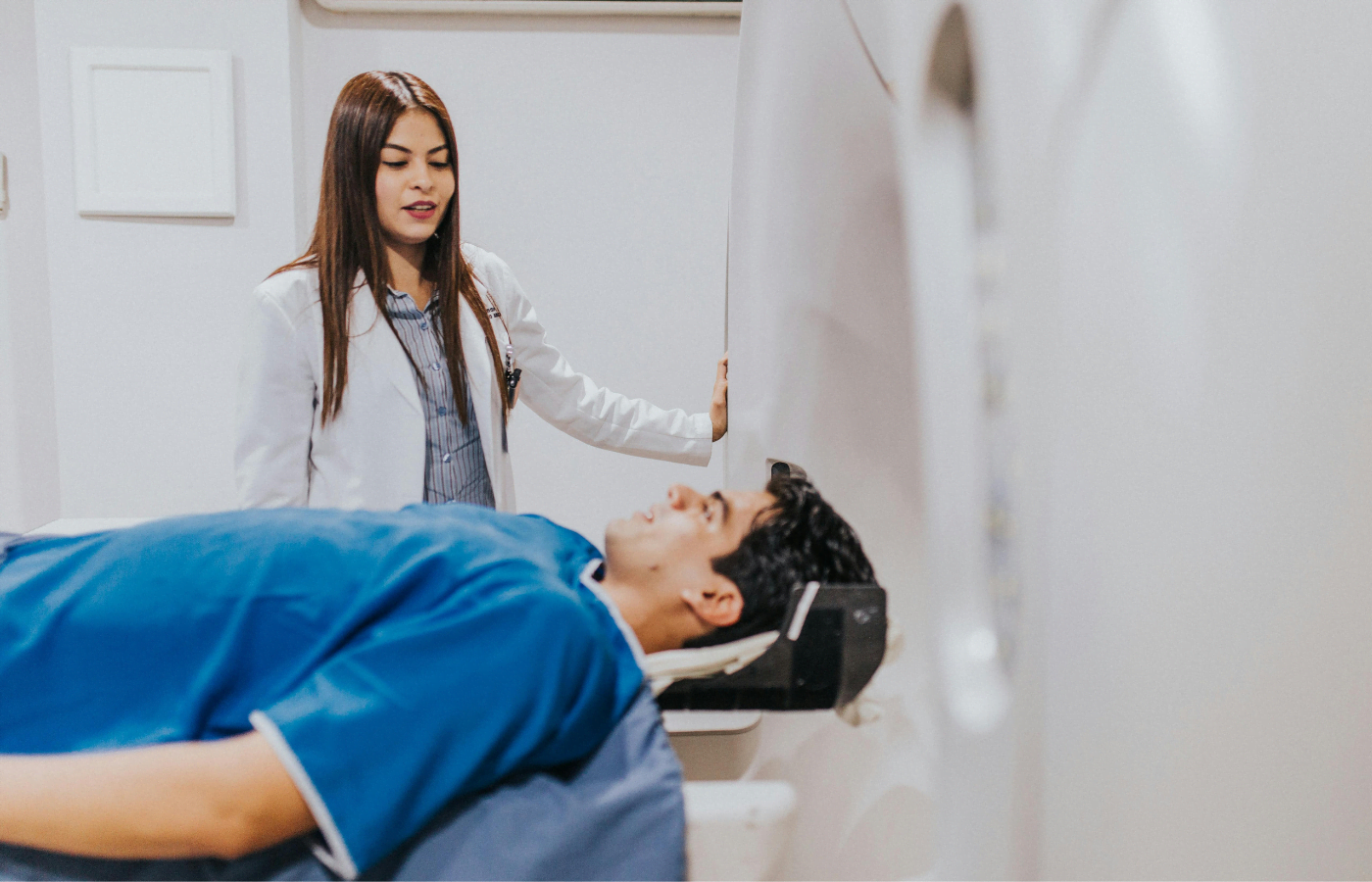
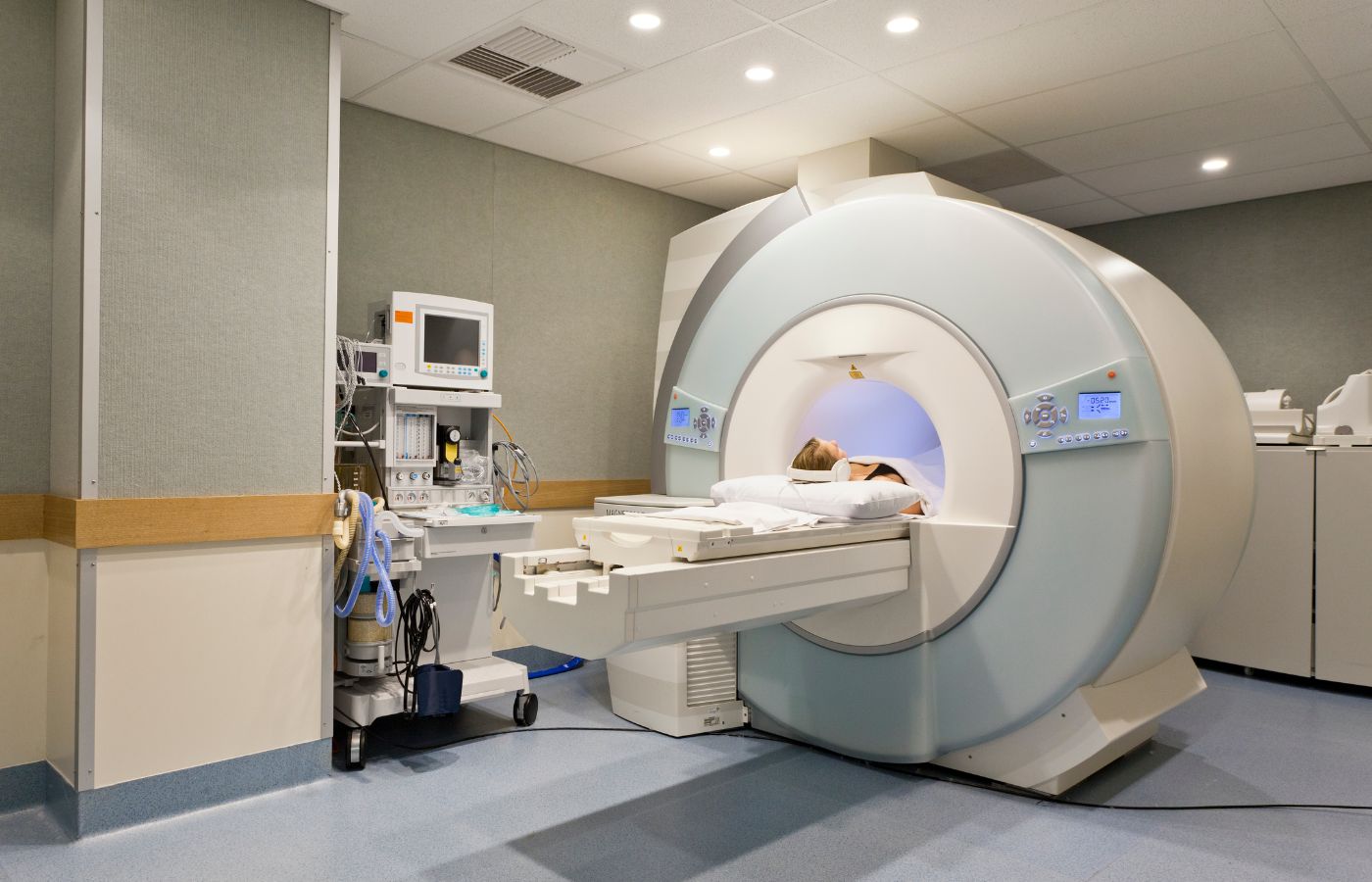
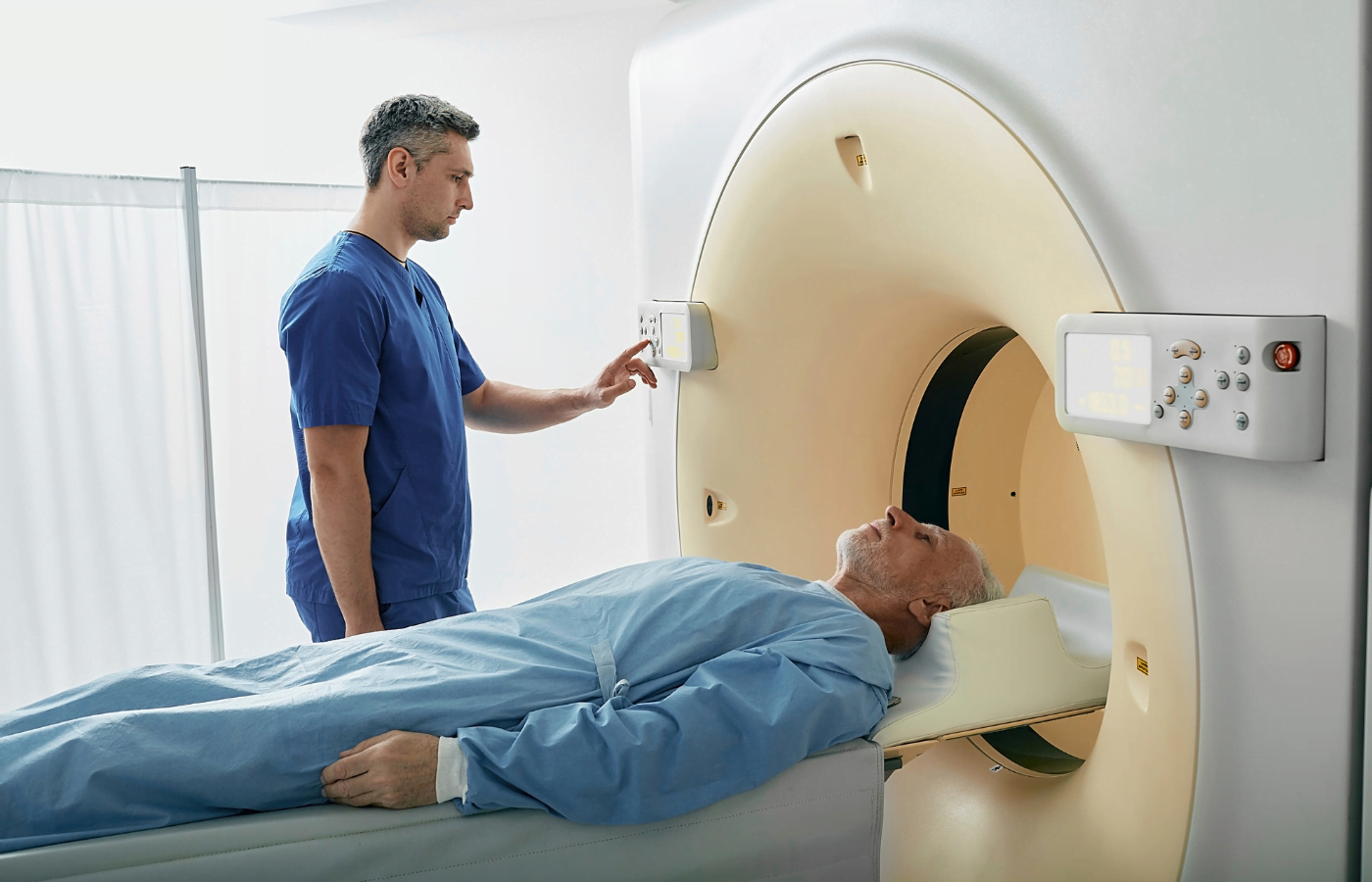
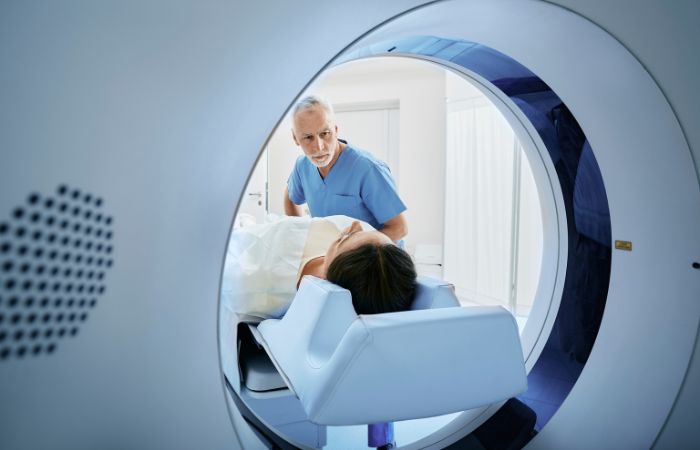
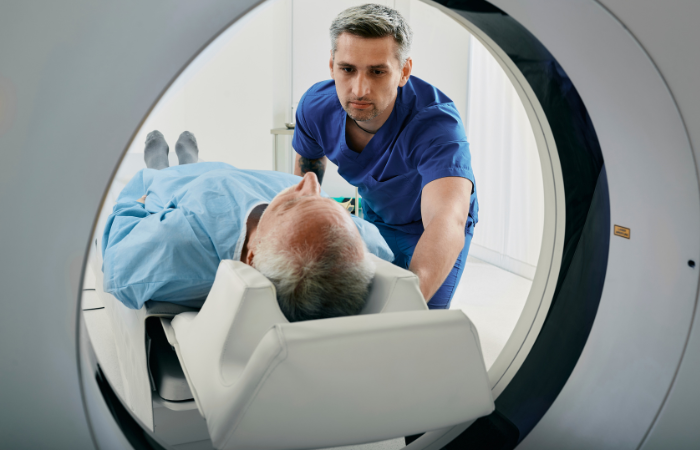
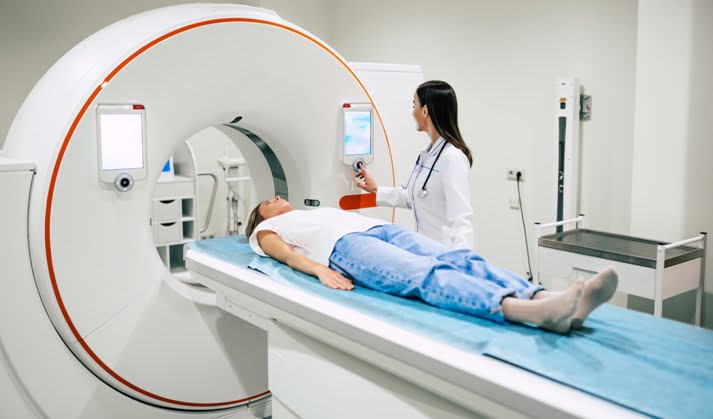
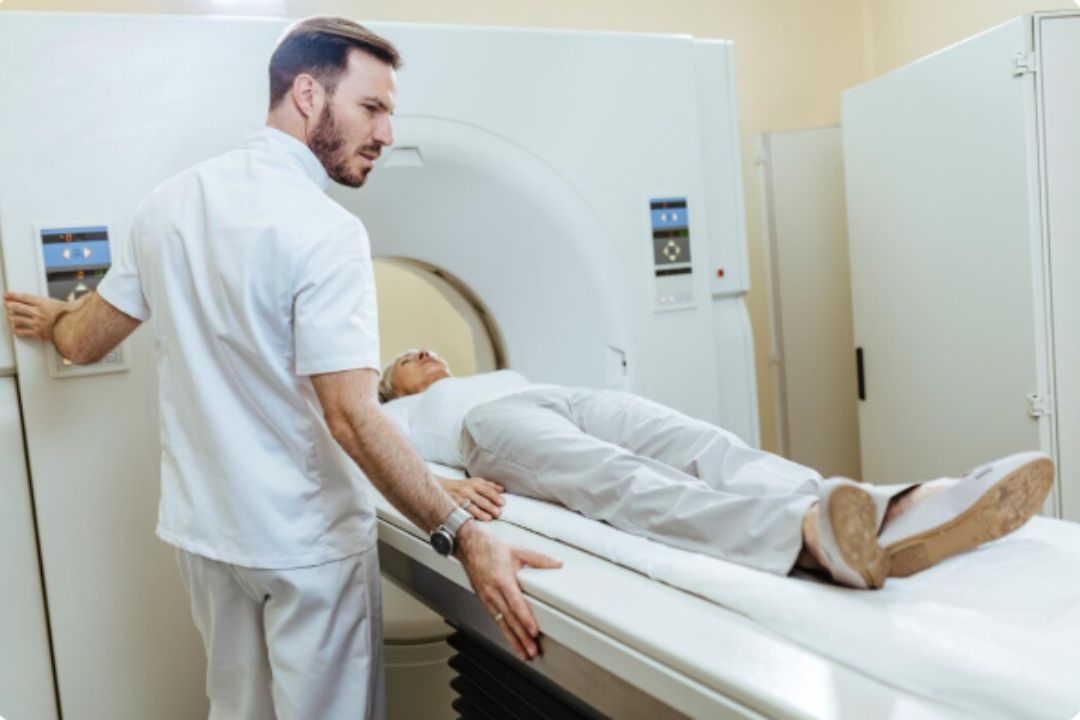
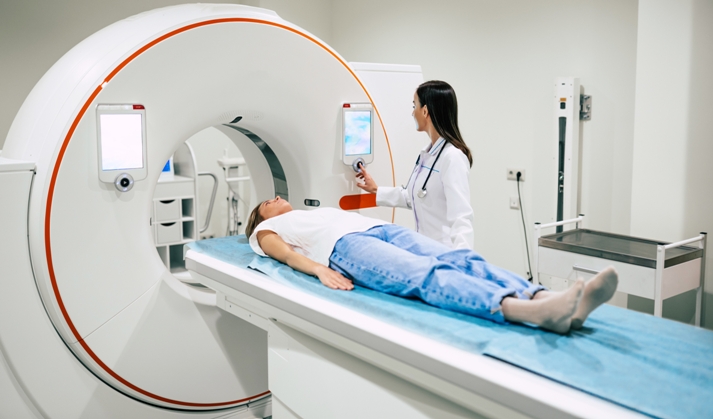
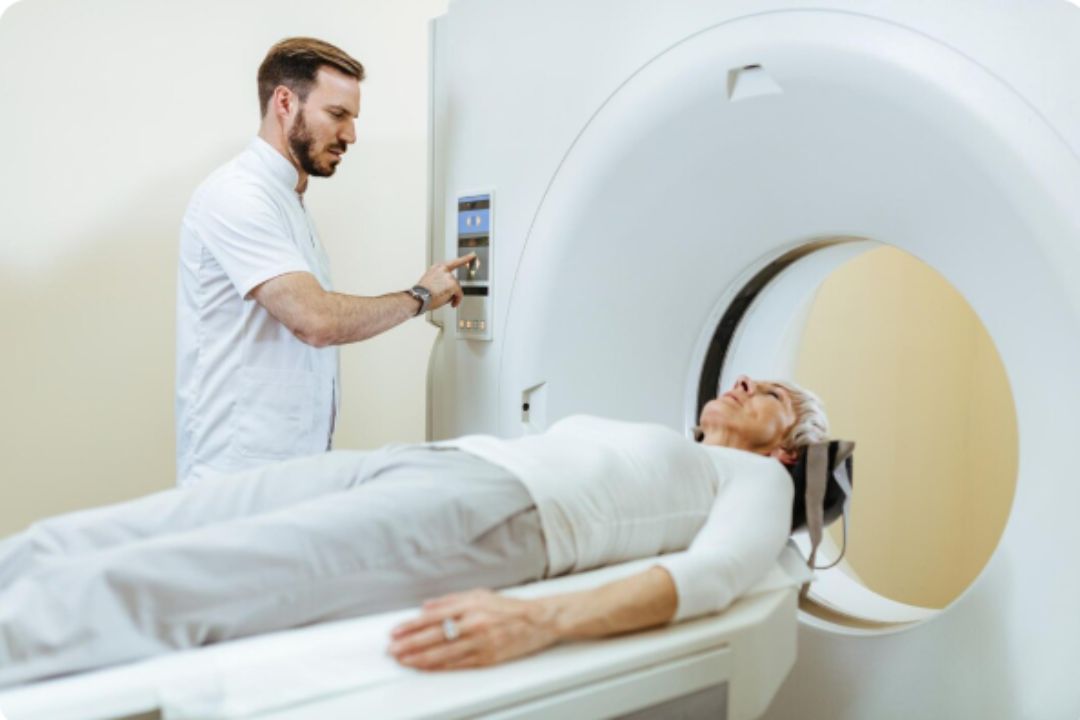
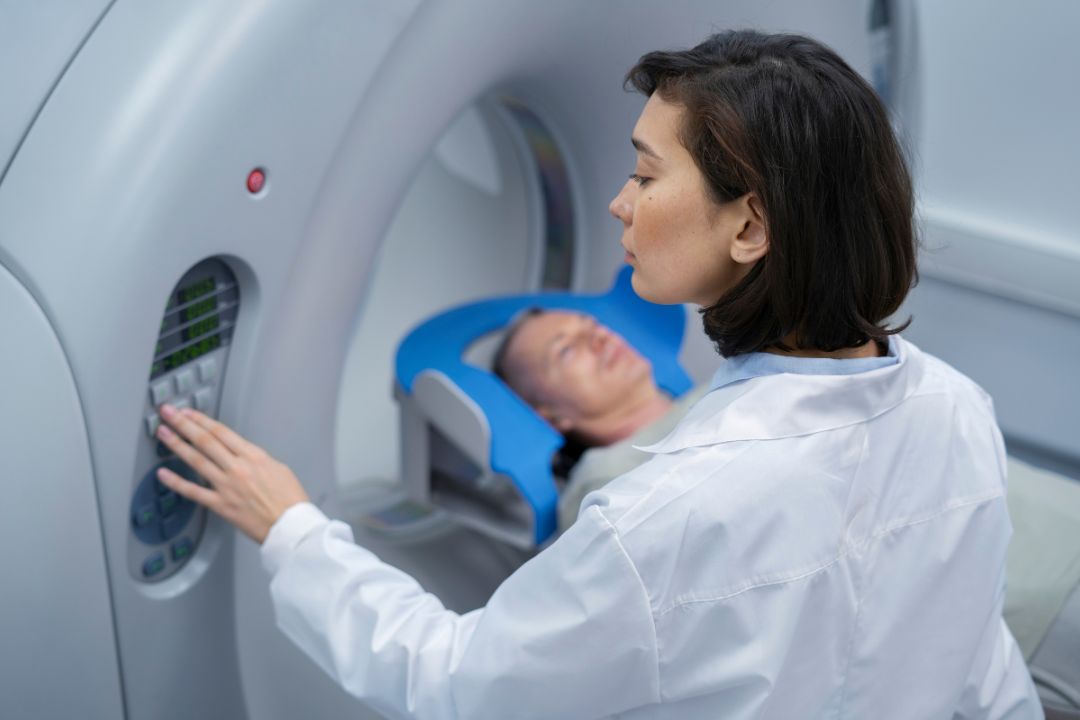
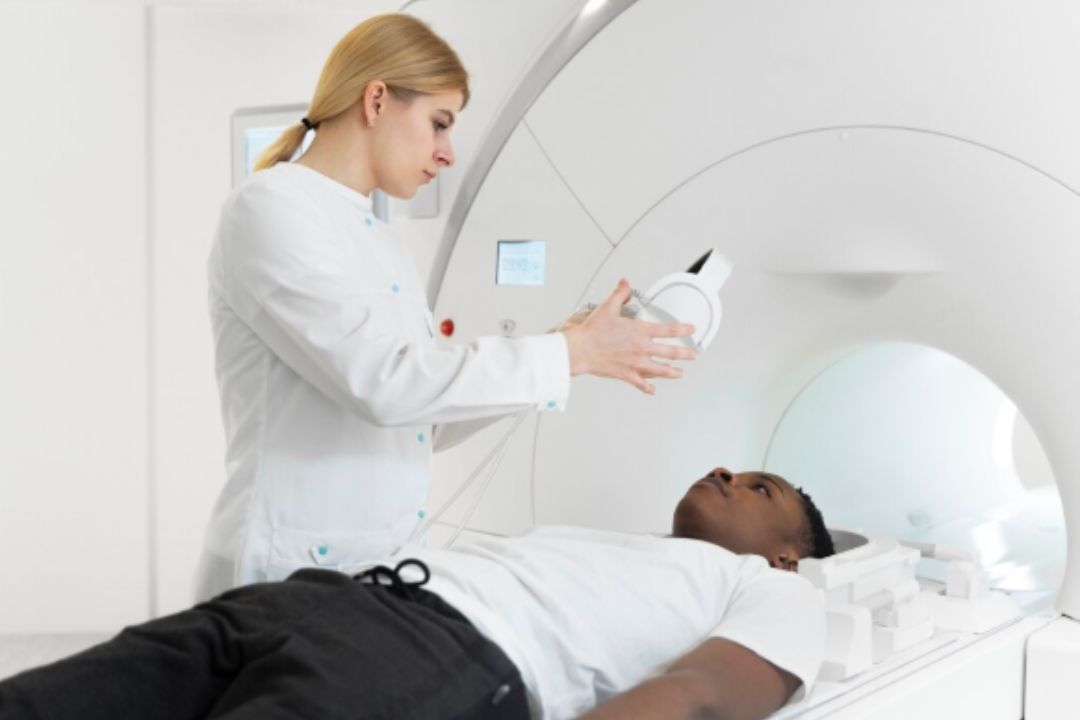
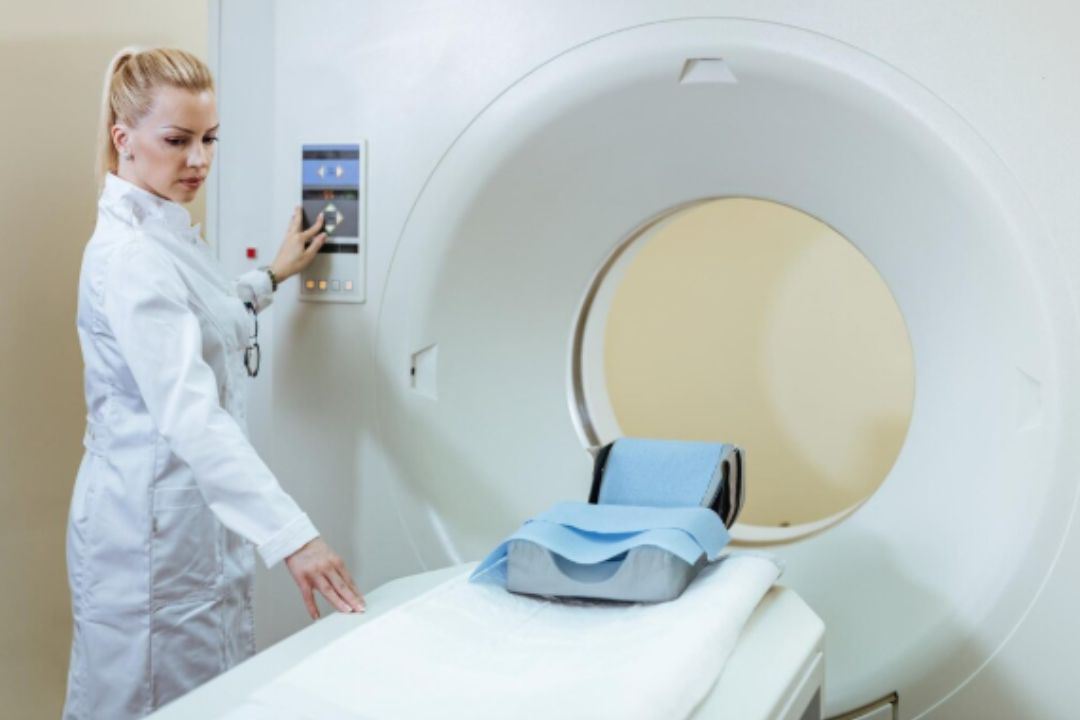
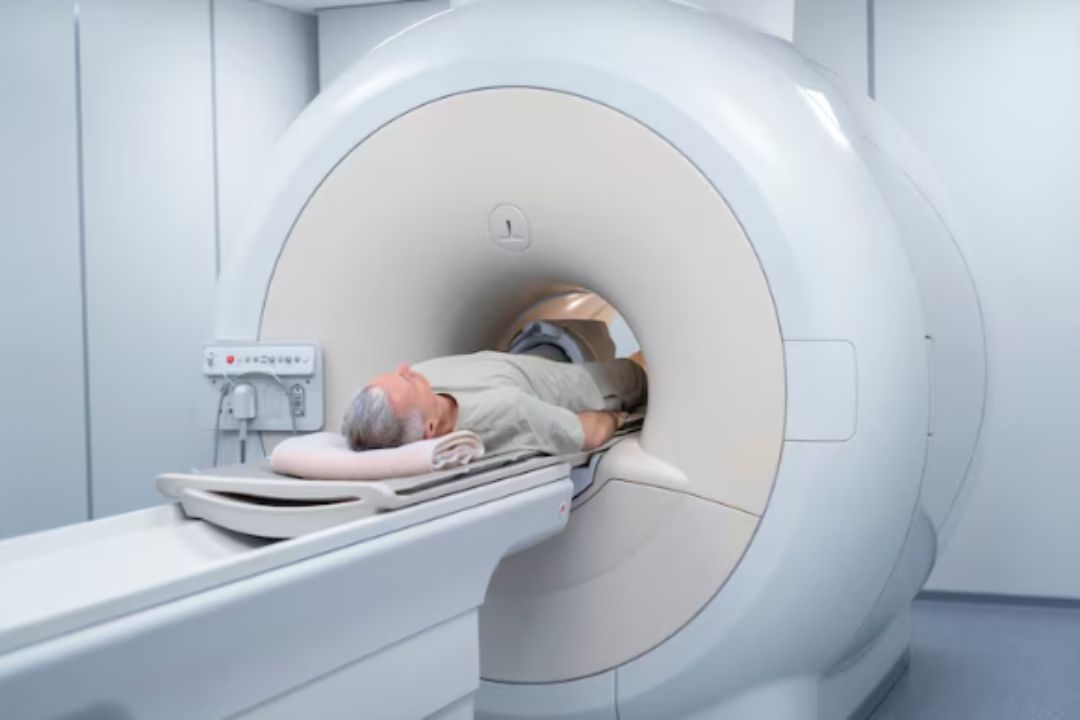
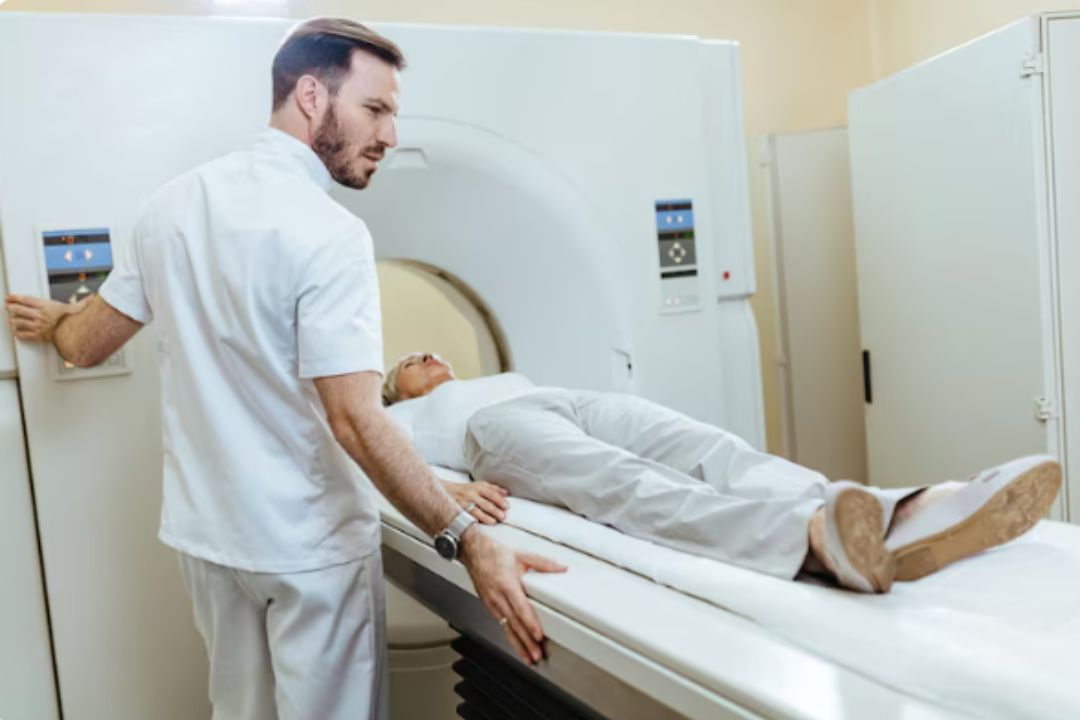
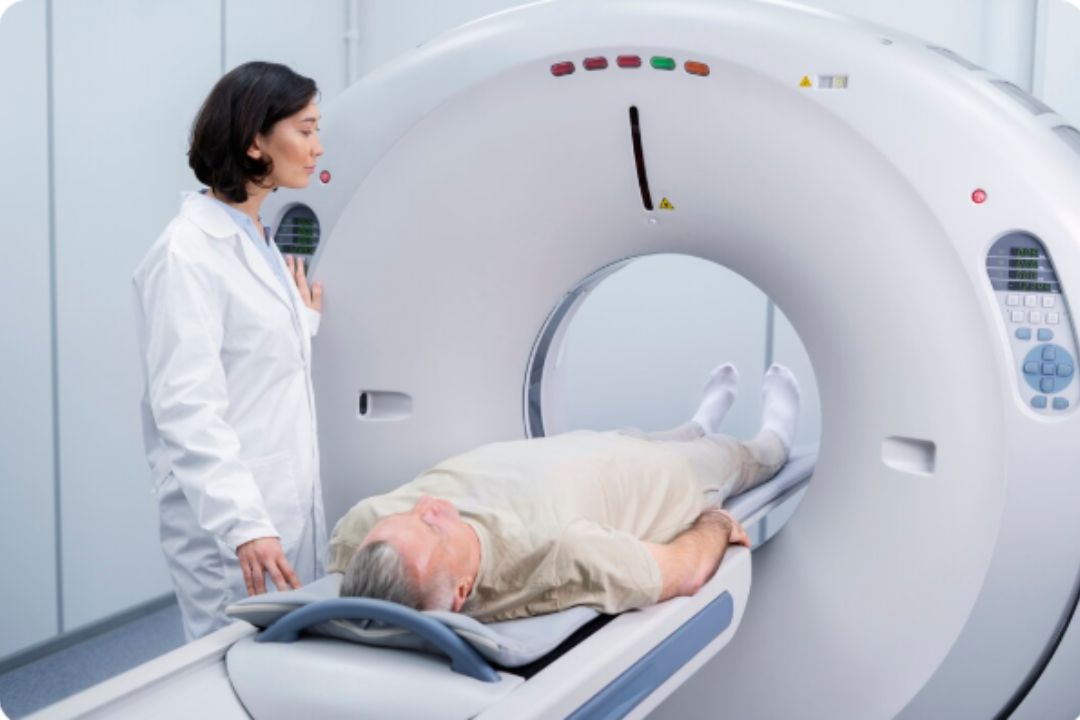
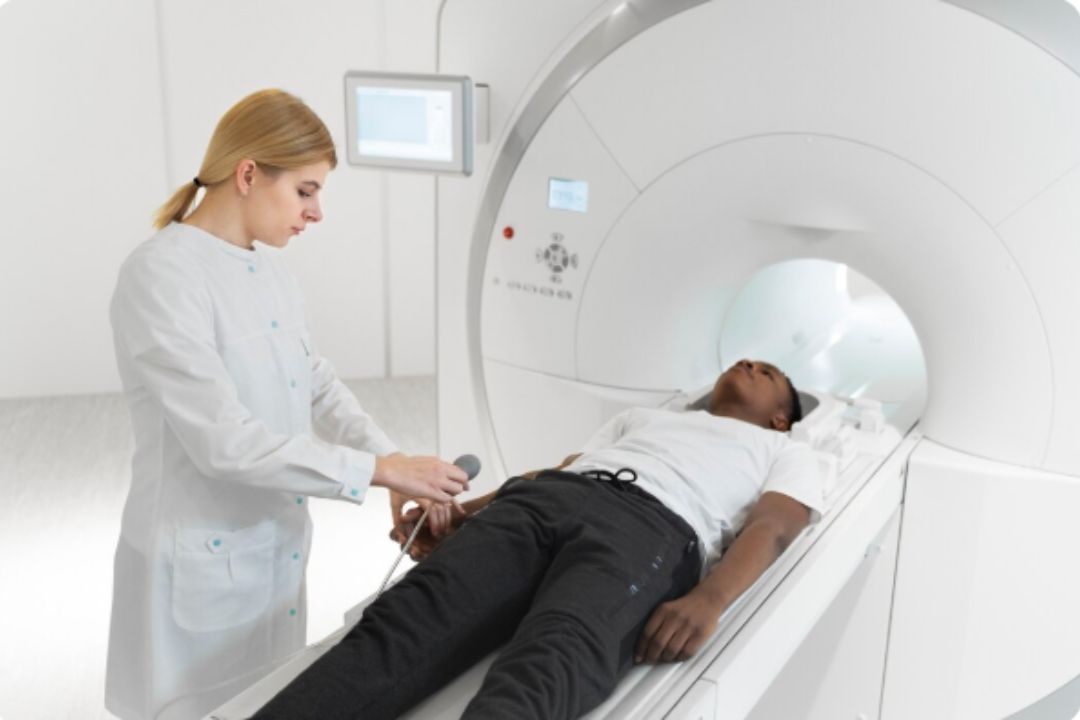
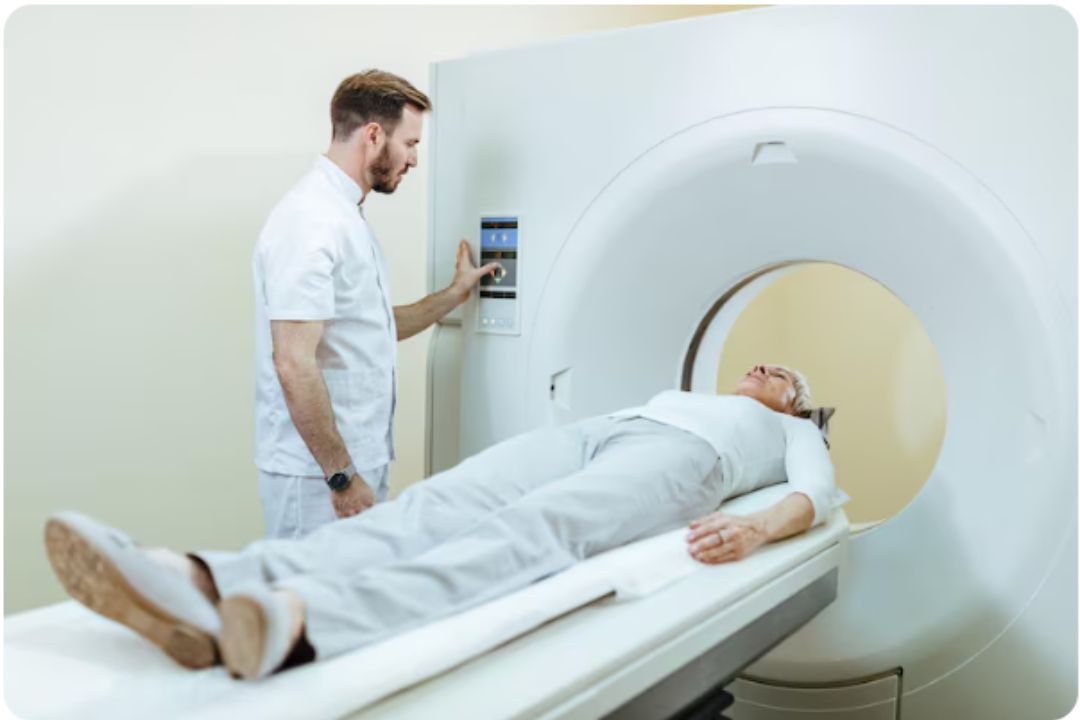
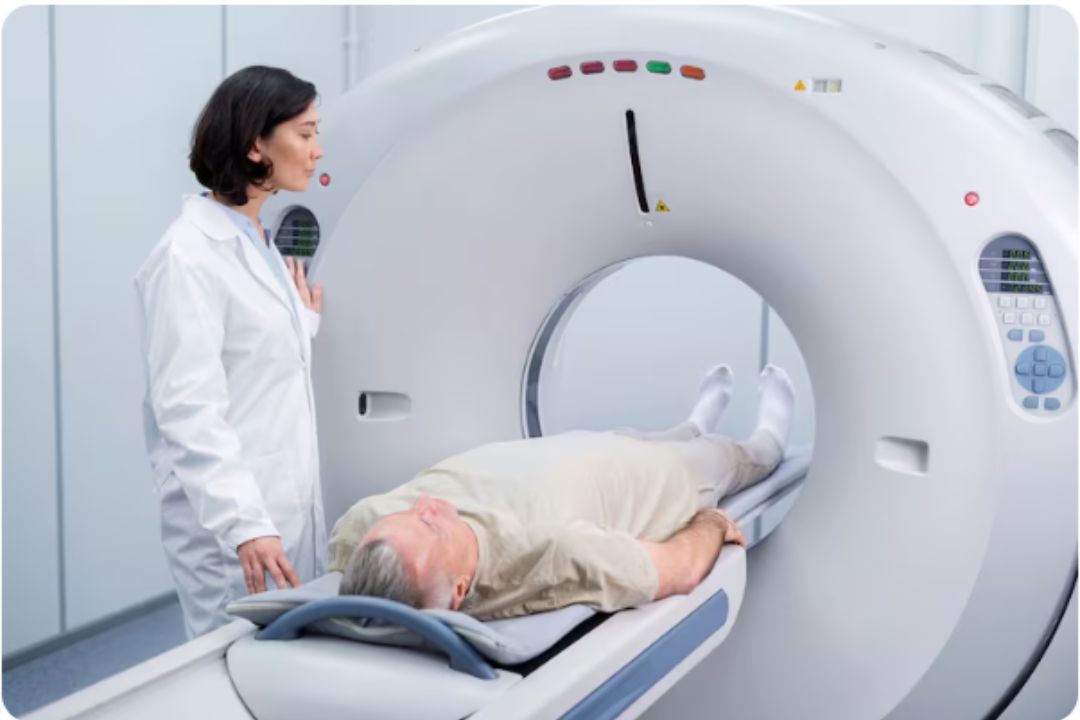
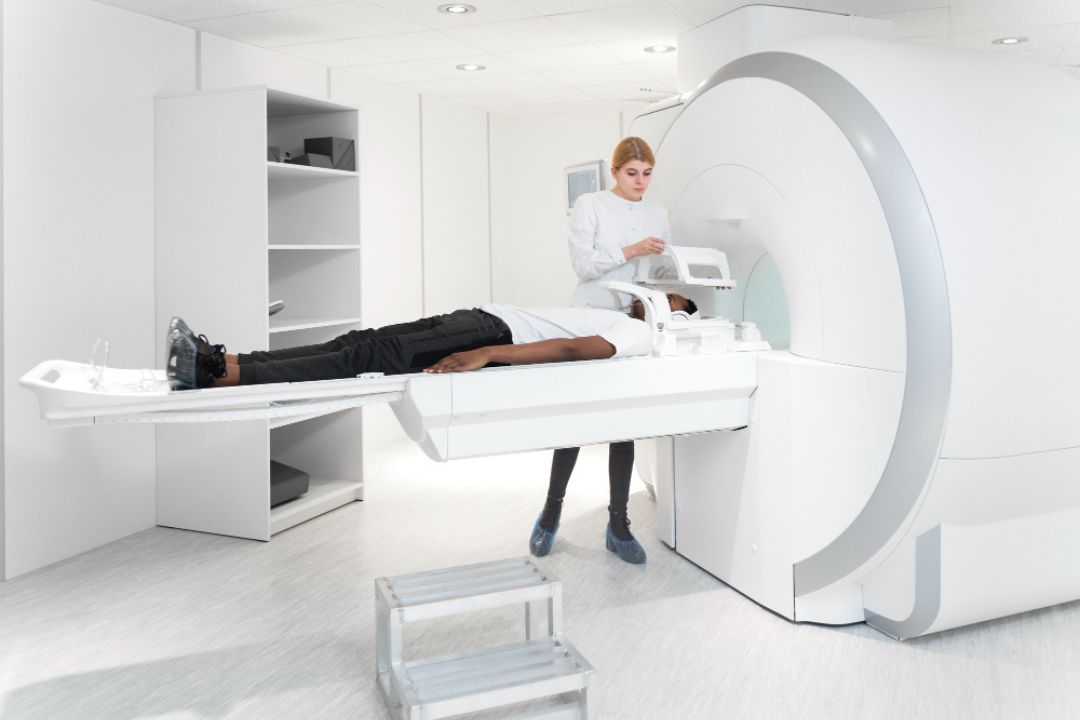
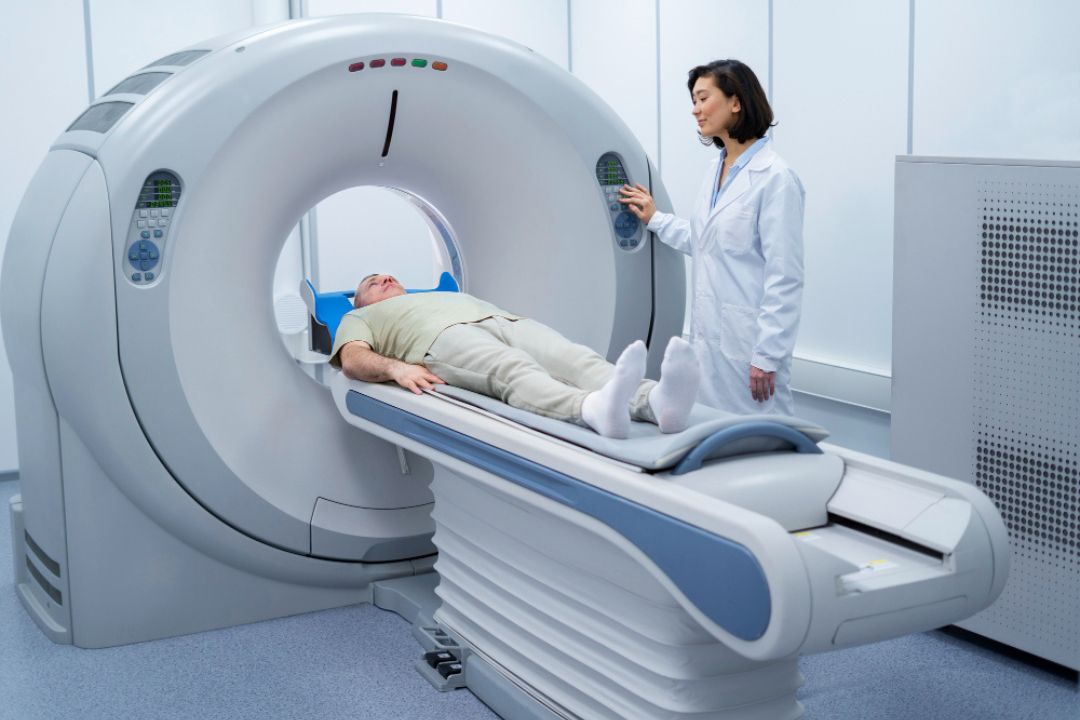
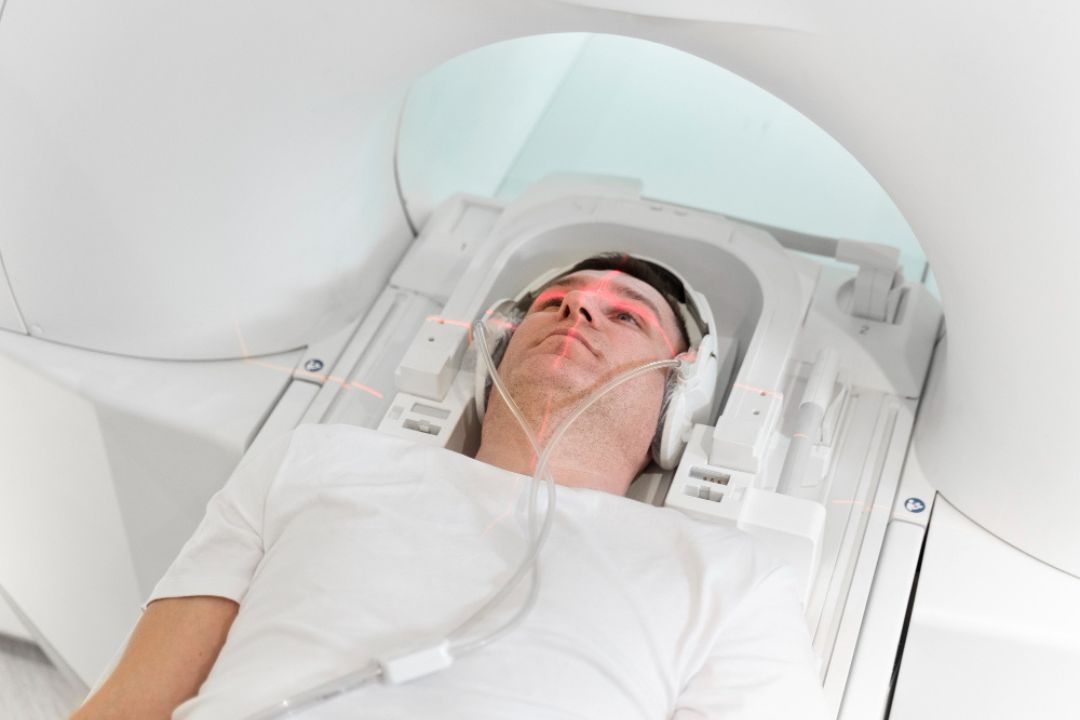
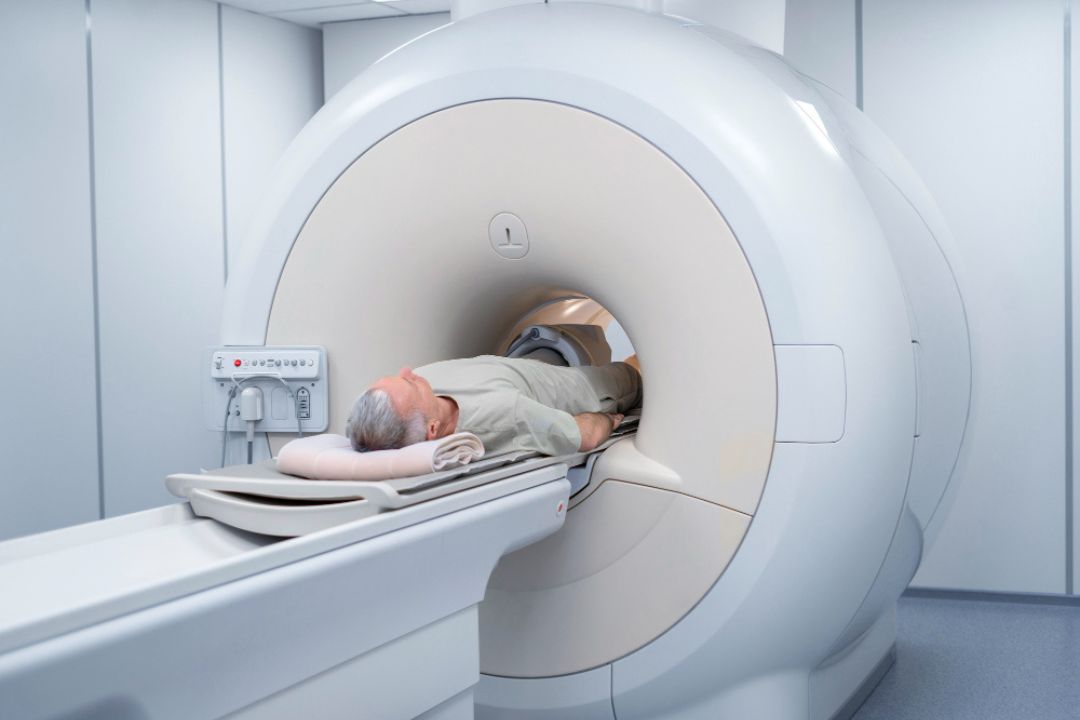
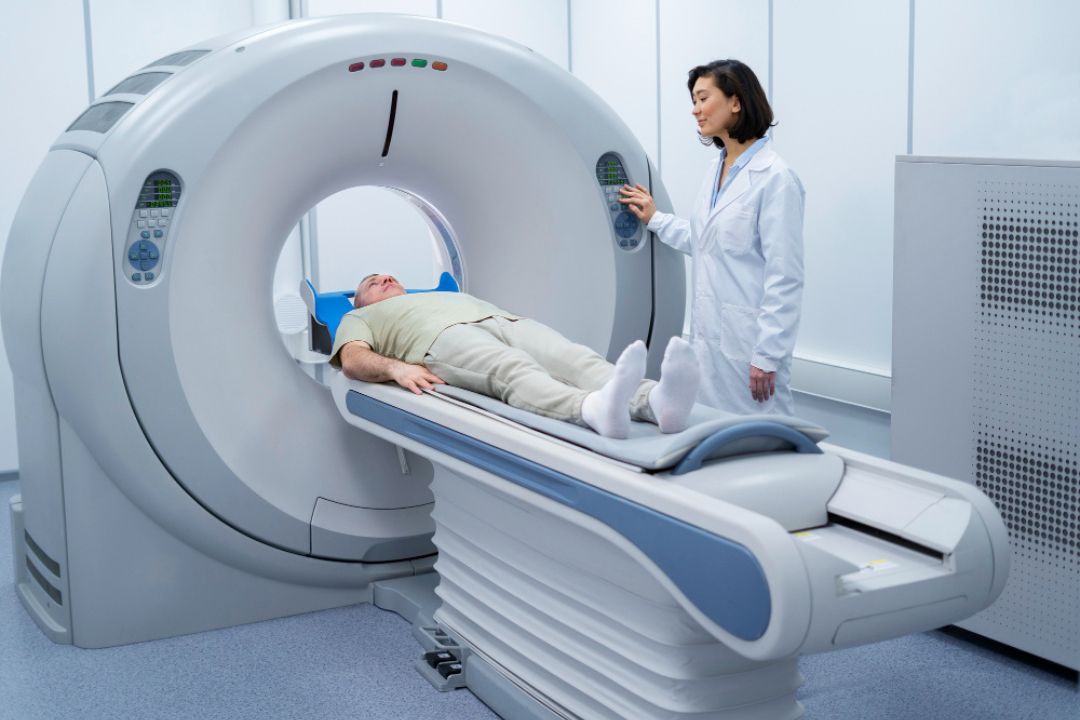
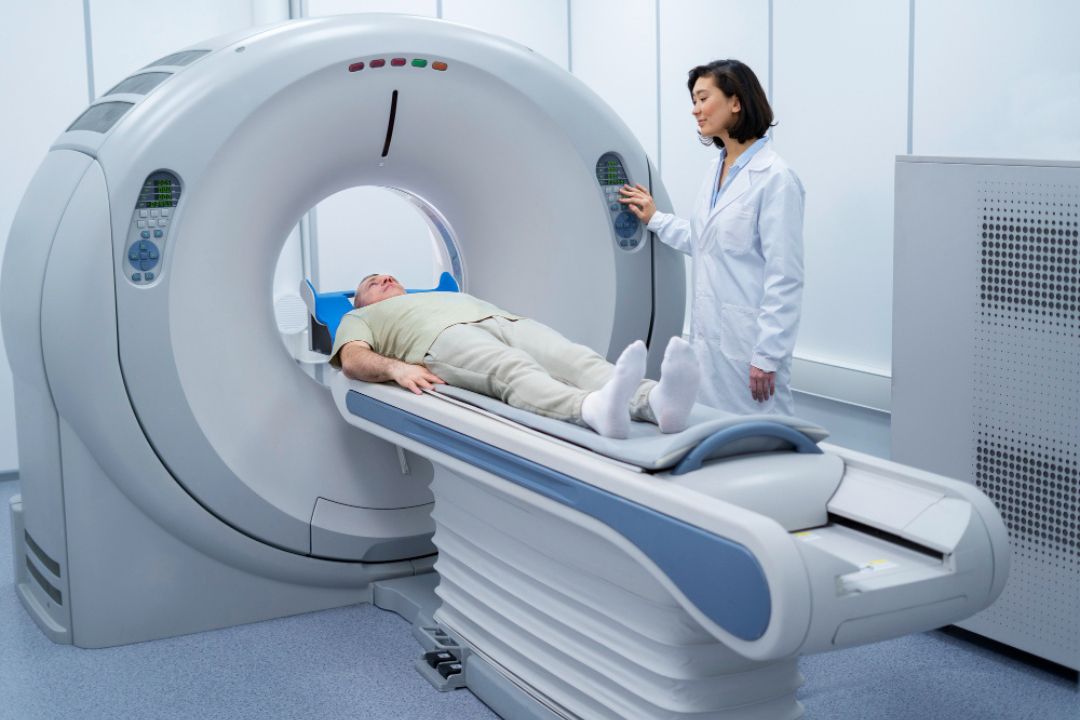
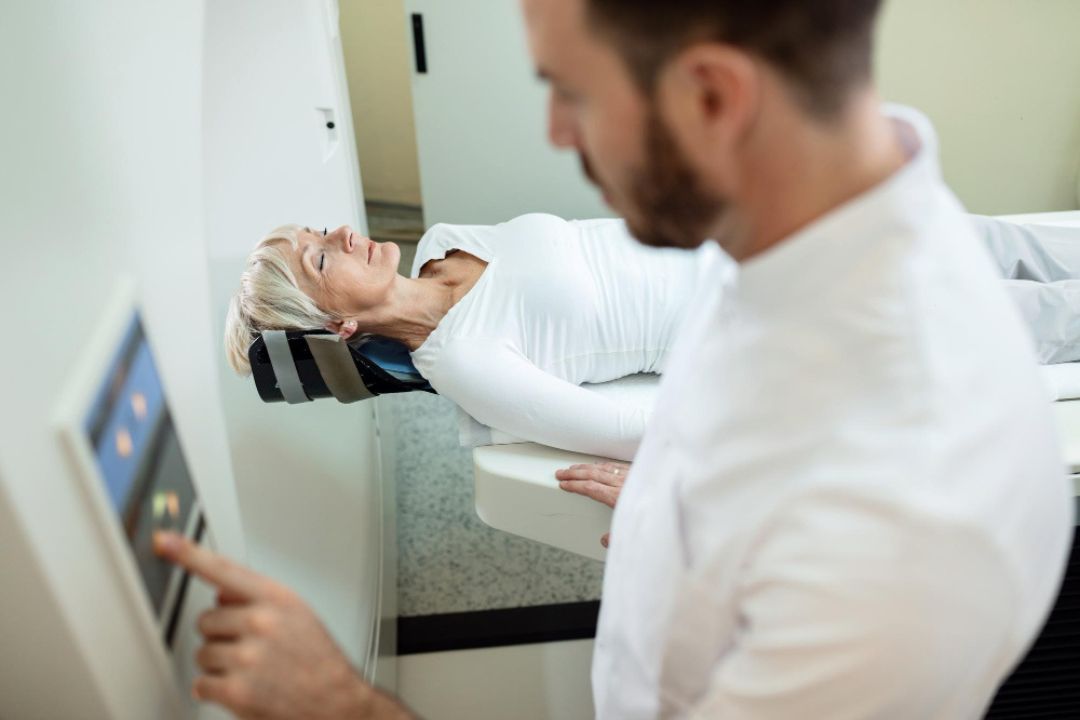
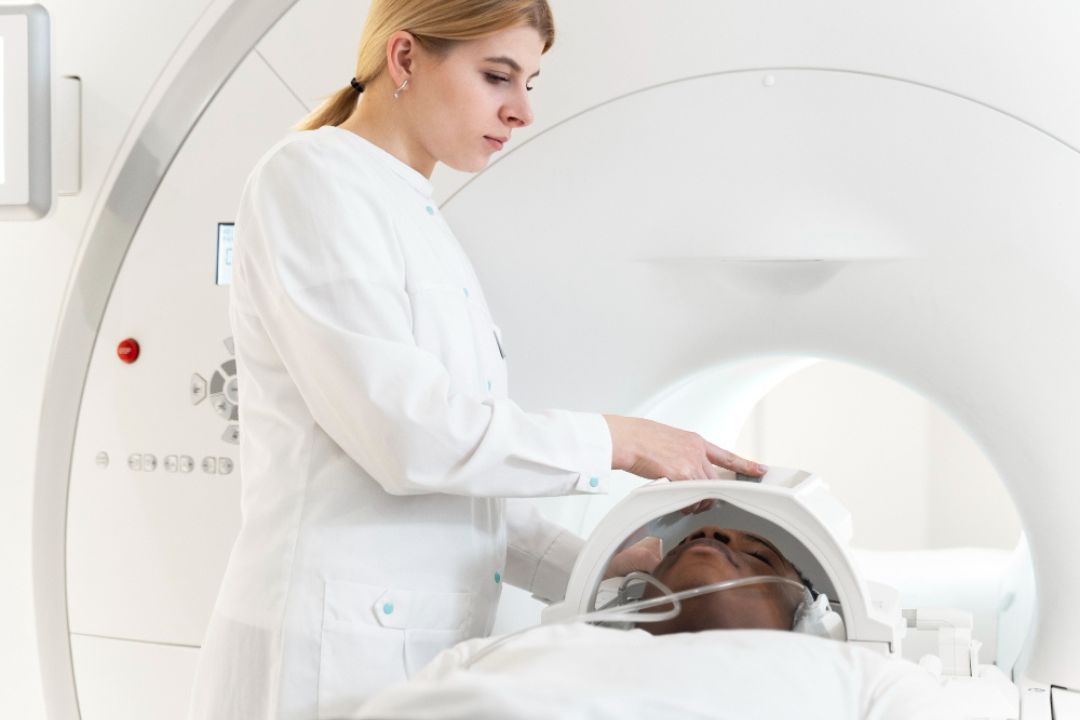
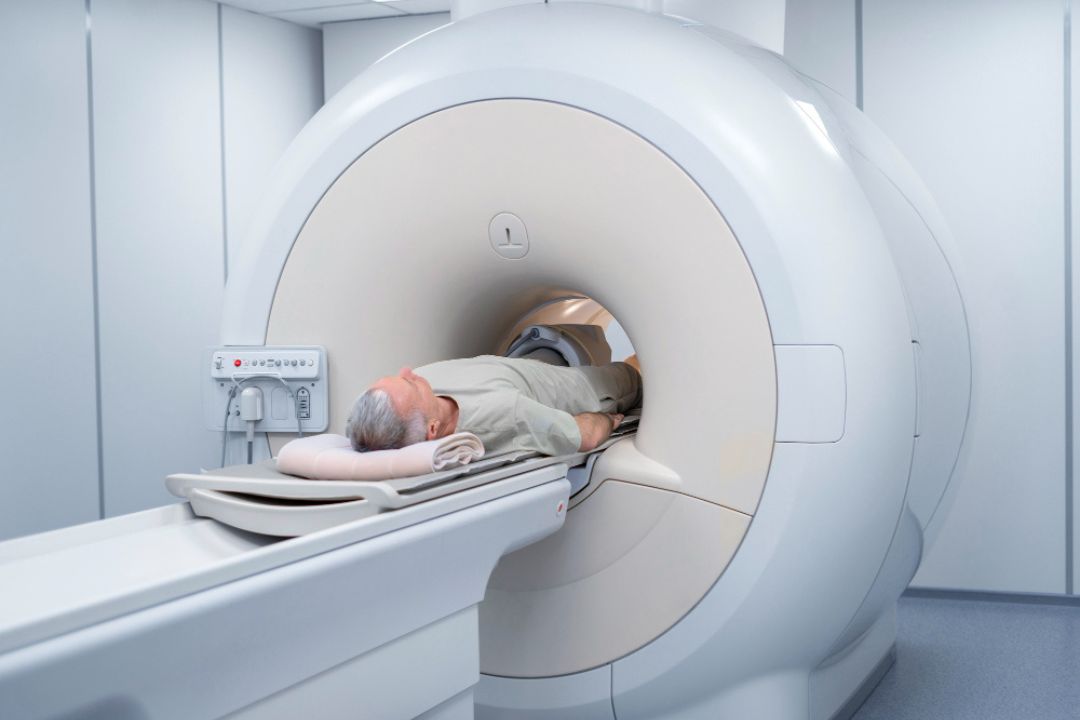
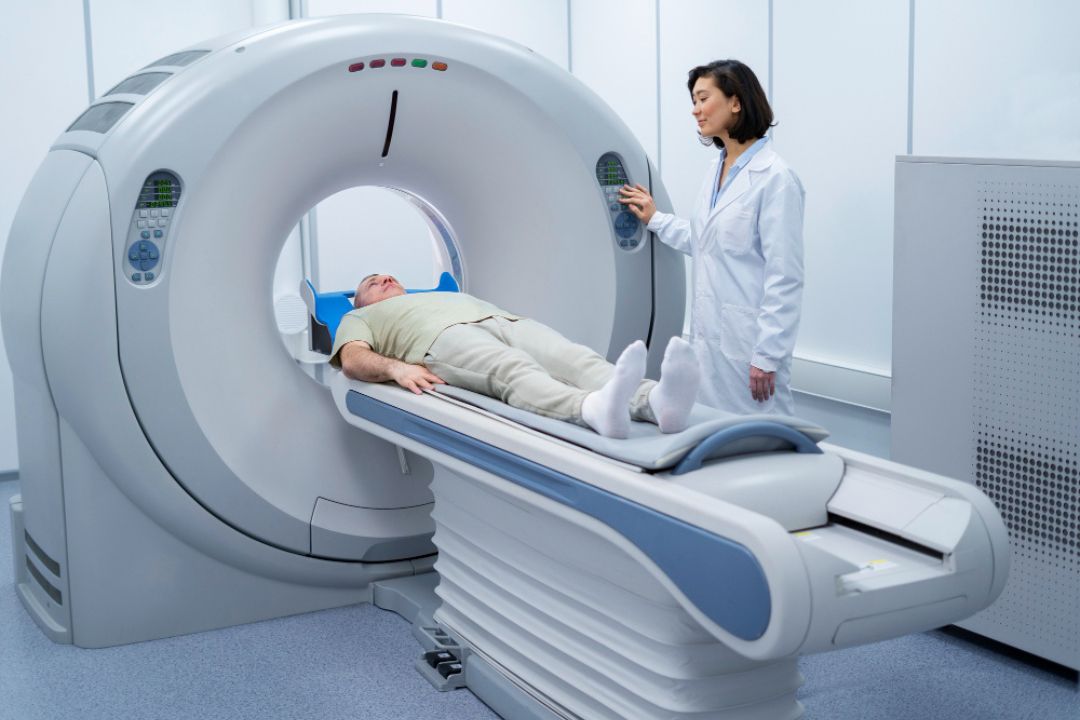
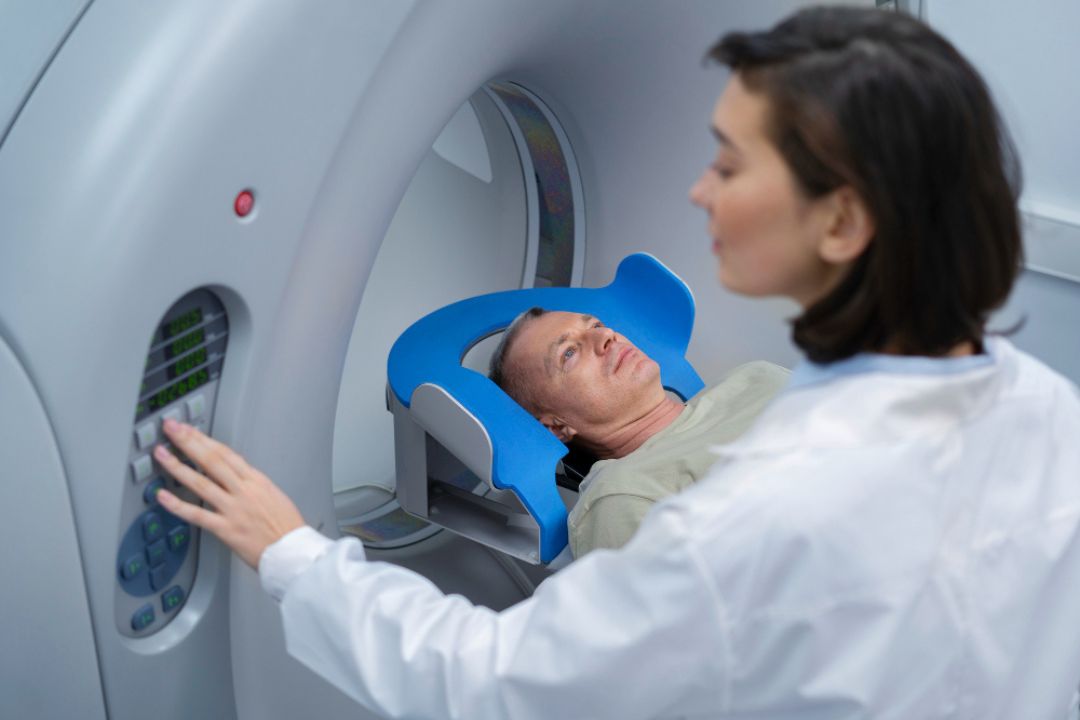
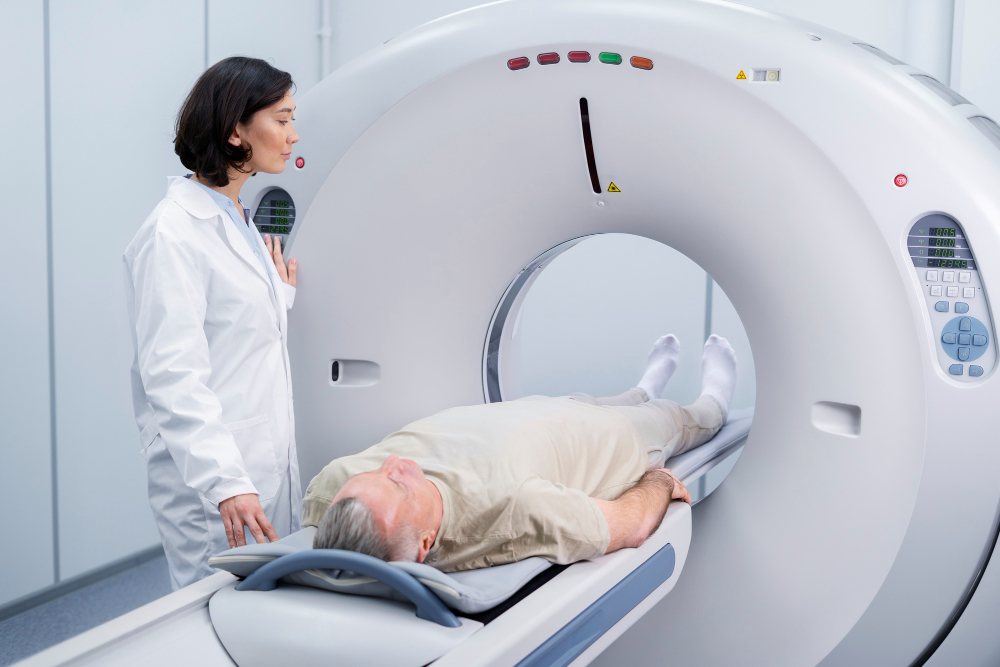
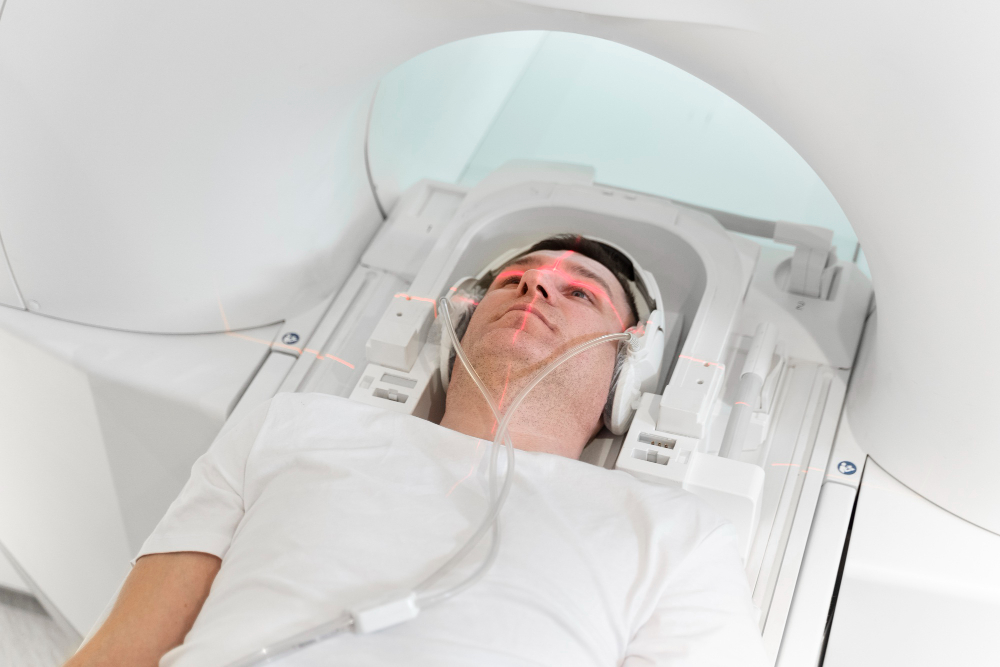
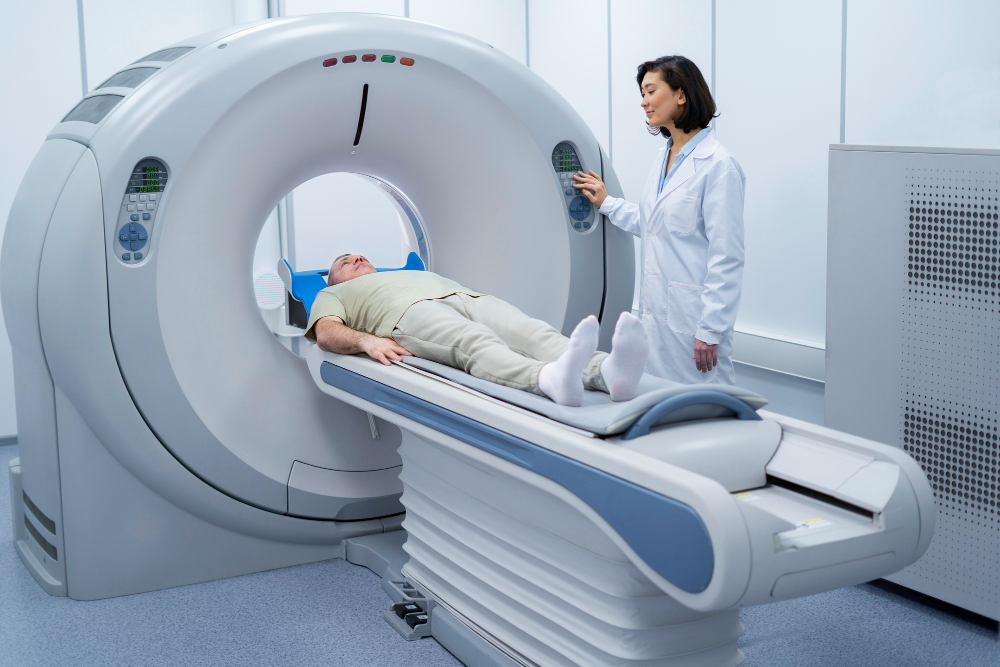
You will lie on a motorized table that slides into the CT scanner.
A small IV line will be placed in your arm to administer contrast dye.
You may feel warmth or a metallic taste briefly after injection.
The scan usually takes 10 to 15 minutes.
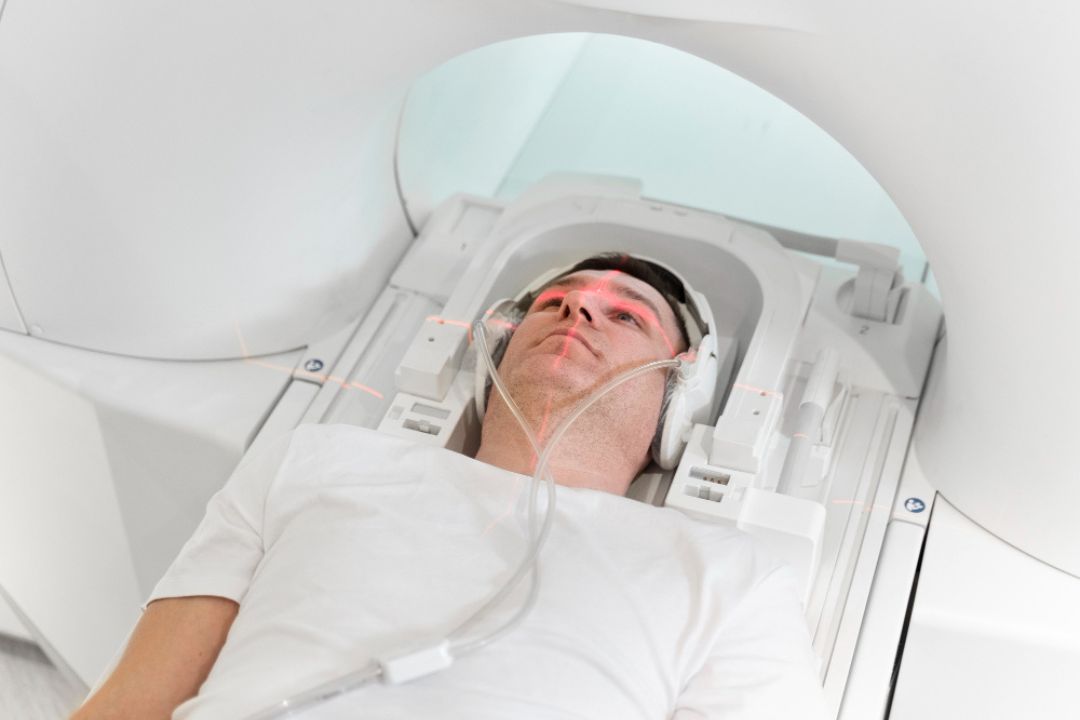
It is important to remain still for clear images.
You can typically resume normal activities immediately.
Drinking plenty of water helps flush the contrast from your body.
Mild side effects such as nausea or itching are rare but should be reported if they occur.
CT PNS with contrast is generally safe, but like all medical procedures, it has certain considerations.
CT scans use ionizing radiation. However, modern machines use low-dose protocols to minimize exposure while maintaining image quality.
Most people tolerate contrast dye well. Mild reactions such as itching or nausea may occur in rare cases. Severe allergic reactions are extremely uncommon.
Since contrast dye is processed through the kidneys, patients with kidney disease require careful evaluation before the scan.
Your healthcare provider will assess risks and benefits before recommending the test.
Book Now:-https://www.diagnopein.com/ct-scan/Mumbai
A non-contrast CT scan provides excellent detail of bone structures and sinus anatomy. However, when evaluating possible tumors or soft tissue abnormalities, contrast-enhanced scans offer better visualization.
Contrast is particularly useful when:
Cancer is suspected
Soft tissue differentiation is required
There is a need to assess spread beyond sinus cavities
Complicated infections are being evaluated
The accuracy of a CT PNS scan depends on:
Advanced imaging equipment
Skilled radiology technicians
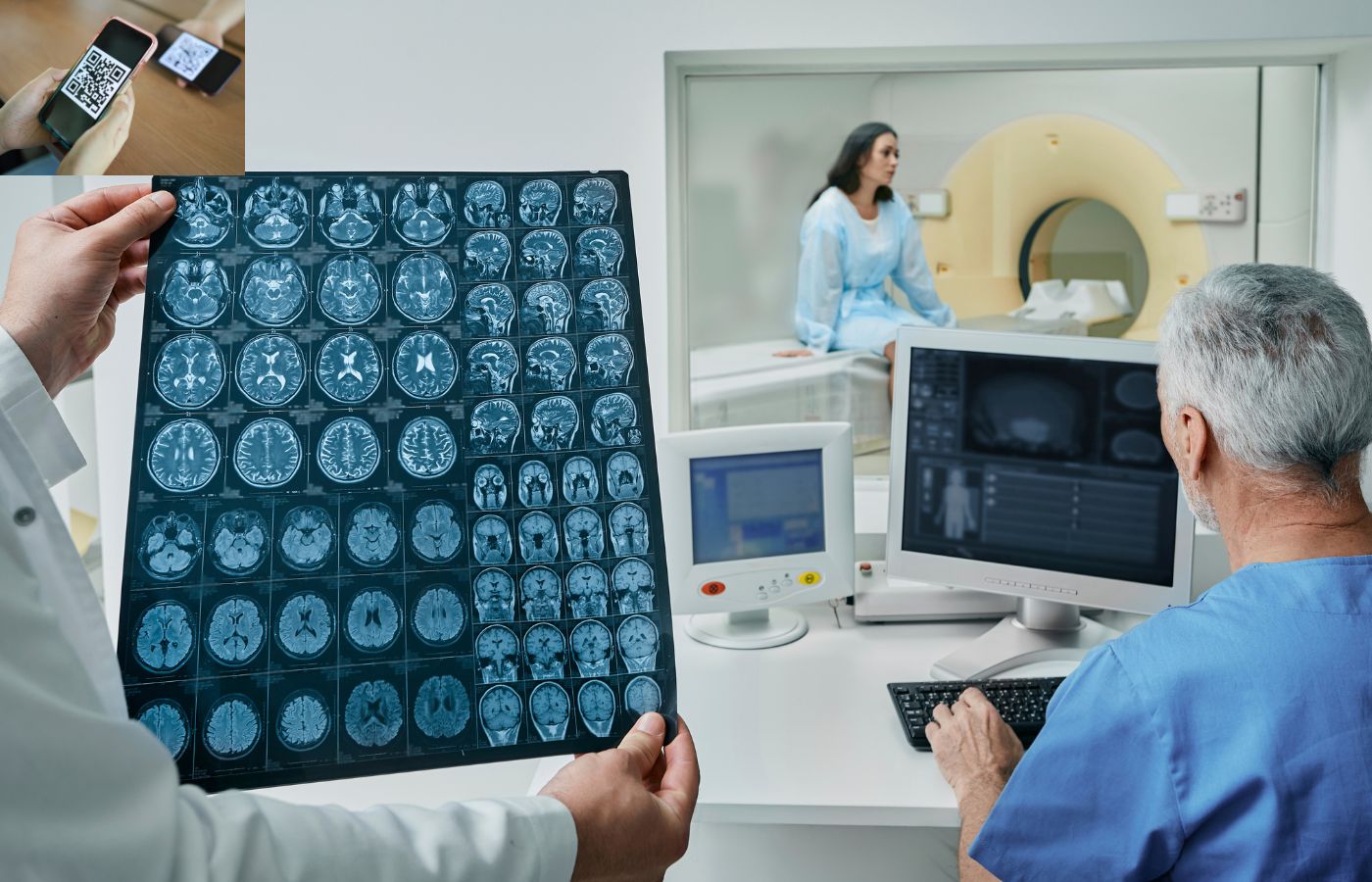
Experienced radiologists
Proper patient care protocols
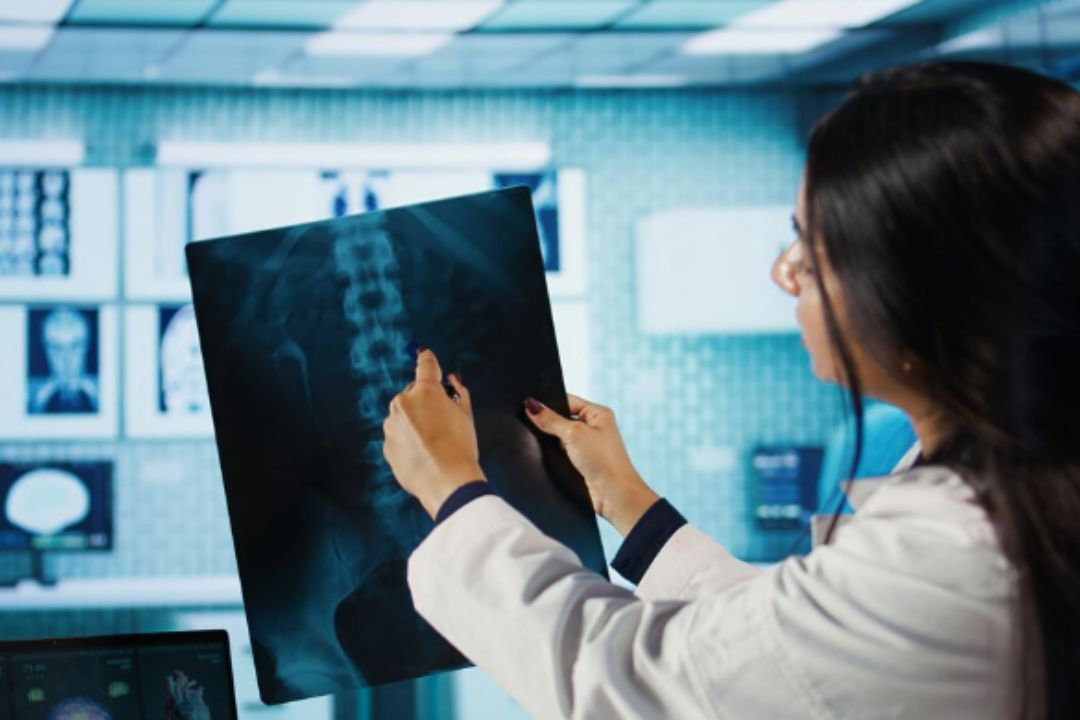
Choosing a well-equipped diagnostic center ensures high-quality images, precise reporting, and a comfortable experience.
When it comes to advanced imaging like CT PNS with contrast, the quality of equipment, expertise of staff, and accuracy of interpretation are just as important as the scan itself. Choosing the right diagnostic center can make a significant difference in early detection, treatment planning, and overall peace of mind. Here’s why Diagnopein stands out as a top choice for patients:
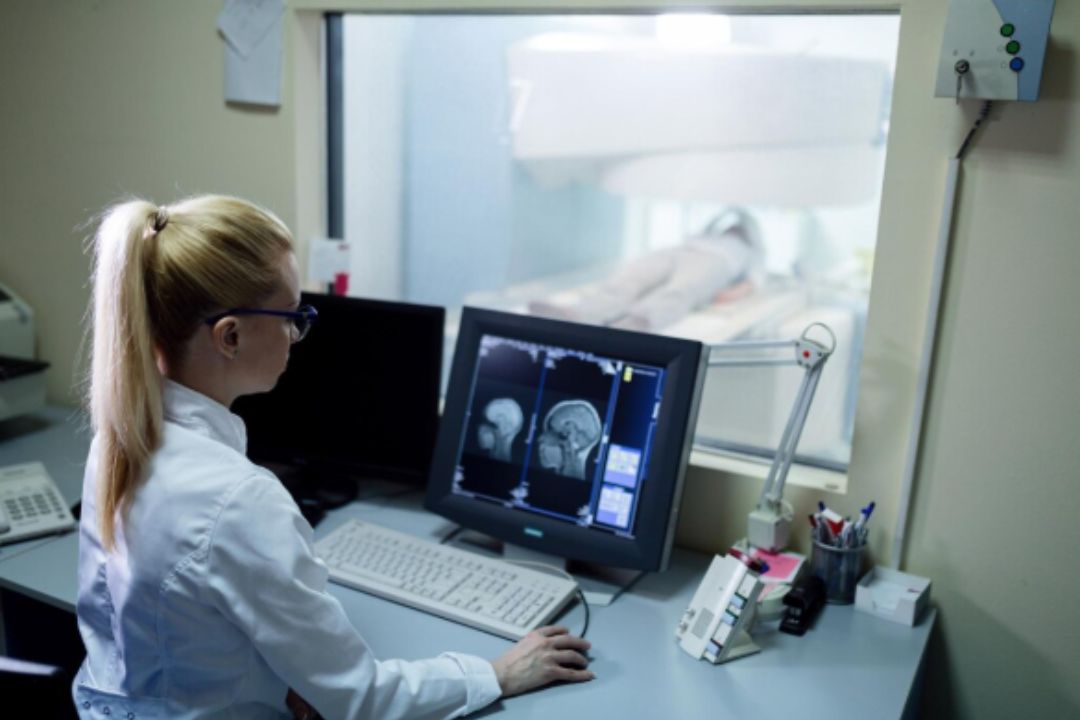
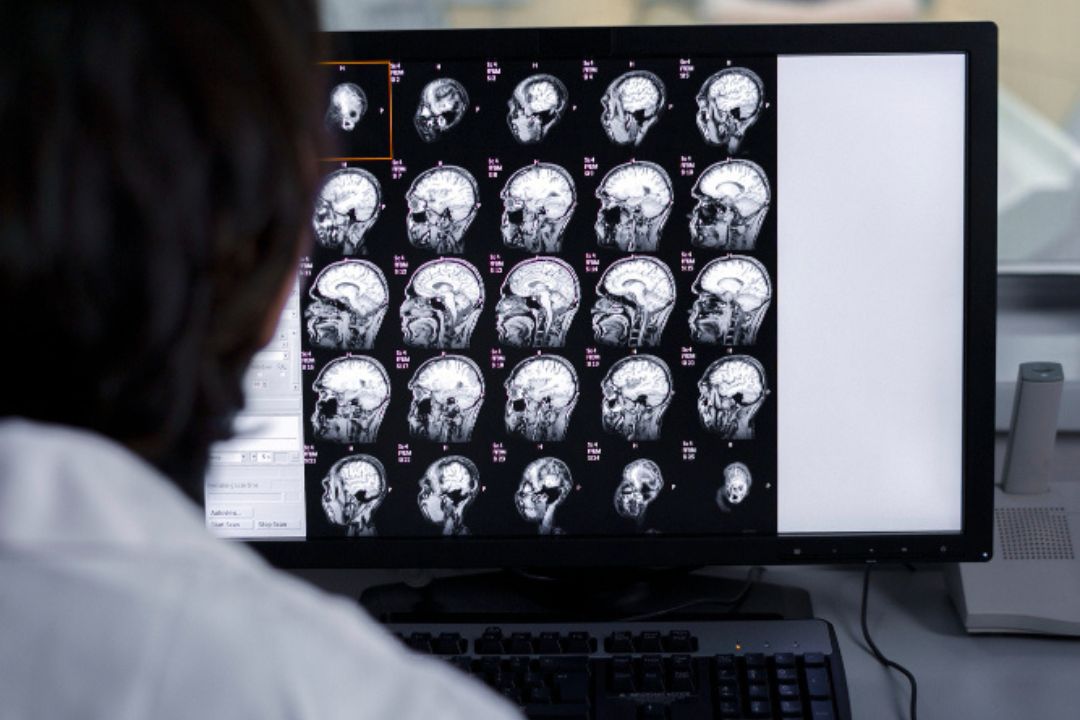
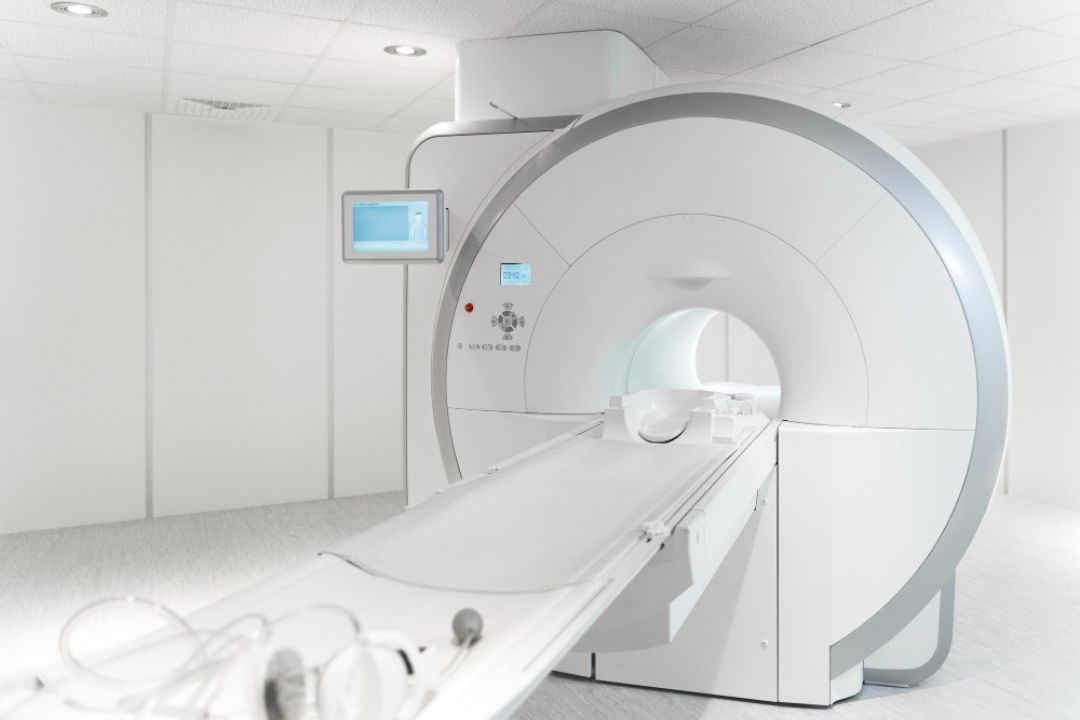
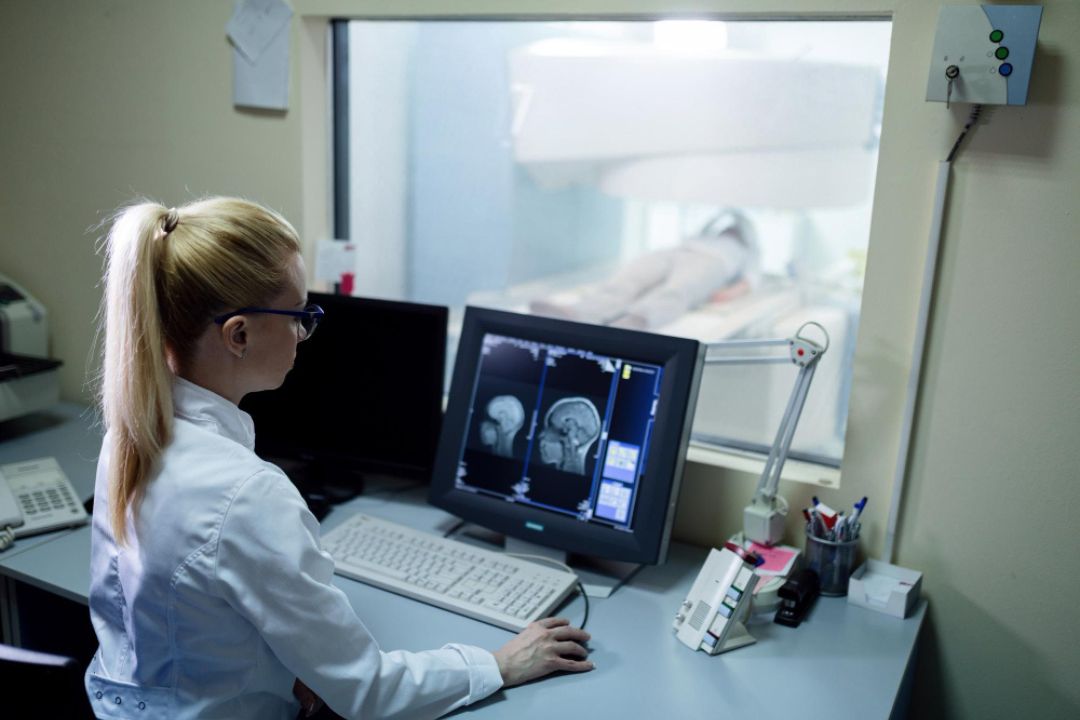
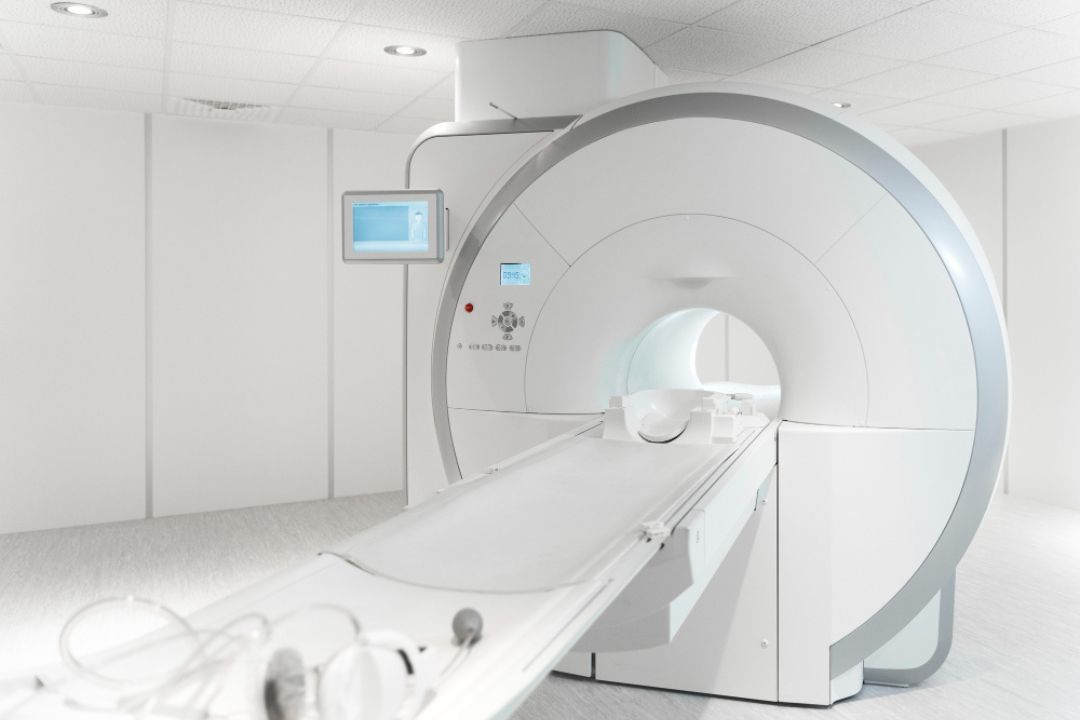
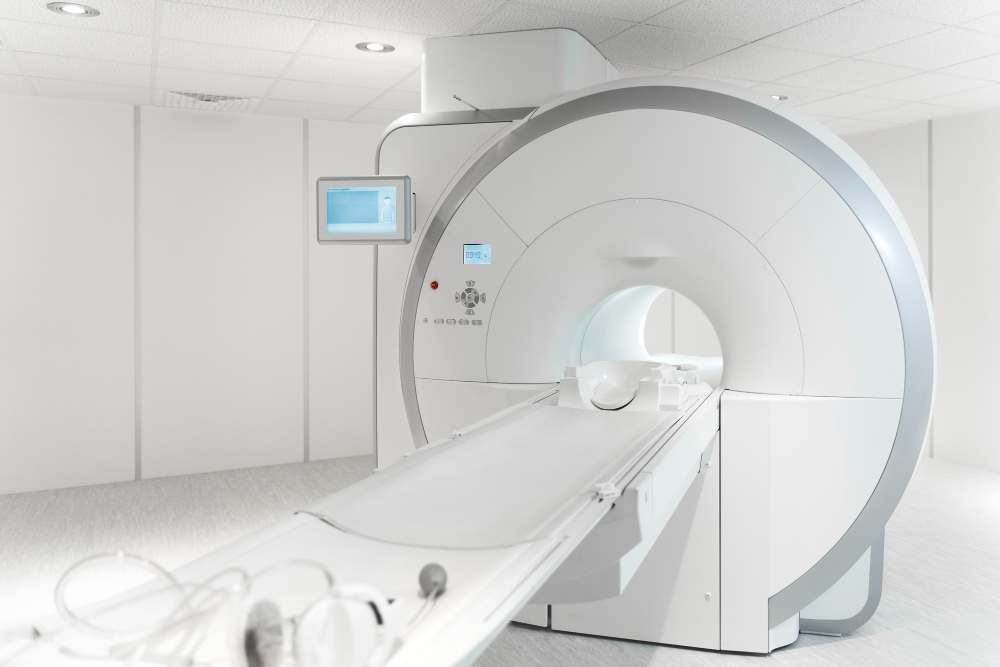
Diagnopein is equipped with multislice CT scanners that deliver high-resolution images with exceptional clarity. These state-of-the-art machines help radiologists see even the smallest abnormalities in the paranasal sinuses and surrounding structures. Better image quality means better diagnosis.
Accurate interpretation of CT scans is not just about good machines—it requires experience and skill. At Diagnopein:
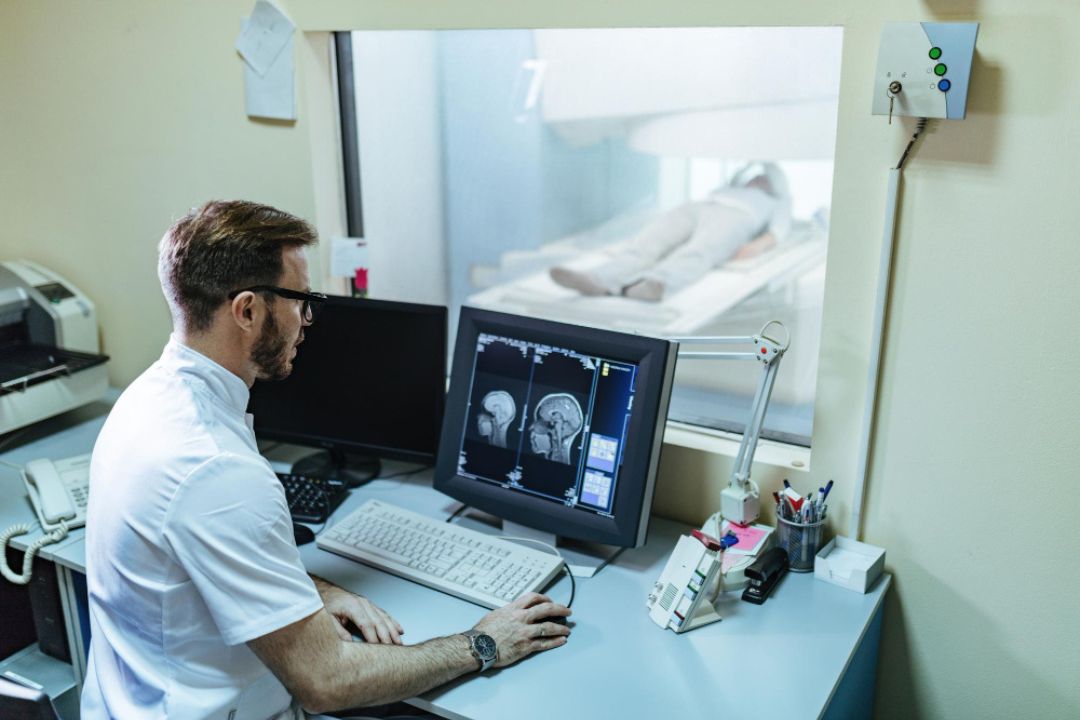
Radiologists are trained specifically in head and neck imaging.
Technicians are skilled in operating imaging equipment safely and comfortably.
A diagnostic procedure can be stressful, especially when cancer detection is a concern. Diagnopein focuses on patient comfort with:
Gentle and supportive staff
Clear explanations at every step
A calm, hygienic environment
Minimal wait times
In cases where early diagnosis matters, time is essential. Diagnopein strives to provide quick turnaround of reports so that you and your doctor can plan the next steps without delay.
Having accurate results delivered promptly can help reduce anxiety and speed up treatment decisions.
Beyond CT PNS with contrast, Diagnopein offers a range of diagnostic tests and imaging solutions, including:
MRI scans
Ultrasound imaging
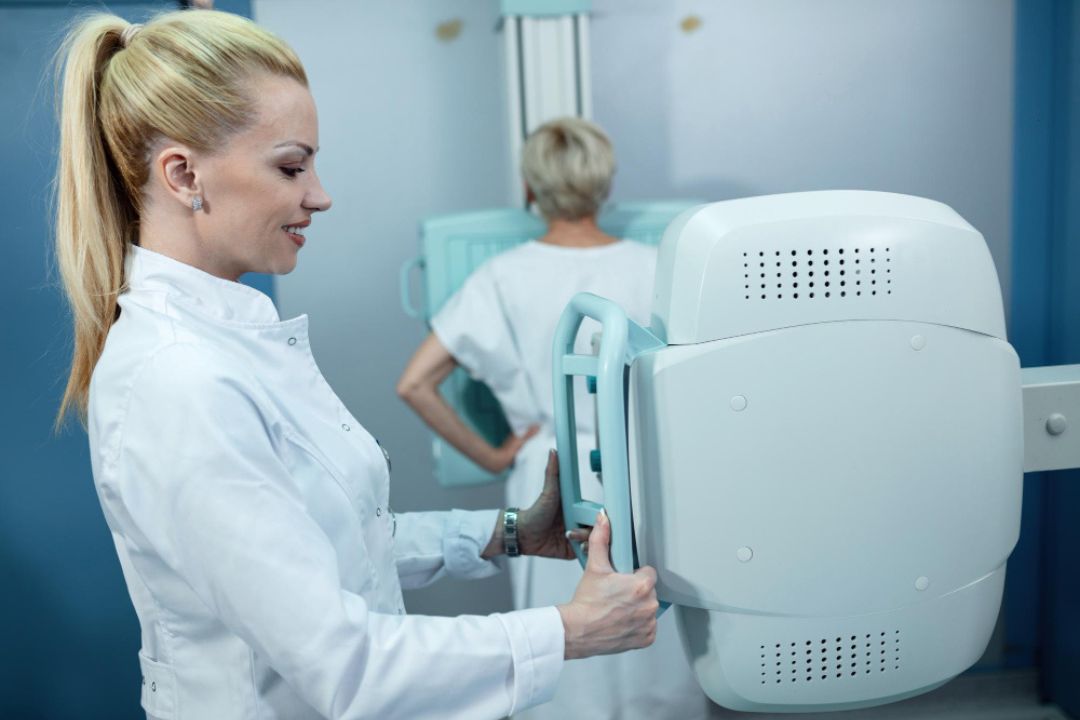
X-rays
Blood tests and pathology services
Contrast imaging involves the use of contrast dye and ionizing radiation. Diagnopein follows strict safety protocols including:
Low-dose radiation settings
Careful screening for kidney or allergy risk
Monitoring during and after contrast administration
Sterile procedures and infection control
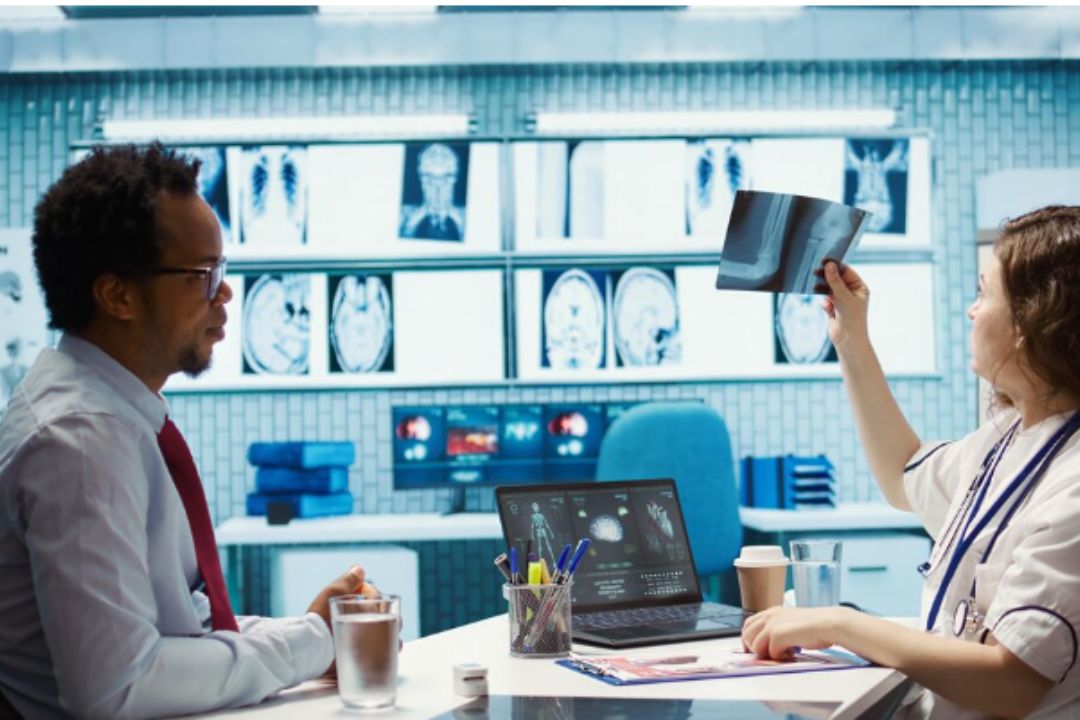
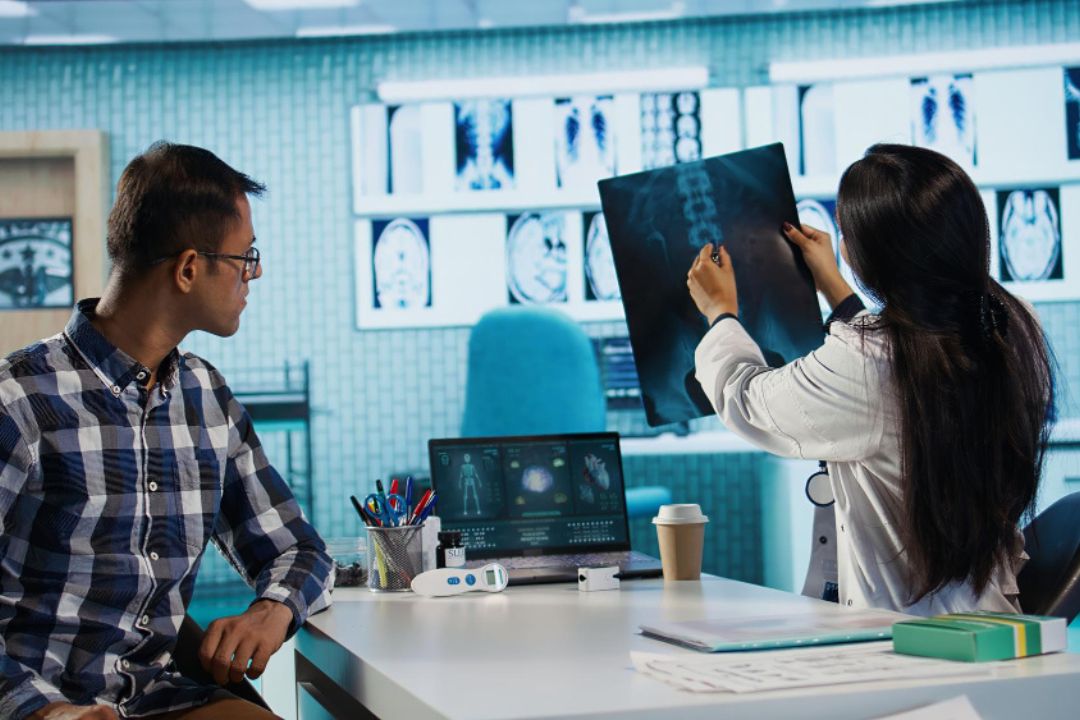
Many referring doctors choose Diagnopein because of its reputation for precision and reliability. Healthcare professionals rely on high-quality imaging reports to make confident clinical decisions—especially when evaluating serious conditions like sinus cancers.
Medical imaging doesn’t need to be prohibitively expensive. Diagnopein offers transparent pricing with clear cost estimates for scans and services, so you know what to expect without hidden fees.



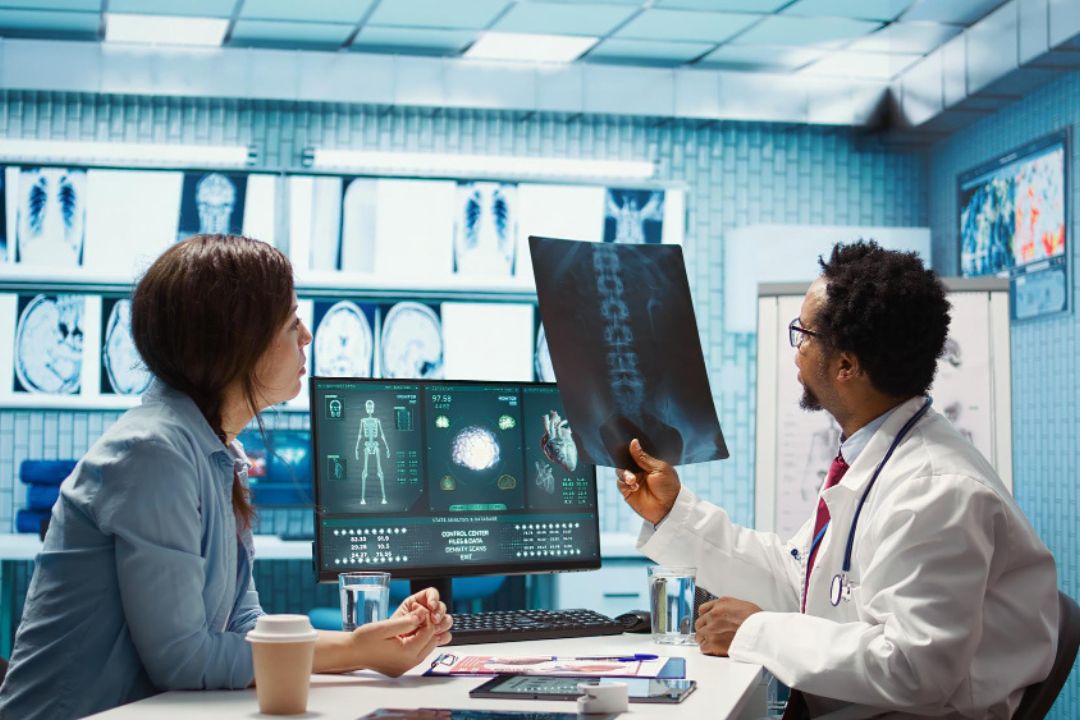
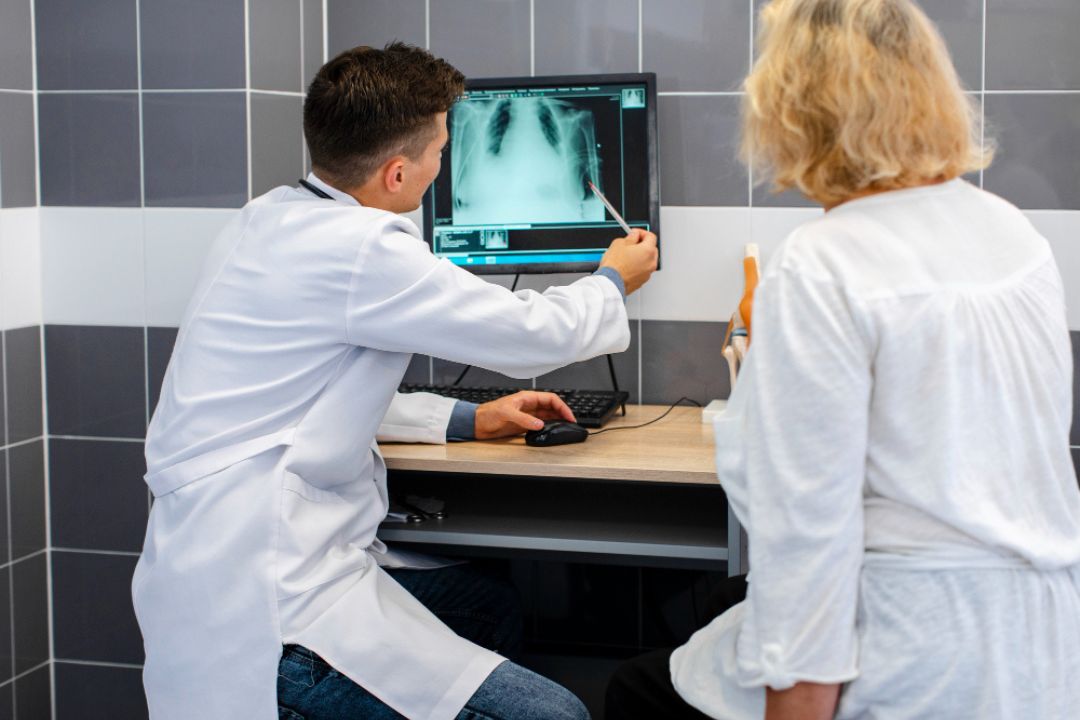
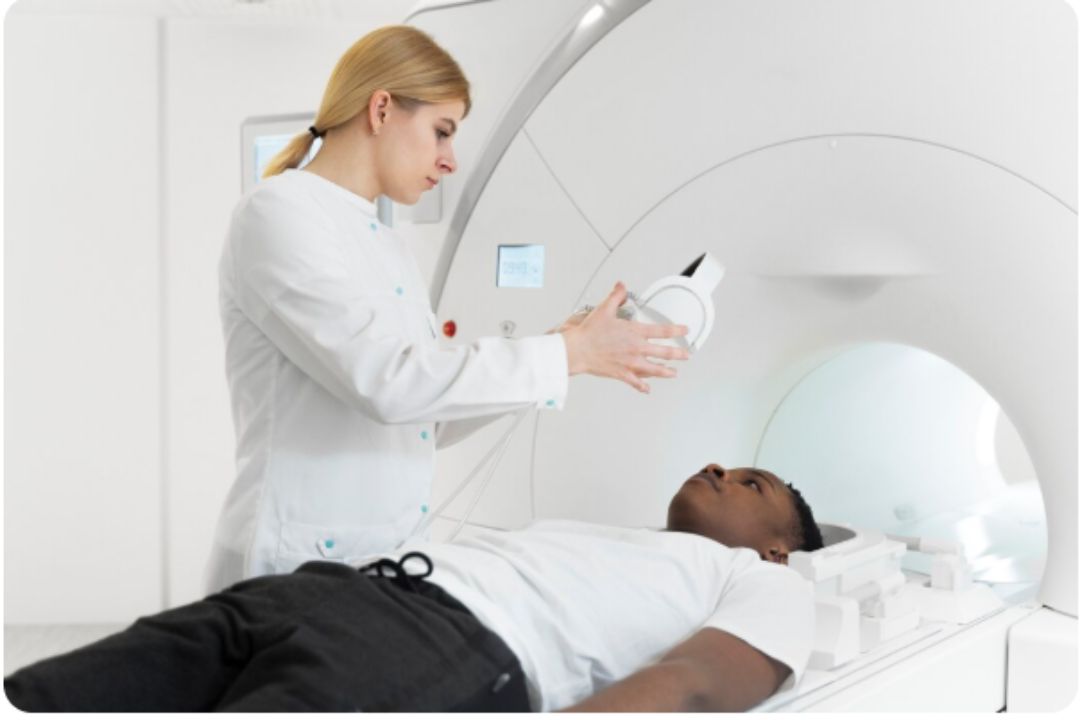
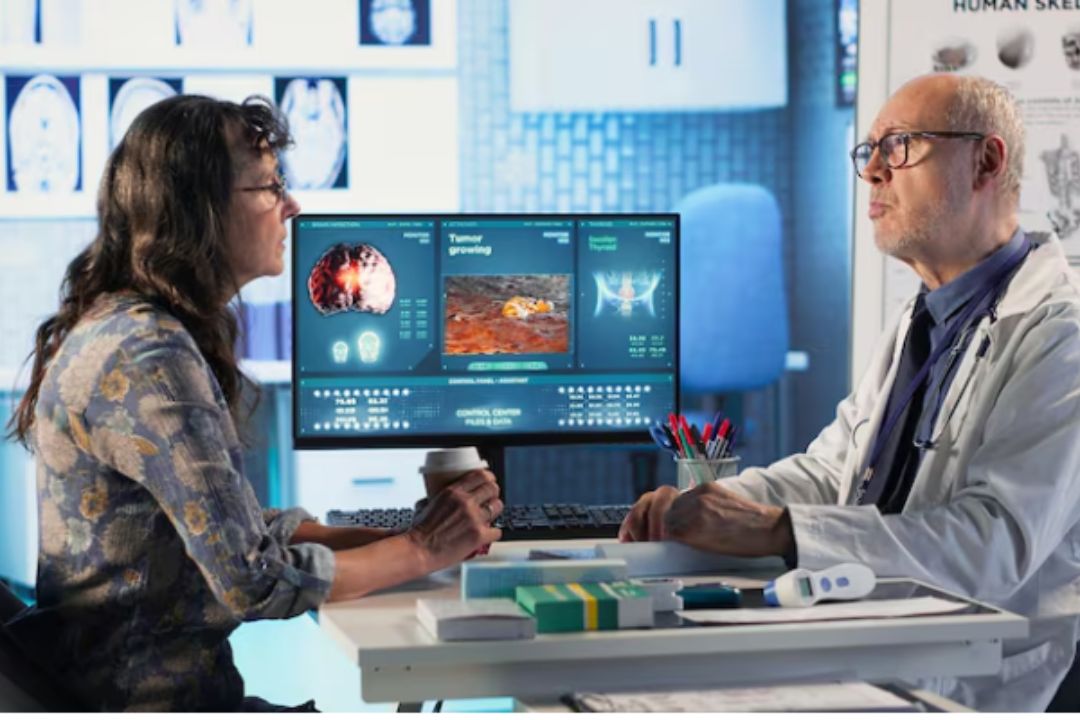
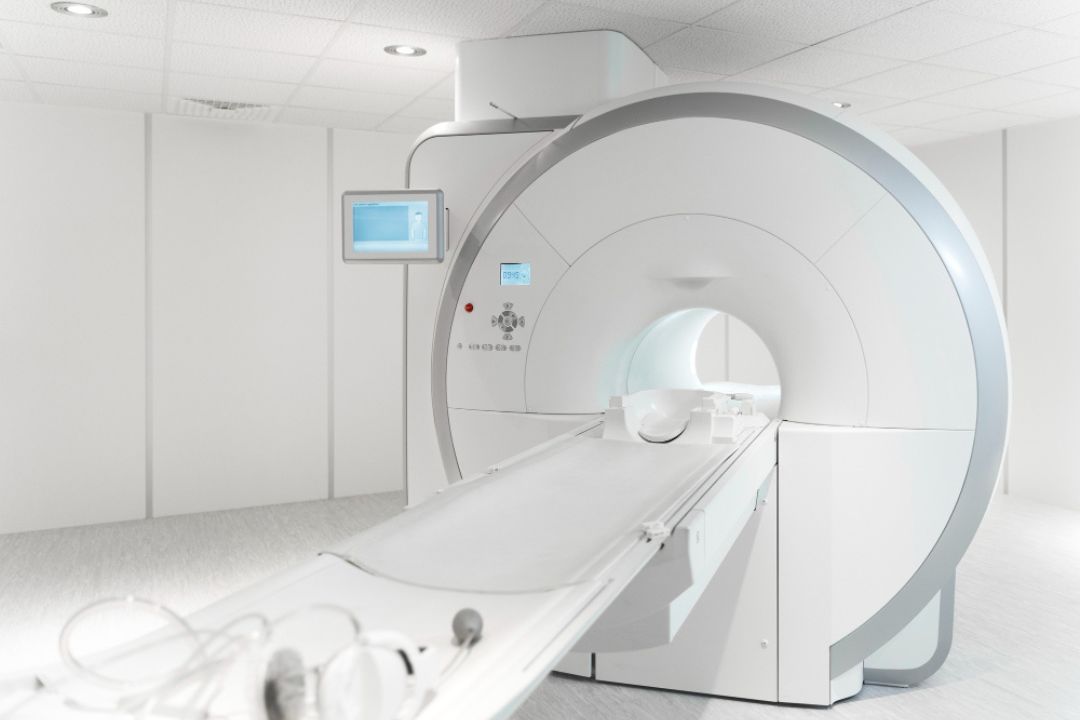
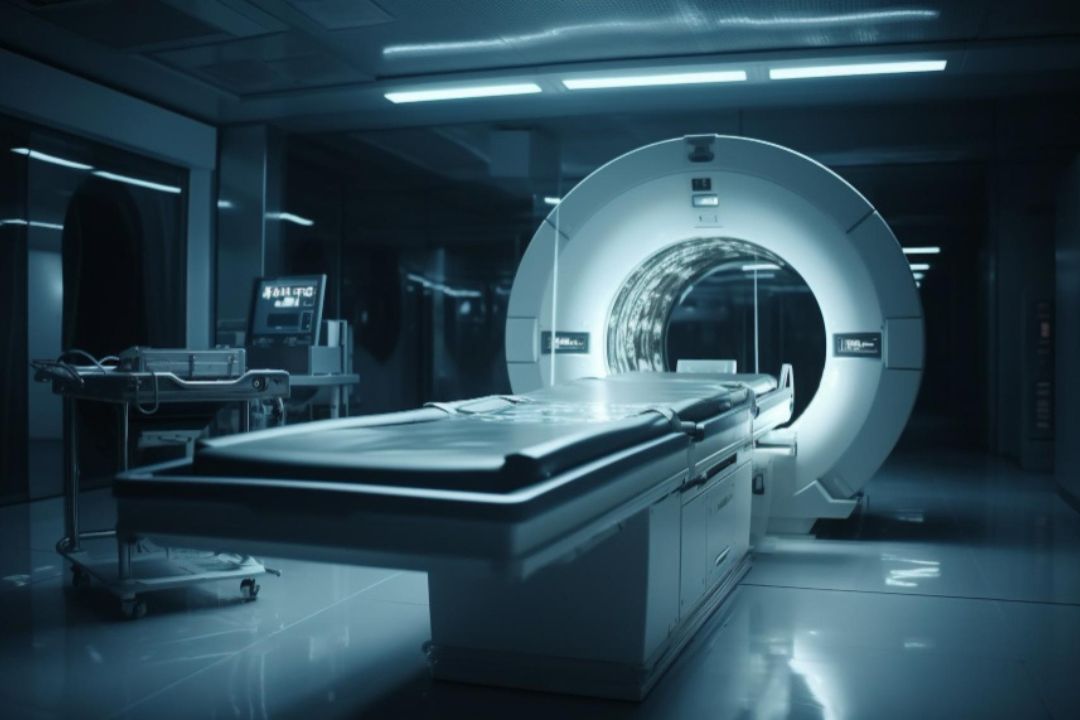
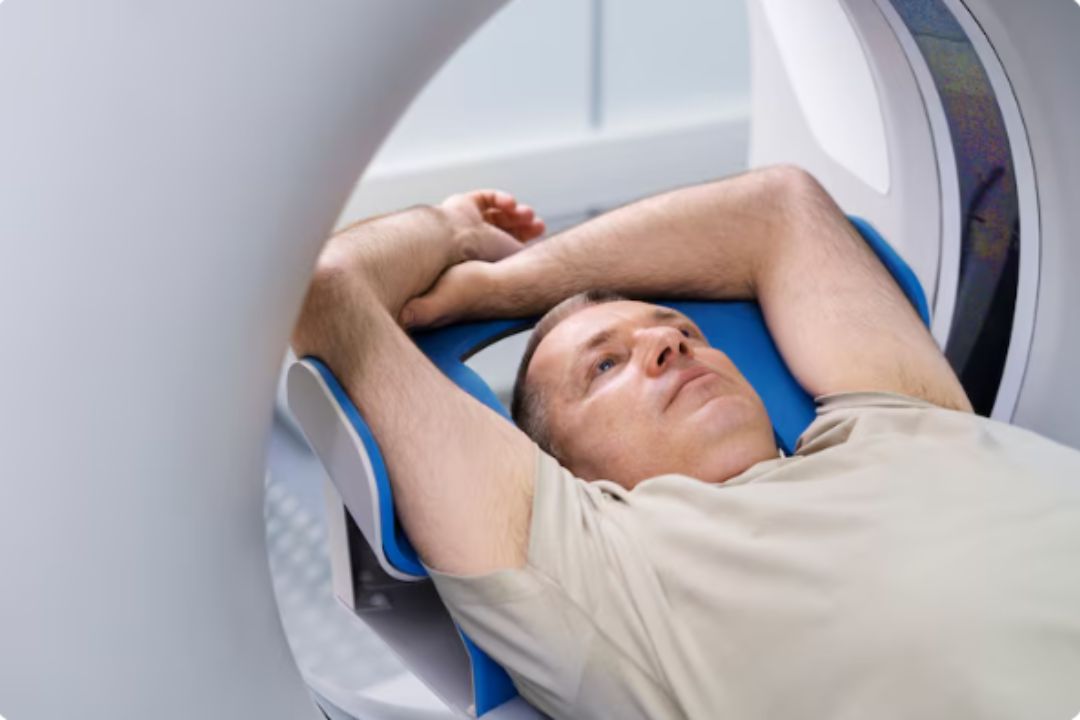

.jpg "ct brain scan plain and contrast")
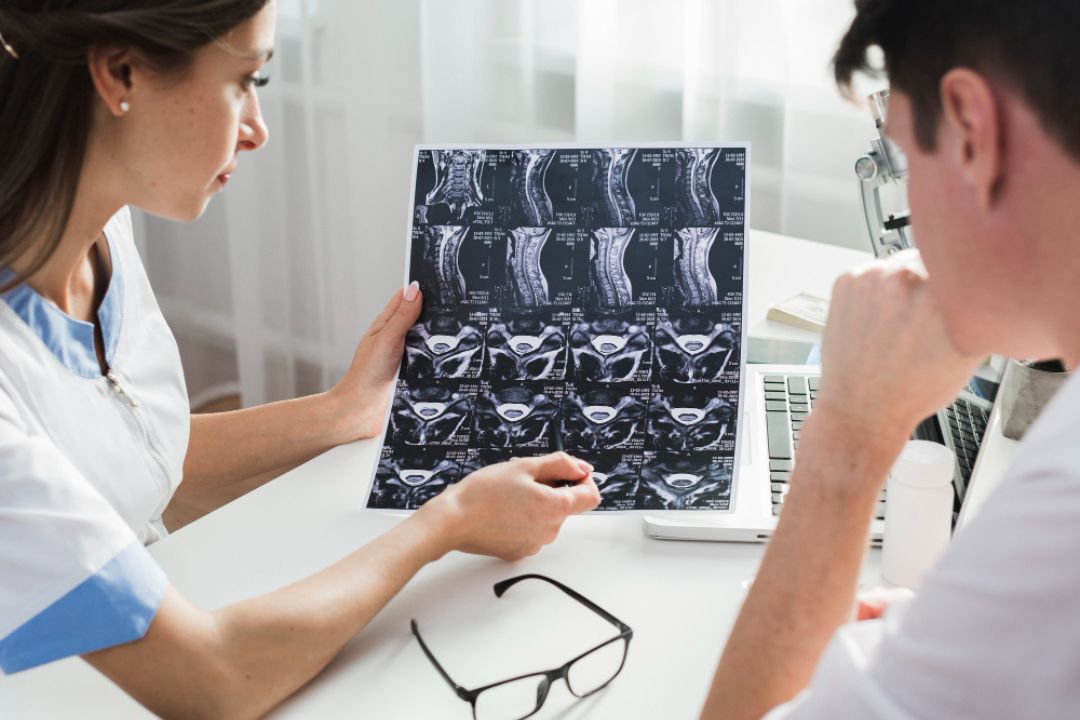




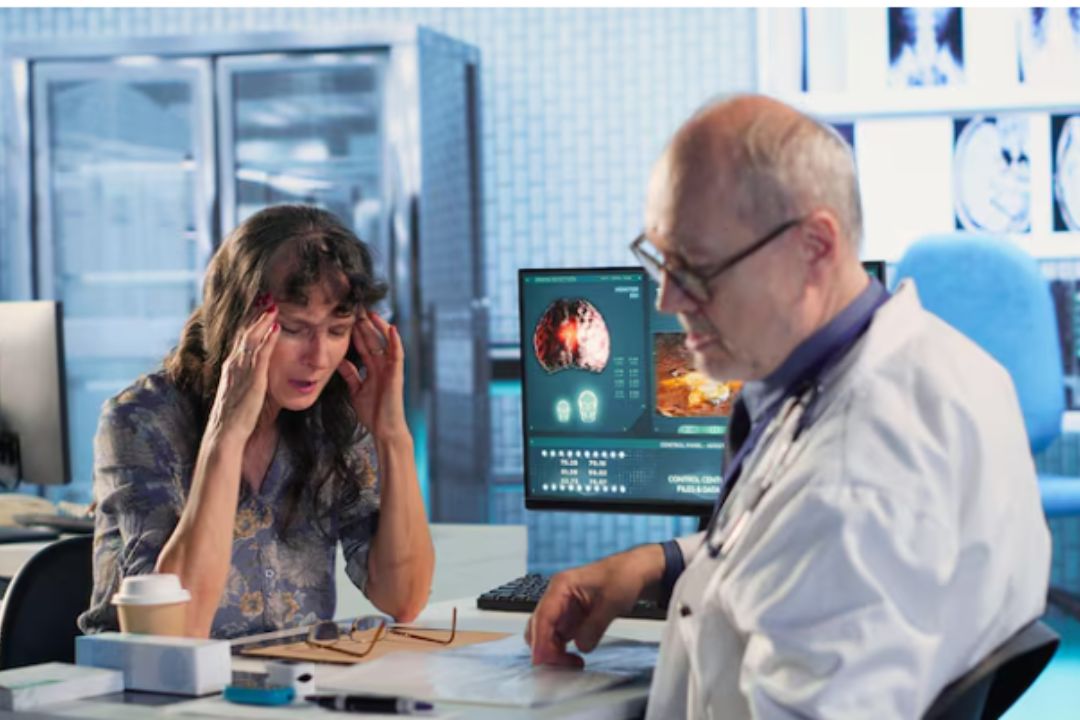

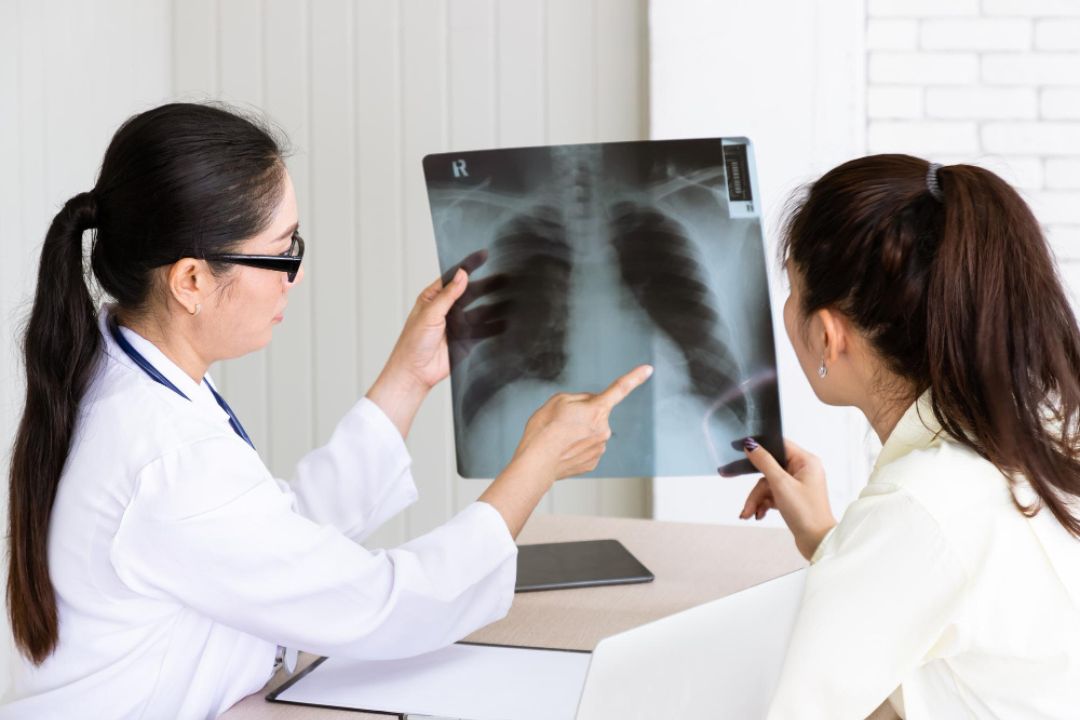

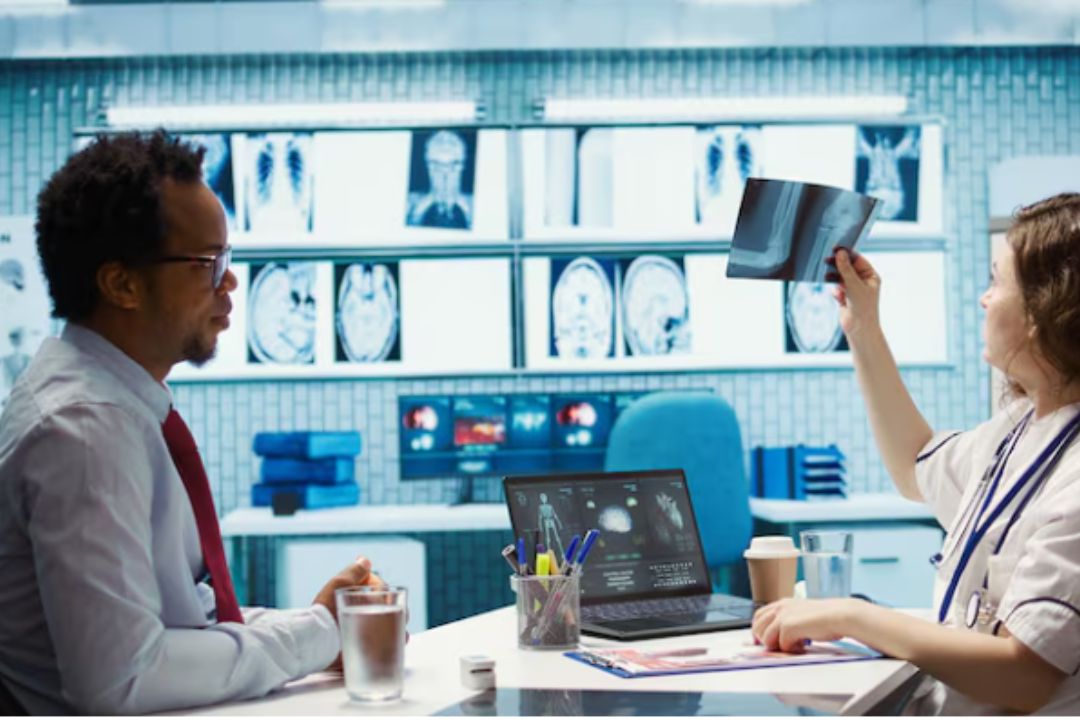
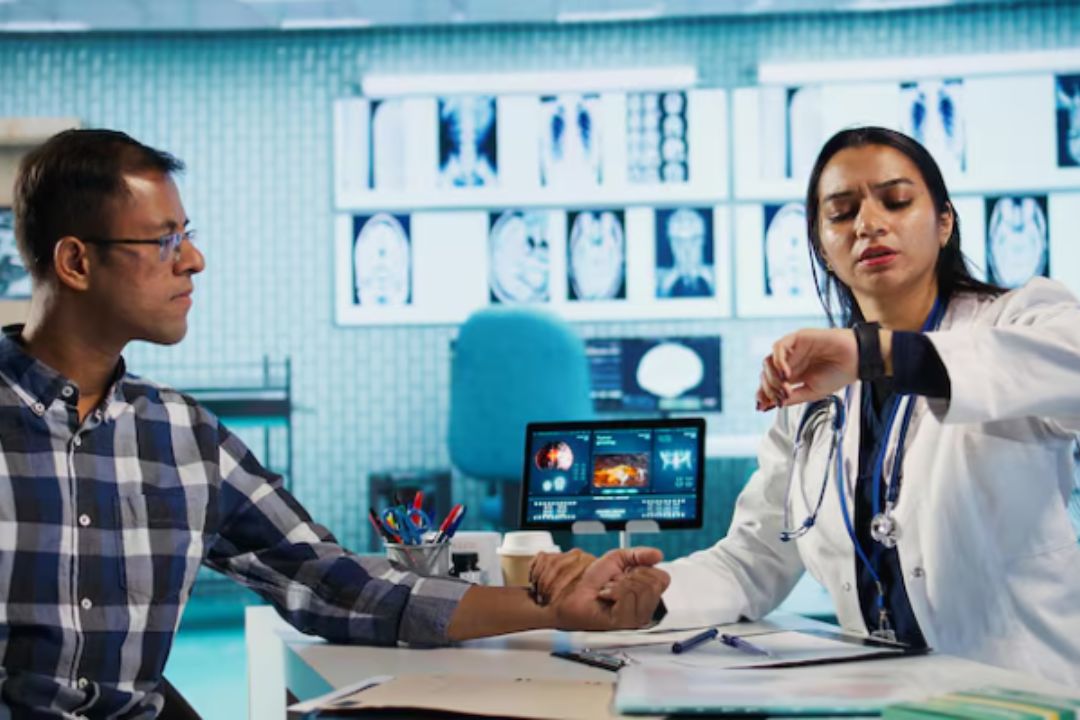


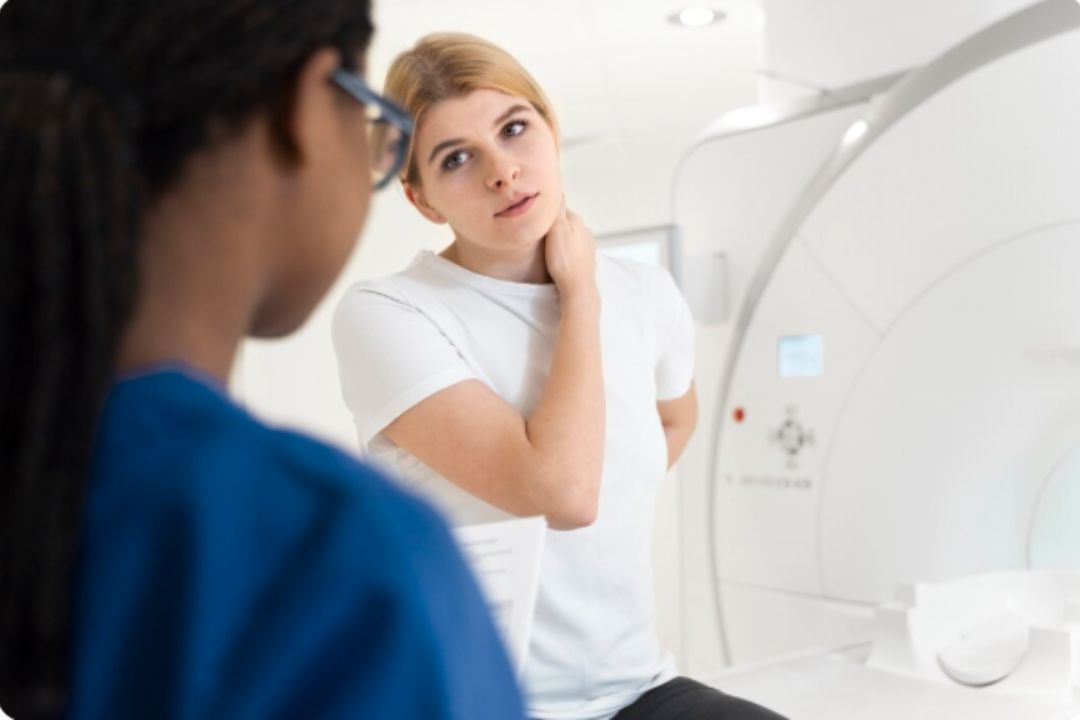
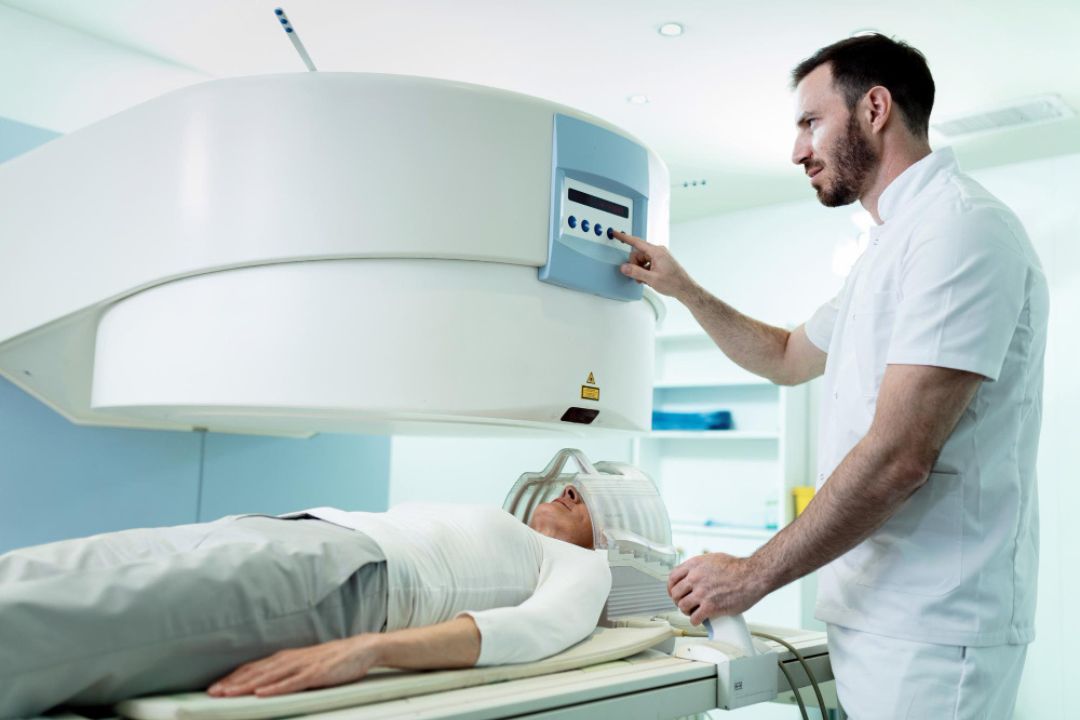
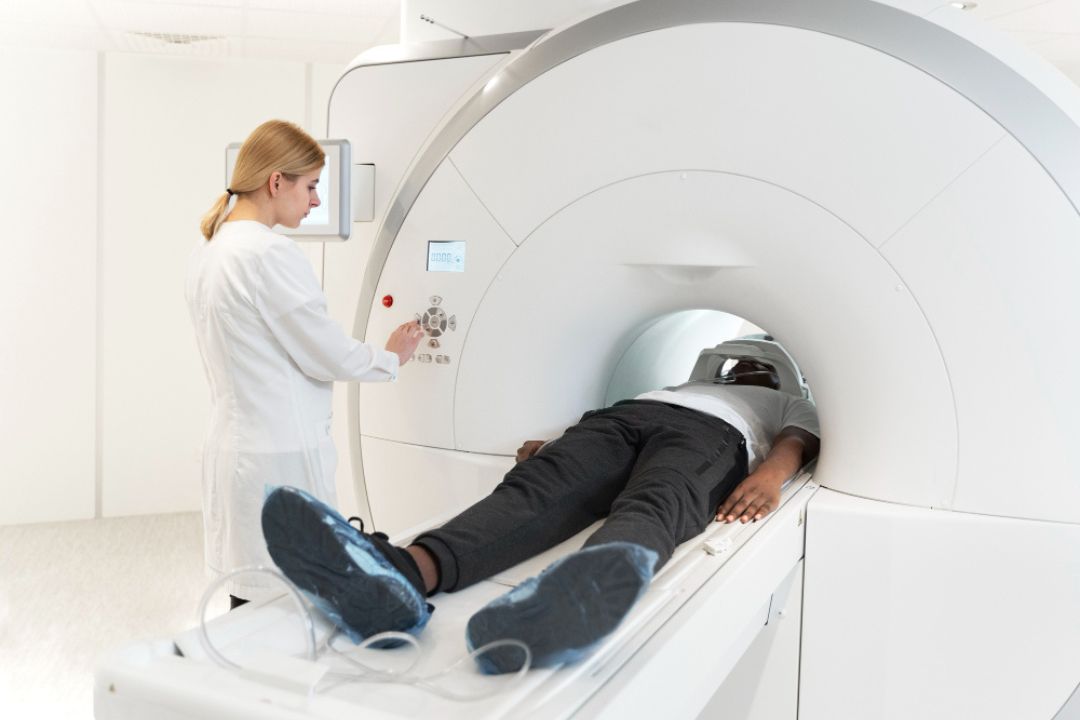
.jpg "ct scan")
.jpg "ct scan or mri for brain disorders")


.jpg "exploring the power of ct brain contrast in modern diagnostics")
.jpg "ct scan")
.jpg "ct scan")







.jpg "ct scan")

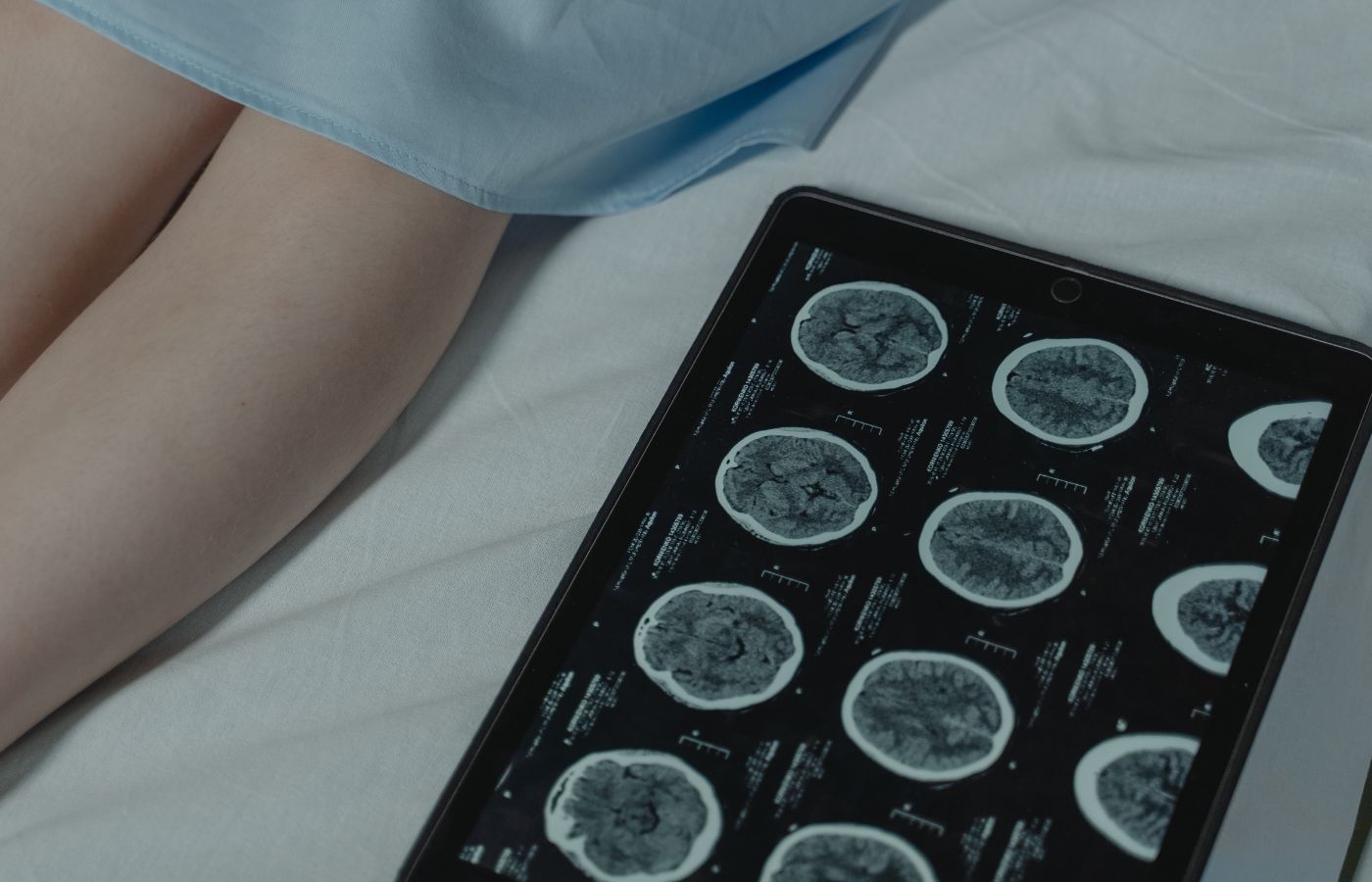
.jpg "CT Brain Scan for Headaches")
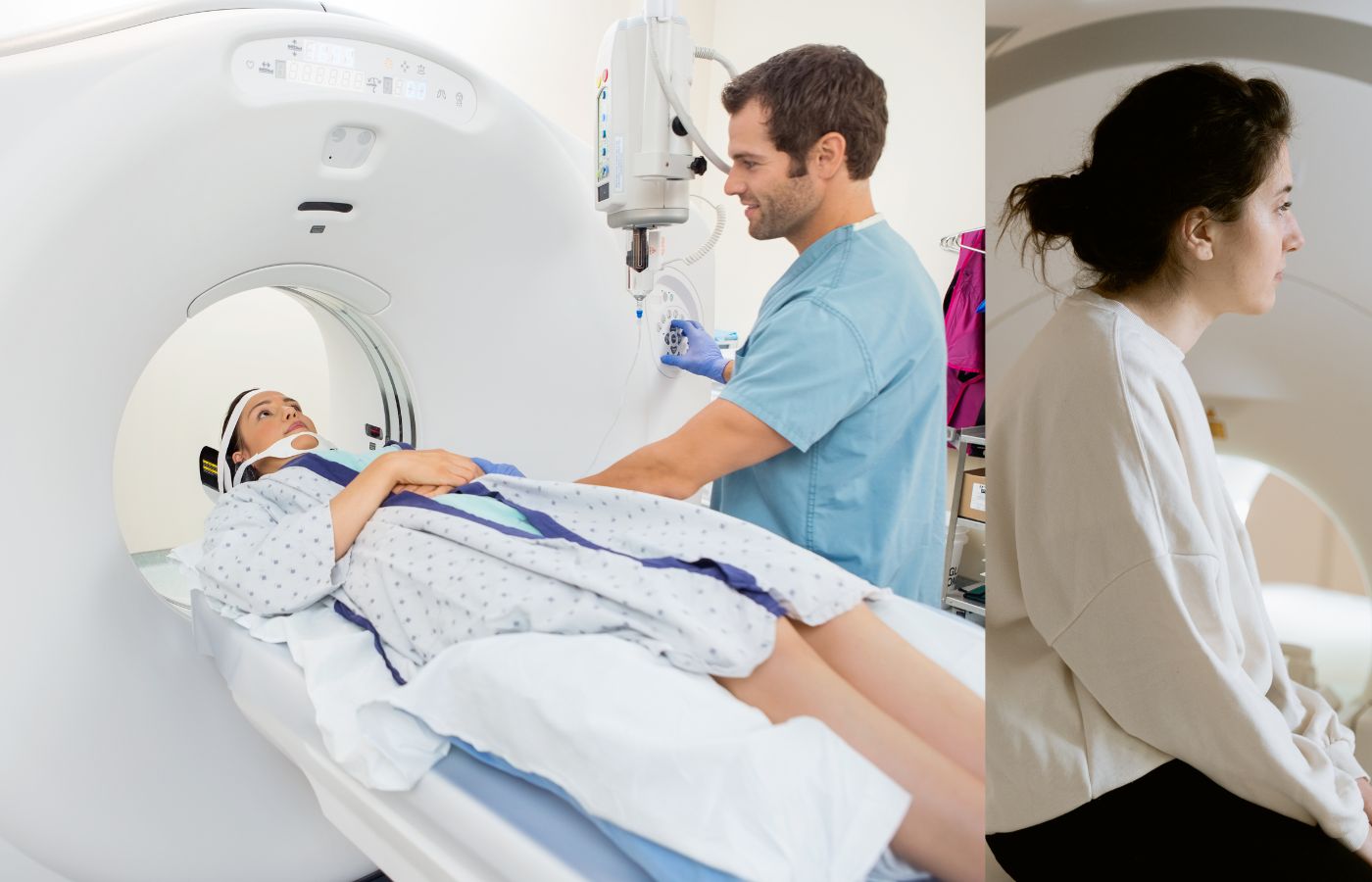
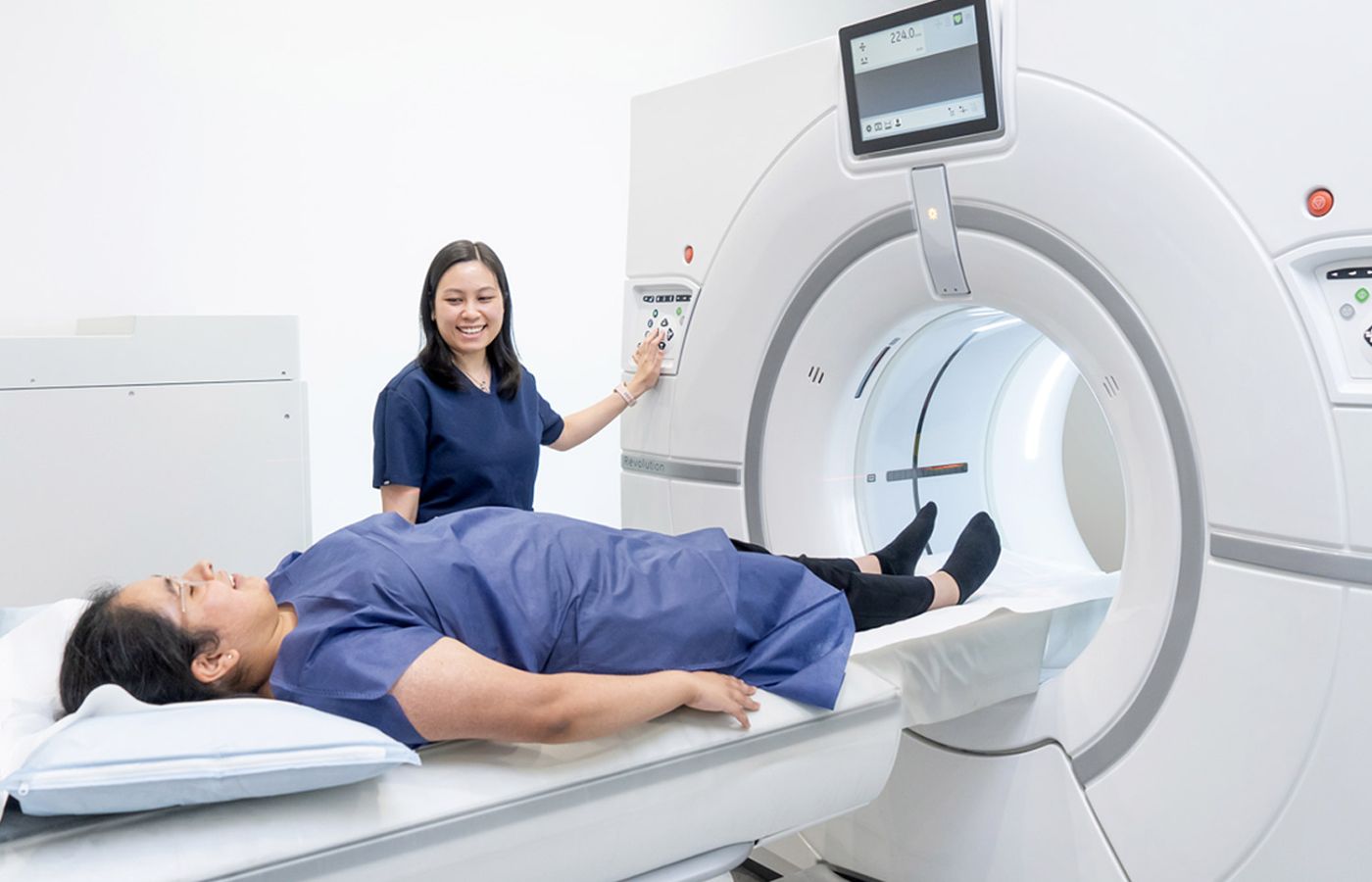
.jpg "The Future of 3D CT Imaging")