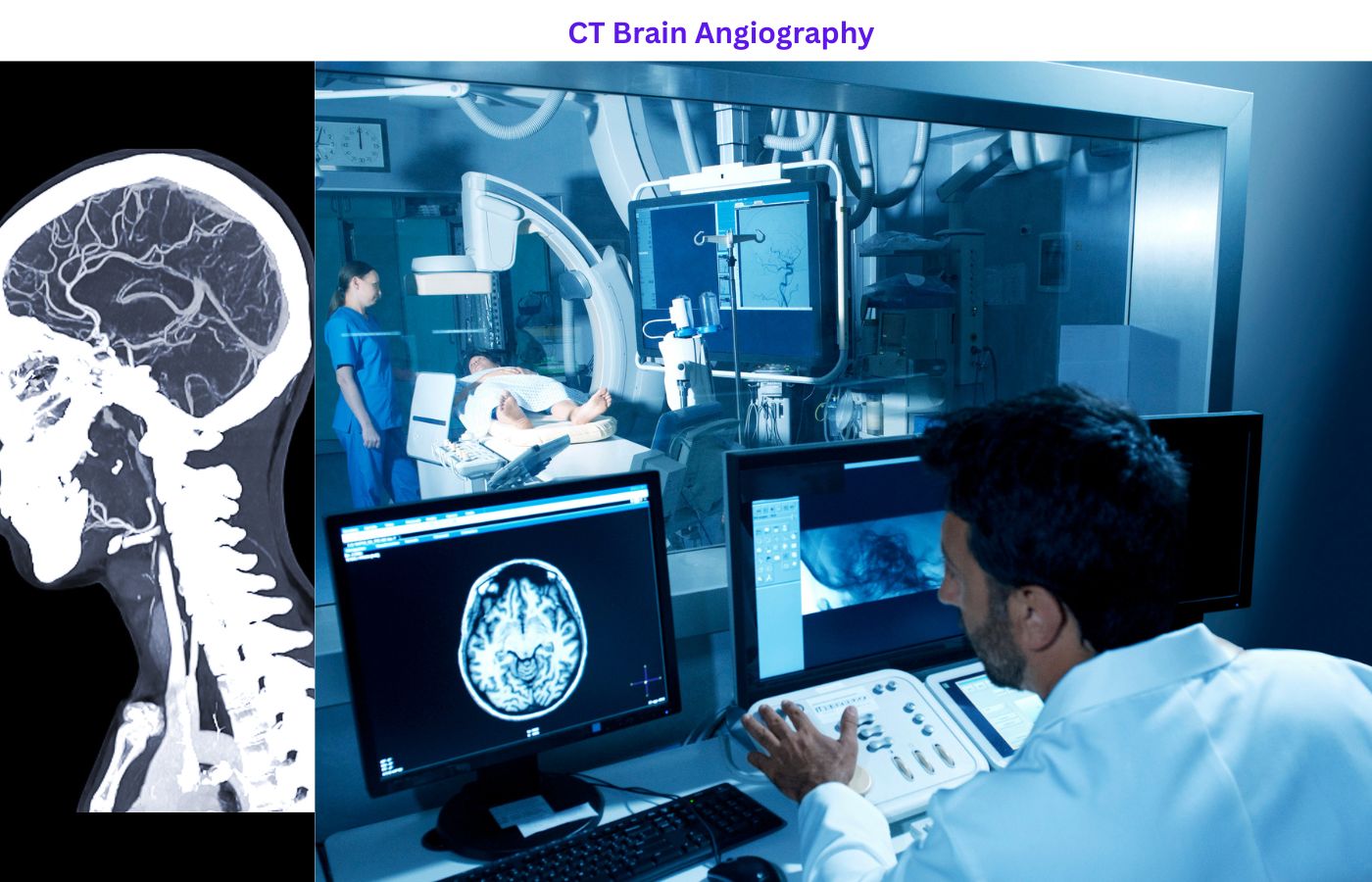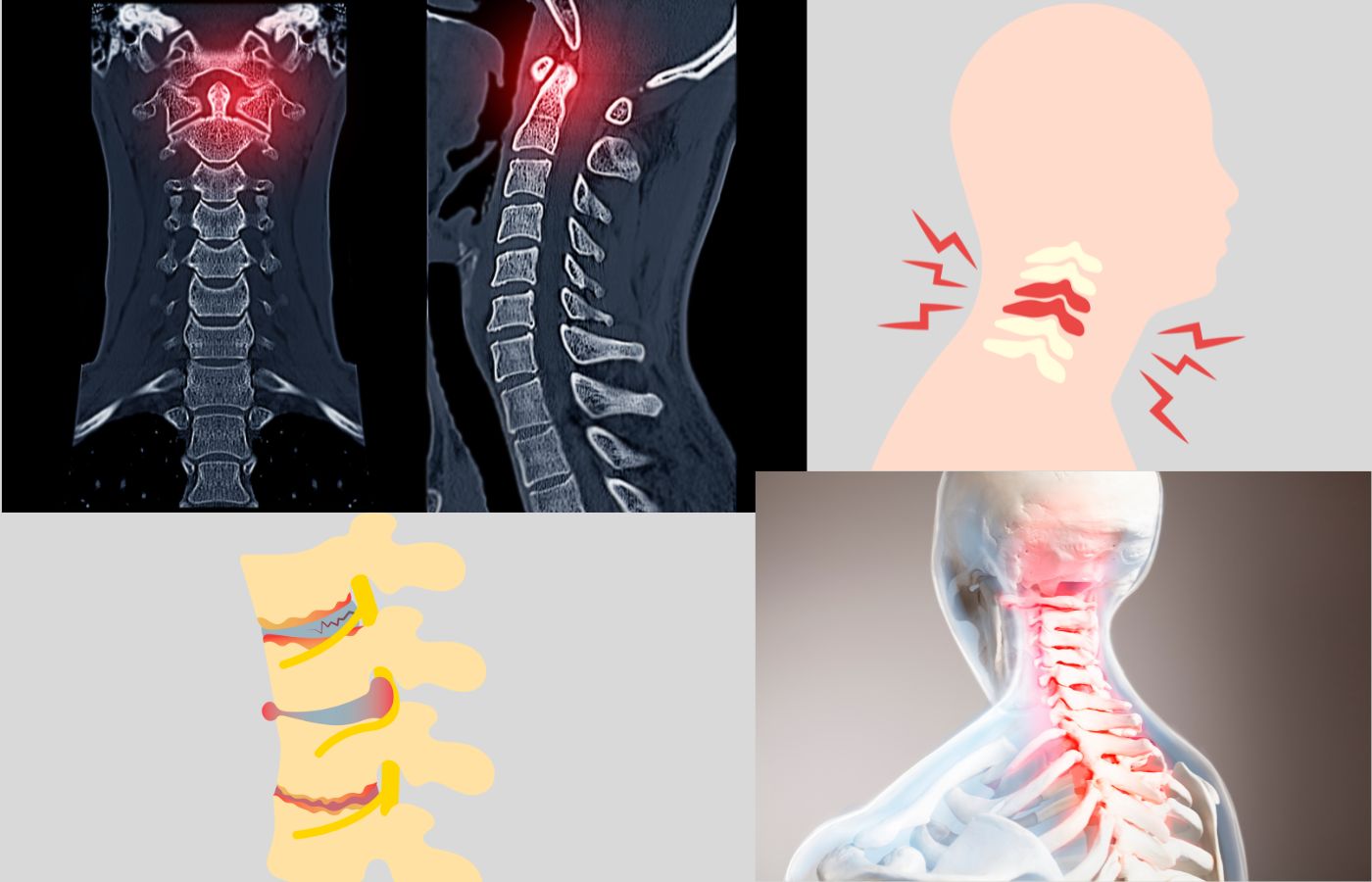
When you experience persistent hearing loss, chronic ear infections, or dizziness, your doctor may recommend a CT scan of the temporal bone without contrast. But what exactly is this scan, and why is it critical for your health?
At Diagnopein Pune, we specialize in high-resolution diagnostic imaging. In this guide, we break down the benefits, costs, comfort levels, and how this scan compares to other methods—using the very latest CT scan machine technology to ensure you receive the most accurate diagnosis.
The temporal bones are located on both sides of your head, near your ears. These bones are complex and contain:
• The ear canal
• The middle ear cavity
• The tiny hearing bones (ossicles)
• The inner ear structures responsible for balance
• The facial nerve canal
• Air-filled spaces called mastoid air cells
Because these structures are extremely small and intricate, detailed imaging is necessary to properly evaluate them. A CT scan provides this level of clarity.
In many CT scans, doctors use a special dye called contrast material. This dye is injected into a vein to highlight blood vessels and soft tissues.
Book Now: https://www.diagnopein.com/ct-scan/Pune
However, in a CT scan of the temporal bone without contrast:
• No injection is given
• No dye is used
• The focus remains on bone structures
Since bones naturally appear very clearly on CT imaging, contrast dye is usually unnecessary. Avoiding contrast also reduces preparation time and eliminates the small risk of allergic reactions.
Doctors order a temporal bone CT scan without contrast for several medical reasons. It is particularly helpful when evaluating problems related to hearing, infections, trauma, or structural abnormalities.
Common reasons include:
If you are experiencing unexplained hearing loss, this scan can reveal whether there is a structural issue within the ear bones.
Repeated infections can damage the small bones or surrounding structures. A CT scan can show whether infection has spread to nearby areas.
After an injury, especially to the side of the head, doctors may suspect a fracture in the temporal bone. CT scans are excellent for detecting even tiny fractures.
Since the inner ear plays a key role in balance, structural abnormalities in this region may cause dizziness or vertigo.
Some people are born with structural differences in the ear. This scan helps identify those differences clearly.
If a patient requires ear surgery, such as a cochlear implant or mastoid surgery, surgeons rely on CT imaging to map the anatomy precisely before operating.
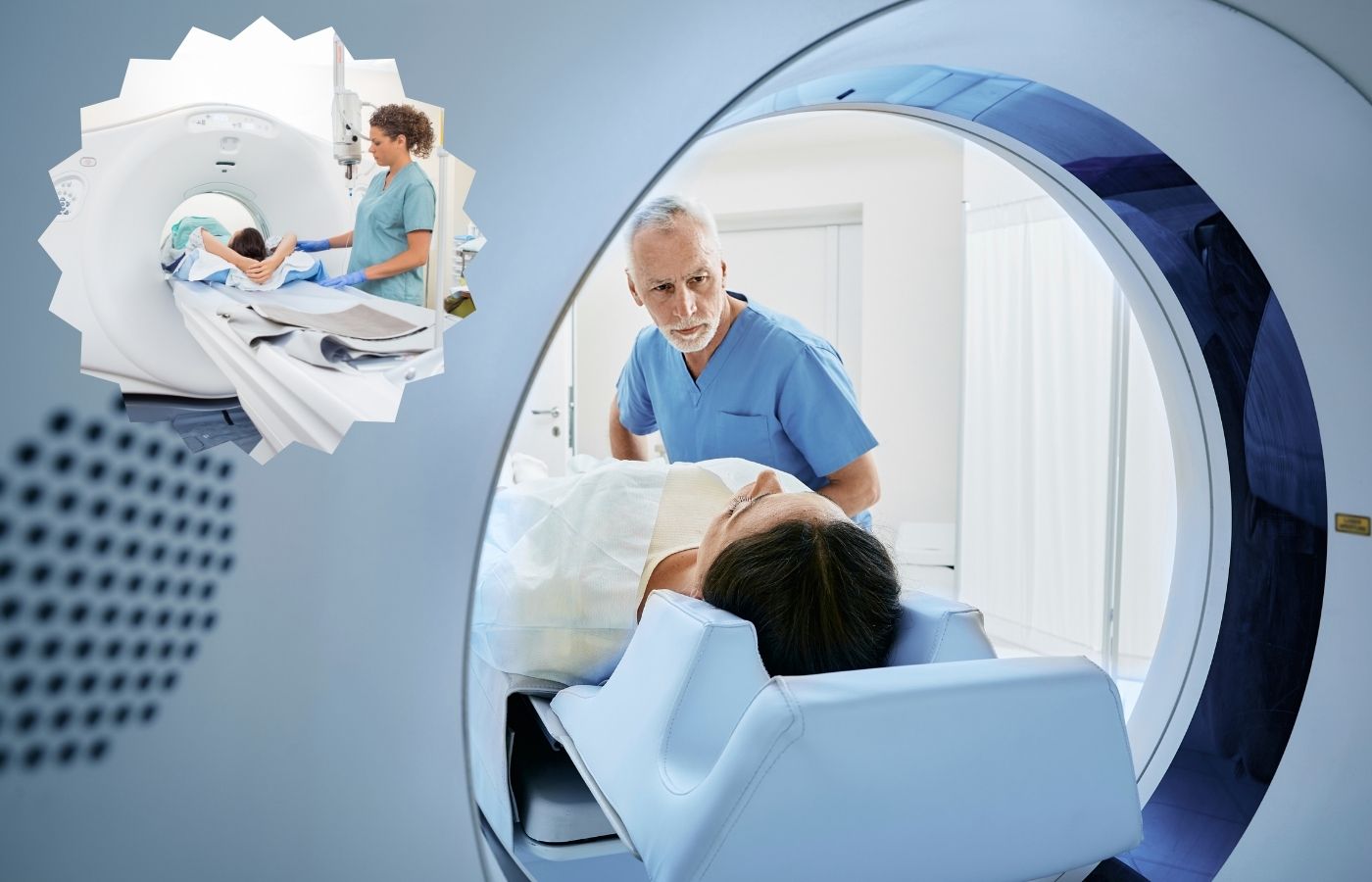
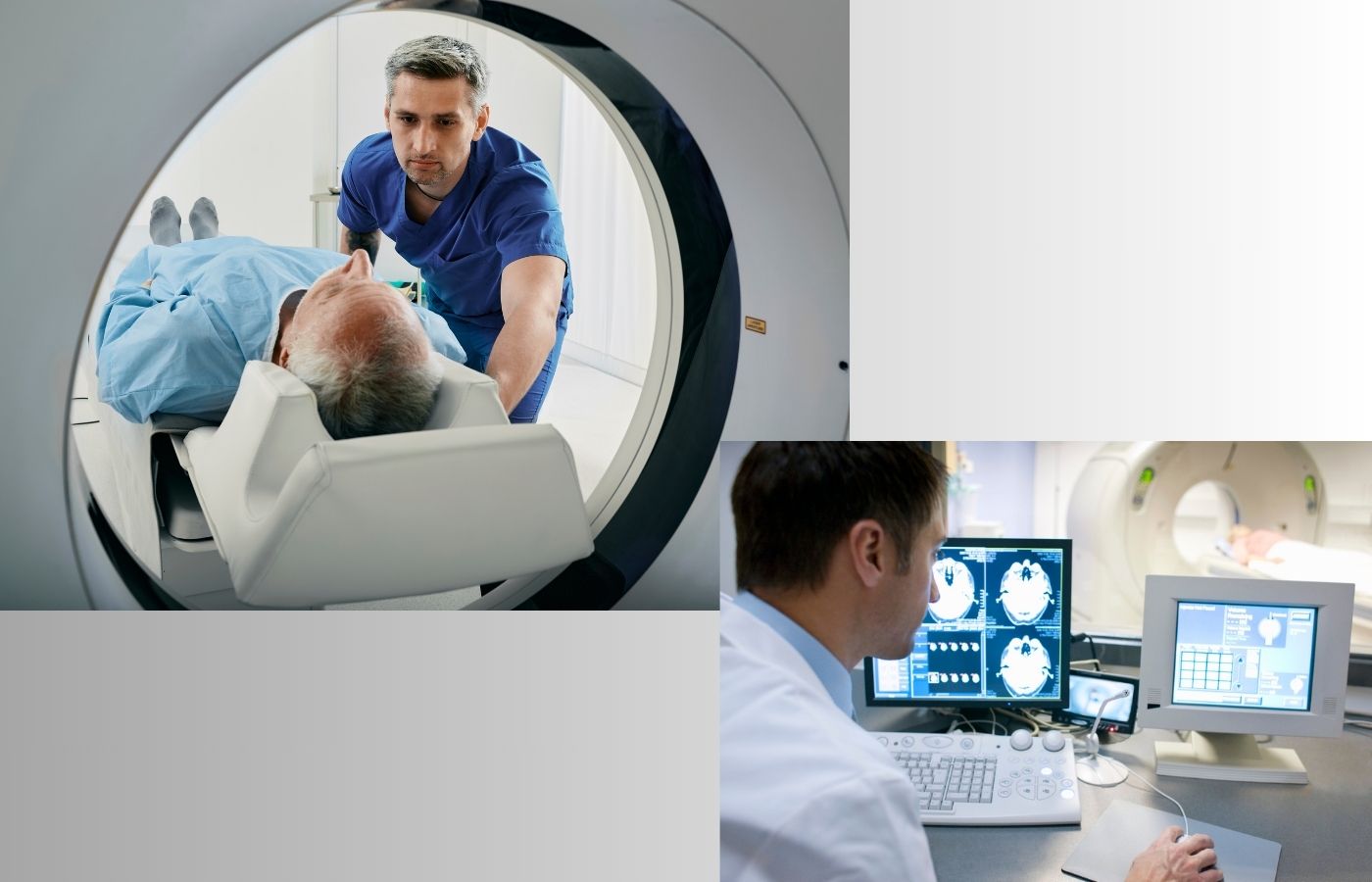
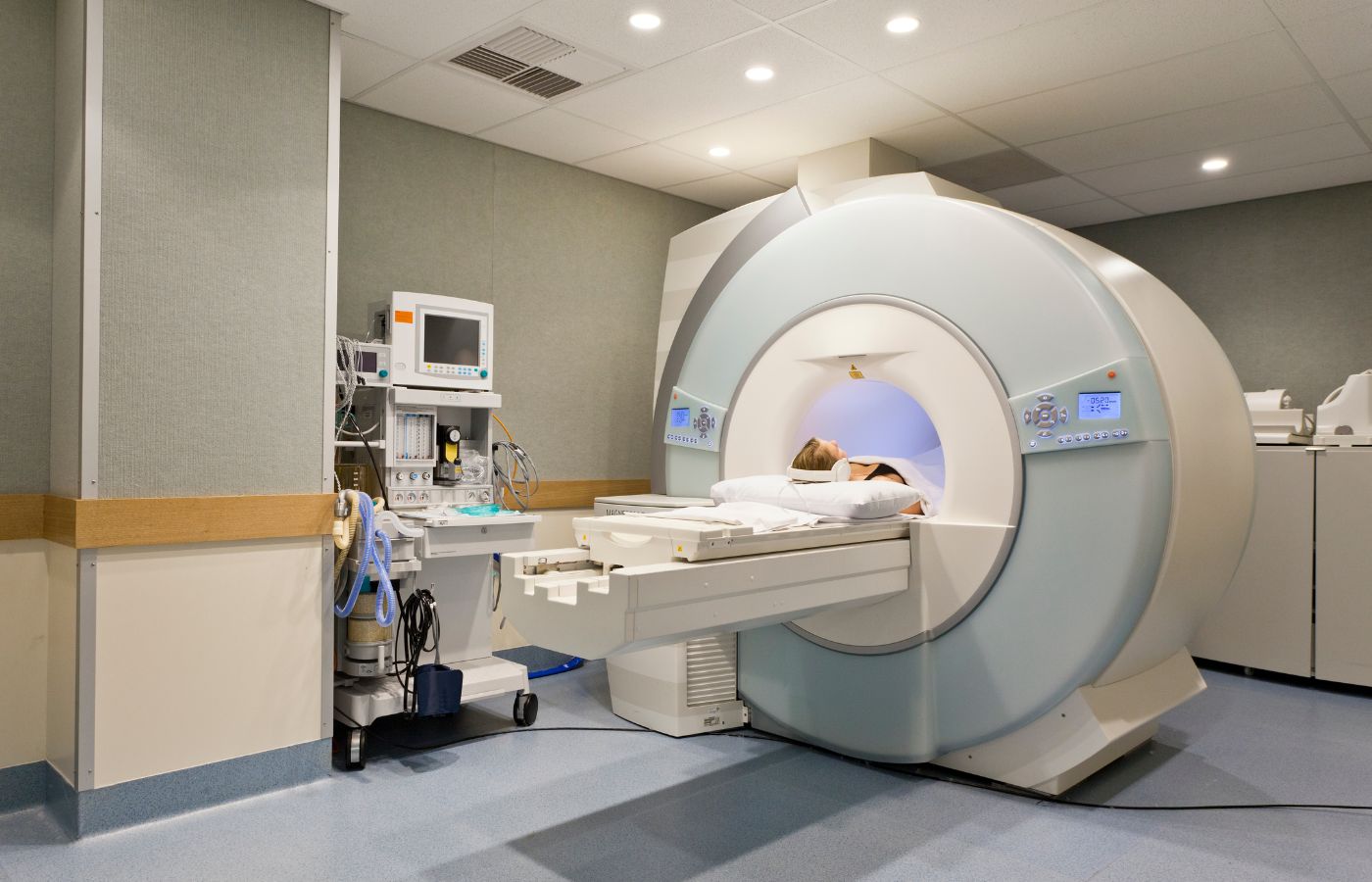
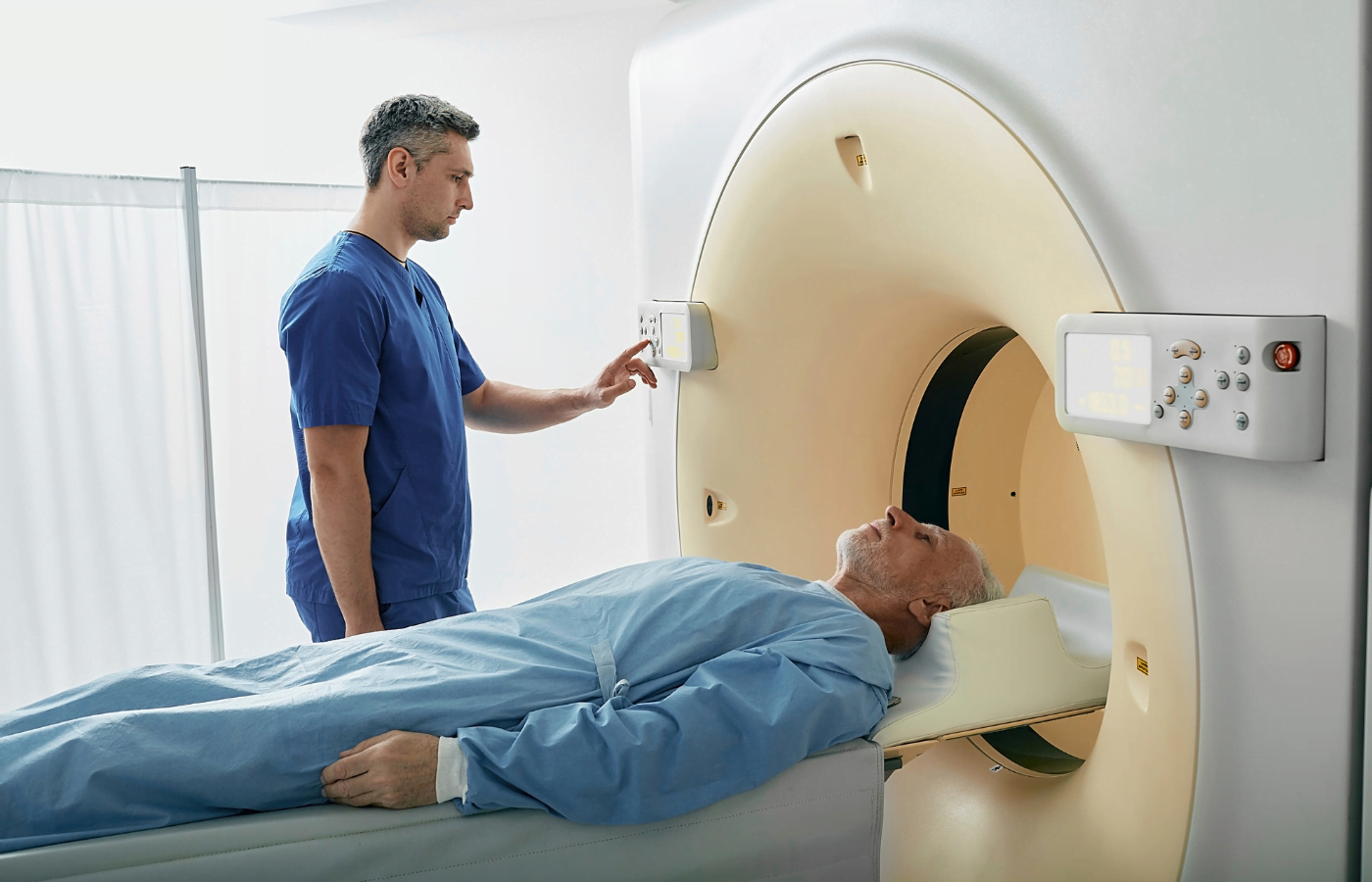
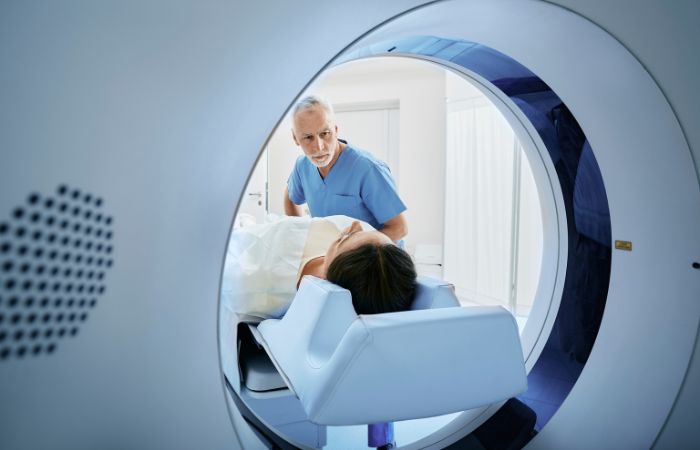
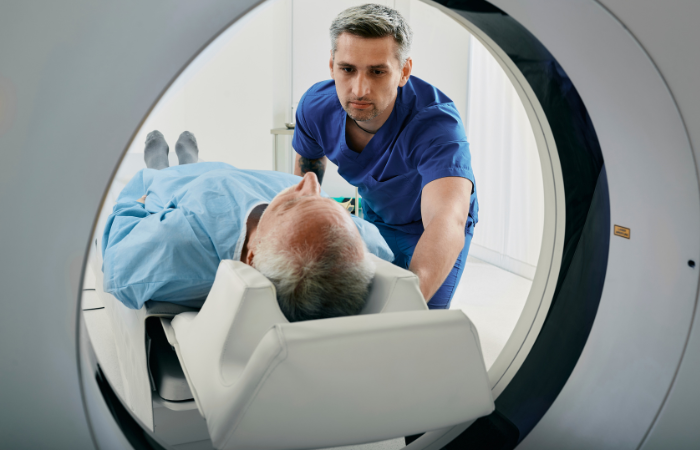
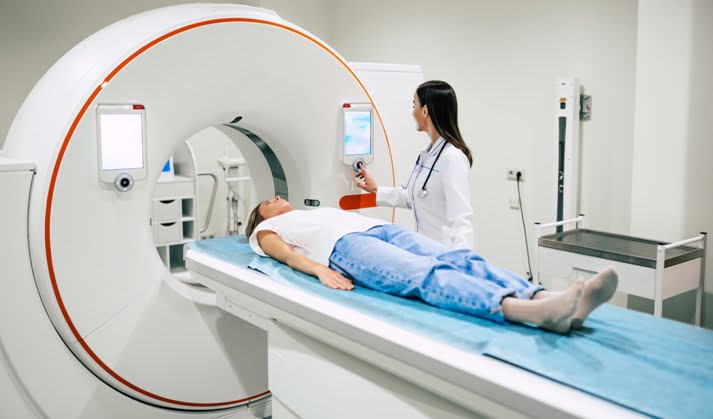
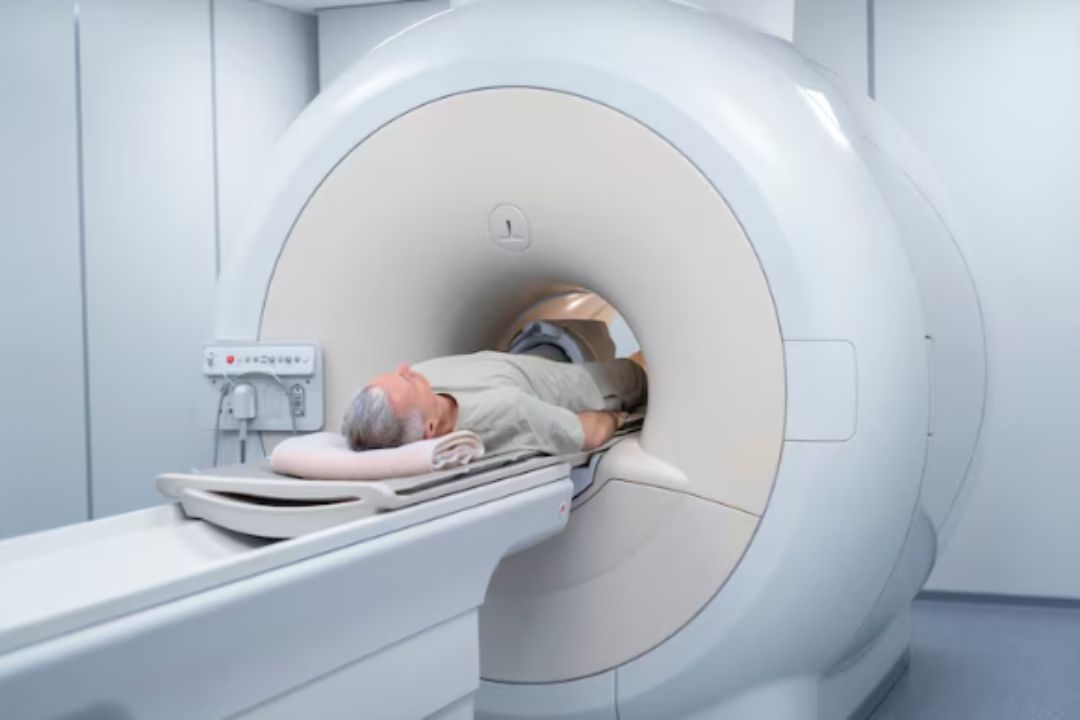
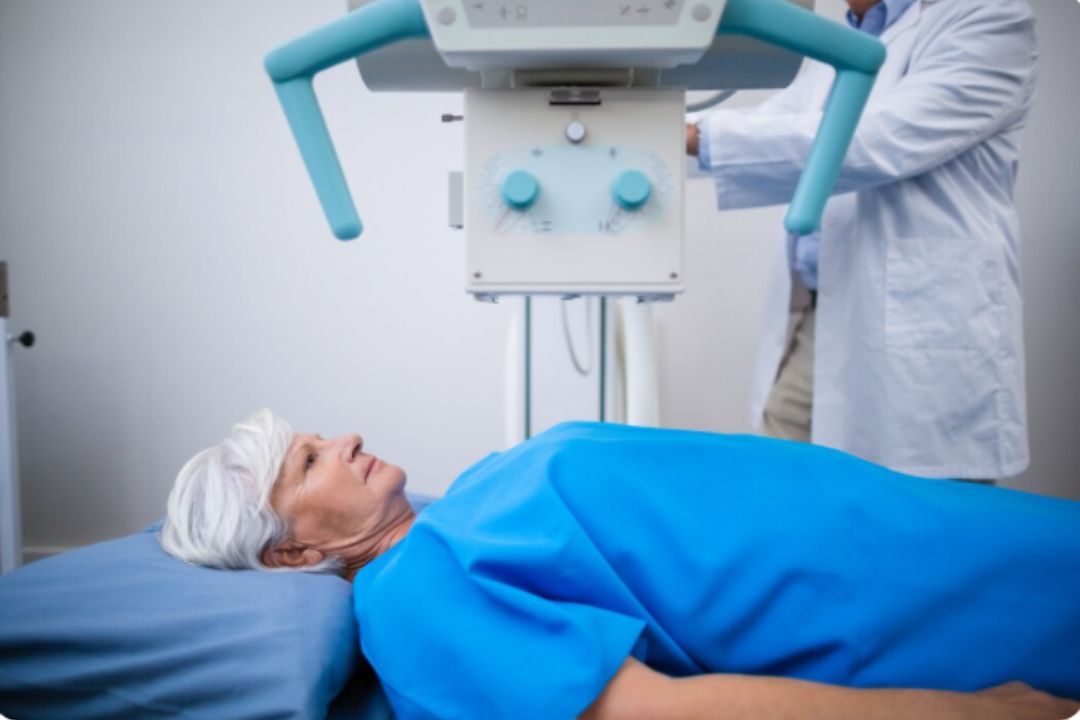
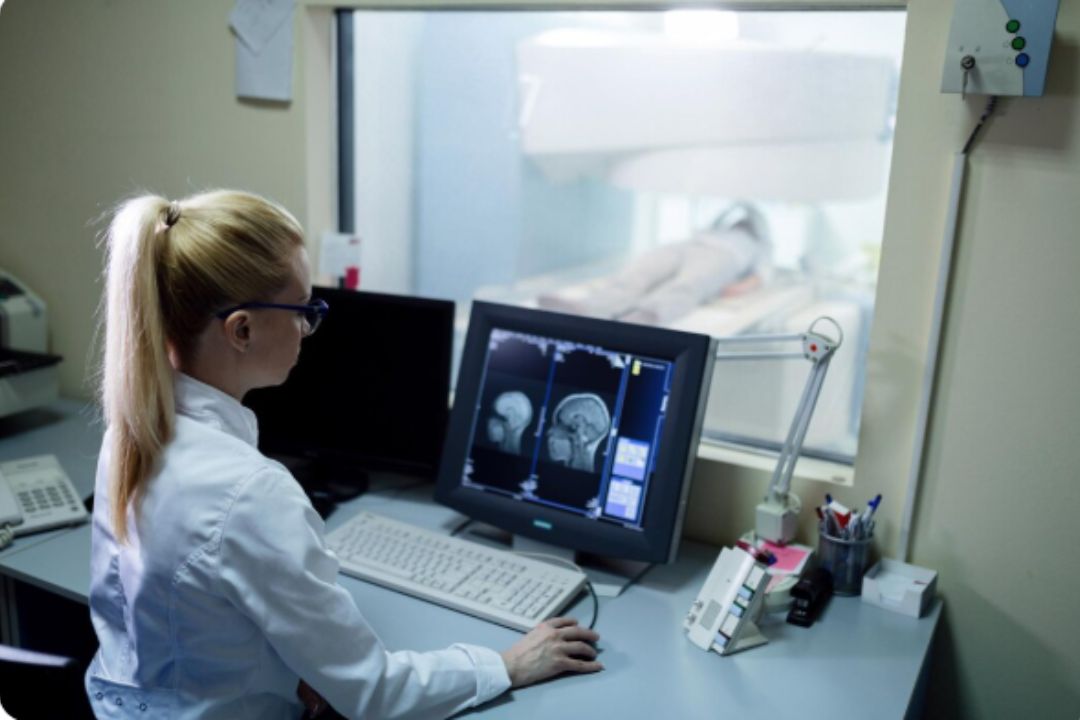
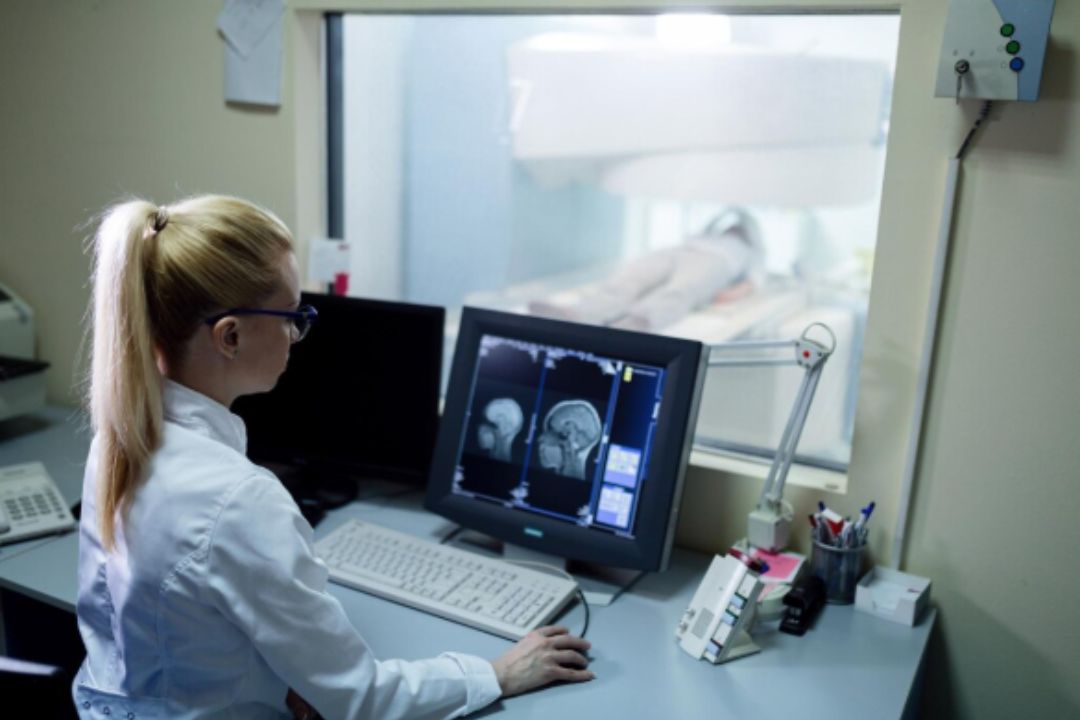
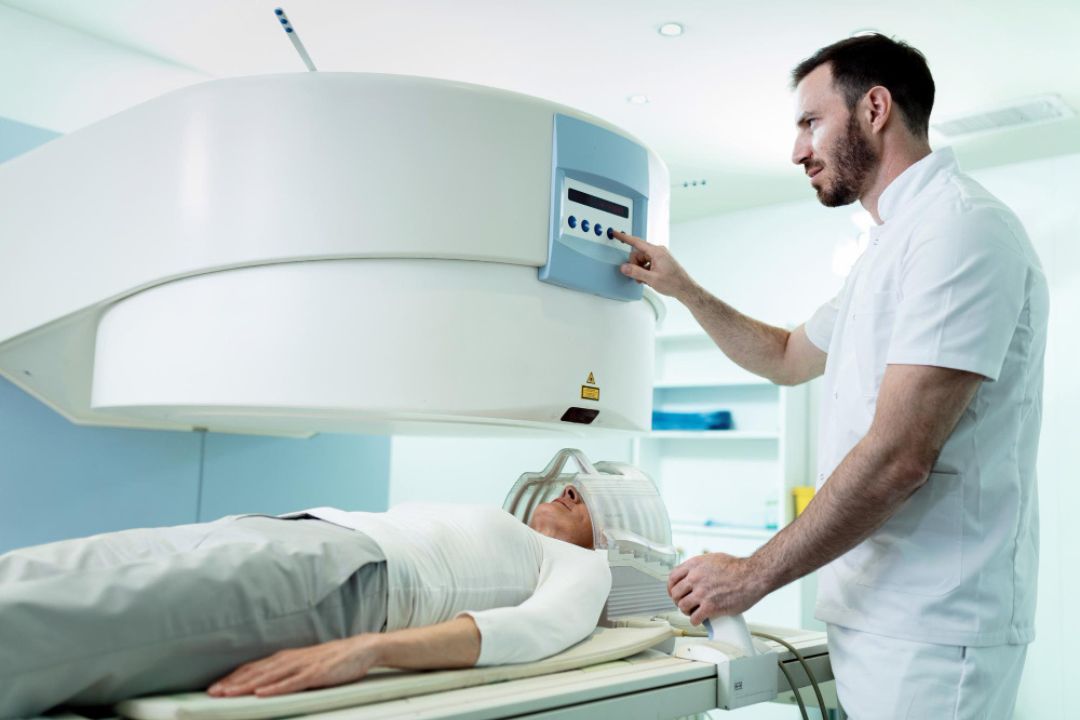
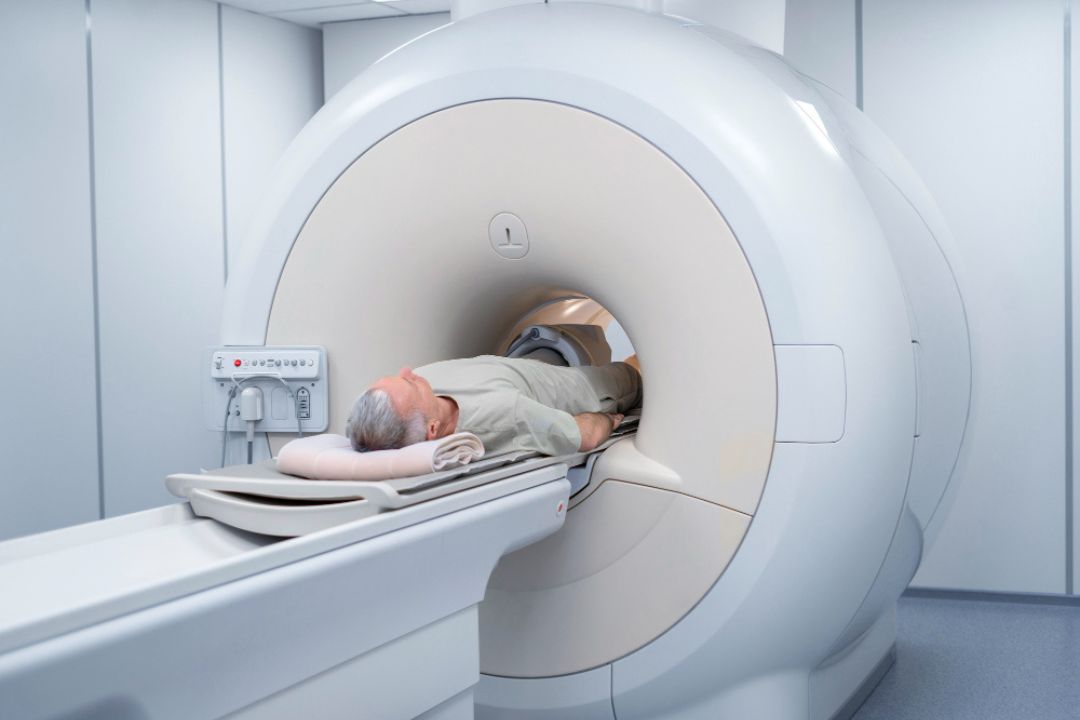
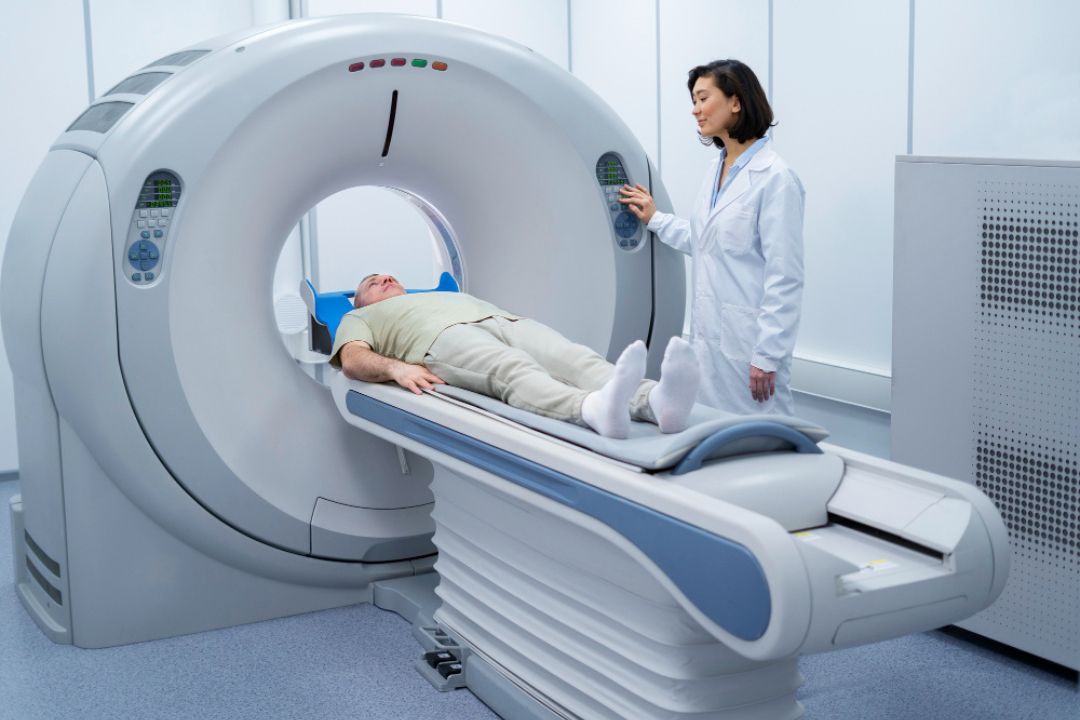
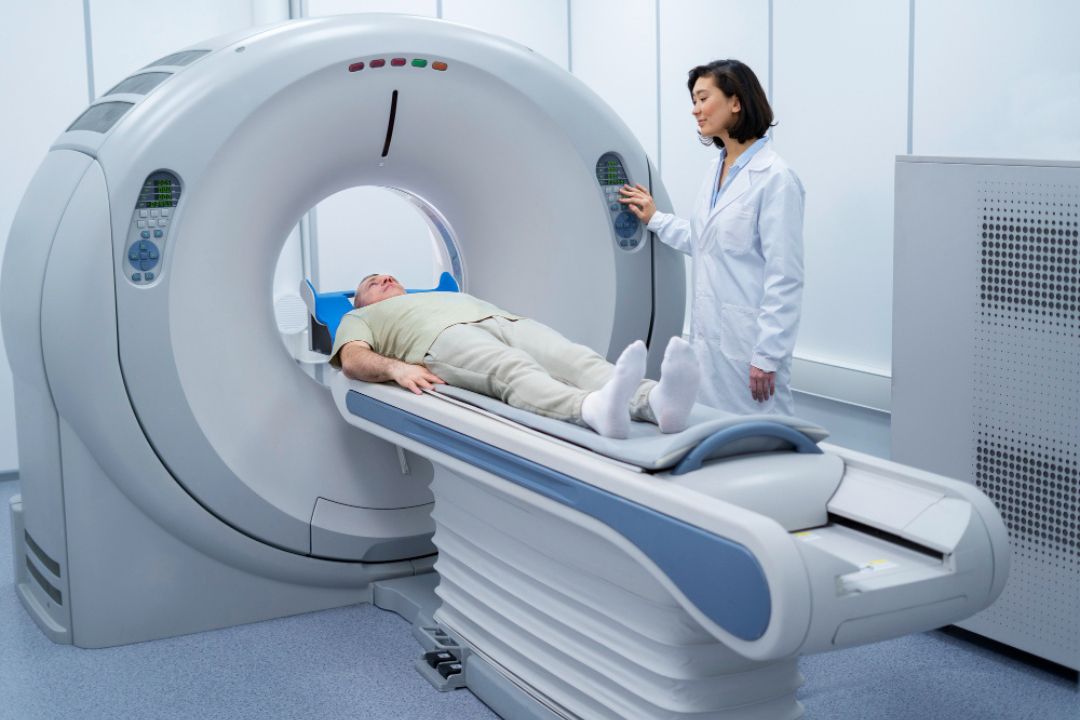
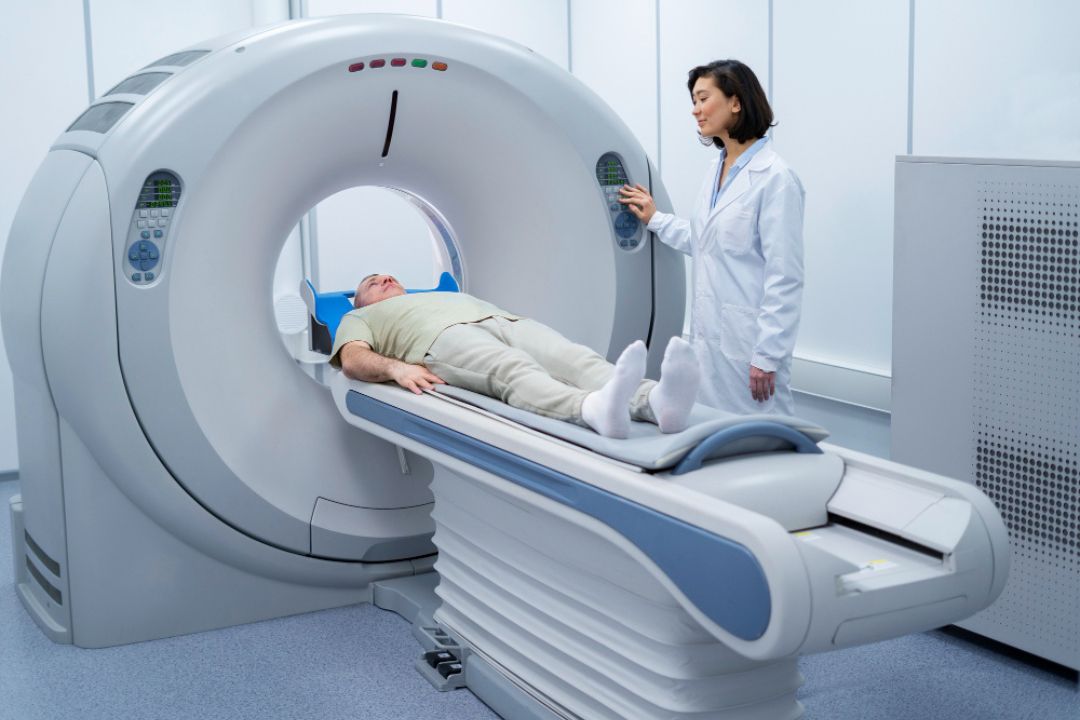
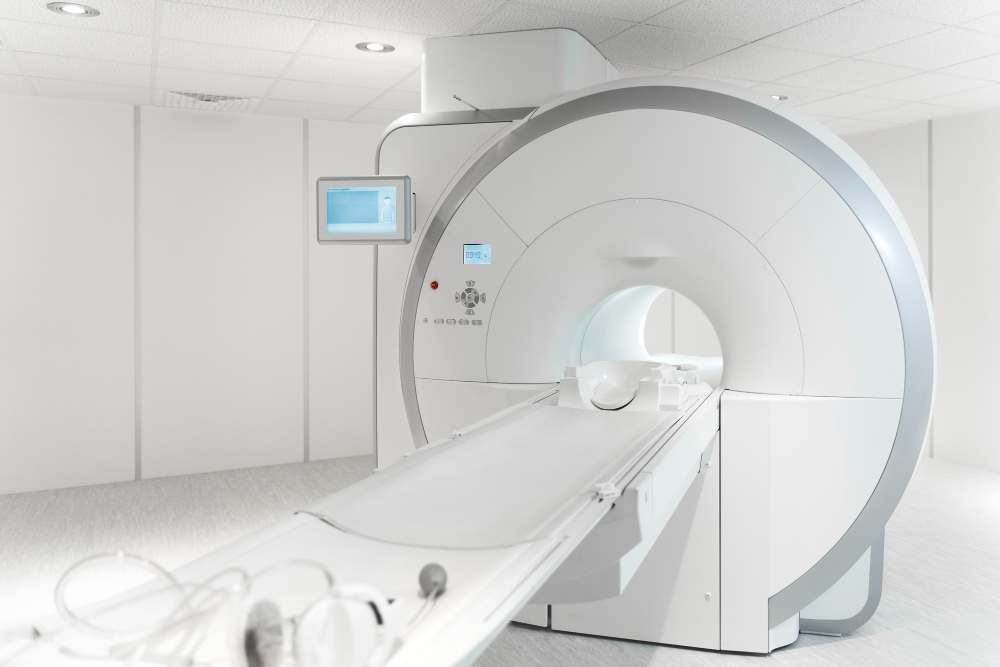
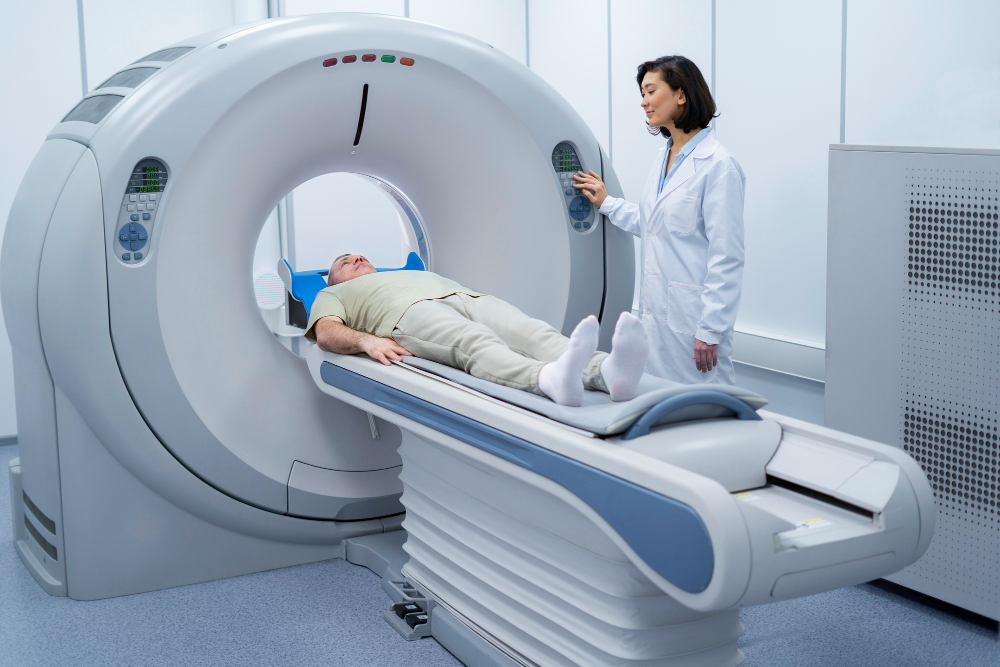
A CT scan uses rotating X-ray beams and computer technology to create cross-sectional images of the body.
Visit Now: https://www.diagnopein.com
Here is how the process works:
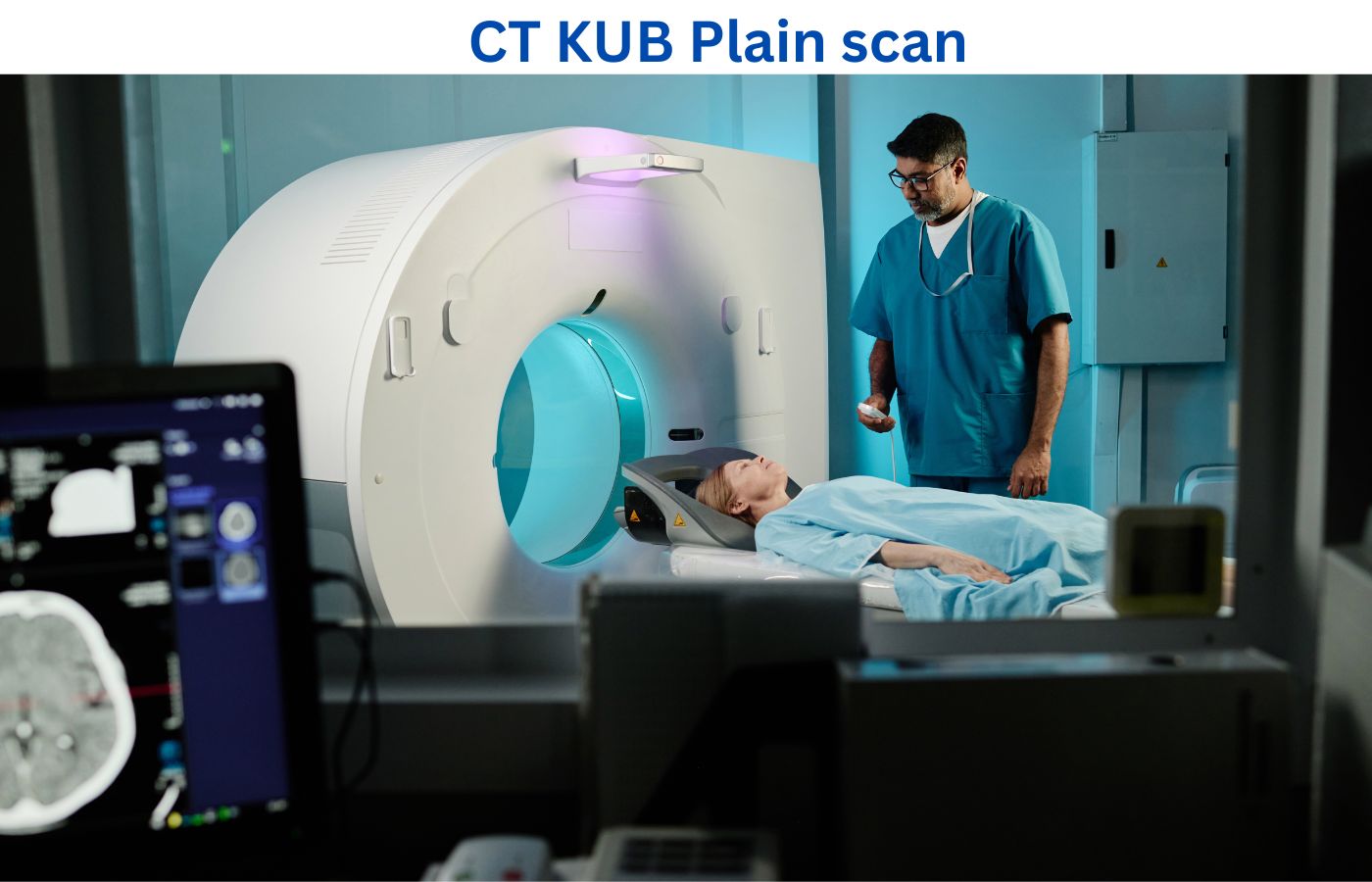
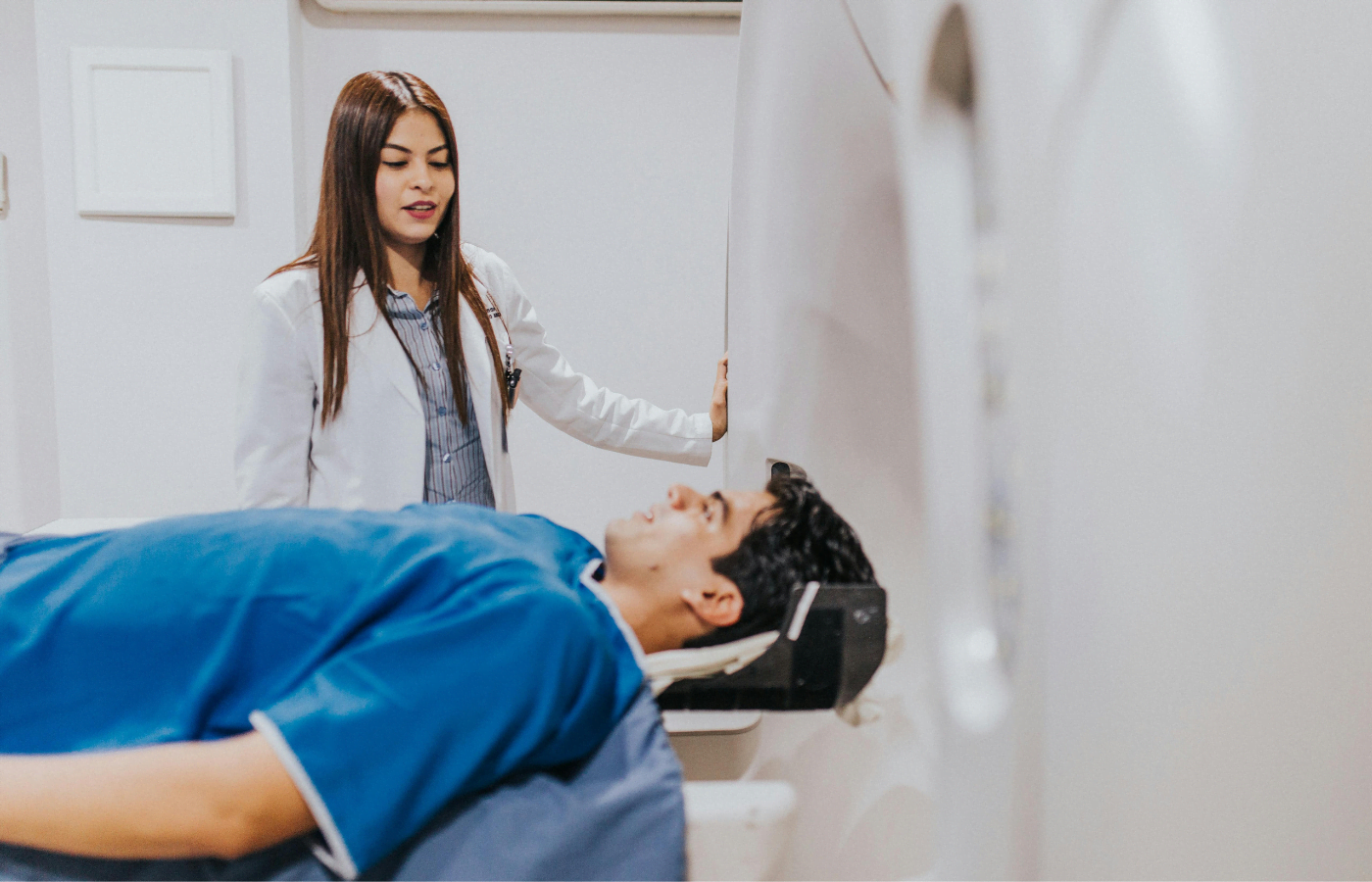
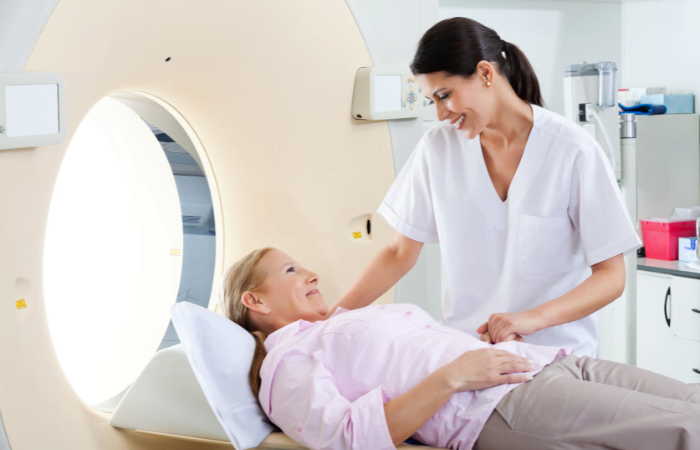
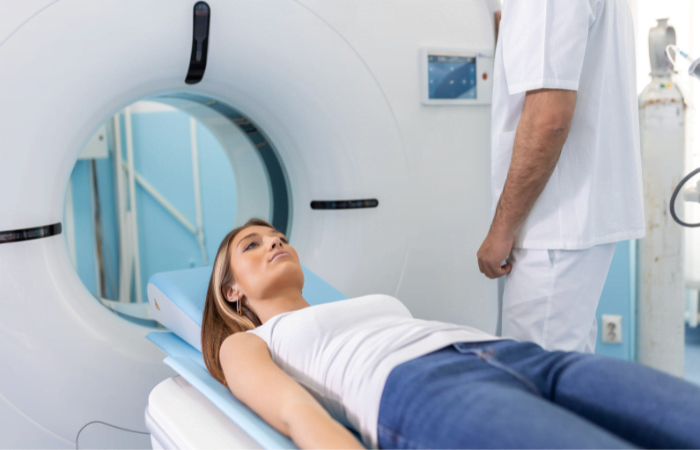
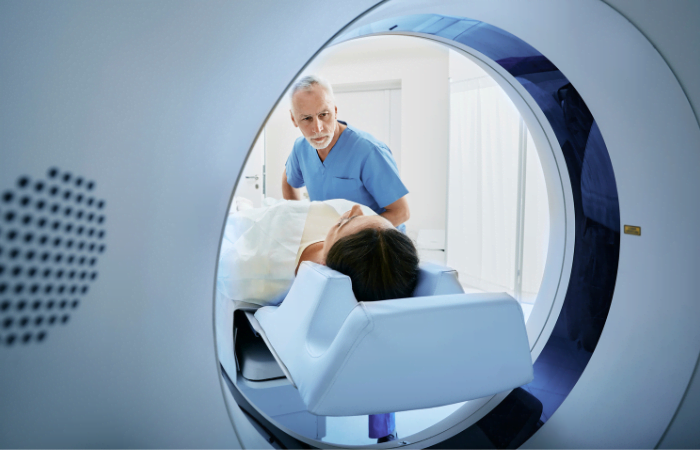
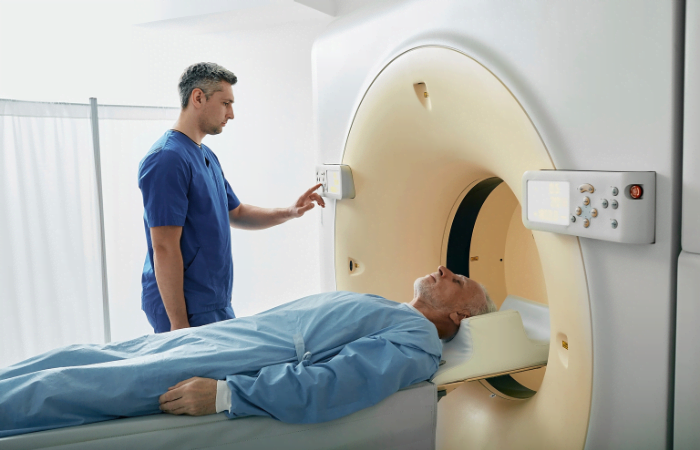
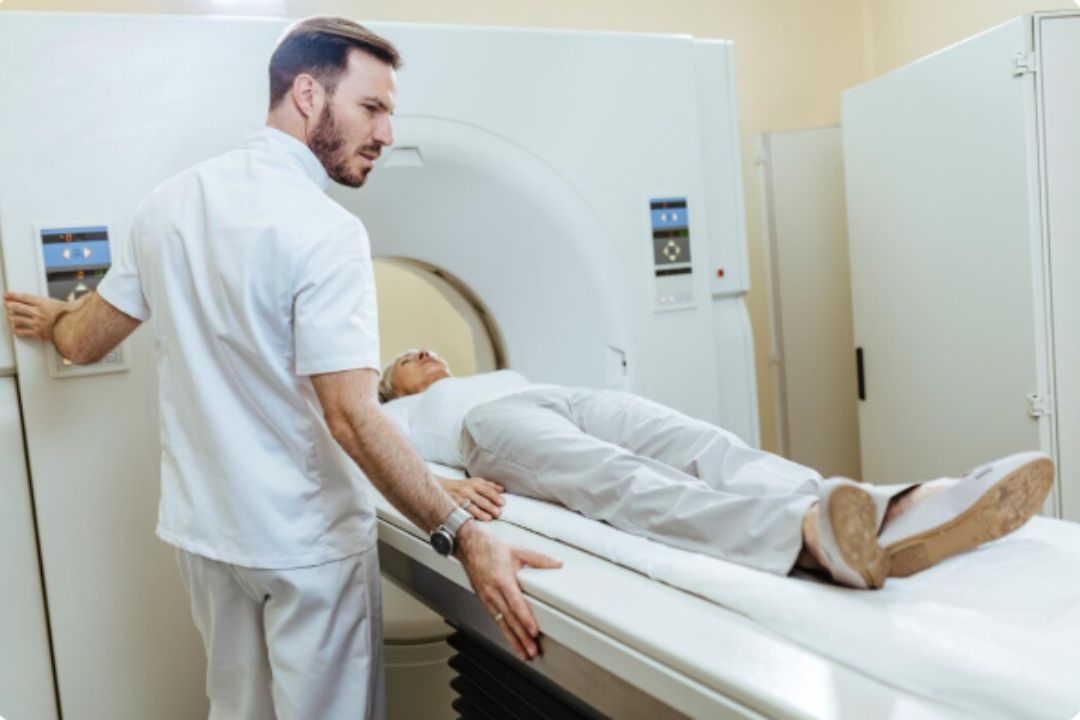
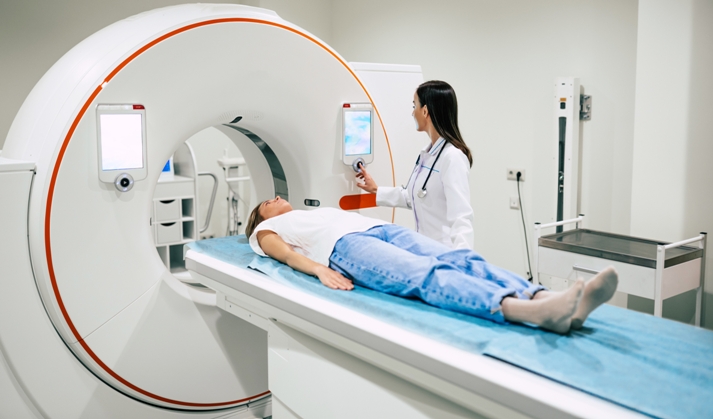
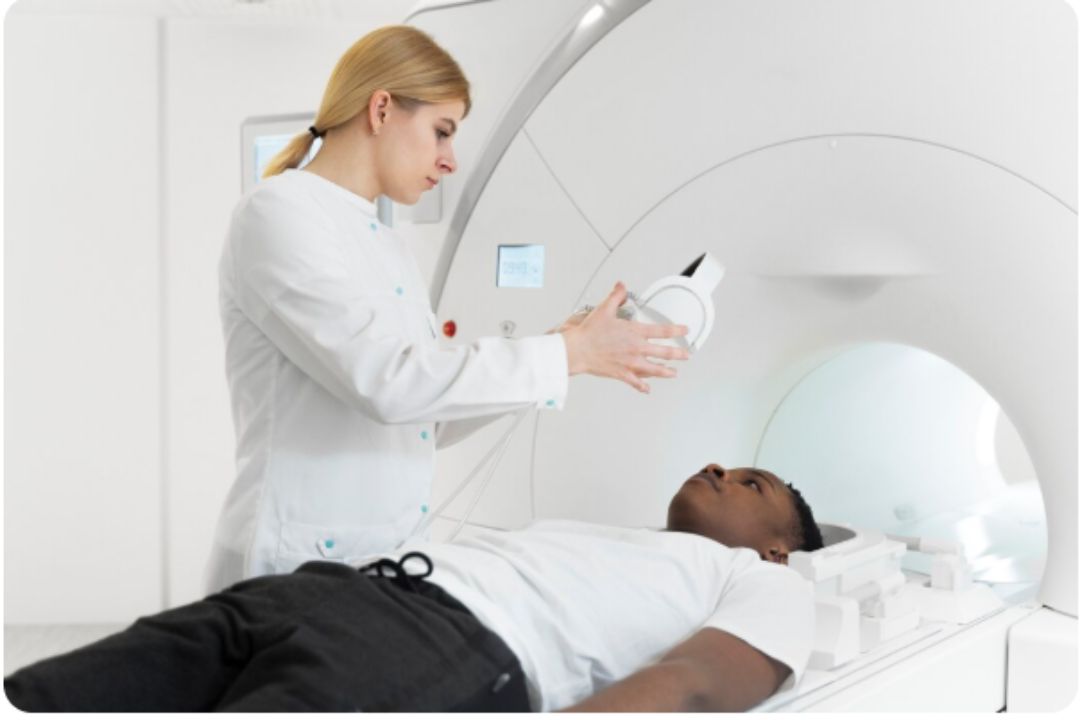
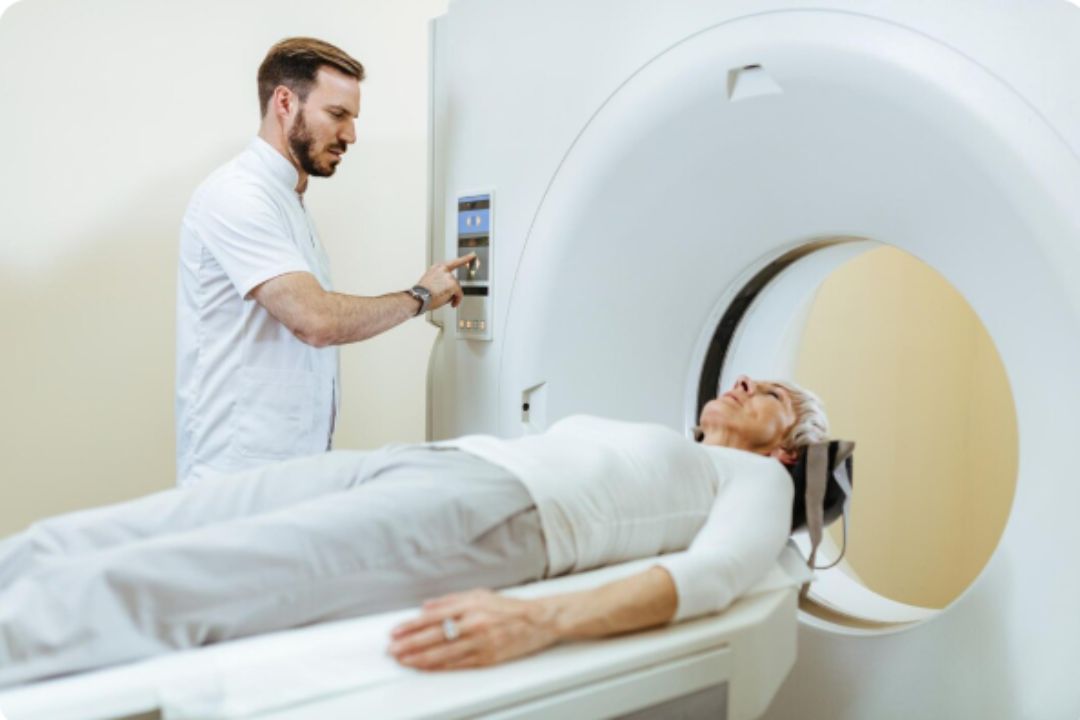
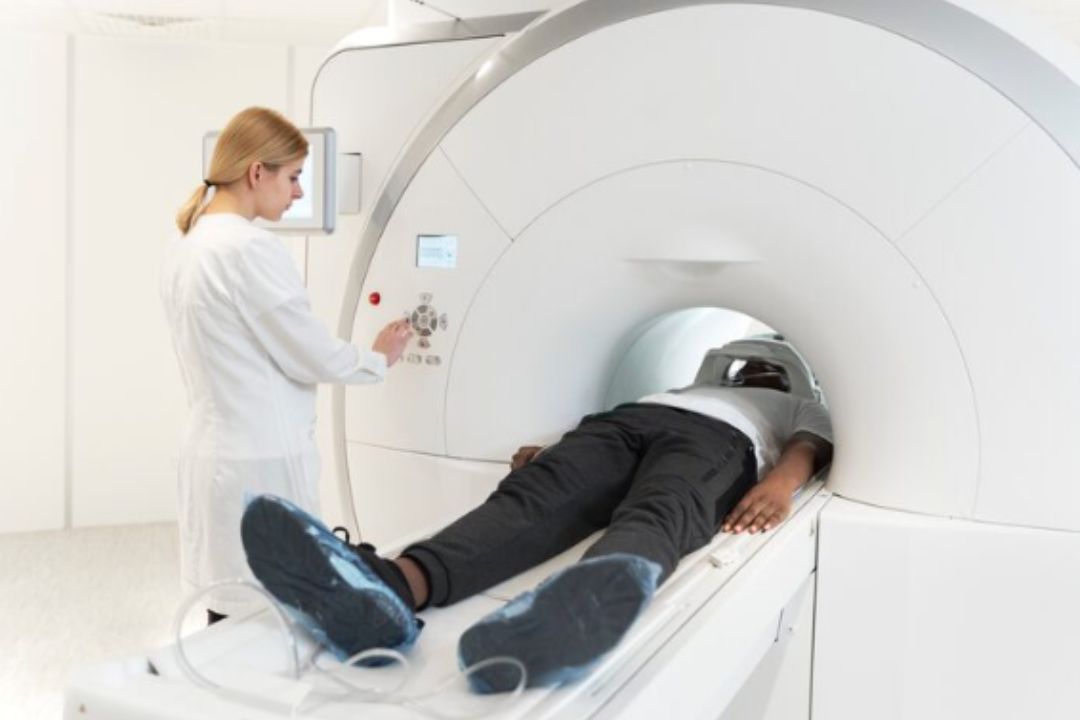
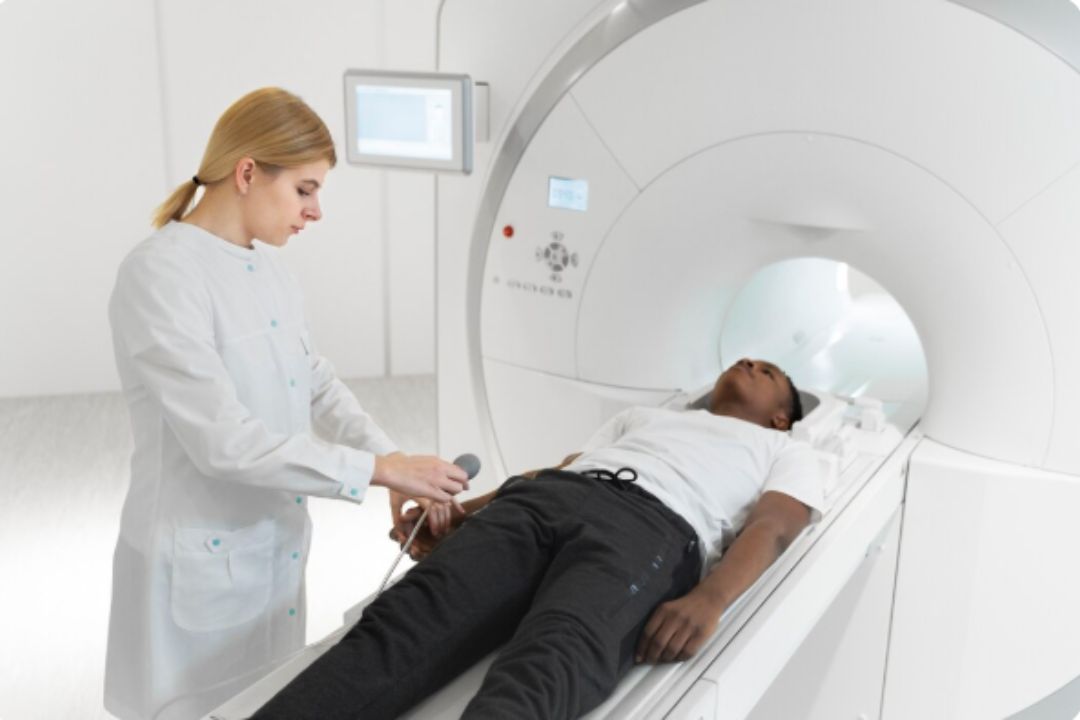
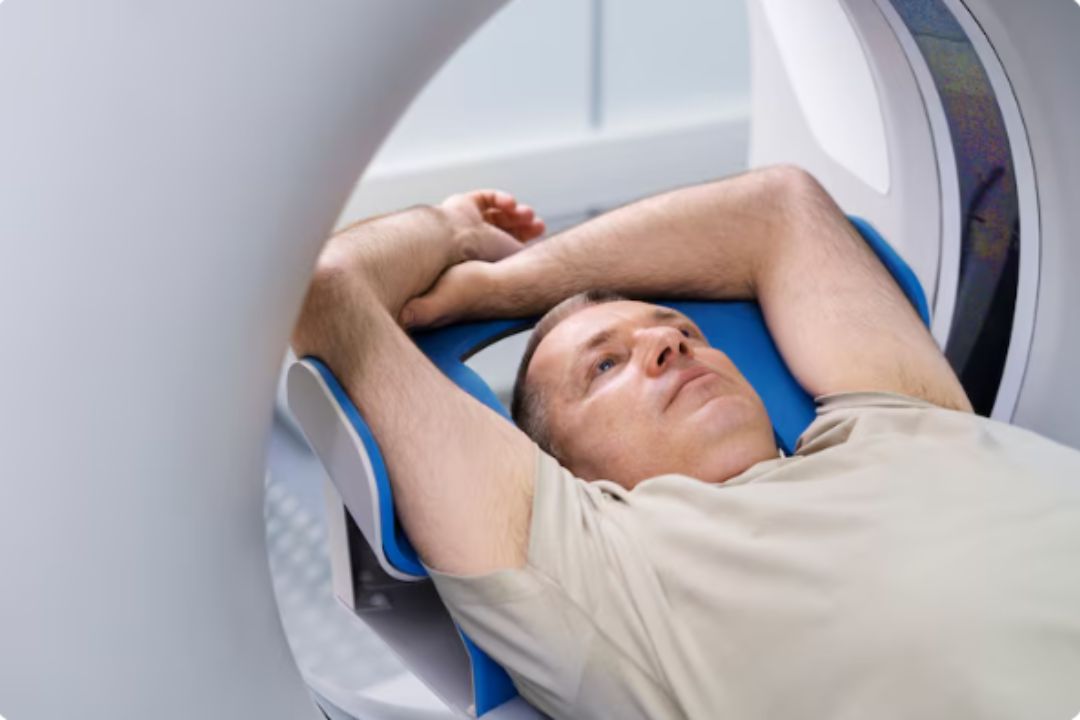
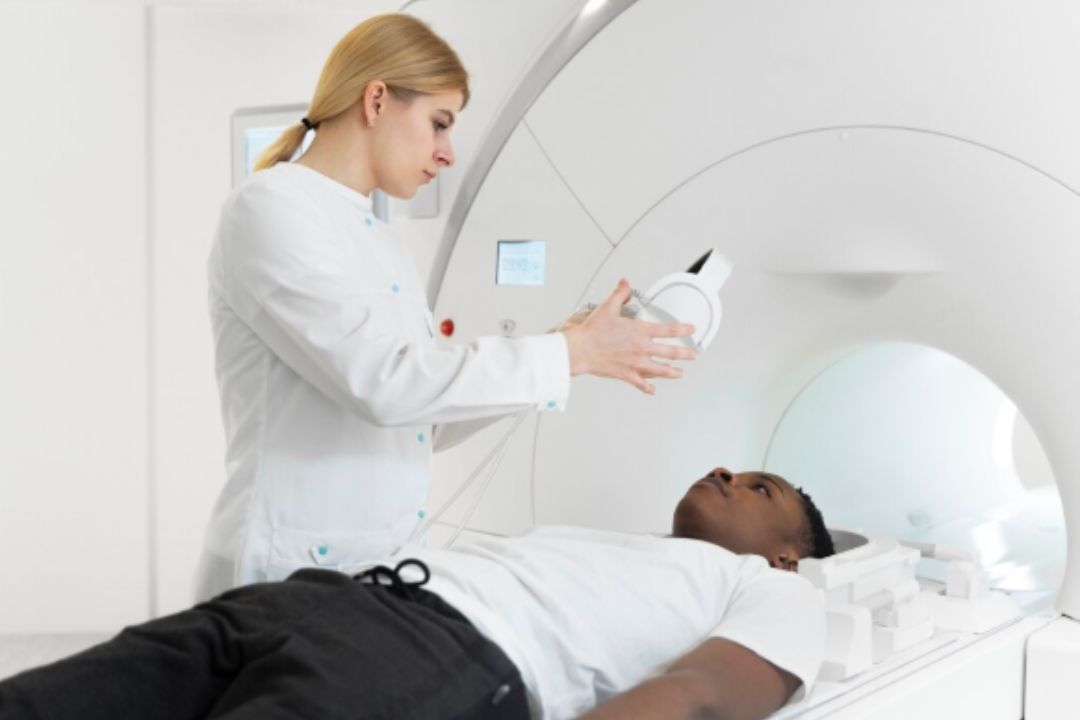
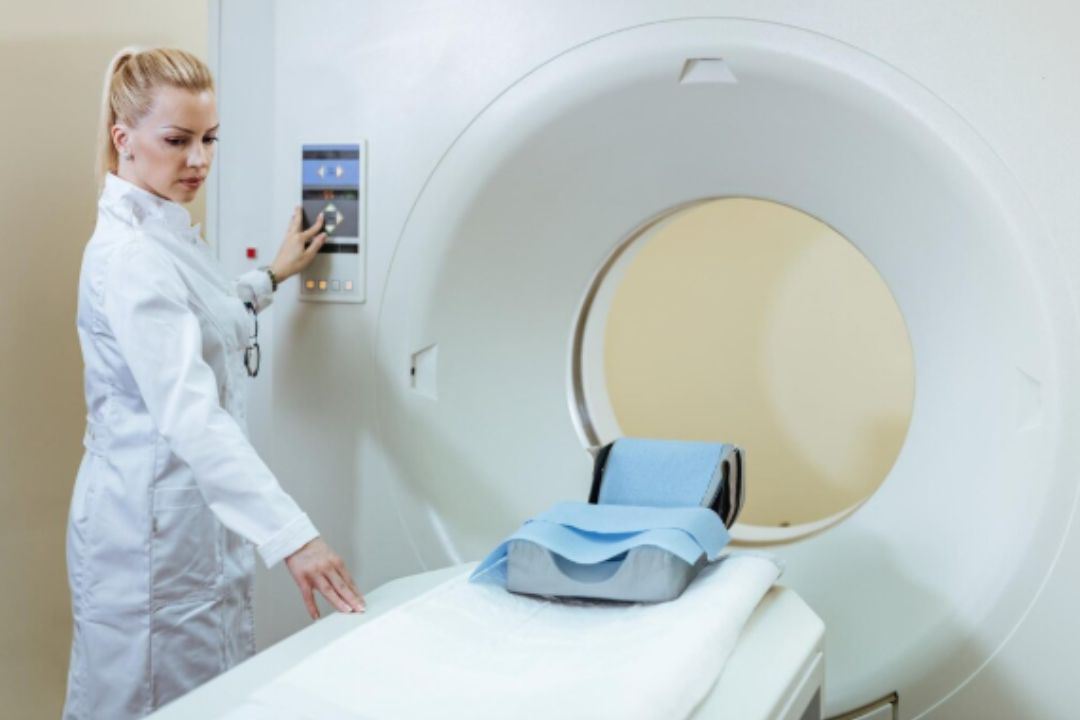
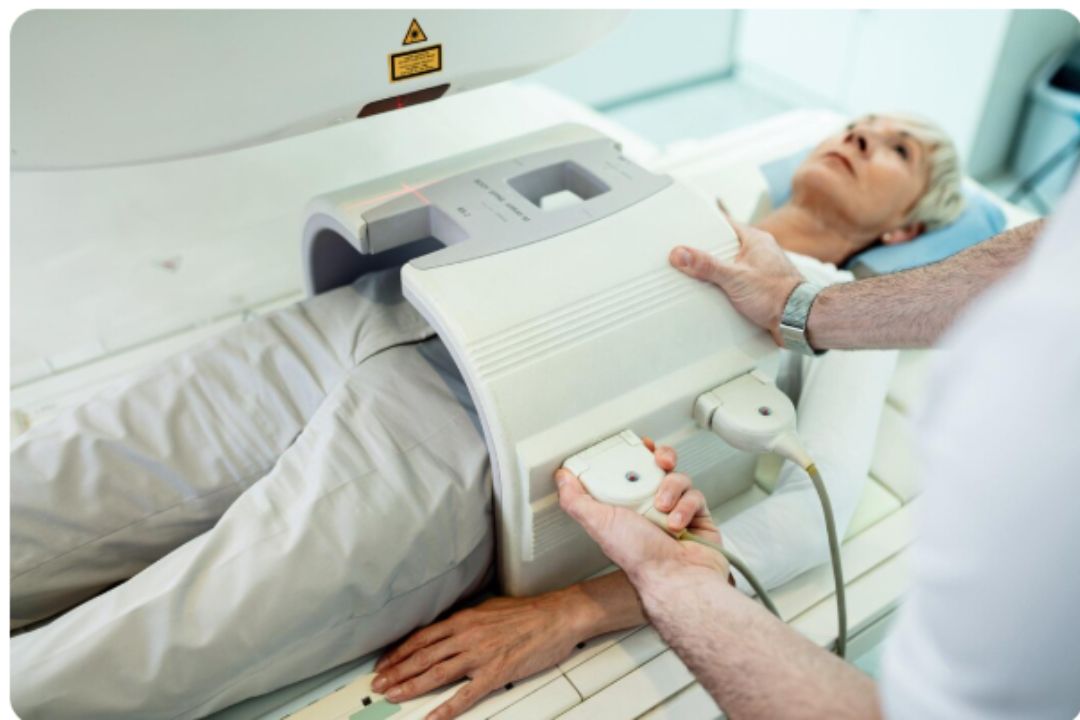
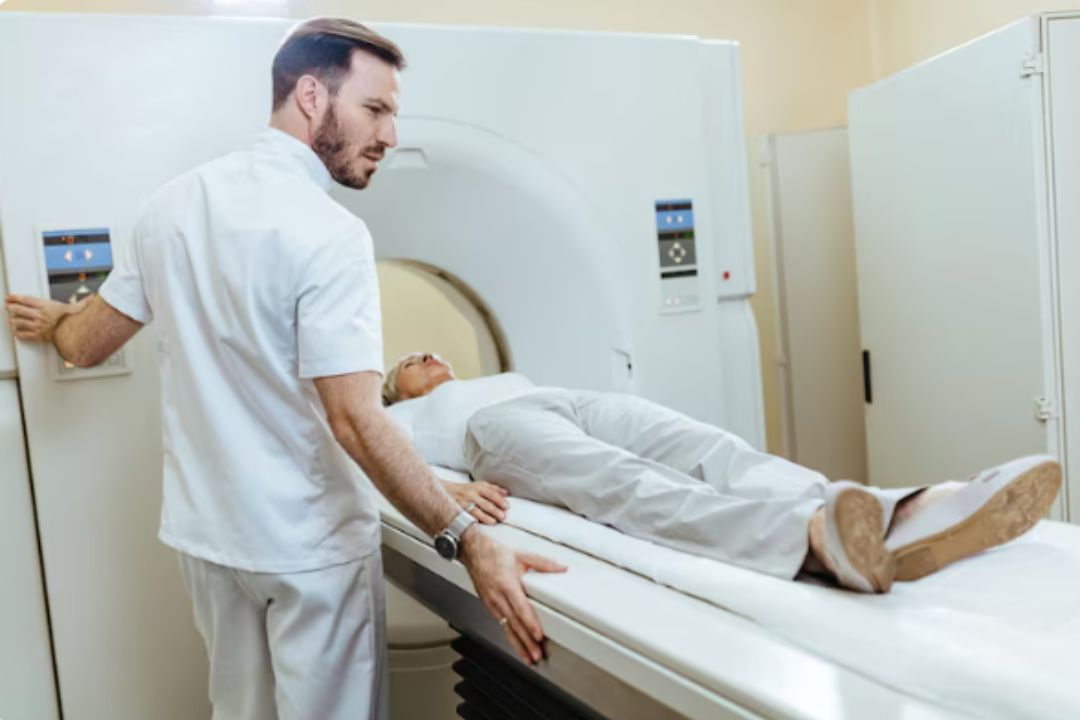
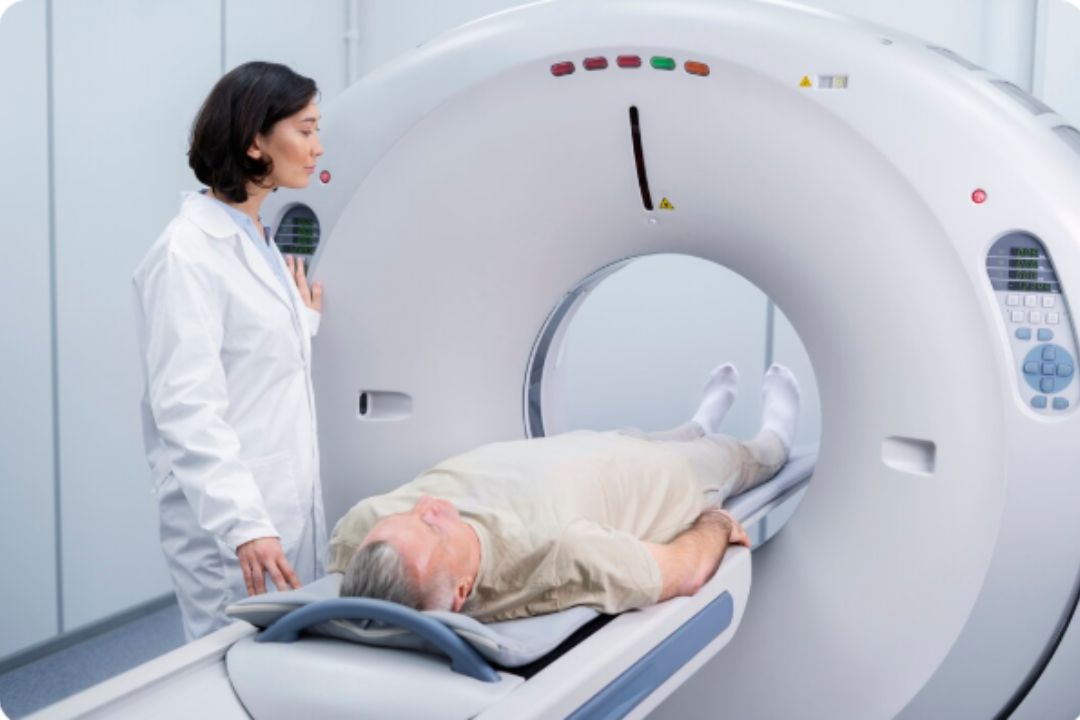
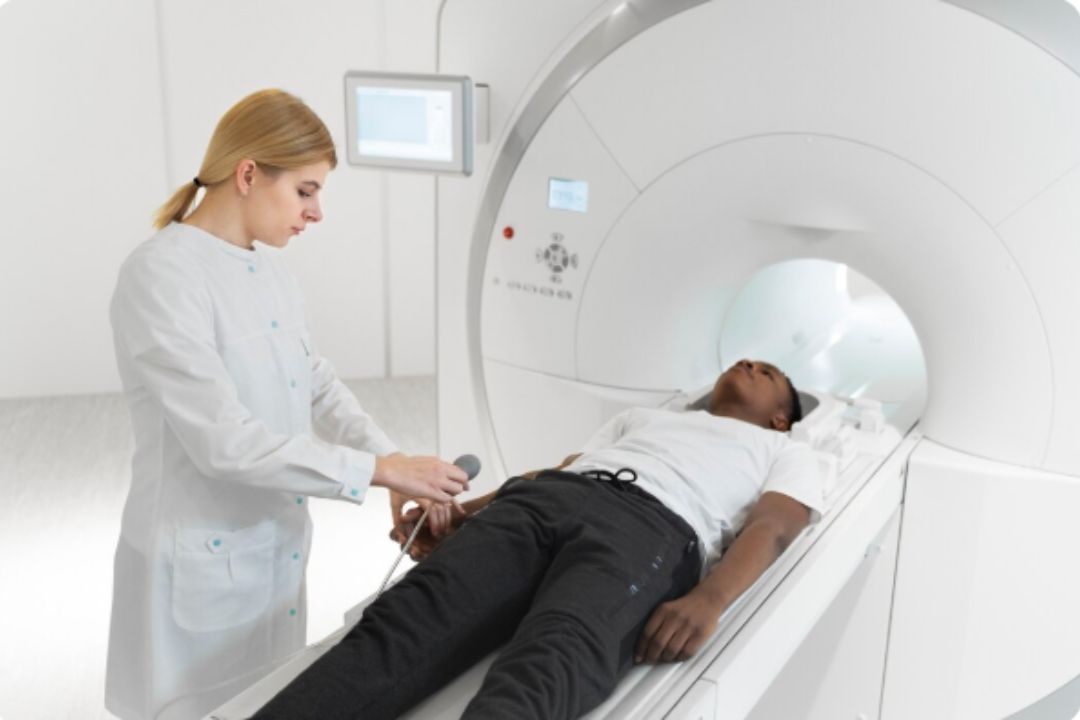
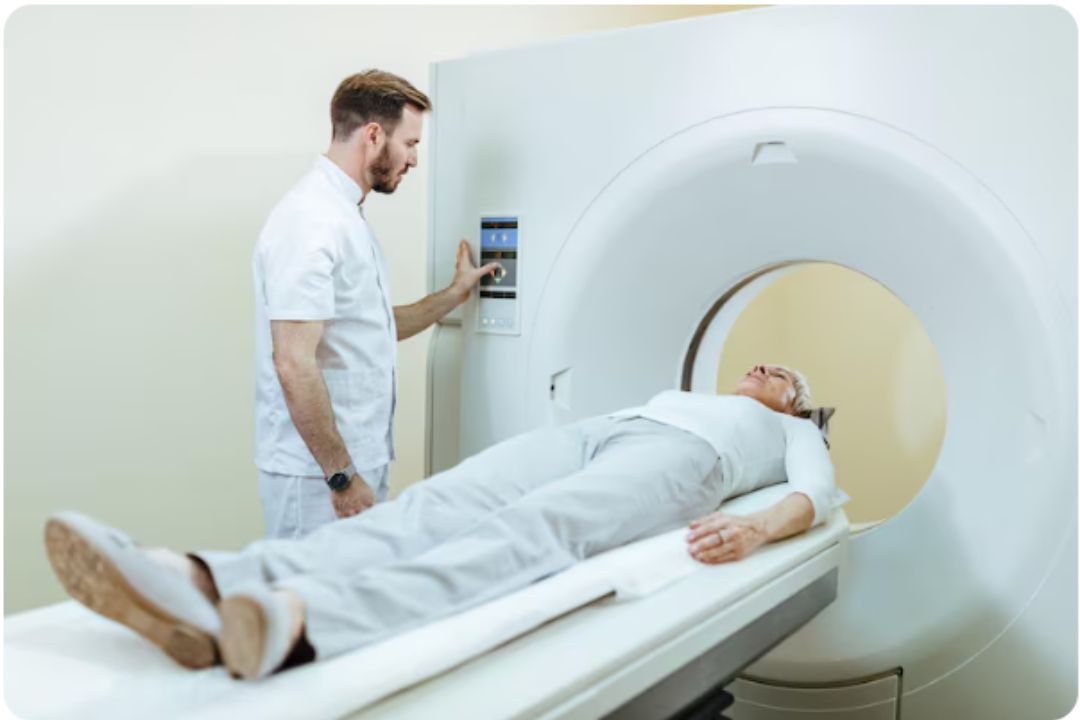
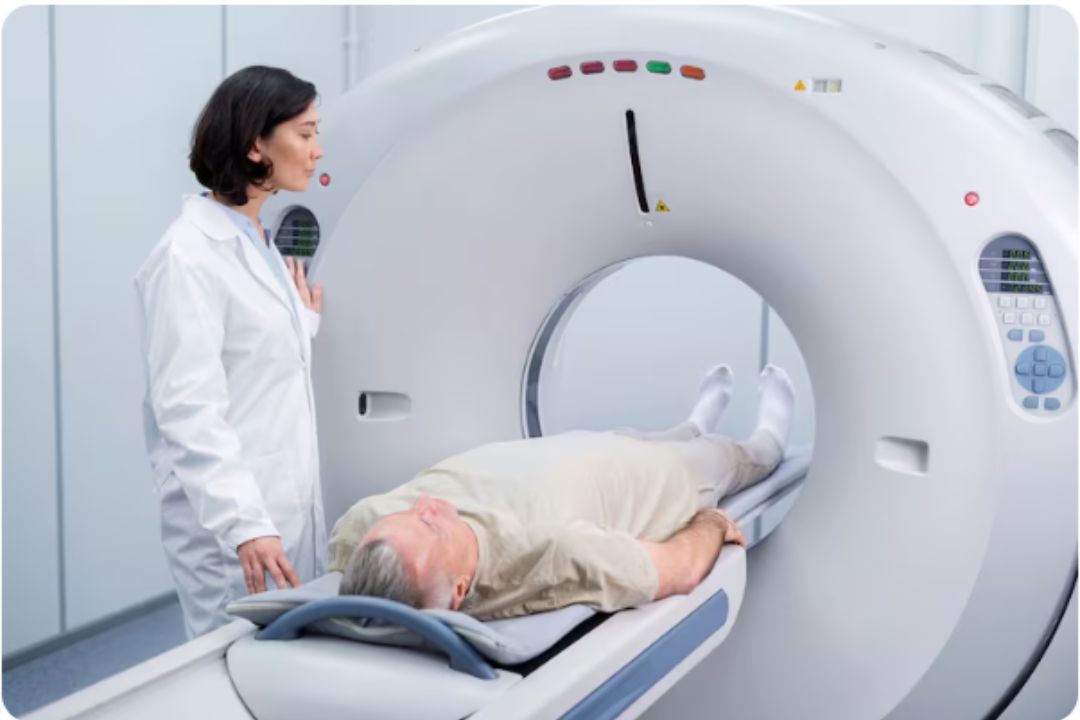
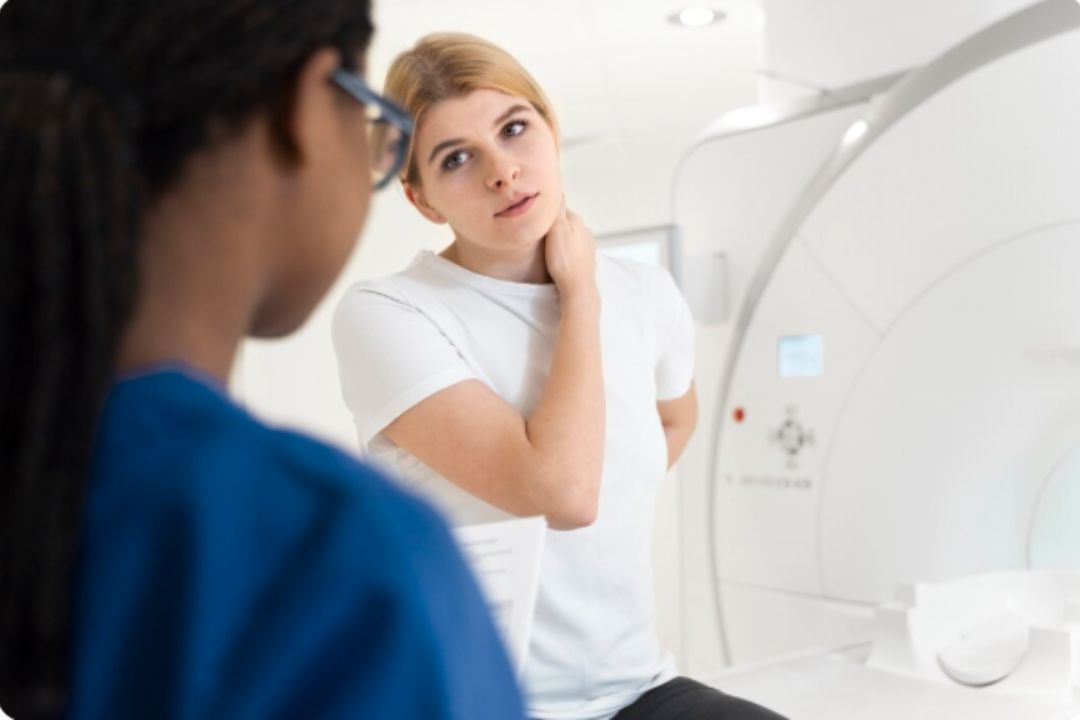
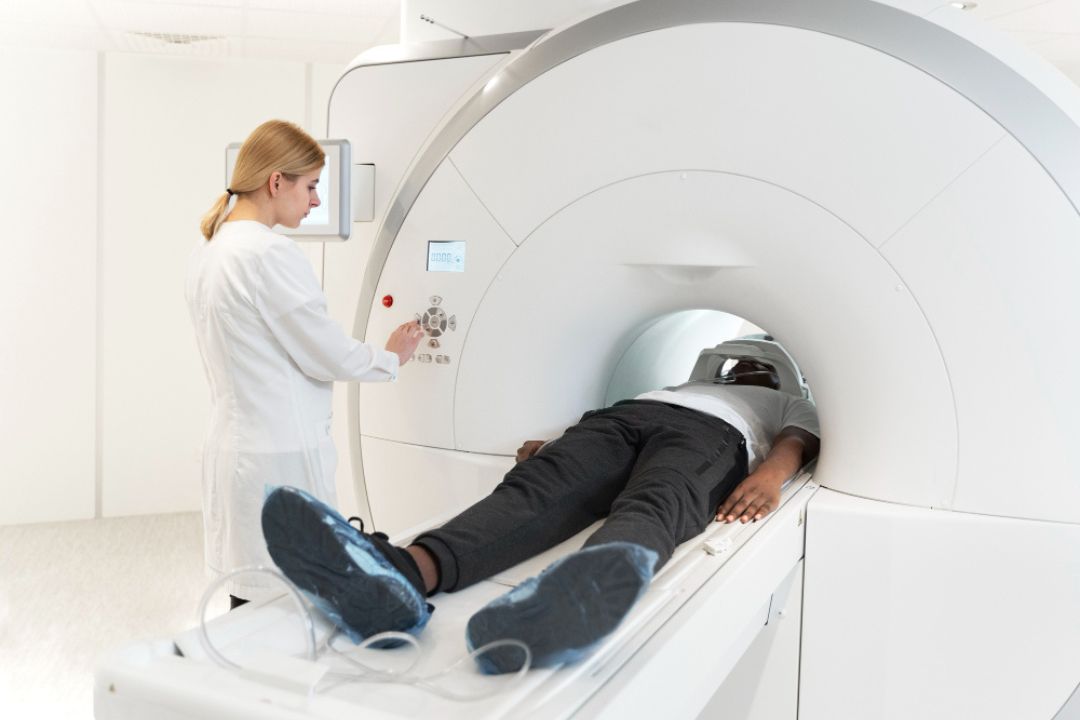
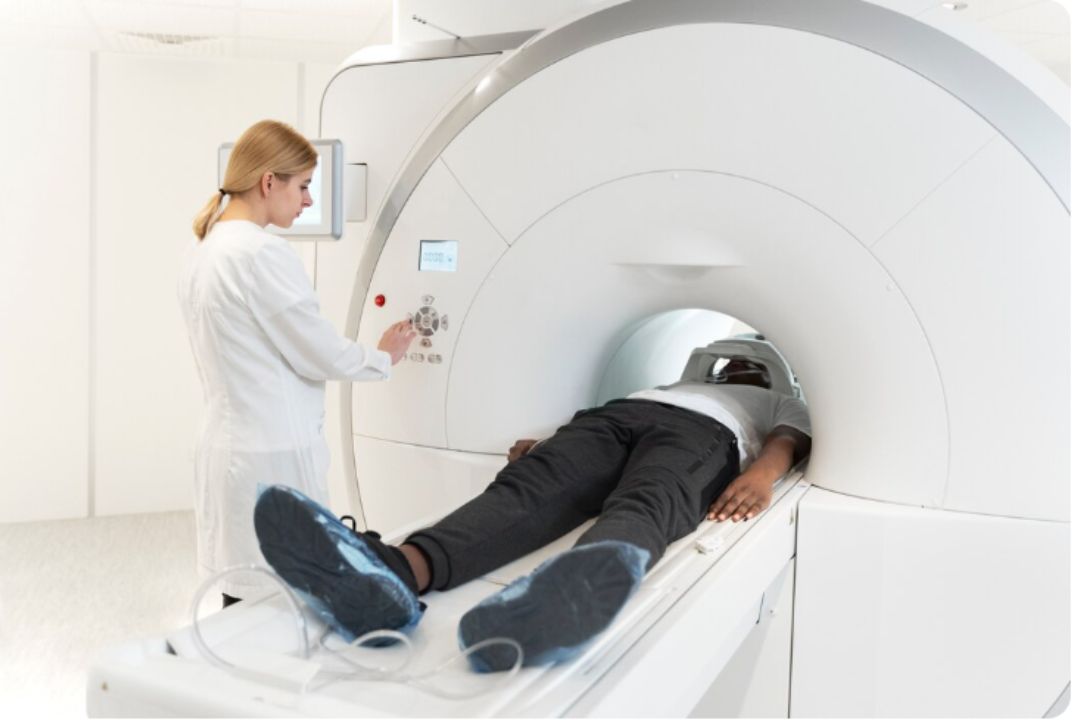
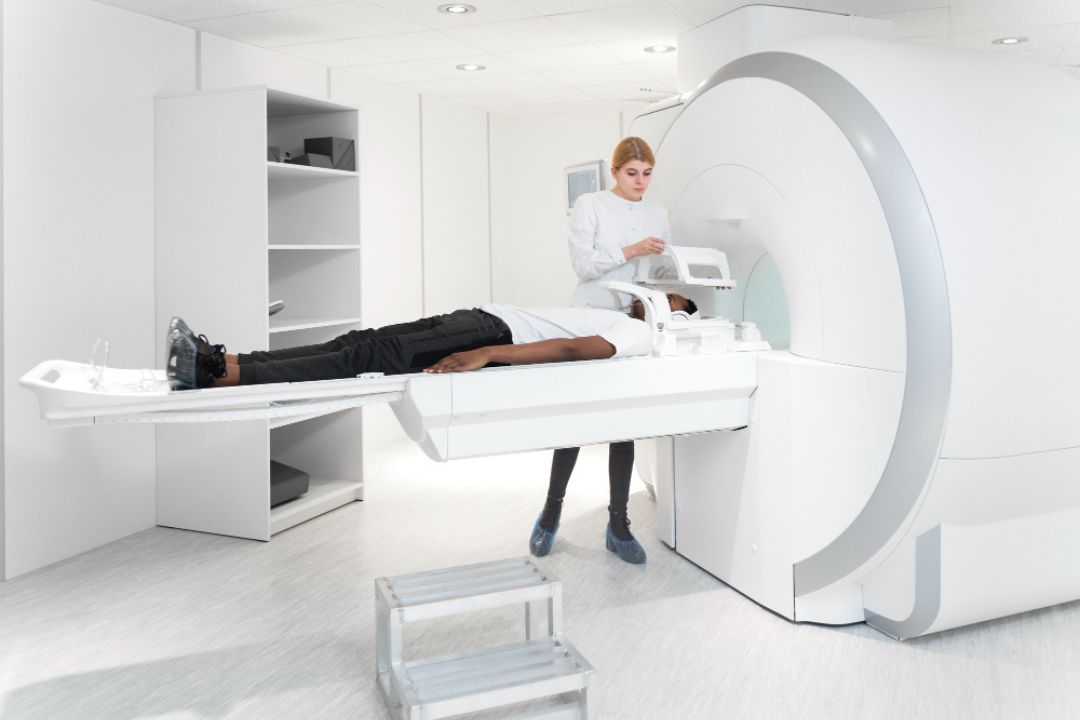
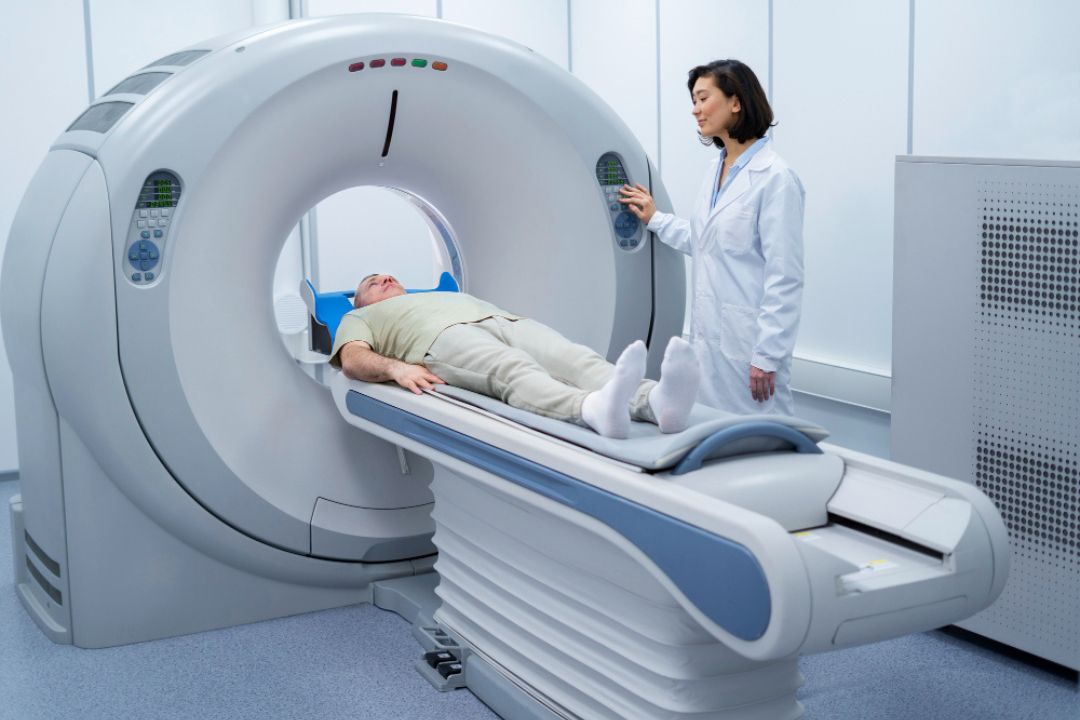
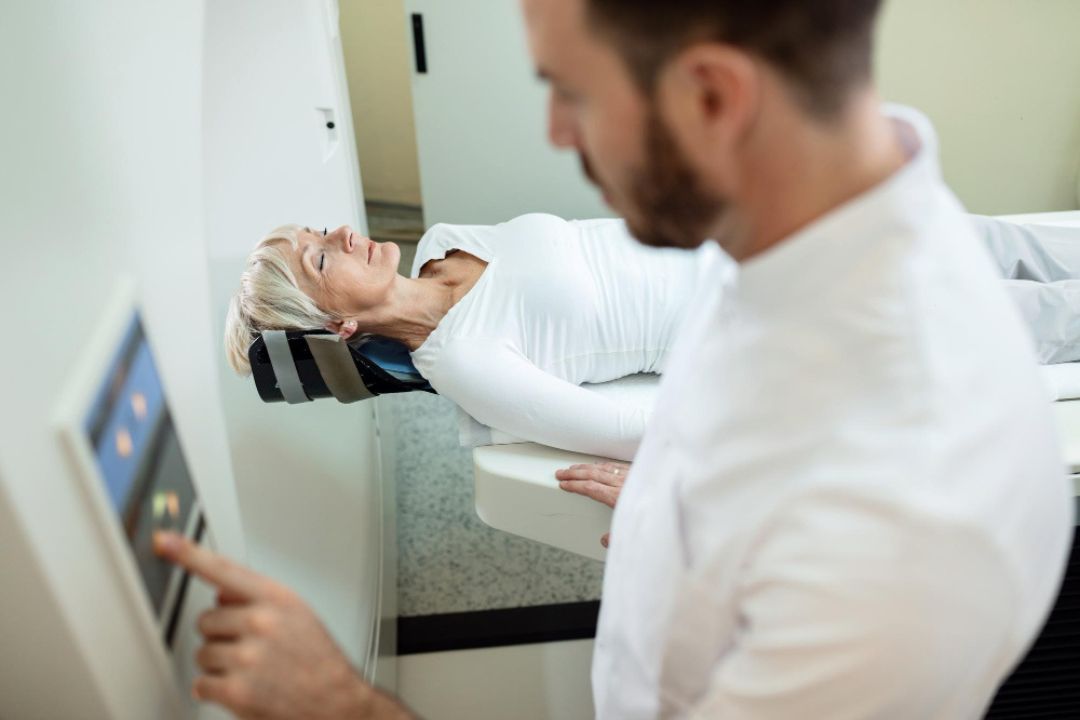
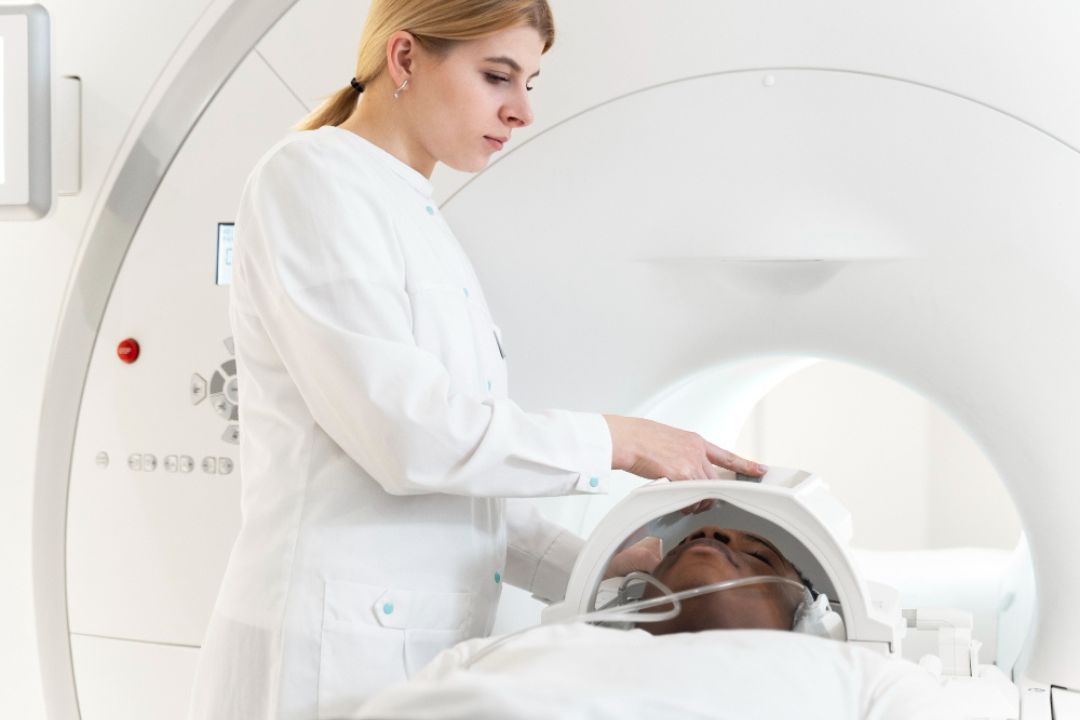
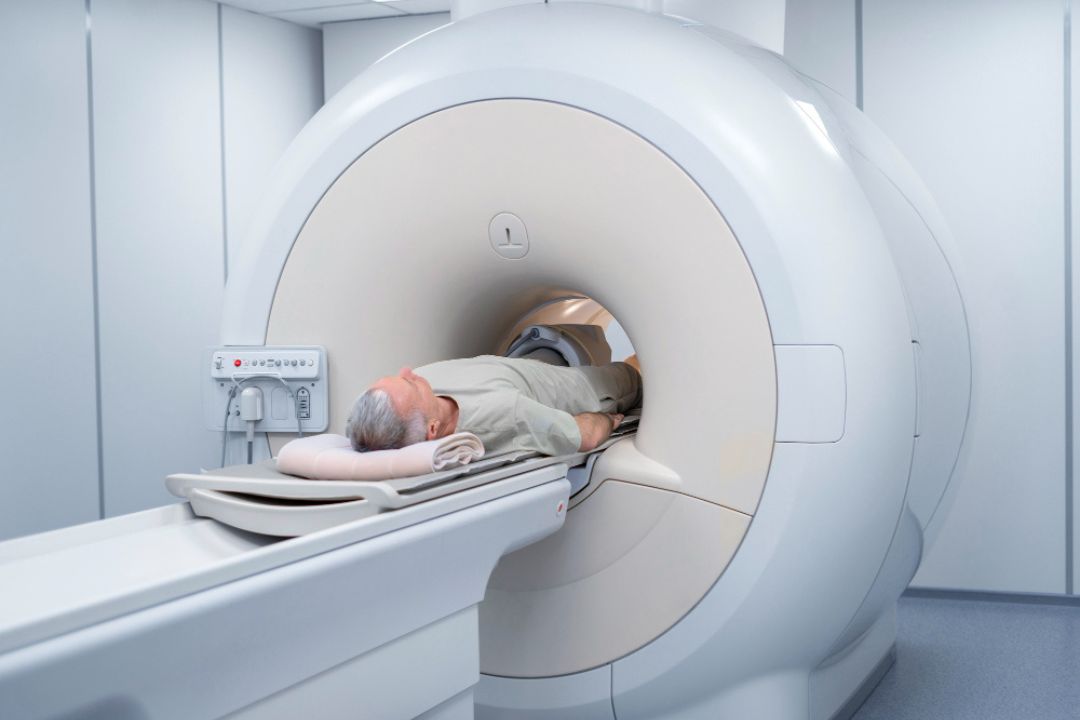
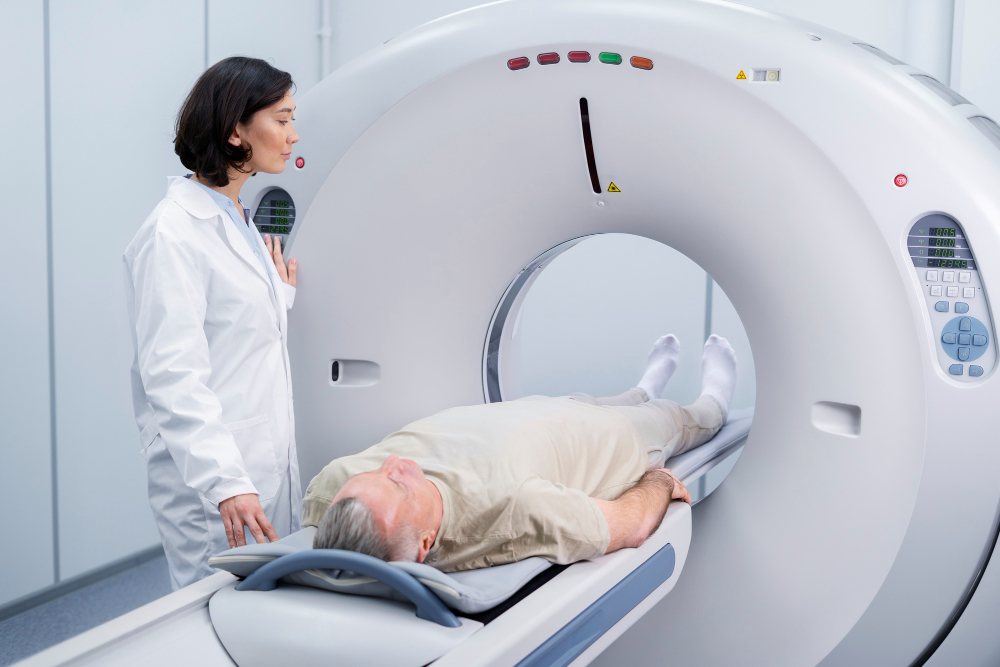
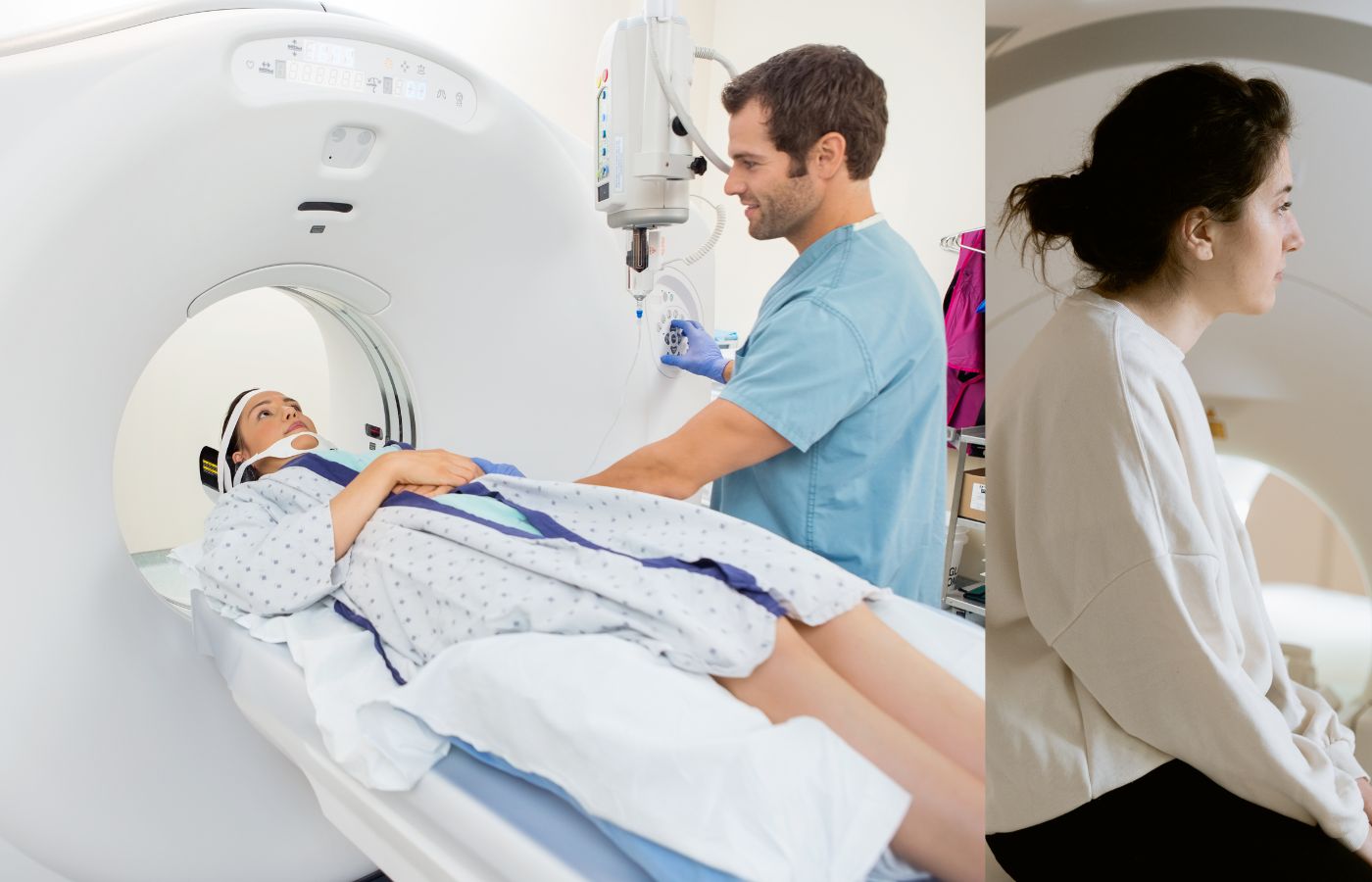
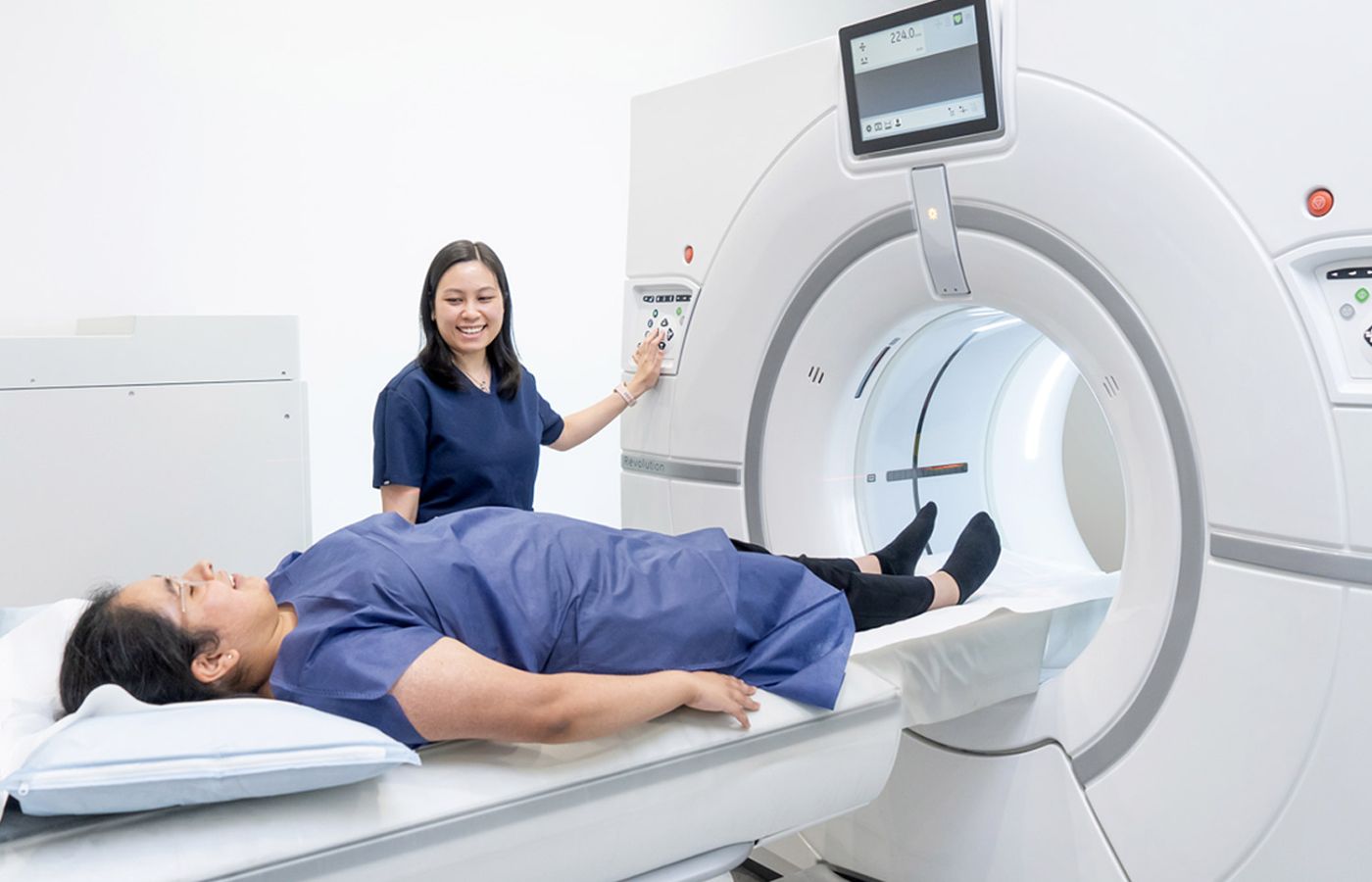
• You lie on a flat, motorized table
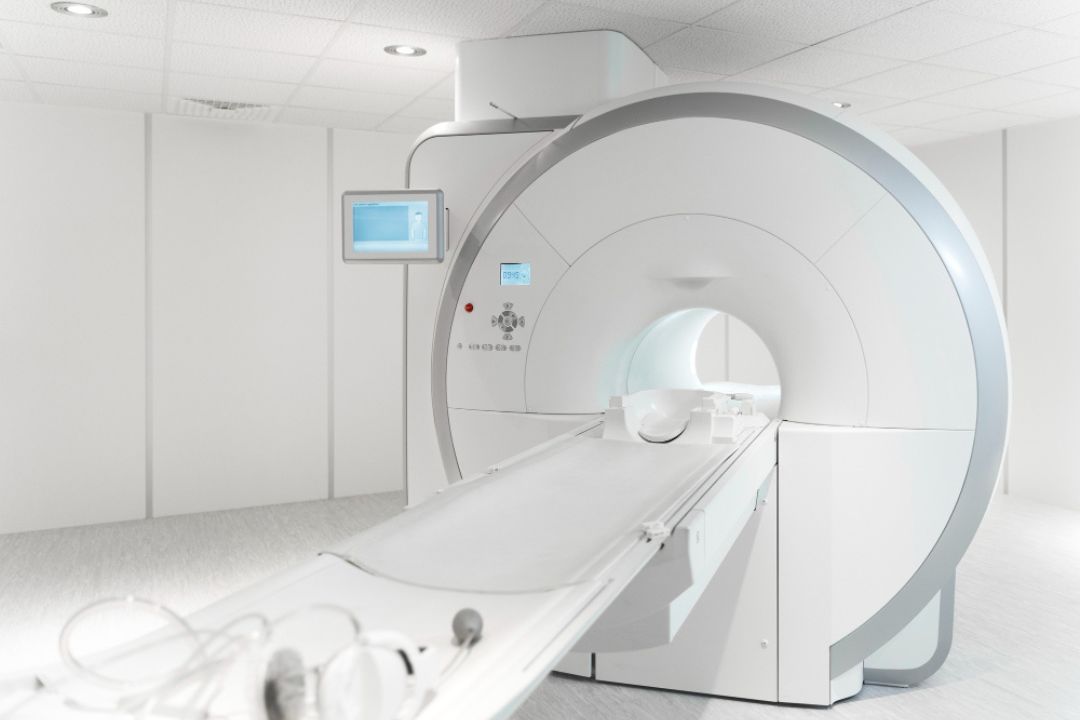
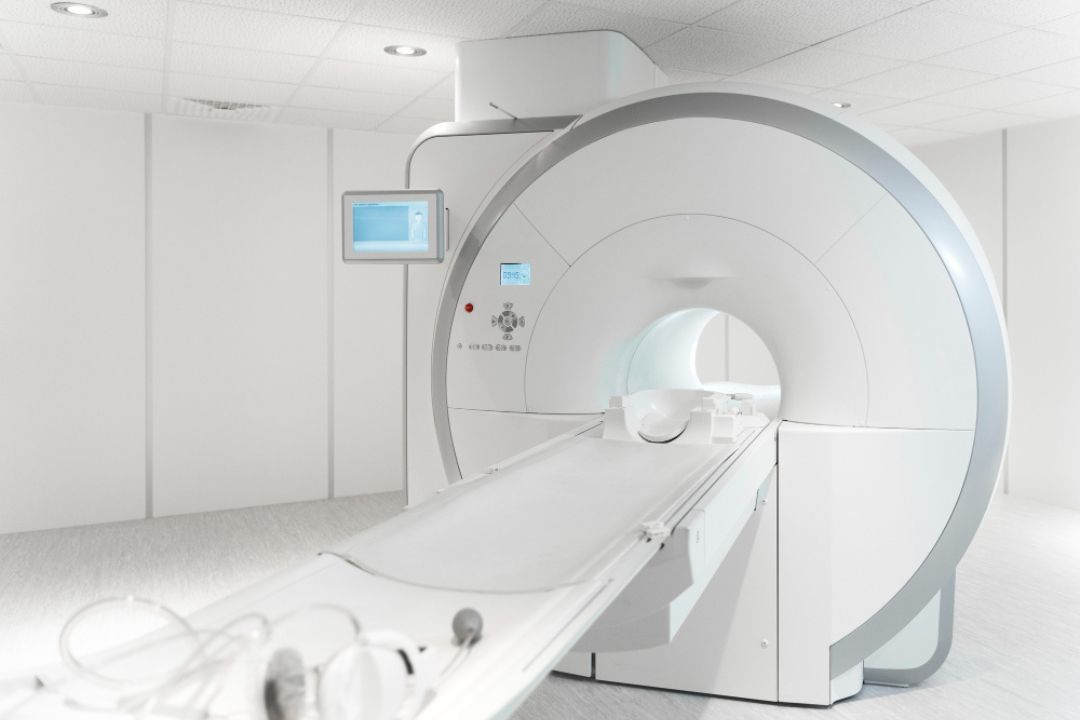
• The table moves slowly into a circular scanner
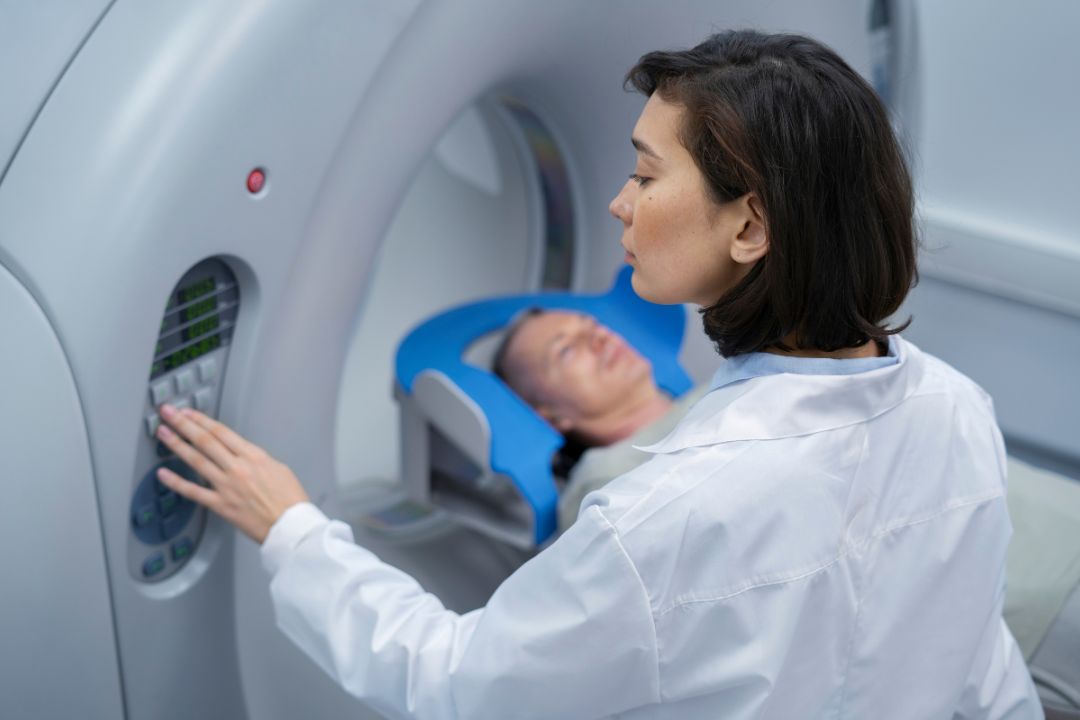
• The scanner rotates around your head
• X-ray beams pass through the temporal bone
• Detectors capture the data
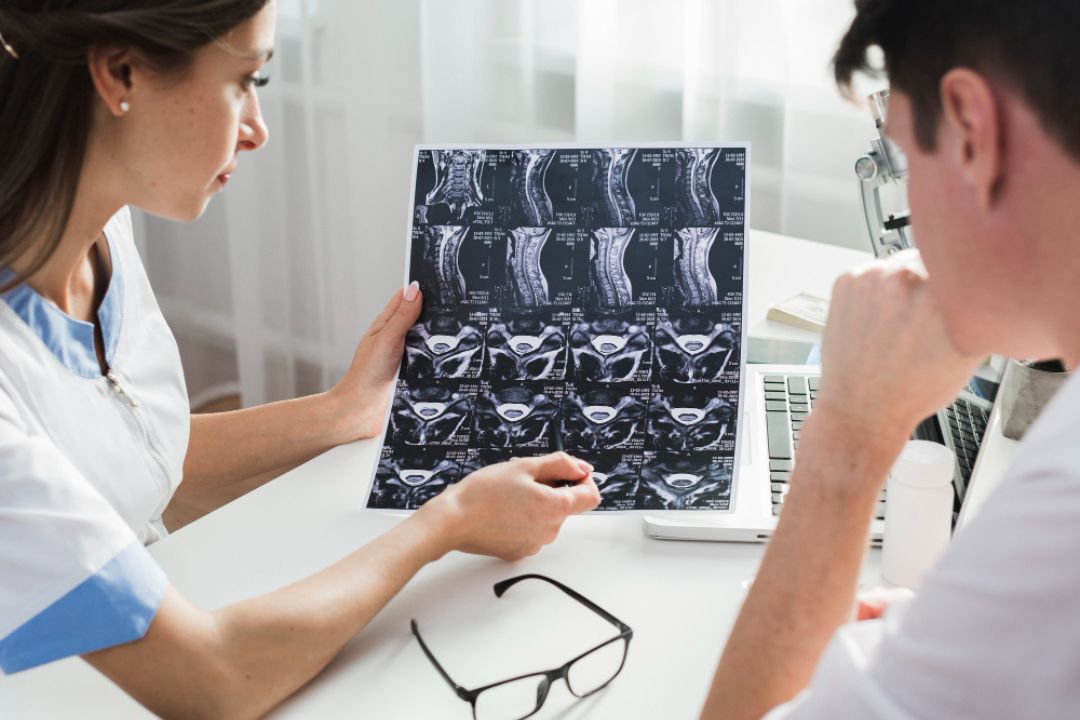
• A computer processes the information into detailed images
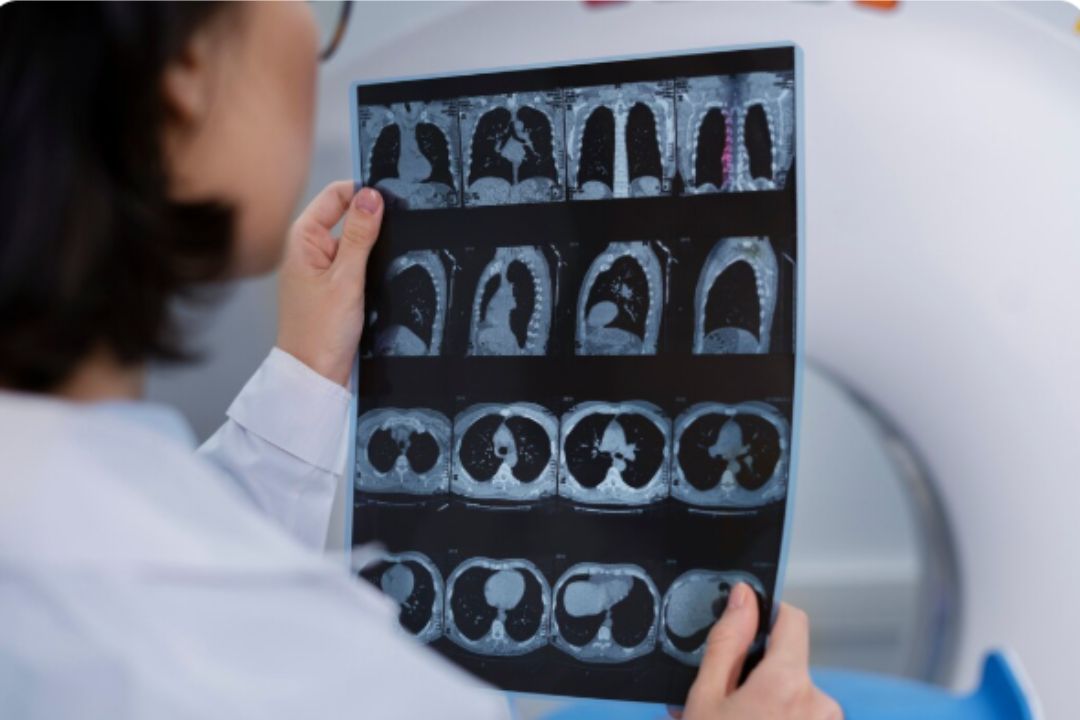
These images appear as thin slices, allowing doctors to see internal structures layer by layer.
The procedure is straightforward and usually very quick.
You will be asked to remove any metal objects such as:
• Earrings
• Glasses
• Hair clips
• Hearing aids
• Jewelry
Metal can interfere with the imaging and create streaks in the pictures.
You typically do not need to fast or change your diet since no contrast is used.
Once positioned on the table:
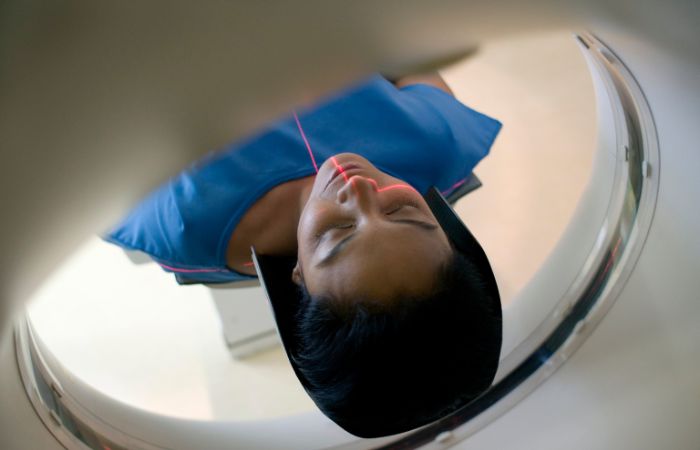
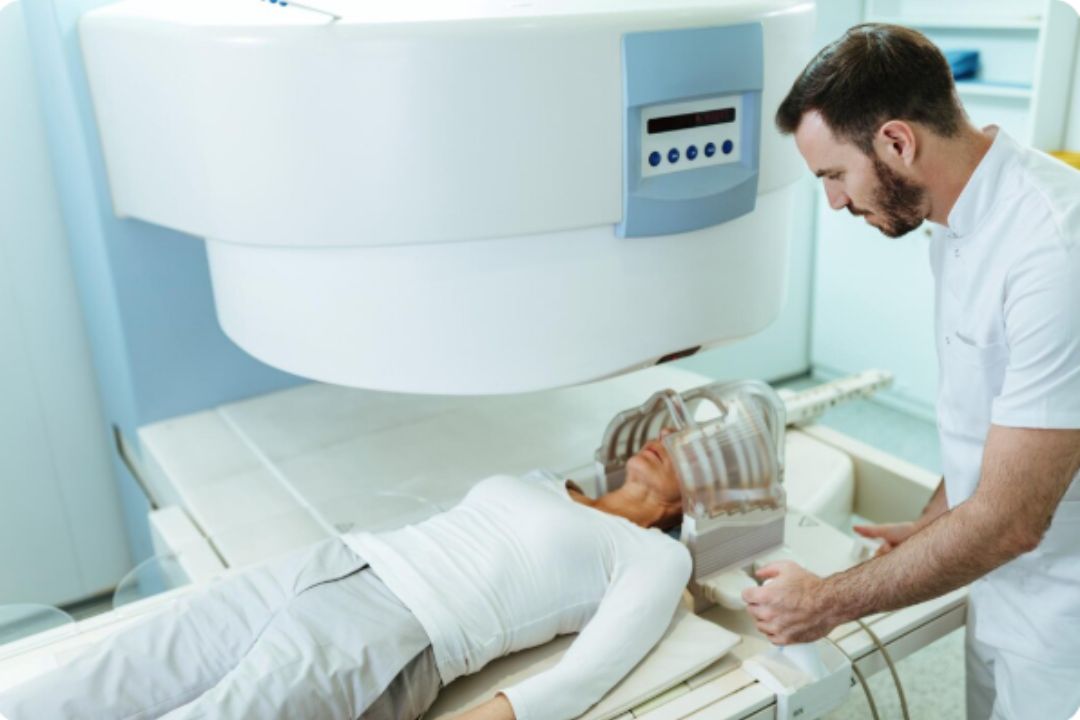
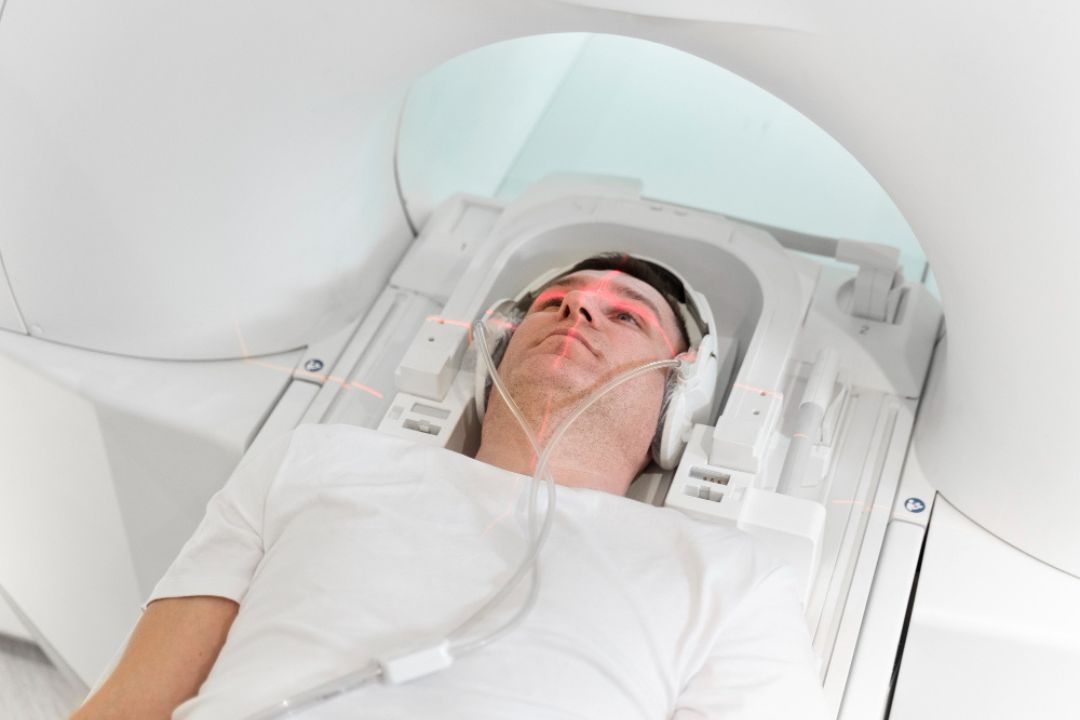
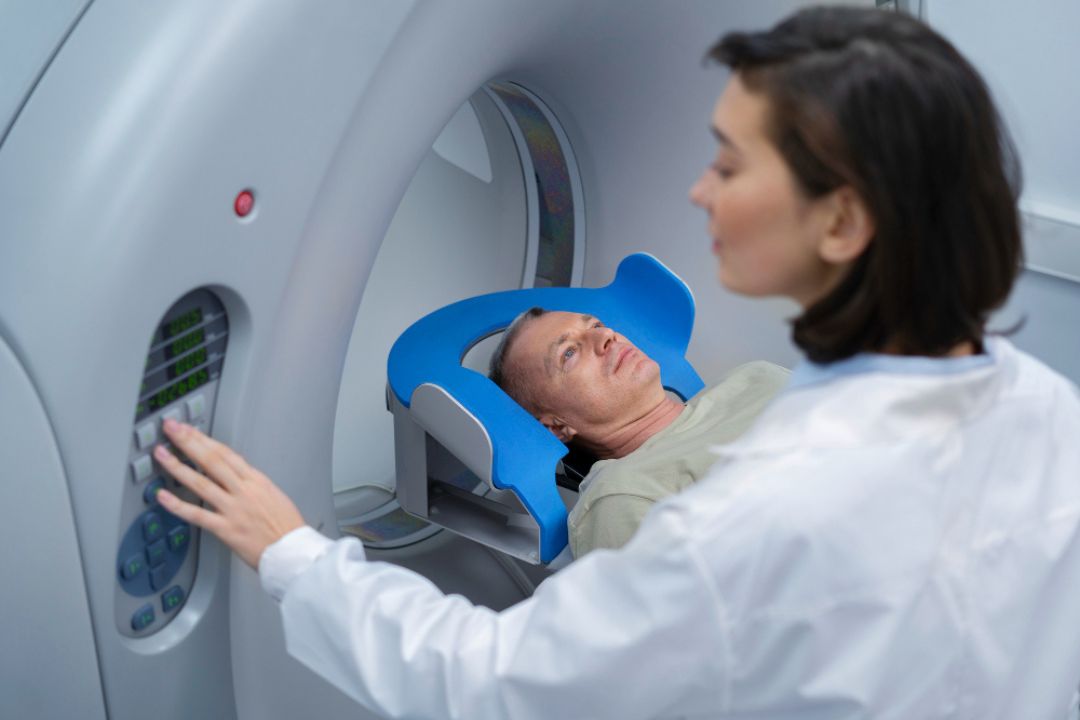
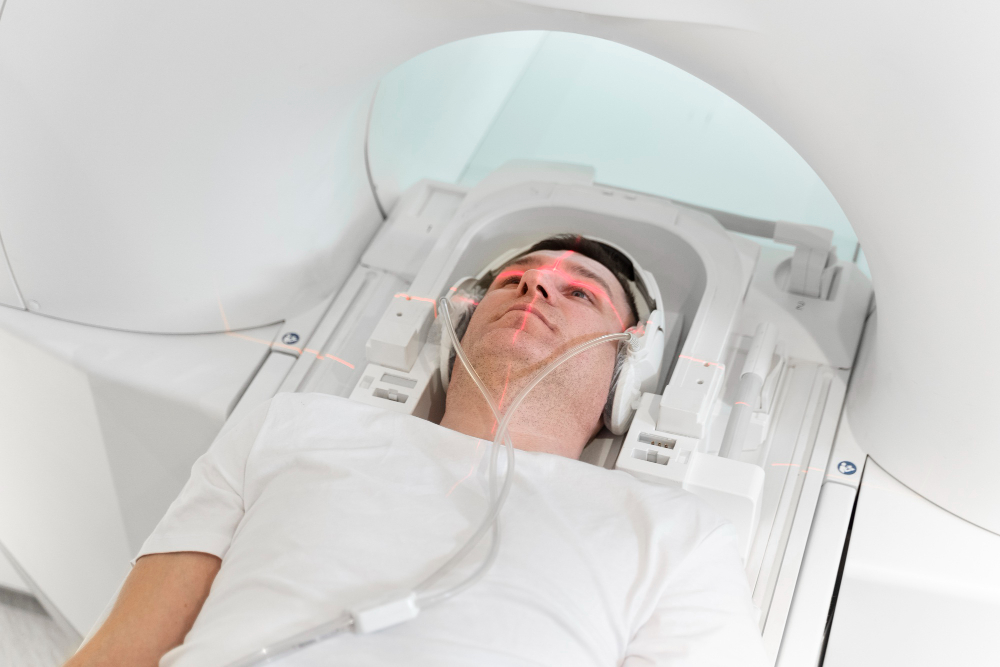
• Your head may be supported with cushions to prevent movement
• You will be asked to lie completely still
• The machine will make soft humming or clicking sounds
• The scanning portion usually lasts 5 to 10 minutes
The scan is painless. You will not feel the X-rays. The only important instruction is to remain still to ensure clear images.
Sometimes you may be asked to briefly hold your breath, but this depends on the area being examined.
Because no contrast dye is used:
• You can immediately resume normal activities
• You can eat and drink normally
• There is no recovery time
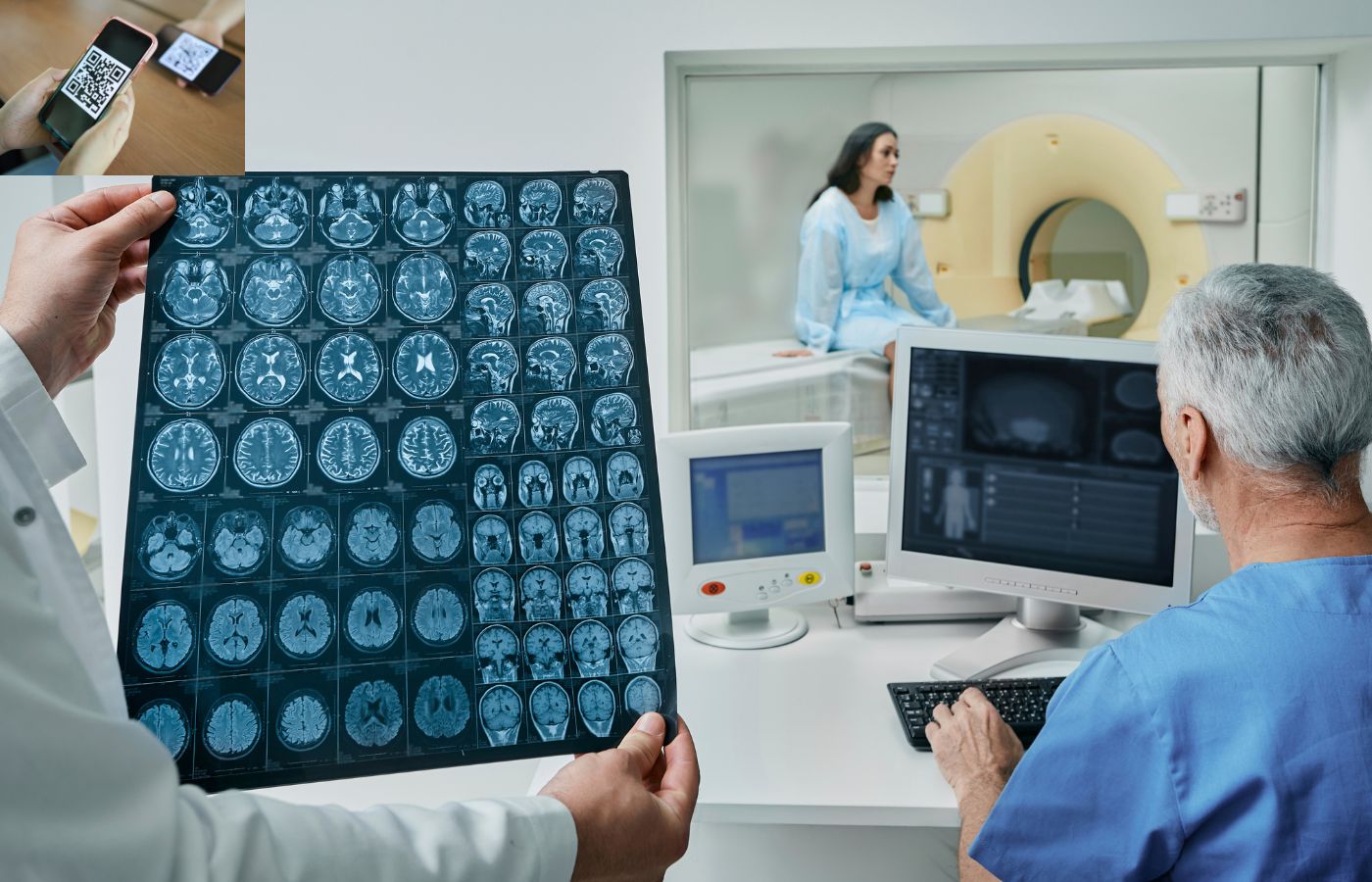
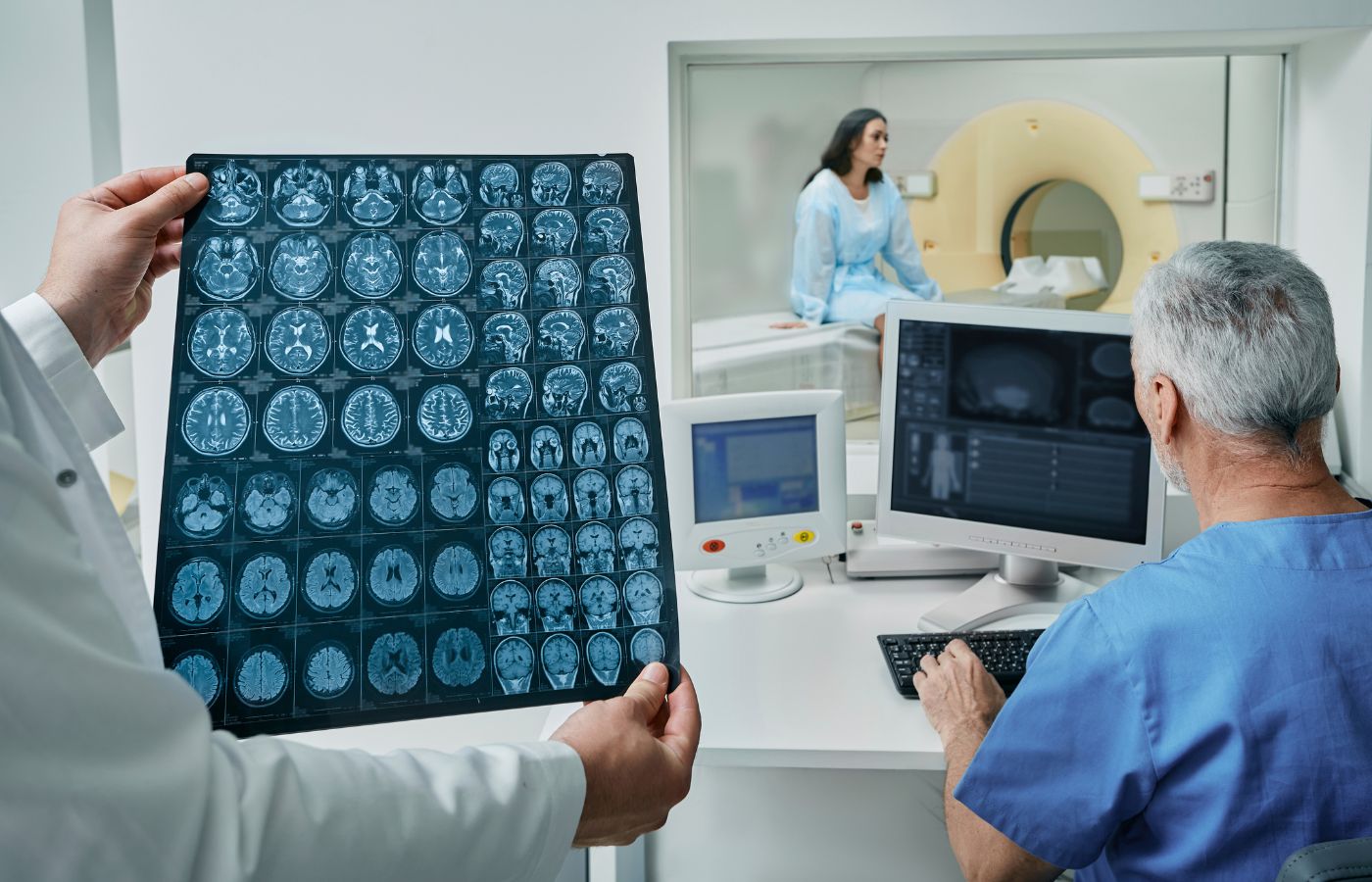
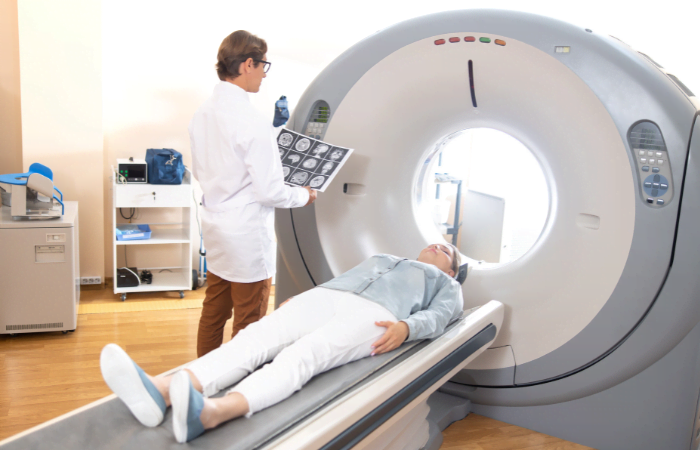
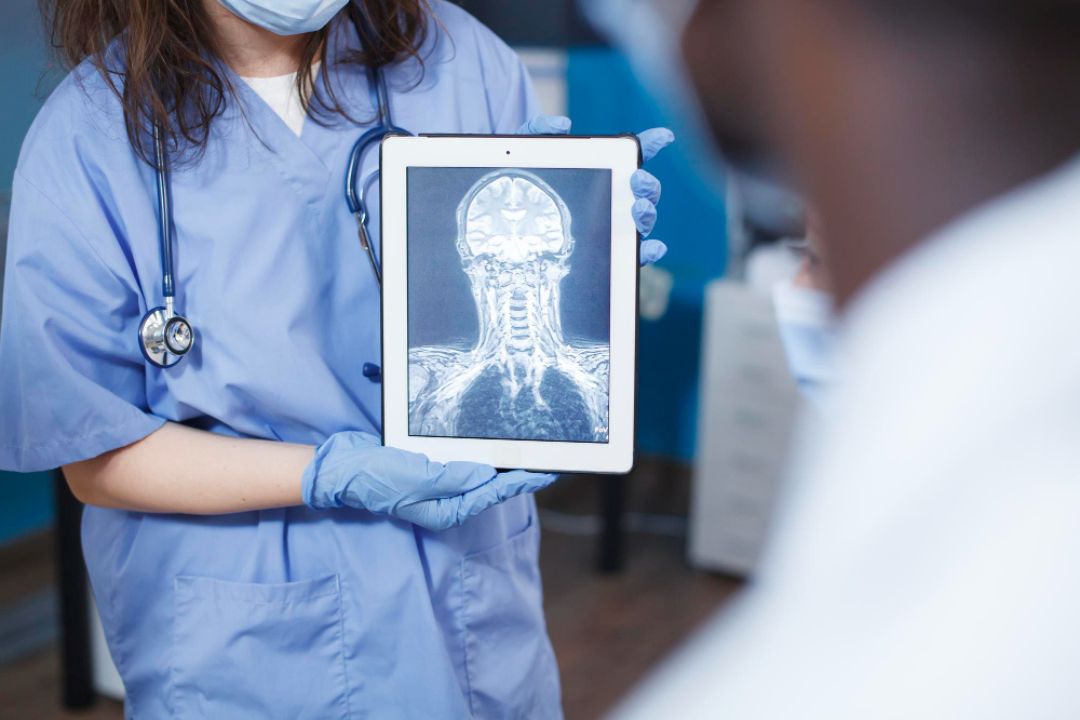
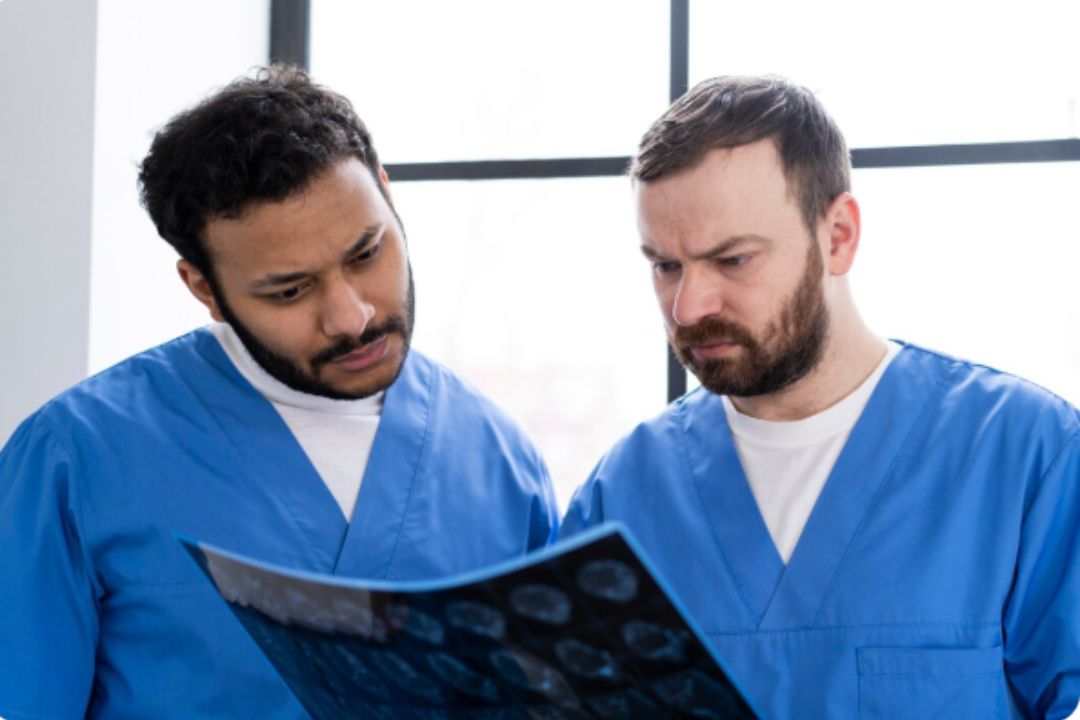
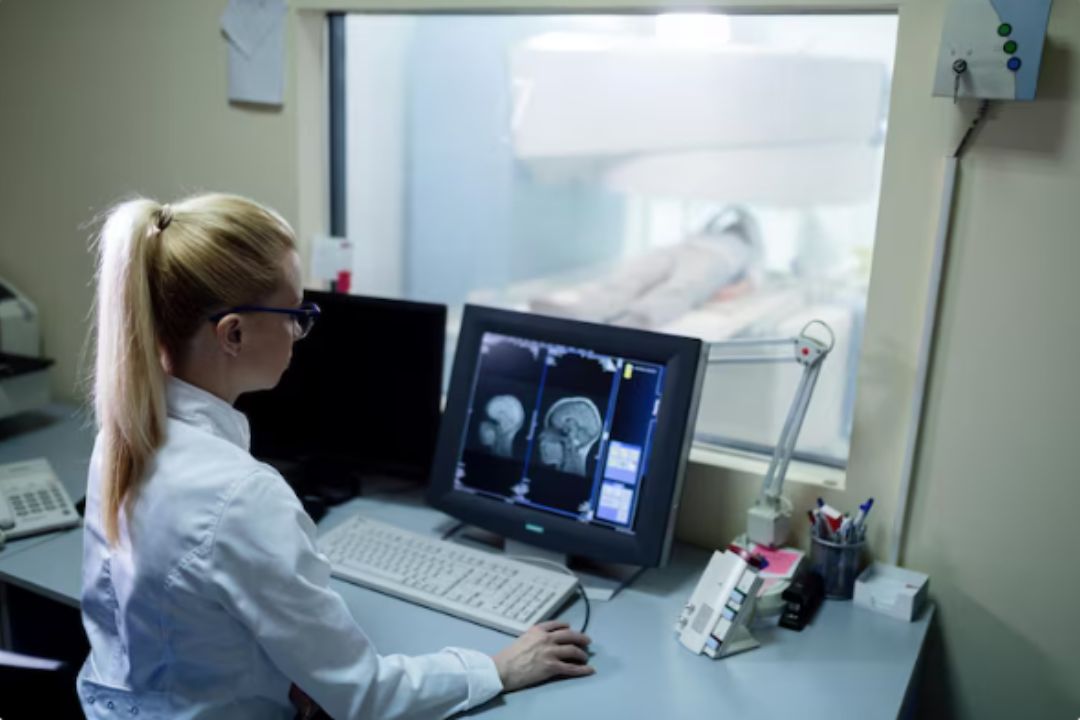
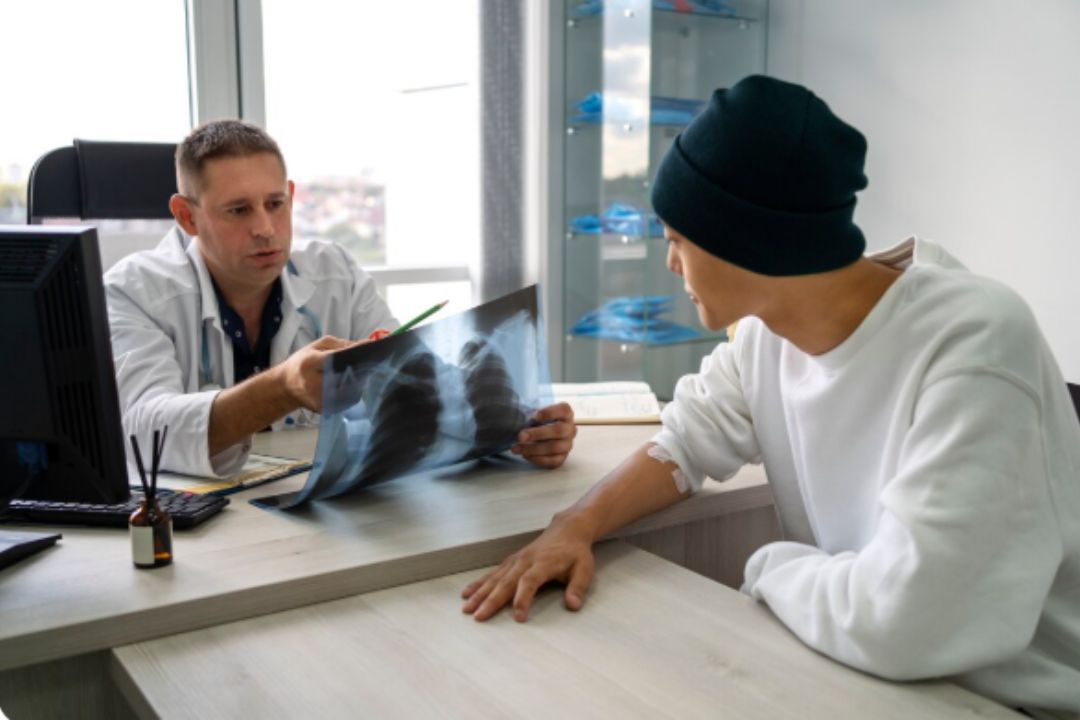
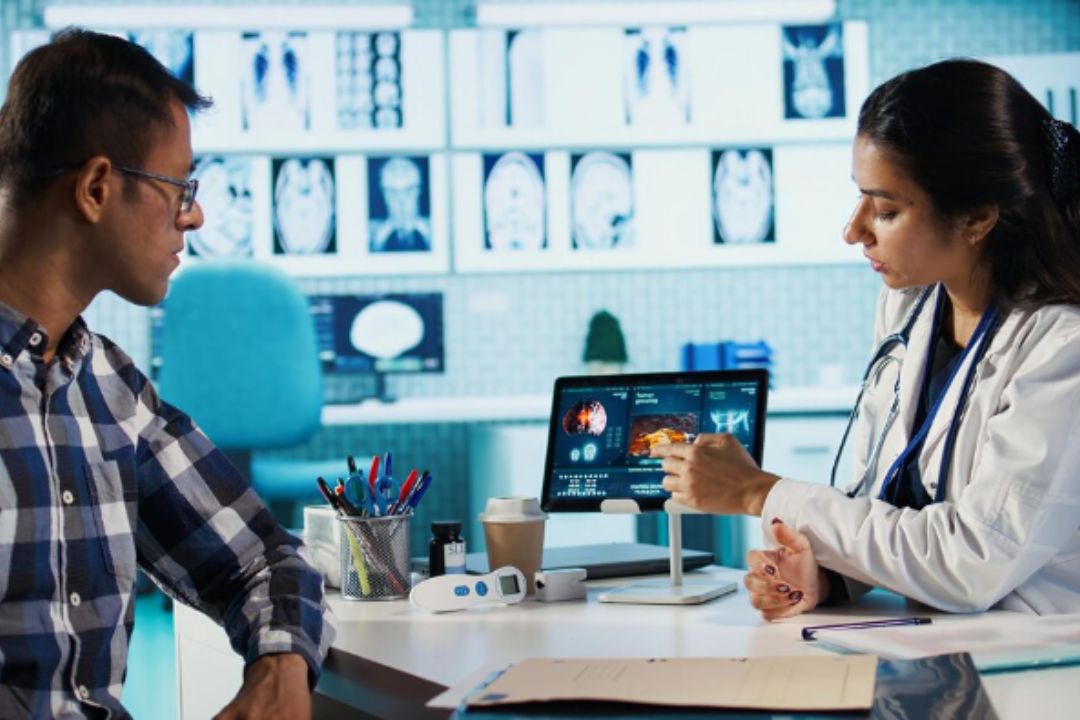
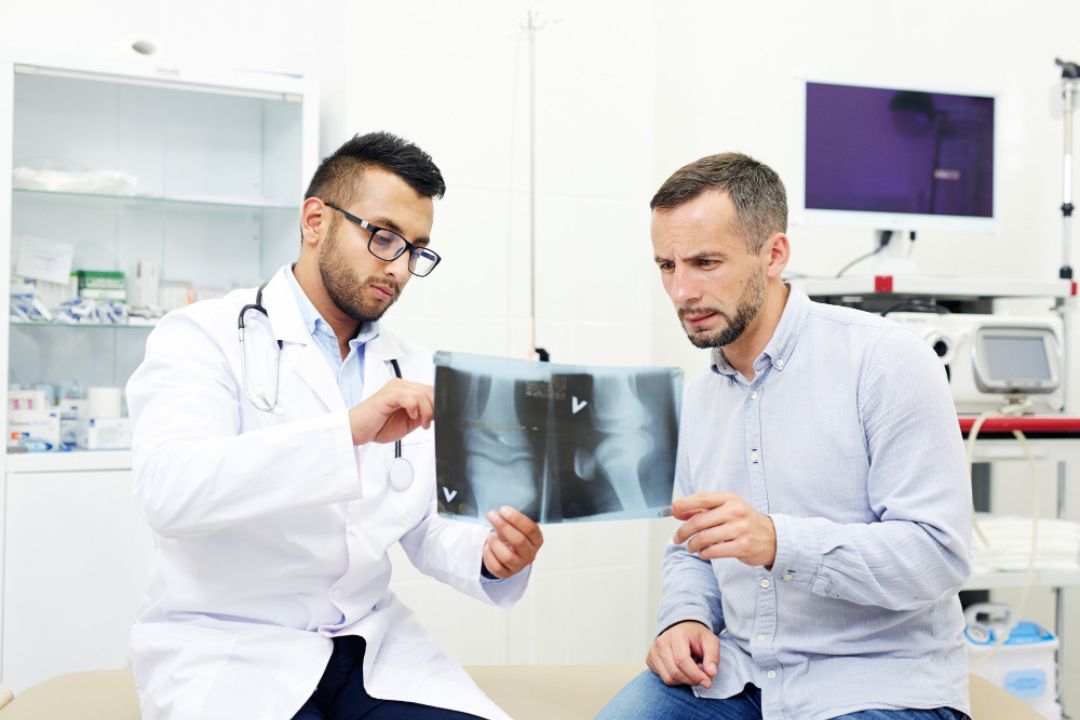
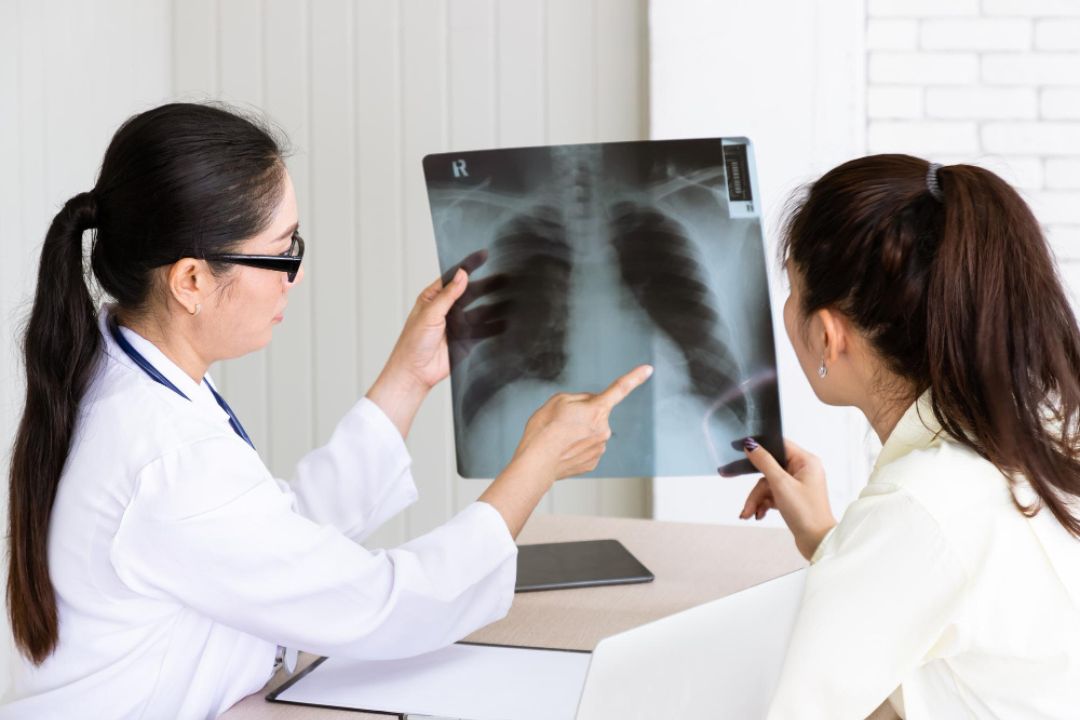
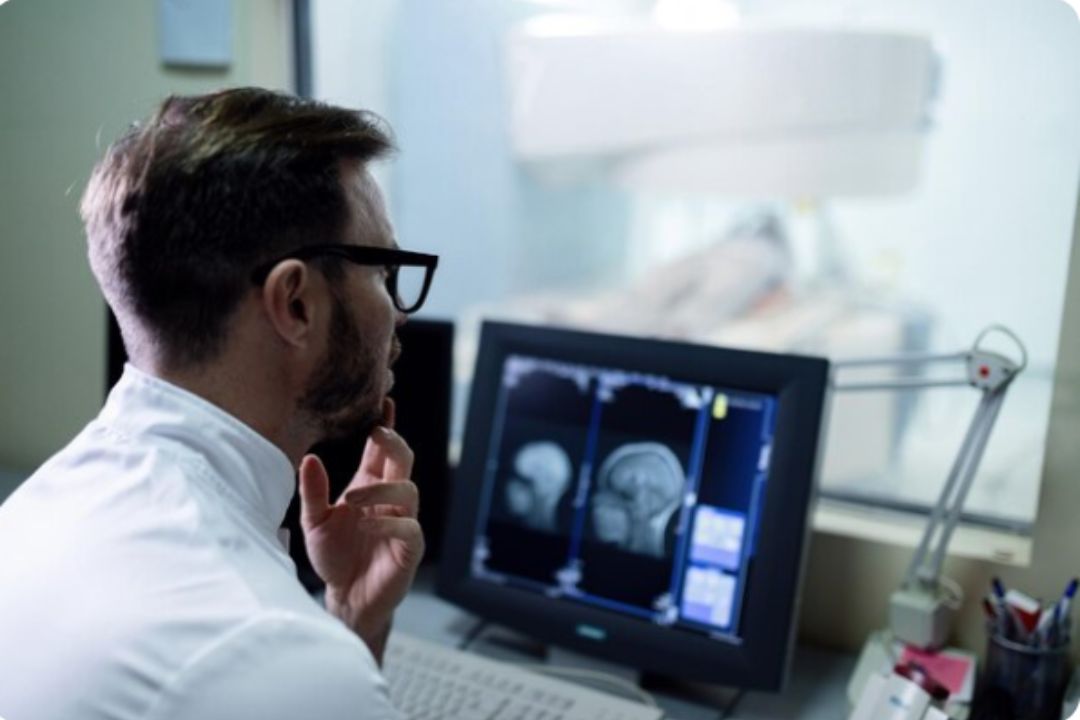
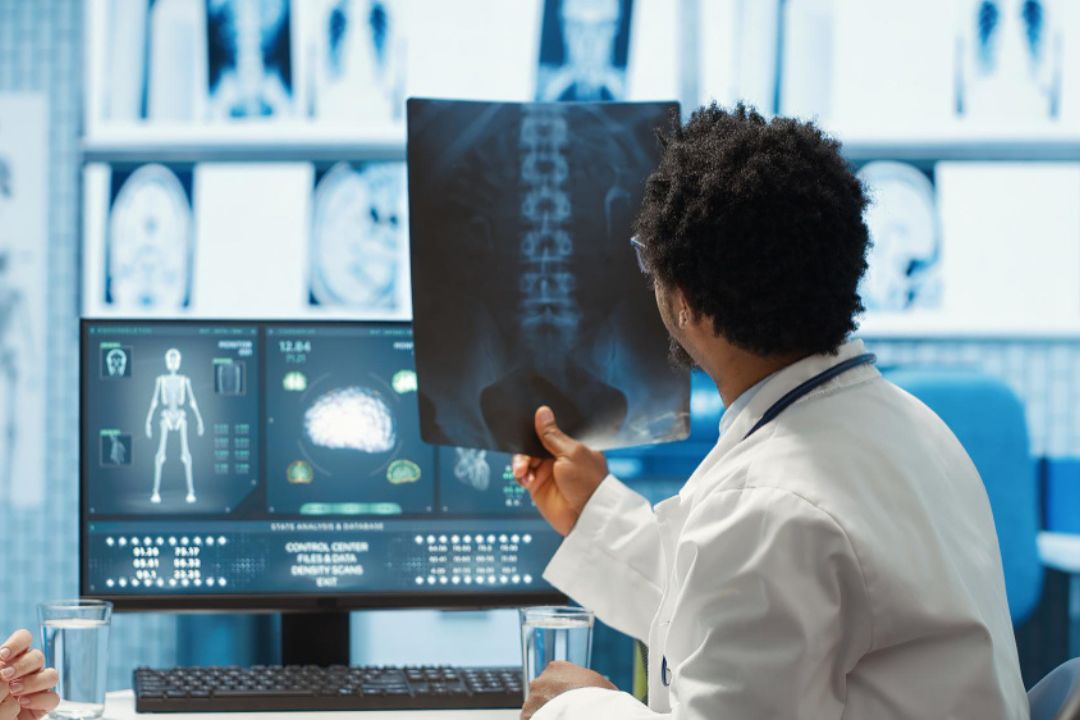
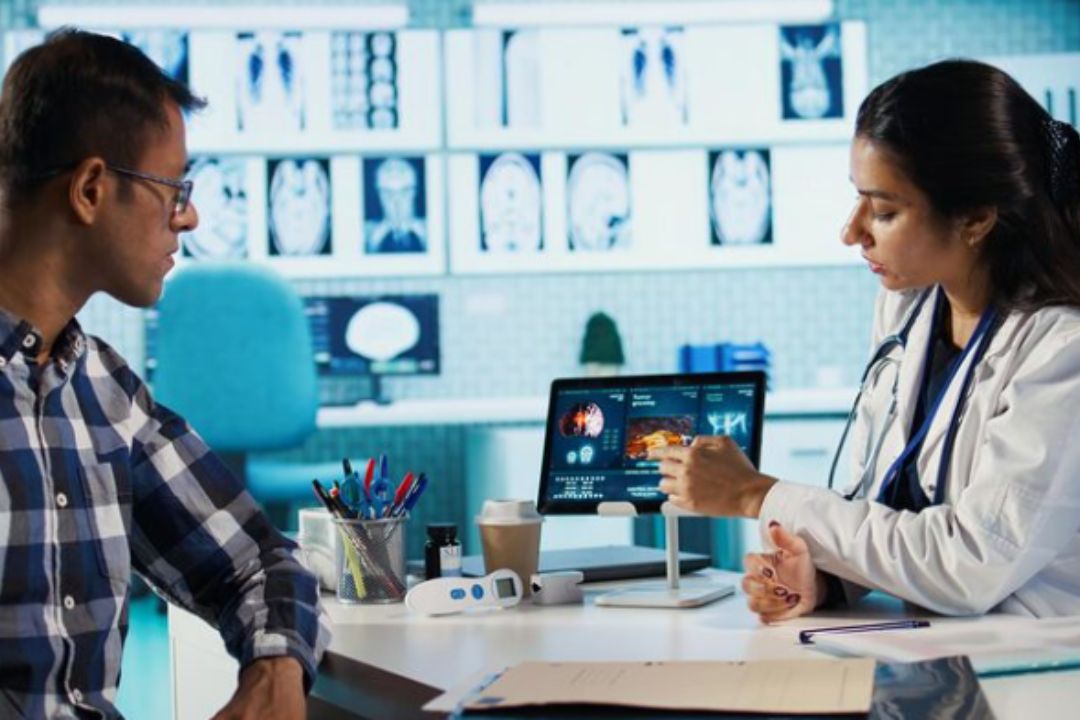
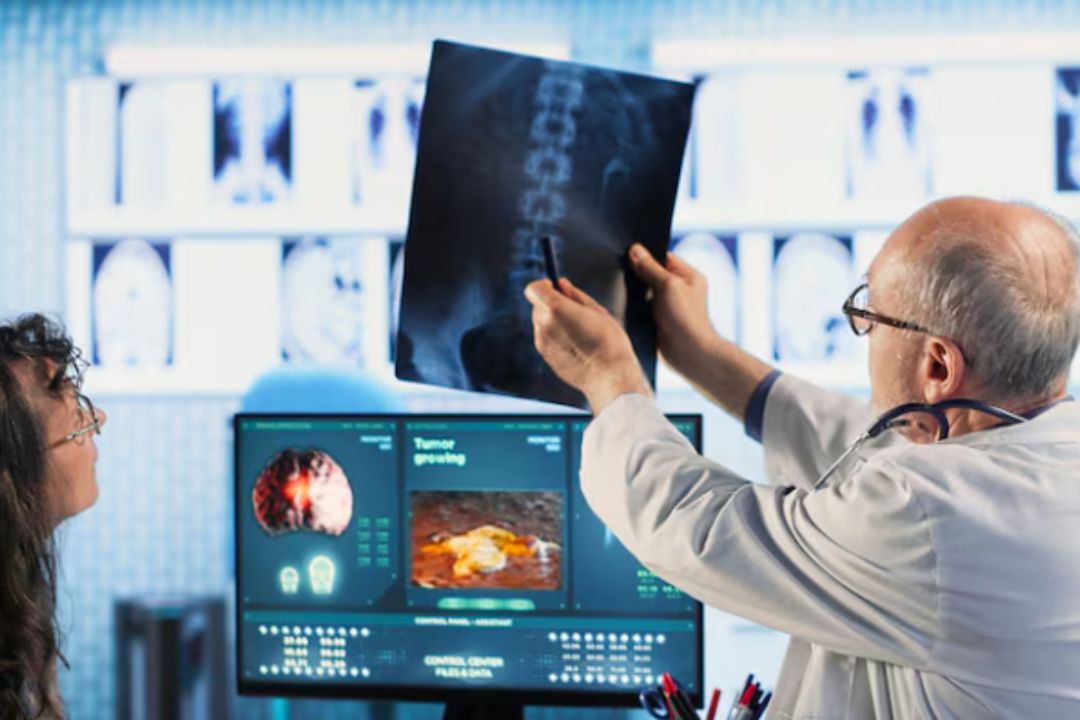
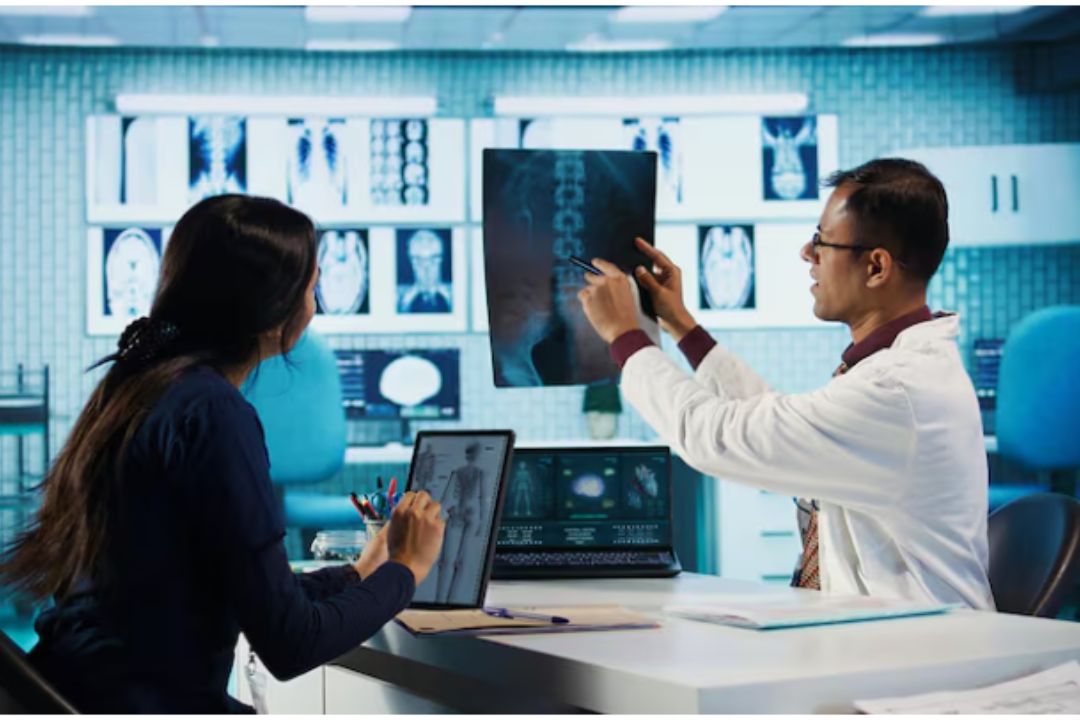
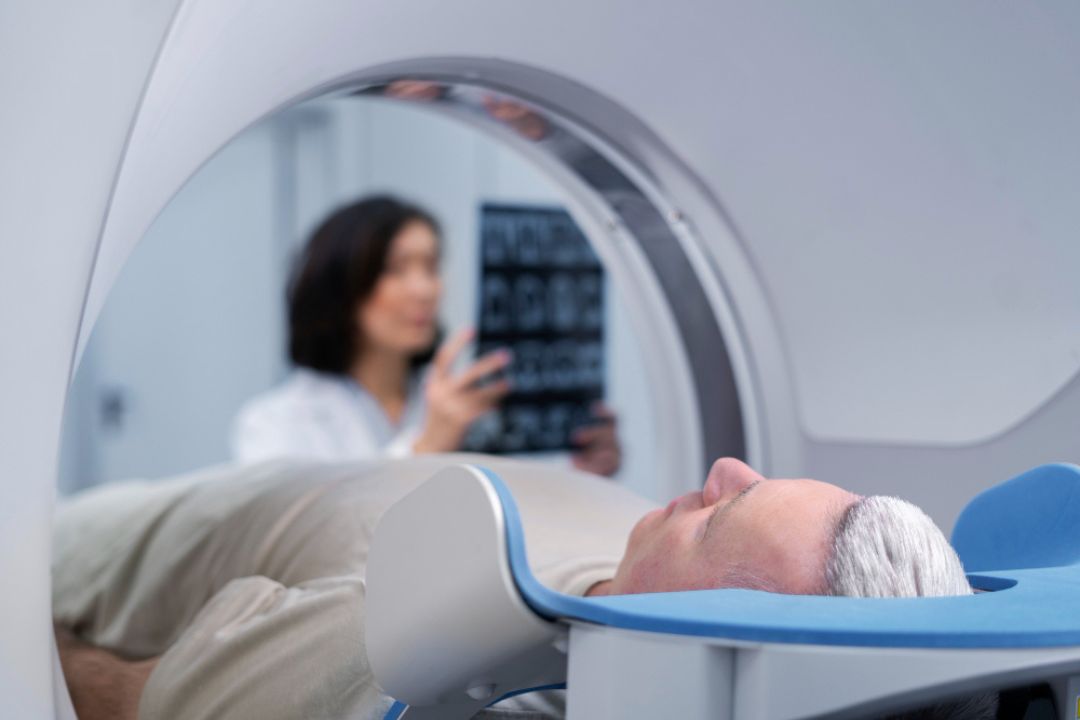
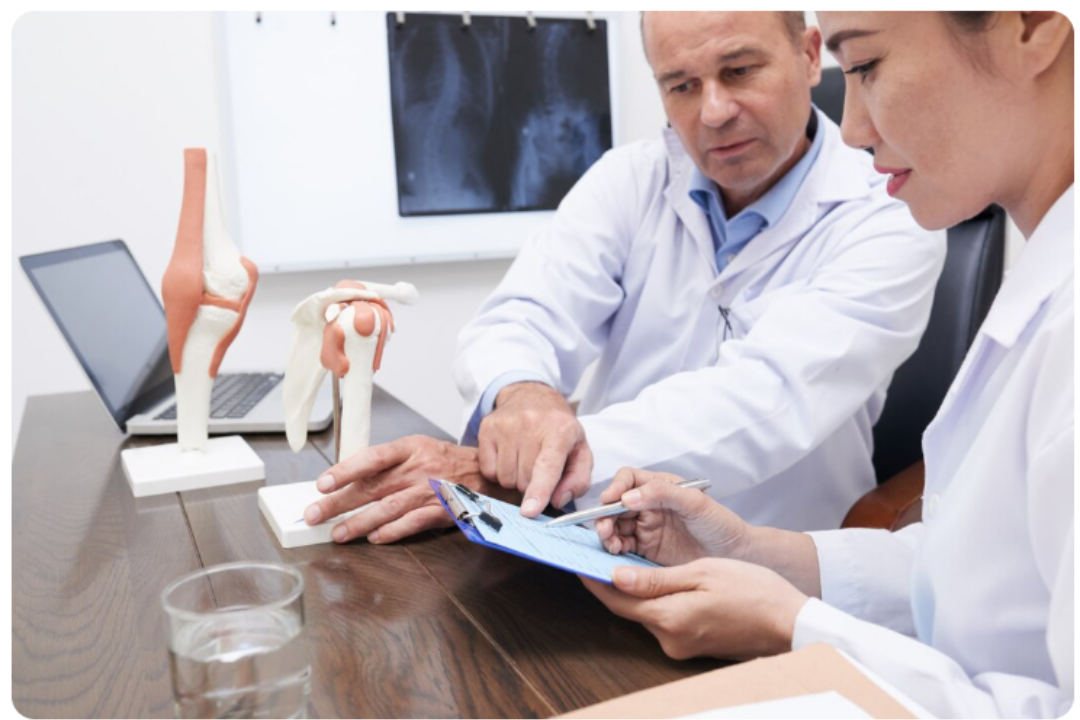
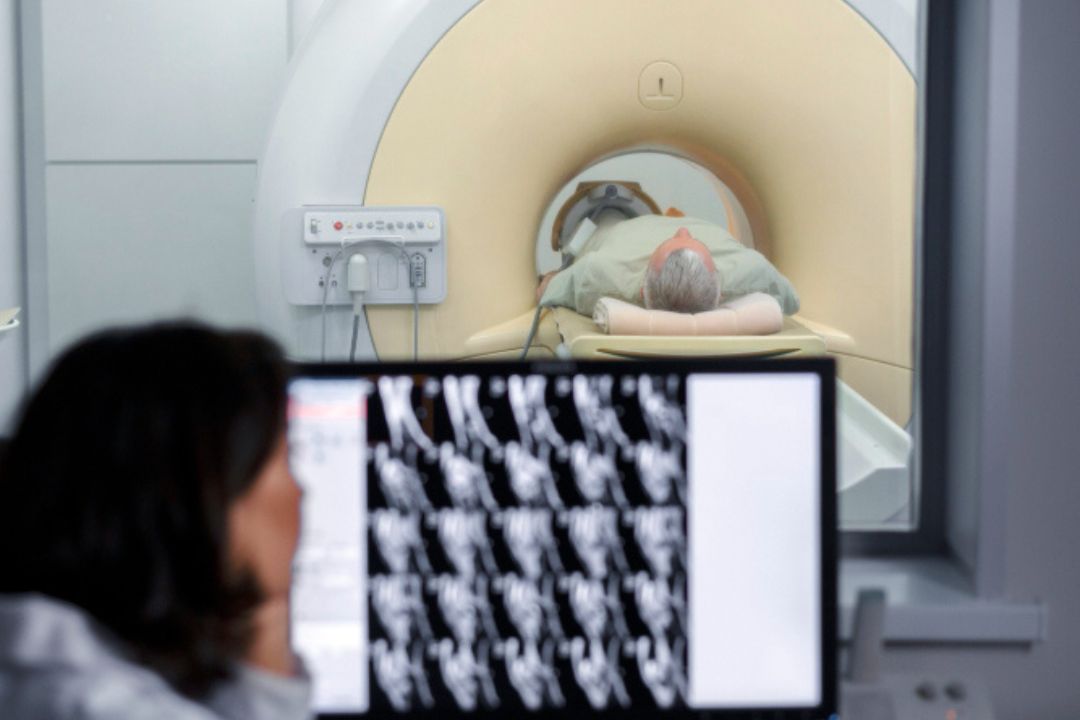
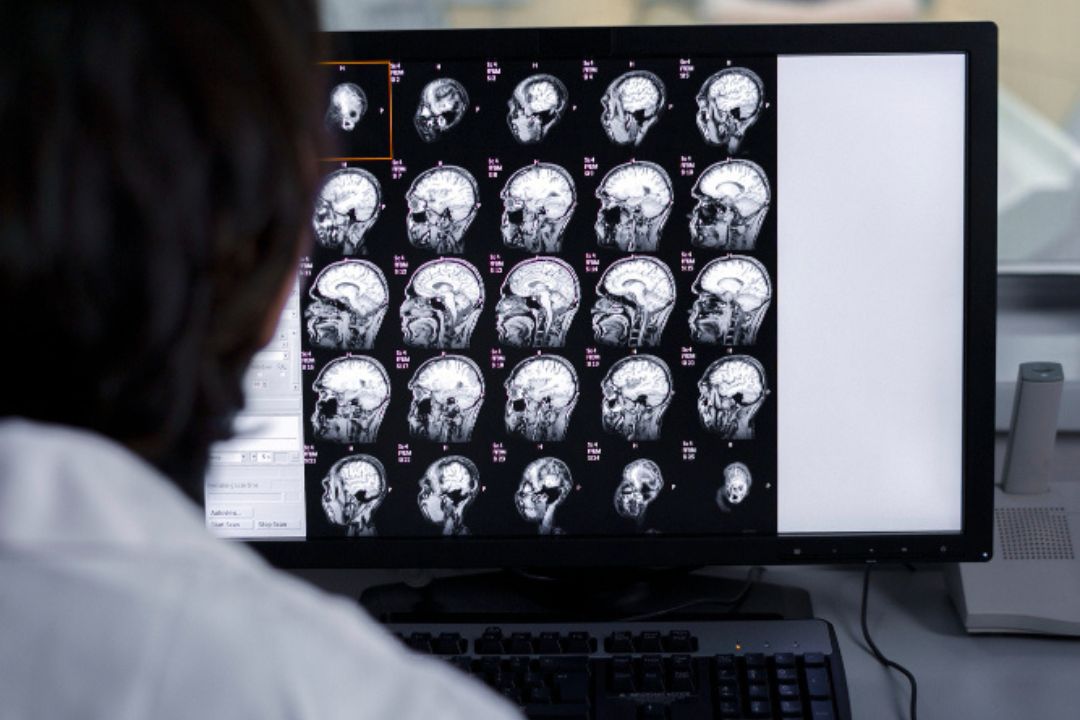
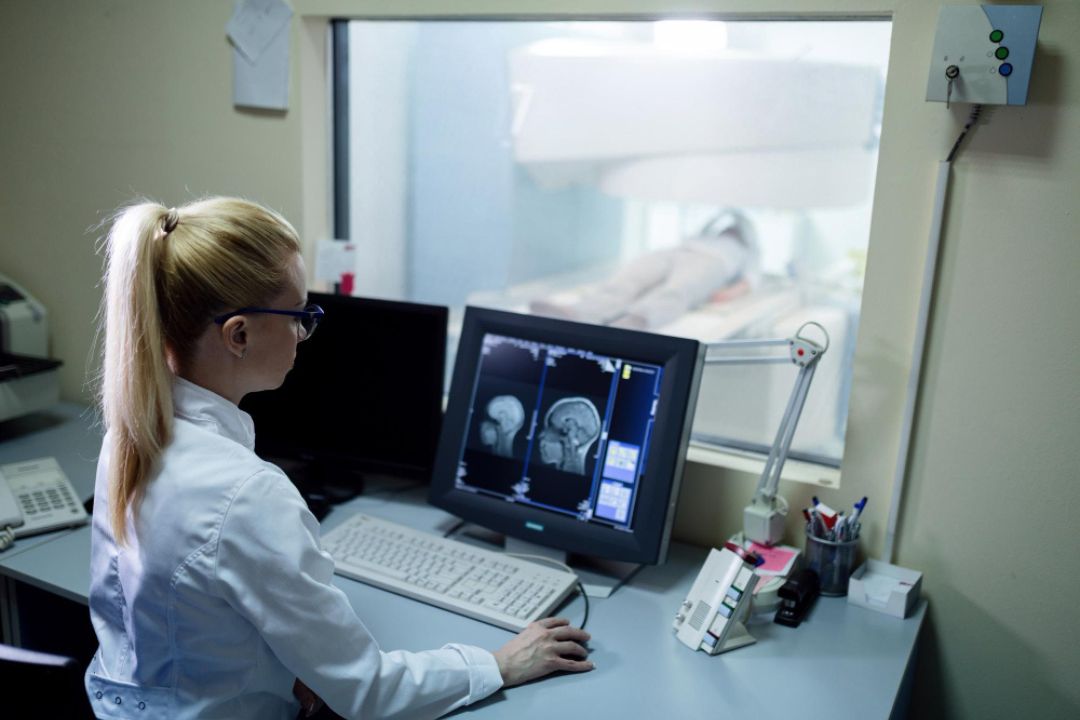
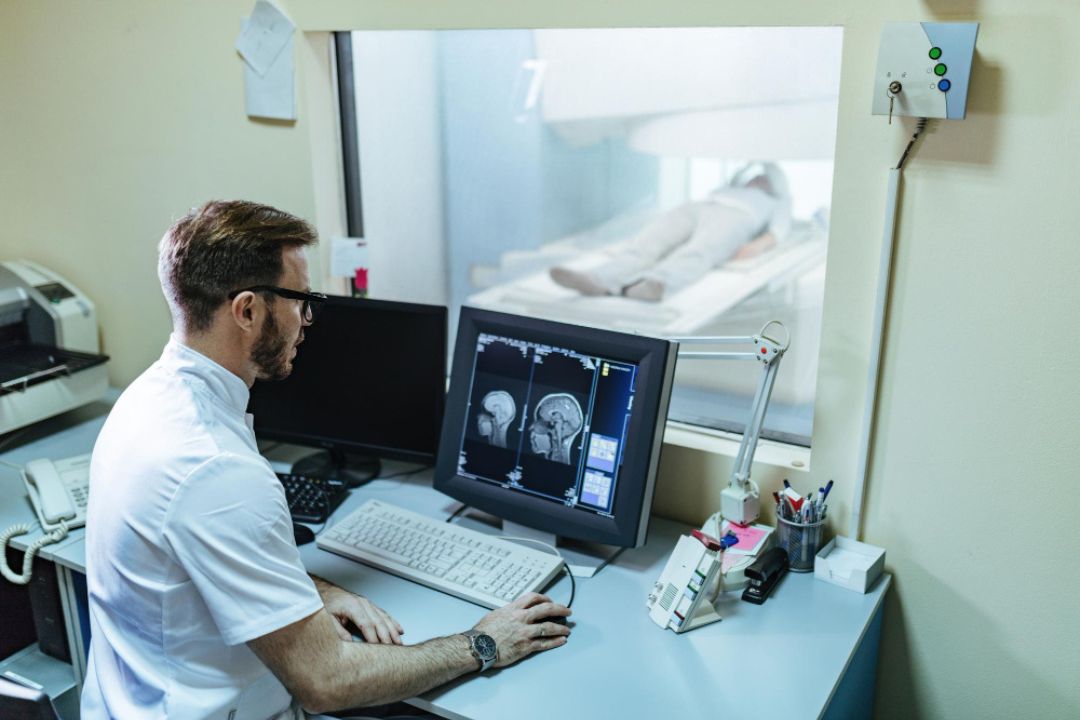
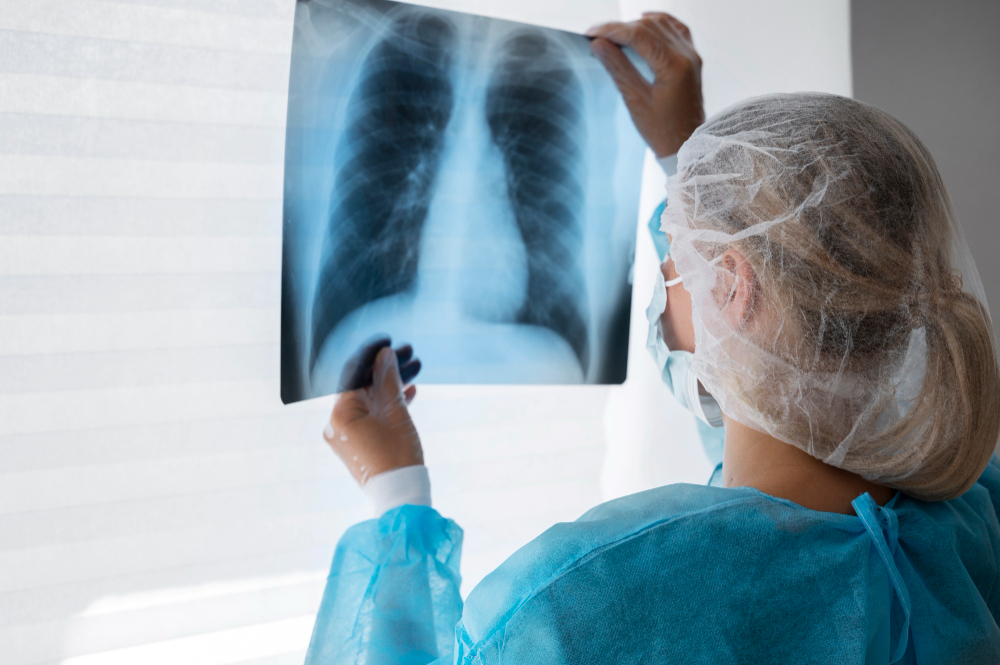
The images will be reviewed by a radiologist, who will send a report to your doctor.
There are several benefits to this type of imaging:
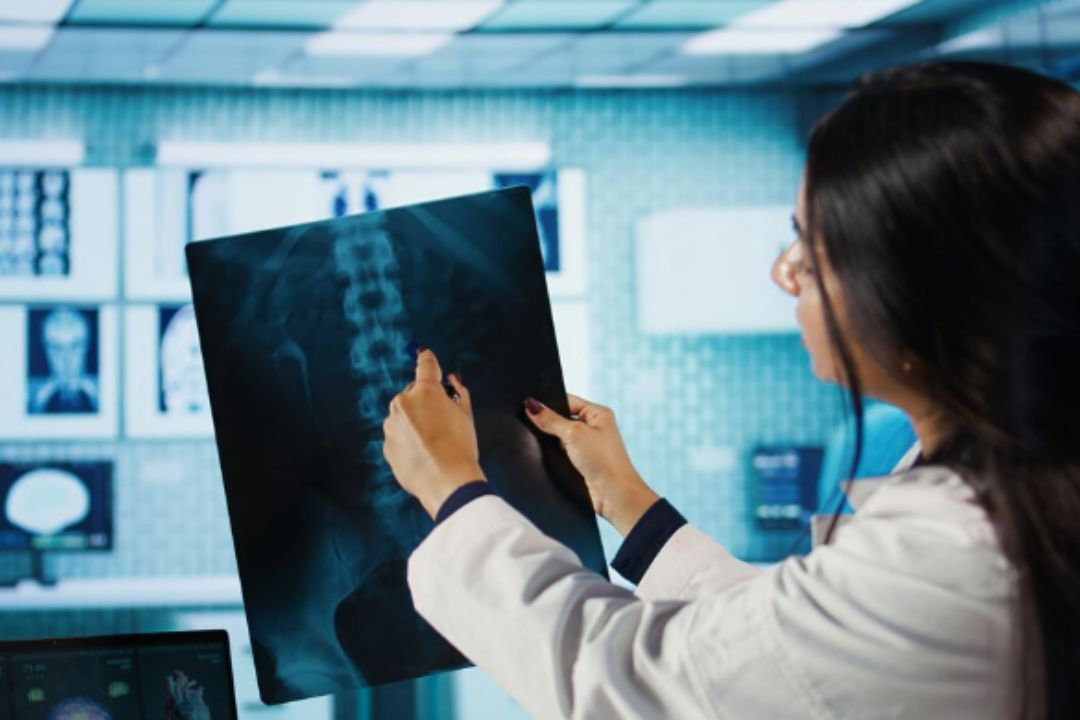
CT scans are considered the best imaging method for evaluating bone structures.
The procedure is fast and does not require injections.
No fasting or blood tests are typically required.
The scan does not involve surgery or needles.
It provides high-resolution images that help doctors make informed treatment decisions.
CT scans do use radiation, but the amount is carefully controlled. Modern CT machines use optimized settings to keep radiation exposure as low as possible while still producing clear images.
For most patients, the benefits of accurate diagnosis outweigh the small risks associated with radiation exposure.
If you are pregnant or think you might be, inform your doctor before the scan.
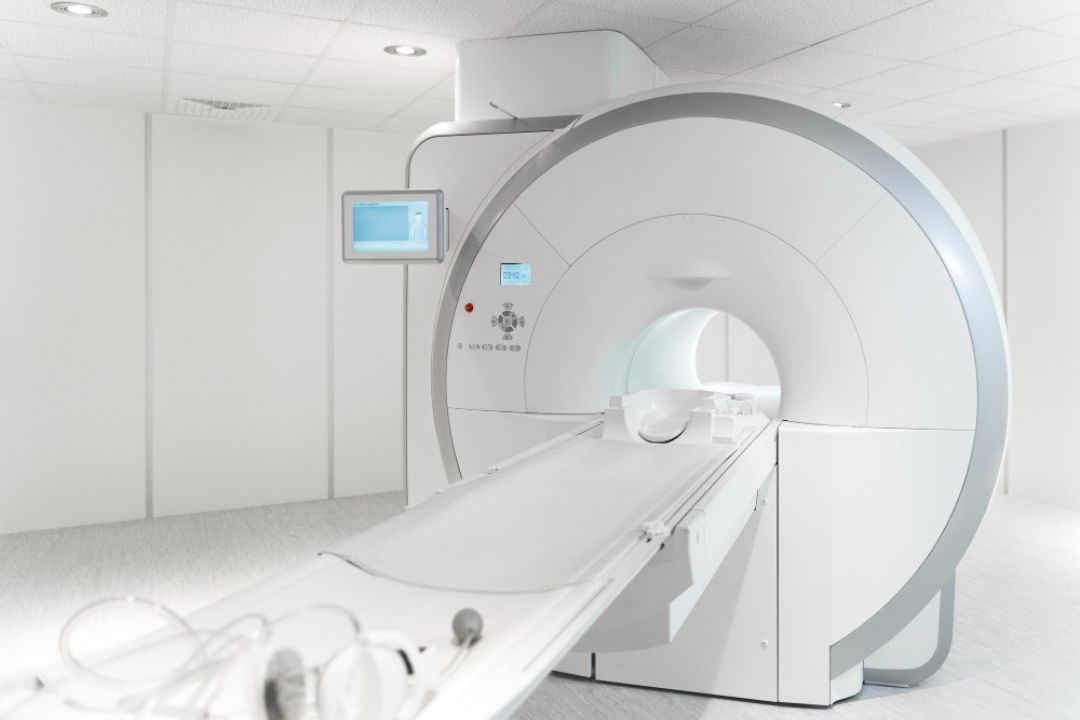
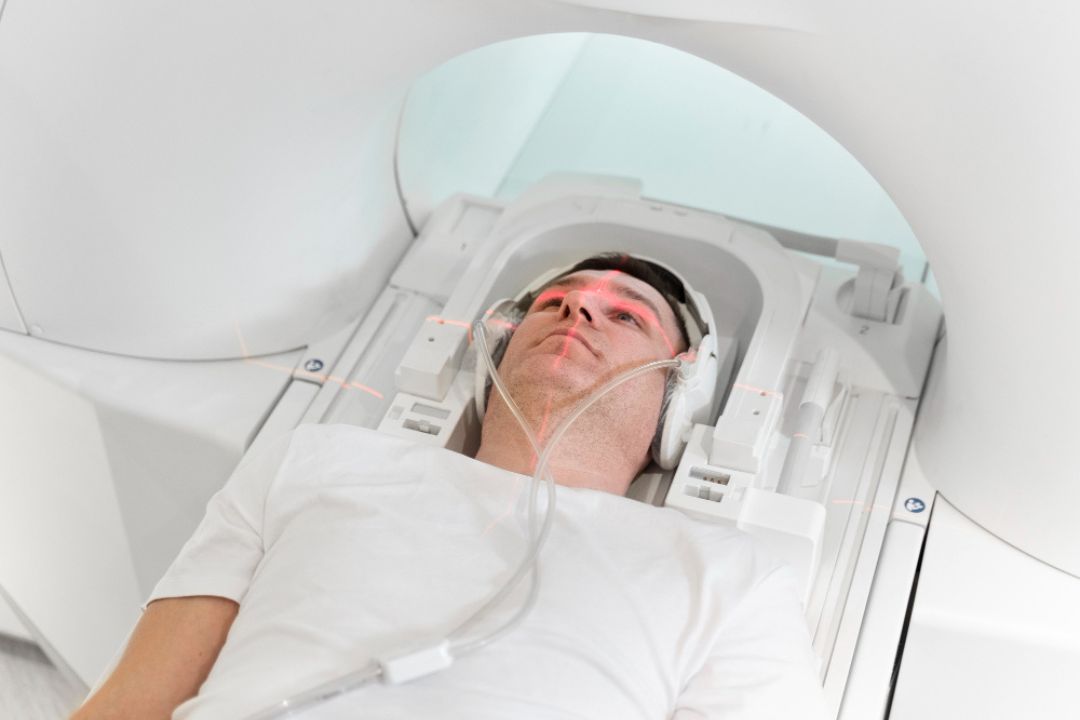
Sometimes patients wonder why a CT scan is chosen instead of an MRI.
CT scan advantages:
• Better for bone evaluation
• Faster procedure
• Widely available
MRI advantages:
• Better for soft tissue evaluation
• No radiation
For temporal bone conditions involving bone structure, CT is often the preferred first test.
Your doctor may recommend this scan if you experience:
• Sudden hearing changes
• Persistent ear pain
• Recurrent ear infections
• Ringing in the ears
• Dizziness or vertigo
• Facial weakness related to ear issues
• History of skull trauma
The scan helps clarify the cause of symptoms and guides the next steps in treatment.
While this scan is excellent for bone imaging, it may not show soft tissue abnormalities as clearly. If doctors suspect nerve problems or soft tissue tumors, additional imaging may be recommended.
However, for structural ear evaluation, a non-contrast CT scan remains one of the most reliable diagnostic tools available.
A CT scan of the temporal bone without contrast is a safe, fast, and highly detailed imaging test used to evaluate the bones around the ear. It does not require contrast dye, making the process simple and convenient for most patients.






.jpg "ct brain scan plain and contrast")







.jpg "ct scan")
.jpg "ct scan or mri for brain disorders")


.jpg "exploring the power of ct brain contrast in modern diagnostics")
.jpg "ct scan")
.jpg "ct scan")







.jpg "ct scan")

.jpg "CT Brain Scan for Headaches")
.jpg "The Future of 3D CT Imaging")