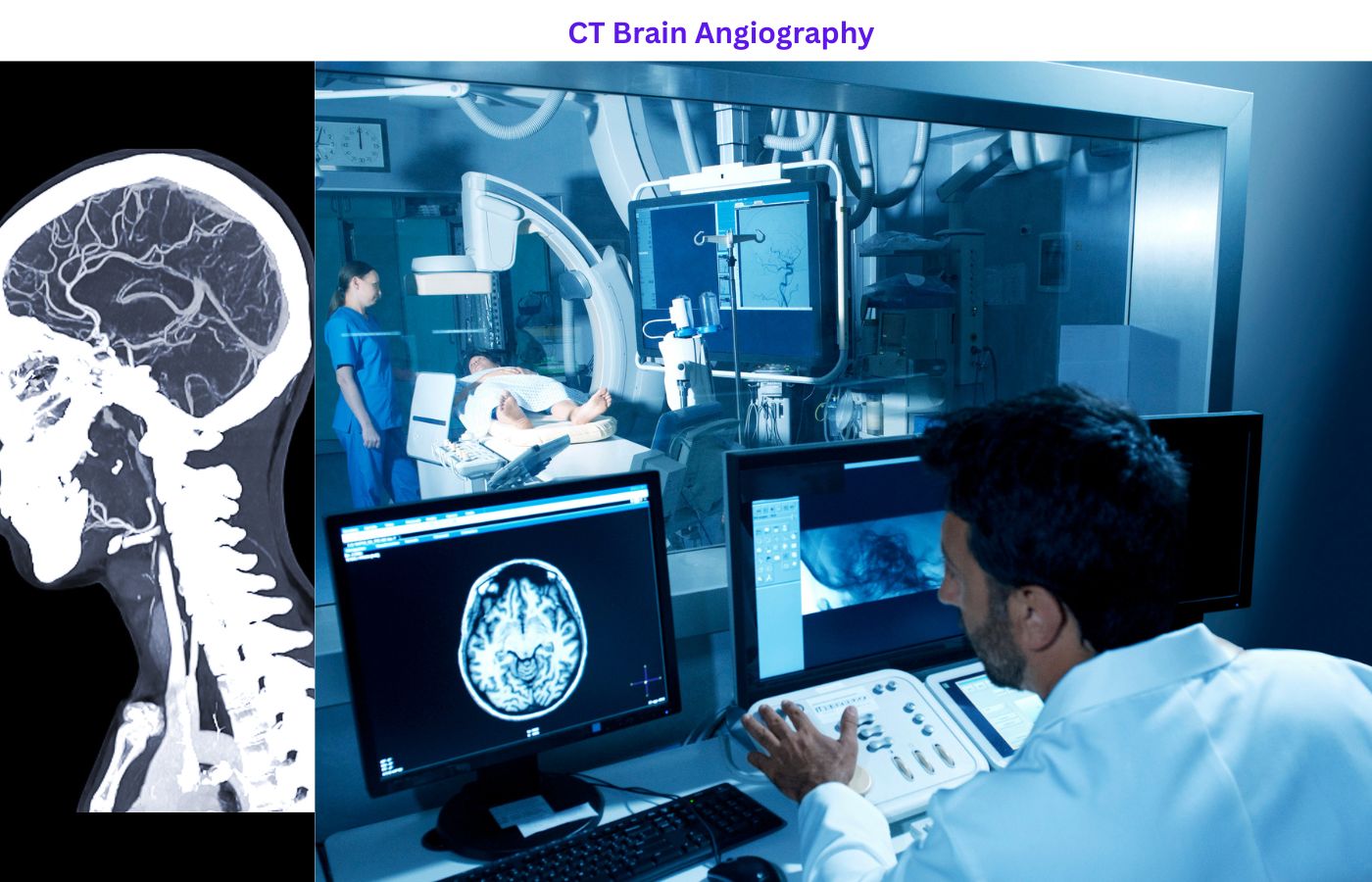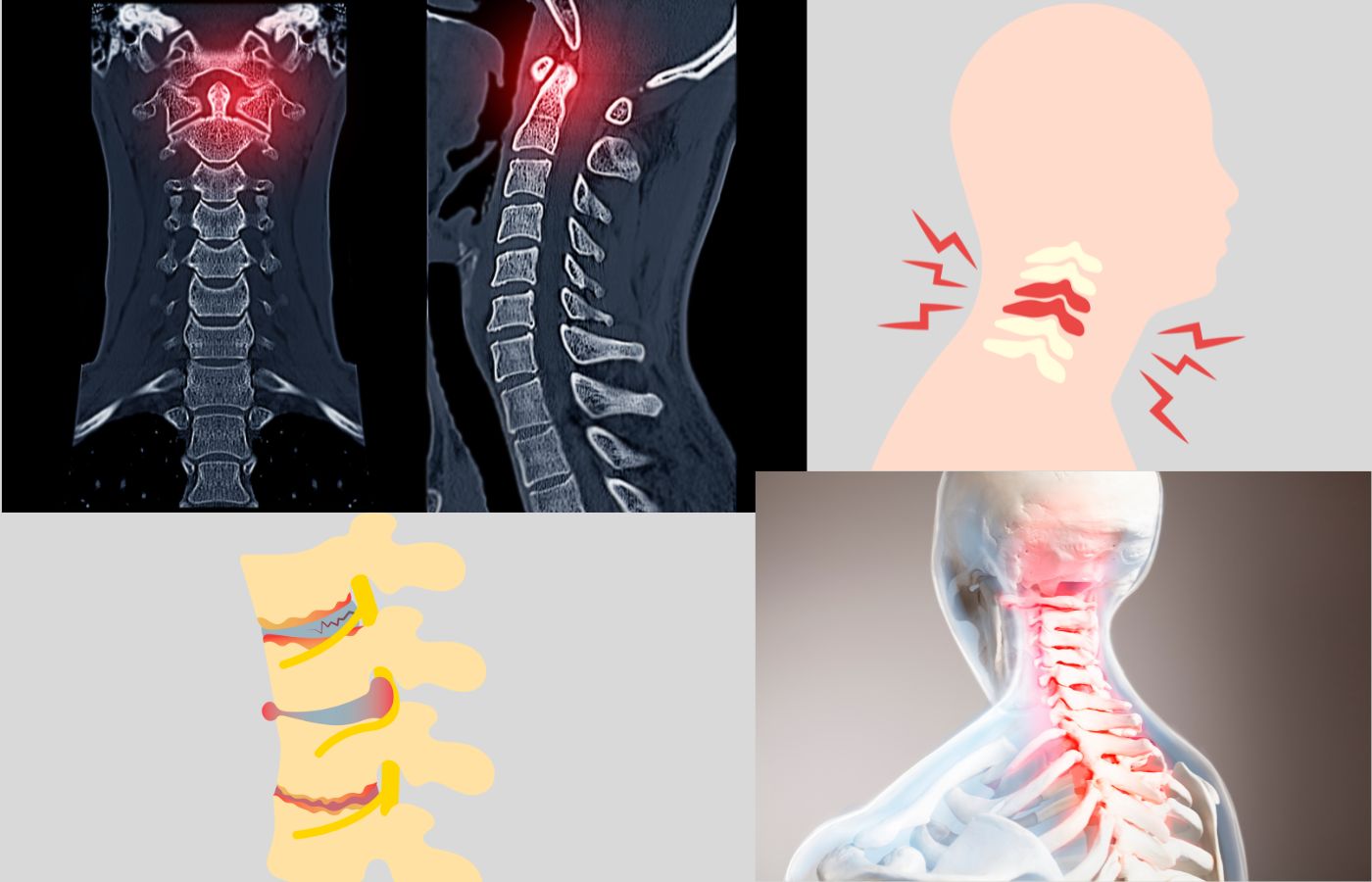
A CT scan for bone fracture without contrast is one of the most reliable imaging techniques used to detect complex, hidden, or severe fractures. Whether it’s a sports injury, accident trauma, or unexplained bone pain, a CT scan provides highly detailed cross-sectional images of bones, helping doctors make faster and more accurate diagnoses.
If you are searching for a CT scan near me, understanding how this test works, its benefits, cost, and comfort level can help you make an informed decision.
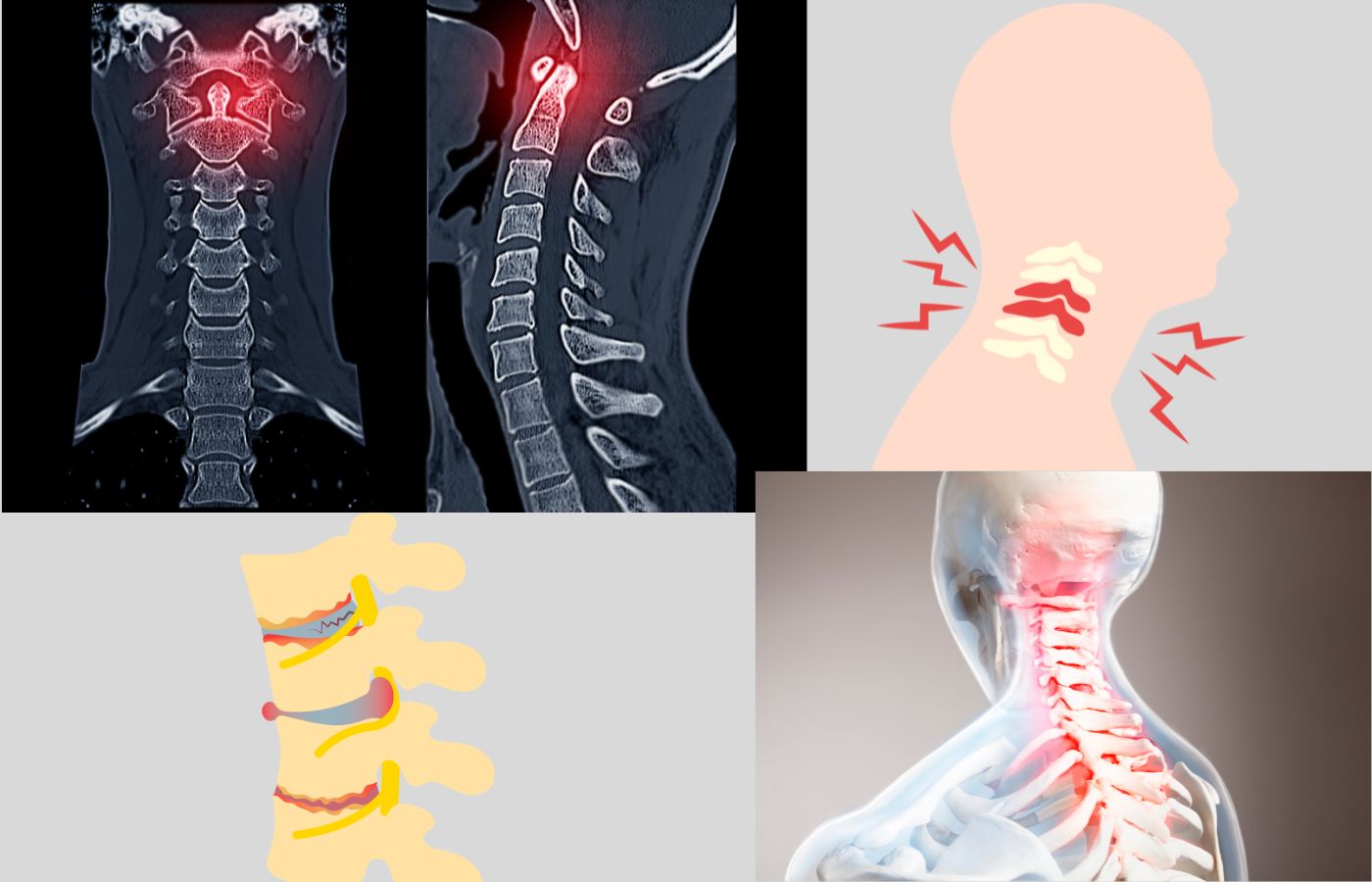
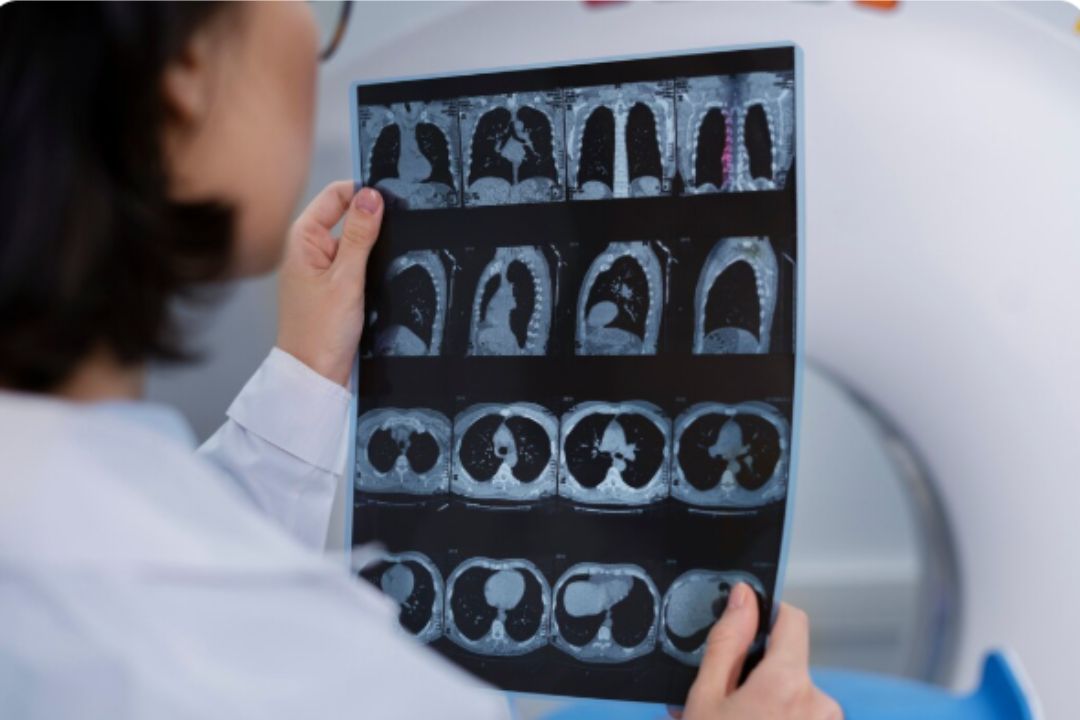
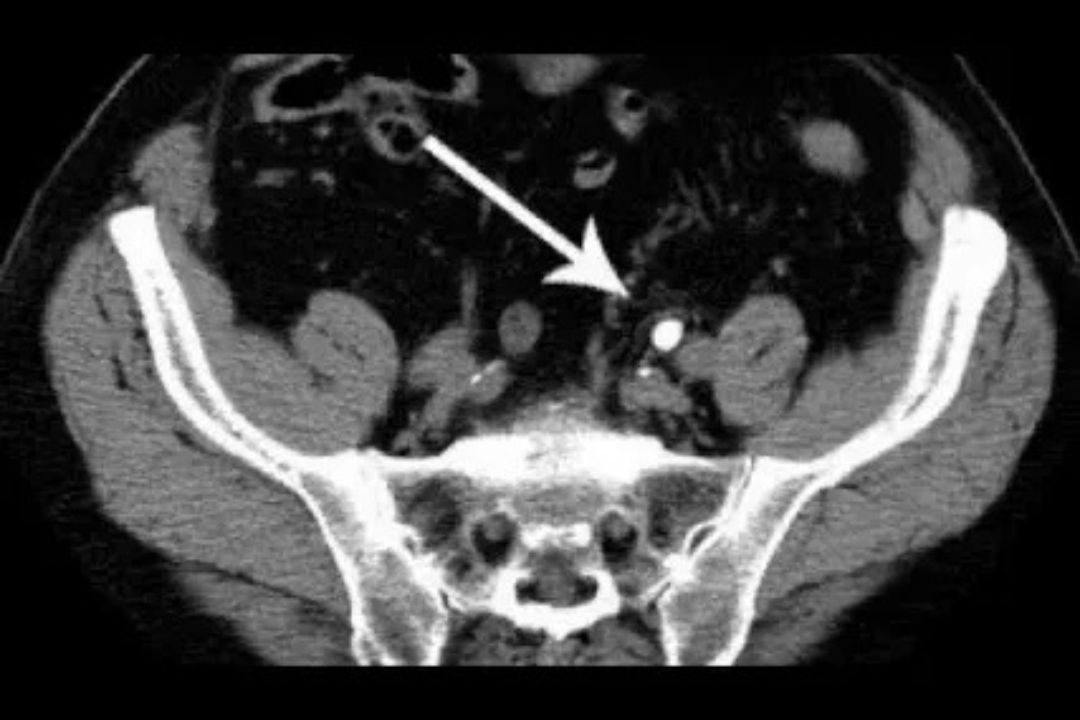
A CT (Computed Tomography) scan is an advanced imaging test that uses X-rays and computer technology to create highly detailed cross-sectional images of the body. Unlike a standard X-ray that produces a flat, two-dimensional image, a CT scan captures multiple images from different angles and combines them into detailed slices.
These slices can then be reconstructed into three-dimensional (3D) views, allowing doctors to see bones, joints, and surrounding structures with exceptional clarity.
For bone injuries, CT scans are particularly valuable because they show:
Exact fracture location
Fracture depth and pattern
Bone alignment
Joint involvement
Multiple fracture lines
In some CT scans, a contrast dye is injected into the bloodstream to enhance visibility of blood vessels, organs, or soft tissues. However, when evaluating bone fractures, contrast is typically not required.
A CT scan without contrast means:
No dye injection
No IV line placement
No special kidney precautions (in most cases)
Simpler and faster procedure
There are several reasons why non-contrast CT scans are preferred for fracture diagnosis.
CT scans provide highly detailed images that can reveal:
Hairline fractures
Stress fractures
Small cracks not visible on X-ray
Complex joint fractures
Comminuted fractures (multiple bone fragments)
Book Now:-https://www.diagnopein.com/ct-scan/Mumbai
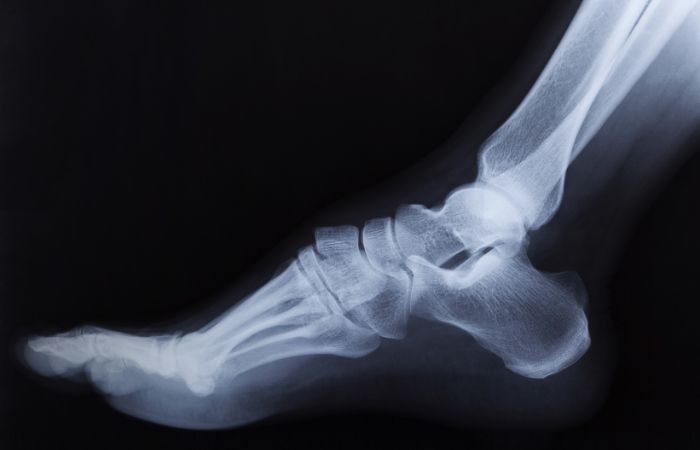
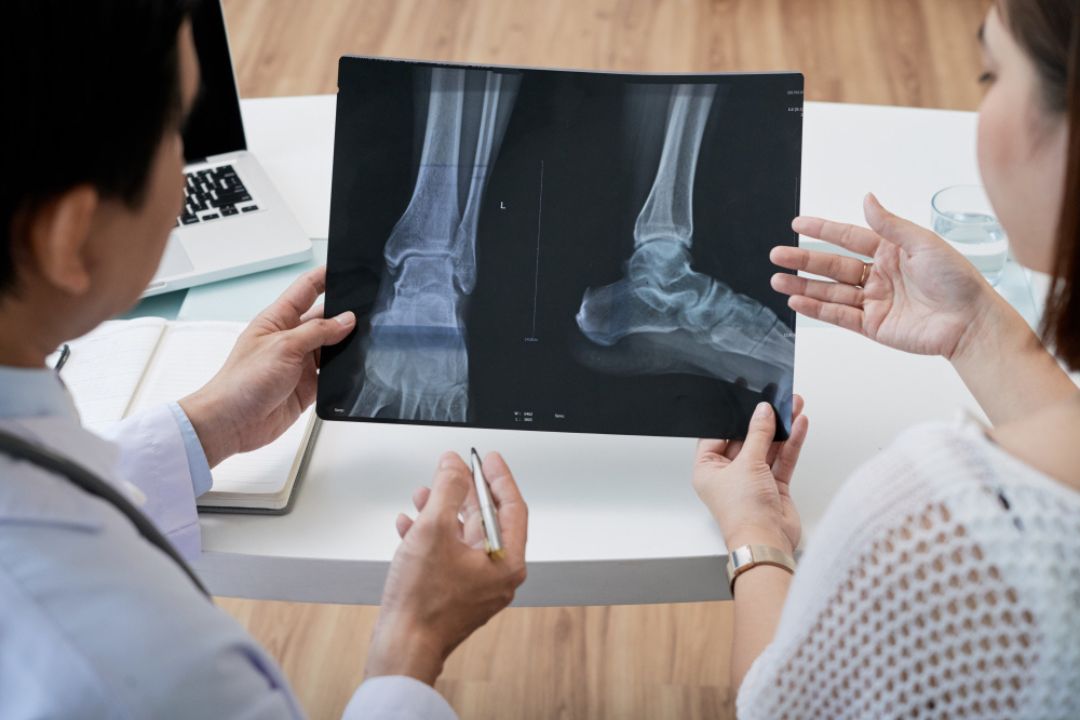
X-rays are excellent for simple fractures. However, they may miss:
Small non-displaced fractures
Fractures hidden behind other bones
Early stress fractures
Complex joint fractures
Because no dye is used, the scan avoids:
Allergic reactions
Kidney stress from contrast agents
Injection discomfort
Non-contrast CT scans are quick. The entire process usually takes:
5–15 minutes for scanning
A short waiting time before and after
Doctors may recommend this scan in the following situations:
After car accidents, falls from height, or sports injuries, CT scans help identify complex fractures quickly.
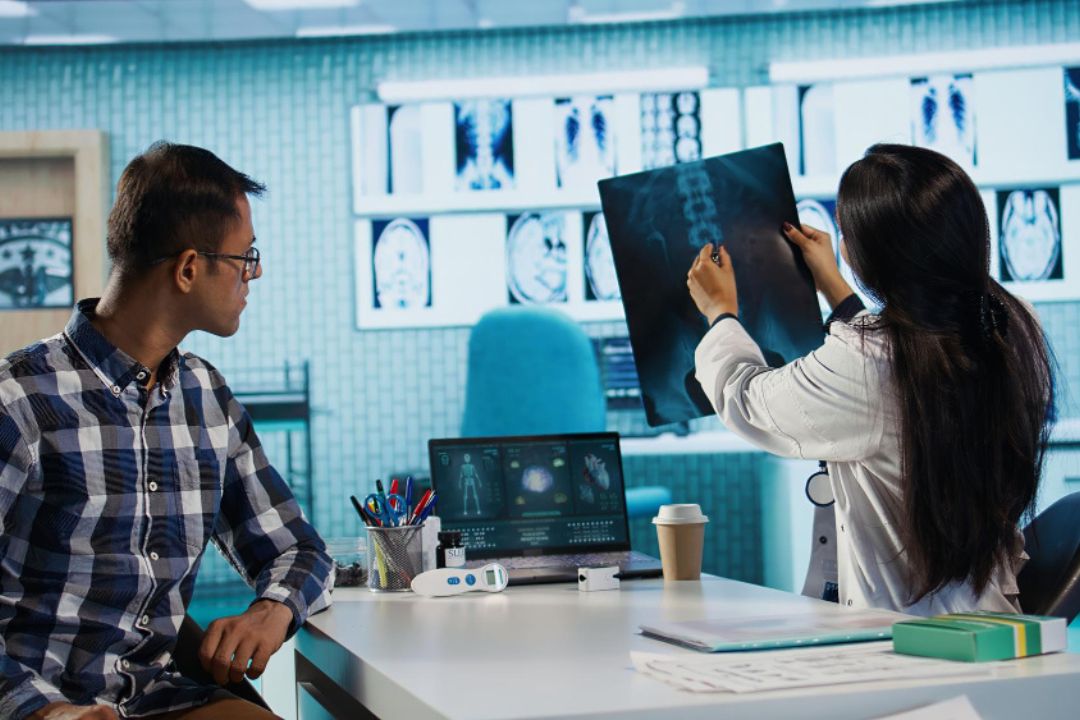
If symptoms strongly suggest a fracture but X-rays appear normal, CT provides deeper evaluation.
These areas contain overlapping bones that are difficult to evaluate using plain X-rays.
CT scans are the gold standard for detecting fractures in facial bones and the skull.
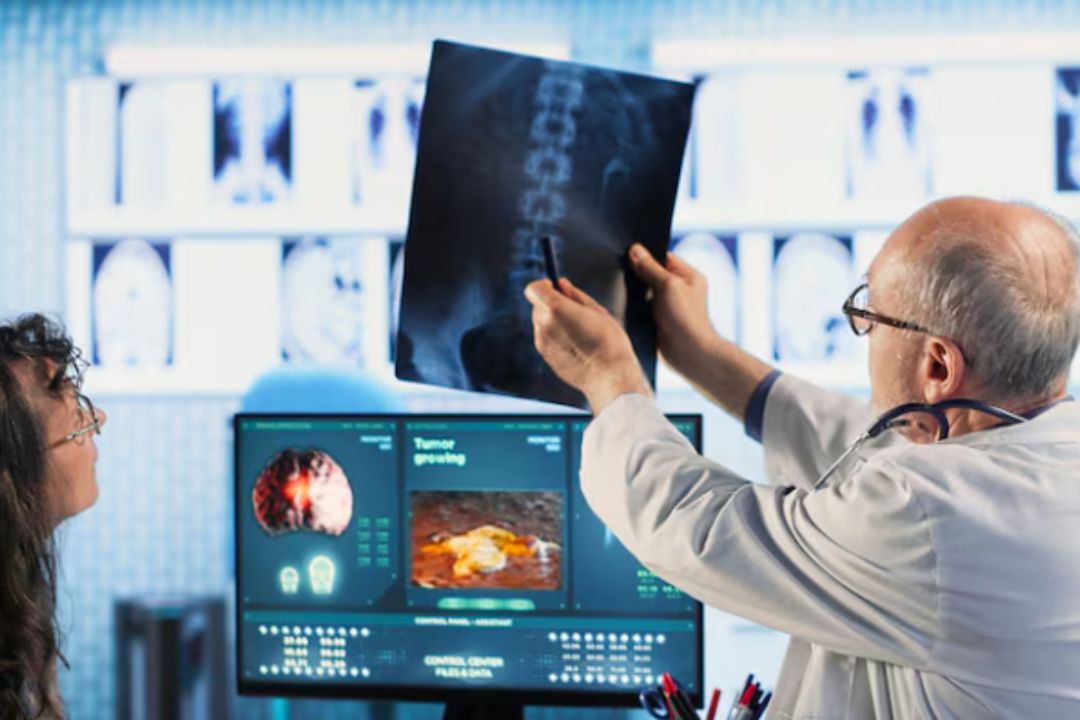
Surgeons use 3D CT images to plan procedures, determine screw placement, and assess joint involvement.
In certain cases, CT scans may be used to evaluate bone healing or hardware placement after surgery.
Book Now:- https://www.diagnopein.com/ct-scan/Mumbai
Understanding how CT compares to other imaging methods helps clarify its role.
First-line imaging
Quick and affordable
Best for obvious, simple fractures
May miss subtle or complex breaks
More detailed than X-ray
Excellent for complex fractures
Ideal for joints and spine
Quick and widely available
Best for soft tissue injuries
Detects ligament, tendon, and muscle damage
Useful for stress fractures in early stages
Takes longer and costs more
Knowing what to expect can reduce anxiety.
You may be asked to remove jewelry or metal objects.
You can usually eat and drink normally.
Inform staff if you are pregnant.
Wear comfortable clothing.
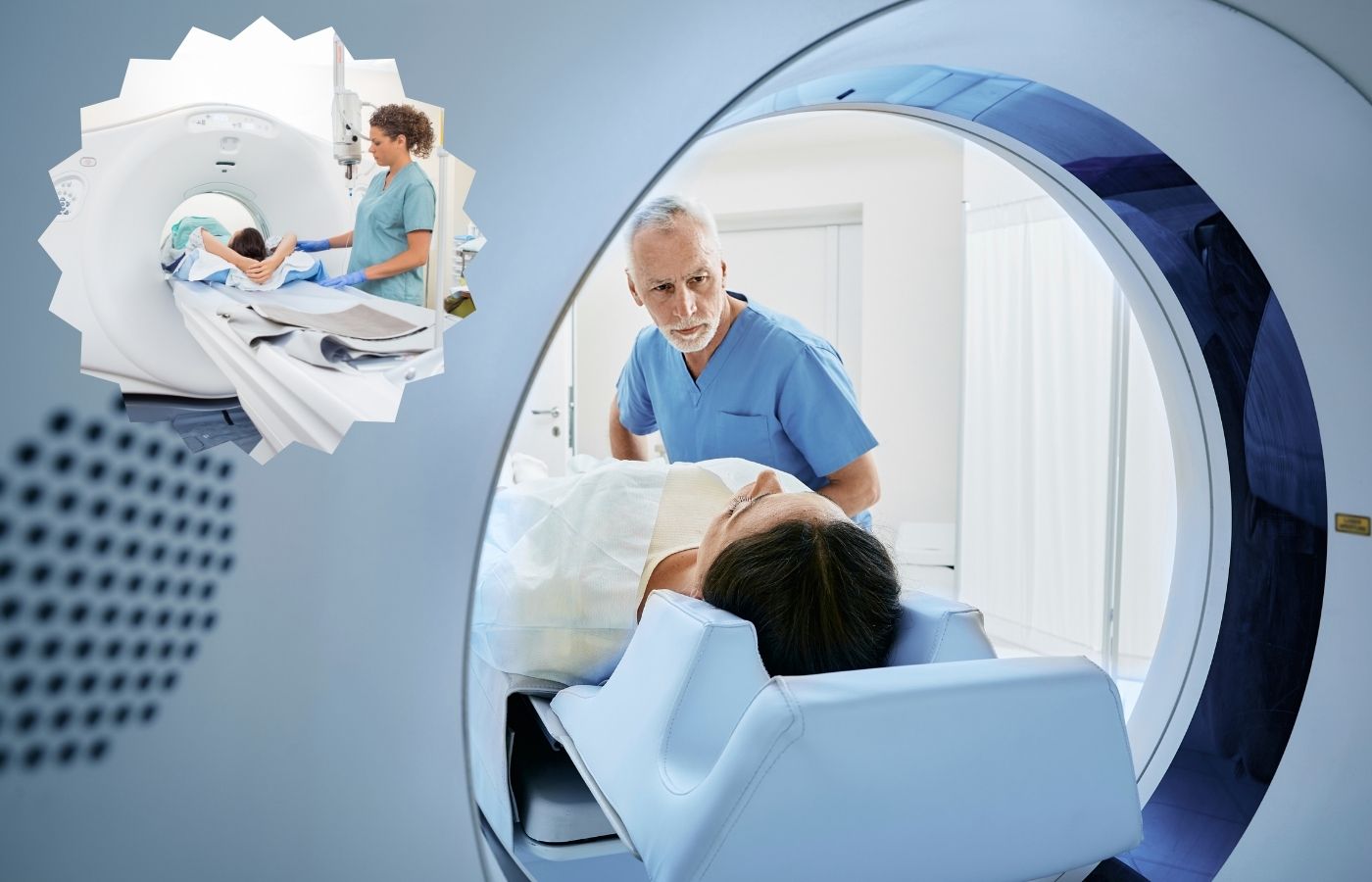
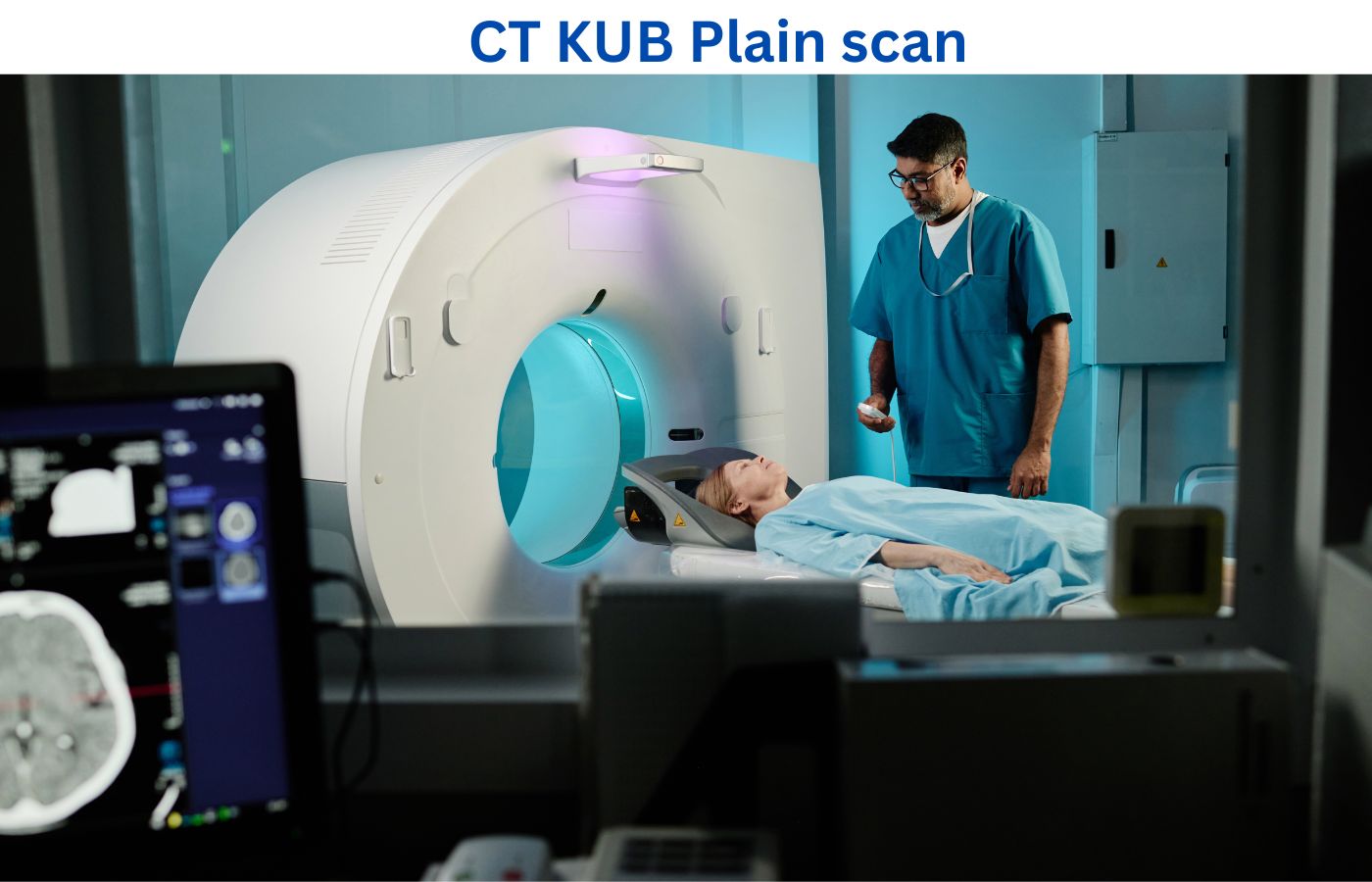
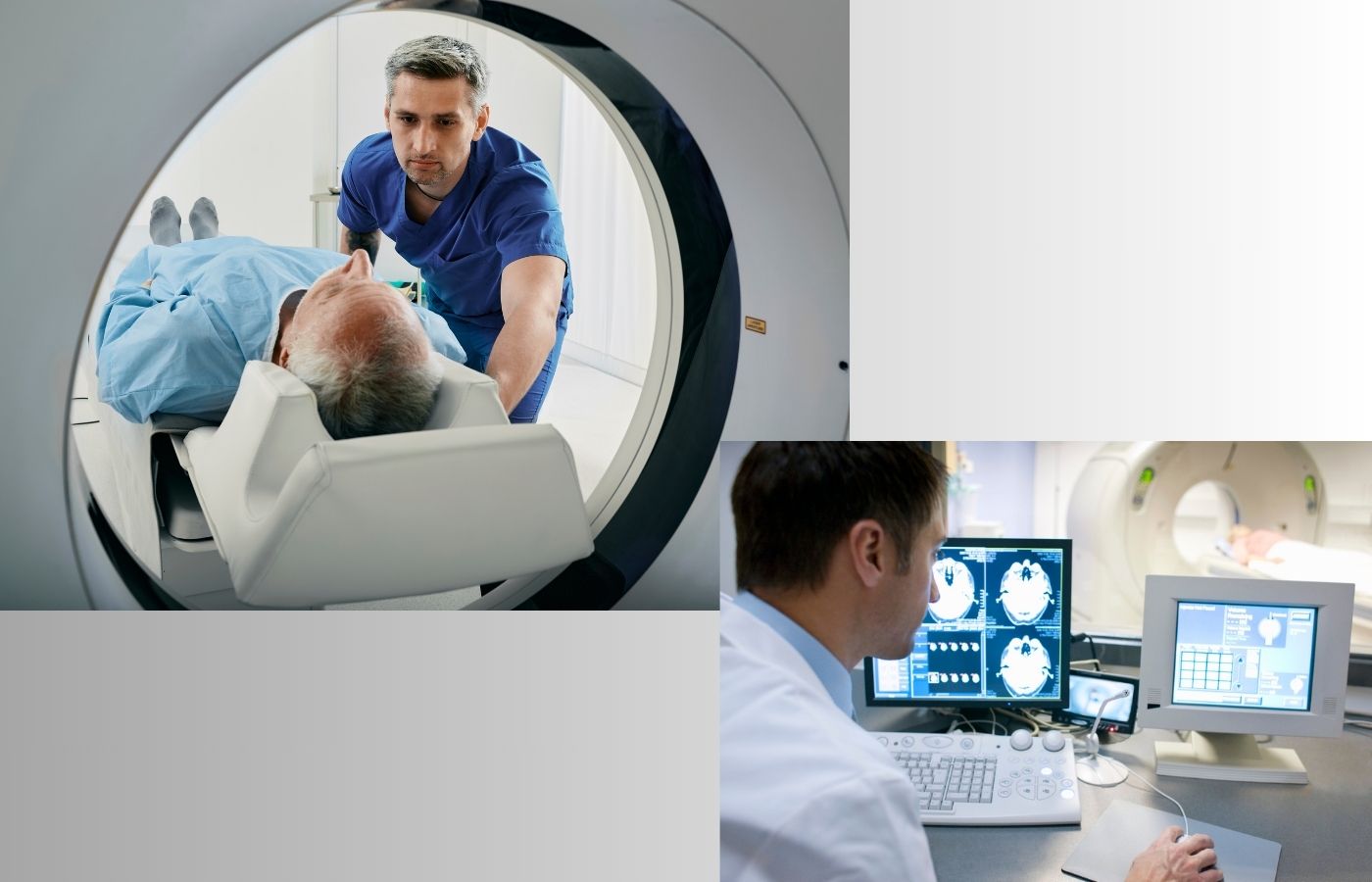
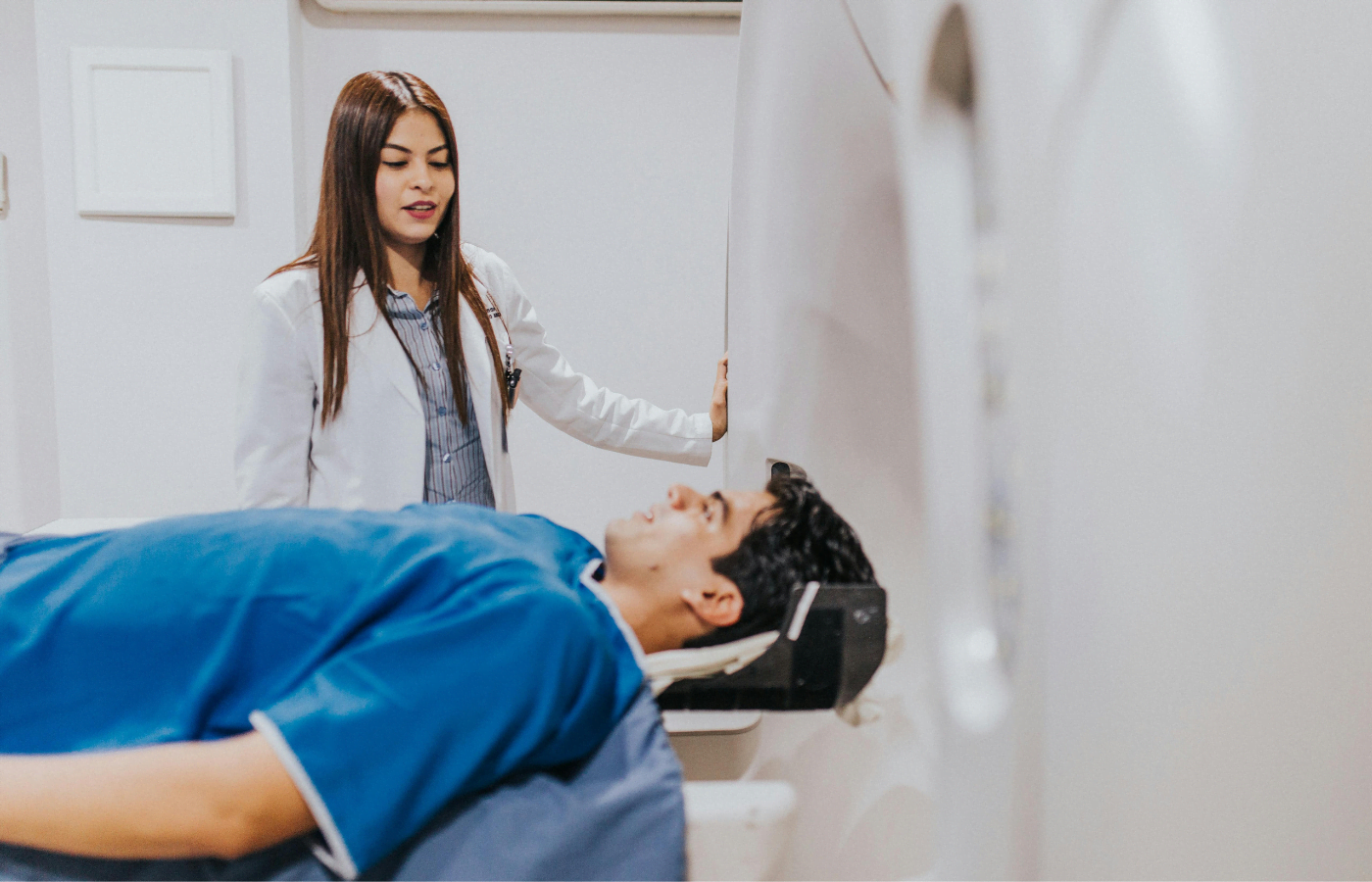
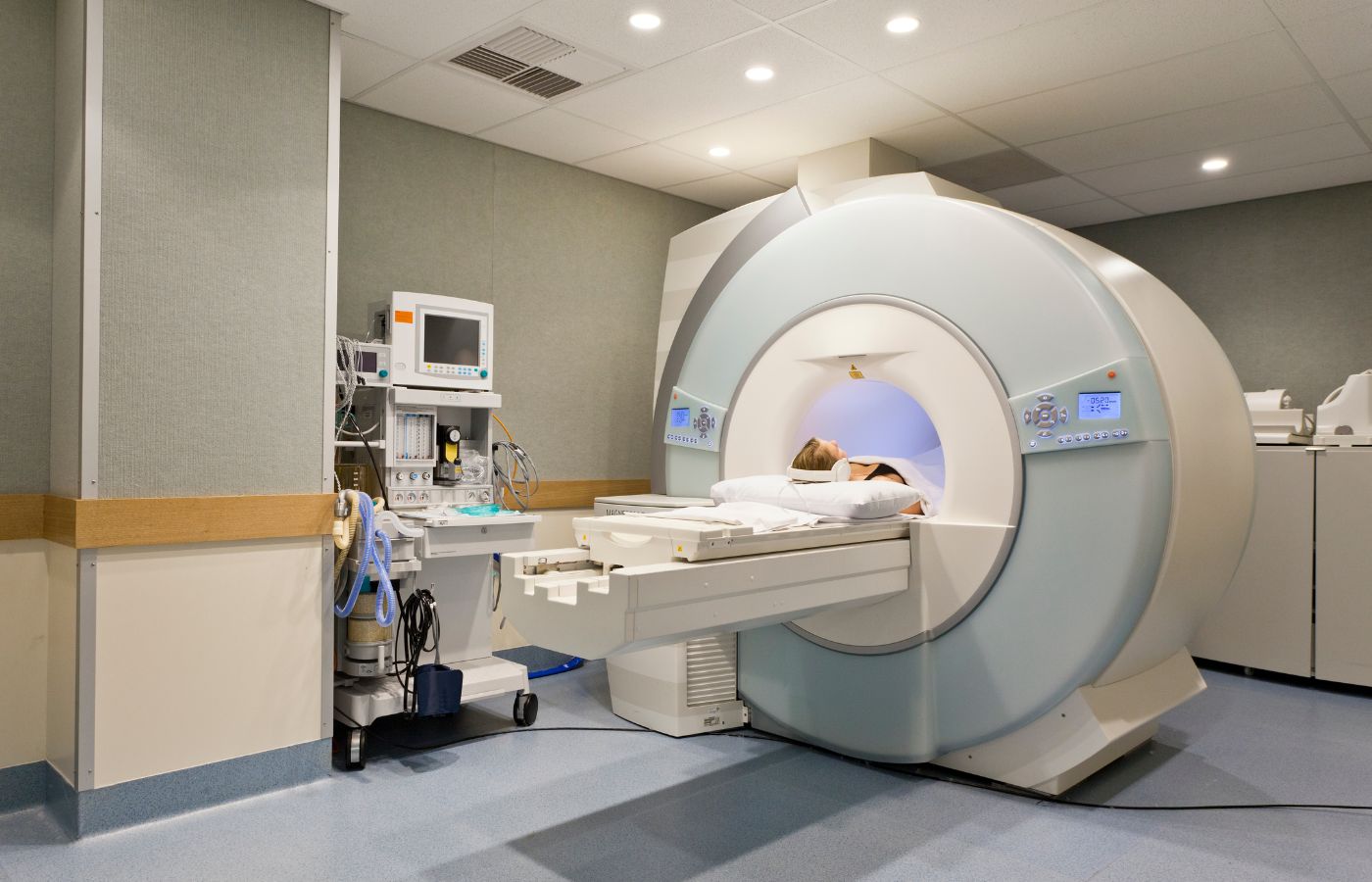
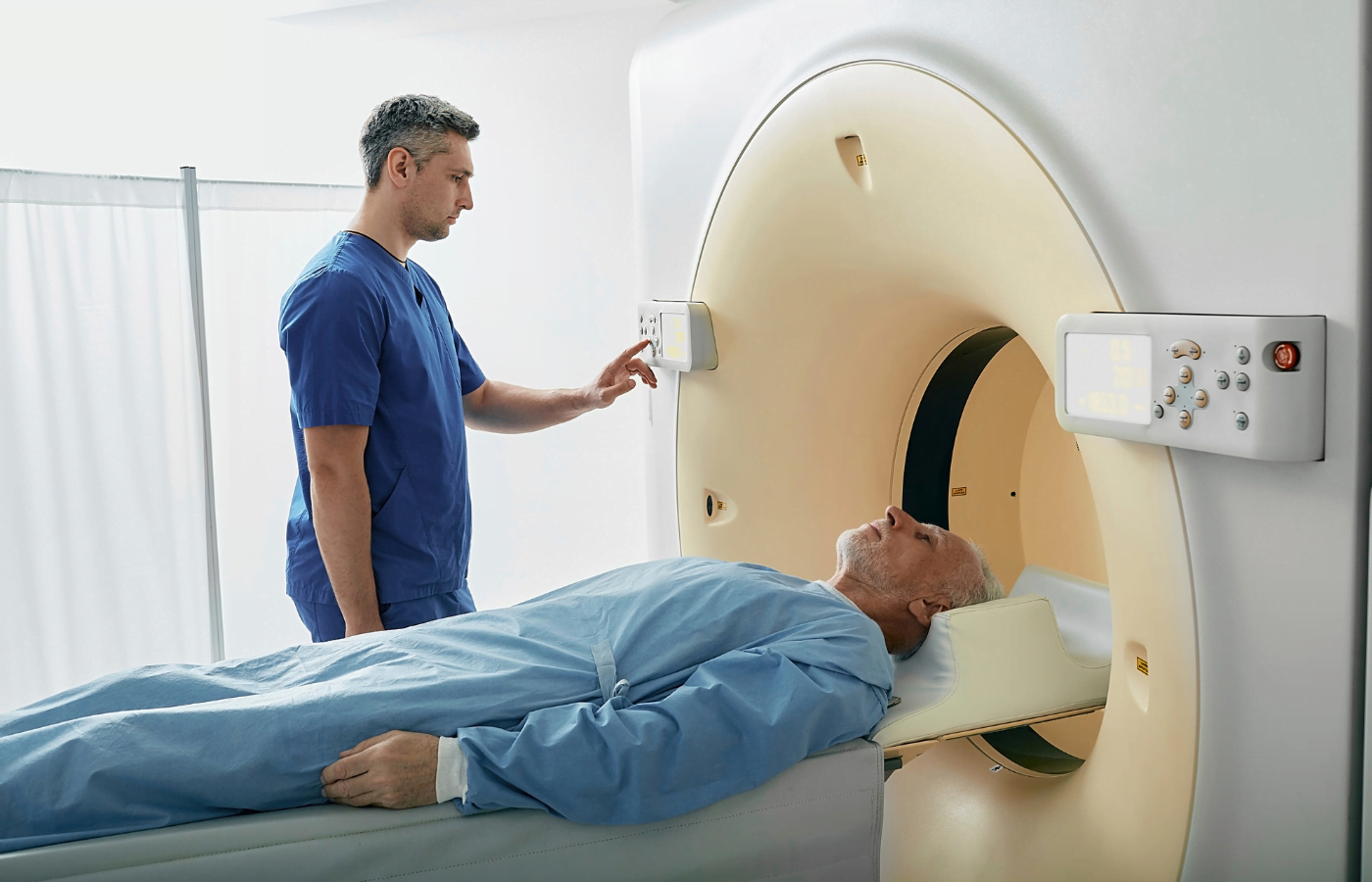
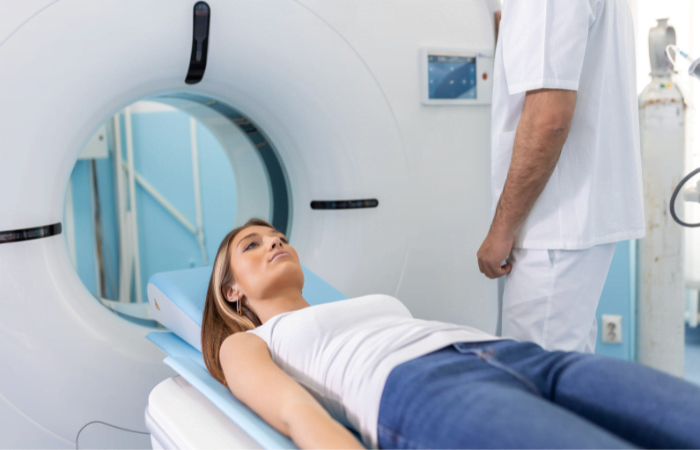
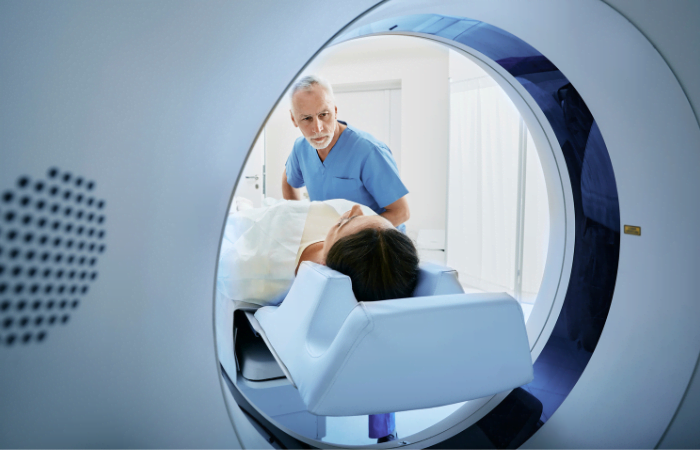
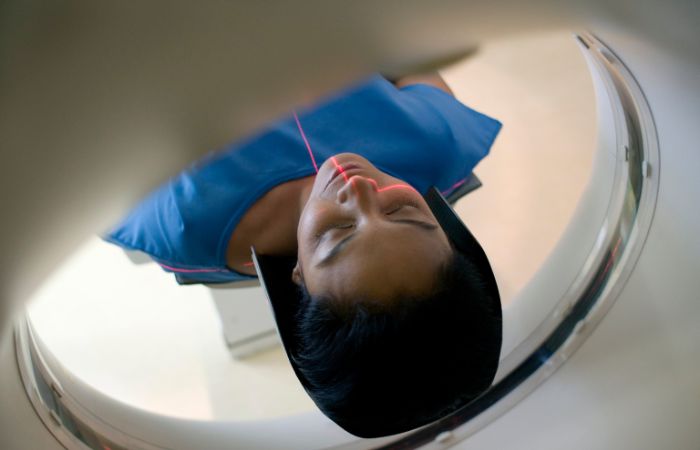
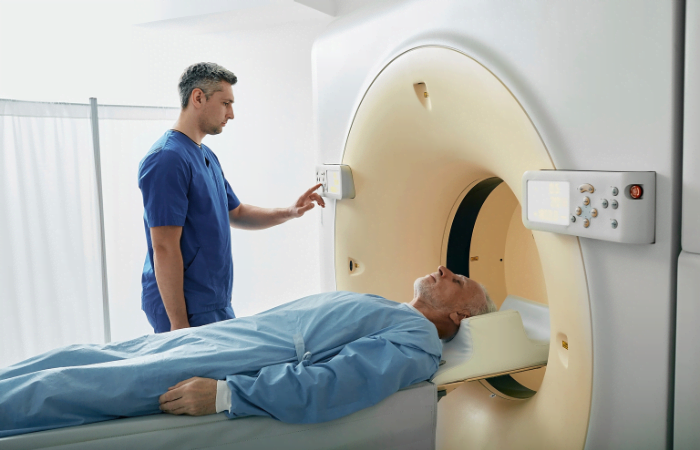
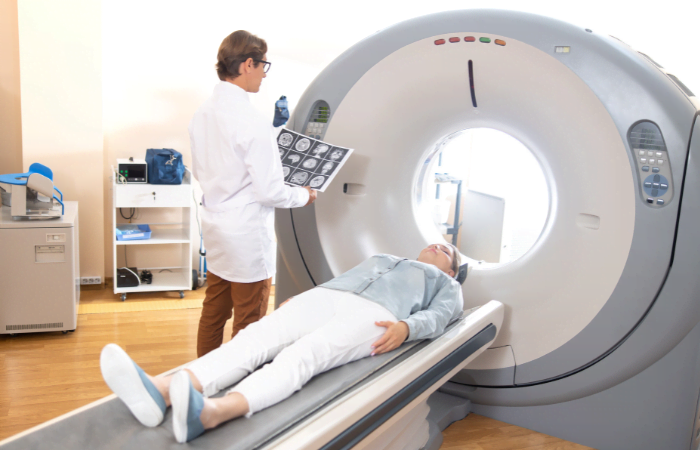
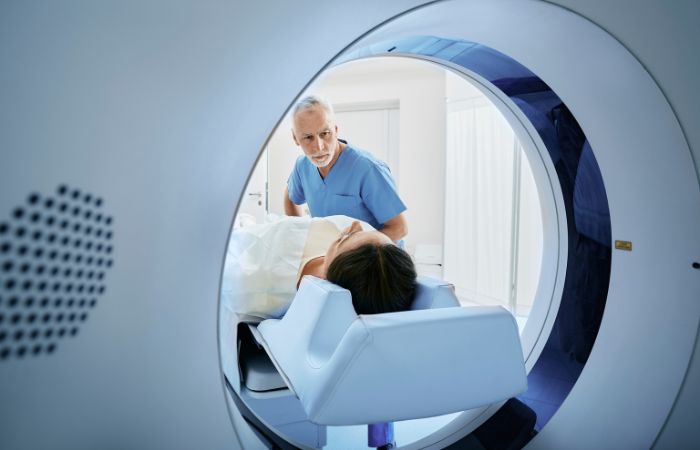
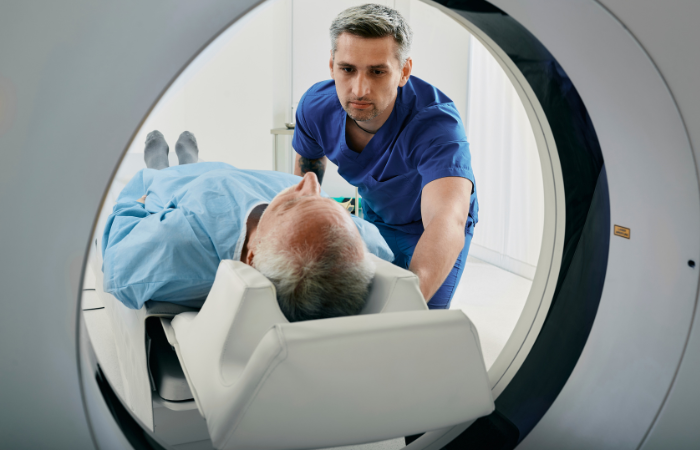
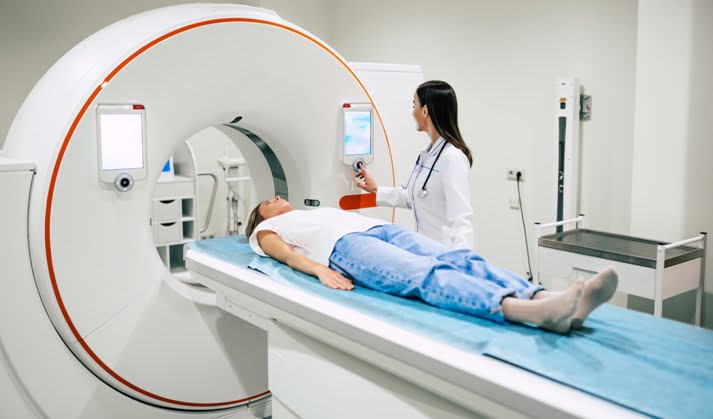
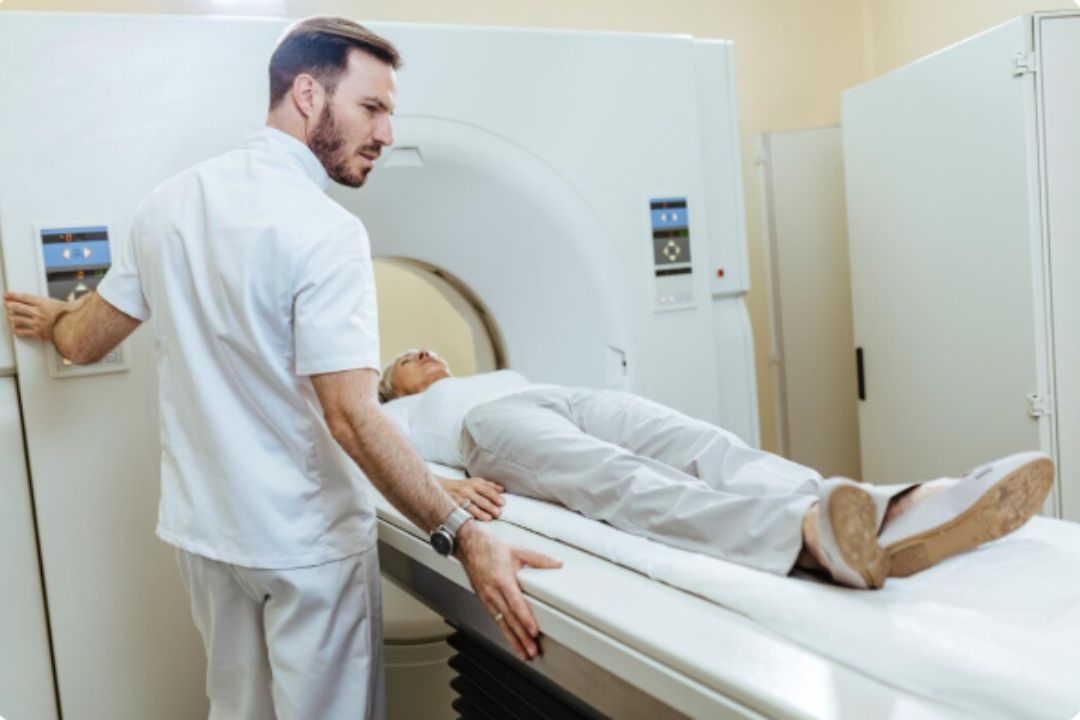
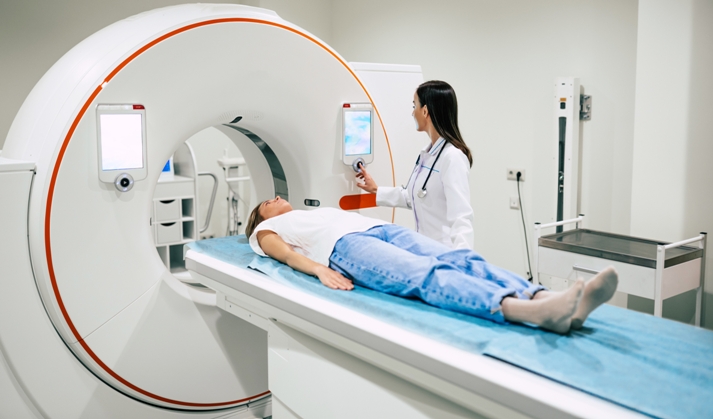
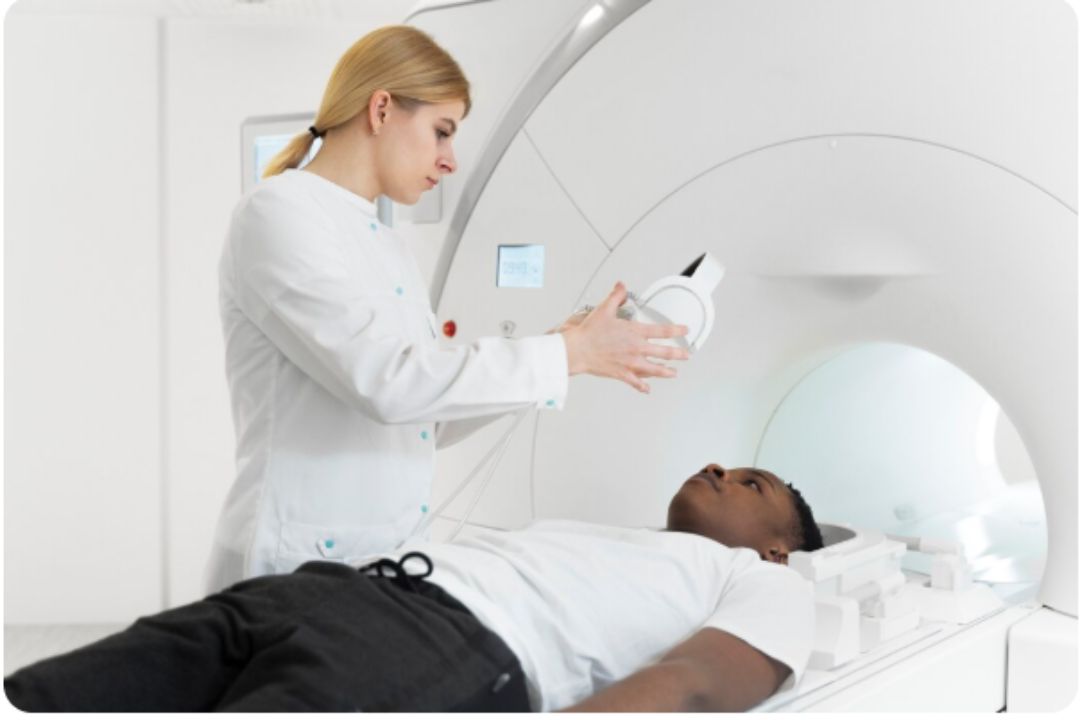
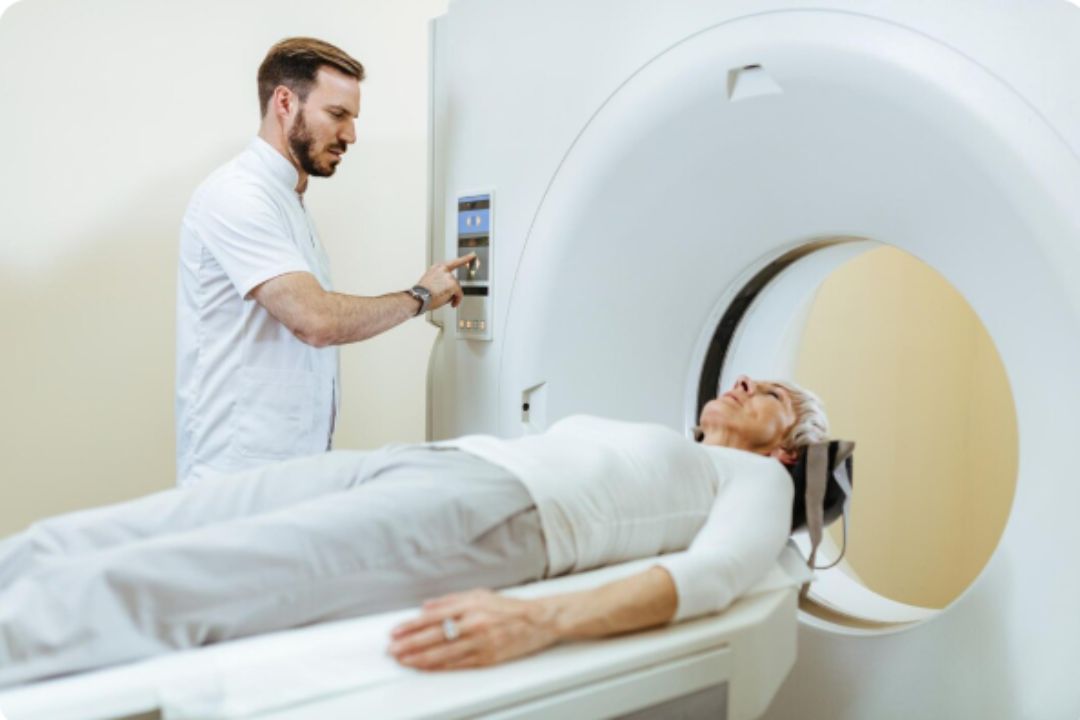
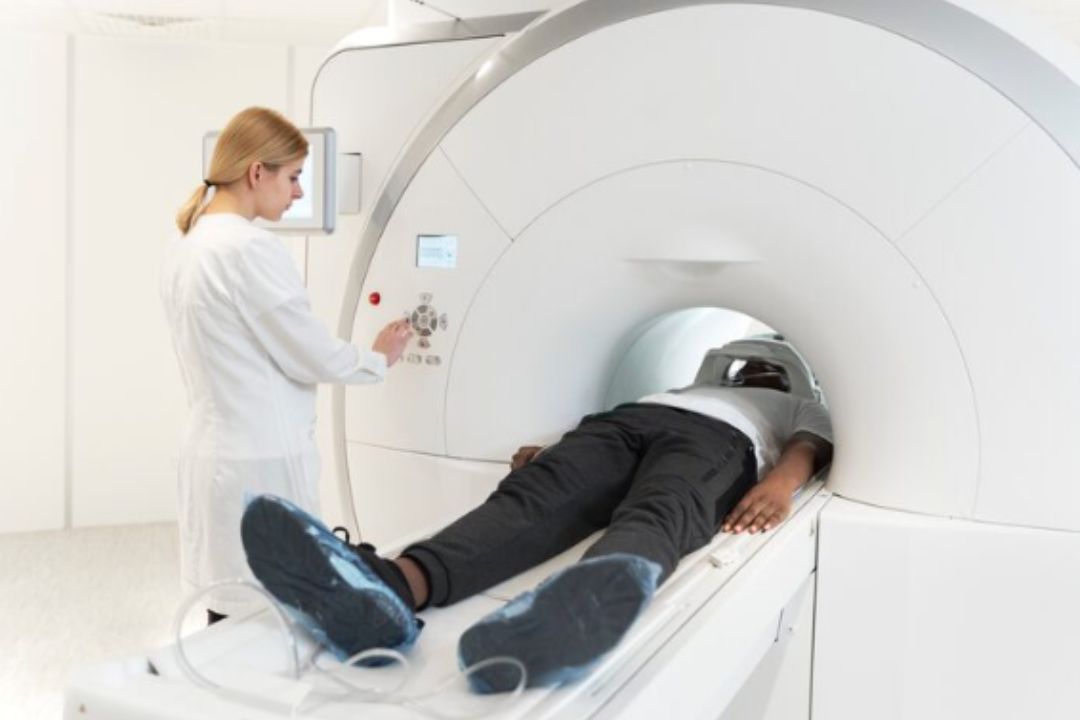
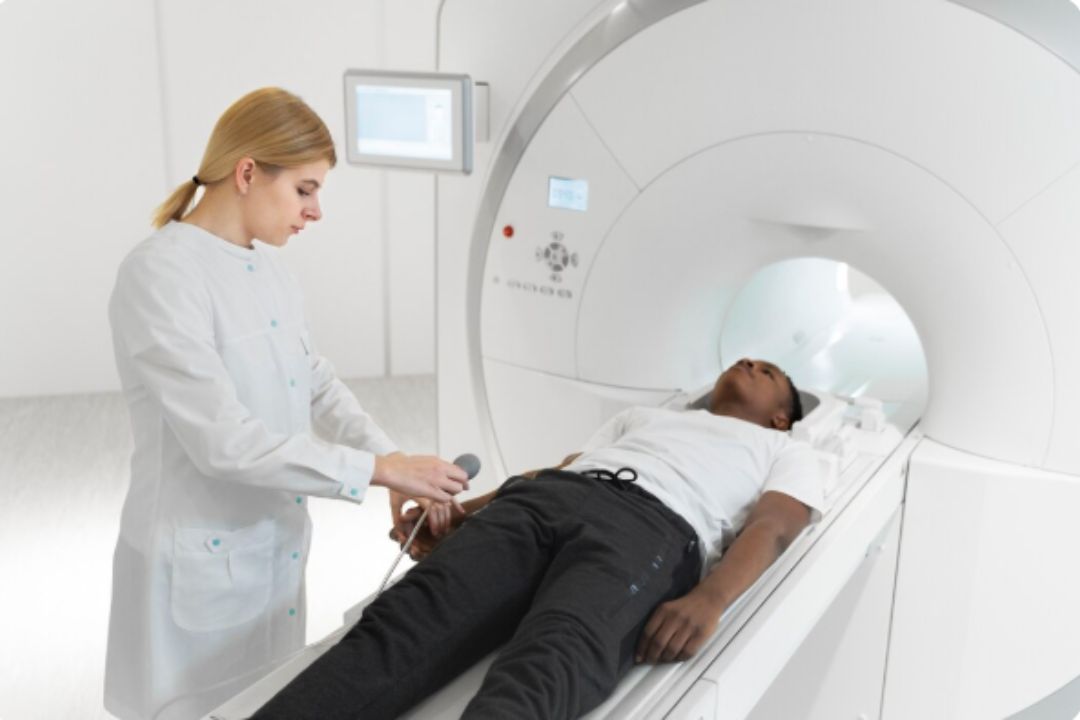
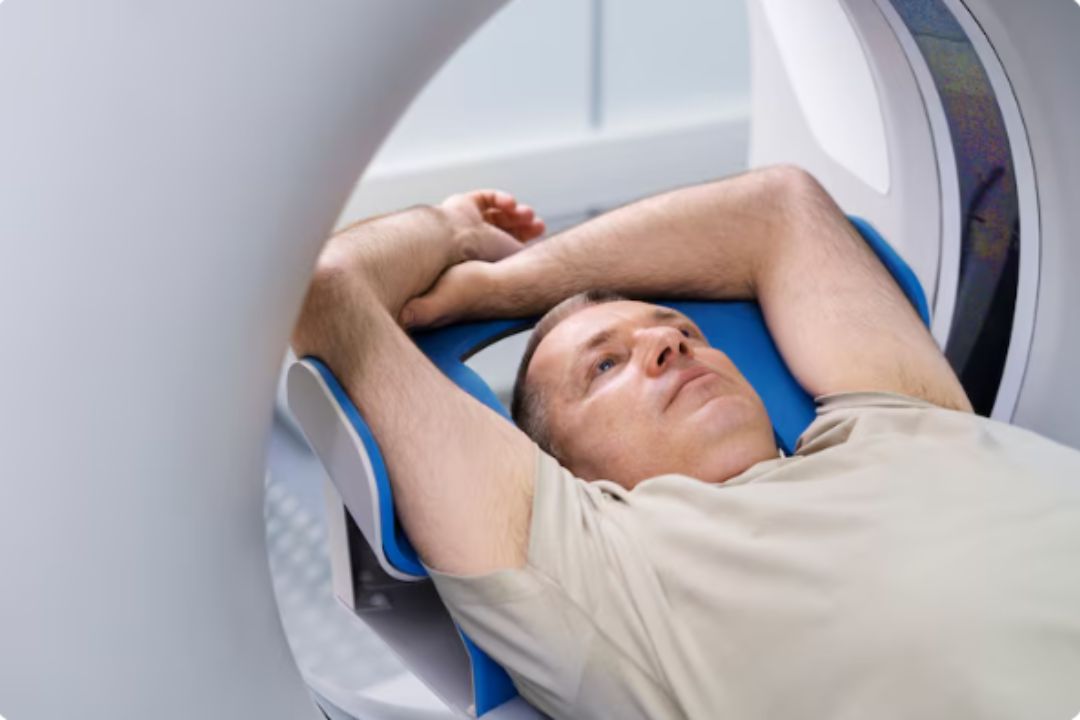
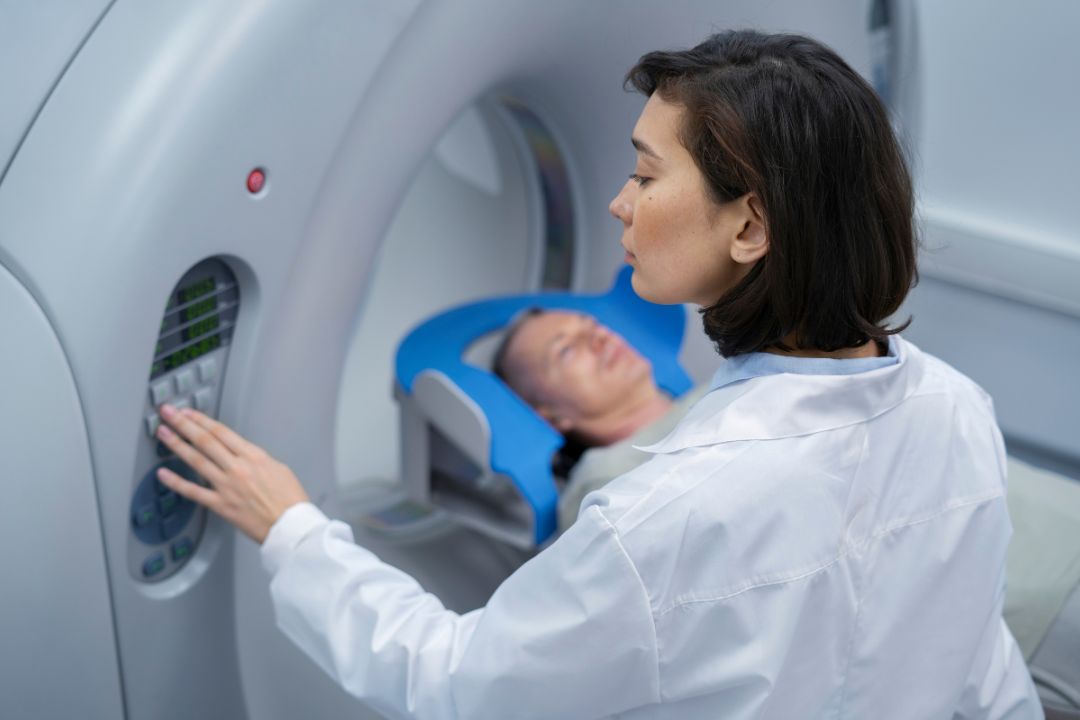
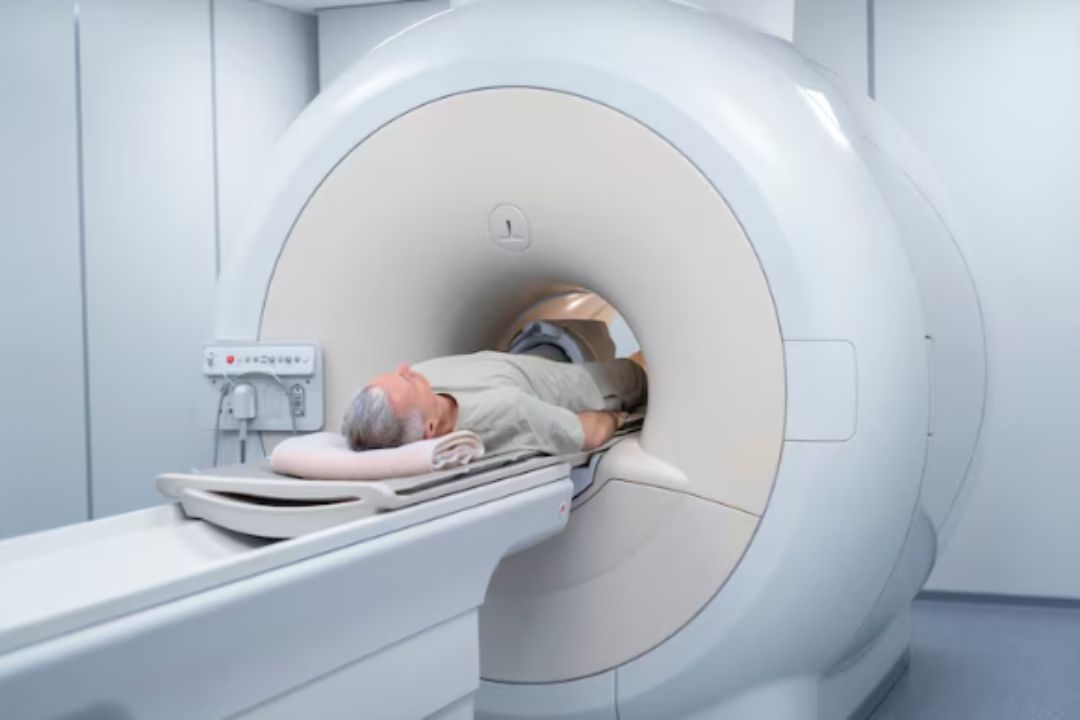
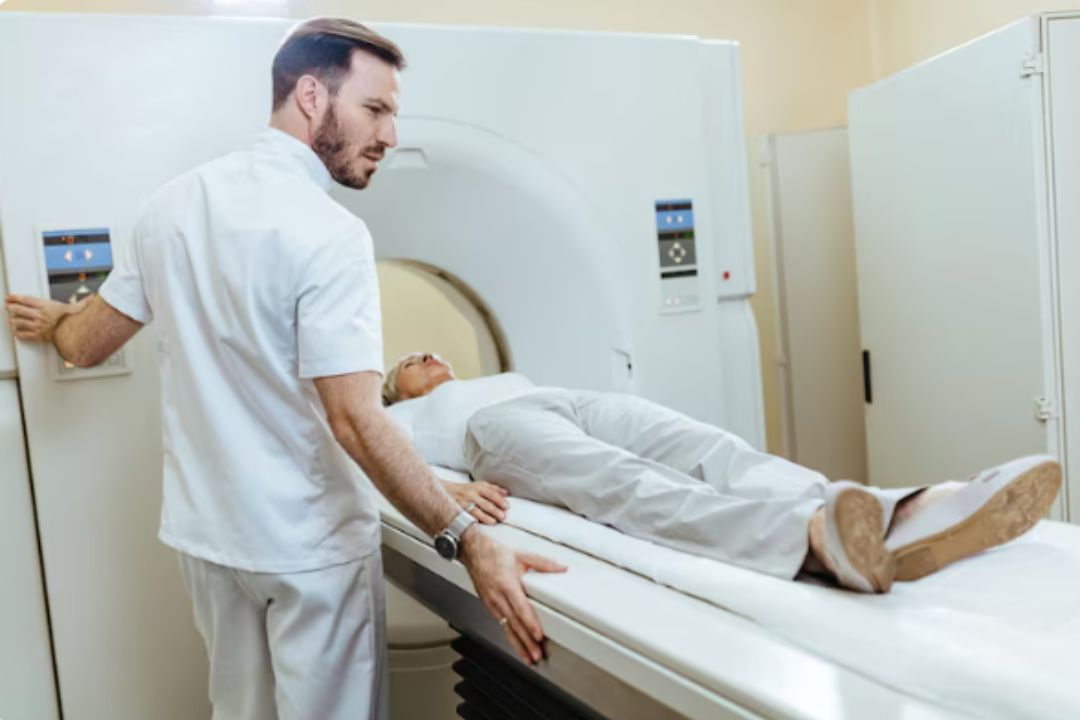
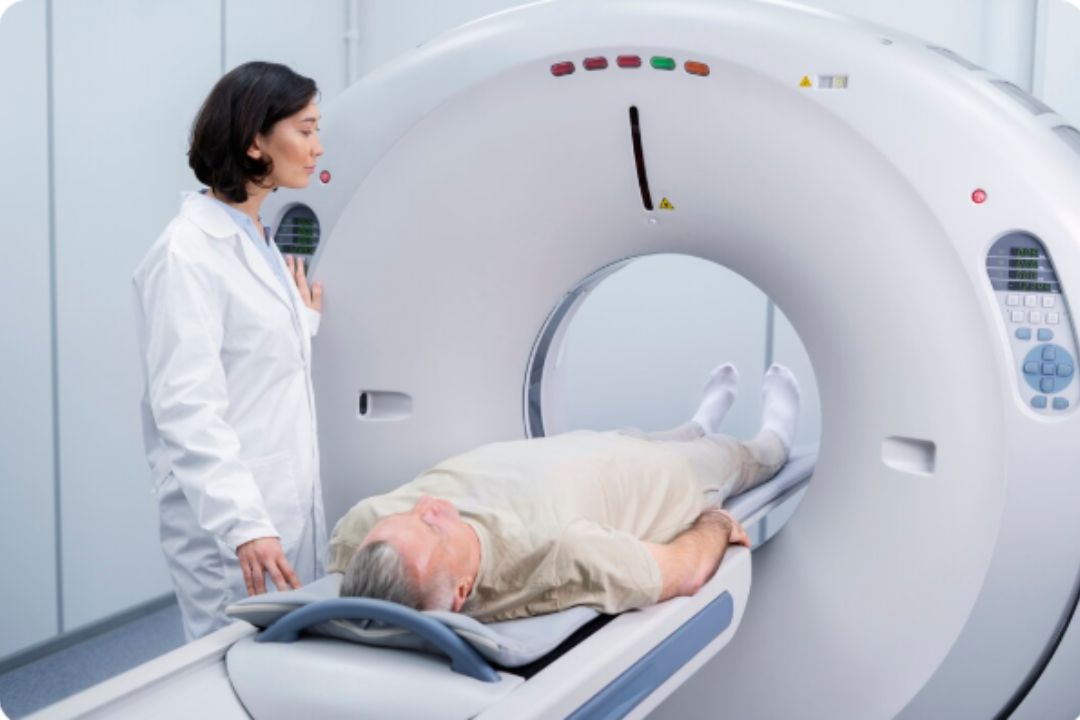
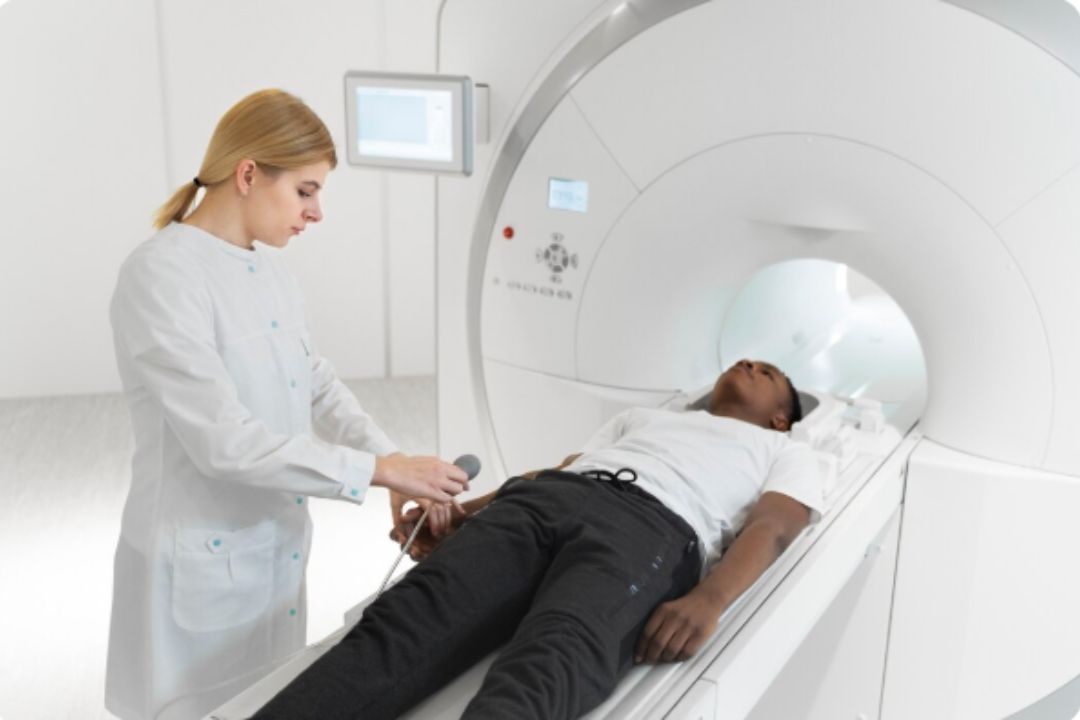
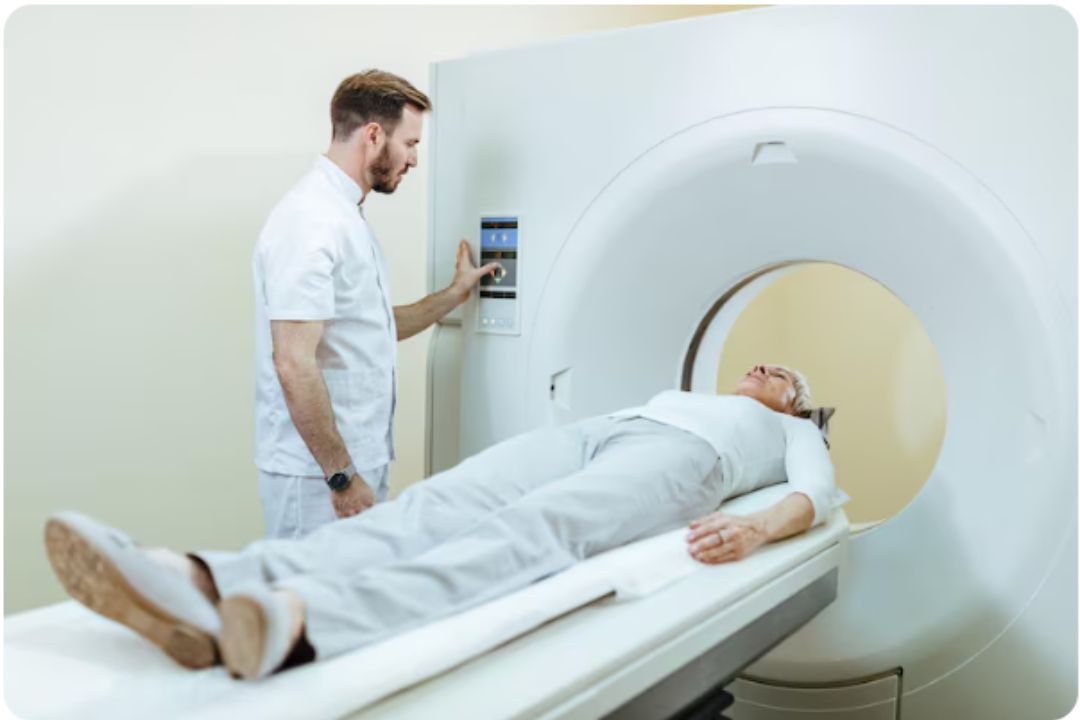
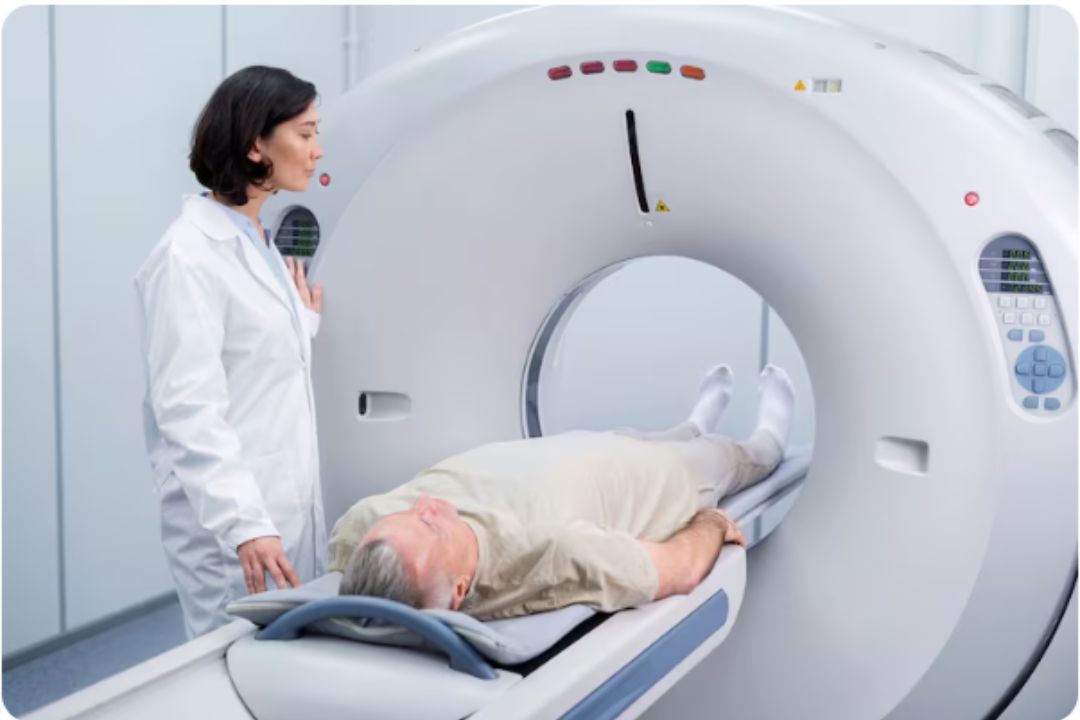
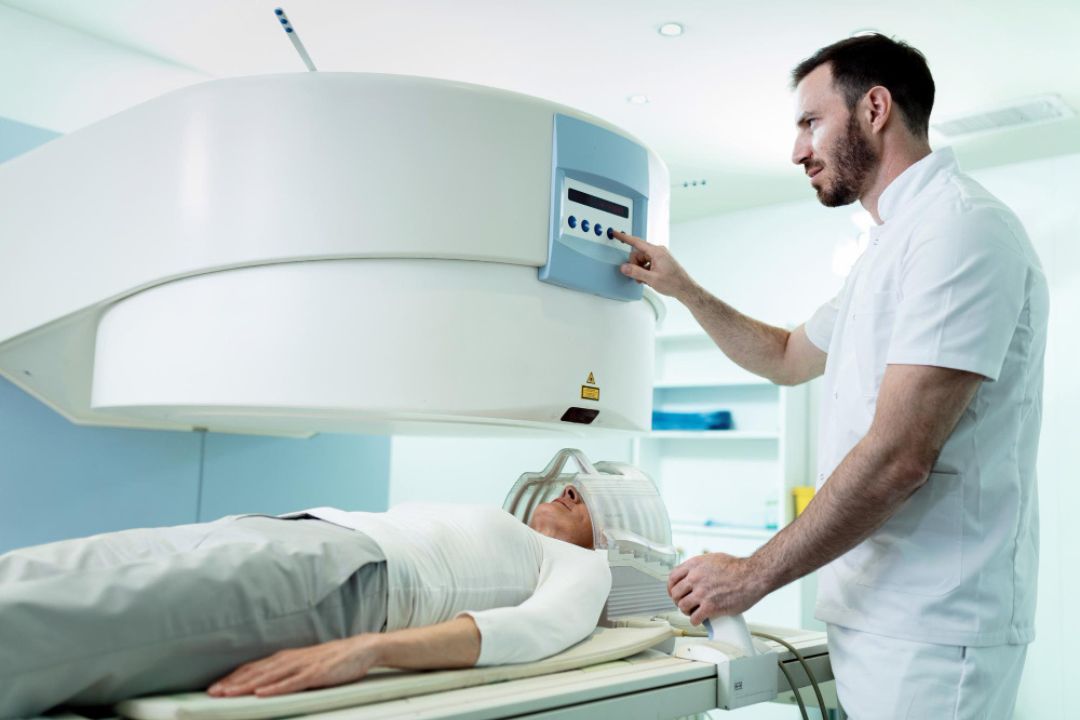
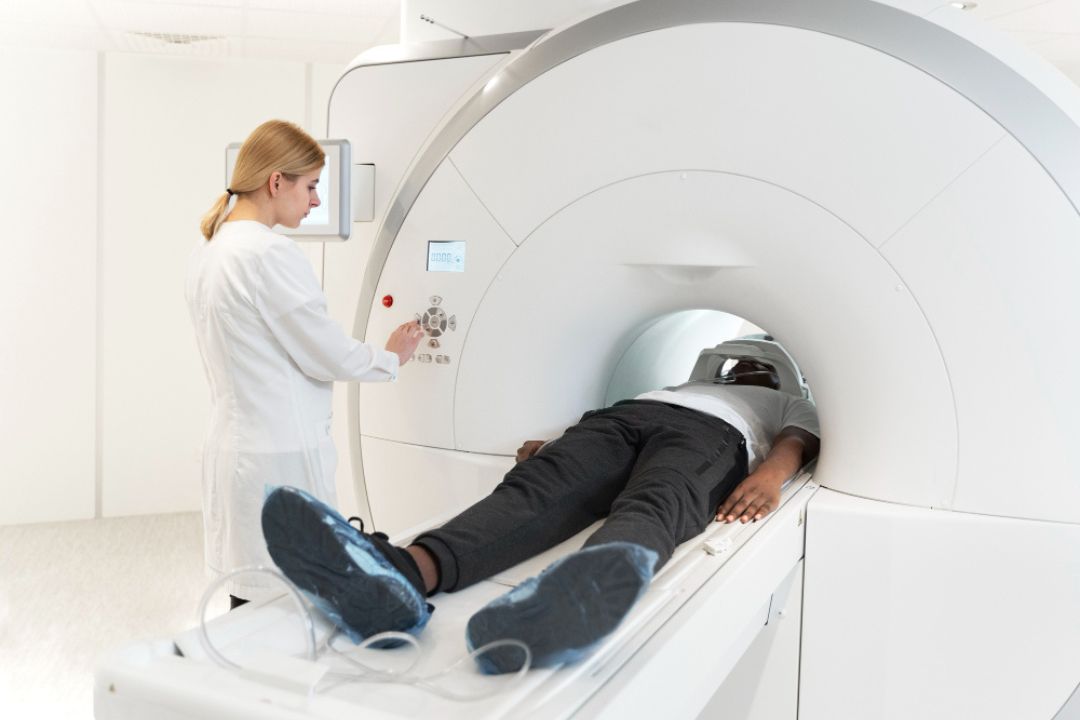
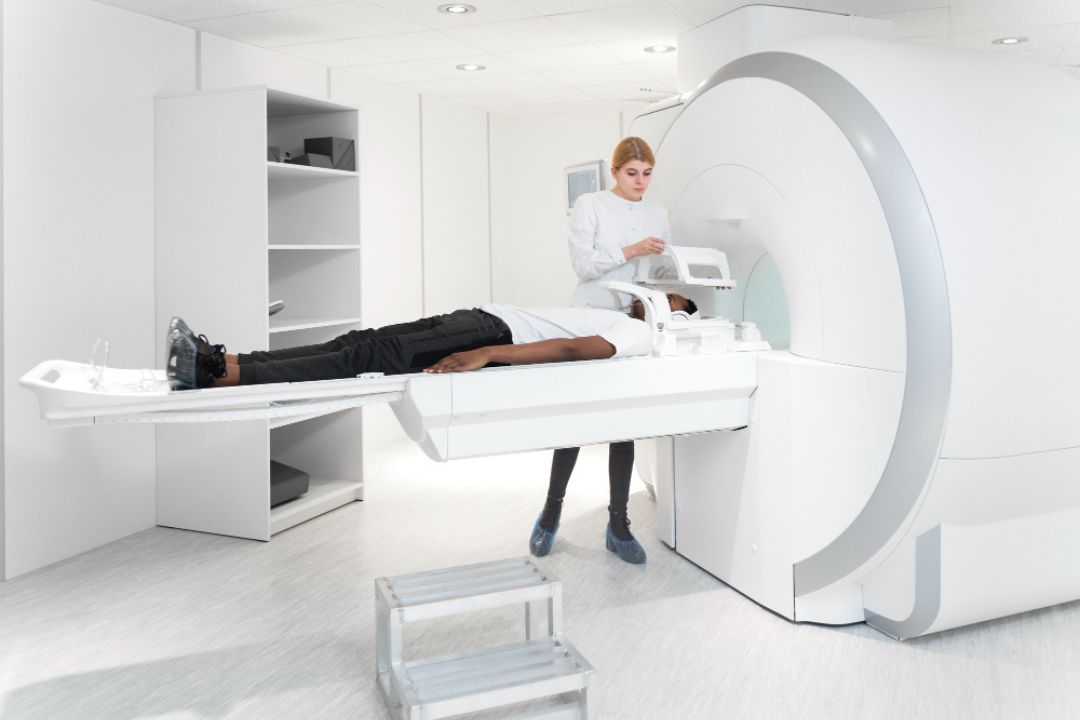
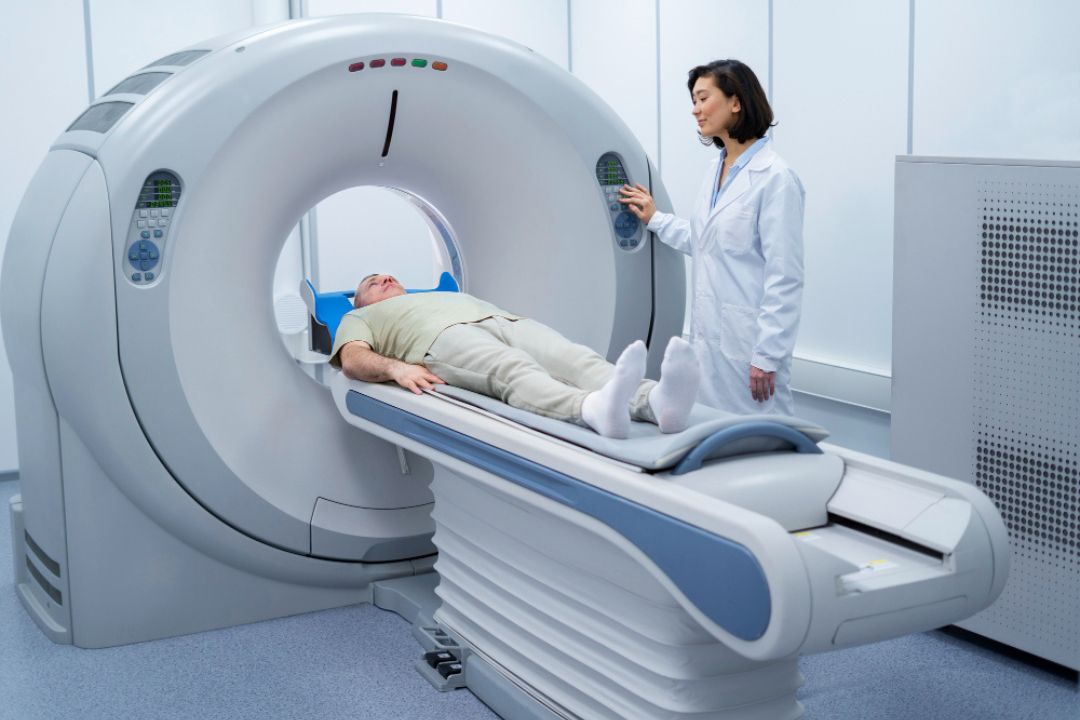
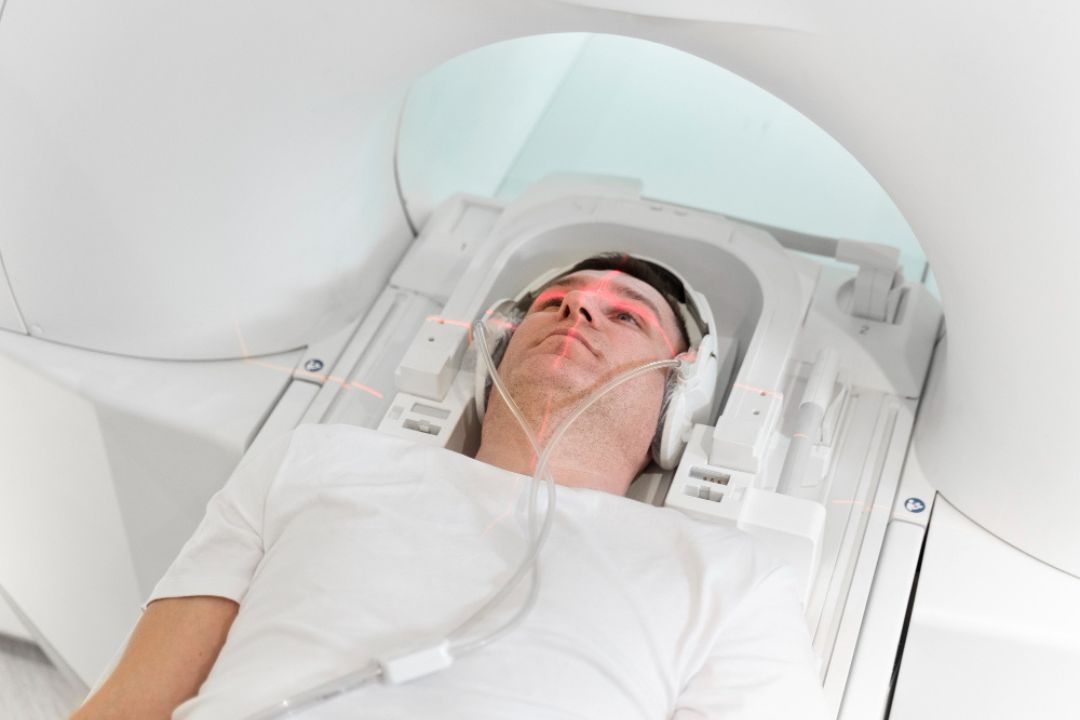
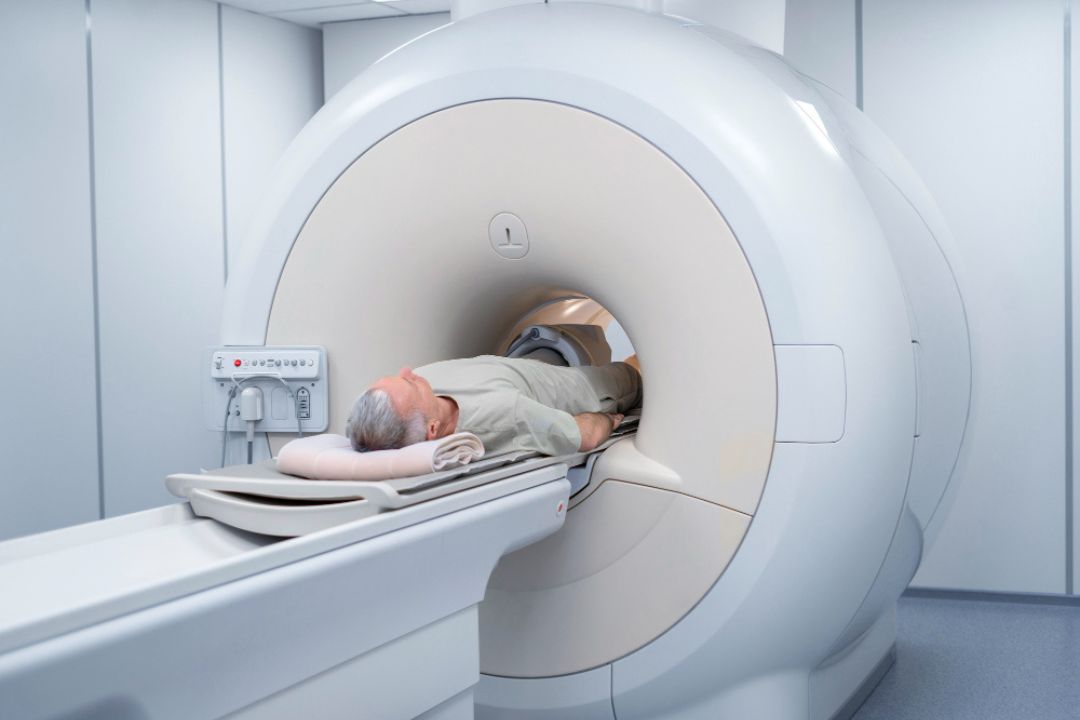
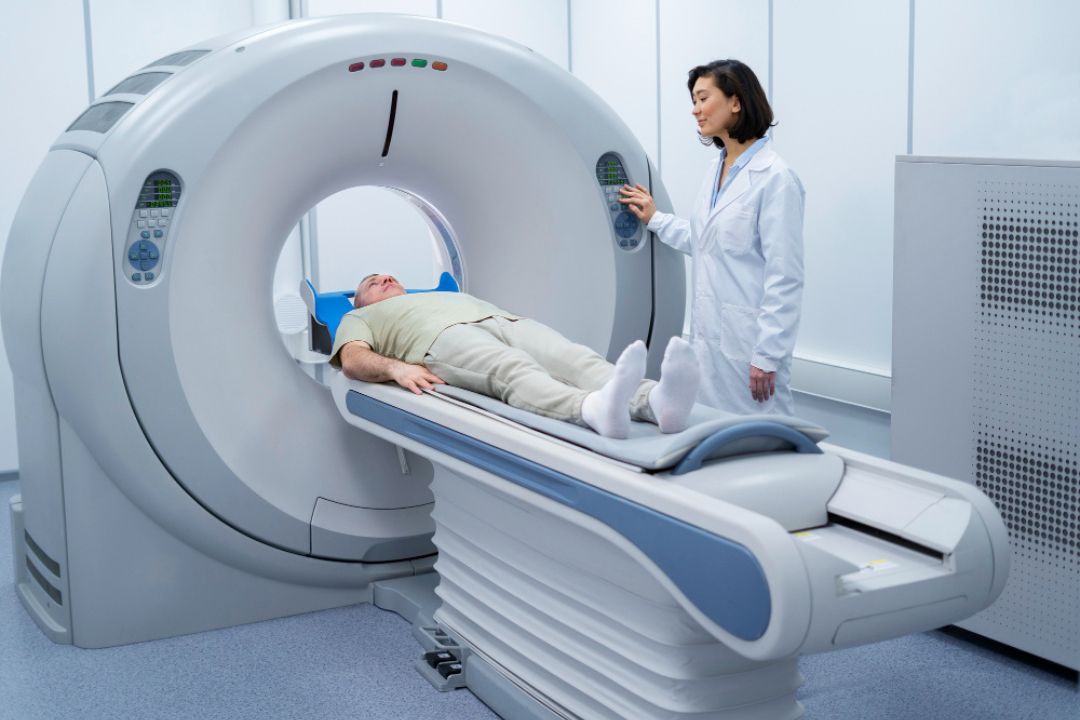
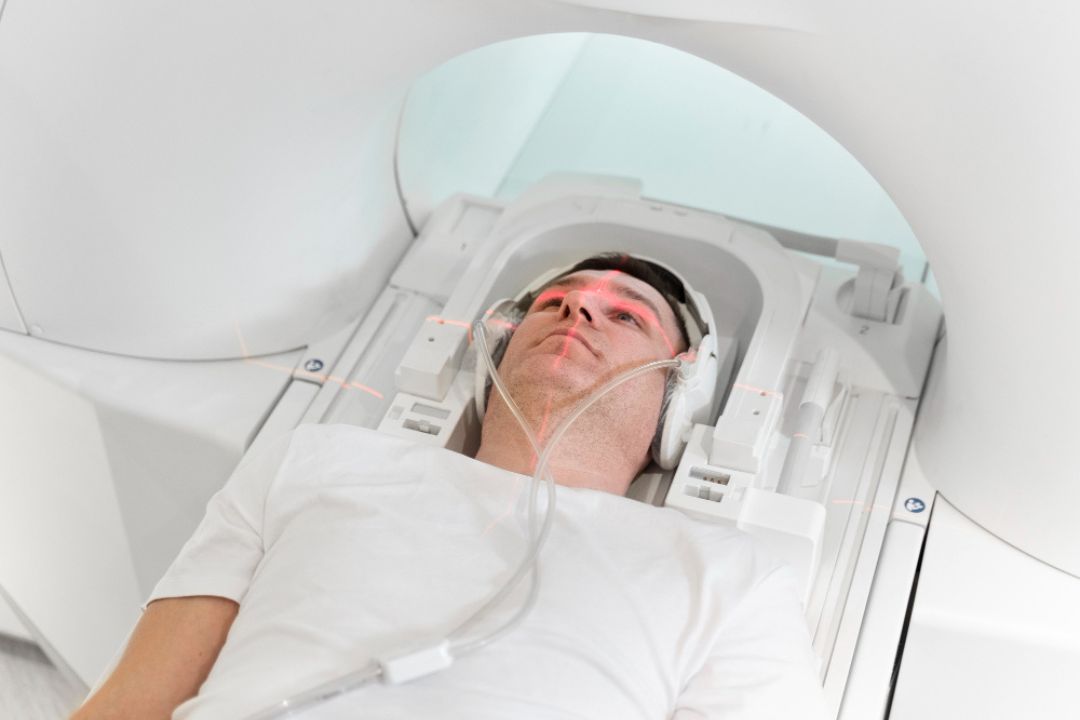
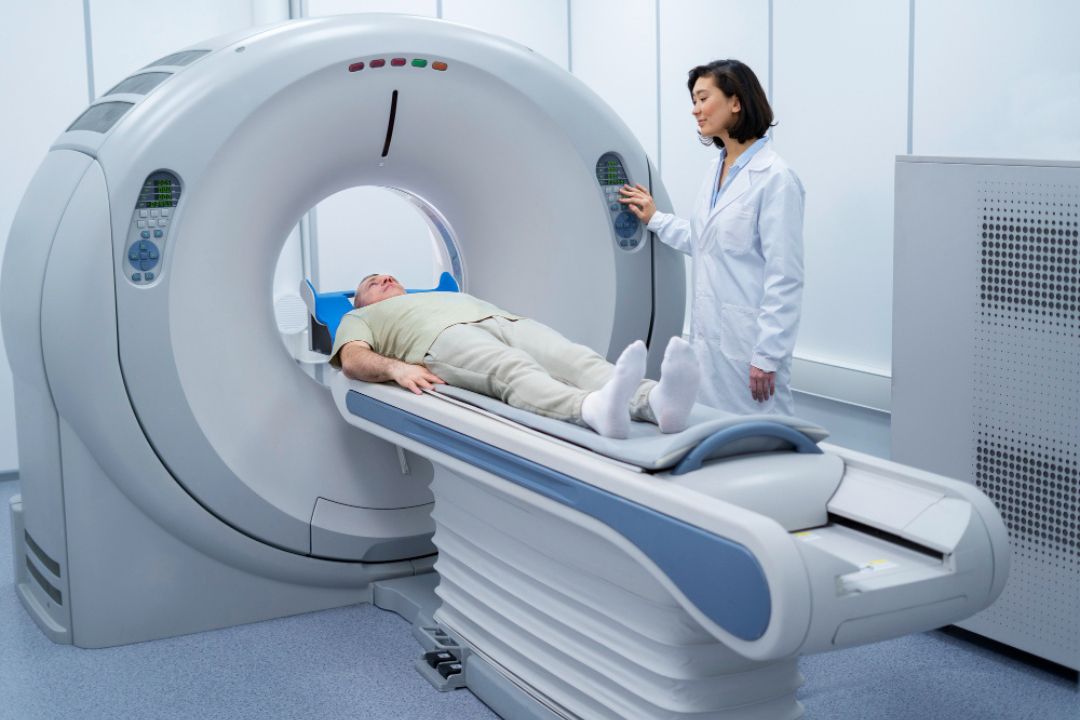
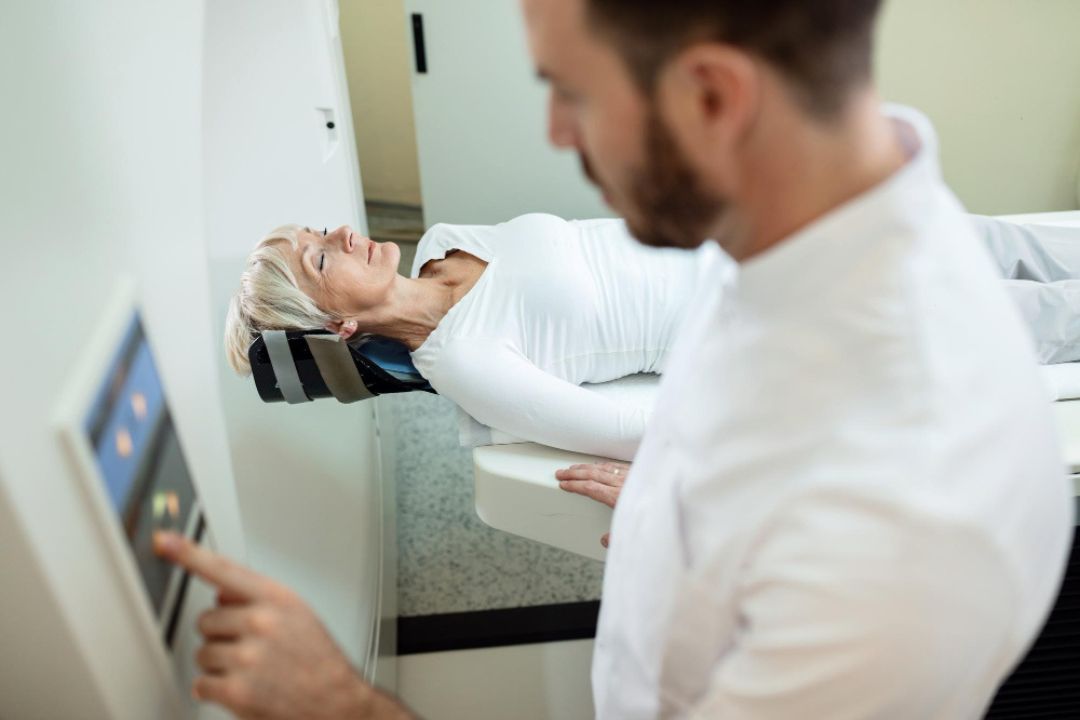
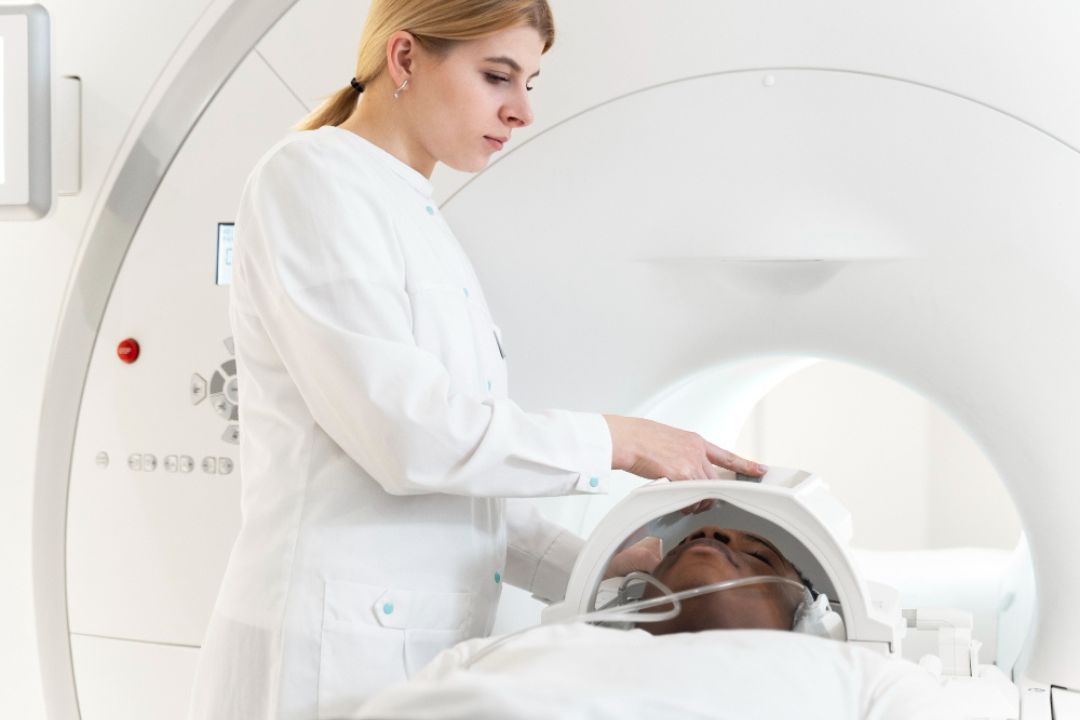
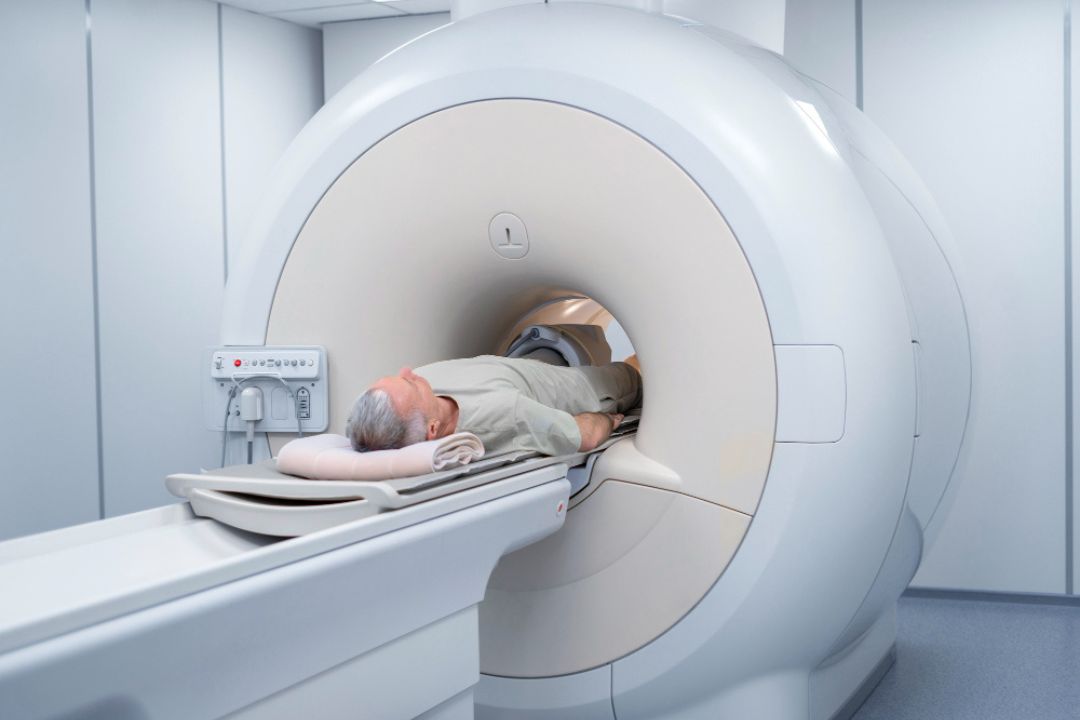
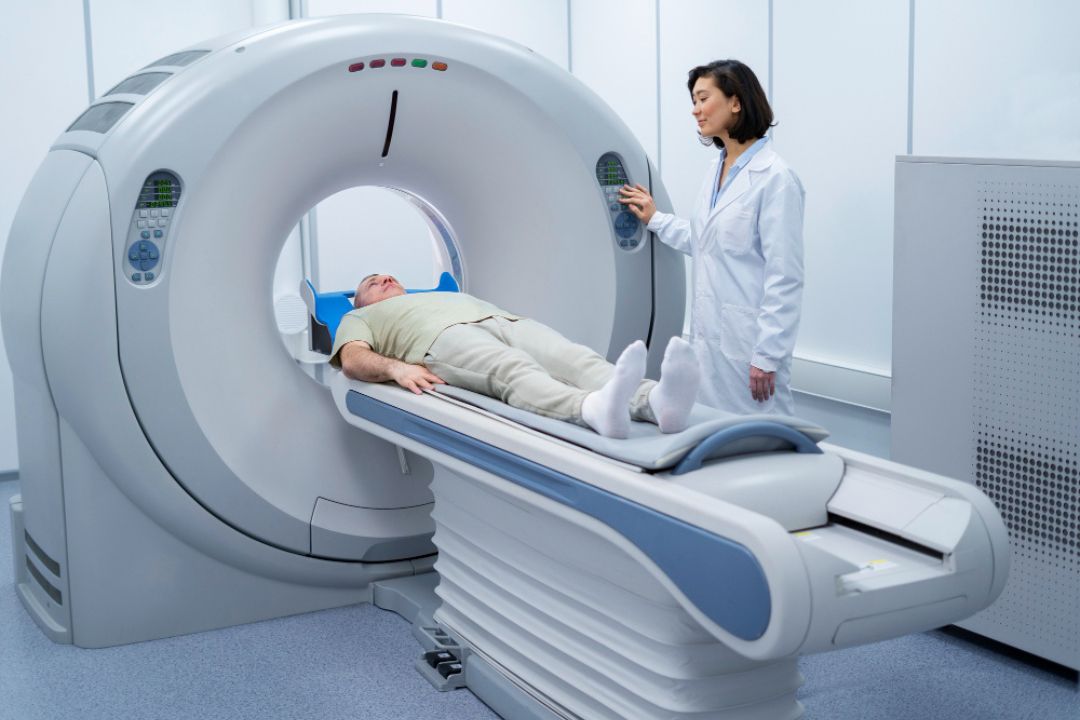
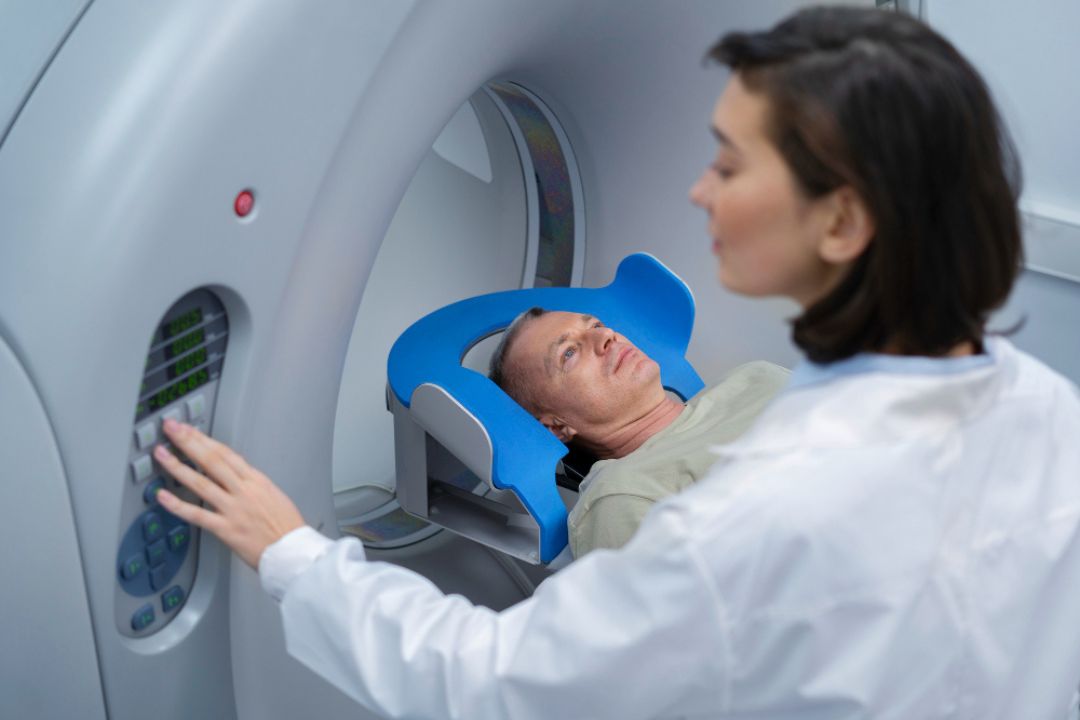
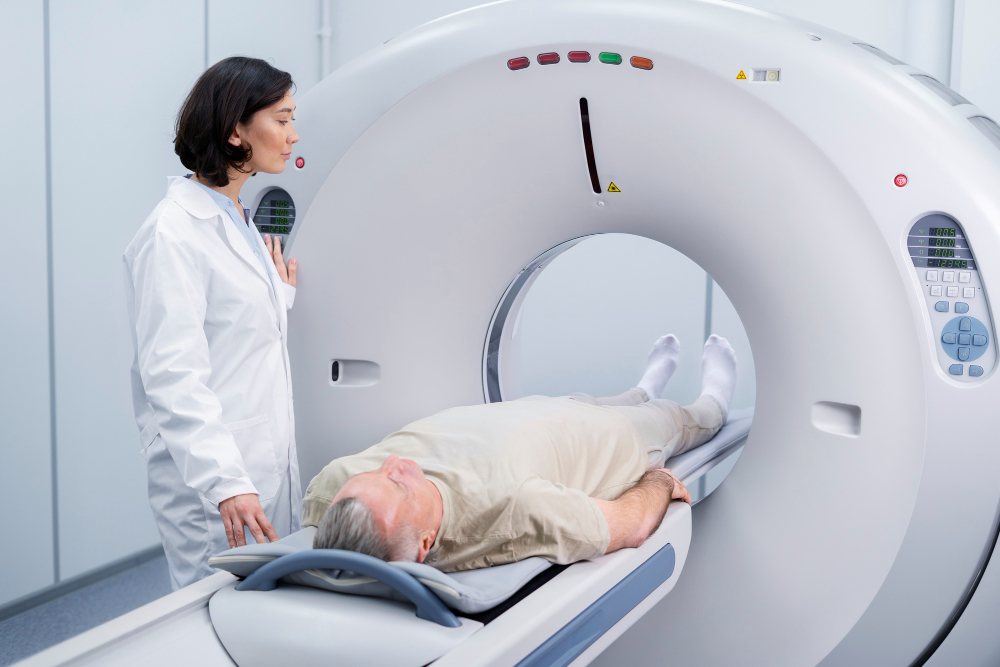
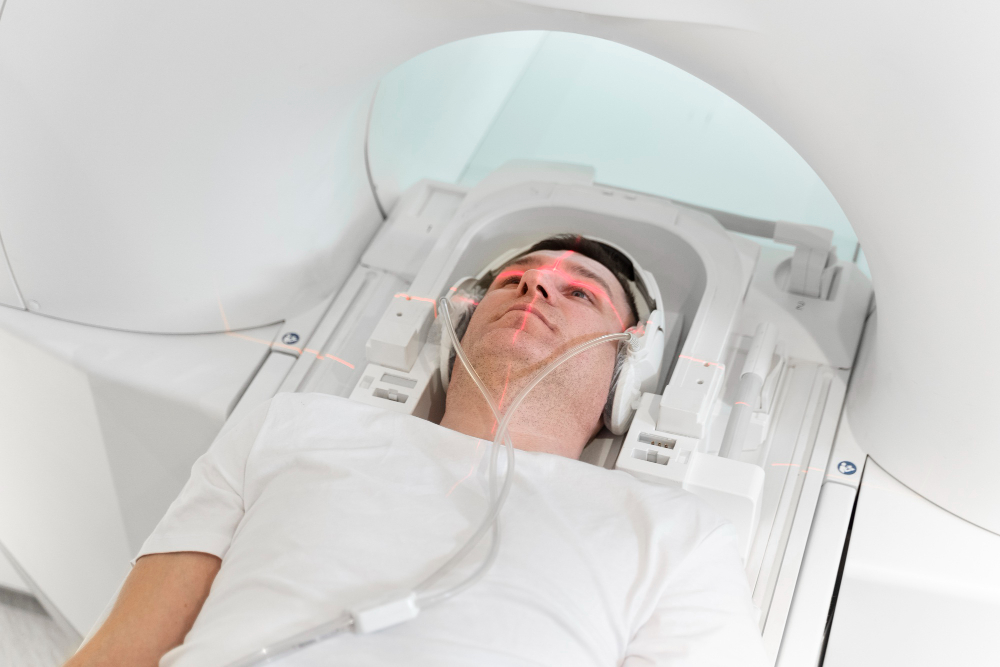
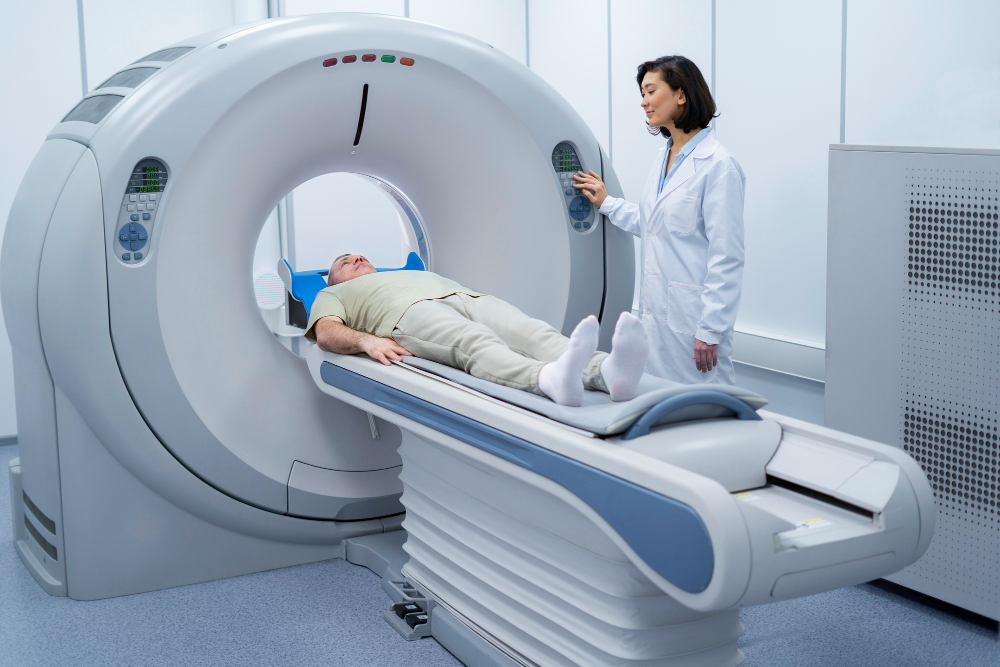
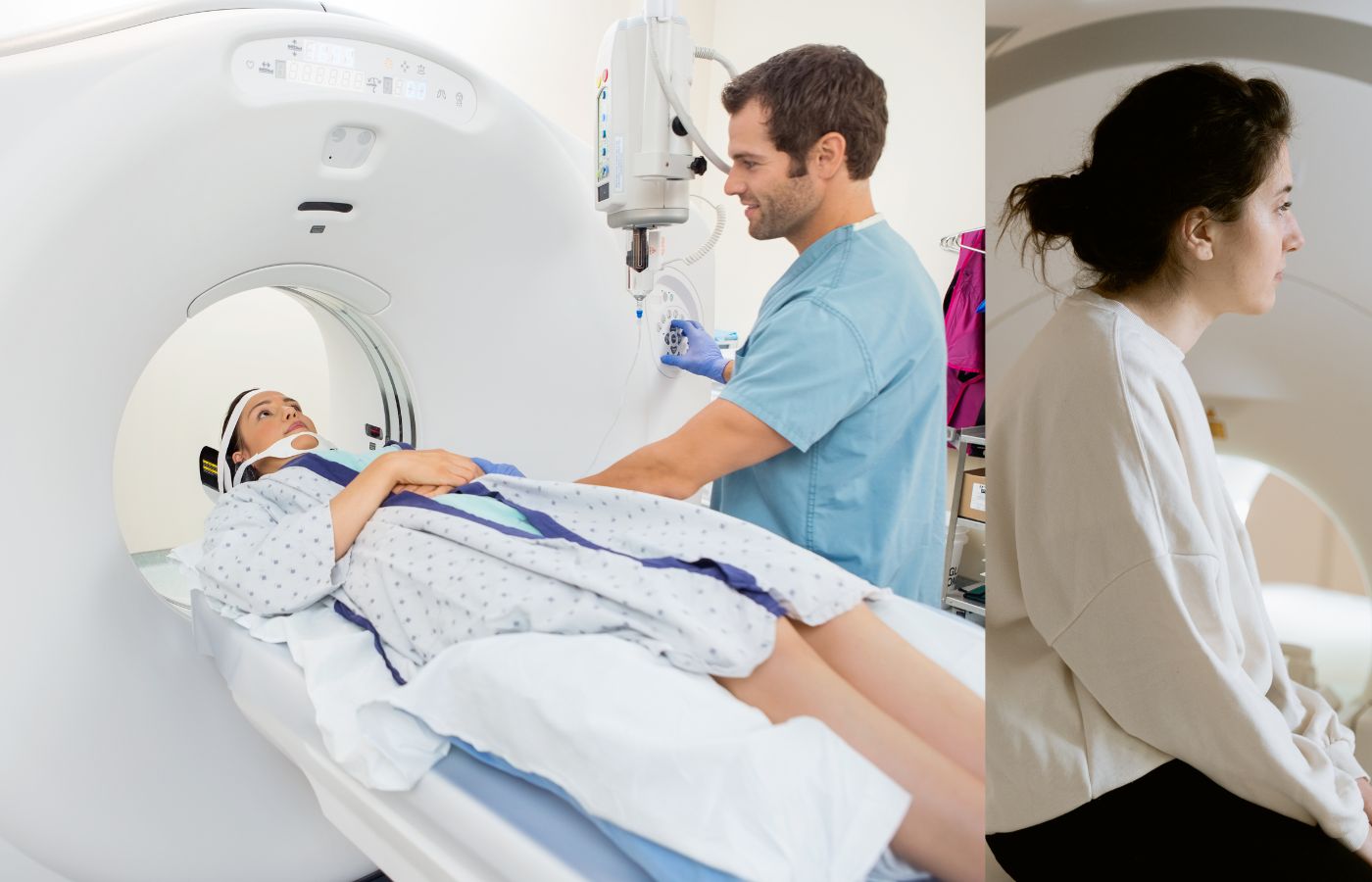
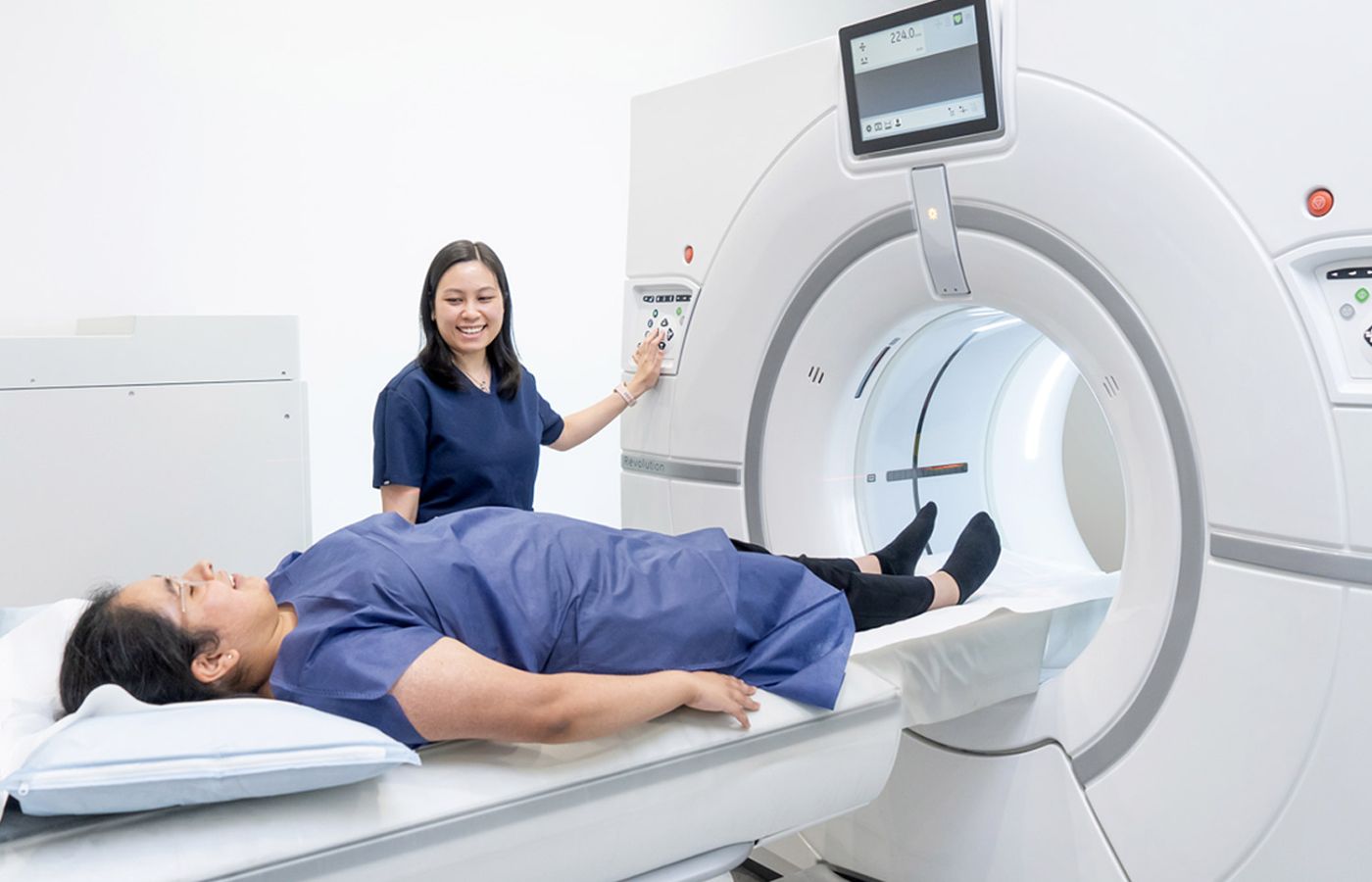
You lie on a narrow table.
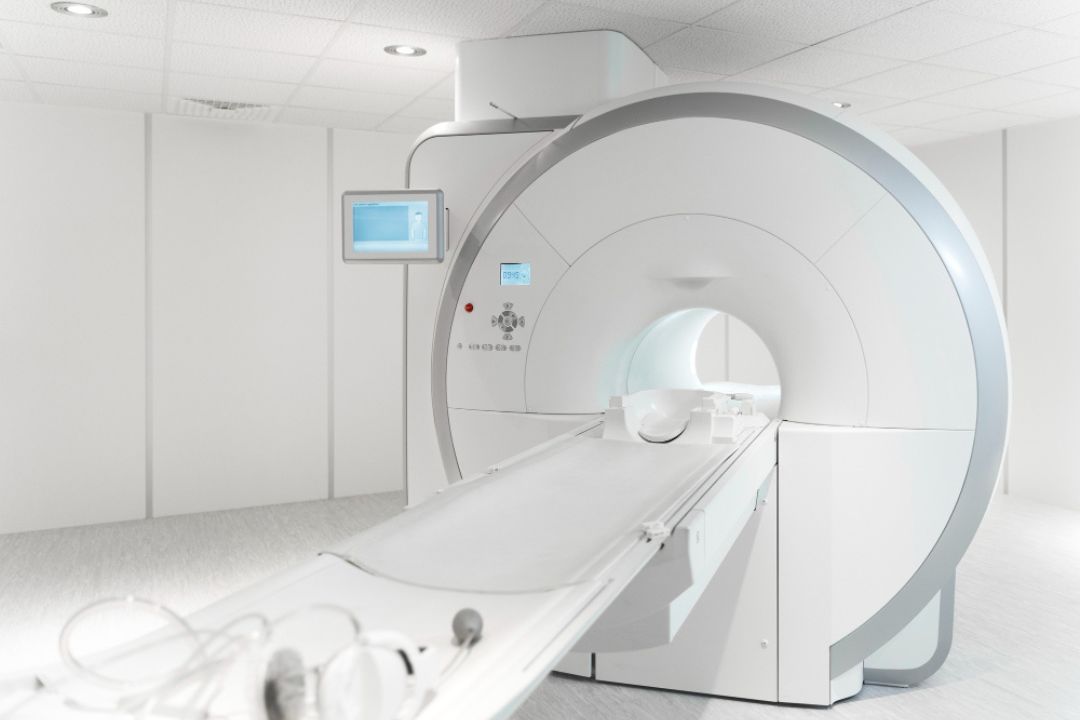
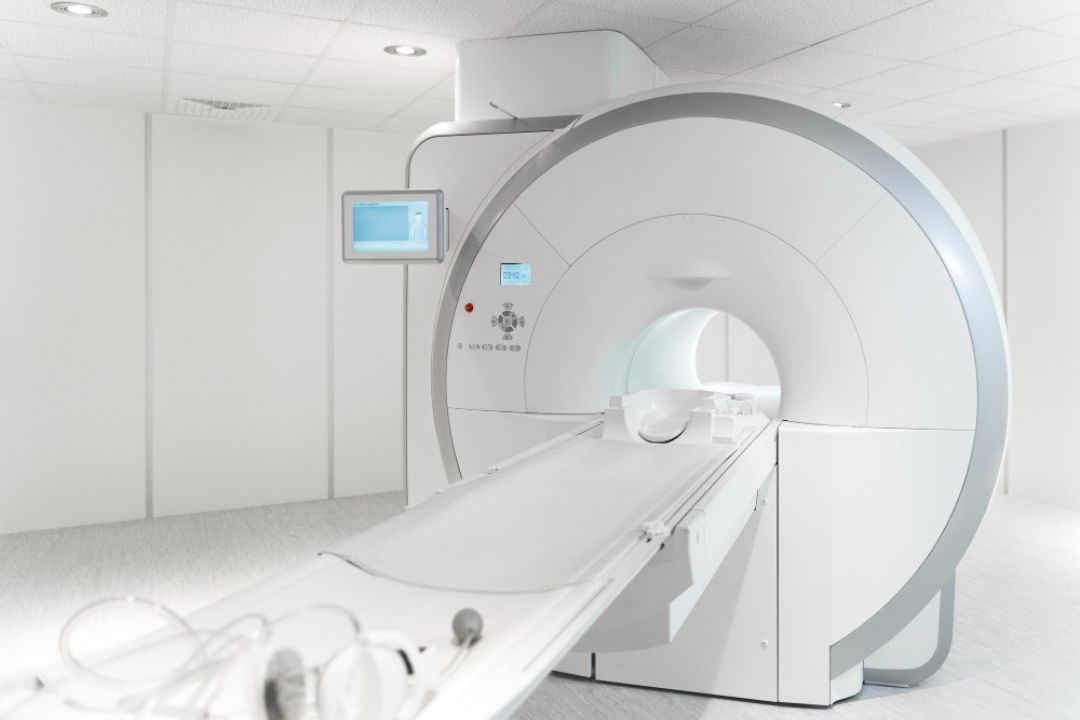
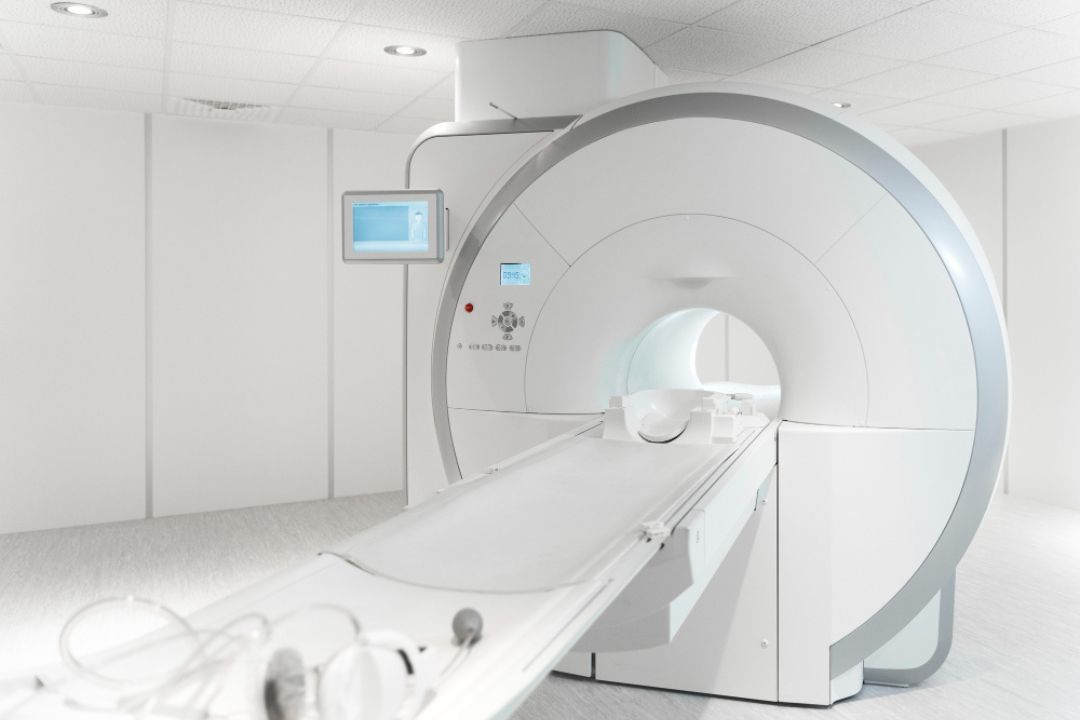
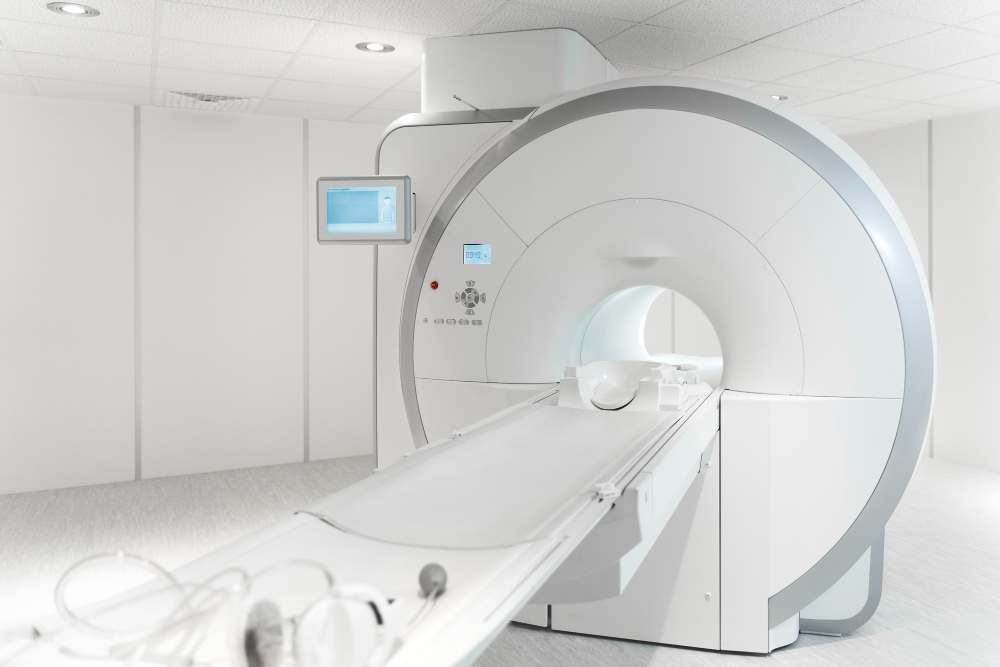
The table slides into a doughnut-shaped machine.
The scanner rotates around you while taking images.
You may hear soft humming or clicking sounds.
You can resume normal activities immediately.
No recovery time is needed.
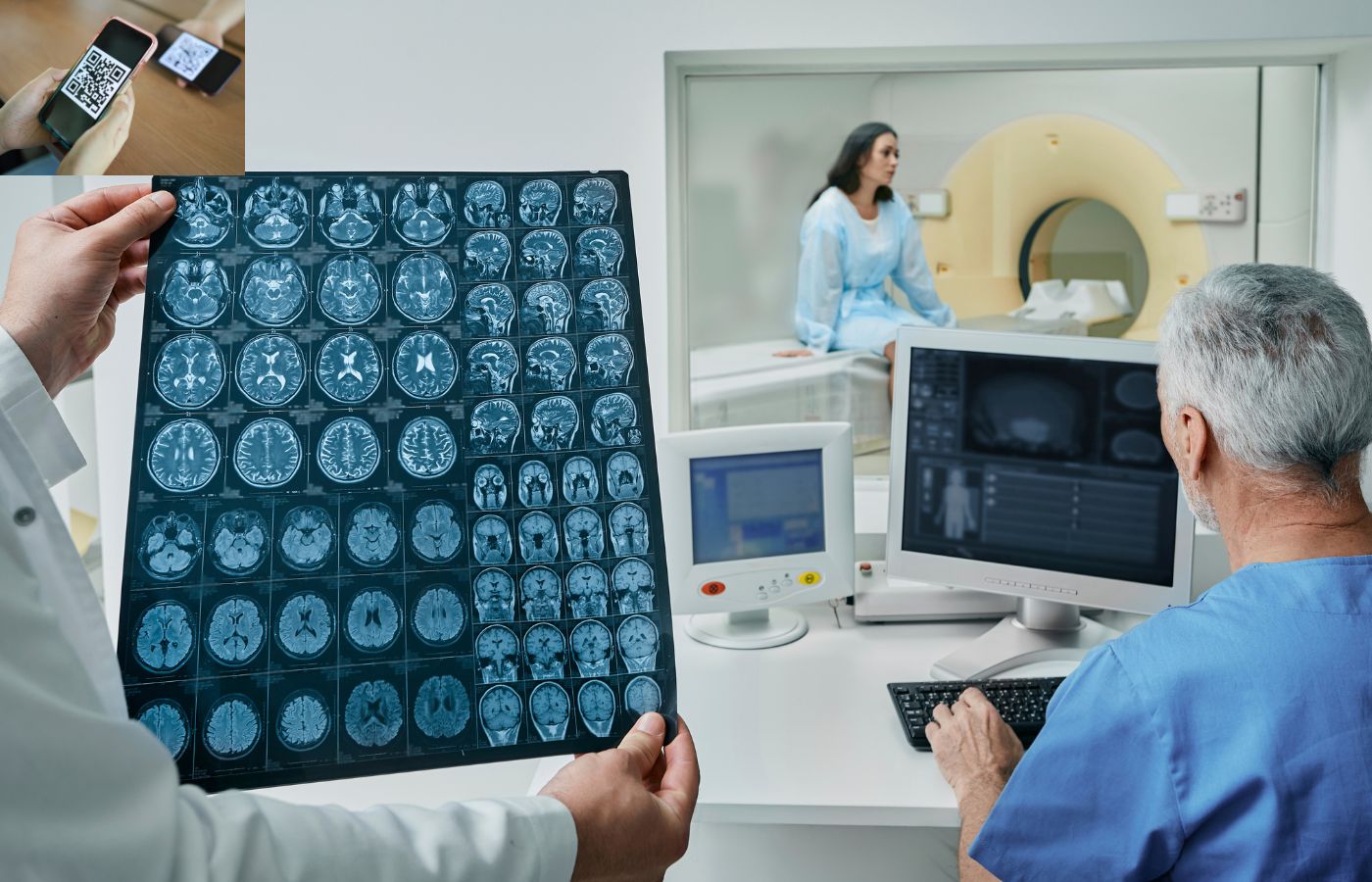
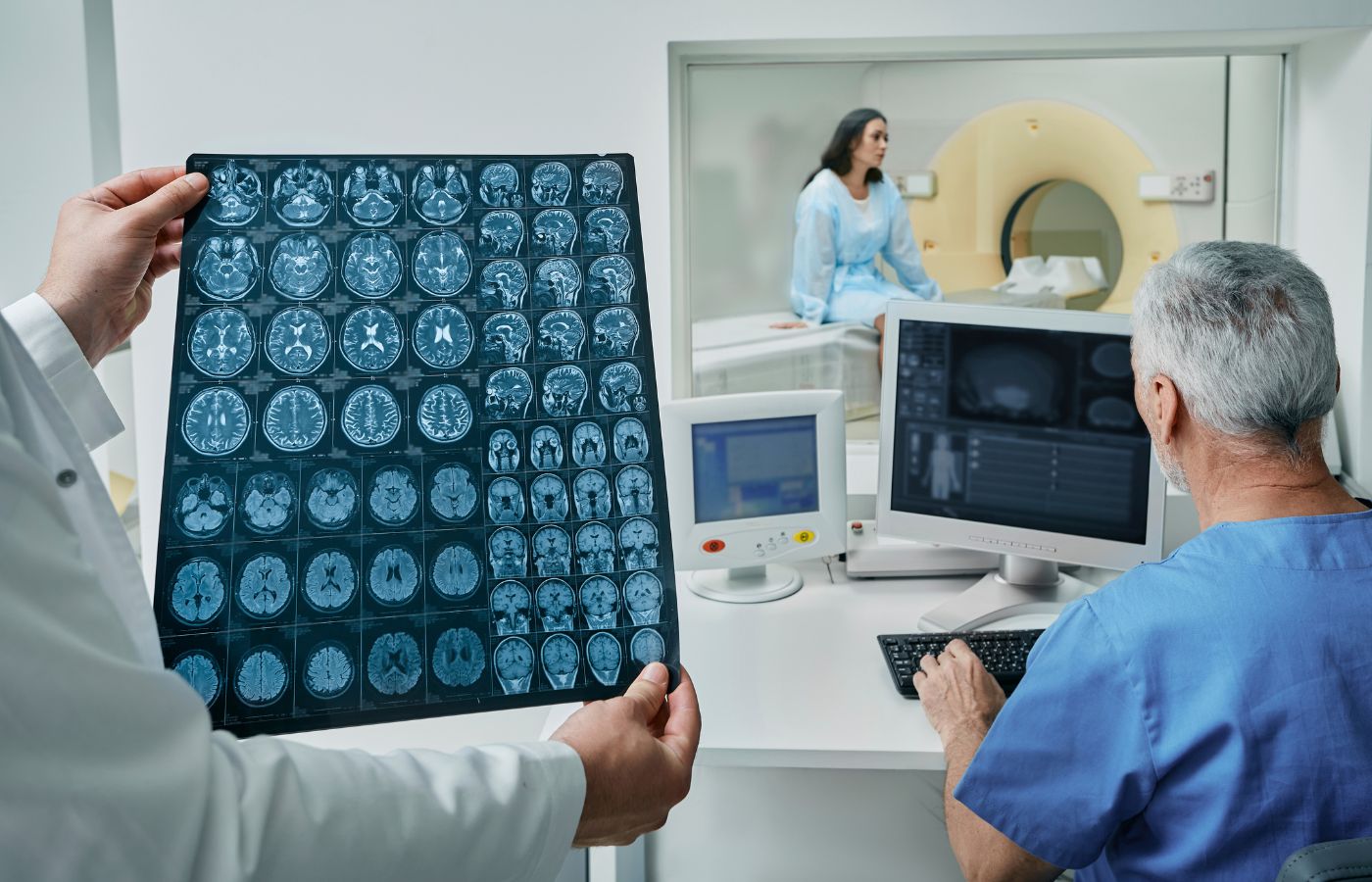
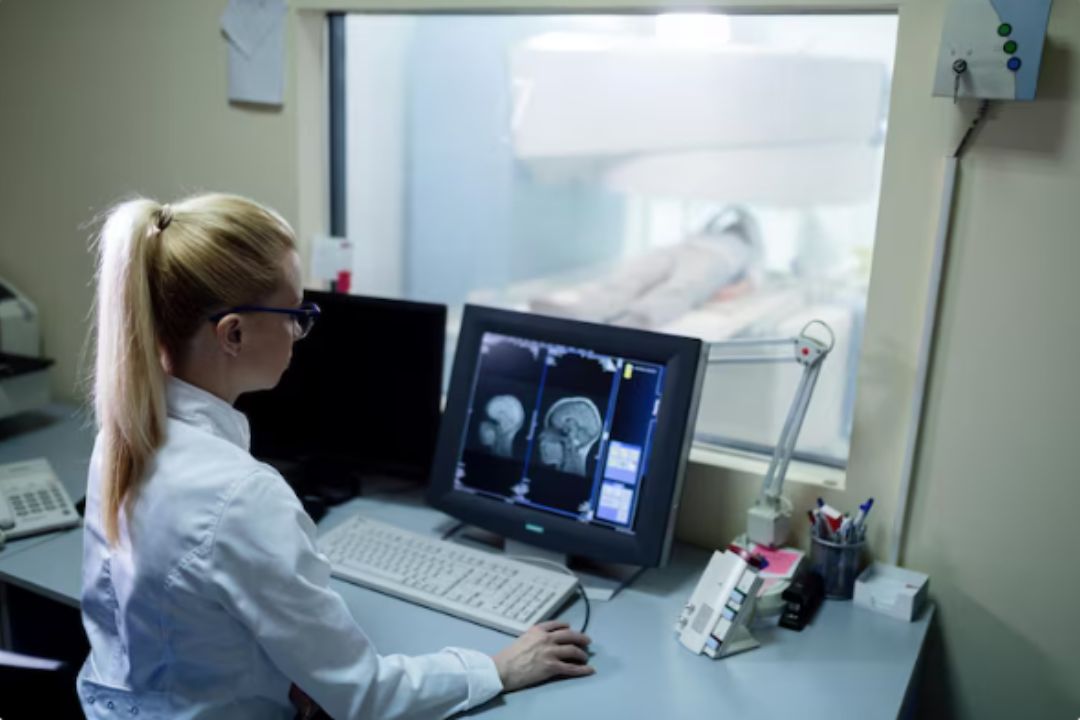
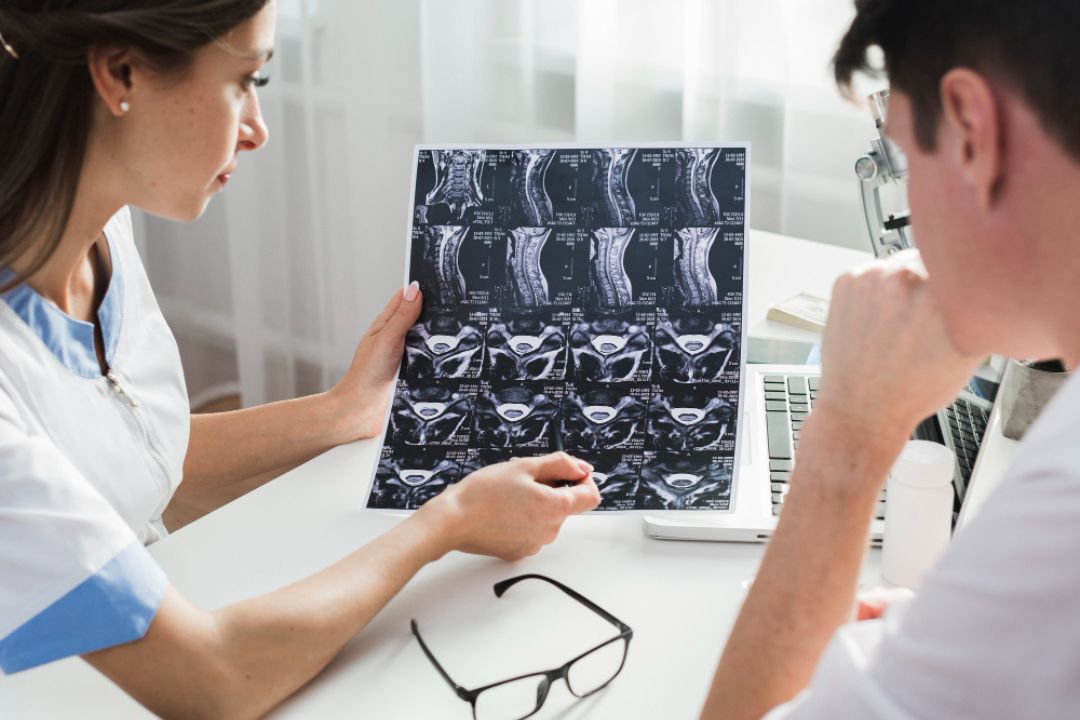
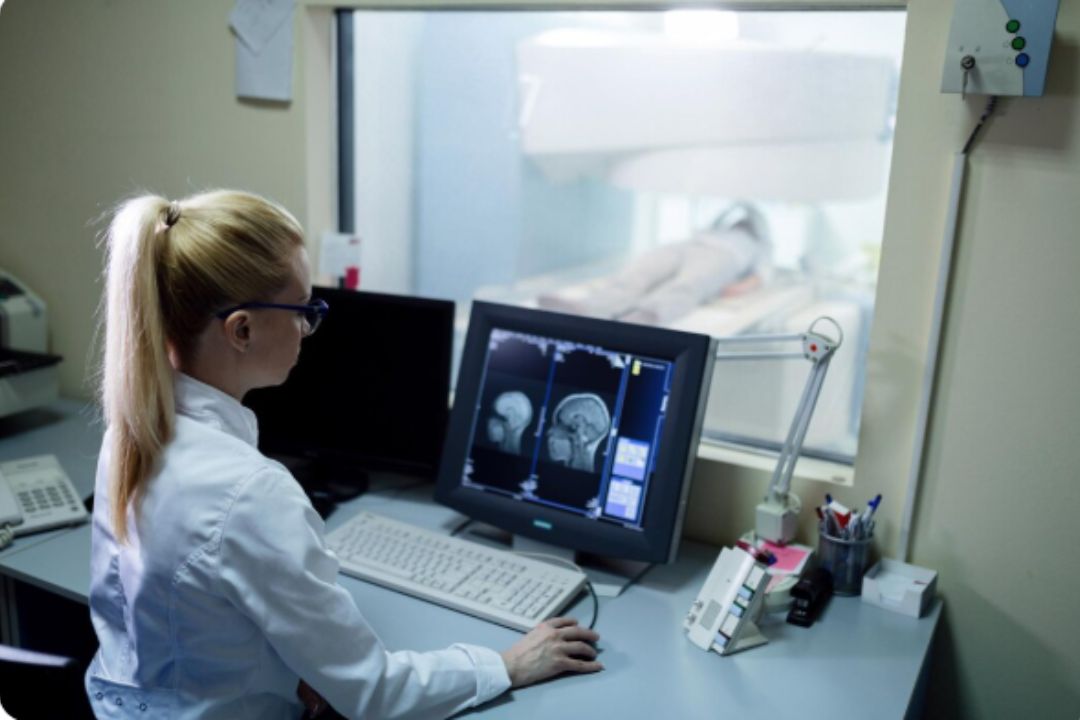
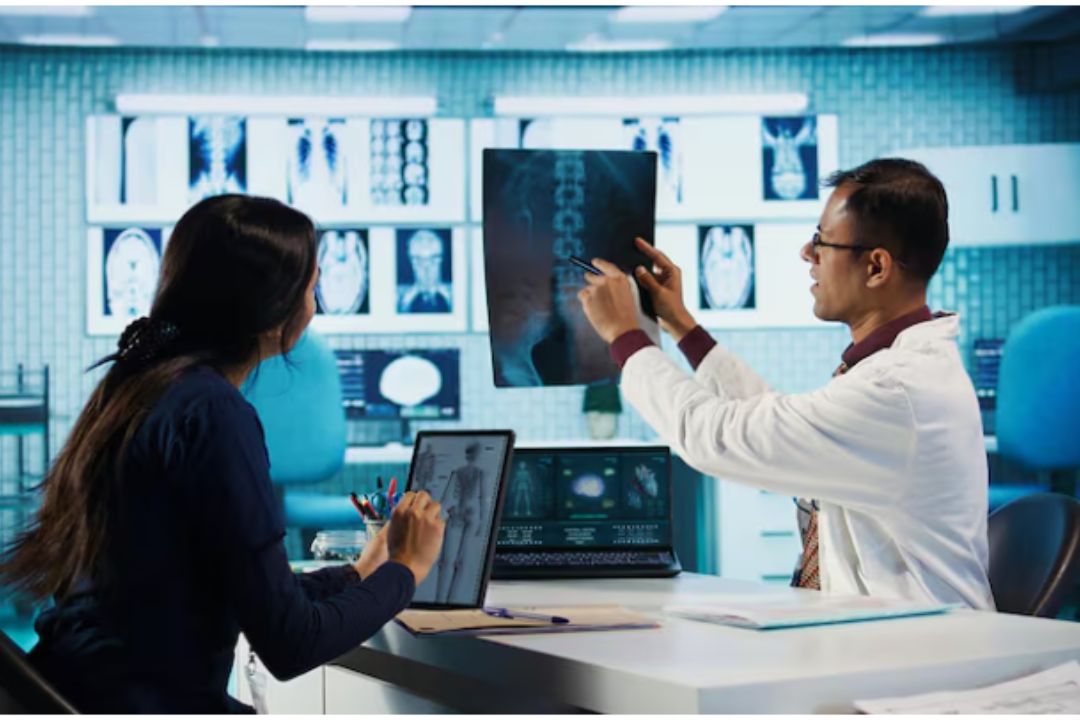
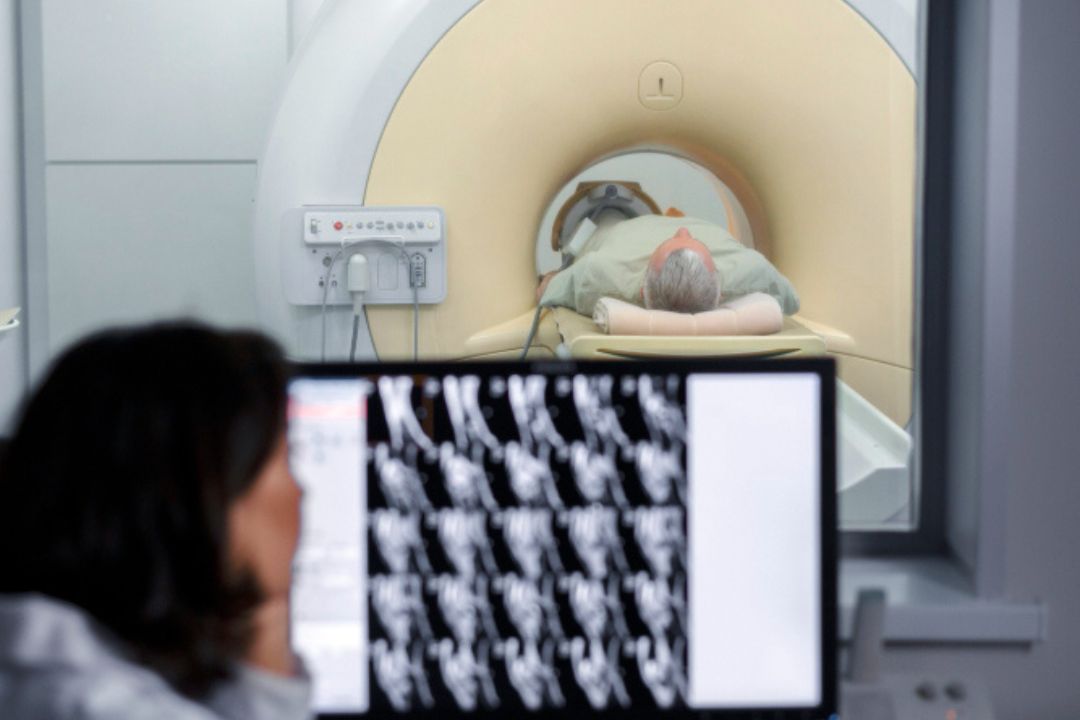
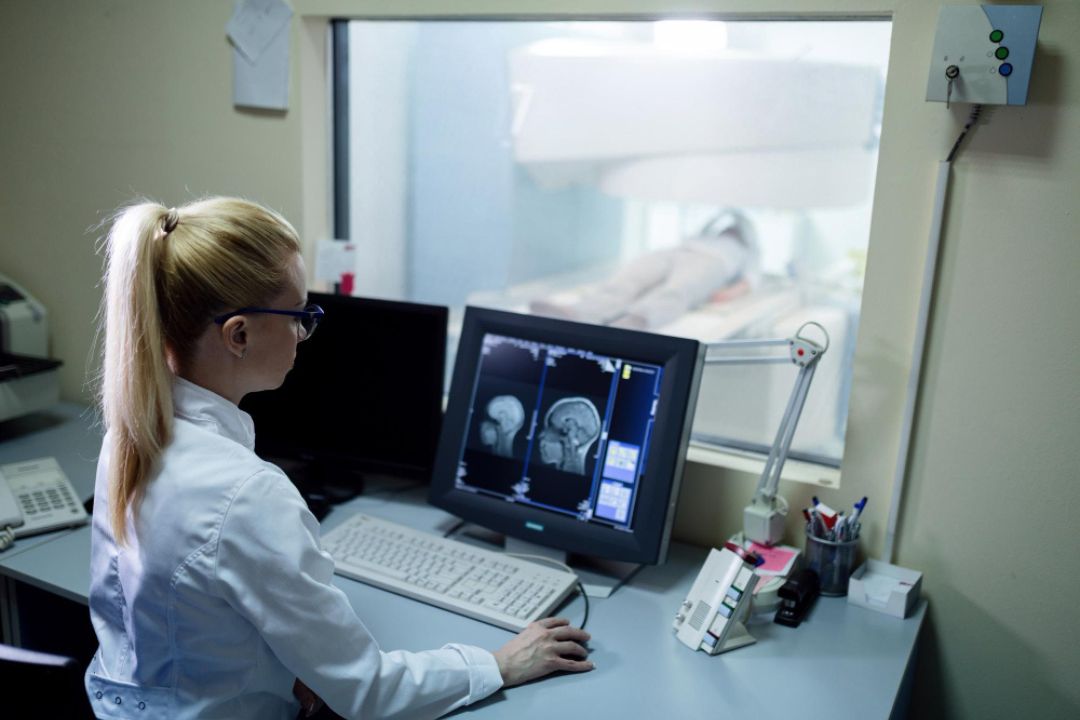
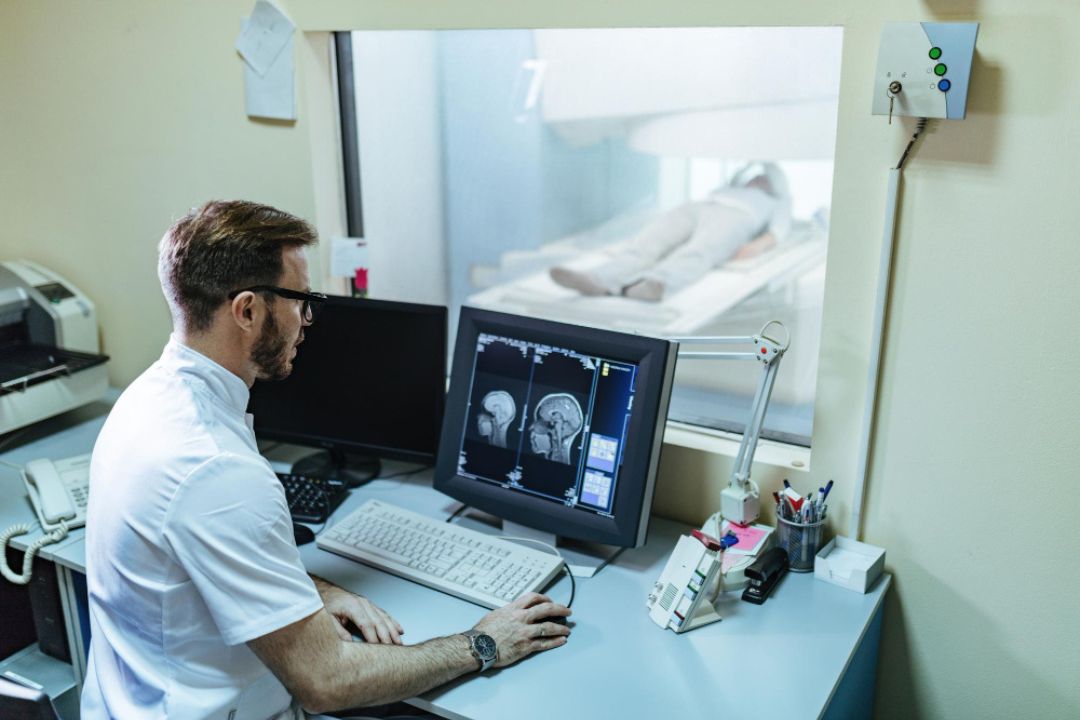
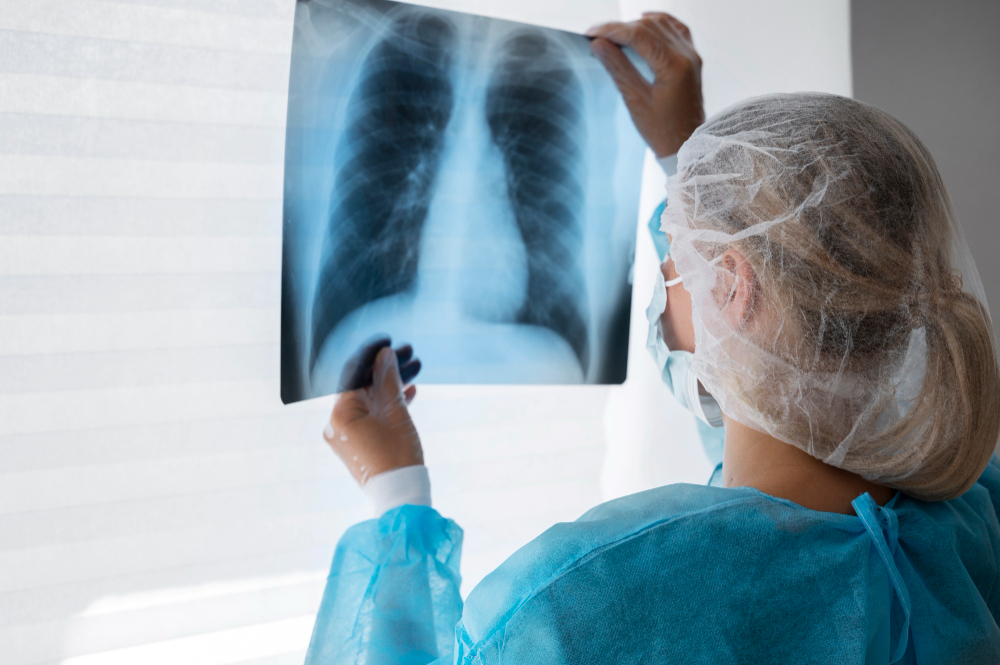
A radiologist reviews the images and sends a report to your doctor.
No. The scan is completely painless.
You simply lie still while the machine takes images. There are no needles, no injections, and no discomfort in a non-contrast scan.
CT scans use ionizing radiation, which is stronger than standard X-rays. However:
Modern scanners use low-dose technology
Radiation is carefully controlled
The benefit of accurate diagnosis usually outweighs the risk
Although contrast isn’t used, certain patients should still notify healthcare providers:
Pregnant women
Individuals with previous radiation therapy
Children (dose adjustments may be needed)
Patients with implanted medical devices
CT scans are highly accurate for detecting:
Complex fractures
Joint surface fractures
Multiple bone fragments
Subtle cracks
The cost varies depending on:
Location
Diagnostic center
Body part being scanned
Technology used
Here’s a quick summary of advantages:
Highly detailed bone imaging
Quick diagnosis
Non-invasive
No contrast dye required
Minimal preparation
Useful for surgical planning
Widely available
While very effective, CT scans do have limitations:
Radiation exposure
Less effective for soft tissue injuries compared to MRI
Not always necessary for simple fractures
Book Now:- https://www.diagnopein.com/ct-scan/Mumbai
When it comes to medical imaging, accuracy, comfort, and trust matter just as much as technology. Diagnopein stands out as a top choice for patients seeking reliable CT scans — especially for bone fractures without contrast — for several important reasons:
Diagnopein uses state-of-the-art CT scanners that deliver highly detailed images. This level of clarity helps doctors detect even subtle or complex fractures that might be missed on X-rays.
With high-resolution imaging, you get precise results that lead to faster, more accurate diagnosis and better treatment planning.
Not all imaging centers focus on fracture evaluations. Diagnopein has expertise in bone and orthopedic scans, with radiologists experienced in reading fracture-specific CT images.
This means you’re not just getting a scan — you’re getting interpretation from professionals who understand bone injuries in depth.
At Diagnopein, the CT scan process is:
Quick: Most scans take just a few minutes
Painless: No needles, no injections, no contrast dye
Minimal preparation: You can usually eat and drink normally
Many imaging centers default to contrast CT scans, which can involve dye, injections, and additional preparation.
With Diagnopein, non-contrast CT scans for fractures are standard — so you avoid unnecessary contrast dyes while still getting top-quality imaging.
Time matters when it comes to diagnosing injuries. Diagnopein provides quick turnaround of scan reports, often the same day or within 24 hours, depending on urgency.
This helps doctors make faster treatment decisions — and lets patients begin recovery sooner.
Technology alone doesn’t make a great imaging center — people do. Diagnopein’s team includes:
Experienced radiologists
Friendly technologists
Support staff committed to patient comfort
Staff trained to work with trauma, elderly, and anxious patients
Diagnopein follows strict safety protocols:
Low-dose radiation techniques
Hygiene and infection prevention
Careful evaluation of patient history
Clear explanations before and after the scan
Because of its accuracy and reliability, many orthopedists, emergency physicians, and specialists trust Diagnopein for fracture imaging.
A referral to Diagnopein means doctors can act confidently on the imaging results.
Diagnopein offers clear pricing for CT scans without hidden costs. You’ll know what to expect, making medical care more accessible and stress-free.







.jpg "ct brain scan plain and contrast")

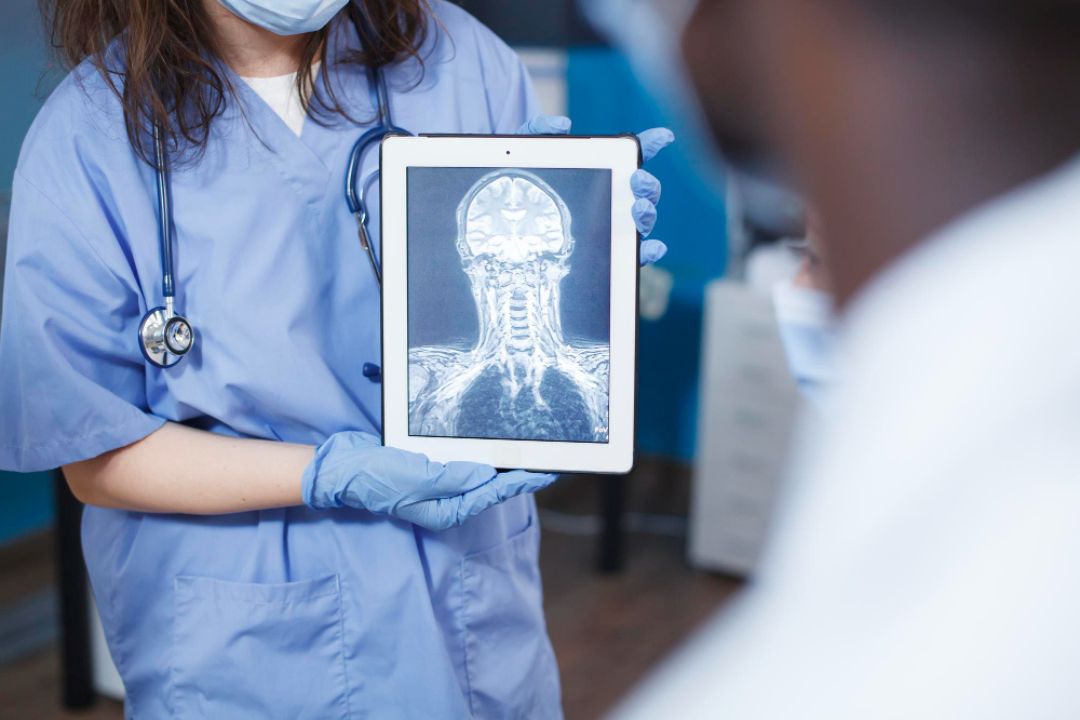
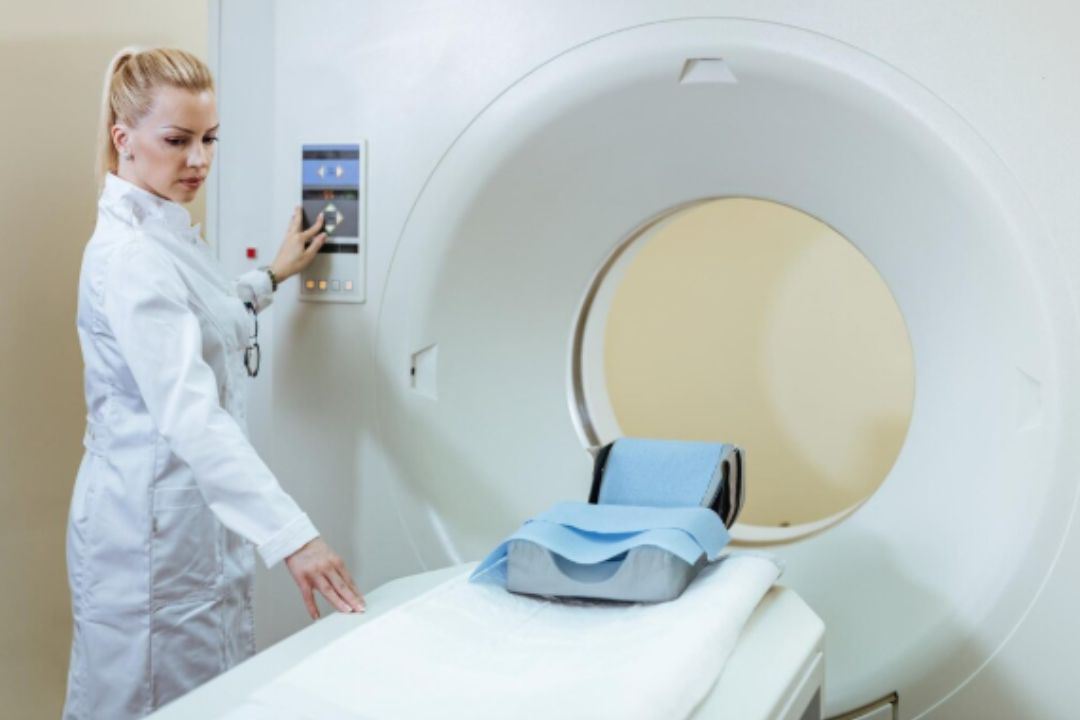

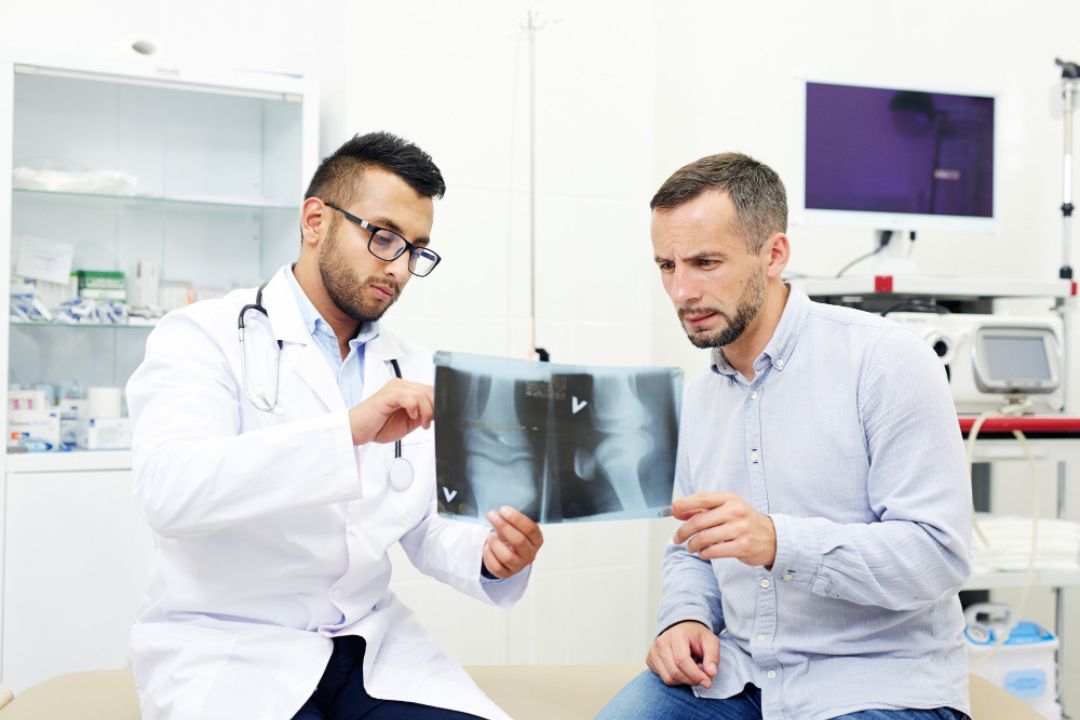

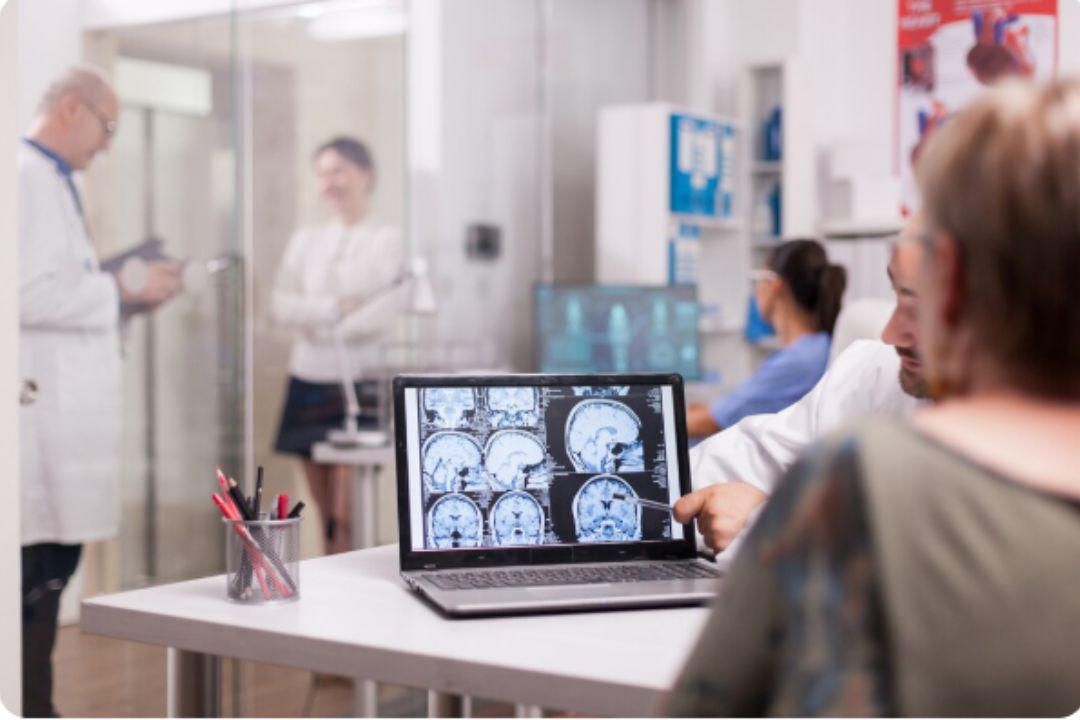




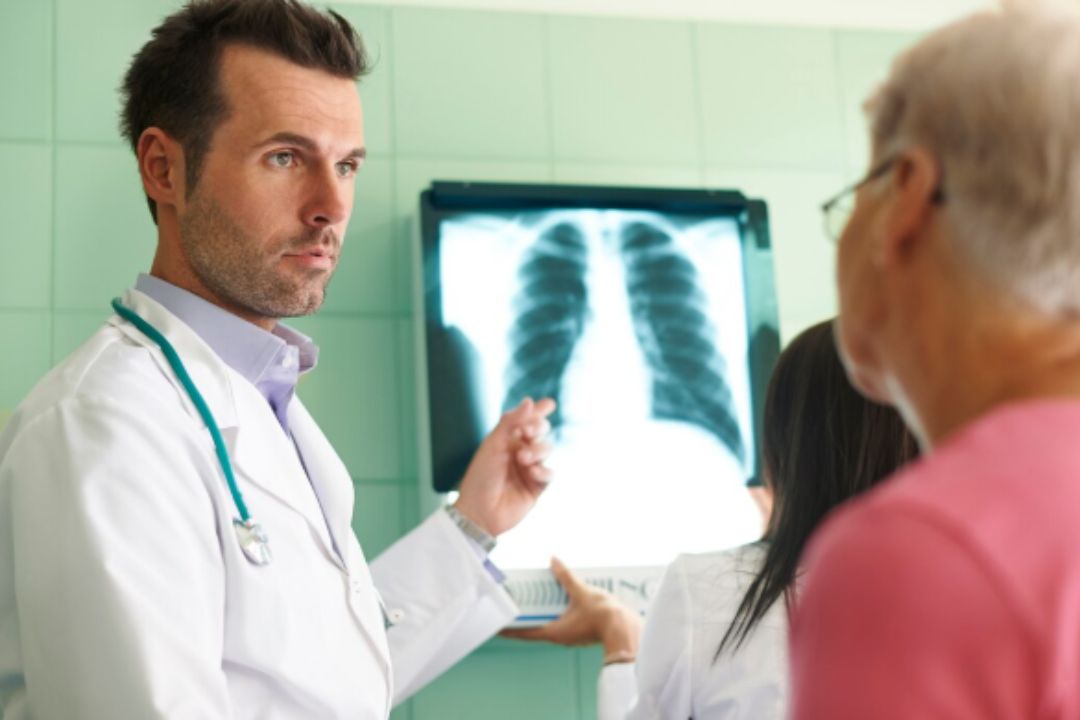
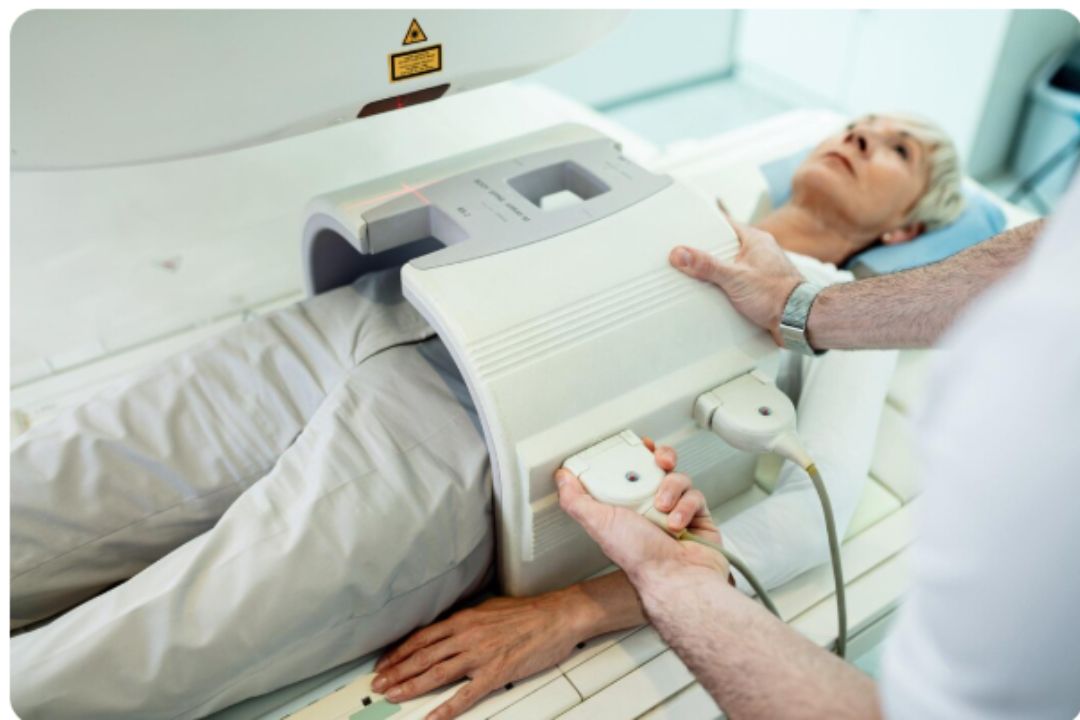

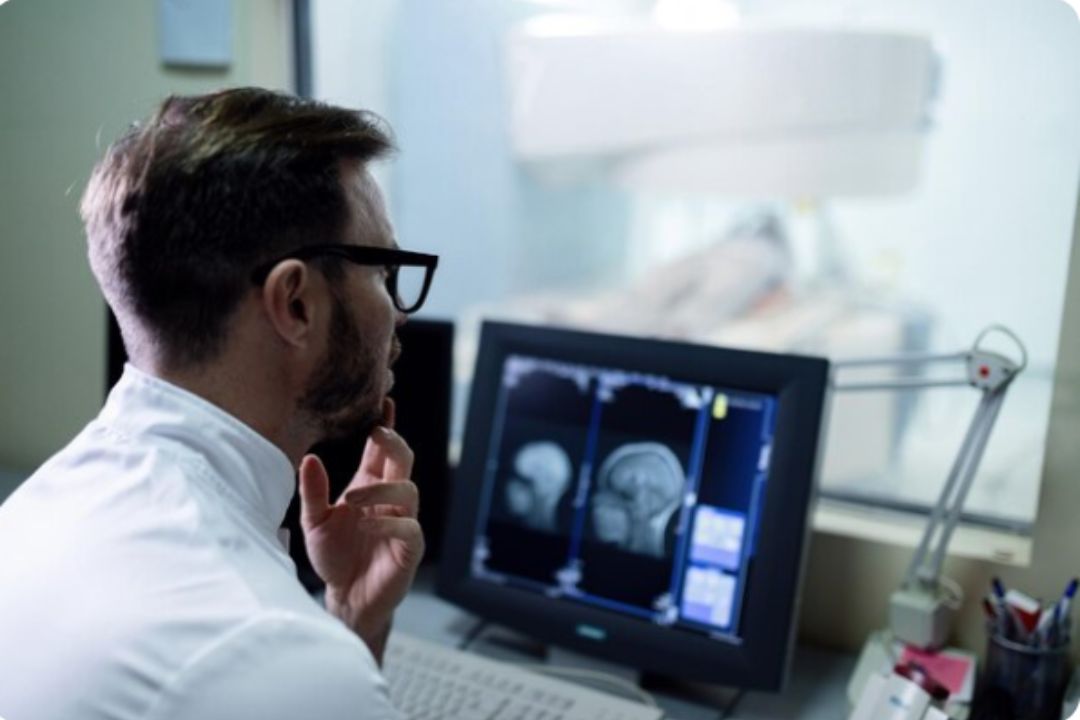


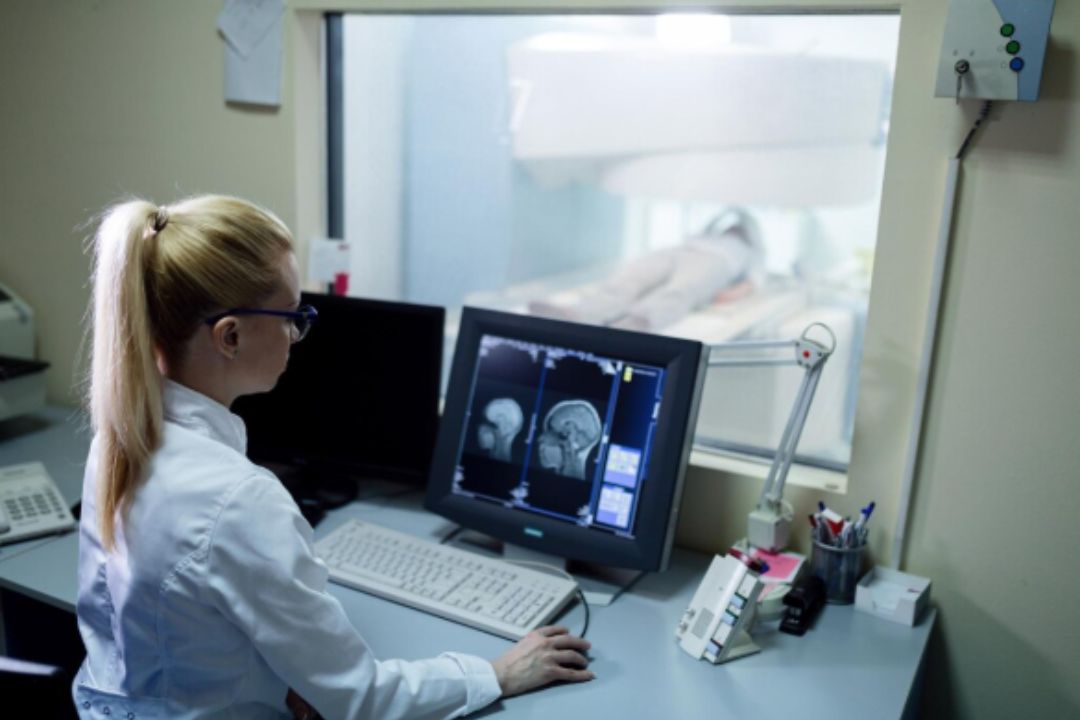
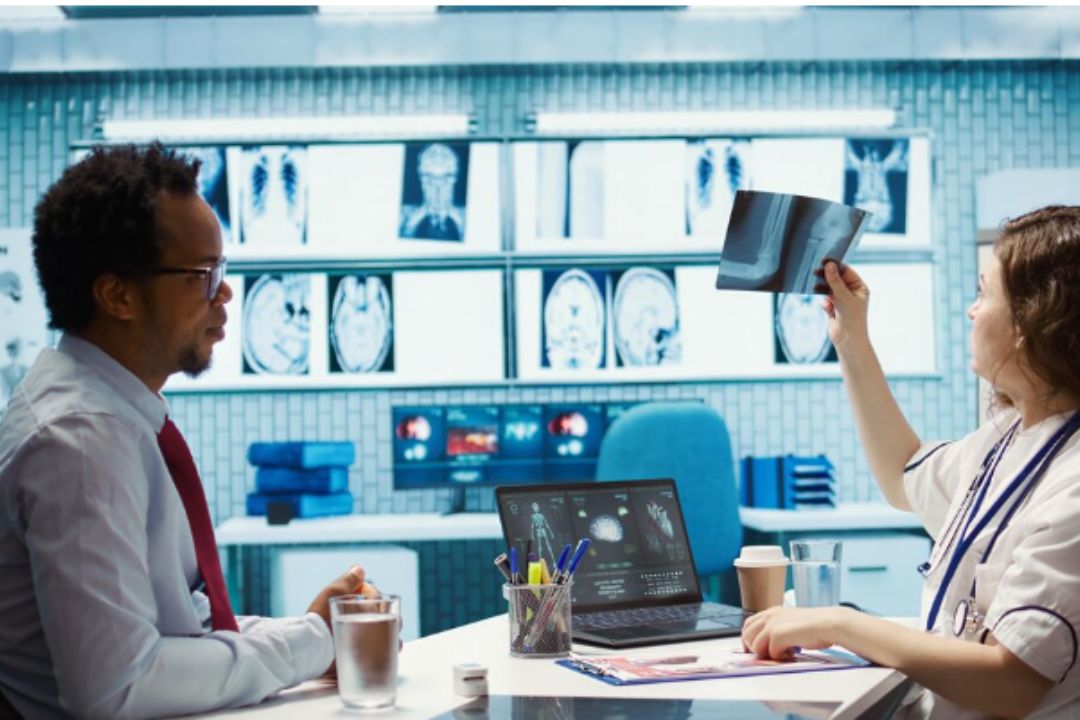
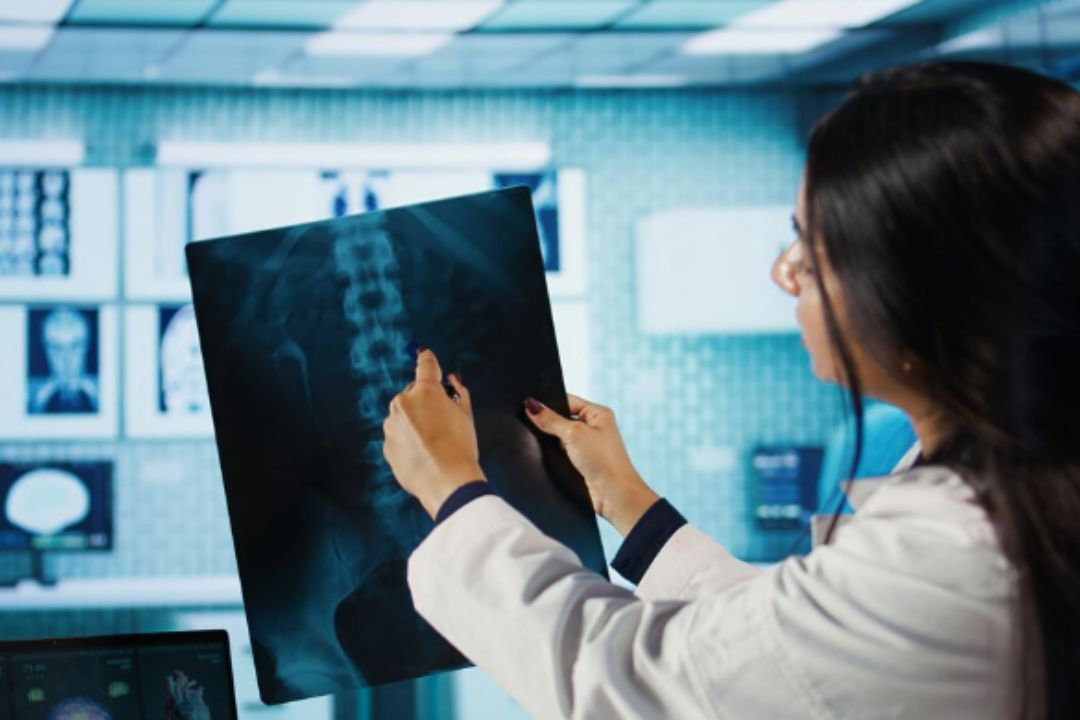
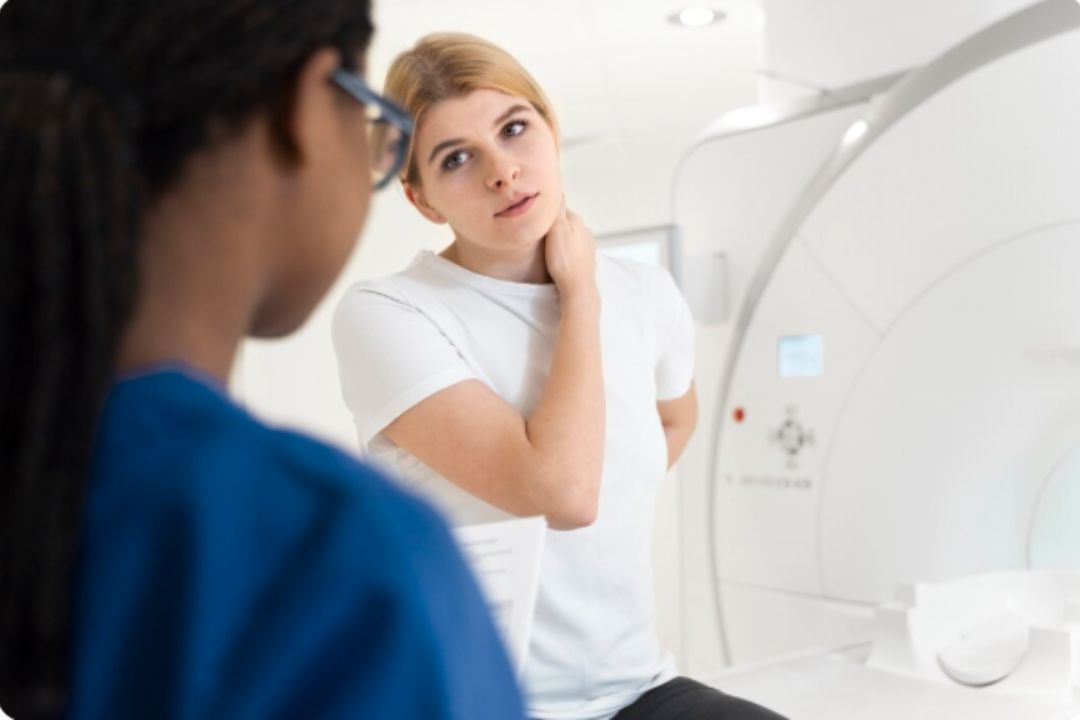
.jpg "ct scan")
.jpg "ct scan or mri for brain disorders")


.jpg "exploring the power of ct brain contrast in modern diagnostics")
.jpg "ct scan")
.jpg "ct scan")







.jpg "ct scan")

.jpg "CT Brain Scan for Headaches")
.jpg "The Future of 3D CT Imaging")