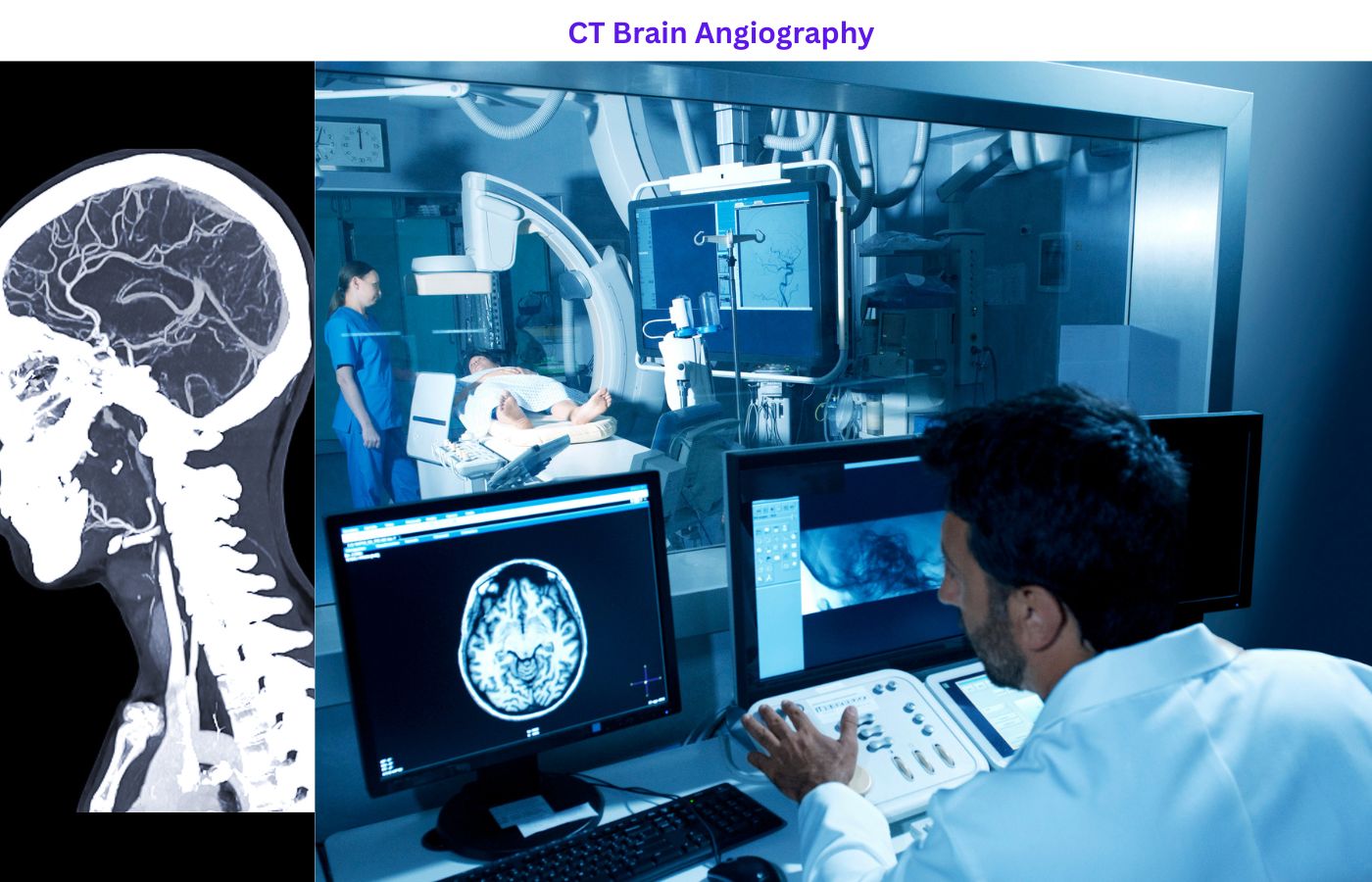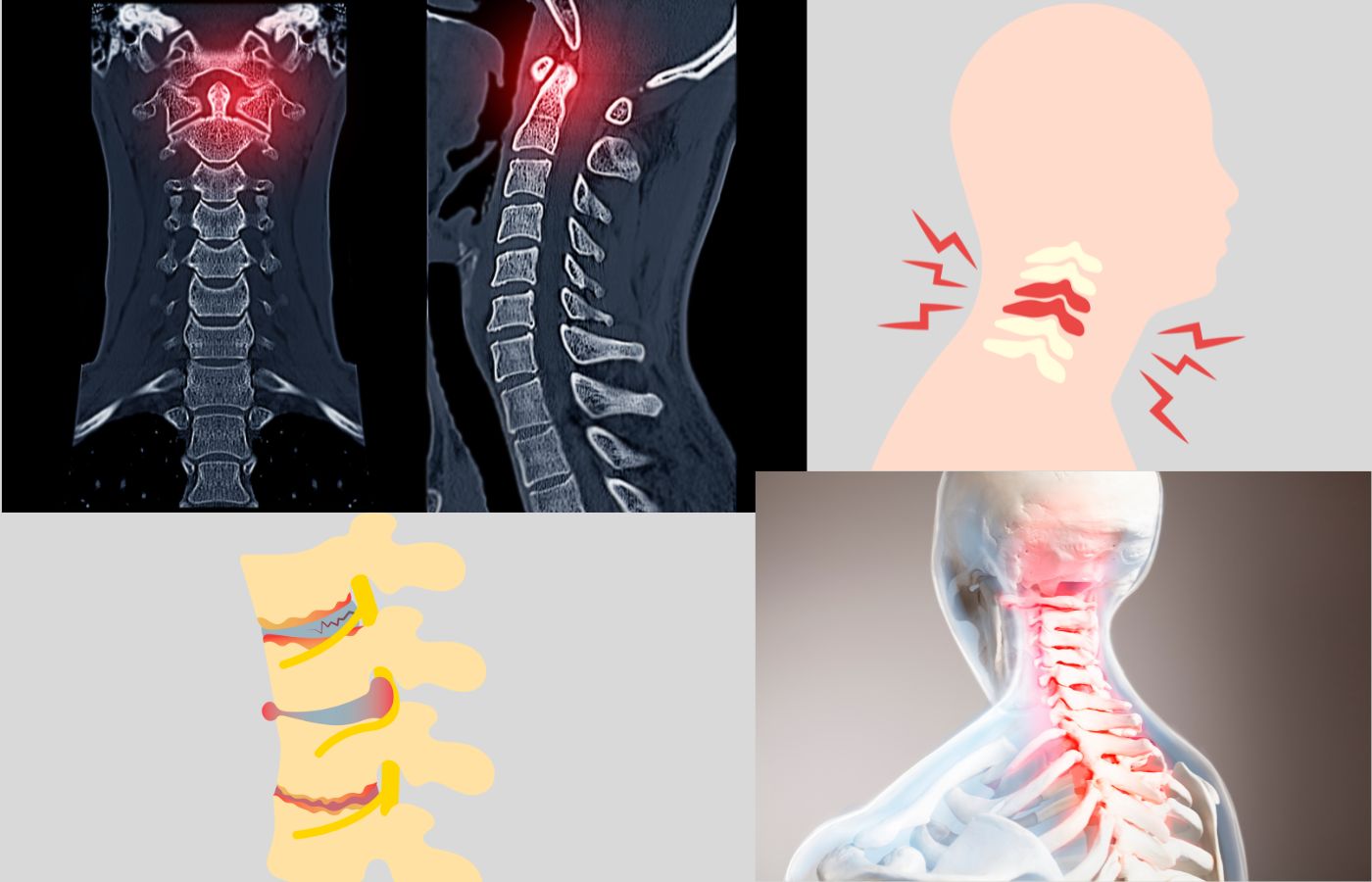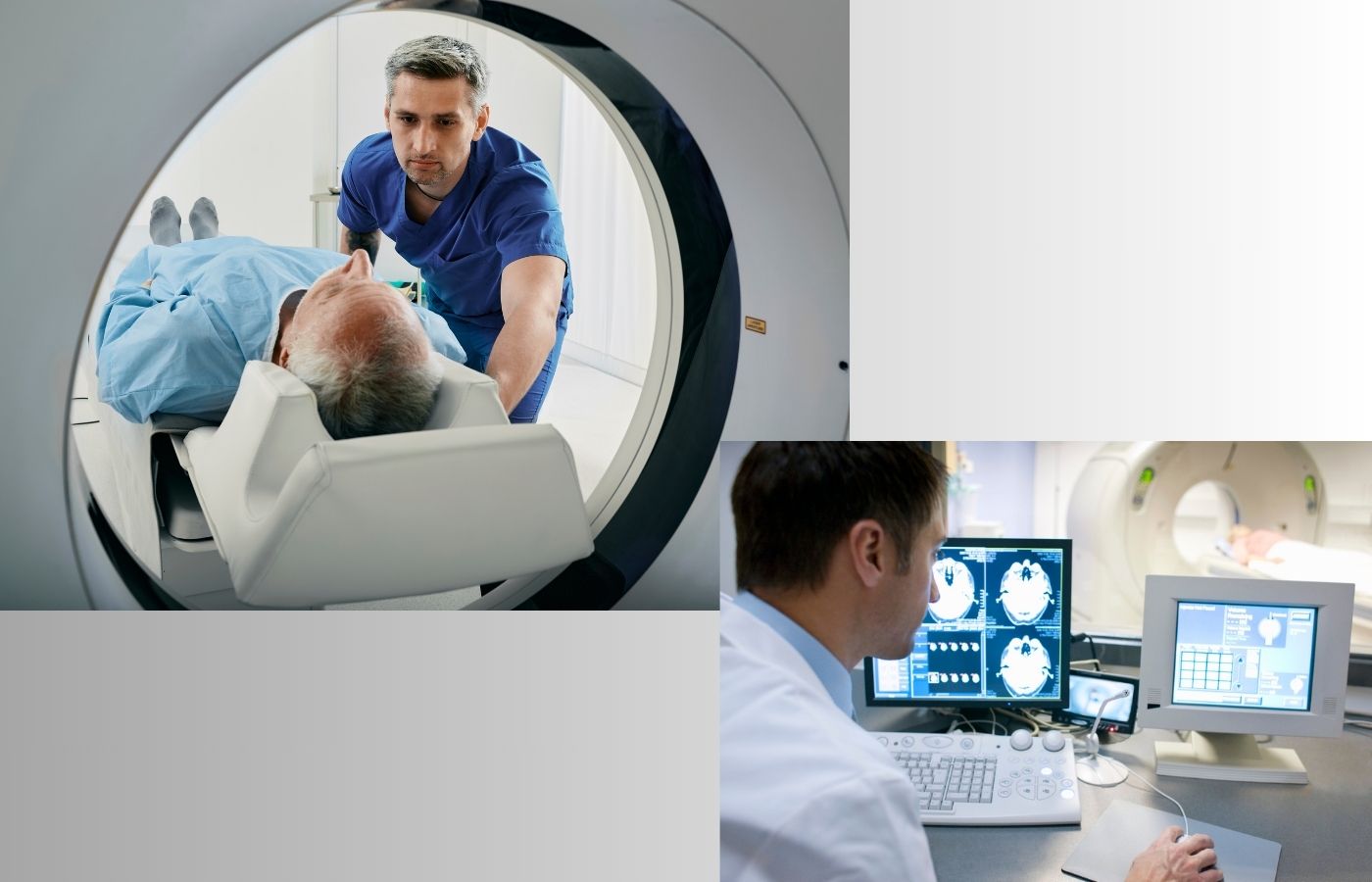
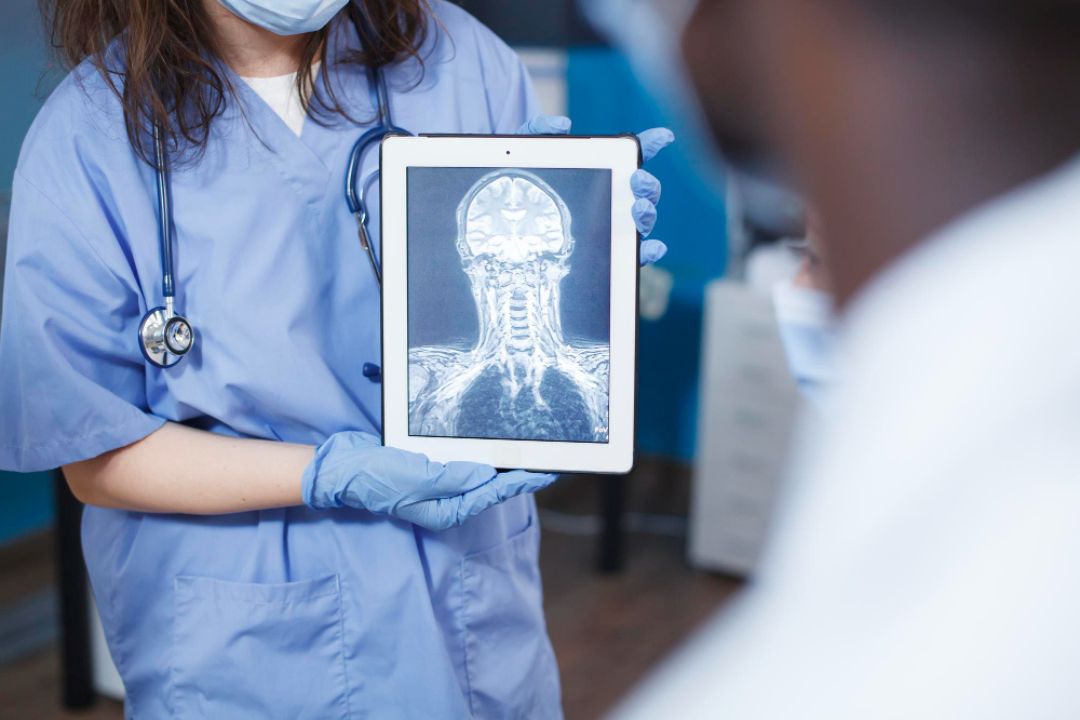
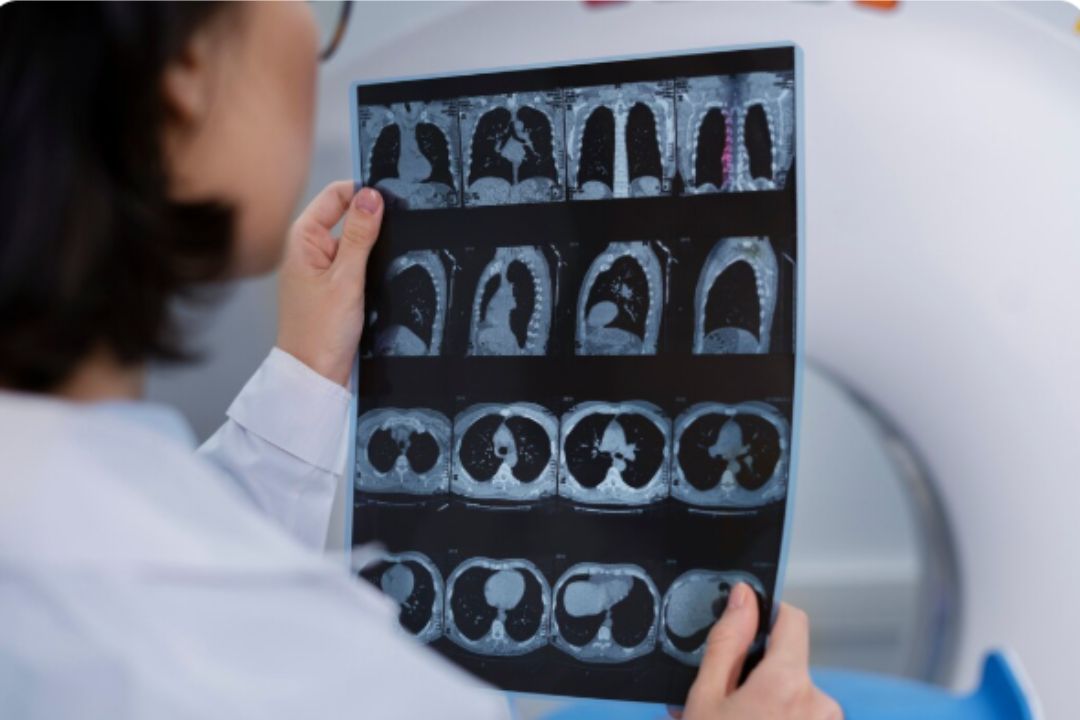
A CT Scan (Computed Tomography scan) is a medical imaging test that uses X-rays and computer technology to produce detailed images of the inside of the body. Doctors use this scan to diagnose injuries, infections, tumors, and many other medical conditions.
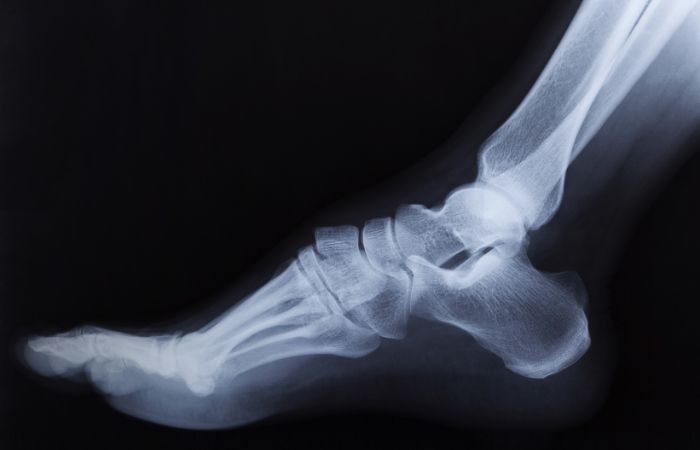
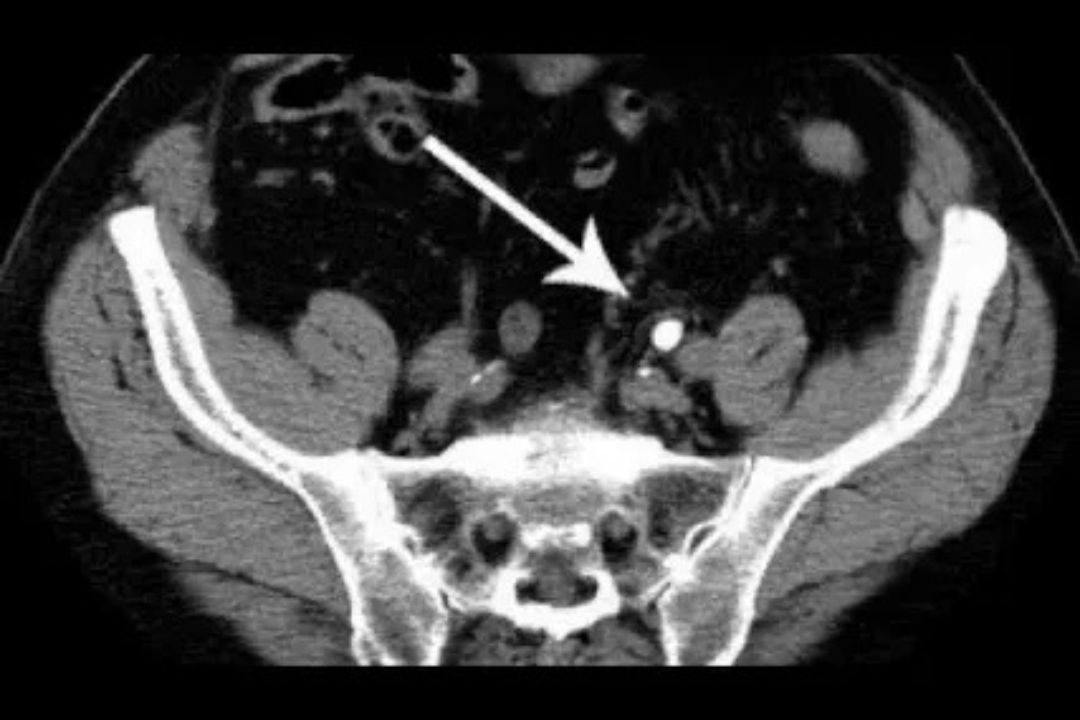
Unlike a regular X-ray, a CT scan creates detailed cross-sectional images of bones, organs, blood vessels, and soft tissues, allowing doctors to examine the body more accurately.
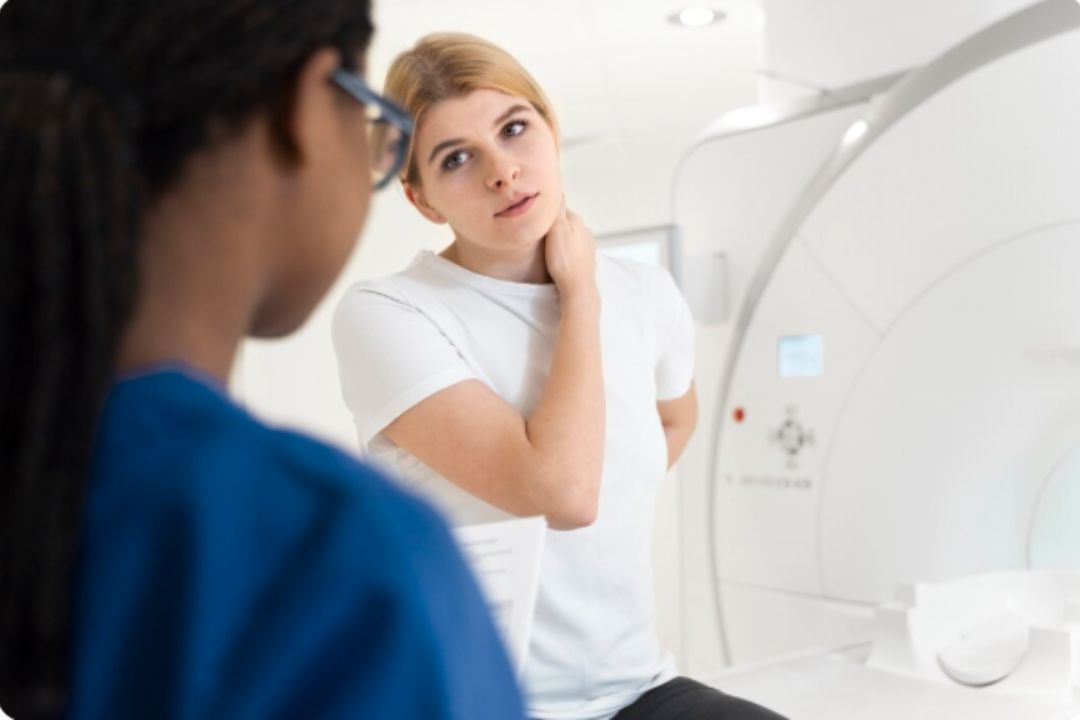
When you arrive at the diagnostic center or hospital, you will first complete registration and provide your medical details. The technician may ask about allergies, medications, pregnancy, or previous reactions to contrast dye.
Depending on the type of CT Scan, you may be asked to avoid eating or drinking for a few hours before the test.
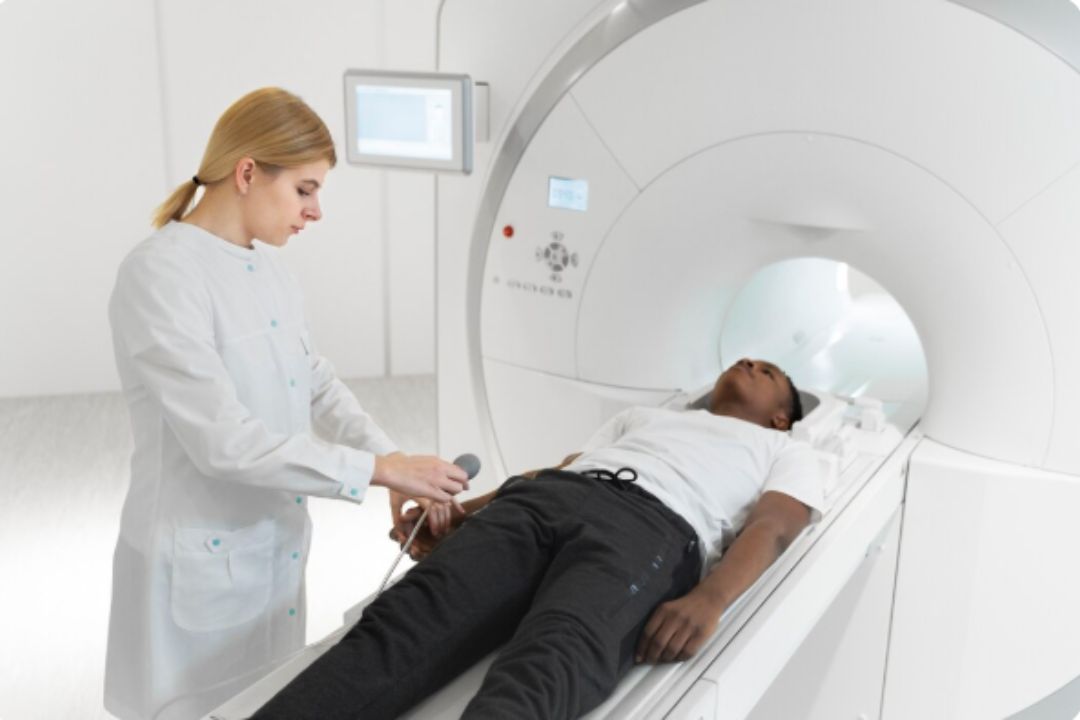
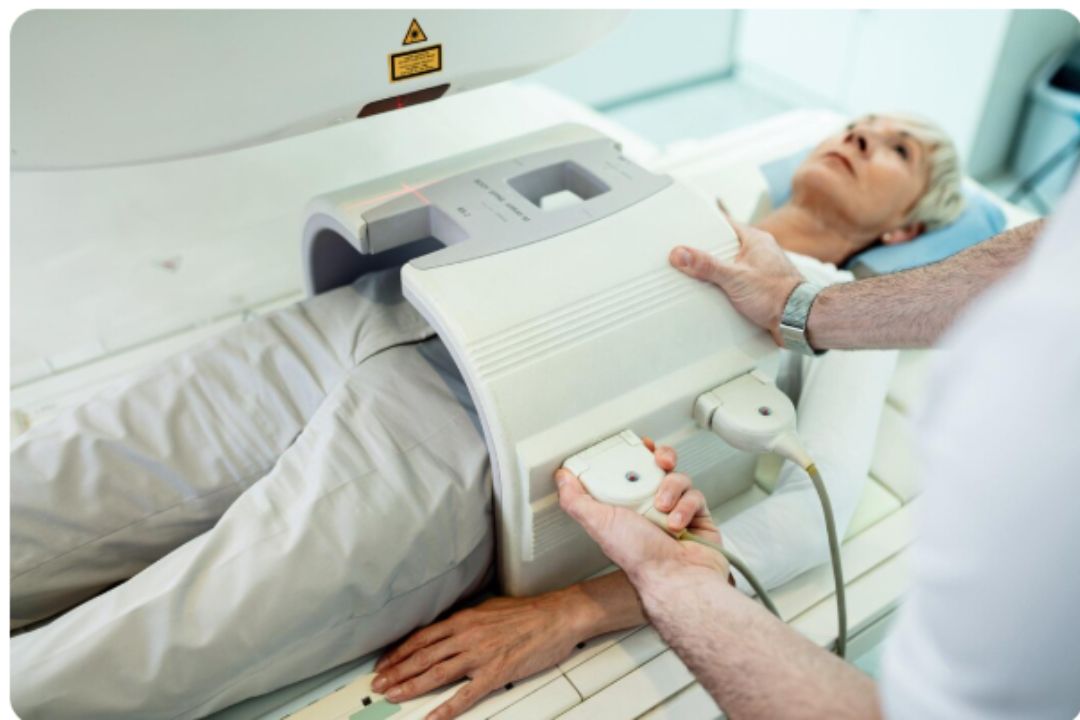
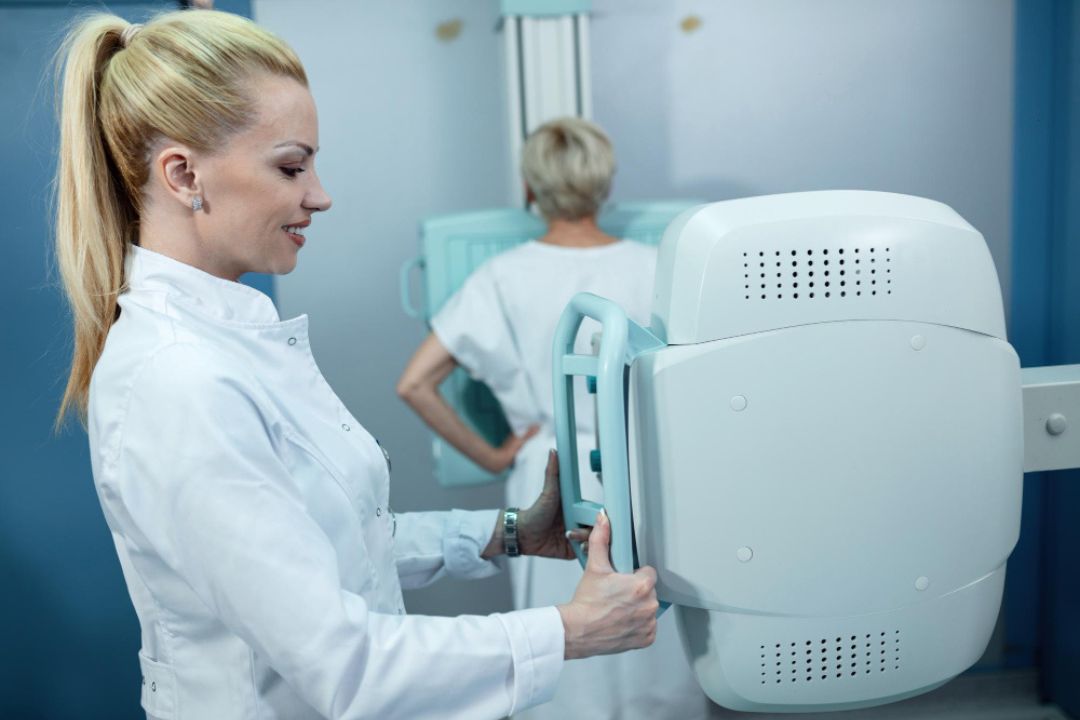
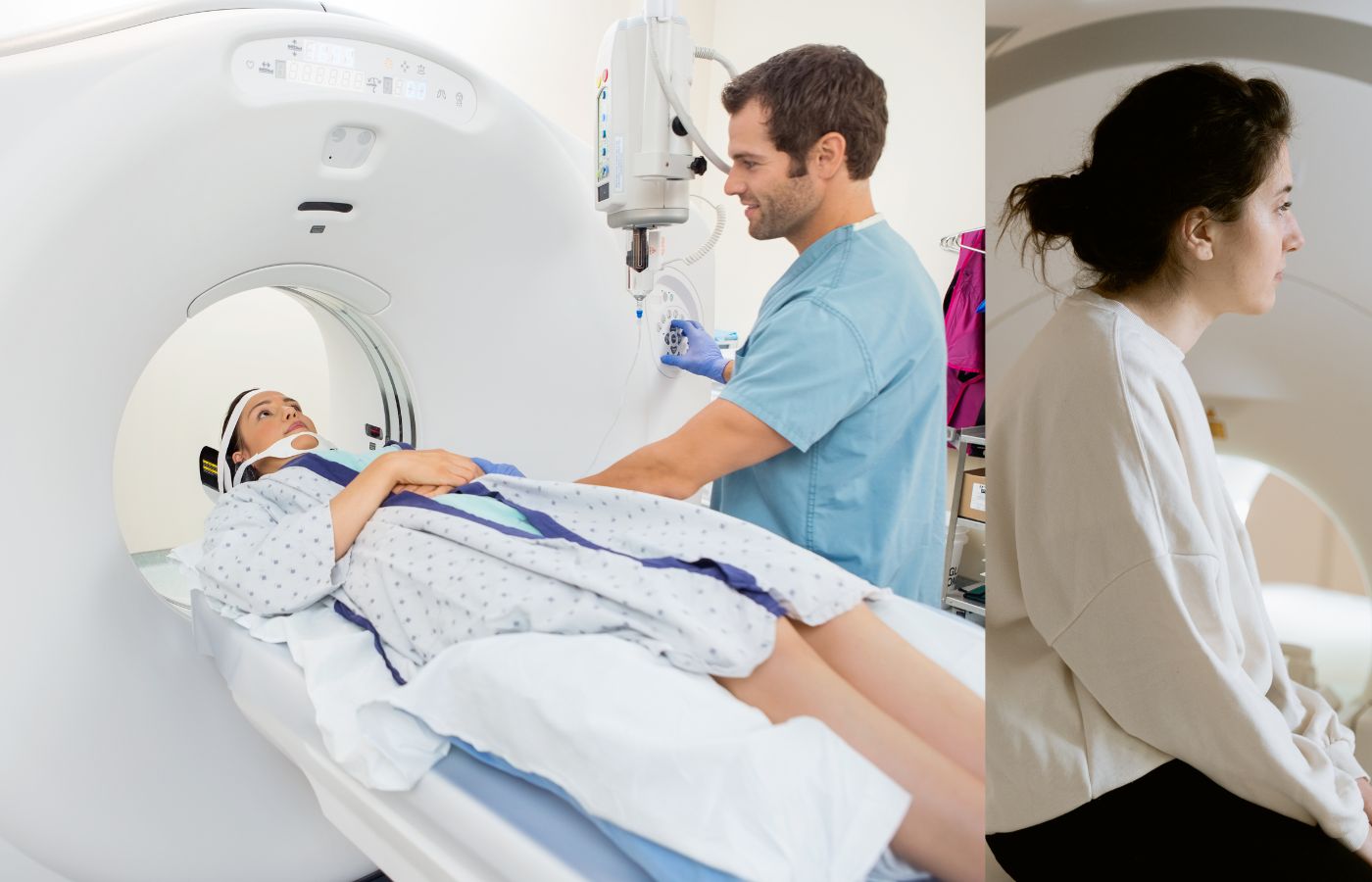
Before the scan begins, patients may be asked to change into a hospital gown. Metal objects such as jewelry, glasses, belts, or dentures must be removed because they can interfere with the imaging results.
In some CT Scans, a contrast dye is used to improve the visibility of organs and blood vessels.
The contrast material may be given in several ways:
Injection through a vein in the arm
Drinking a liquid contrast solution
Rarely, through a rectal contrast
Patients may feel a warm sensation or metallic taste for a few seconds after the injection, which is normal.
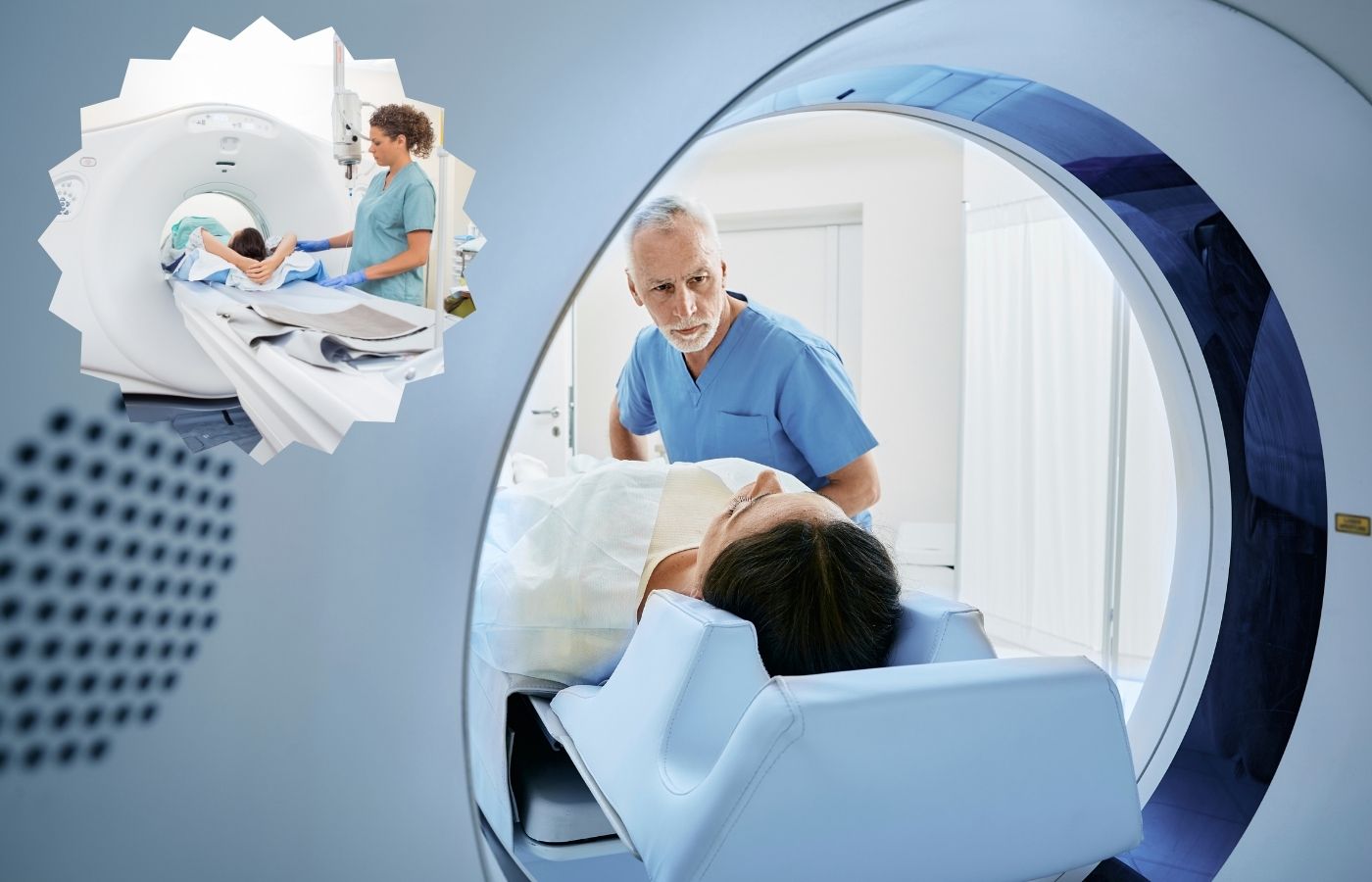
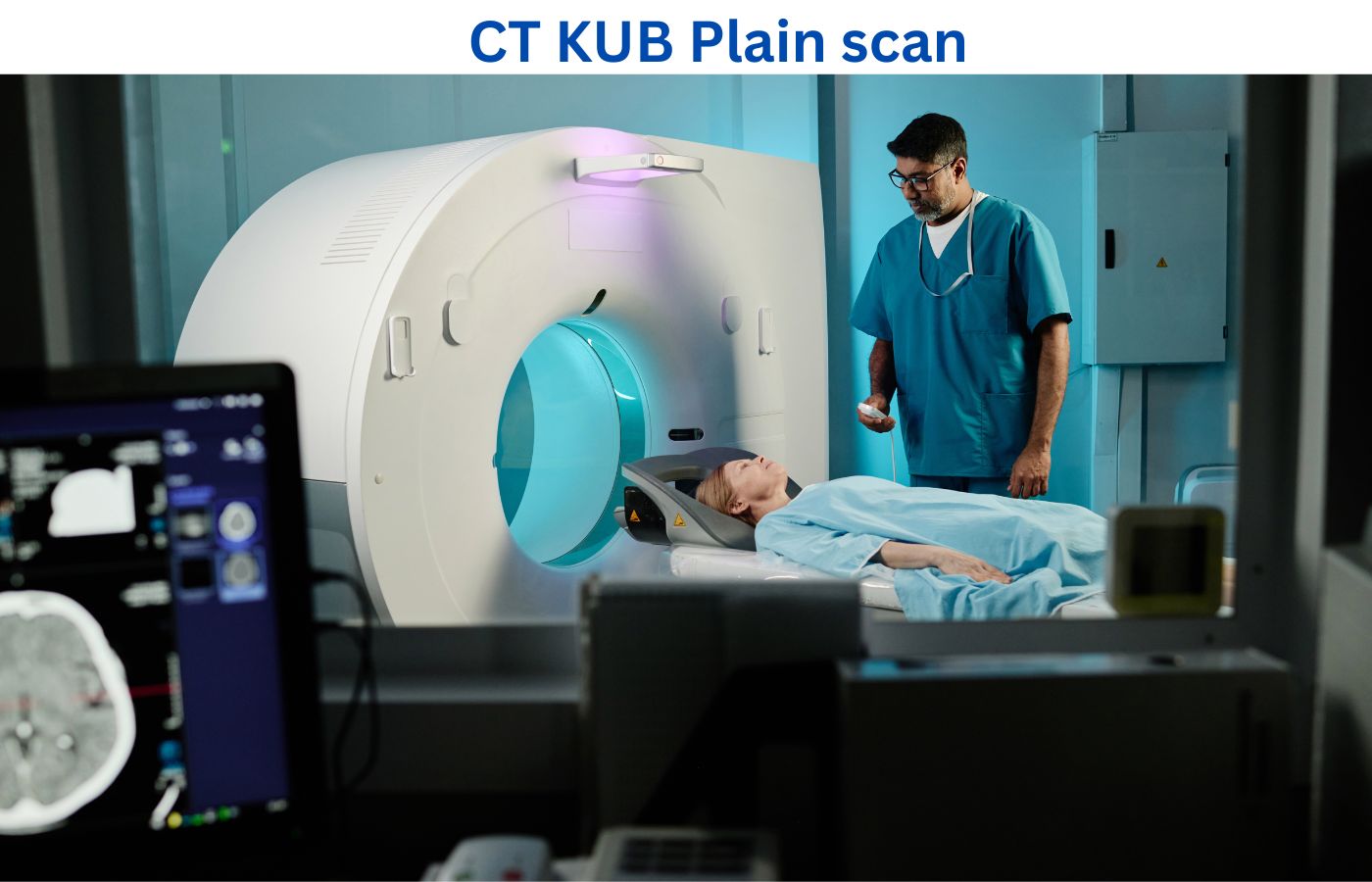
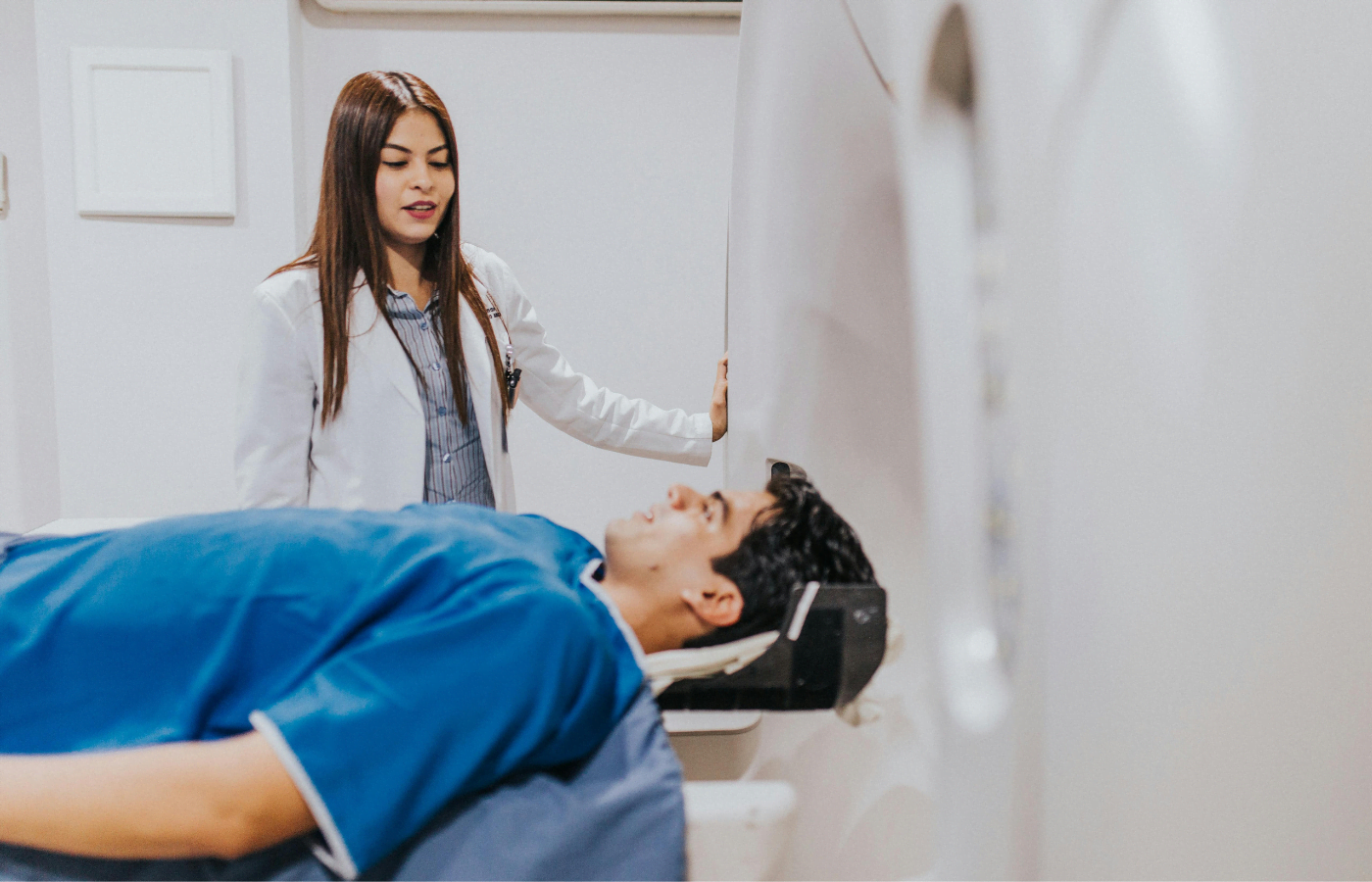
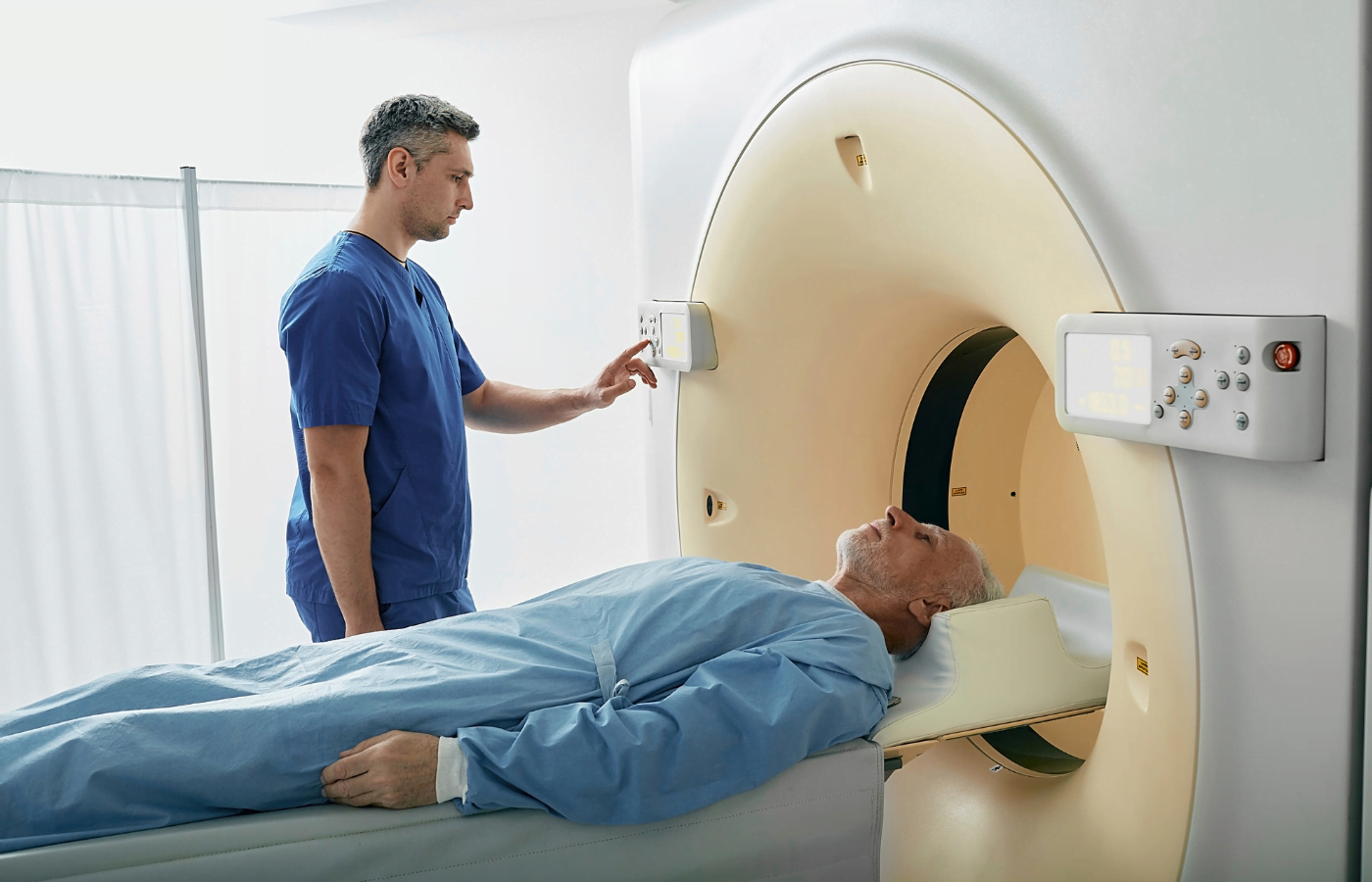
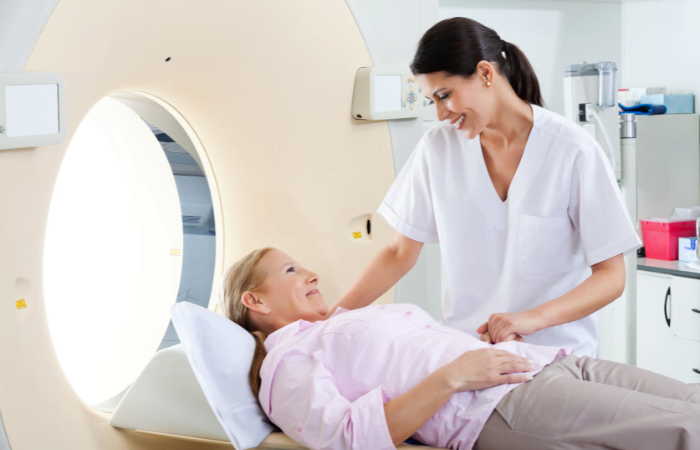
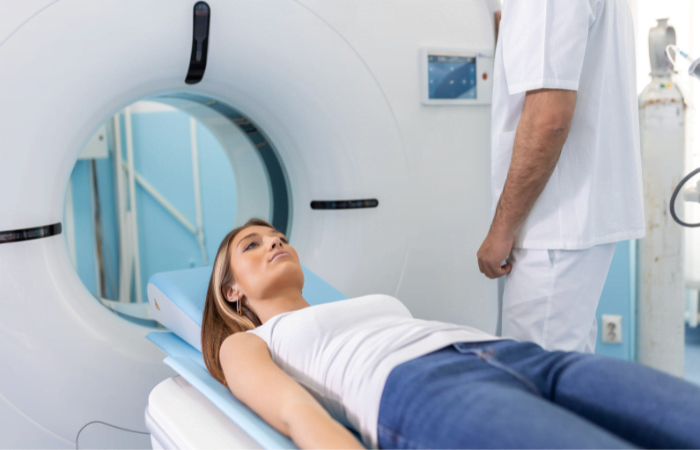
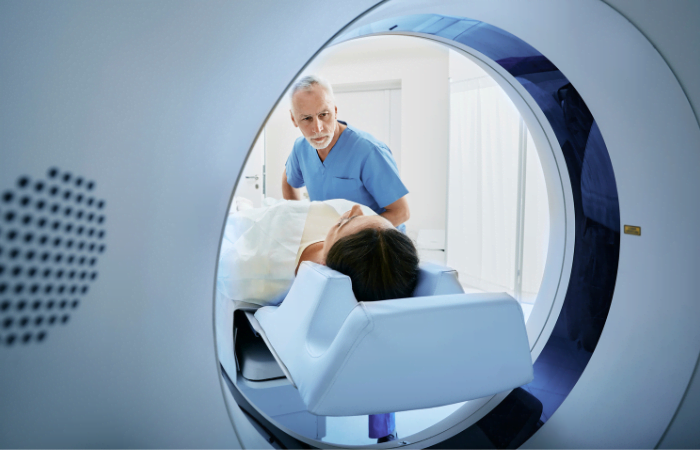
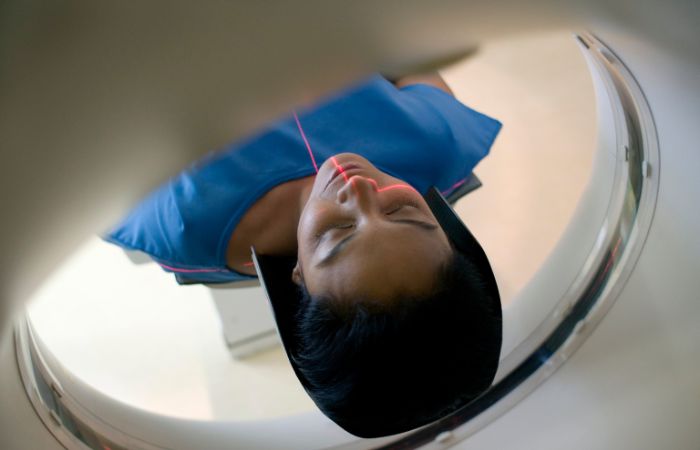
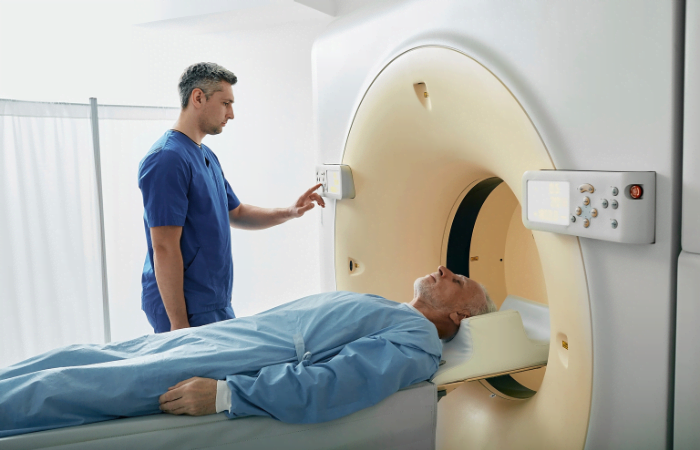
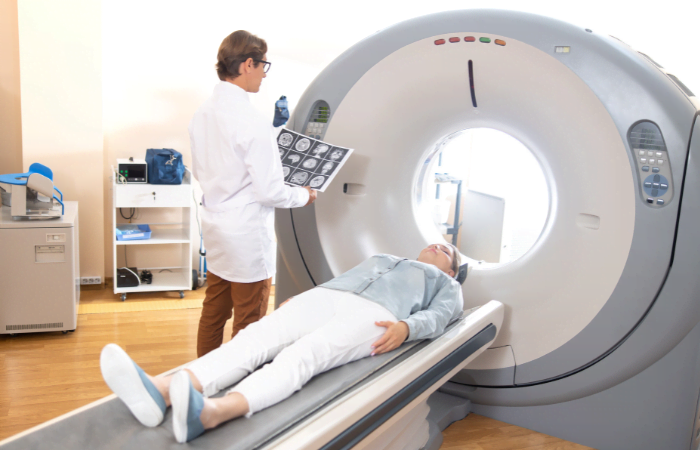
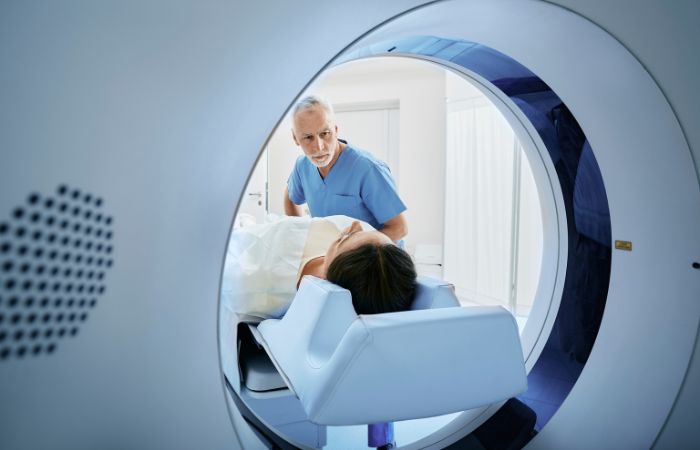
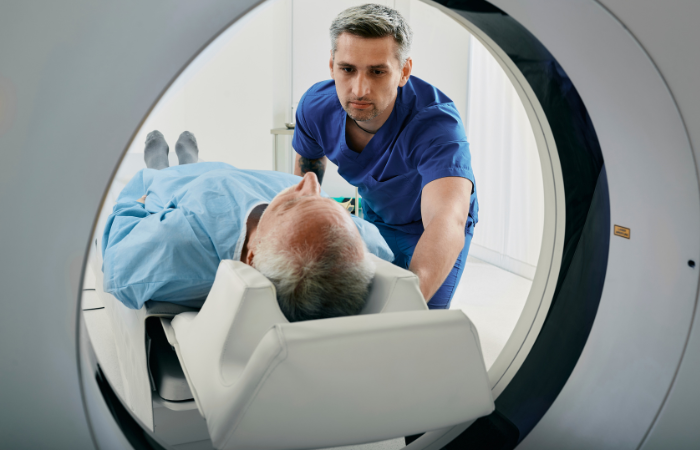
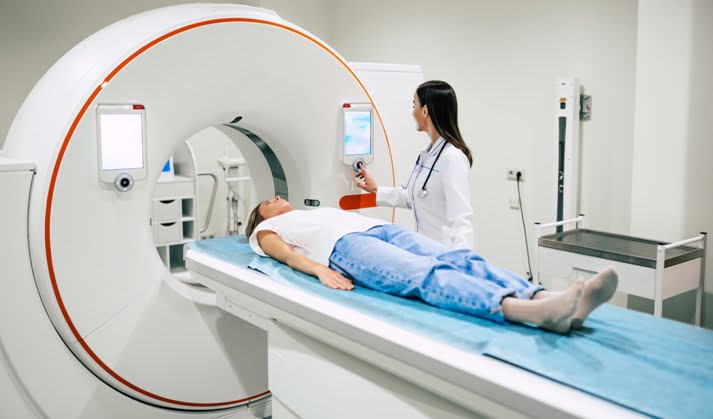
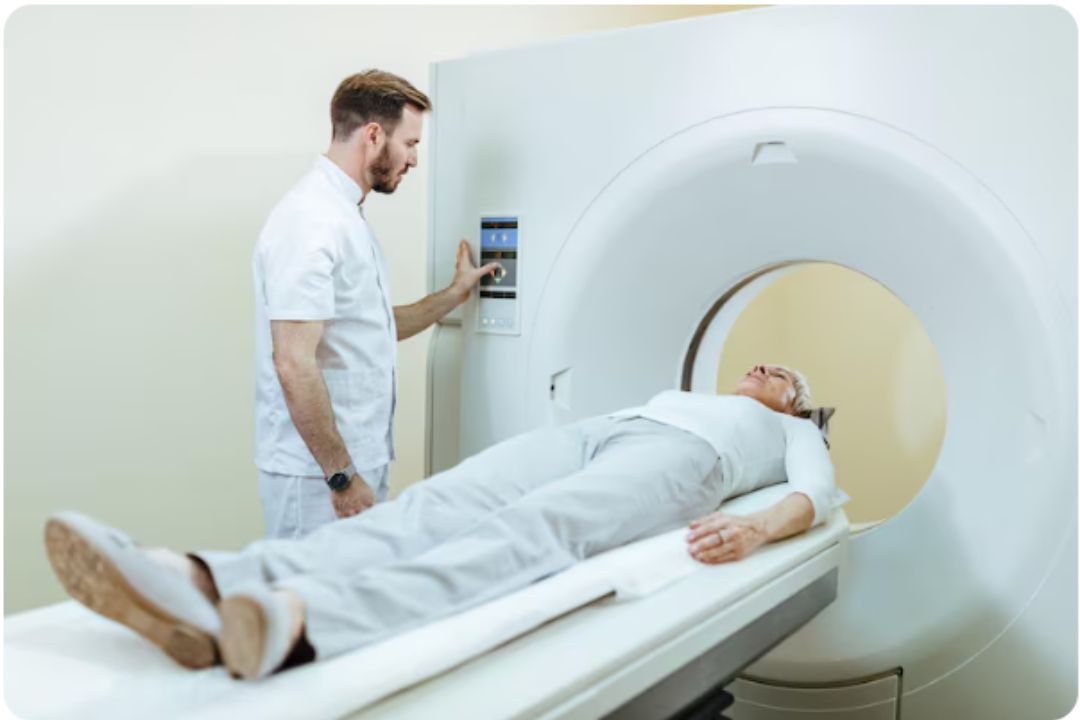
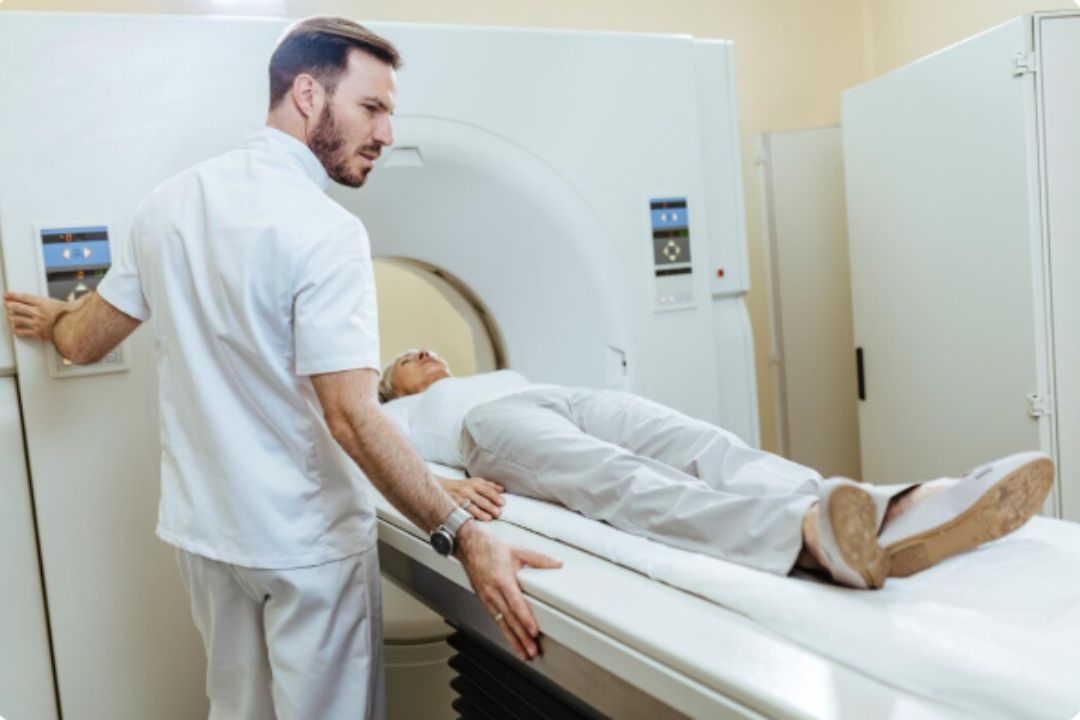
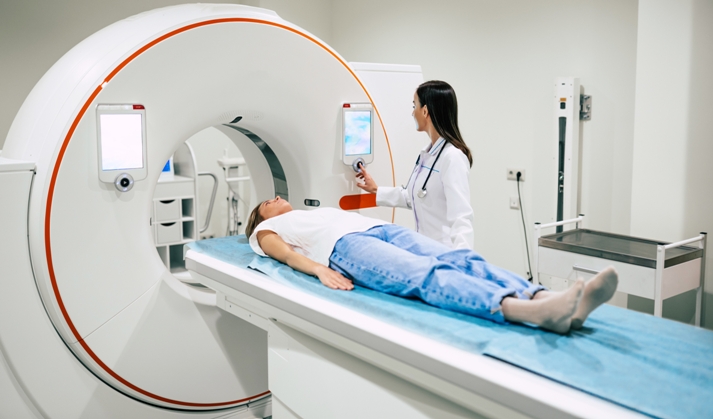
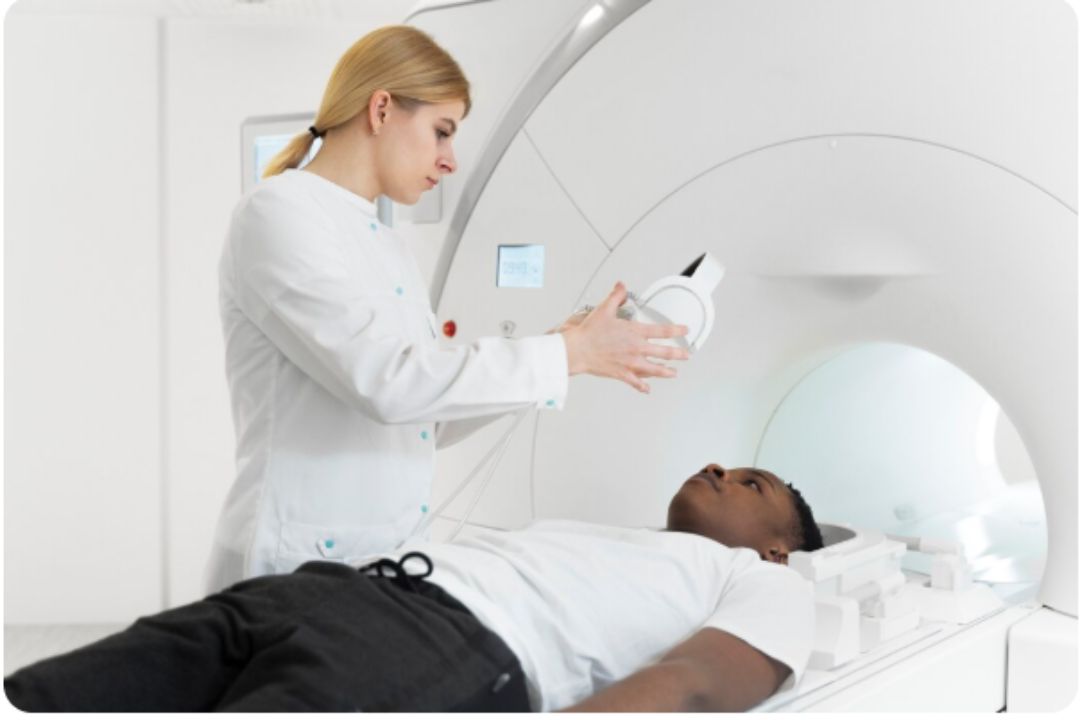
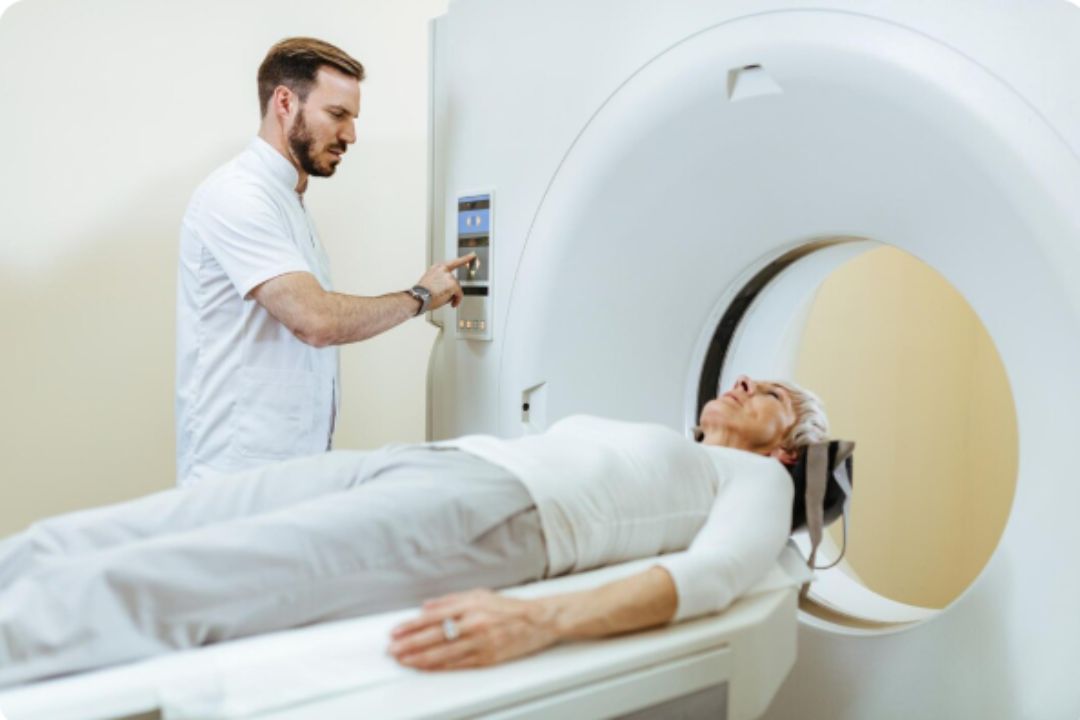
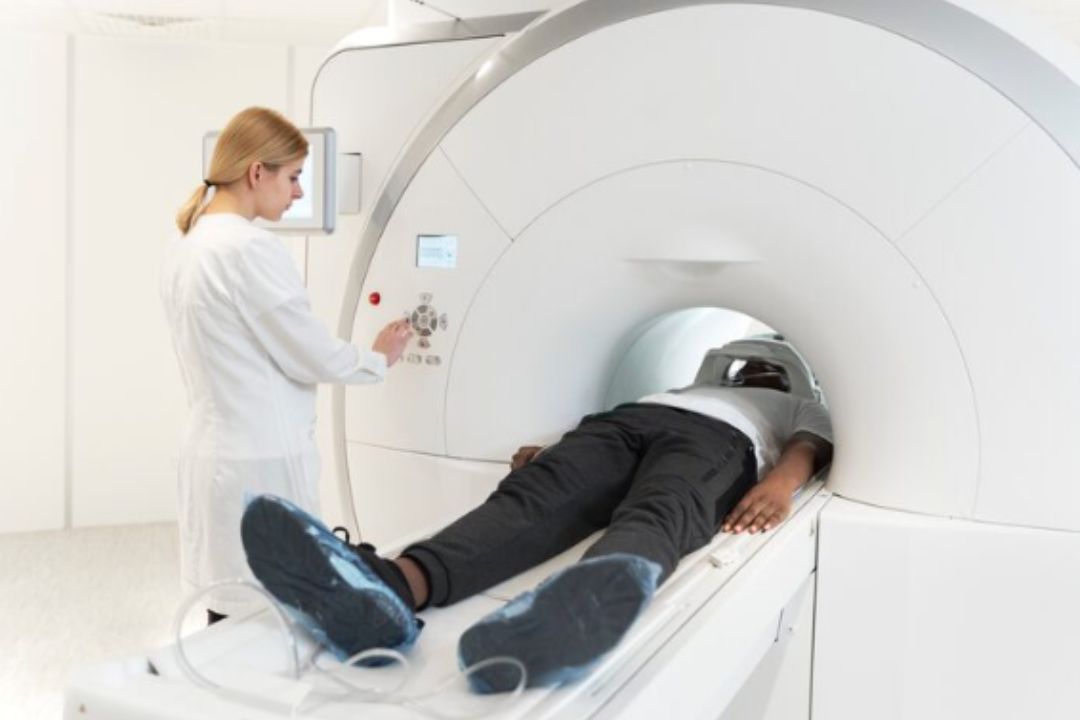
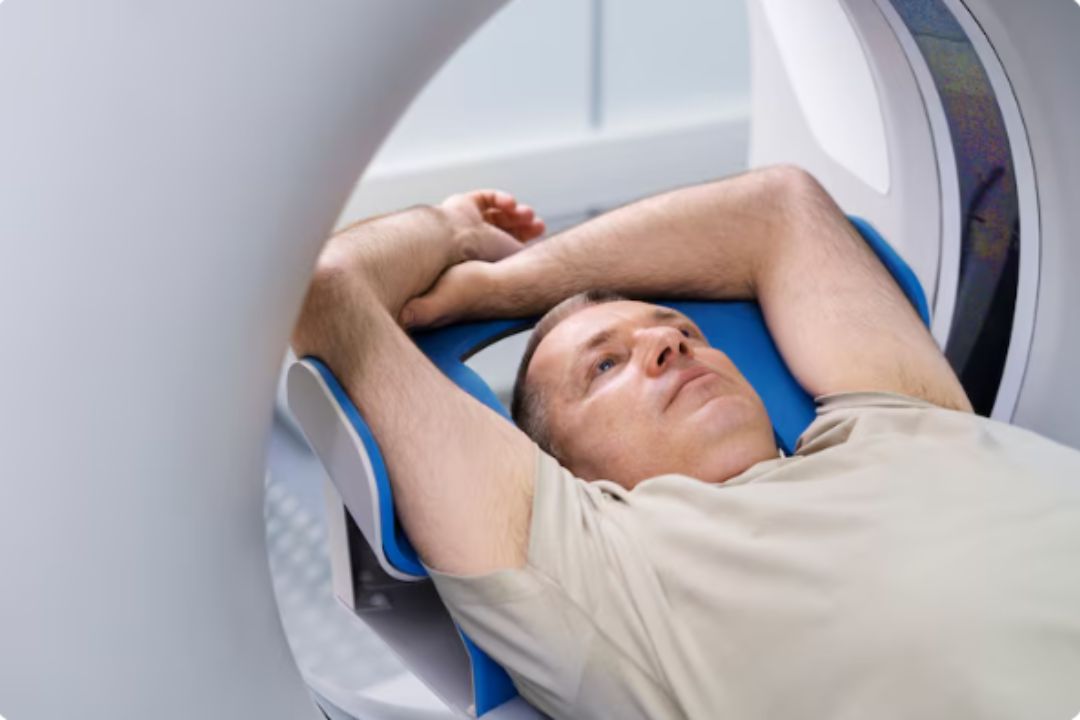
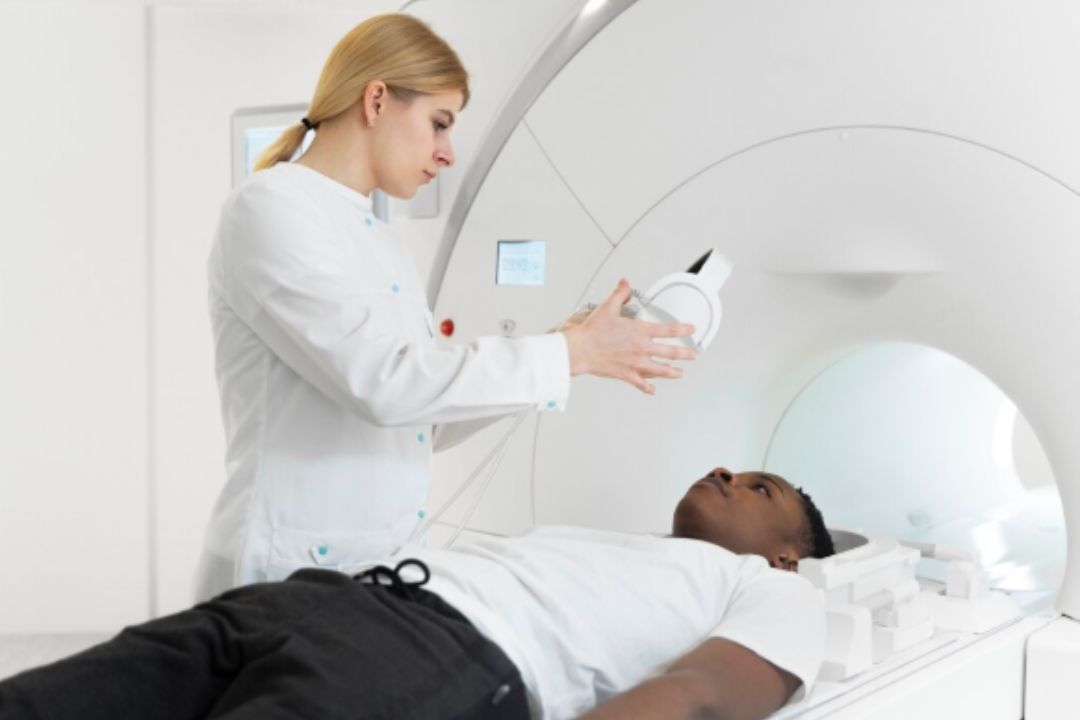
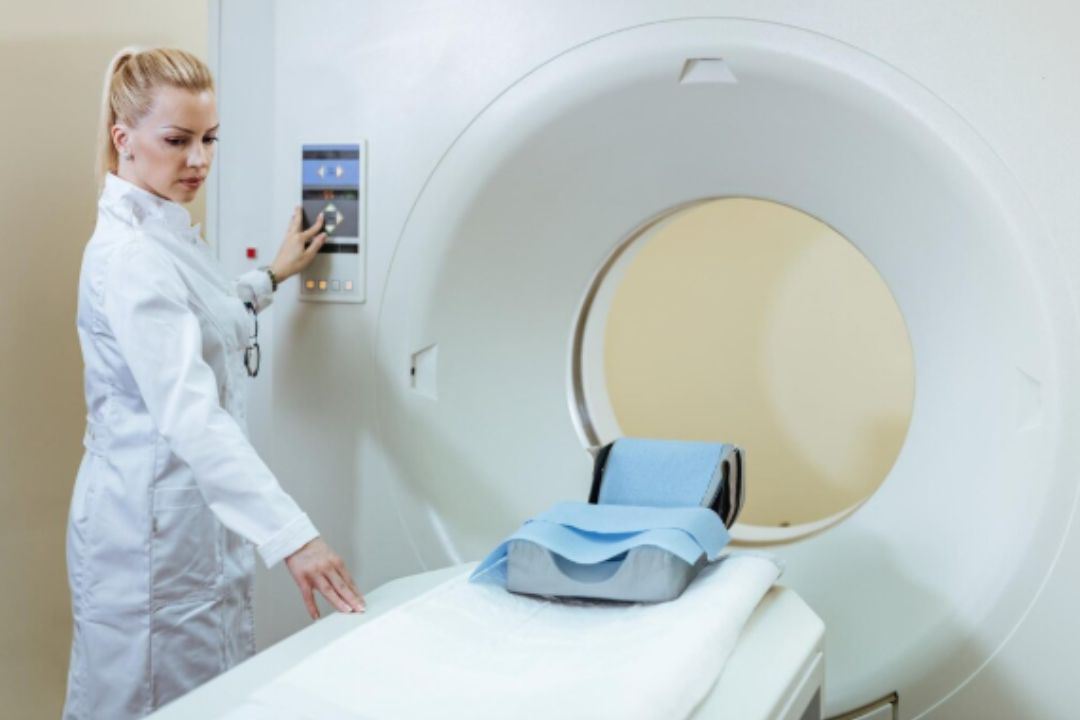
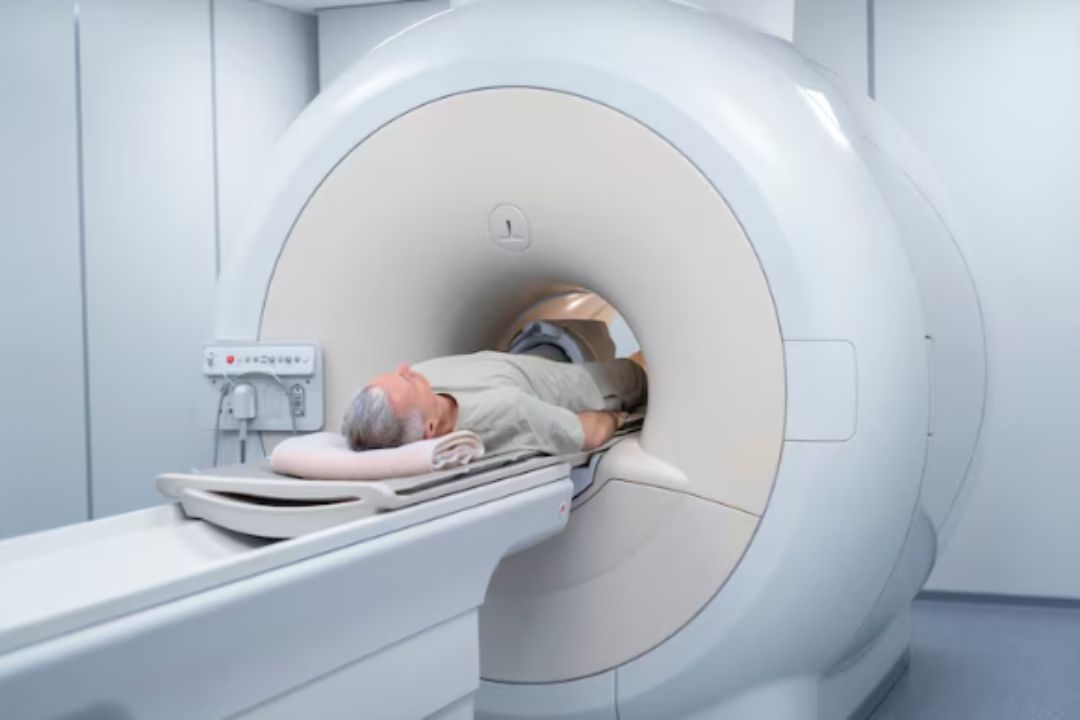
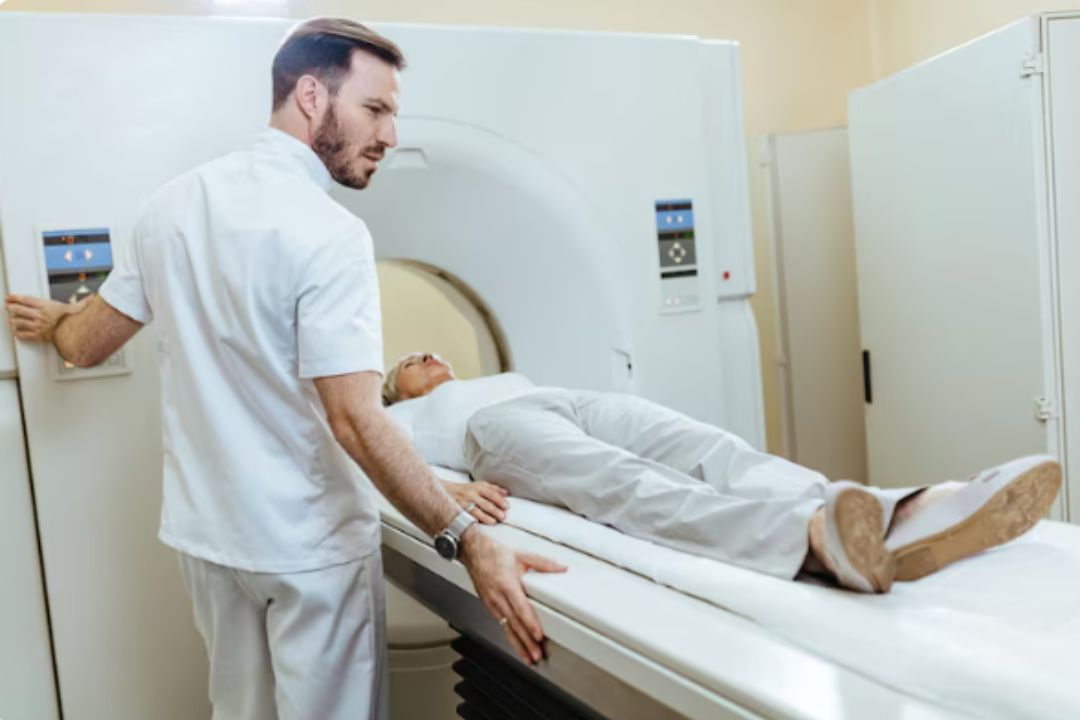
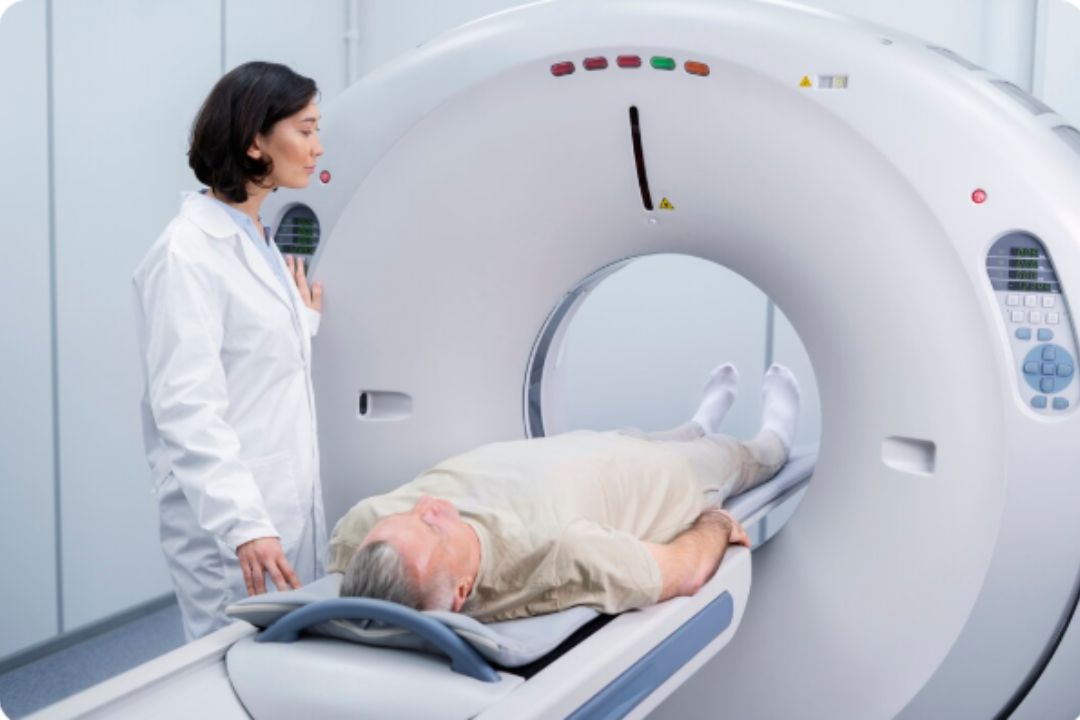
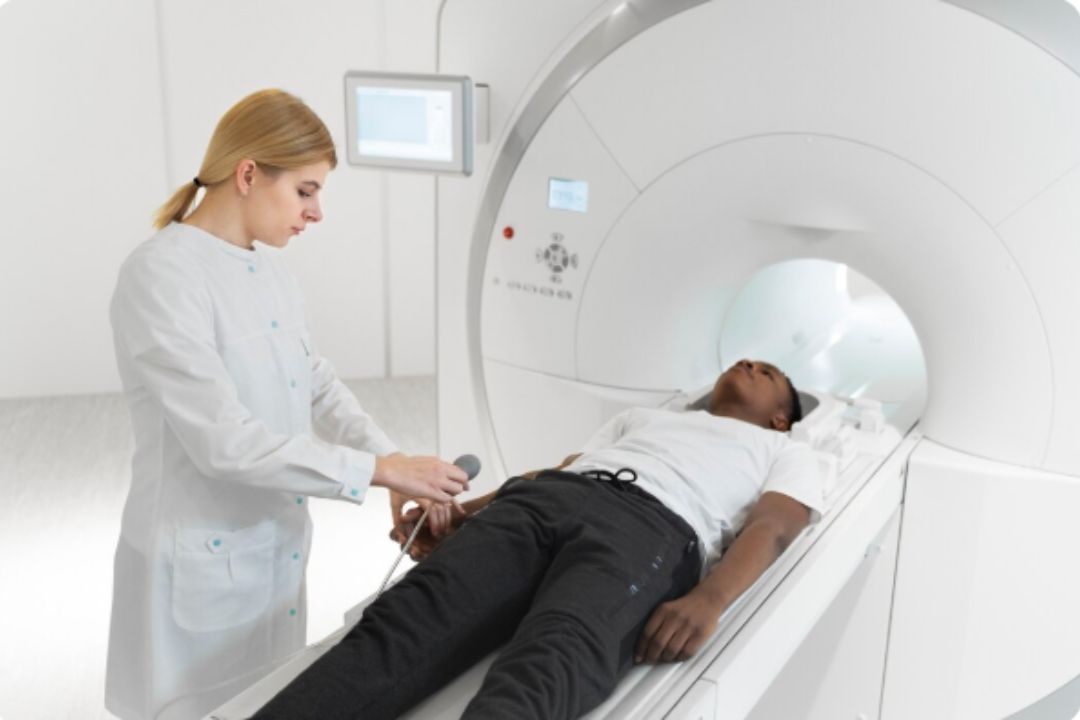
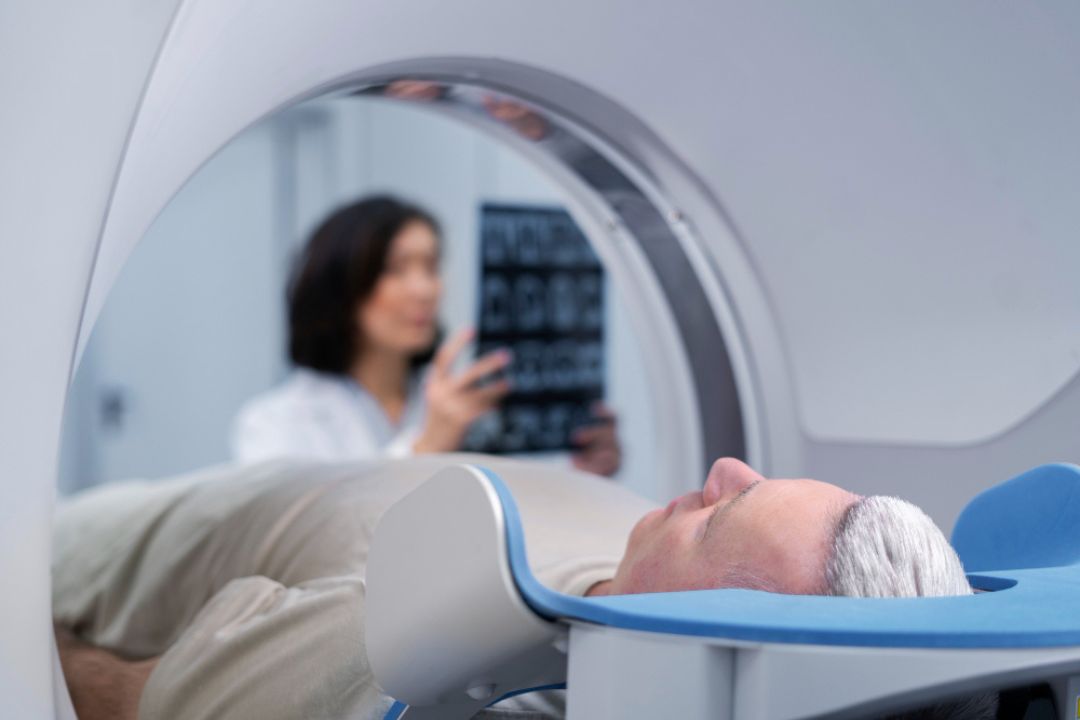
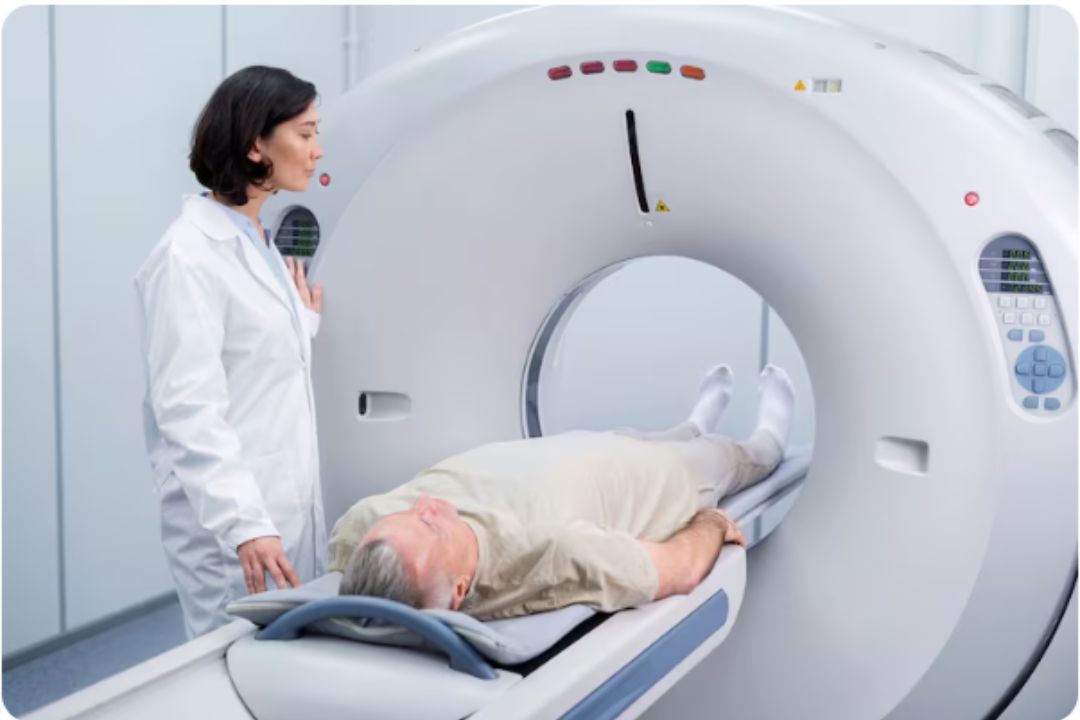
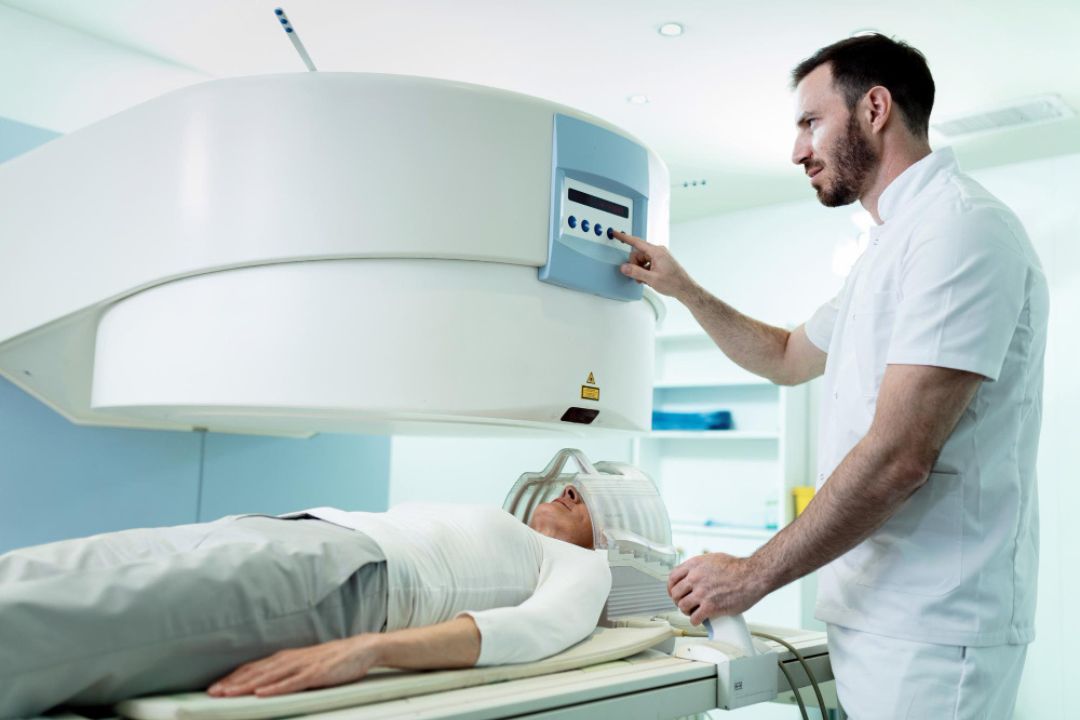
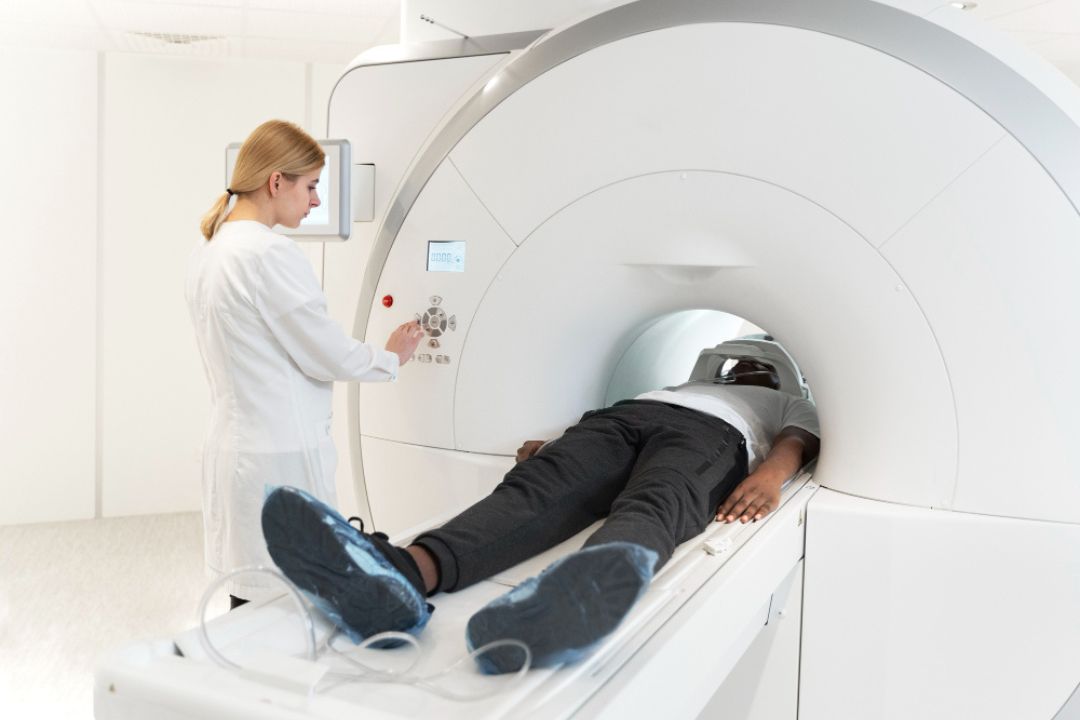
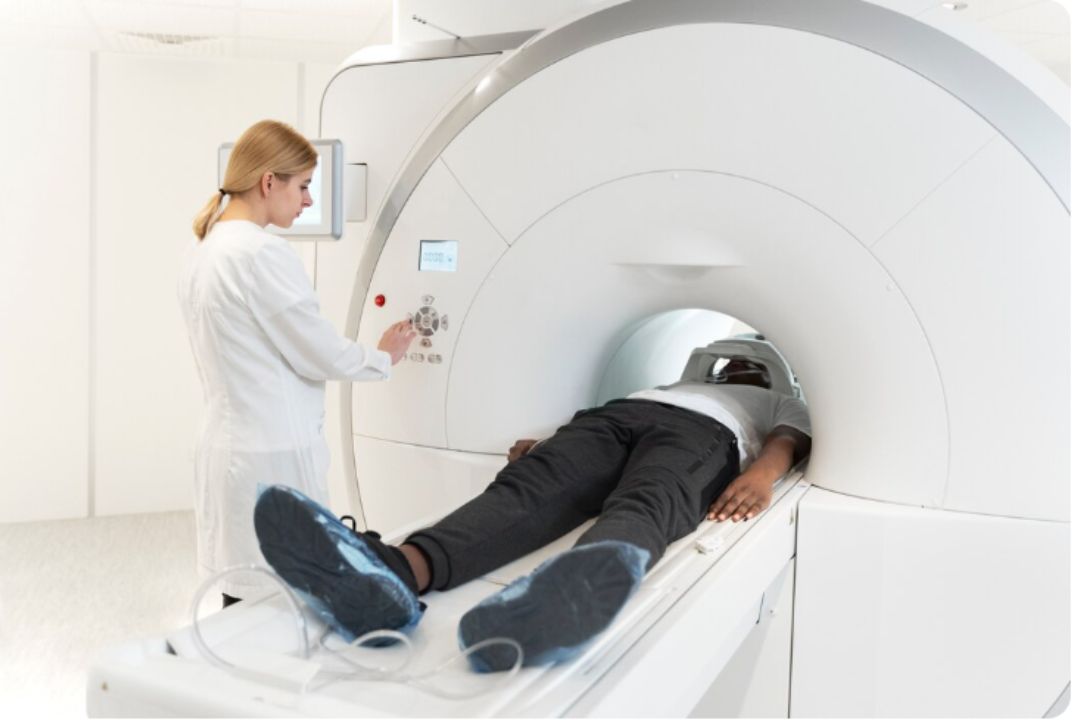
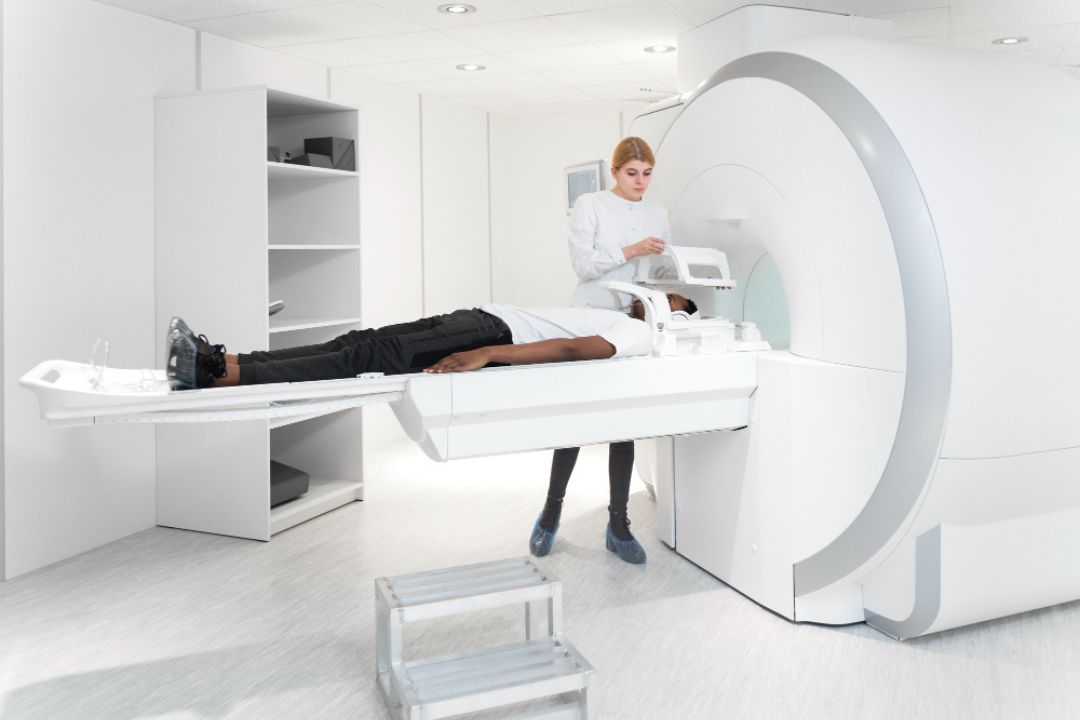
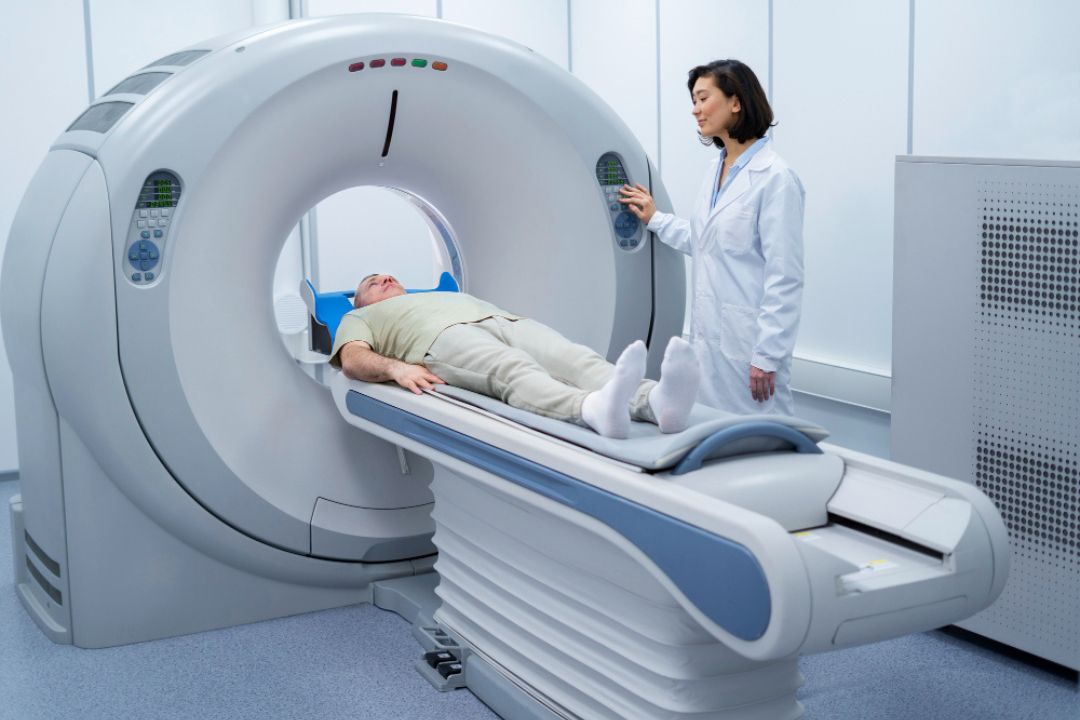
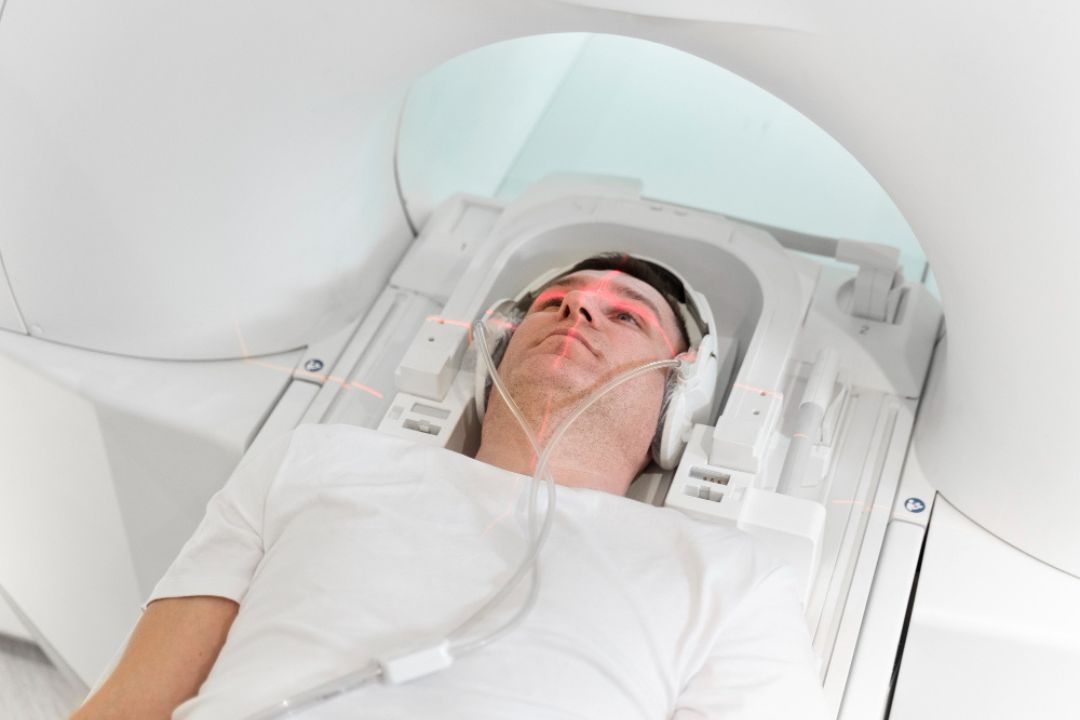
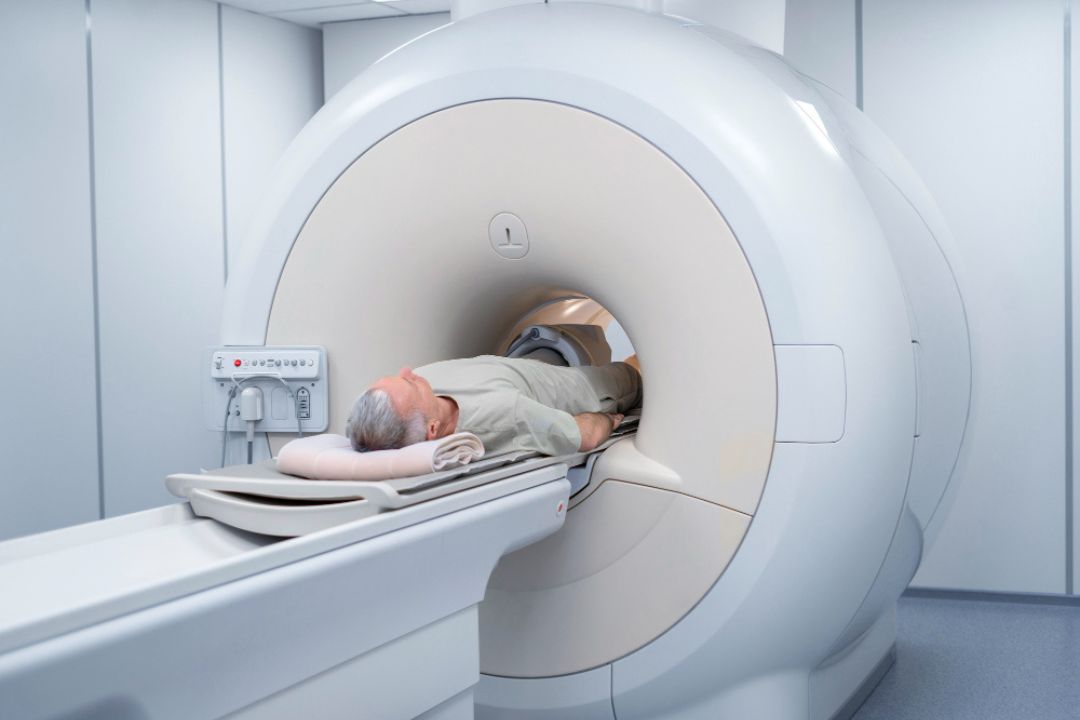
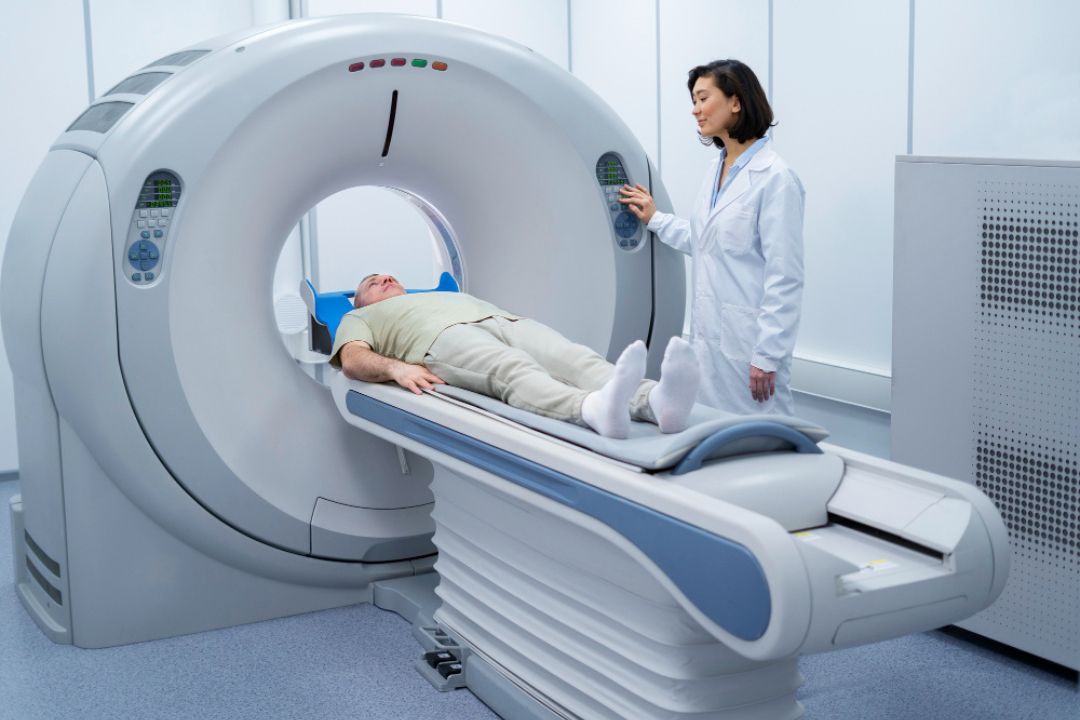
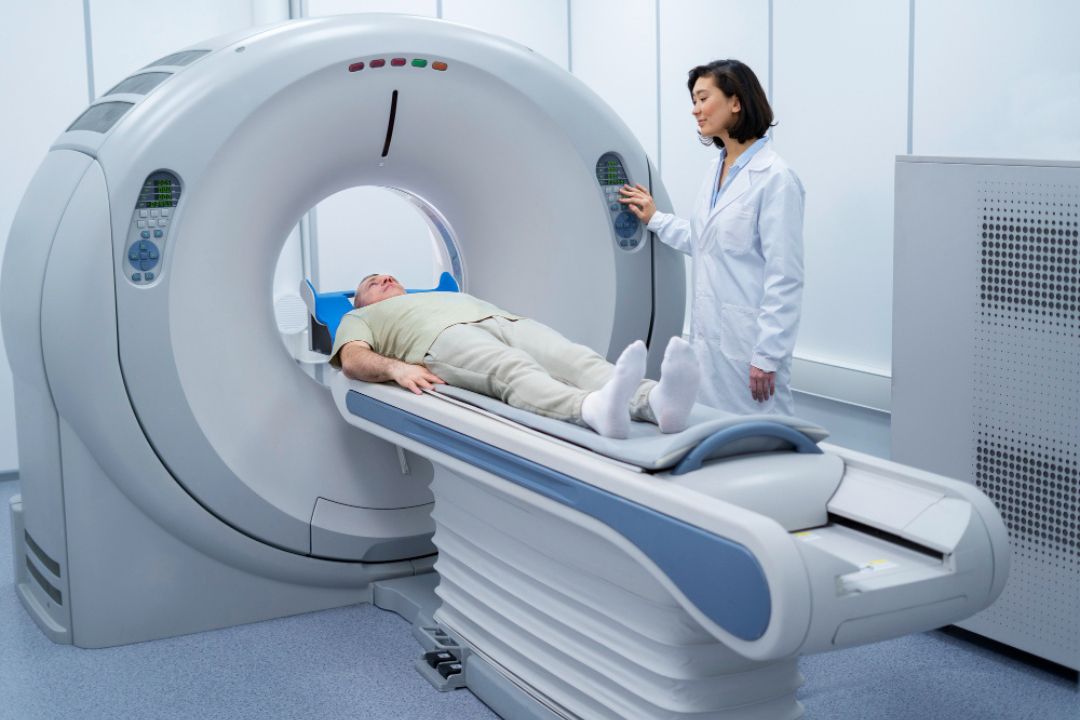
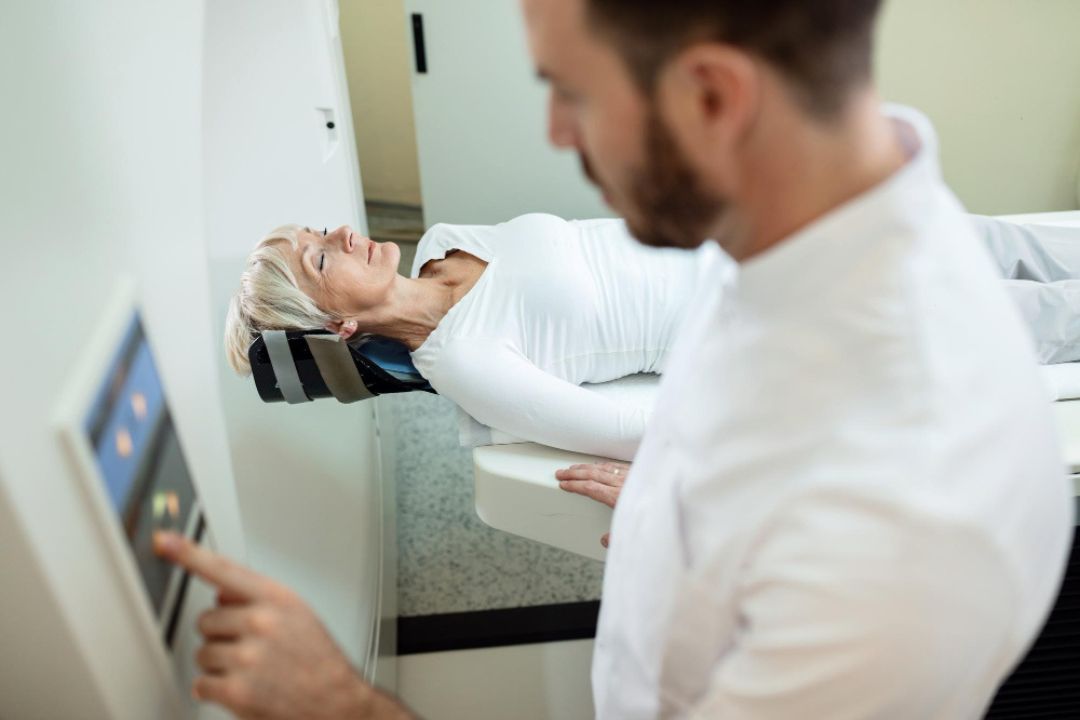
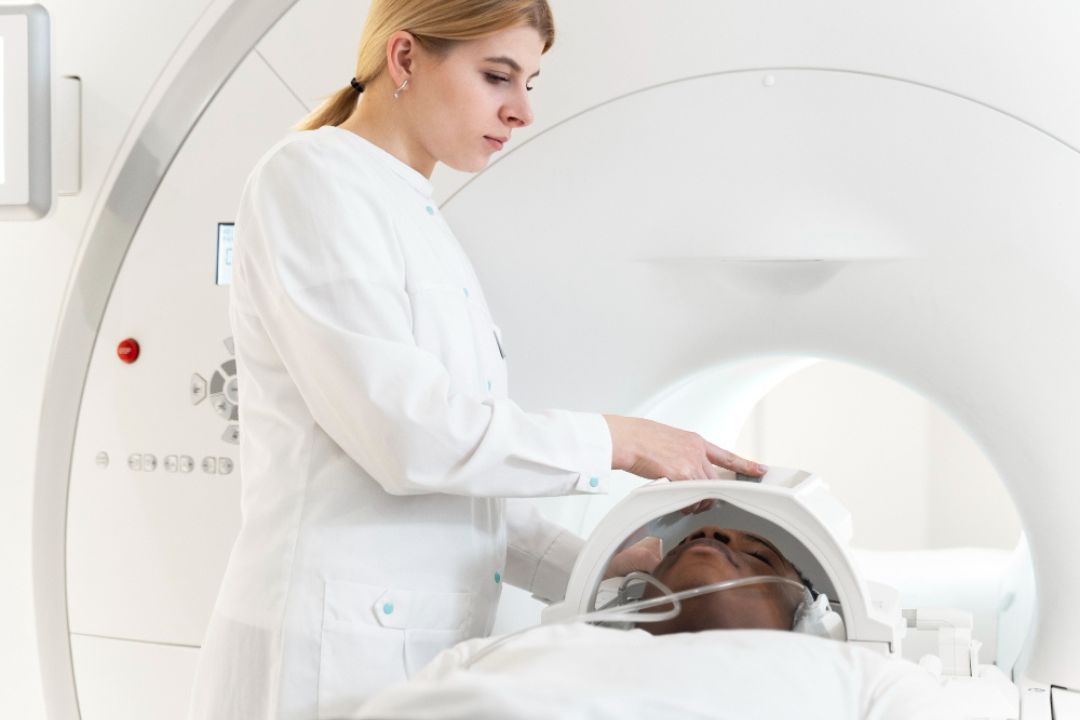
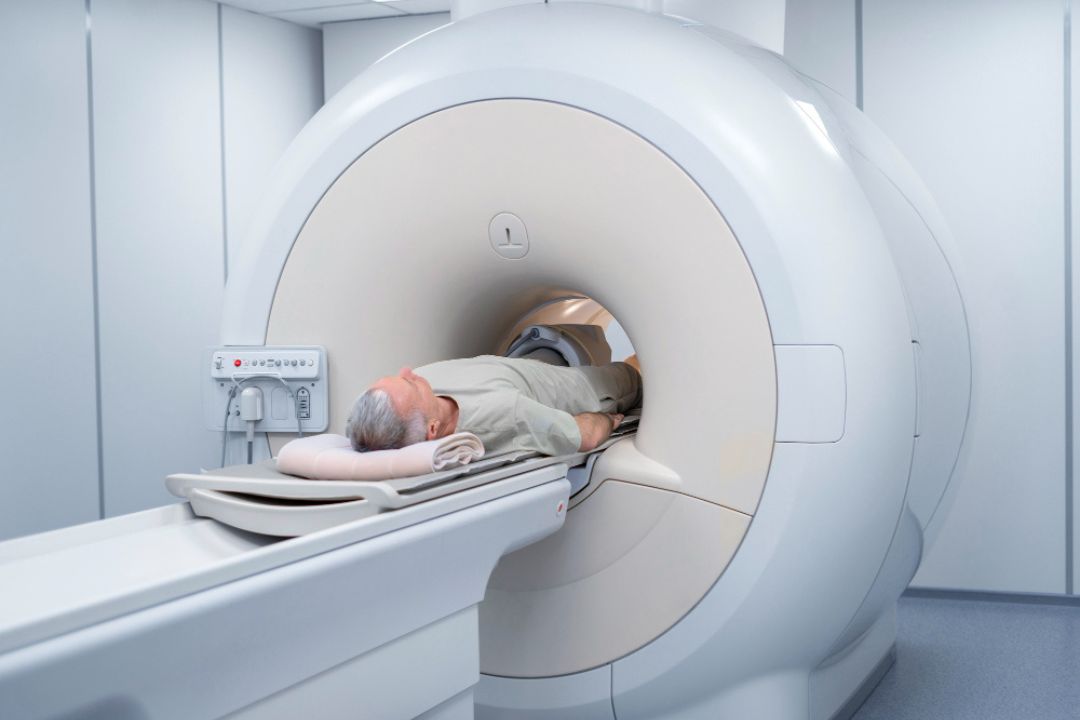
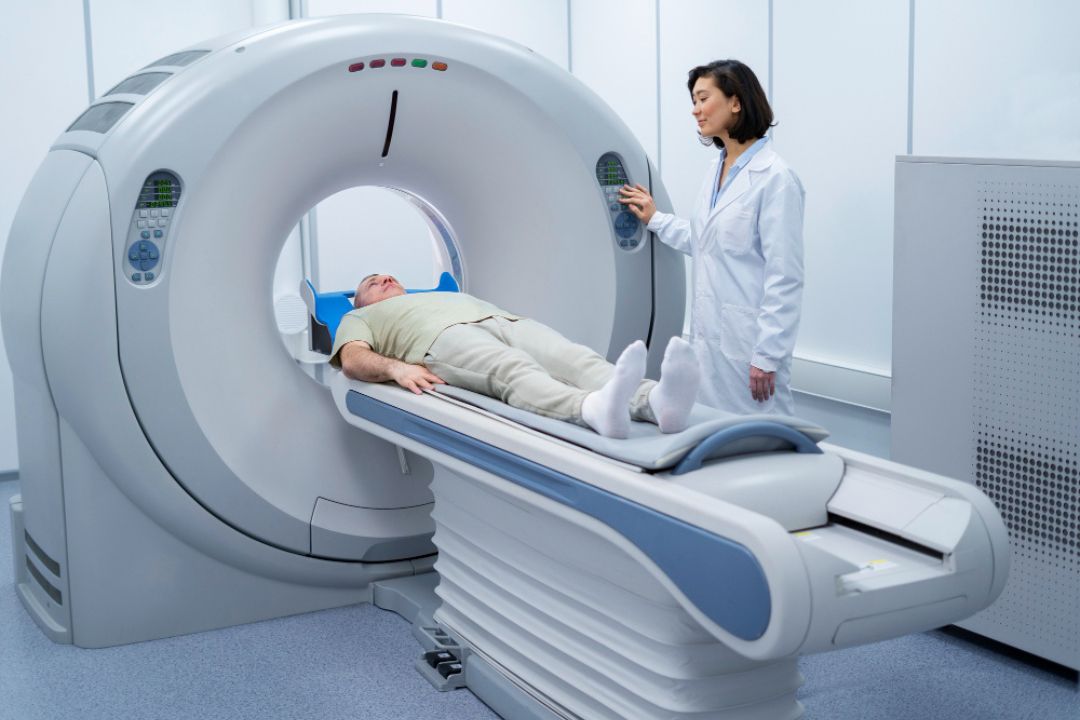
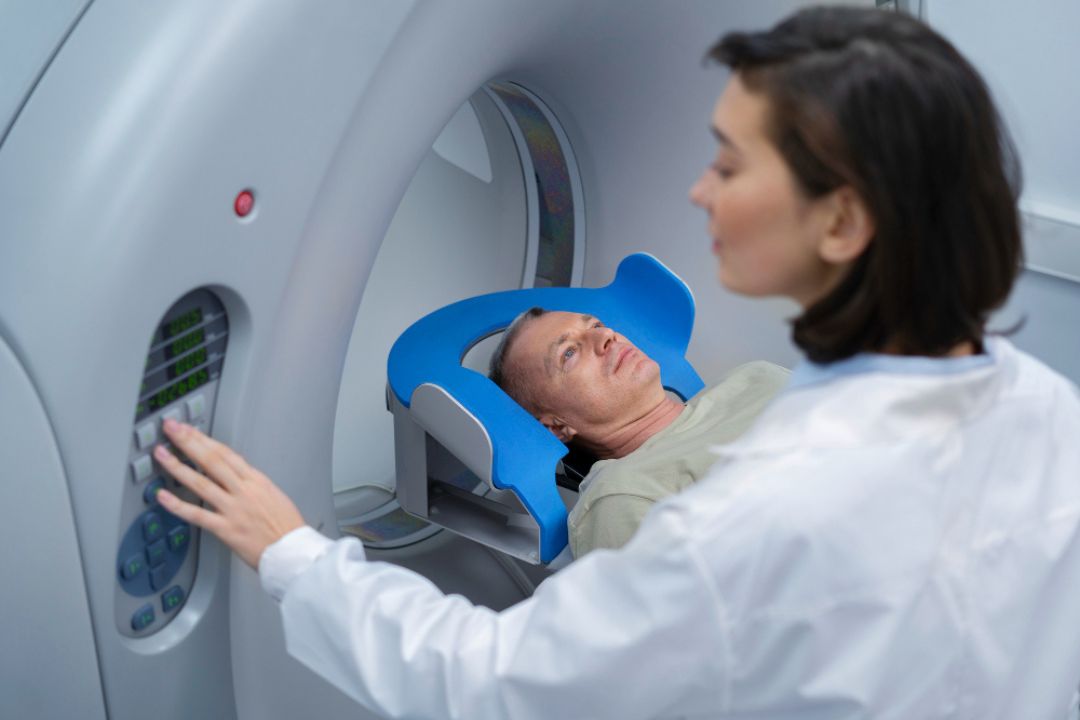
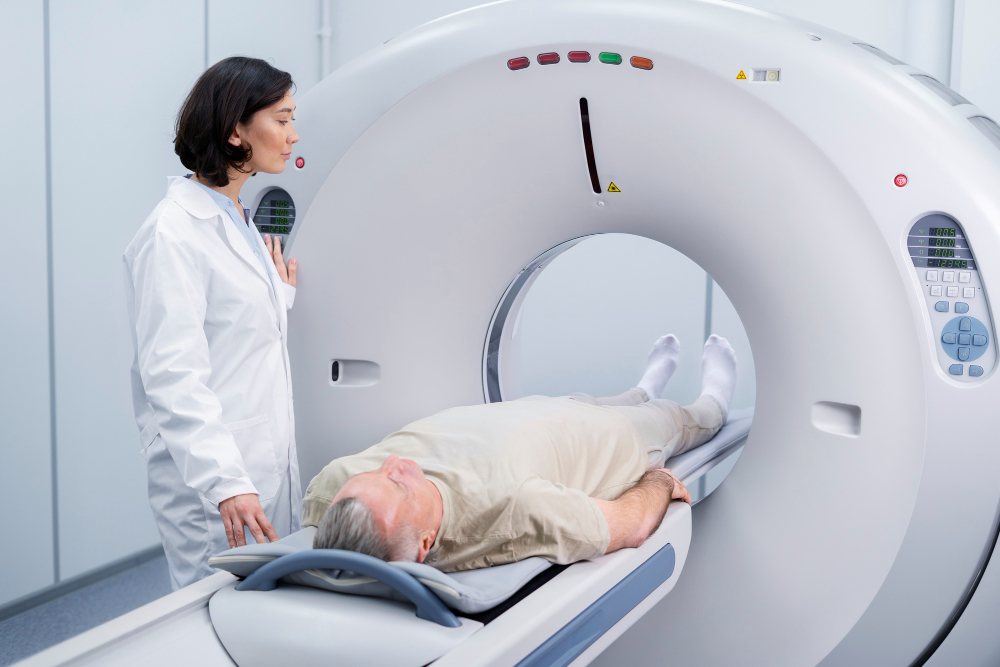
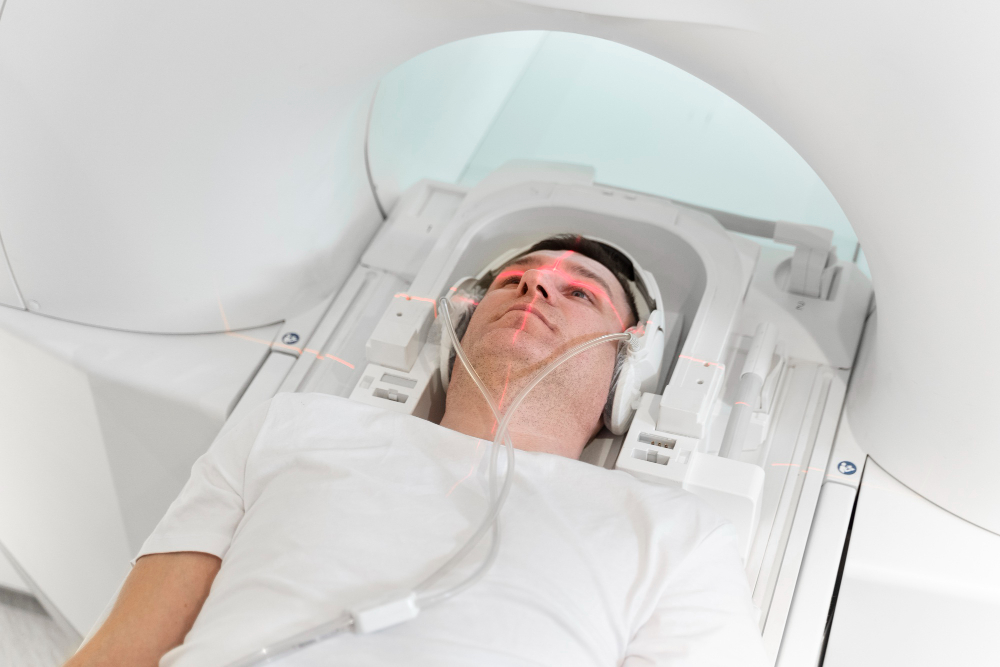
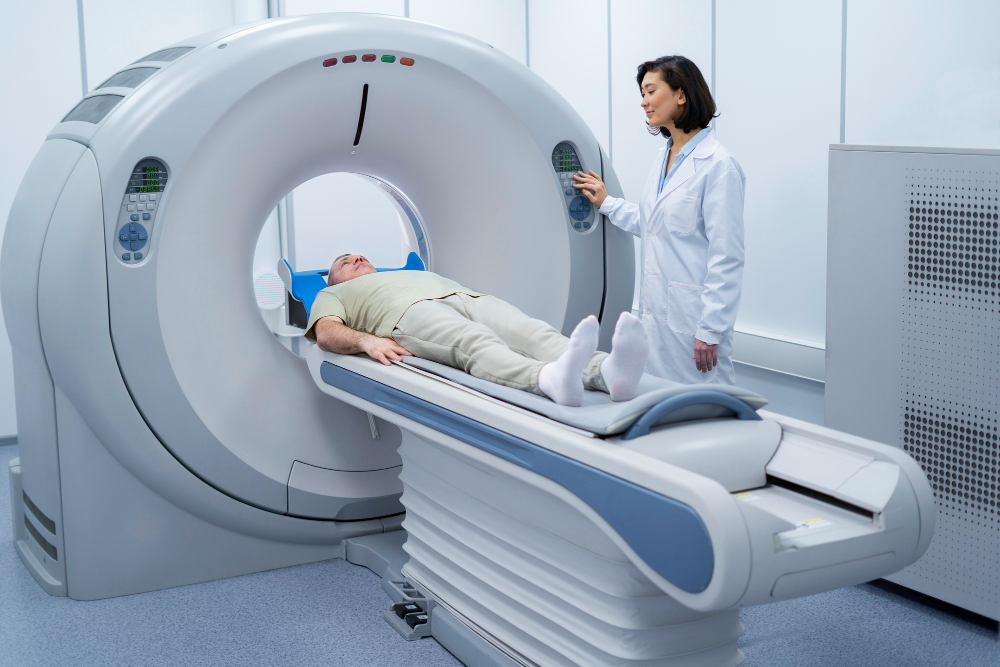
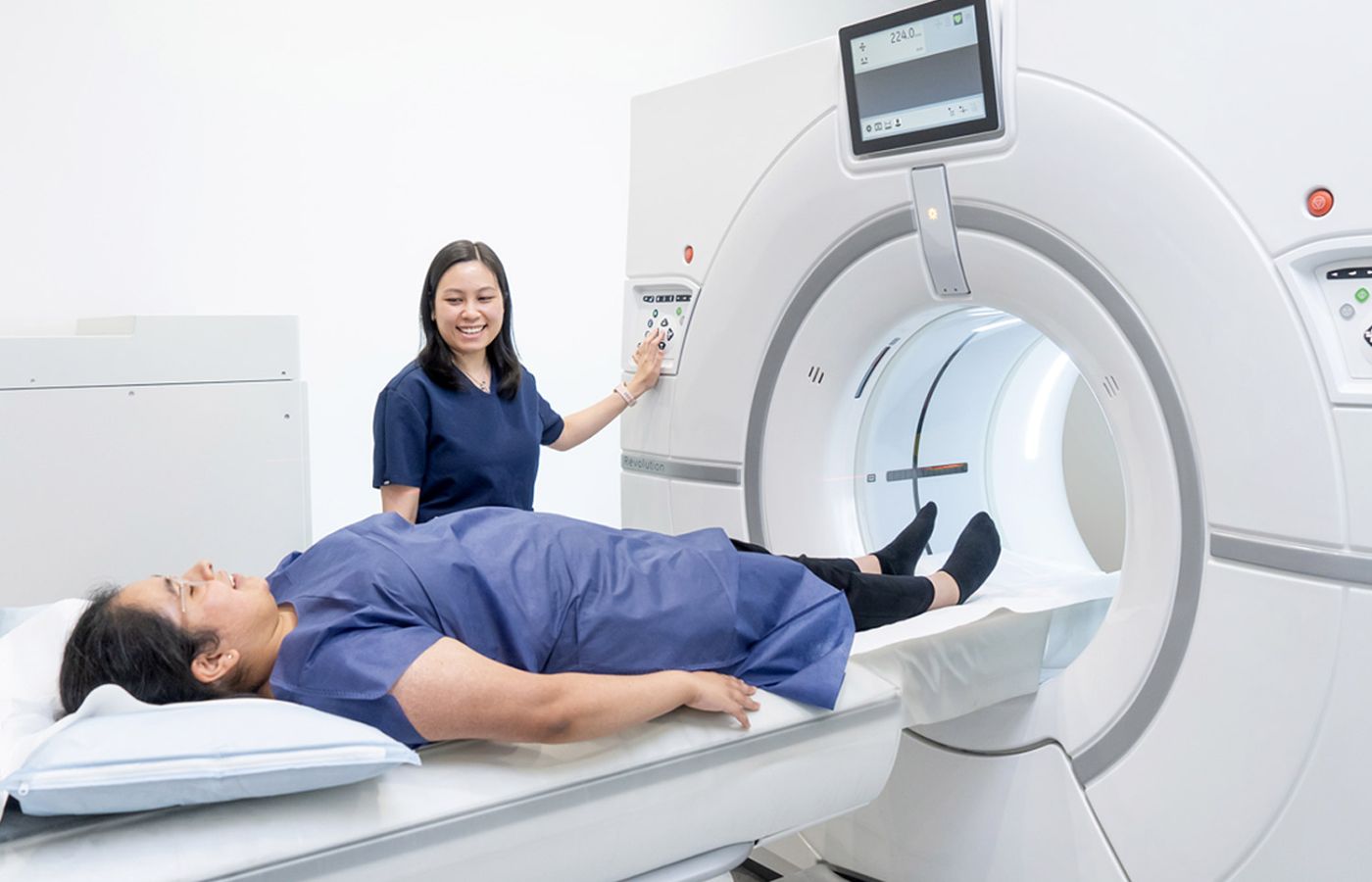
The patient lies on a narrow motorized table attached to the CT scanner. Pillows or straps may be used to help keep the body still during the scan.
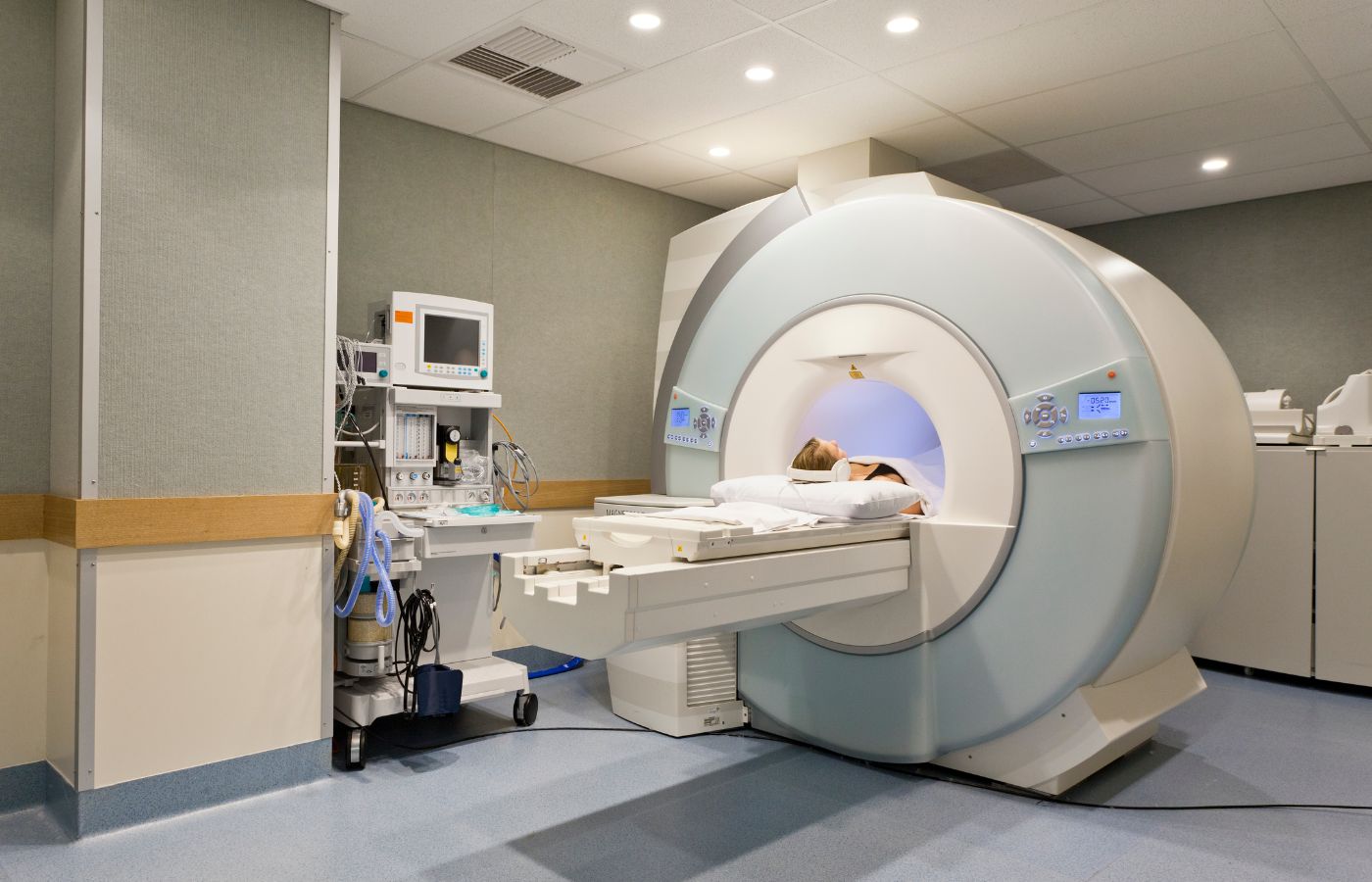
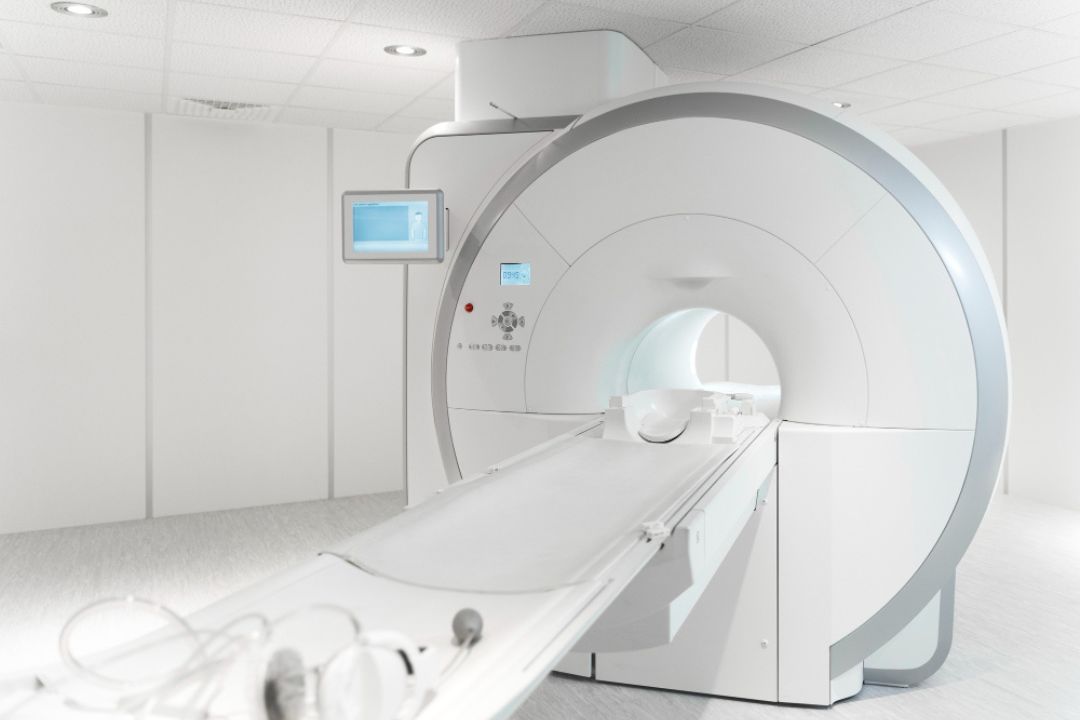
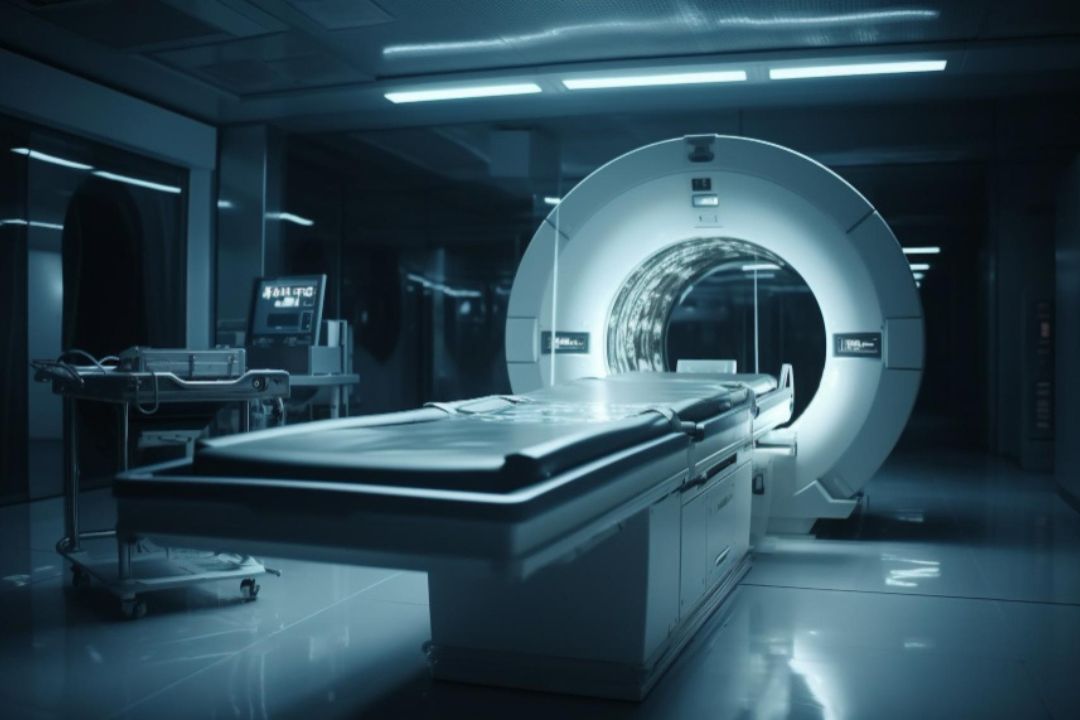
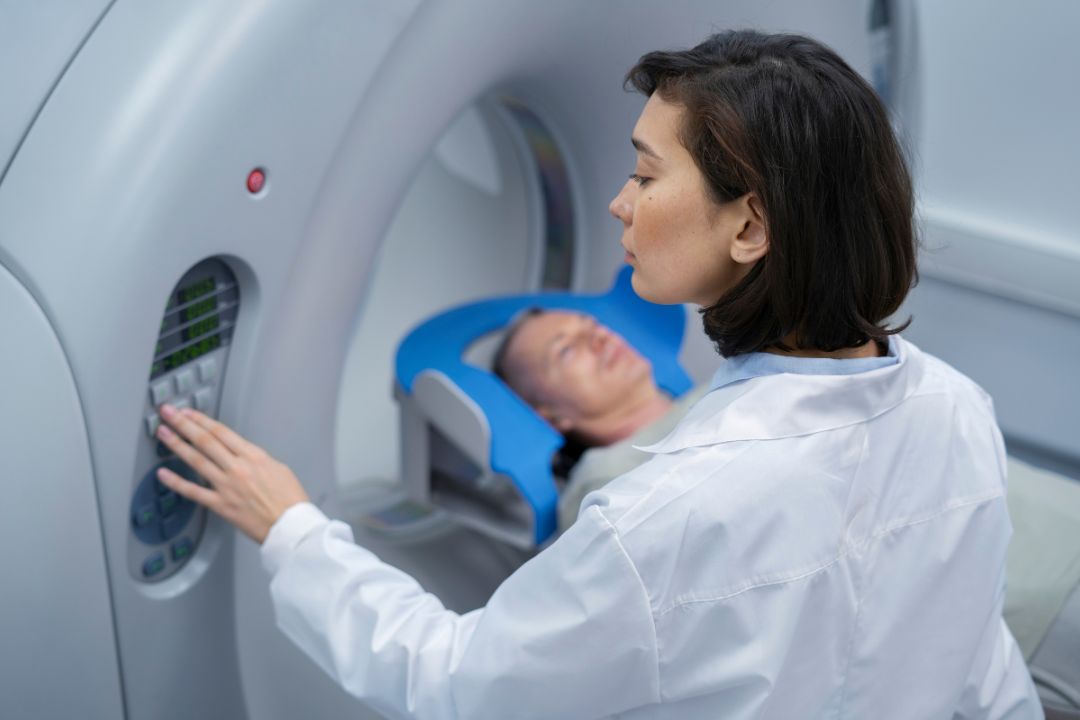
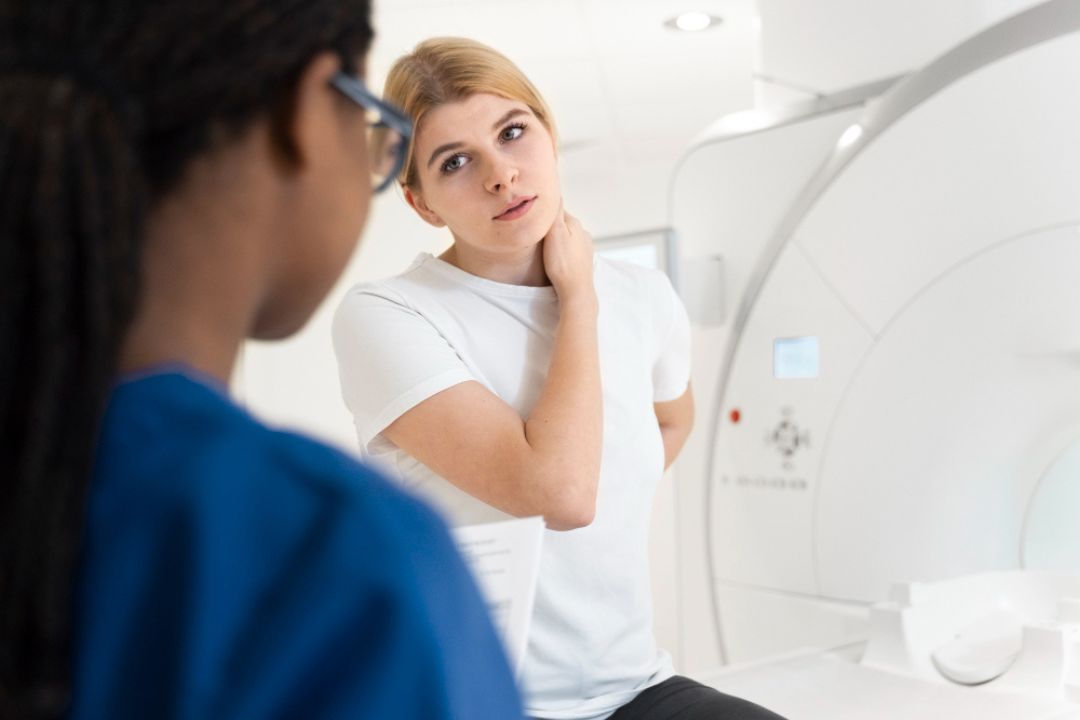
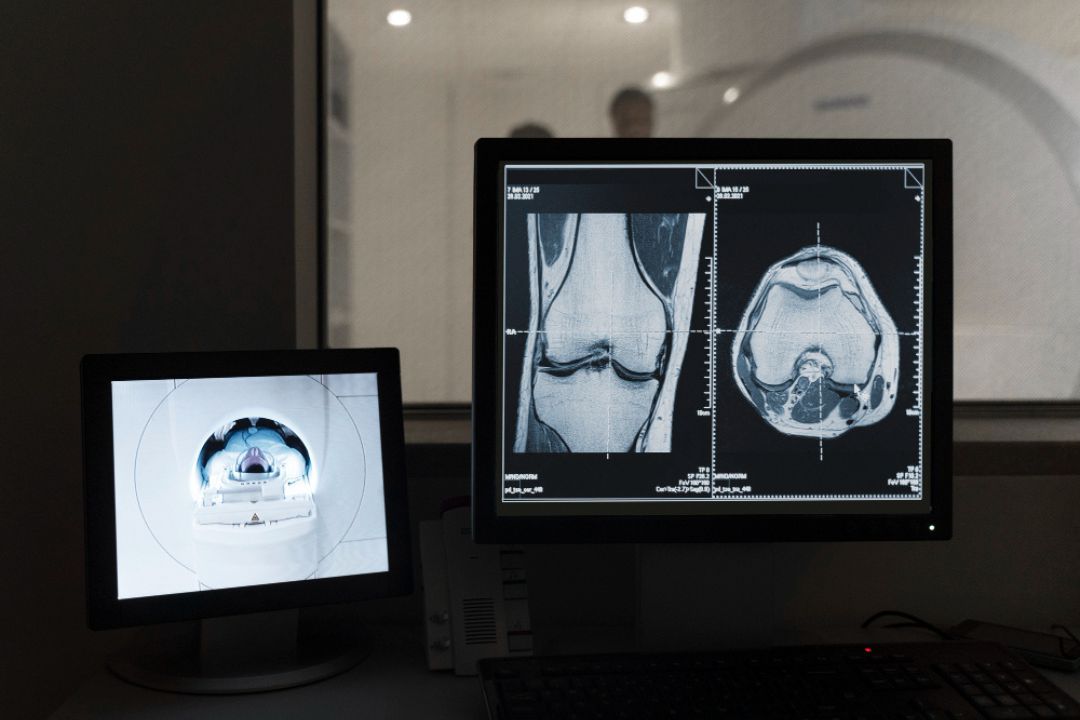
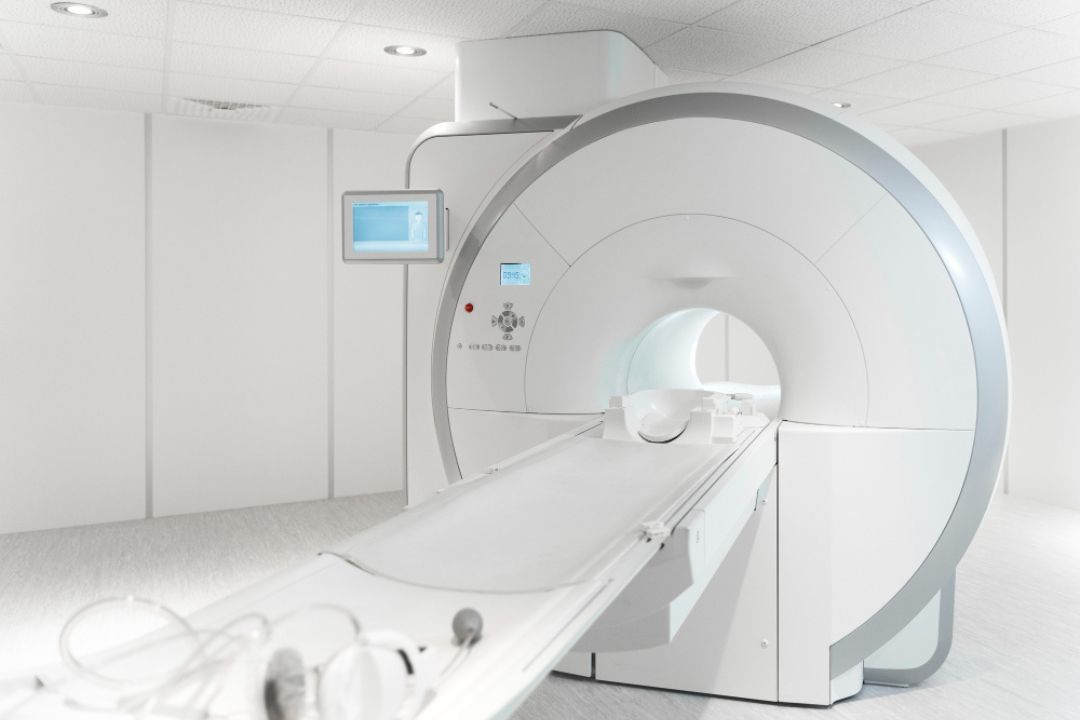
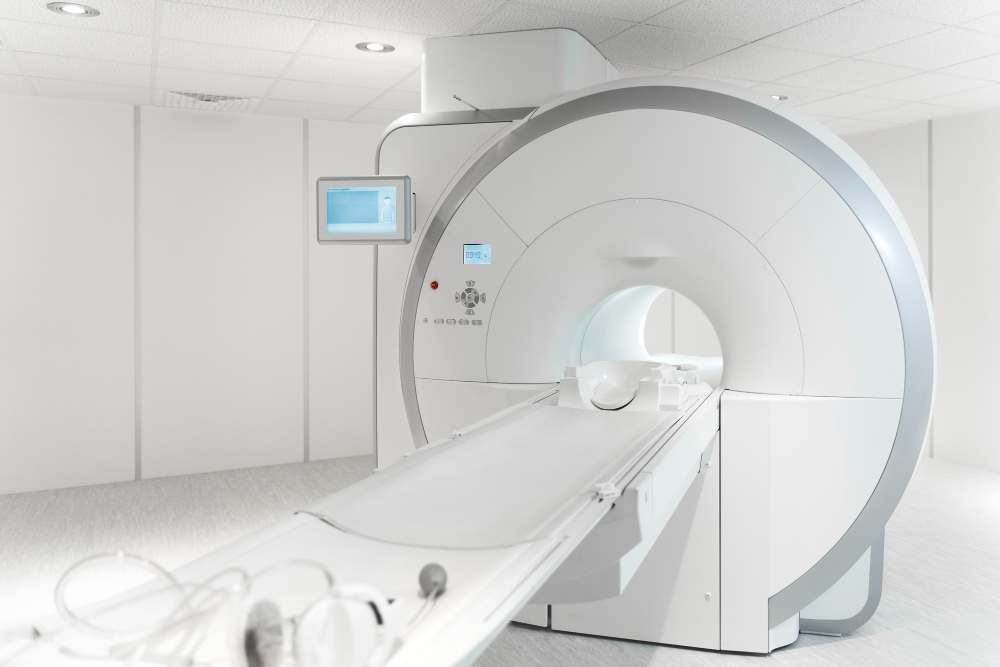
The CT scanner is shaped like a large circular machine, sometimes described as a donut-shaped device.
Once the patient is properly positioned, the table slowly moves into the center of the scanner.
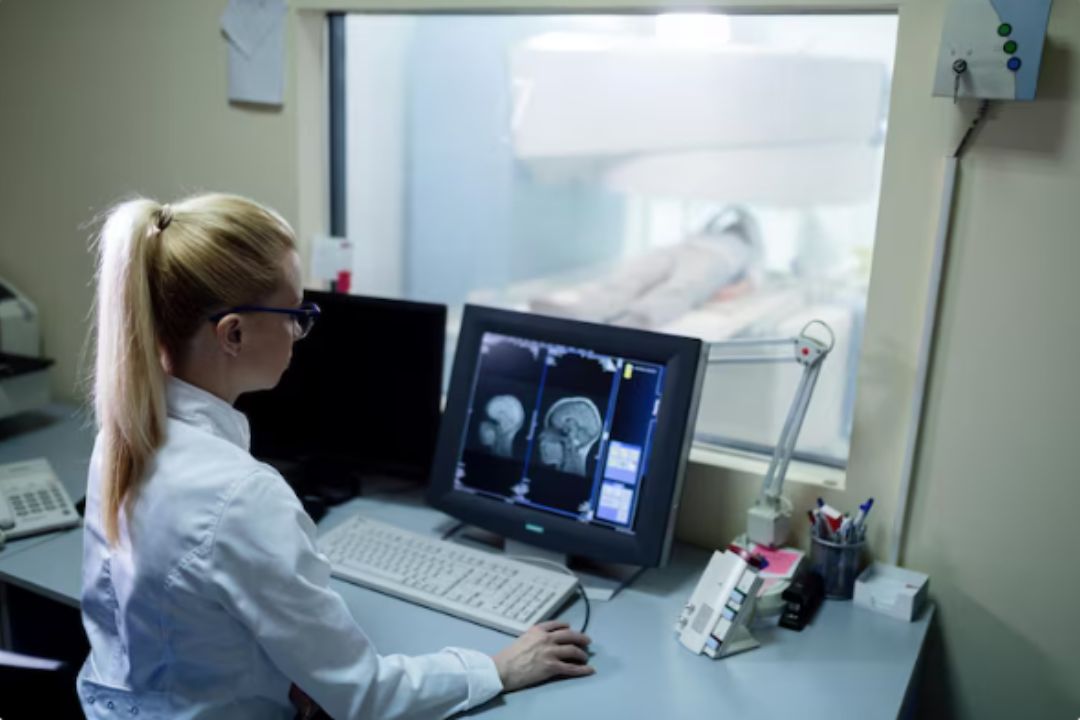
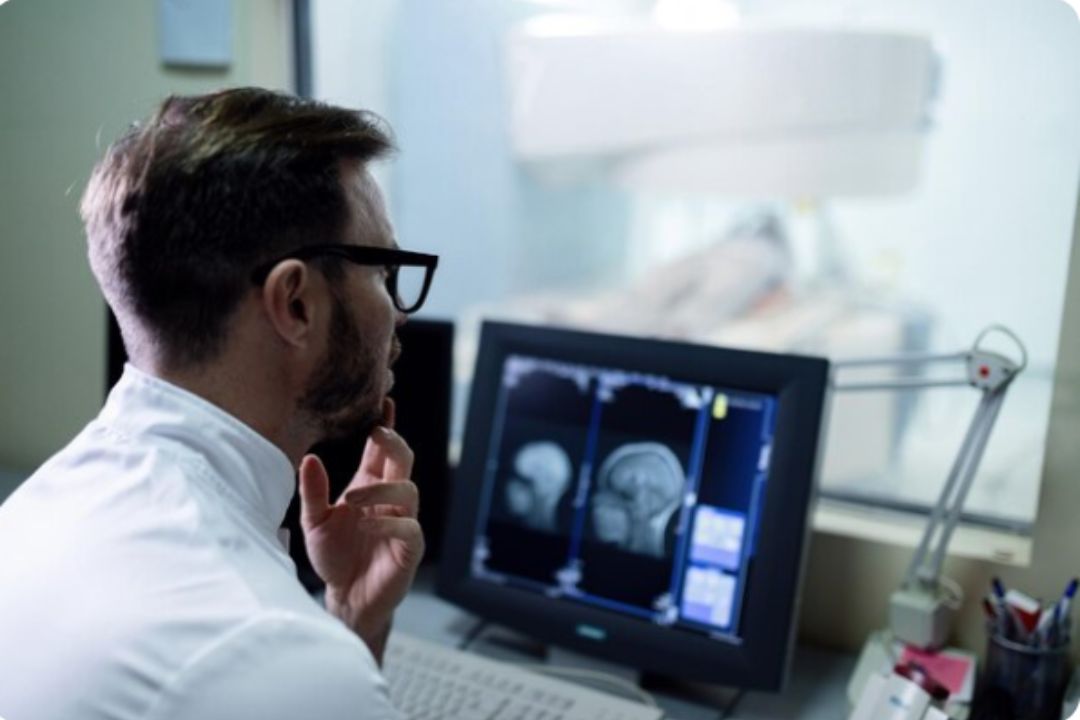
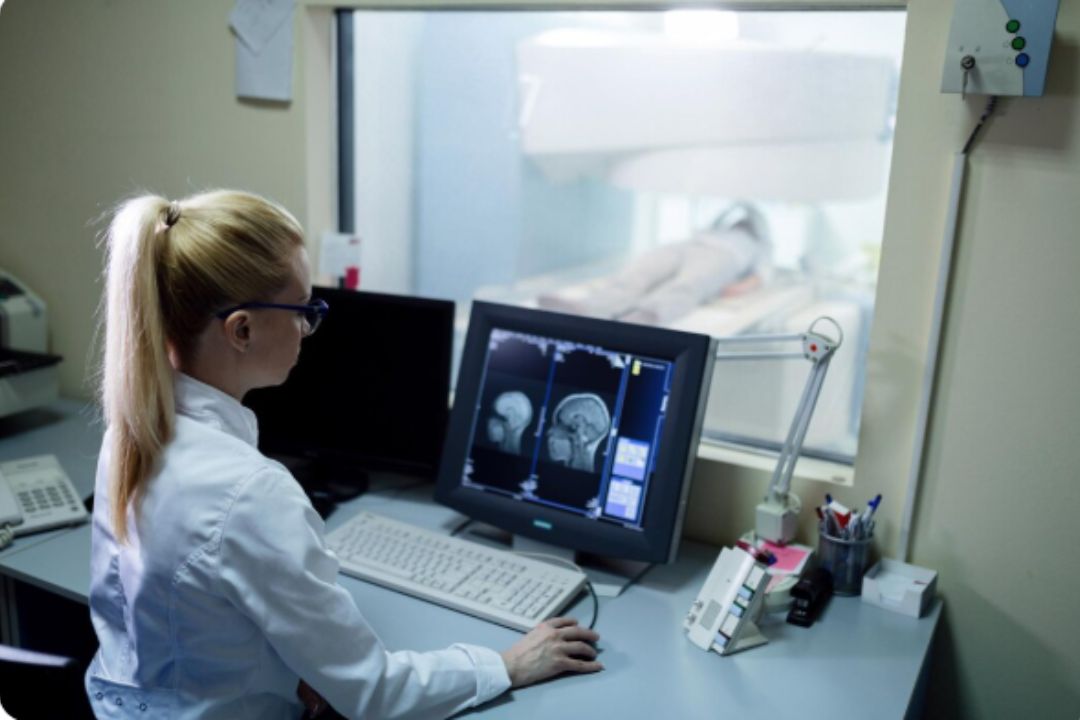
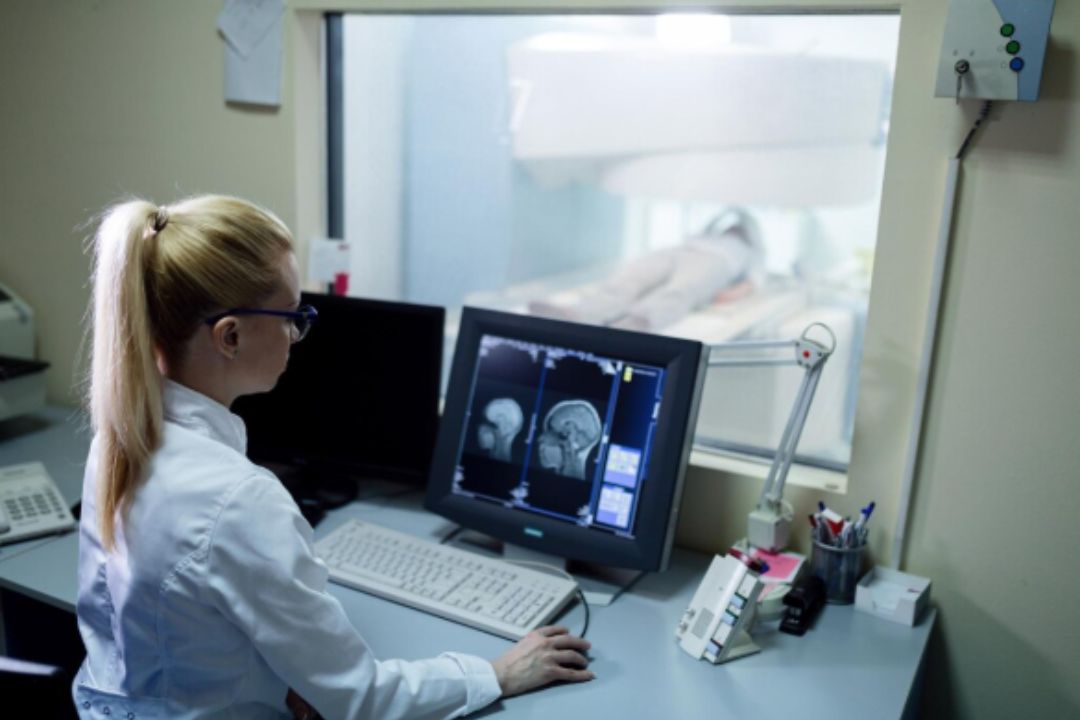
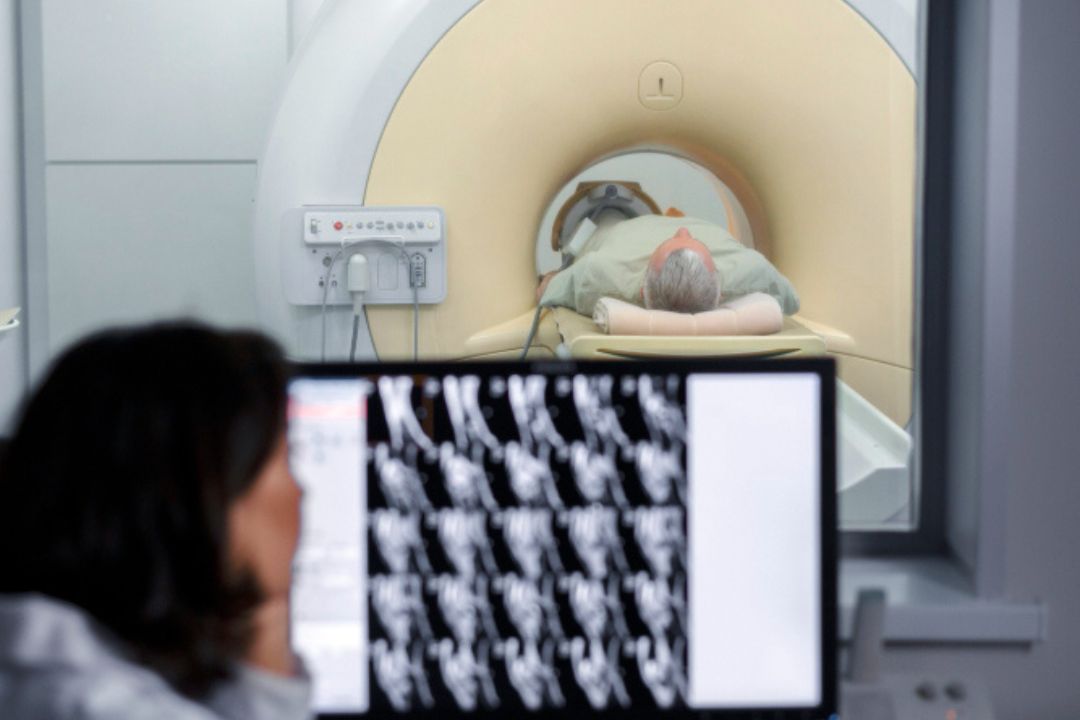
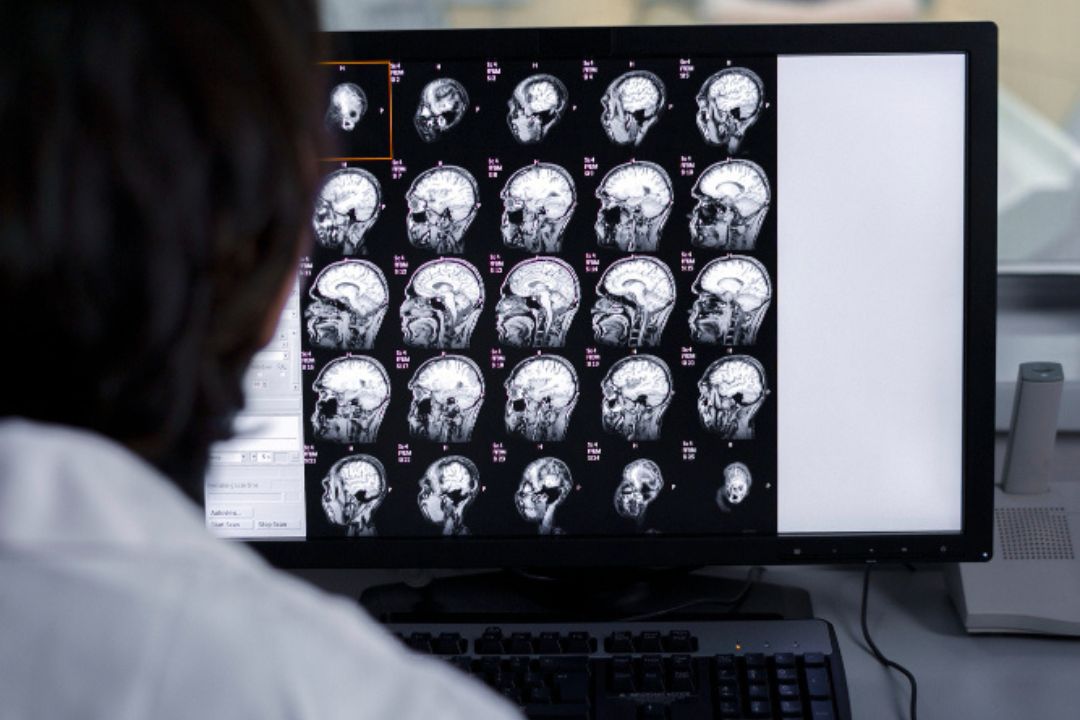
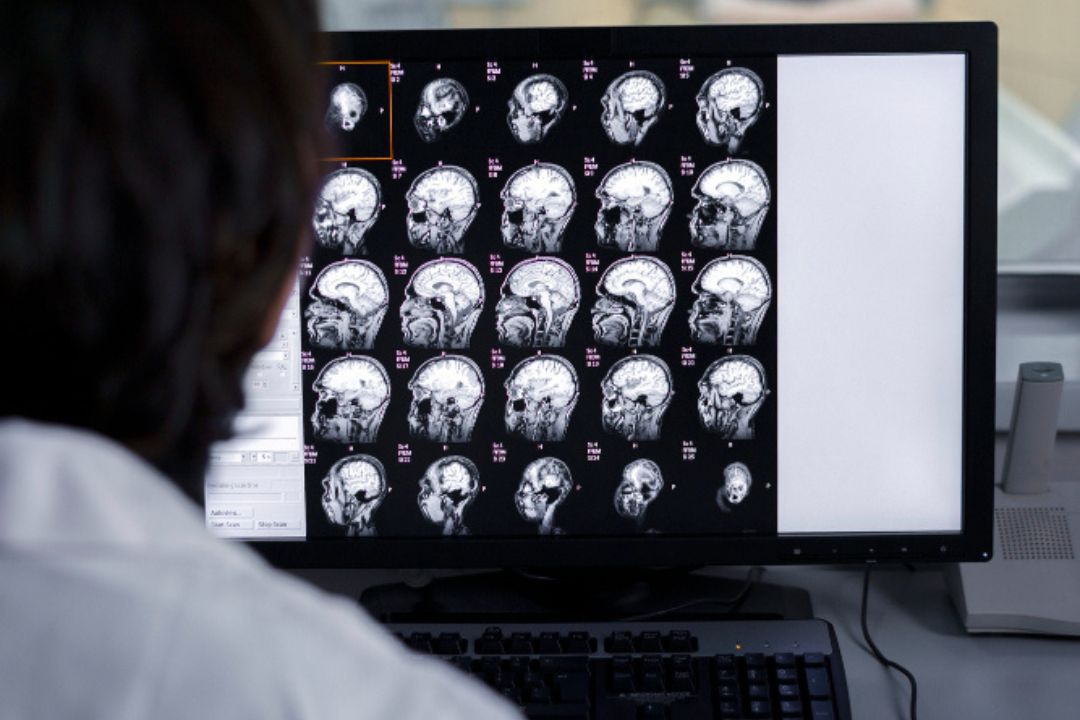
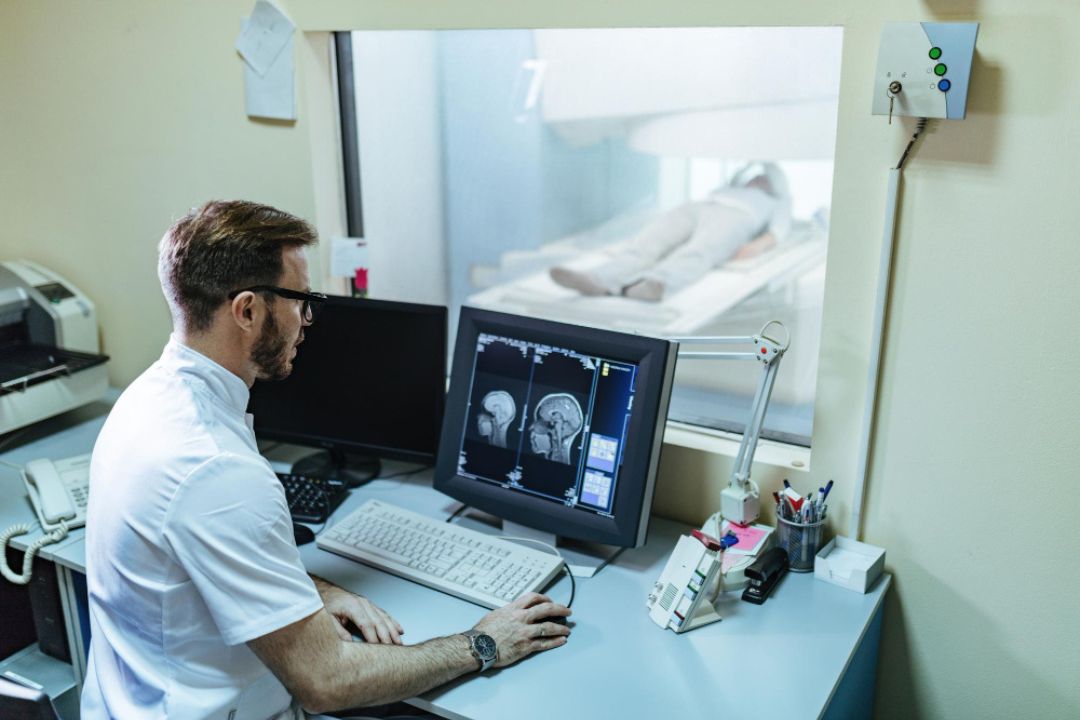
The scanning machine rotates around the body and captures multiple images from different angles. These images are later combined by a computer to produce detailed internal views.
During the scan, the machine produces buzzing or clicking sounds while capturing images. The technician may ask the patient to hold their breath for a few seconds to prevent movement and ensure clear images.
It is important for the patient to remain still during the scan because movement can blur the images.
Most CT Scans take only a few minutes, although the entire process including preparation usually takes about 10 to 30 minutes.
After the scan is completed, the table moves out of the scanner and the patient can sit up and leave the scanning room.
Step 8: After the CT Scan
If contrast dye was used, the patient may be asked to wait for a short period to make sure there are no allergic reactions.
Patients are usually advised to drink plenty of water to help flush the contrast dye out of the body.
A CT scan is generally painless. The only minor discomfort some patients may feel is during the insertion of the IV line for contrast dye.
Most people can return to their normal activities immediately after the test.
The scanning process itself usually takes only a few minutes. However, the total appointment time including preparation and positioning may take about 10 to 30 minutes depending on the type of scan.
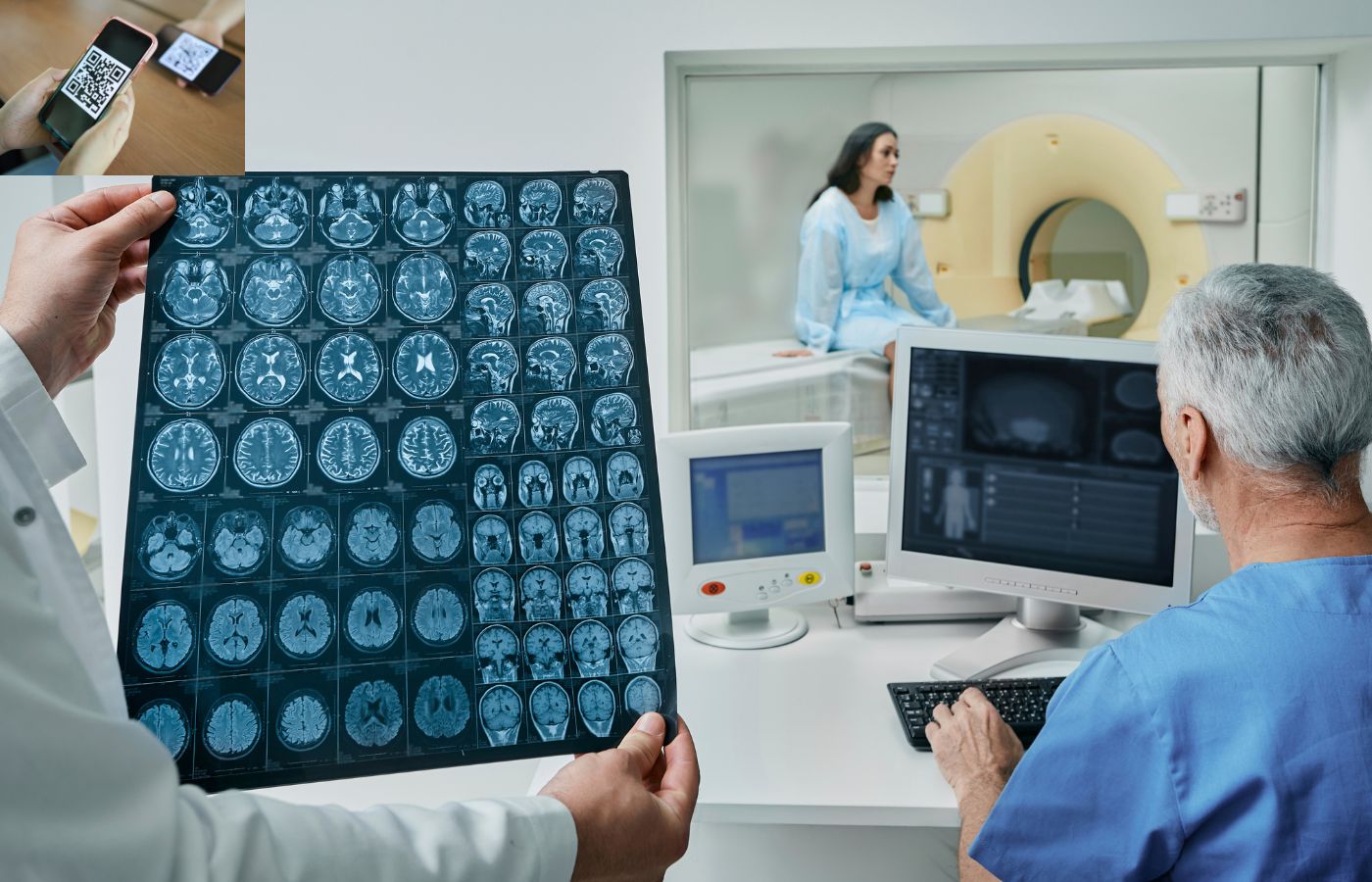
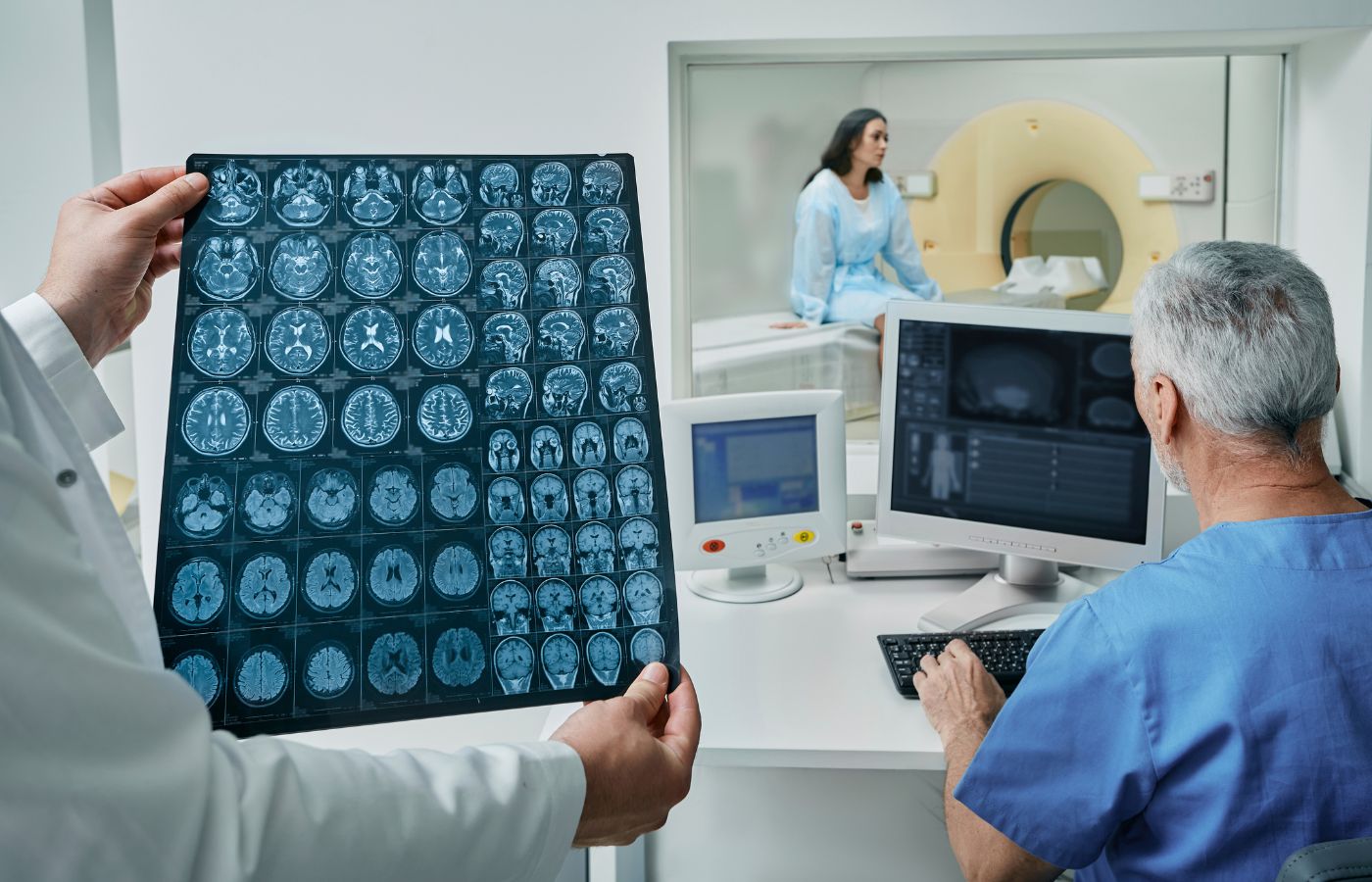
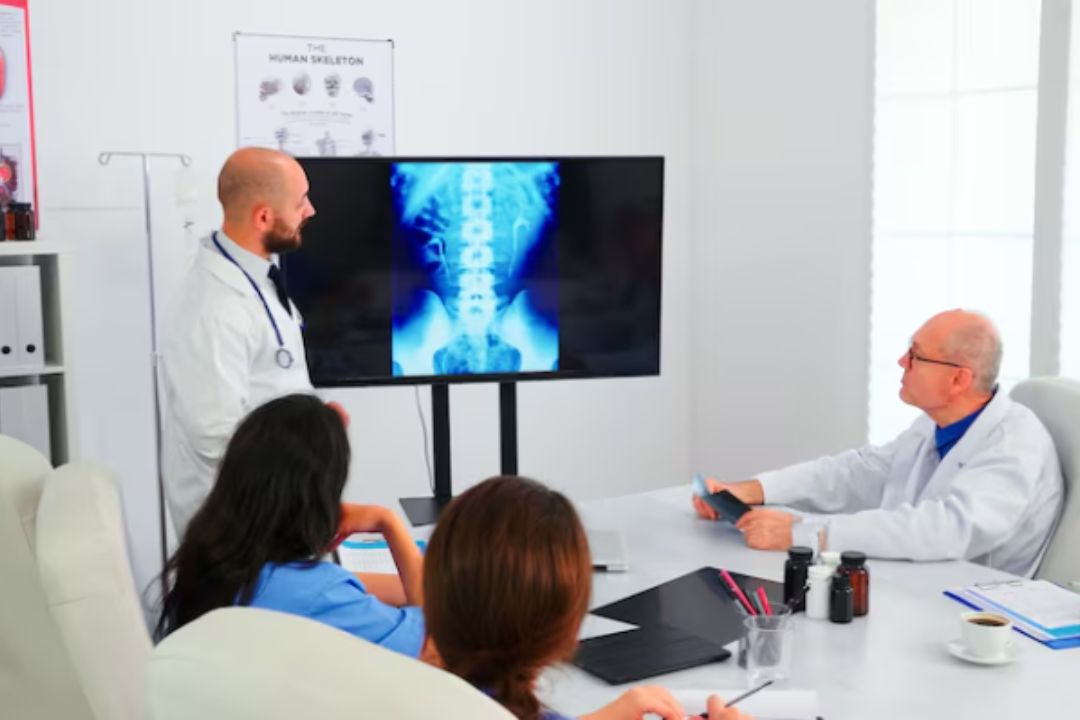
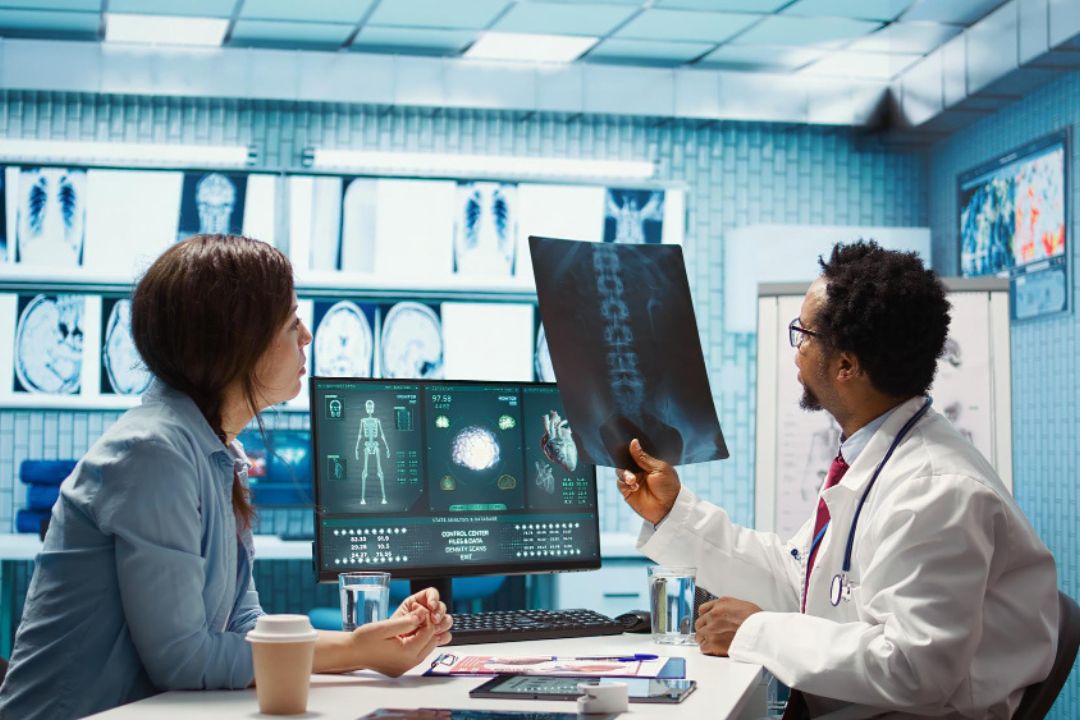
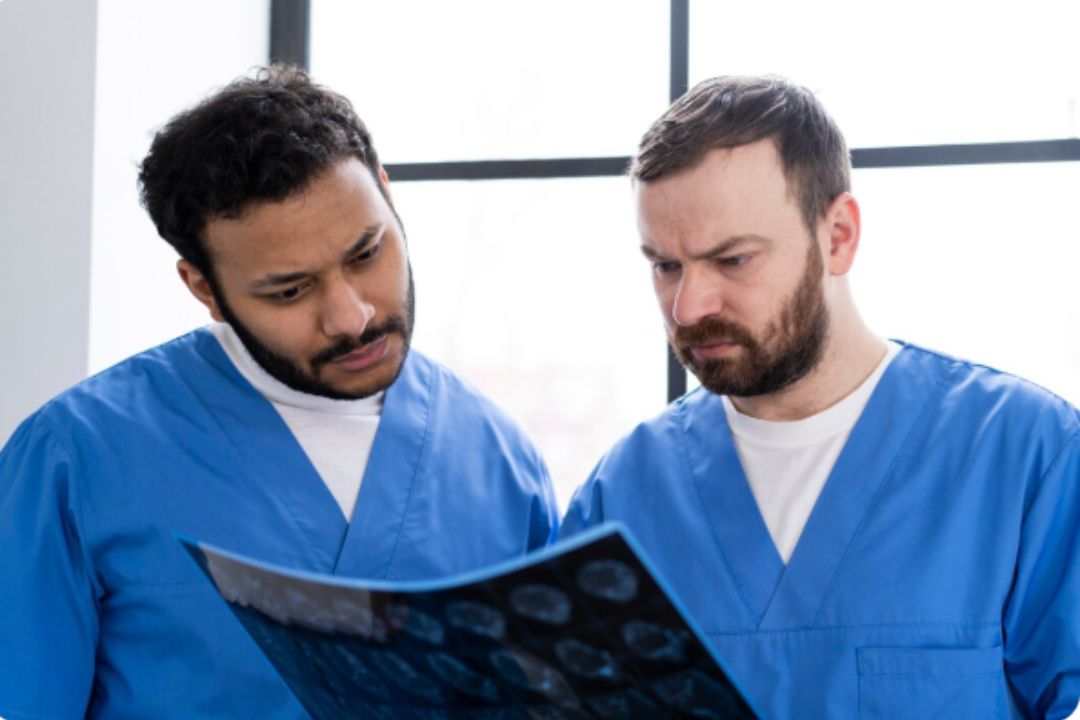
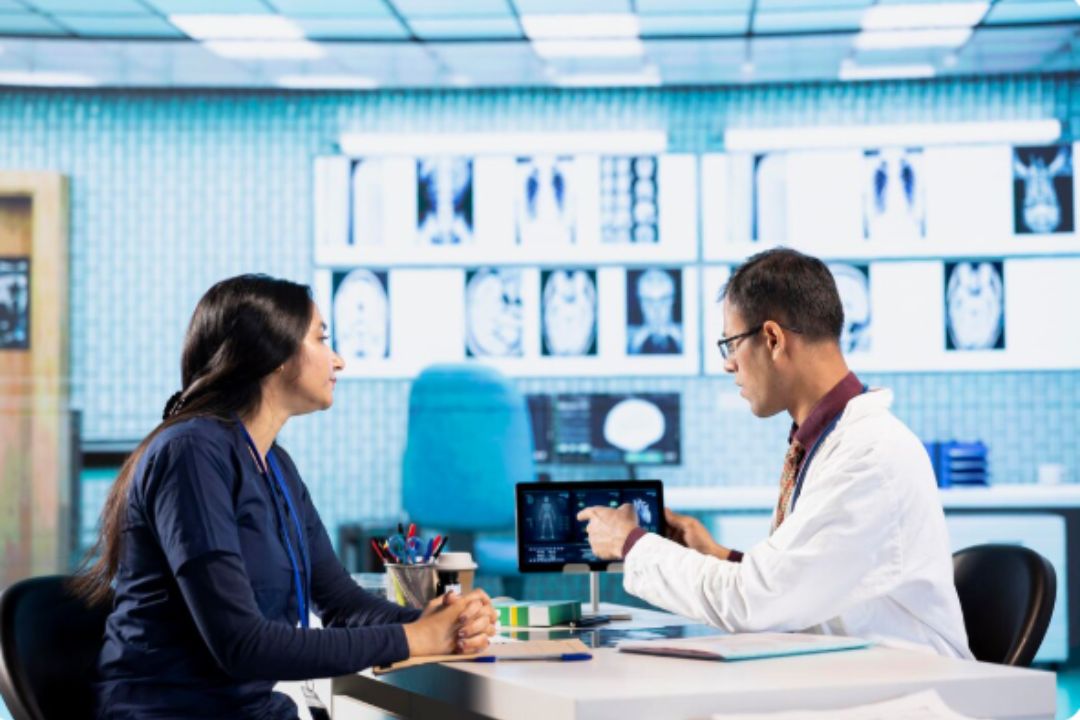
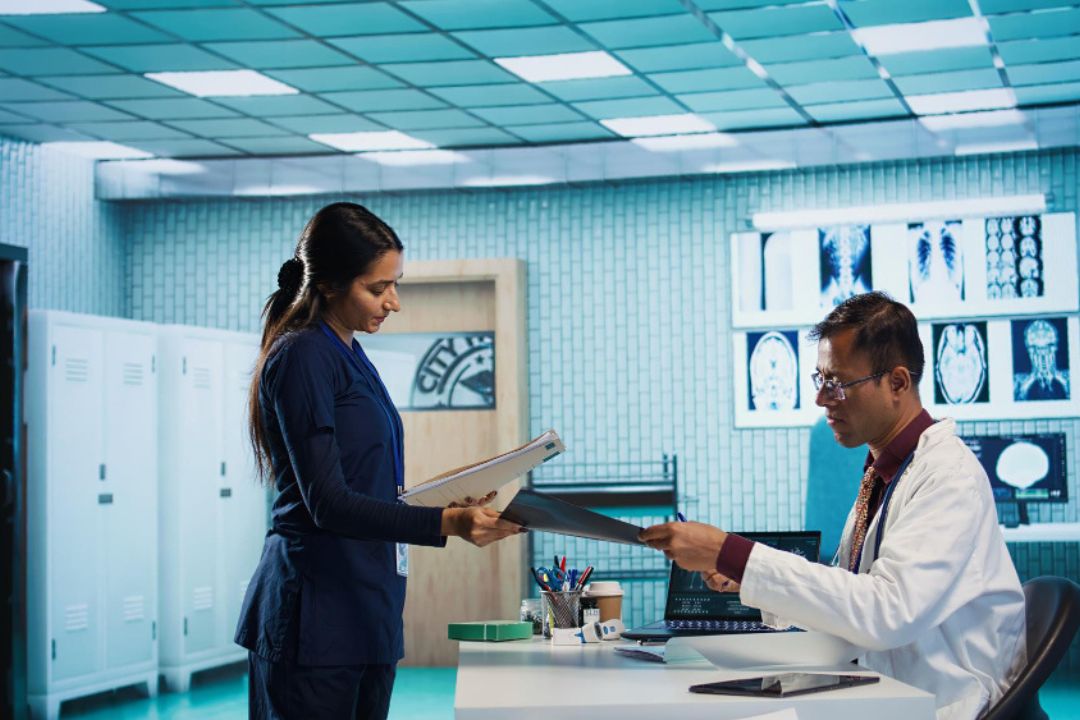
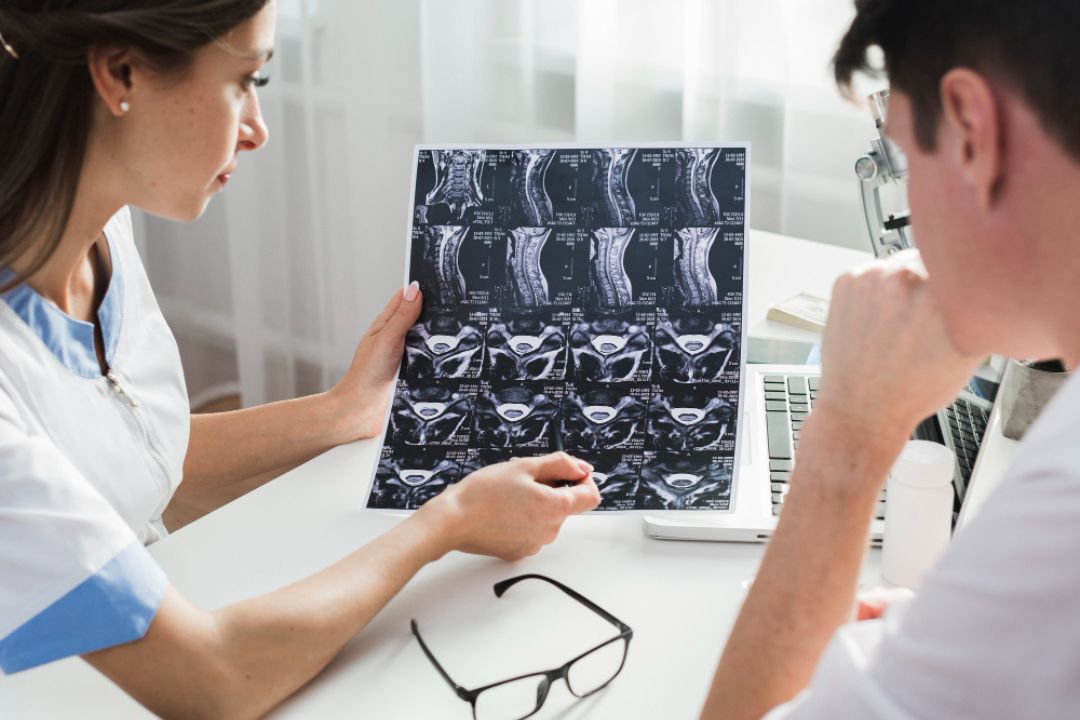
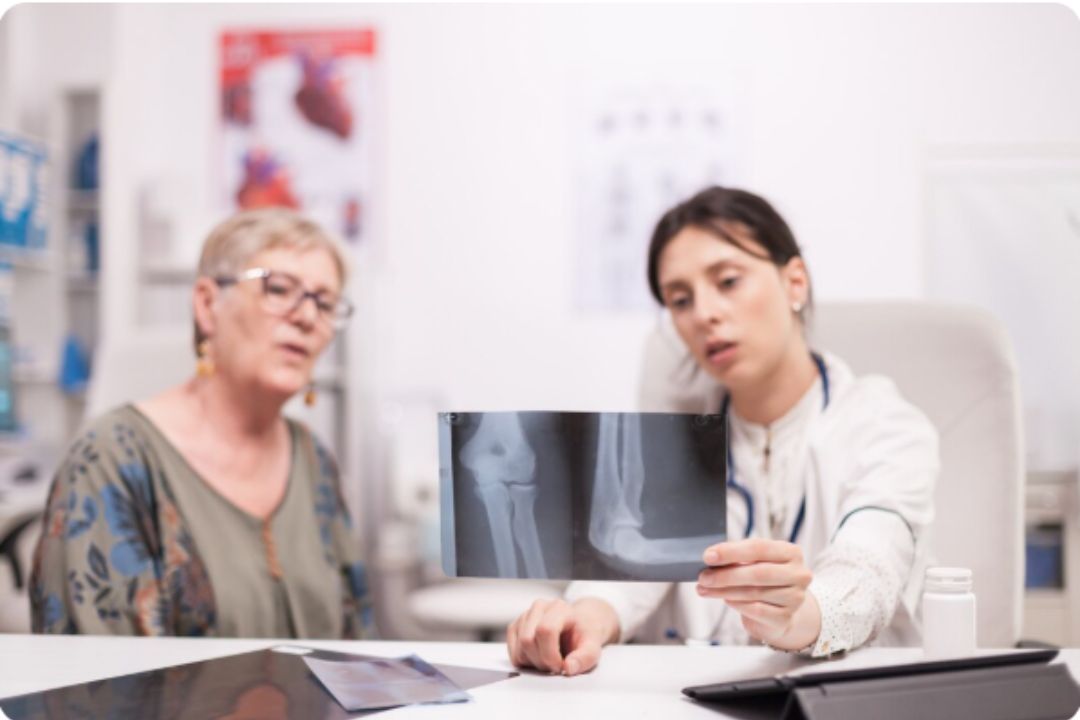
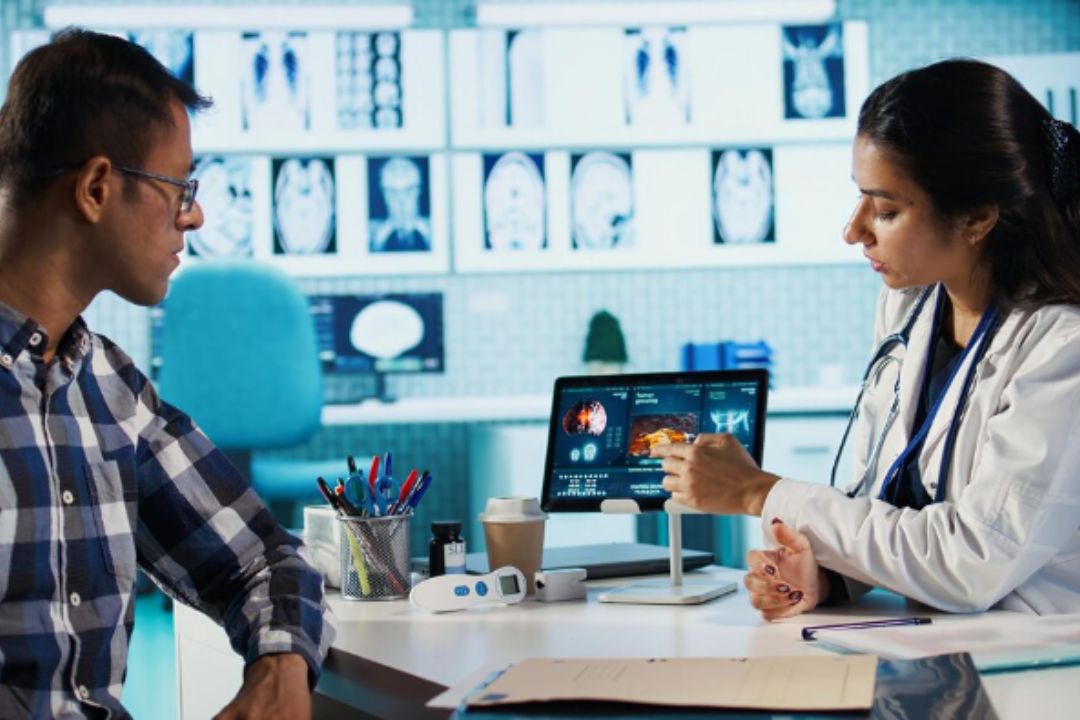
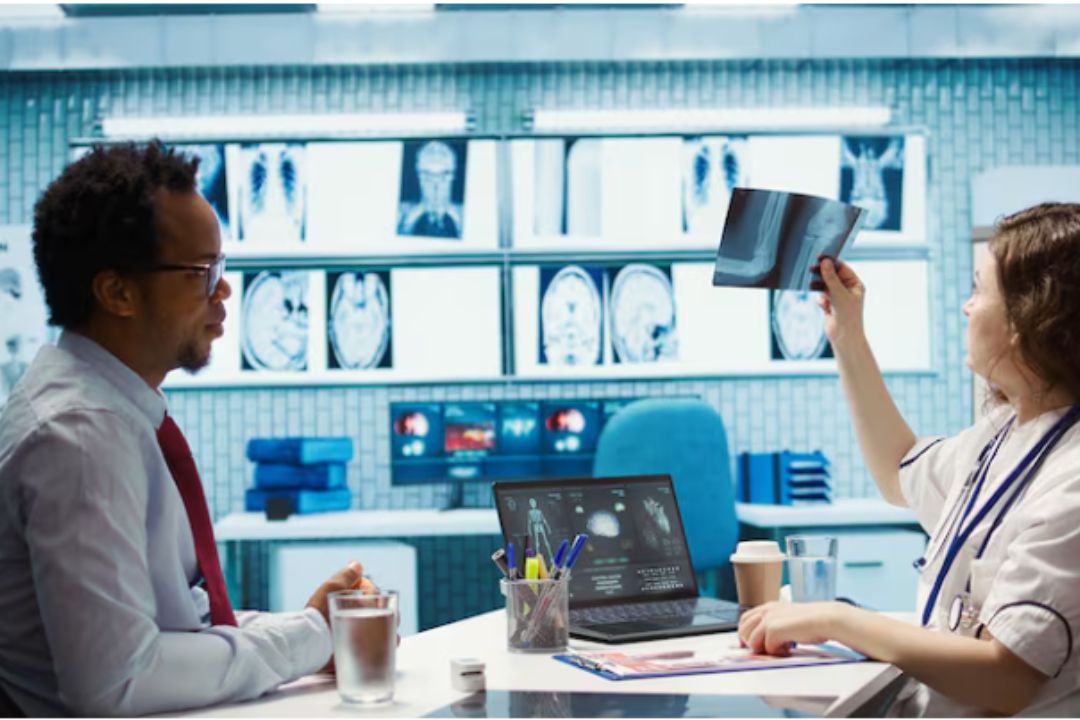
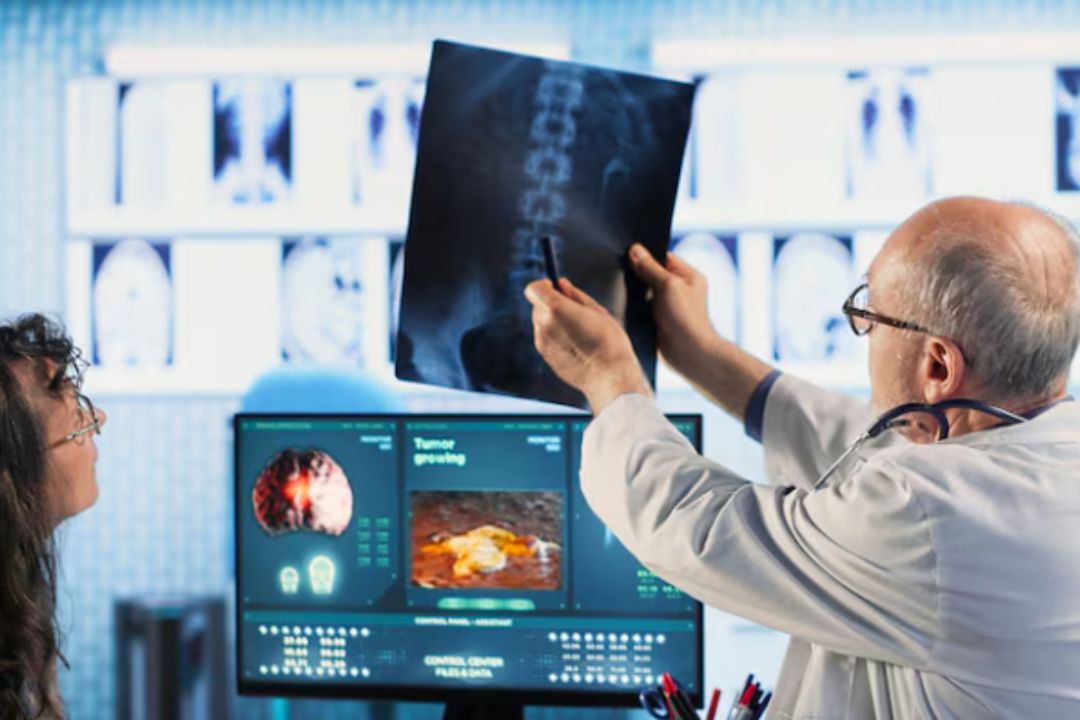
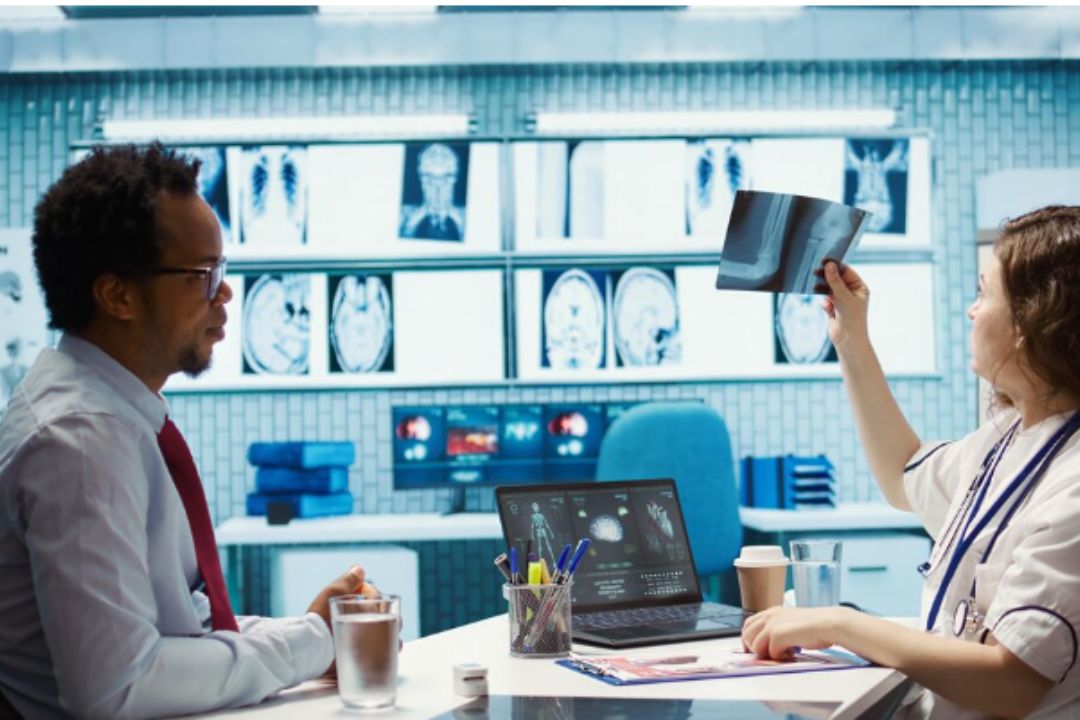
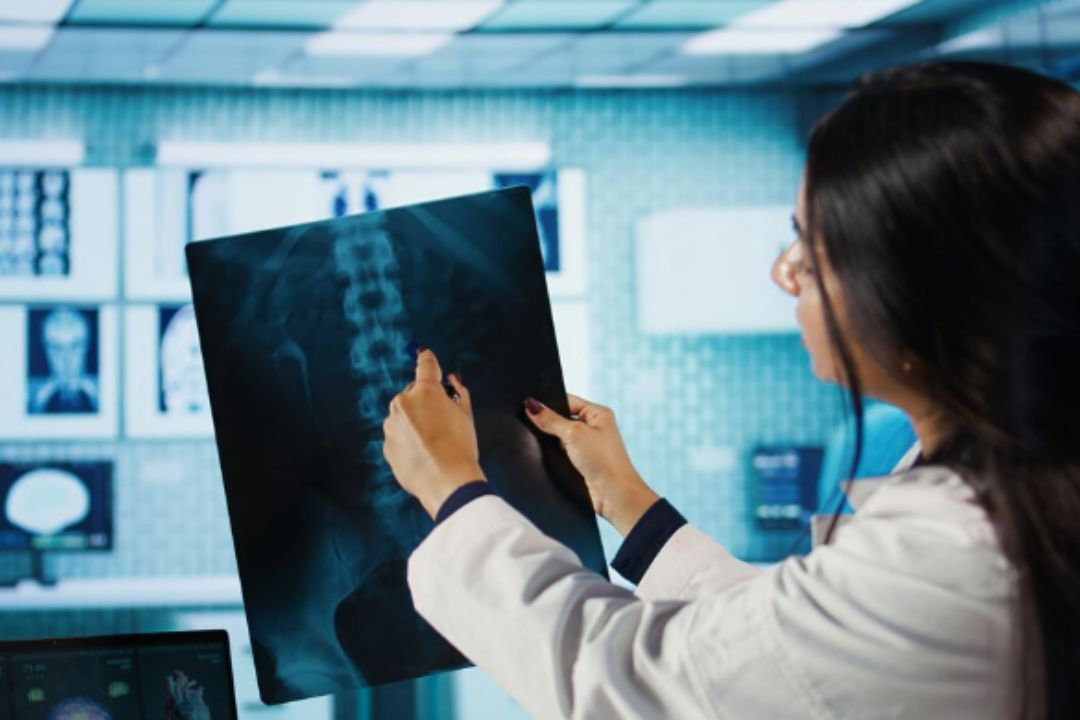
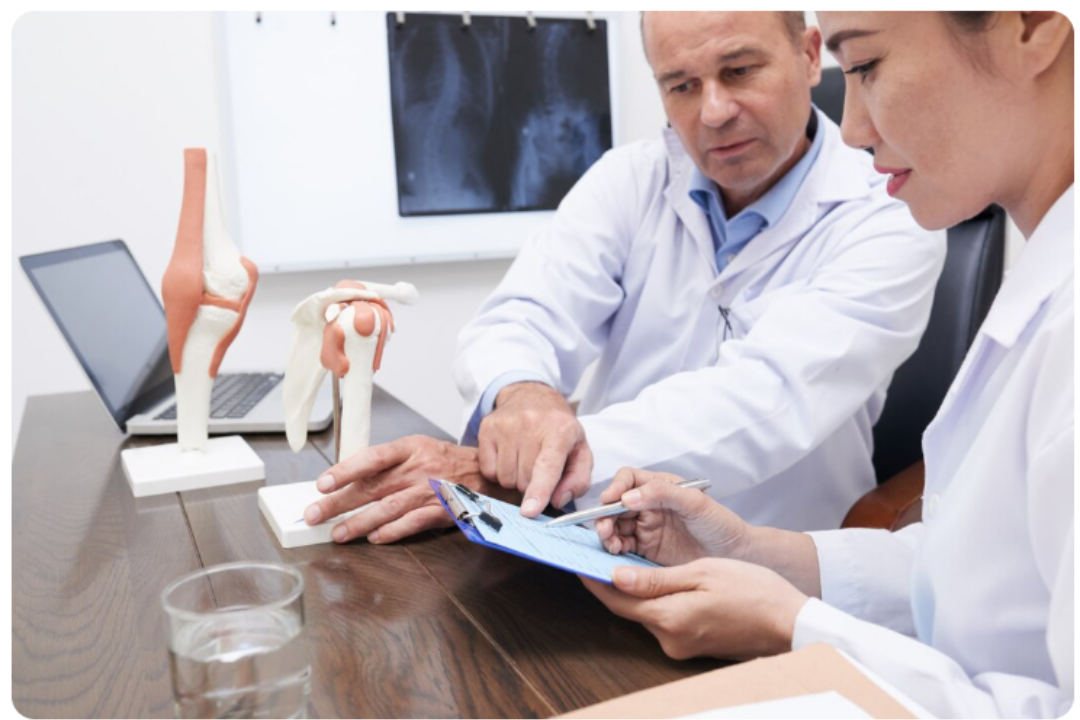
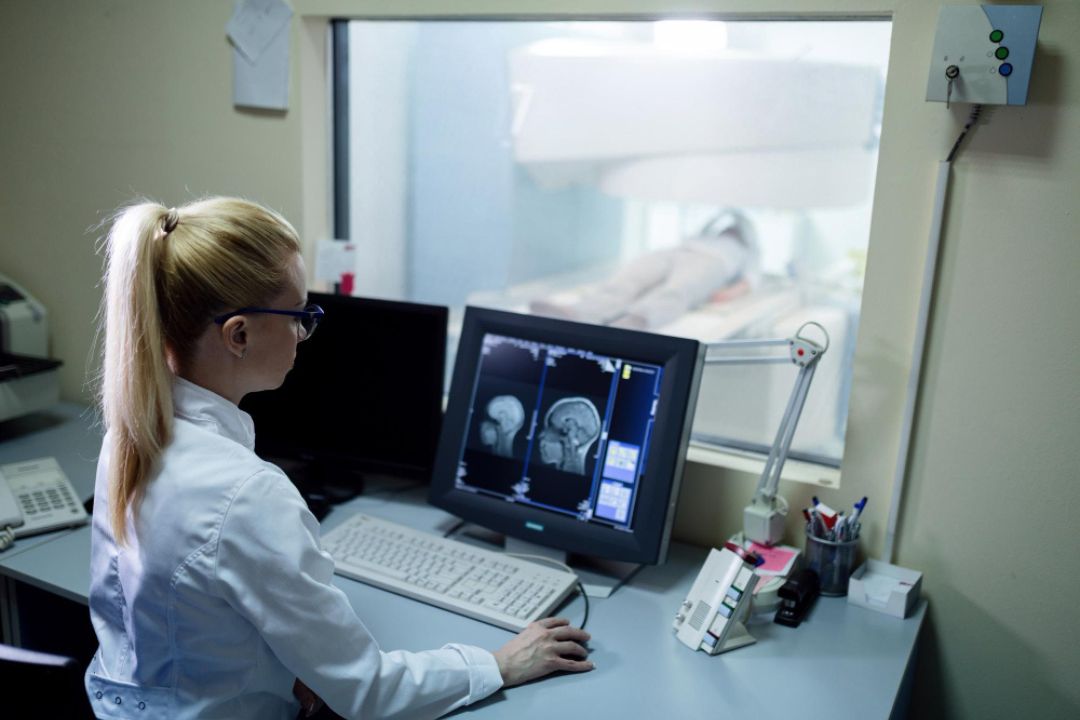
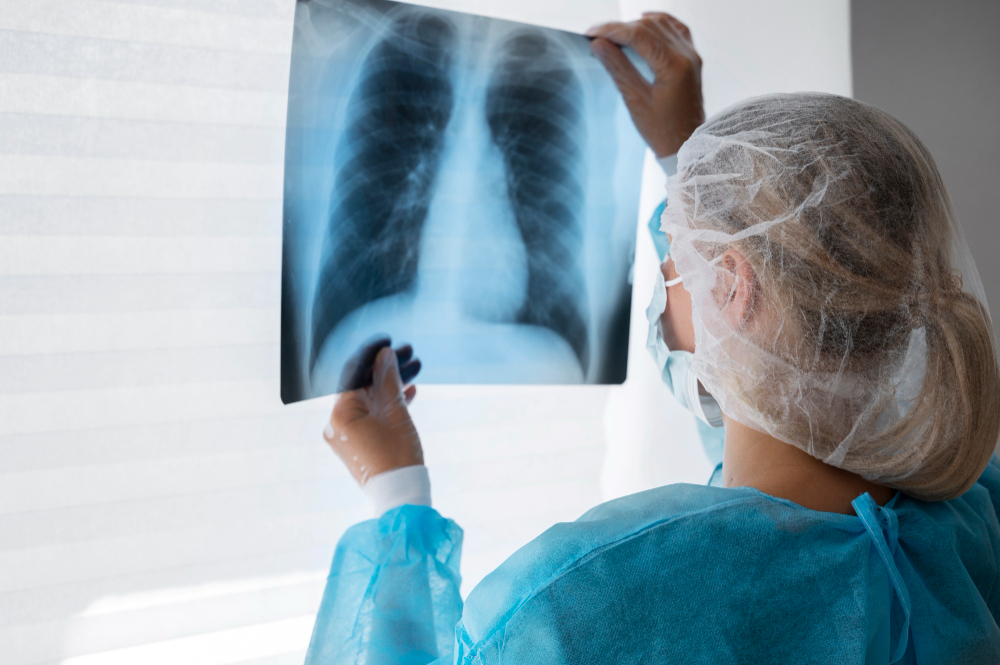
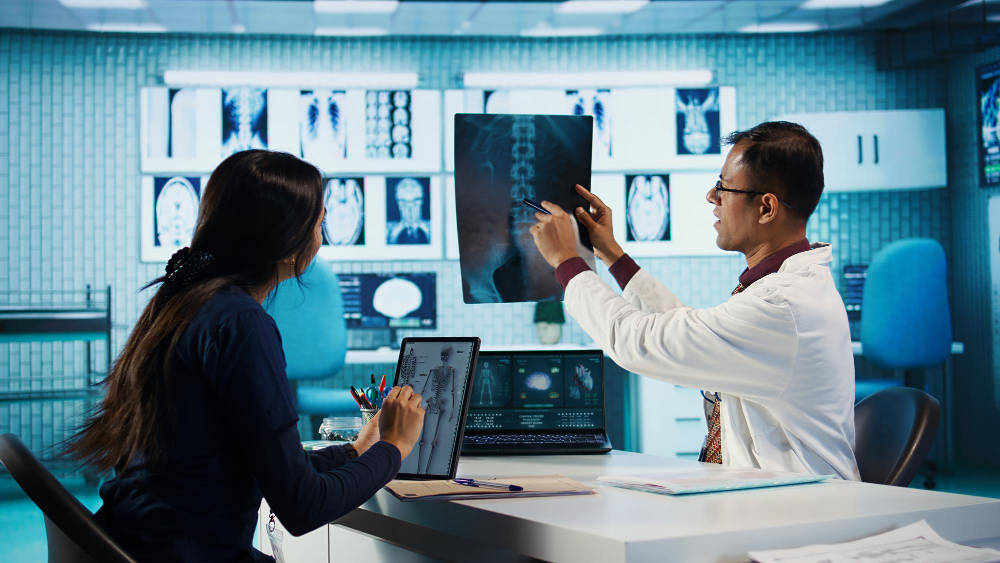
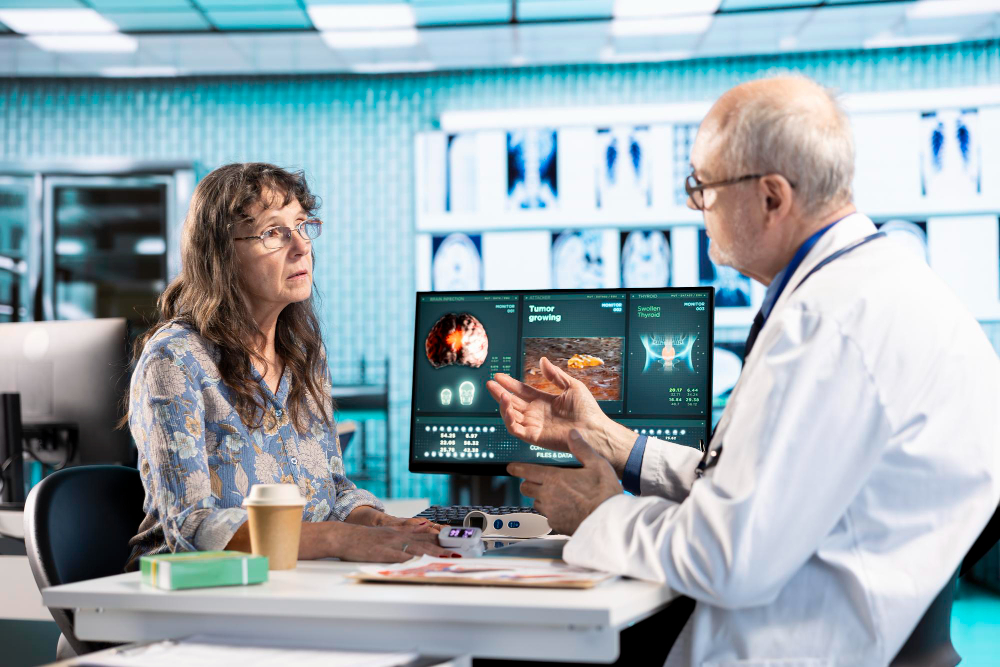
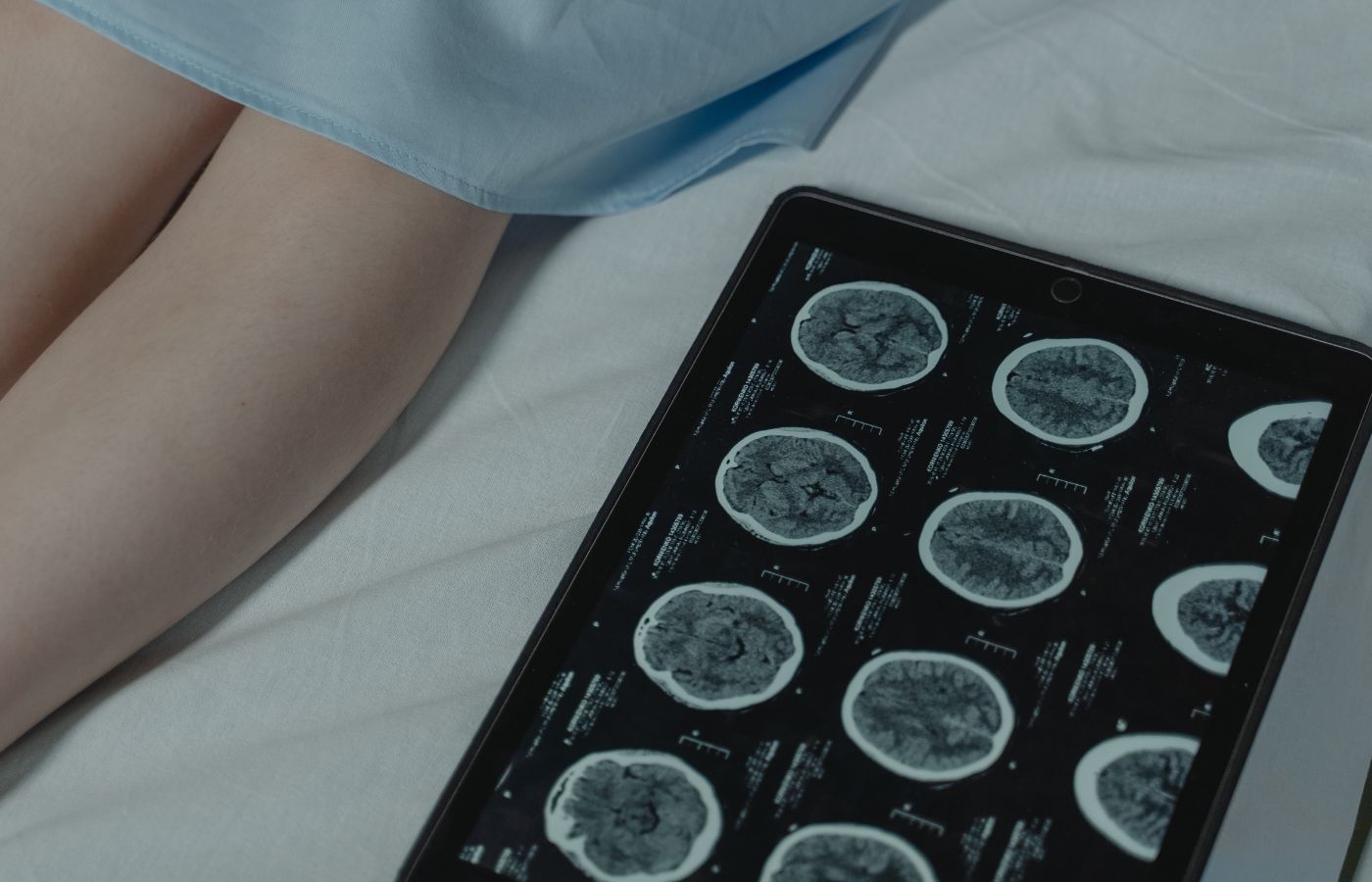
After the scan, a radiologist examines the images and prepares a detailed report. The results are usually available within a few hours or within one day, depending on the diagnostic center.
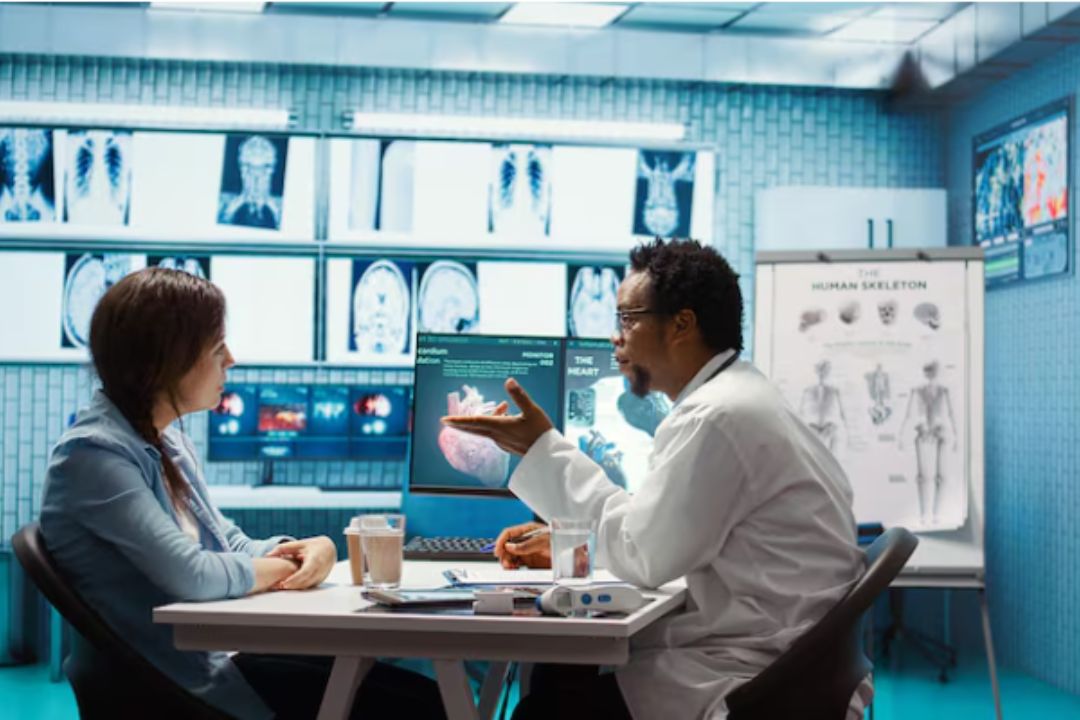
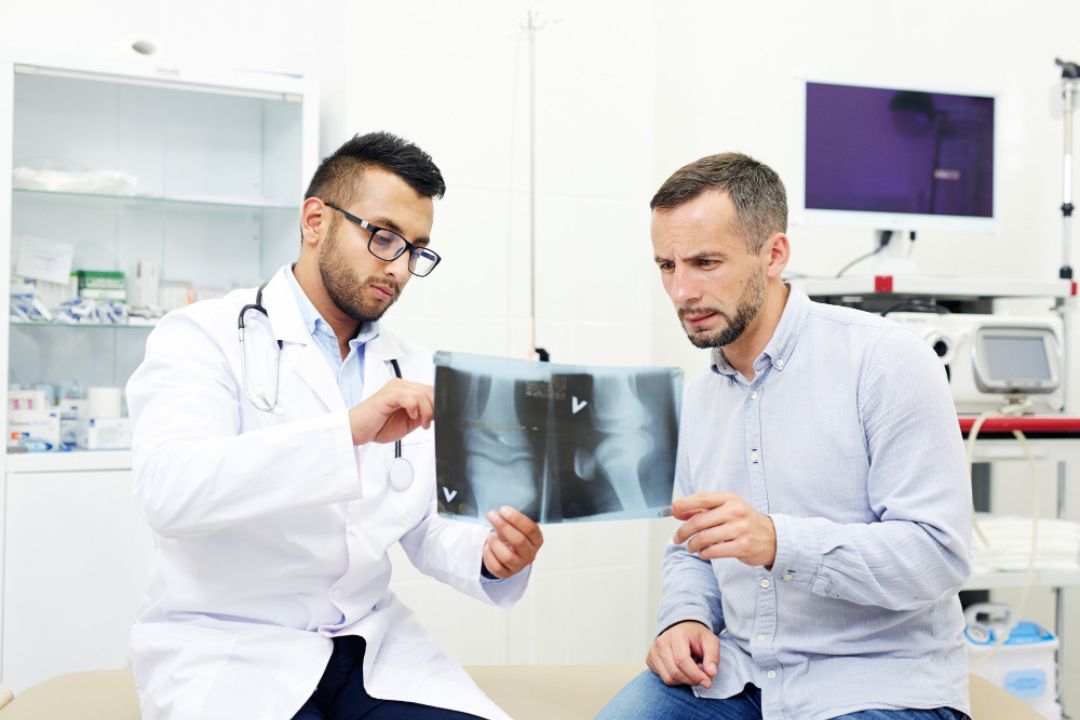
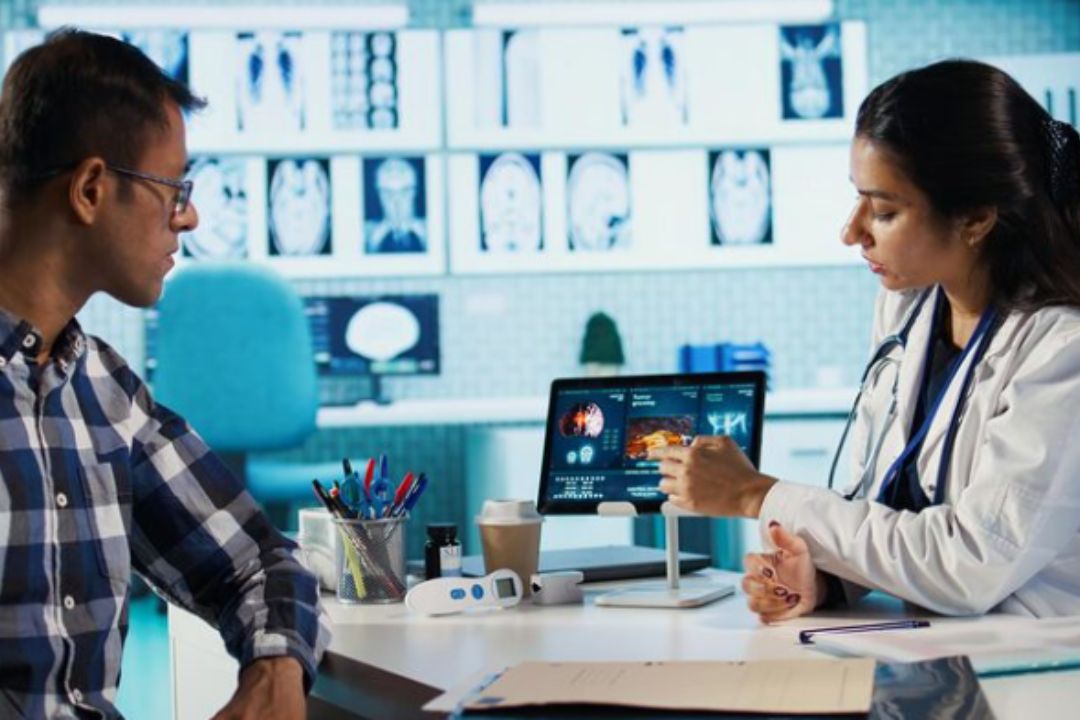
Your doctor will review the report and discuss the findings with you.
A CT Scan is a fast, safe, and highly effective imaging test used to diagnose many medical conditions. The procedure involves simple steps including preparation, positioning on the scanner, image capture, and analysis by a radiologist.
Knowing the CT scan procedure step by step can help patients feel more confident and relaxed before undergoing the test. With modern technology, CT scans provide accurate diagnostic information that helps doctors detect diseases early and plan appropriate treatment.




.jpg "ct brain scan plain and contrast")





.jpg "ct scan")
.jpg "ct scan or mri for brain disorders")


.jpg "exploring the power of ct brain contrast in modern diagnostics")
.jpg "ct scan")
.jpg "ct scan")







.jpg "ct scan")

.jpg "CT Brain Scan for Headaches")
.jpg "The Future of 3D CT Imaging")