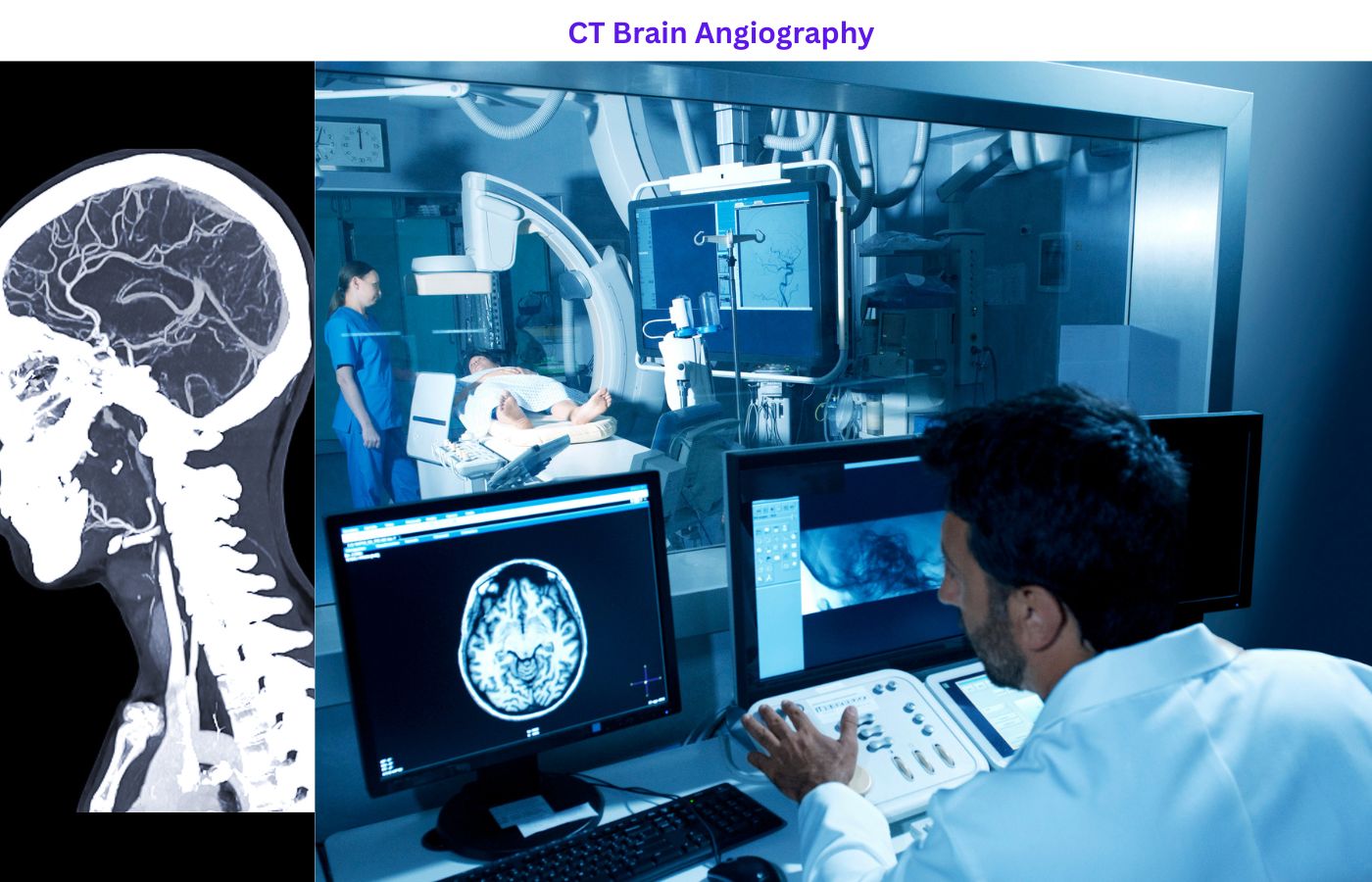
Modern medical imaging plays a crucial role in diagnosing complex eye conditions. One of the most effective imaging techniques used by doctors is the CT Orbit With Contrast. This advanced scan helps doctors visualize the structures around the eye, including the eye socket, muscles, nerves, and blood vessels.
CT orbit with contrast provides highly detailed images that assist doctors in diagnosing various eye disorders and planning appropriate treatment.
A CT Orbit With Contrast is a specialized imaging test used to examine the orbit, which is the bony cavity that contains the eyeball and surrounding tissues.
During this scan, a contrast dye is injected into a vein. The dye helps highlight blood vessels and soft tissues, making abnormalities easier to detect.
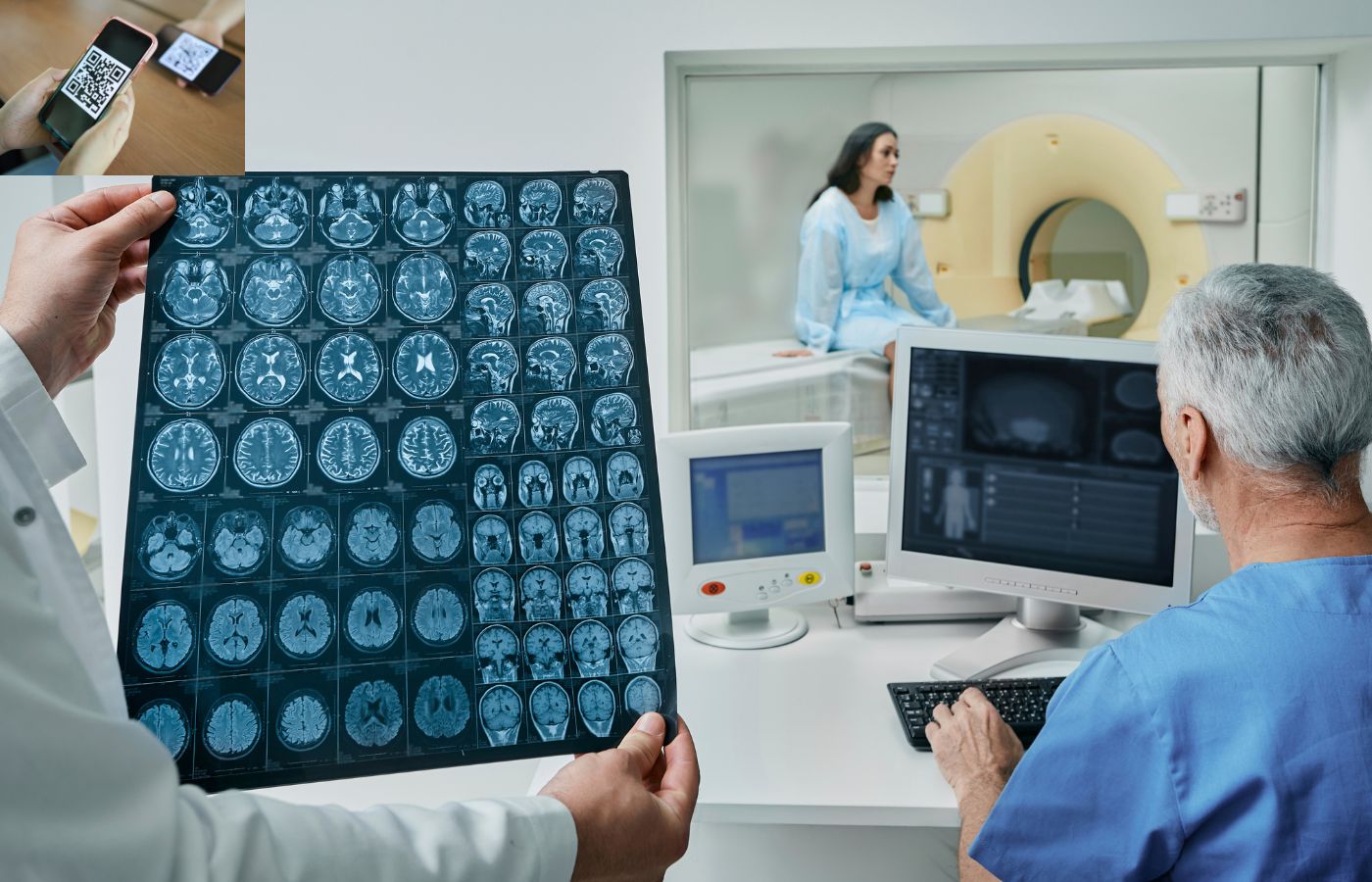
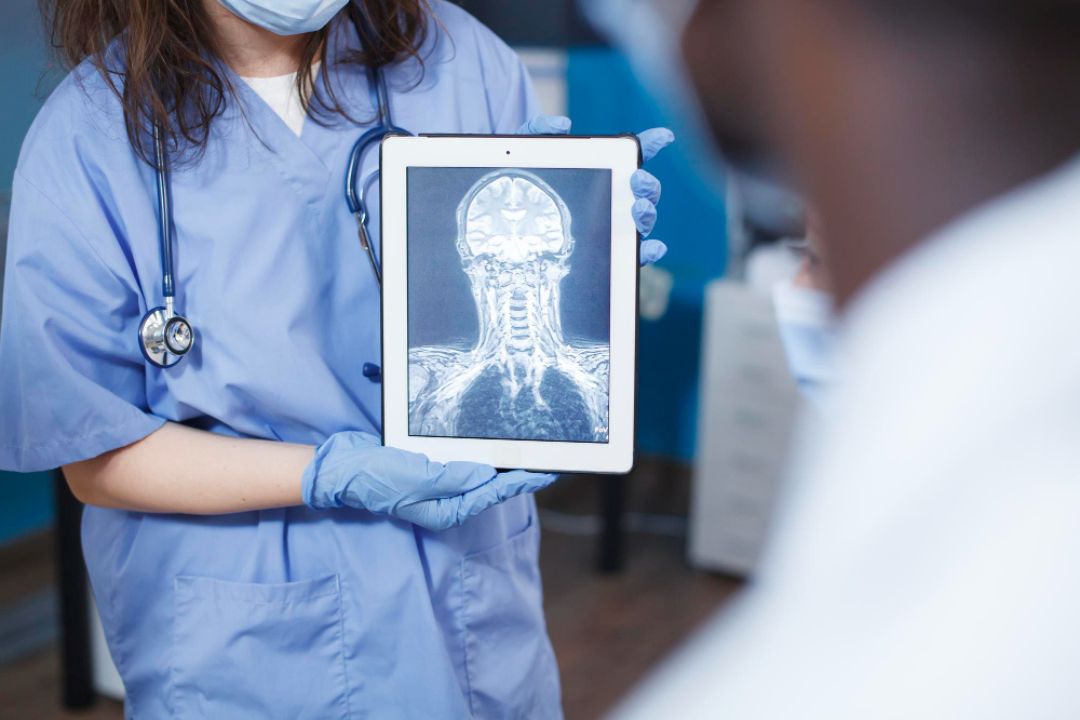
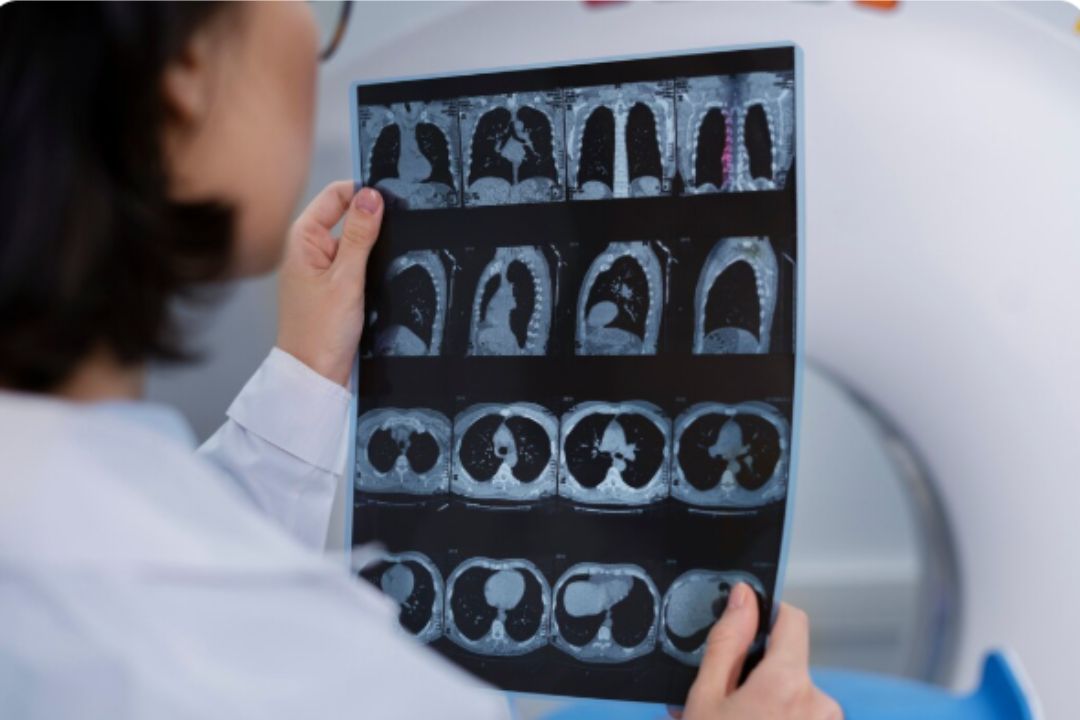
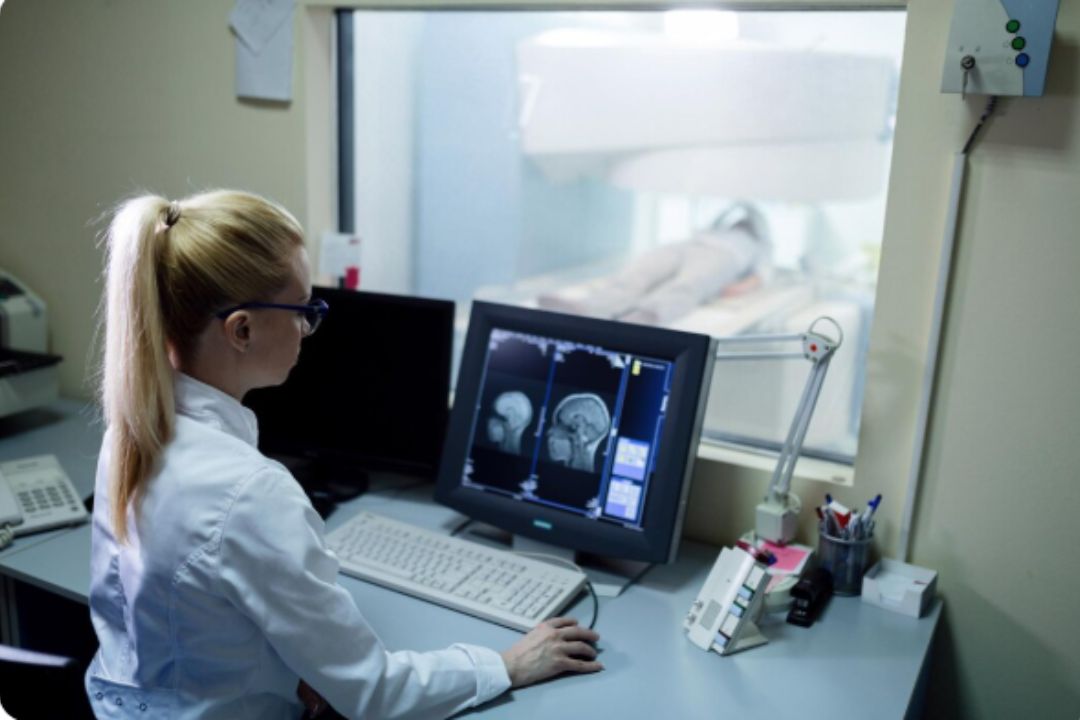
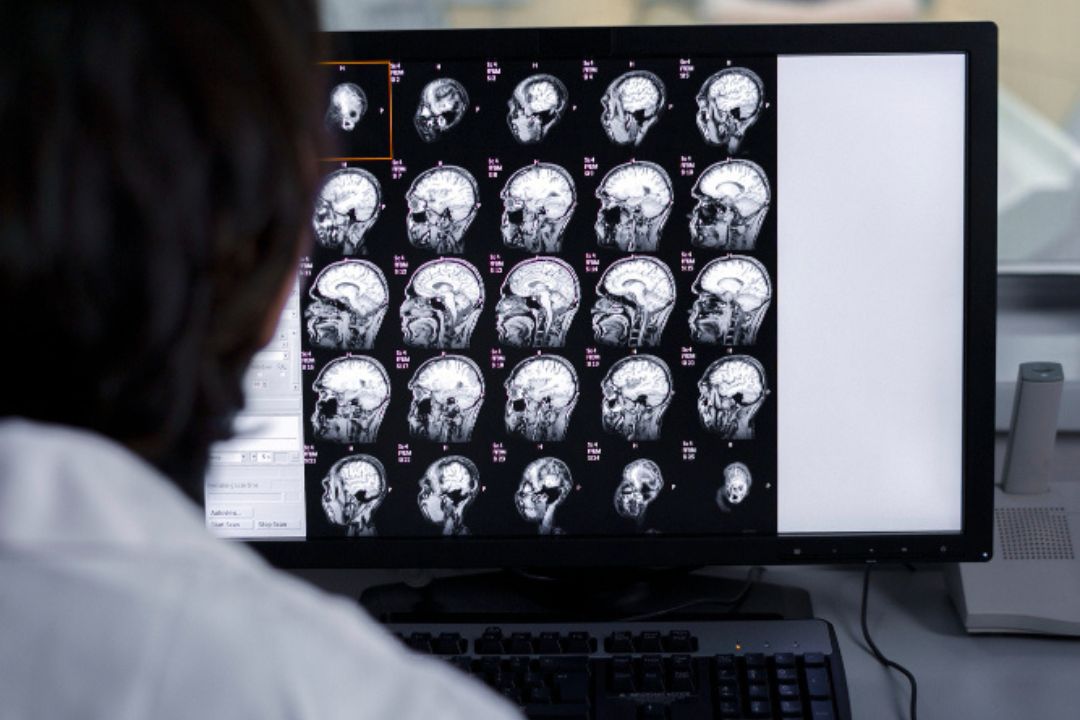
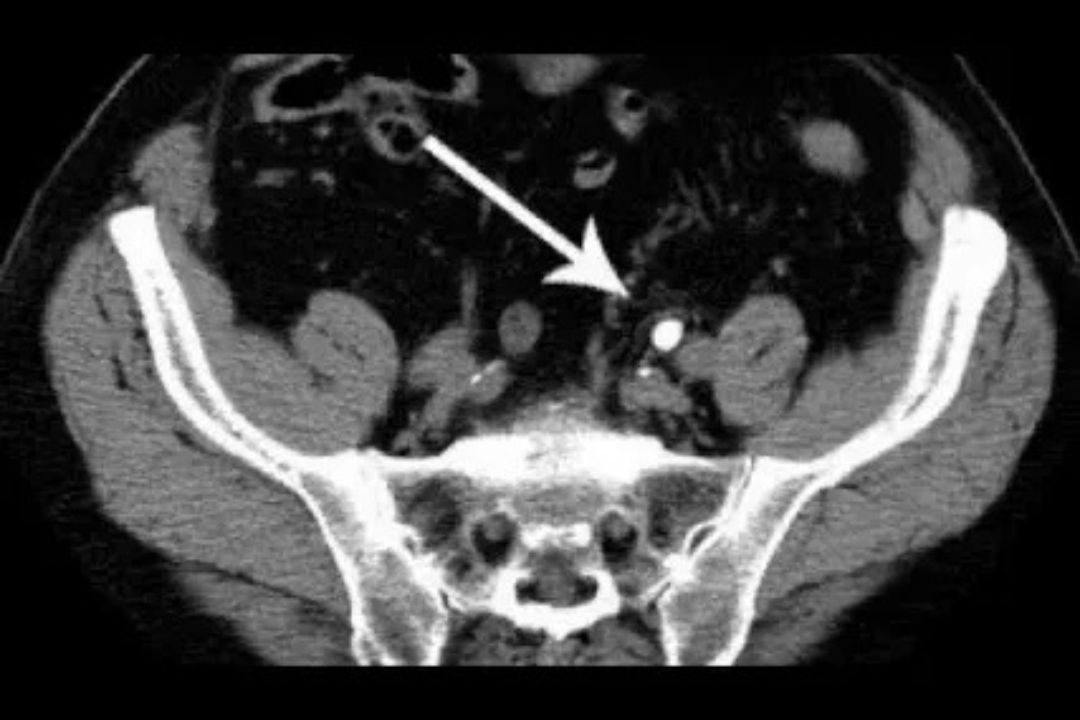
The scan produces cross-sectional images that allow doctors to study the eye area in great detail.
Doctors may recommend this scan when they need a detailed view of the eye structures and surrounding tissues. The contrast dye improves the visibility of abnormalities that may not appear clearly on a regular CT scan.
Visit Now: https://www.diagnopein.com/ct-scan/Pune
Common reasons for performing a CT orbit with contrast include:
Diagnosing eye infections
Detecting tumors in the eye socket
Evaluating eye injuries
Identifying inflammation around the eye
Detecting abnormalities in eye muscles
Investigating vision problems caused by structural issues
This imaging test helps doctors identify the exact cause of eye symptoms and plan the most effective treatment.
CT orbit imaging helps diagnose several conditions affecting the eyes and surrounding tissues.
CT scans can help identify abnormal growths inside the eye socket. The contrast dye helps doctors determine the size and location of tumors and whether they are affecting nearby structures.
Infections around the eye, such as orbital cellulitis, can be serious if not diagnosed early. CT orbit imaging helps detect the extent of infection and guides treatment decisions.
CT orbit scans are commonly used in emergency situations to evaluate injuries around the eye. The scan can detect fractures in the bones surrounding the eye as well as damage to soft tissues.
This condition causes swelling of the muscles around the eyes. CT imaging helps doctors examine muscle enlargement and assess the severity of the disease.
The optic nerve connects the eye to the brain and is responsible for transmitting visual signals. CT orbit scans help doctors identify conditions that may affect the optic nerve.
The CT Orbit Scan is a quick and painless procedure.
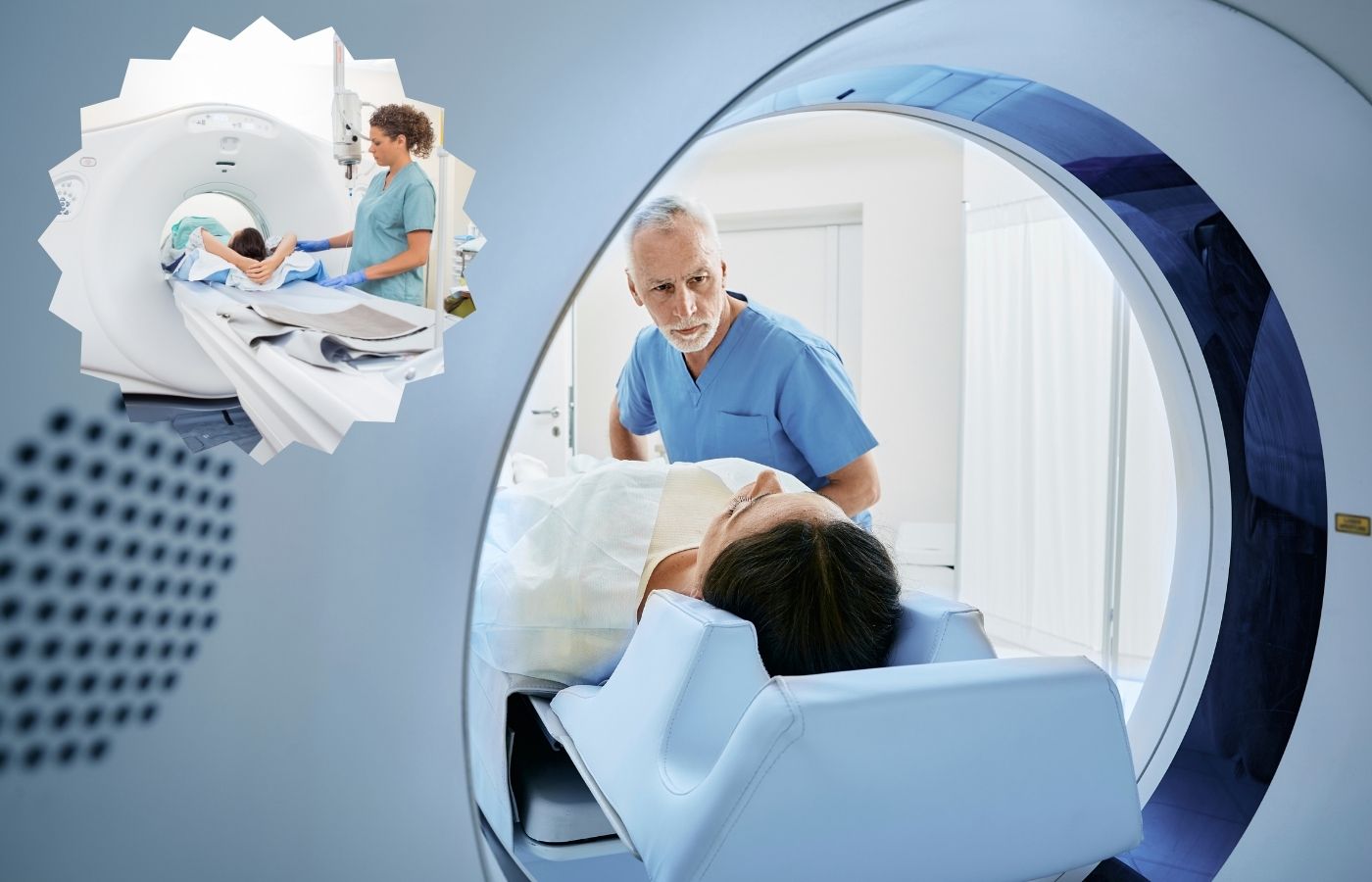
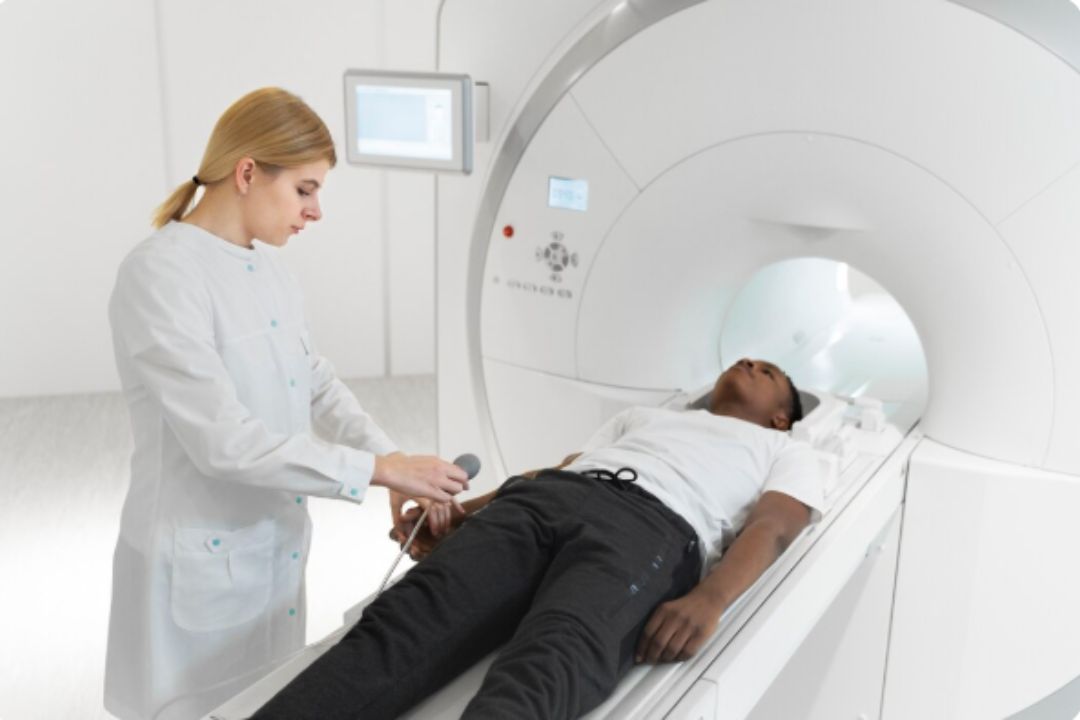
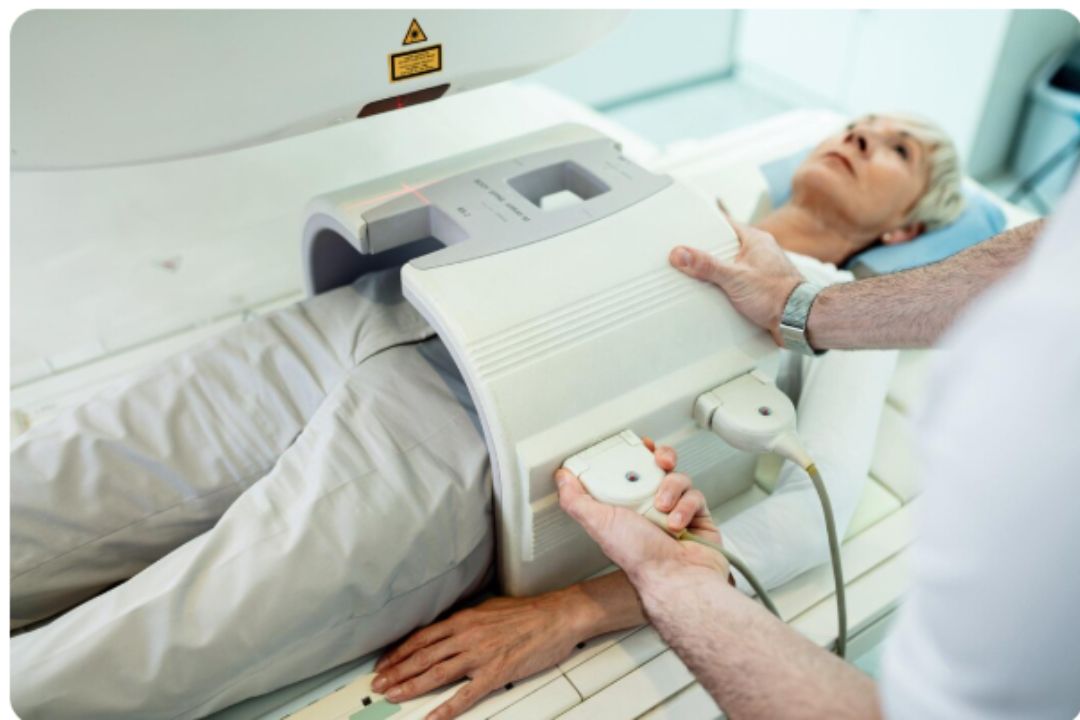
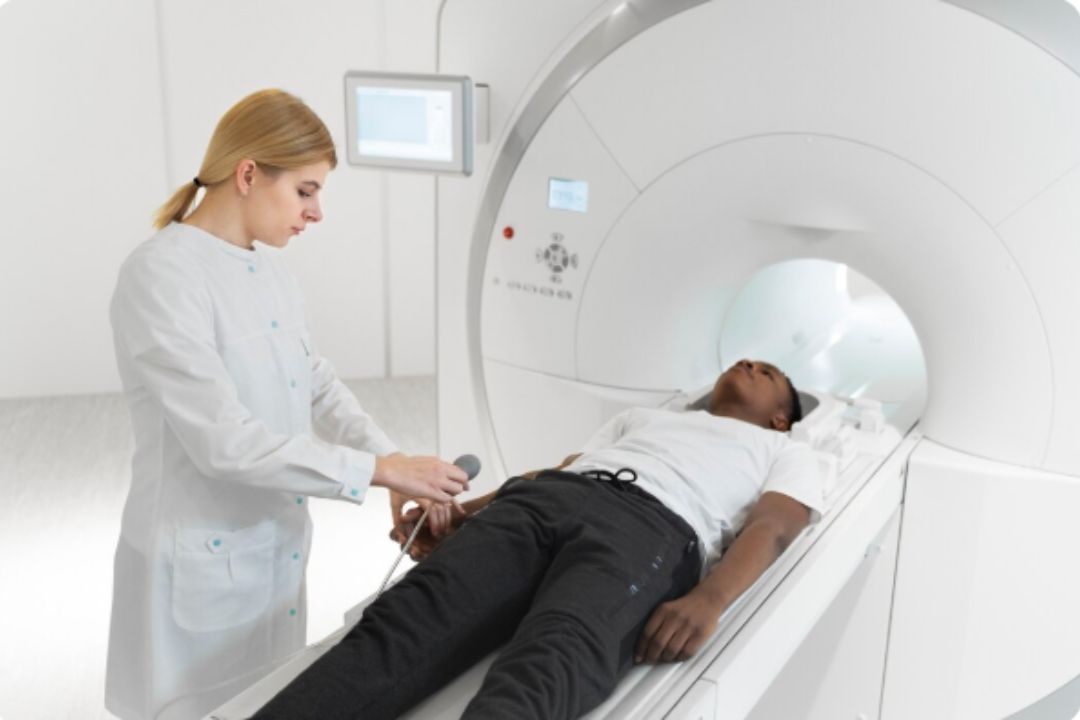
First, the patient may be asked to remove metal objects such as glasses or jewelry. A small intravenous line is inserted into a vein to administer the contrast dye.
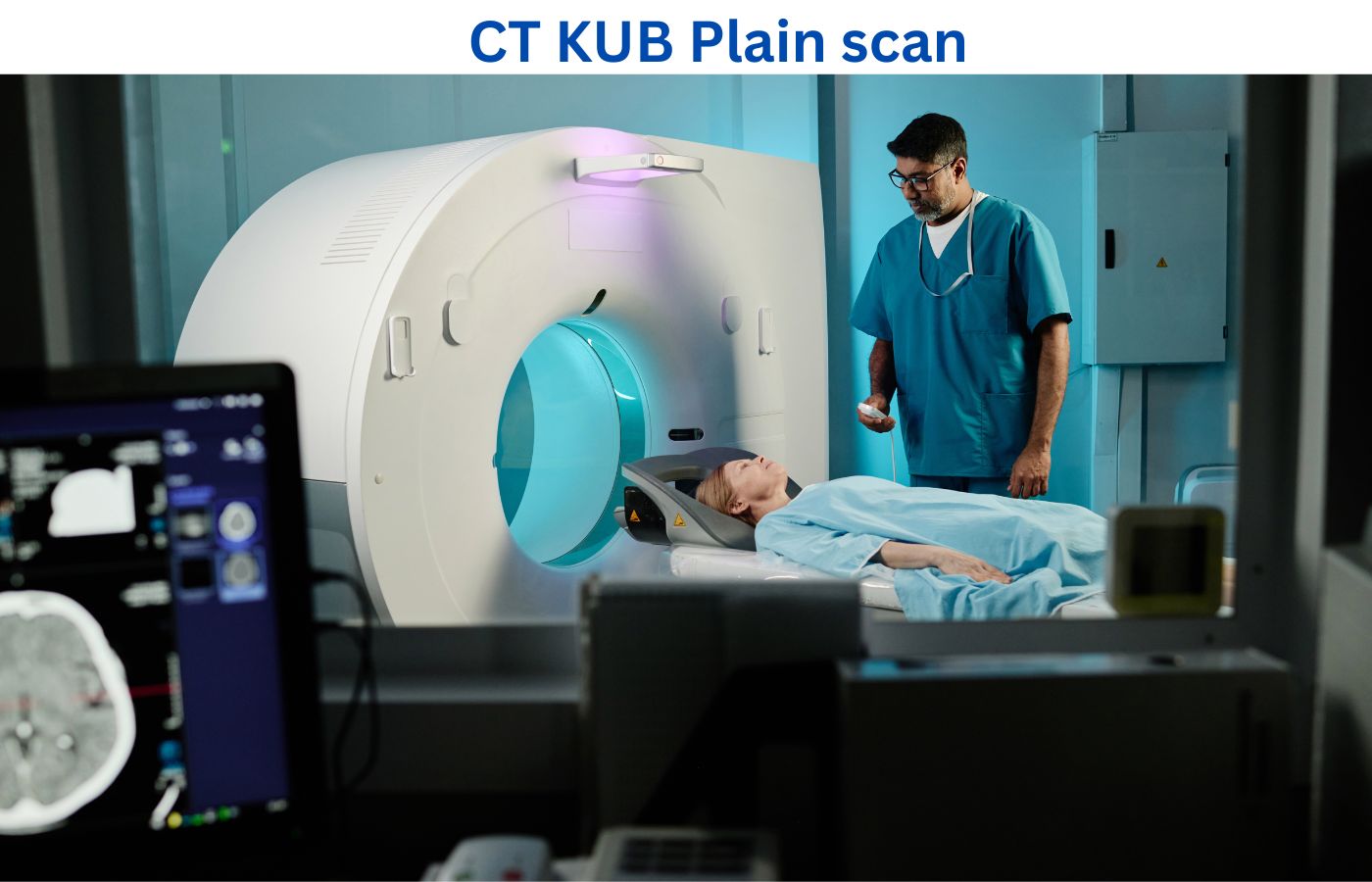
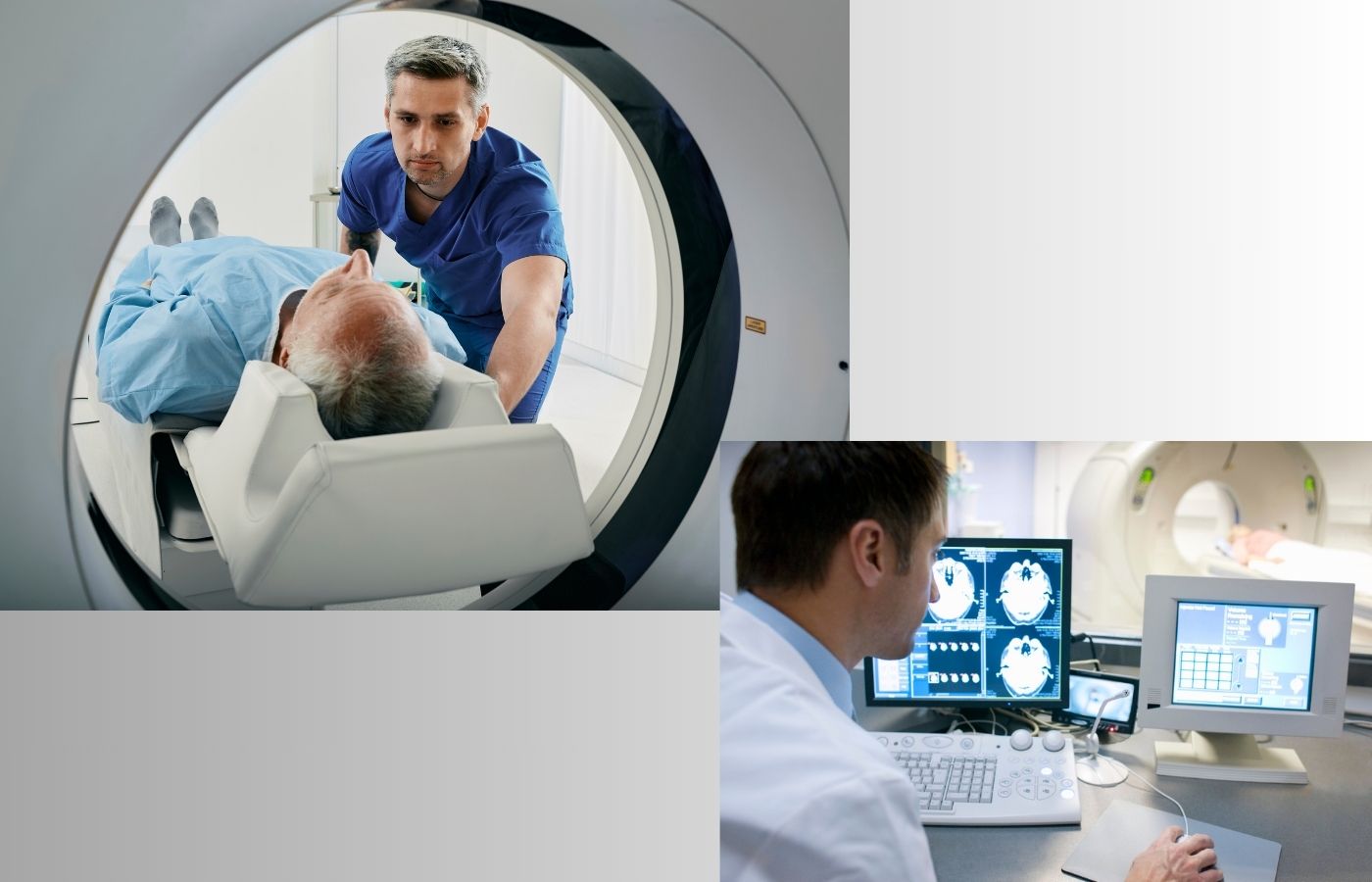
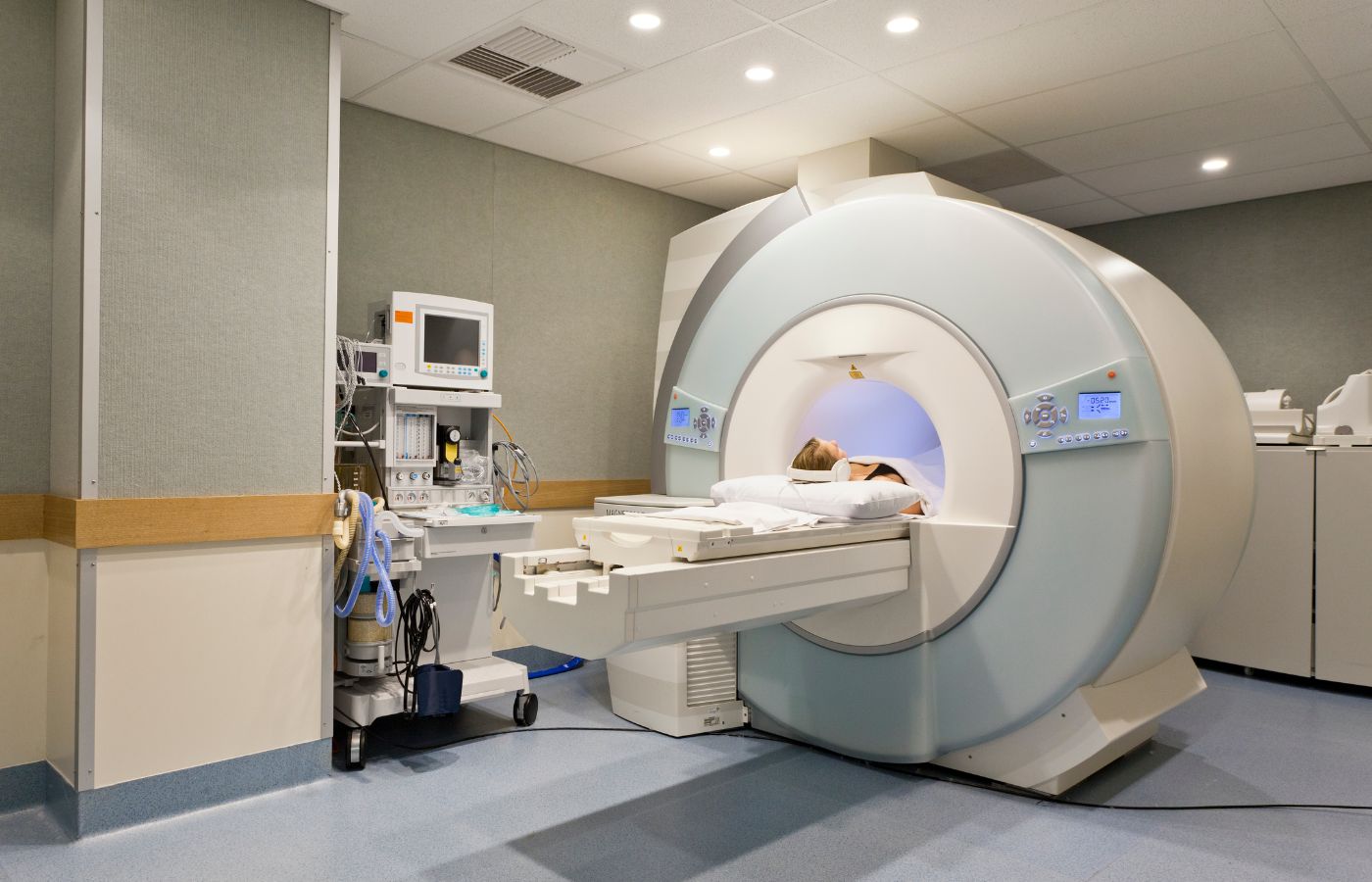
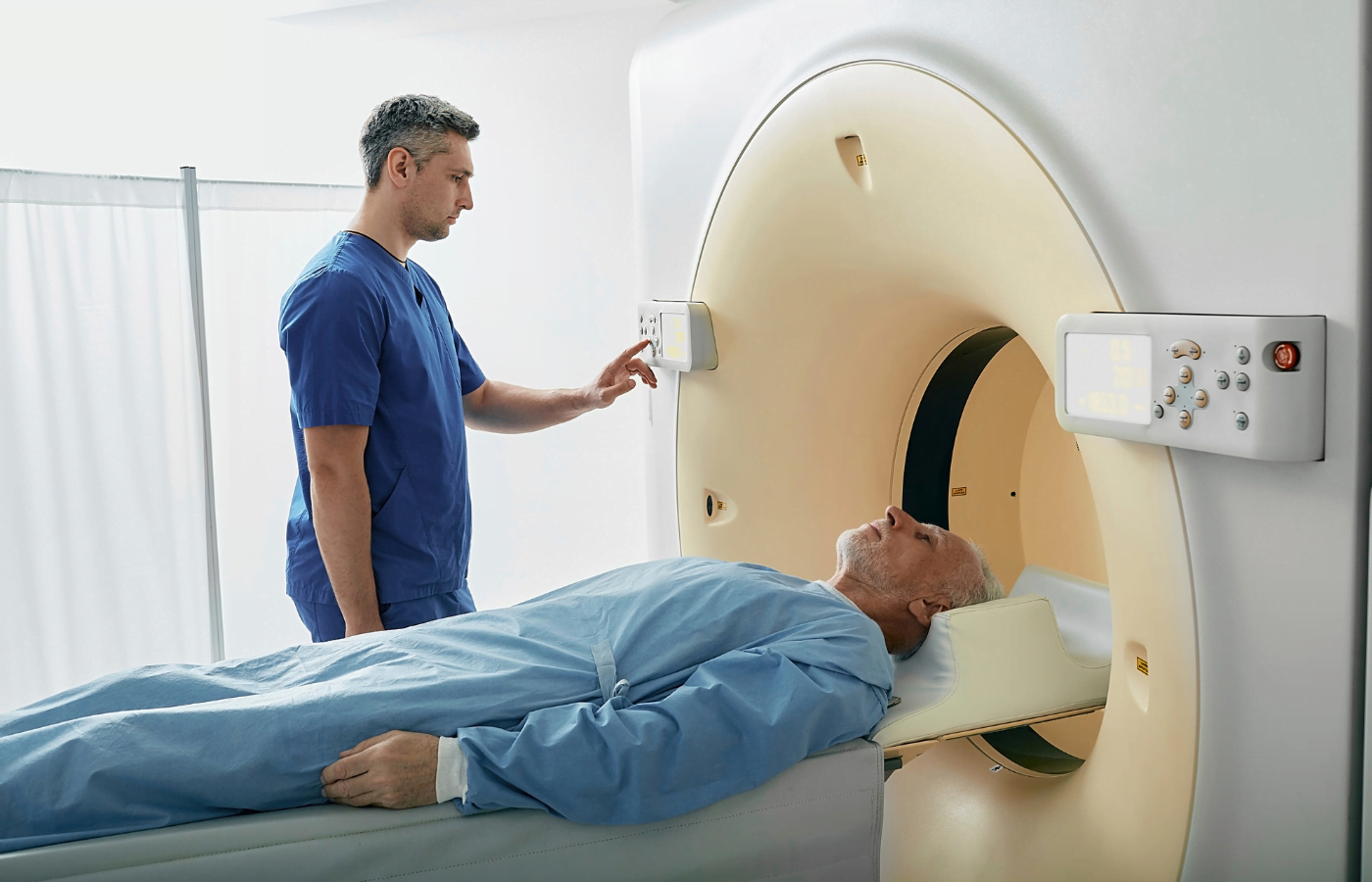
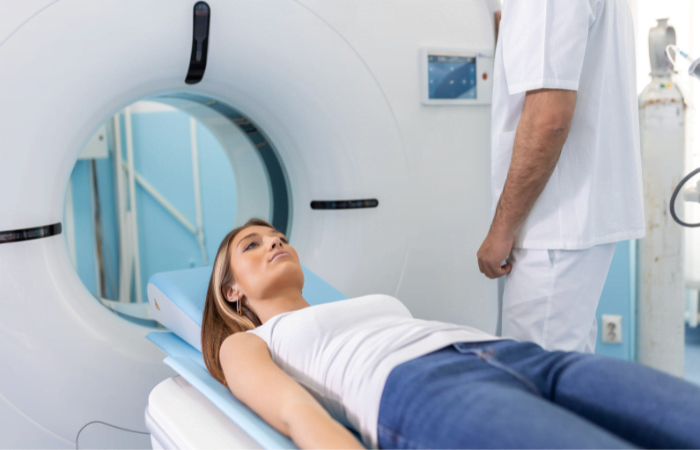
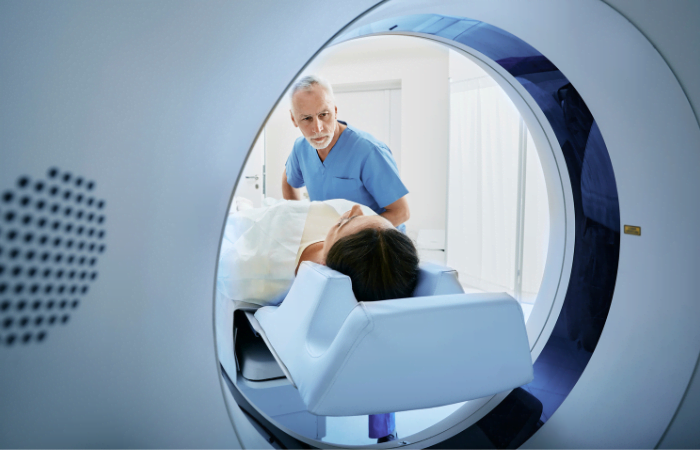
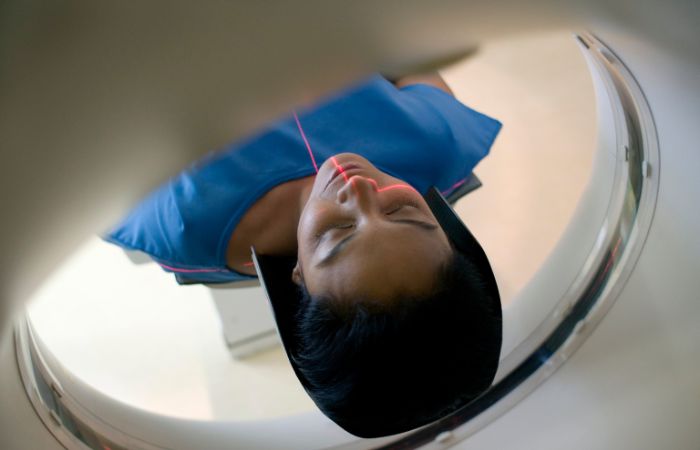
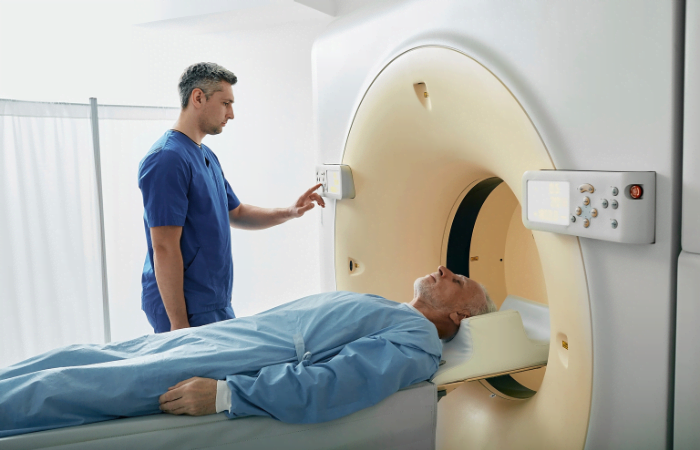
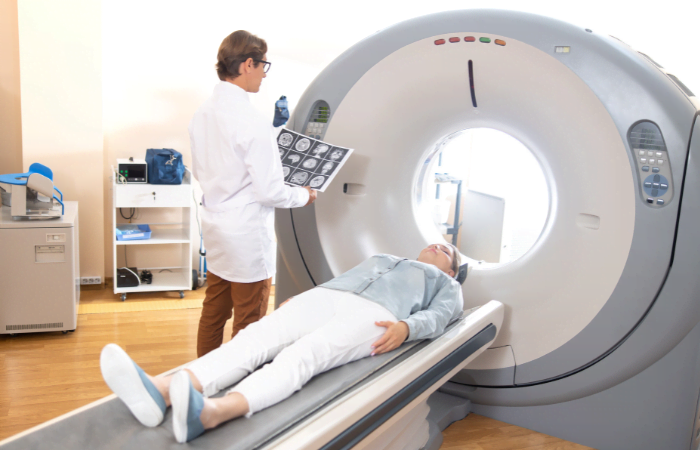
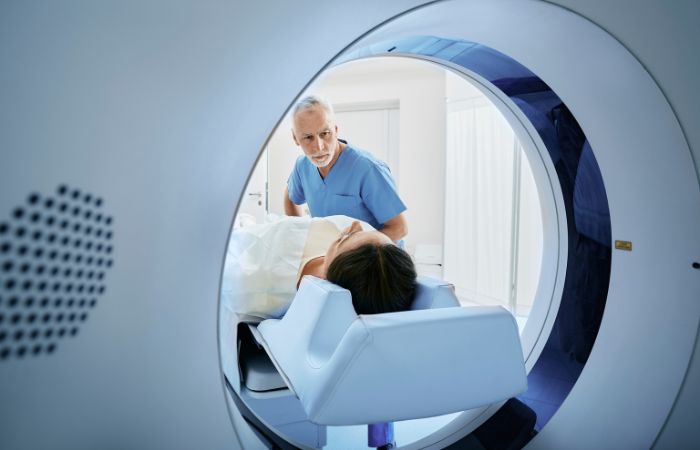
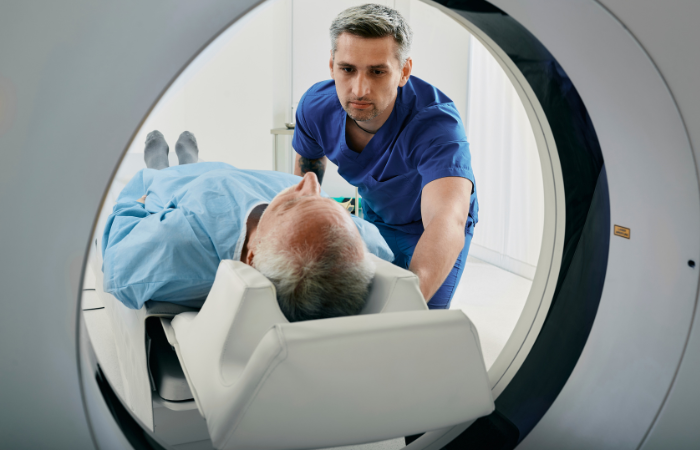
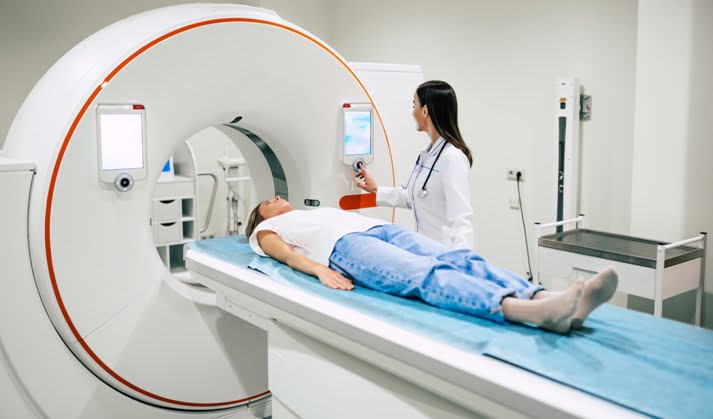
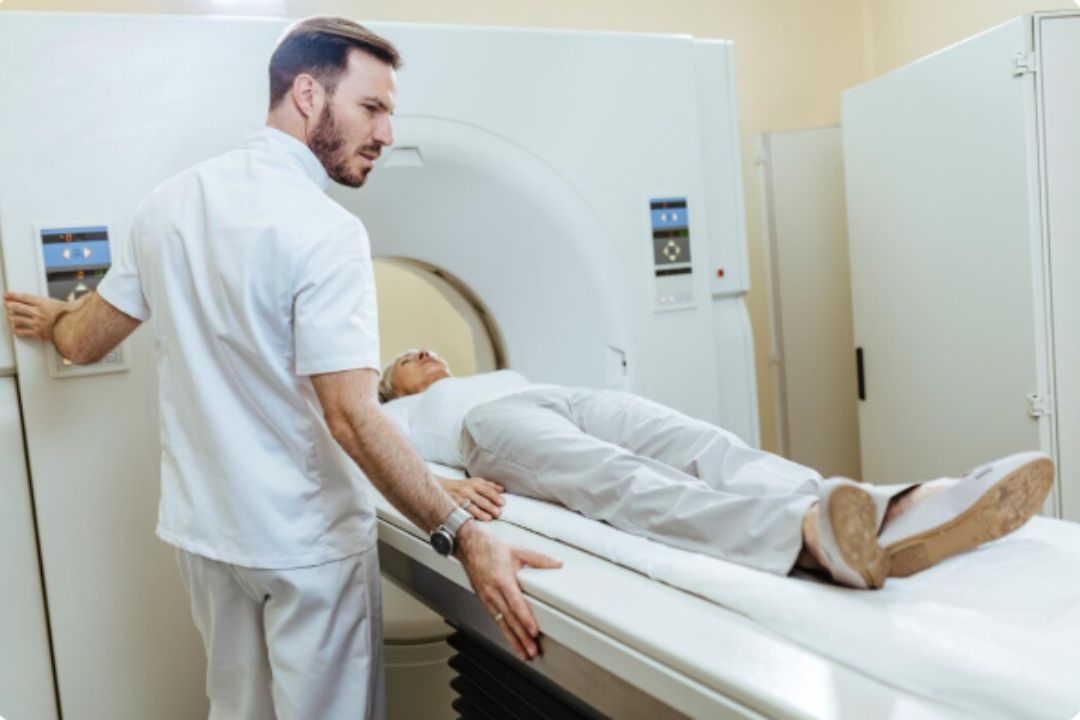
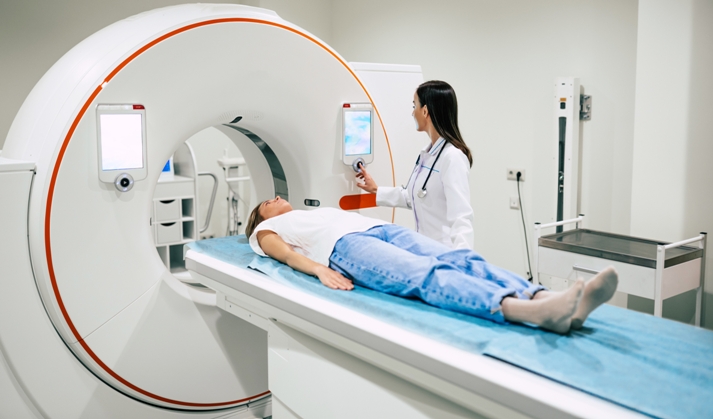
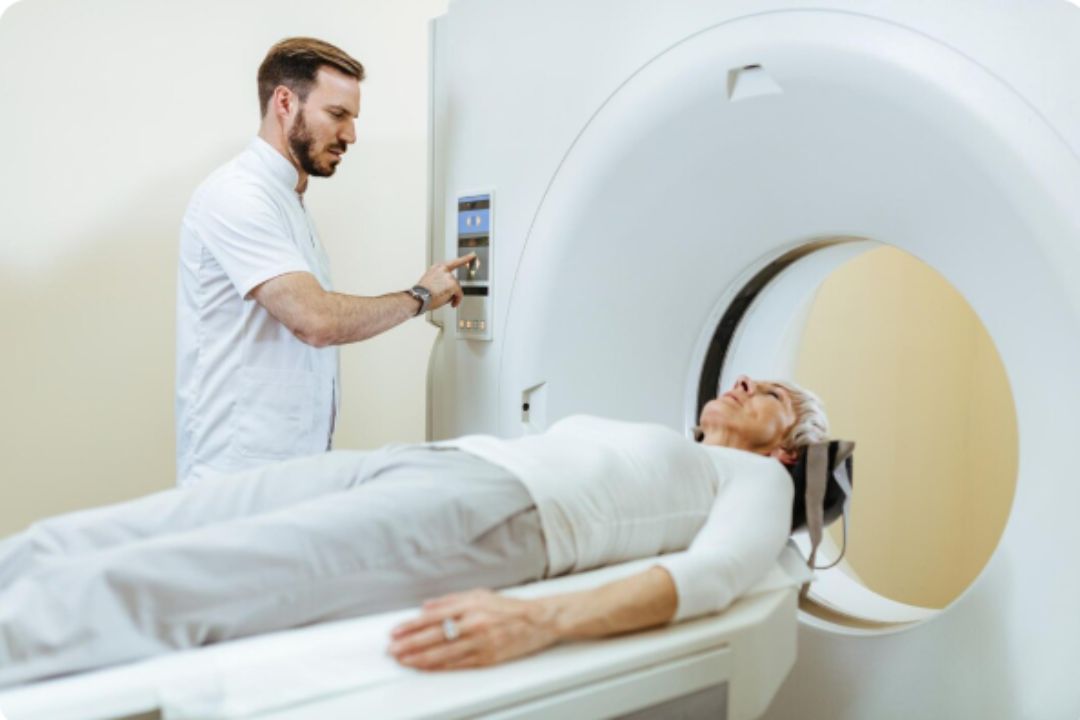
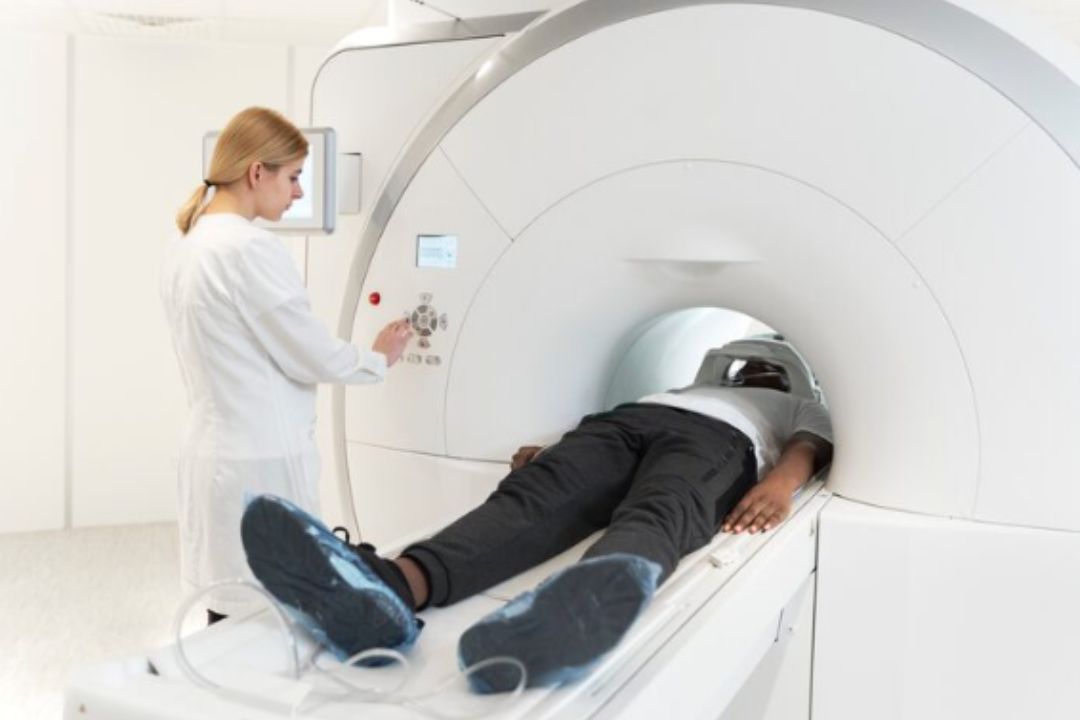
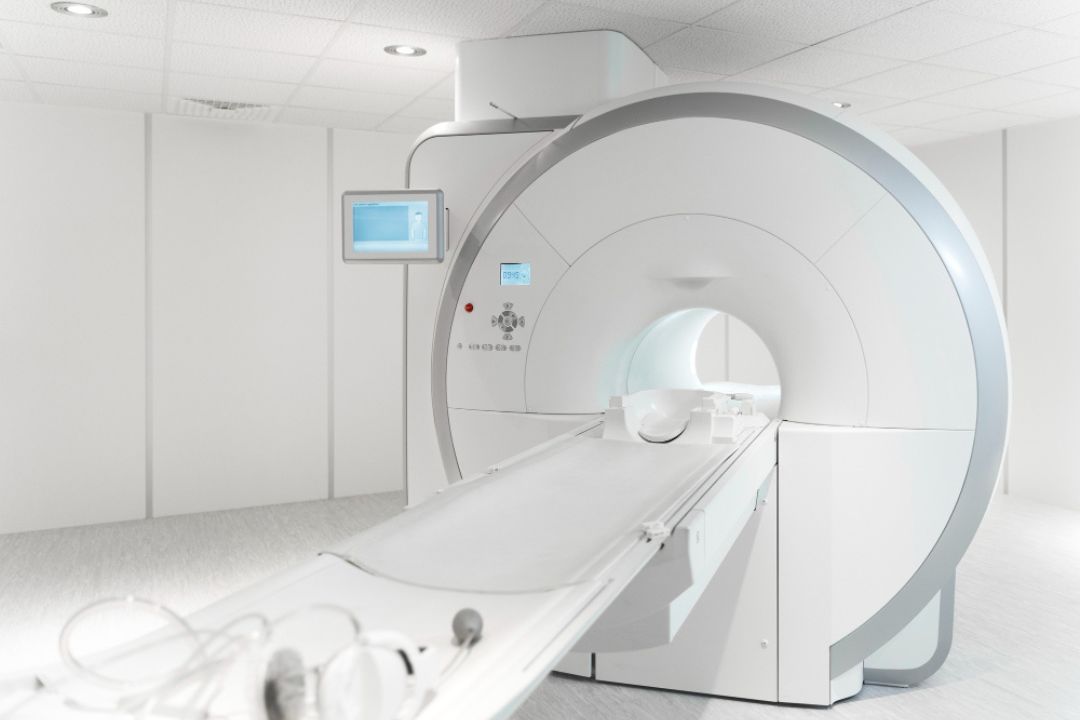
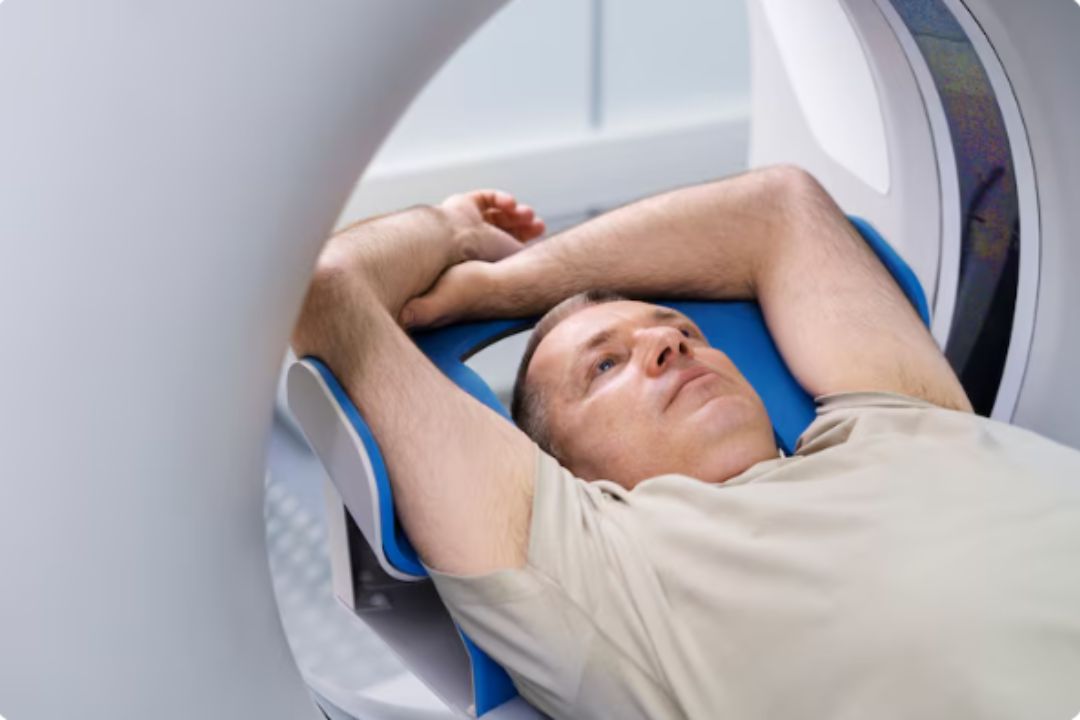
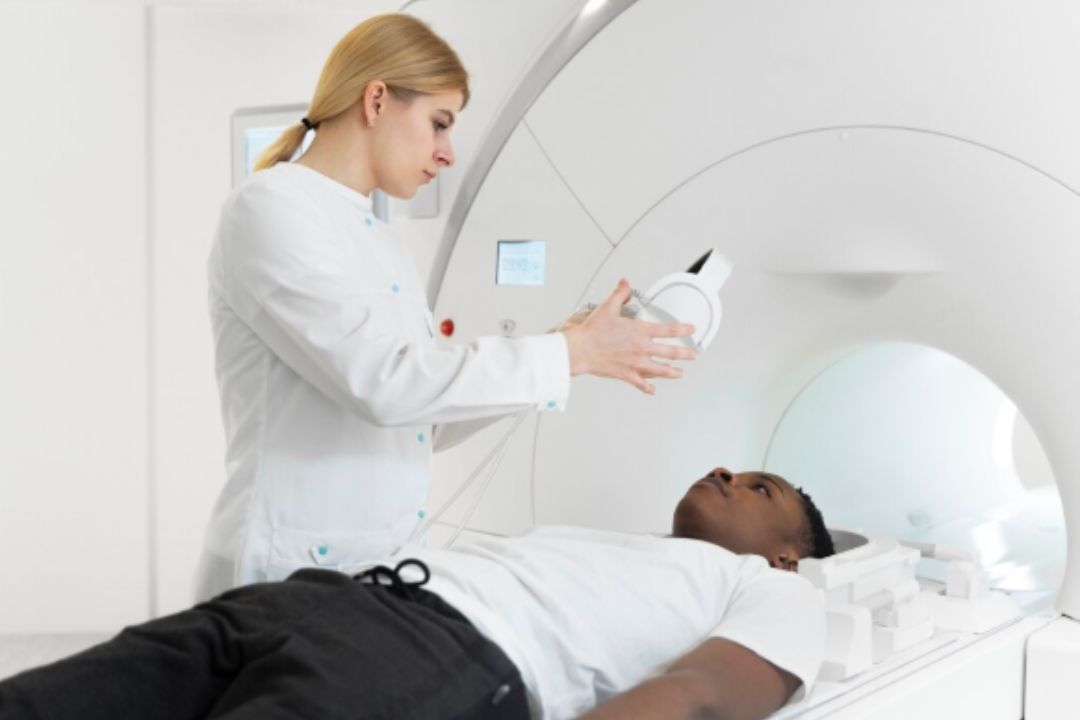
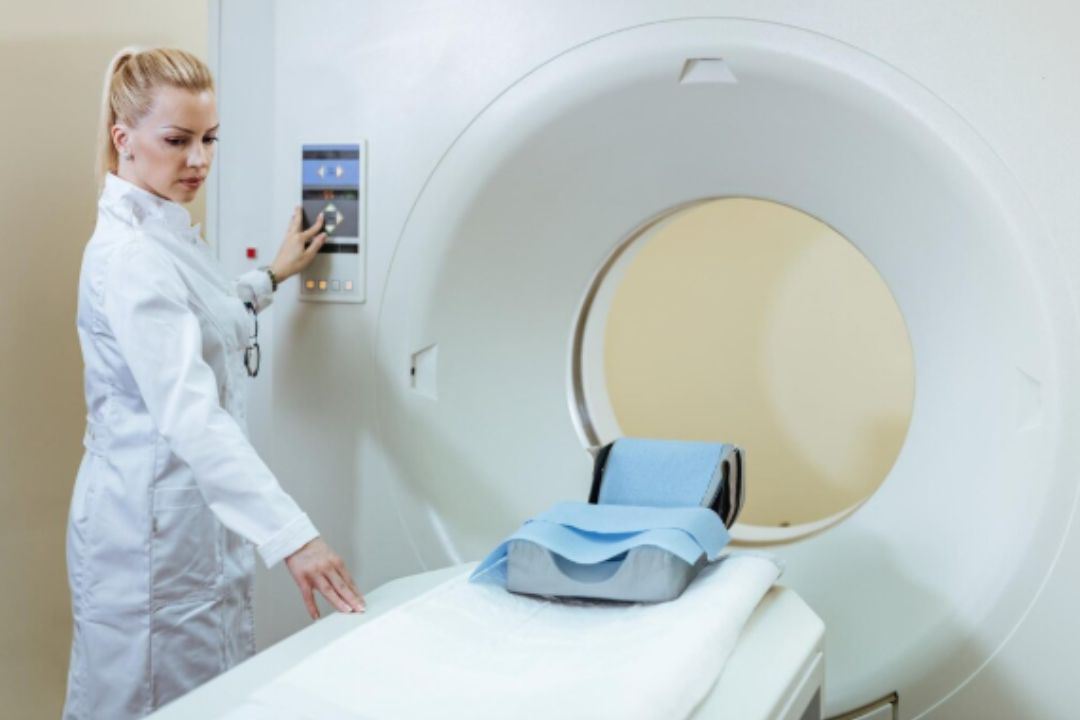
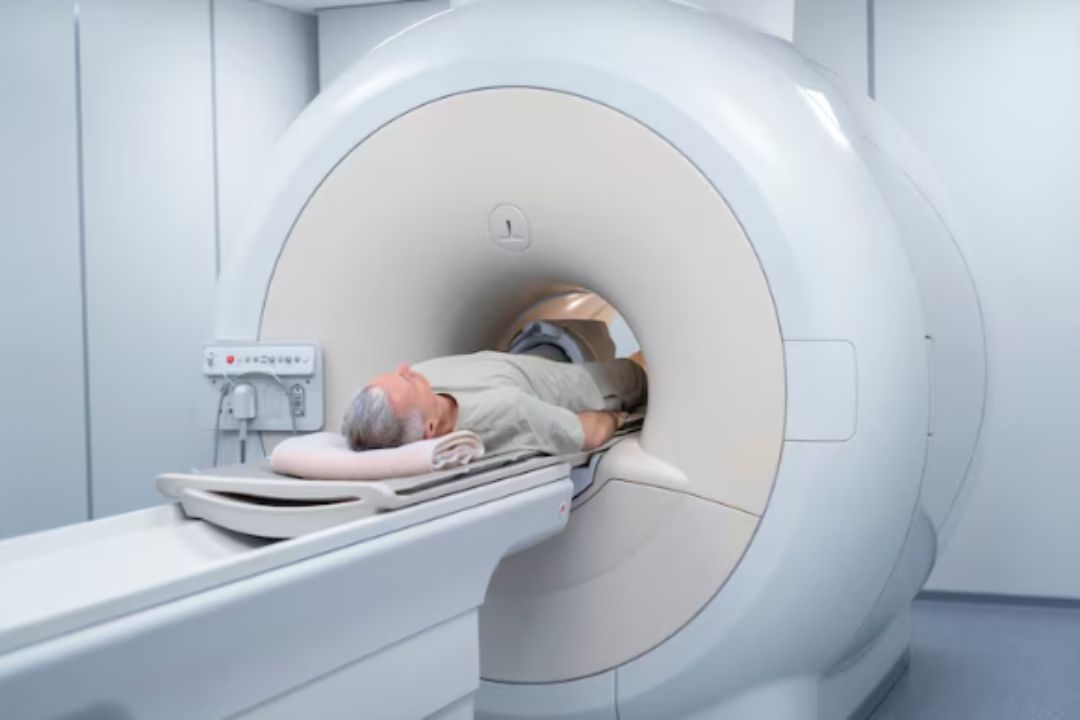
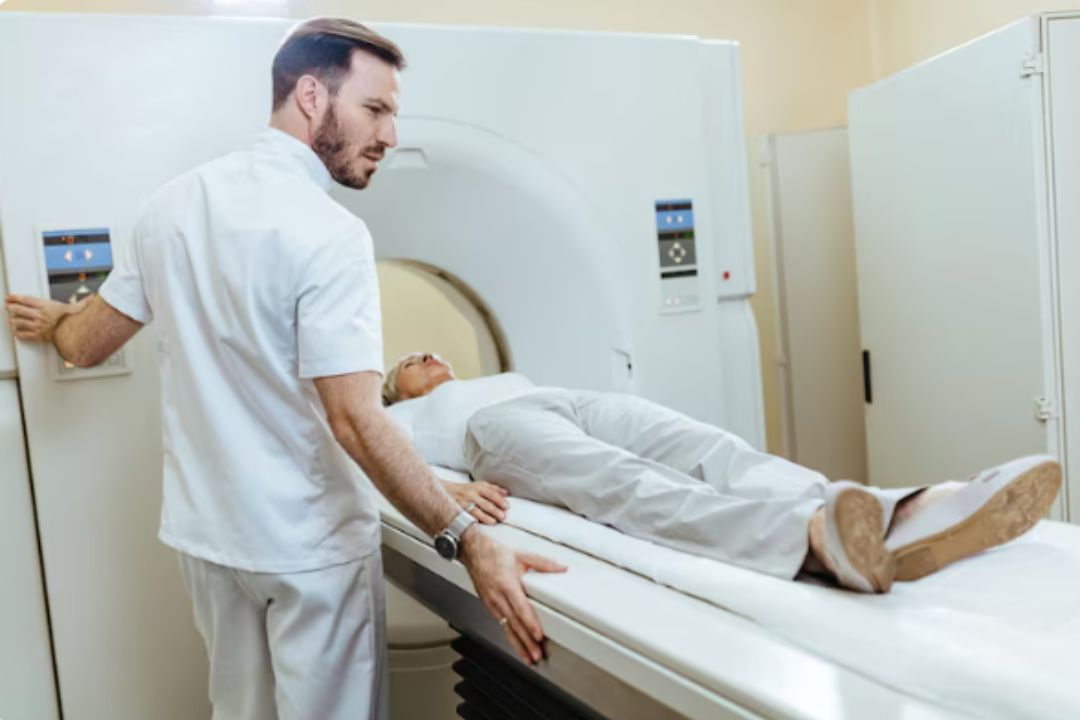
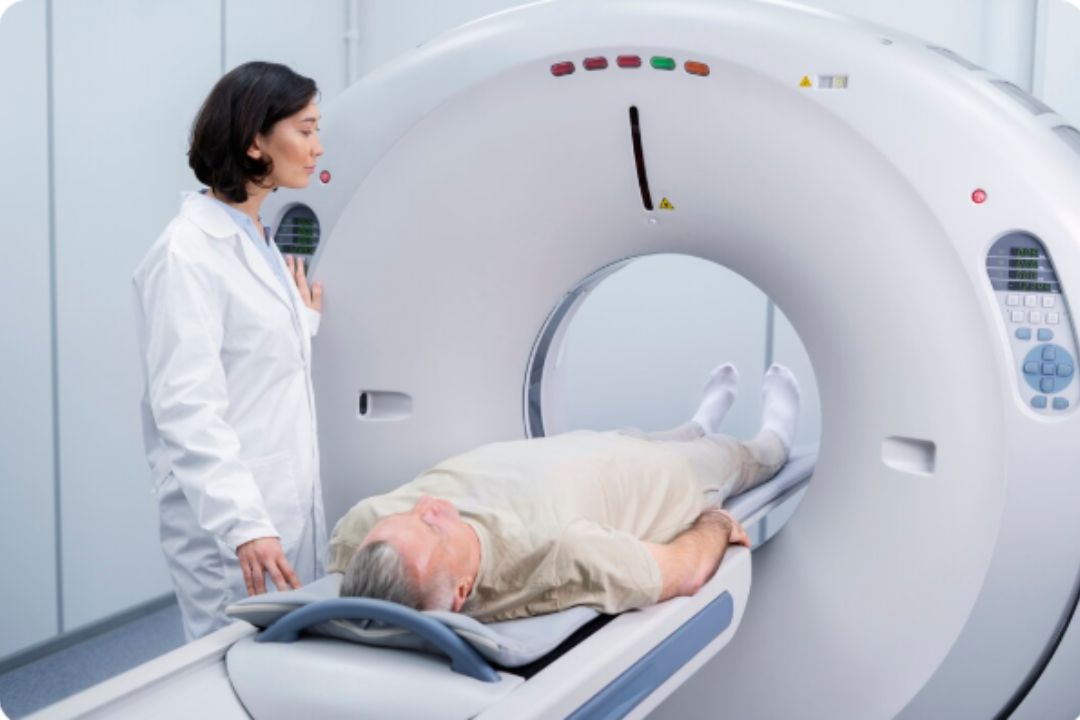
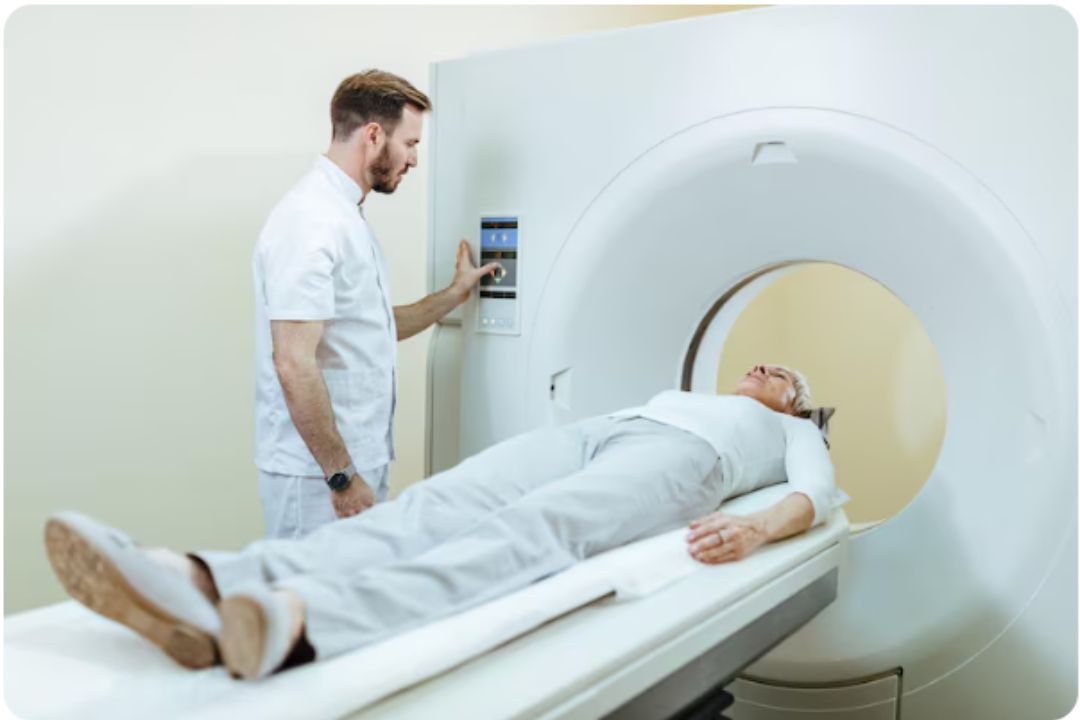
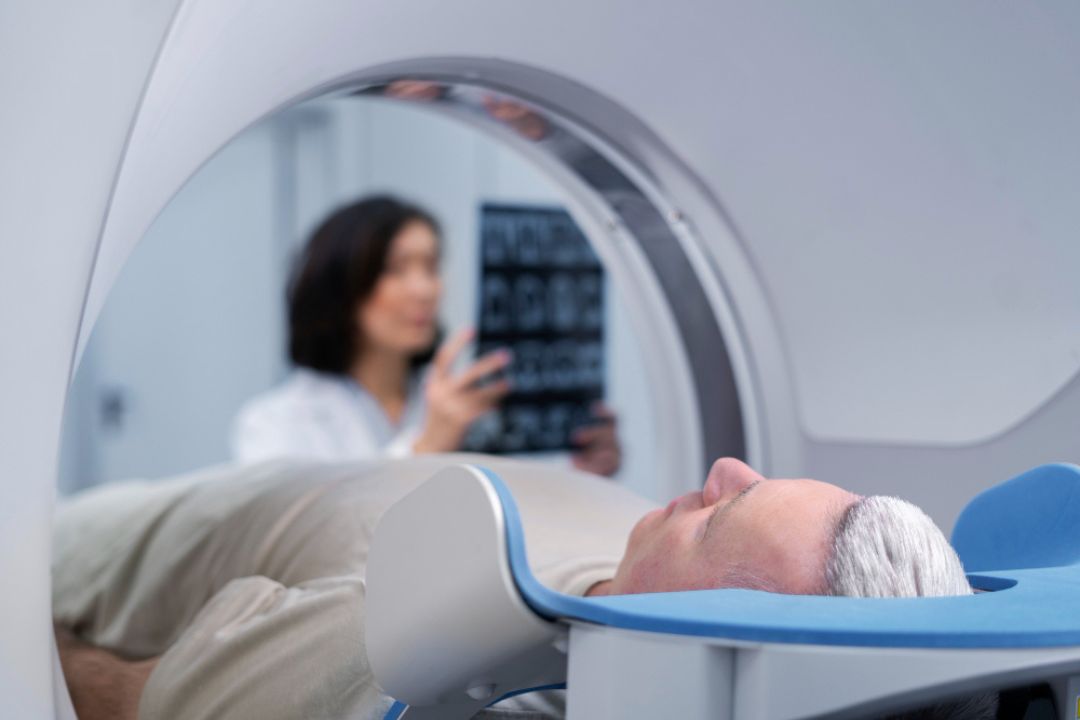
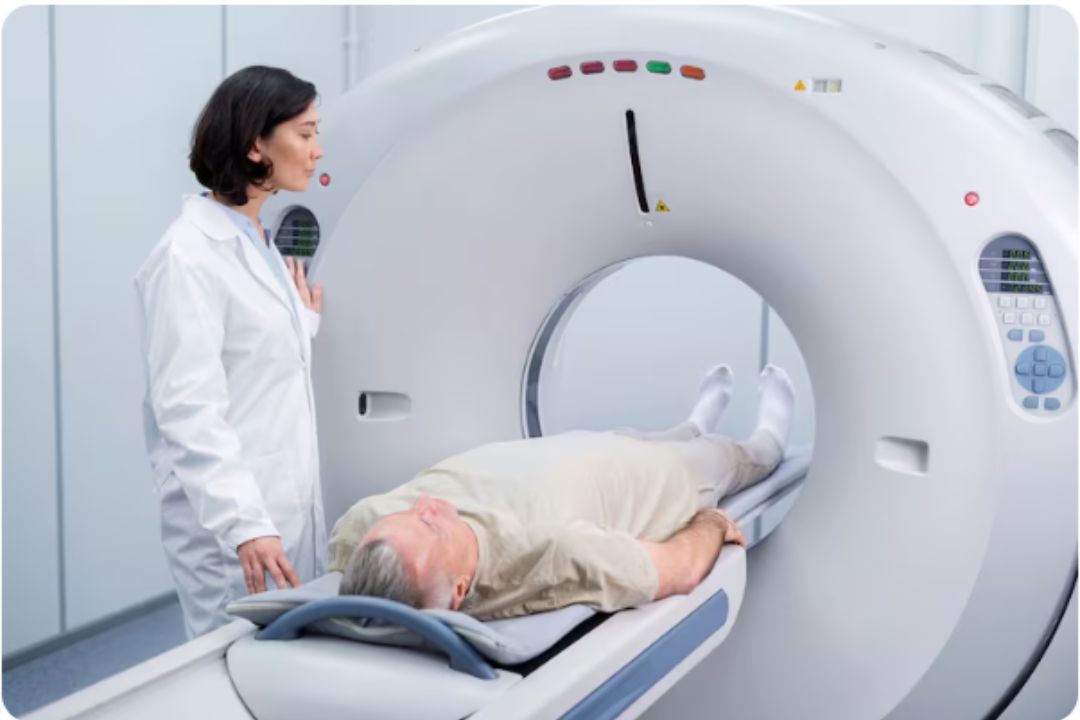
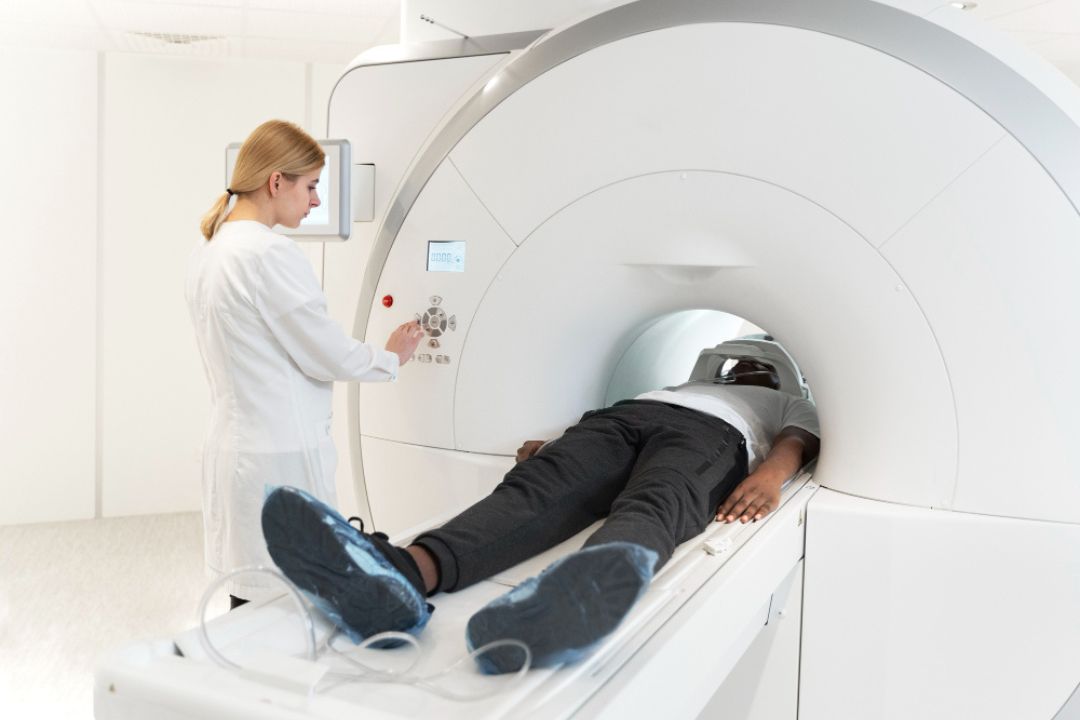
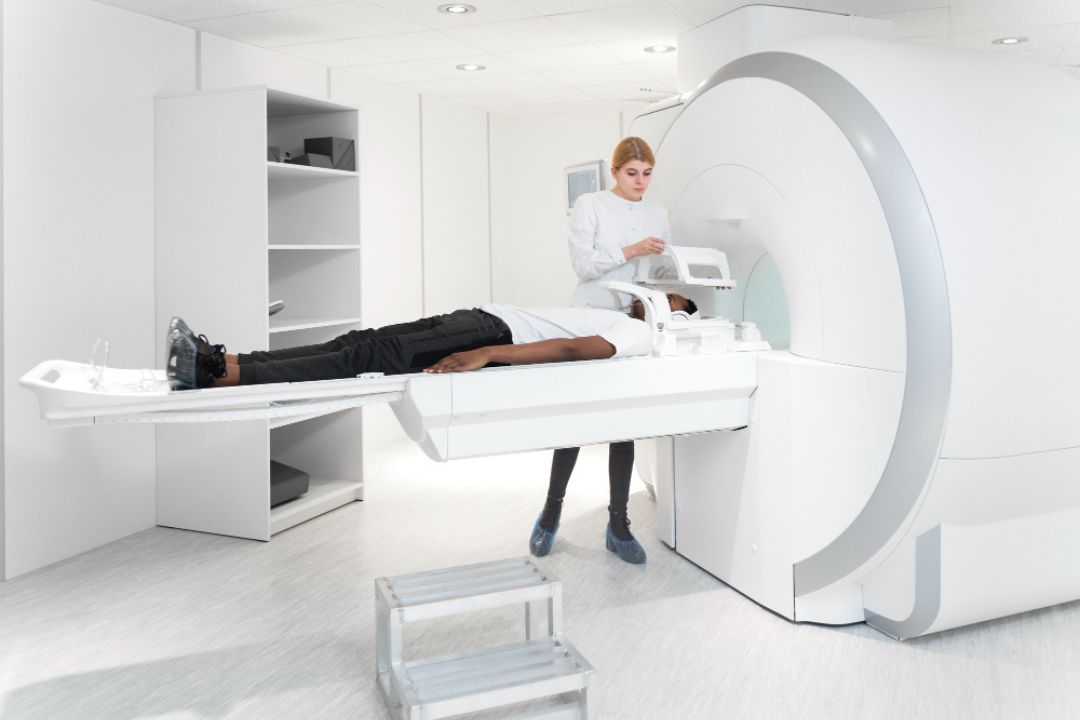
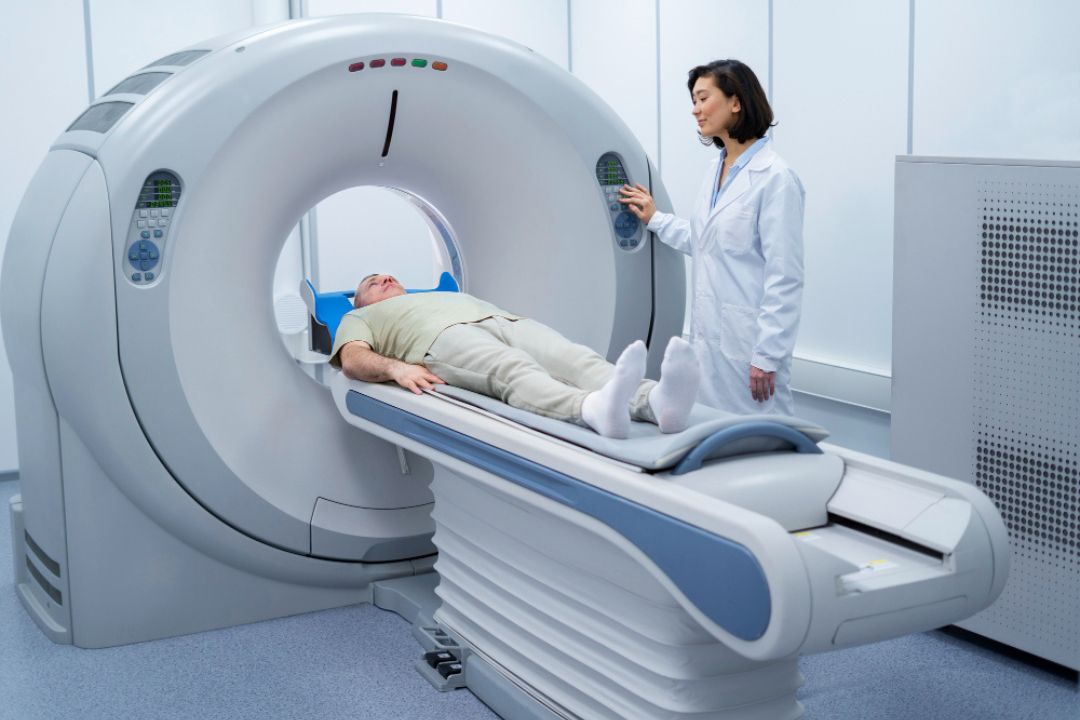
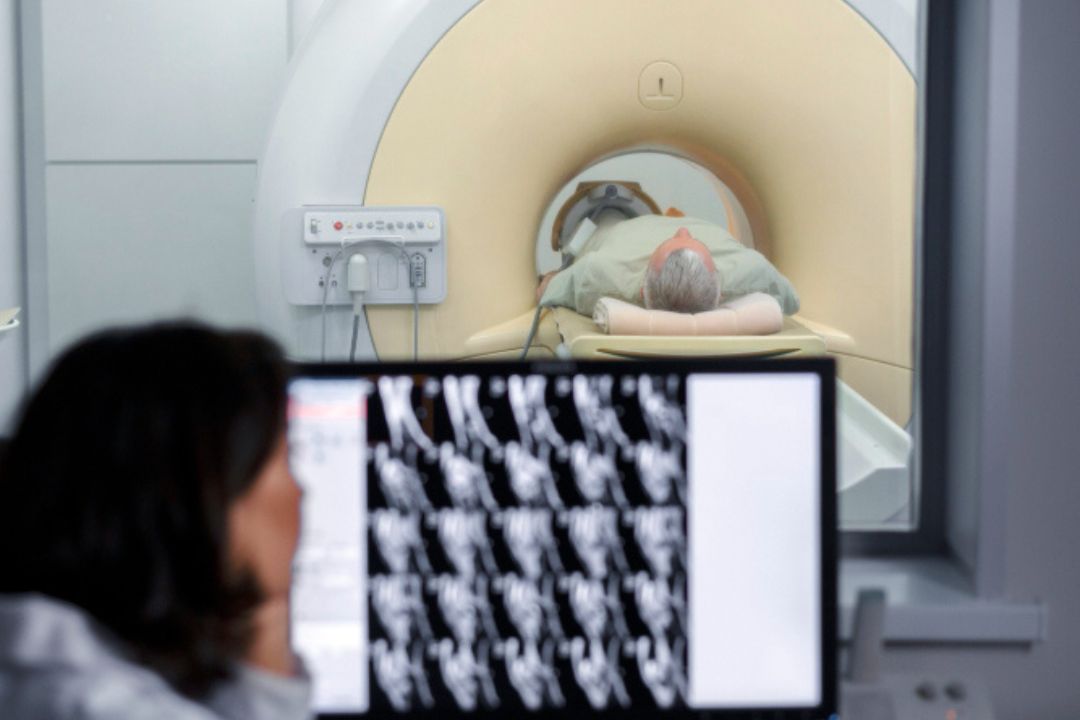
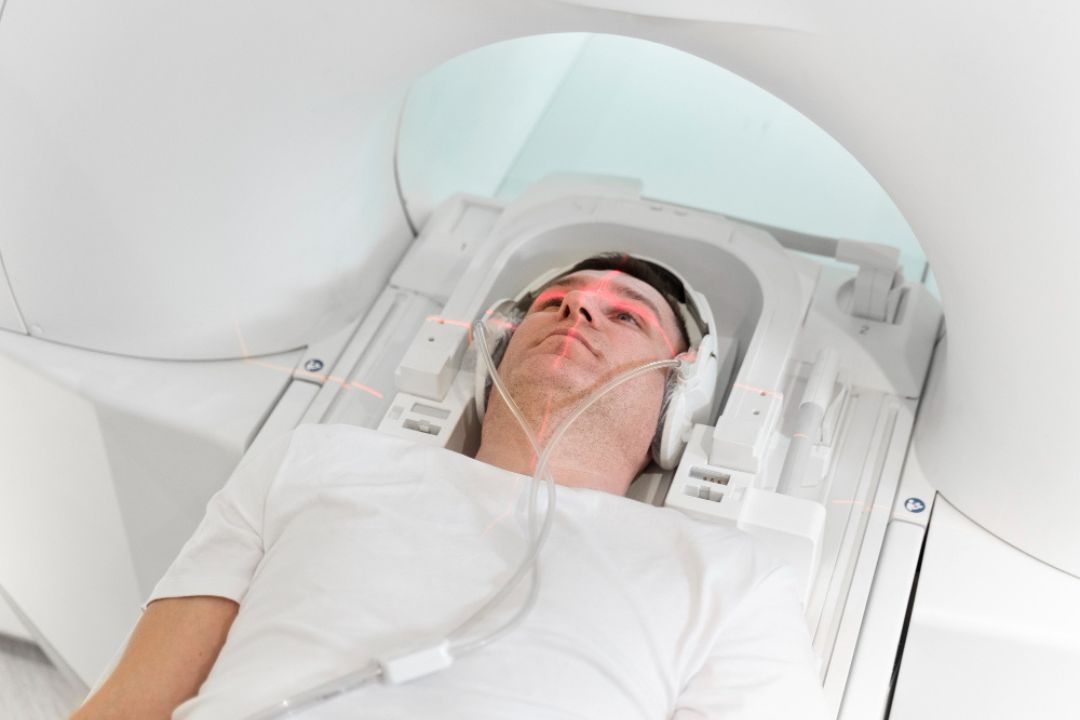
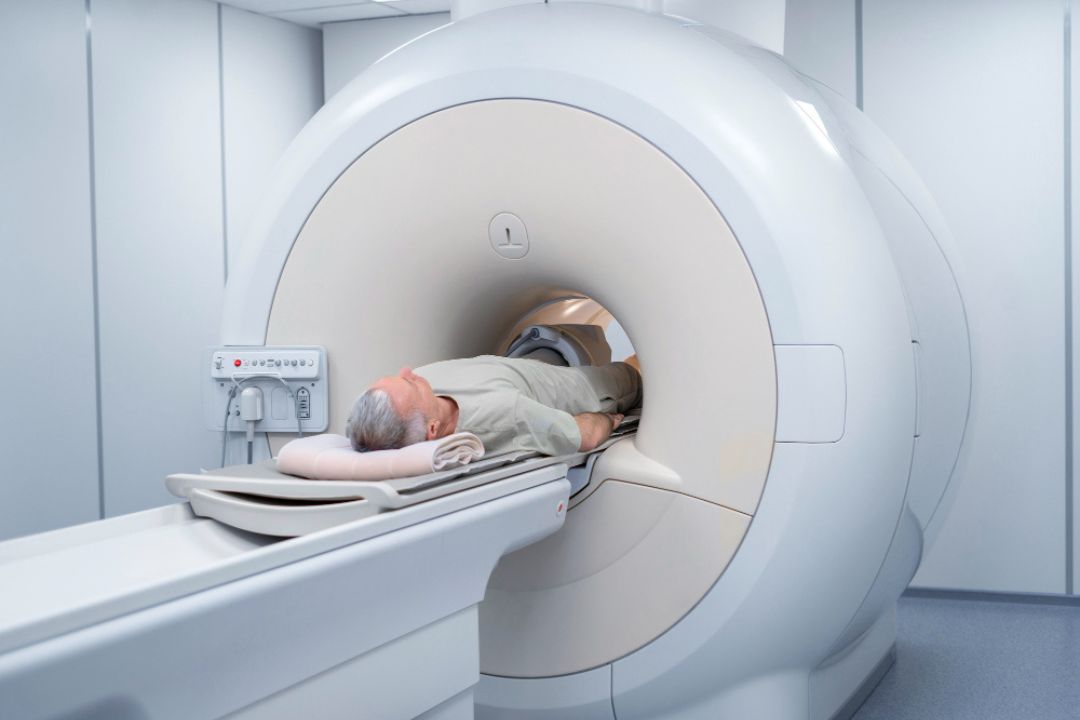
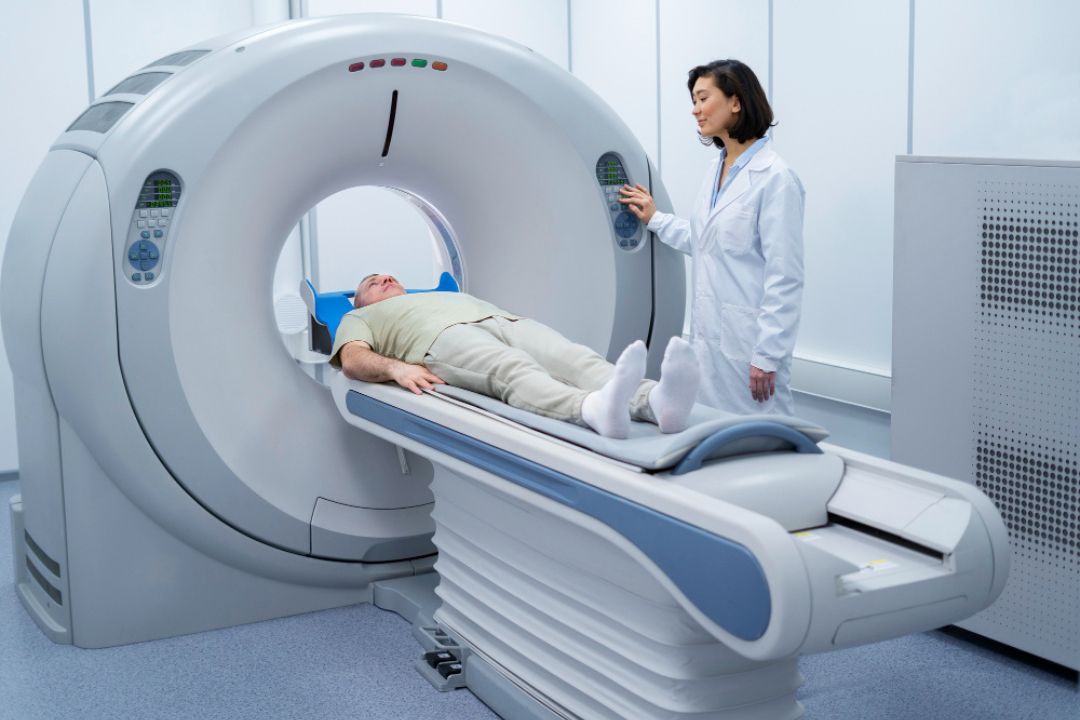
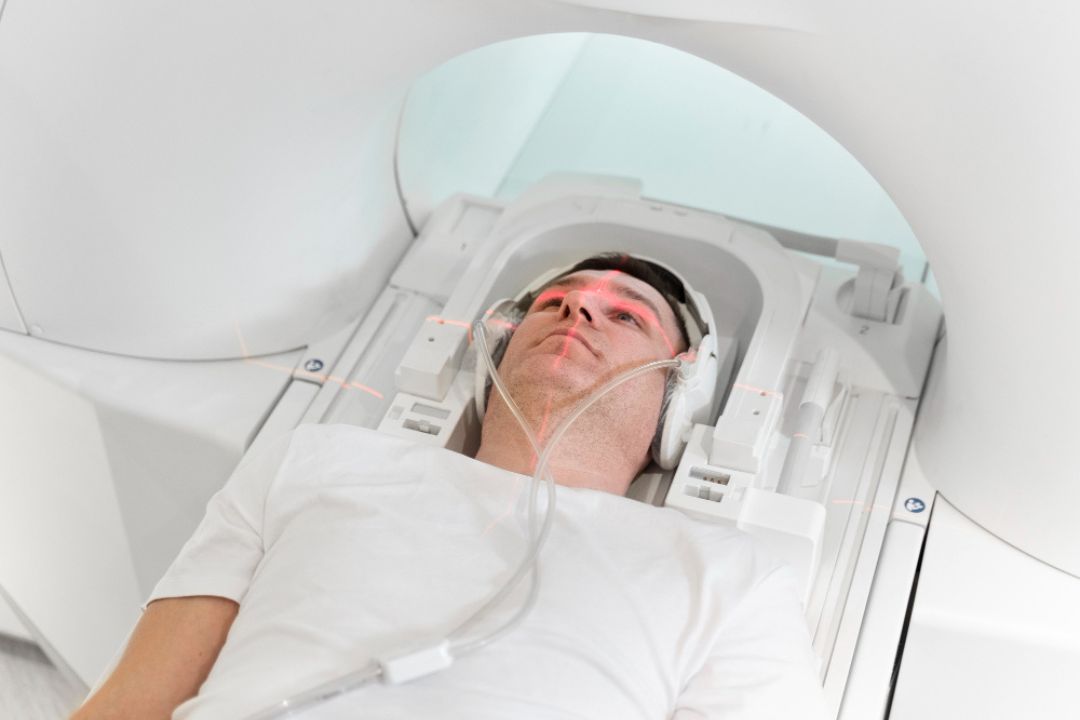
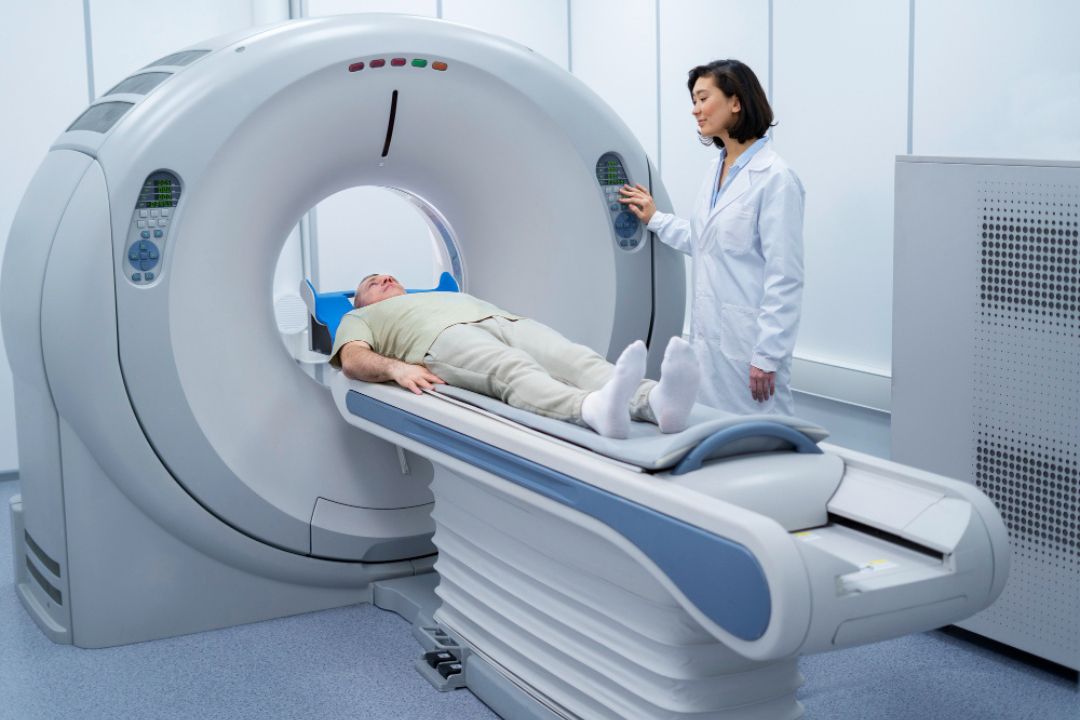
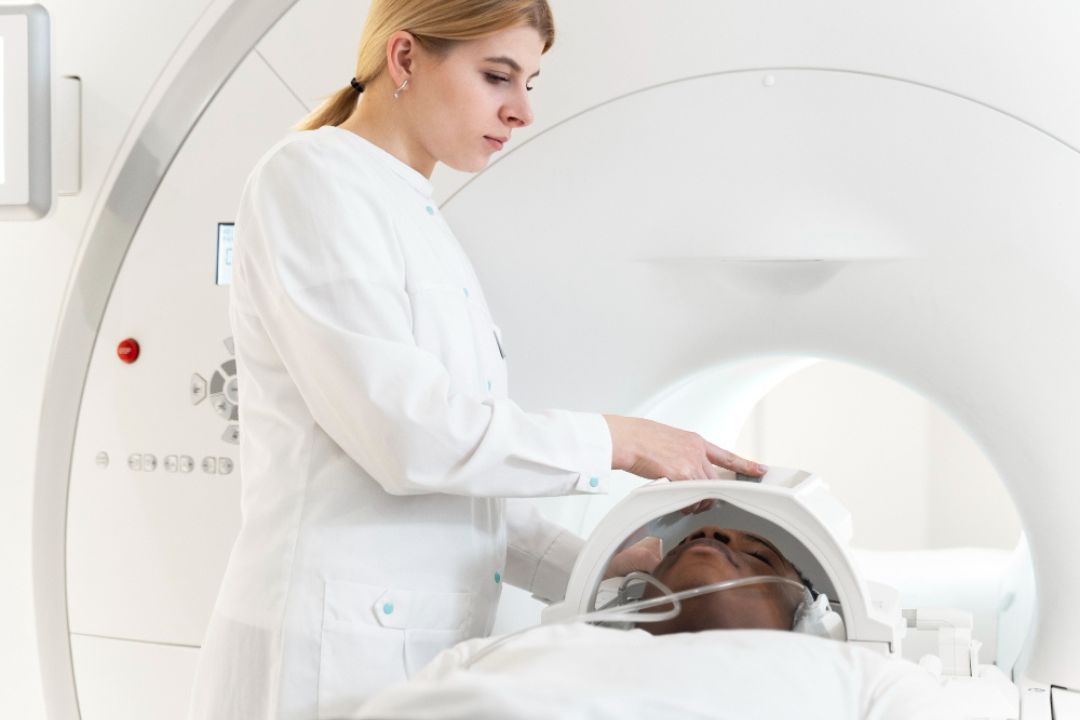
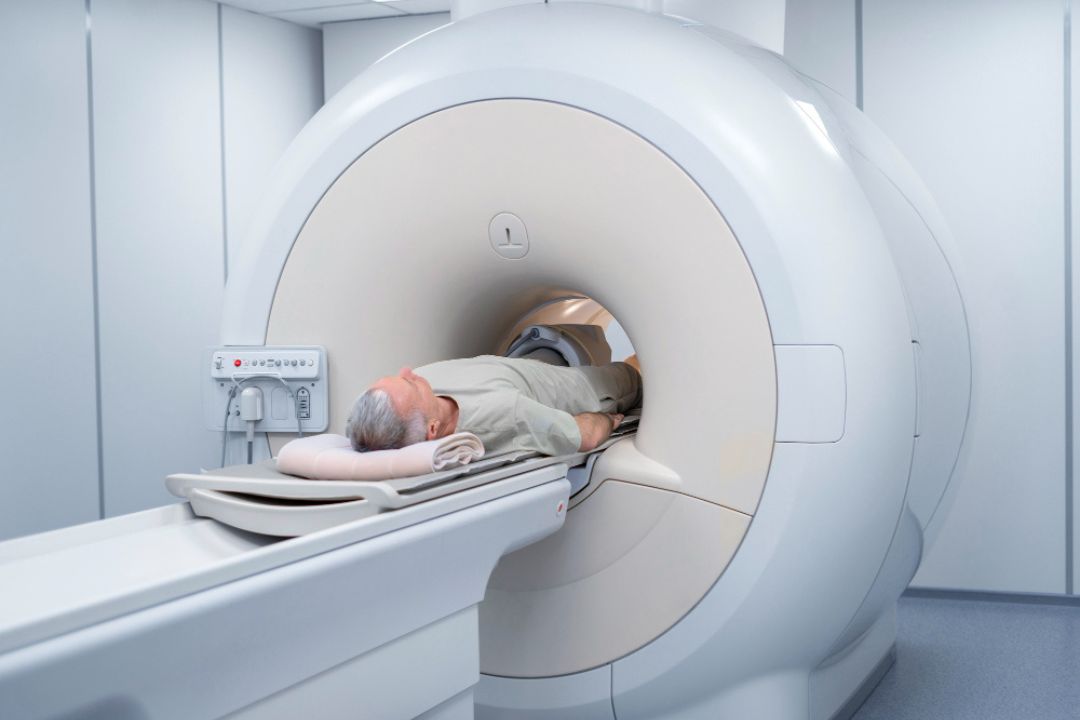
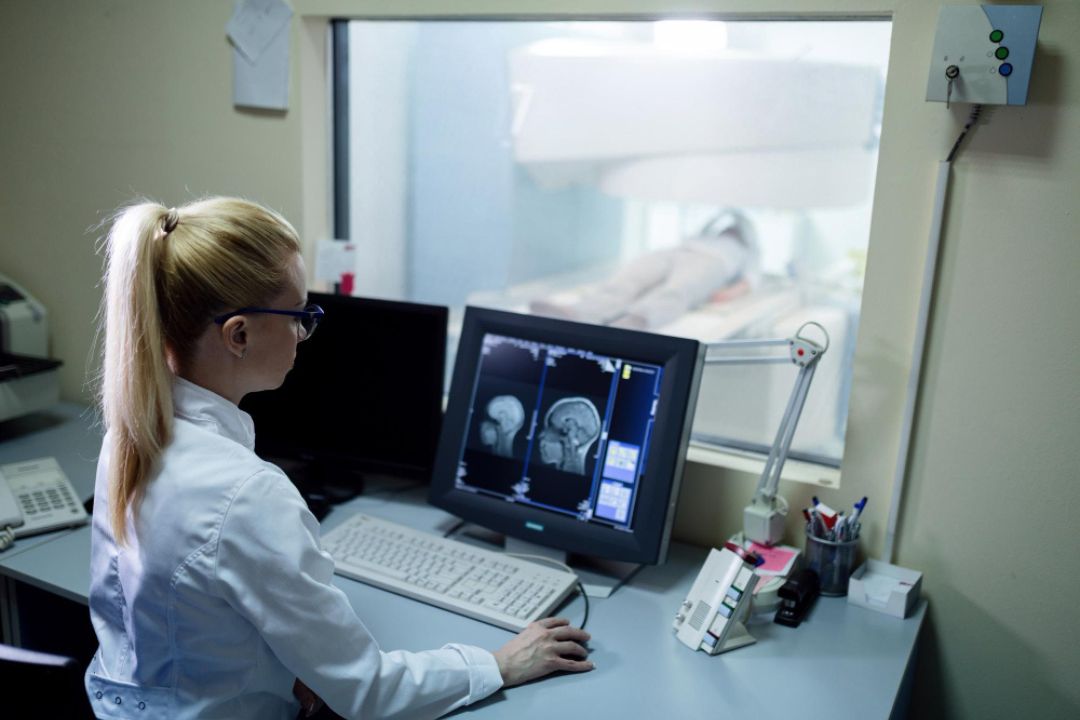
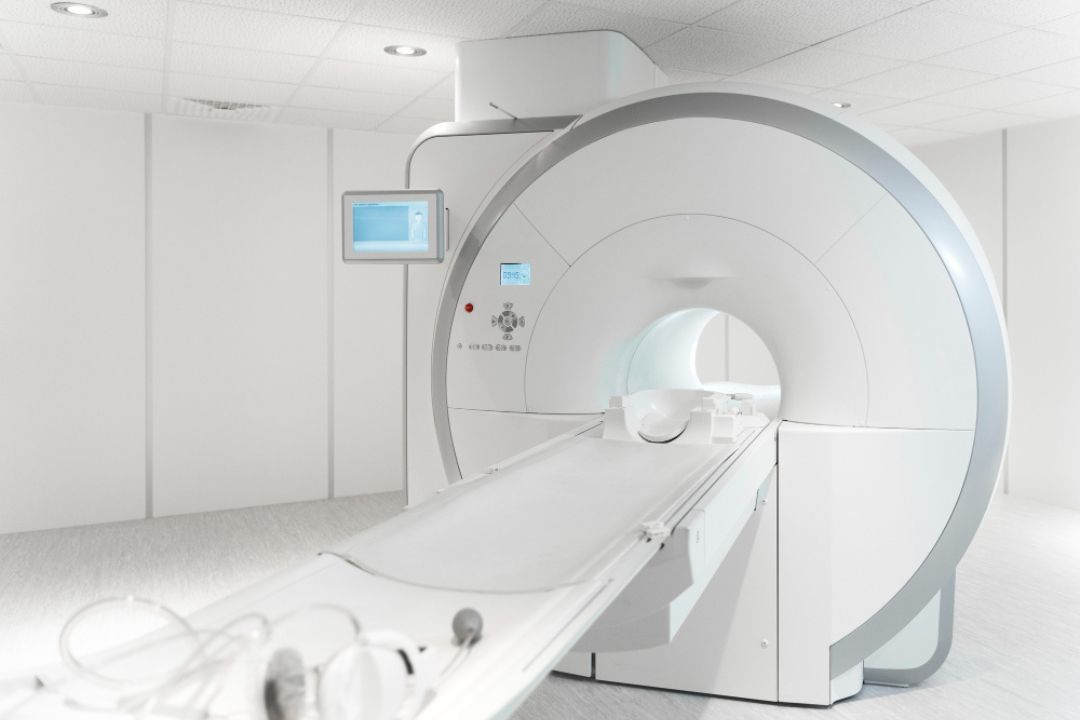
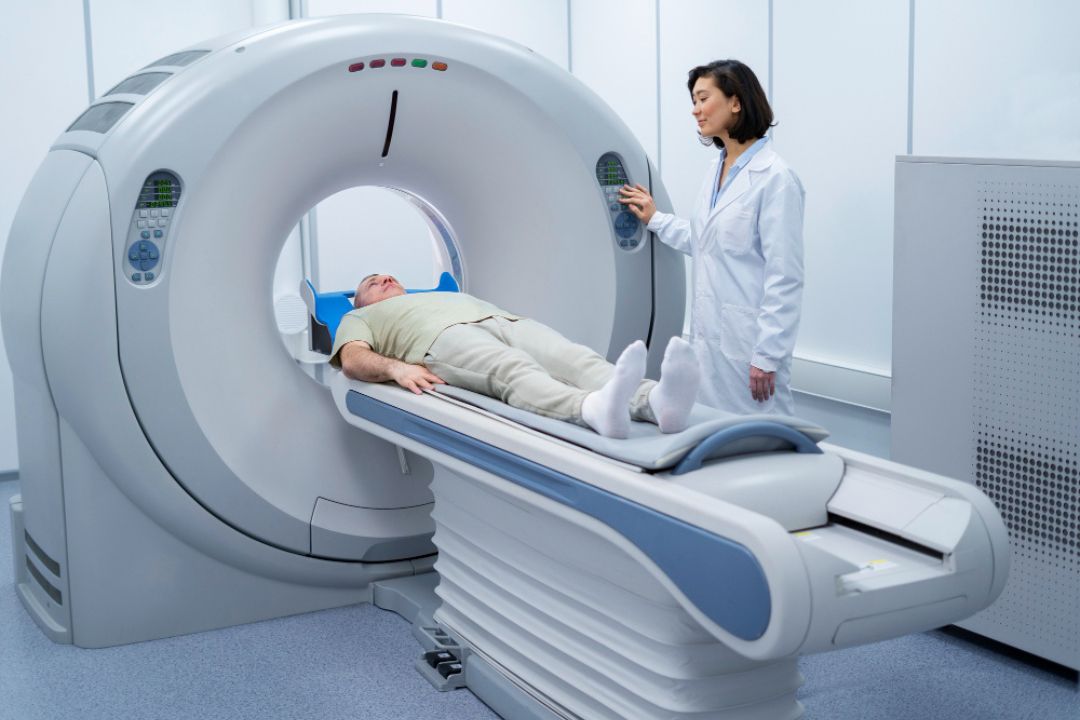
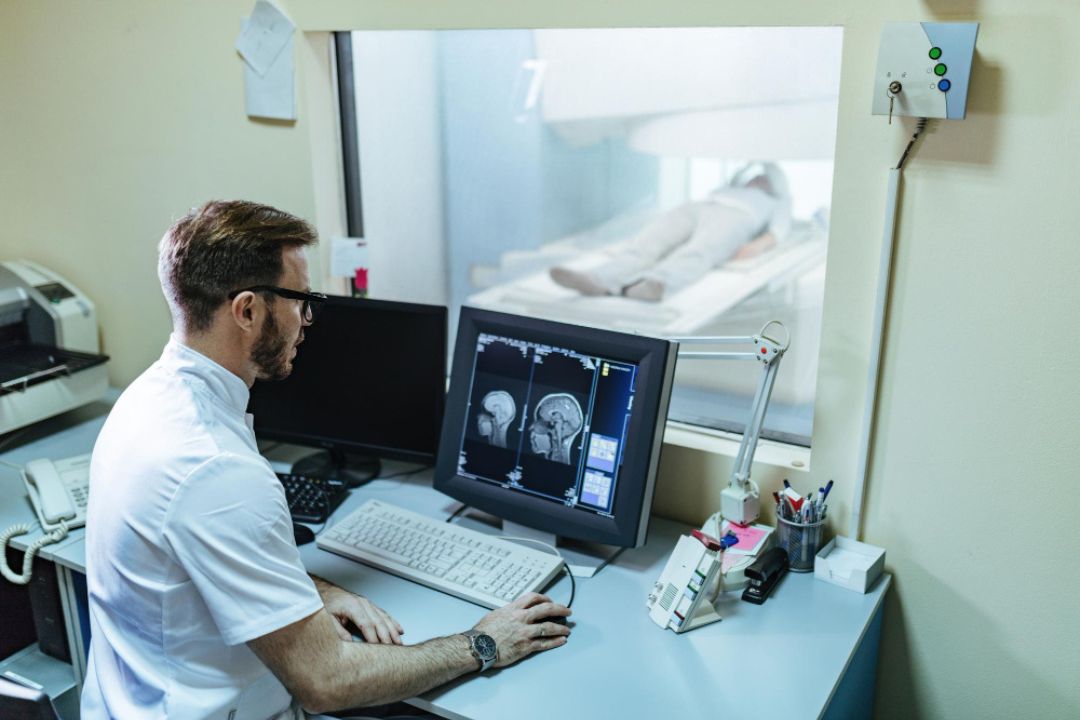
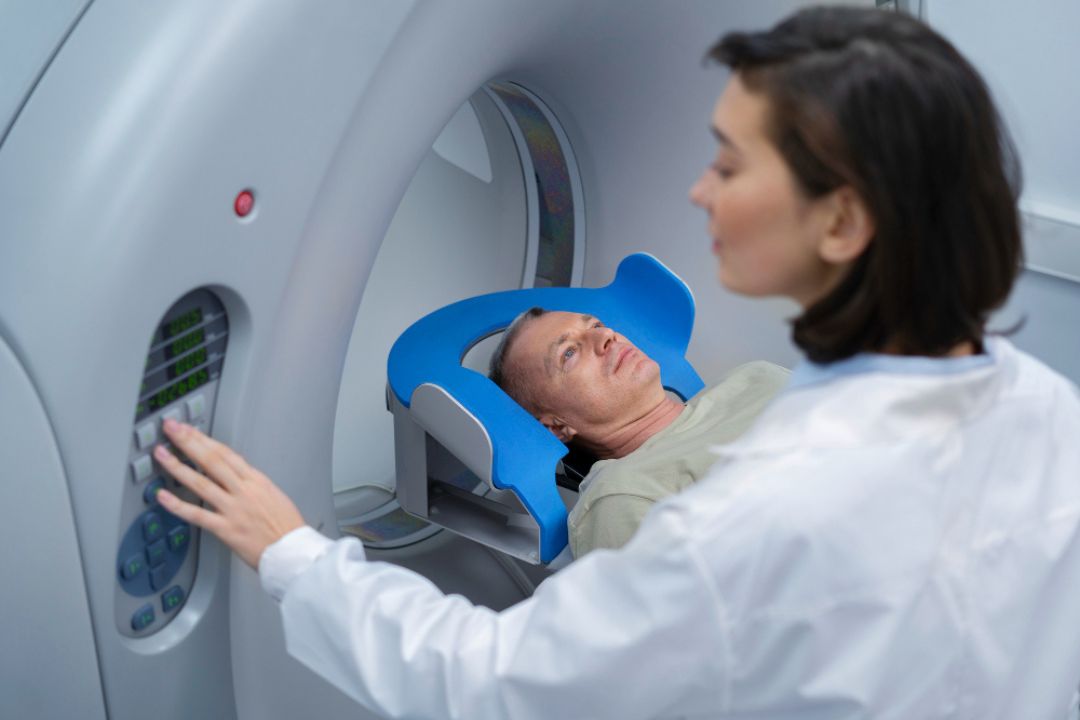
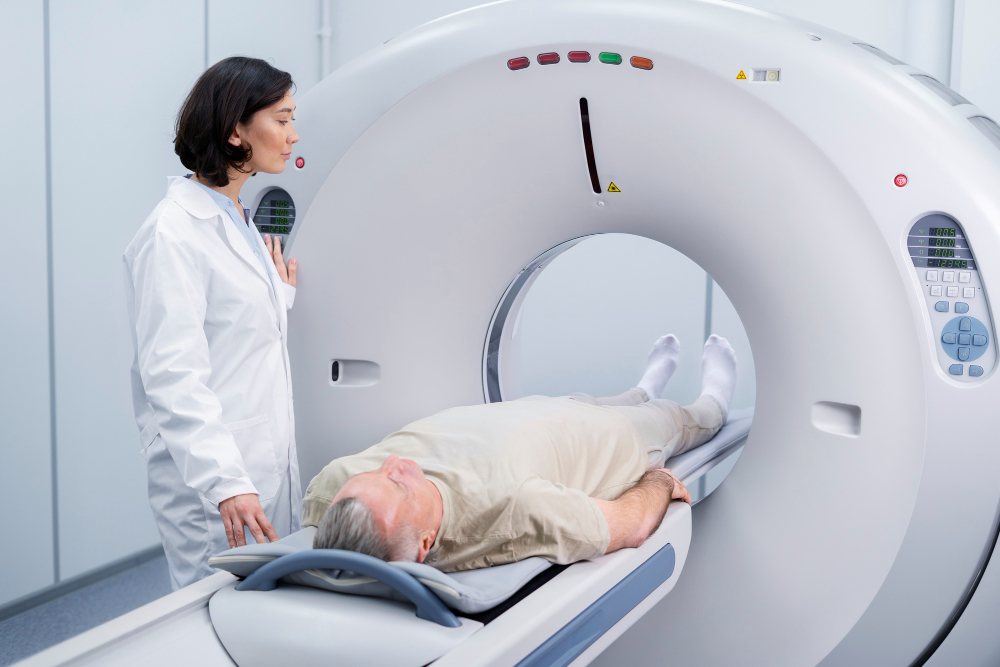
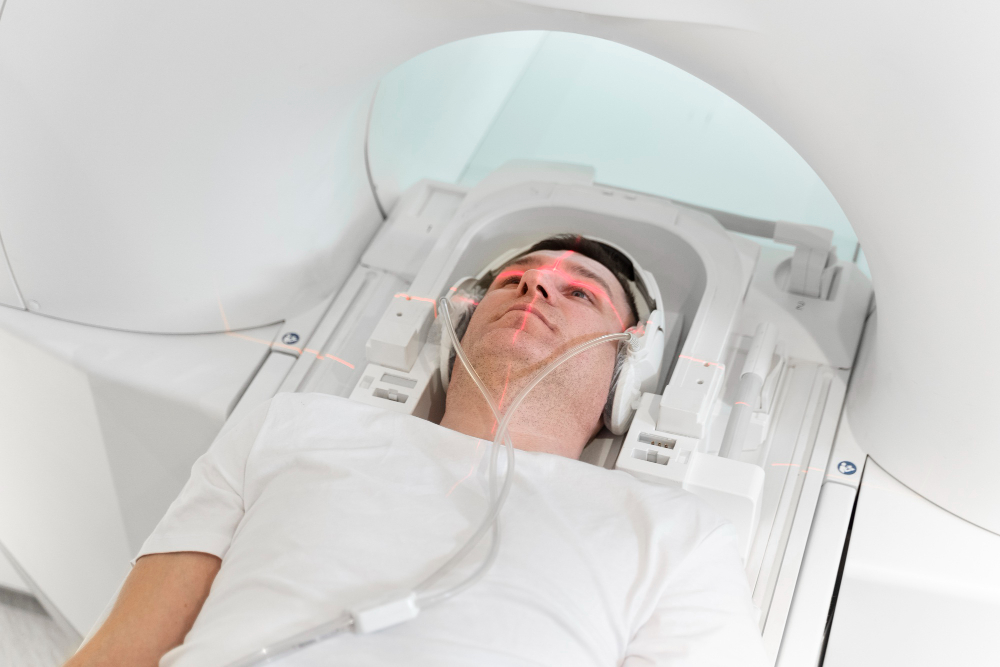
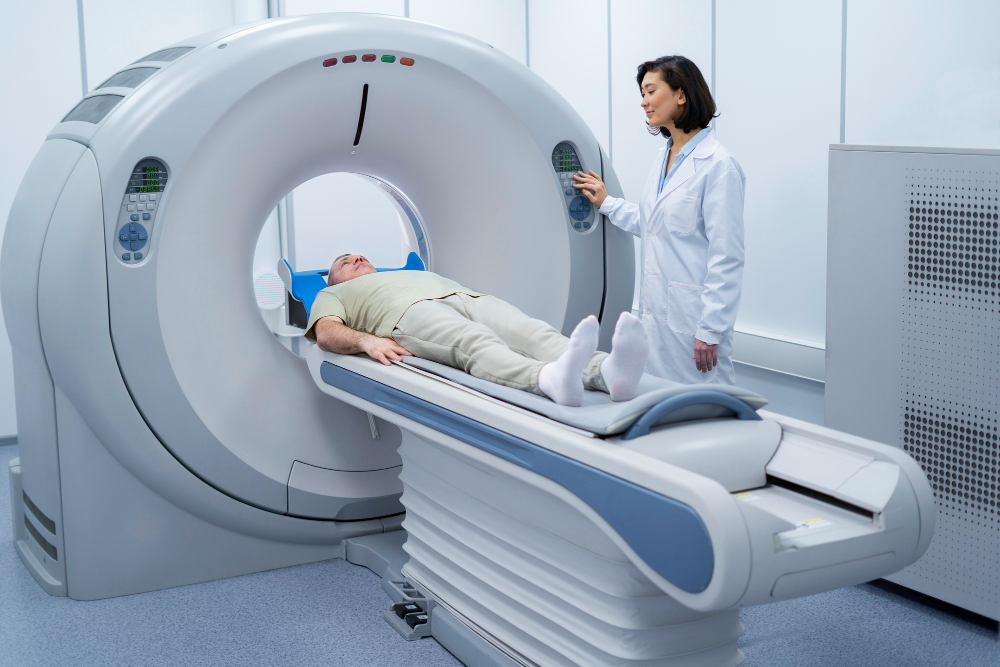
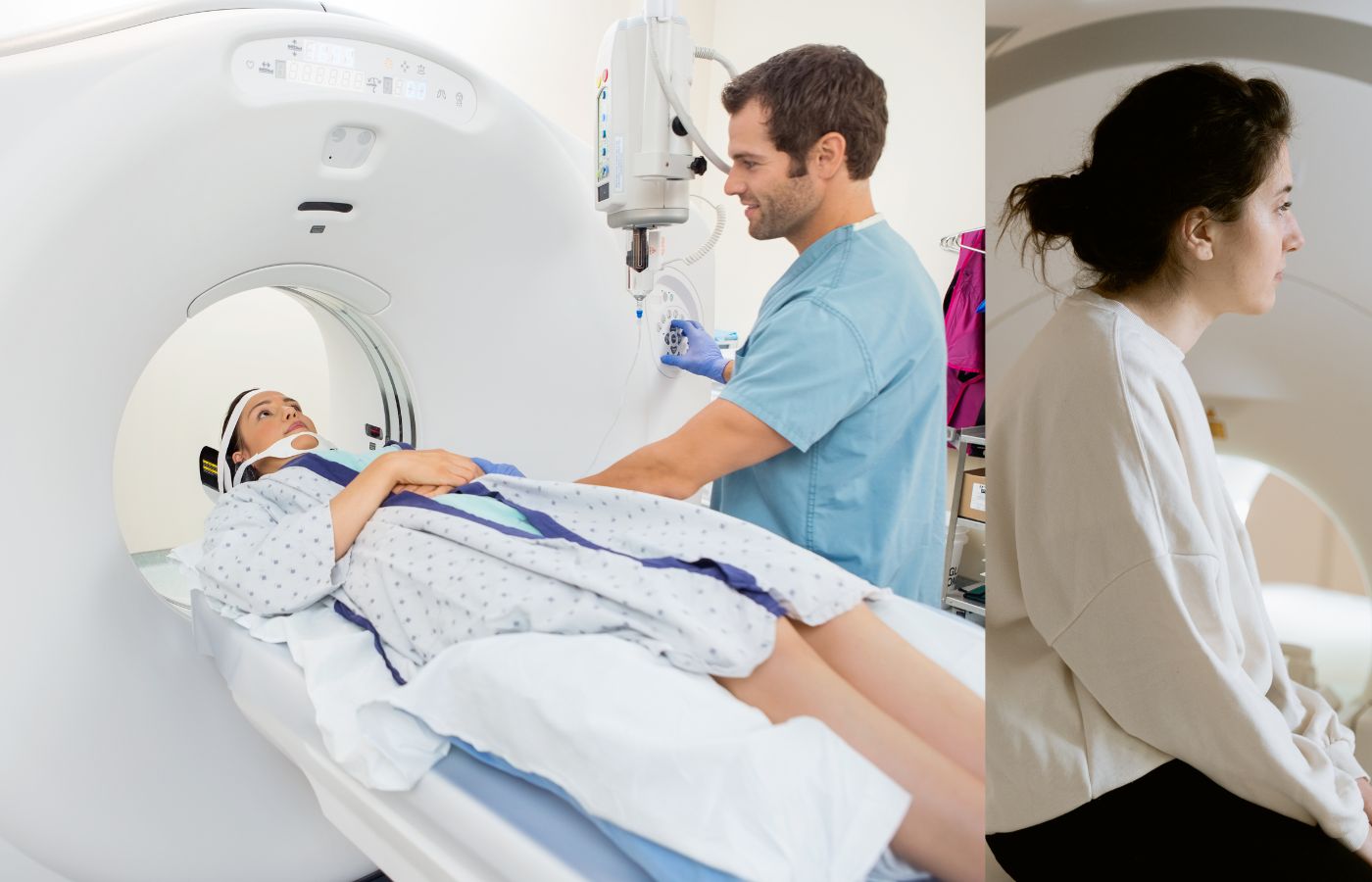
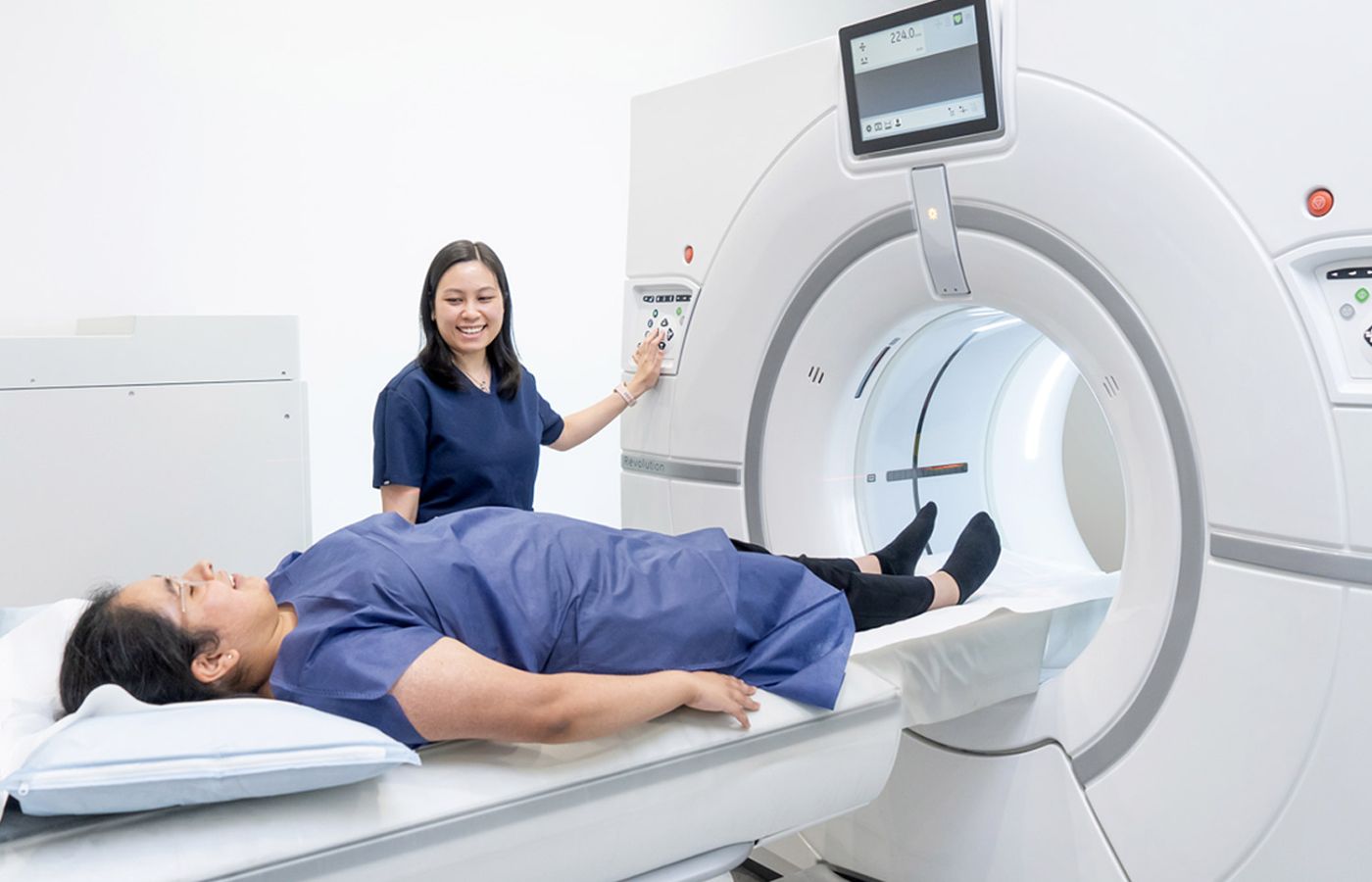
The patient then lies on a motorized table that slides into the CT scanner. The machine rotates around the head while capturing detailed images of the eye area.
The entire procedure usually takes 10 to 20 minutes.
Some patients may briefly feel a warm sensation or metallic taste when the contrast dye is injected, but these sensations are temporary.
CT orbit imaging offers several important advantages in diagnosing eye disorders.
The scan provides highly detailed images of bones, muscles, nerves, and blood vessels around the eye.
CT scans are fast, allowing doctors to quickly identify serious conditions such as infections or injuries.
The images help doctors determine the best treatment approach for eye diseases or injuries.
The test does not require surgery and is generally painless for patients.
CT scans use controlled levels of radiation and are considered safe when performed under medical supervision.
Doctors carefully evaluate each patient's medical history before using contrast dye. Patients with kidney problems, allergies to contrast agents, or pregnancy should inform their doctor before the scan.
After the procedure, patients are usually advised to drink water to help flush the contrast dye from the body.
Doctors may recommend a CT orbit scan if you experience symptoms such as:
Severe eye pain
Swelling around the eye
Sudden vision changes
Eye injury or trauma
Persistent eye infections
Early imaging can help identify serious eye conditions and allow timely treatment.
CT Orbit With Contrast is an important imaging test used to diagnose a wide range of eye disorders. By providing detailed images of the eye socket, muscles, nerves, and blood vessels, this scan helps doctors detect infections, tumors, injuries, and other abnormalities.
The procedure is quick, safe, and highly effective in guiding accurate diagnosis and treatment. With modern imaging technology, CT orbit scans play a vital role in protecting eye health and preventing serious complications.















.jpg "ct brain scan plain and contrast")

































.jpg "ct scan")

.jpg "ct scan or mri for brain disorders")


.jpg "exploring the power of ct brain contrast in modern diagnostics")
.jpg "ct scan")

.jpg "ct scan")












.jpg "ct scan")


.jpg "CT Brain Scan for Headaches")
.jpg "The Future of 3D CT Imaging")