When you hear a "pop" in your knee during a morning run or feel that grinding sensation when climbing stairs, getting an accurate diagnosis becomes the top priority. While X-rays are the traditional first step for bone injuries, they often fail to capture the full picture of complex knee joints.
At Diagnopein Pune, we bridge the gap between suspicion and certainty. If you have been searching for a CT scan near me that offers precision without breaking the bank, here is why our advanced imaging services are the gold standard for knee assessment.
The human knee is the largest joint in the body, yet it is also one of the most vulnerable. It endures immense pressure, twisting forces, and repetitive impact. When something goes wrong, pain is merely the symptom. The root cause often hides deep within the bone structure or the joint space.
A standard X-ray shows shadows. A CT scan at Diagnopein shows the truth.
Occult Fractures: These are hairline fractures that never appear on X-rays. They mimic sprains but refuse to heal. CT catches them instantly.
Tibial Plateau Fractures: A complex injury involving the top surface of the shinbone. Surgeons rely on CT 3D reconstructions to plan screw placements.
Patellar Instability: Repeated dislocation of the kneecap wears down cartilage. CT reveals the alignment and tracking issues causing the instability.
Loose Bodies: Sometimes, fragments of bone or cartilage break off and float inside the joint, locking the knee mid-step. CT locates them with millimeter accuracy.
Post-Surgical Assessment: Had a knee replacement and still feel pain? CT checks for implant loosening or wear better than MRI.
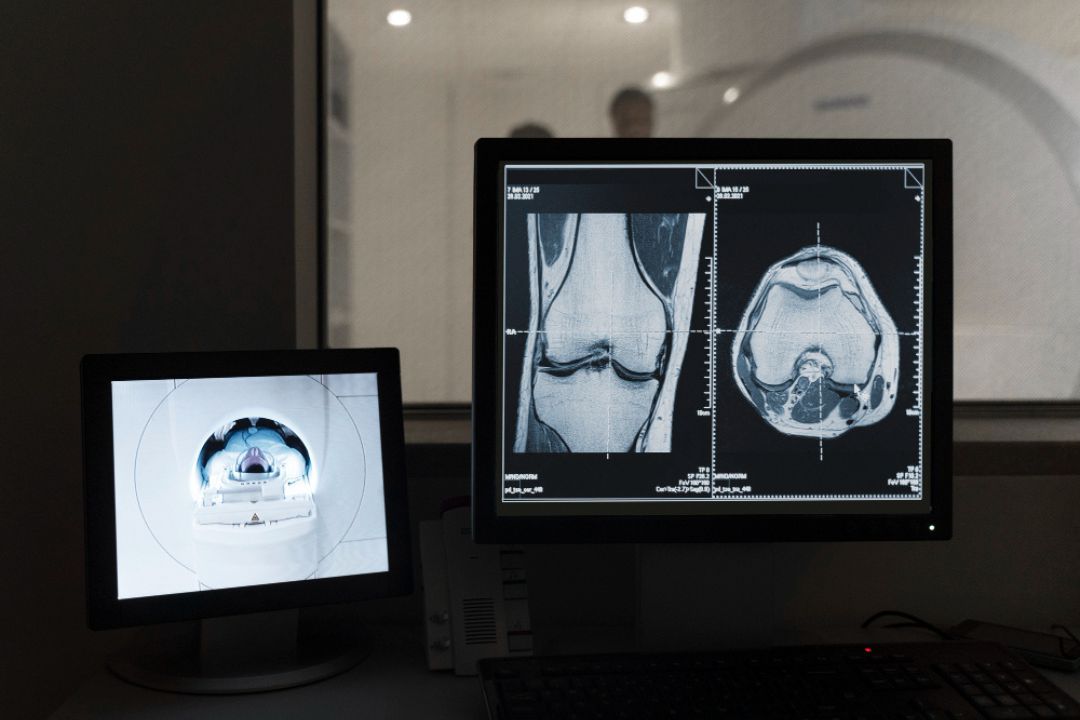
At Diagnopein Pune, our multi-slice CT scanners around the joint, capturing hundreds of cross-sectional images in seconds. We then reconstruct these into a stunningly detailed 3D model that rotates, tilts, and zooms. This isn’t just imaging—it is virtual surgery preparation.
When it comes to diagnosing knee injuries, one size certainly does not fit all. Each imaging modality—X-ray, CT scan, and MRI—serves a distinct purpose, and understanding the difference can save you time, money, and unnecessary anxiety. At Diagnopein Pune, we often encounter patients who are unsure why their doctor prescribed a specific scan. To put it simply: X-rays look at the bone, CT scans dissect the bone, and MRI reveals the soft tissues.
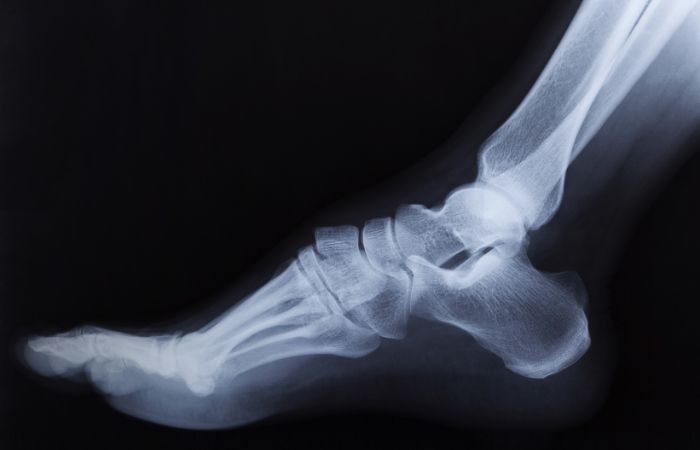
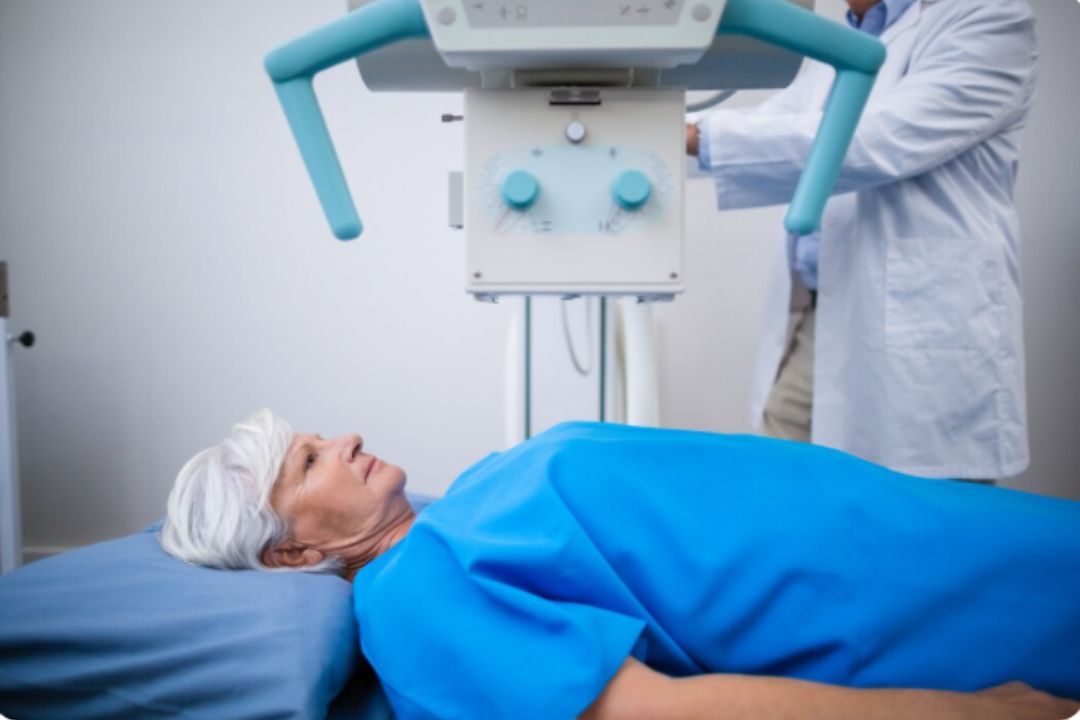
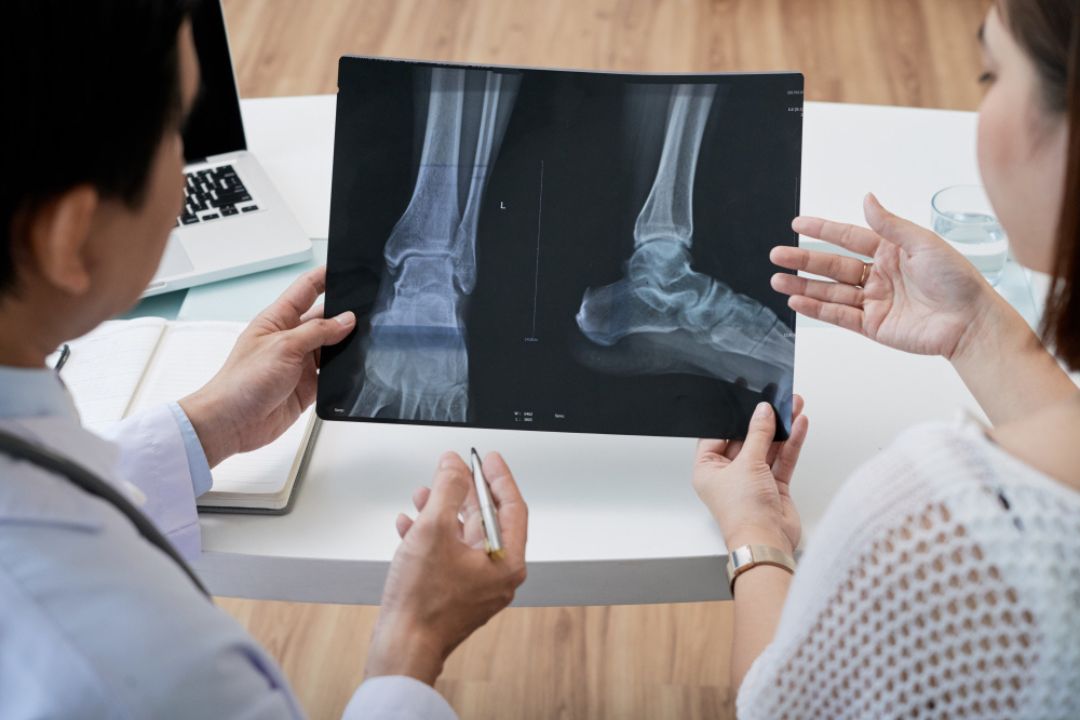
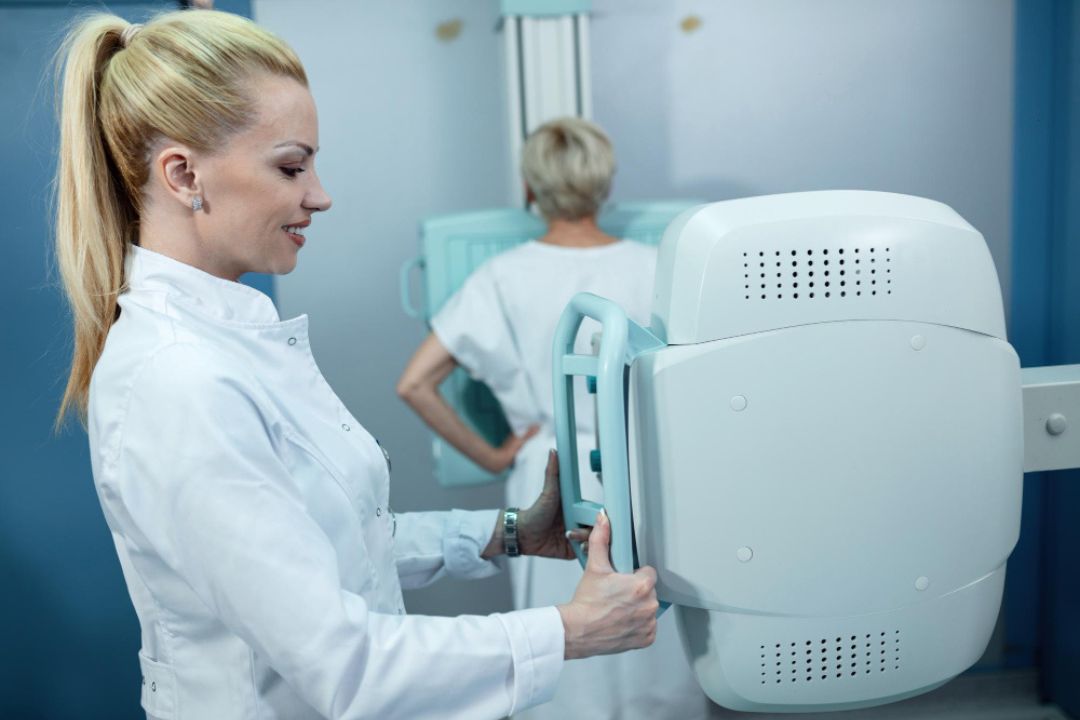
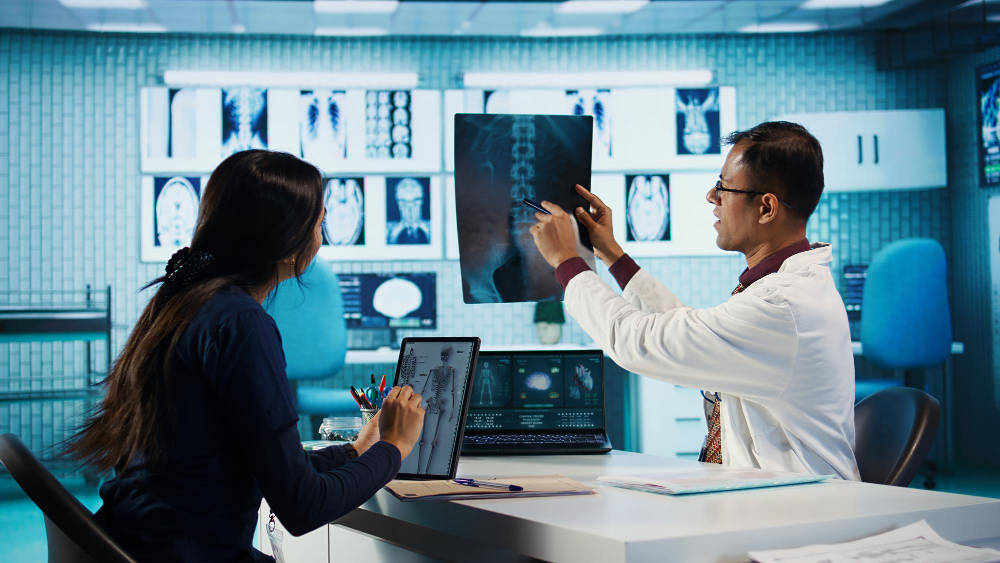
Digital X-ray is usually the first step. It is quick, inexpensive, and widely available. If you have suffered a fall or direct blow to the knee, an X-ray will reliably show major fractures, dislocations, and advanced arthritic changes. However, it has significant limitations. Hairline fractures, stress fractures, and subtle bone bruises often remain invisible on X-ray. Furthermore, X-rays provide a two-dimensional, flattened view of a three-dimensional joint. Overlapping bones can hide critical details, and soft tissues like ligaments, meniscus, and cartilage simply do not appear. If your X-ray comes back normal but your knee still hurts, your doctor is right to dig deeper.
The Bottom Line: If your pain is bone-deep or trauma-related, a CT scan at Diagnopein is the fastest, most cost-effective, and most accurate choice.
Let us address the elephant in the room—or rather, the machine in the room. Many patients avoid CT scans because they fear radiation or enclosed spaces. At Diagnopein Pune, we have redesigned the patient experience from the ground up.
We use automated exposure control technology. The machine reads your body habitus and delivers the lowest possible radiation dose while maintaining diagnostic image quality. For extremity scans like the knee, the radiation exposure is minimal—comparable to a few days of natural background radiation.
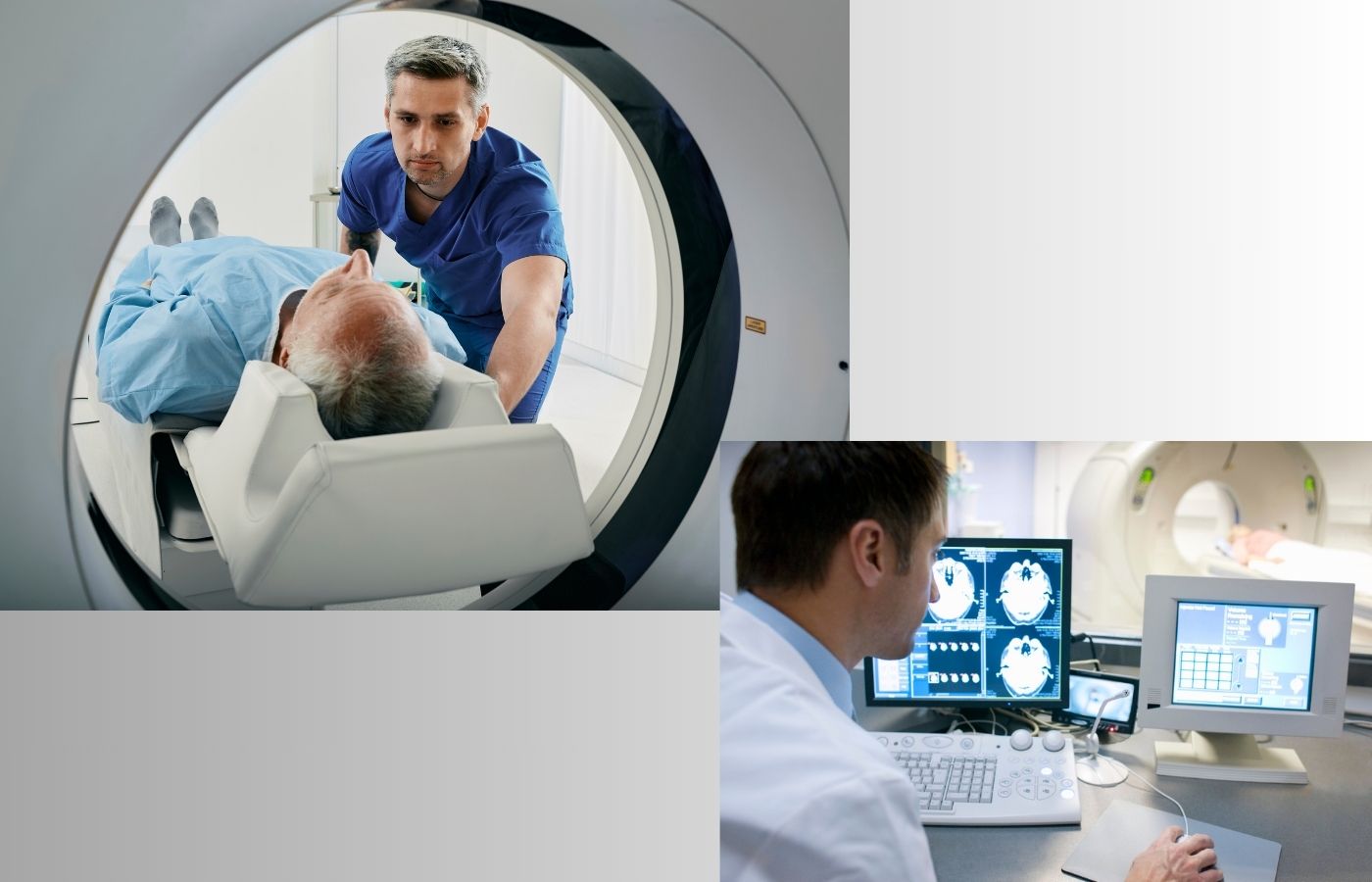
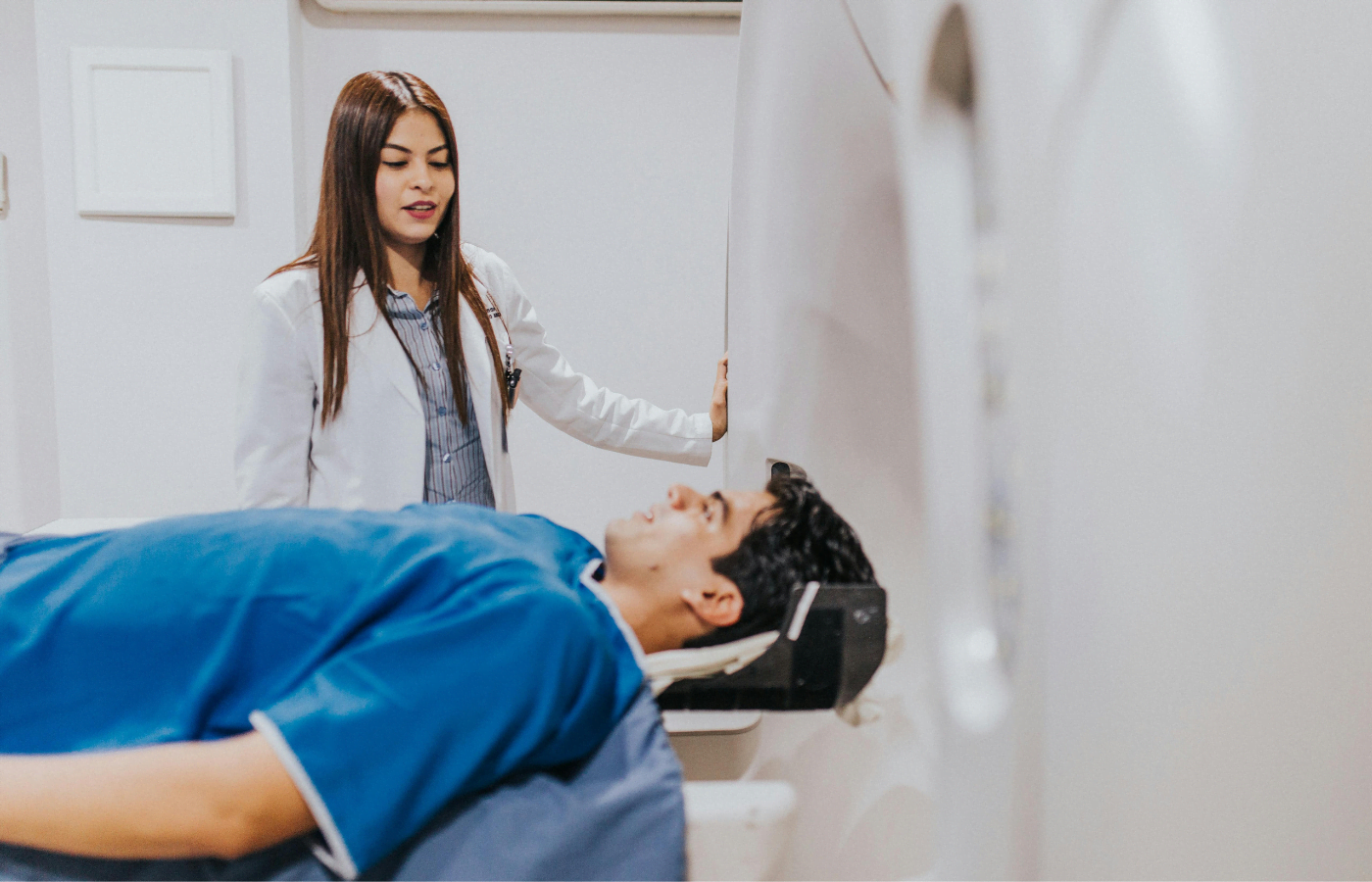
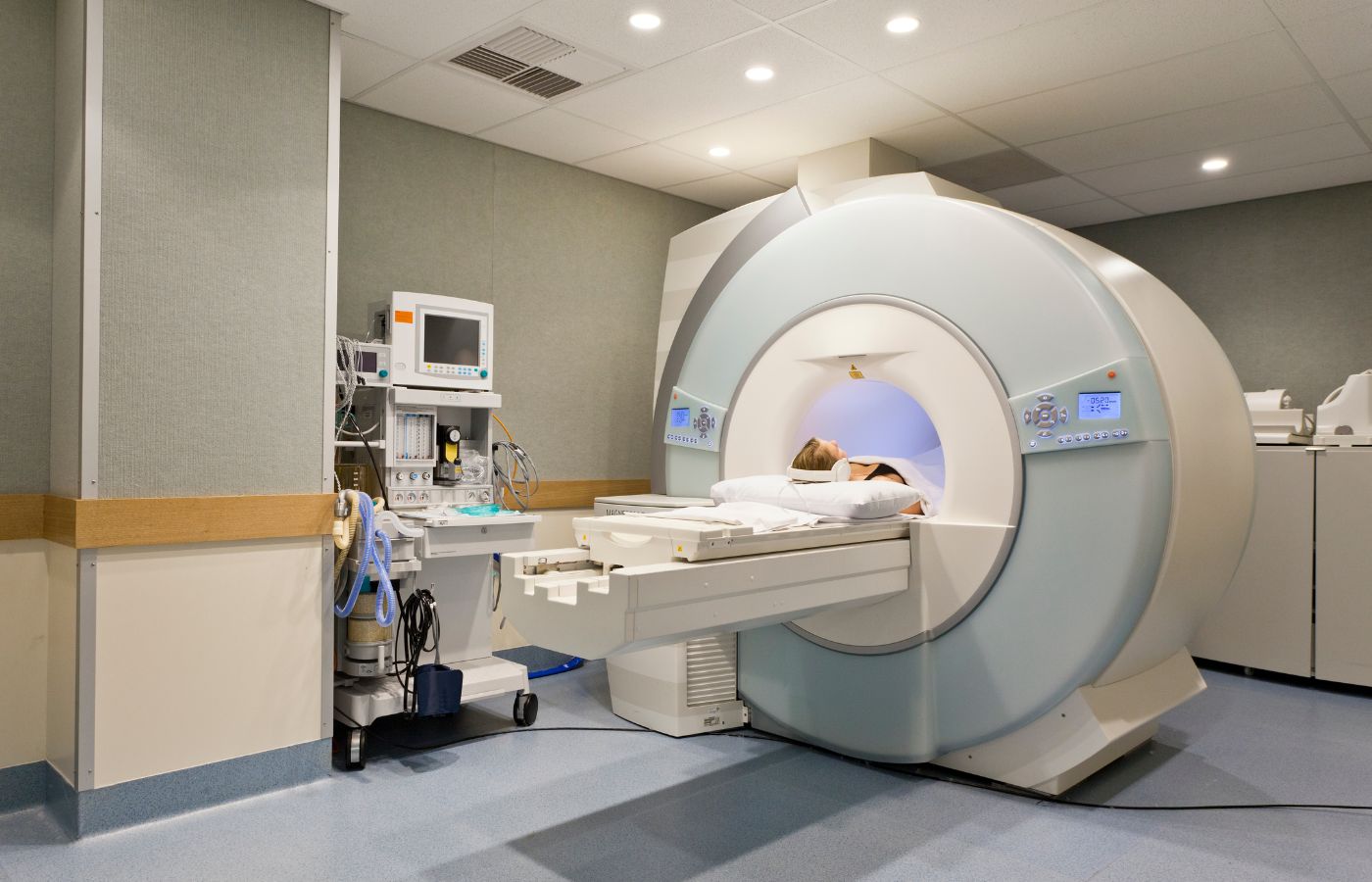
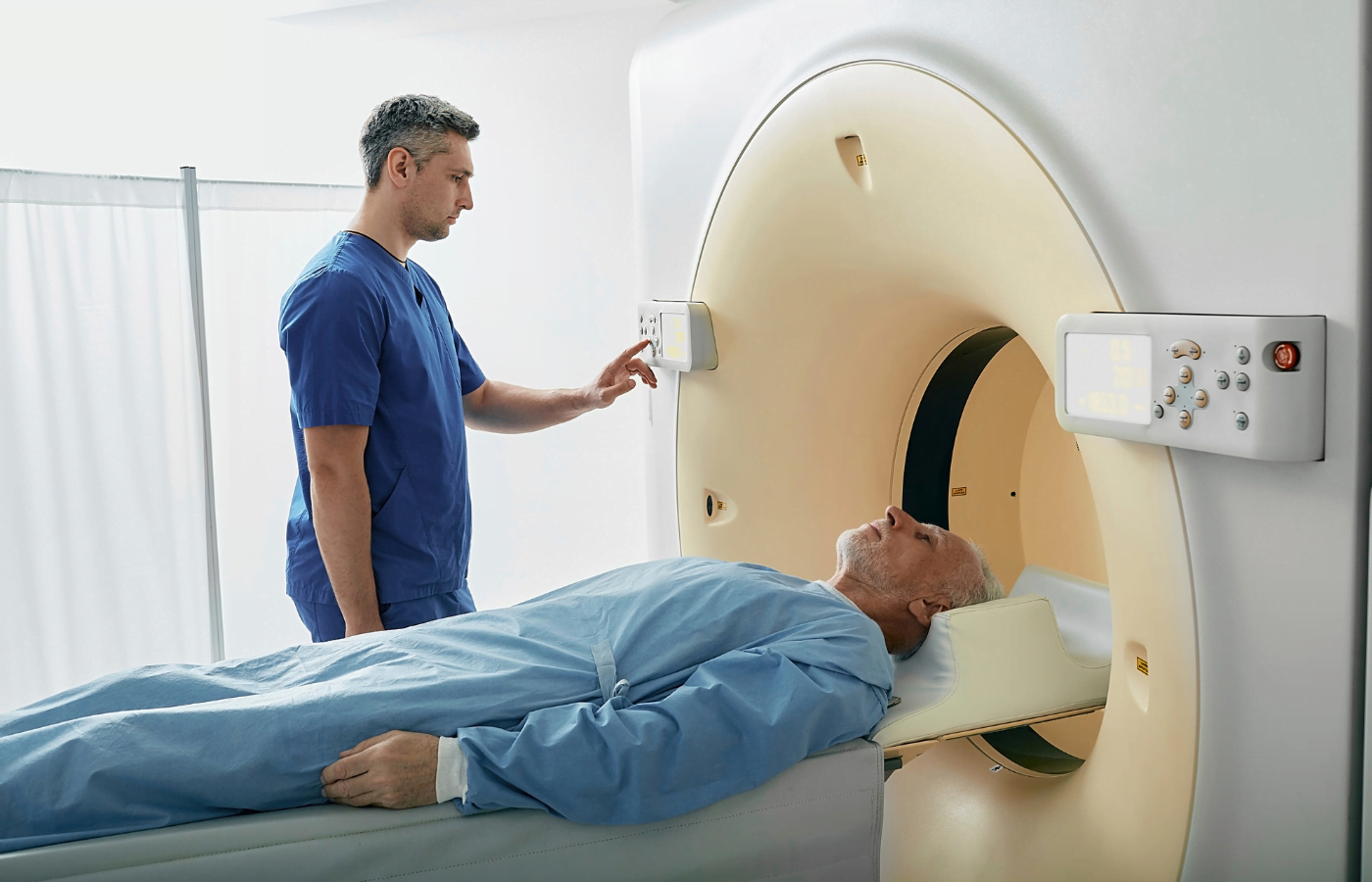
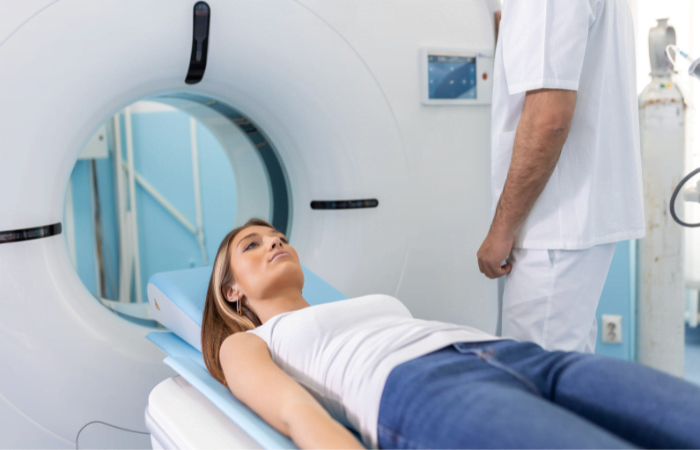
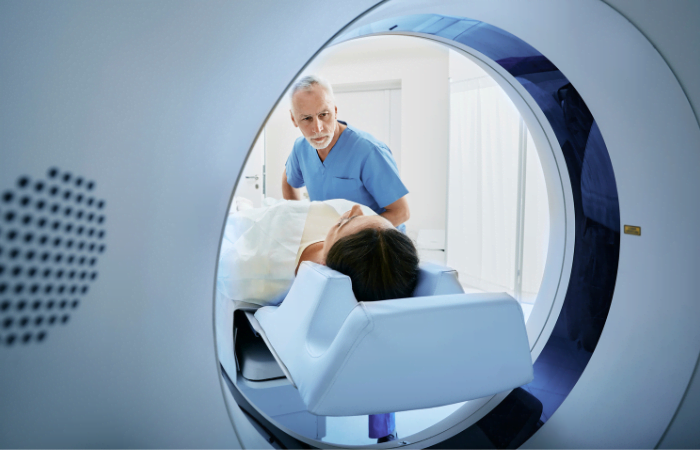
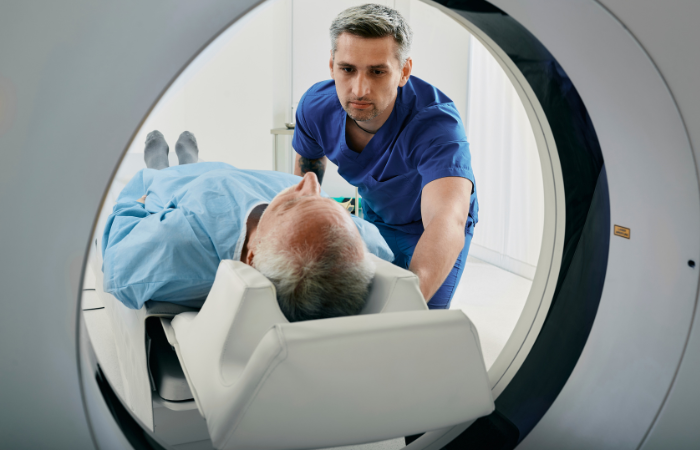
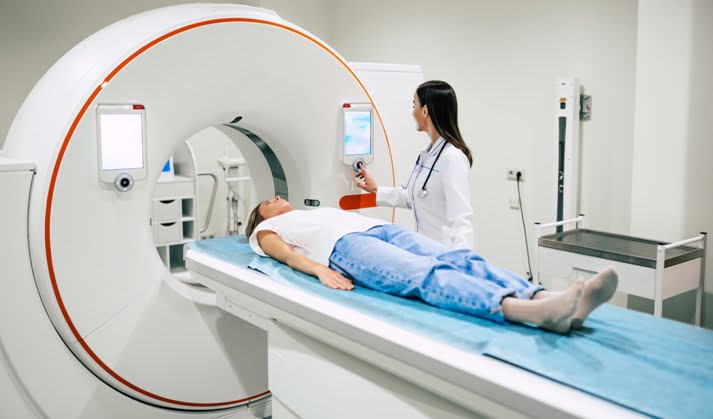
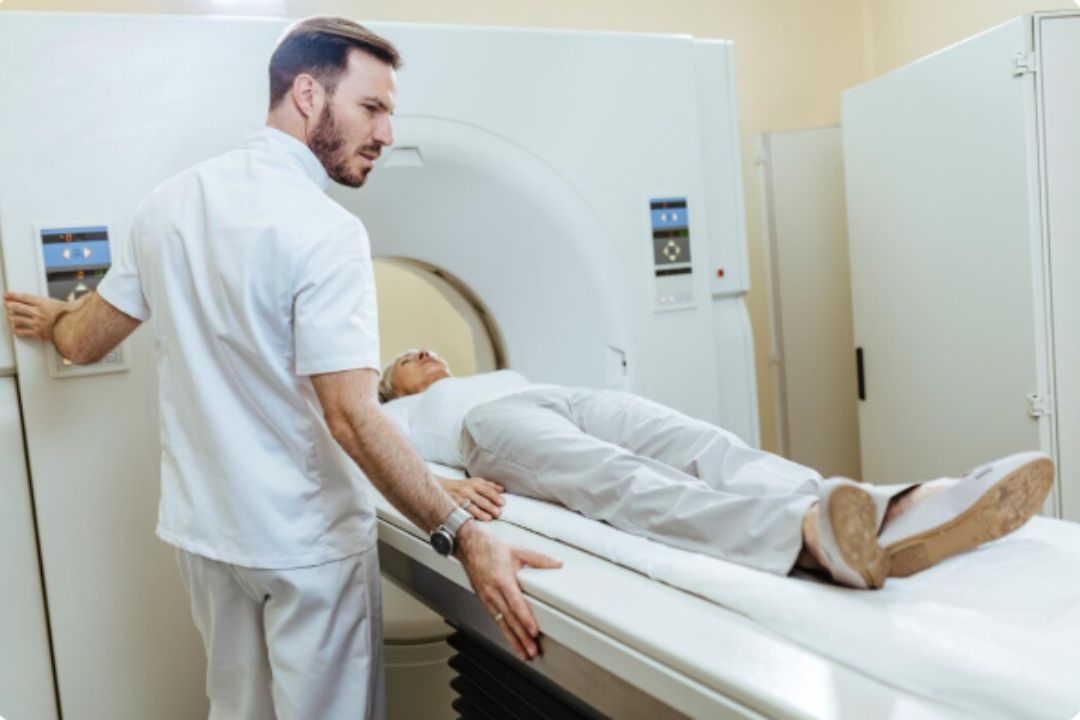
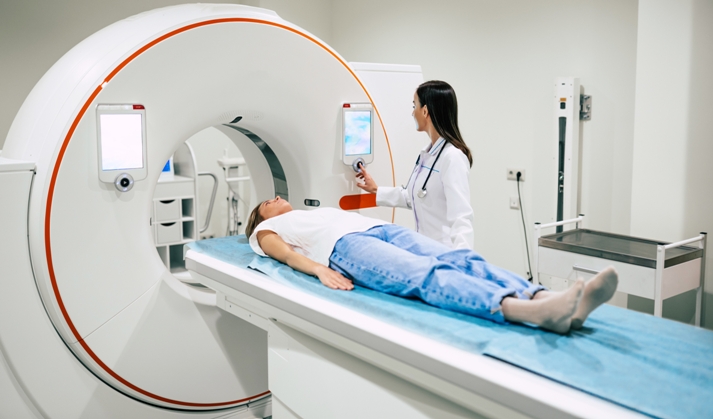
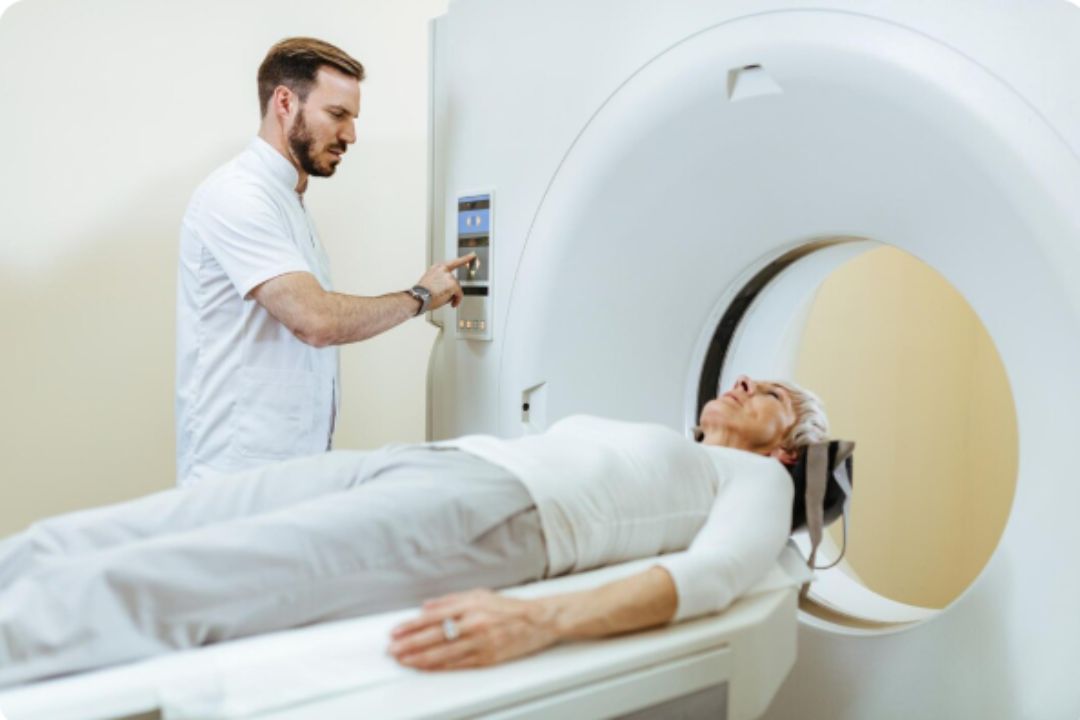
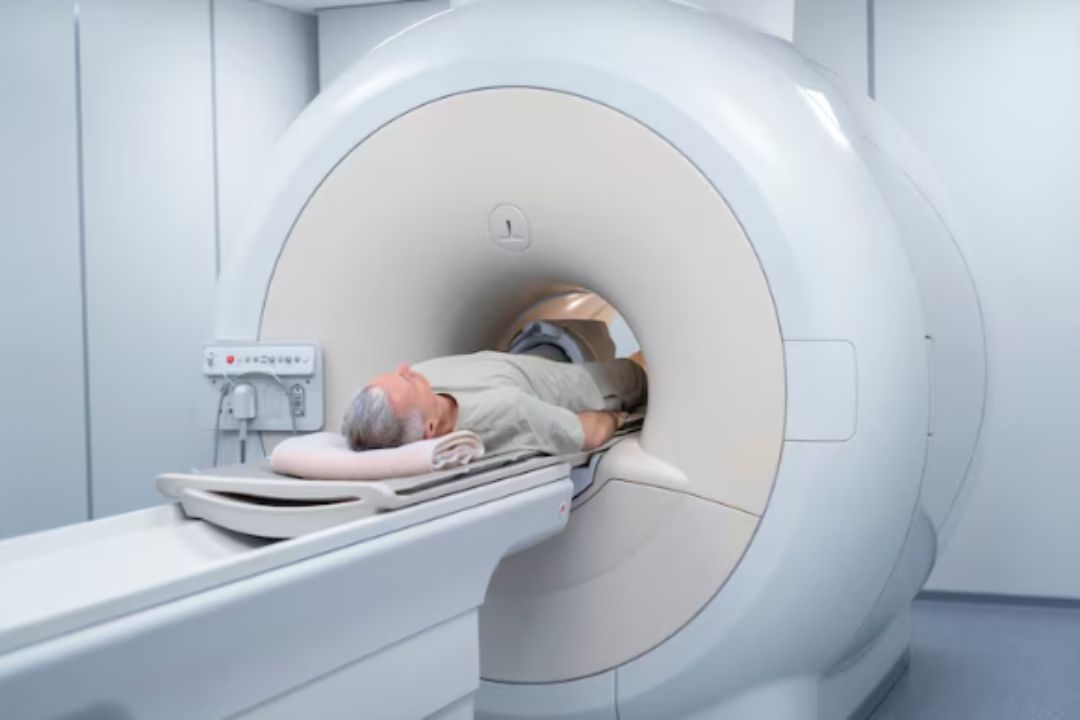
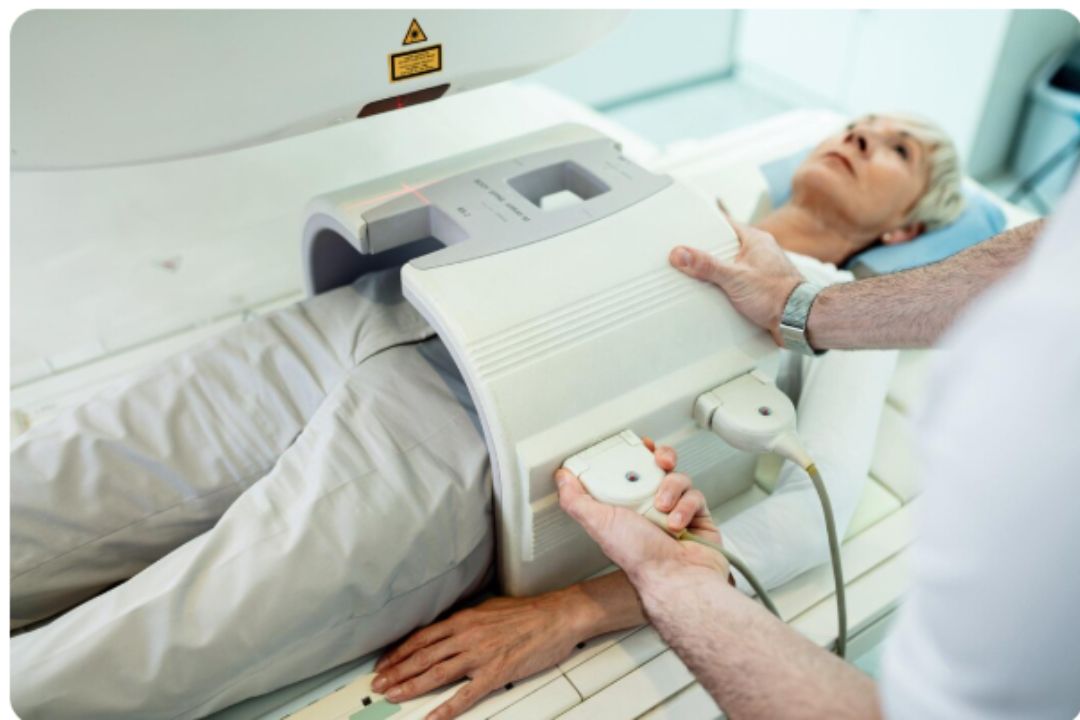
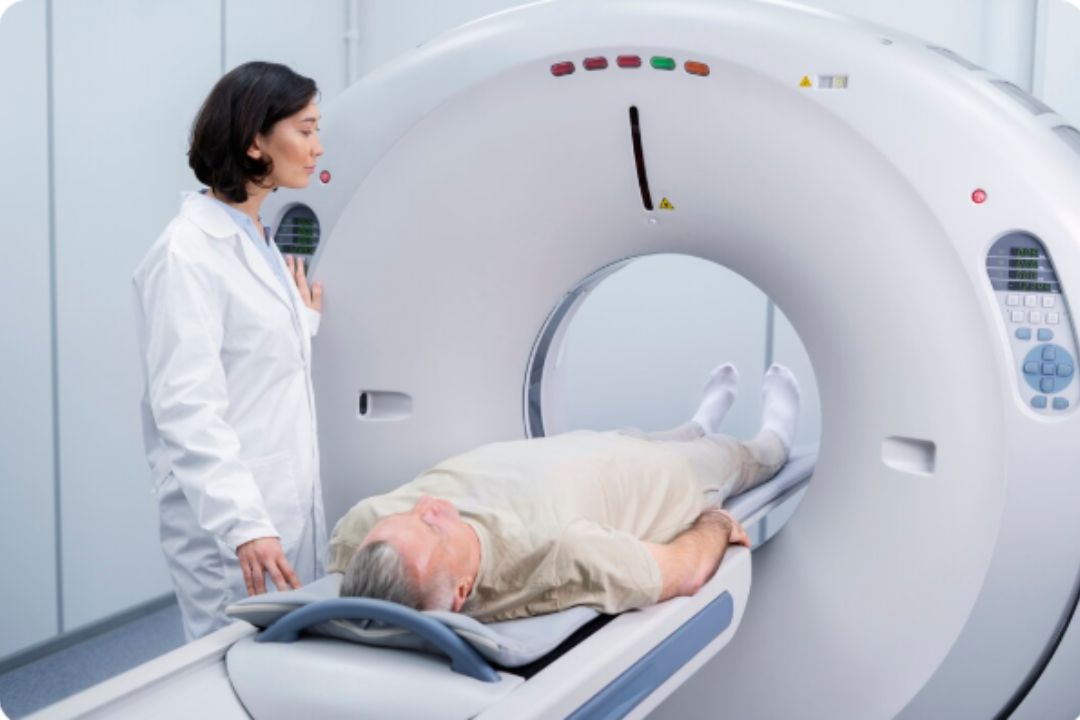
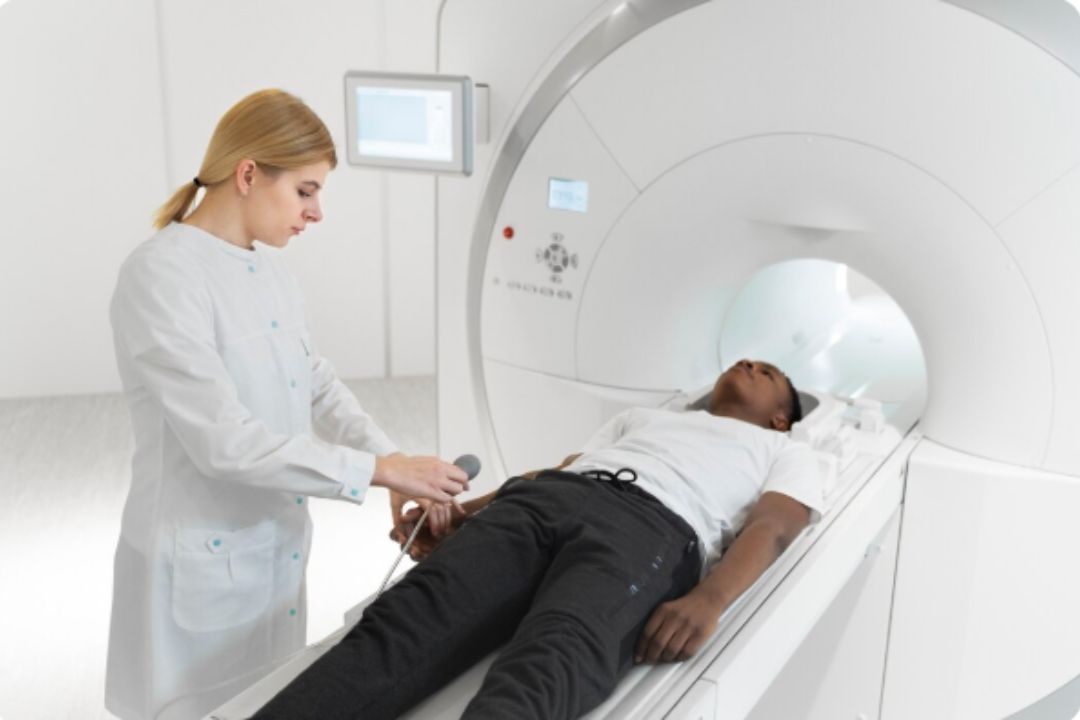
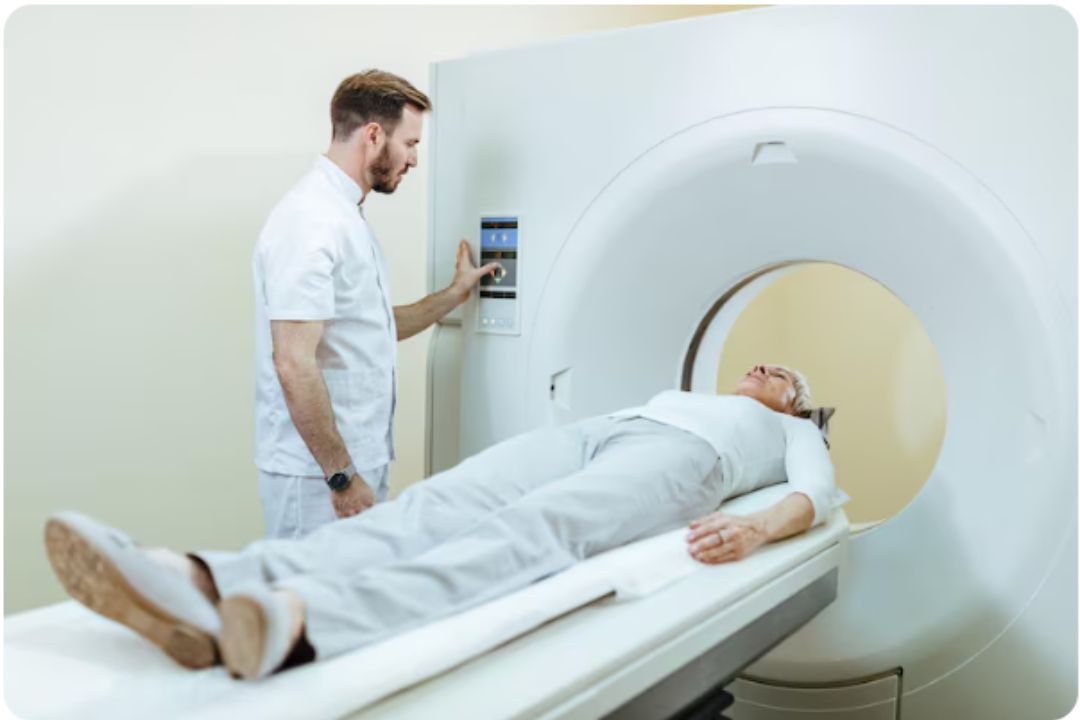
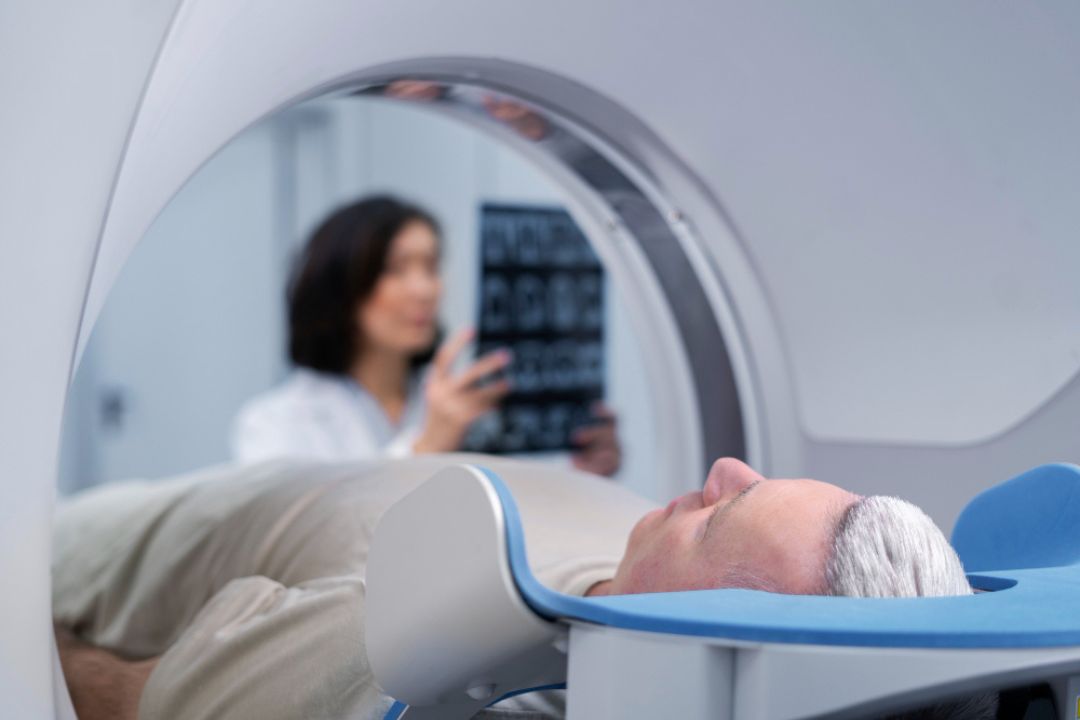
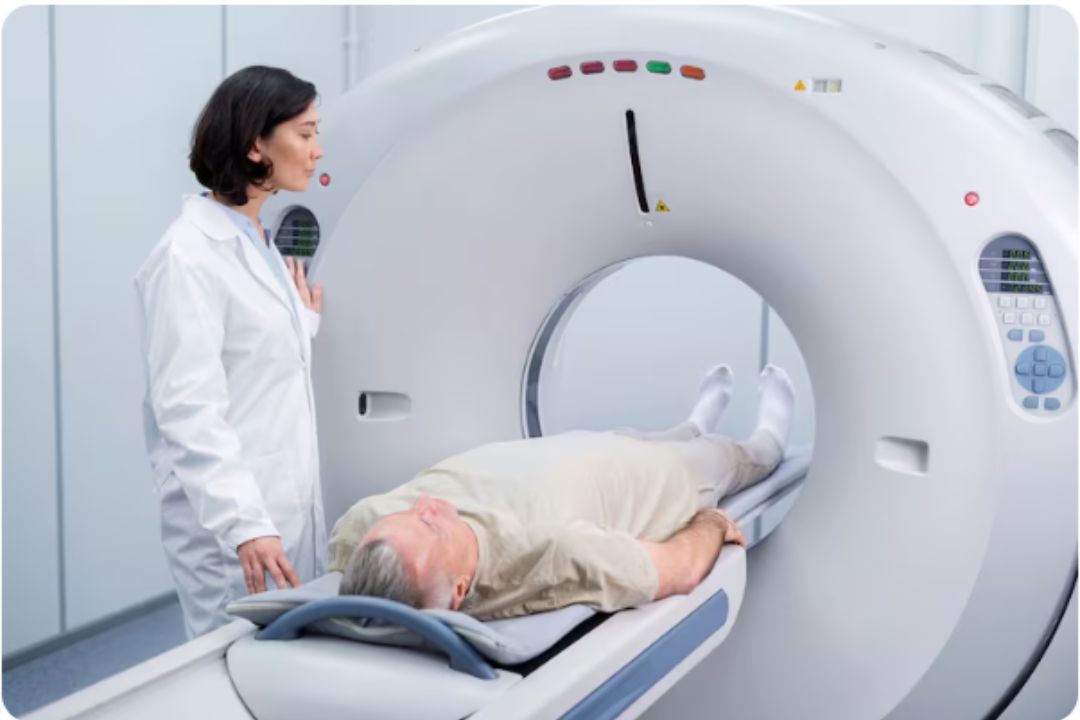
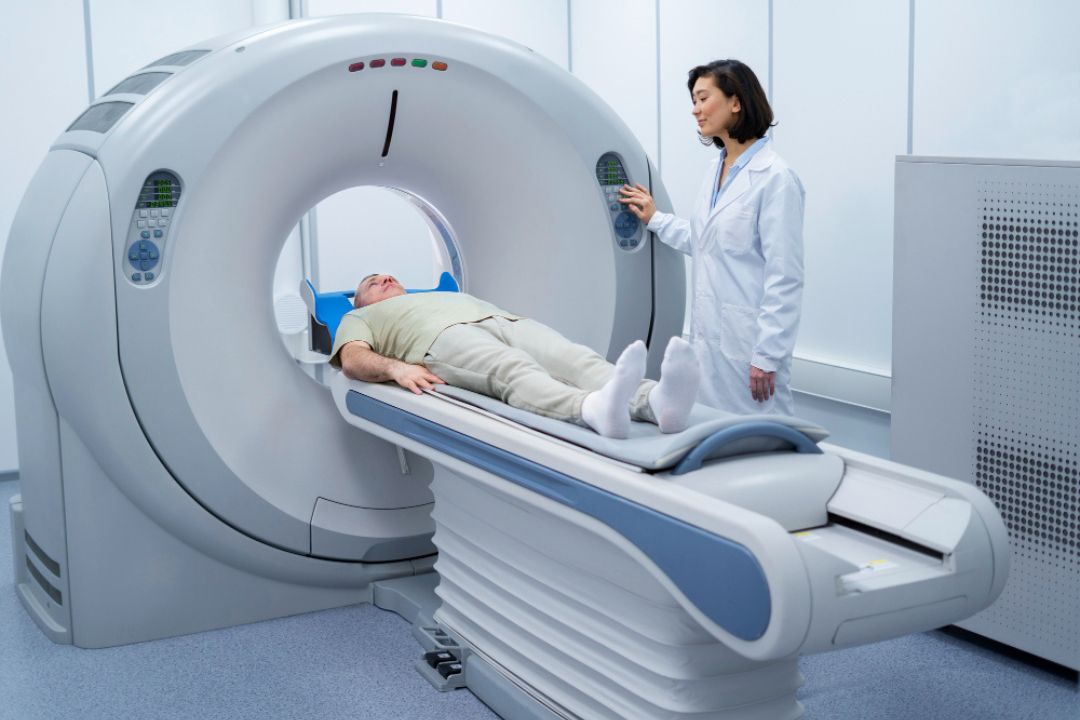
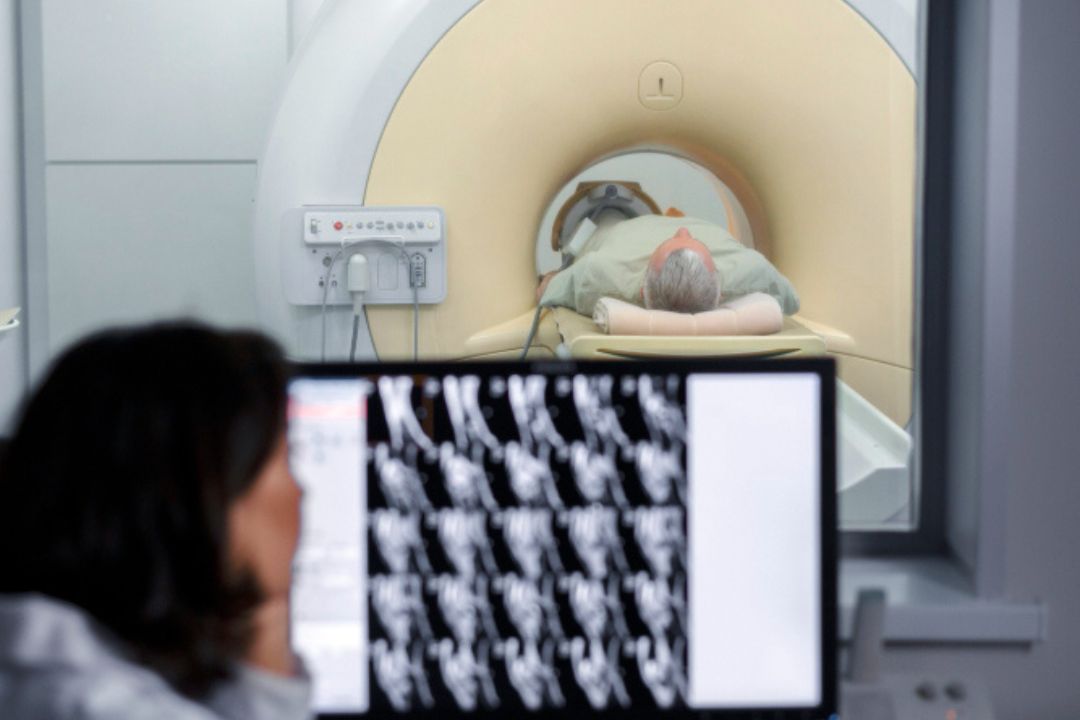
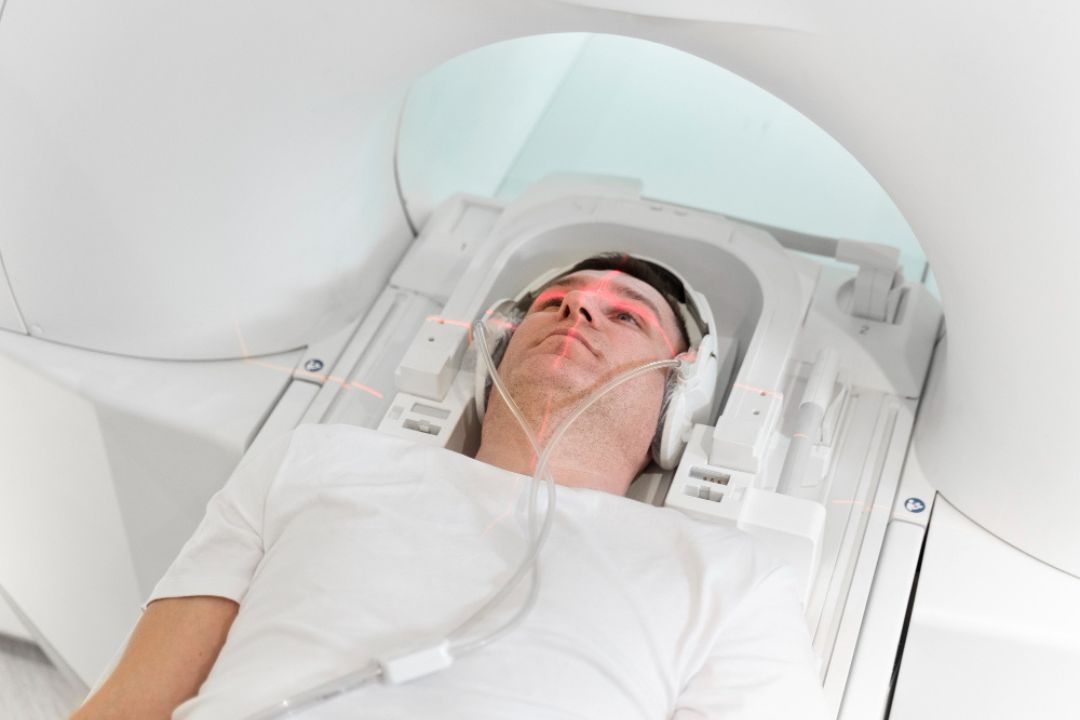
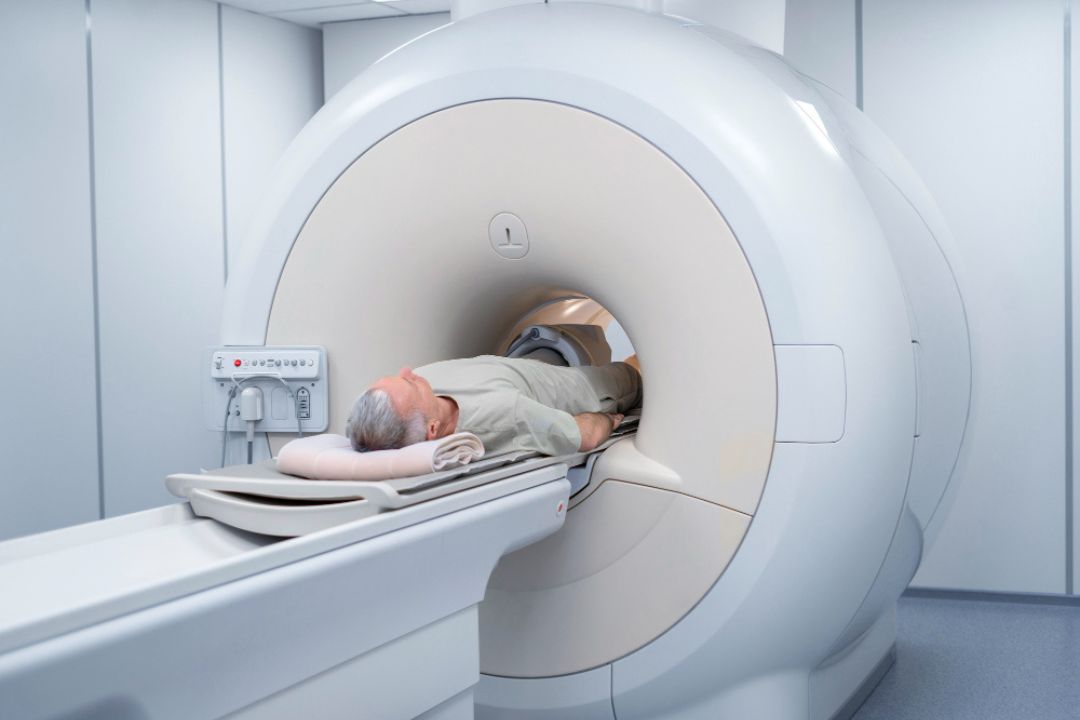
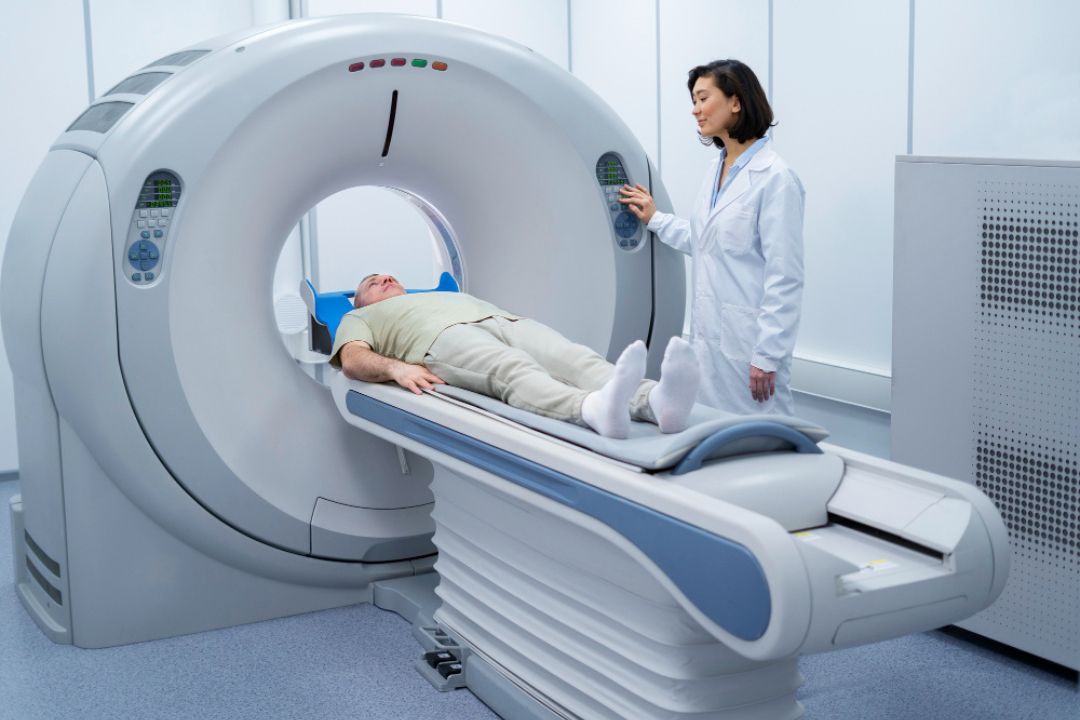
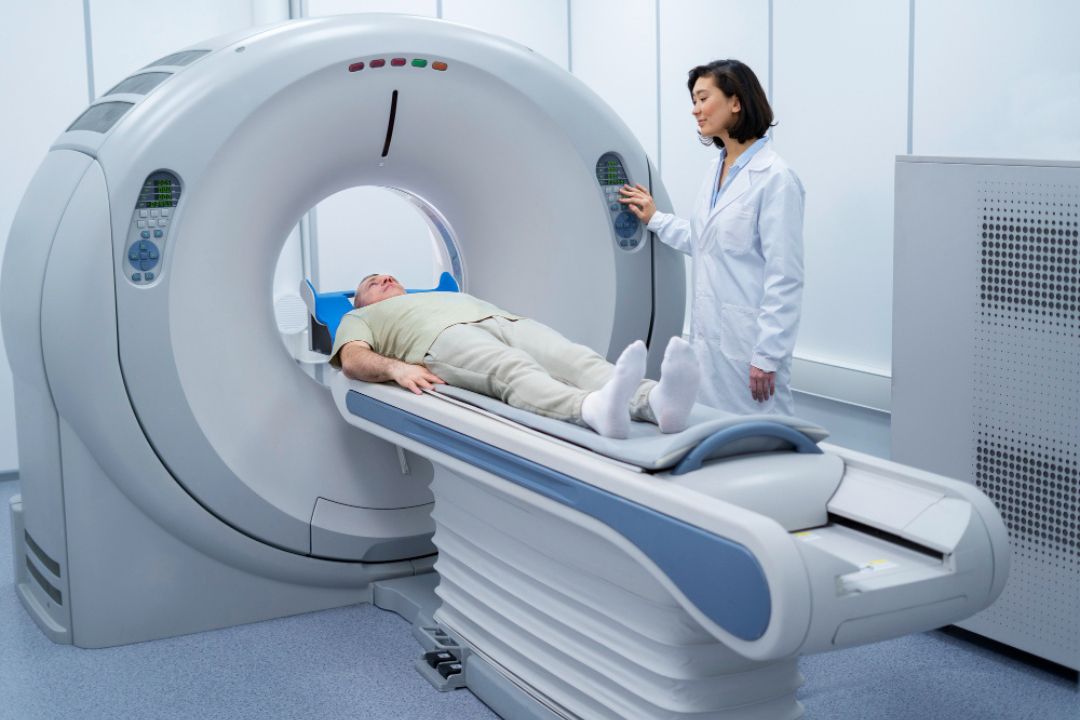
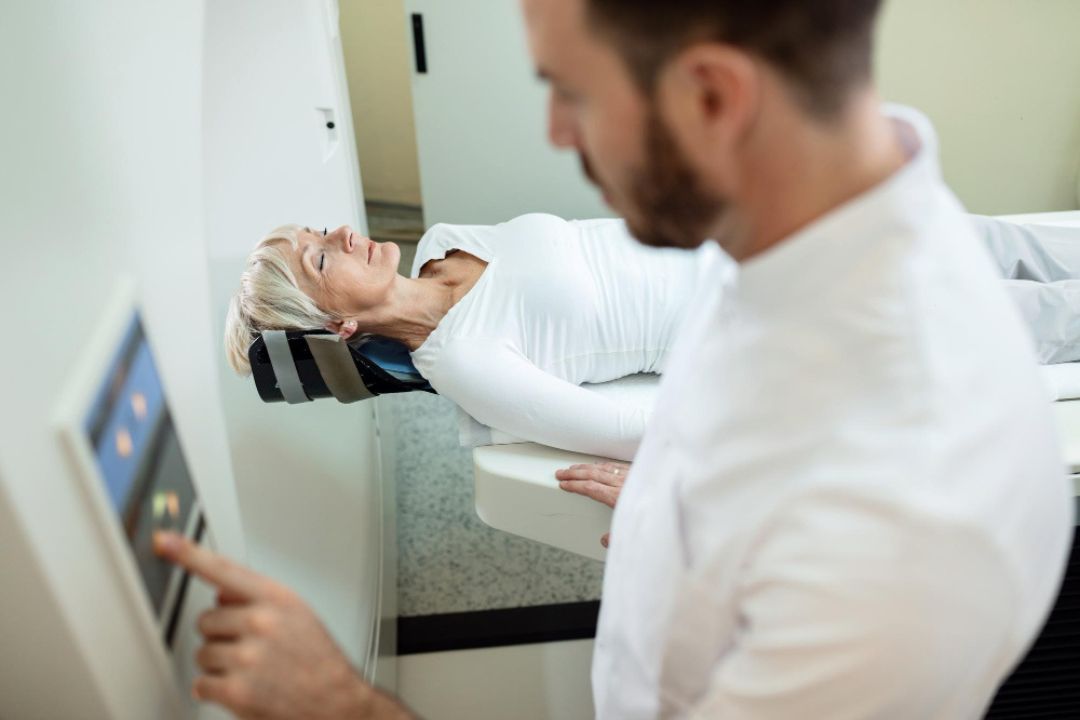
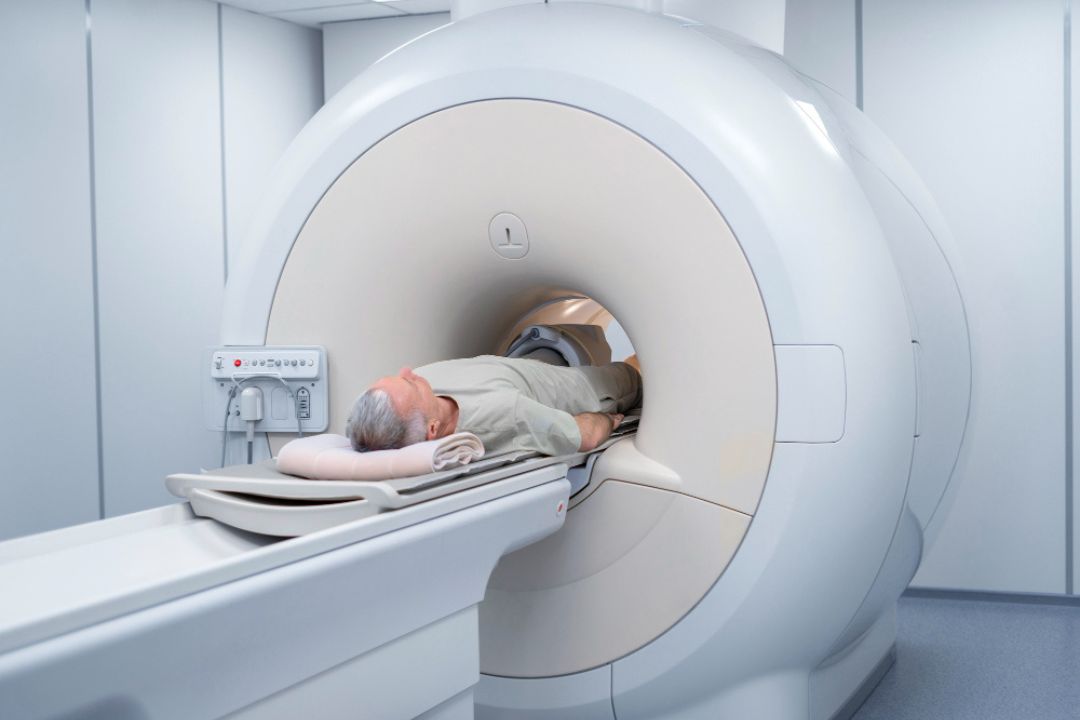
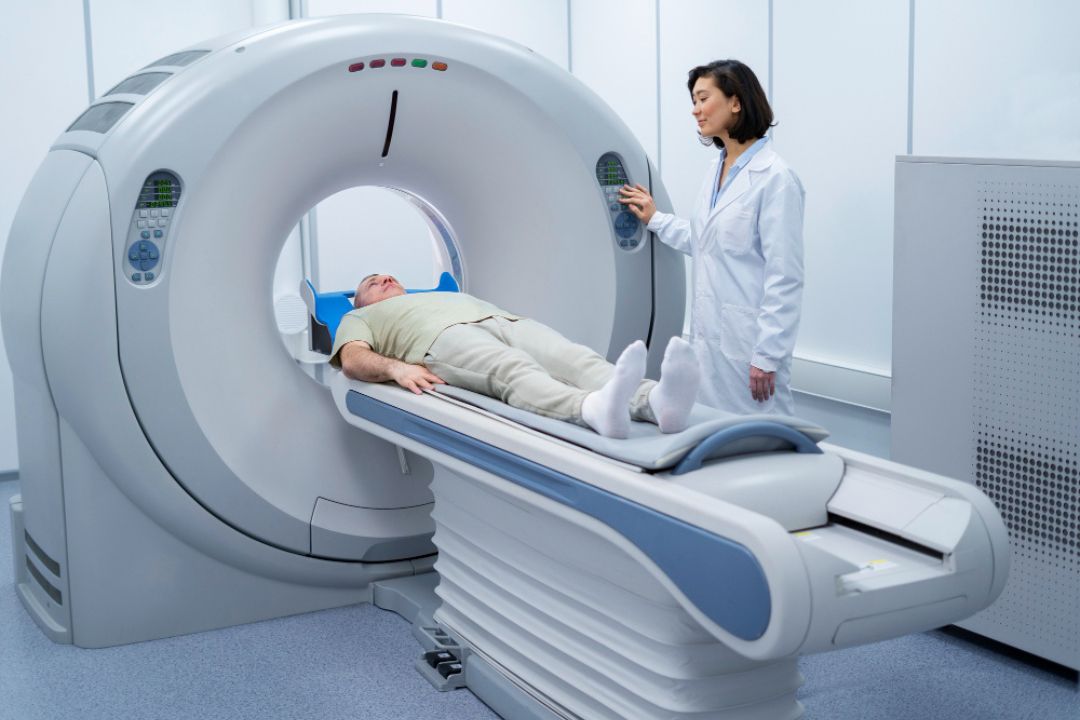
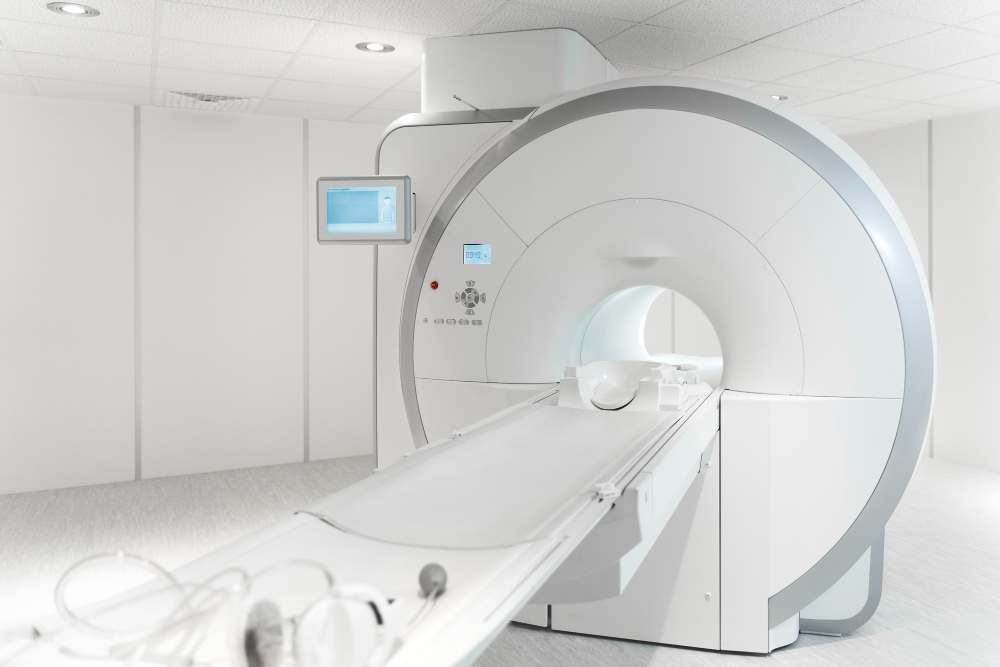
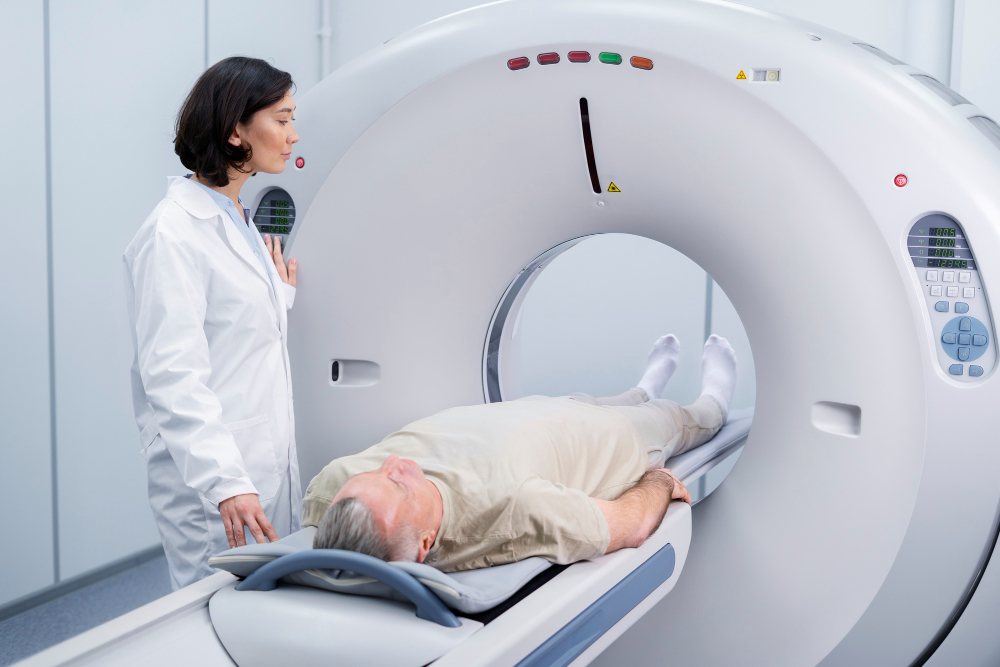
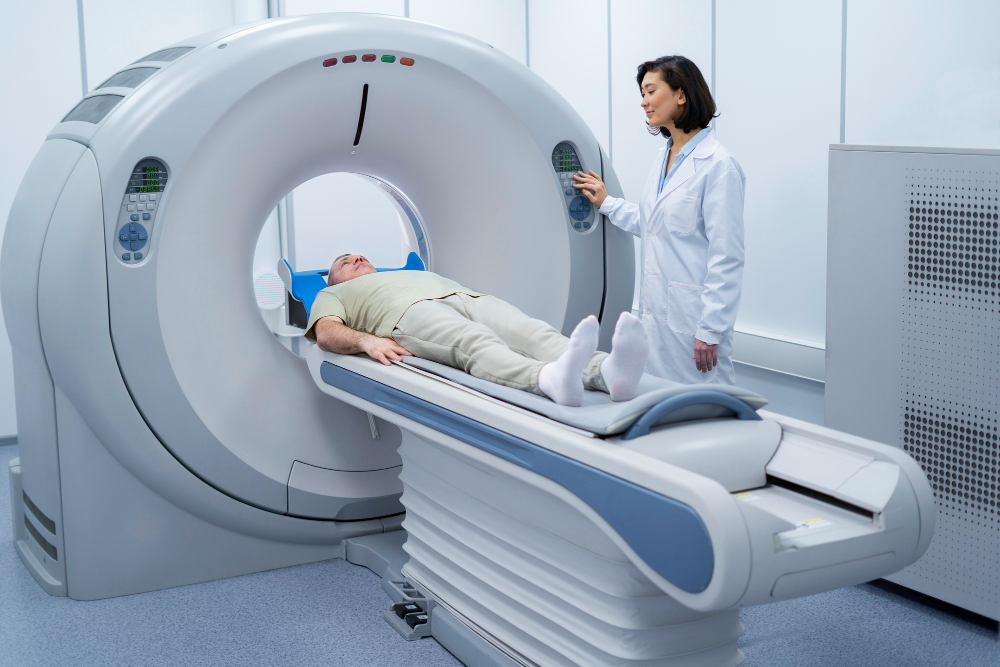
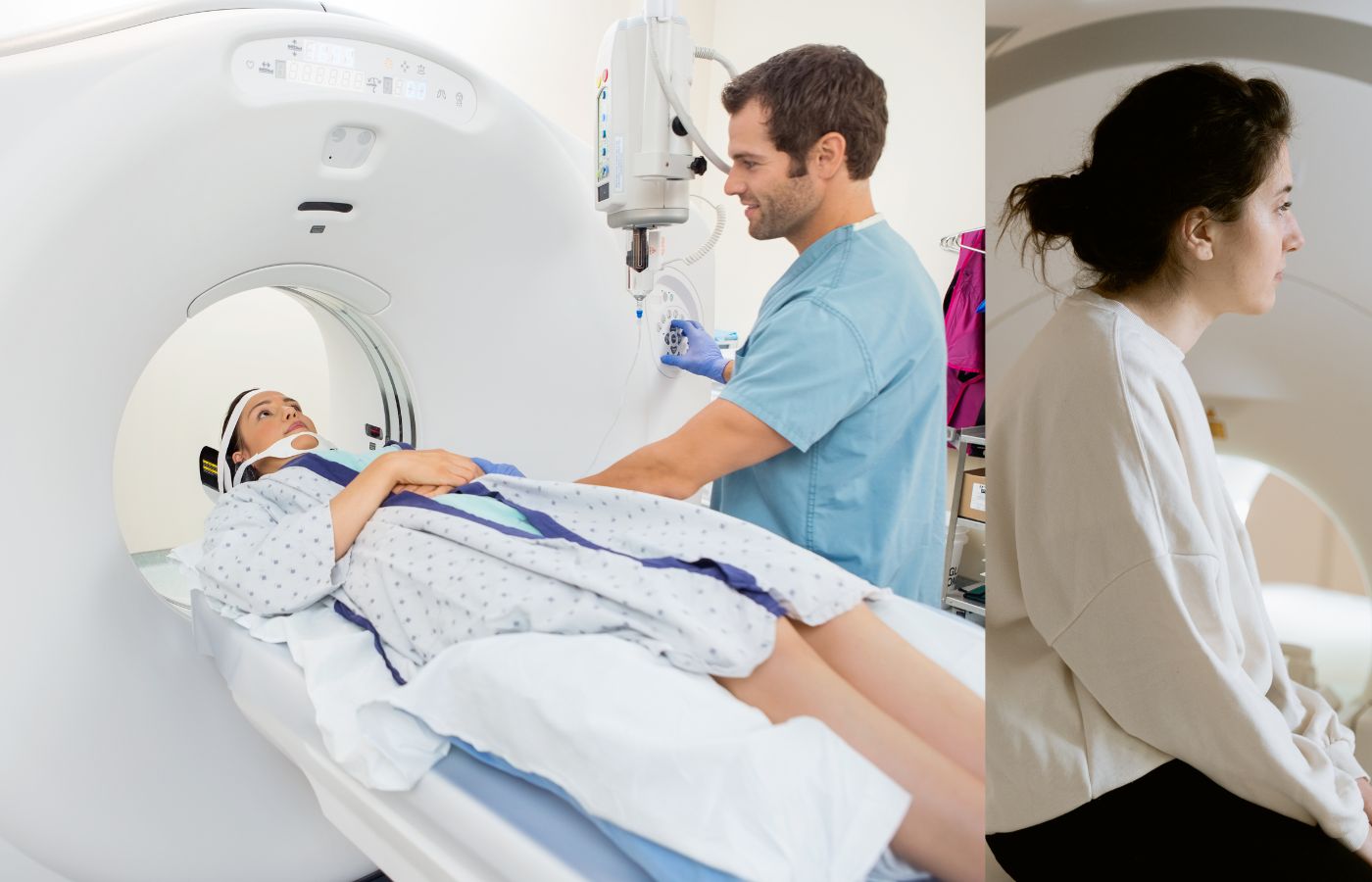
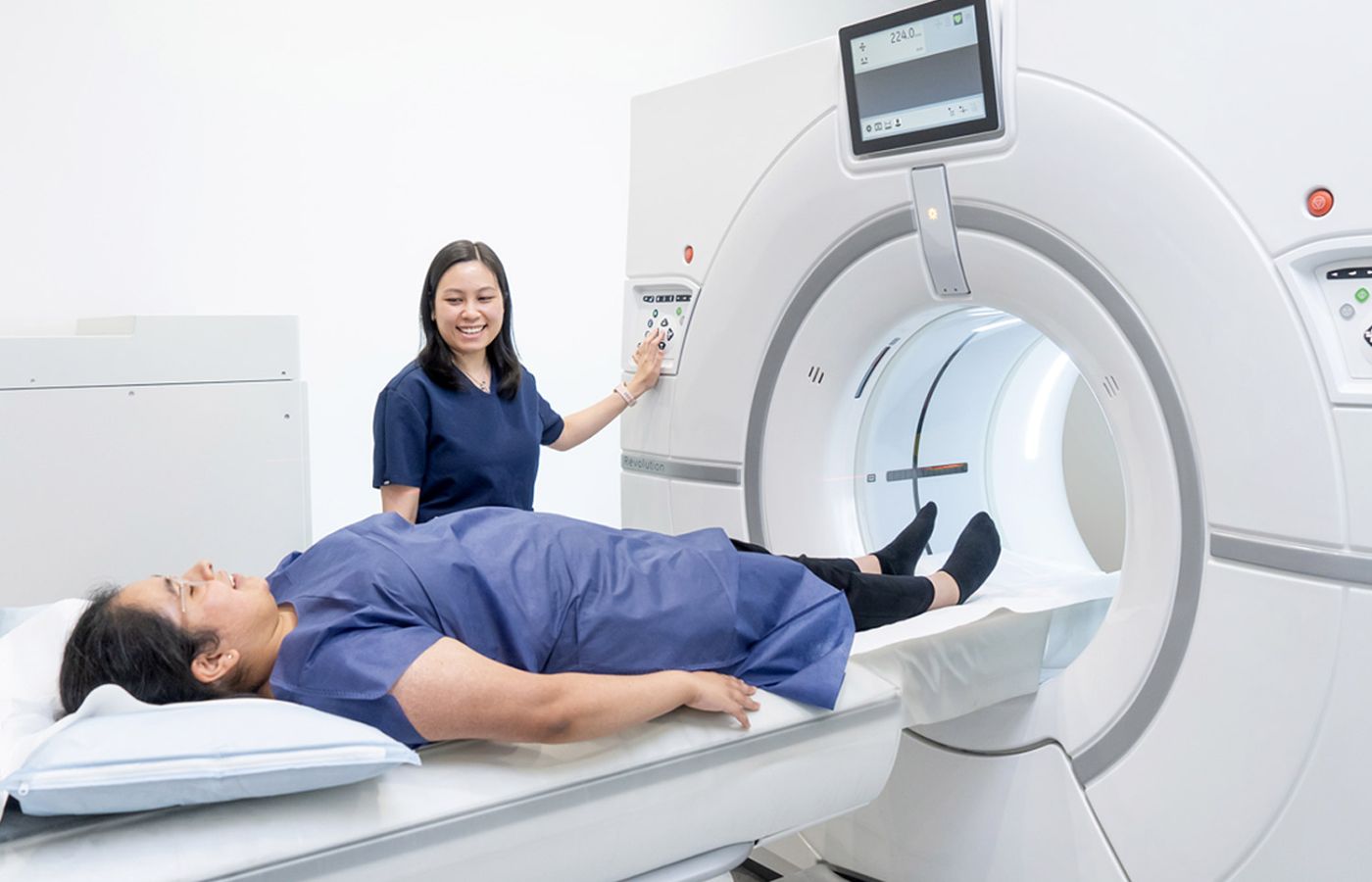
Unlike an MRI tunnel where your entire body is enclosed, a CT scan for the knee only requires your leg to enter the bore. Your head, torso, and arms remain completely outside. You can see the room, breathe freely, and communicate with the technician at all times.
We frequently scan children with growing plate injuries and elderly patients with severe arthritis. Our technicians are trained to position painful joints without causing distress. We provide cushions, knee supports, and even warm blankets to keep you comfortable.
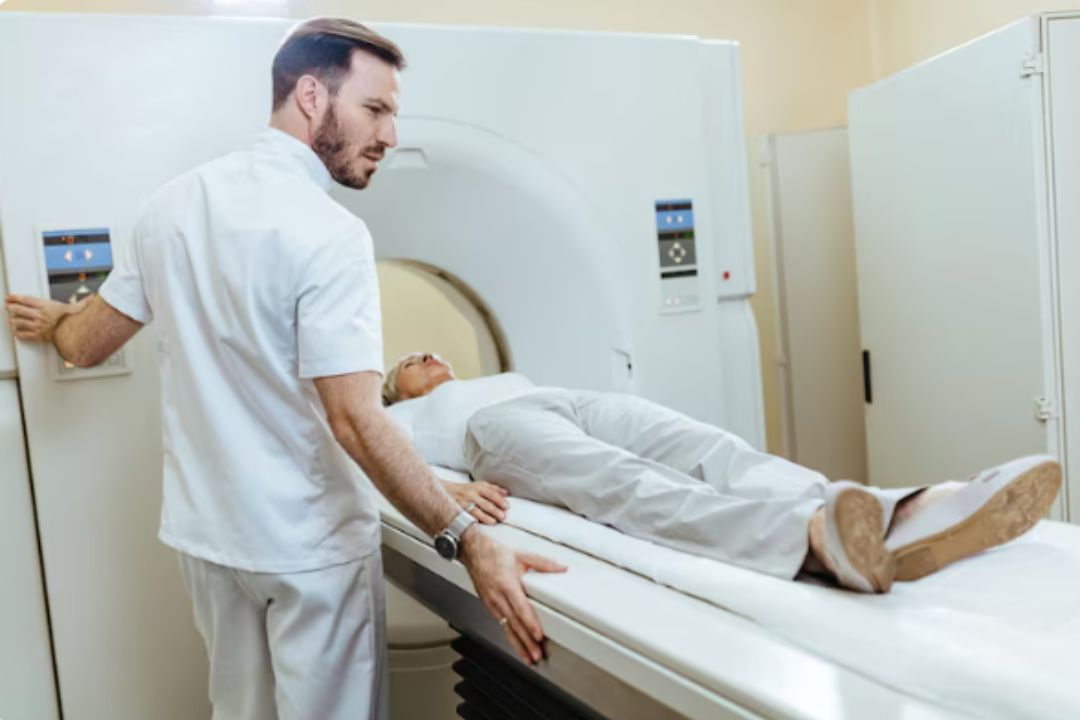
You walk in, you scan, you leave. The entire process—from registration to completion—rarely exceeds 20 minutes. Your report is digitally delivered to your doctor within hours.
When you search for “CT scan near me,” dozens of diagnostic centers appear on your screen. Prices vary. Facilities differ. Promises overlap. So, what makes Diagnopein Pune the right choice for your knee imaging? The answer is not just one thing—it is everything. From the moment you walk through our doors to the instant your report lands in your doctor’s inbox, every step of your journey at Diagnopein is designed with precision, compassion, and transparency.
Uncompromised Image Quality at the Lowest Possible Dose
At Diagnopein, we believe that a cheap CT scan should never mean a compromised CT scan. We have invested in state-of-the-art, multi-slice CT scanners that deliver sub-millimeter resolution and photorealistic 3D reconstructions of your knee joint. Whether it is a subtle tibial plateau fracture or a loose body hiding behind the patella, our machines see what others miss. But we don't stop at clarity. We are equally obsessed with safety. Our scanners utilize automated dose modulation technology, which adapts the radiation output to your body type and the specific body part being scanned. For a knee CT, the radiation exposure is minimal—often less than a standard chest X-ray. You walk out with peace of mind, knowing you received the highest diagnostic yield from the lowest possible risk.
Radiology Expertise You Can Trust
A machine is only as good as the eyes interpreting its images. At Diagnopein Pune, your scan is not glanced at by a general practitioner or an automated algorithm. It is meticulously reviewed by a team of fellowship-trained radiologists who specialize in musculoskeletal imaging. They understand the intricate anatomy of the knee—the way the femur rotates on the tibia, the subtle signs of impaction fractures, the early indicators of osteonecrosis. They do not just write reports; they provide clinical insights. Your orthopedic surgeon will receive not just images, but answers. This level of expertise is rare in a budget-friendly diagnostic center, but at Diagnopein, it is the standard.
A knee problem left undiagnosed rarely gets better. It compensates, adapts, and slowly deteriorates. What started as a minor sprain can become chronic arthritis. What looked like a bruise could be an unstable fracture requiring surgery.
You do not need to suffer in silence. You do not need to spend lakhs on unnecessary MRIs. You simply need the right test at the right time.
At Diagnopein Pune, we offer you that clarity. Whether you need a focused knee assessment or a full body CT scan near me after a major accident, our team is ready to help.










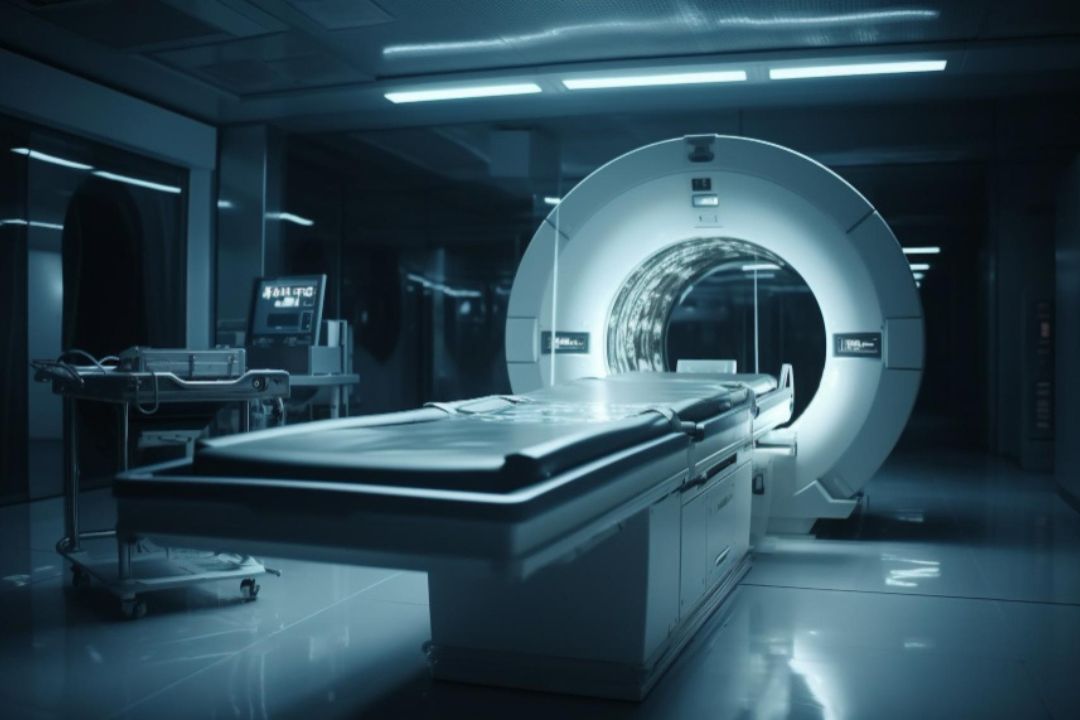
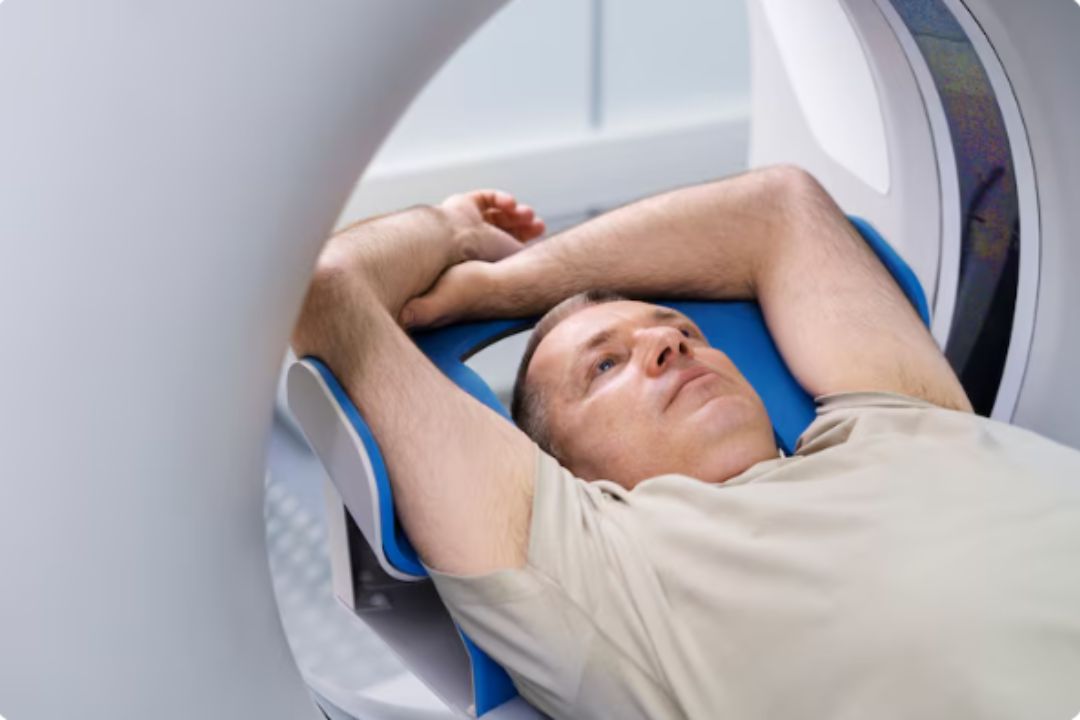

.jpg "ct brain scan plain and contrast")


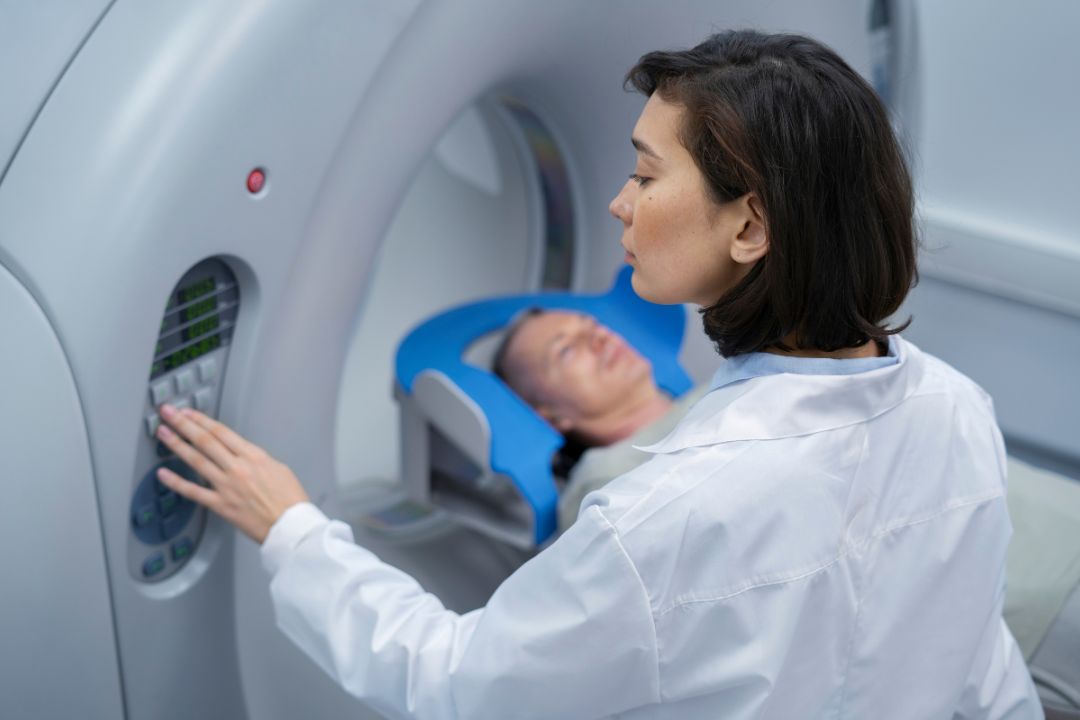
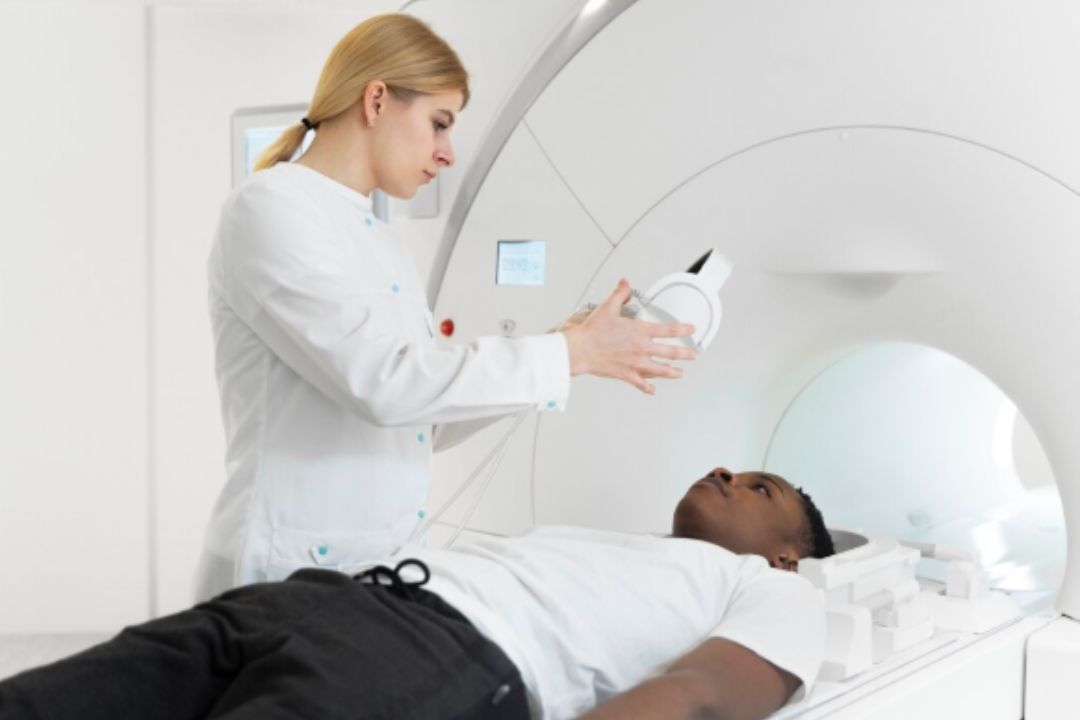



























.jpg "ct scan")

.jpg "ct scan or mri for brain disorders")


.jpg "exploring the power of ct brain contrast in modern diagnostics")
.jpg "ct scan")
.jpg "ct scan")










.jpg "ct scan")


.jpg "CT Brain Scan for Headaches")
.jpg "The Future of 3D CT Imaging")