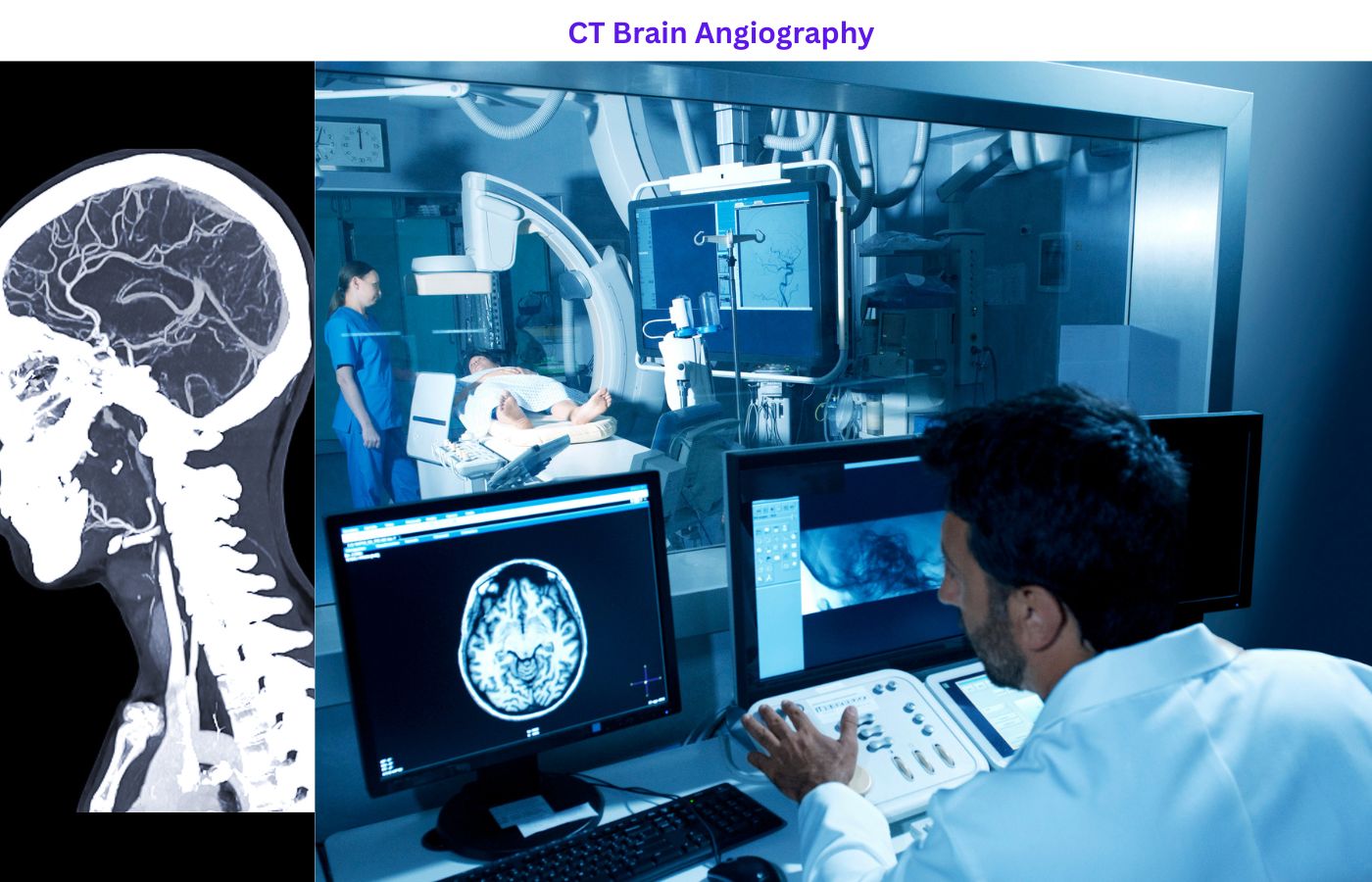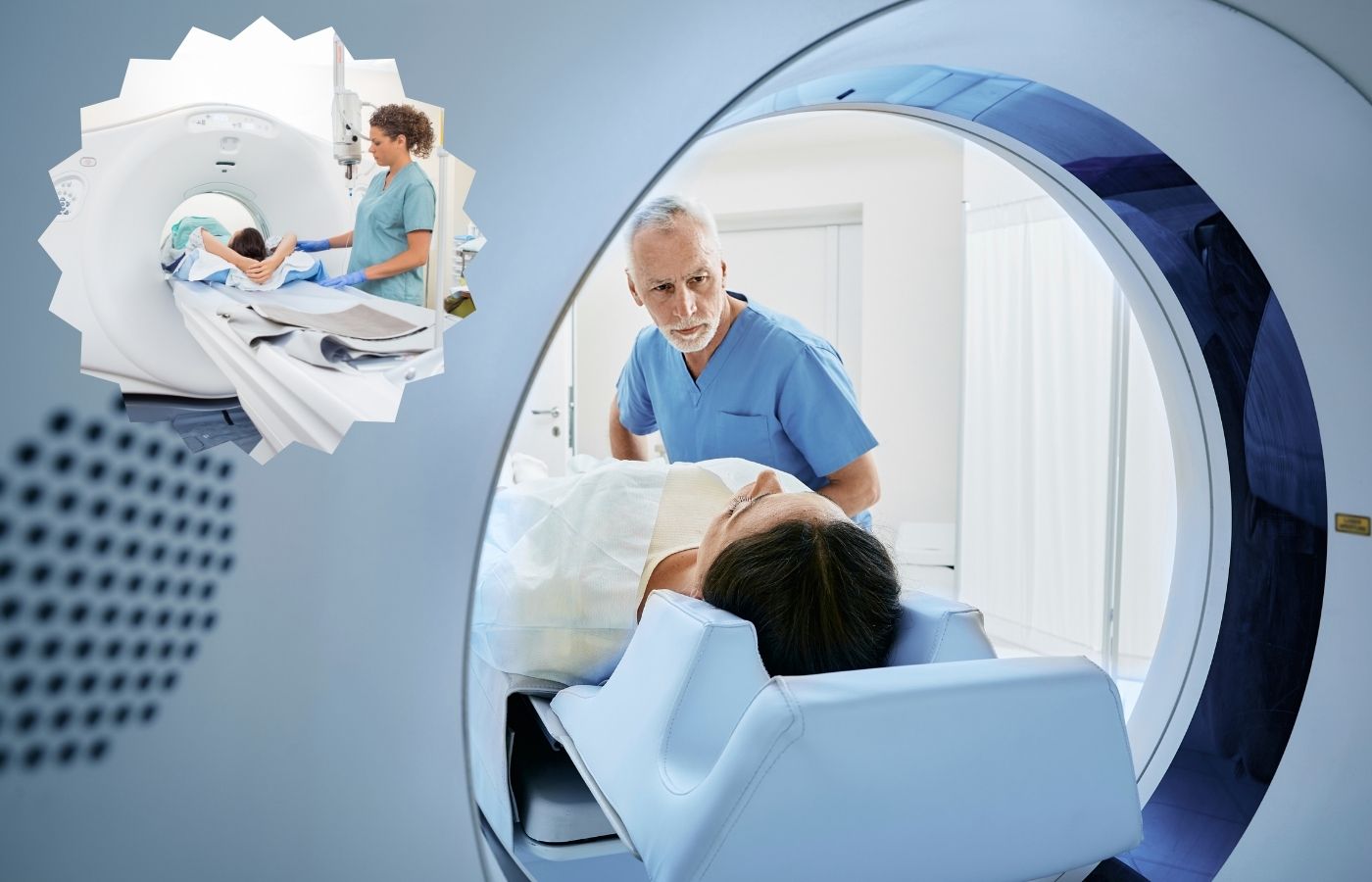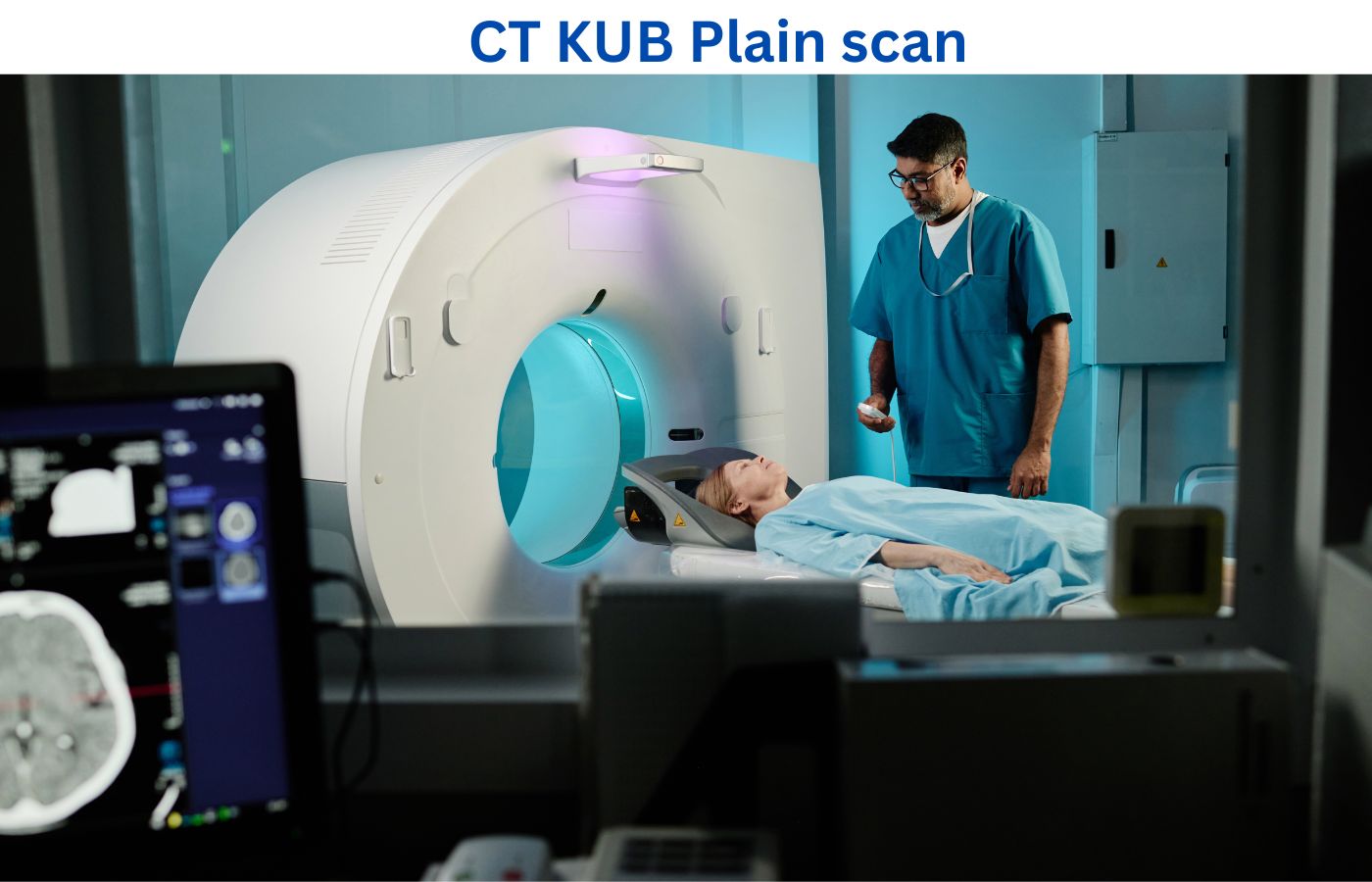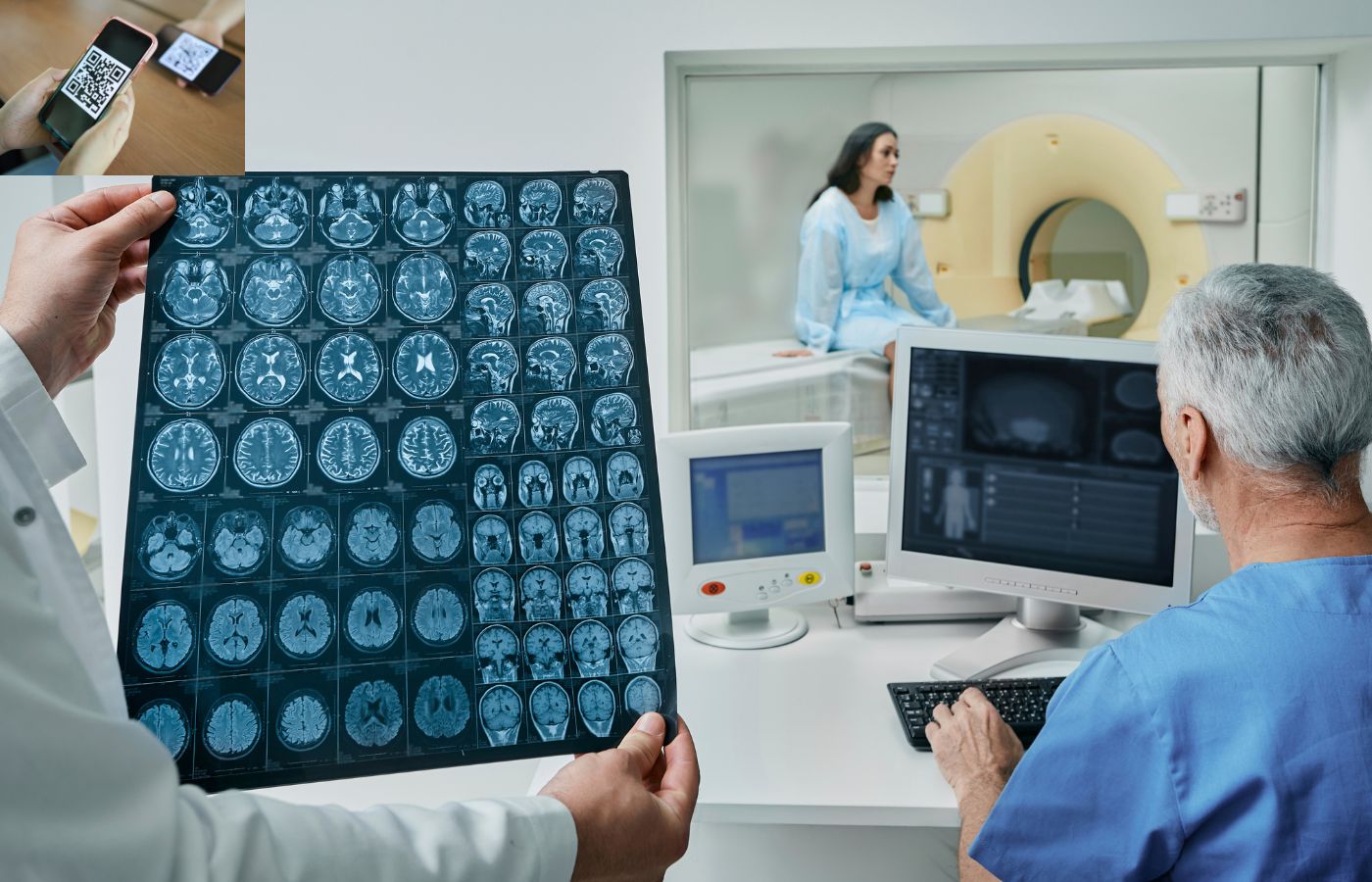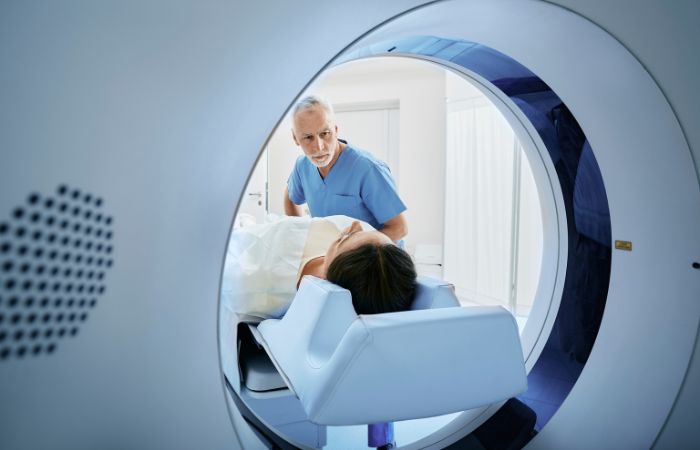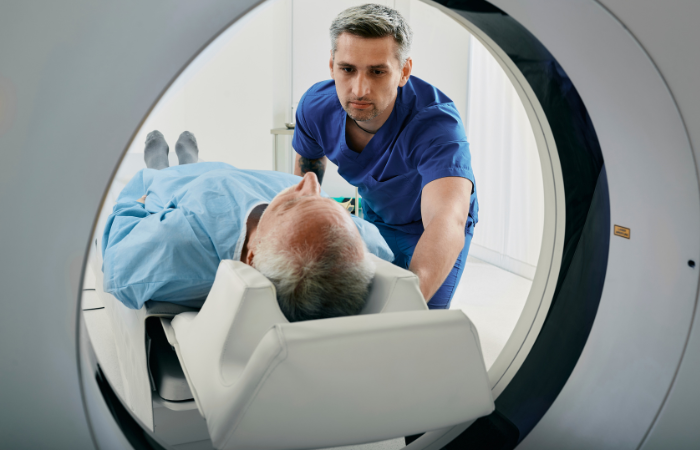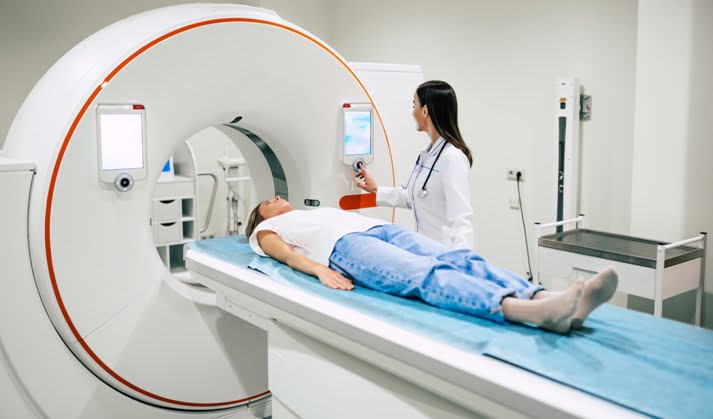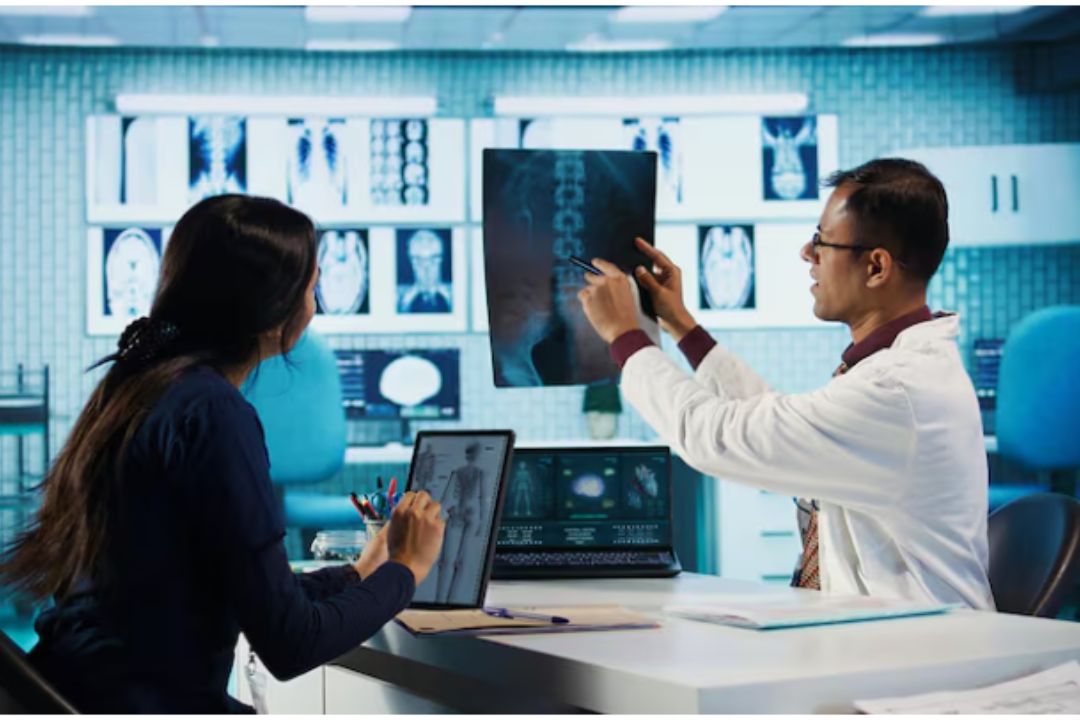
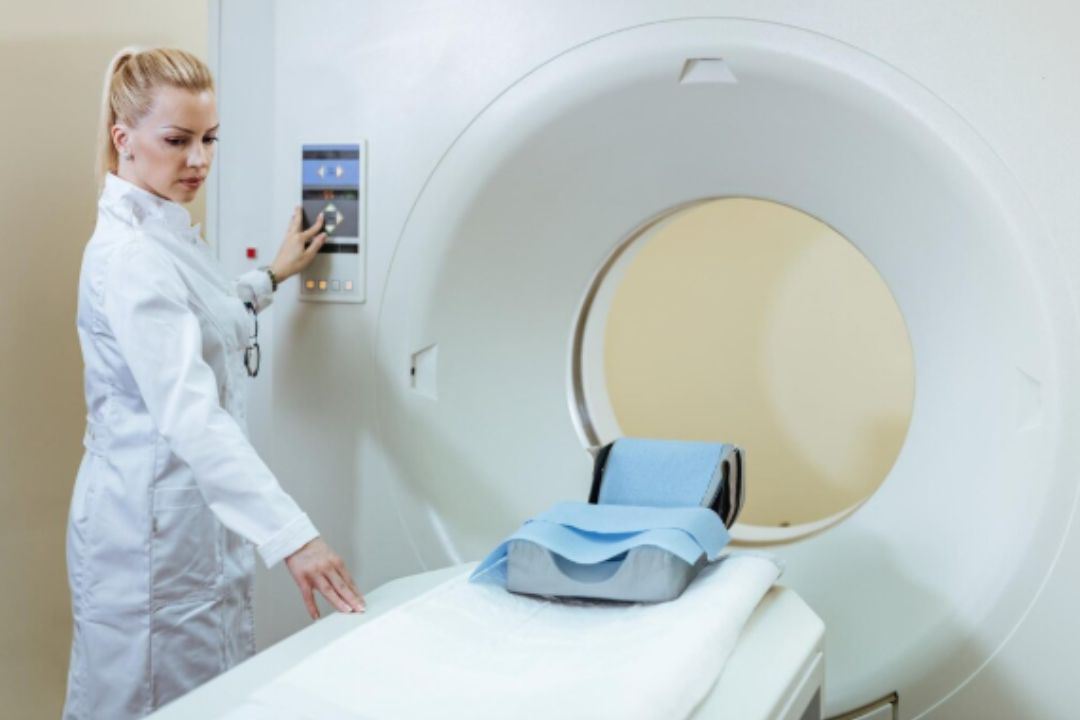
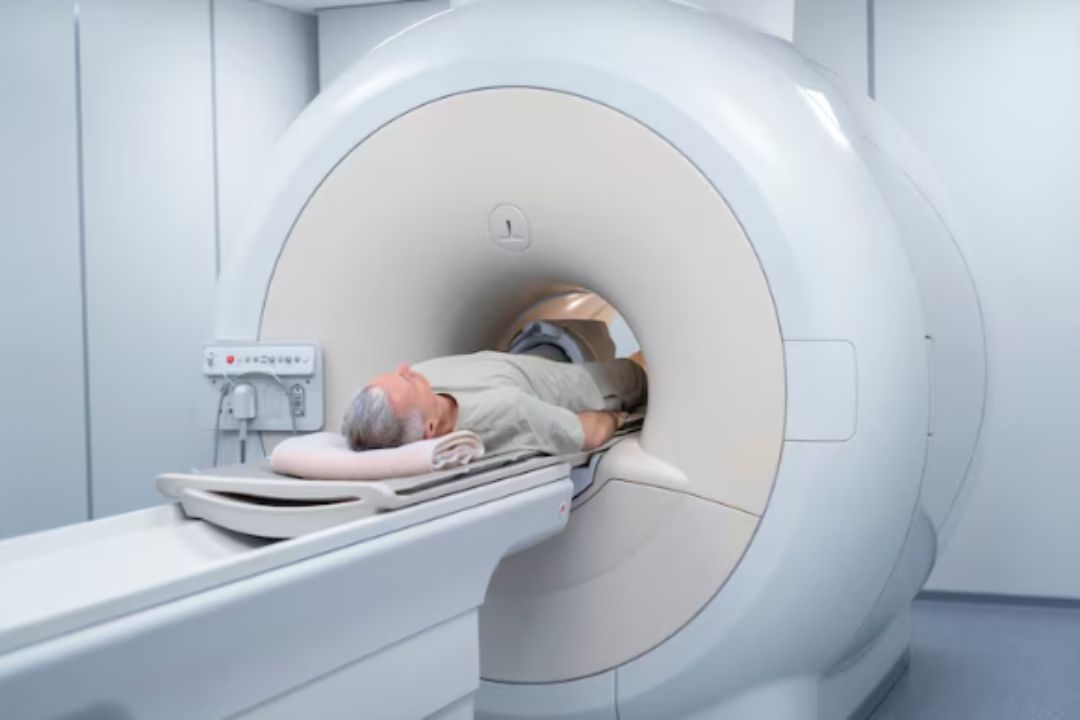
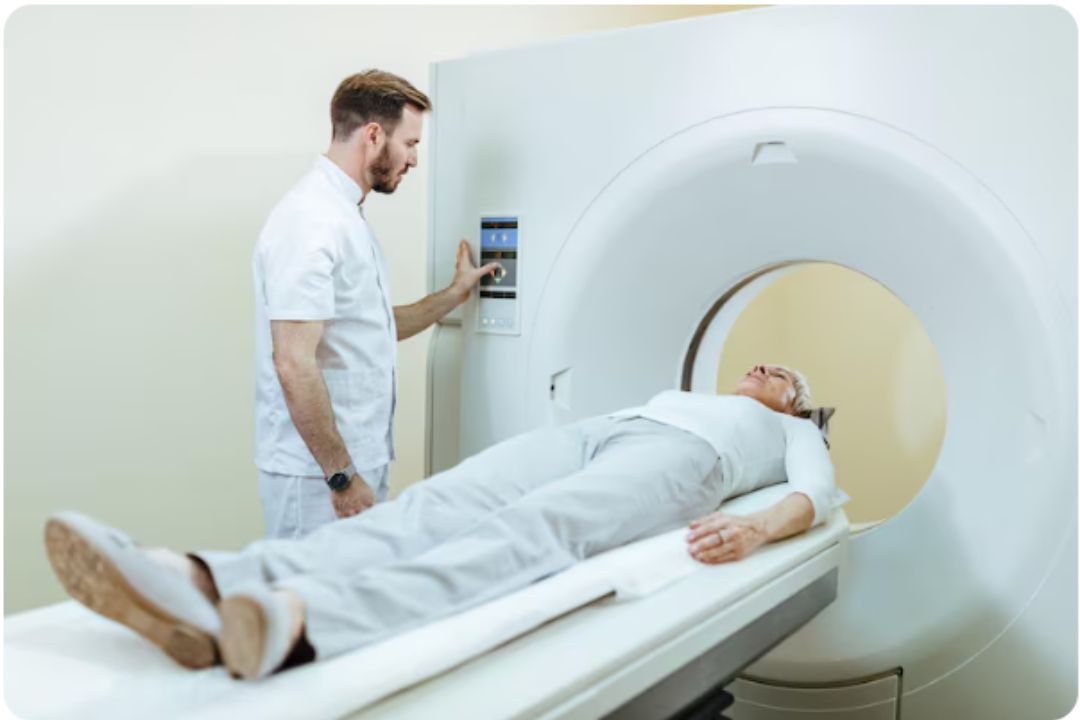
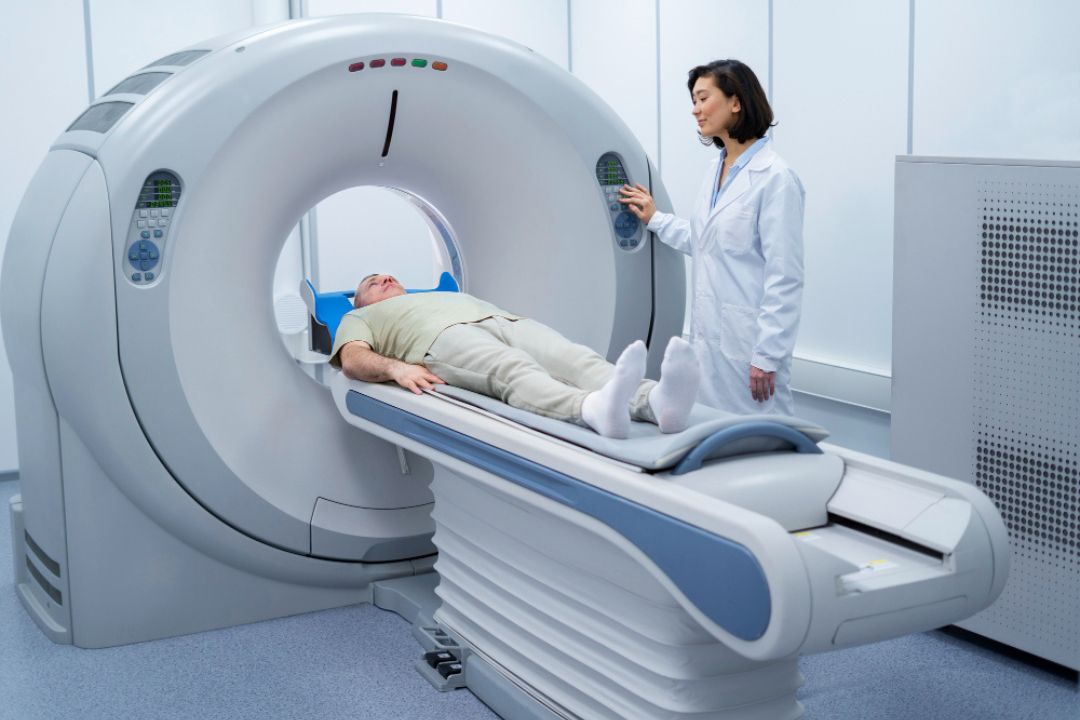
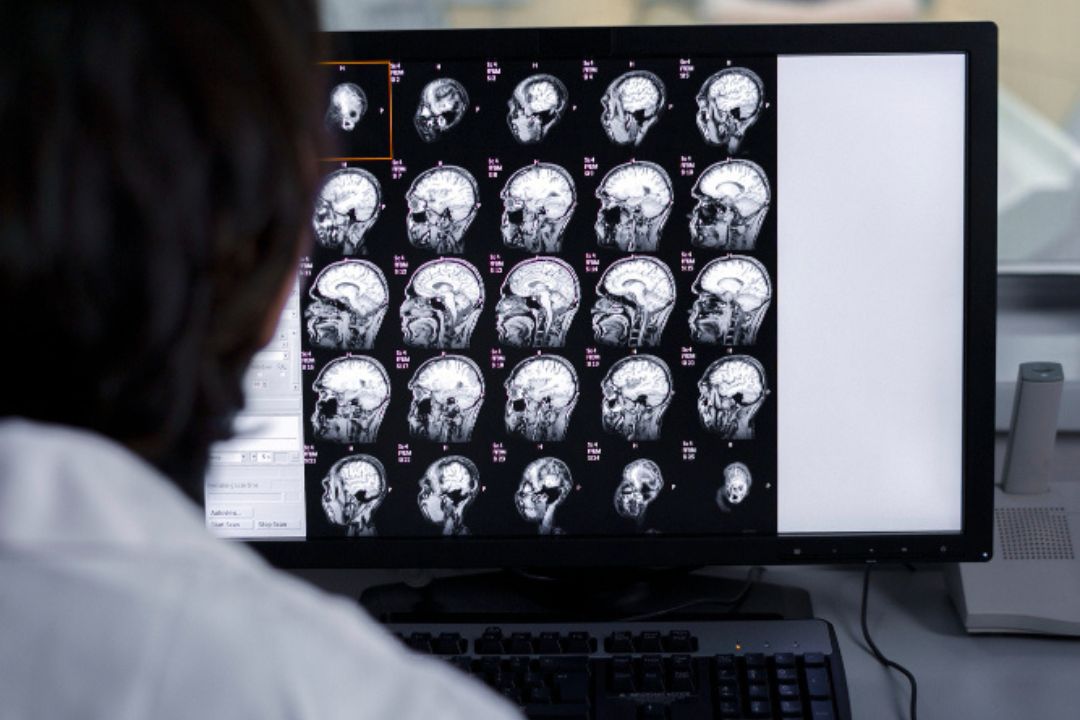
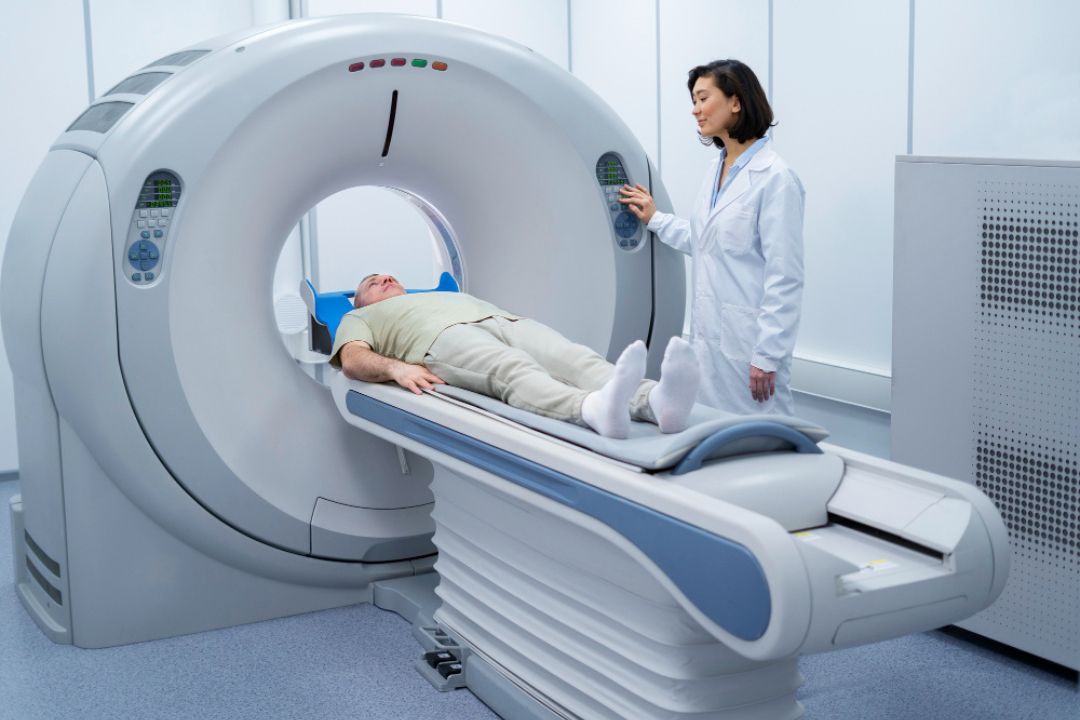
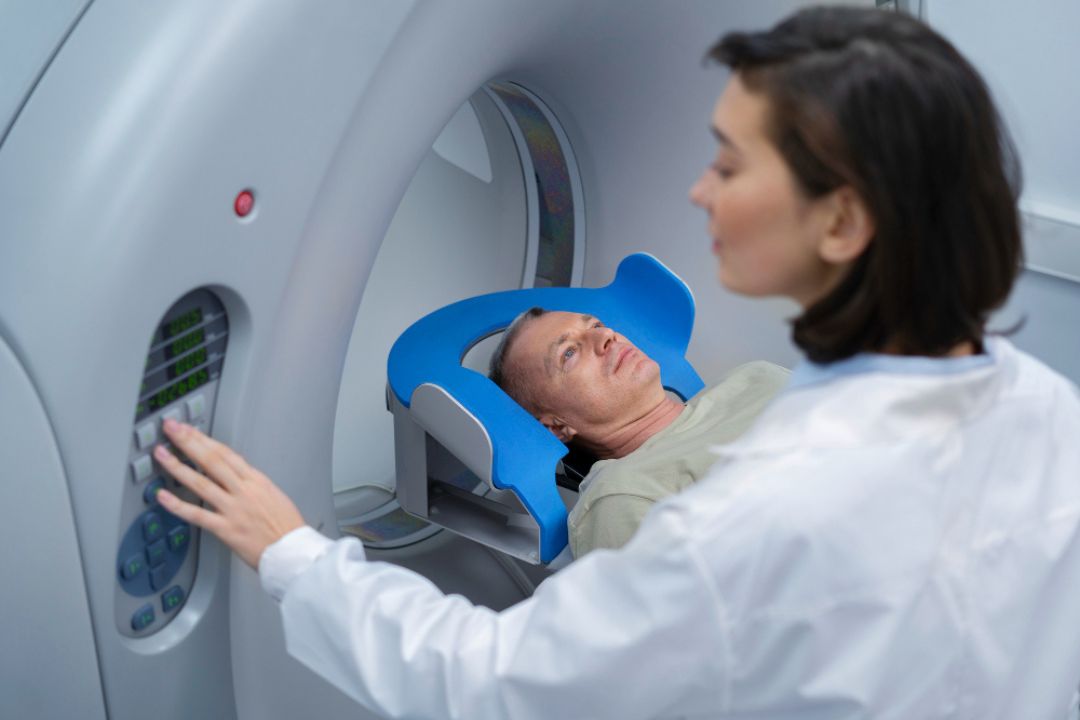
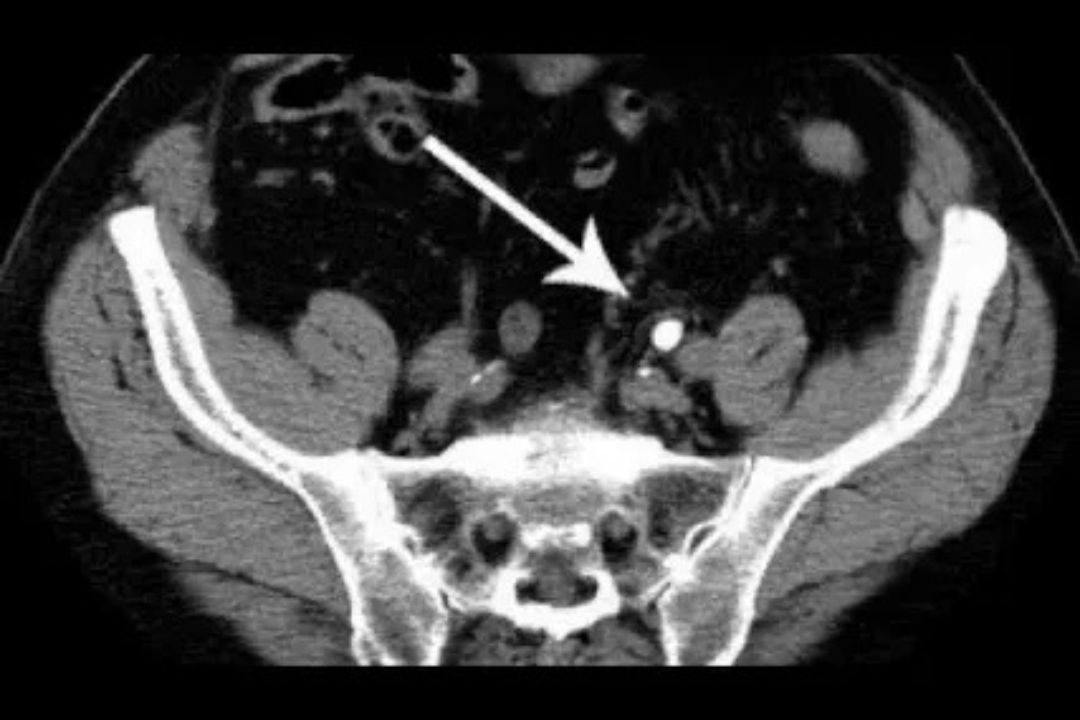
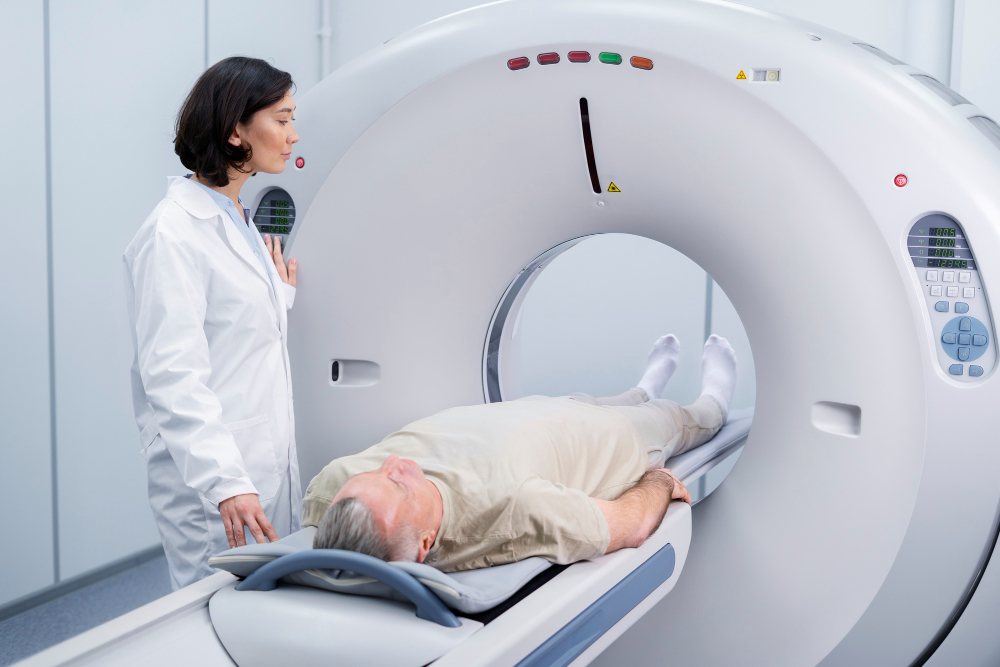
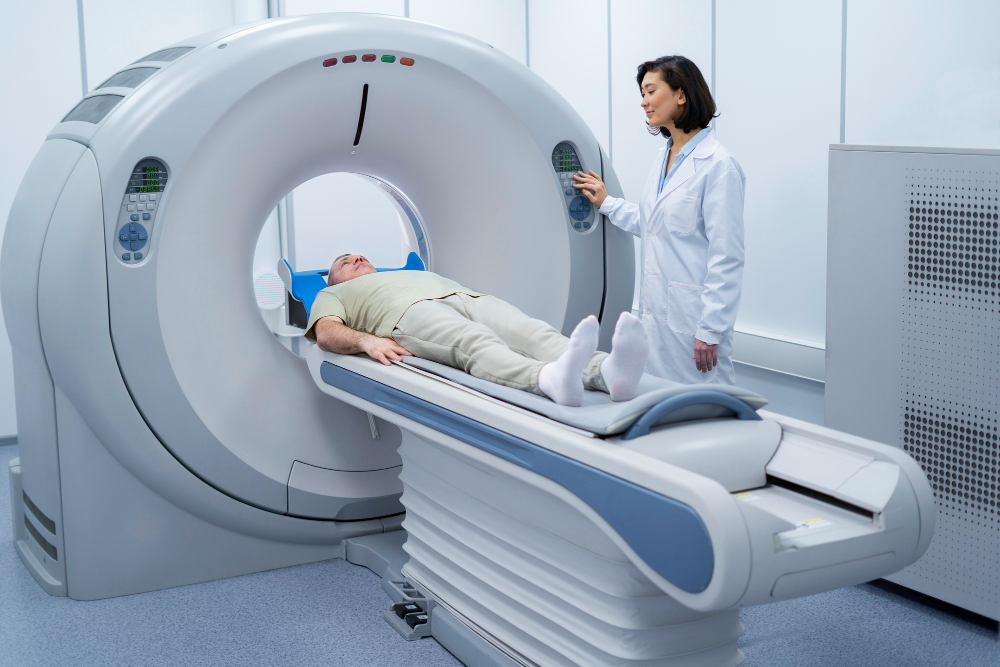
CT scans are commonly used medical imaging tests that help doctors diagnose many health conditions. In some cases, a contrast dye is used during the scan to make blood vessels, organs, and tissues more visible in the images.
While contrast-enhanced CT scans are generally safe, some patients may experience temporary side effects. Understanding these side effects can help patients feel more prepared and comfortable before the procedure.
CT scan contrast is a special dye that is injected into a vein, usually in the arm, before or during the scan. The contrast material helps highlight certain areas of the body, allowing doctors to see structures more clearly.
Contrast dye is commonly used for imaging:
Blood vessels
Organs such as the liver and kidneys
Tumors or infections
Internal injuries
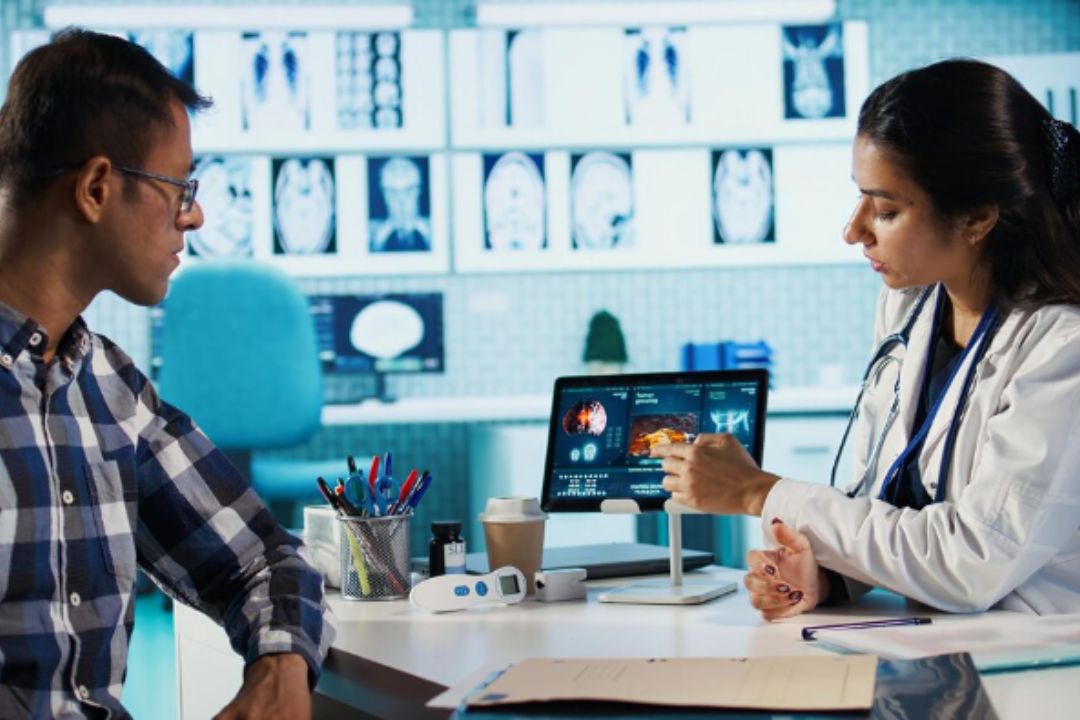
The contrast agent helps improve the accuracy of the CT scan by providing clearer and more detailed images.
Most people do not experience serious problems after receiving contrast dye. However, some mild side effects may occur.
One of the most common reactions is a feeling of warmth spreading through the body after the contrast injection. This sensation usually lasts only a few seconds.
Some patients notice a metallic or salty taste shortly after the injection. This effect is temporary and disappears quickly.
A small number of patients may feel slightly nauseous after receiving the contrast dye. This feeling usually resolves within a short time.
Occasionally, patients may experience a mild headache after the scan. Drinking water and resting usually helps relieve the discomfort.
Although rare, some patients may develop an allergic reaction to contrast dye. These reactions can vary from mild to more serious.
Mild symptoms may include:
Skin rash
Itching
Sneezing
Hives
These symptoms are usually temporary and can be treated easily.
In some cases, patients may experience:
Vomiting
Swelling
Breathing difficulty
Medical staff are trained to manage these reactions immediately.
Severe allergic reactions are extremely rare but may require urgent medical care. Diagnostic centers are equipped with emergency medications and trained staff to handle such situations.
Contrast dye is processed by the kidneys and removed from the body through urine. In patients with normal kidney function, the dye usually leaves the body within a day.
However, people with existing kidney disease may have a higher risk of kidney-related complications. For this reason, doctors may check kidney function before performing a contrast CT scan.
Patients are usually advised to drink plenty of water after the scan to help flush the contrast material from the body.
Before receiving contrast dye, patients should inform their doctor if they:
Have kidney disease
Have diabetes
Have had previous reactions to contrast dye
Are pregnant or suspect pregnancy
Take medications such as metformin
This information helps doctors determine whether the contrast scan is safe and appropriate.
Most side effects of CT contrast are temporary and mild.
Typical duration:
Warm sensation: a few seconds
Metallic taste: a few minutes
Mild nausea or headache: a short time
The contrast material usually leaves the body within 24 hours.
Doctors take several precautions to minimize the risk of contrast reactions.
Patients can also help by:
Following preparation instructions before the scan
Informing the doctor about allergies or medical conditions
Drinking plenty of water after the procedure
These steps help ensure a safe and comfortable CT scan experience.
Although rare, patients should contact a doctor if they experience symptoms such as:
Severe rash
Difficulty breathing
Swelling of the face or throat
Persistent vomiting
These symptoms require immediate medical attention.
CT scan contrast dye plays an important role in improving the accuracy of medical imaging. While most patients experience no serious problems, mild side effects such as warmth, metallic taste, or slight nausea may occur temporarily.
Serious reactions are very rare, and diagnostic centers are well equipped to manage them if they occur. By informing doctors about medical history and following preparation instructions, patients can safely undergo contrast-enhanced CT scans.
CT imaging continues to be a valuable diagnostic tool that helps doctors detect and treat many health conditions effectively.




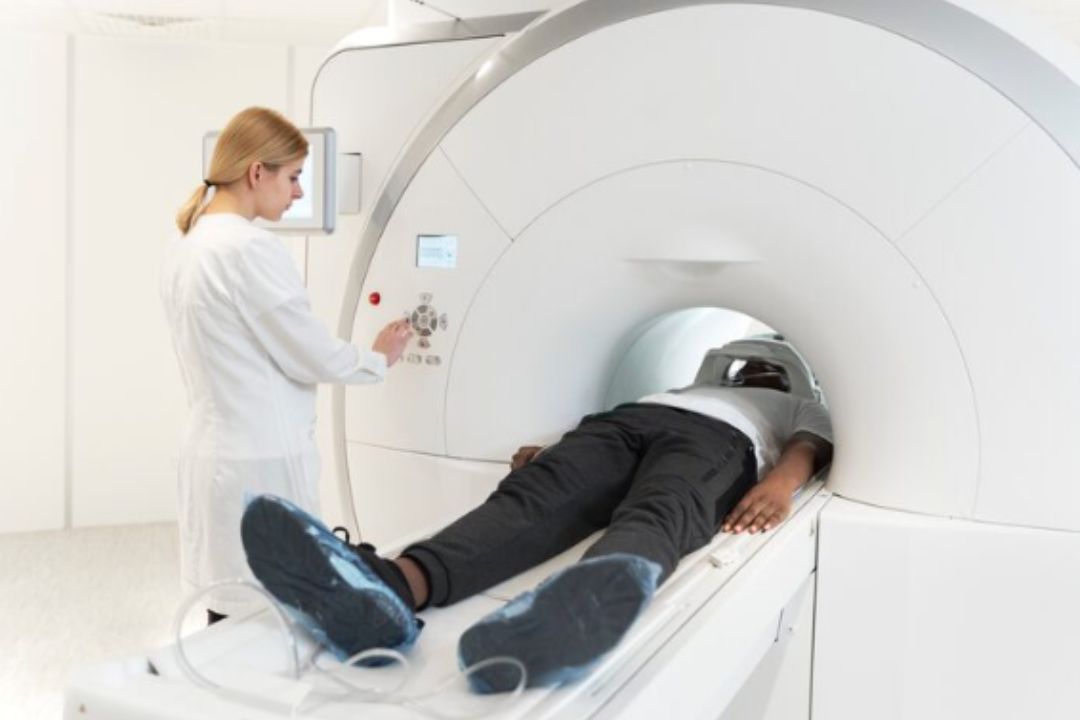
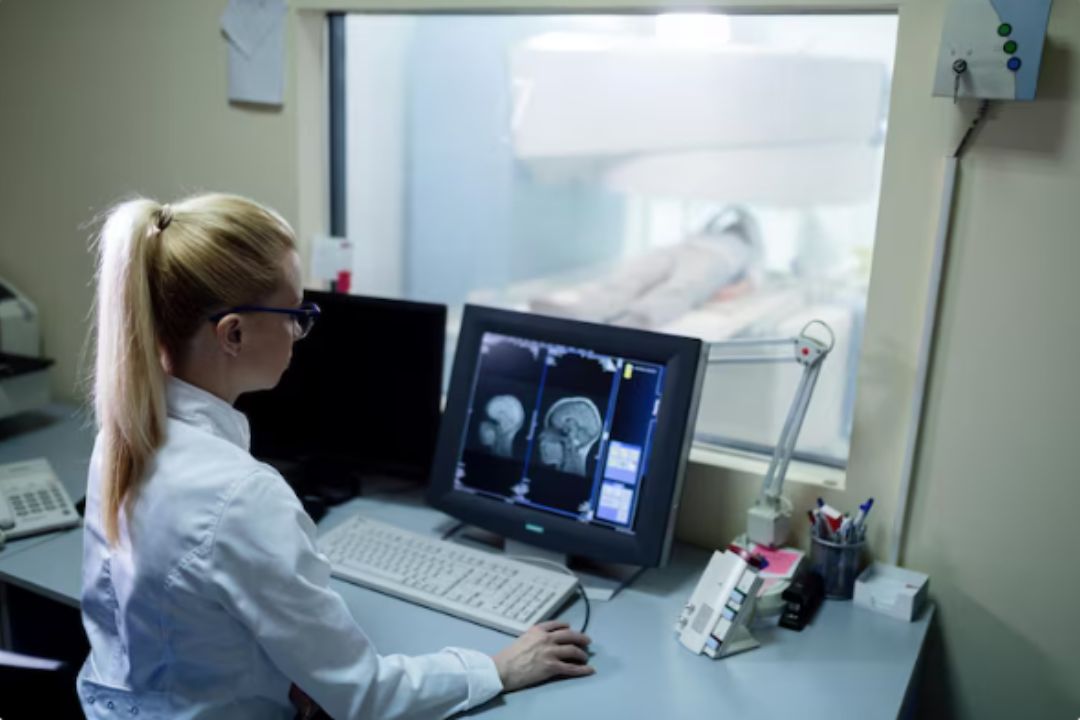
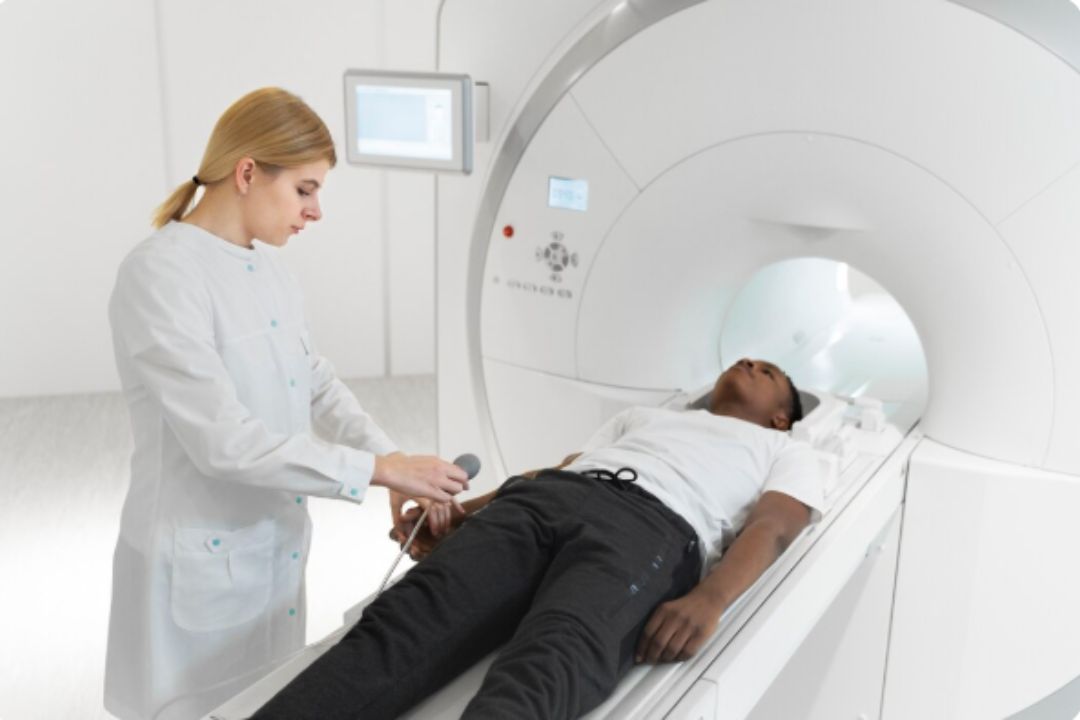
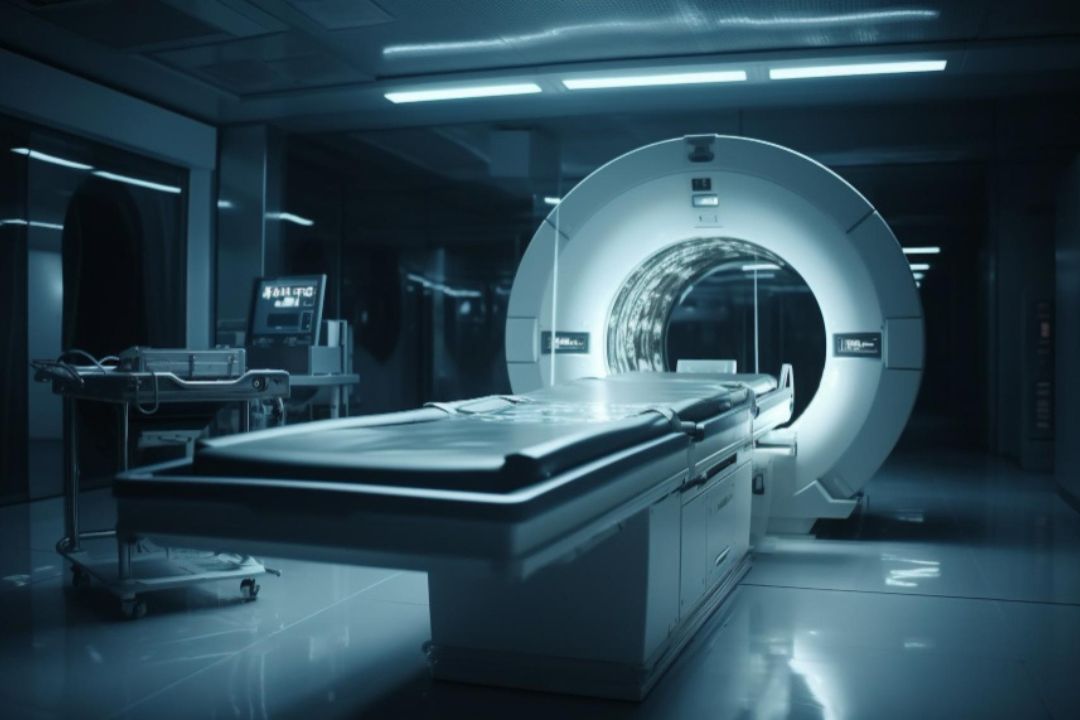
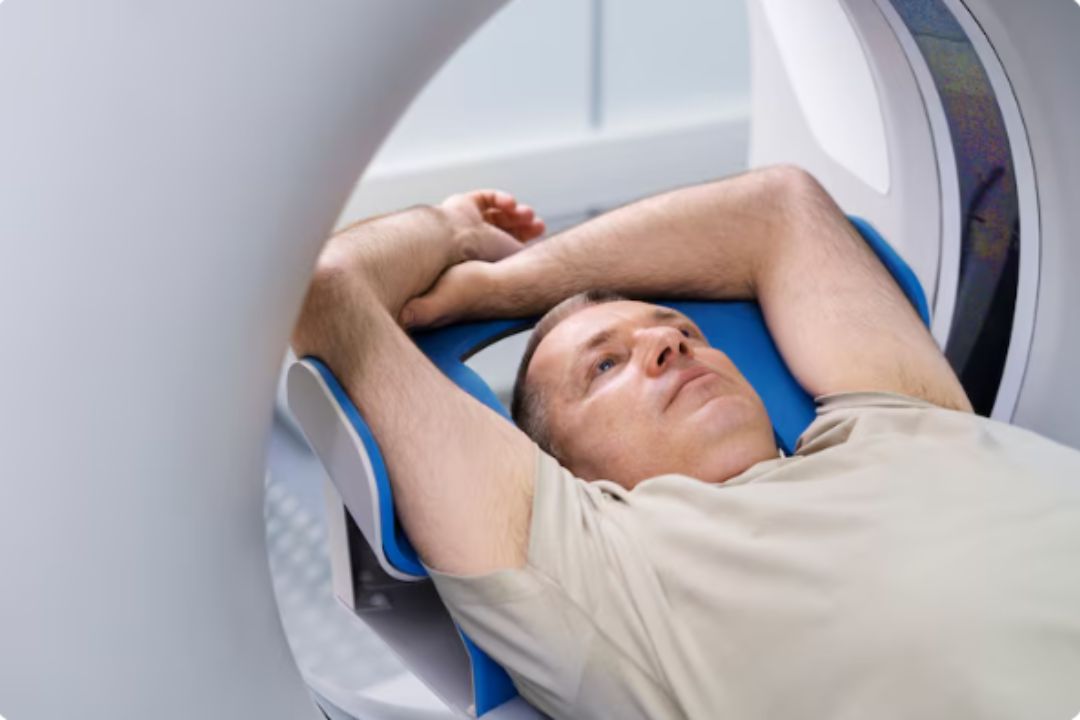

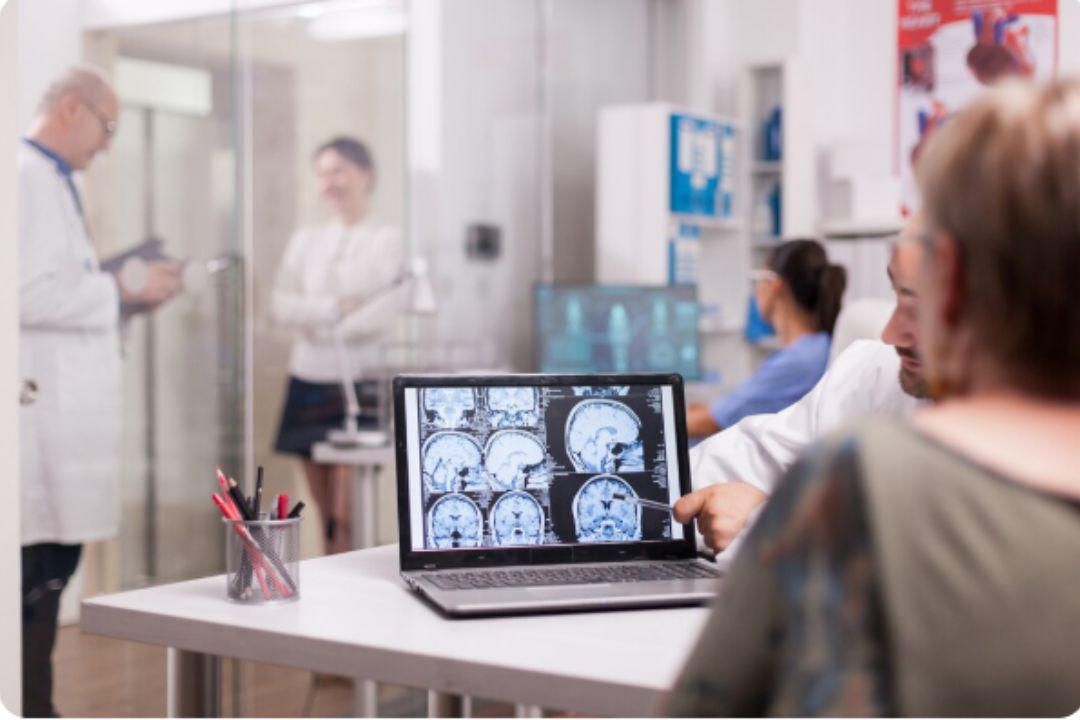
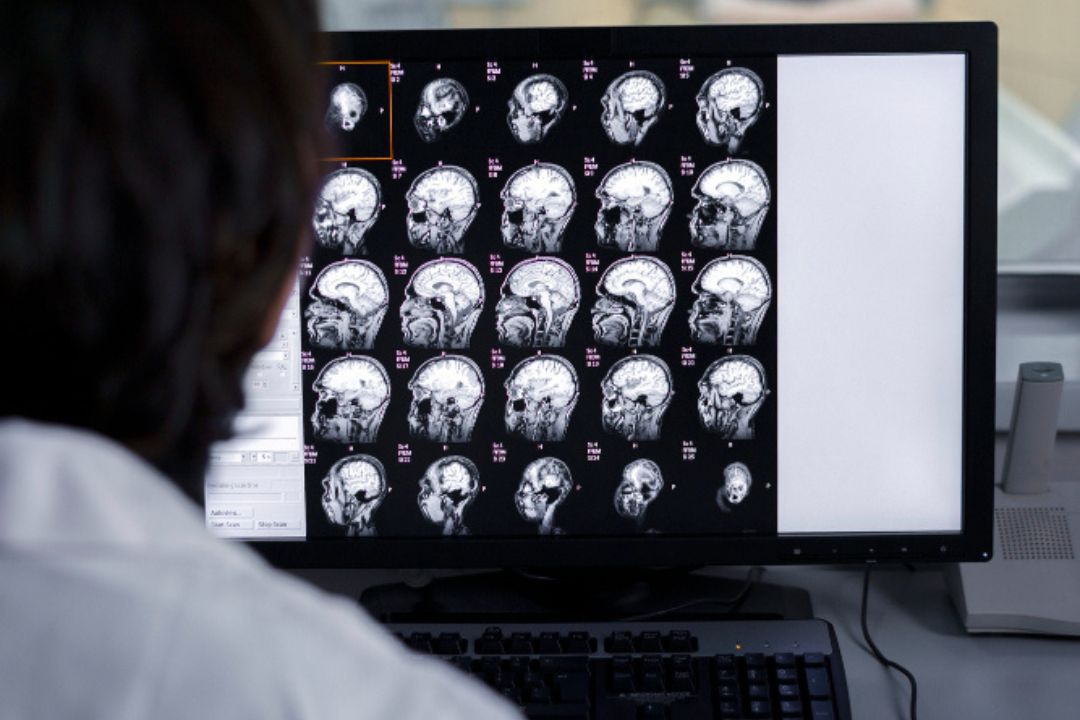
.jpg "ct brain scan plain and contrast")
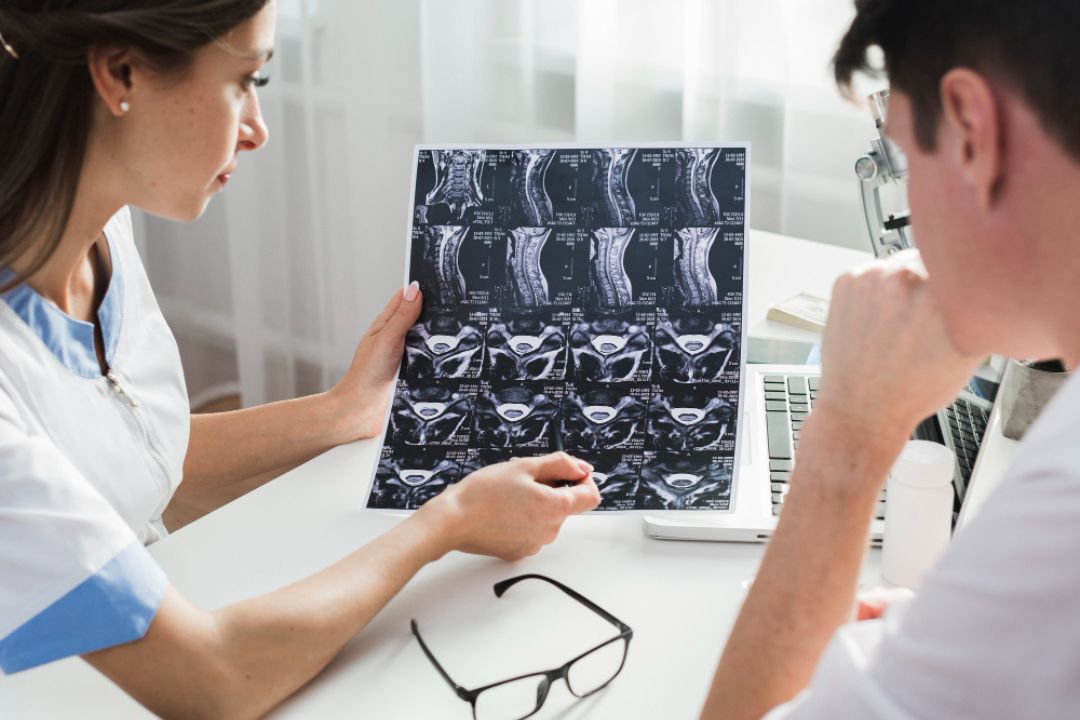
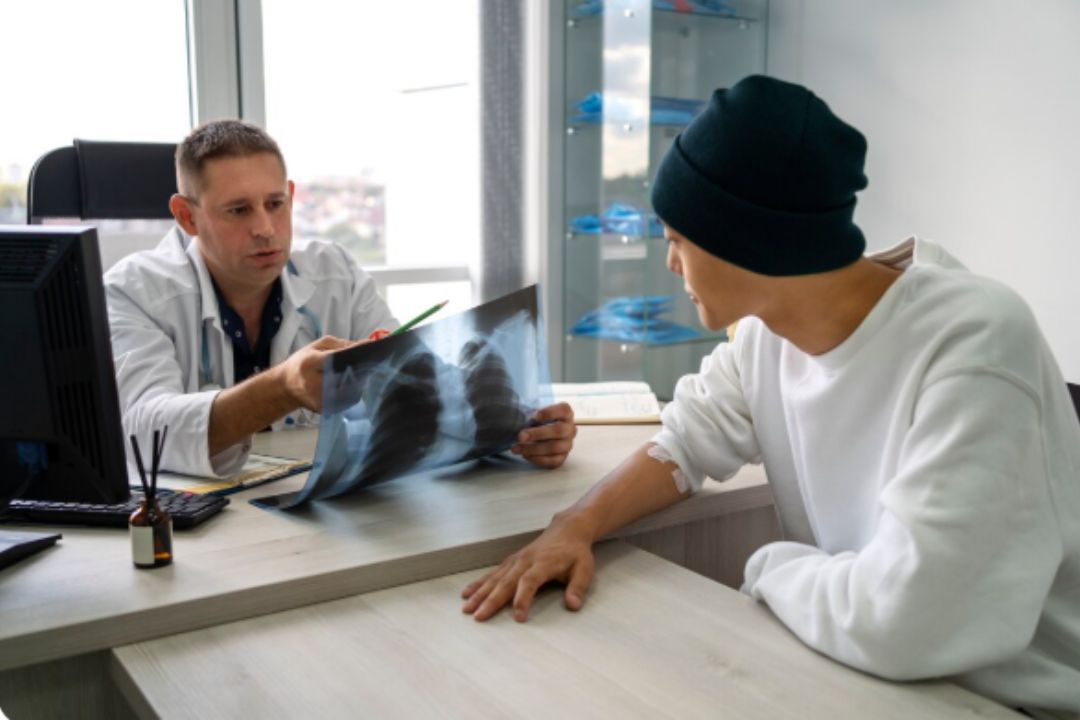






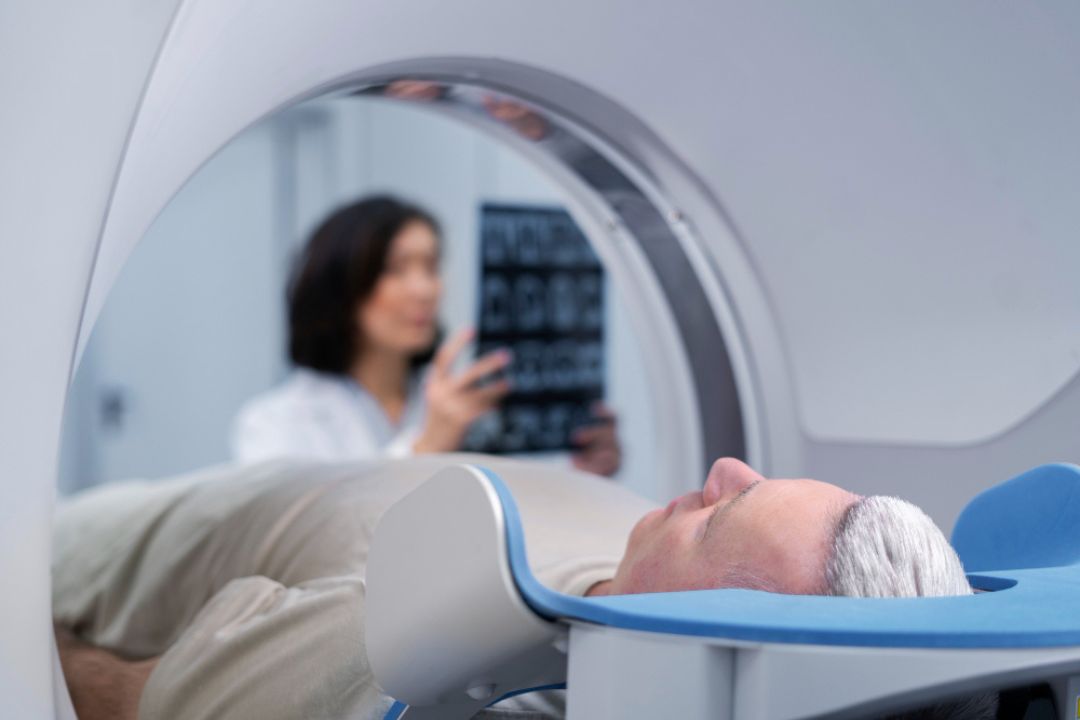
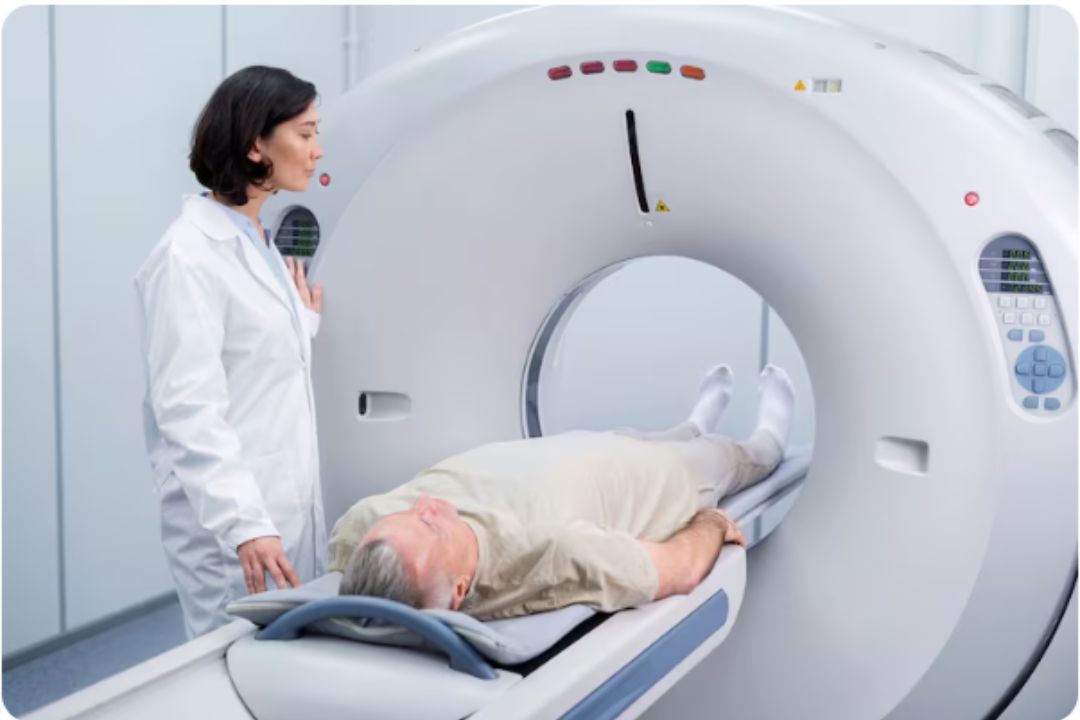
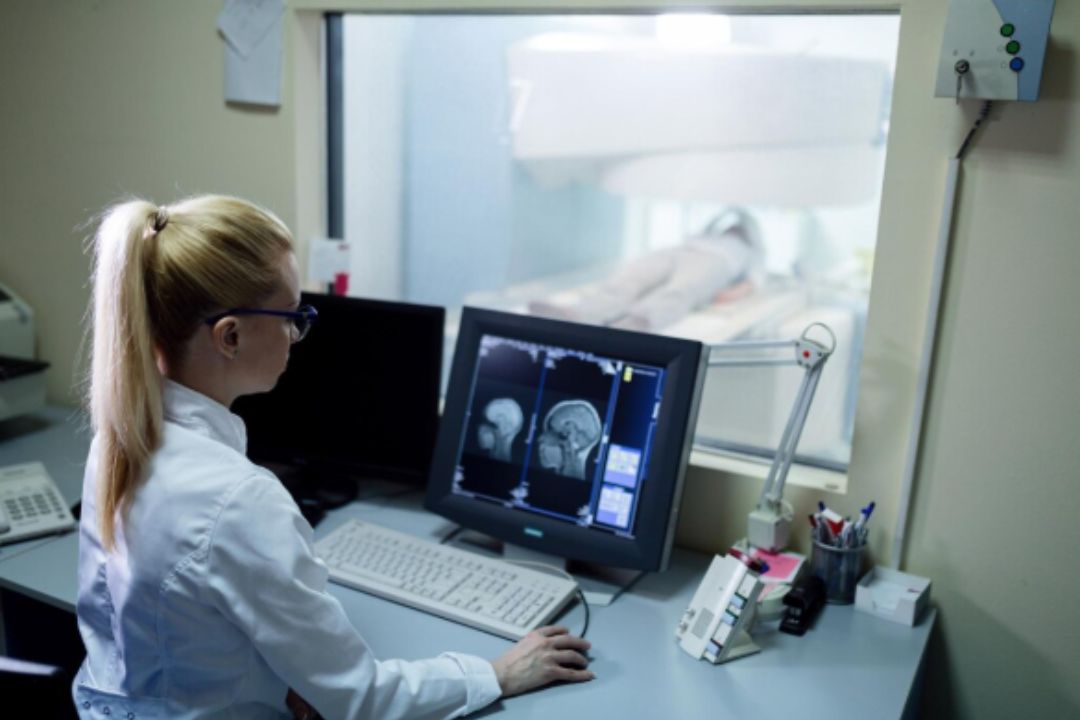
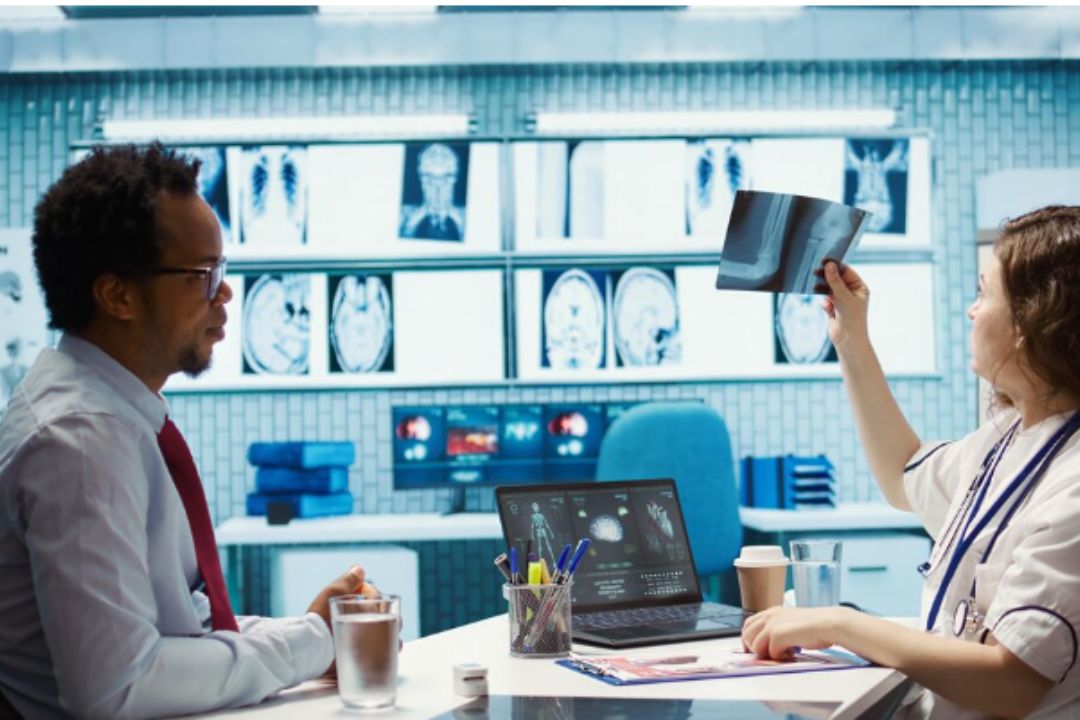
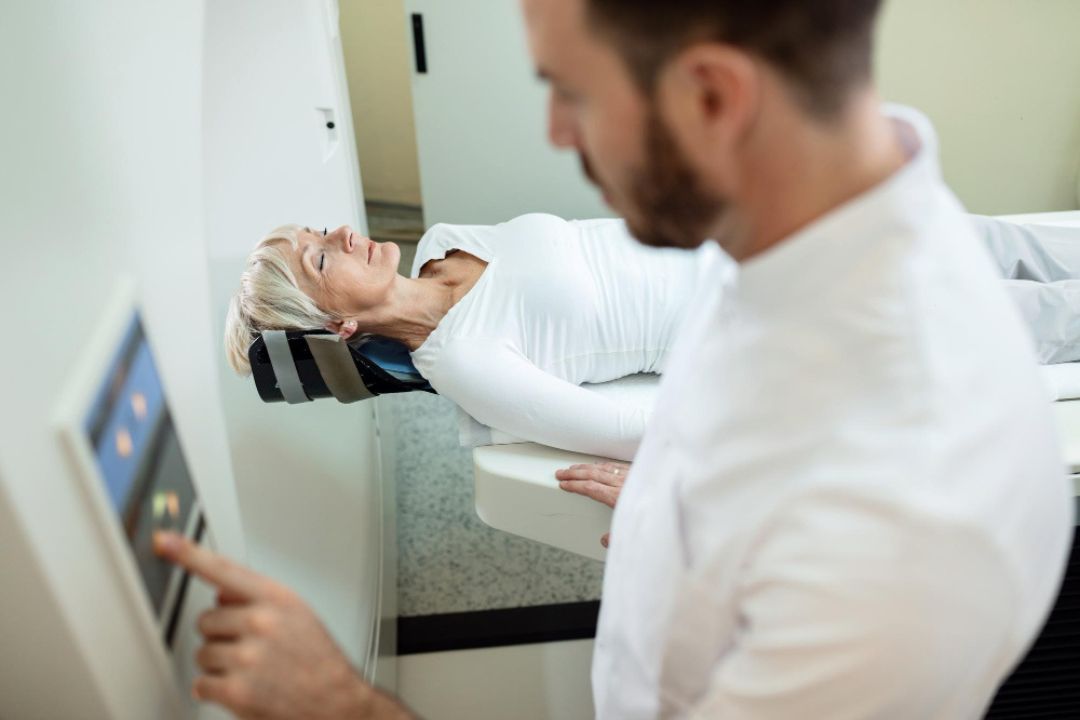
.jpg "ct scan")
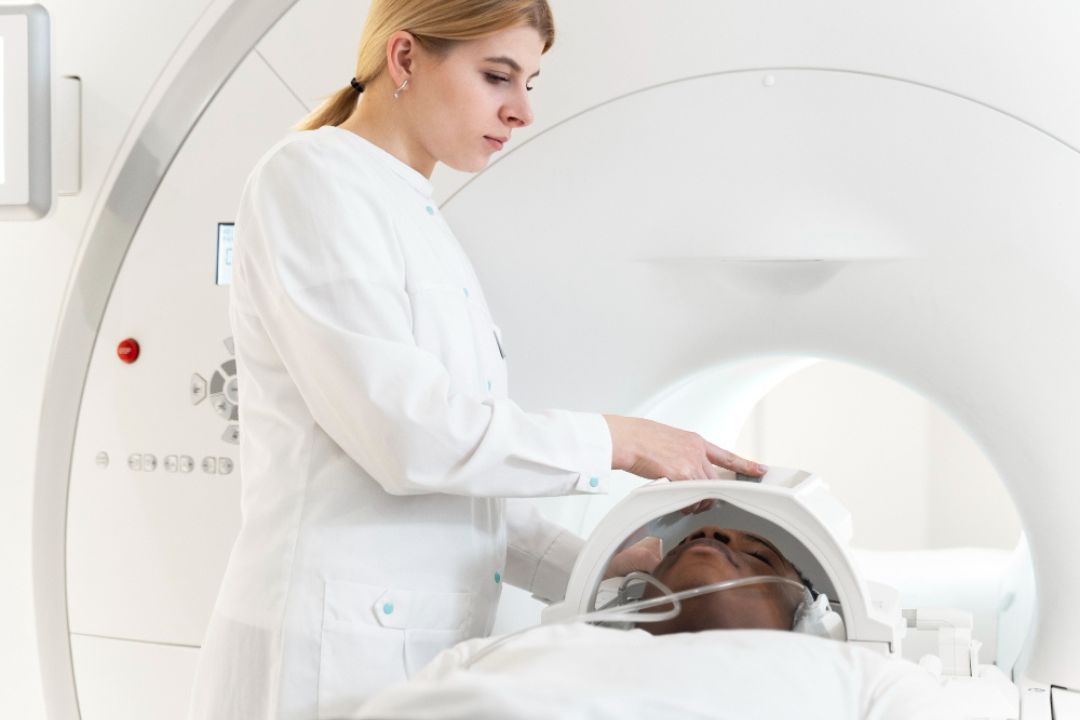
.jpg "ct scan or mri for brain disorders")


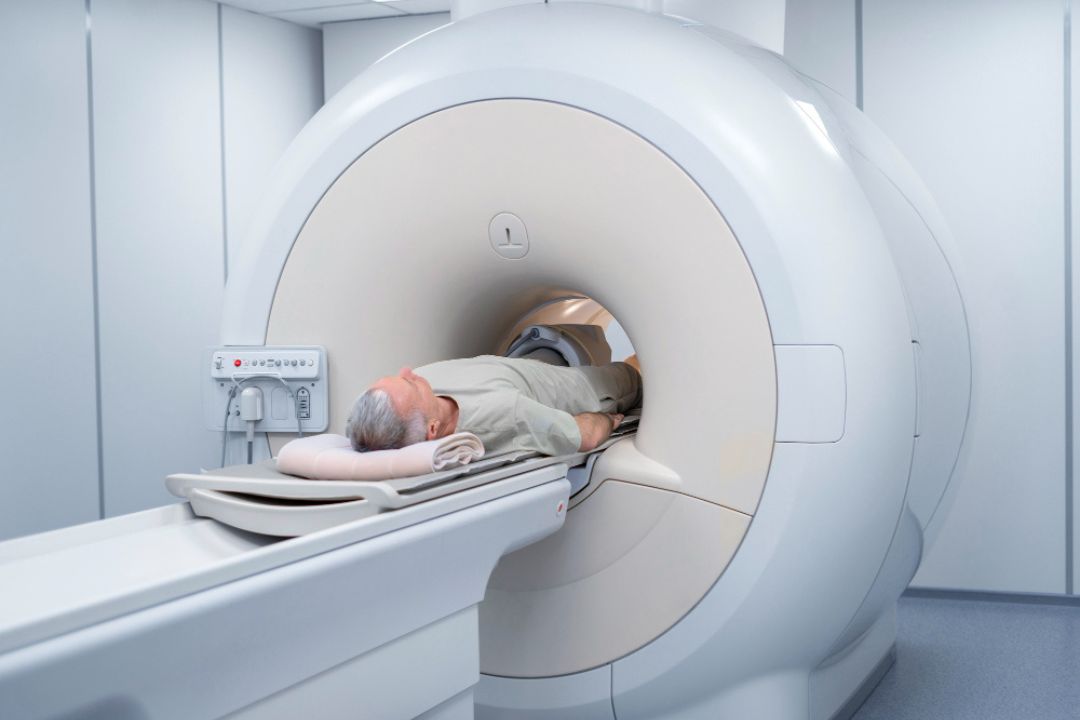
.jpg "exploring the power of ct brain contrast in modern diagnostics")
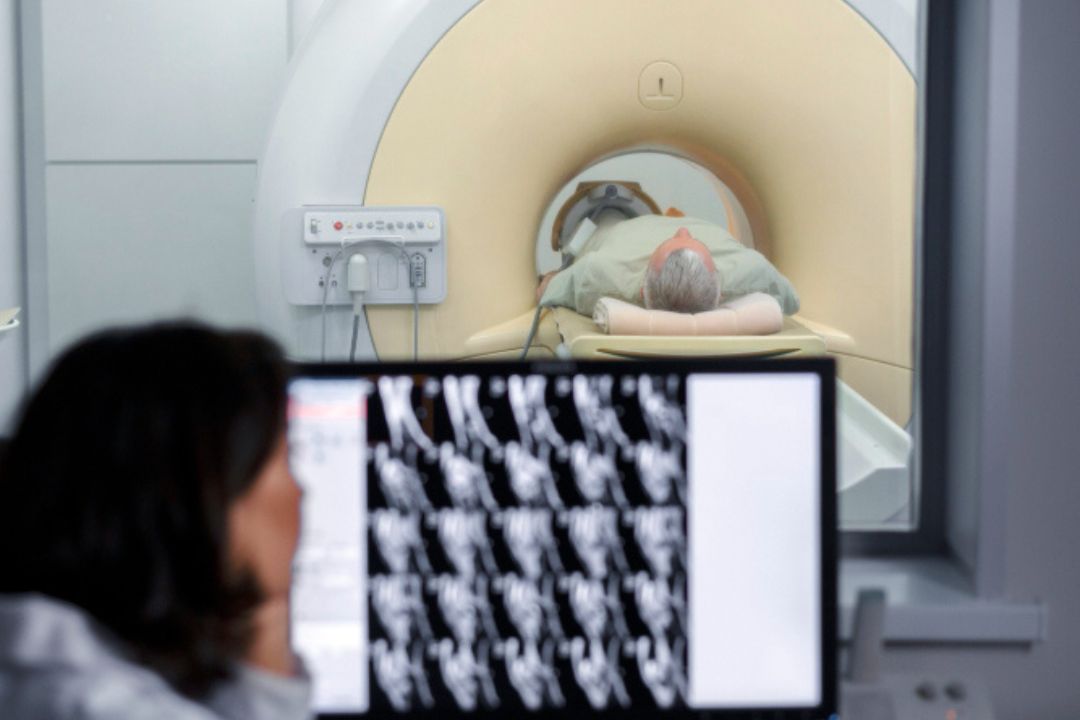
.jpg "ct scan")
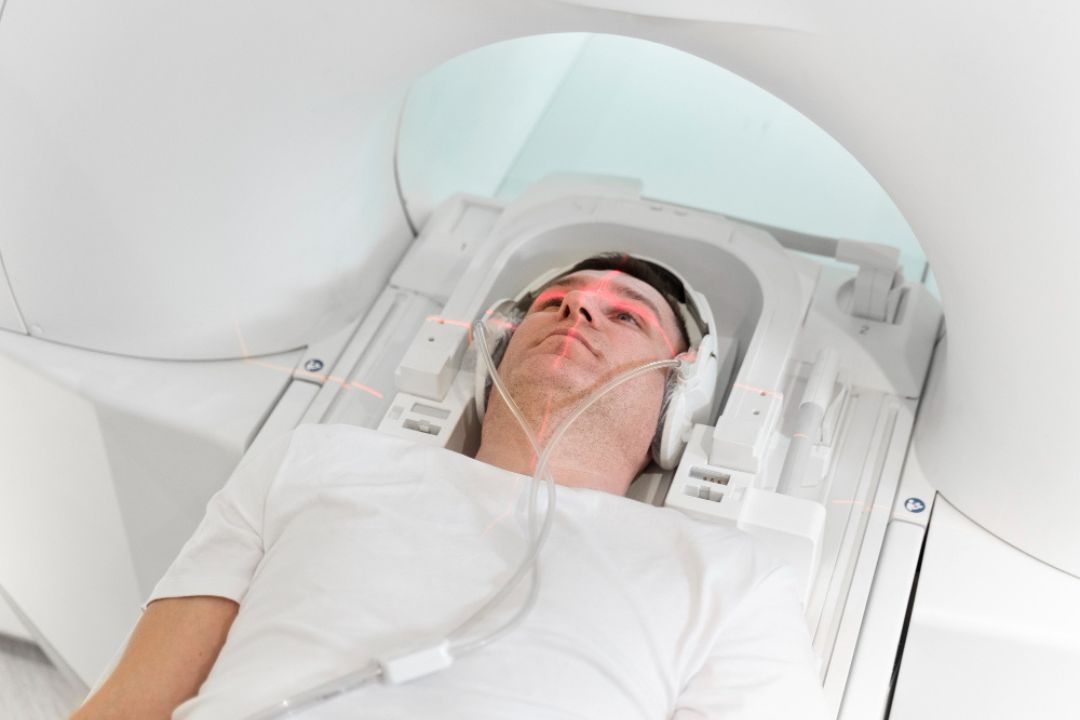
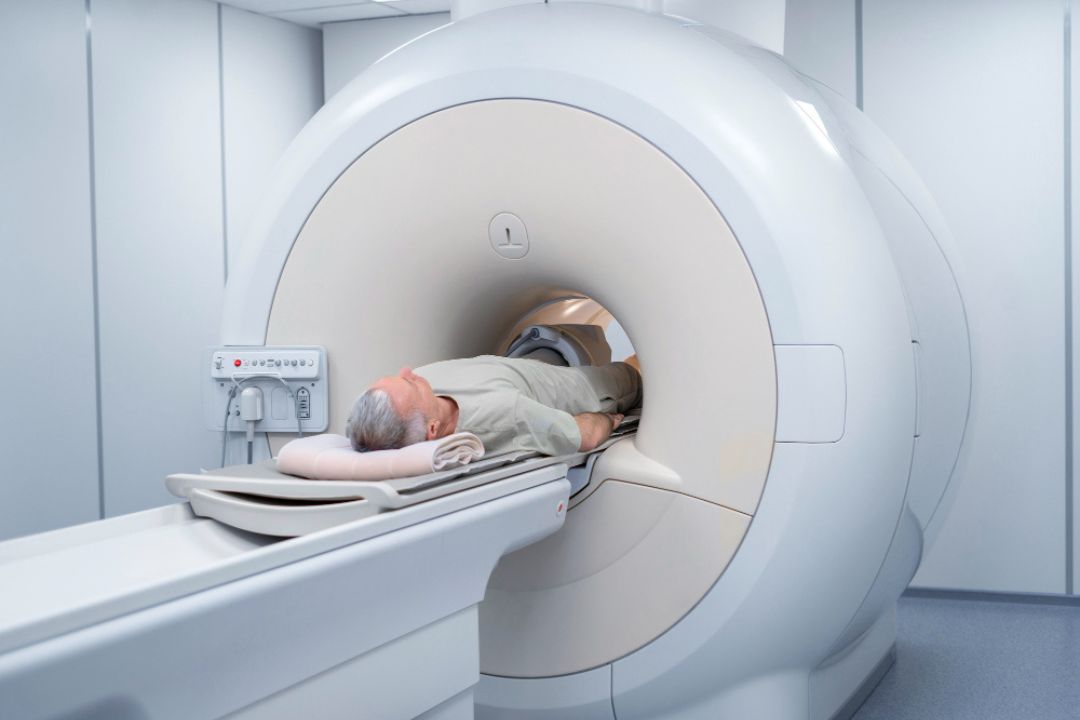
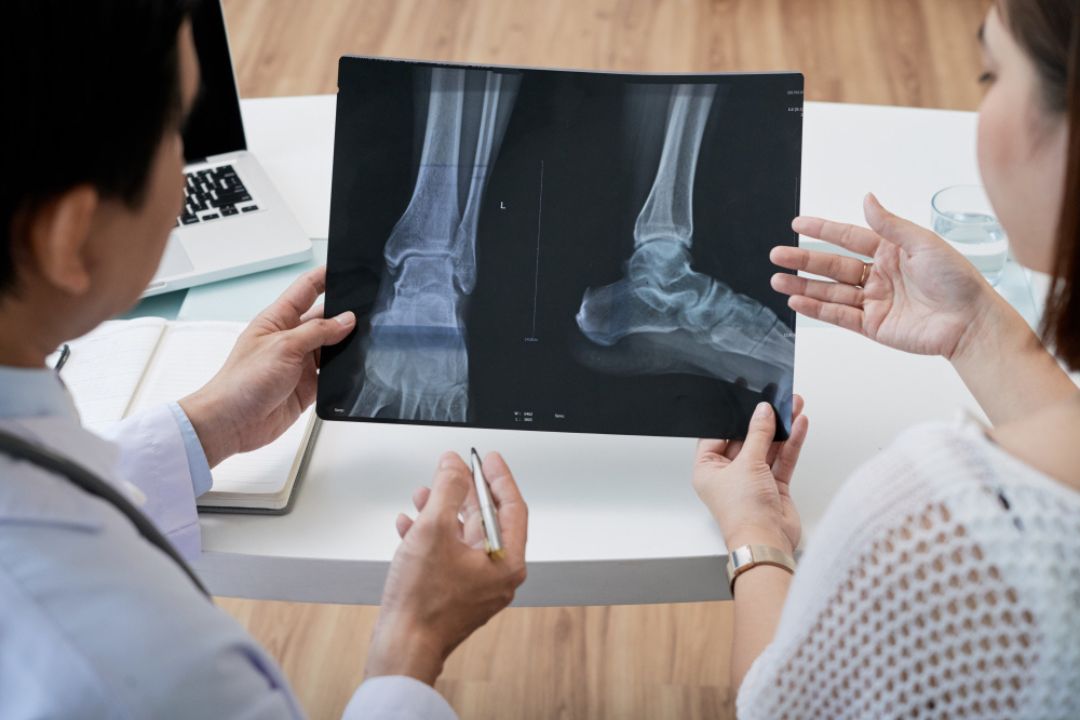
.jpg "ct scan")







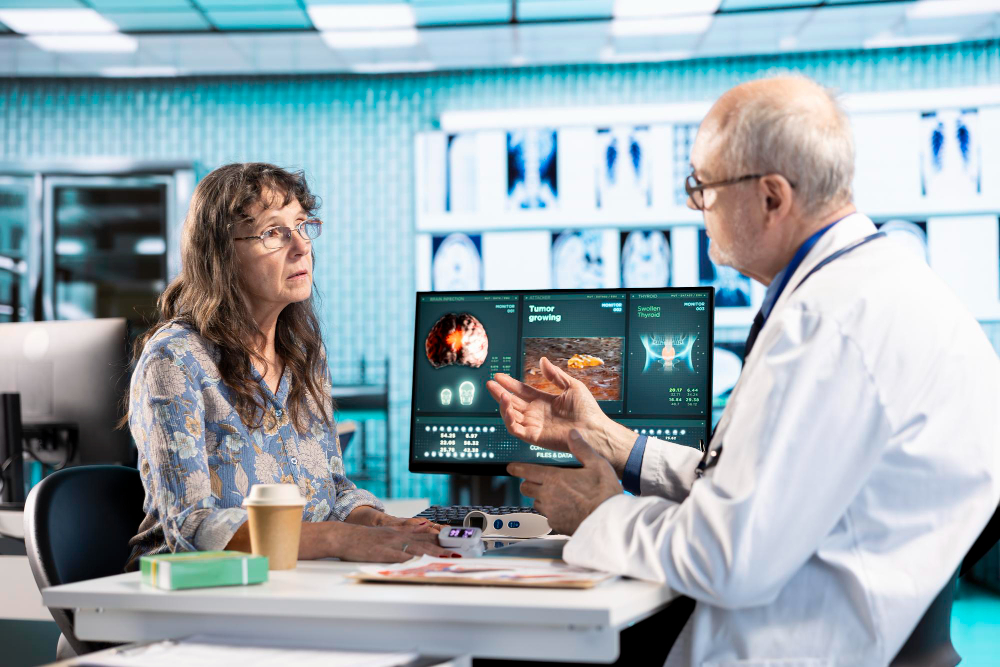
.jpg "ct scan")

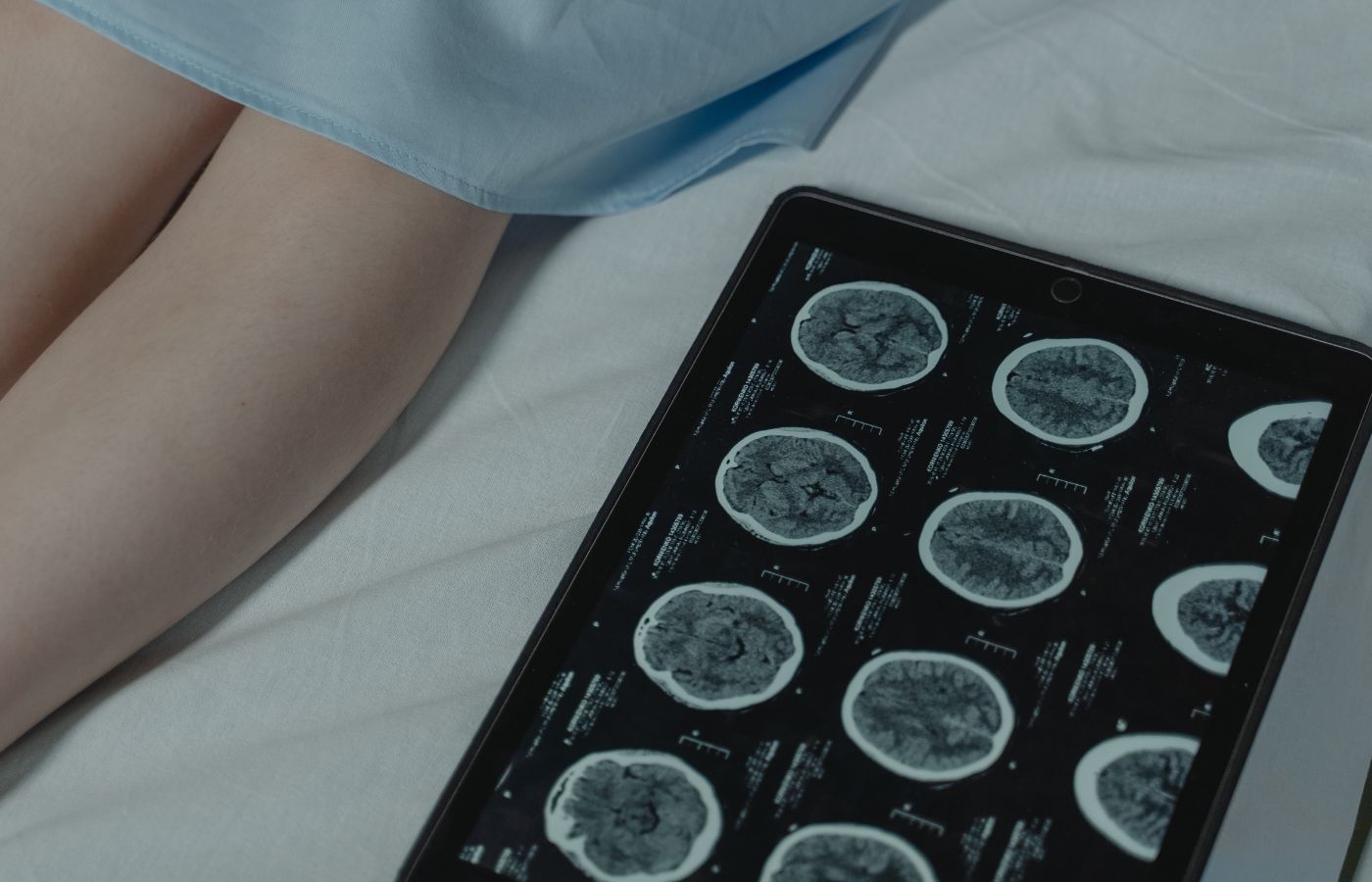
.jpg "CT Brain Scan for Headaches")
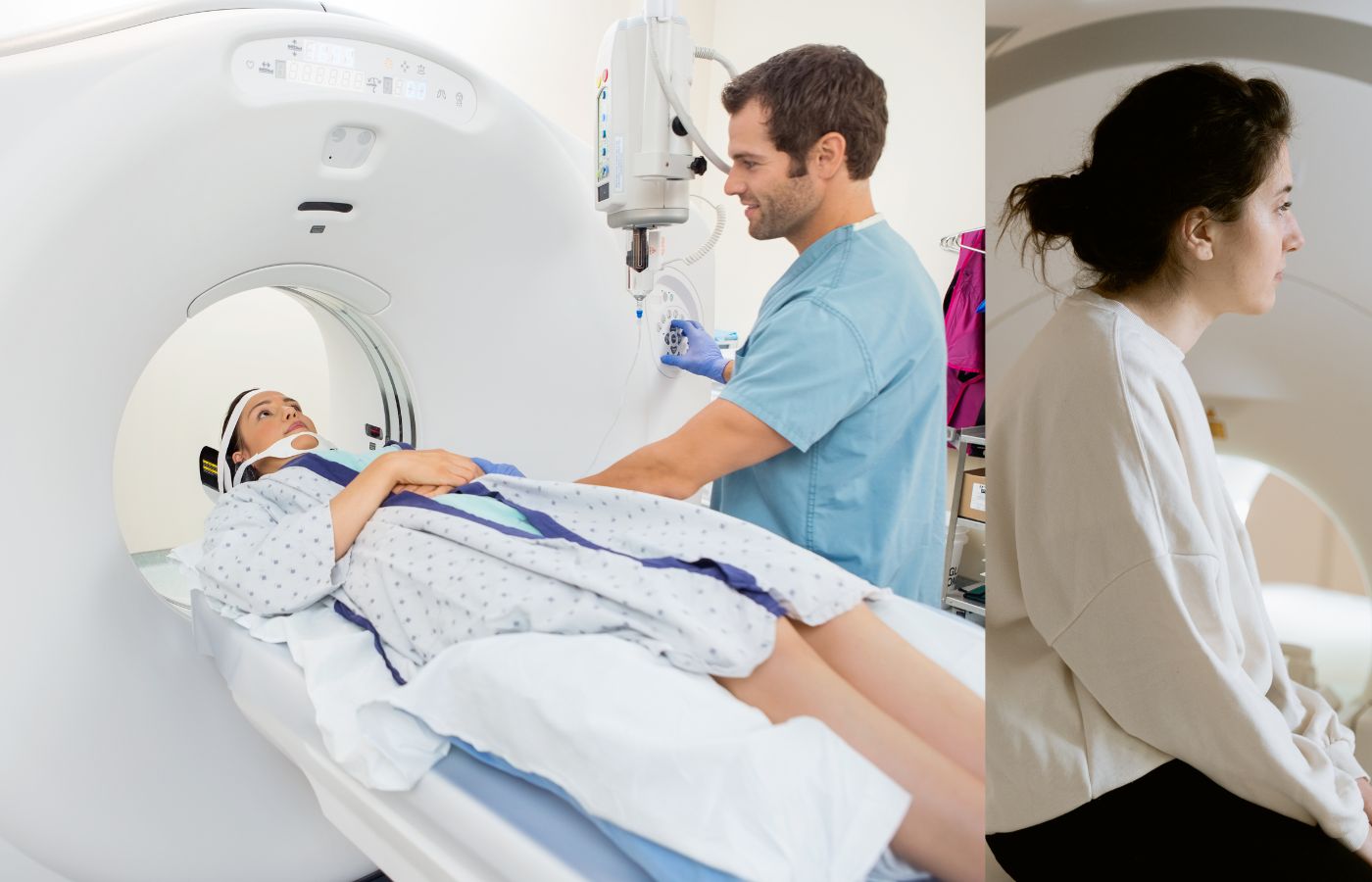
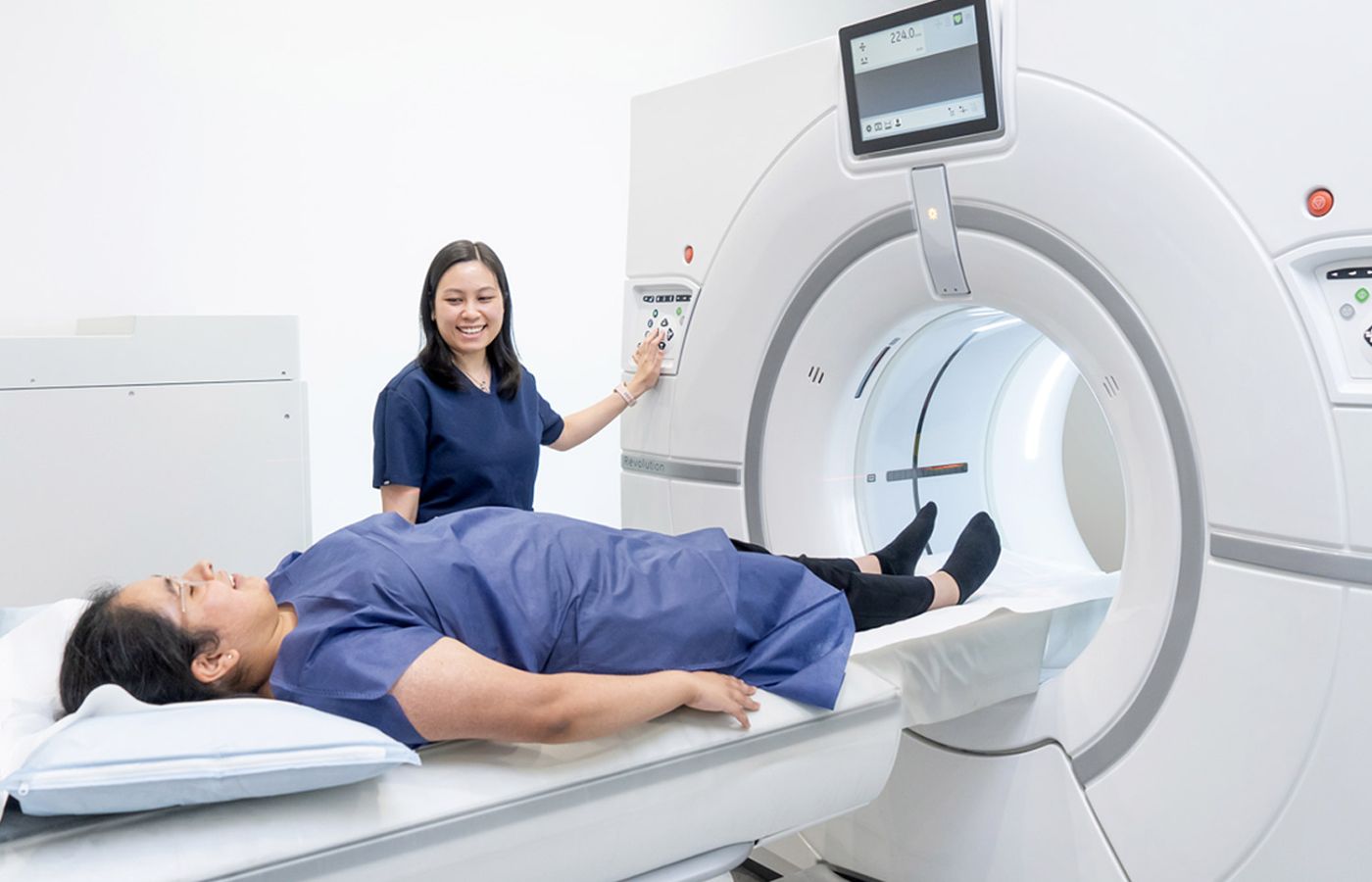
.jpg "The Future of 3D CT Imaging")