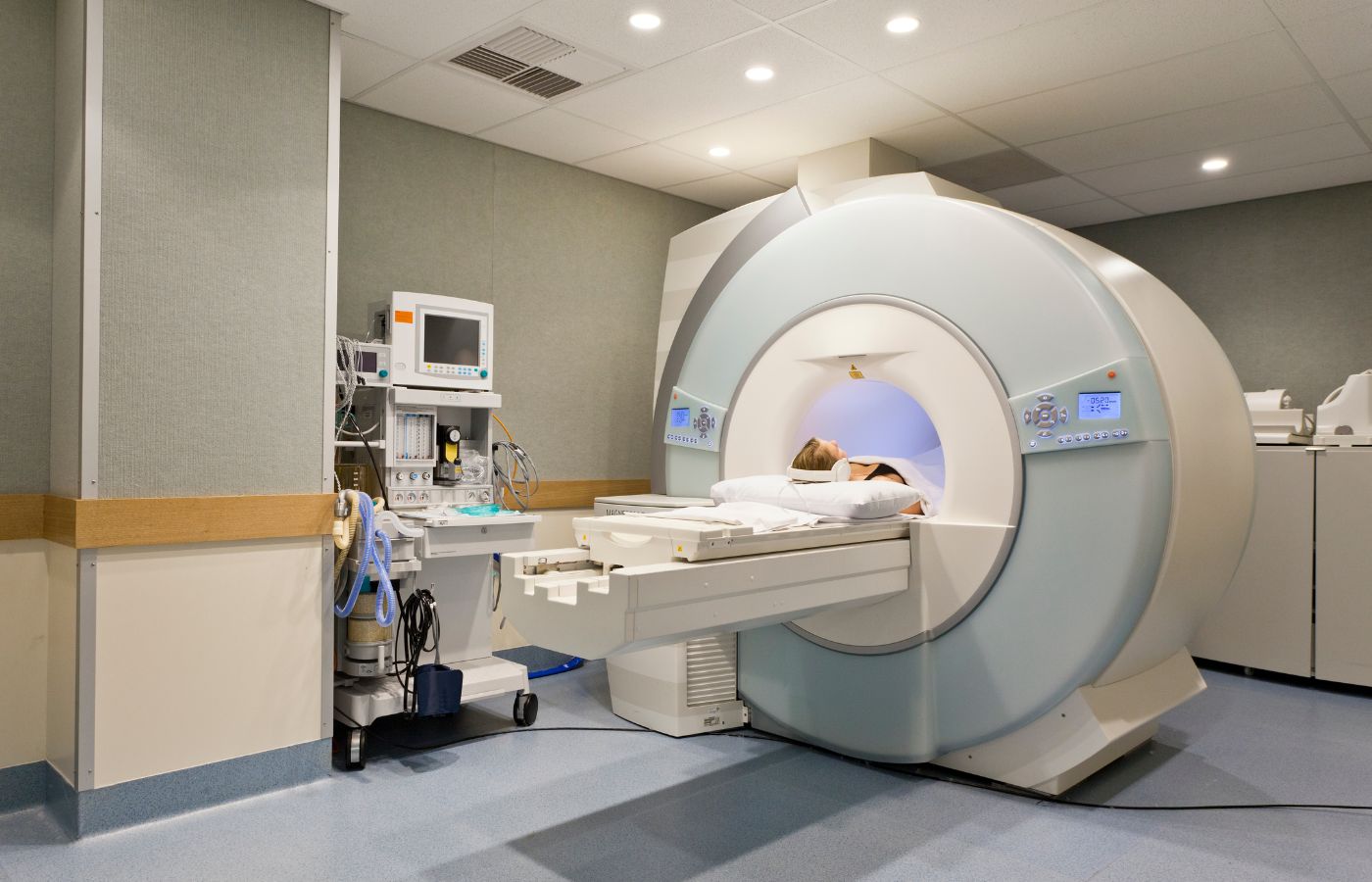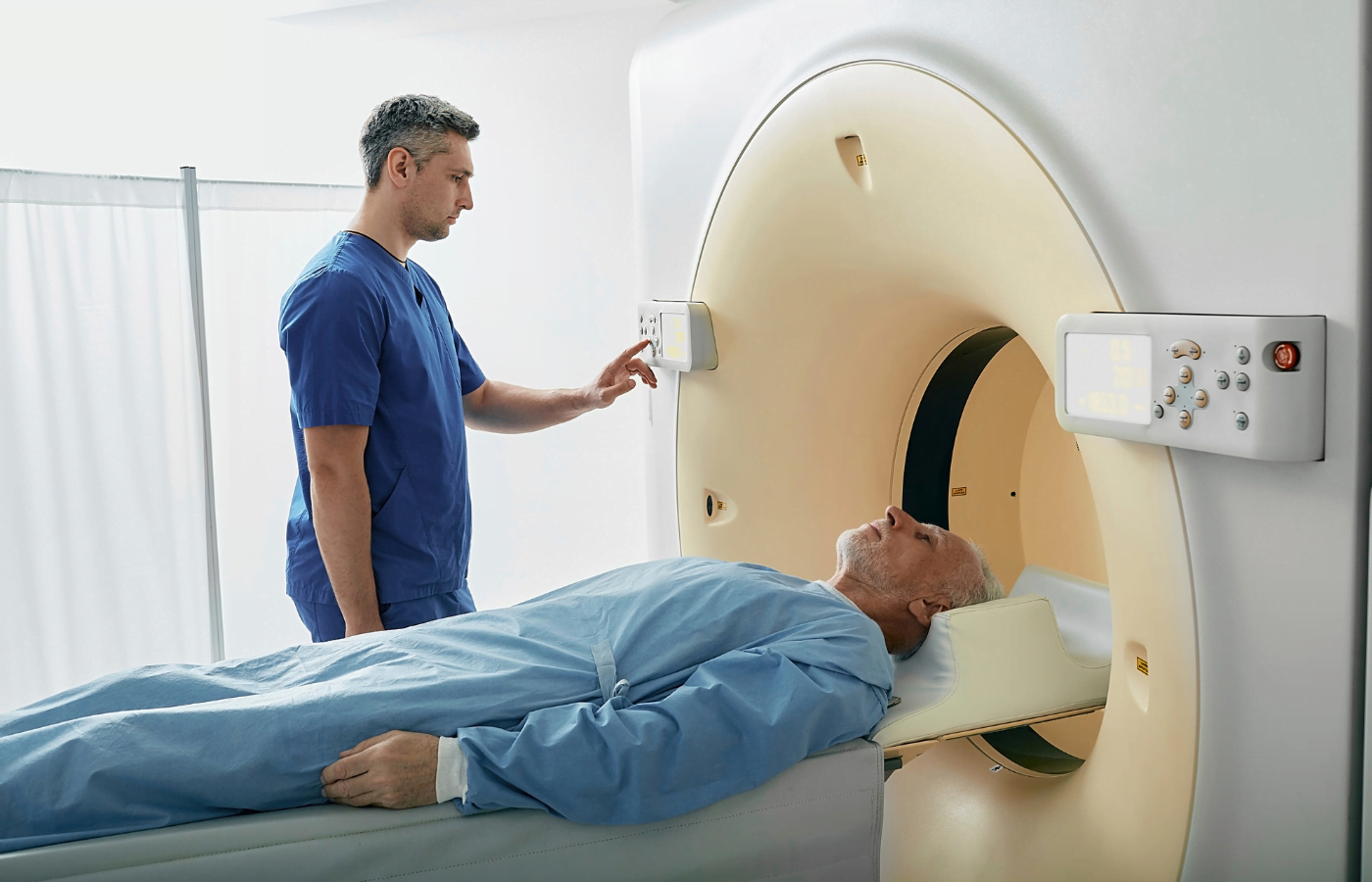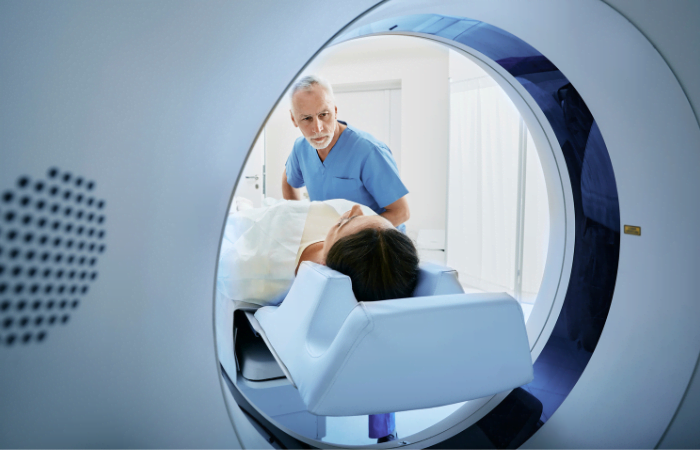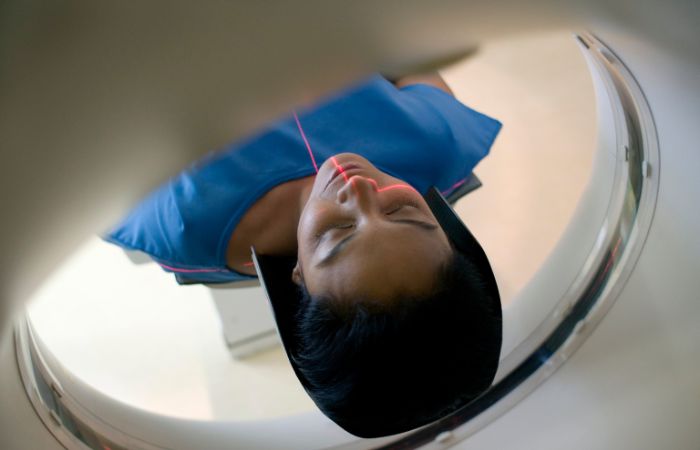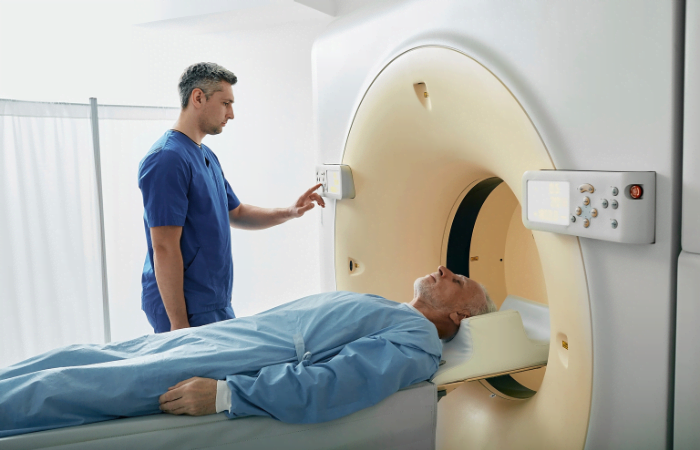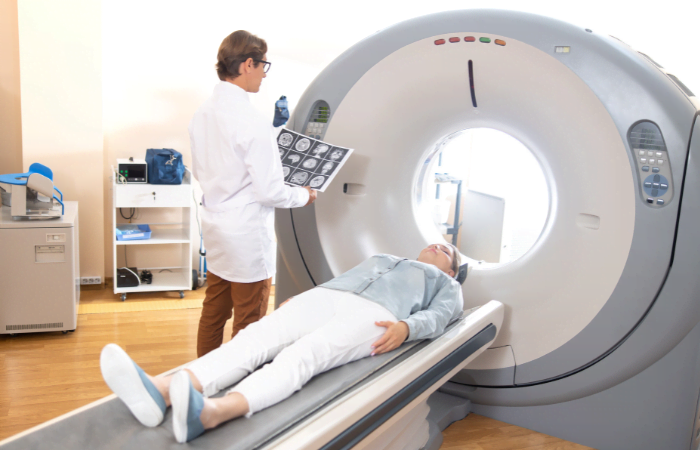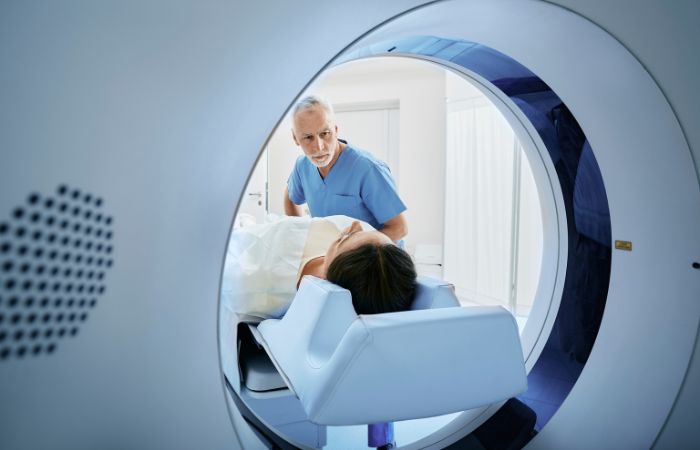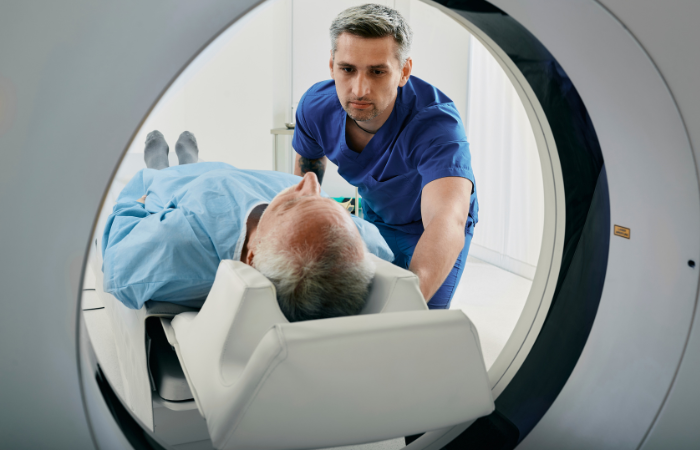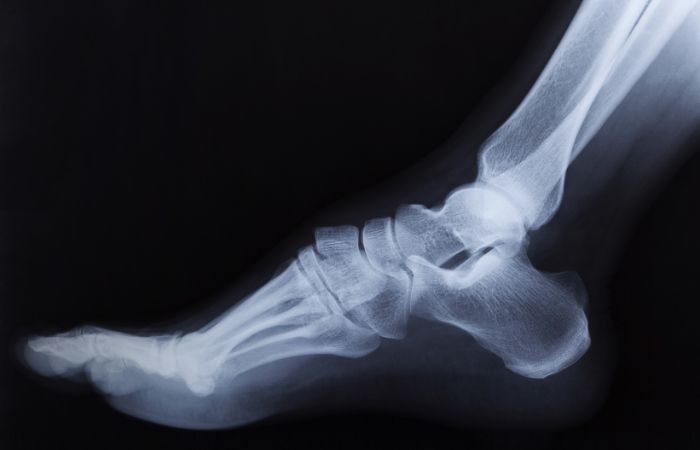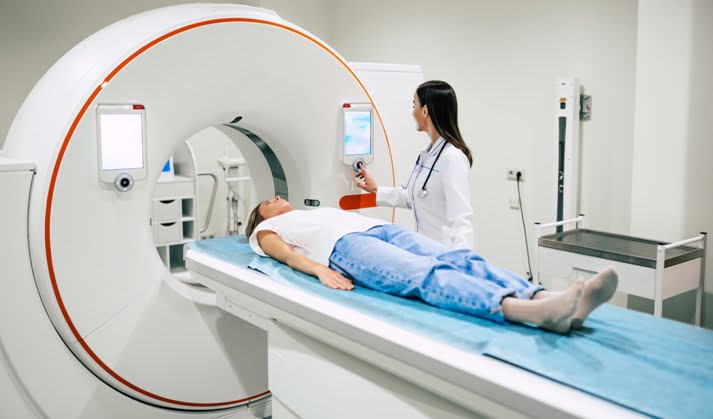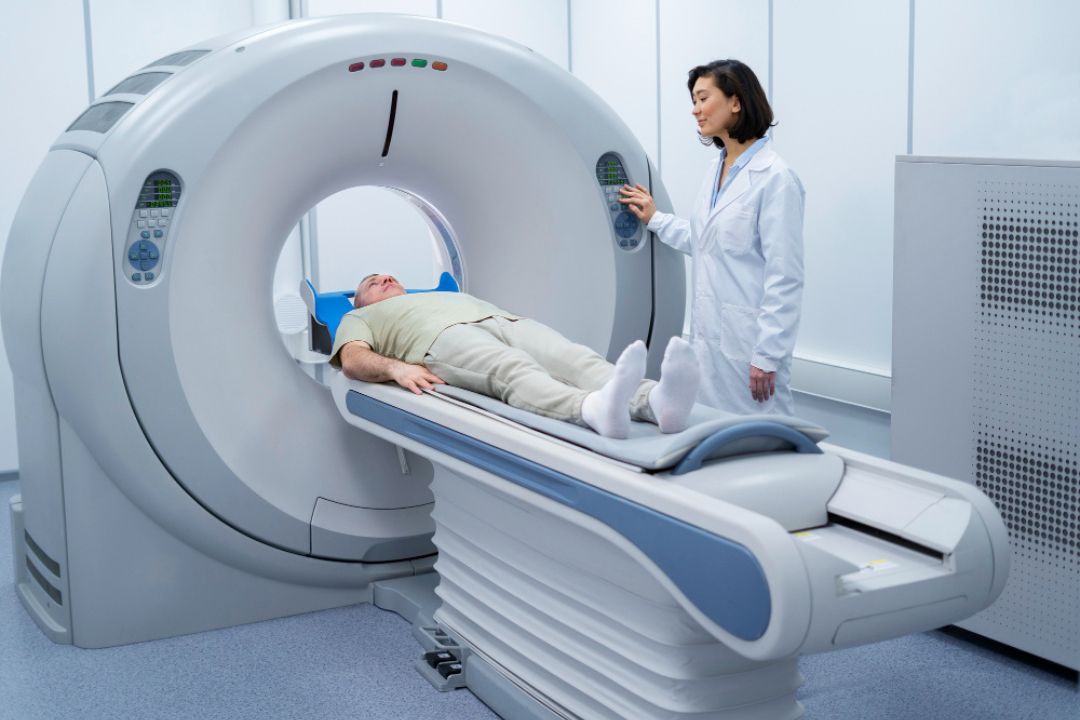
A CT Scan (Computed Tomography scan) is a widely used medical imaging test that helps doctors diagnose many health conditions quickly and accurately. It uses X-rays and computer technology to create detailed images of the inside of the body.
Many patients worry about whether CT scans are safe because they involve radiation. While CT scans do expose patients to more radiation than standard X-rays, they are considered safe when used appropriately and when the benefits outweigh the risks.
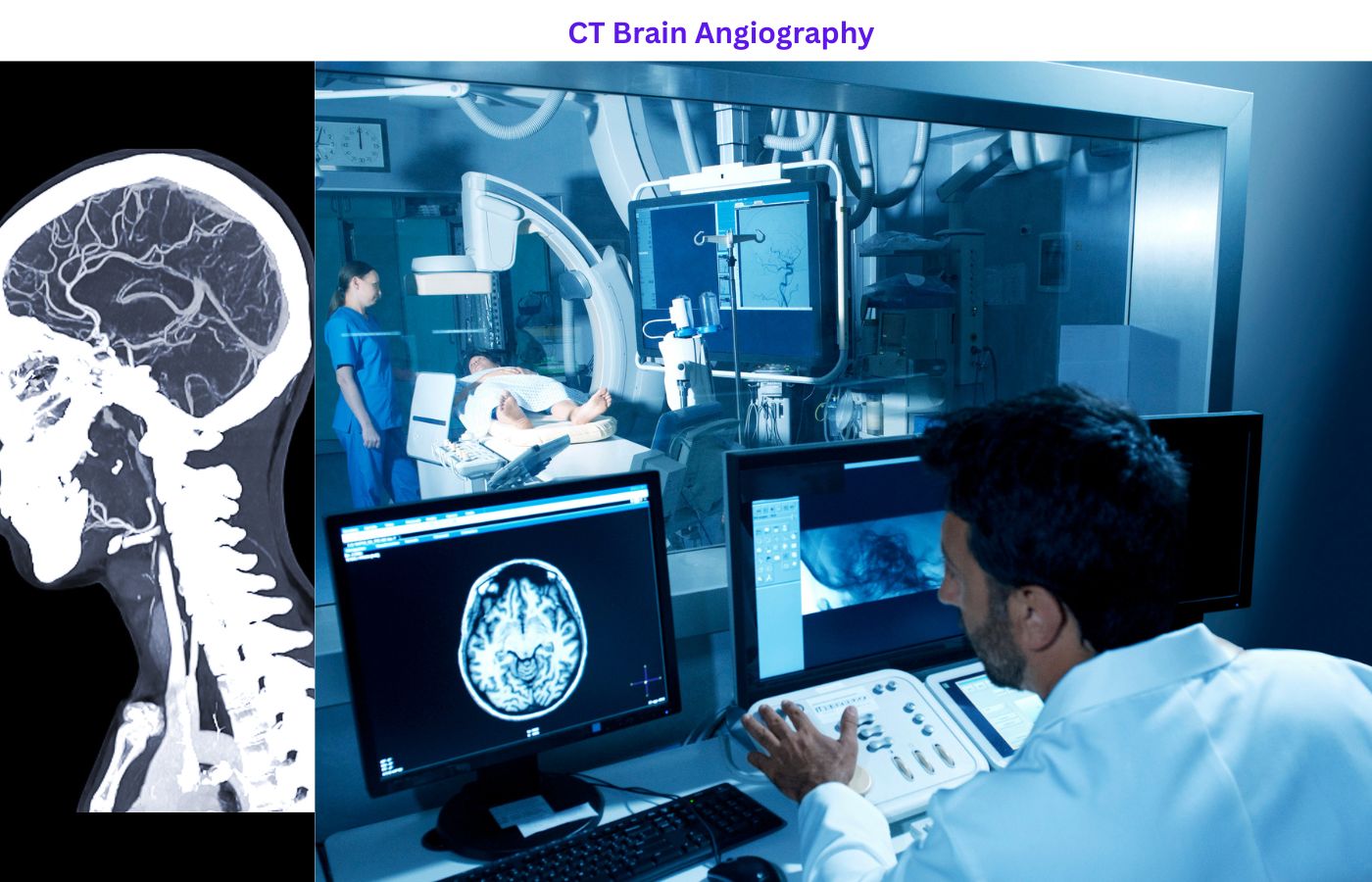
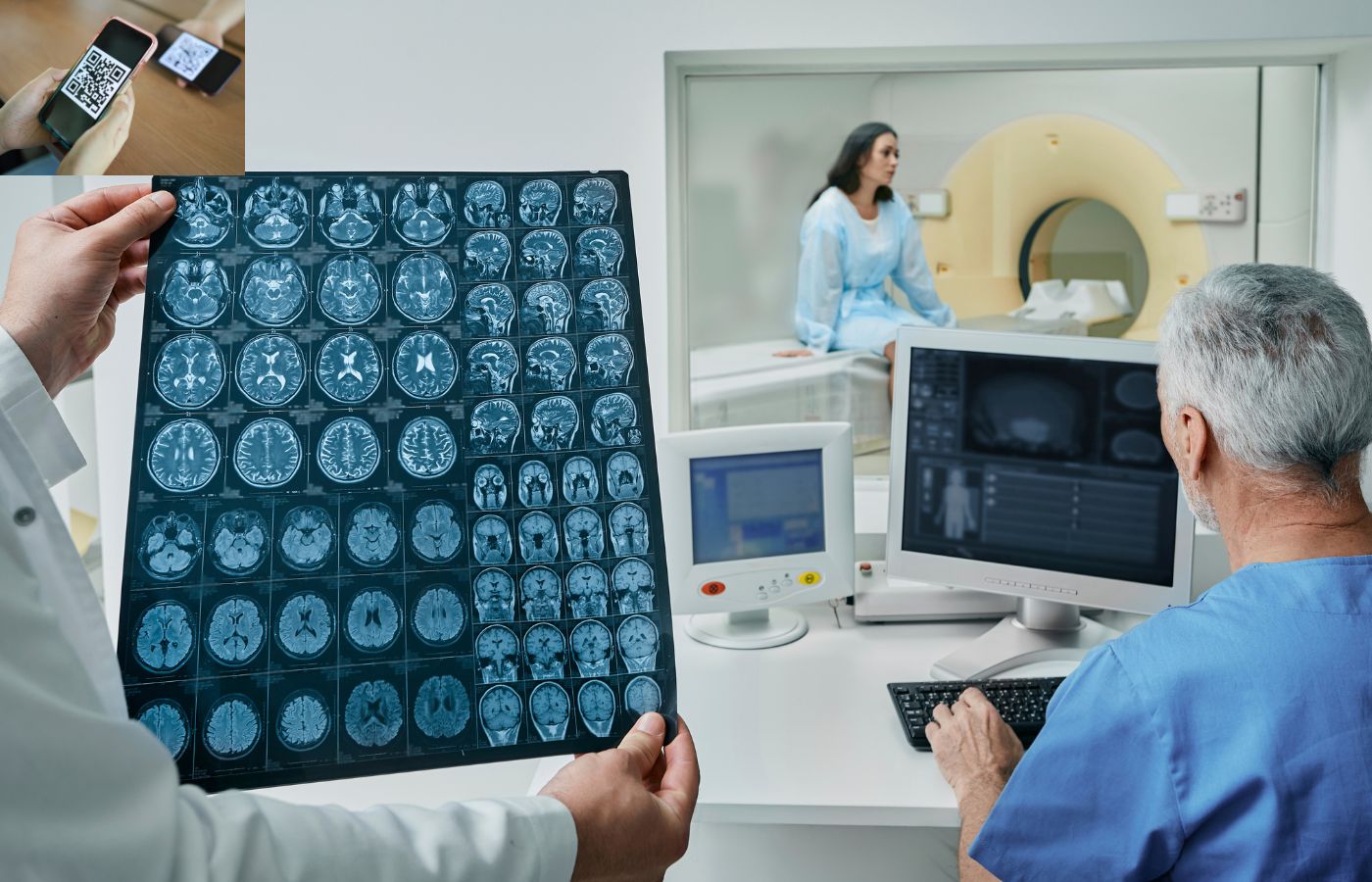
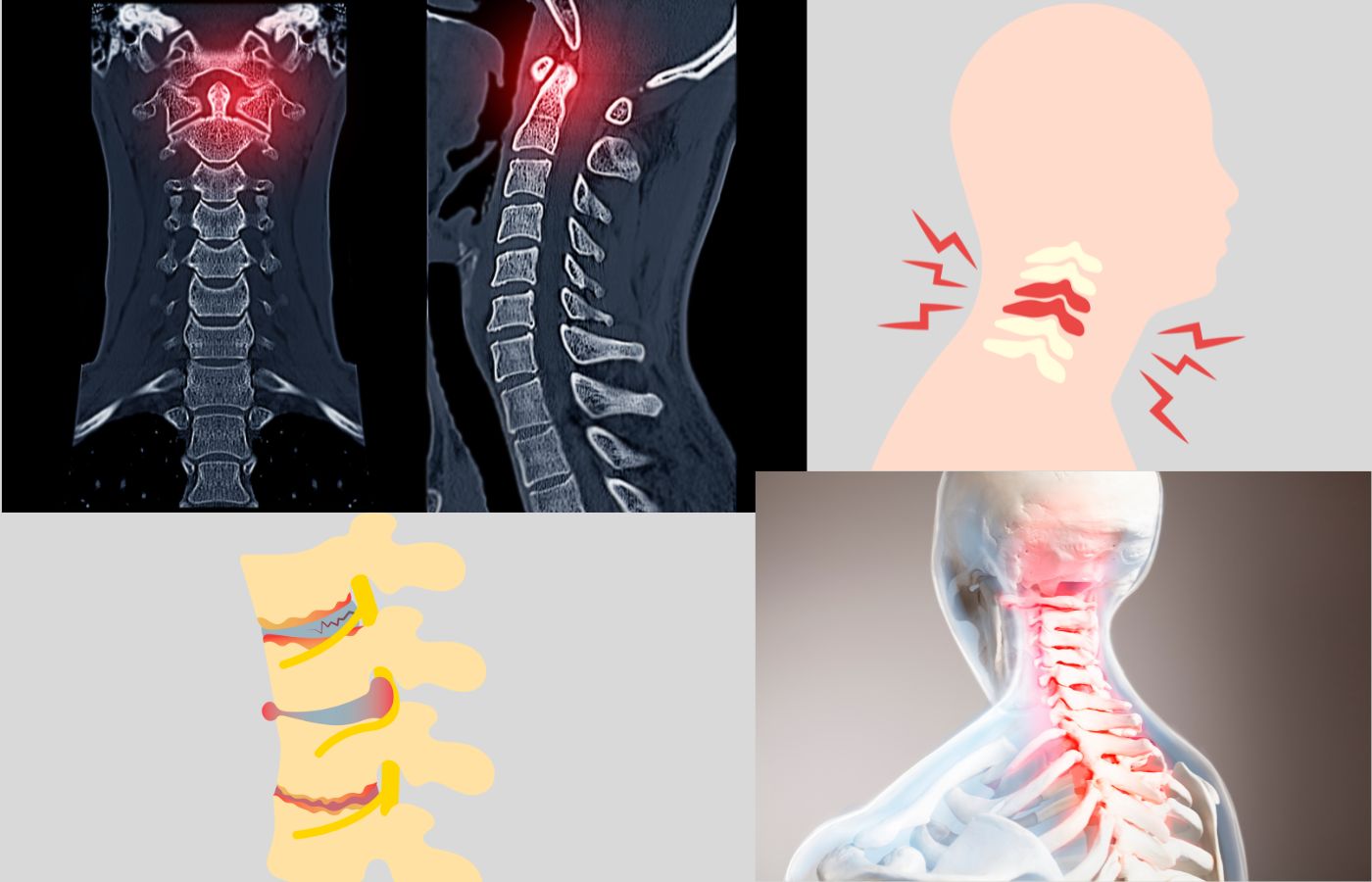
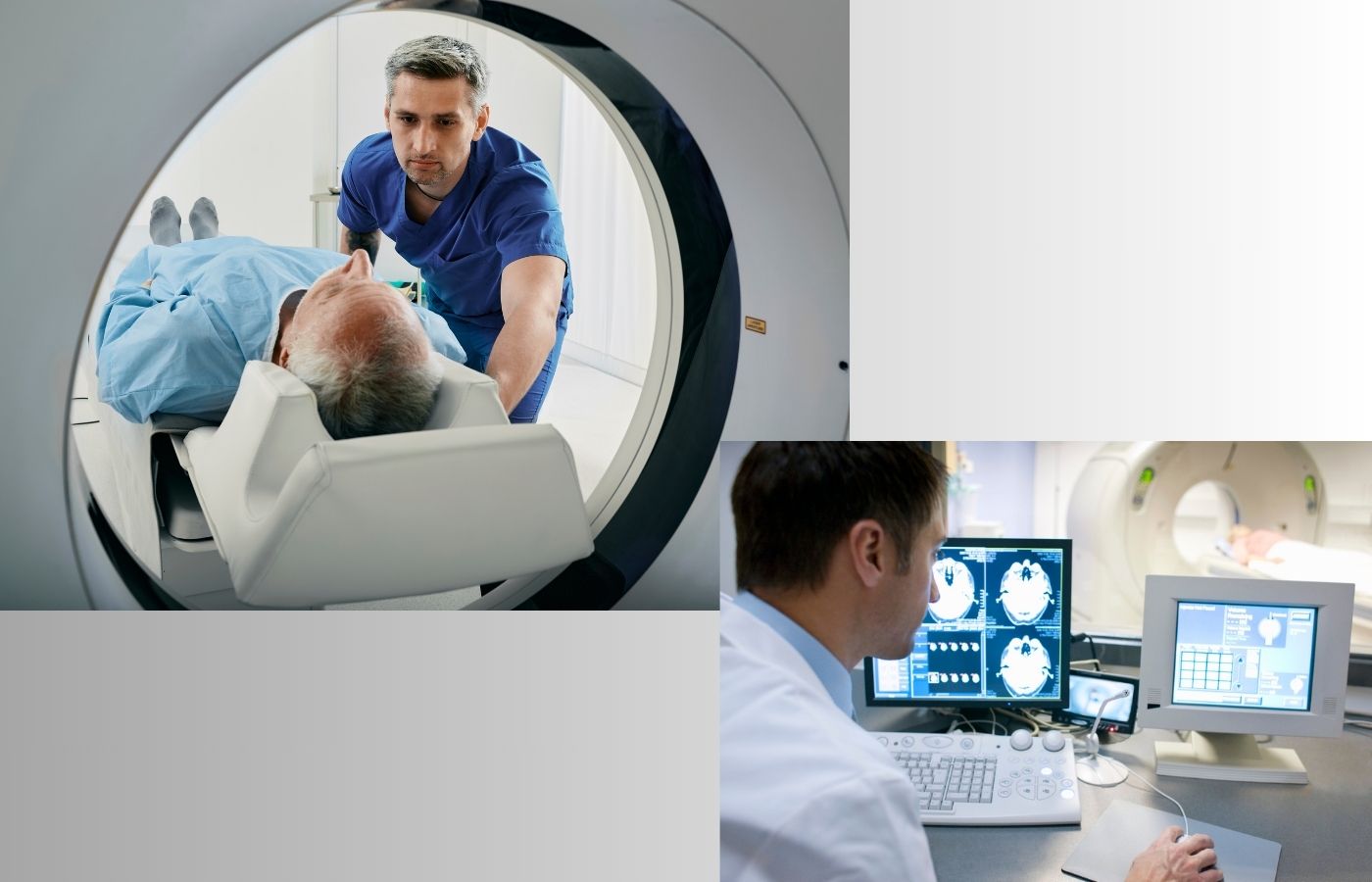
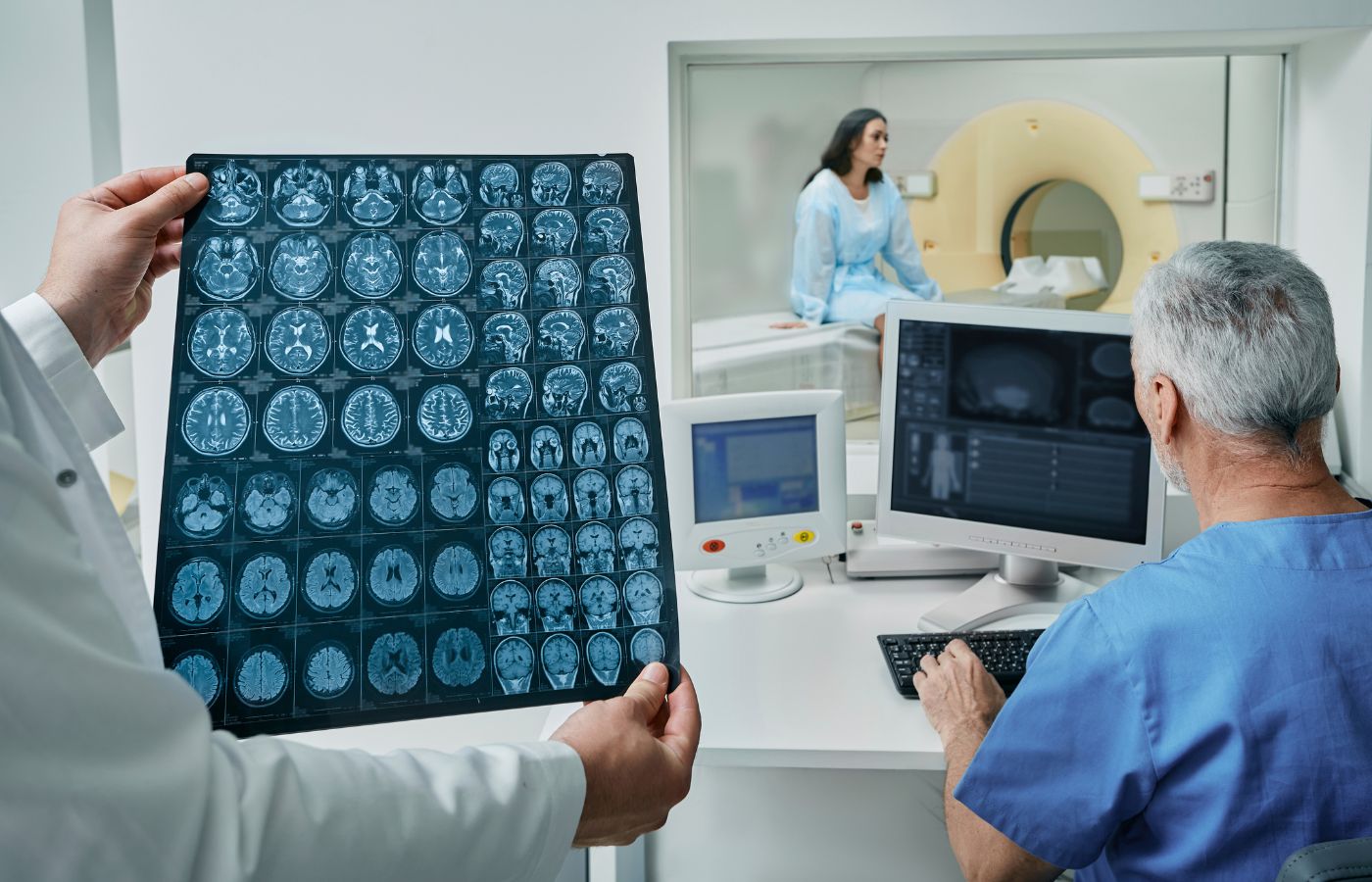
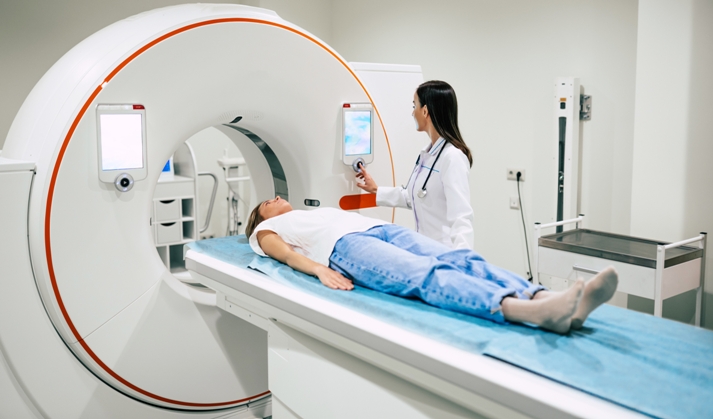
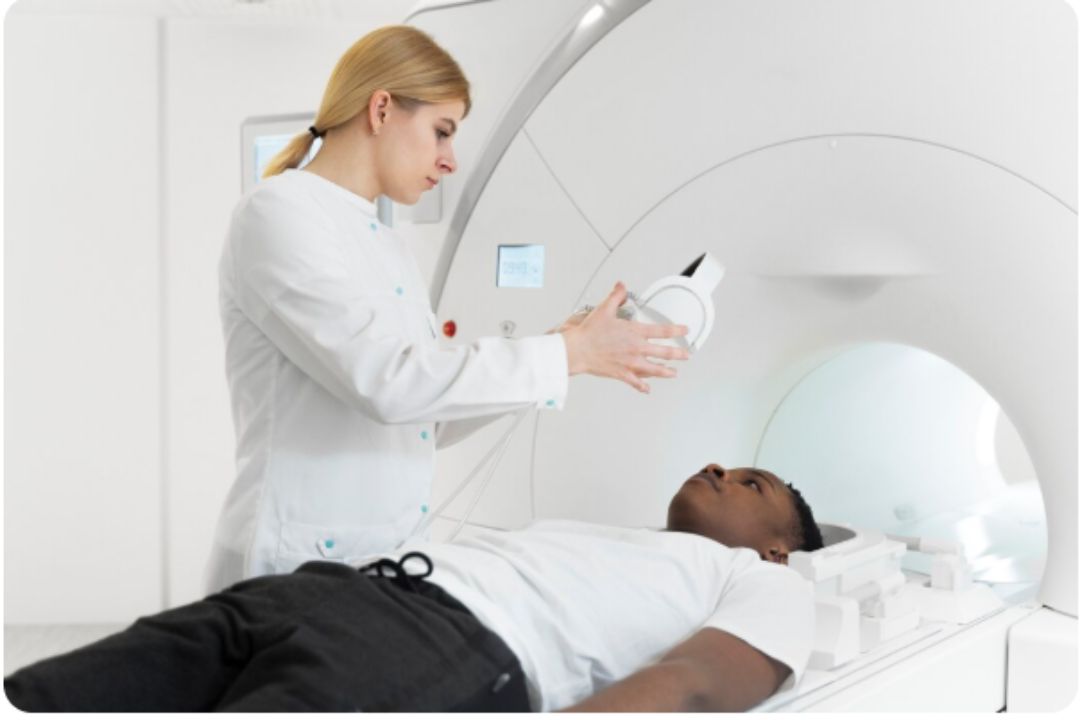
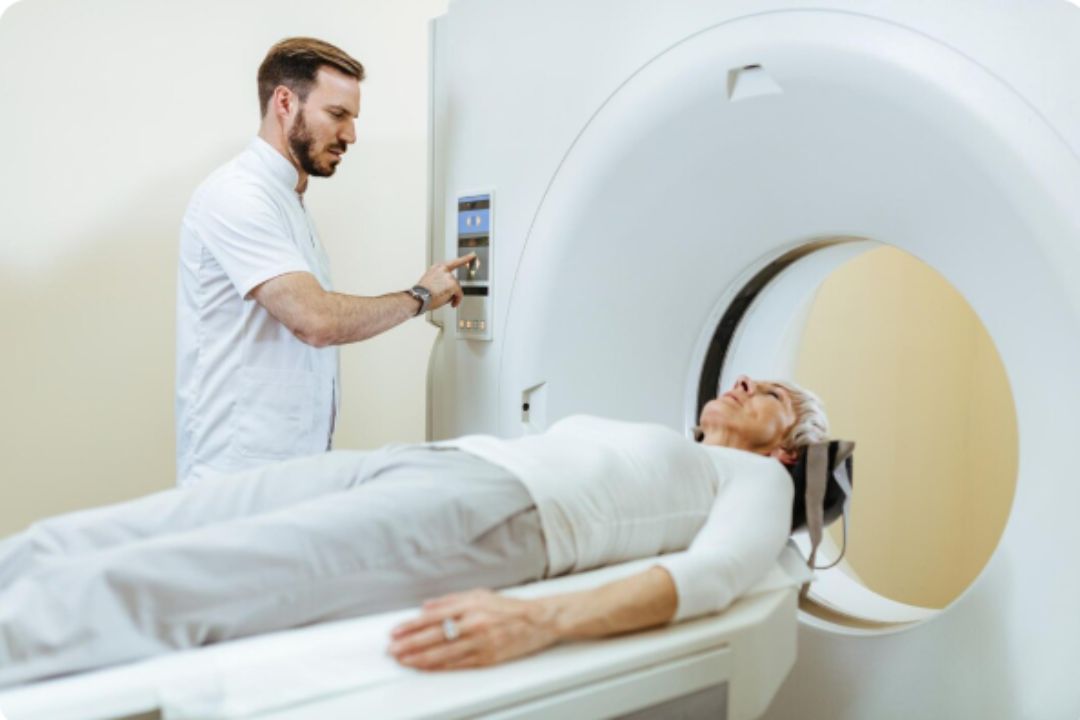
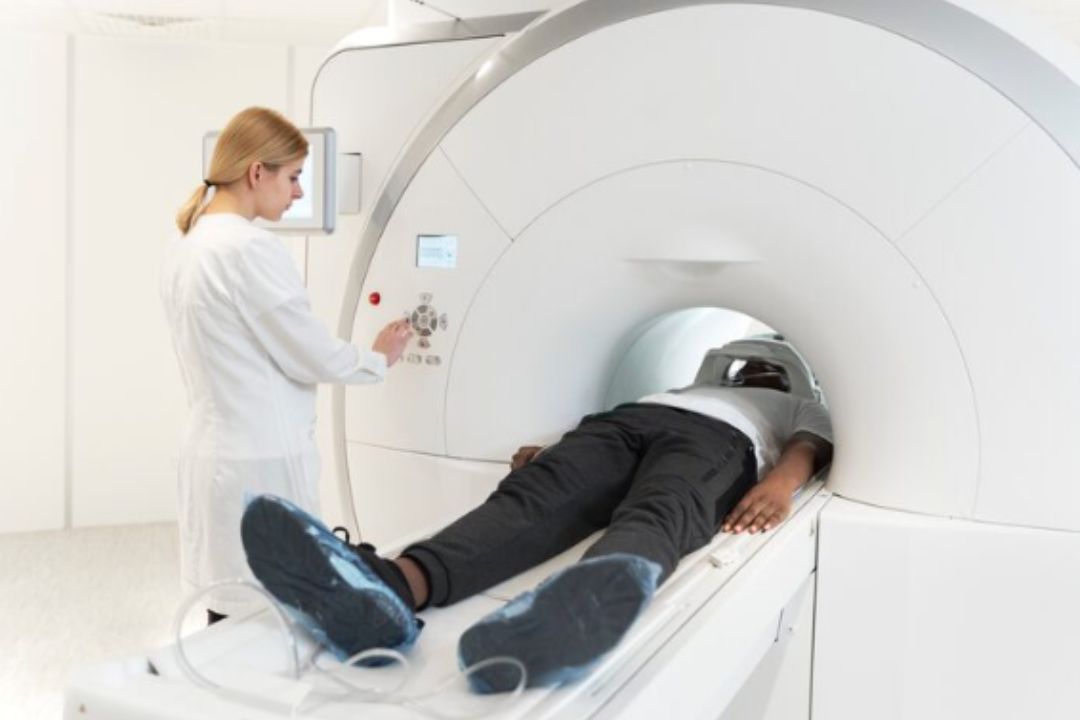
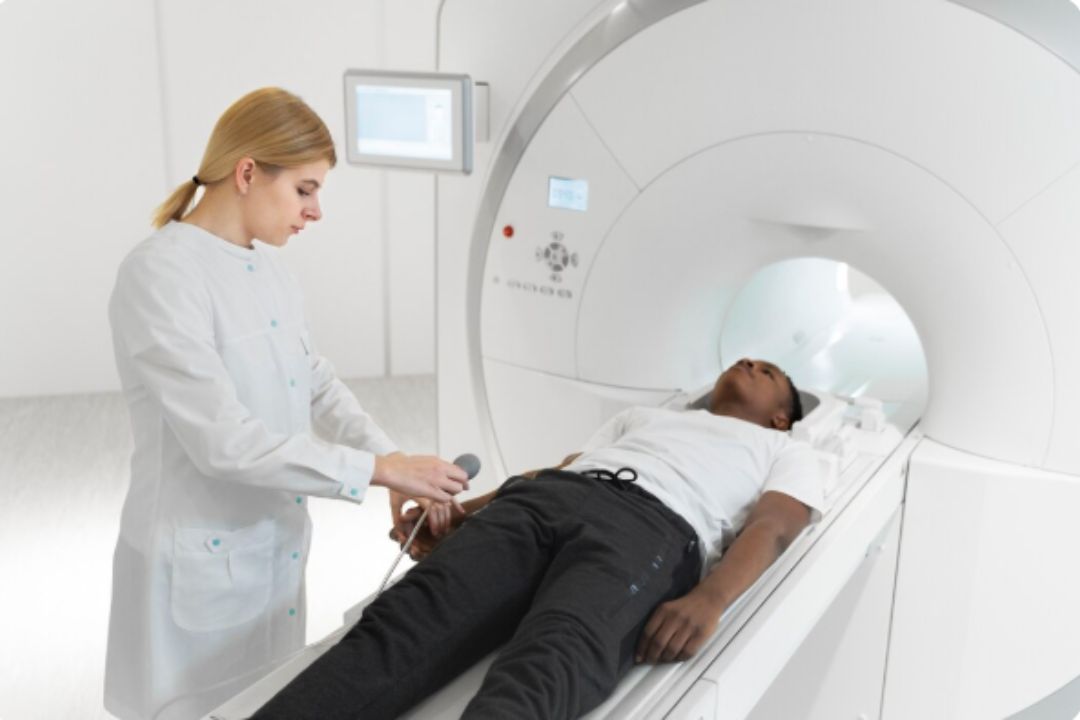
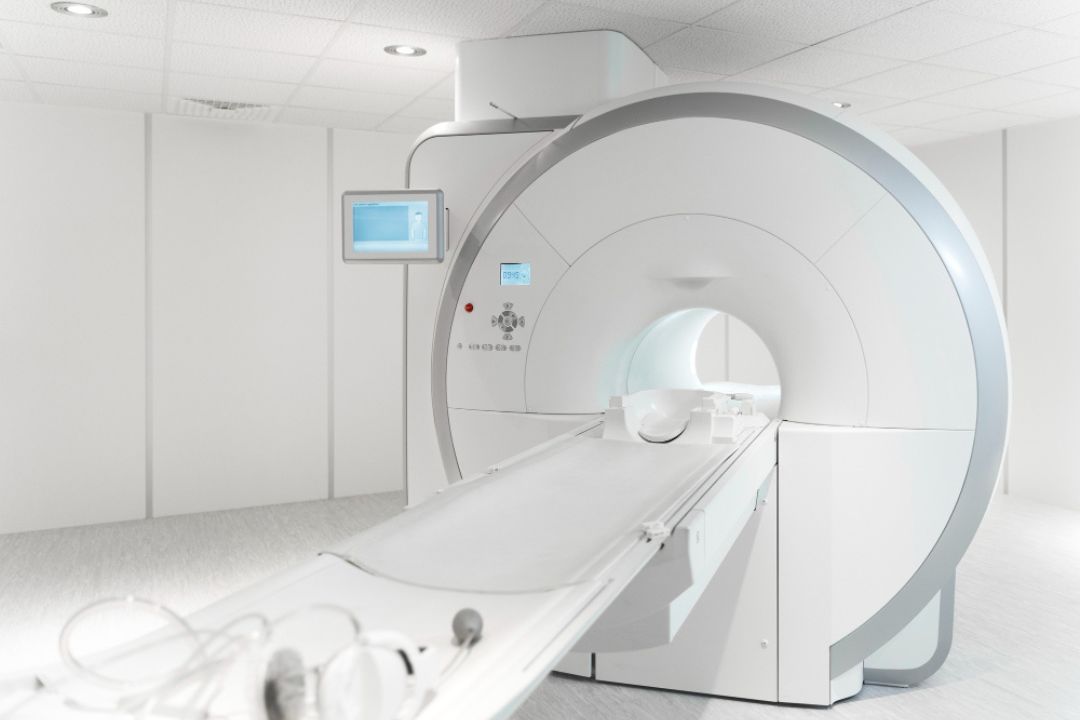
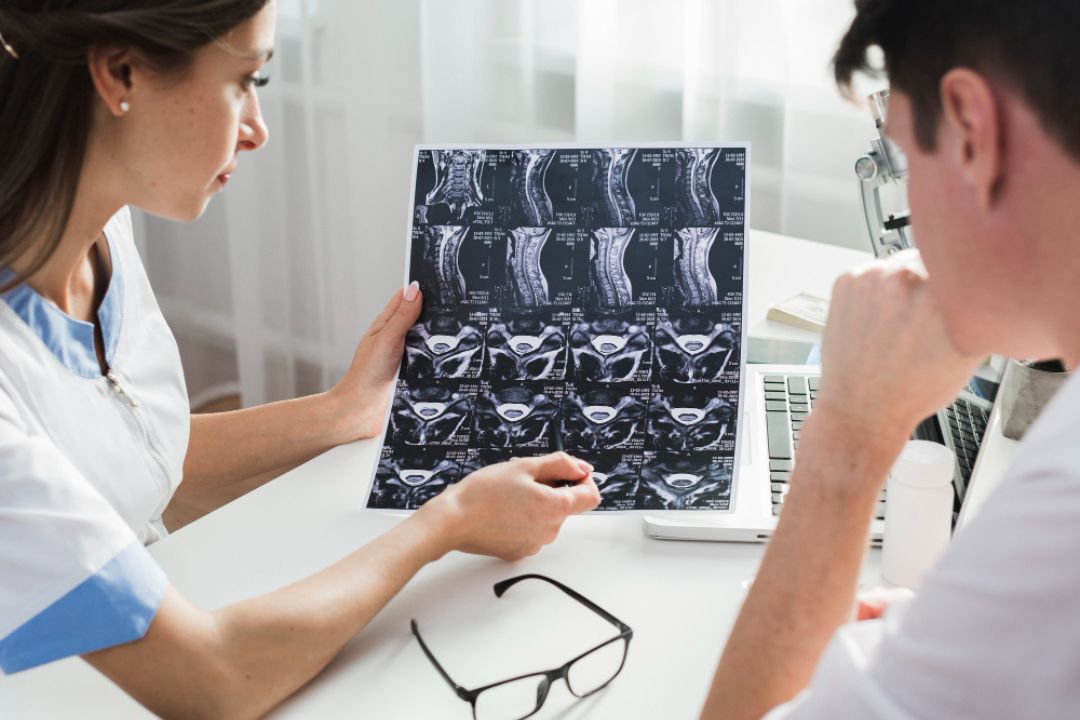
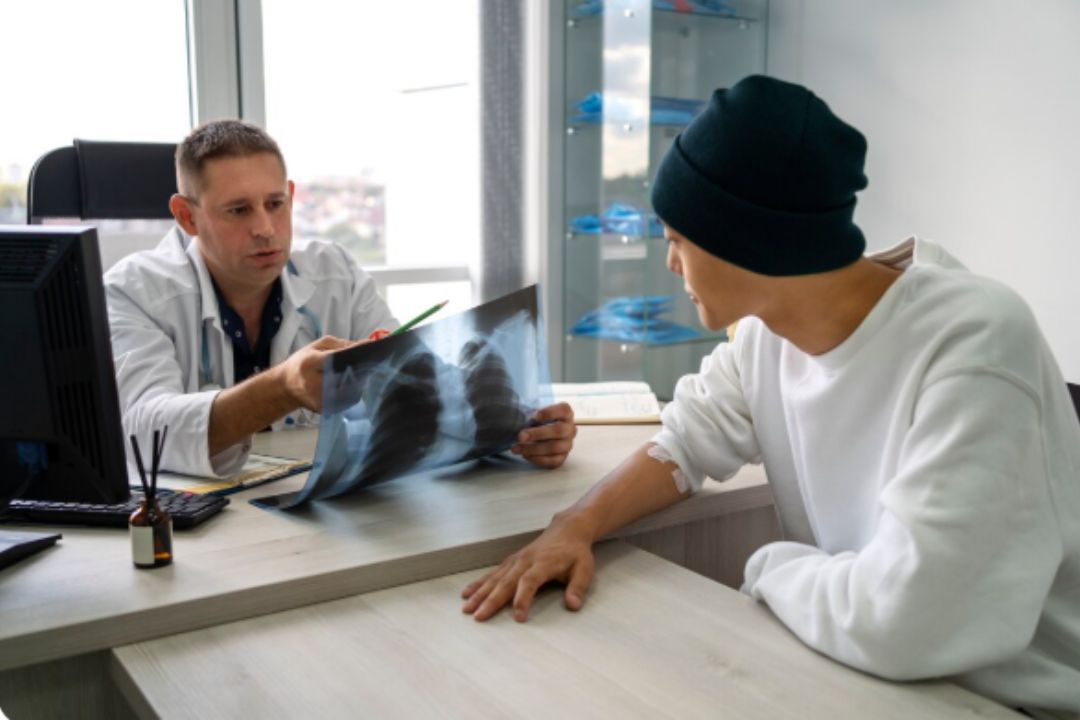
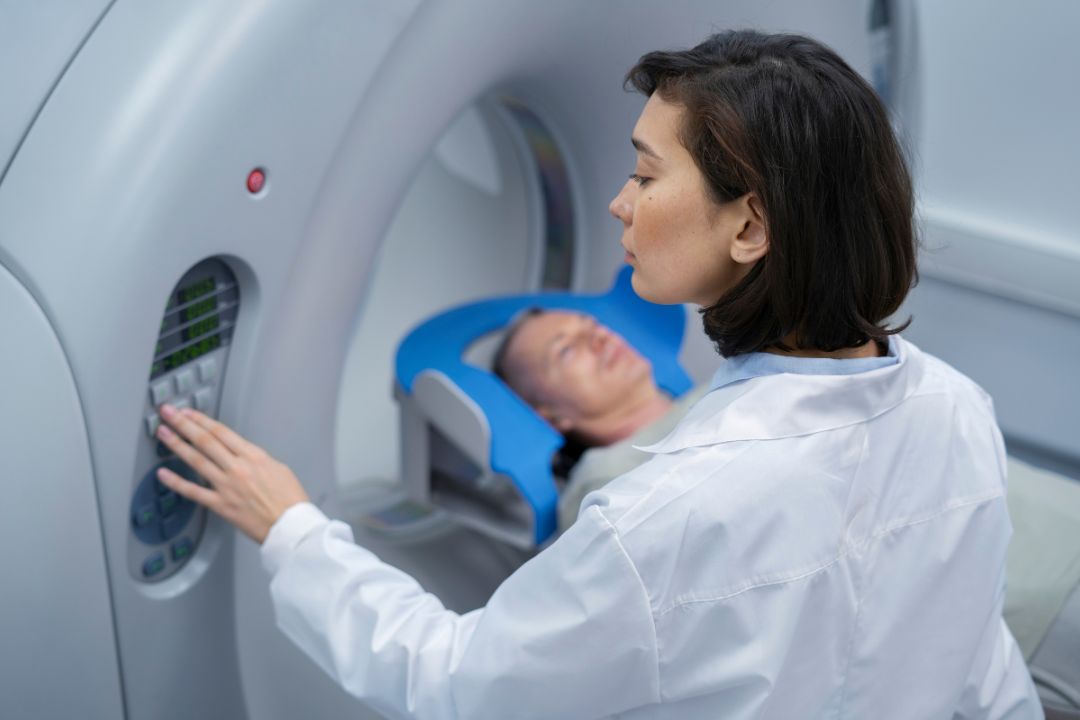
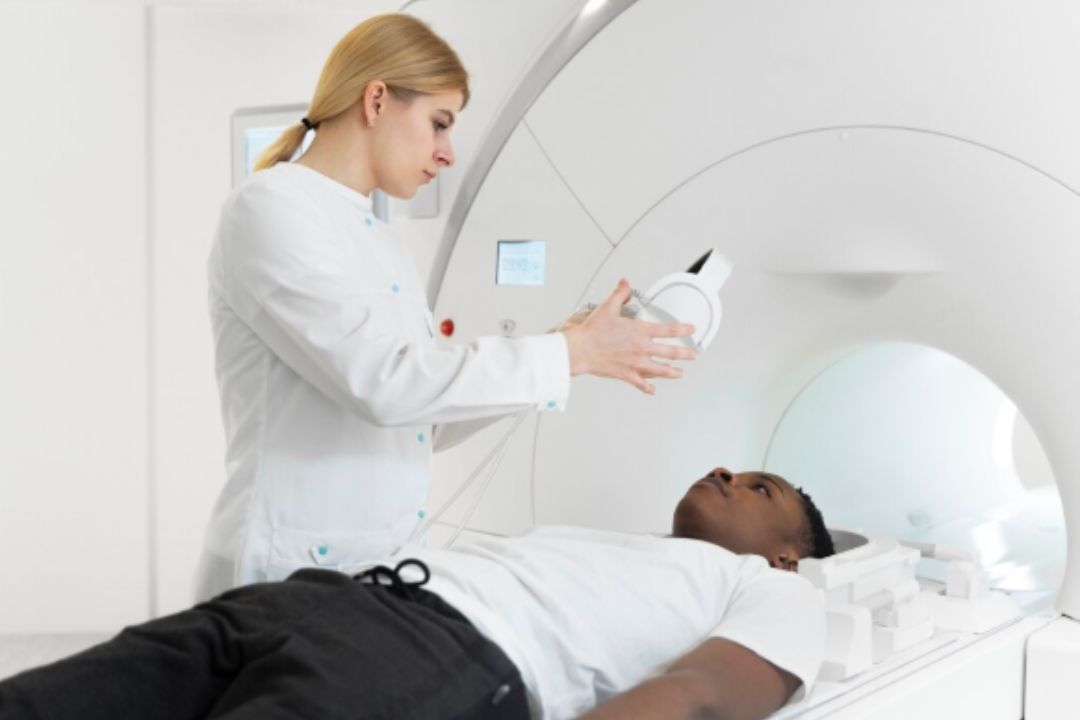
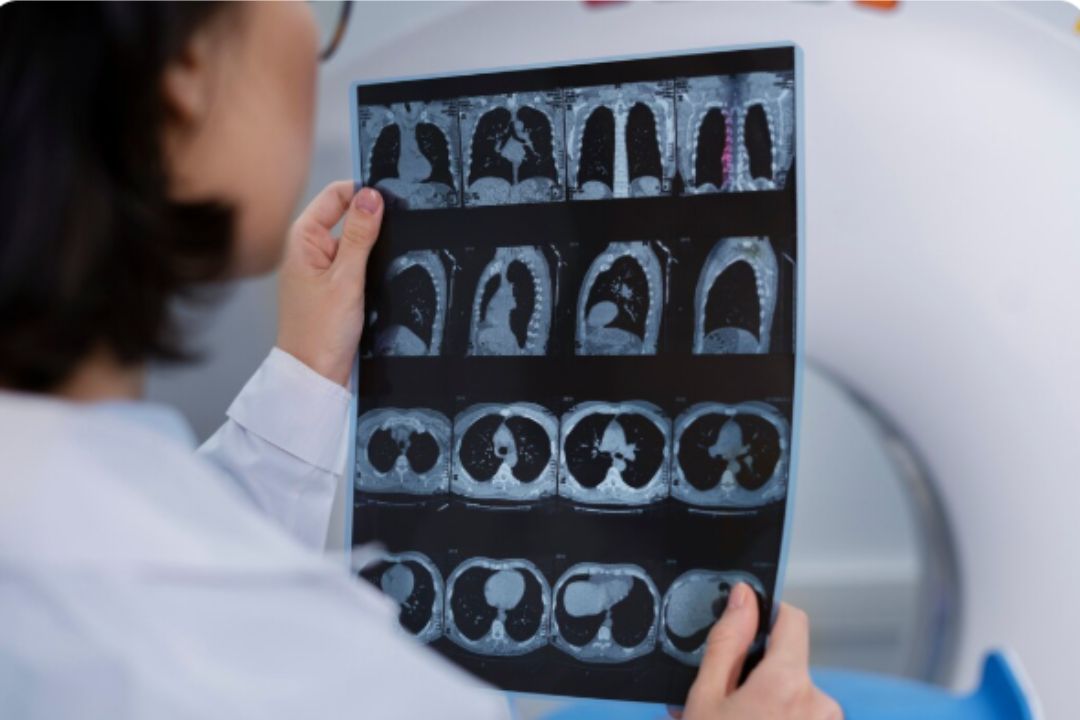
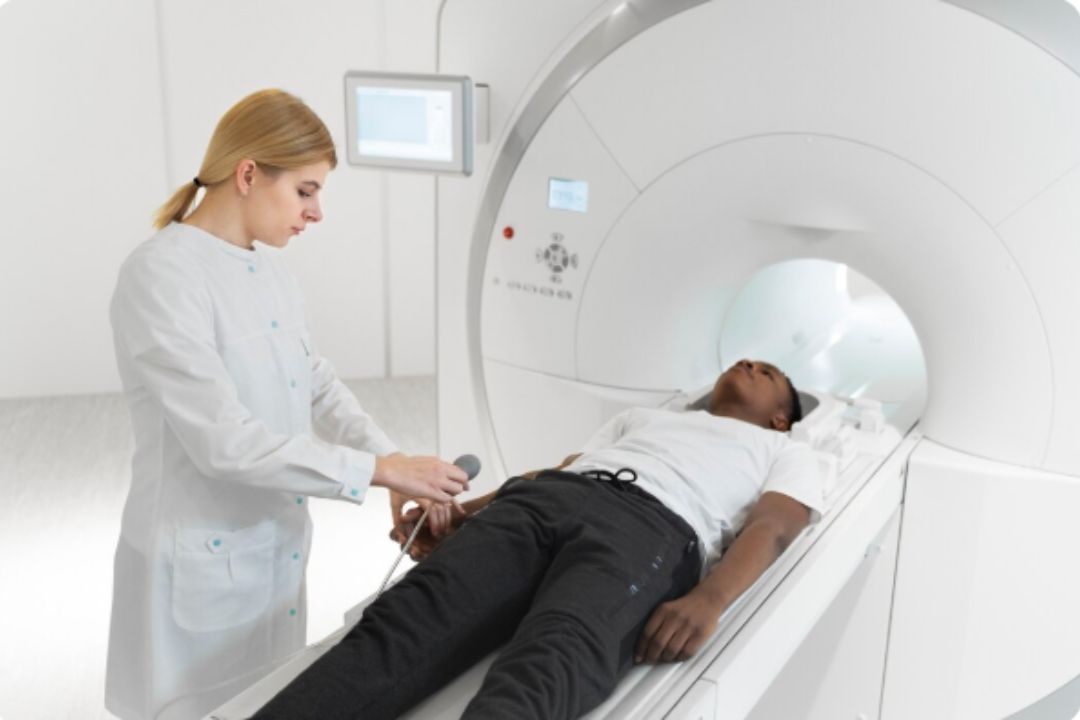
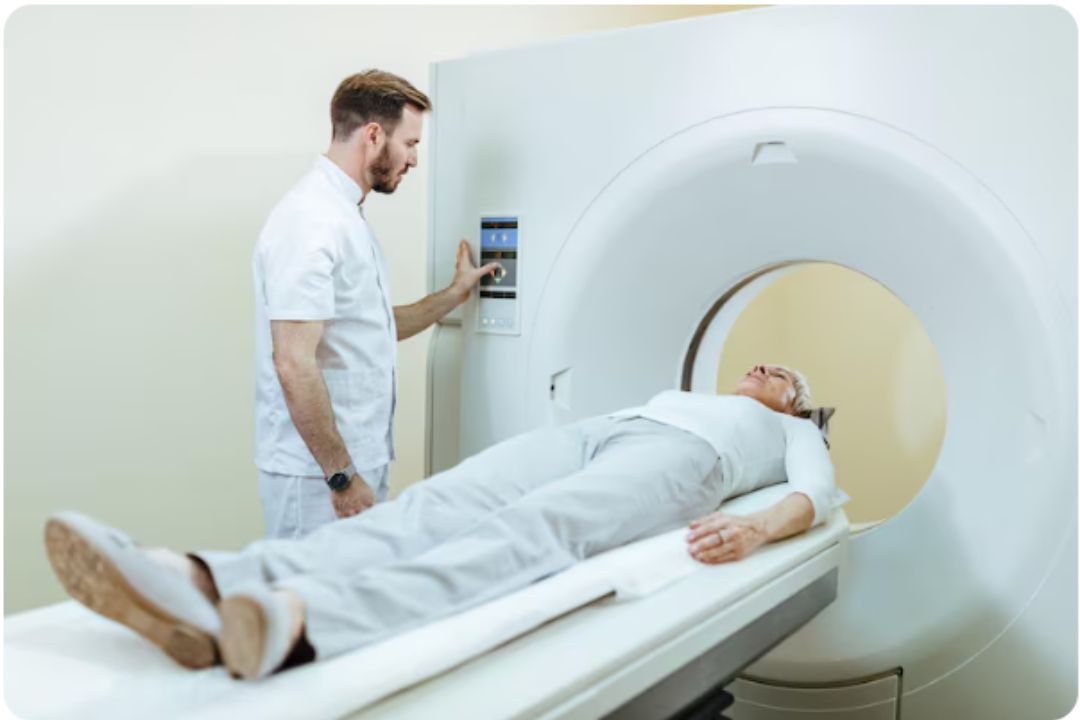
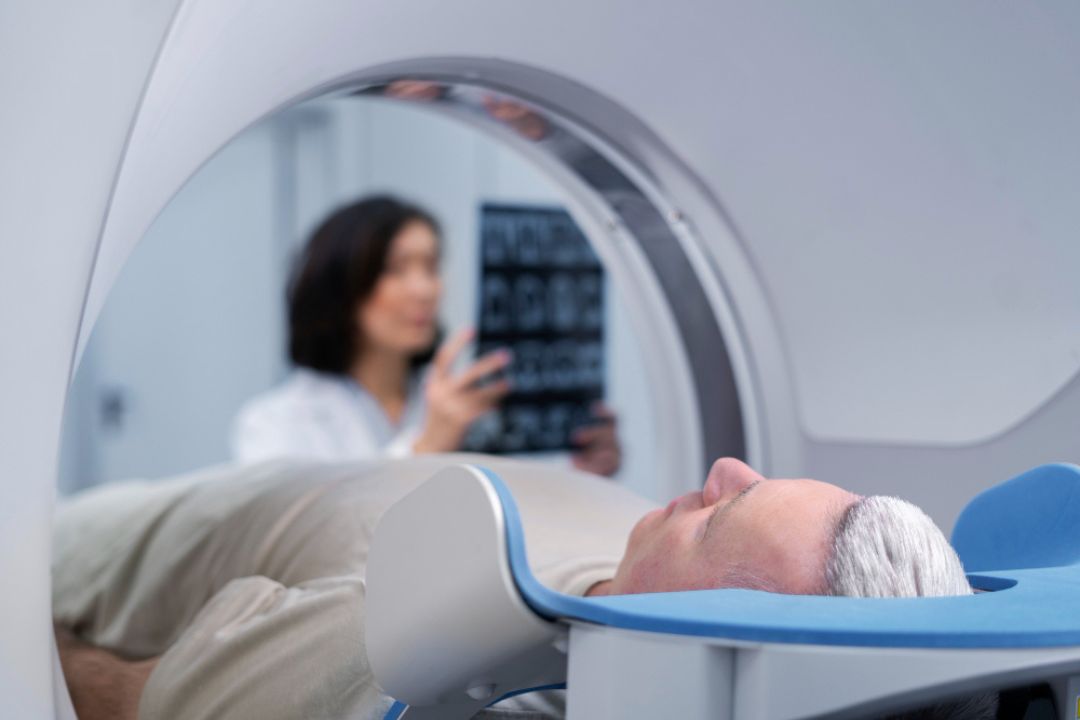
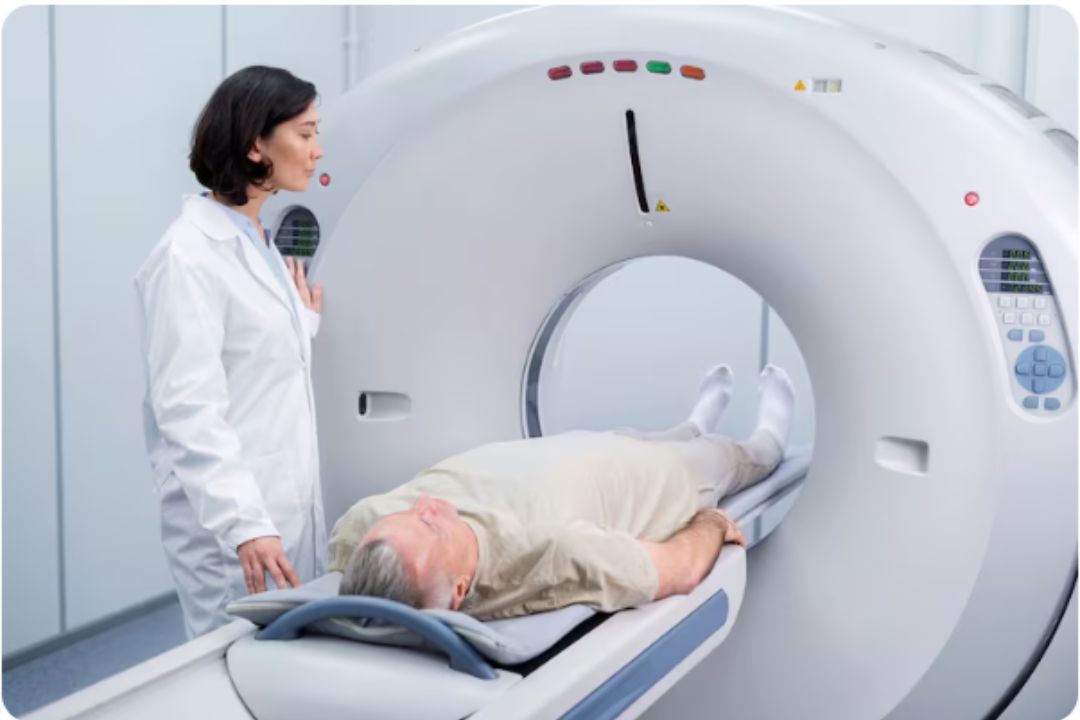
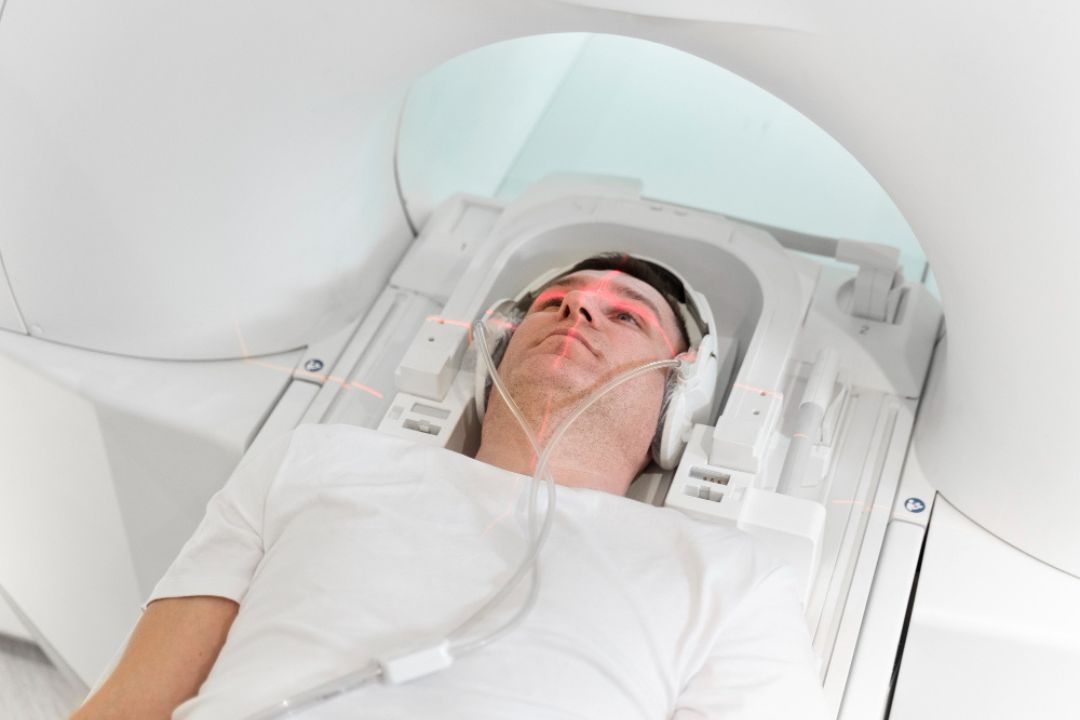
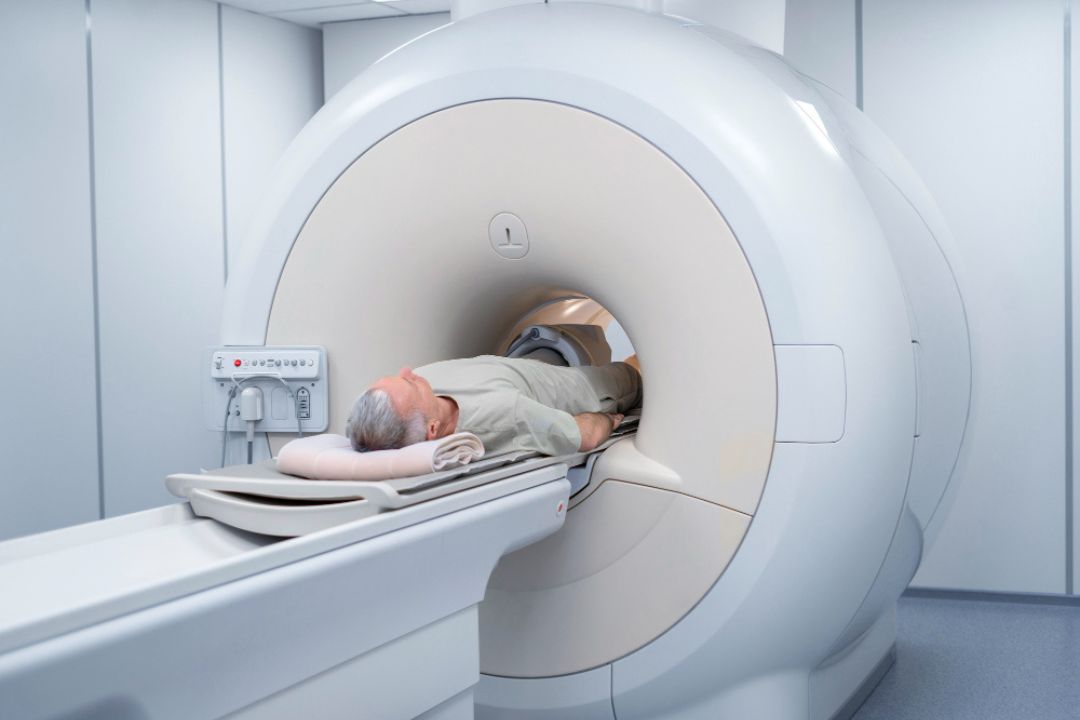
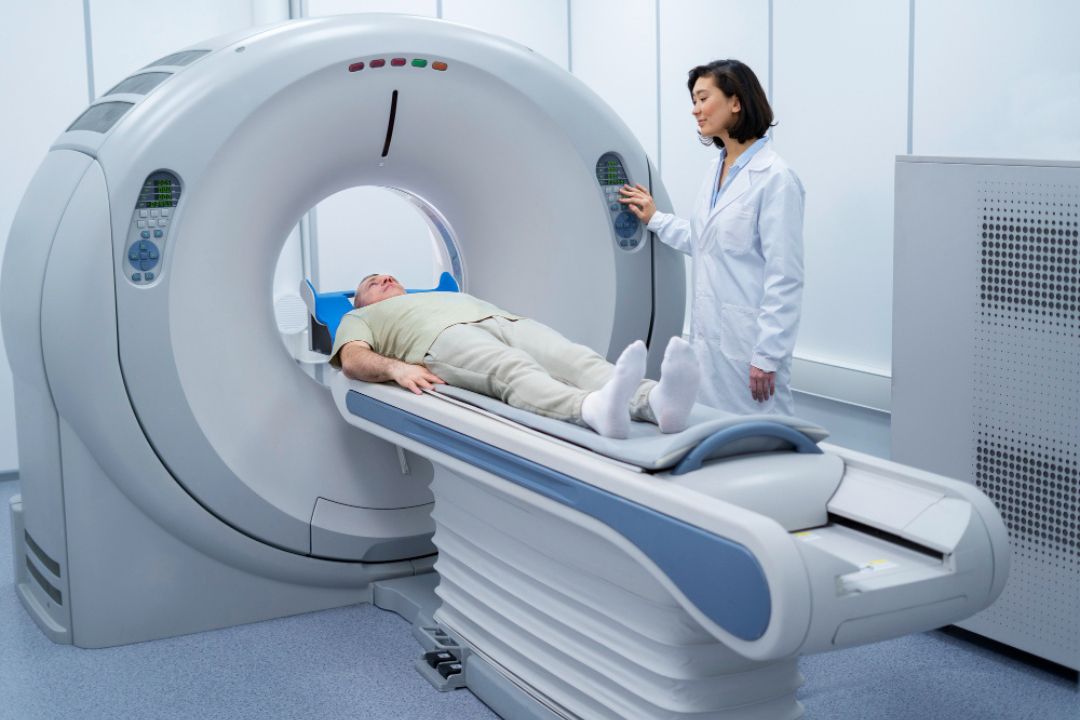
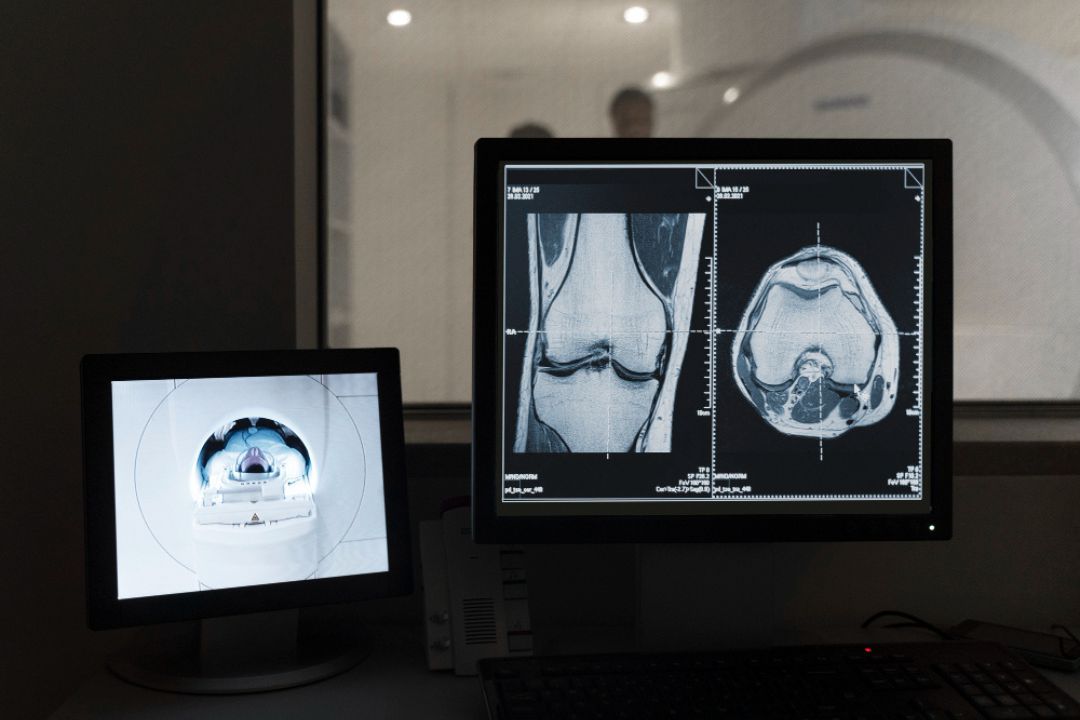
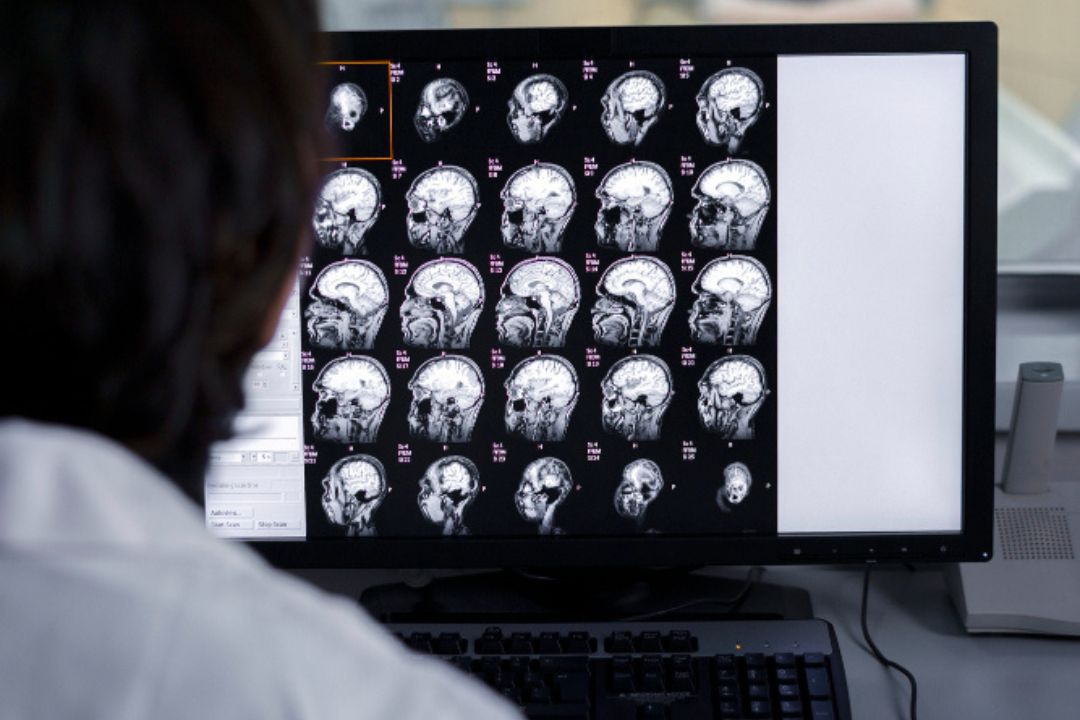
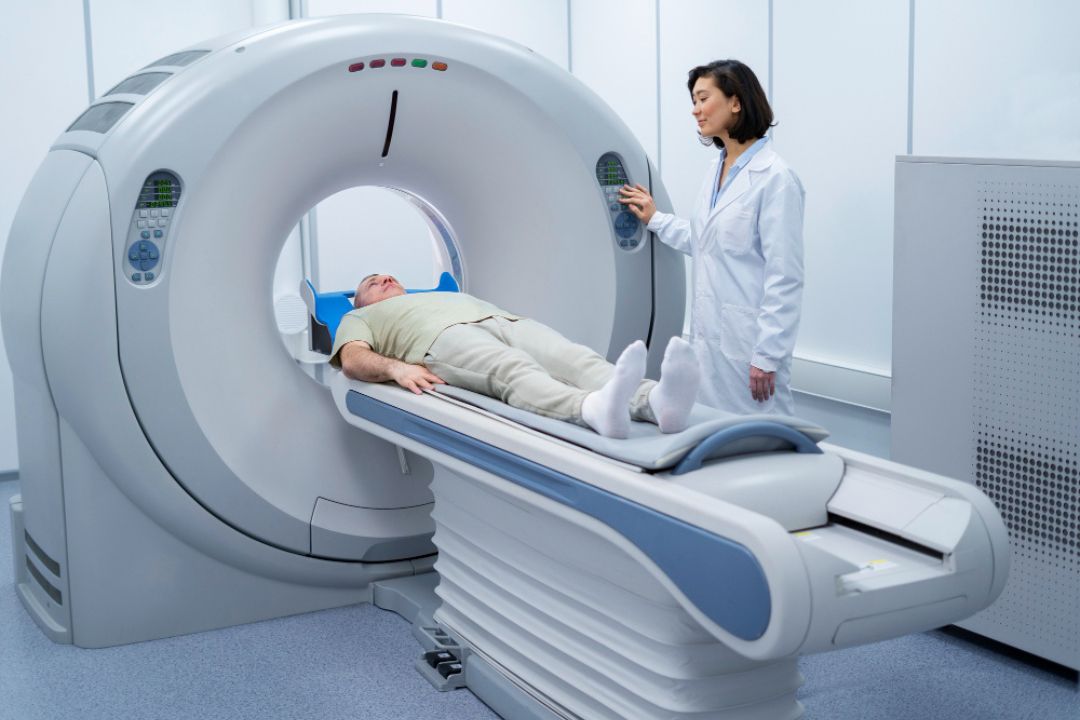
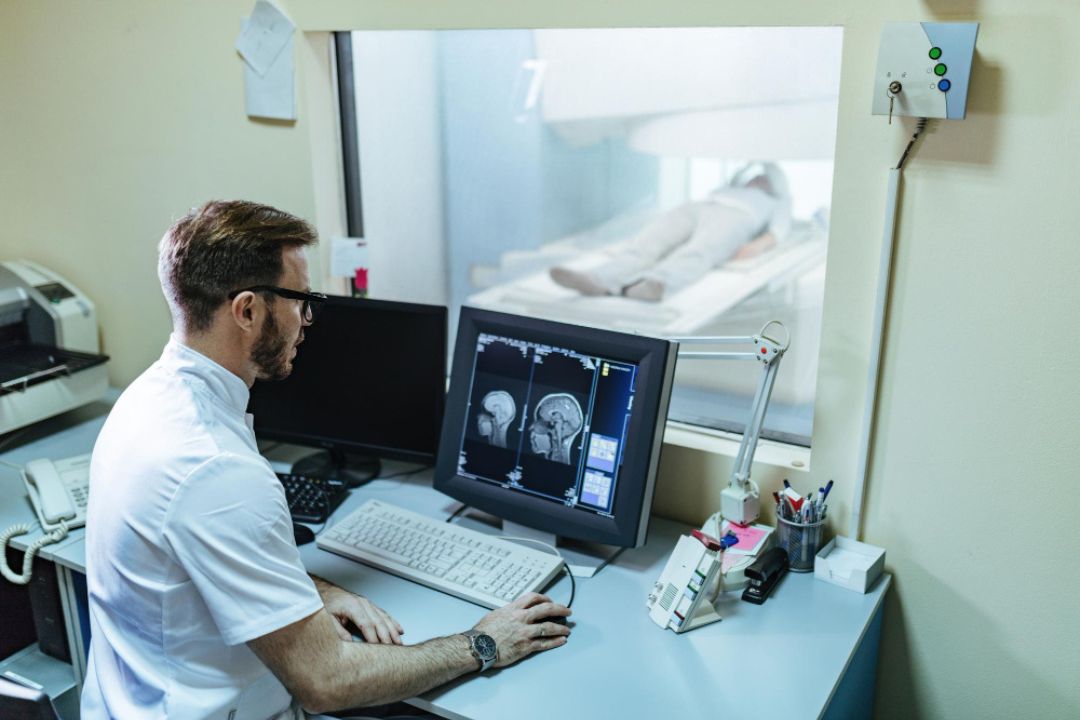
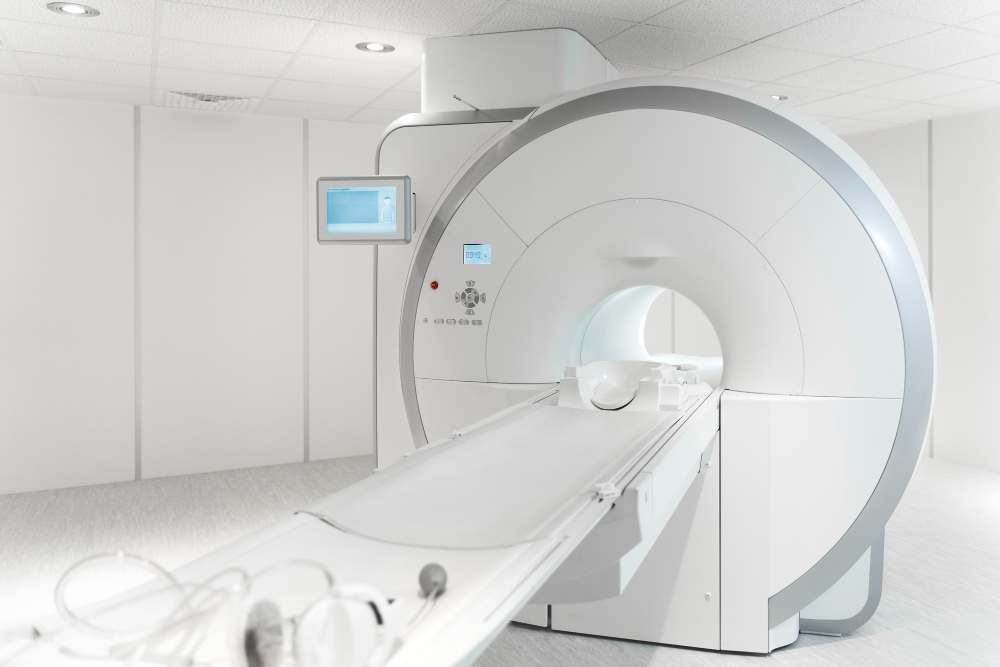
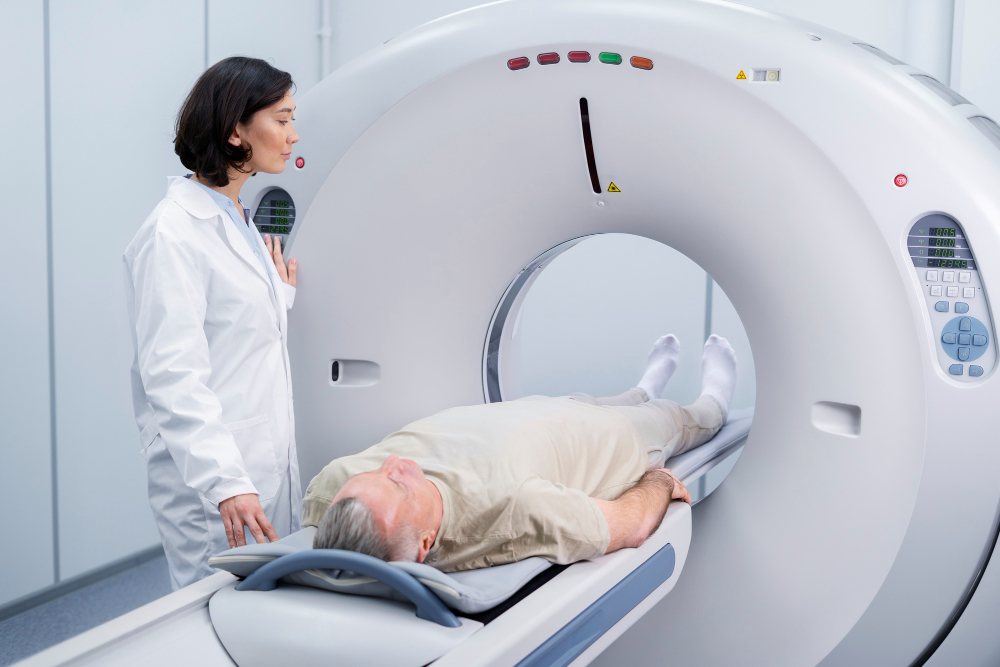
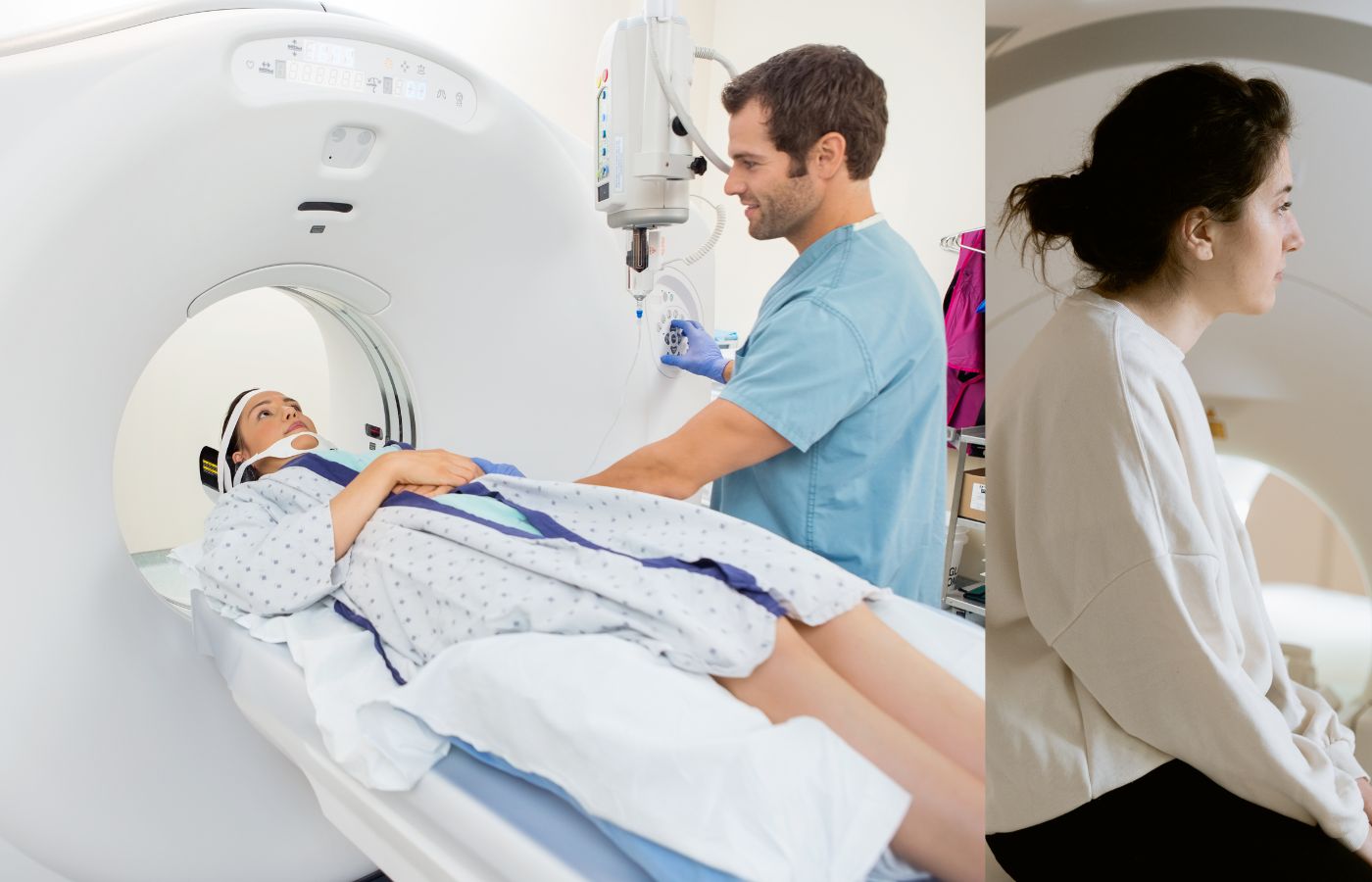
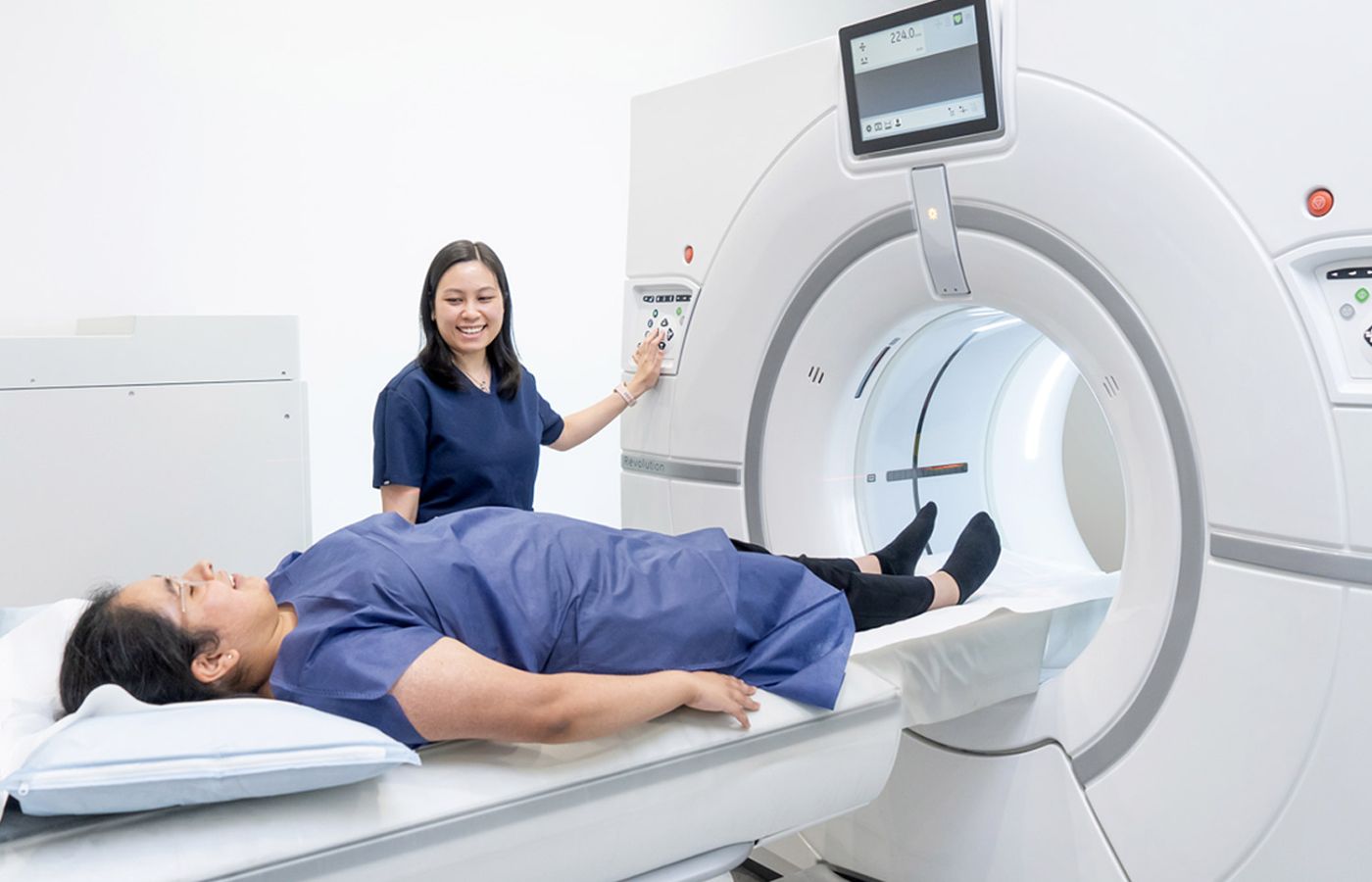
A CT Scan is an advanced diagnostic imaging procedure that captures multiple X-ray images from different angles. A computer then combines these images to create detailed cross-sectional pictures of organs, bones, and tissues.
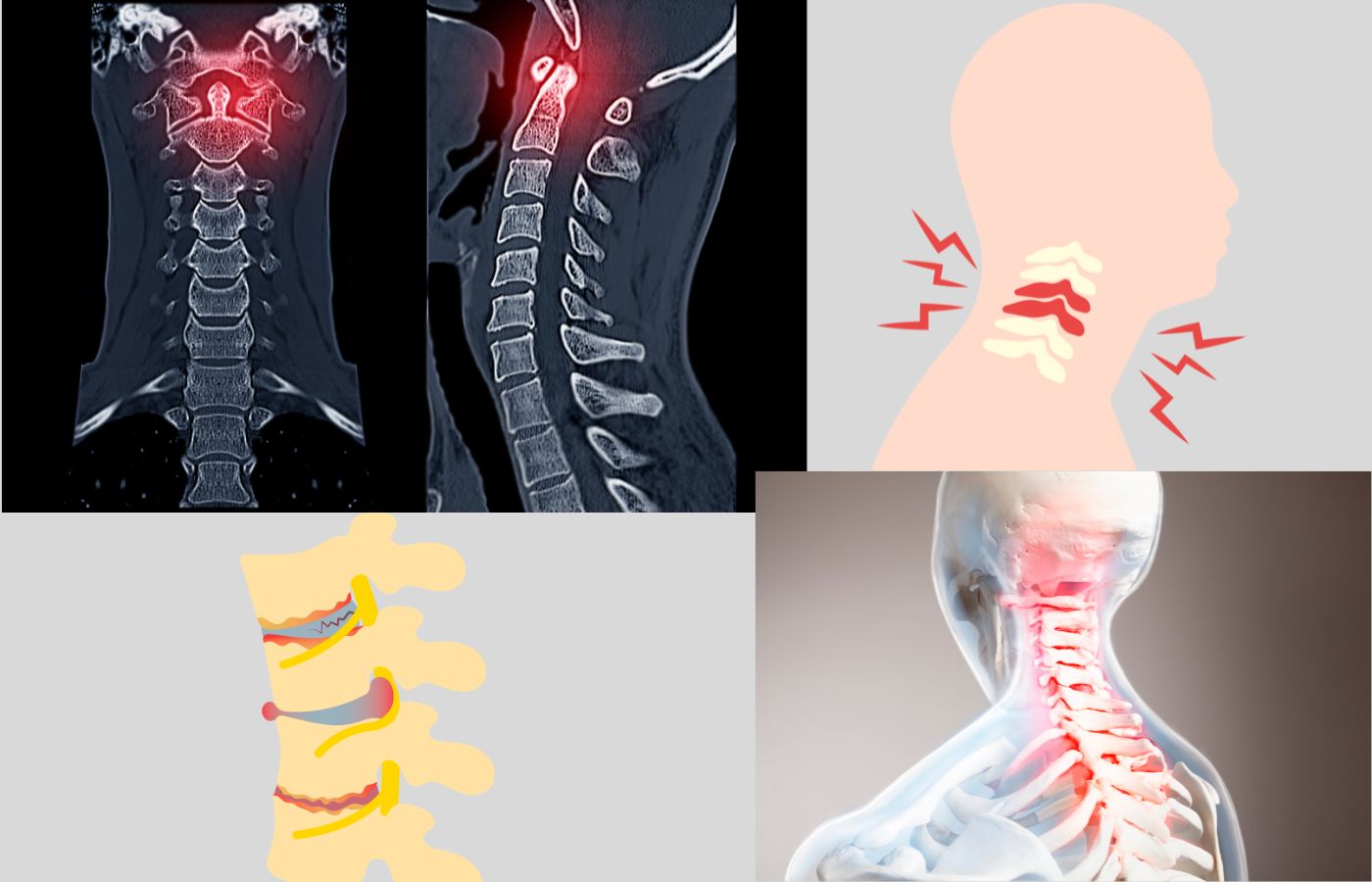
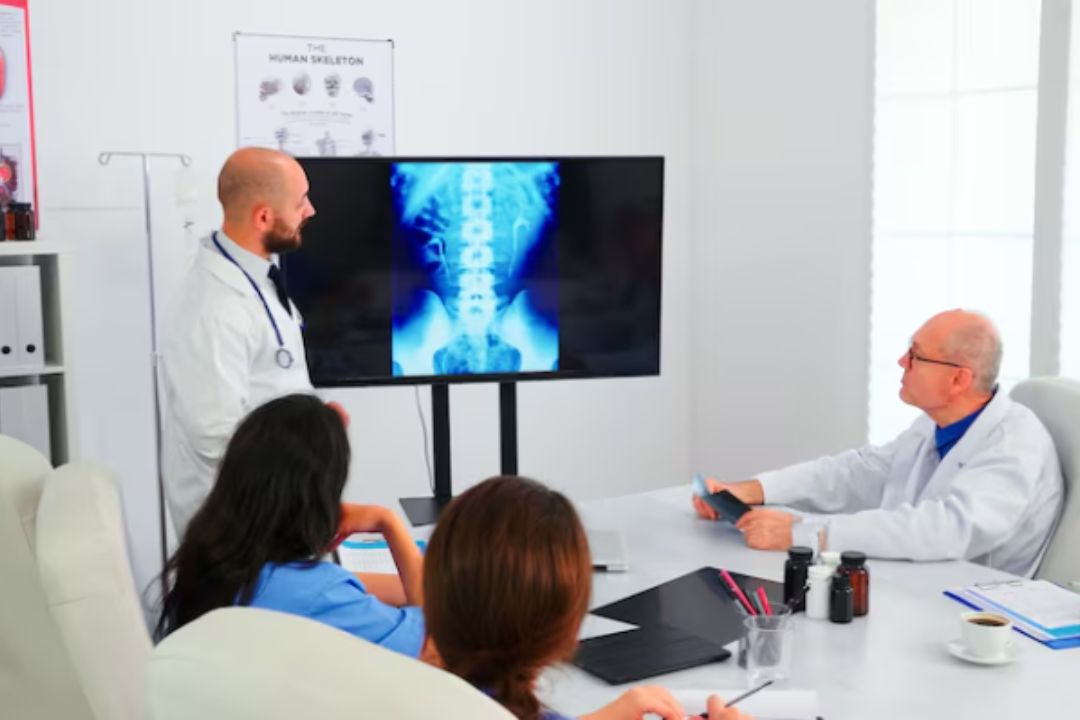
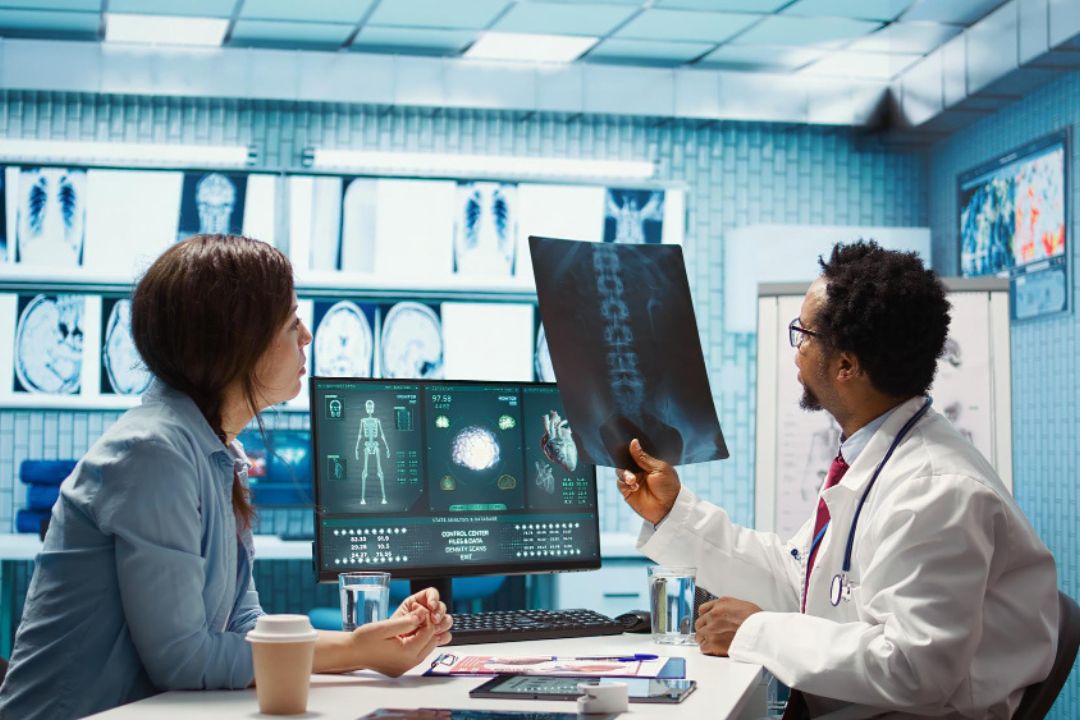
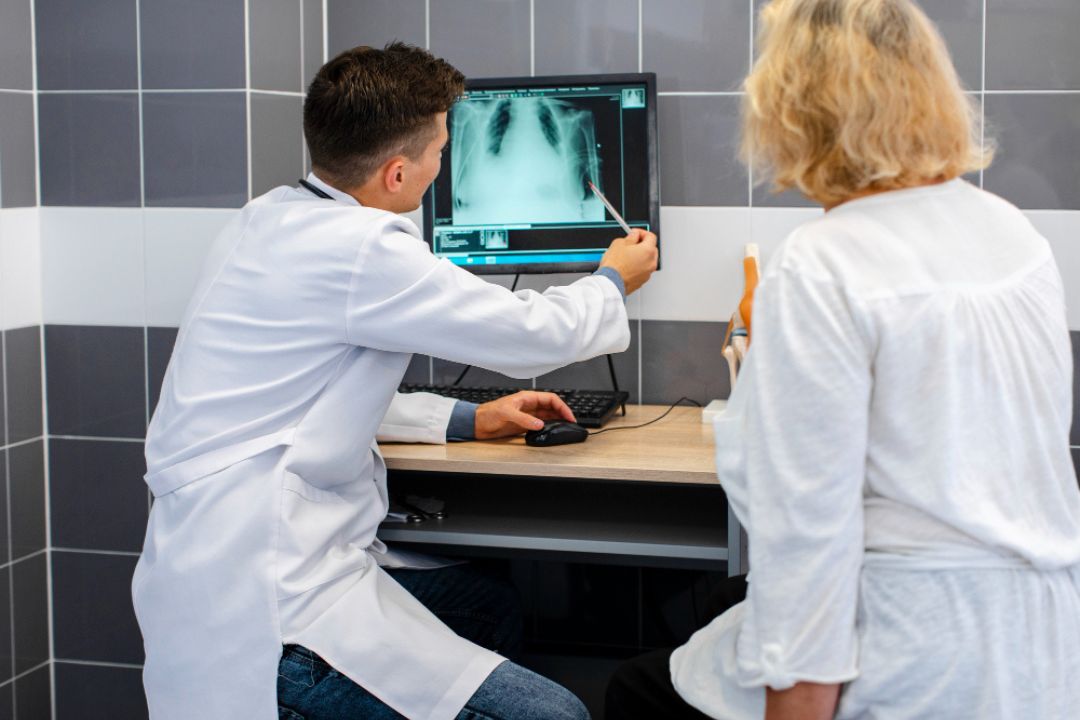
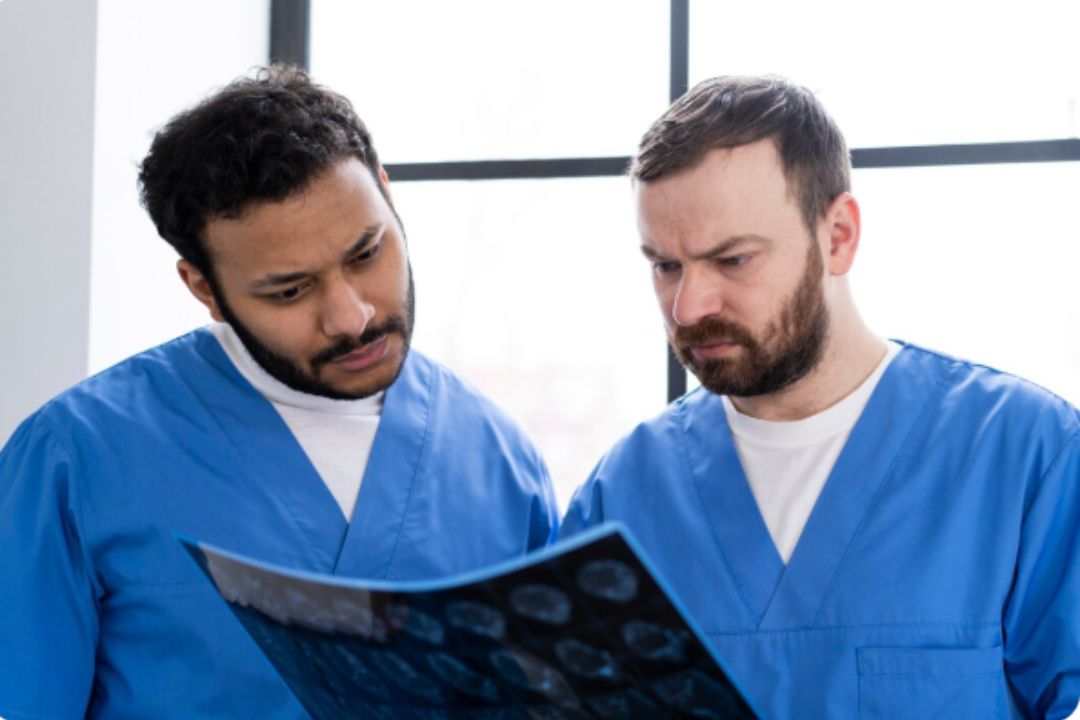
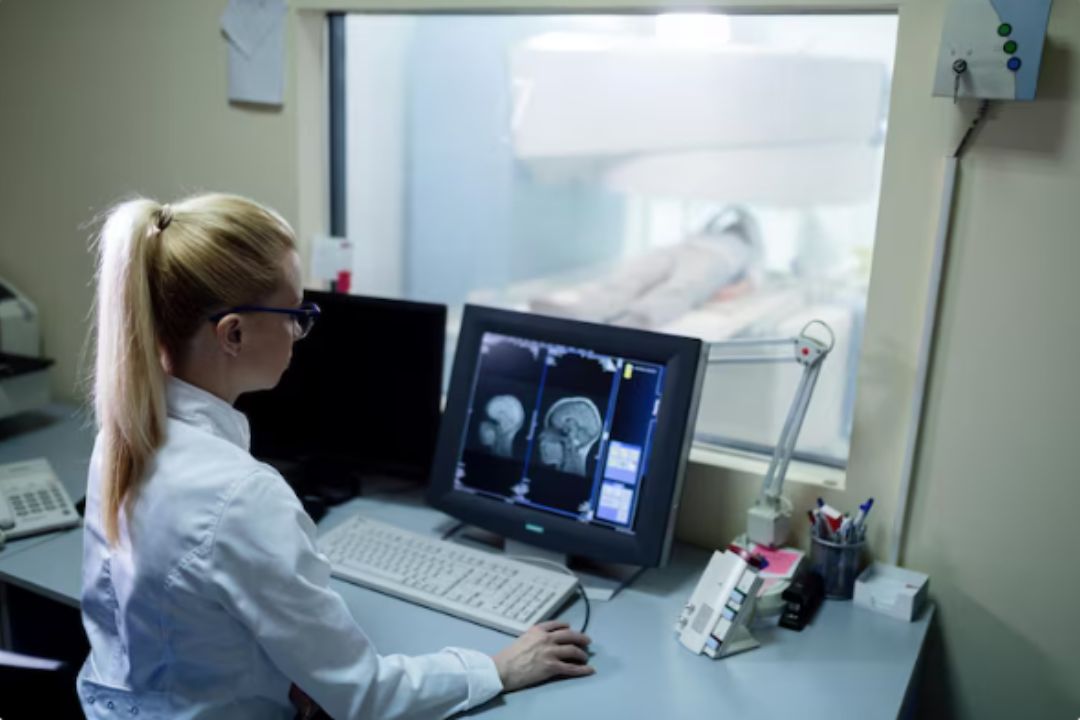
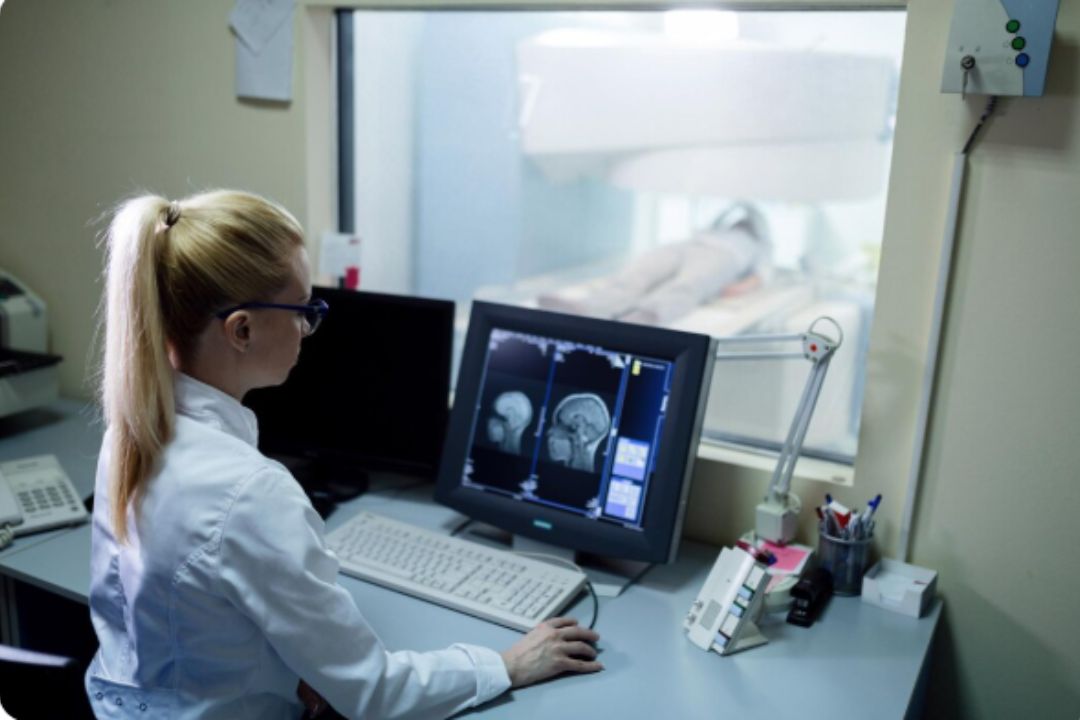
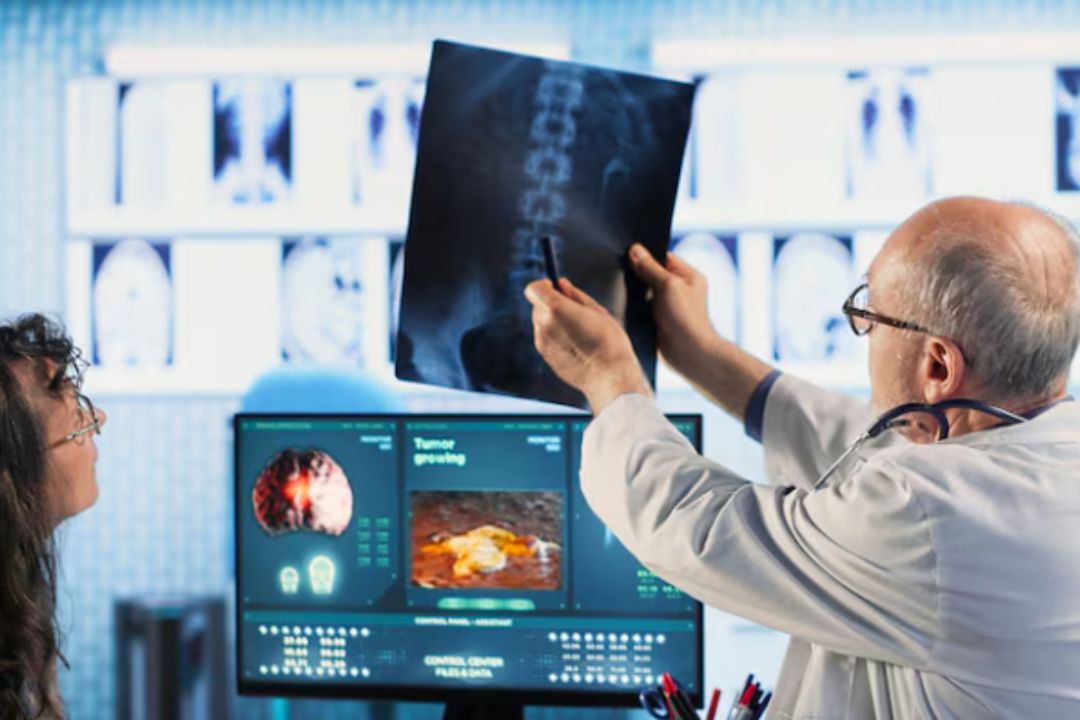
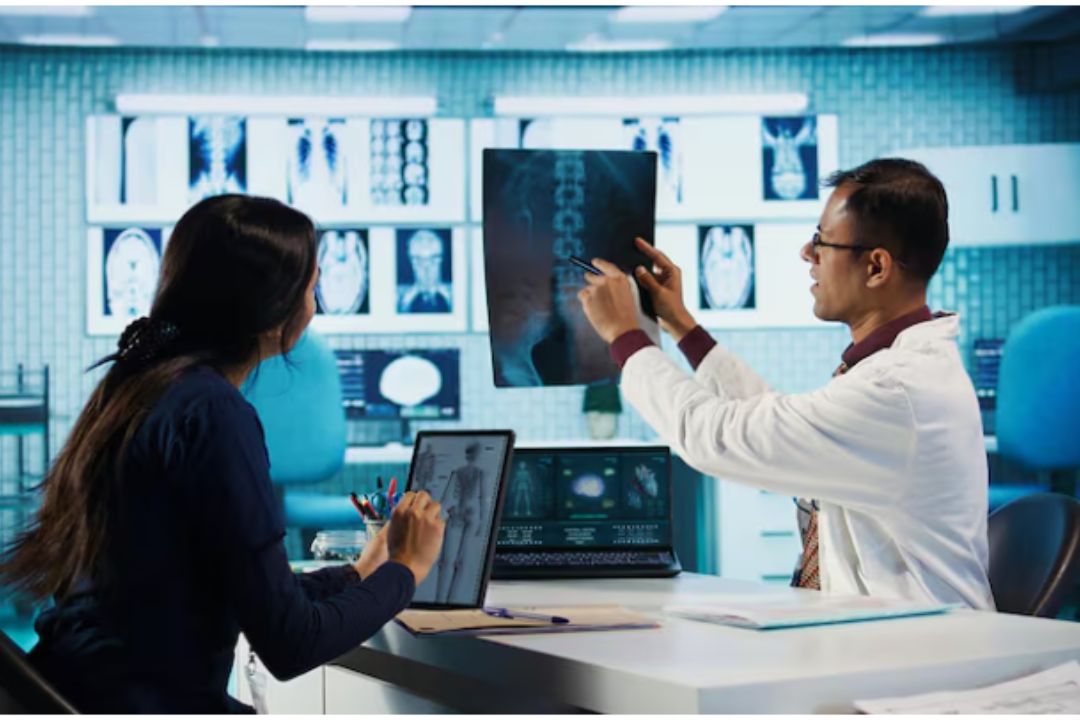
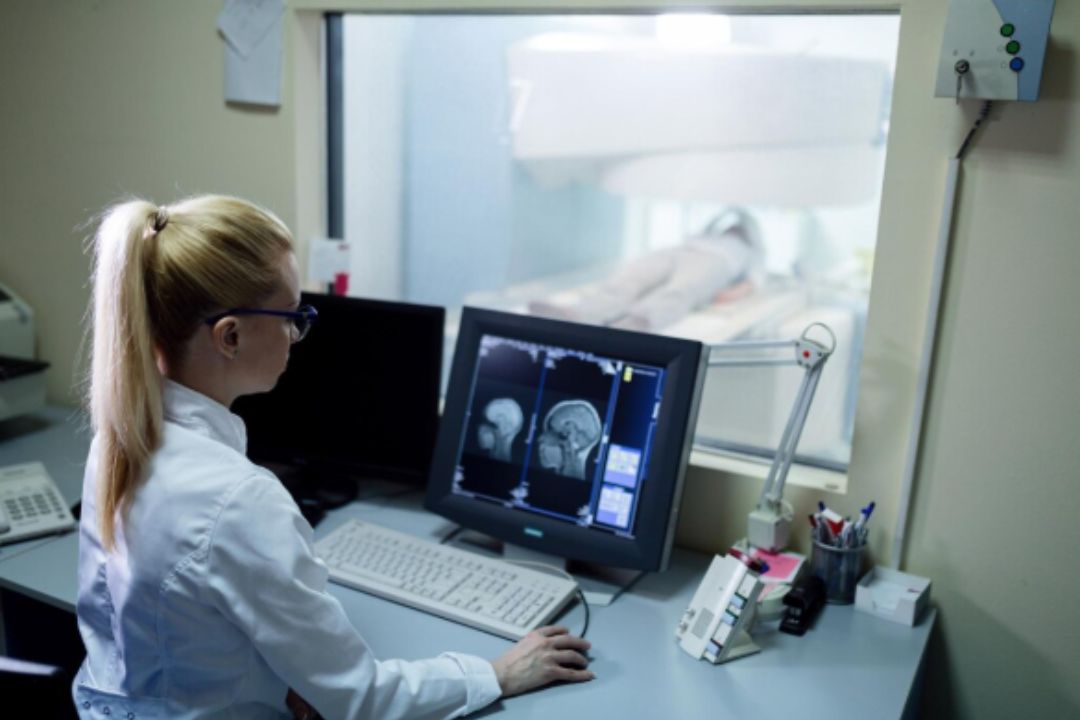
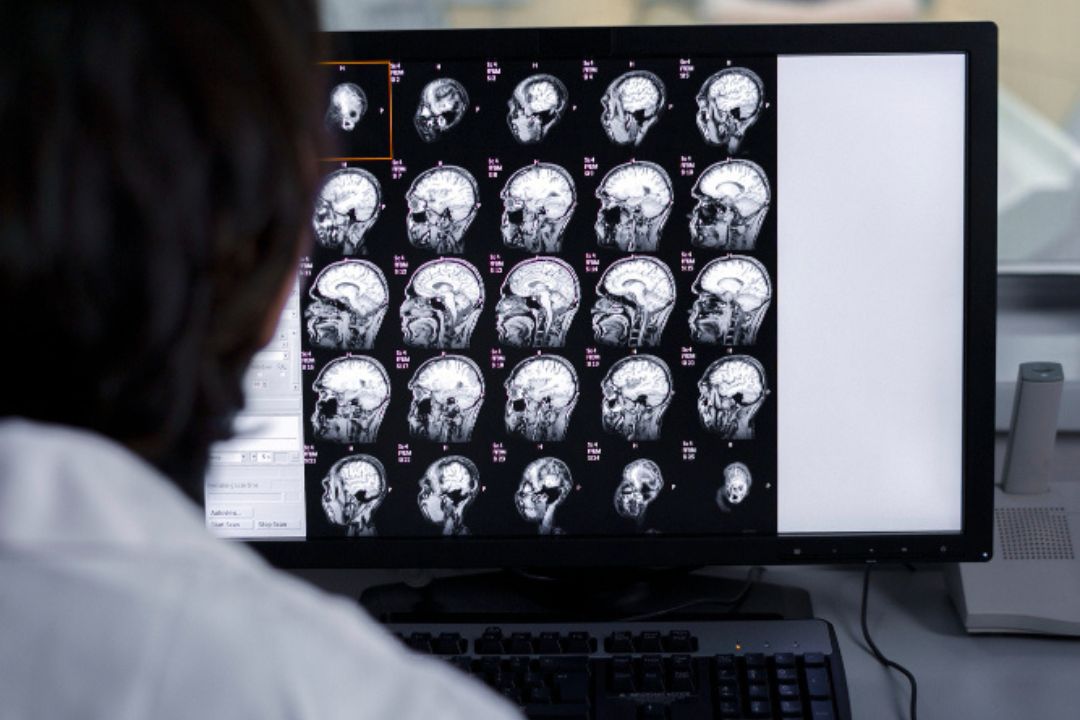
Doctors commonly use CT scans to examine the brain, chest, abdomen, spine, and blood vessels. The test helps detect conditions such as tumors, infections, internal injuries, blood clots, and organ abnormalities.
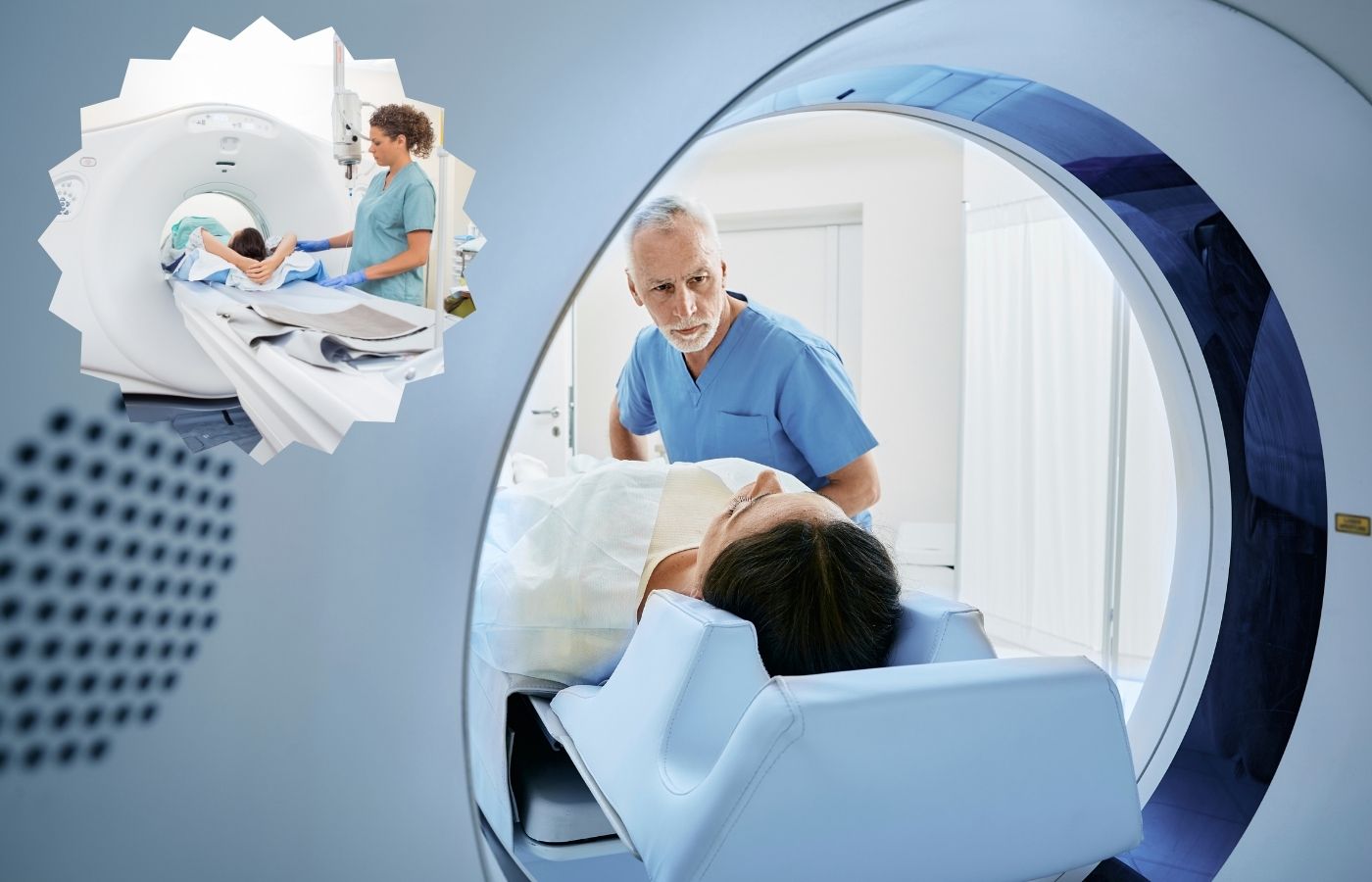
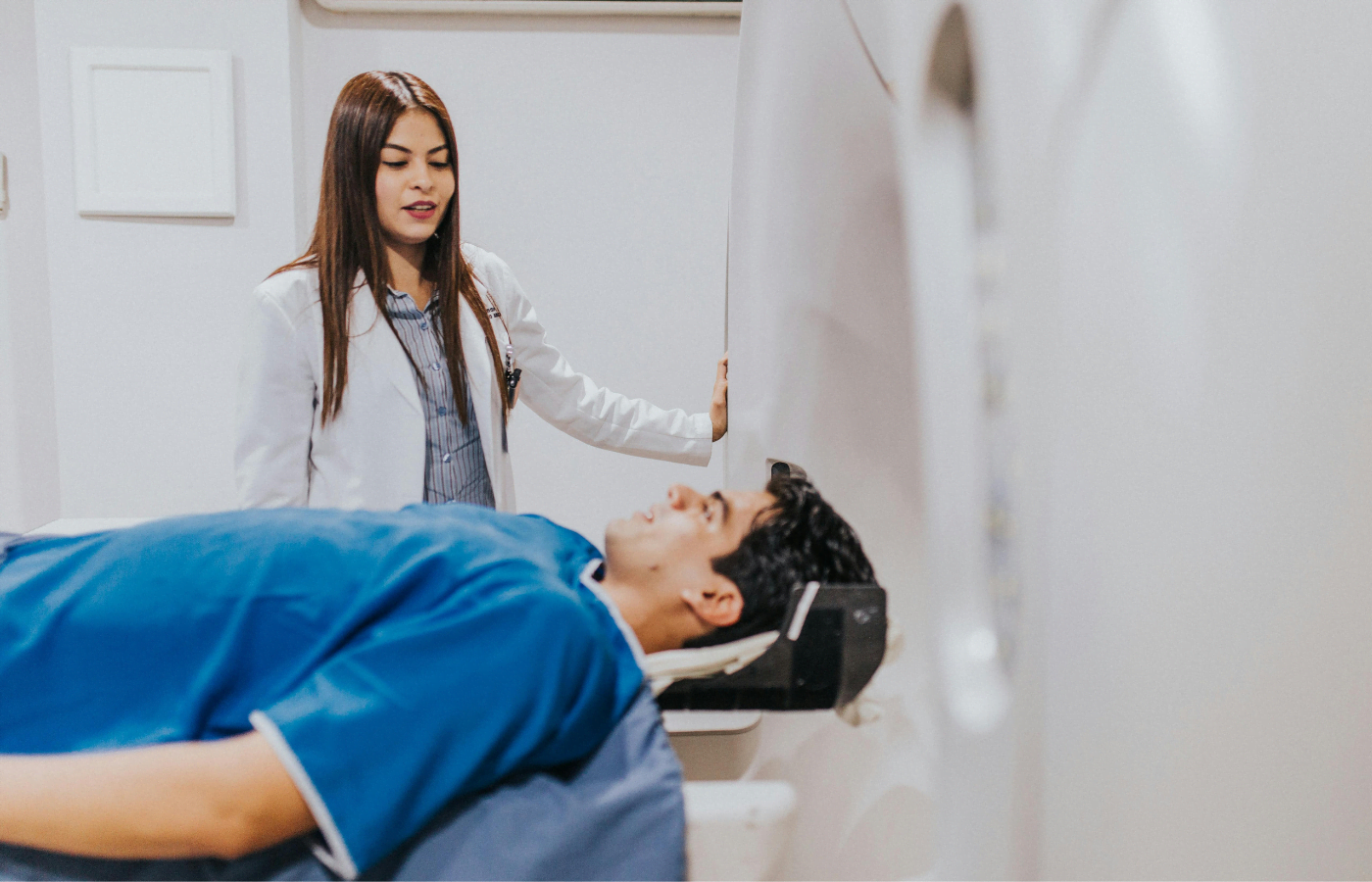
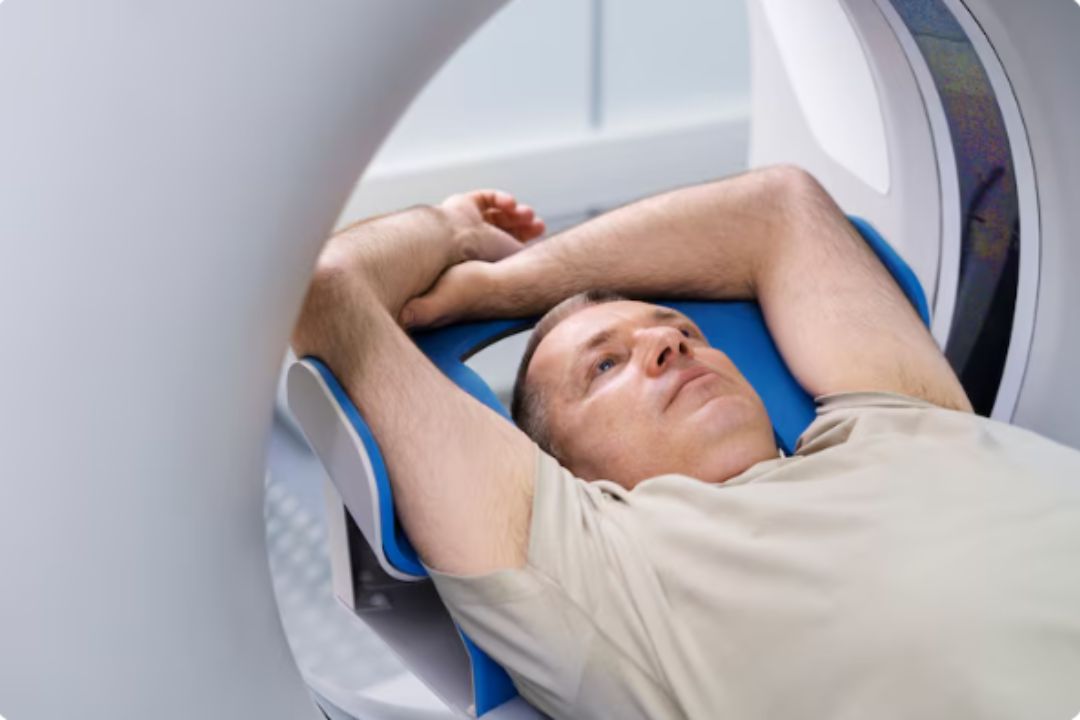
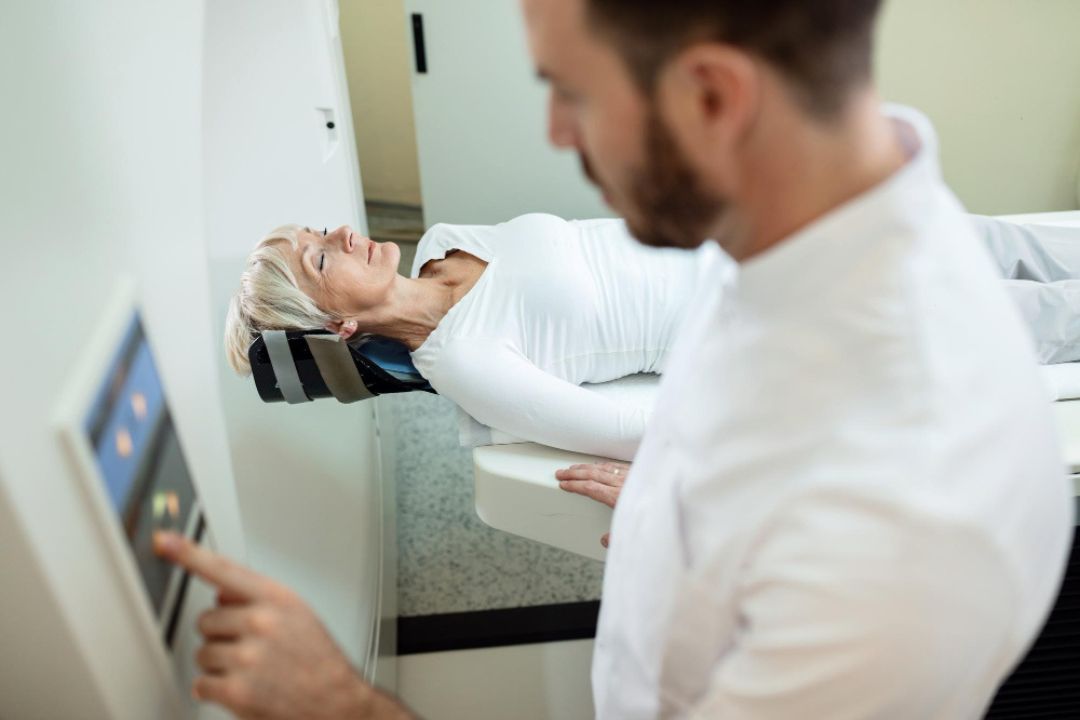
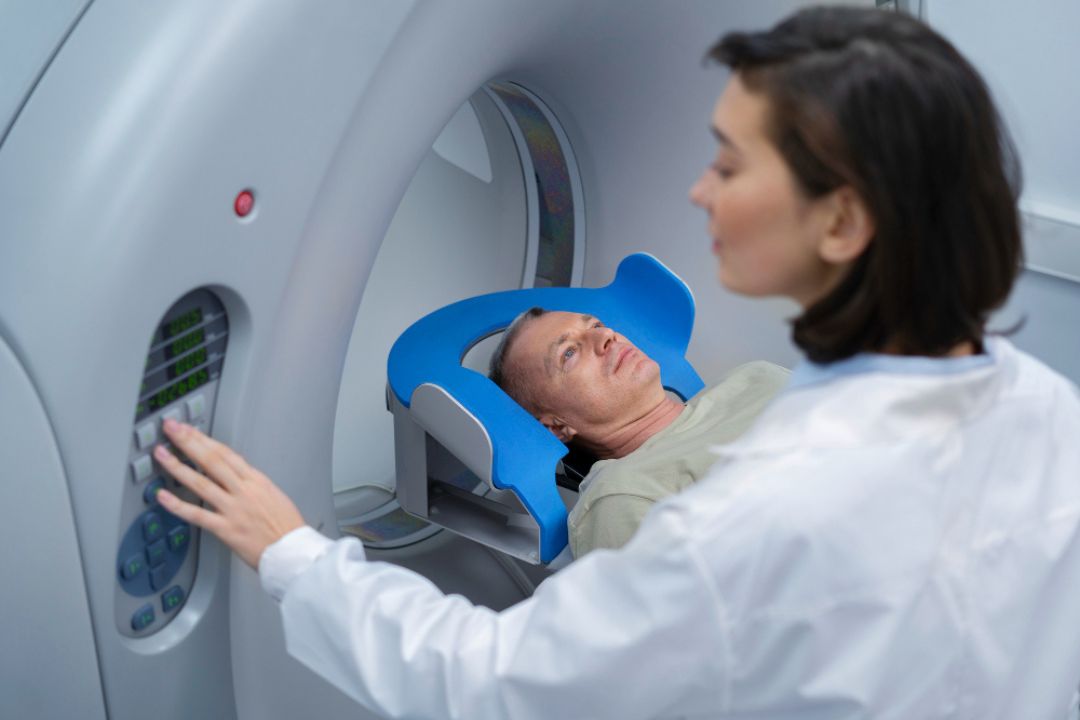
CT scans are usually quick and painless, often taking only a few minutes to complete.
Doctors recommend CT scans because they provide clear and detailed images that help diagnose many medical conditions. They are often used to:
Detect tumors and cancers
Identify internal bleeding or injuries
Diagnose infections or inflammation
Evaluate organ damage after accidents
Locate kidney stones
Monitor the progress of certain diseases
Guide medical procedures or surgeries
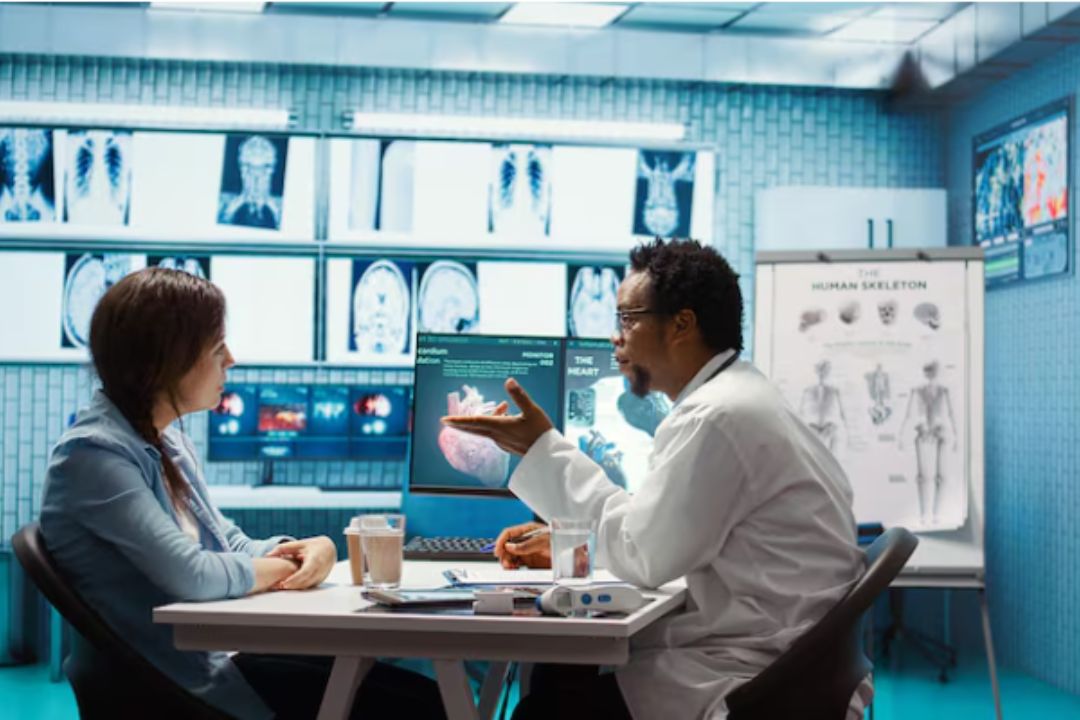
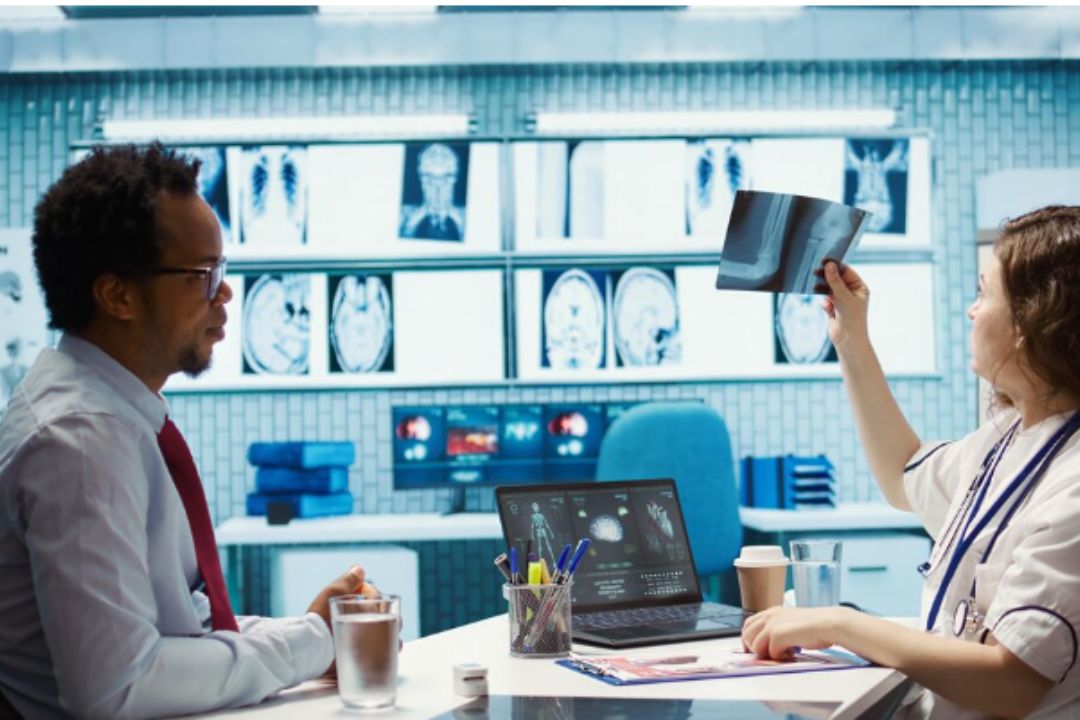
Because CT scans provide highly accurate information, they often help doctors make faster and more reliable treatment decisions.
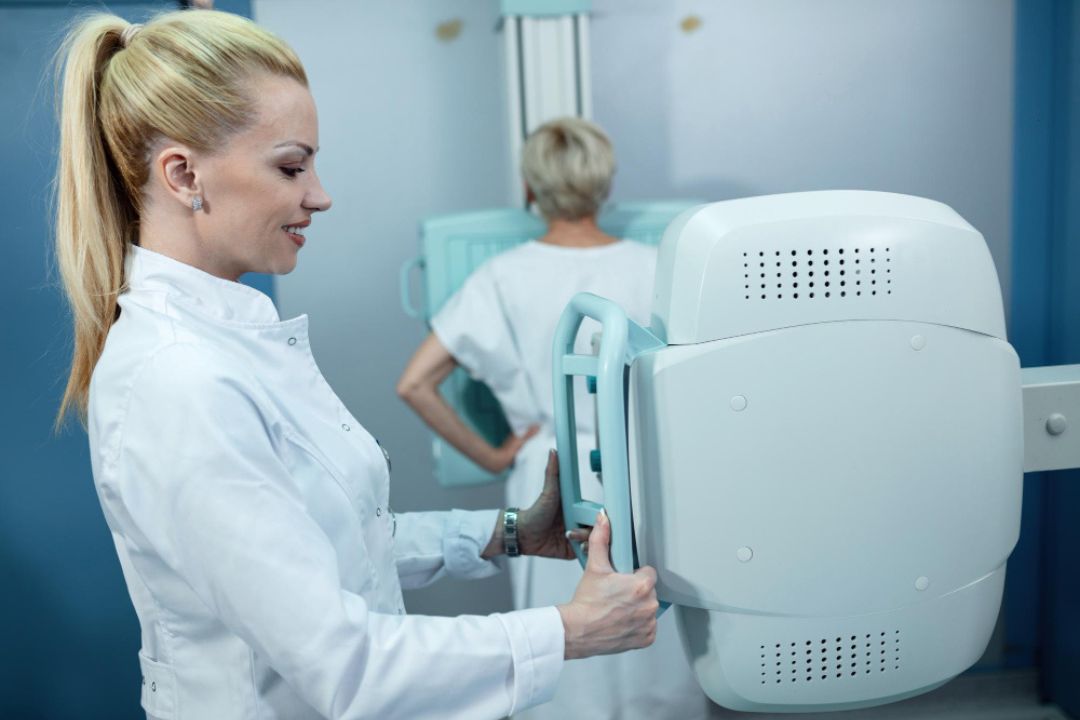
CT scans use ionizing radiation to produce detailed images. The amount of radiation varies depending on the type of scan and the part of the body being examined.
Most diagnostic CT procedures deliver radiation doses in the range of about 1 to 10 millisieverts (mSv) depending on the scan type.
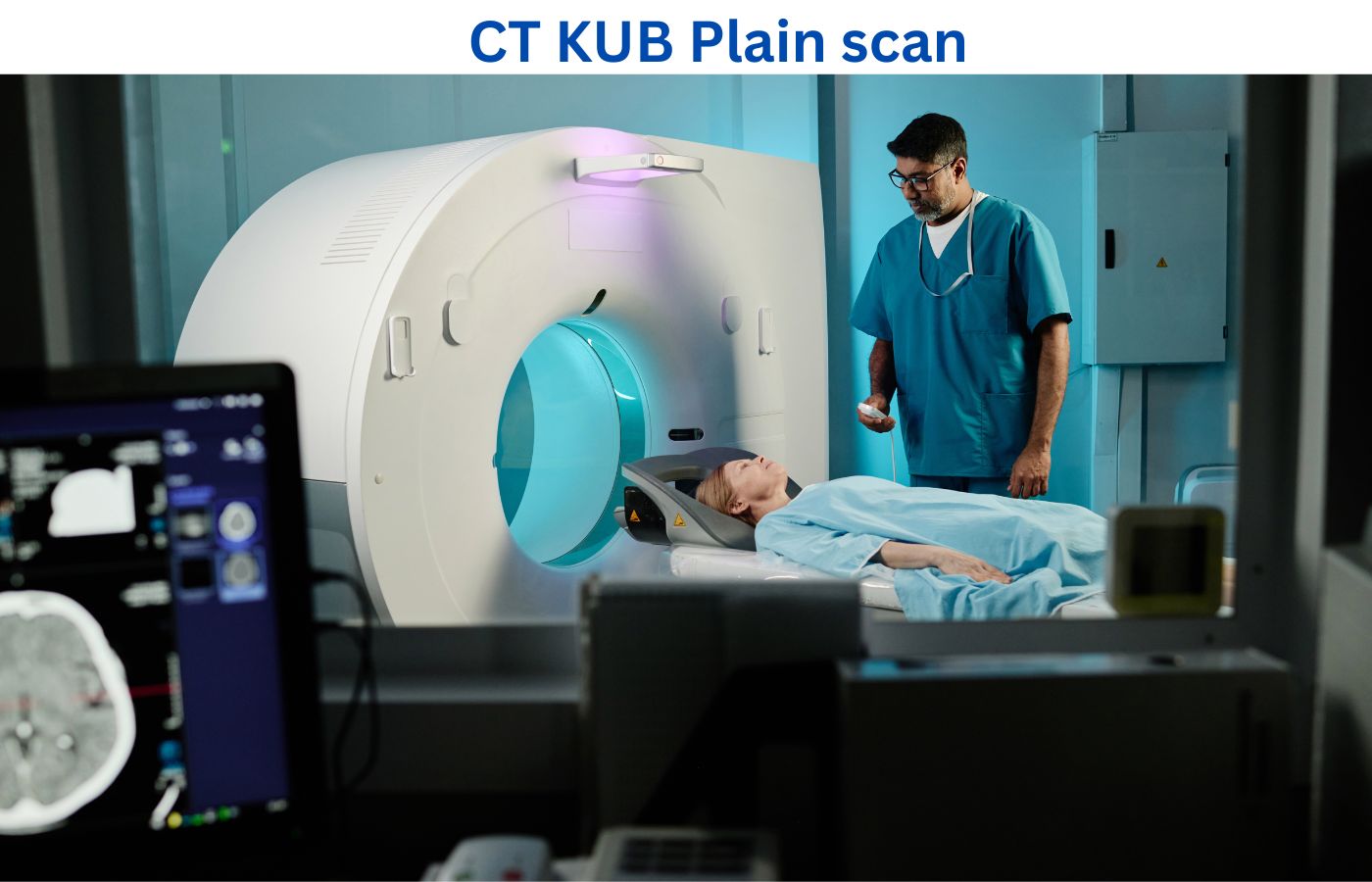
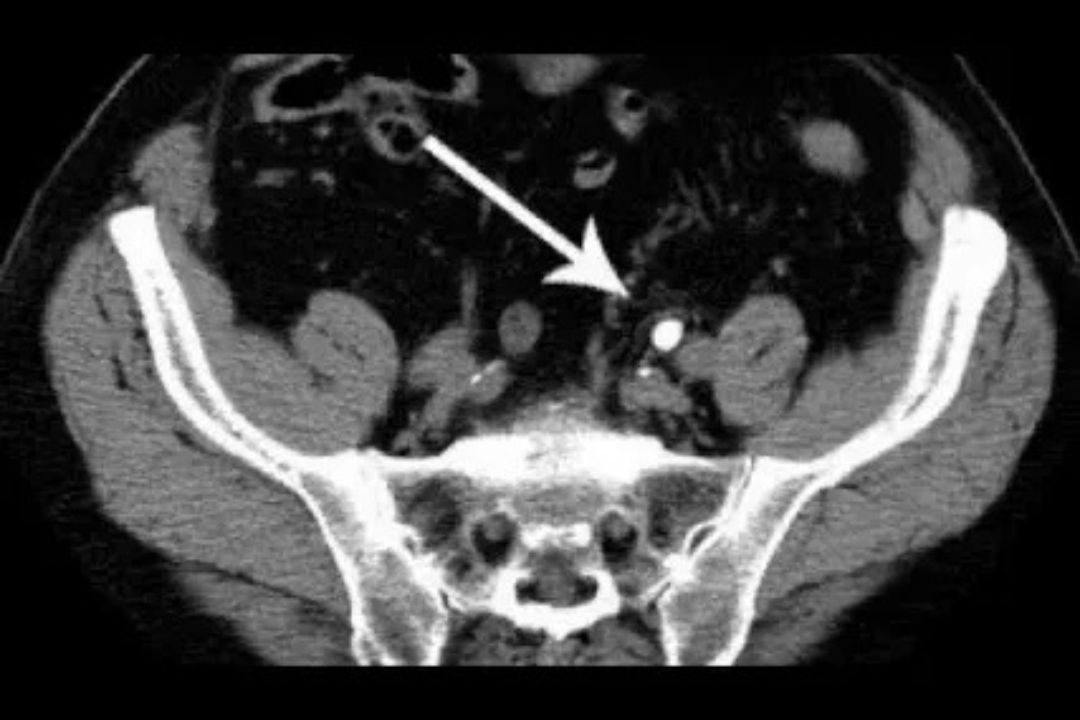
For example, a typical Abdominal CT Scan may expose a patient to around 10 mSv of radiation, which is higher than a standard X-ray but still considered medically acceptable when necessary.
Although radiation exposure always carries some level of risk, the risk from a single CT scan is generally very small.
The main concern with CT scans is radiation exposure. Higher levels of radiation can slightly increase the long-term risk of developing cancer. However, for an individual patient, the additional risk from one CT scan is extremely small compared with the natural risk of cancer.
Doctors carefully consider the medical need for the scan before recommending it.
Some CT scans require a contrast dye to improve image clarity. In rare cases, patients may experience mild reactions such as:
Nausea
Warm sensation in the body
Metallic taste in the mouth
Allergic reaction (very rare)
Patients with kidney problems or known allergies should inform their doctor before the scan.
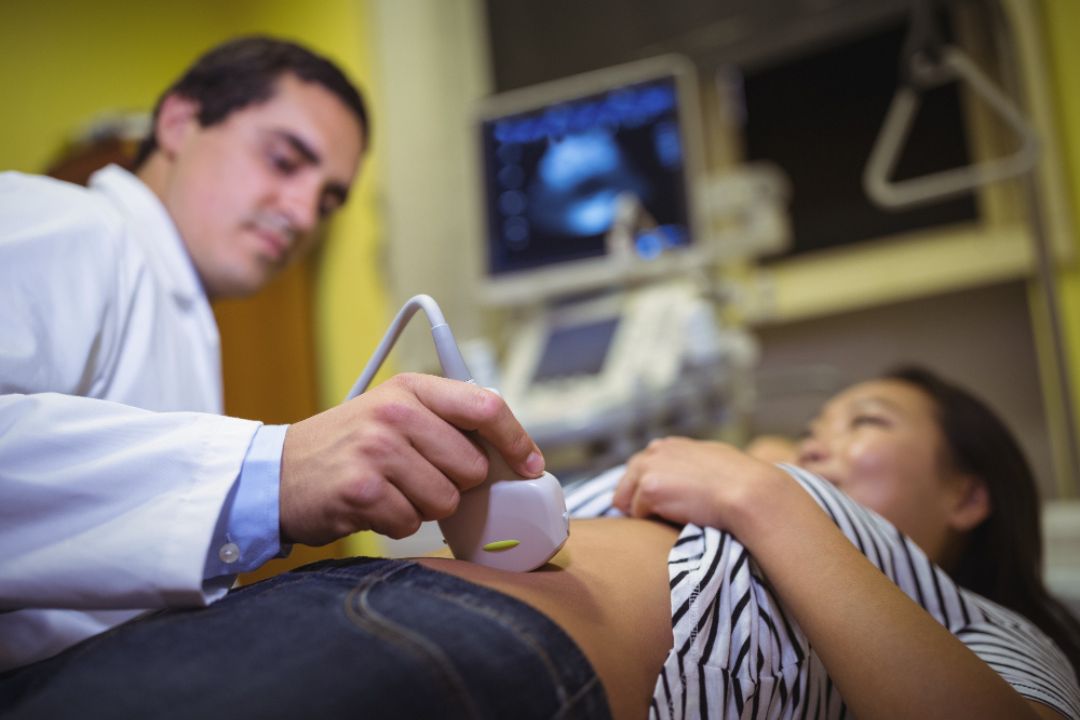
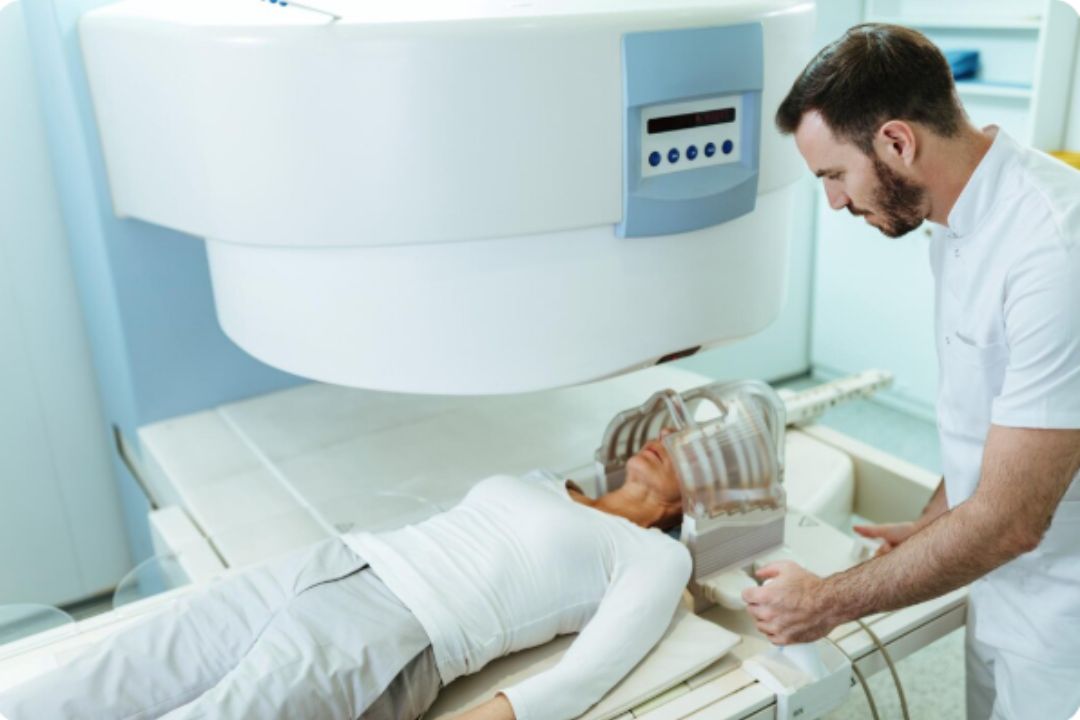
CT scans are usually avoided during pregnancy because radiation may affect a developing fetus. Doctors may recommend alternative imaging methods such as ultrasound or MRI.
Certain individuals may need extra caution when undergoing CT imaging:
Pregnant women
Children and young adults
Patients requiring multiple scans over time
People with kidney disease when contrast dye is used
Doctors may adjust the radiation dose or choose alternative imaging tests if necessary.
Despite the small risks, CT scans offer significant medical benefits. They help doctors detect serious conditions early and guide life-saving treatments.
Advantages of CT imaging include:
Highly detailed images of internal organs
Fast and accurate diagnosis
Ability to detect internal bleeding or injuries
Improved treatment planning
Monitoring of disease progression
For many medical situations, the benefits of accurate diagnosis greatly outweigh the potential risks.
Medical professionals follow strict safety guidelines to ensure CT scans are used responsibly. Hospitals and imaging centers use modern CT scanners that require lower radiation doses than older machines.
Radiologists also follow the principle of using the lowest radiation dose necessary while still producing clear diagnostic images.
Patients are typically only advised to undergo CT scans when they are medically necessary.
If you are scheduled for a CT scan, consider the following tips:
Inform your doctor about previous CT scans or imaging tests
Tell your doctor if you are pregnant or may be pregnant
Mention any allergies or kidney problems
Ask whether contrast dye will be used
Follow preparation instructions provided by the imaging center
Being informed can help ensure a safe and smooth experience.
CT scans are powerful diagnostic tools that allow doctors to view detailed images of the body's internal structures. Although they involve radiation exposure, the risks are generally very small when scans are performed for valid medical reasons.
For most patients, the benefits of accurate diagnosis and timely treatment far outweigh the potential risks. If your doctor recommends a CT scan, it is usually because the information gained from the scan is essential for your medical care.
Understanding the purpose, safety measures, and potential risks of CT scans can help patients feel reassured and confident about undergoing this important diagnostic test.







.jpg "ct brain scan plain and contrast")

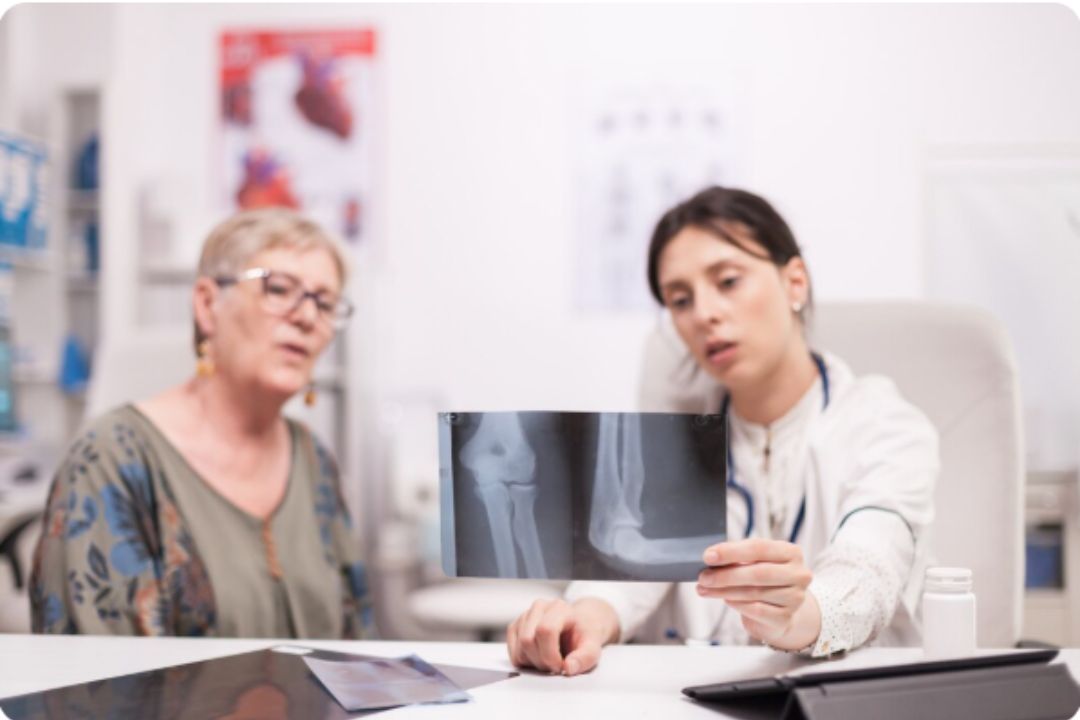
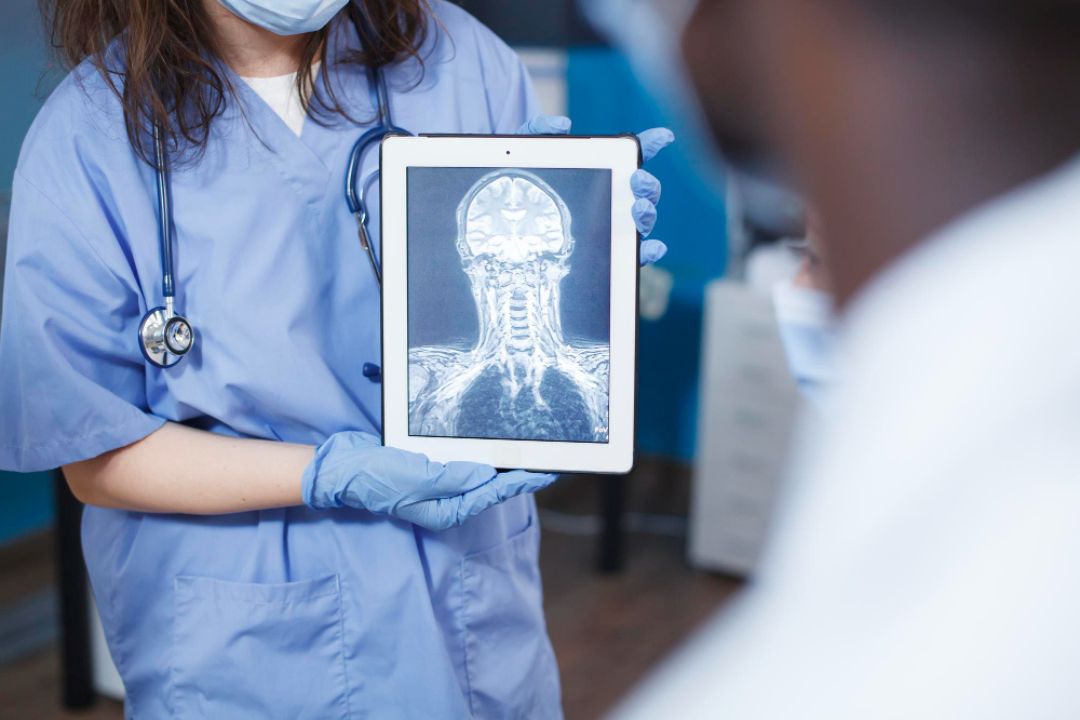
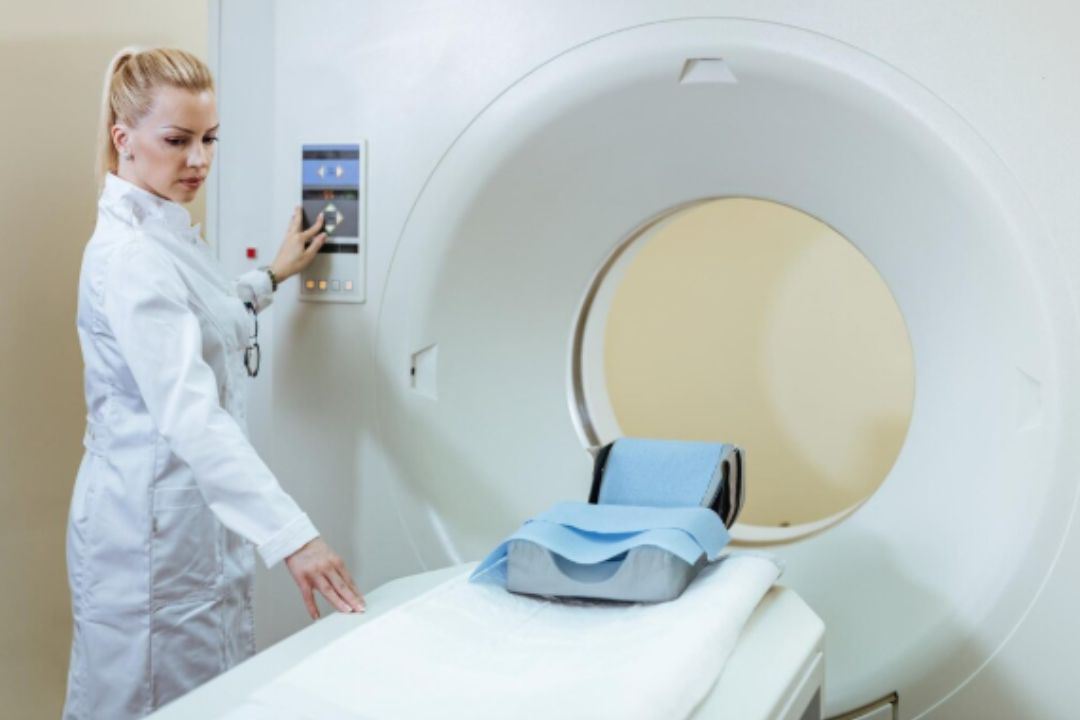

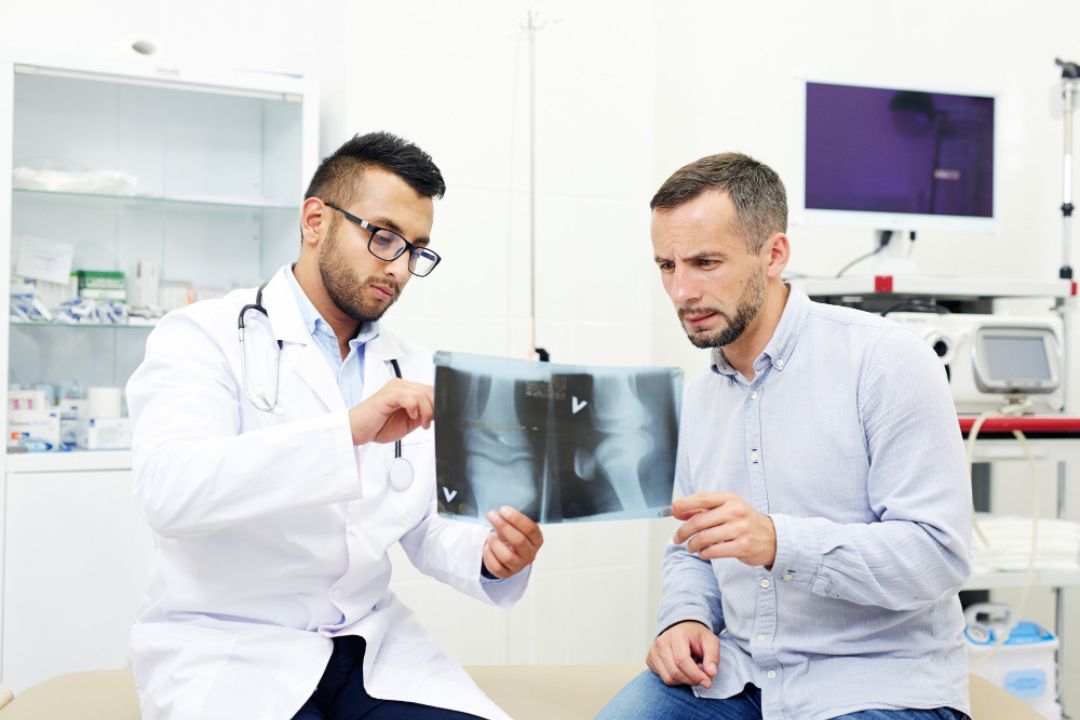

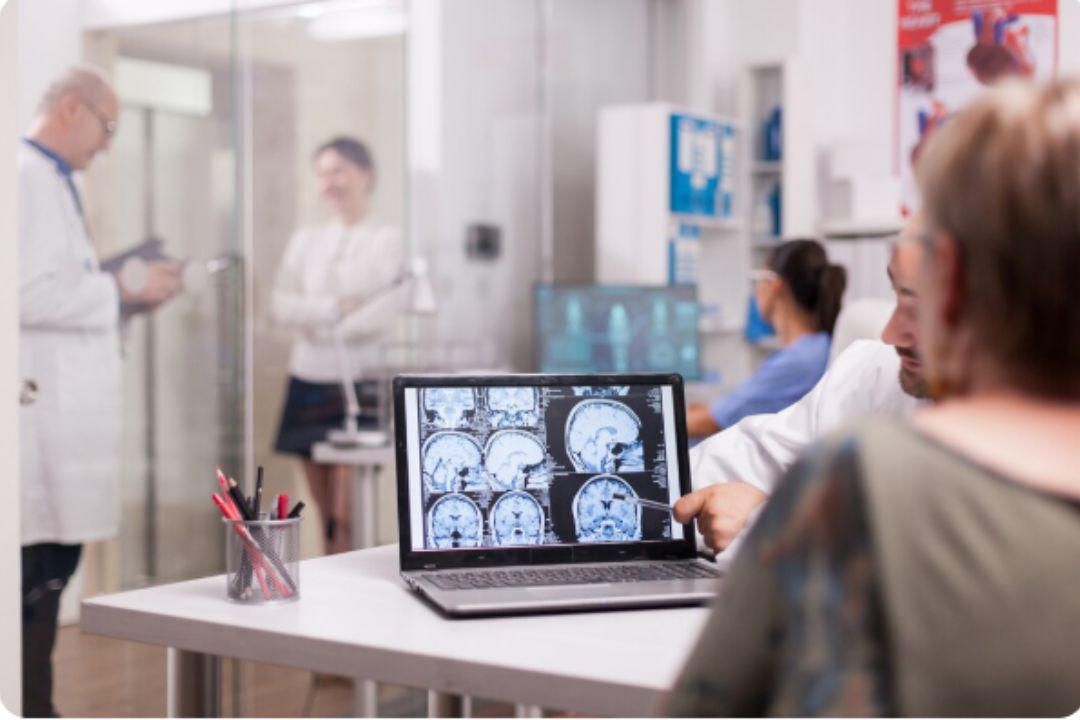
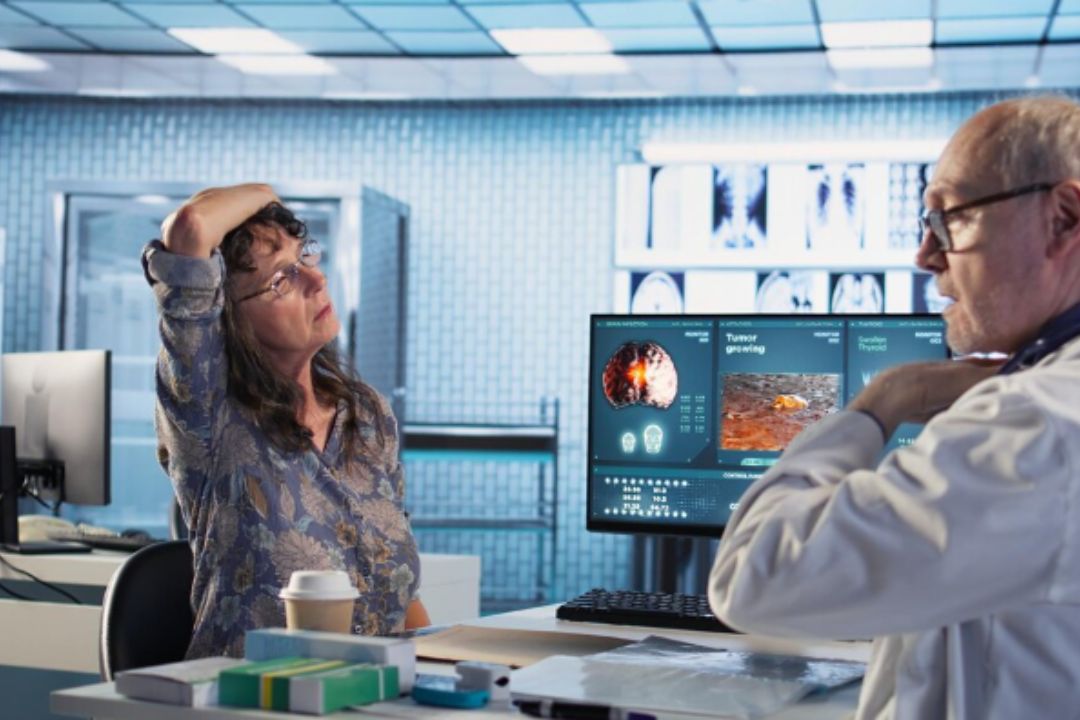

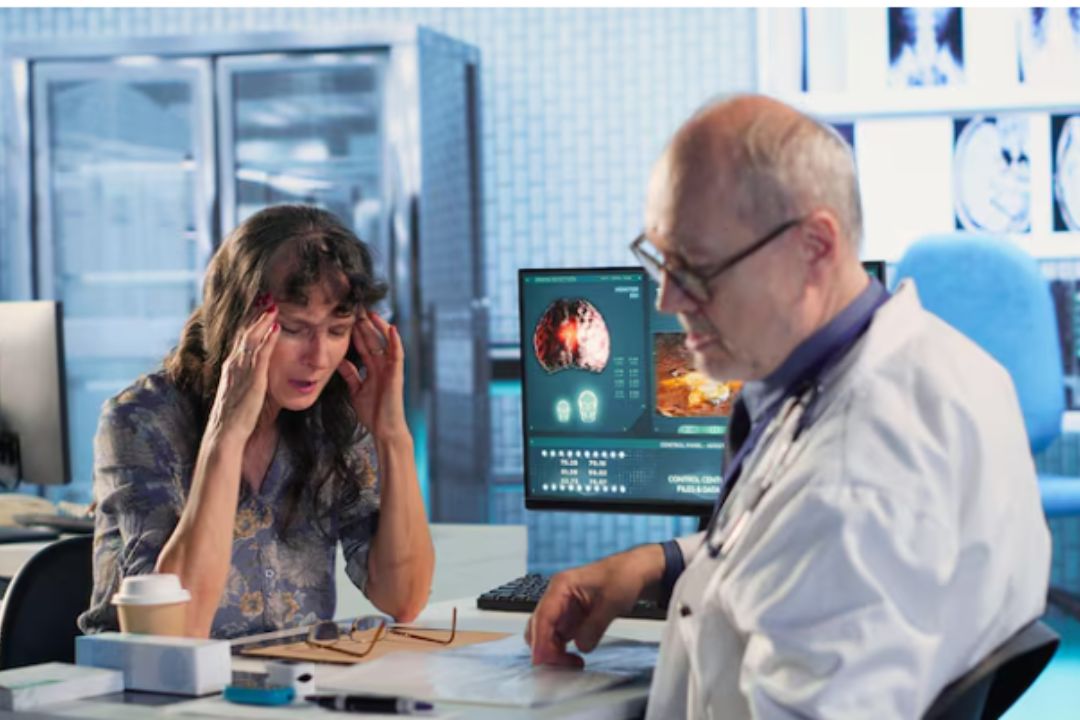

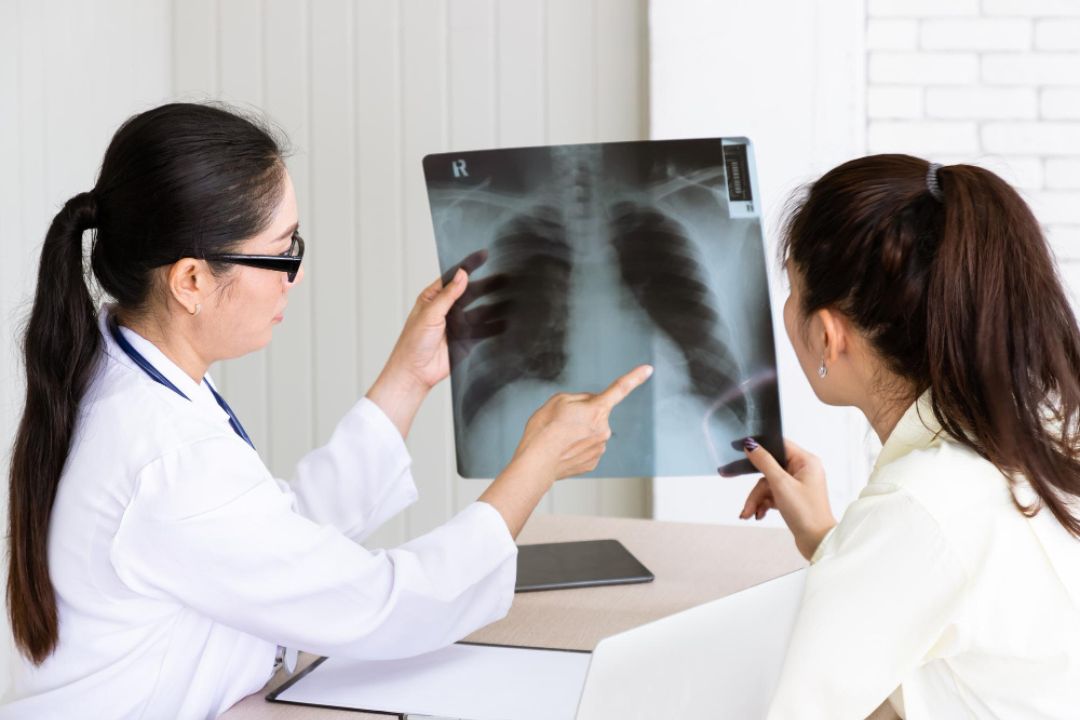

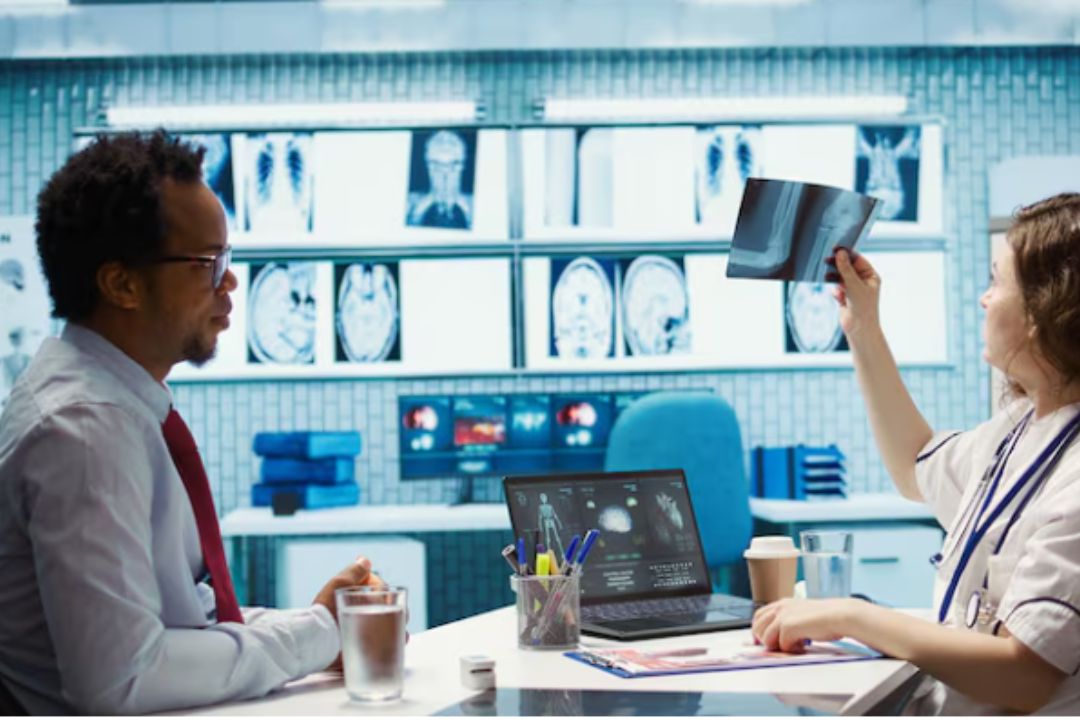
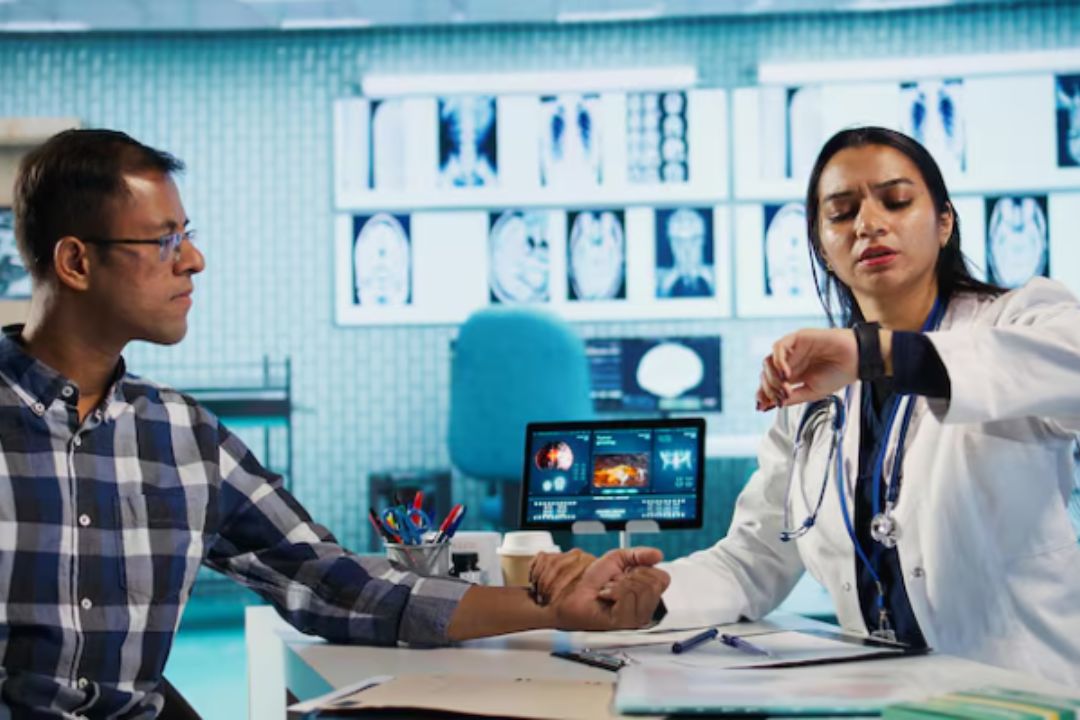

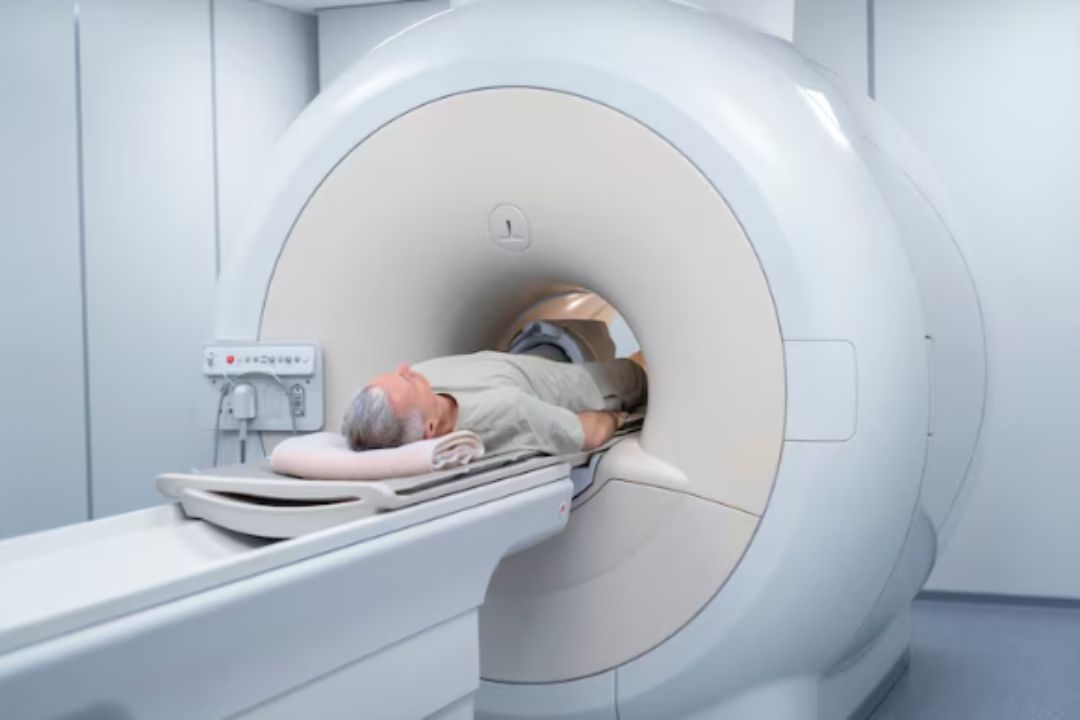

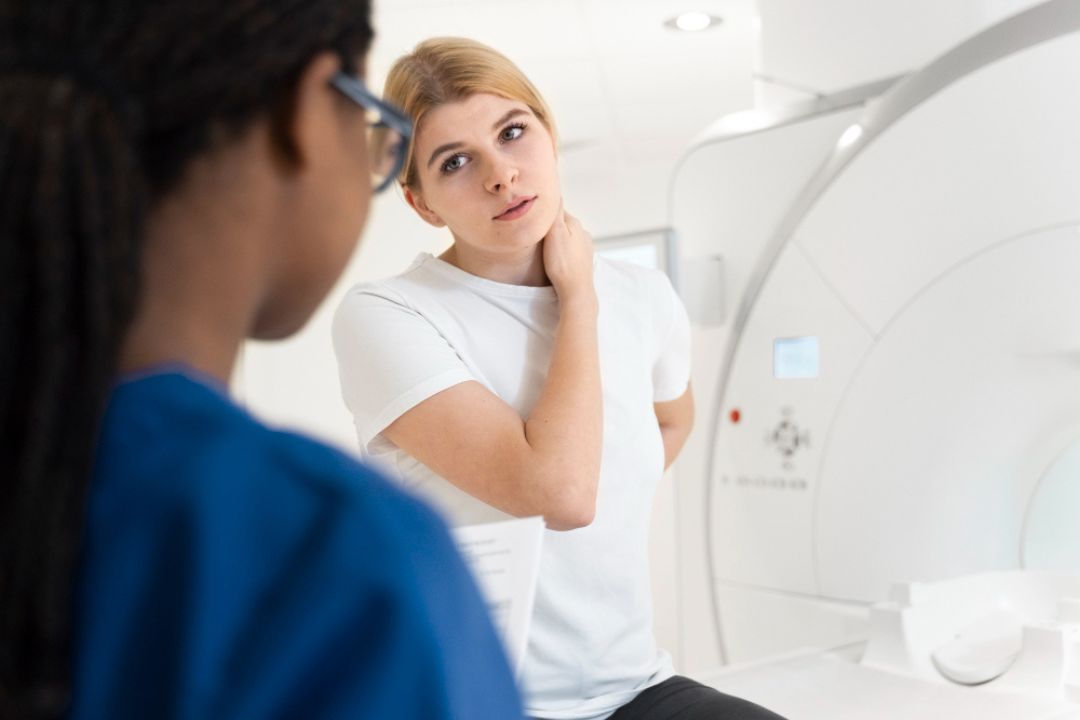
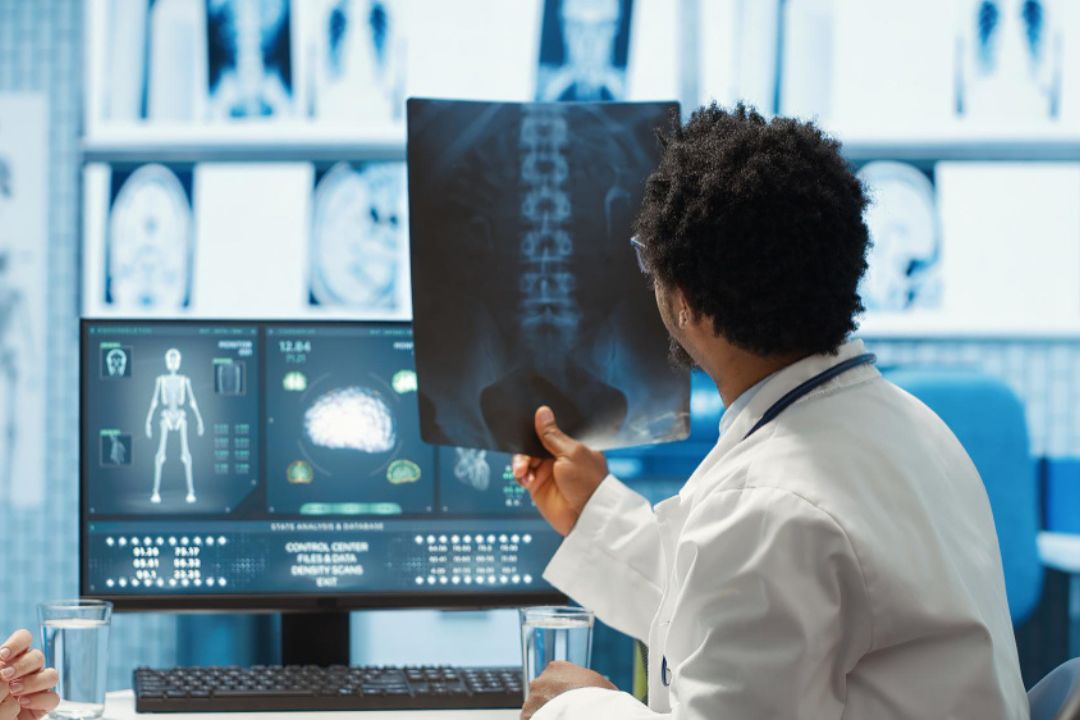
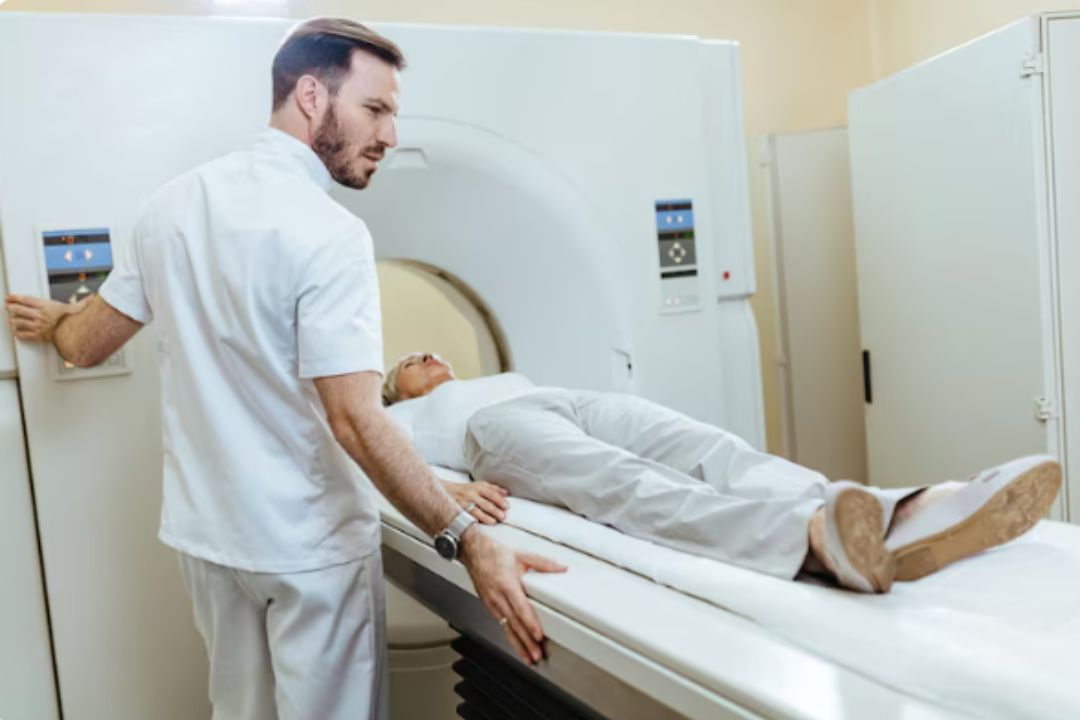
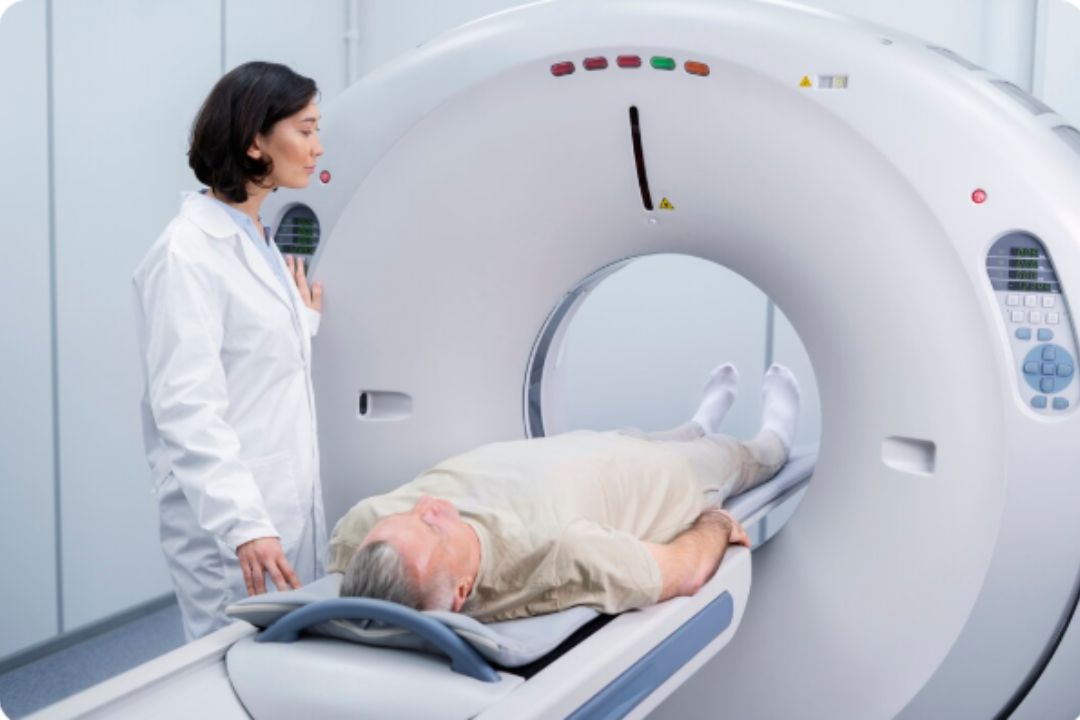

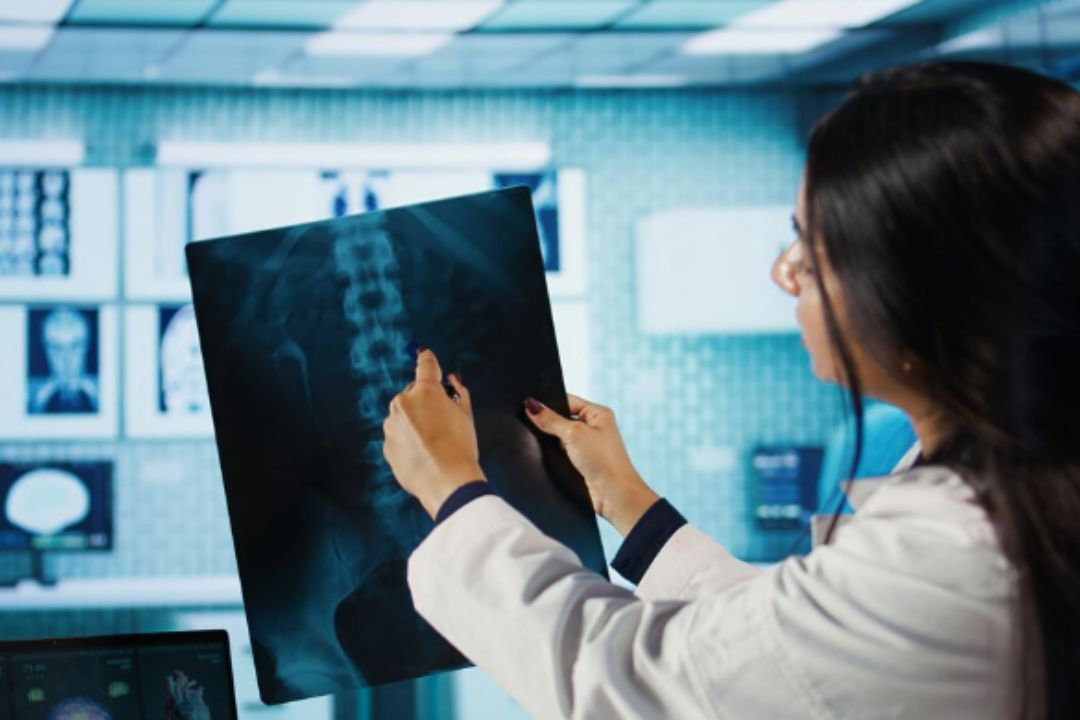

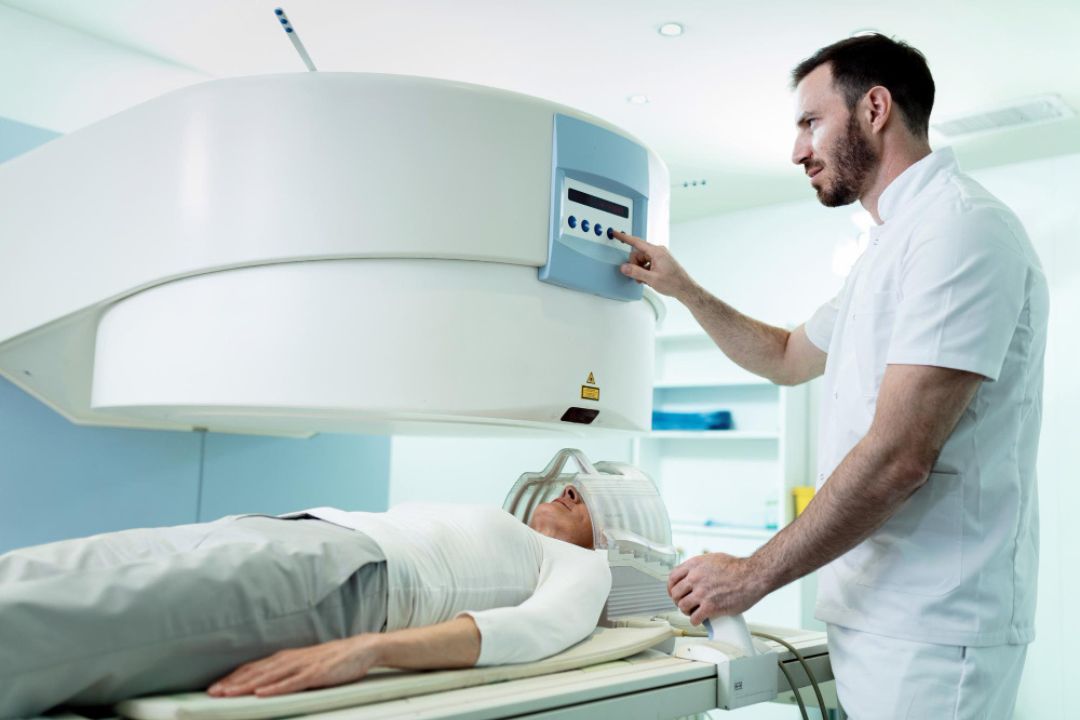
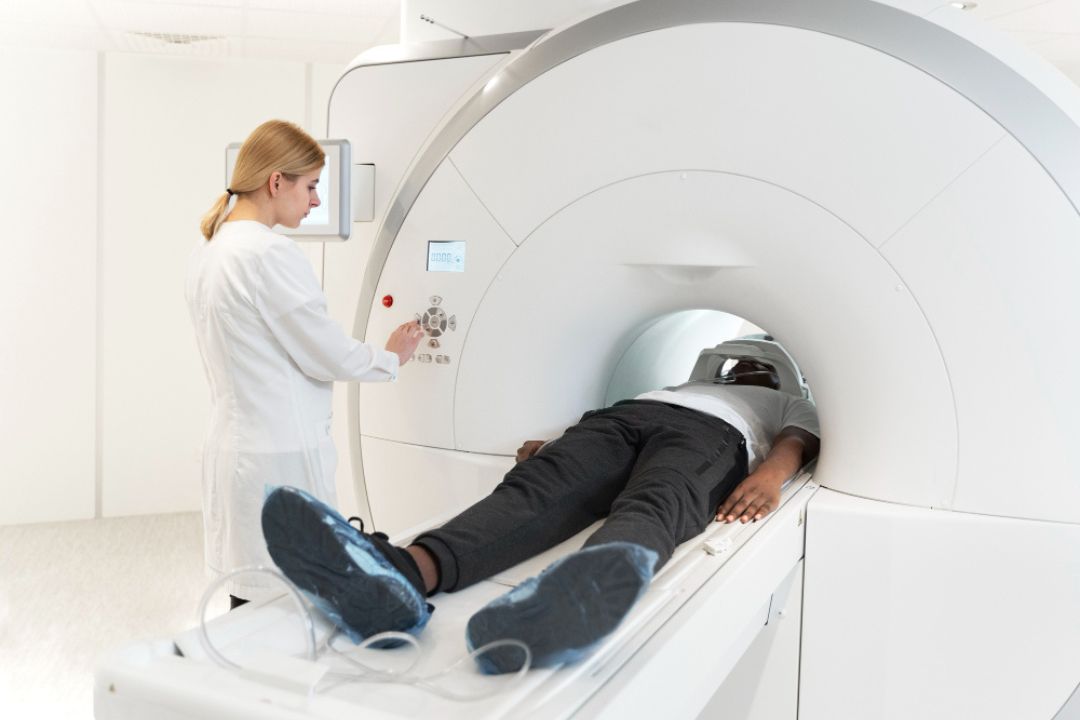
.jpg "ct scan")
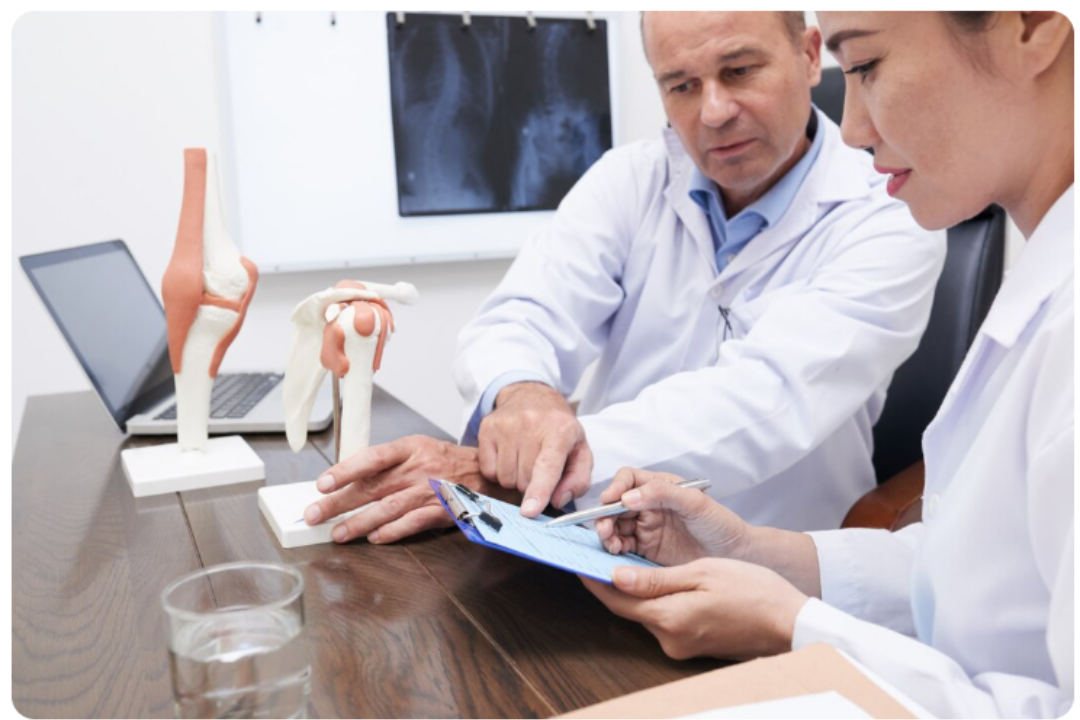
.jpg "ct scan or mri for brain disorders")


.jpg "exploring the power of ct brain contrast in modern diagnostics")
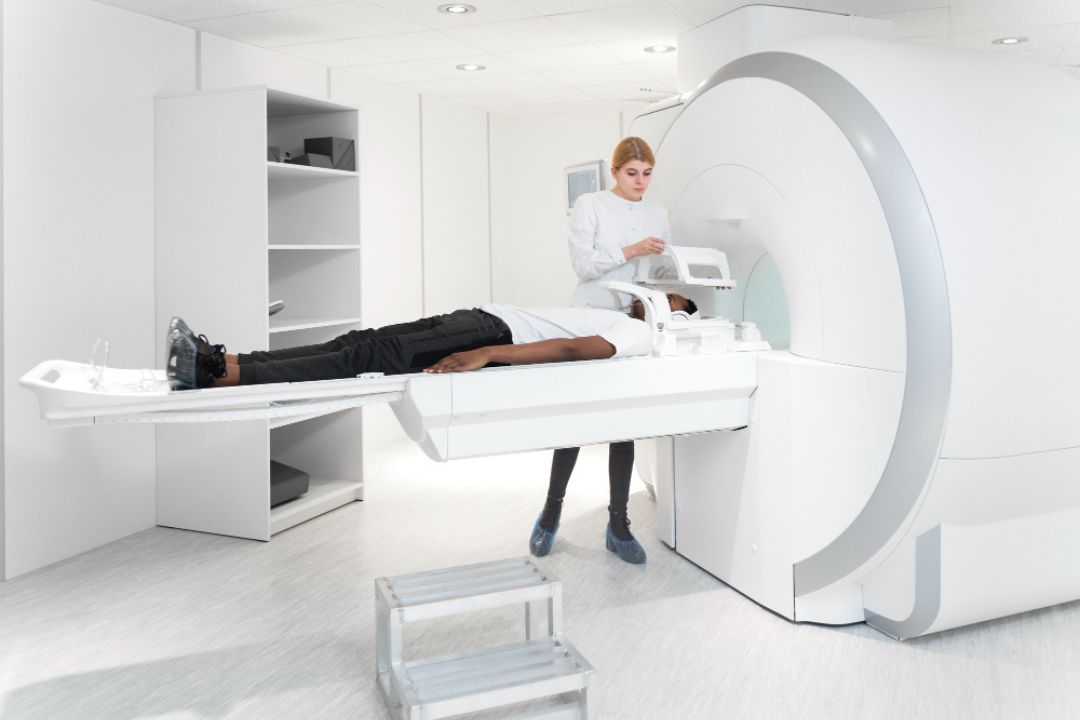
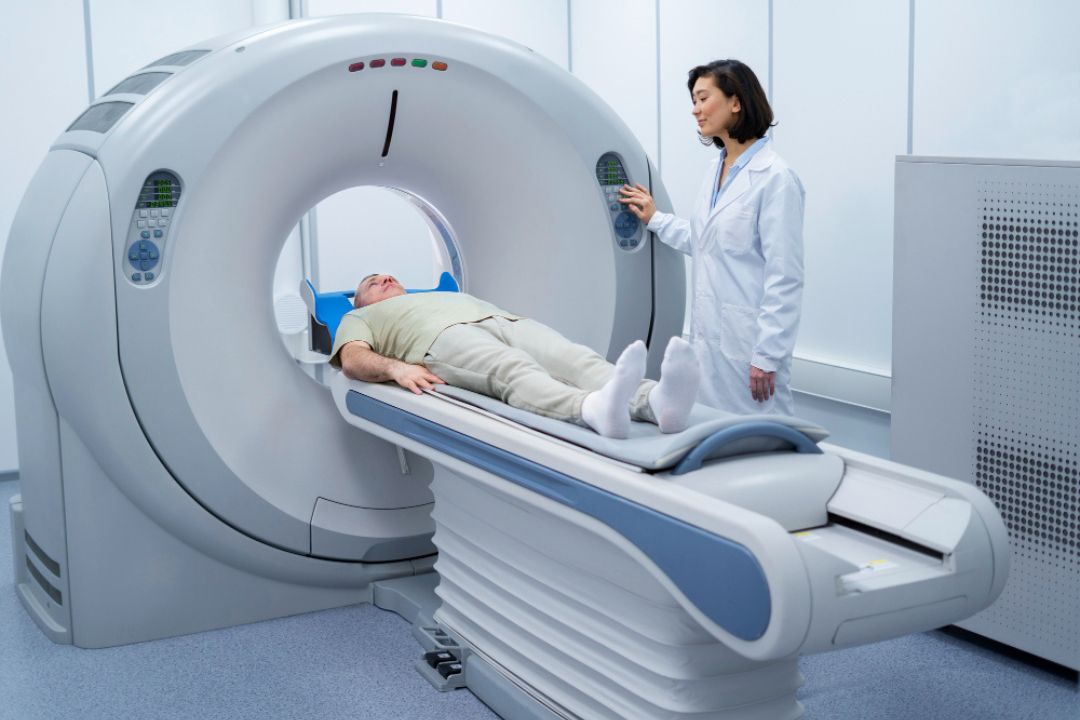
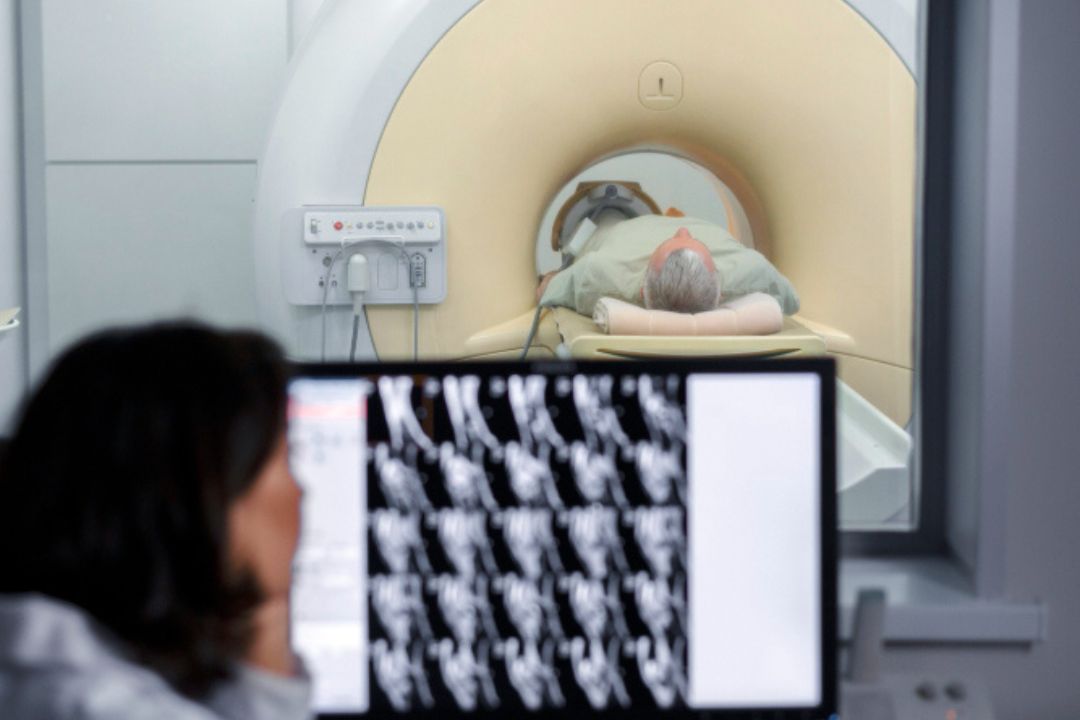
.jpg "ct scan")
.jpg "ct scan")






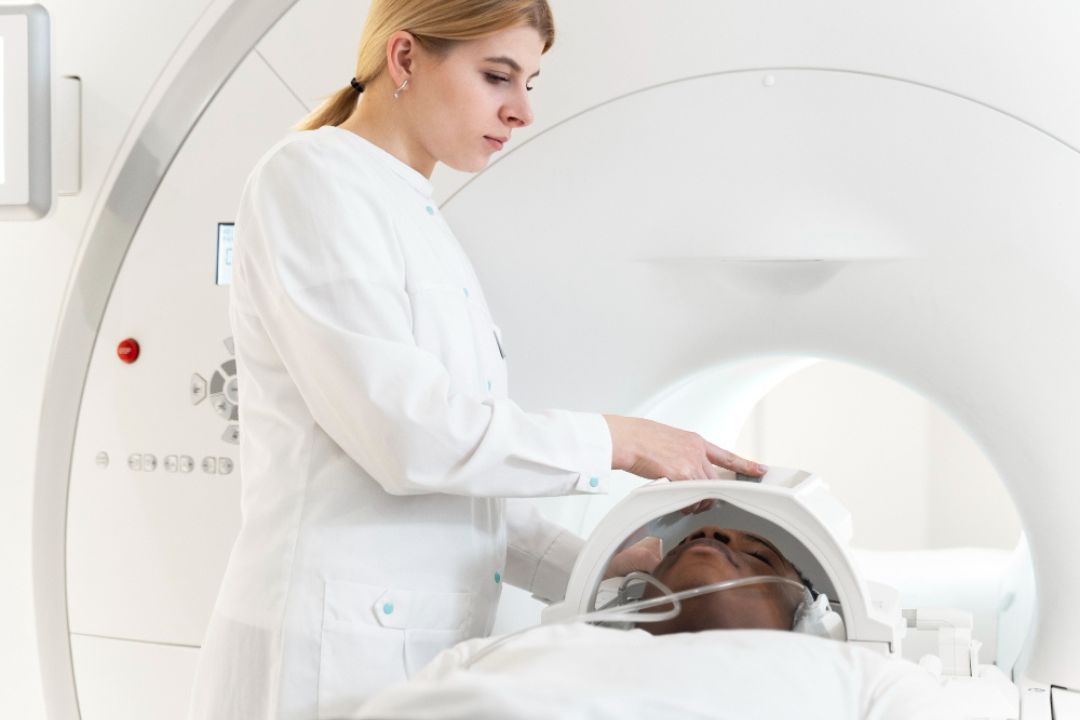

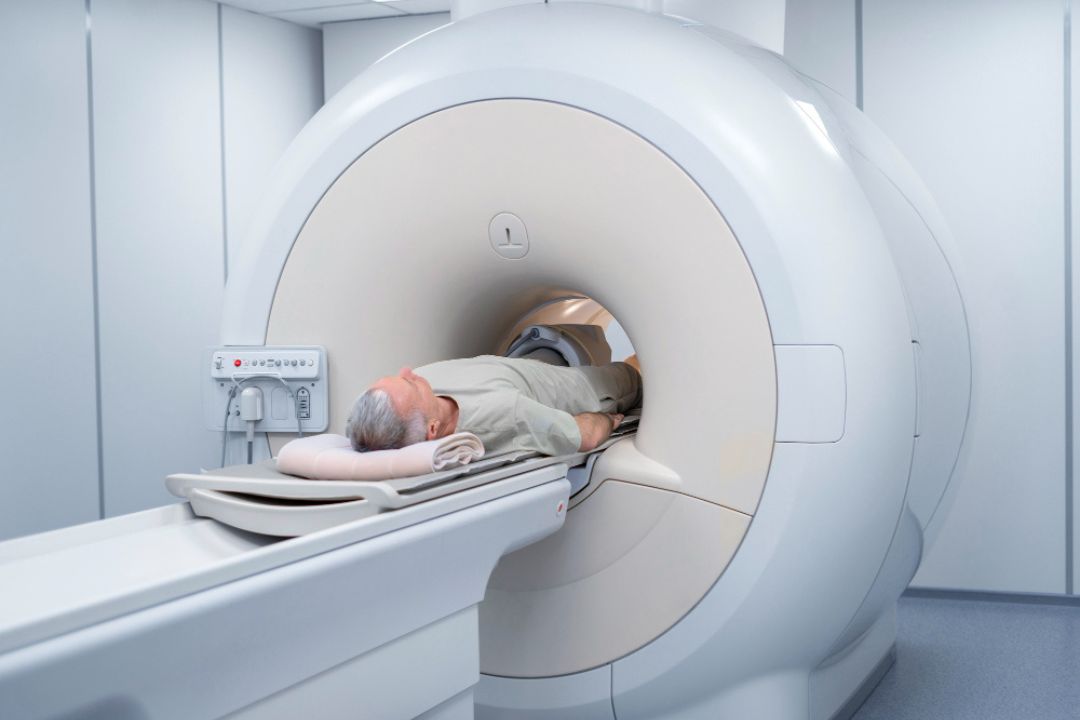
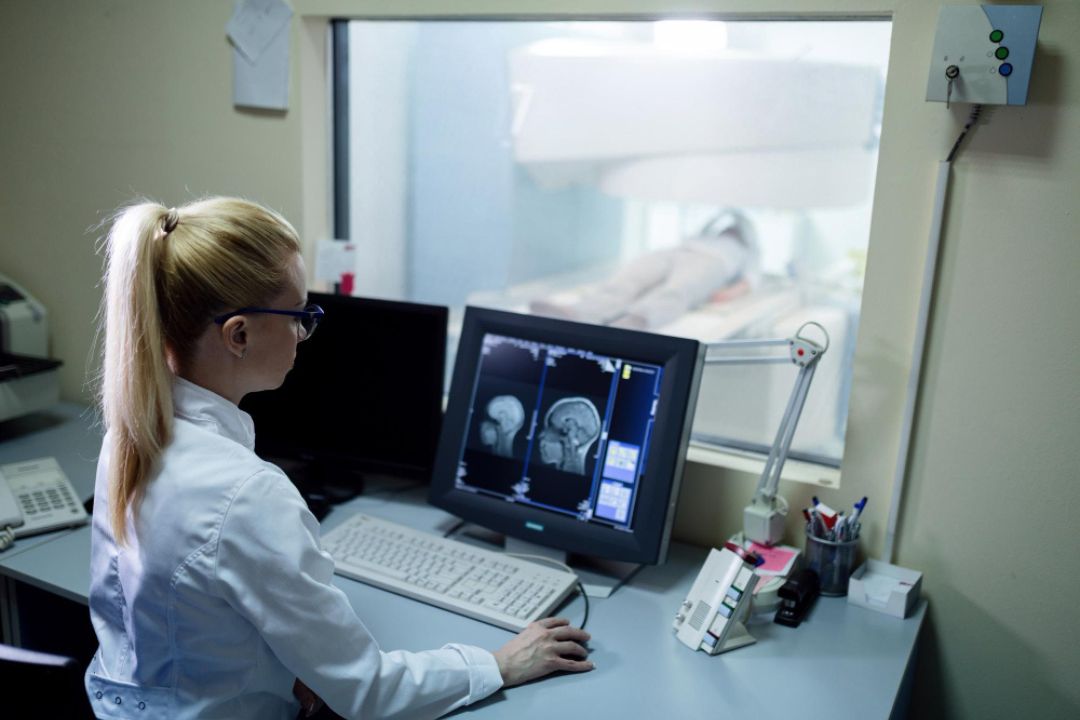
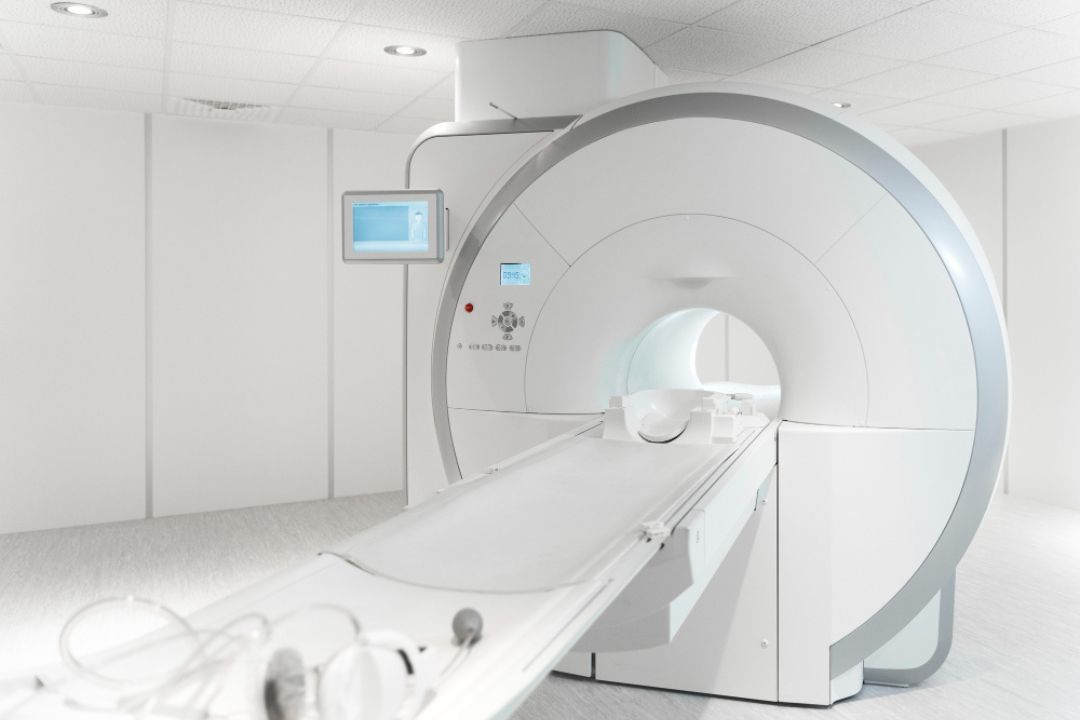
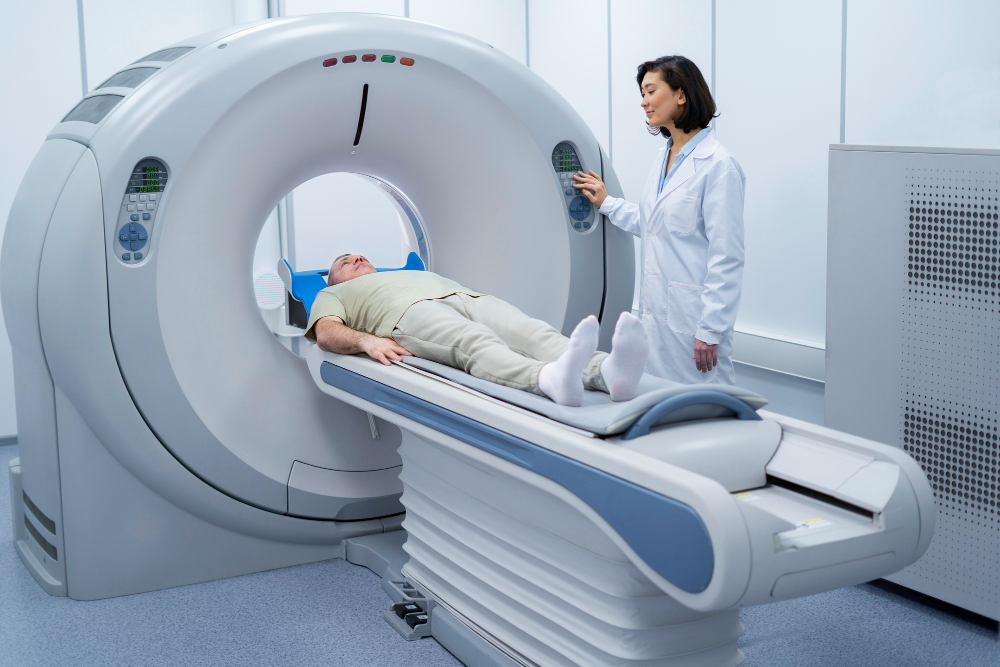
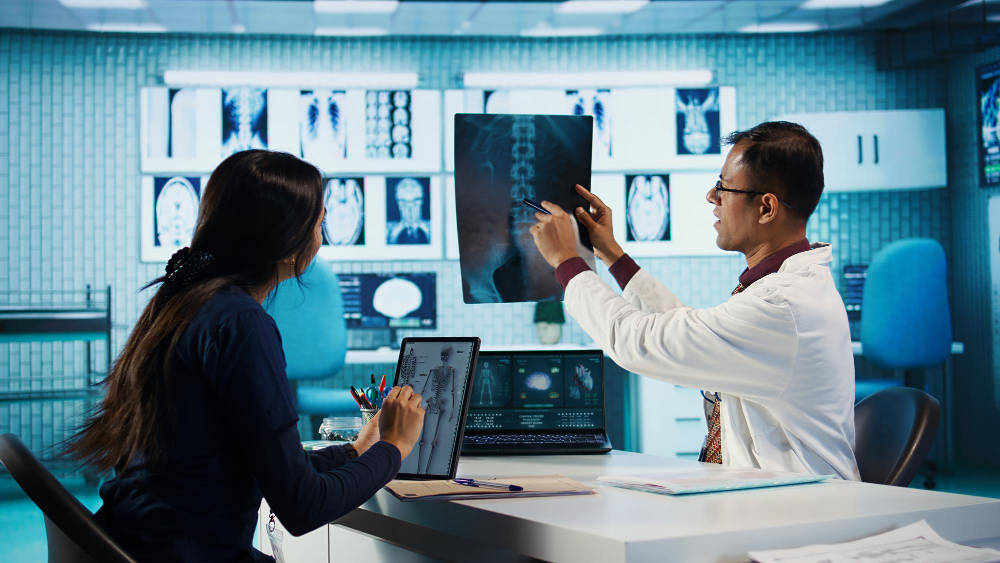
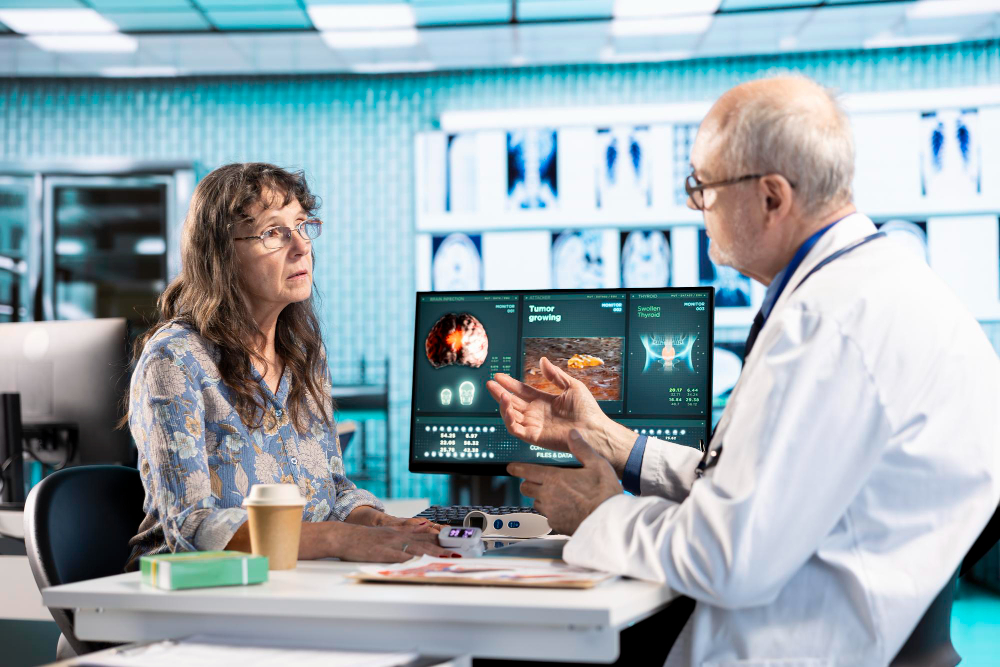
.jpg "ct scan")

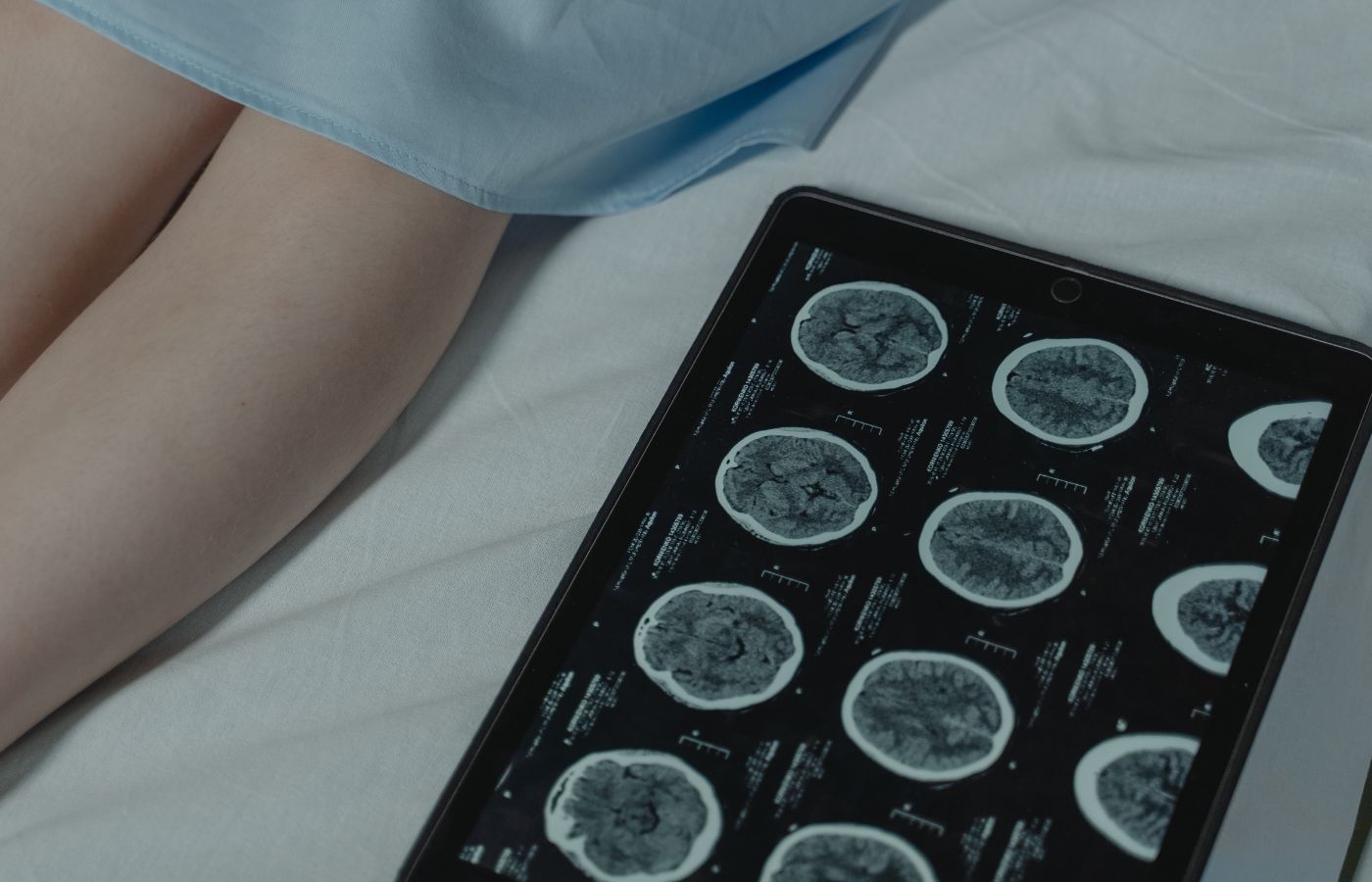
.jpg "CT Brain Scan for Headaches")
.jpg "The Future of 3D CT Imaging")