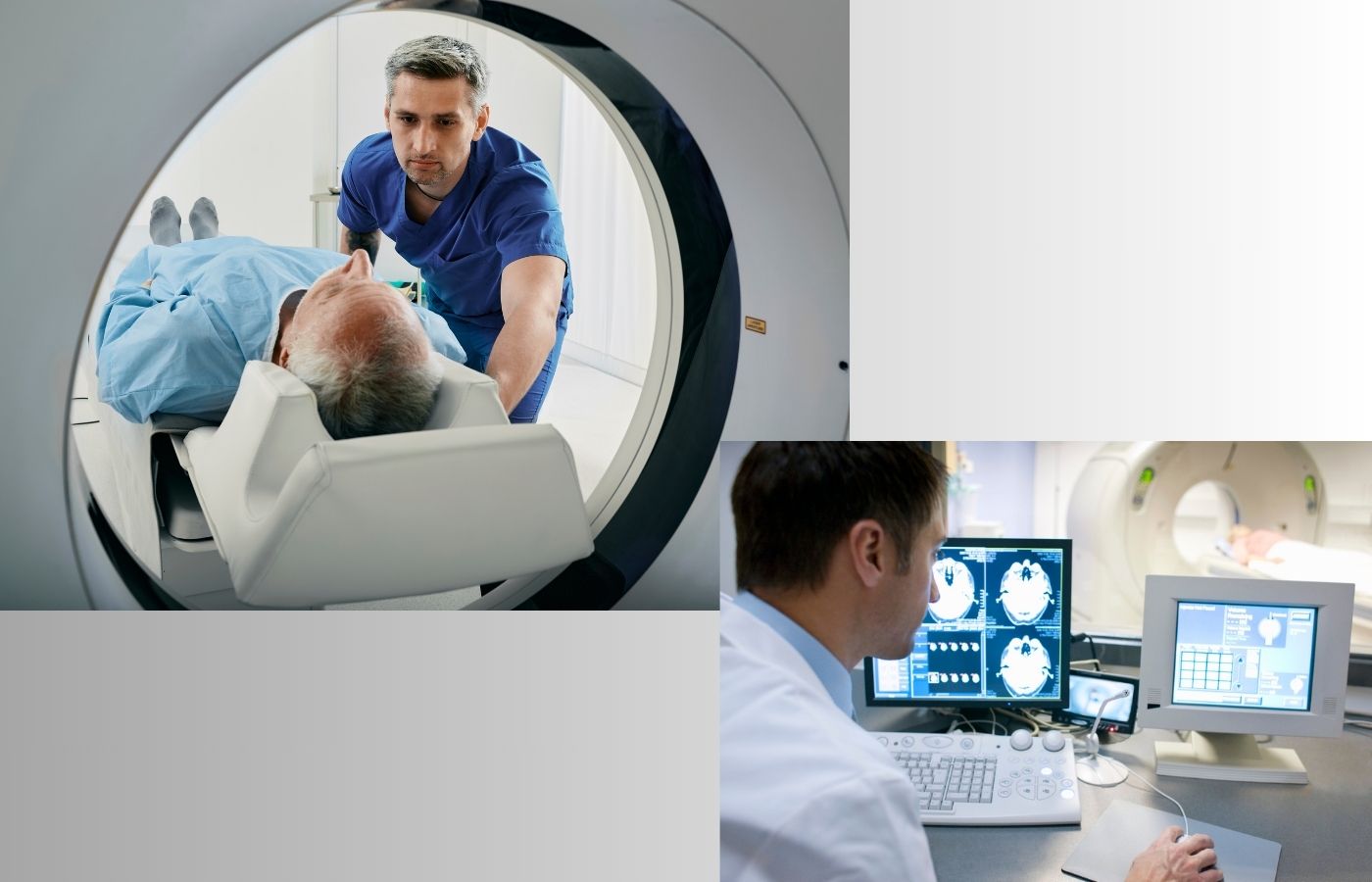
CT Brain Angiography (CTA) is a specialized imaging test that uses a CT scan along with contrast dye to visualize the blood vessels in the brain. This test helps doctors detect problems related to blood flow, blockages, aneurysms, or abnormalities in the brain’s arteries and veins.
Because it provides highly detailed images, CT brain angiography is widely used in modern diagnostics to evaluate serious neurological conditions quickly and accurately.
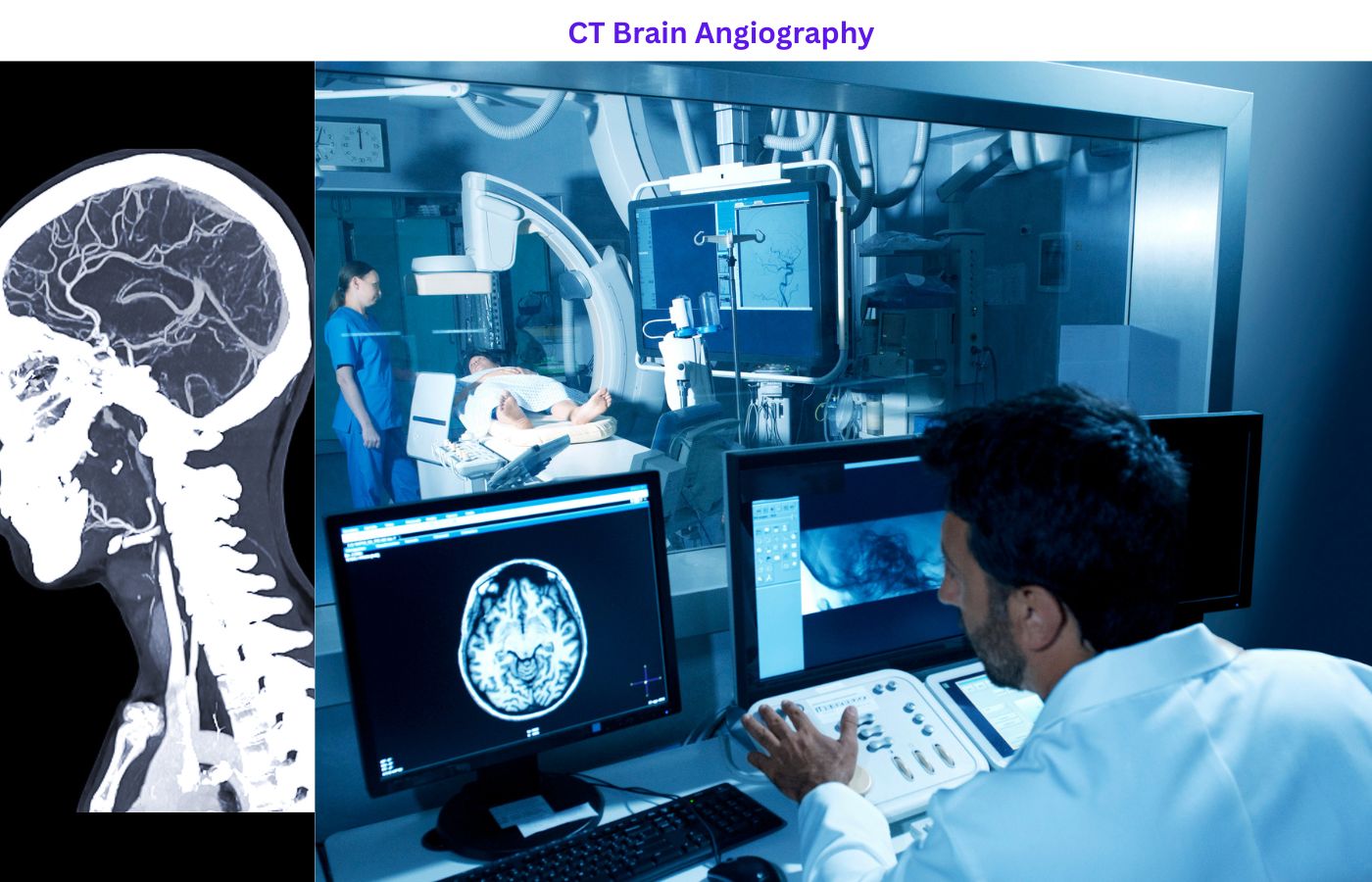
CT Brain Angiography is an advanced diagnostic imaging procedure that combines computed tomography (CT) technology with contrast dye to create detailed images of the blood vessels in the brain.
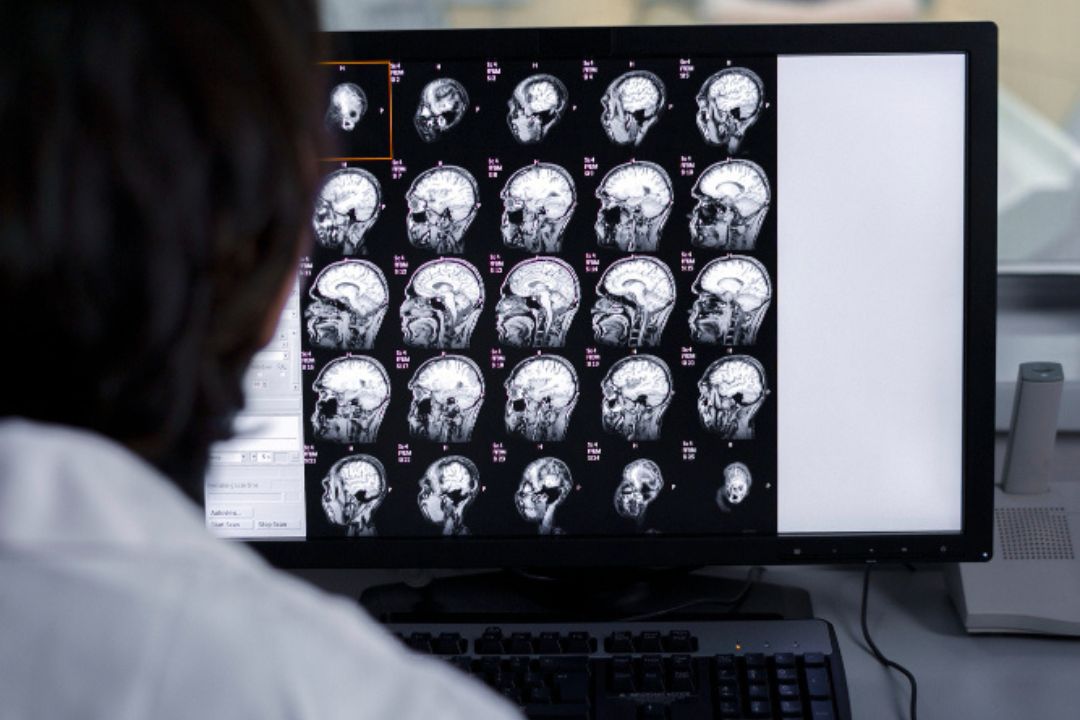
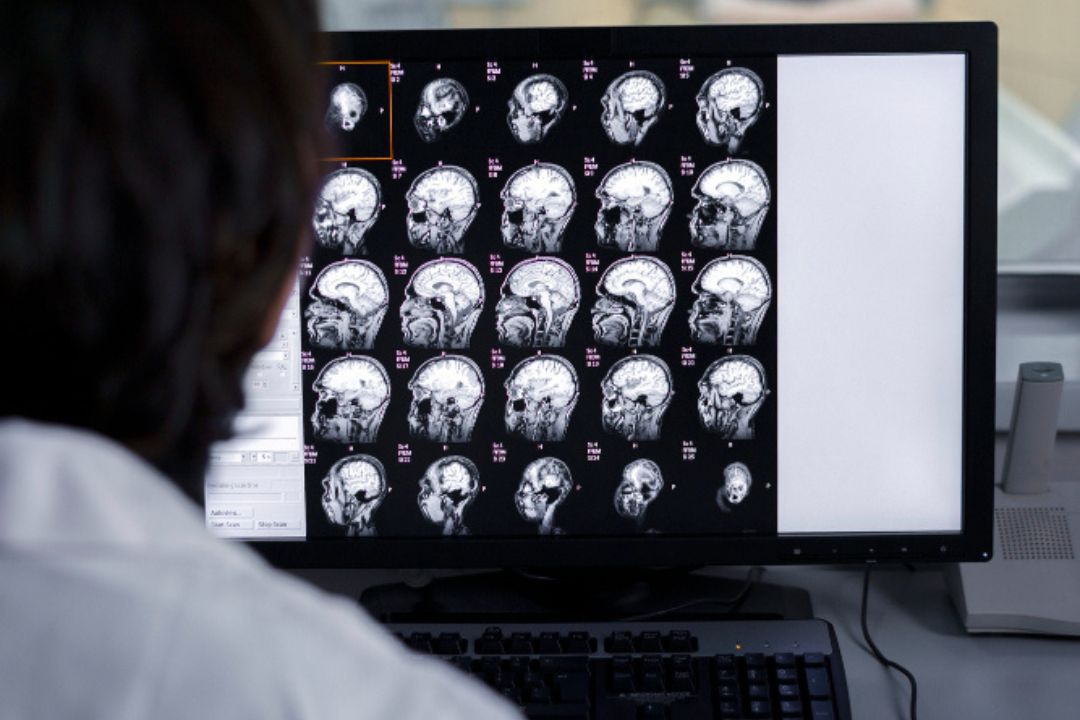
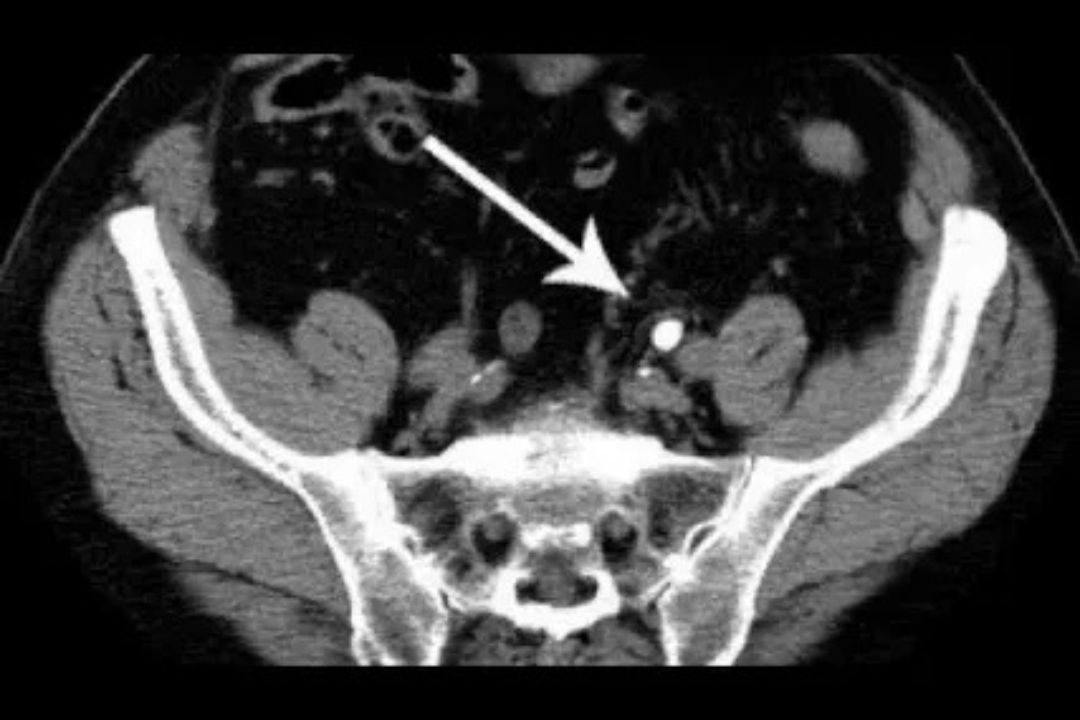
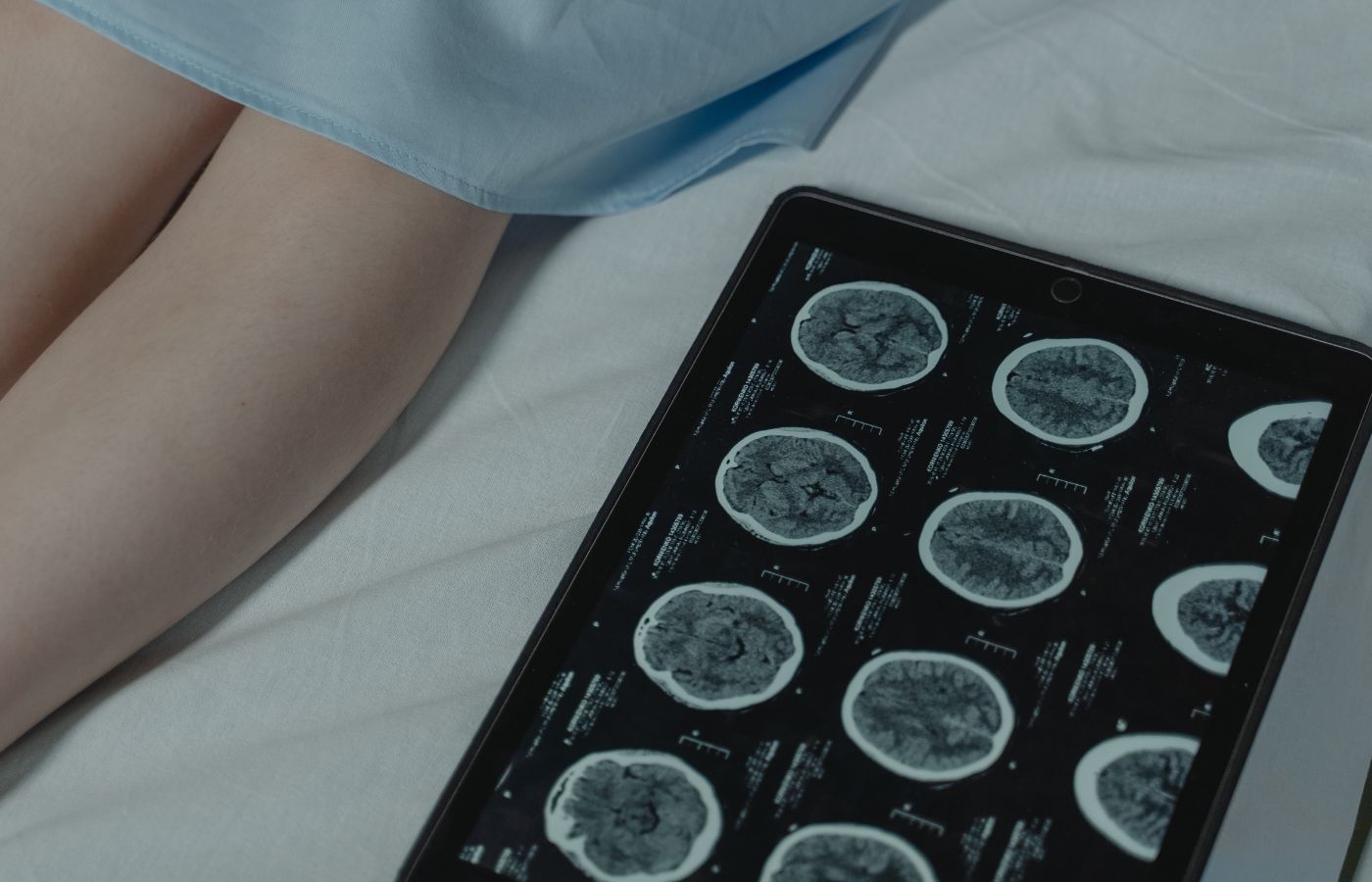
During the test, a contrast material is injected into a vein, usually in the arm. The CT scanner then captures multiple cross-sectional images of the brain and its blood vessels. These images are processed by a computer to create detailed 3D views of the vascular system in the brain.
This allows doctors to identify abnormalities that may not be visible on a regular CT scan.
Doctors recommend CT brain angiography to diagnose or evaluate various conditions affecting the brain’s blood vessels.
Visit Now: https://www.diagnopein.com
Common reasons include:
Detection of brain aneurysms
Identifying blood clots or blockages
Diagnosing stroke or risk of stroke
Evaluating abnormal blood vessel formations
Detecting narrowed arteries in the brain
Investigating causes of severe headaches or neurological symptoms
This test helps doctors quickly determine the exact cause of vascular problems in the brain.
A CT brain angiography may be recommended when a patient experiences symptoms that suggest a problem with brain blood vessels.
Doctors may advise this test if a patient has:
Sudden severe headaches
Symptoms of a stroke
Dizziness or loss of balance
Vision problems
Weakness or numbness in the body
Suspected brain aneurysm
It may also be performed after head trauma or to monitor previously diagnosed vascular conditions.
The procedure is relatively quick and usually takes 15 to 30 minutes.
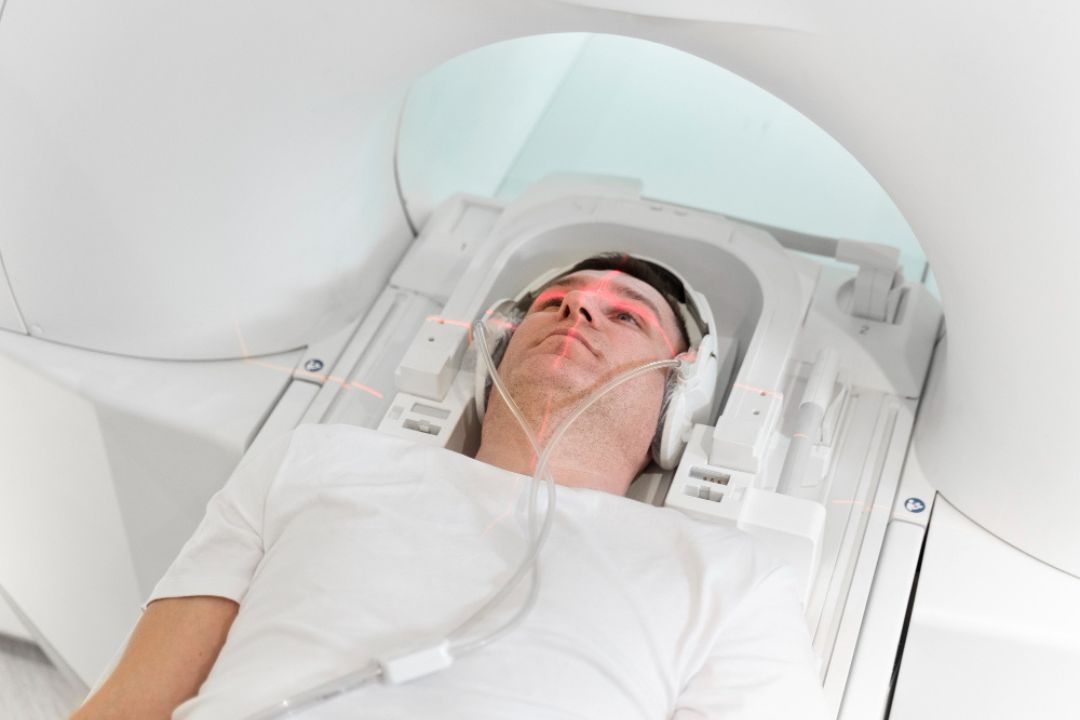
Patients may be asked to remove metal objects such as jewelry or glasses before the scan. In some cases, fasting for a few hours may be recommended.
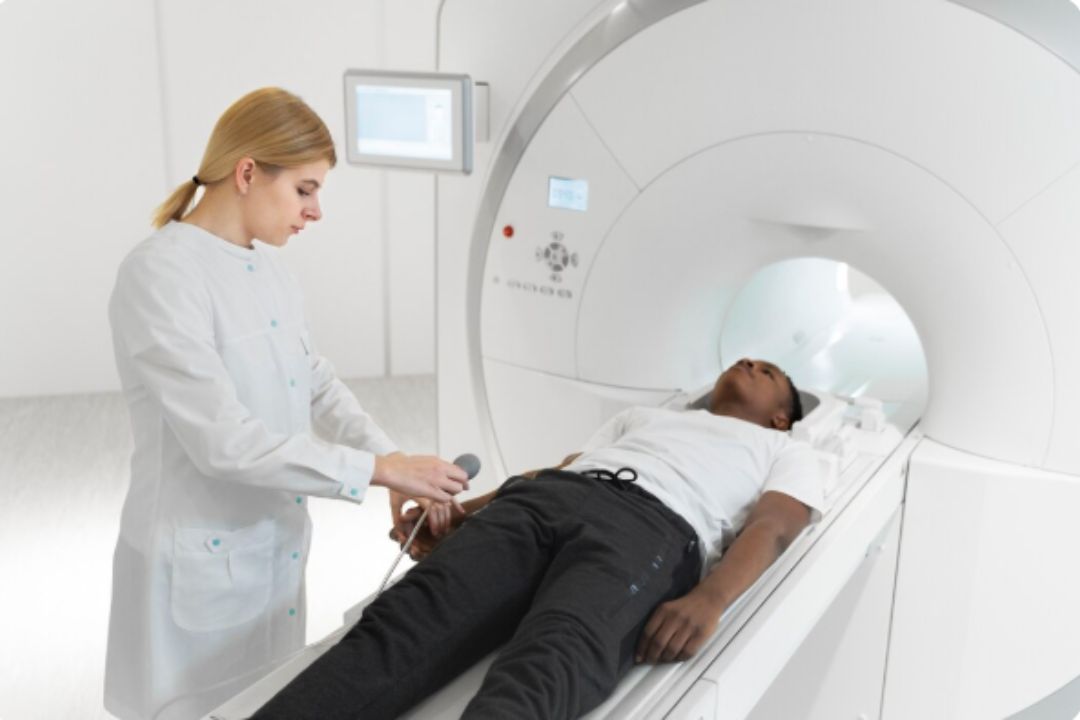
A contrast dye is injected through an intravenous (IV) line in the arm. The dye helps highlight the blood vessels in the brain during imaging.
Patients may feel a warm sensation or metallic taste, which is normal and temporary.
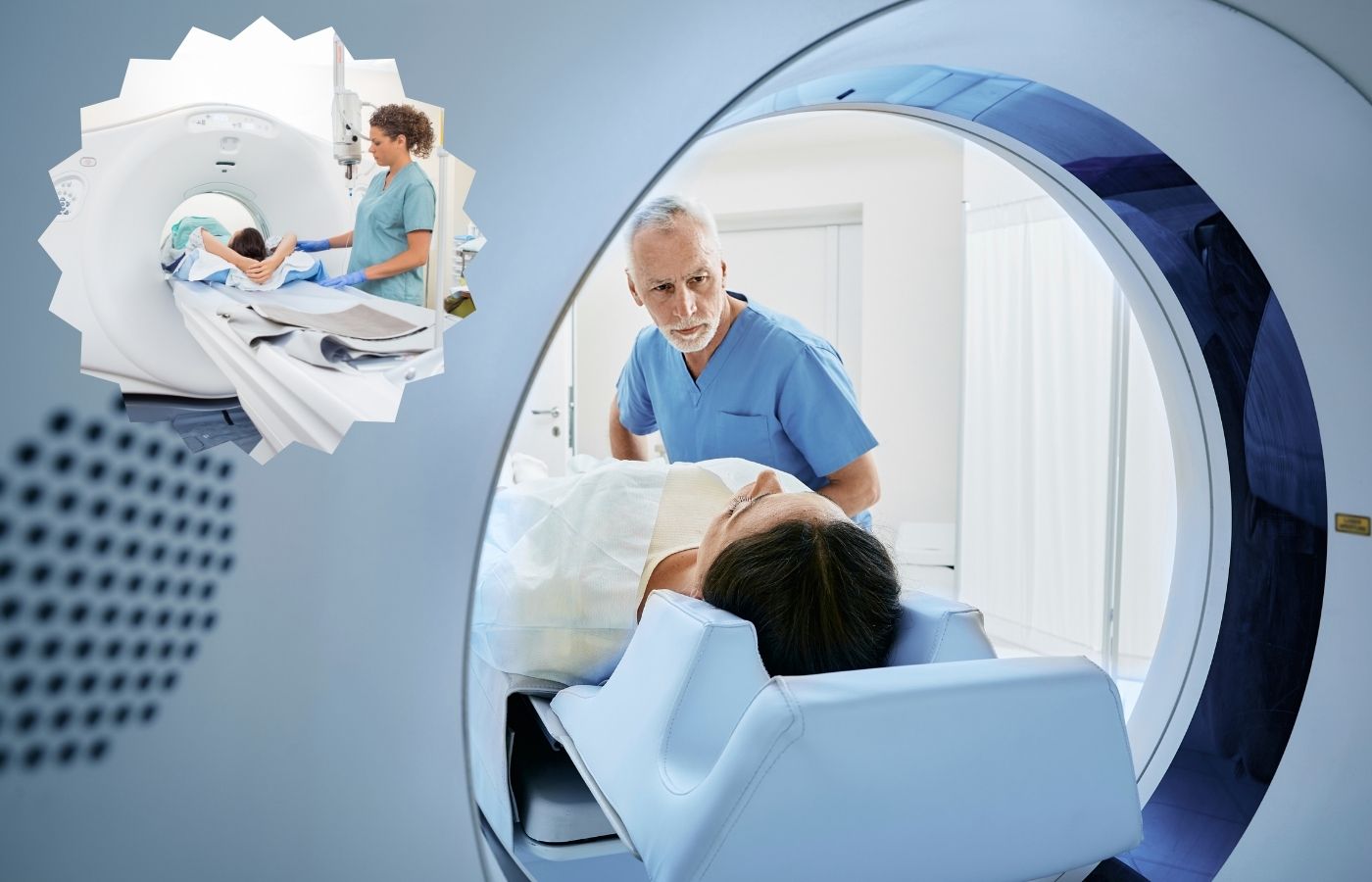
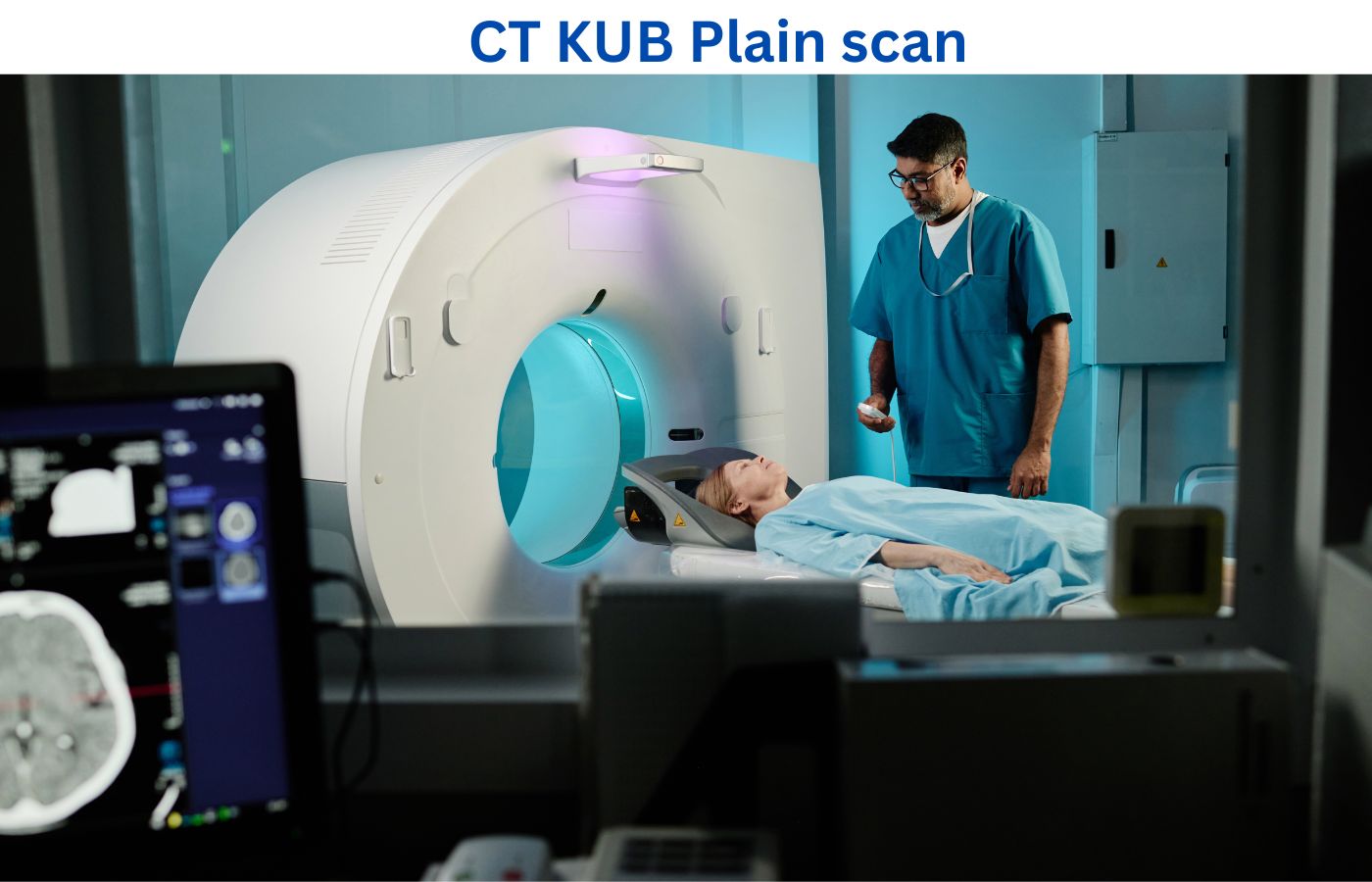
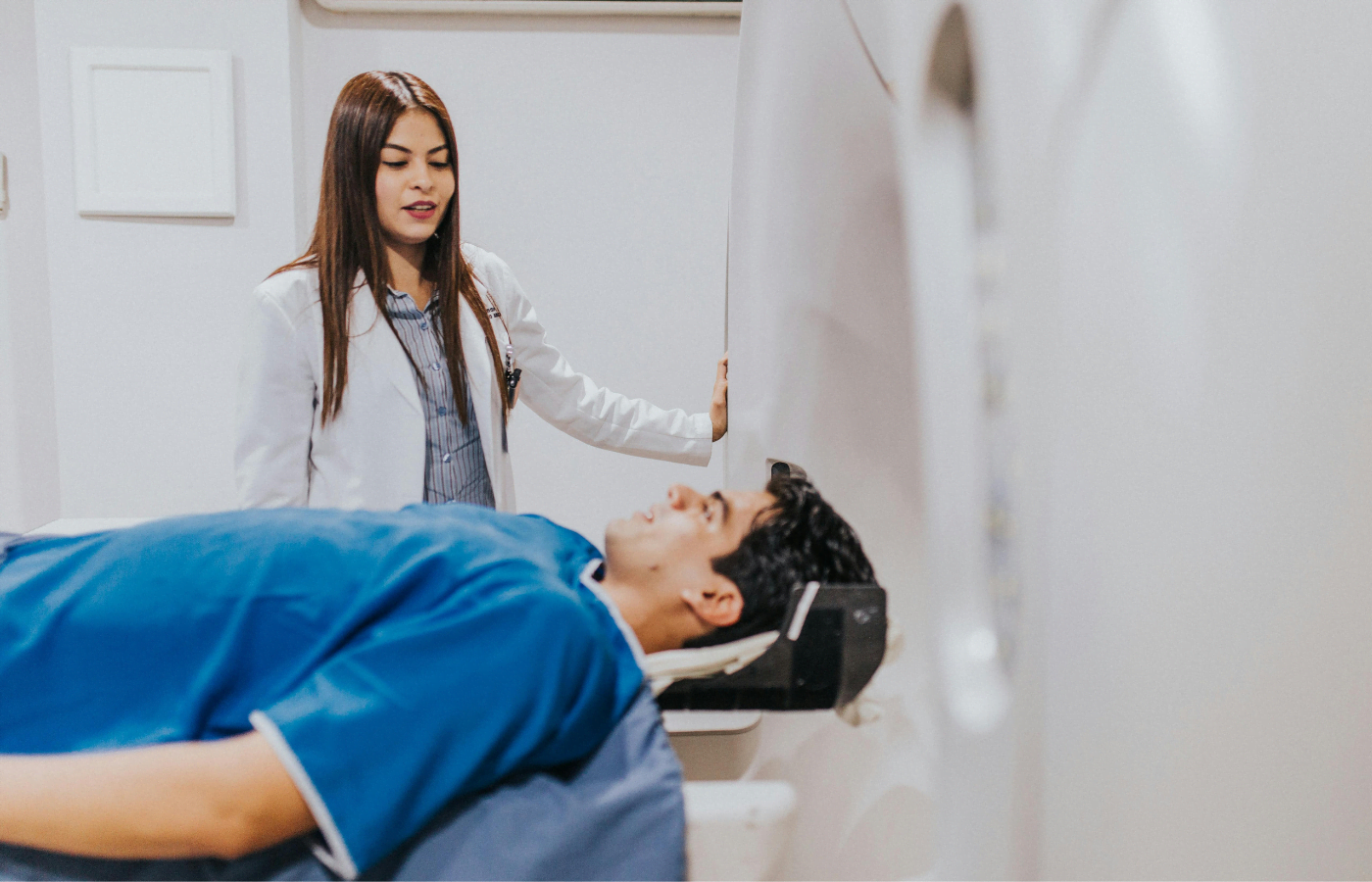
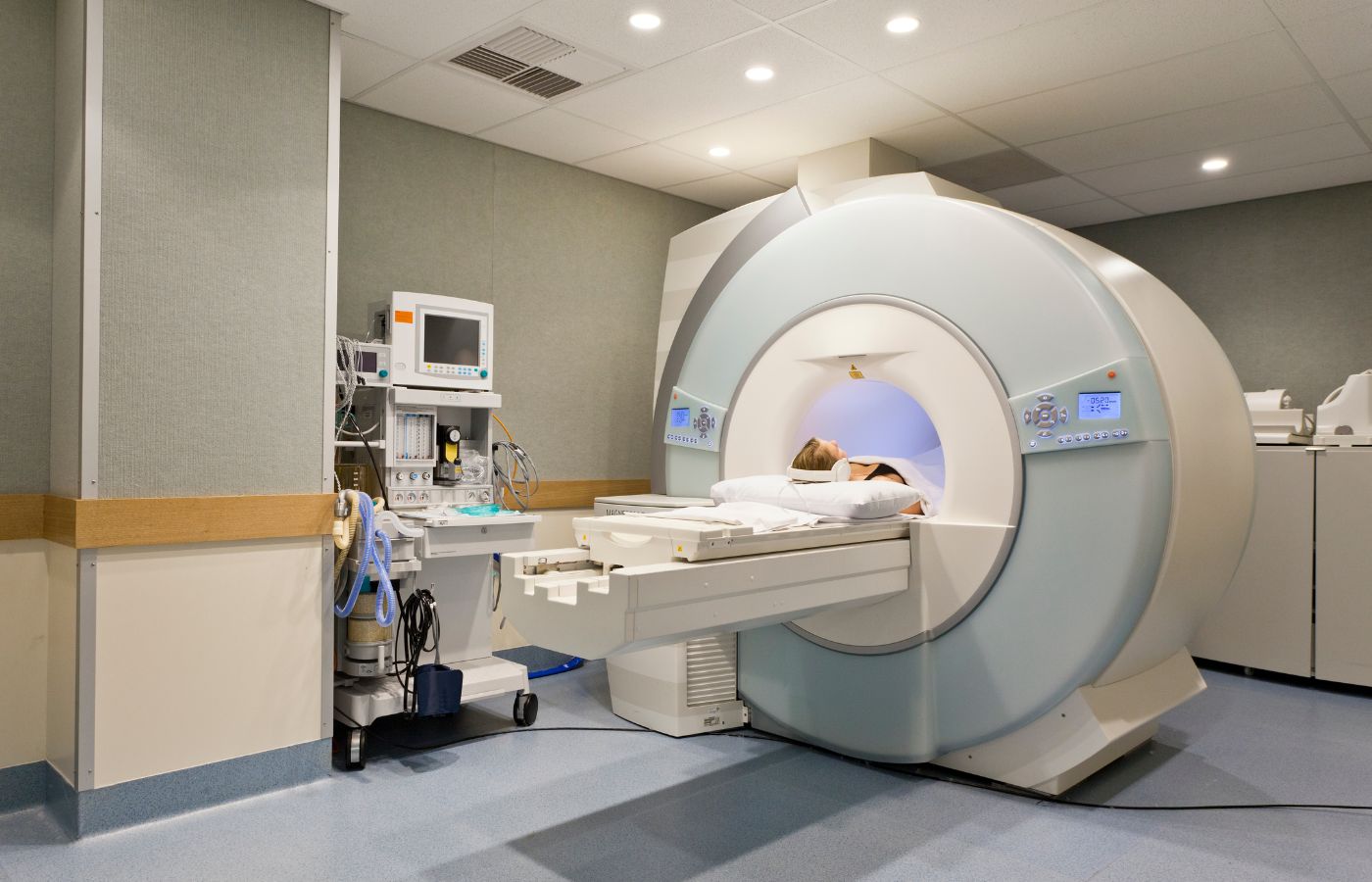
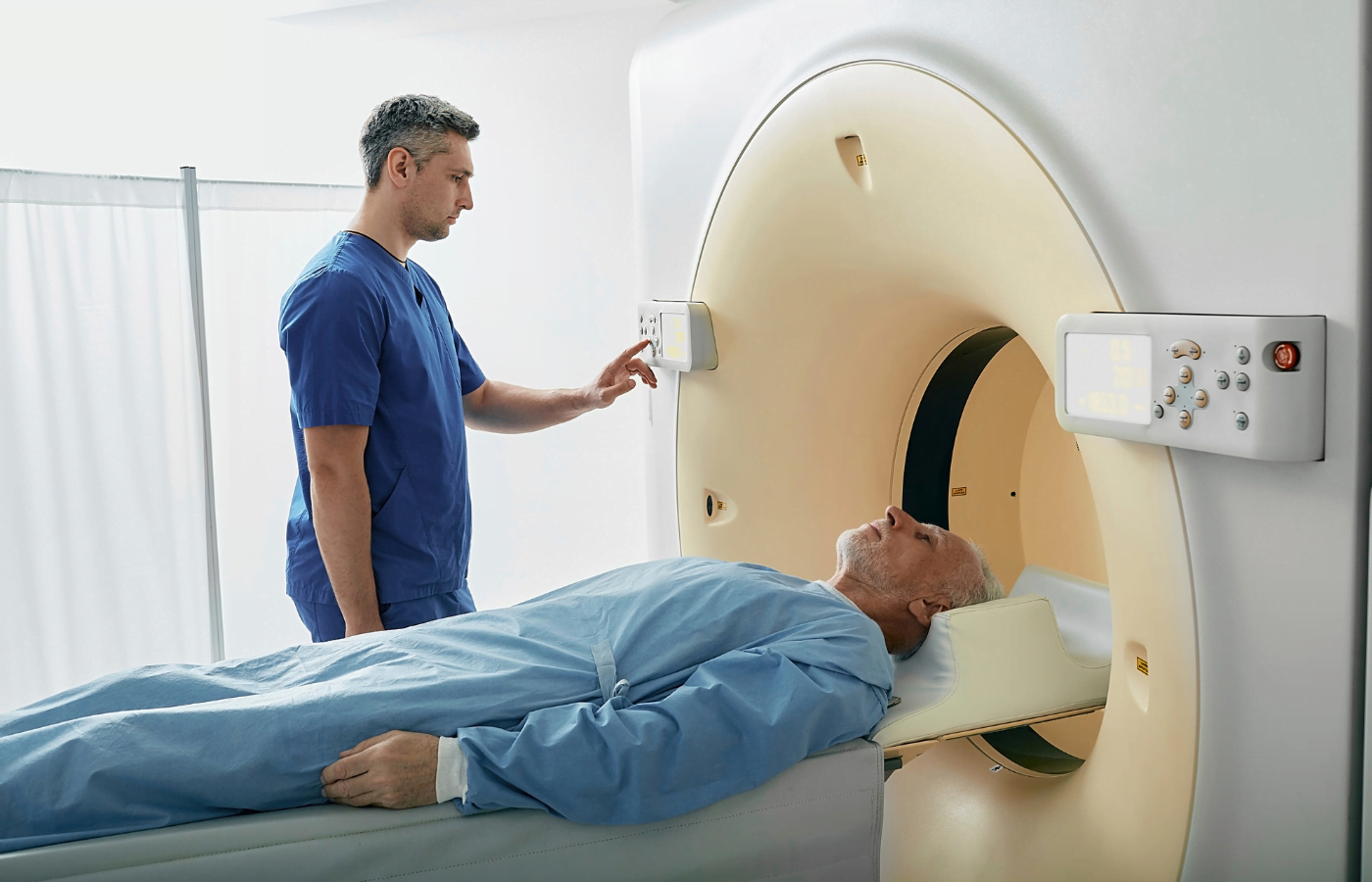
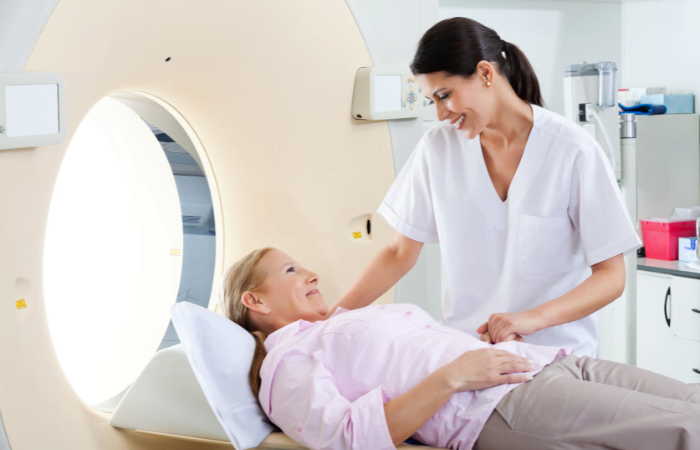
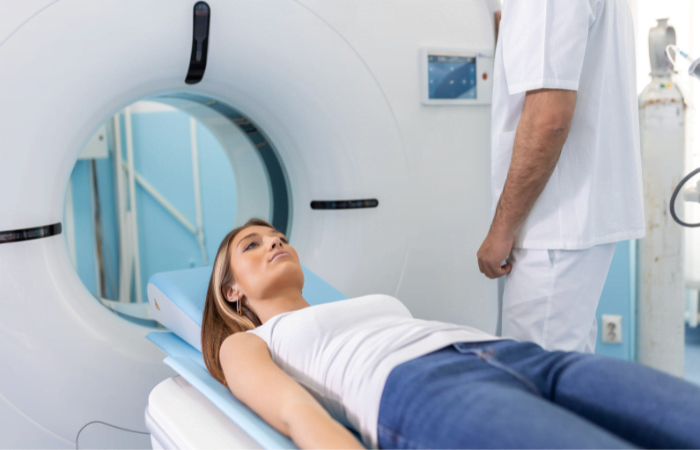
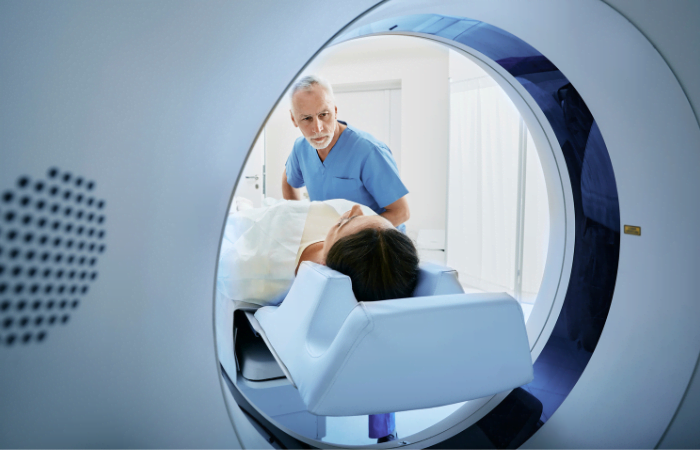
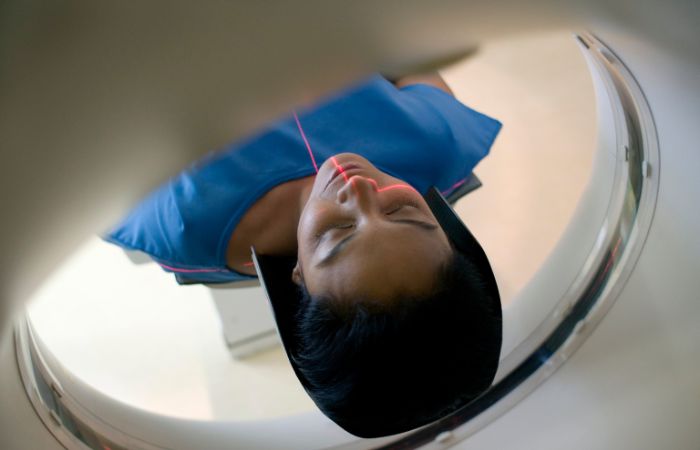
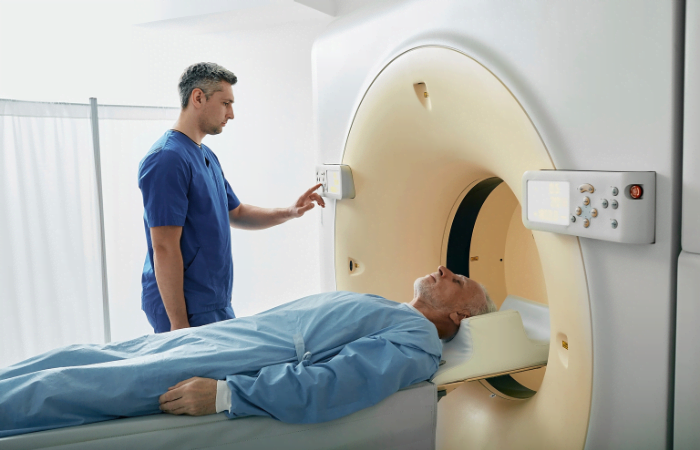
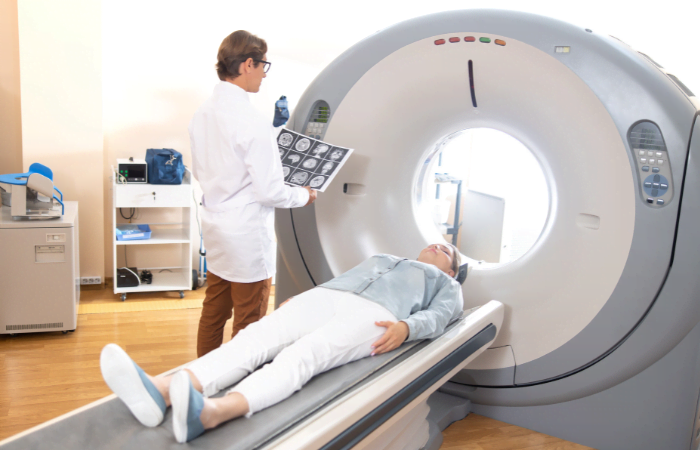
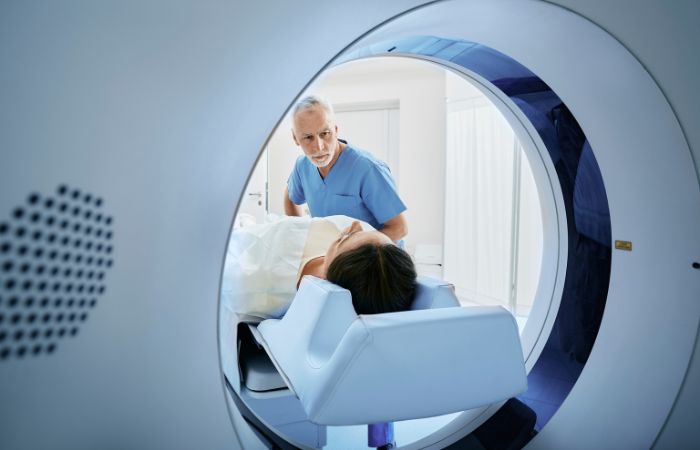
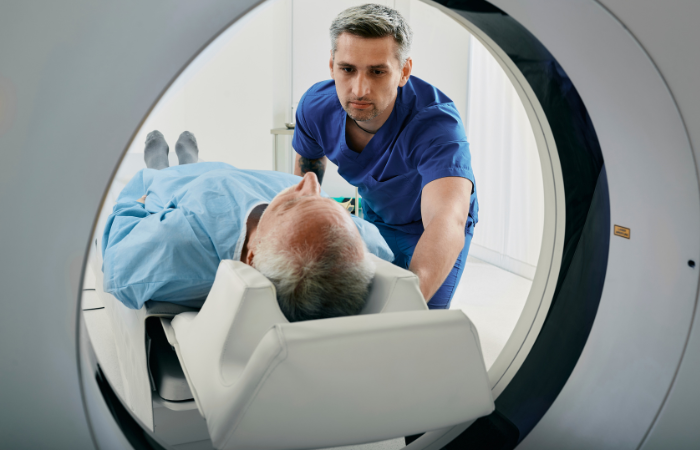
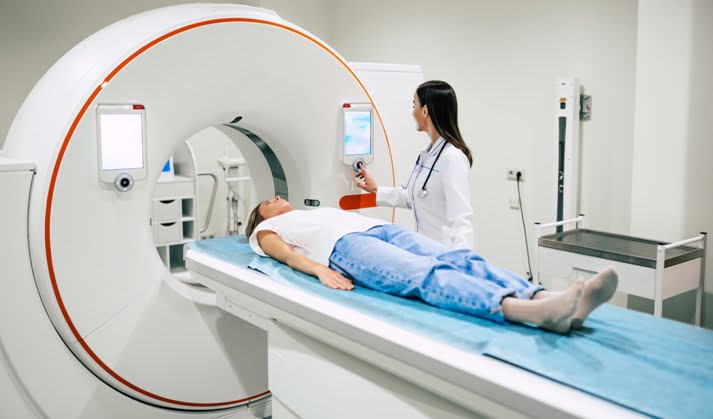
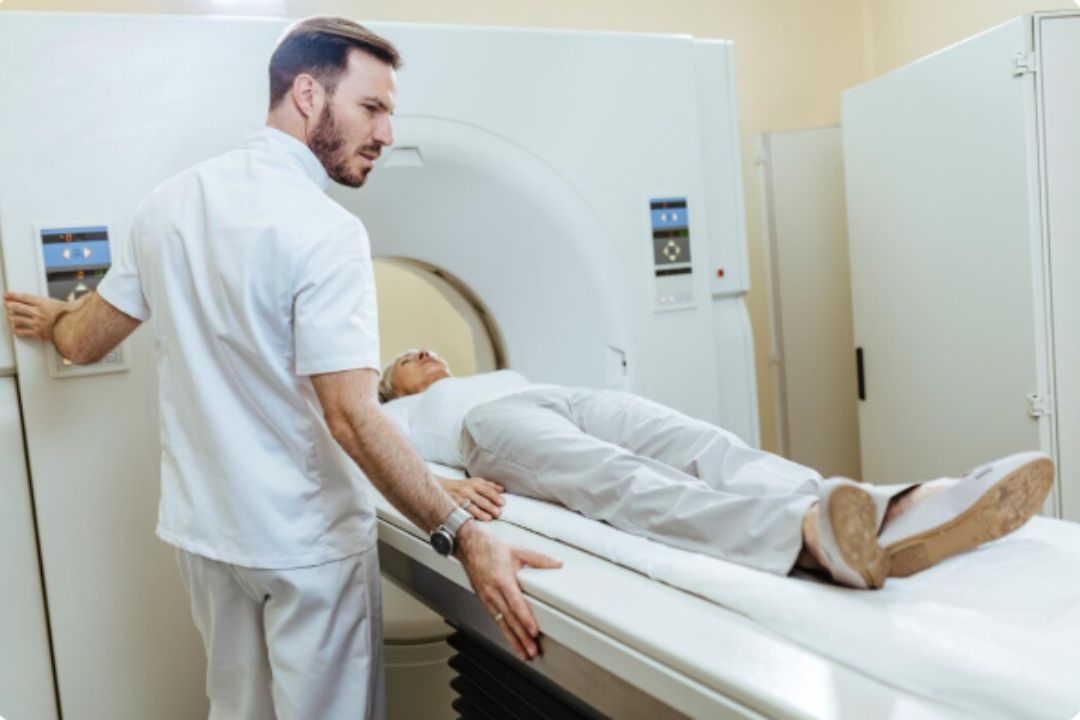
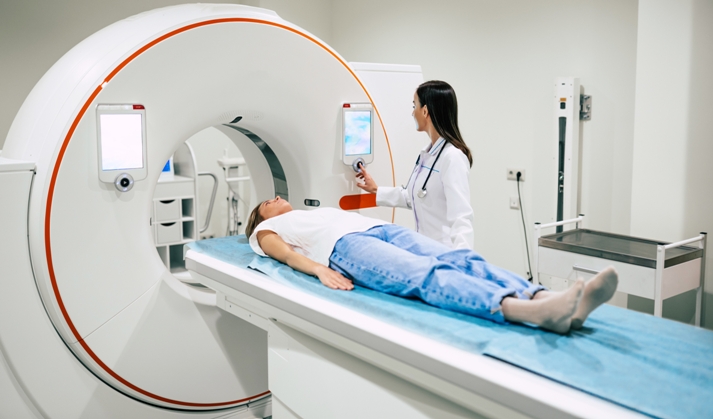
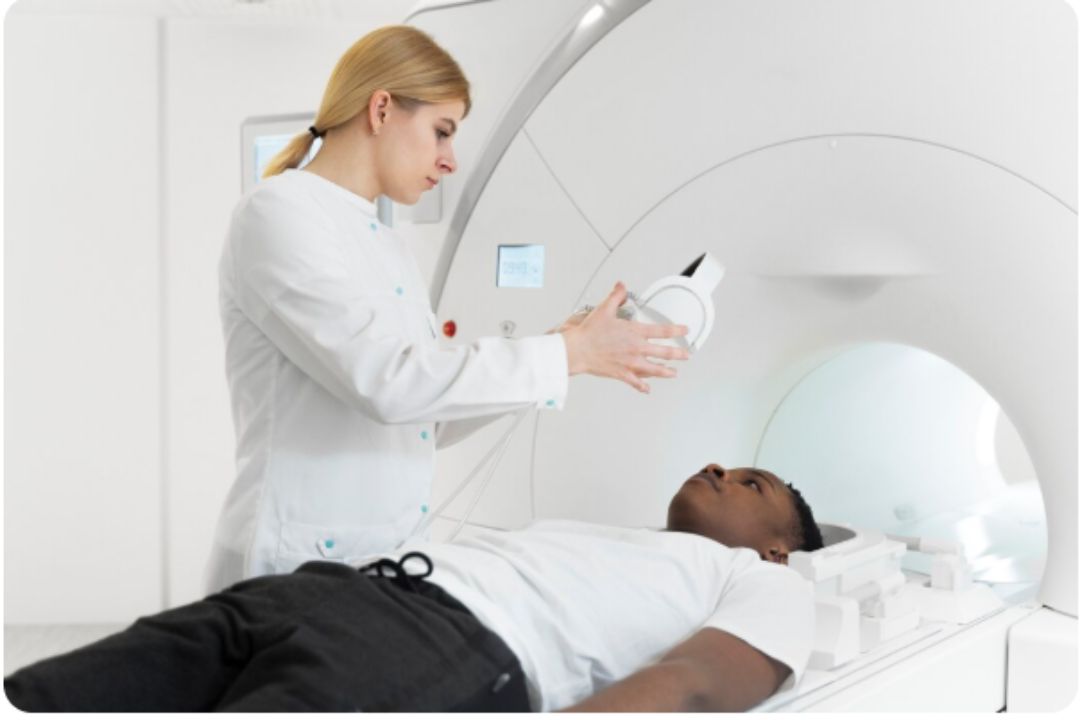
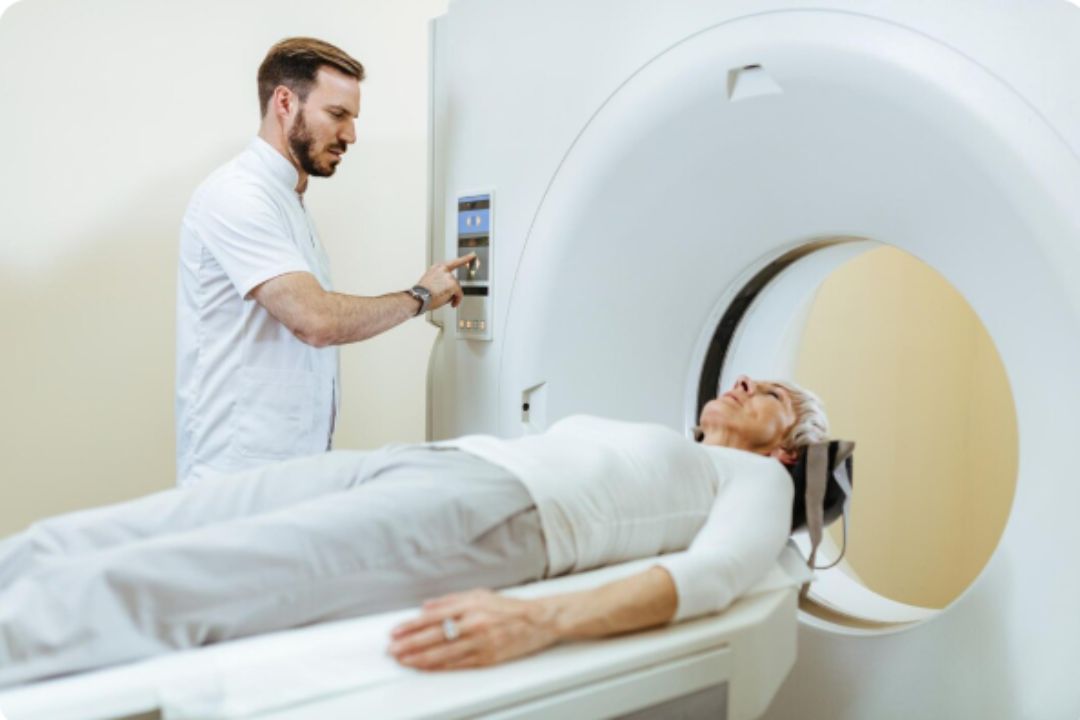
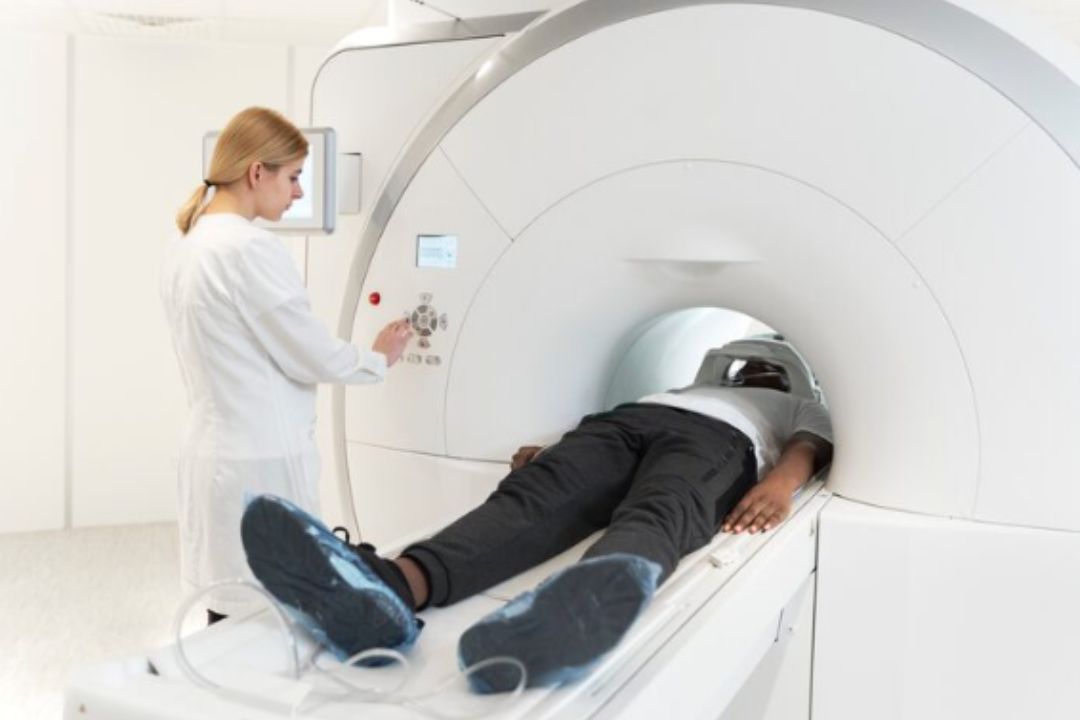
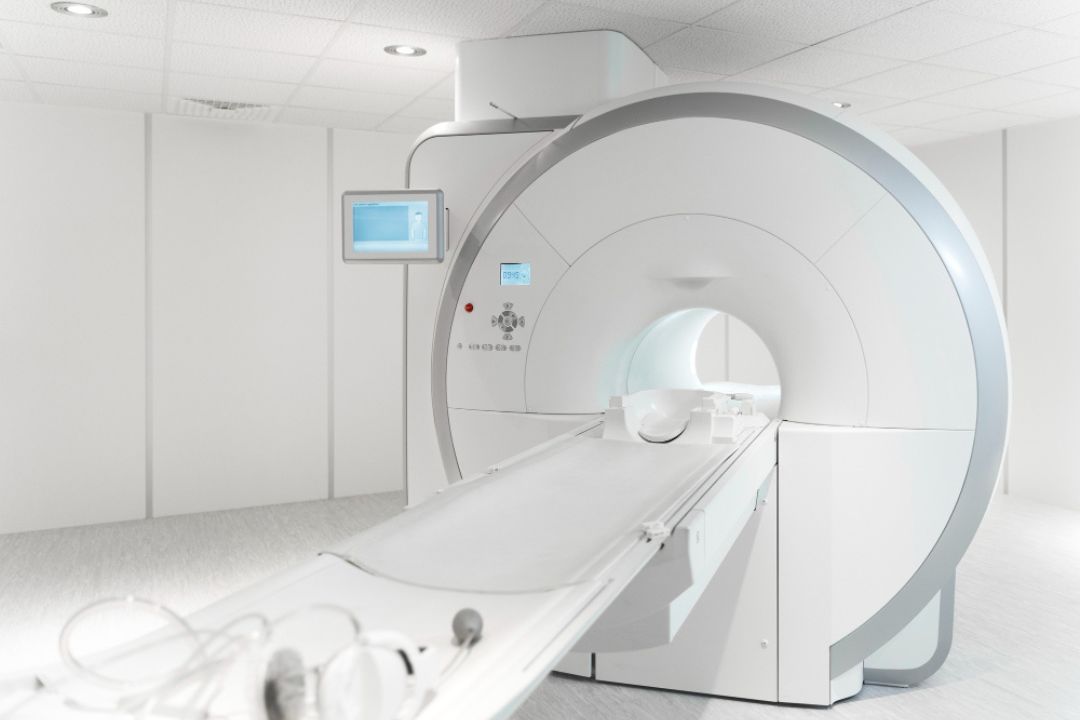
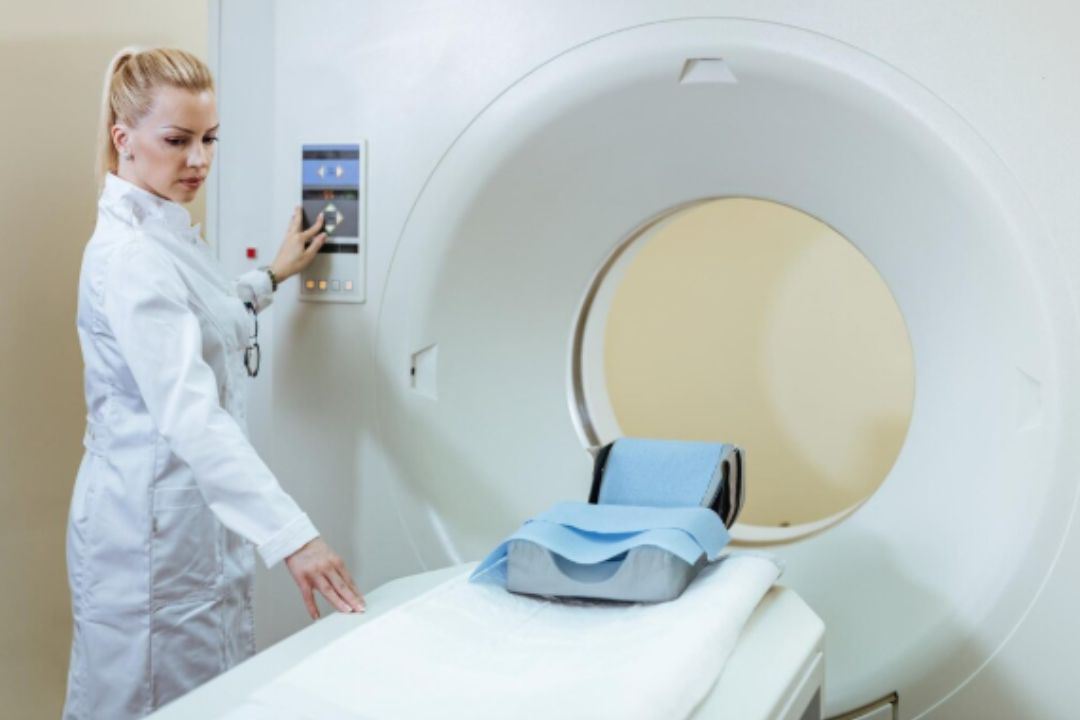
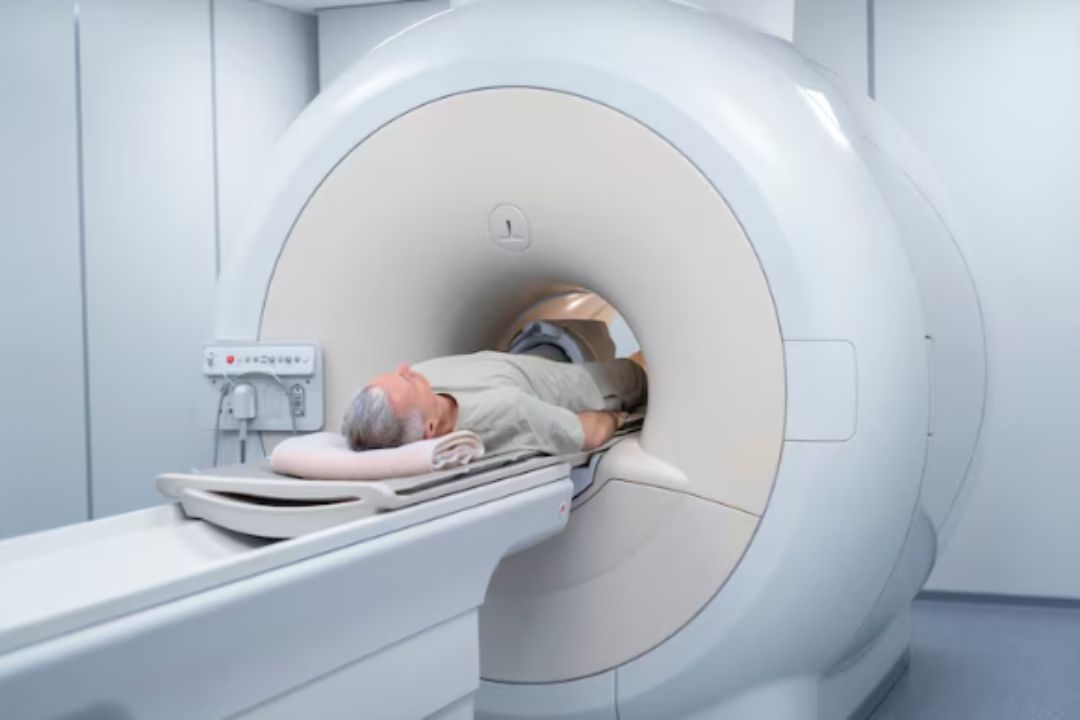
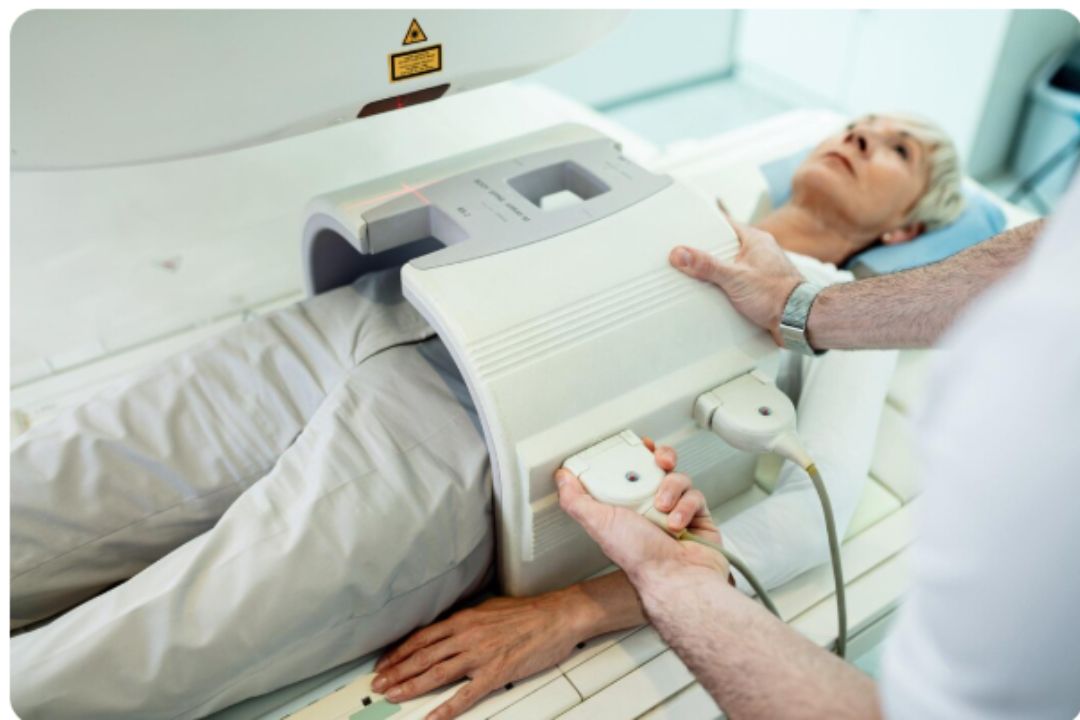
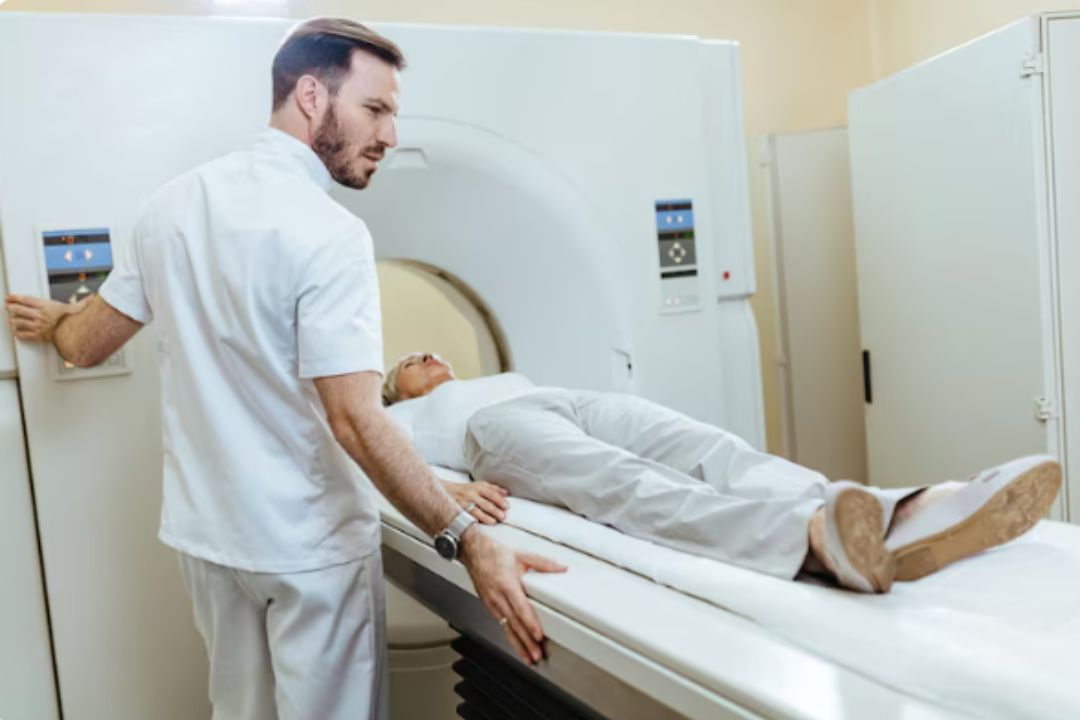
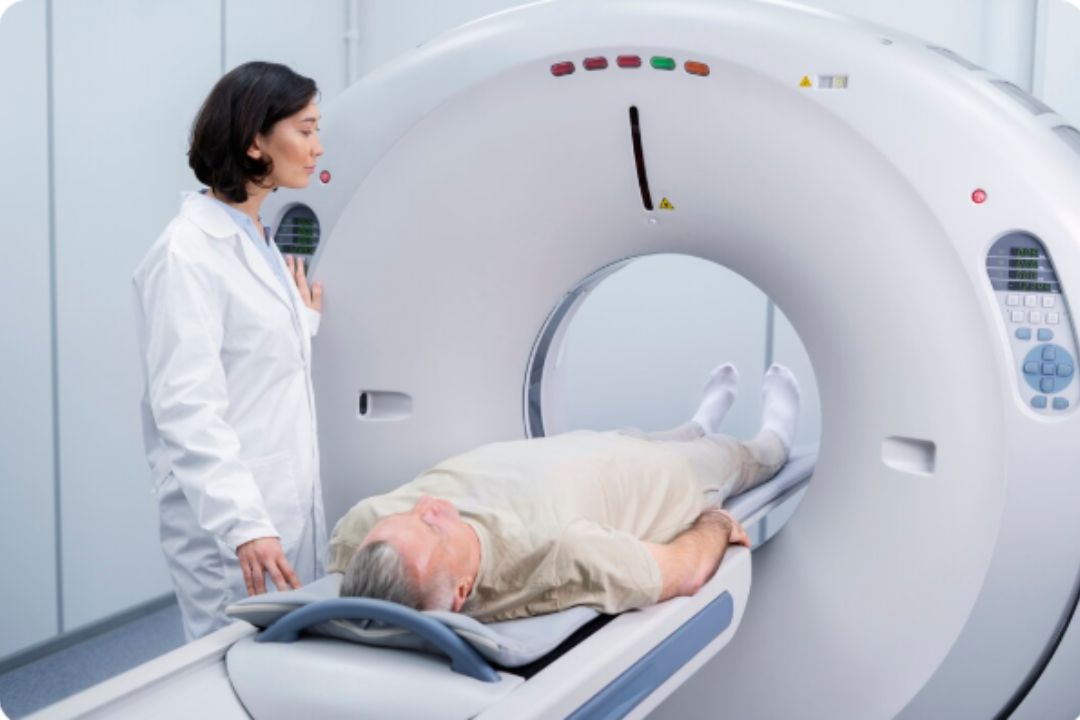
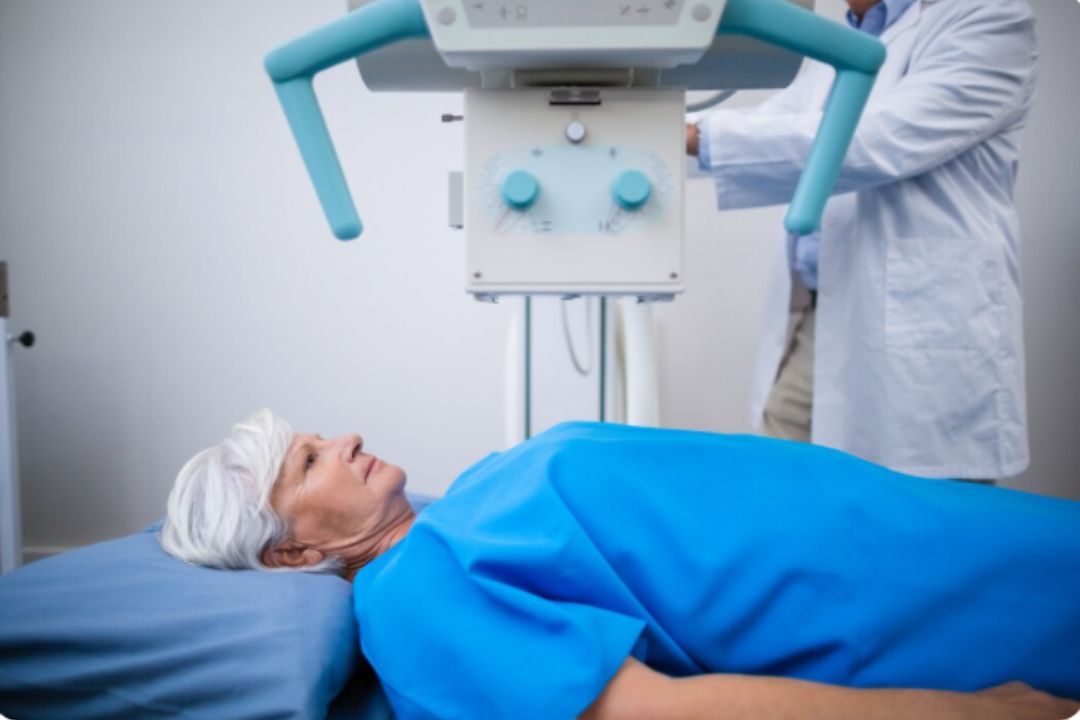
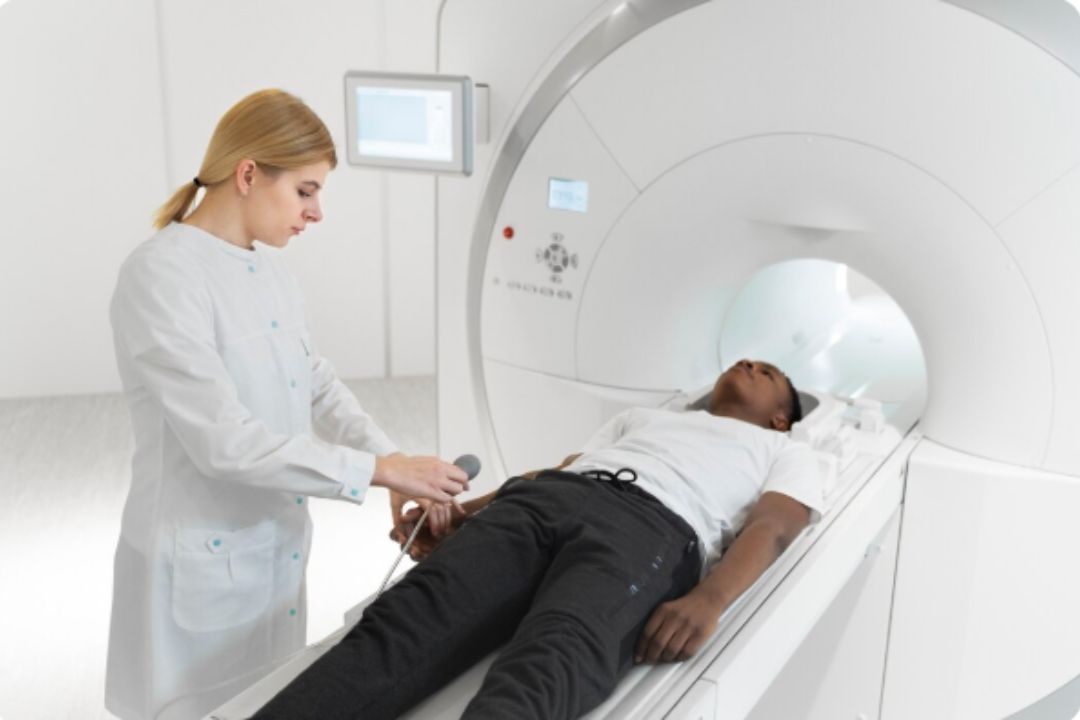
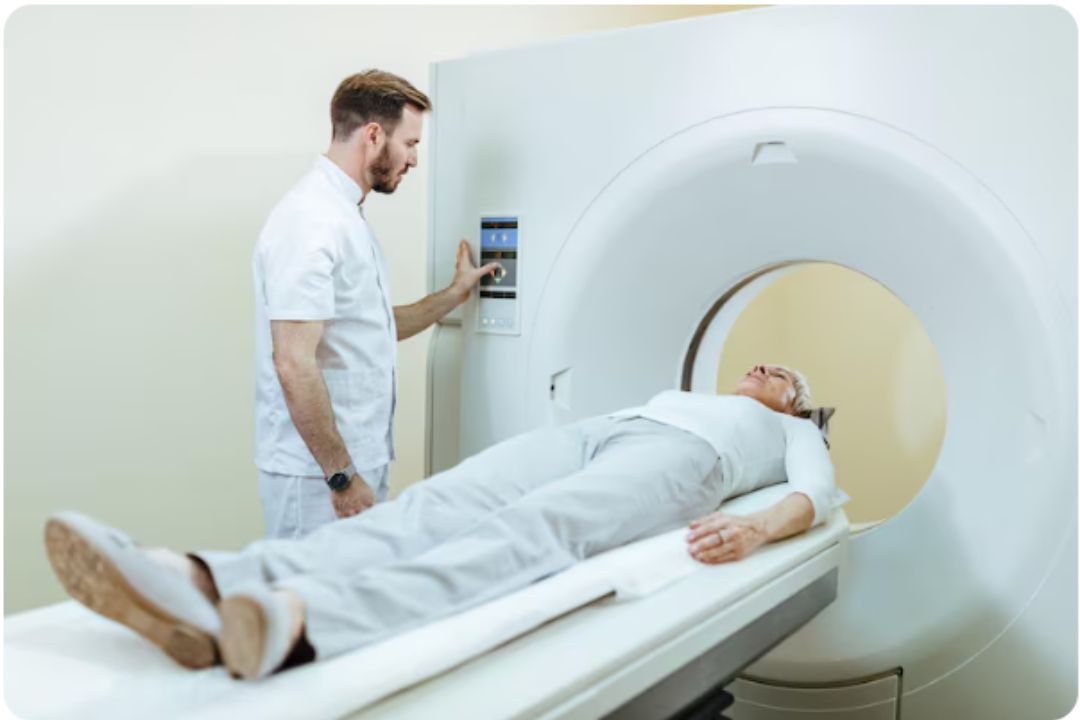
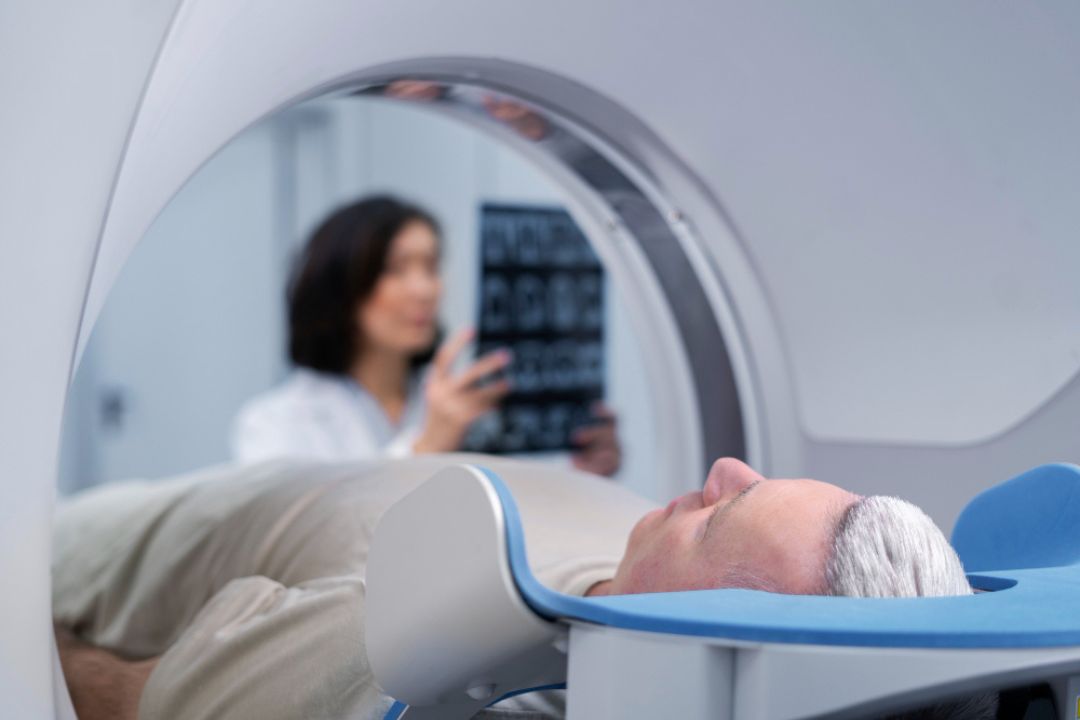
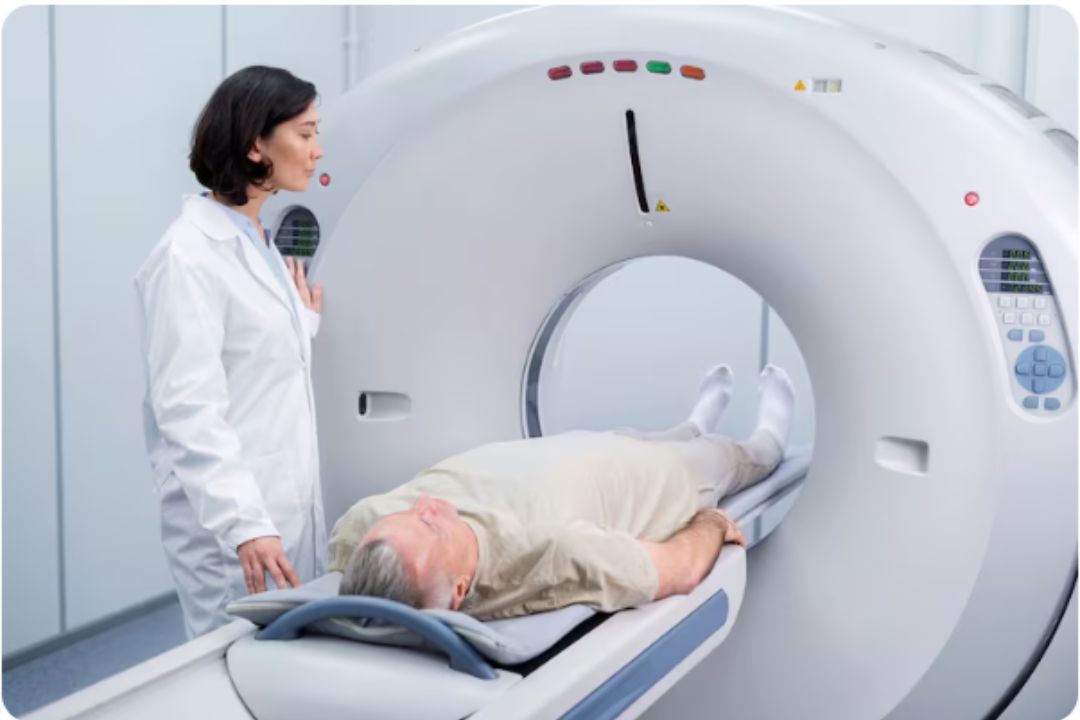
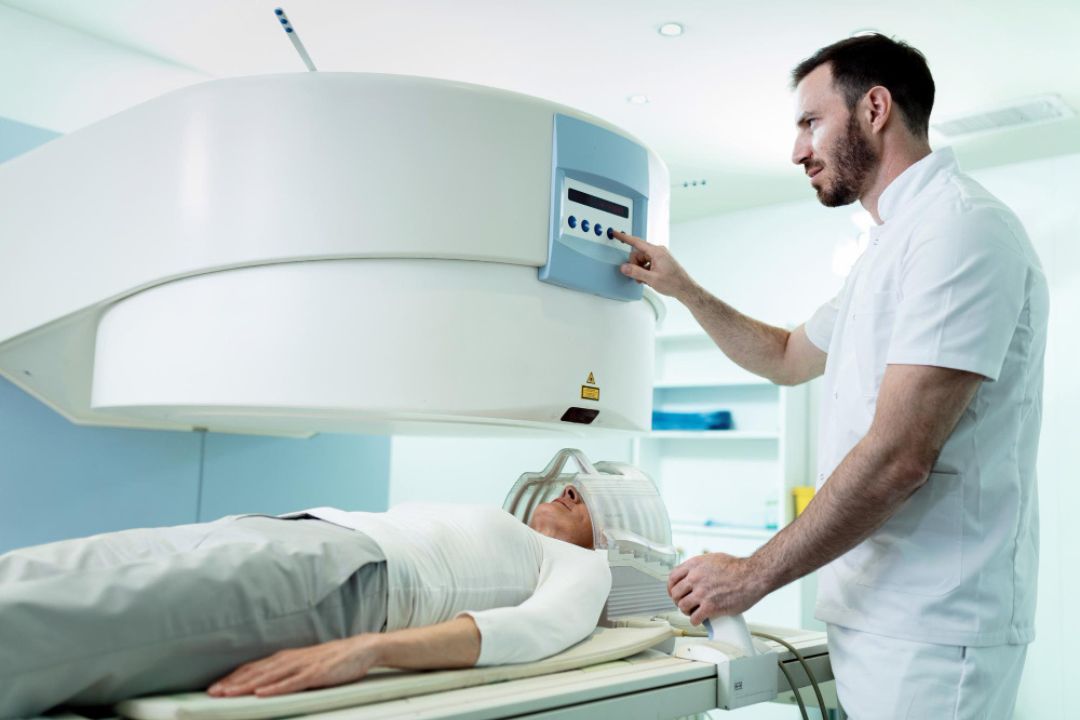
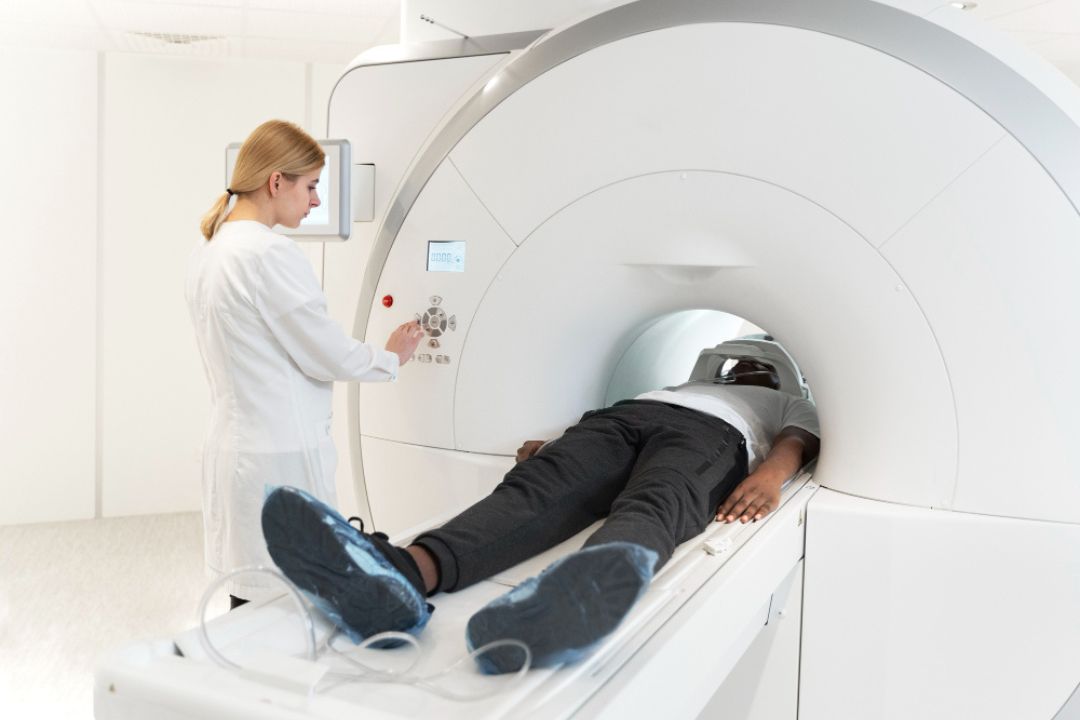
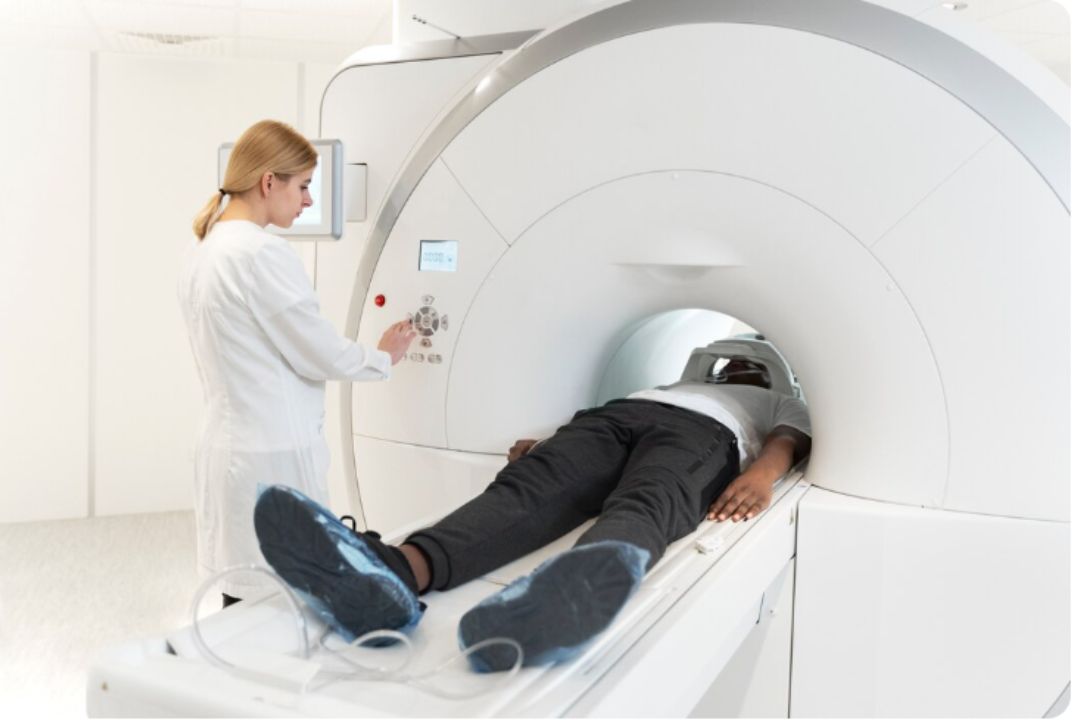
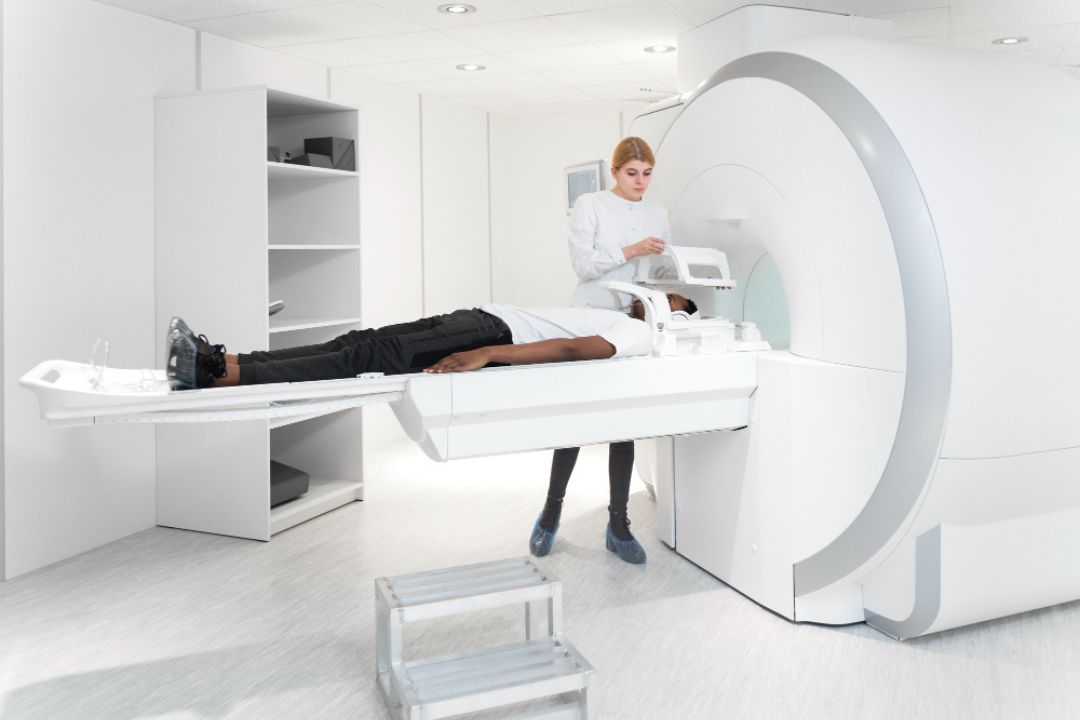
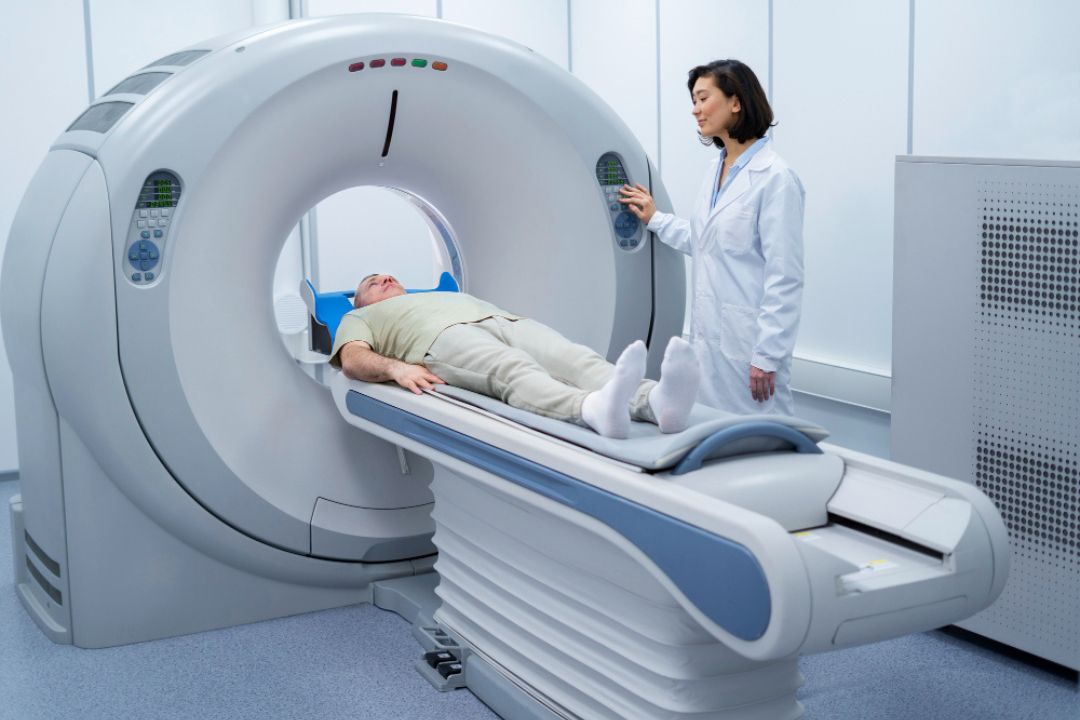
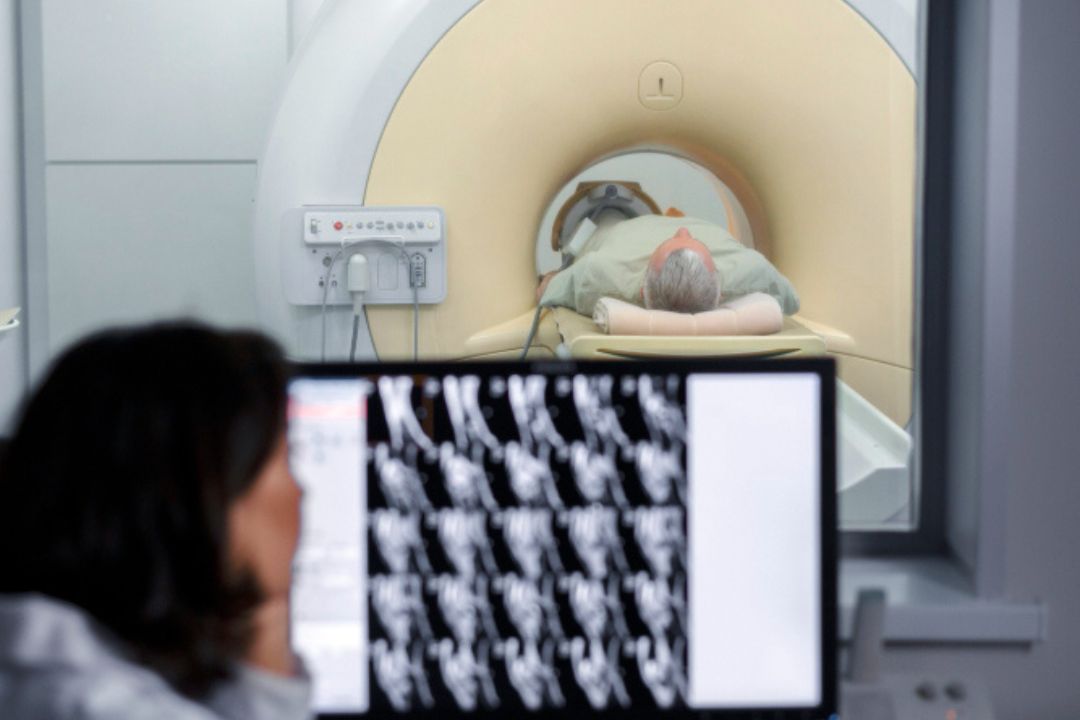
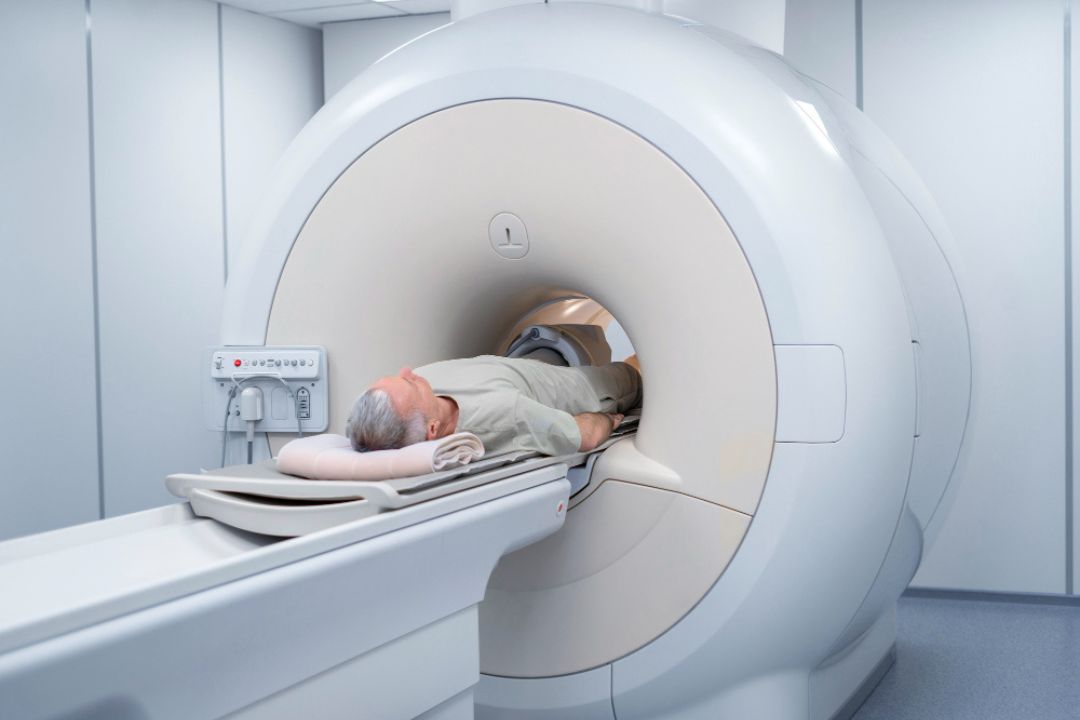
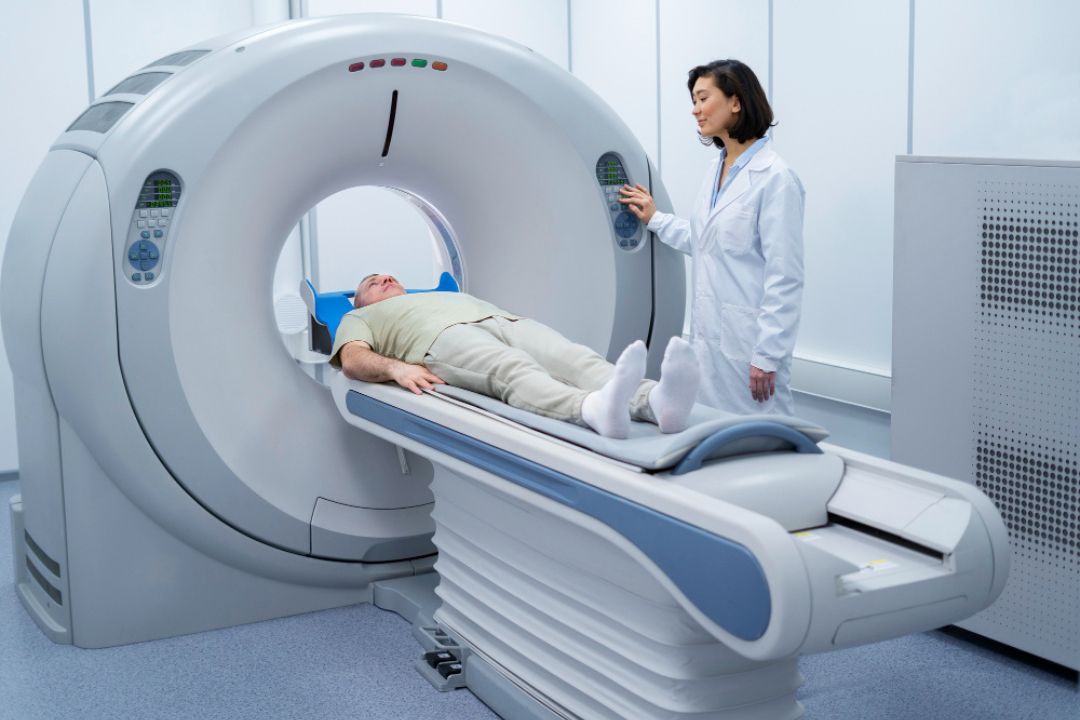
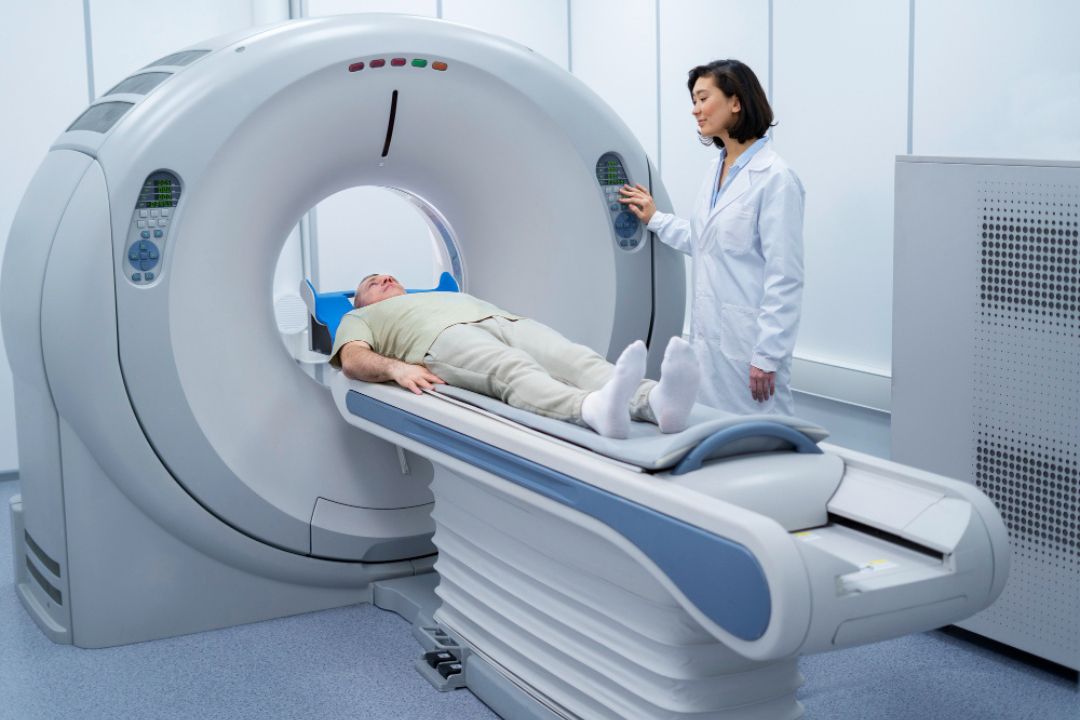
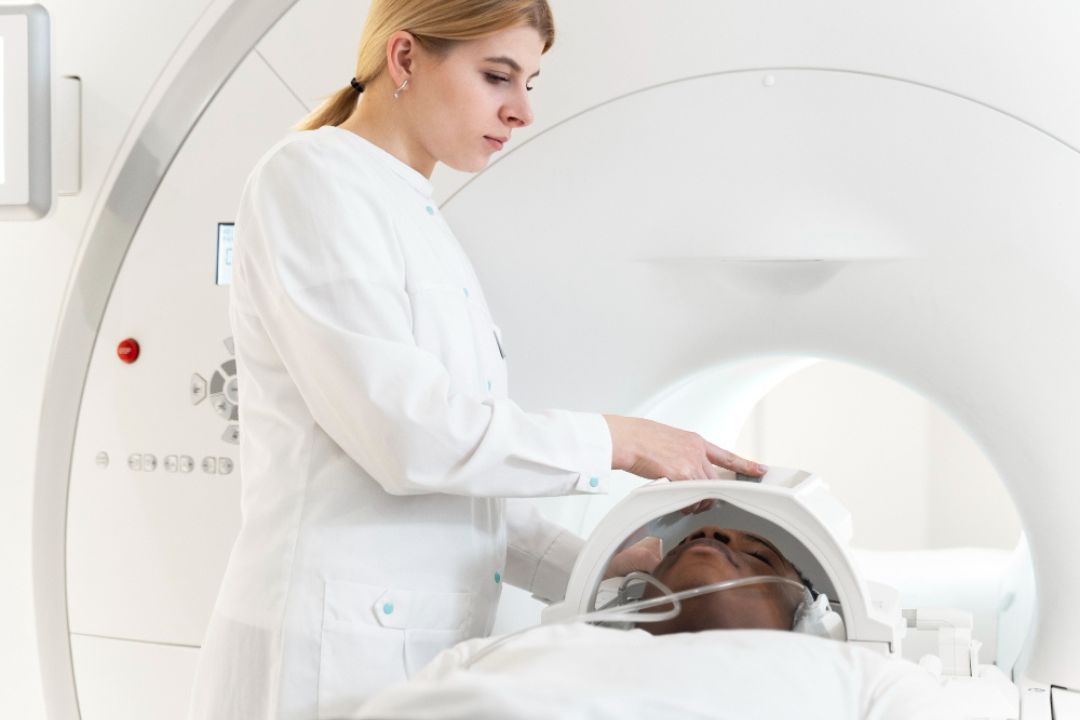
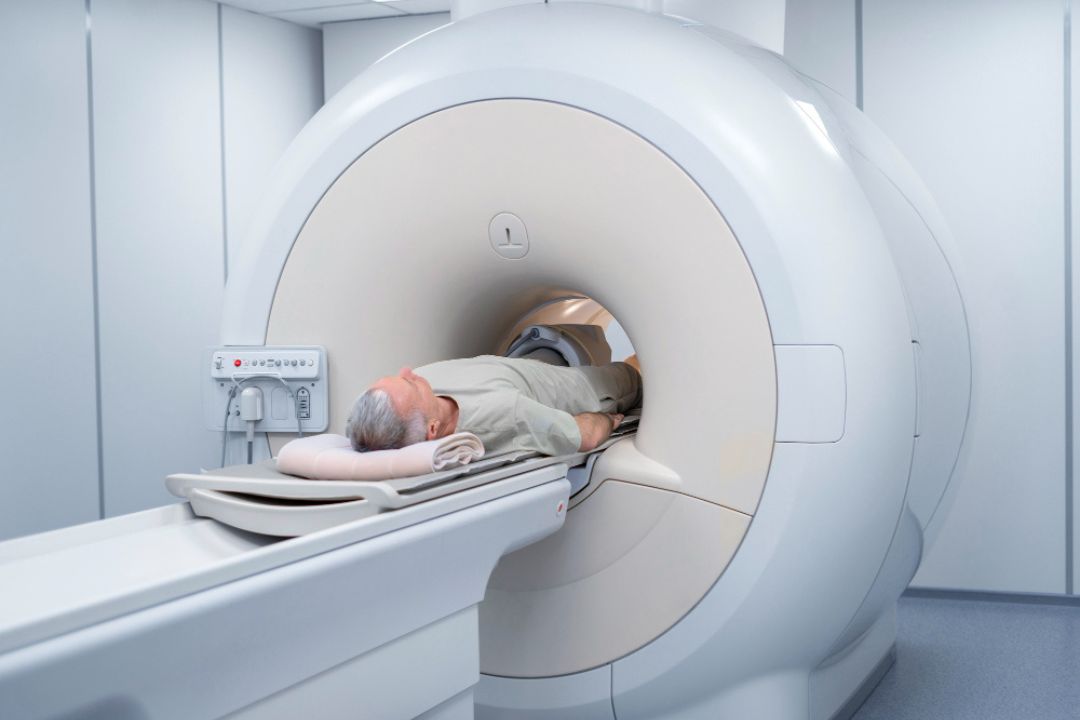
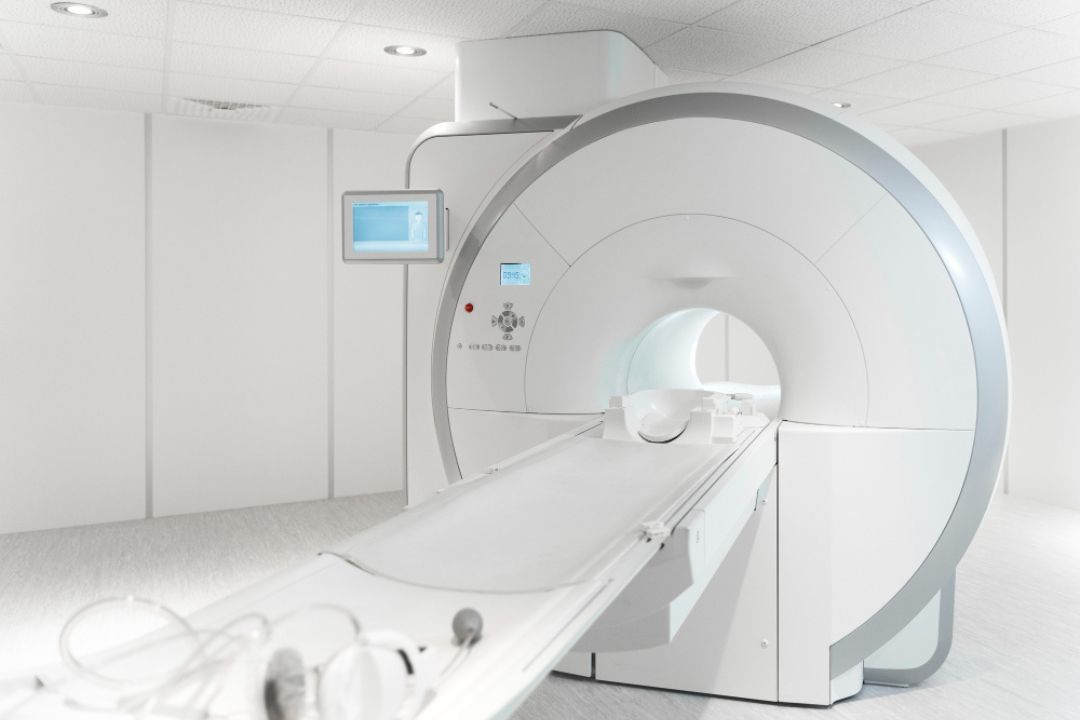
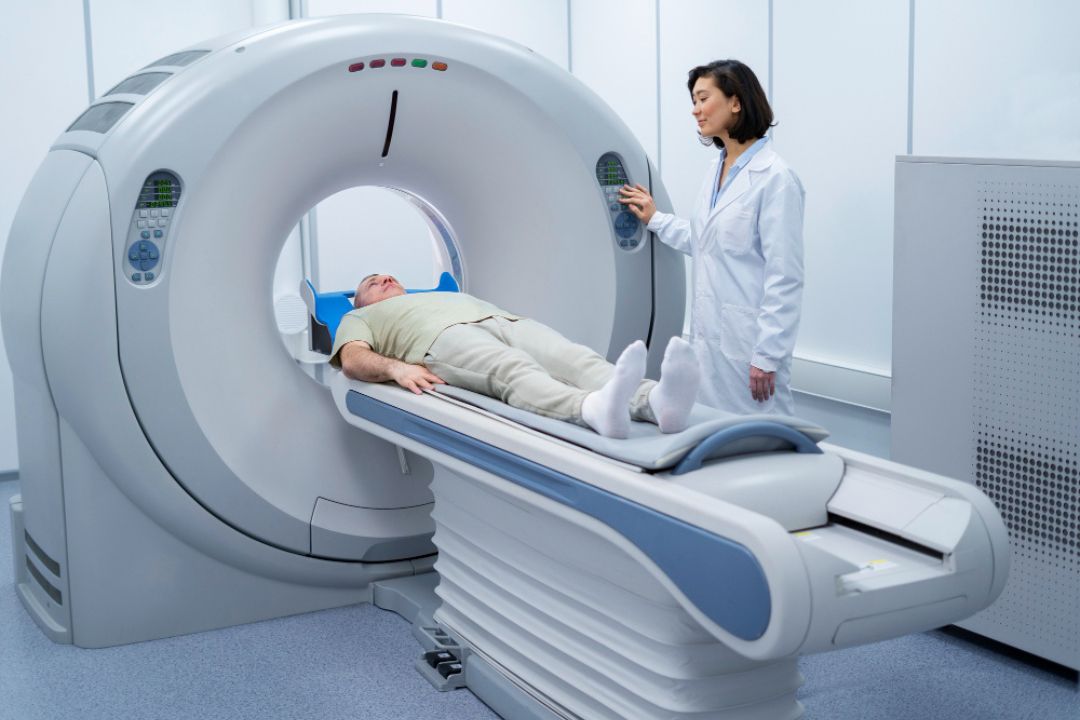
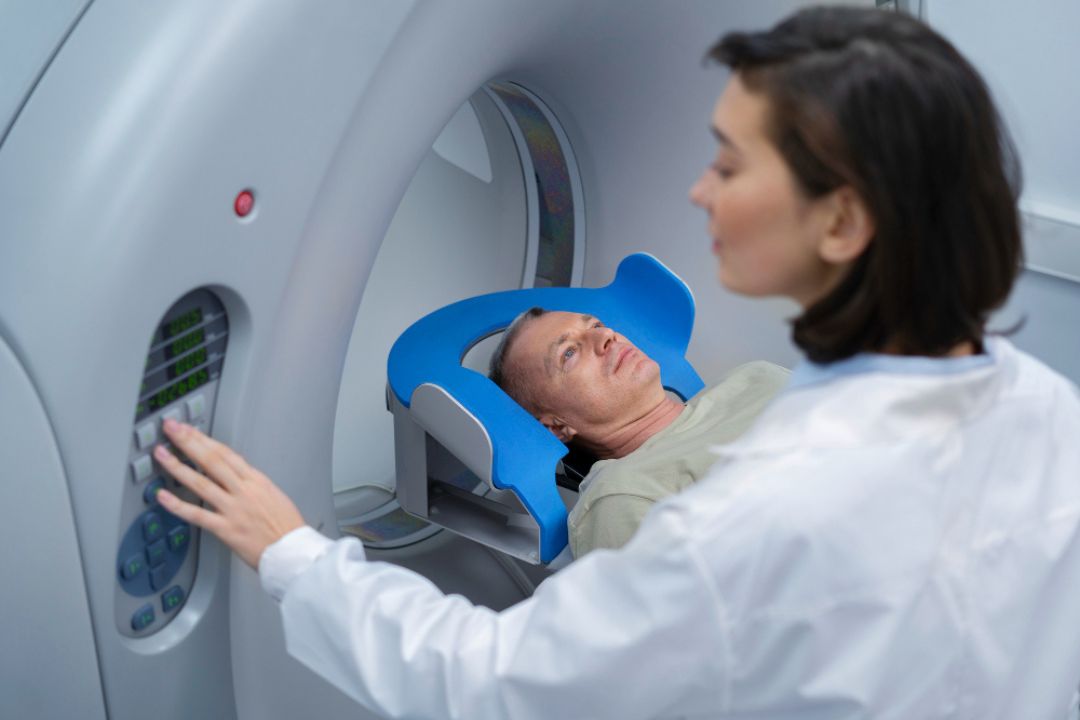
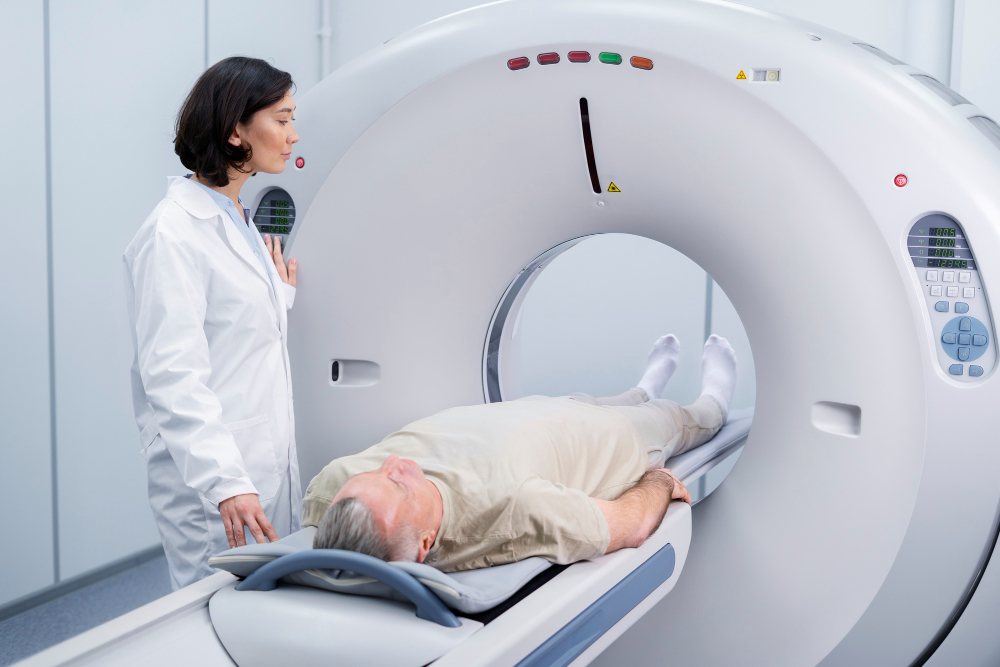
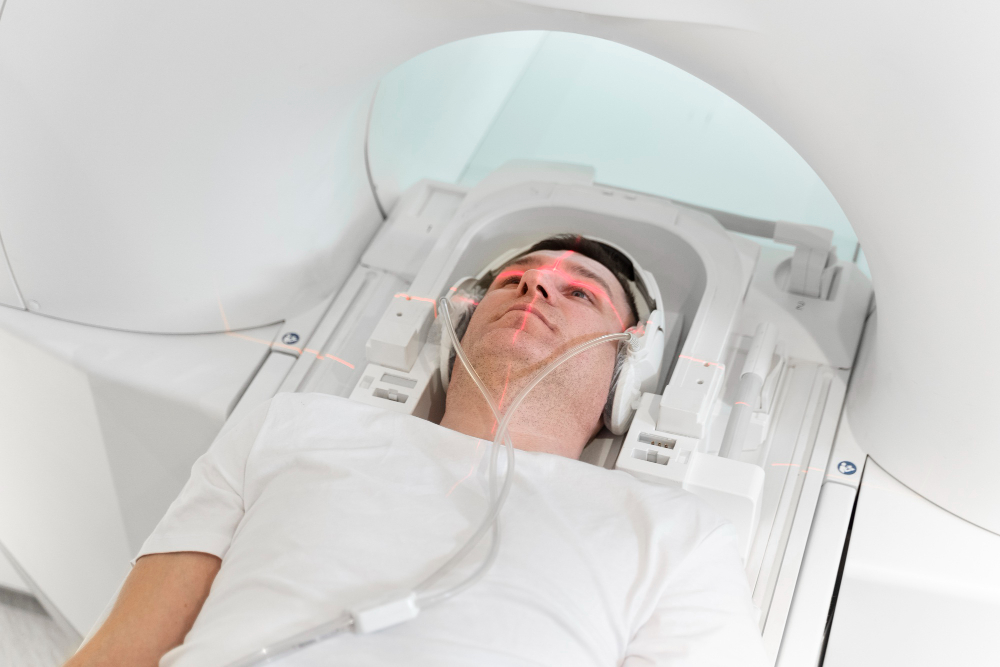
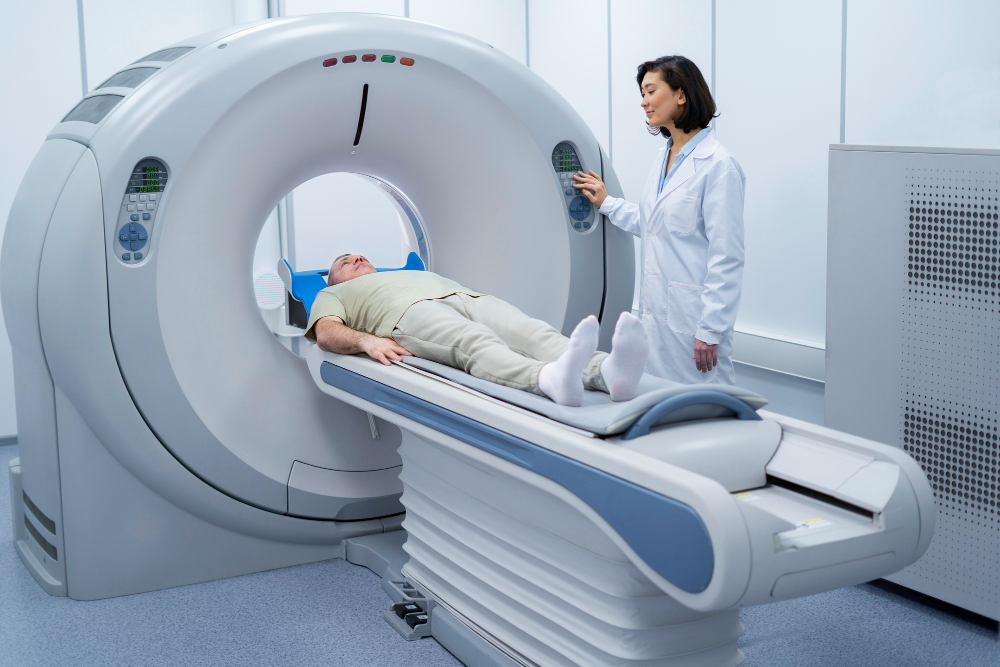
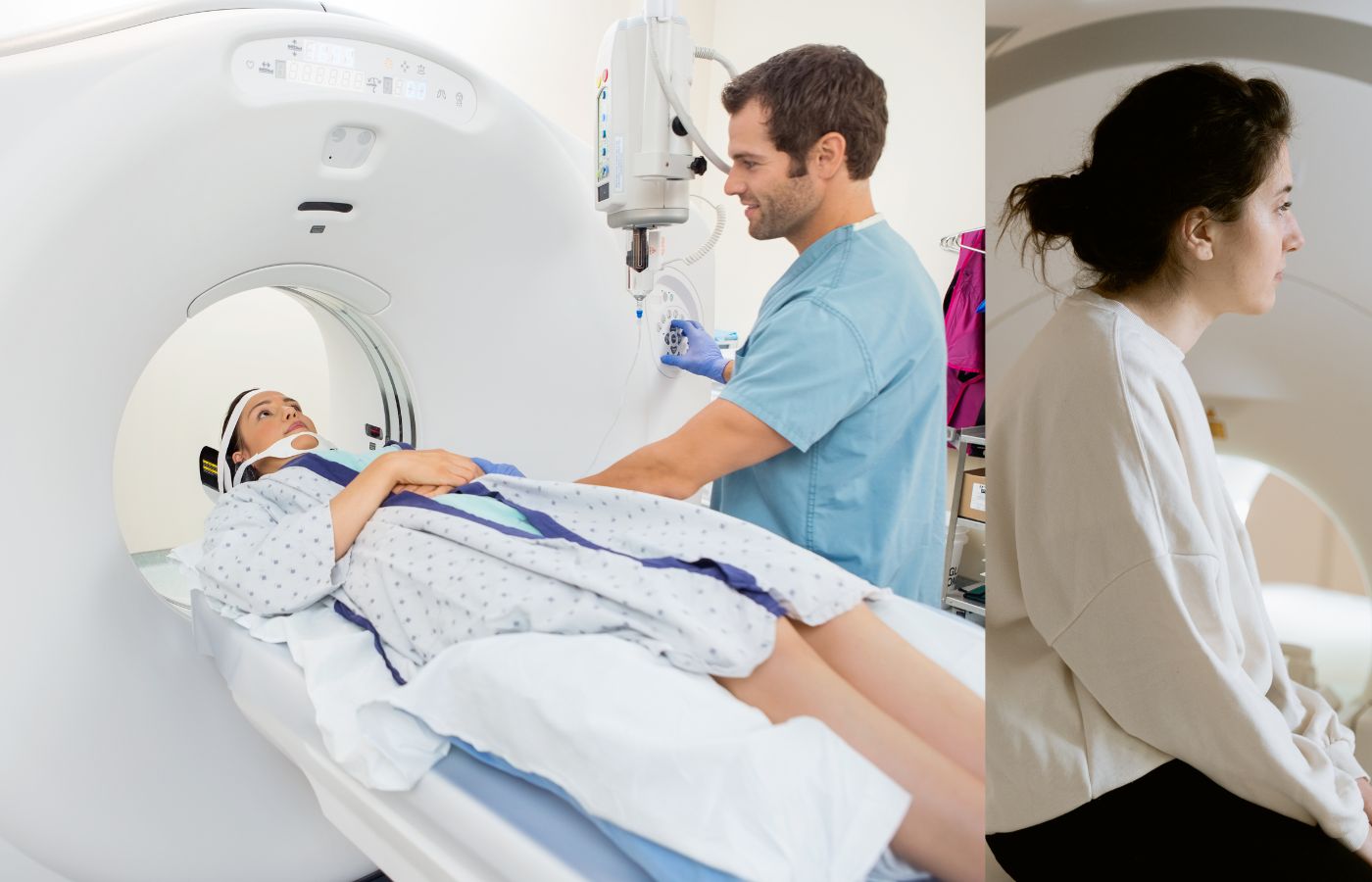
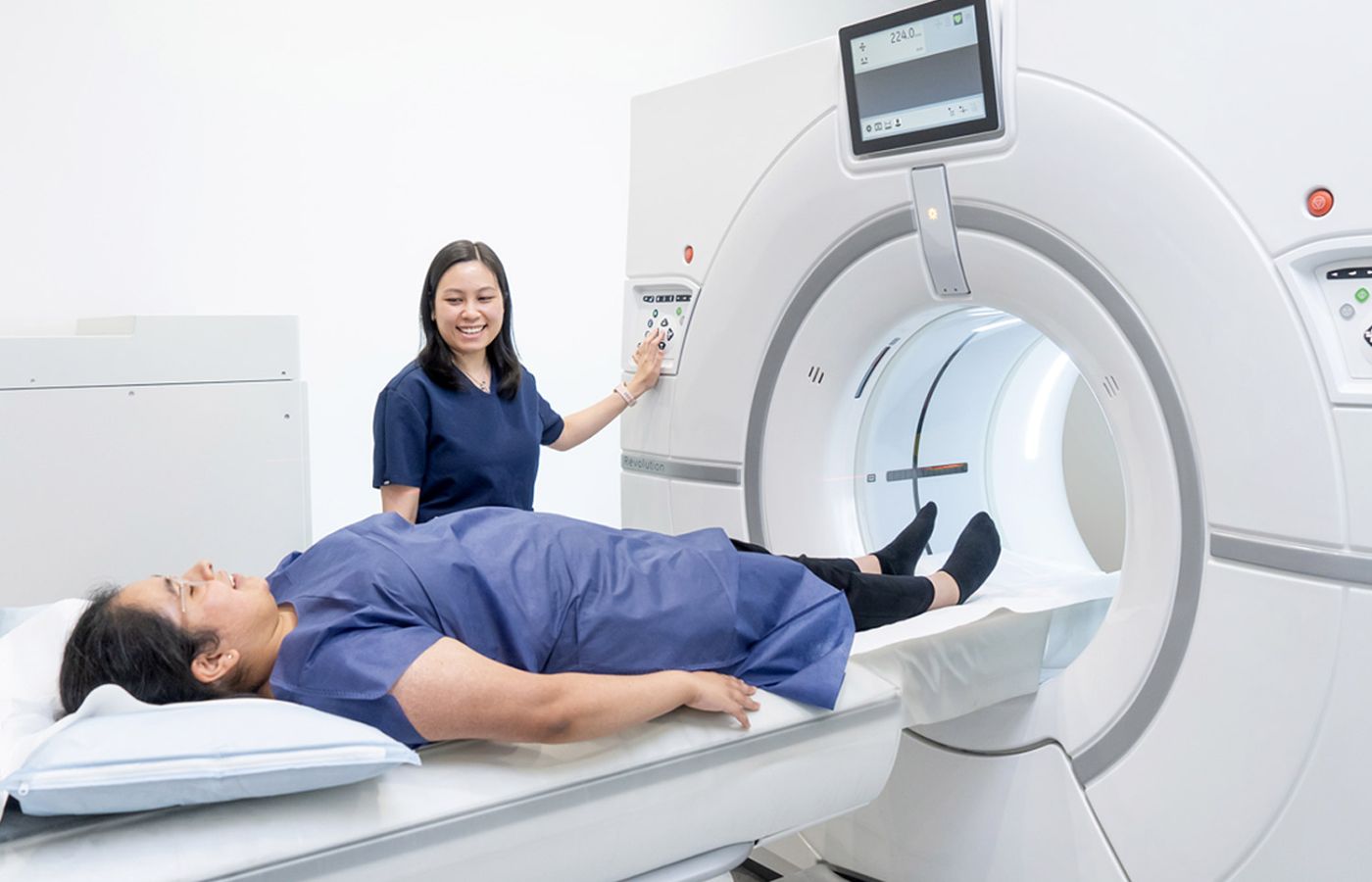
The patient lies on a motorized table that slides into the CT scanner. The machine rotates around the head and captures multiple images.
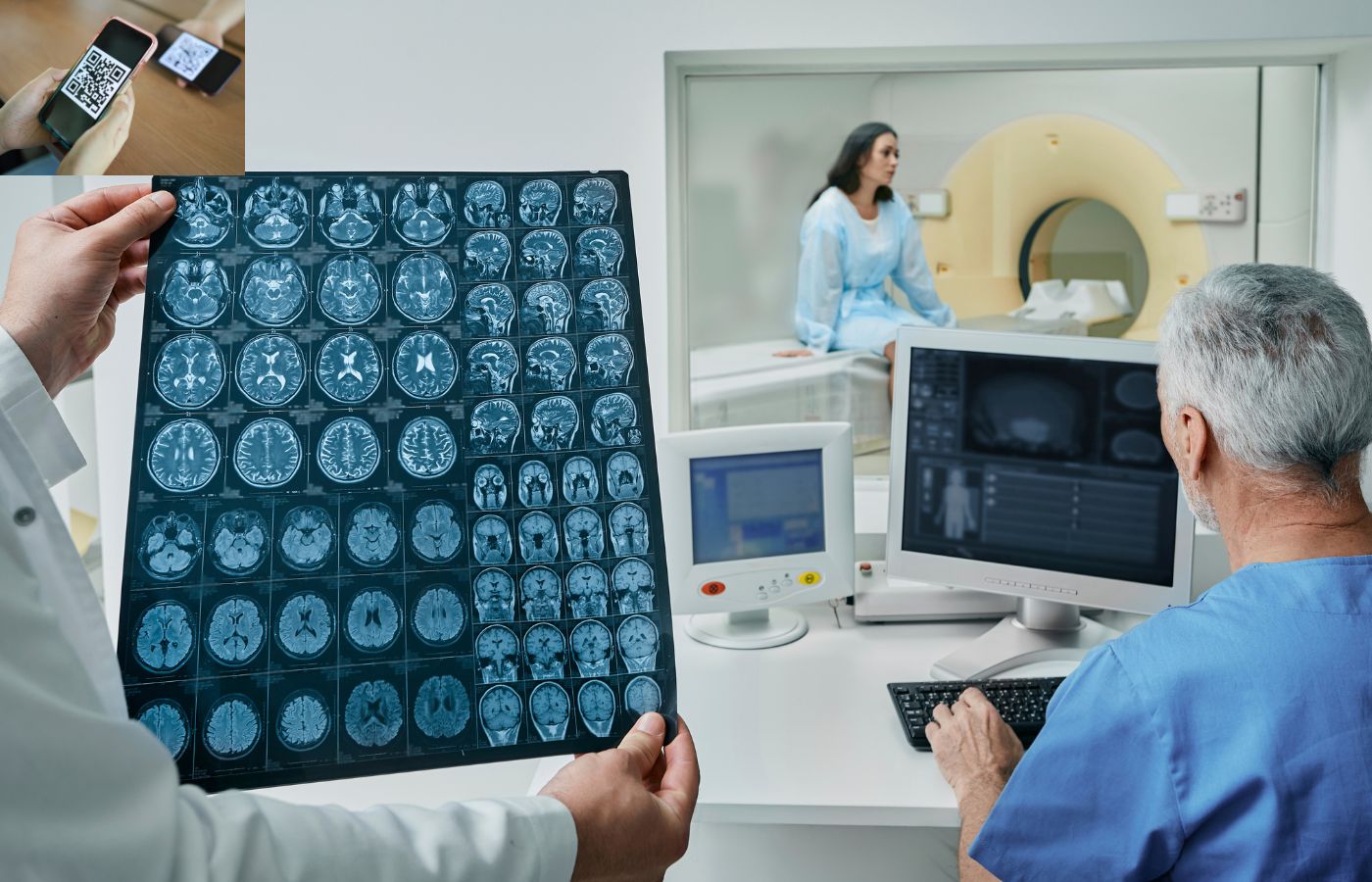
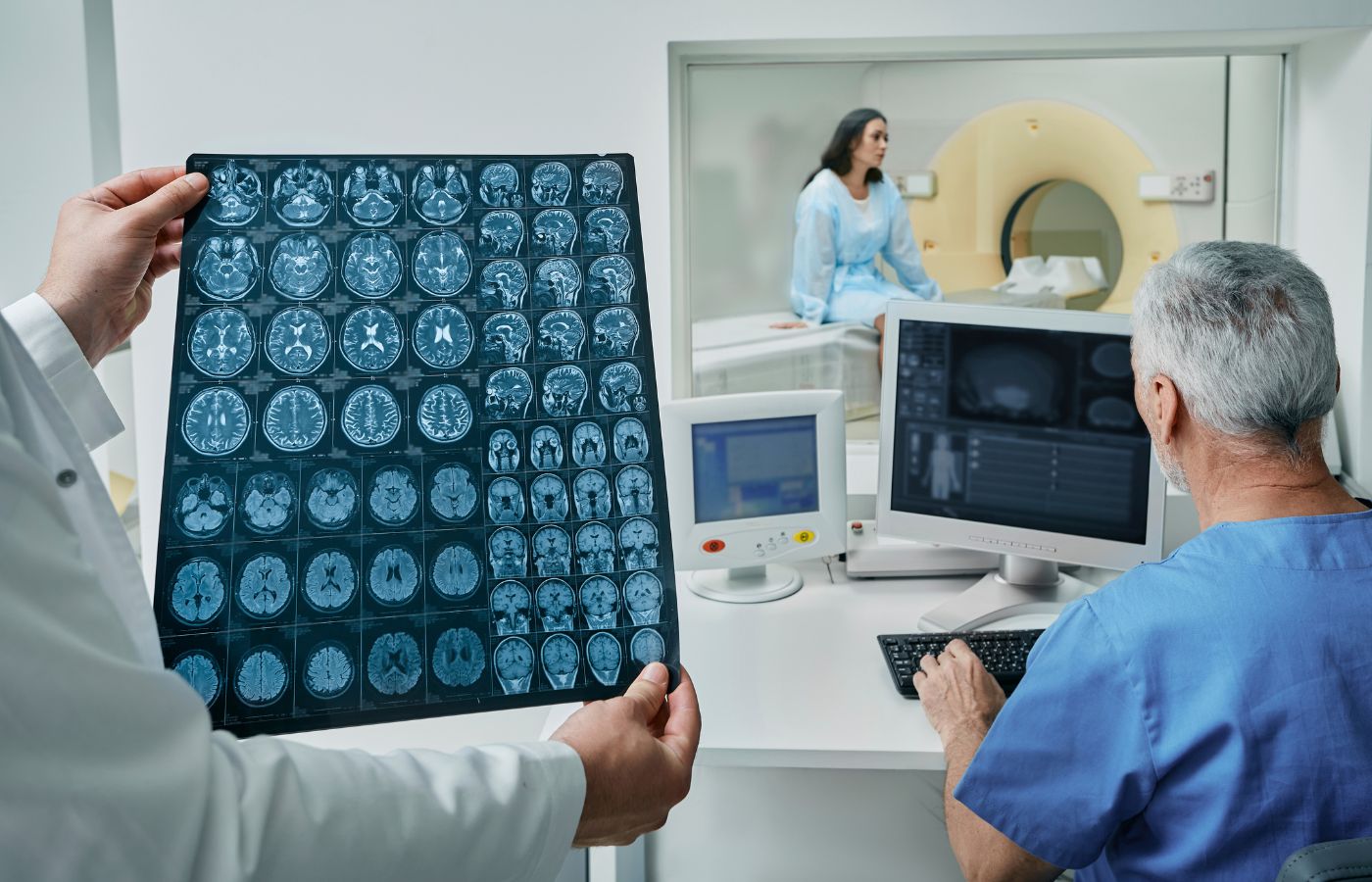
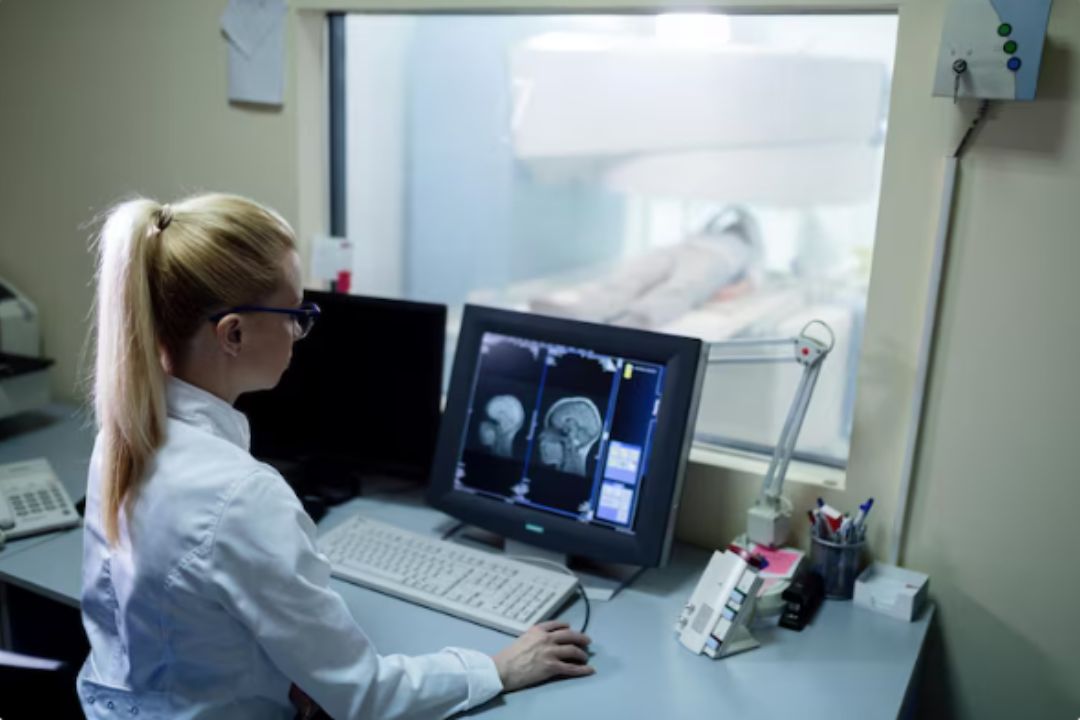
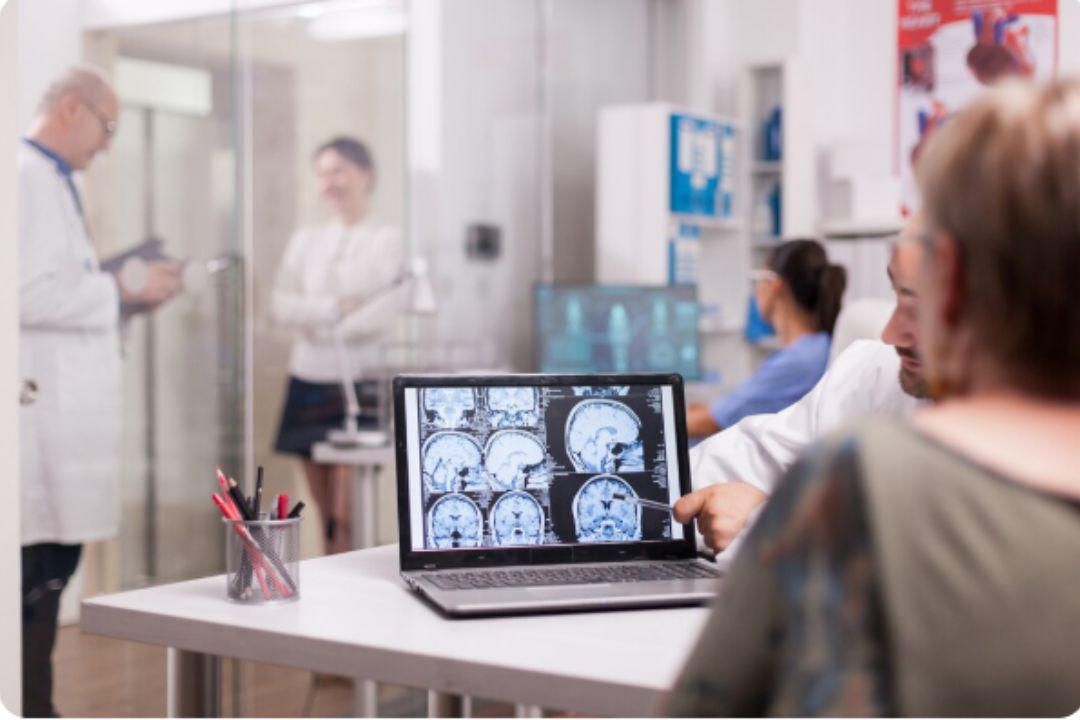
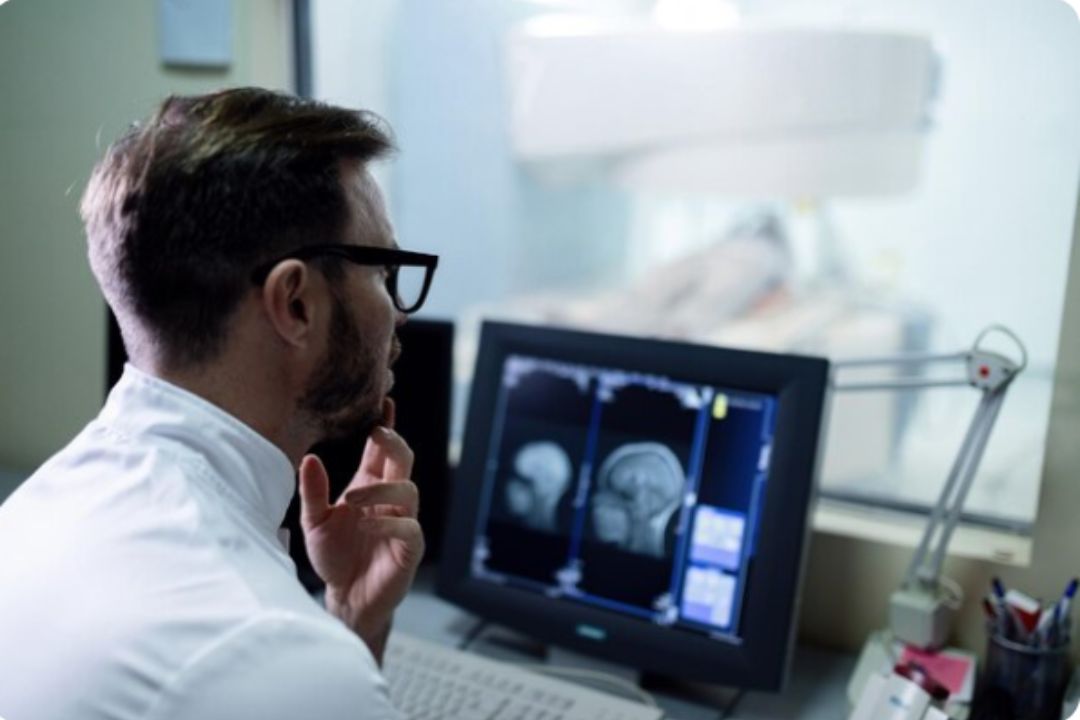
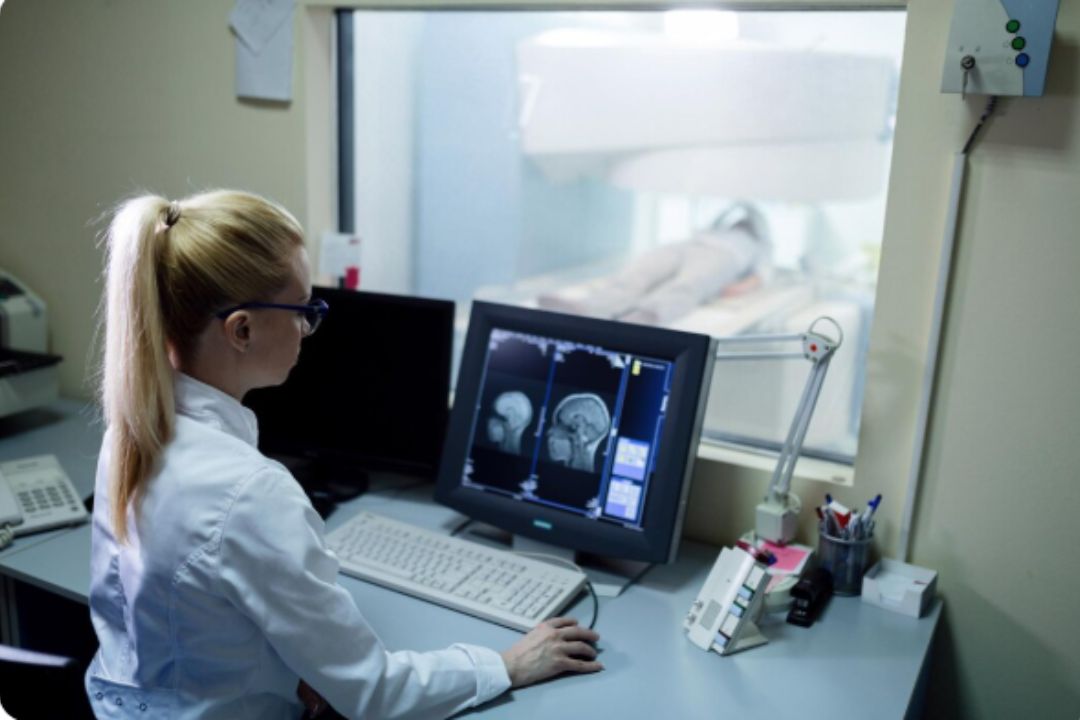
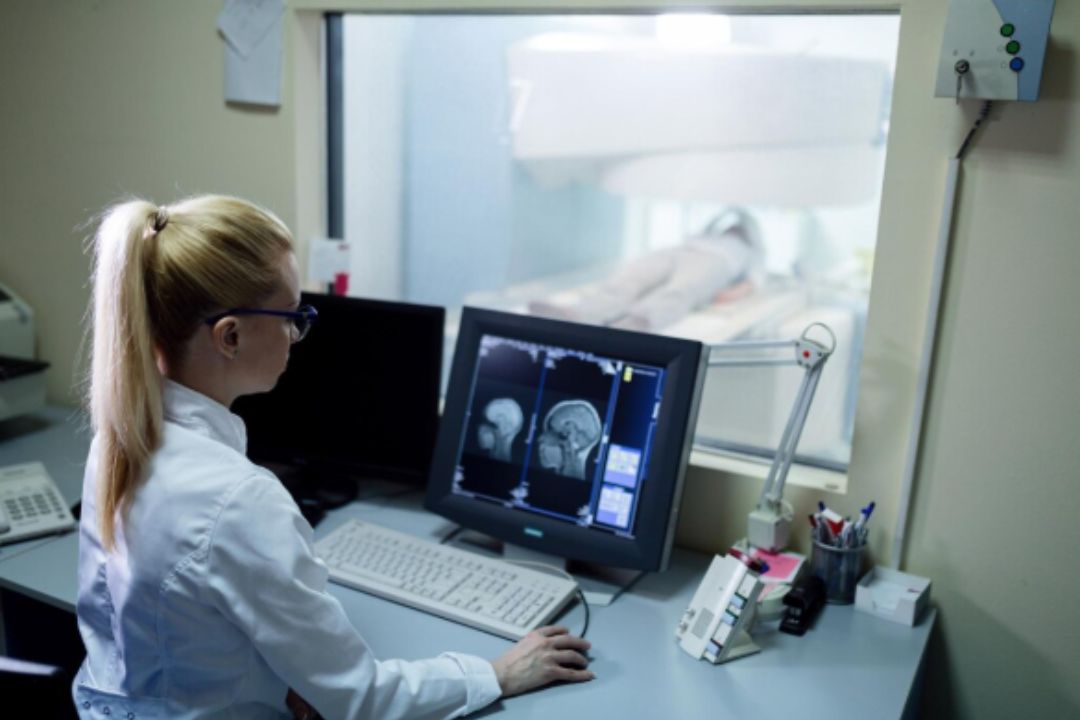
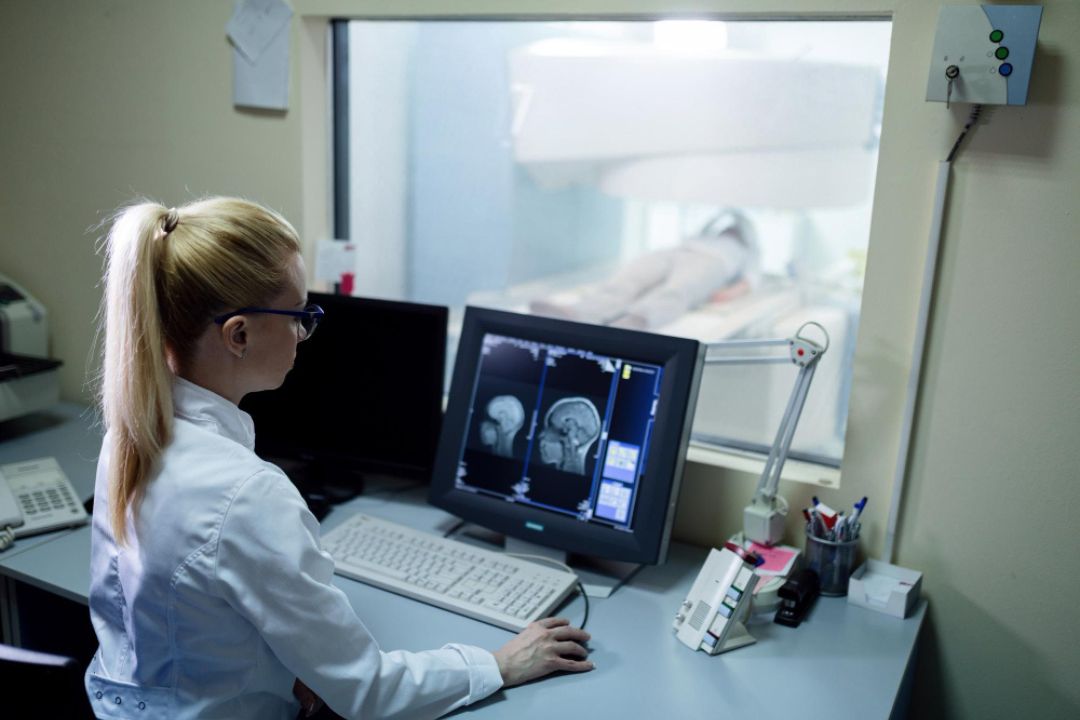
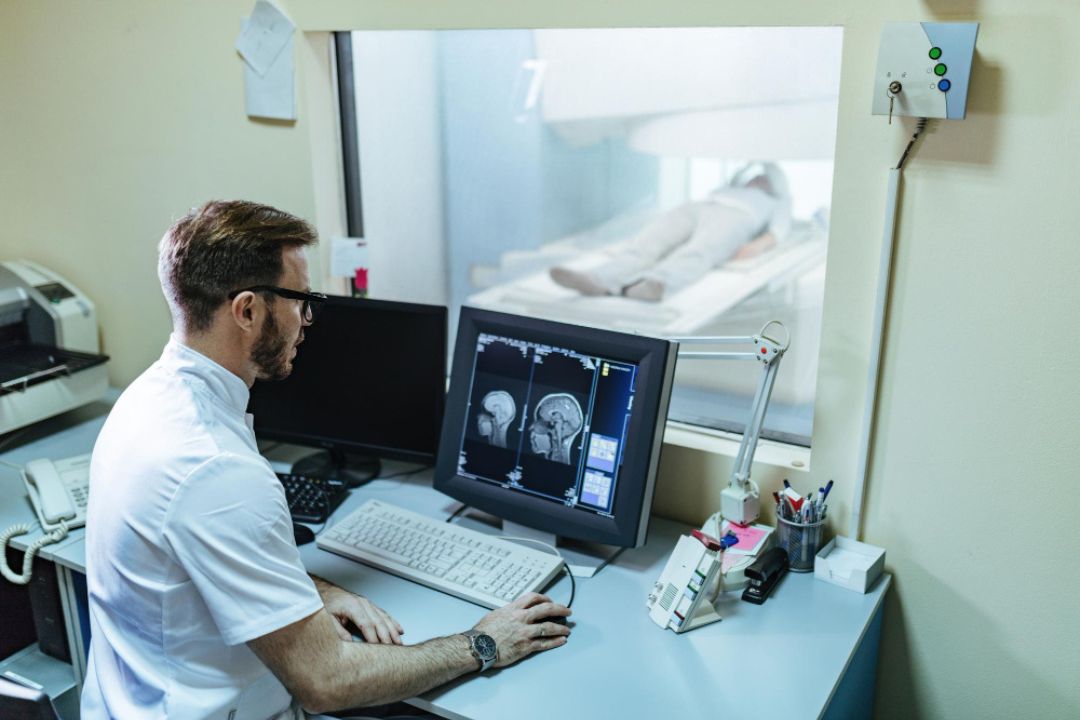
The CT scanner sends images to a computer, which creates detailed views of the brain’s blood vessels.
Once the scan is complete, the IV line is removed and patients can usually resume normal activities.
CT brain angiography is generally considered safe when performed by trained professionals.
However, patients should inform their doctor if they:
Have kidney problems
Are pregnant
Have allergies to contrast dye
Have a history of diabetes or thyroid conditions
Proper screening ensures that the procedure is safe for each patient.
CT brain angiography offers several important advantages in diagnosing brain conditions.
Key benefits include:
Provides detailed images of brain blood vessels
Helps detect life-threatening conditions early
Quick and non-invasive diagnostic method
Supports accurate stroke diagnosis
Helps doctors plan appropriate treatments
Because of these benefits, CT angiography has become an essential tool in modern neurological diagnostics.
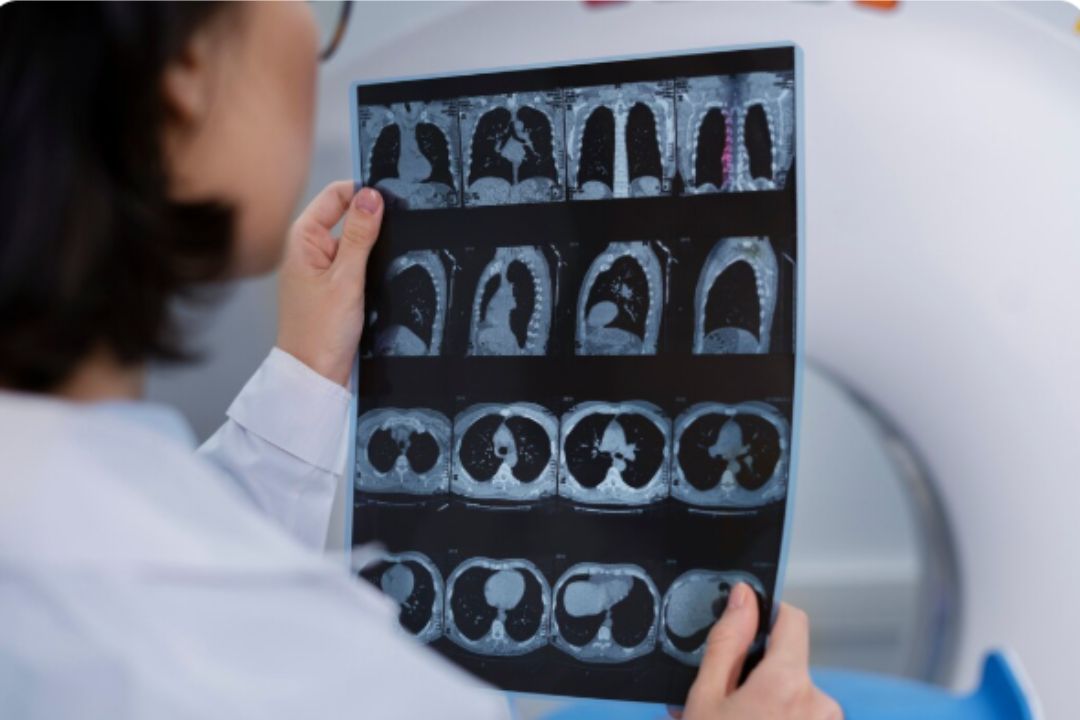
After the scan, the images are reviewed by a radiologist who prepares a detailed report. Results are usually available within 24 to 48 hours, depending on the diagnostic center.
The report is then shared with the referring doctor, who explains the findings and recommends further treatment if necessary.
CT Brain Angiography is an advanced imaging technique used to examine blood vessels in the brain and detect conditions such as aneurysms, blockages, or stroke. The procedure is quick, minimally invasive, and provides highly detailed images that help doctors diagnose serious neurological problems accurately.
Understanding what CT brain angiography is and when it is recommended can help patients feel more prepared and confident when undergoing the test.














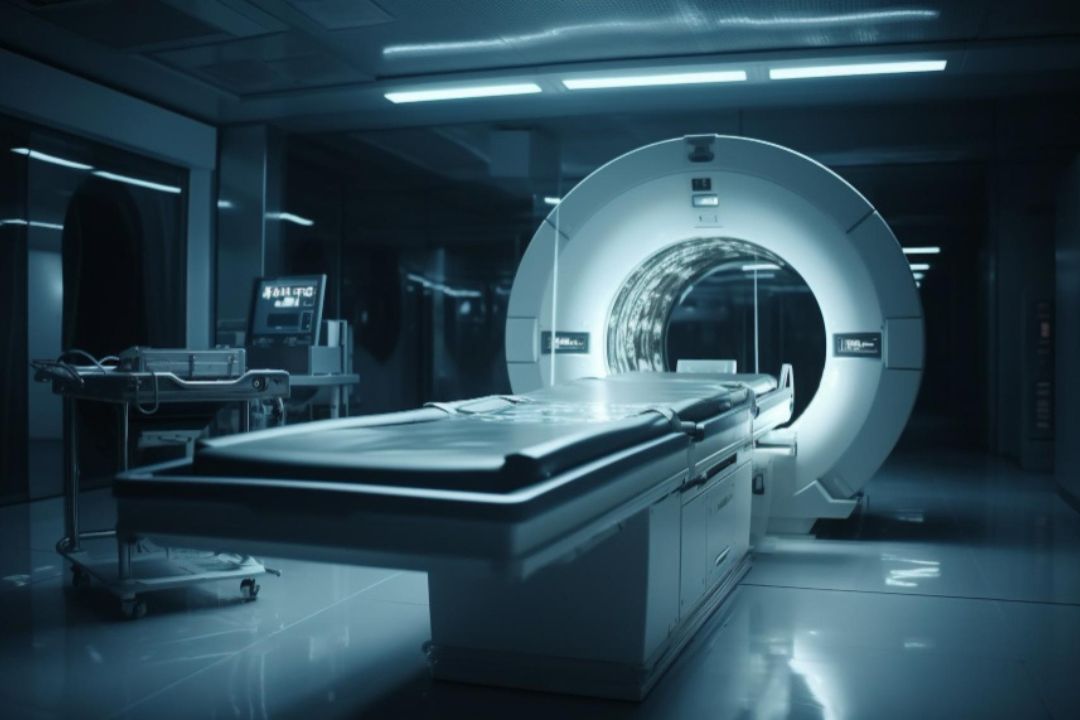
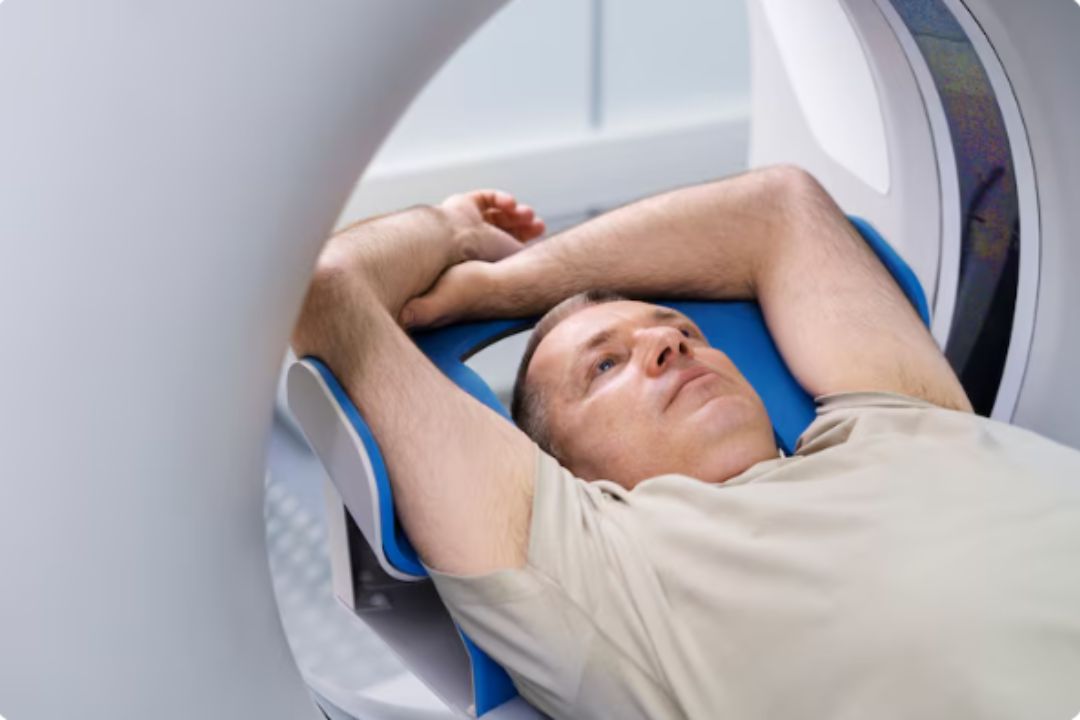

.jpg "ct brain scan plain and contrast")



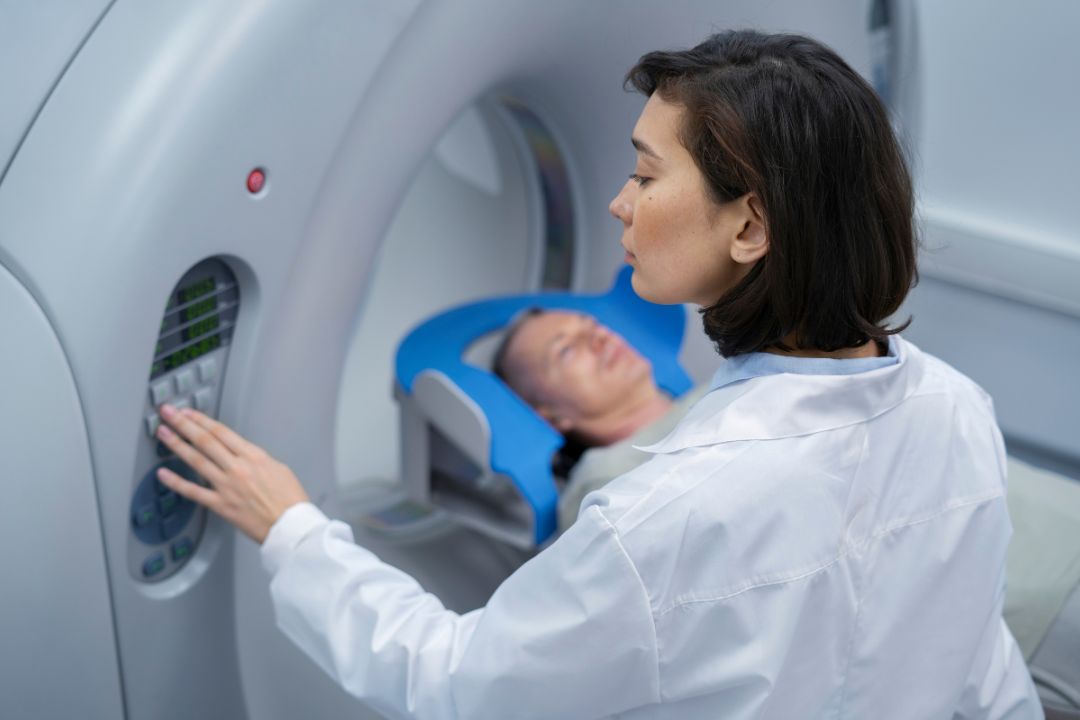
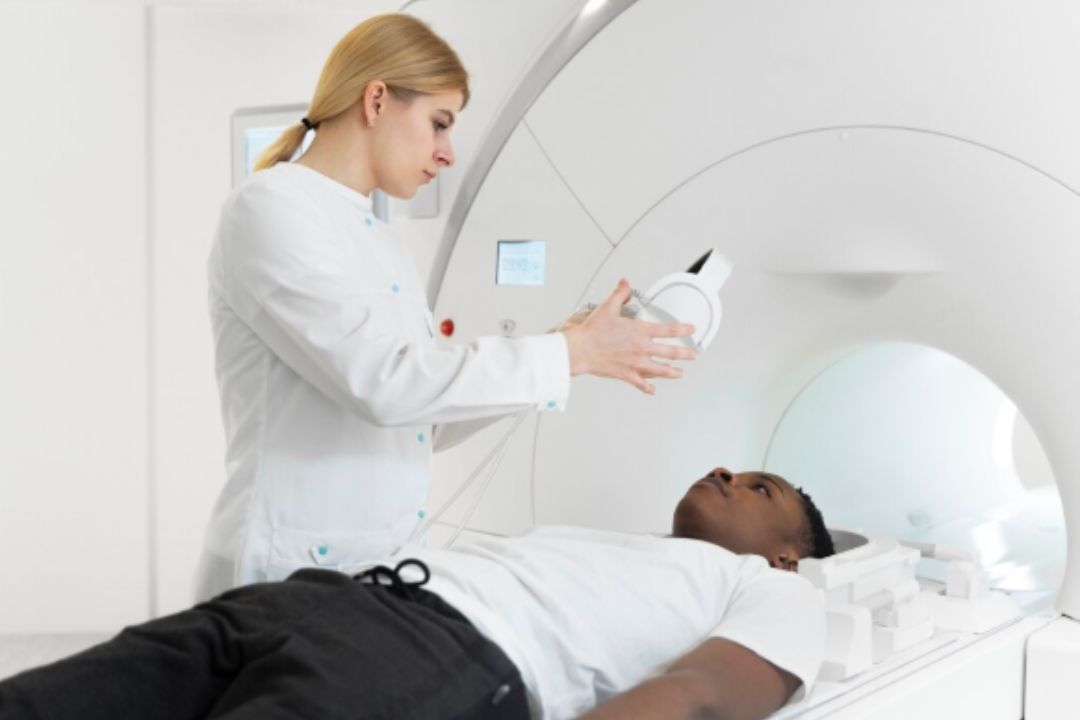



























.jpg "ct scan")

.jpg "ct scan or mri for brain disorders")


.jpg "exploring the power of ct brain contrast in modern diagnostics")
.jpg "ct scan")

.jpg "ct scan")













.jpg "ct scan")

.jpg "CT Brain Scan for Headaches")
.jpg "The Future of 3D CT Imaging")