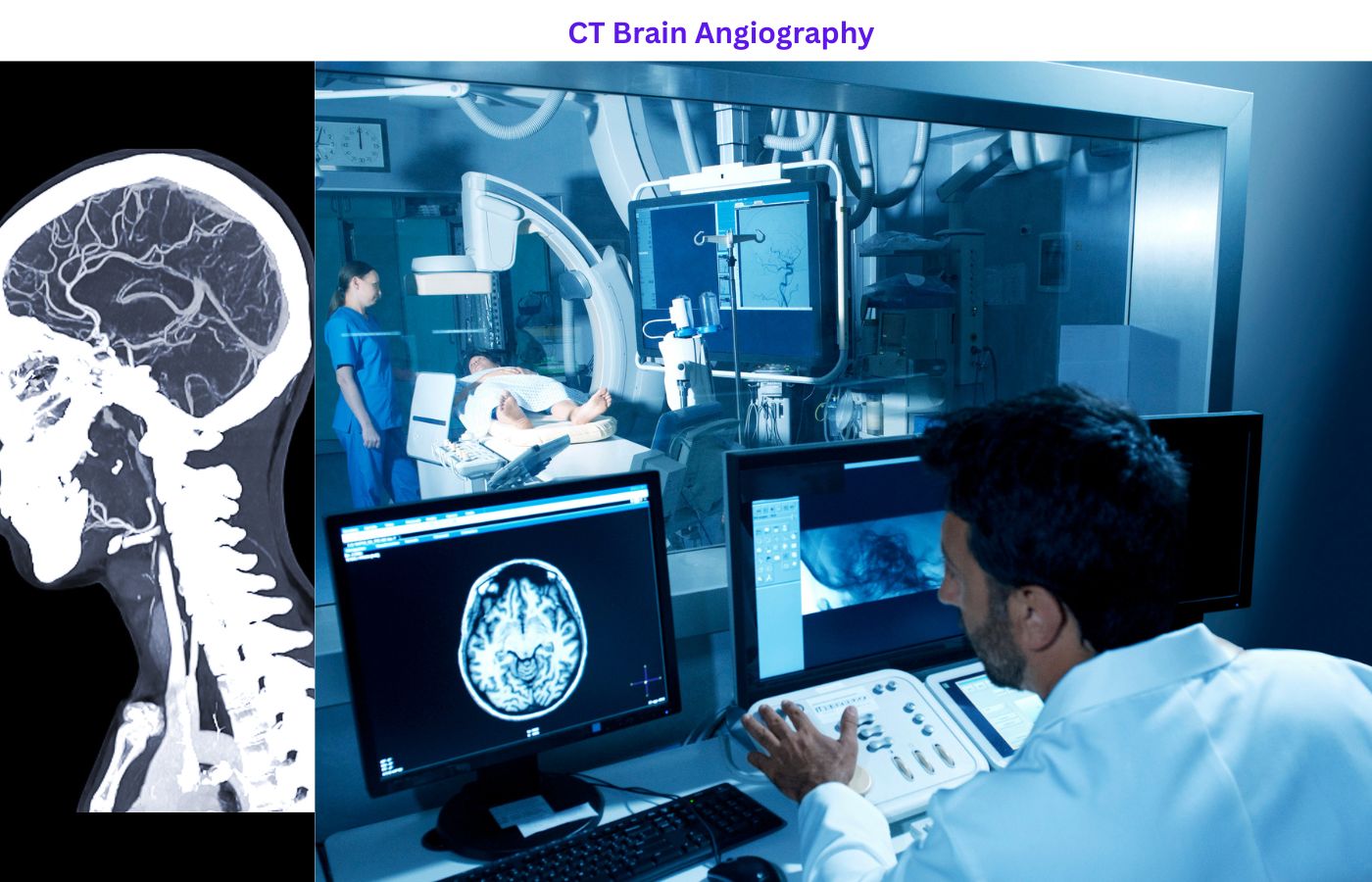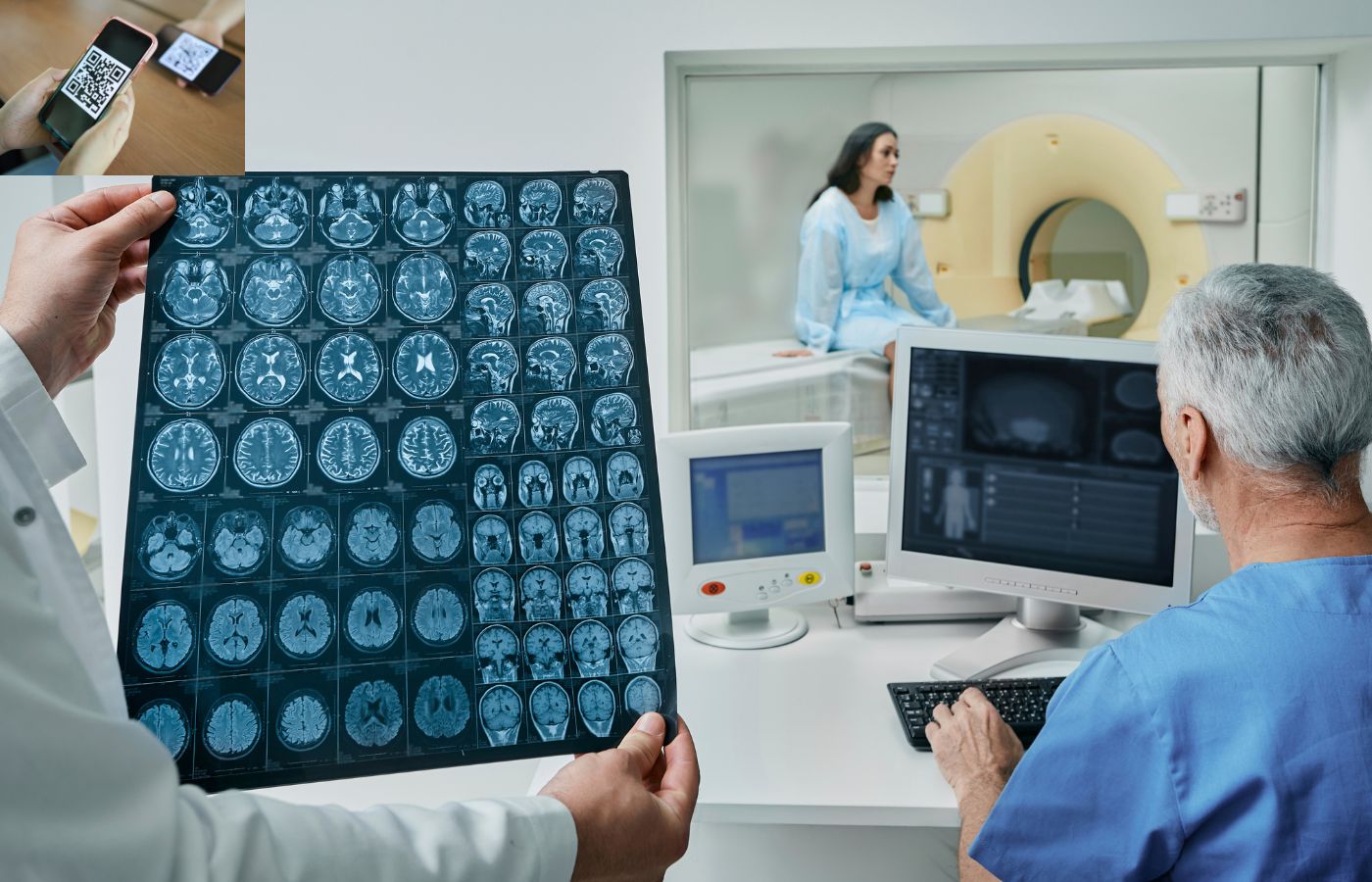
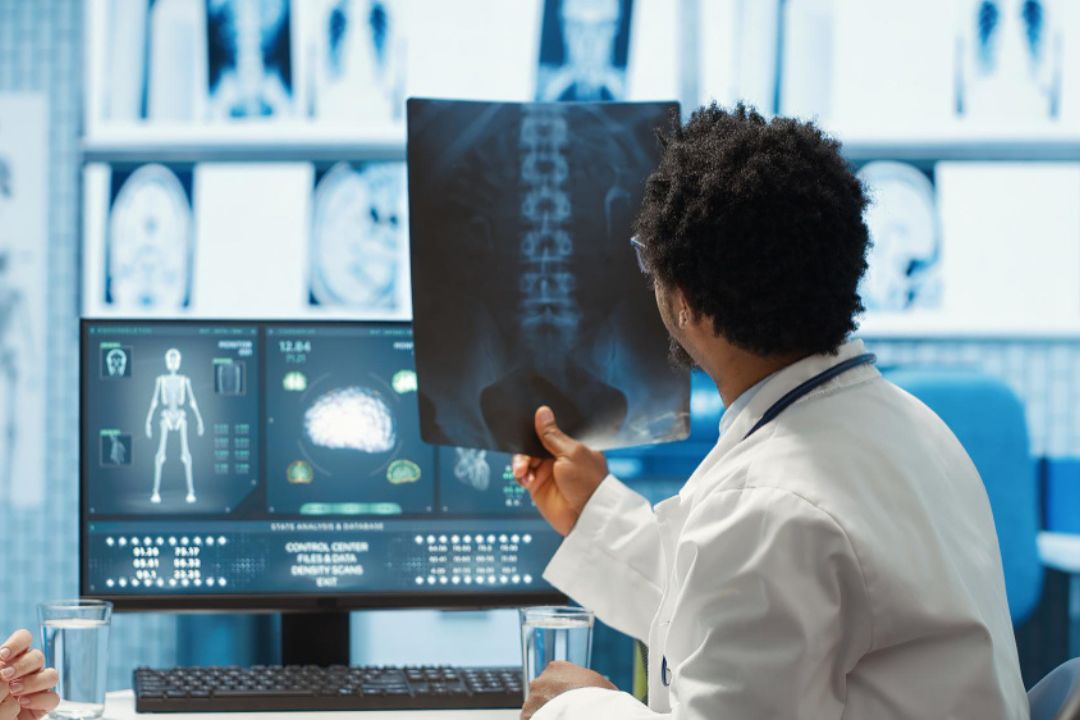
A CT scan is a diagnostic imaging test that helps doctors view detailed images of internal organs, bones, blood vessels, and tissues. Proper preparation before the scan is important because it ensures accurate results and helps the procedure run smoothly.
If your doctor has recommended a CT Scan at Diagnopein, understanding how to prepare for the test can help reduce anxiety and improve the quality of the images obtained during the examination.
Preparing correctly for a CT Scan helps doctors obtain clearer images and reduces the chances of complications during the test. Proper preparation also minimizes the need for repeat scans and ensures patient safety, especially when contrast dye is used.
Before the scan, your doctor or diagnostic center will provide specific instructions depending on the type of CT scan you are undergoing. Always follow these instructions carefully for the best results.
In many cases, especially when contrast dye is used, patients may be asked to avoid eating for several hours before the scan. This helps improve image clarity and reduces the chances of nausea during the procedure.
Typically, fasting may be required for about four to six hours before the test, although clear fluids such as water may sometimes be allowed.
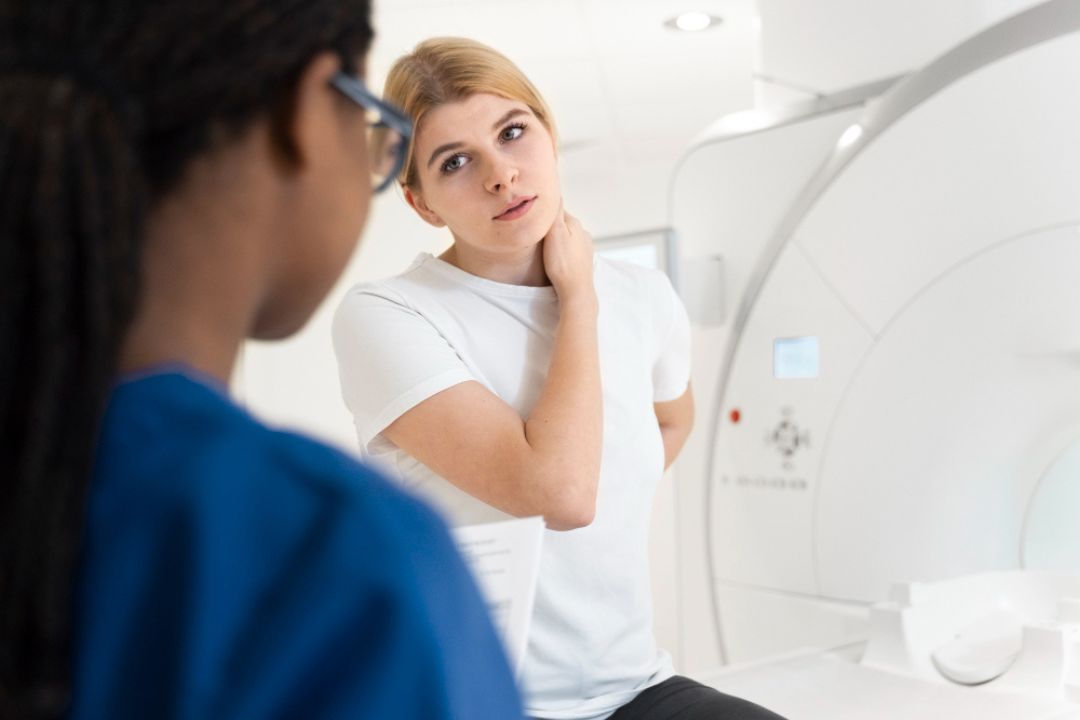
It is important to tell your healthcare provider about any existing medical conditions before the scan. This includes allergies, kidney problems, diabetes, thyroid disorders, or pregnancy.
Patients who have had previous reactions to contrast dye should also inform the medical staff in advance so that proper precautions can be taken.
Most patients can continue taking their regular medications before a CT scan. However, certain medicines may need to be adjusted depending on the type of scan and whether contrast dye will be used.
People taking diabetes medications or other long-term medicines should consult their doctor for specific guidance.
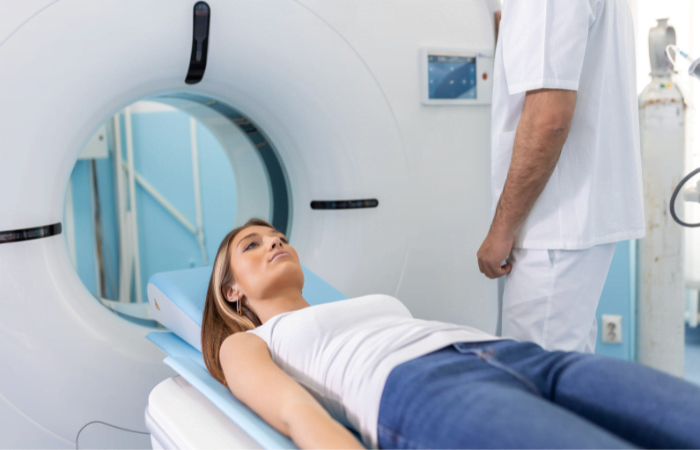
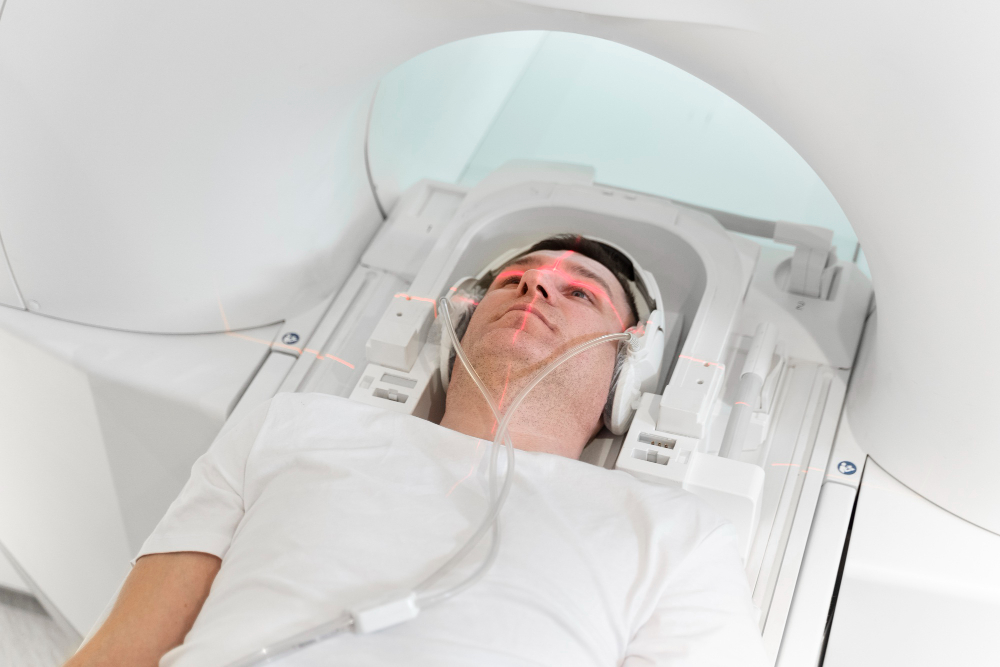
Patients are usually advised to wear loose and comfortable clothing when coming for the scan. Metal objects such as jewelry, belts, hairpins, or eyeglasses should be removed before the procedure because they may interfere with the imaging process.
It is recommended to arrive at the diagnostic center about 15 to 30 minutes before the scheduled appointment. This allows time for registration, preparation, and any additional instructions from the radiology staff.
Some CT scans require the use of a contrast dye that helps highlight organs, blood vessels, and tissues more clearly.
When contrast is used, additional preparation may include fasting for a few hours before the test and drinking plenty of water after the scan to help flush the dye from the body.
Patients may feel a brief warm sensation or metallic taste when the contrast dye is injected, which is normal and temporary.
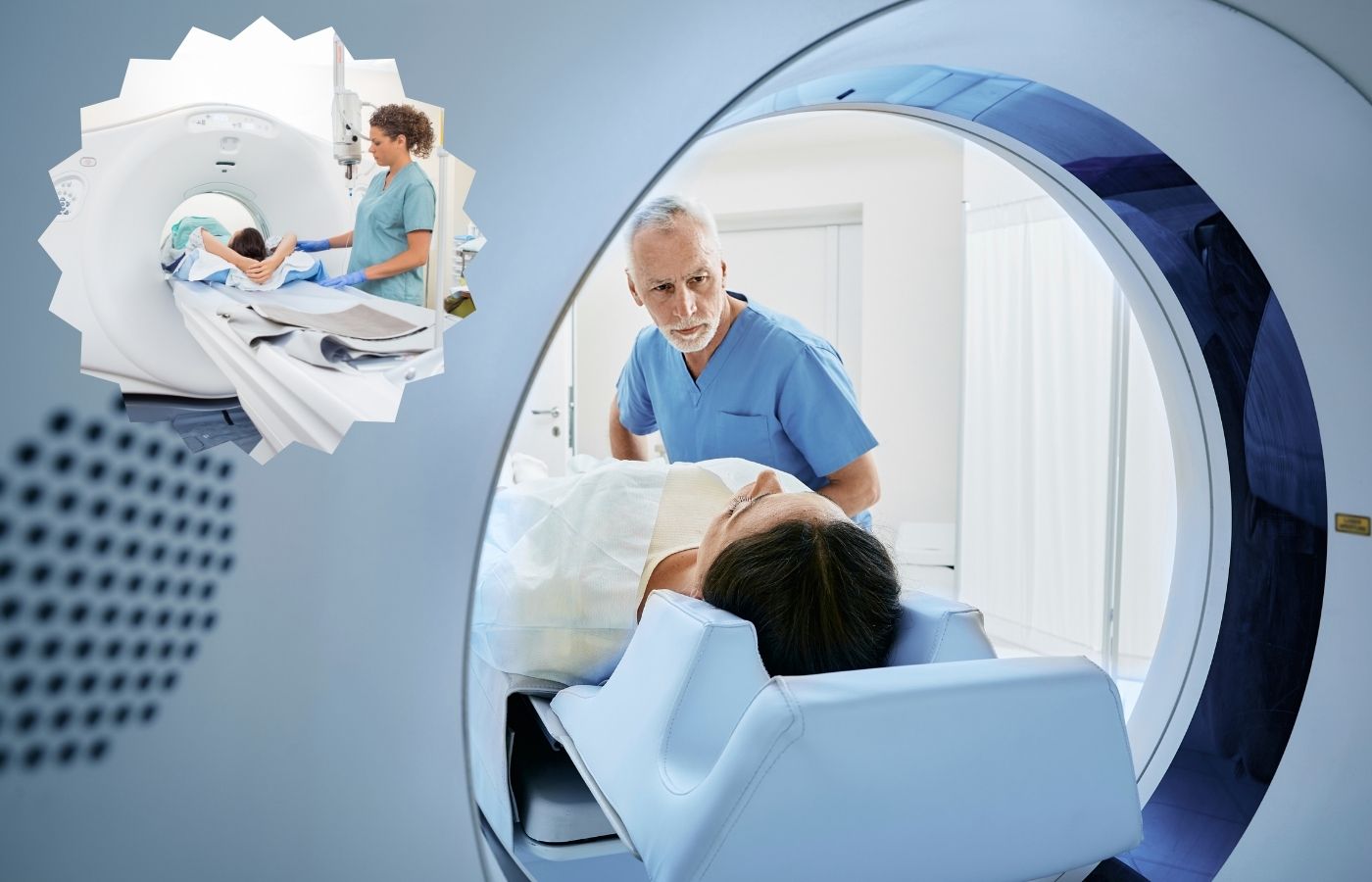
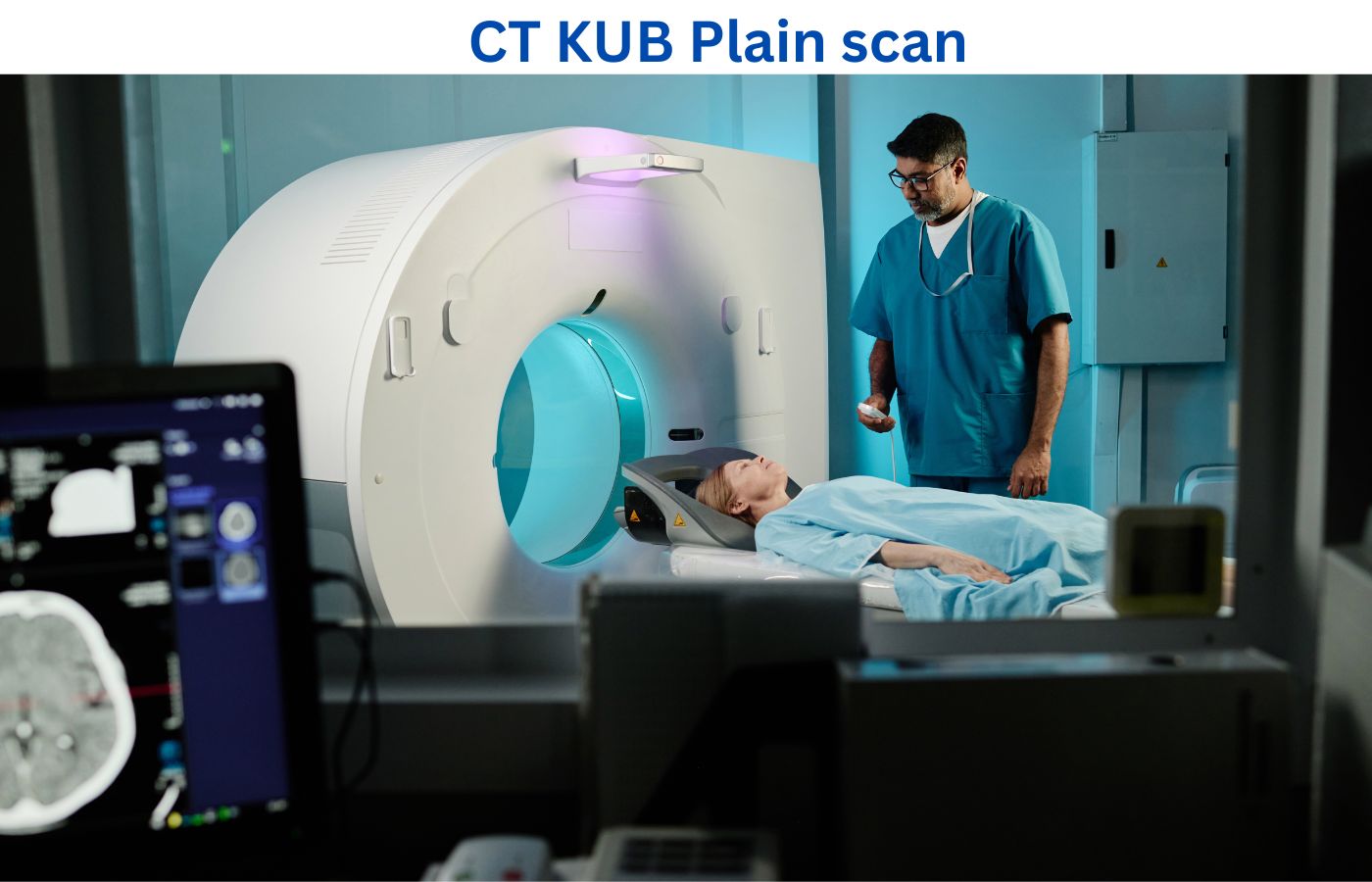
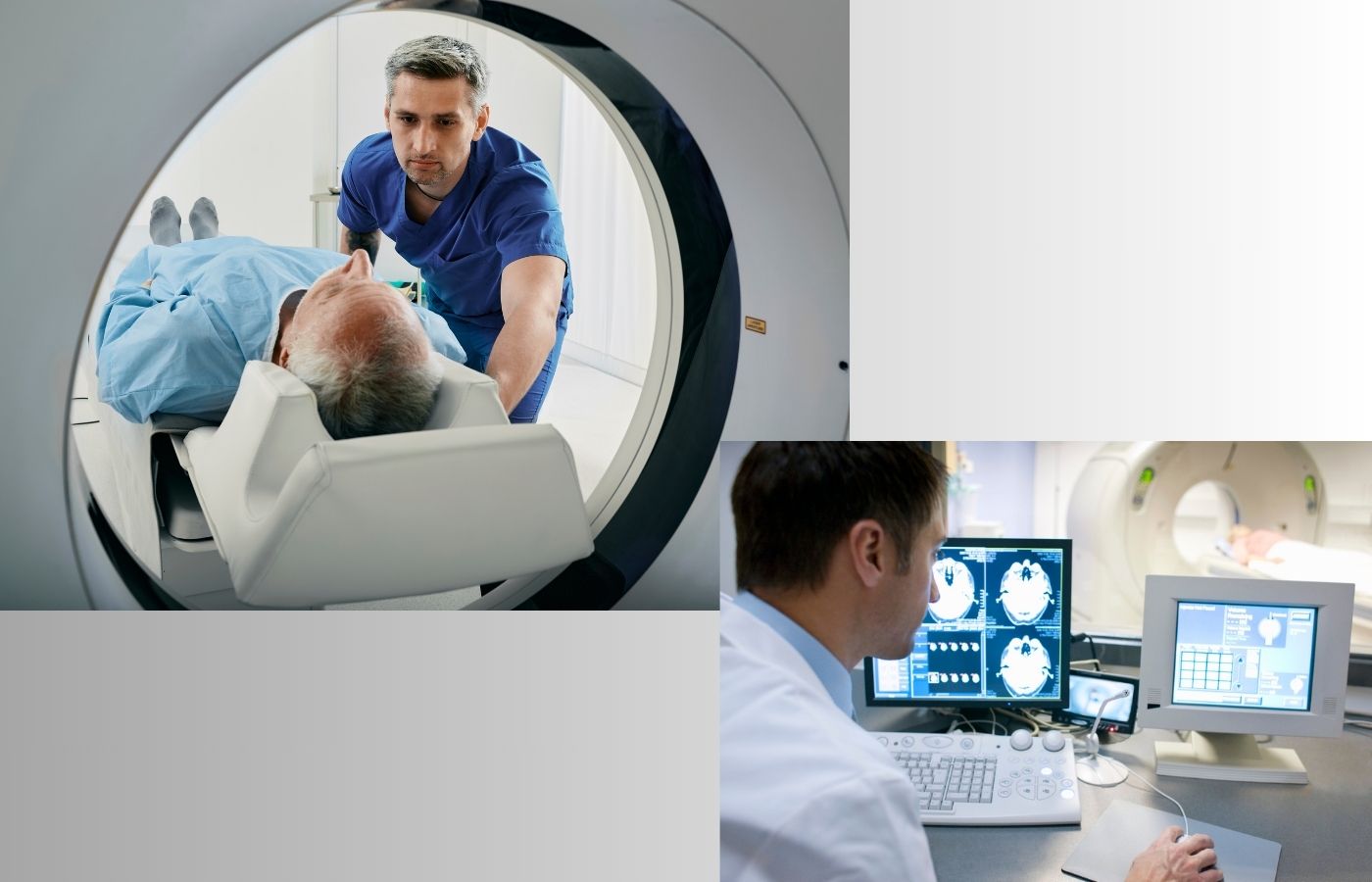
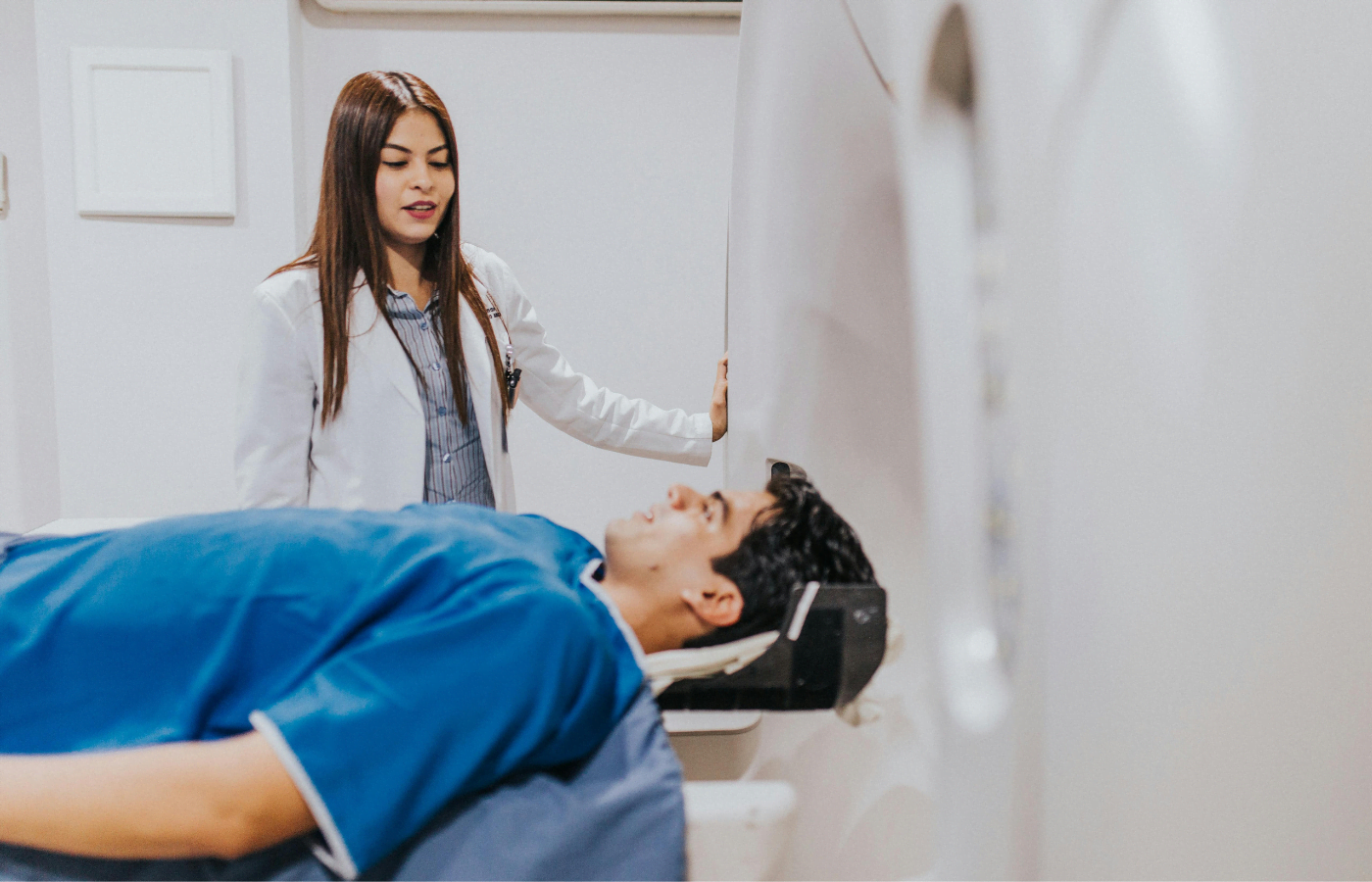
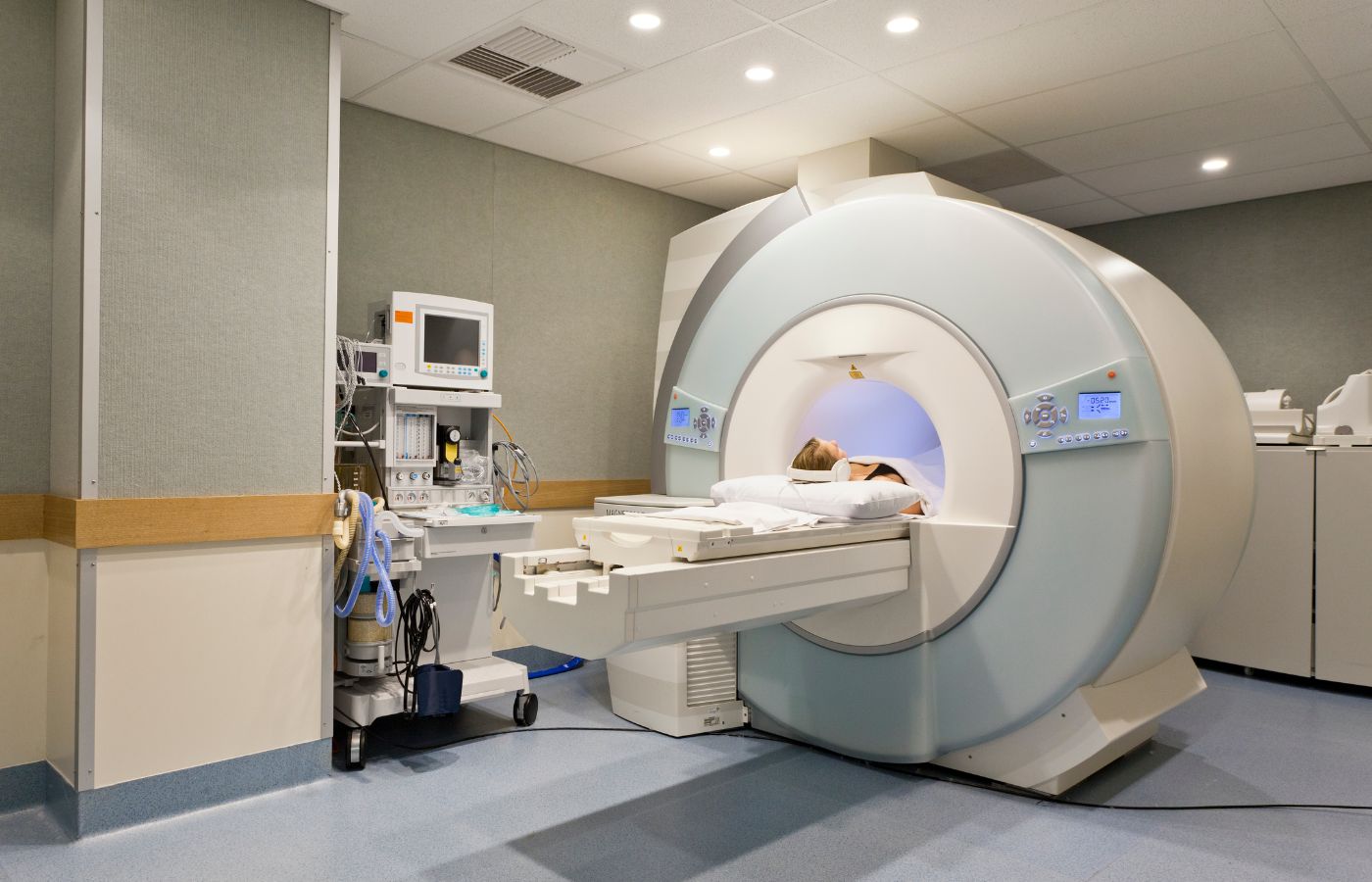
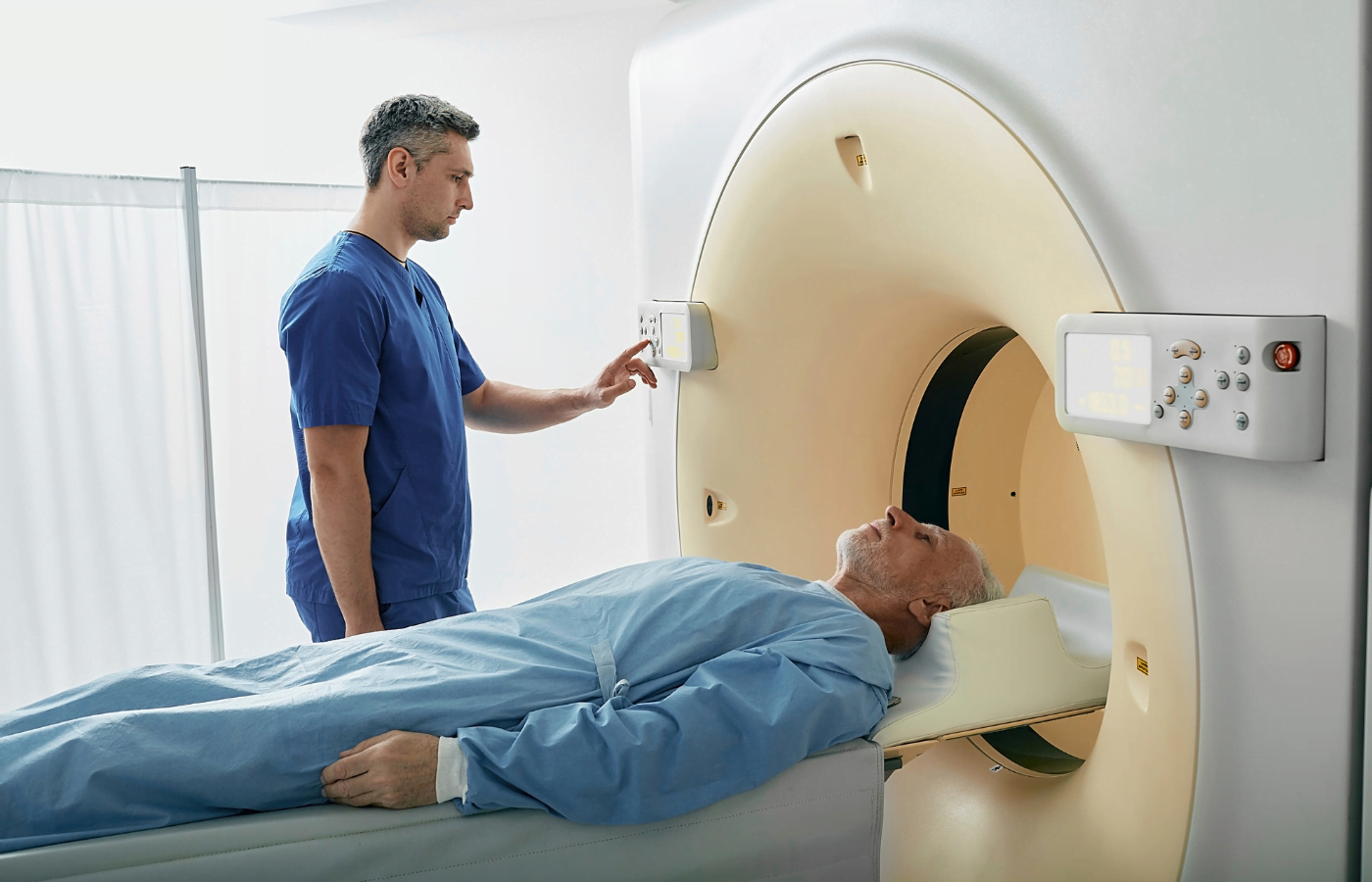
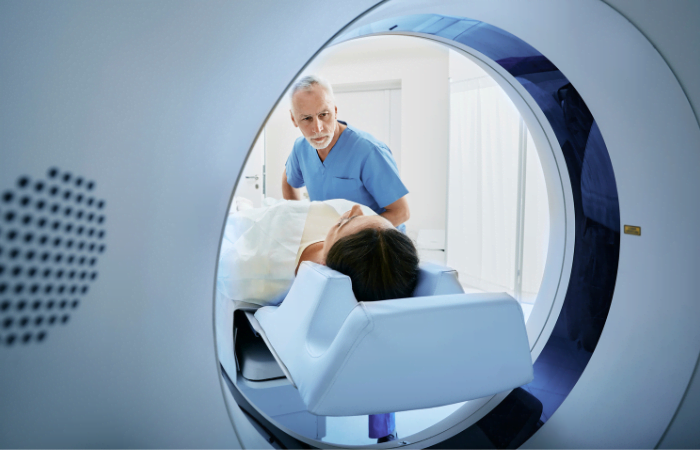
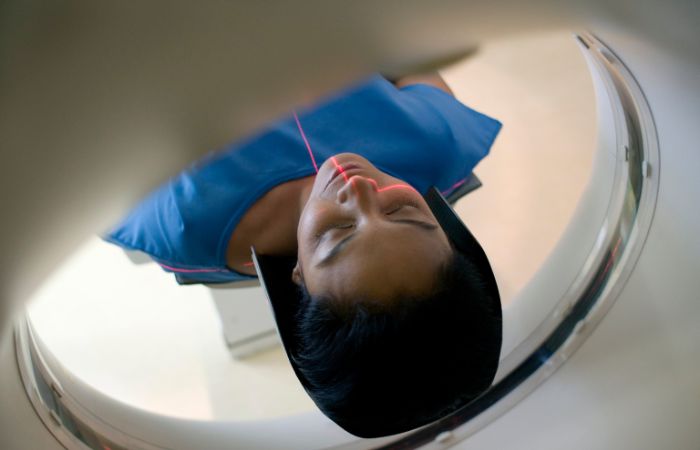
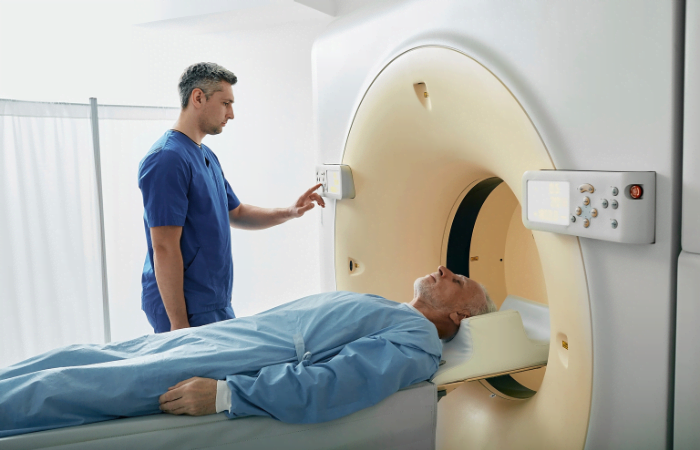
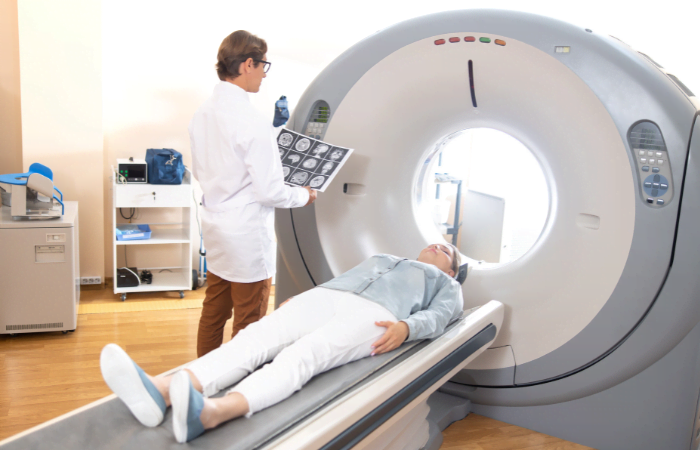
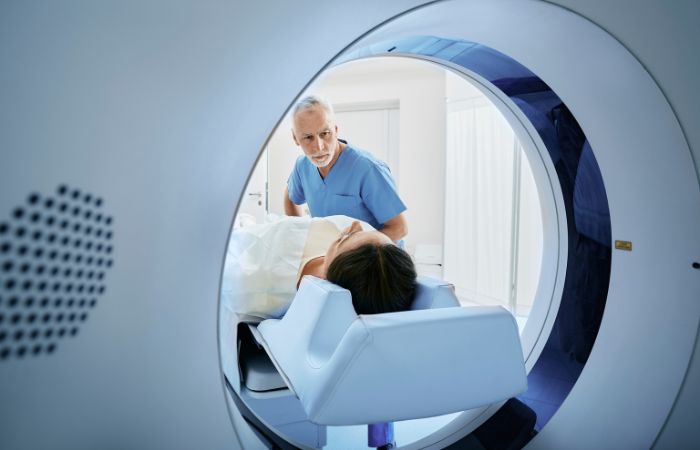
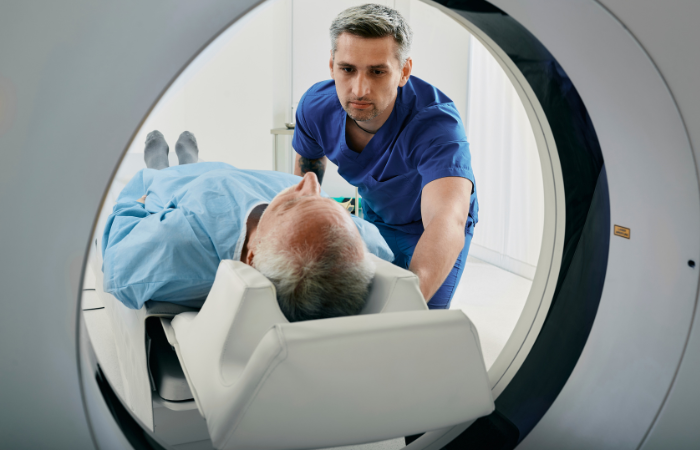
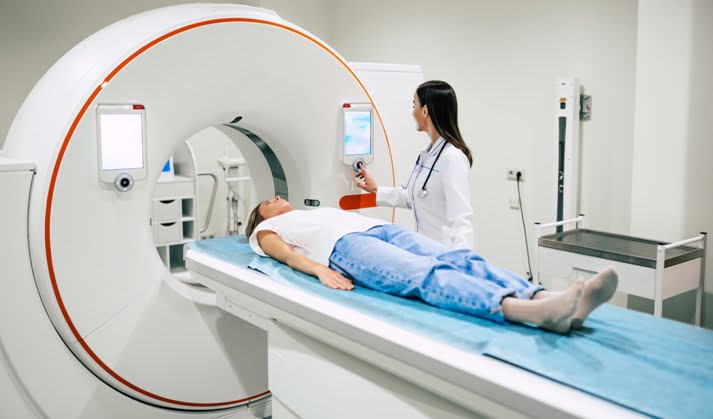
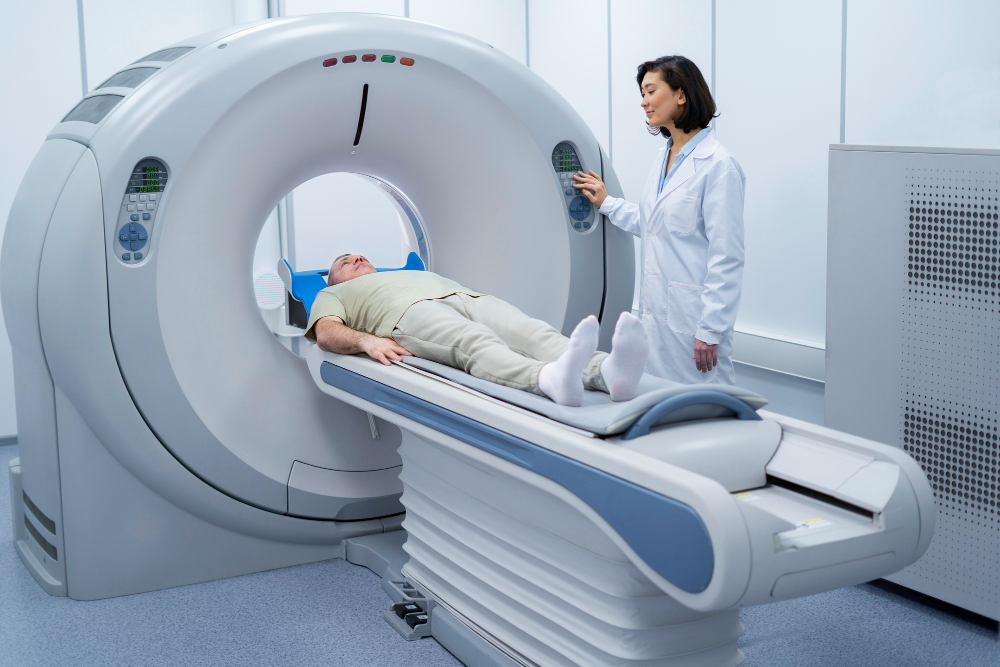
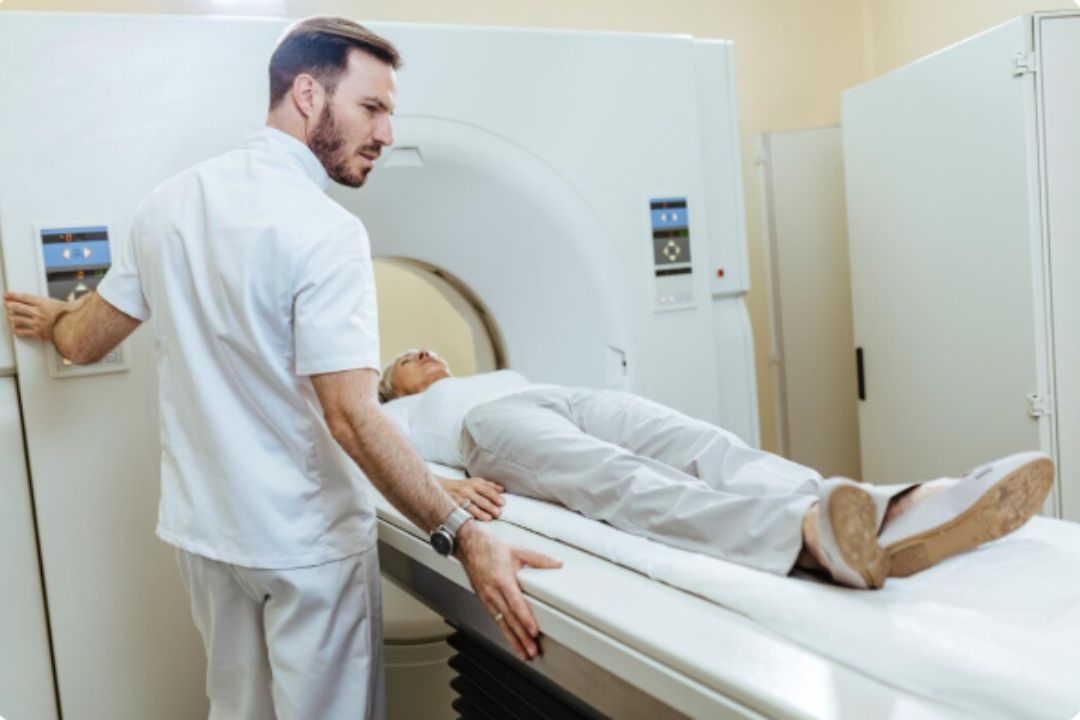
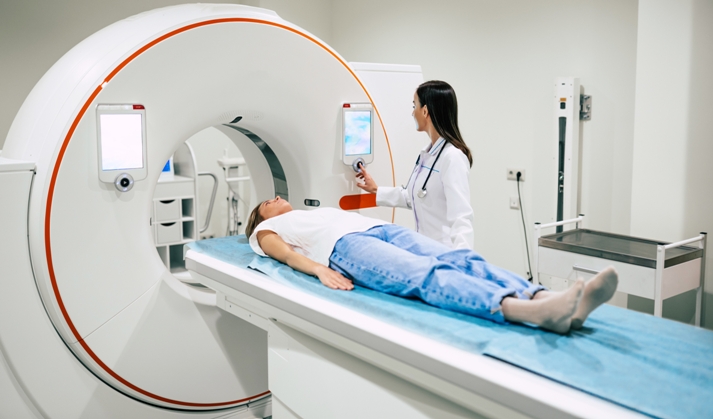
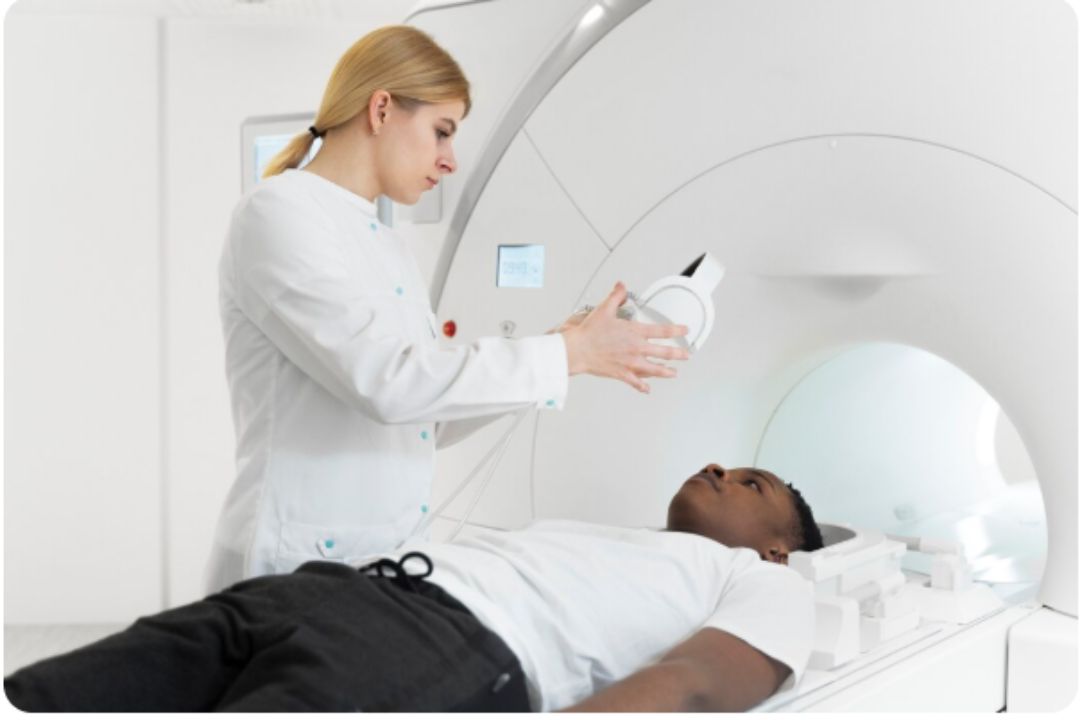
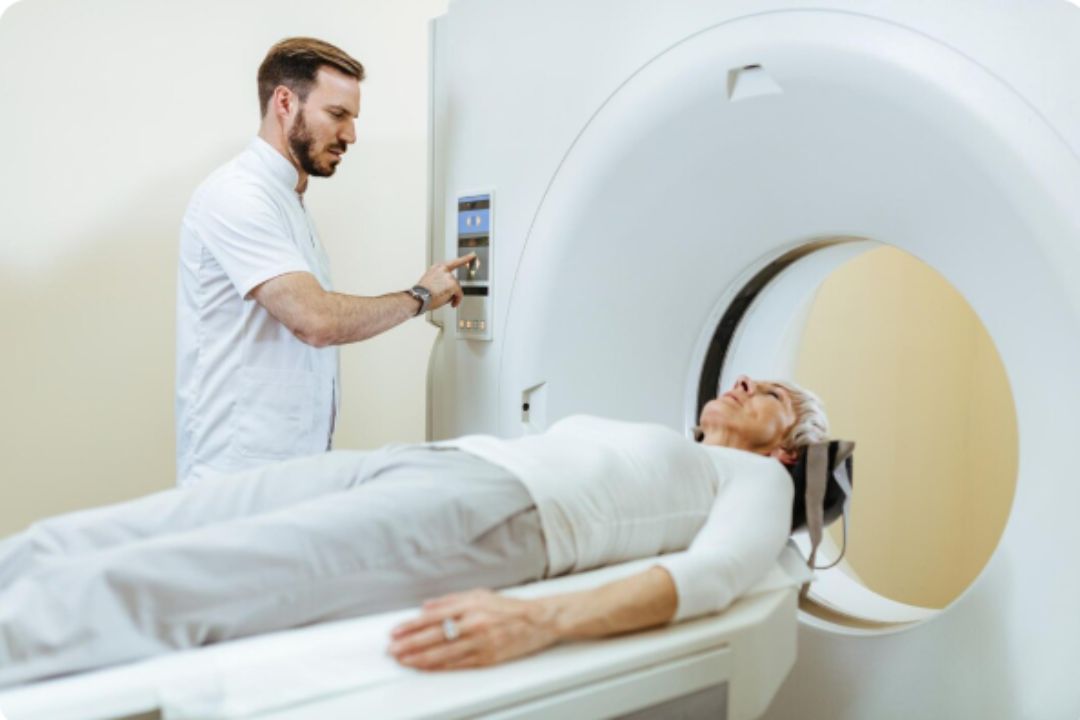
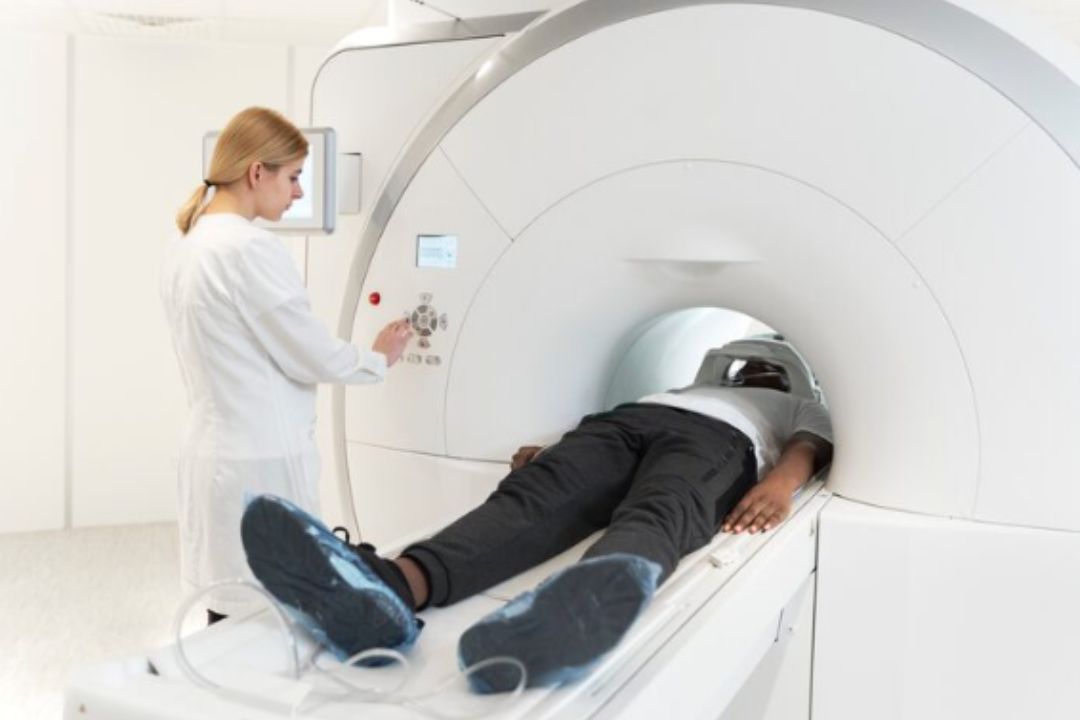
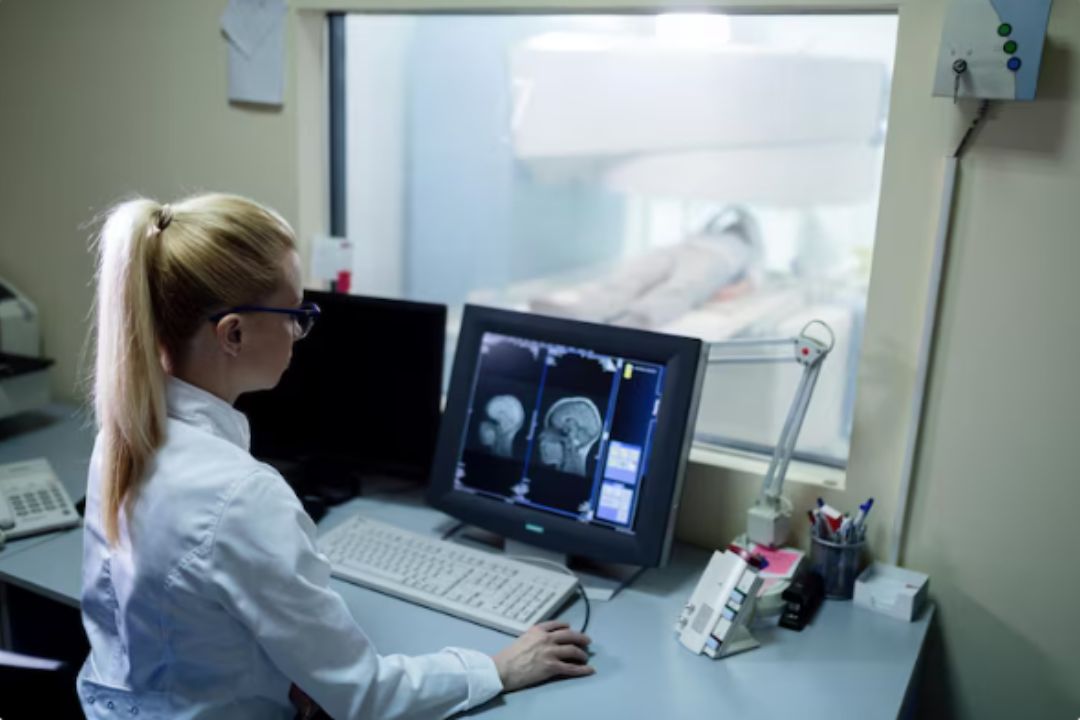
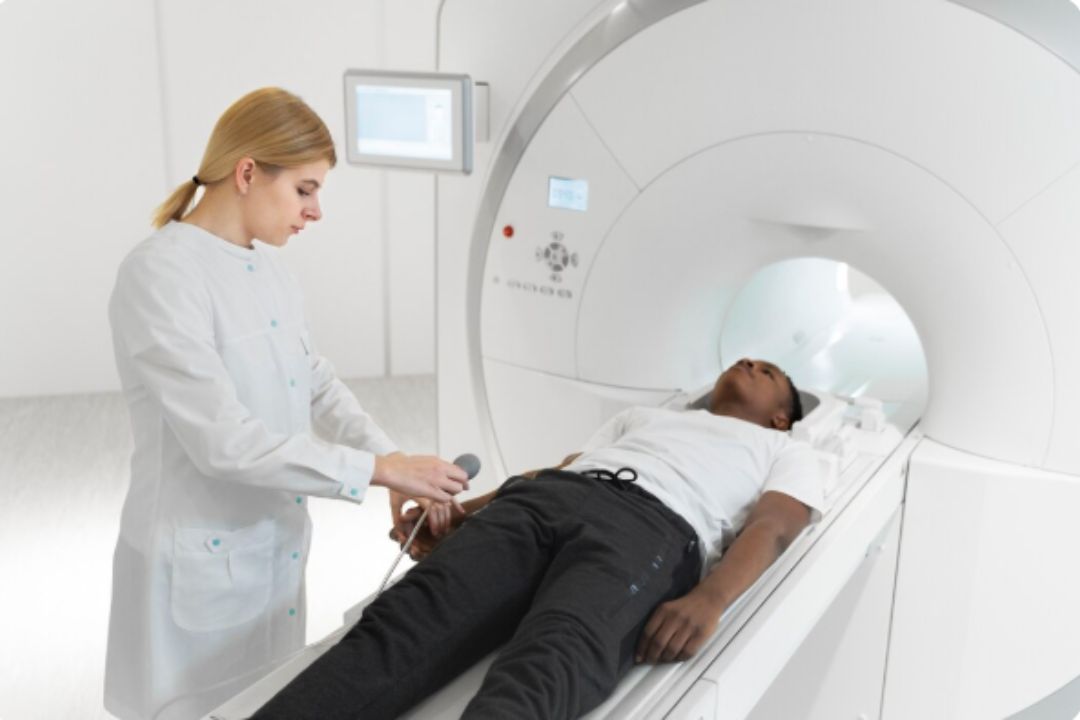
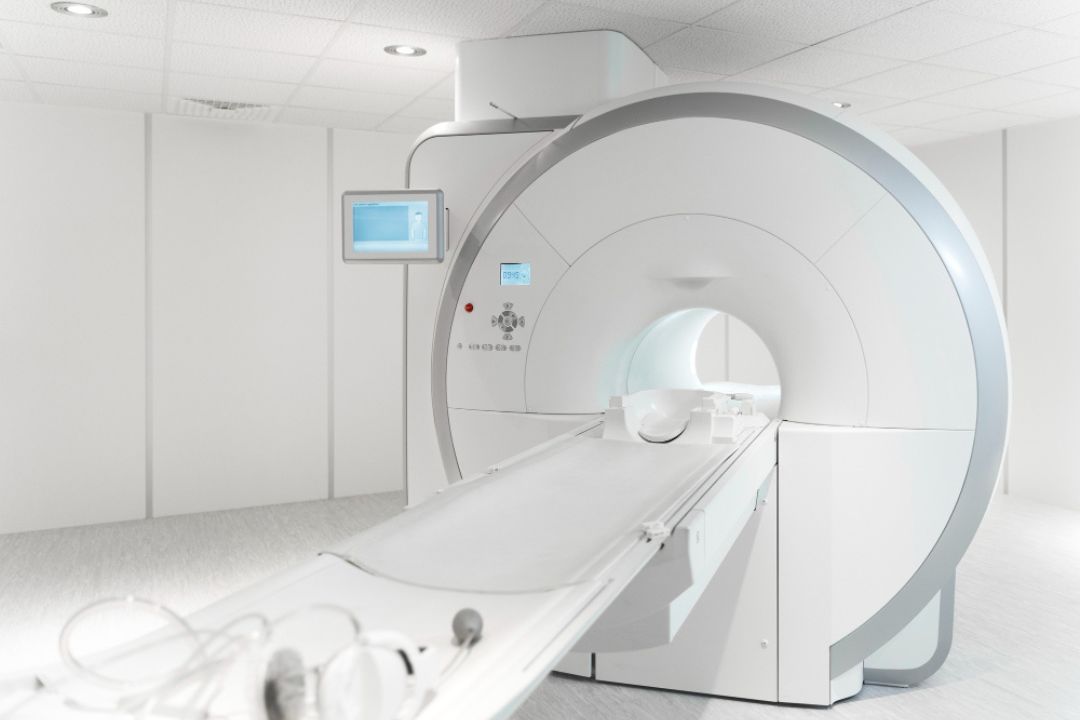
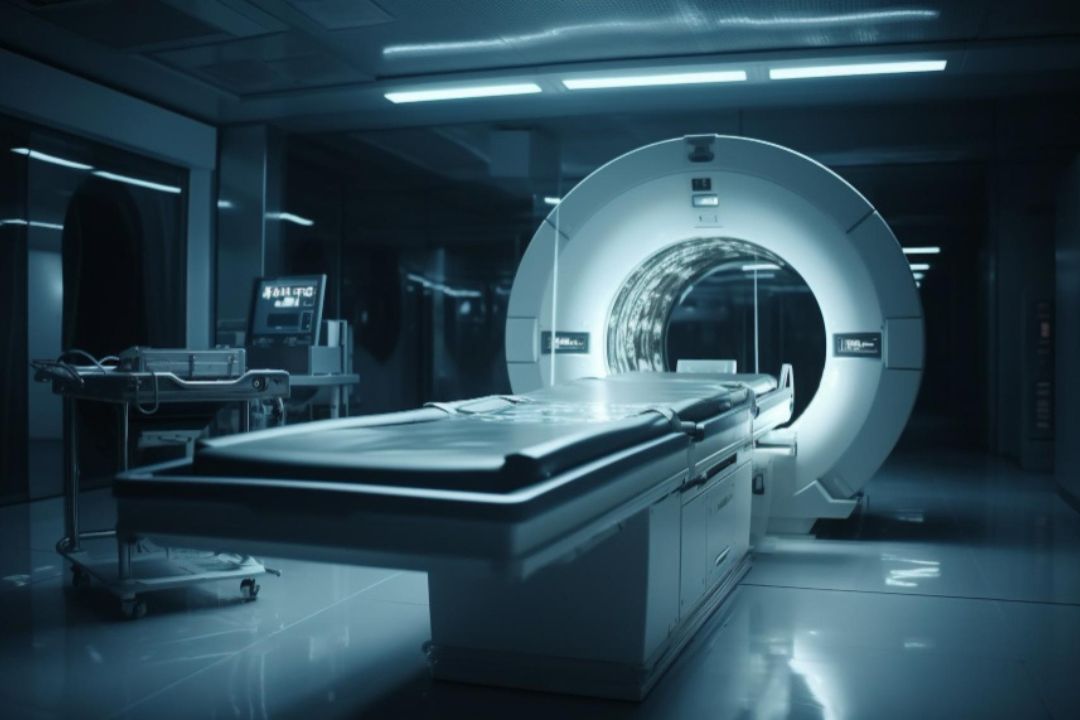
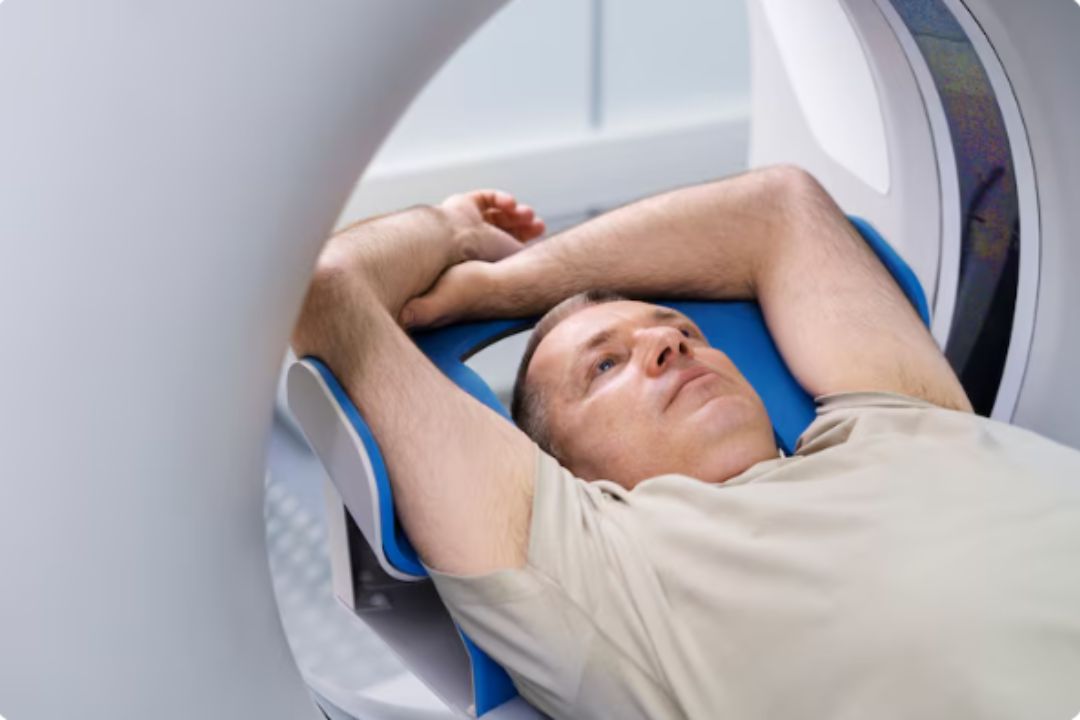
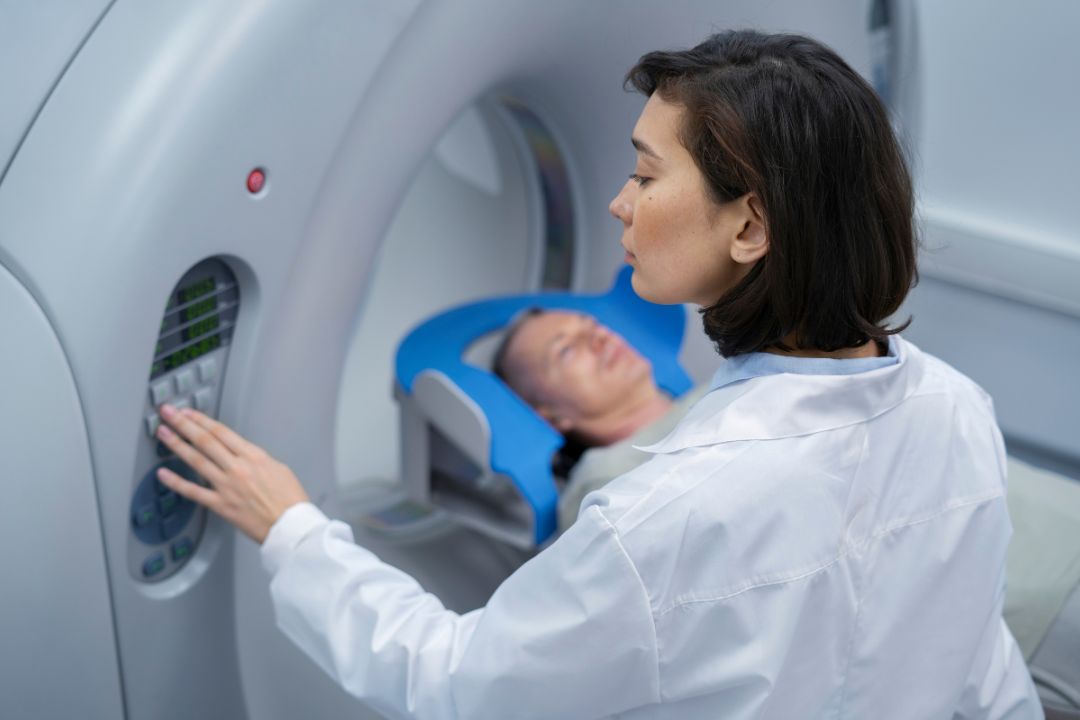
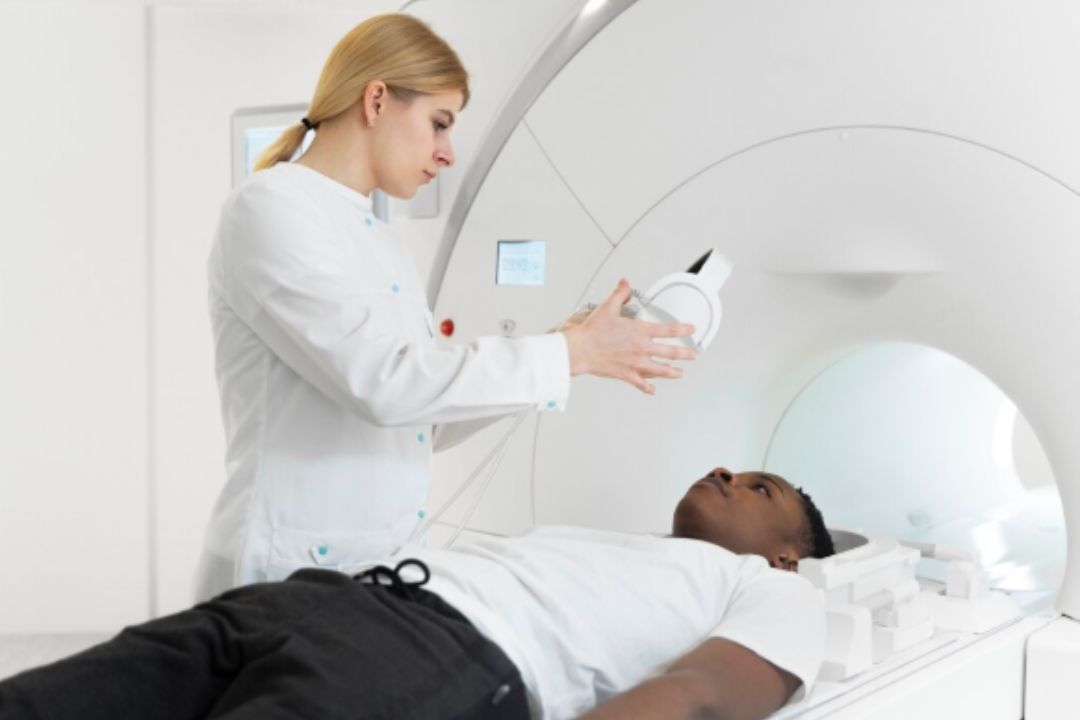
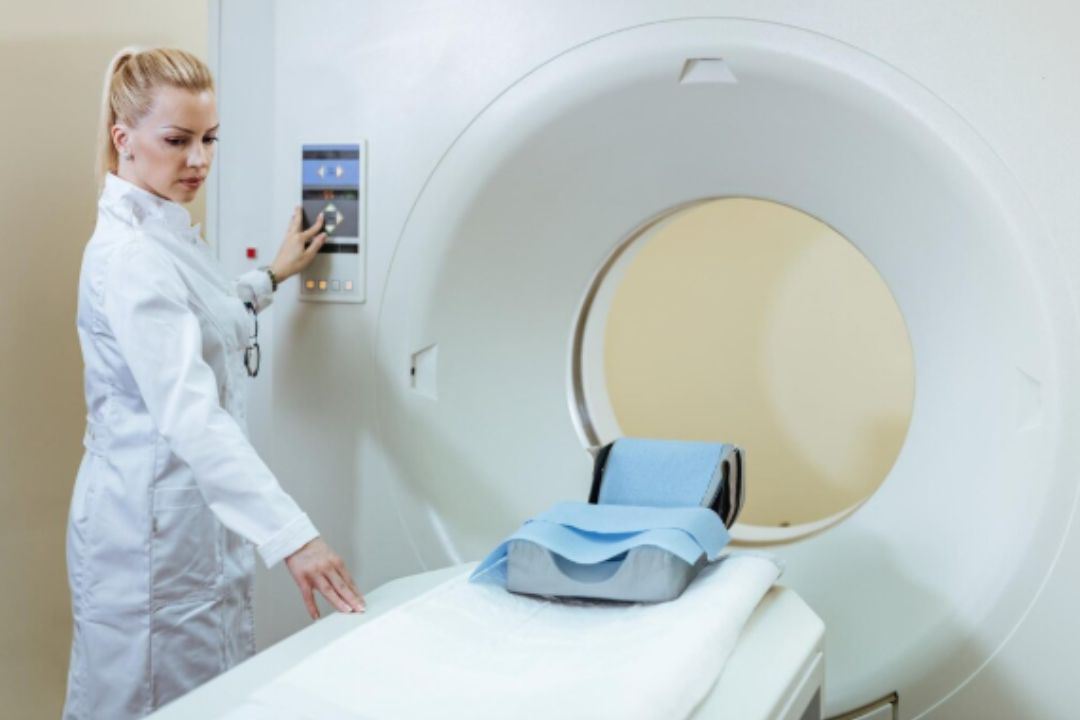
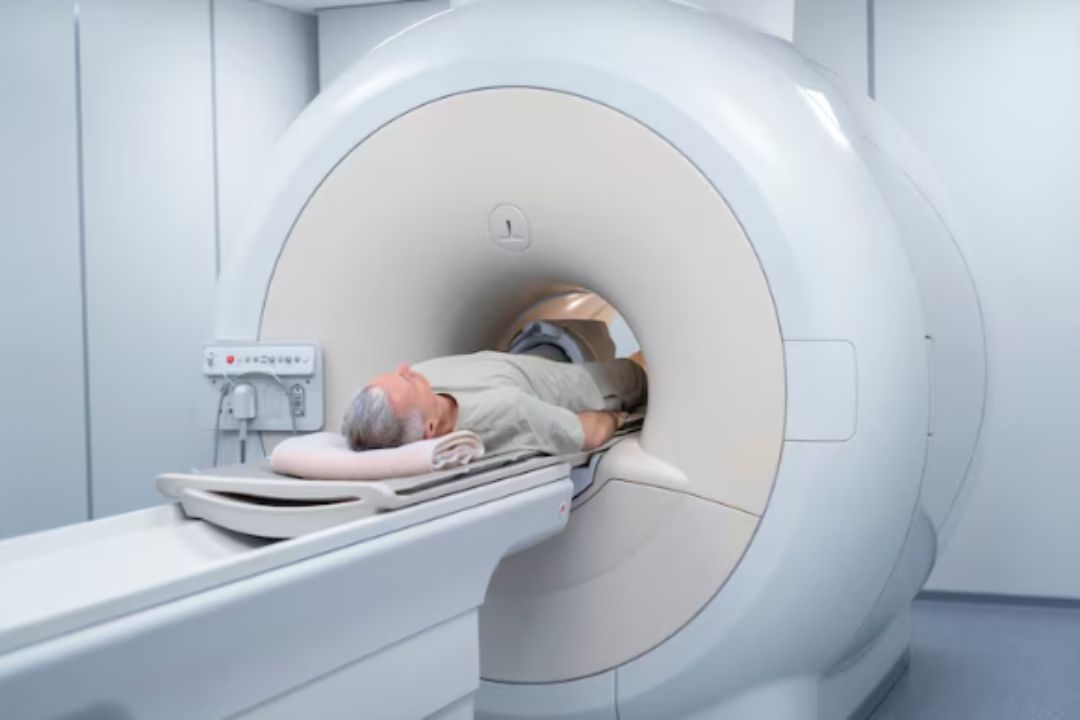
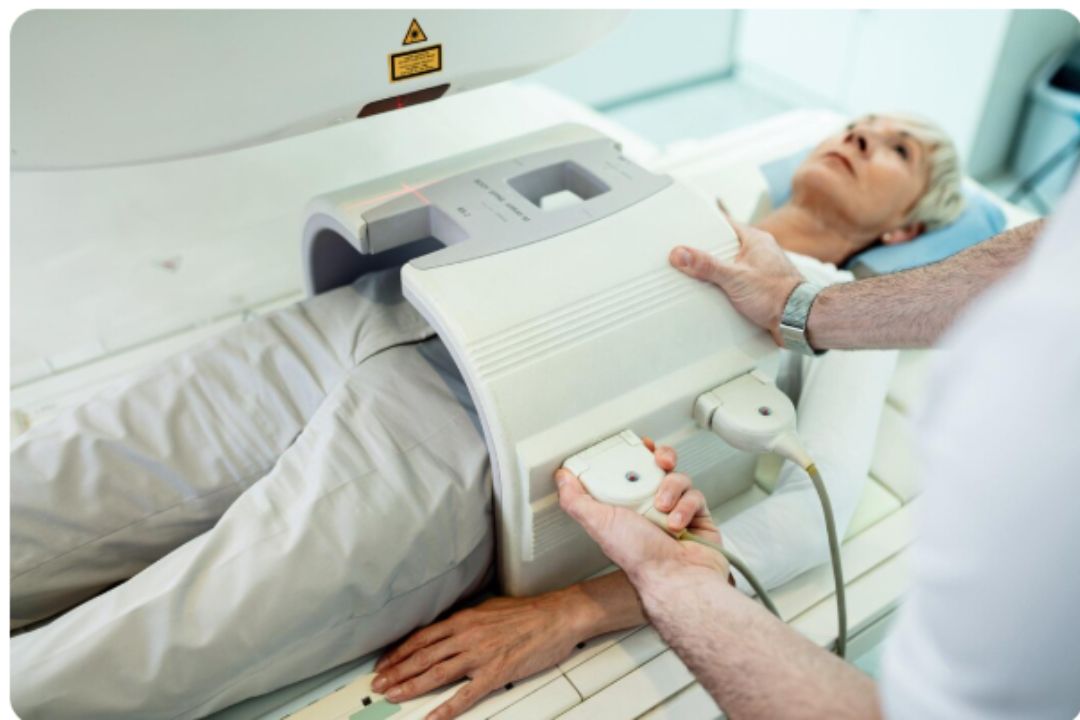
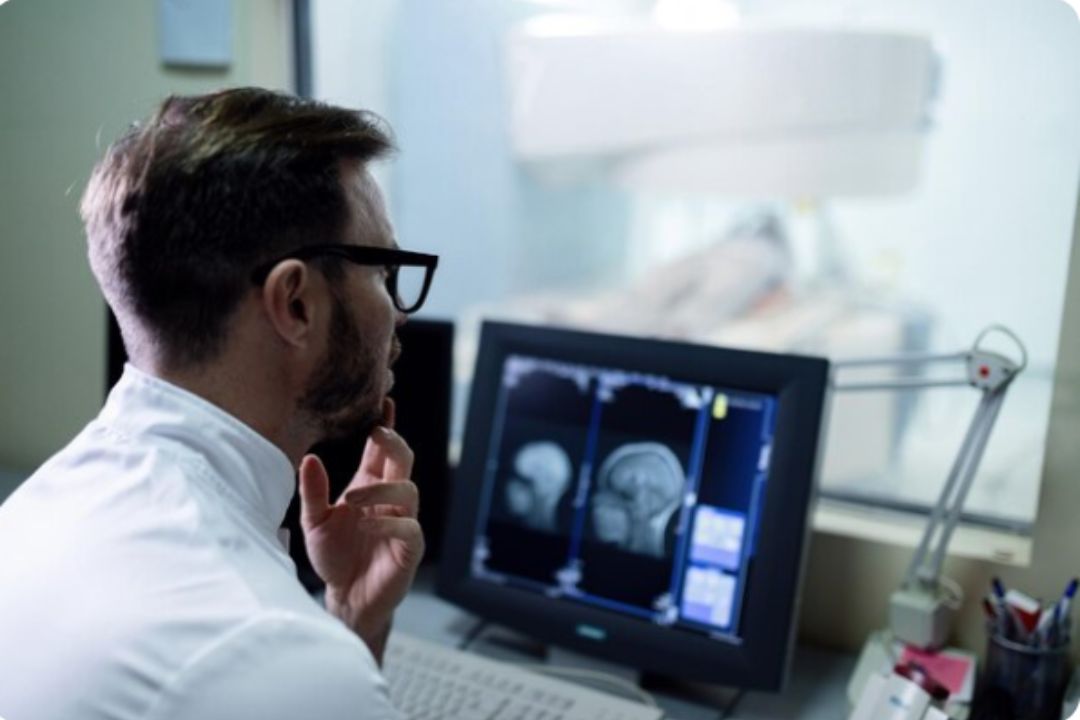
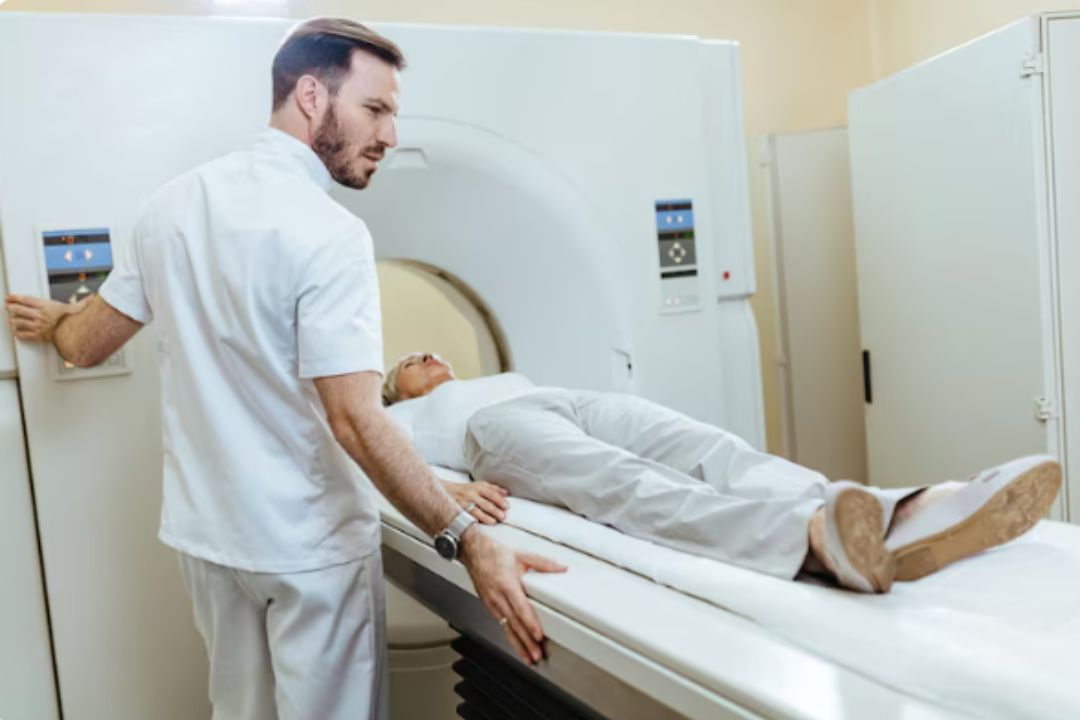
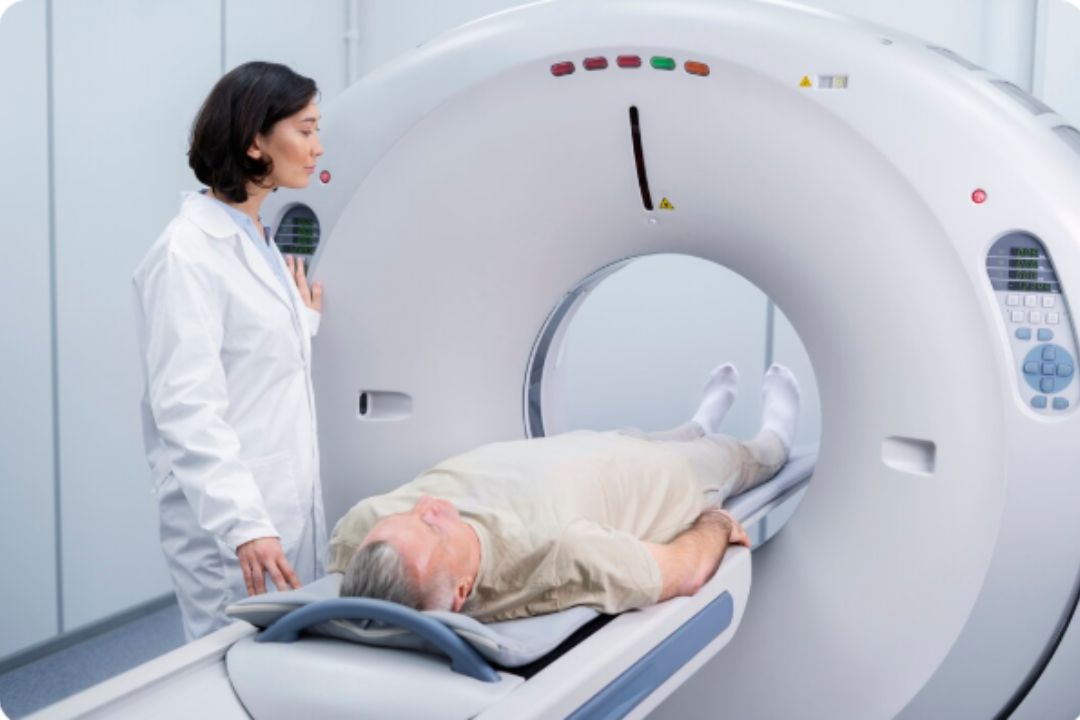
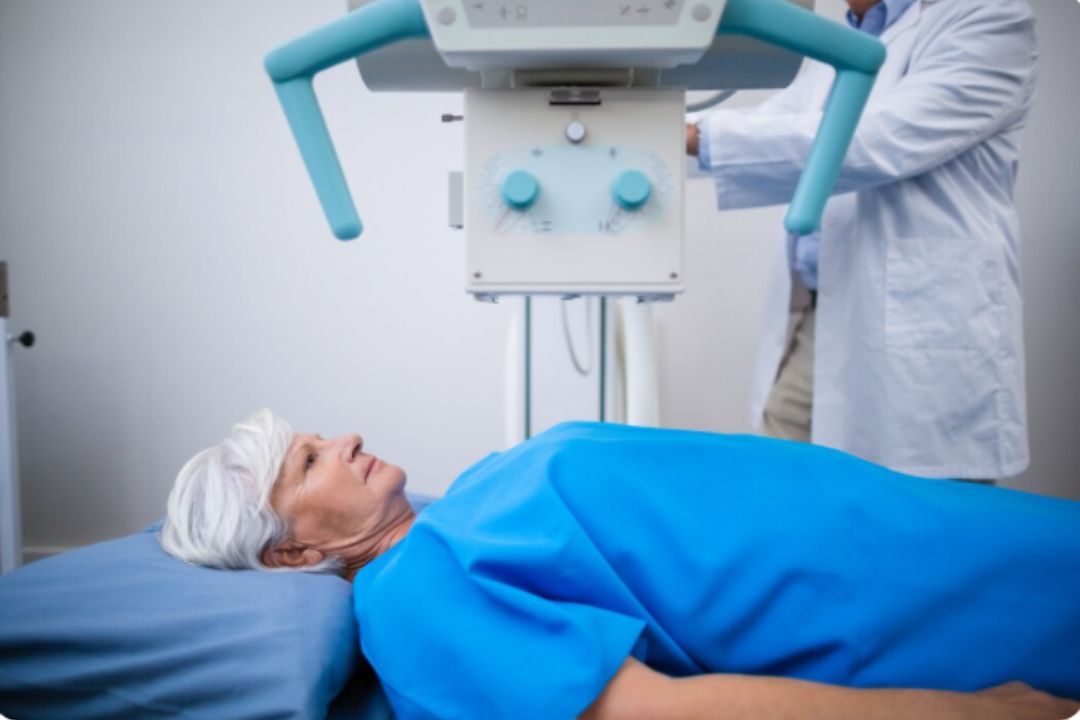
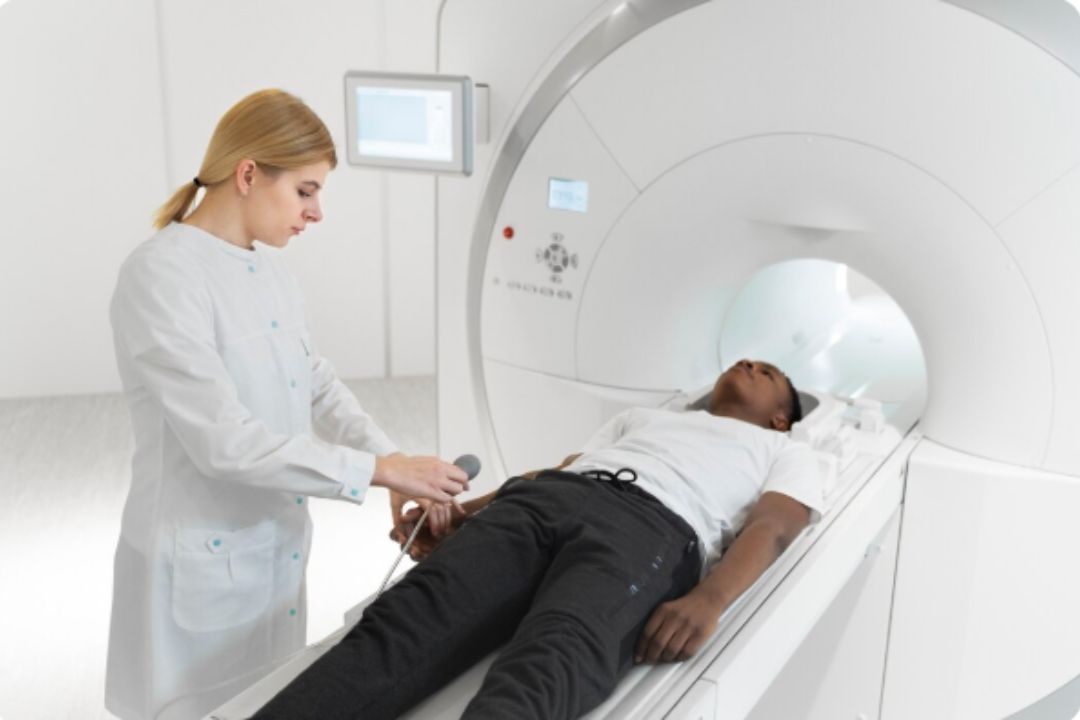
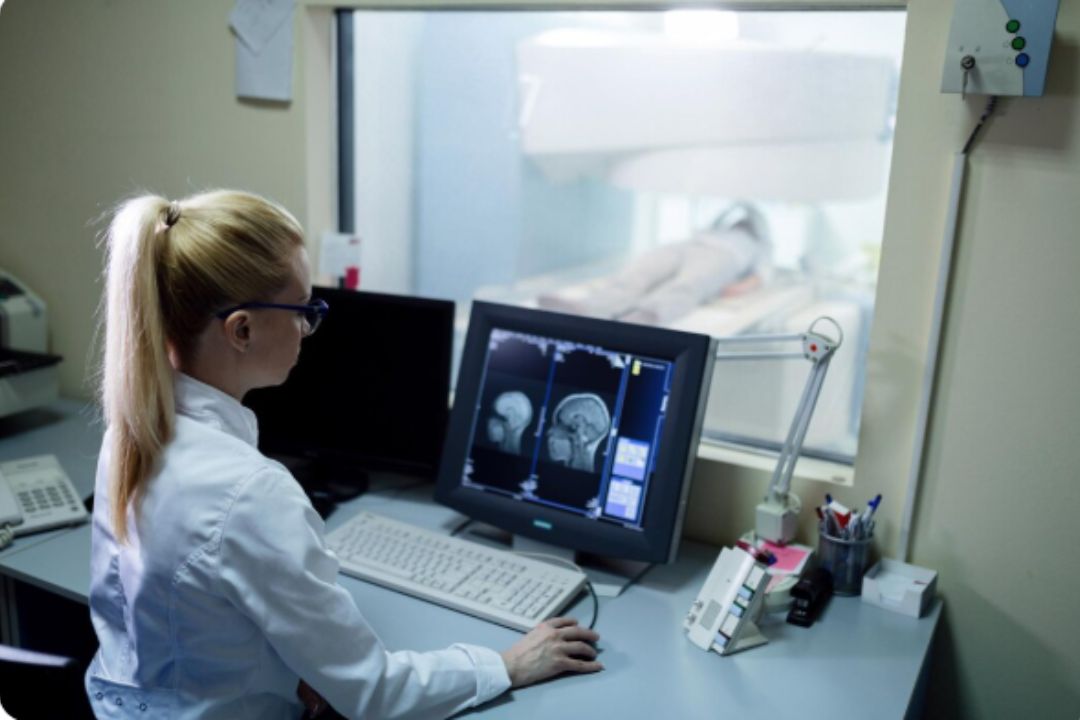
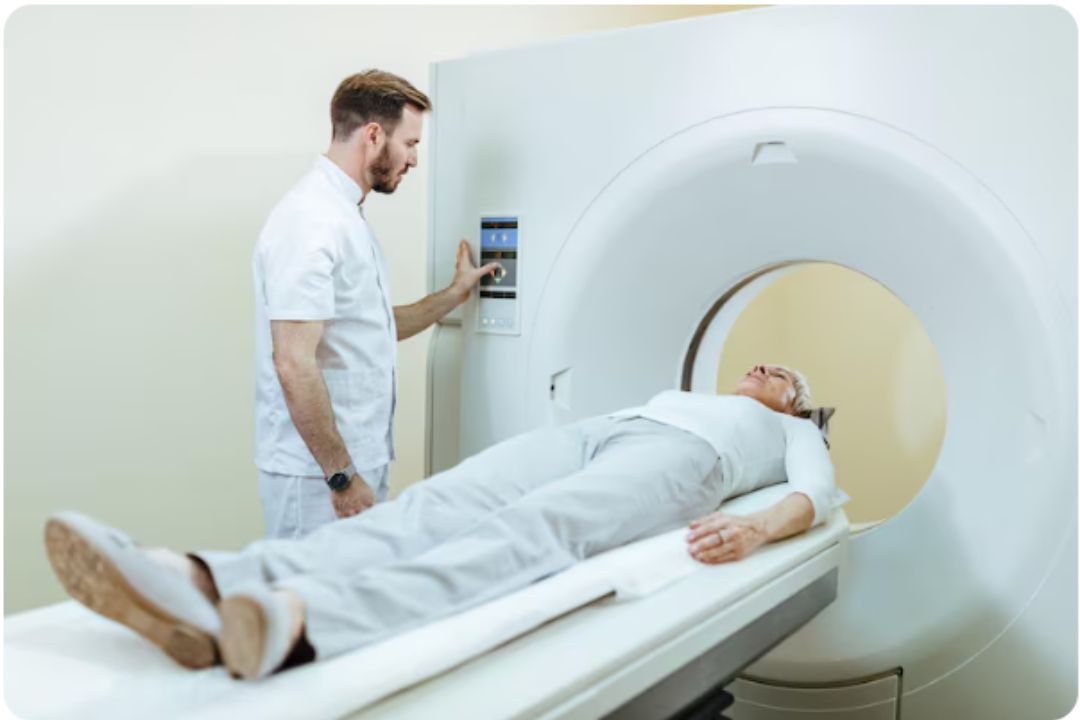
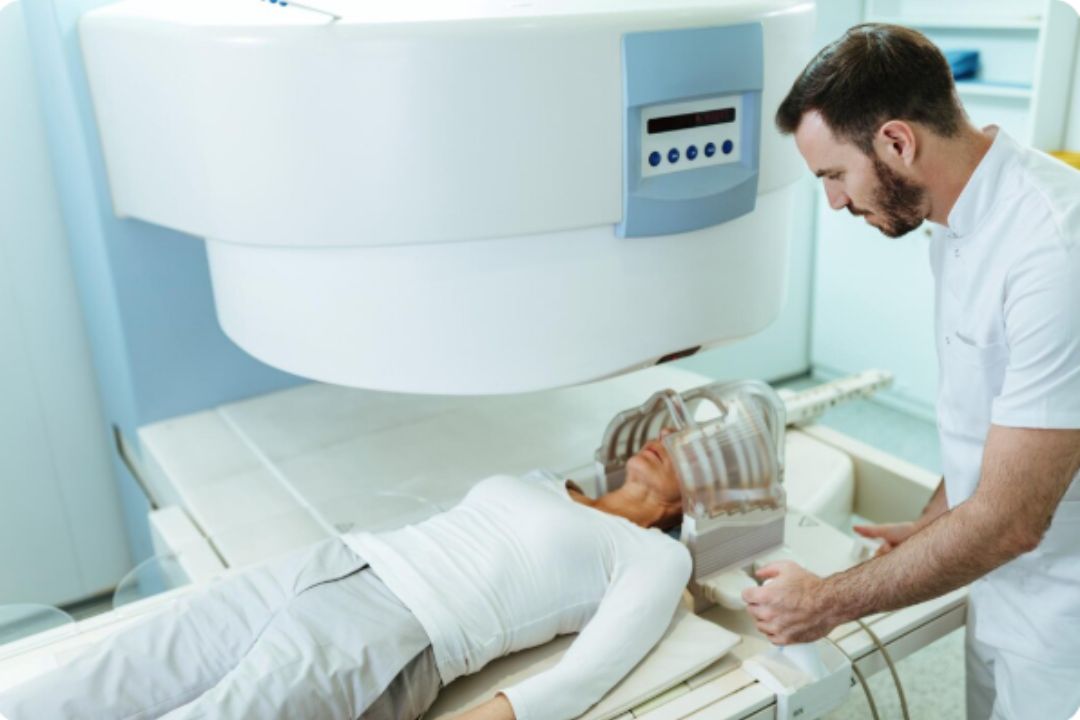
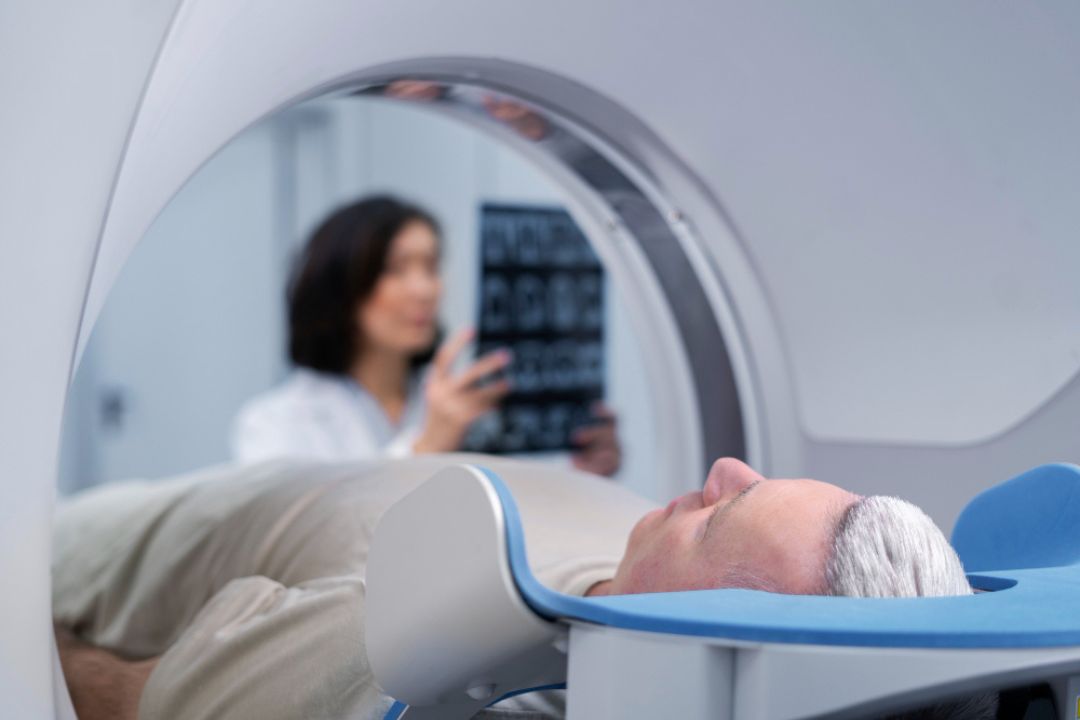
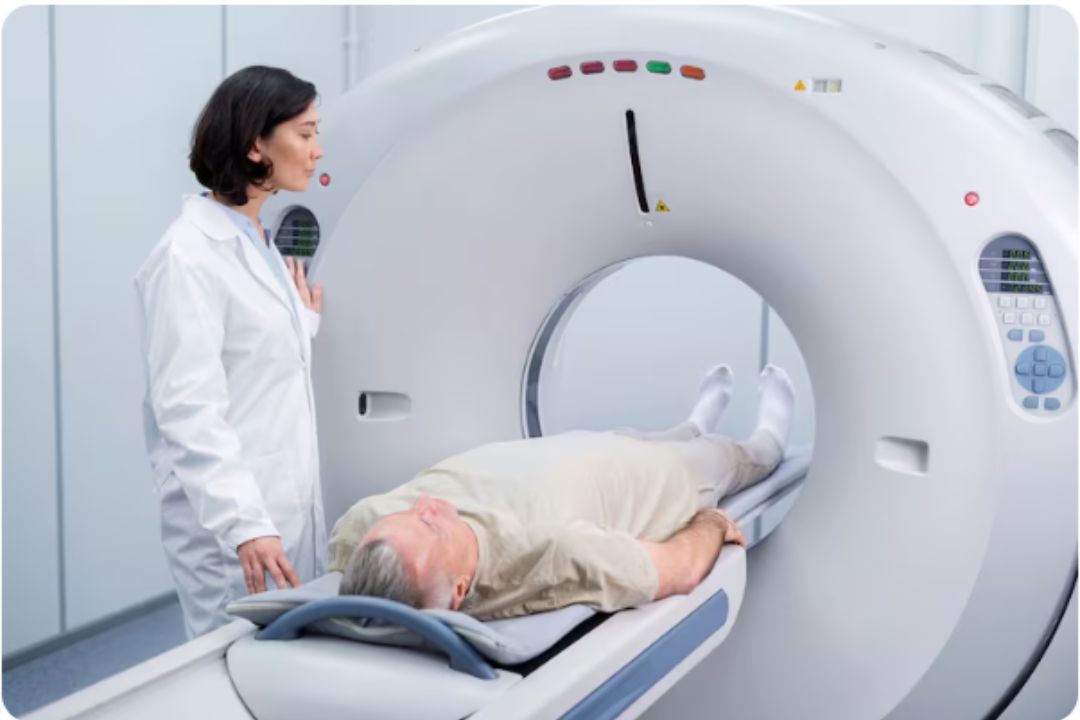
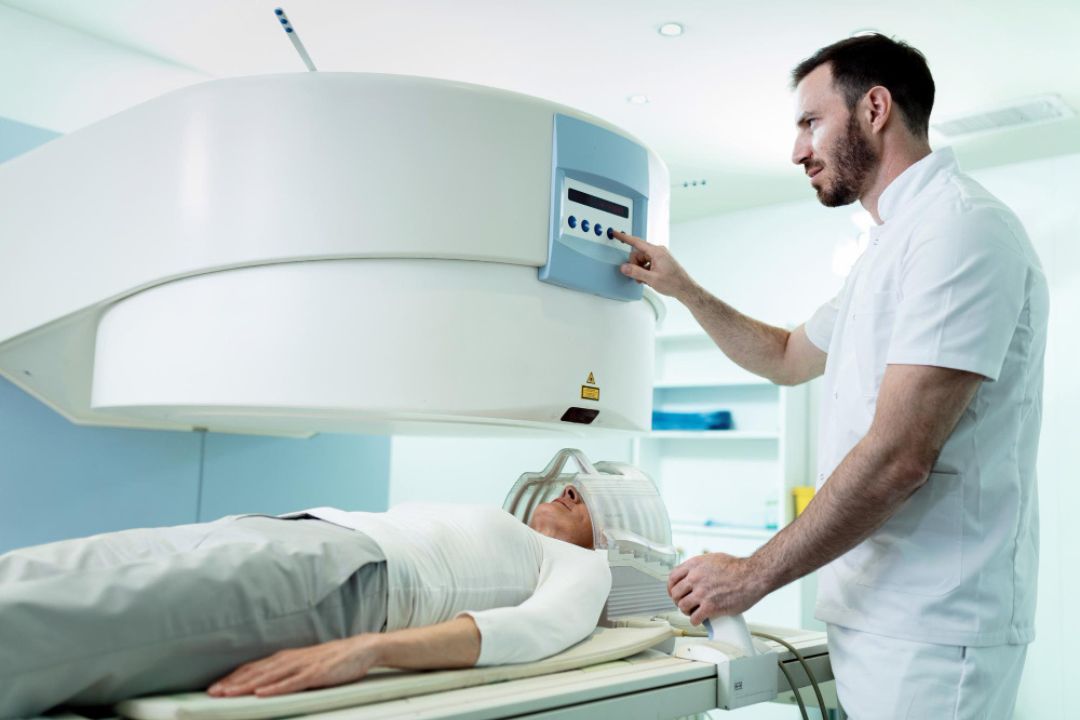
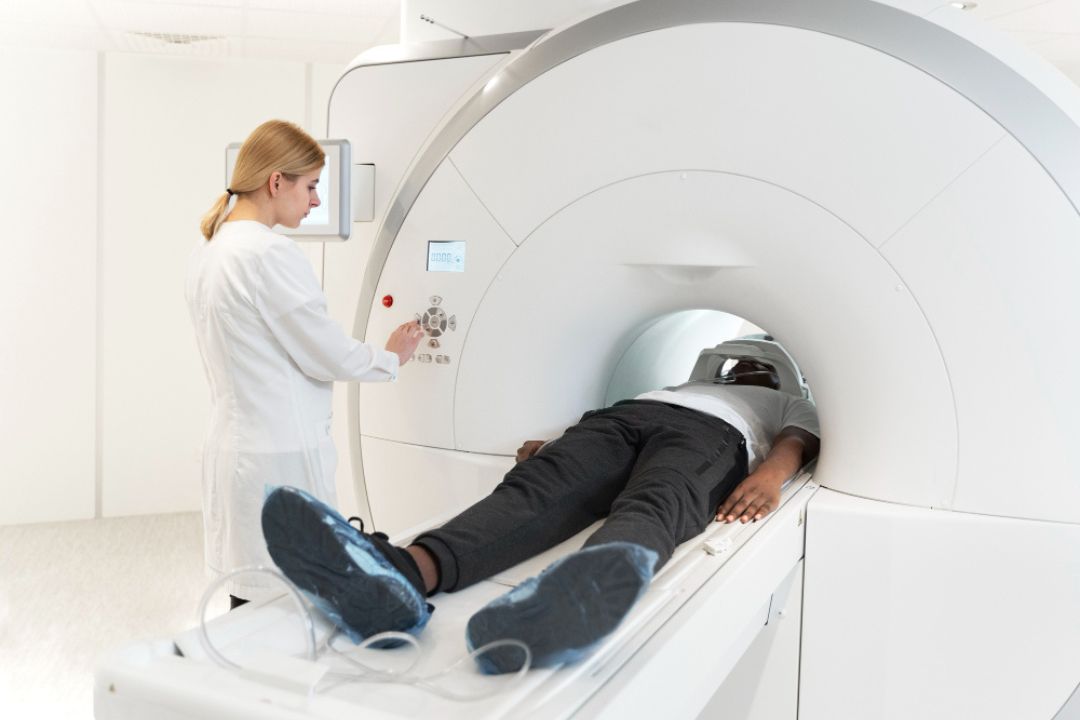
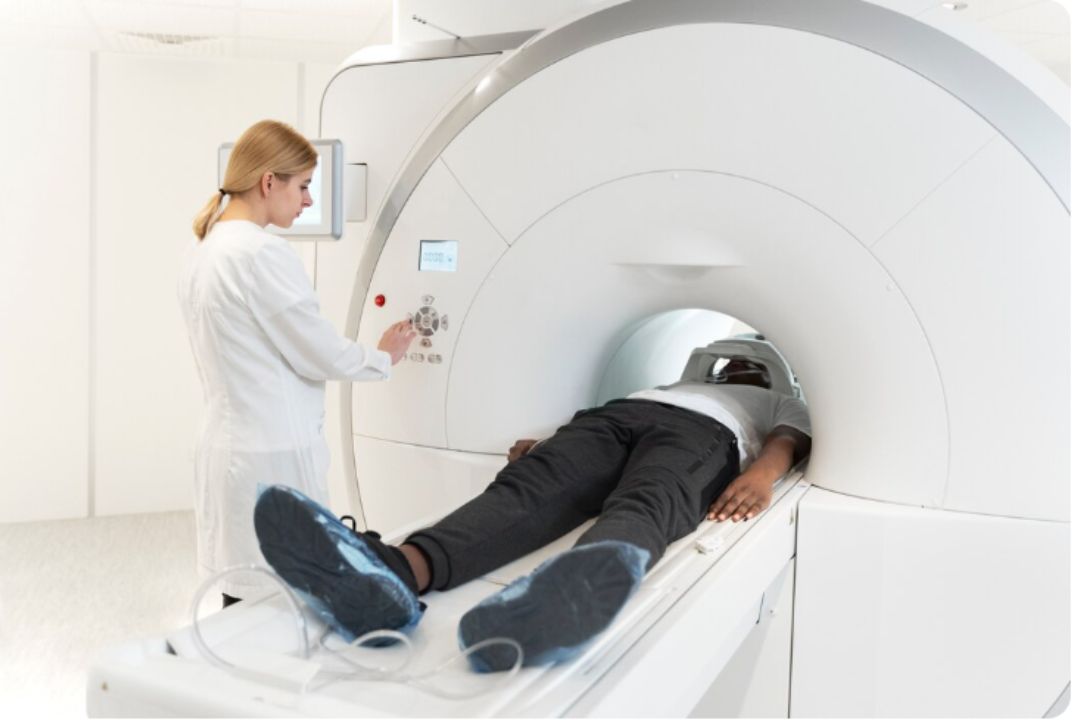
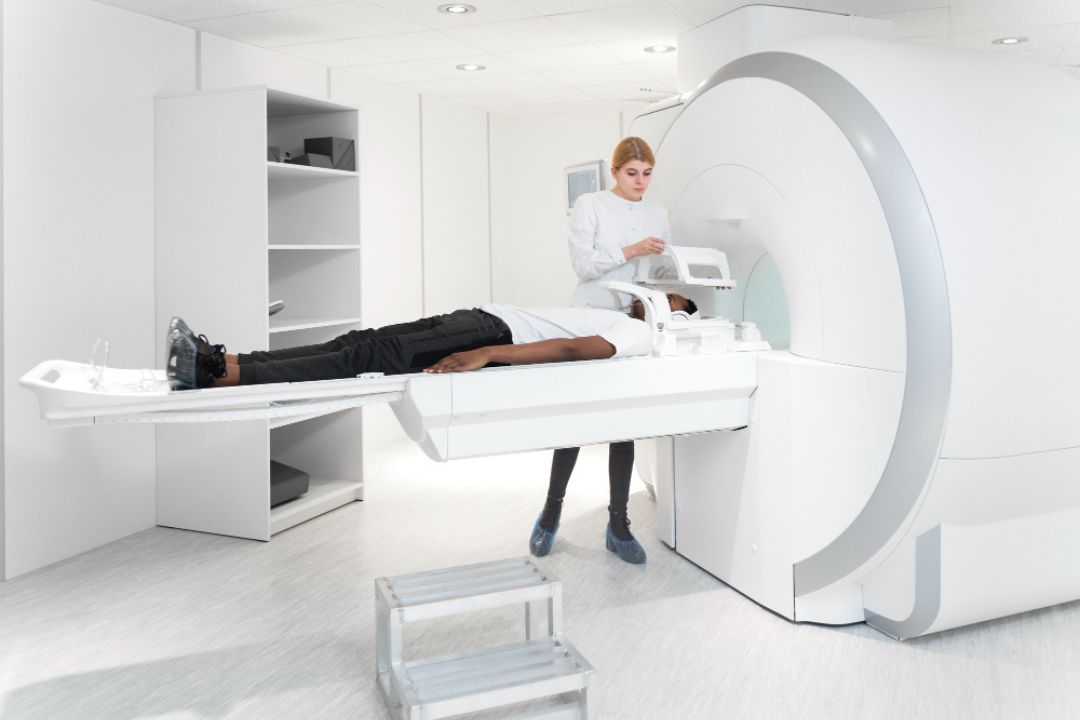
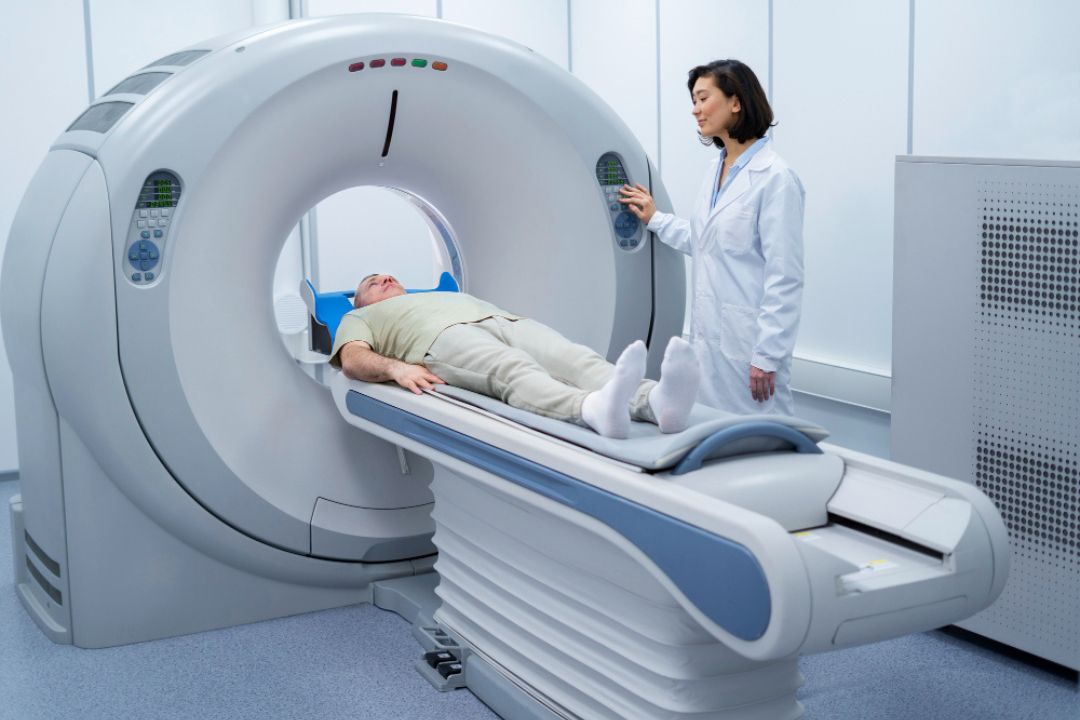
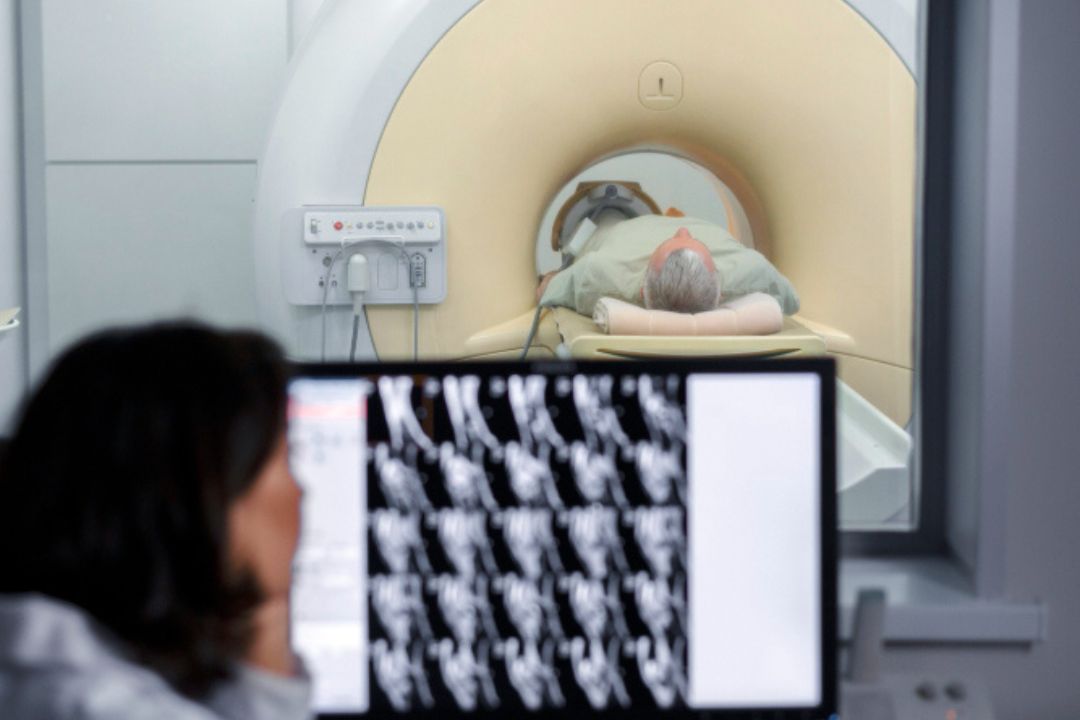
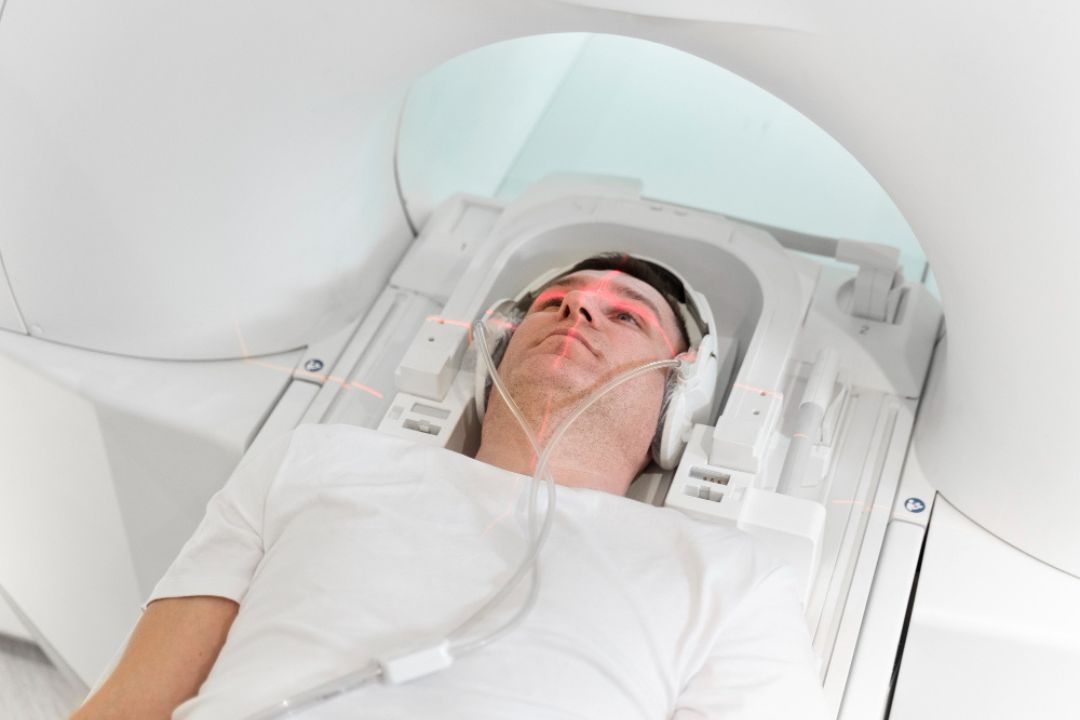
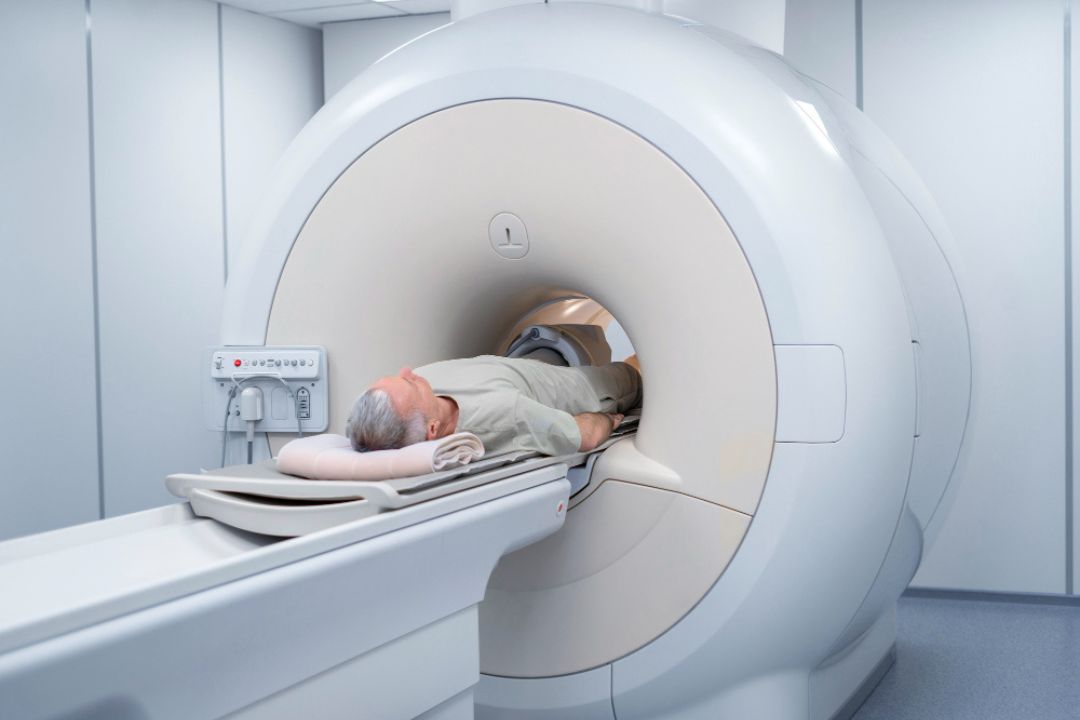
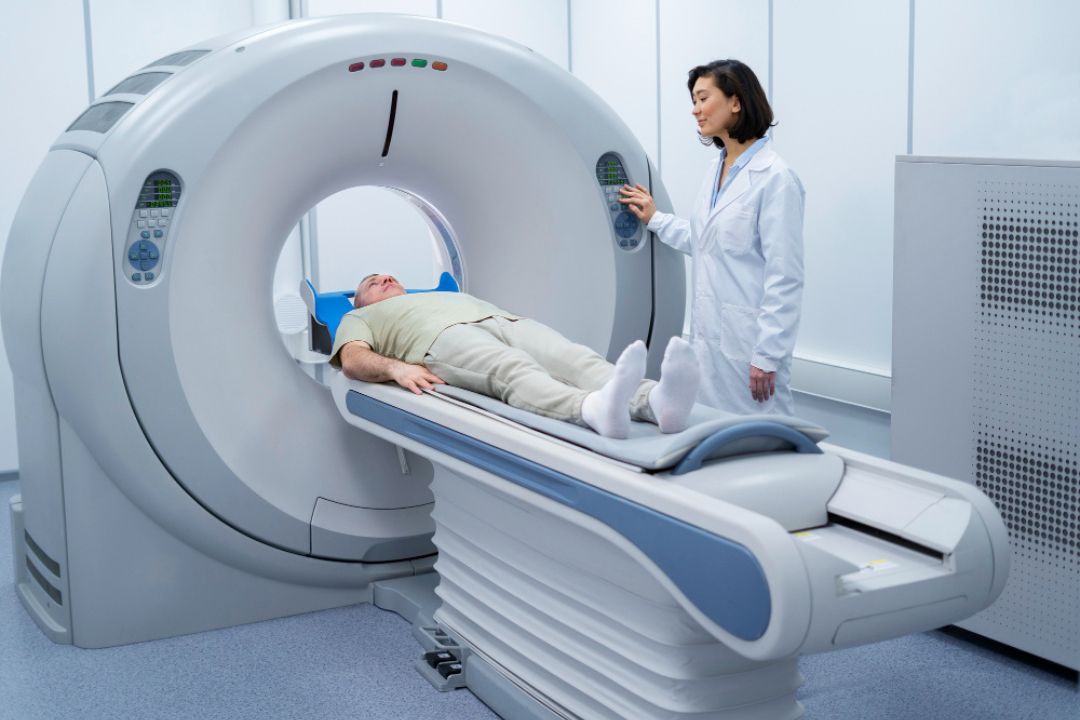
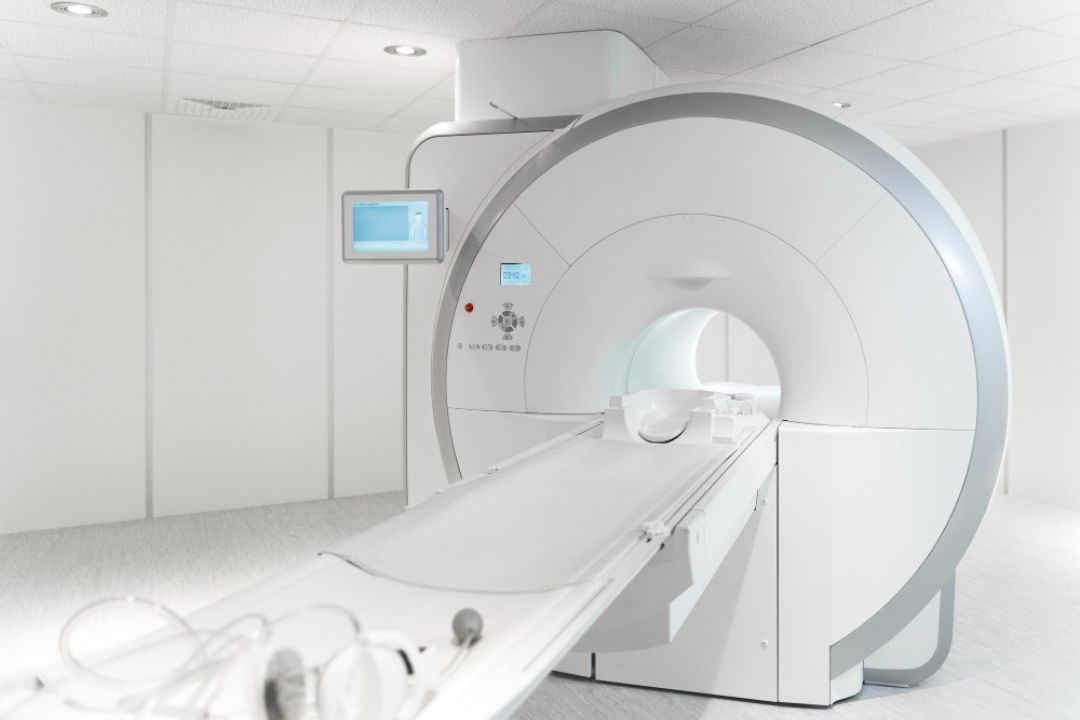
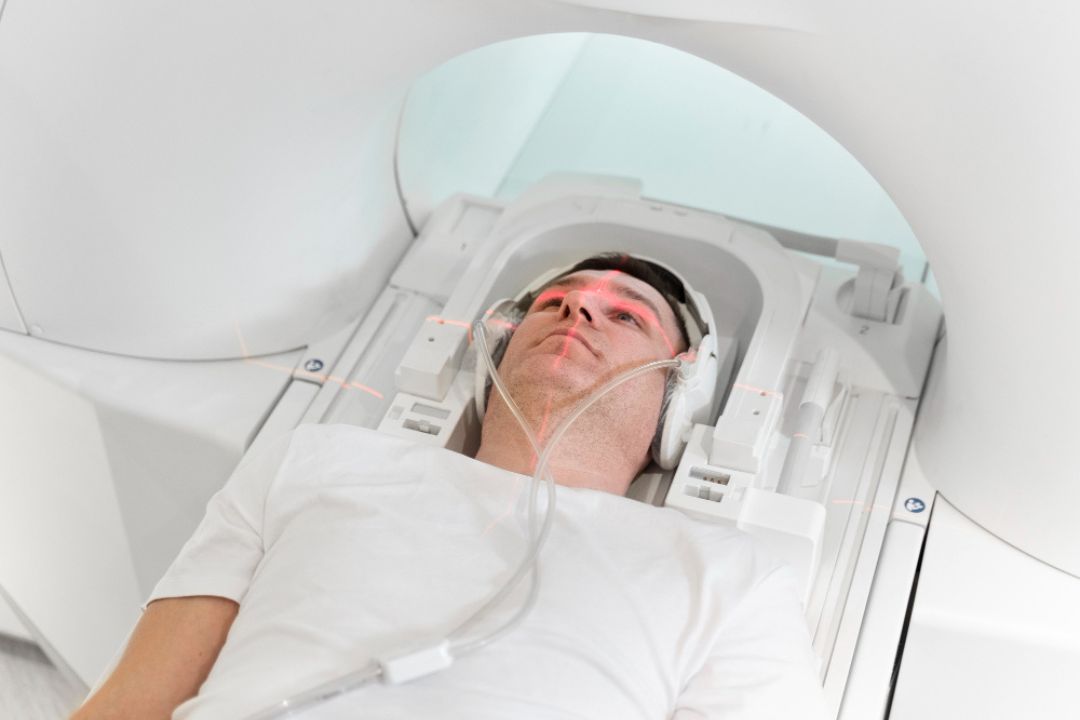
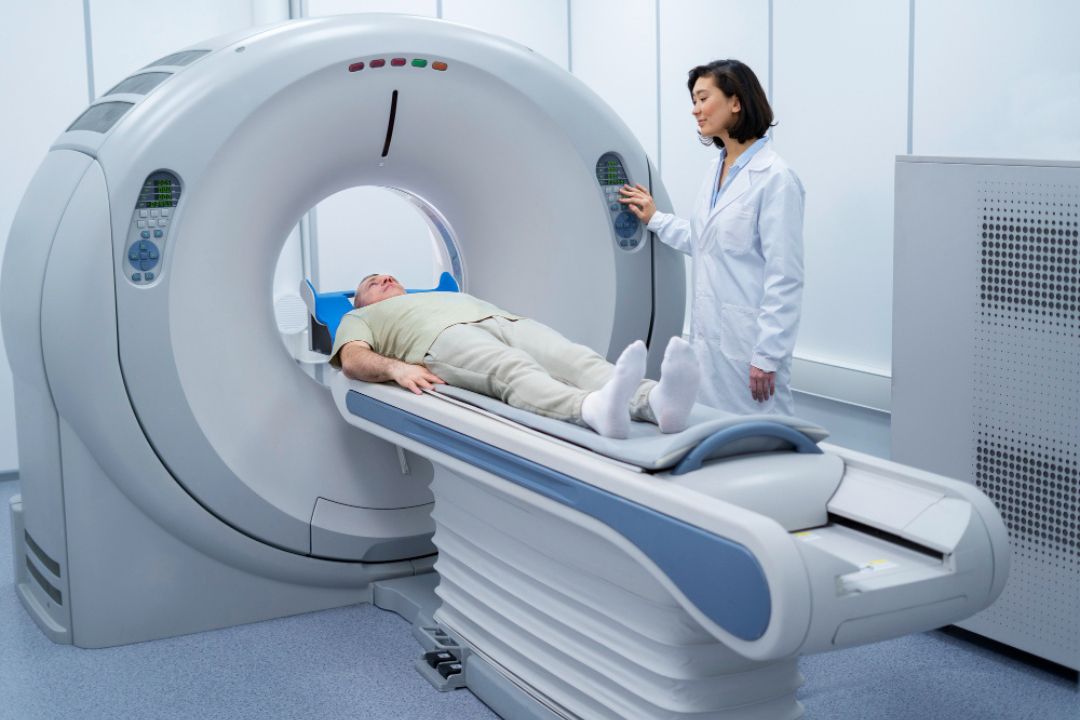
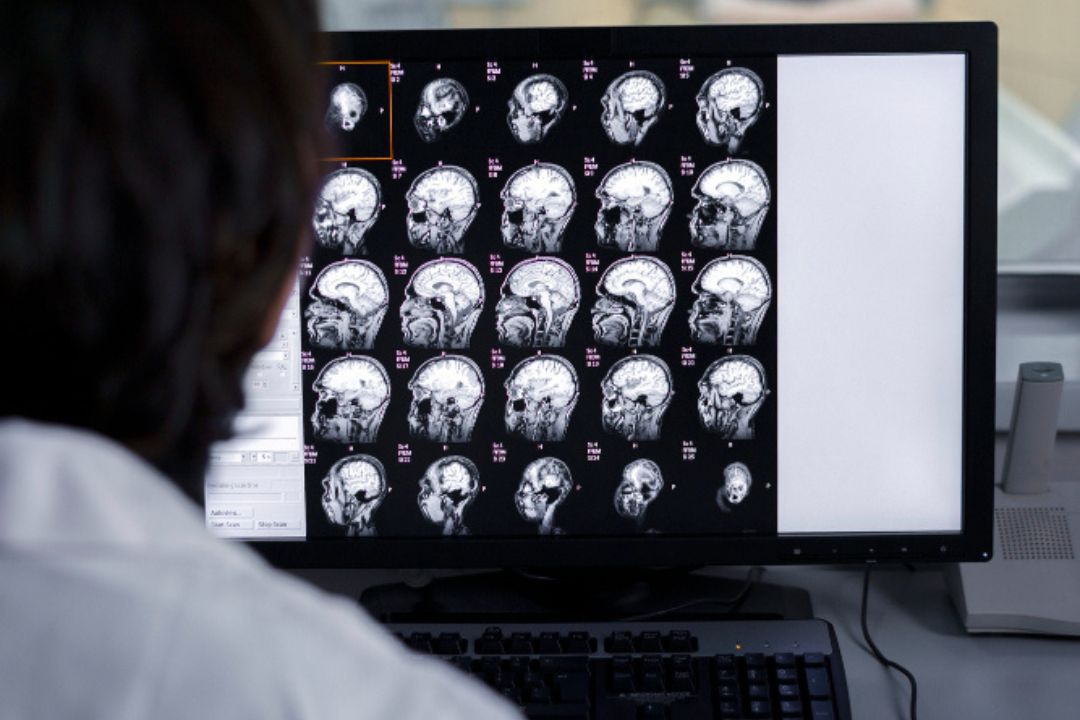
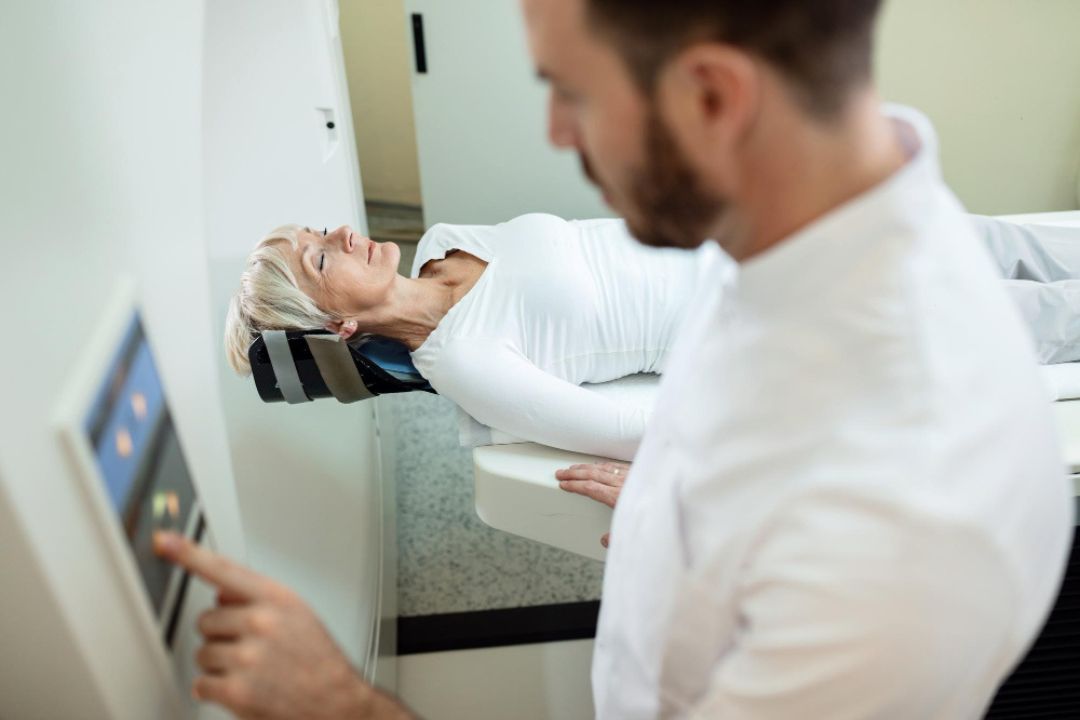
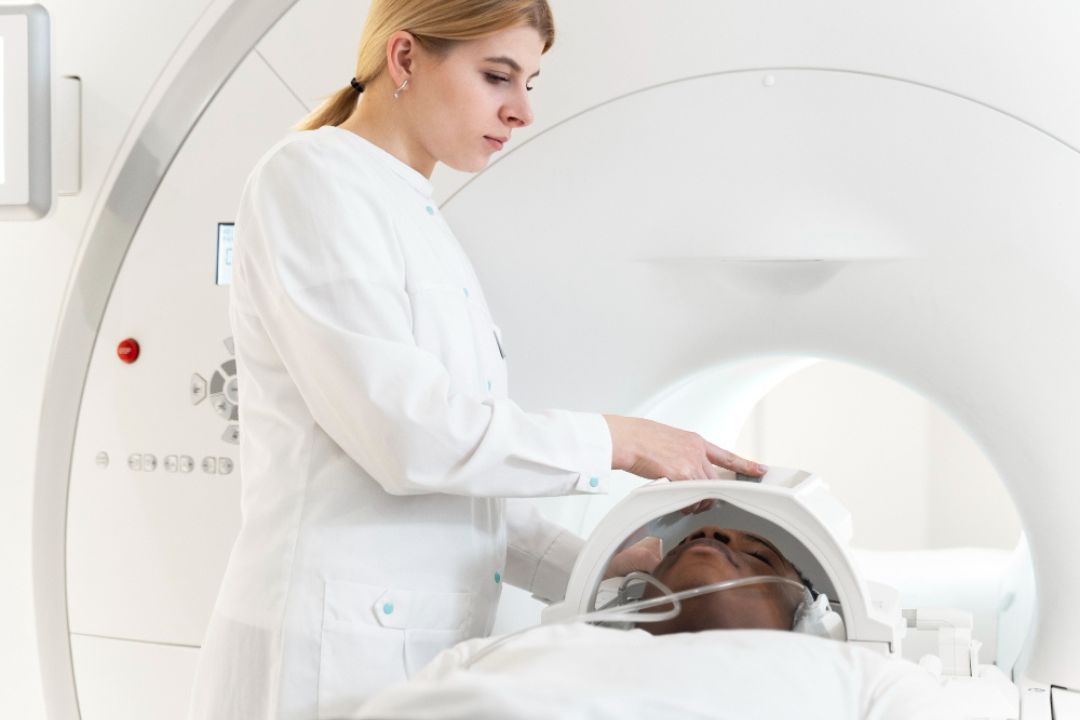
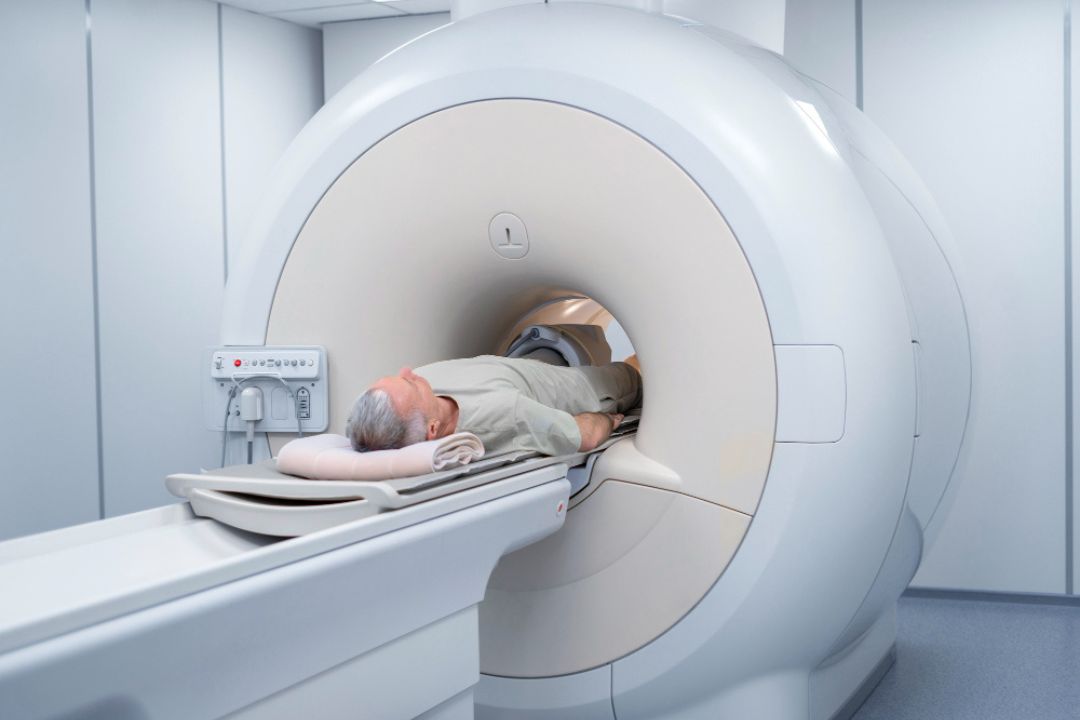
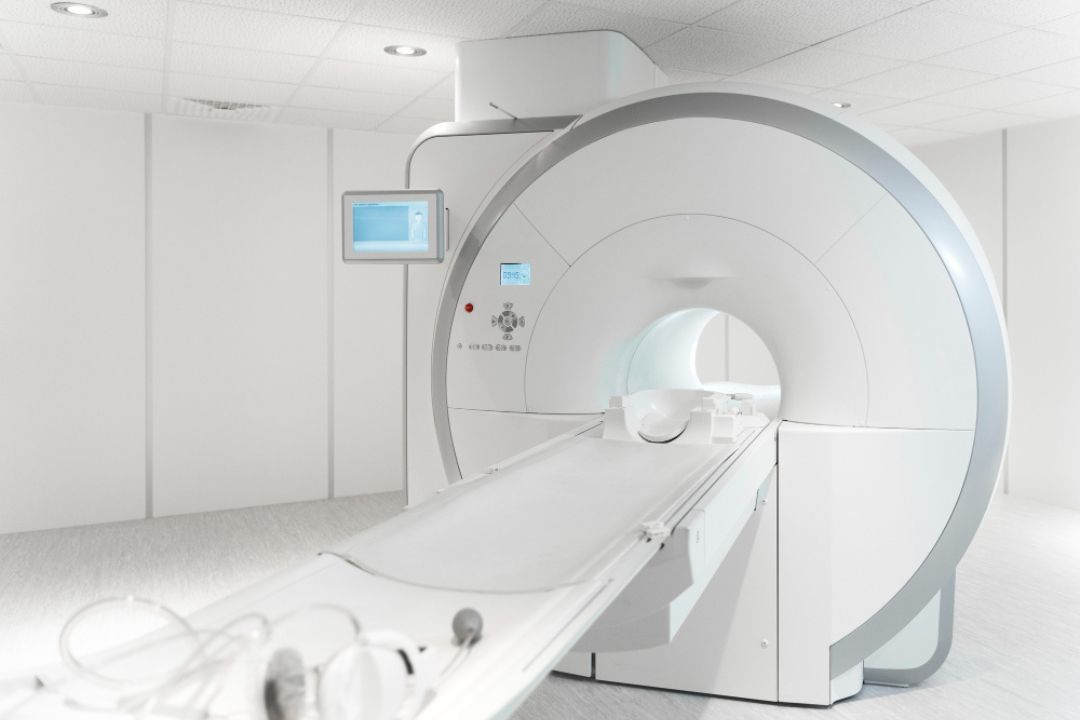
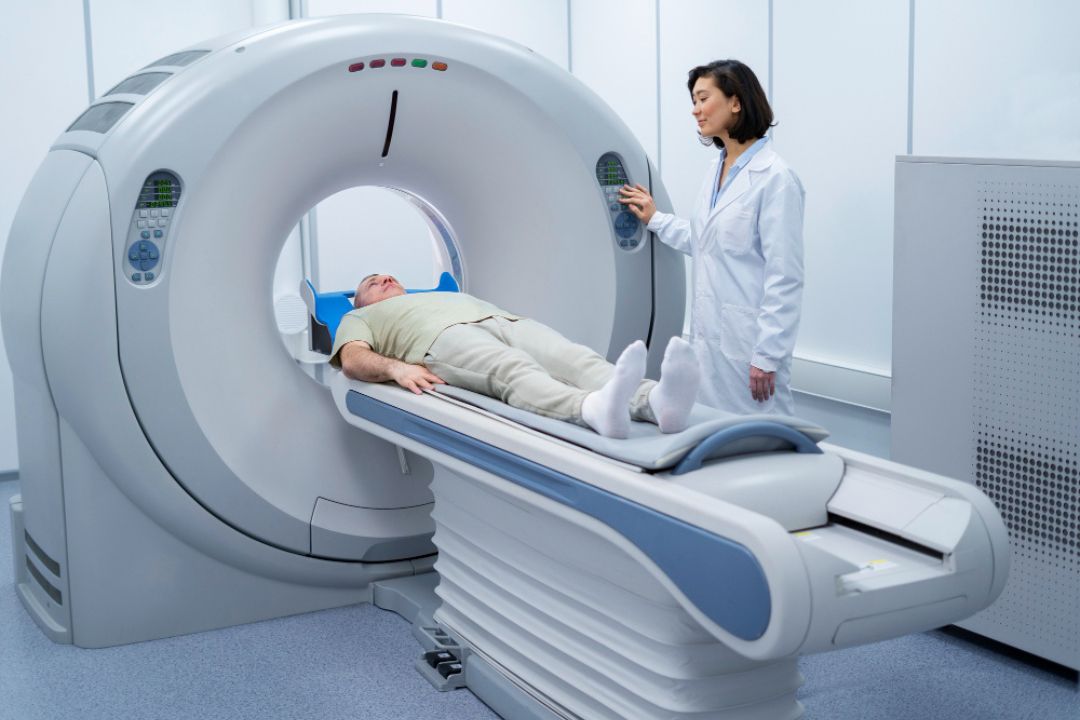
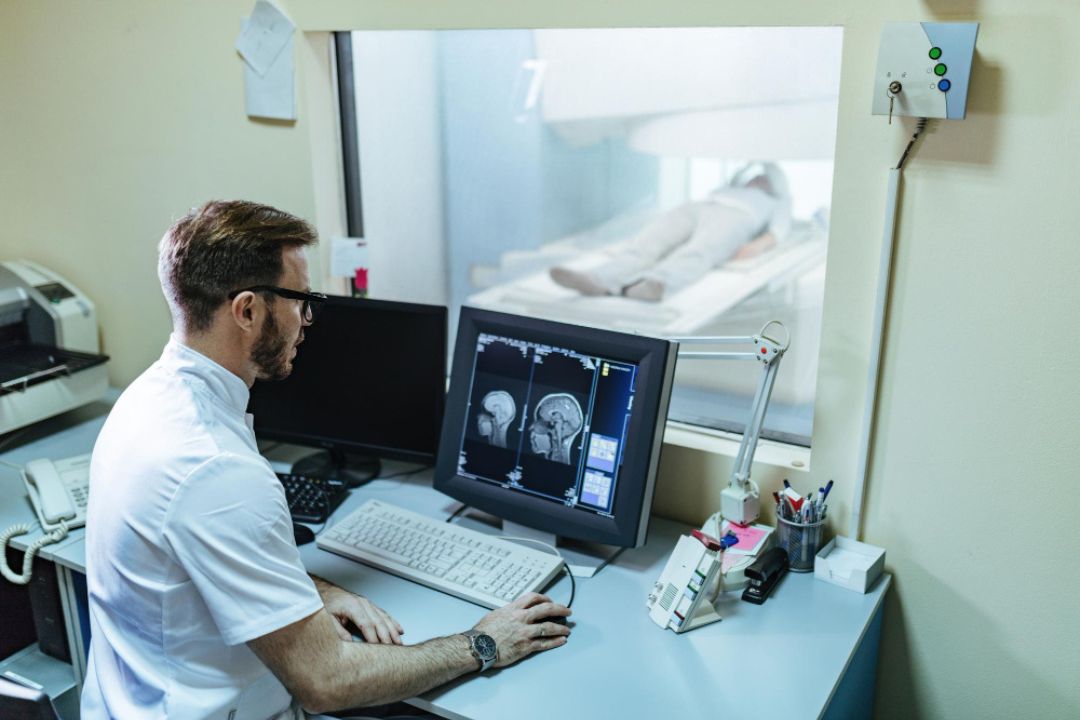
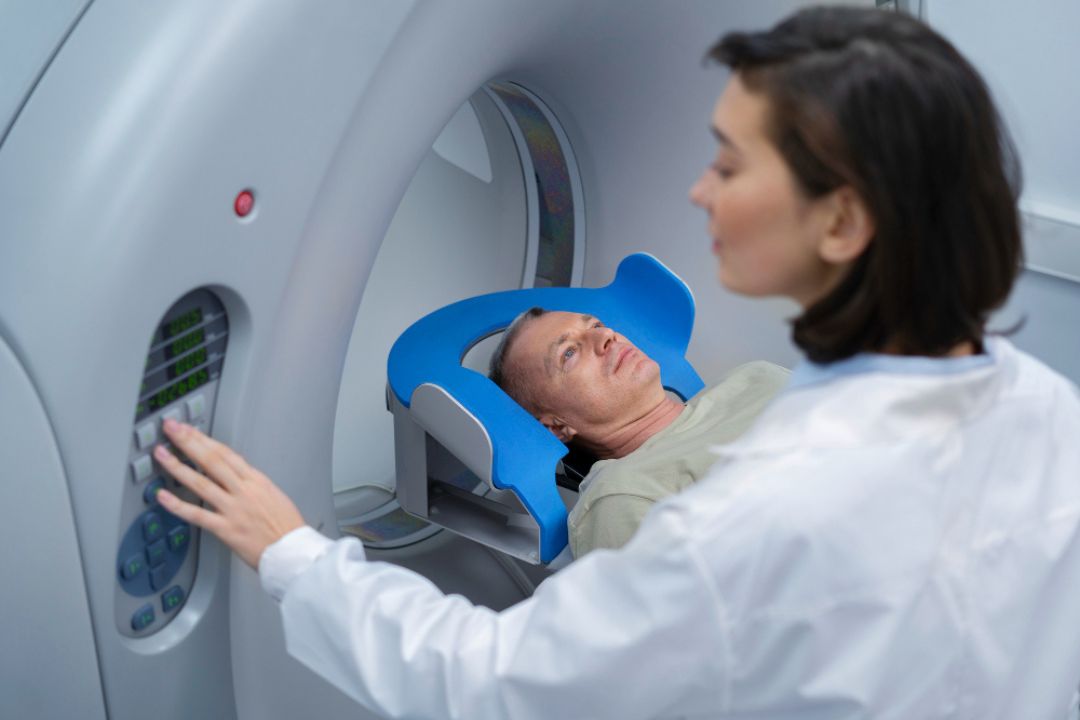
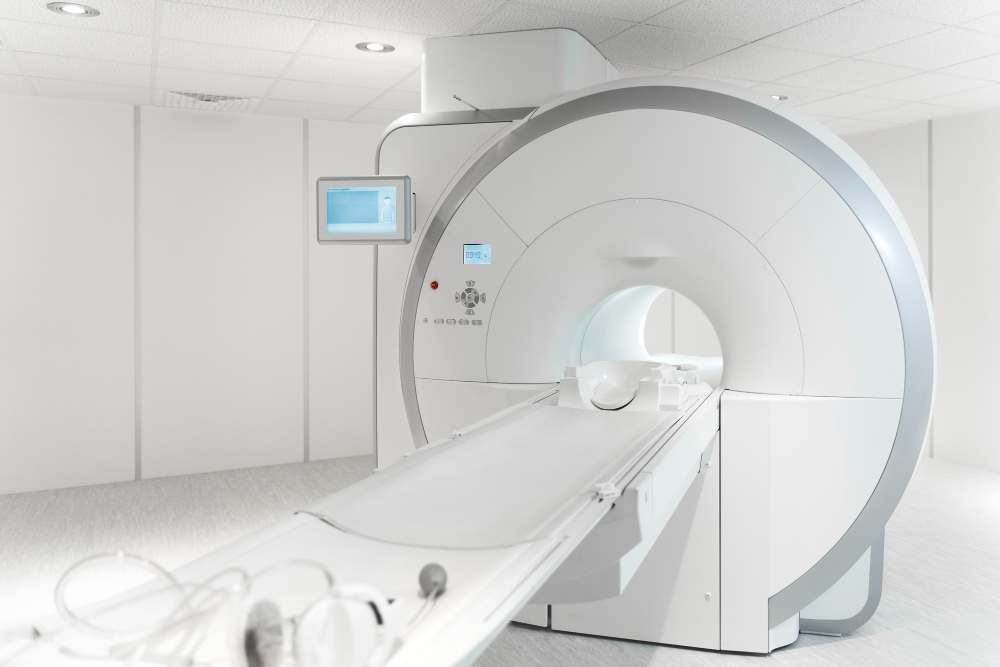
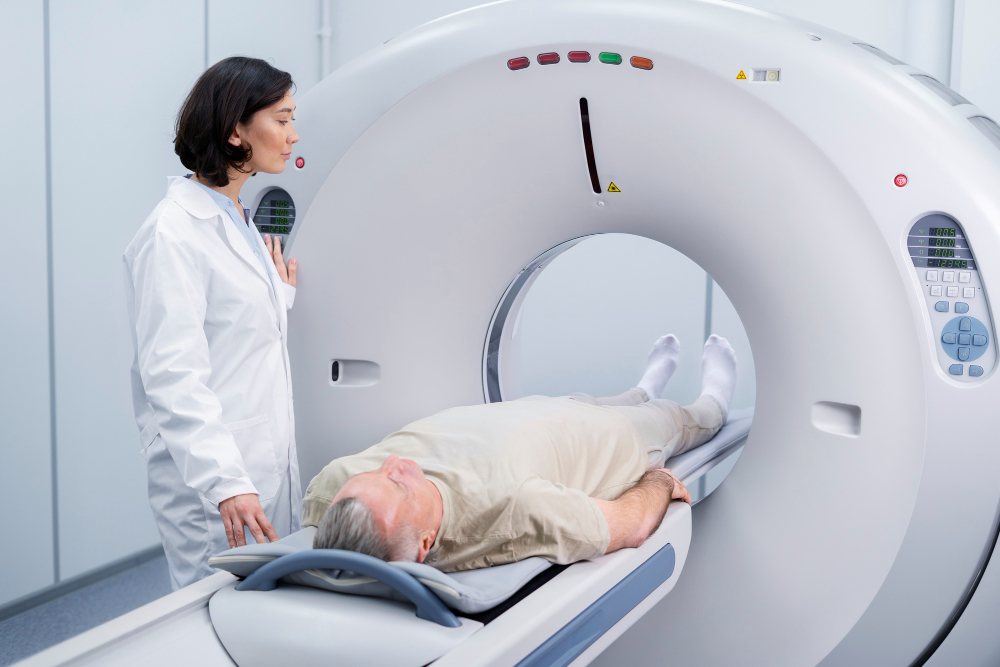
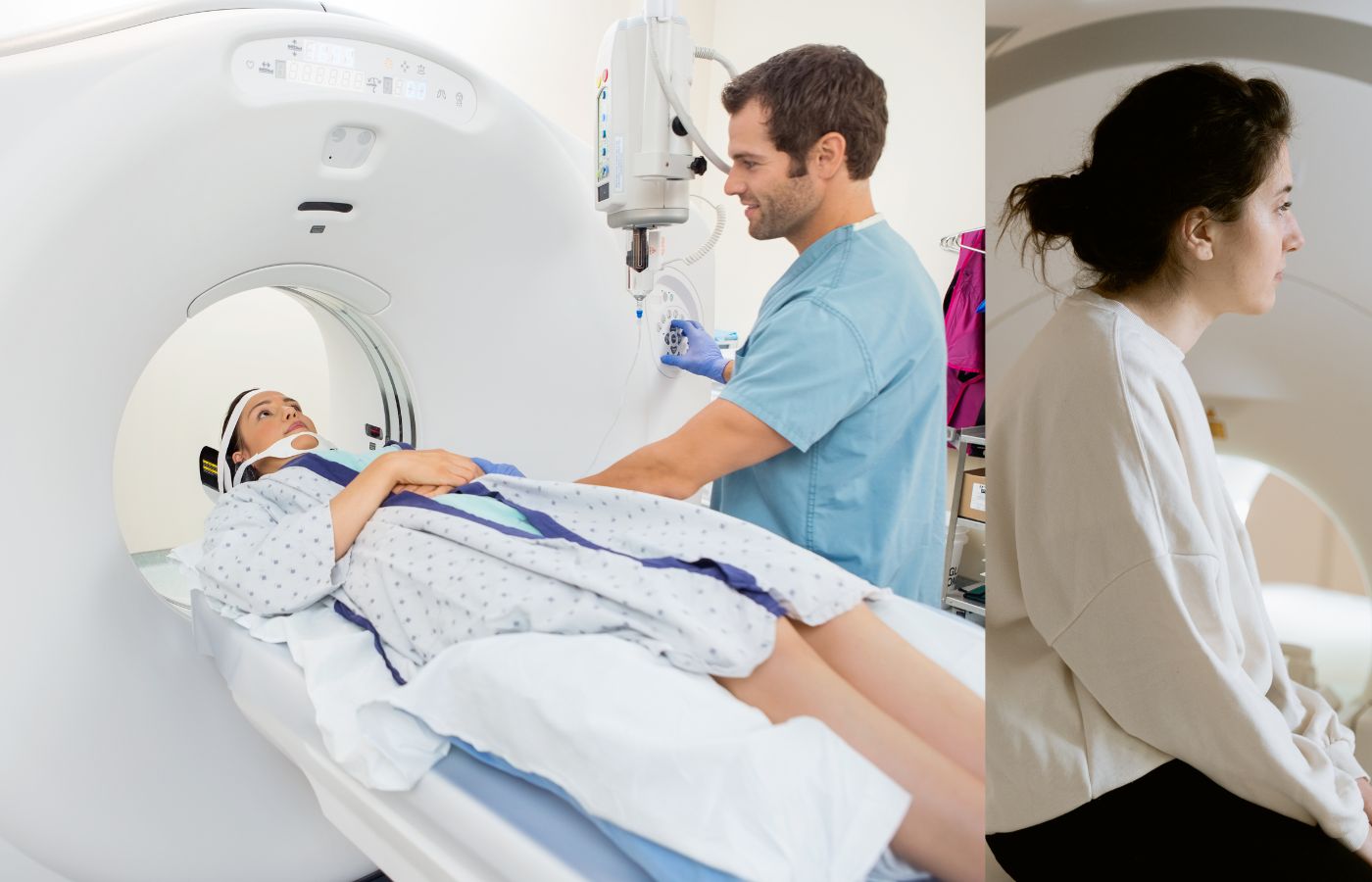
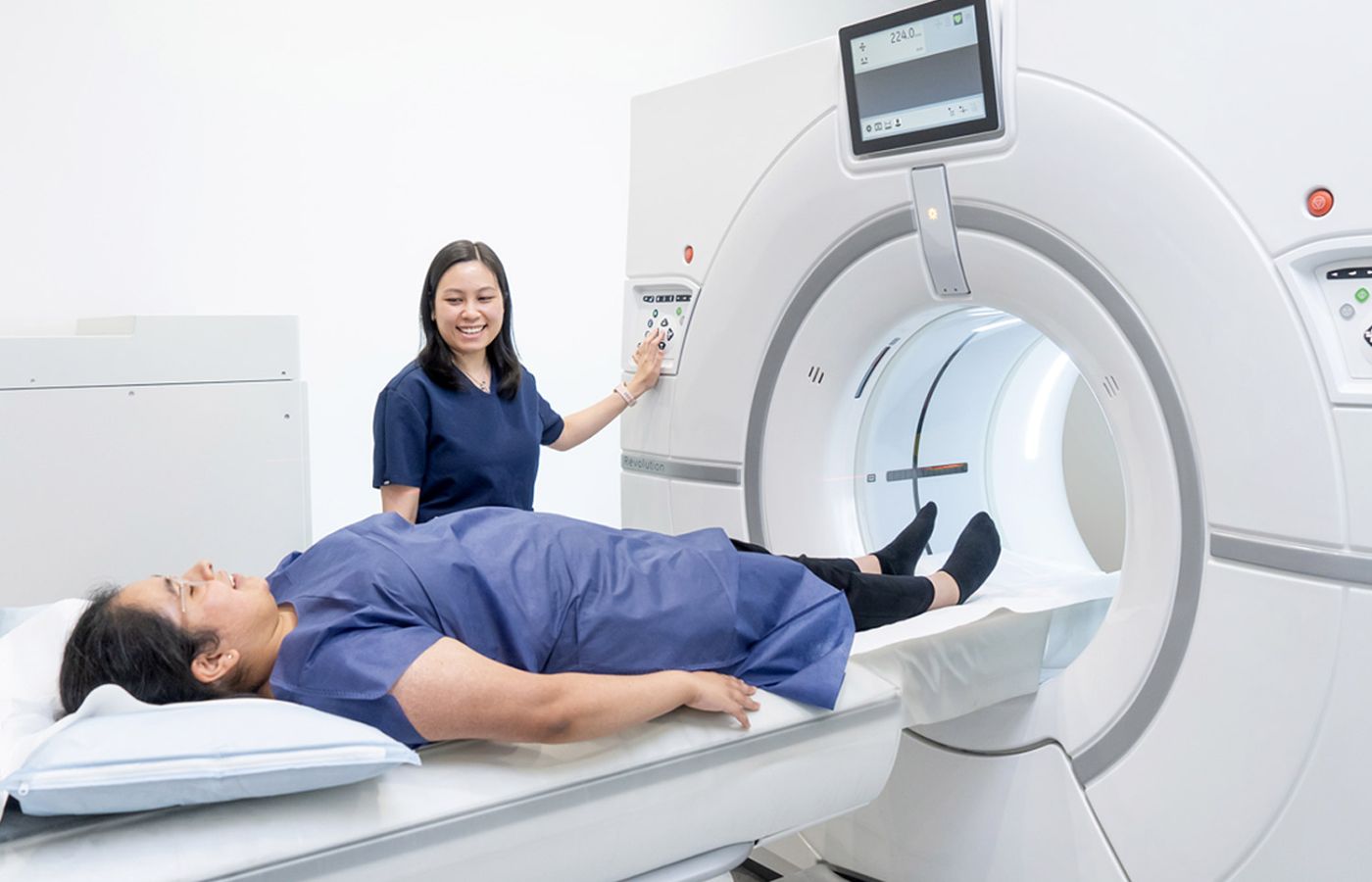
During the procedure, the patient lies on a motorized table that moves slowly through the CT scanner. The machine rotates around the body and captures multiple images of the area being examined.
The scan itself usually takes about 10 to 20 minutes. Patients may be asked to remain still or hold their breath briefly while the images are taken.
Most patients can return to their normal daily activities immediately after the scan. If contrast dye was used, drinking plenty of water is recommended to help remove the dye from the body.
In rare cases, patients may experience mild side effects such as nausea or itching, but serious reactions are uncommon.
Preparing properly for a CT scan helps ensure accurate diagnostic results and a smooth experience during the procedure. Following your doctor’s instructions, fasting when required, informing the medical team about your health conditions, and arriving prepared for the appointment can make the process easier and more effective.
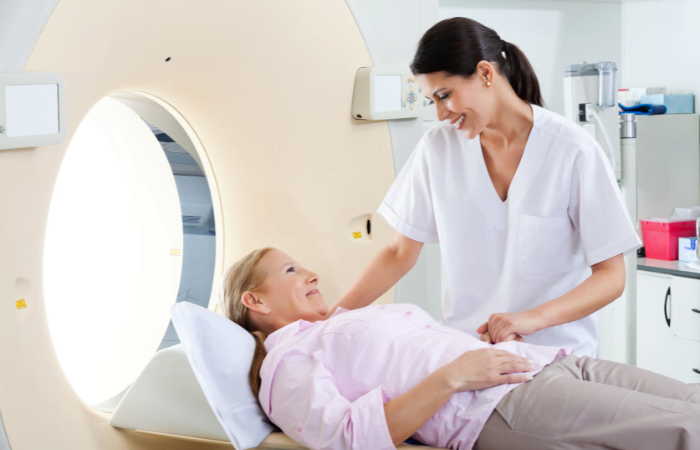
If you are scheduled for a CT Scan at Diagnopein, the medical team will guide you through each step to ensure your comfort and safety throughout the procedure.





.jpg "ct brain scan plain and contrast")



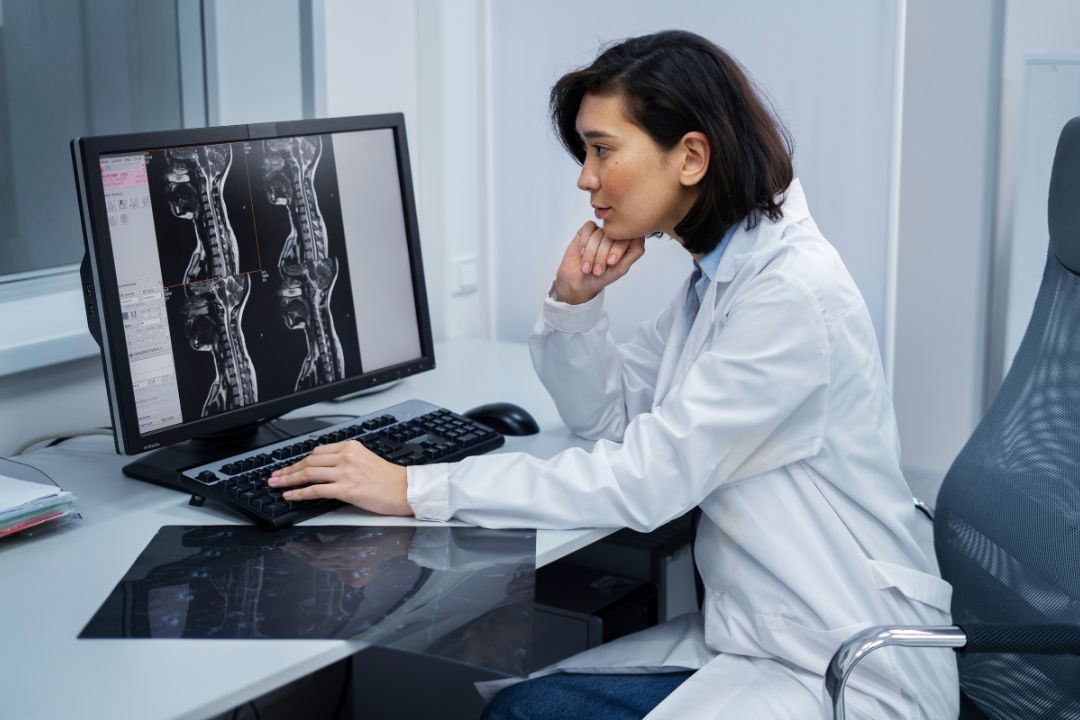
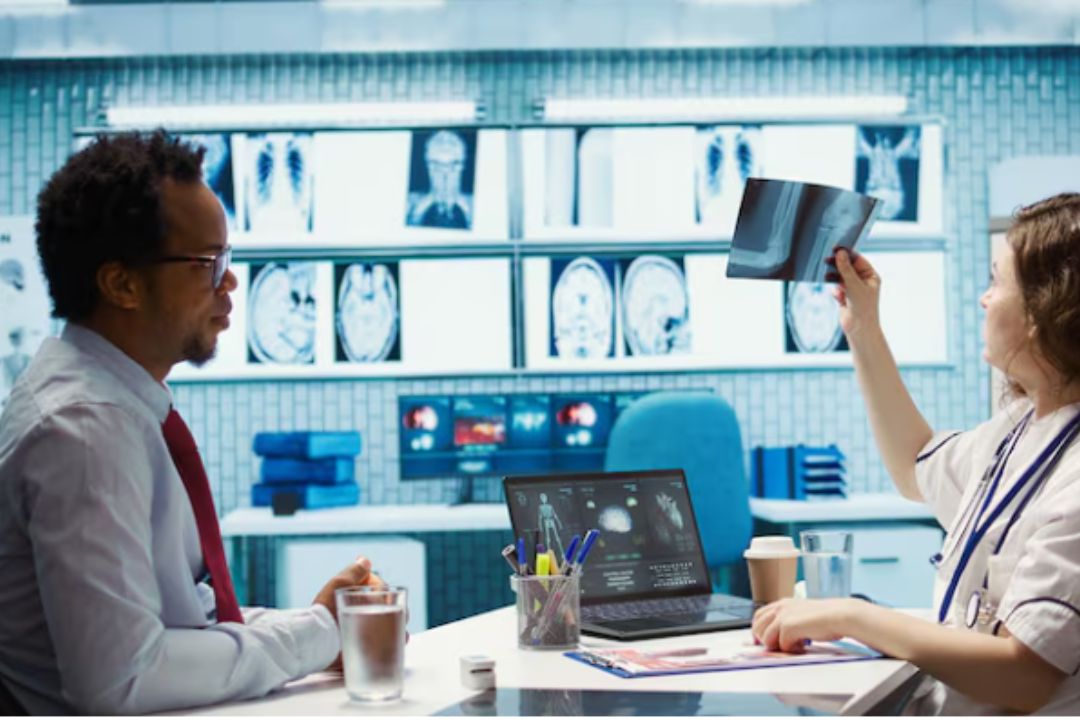
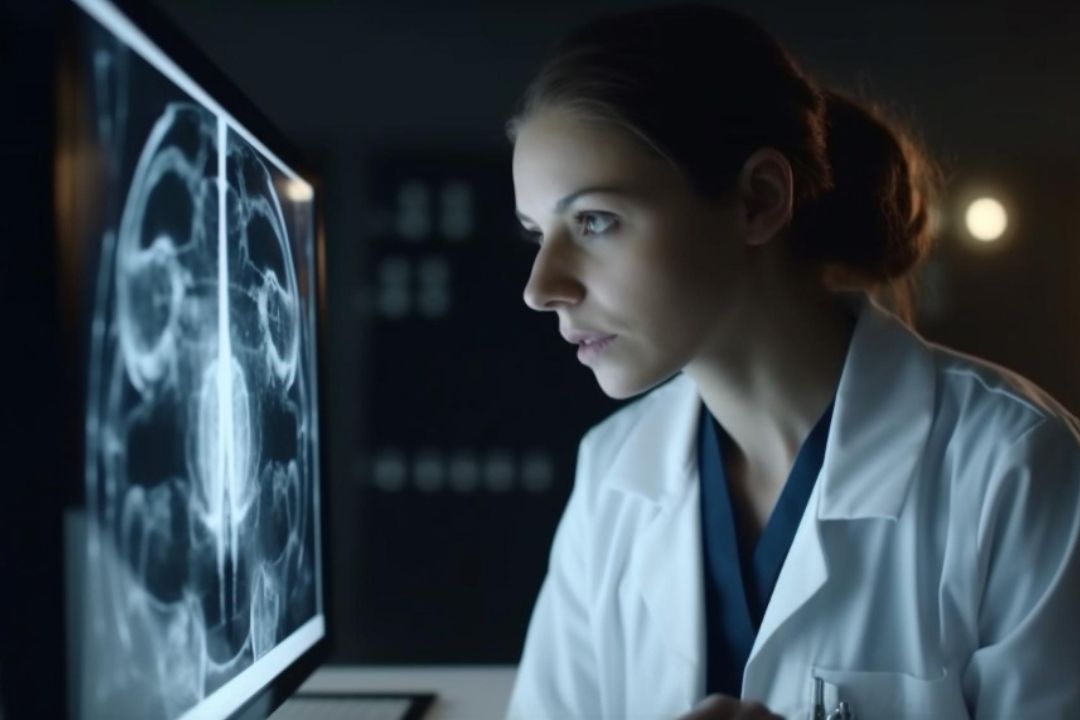
.jpg "ct scan")
.jpg "ct scan or mri for brain disorders")


.jpg "exploring the power of ct brain contrast in modern diagnostics")
.jpg "ct scan")
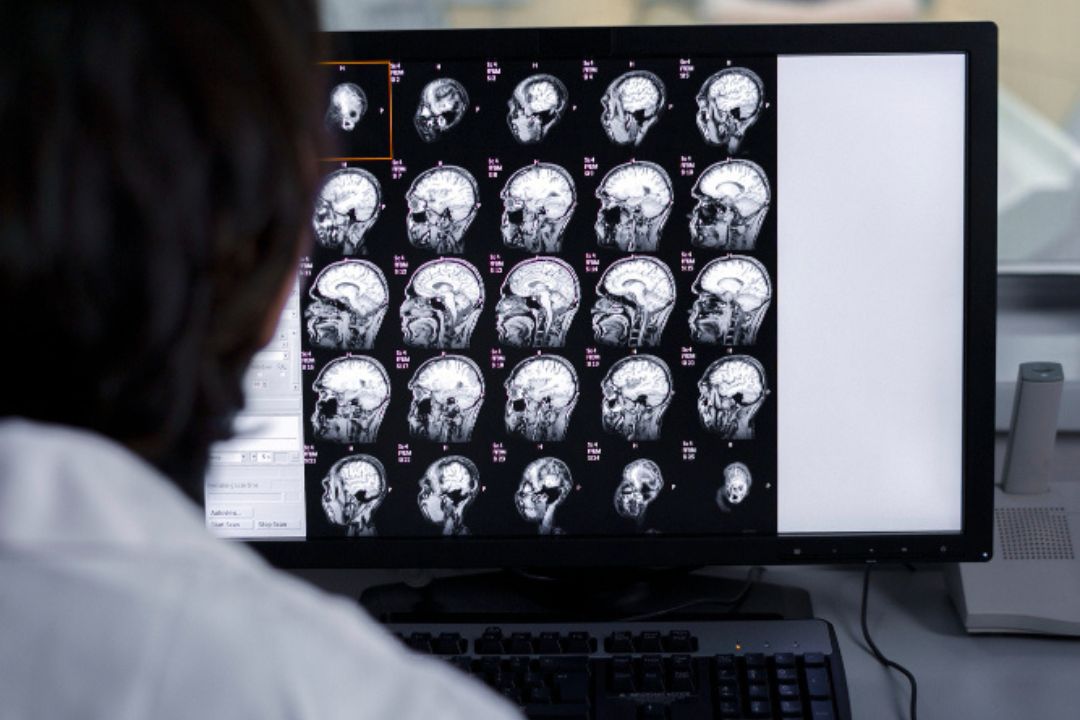
.jpg "ct scan")






.jpg "ct scan")
.jpg "CT Brain Scan for Headaches")
.jpg "The Future of 3D CT Imaging")